Guide to Sigiriya: Hurulu Elephant Safari, Pidurangala and Lion Rock
Hit both rocks in one morning. Navigate the pre-dawn Pidurangala scramble for sunrise, clear the Lion Rock stairs early, and pivot to Polonnaruwa.
Rising dramatically from the central plains, Sigiriya (the ancient 'Lion Rock' fortress) is arguably Sri Lanka's most iconic landmark. This massive volcanic column, crowned by the ruins of a 5th-century royal palace and flanked by pristine water gardens, draws travellers from across the globe. But before scaling its sheer stone staircases and admiring its legendary frescoes, I needed to map out my logistics, including ticket prices, opening hours and how to get there from Jaffna.
iseasywith.me Quick Fact
The word Sigiriya comes from the Sinhala word Sinhagiri, which translates directly to 'Lion Rock' (Sinha = Lion + Giri = Rock)
From Jaffna to Sigiriya
After leaving the northern peninsula behind, I boarded bus #43 bound for Kandy from the Jaffna New Bus Stand heading south down the historic A9 highway.
While my ultimate destination was Sigiriya, I stayed on the bus for a solid 4 hours 45 minutes, riding it past the initial highway turn-offs and traveling deep into the main commercial hub of Dambulla.
Route Overview: Jaffna New Bus Stand ➔ A9 Highway ➔ Dambulla Central Junction ➔ Tuk-Tuk to Sigiriya
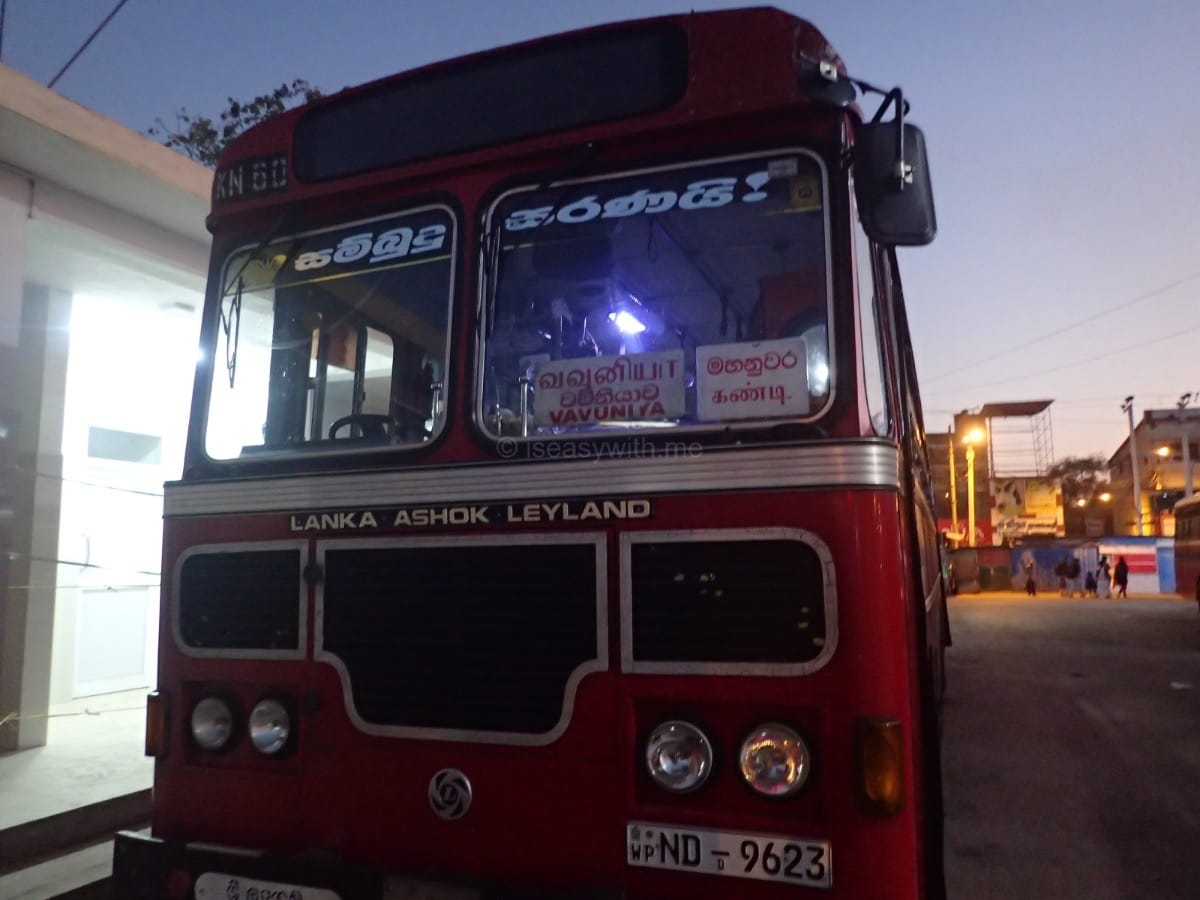
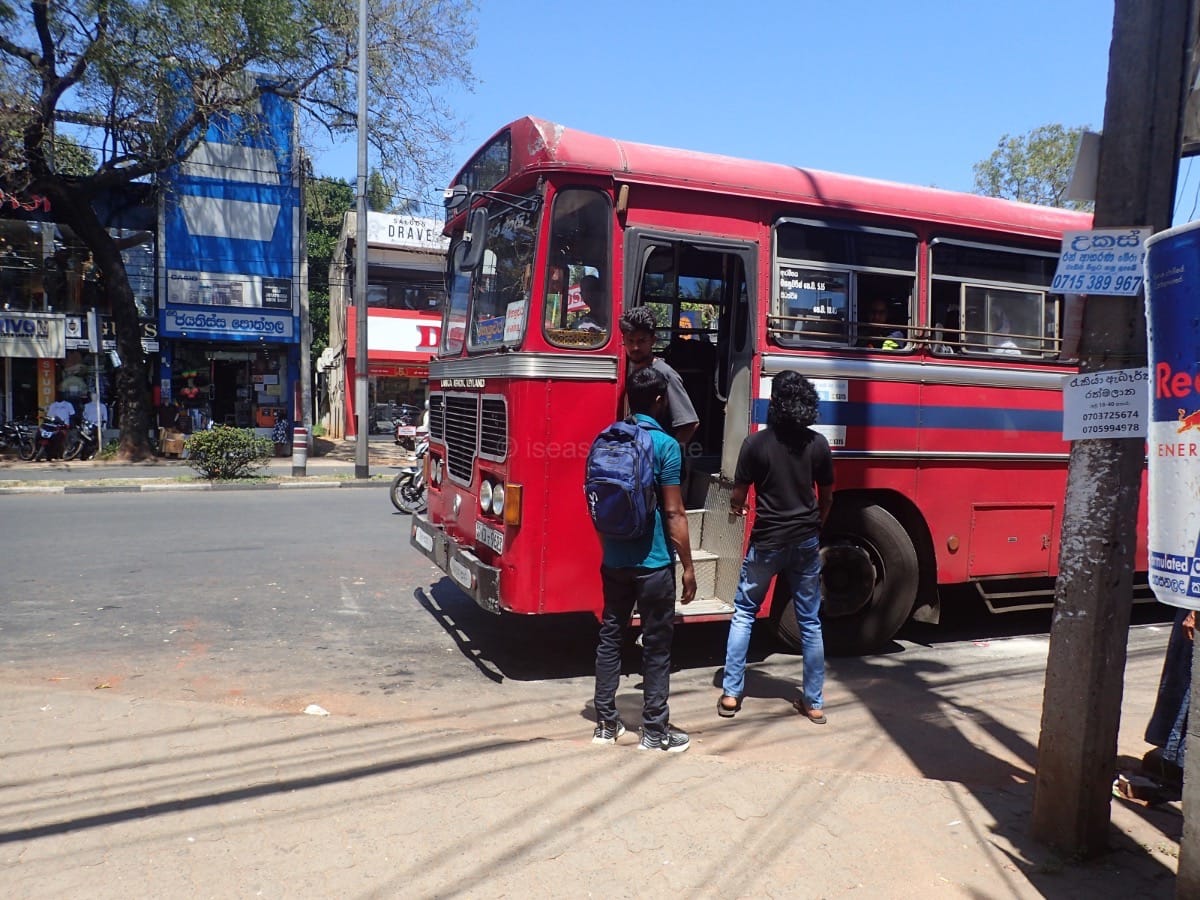
bus #57 from Jaffna to Dambulla
Alighting at Dambulla Central Junction
I finally alighted at the bustling bus stop right across from the prominent New Jayathissa Book Shop at Dambulla's central junction (Kurunegala Junction). The long-distance bus journey cut cleanly through Sri Lanka’s dry northern plains before gradually transitioning into the greener agricultural landscapes and forested central regions.
While many travellers choose to jump off early at roadside crossroads like Inamaluwa Junction, pulling directly into Dambulla's energetic main town centre gave me a front-row seat to the local pace of life.
From the busy street right outside the bookstore, I easily hailed a waiting tuk-tuk to navigate the final 20-minute leg of the trip straight into Sigiriya.
Arriving in Sigiriya
Arriving in Sigiriya, I found it to be much more of a spread-out village than a bustling tourist centre. Small cafes lined the dusty roads and the rhythm of life felt noticeably slower than Sri Lanka’s larger cities.
Most travellers arrive here with one clear goal, climbing Sigiriya Lion Rock. But the surrounding region offered far more than just a single archaeological site, forming one of the most concentrated clusters of ancient history and wildlife safaris in Sri Lanka.
In and Around Sigiriya
Sigiriya's absolute must-see highlights include scaling the iconic 5th-century rock fortress of Sigiriya Lion Rock, catching breathtaking sunrise views from atop Pidurangala Rock, tracking wild Asian elephants at Hurulu Eco Park, and exploring the sprawling ancient ruins of the nearby Polonnaruwa Ancient City.
Hurulu Eco Park Elephant Safari
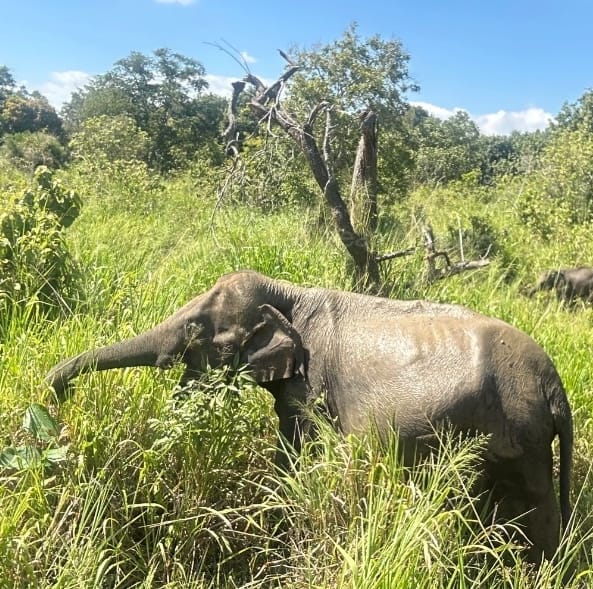
Located a short drive from the main town, Hurulu Eco Park (LKR 12,000, private jeep) is one of the most accessible places to observe wild Asian elephants in their natural environment.
iseasywith.me Travel Advisory
Wildlife sightings are never guaranteed. While local guides may suggest otherwise, elephant movements depend entirely on the season and migration patterns. It’s best to treat every safari as a nature experience rather than a guaranteed encounter.
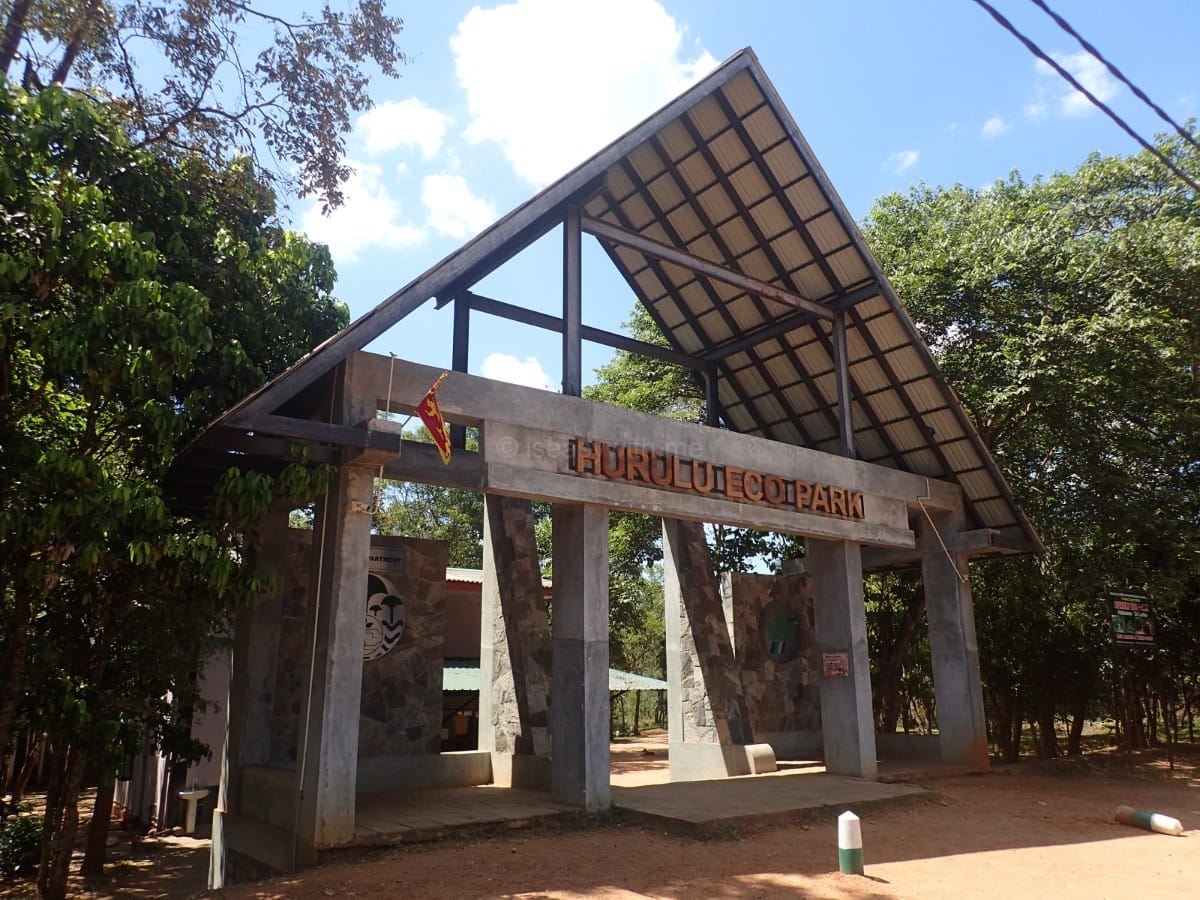
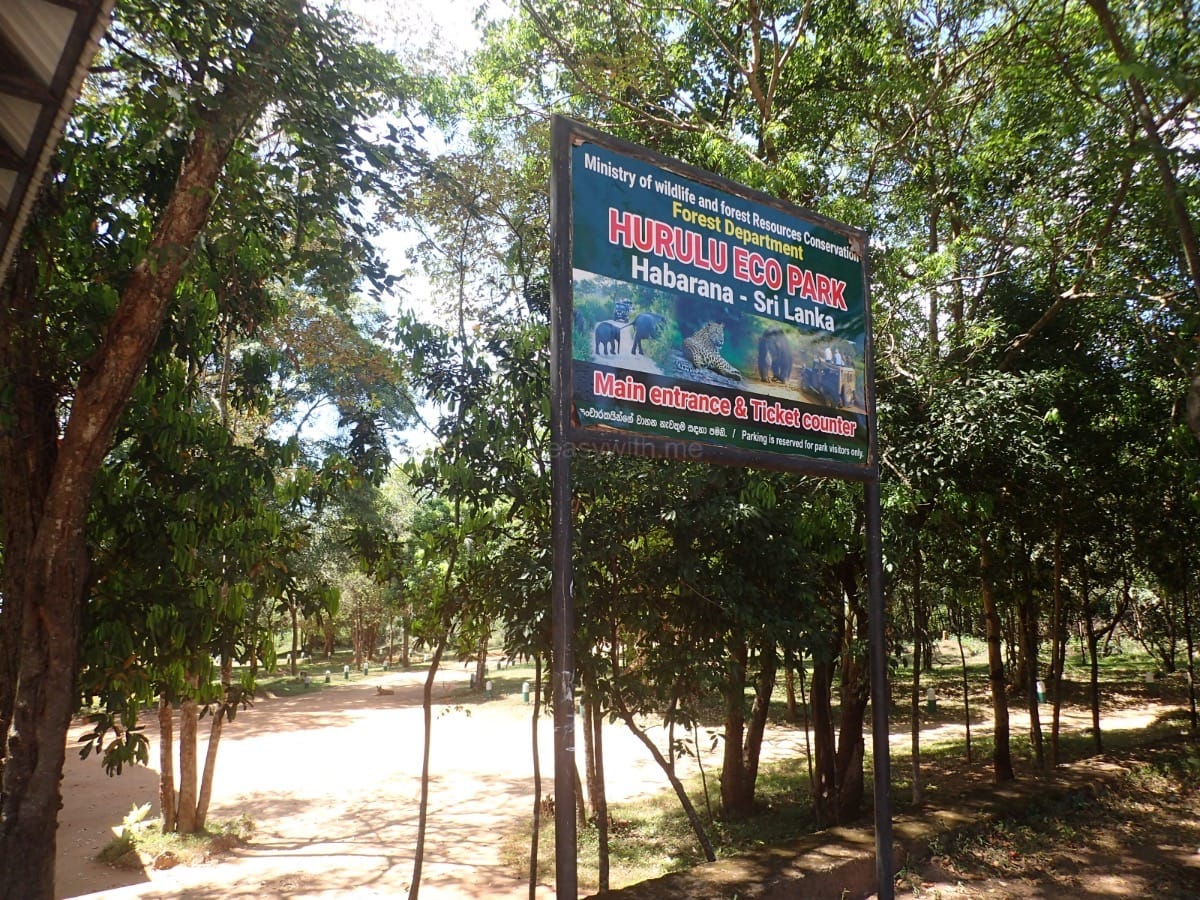
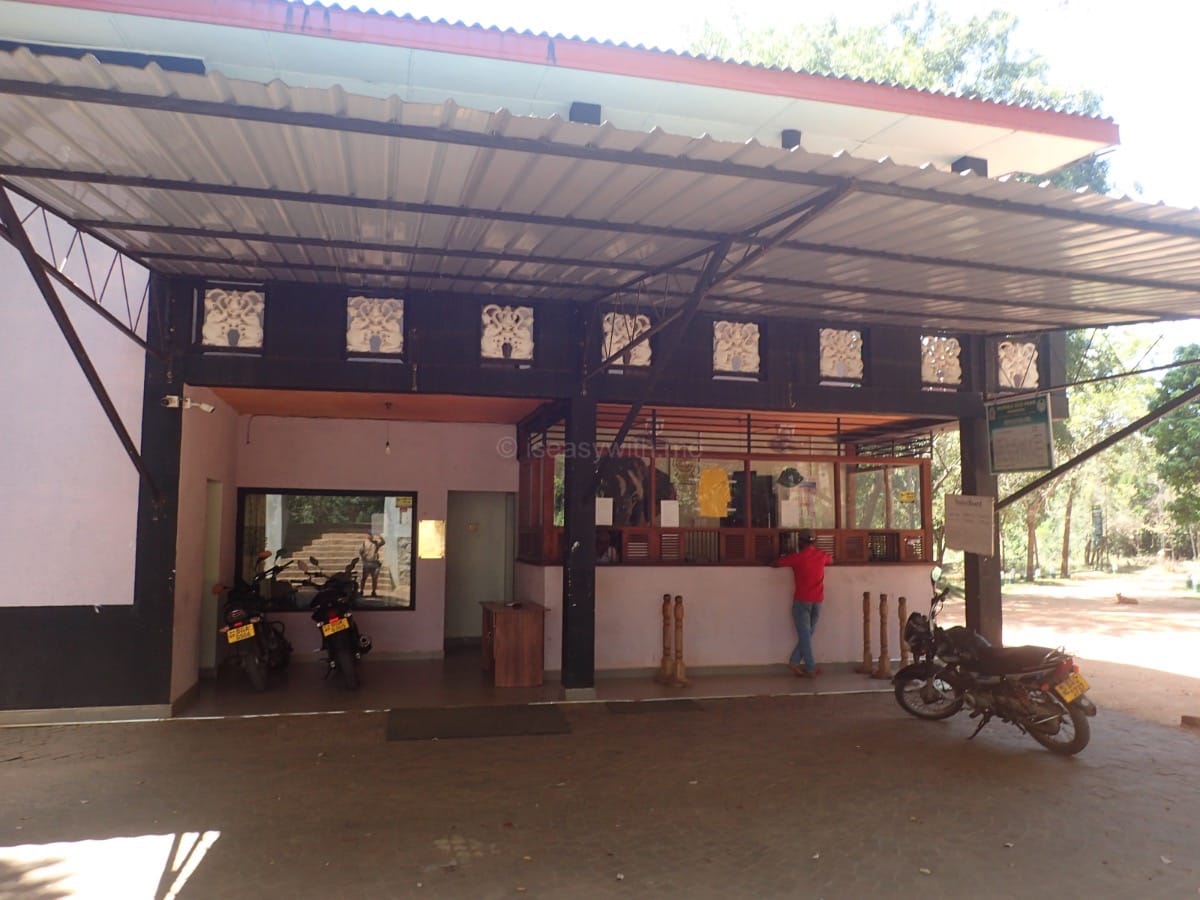
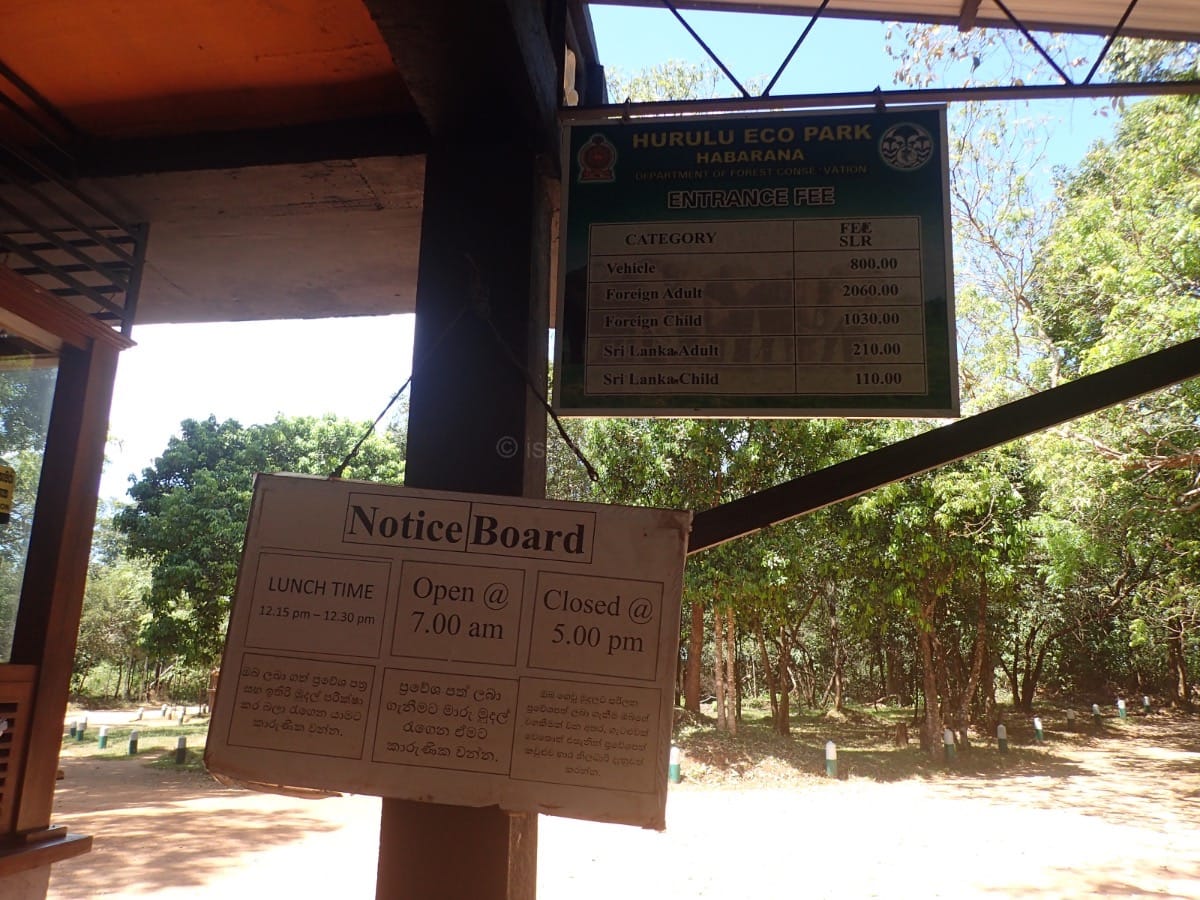
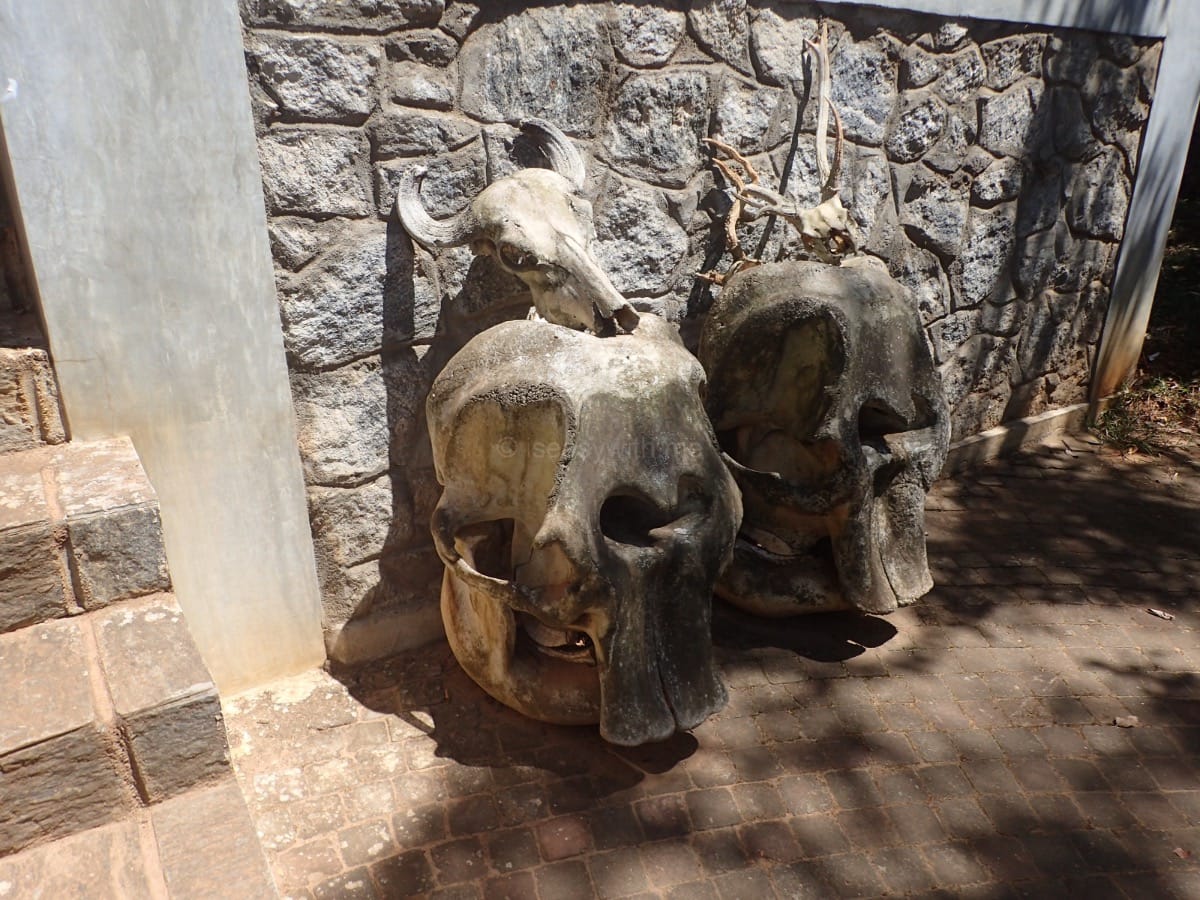
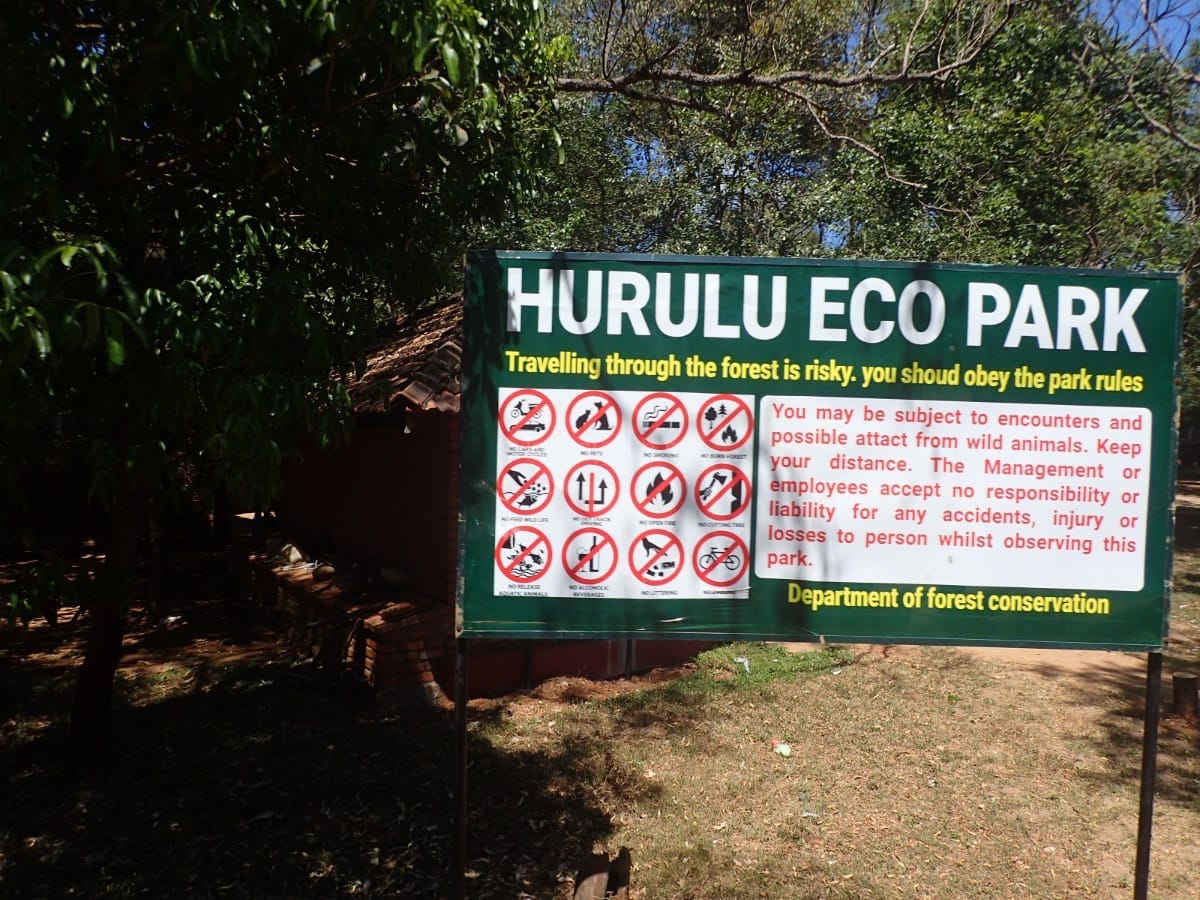
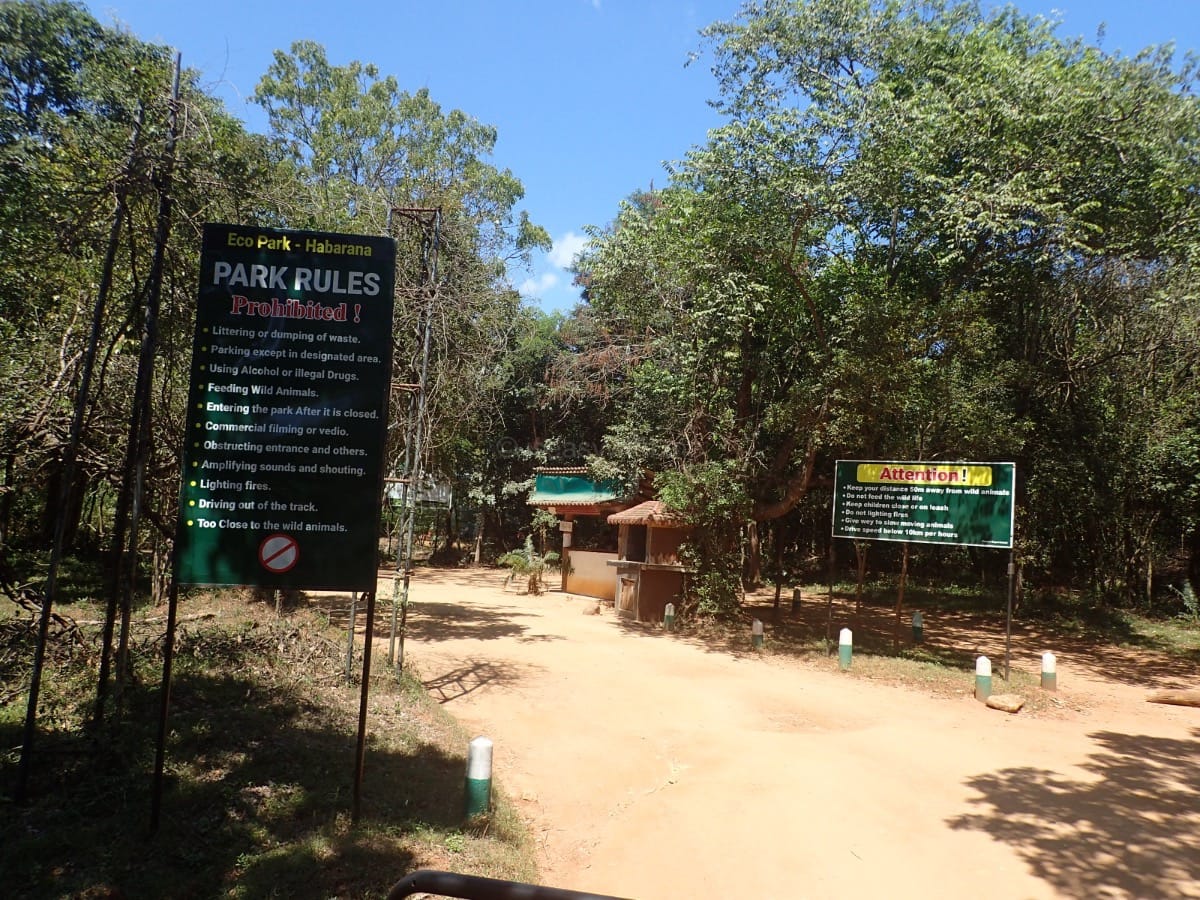
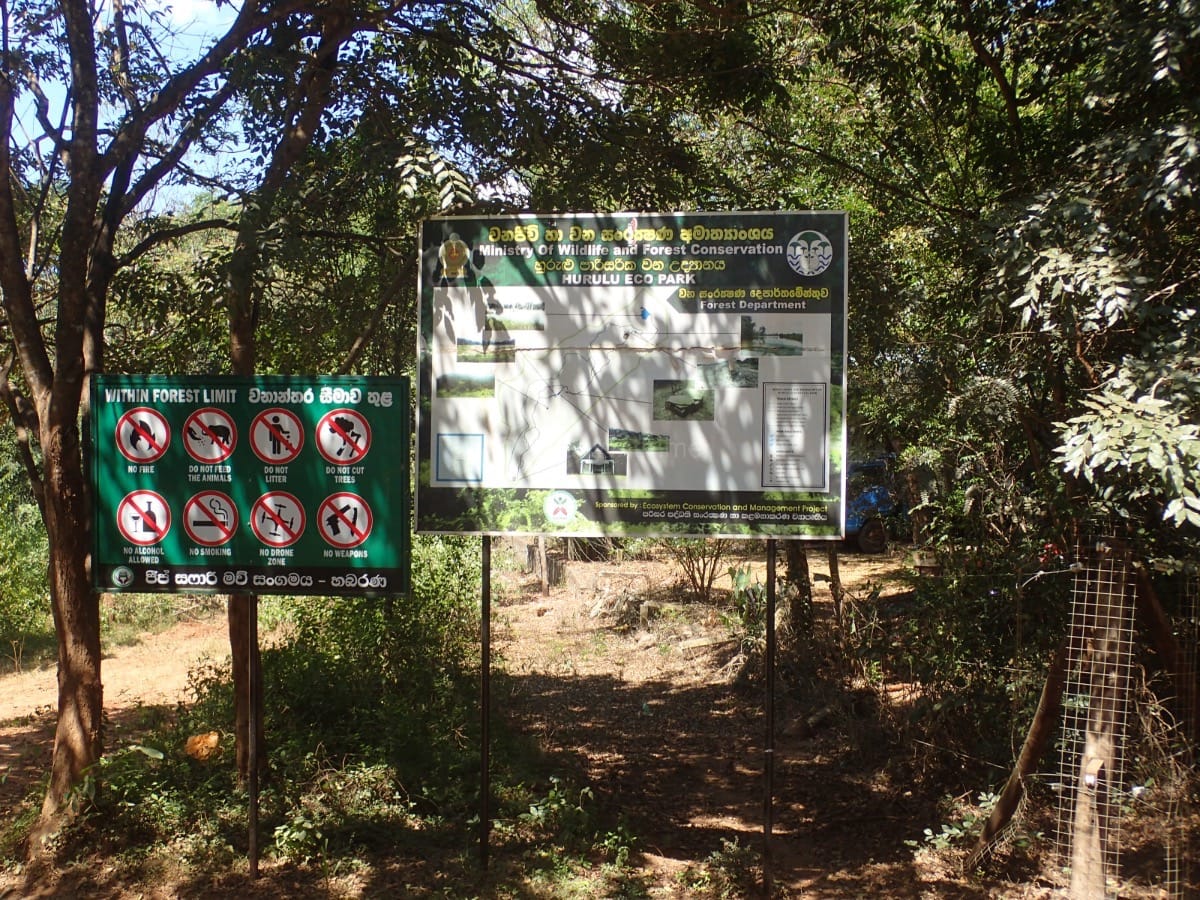
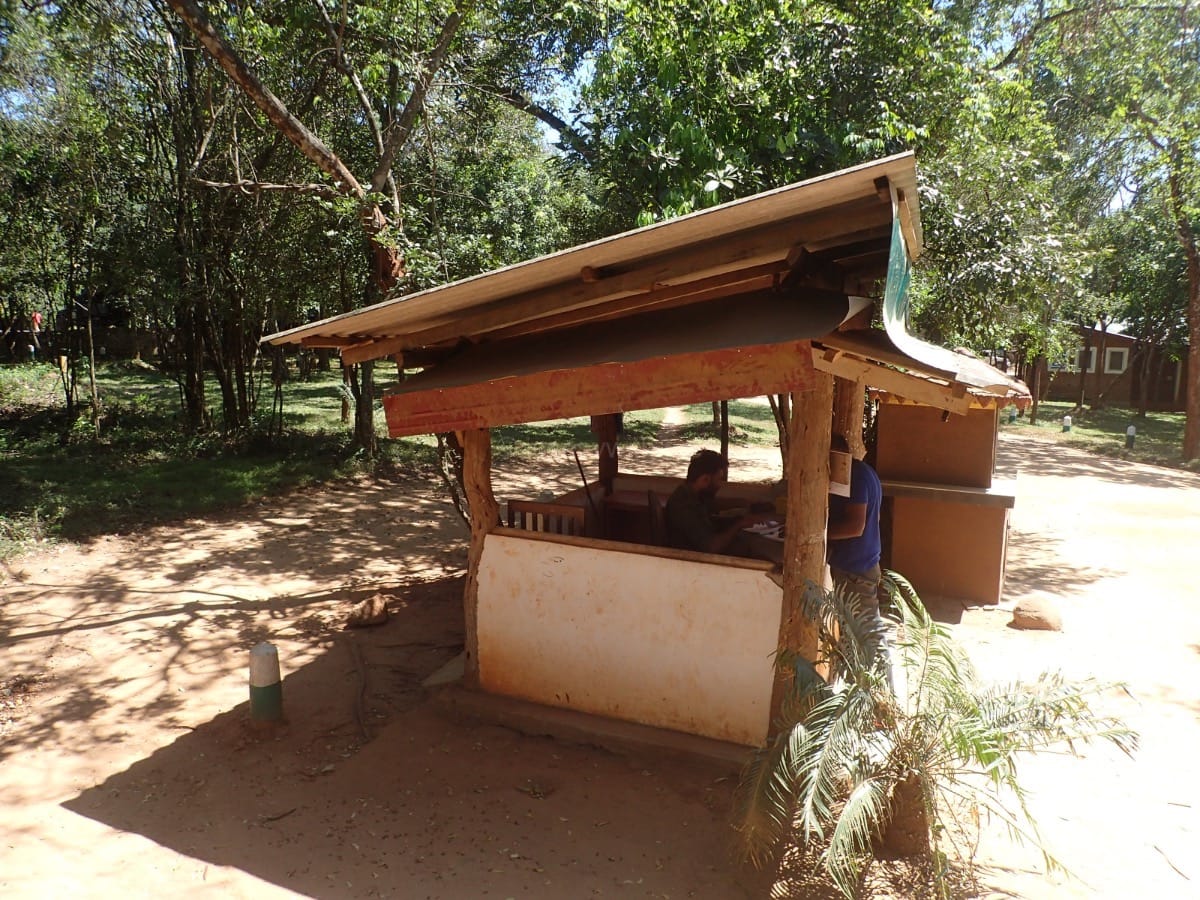
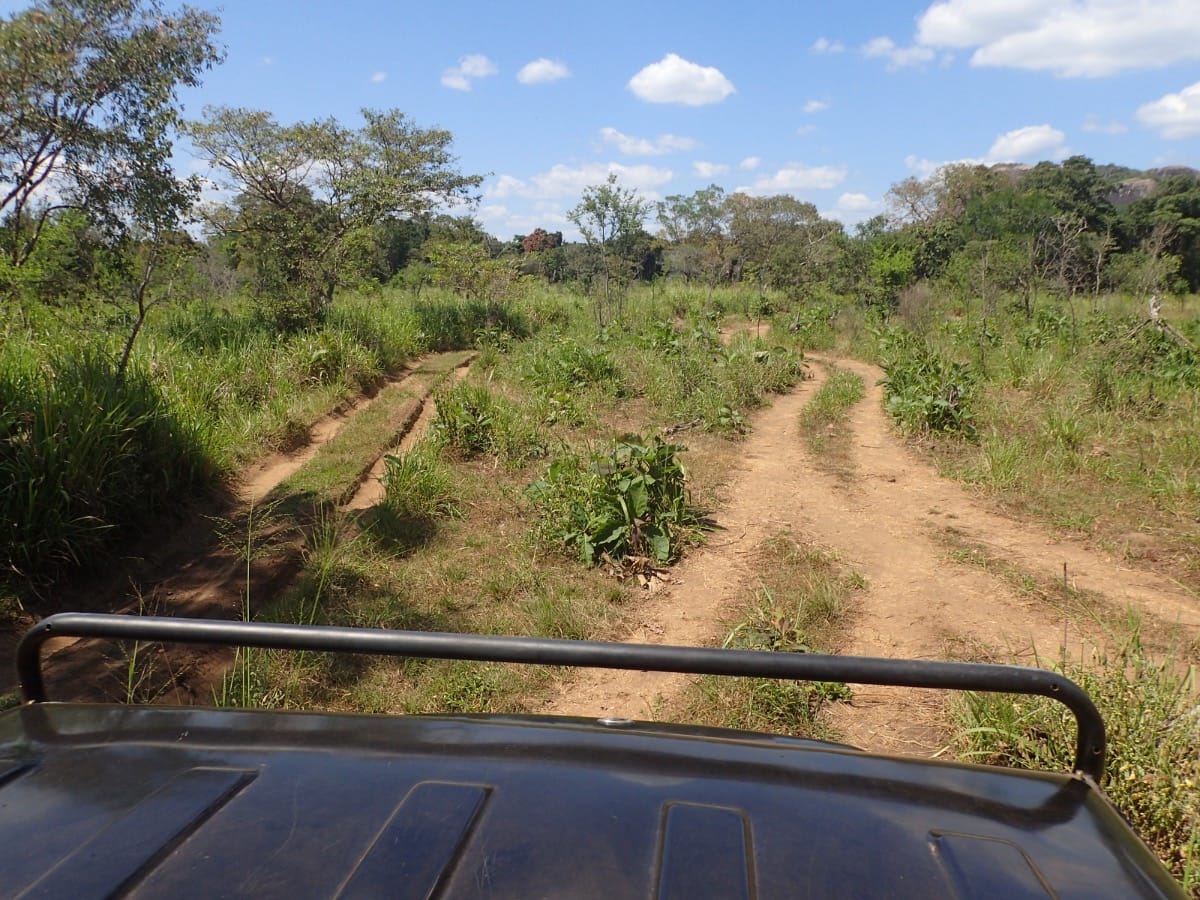
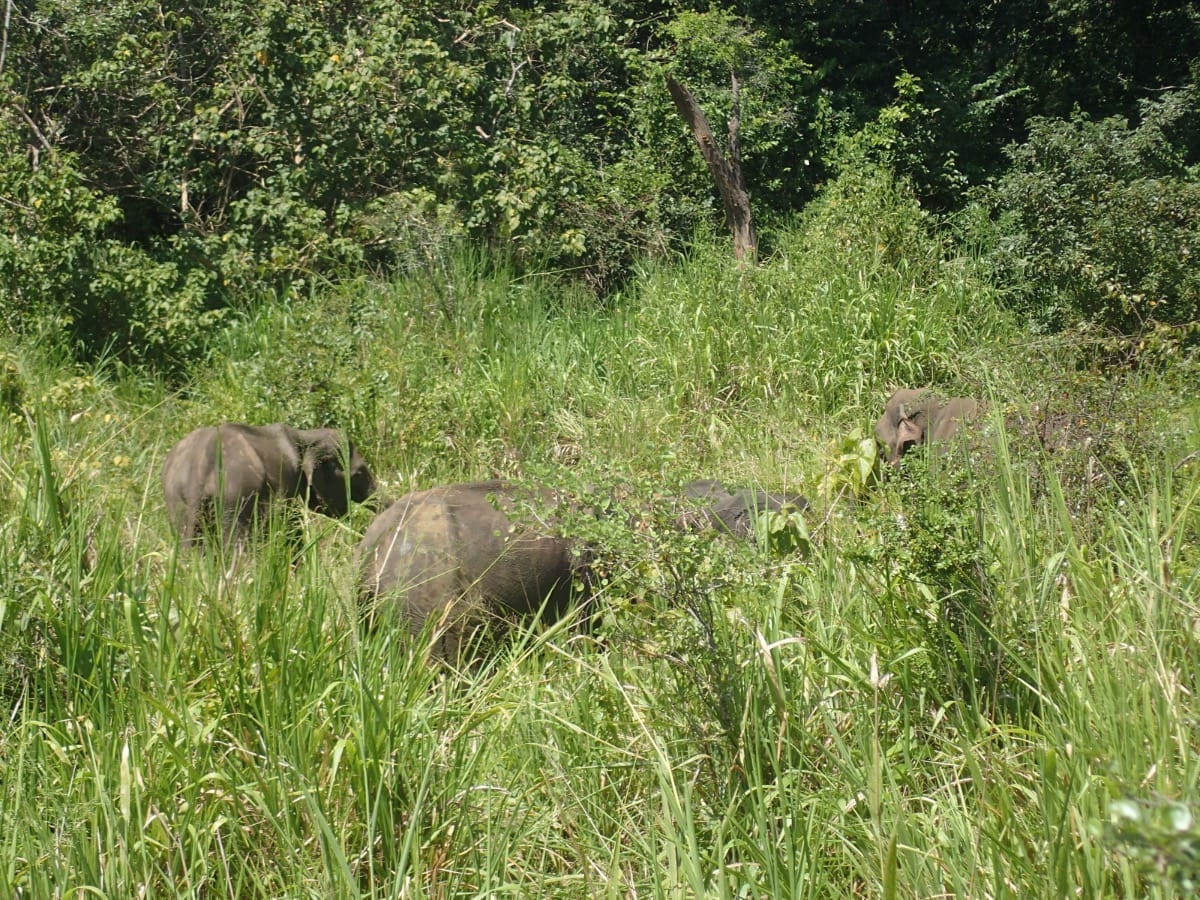
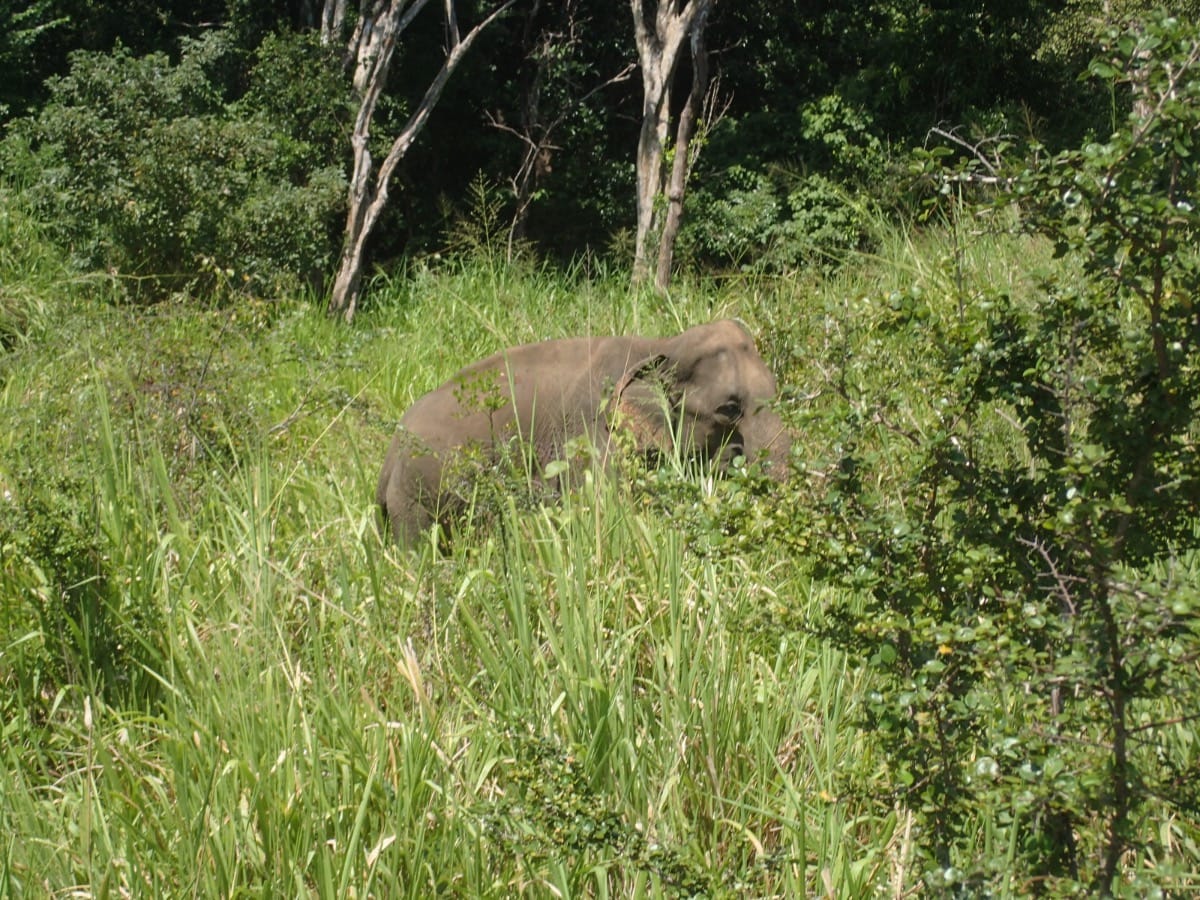
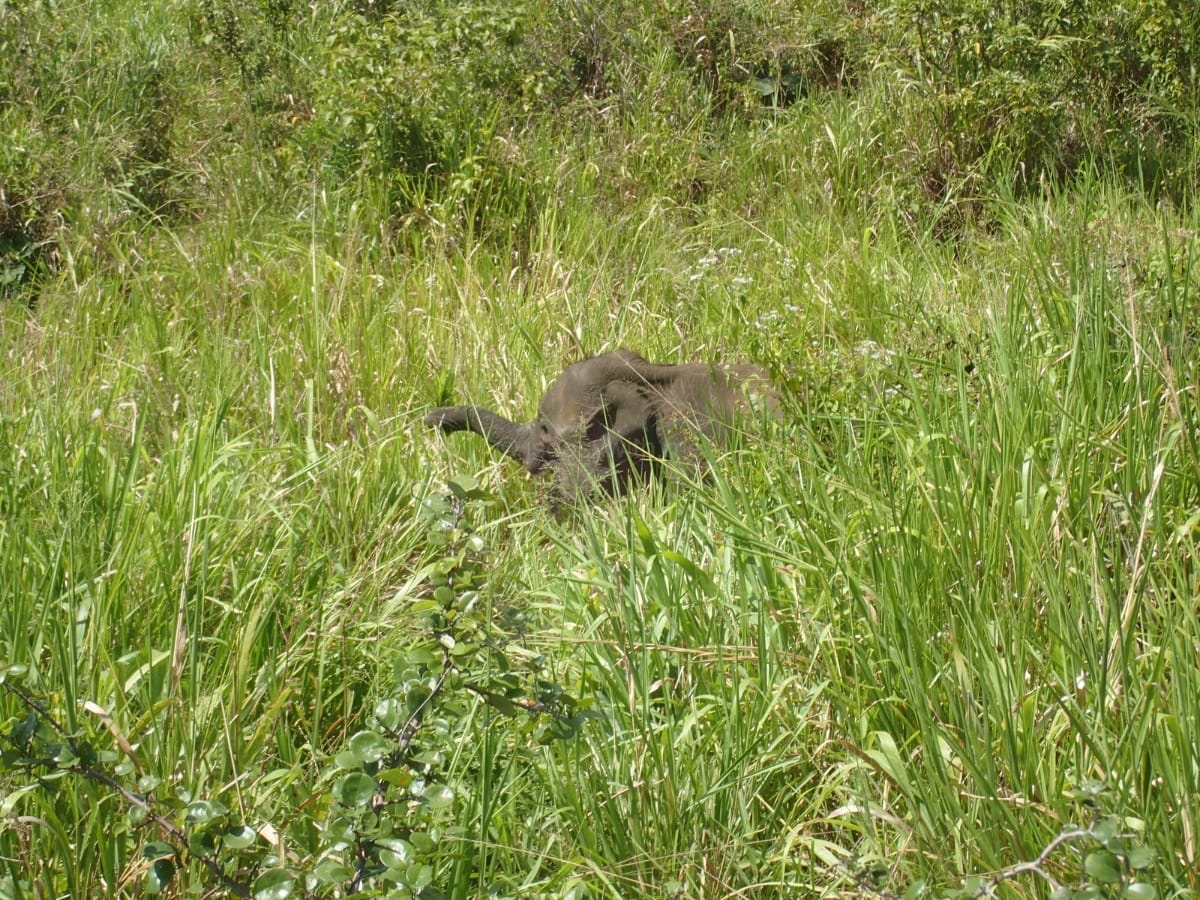
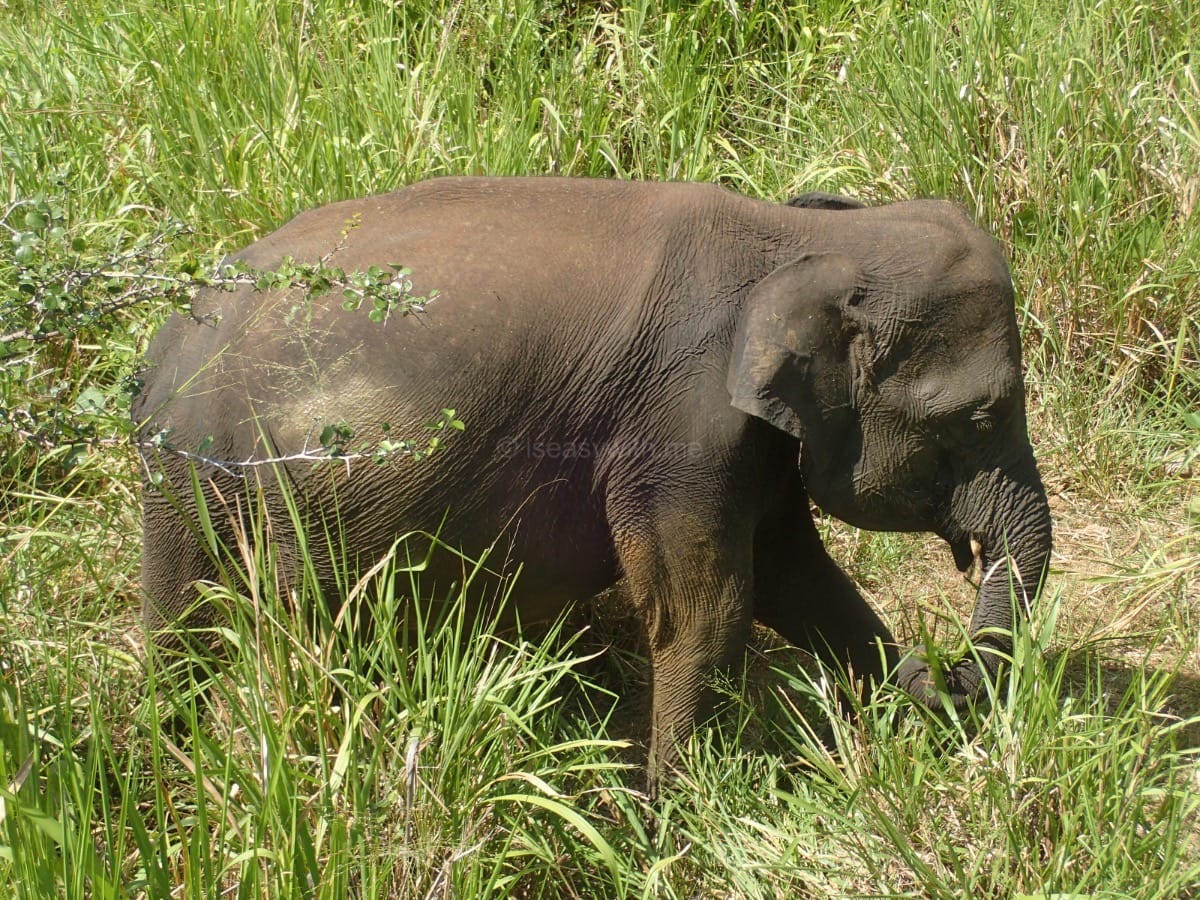
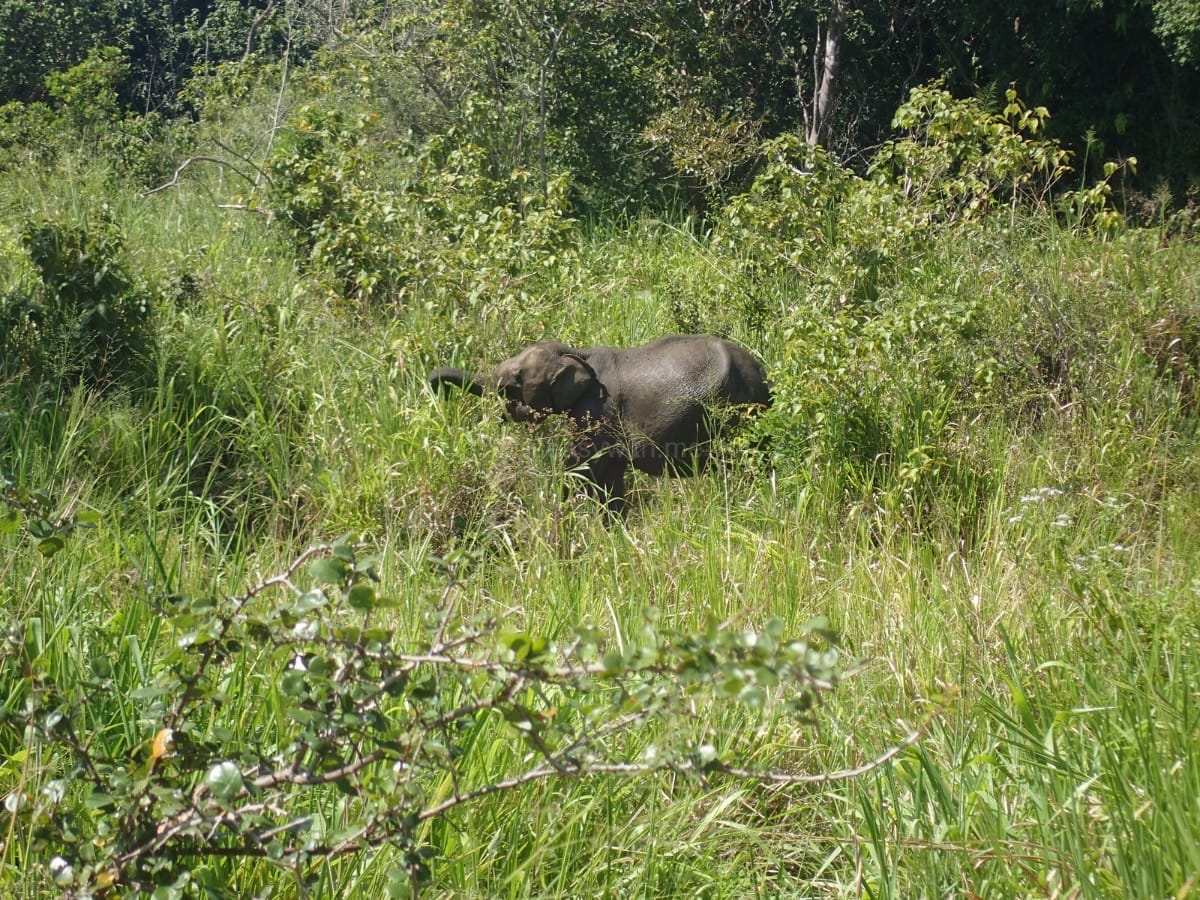
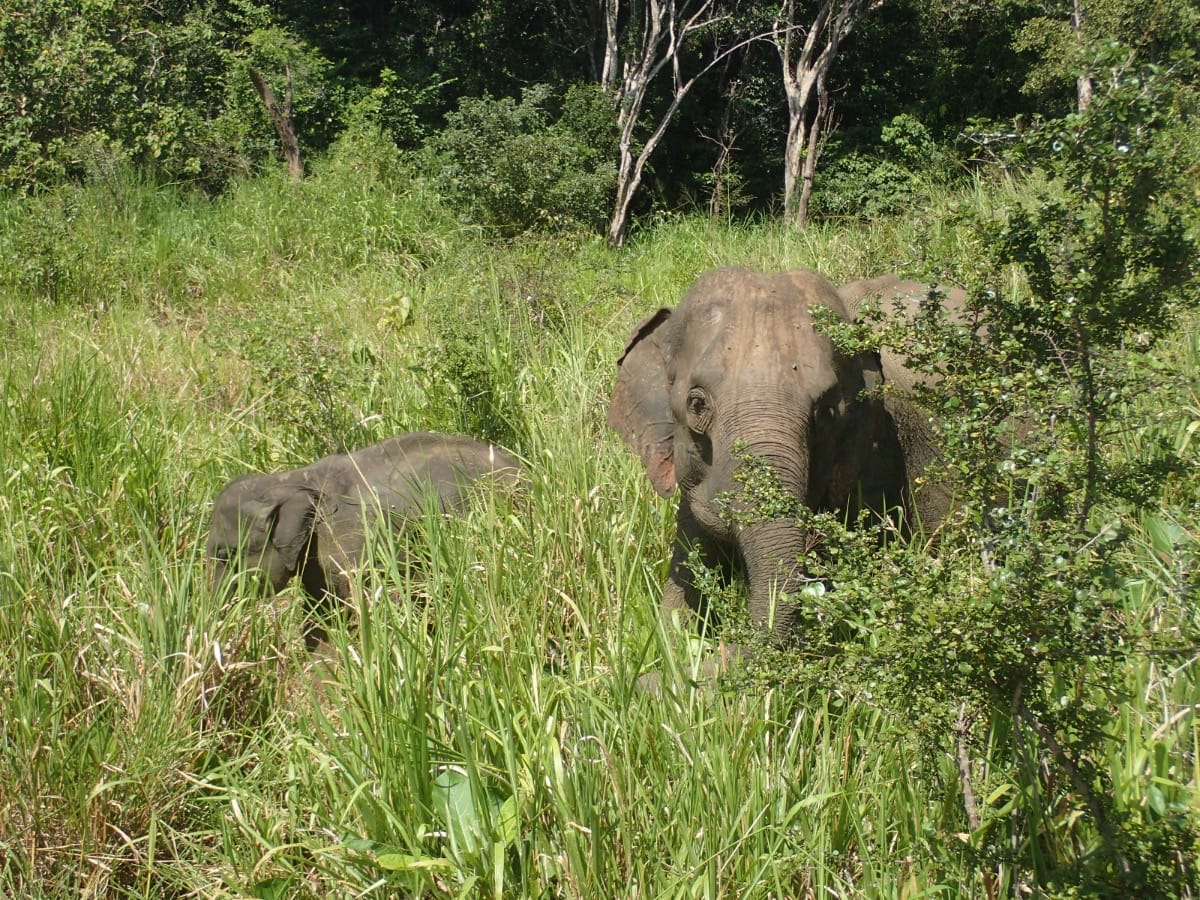
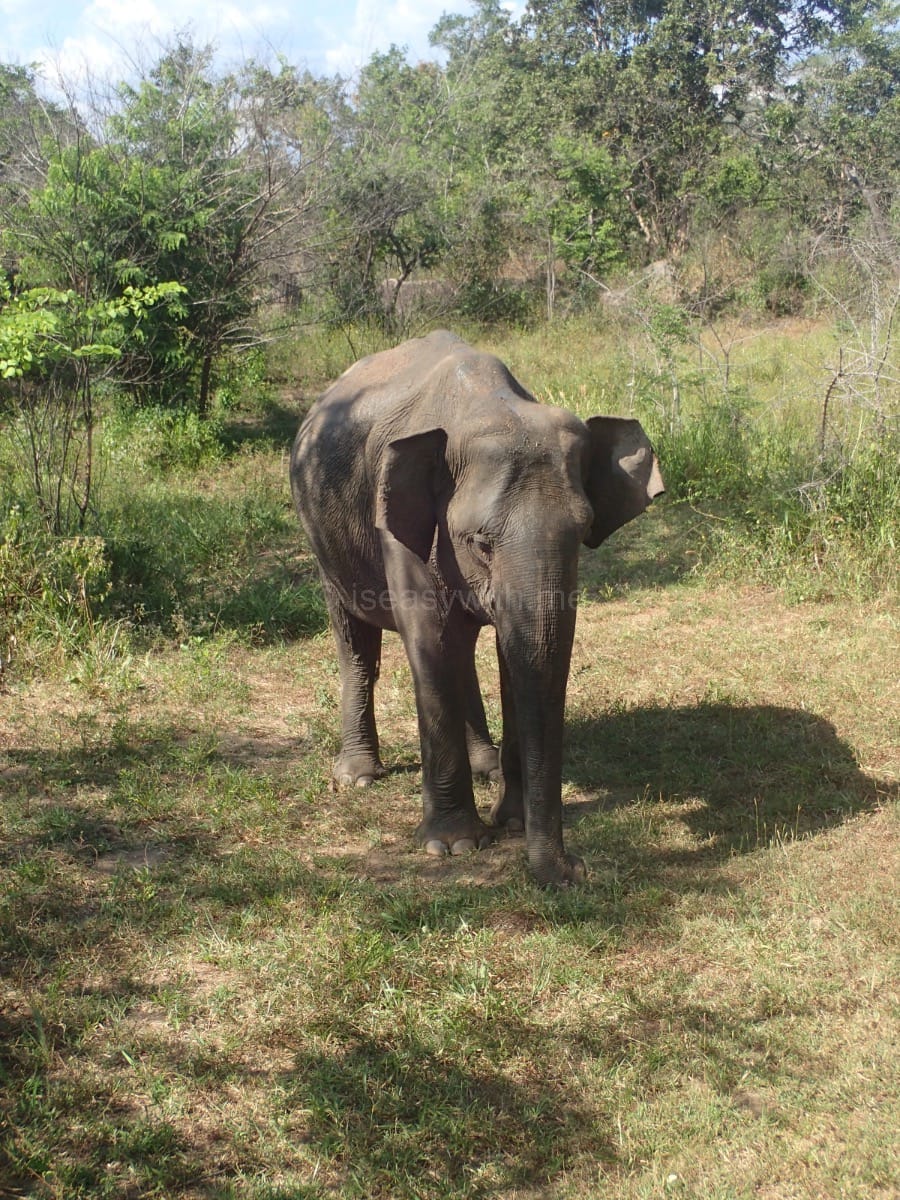
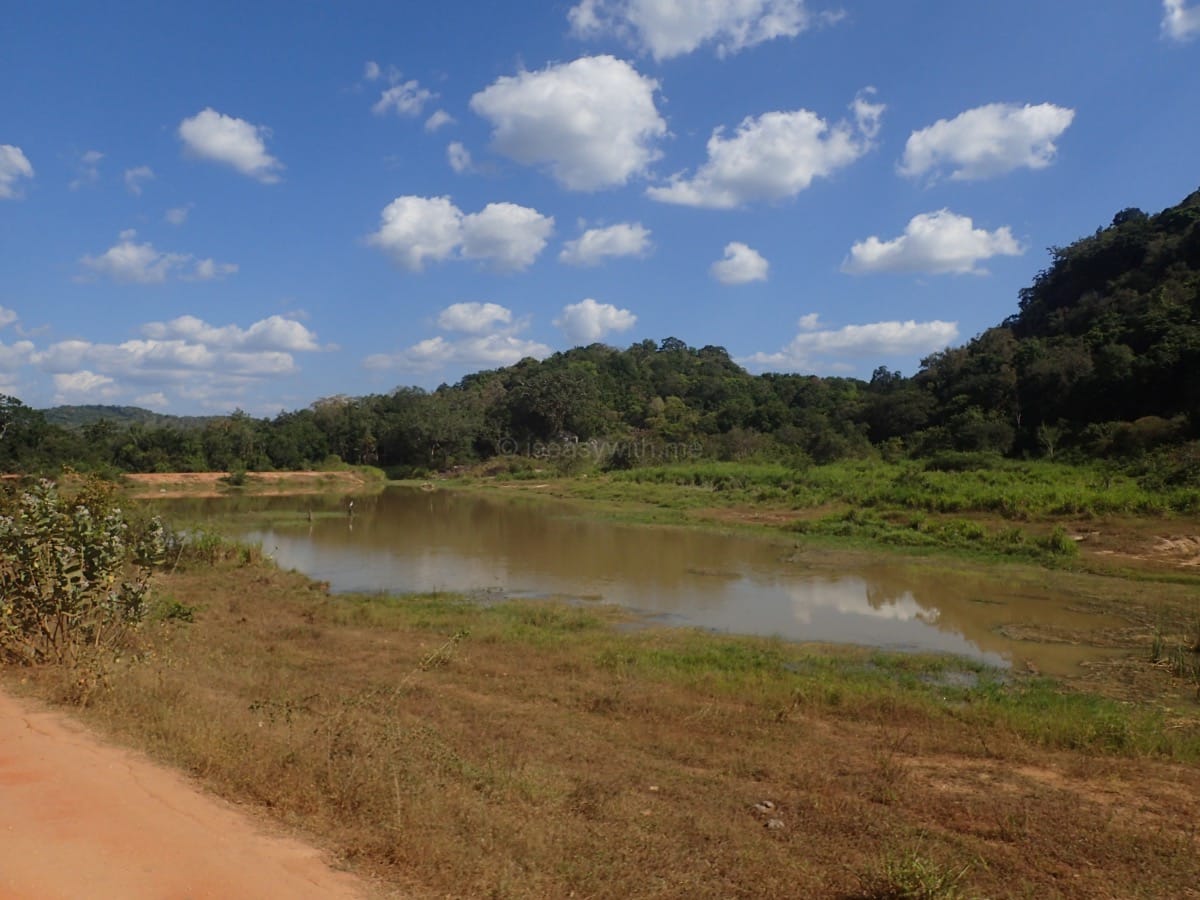
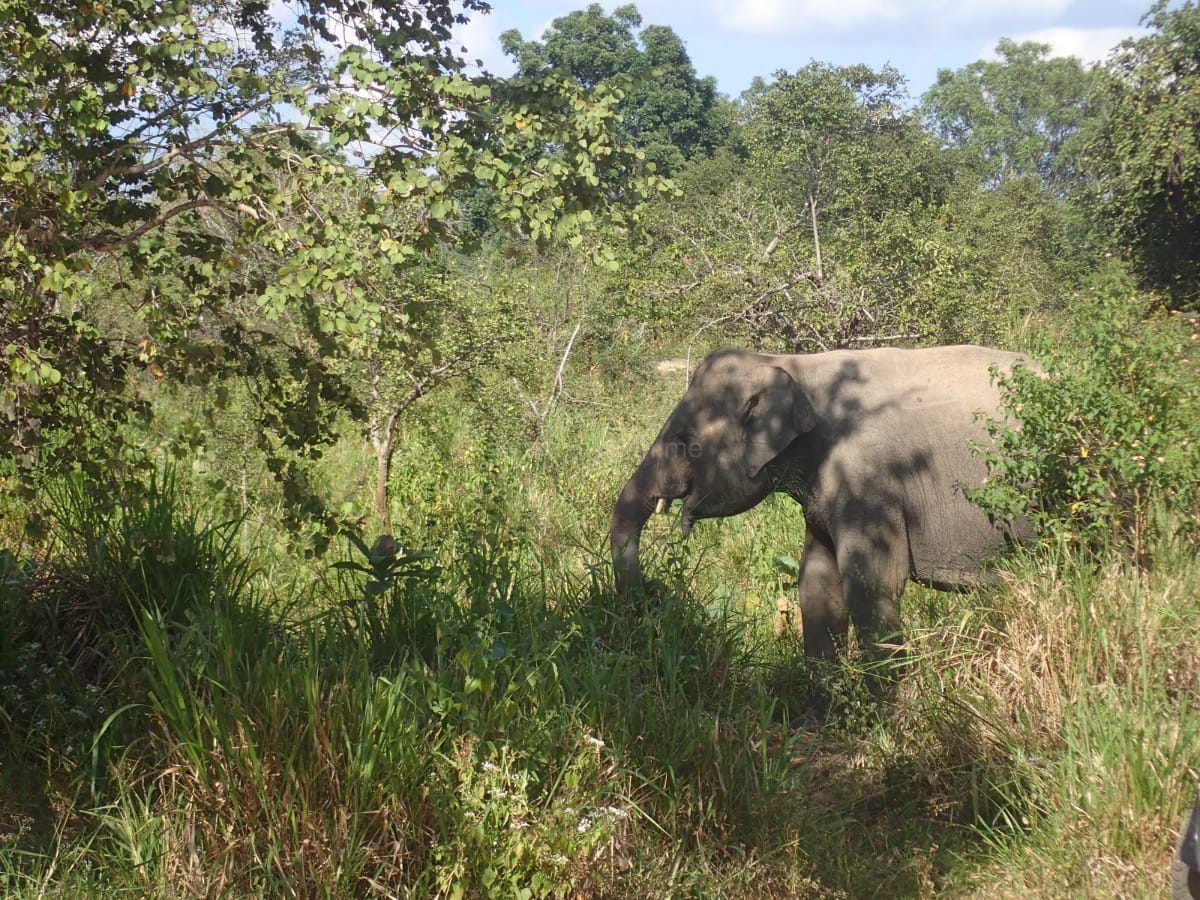
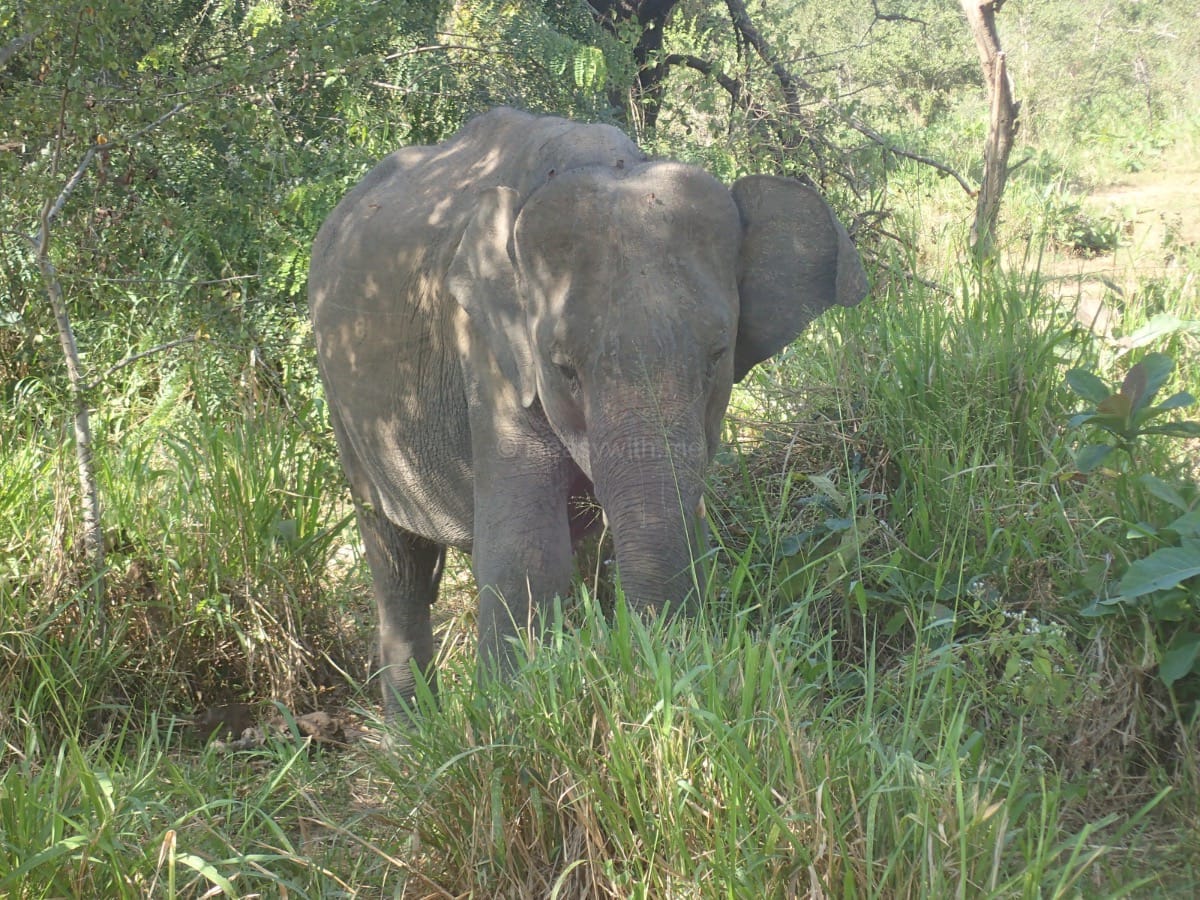
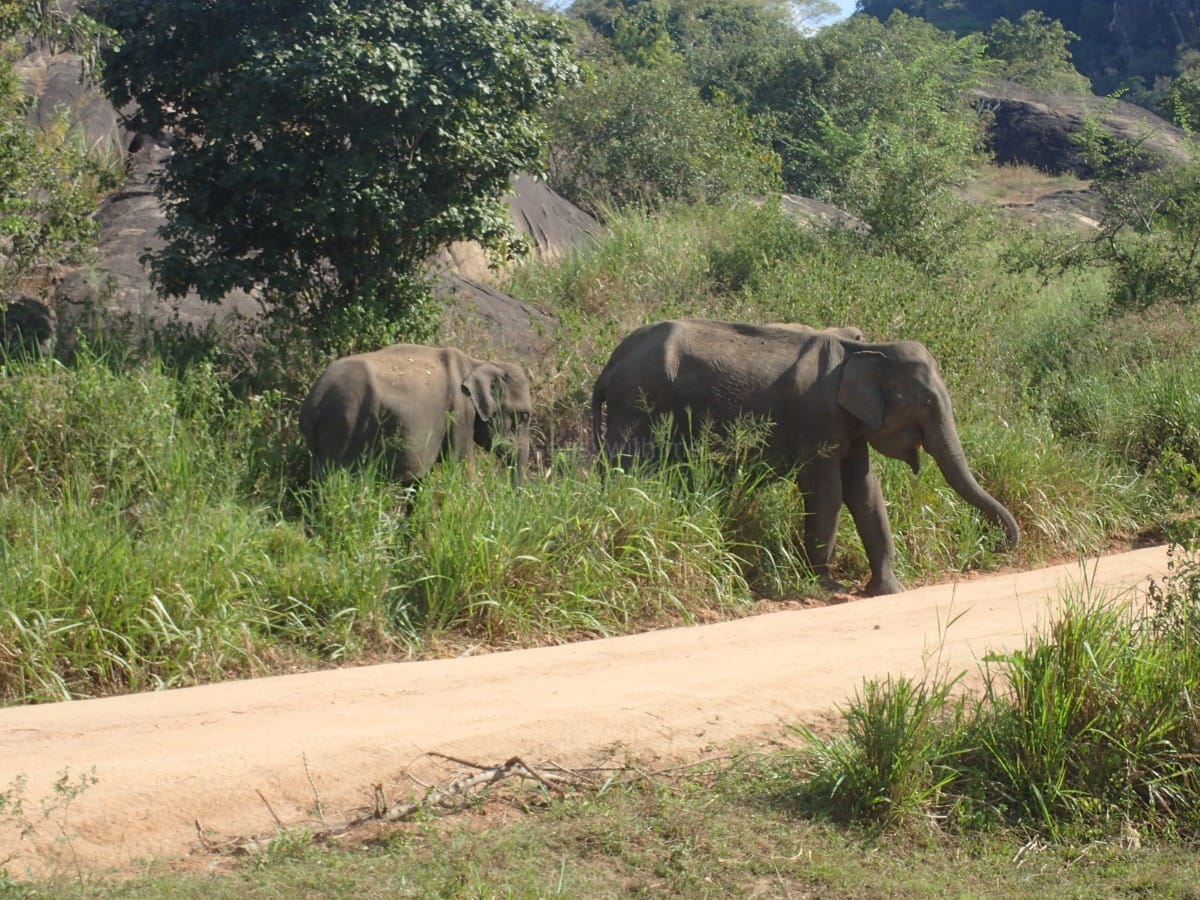
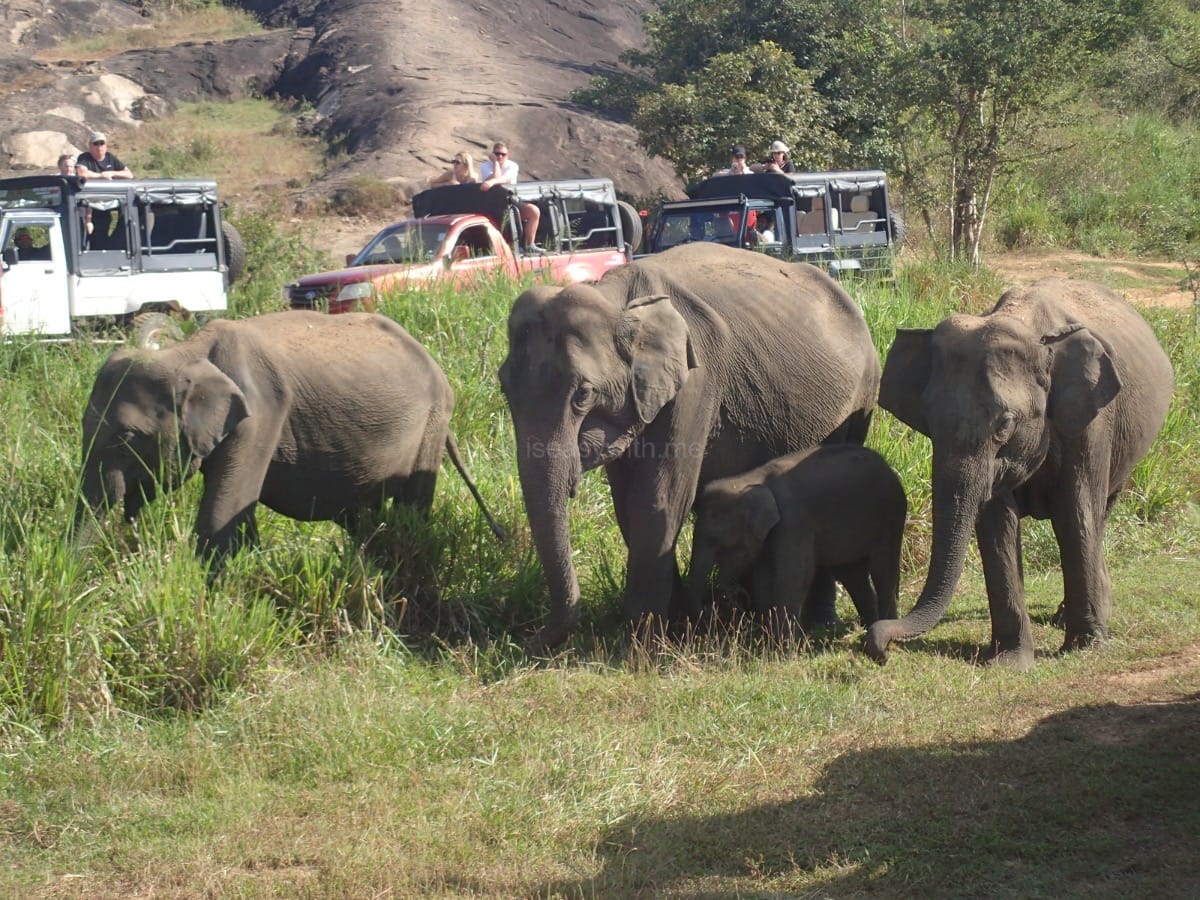
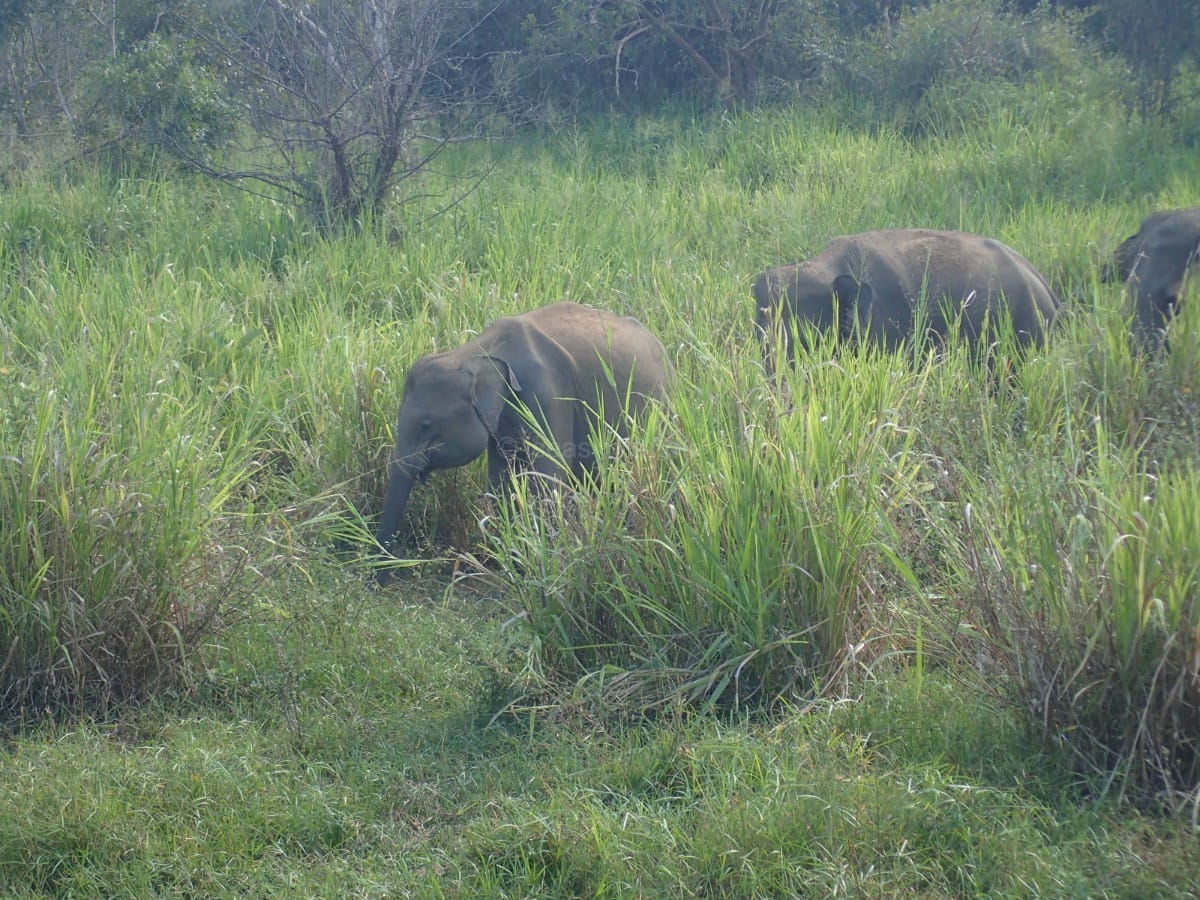
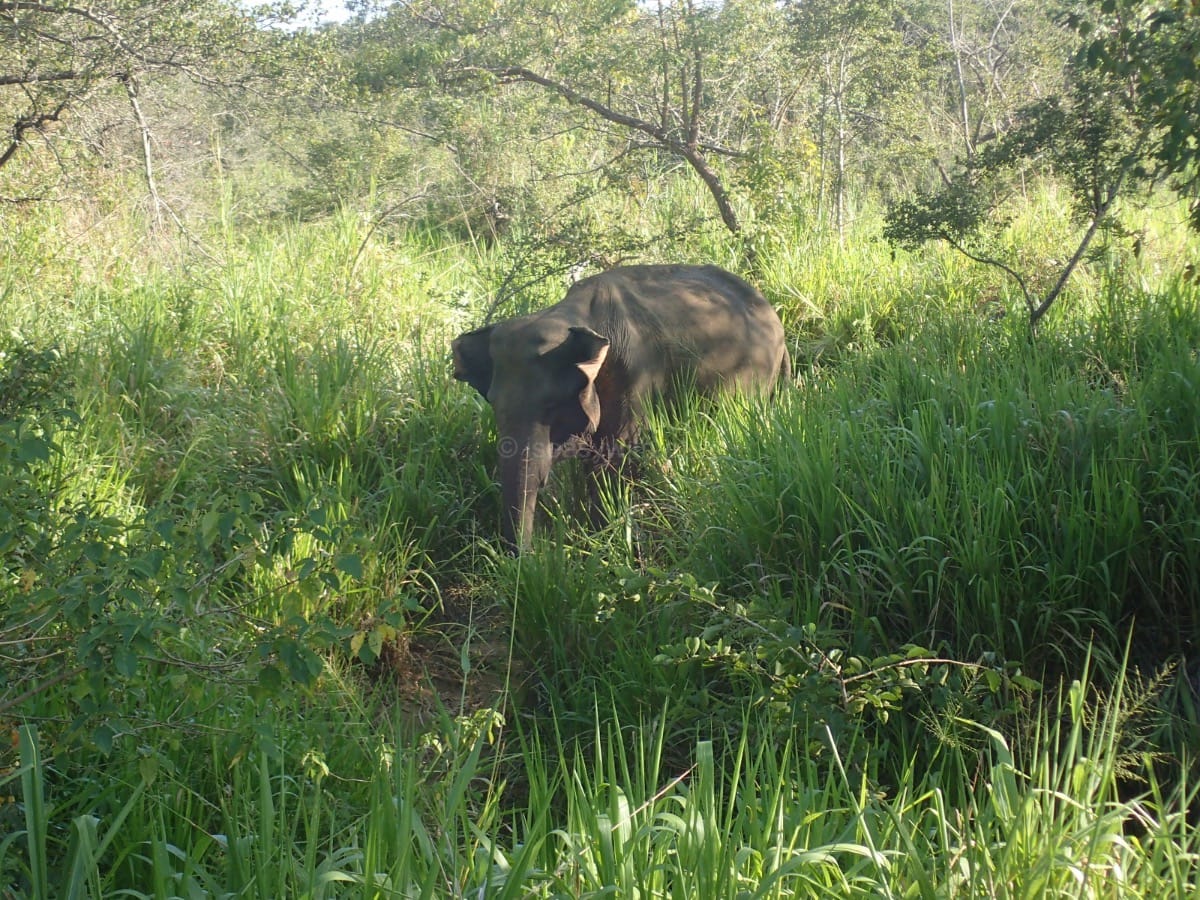
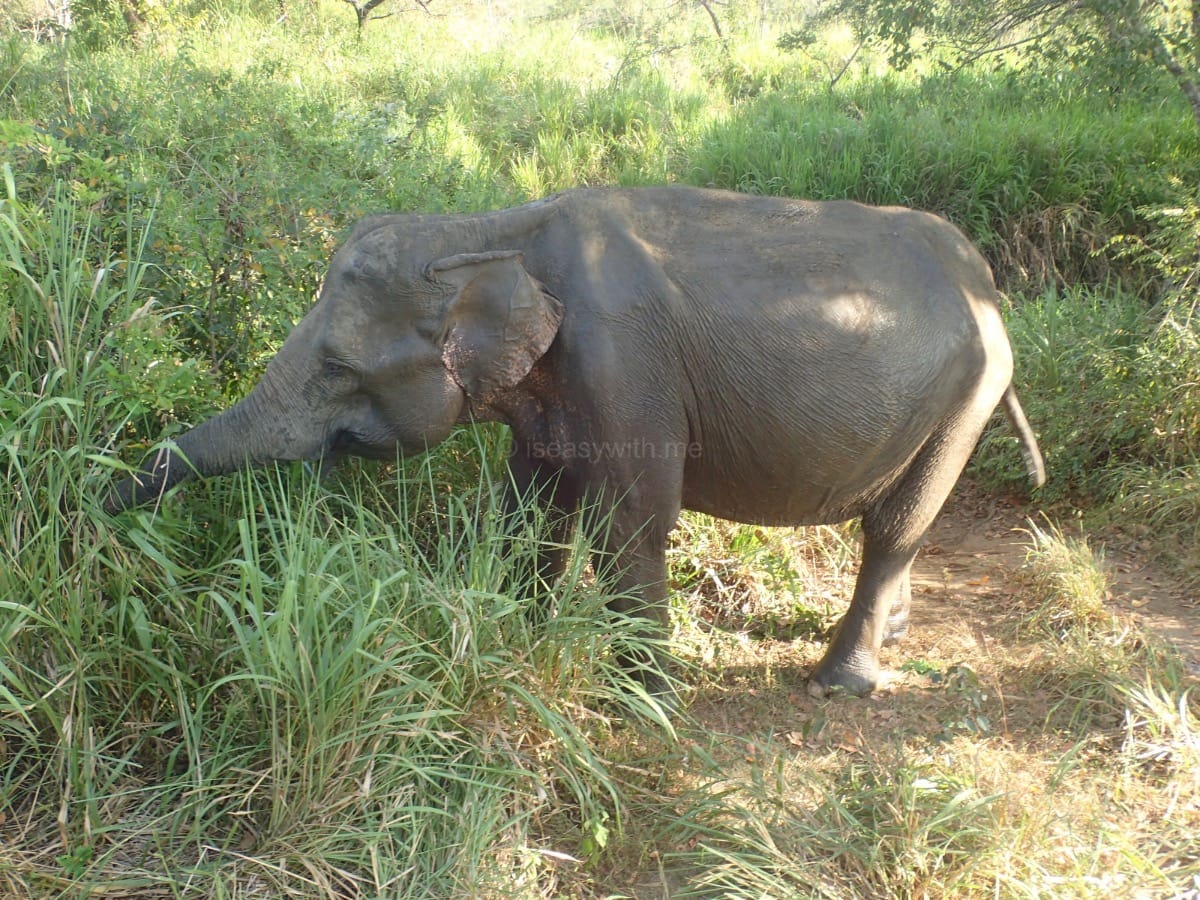
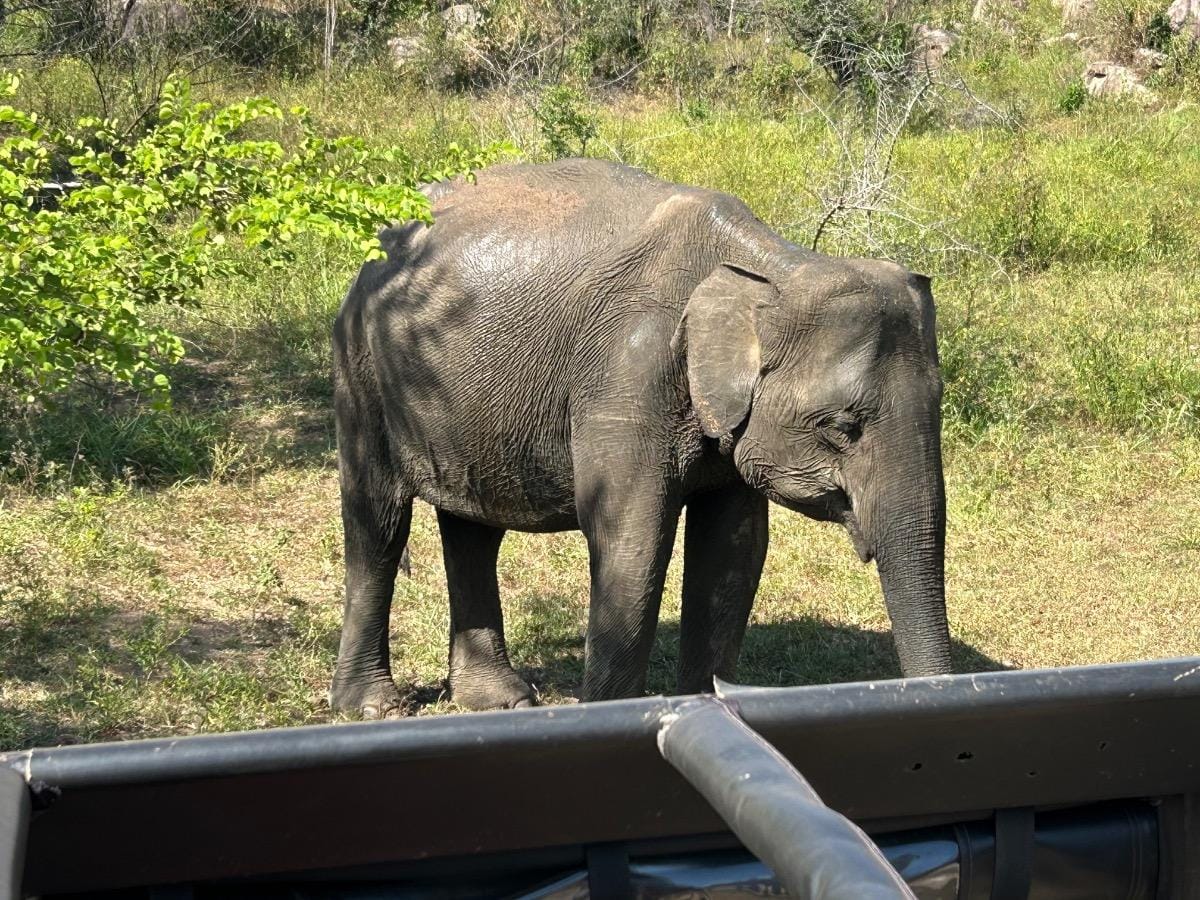
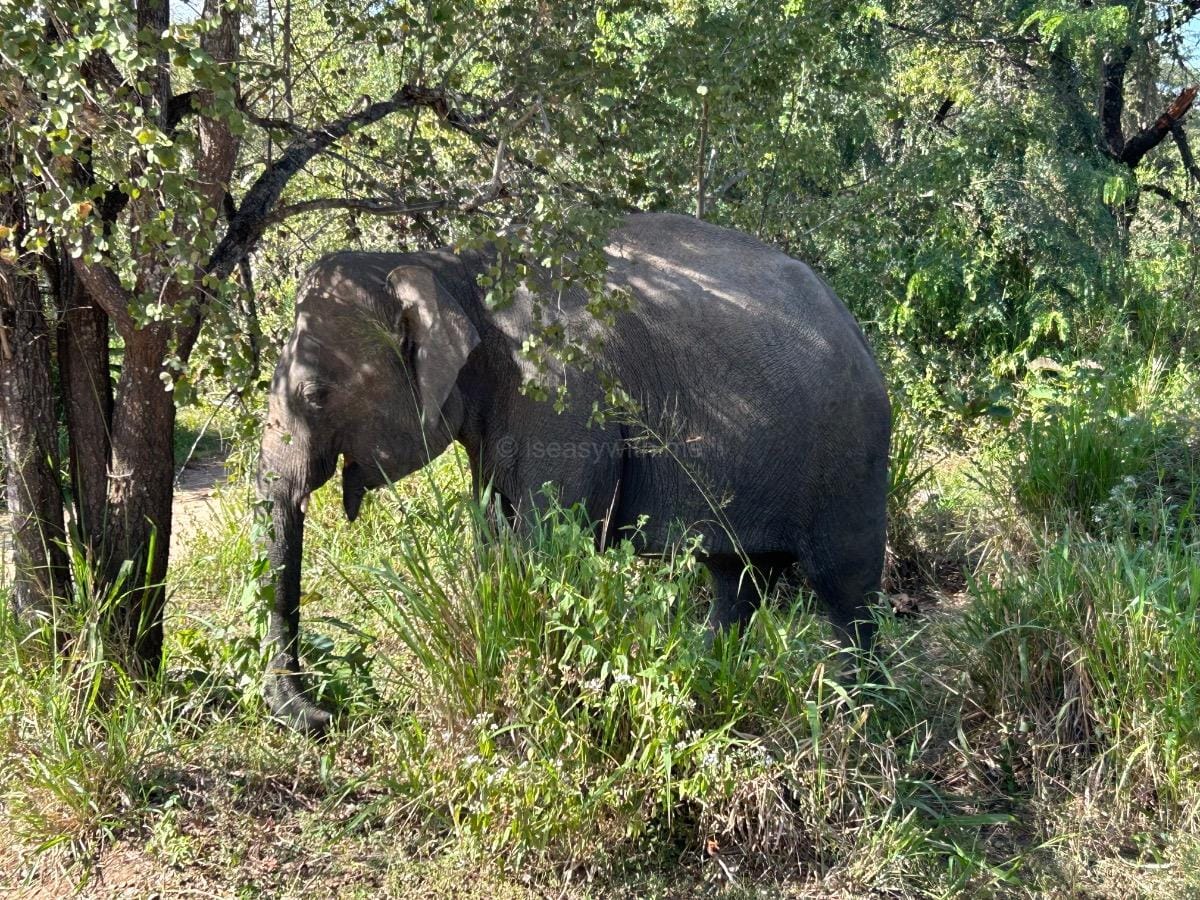
Hurulu Eco Park Elephant Safari
Unlike controlled reserves, the elephants here move freely across forest corridors, grasslands and seasonal water reservoirs. Depending on the timing and conditions, visitors may encounter solitary bulls, family herds or larger migratory groups.
- Best Time to Visit: Safari jeeps operate throughout the day, though early morning and late afternoon typically offer the best chances of wildlife sightings. Beyond elephants, the park is also home to deer, monkeys, peacocks and a wide range of birdlife.
iseasywith.me Travel Tip
- If you plan to tackle Pidurangala Rock, the Sigiriya Lion Rock fortress and the sprawling ruins of the Polonnaruwa Ancient City in a tight timeframe, maximising your morning hours is non-negotiable.
- To ensure a seamless transition between these massive archaeological sites, hire a reliable tuk-tuk driver the night before.
- Lock in an Early Start: Look for a driver to negotiate a flat day rate. Agree on a firm, early-morning pick-up time ideally around 0430 to 0445 hours if you intend to catch the legendary sunrise from the summit of Pidurangala.
- Get the driver’s local phone number or WhatsApp details before parting ways. This gives you a direct lifeline to confirm they are awake and en route while you are getting ready or to coordinate exact pickup spots when you exit the sprawling archeological complexes.
- Beat the heat and crowds: Securing your transport in advance eliminates the early-morning stress of hunting for an available ride in the dark. It guarantees you will be at the ticket gates the moment they open, allowing you to explore the sheer stone steps of Sigiriya and the outdoor ruins of Polonnaruwa before the intense midday heat and tour buses arrive.
Pidurangala Rock
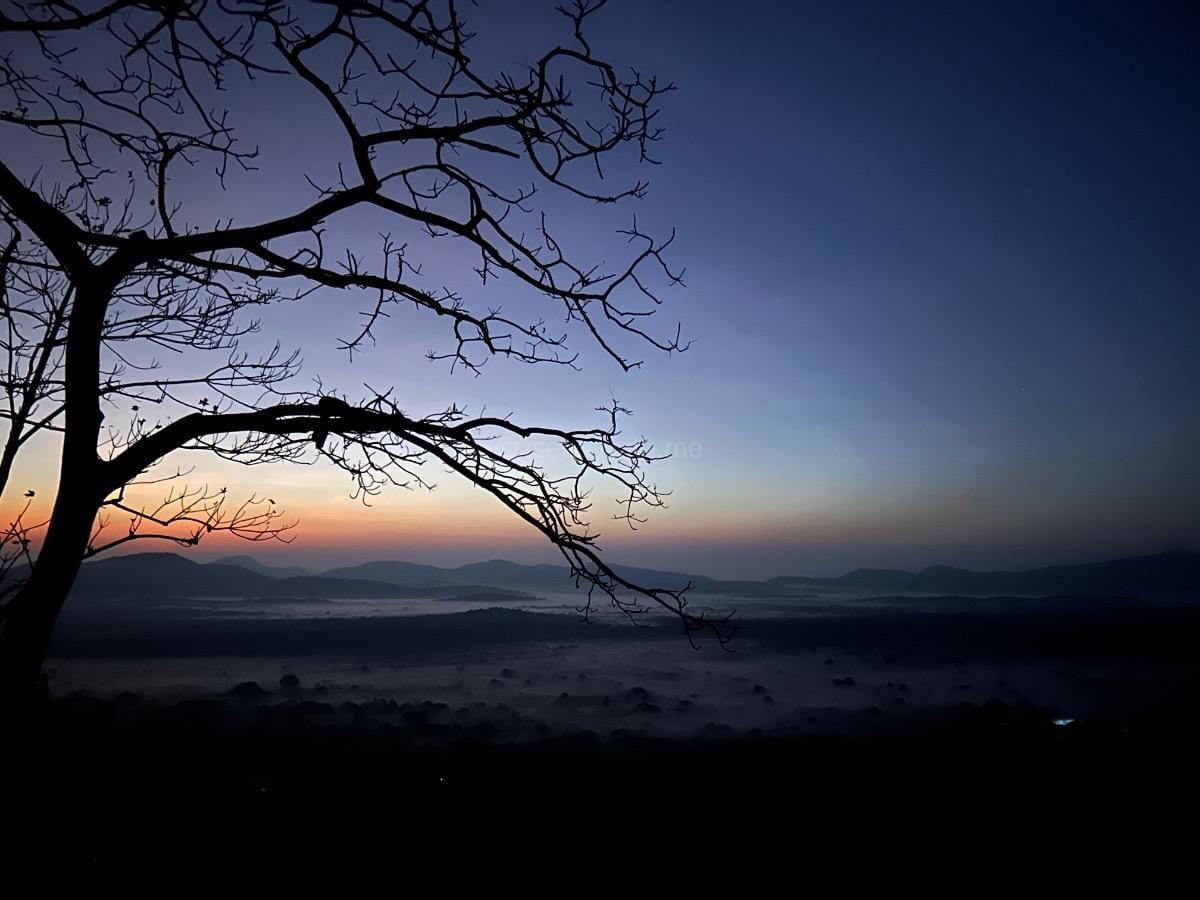
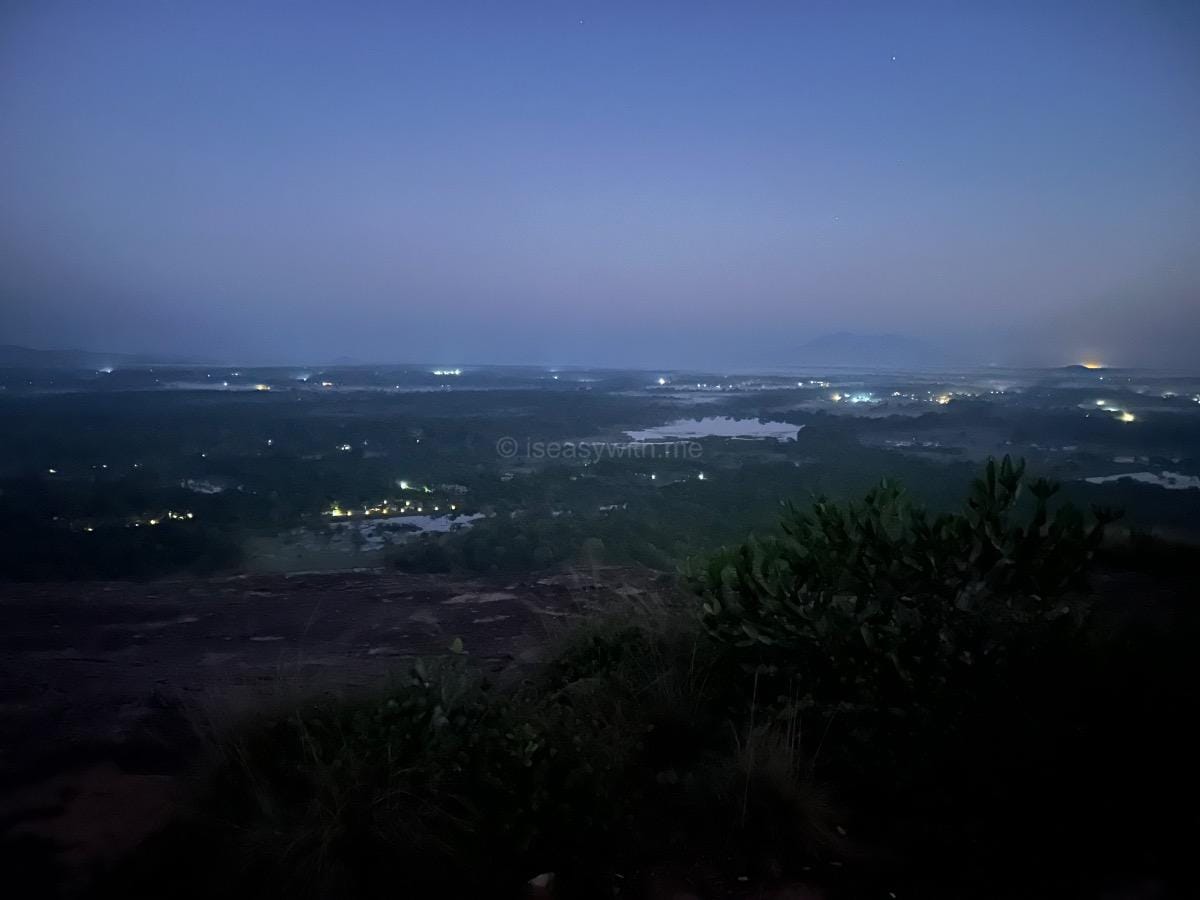
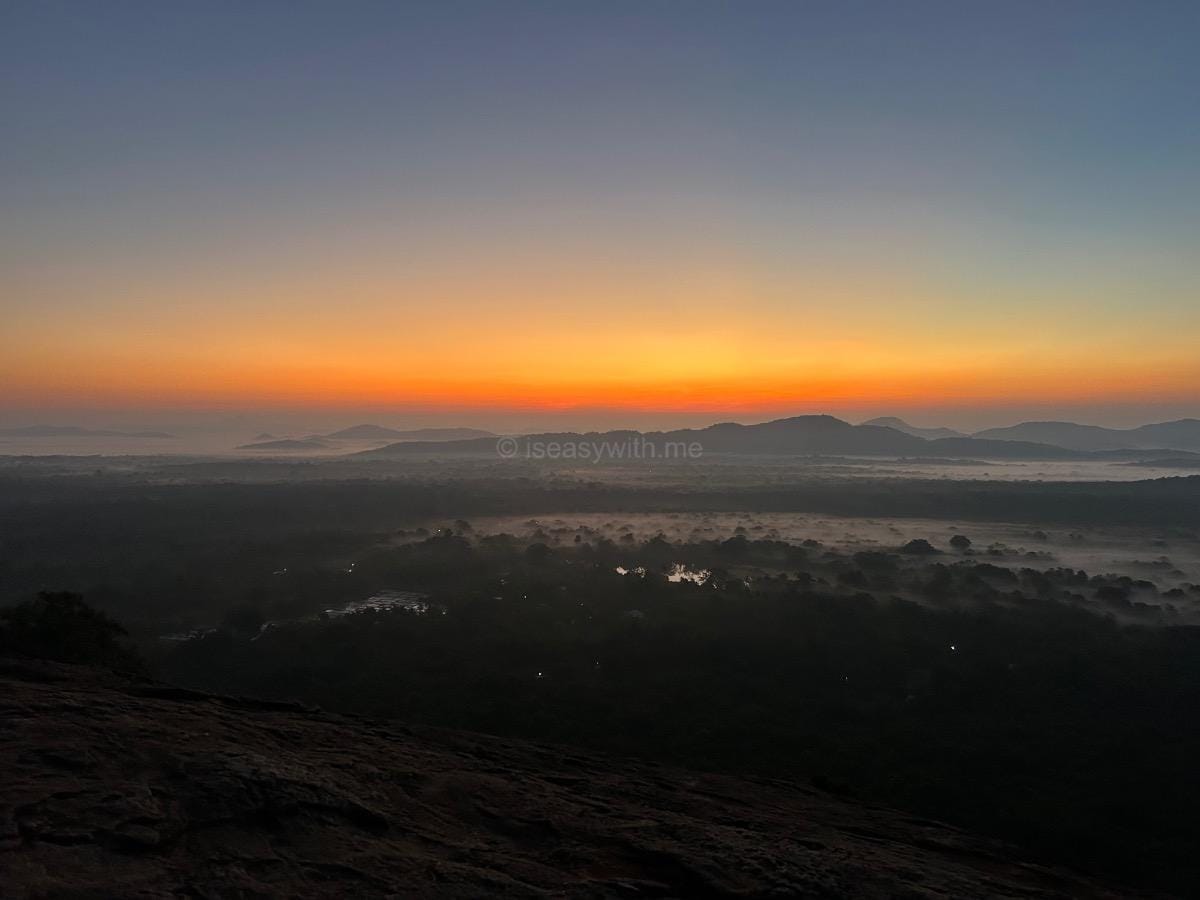
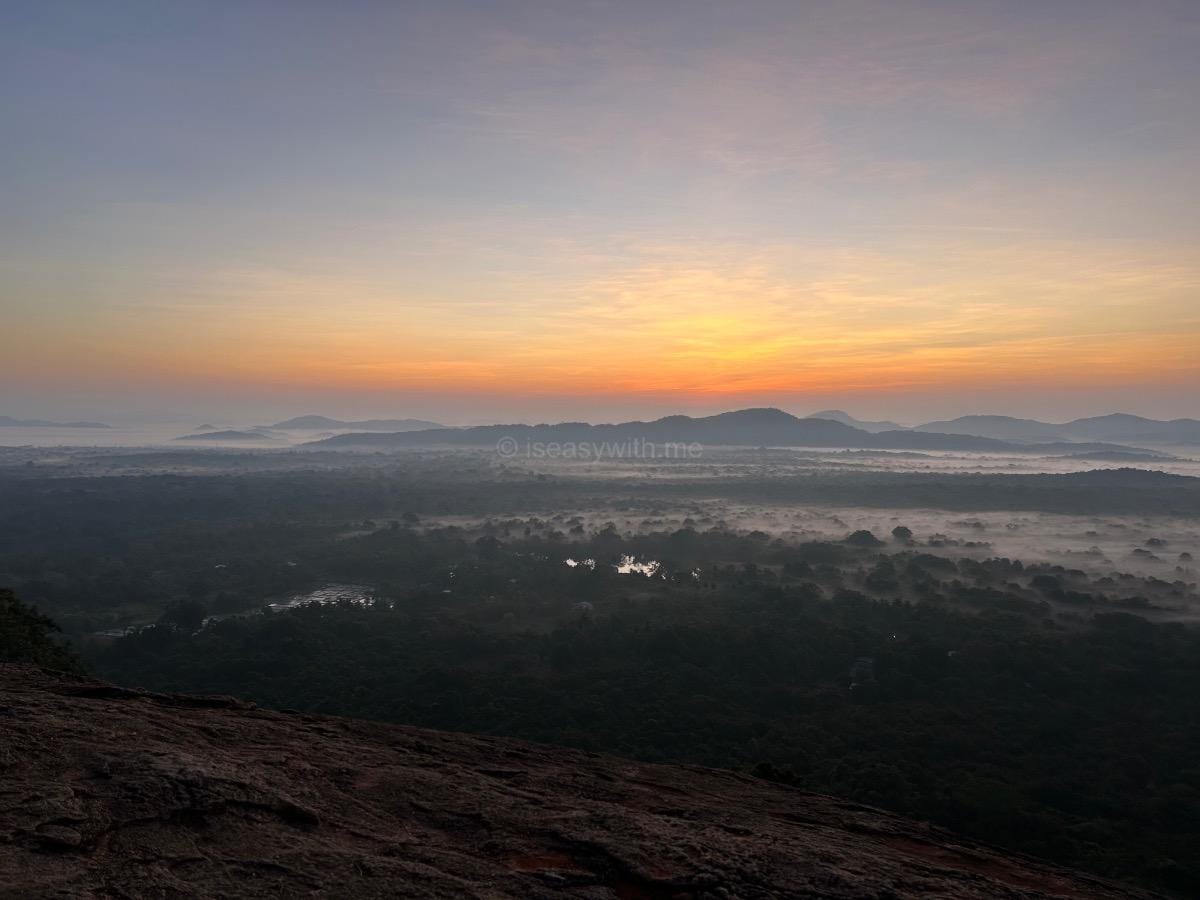
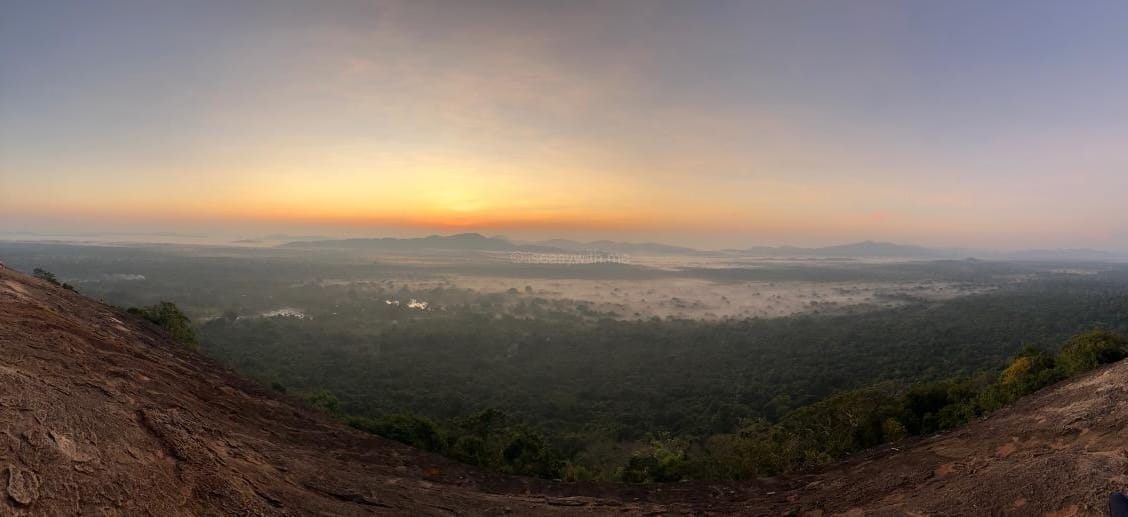
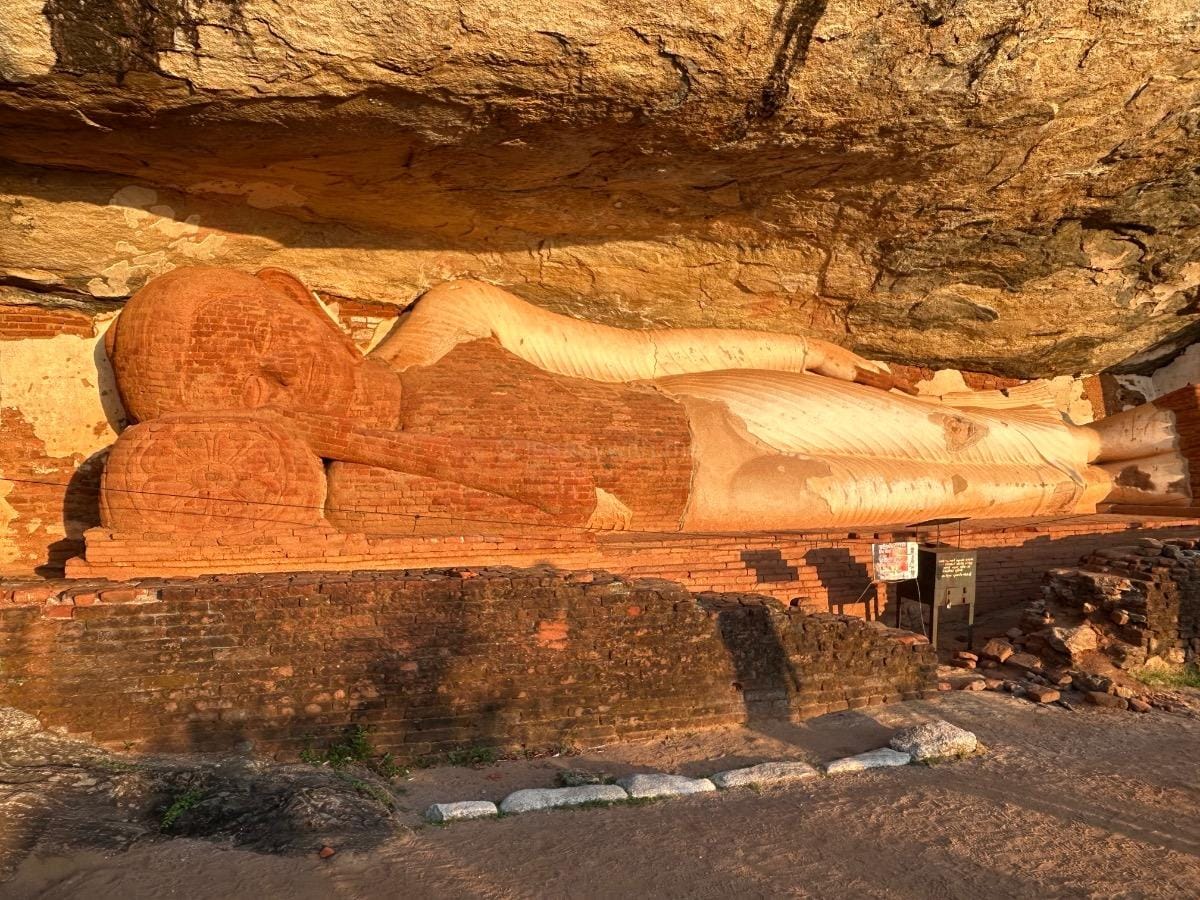
If there is one experience that rivals Sigiriya itself, it is catching the sunrise from Pidurangala Rock (LKR 1,000).
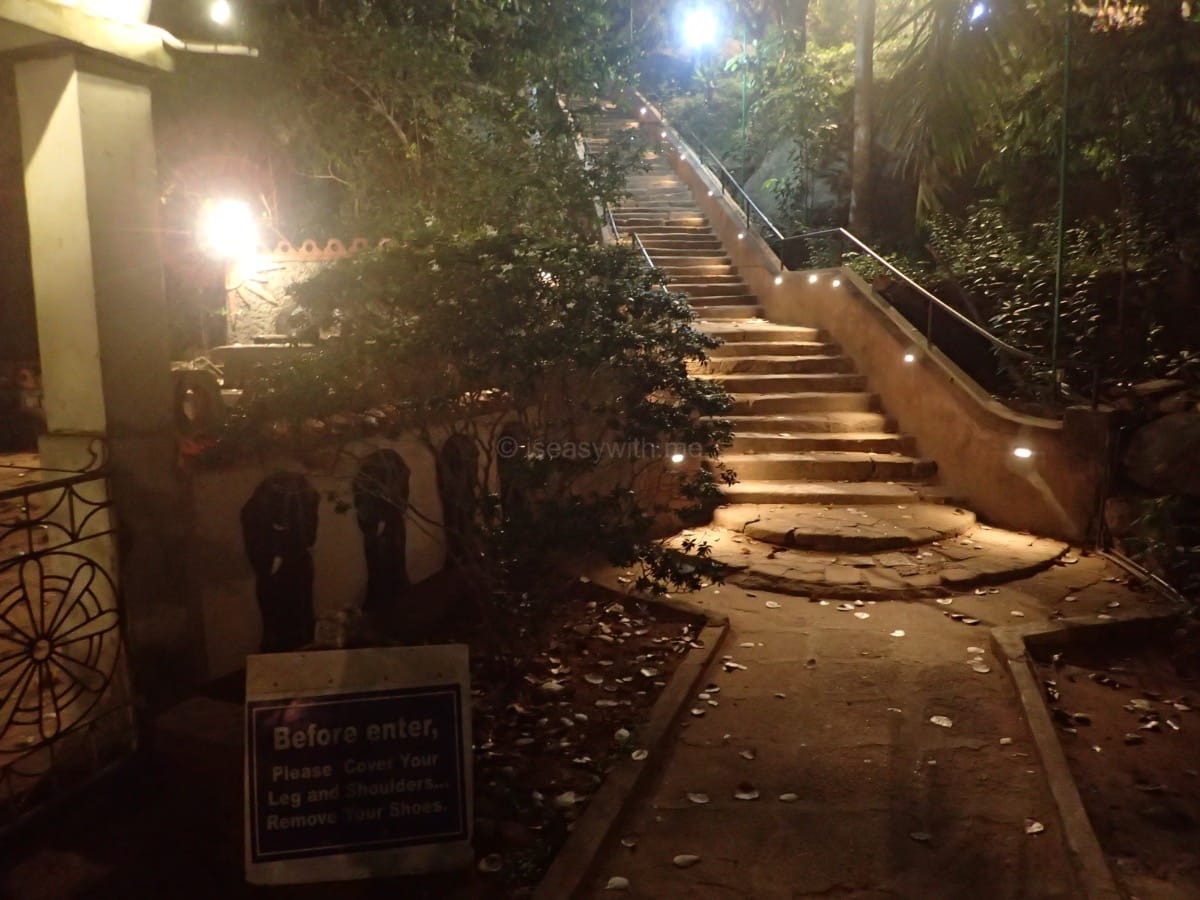
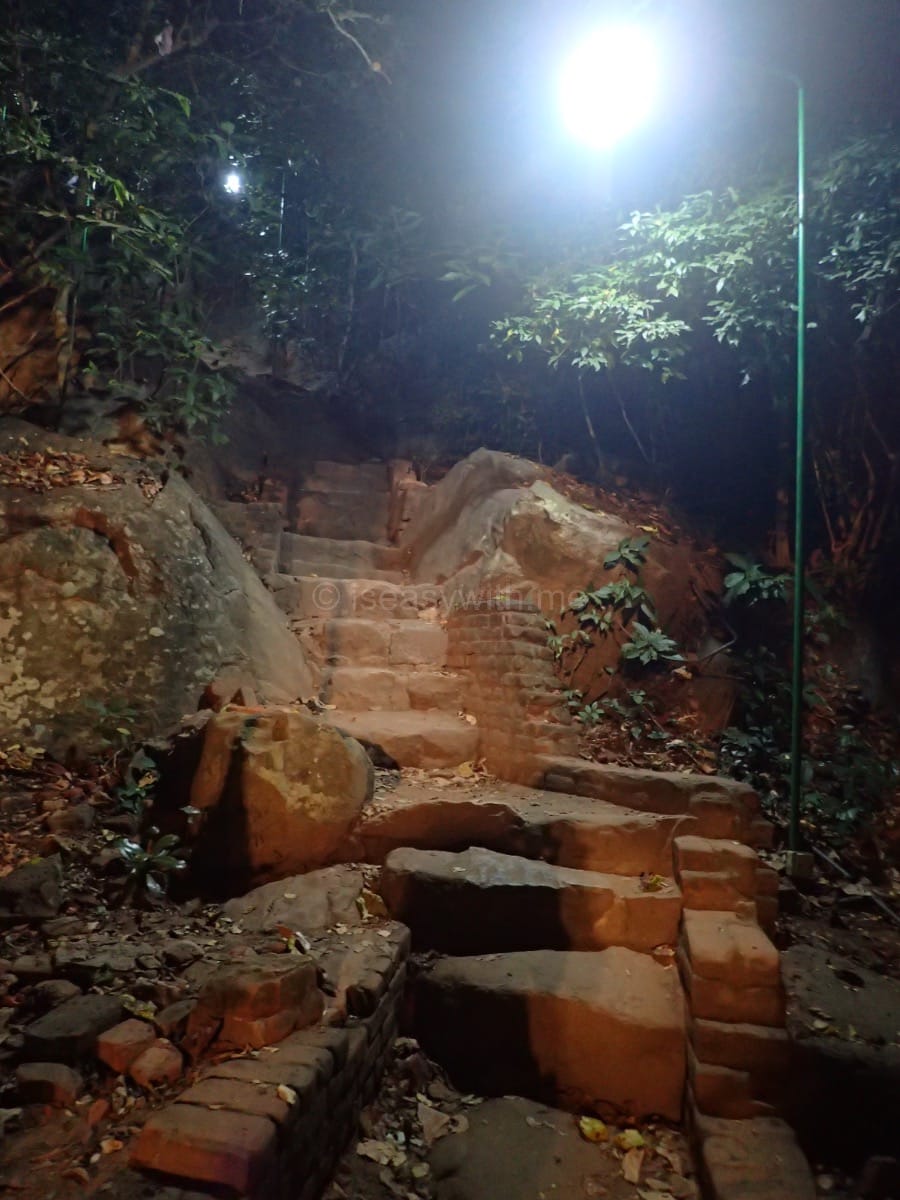
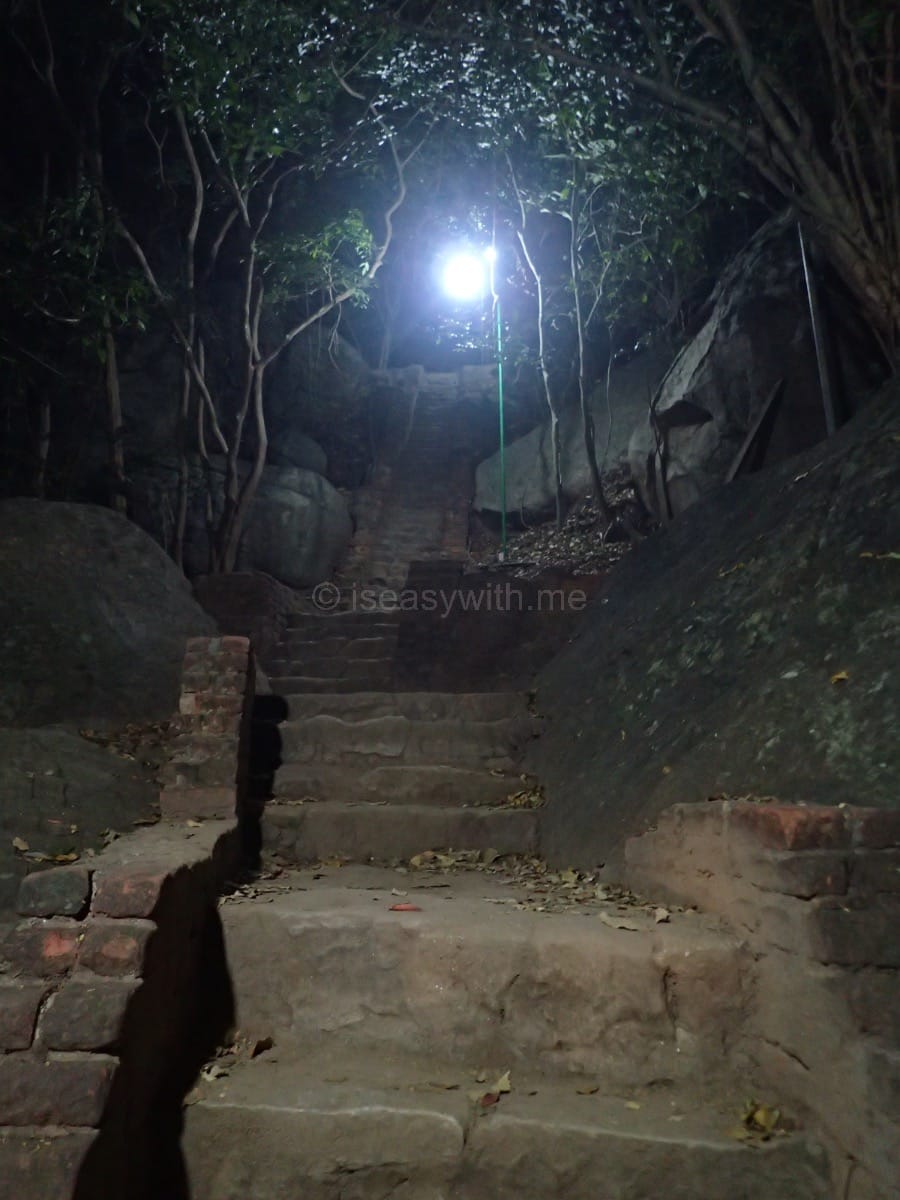
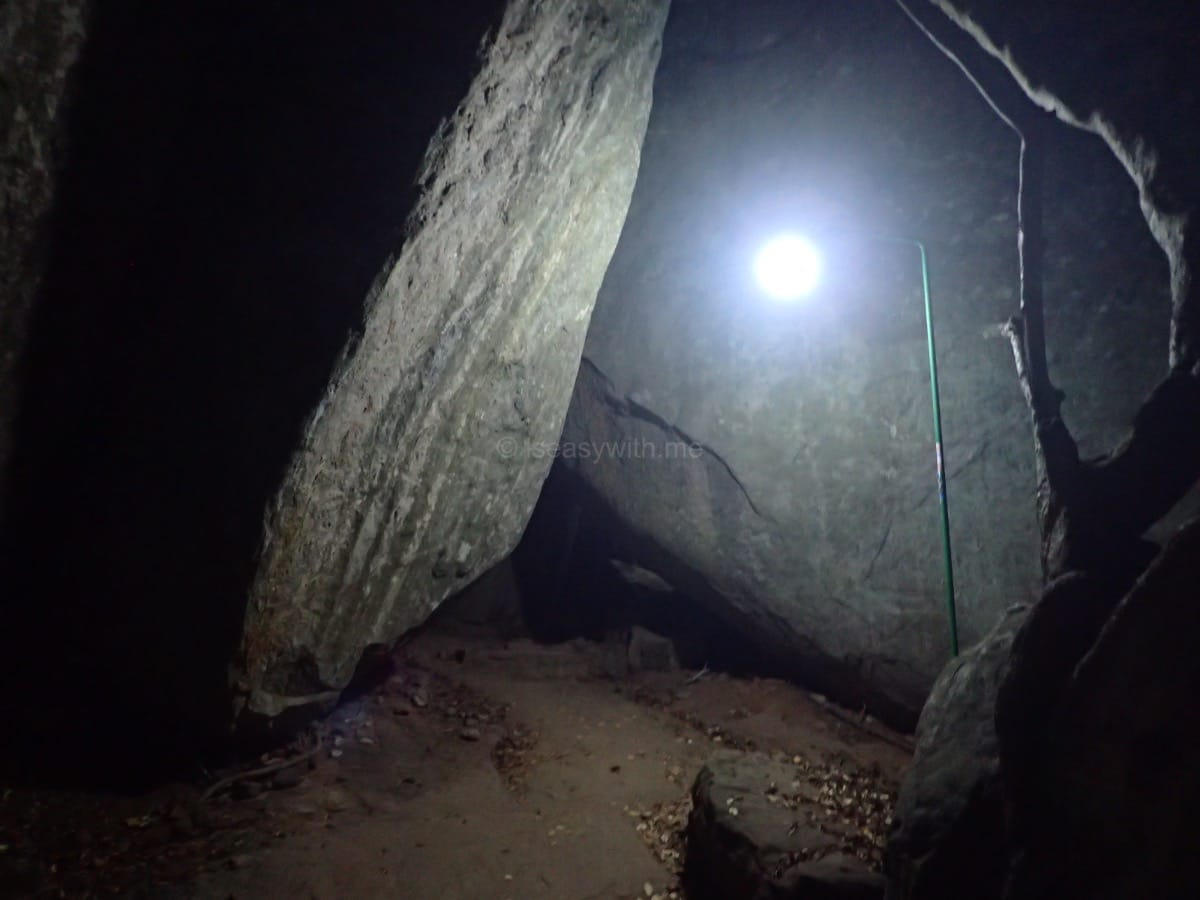
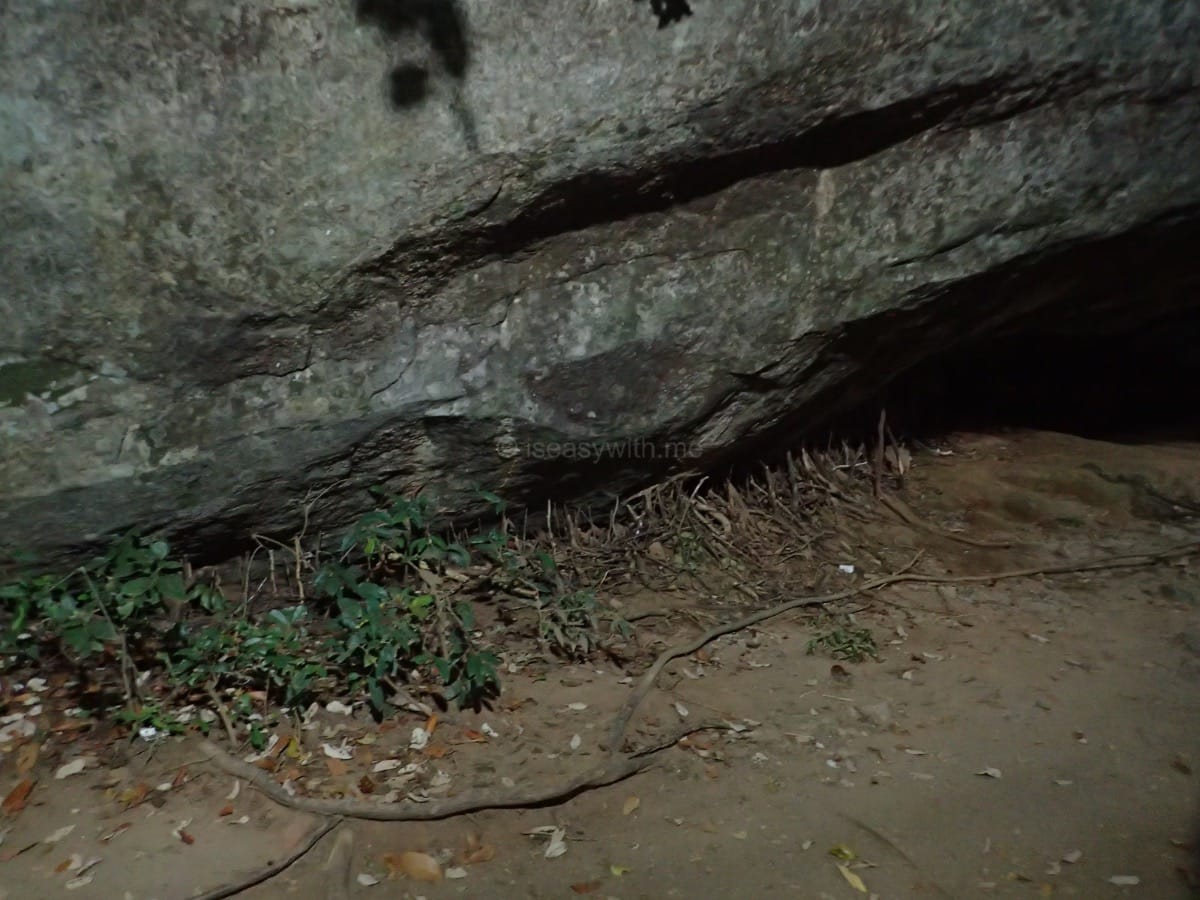
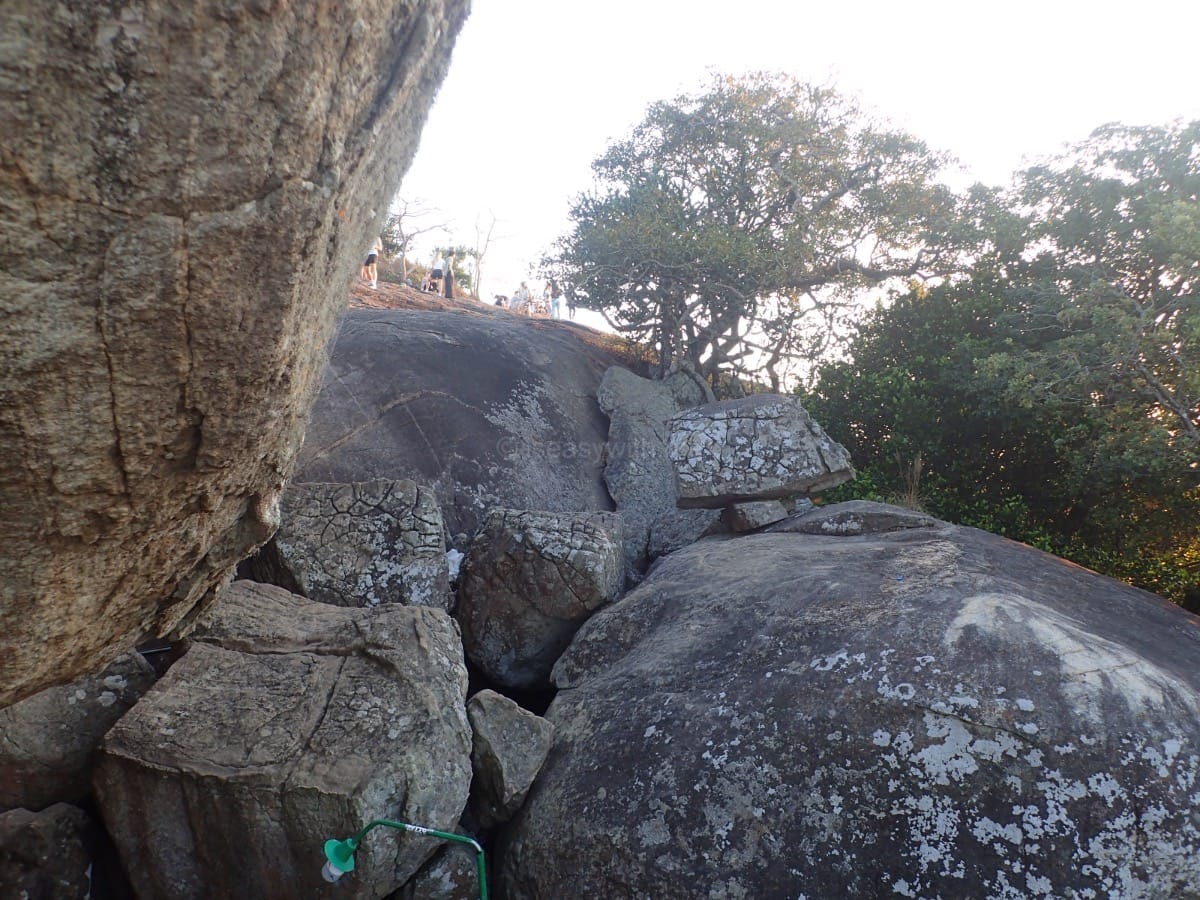
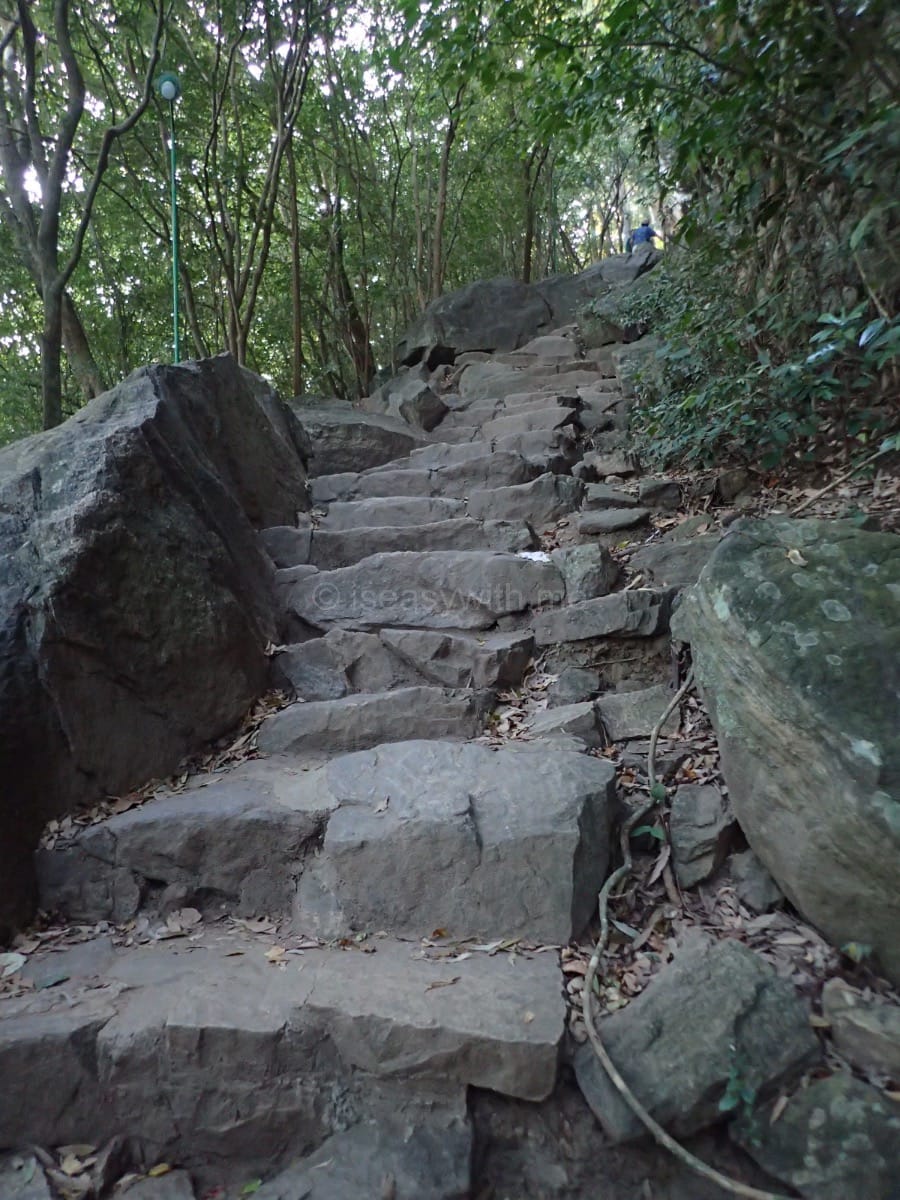
My ascent began at 0500 hours in complete darkness. The trail combined stone steps, forest paths and a short boulder scramble near the summit.
iseasywith.me Travel Tip
Bring a LED headlamp or torch for the climb. The final boulder section before the summit is particularly dark and uneven.
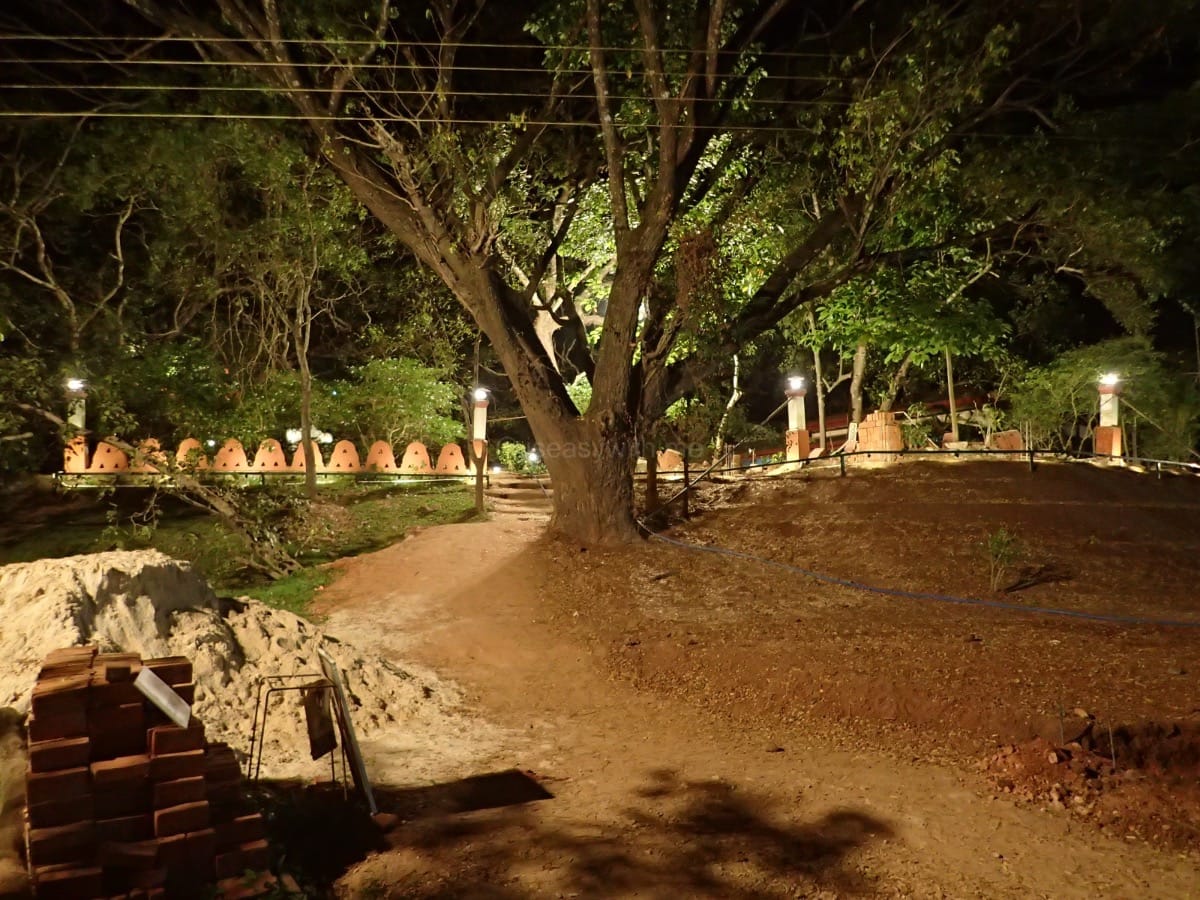
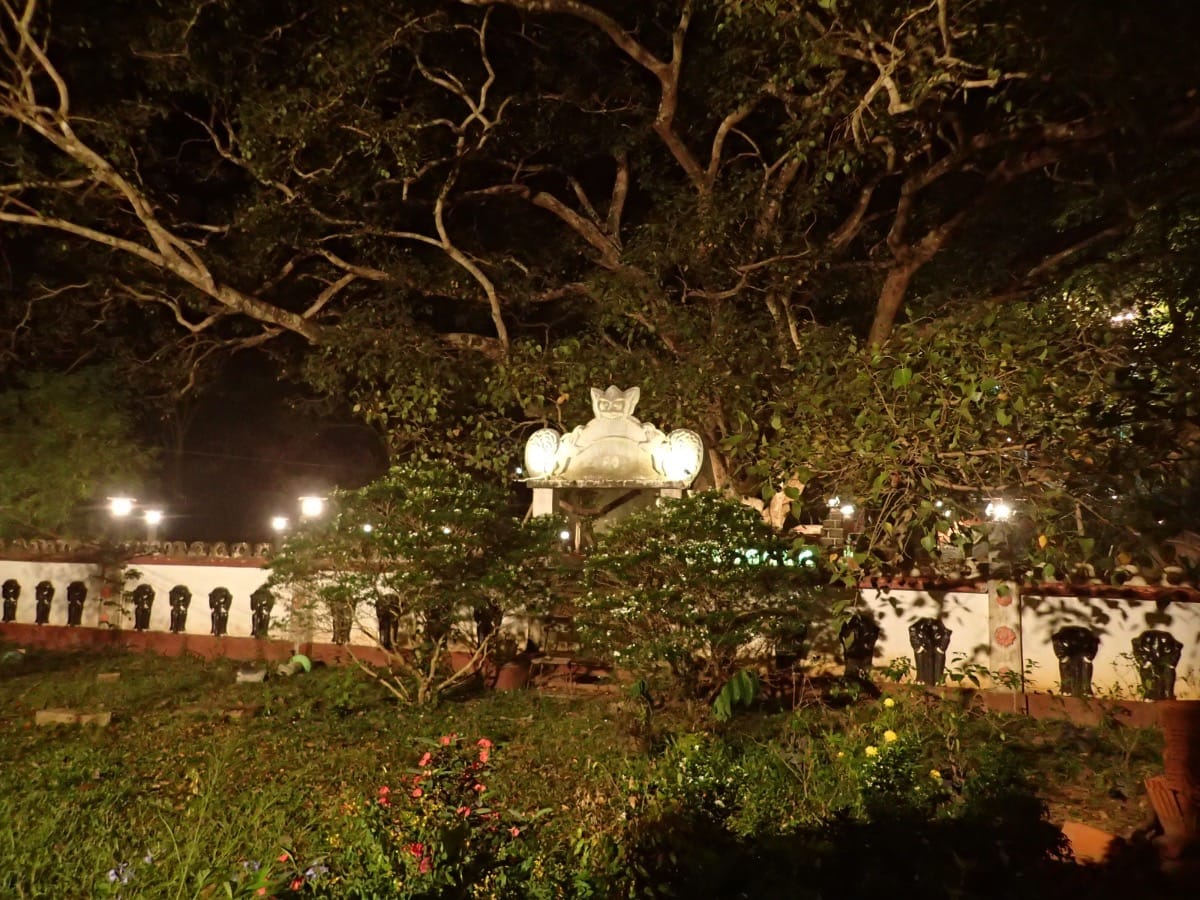
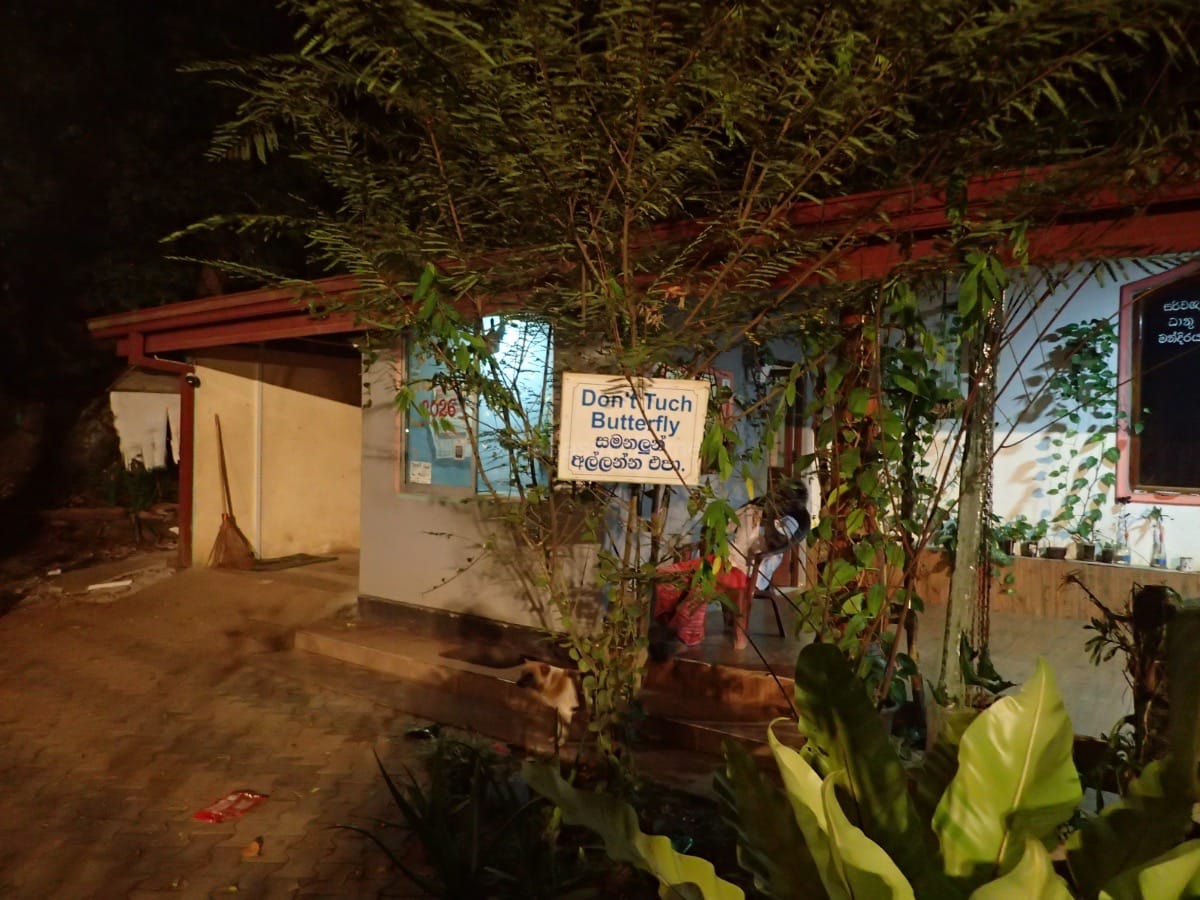
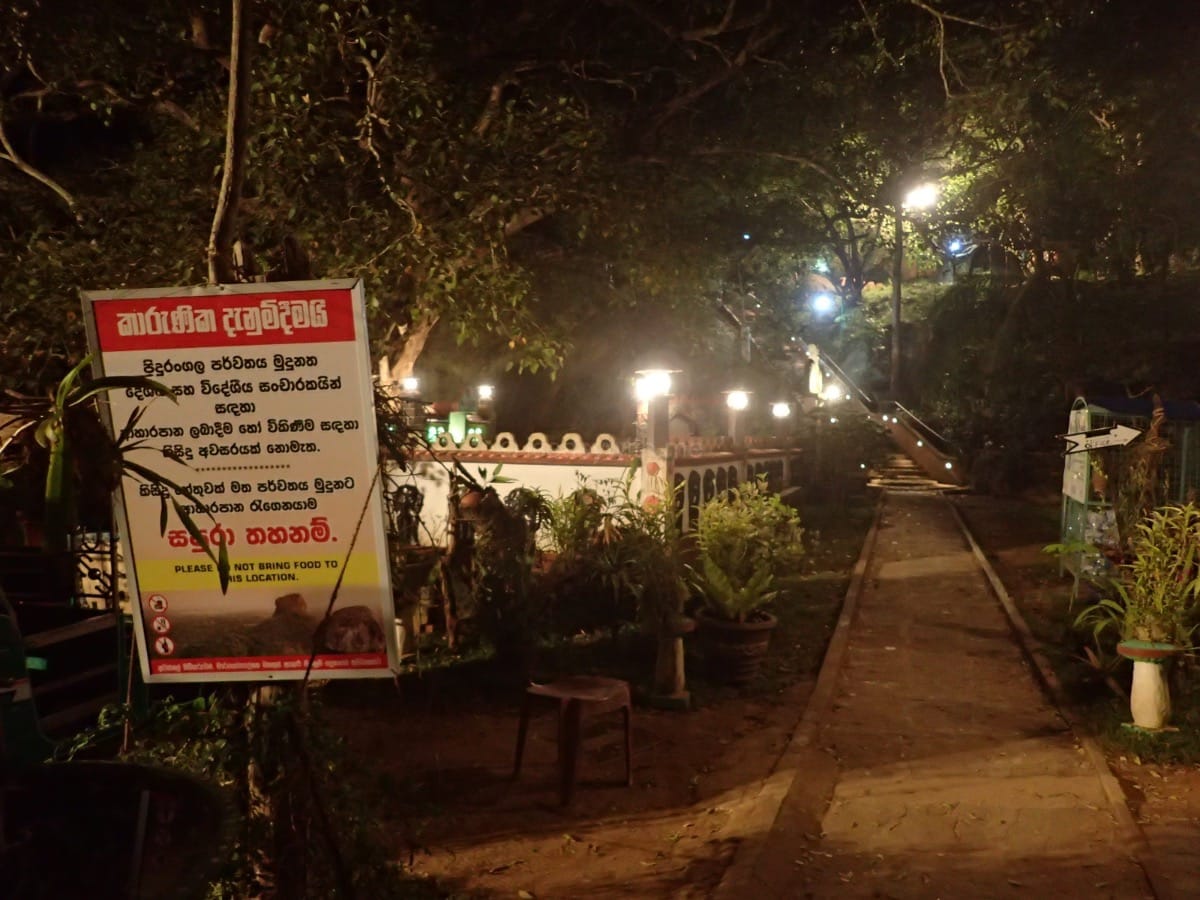
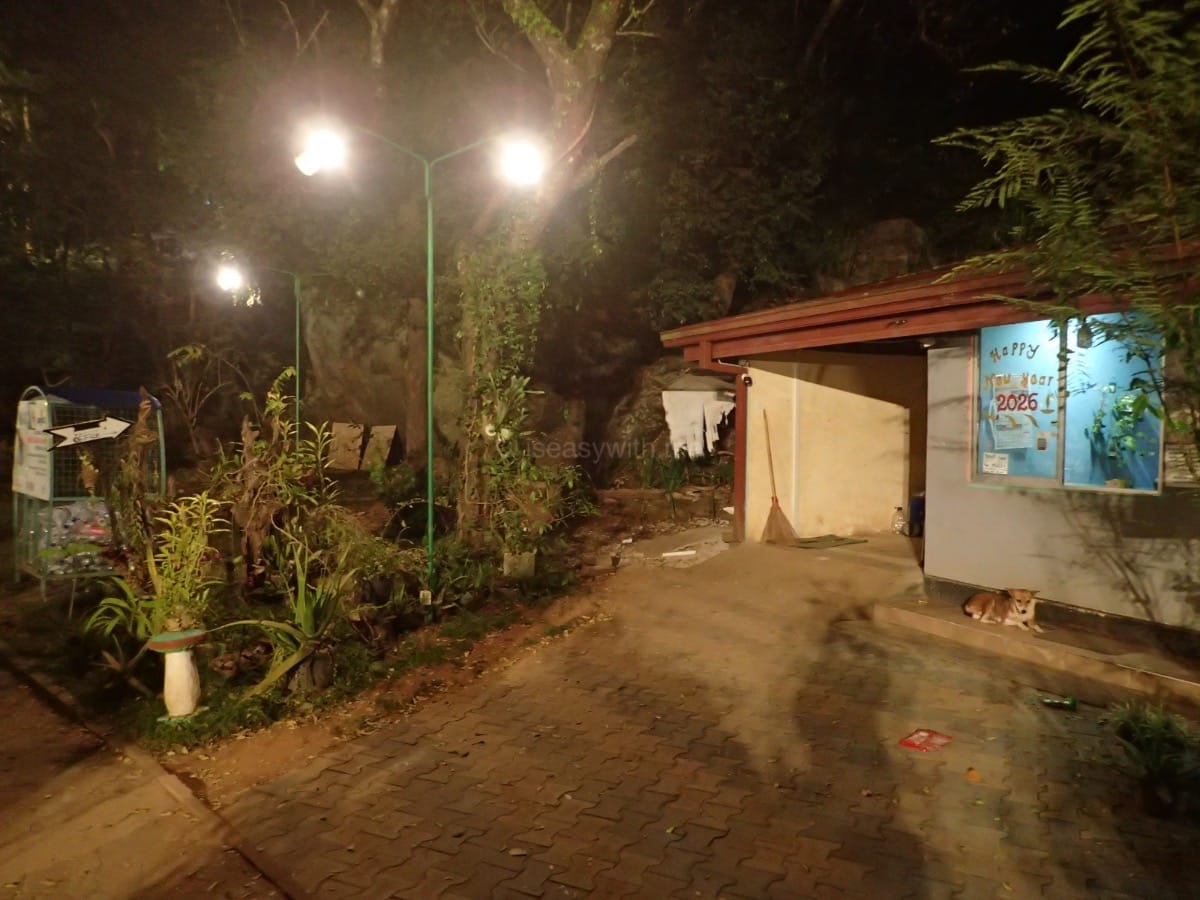
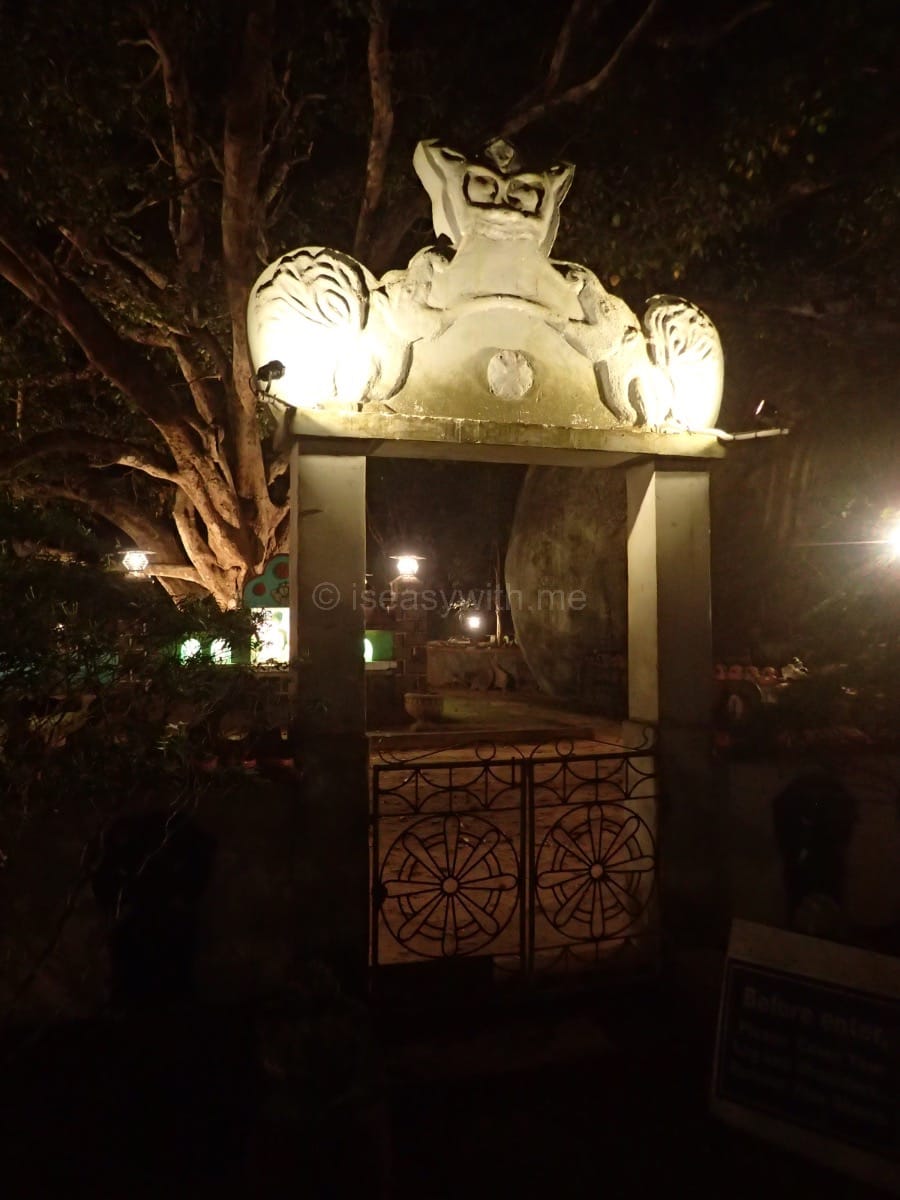
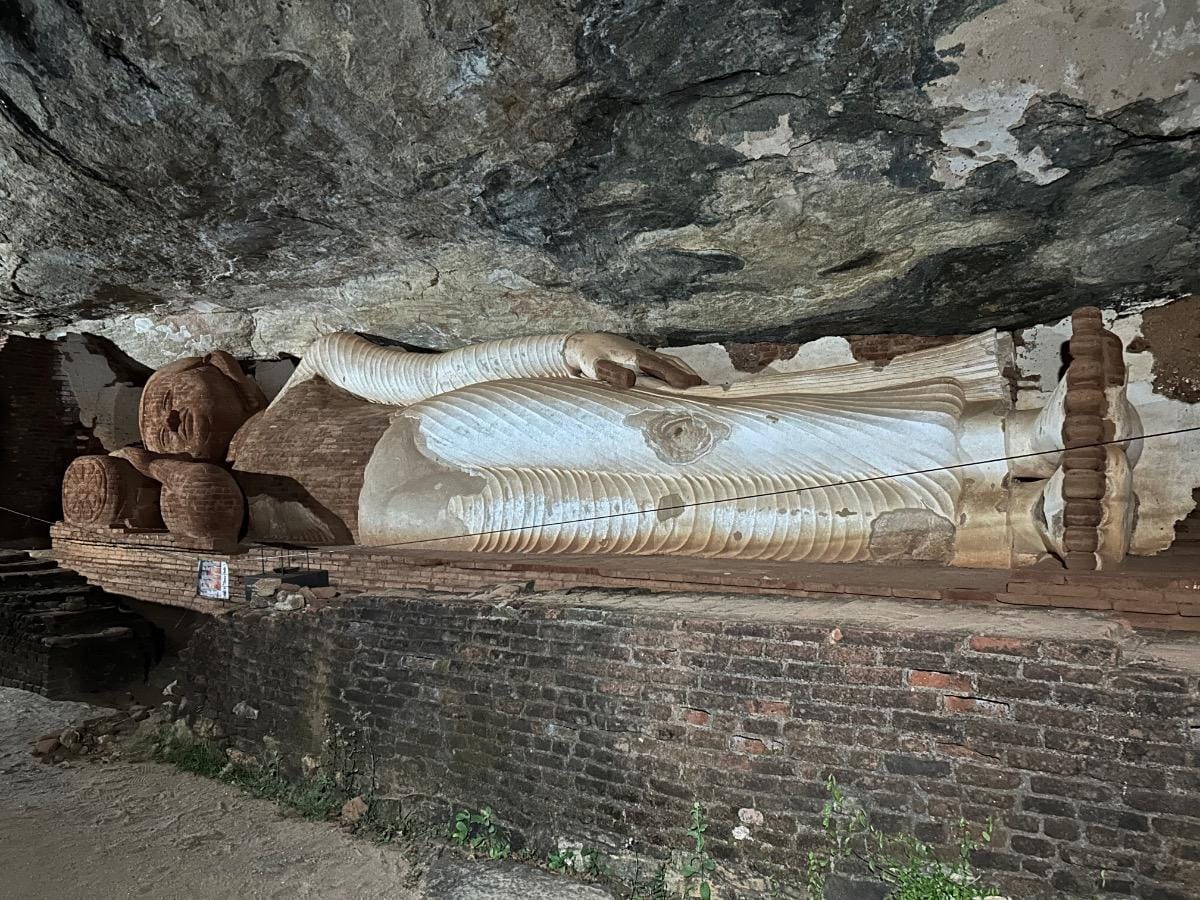
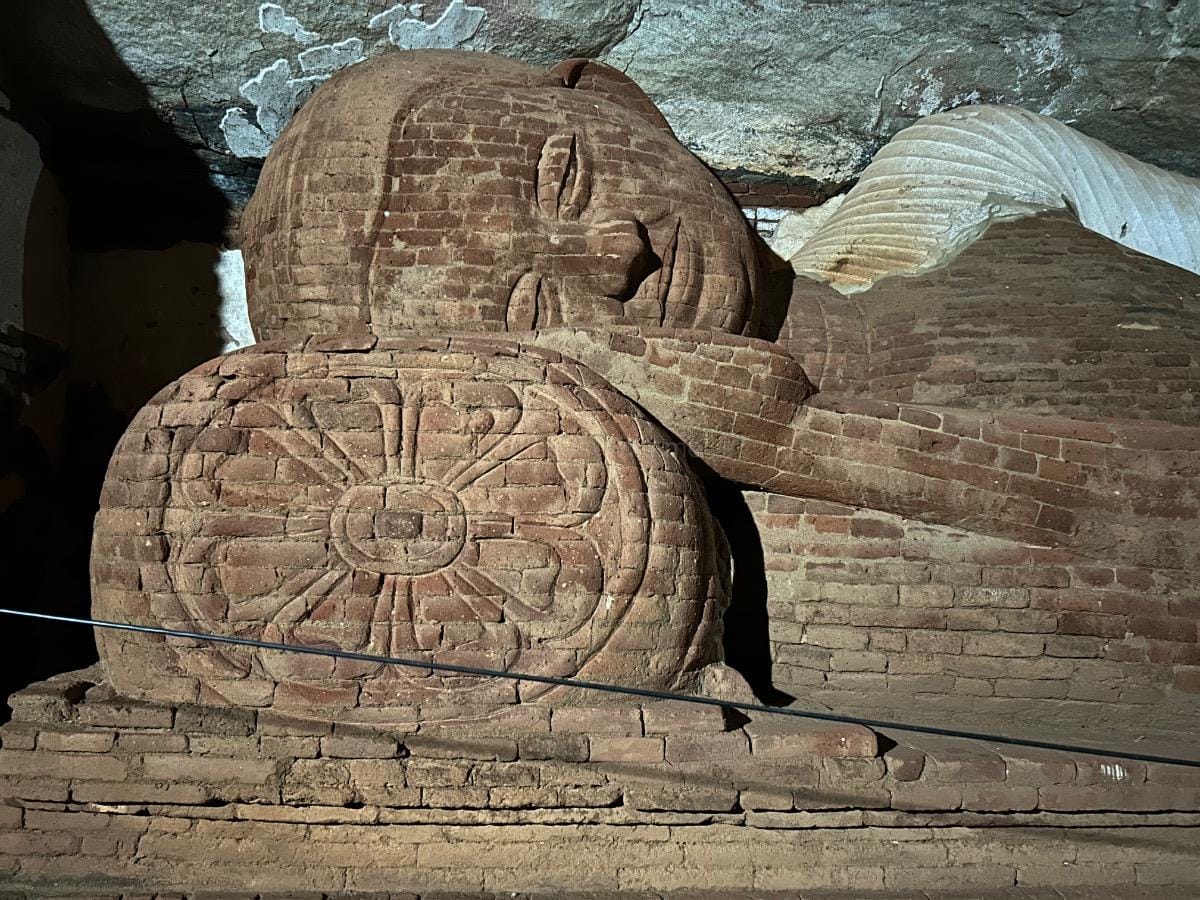
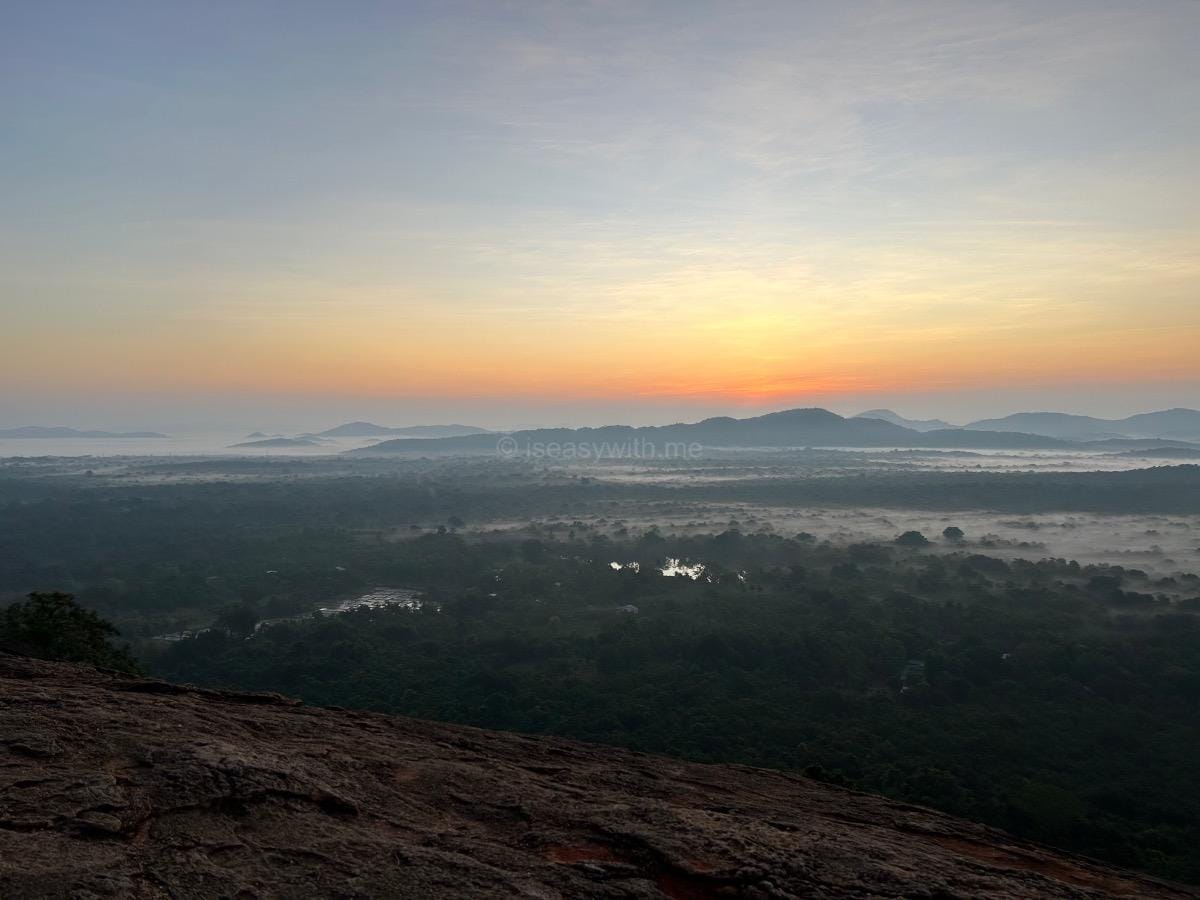
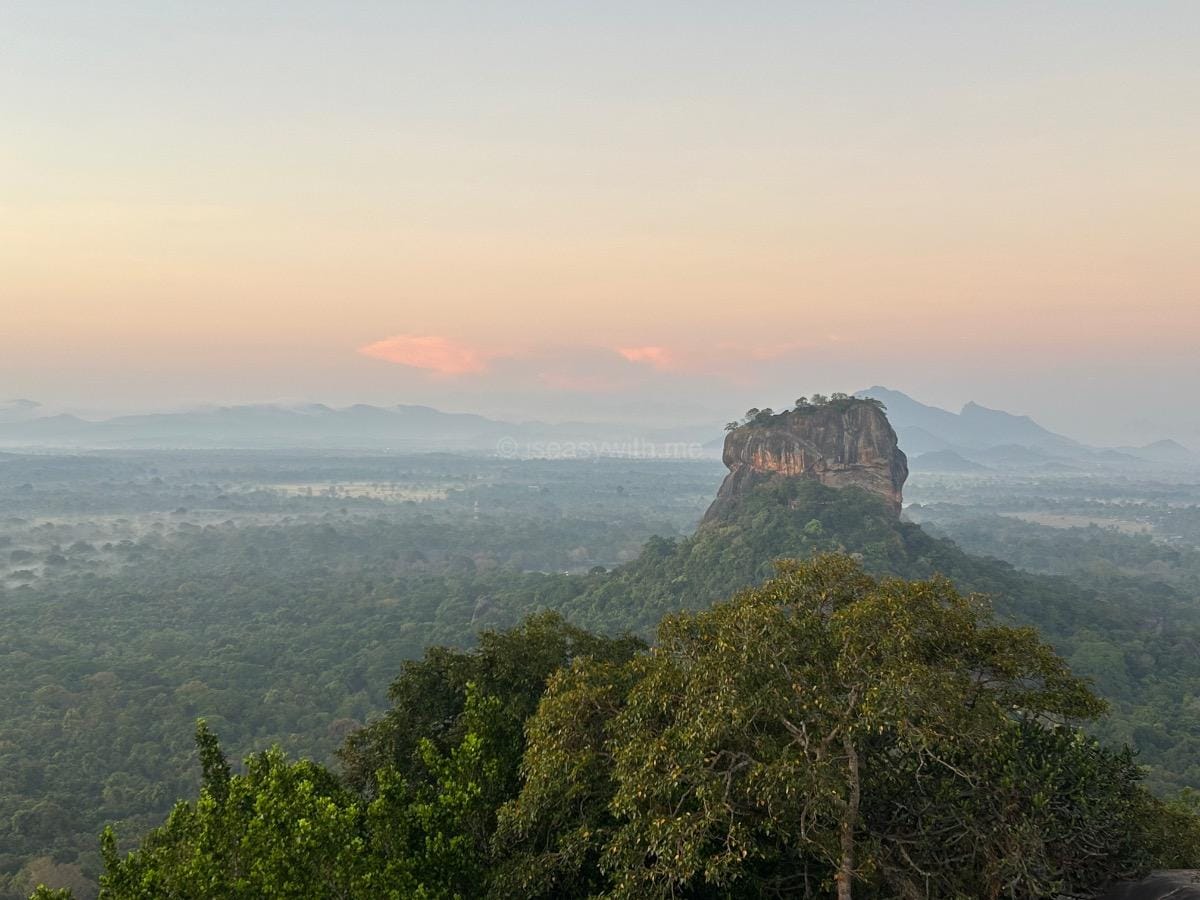
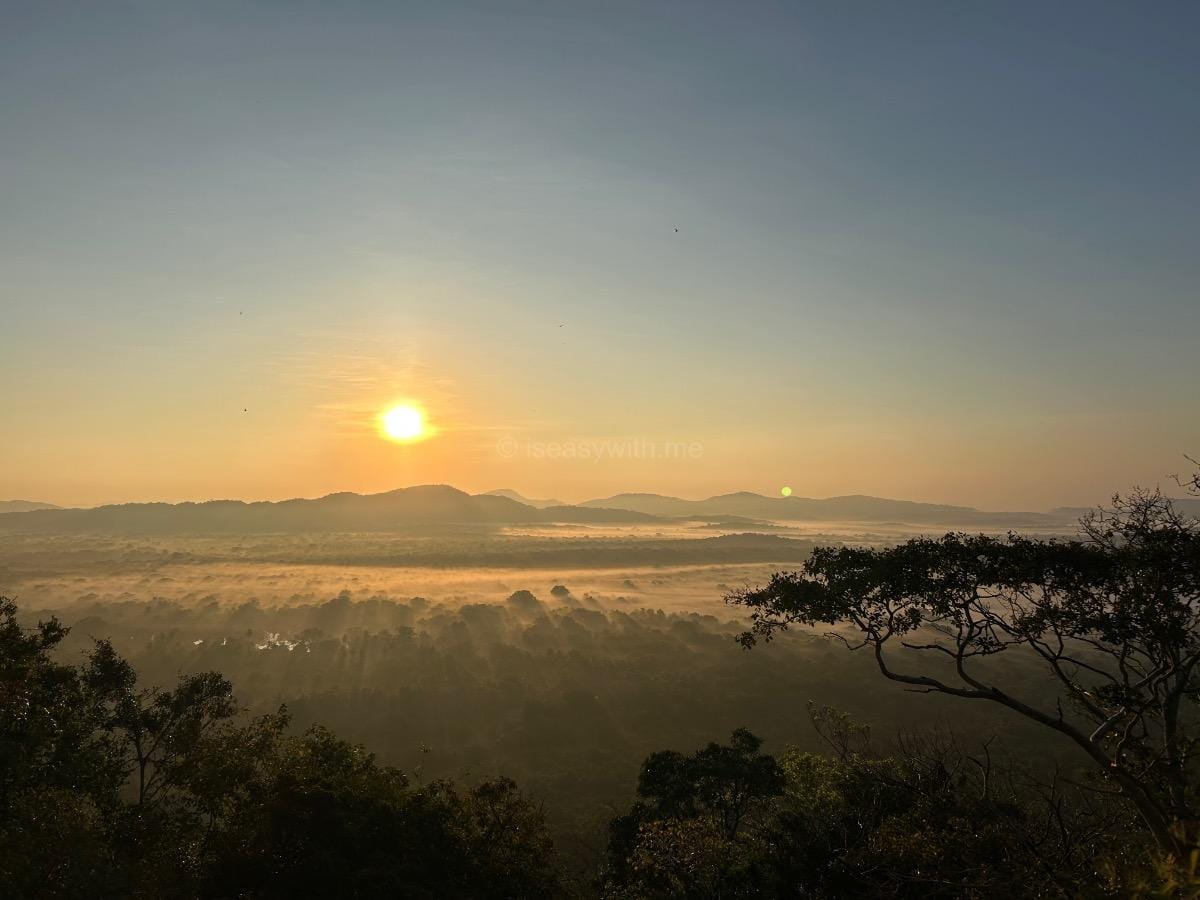
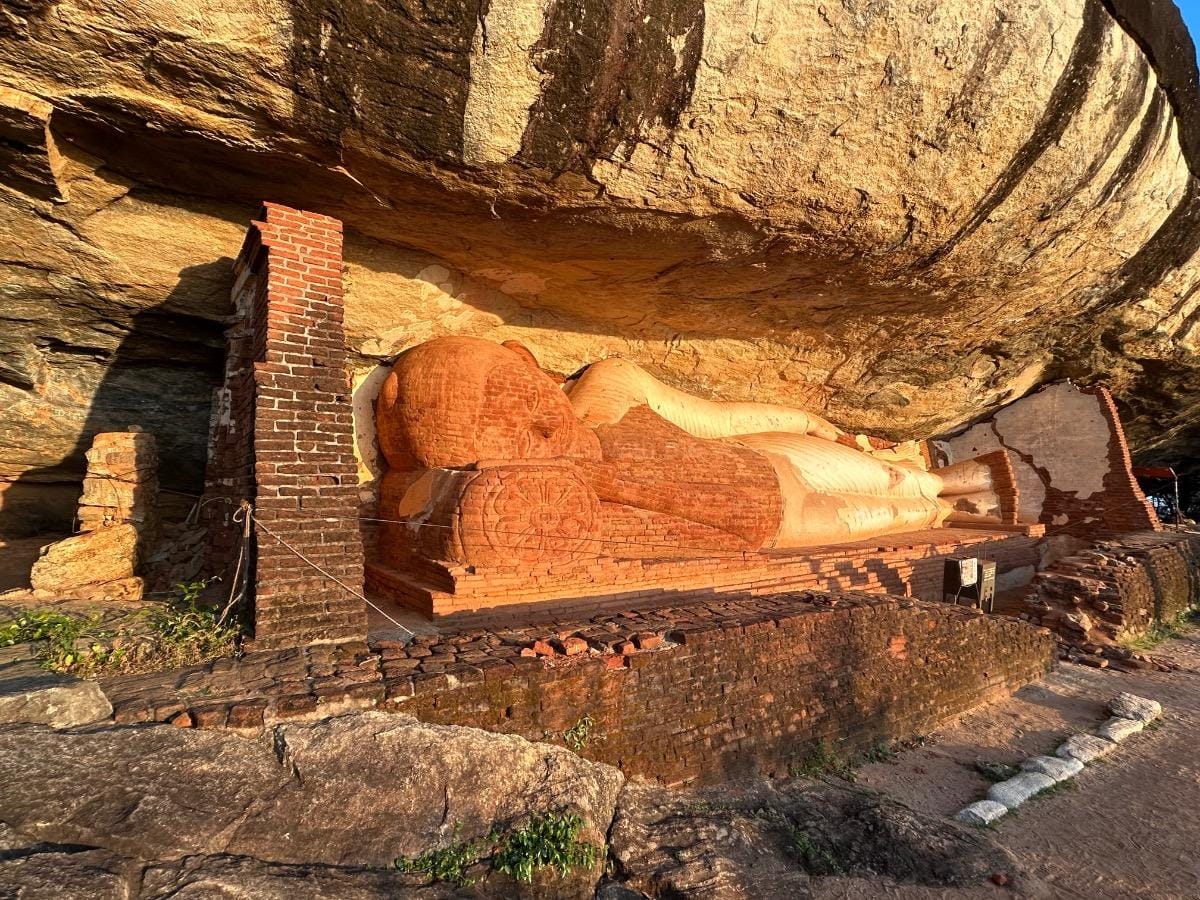
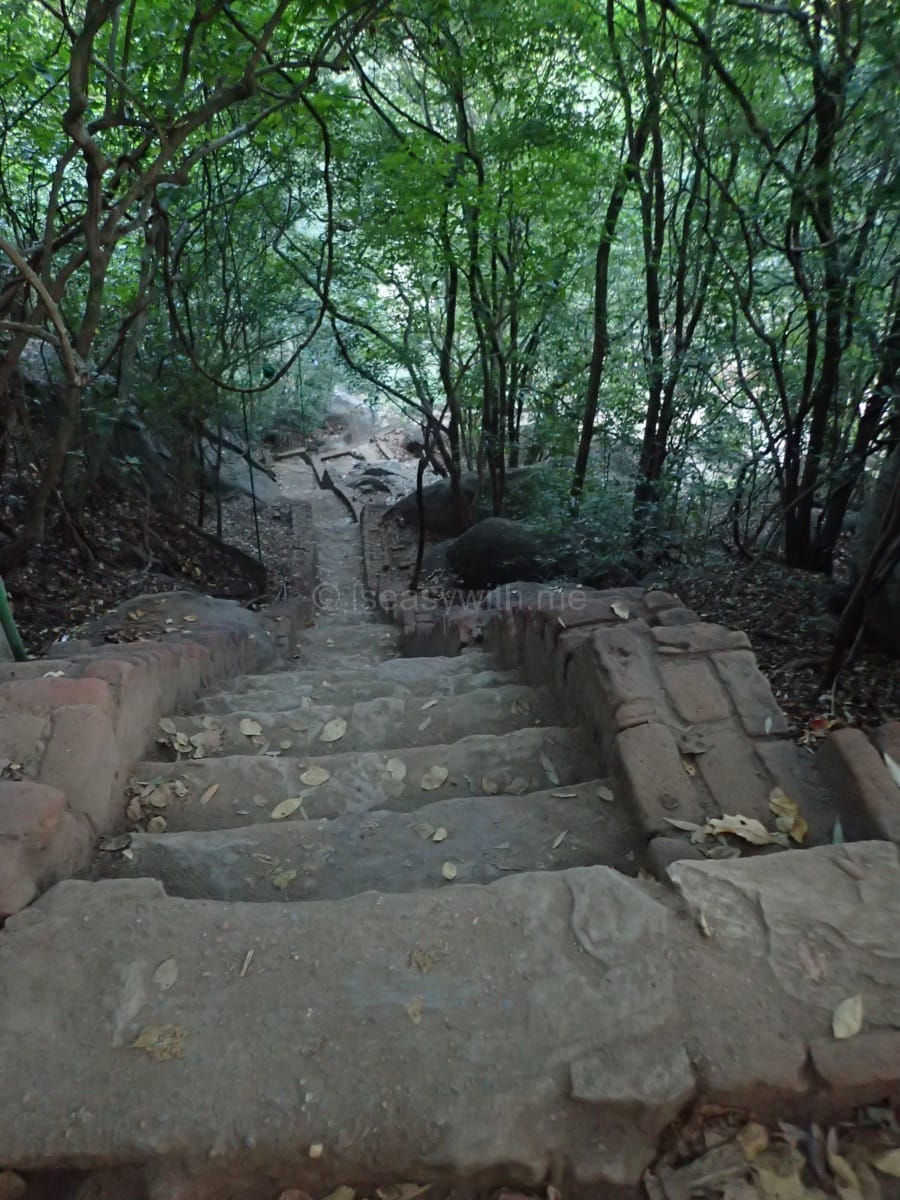
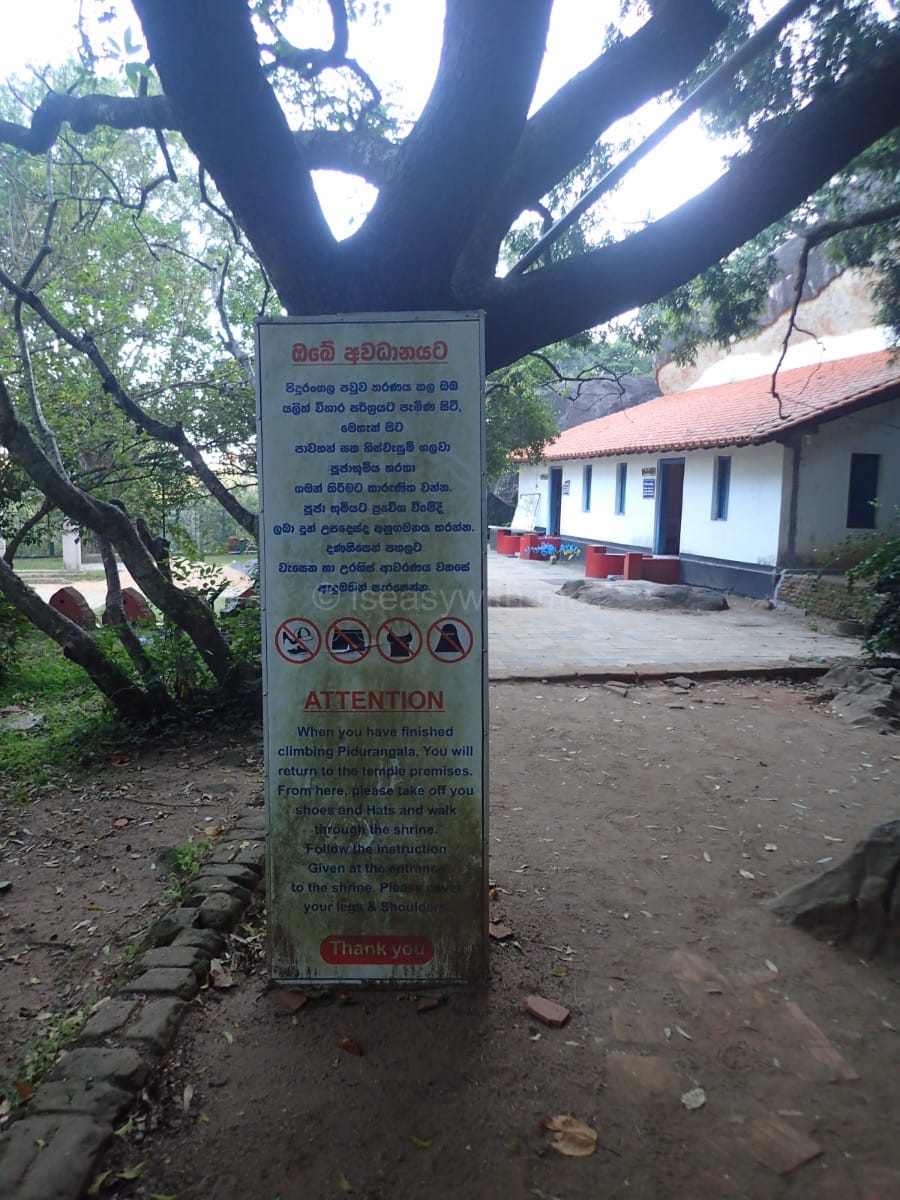
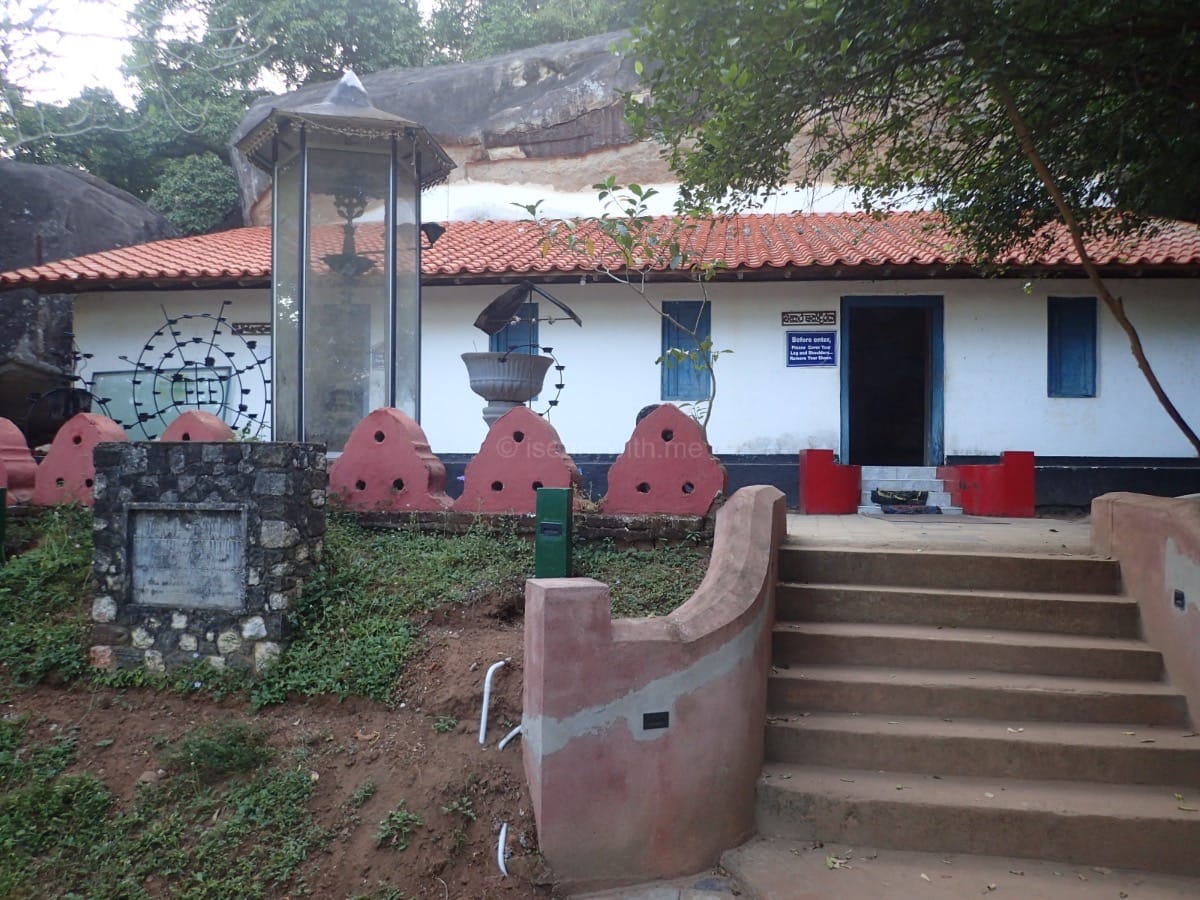
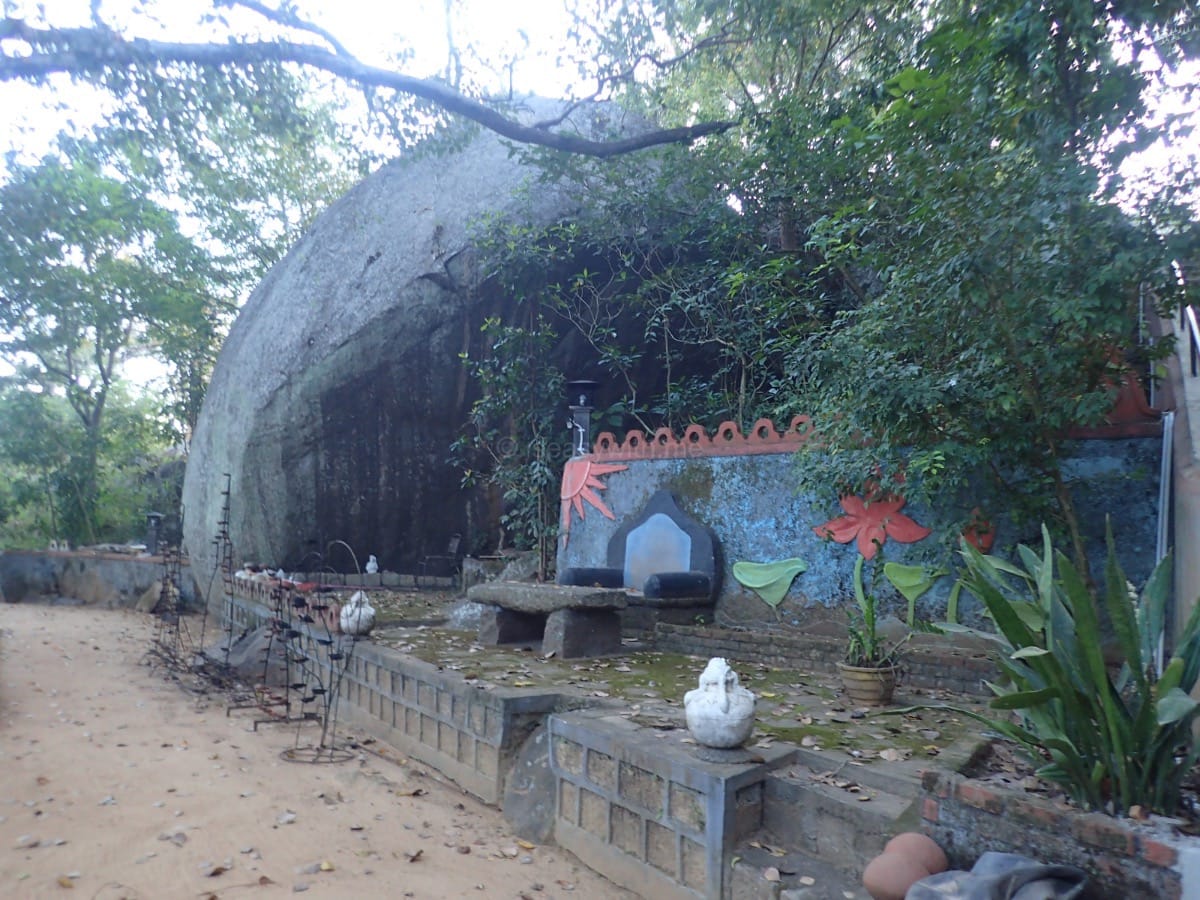
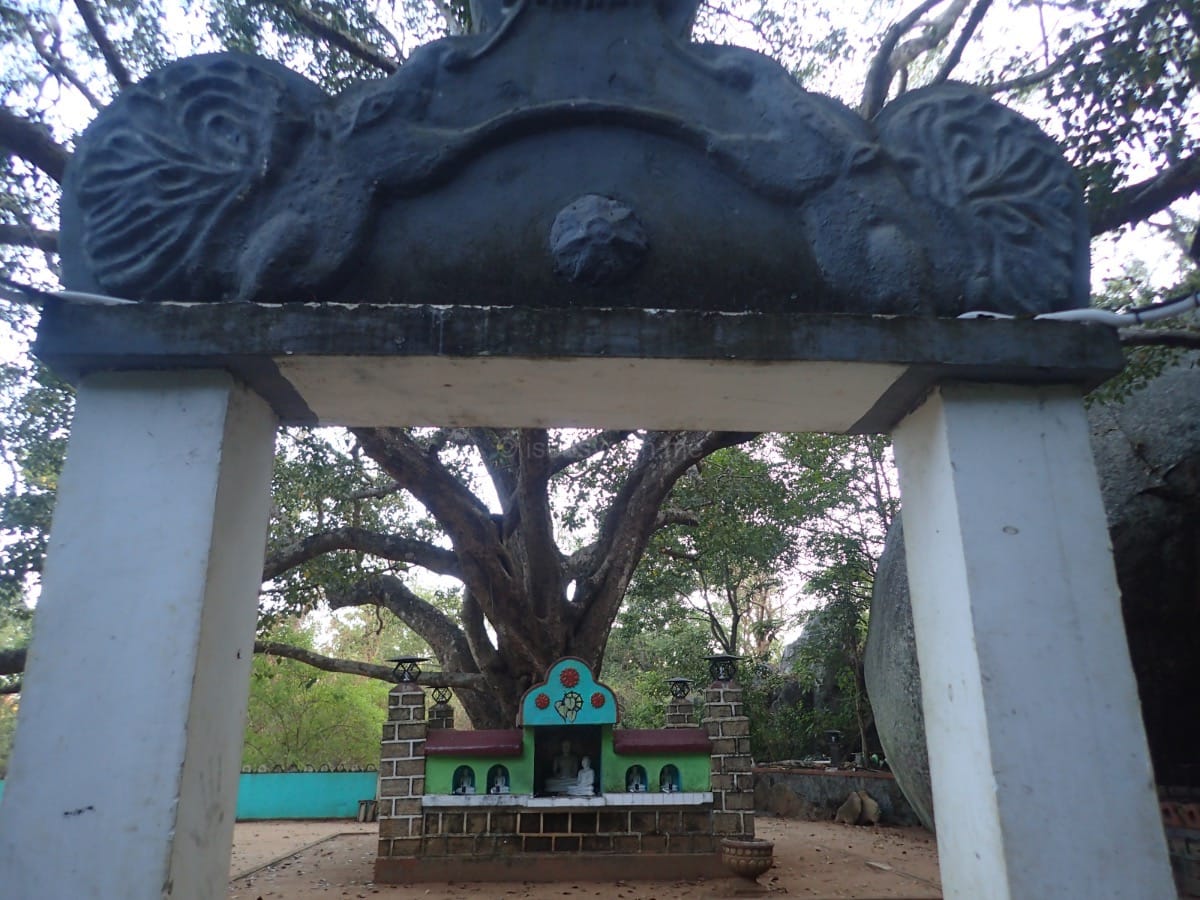
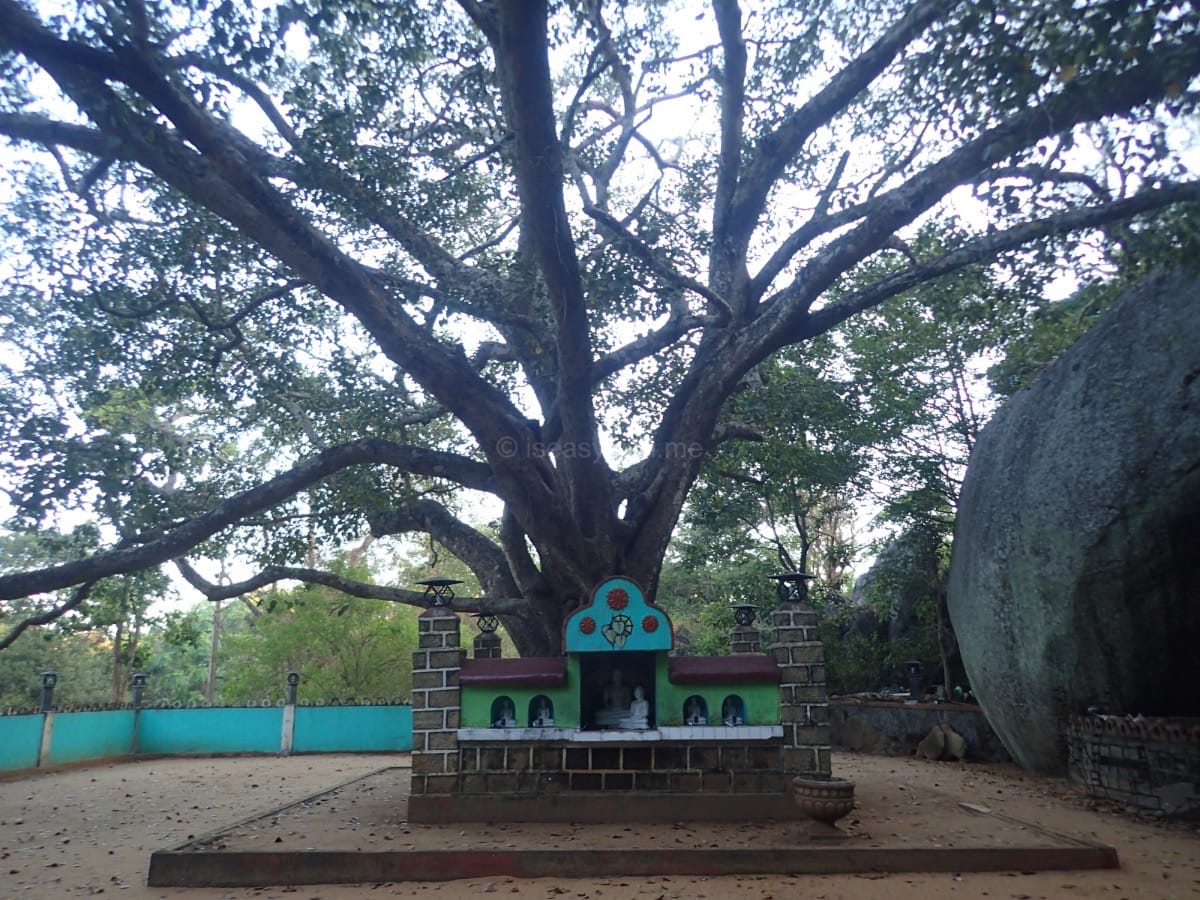
Pidurangala Rock
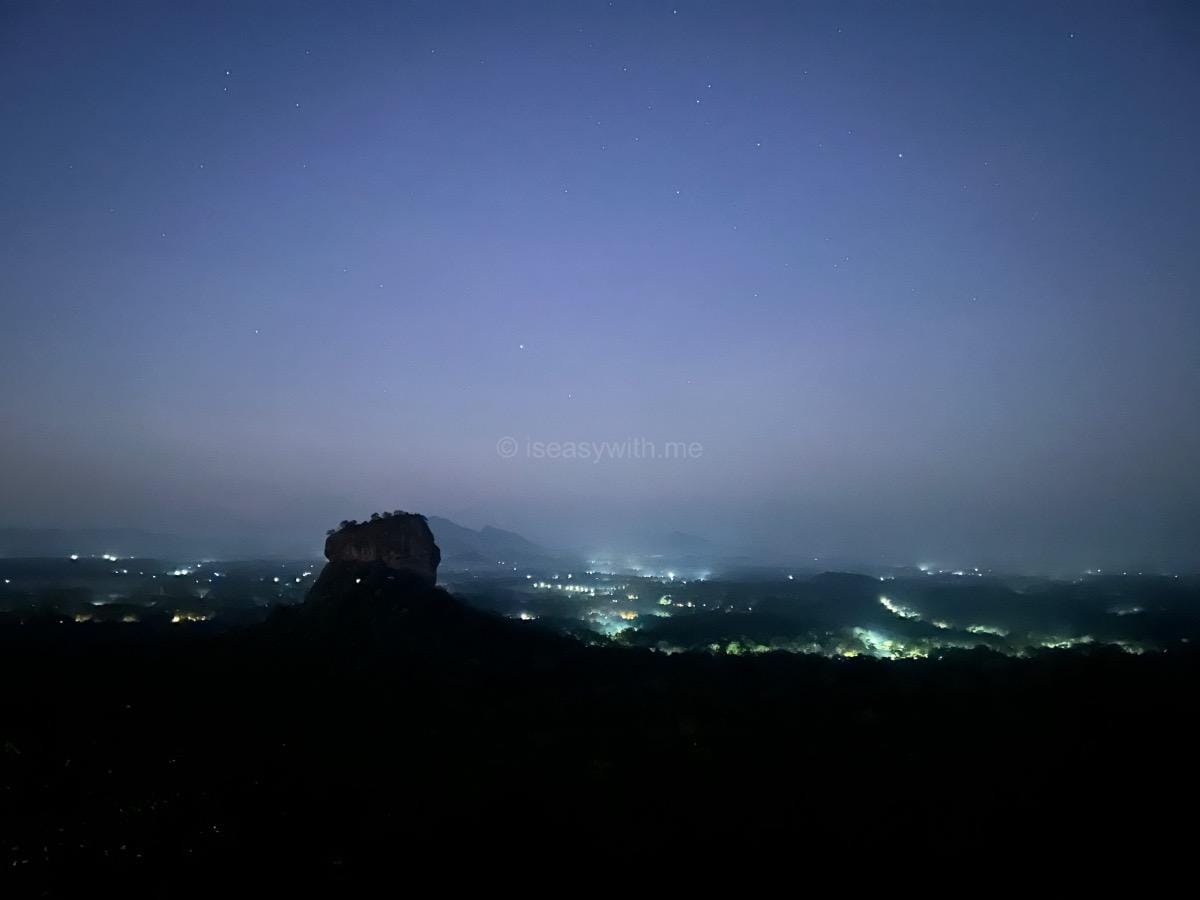
Reaching the top before dawn rewarded me with one of the most iconic views in Sri Lanka. As the sky began to brighten, Sigiriya Rock emerged dramatically from the surrounding mist. Around 0625 hours, the sun broke over the horizon, casting golden light across forests, lakes and distant mountains. The summit was wide enough to sit comfortably and watch the landscape come alive before I descended between 0630 hours and 0650 hours.
iseasywith.me Travel Advisory
There were two men walking around selling coffee and tea for an overpriced LKR 1,000 each 😲, a massive markup compared to prices on the ground. Suggest to have your coffee after you descend.
Sigiriya Lion Rock
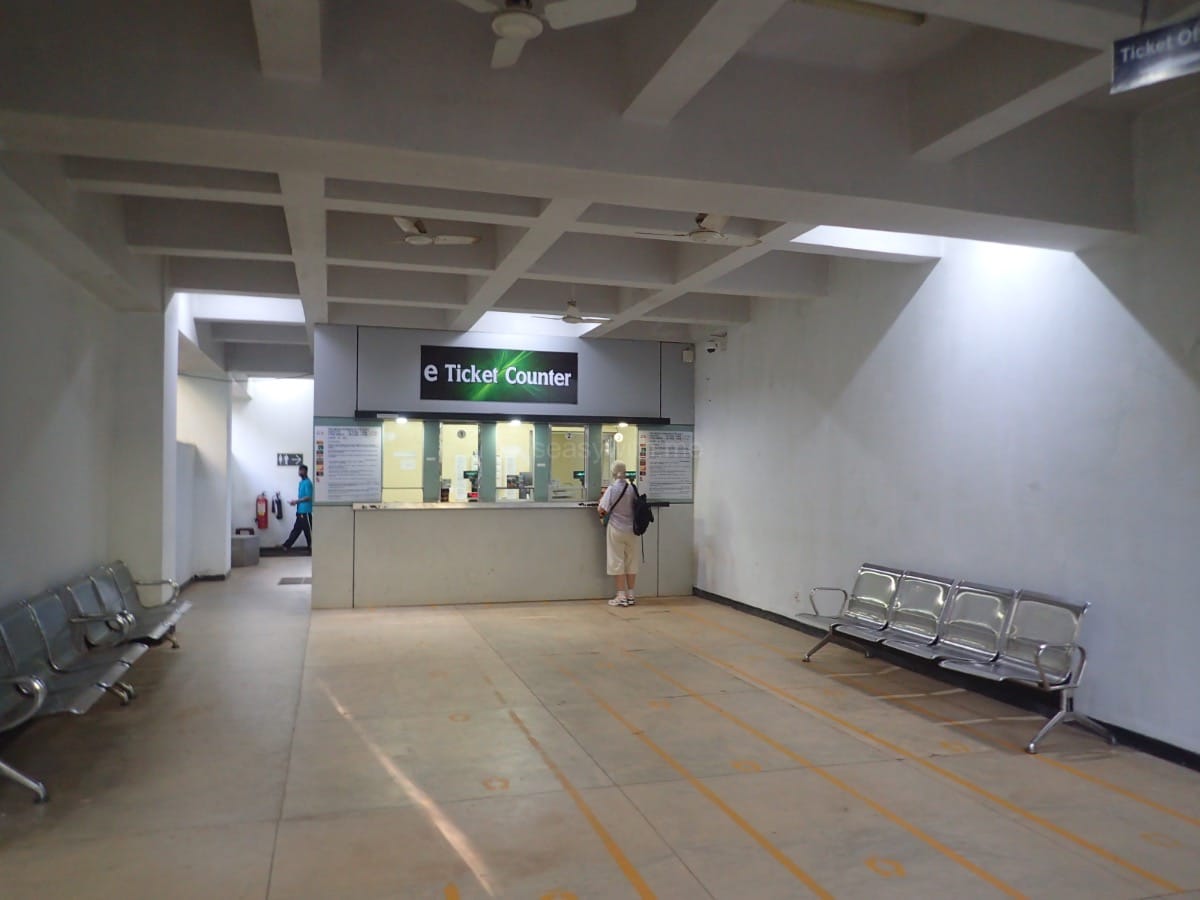
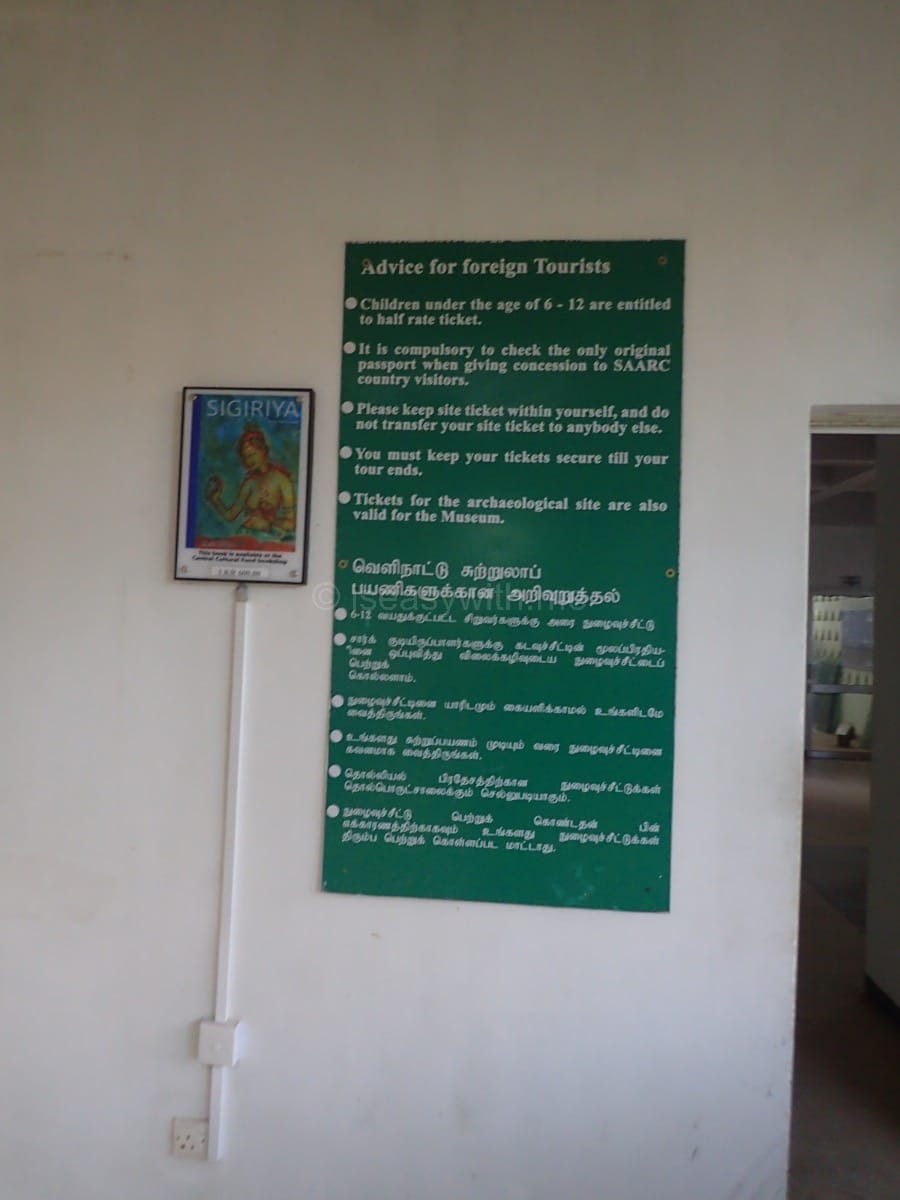
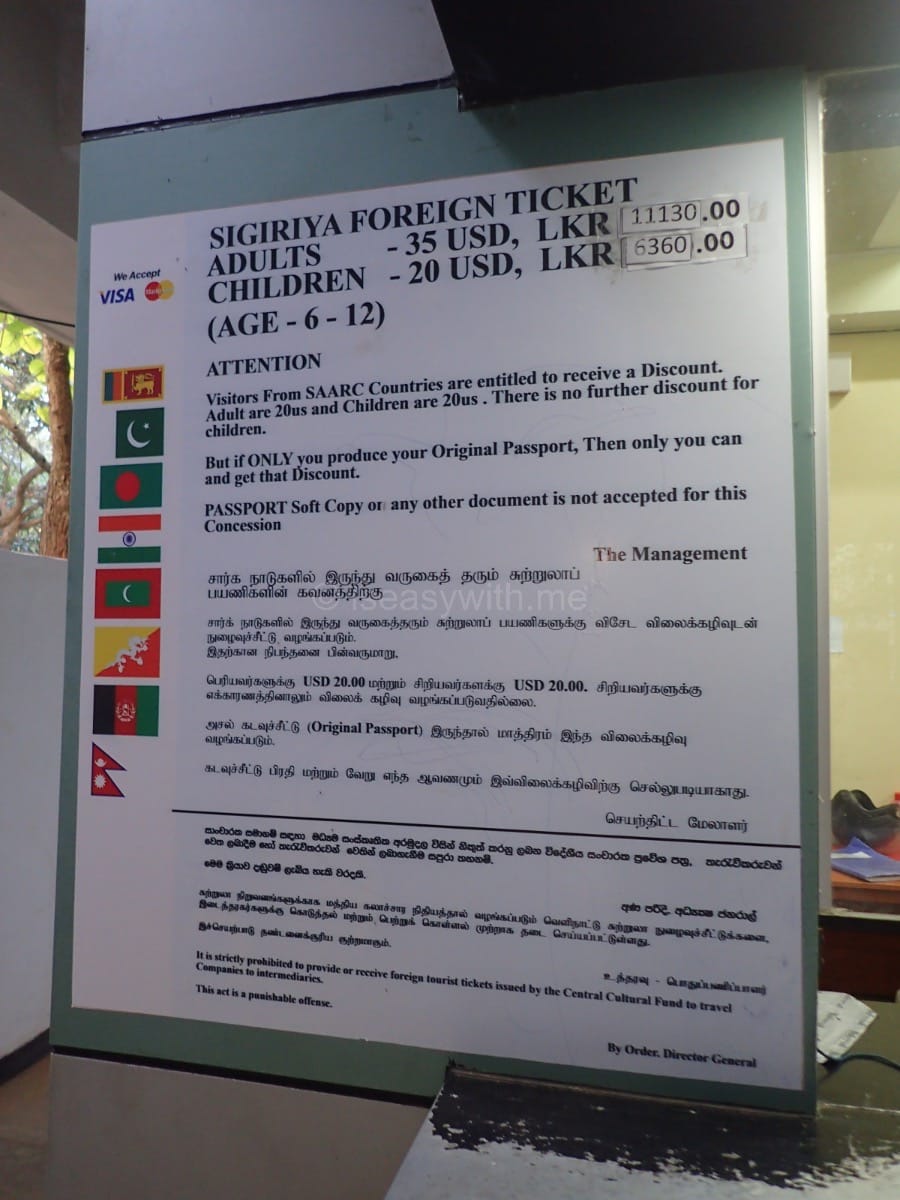
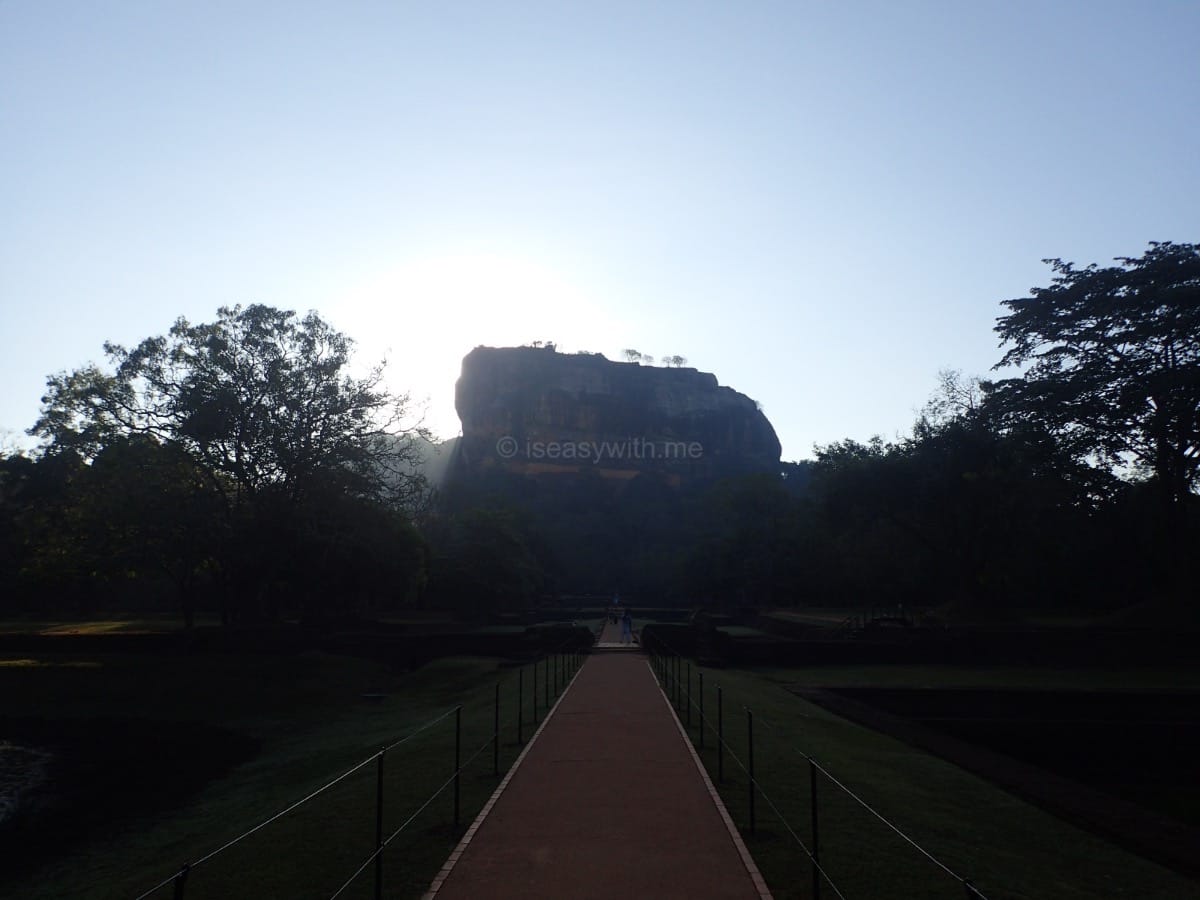
The centrepiece of the region is Sigiriya Lion Rock (LKR 11,130), a 5th-century fortress built by King Kashyapa and a designated UNESCO World Heritage Site.
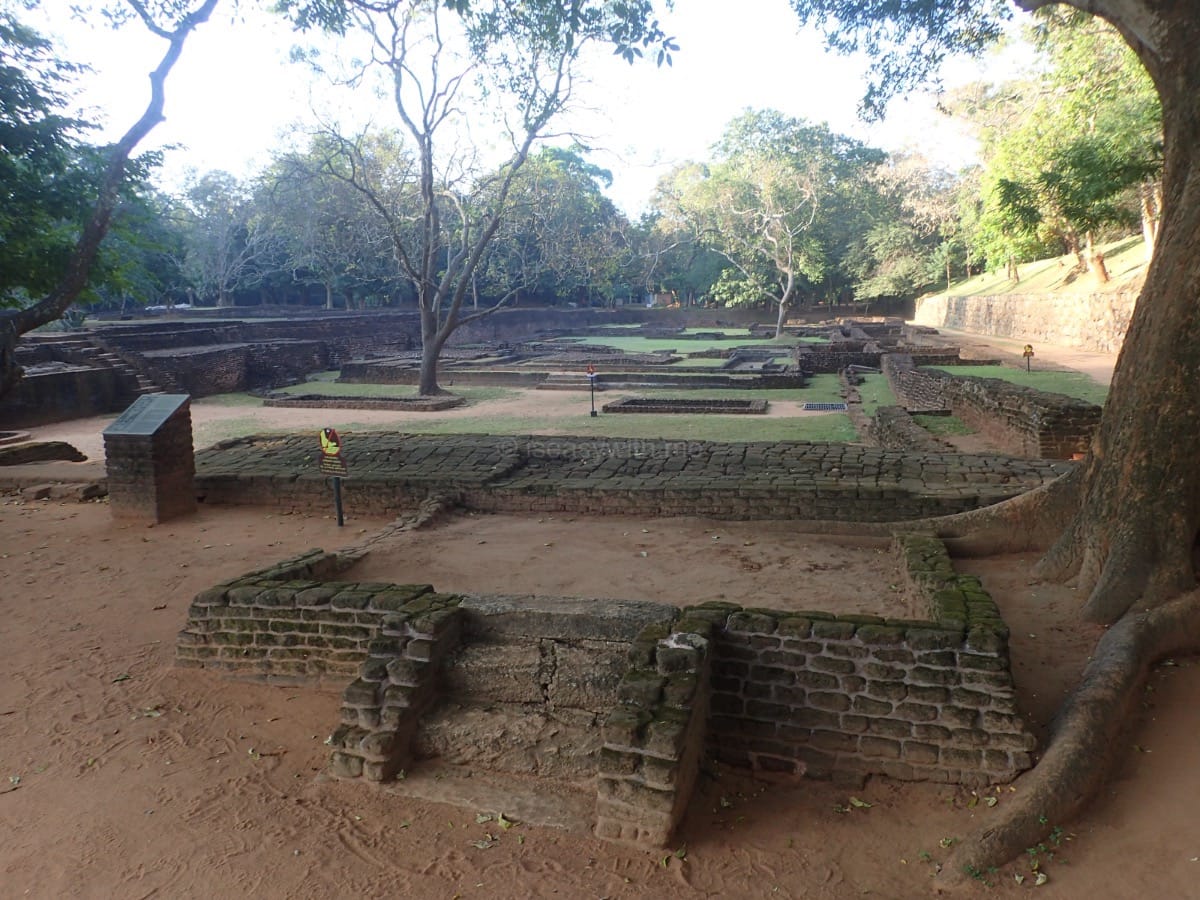
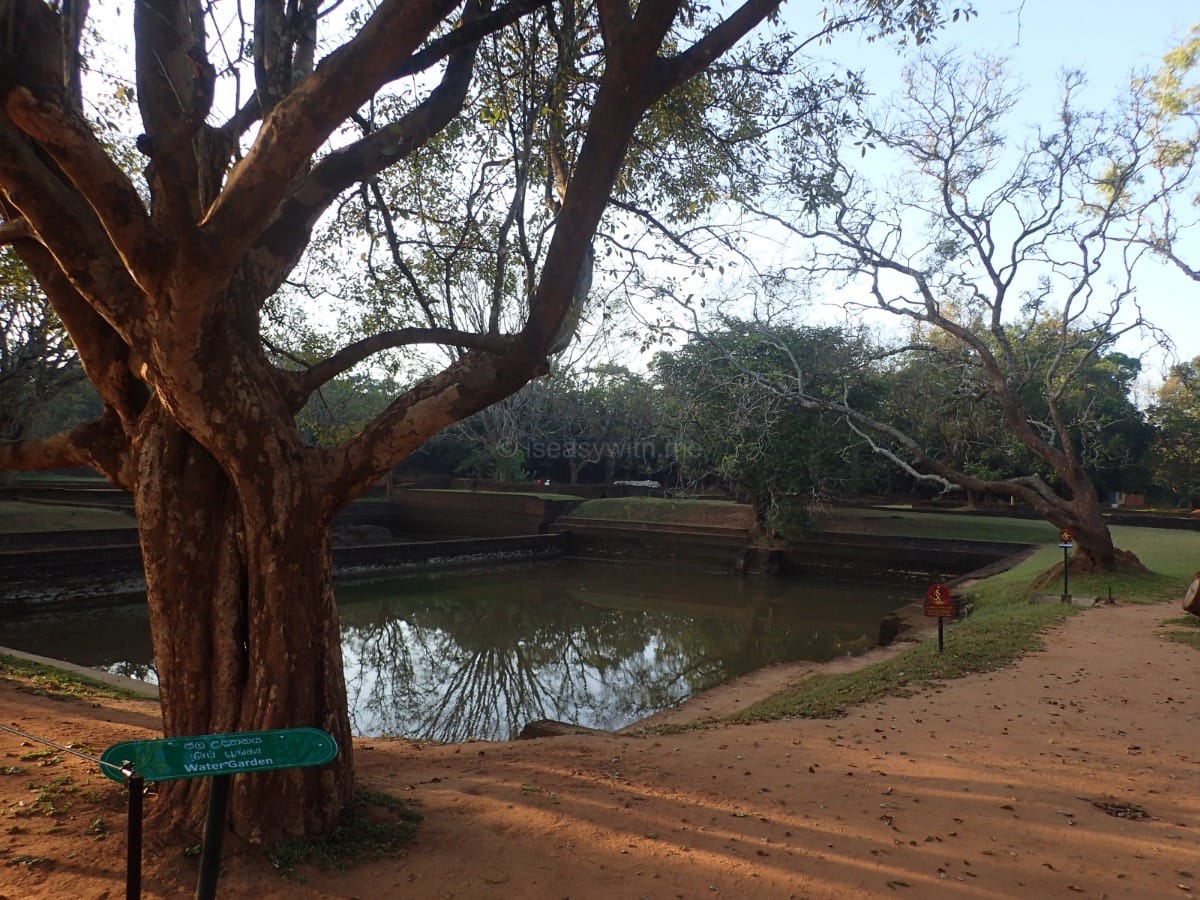
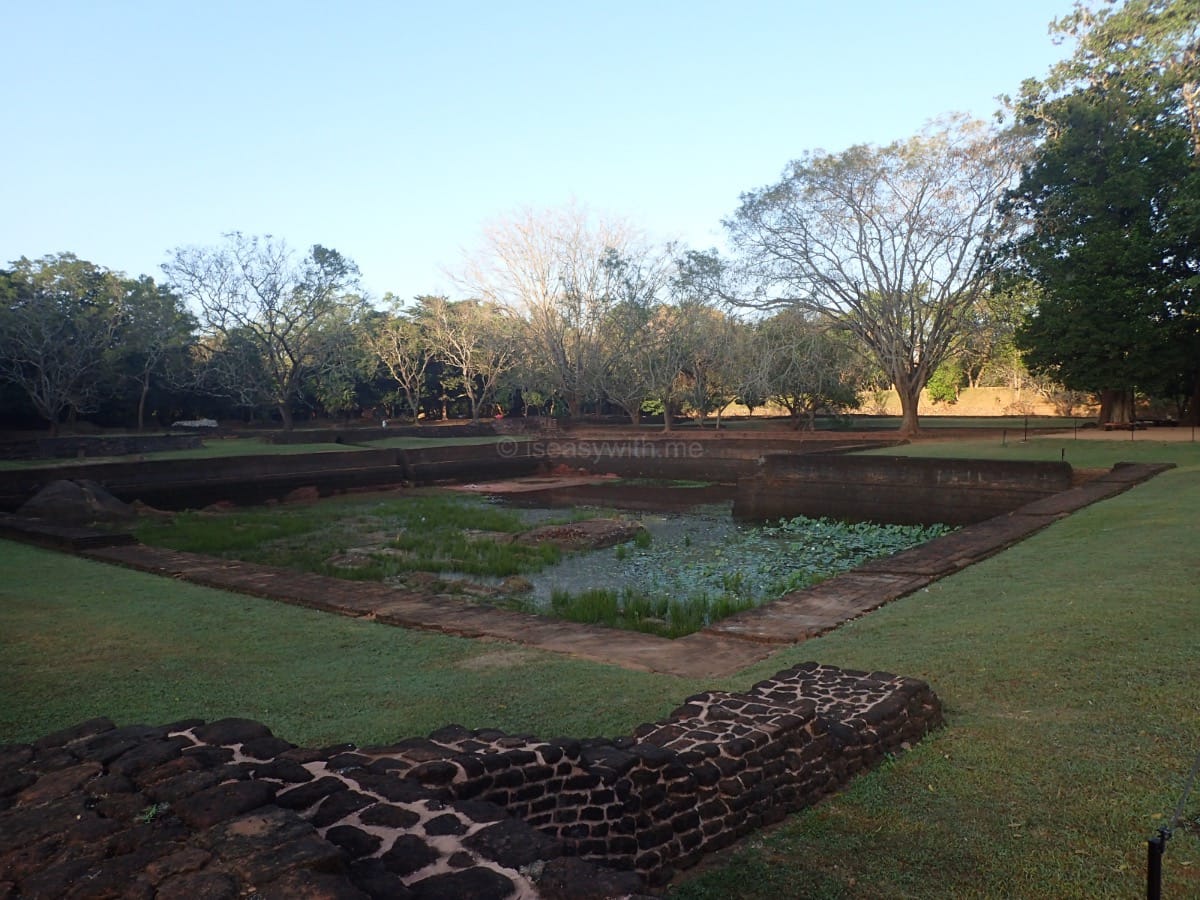
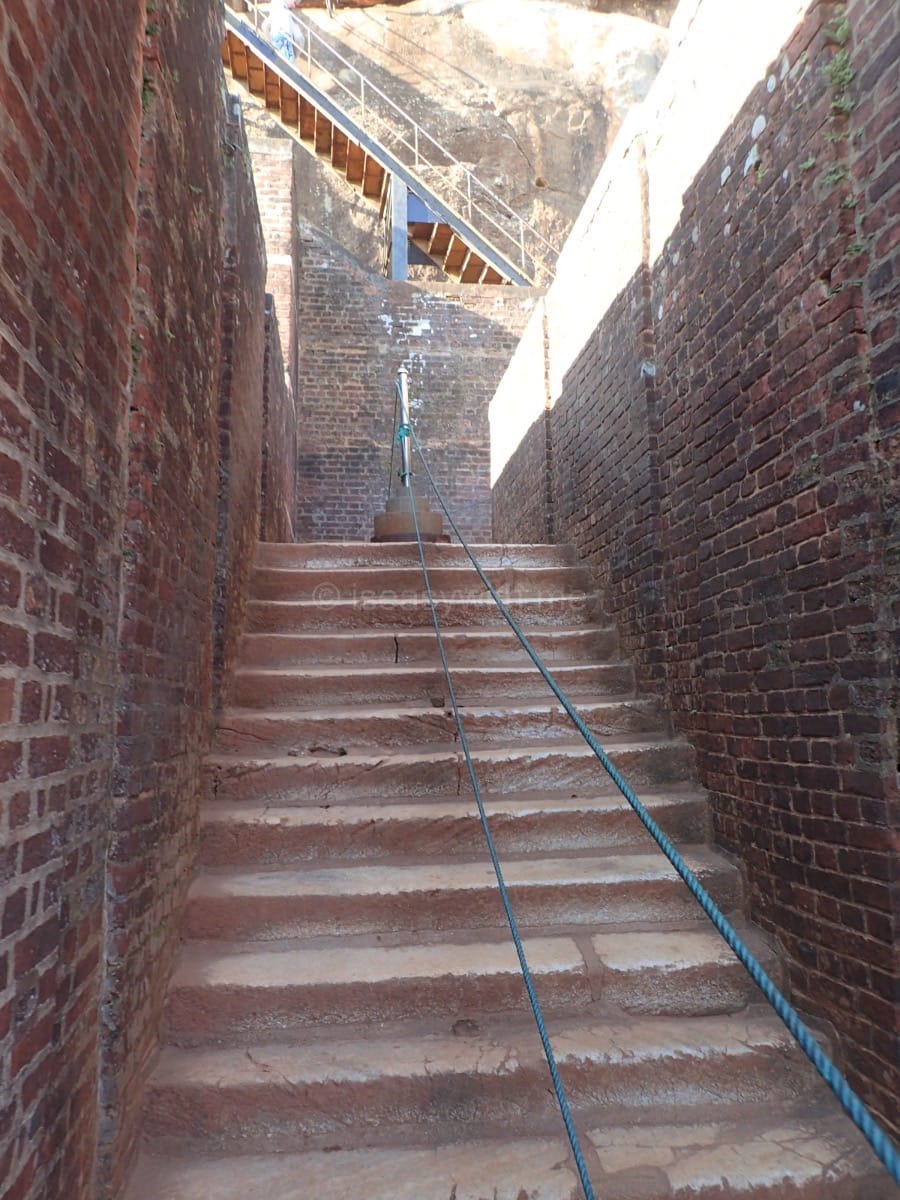
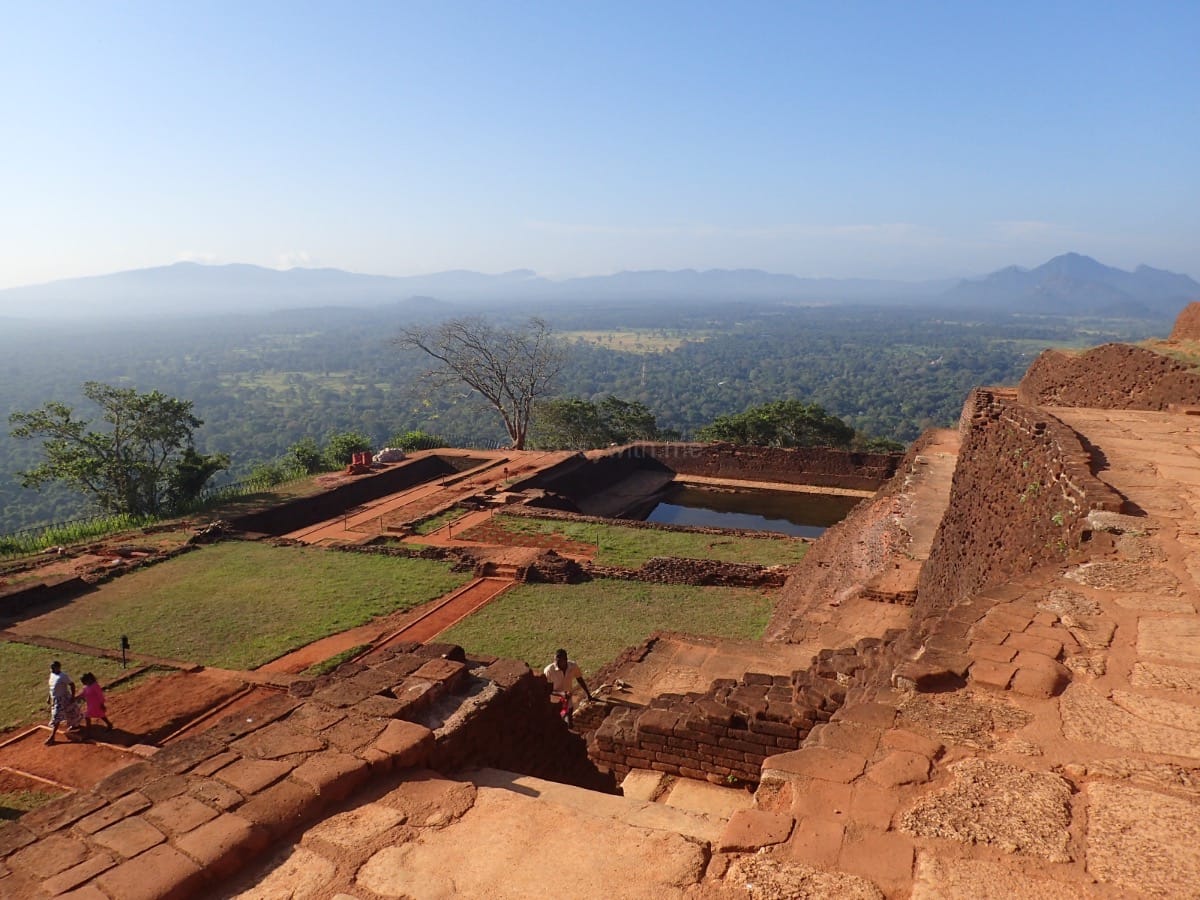
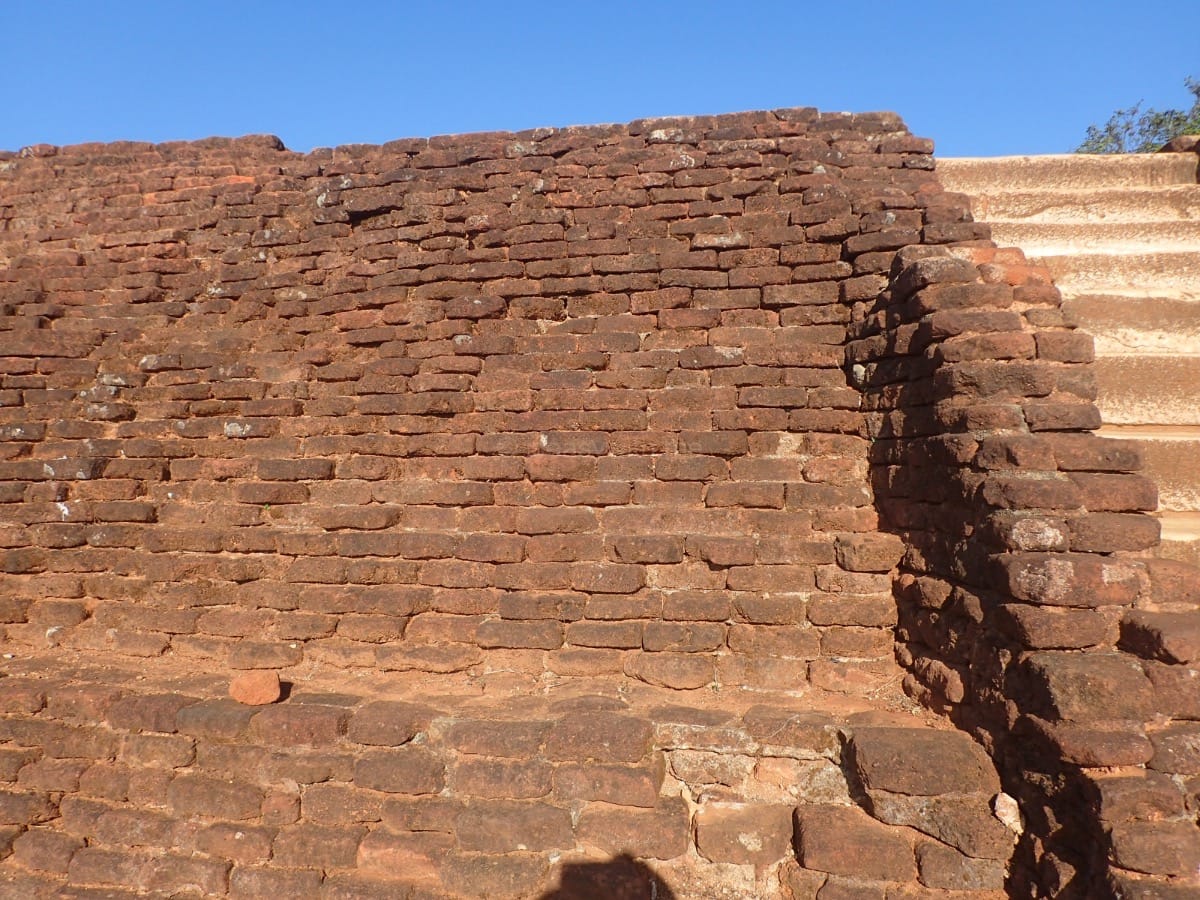
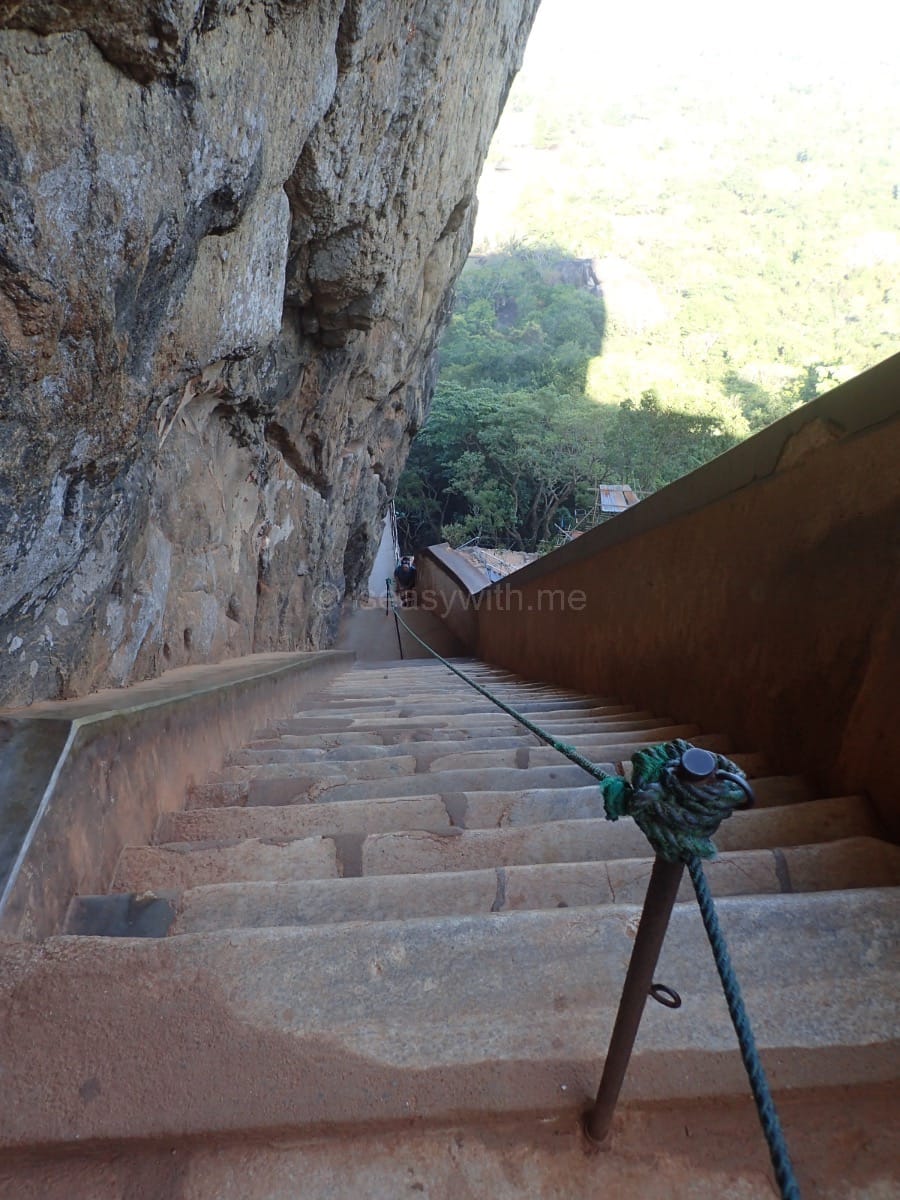
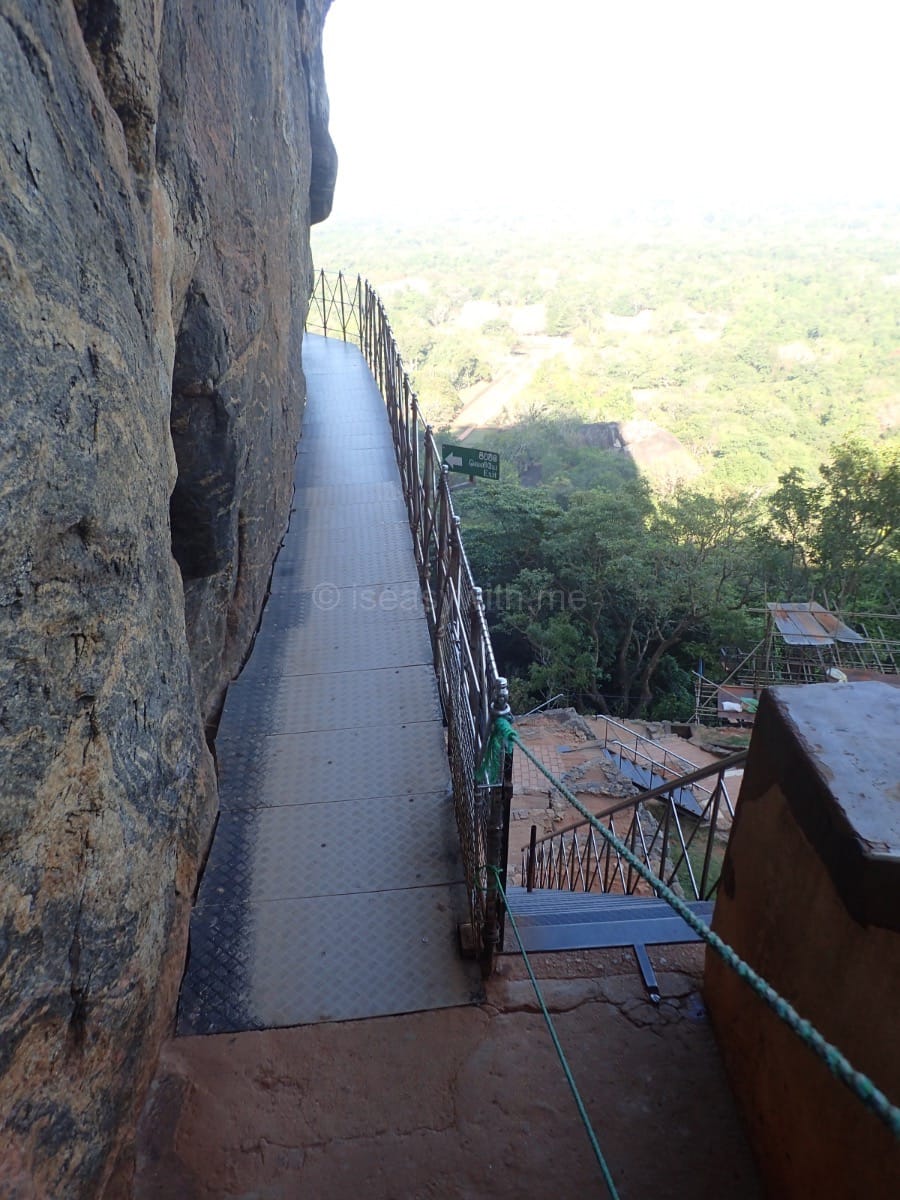
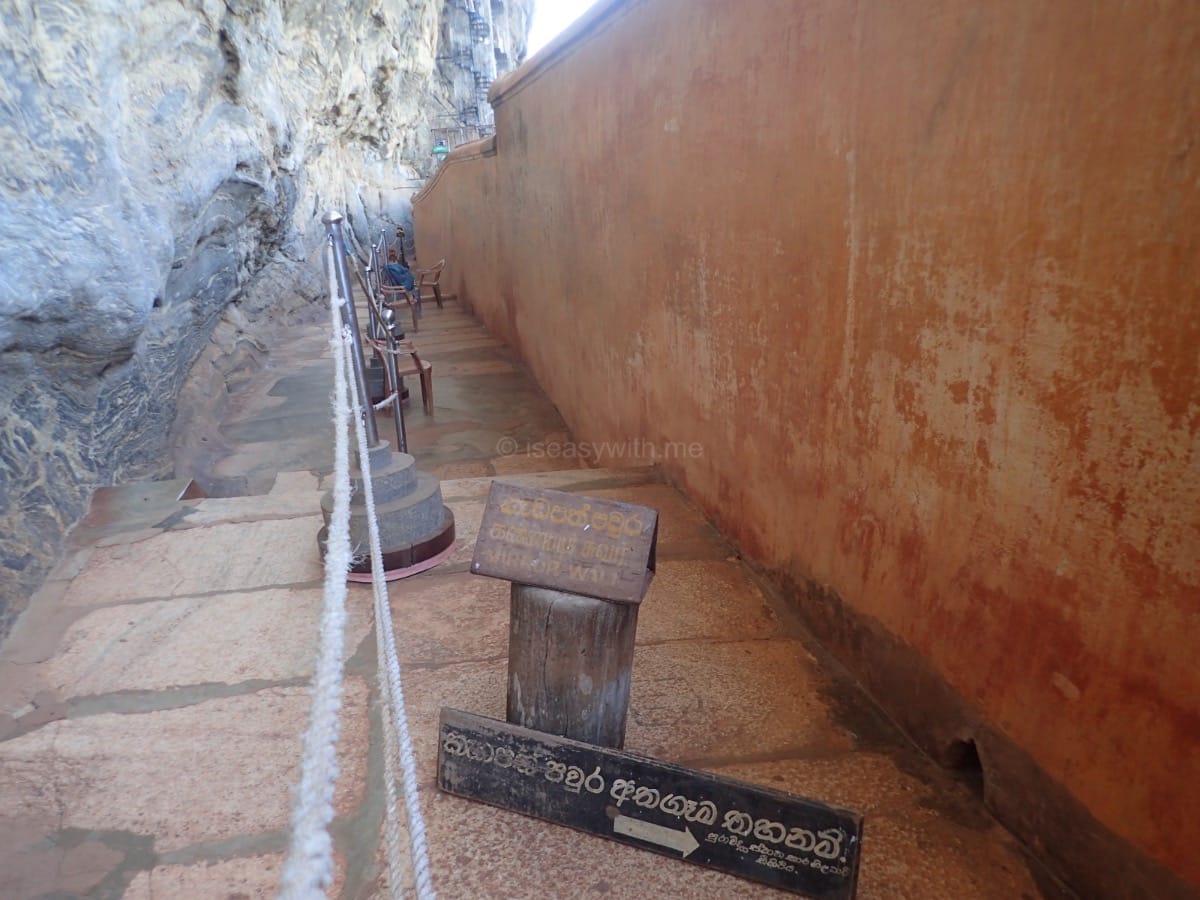
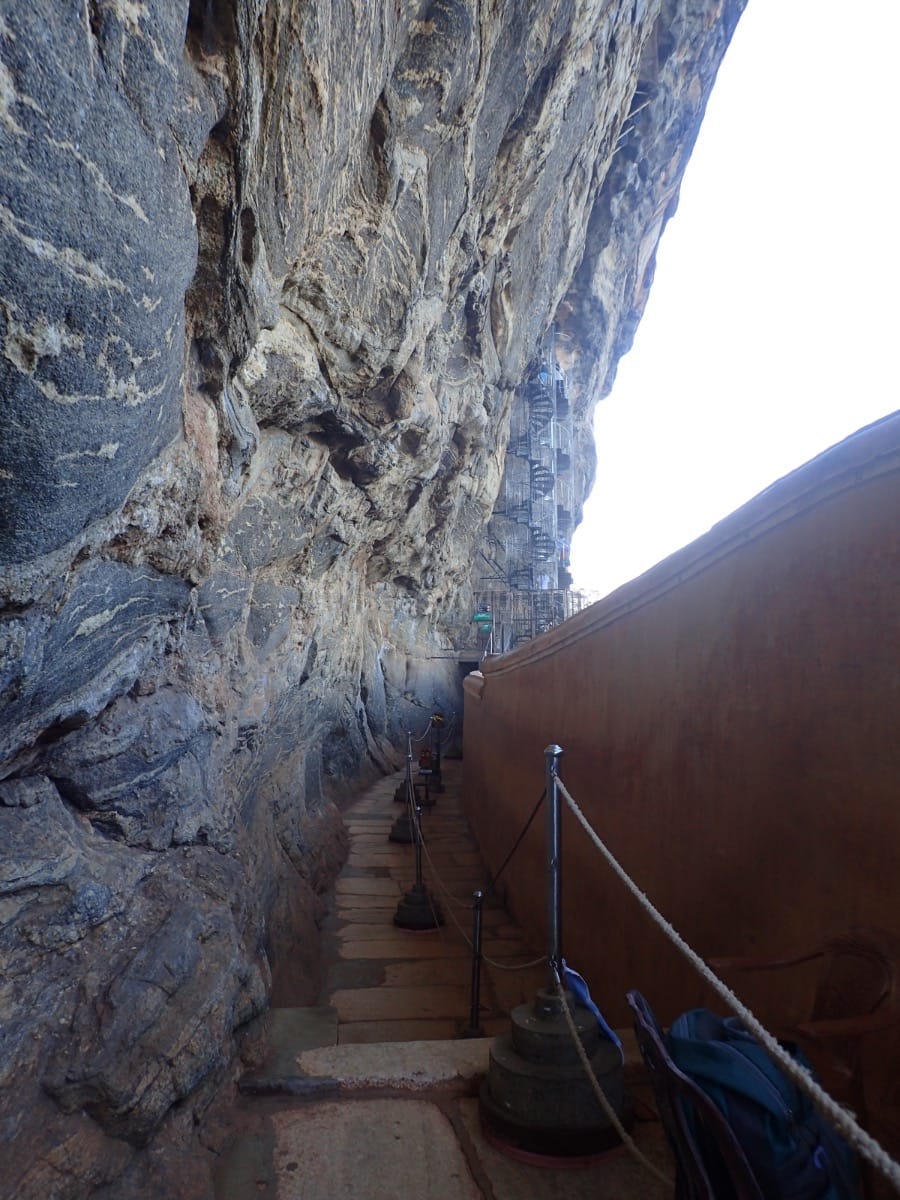
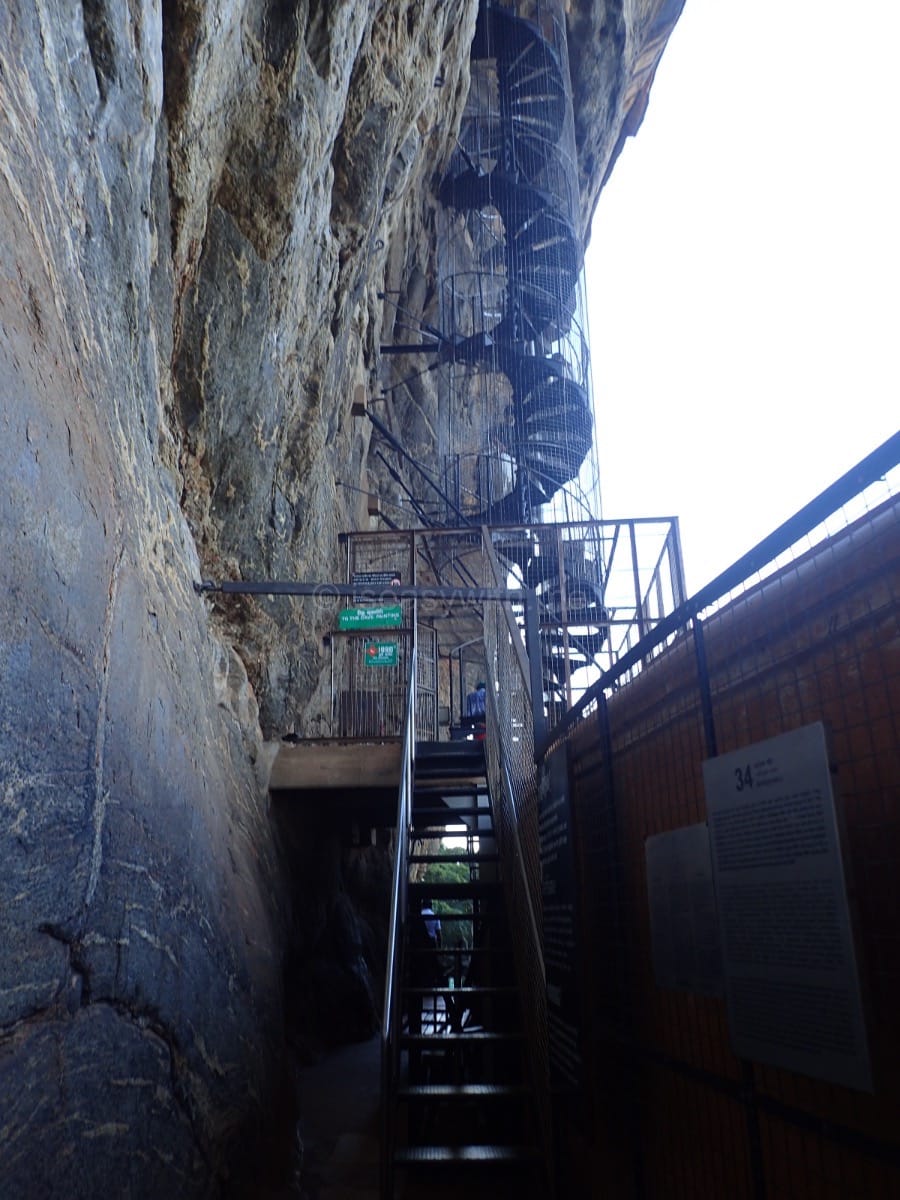
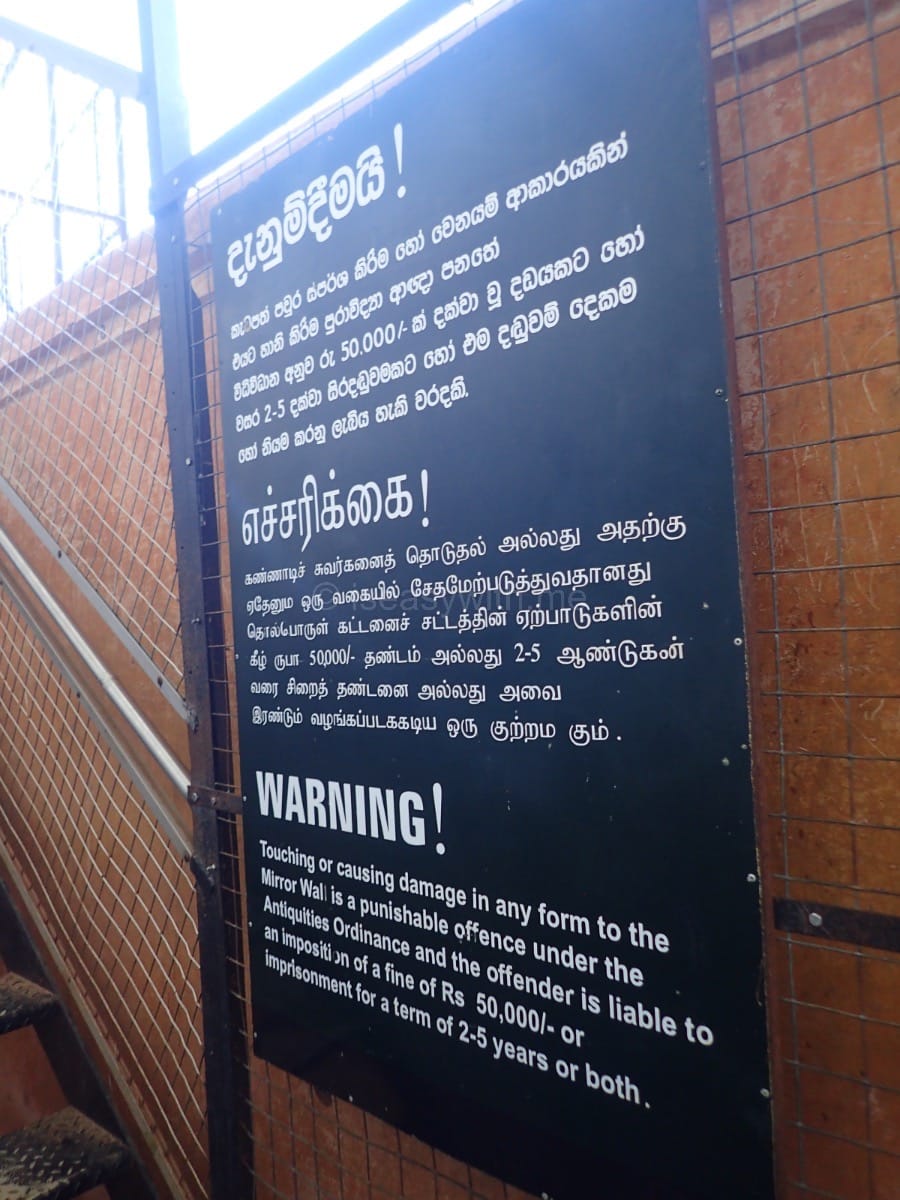
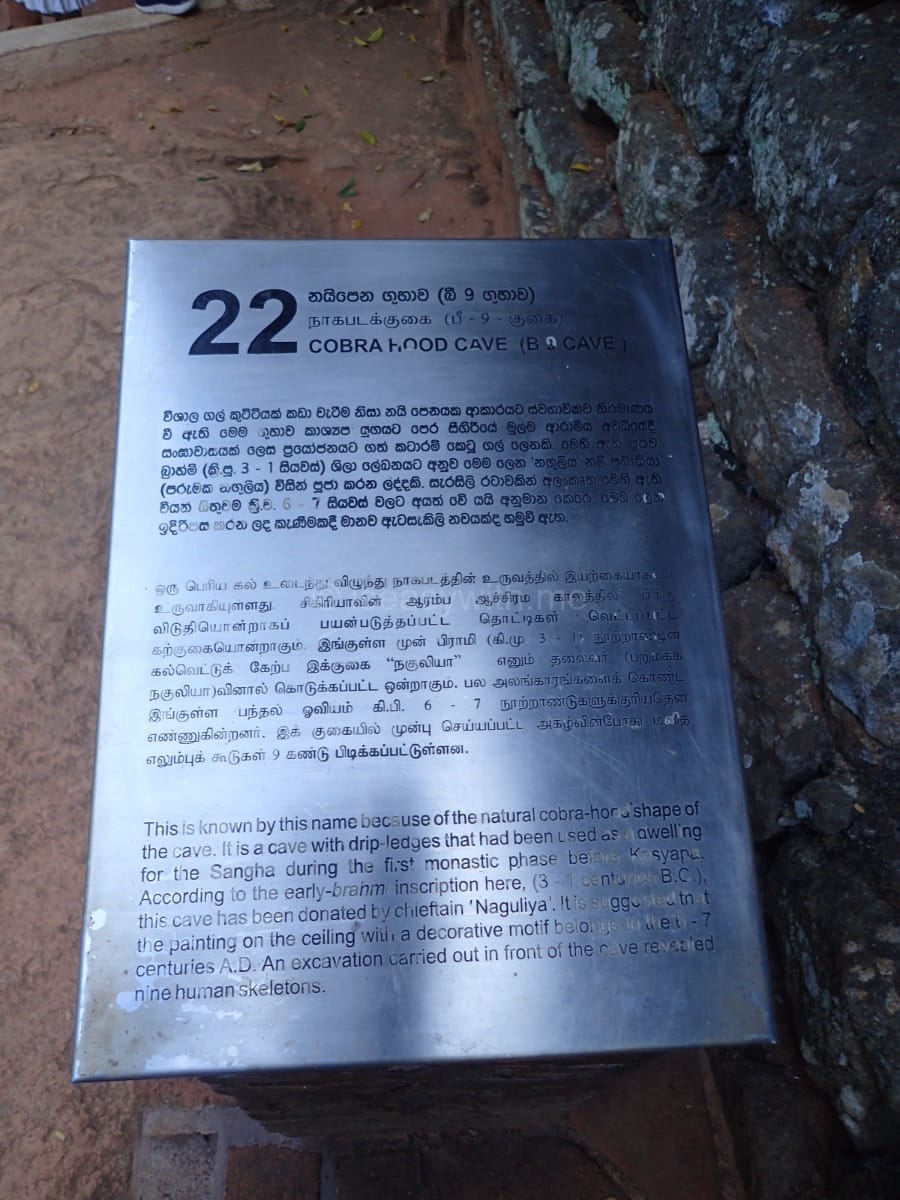
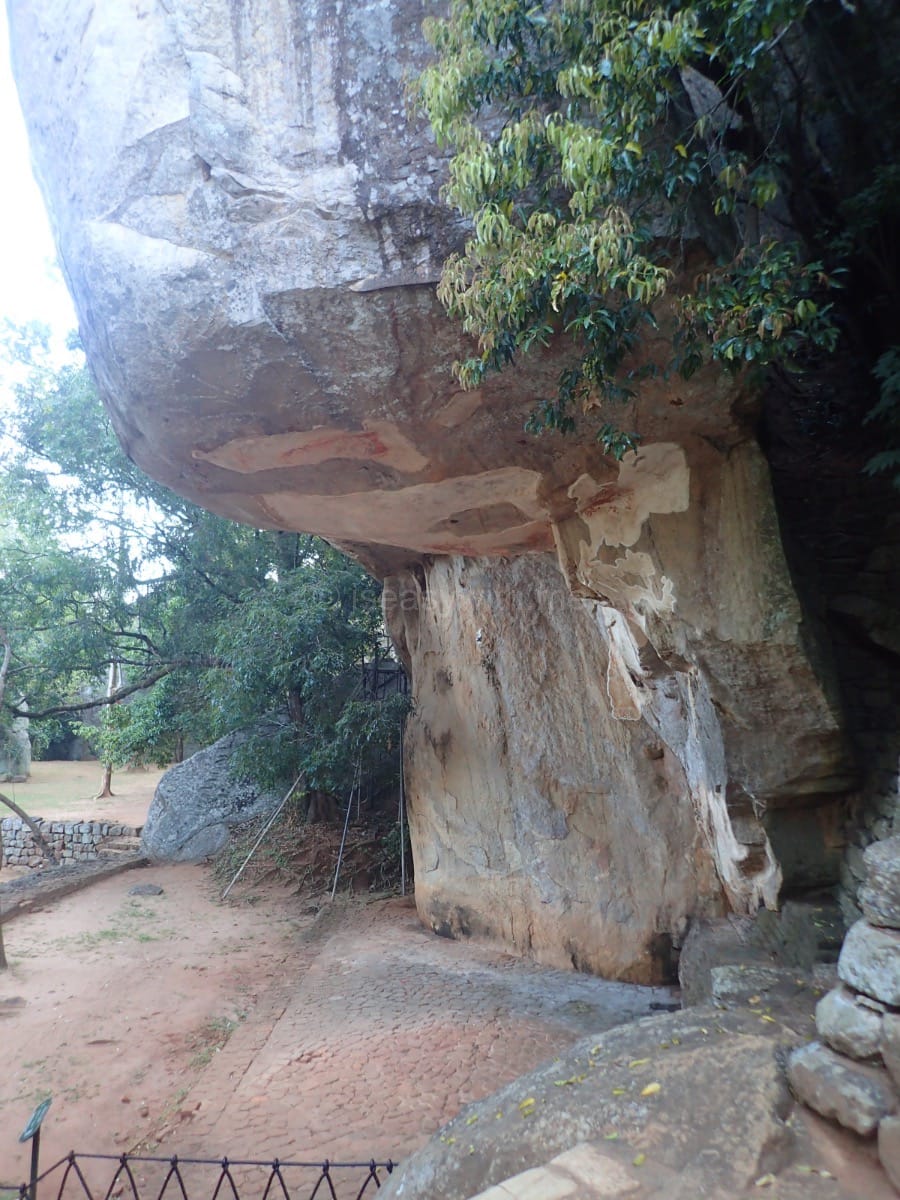
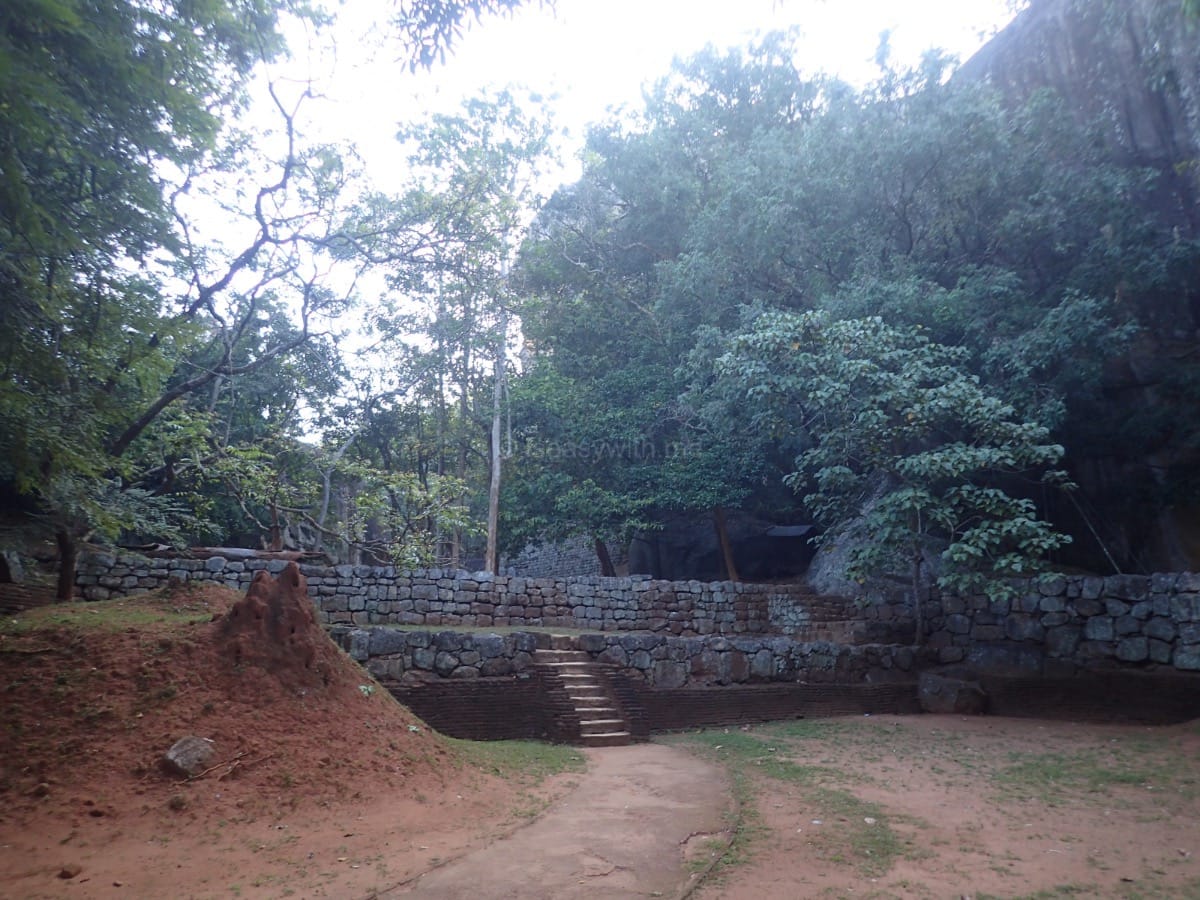
After descending from Pidurangala Rock, I headed straight over to Sigiriya Lion Rock. My climb began at around 0700 hours, starting through the ancient landscaped water gardens and defensive ruins before transitioning into the steep staircases anchored directly onto the sheer rock face. I passed the Lion's Paw Terrace, Mirror Wall and frescoes.
iseasywith.me Travel Tip
The climb involves several hundred steps and offers very little shade. An early morning ascent is strongly recommended to avoid the intense midday heat and peak crowds.
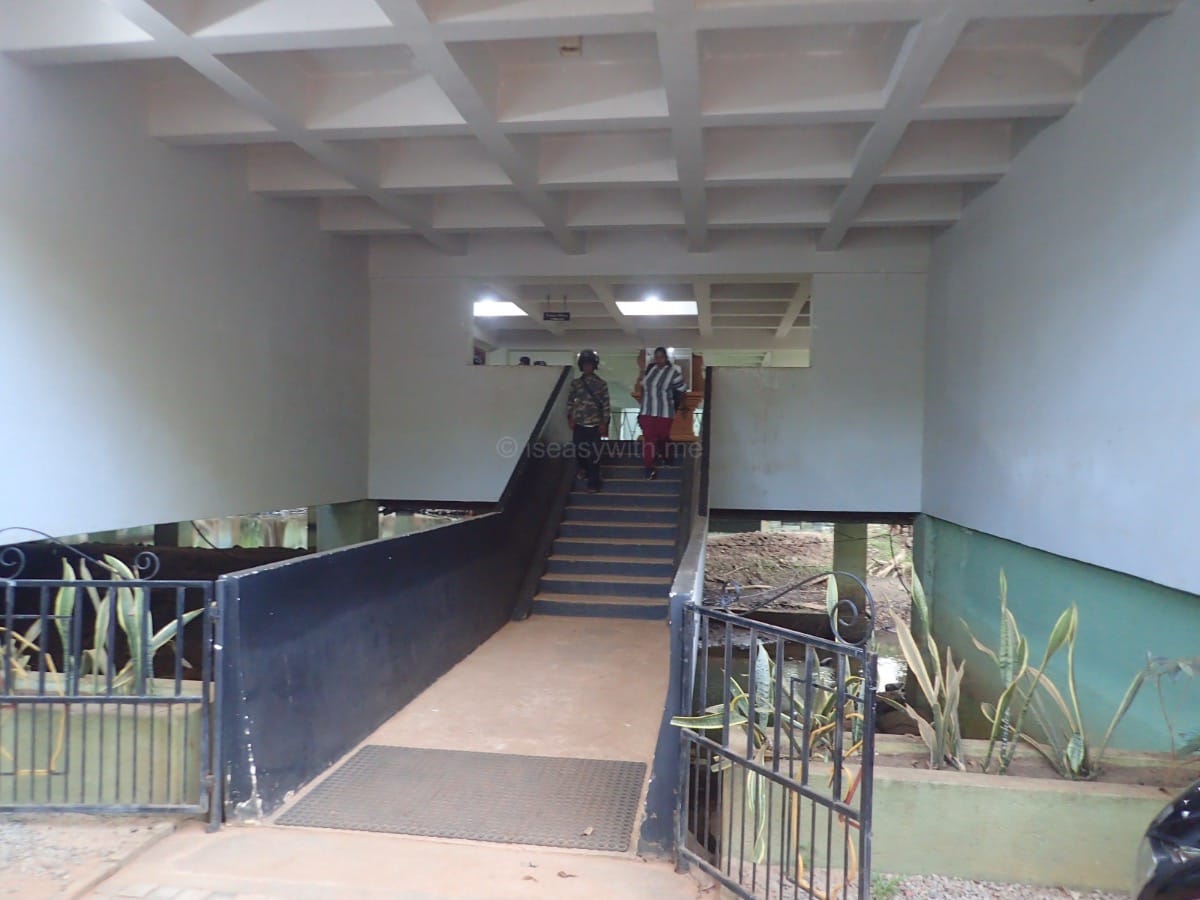
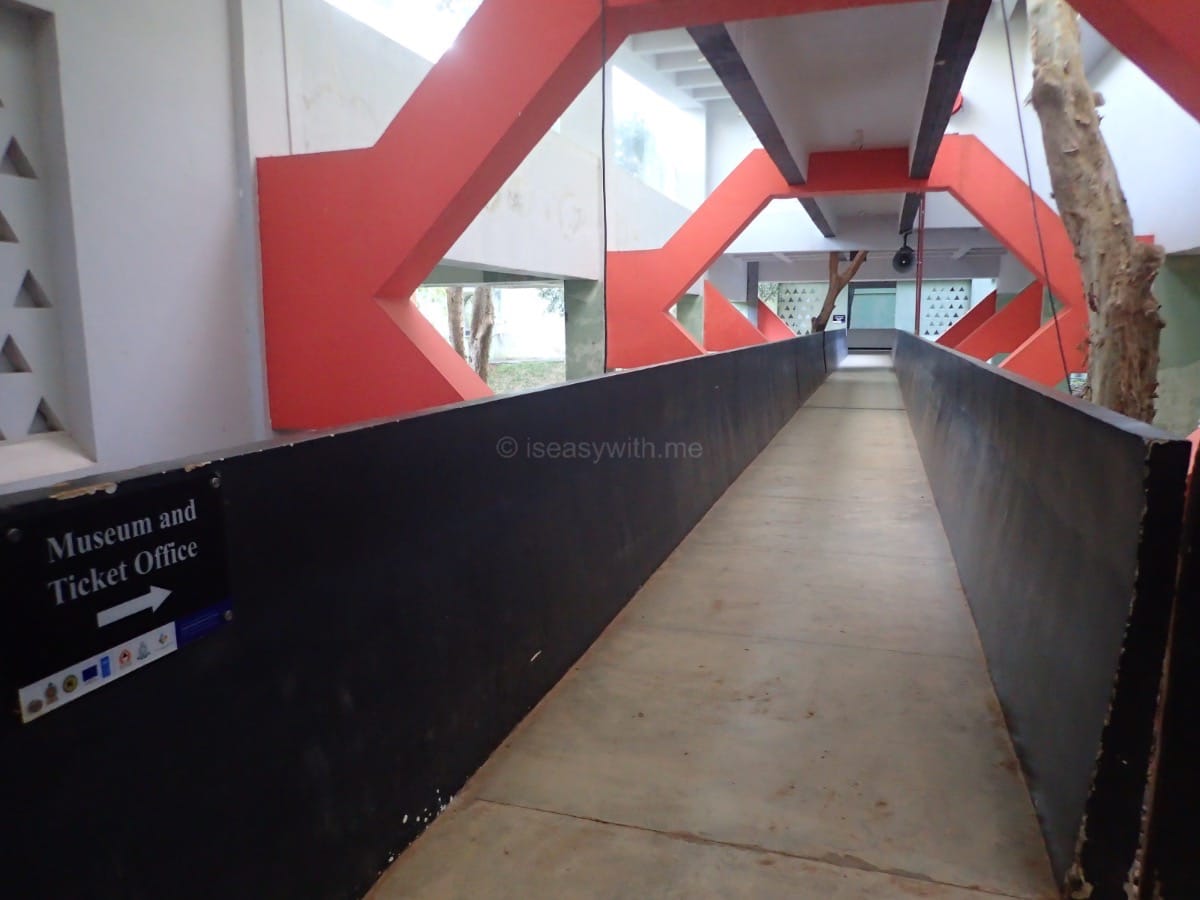
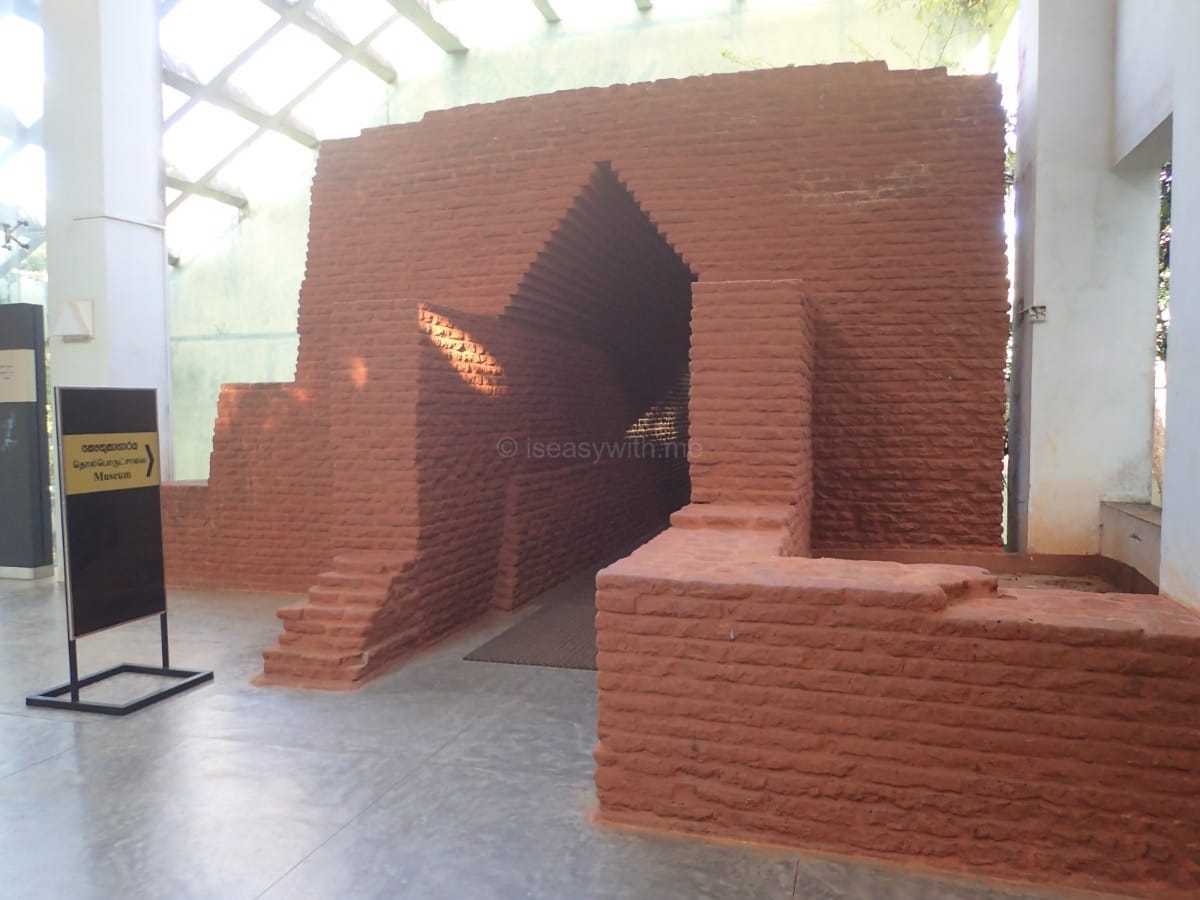
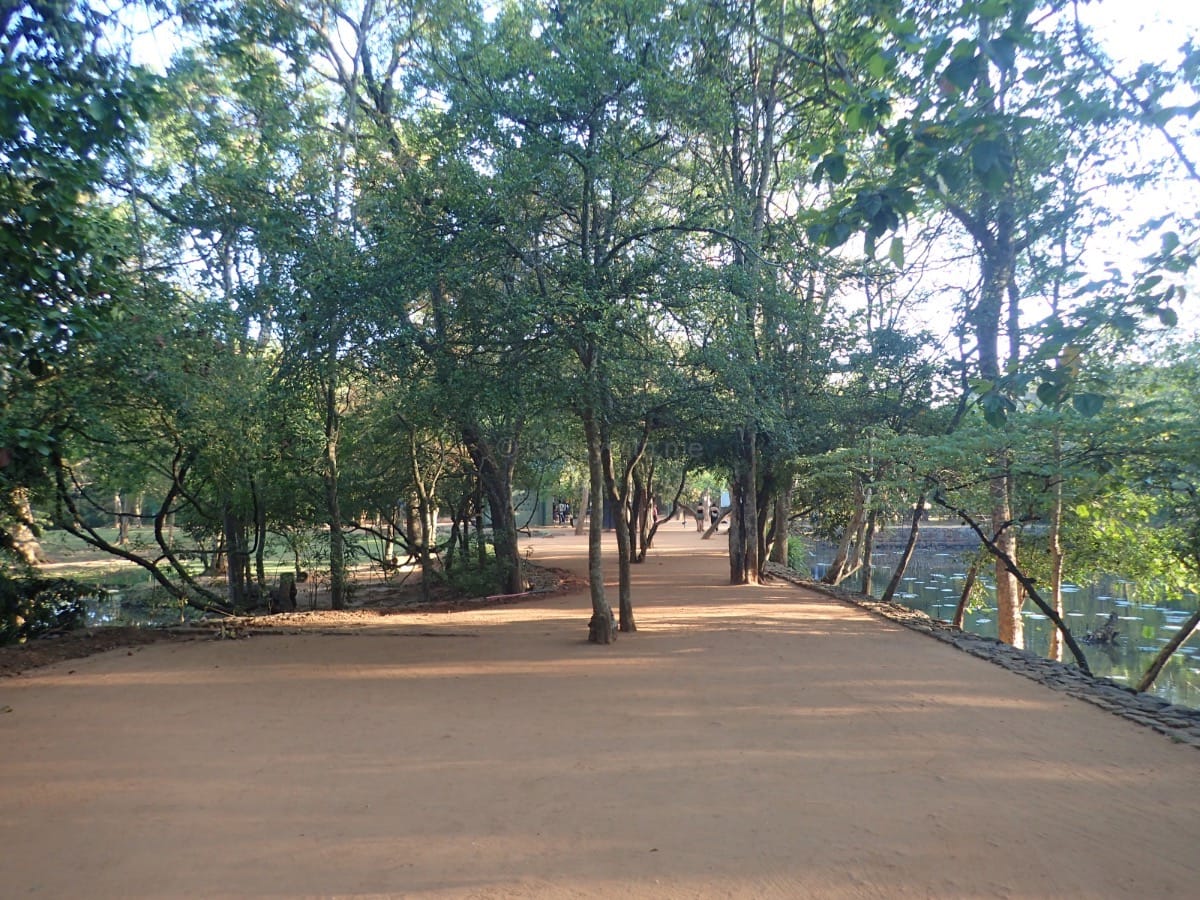
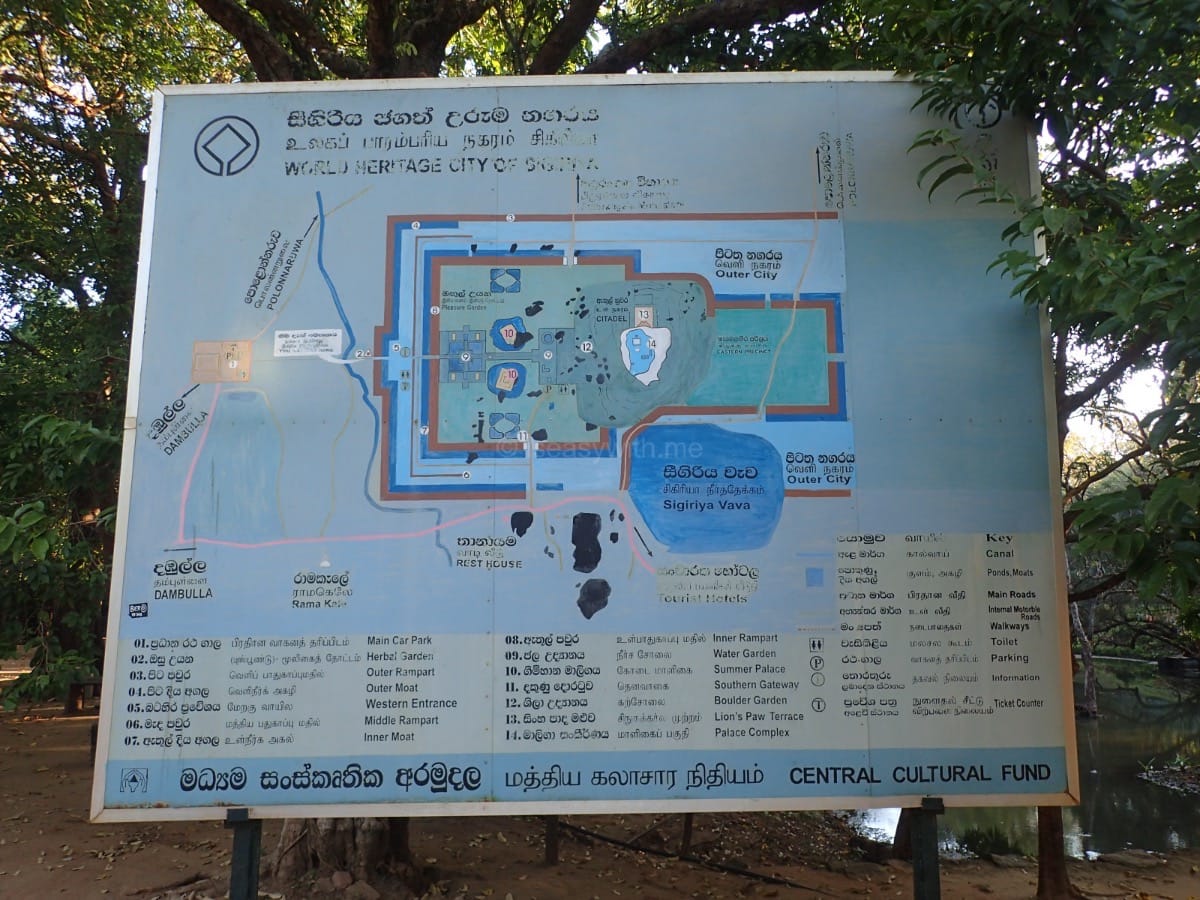
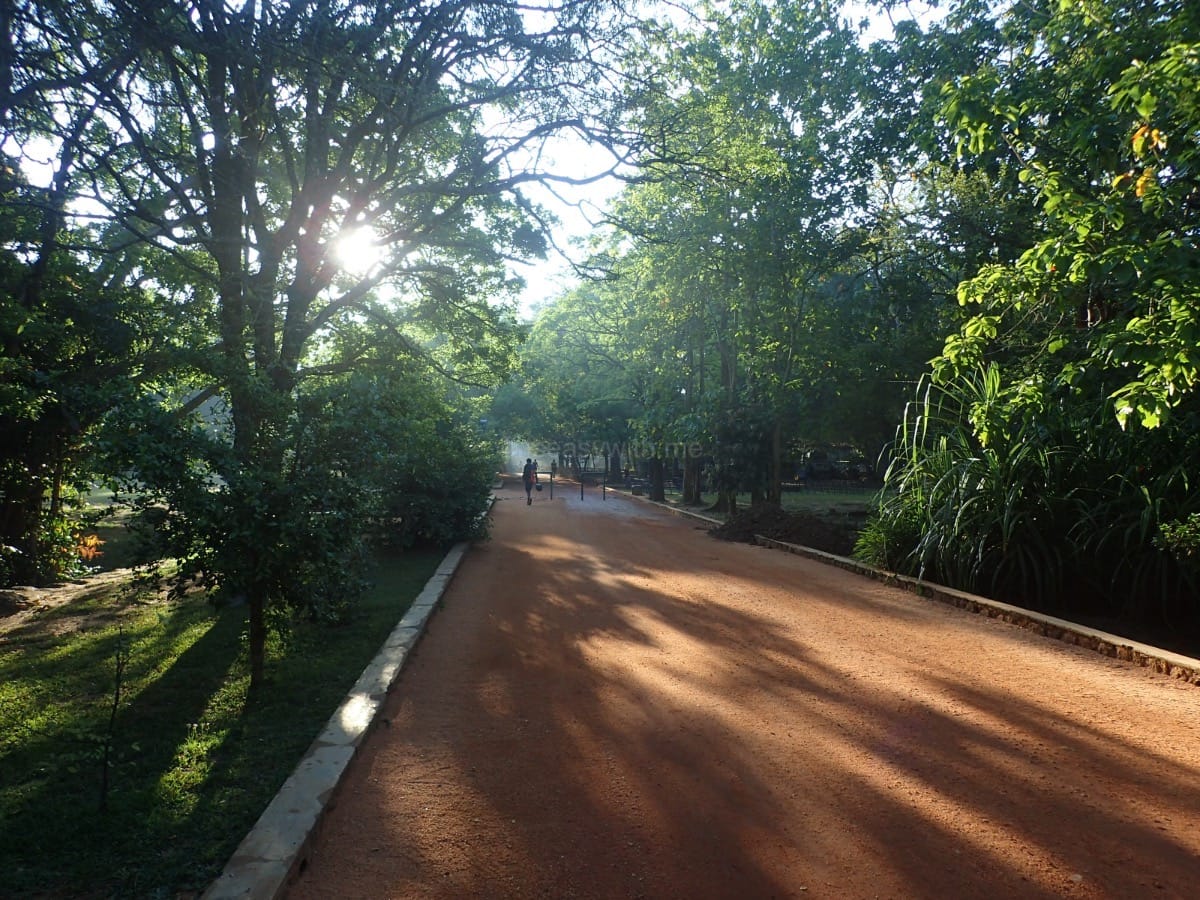
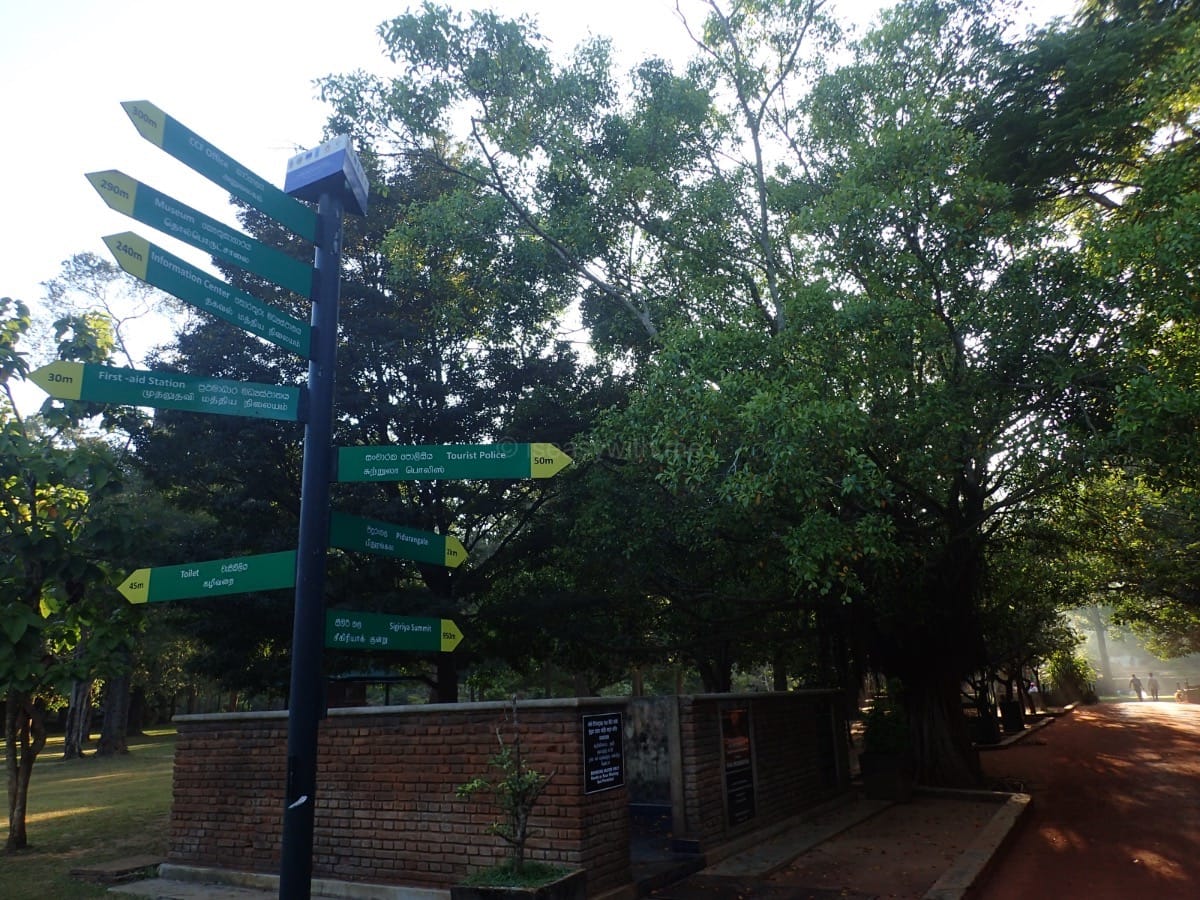
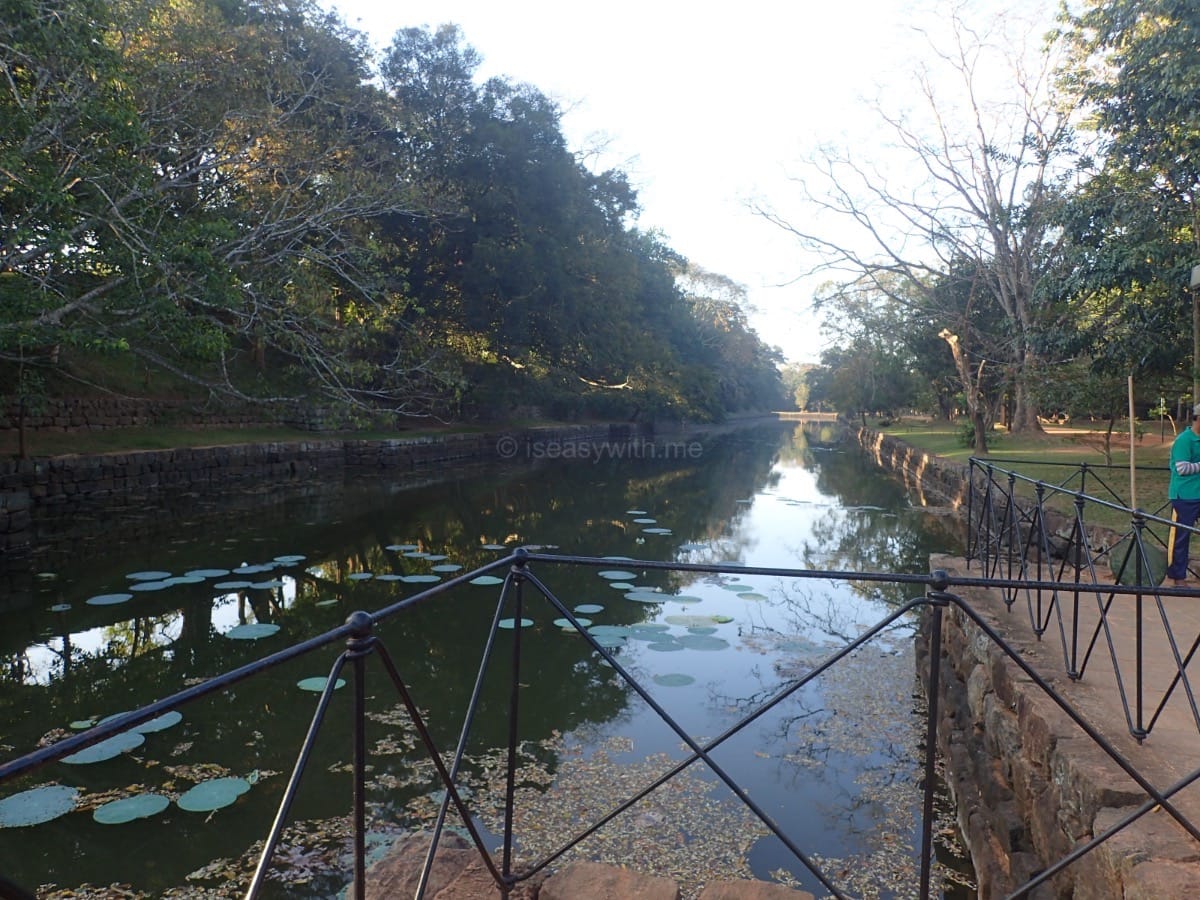
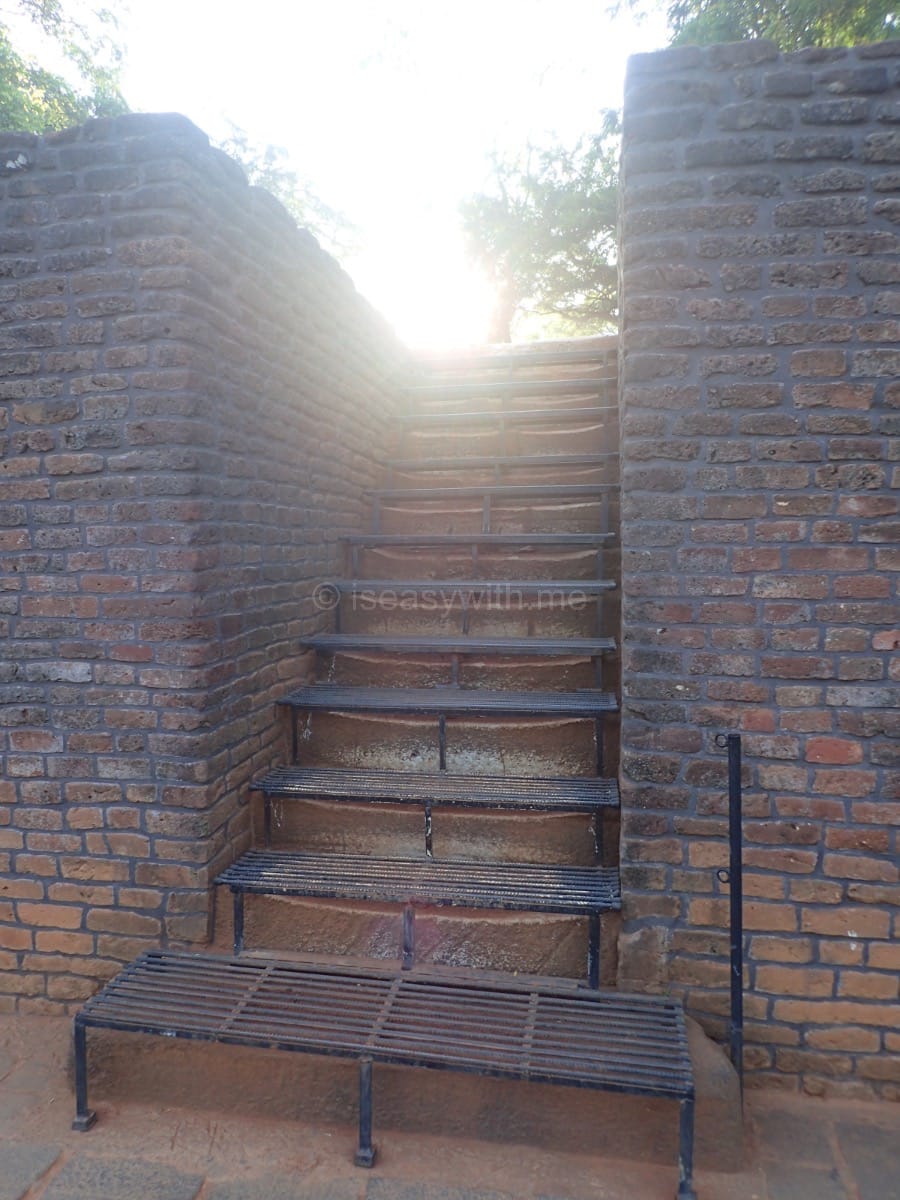
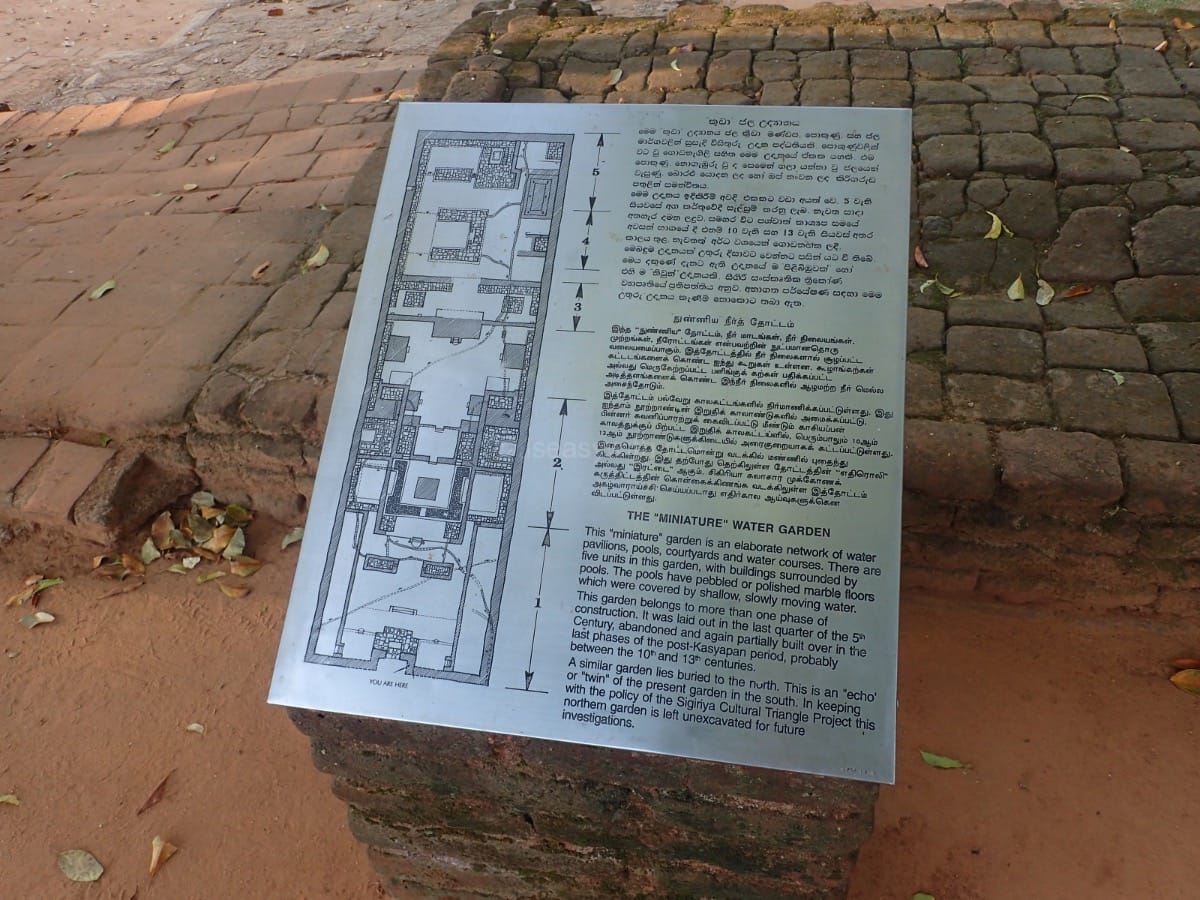
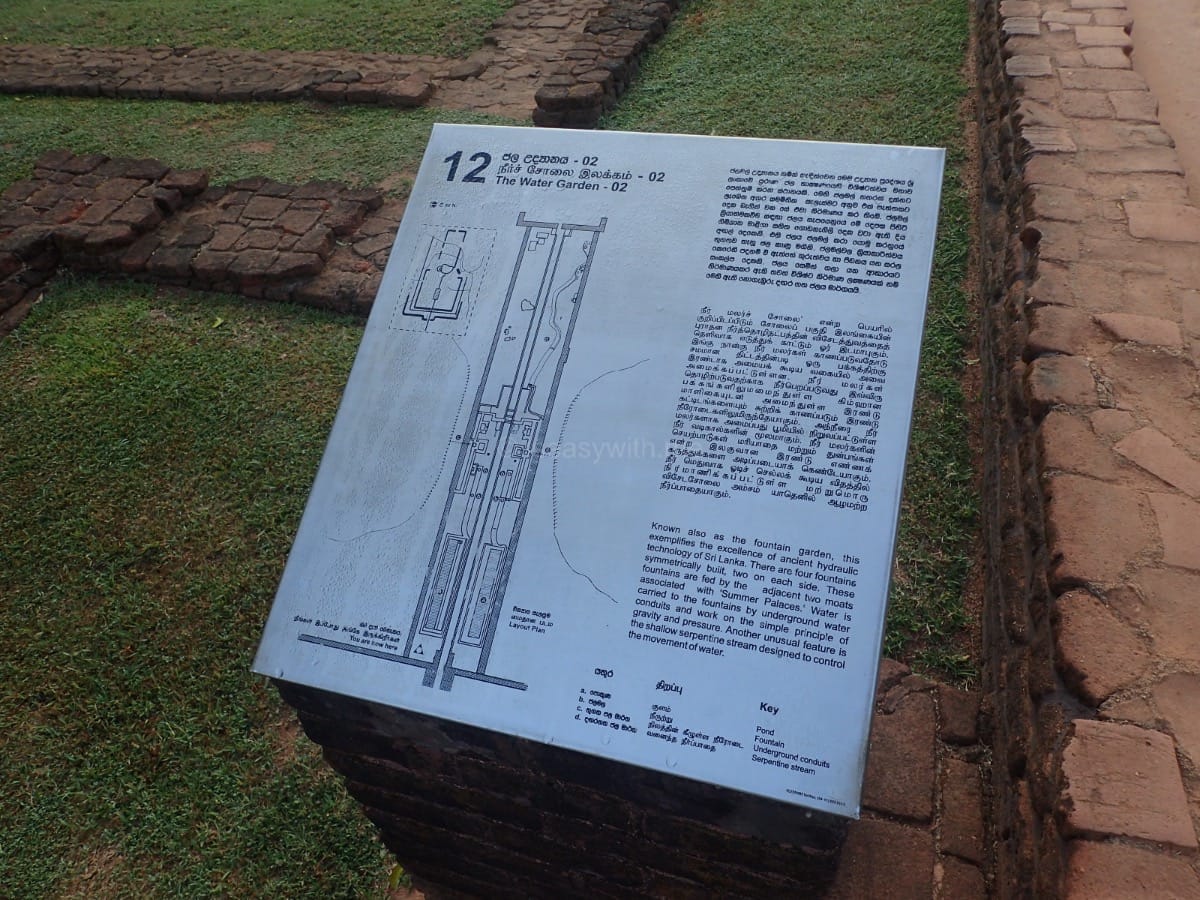
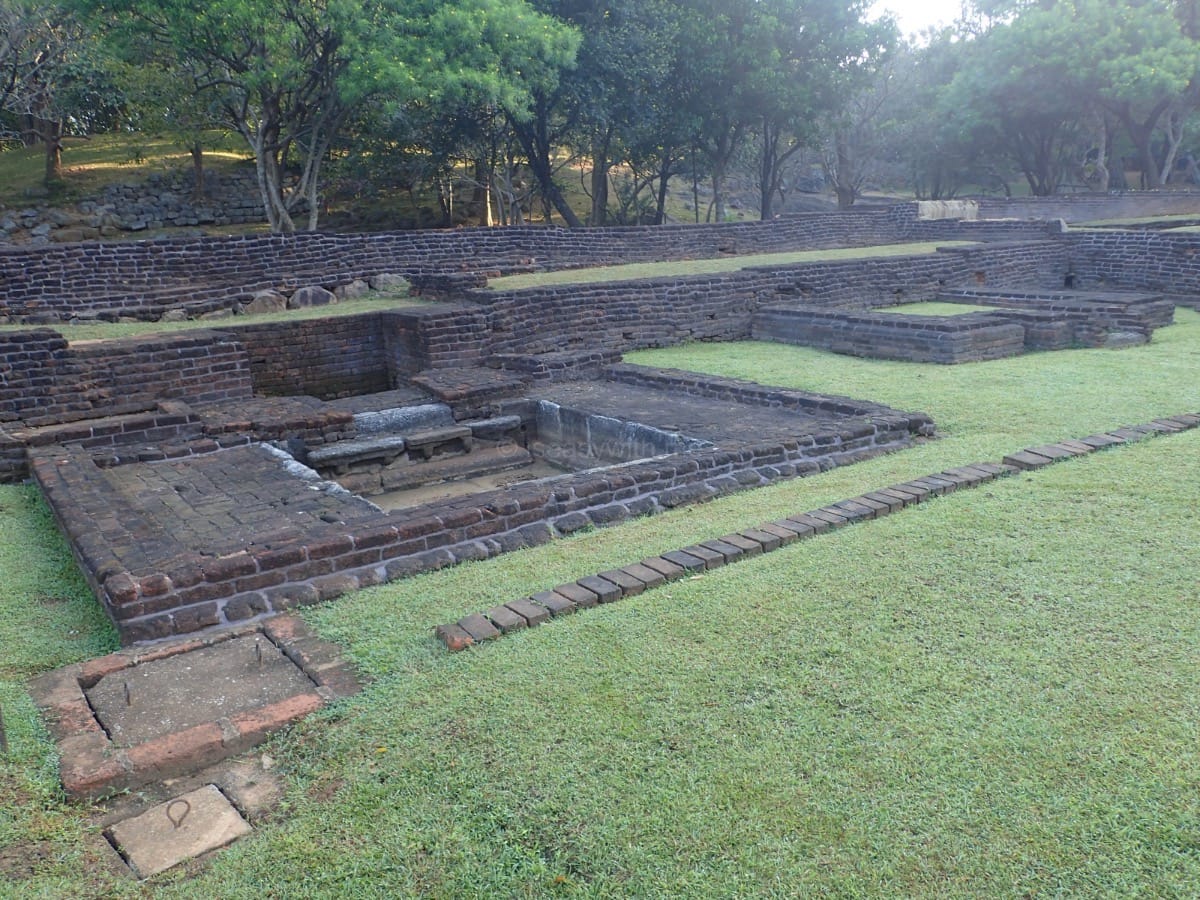
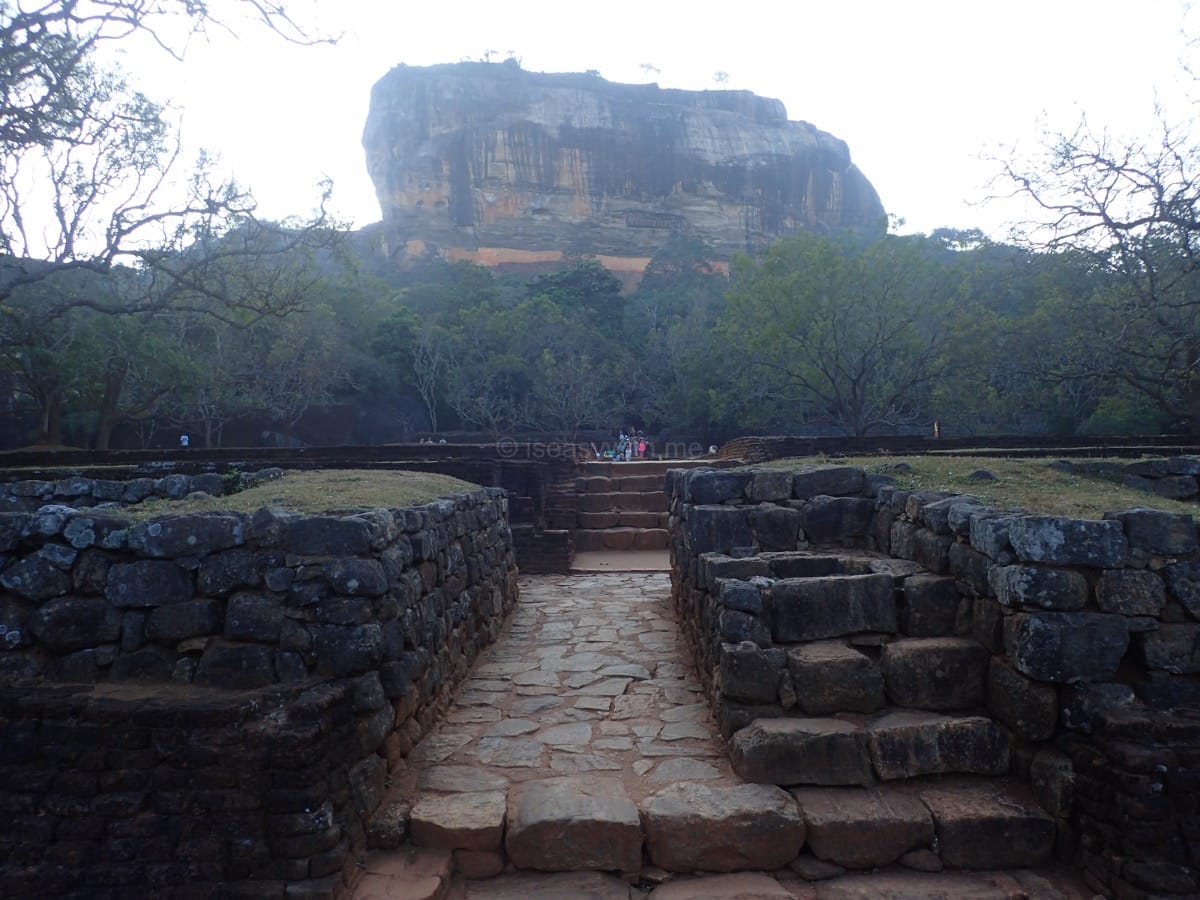
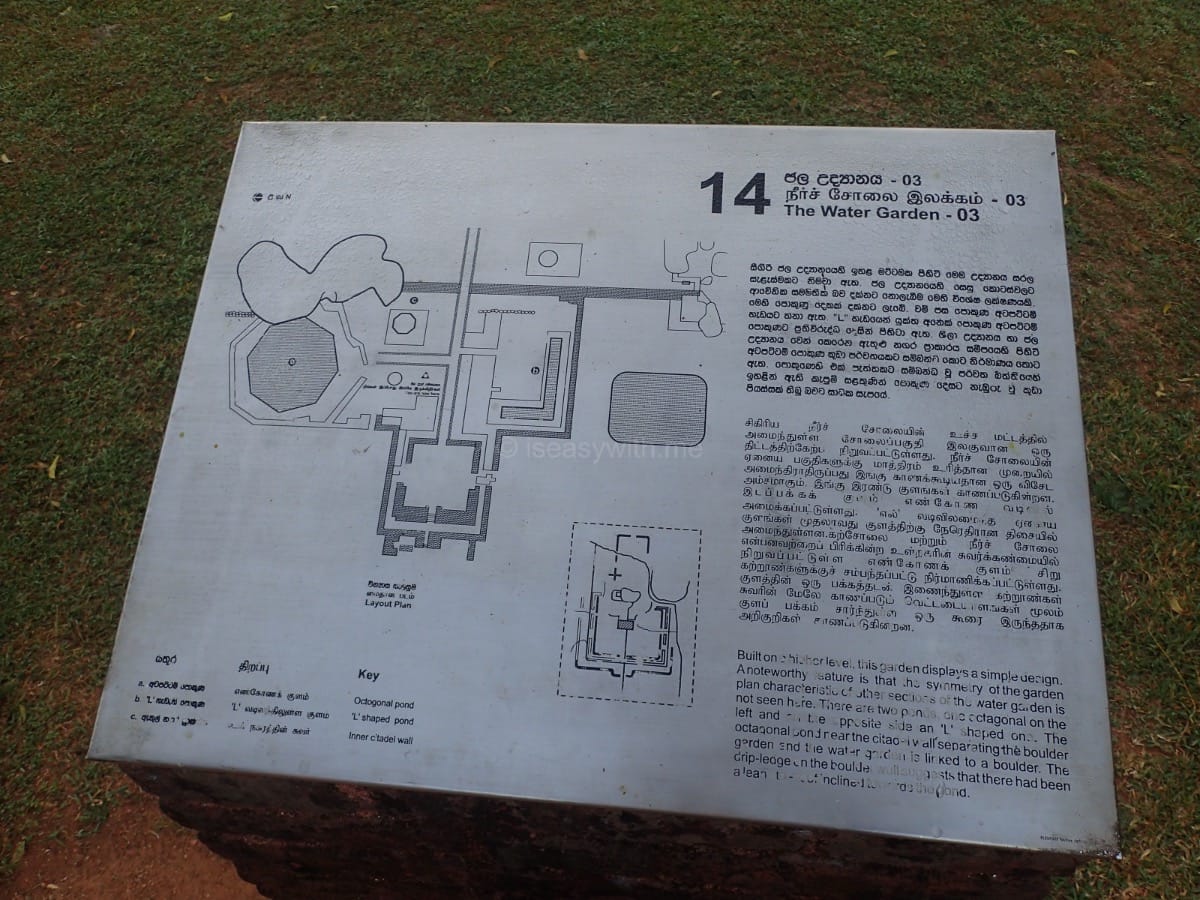
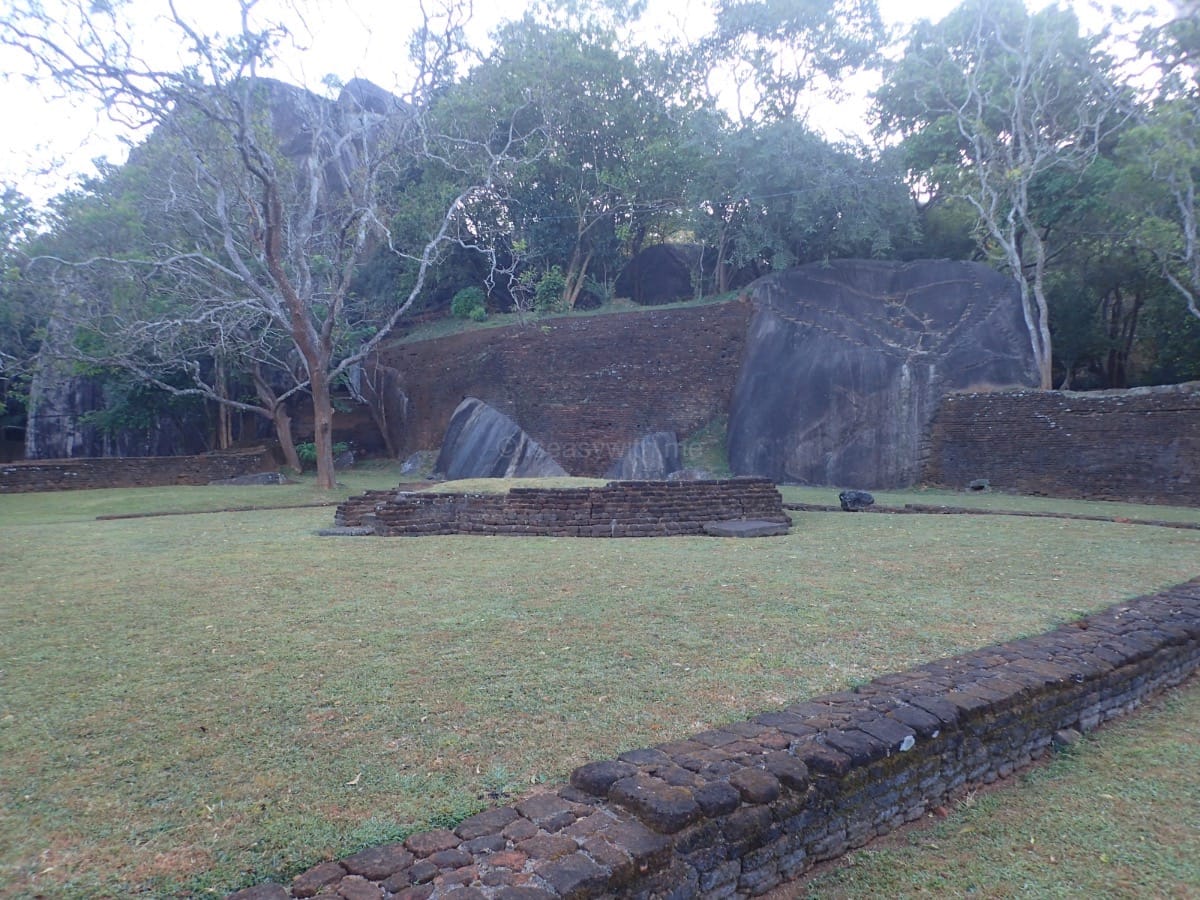
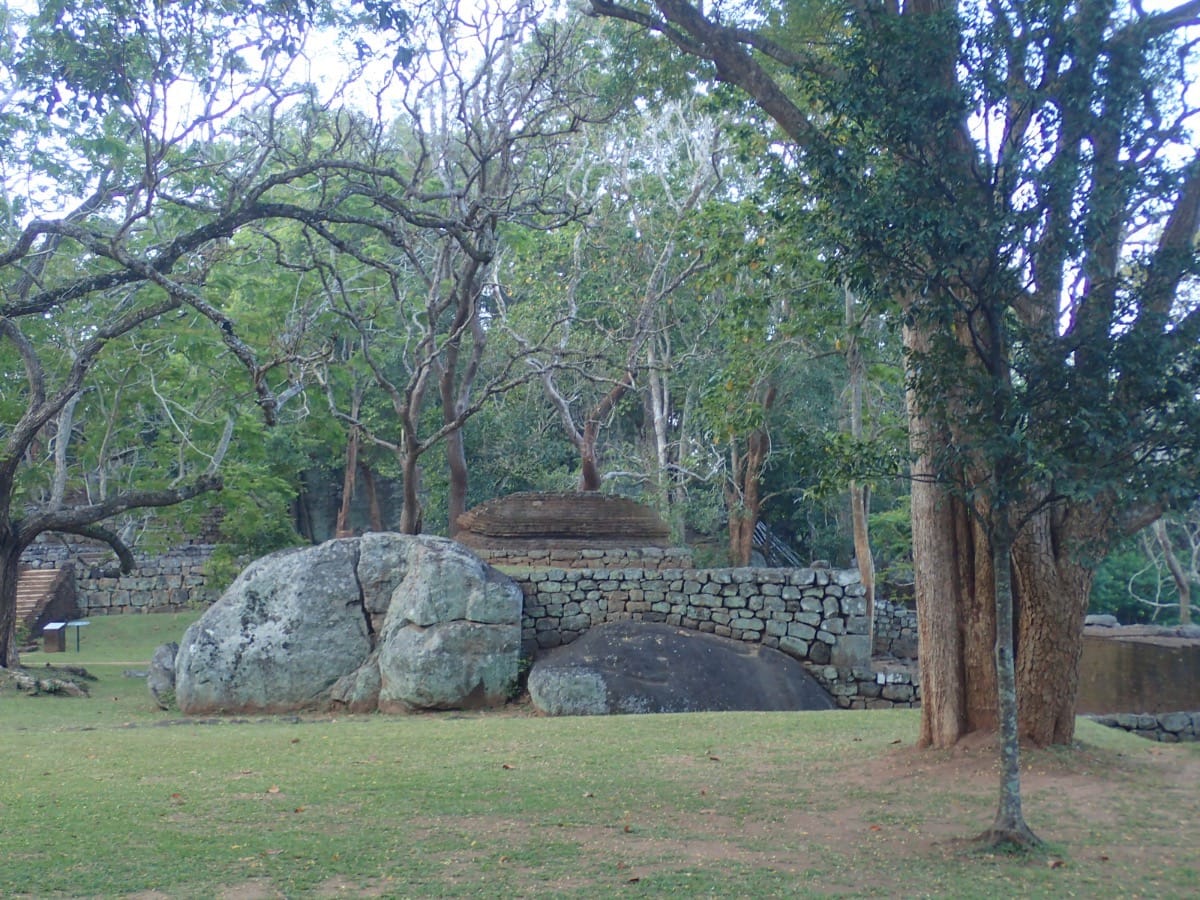
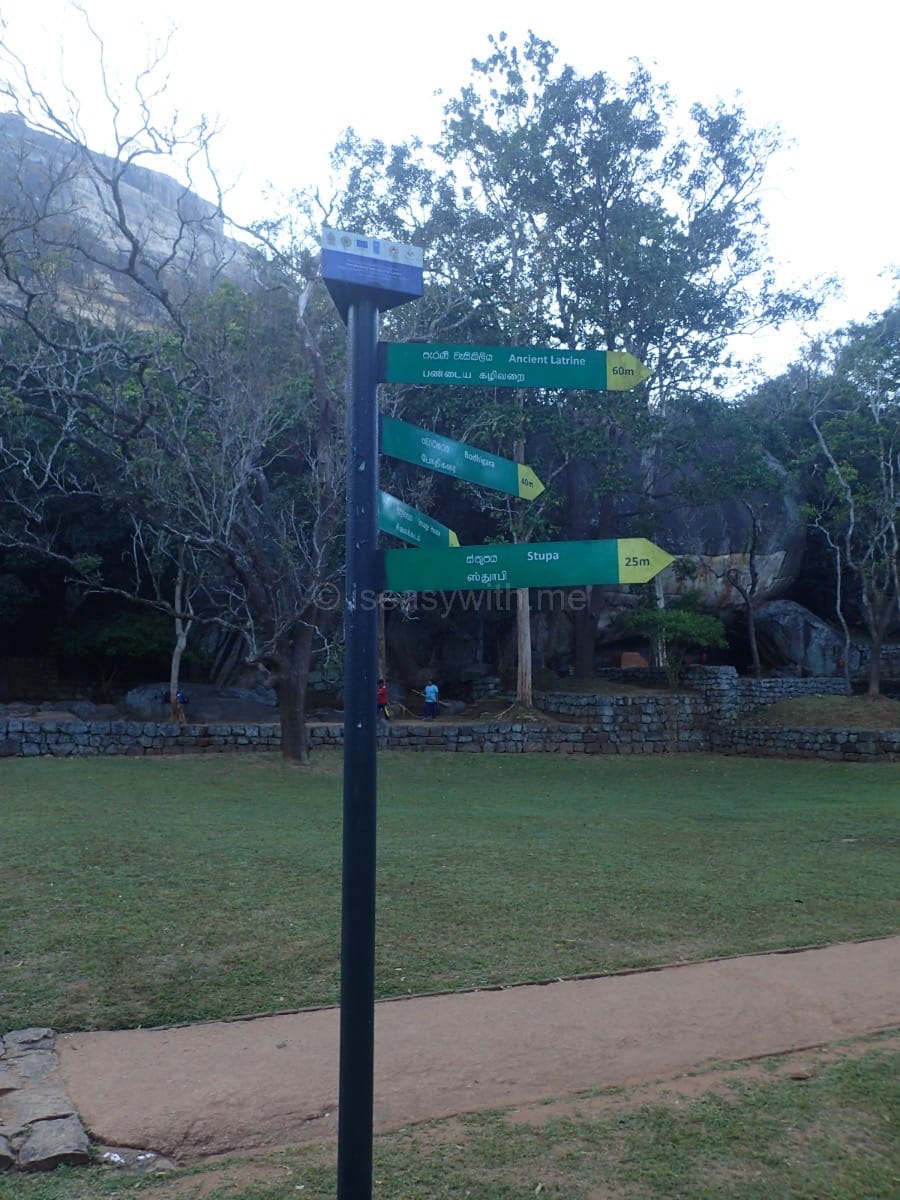
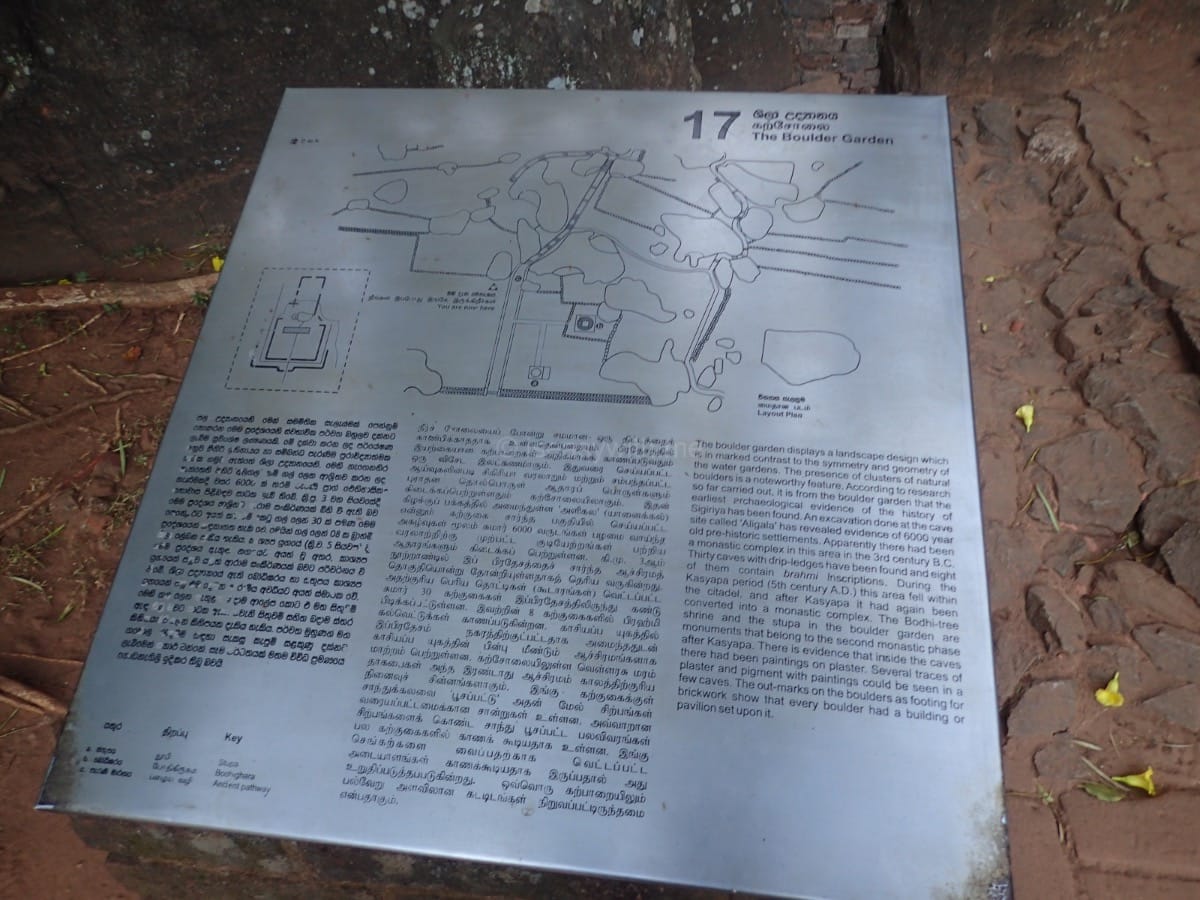
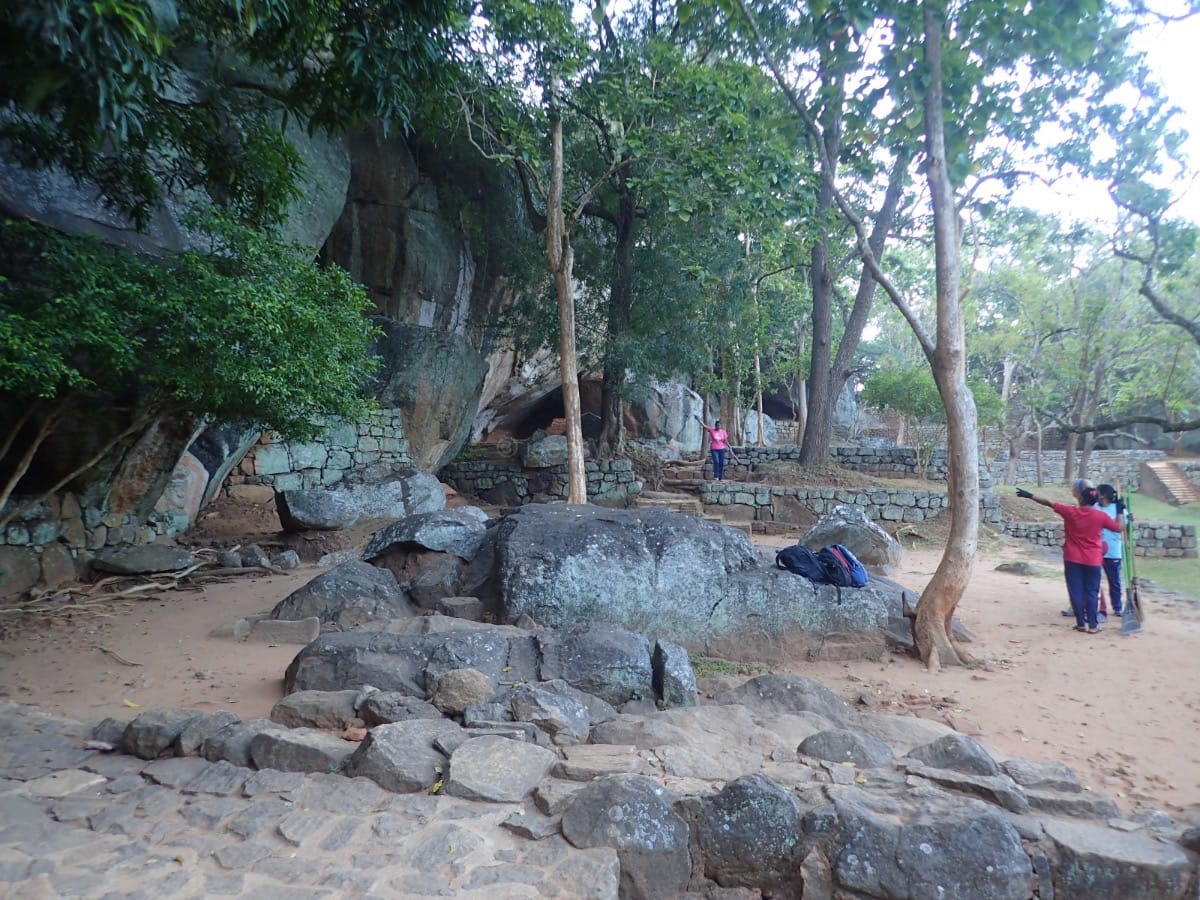
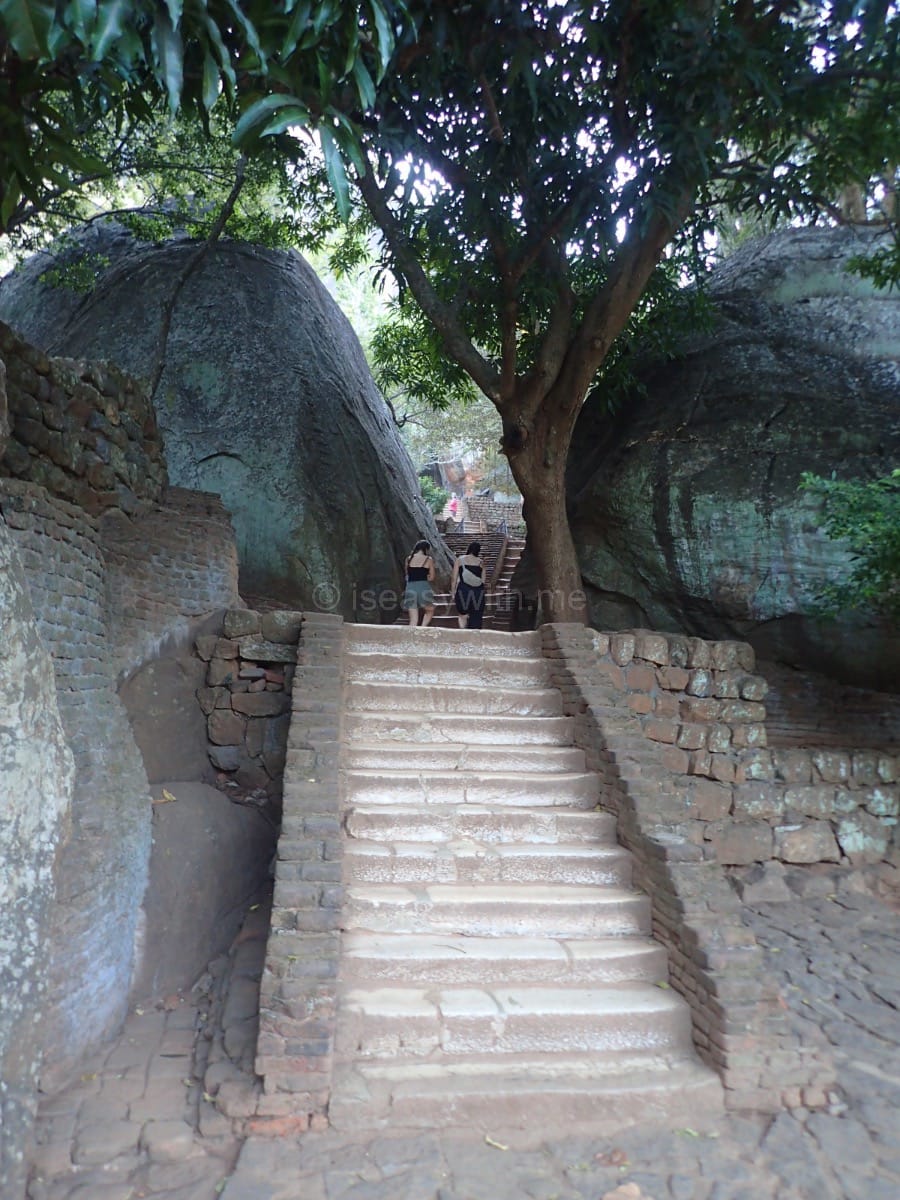
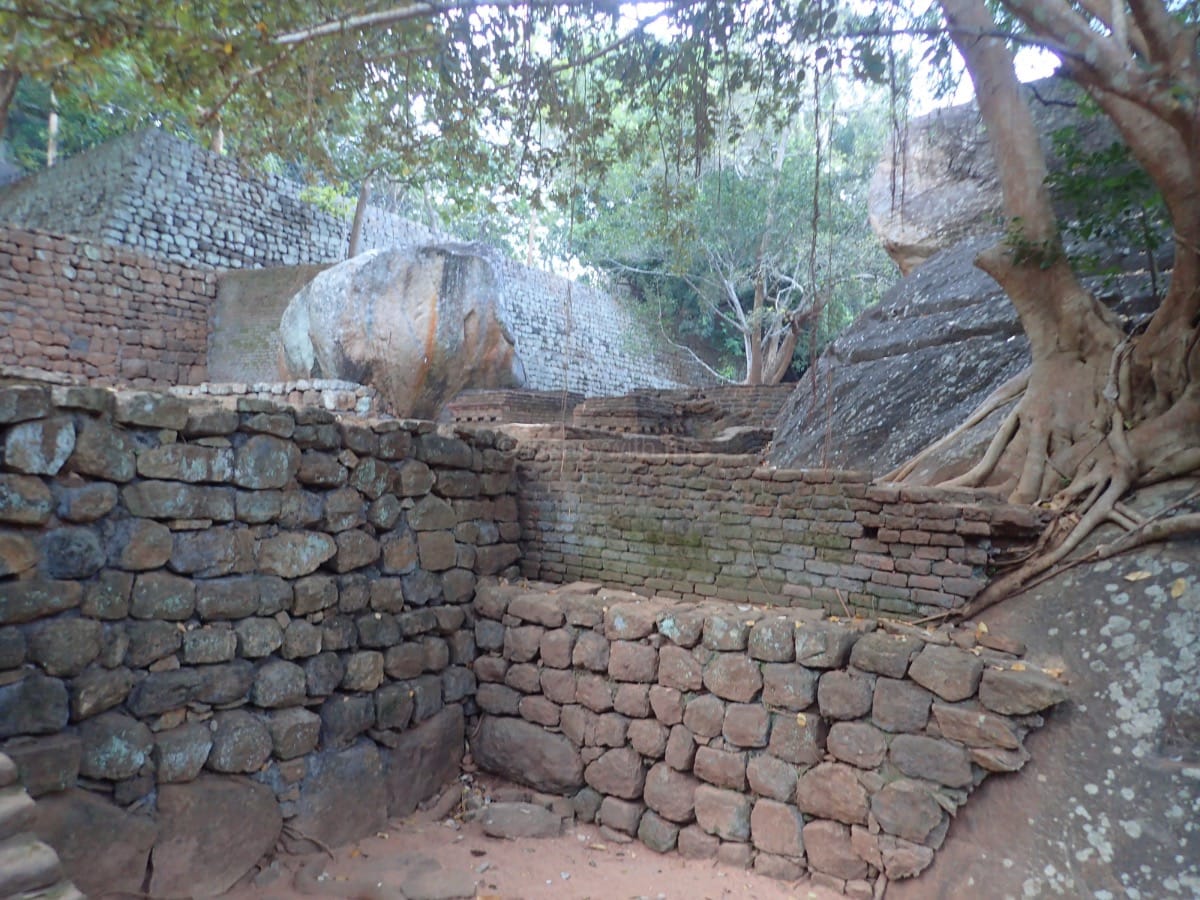
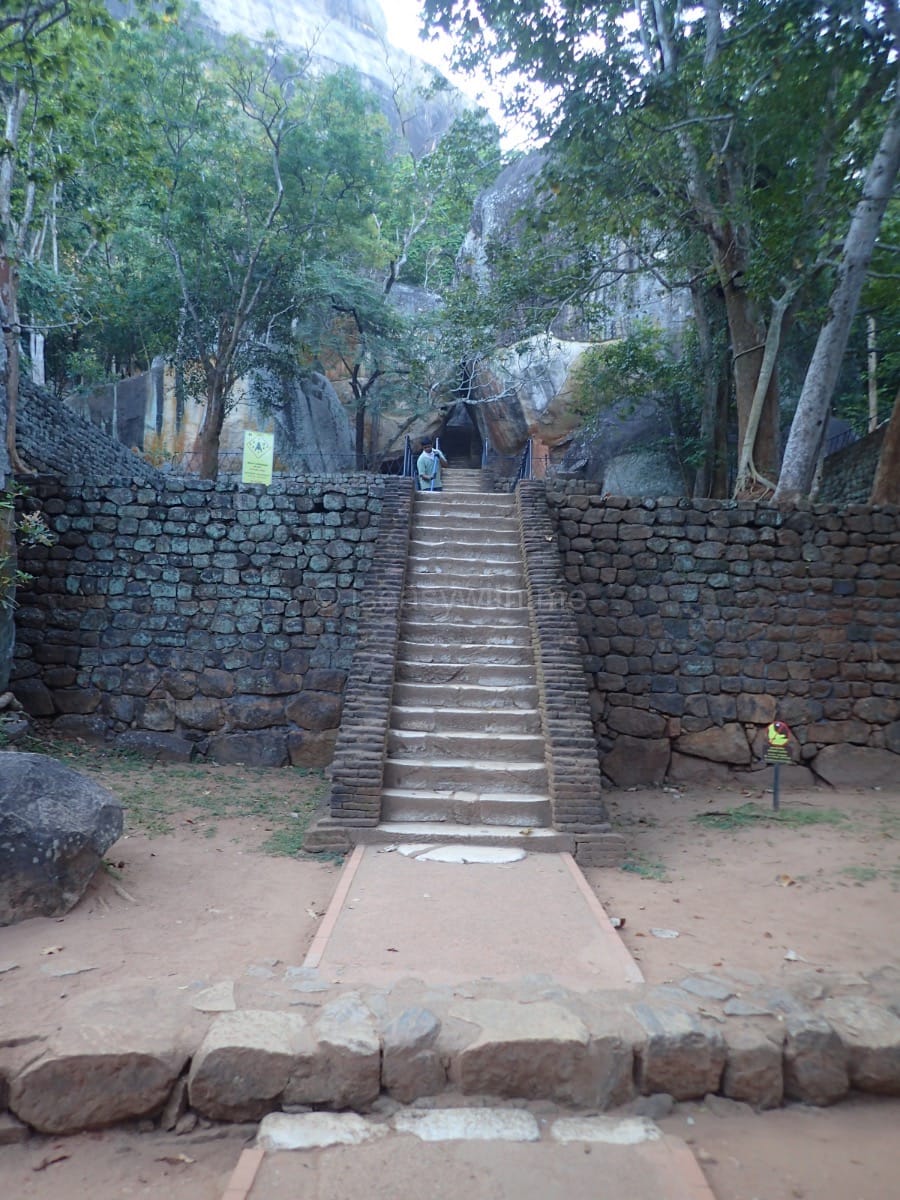
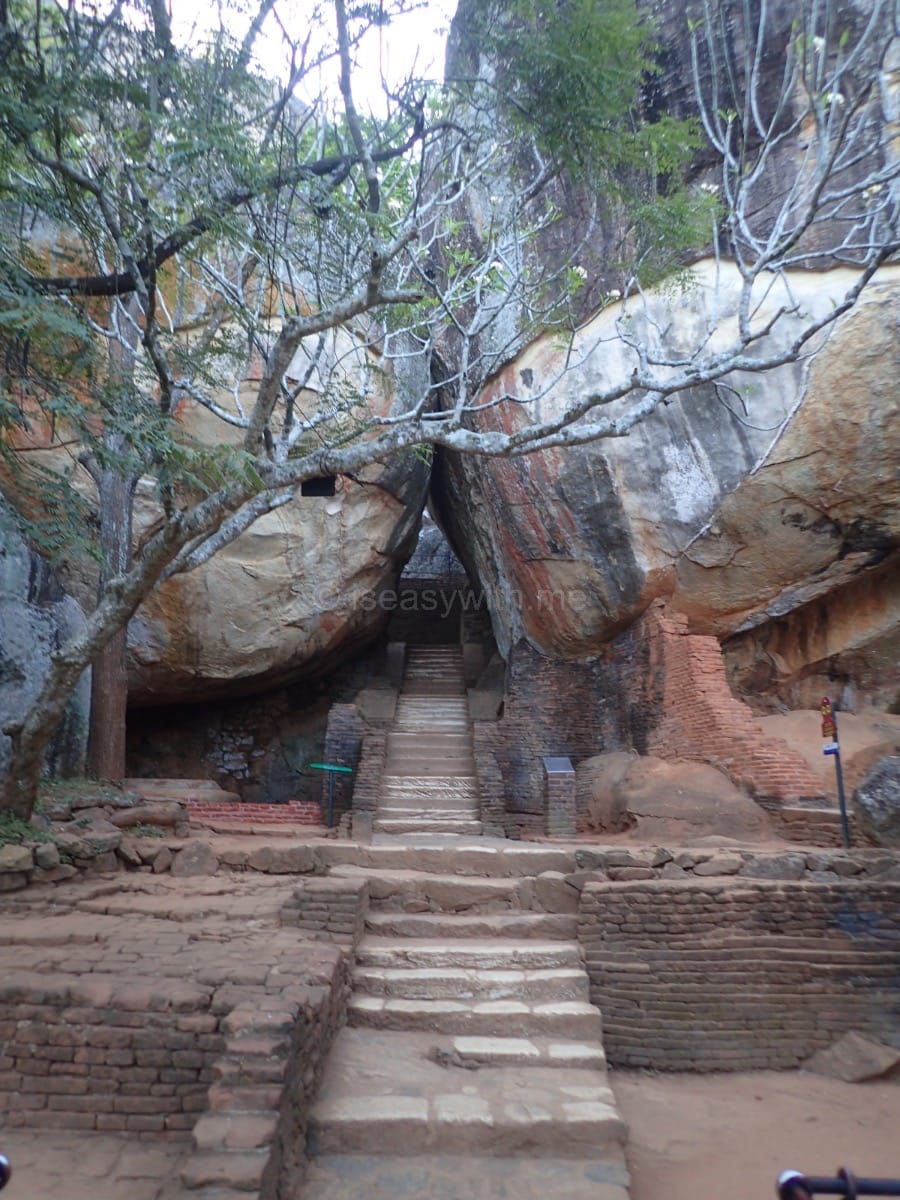
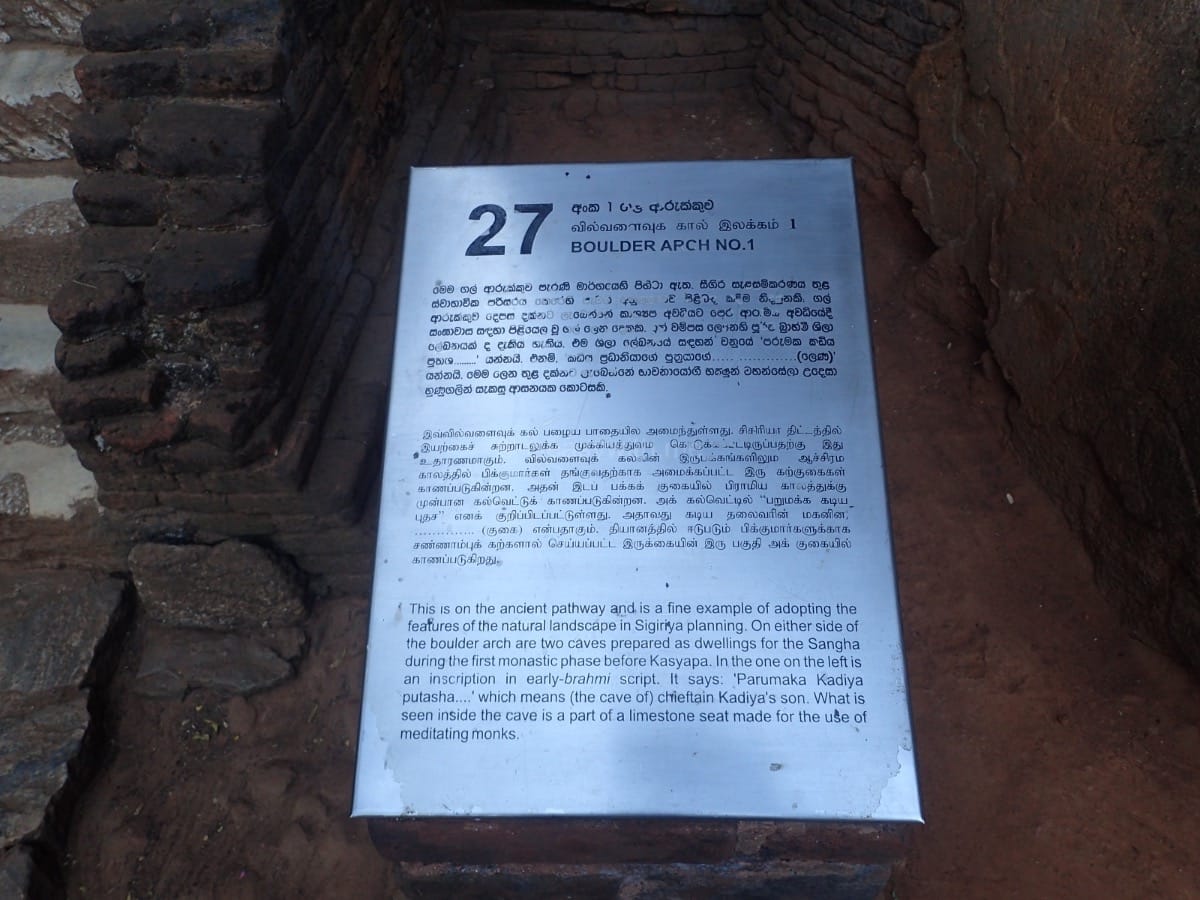
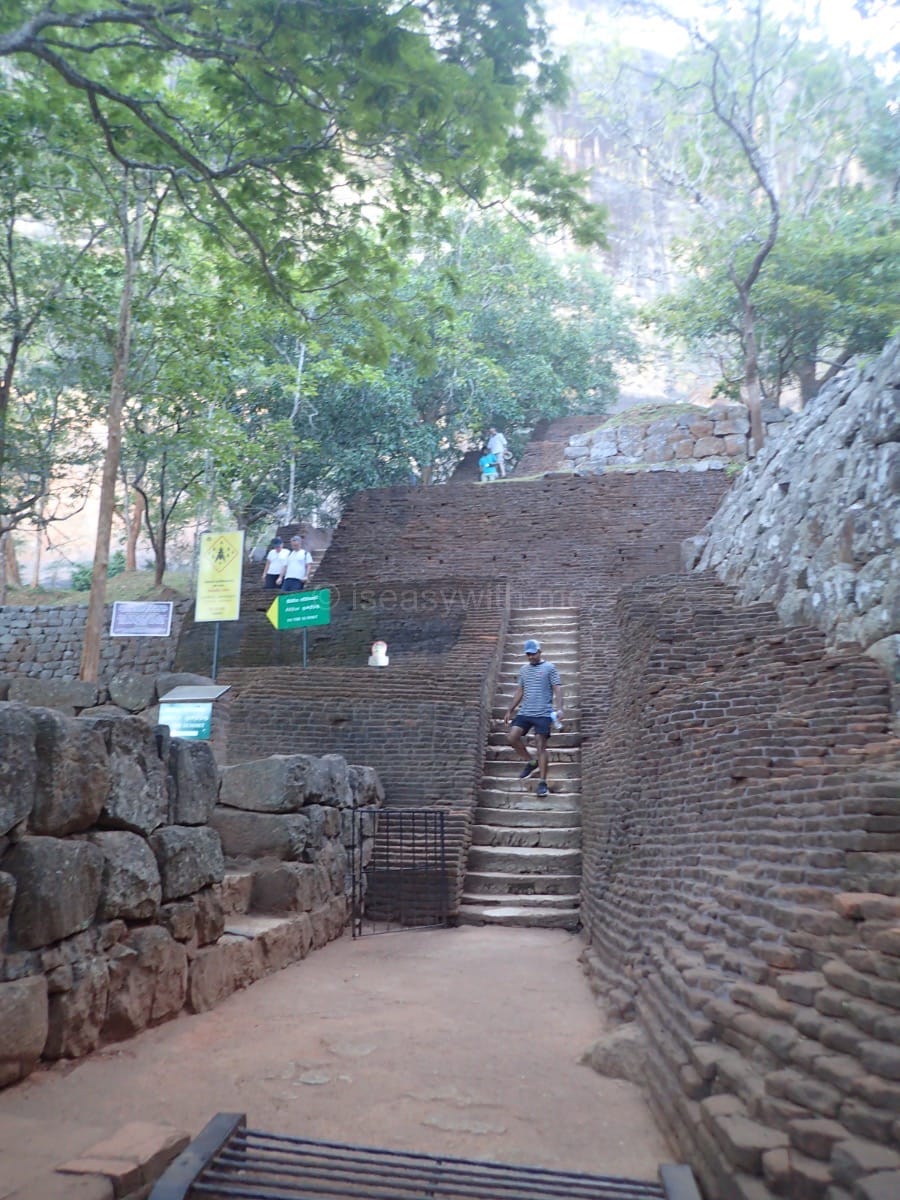
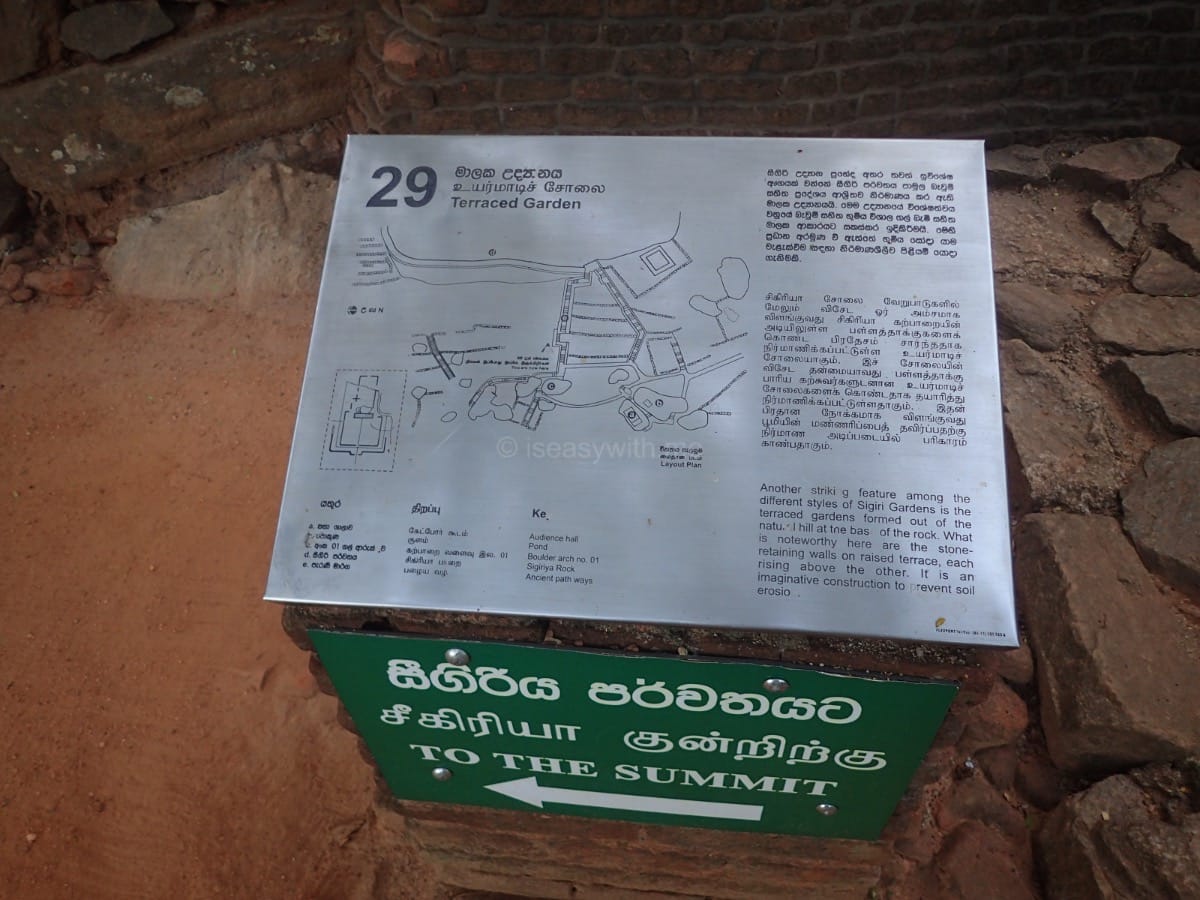
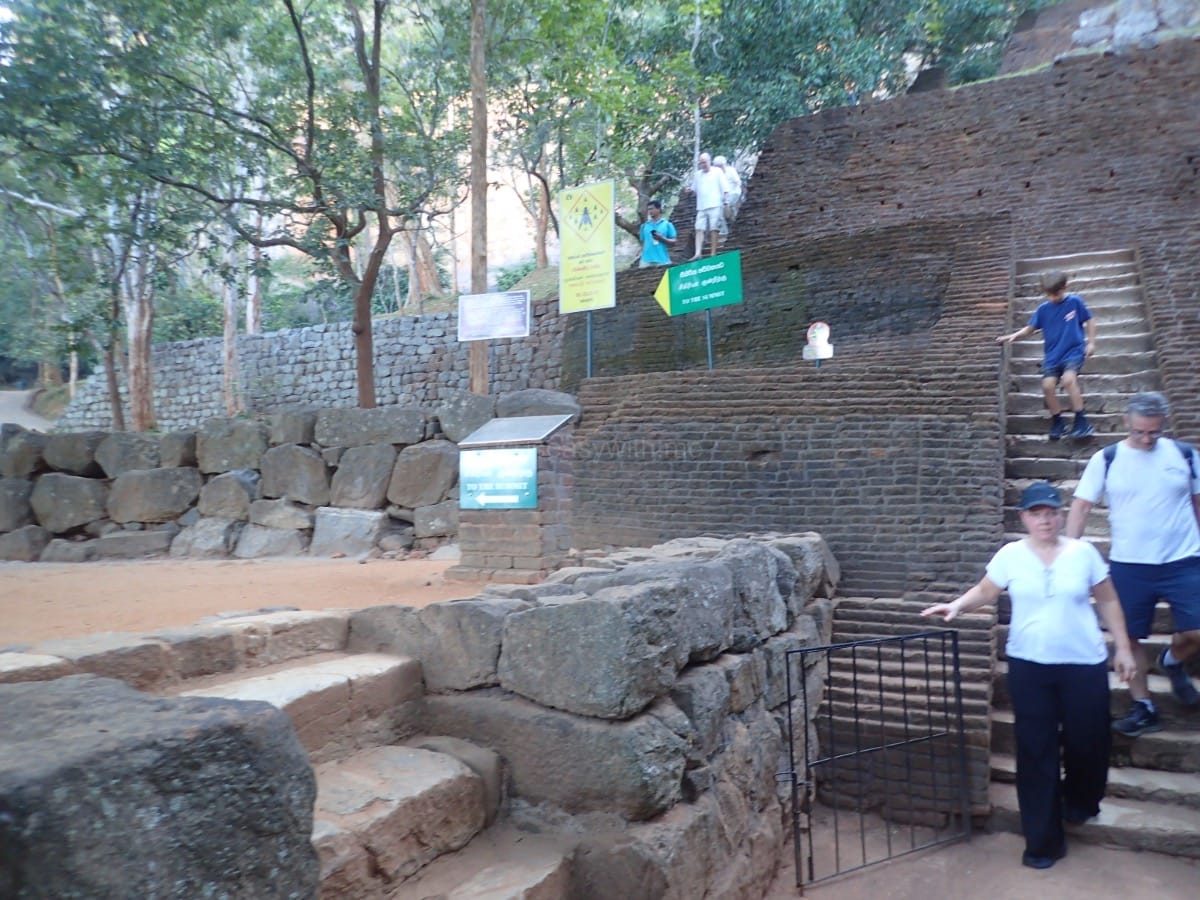
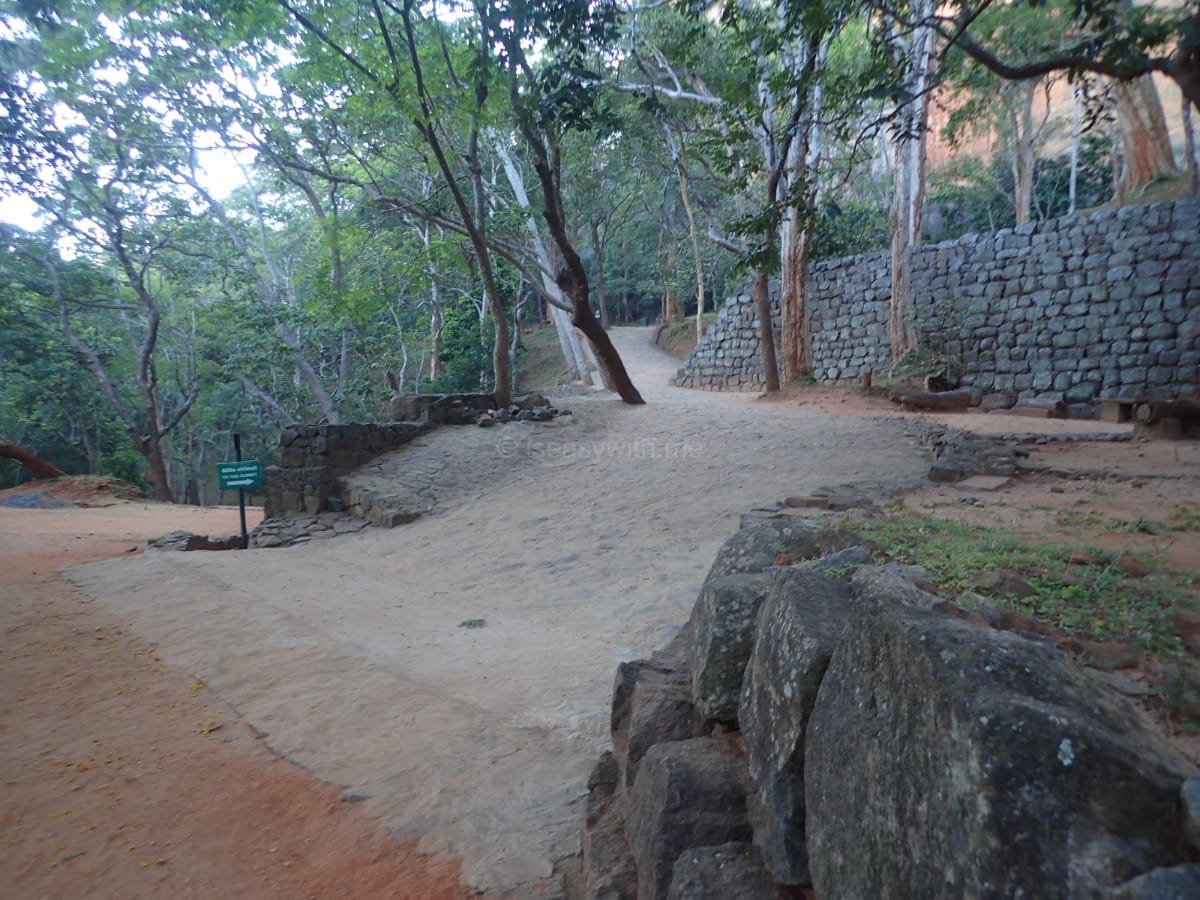
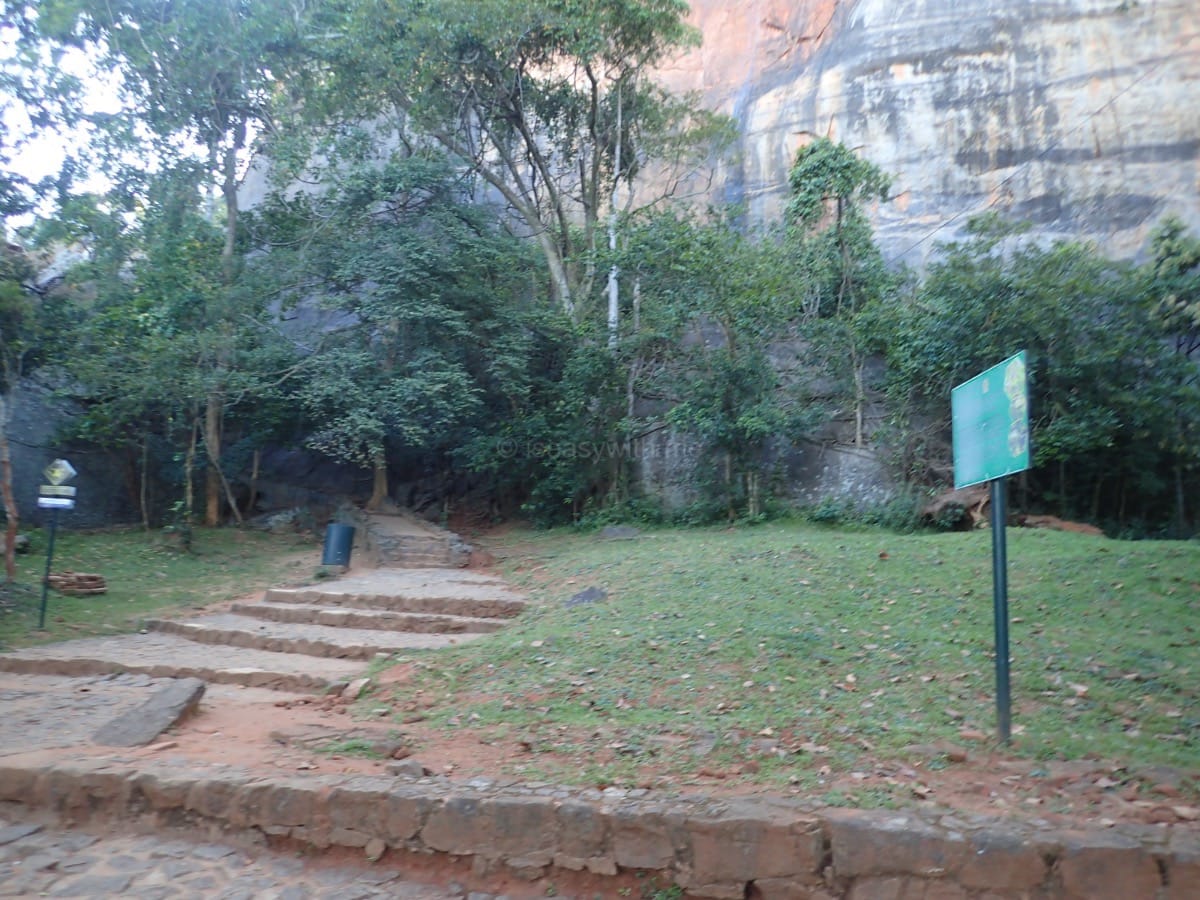
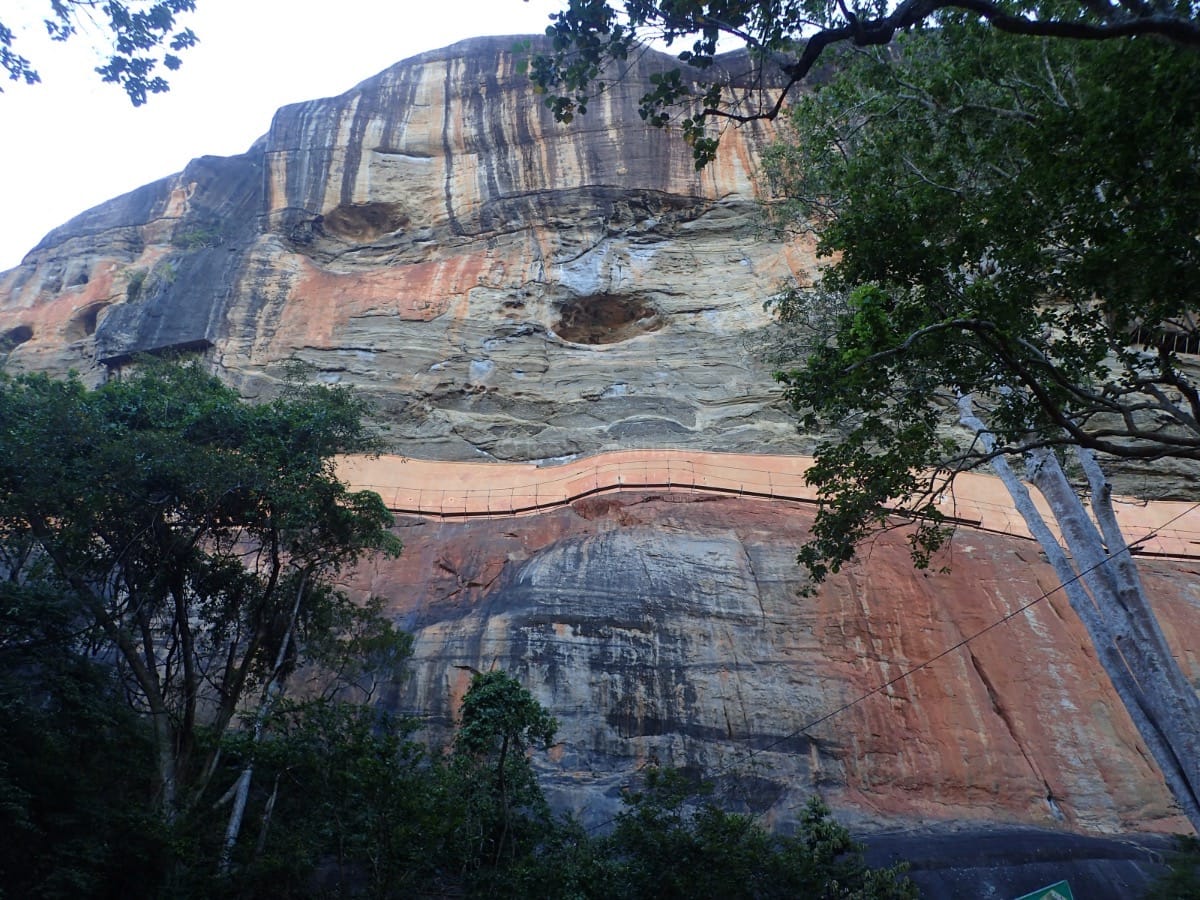
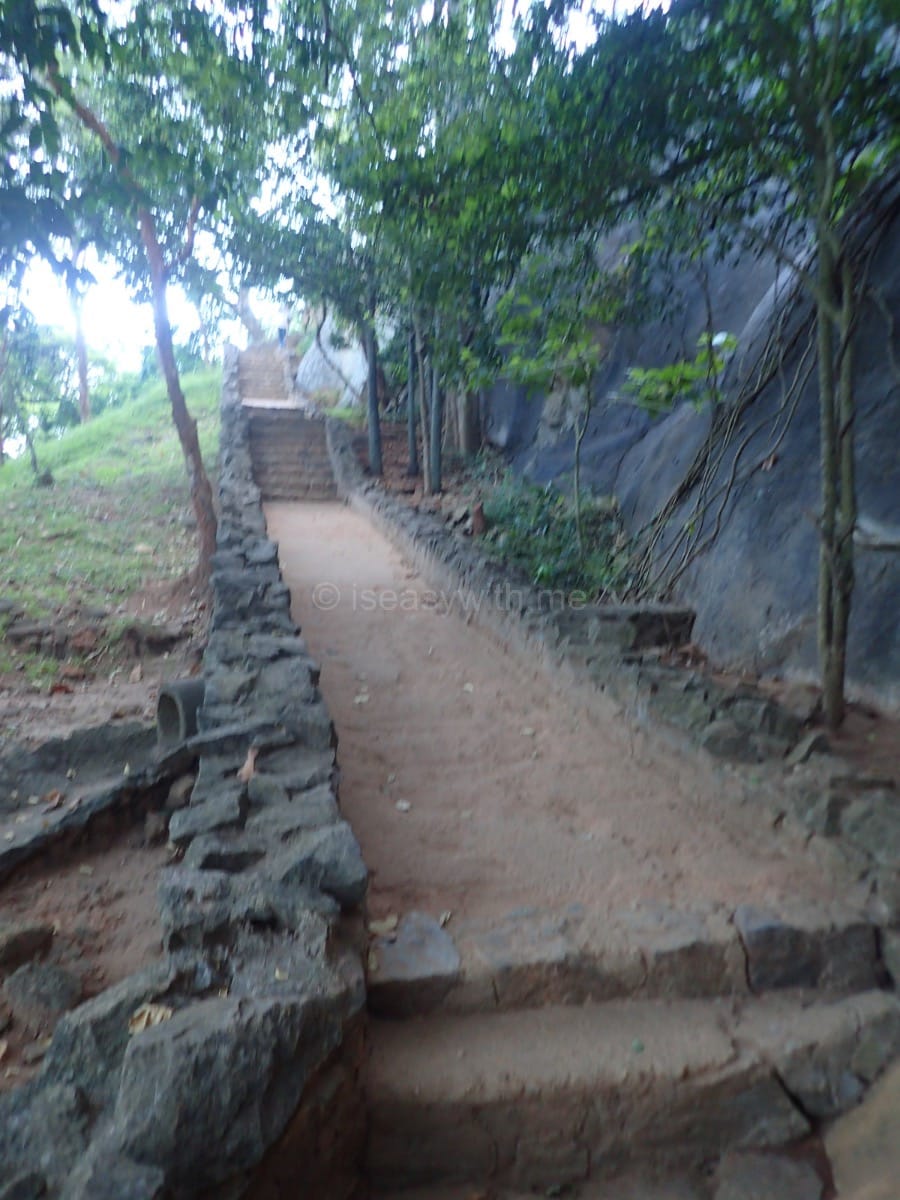
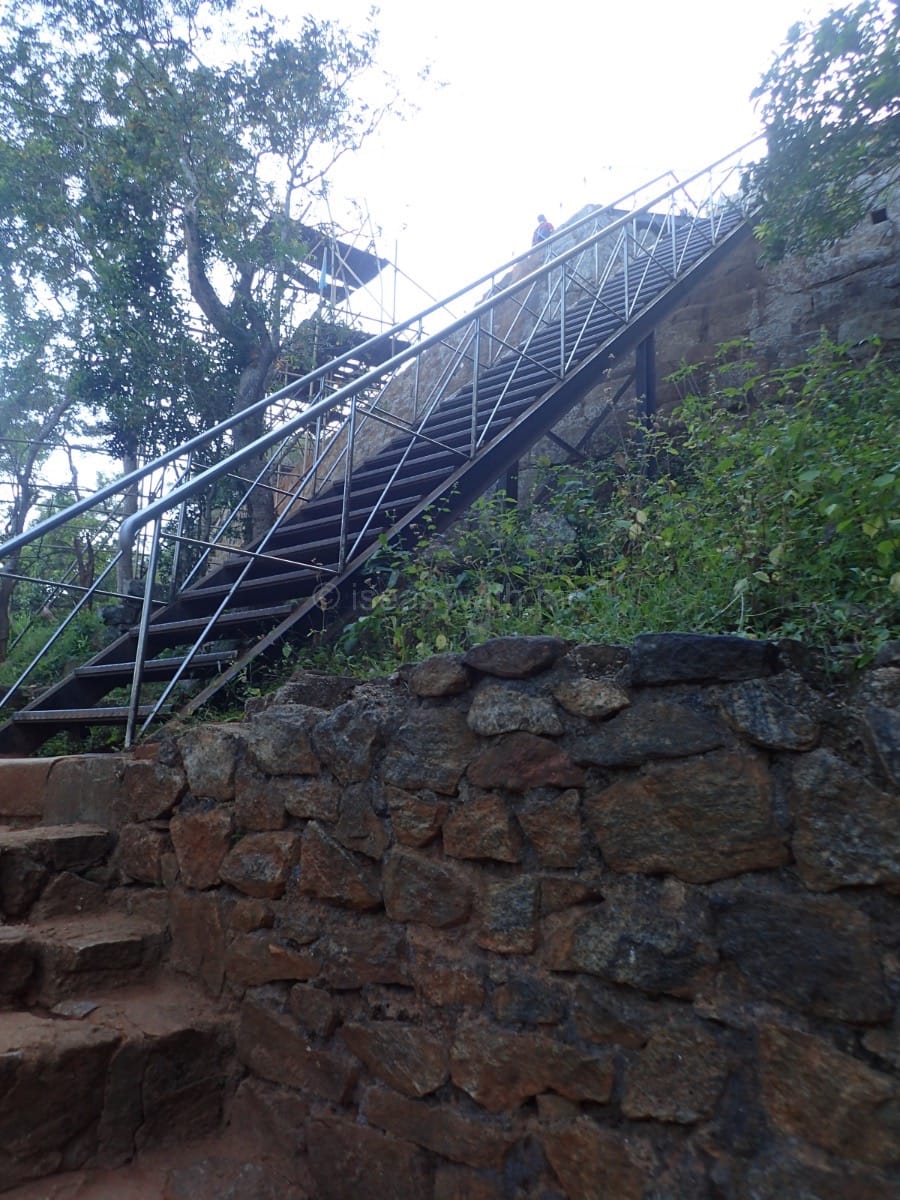
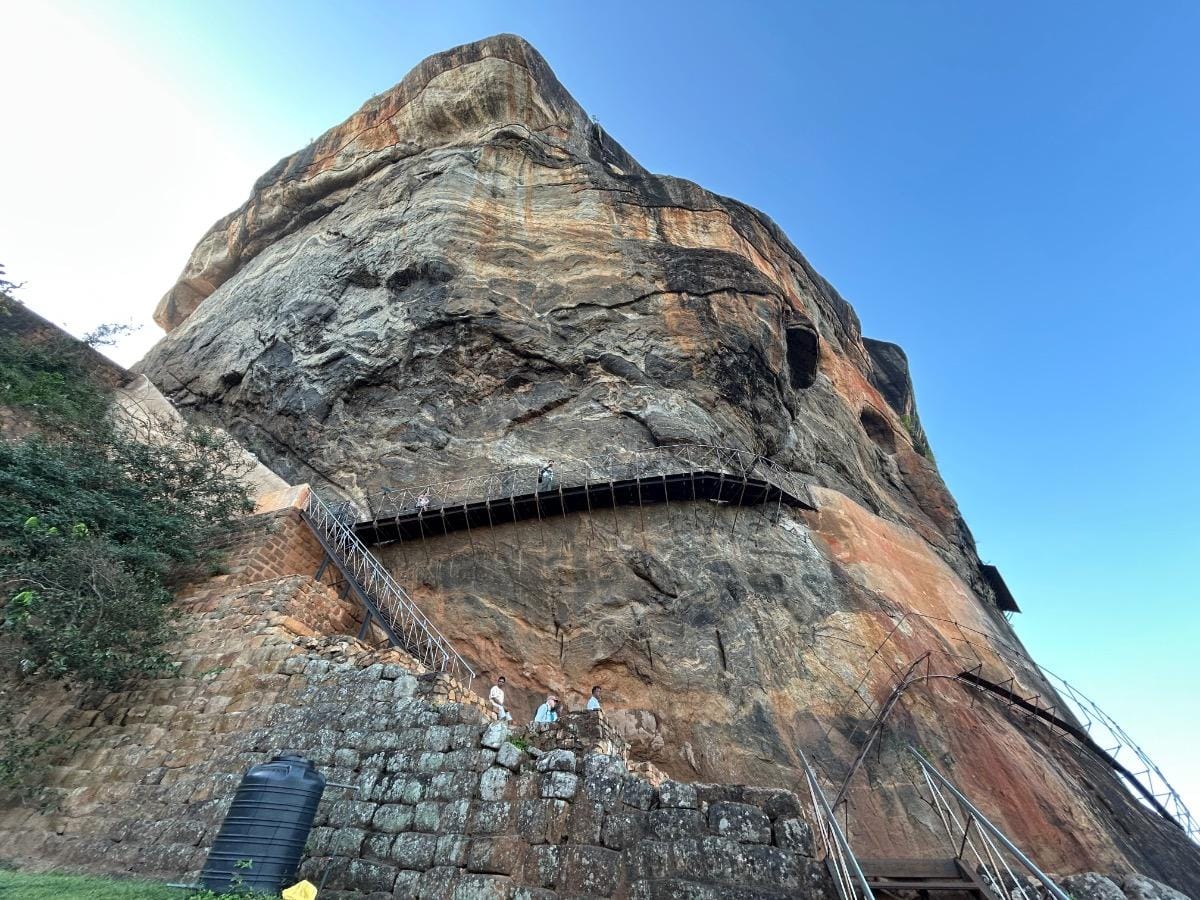
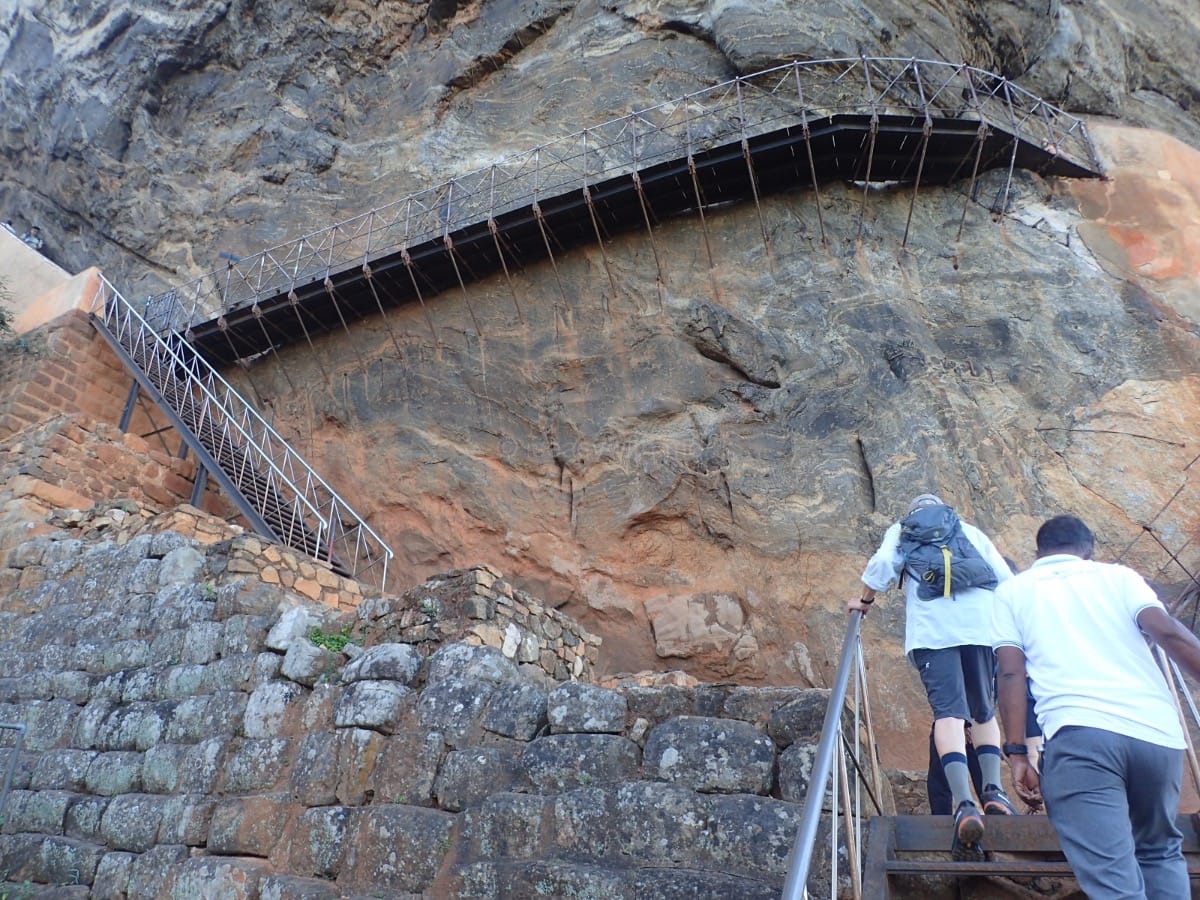
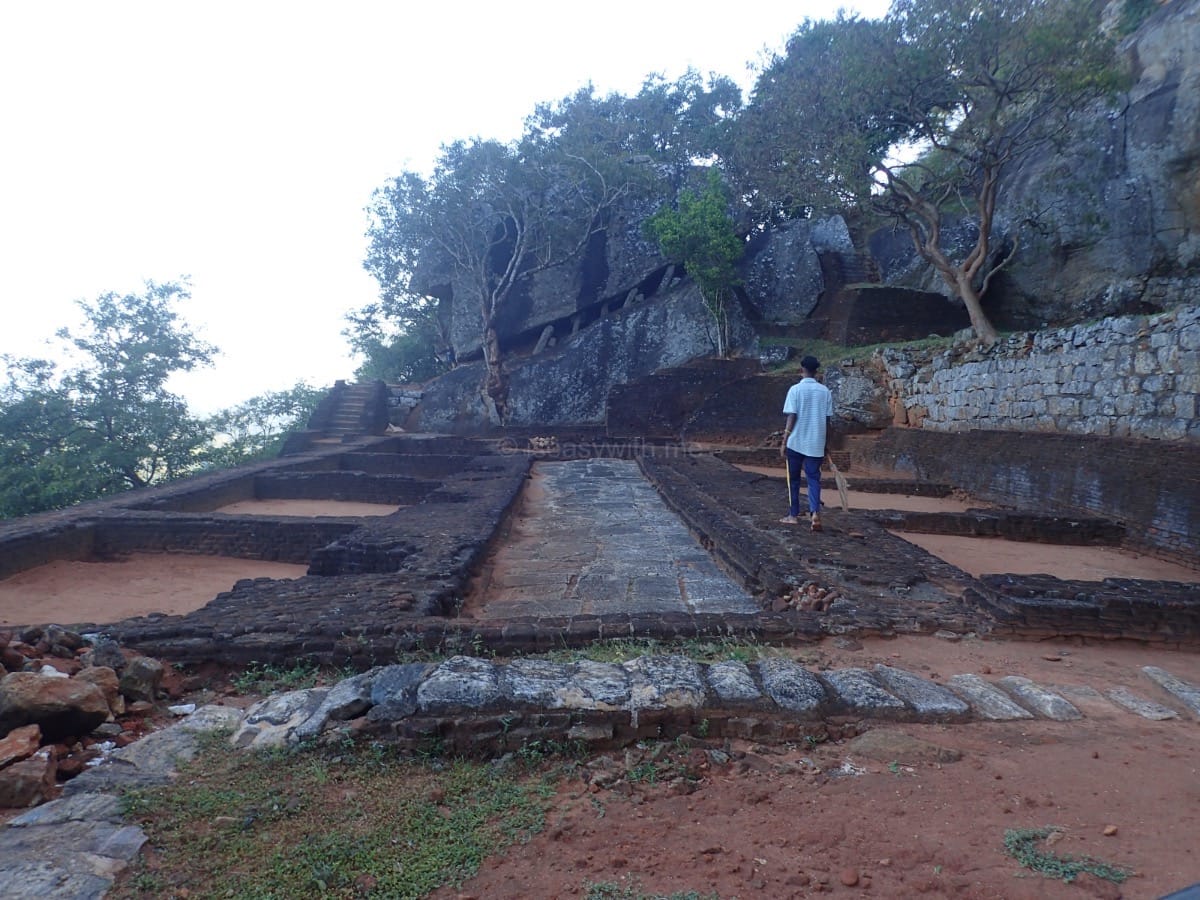
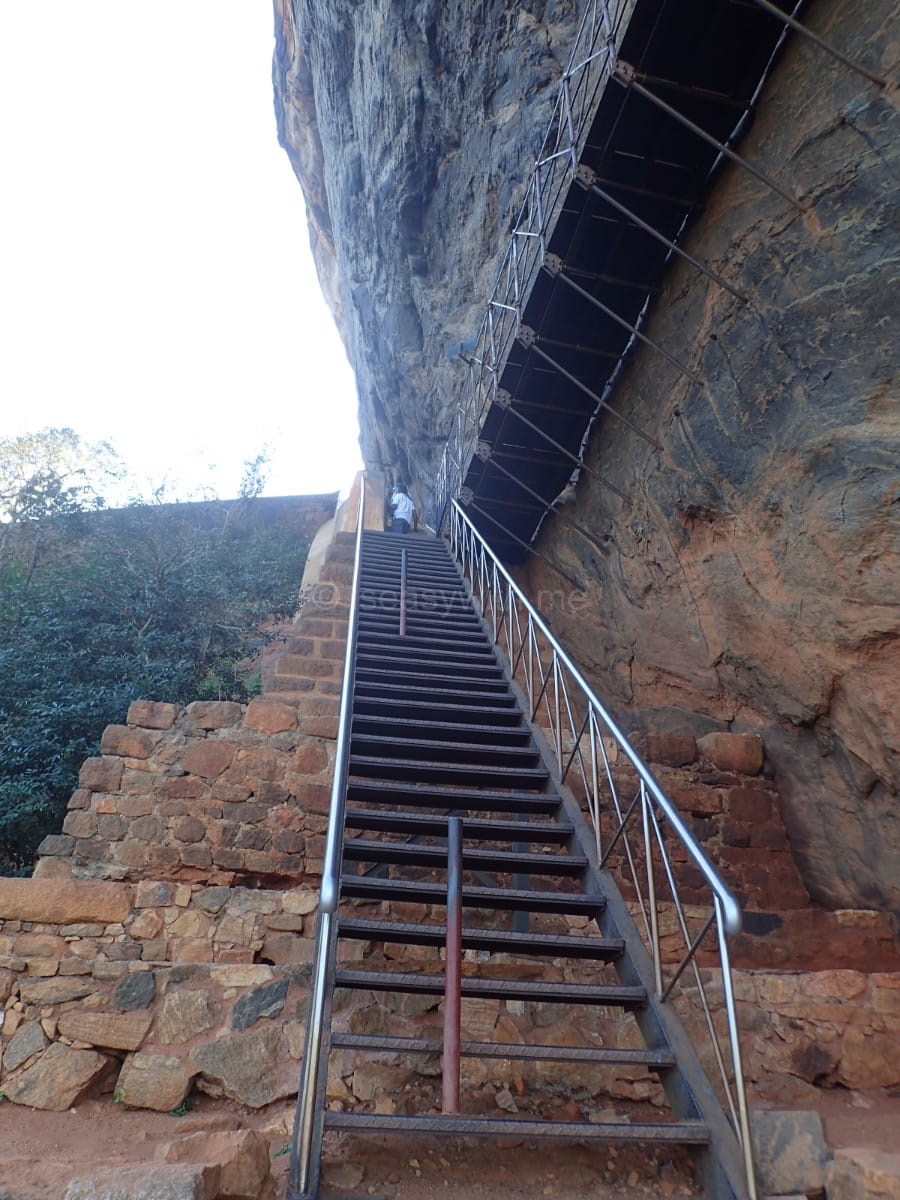
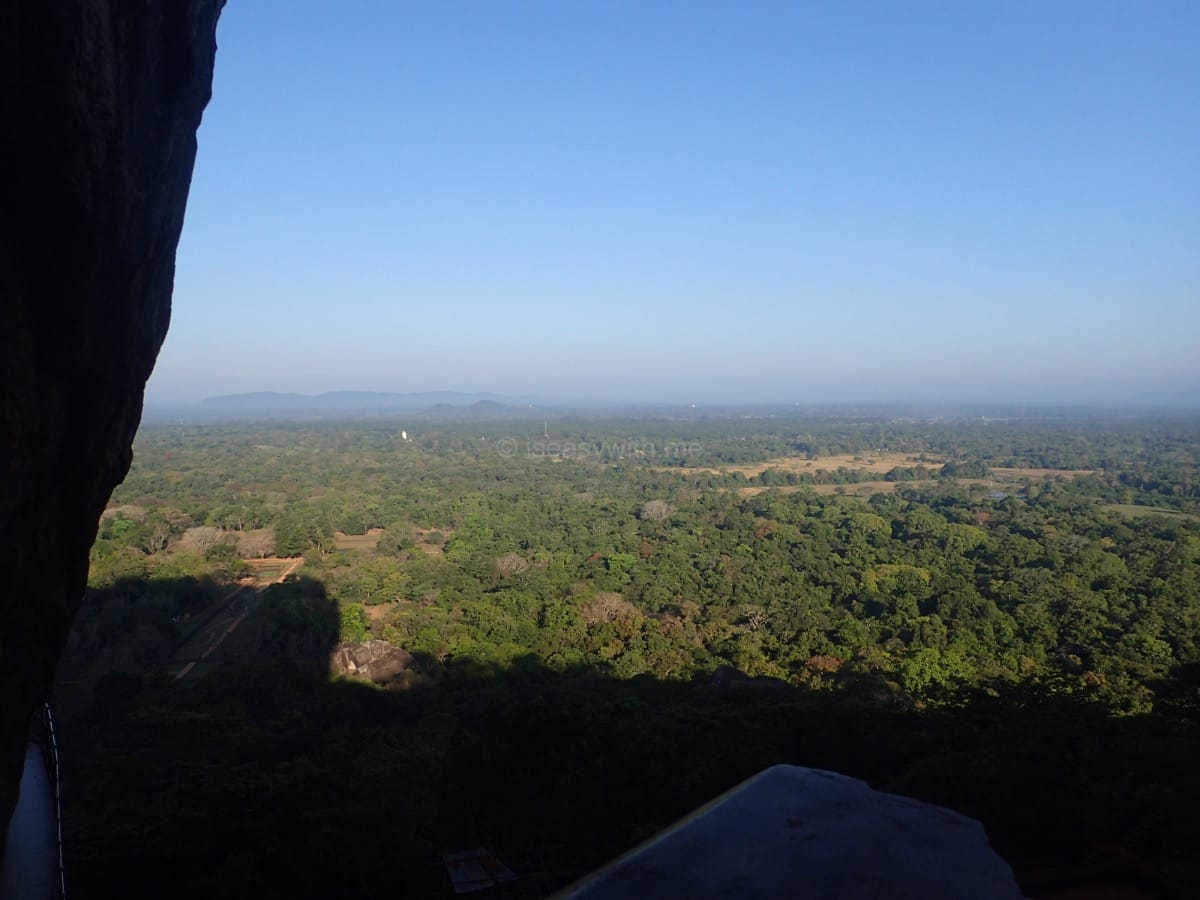
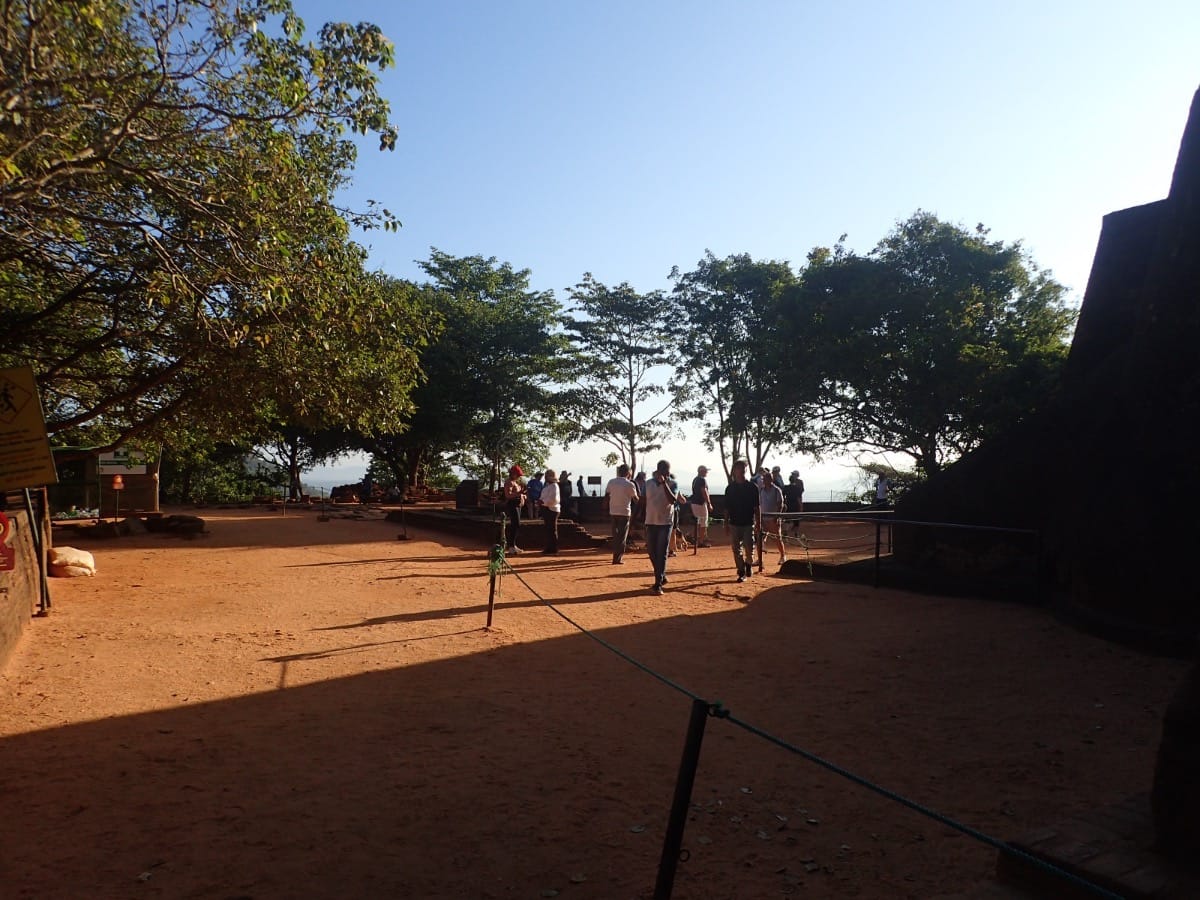
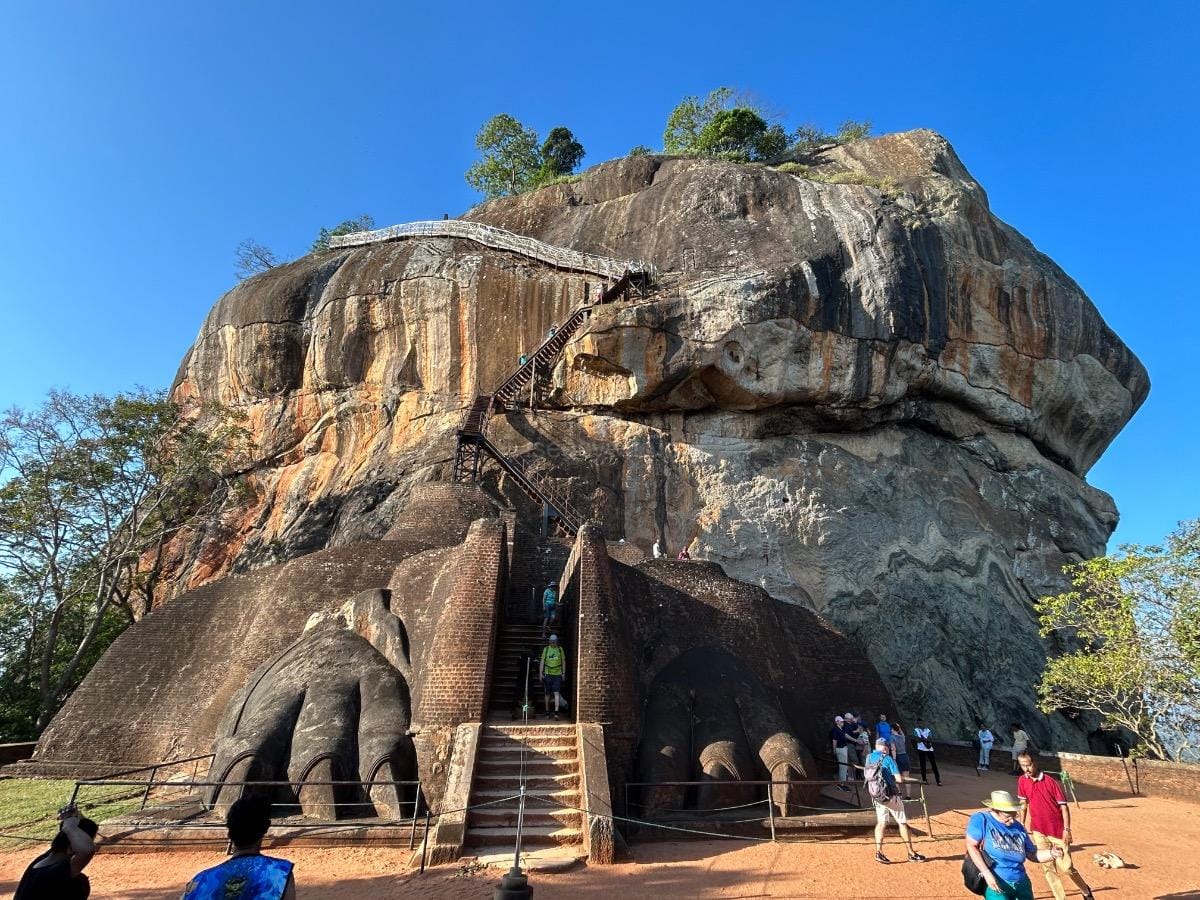
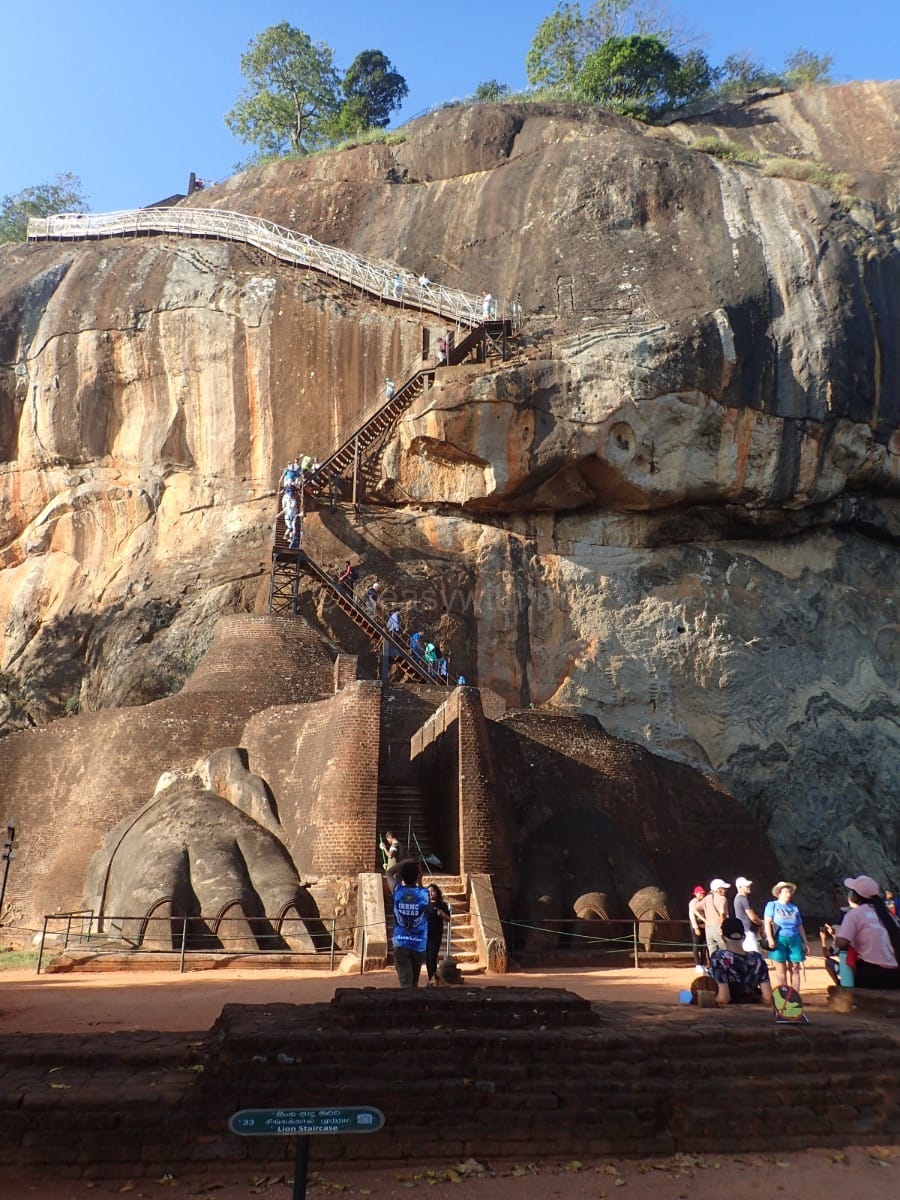
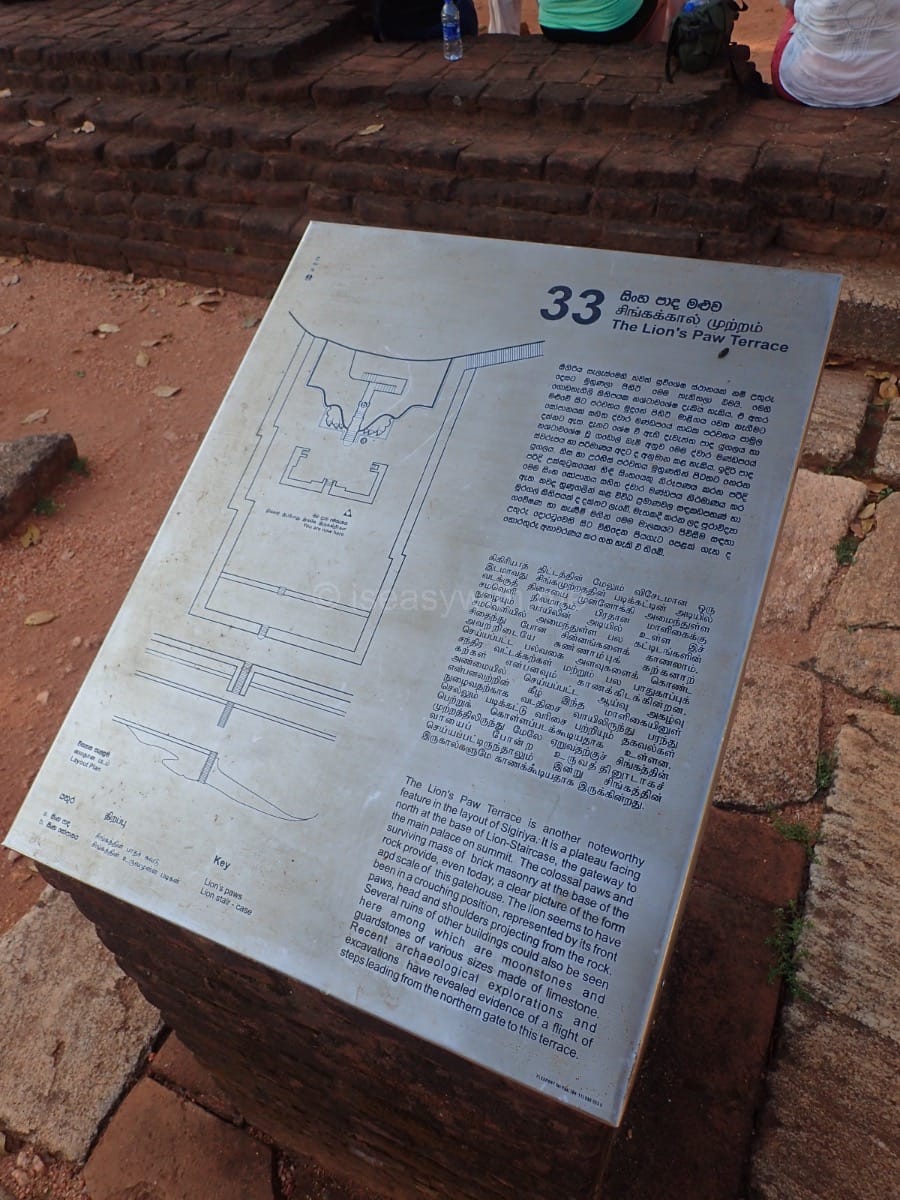
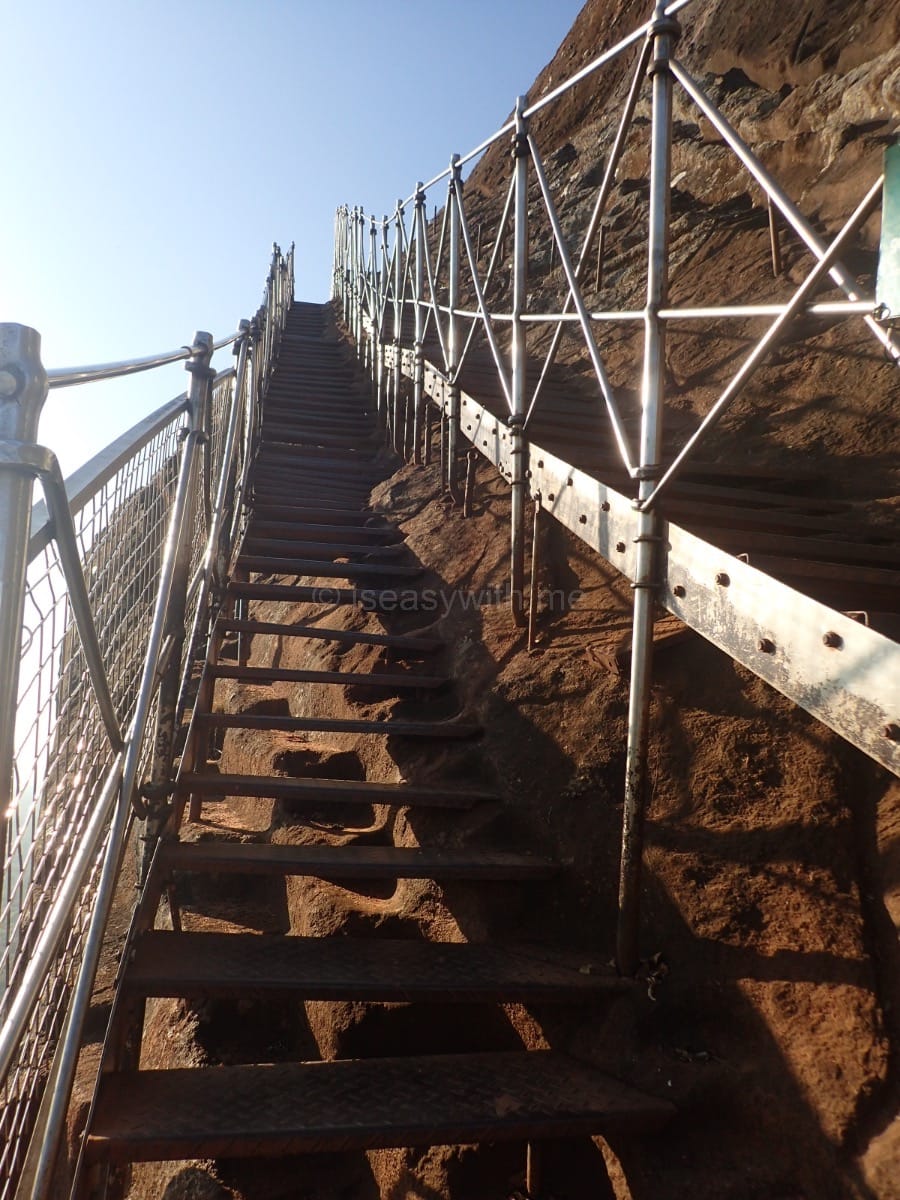
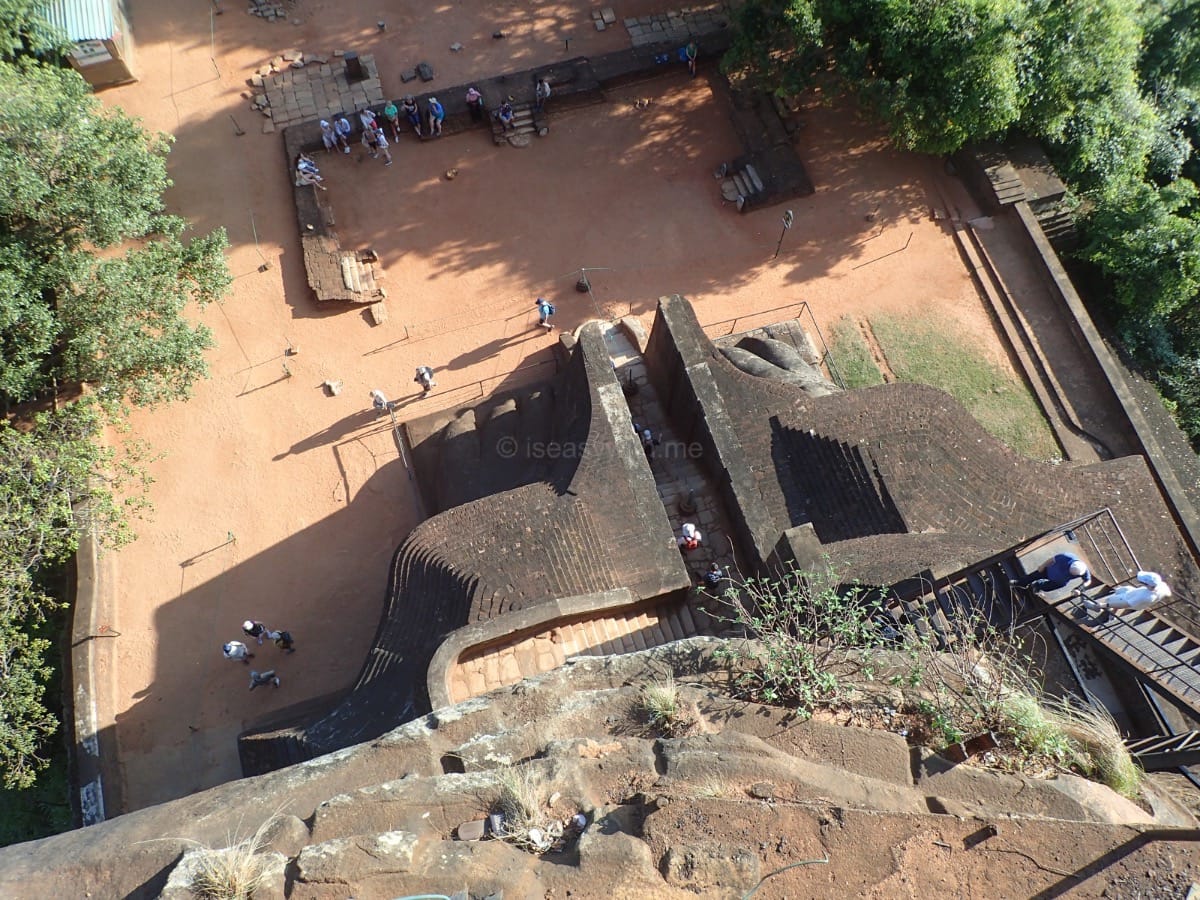
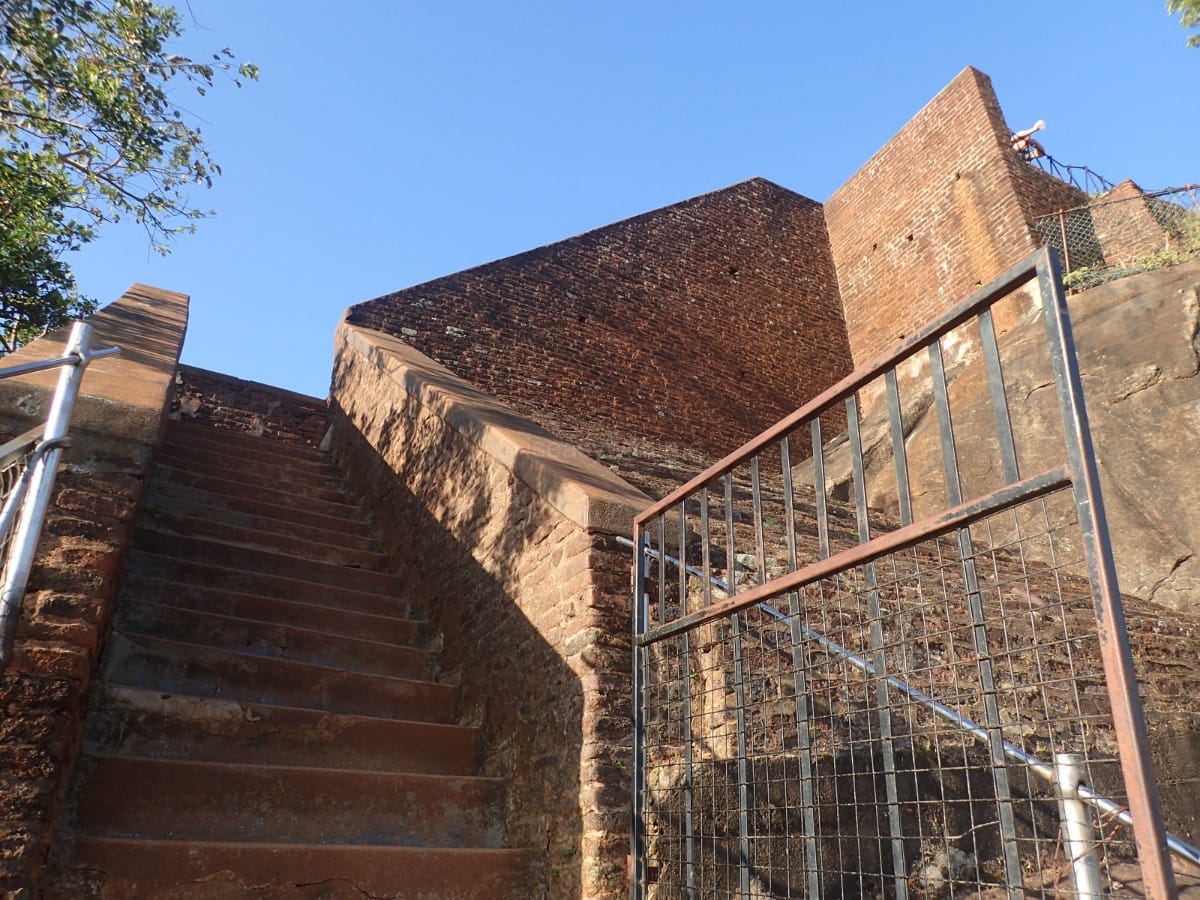
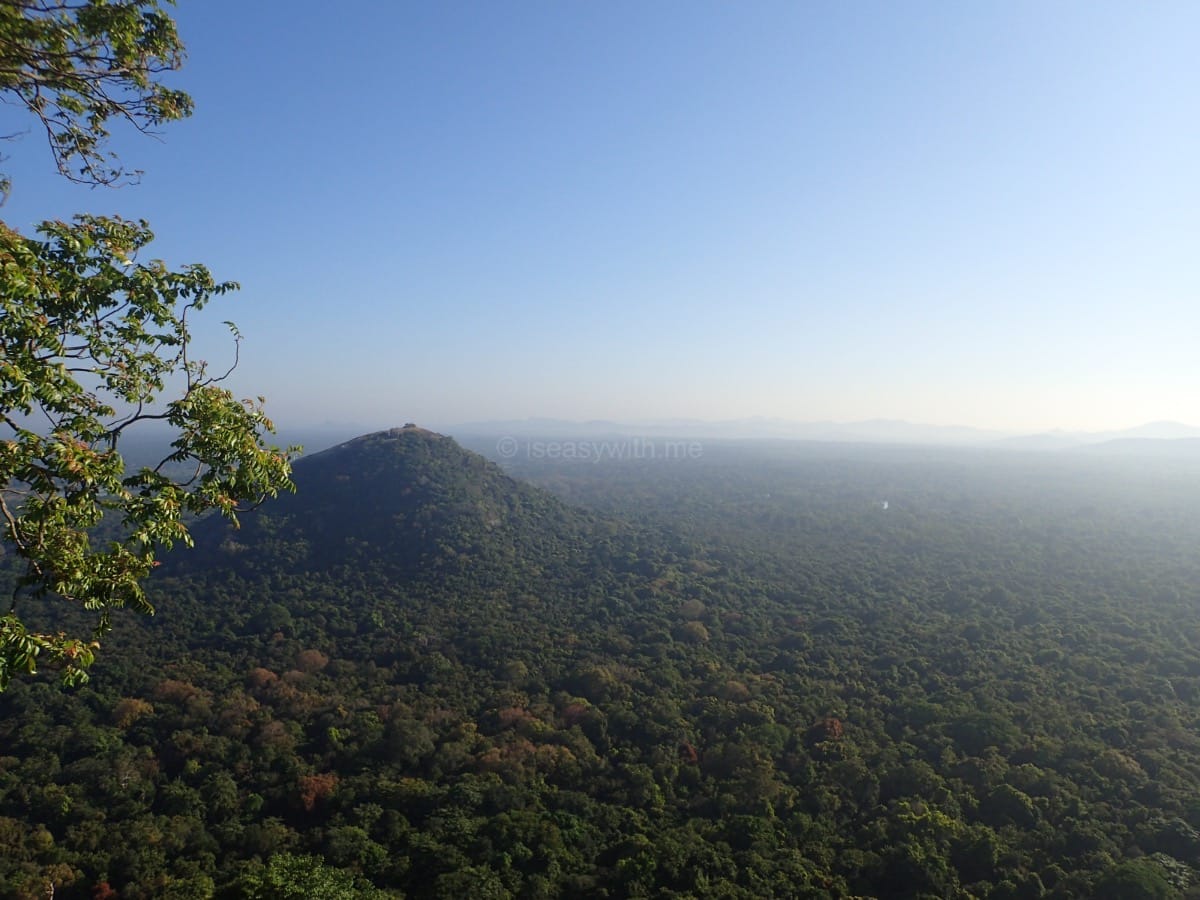
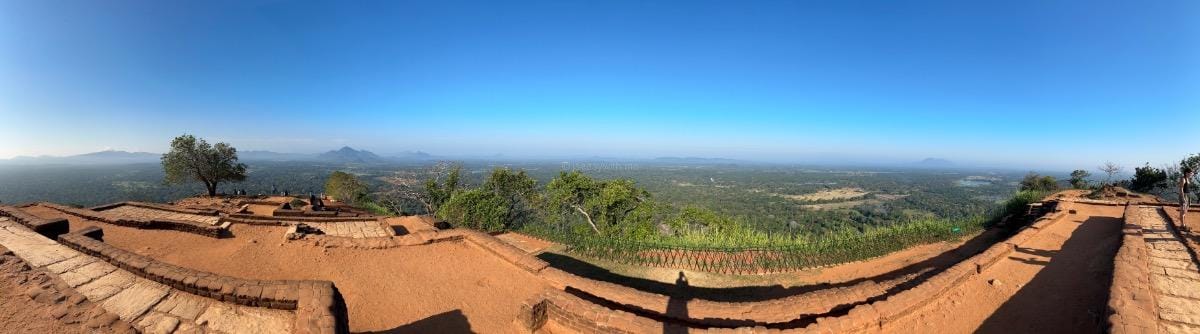
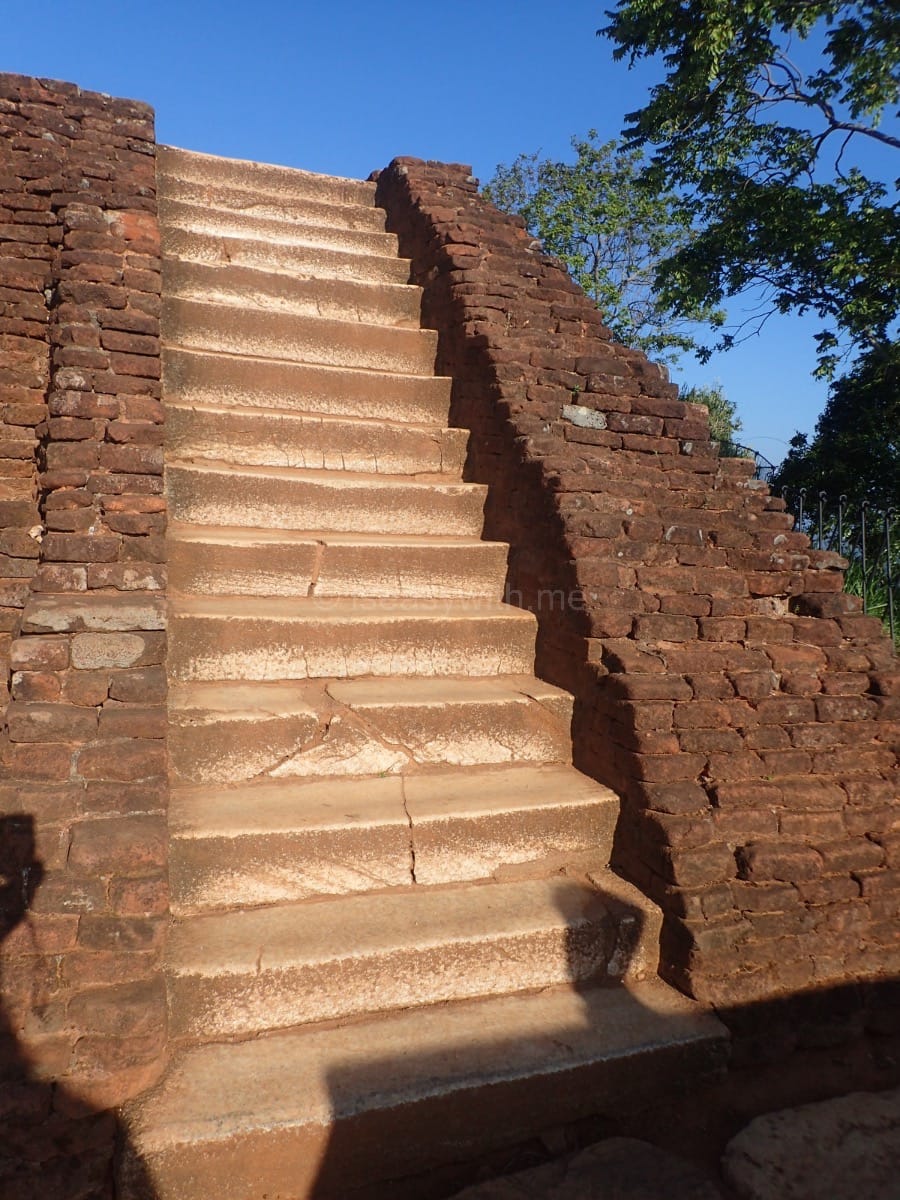
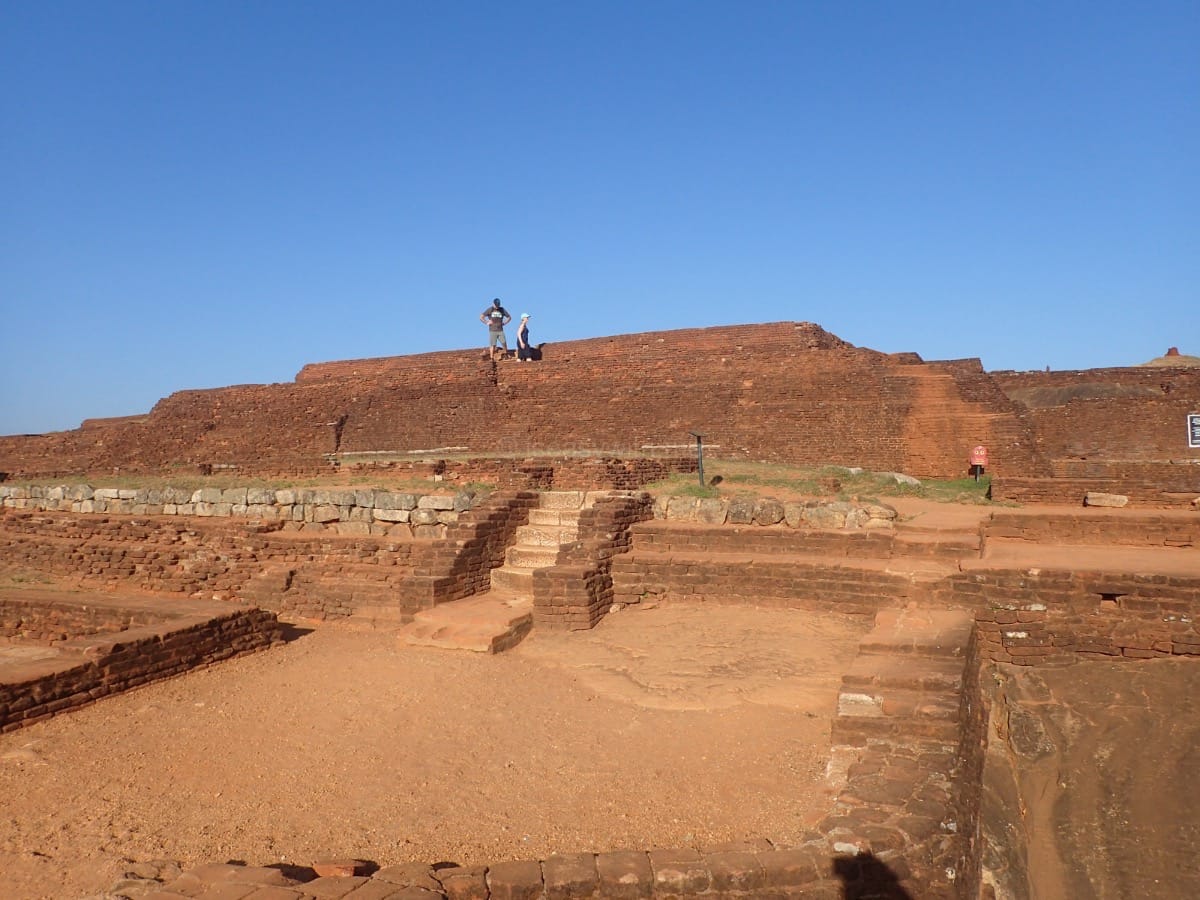
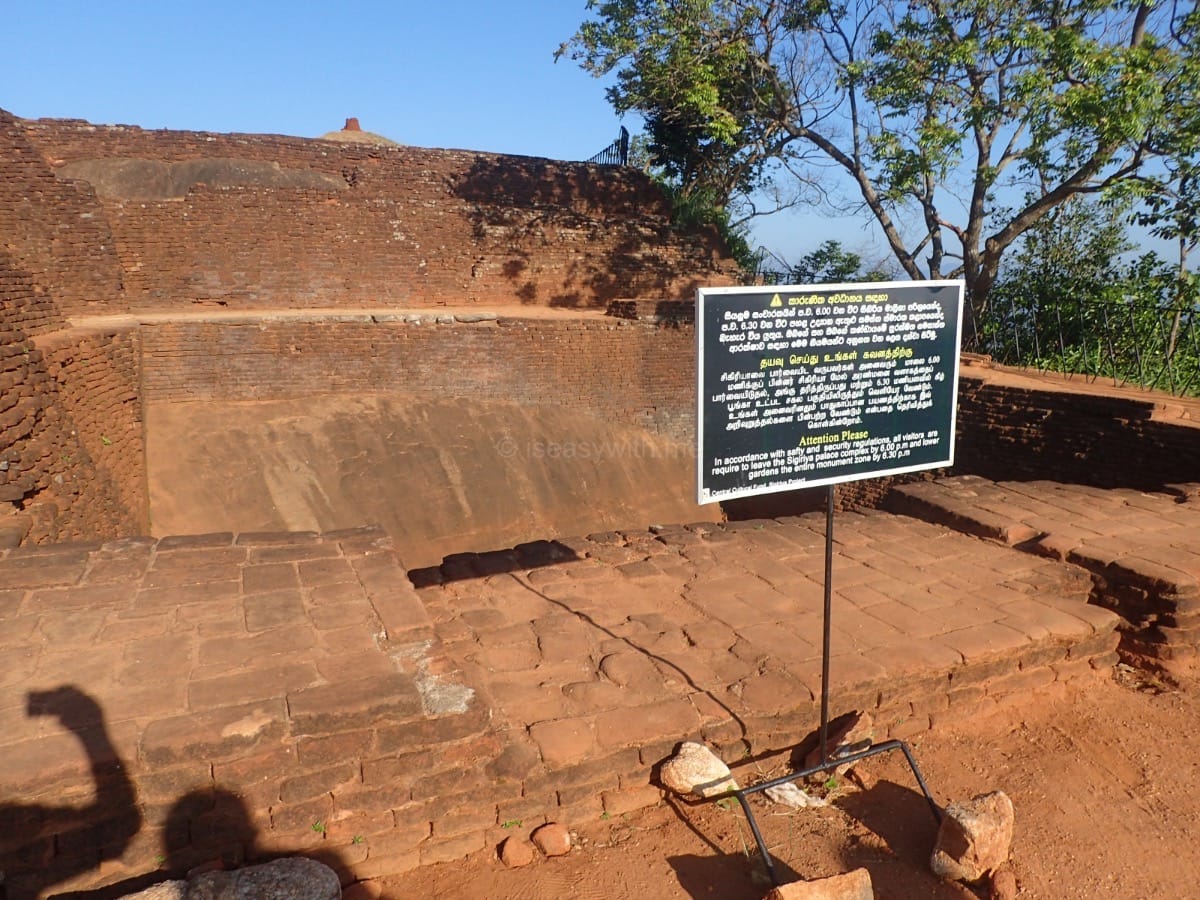
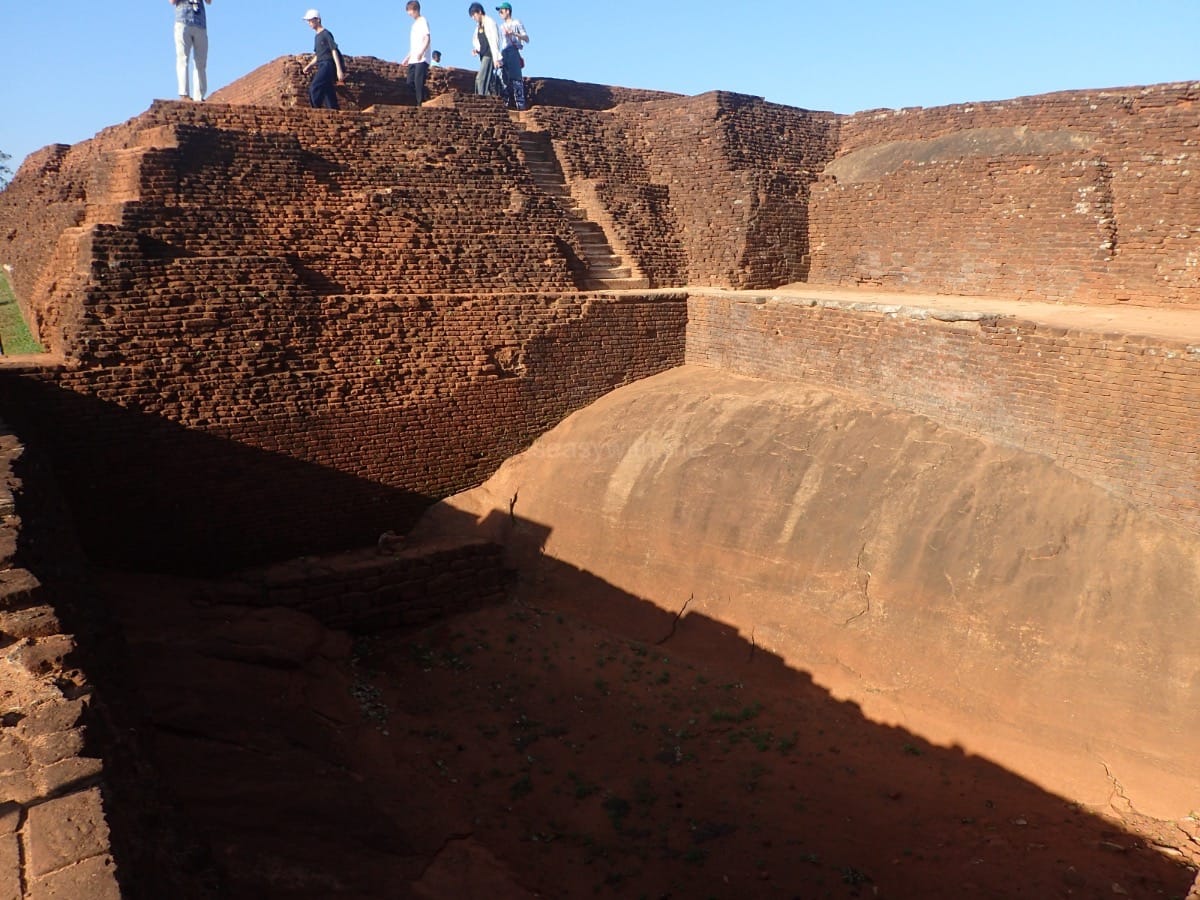
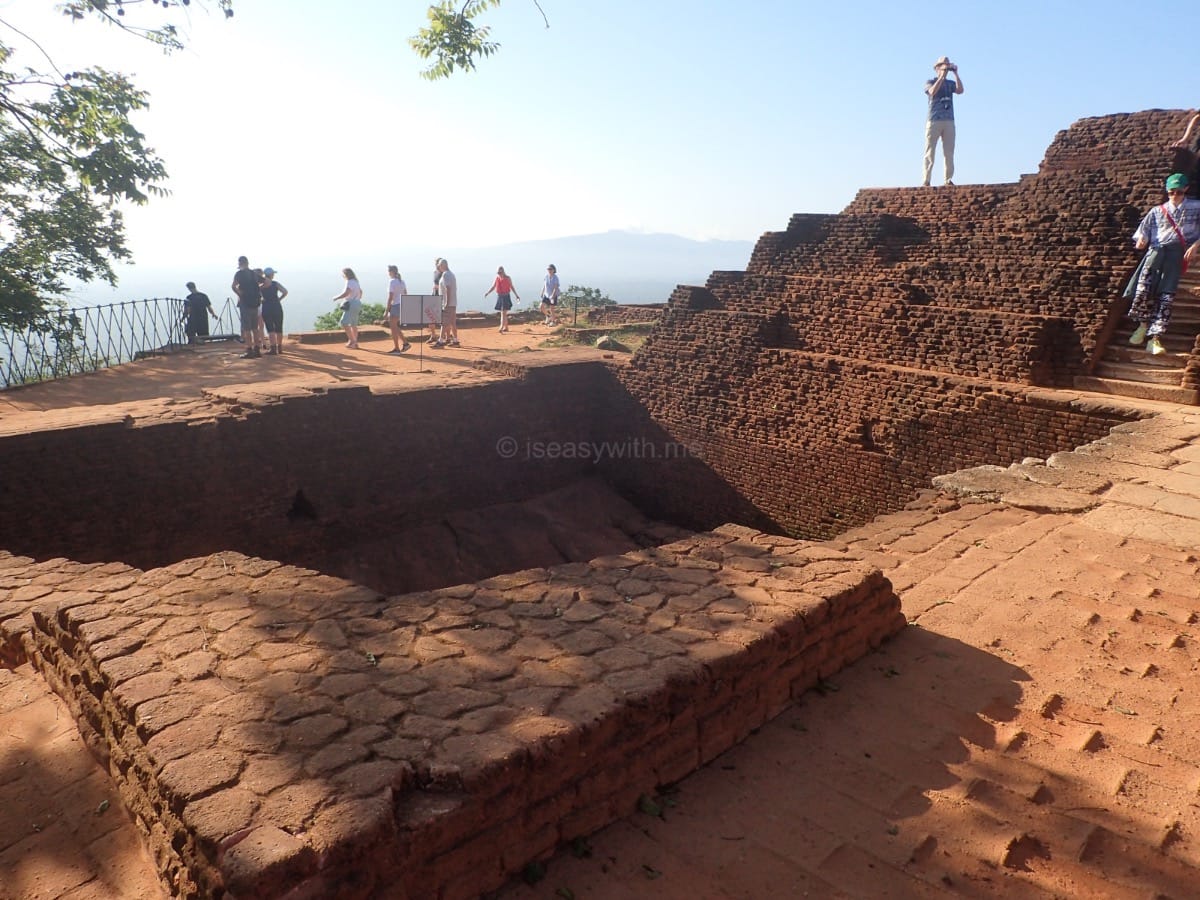
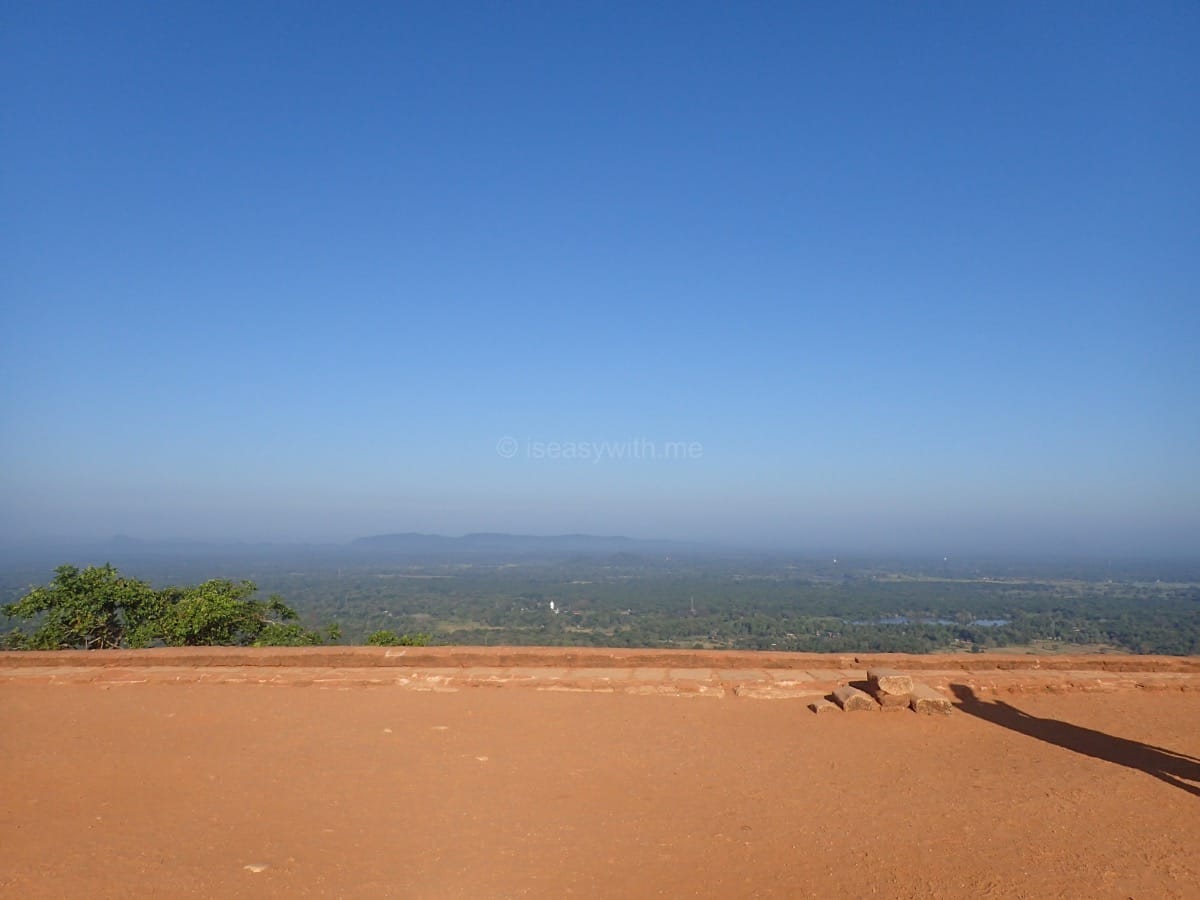
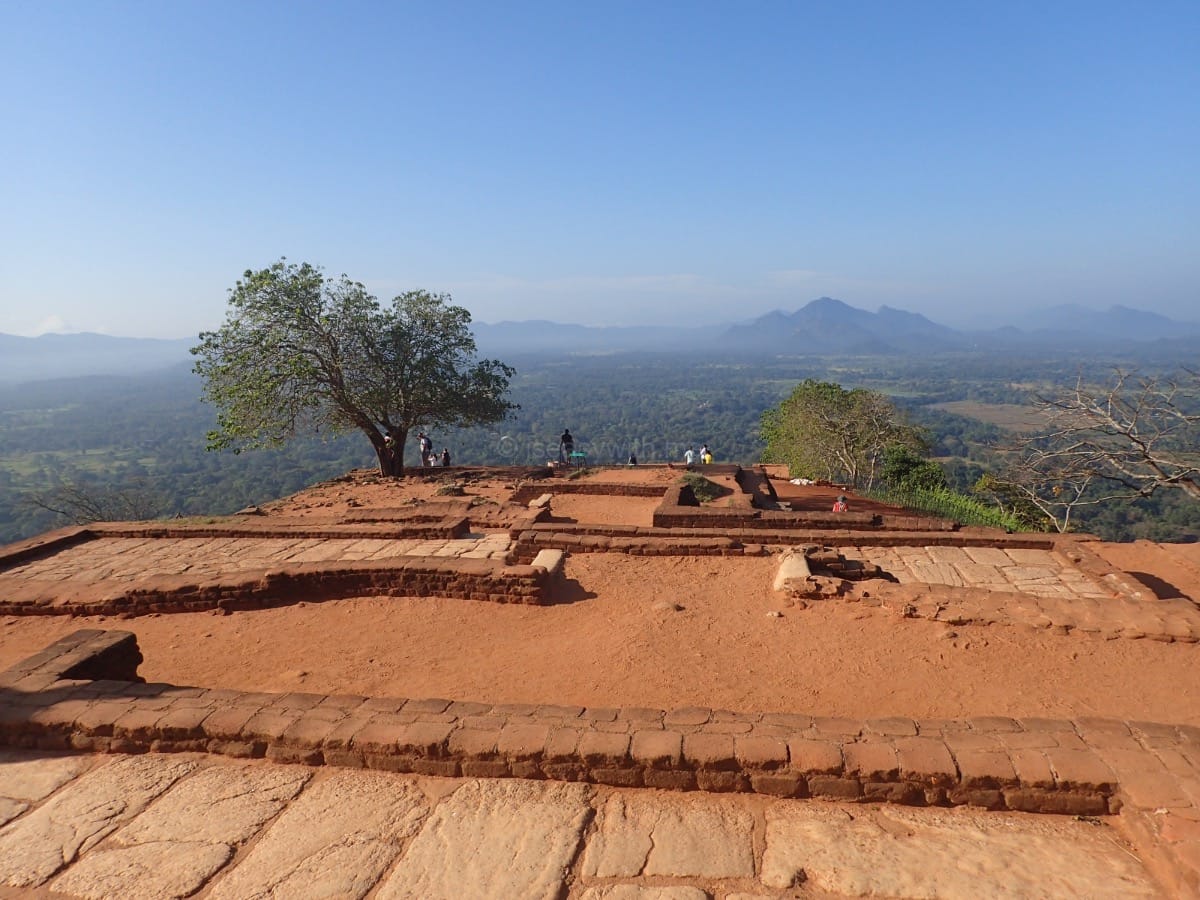
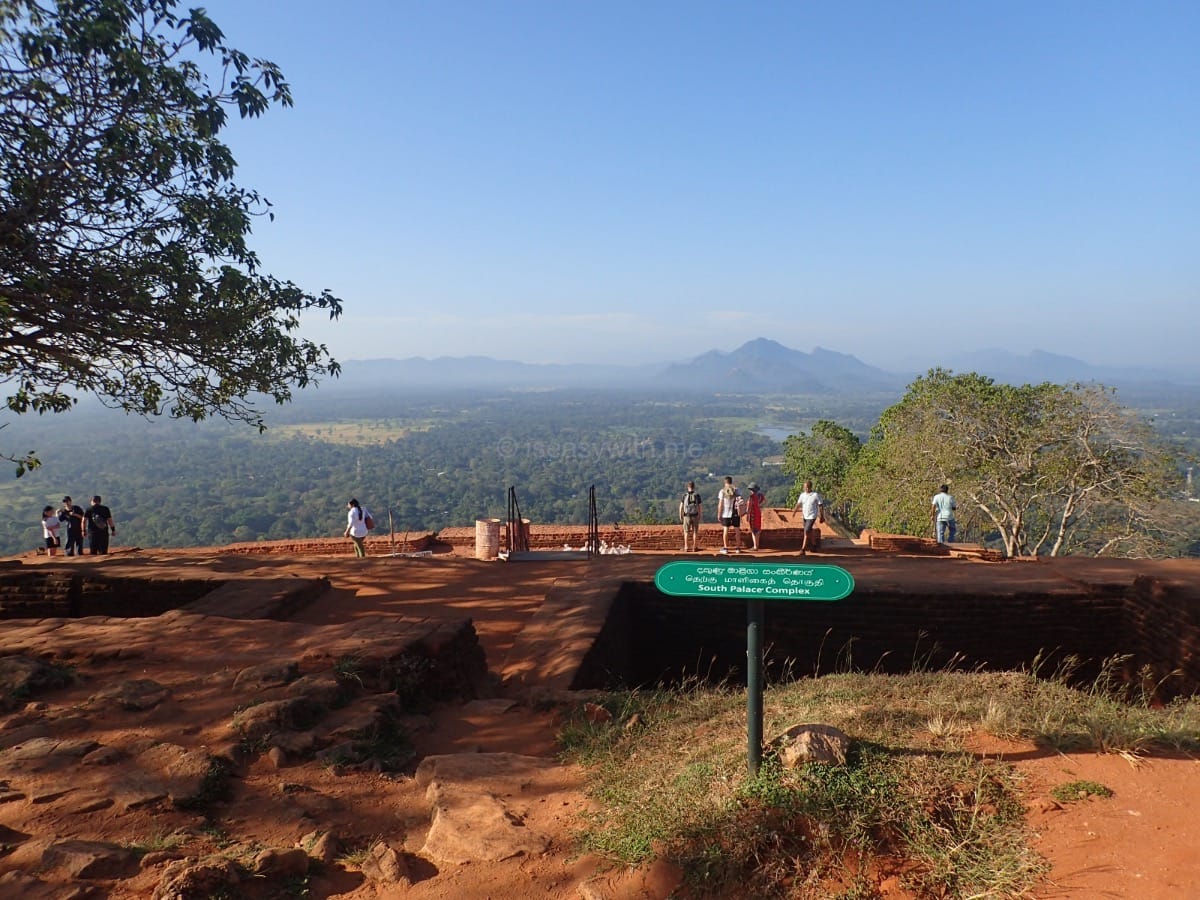
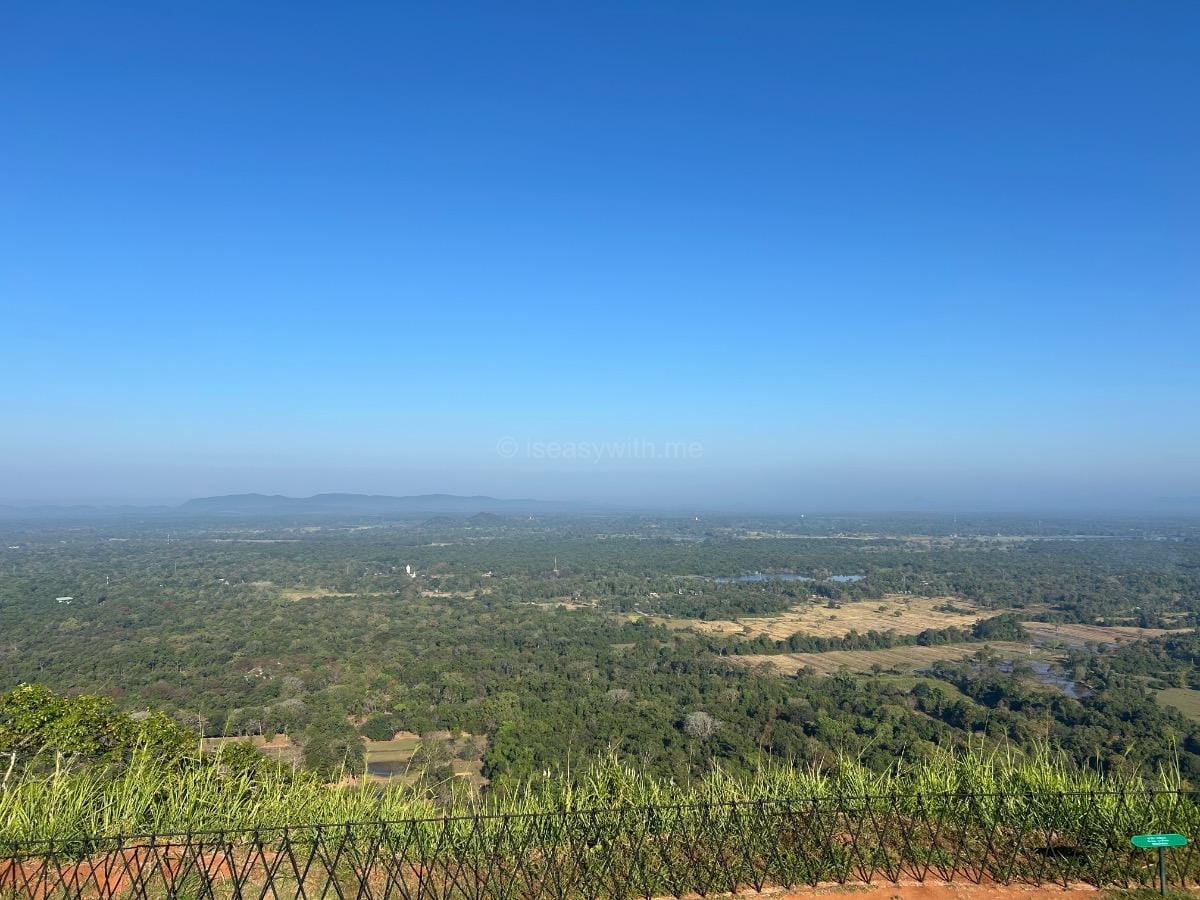
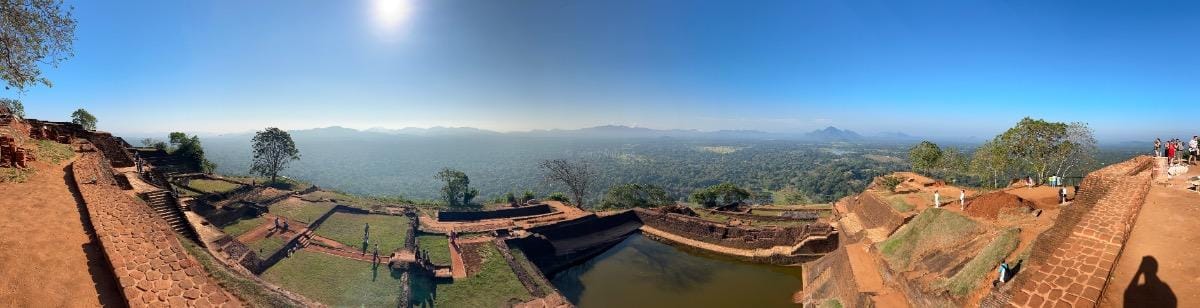
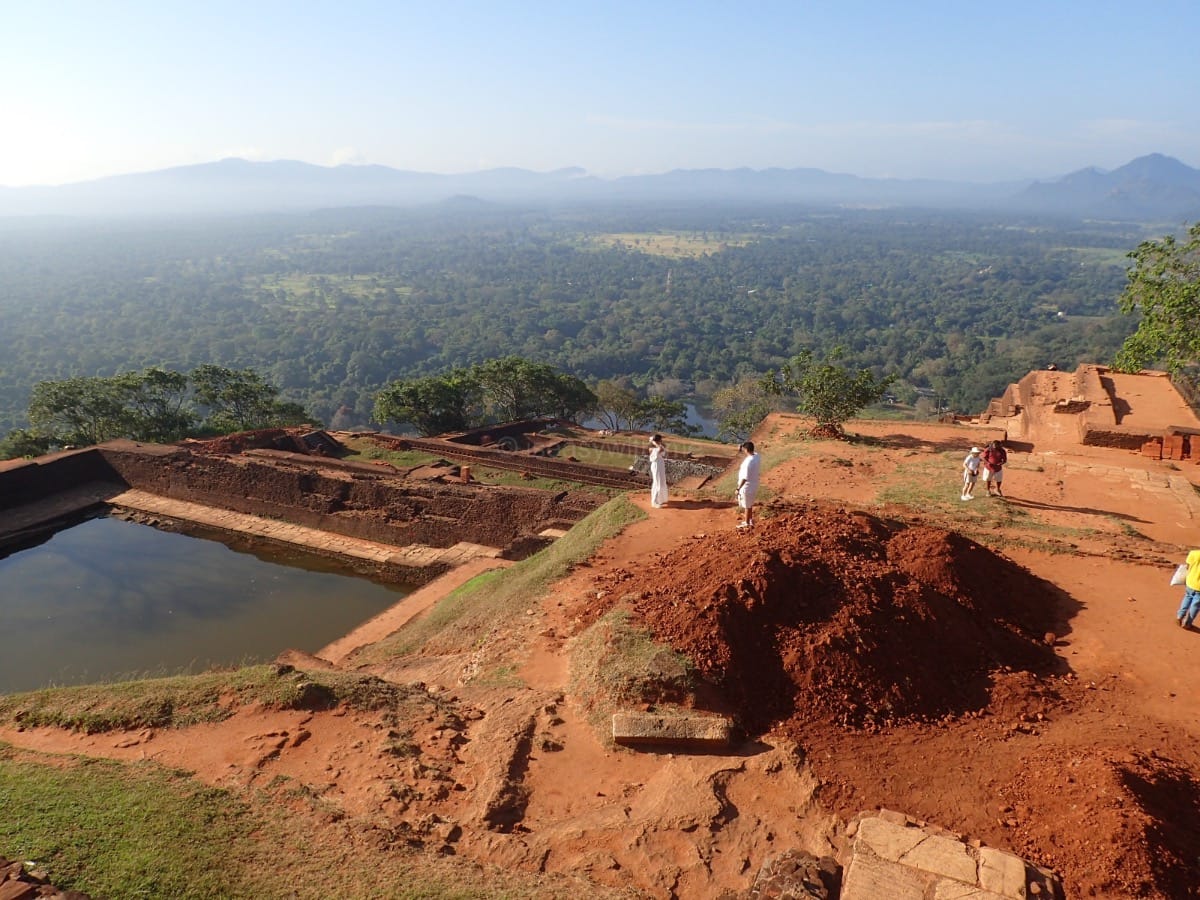
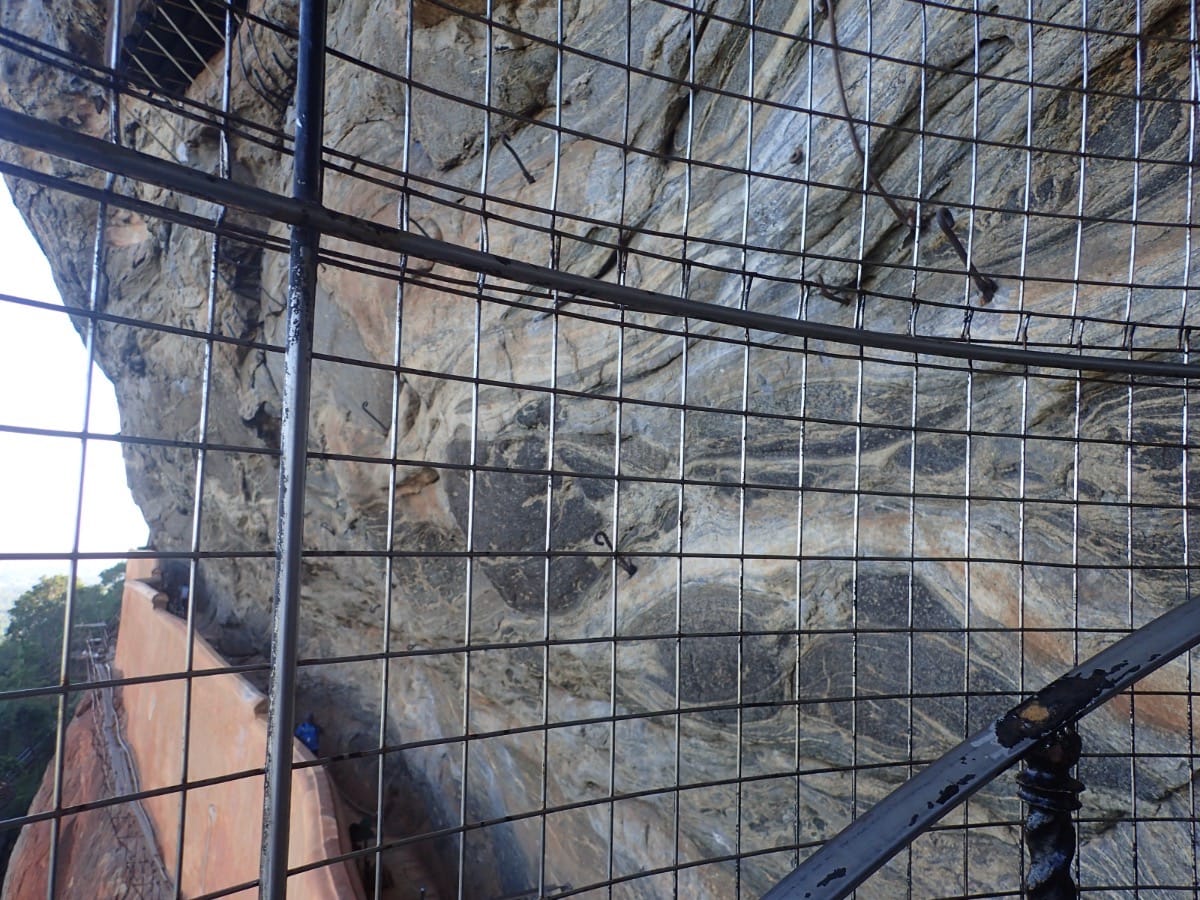
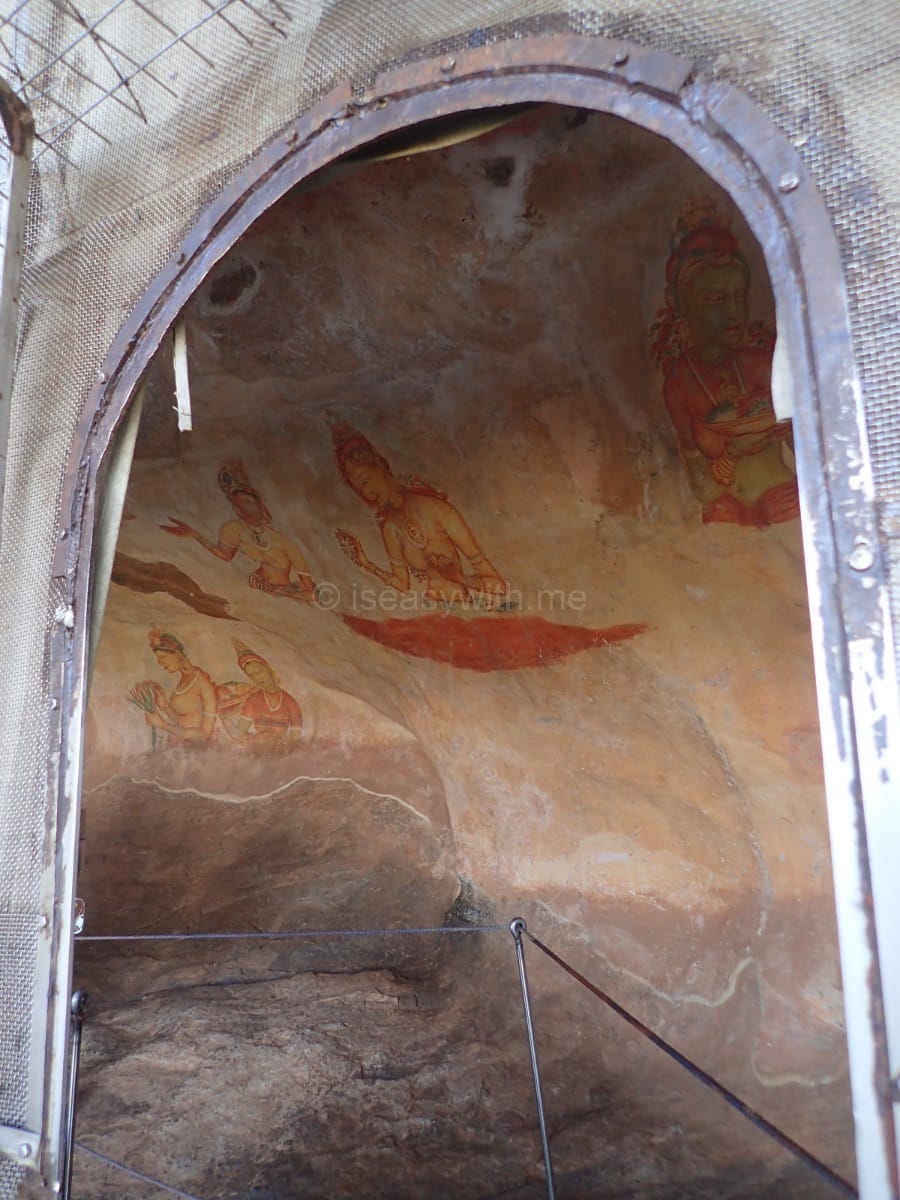
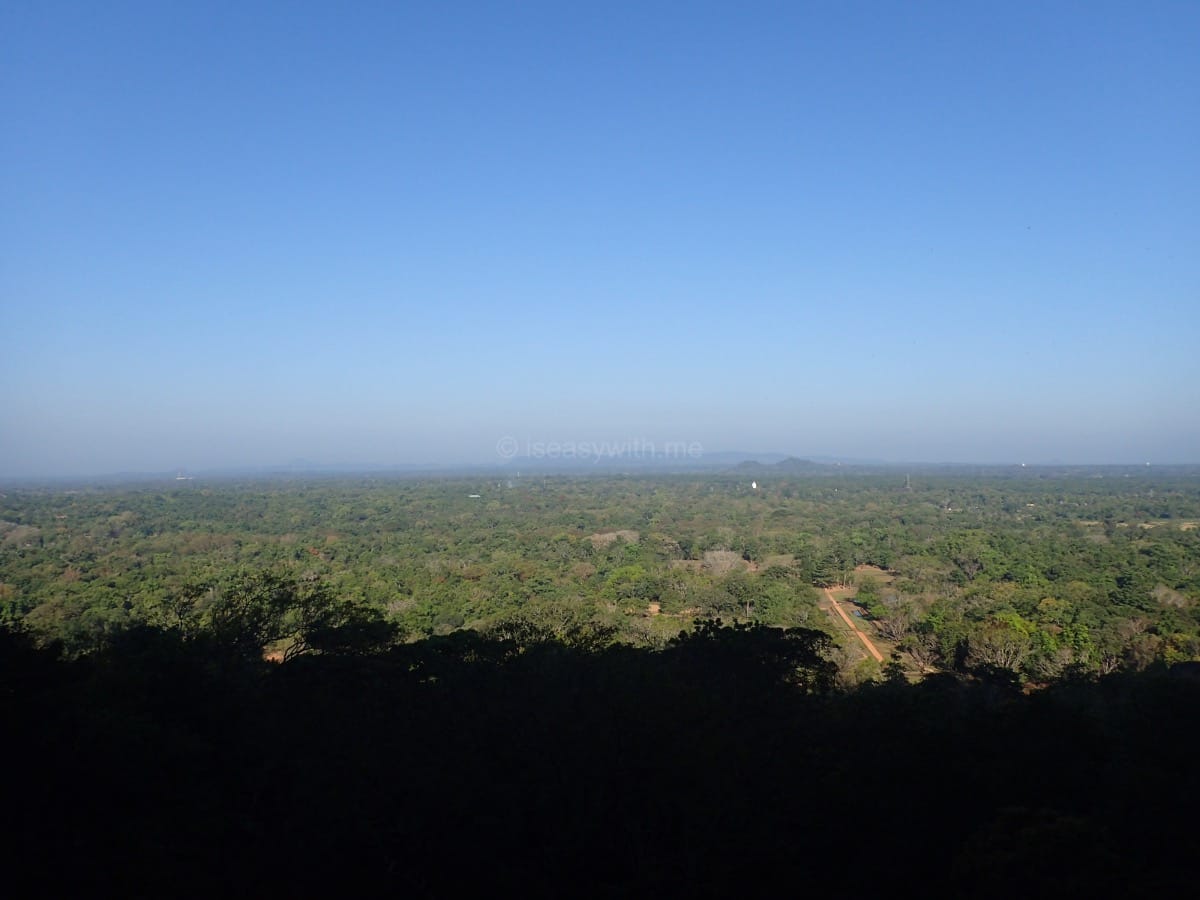
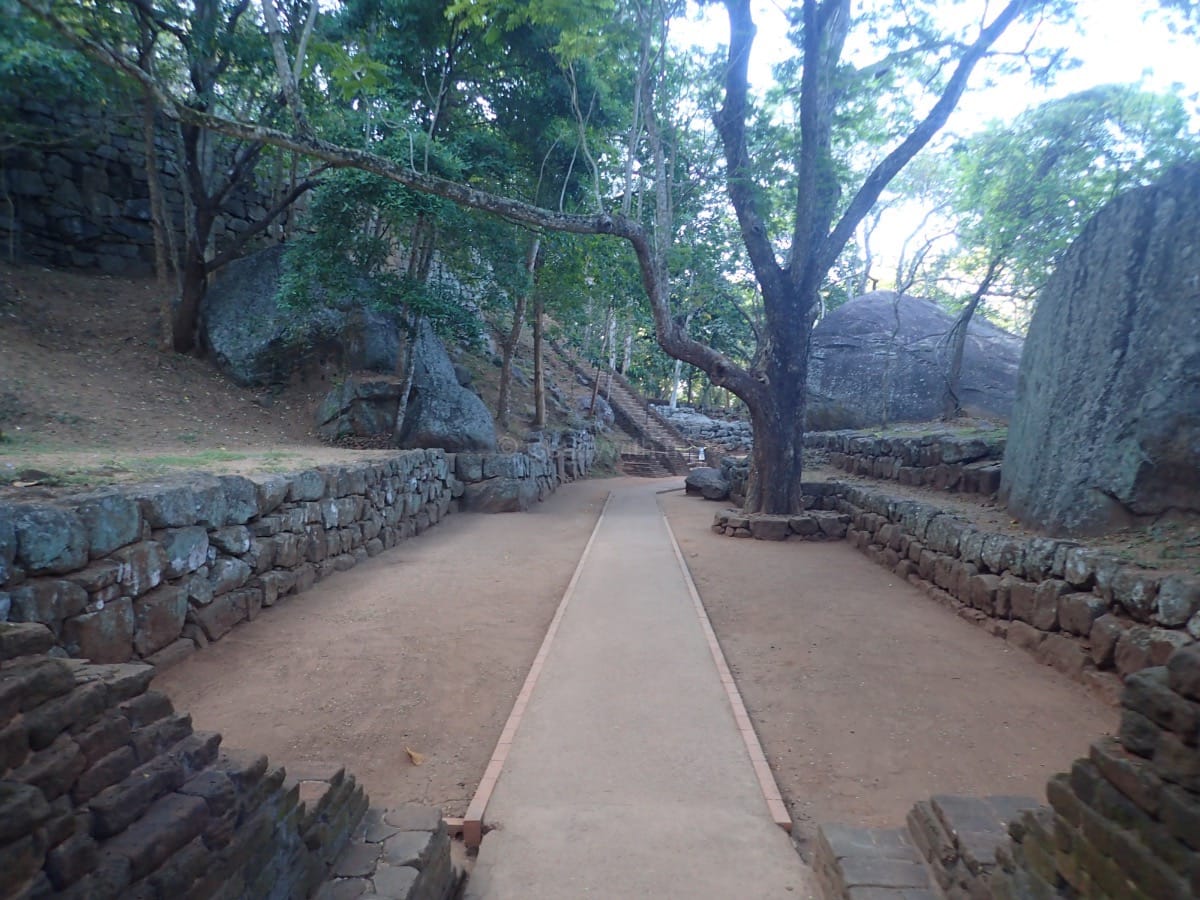
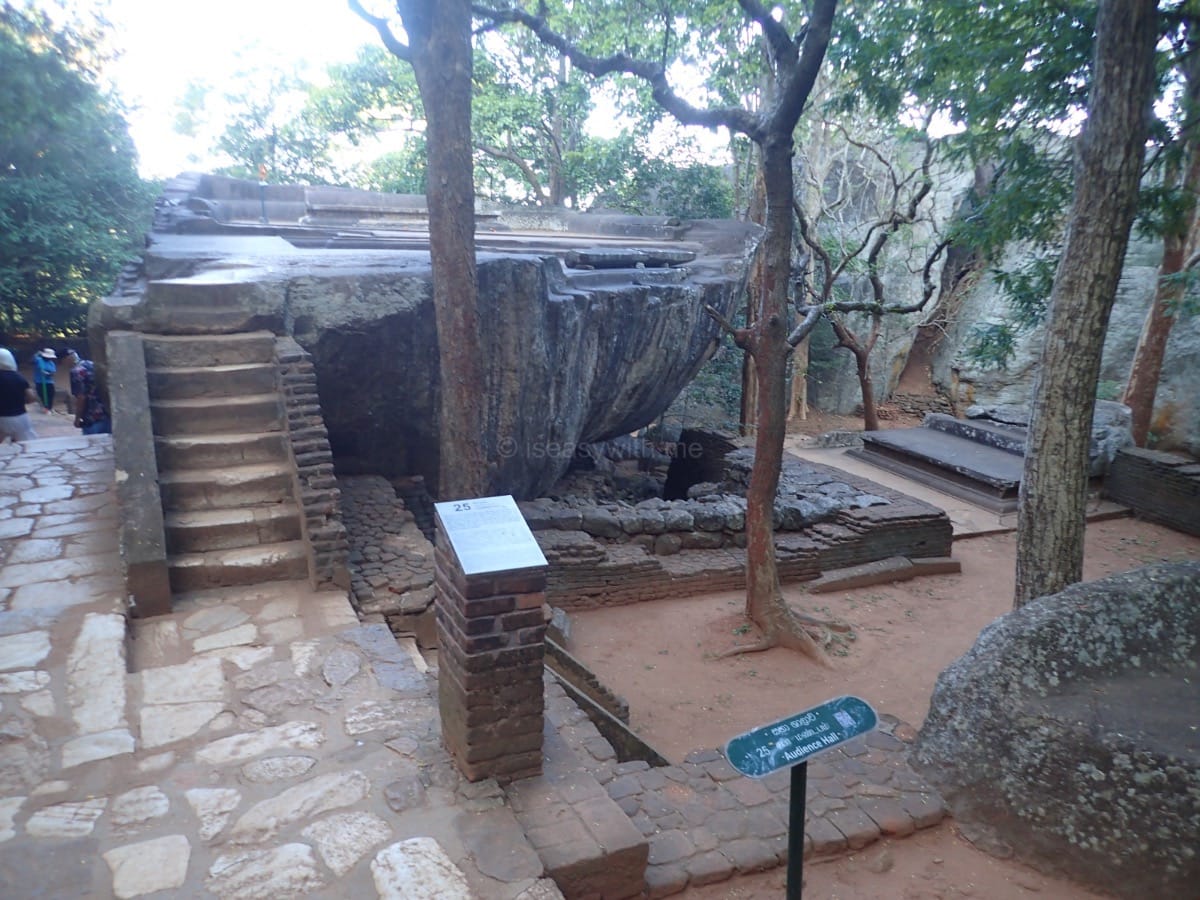
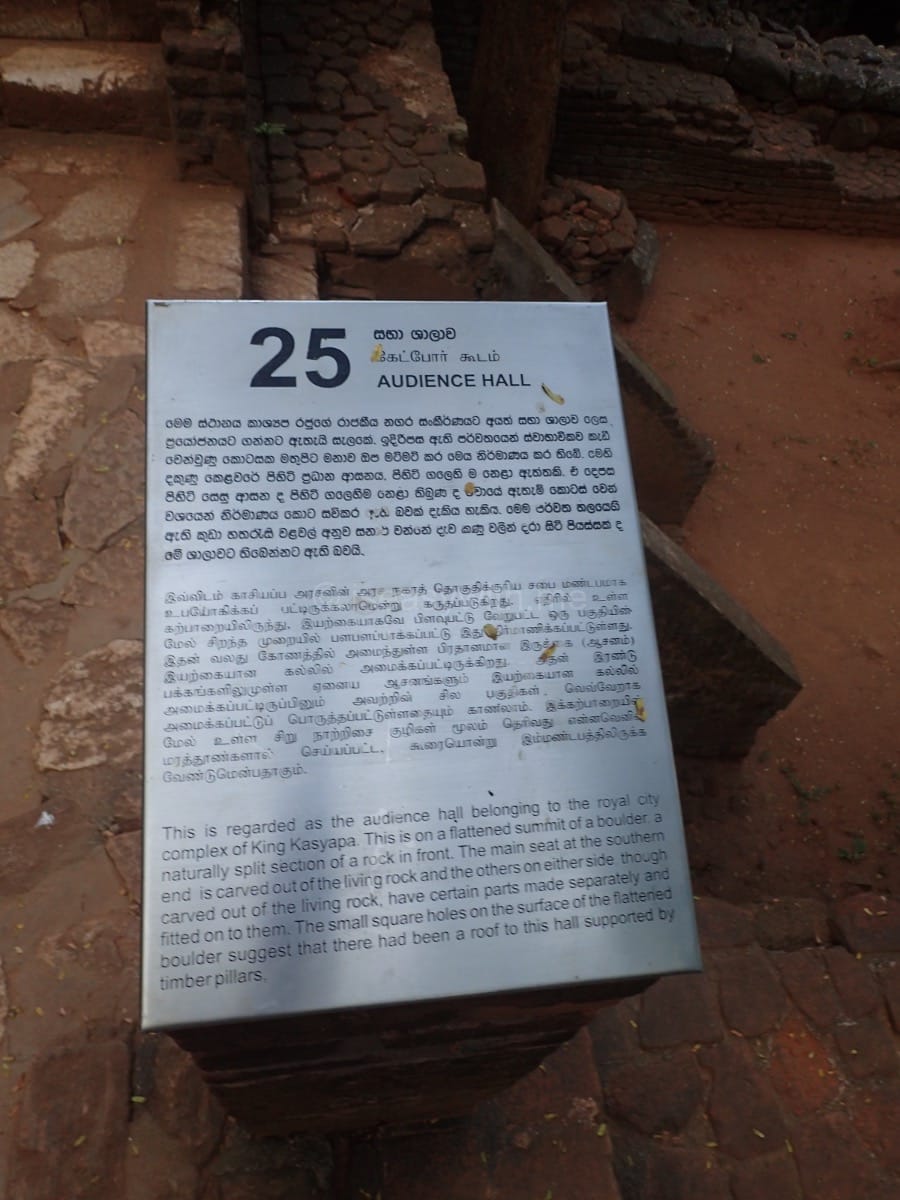
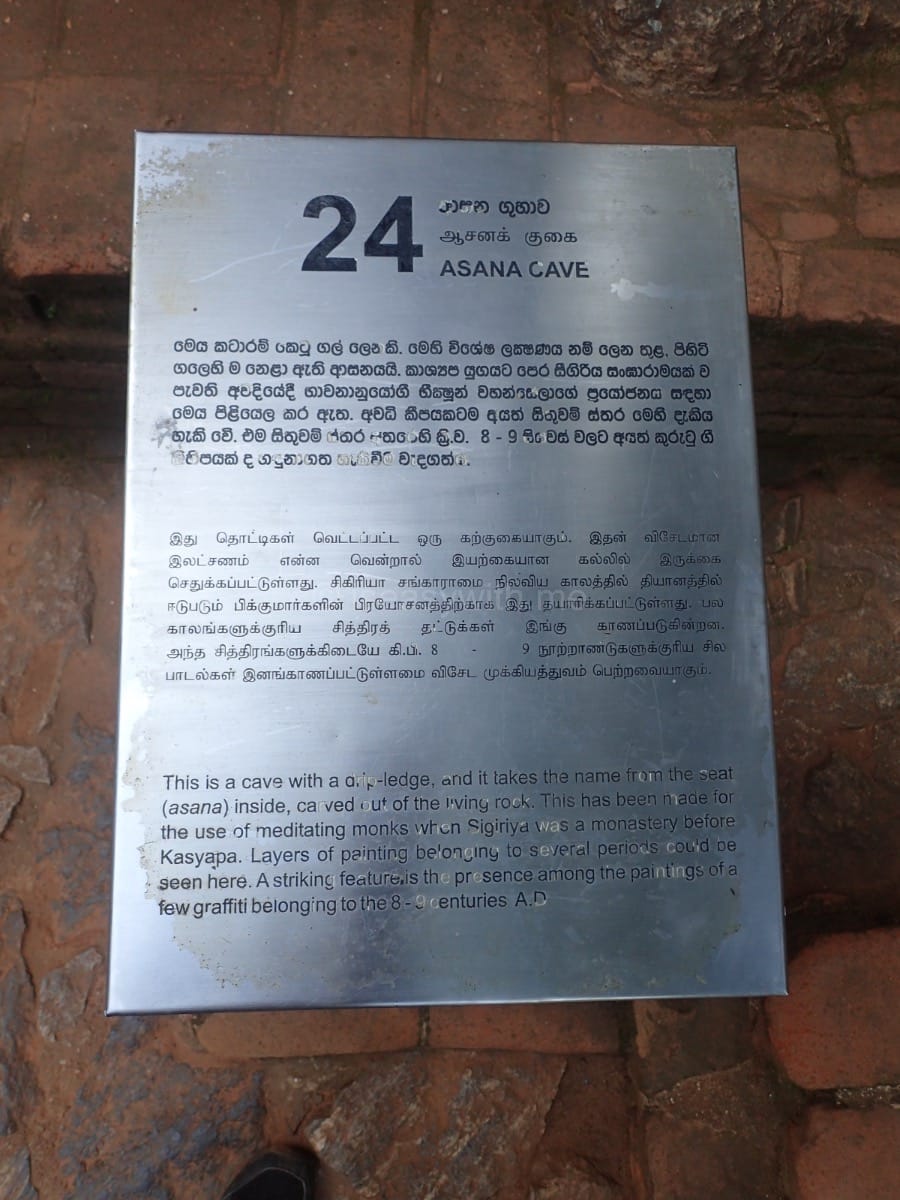
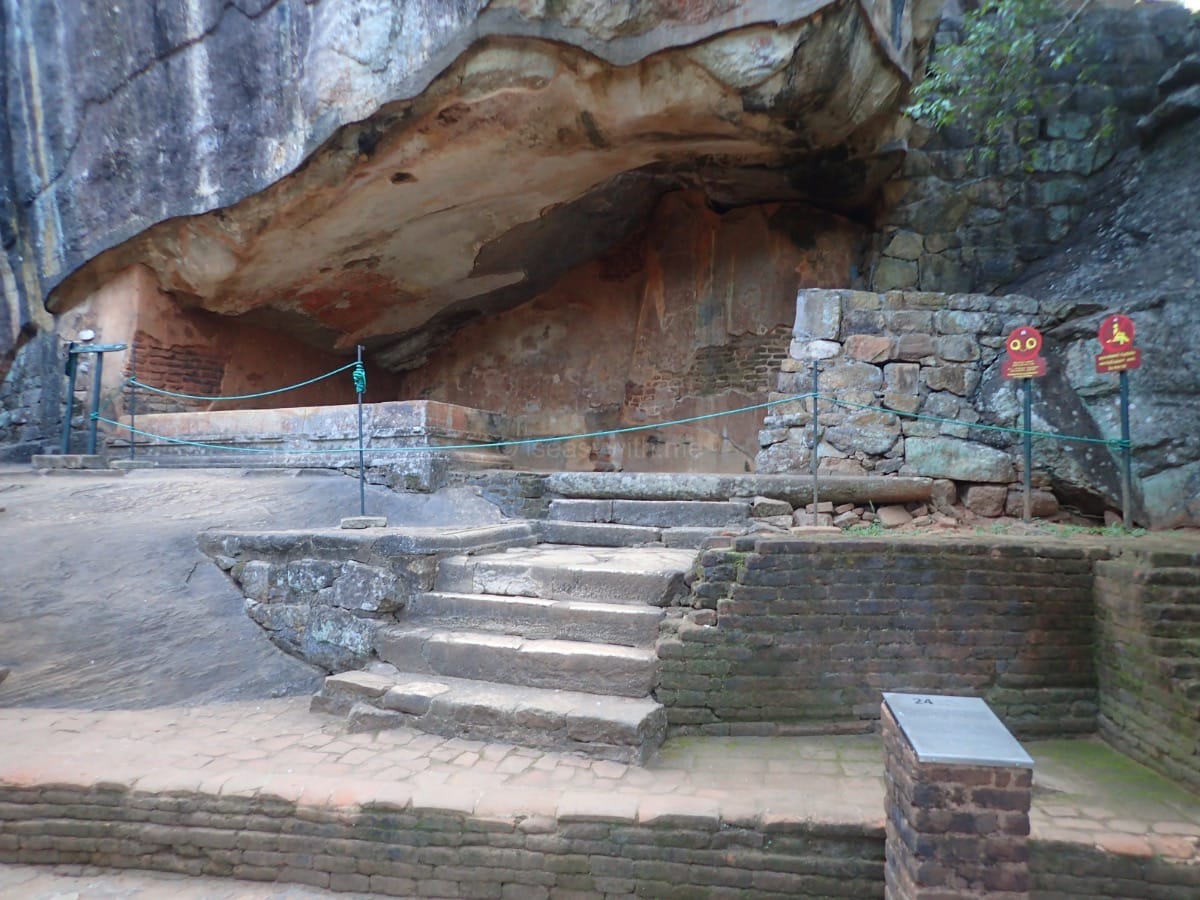
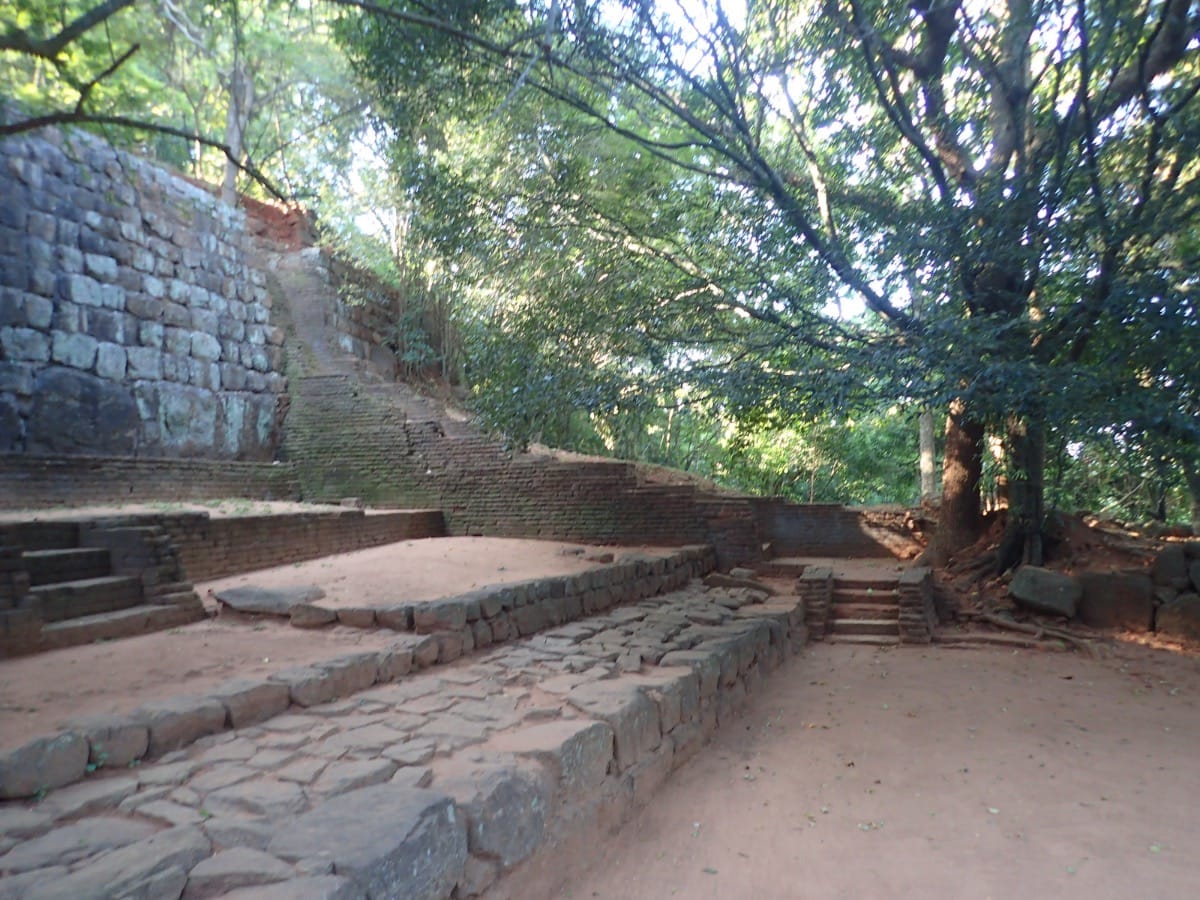
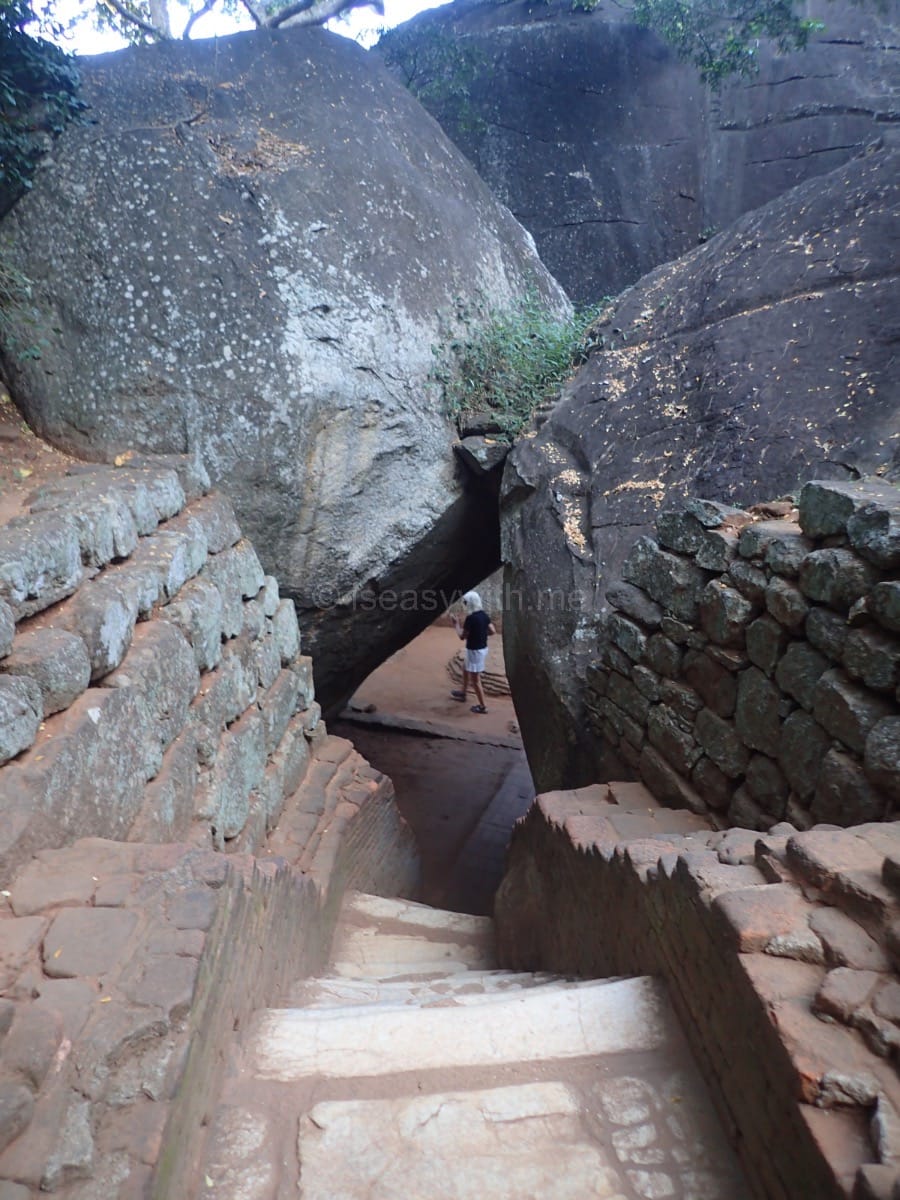
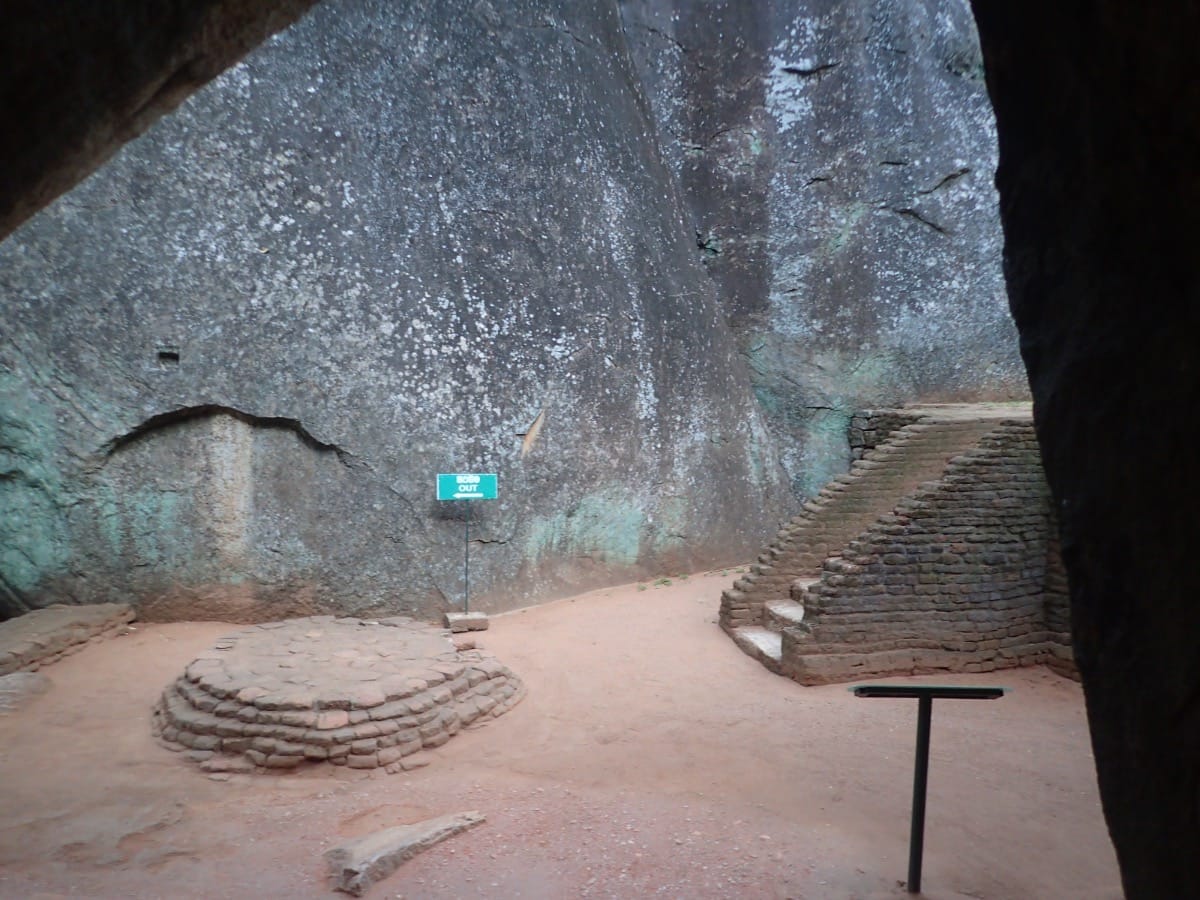
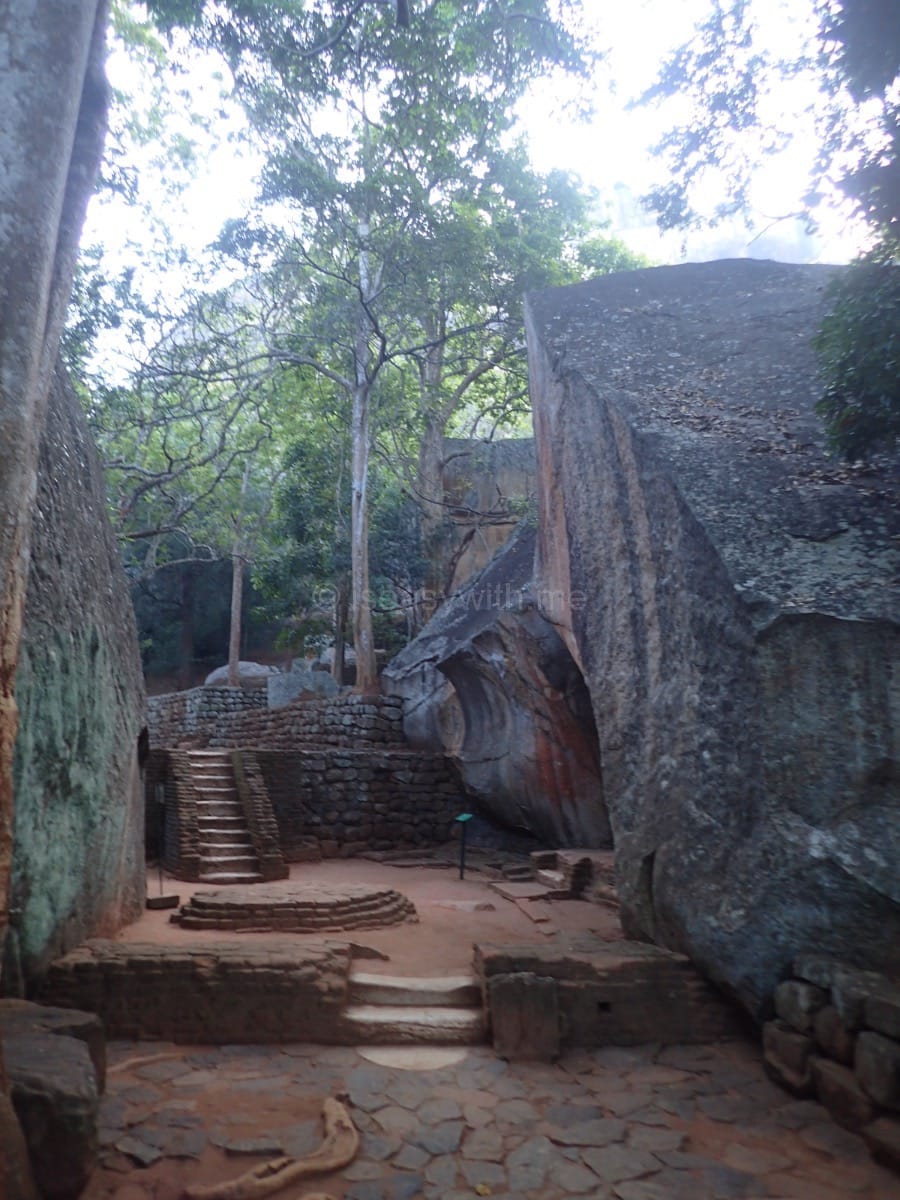
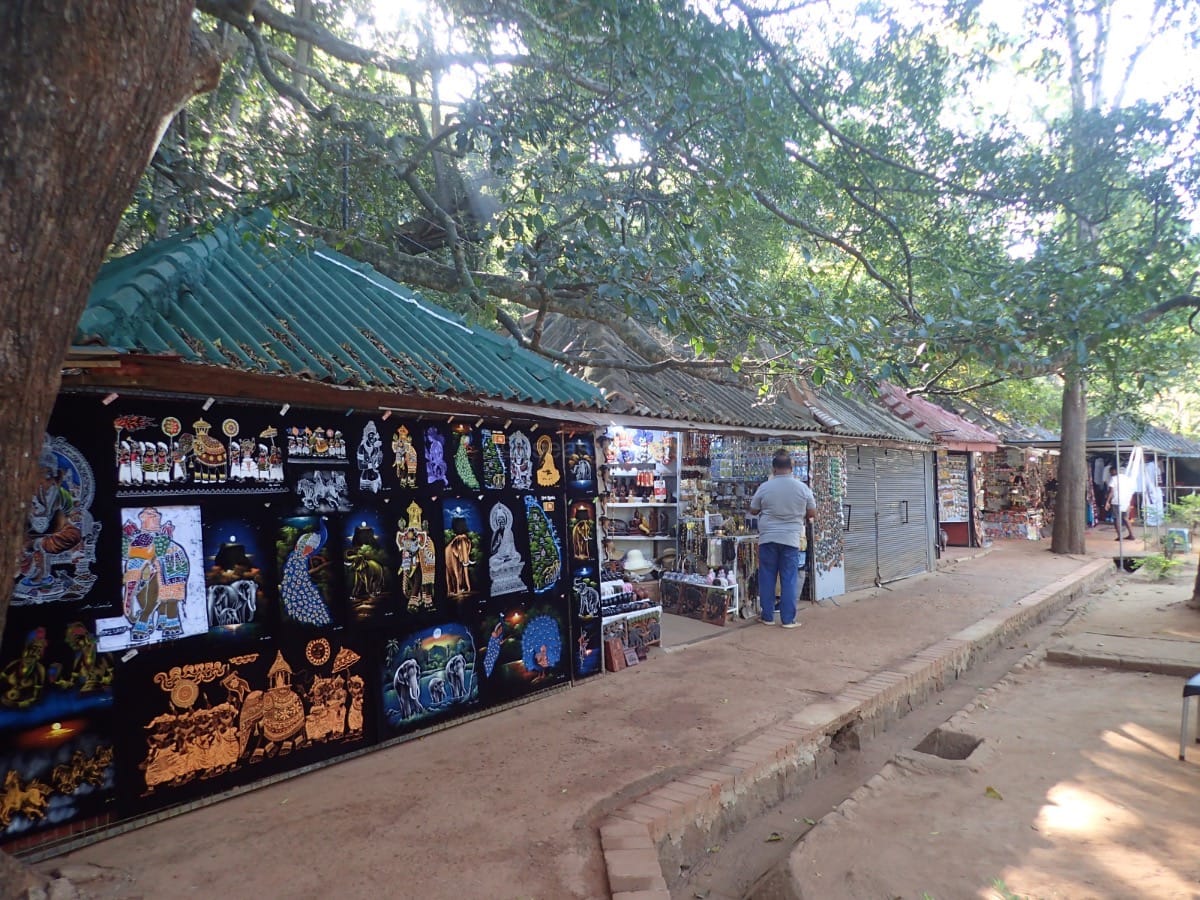
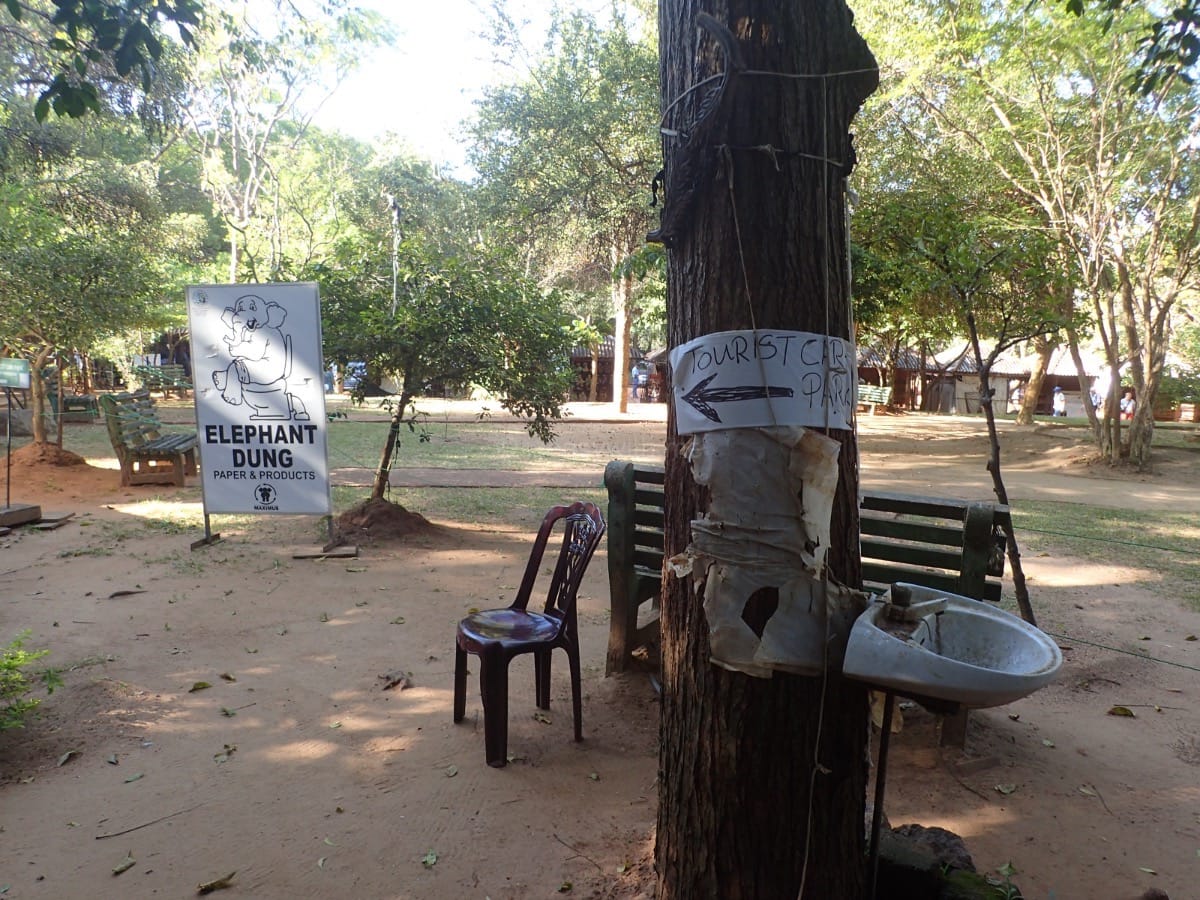
Sigiriya Lion Rock
At the summit, the remains of the ancient palace offered panoramic views across Sri Lanka’s central plains. It was both a natural and architectural wonder, combining engineering, art, and landscape on a monumental scale.
Food & Beverage in Sigiriya
Kenoli Restaurant
After a marathon day of exploring- catching the sunrise at Pidurangala Rock, scaling the sheer cliffs of the Sigiriya Lion Rock fortress and wandering through the sprawling ruins of Polonnaruwa Ancient City, I was completely exhausted and starving. Looking for a hearty, comforting meal to wrap up an incredible day, I headed to Kenoli Restaurant. This charming, family-run eatery turned out to be the absolute perfect place to wind down.
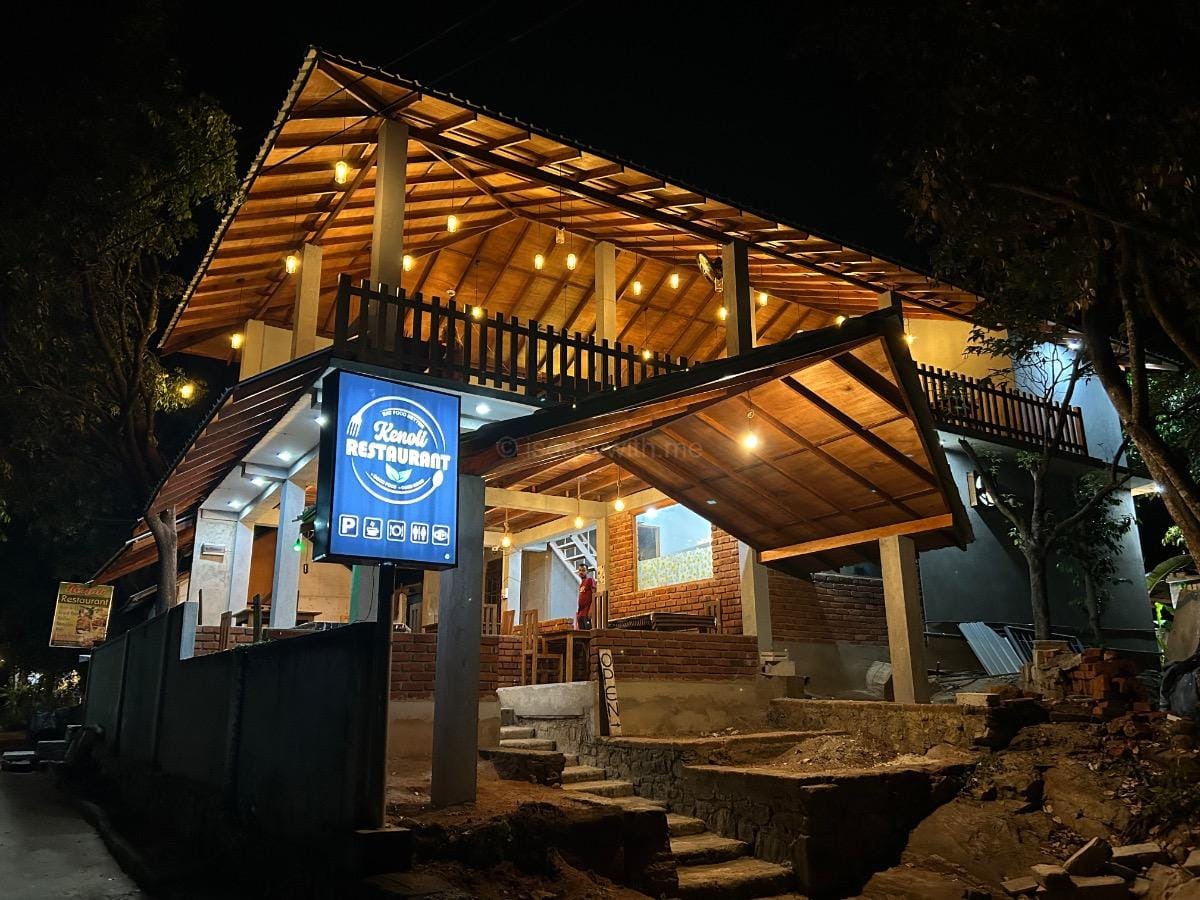
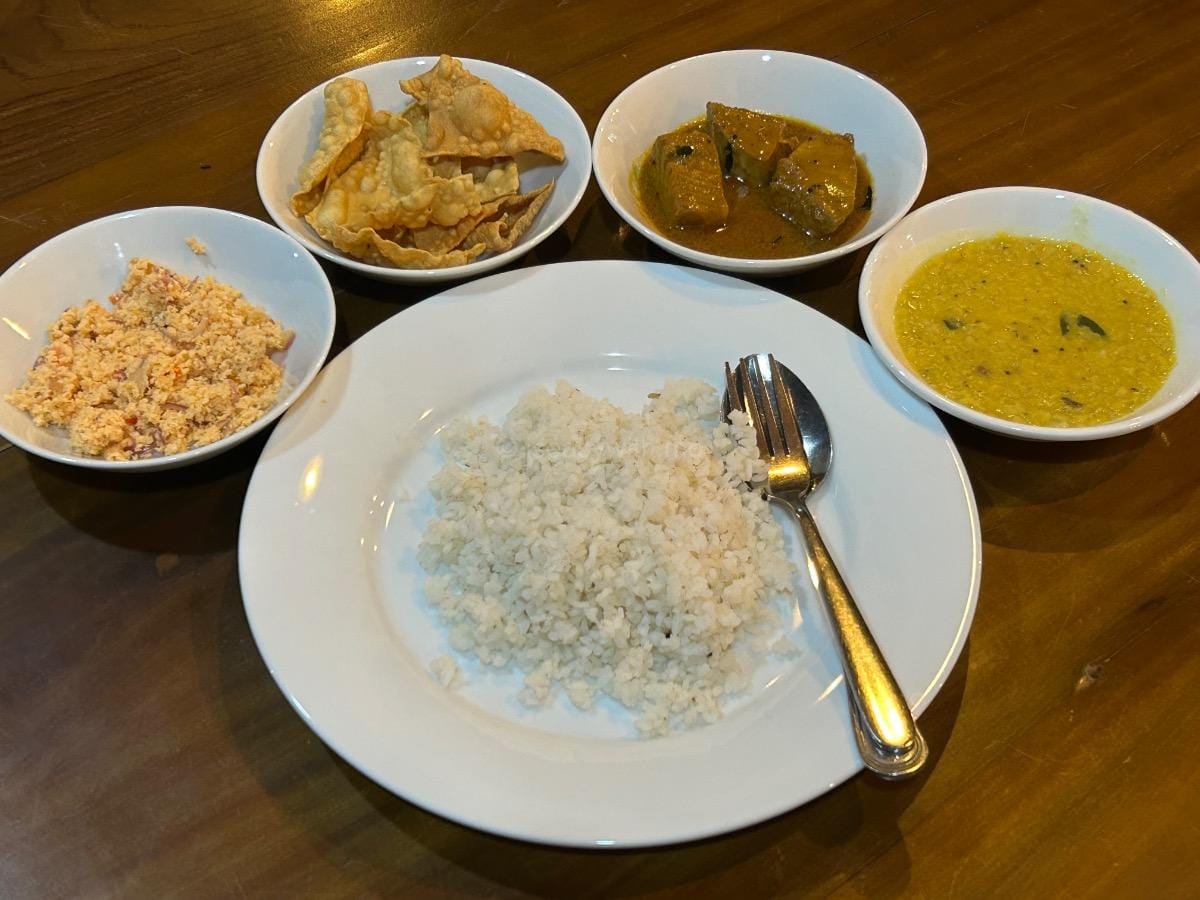
my dinner at Kenoli Restaurant (LKR1,200)
Pradeep Restaurant
To cap off a full day of travelling to Sigiriya, finding a hearty, satisfying evening meal is a priority. Located right in the vibrant town centre, Pradeep Restaurant is a popular and cosy spot known for serving authentic, home-cooked Sri Lankan comfort food to travellers and locals alike. This is where I stopped for dinner to experience a classic island specialty, lamprais. I ended up sharing some of the chicken with the restaurant's friendly house cat, who patiently waited beside my table throughout the meal.
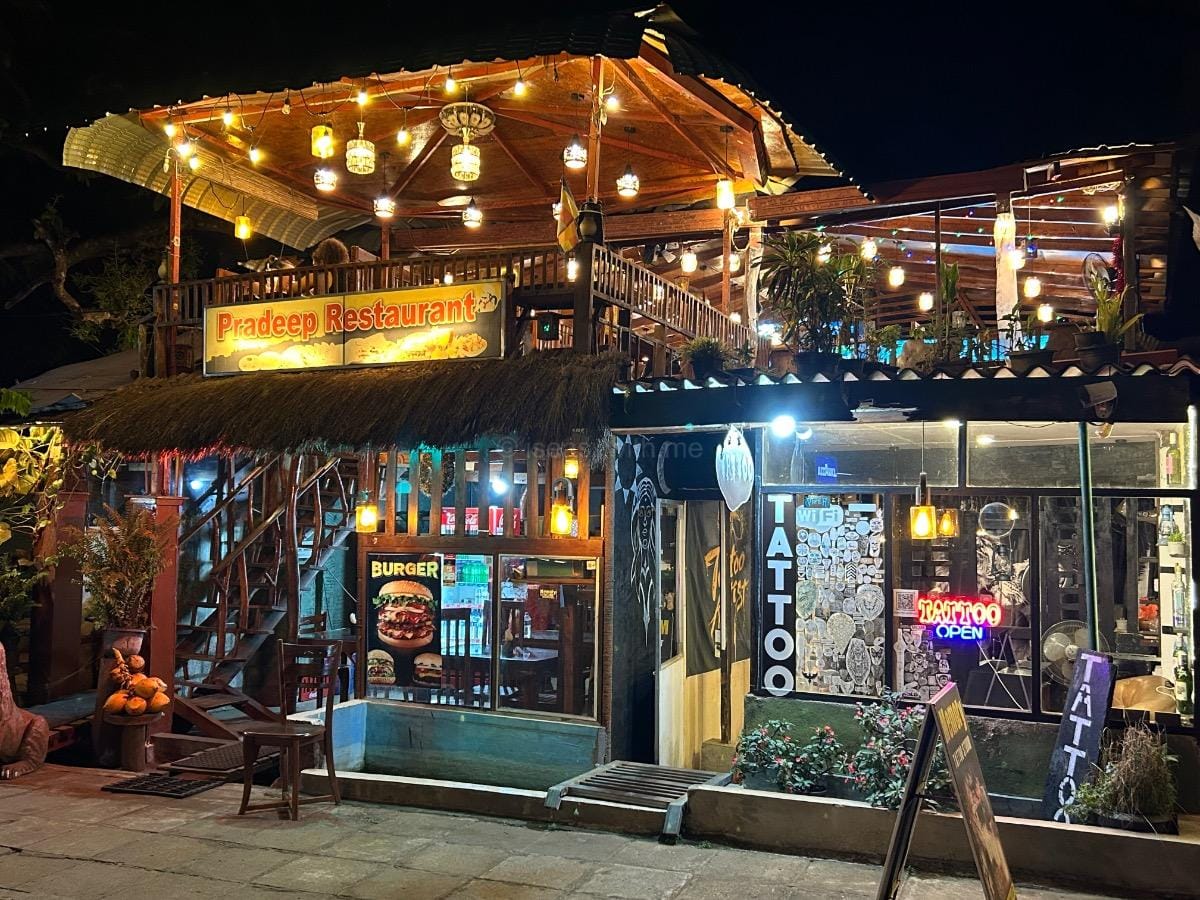
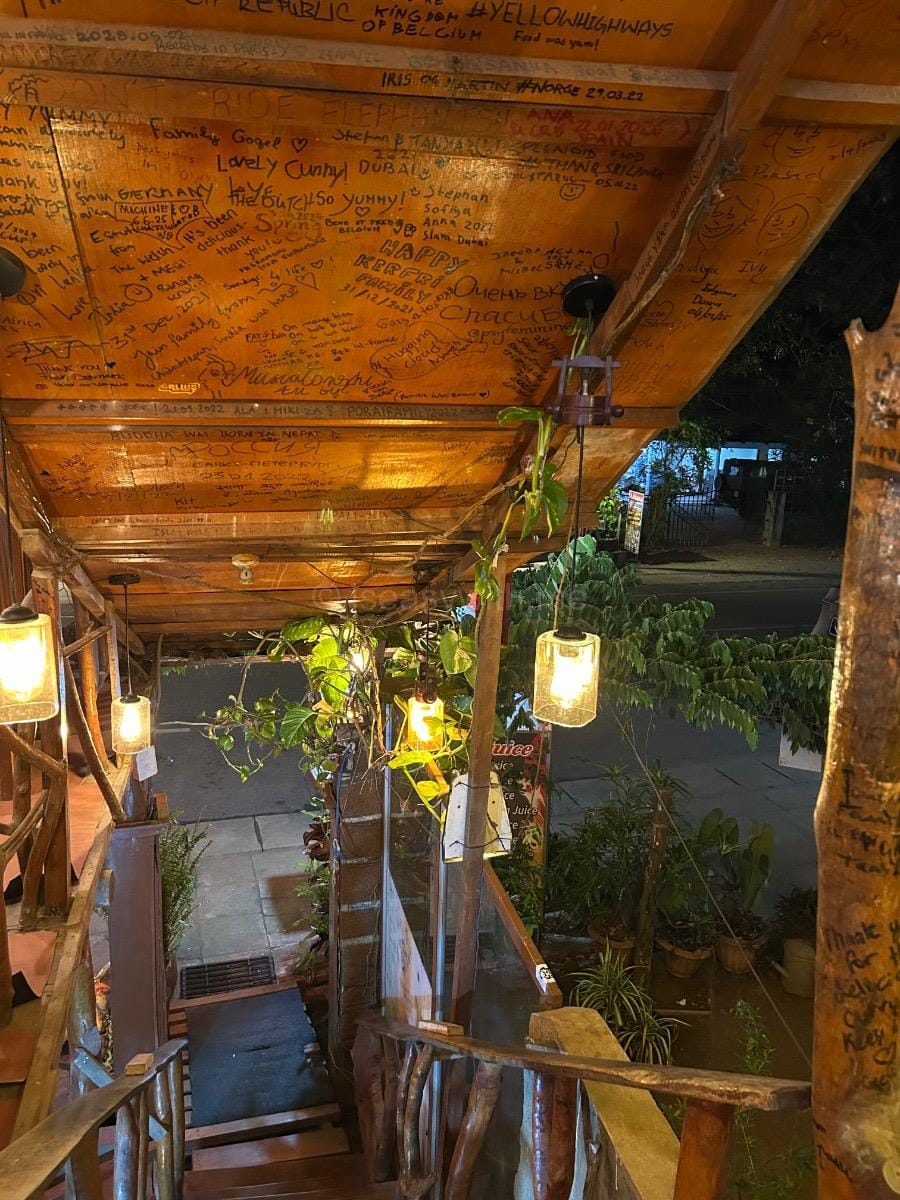
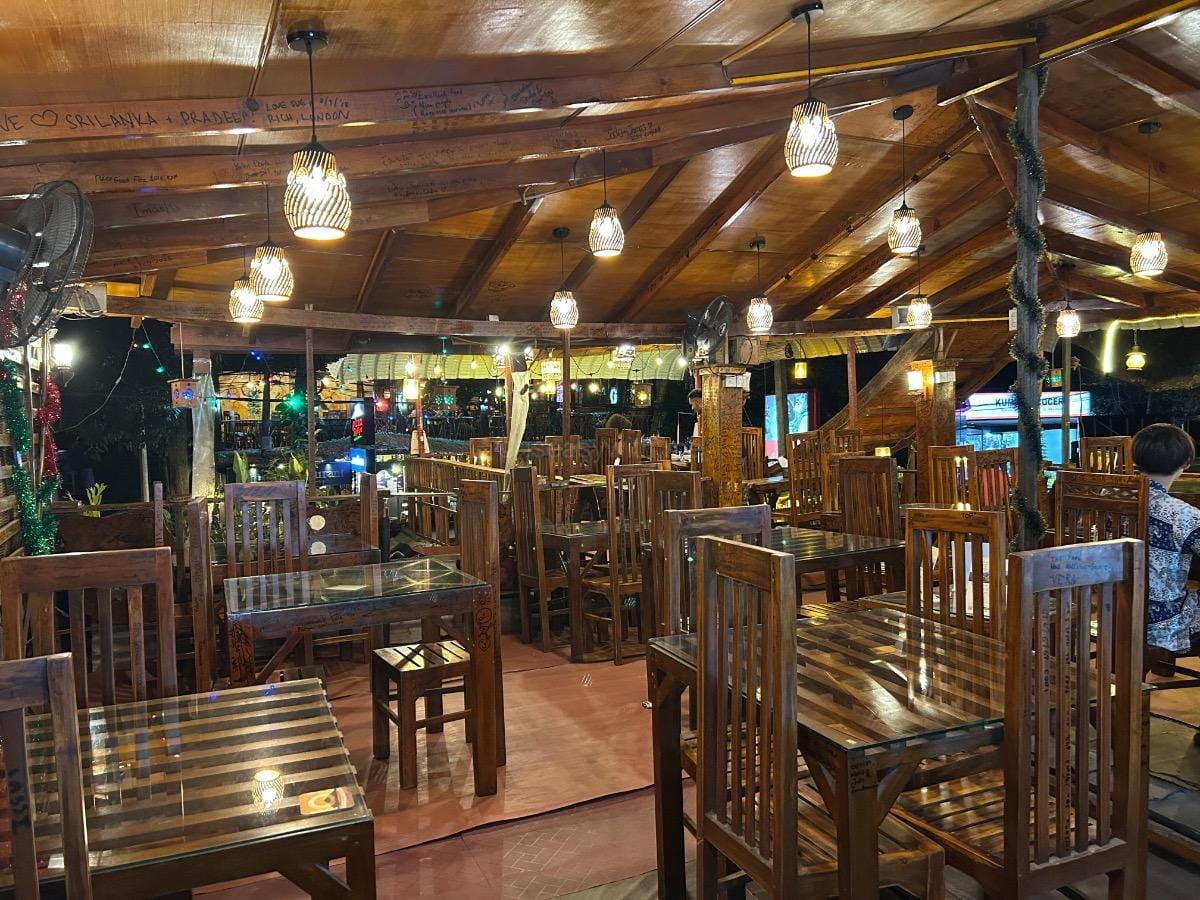
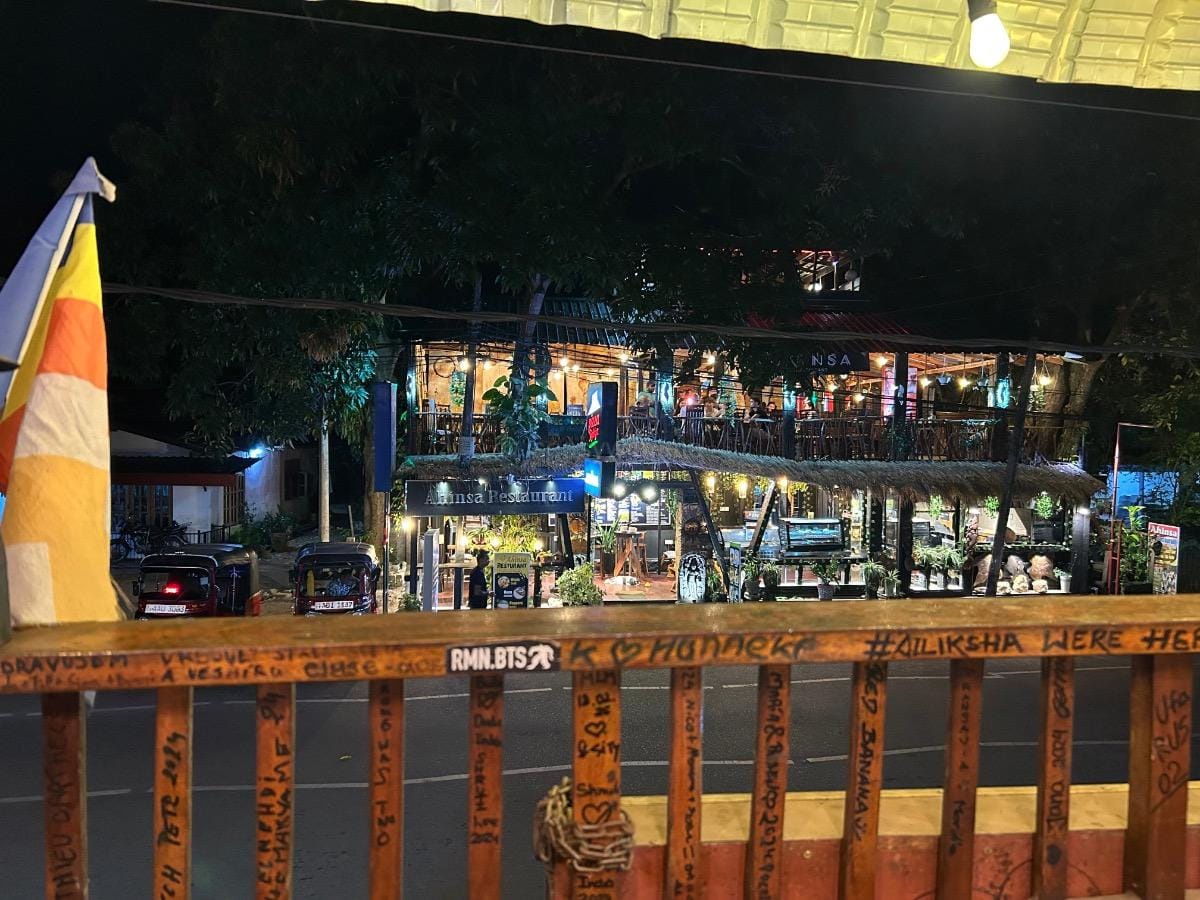
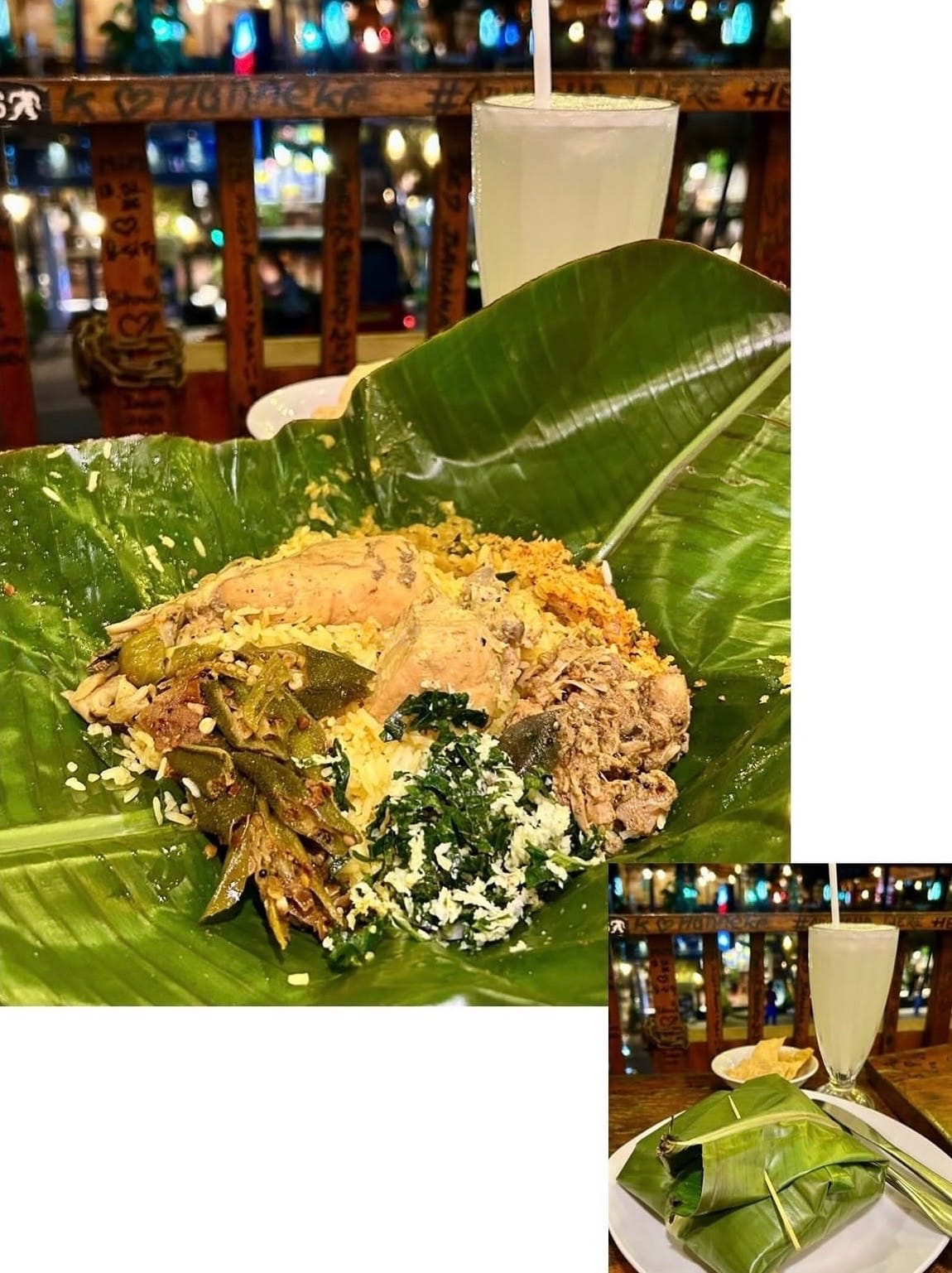
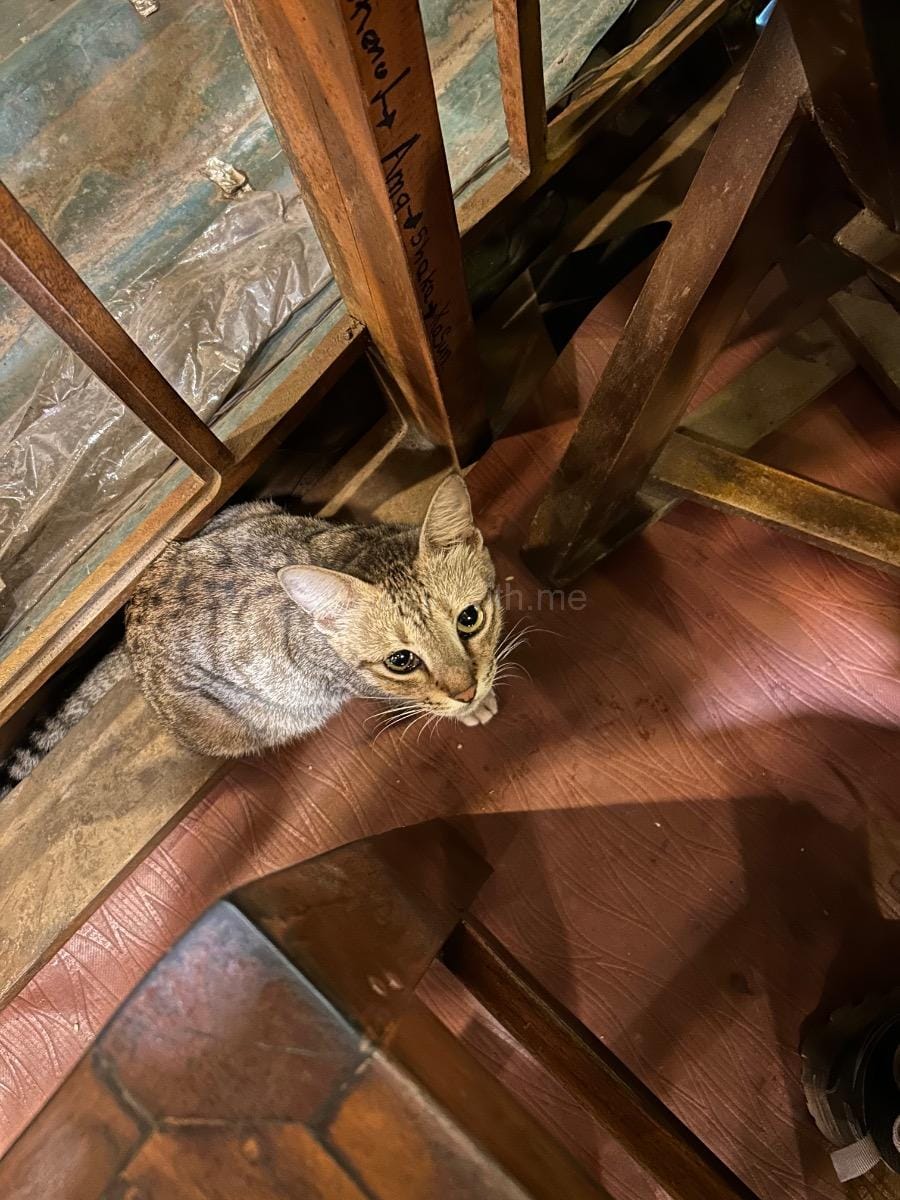
my lamprais dinner at Pradeep Restaurant (LKR 2,200)
The Kitchen Restaurant
For travellers heading out for an afternoon safari, finding a solid meal that is both fast and authentic is key. Tucked along the approach roads of the ancient citadel, The Kitchen Restaurant serves as a perfect midday refuelling station. This is where I stopped for a quick lunch before heading out to Hurulu Eco Park for an afternoon elephant safari.
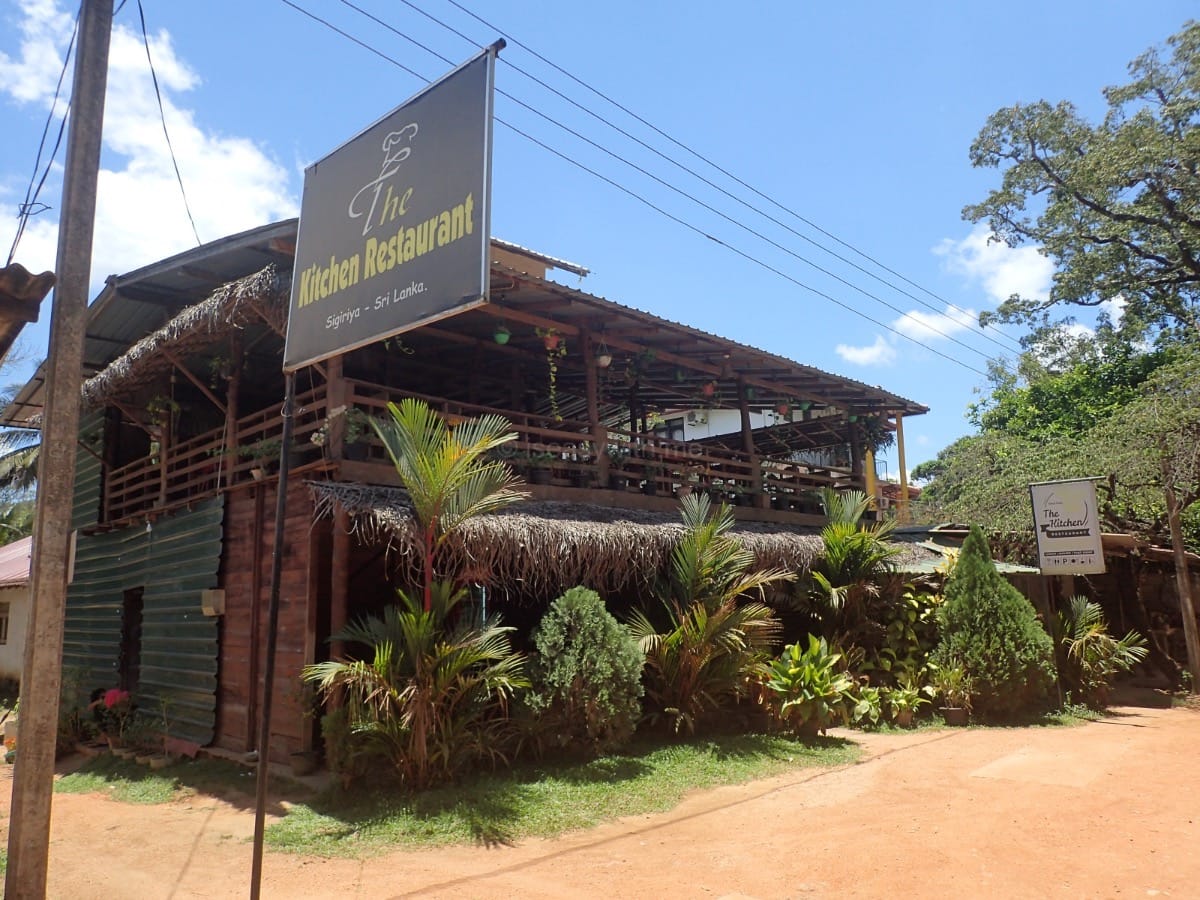
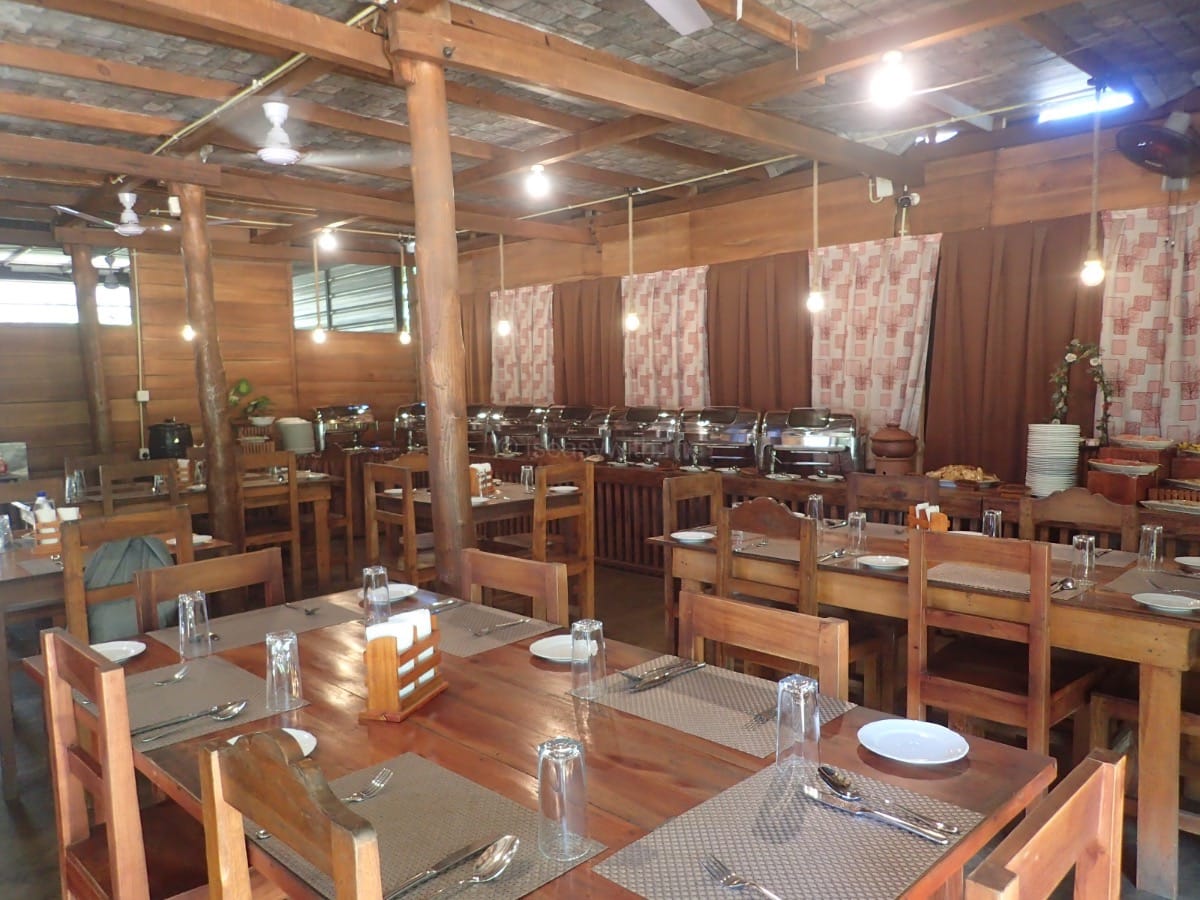
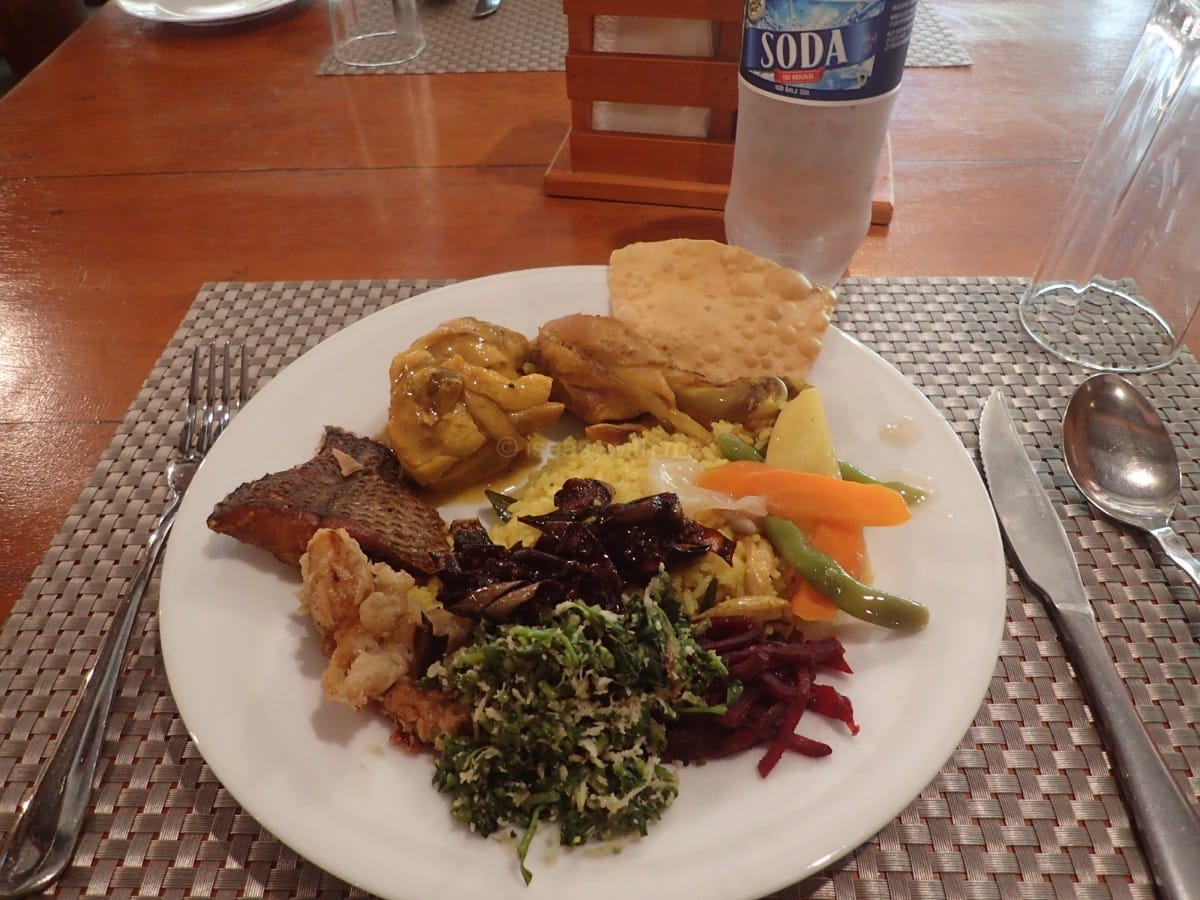
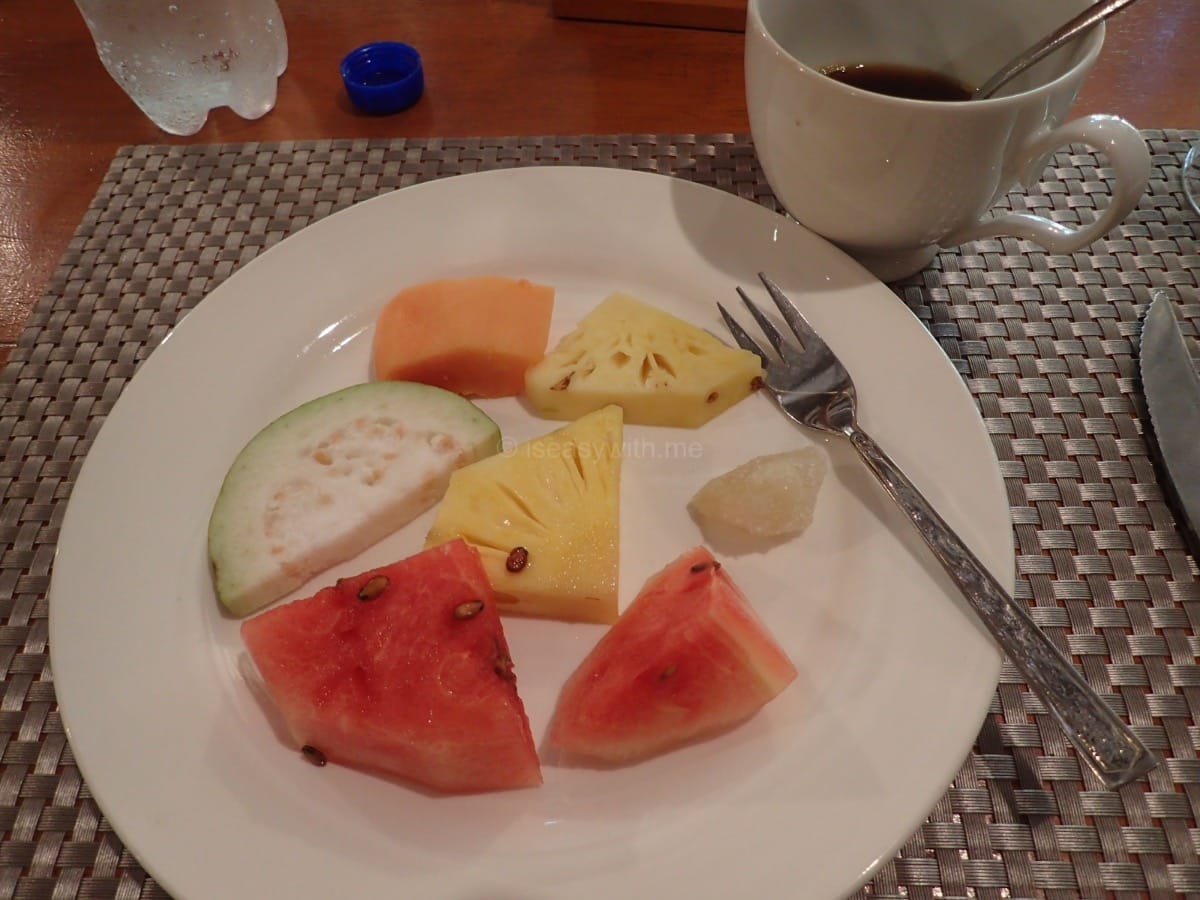
my buffet lunch at The Kitchen Restaurant (LKR 2,300) 💸
Departing Sigiriya
As the day faded into evening, I left behind the ancient ruins, forest roads and sun-baked plains of Sri Lanka’s Cultural Triangle.
From sunrise at Pidurangala to the vast archaeological expanse of Polonnaruwa, this region felt like a journey through layers of history compressed into a single landscape. Leaving Sigiriya behind, I turned in for the evening, resting up for an early morning bus ride toward the next chapter of the journey—the magnificent cave temples of Dambulla.