My First Day in Sri Lanka: The Ultimate Negombo Arrival Guide
Skip Colombo on day one. Master your CMB airport arrival, navigate the local #240 bus to Negombo, avoid guide scams, and beat jet lag by the coast.
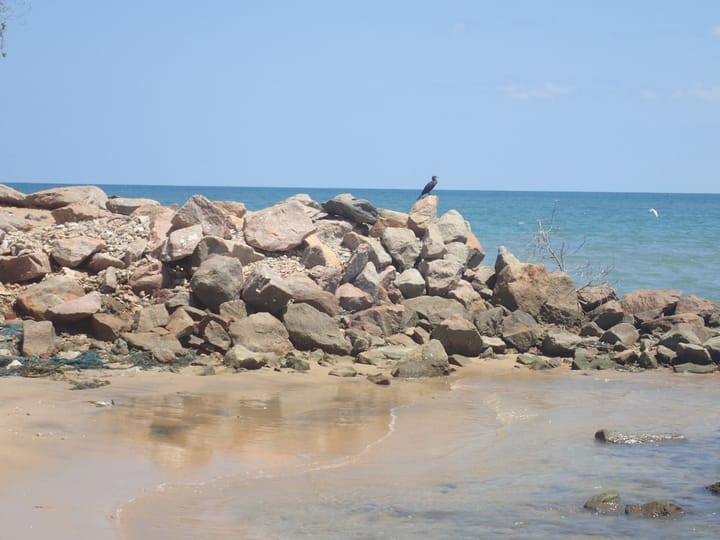
Often overlooked as merely a transit stop near the airport, Negombo is a relaxed coastal town that offers a gentle introduction to Sri Lanka. Located just north of Colombo, the town is known for its bustling fish markets, colonial churches, Dutch-era canals and laid-back coastal atmosphere, making it the perfect first stop to ease into my Sri Lanka adventure.
From Singapore to Sri Lanka to Negombo
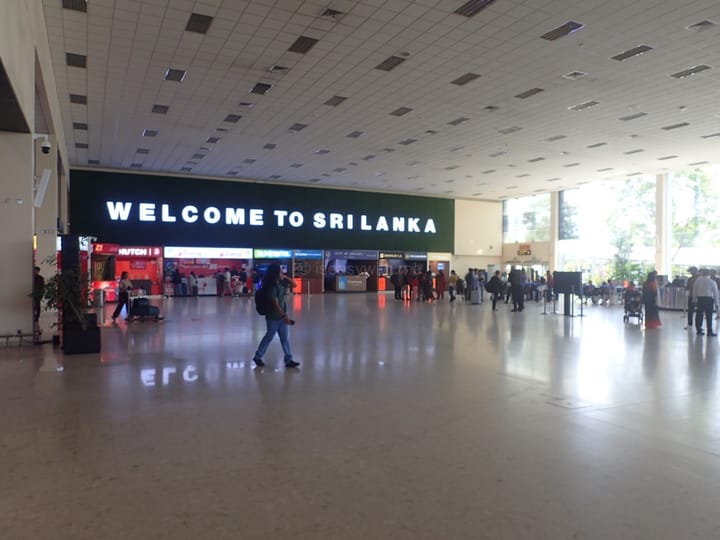
My adventure began from my home in Singapore, flying from Changi International Airport (SIN) directly into Colombo Bandaranaike International Airport (CMB). Because Negombo sits much closer to the airport than Colombo itself, it makes for an incredibly seamless transit.
From CMB, I could easily book a PickMe or Uber to get straight to Negombo but being the adventurous me, I planned to head over to the Avariwatta (Katunayake) Bus Stand to catch a local public bus instead. PickMe, like Uber, is one of Sri Lanka’s ride-hailing platform for bikes, tuk-tuks, cars and taxis.
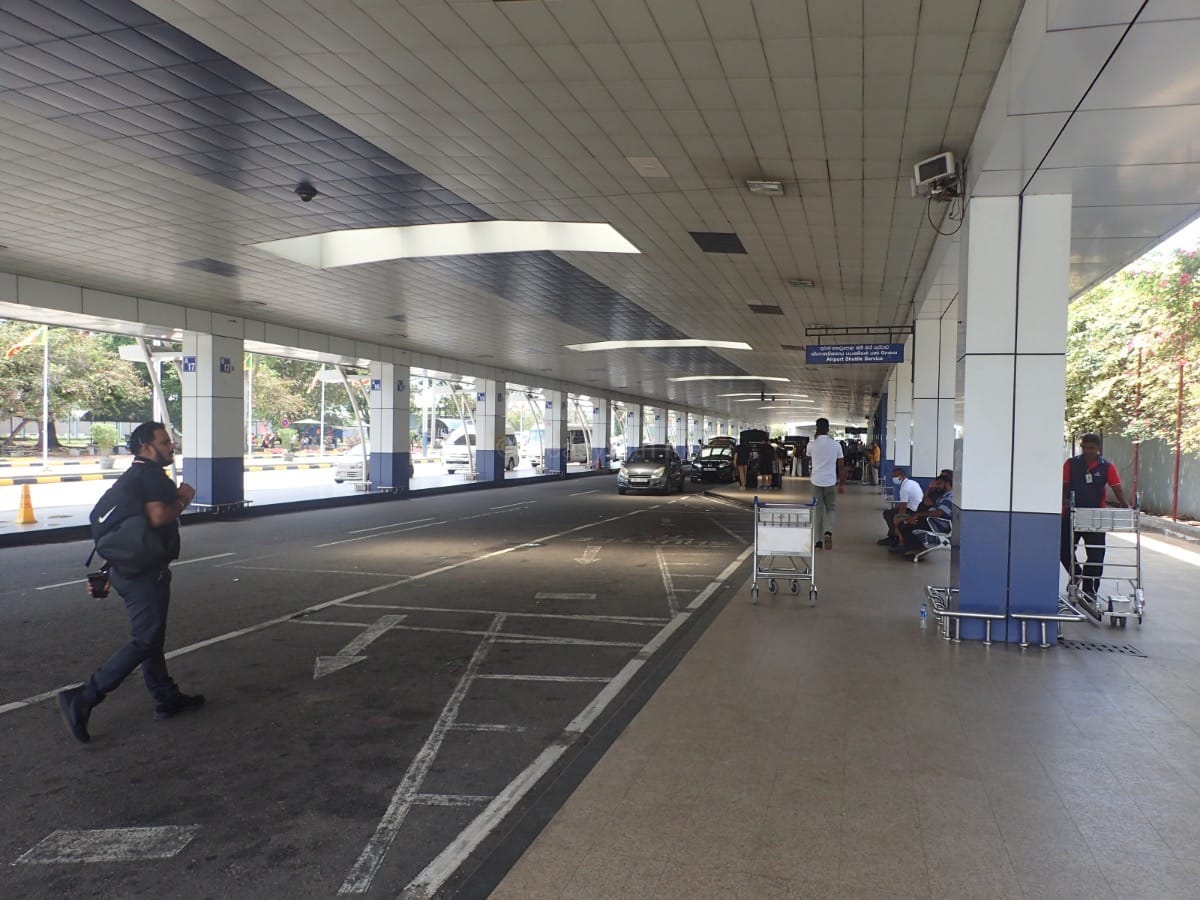
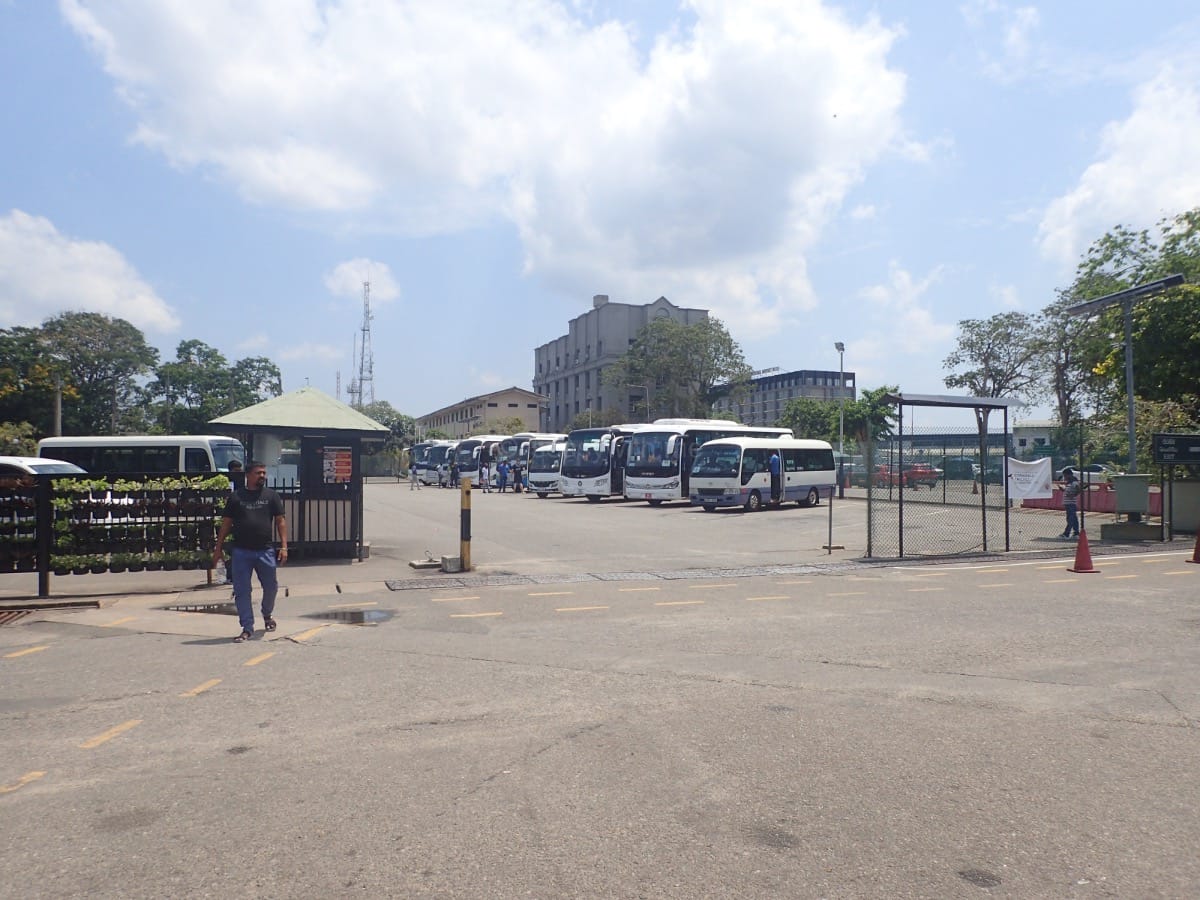
the 'Airport Shuttle Service' sign remains despite the service no longer operating. bus #240 does not enter the airport, contrary to information on some websites.
iseasywith.me Travel Tip
- If you read from your research that there is a free shuttle bus from the airport to the Avariwatta (Katunayake) Bus Stand, there isn't.
- If you read from your research that bus #240 loops into the airport to pick up passengers, it doesn't.
- You can use the PickMe or Uber app to check the fares and use them as references for your negotiations. Uber's fares are generally lower than PickMe's.
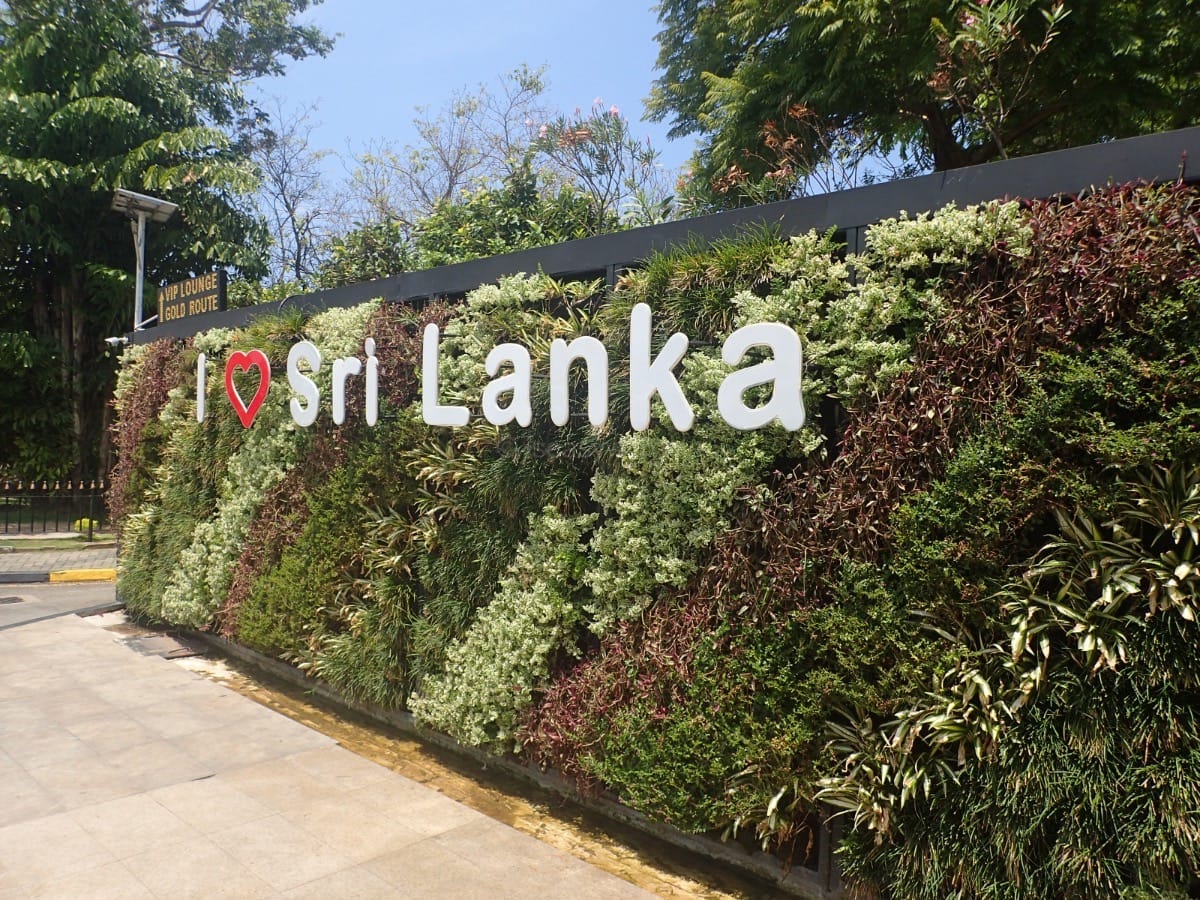
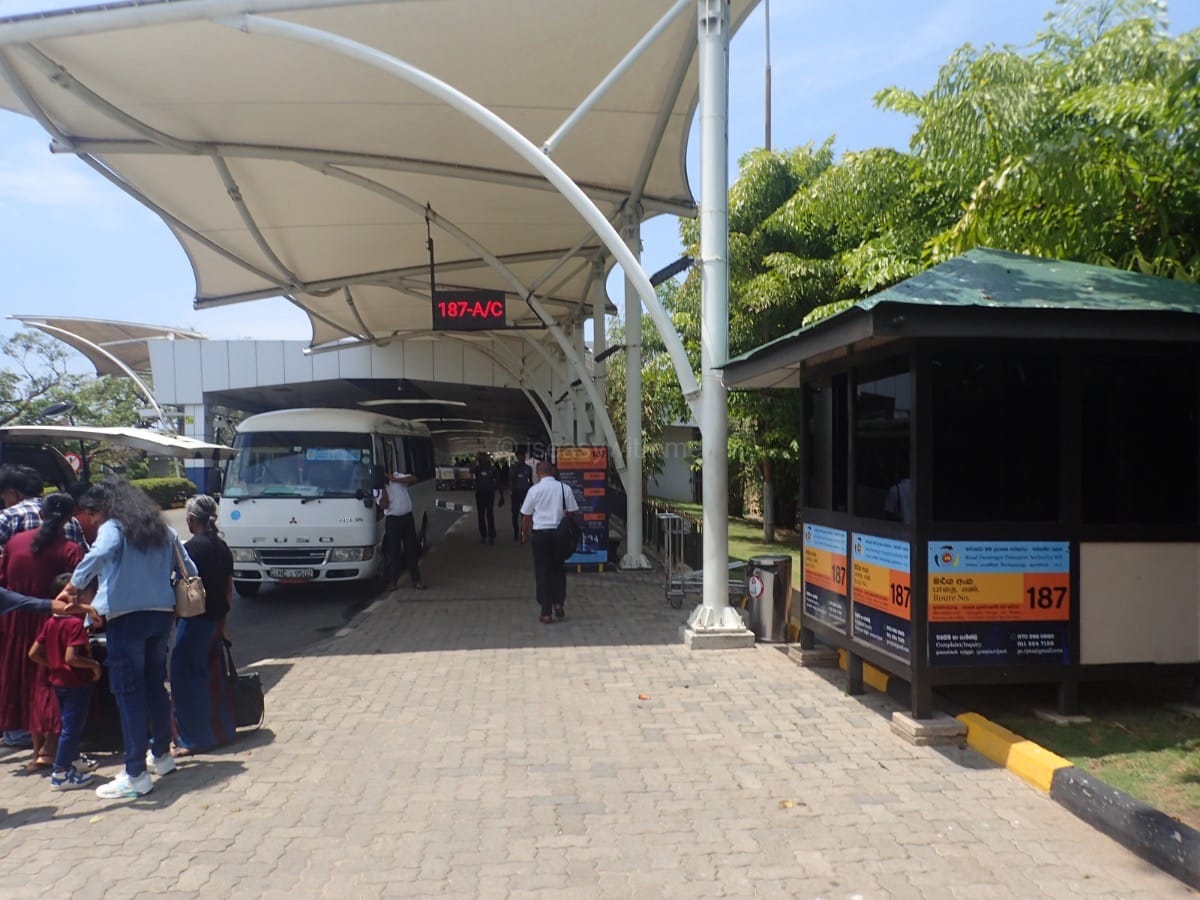
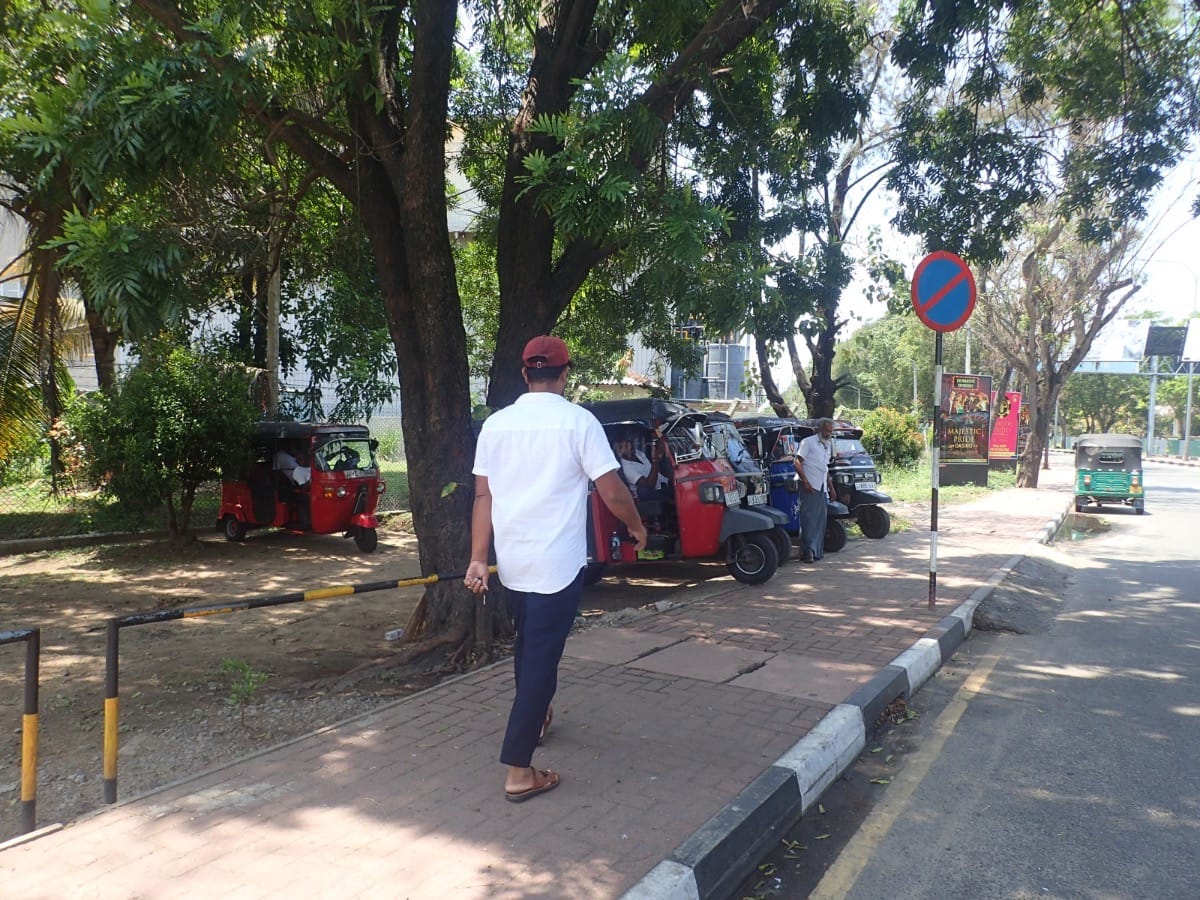
walk pass the I ❤️ Sri Lanka sign and the bus stand then cross the road. drivers parked under the trees.
After airport staff and security shared that the Airport Shuttle Service was no longer available and bus #240 did not loop into the airport at the extreme-left terminal bus park, I waited briefly before pivoting to Plan B. I walked all the way to the right end of the terminal building, crossed the road and found tuk-tuks and their drivers parked under the trees at my 2 o'clock. I approached a driver and asked for the fare to theAvariwatta (Katunayake) Bus Stand, which is about 1.3 km away. I made sure to negotiate the price and ended up paying LKR 300 for the quick 5-minute tuk-tuk ride. 💸
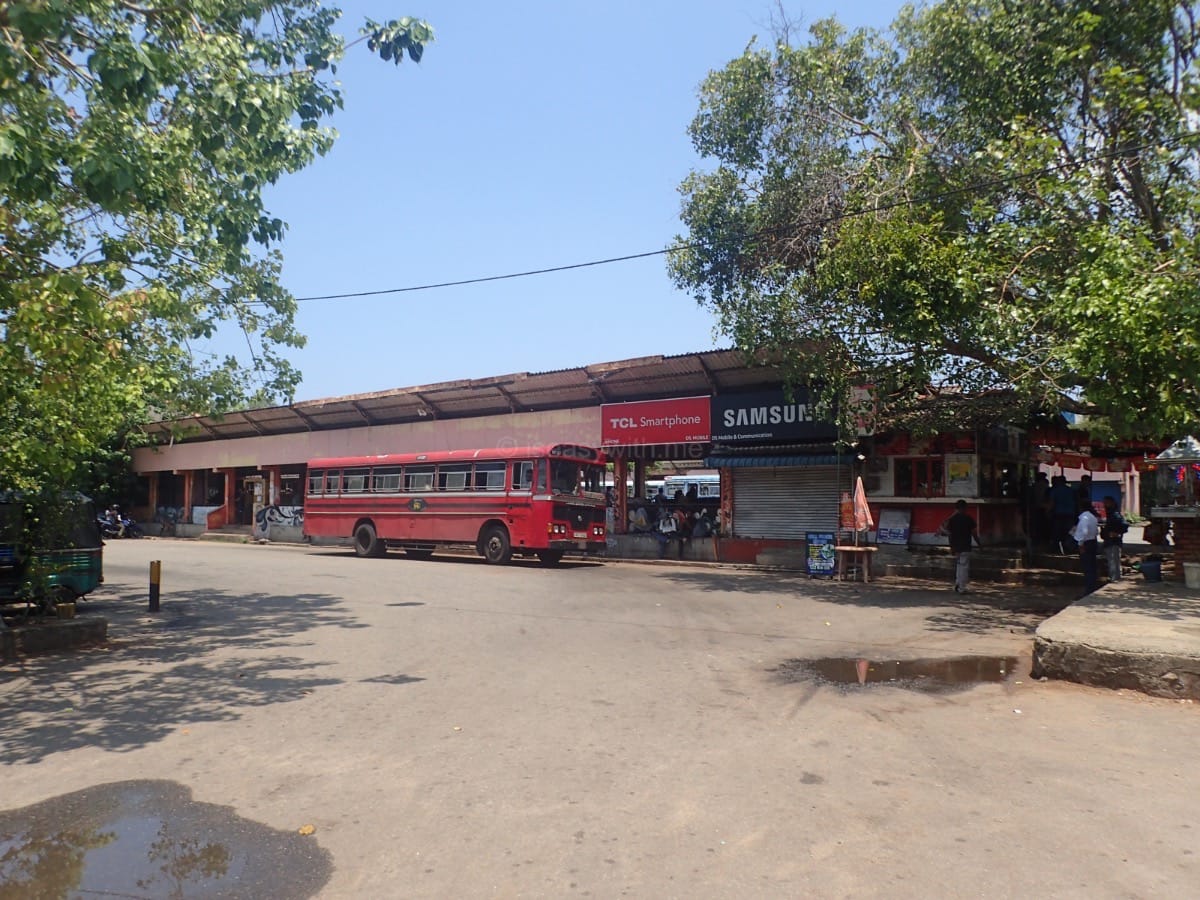
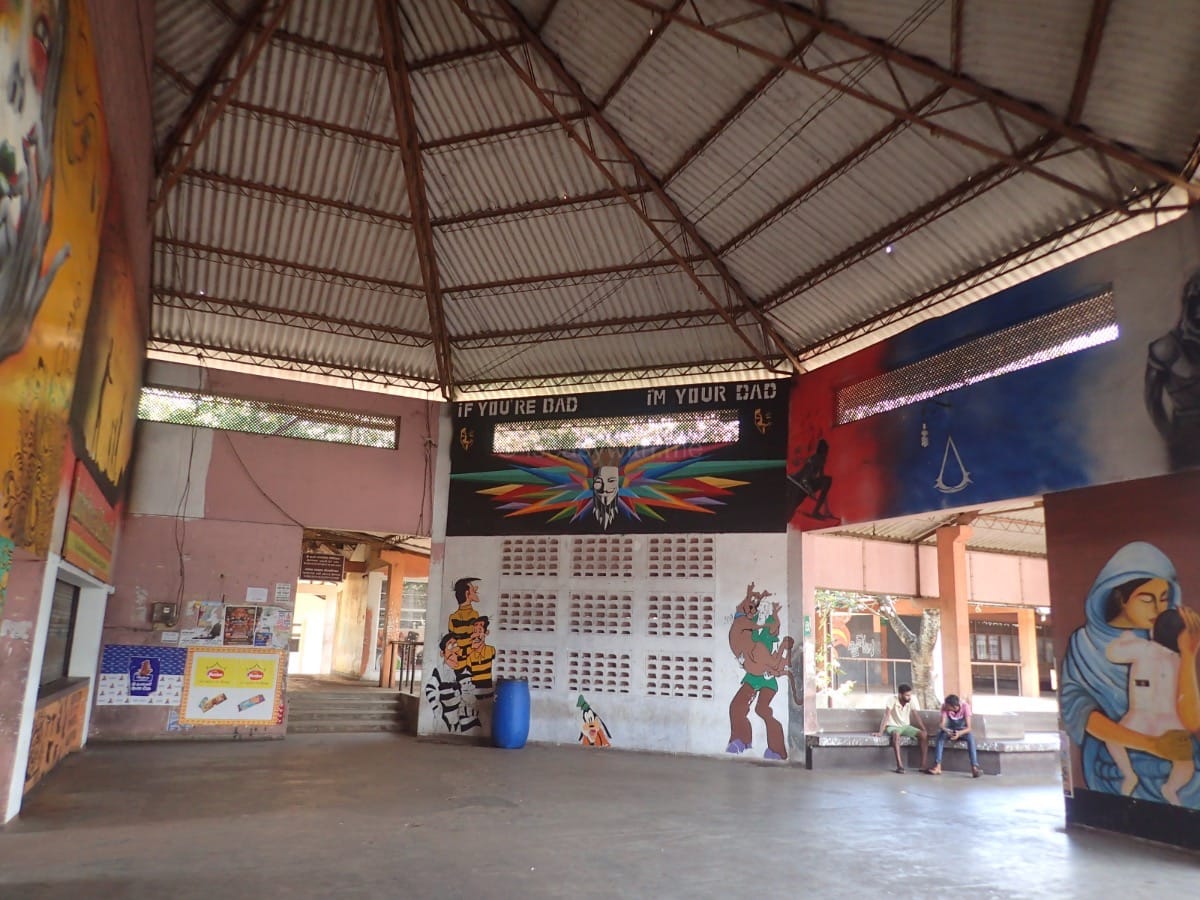
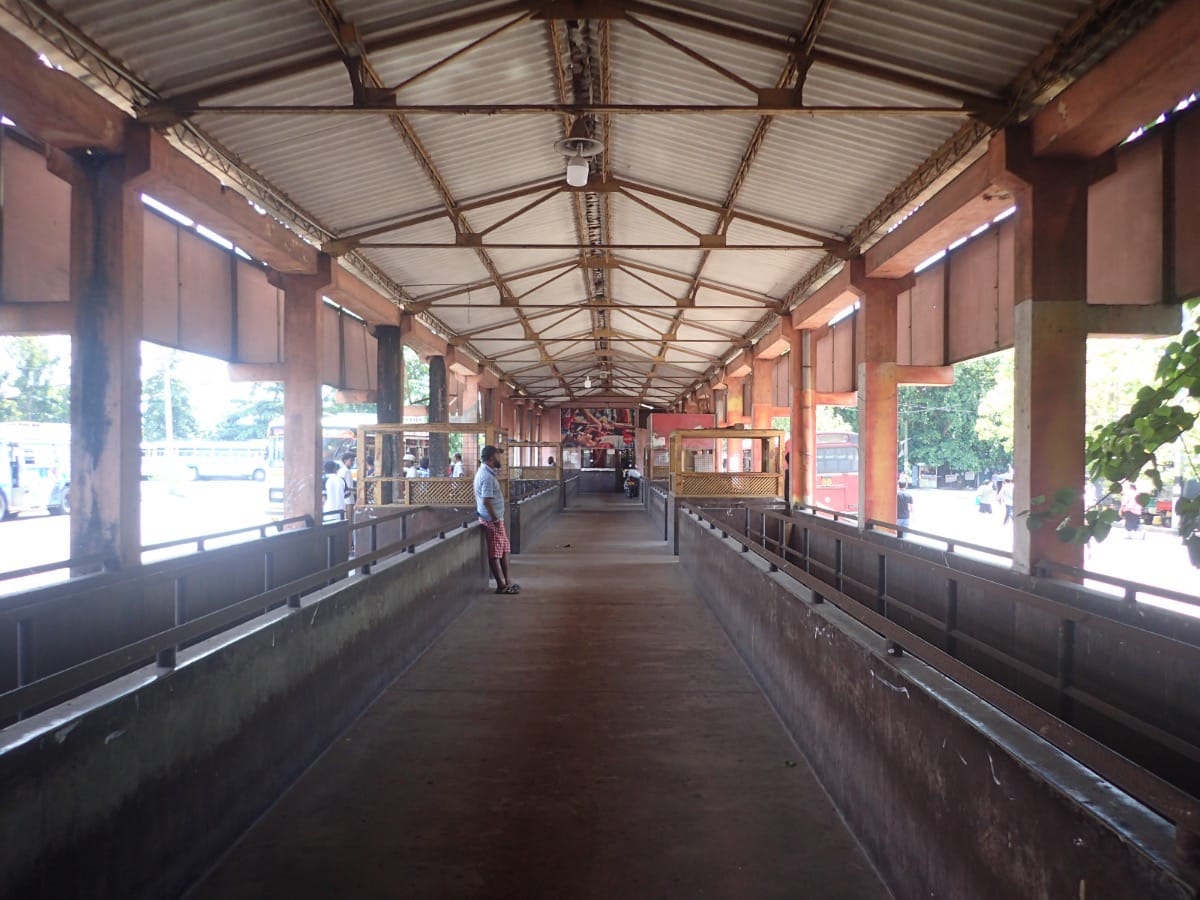
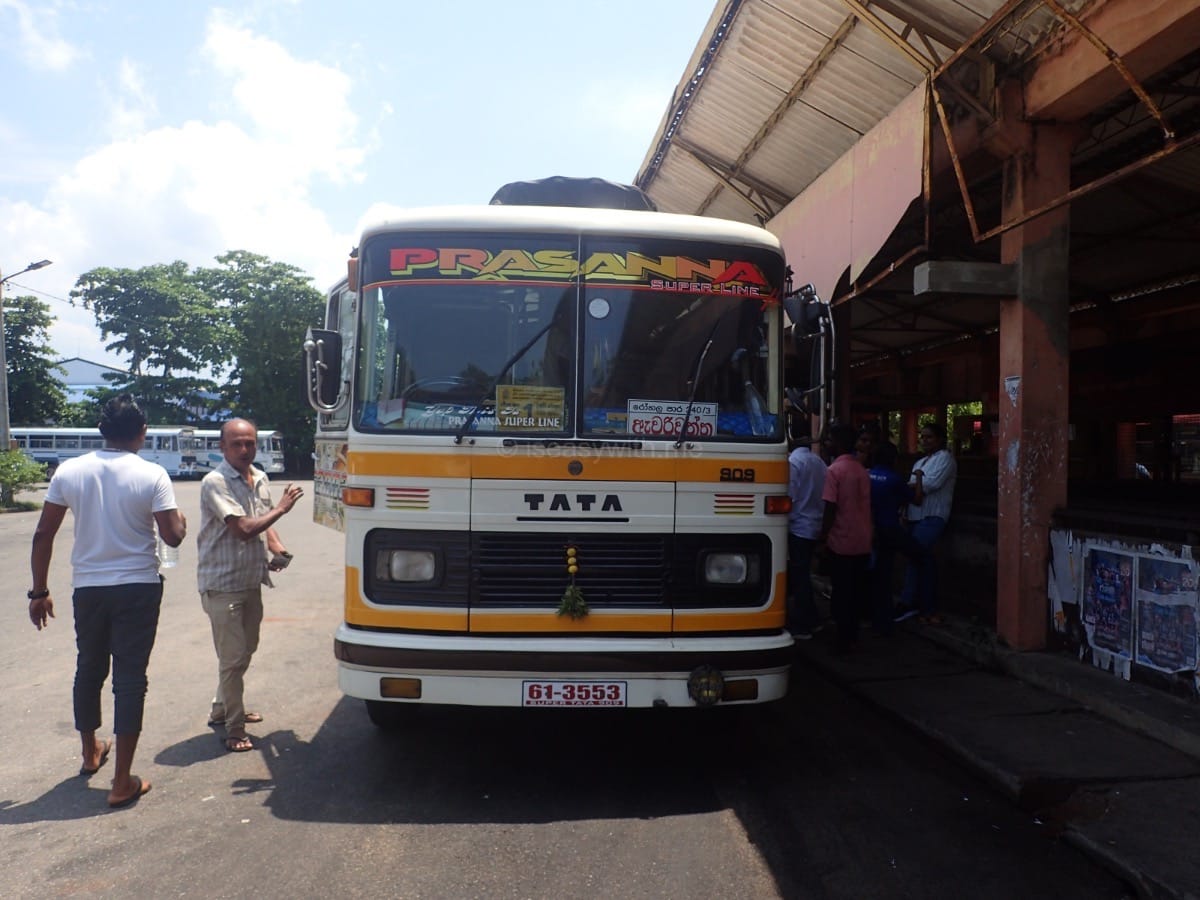
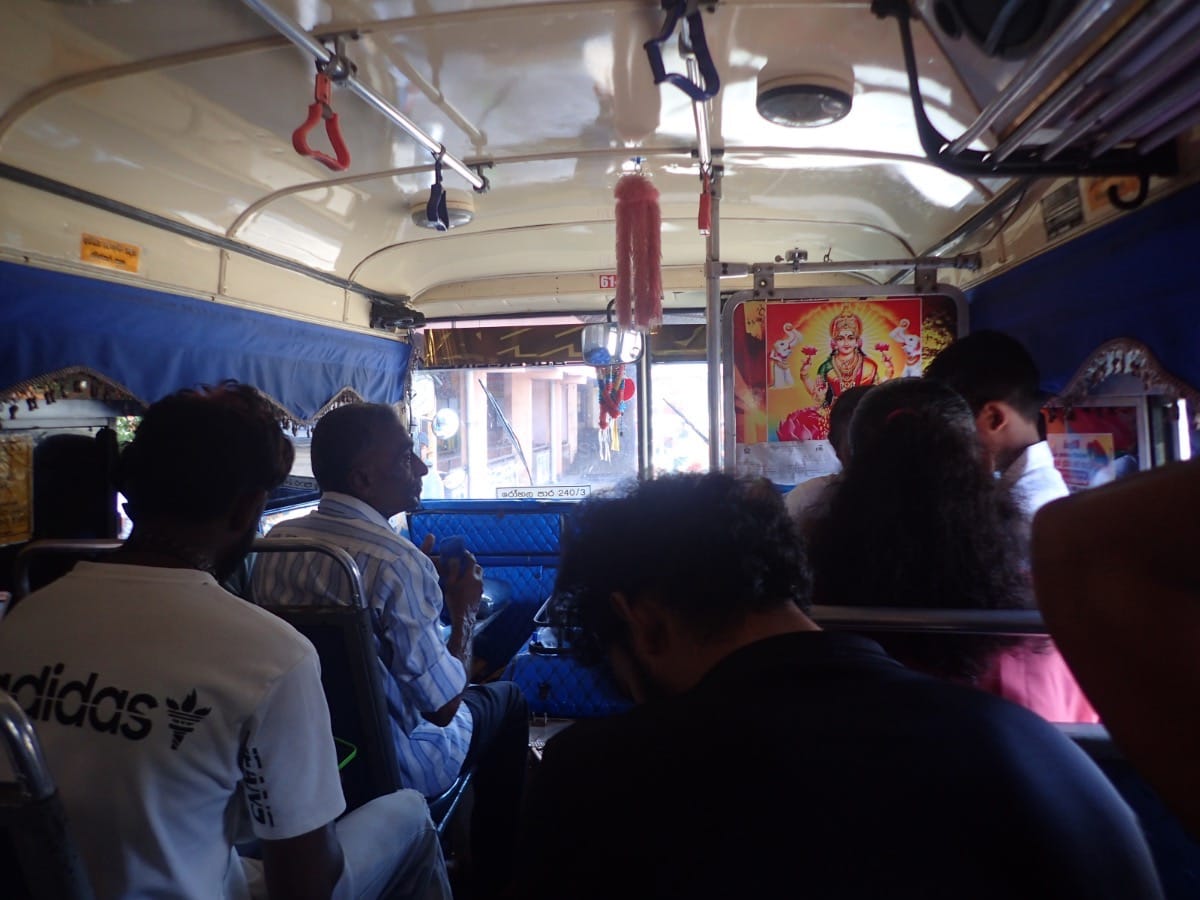
Avariwatta (Katunayake) Bus Stand, bus #240
When I arrived at the crowded Avariwatta (Katunayake) Bus Stand, I kept my eyes peeled for bus #240, scanning the berth signs and windscreen displays until I spotted it. I climbed aboard, squeezed into an empty seat and settled in while waiting for the conductor to weave through the aisle. When he finally reached my row, I told him I was going to Negombo and he said the fare was LKR 100.
iseasywith.me Heads-Up
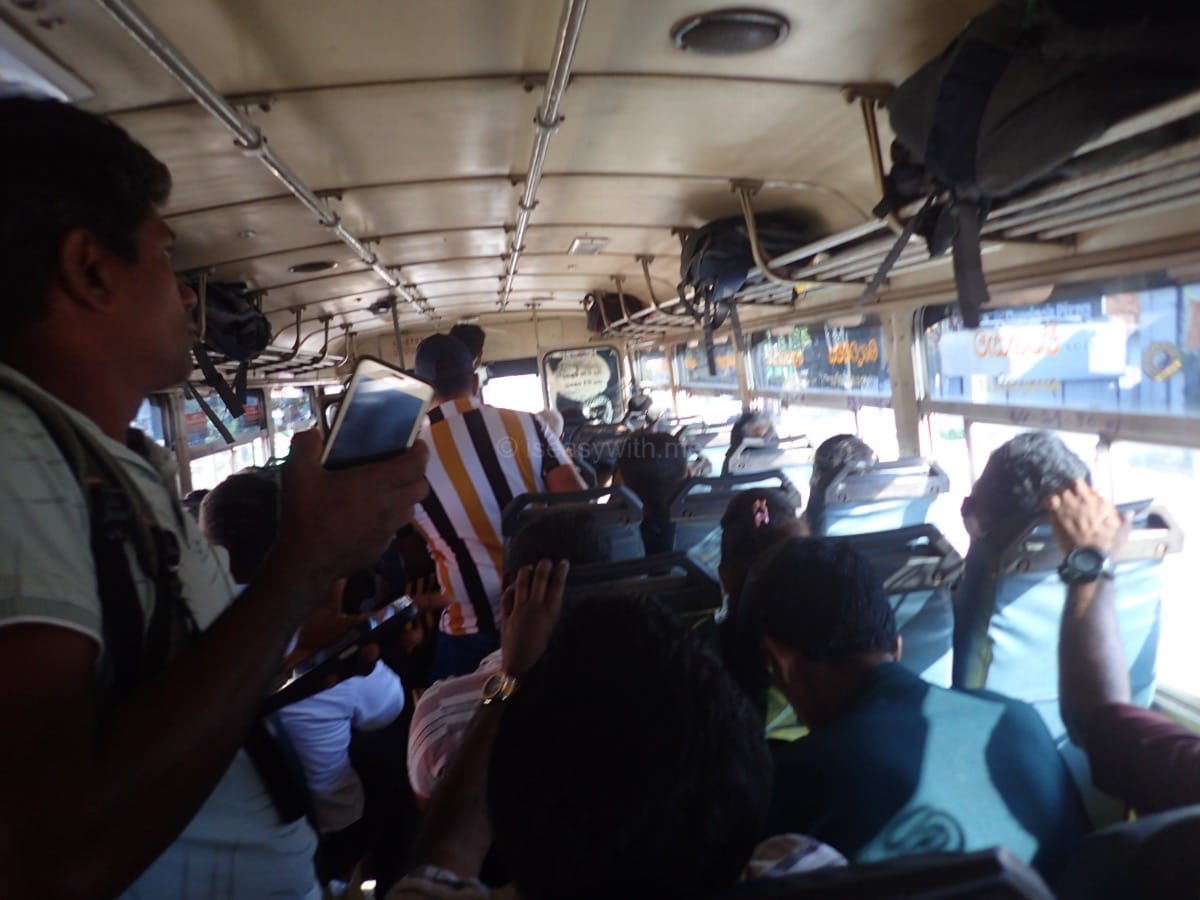
- Most buses in Sri Lanka are non-airconditioned, have very limited standing space and can be packed like sardines.
- Some buses are equipped with speakers and TV screens, and drivers can blast loud music throughout the journey.
- Drivers frequently execute overtaking maneuvers around other vehicles and these large buses can reach speeds up to 95km/h. 😳
Arriving in Negombo
Stepping off the bus after a quick 30-minute ride from the Avariwatta (Katunayake) Bus Stand to the Negombo Bus Terminal, an intense wall of heat hit me. Even coming from Singapore, it was noticeably fiercer, reminding me instantly that my Sri Lankan adventure had officially begun. 💪
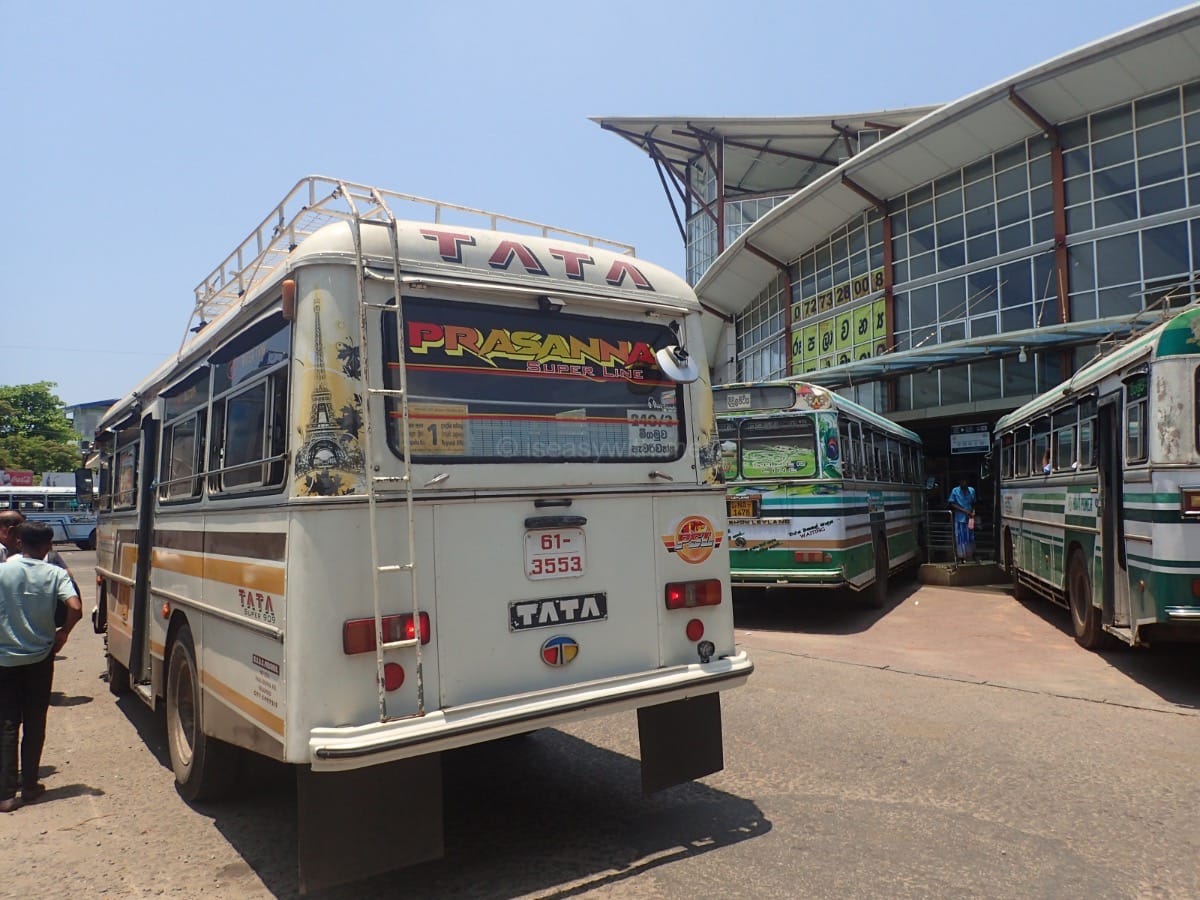
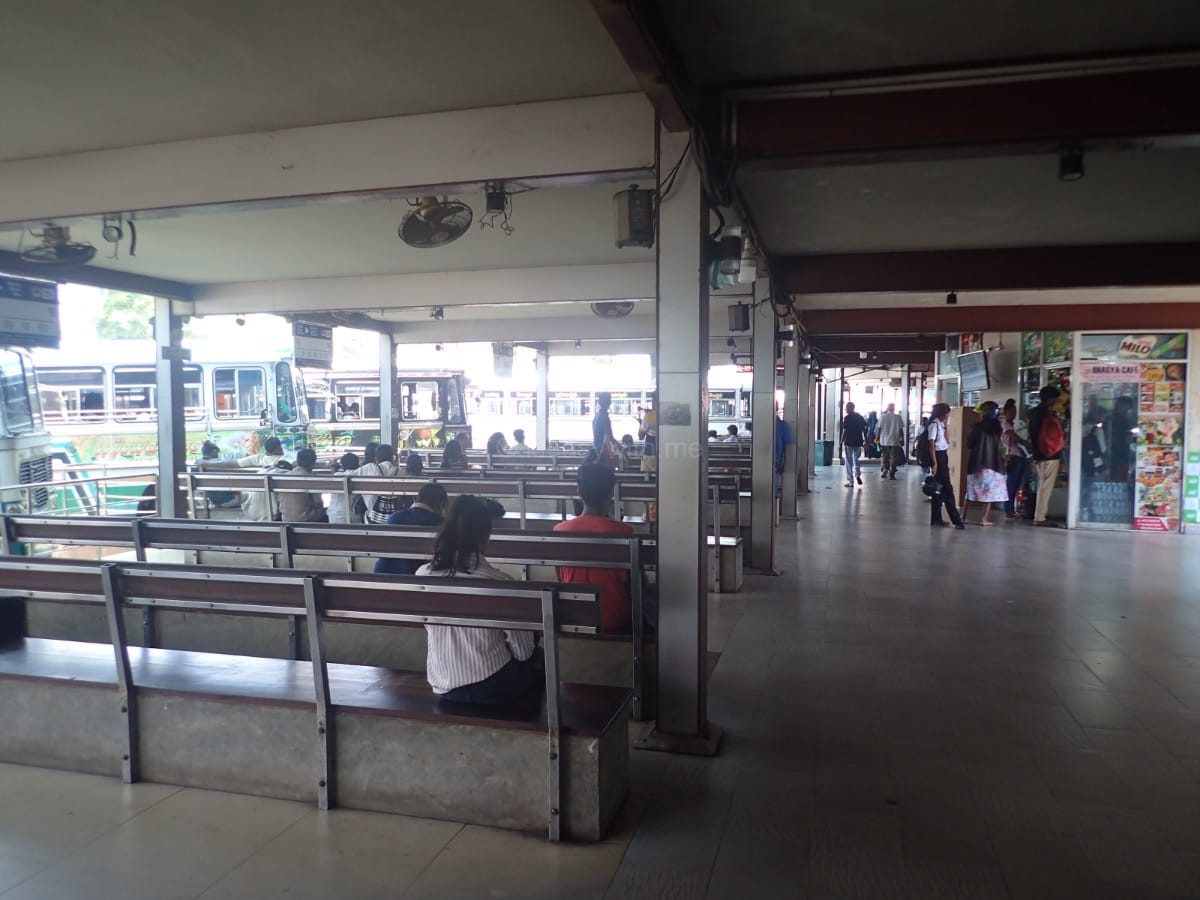
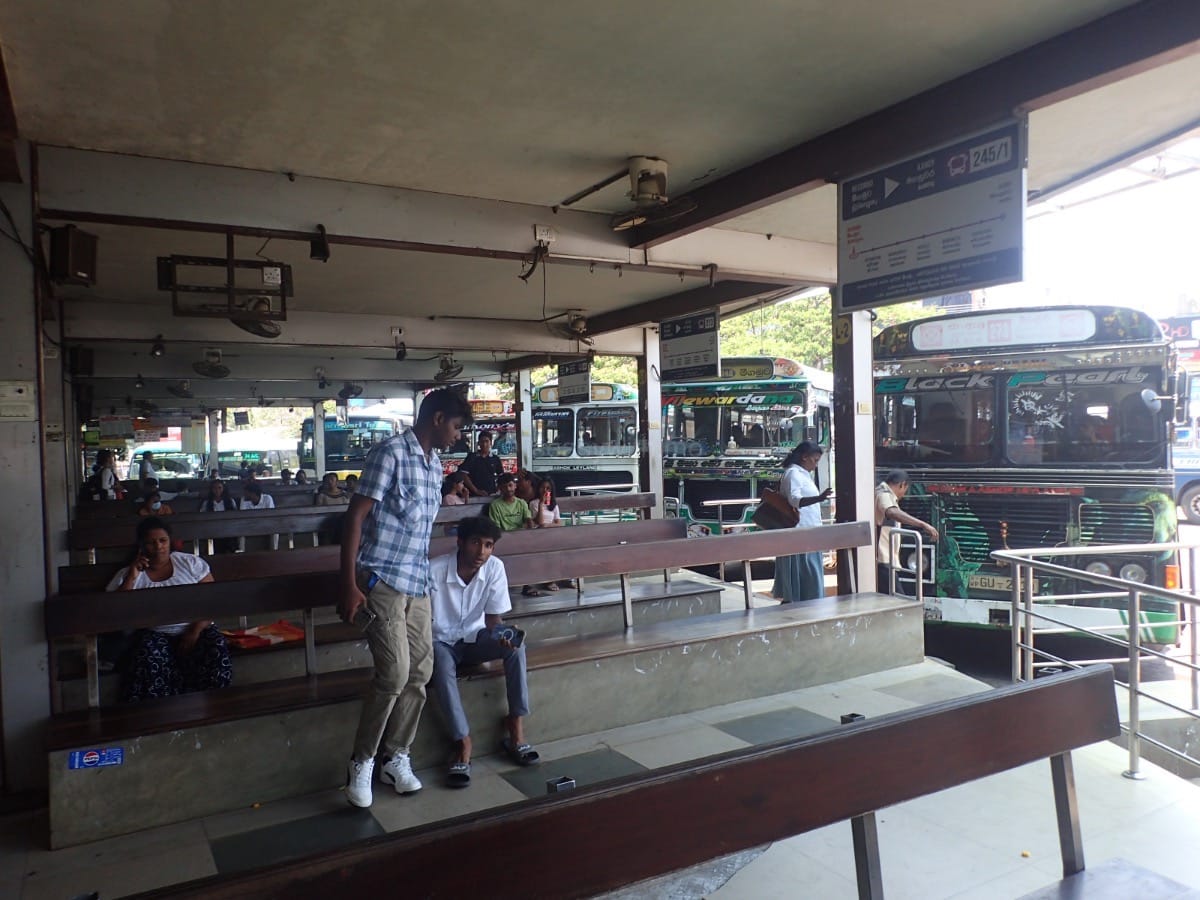
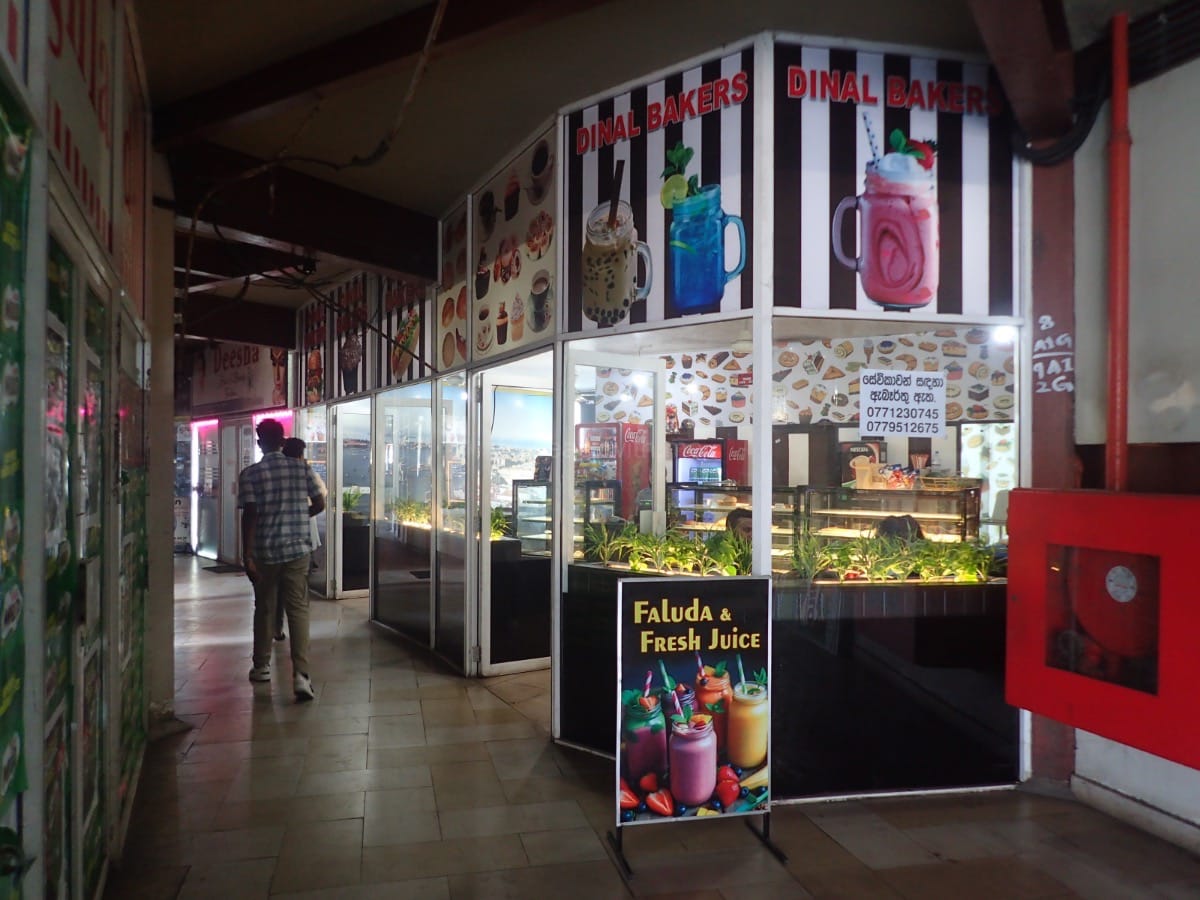
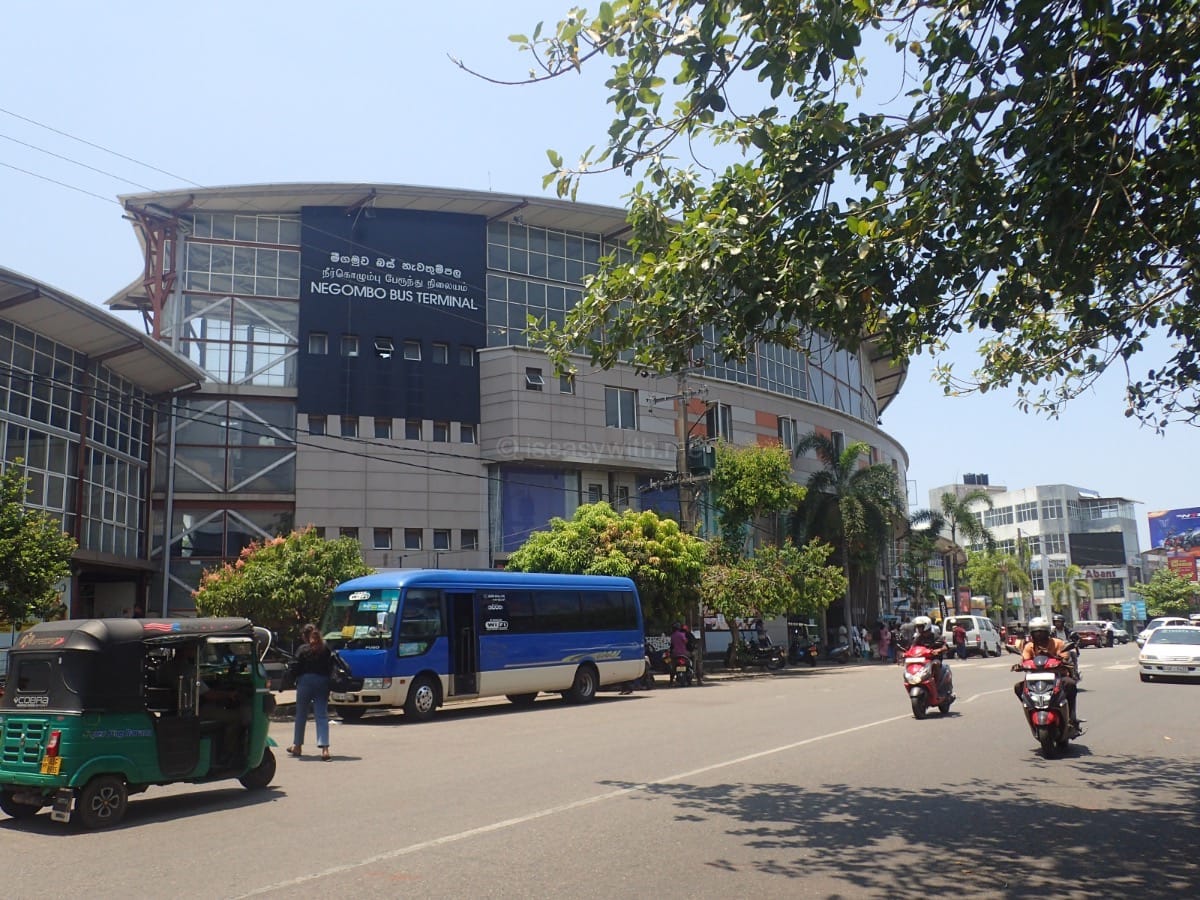
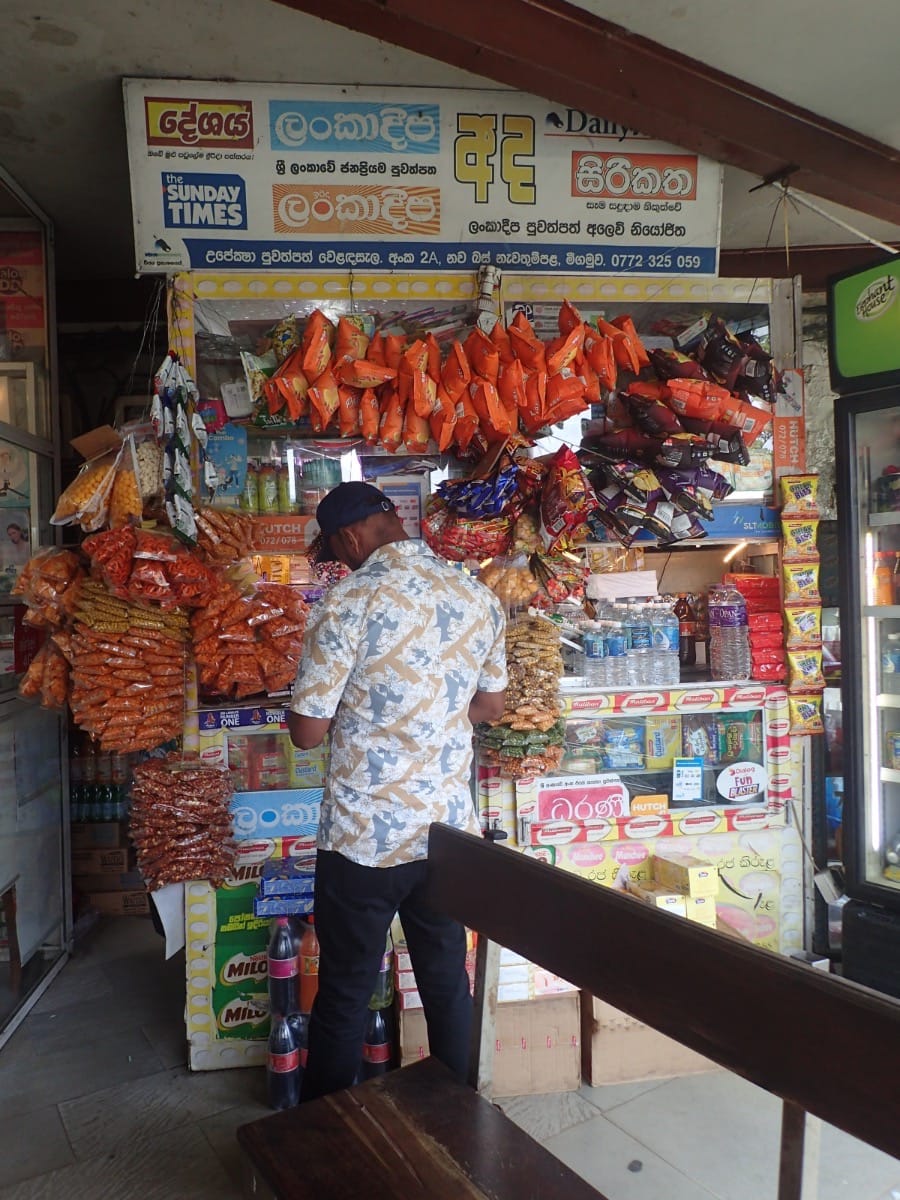
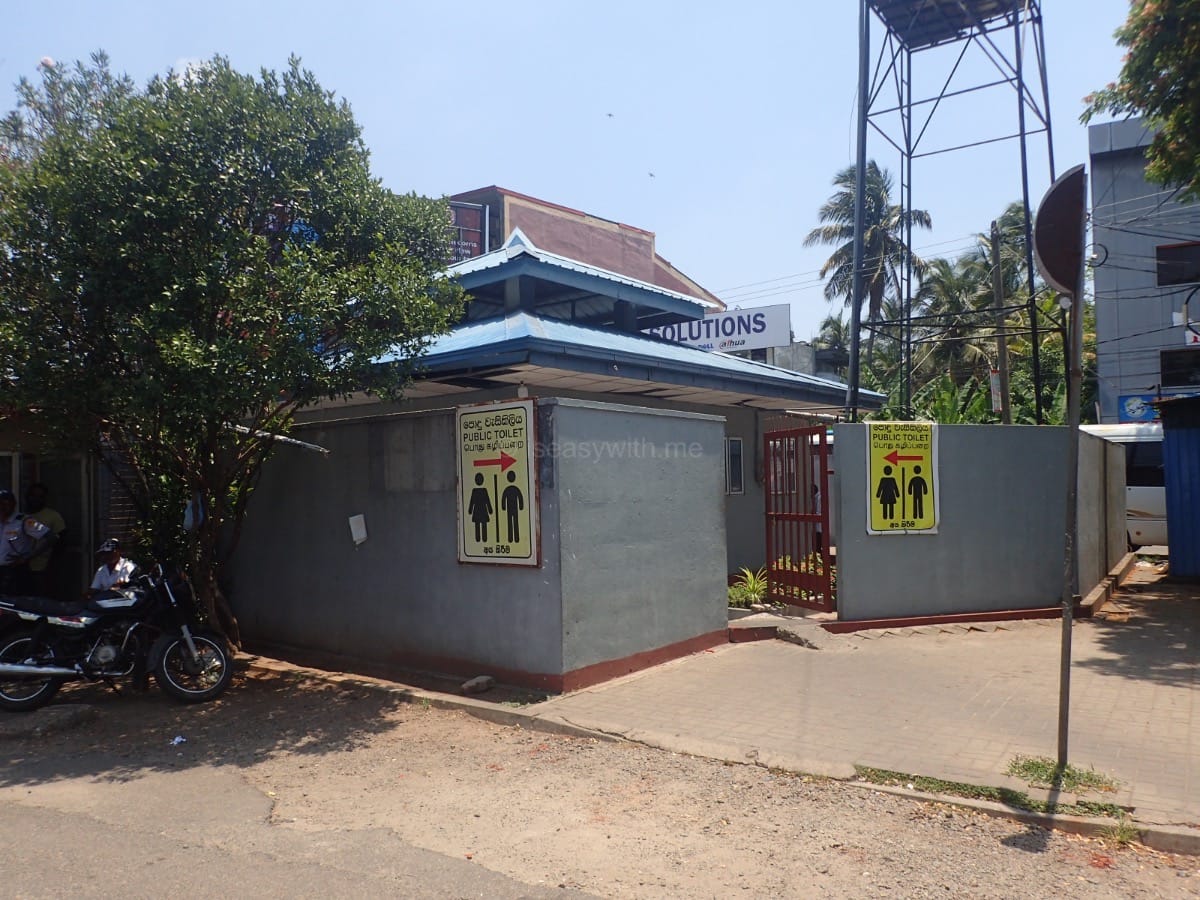
Negombo Bus Terminal
The Negombo Bus Terminal itself is a bustling, chaotic hub. As the main connection point for Colombo, Kandy and the airport, it’s a constant swirl of passengers and colourful buses under the midday sun.
Once I escaped the station's hustle, Negombo felt less like a frantic city and more like a recovery zone. Because of its ultra-convenient proximity to the international airport, the town is ideal for shaking off long-haul travel fatigue before starting my island loop.
In and Around Negombo
Looking back at my time here, Negombo’s absolute must-see highlights include the historic Lellama Fish Market, vibrant local street markets, the unique Angurukaramulla Buddhist Temple, and the town's iconic colonial and Gothic-style Catholic churches.
Angurukaramulla Temple
A striking Buddhist temple that offers a beautiful contrast to Negombo’s many historic churches. It is instantly recognisable by its massive, 6-metre-tall outdoor Buddha statue and an intricate, slightly imposing dragon-mouth entrance designed to ward off evil spirits. Inside, the temple grounds feature a 300-year-old library ruin and vibrant murals detailing the life of the Buddha and historic Sri Lankan kings.
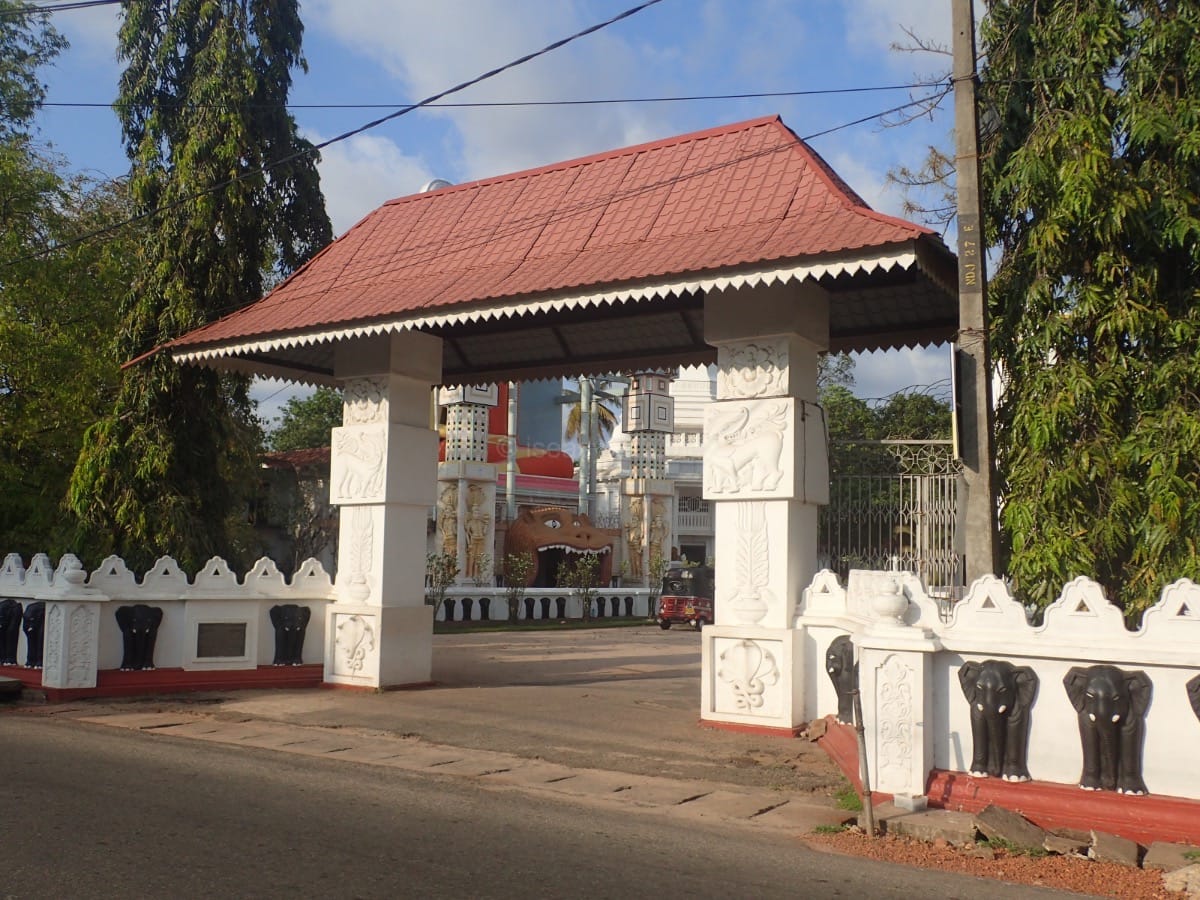
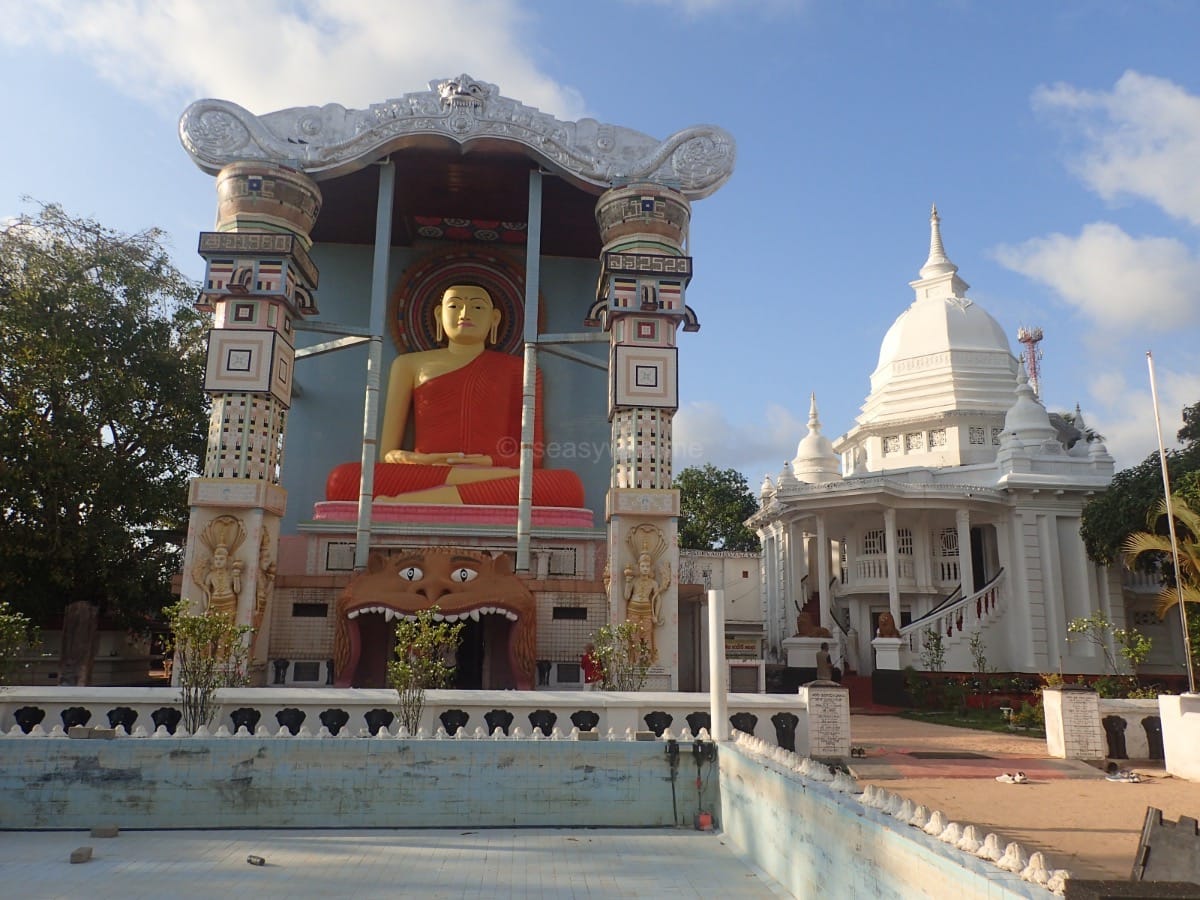
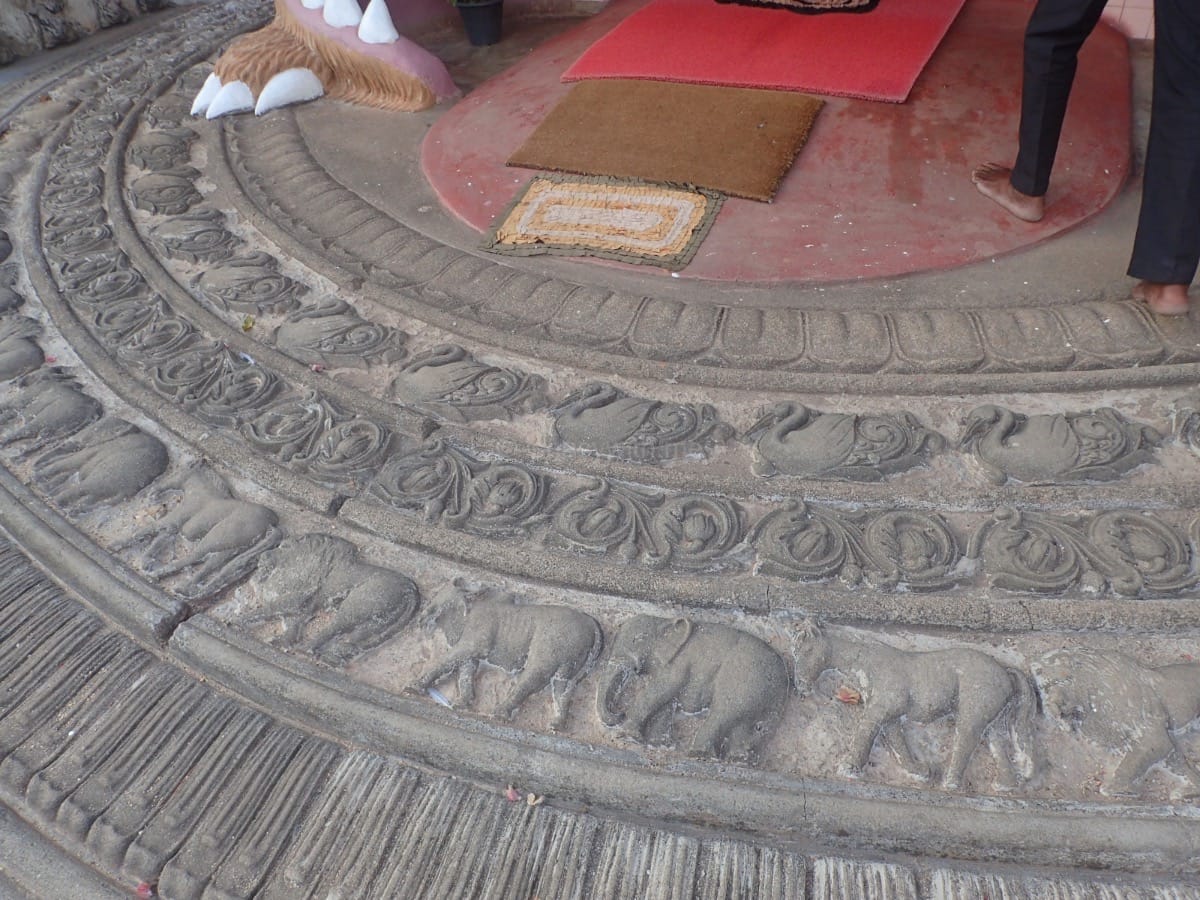
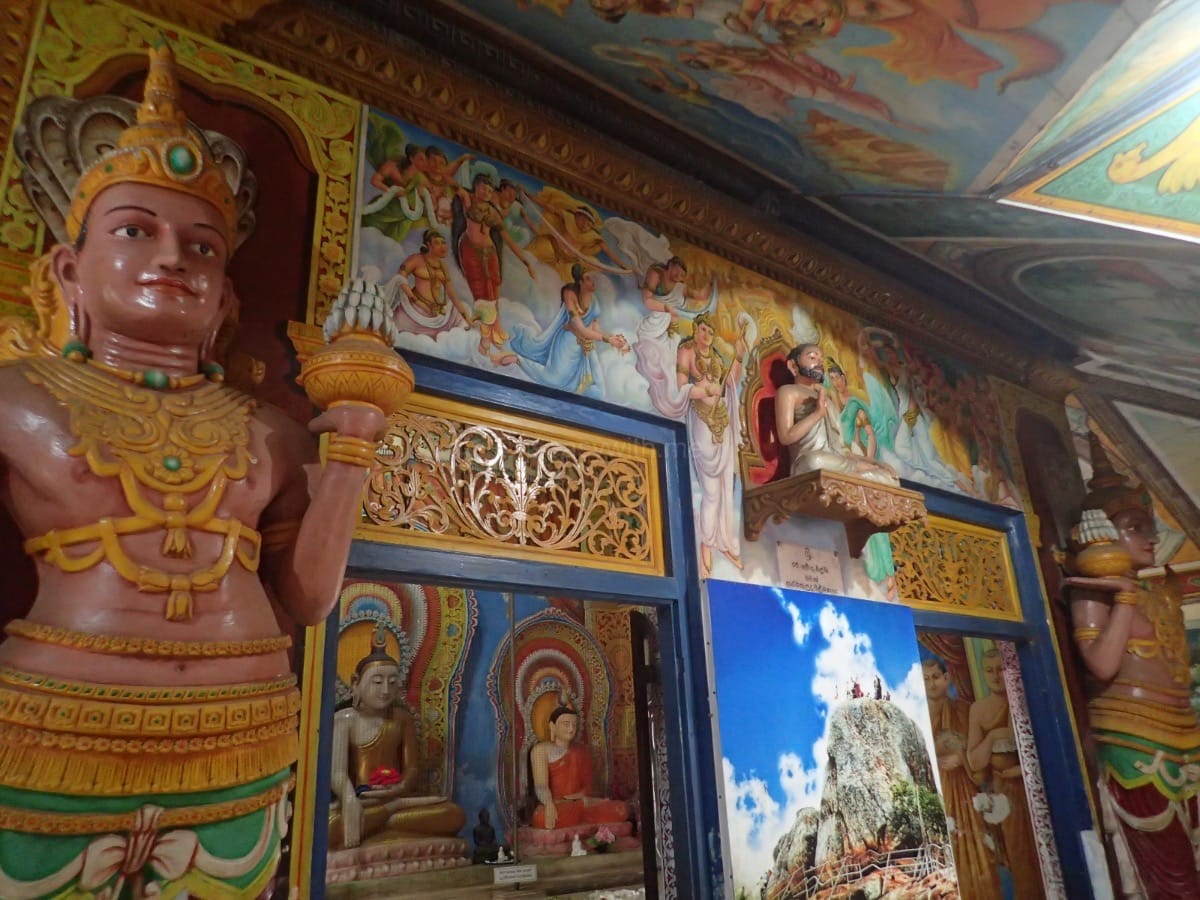
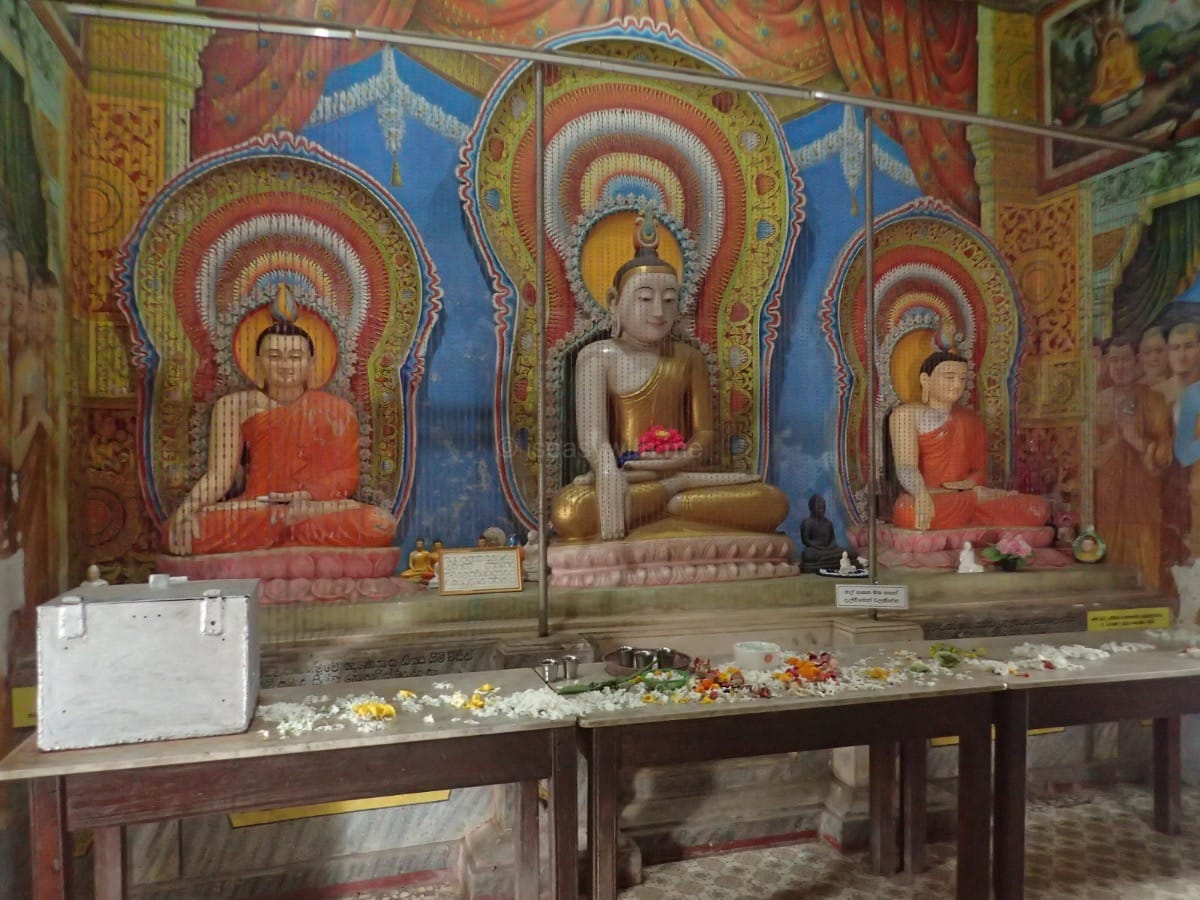
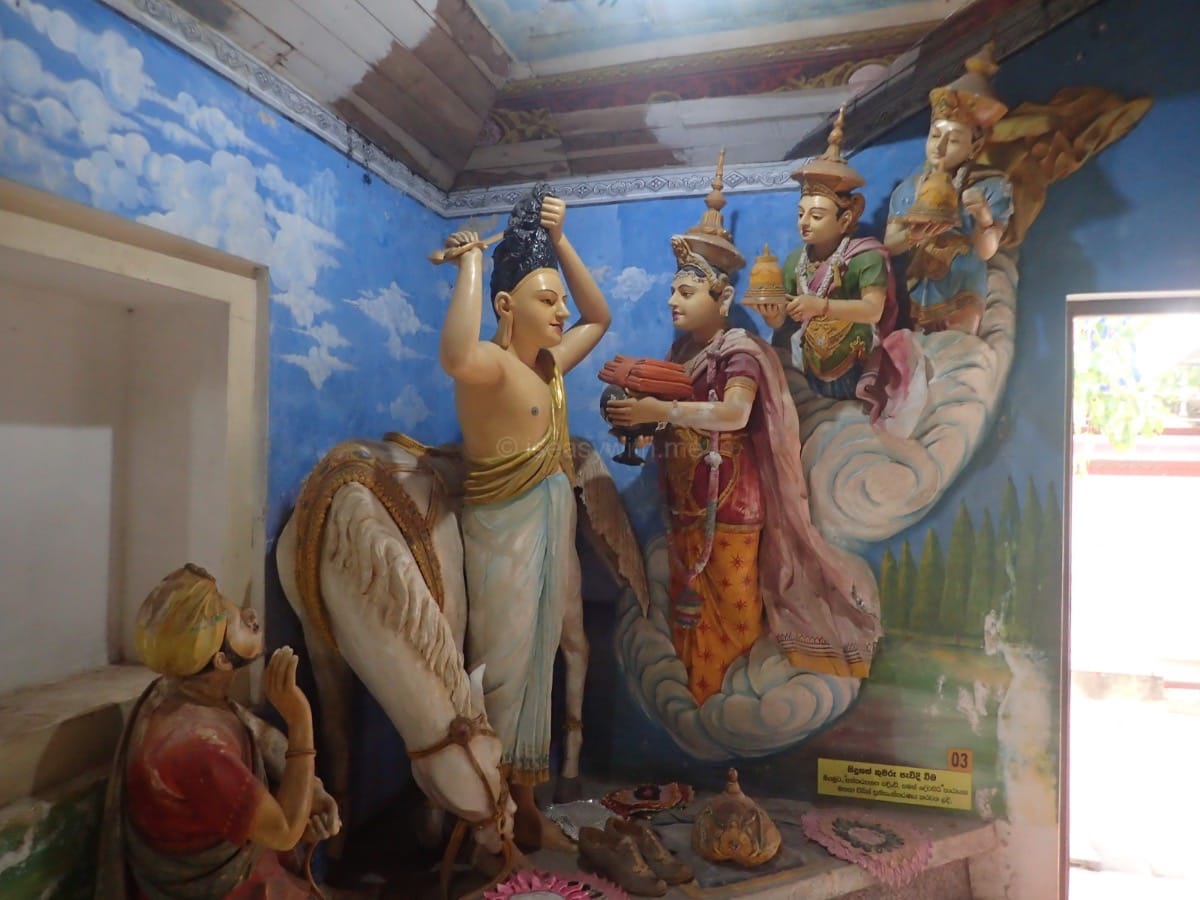
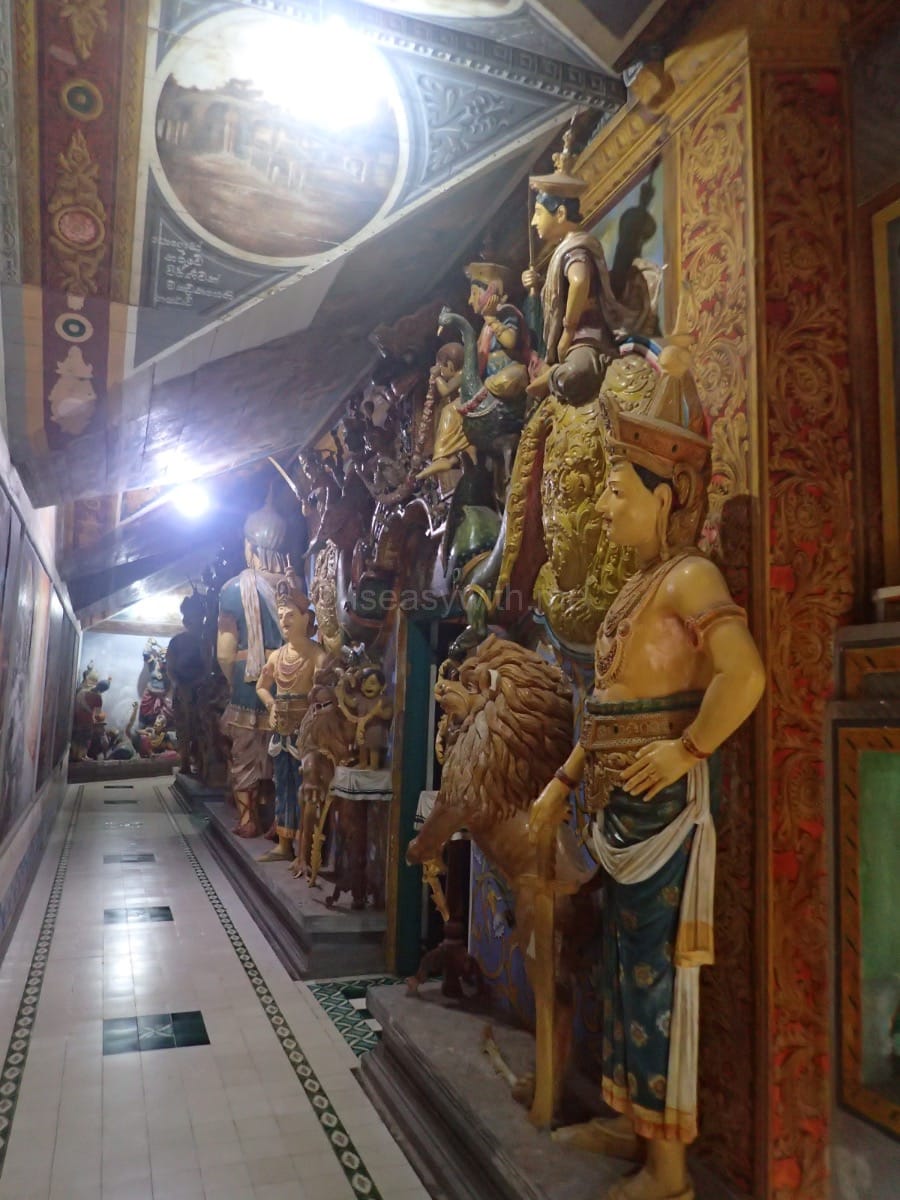
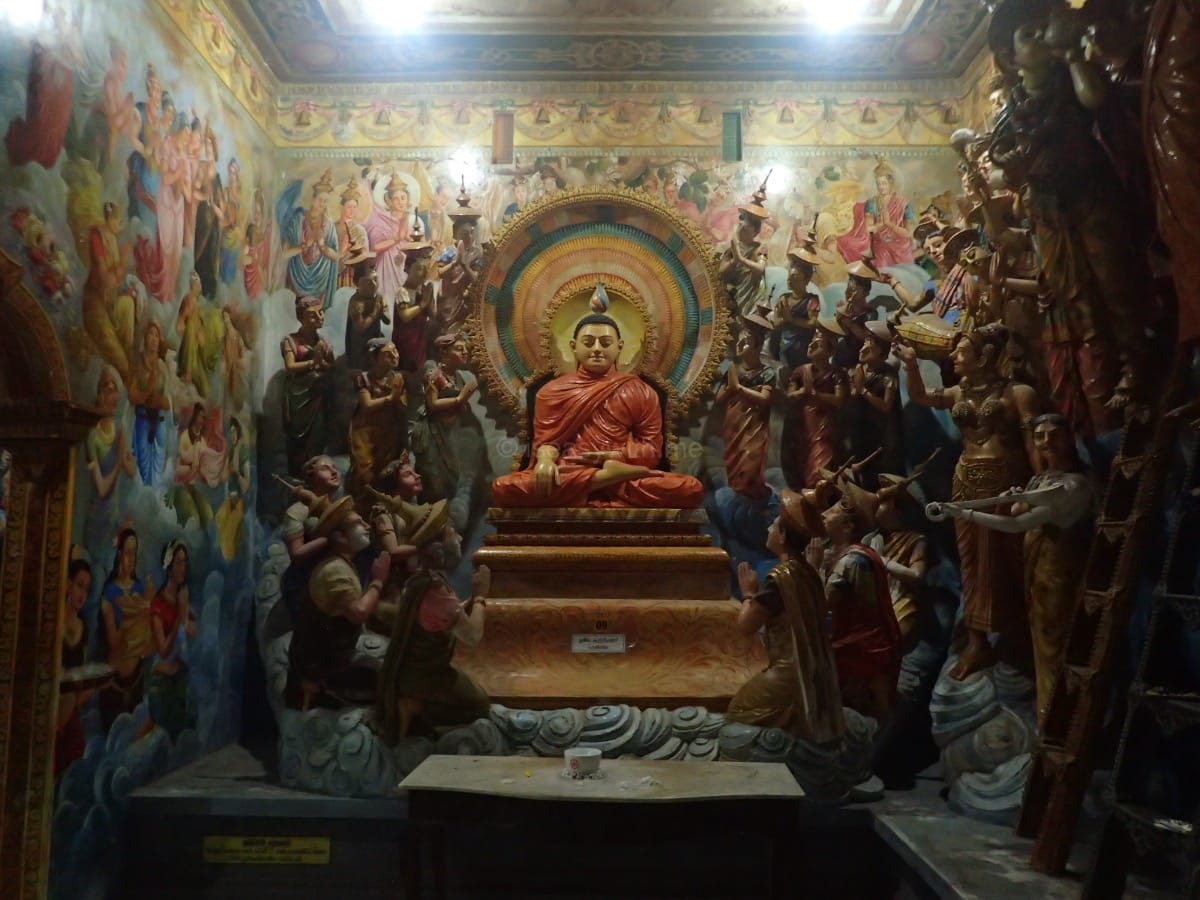
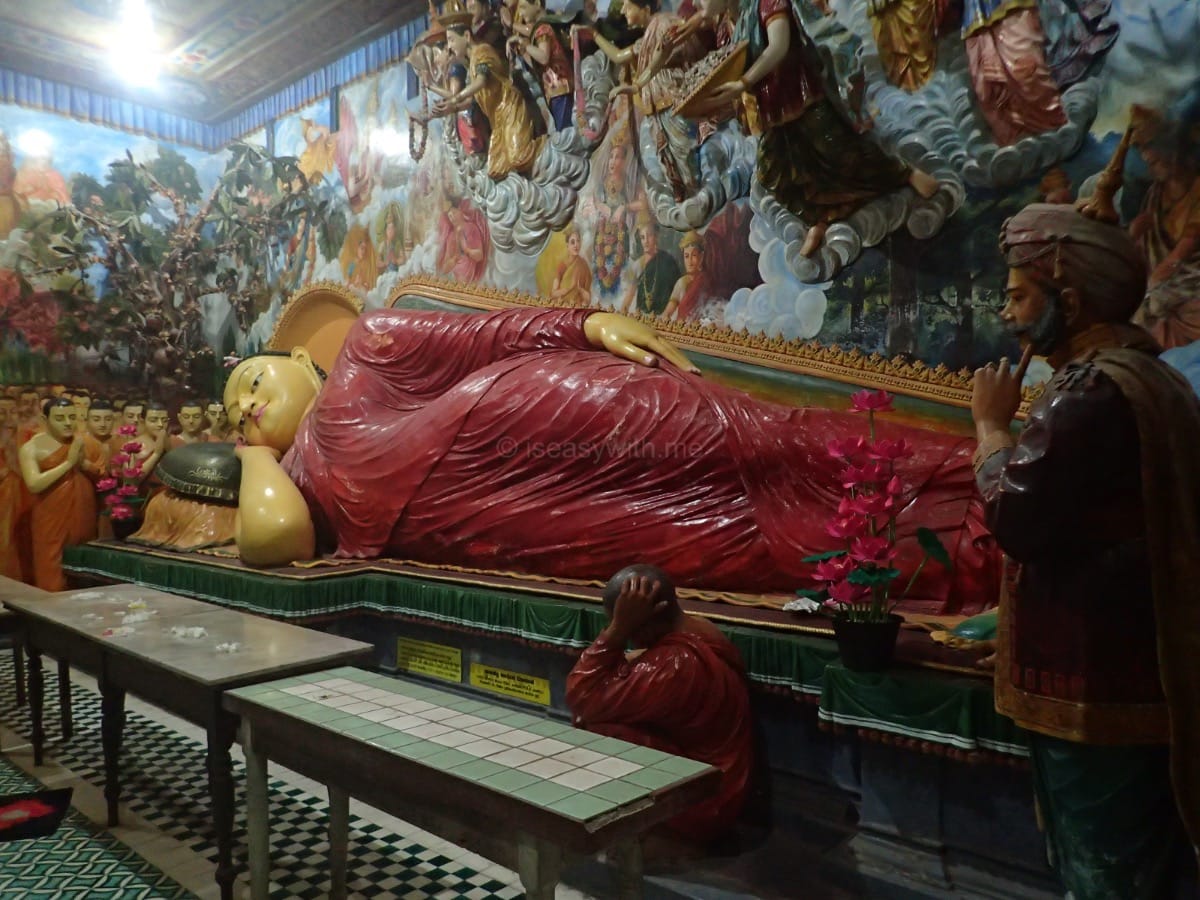
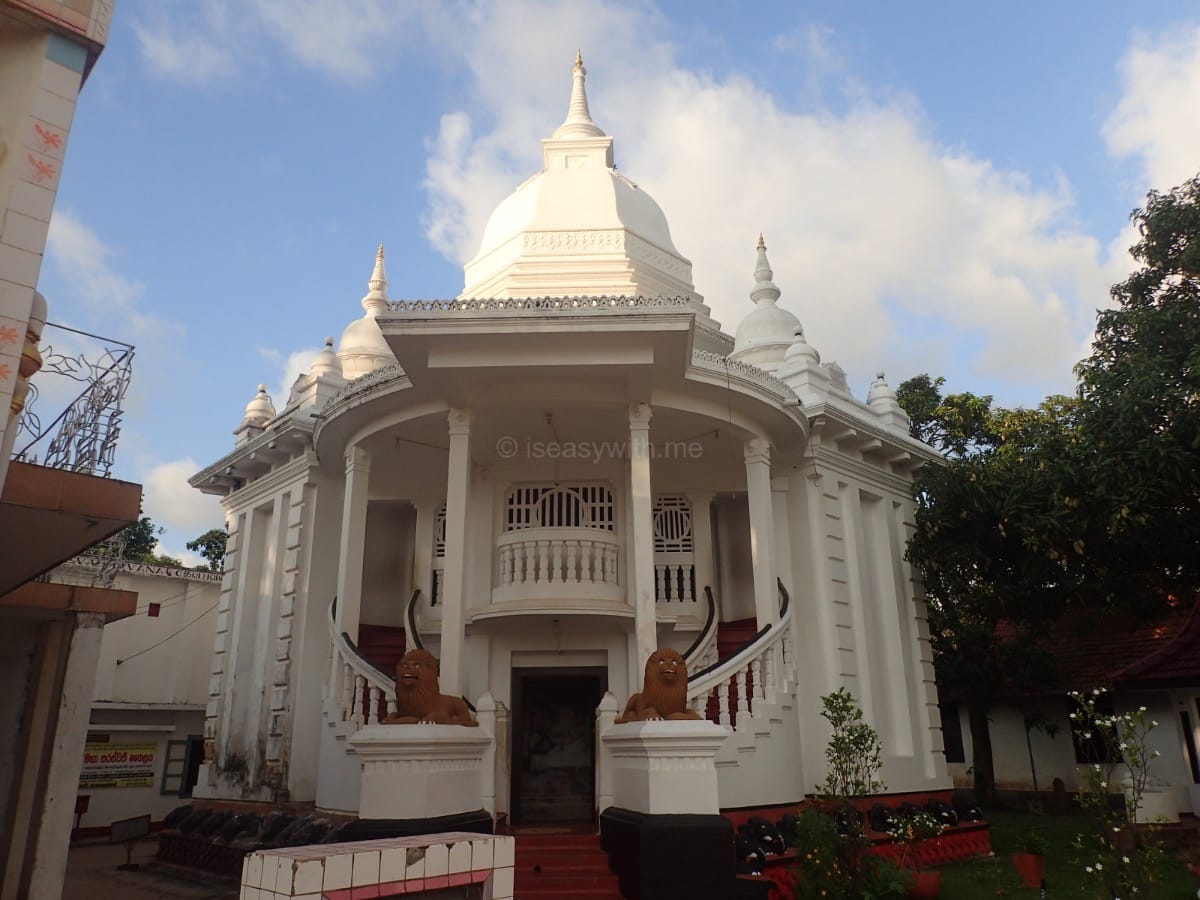
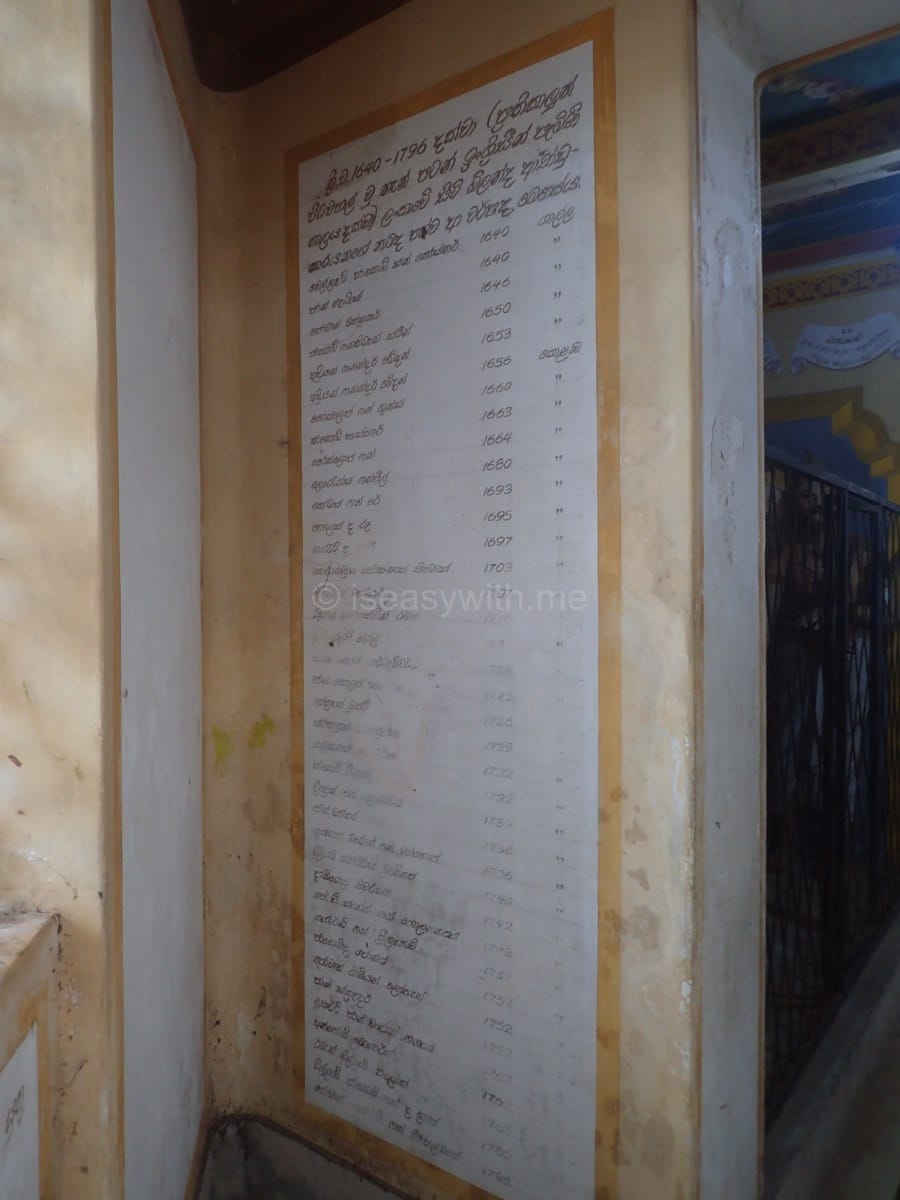
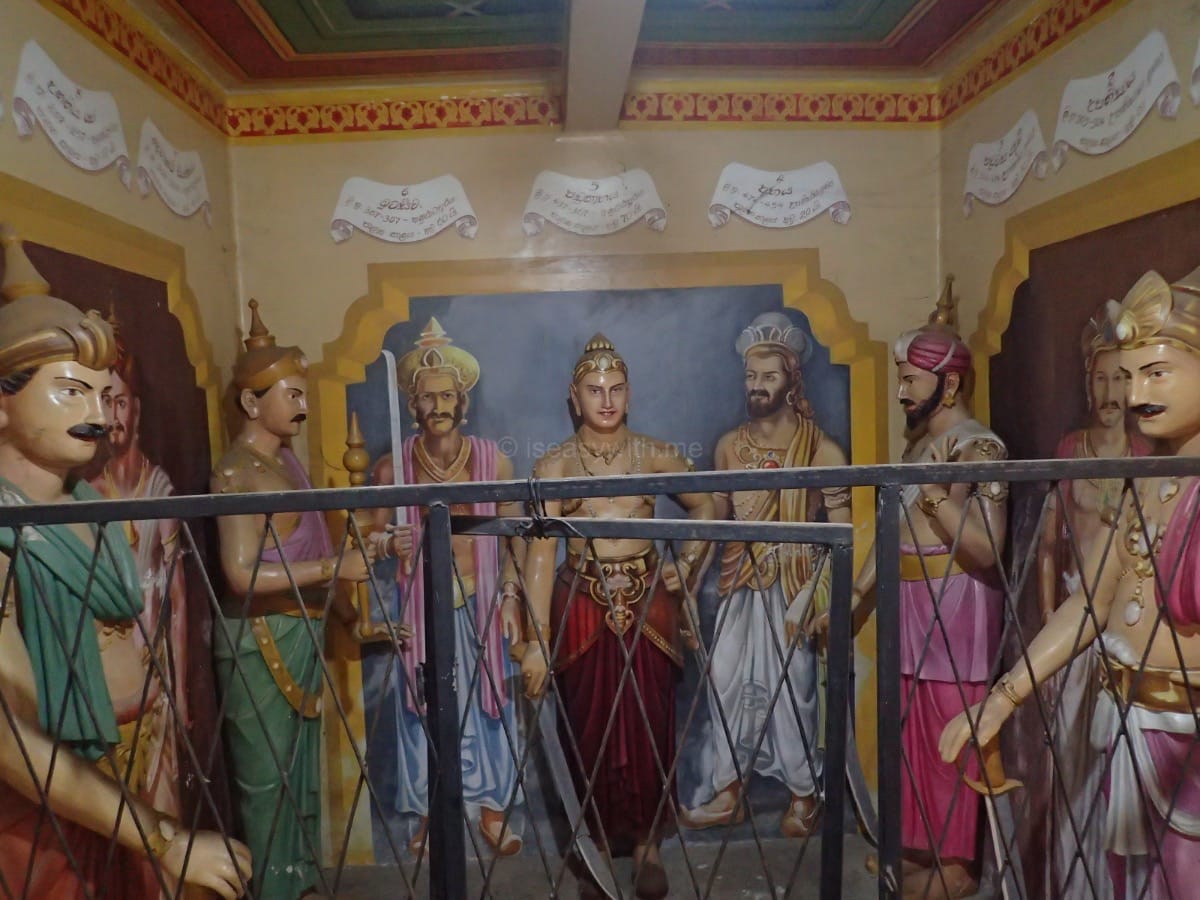
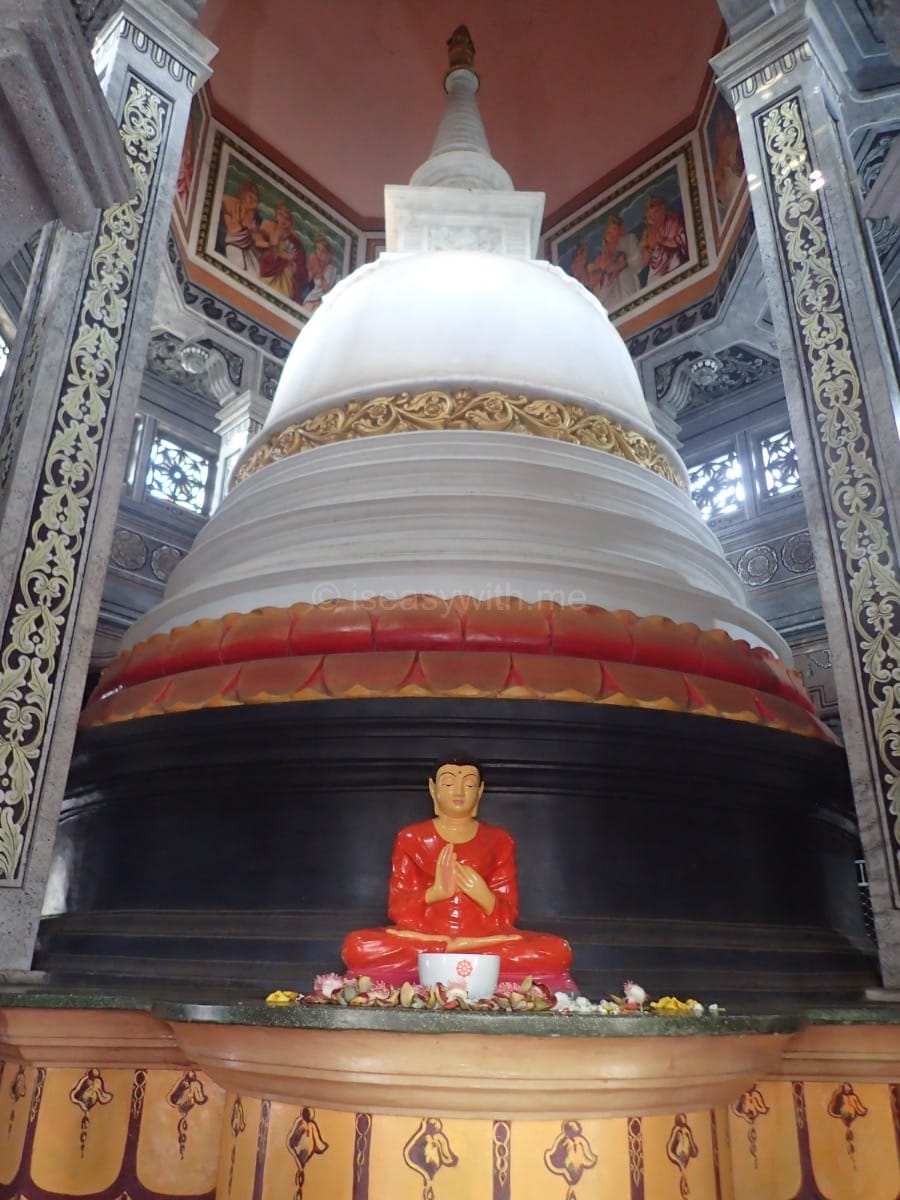
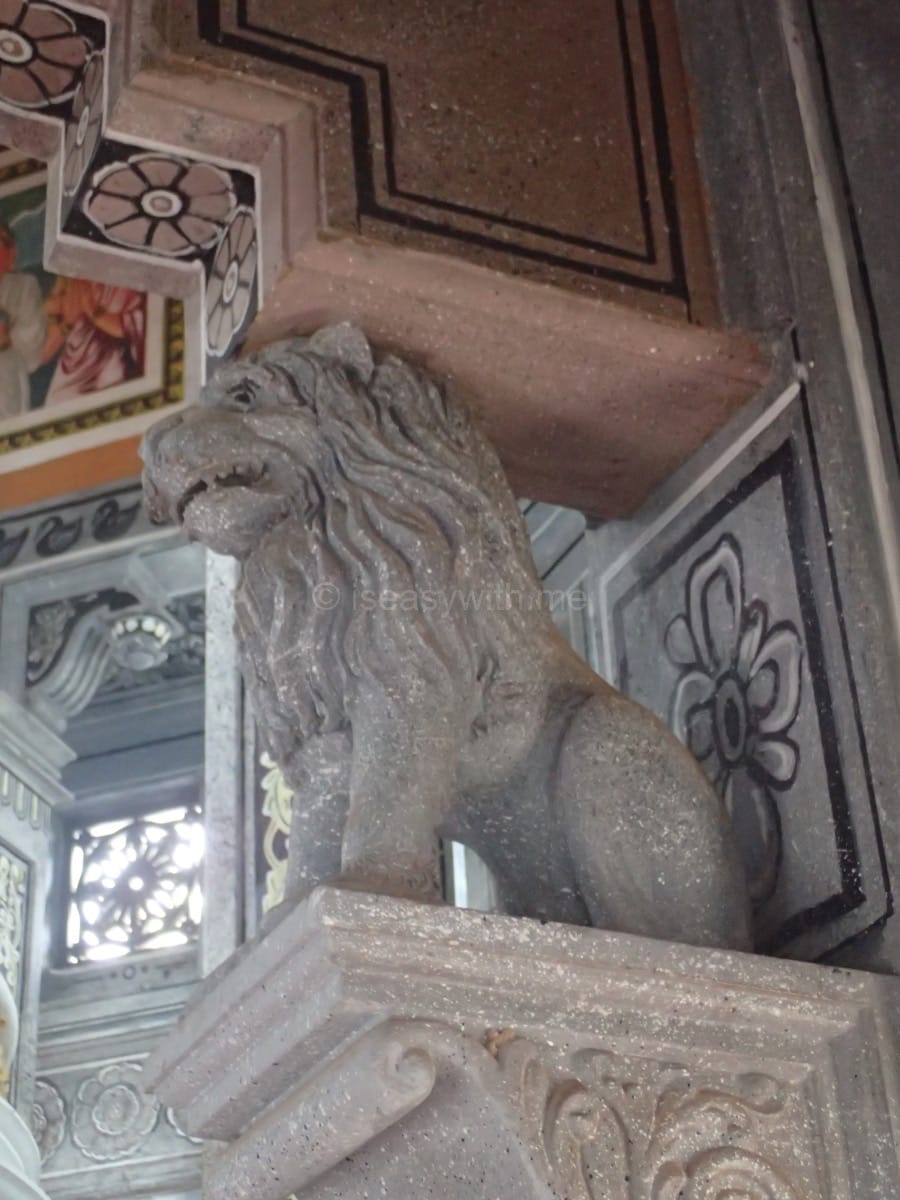
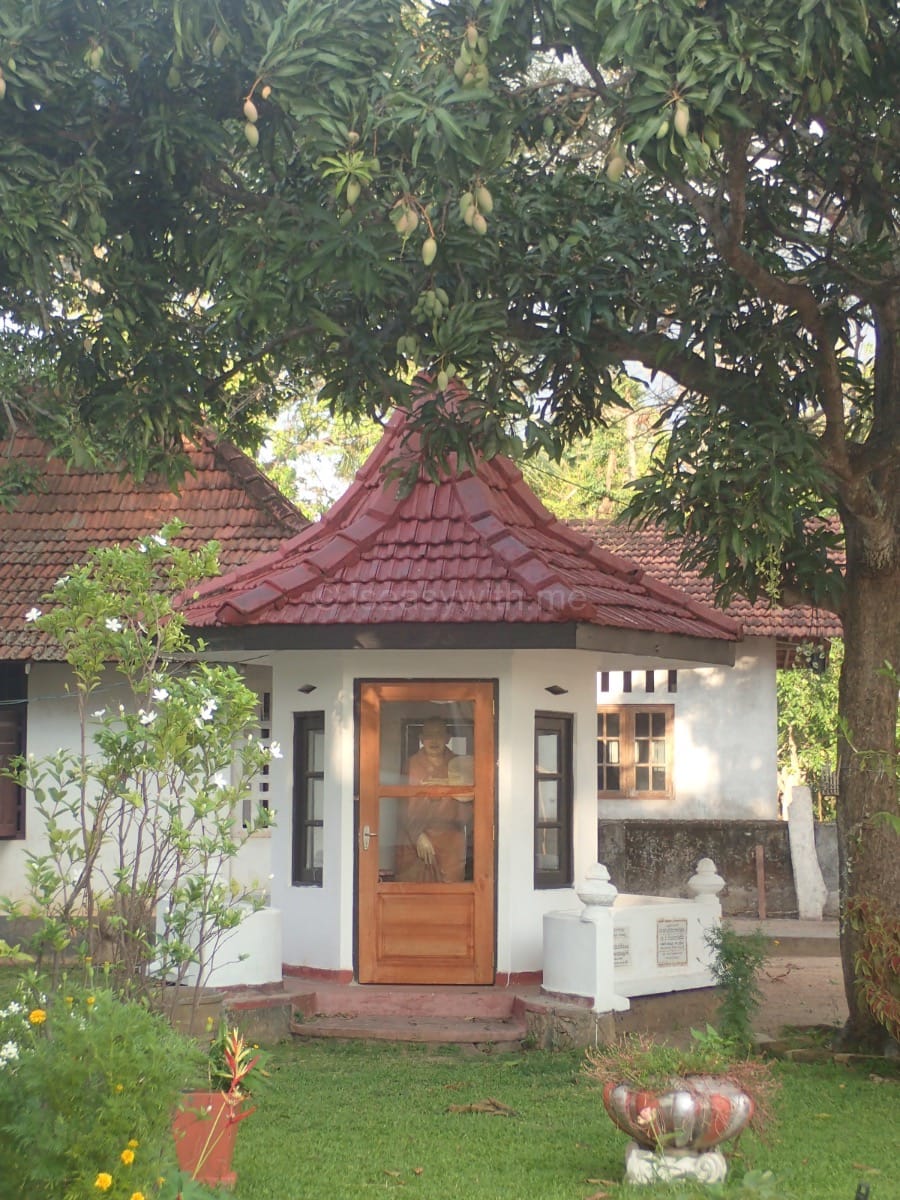
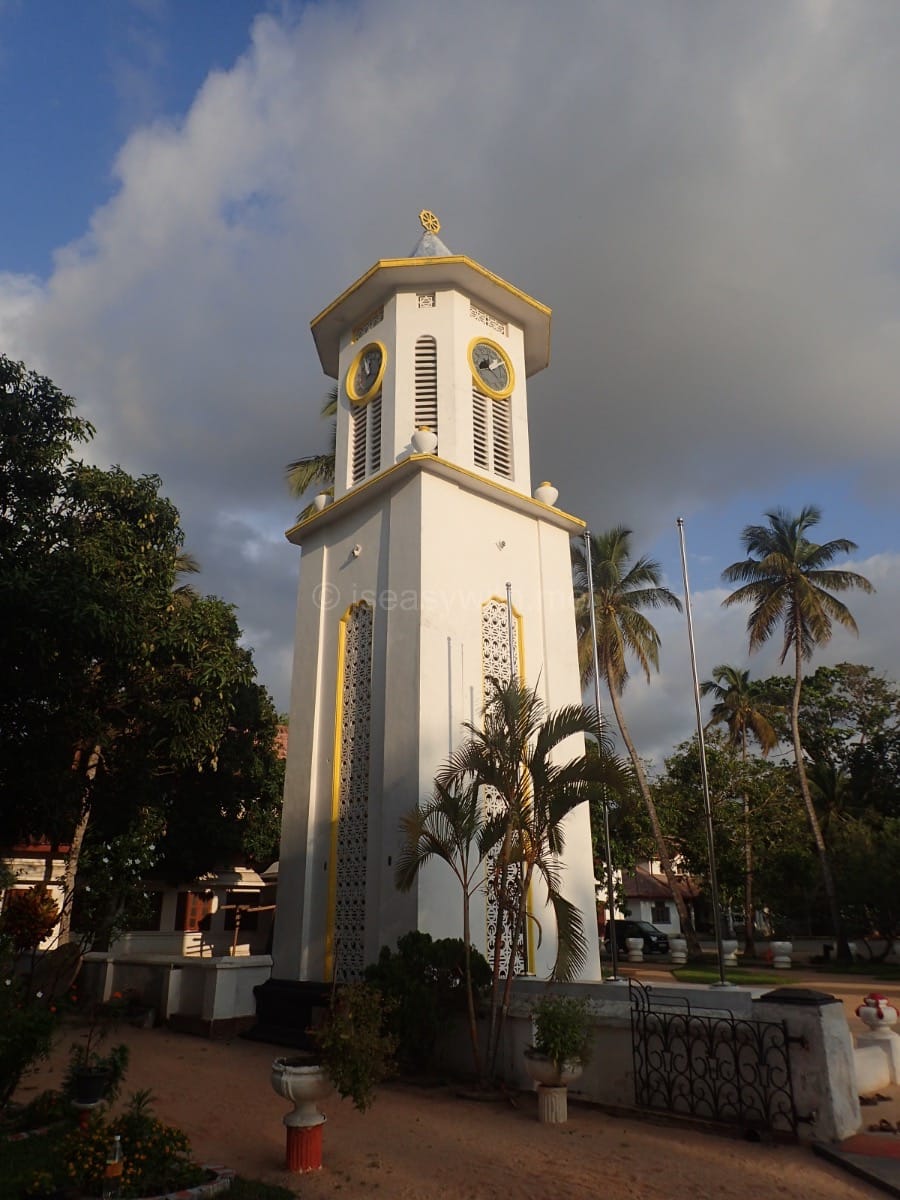
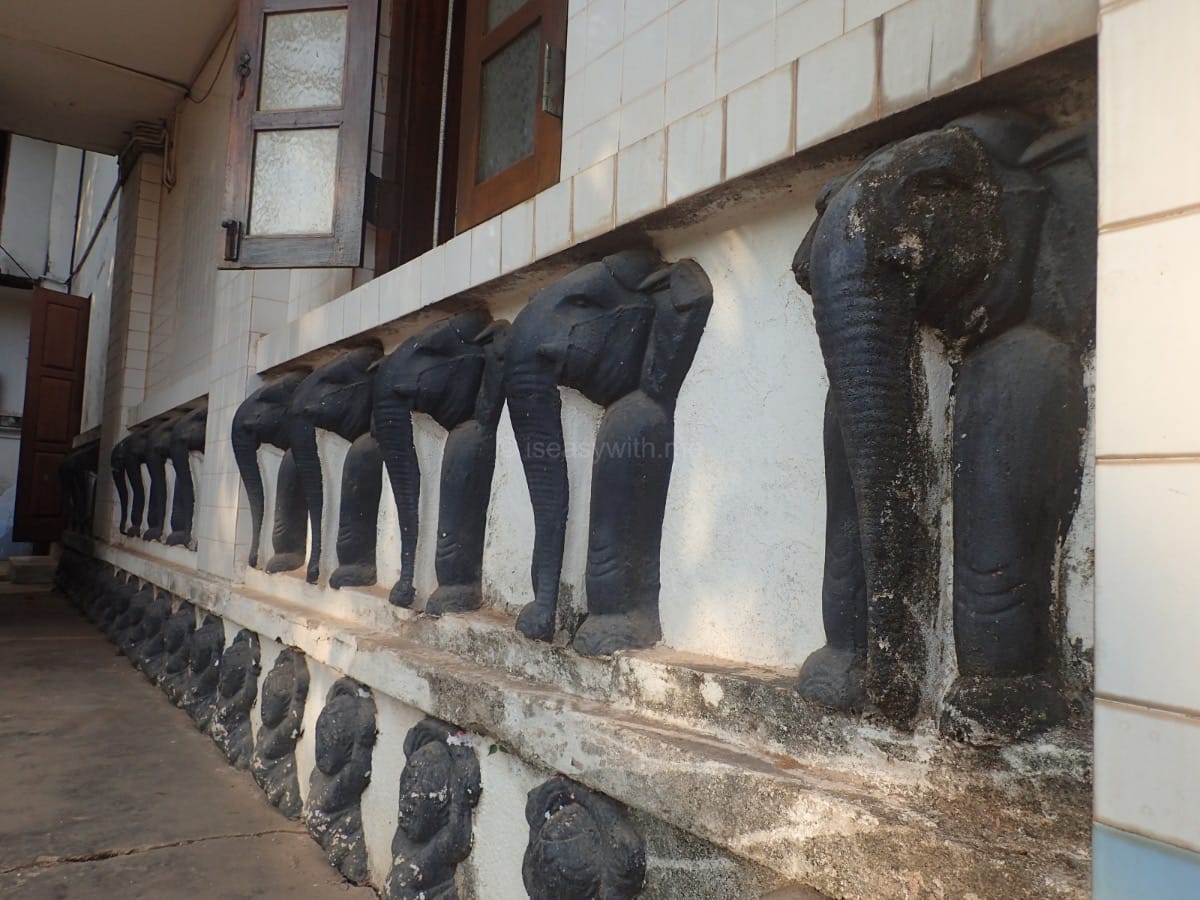
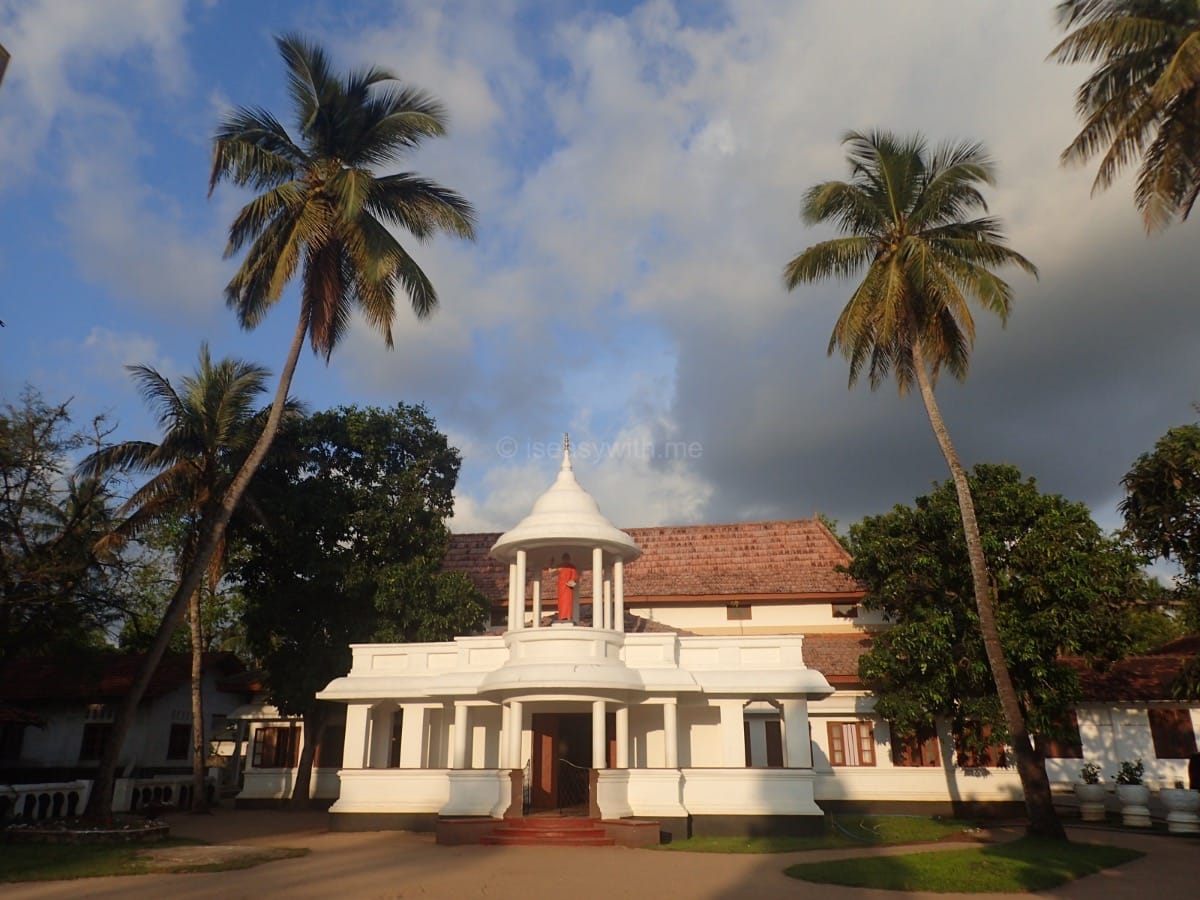
Angurukaramulla Temple
Lellama Fish Market
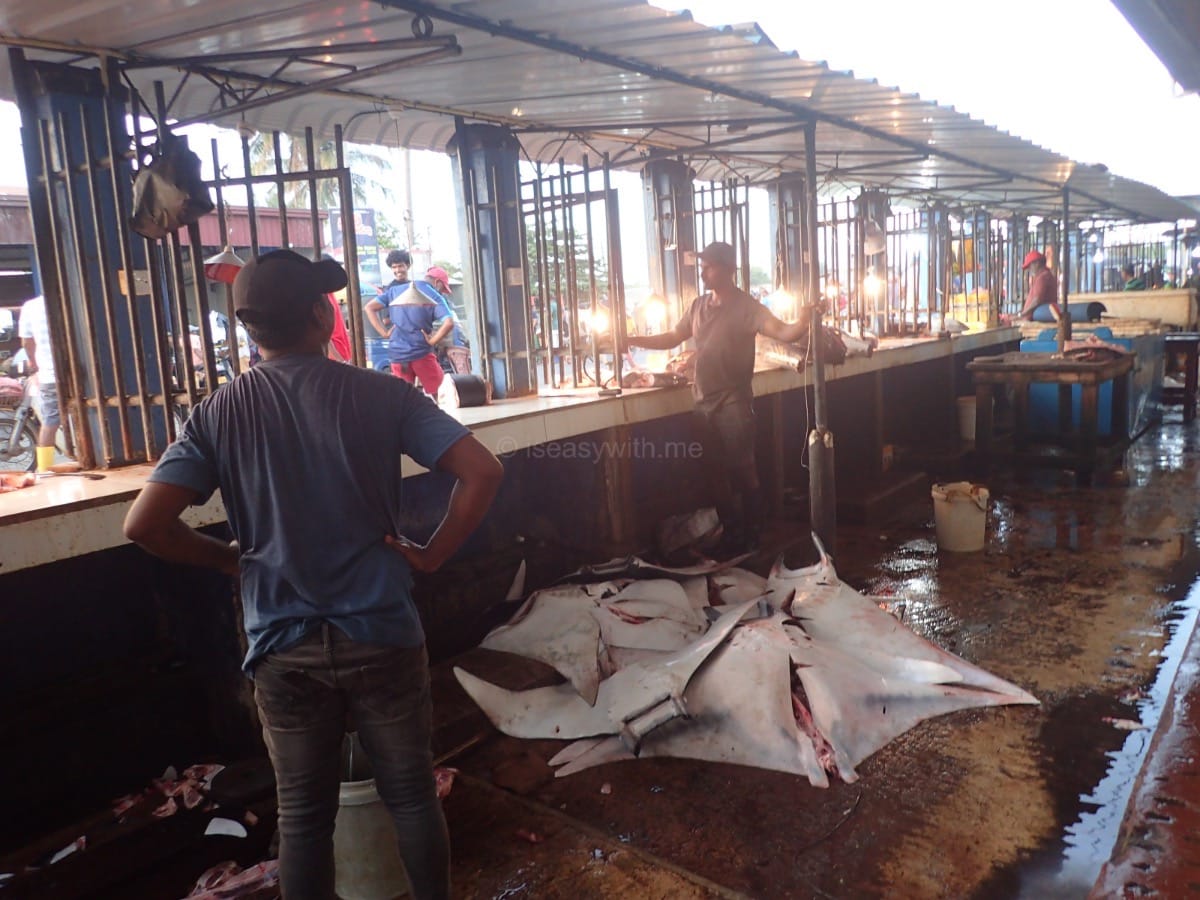
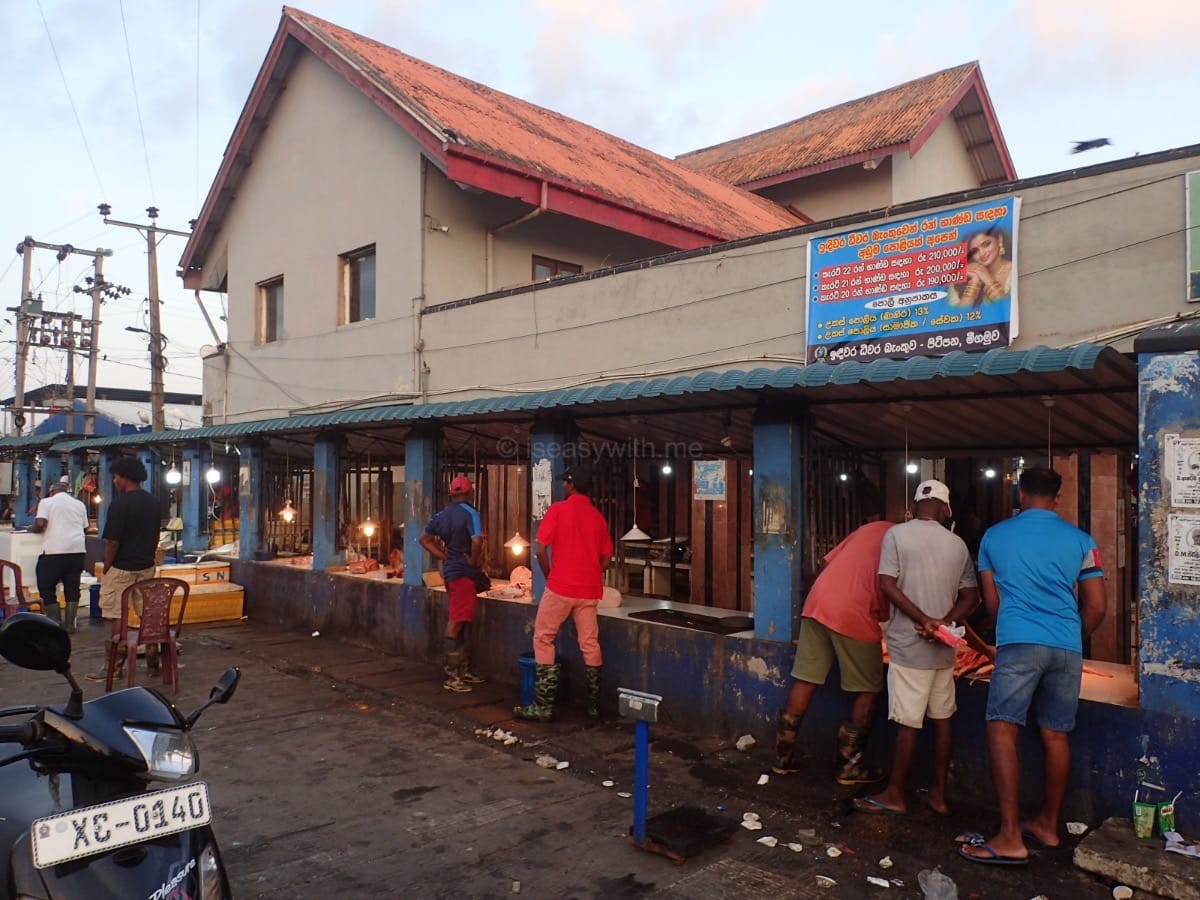
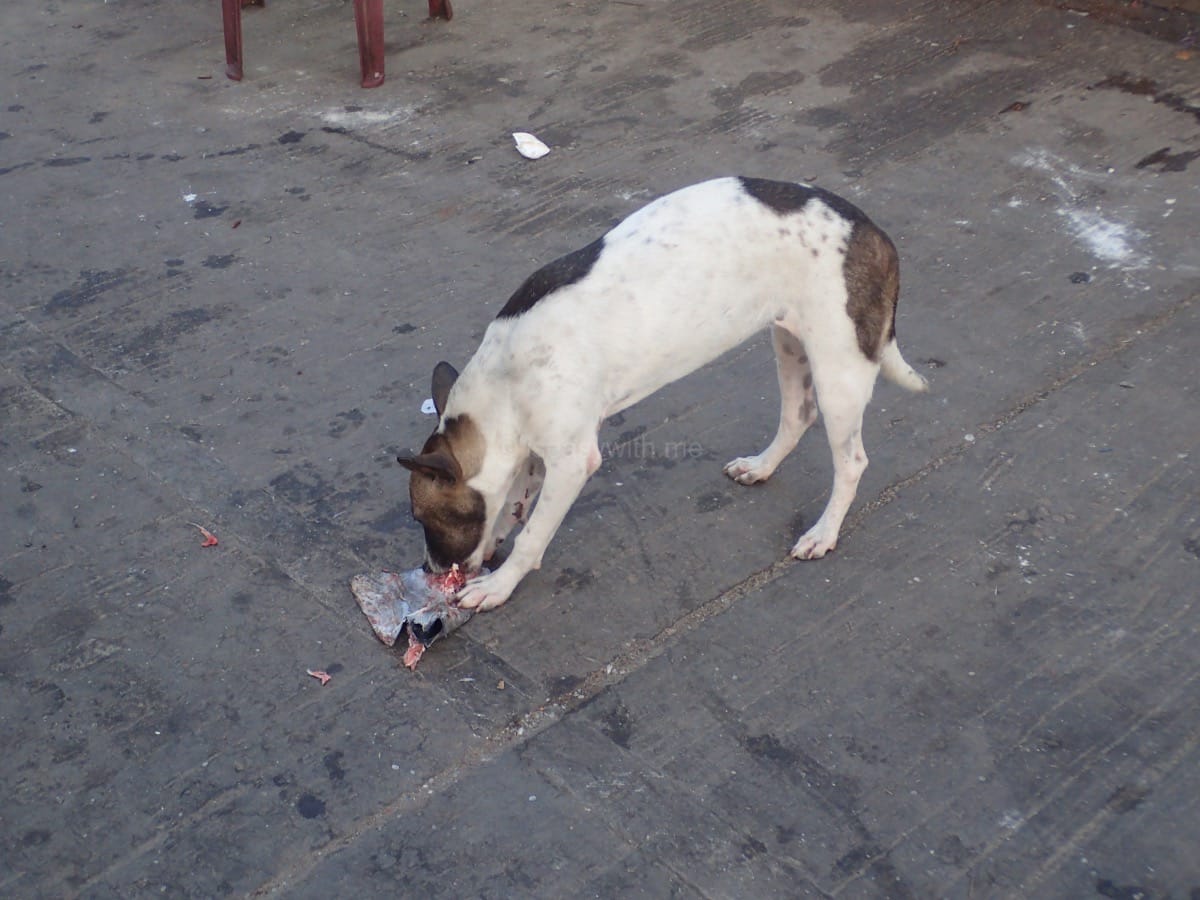
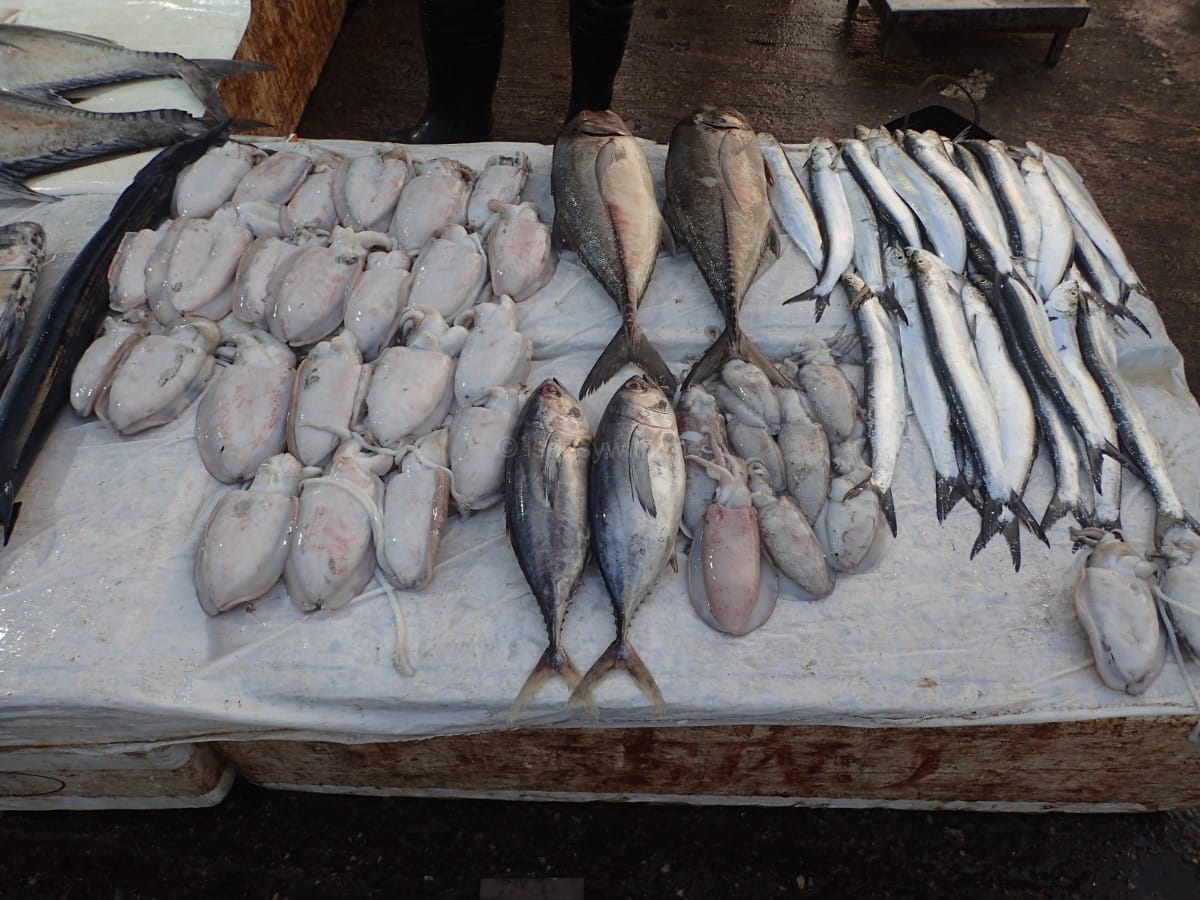
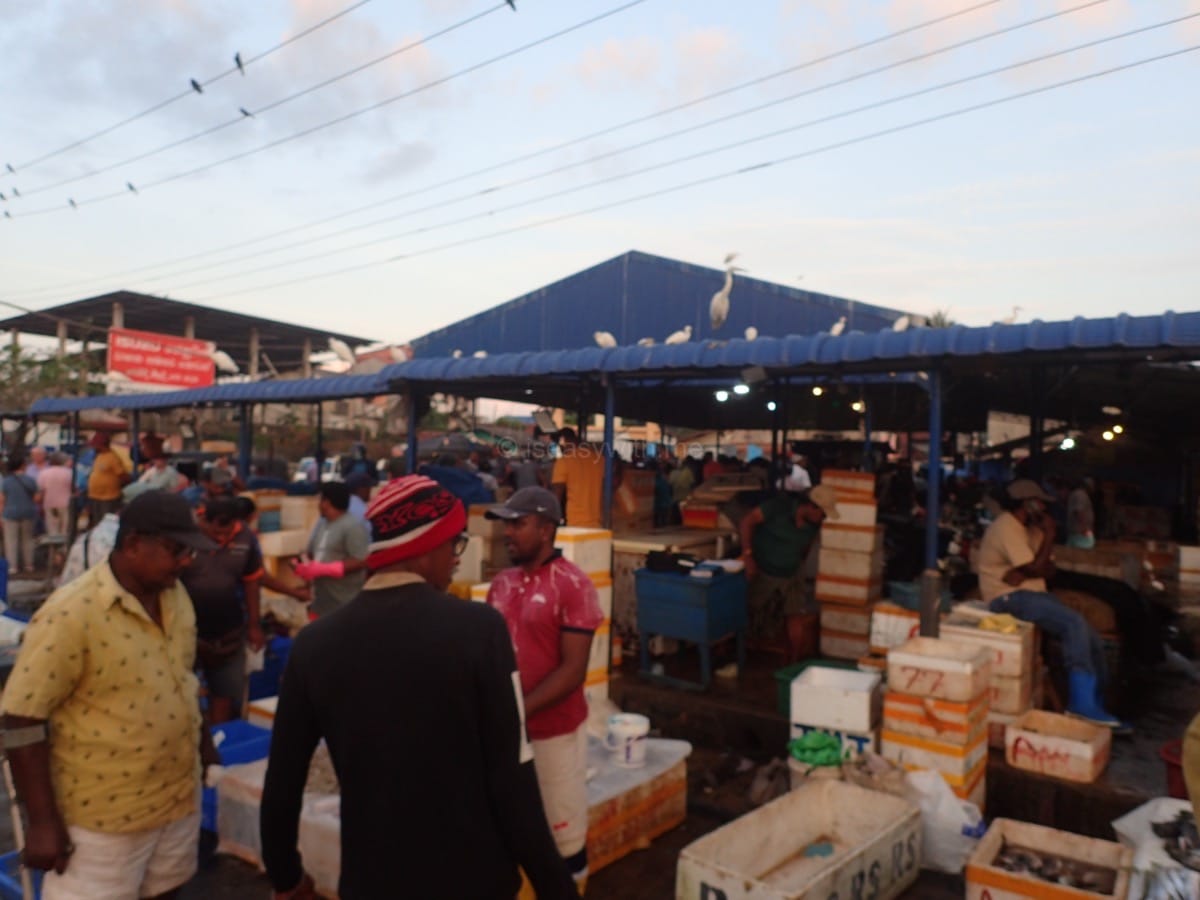
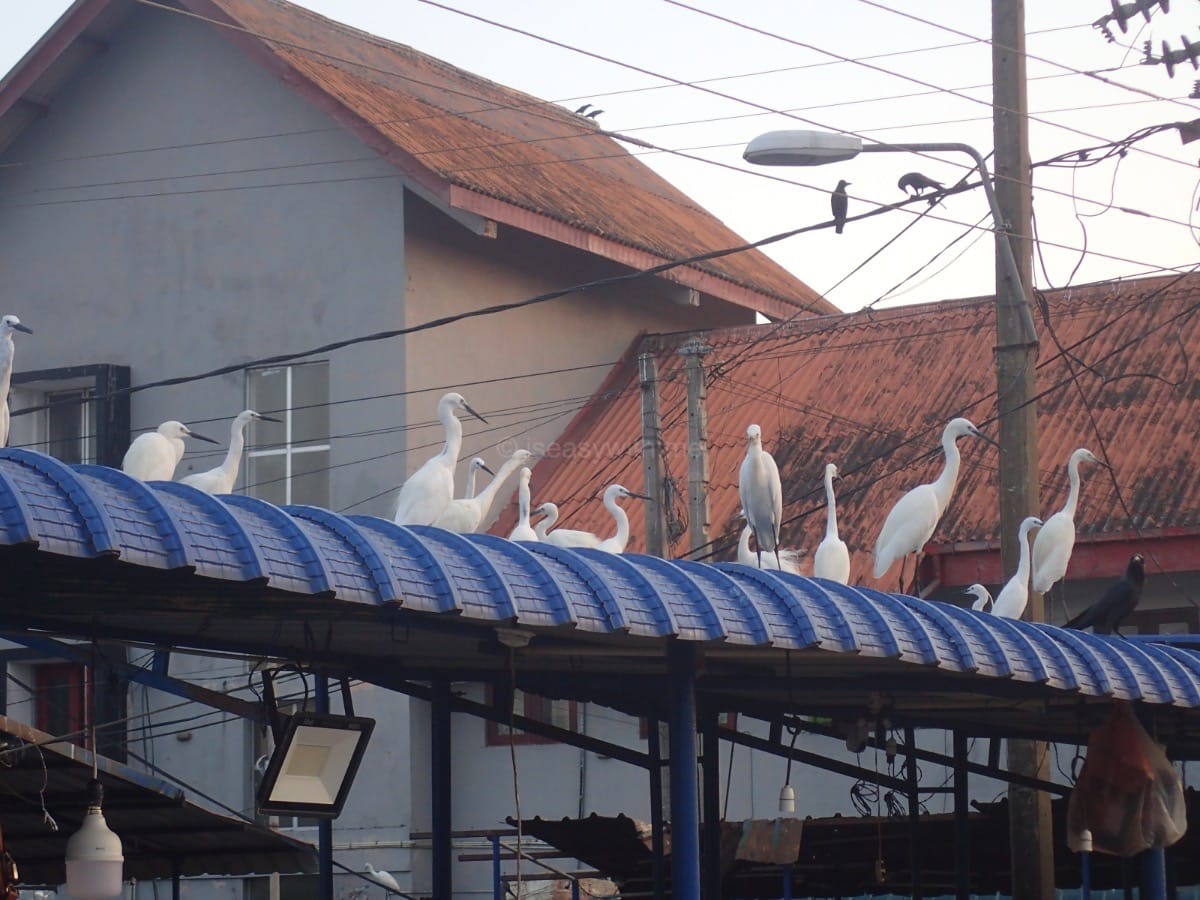
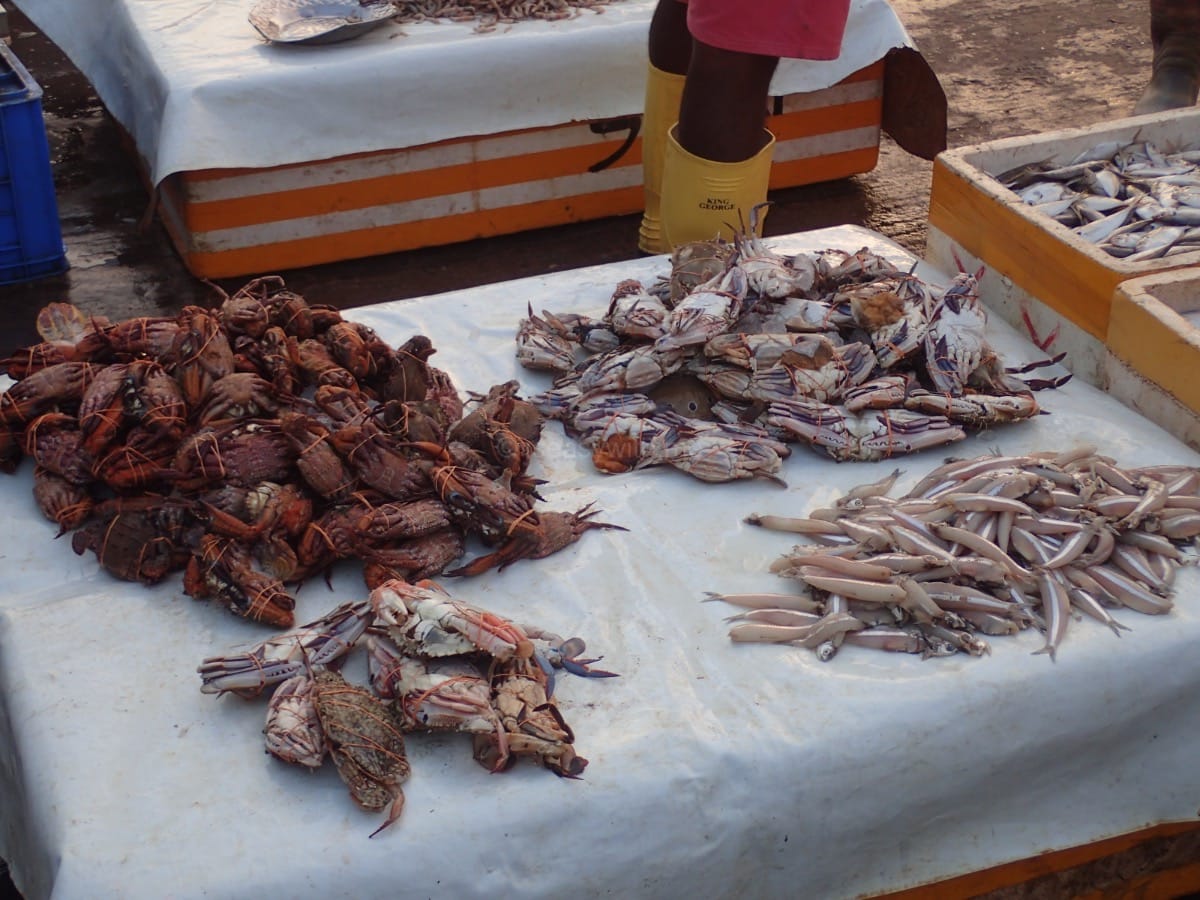
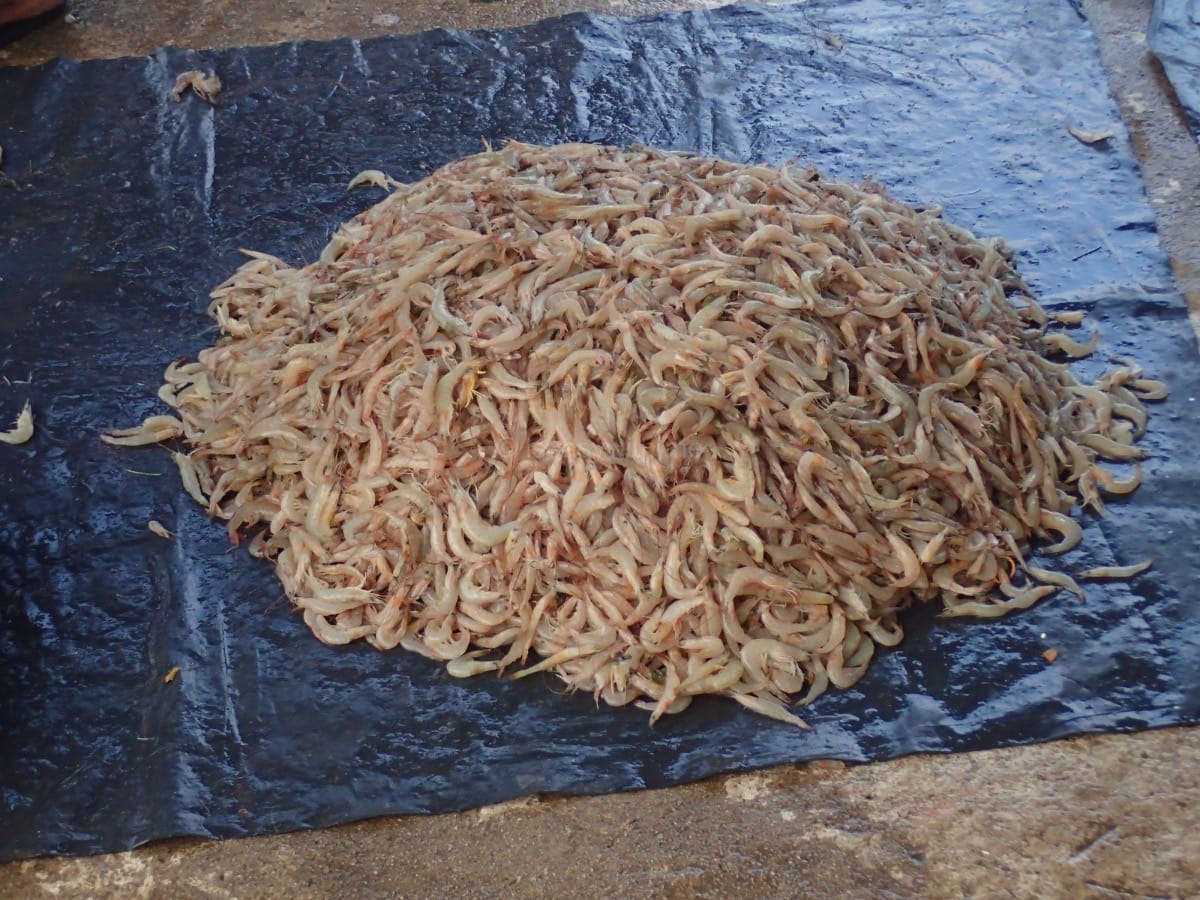
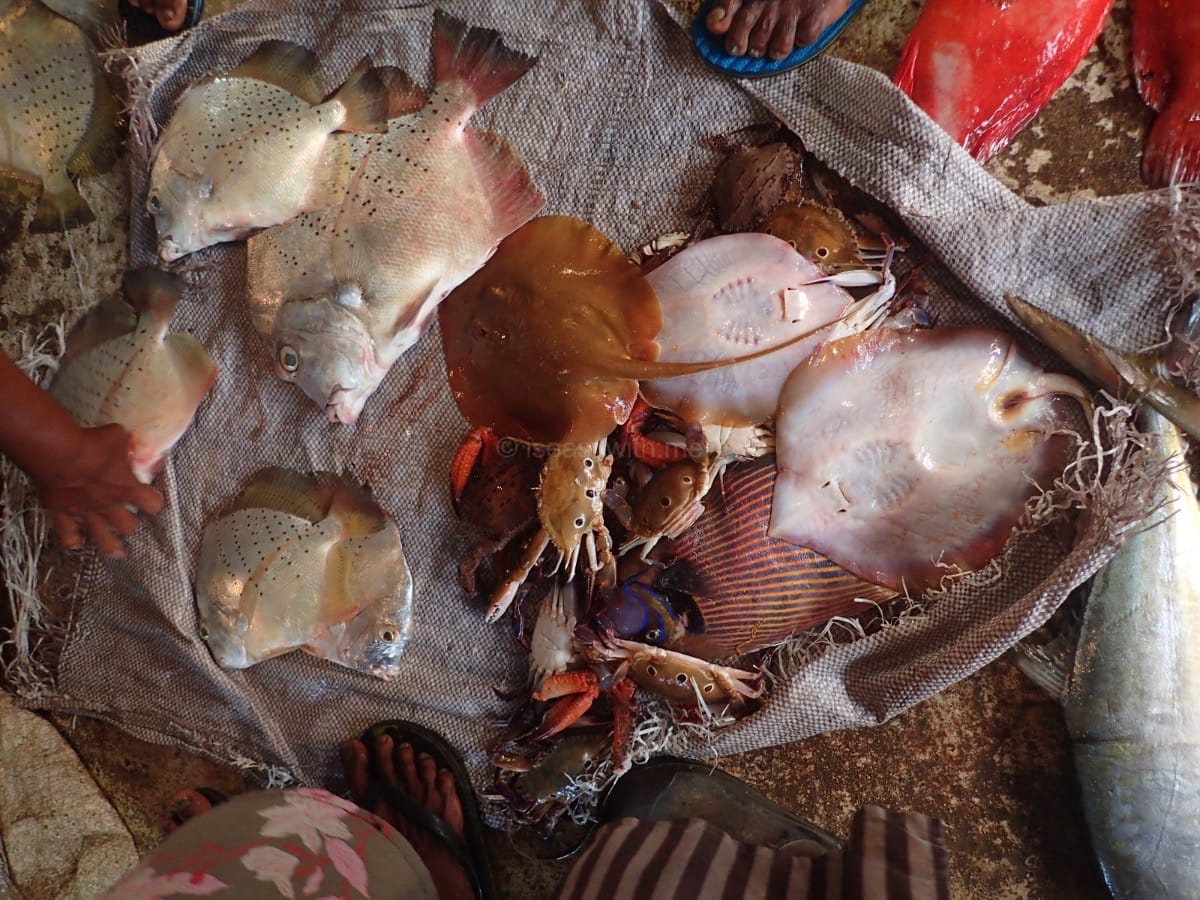
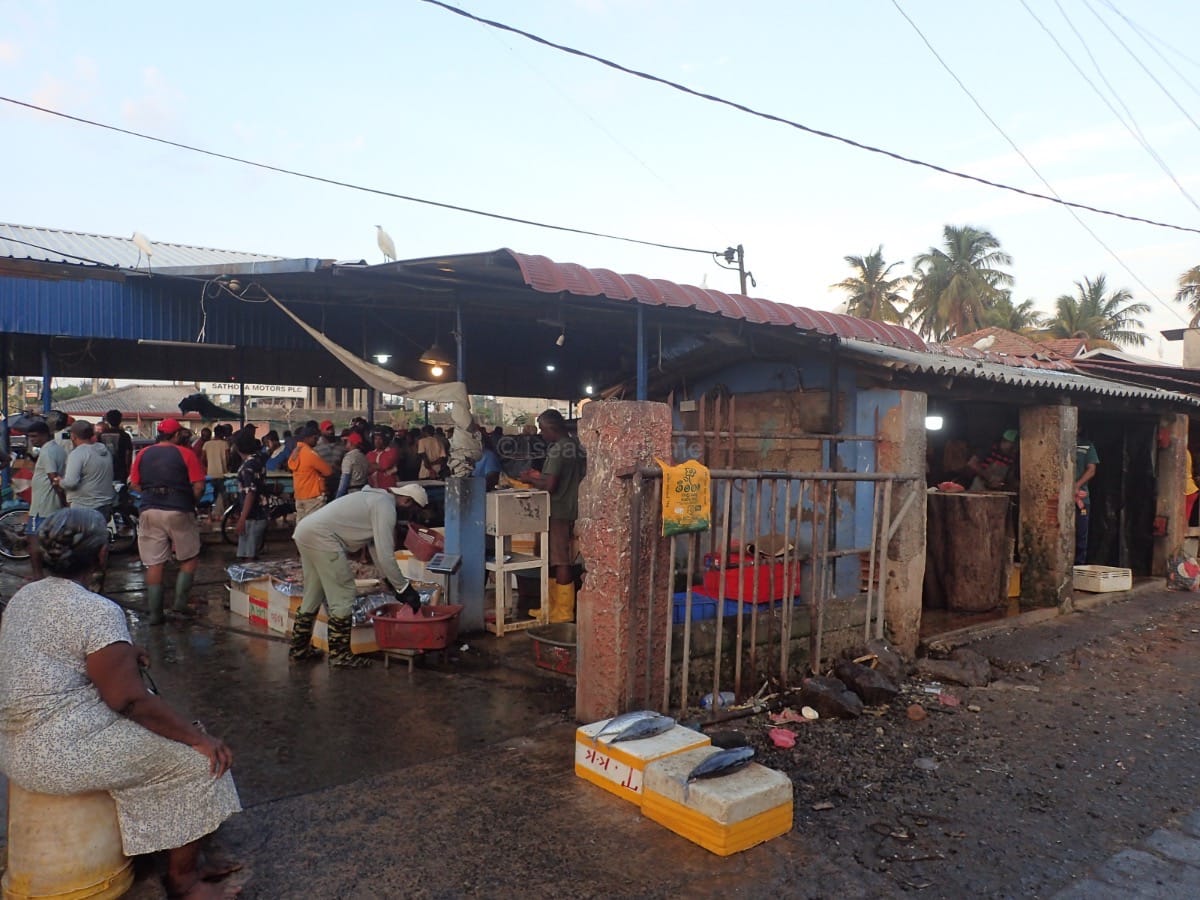
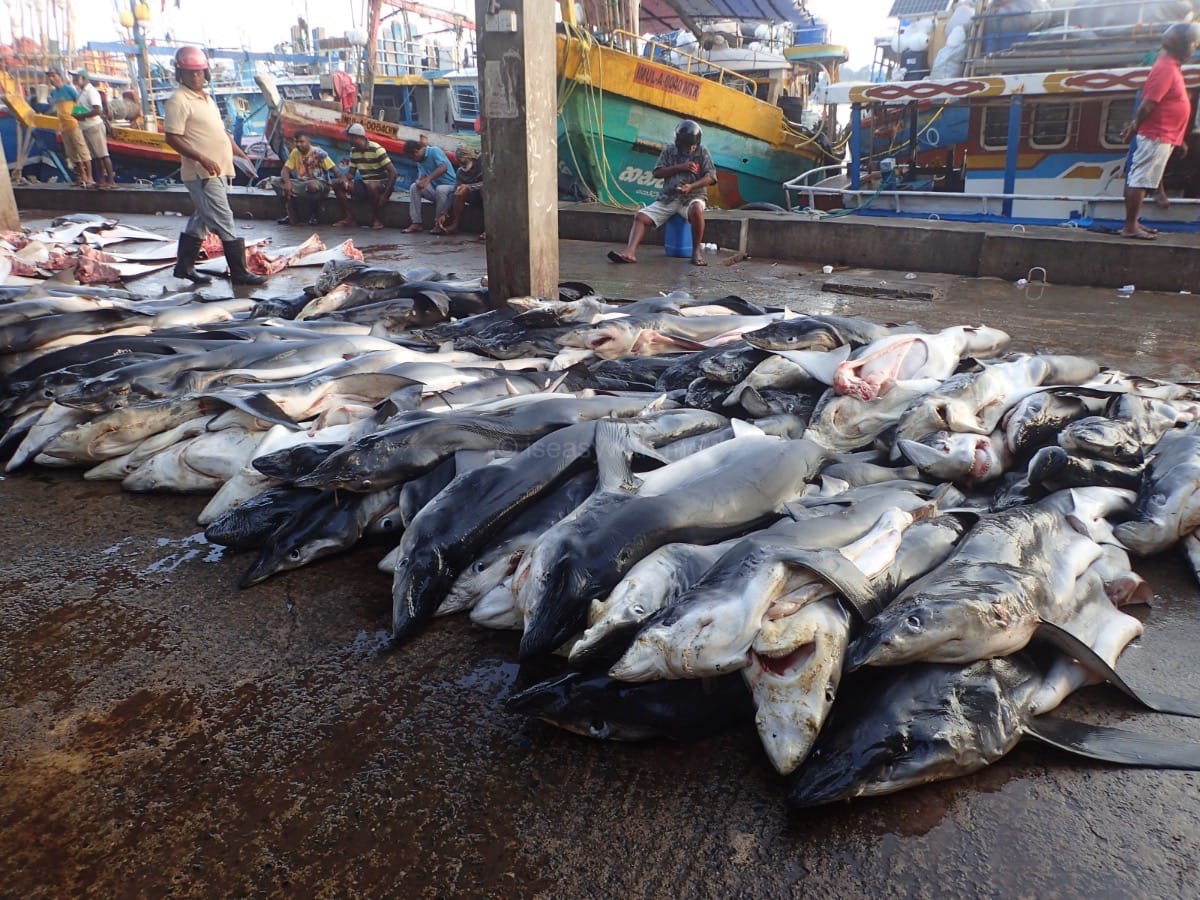
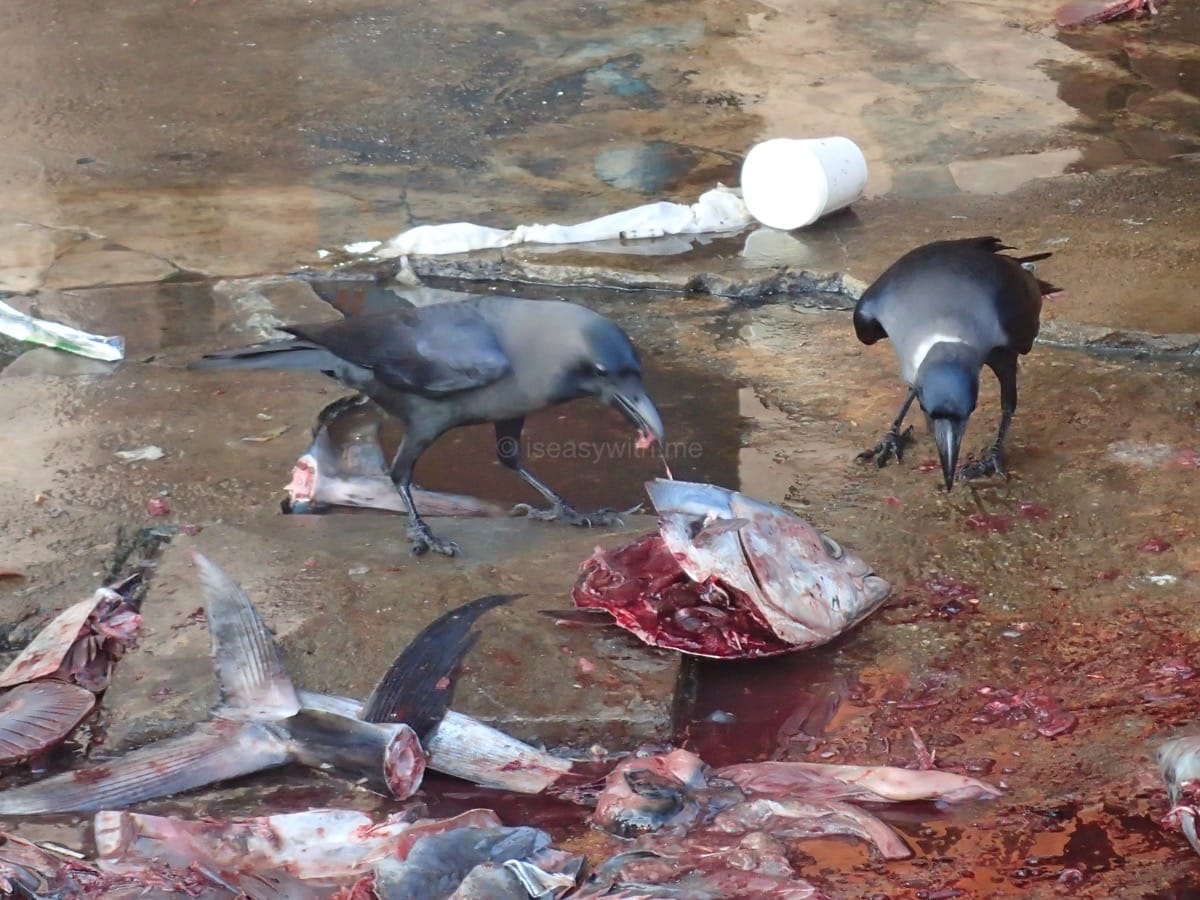
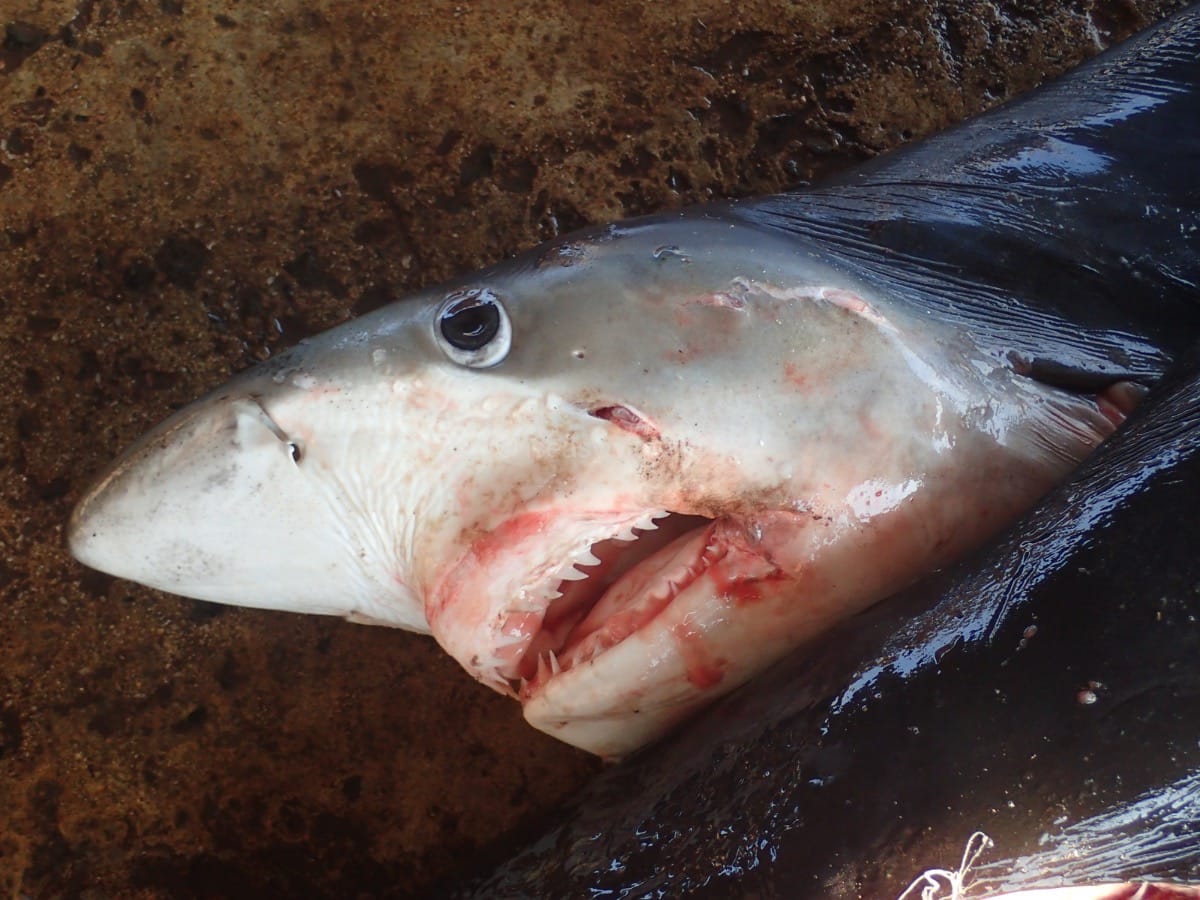
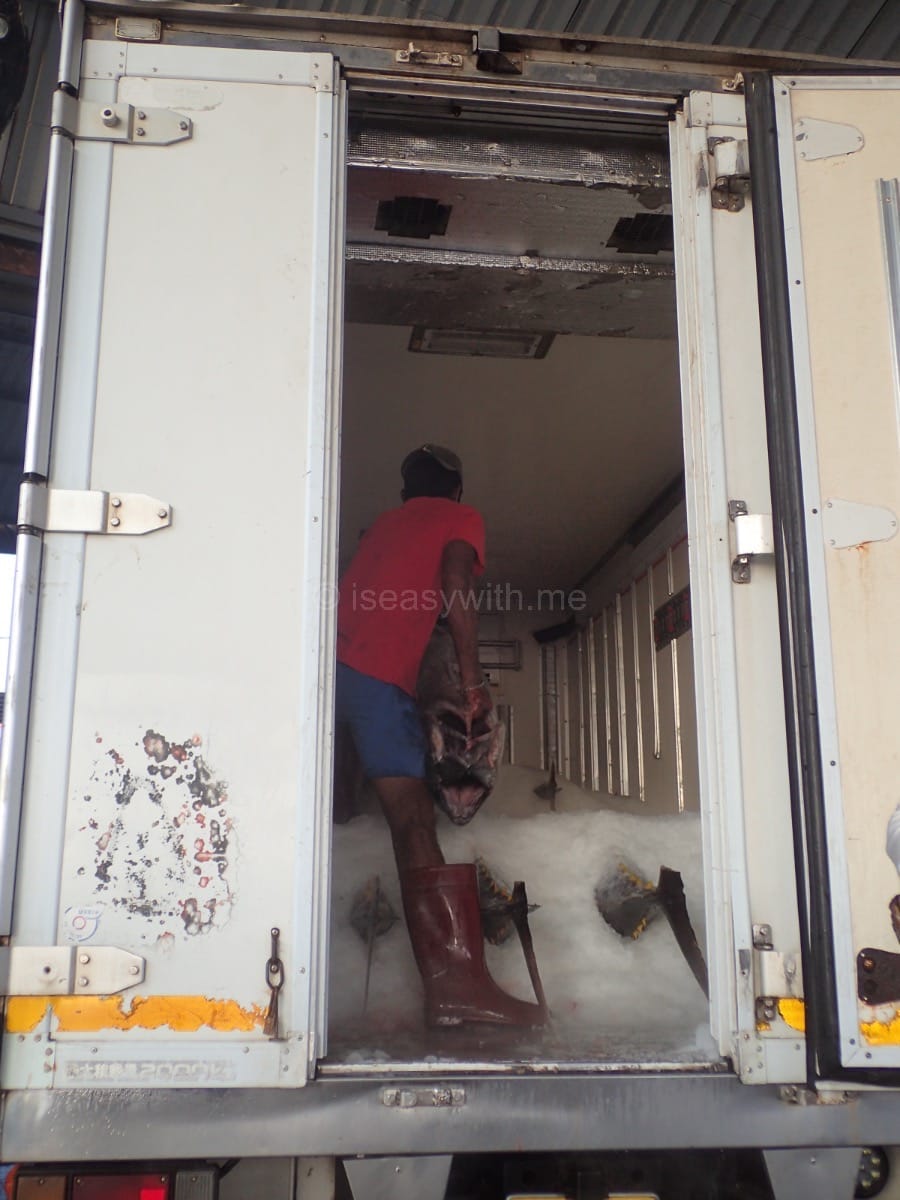
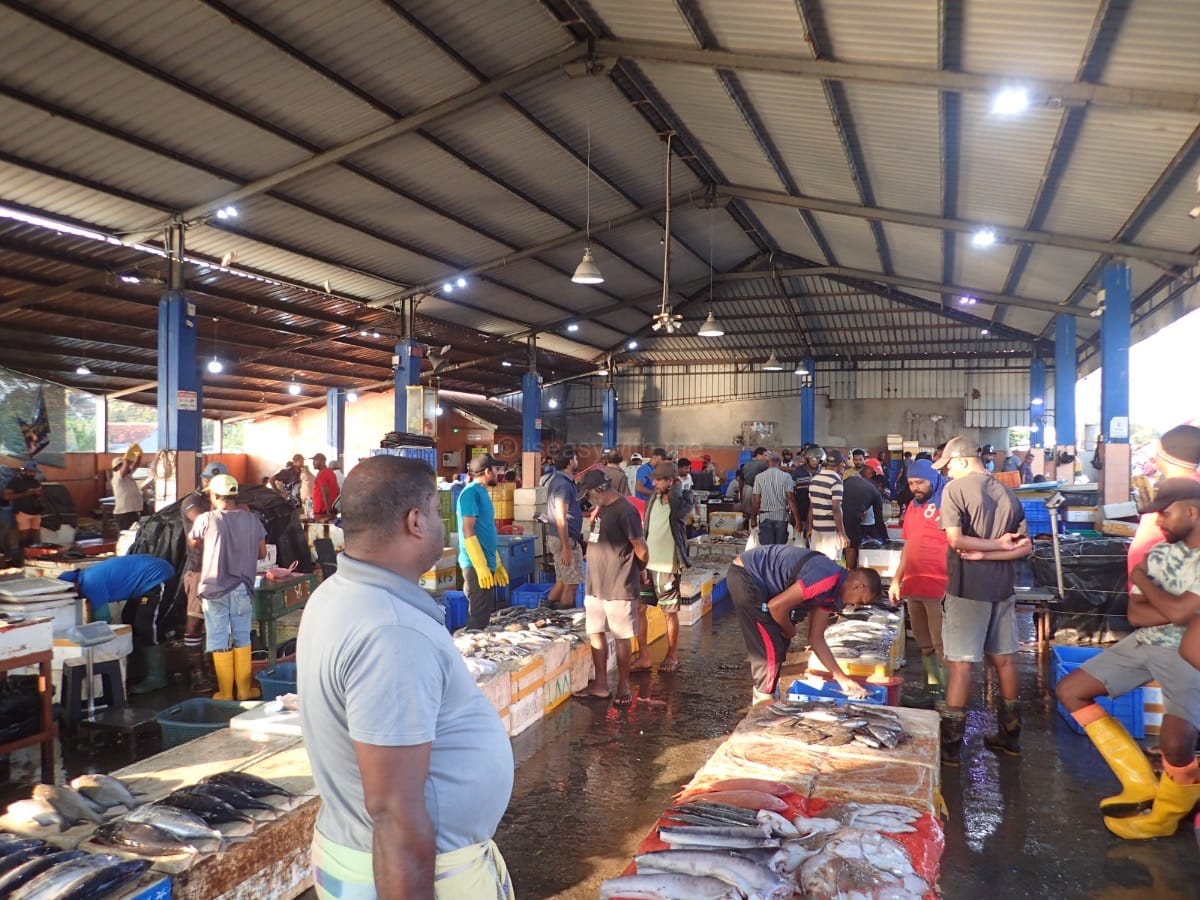
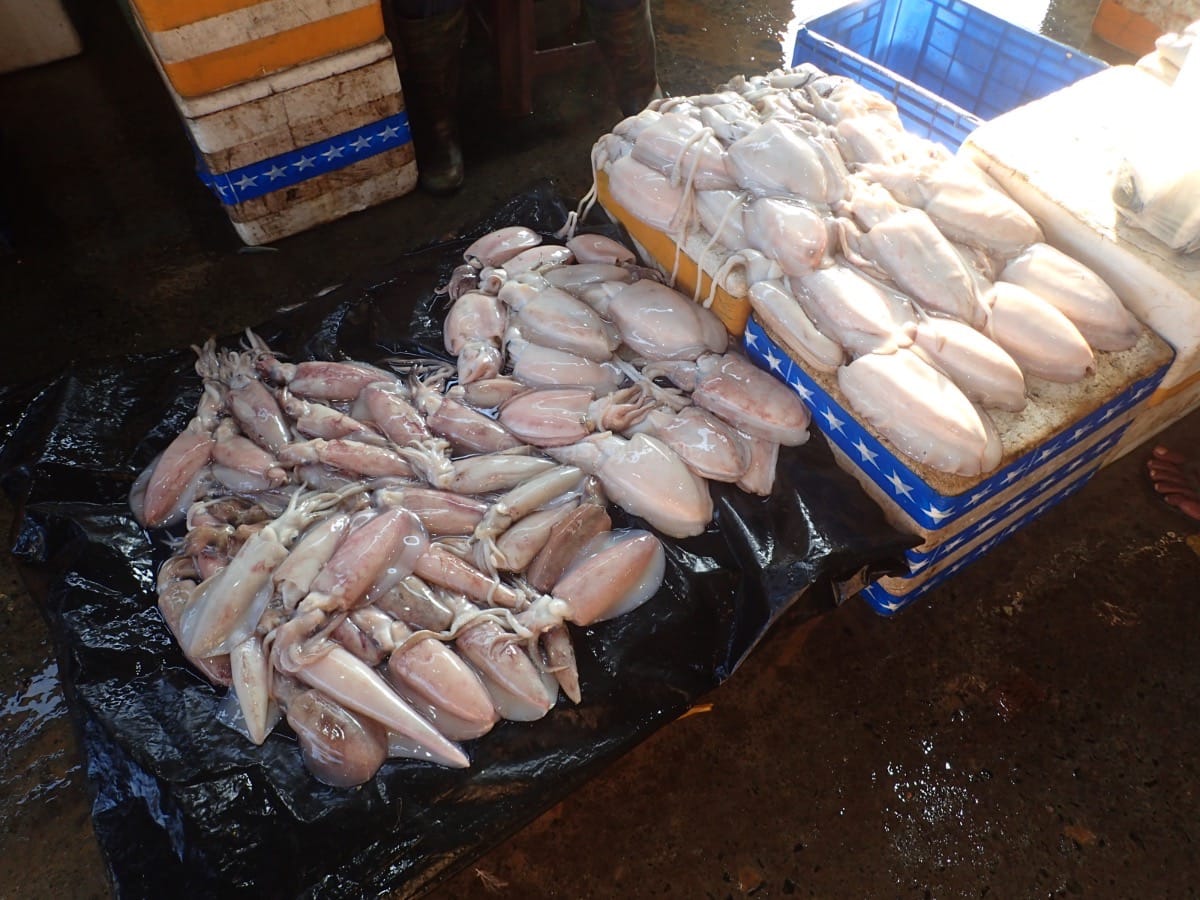
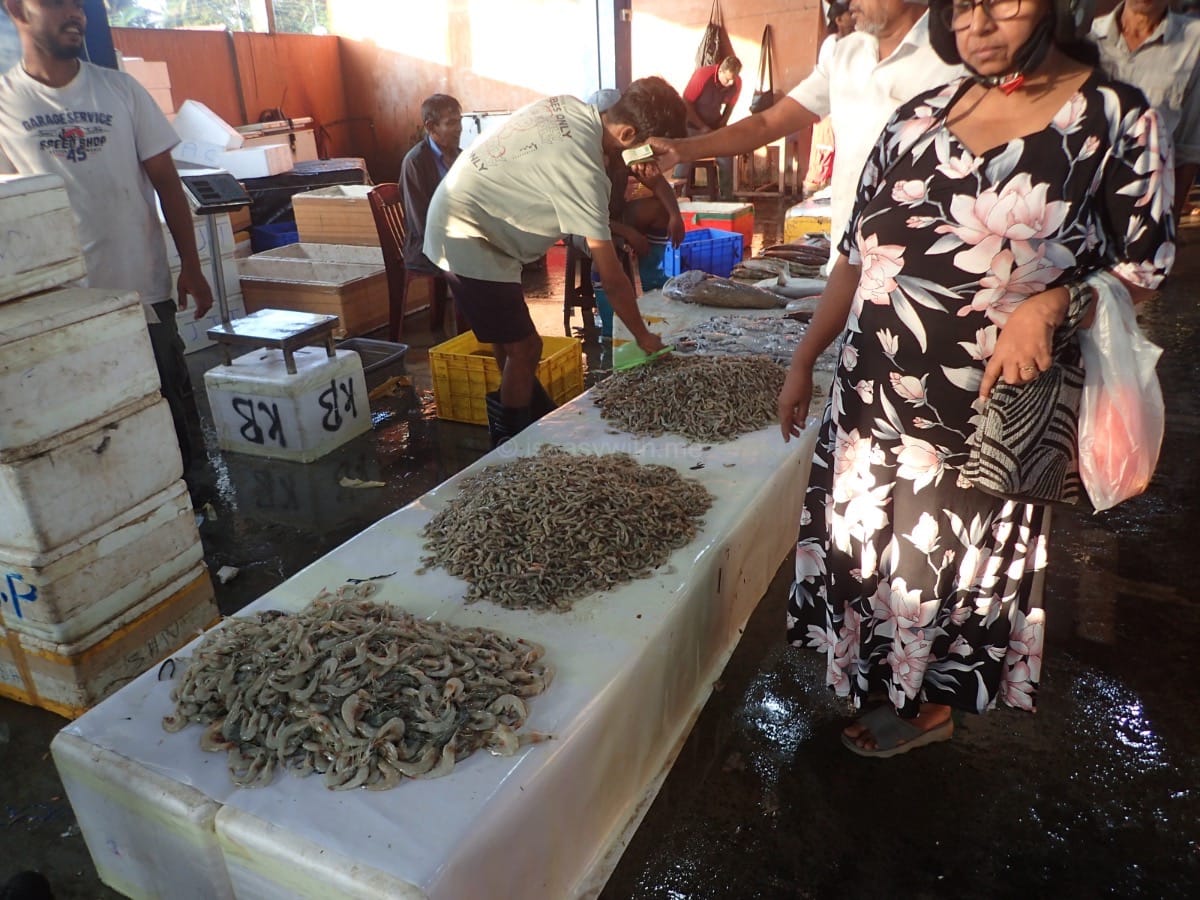
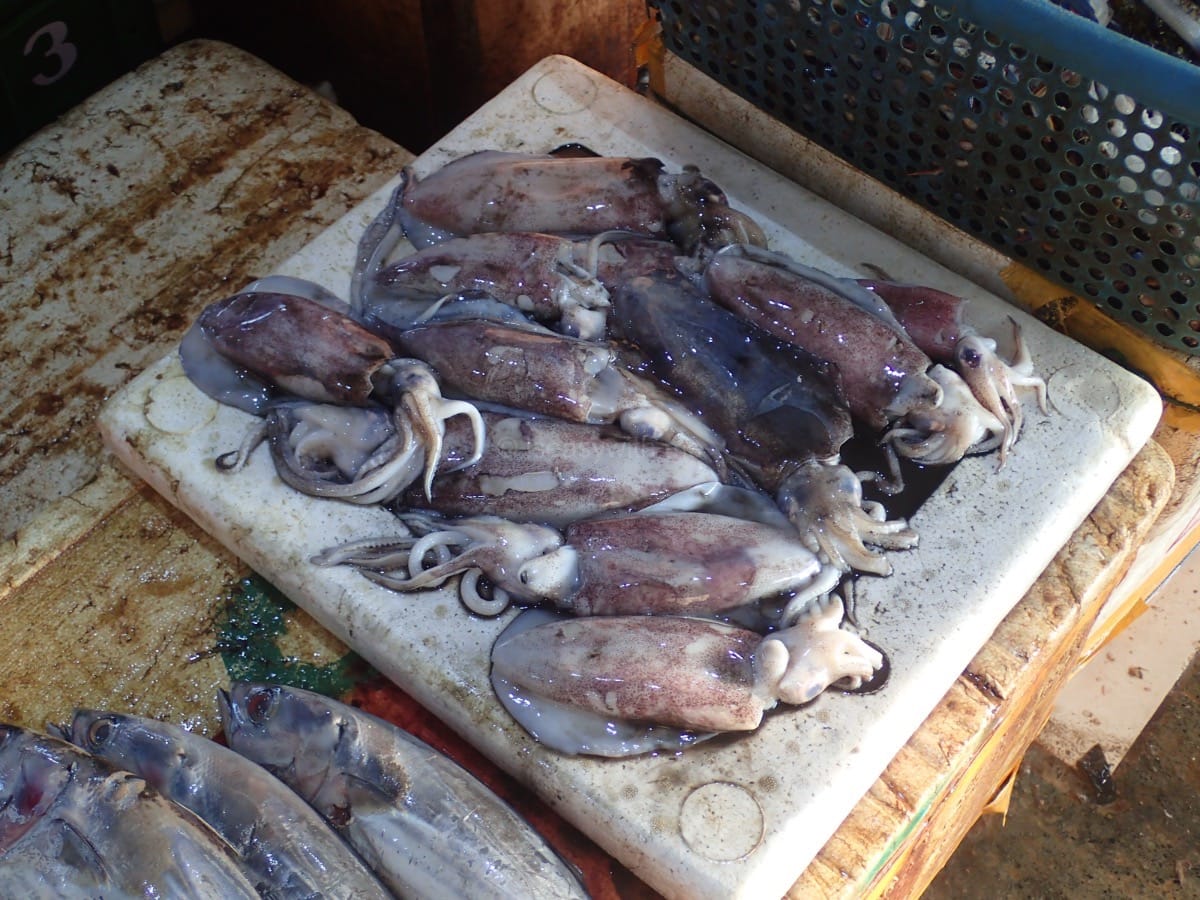
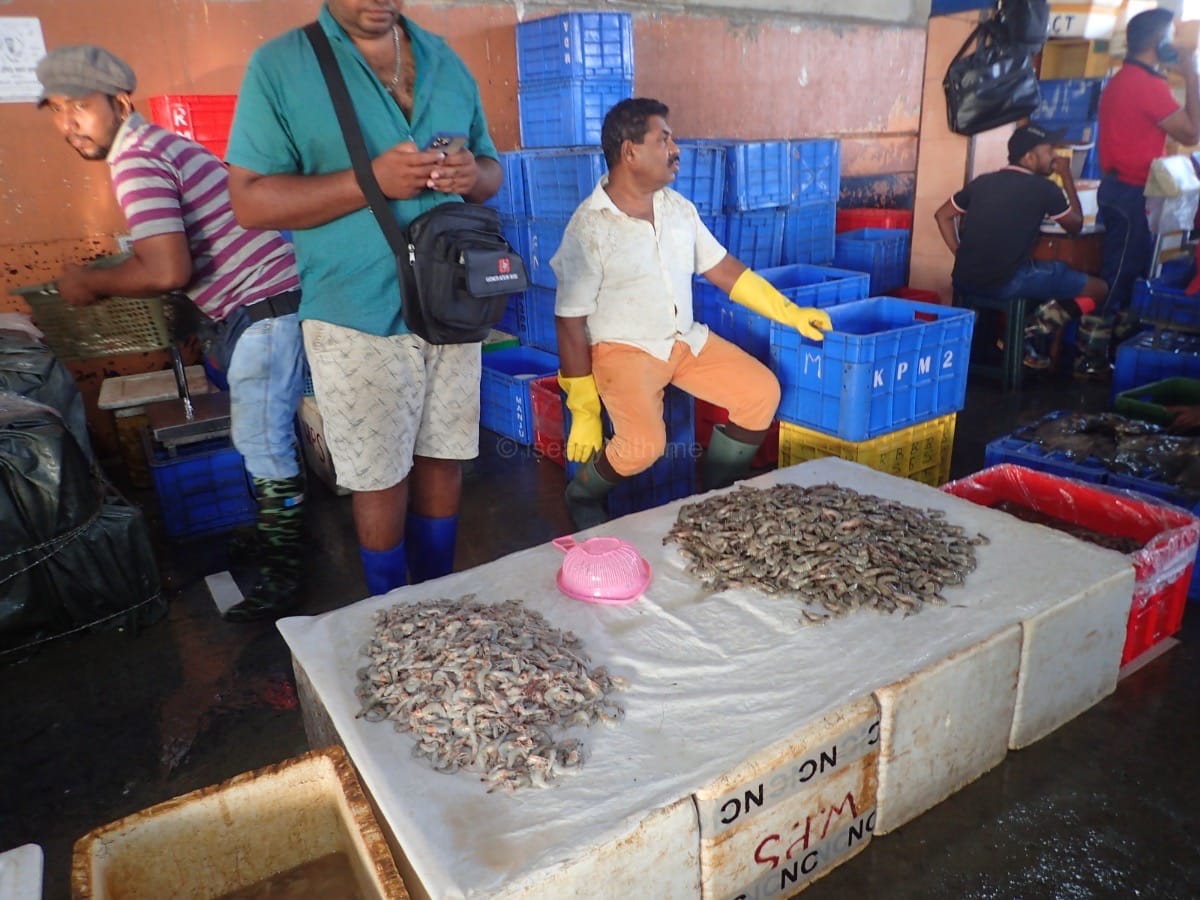
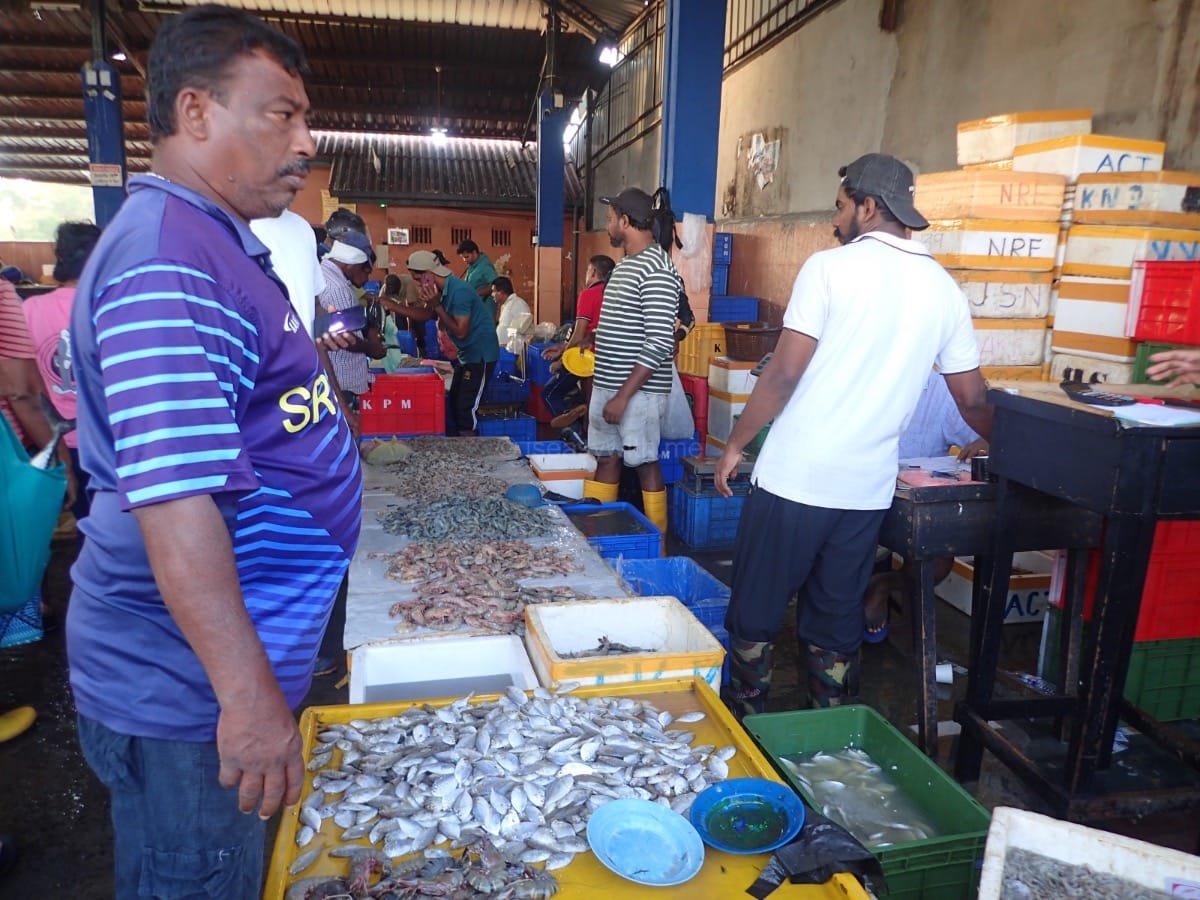
One of my most authentic, fast-paced experiences in Negombo unfolded right at the edge of the lagoon. Arriving at dawn, I watched large deep-sea fishing boats return to shore and observed the crews hauling massive catches straight from the refrigerated under-deck storage holds onto the docks. It was chaotic, loud and bursting with local energy as wholesalers immediately began bidding on fresh seafood, including crabs, sharks, stingrays and tuna.
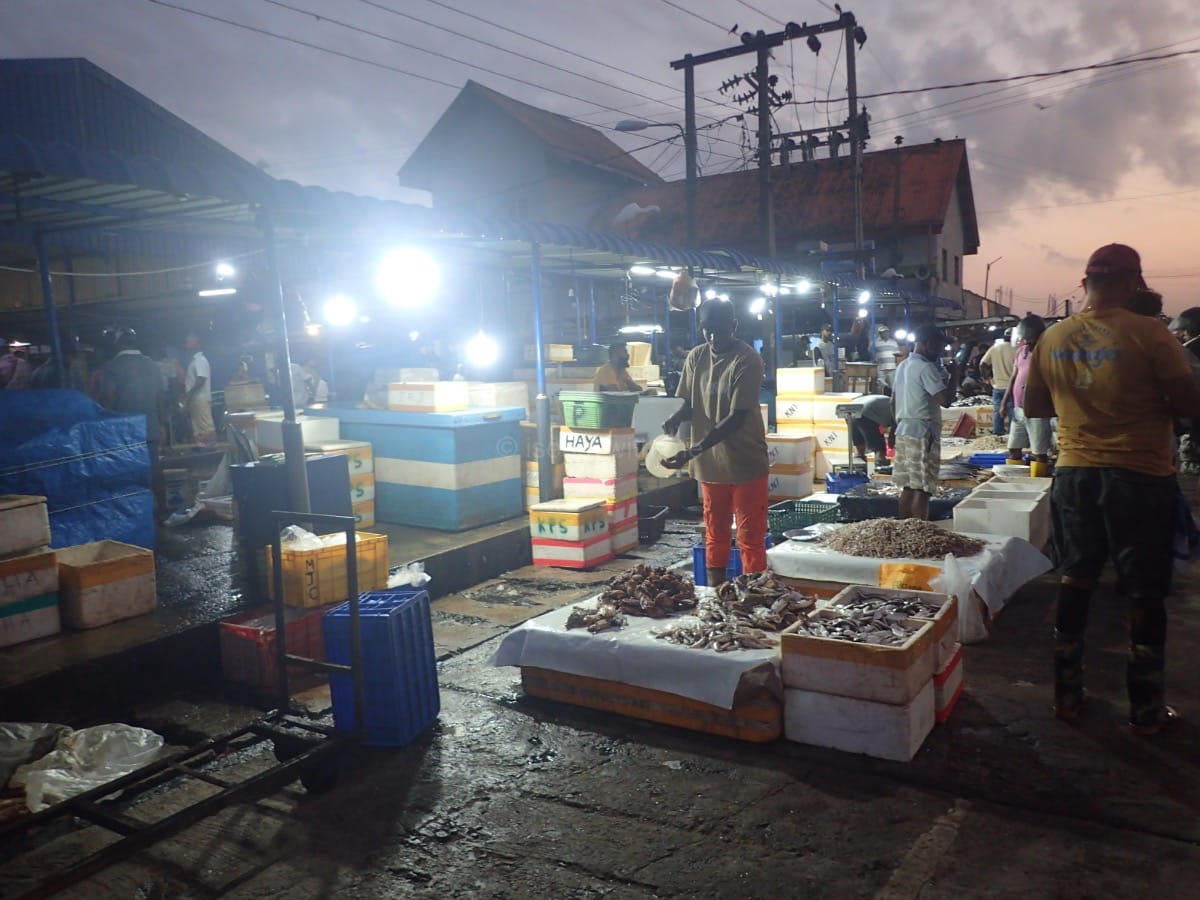
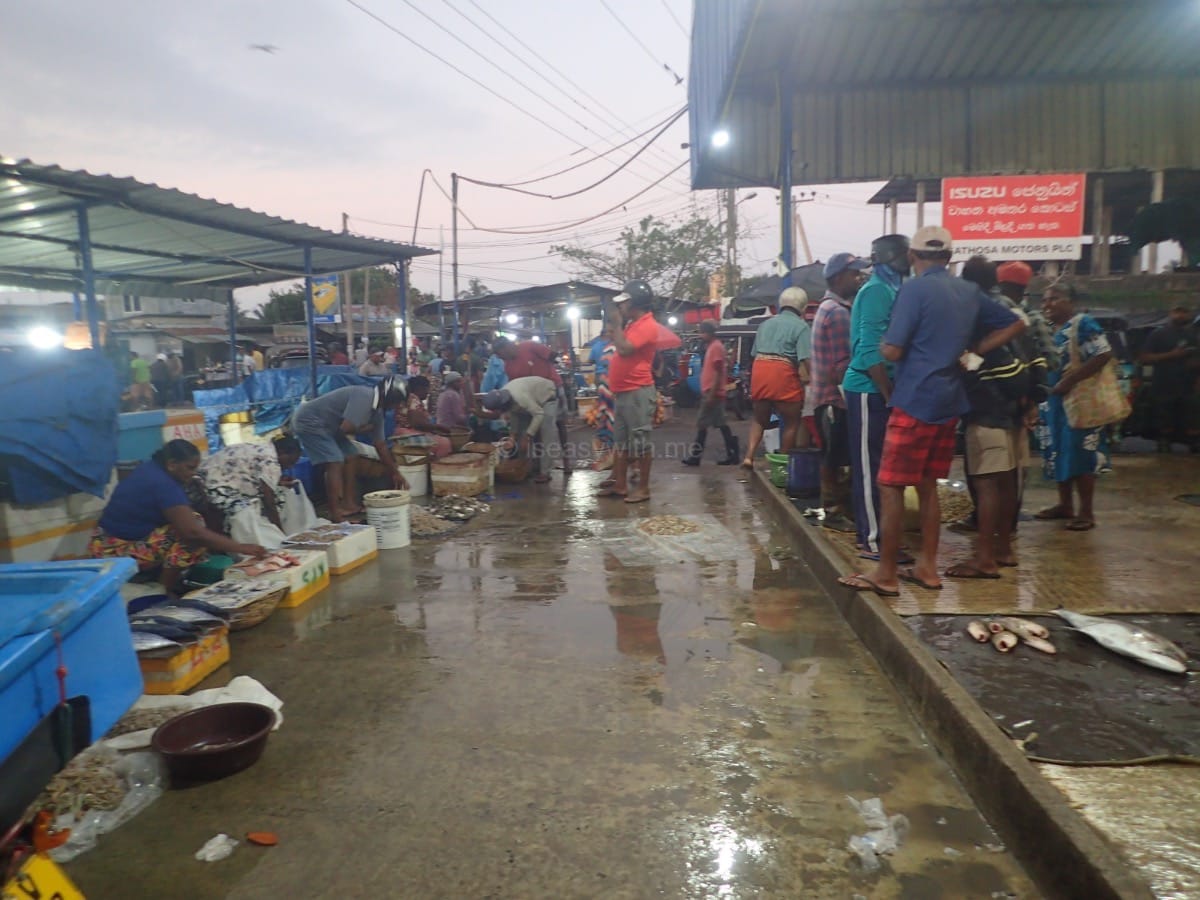
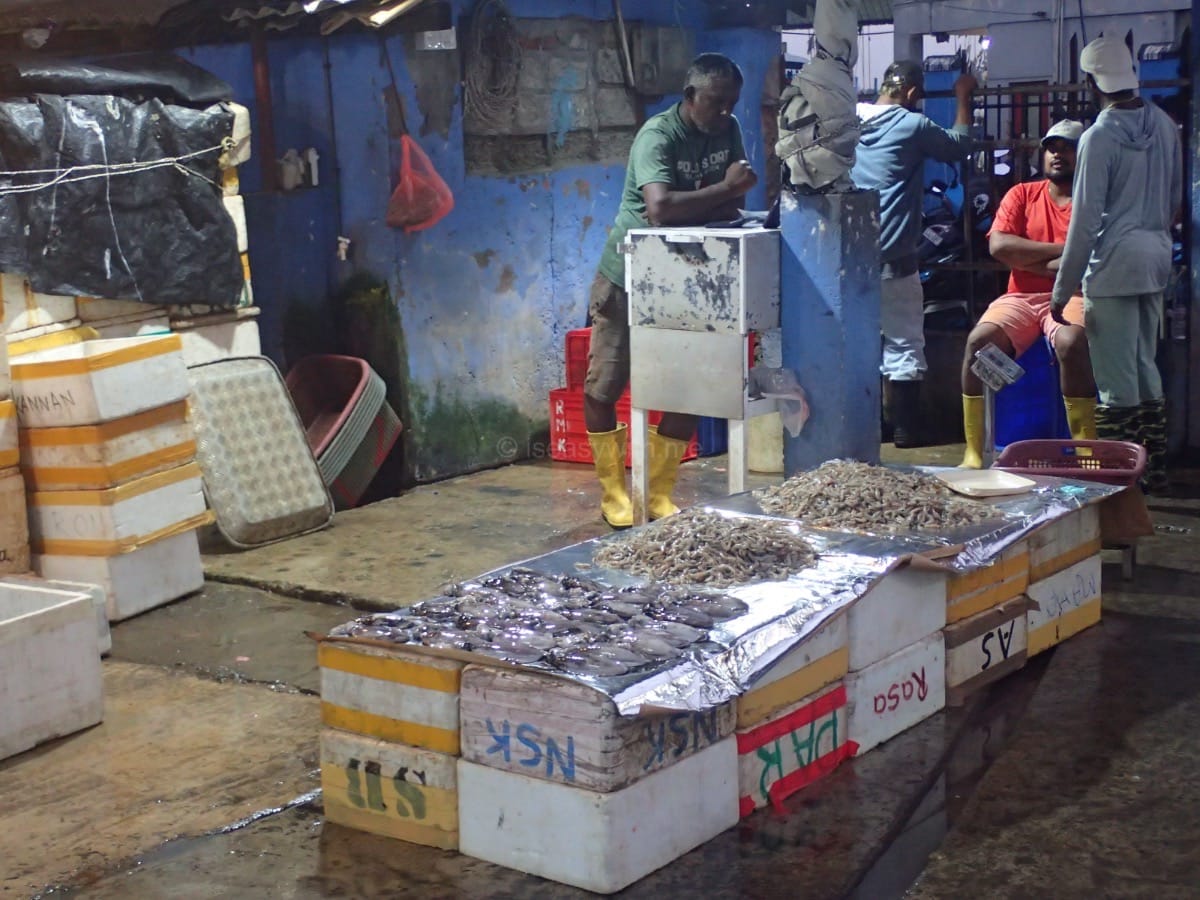
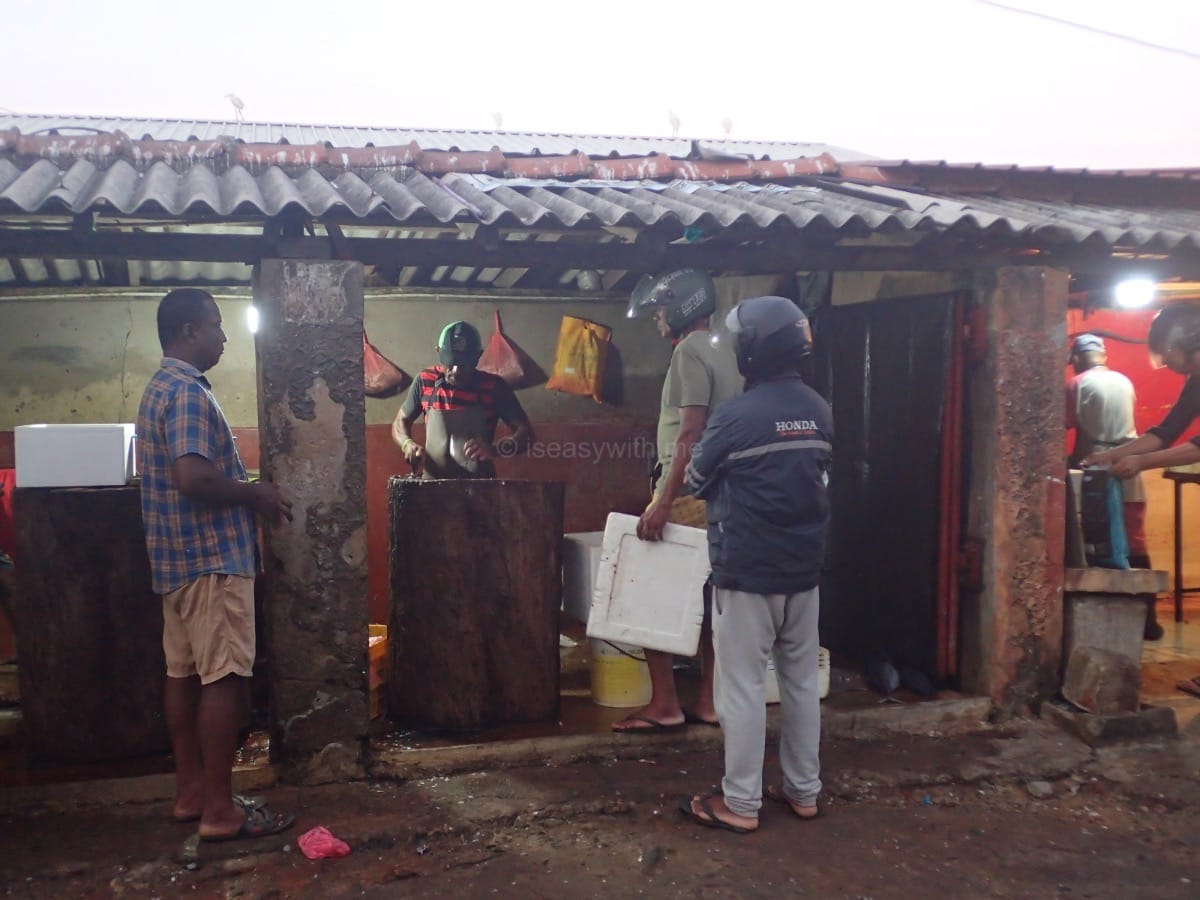
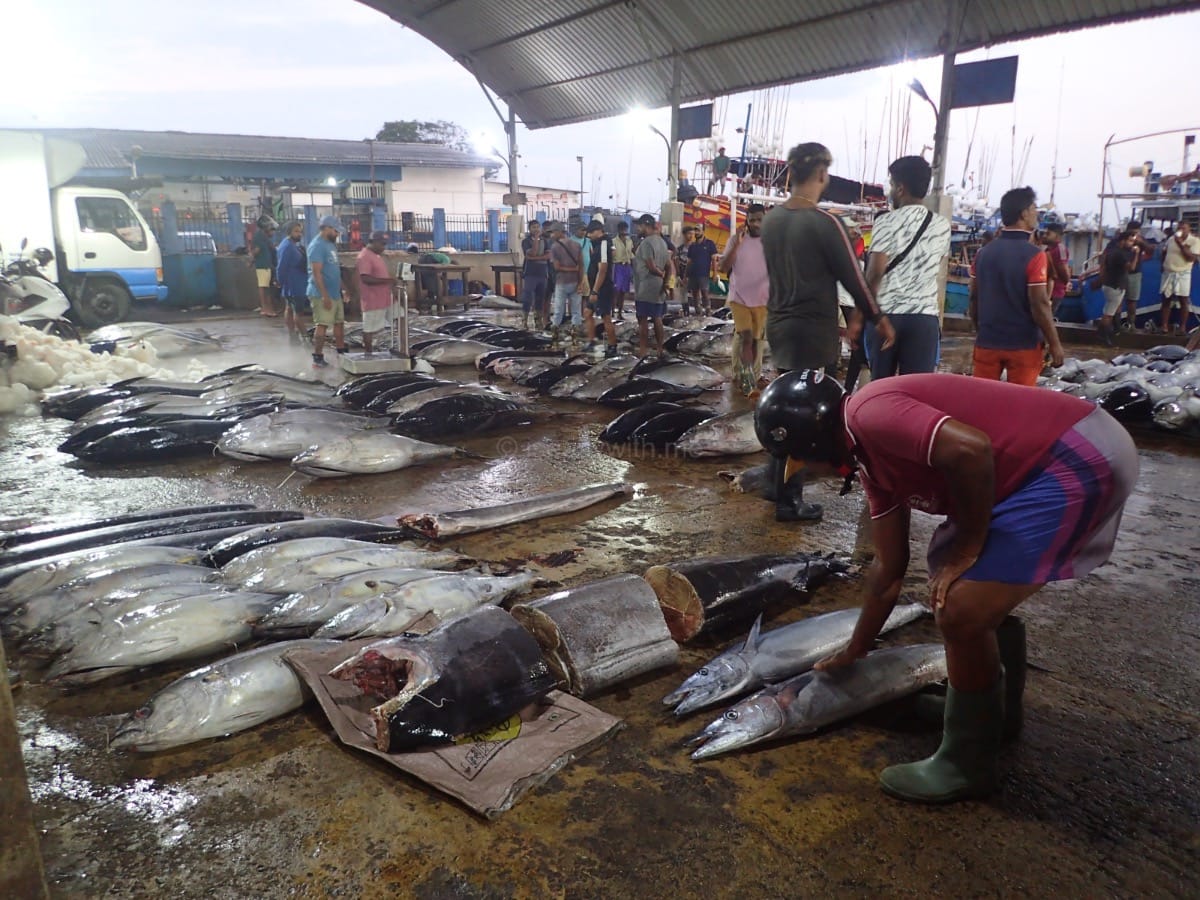
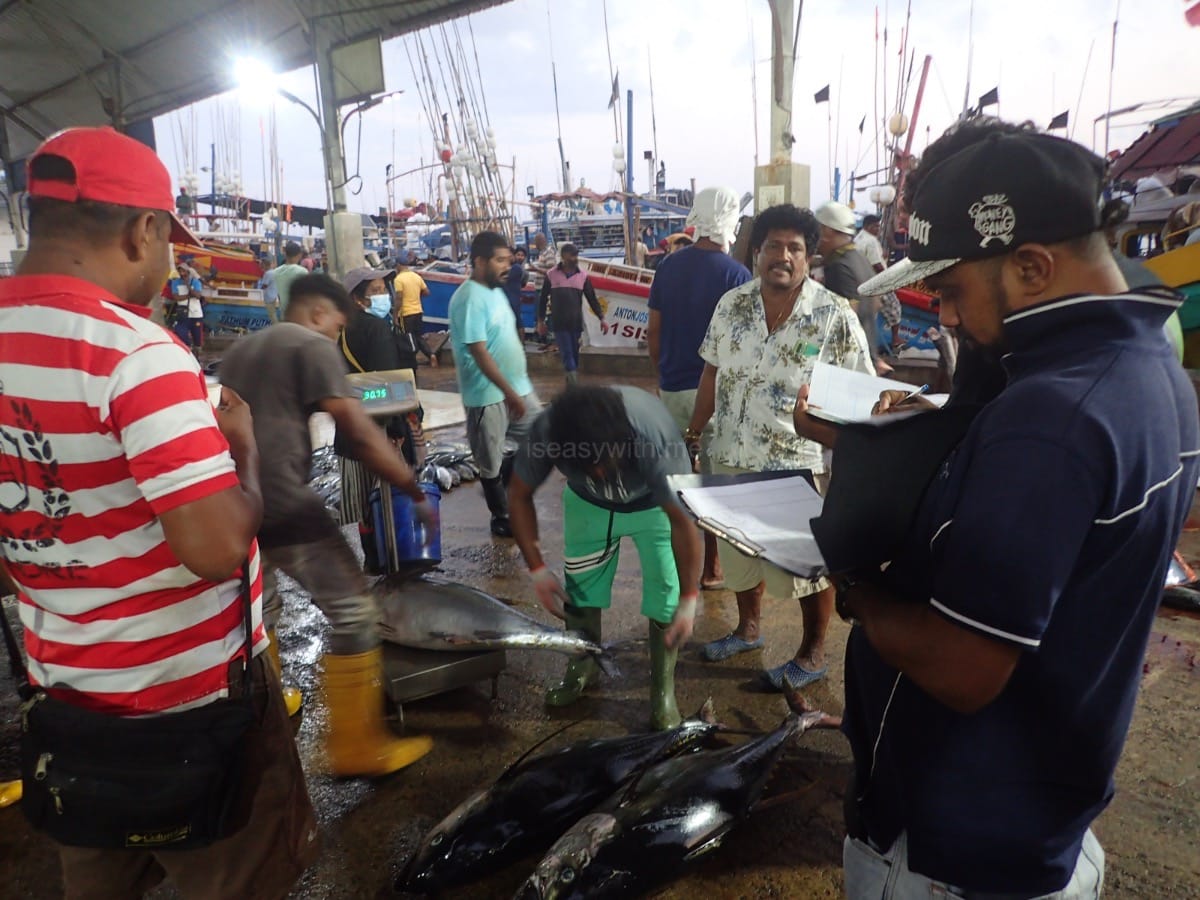
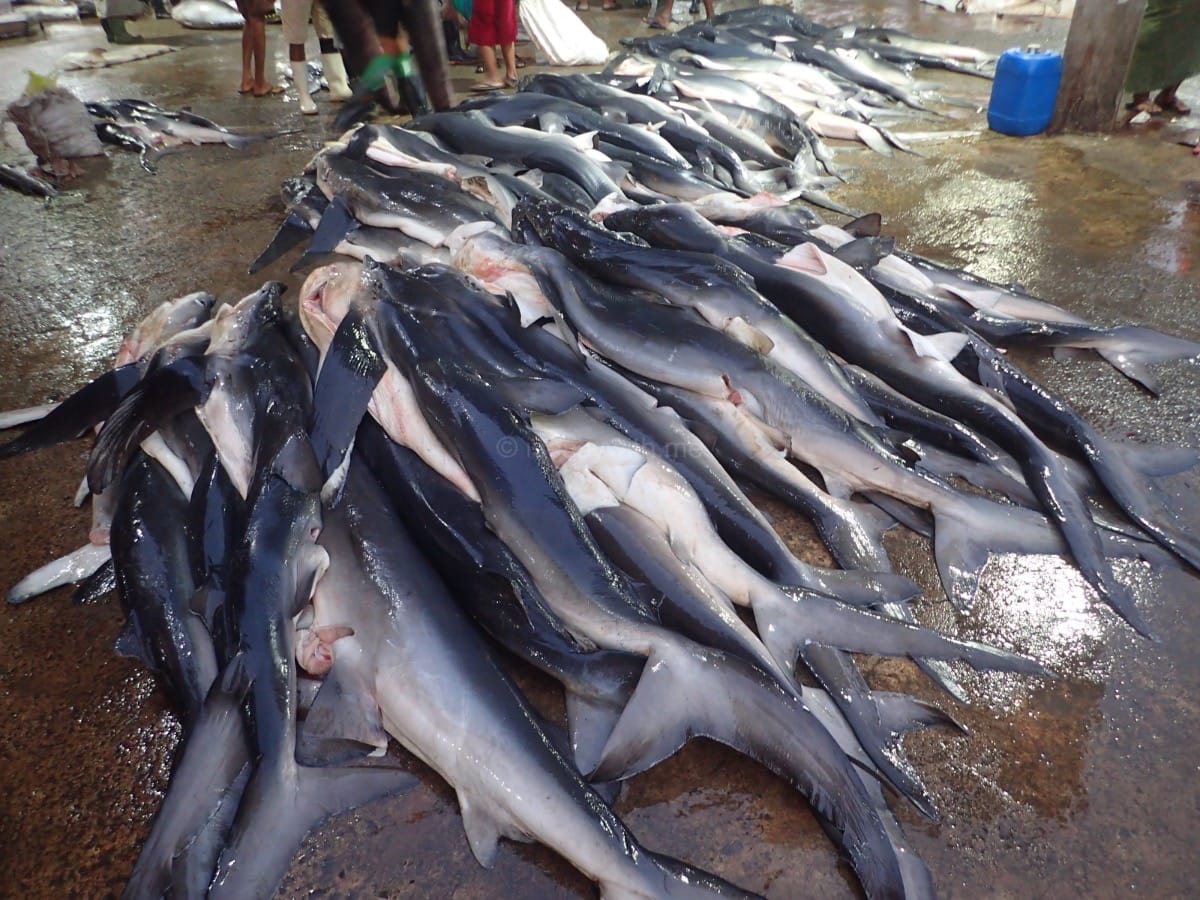
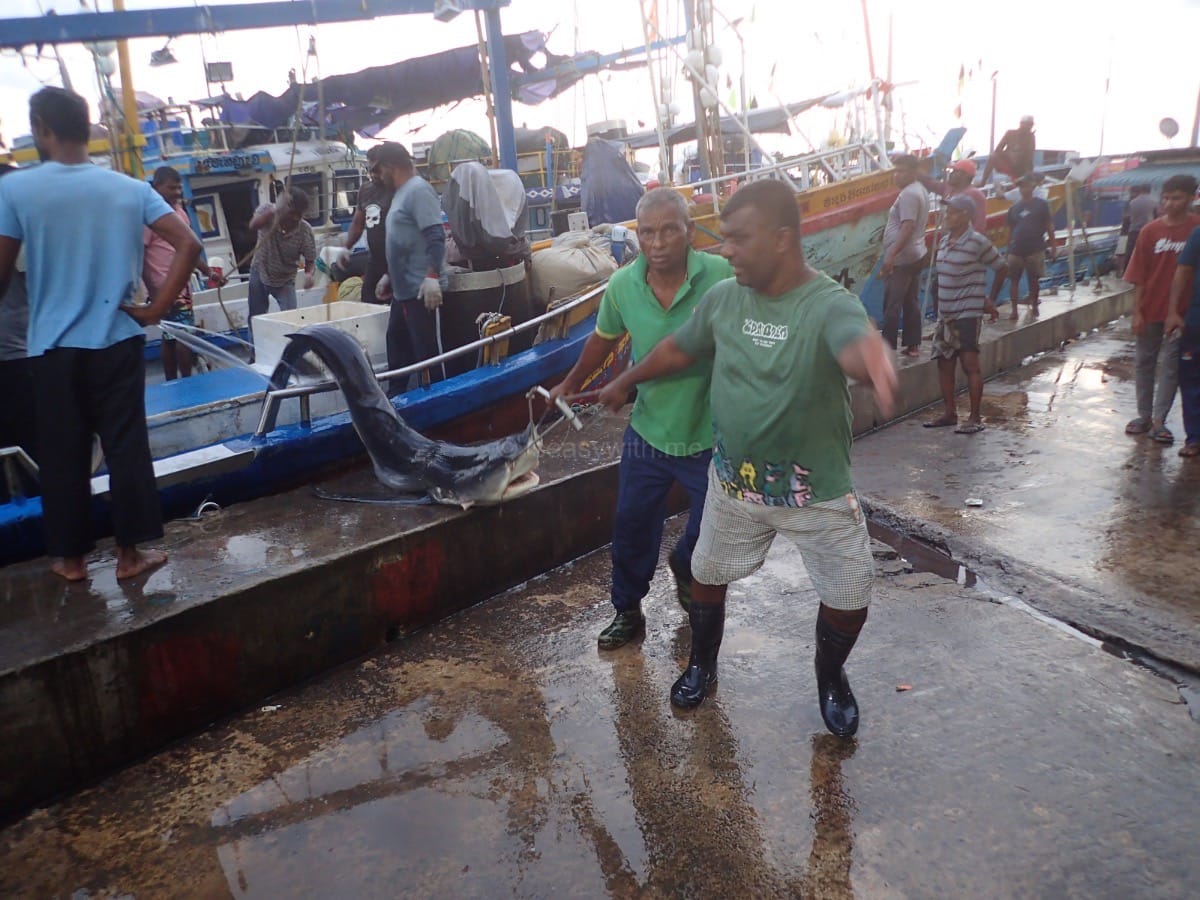
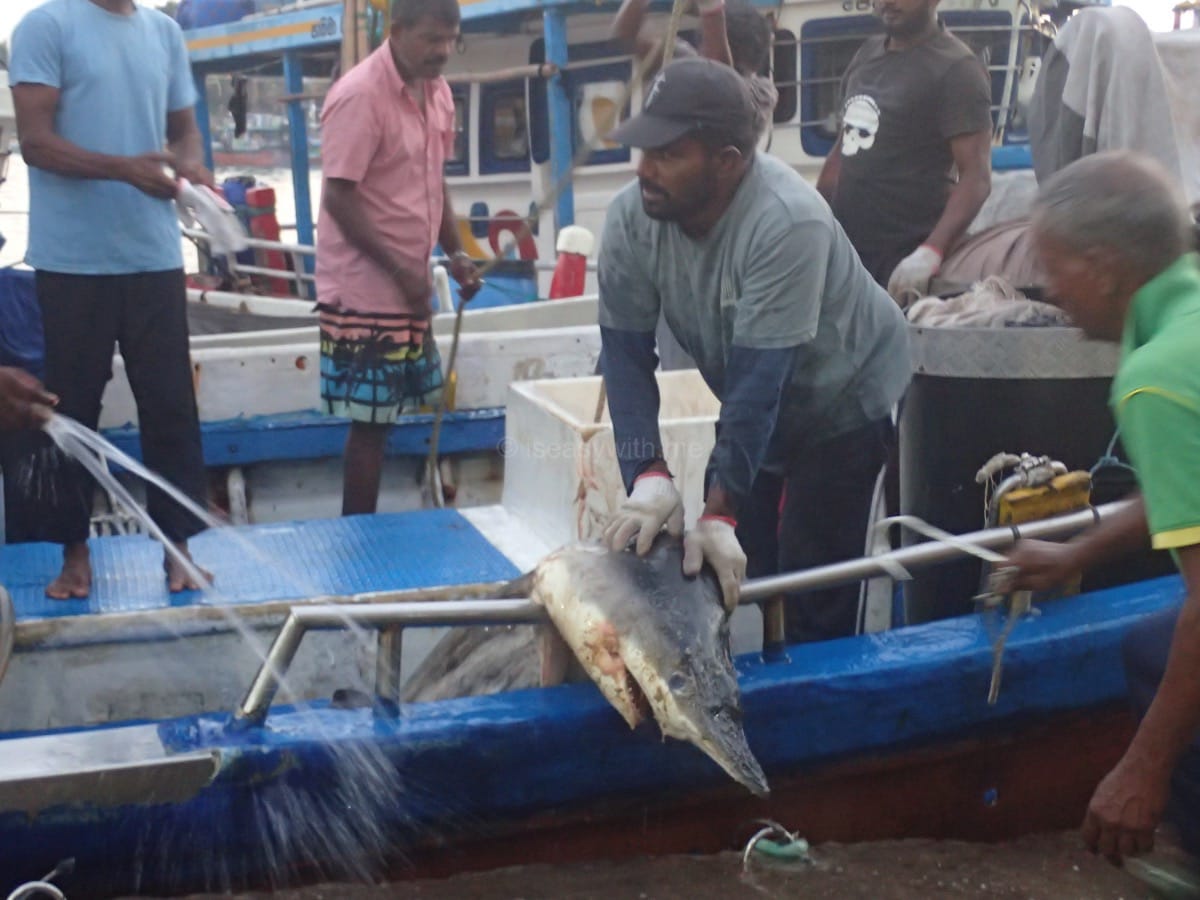
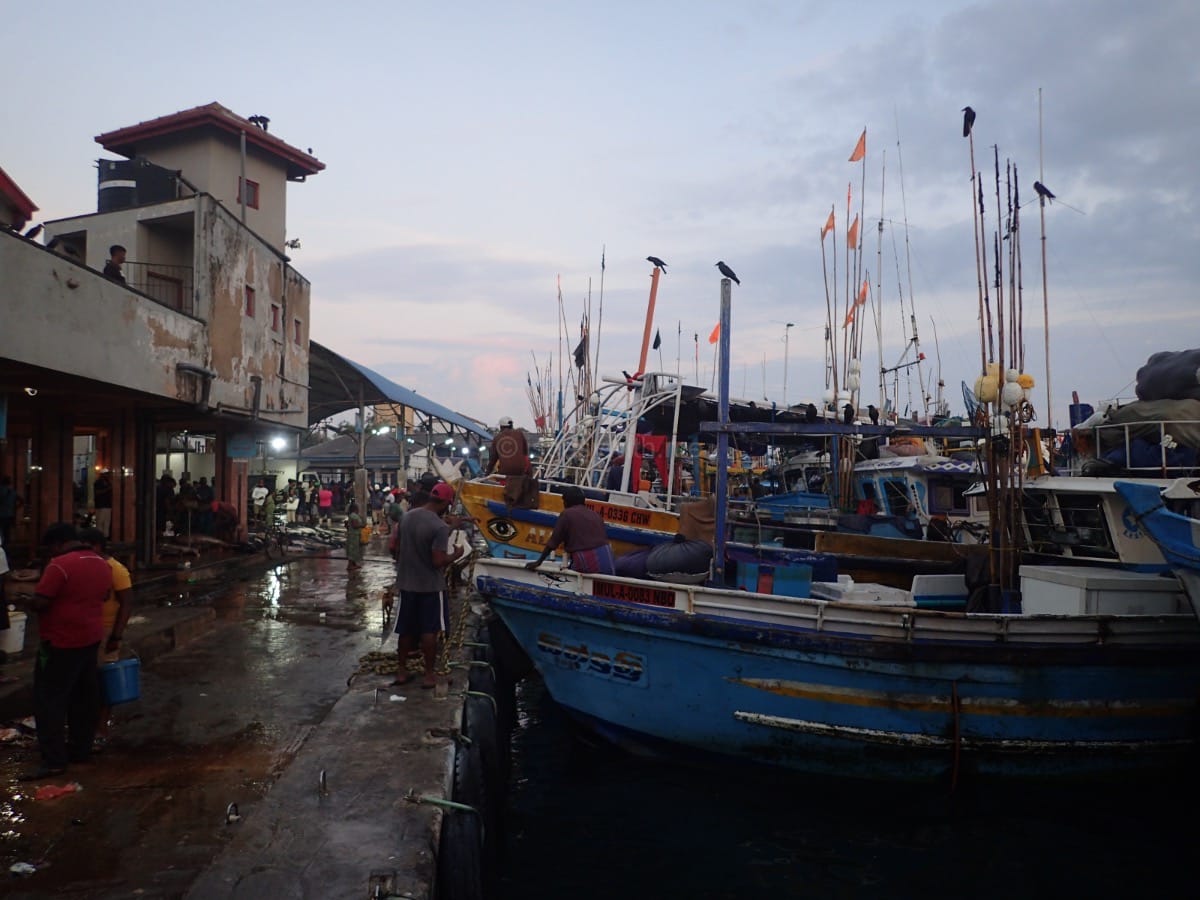
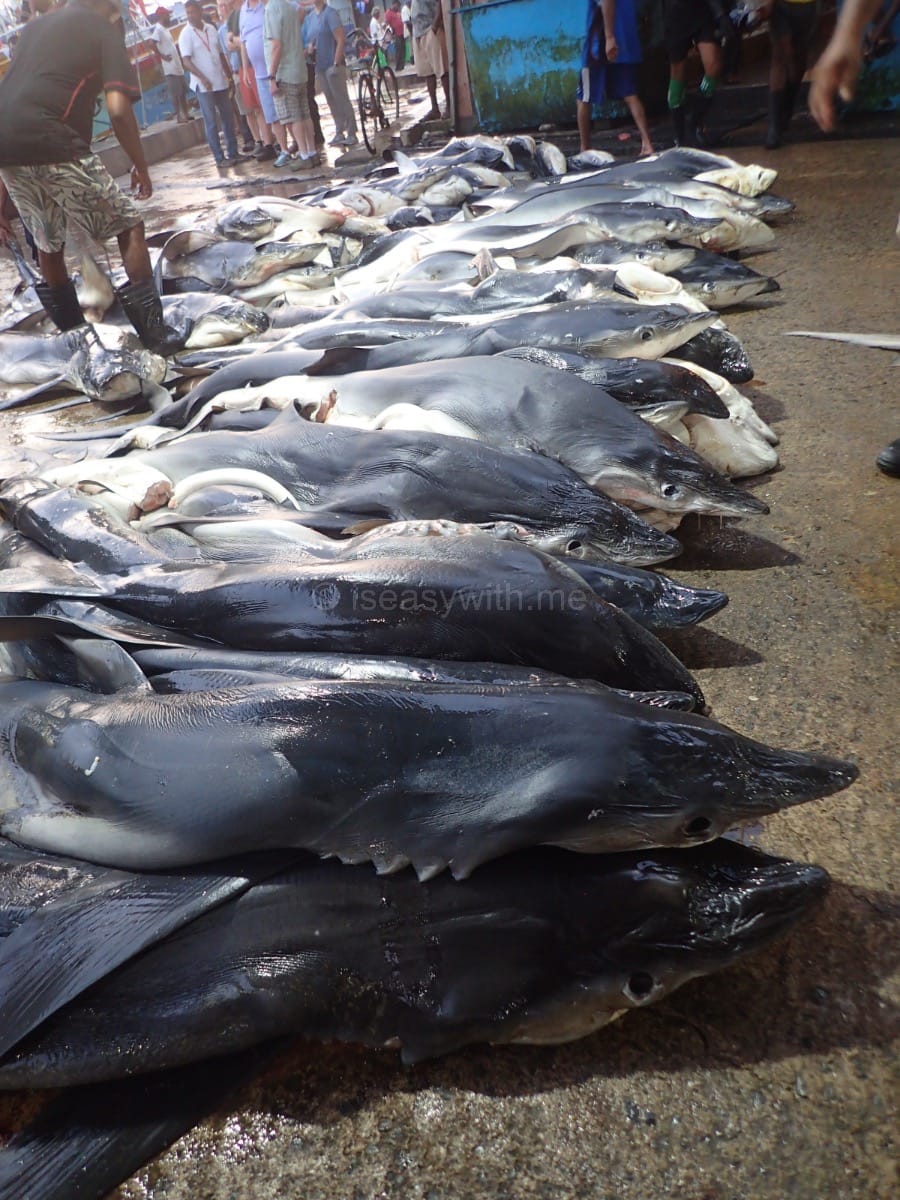
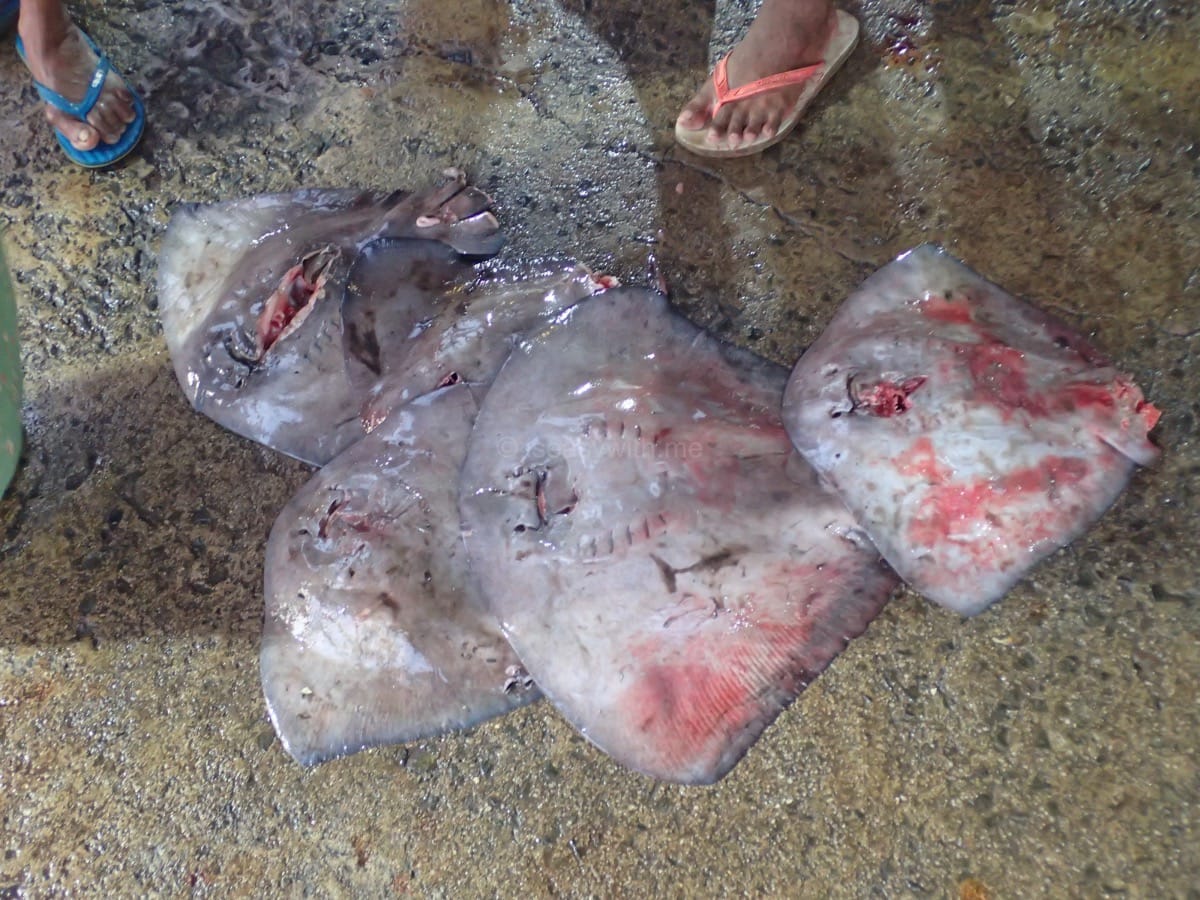
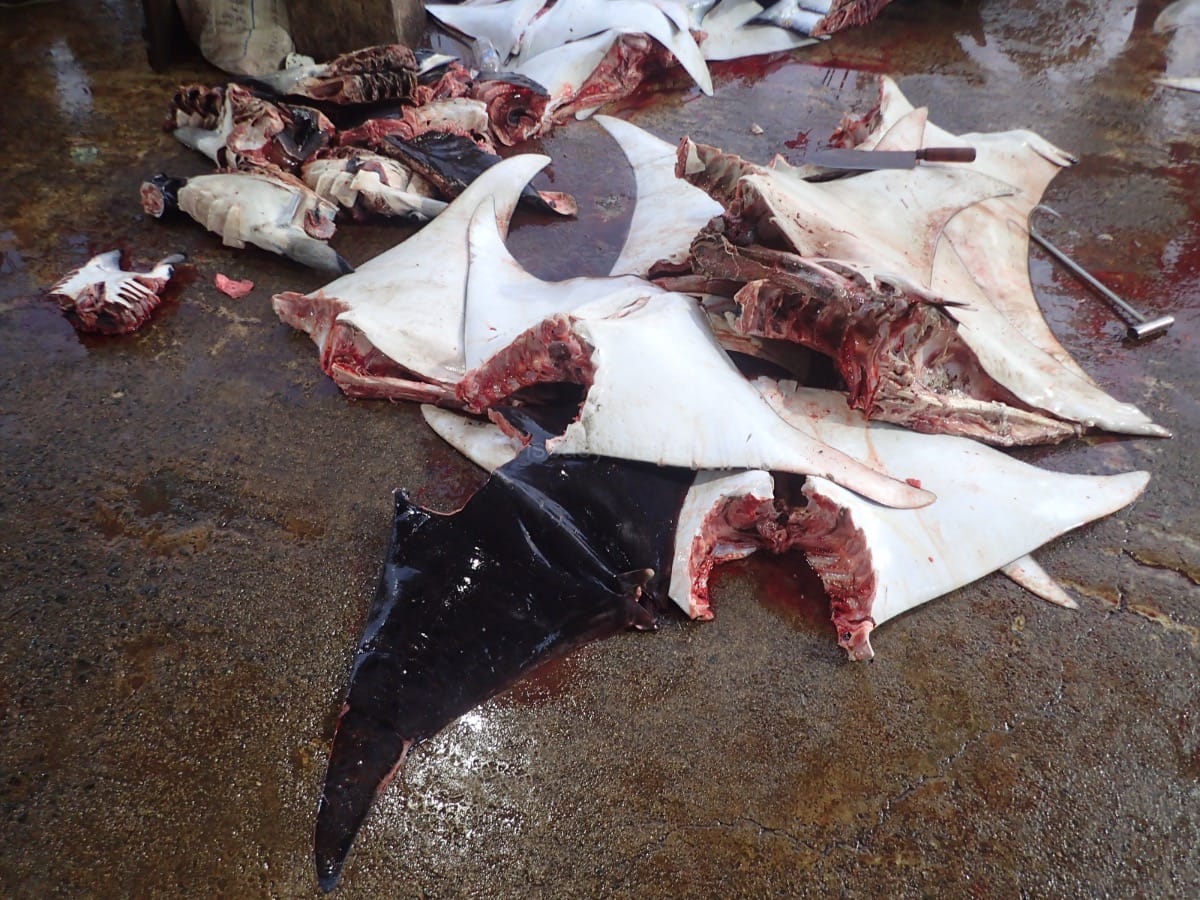
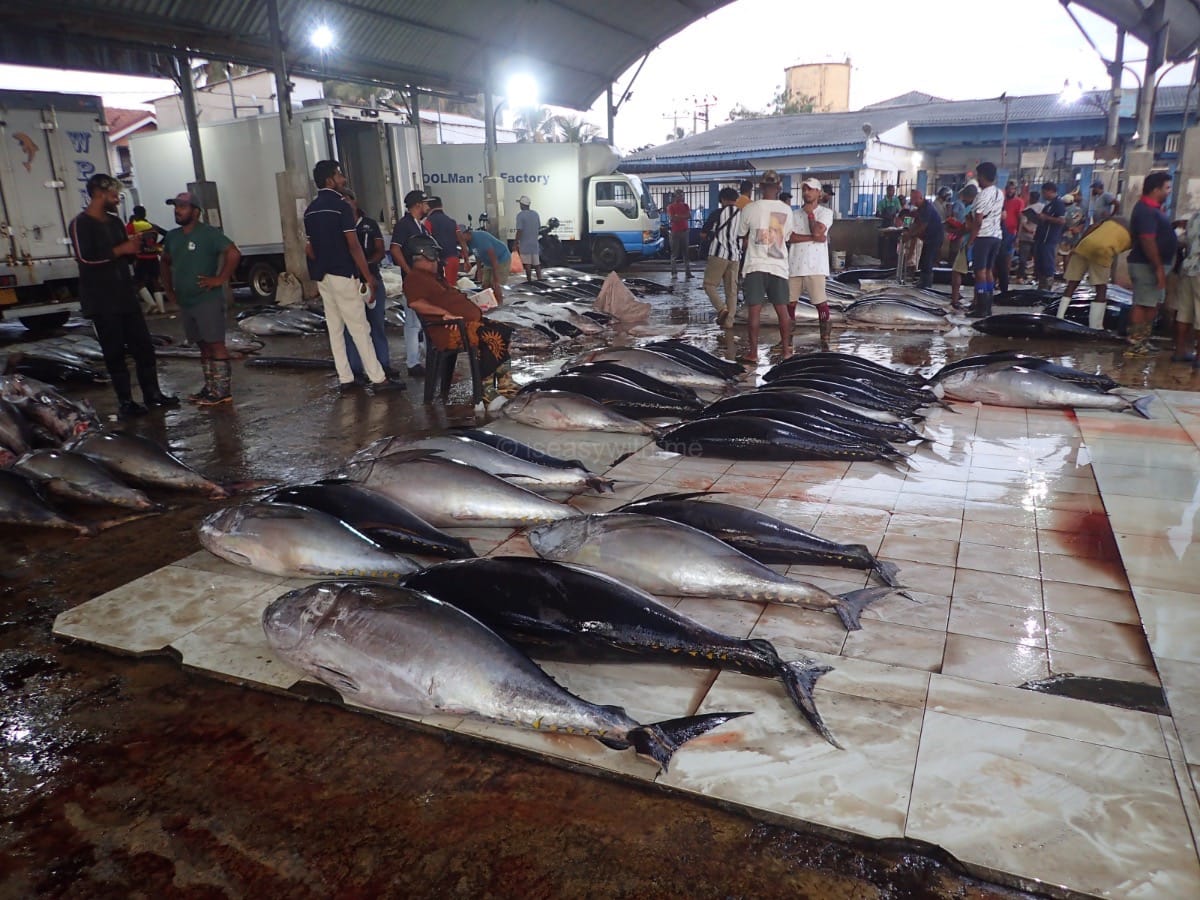
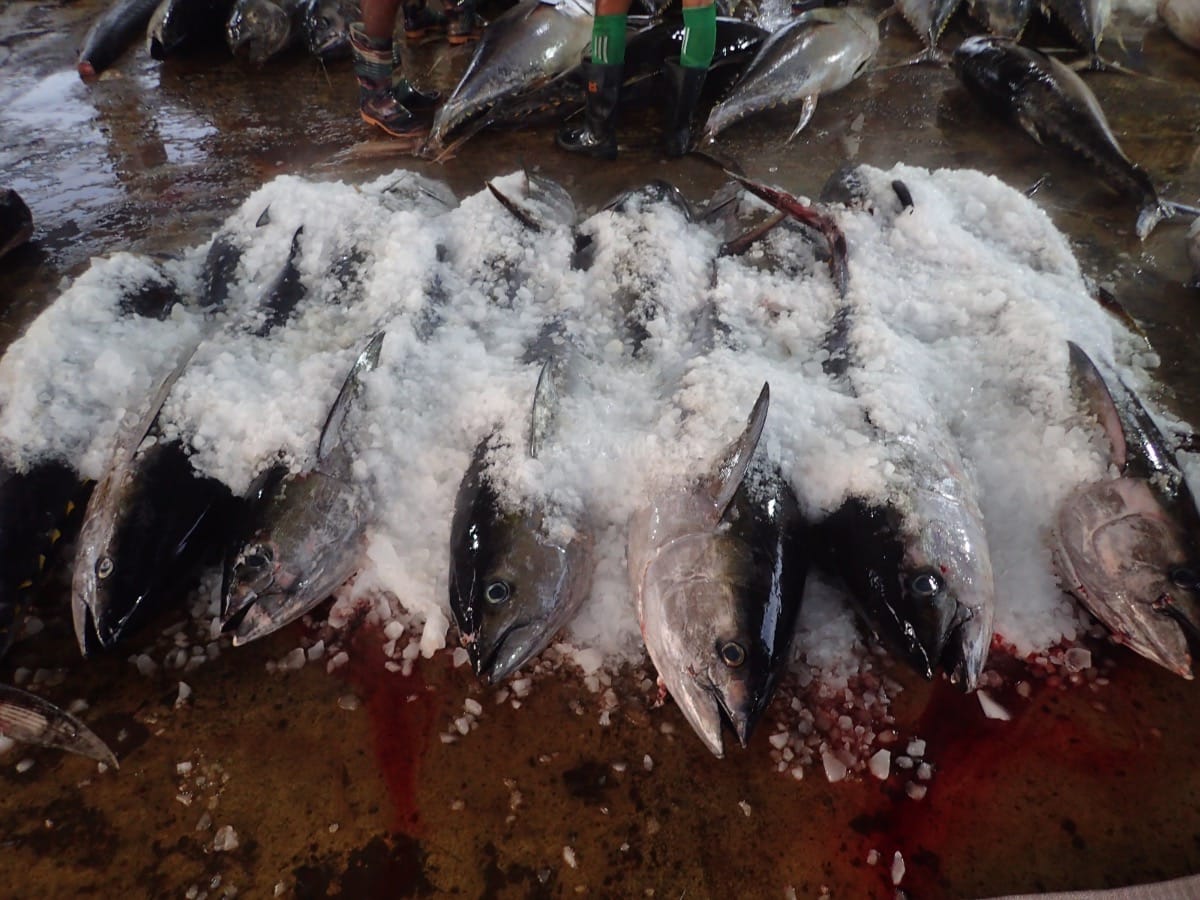
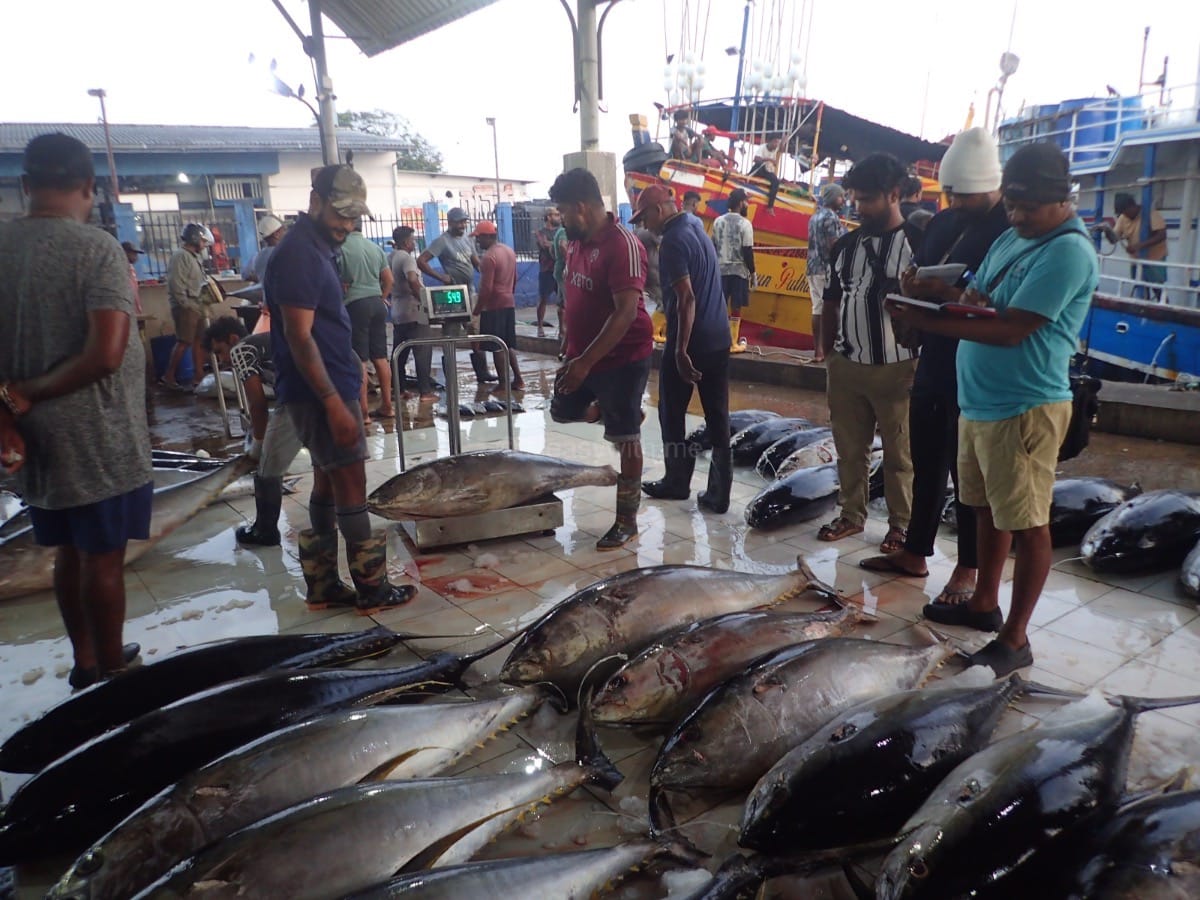
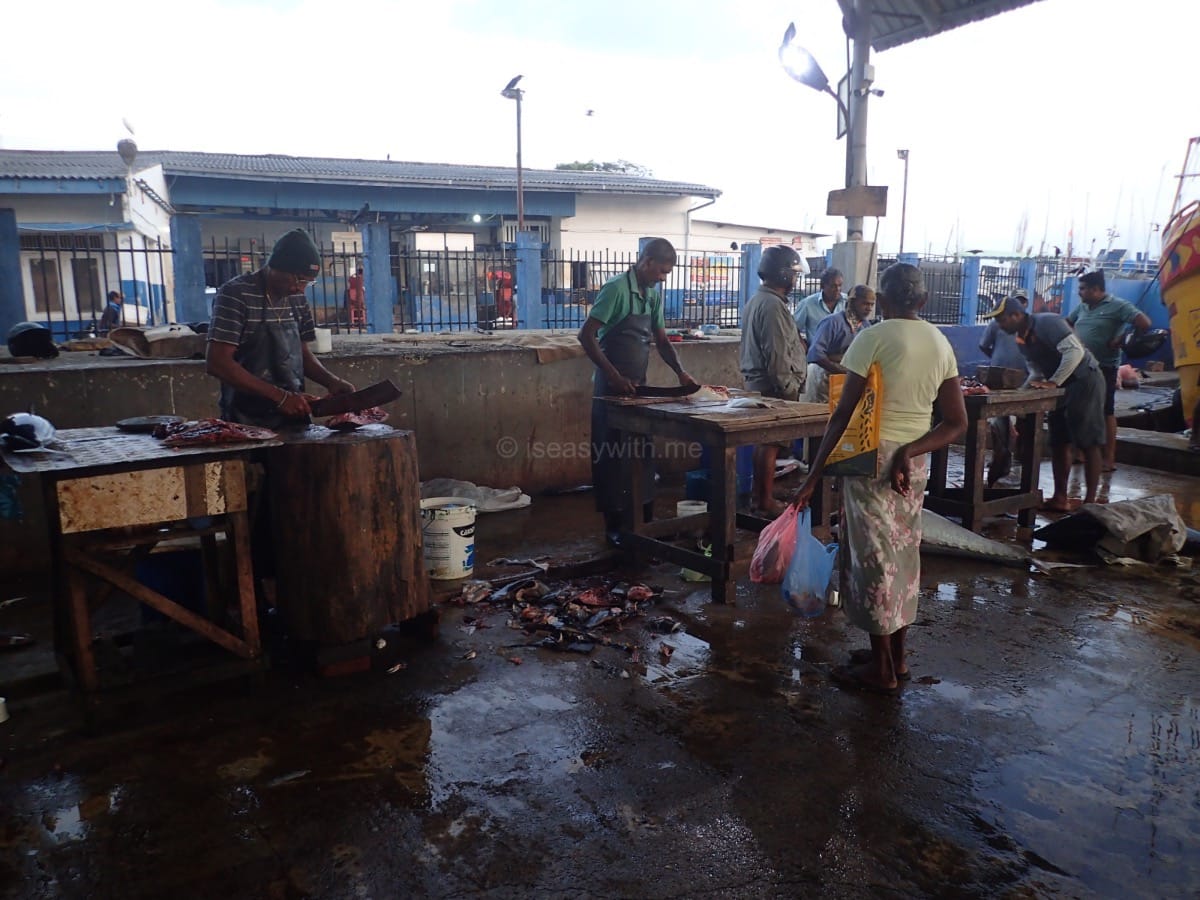
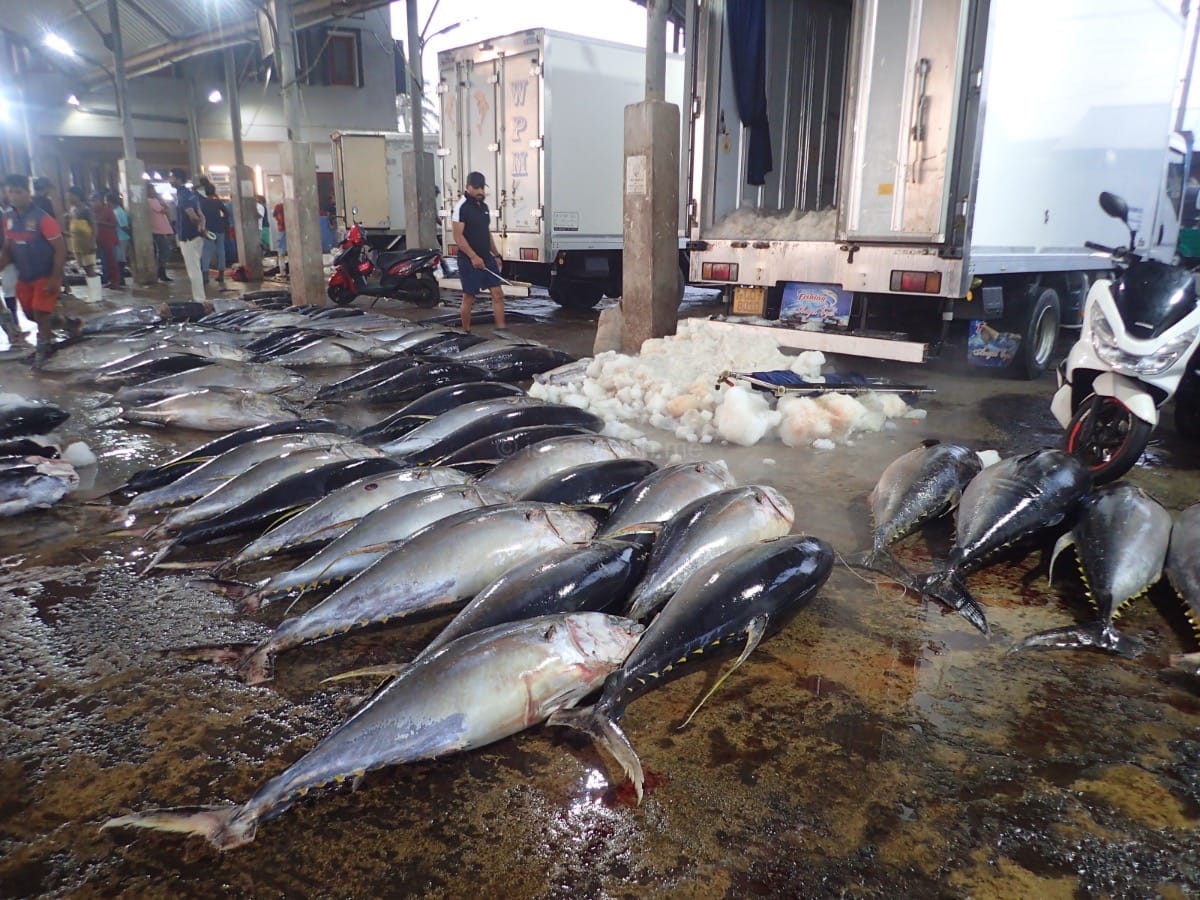
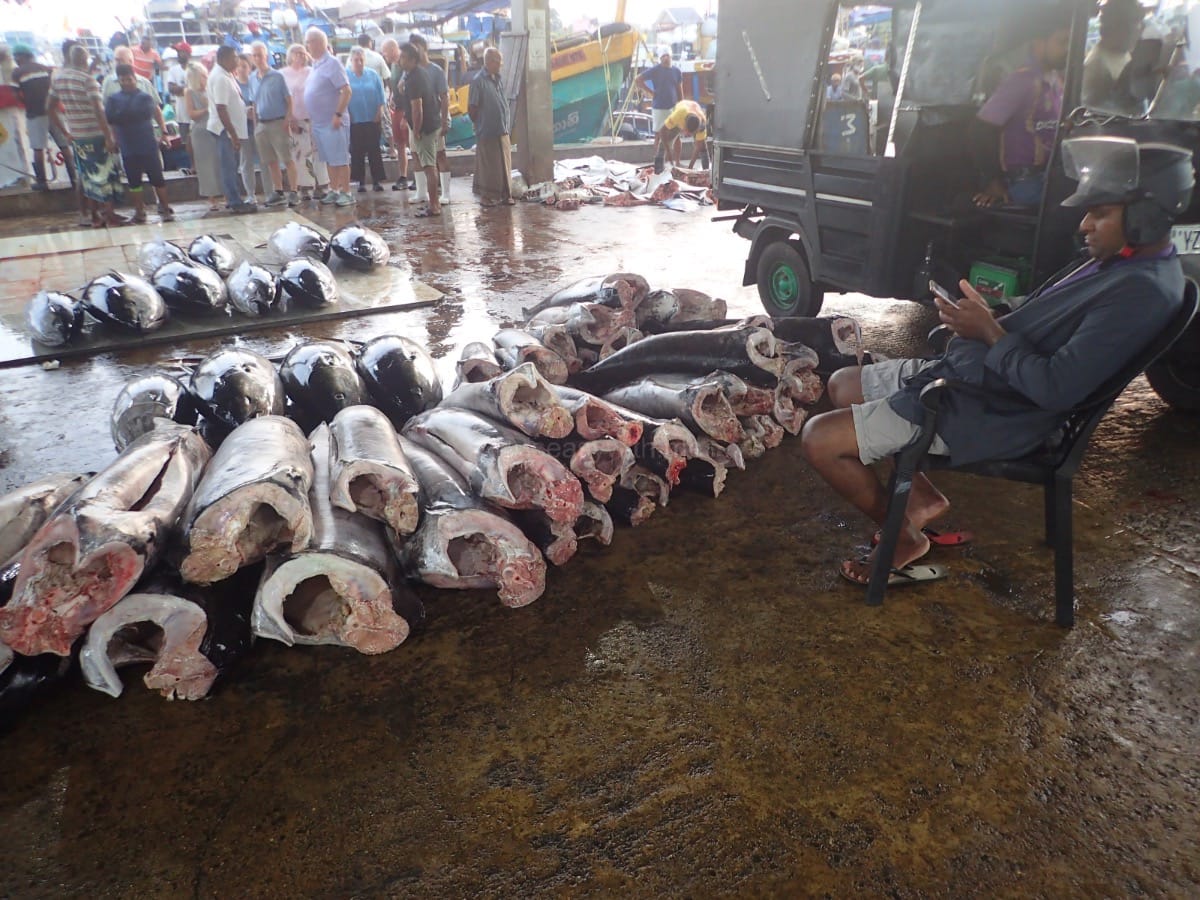
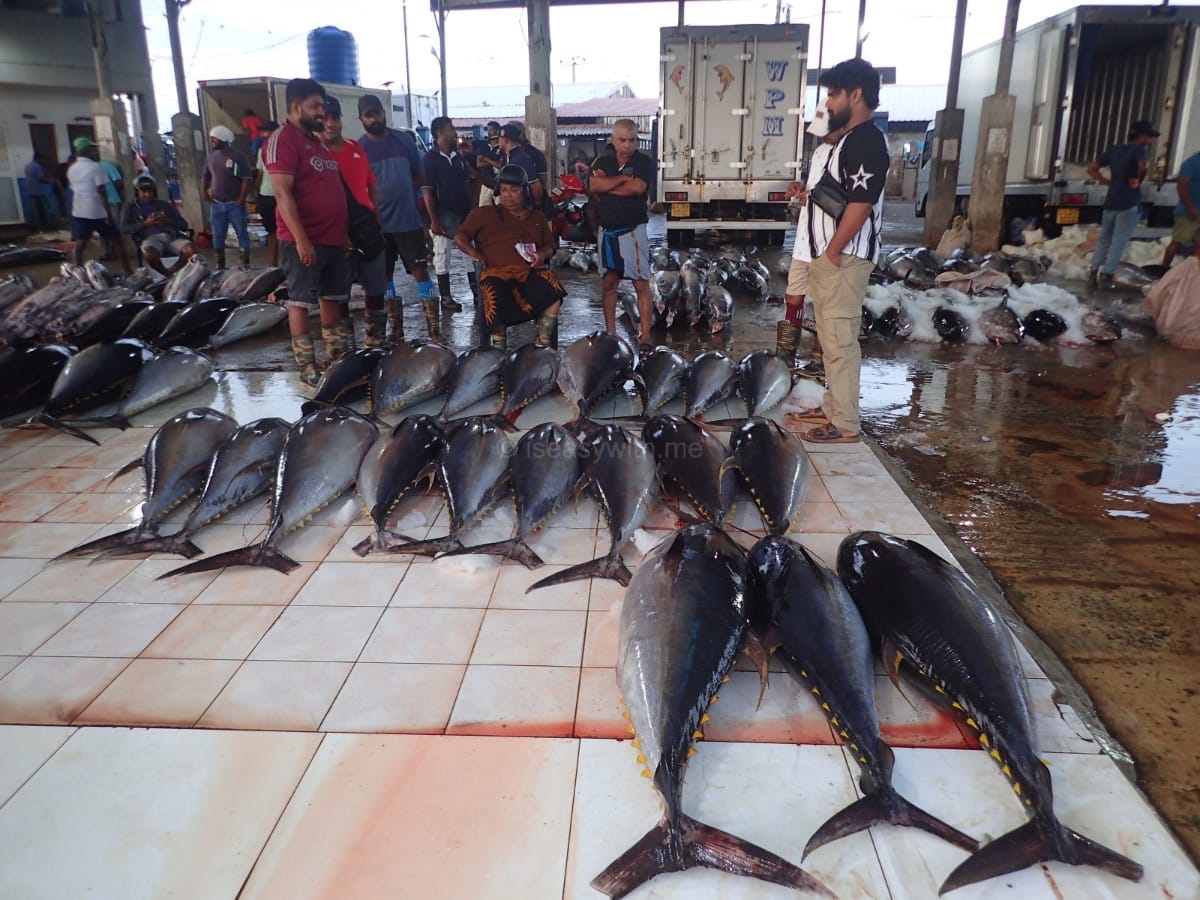
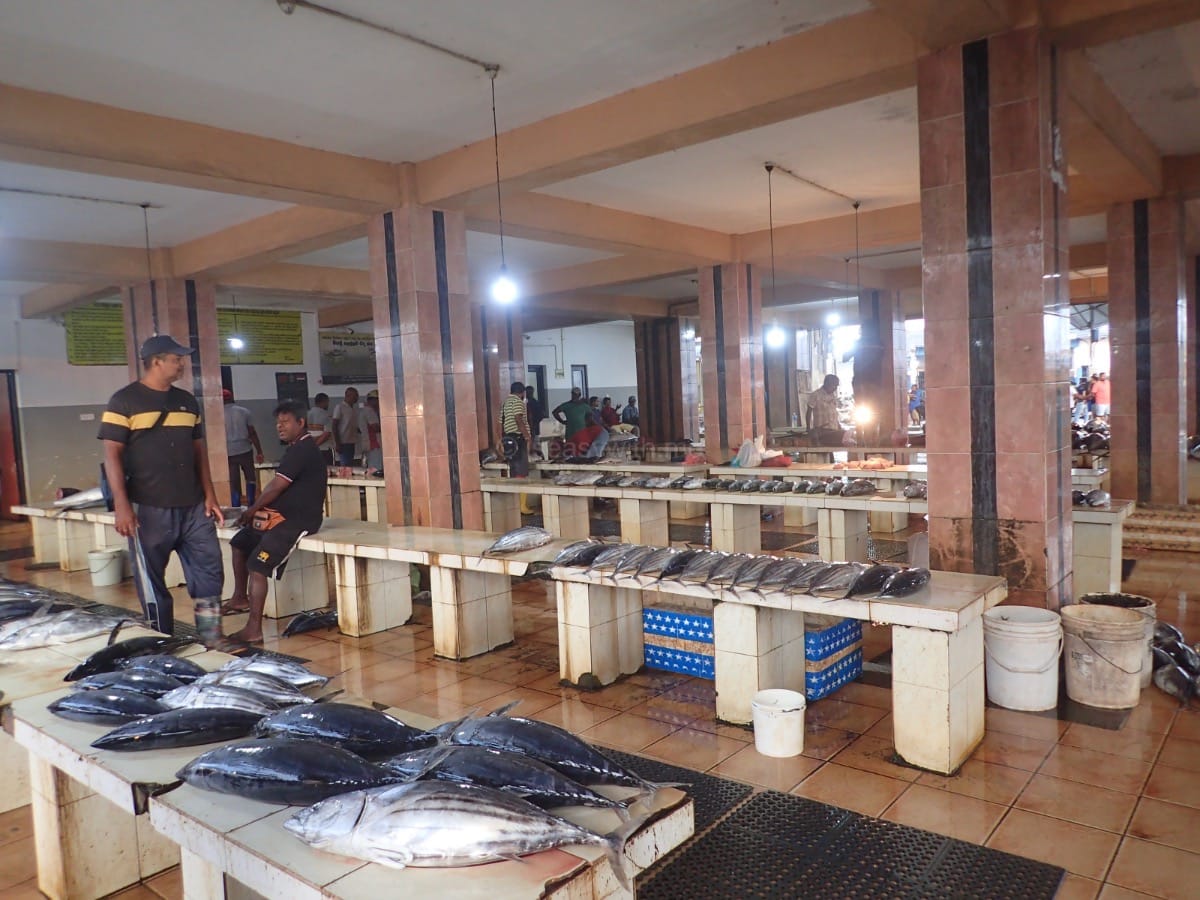
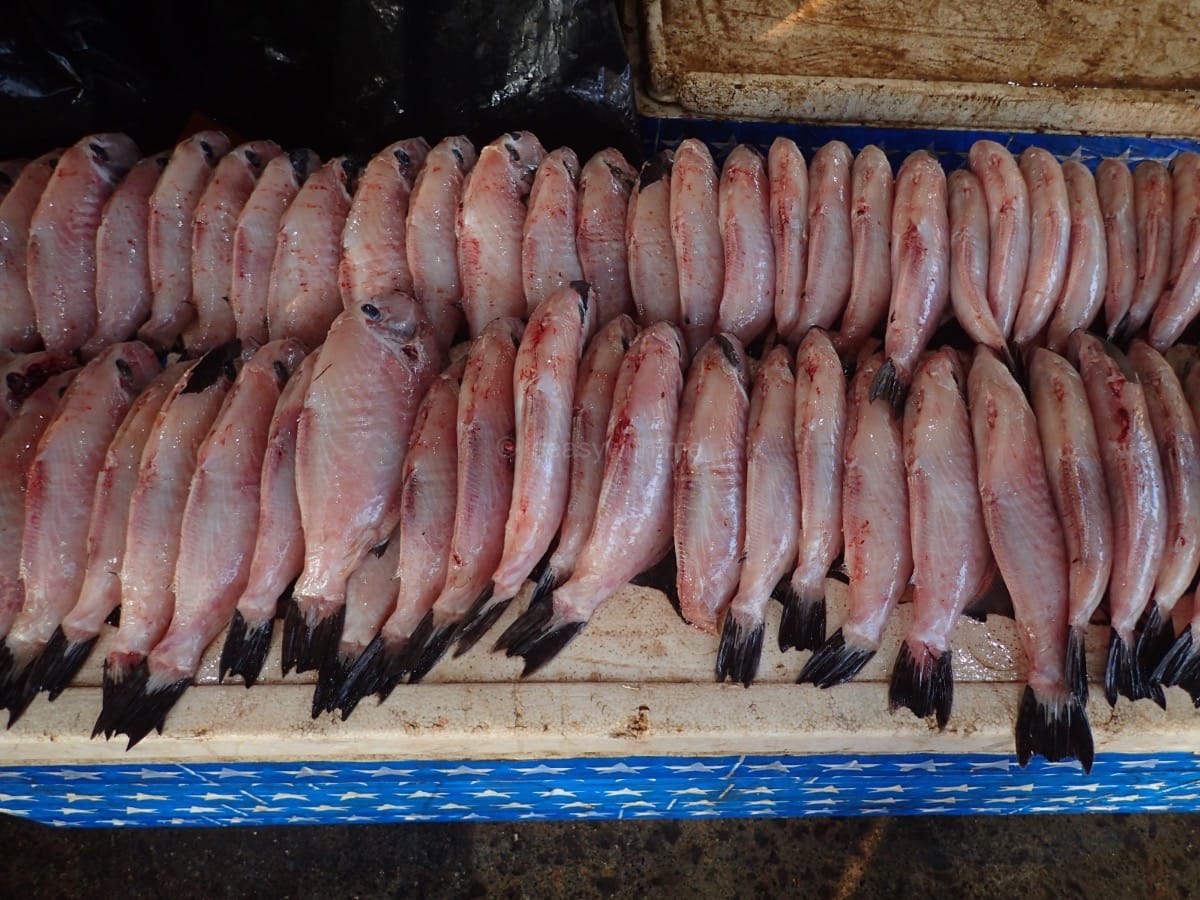
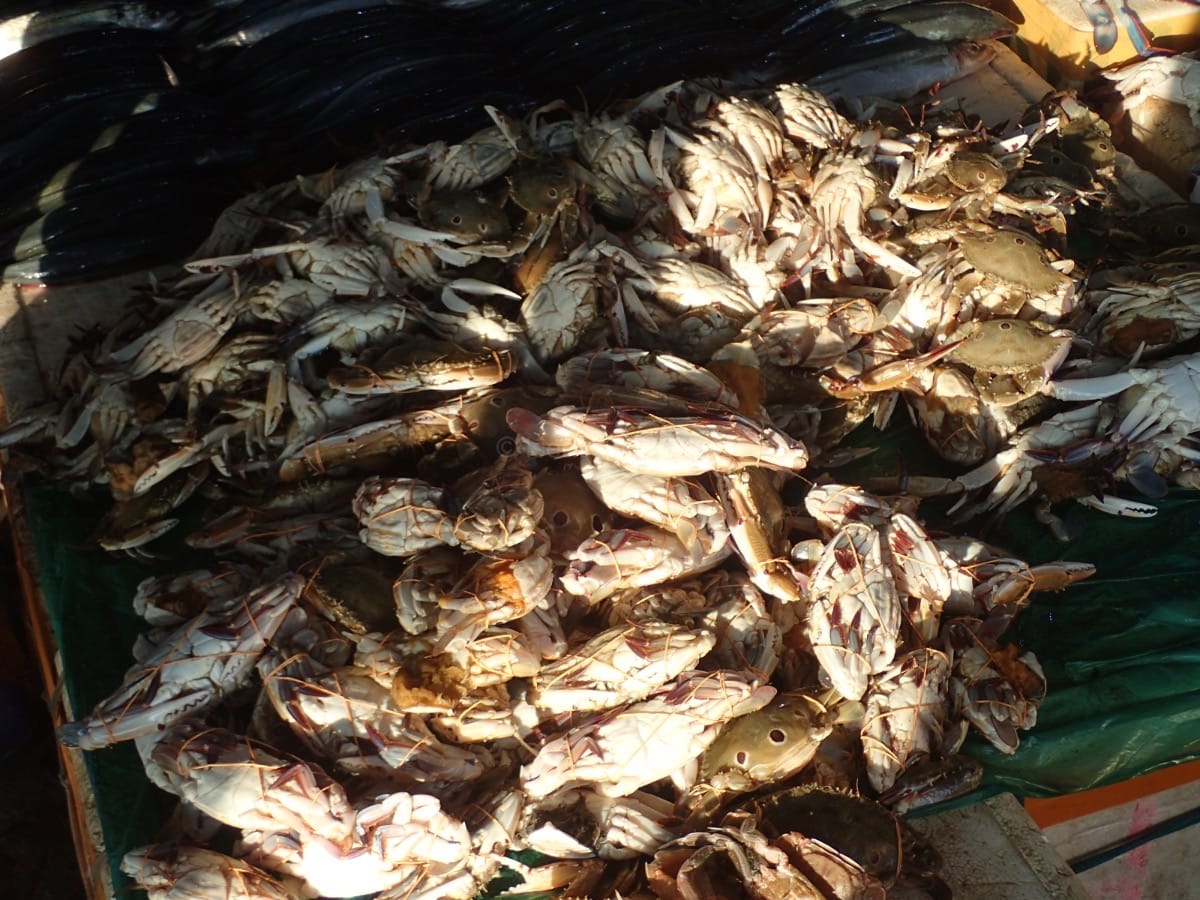
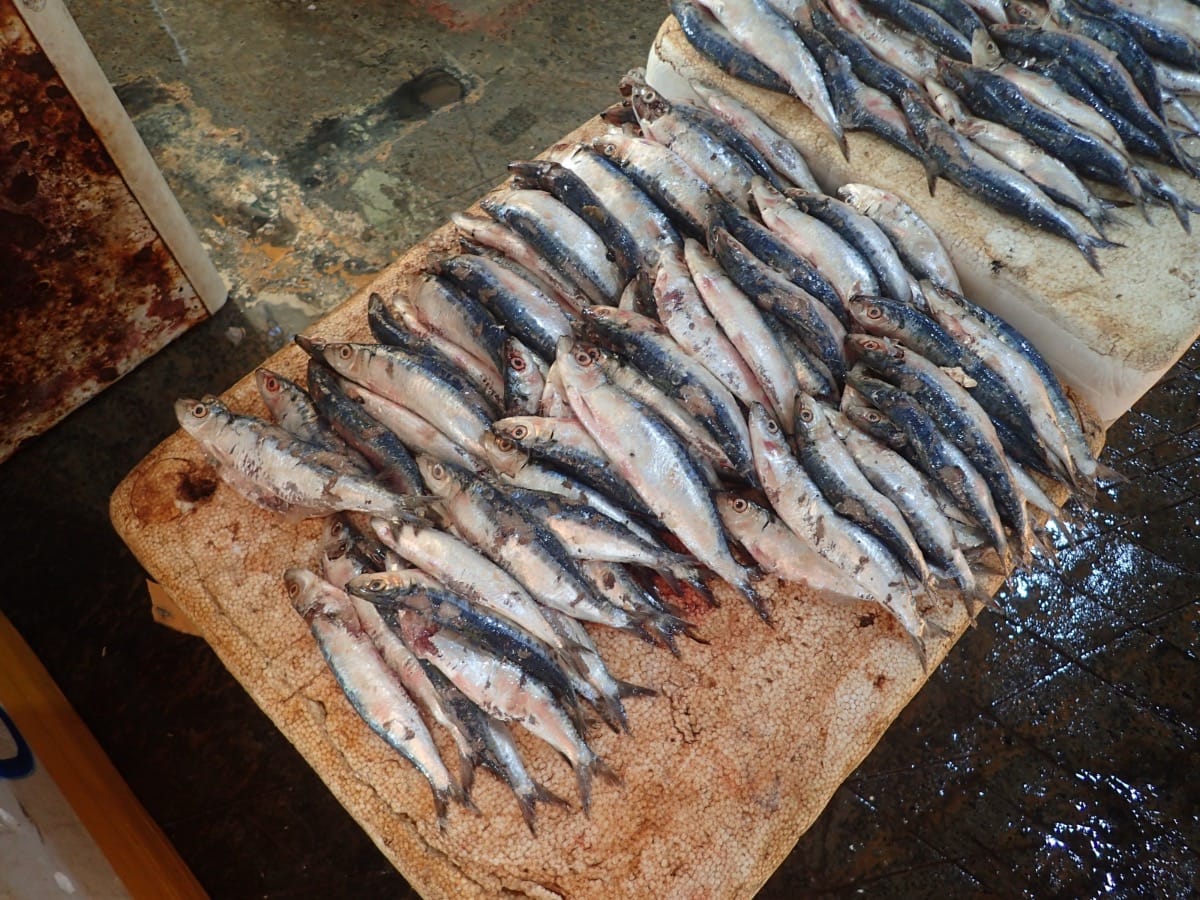
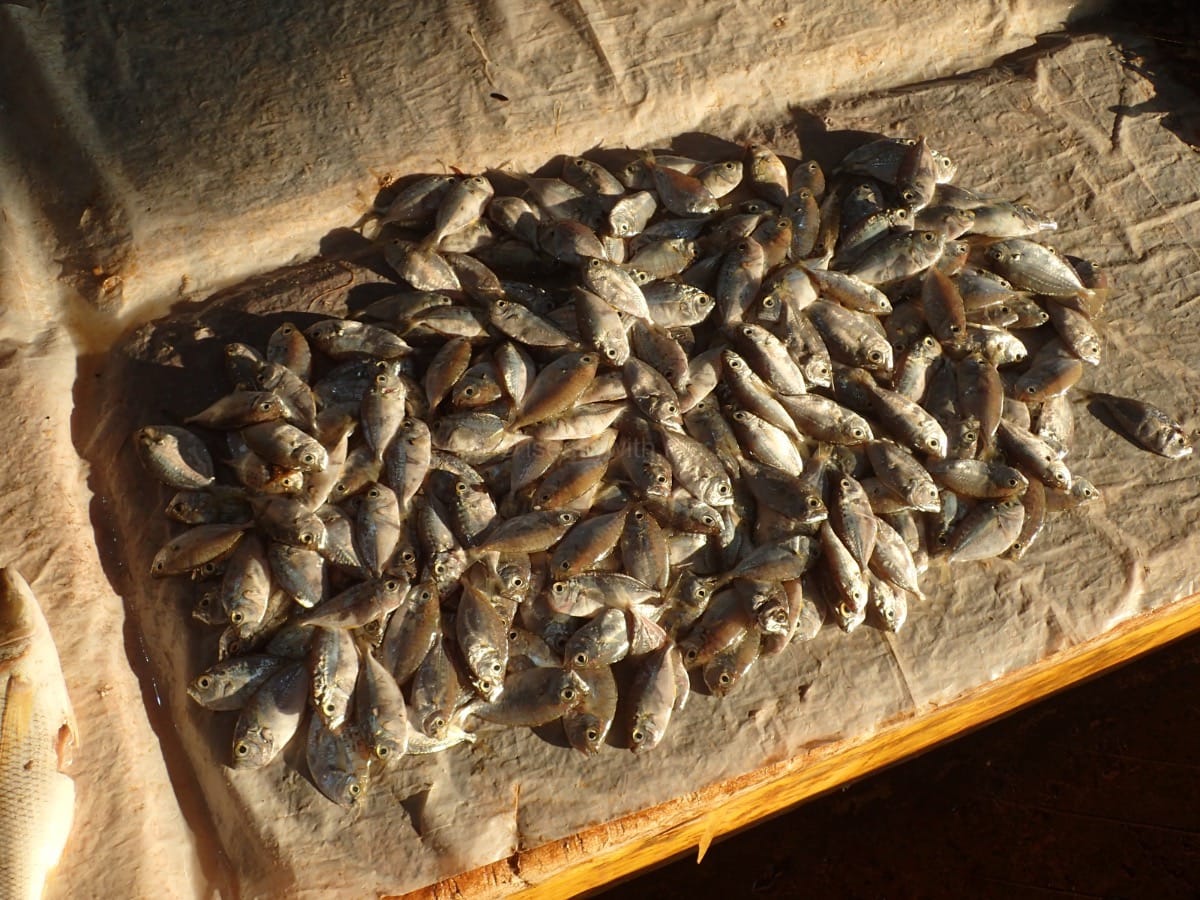
Lellama Fish Market
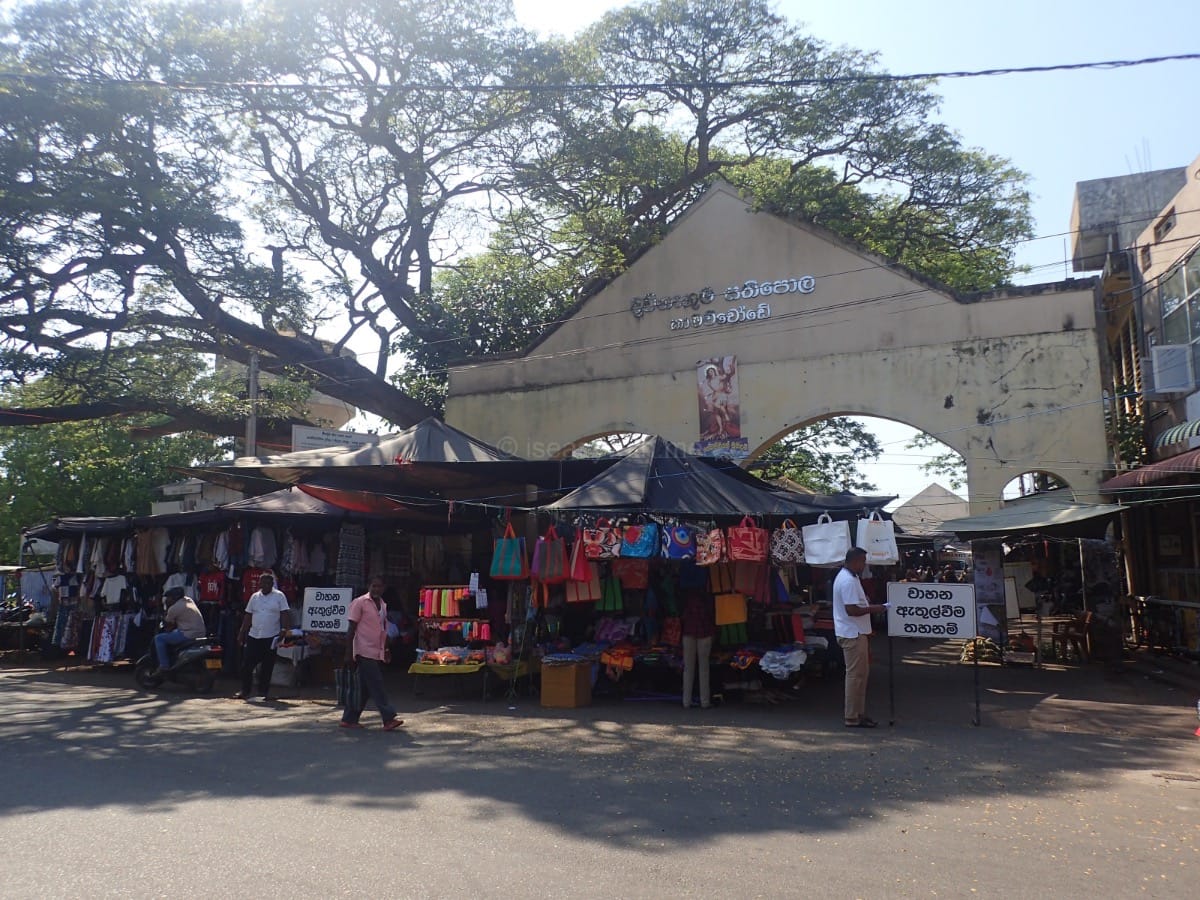
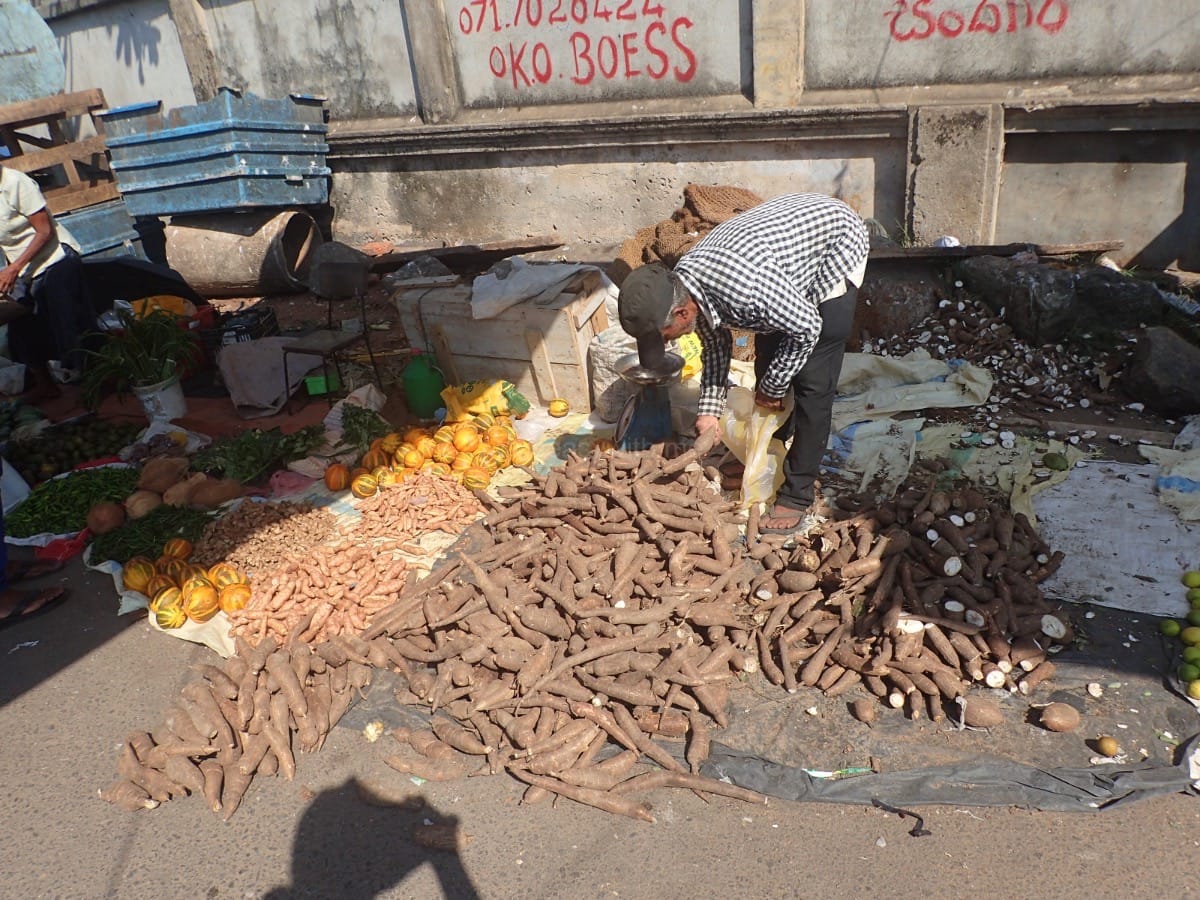
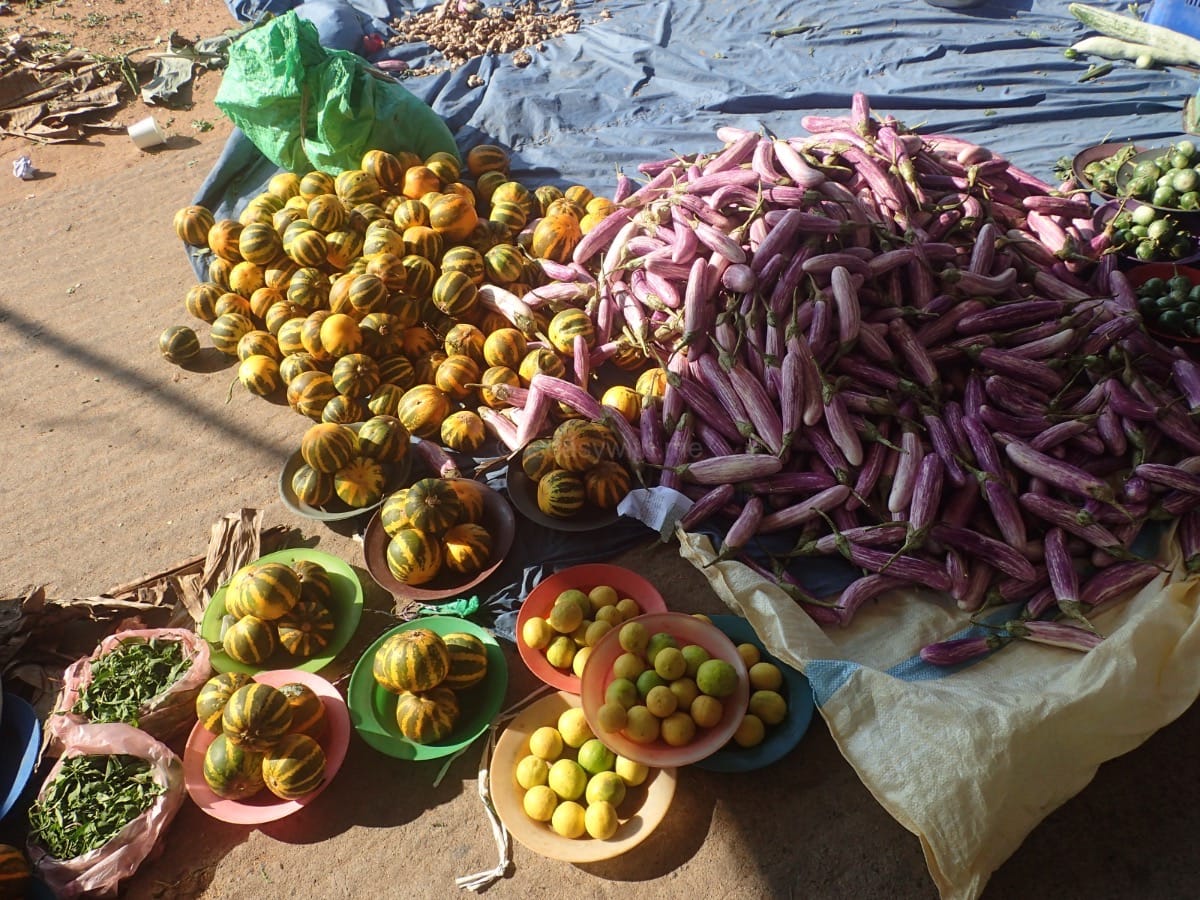
Negombo Public Market & Sunday Street Market
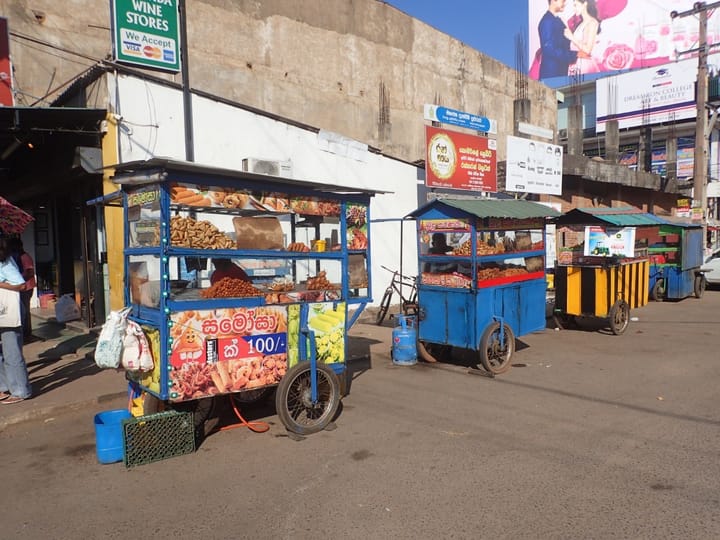
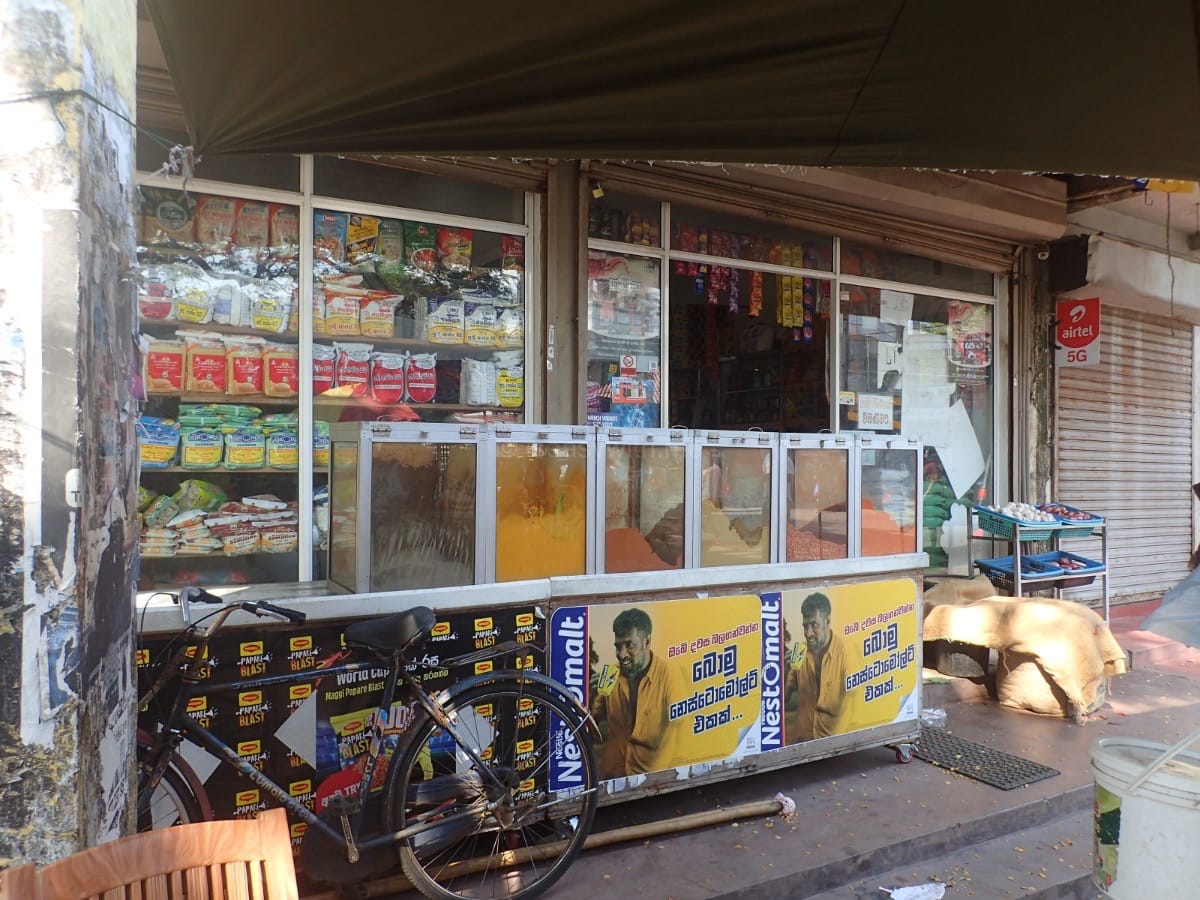
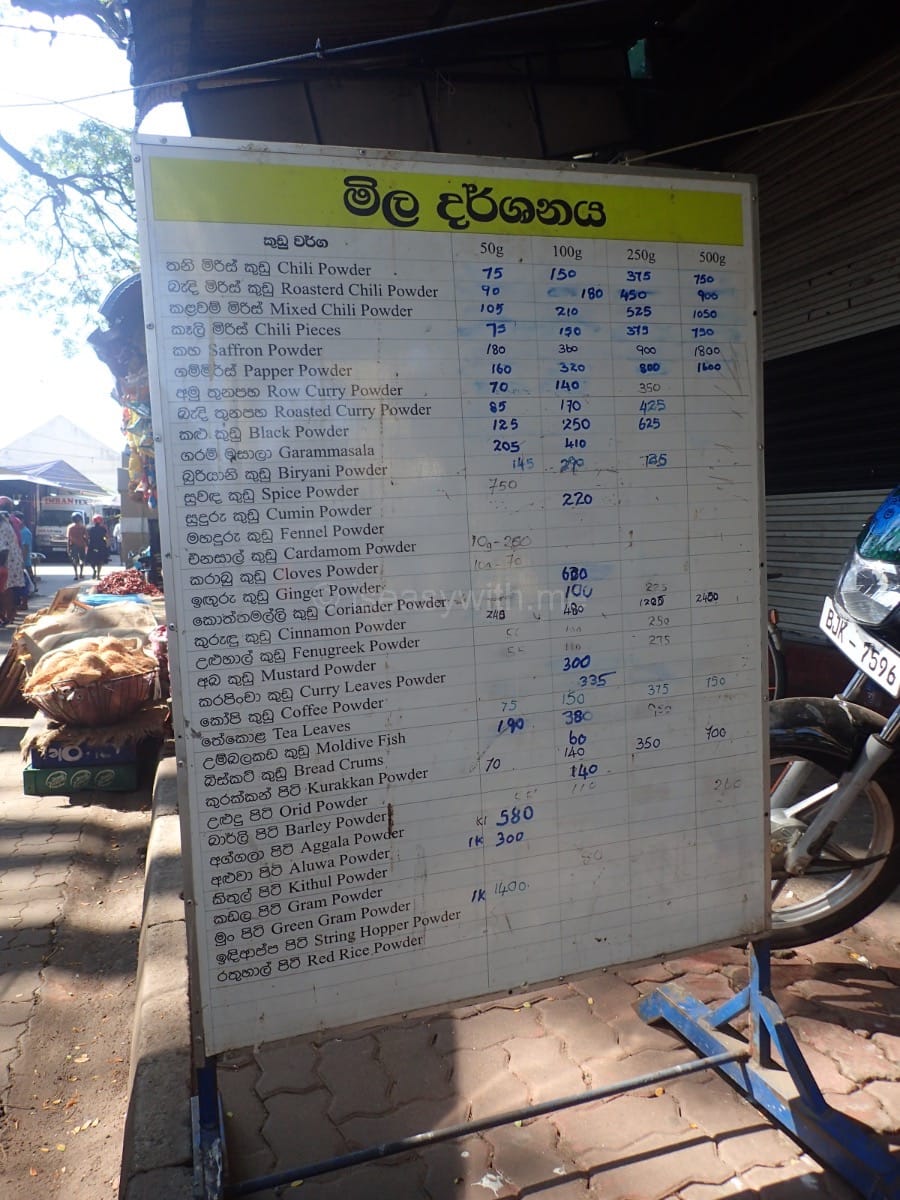
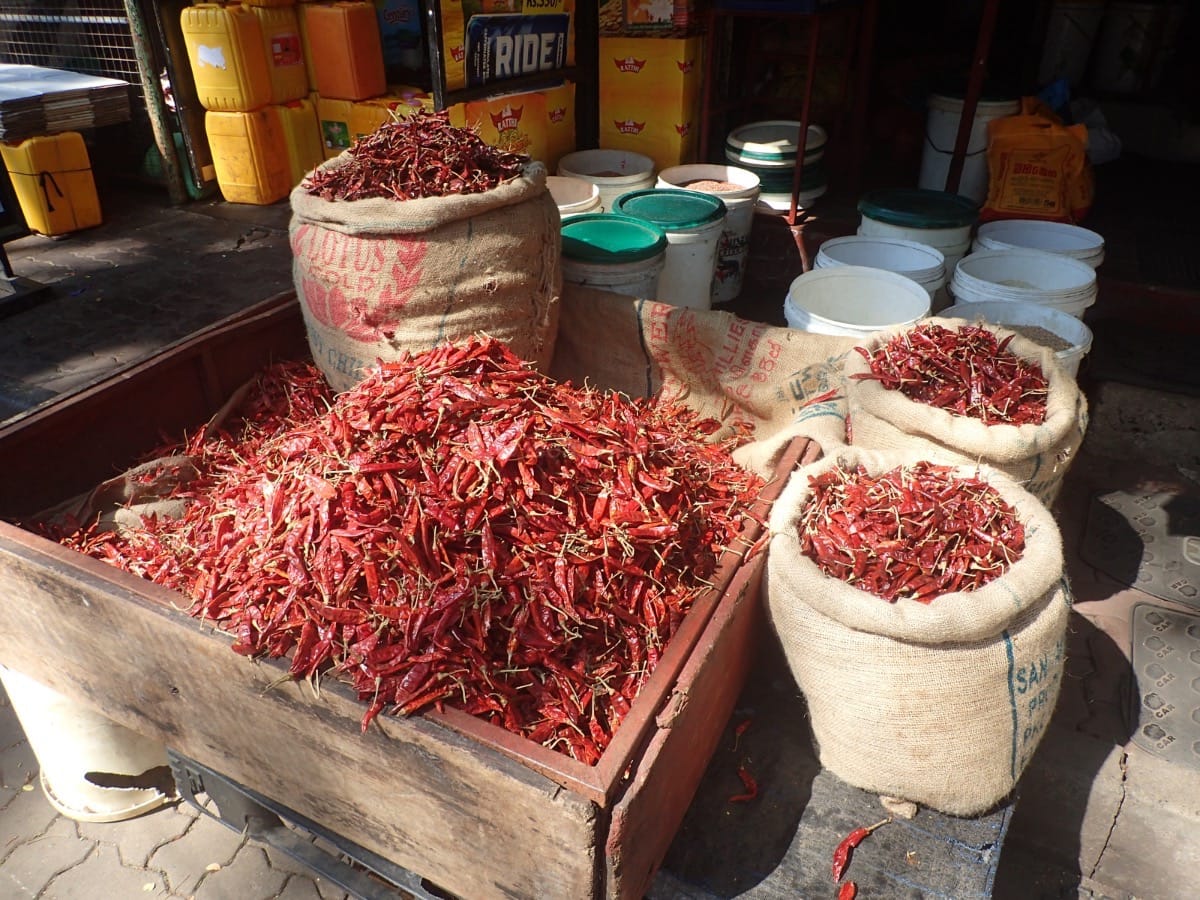
To really experience the local lifestyle, I visited the permanent Public Market where locals shop for fresh vegetables, seafood and spices. By timing my visit right, I also caught the Sunday Street Market, which transformed the nearby roads and pavements into a bustling, chaotic row of open-air stalls overflowing with local produce and activity.
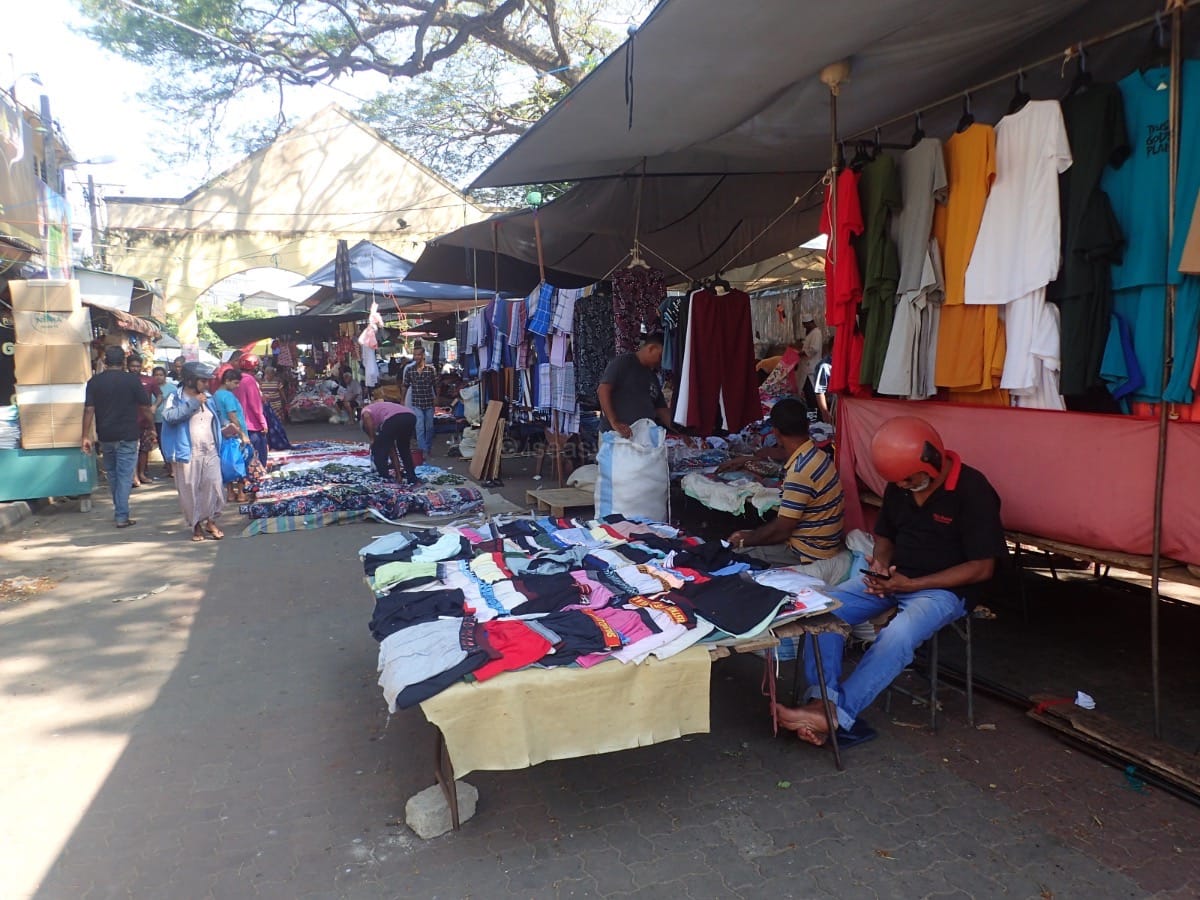
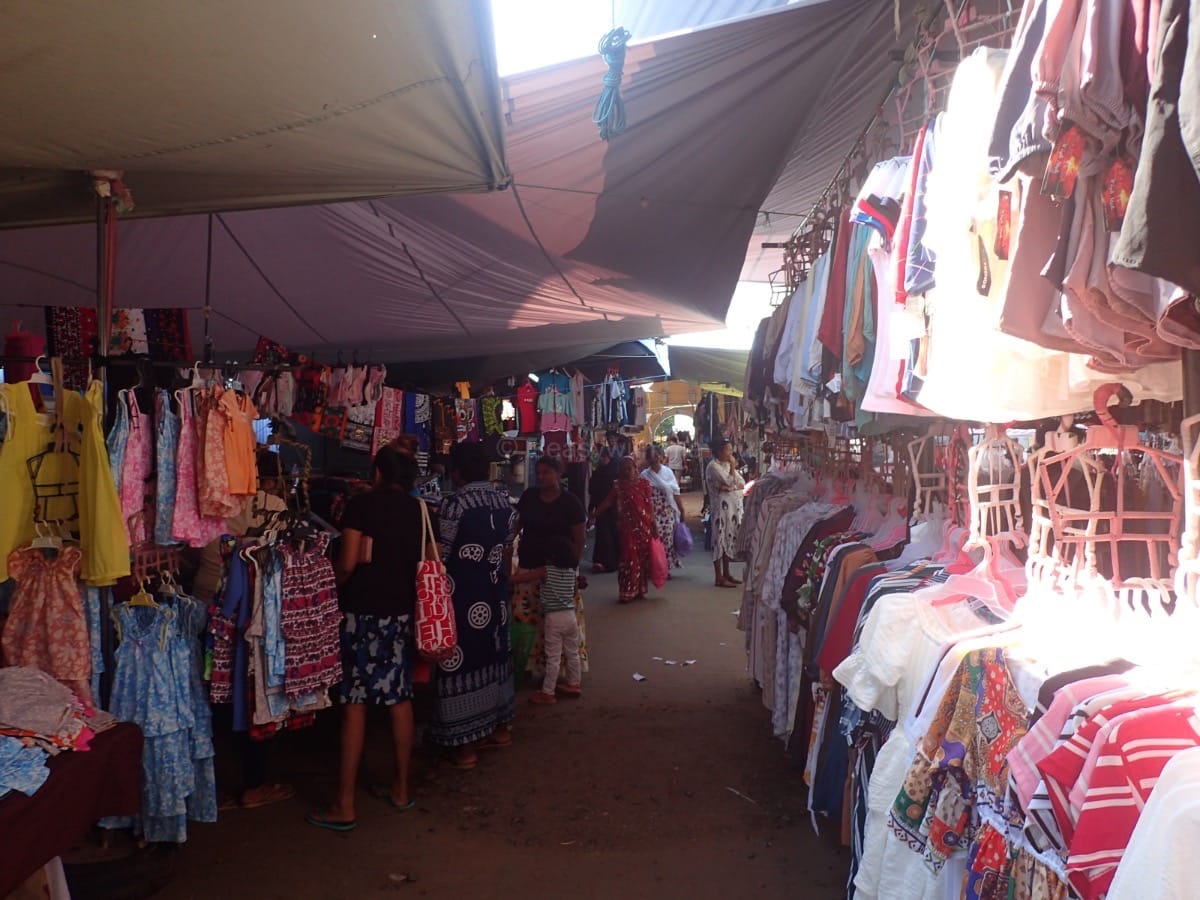
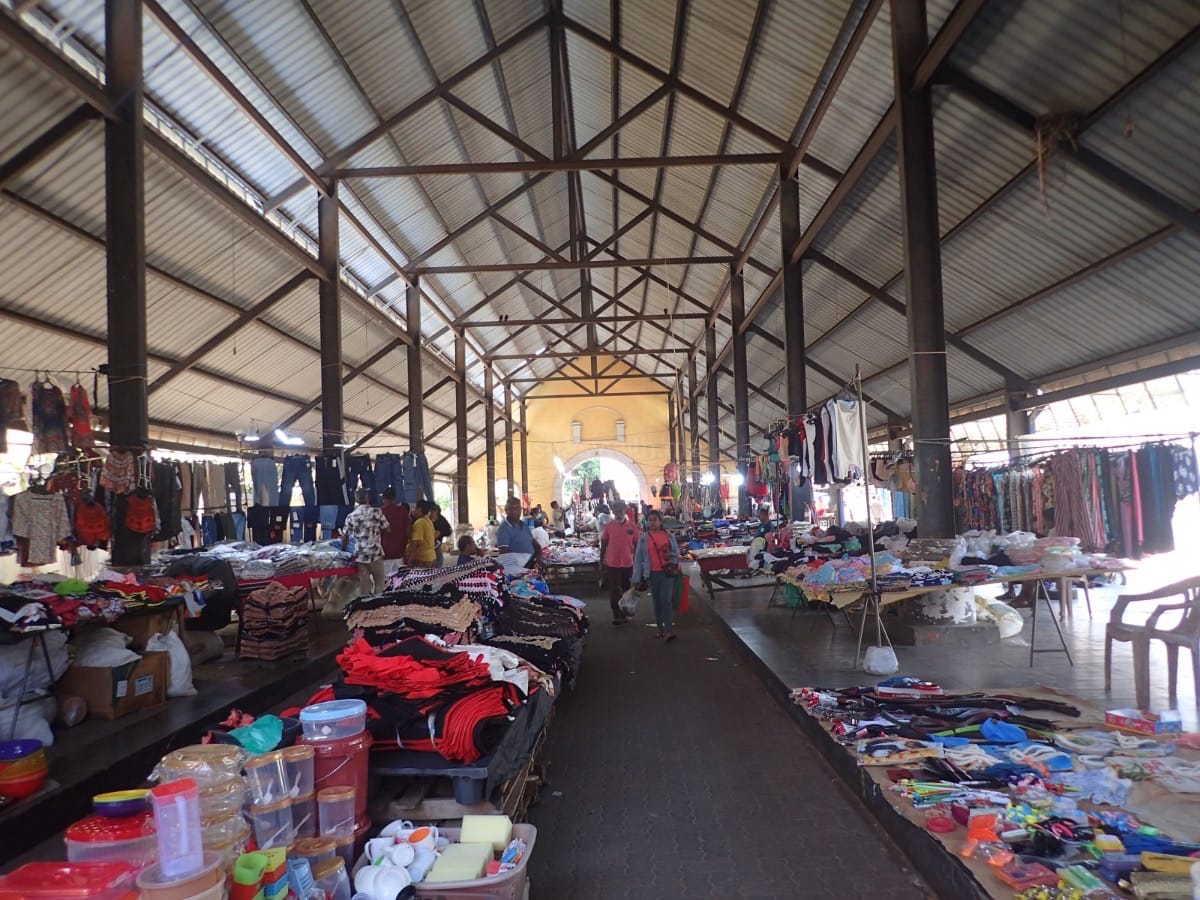
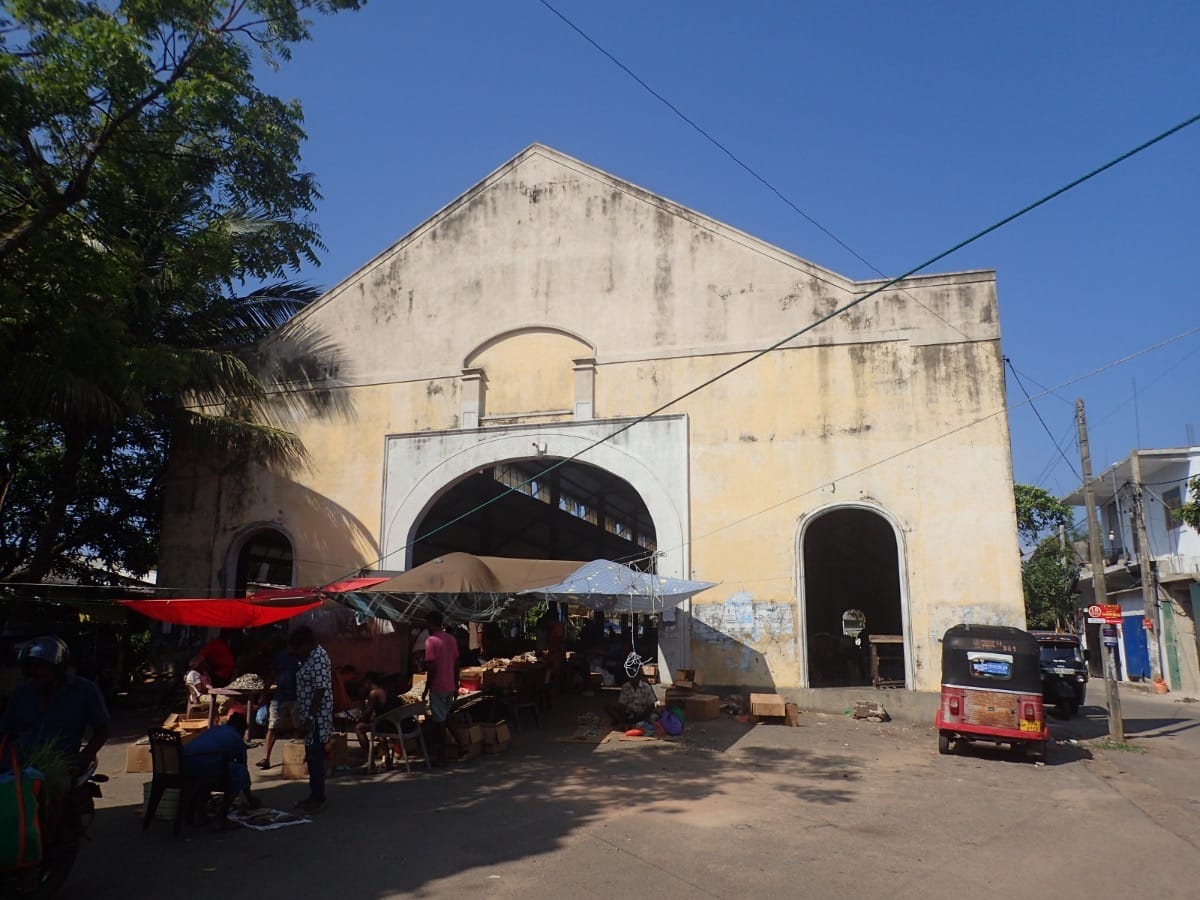
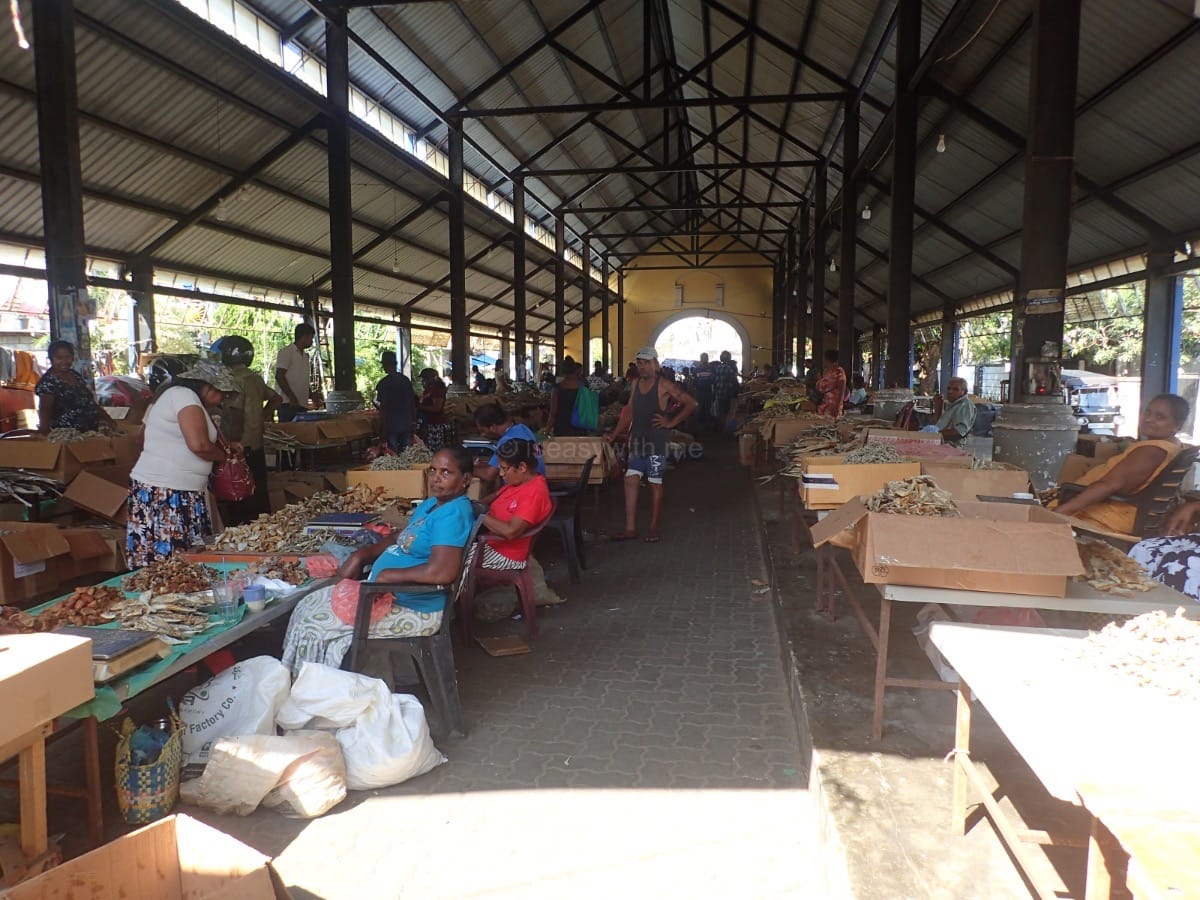
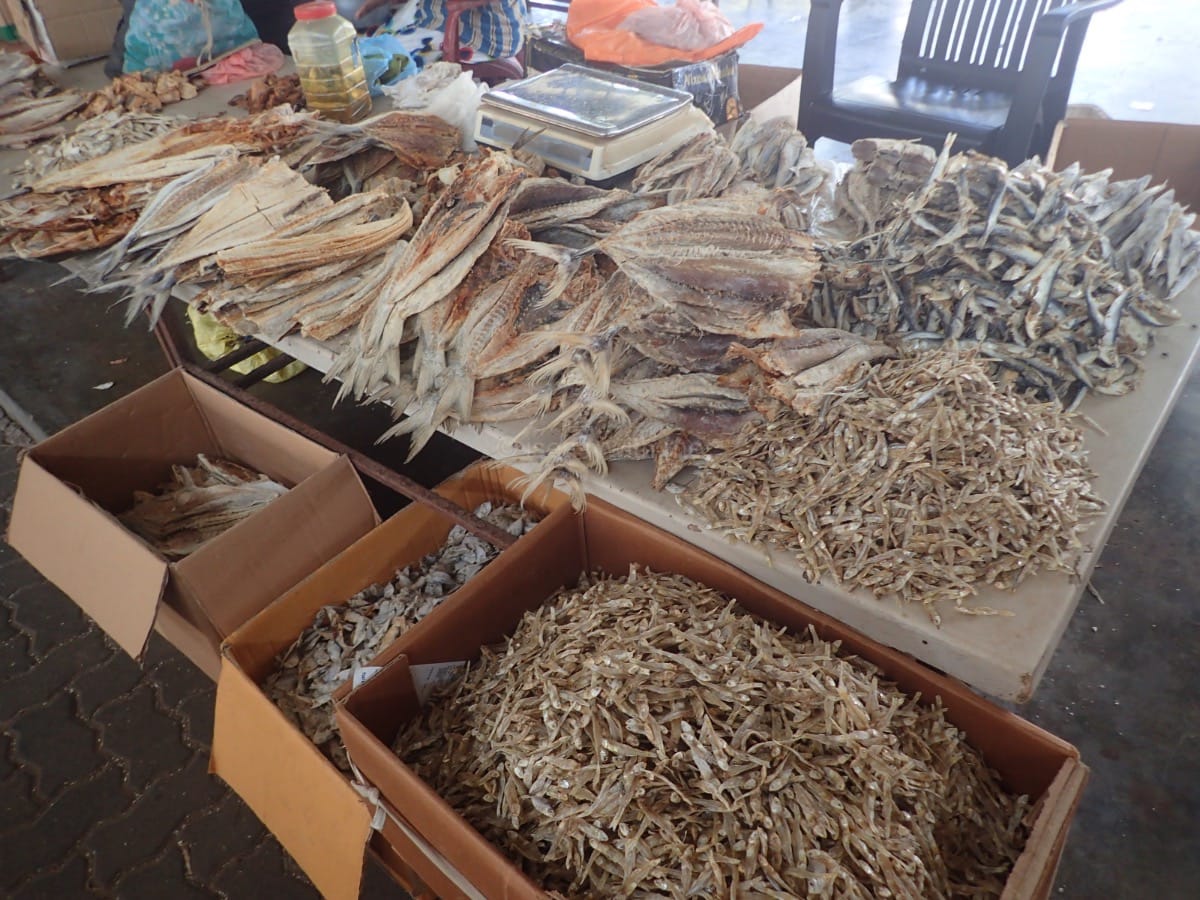
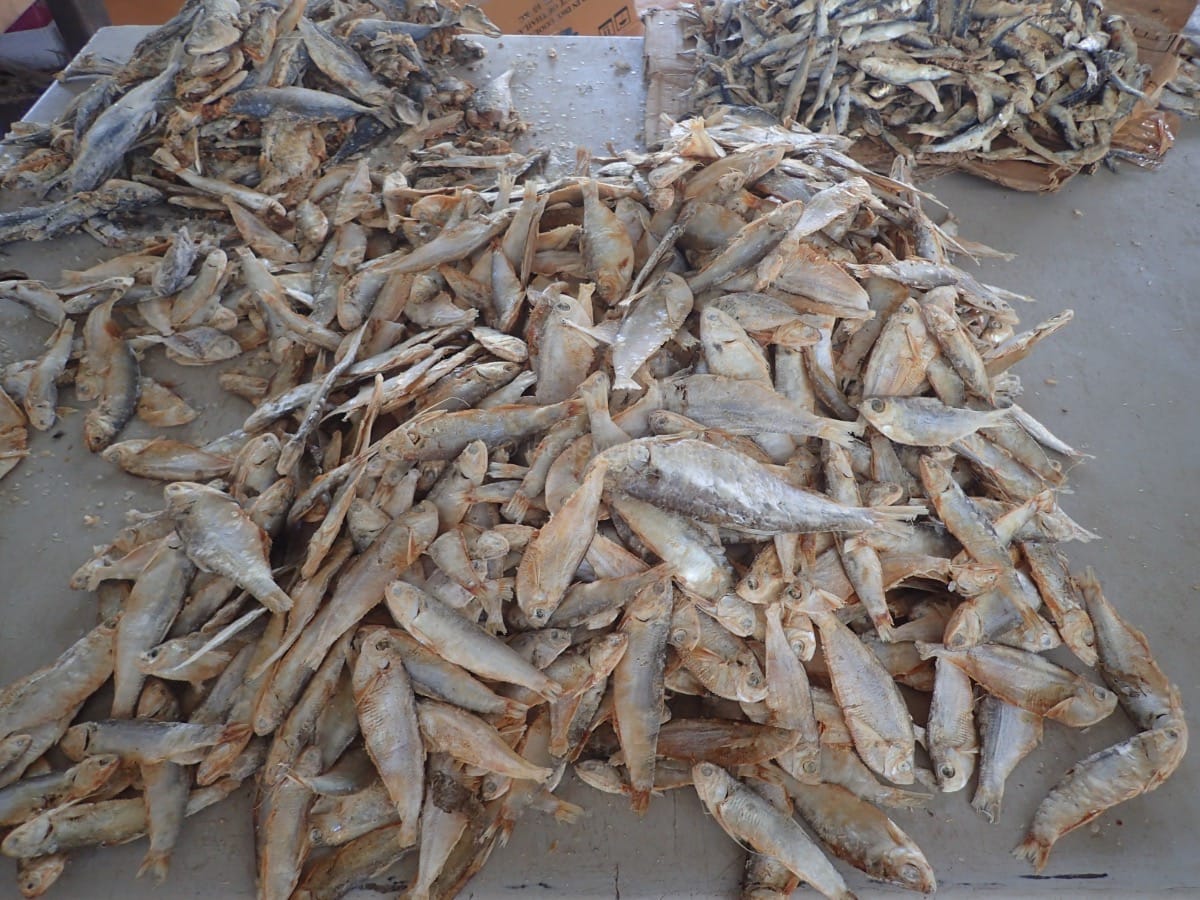
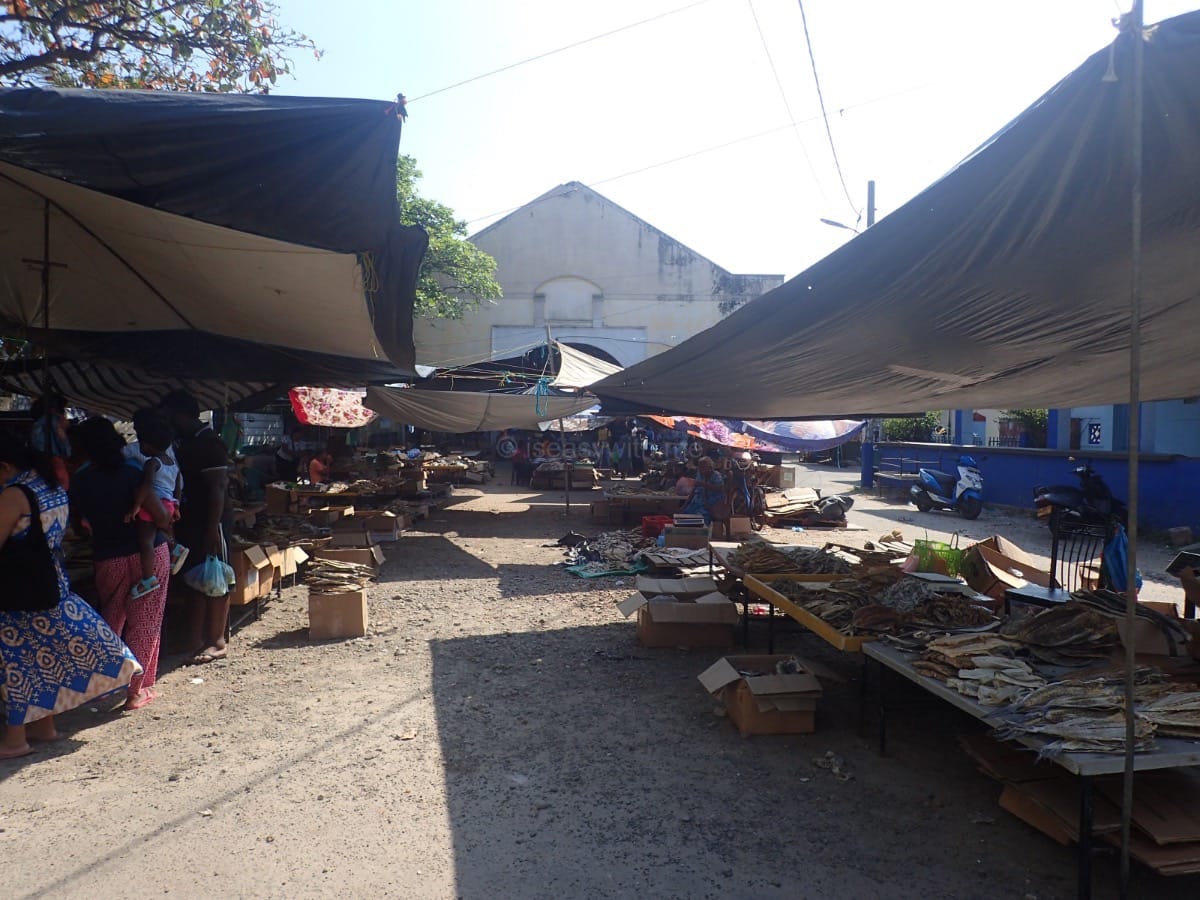
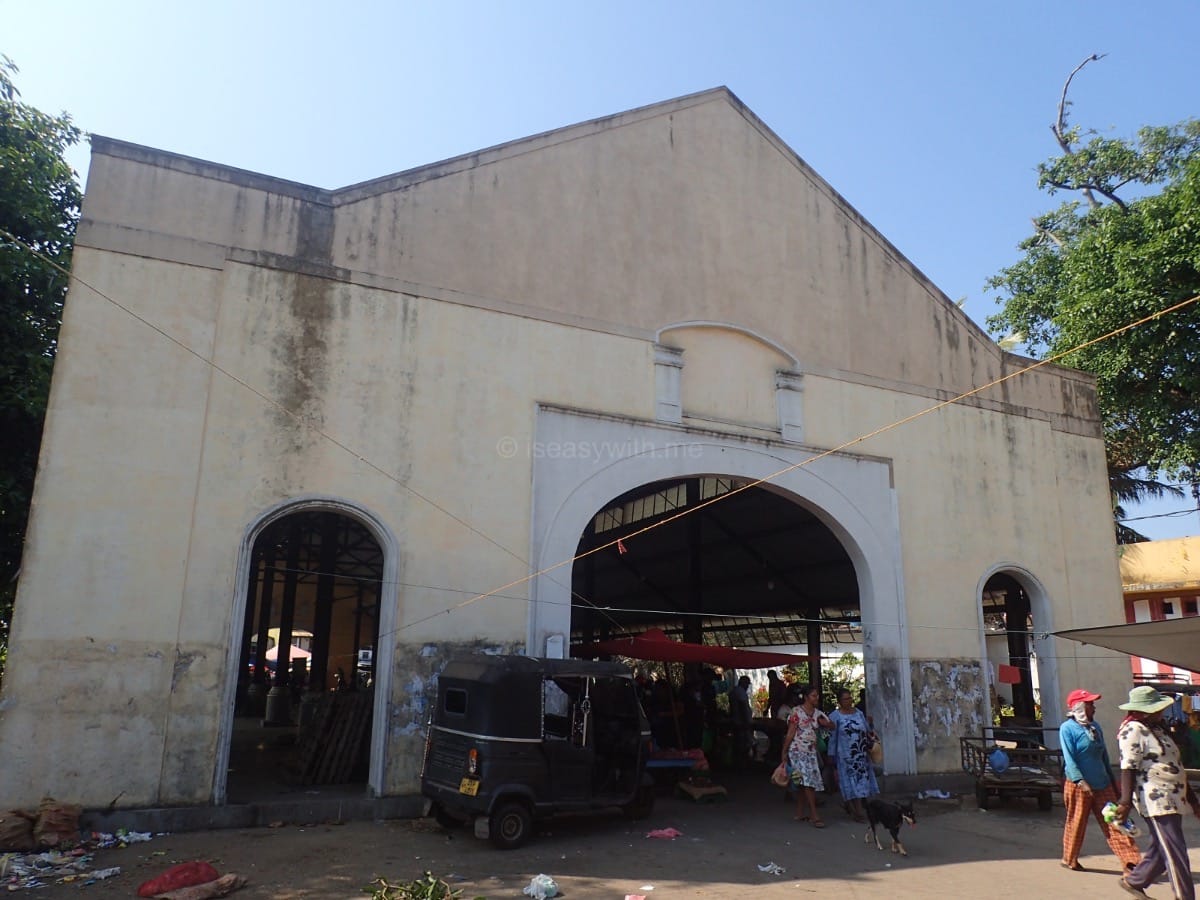
Negombo Public Market
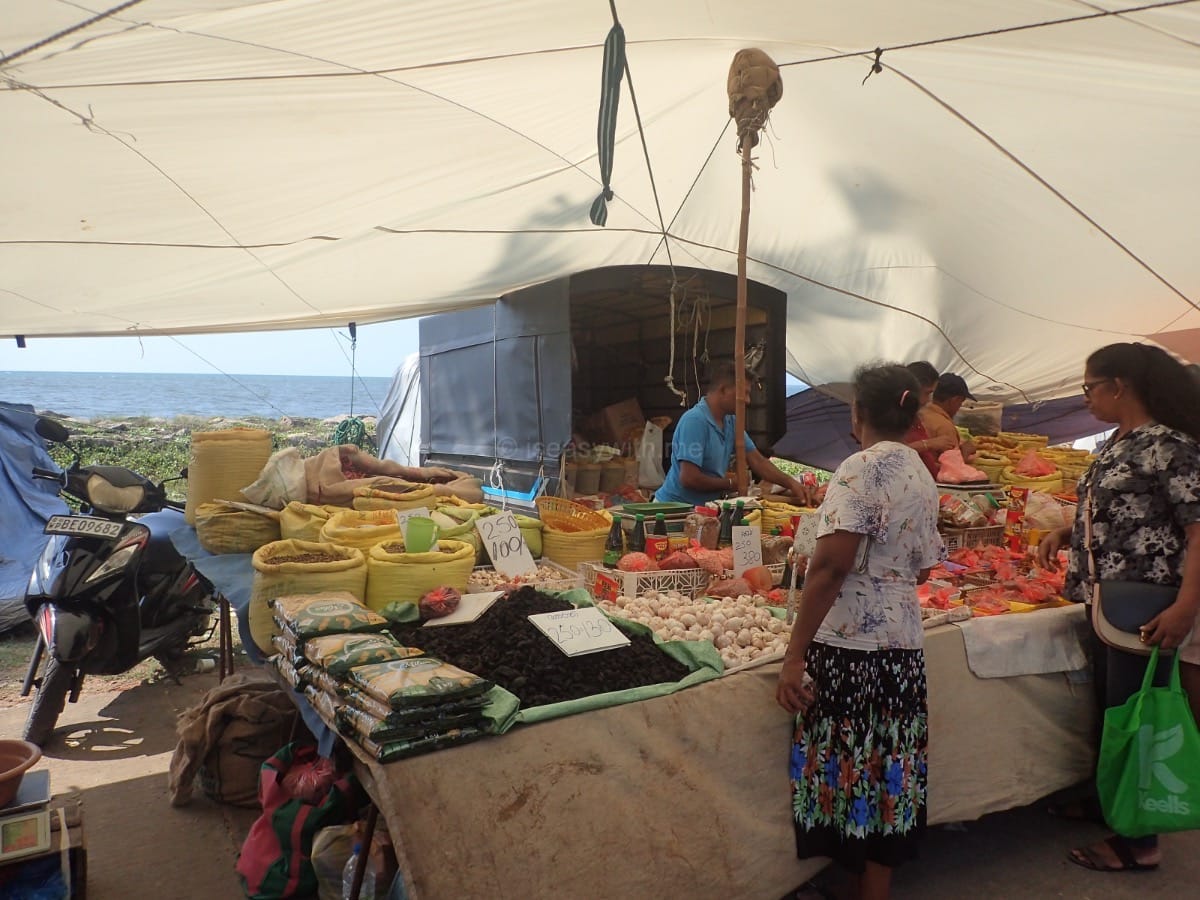
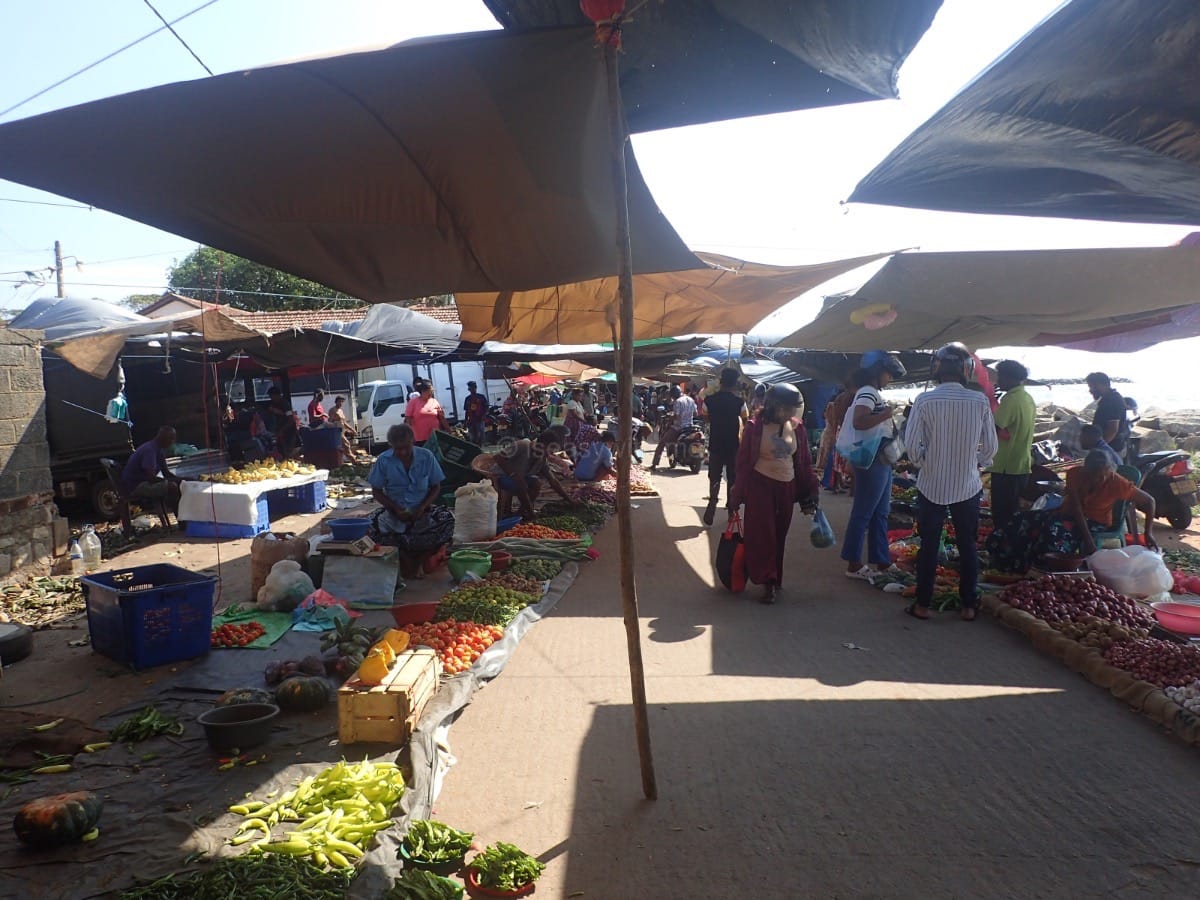
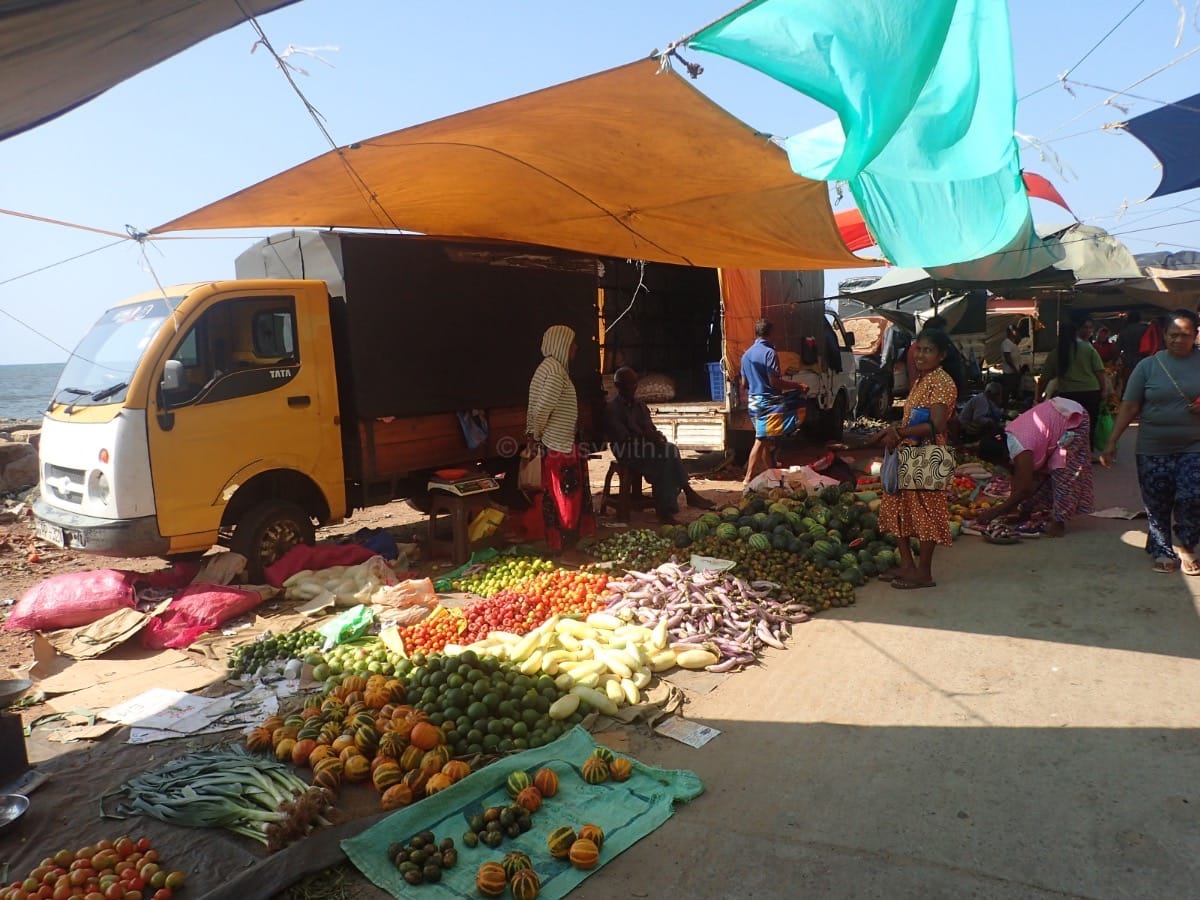
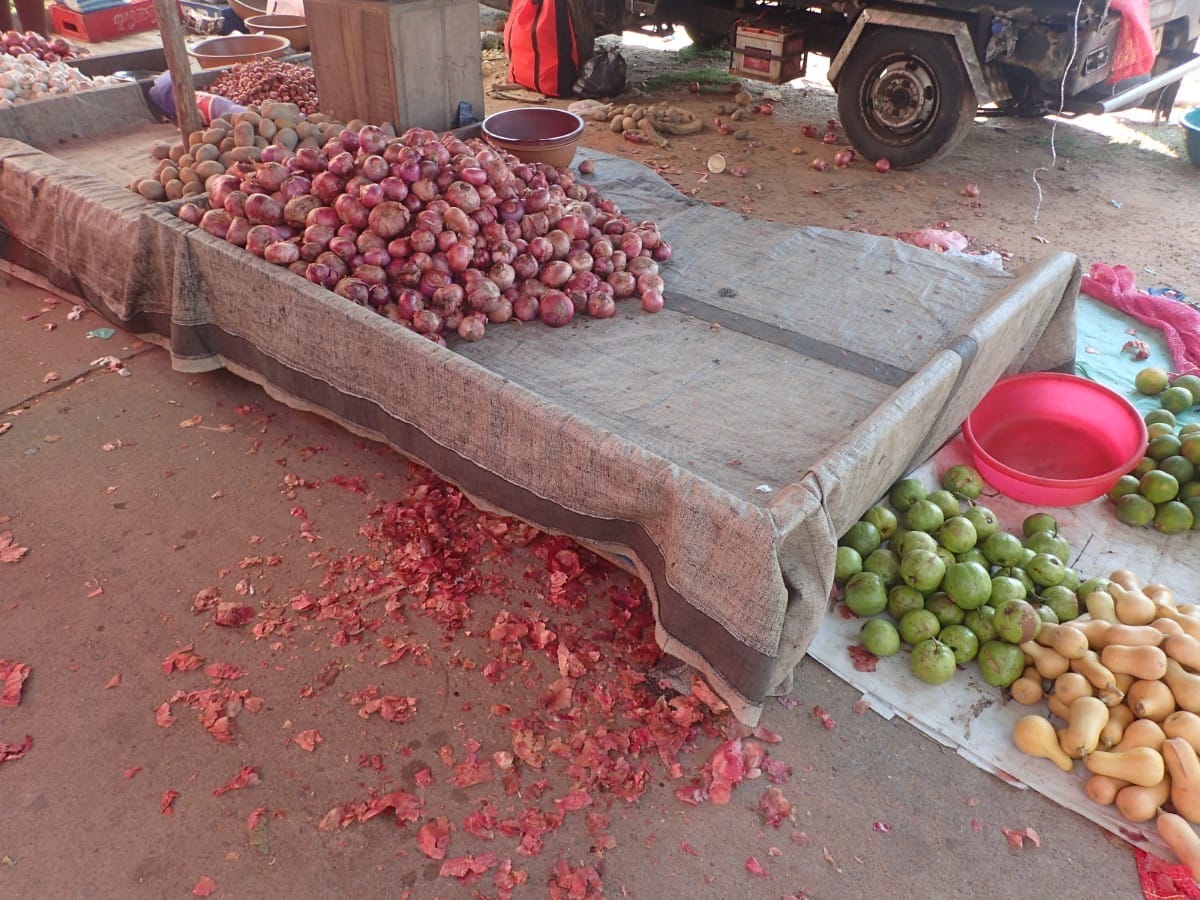
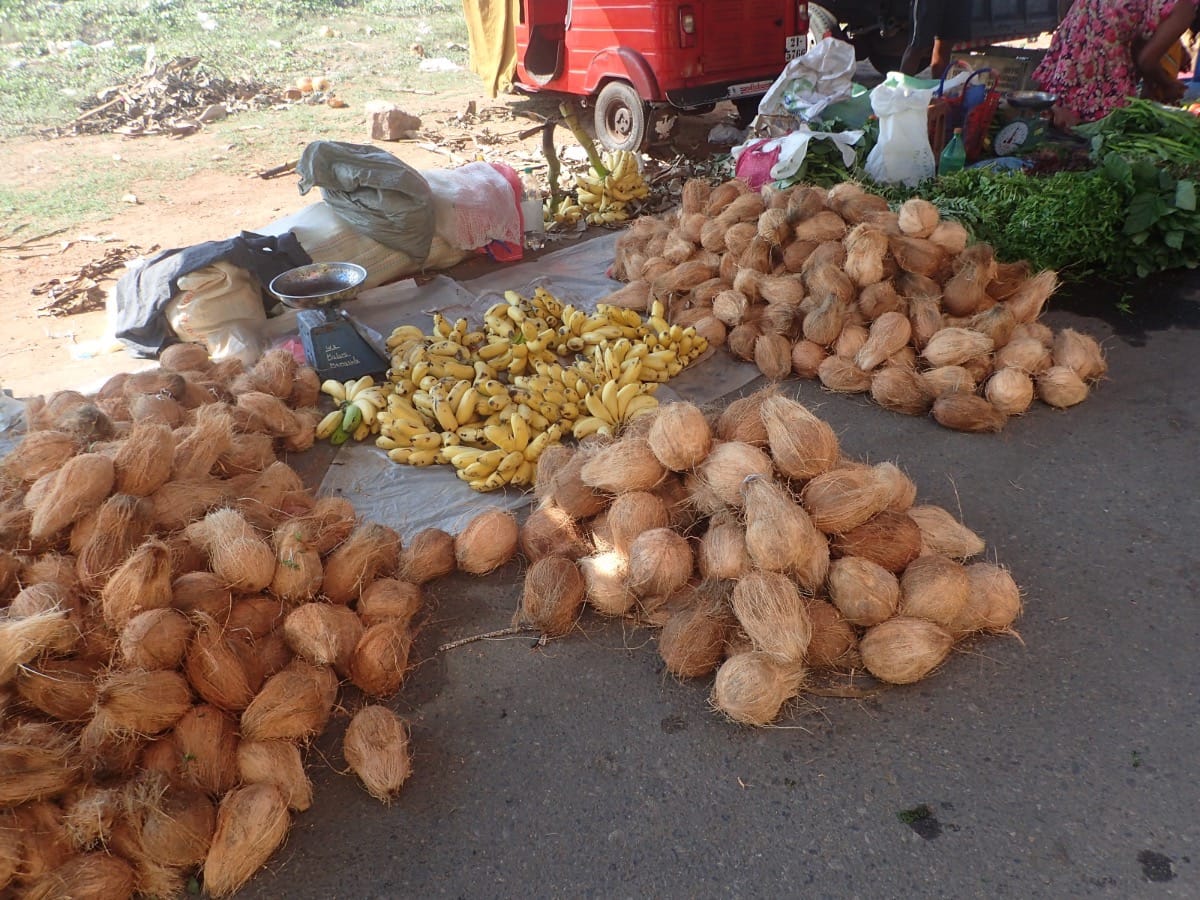
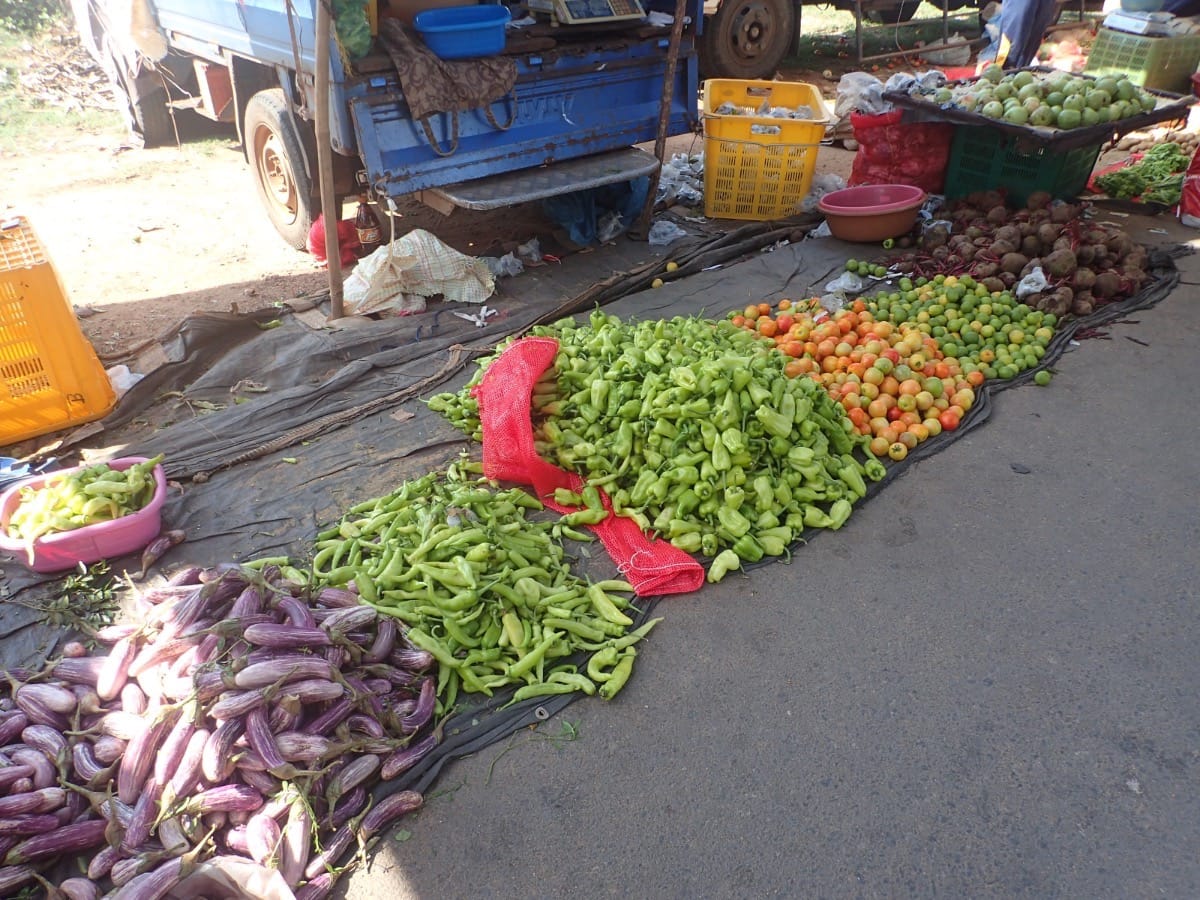
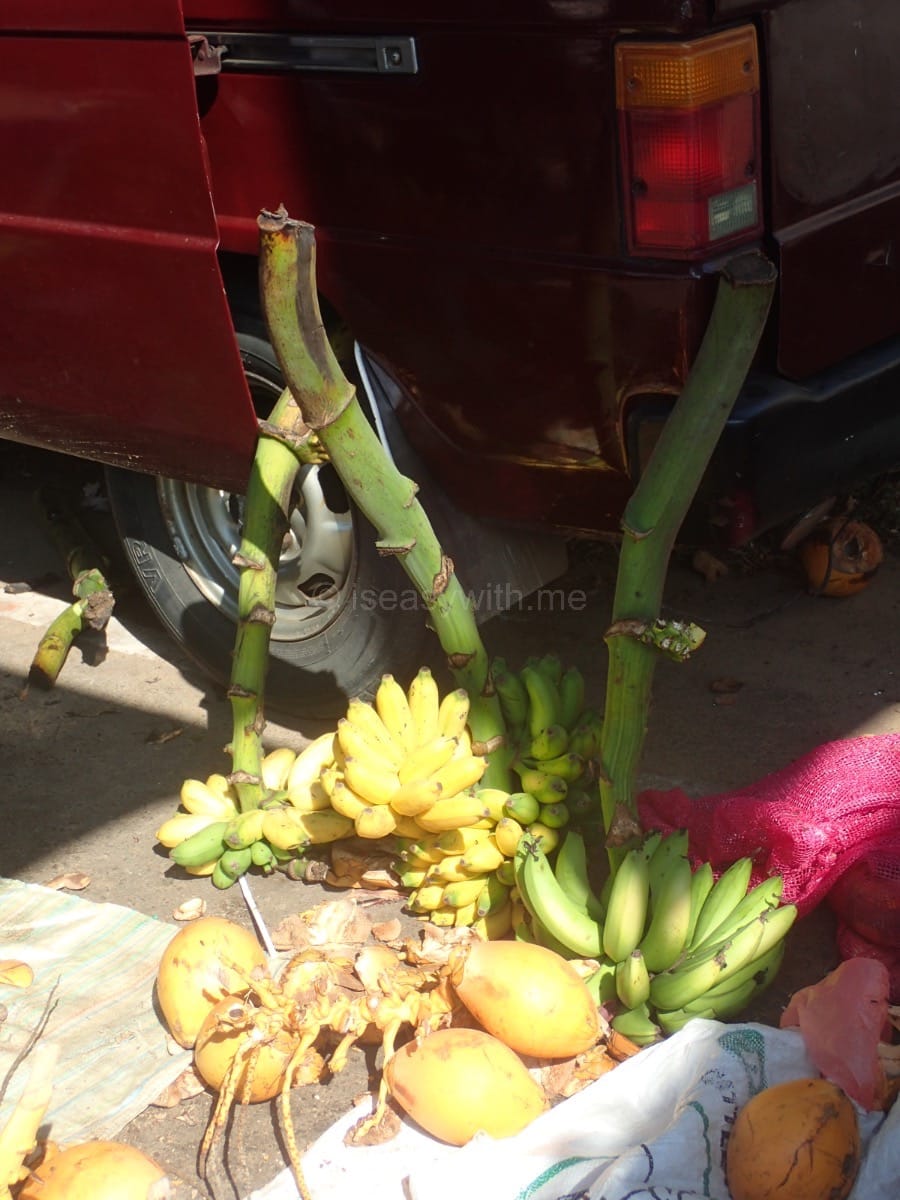
Sunday Street Market
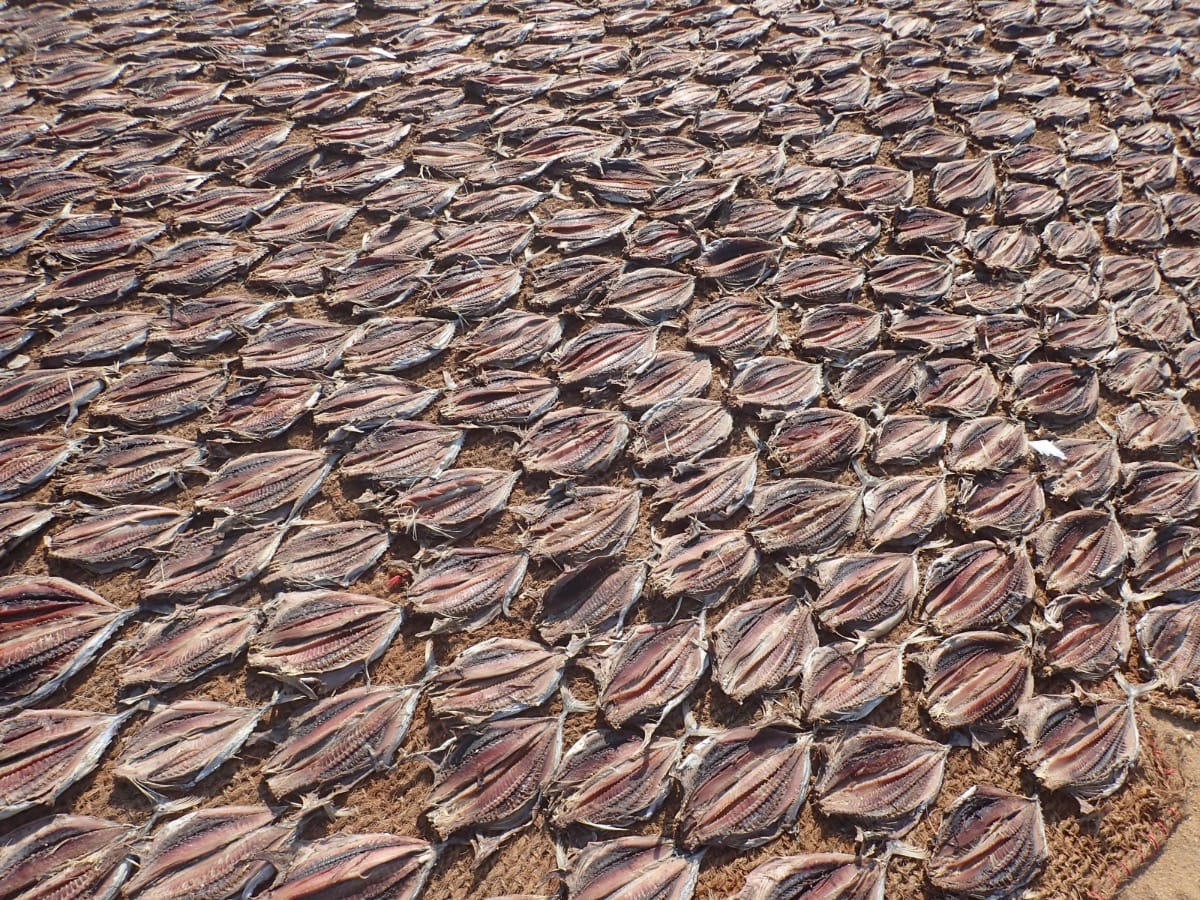
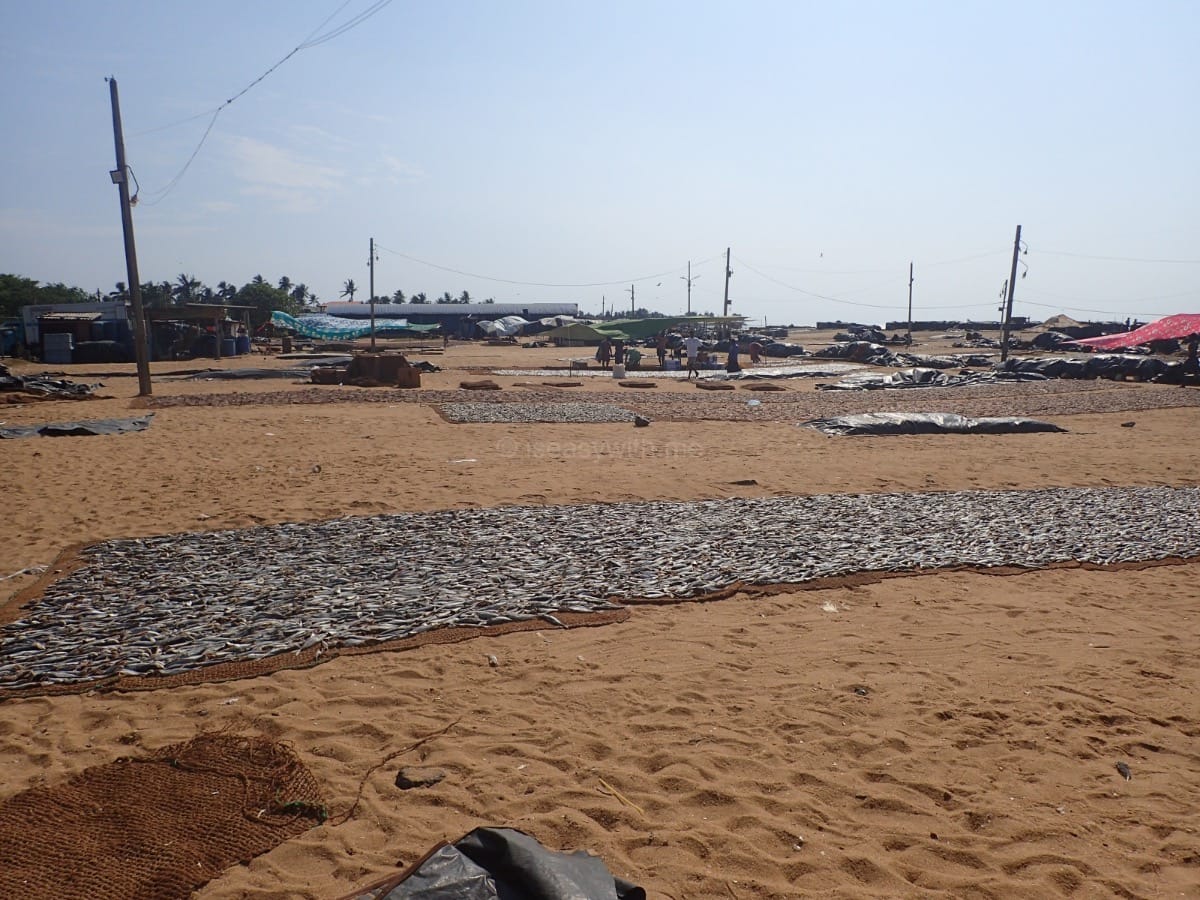
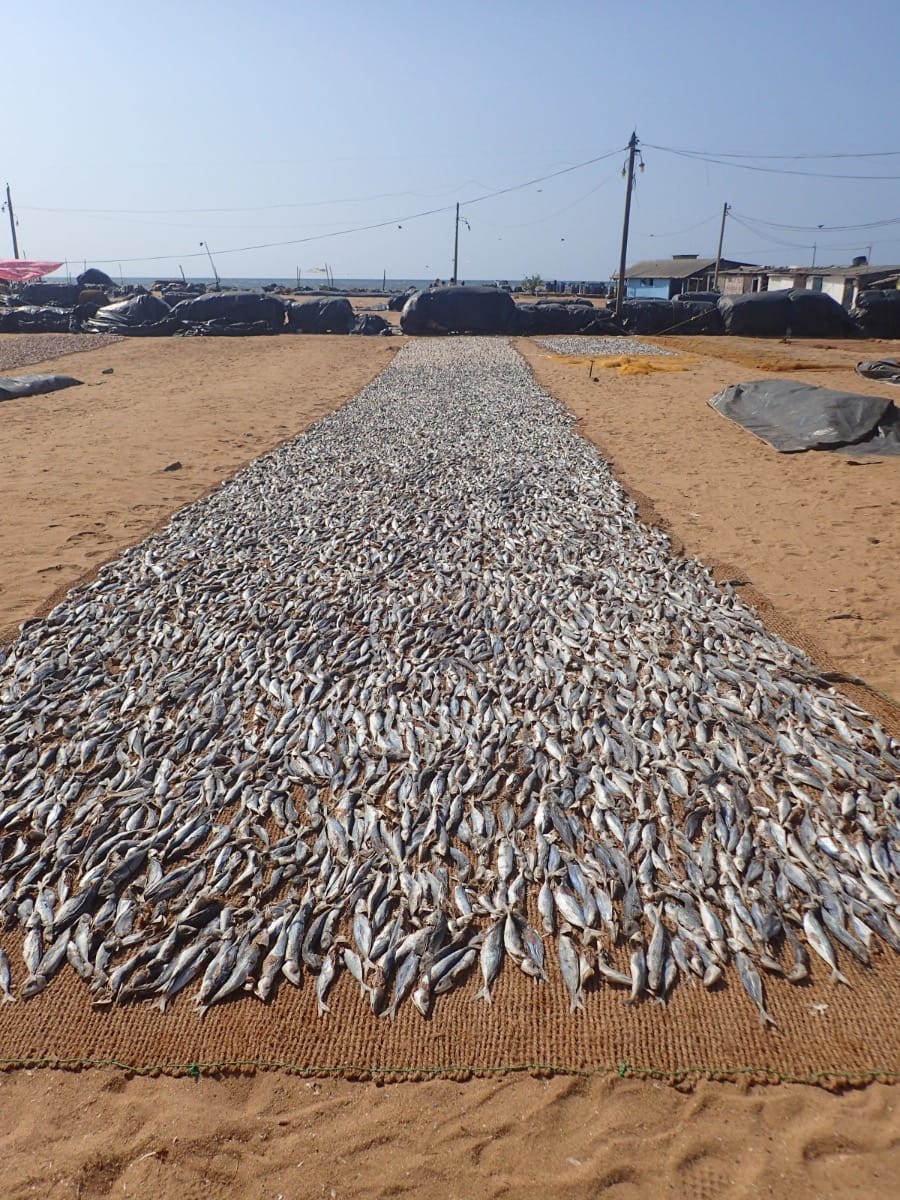
Right across from the Sunday Street Market, the open beach turned into a massive sensory experience. Here, I watched local fishing families lay endless rows of fish out to dry on large hessian mats spread across the hot sand under the glaring sun.
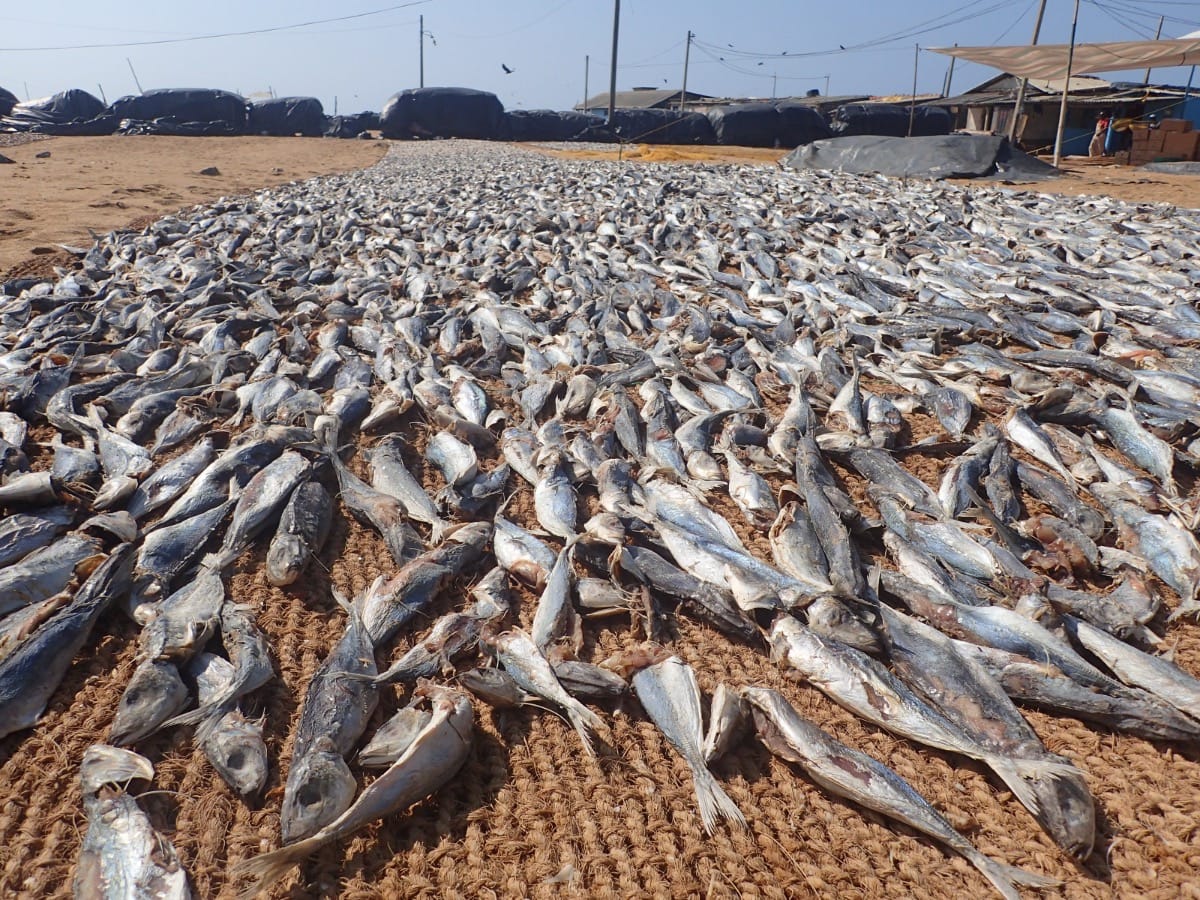
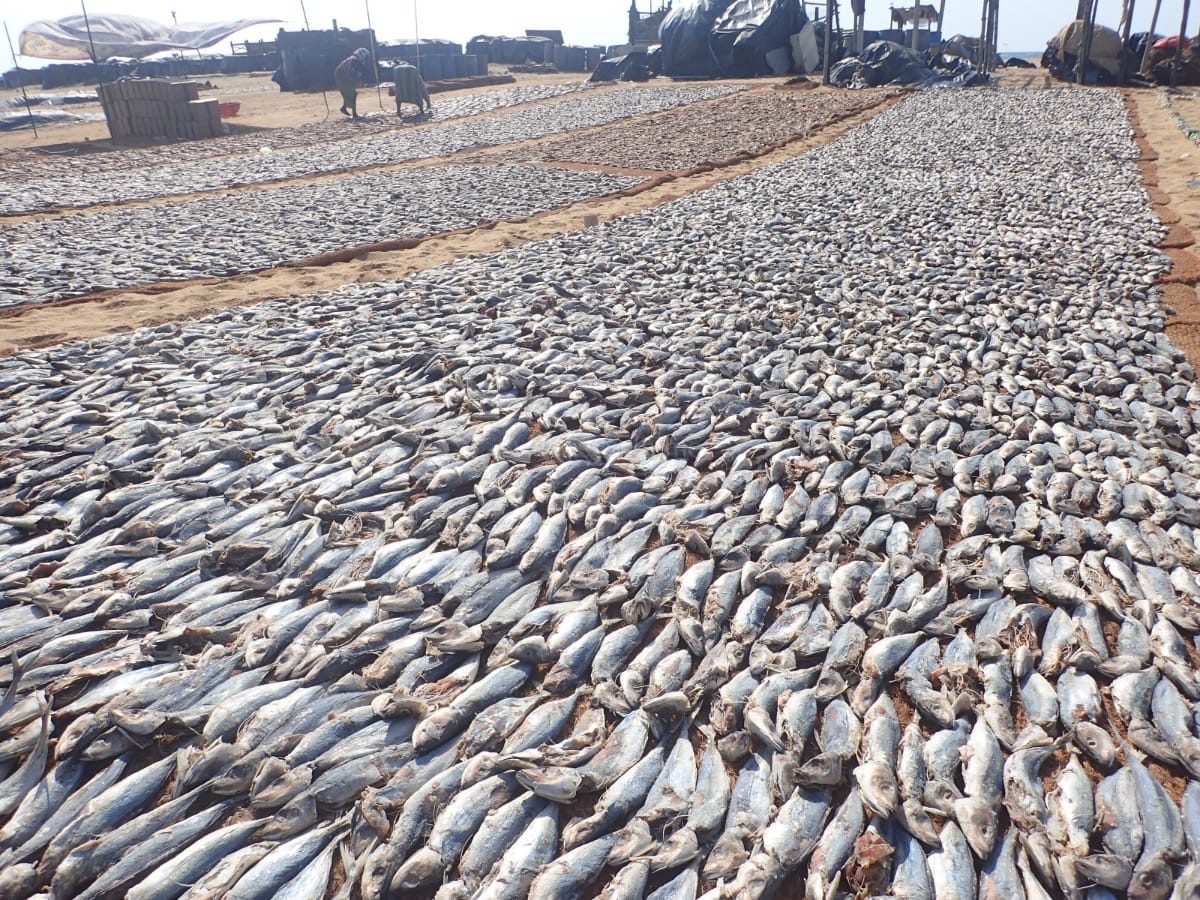
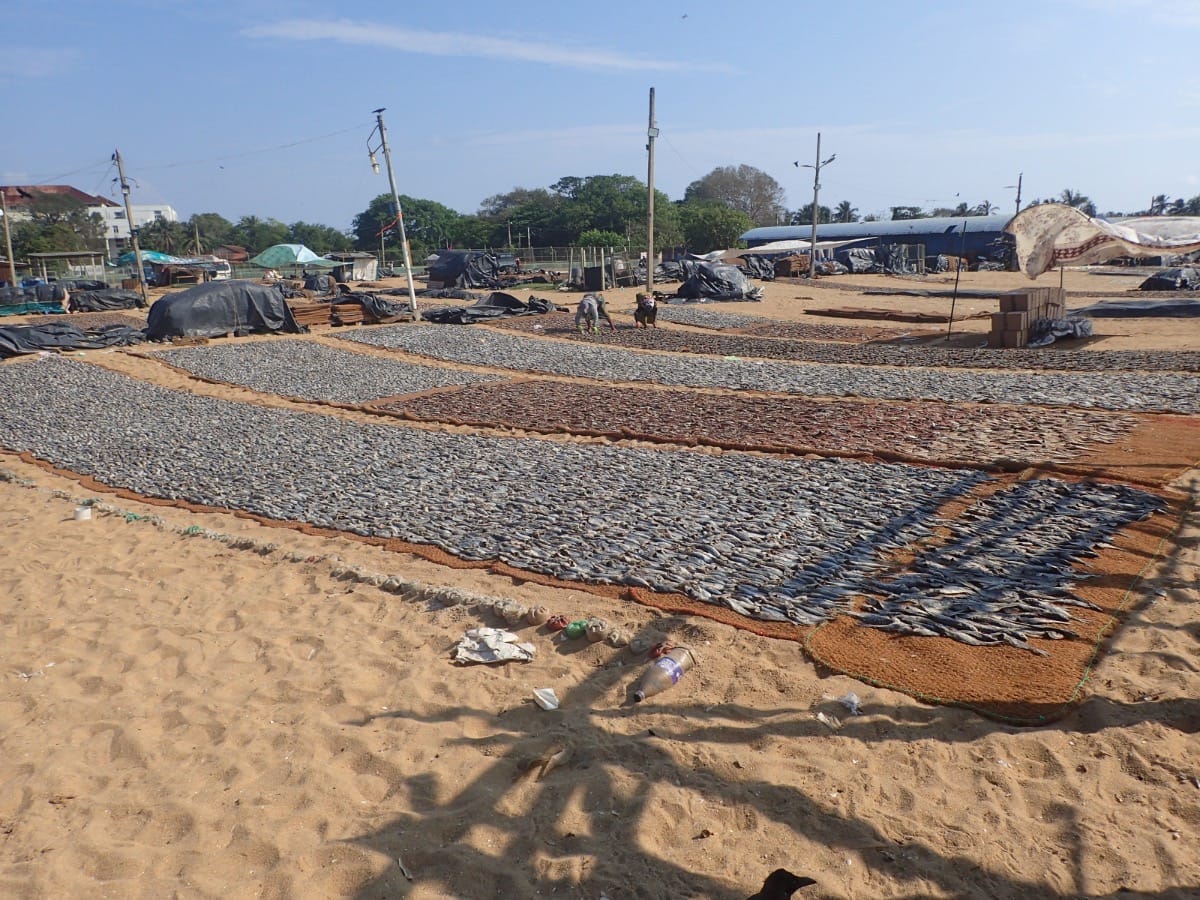
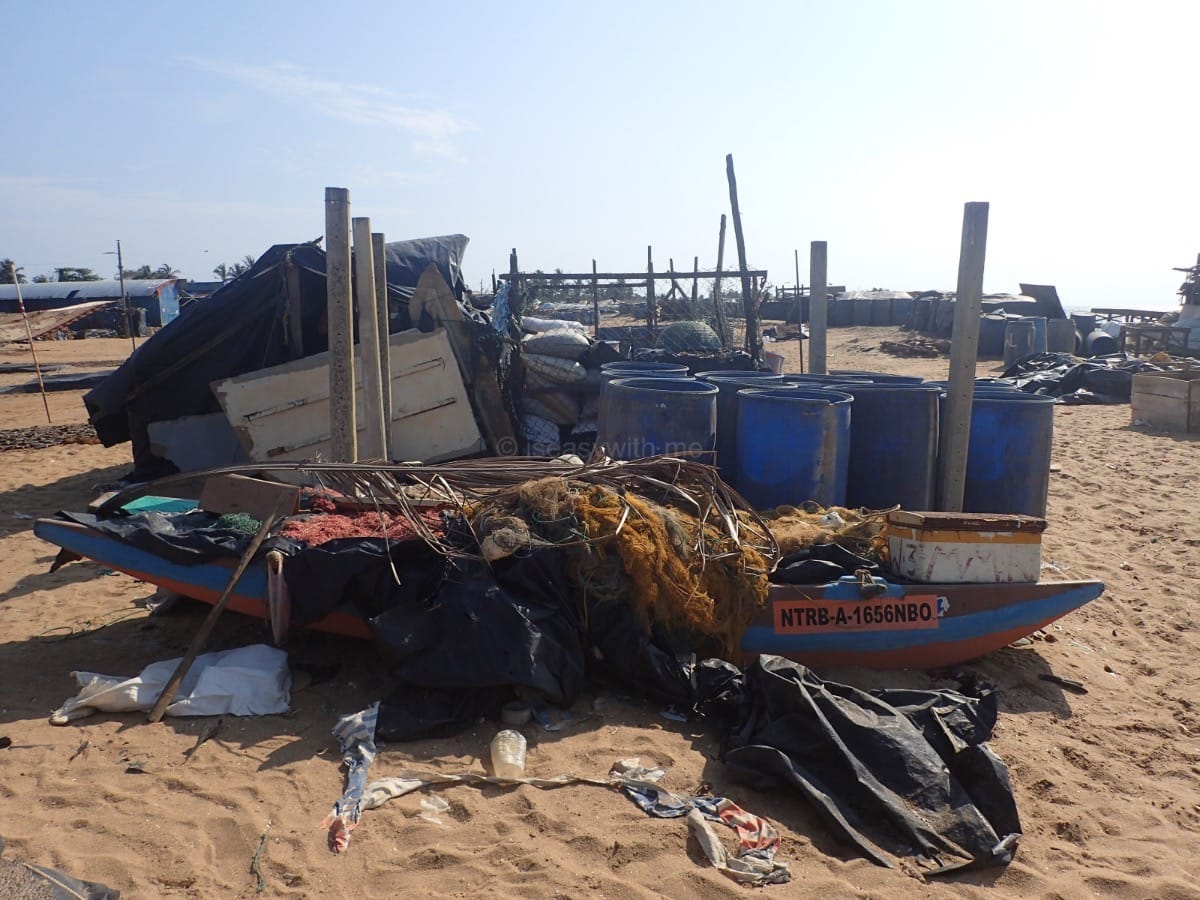
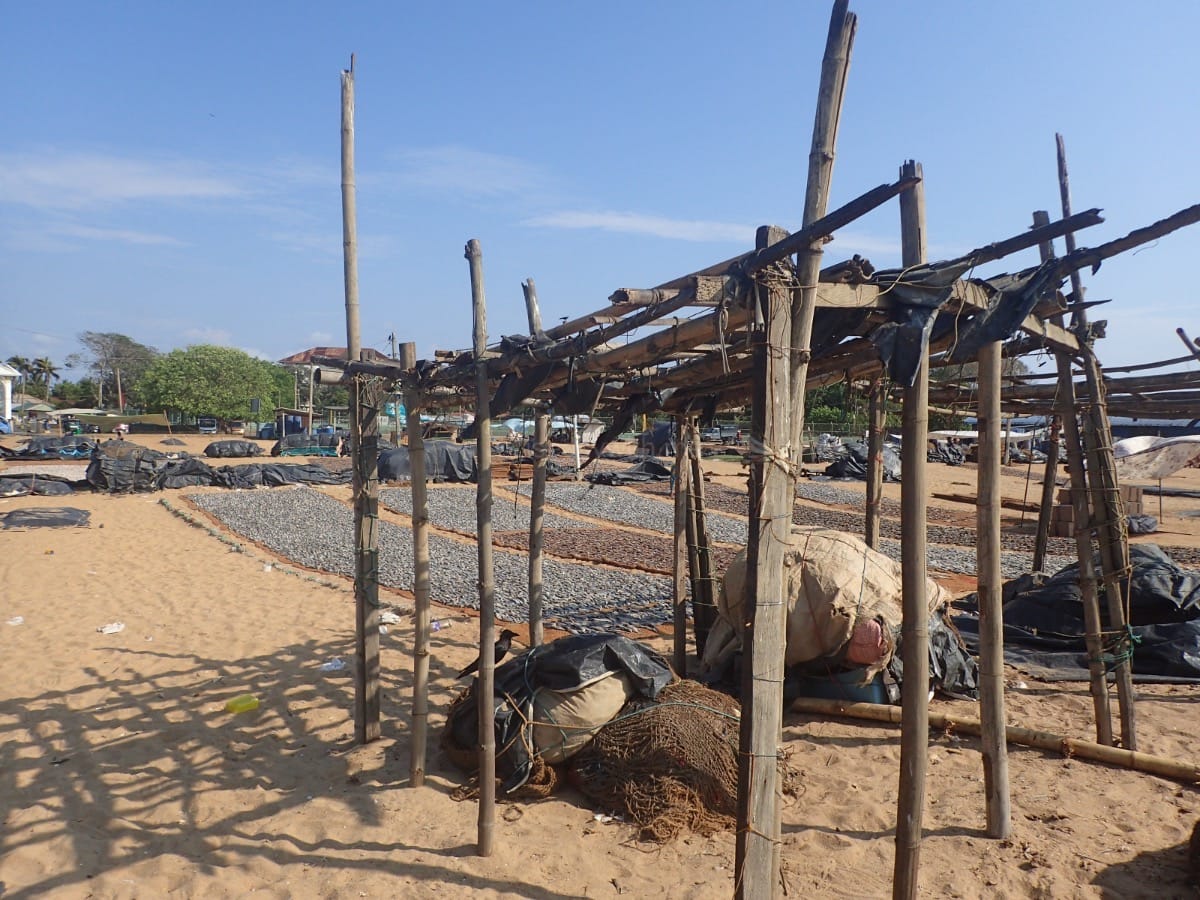
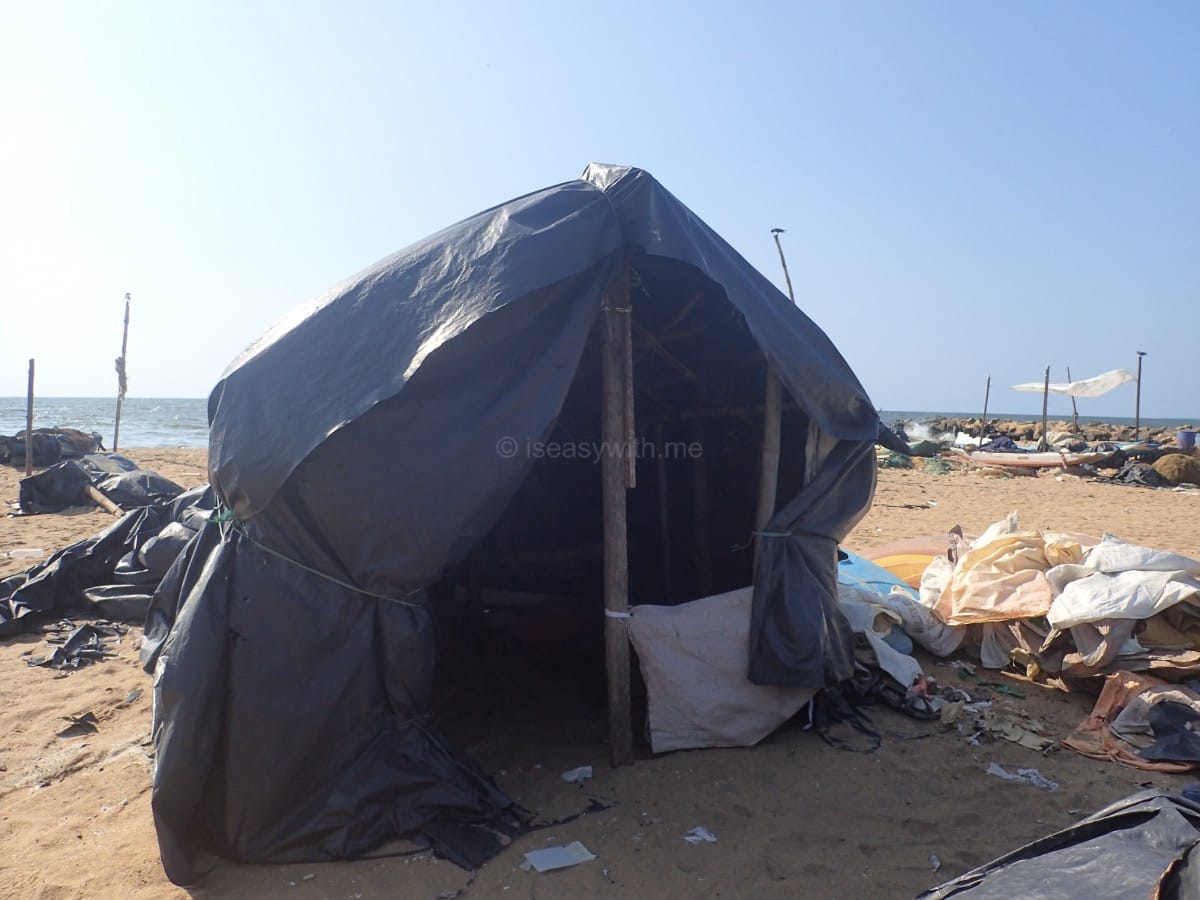
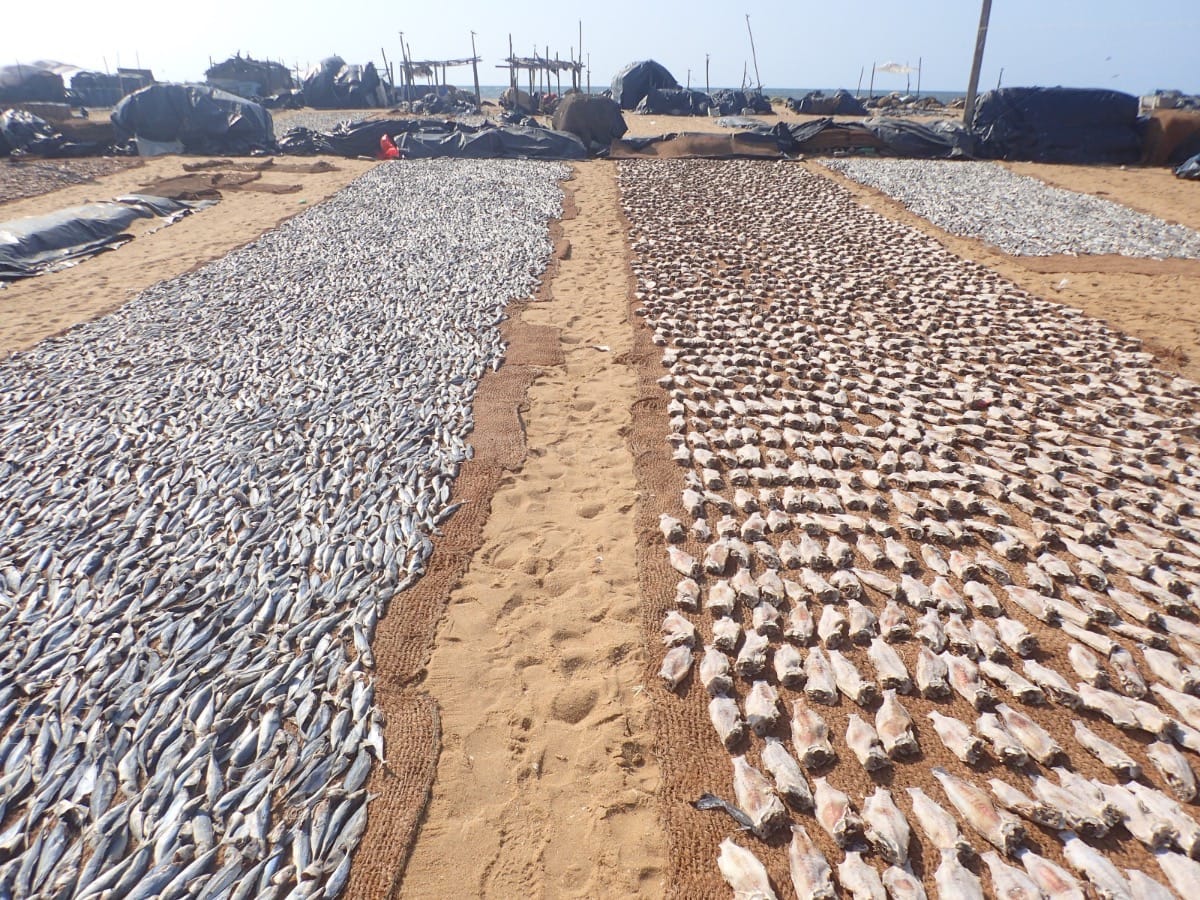
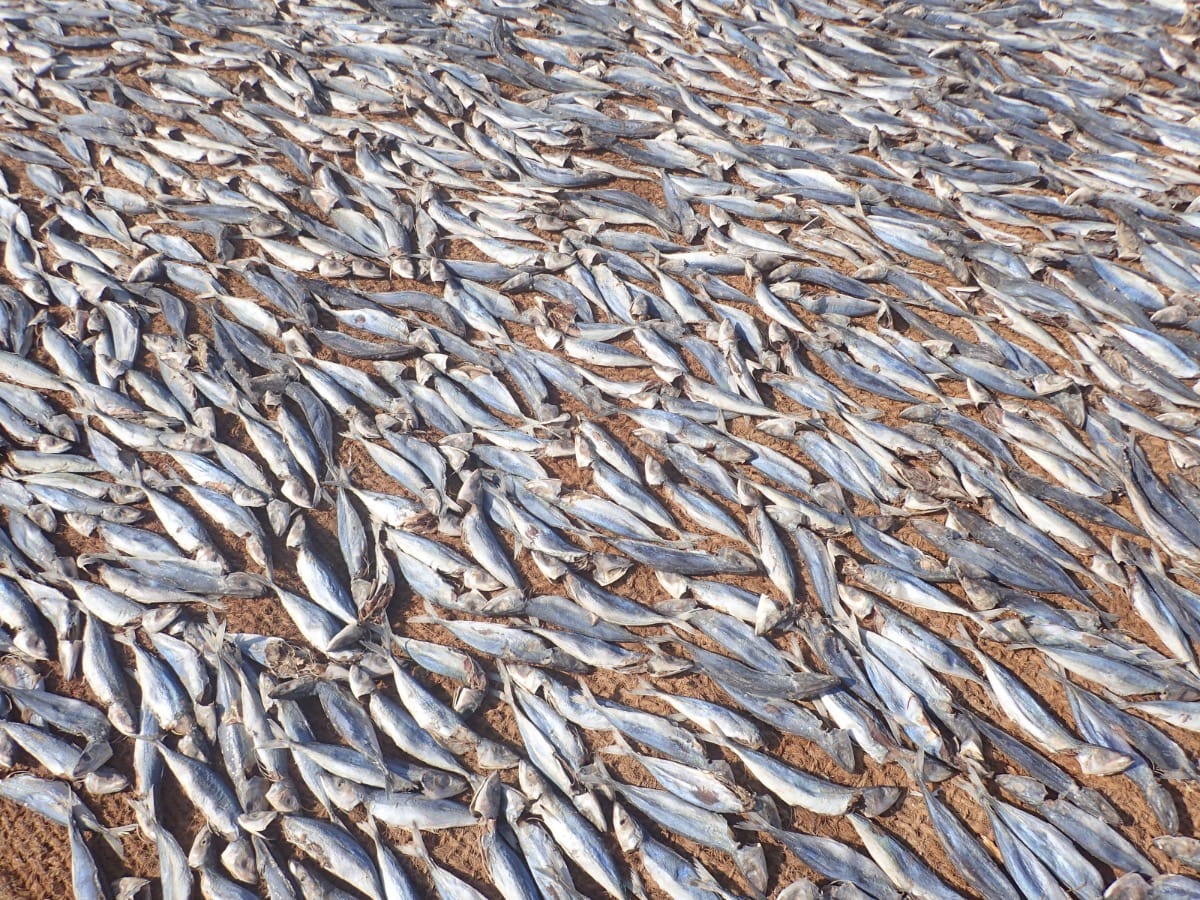
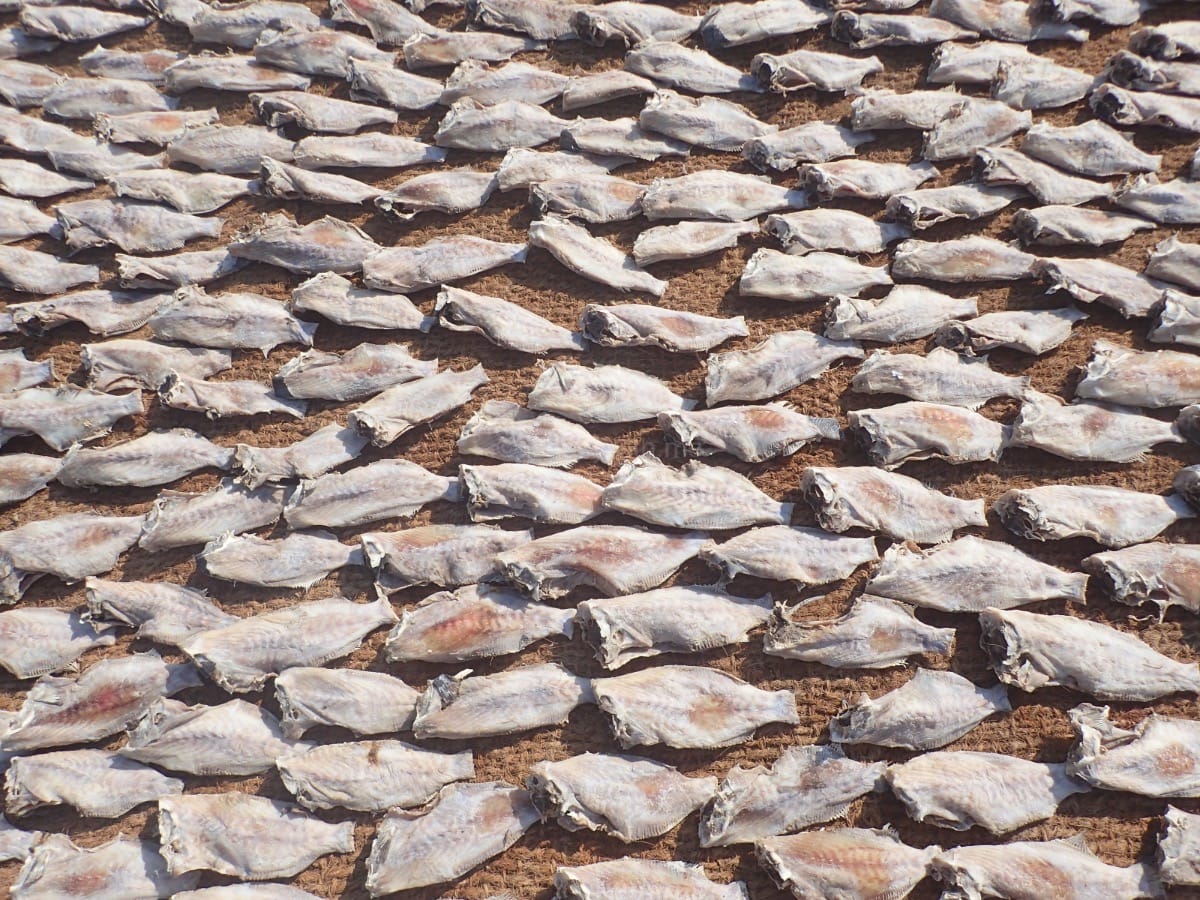
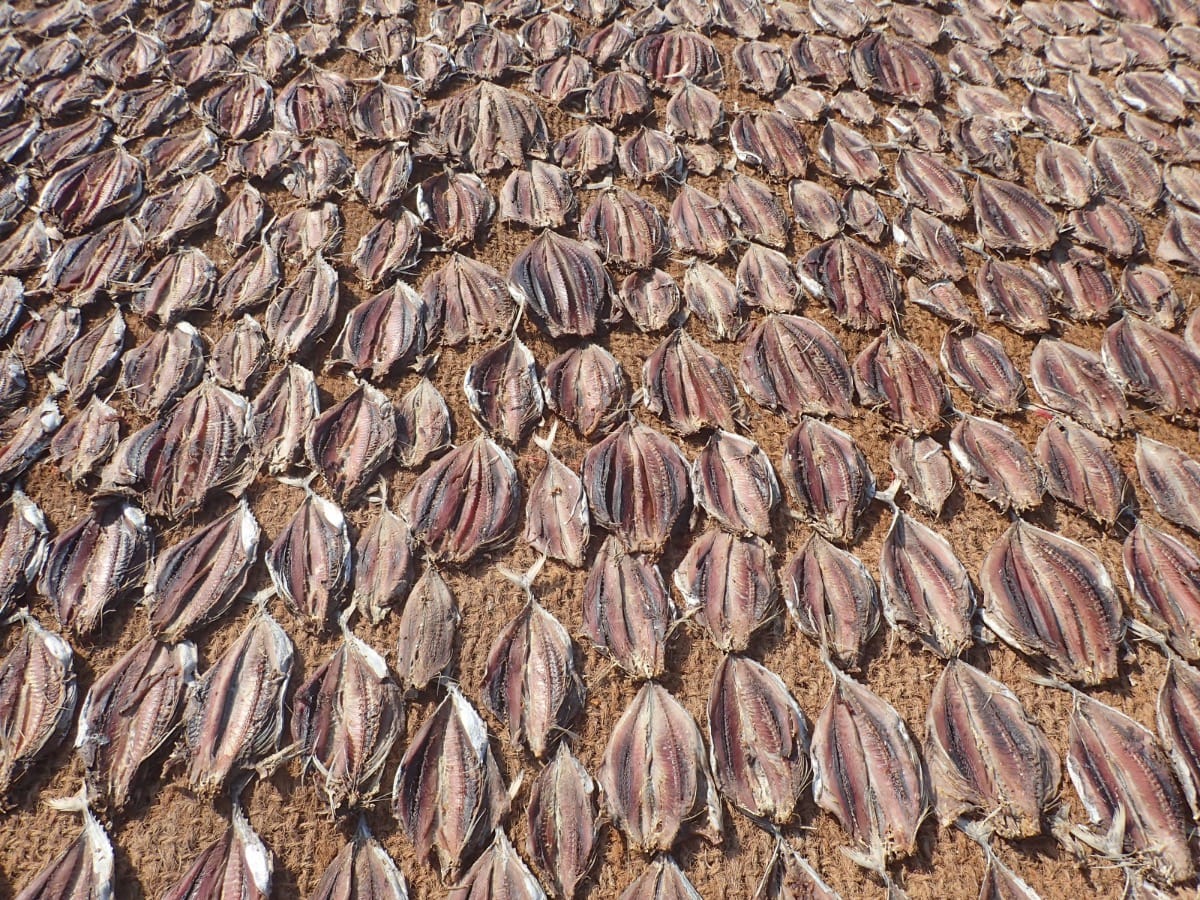
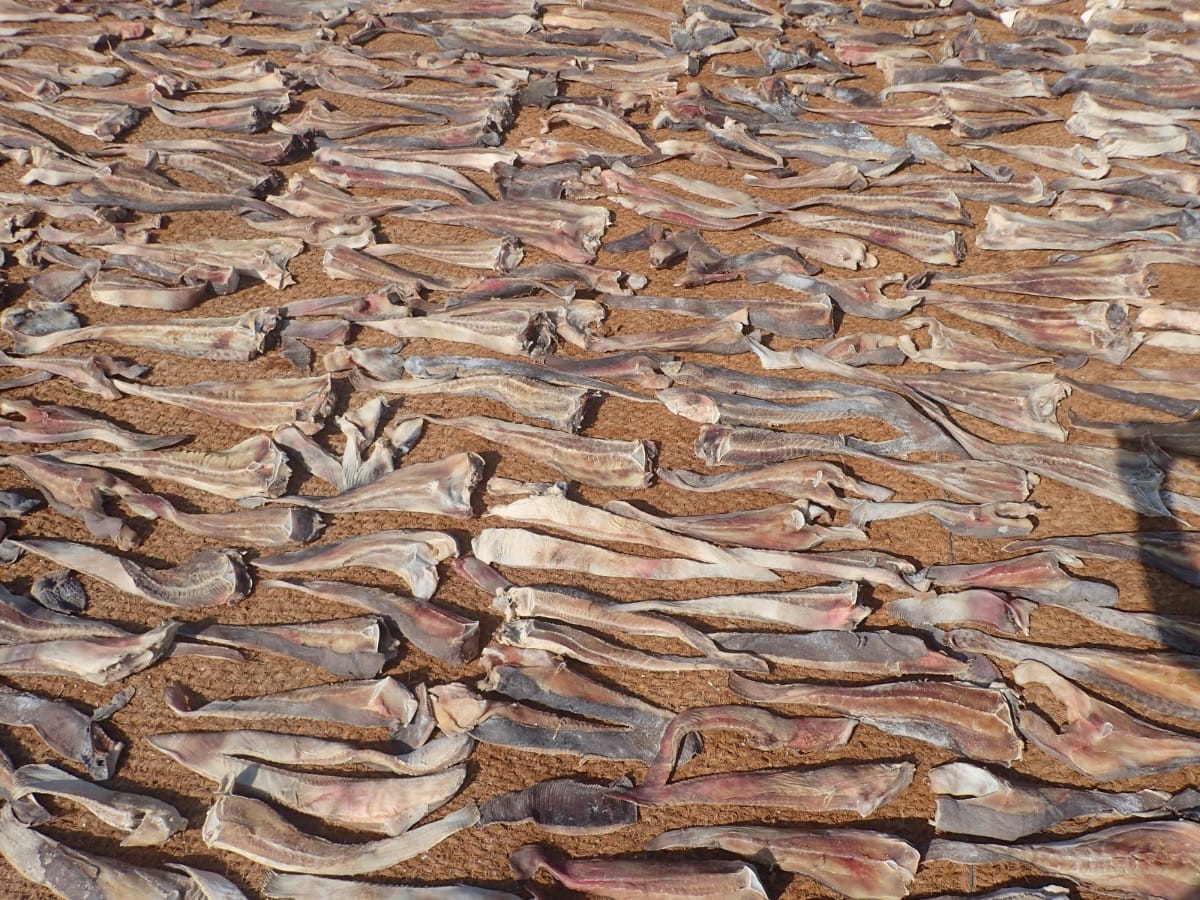
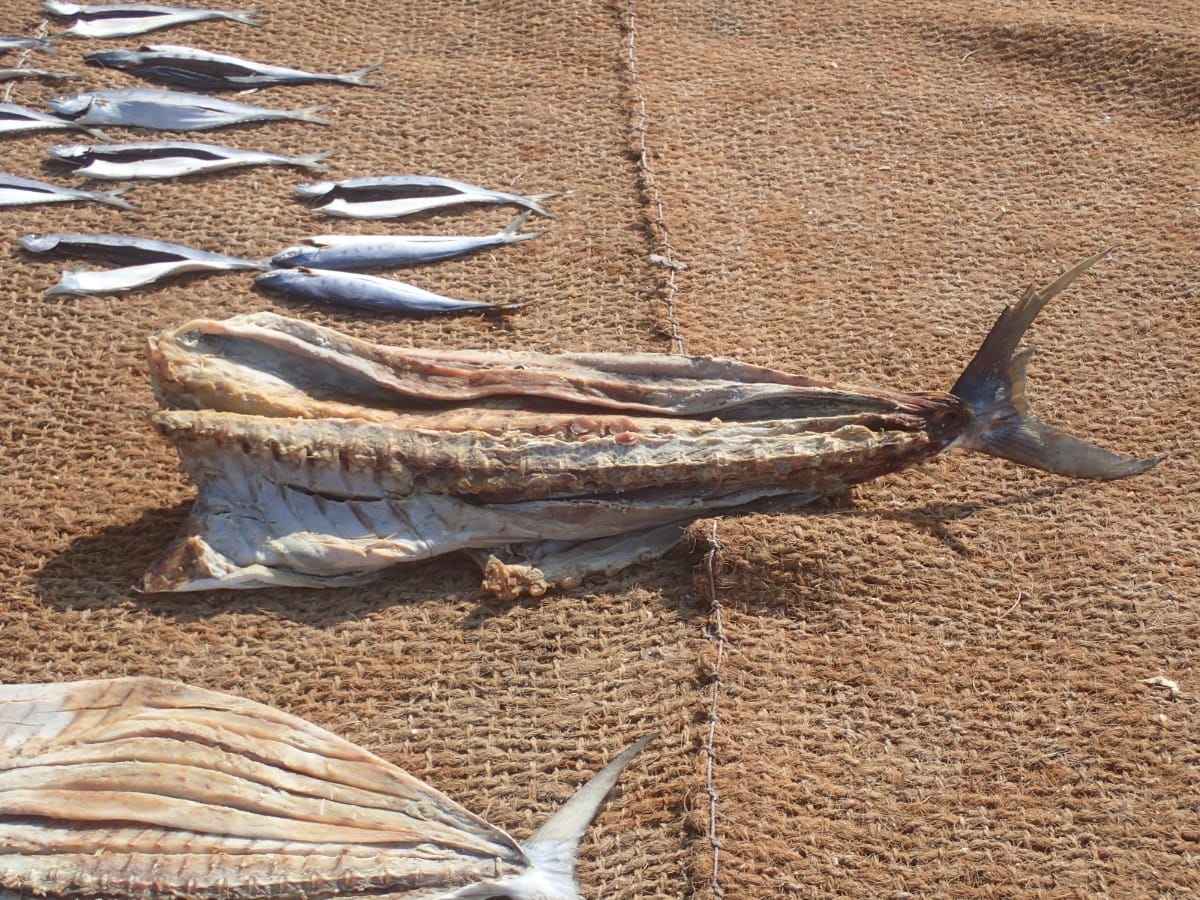
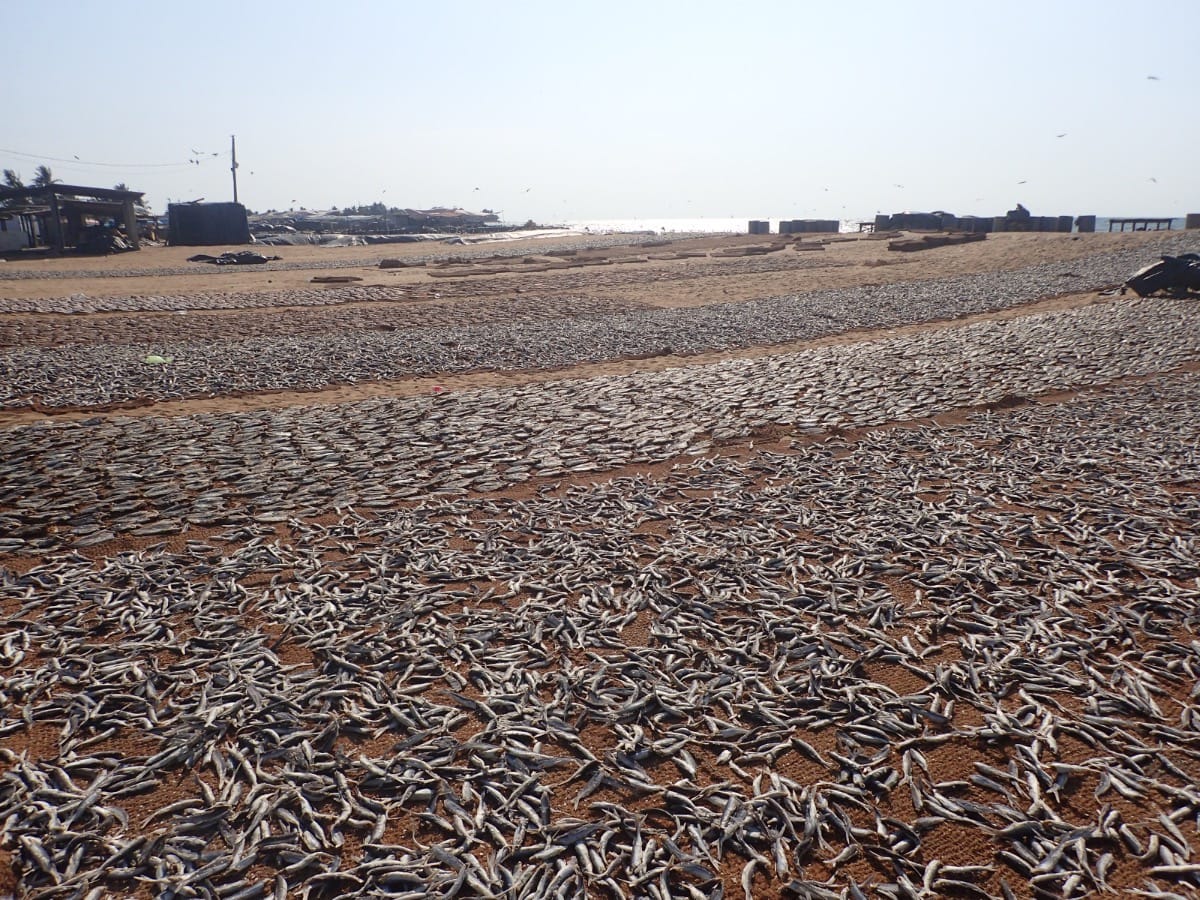
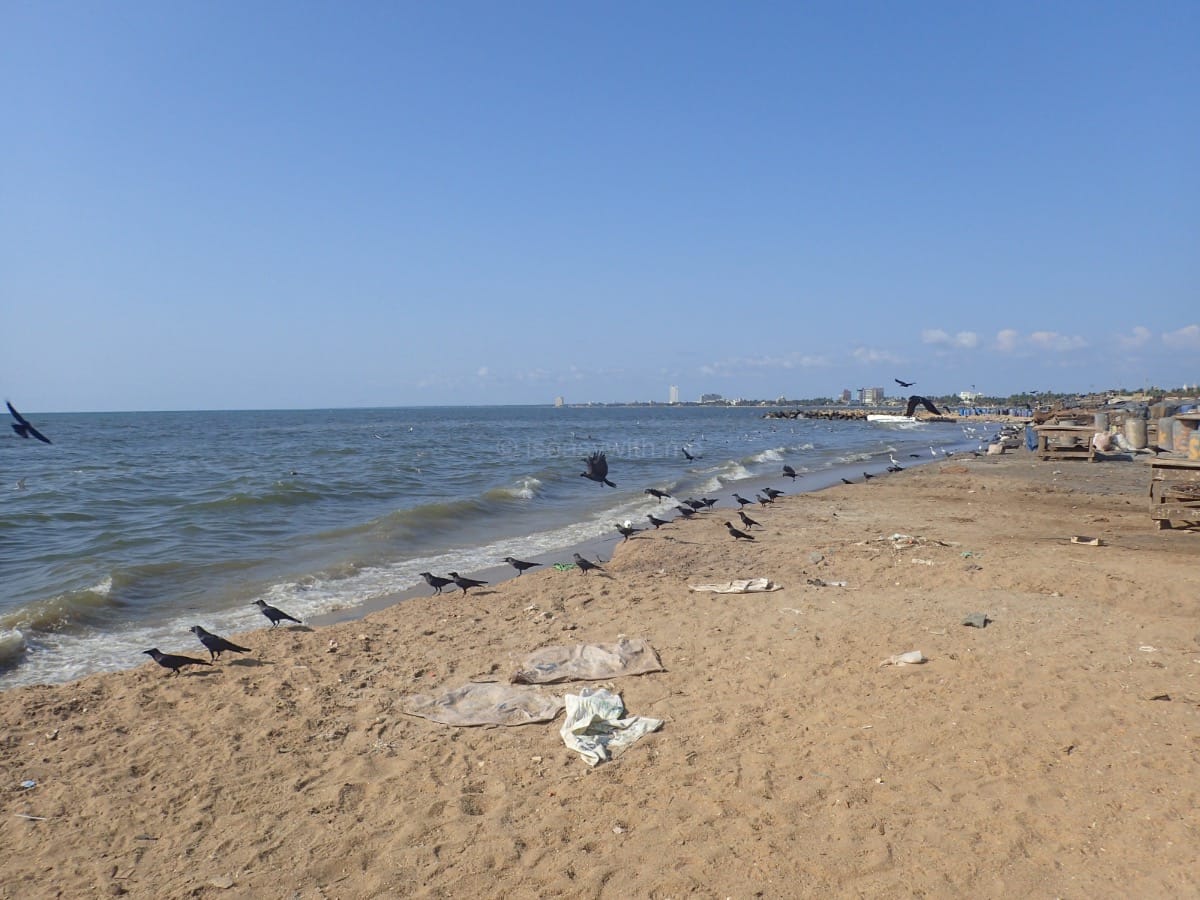
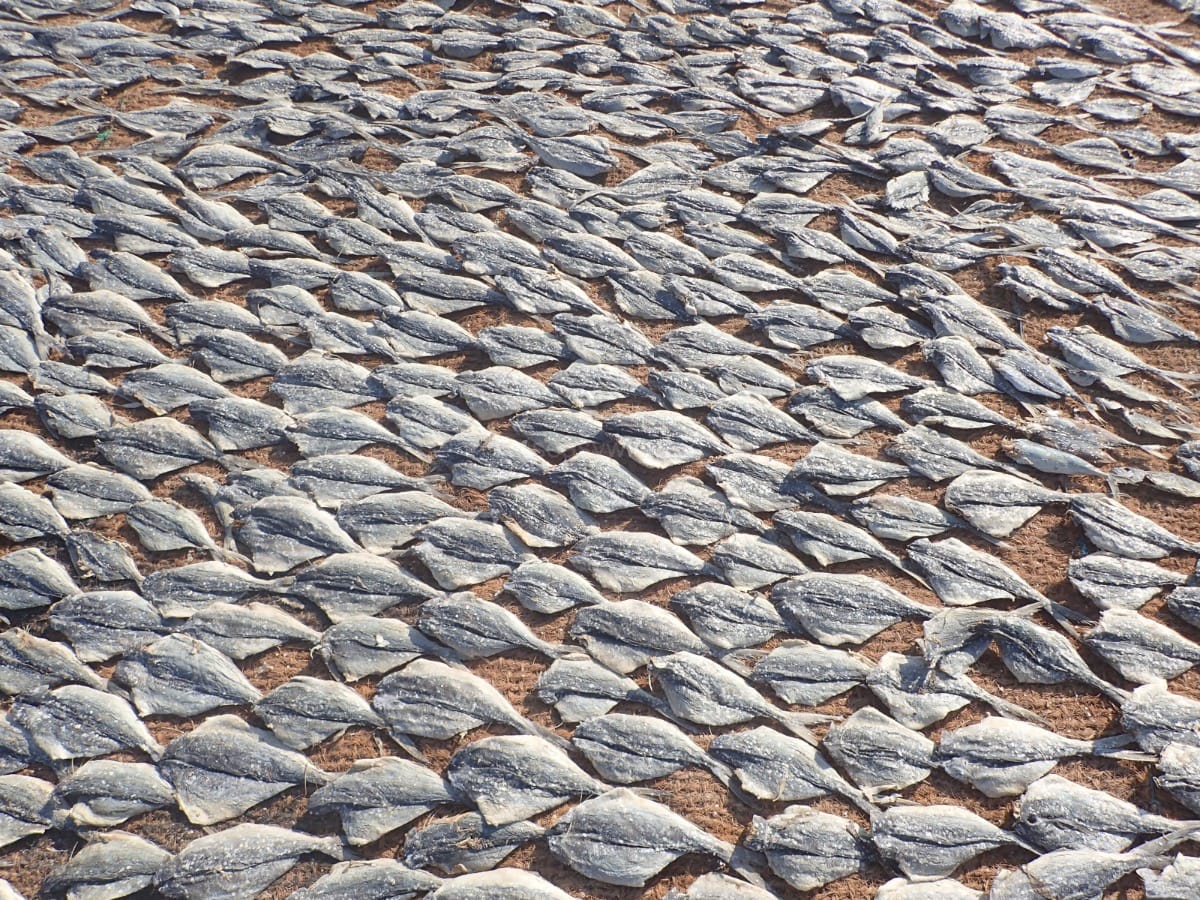
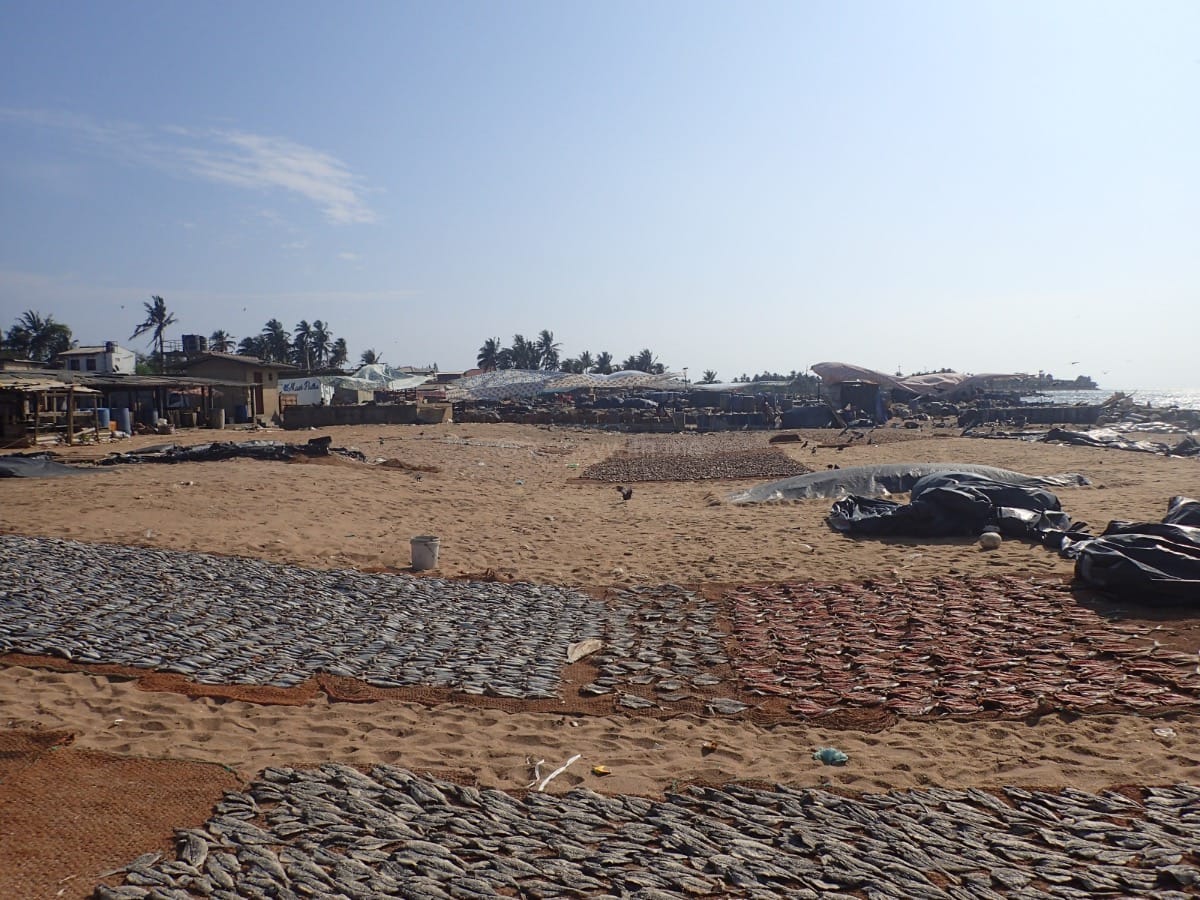
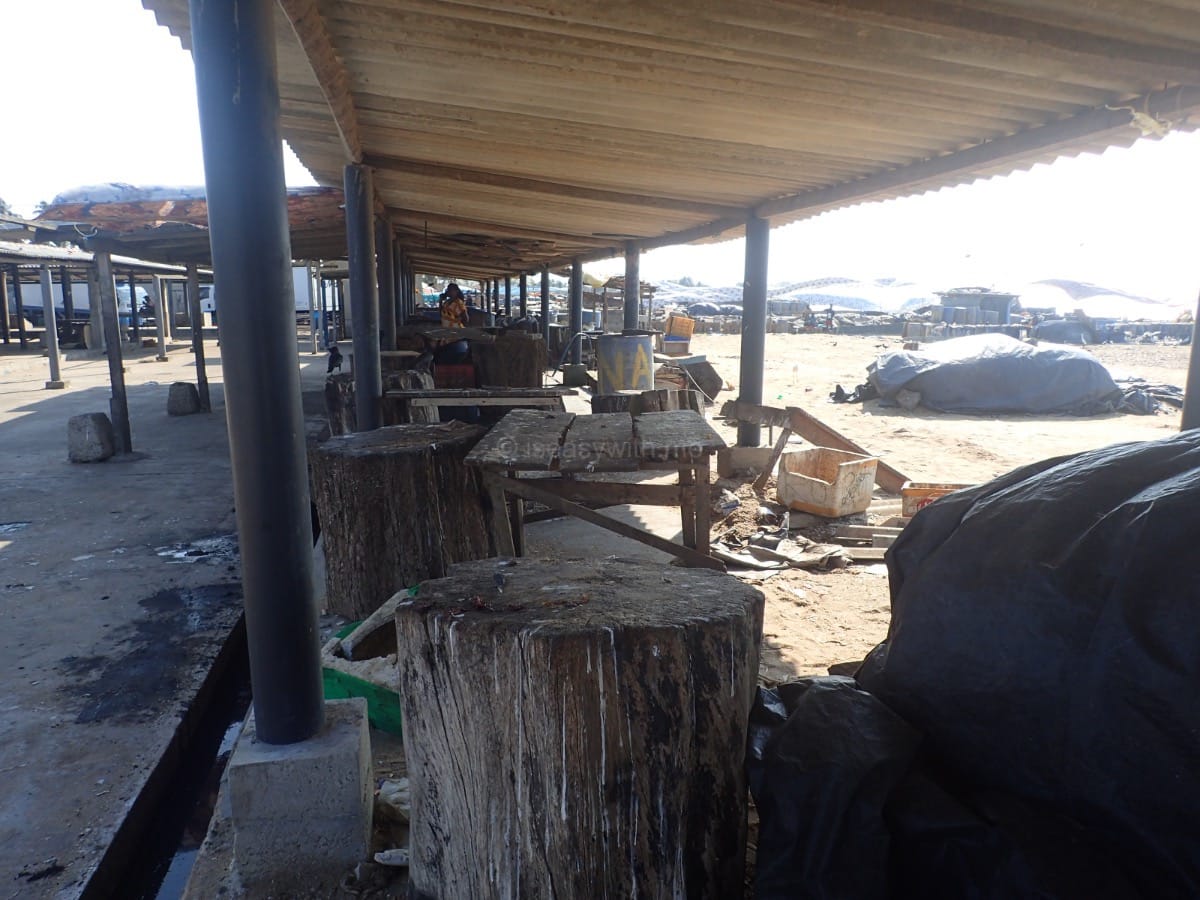
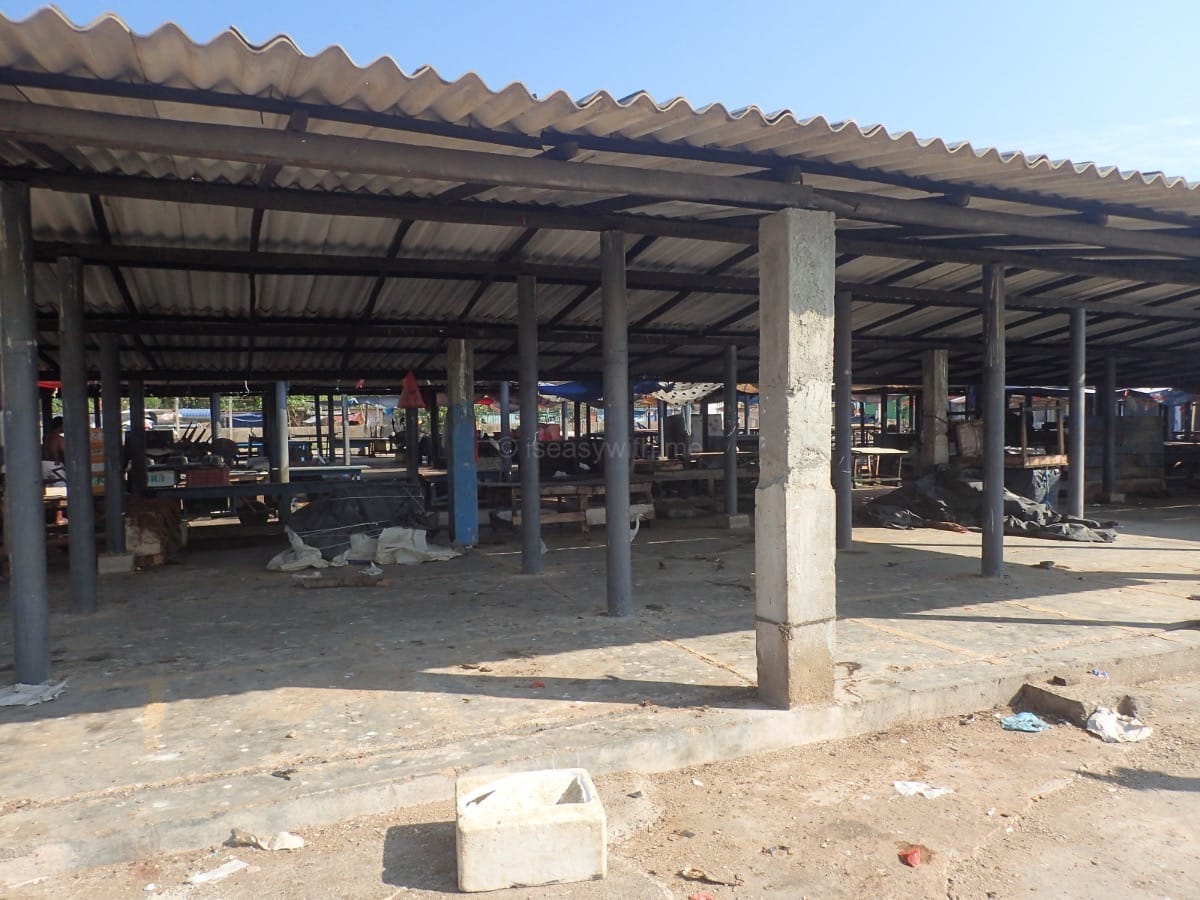
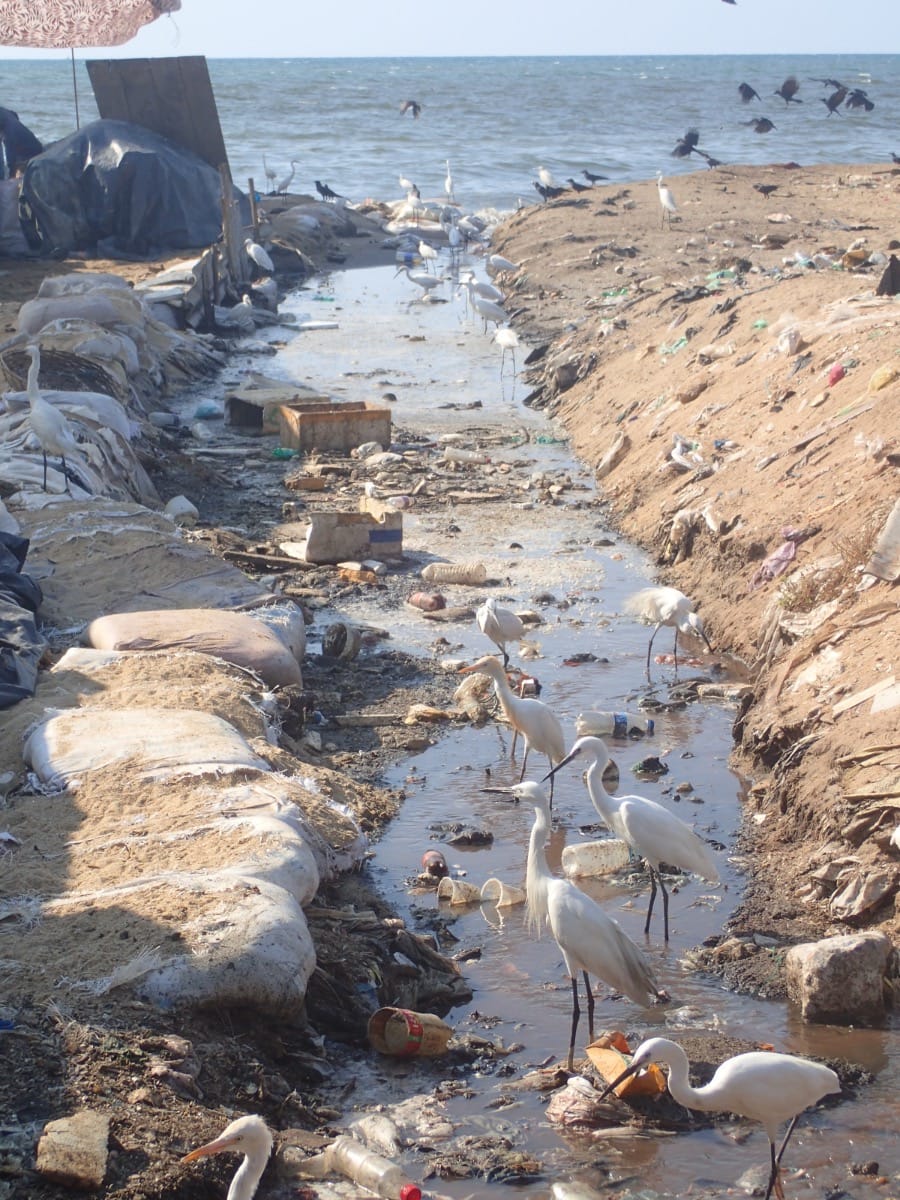
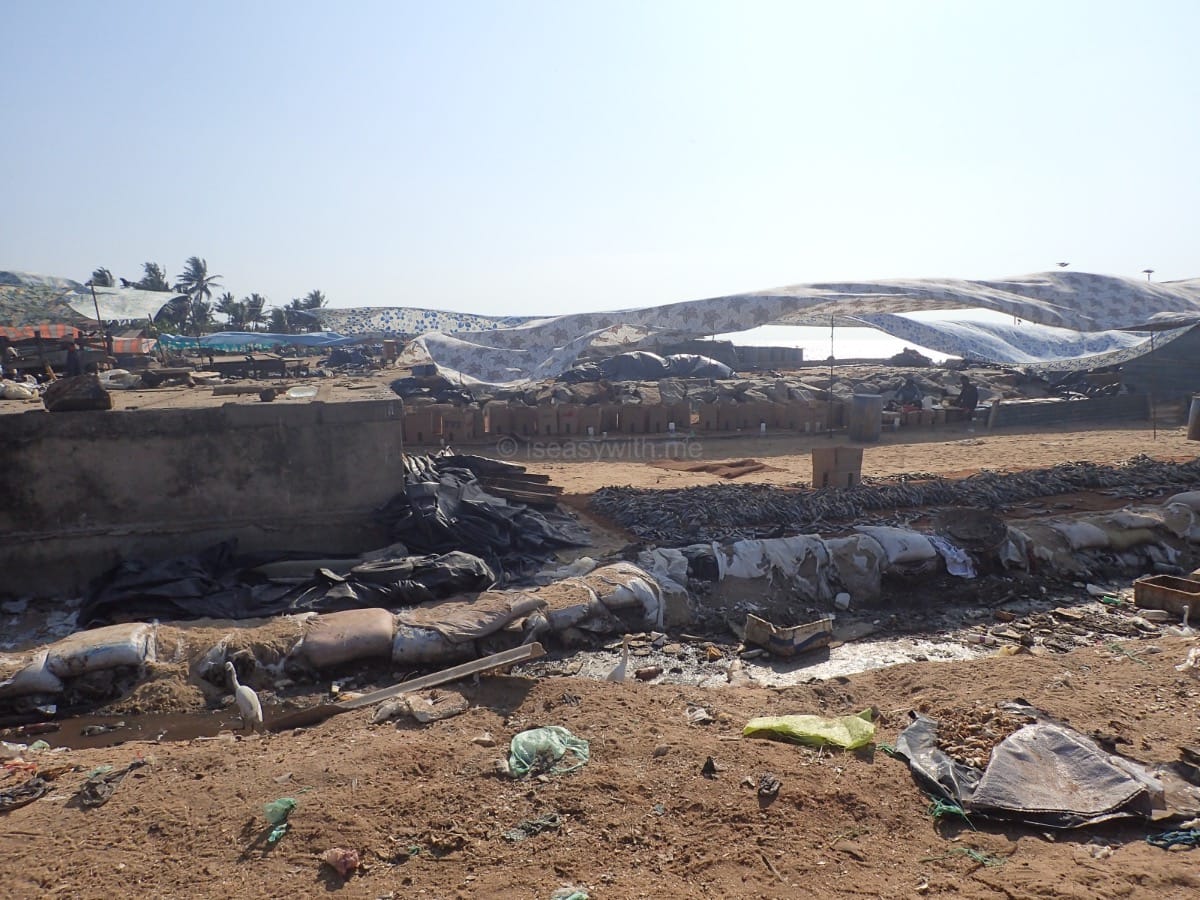
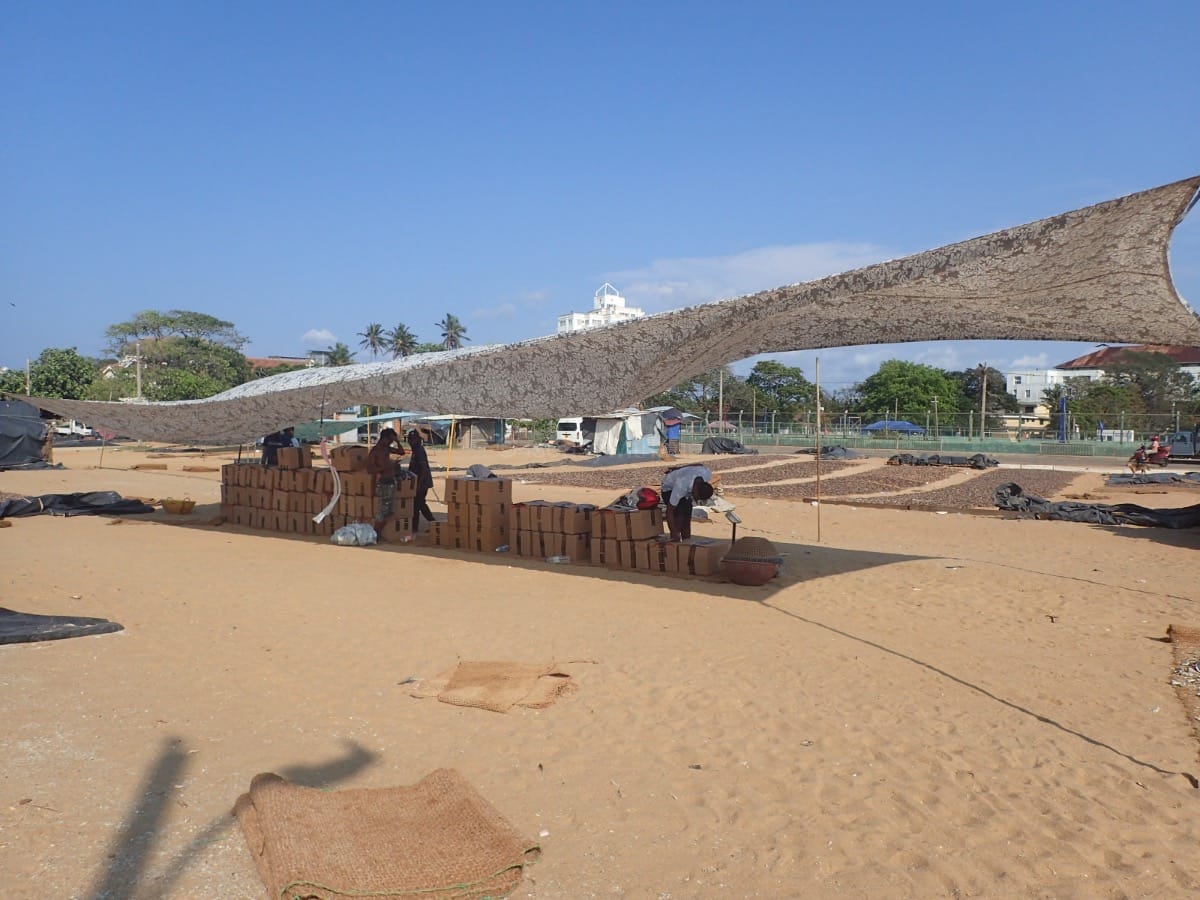
traditional fish drying and processing grounds
iseasywith.me Travel Warning
While exploring the drying fields, be aware of a common local tourist scam. A friendly local may approach you, strike up a conversation and begin explaining the fish-drying process or offering to take your photo. They might even pick up pieces of dried fish for you to touch.
However, this interaction usually ends with a sob story and a request for money or a 'guide fee'.
To avoid this, it is best to politely decline anyone who approaches you and continue exploring the area independently.
St. Mary’s Church
Reflecting the town’s deep Catholic heritage, St. Mary’s Church is one of the largest and most prominent houses of worship in Negombo. Built during the colonial era, its grand architecture blends European styles with local craftsmanship. The real highlight is stepping inside to view the striking, vibrant ceiling paintings depicting the life of Christ, painted by a local Sri Lankan artist.
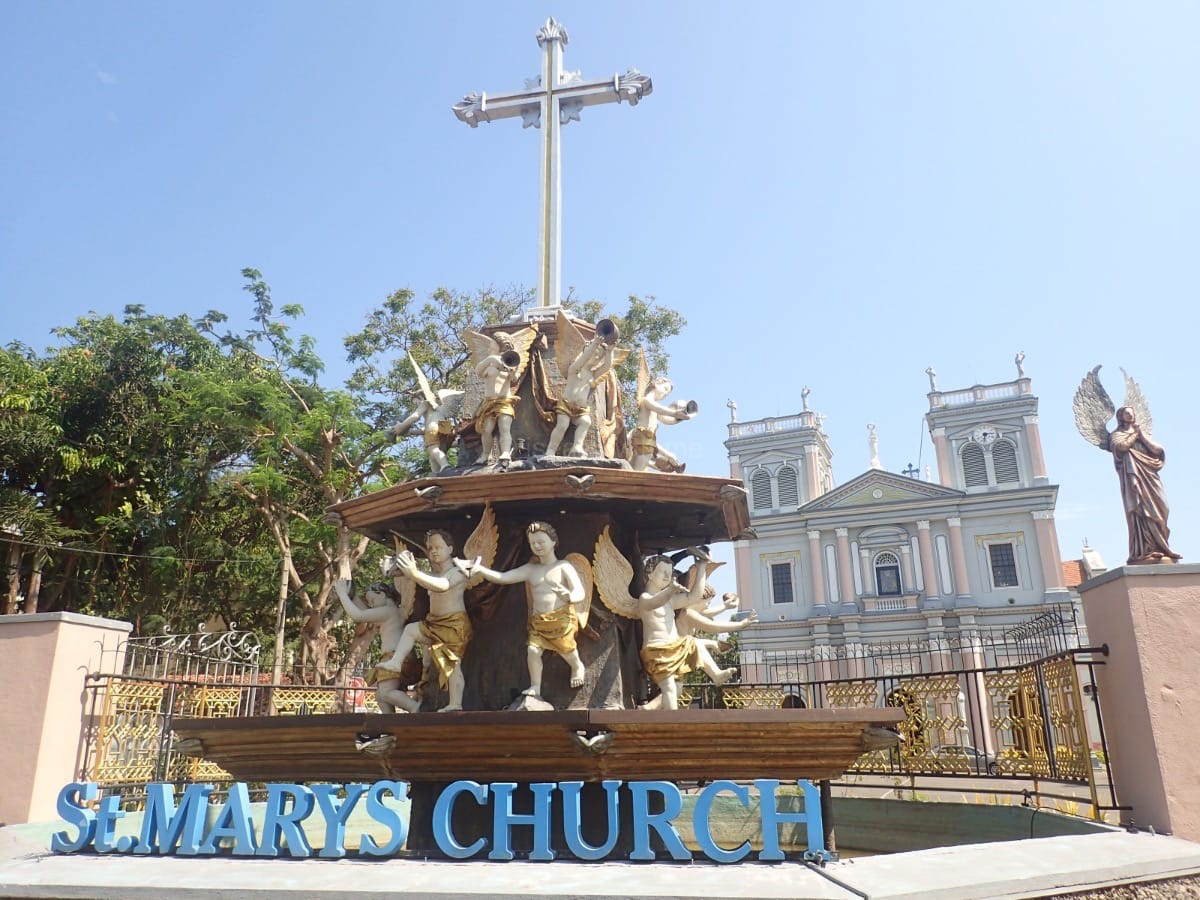
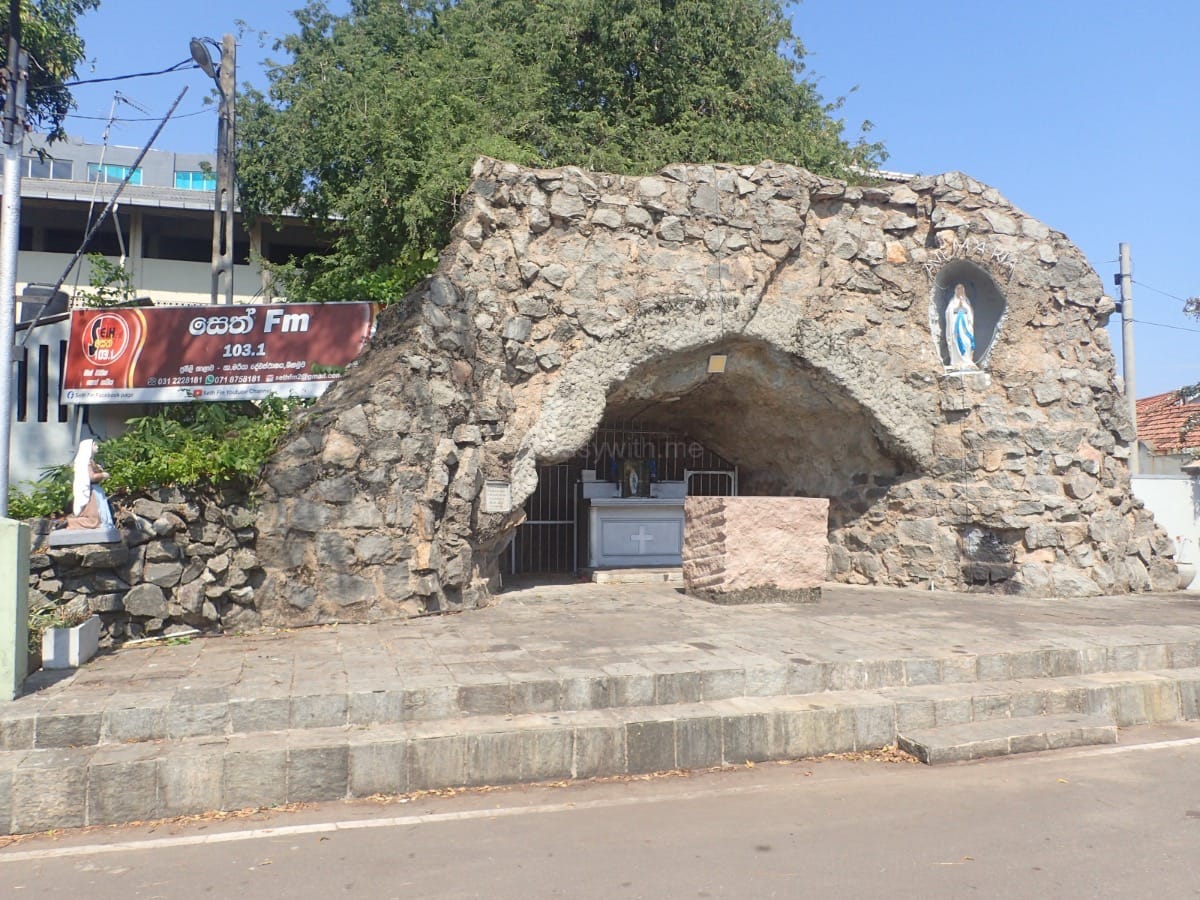
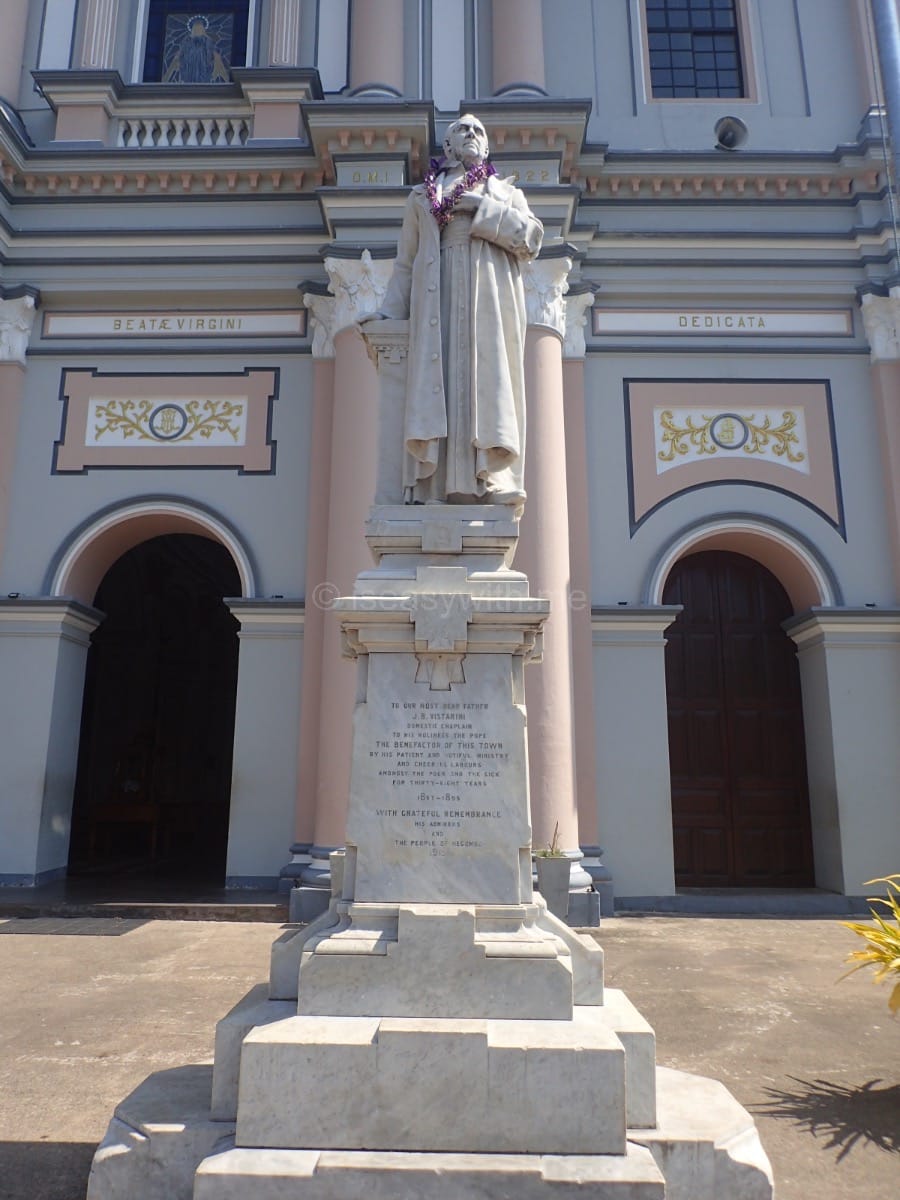
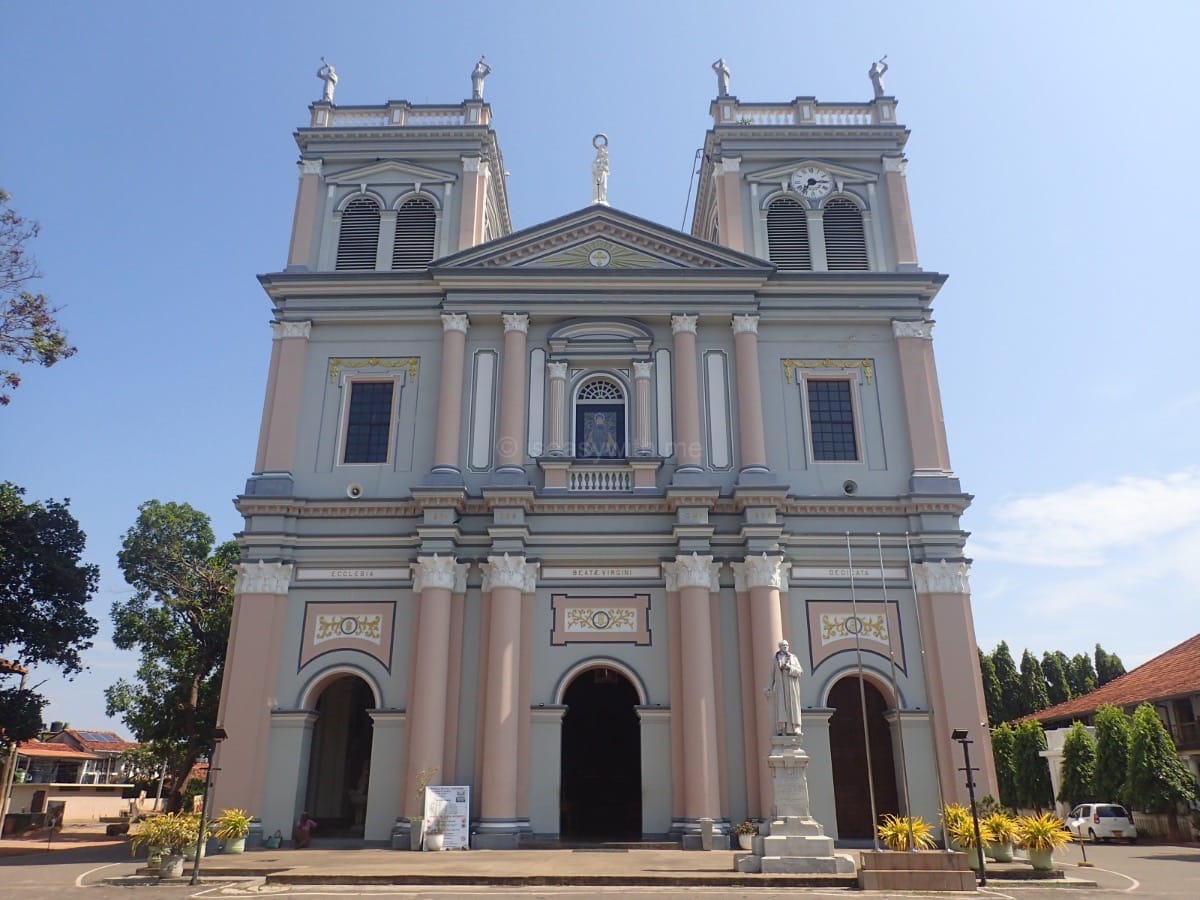
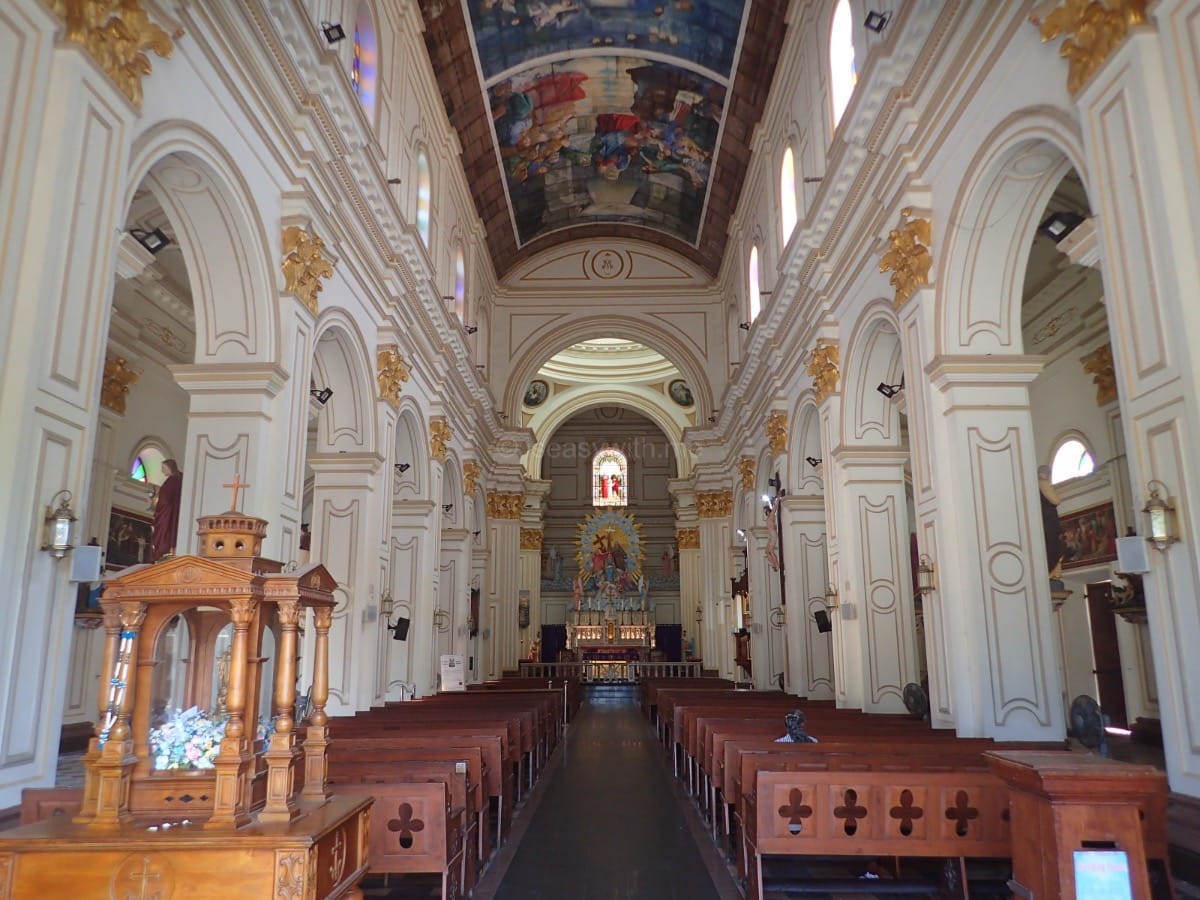
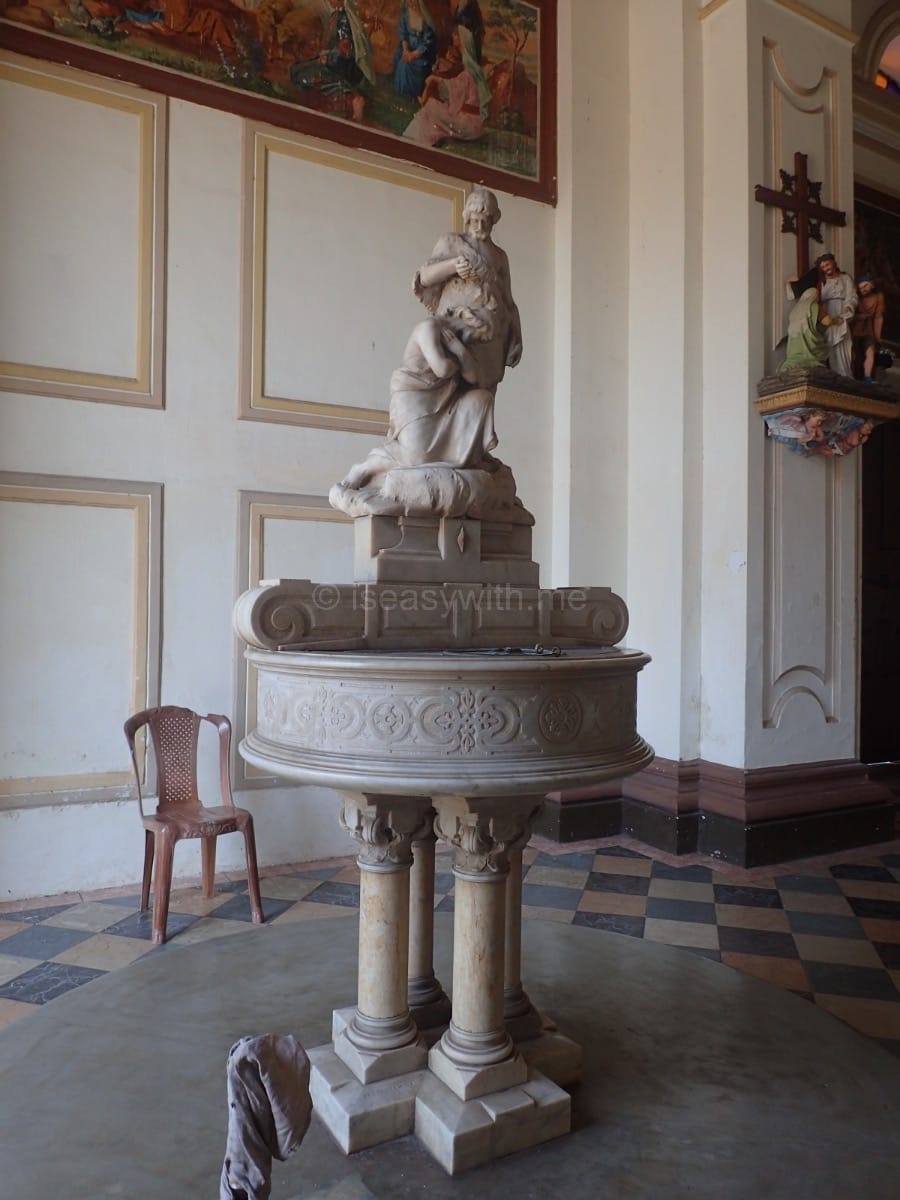
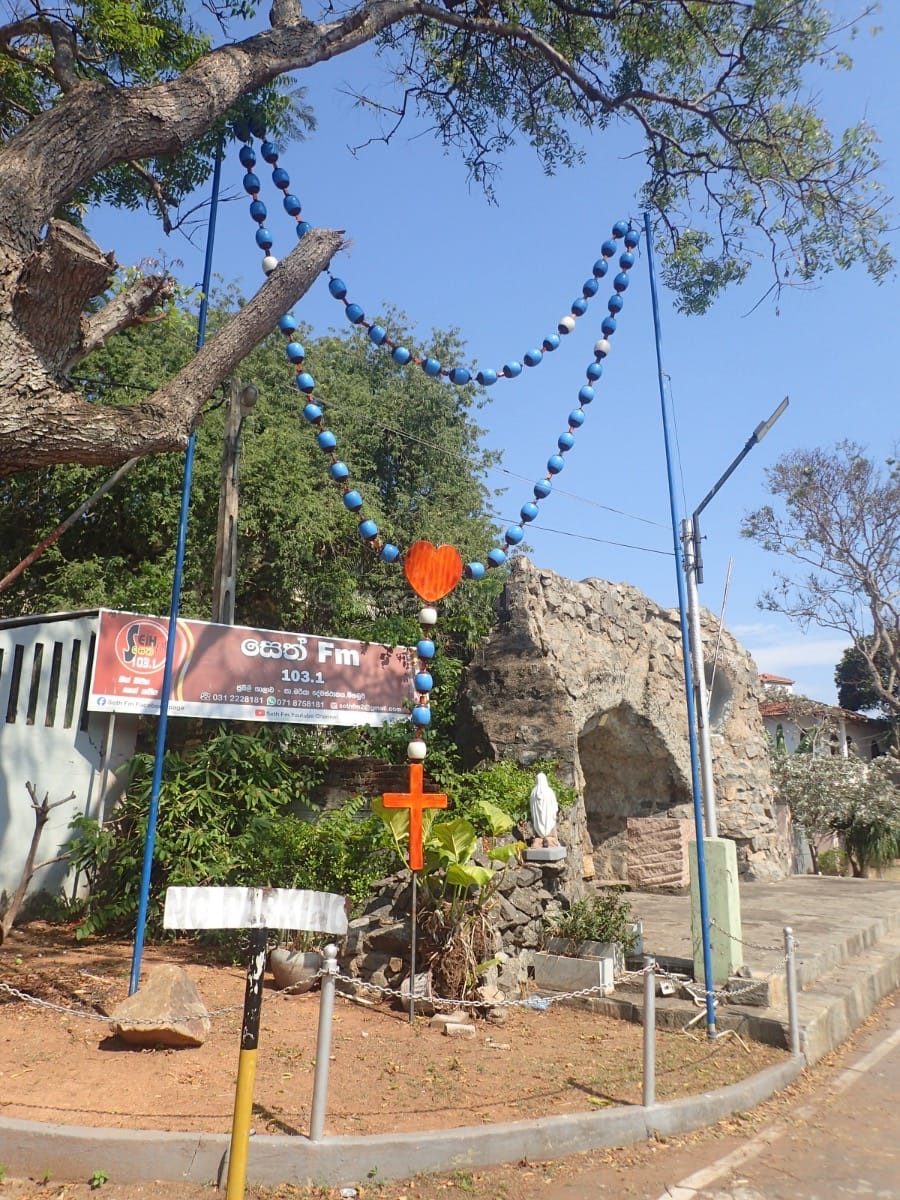
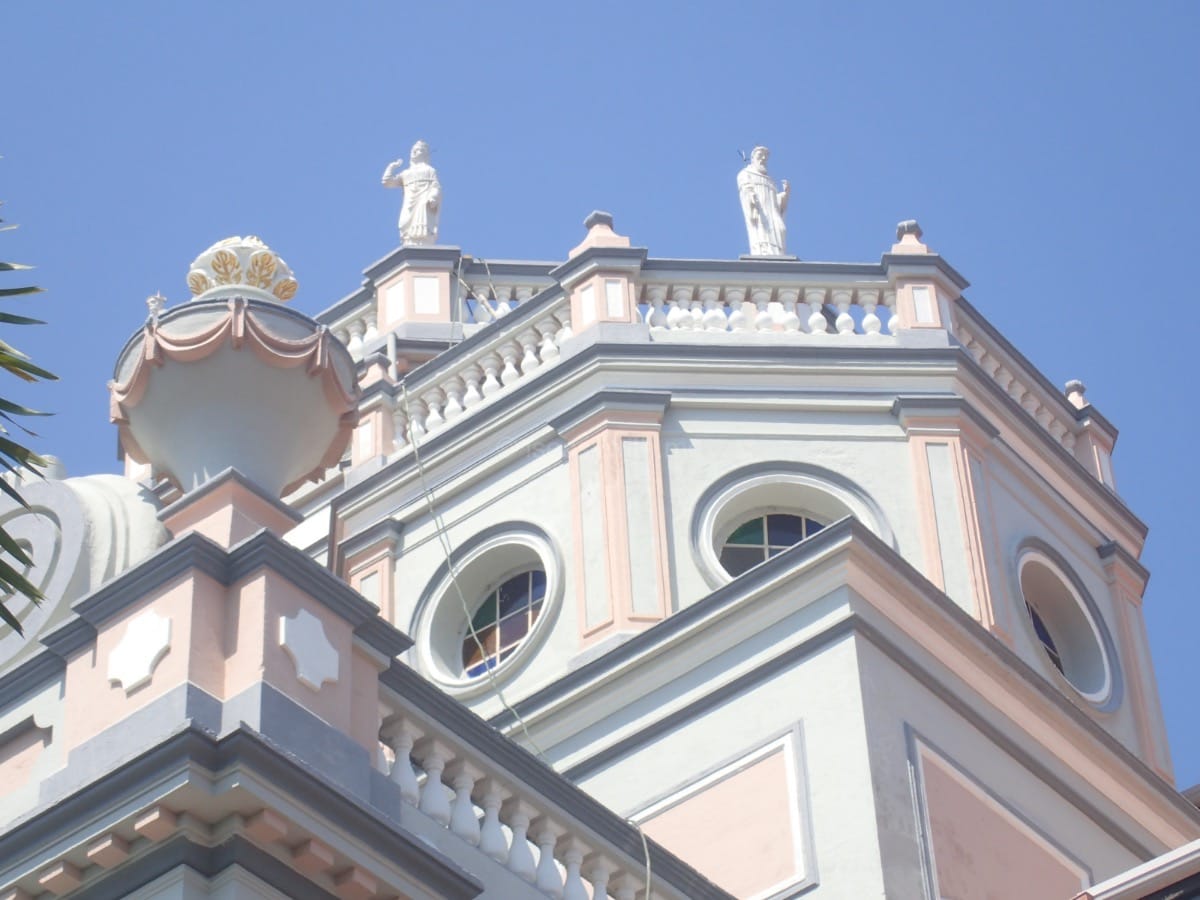
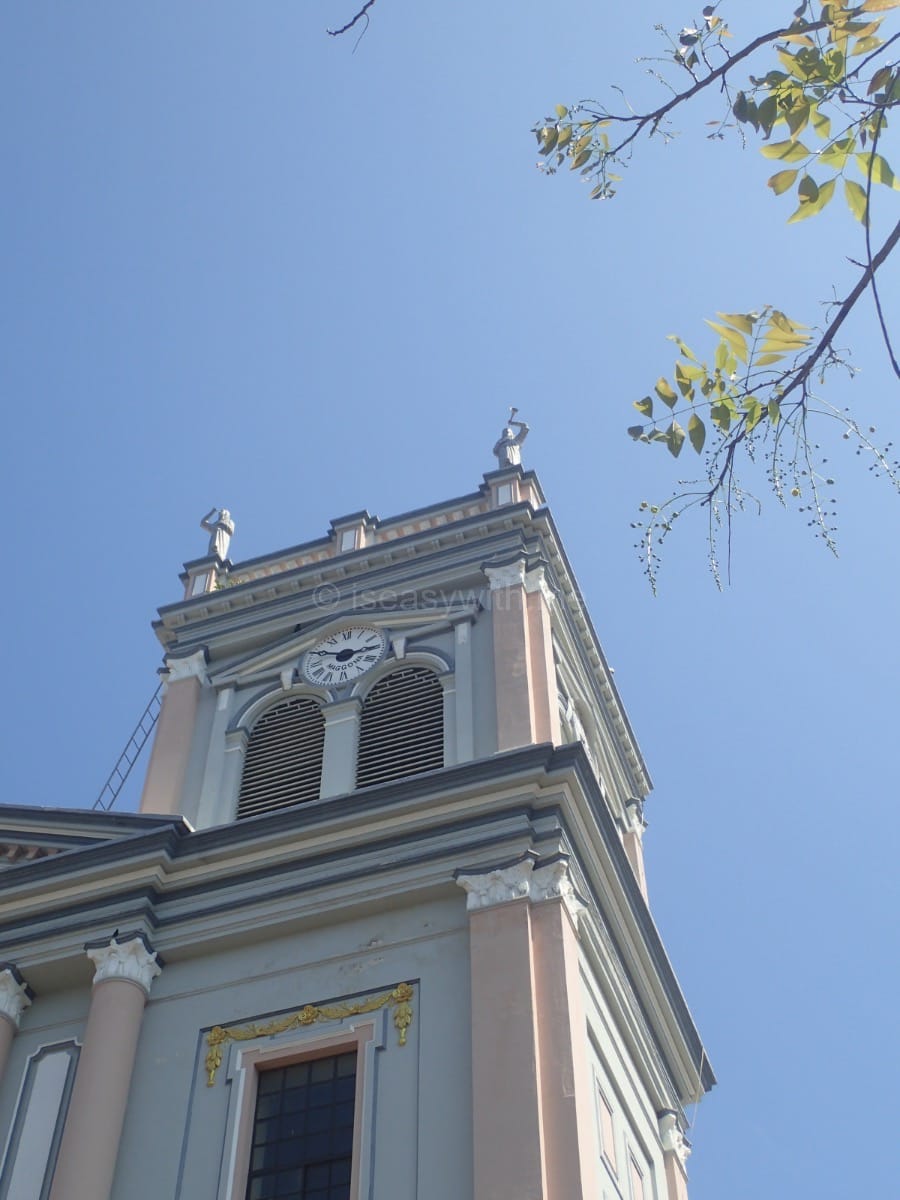
St. Mary’s Church
St. Sebastian’s Church (Katuwapitiya)
A deeply moving and significant site for modern history.
As one of the primary locations affected by the tragic 2019 Easter Sunday bombings, the church has since been beautifully rebuilt and restored. Today, it stands not just as a place of worship, but as a profound symbol of community resilience, peace and quiet remembrance.
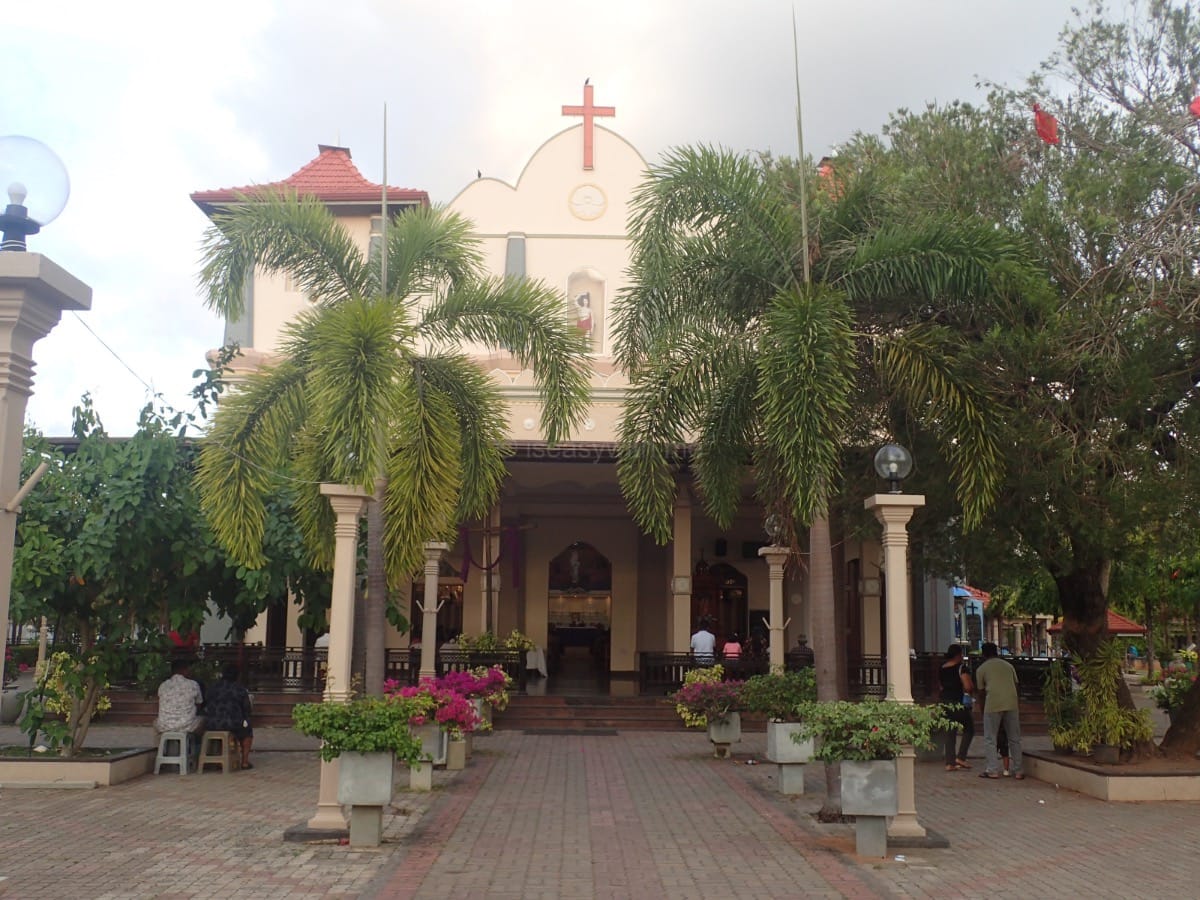
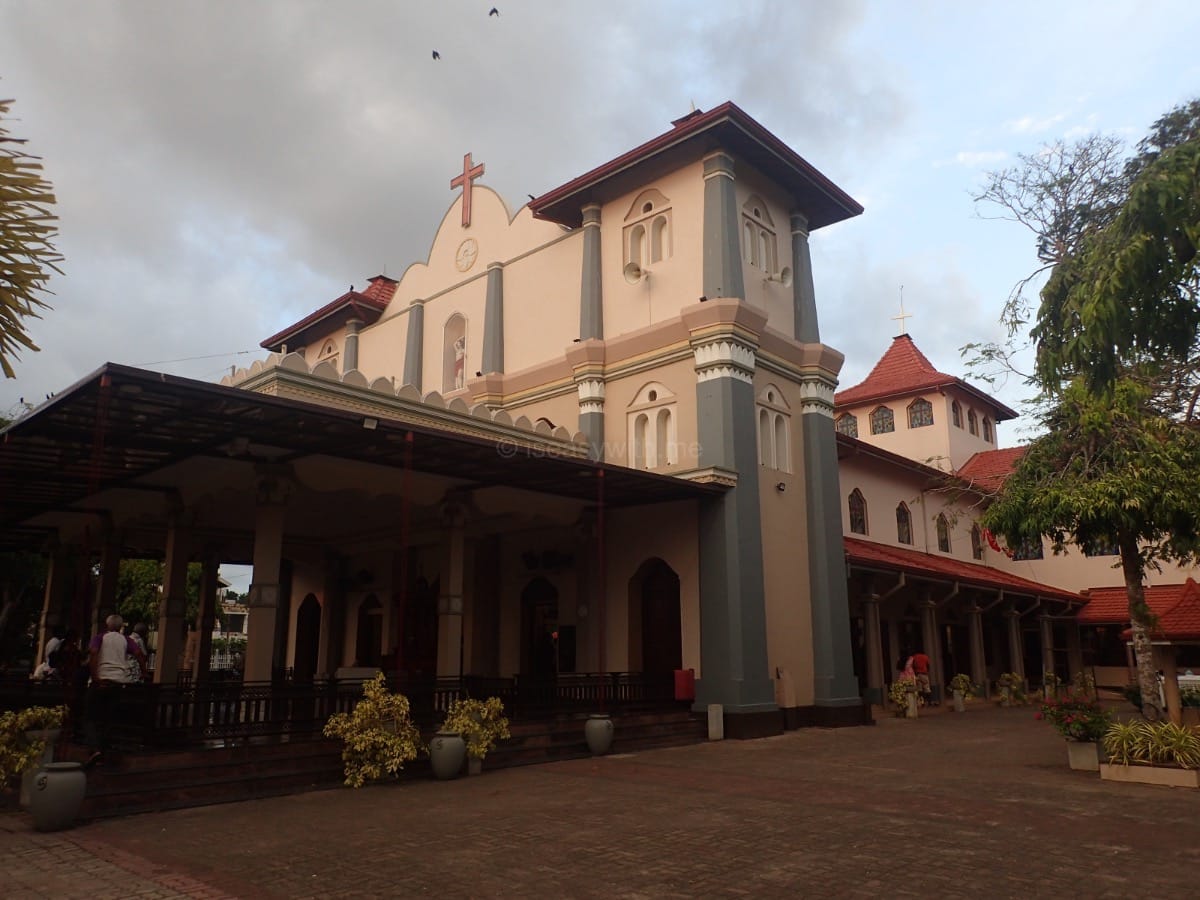
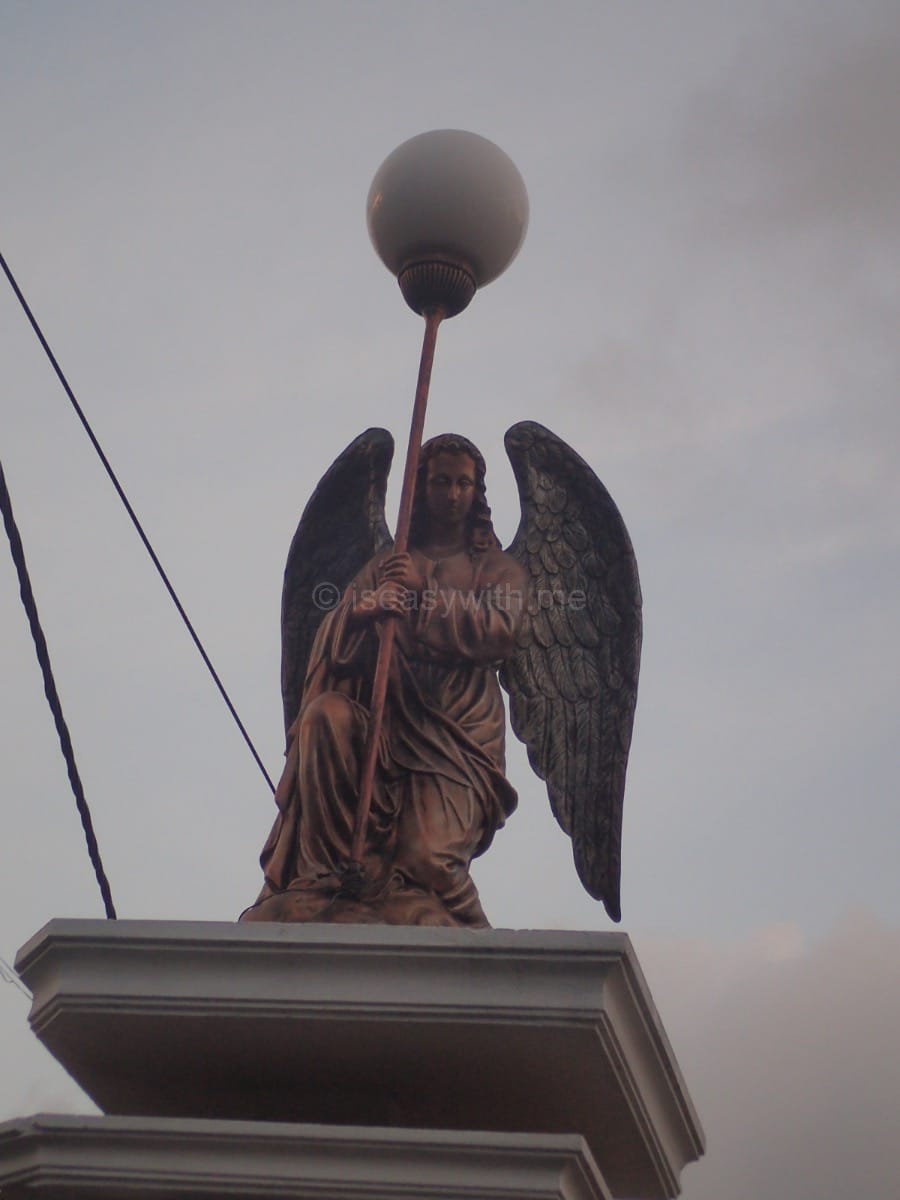
St. Sebastian’s Church (Katuwapitiya)
St. Sebastian’s Church (Sea Street)
An iconic architectural landmark located right along Sea Street near the coast. This church stands out immediately for its stunning Gothic-style architecture, modelled closely after the famous Reims Cathedral in France. With its towering spires and beautiful shadow work against the coastal sky, it remains a core spiritual and cultural anchor for the local fishing community.
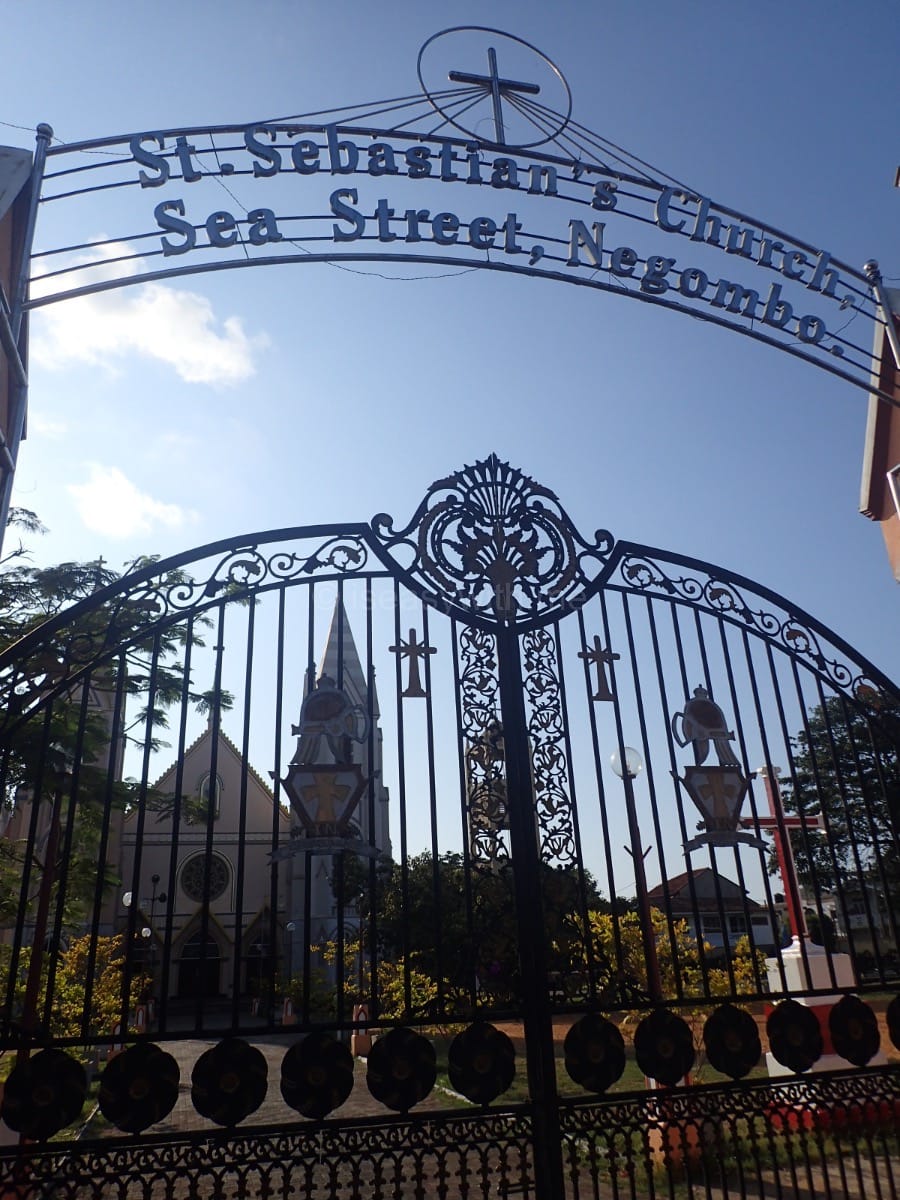
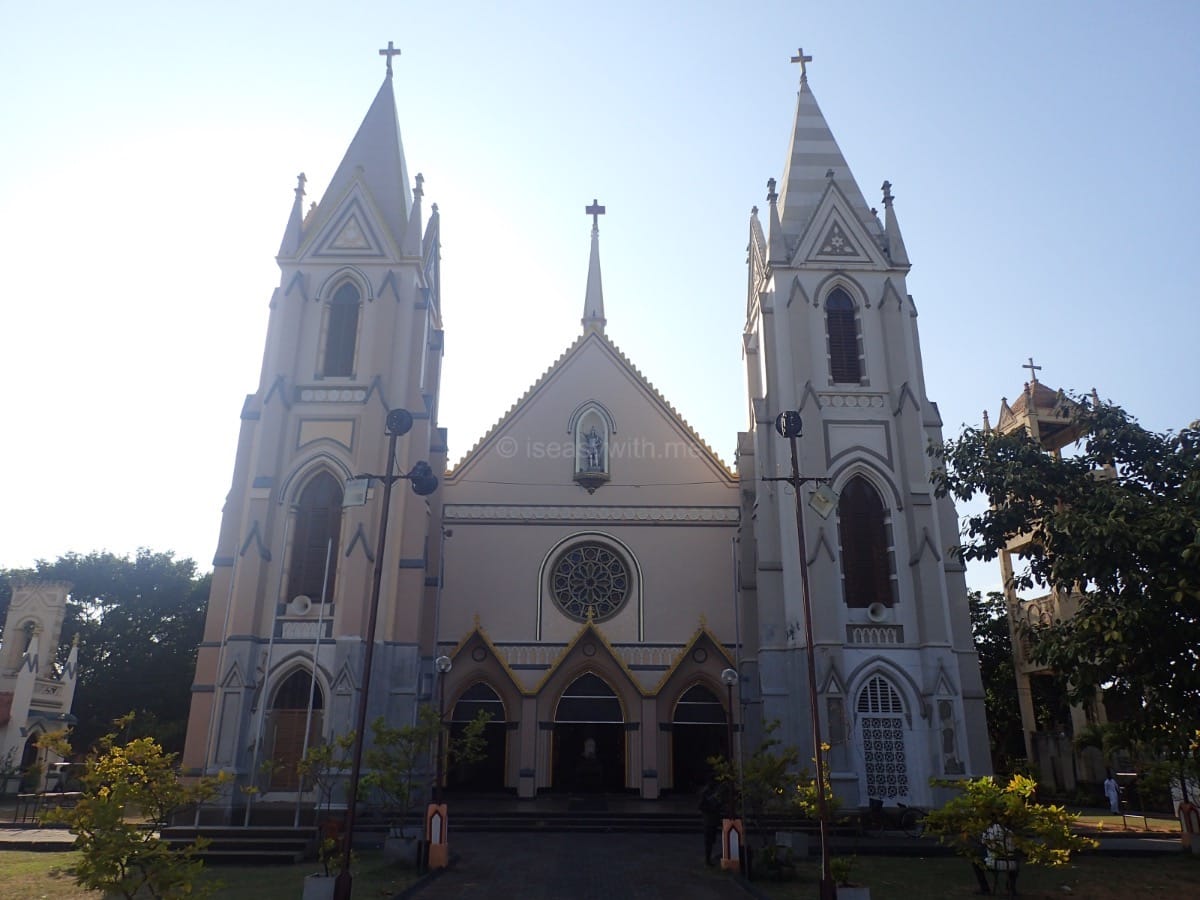
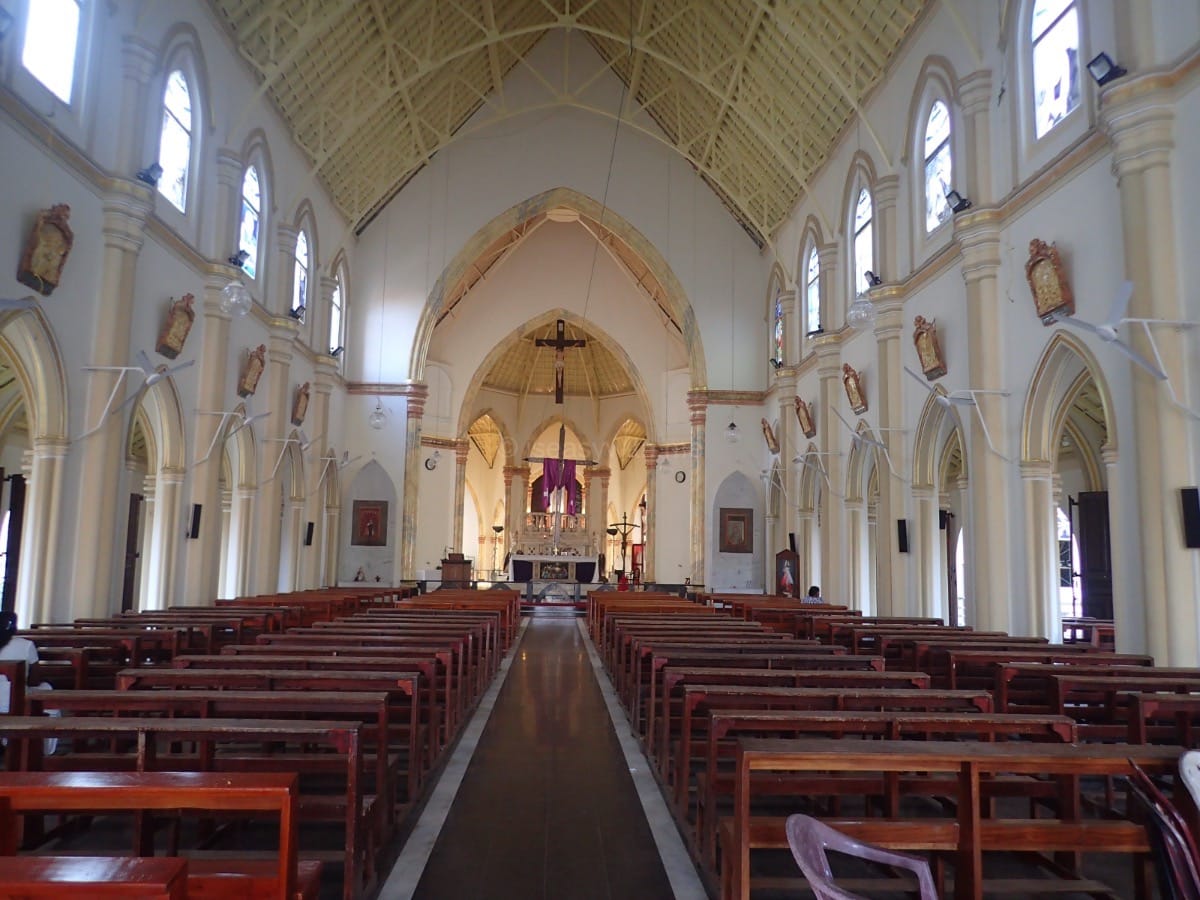
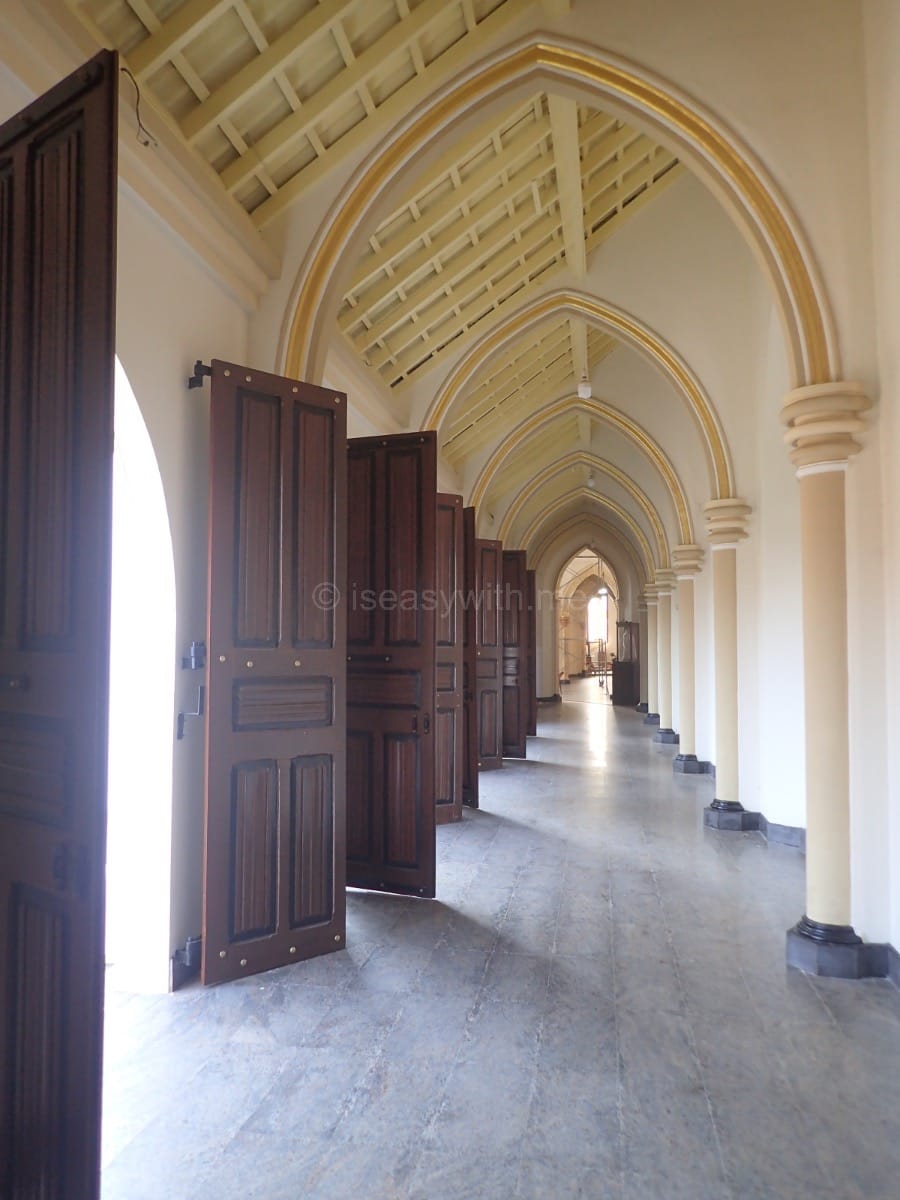
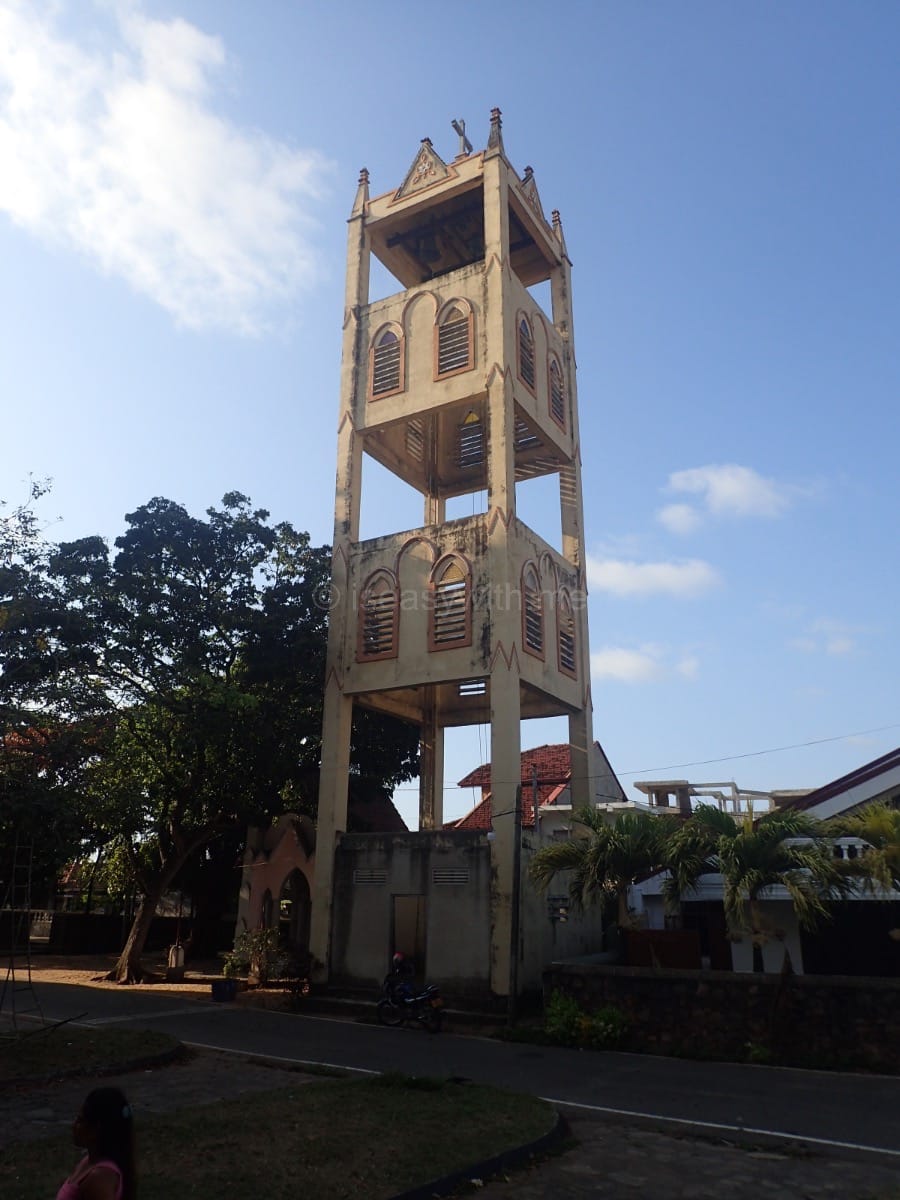
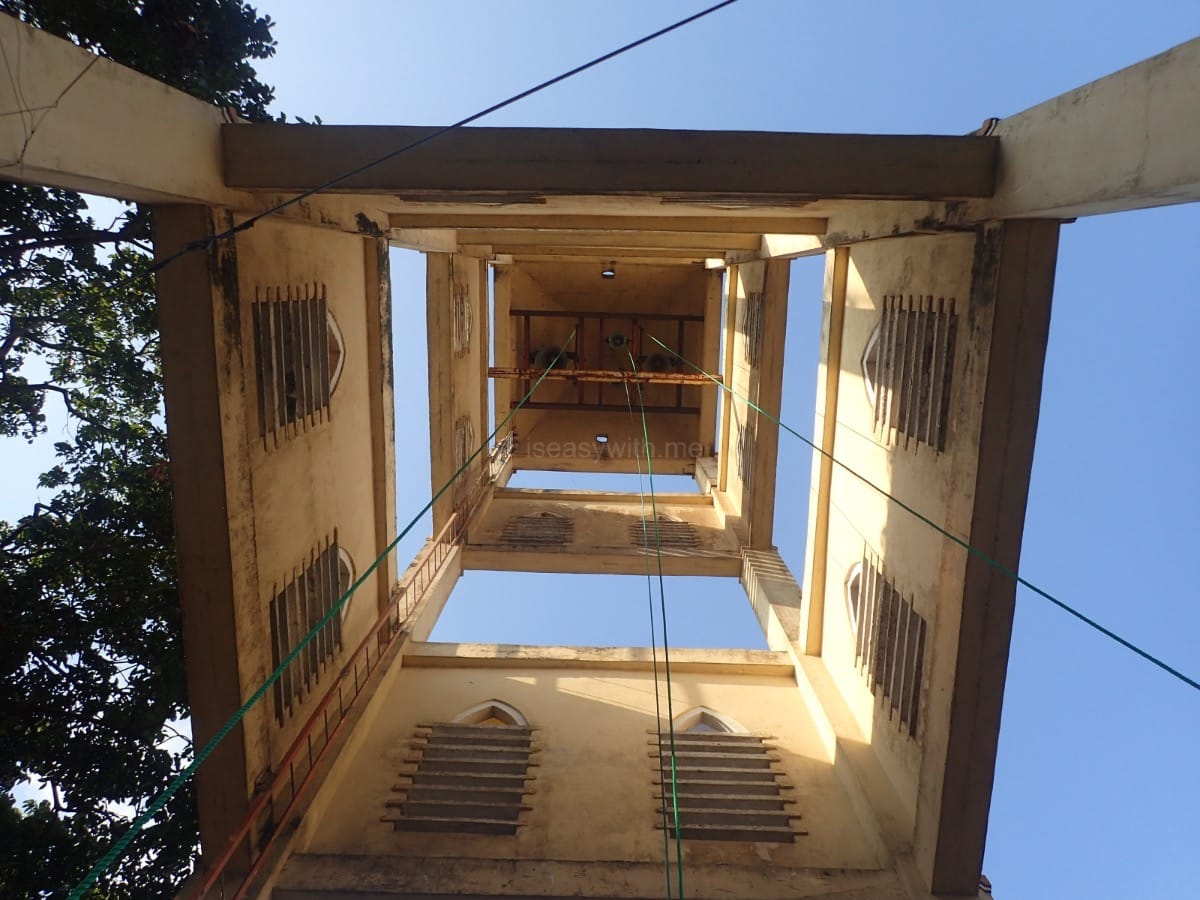
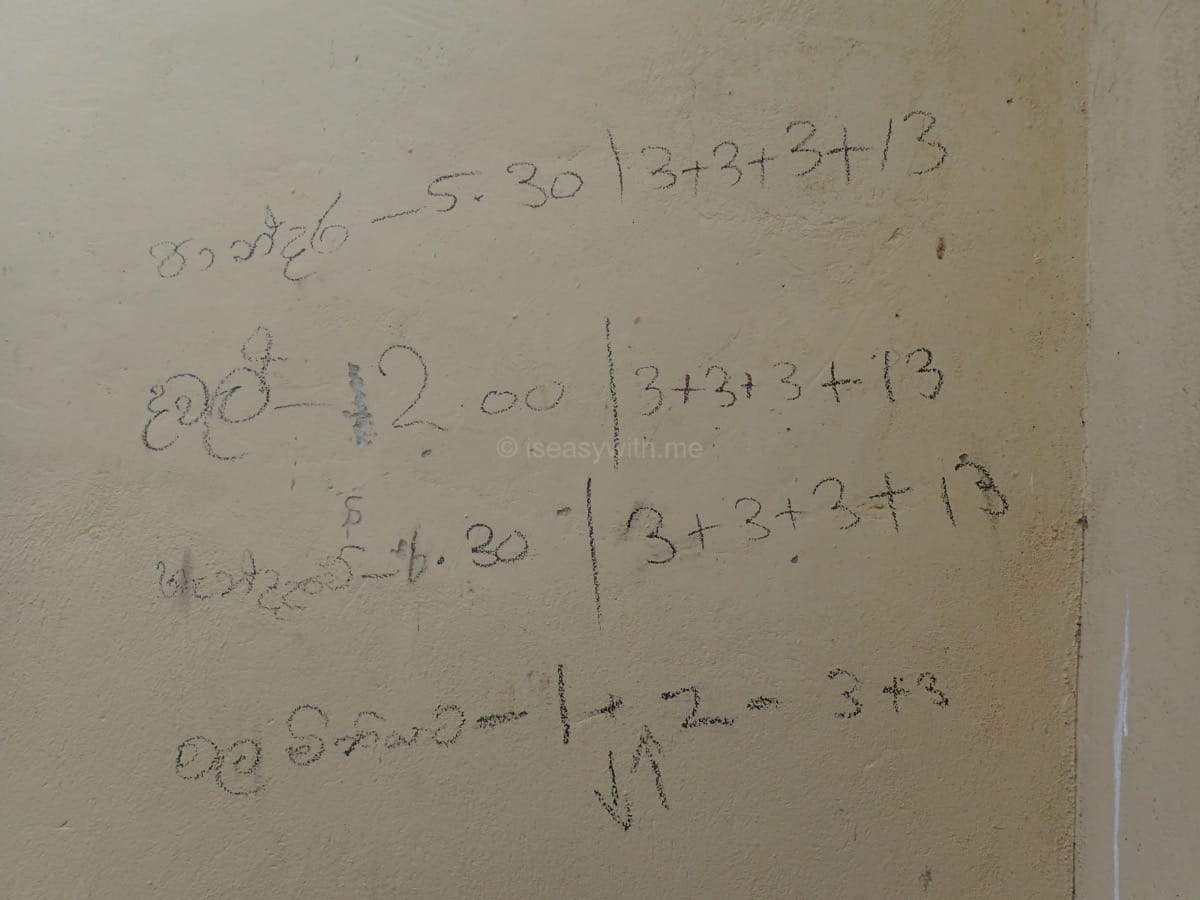
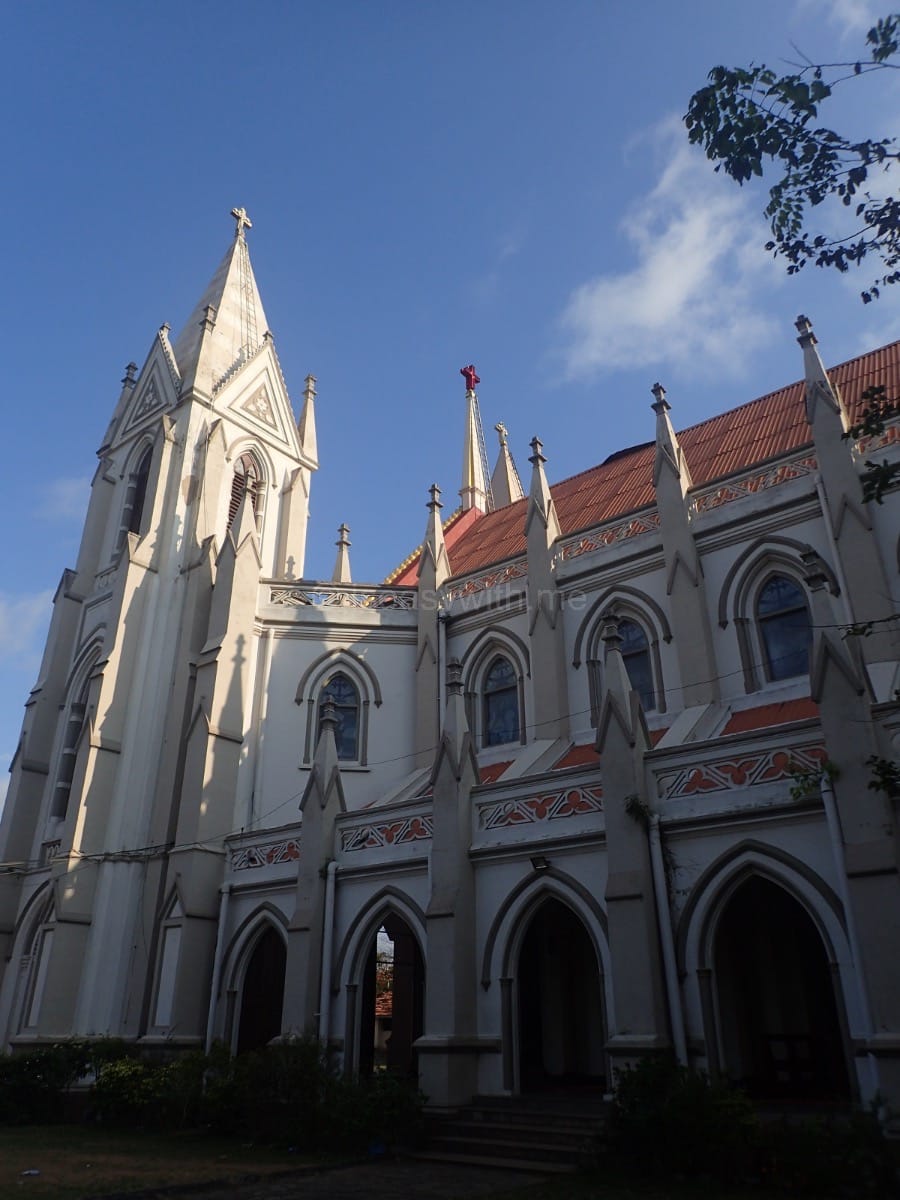
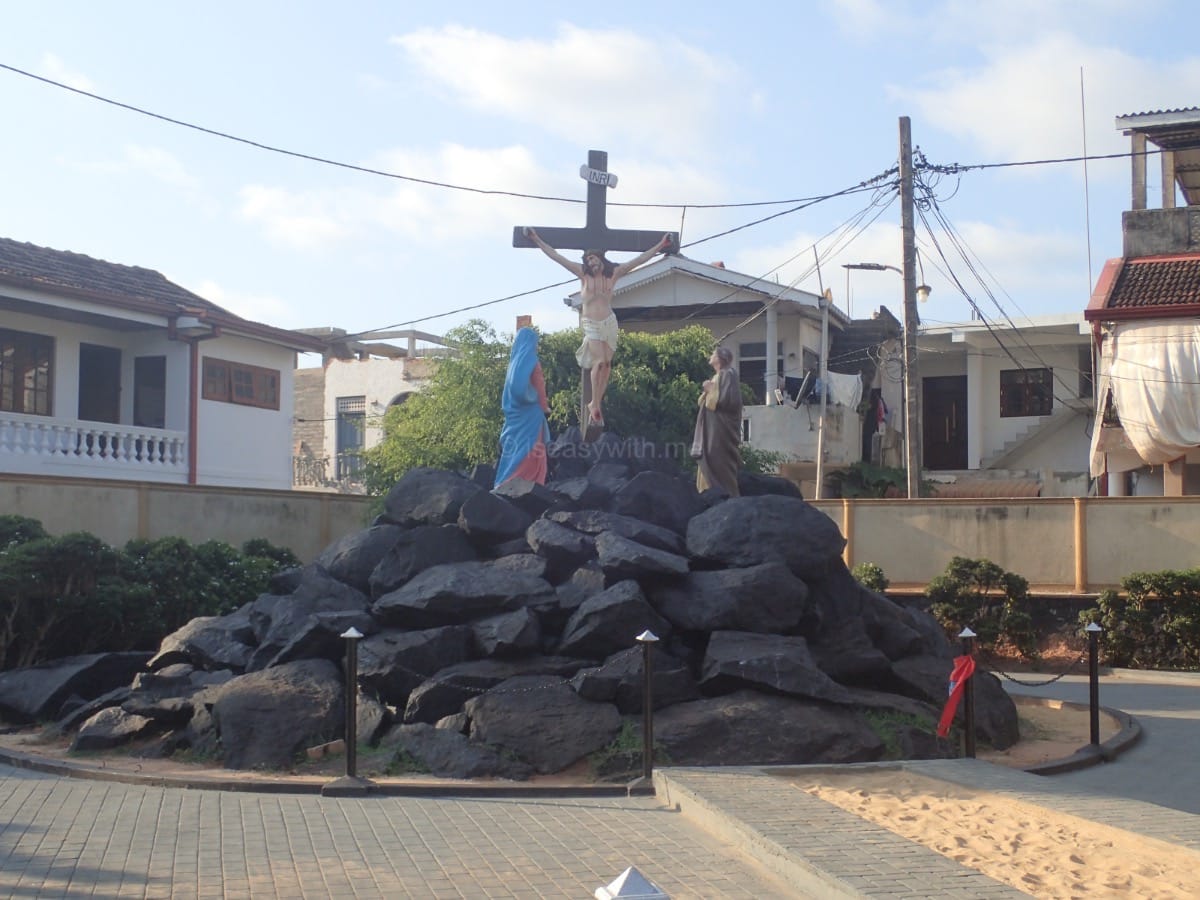
St. Sebastian’s Church (Sea Street)
Food & Beverage in Negombo
Unsurprisingly, Negombo’s food scene is heavily dominated by its coastal location and fresh seafood is king here. While there are plenty of options around offering everything from fiery crab curries to simple grilled fish, I headed straight to Fish & Crab Restaurant for my dinner.
Fish & Crab Restaurant
Tucked away along Negombo’s lively coastal strip, Fish & Crab Restaurant (125/2 Lewis Place) completely skips the flashy tourist gimmicks to deliver exactly what its name promises- exceptional seafood cooked with deep local soul.
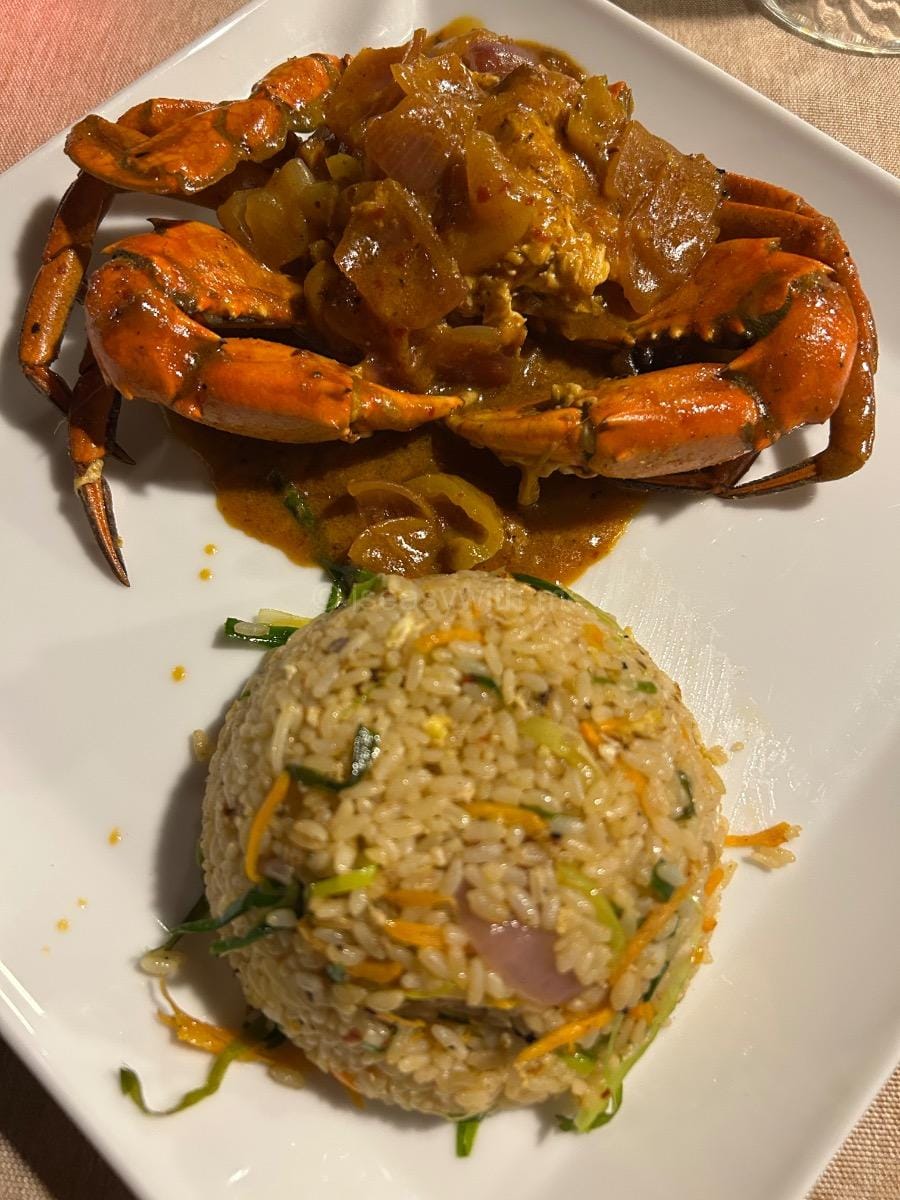
my crab with rice dinner (LKR 2,400)
Instead of drawing me in with white tablecloths or inflated prices, this family-run spot hooked me with genuine backyard hospitality and an unbeatable ocean-to-table lineage. The owner’s father is a local fisherman who lands the catches fresh from the waves every morning.
The Vibe: Like Eating at a local's home.
The Atmosphere: It's cosy, intimate and wonderfully zero-frills. The family manages everything themselves, treating me more like a personal dinner guest than a casual table booking.
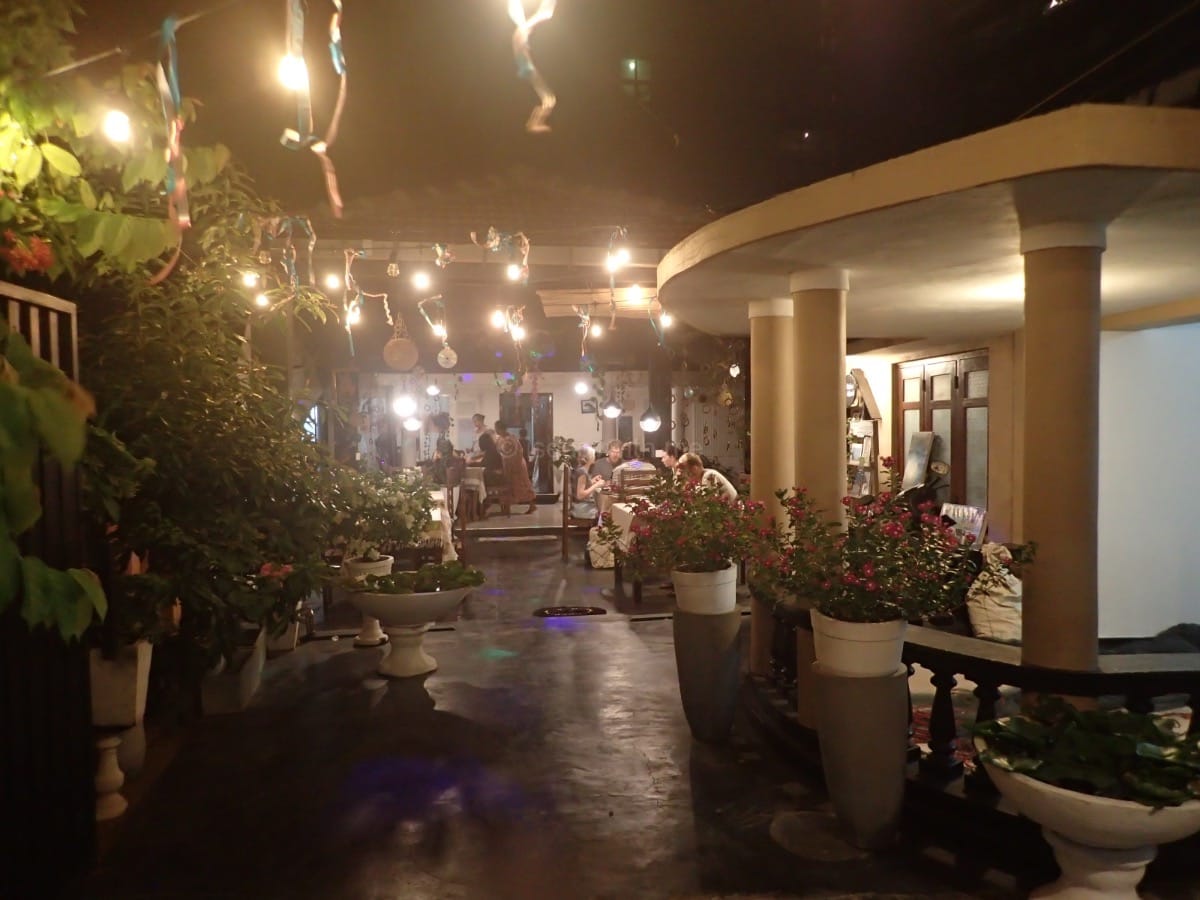
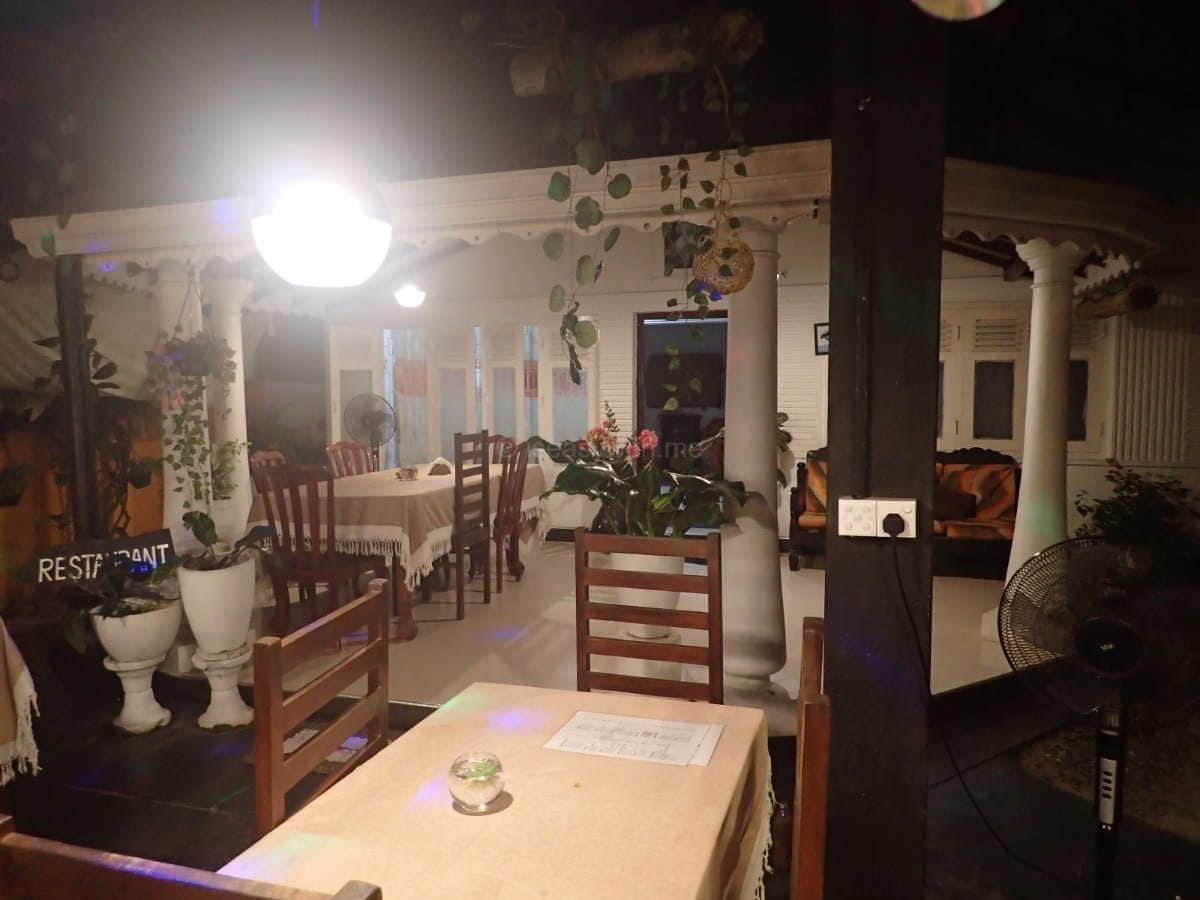
Fish & Crab Restaurant
Departing Negombo
Departing Negombo felt like transitioning from arrival mode into true exploration mode. Once I had found my travel legs and recovered from my flight, this coastal town served as the perfect springboard for the rest of my adventure.
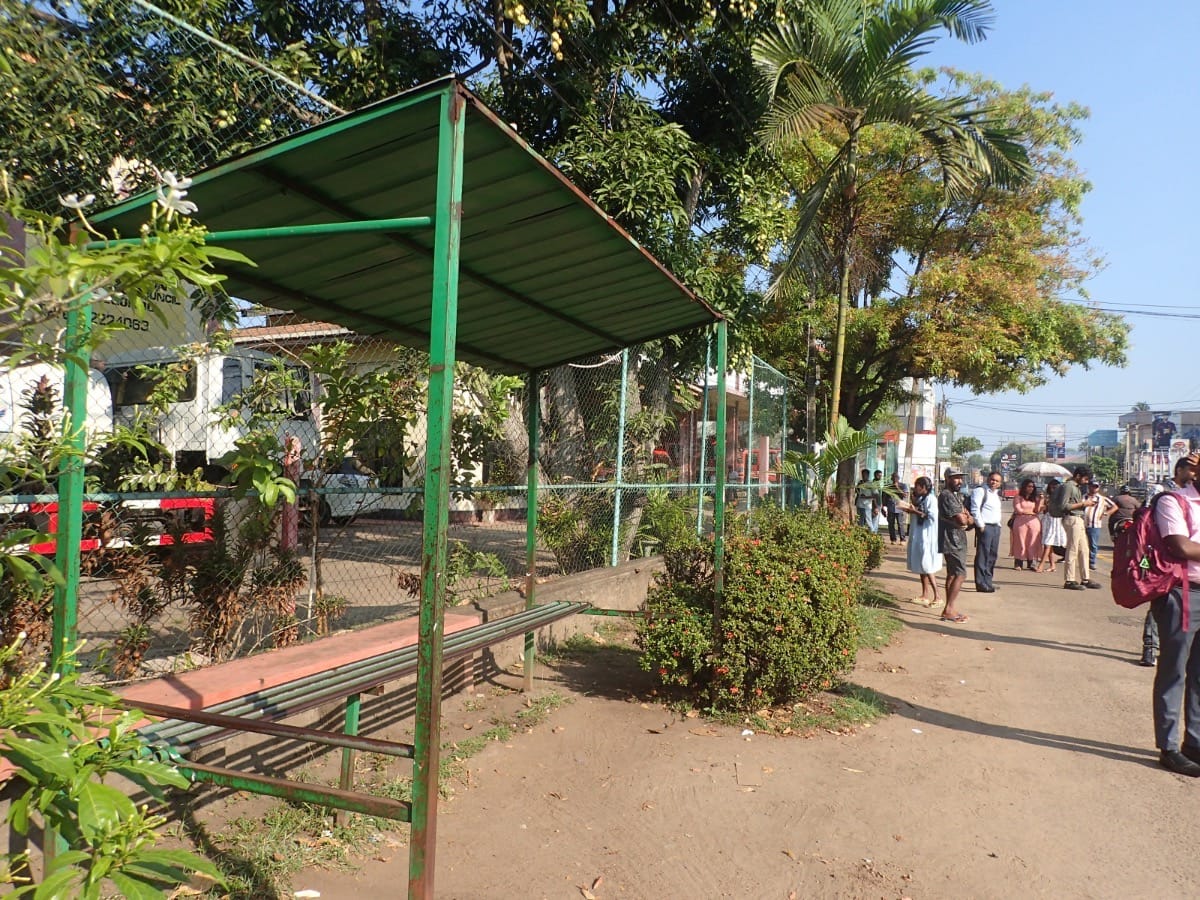
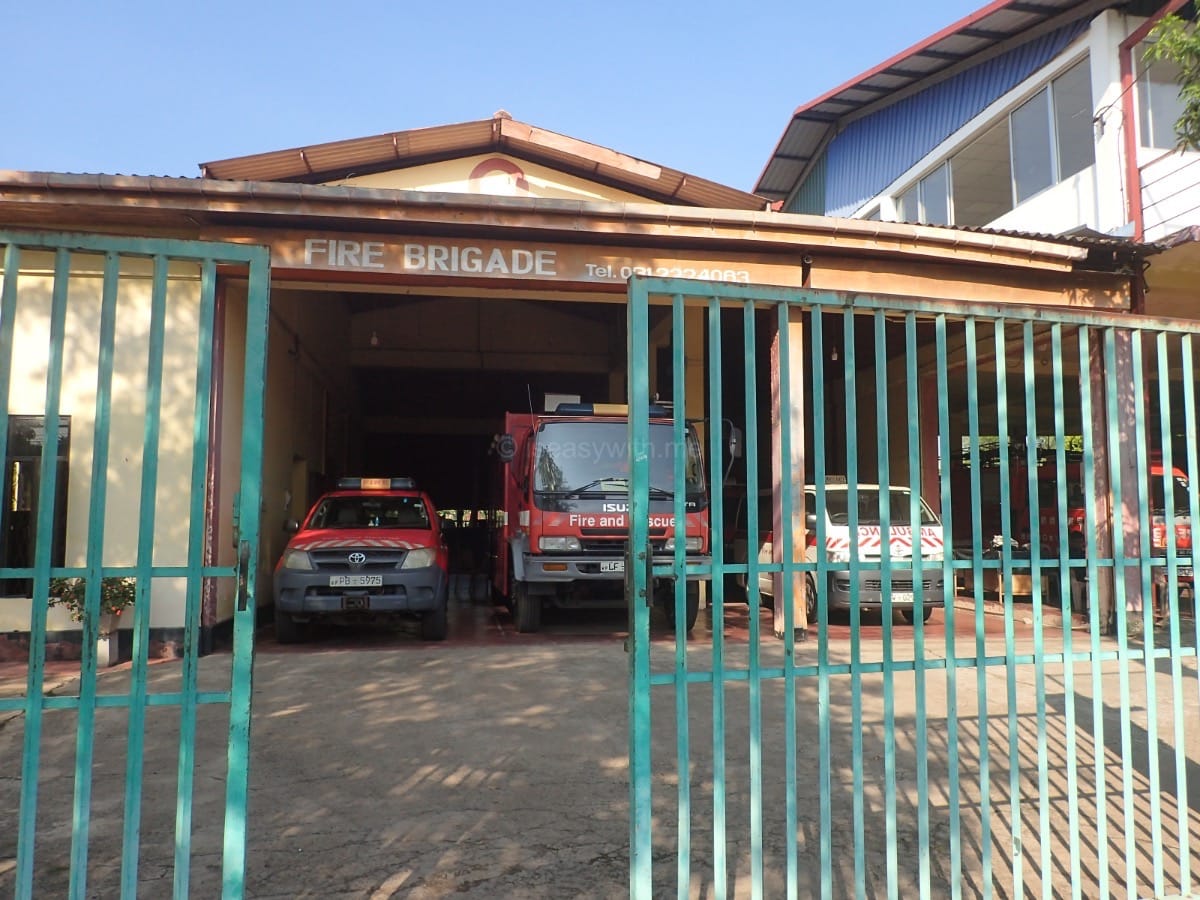
bus stop near the fire station
iseasywith.me Travel Tip
The hidden perk of waiting for a bus at an official stop is that buses actually slow down or come to a proper halt for other passengers, making it much easier to spot those tiny route numbers displayed above the windscreens.
Boarding bus #87 (the Colombo to Jaffna route via the coastal highway) at the bus stop near the fire station bound for Kalpitiya, I left the transit hub behind and watched the urban sprawl gradually give way to a landscape of coconut palms and the salty mist of the Laccadive Sea. The overland bus journey shed the noise and bustle of first arrivals, carrying me past quiet lagoons and sun-bleached fishing villages along Sri Lanka's northwest coast towards my next destination, the windswept peninsula of Kalpitiya.