The Ruins of Polonnaruwa: A Guide to Sri Lanka's Medieval Capital
Brave the midday heat. Pivot directly east from Sigiriya via tuk-tuk to conquer a sprawling horizontal park of 27 ancient medieval ruins.
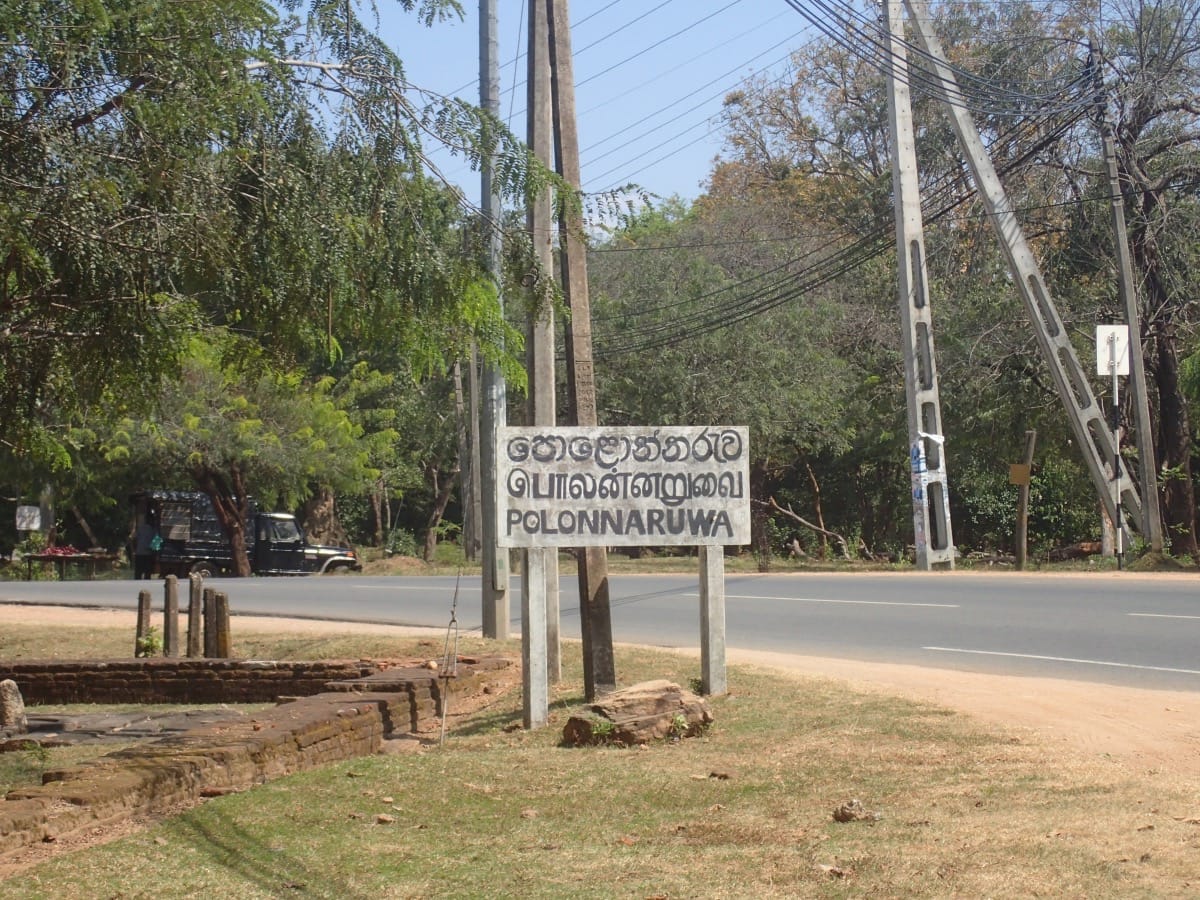
Step into the legacy of Sri Lanka's medieval capital at the Ancient City of Polonnaruwa, a UNESCO World Heritage Site and one of the island's best-preserved historical treasures. While Sigiriya offers a dramatic, vertical climb into the clouds, Polonnaruwa expands horizontally across a vast archaeological park of ruined palaces, monumental brick stupas and the iconic Gal Vihara rock-cut Buddhas. For travellers willing to explore beyond the classic landmarks, this sun-baked expanse reveals the sheer architectural genius and spiritual depth of ancient Sri Lanka.
From Sigiriya to Polonnaruwa
The journey from Sigiriya to Polonnaruwa transitioned me deeper into the Cultural Triangle, swapping vertical rock fortresses for the sprawling, horizontal ruins of Sri Lanka’s medieval kingdom.
The Ultimate Single-Day Cultural Triangle Itinerary
Polonnaruwa was the ambitious, grand finale of an intense, single-day historical loop through Sri Lanka's Cultural Triangle. My day began in the pitch black with a gruelling 0500 hours sunrise ascent up Pidurangala Rock followed immediately by a 0700 hours climb up the steep staircases of the Sigiriya Lion Rock Fortress.
To make this high-intensity itinerary possible, I hired a private tuk-tuk driver for the entire day. Having a dedicated driver locked down from the dawn trailheads allowed me to instantly pivot east toward the flat, sun-drenched central plains the moment I descended the main fortress. This choice eliminated public transport delays and provided seamless door-to-door transit between Polonnaruwa's highly scattered archaeological clusters.
Arriving in Polonnaruwa
Upon arrival, I immediately sensed the vast scale of this ancient layout. Unlike Sigiriya, which is concentrated around a single village core, the Ancient City of Polonnaruwa is an expansive, sprawling archaeological park.
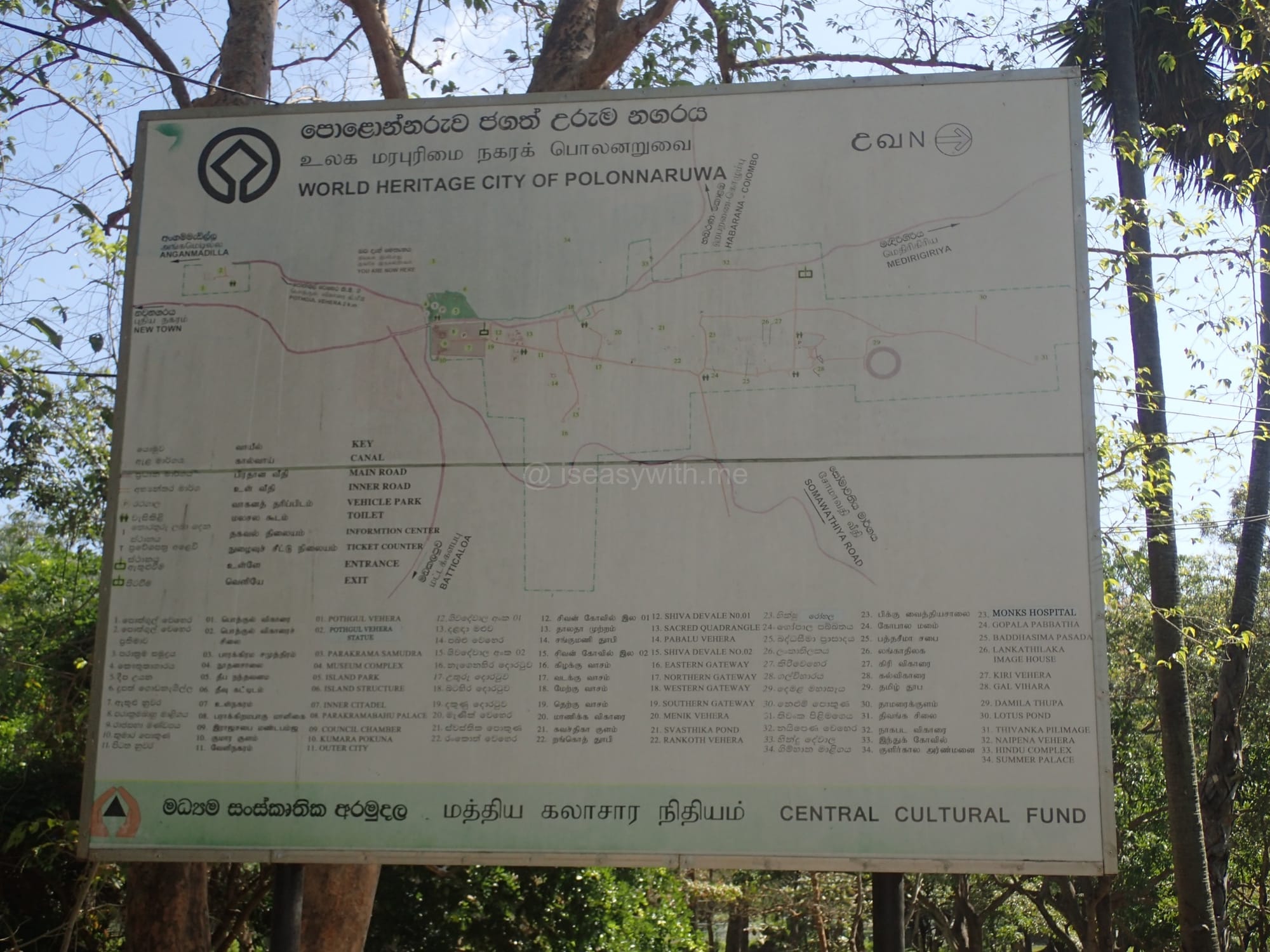
iseasywith.me Travel Tips
- Opening Hours: 0700 hours to 1700 hours daily.
- Entrance Fee: USD 30 per foreign adult (payable in equivalent LKR cash at the main Central Cultural Fund counter).
- Cultural Dress Code: As these are sacred Buddhist sites, you must cover your shoulders and knees.
- The 'Insoles + Thick Socks' Trick: You must remove your shoes and hats to step onto sacred stone temple platforms. Wear a pair of thick socks with insoles slipped in between your soles and socks. Otherwise, the sun-baked stone floors will painfully scorch your bare feet. 🔥
- Beating the Heat: If you follow this ultimate single-day loop (Pidurangala + Sigiriya Lion Rock + Polonnaruwa), you will hit Polonnaruwa during the hottest hours of the day. Stay hydrated and lean heavily on your tuk-tuk to zip between ruins to minimise walking in the direct sun. If you skip the morning climbs, arrive right at 0700 hours to enjoy the ruins in the cool morning air.
In and Around Polonnaruwa
Polonnaruwa's absolute must-see highlights include exploring the sprawling ruins of the Ancient City of Polonnaruwa, admiring the intricate stonework of the Sacred Quadrangle, standing before the colossal brick Rankot Vehera, wandering through the ancient Alahana Parivena monastic complex and marvelling at the extraordinary rock-cut Buddhas of Gal-vihara. For travellers with more time, the Lotus Pond, Tivanka Image House and atmospheric ruins scattered across the northern reaches of the ancient capital offer an even deeper glimpse into the architectural ambition and spiritual legacy of medieval Sri Lanka.
While the region contains hundreds of scattered ancient ruins, the Central Cultural Fund (CCF) officially lists 27 core monuments across the Ancient City of Polonnaruwa. Below is my itinerary arranged logically from South to North.
iseasywith.me Travel Tip
Don't stress if you can't check off all 27 monuments. The UNESCO World Heritage site is massive. Because some of the smaller, lesser-known ruins lack clear signage from the main paths, I unintentionally bypassed a few of them.
The Midday Reality: Heat, Glare and Camera Struggles
By the time I arrived in Polonnaruwa late in the morning, the sun was already scorching. Most travel sites recommend visiting only a few key sites but I figured since I was already there, I might as well try to run through all 27 monuments listed on the official CCF website.
In the end, I managed to cover 24 of them, missing out on just 3 due to the brutal midday heat and the sheer scale of the archaeological park. The intense overhead glare presented an unexpected challenge for this ambitious mission, even with my compact digital camera's LCD screen cranked to maximum brightness, it was incredibly difficult to see what I was shooting or properly frame the ancient structures.
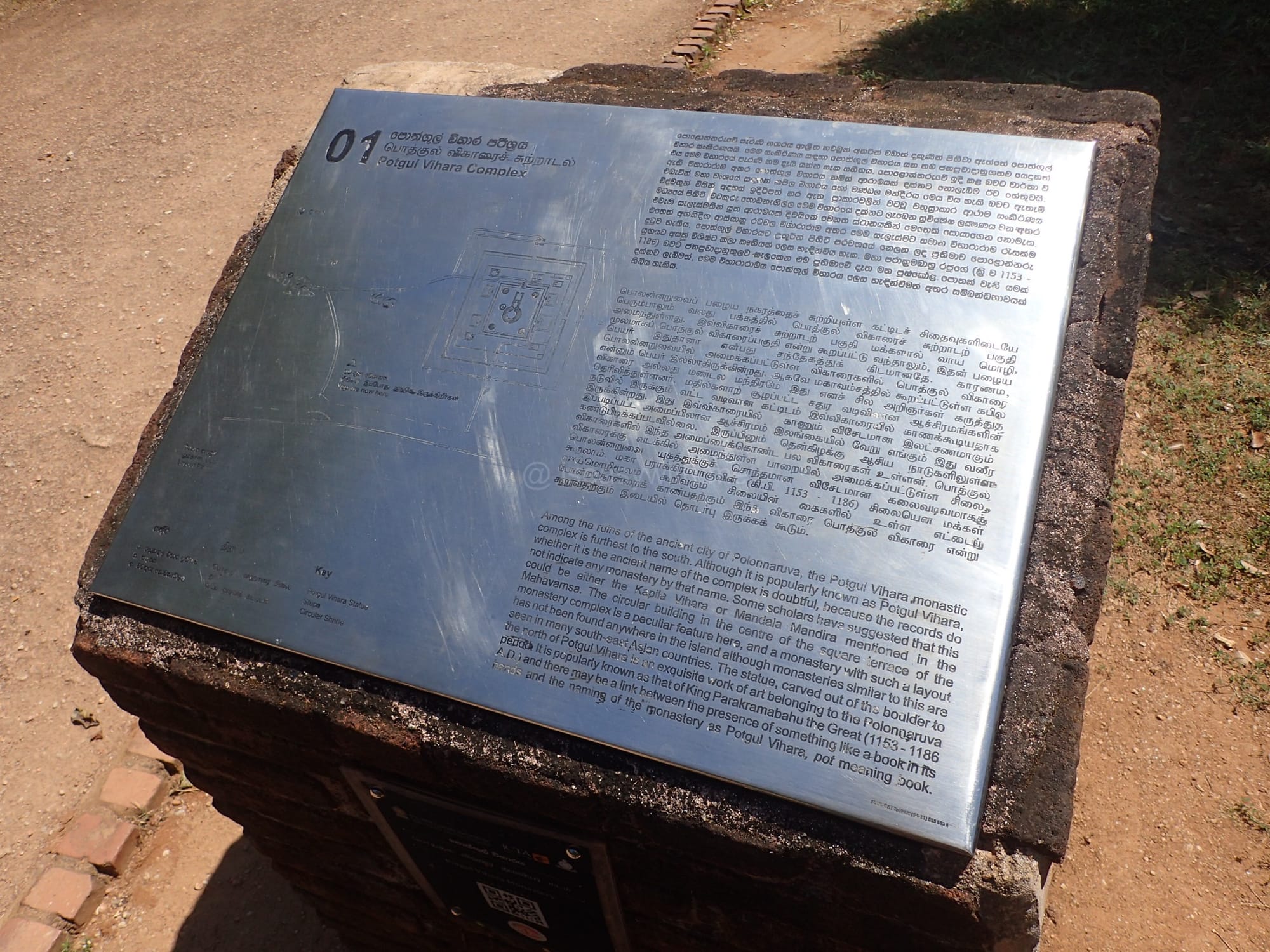
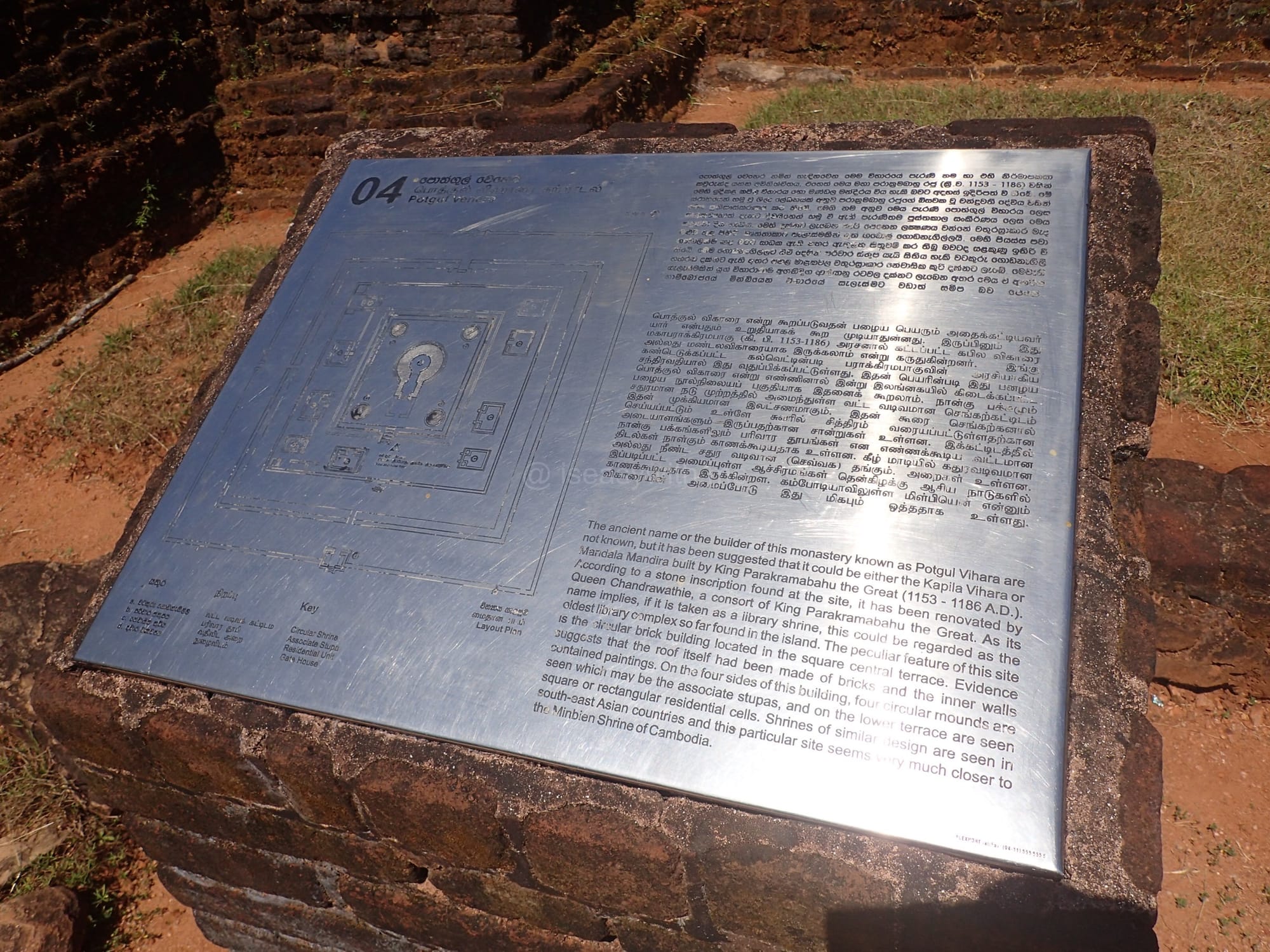
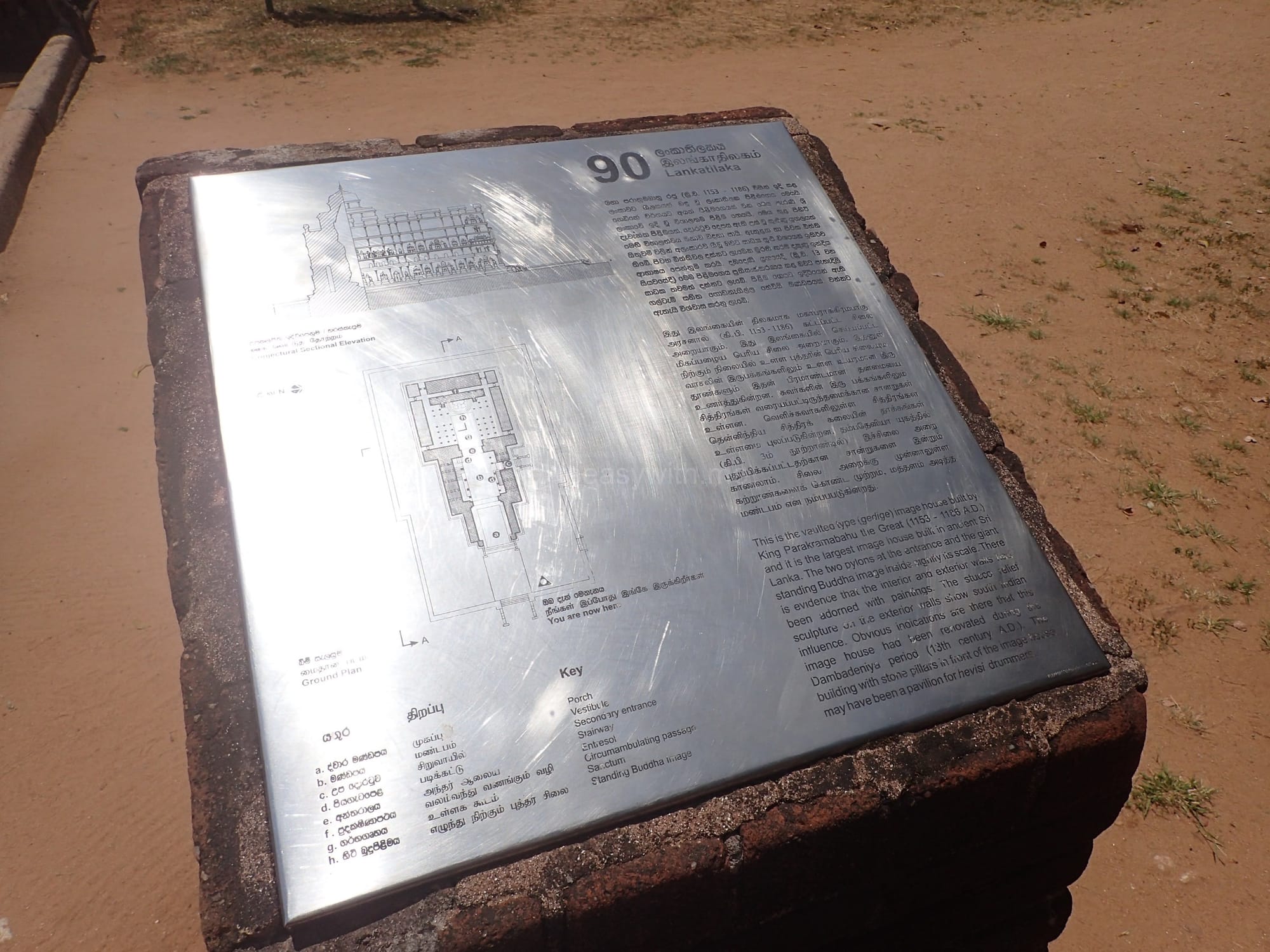
To make matters worse, the official CCF monument marker boards are highly reflective. Trying to photograph the English descriptions for my notes and travel journal became a constant battle against harsh glares and washed-out text.
1. Potgal Vehera (Potgul Vehera, Potgul Vihara, The Library Monastery): A unique circular structure thought to have served as a treasury for sacred Buddhist texts.
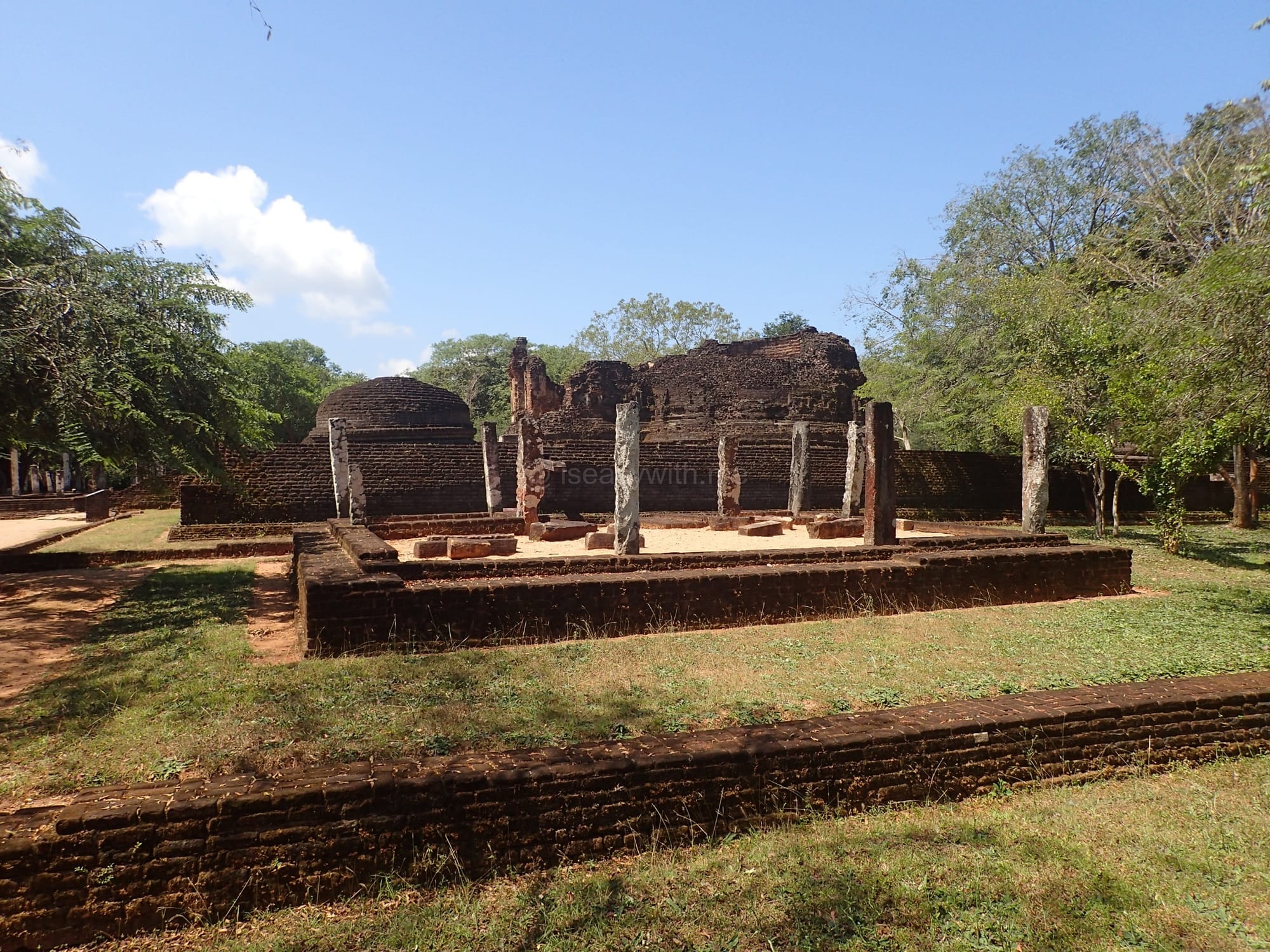
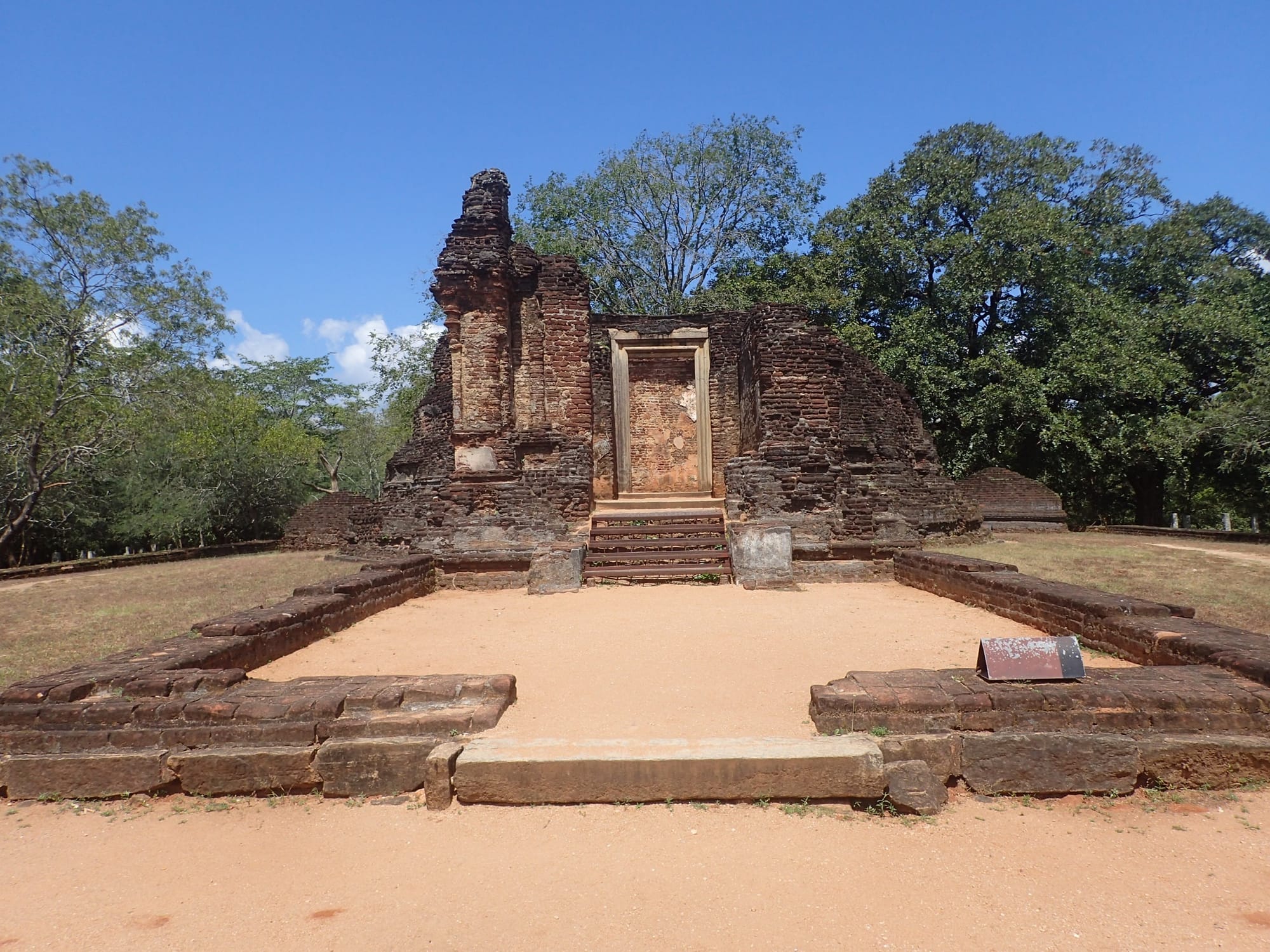
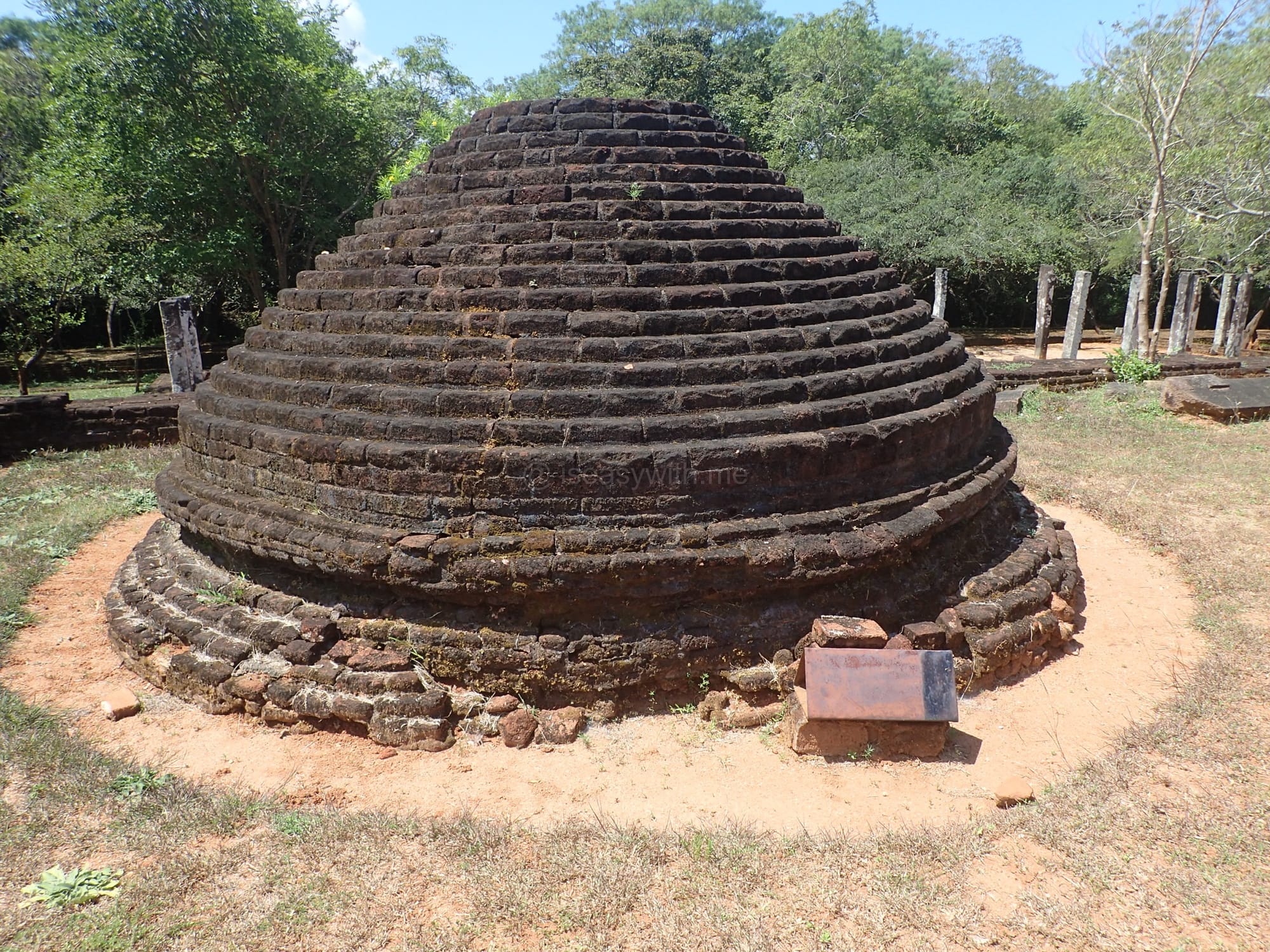
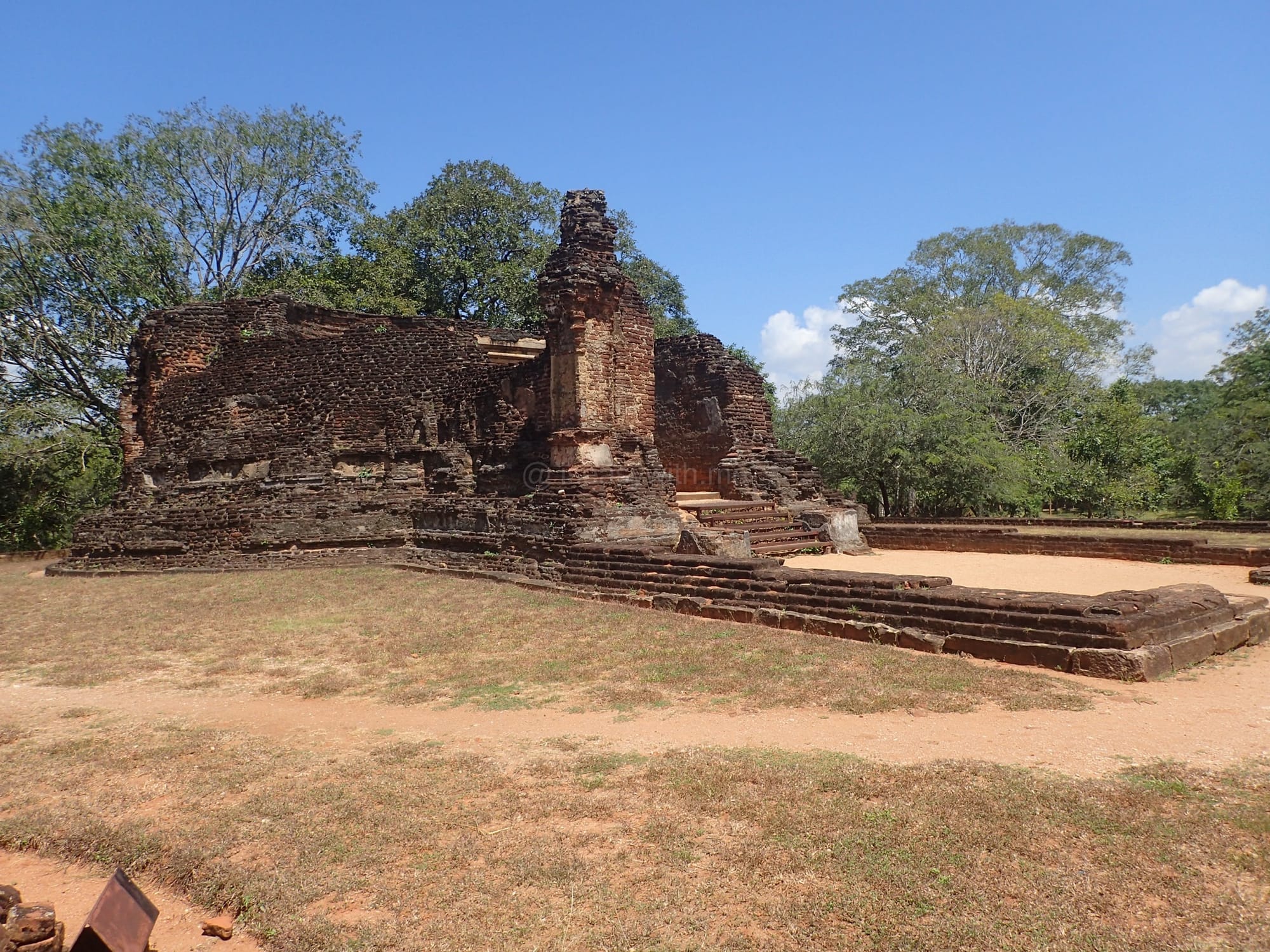
Potgal Vehera
2. Potgal Vehera Statue (Potgul Vihara Statue, Pulastisiri Statue, Statue of Parakramabahu I, Statue of Sage Pulasti): Carved directly into a granite rock face, this iconic 3.5 metre stone sculpture of a bearded figure holding a manuscript is widely debated to depict either King Parakramabahu I or the ancient sage Pulasti.
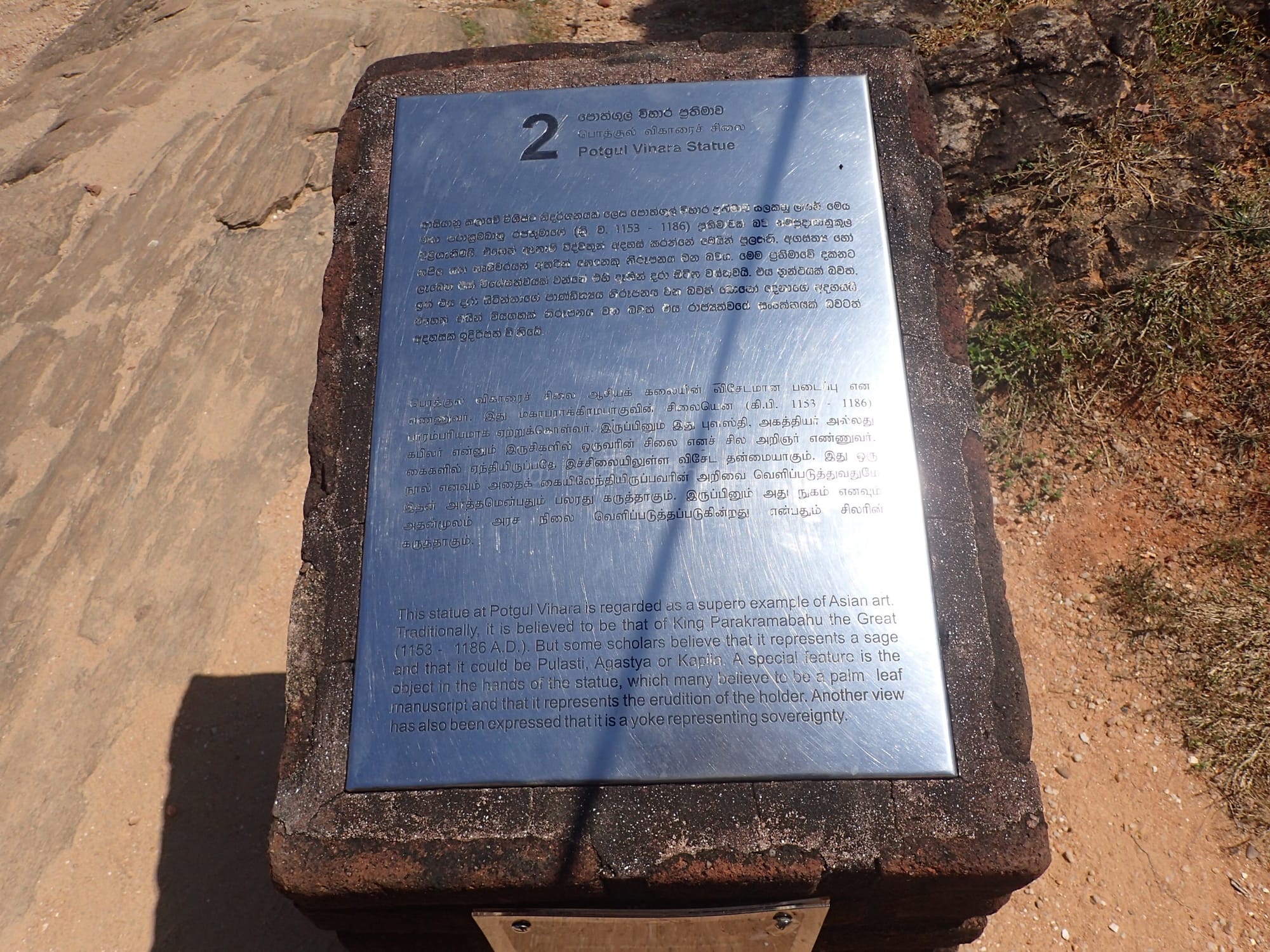
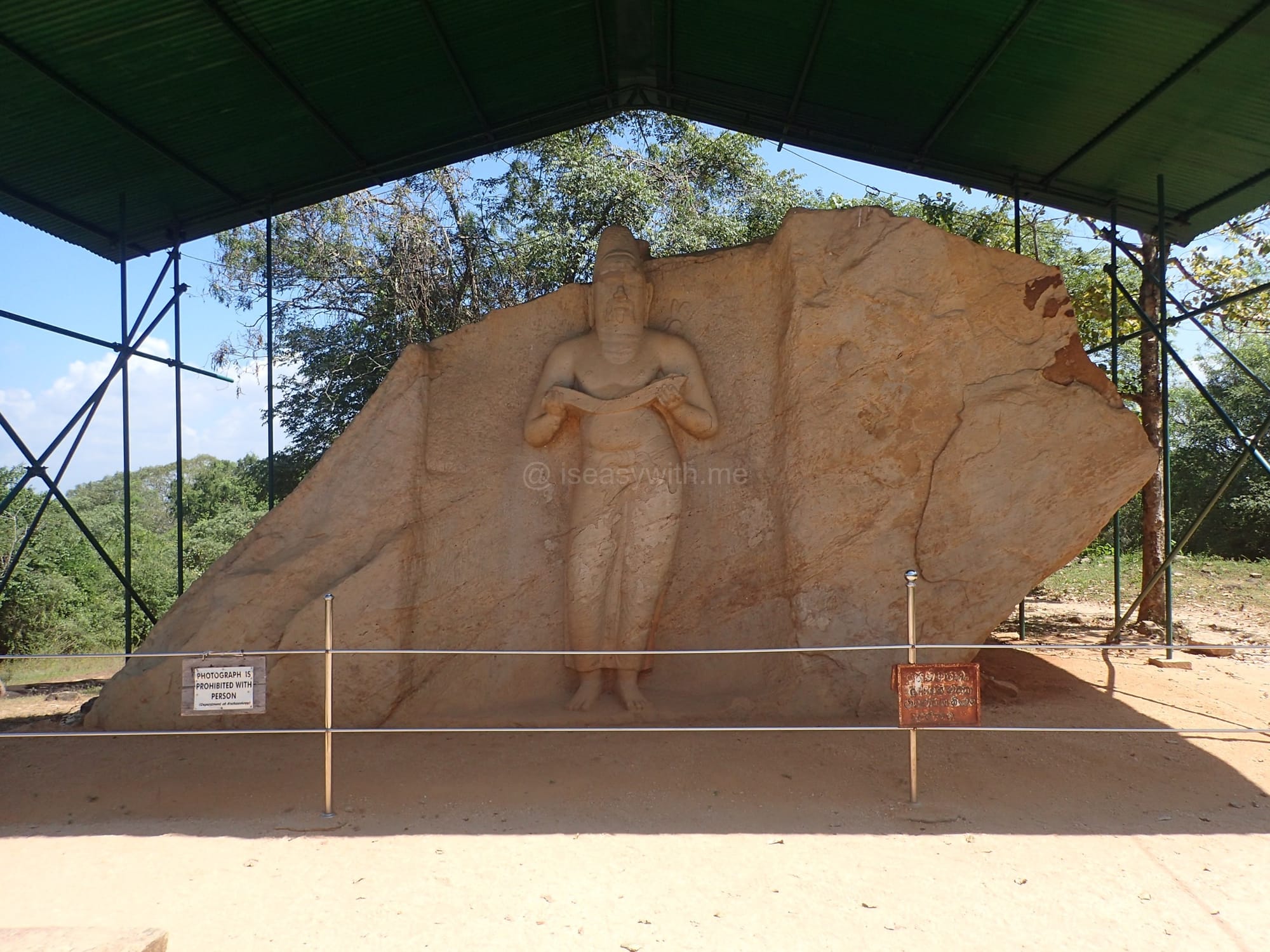
Potgal Vehera Statue
3. Parakrama Samudra (Parakrama Lake, Parakrama Samudraya, Sea of Parakrama): A colossal, 12th-century man-made reservoir so massive that it resembles an ocean, engineered by King Parakramabahu I to capture rainwater and sustain the ancient city’s vast agricultural network.
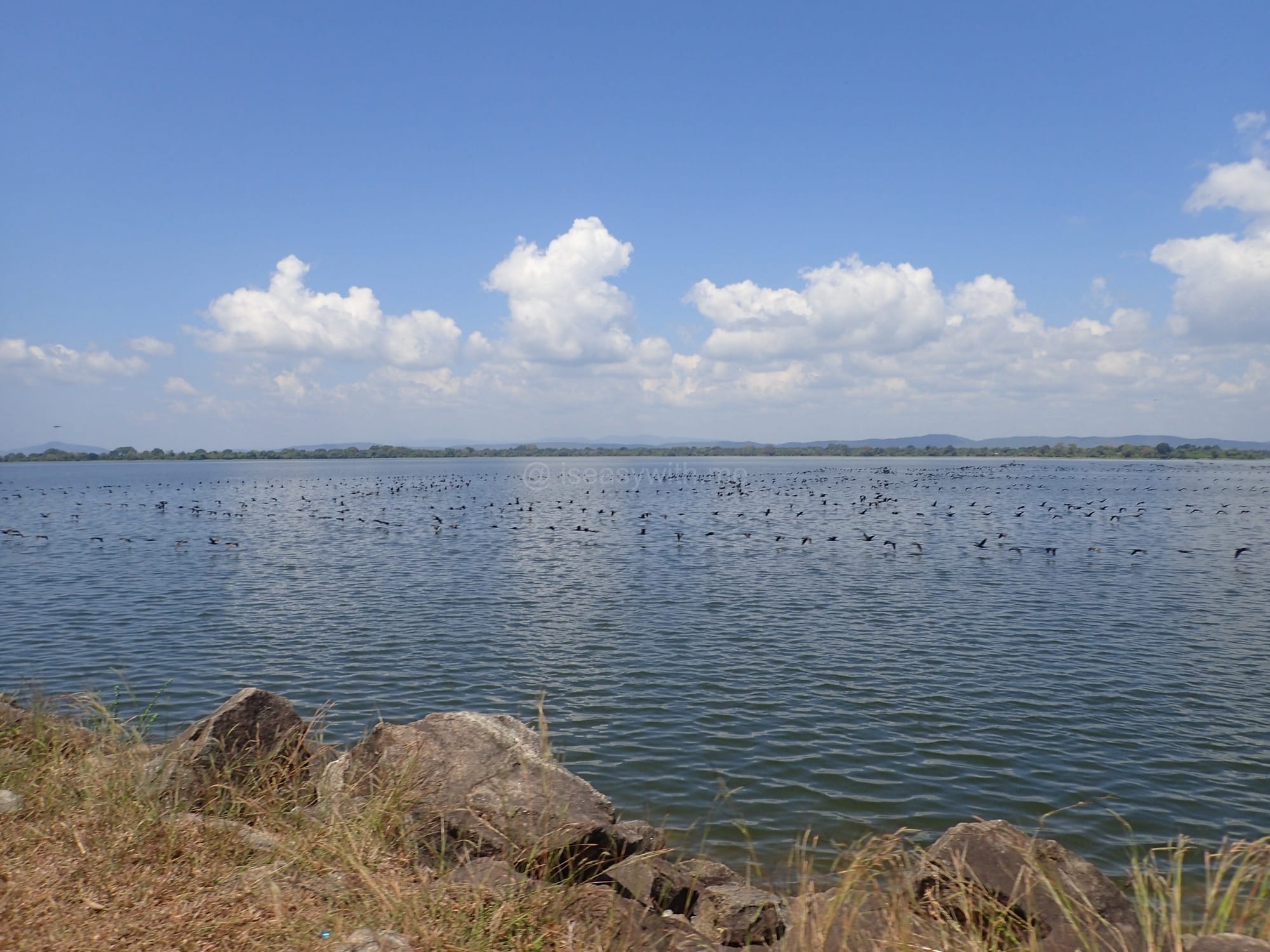
Parakrama Samudra (a large flock of cormorants flying low across the surface)
4. Museum (Polonnaruwa Archaeological Museum): The perfect starting point to view scaled models of the ruins and preserved bronze statues before seeing the actual site. This is where I bought my ticket (USD 30) as well.
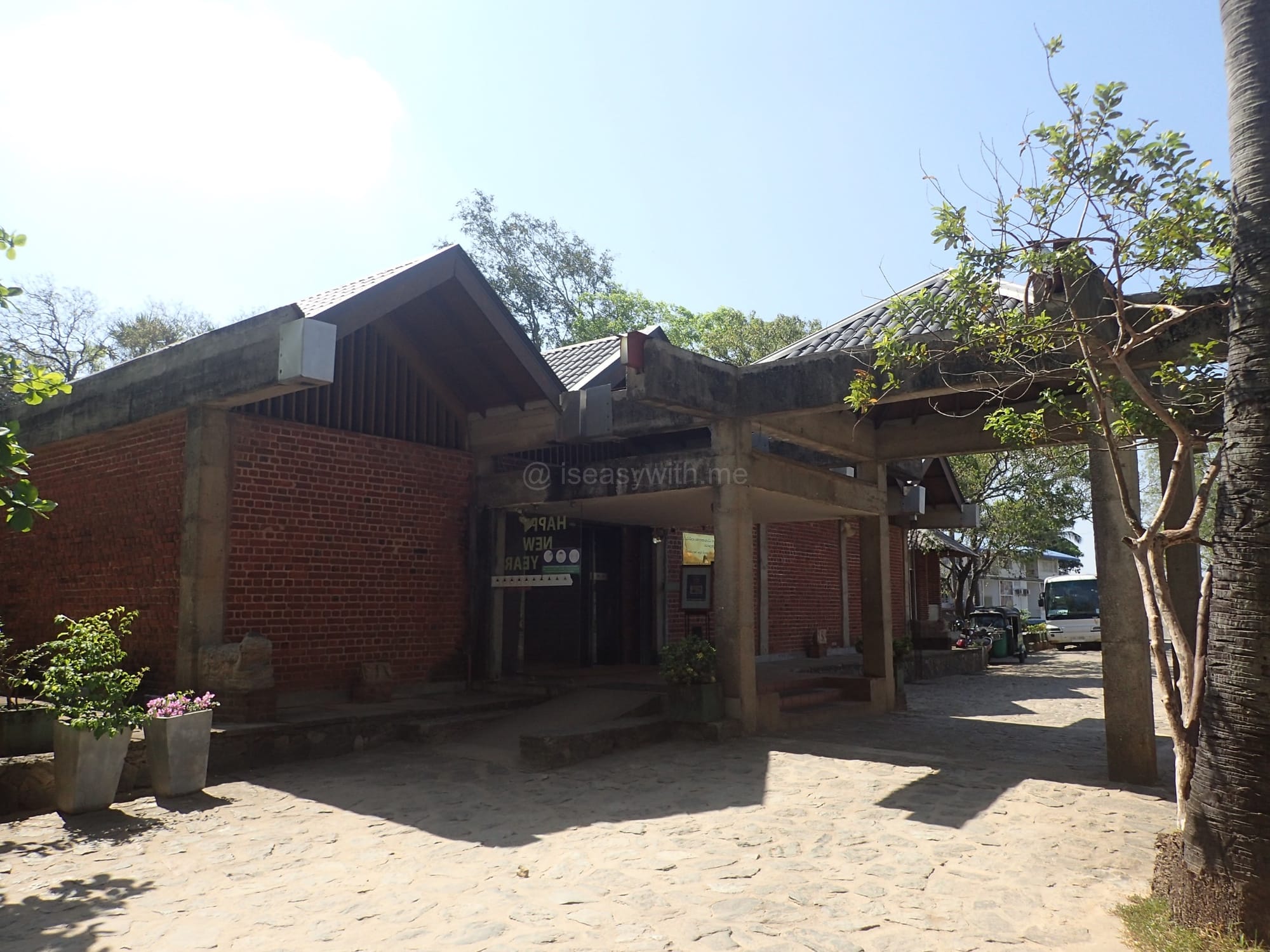
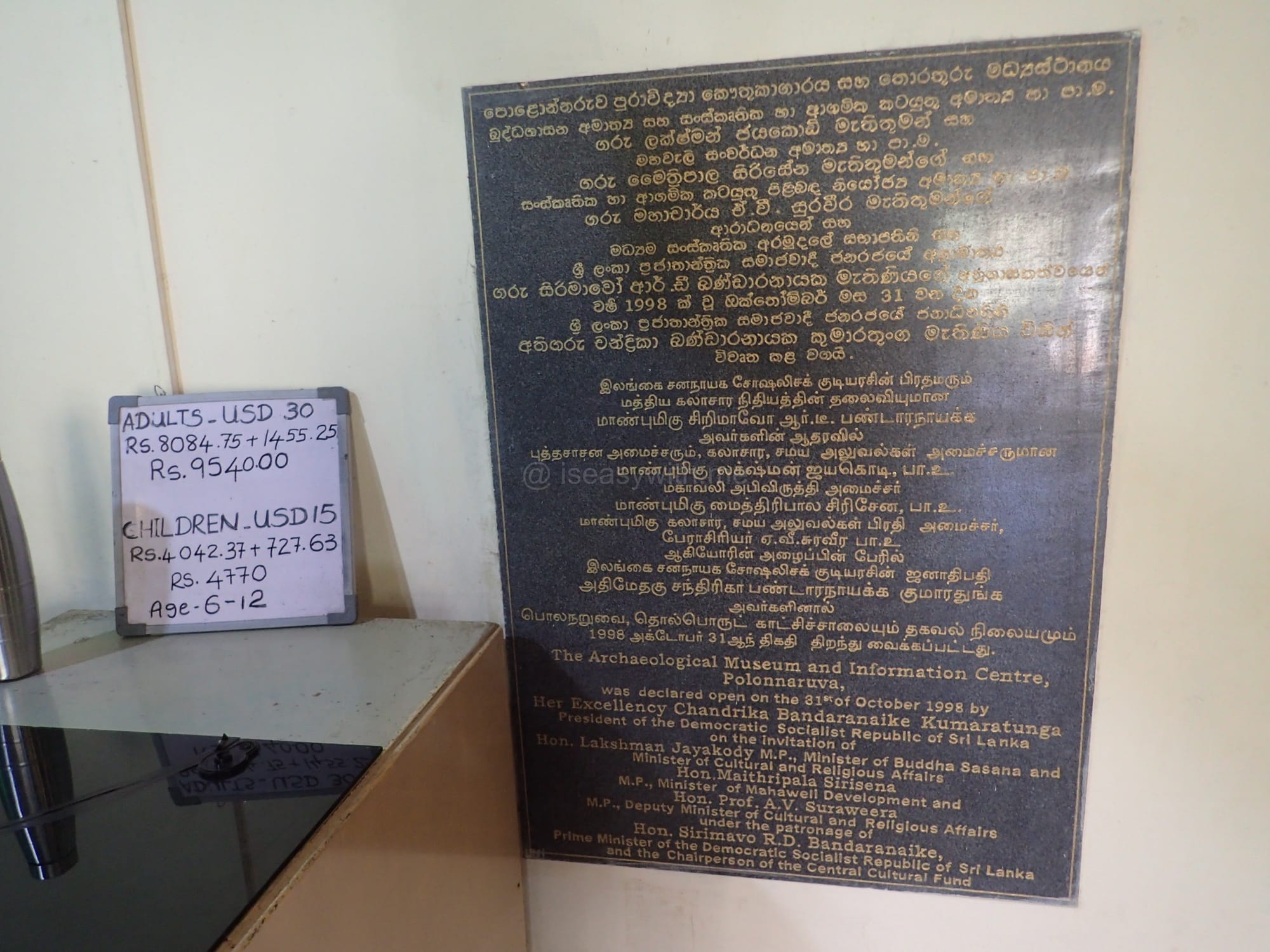
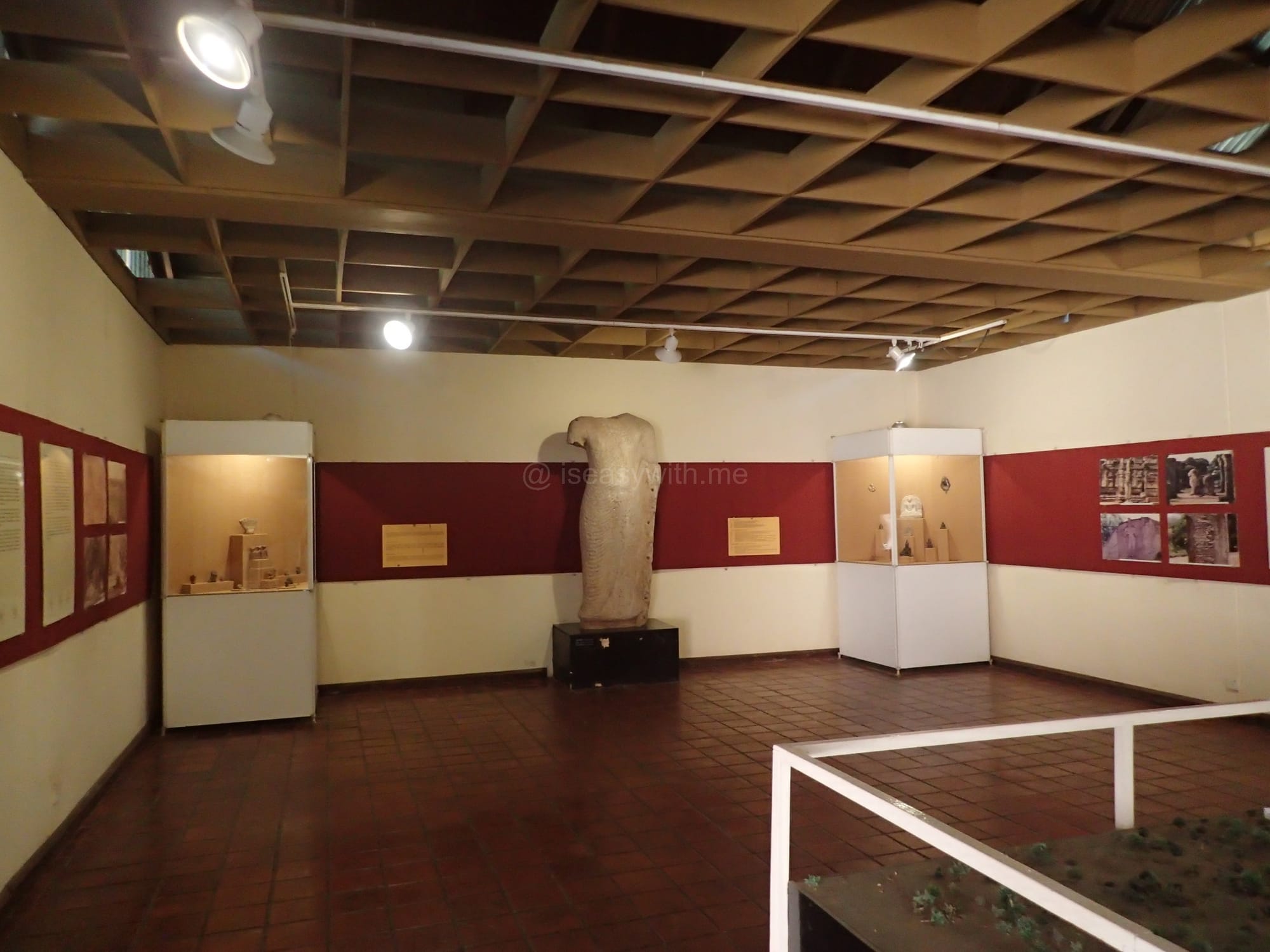
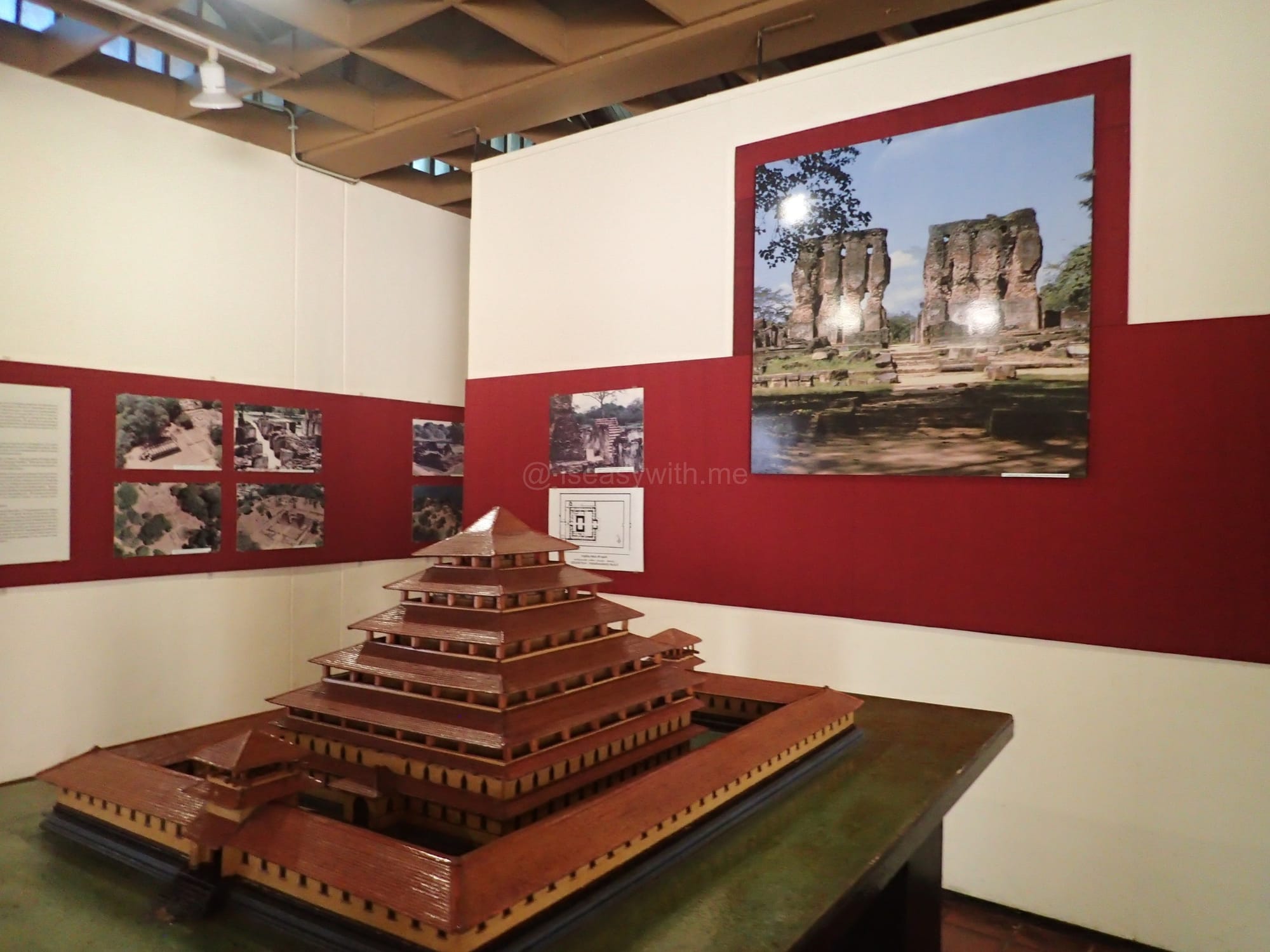
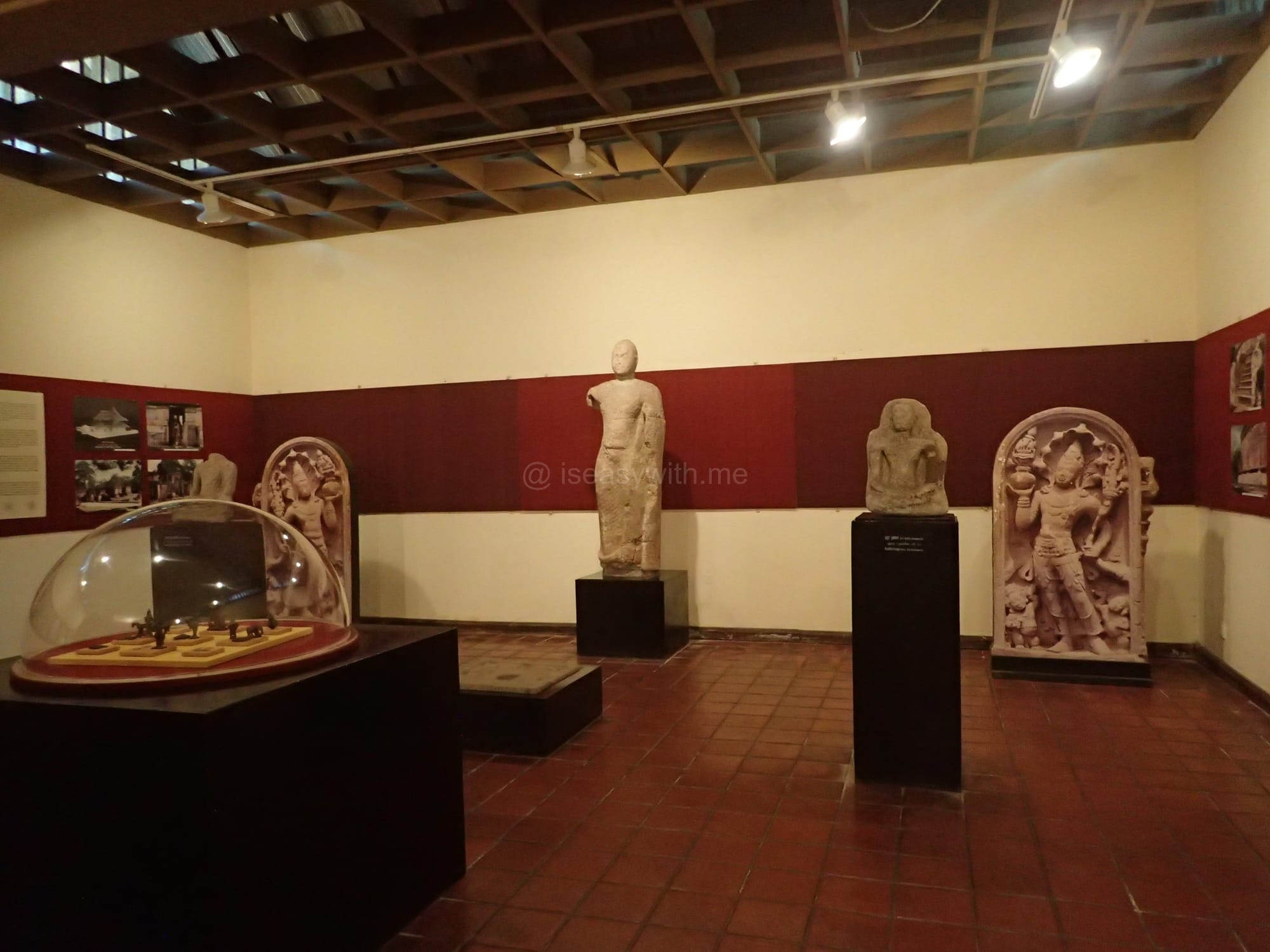
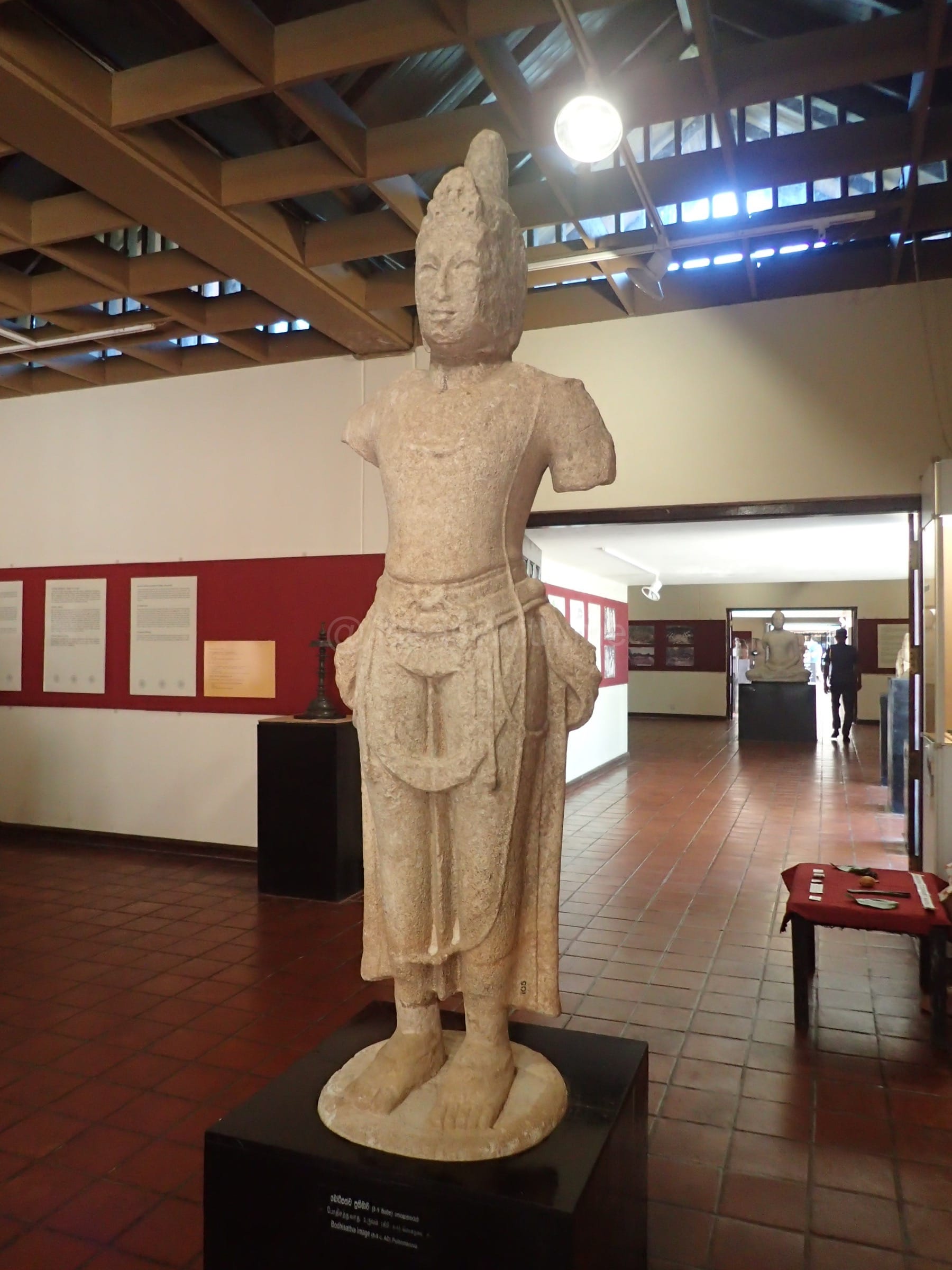
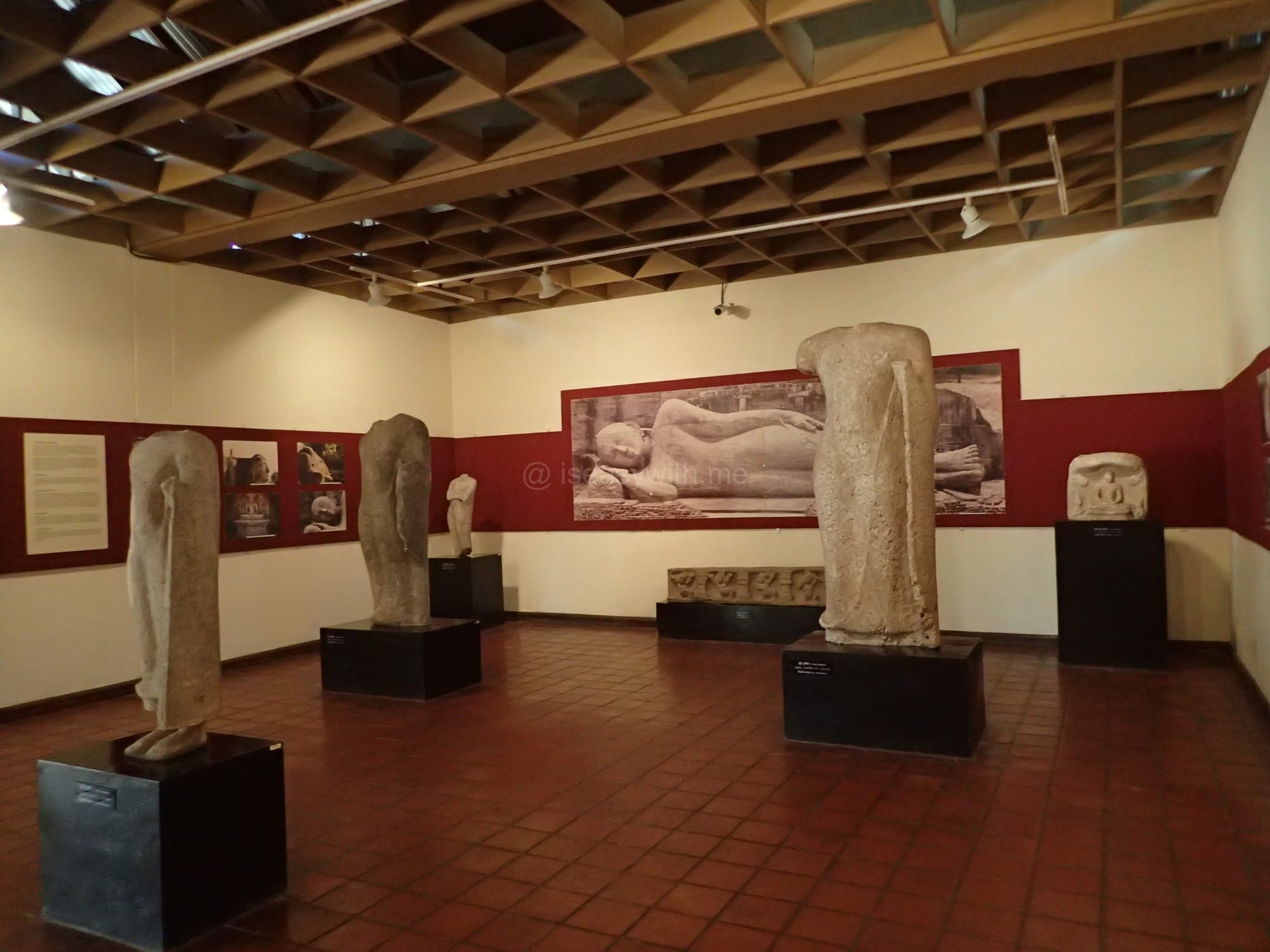
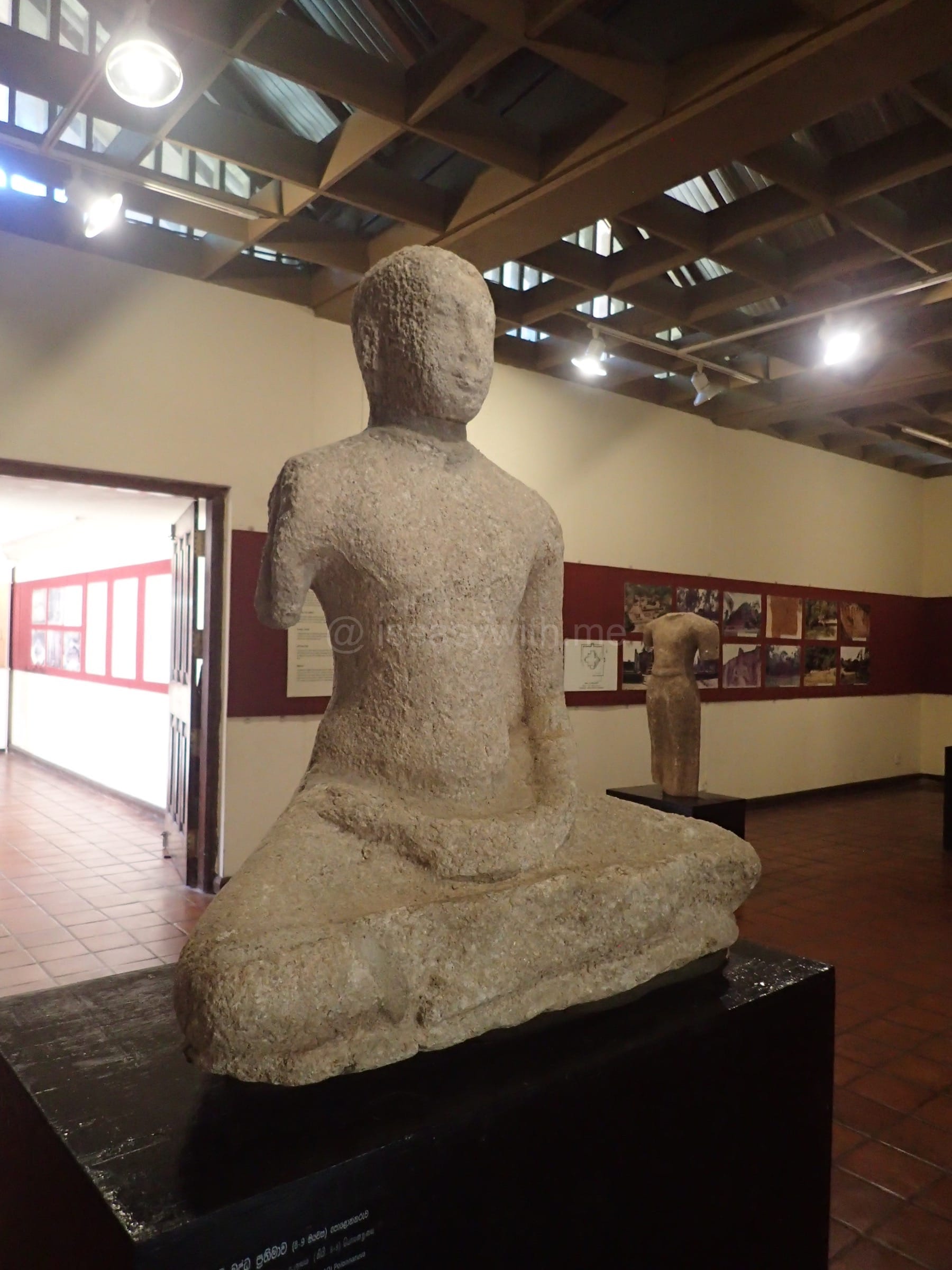
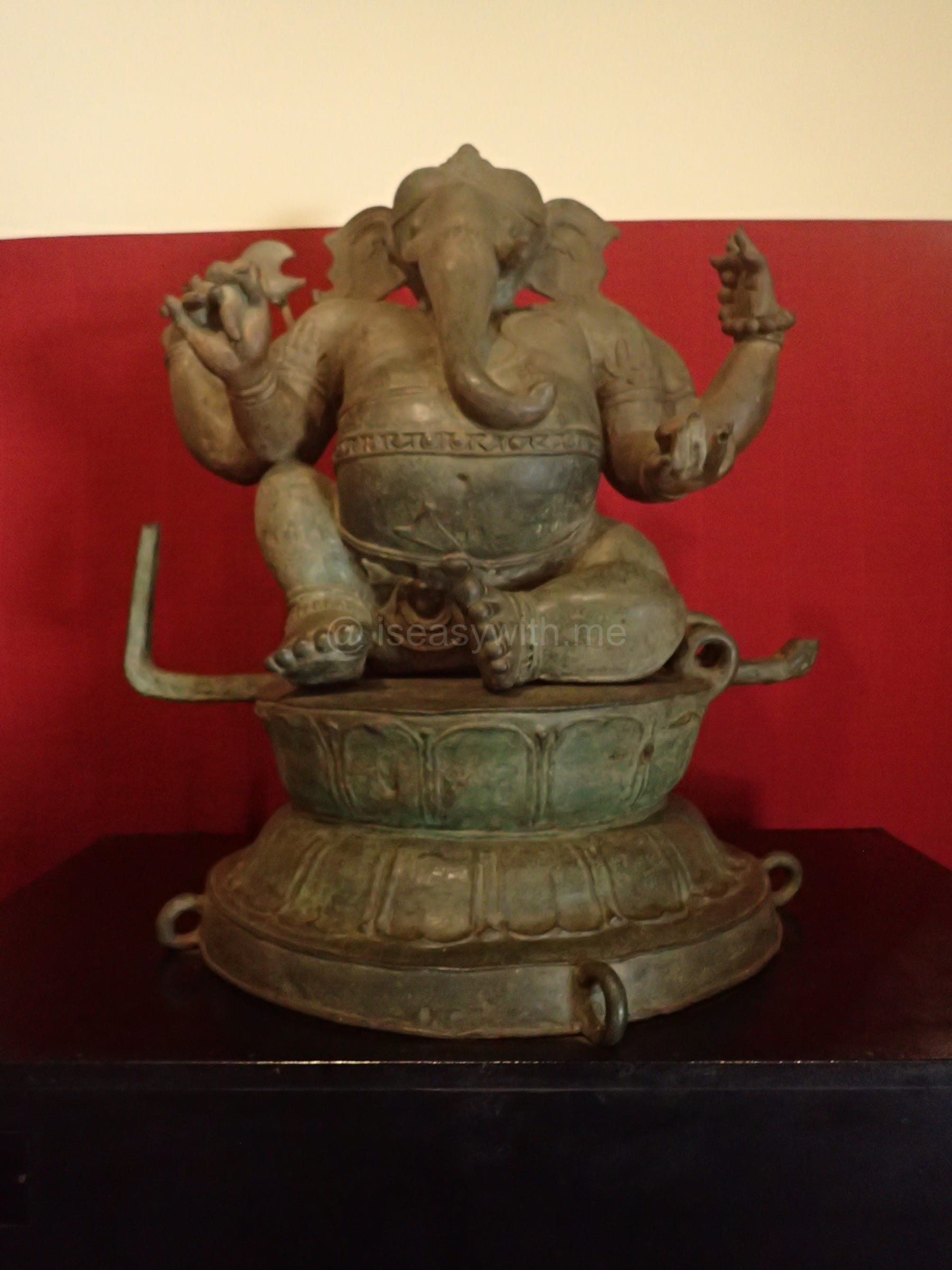
Museum
5. Island Park (Deepa Uyana, Dipauyana, Kalinga Uyana, The Island Garden): Originally built as a lakeside royal pleasure garden by King Parakramabahu I and later modified by King Nissankamalla, this scenic area houses the ruins of a secondary palace, a stone bathing pond and an inscribed Council Chamber.
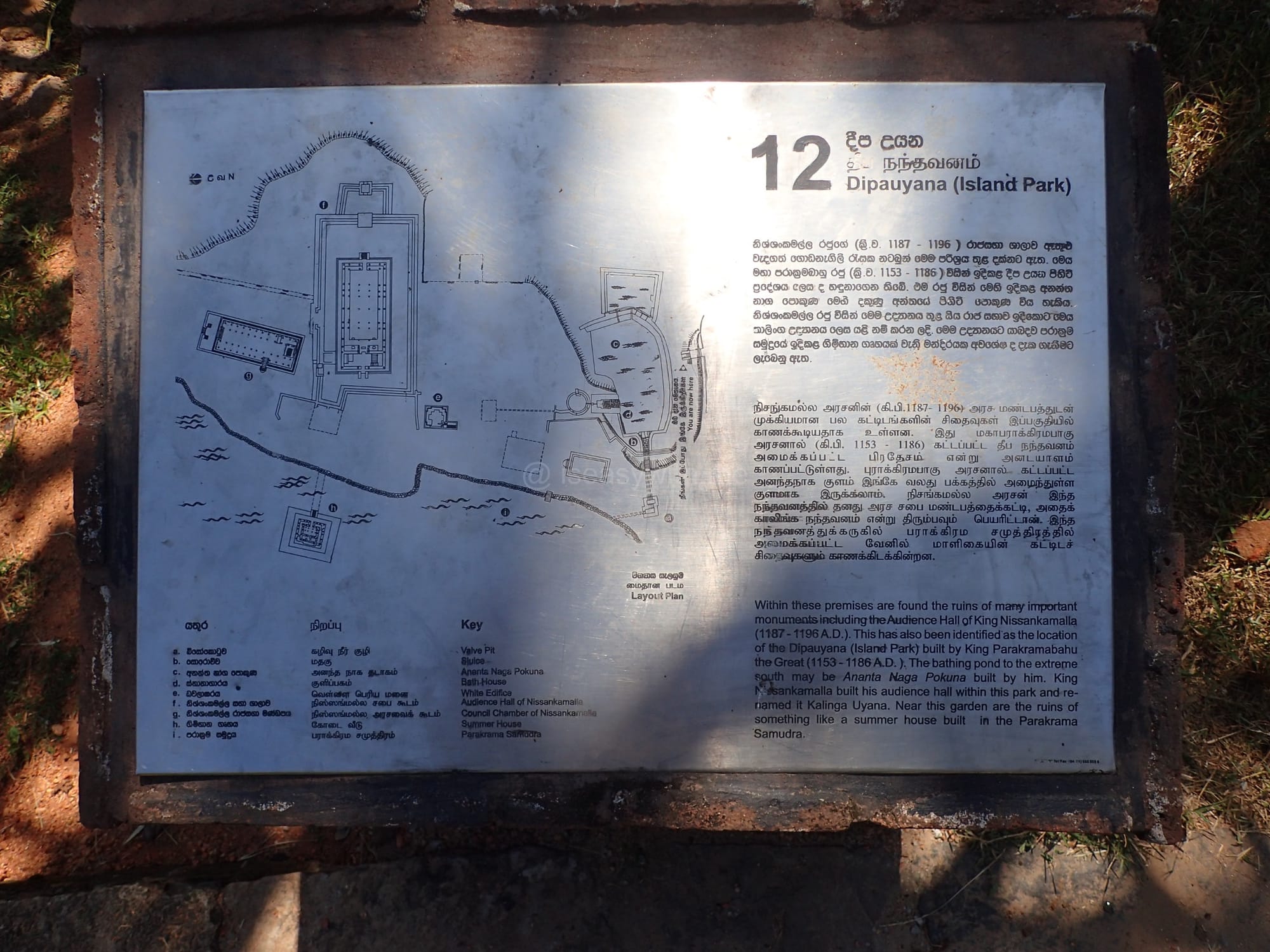
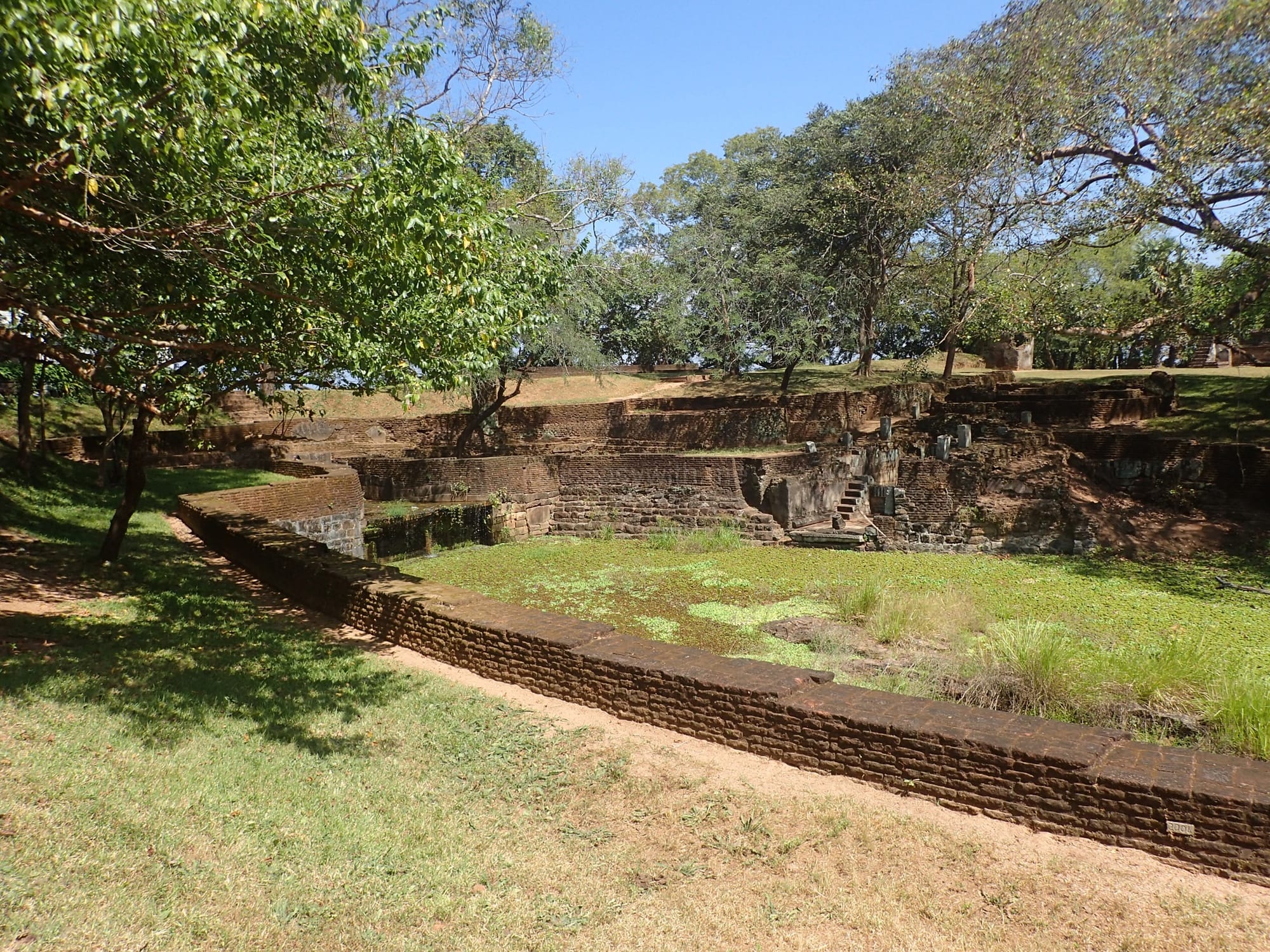
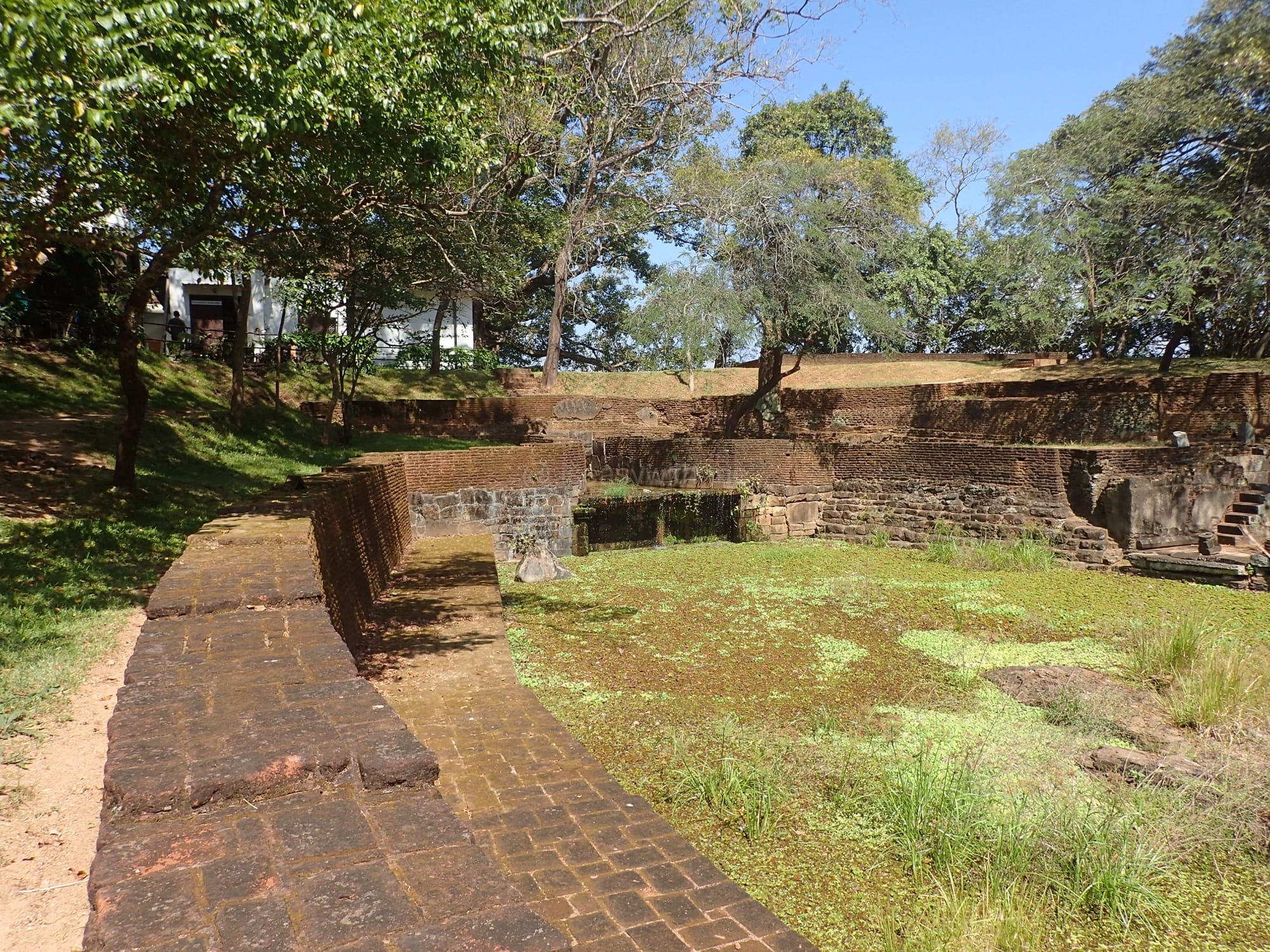
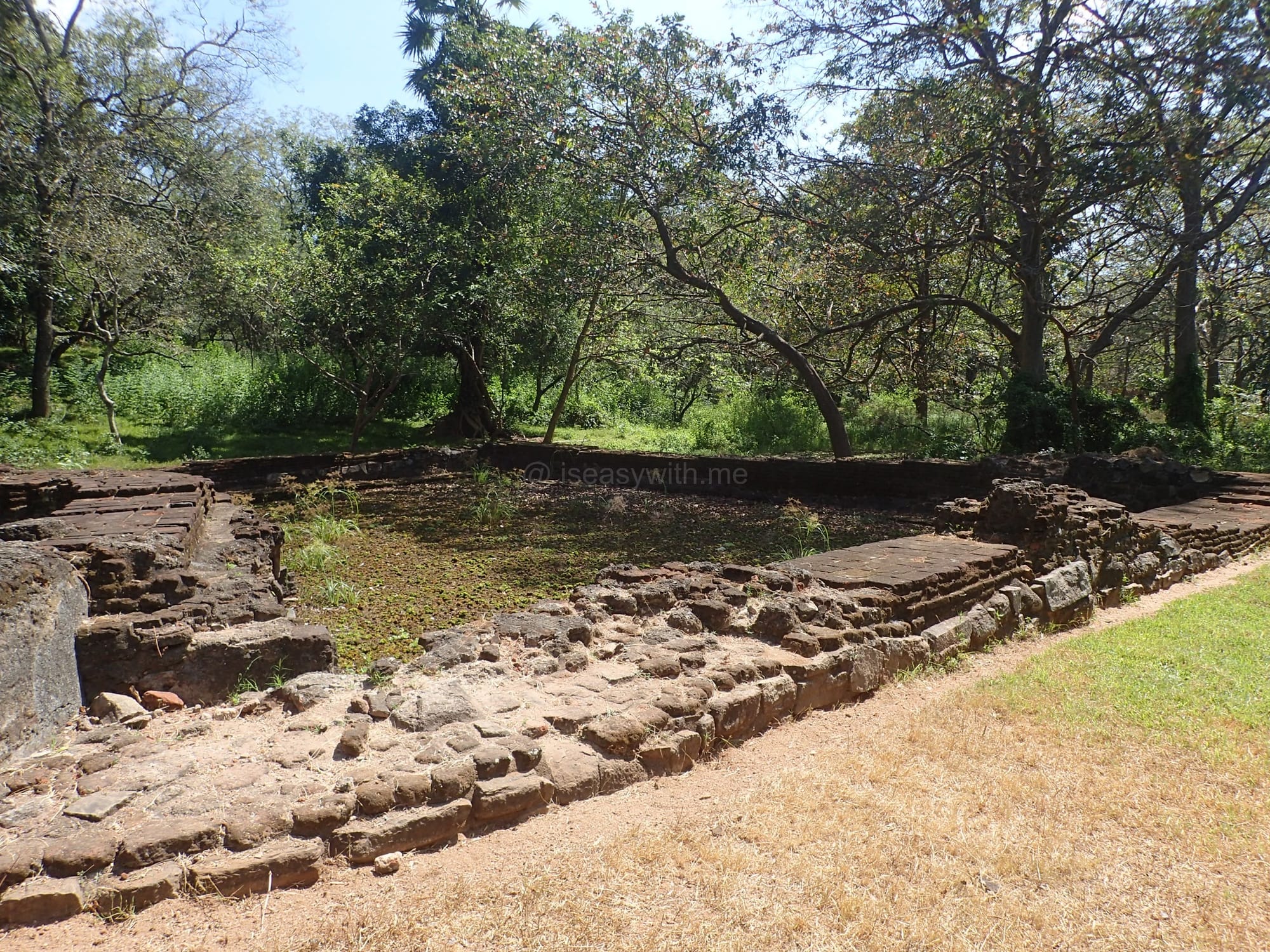
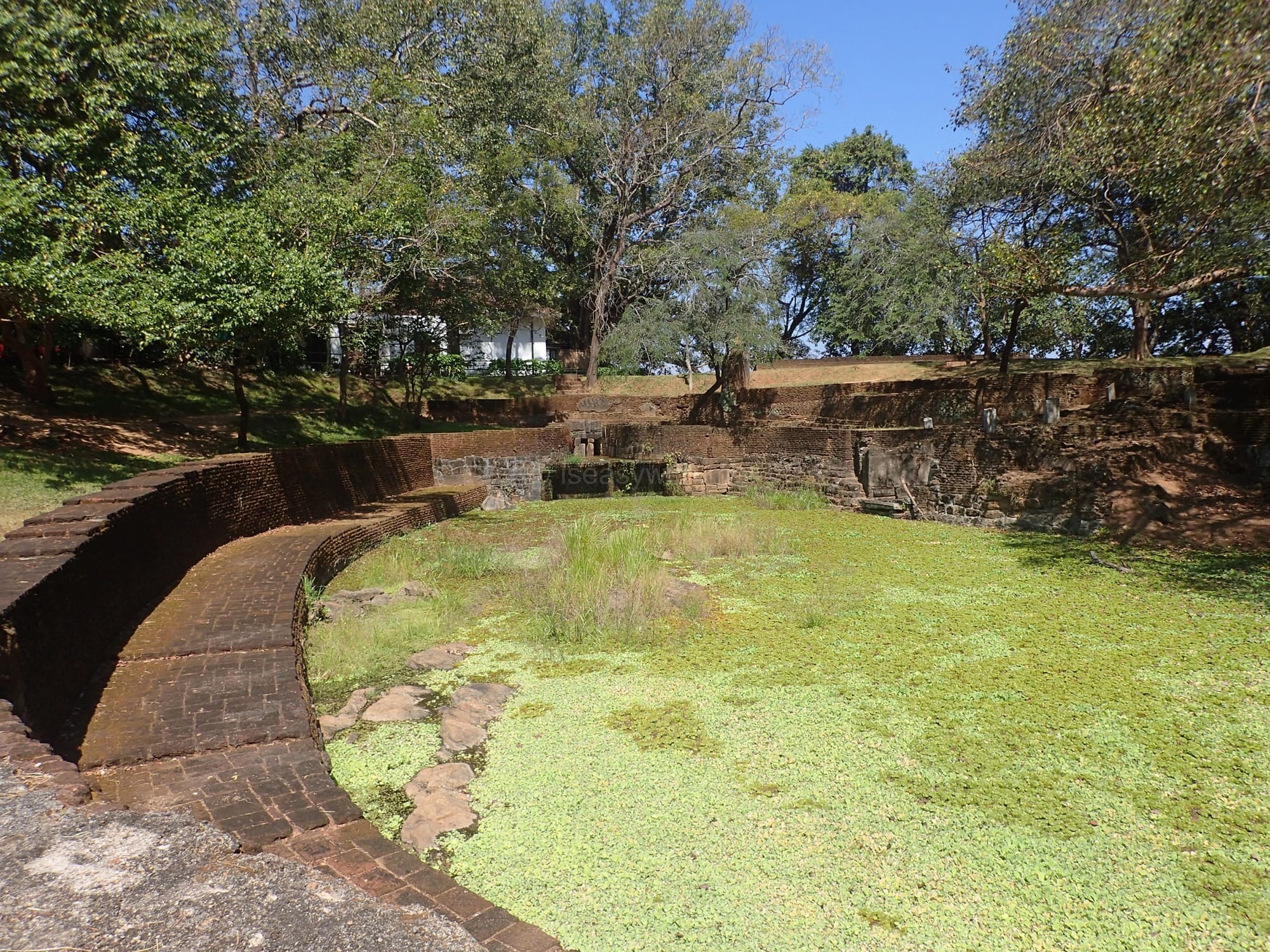
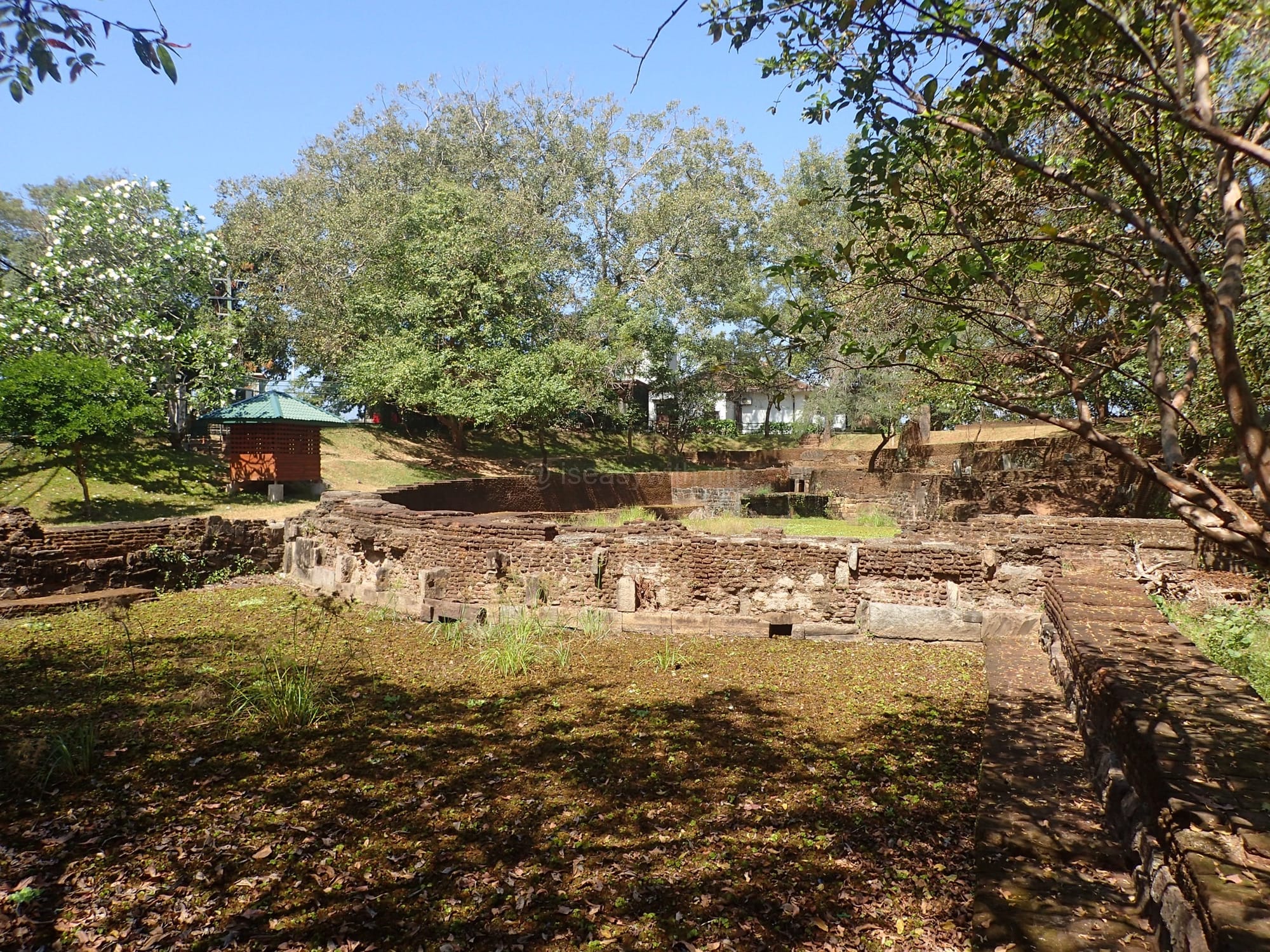
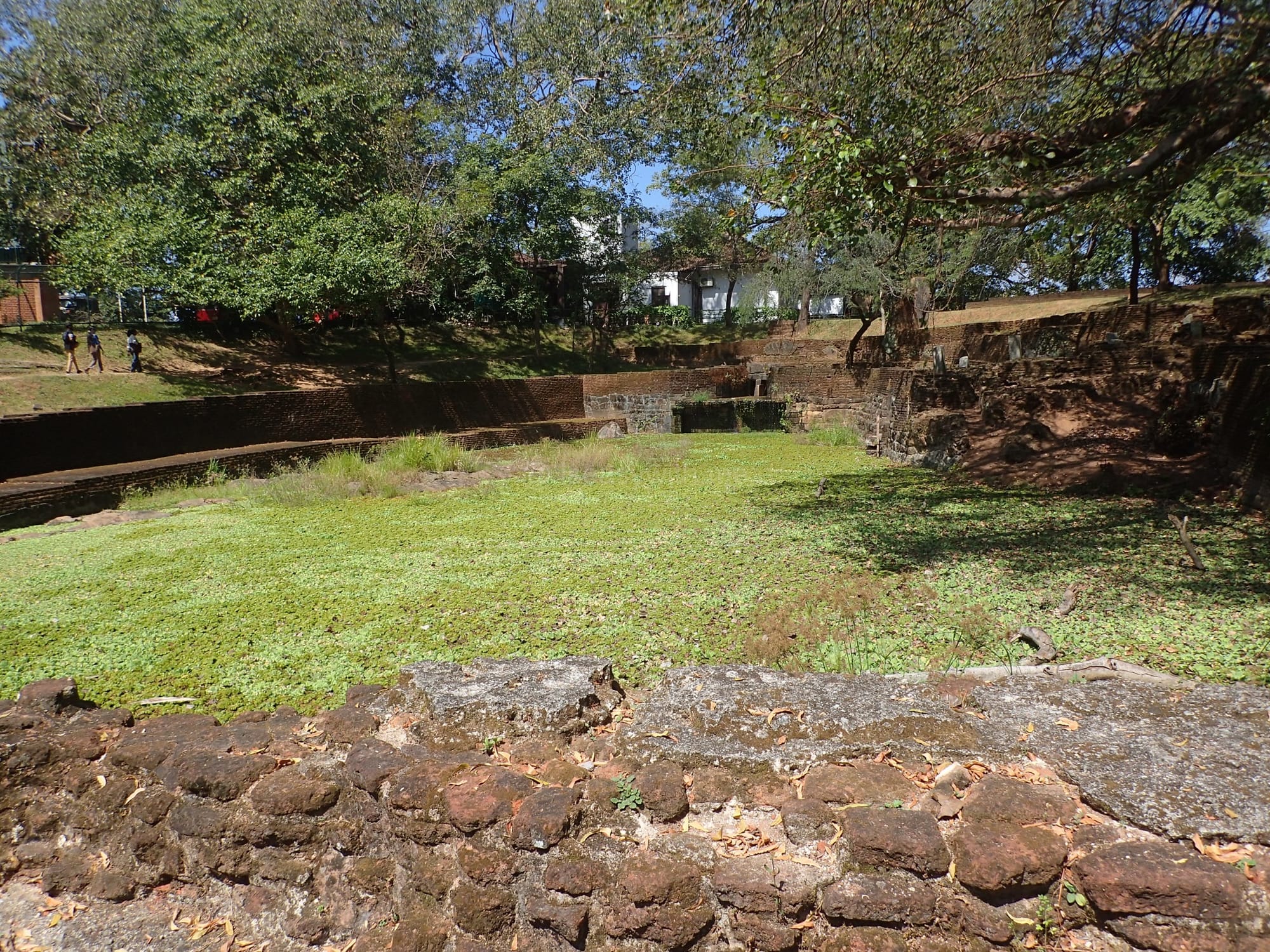
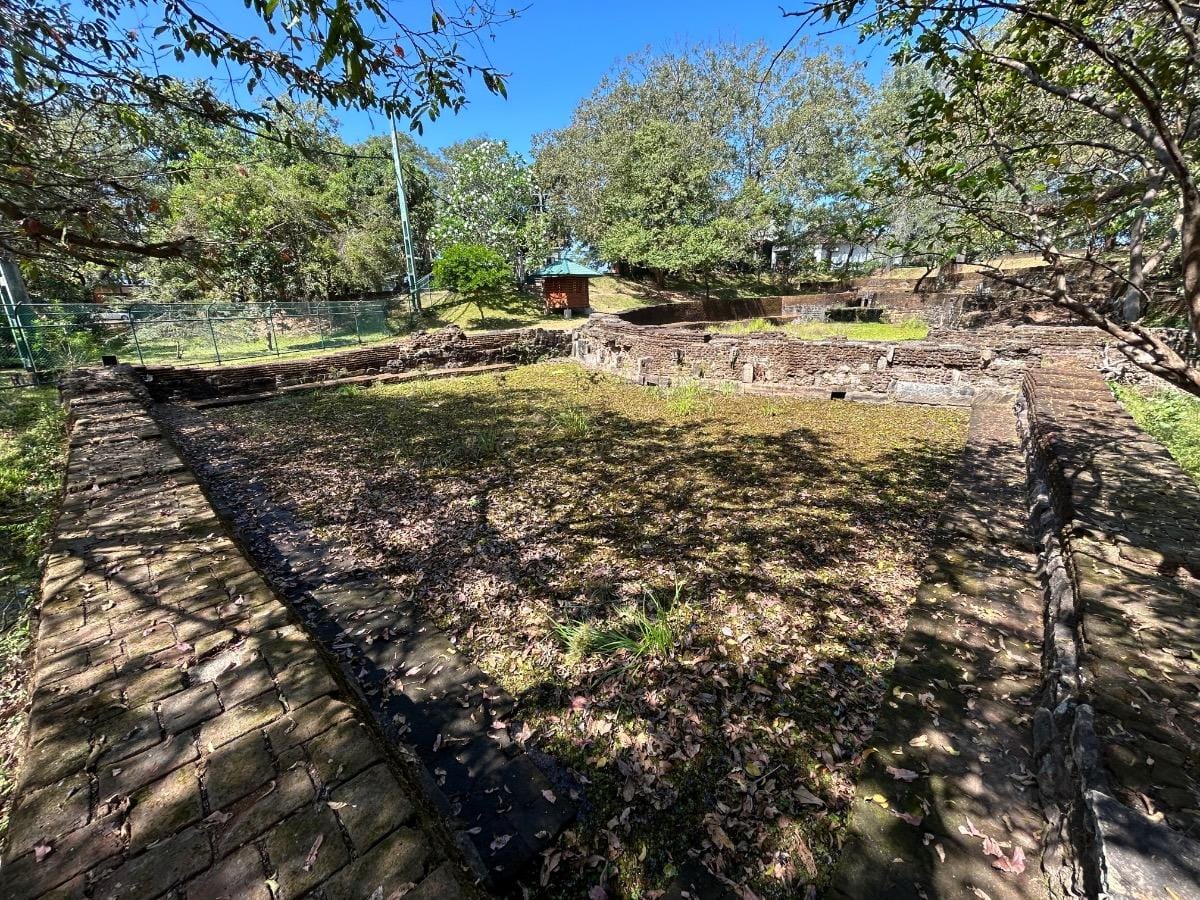
Island Park
6. Citadel (Athul Nuwara, Inner City, Royal Citadel): The high-walled inner city where the King lived.
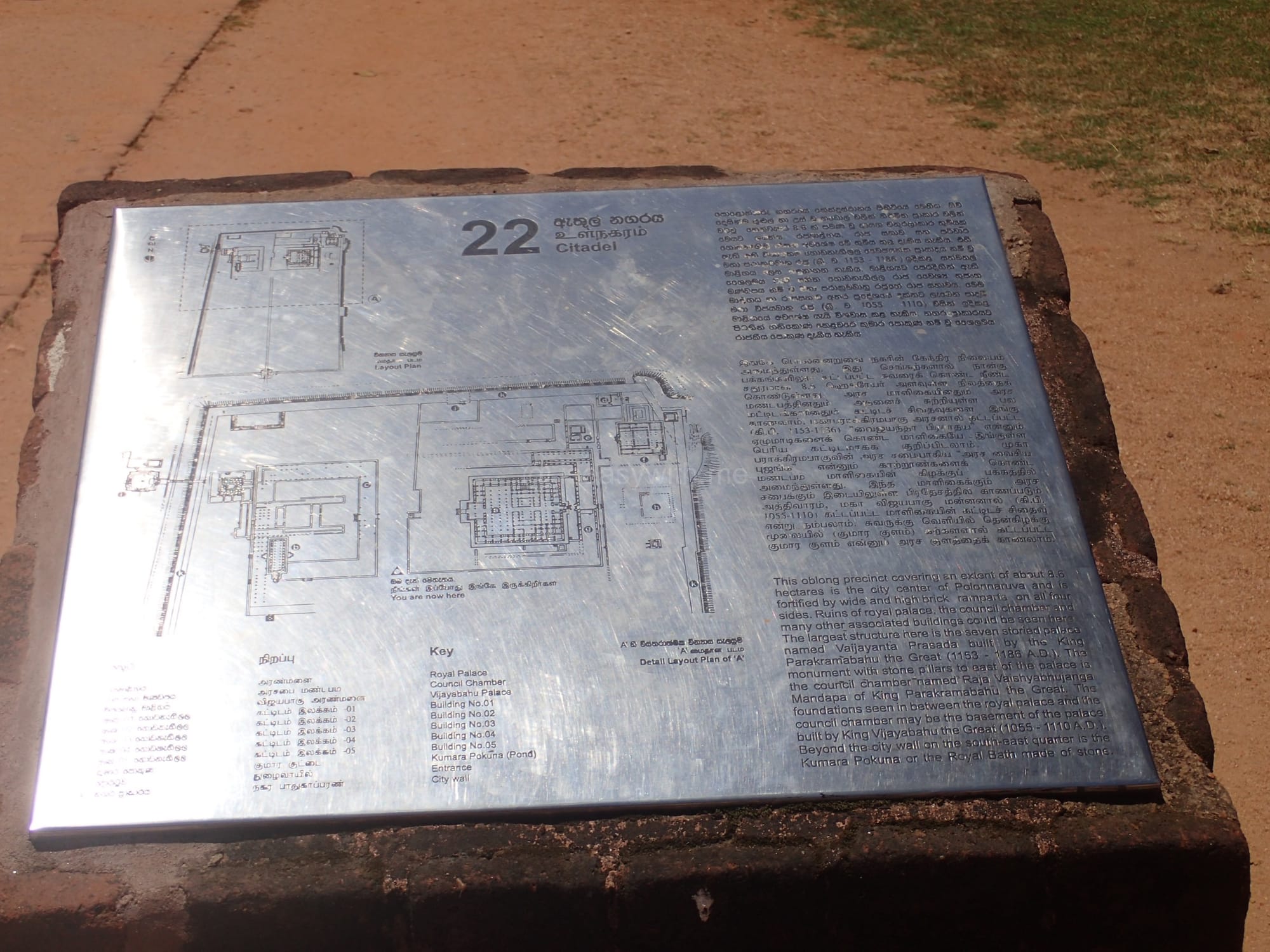
Citadel
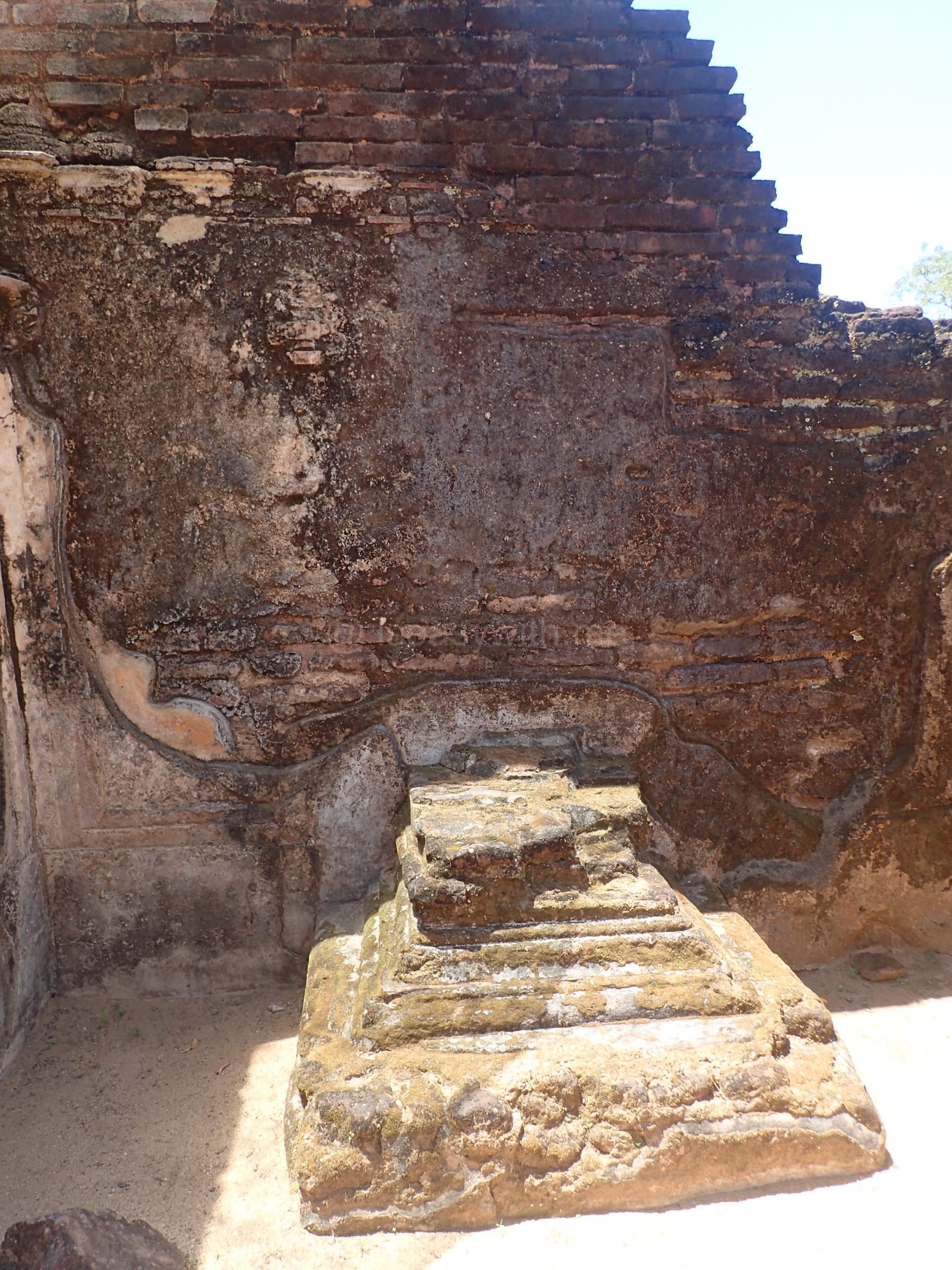
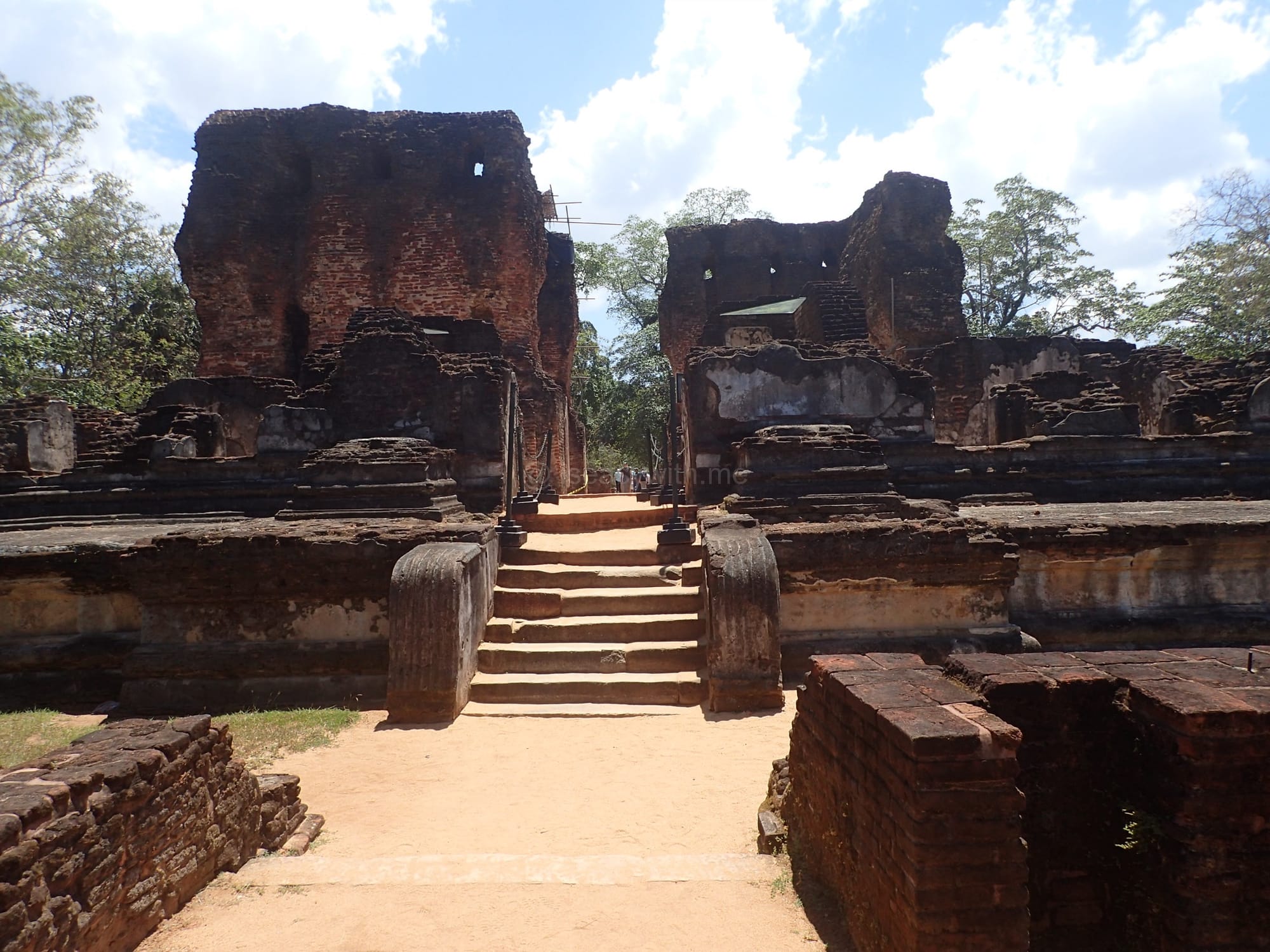
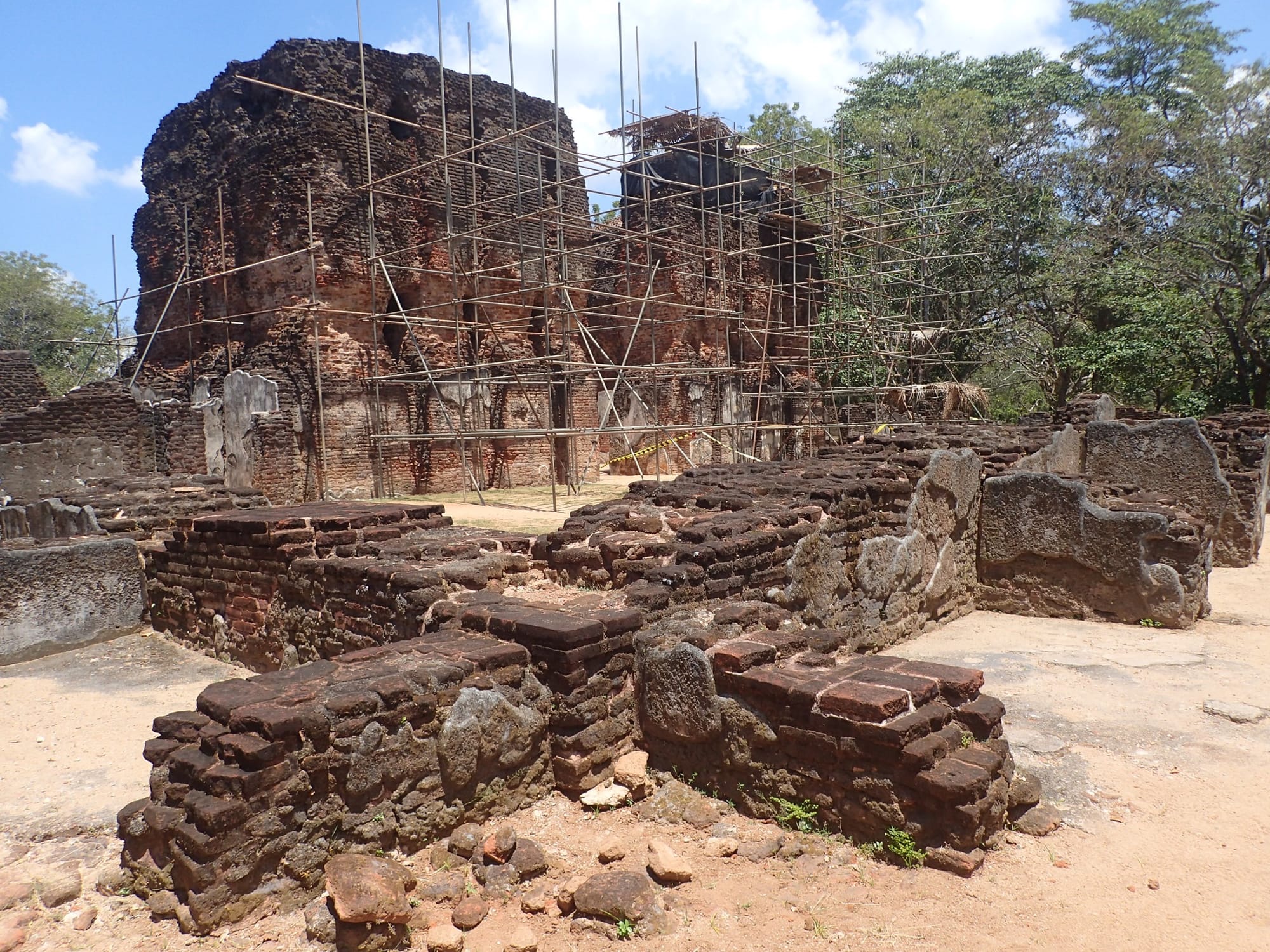
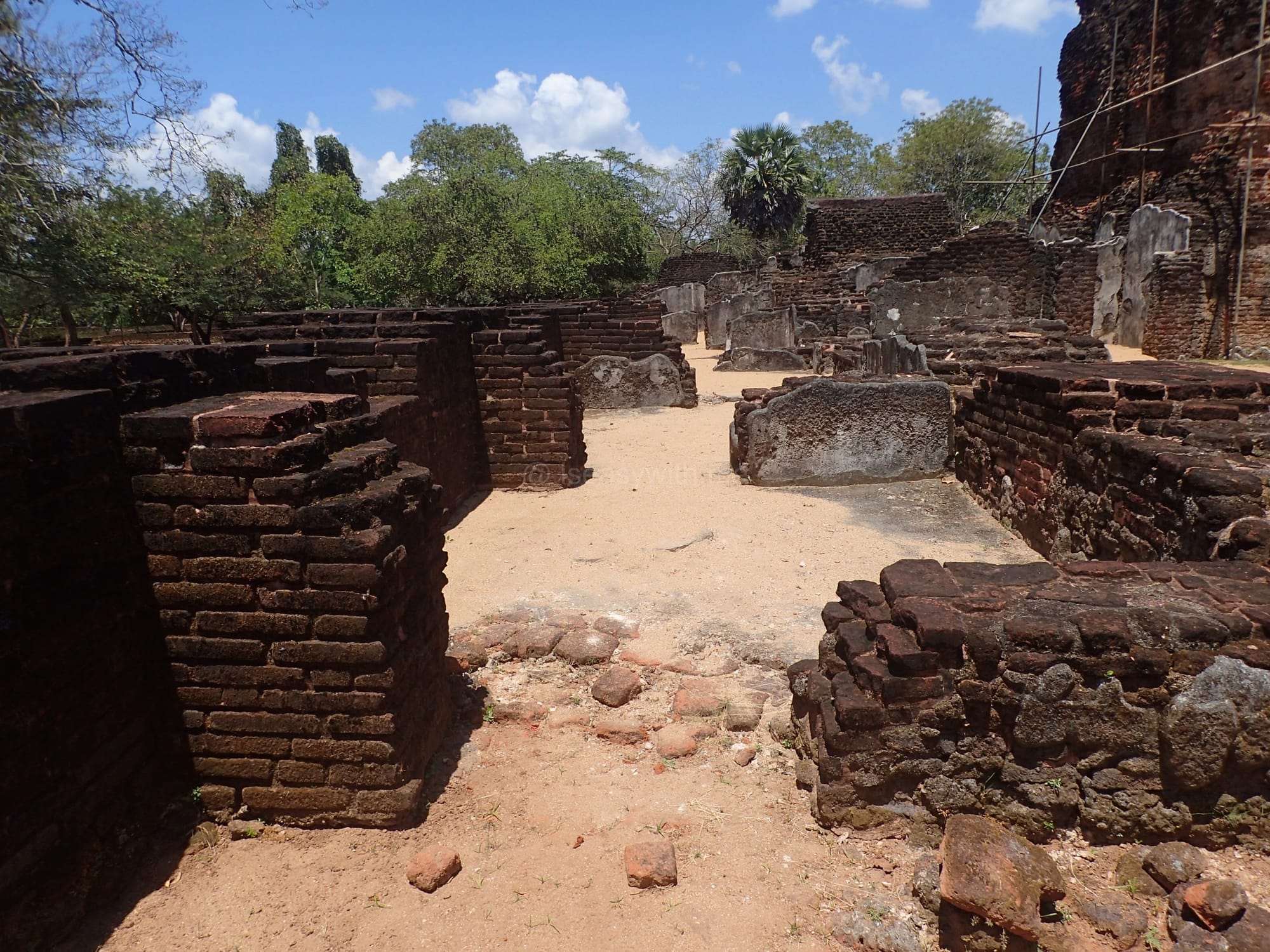
7. Royal Palace (Palace of King Parakramabahu I, Vaijayanta Prasada, Vijayaprasada, ): The imposing, thick-walled brick remnants of a legendary seven-story palace that once featured hundreds of rooms, a massive wooden upper superstructure, and advanced ancient plumbing.
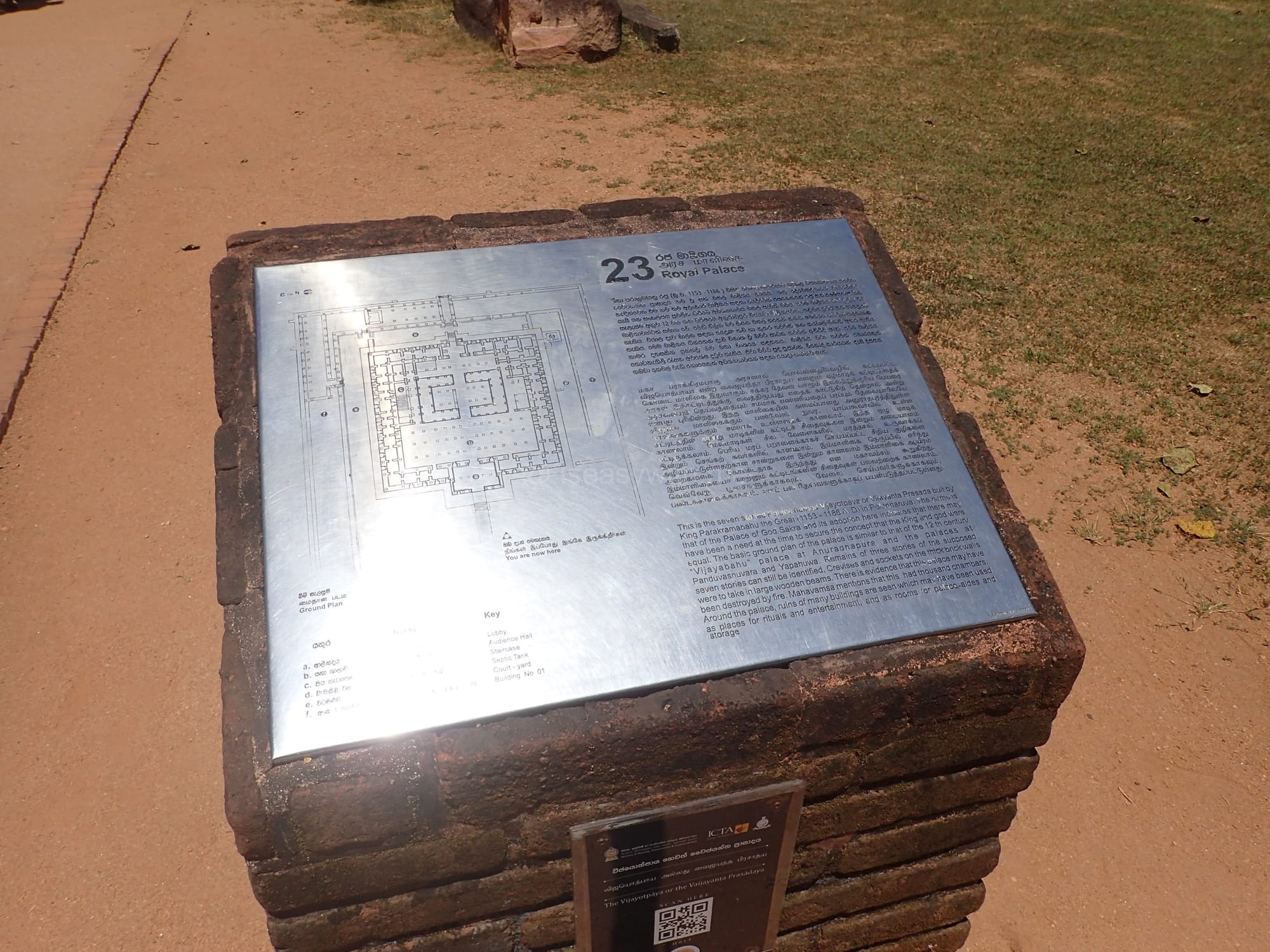
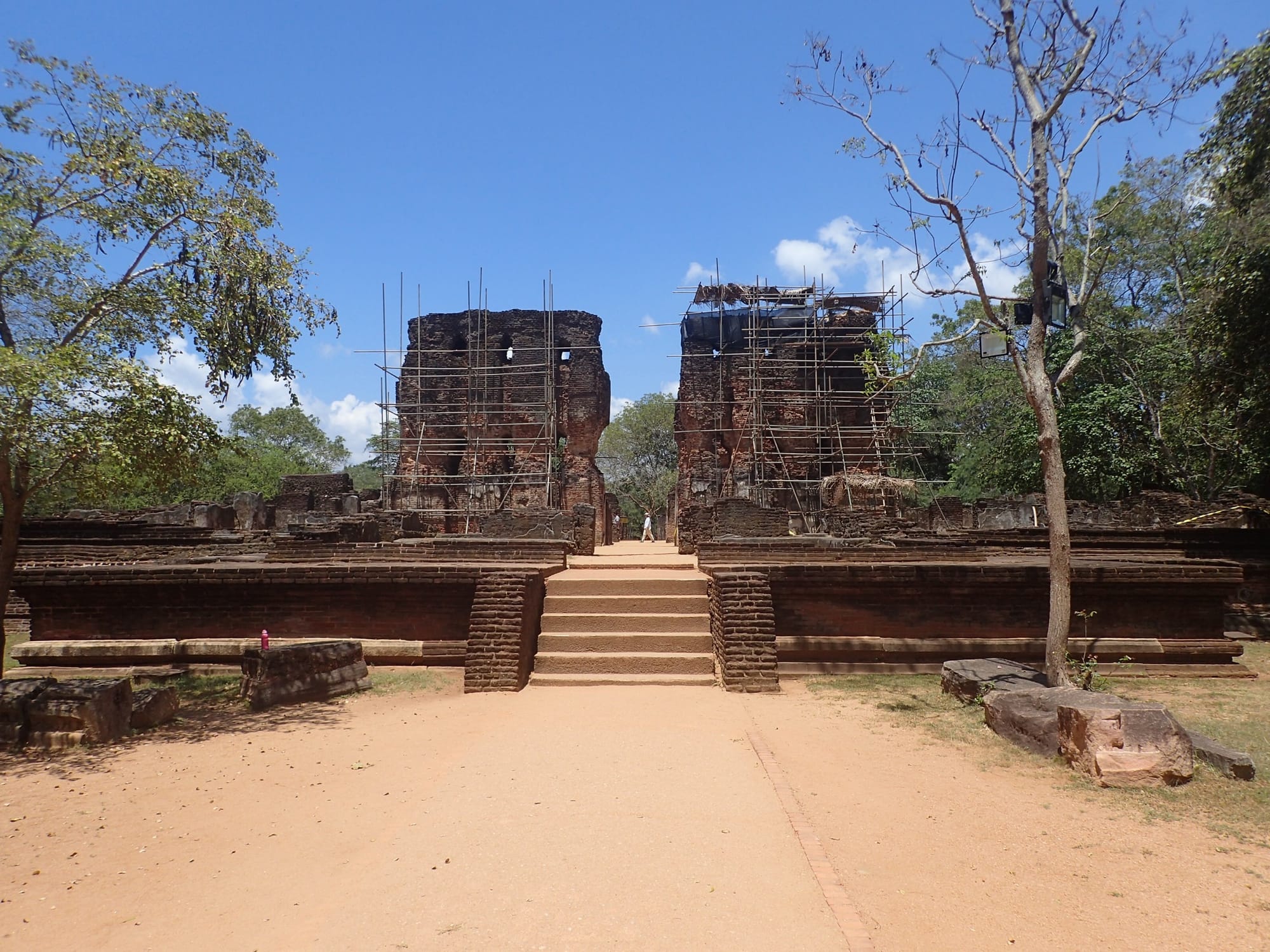
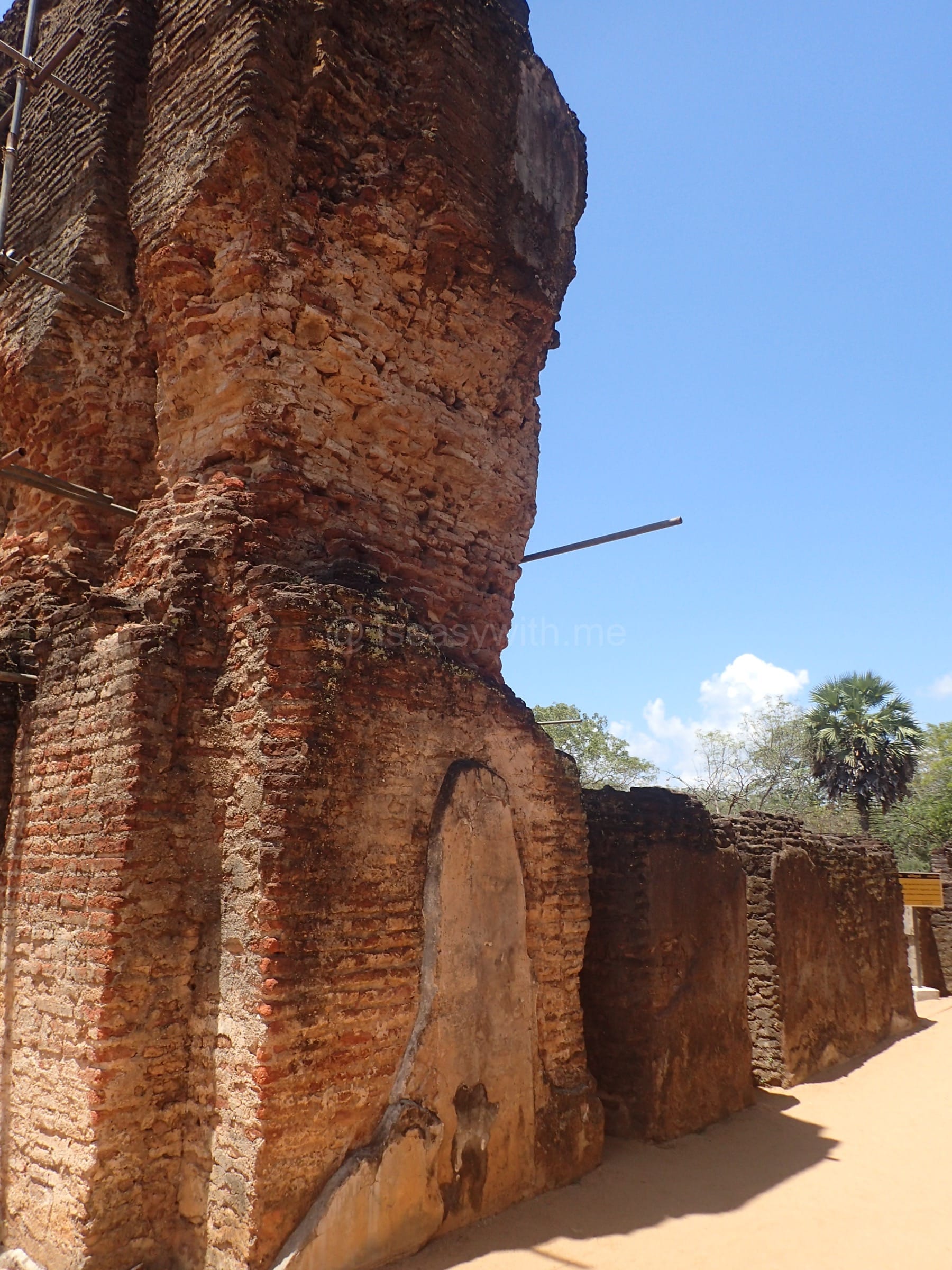
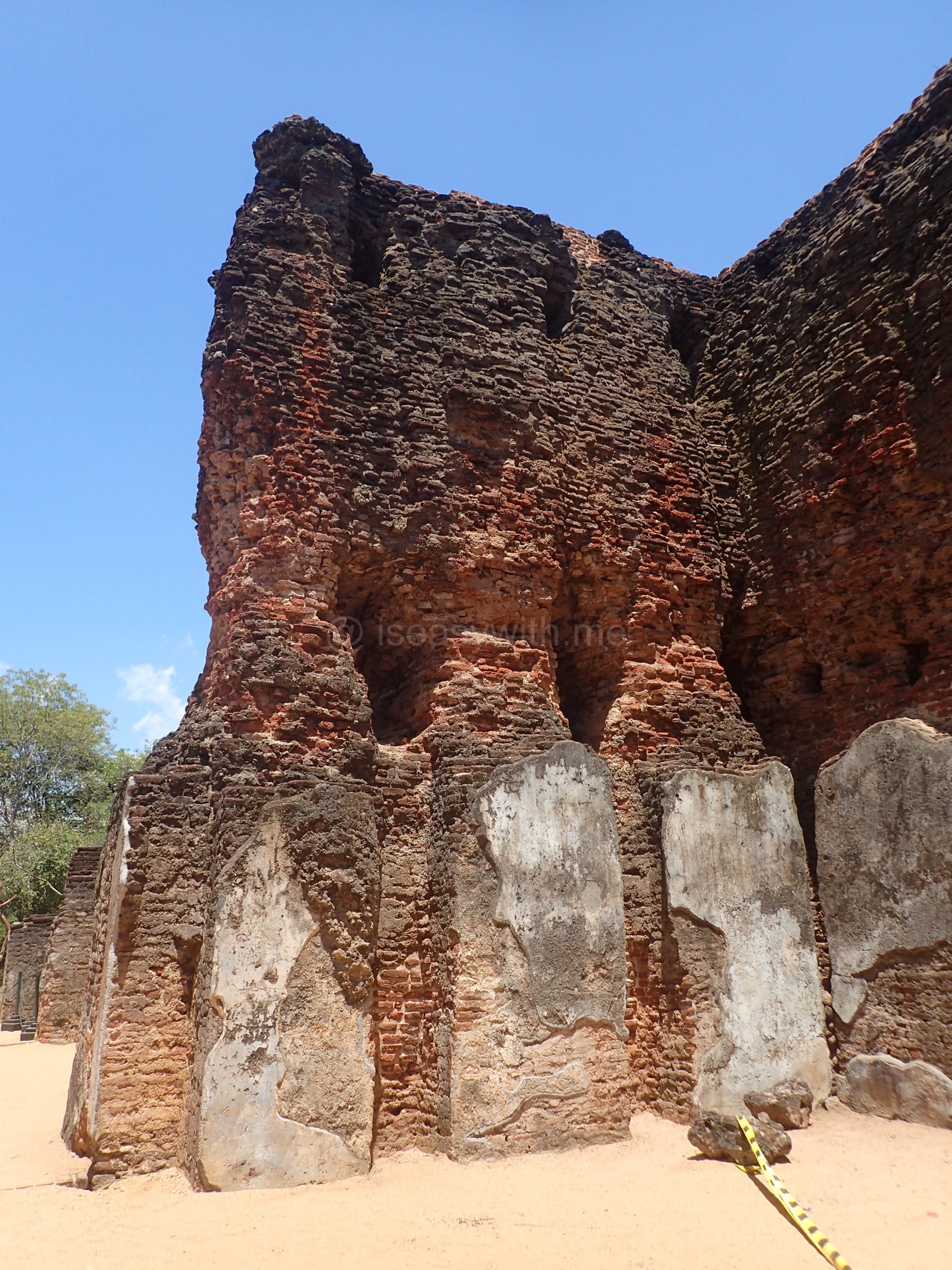
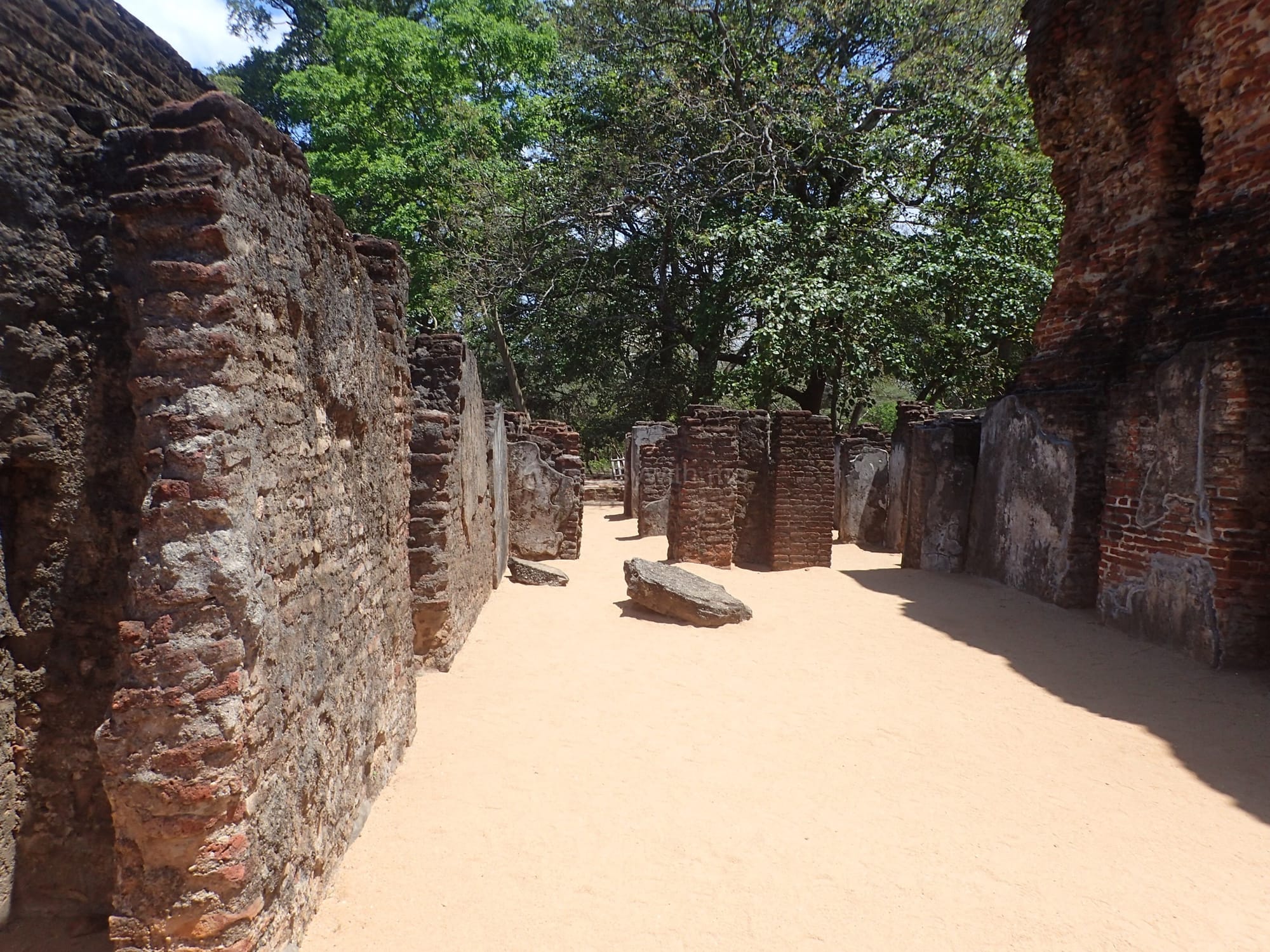
Royal Palace
Directly inside this royal citadel complex, I encountered a spectacular sub-monument:
- The Council Chamber (King’s Audience Hall): An elevated, open-air stone pavilion famous for its beautifully carved pillars, a monumental moonstone at the steps and rows of intricate stone friezes depicting lions, elephants, and mythical makaras guarding the royal platform.
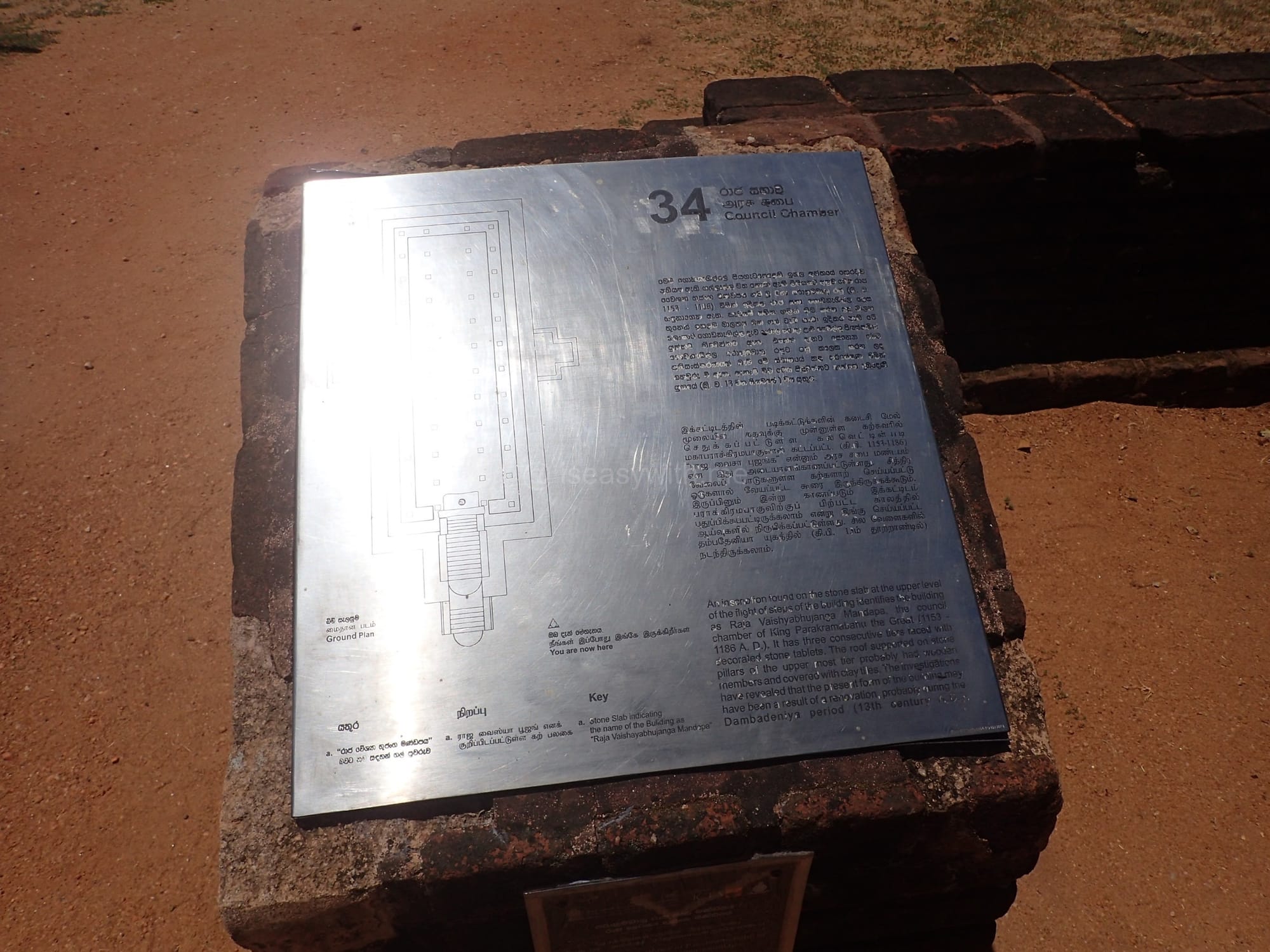
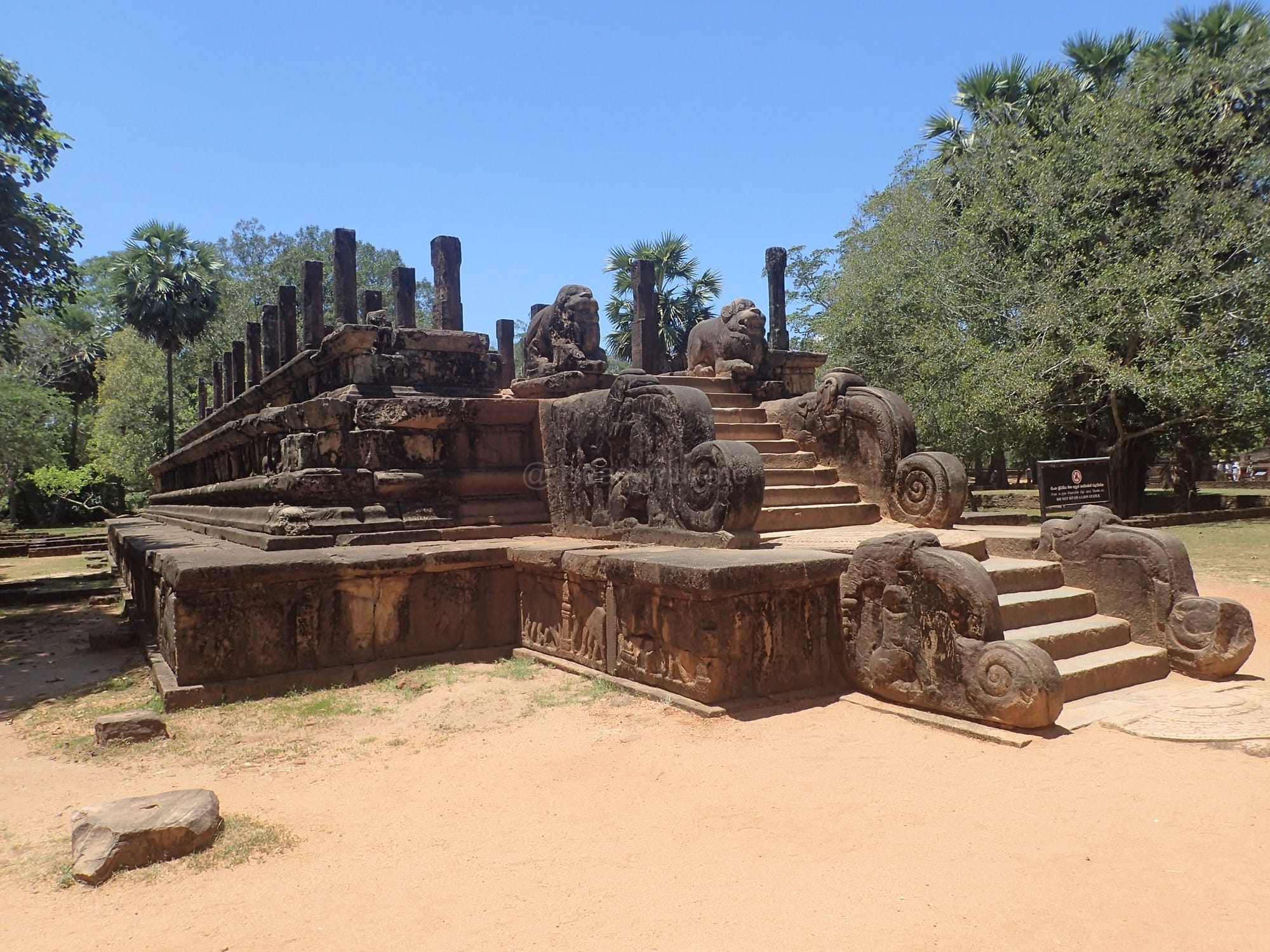
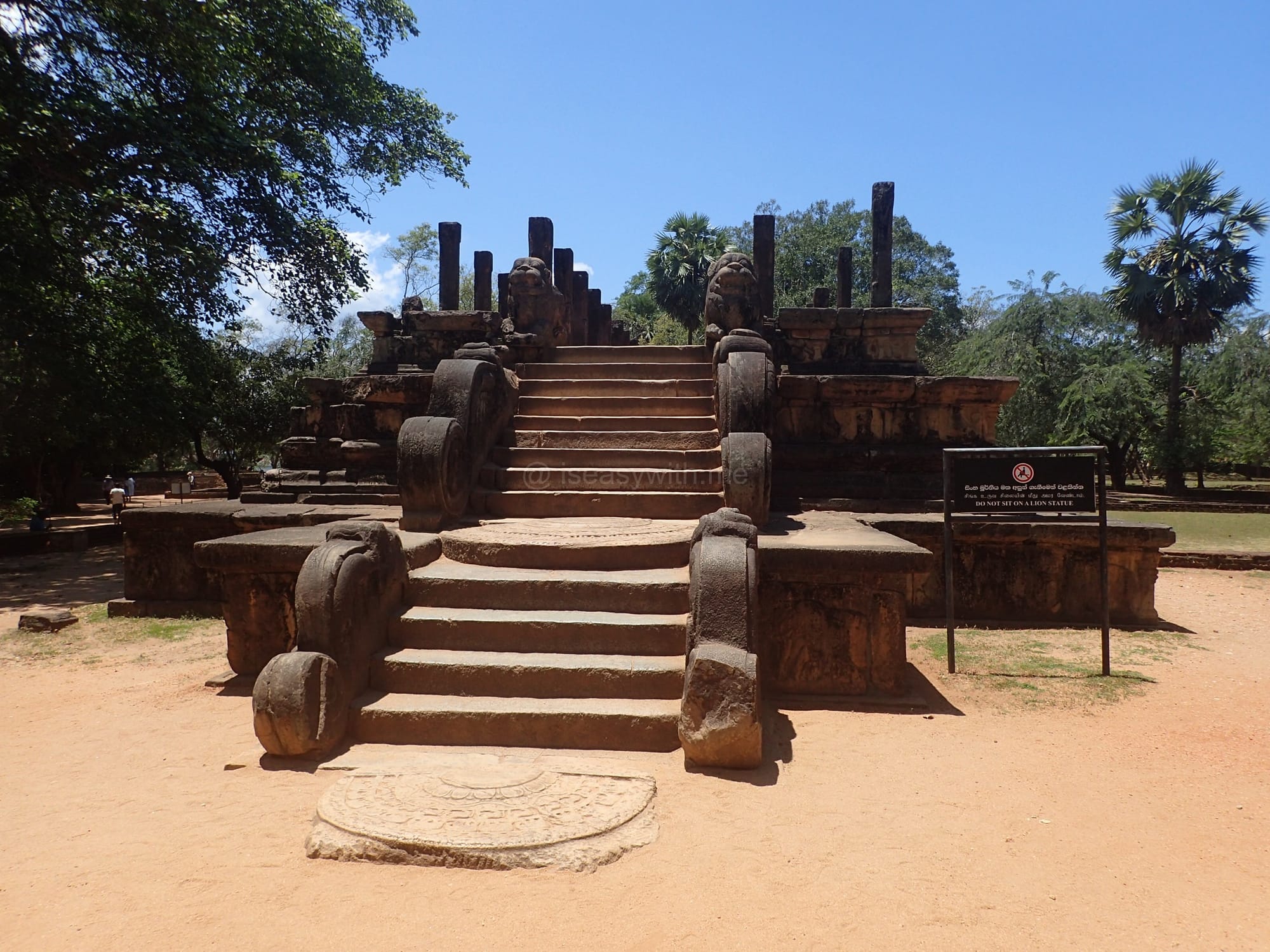
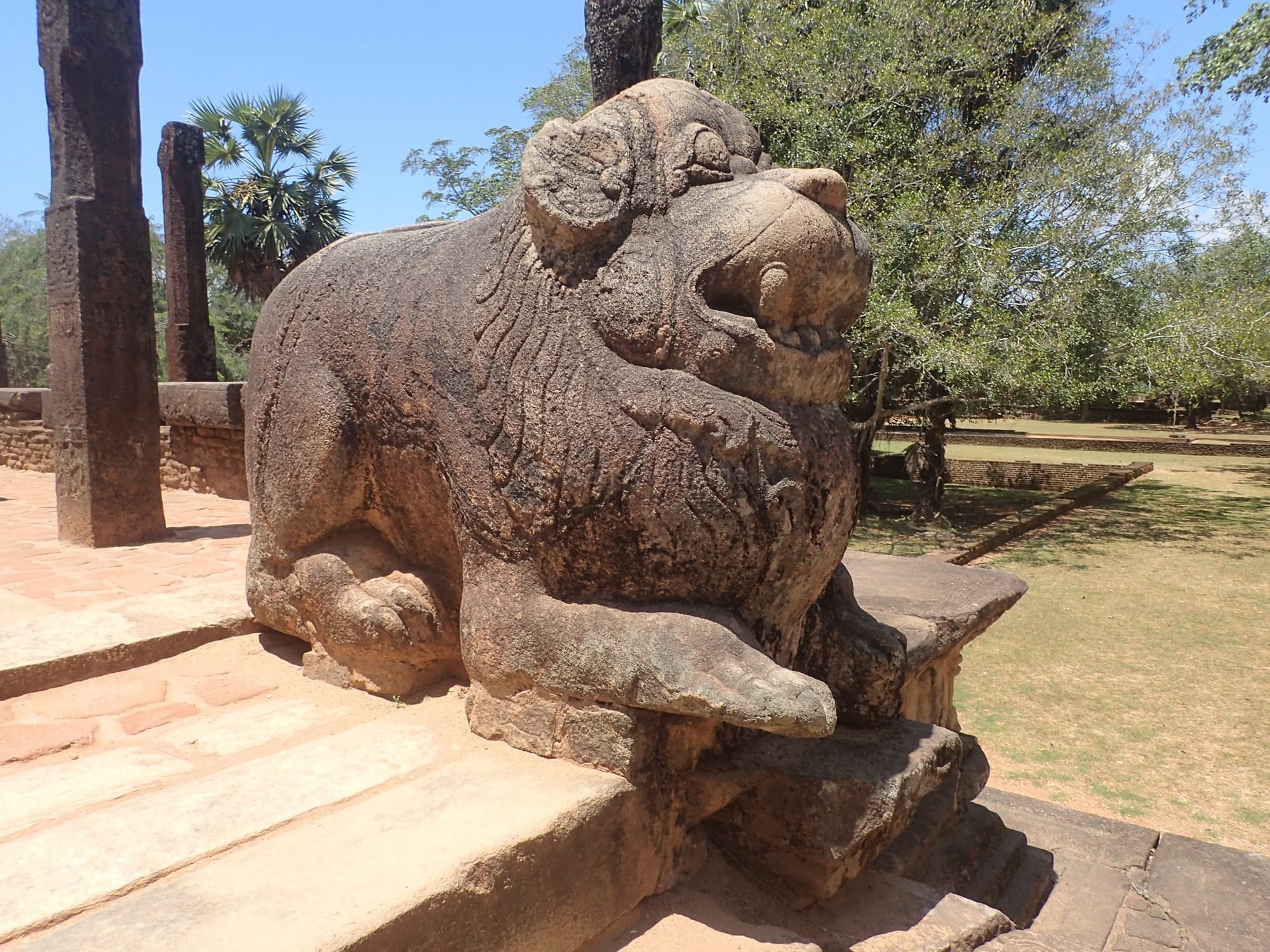
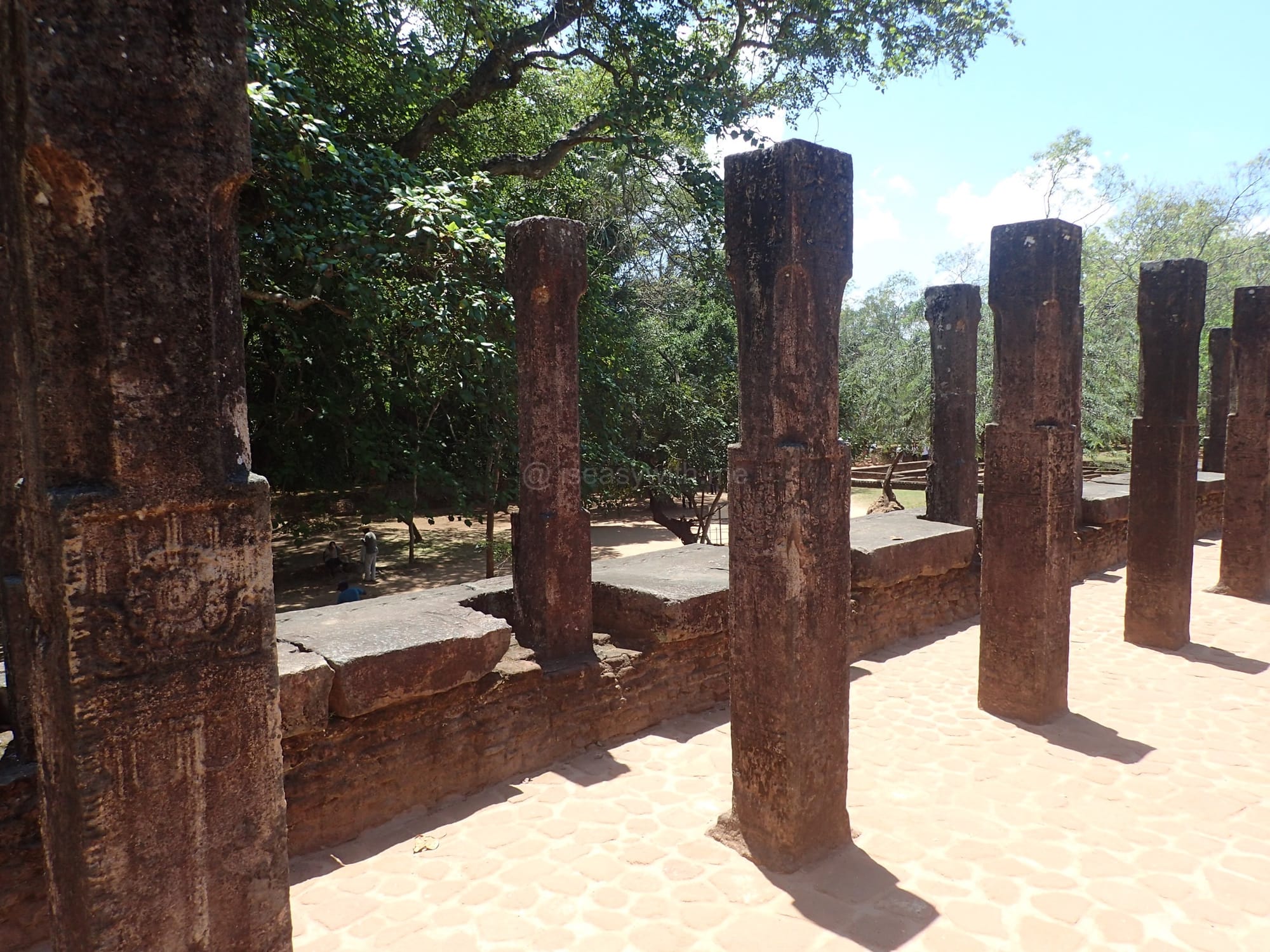
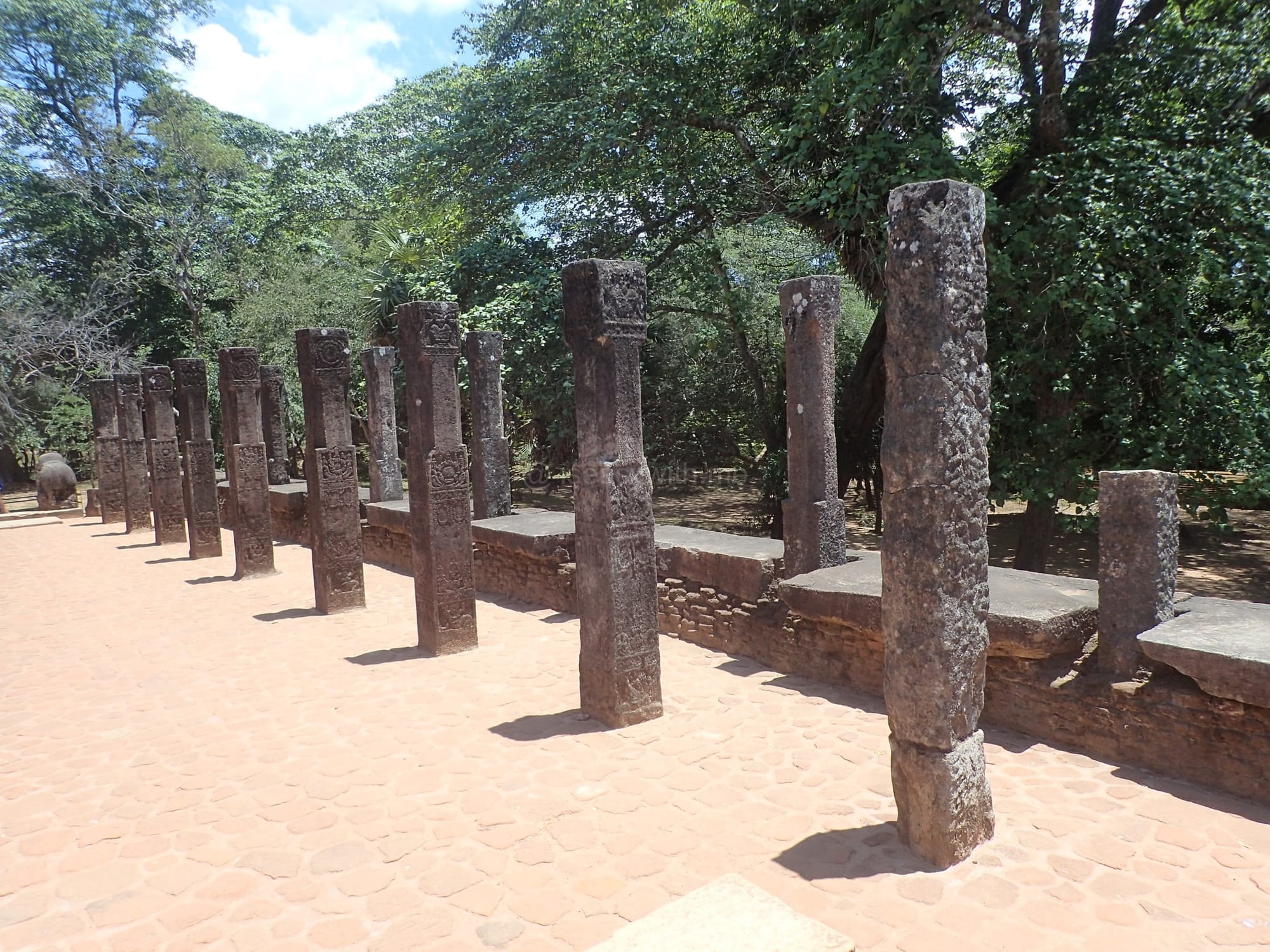
The Council Chamber
8. Kumara Pokuna (Prince’s Pond, The Royal Bathing Pool): The royal bathing pool, complete with a sophisticated ancient water-spout system and stone changing rooms.
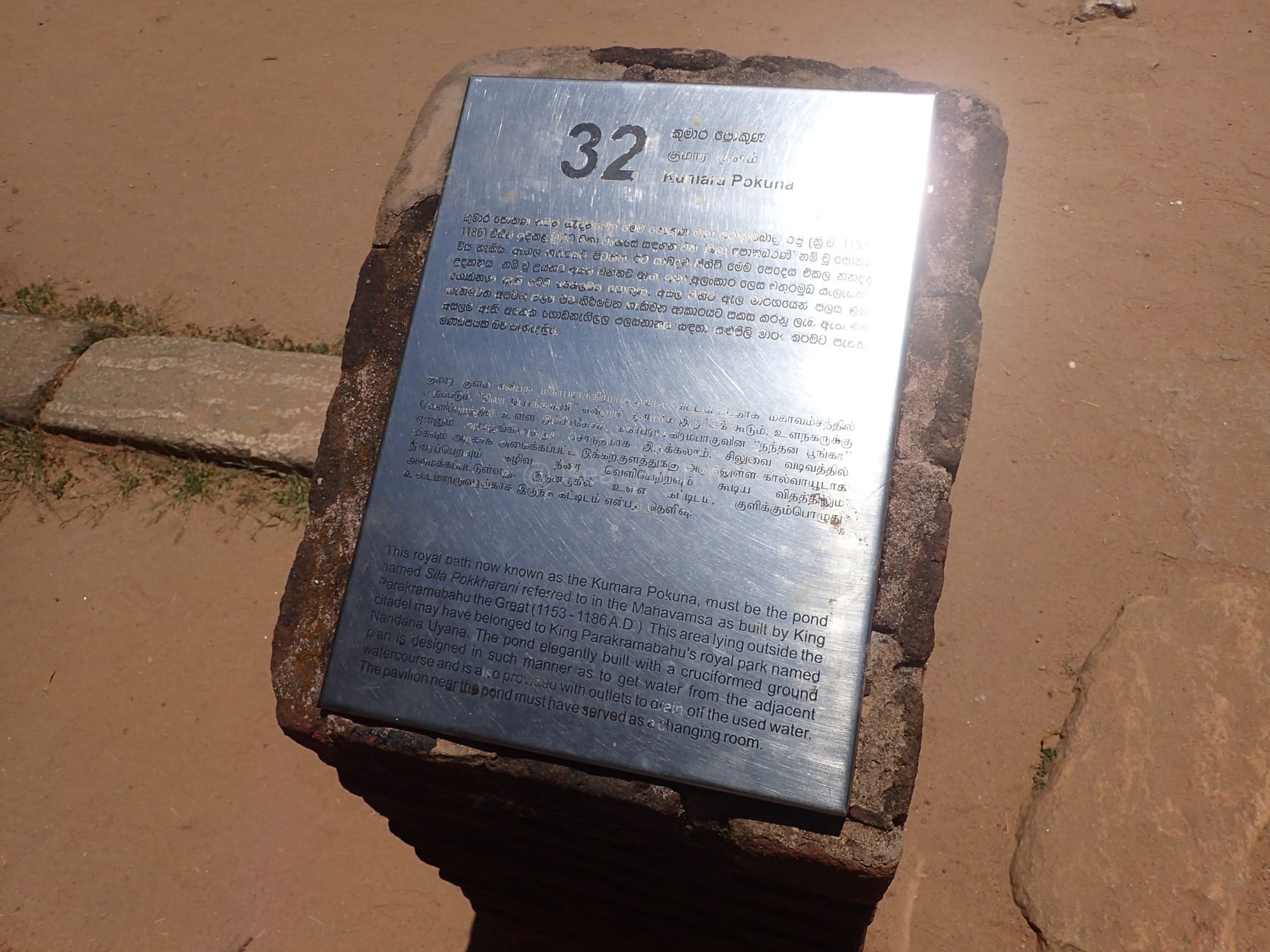
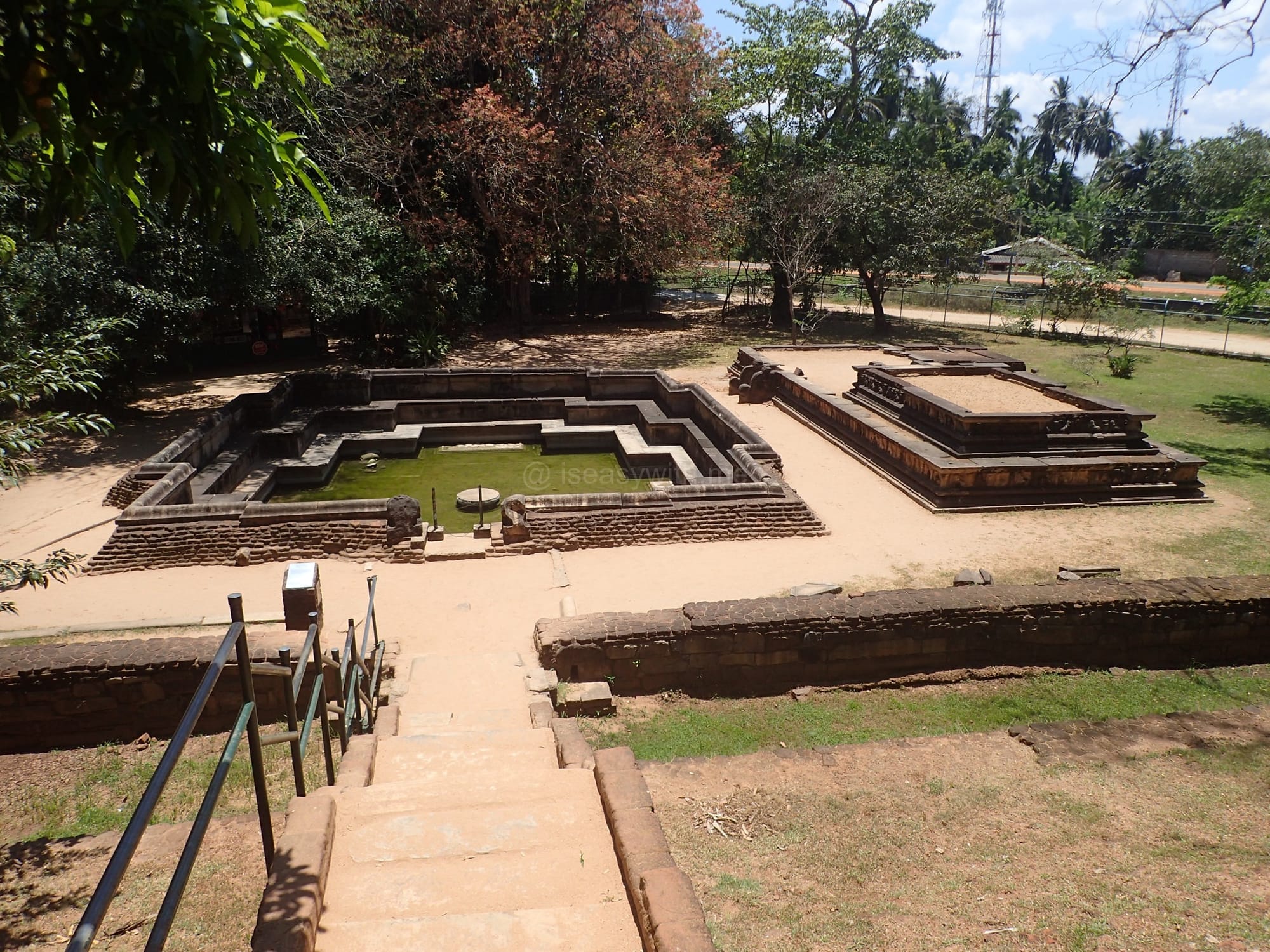
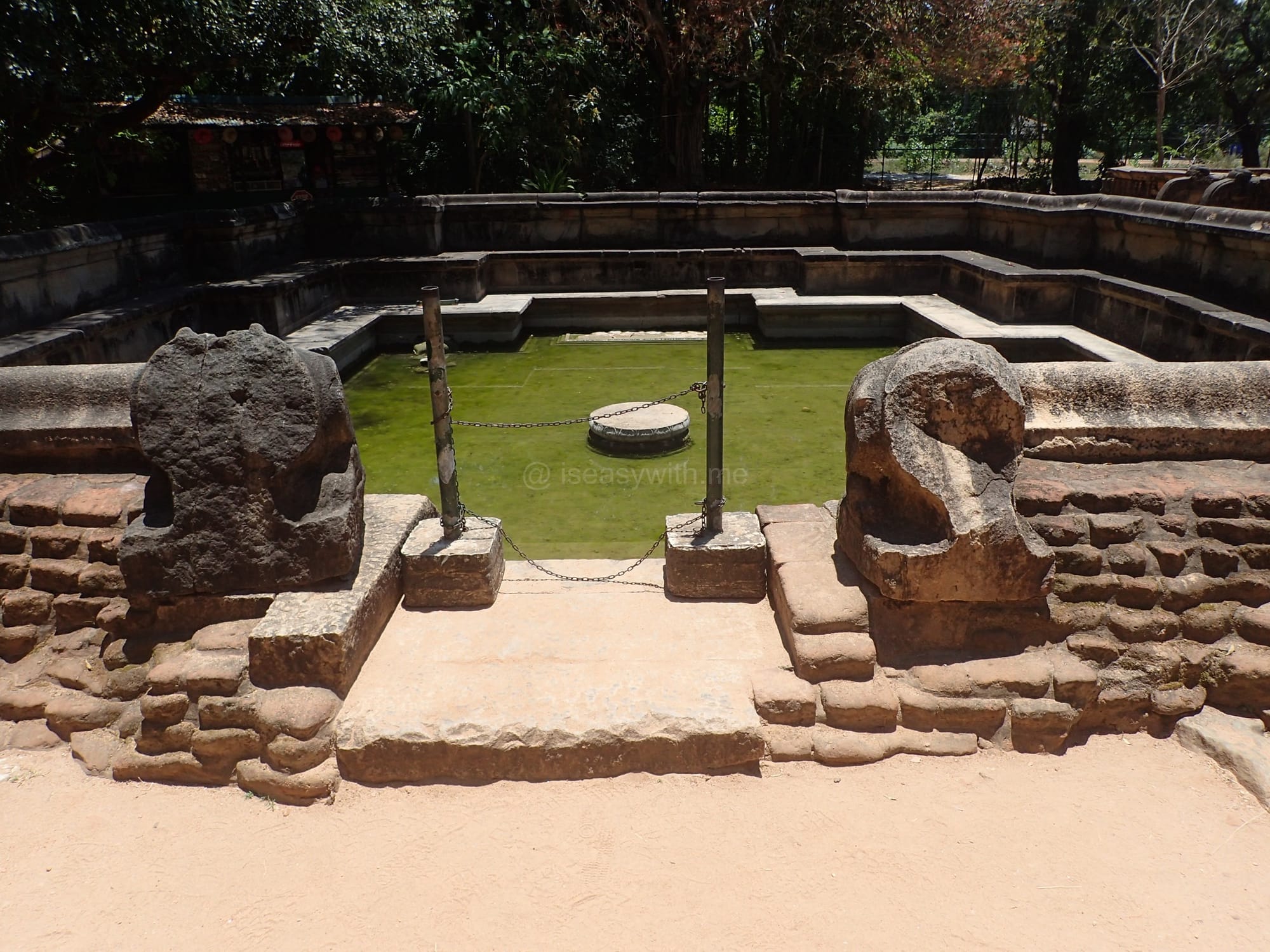
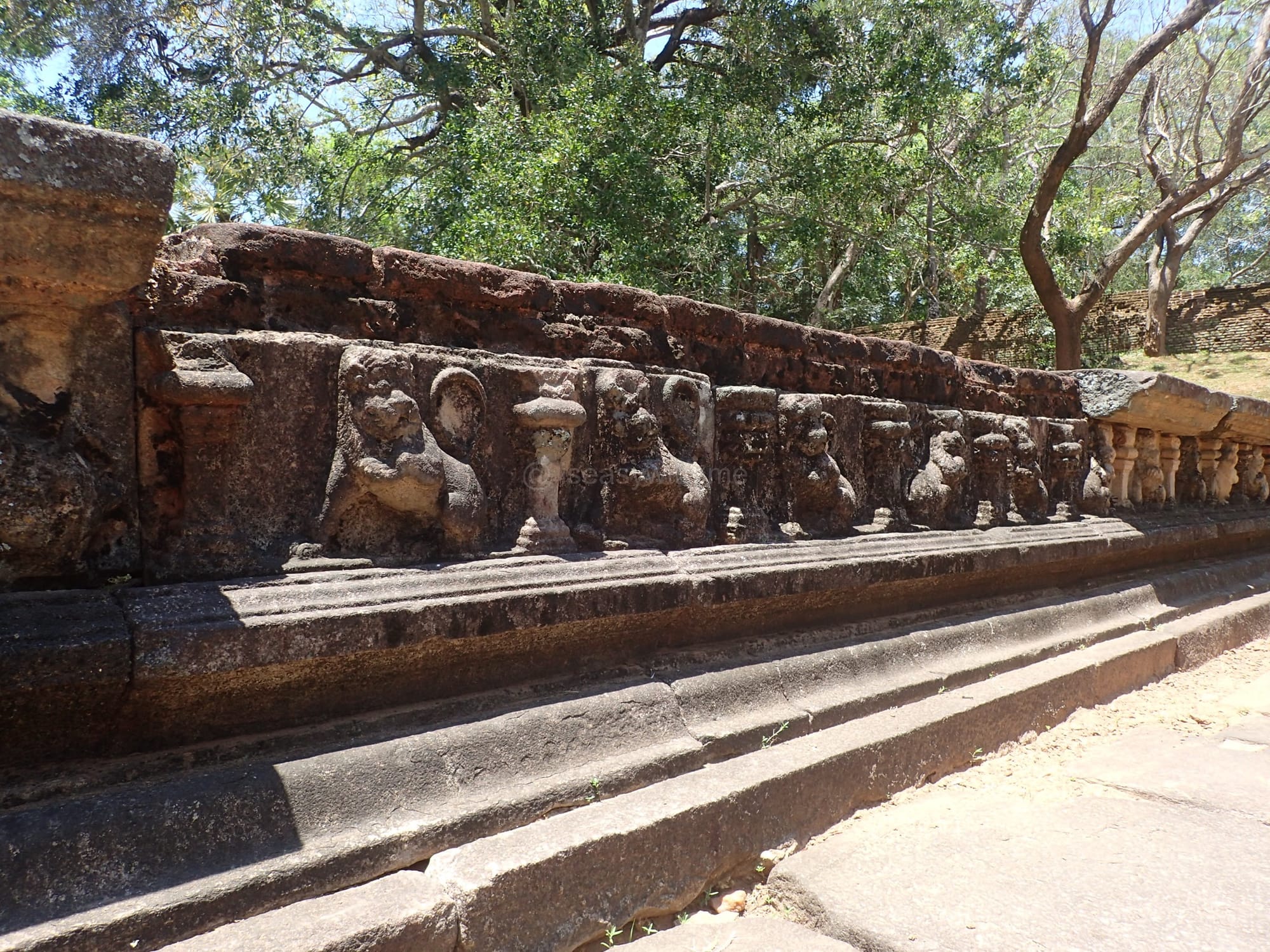
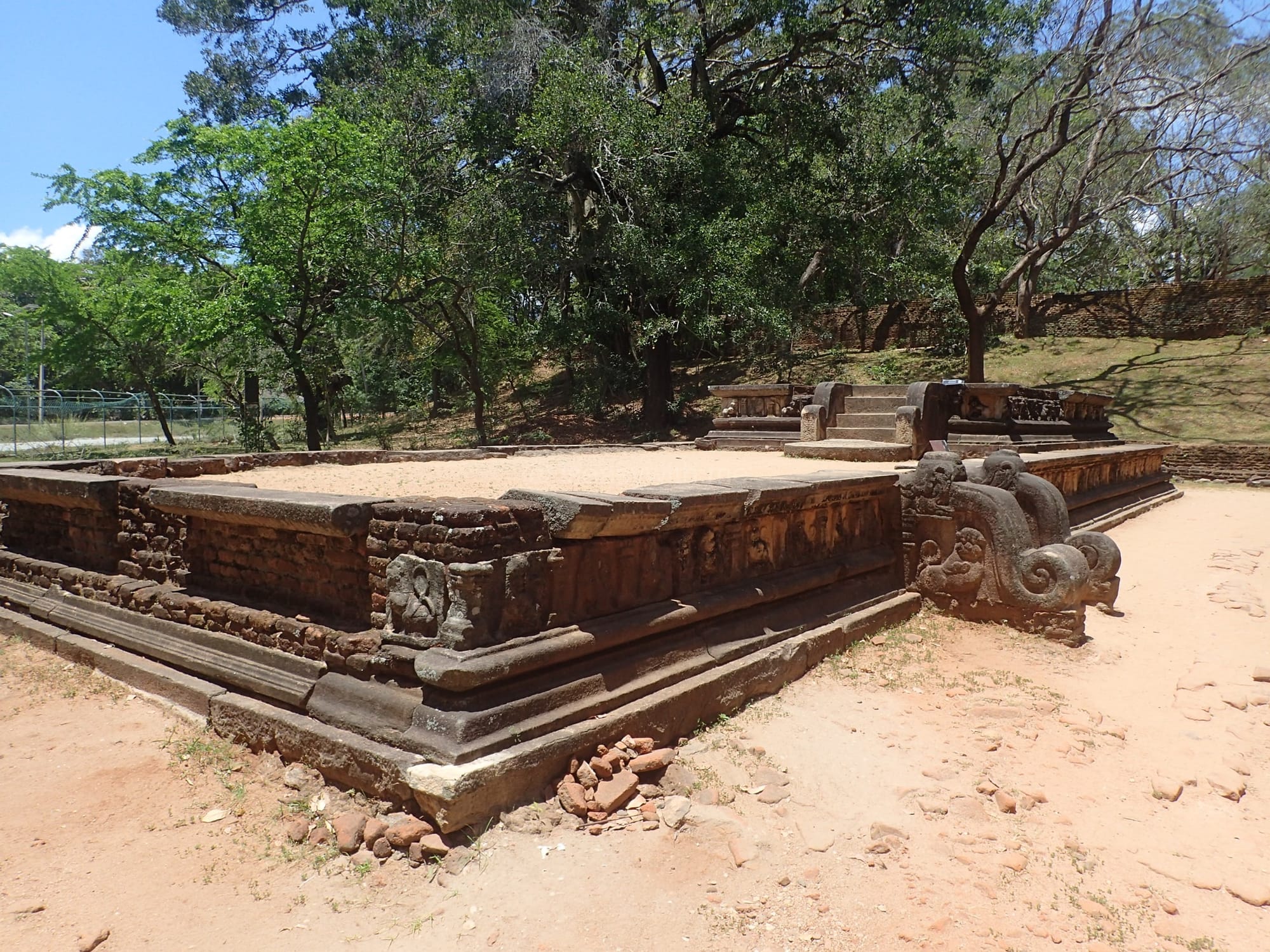
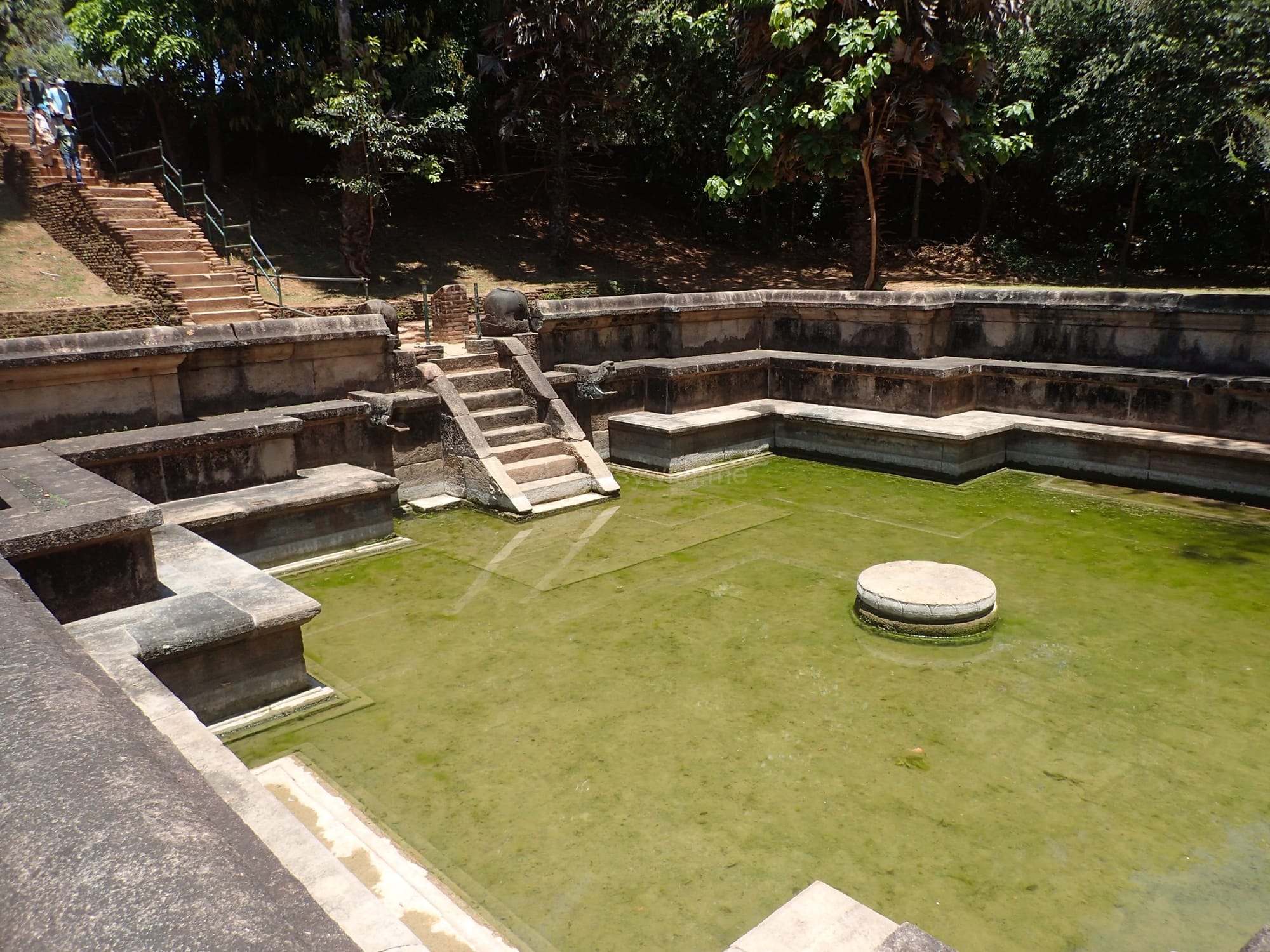
Kumara Pokuna
9. Outer City (Pitinuwara): Passing through the ancient brick ramparts, this entry marker signifies that I have exited the private Royal Citadel and entered the sprawling medieval urban sector, which historically housed the general public, bustling markets and major public shrines.
10. Siva Devale No. 1 (Shiva Devale No. 1, Siva Kovil No. 1): A beautifully preserved, 13-century Hindu temple built entirely of stone, showcasing the deep South Indian Chola influence.
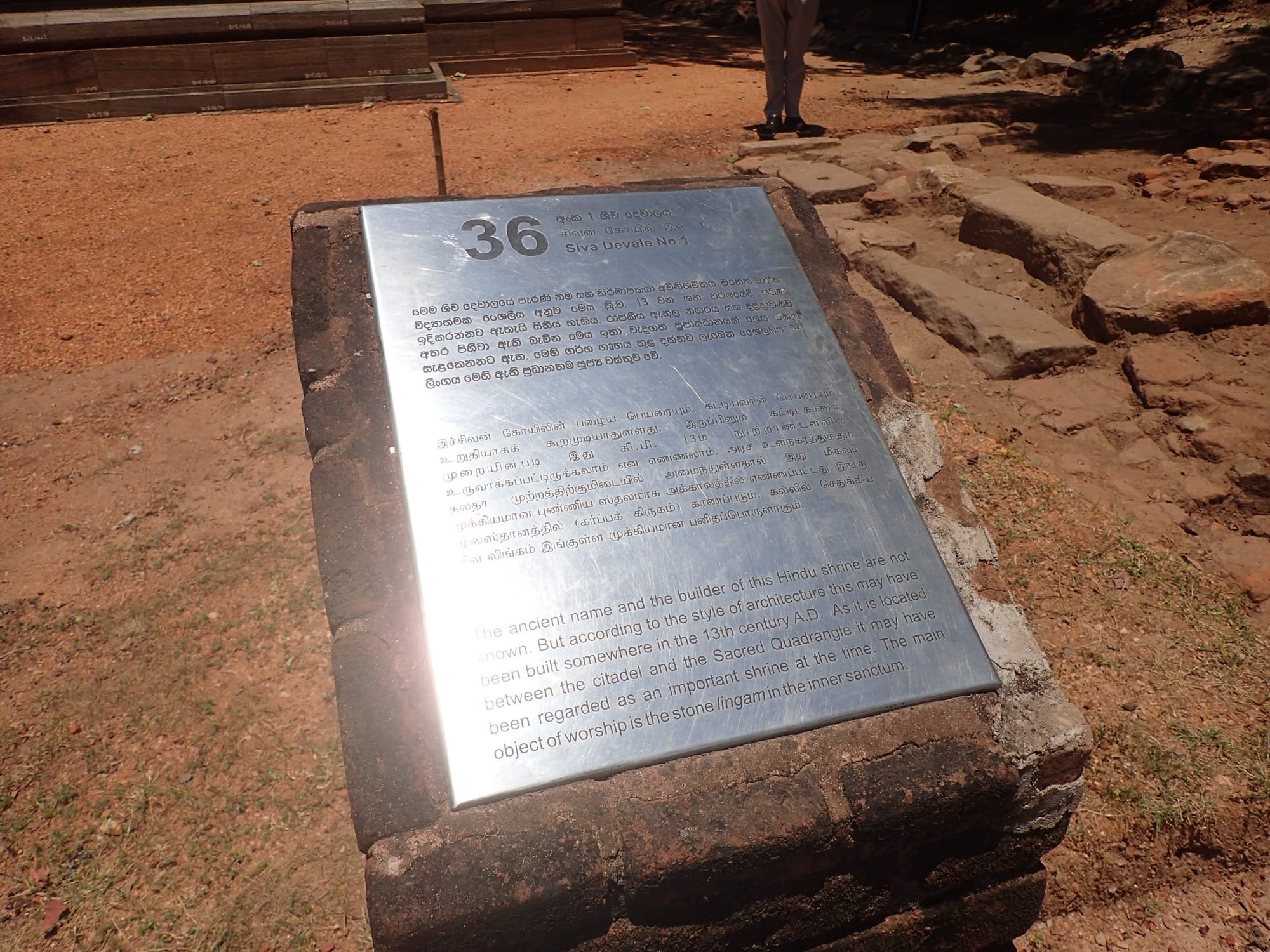
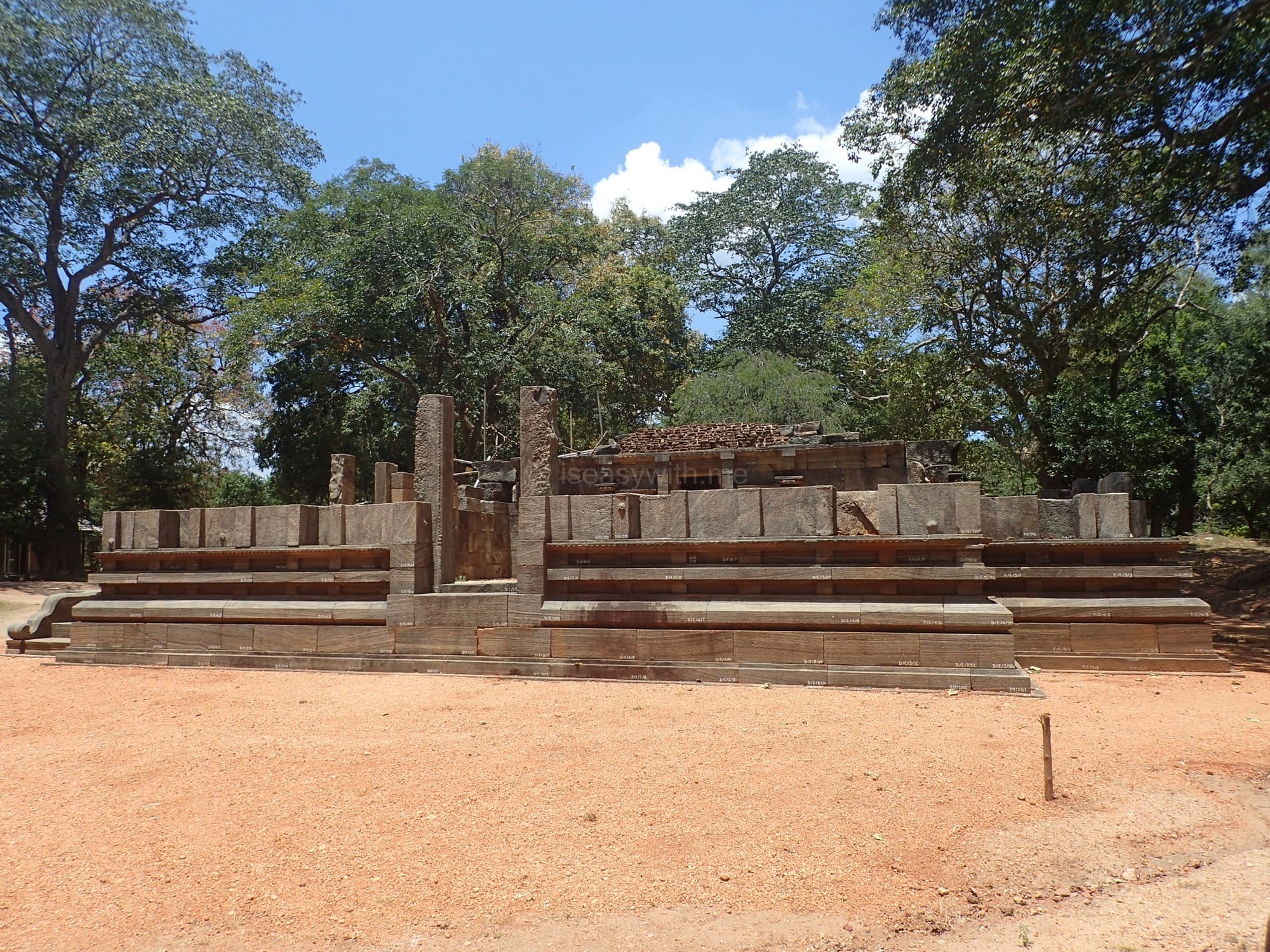
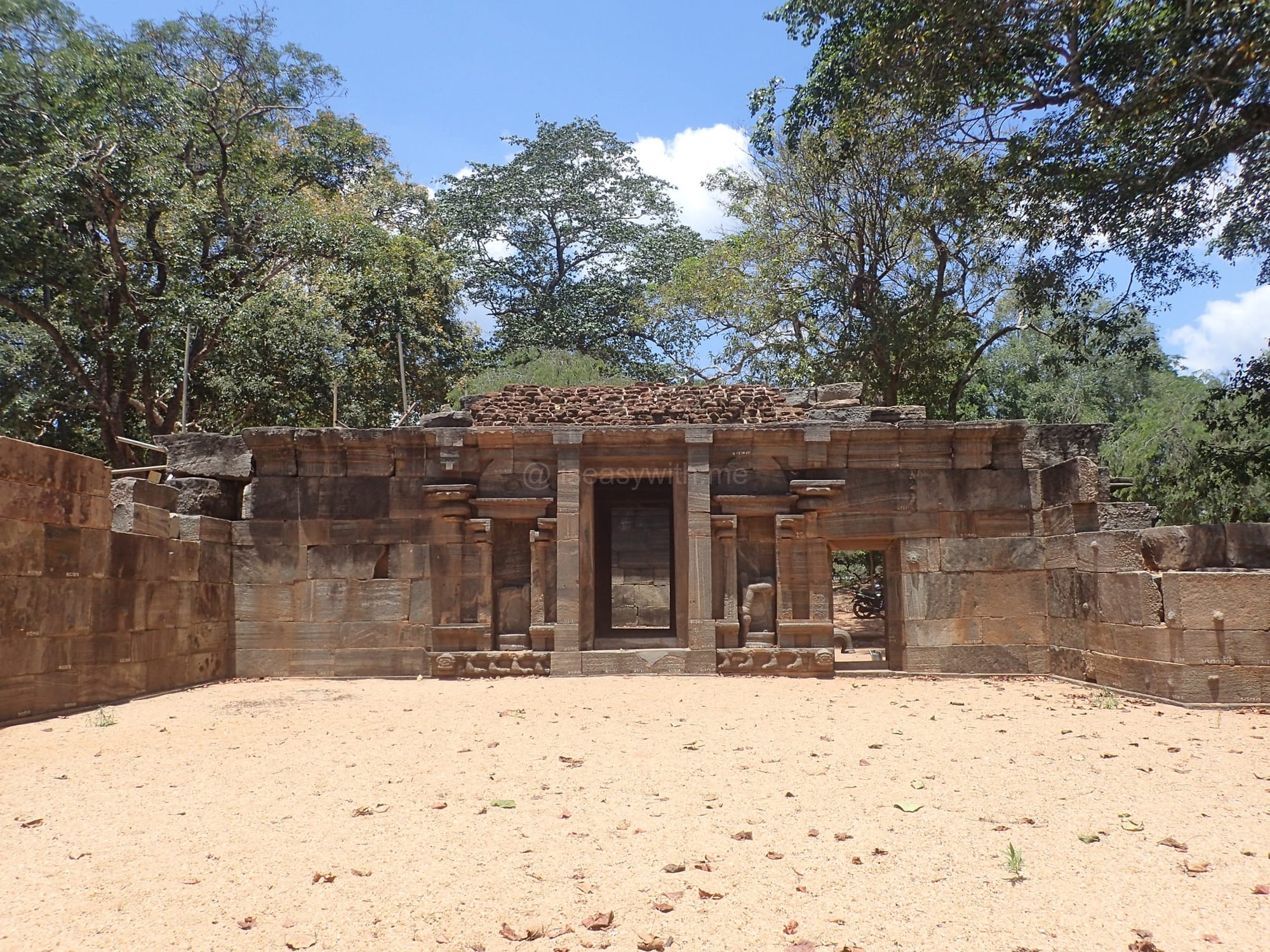
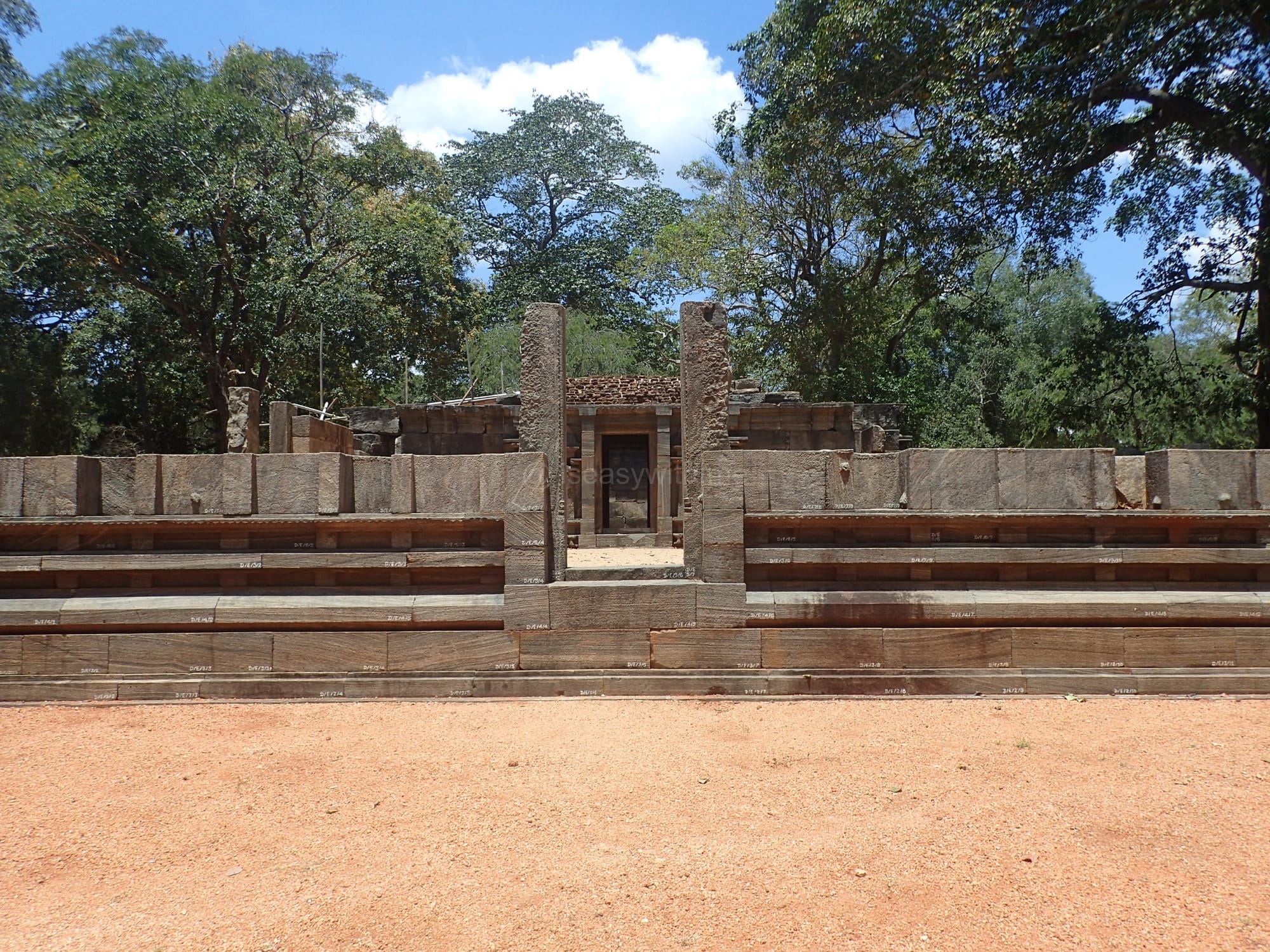
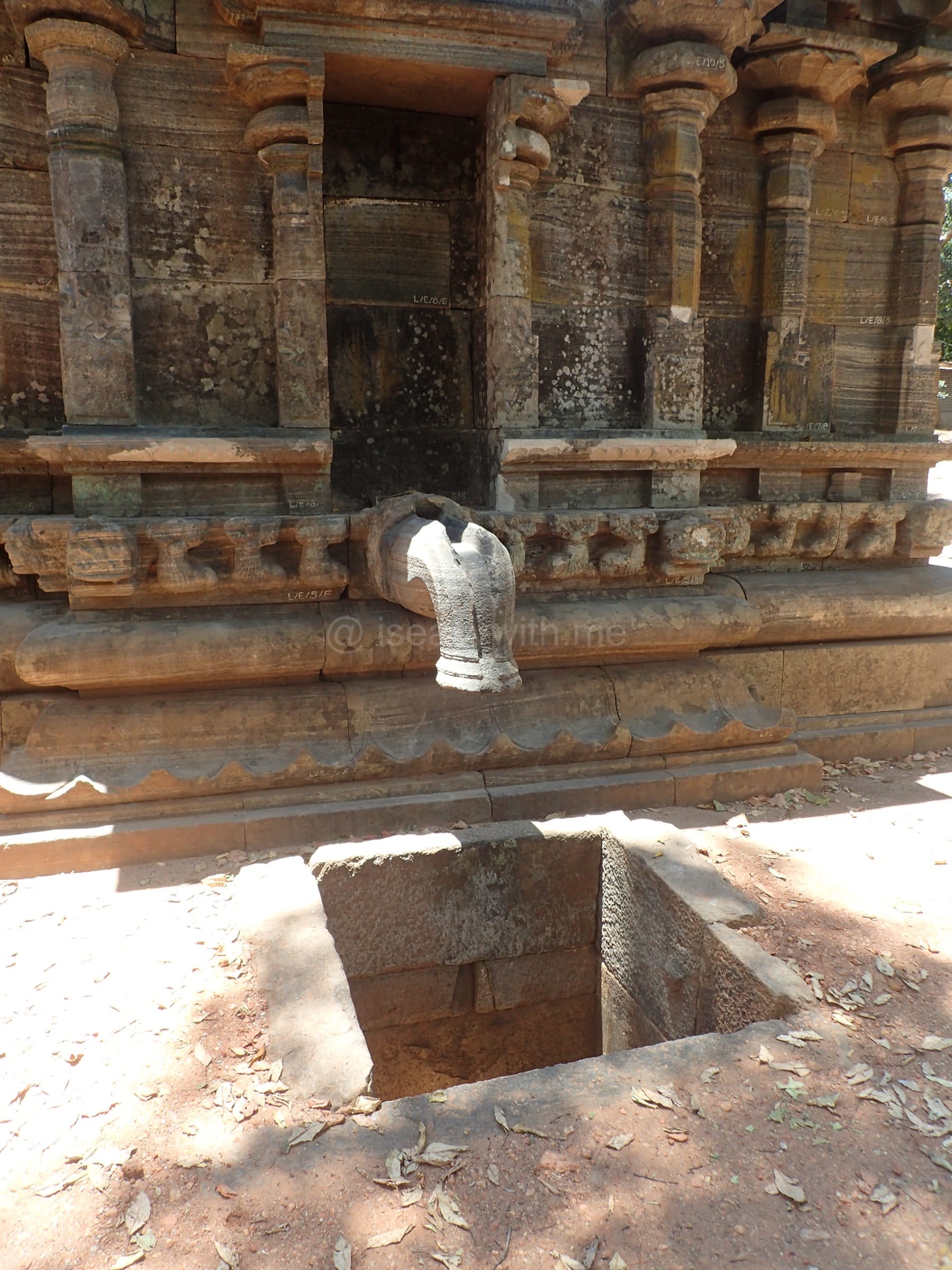
Siva Devale No. 1
11. Sacred Quadrangle (Dalada Maluwa, Terrace of the Tooth Relic, The Quadrangle): This compact, elevated stone terrace functions as the sacred heart and soul of Polonnaruwa. Once a restricted sanctuary built to safeguard the kingdom’s ultimate prize, the Sacred Tooth Relic, it holds the most densely packed and architecturally diverse collection of ruins on the island.
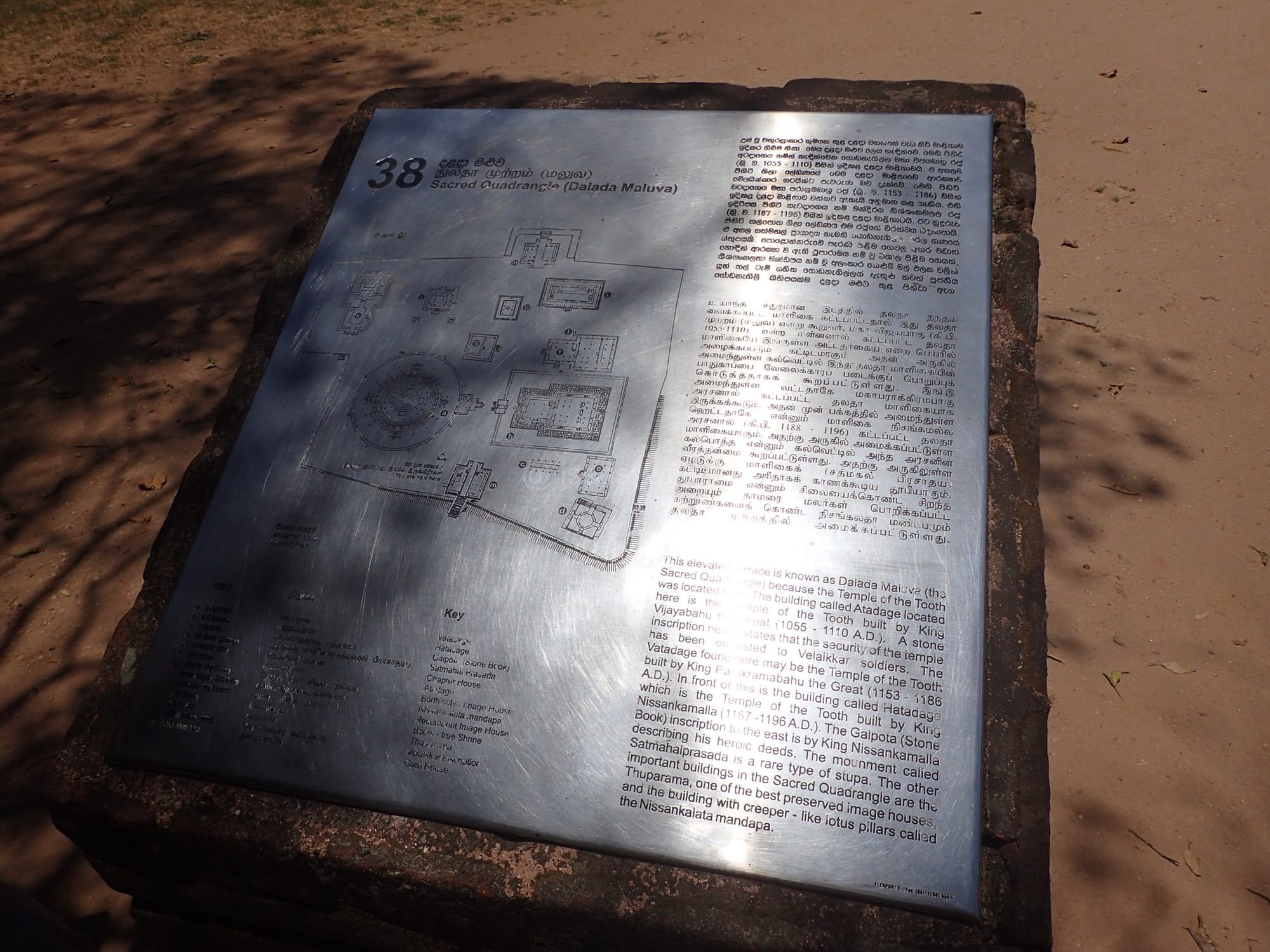
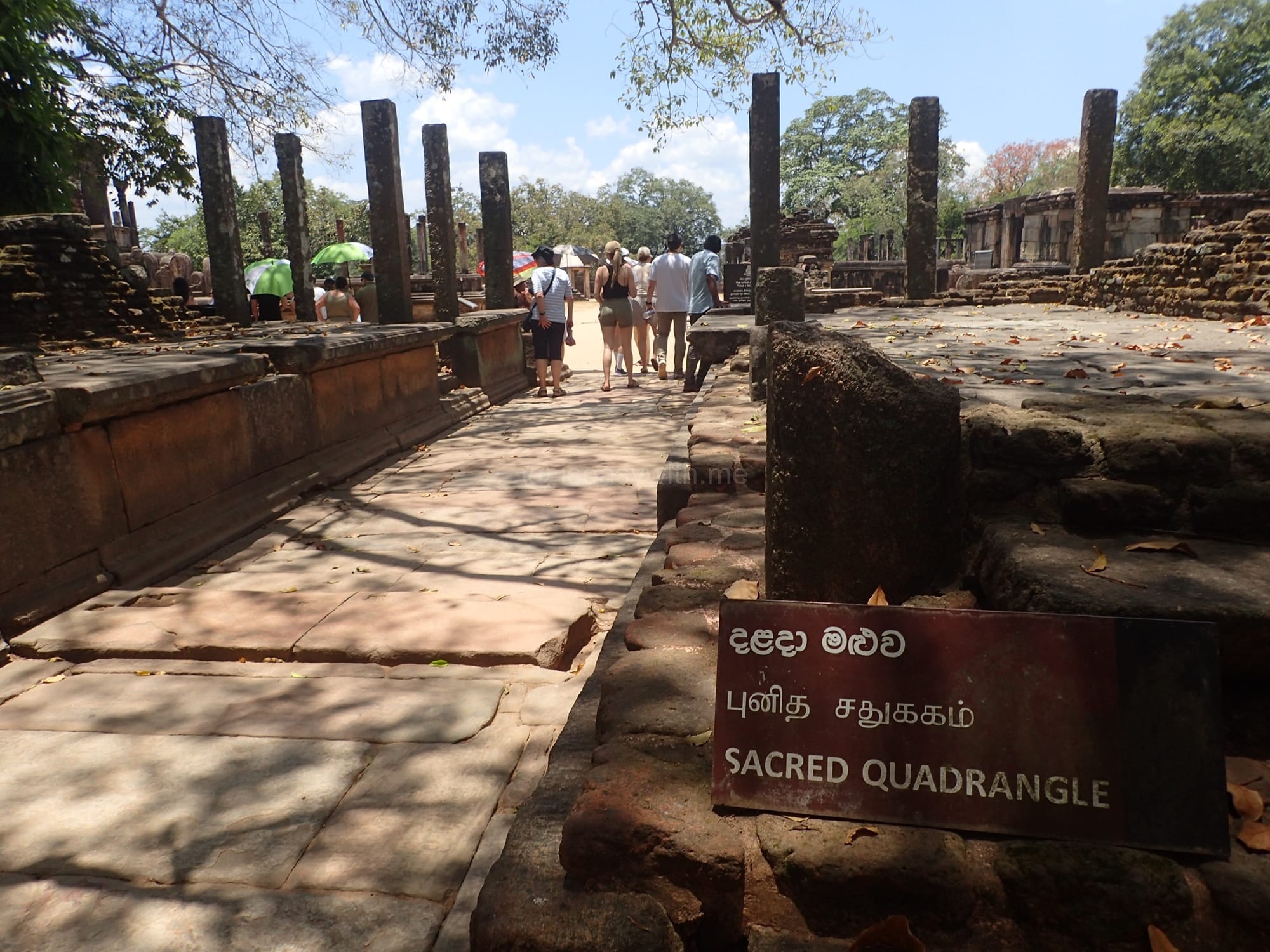
Sacred Quadrangle
Within this single stone terrace, I walked right into five spectacular sub-monuments:
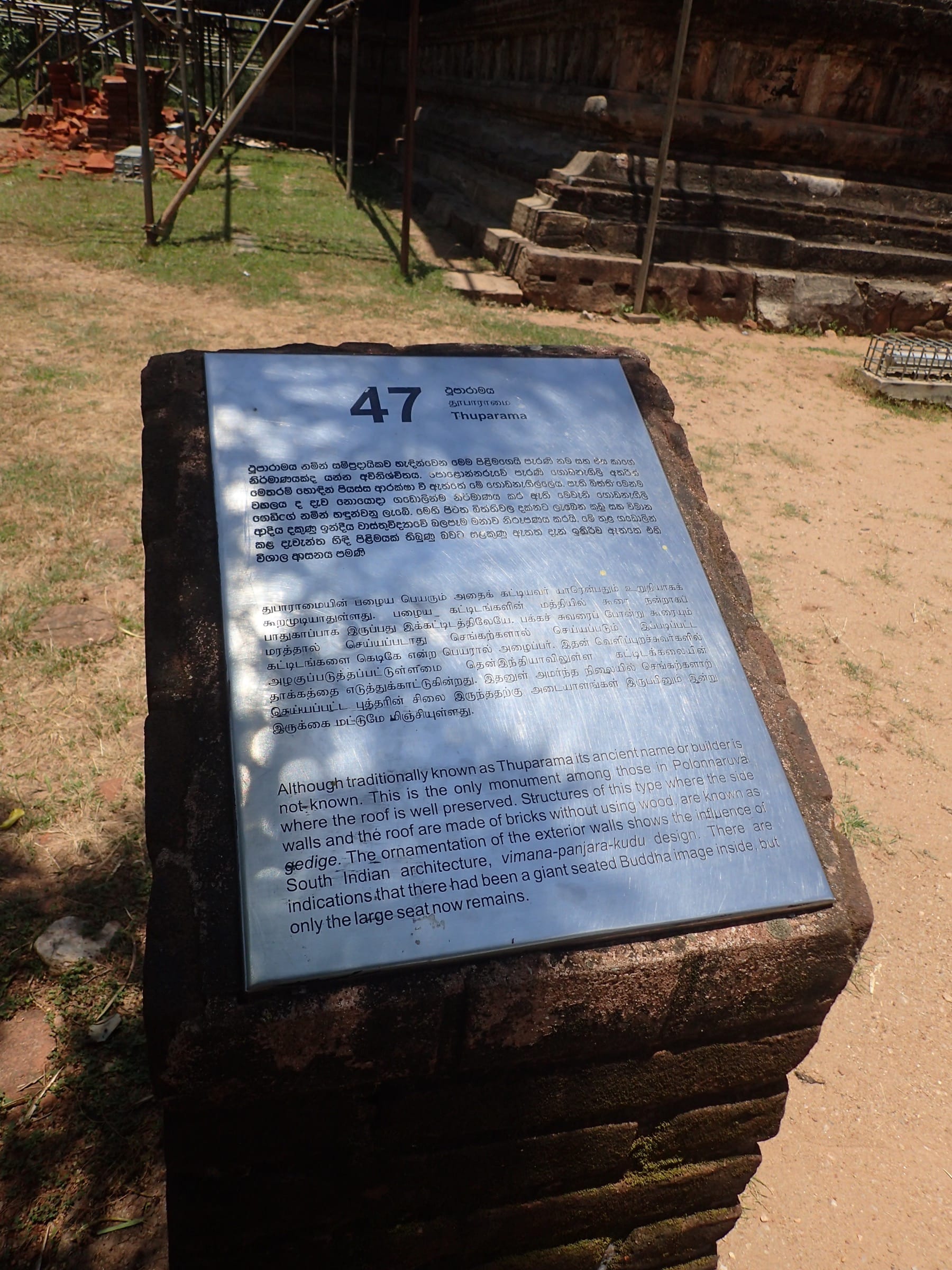
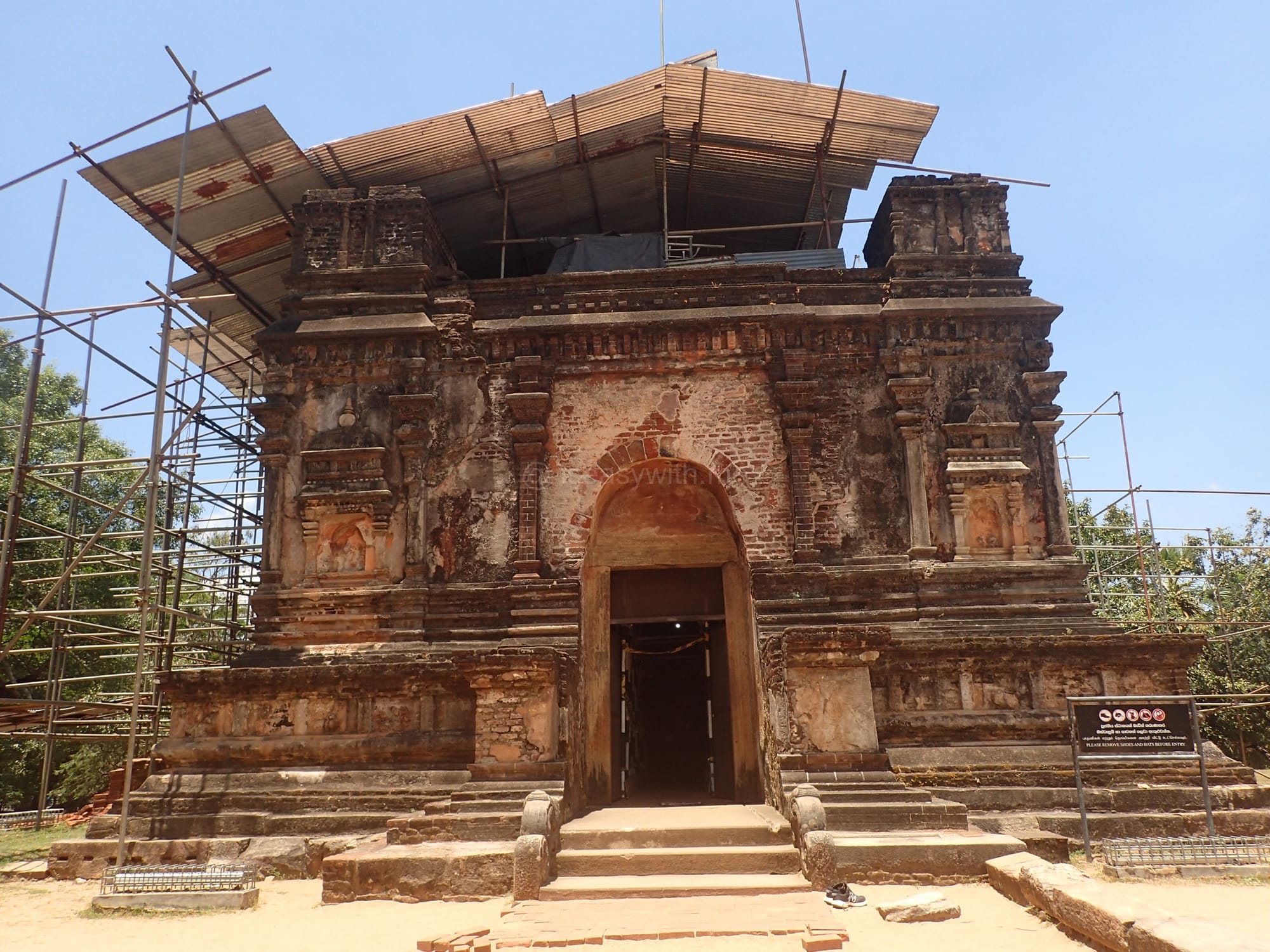
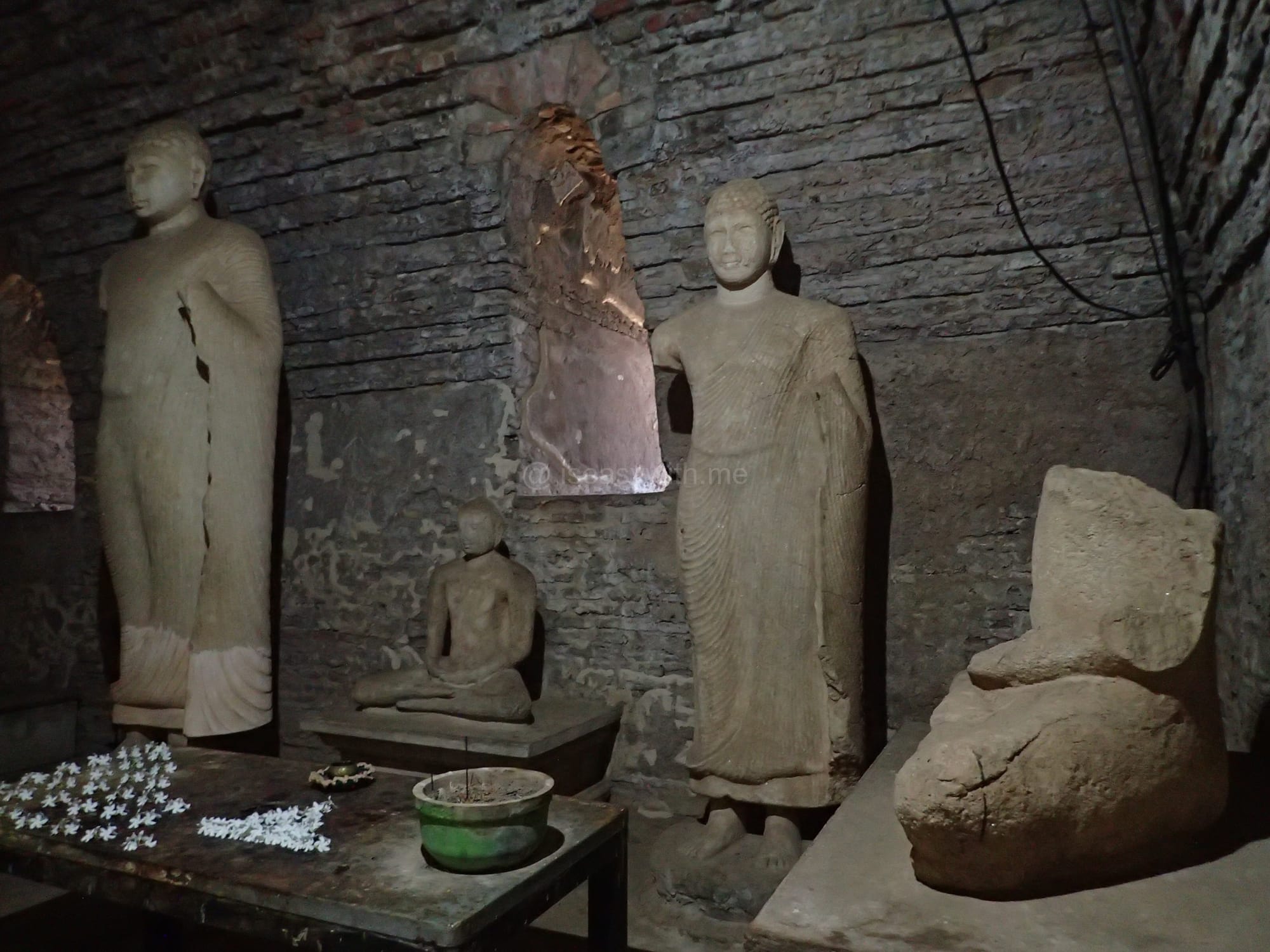
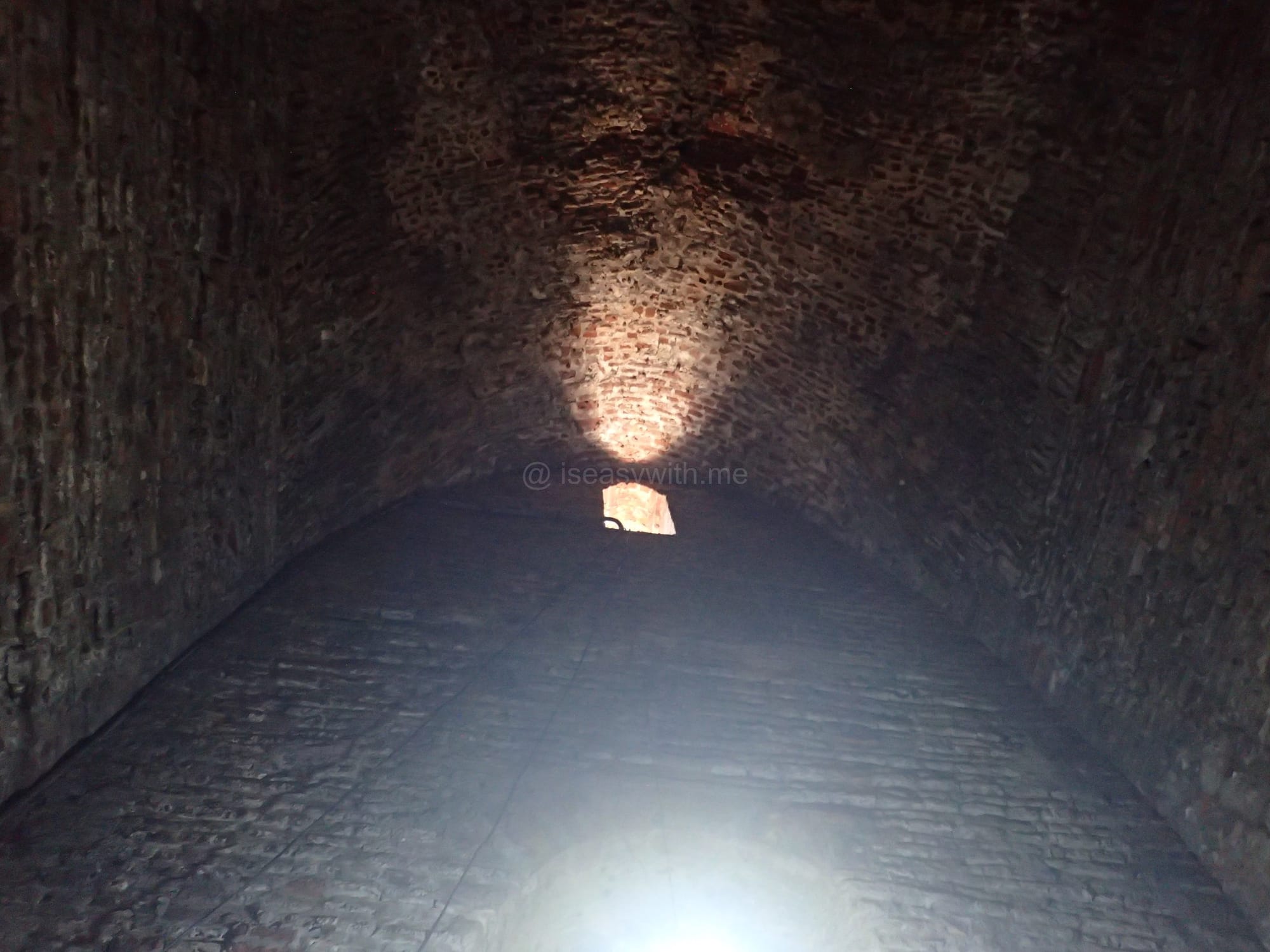
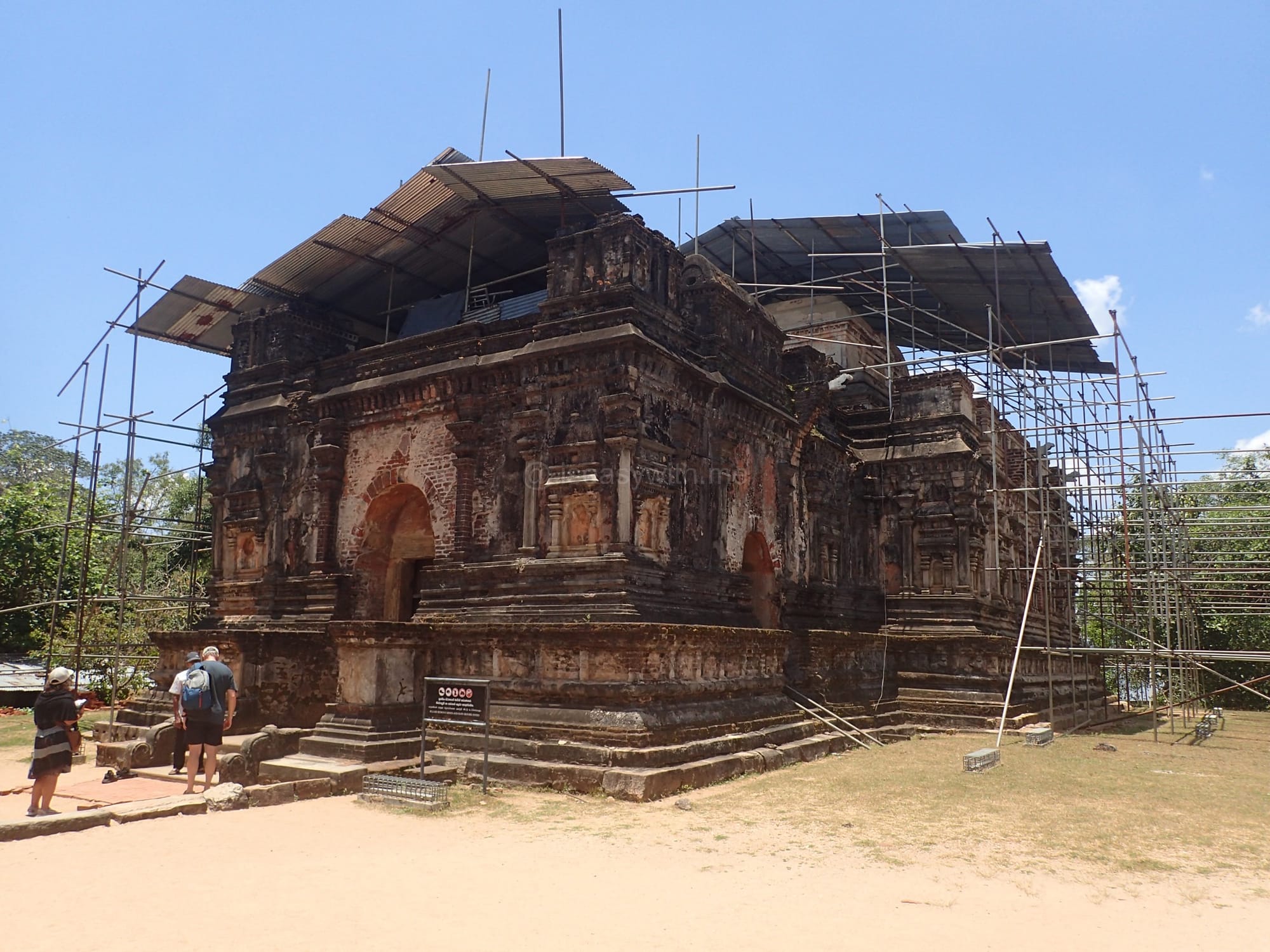
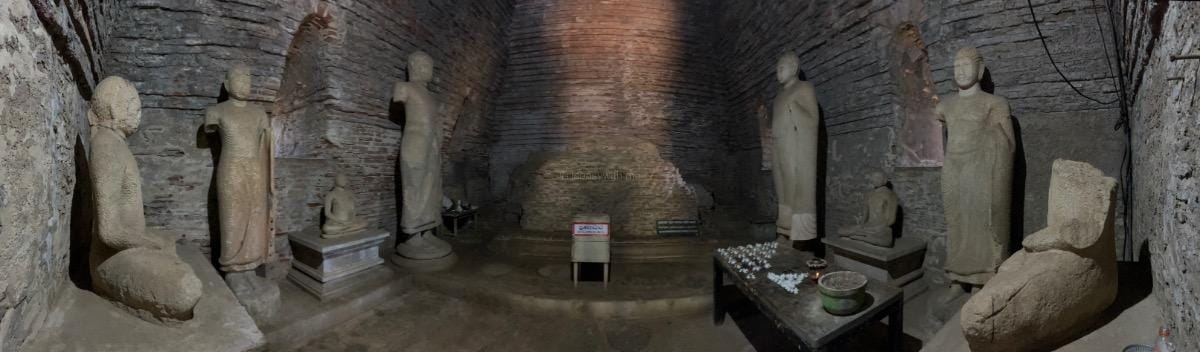
- Thuparama Image House: The oldest image house in the city, famous for being the only monument in Polonnaruwa to survive with its massive, barrel-vaulted brick roof completely intact.
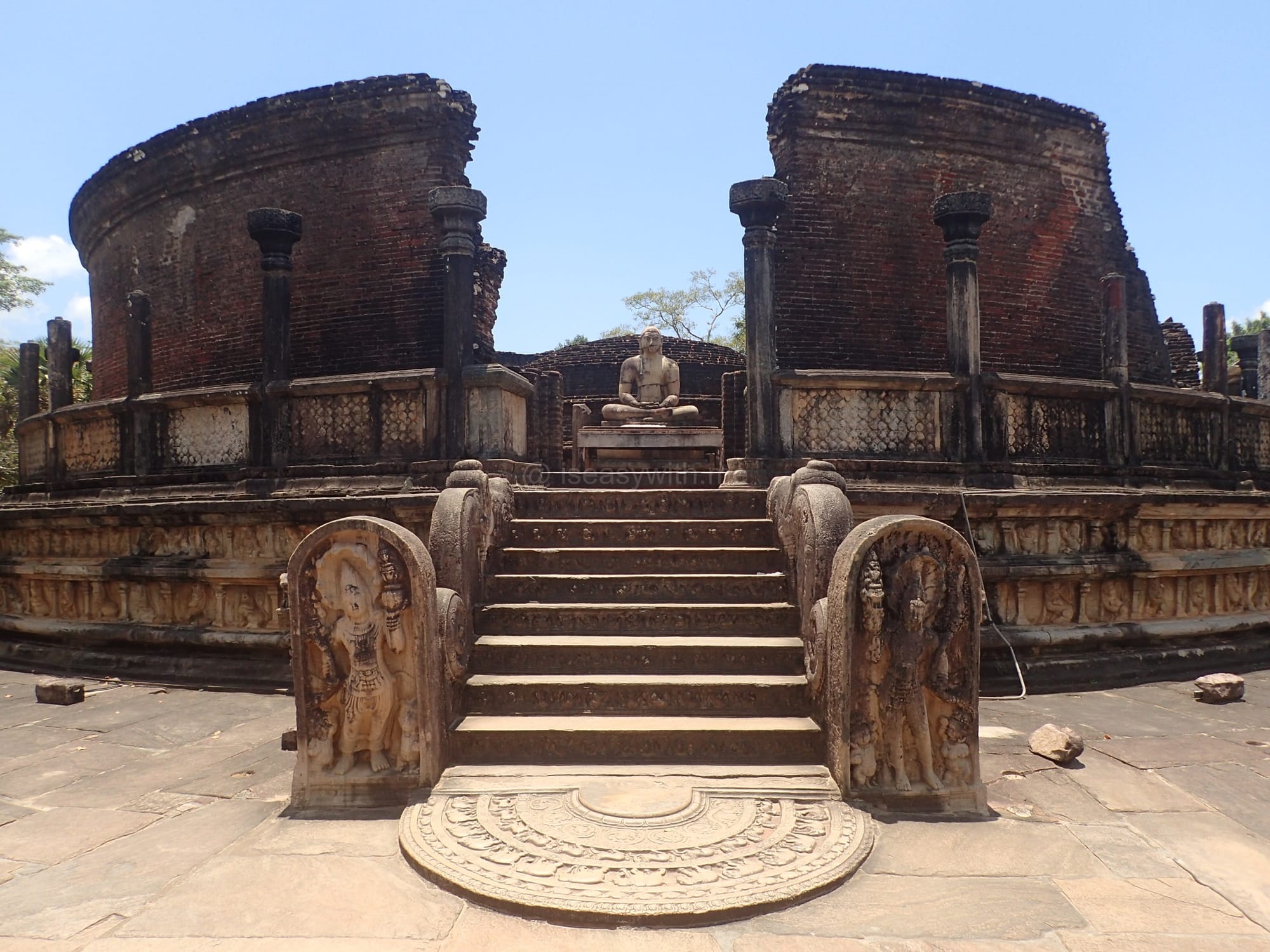
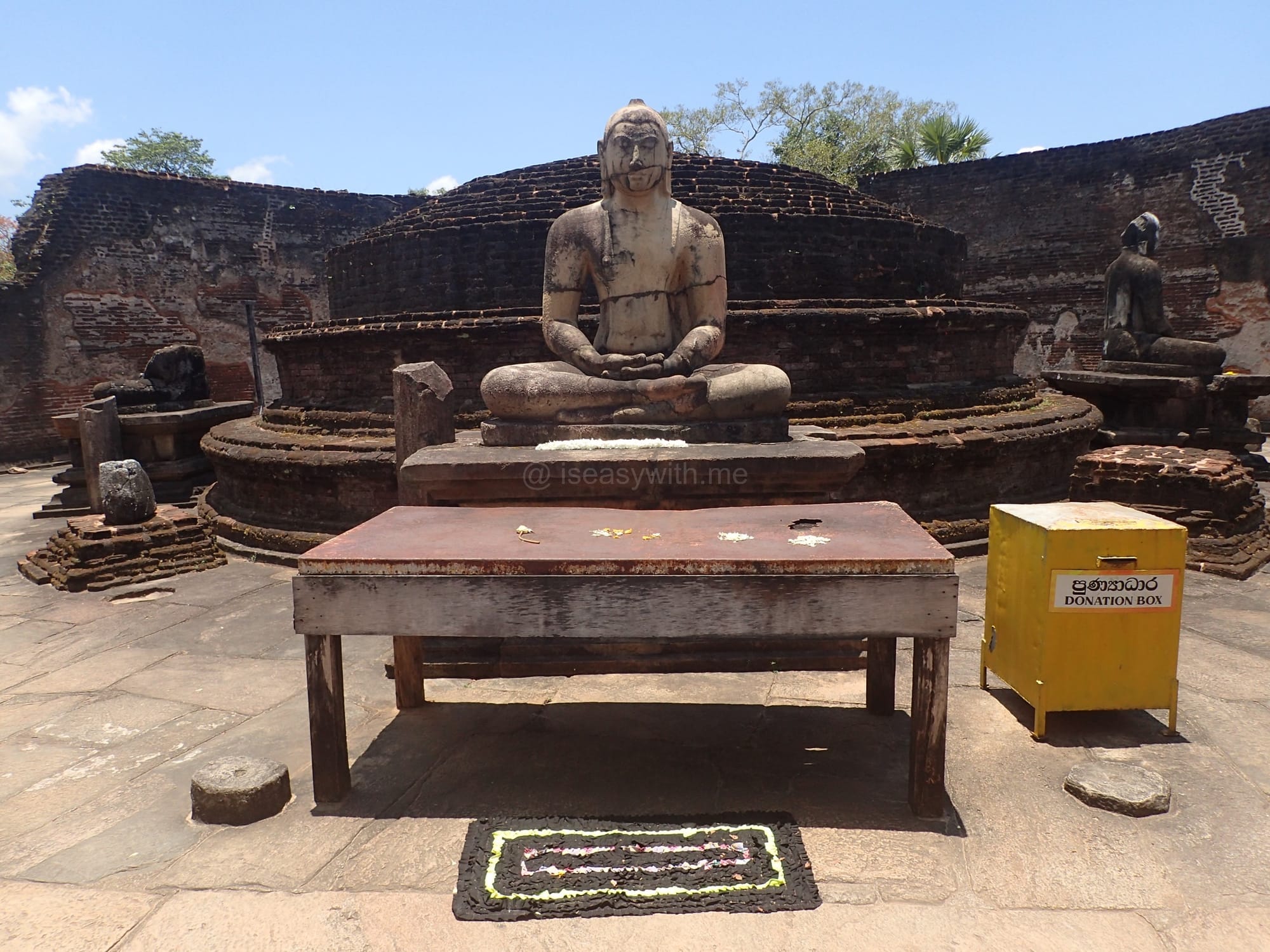
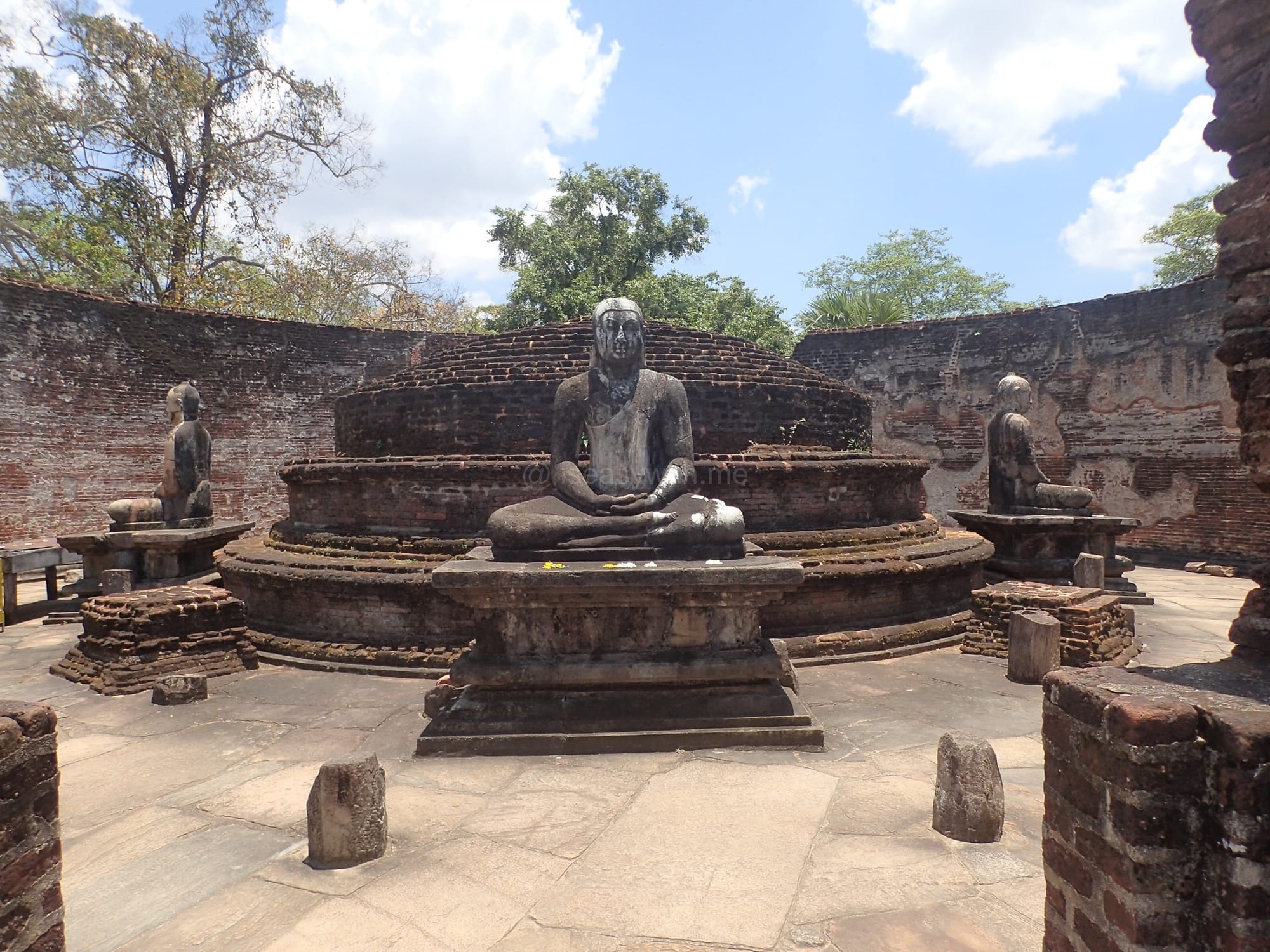
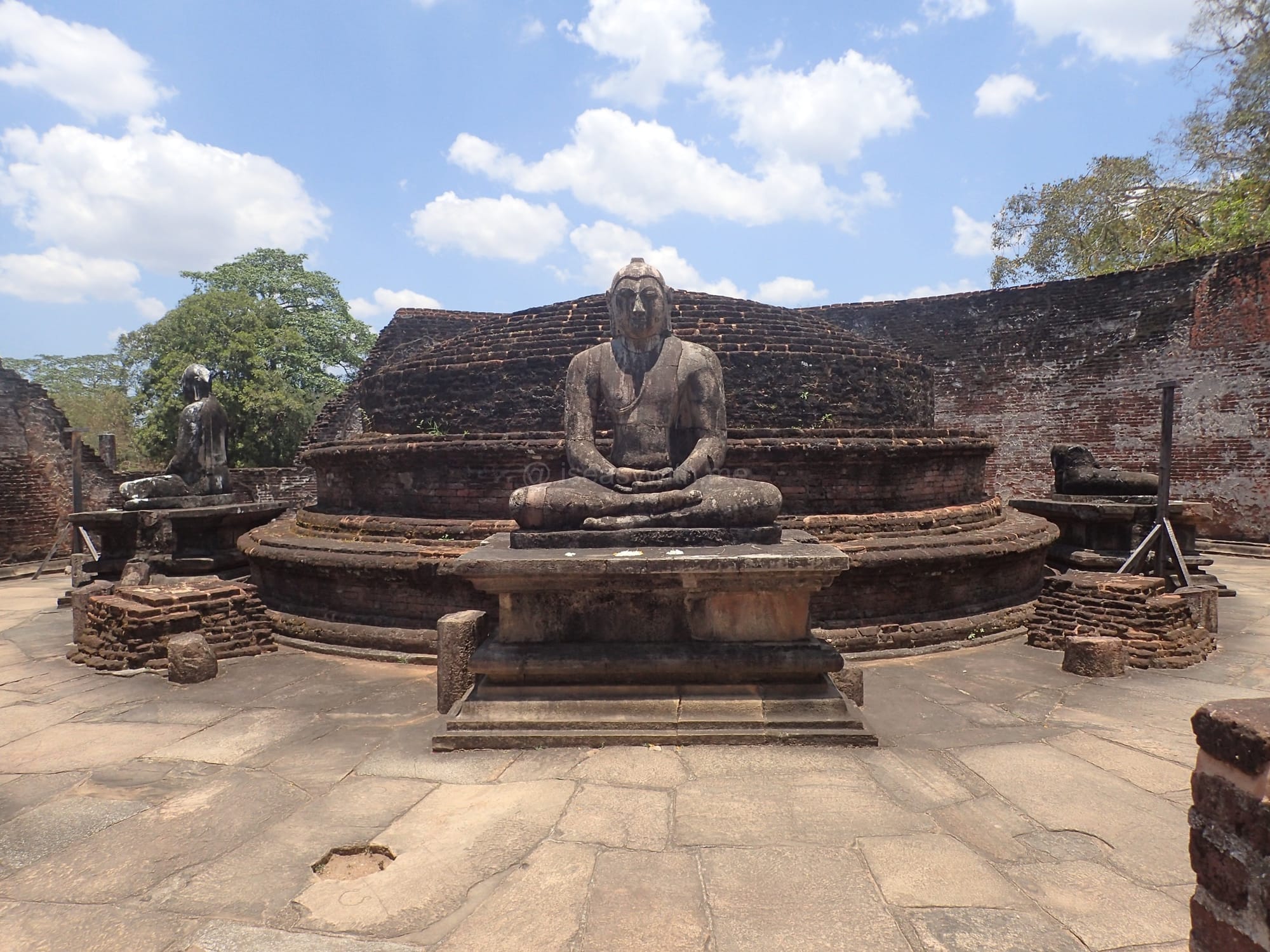
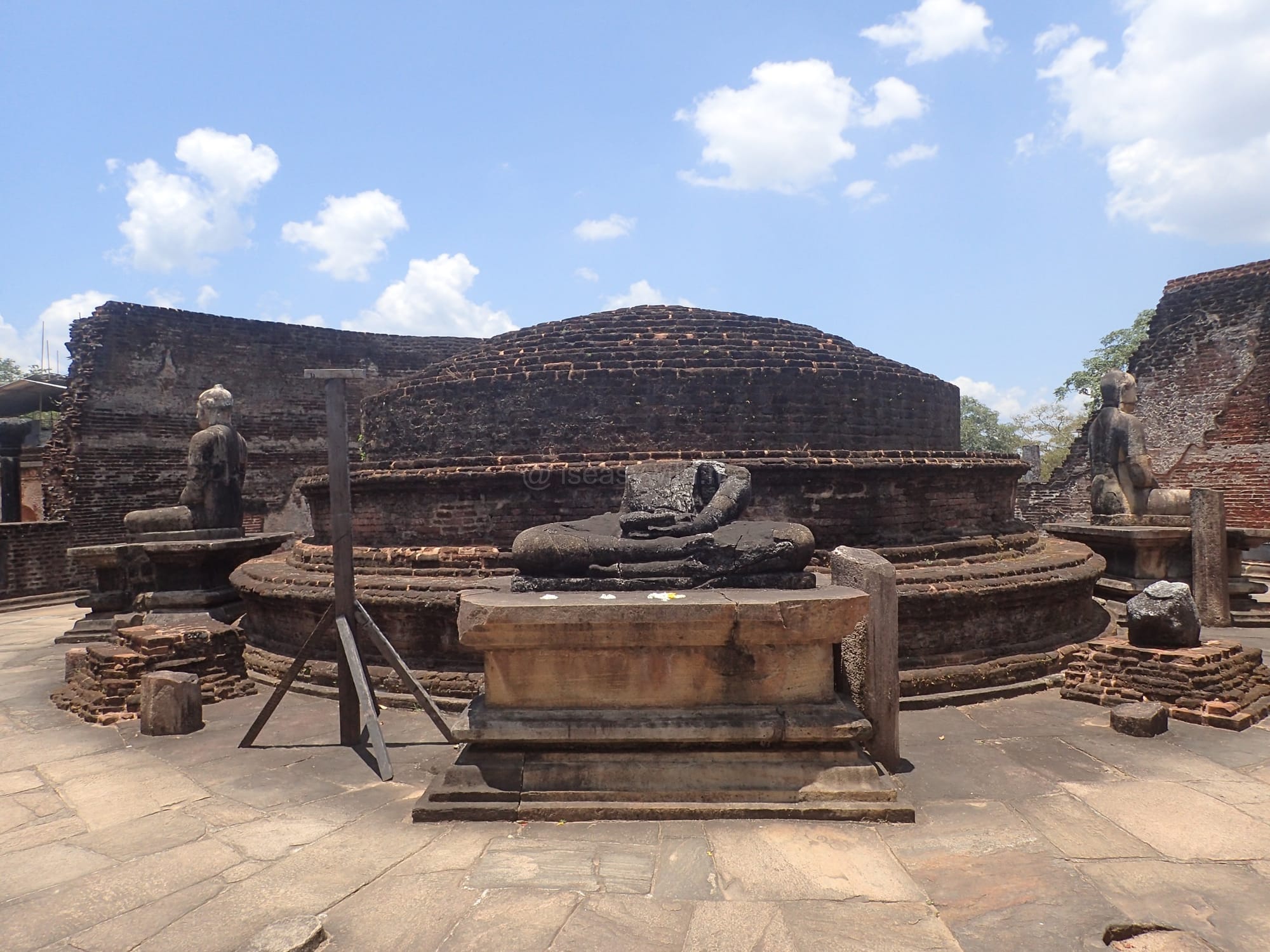
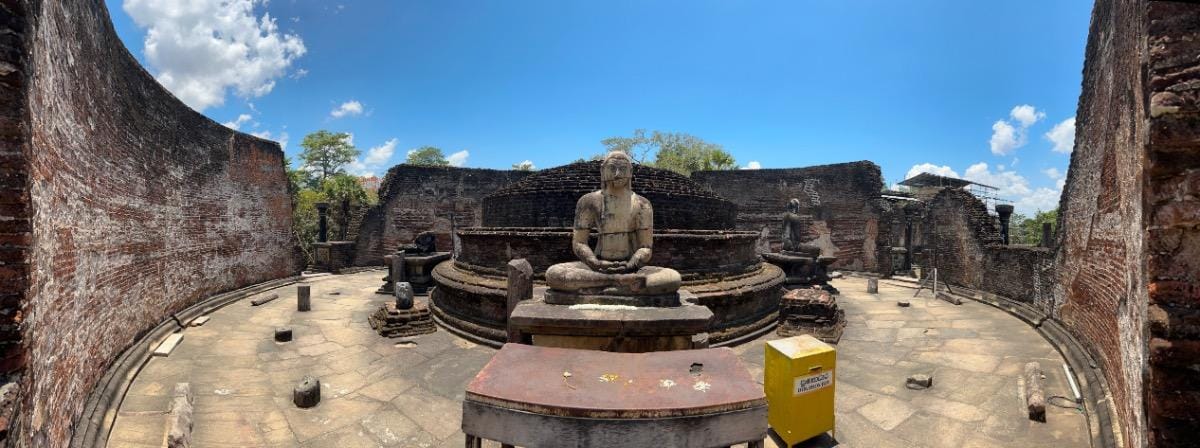
- The Vatadage (Circular Relic House): A breathtaking circular shrine with four gracefully carved seated Buddhas facing the cardinal directions, featuring some of the most exquisite guardstones and moonstones in Sri Lanka.
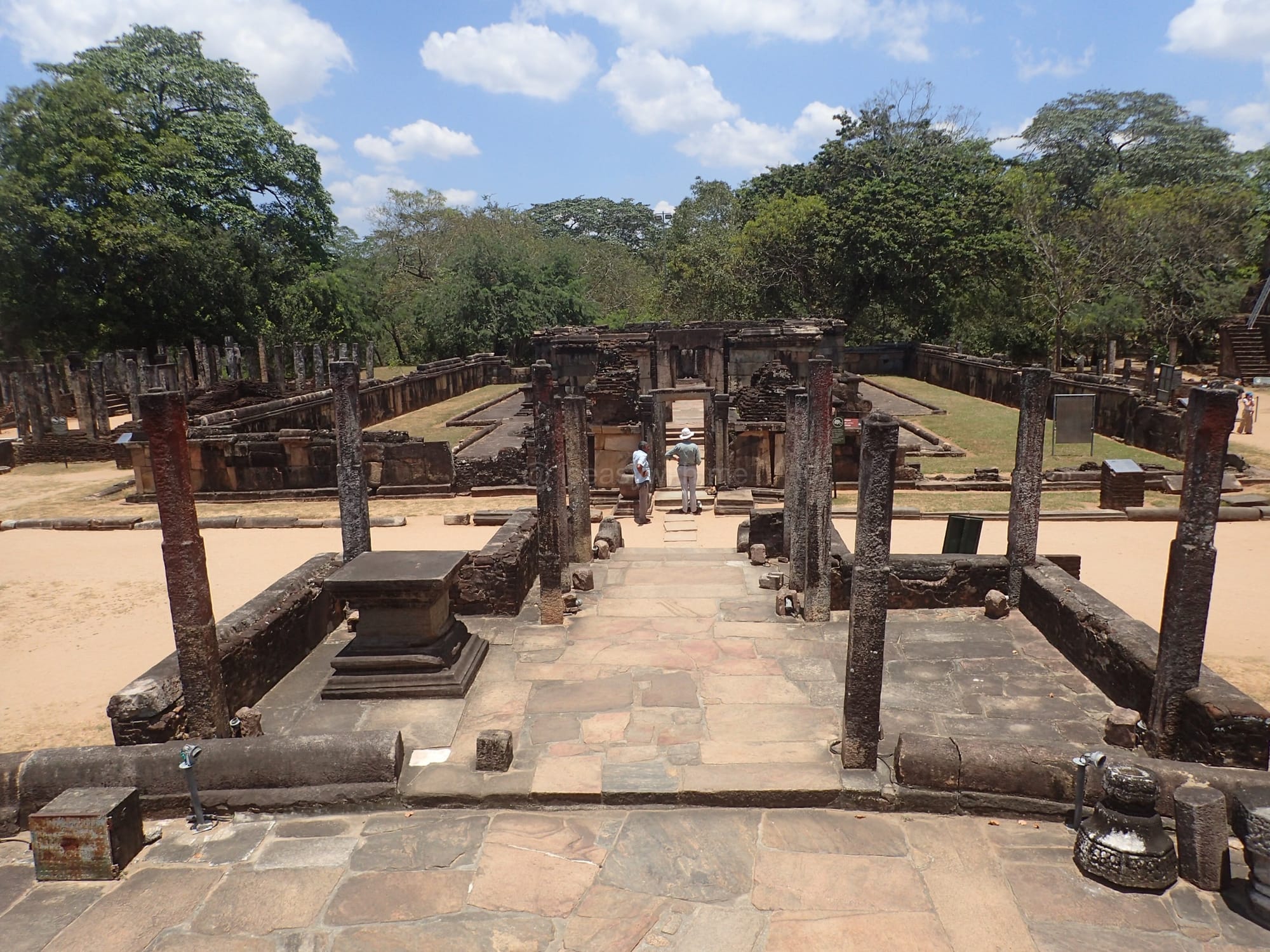
- Hatadage: An ancient two-storied relic shrine wrapped in ashlar stone walls, built by King Nissanka Malla to house the Tooth Relic. Legend says it was completed in just 60 hours!
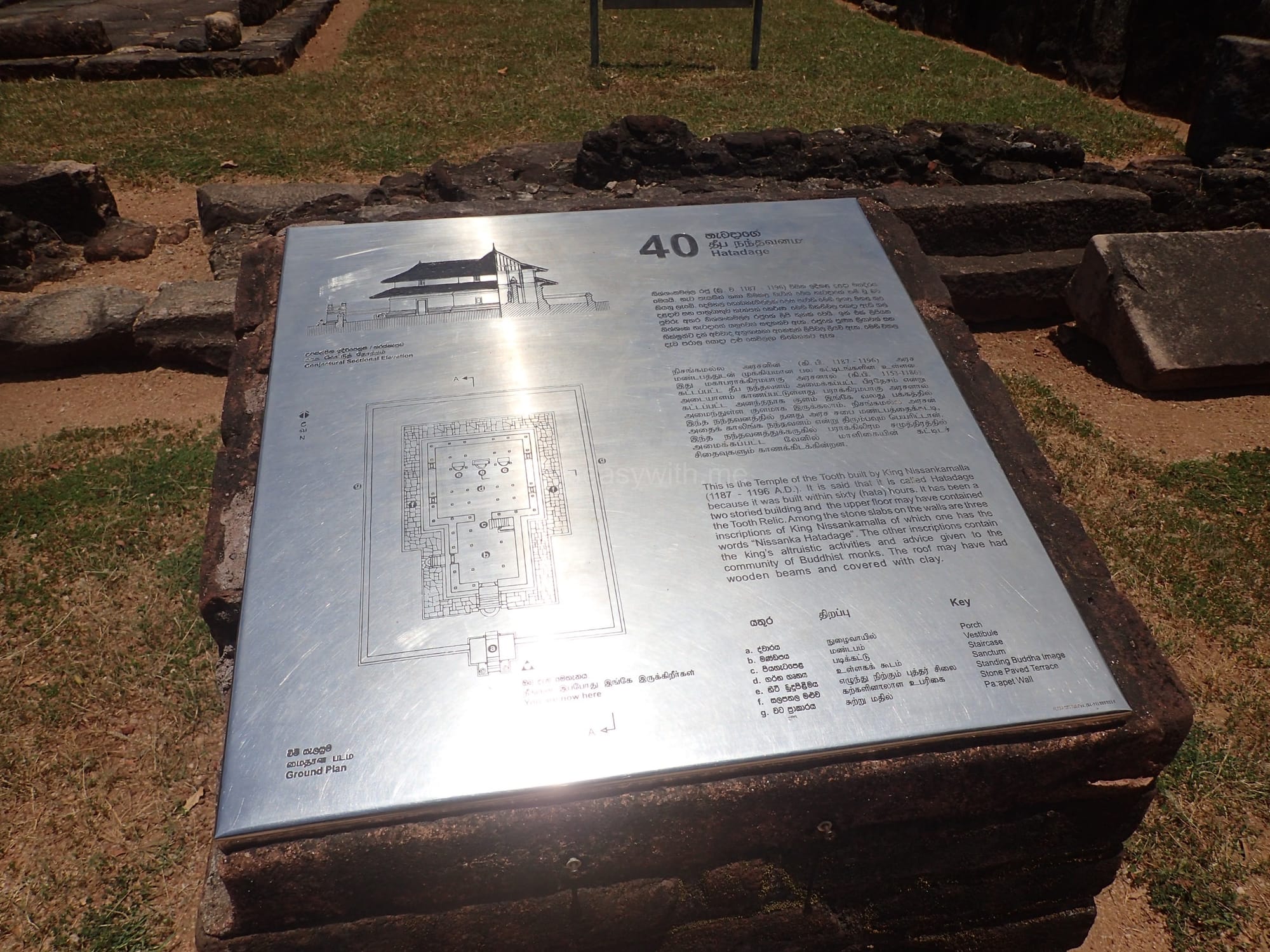
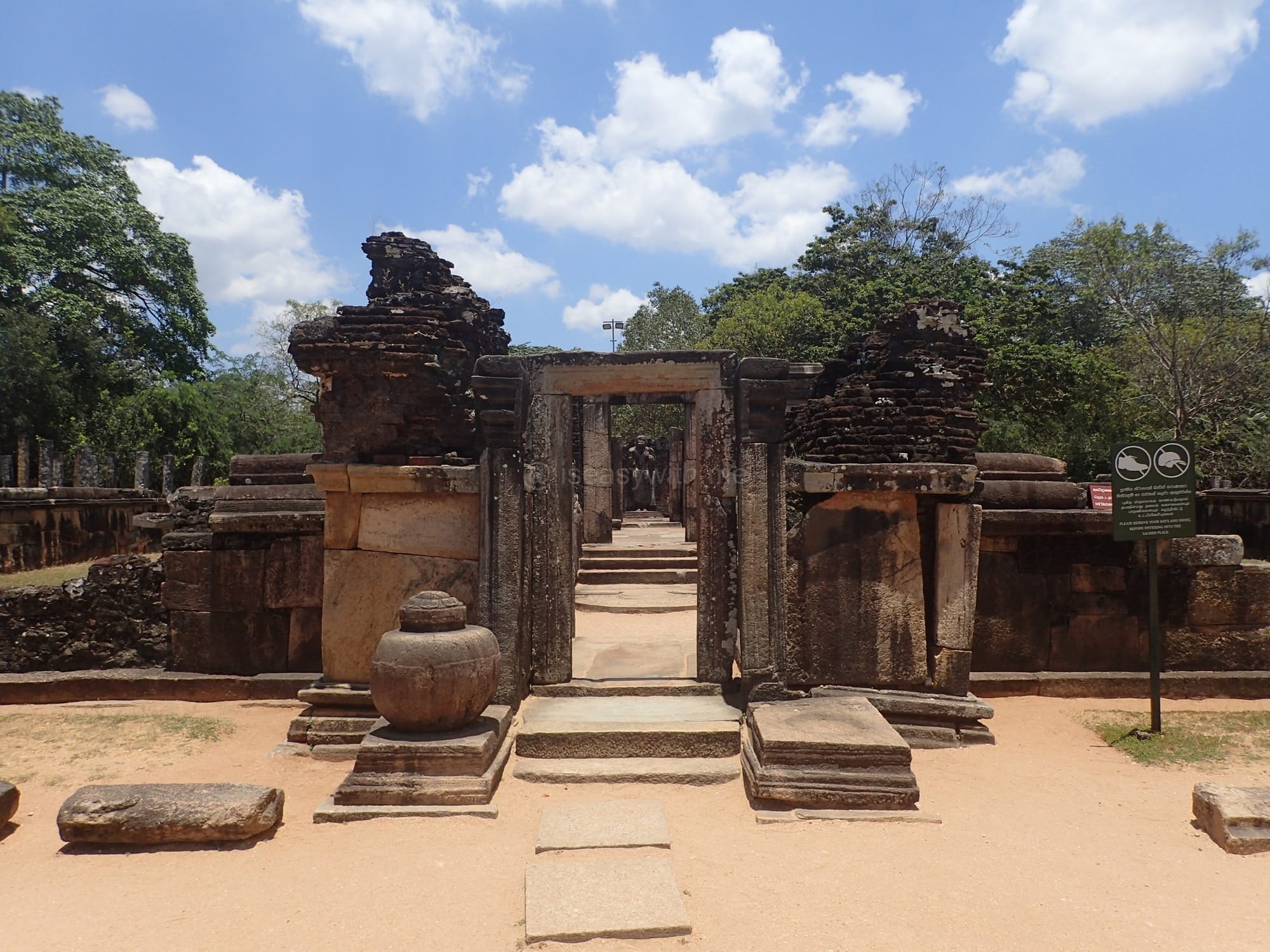
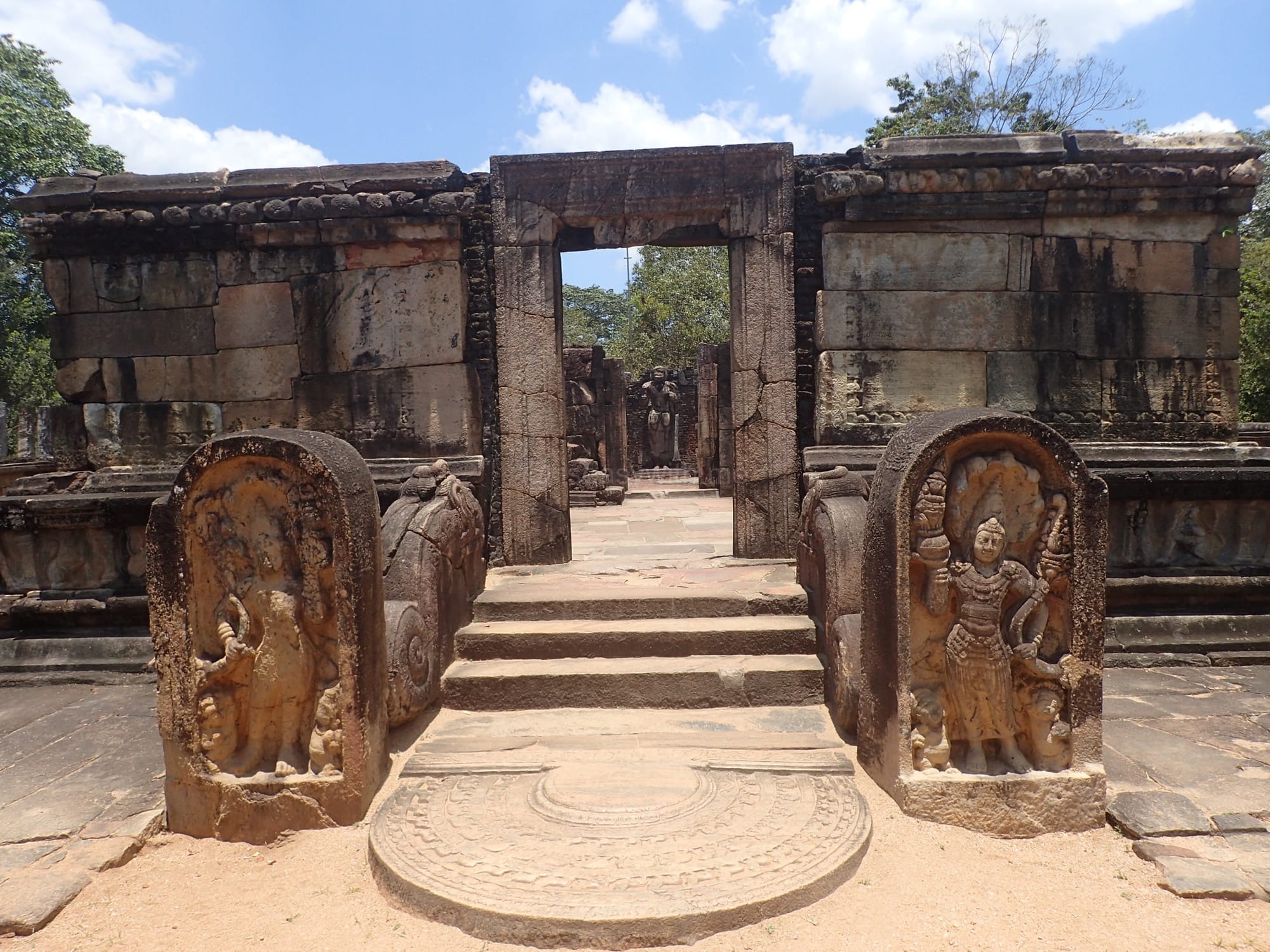
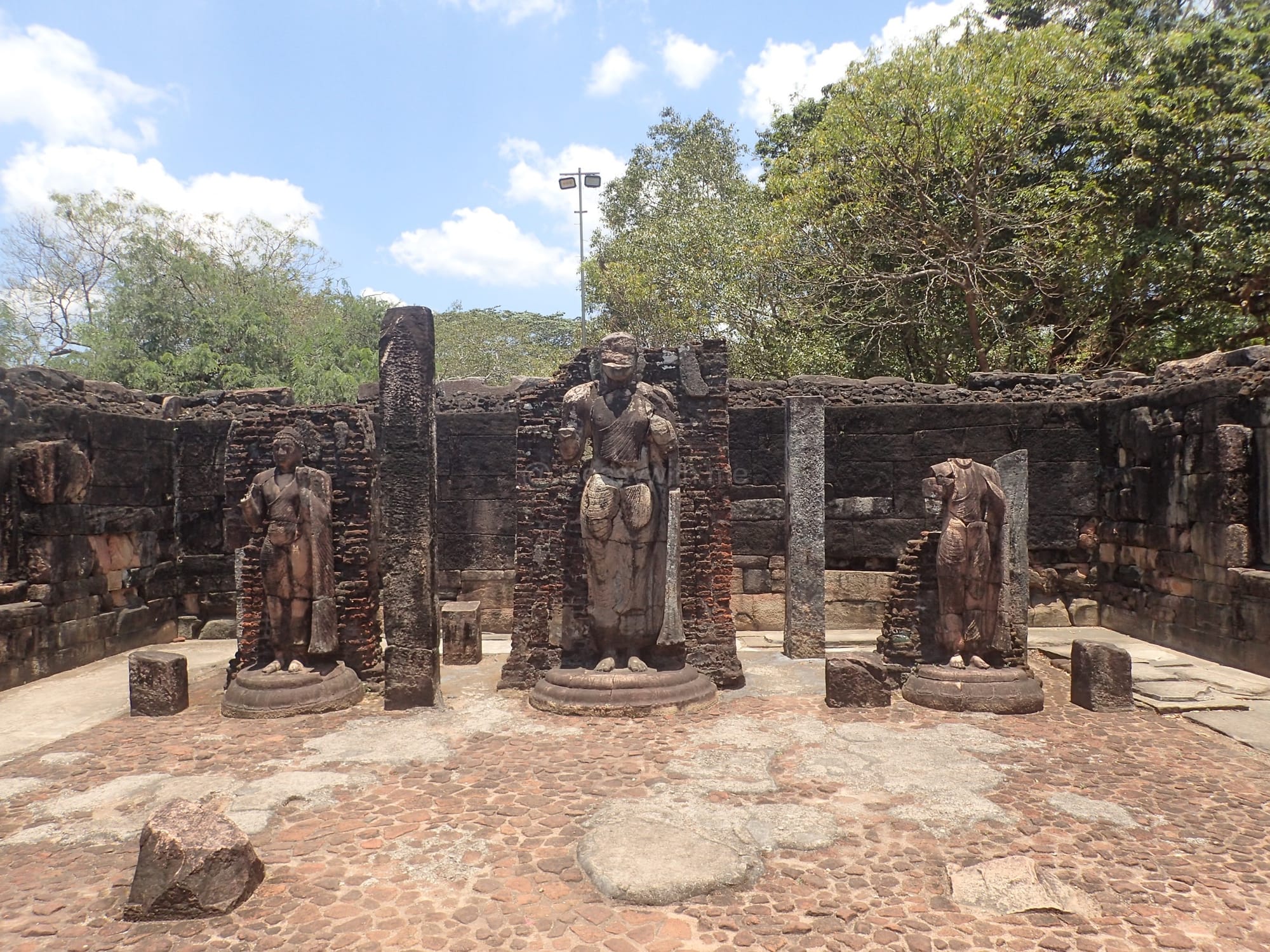
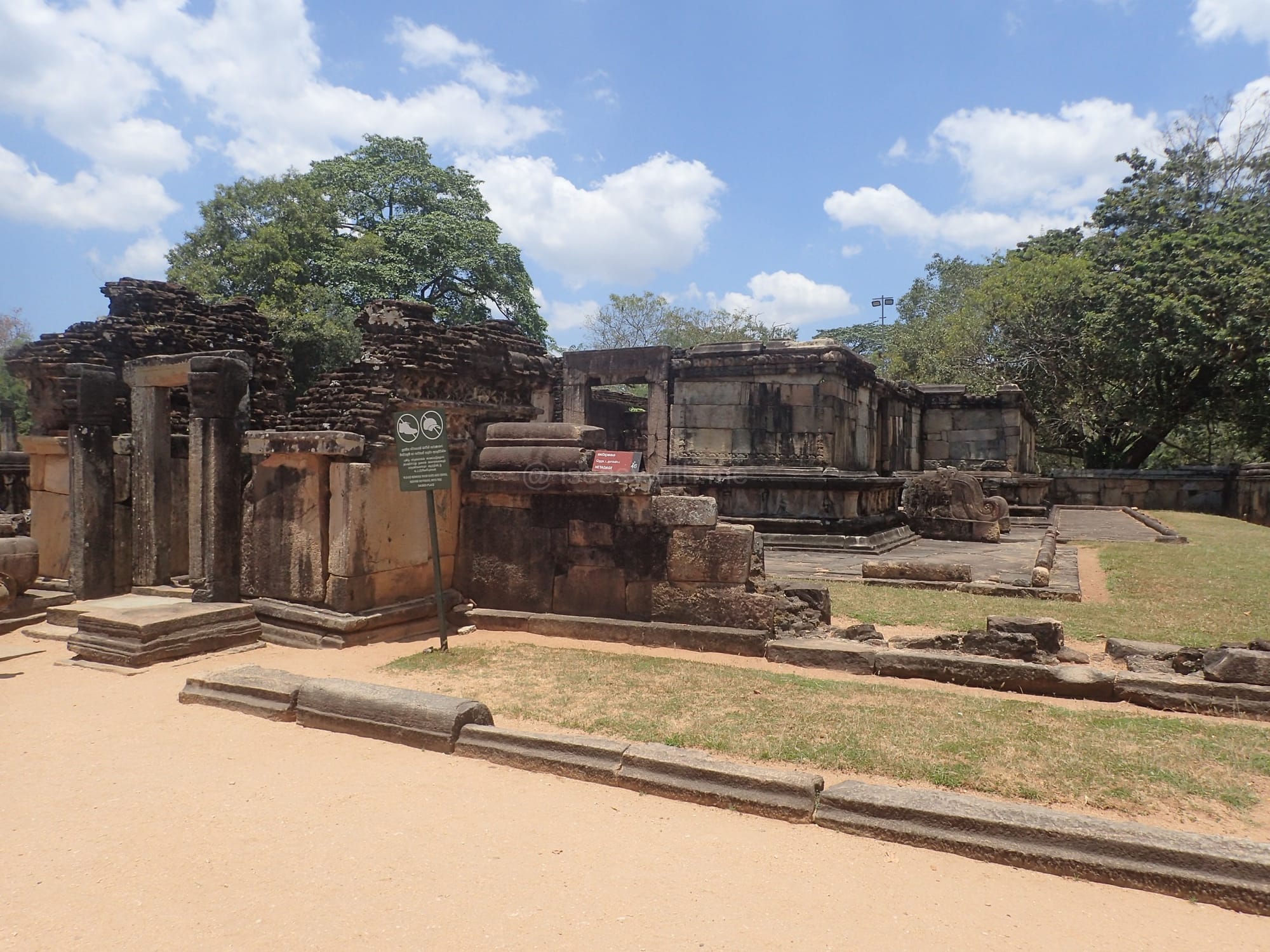
Hatadage
- Gal Pota (Stone Book): An absolute behemoth of a record. This is a massive 25-ton stone slab—dragged 100 km from Mihintale—carved to look like an ancient ola-leaf book to praise the deeds of the king.
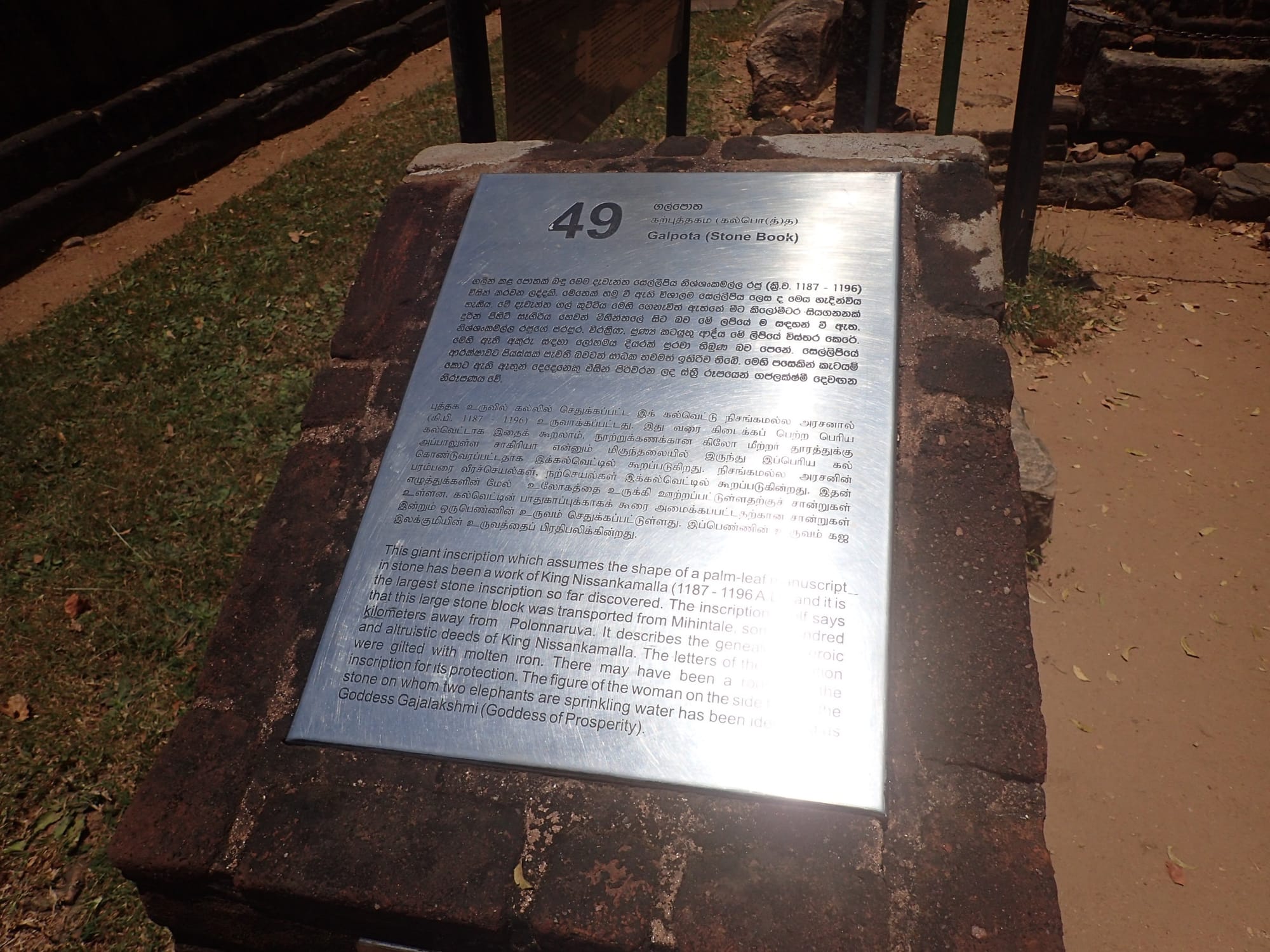
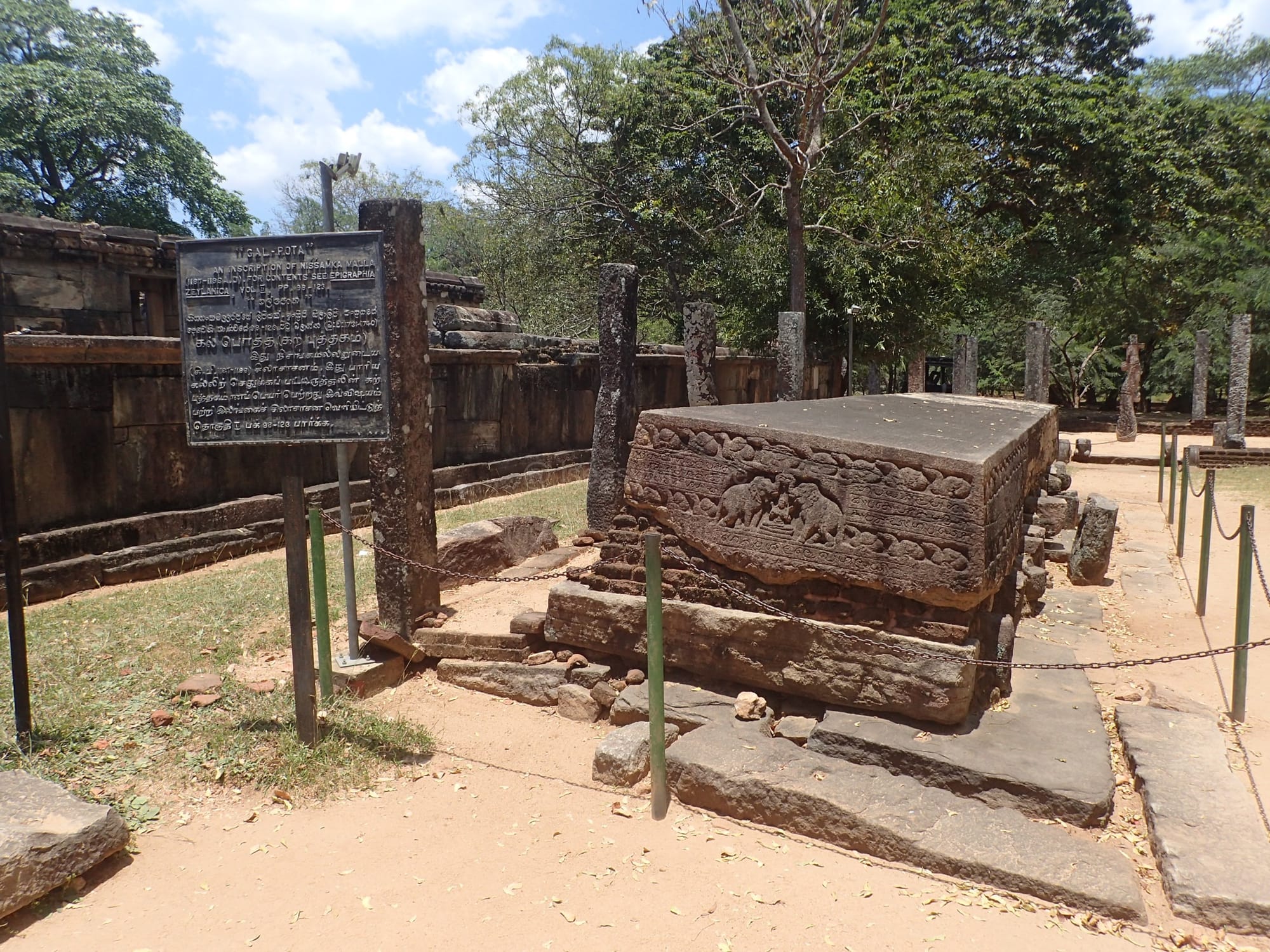
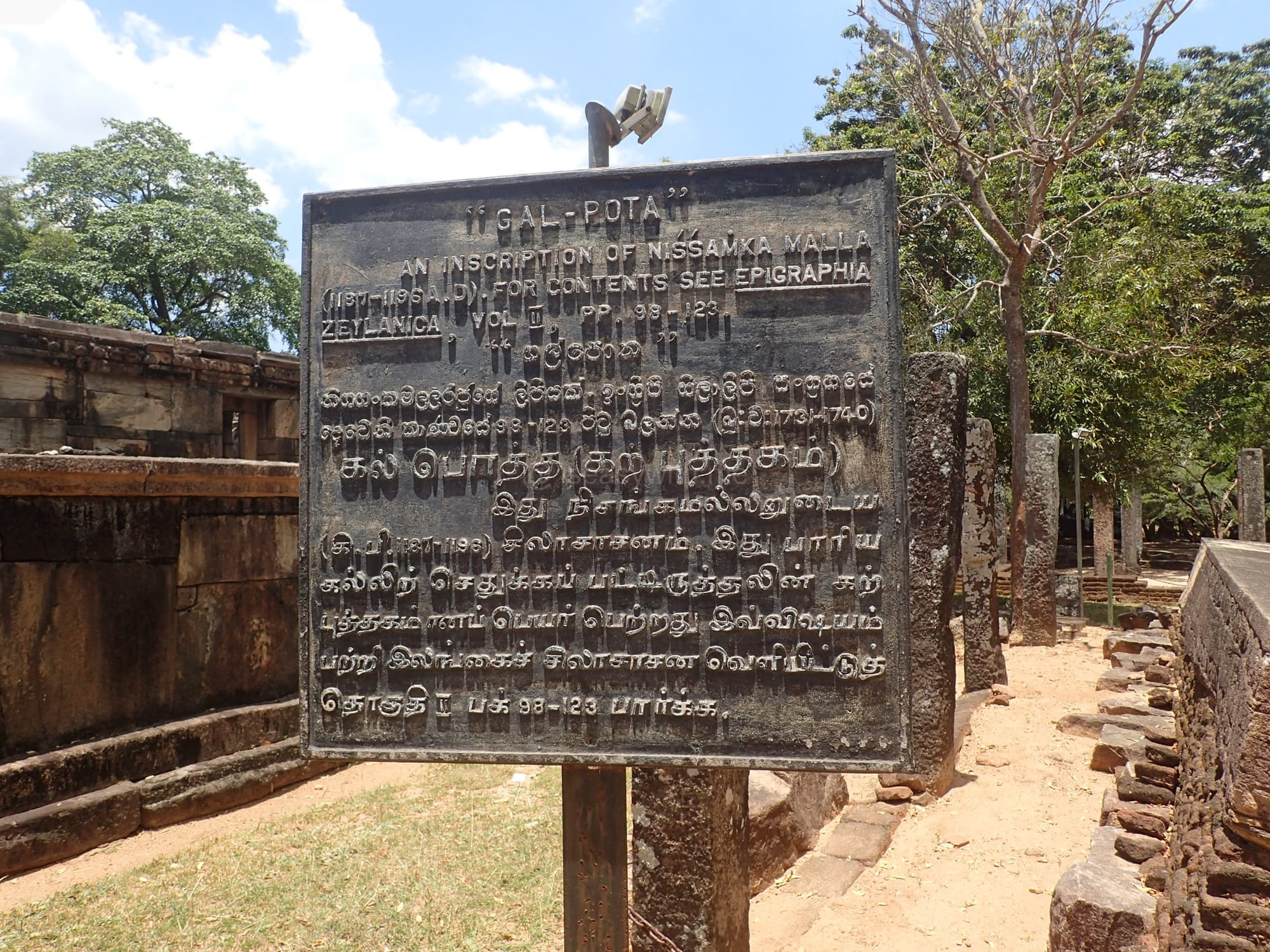
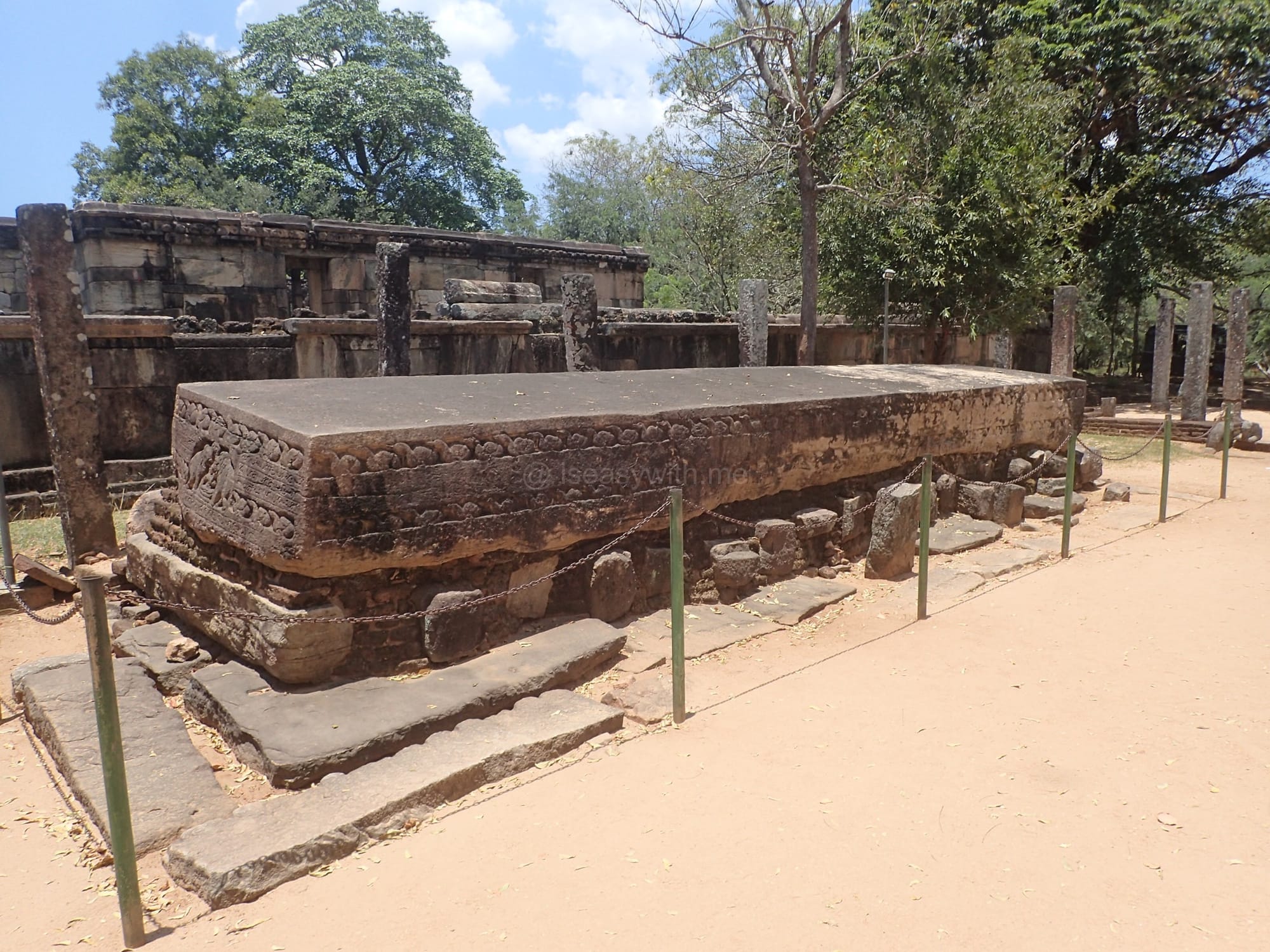
Gal Pota
- Sathmahal Prasada: A deeply mysterious, six-story stepped pyramid that resembles a Babylonian ziggurat, completely unique to Sri Lankan architecture and heavily influenced by Southeast Asian styles.
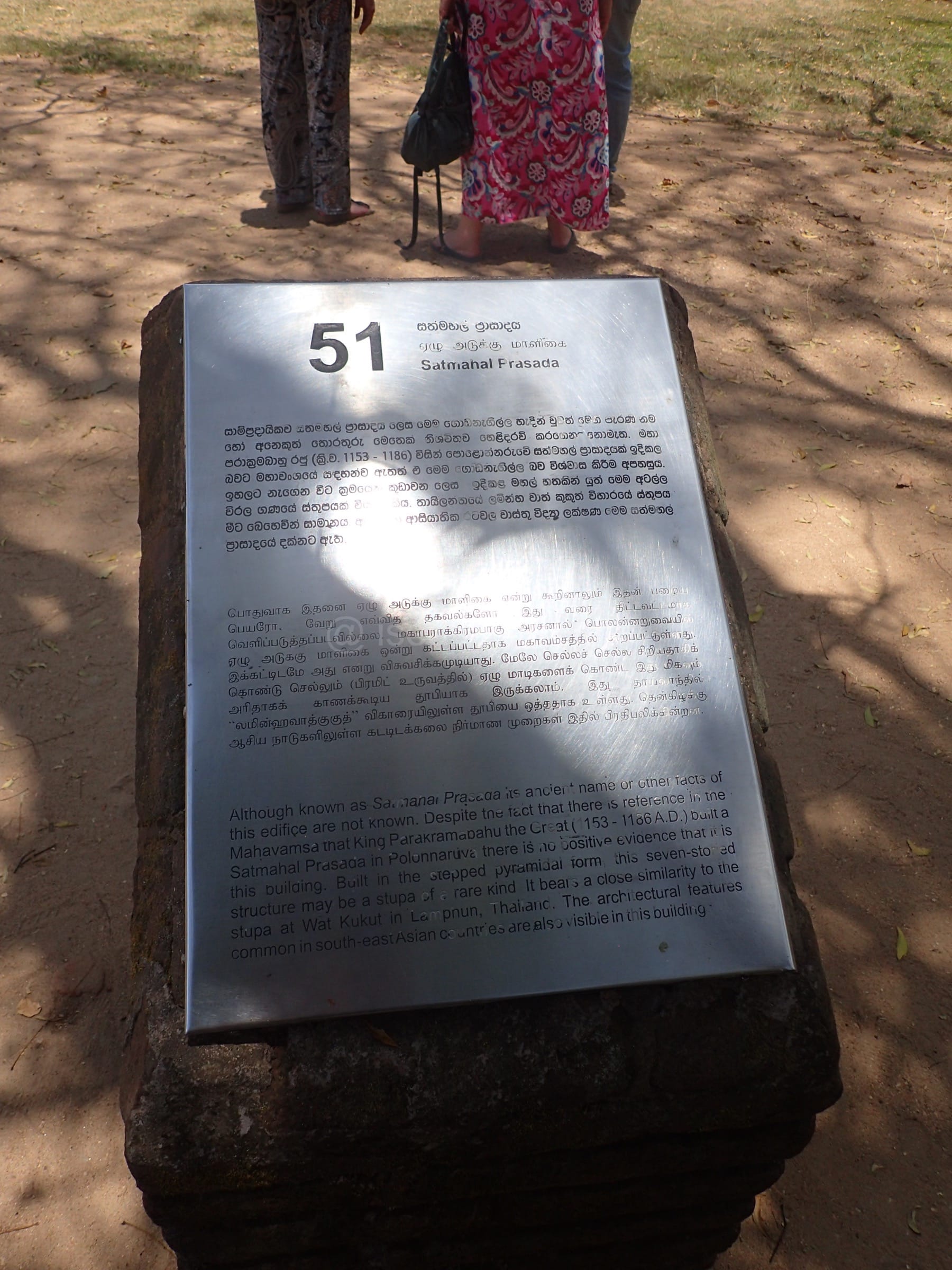
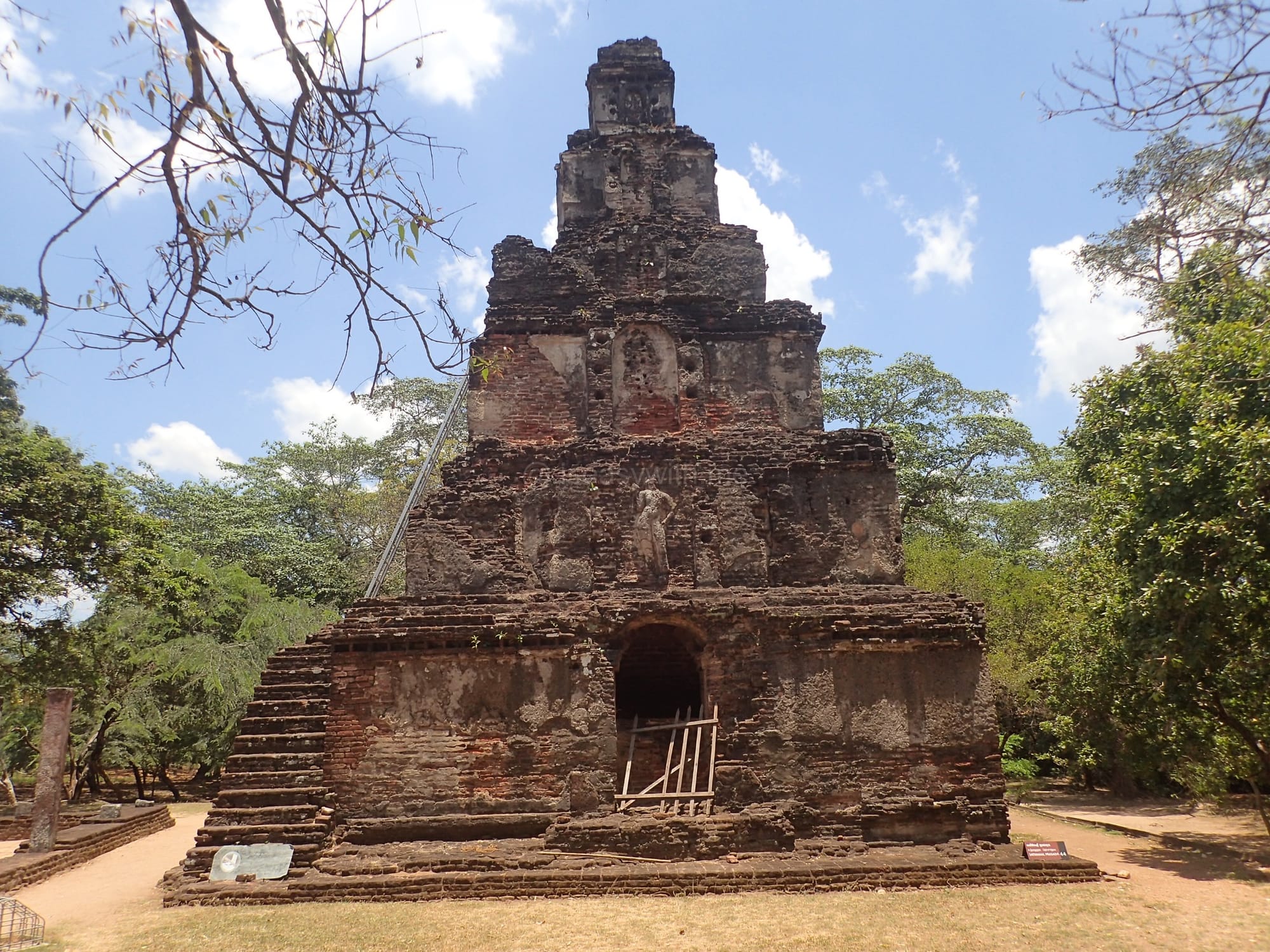
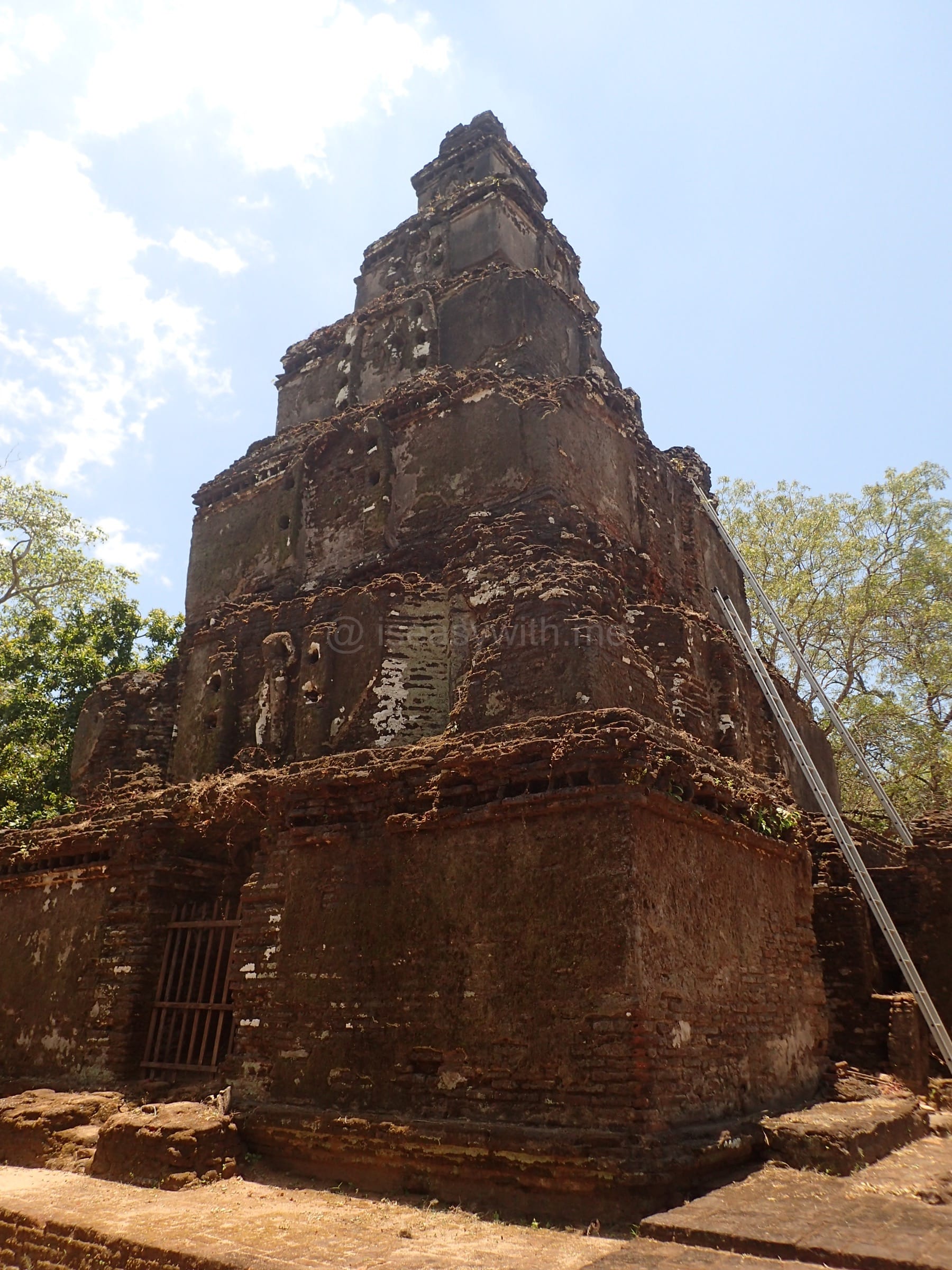
Sathmahal Prasada
12. Pabalu Vehera (Parakum Vehera, Siva Devale No. 3, Temple of Marigolds): A highly unusual, brick-built stupa known for its unique shape and the many small shrine rooms surrounding its base.
Why I missed it: Honestly, I just missed the turn completely and didn't even realise it at the time. Read it sits on a dirt loop off the main road and because I was probably focused on getting up north toward Rankot Vehera, I sailed right past the junction without noticing. 🙁
13. Siva Devale No. 2 (Siva Kovil No. 2, Vanavan Mahadevi Isvaram): Built entirely of precisely cut granite by the Chola empire during their 11th-century rule, Siva Devale No. 2 stands as the oldest intact building in Polonnaruwa, taking its name from a Tamil wall inscription dedicated to the royal consort of Indian King Rajaraja I.
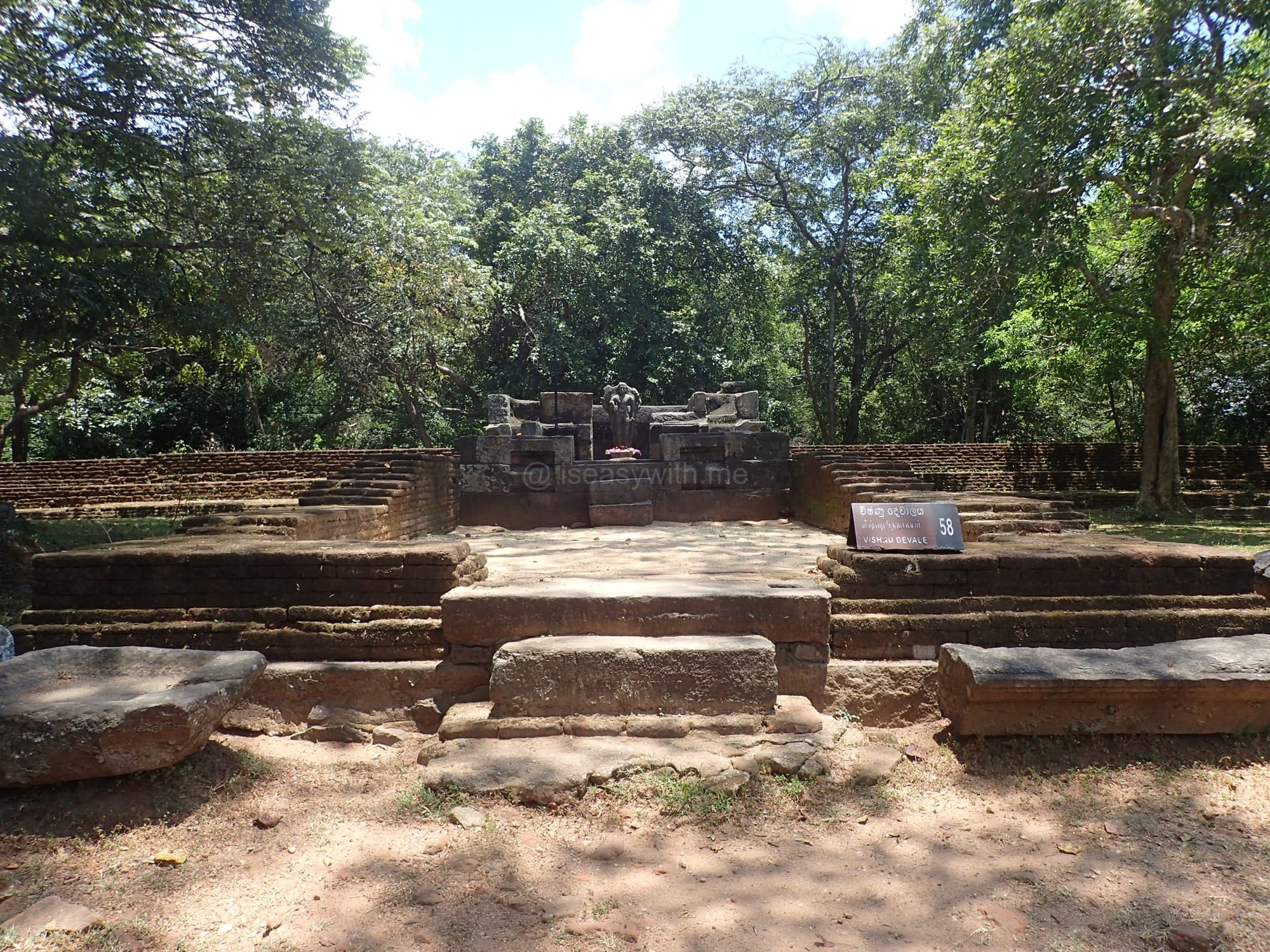
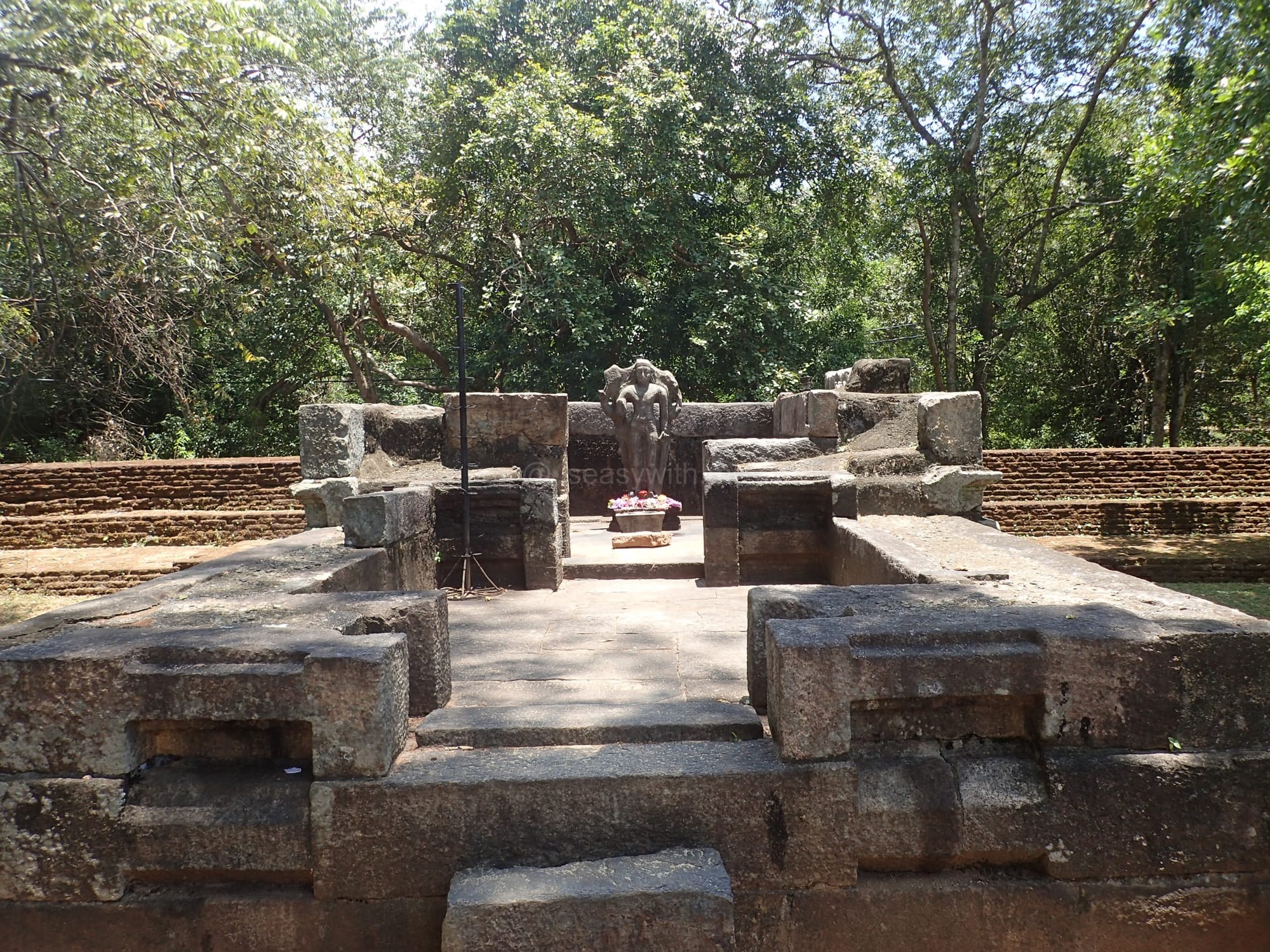
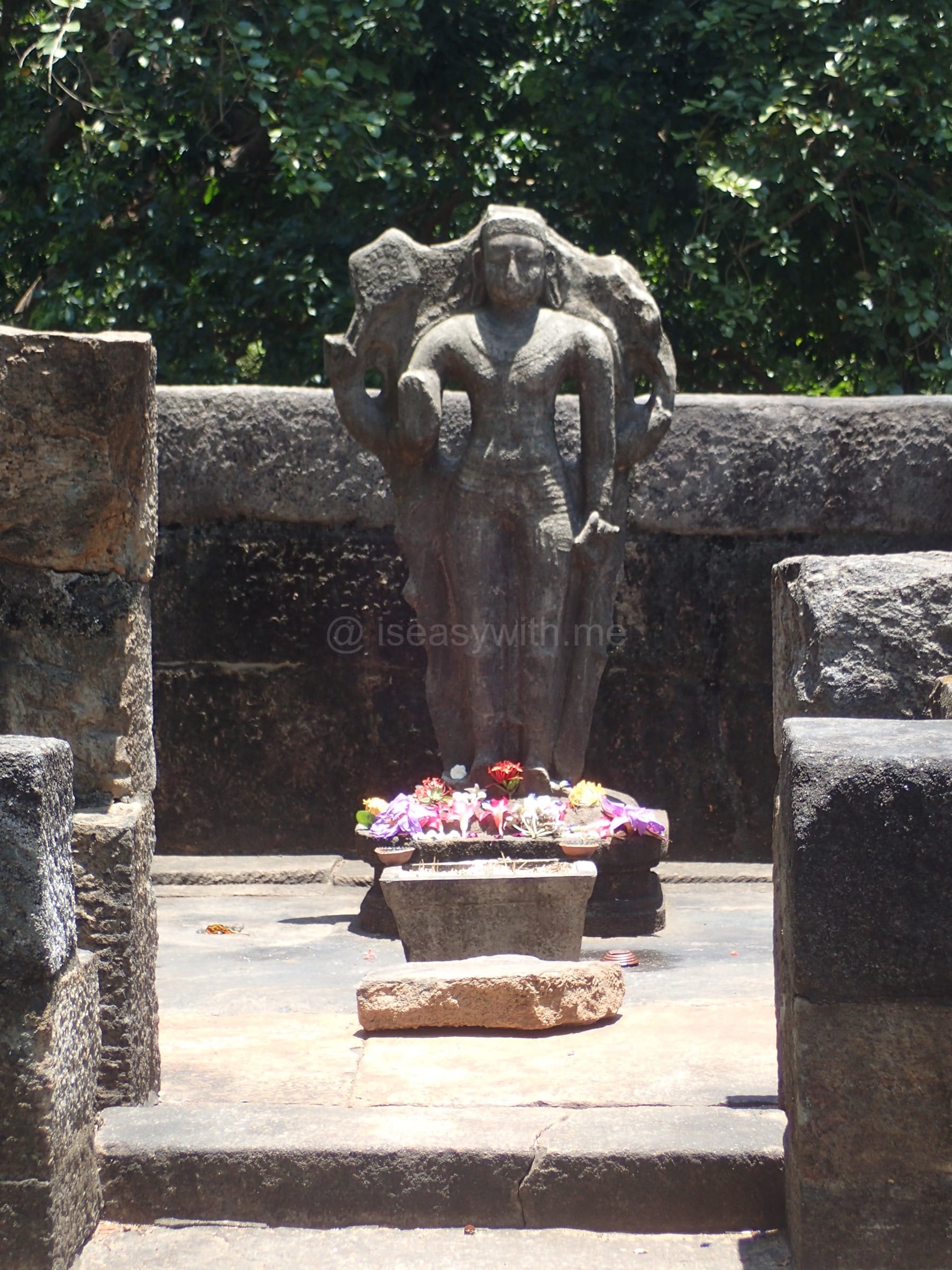
Vishnu Devale No. 2
14. Manik Vehera (Menik Vehera, Jewel Monastery): Believed to date back to the 8th or 9th century, Manik Vehera is considered the oldest stupa complex in Polonnaruwa, instantly recognisable by its small brick dome elevated on an unusually high, walled stone terrace and an ancient monastic layout that archaeological excavations indicate may have once operated as a hospital.
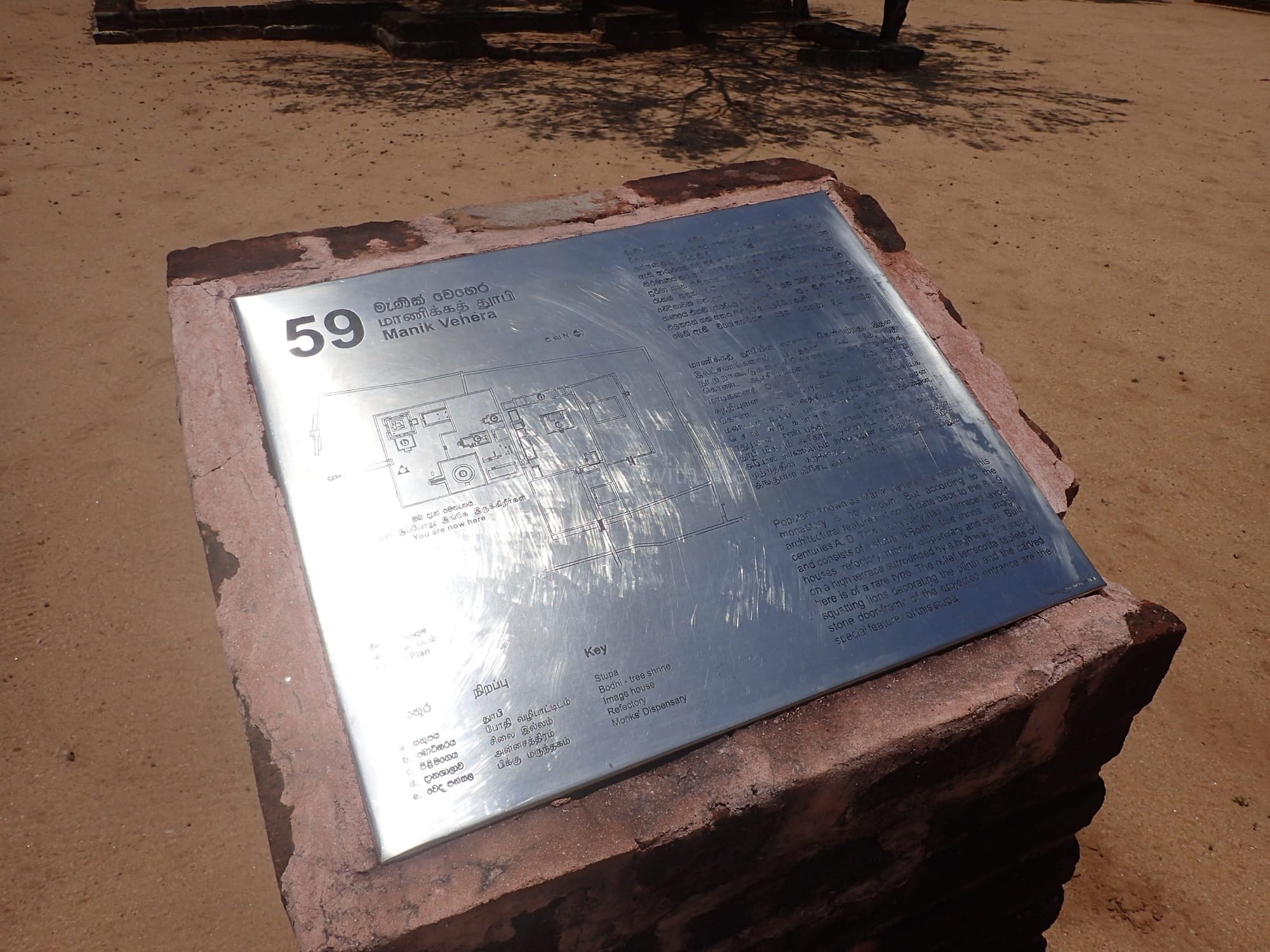
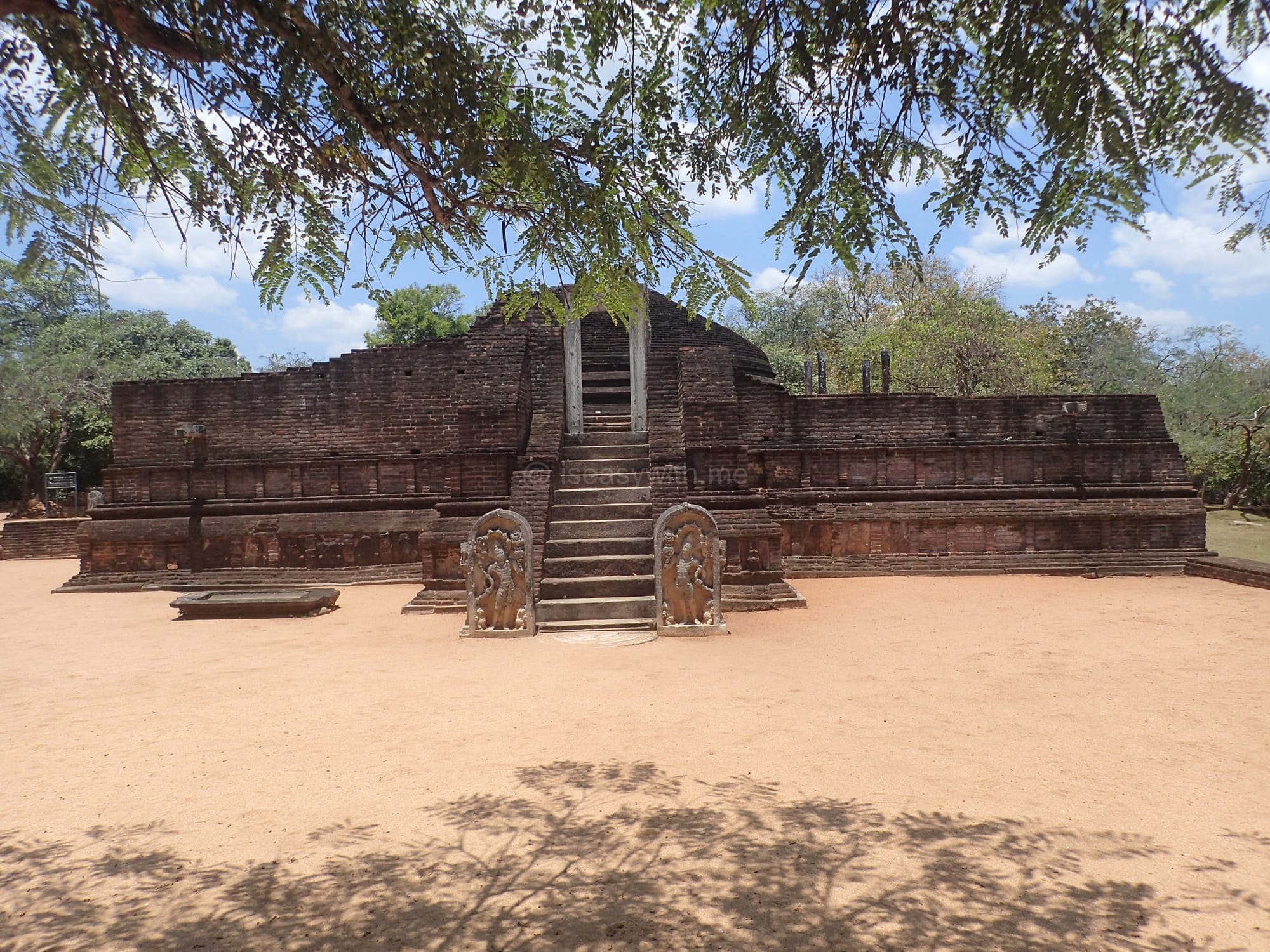
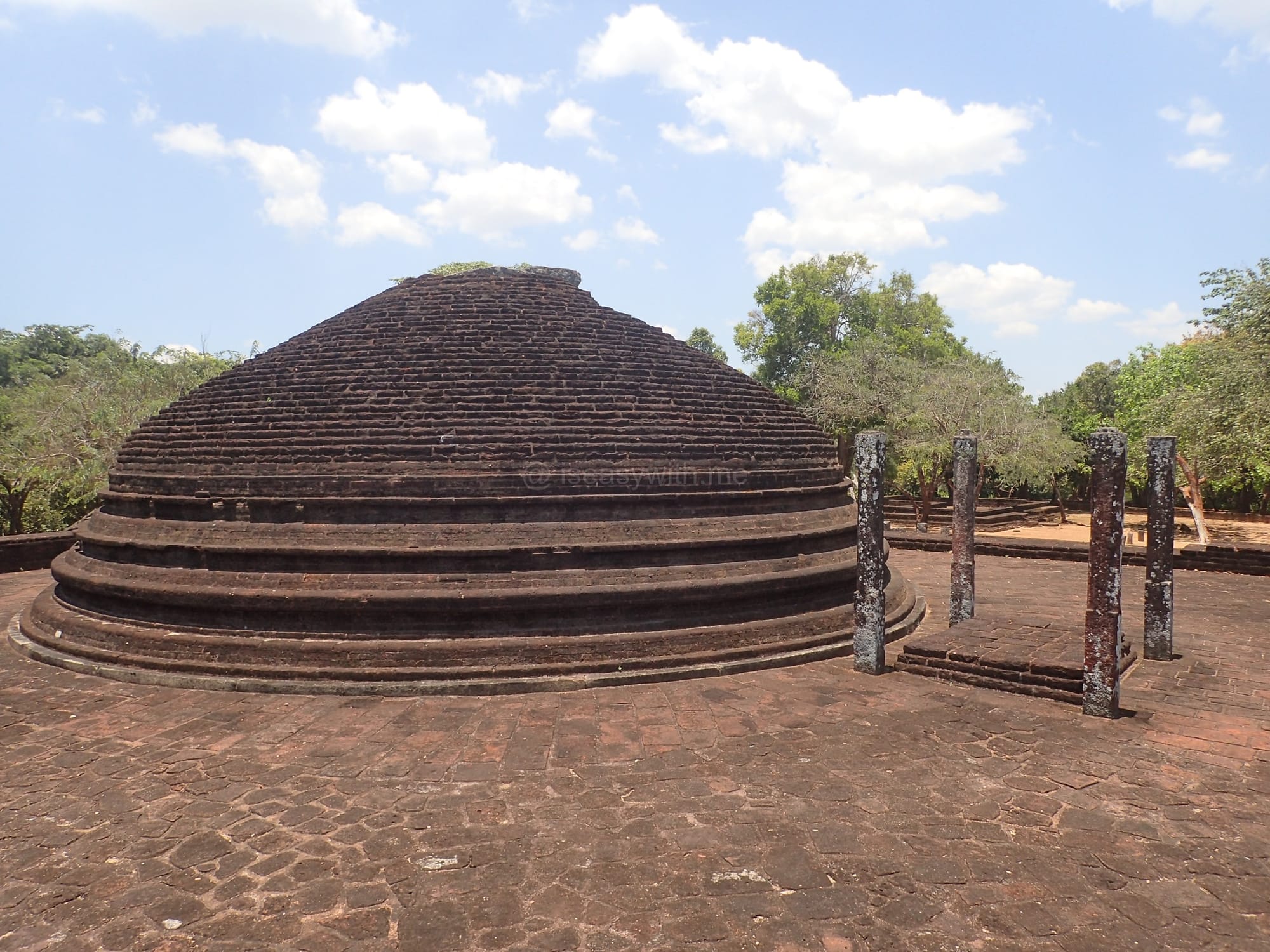
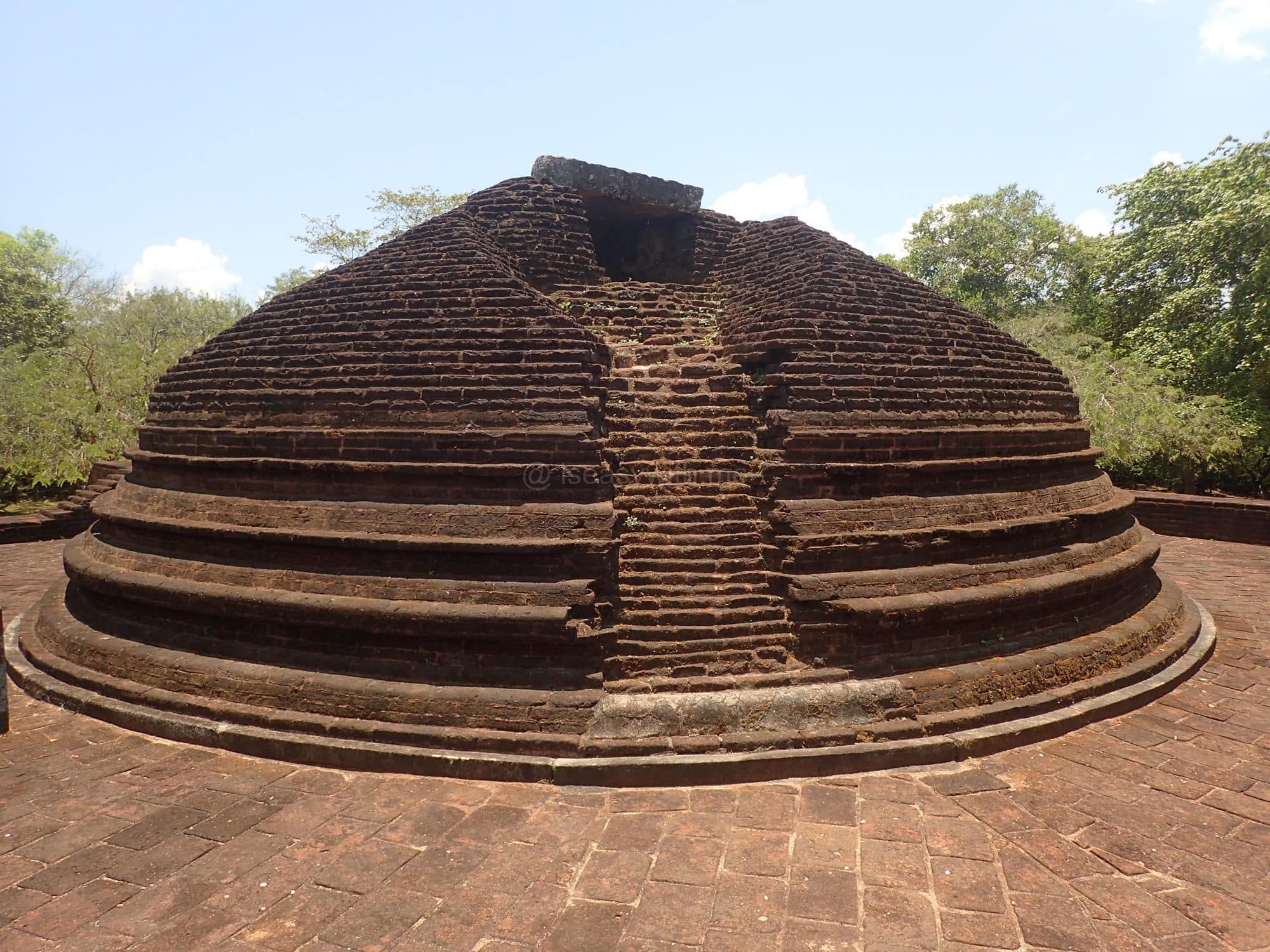
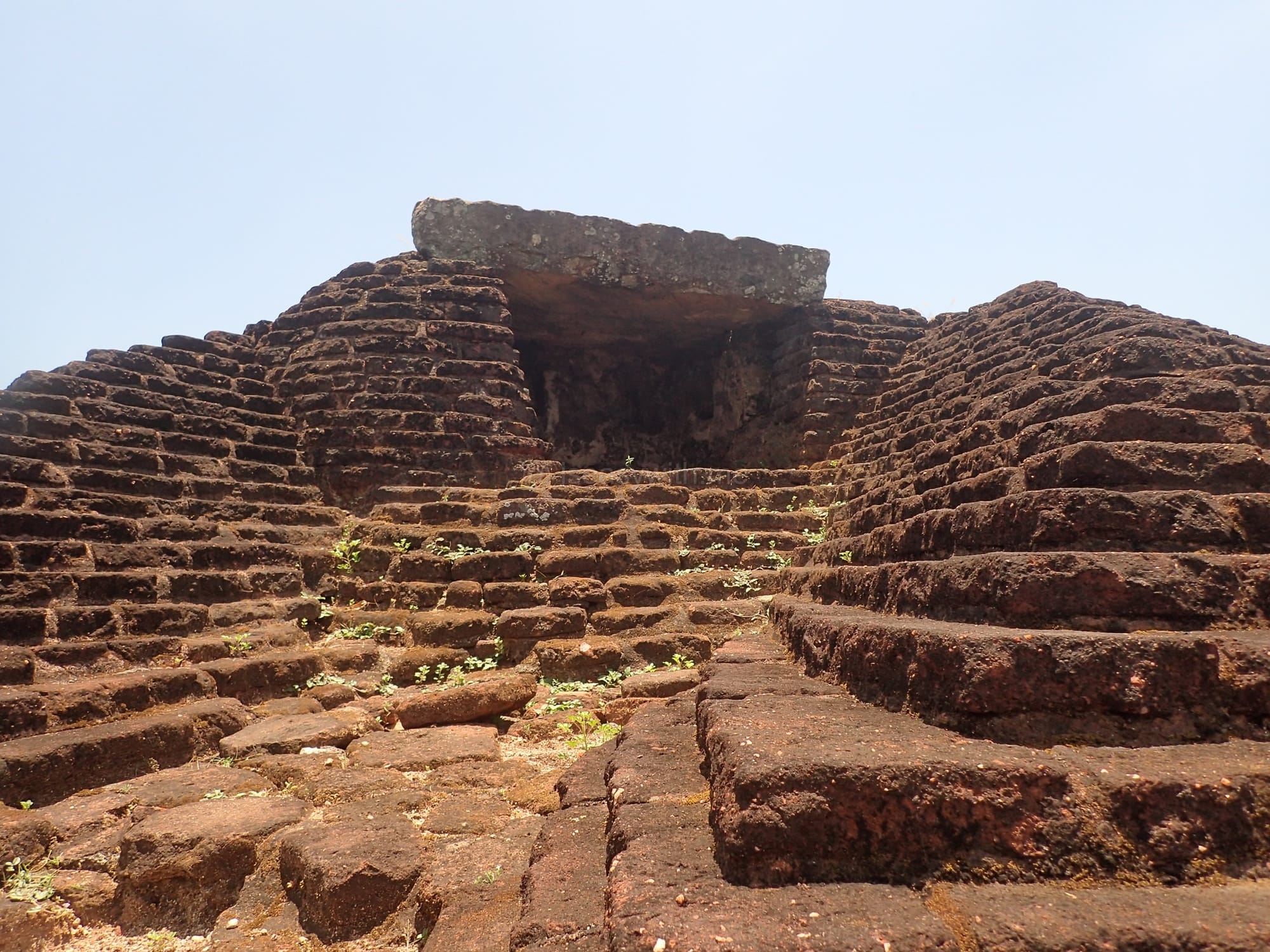
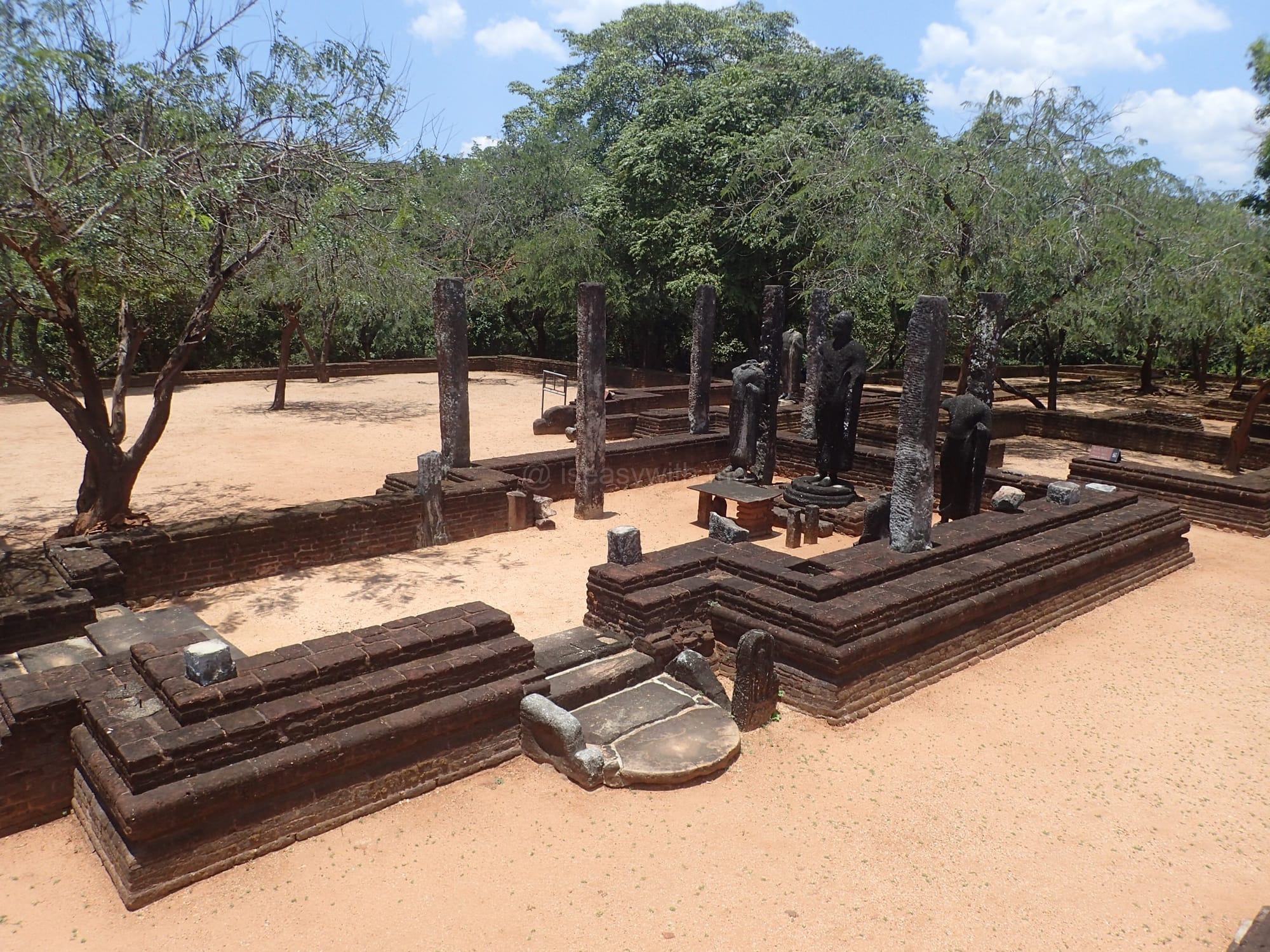
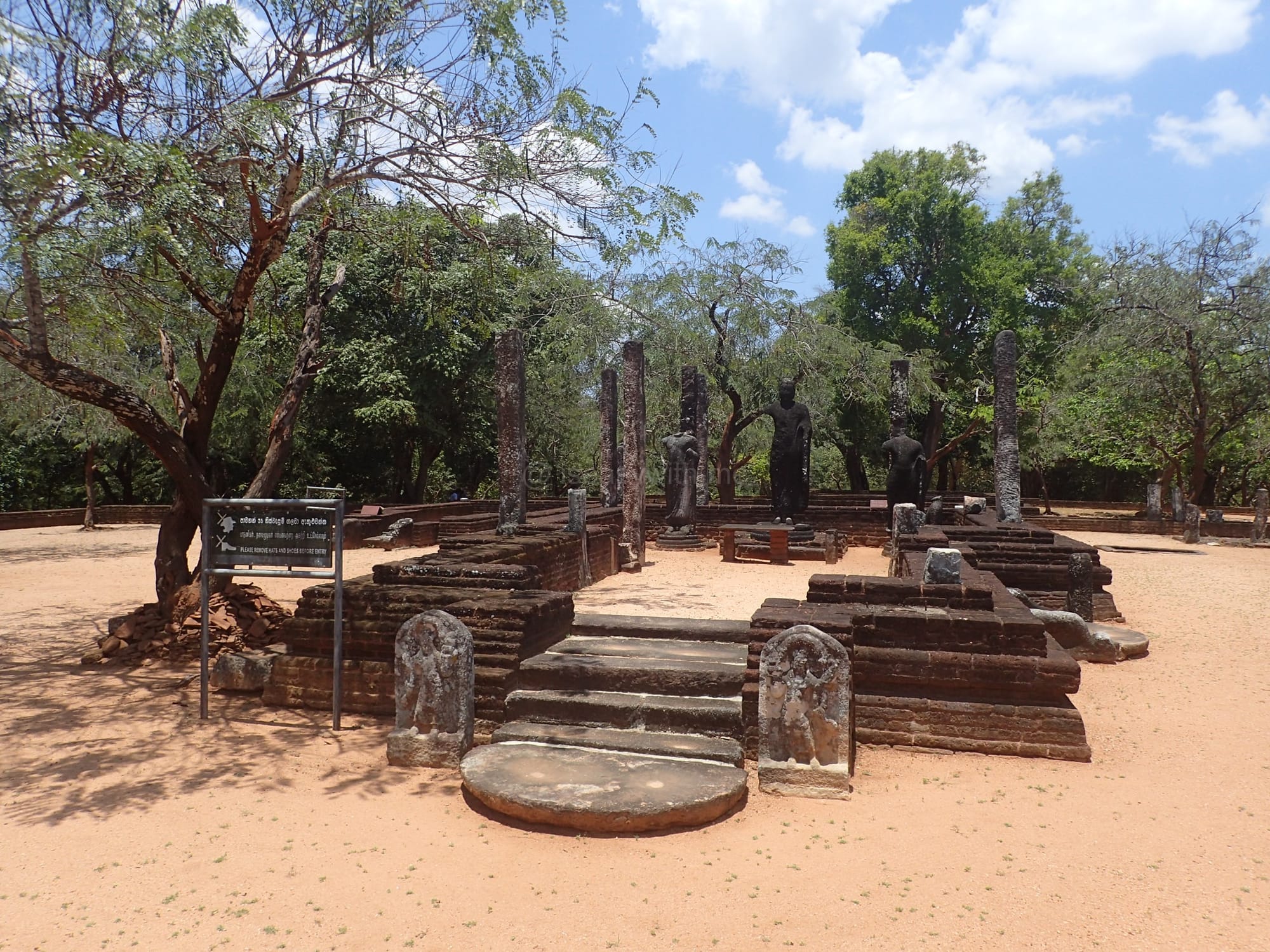
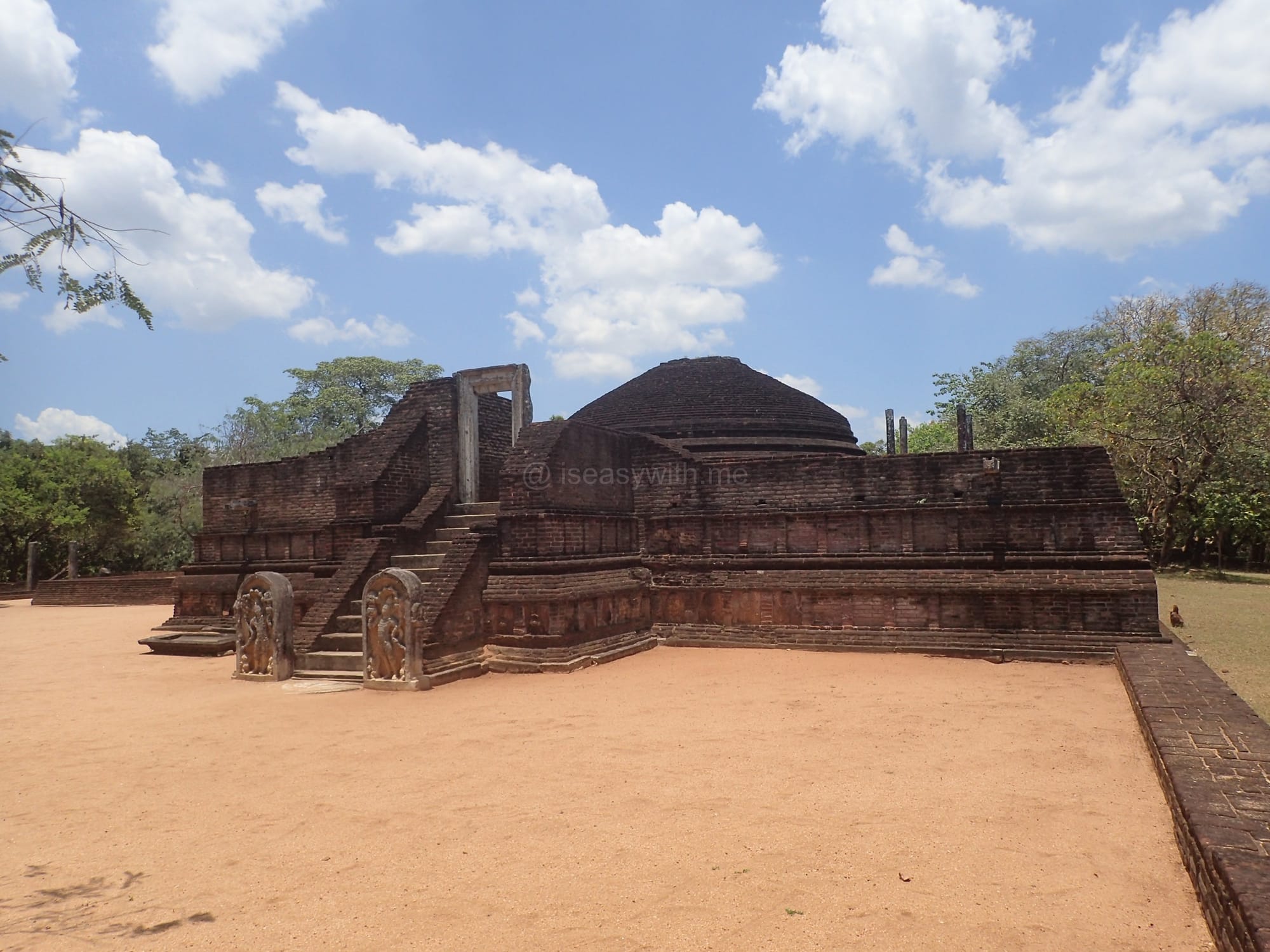
Manik Vehera
15. Rankot Vehera (Golden Pinnacle Stupa, Ratnavali Cetiya, Ruwanveli Seya of Polonnaruwa): A massive, earth-toned brick stupa standing at 55 meters tall, making it the largest completed dagoba in the city.
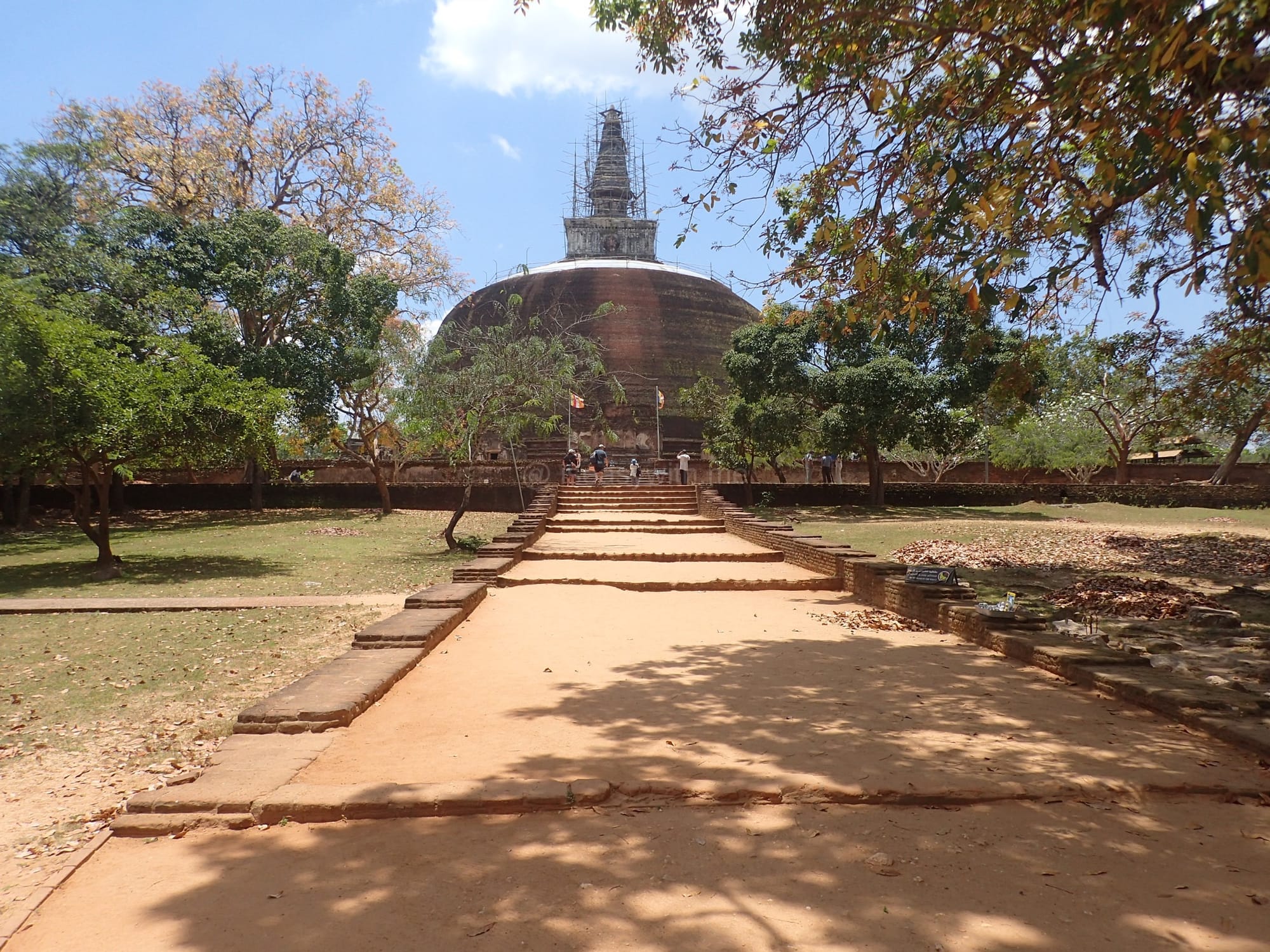
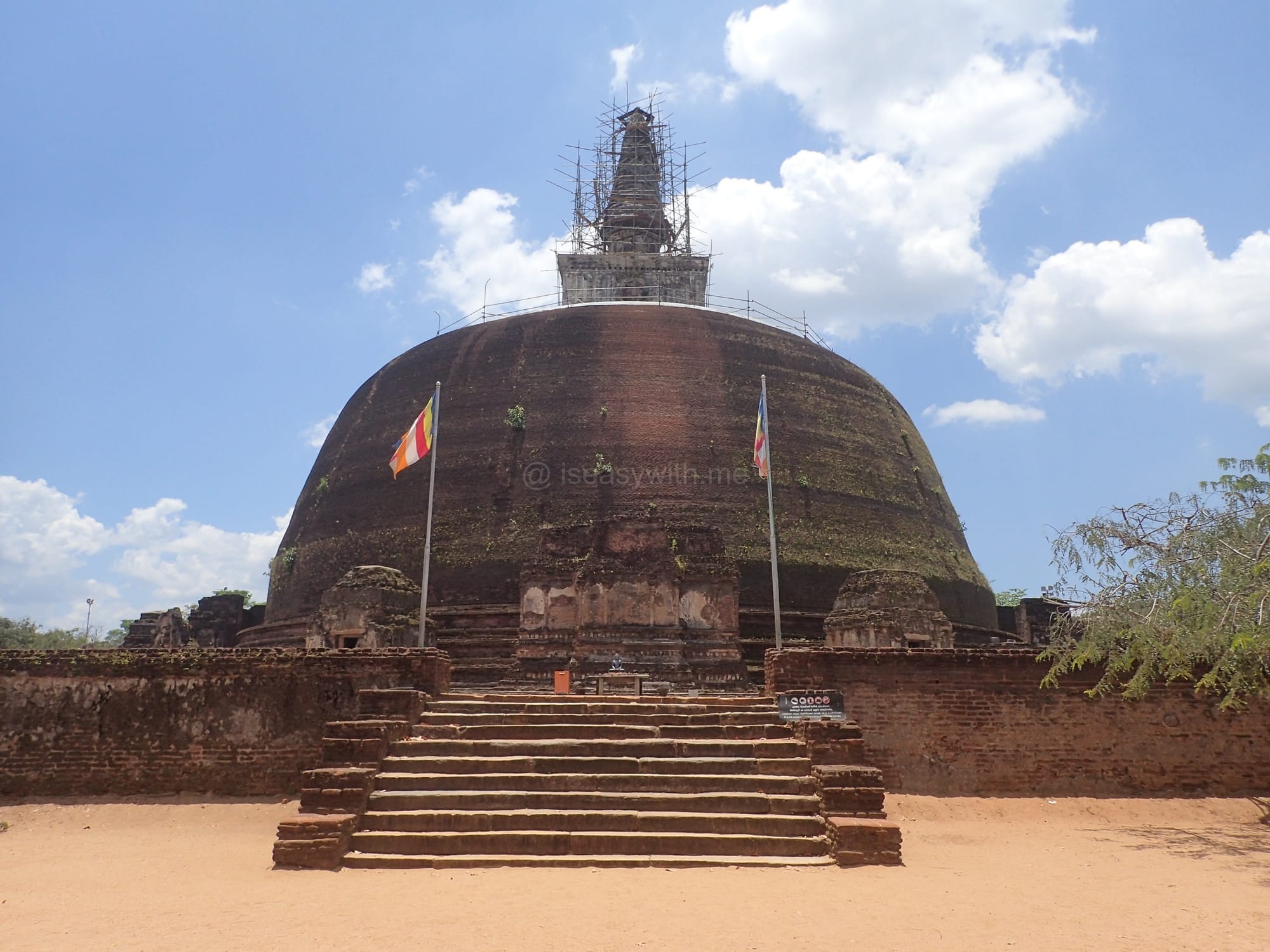
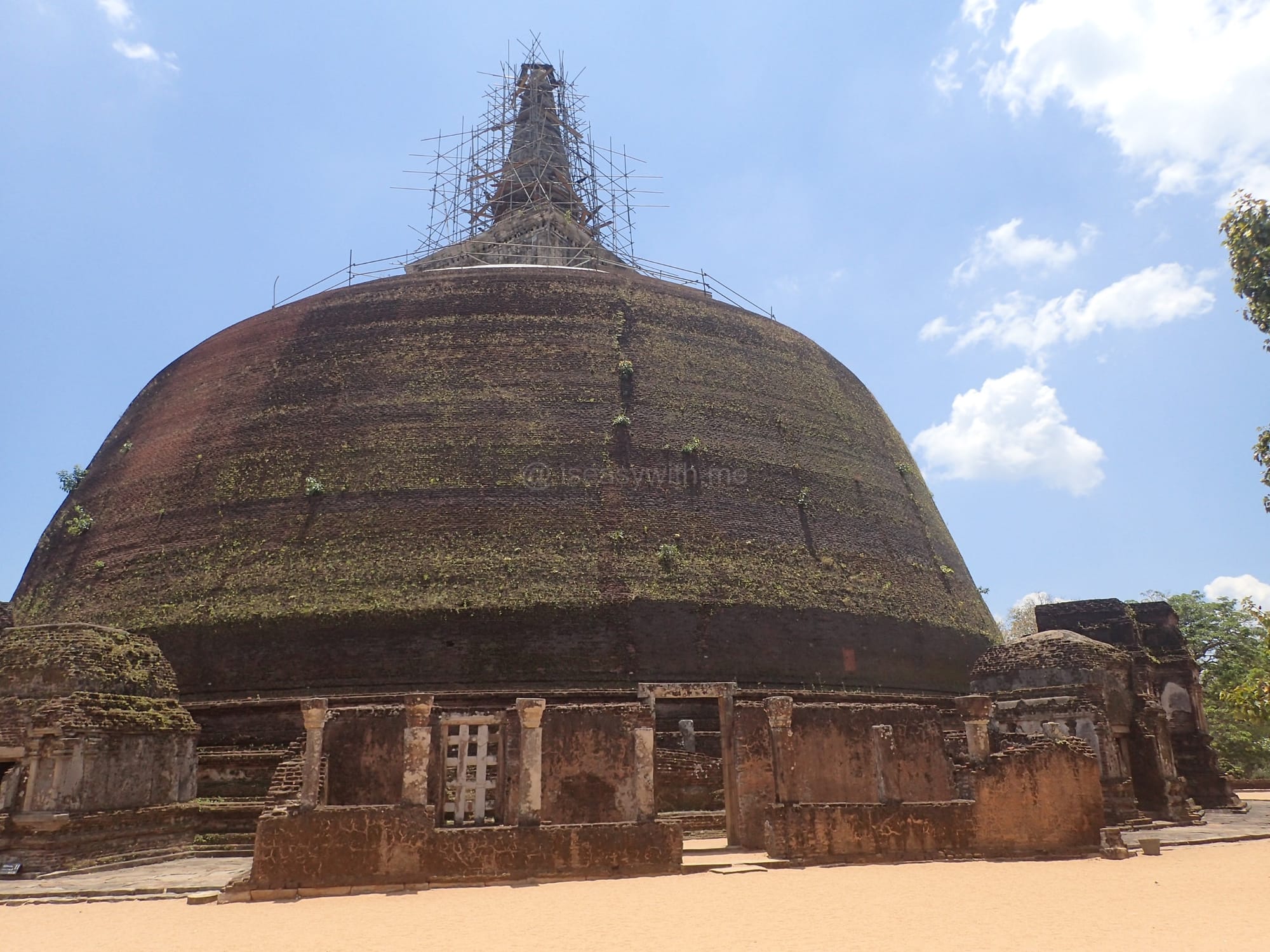
Rankot Vehera
16. Monastic Hospital (Ancient Alahana Parivena Hospital): The remains of an ancient medical facility, complete with stone surgical beds and medicine baths used to treat monks.
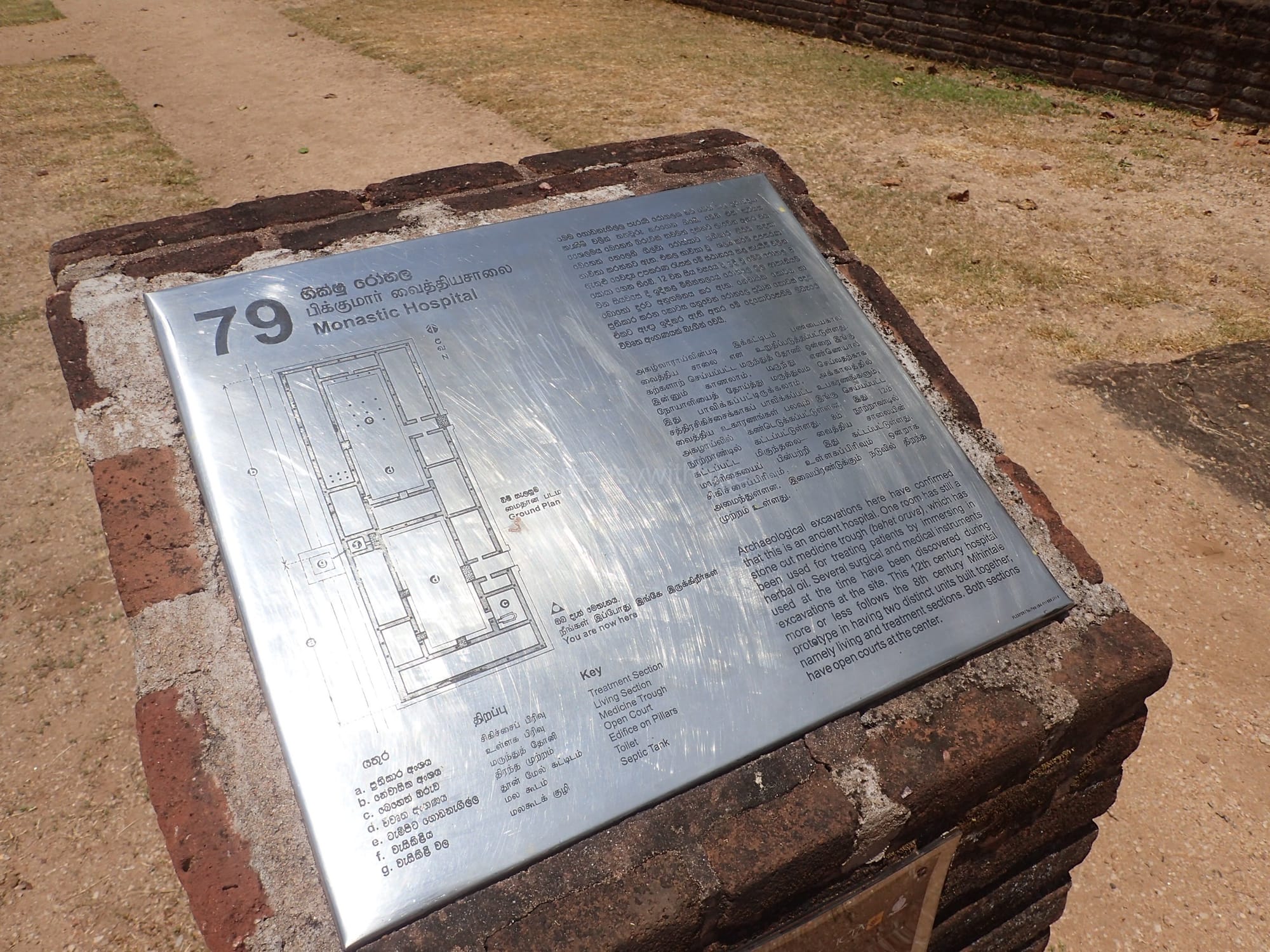
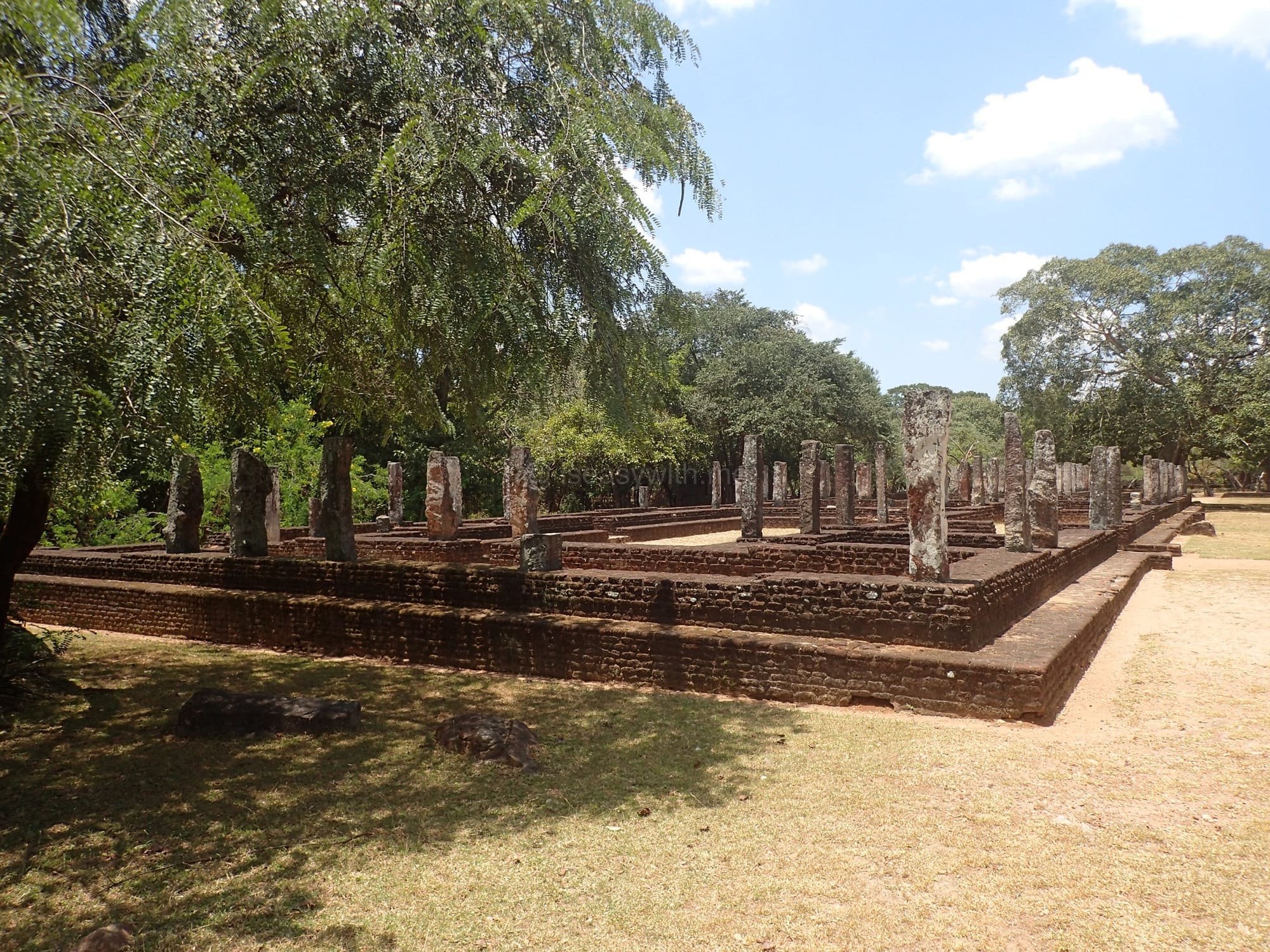
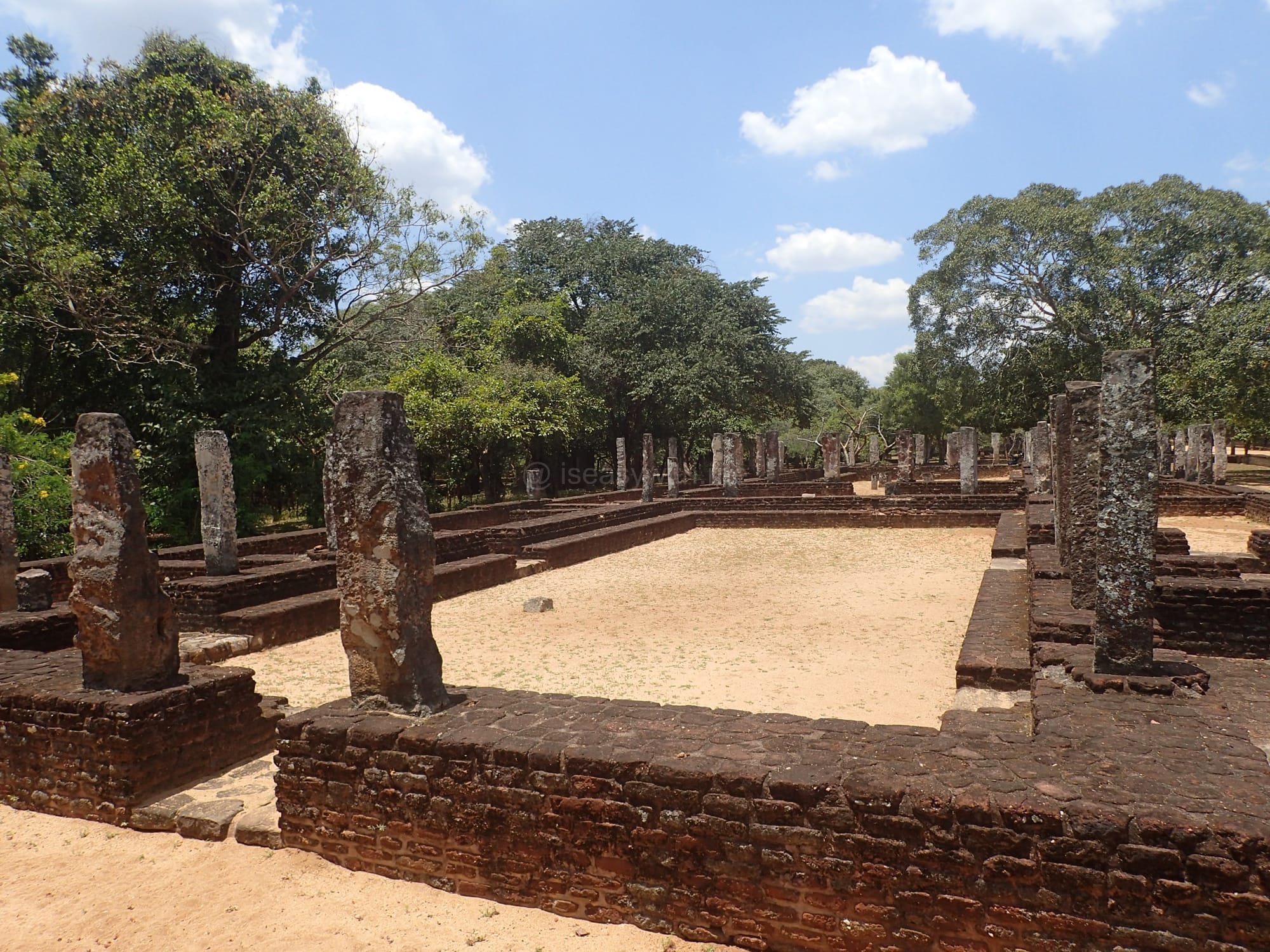
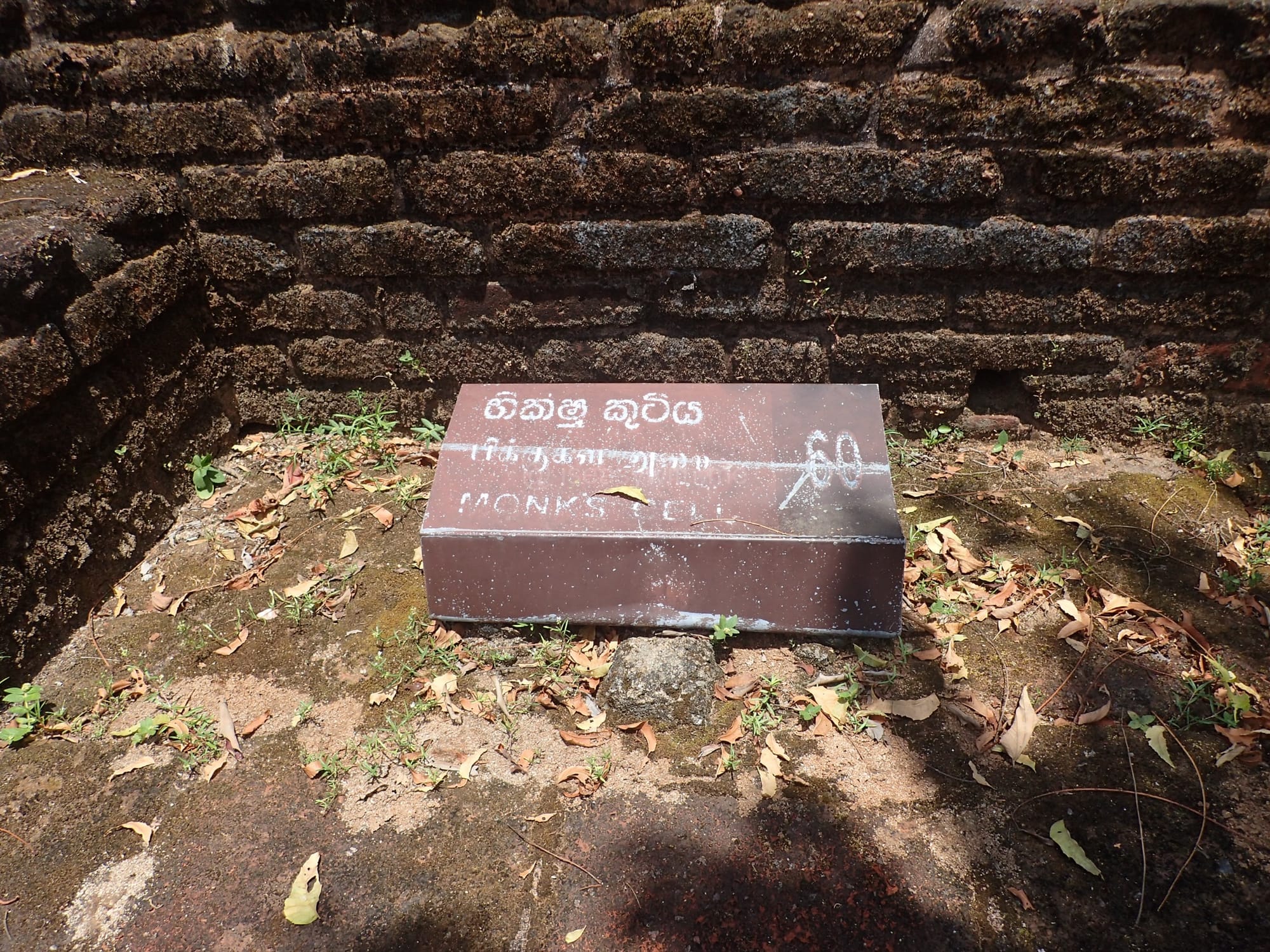
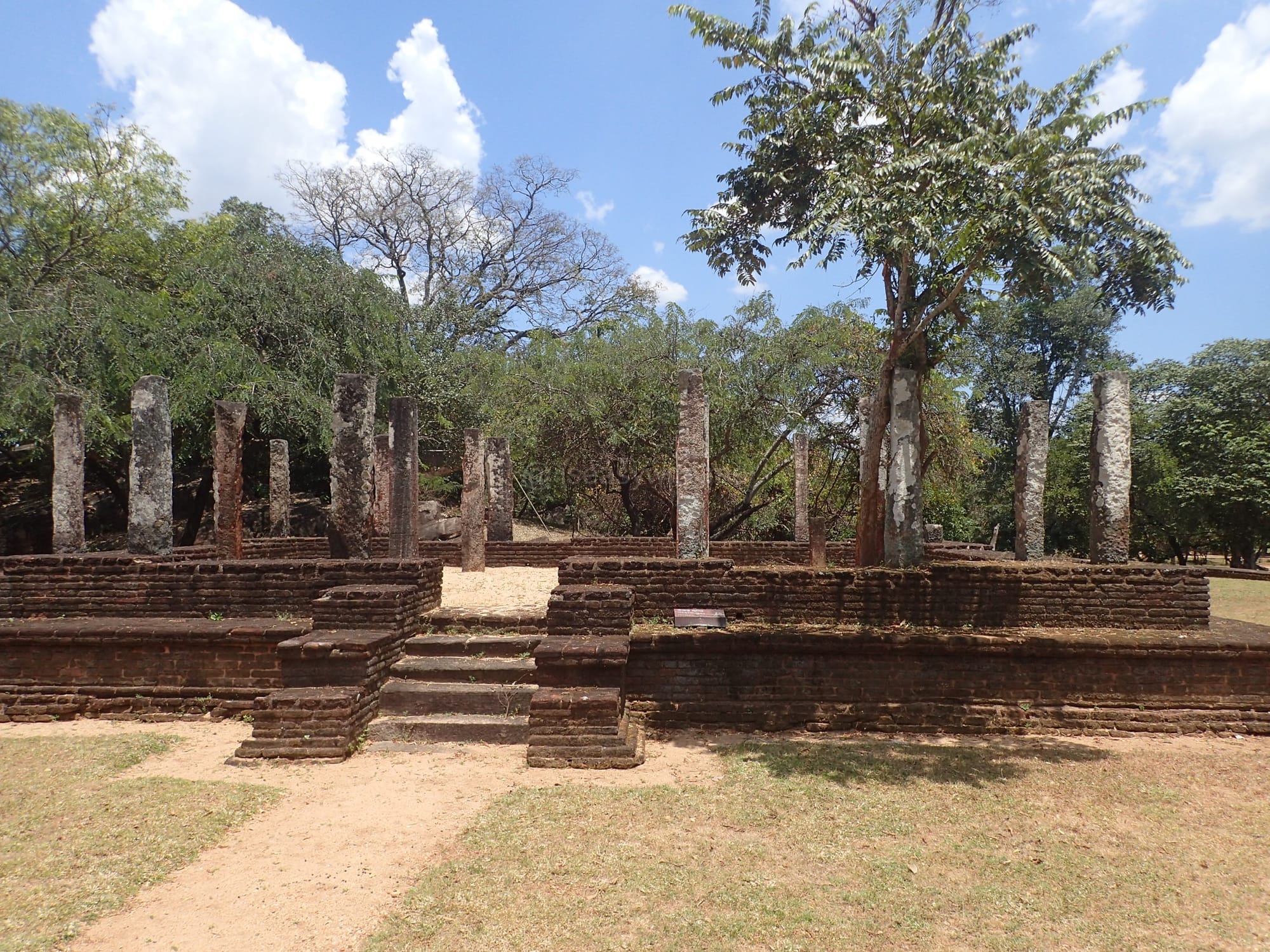
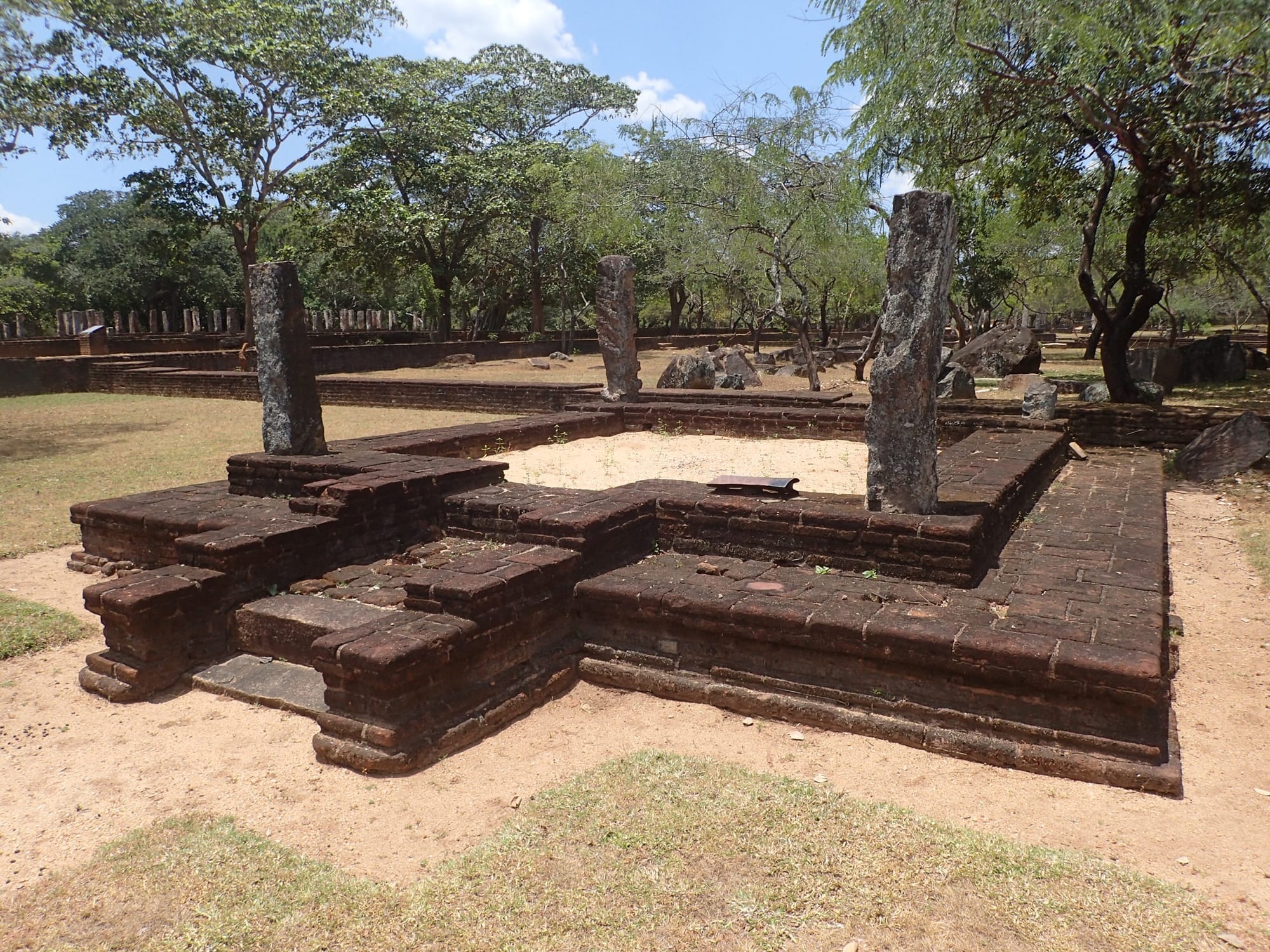
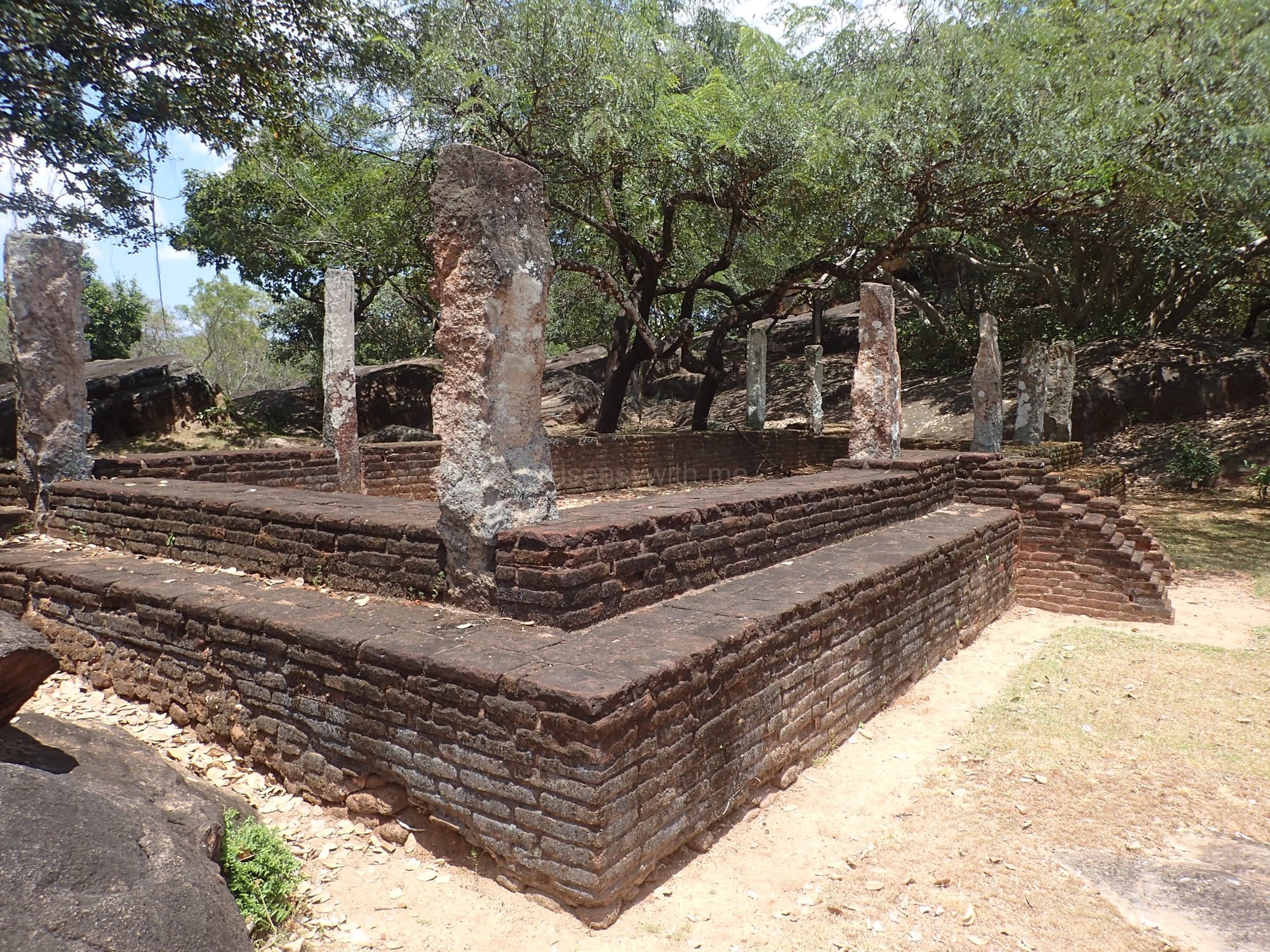
Monastic Hospital
17. Gopala Pabbata (Gopala Pabatha, Gopala Rock Caves): Marking the southernmost boundary of the Alahana Parivena monastic complex, this low rocky outcrop features a collection of natural stone caves that served as a peaceful retreat for ancient monks.
Why I missed it: I missed this one completely without even realising it. Don't think I saw any signage on the road and because it is essentially just a rocky outcrop covered in trees, I probably past it. 🙁
18. Baddhasima Prasada (Bhaddasima Prasada, The Chapter House): Serving as the grand ecclesiastical heart of the Alahana Pirivena complex, Baddhasima Prasada is the largest ancient convocational hall in Sri Lanka, where 12th-century chroniclers claim a monumental twelve-storey building once stood for monks to gather and recite the monastic codes of discipline.
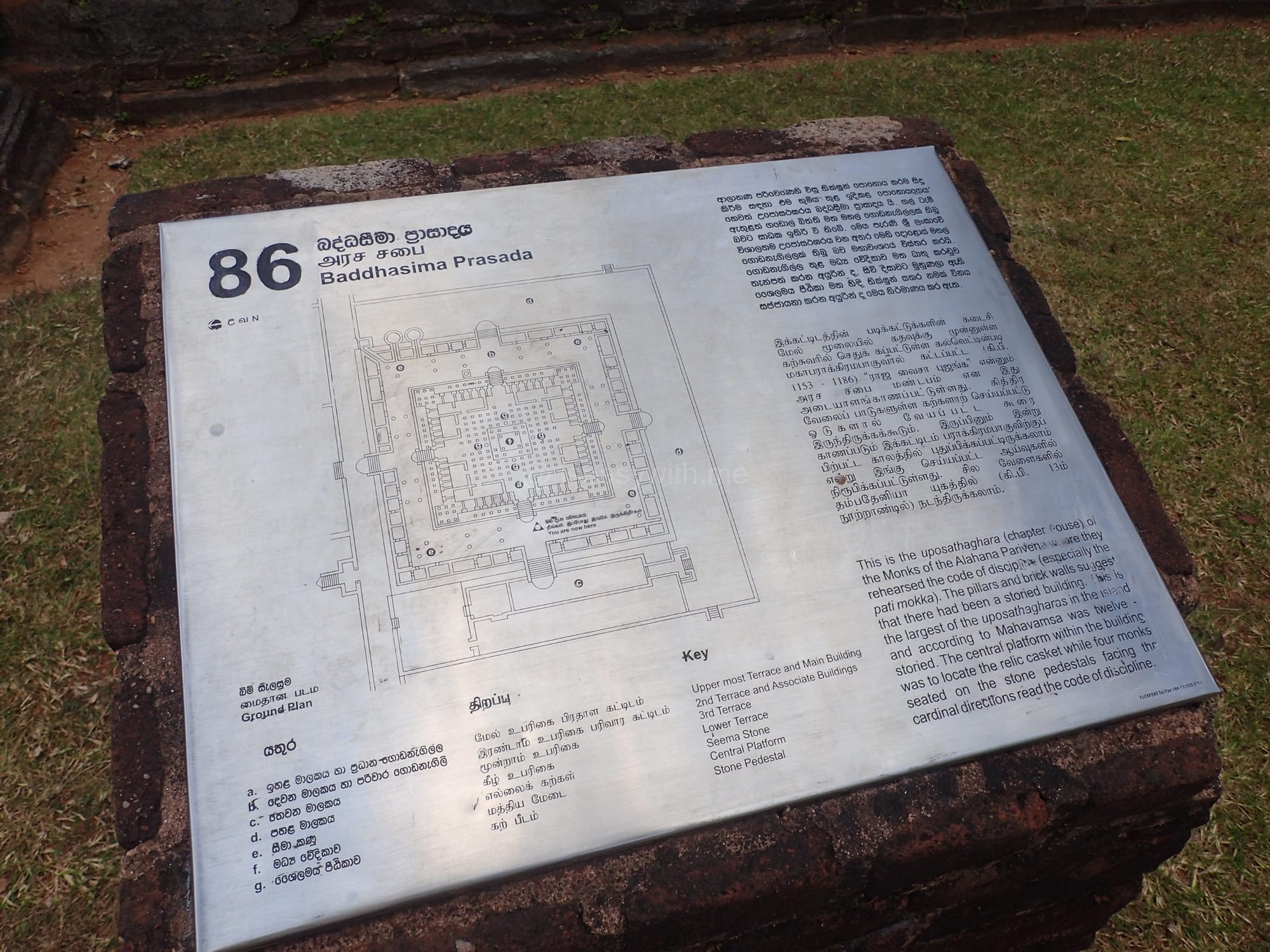
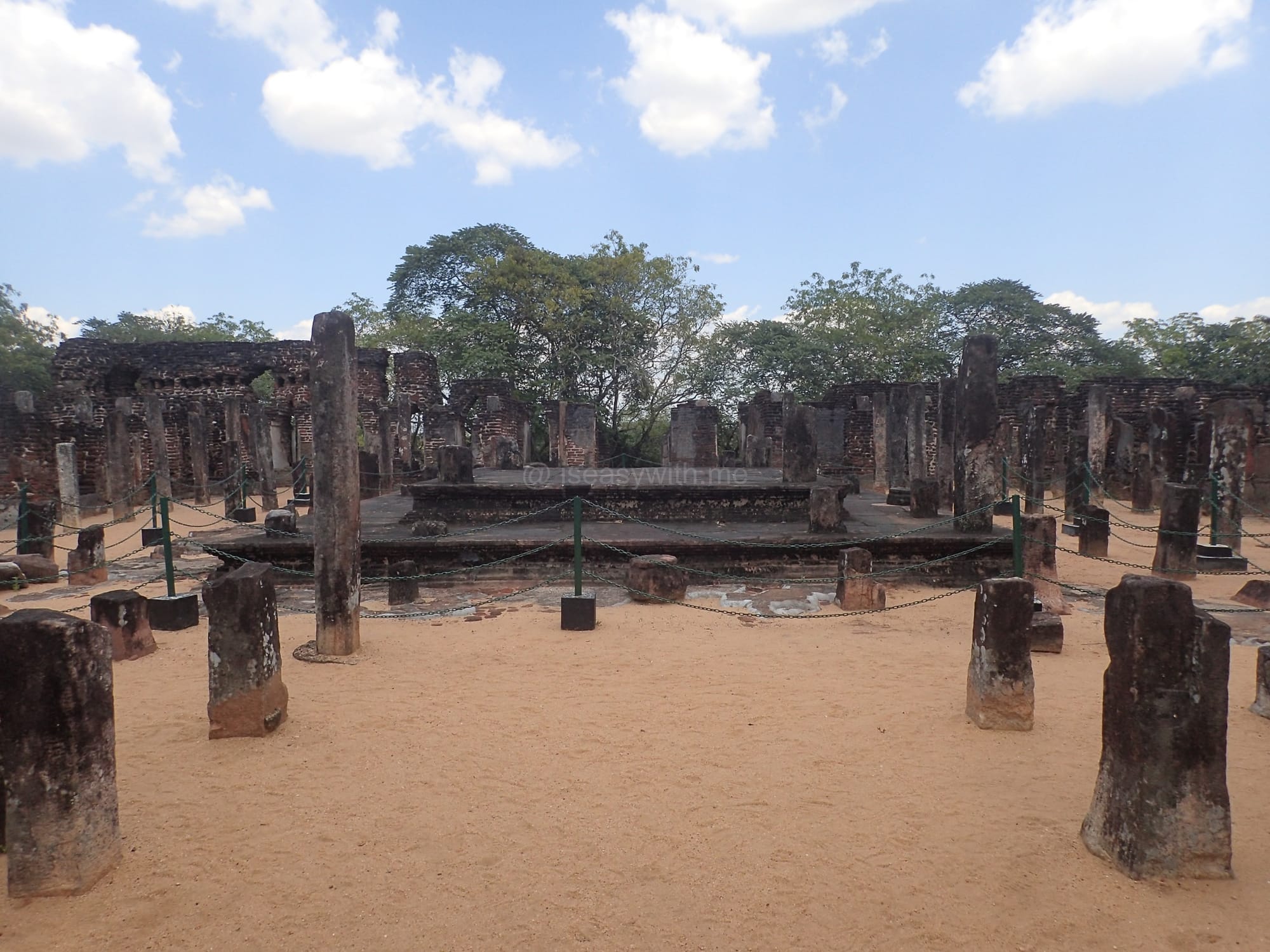
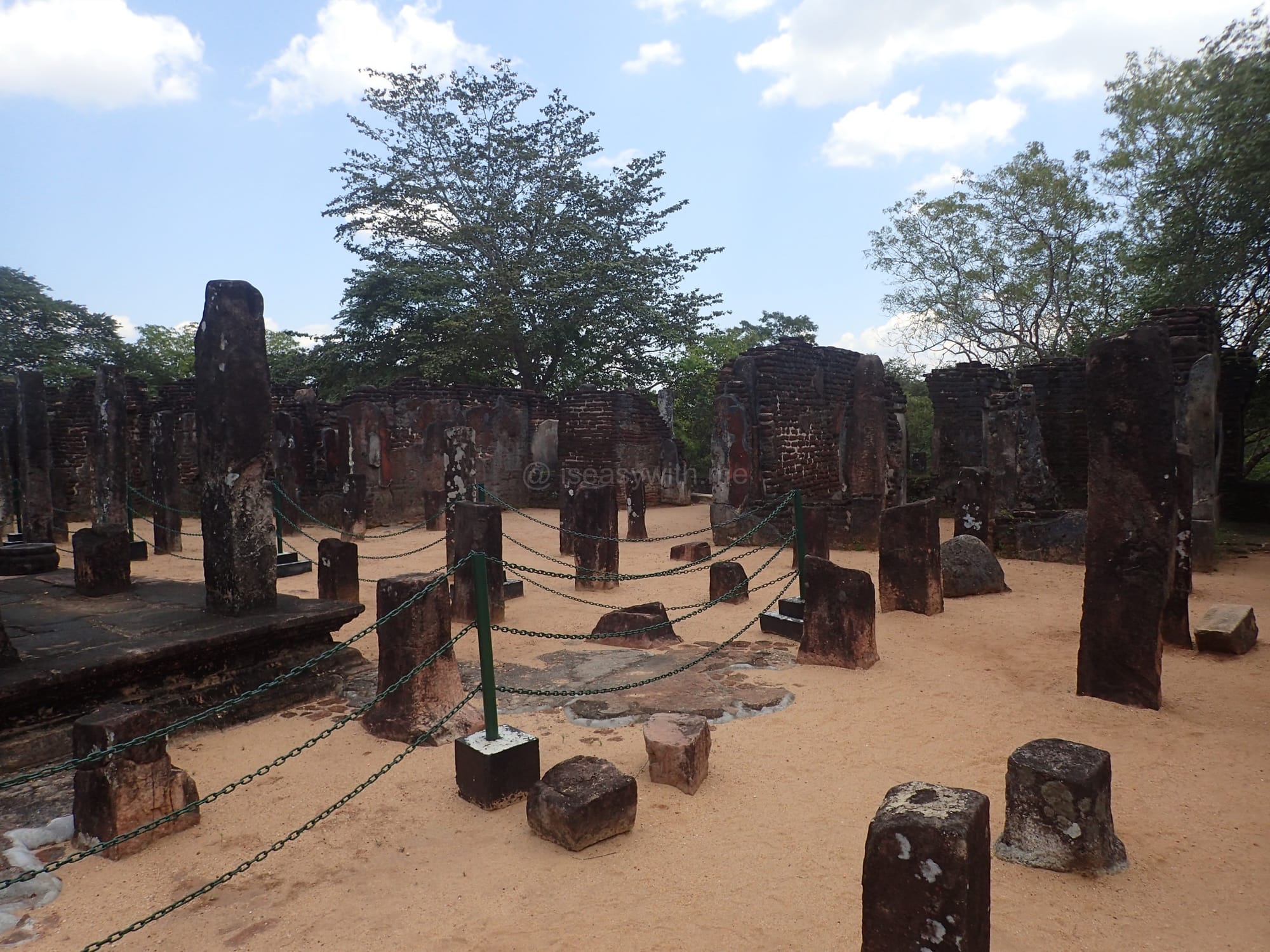
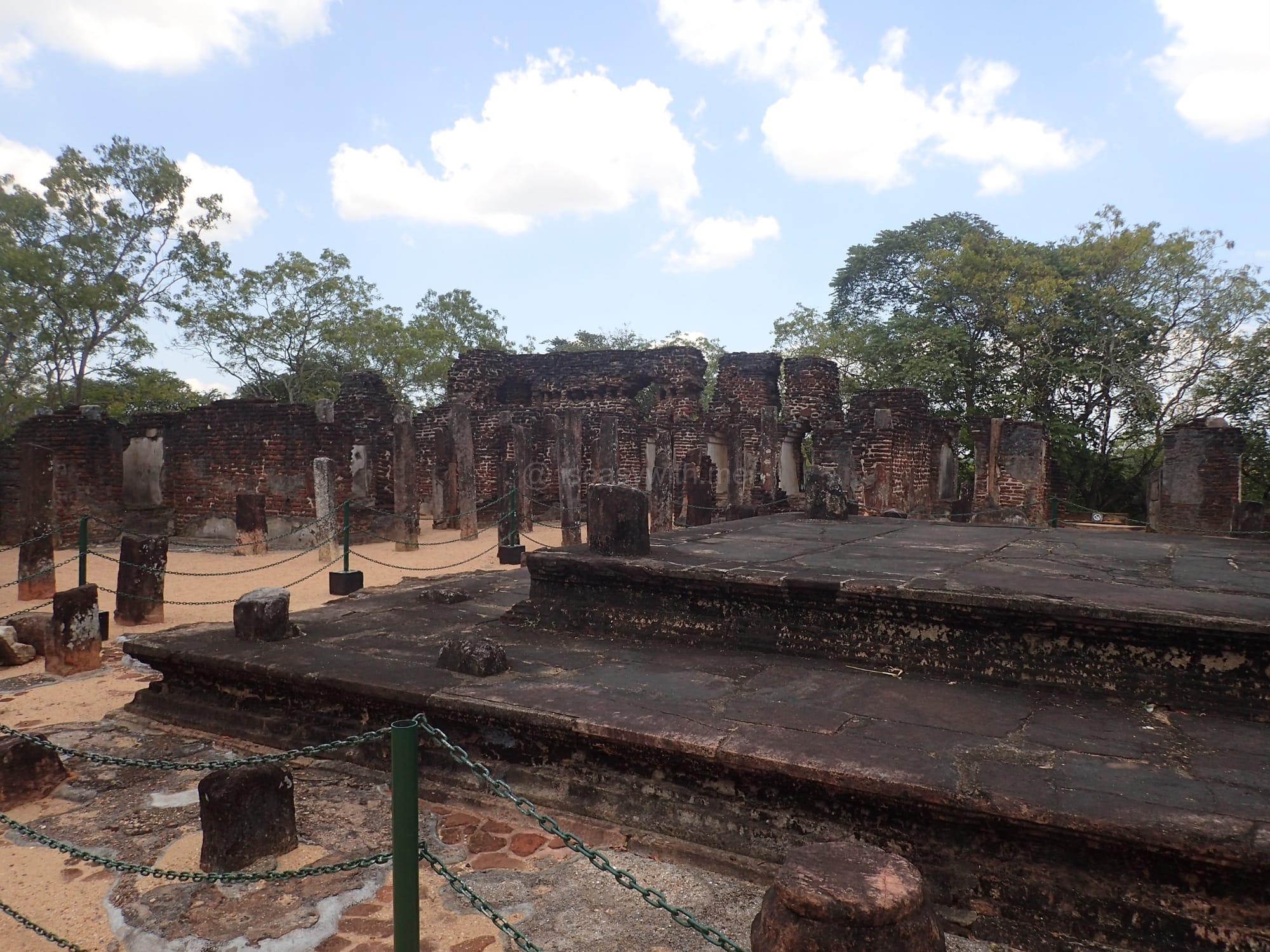
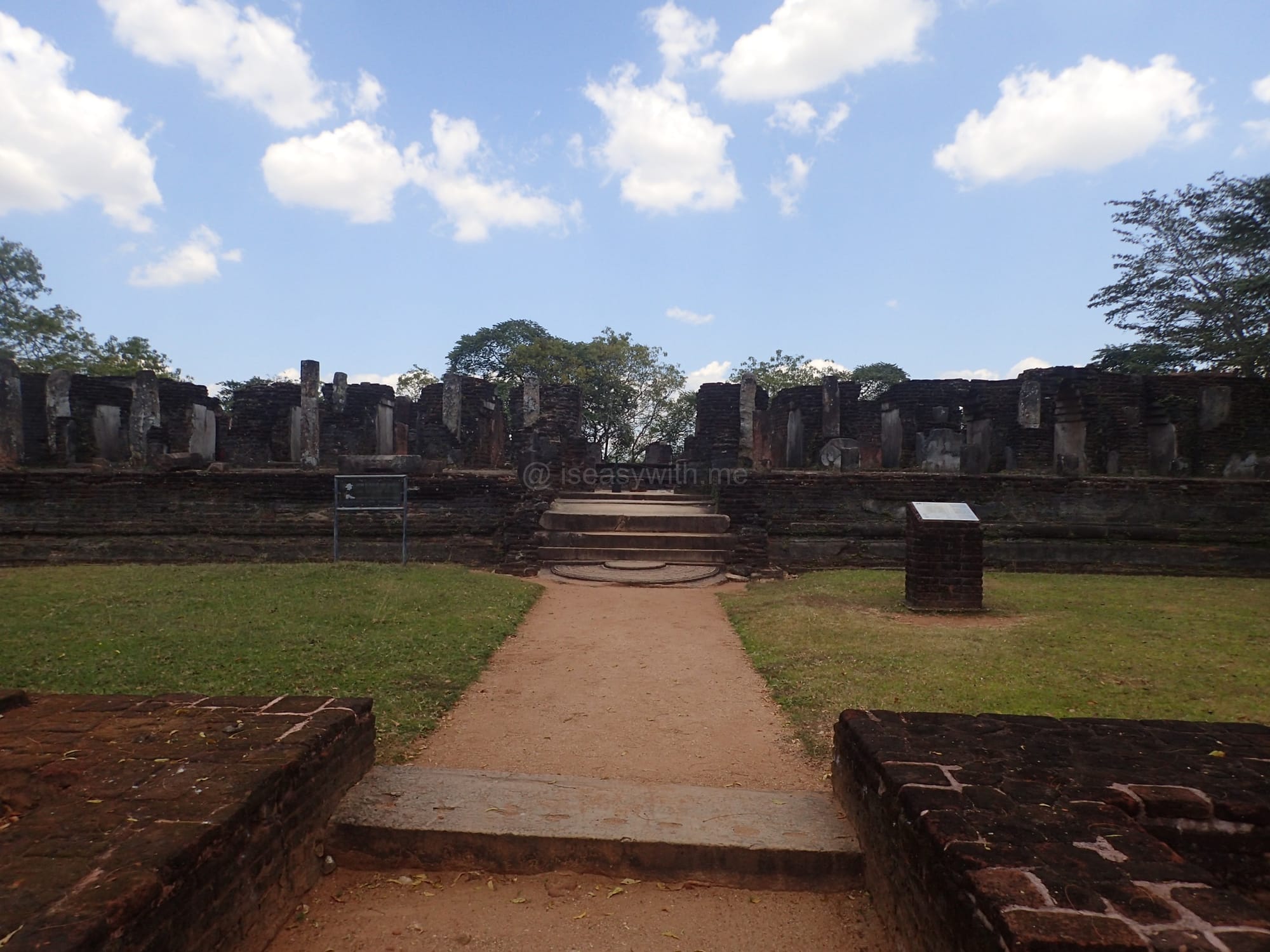
Baddhasima Prasada
19. Alahana Pirivena (Alahana Parivena, Crematory Monastic Complex): Founded by King Parakramabahu the Great in the 12th century, Alahana Pirivena was a massive, 80-hectare medieval monastic university built entirely on a royal burial and cremation ground, whose expansive multi-level stone terraces still house towering monuments like the Kiri Vehera and Lankatilaka Image House.
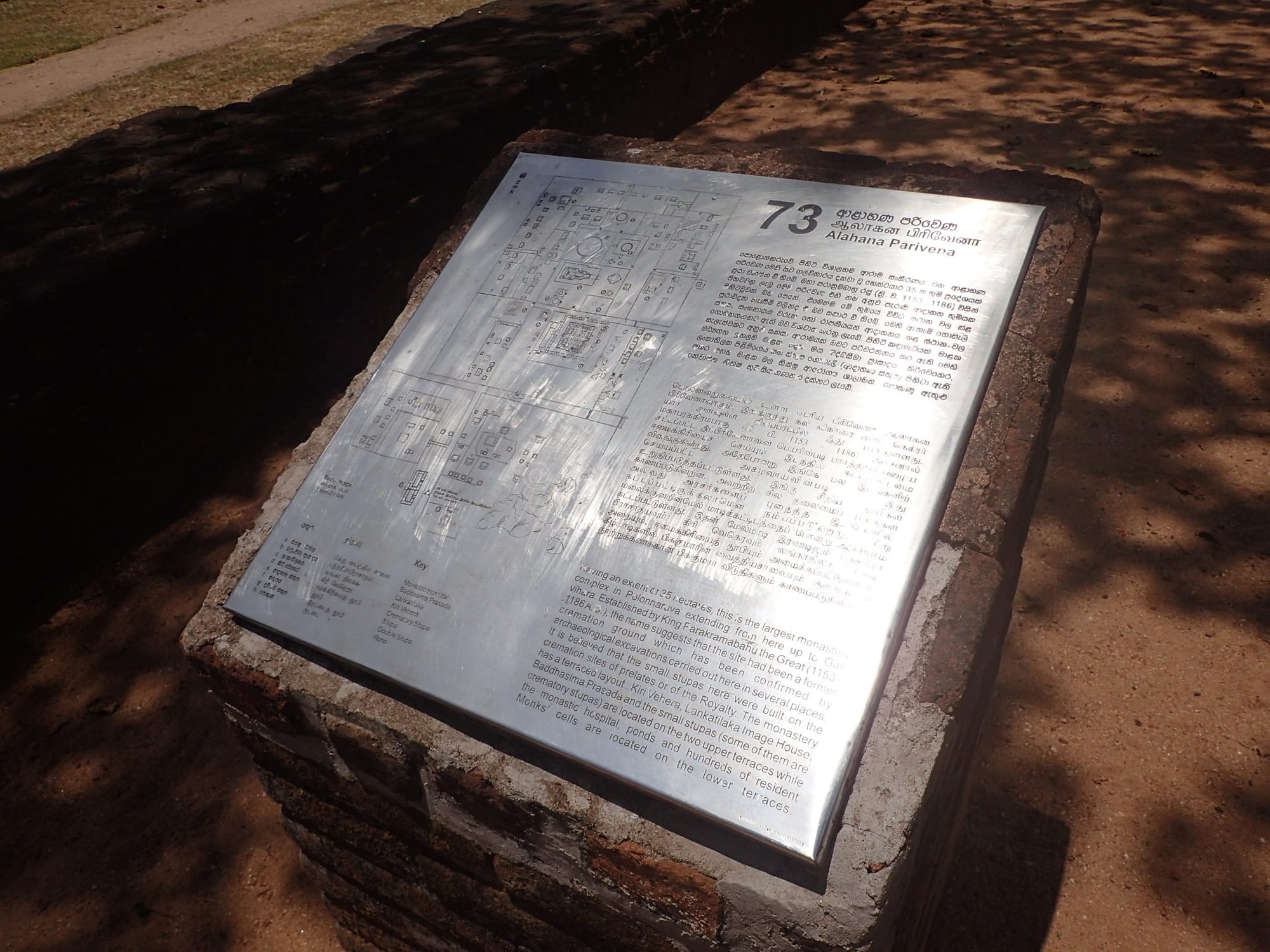
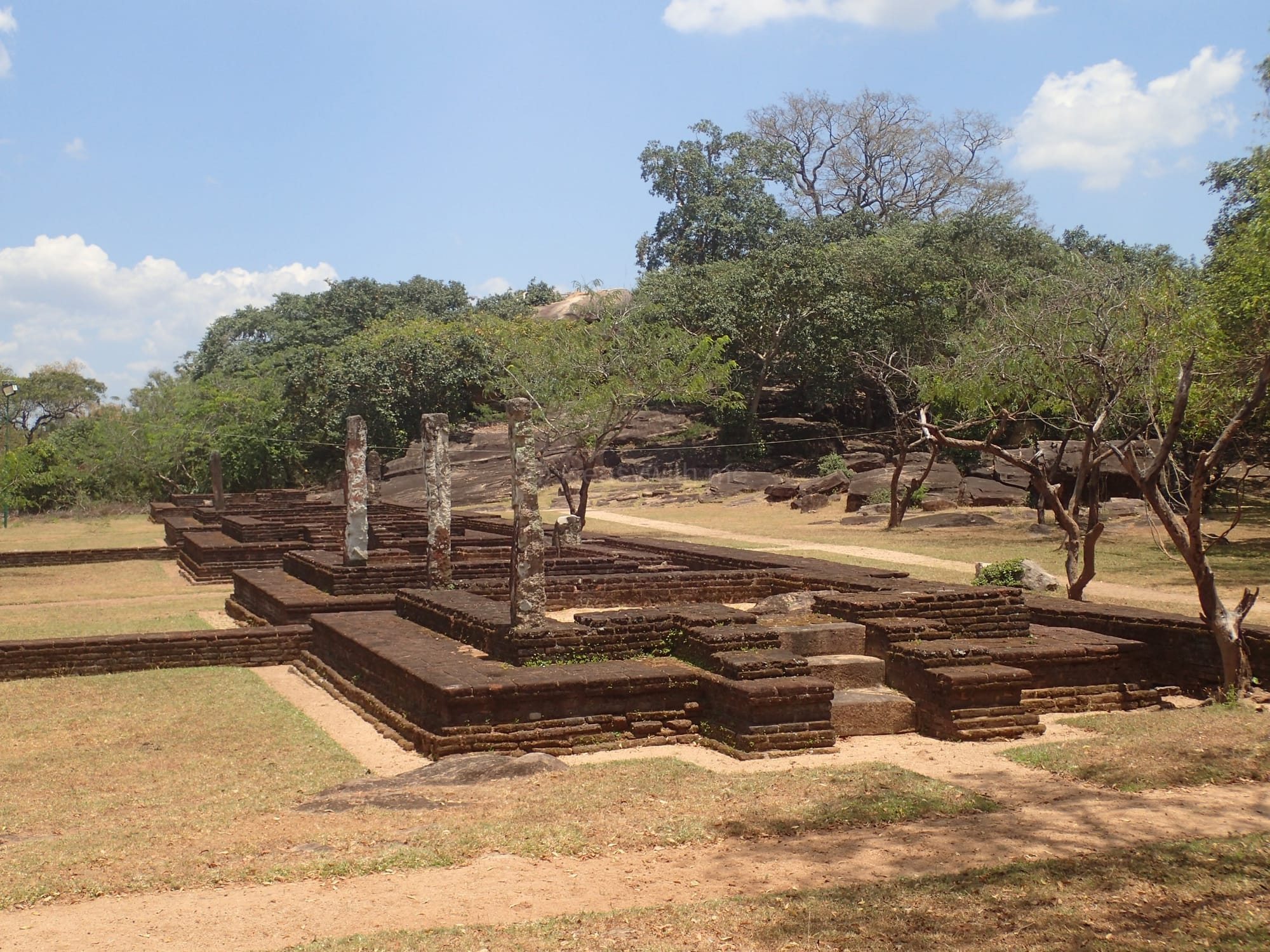
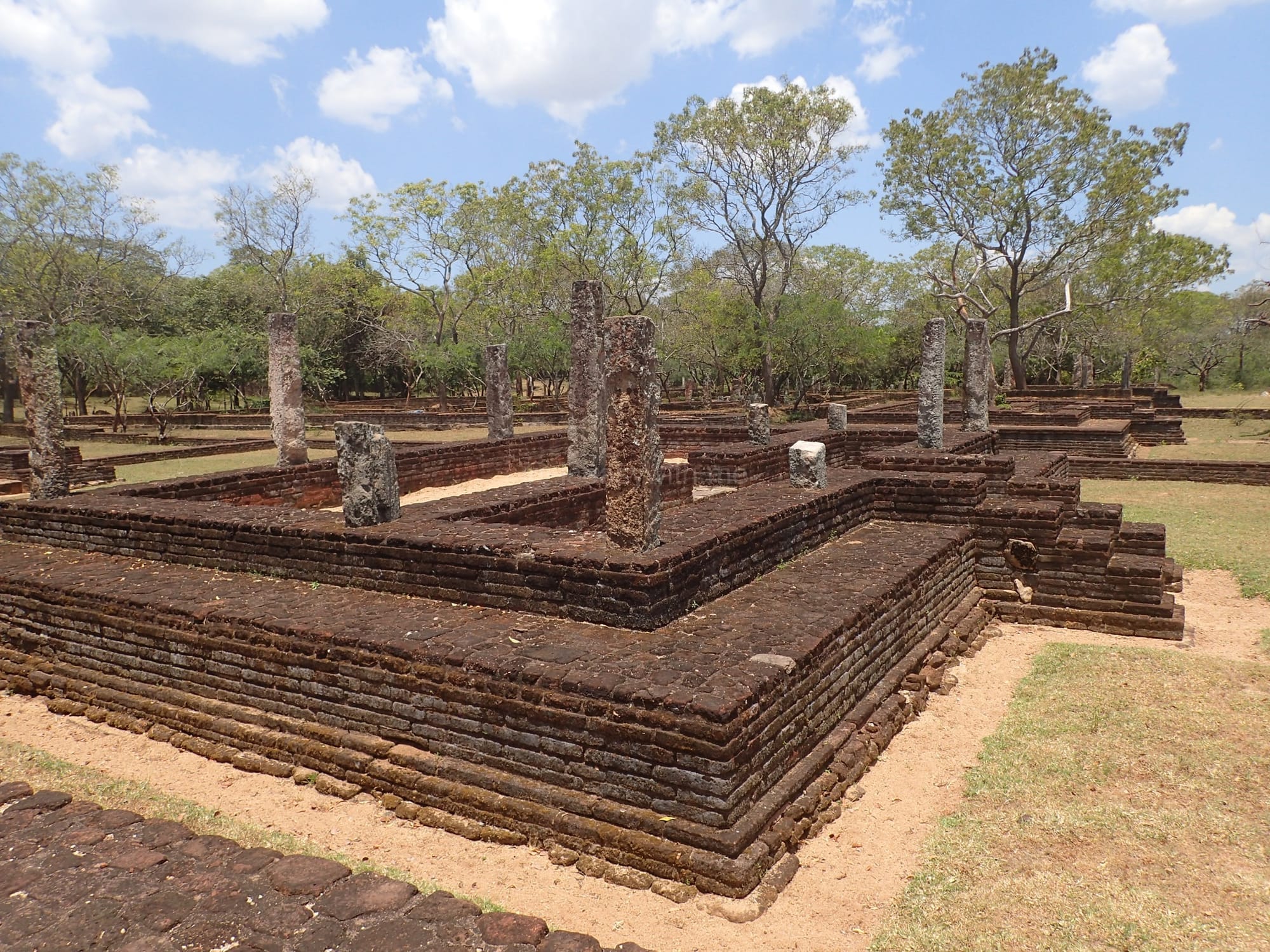
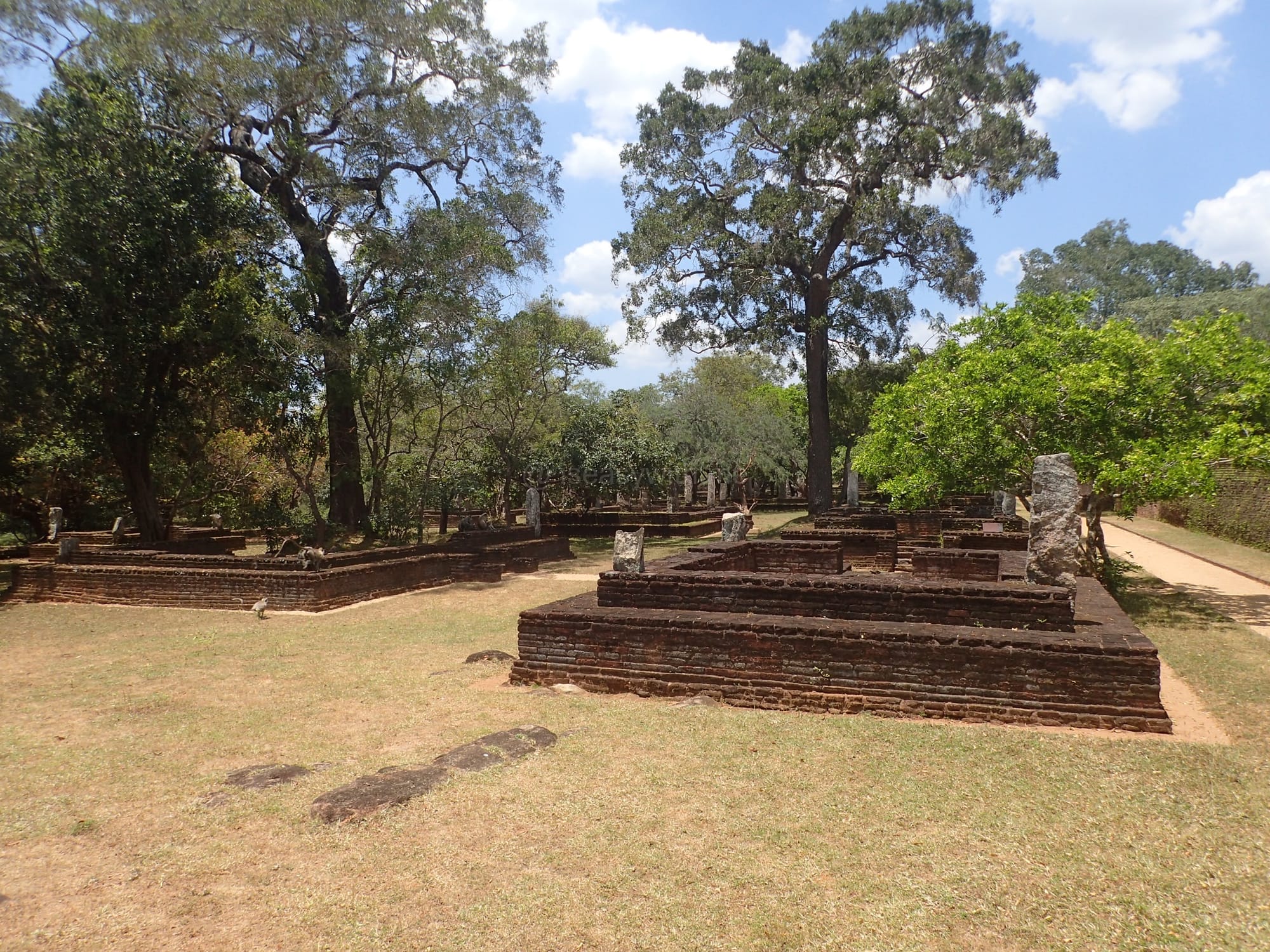
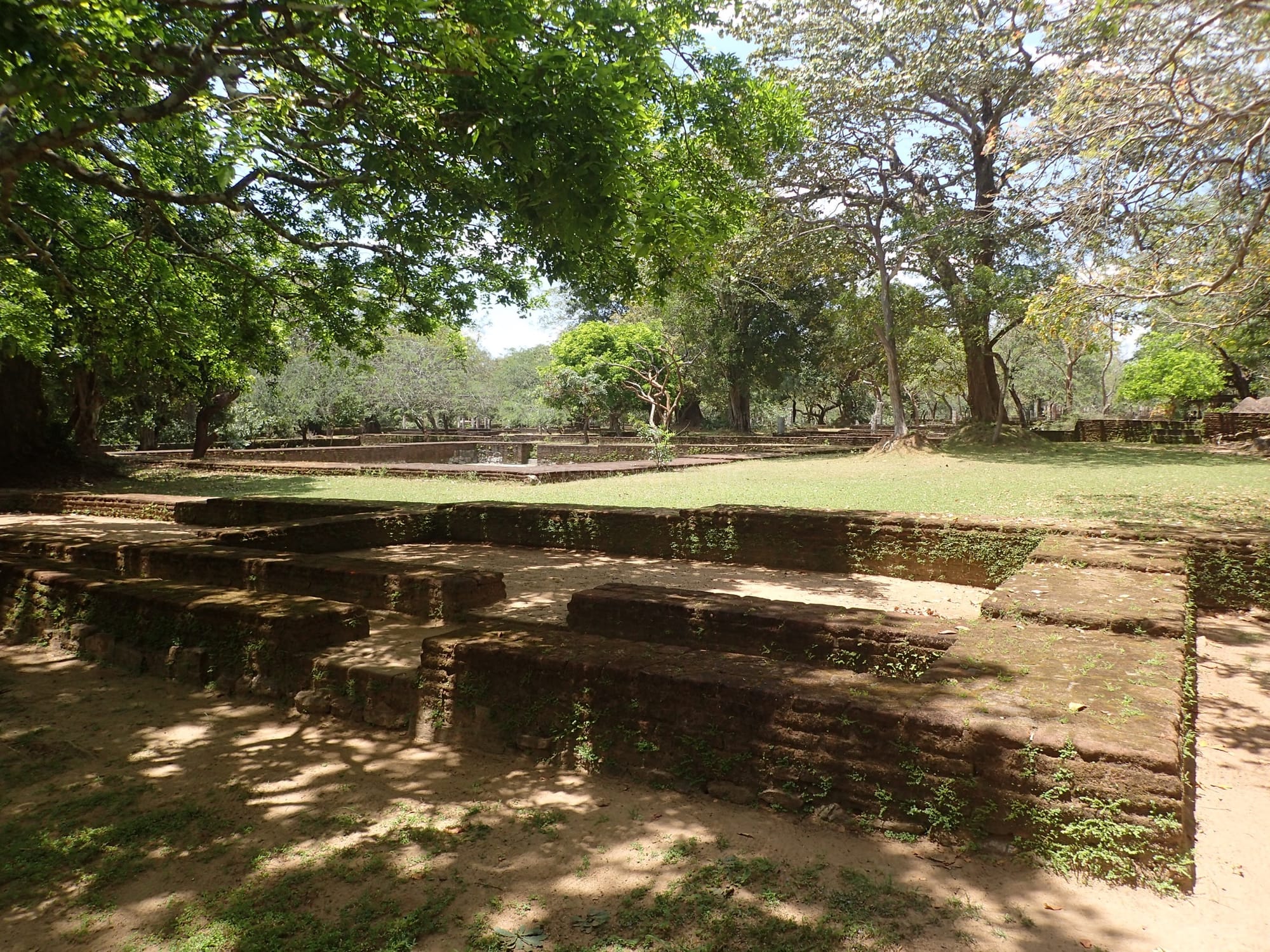
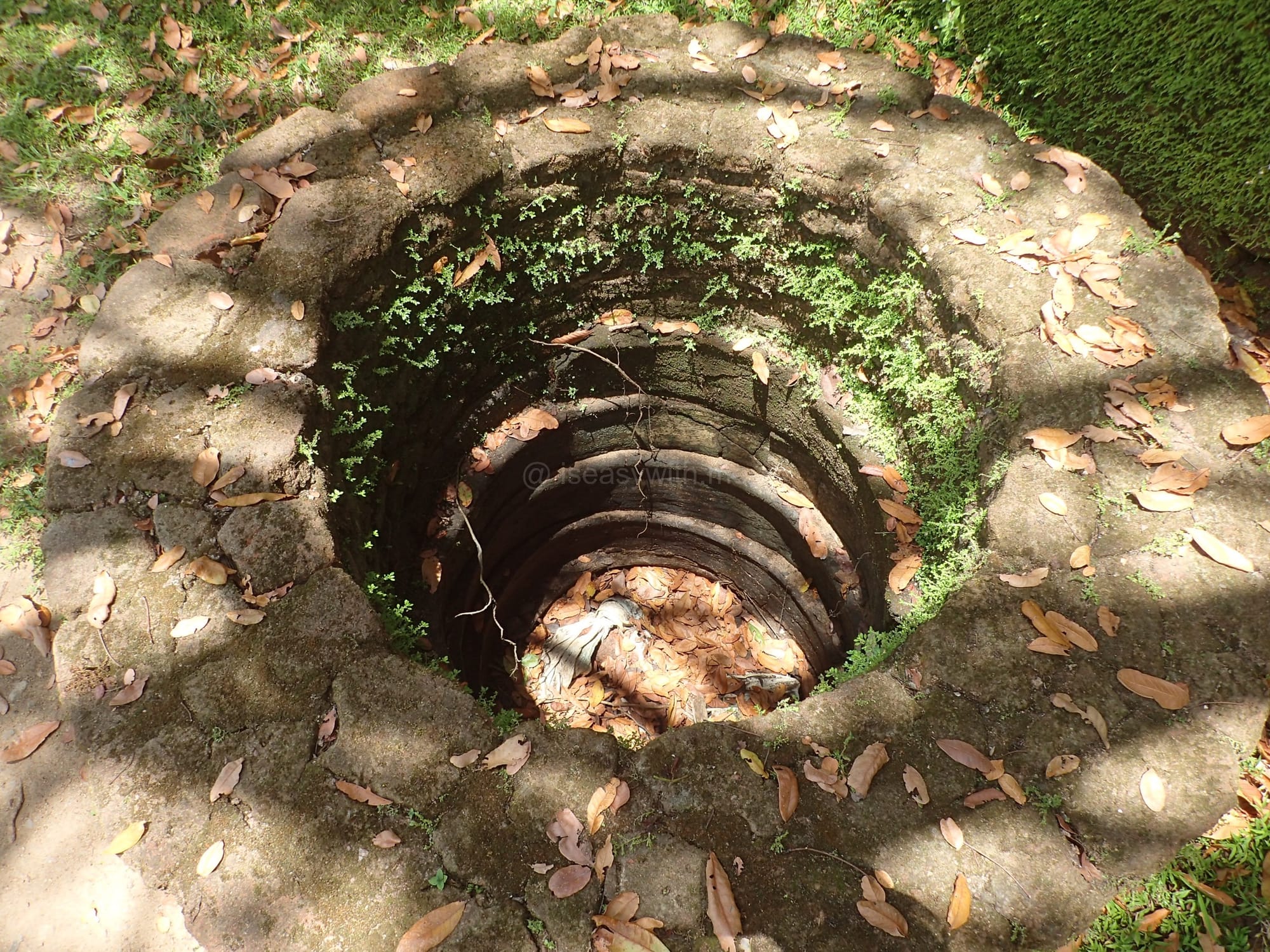
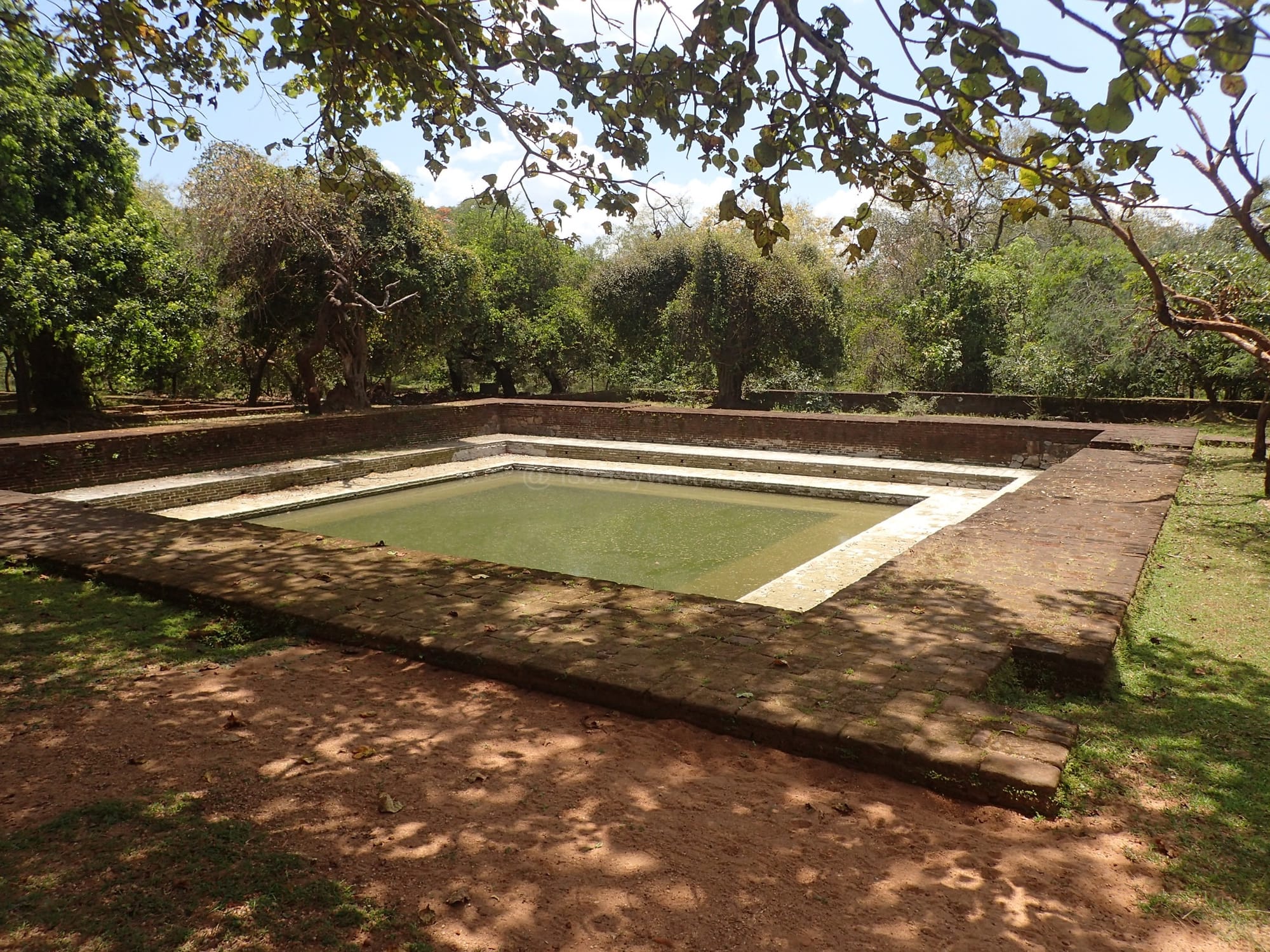
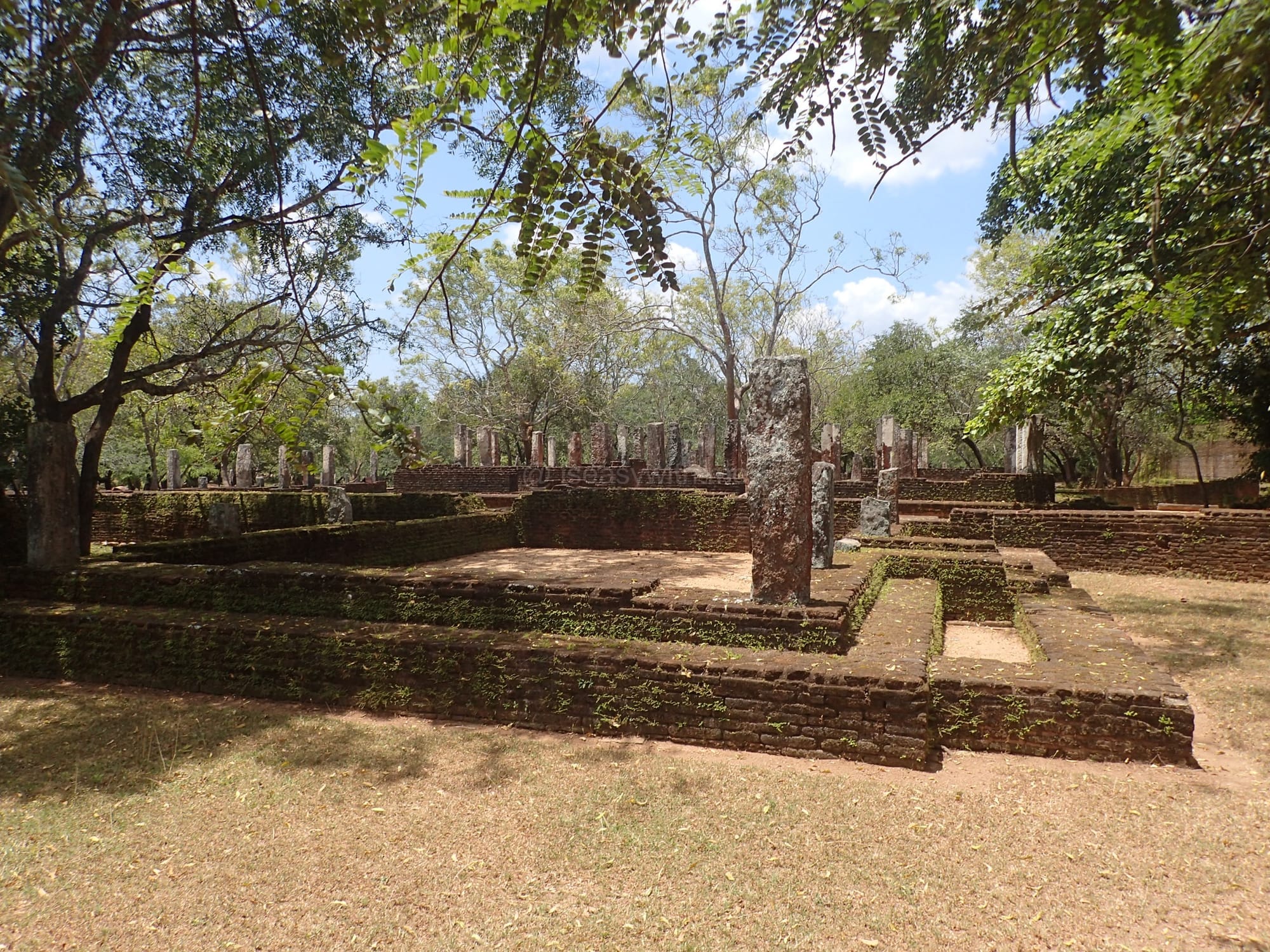
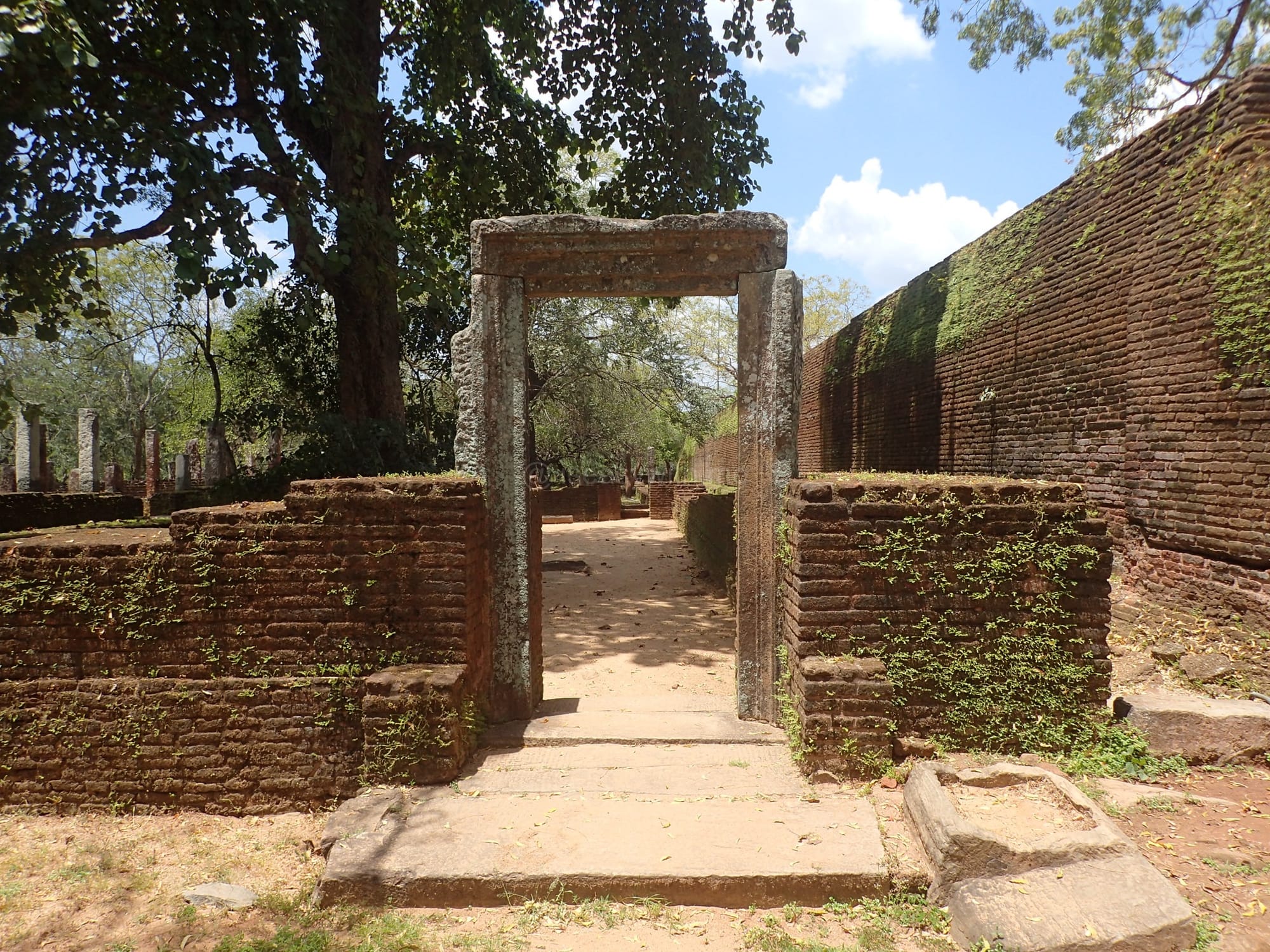
Alahana Pirivena
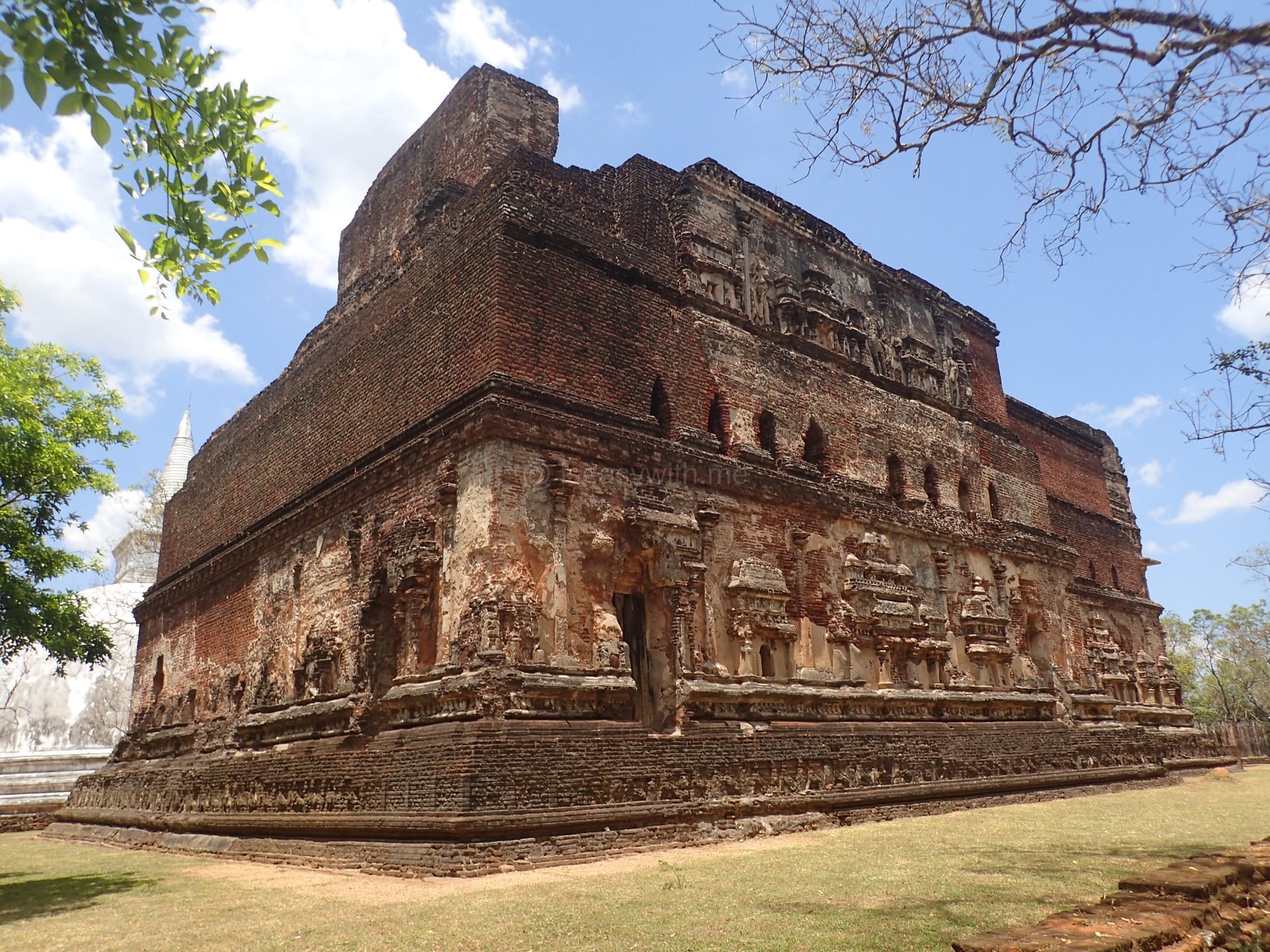
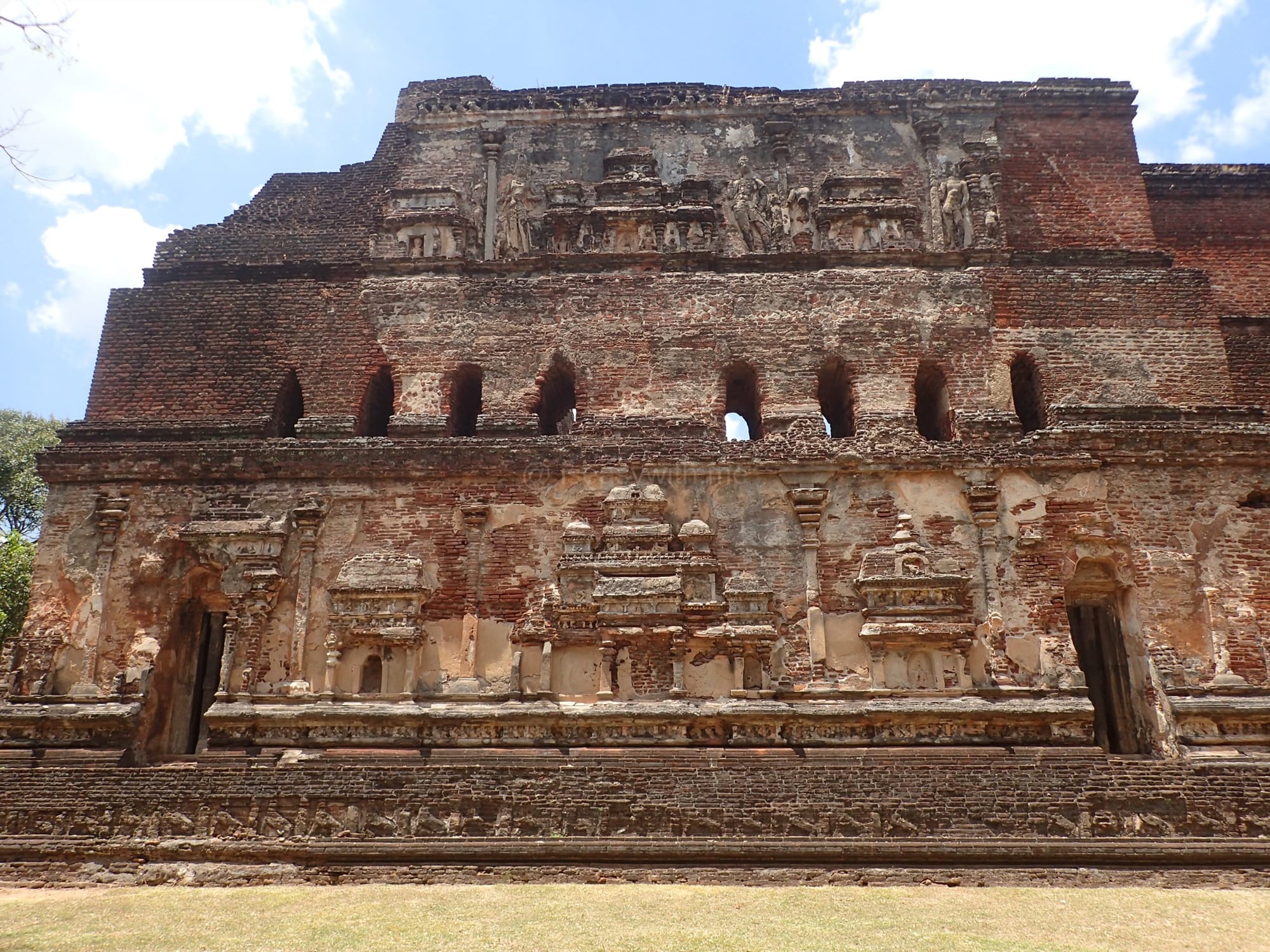
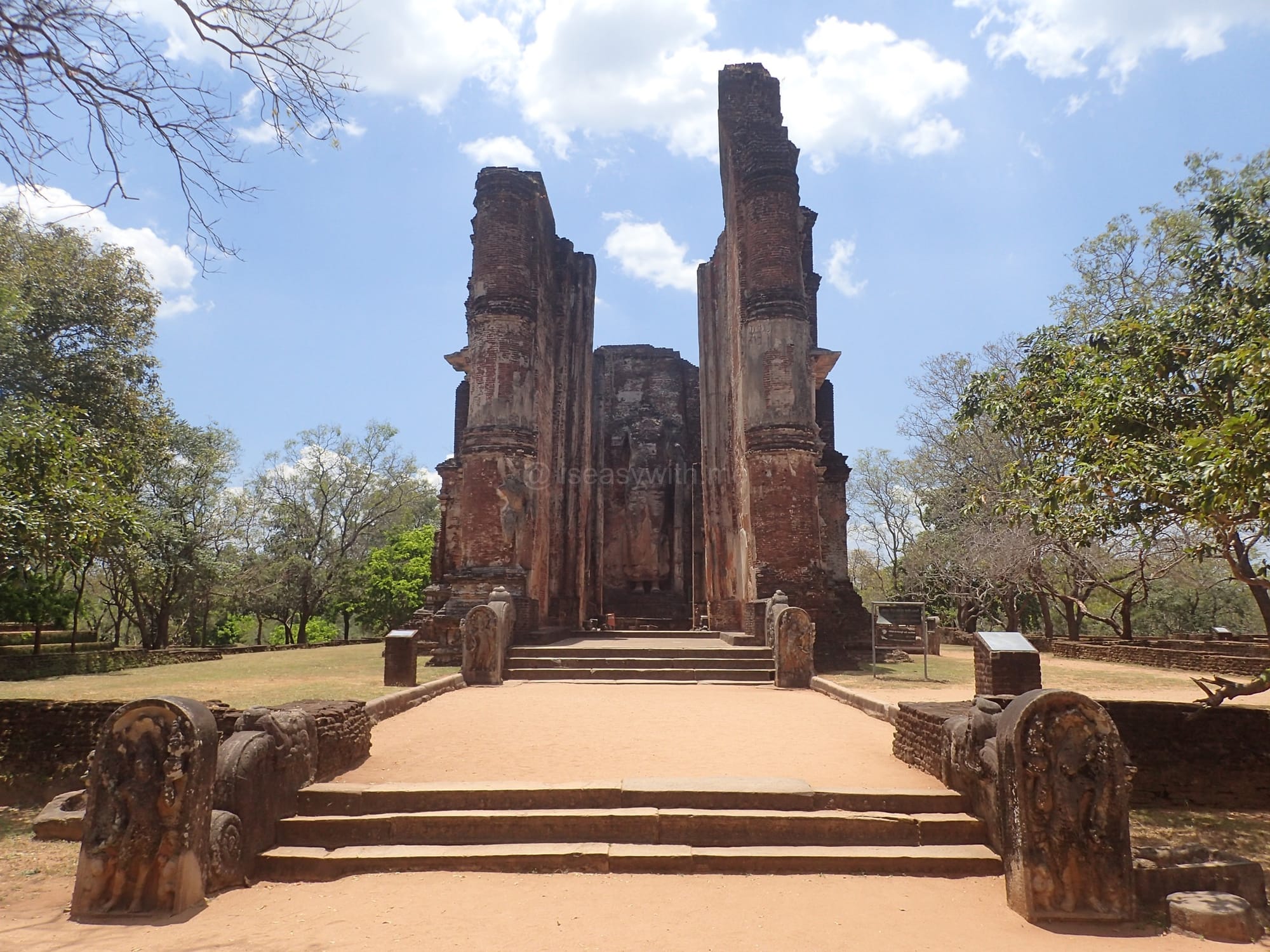
20. Lankatilaka (Lankatilaka Viharaya, Lankatilake Image House): A cathedral-like structure with soaring 15-metre-tall walls guarding a giant, headless standing Buddha statue.
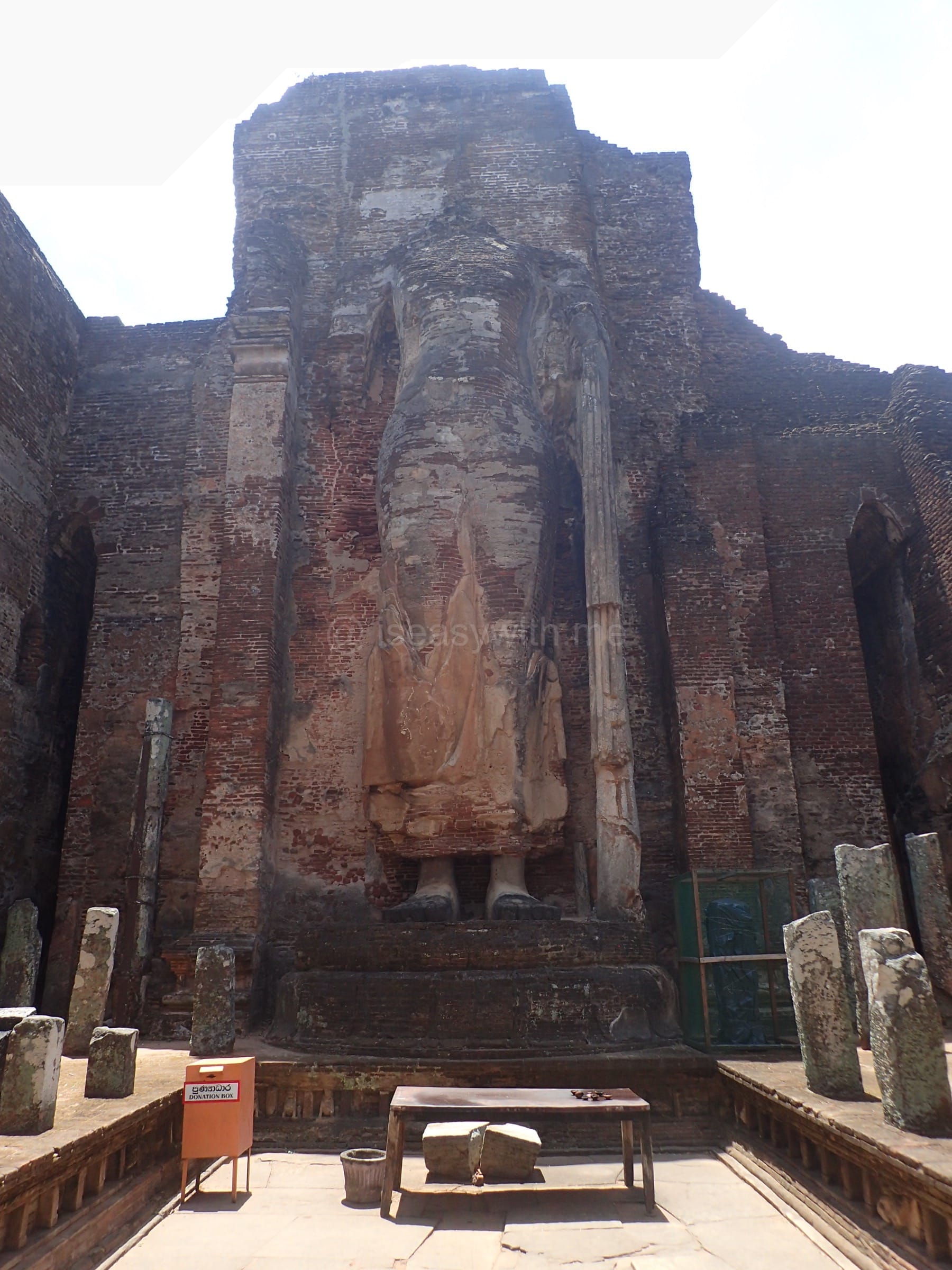
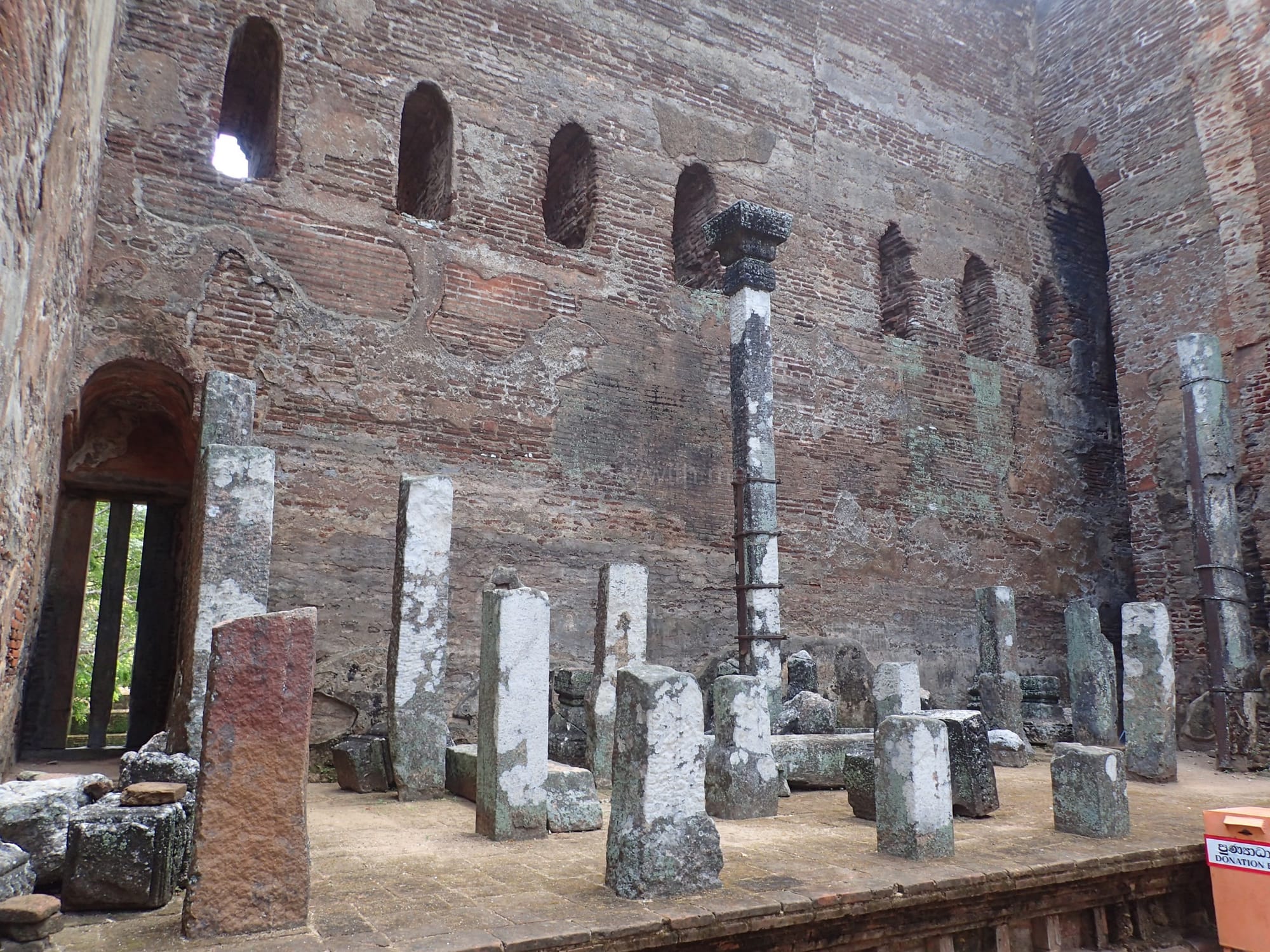
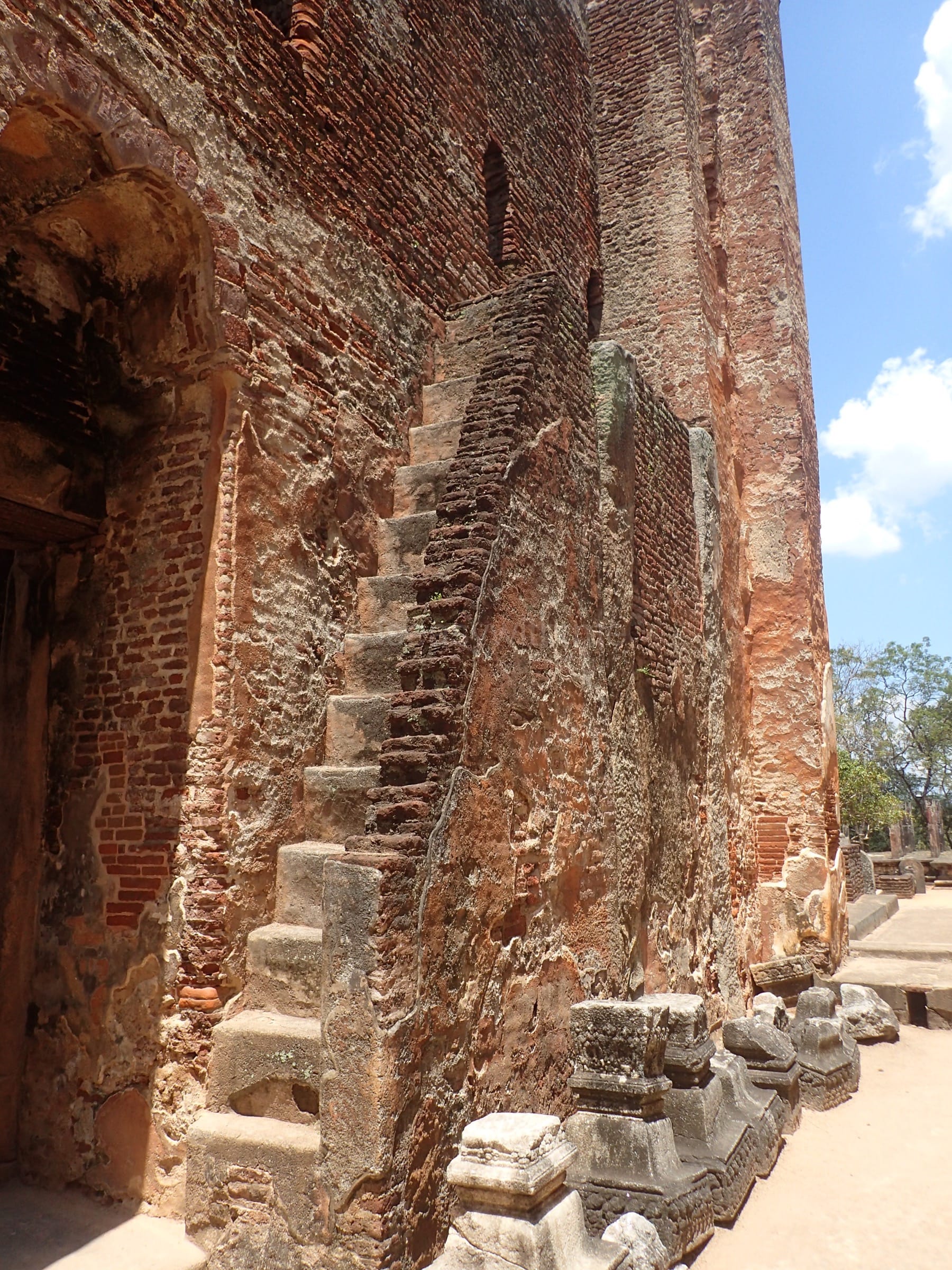
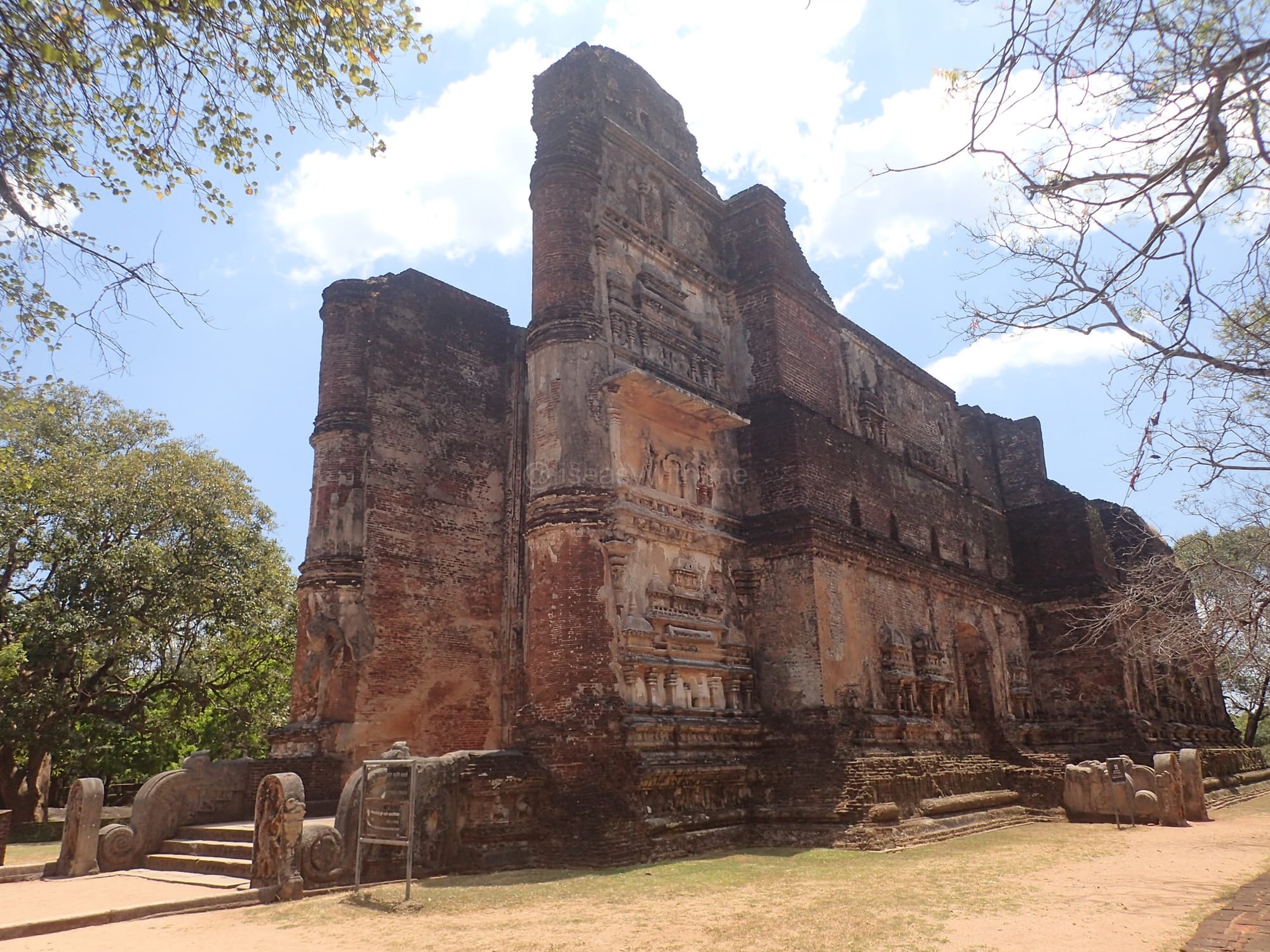
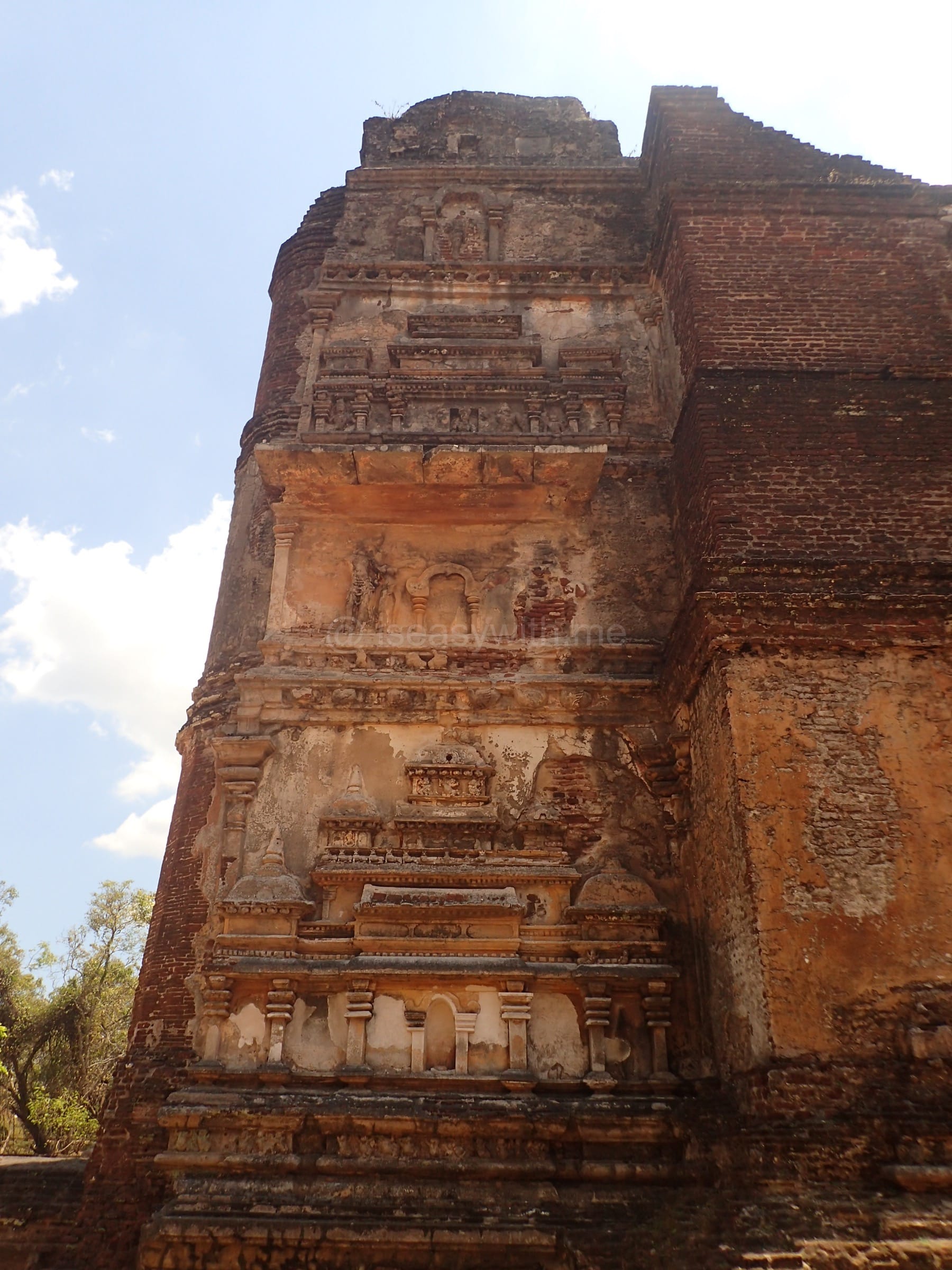
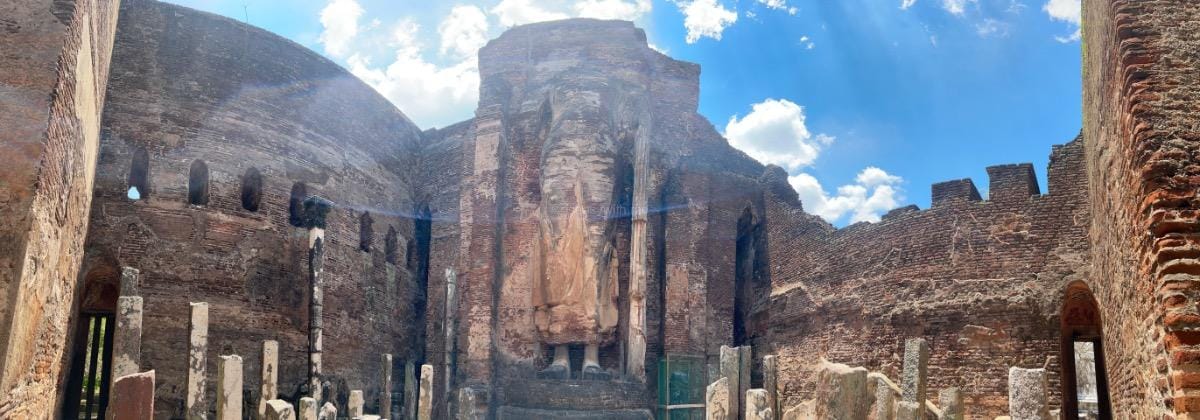
21. Kirivehera (Kiri Vehera, Kiri Vihera, Milk Dagoba, Rupavati Thupa): A striking stupa whose original white lime plaster miraculously survived centuries buried beneath the jungle canopy.
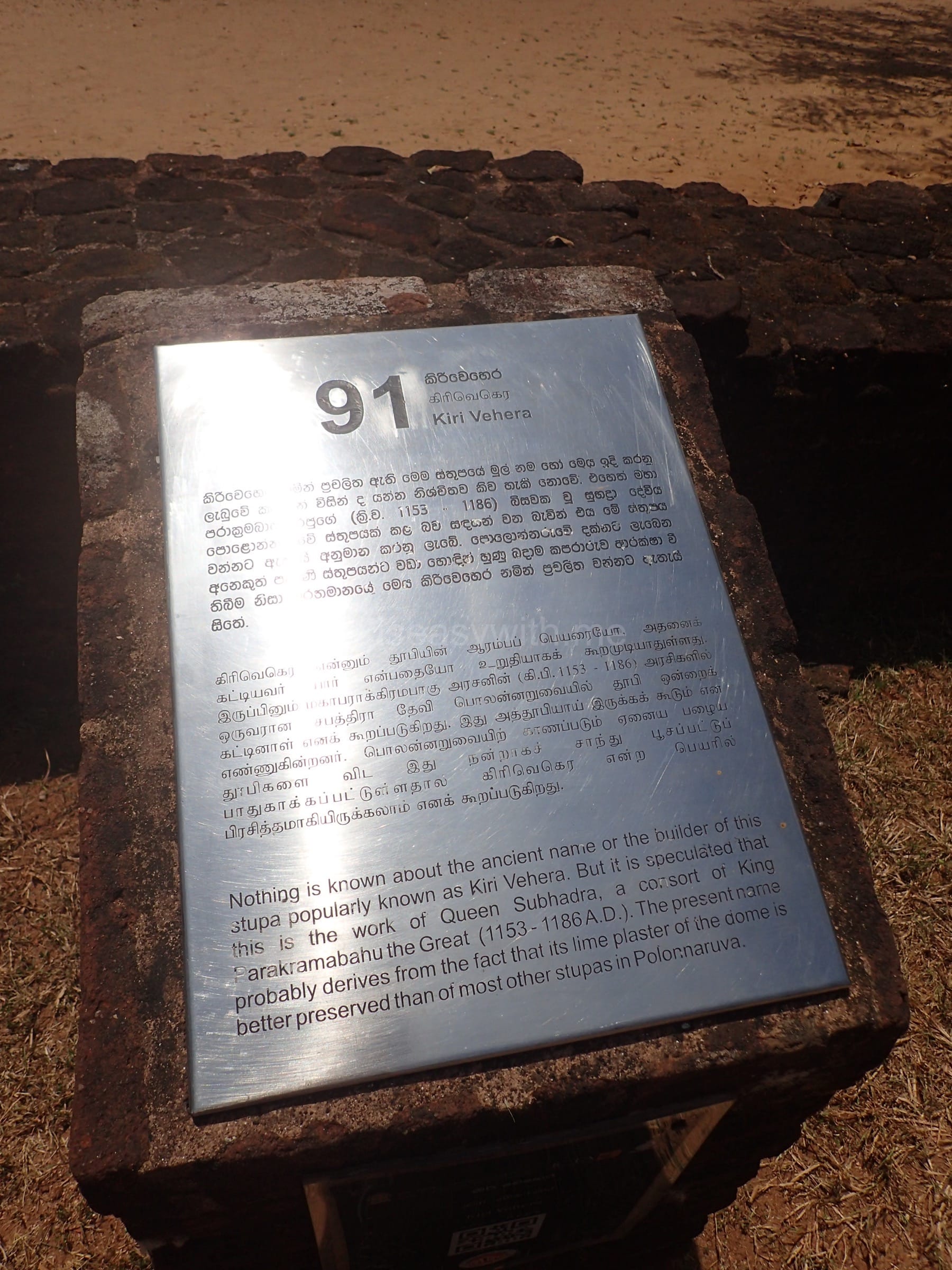
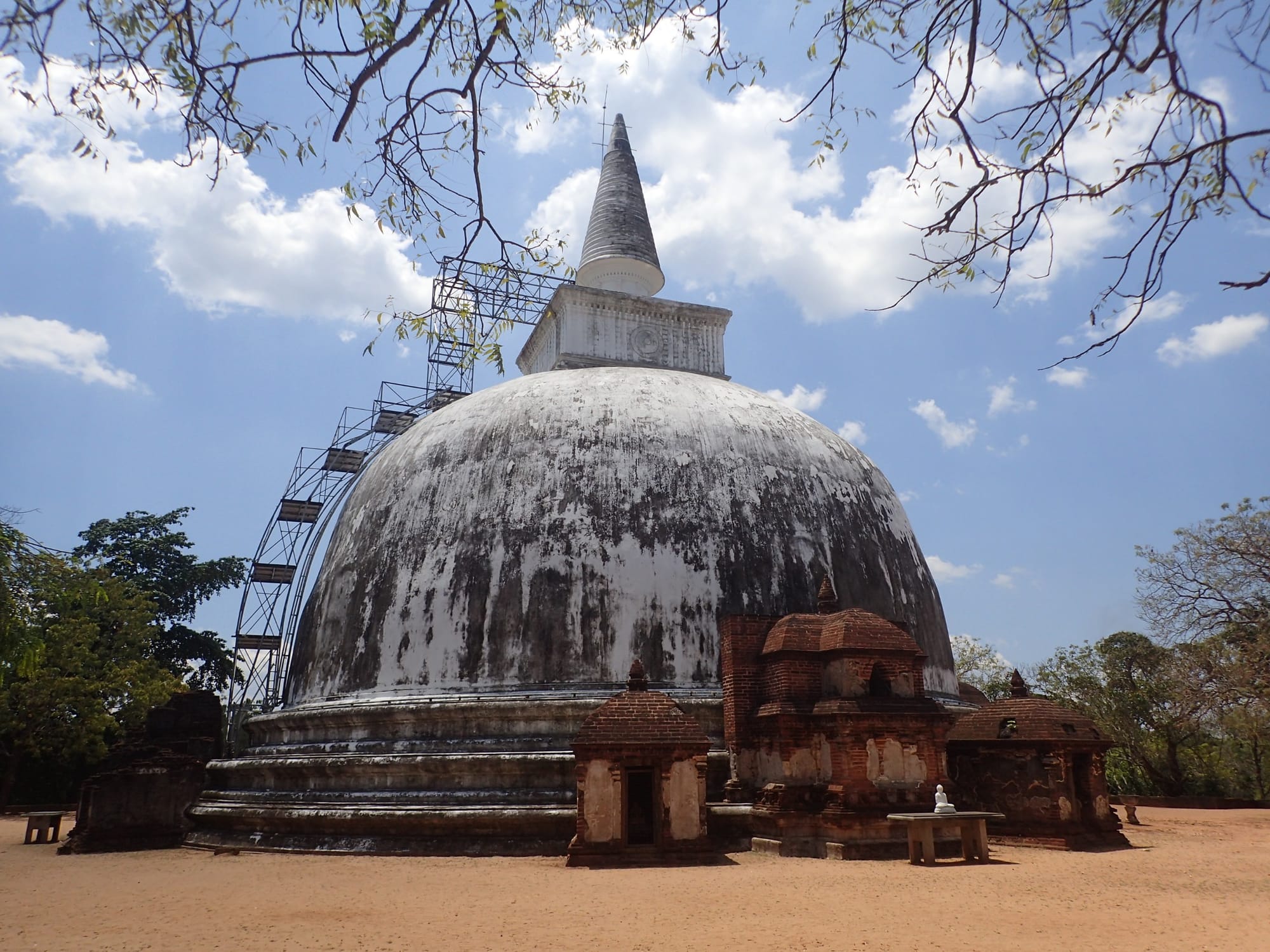
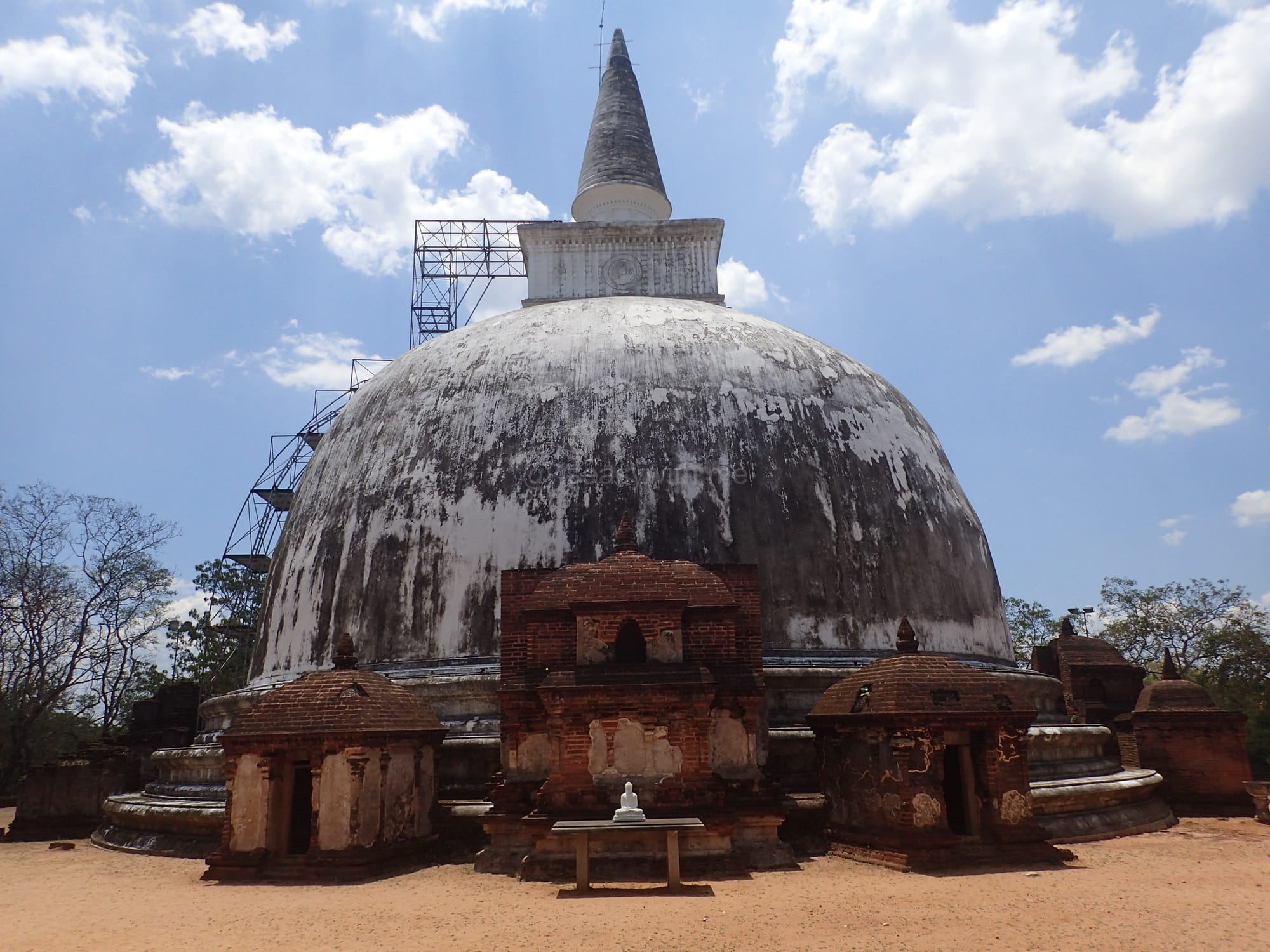
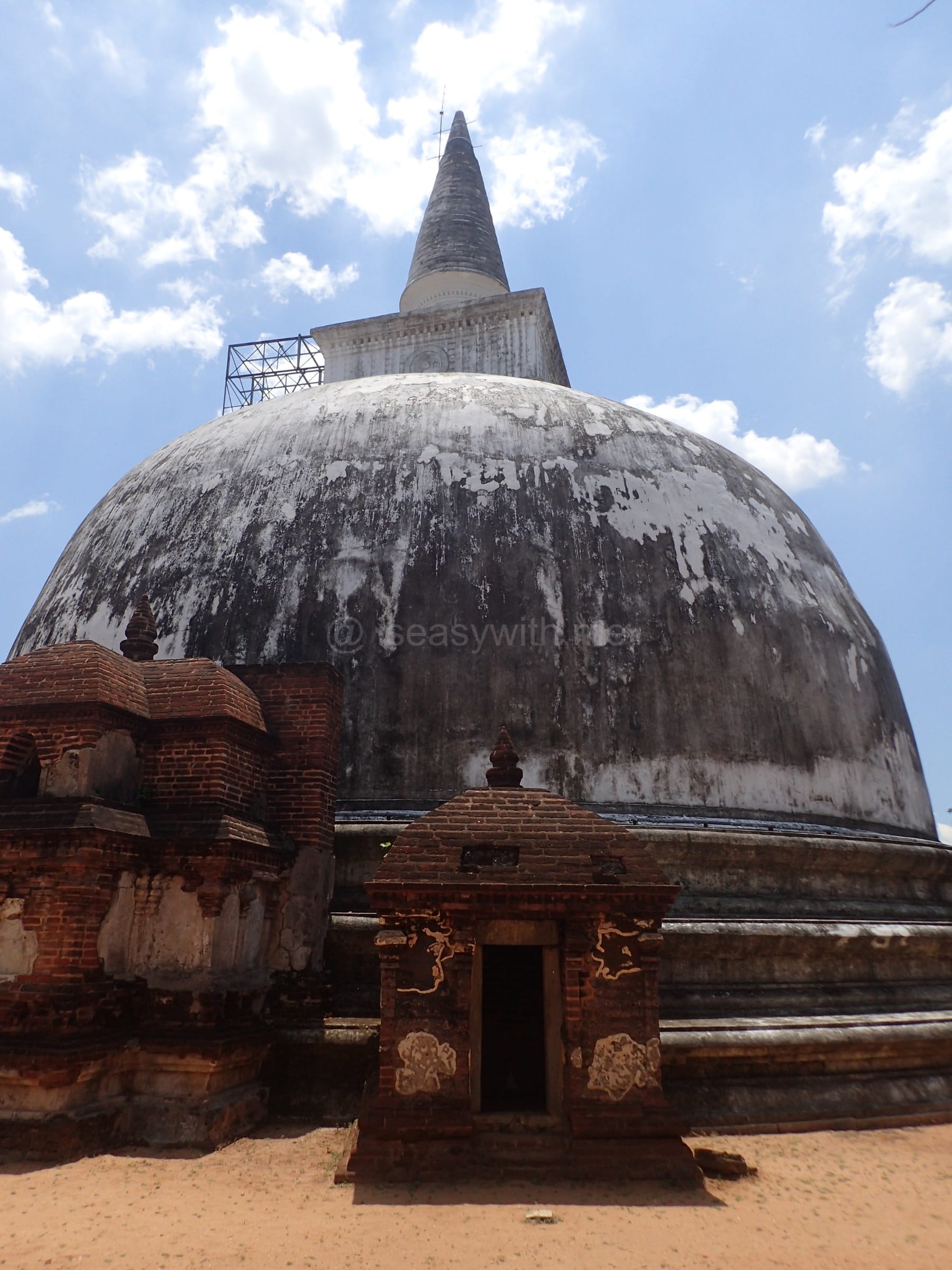
Kirivehera
22. Gal-vihara (Gal Viharaya, The Northern Monastery, Uttararama): The absolute highlight of the ancient city, featuring four flawless, colossal Buddha statues carved directly into a single granite cliff face.
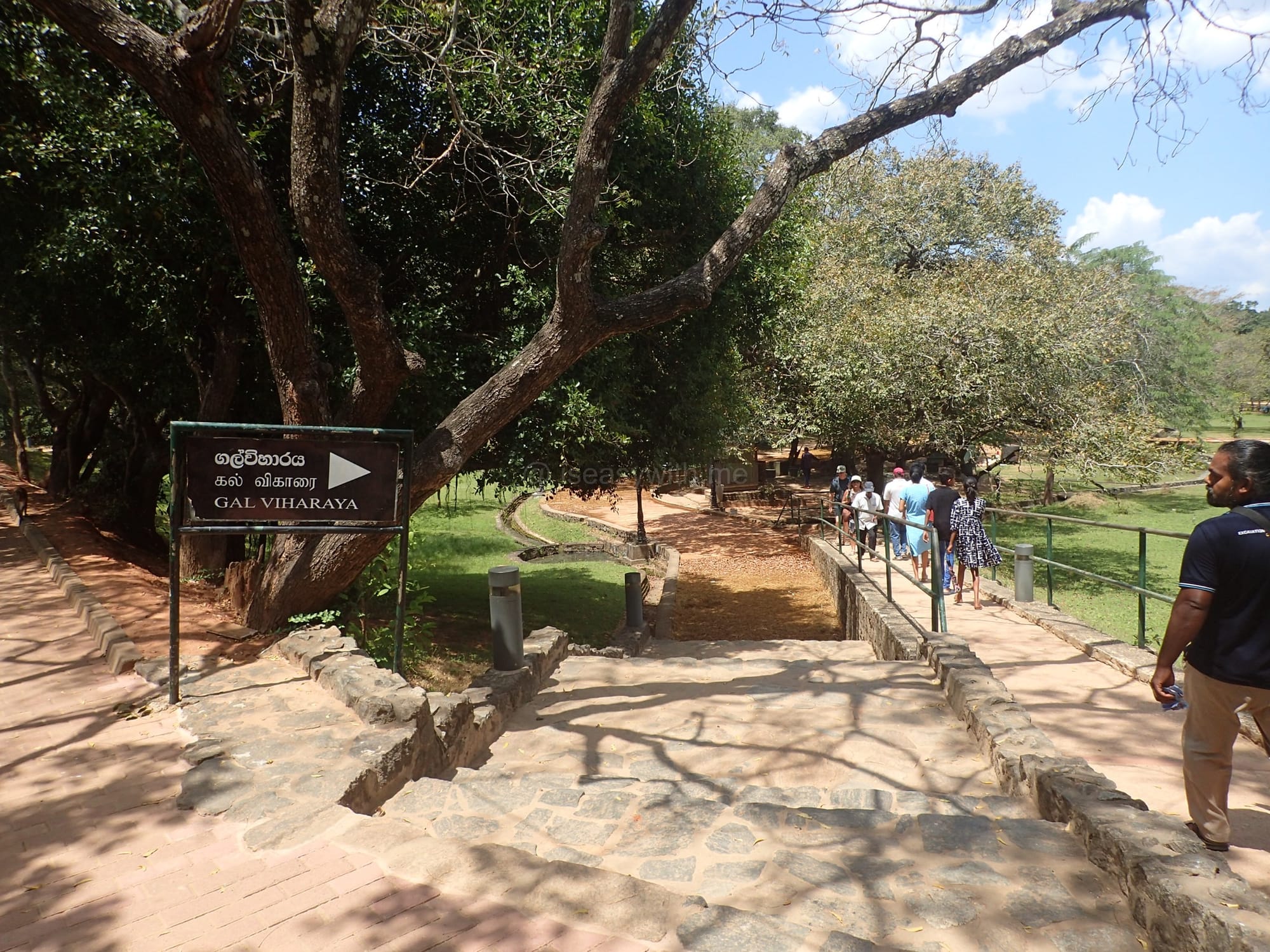
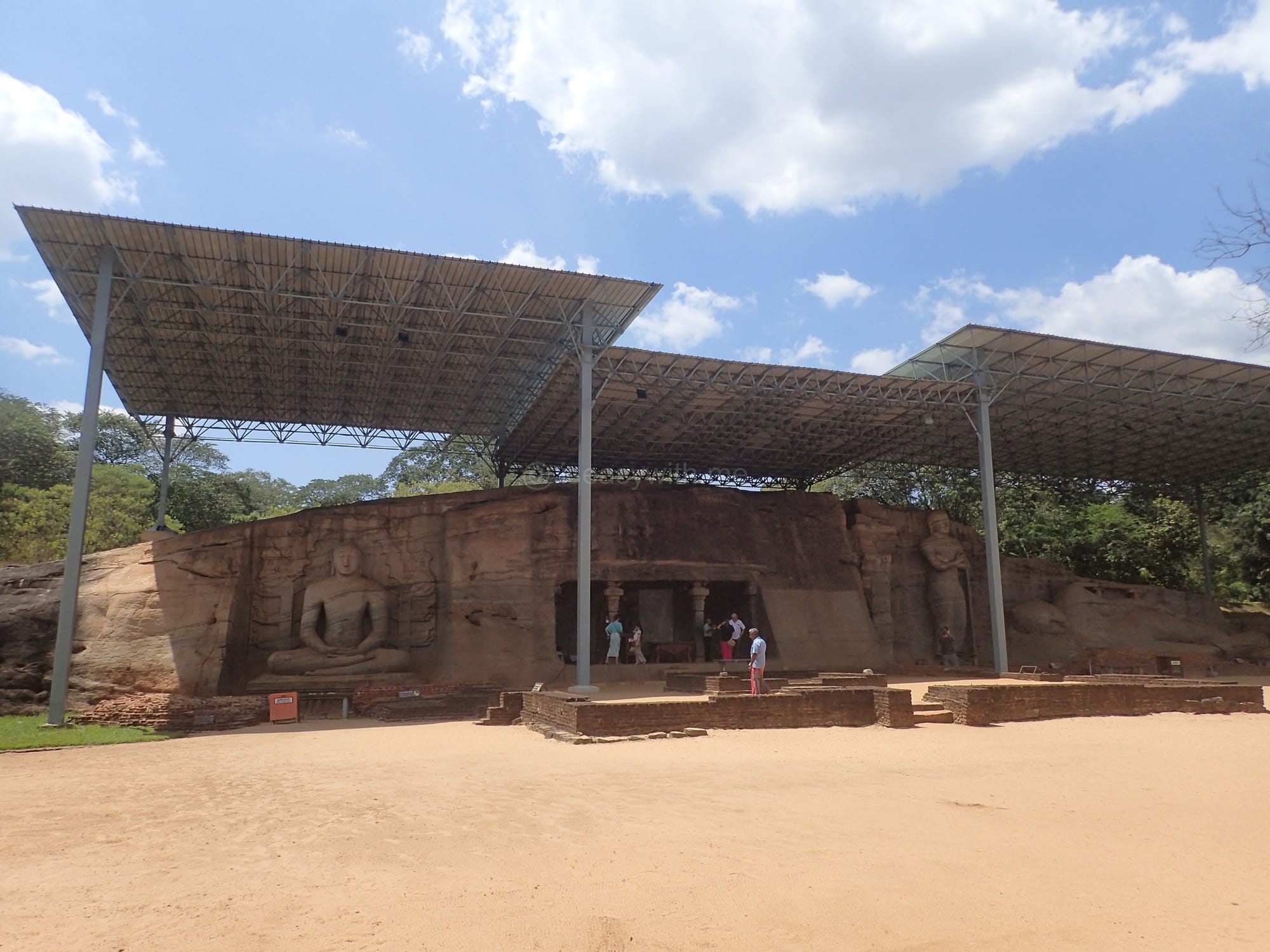
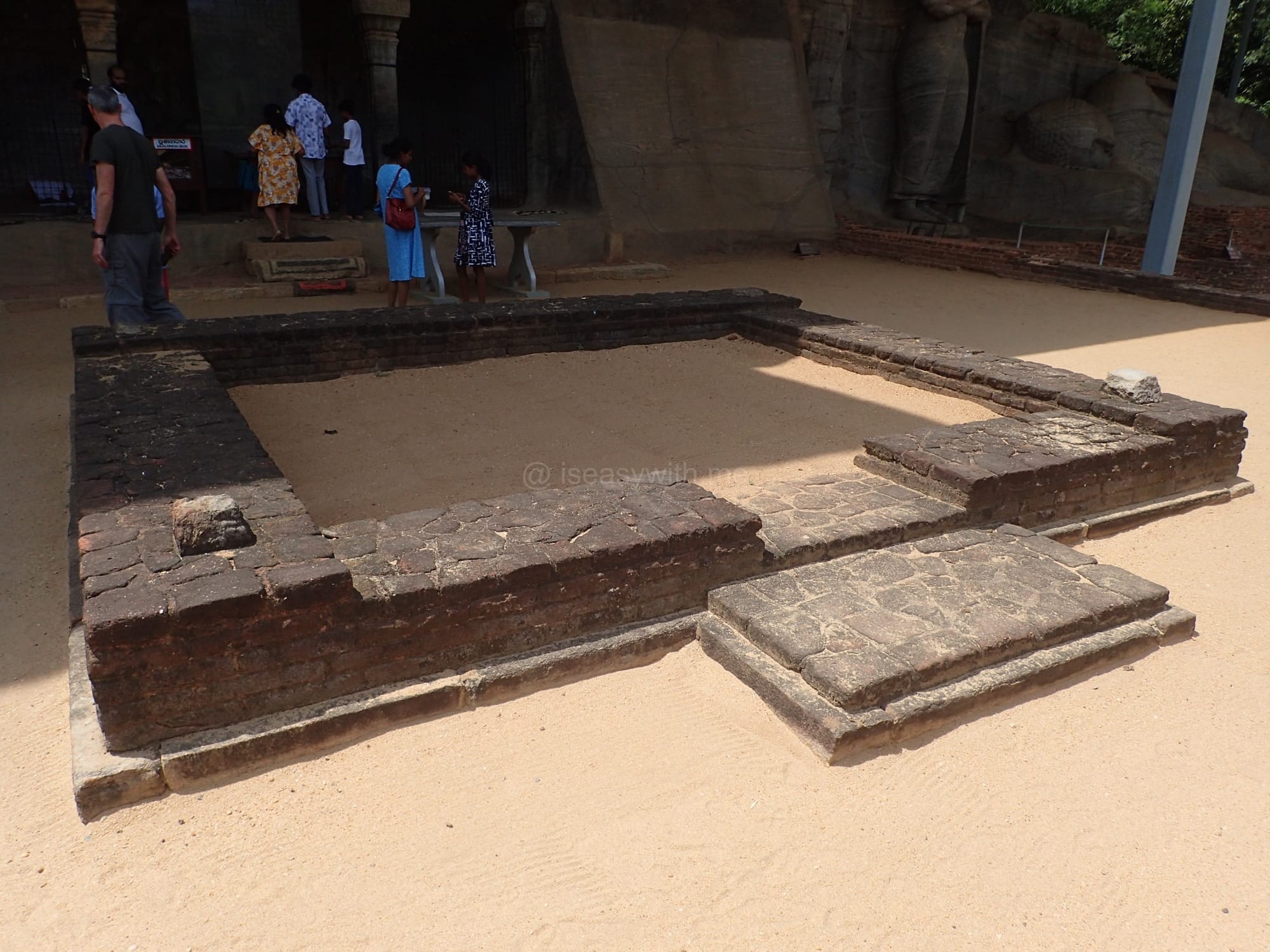
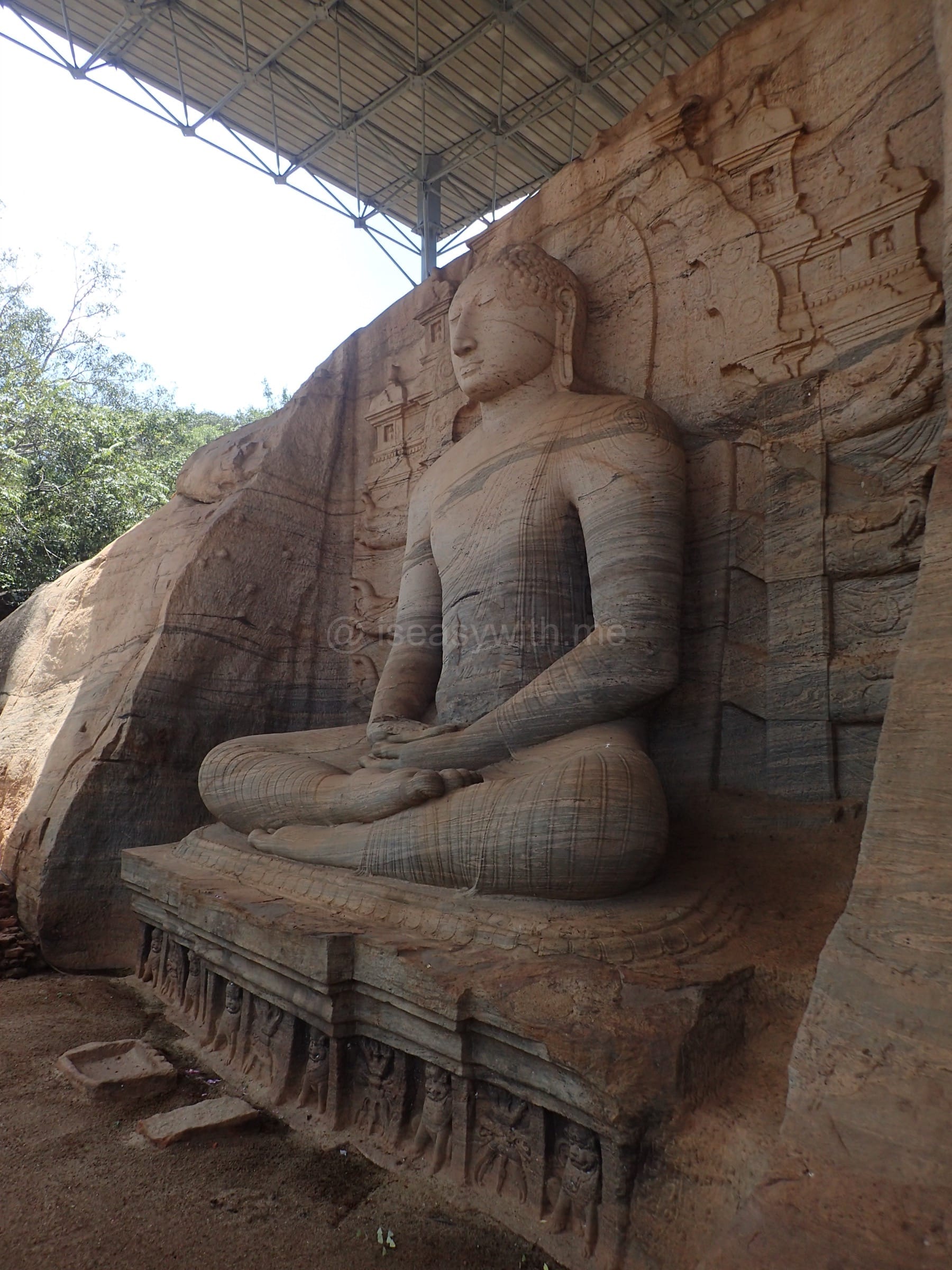
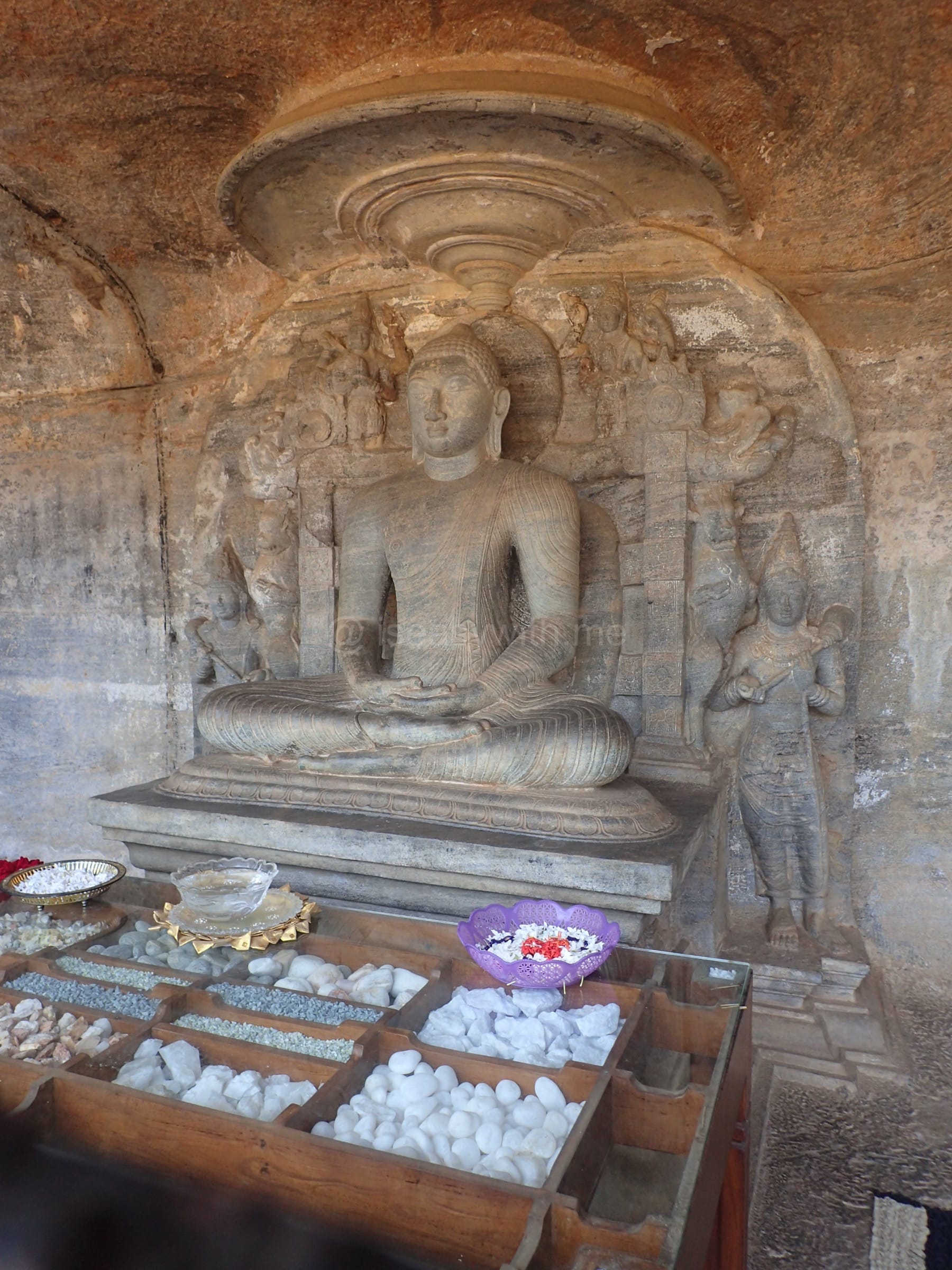
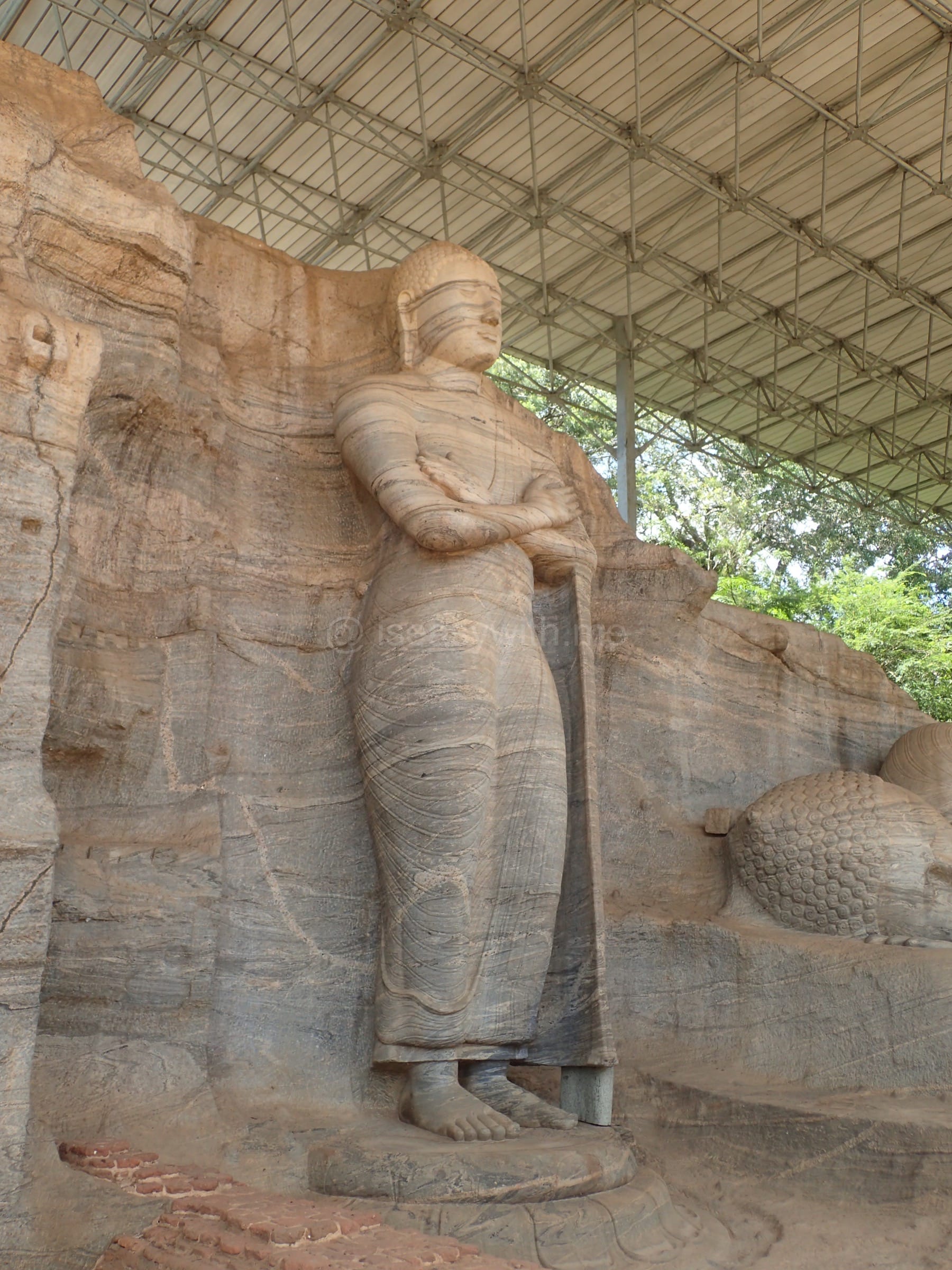
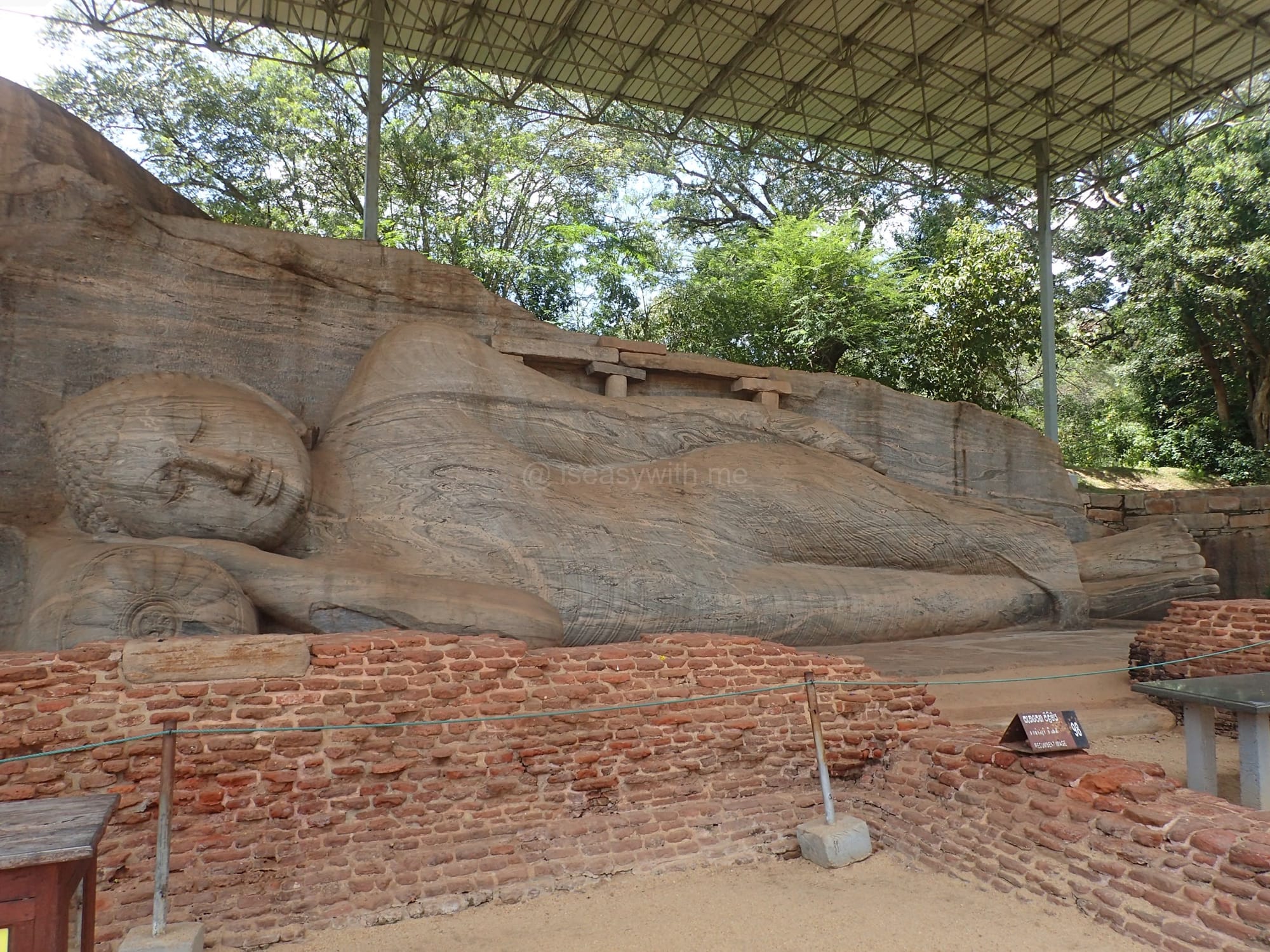
Gal-vihara
23. Demala Maha Seya (Damila Maha Seya, Great Tamil Seya, The Unfinished Dagoba): Intended by King Parakramabahu the Great to be the largest man-made Buddhist structure in the world, this colossal, unfinished 12th-century monument stands today as a massive, flat-topped earthen mound with a smaller, secondary stupa built on its summit.
Why I missed it: I totally missed this one as well. Read it sits all the way at the northernmost edge of the archaeological zone. 🙁
24. Lotus Pond (Nelum Pokuna): A beautifully engineered, tiered stone bathing pool built in the perfect shape of an open eight-petaled lotus flower.
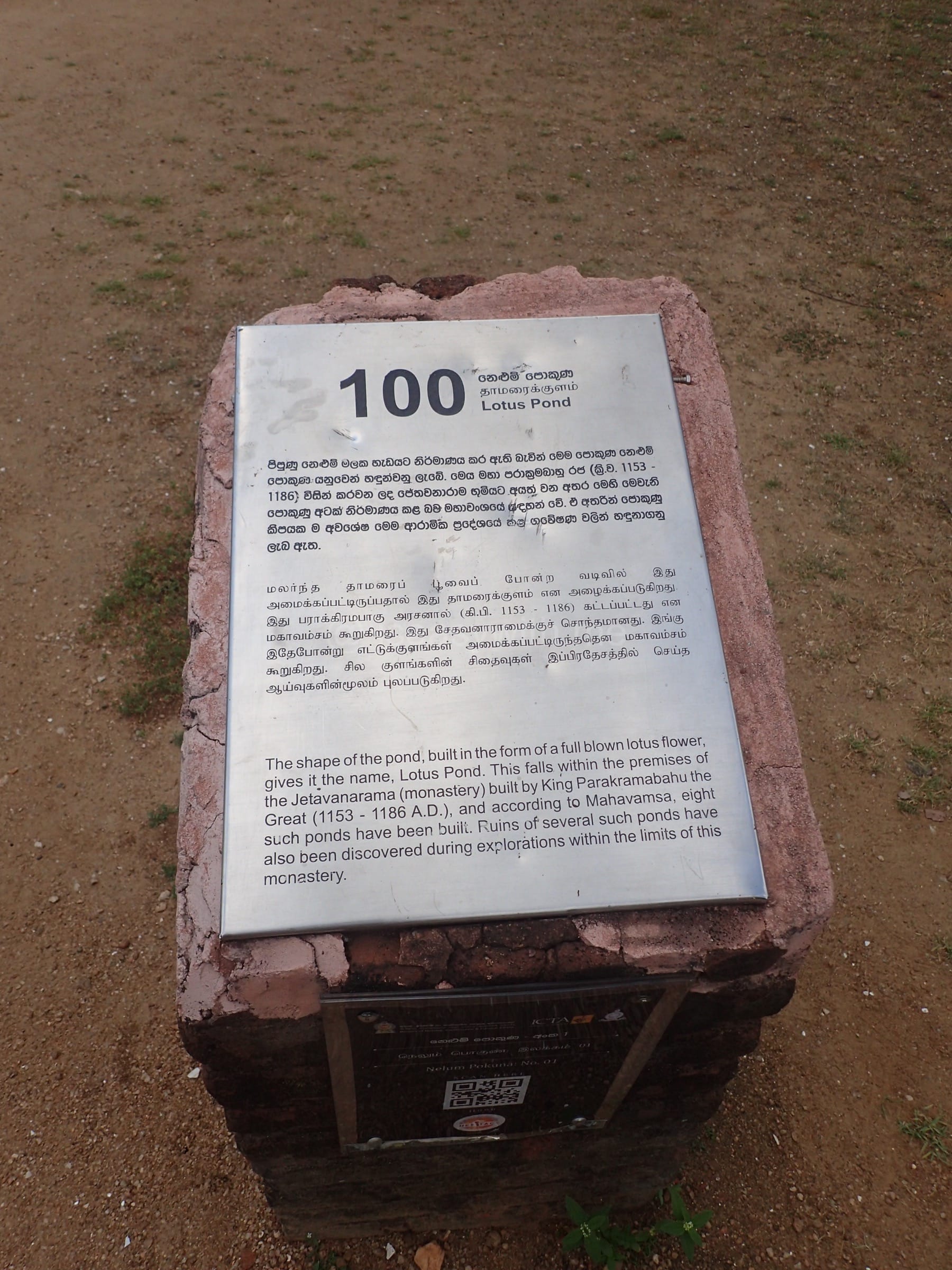
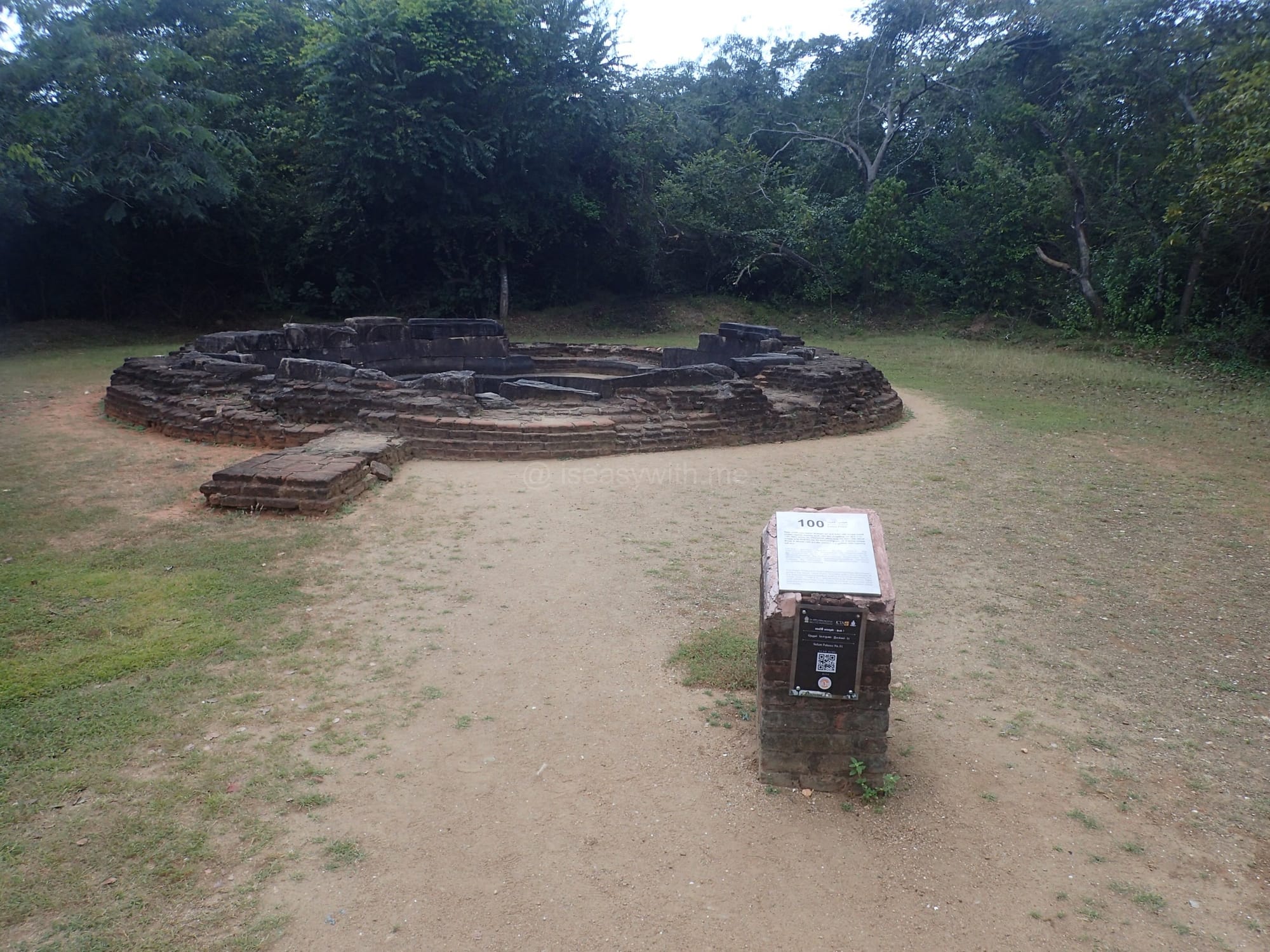
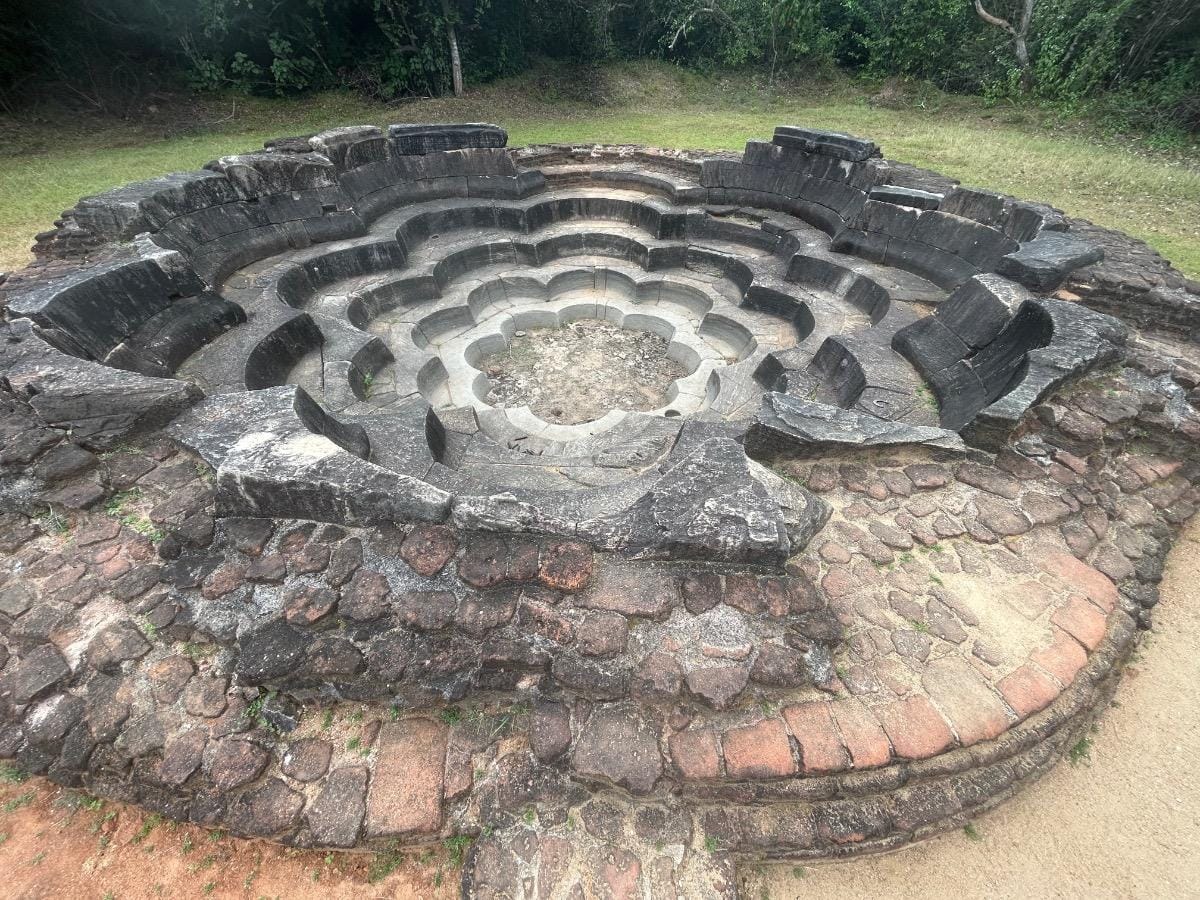
Lotus Pond
25. Tivanka Image House (Thivanka Image House, Thivanka Pilimage).: A grand brick temple famous for its interior walls, which are adorned with rare, 12th-century Buddhist frescoes.
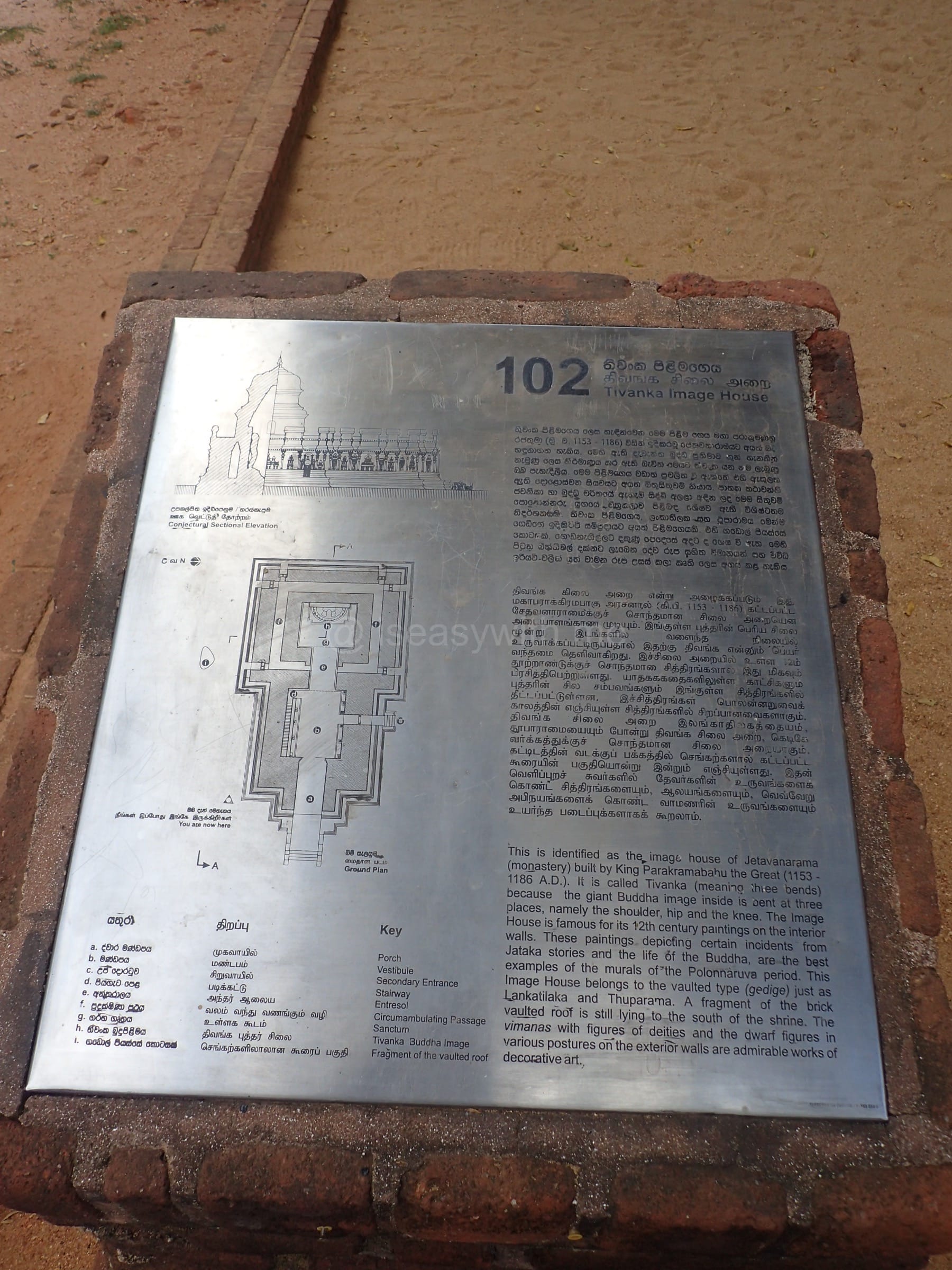
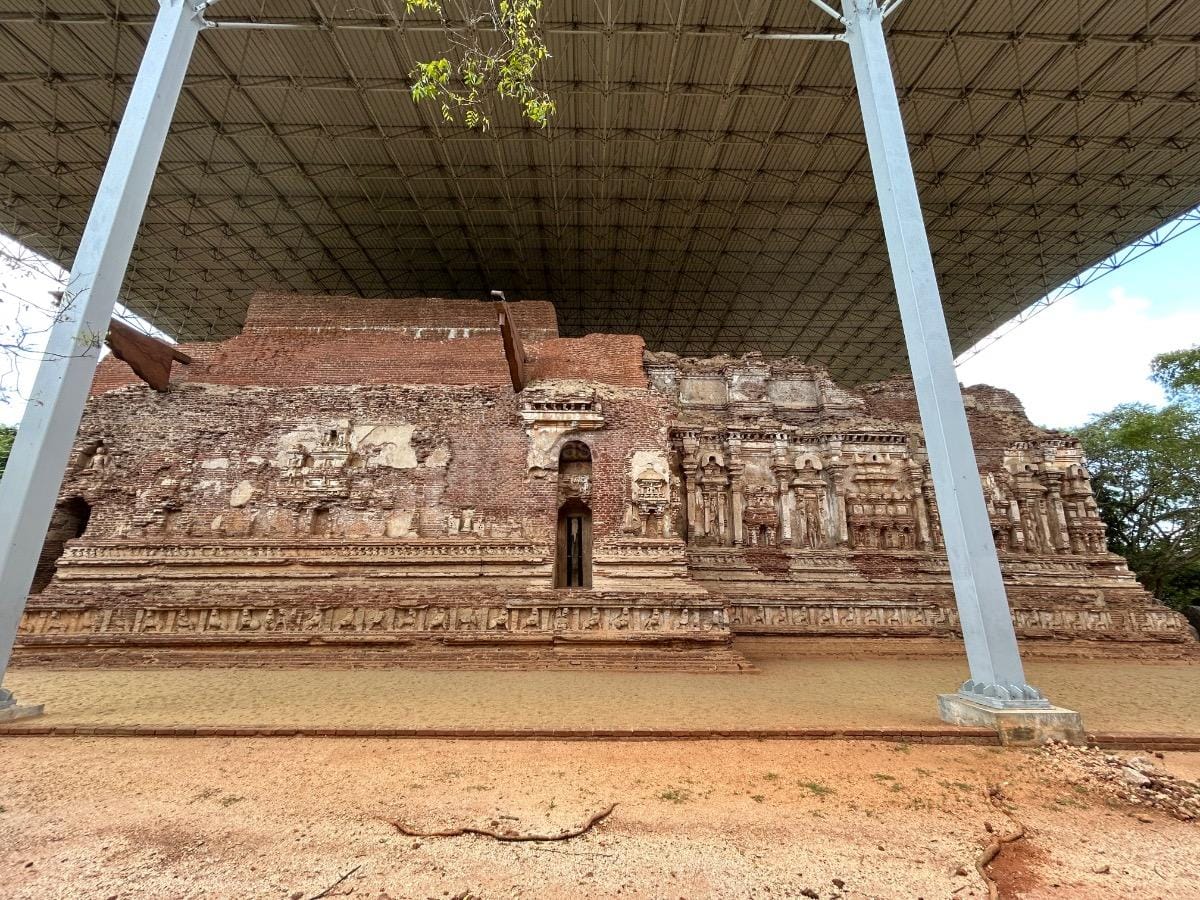
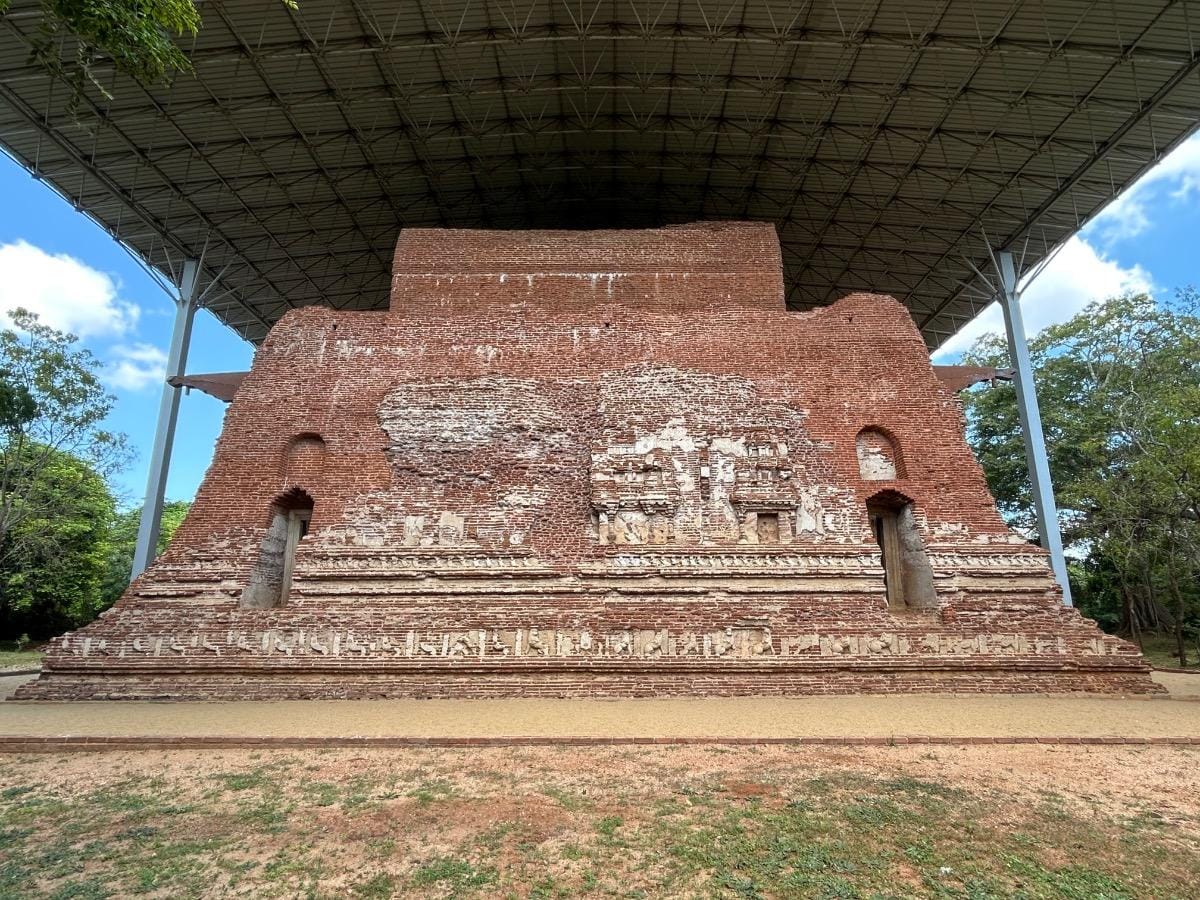
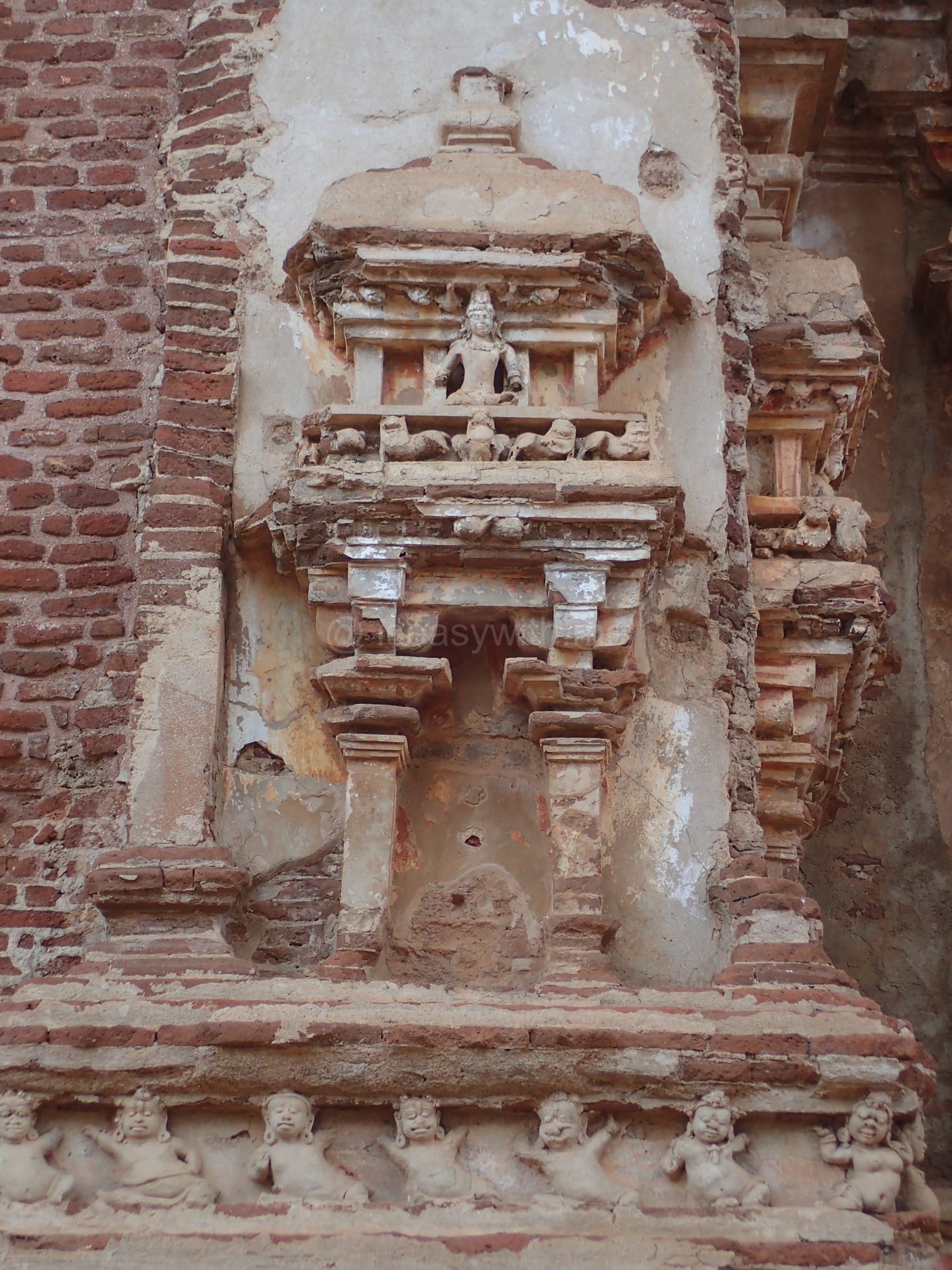
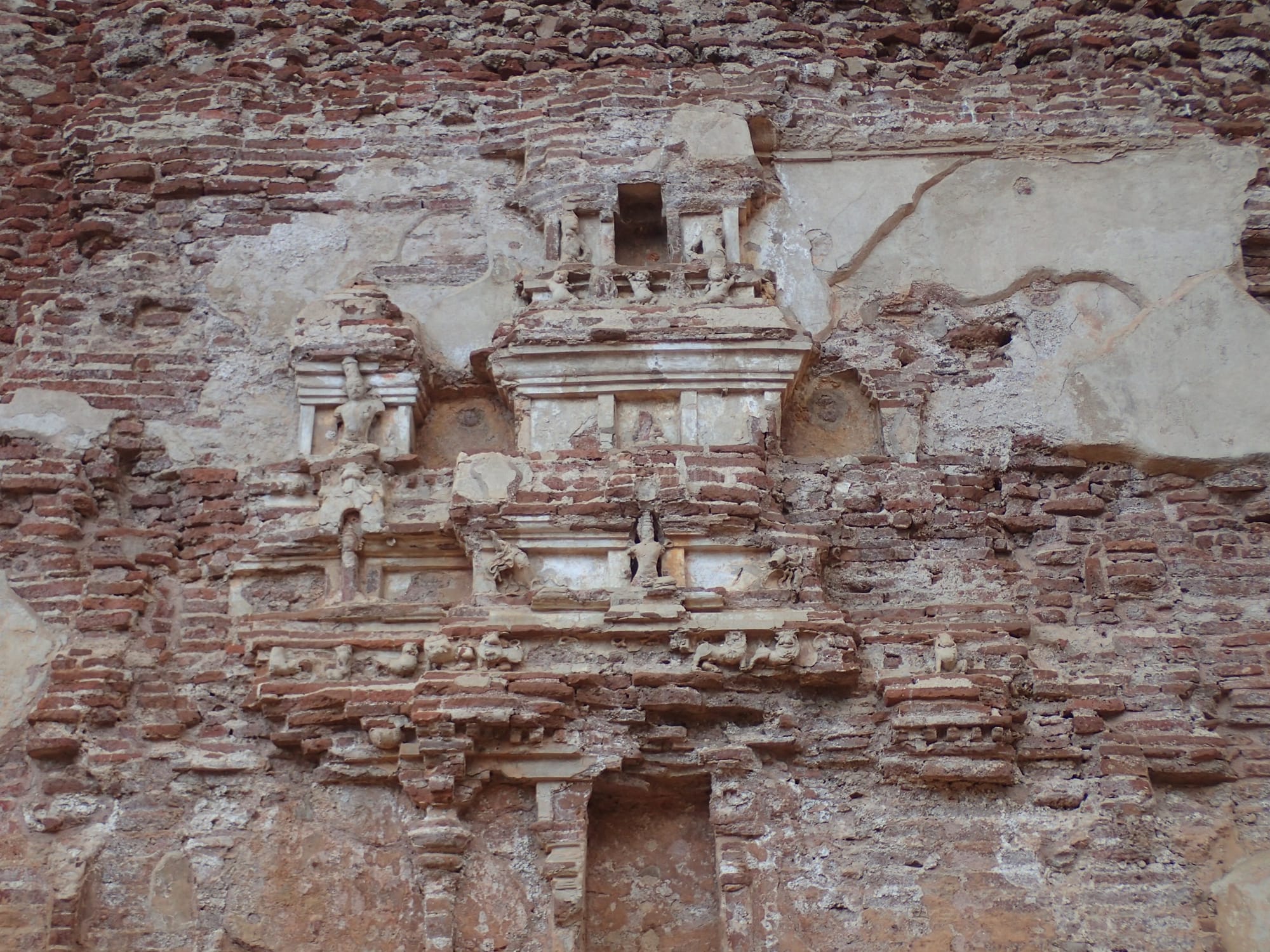
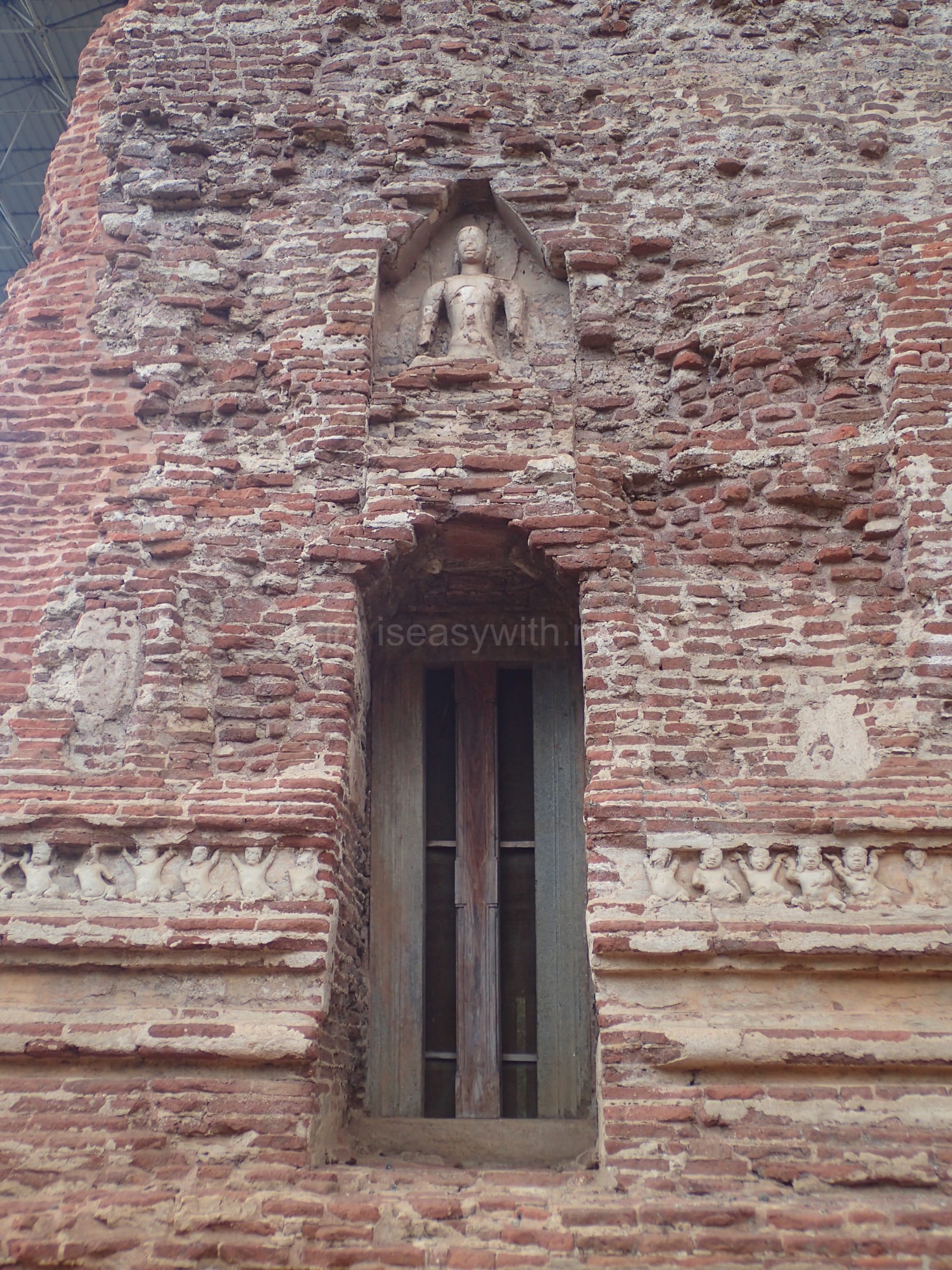
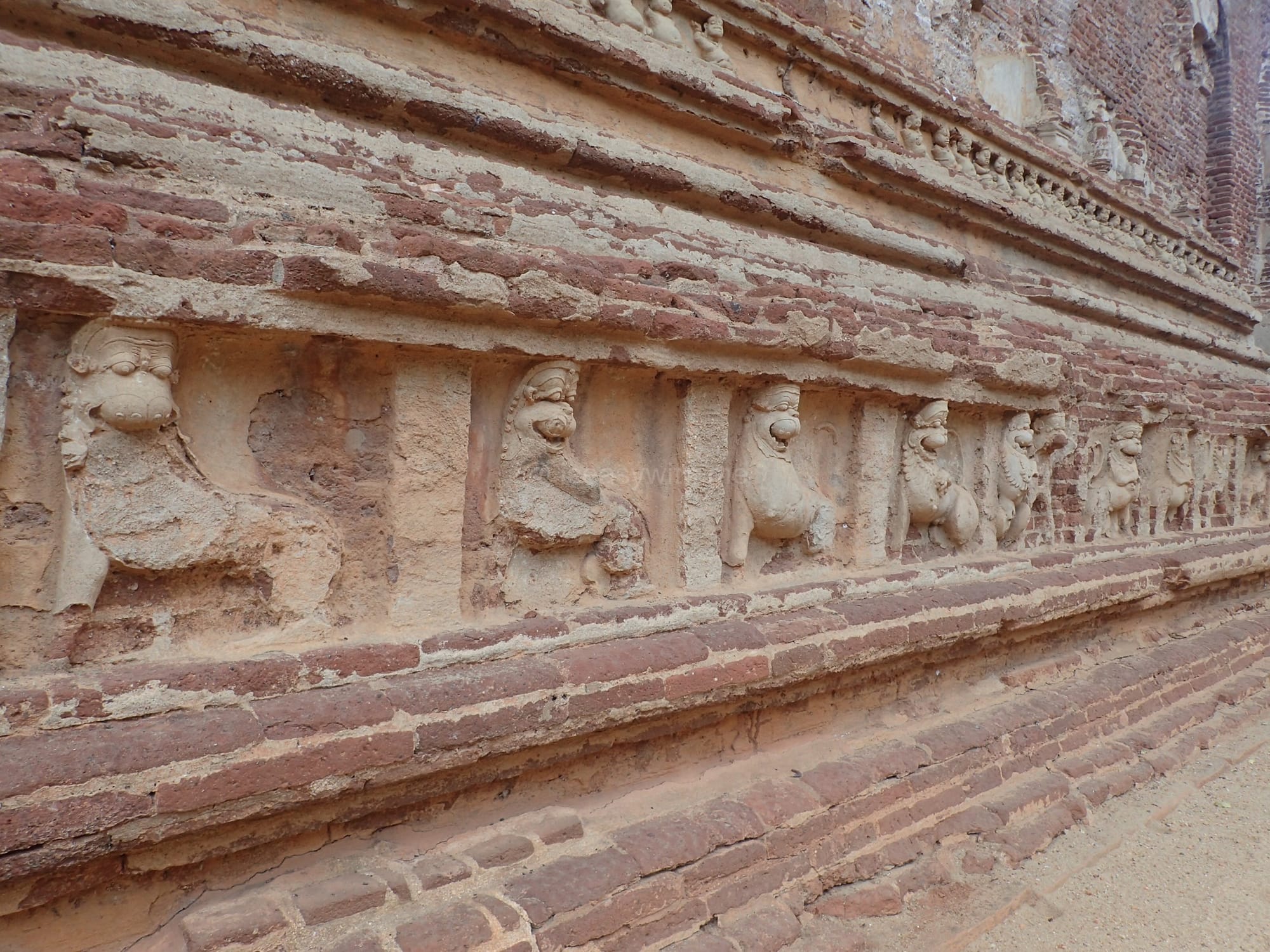
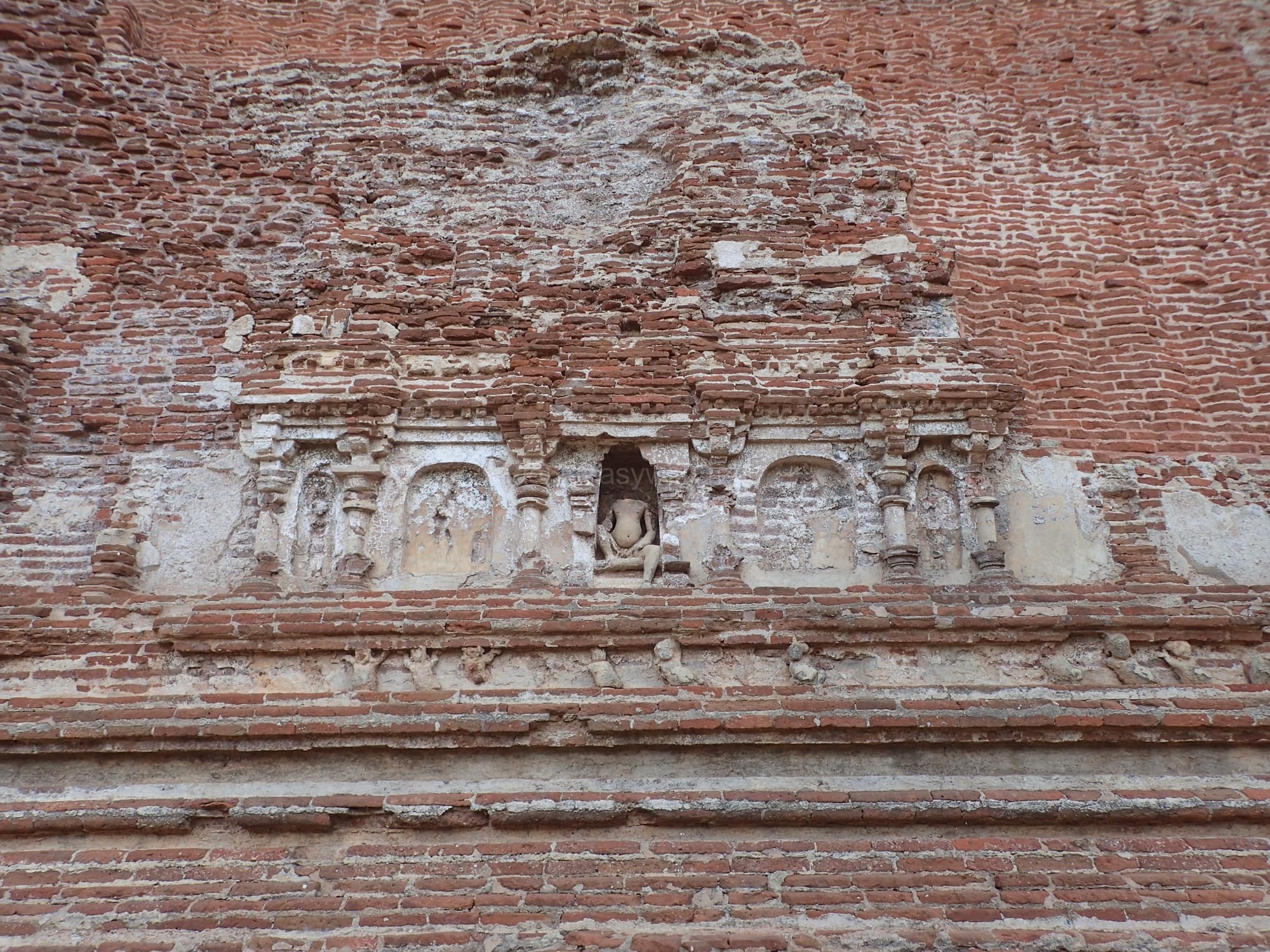
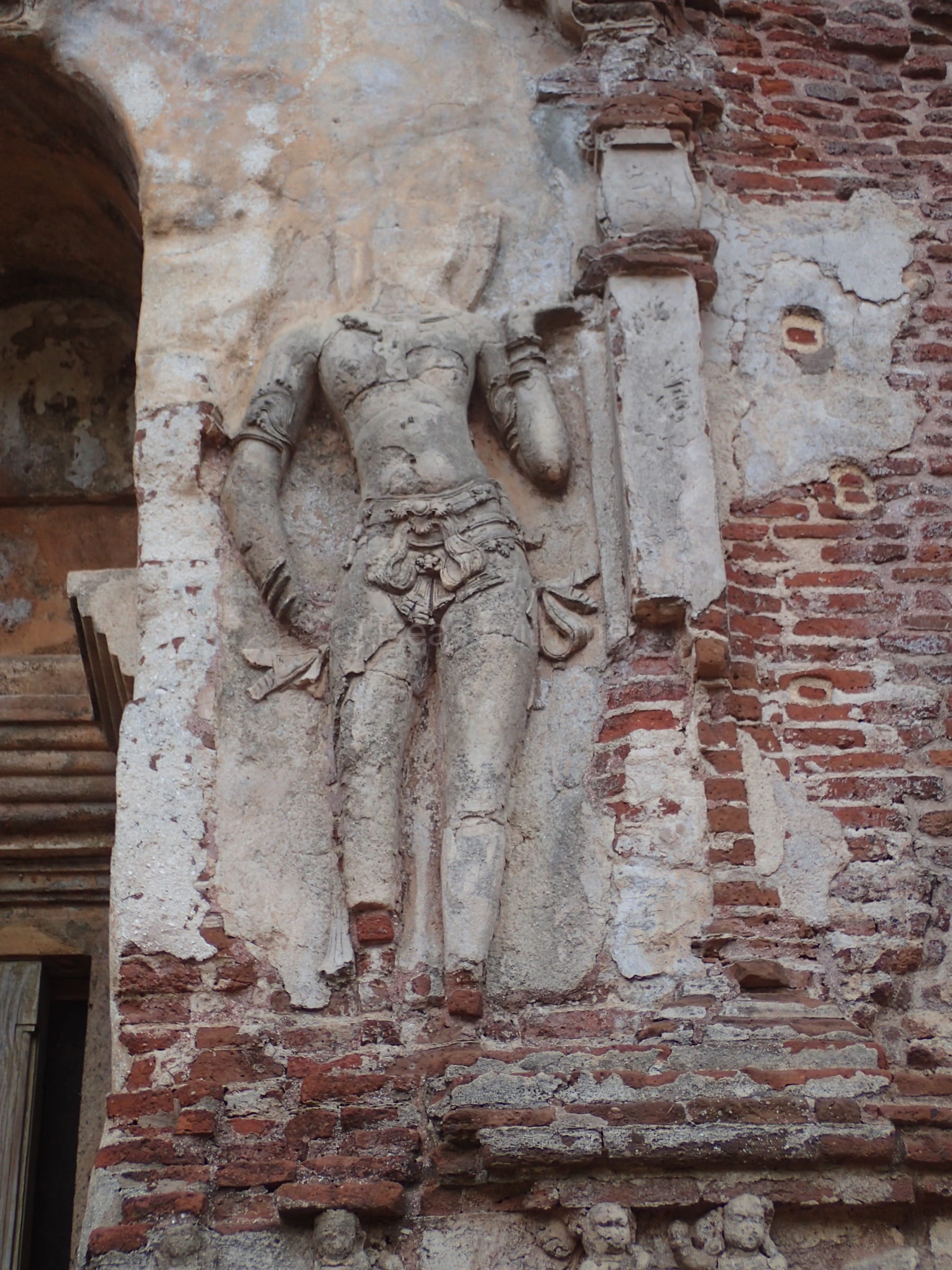
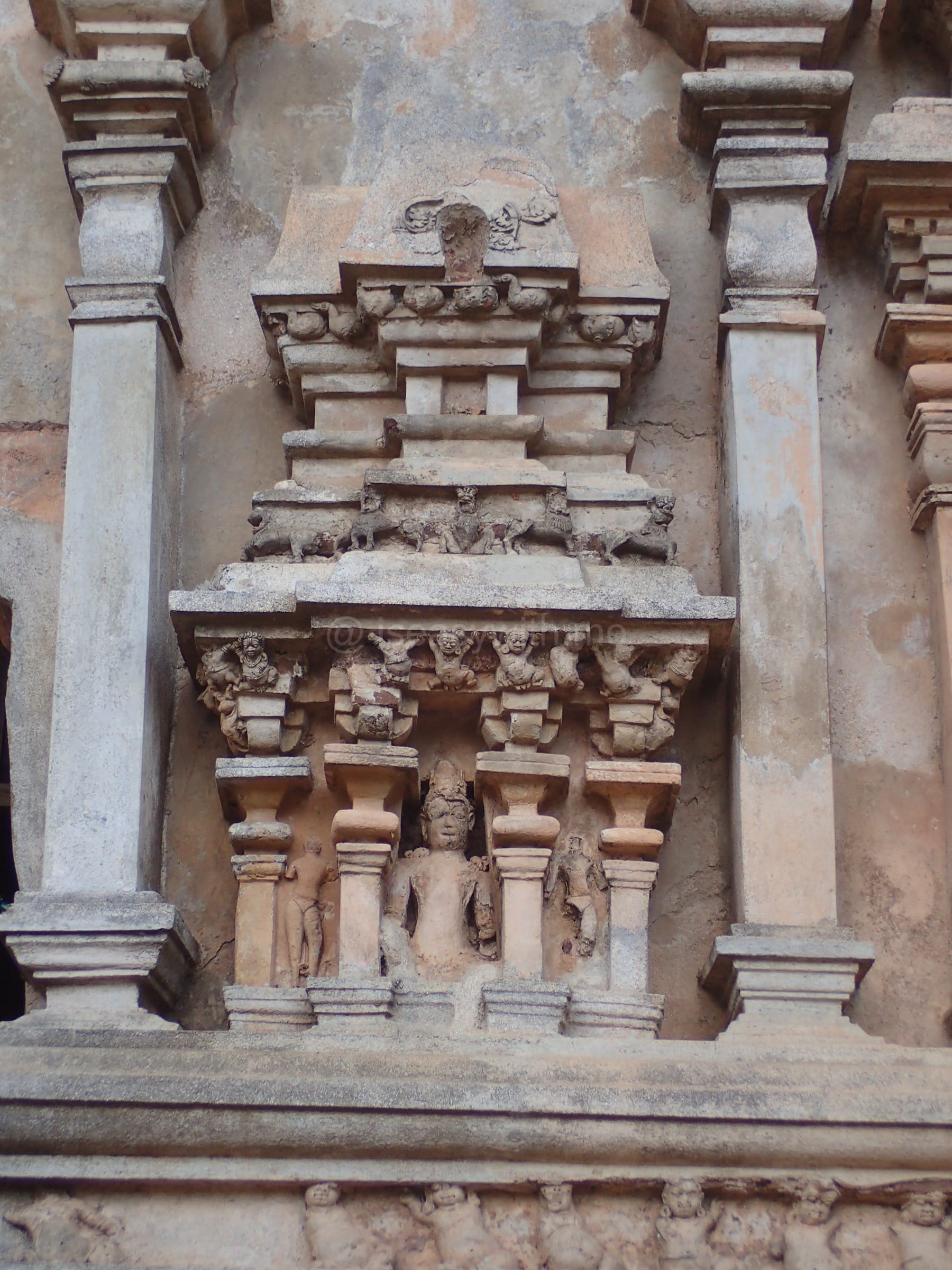
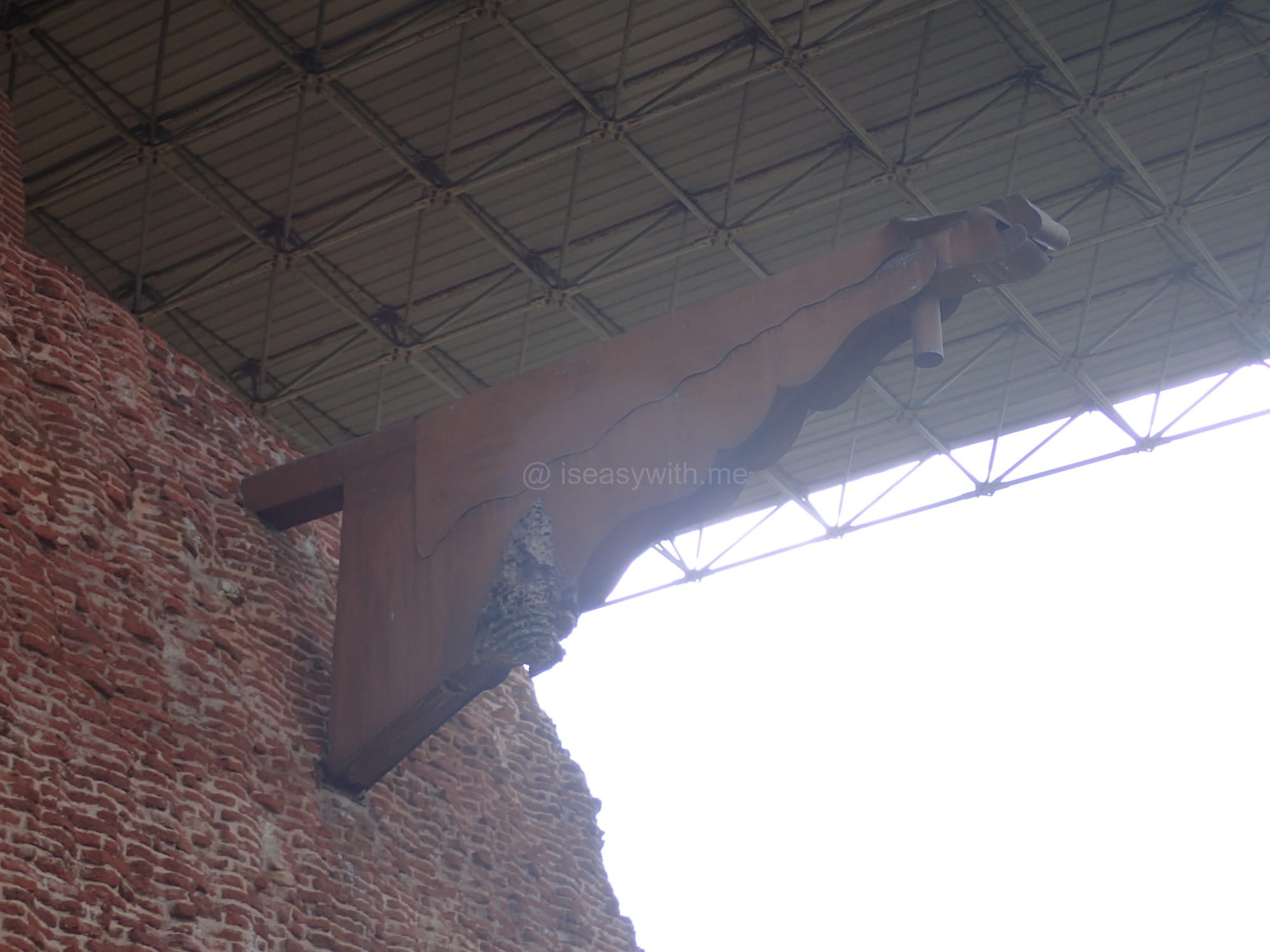
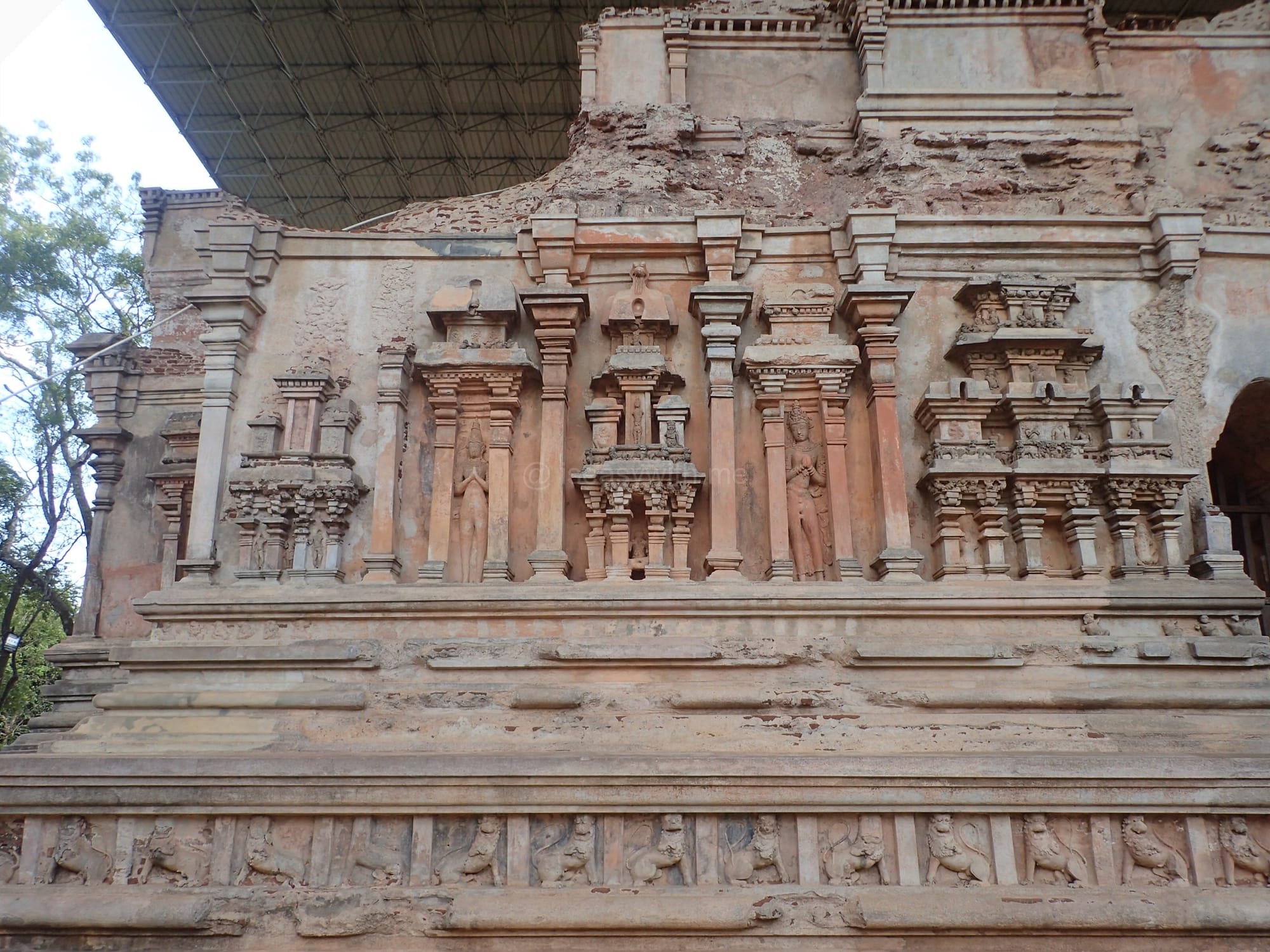
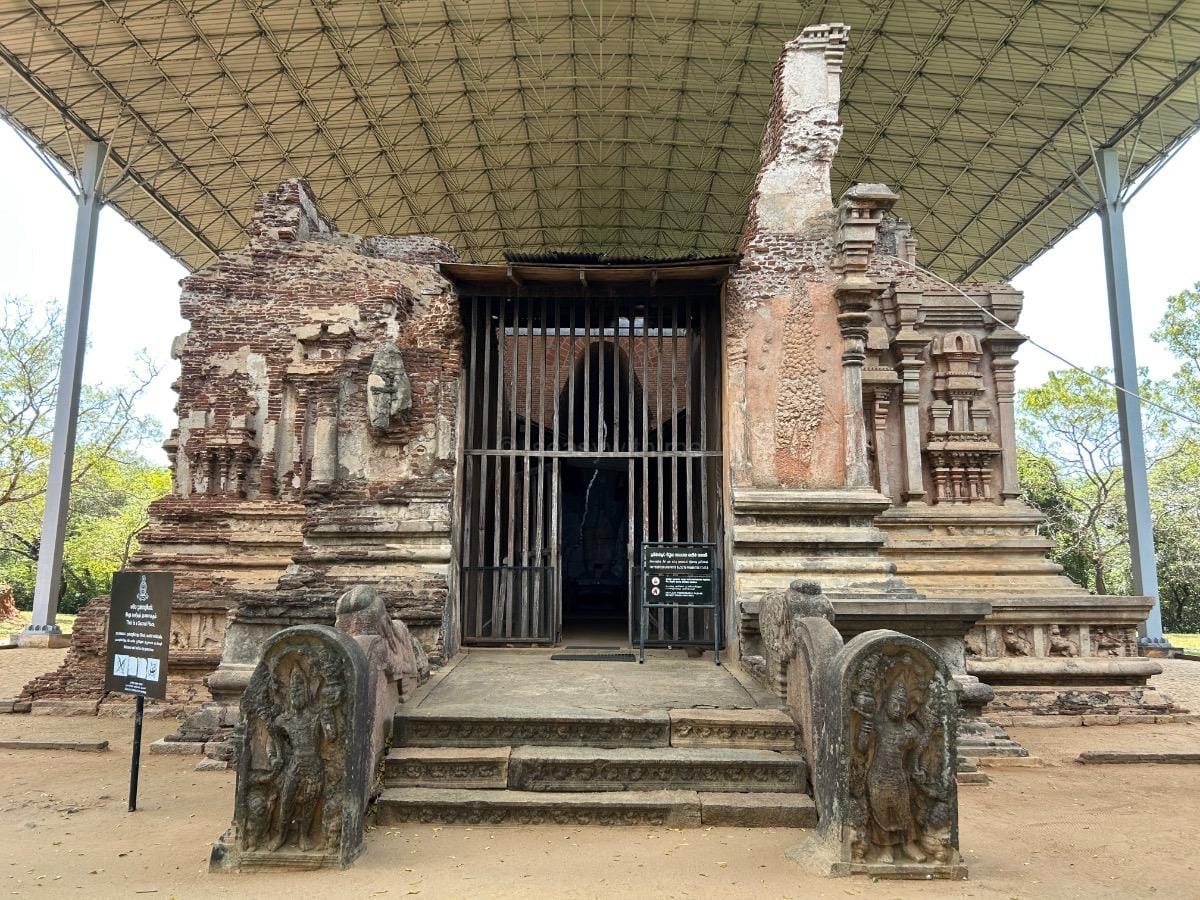
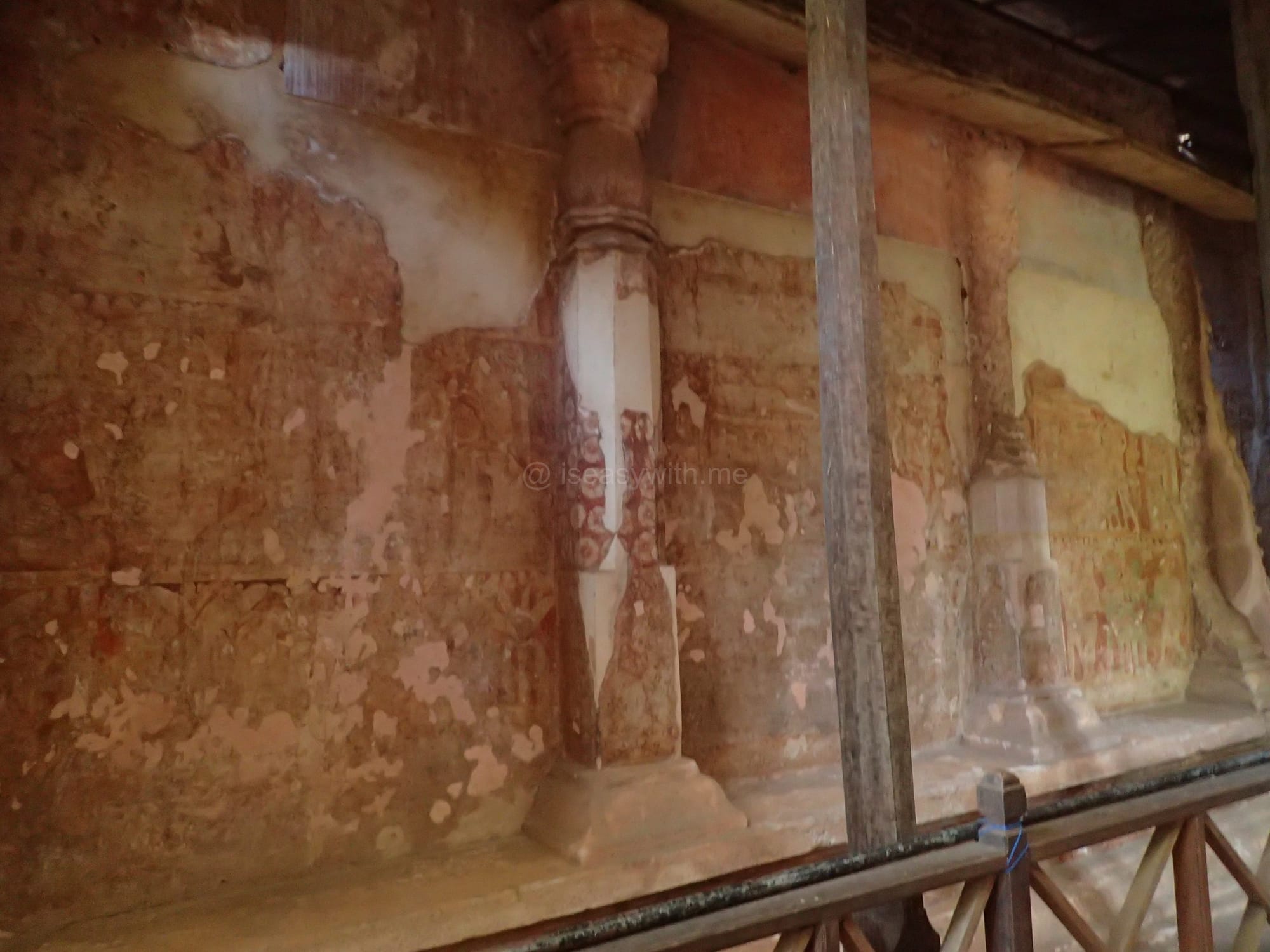
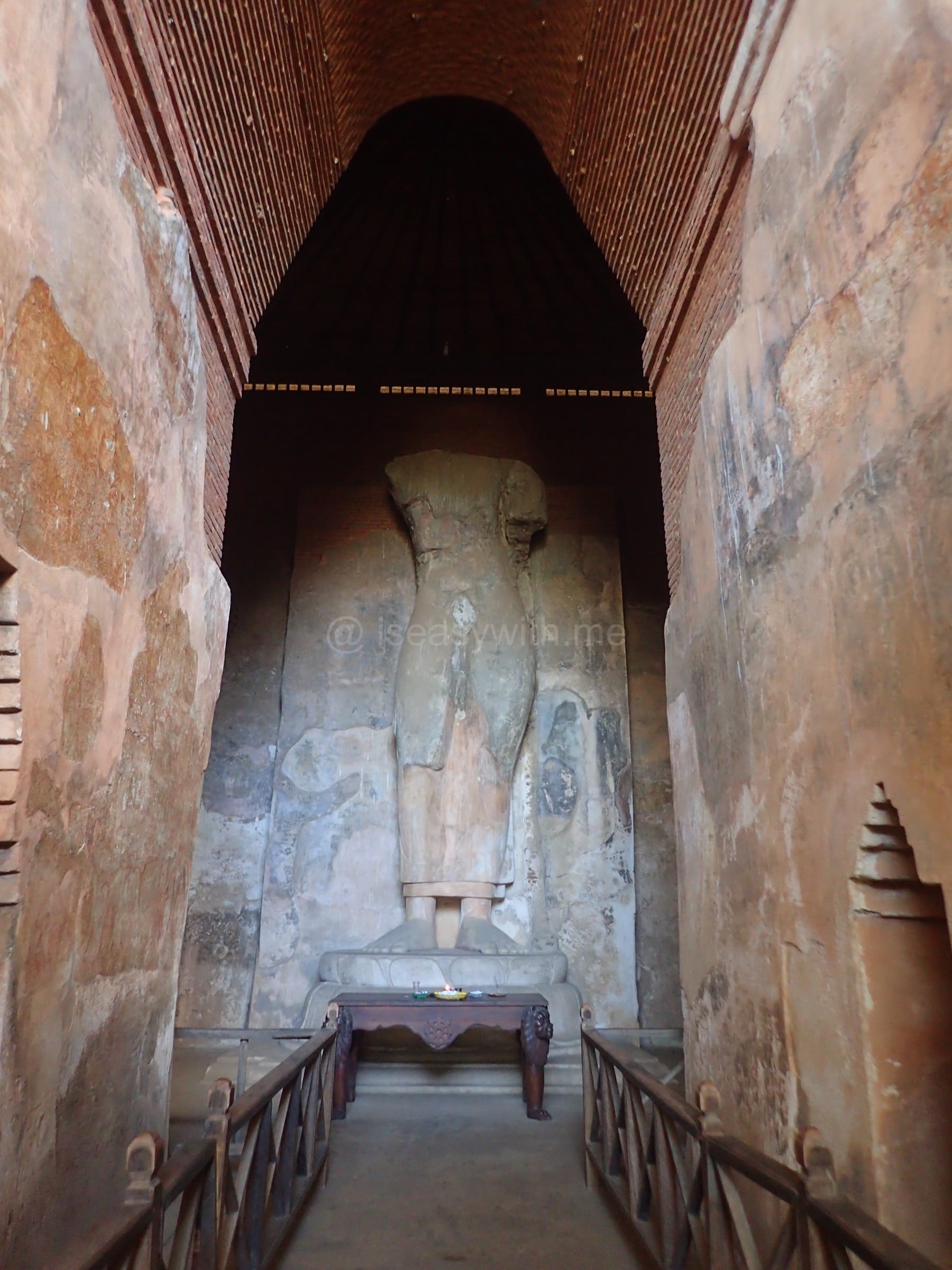
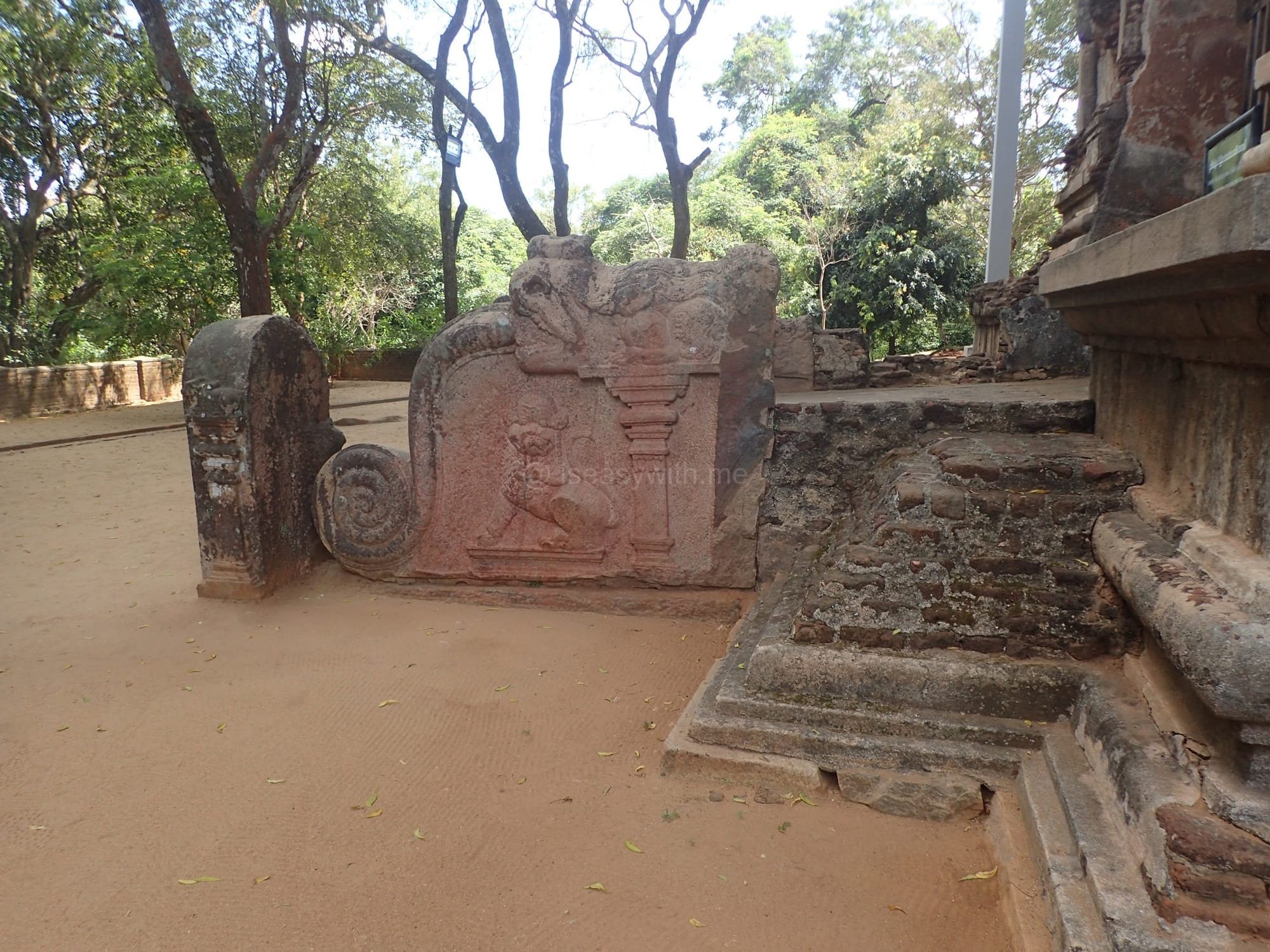
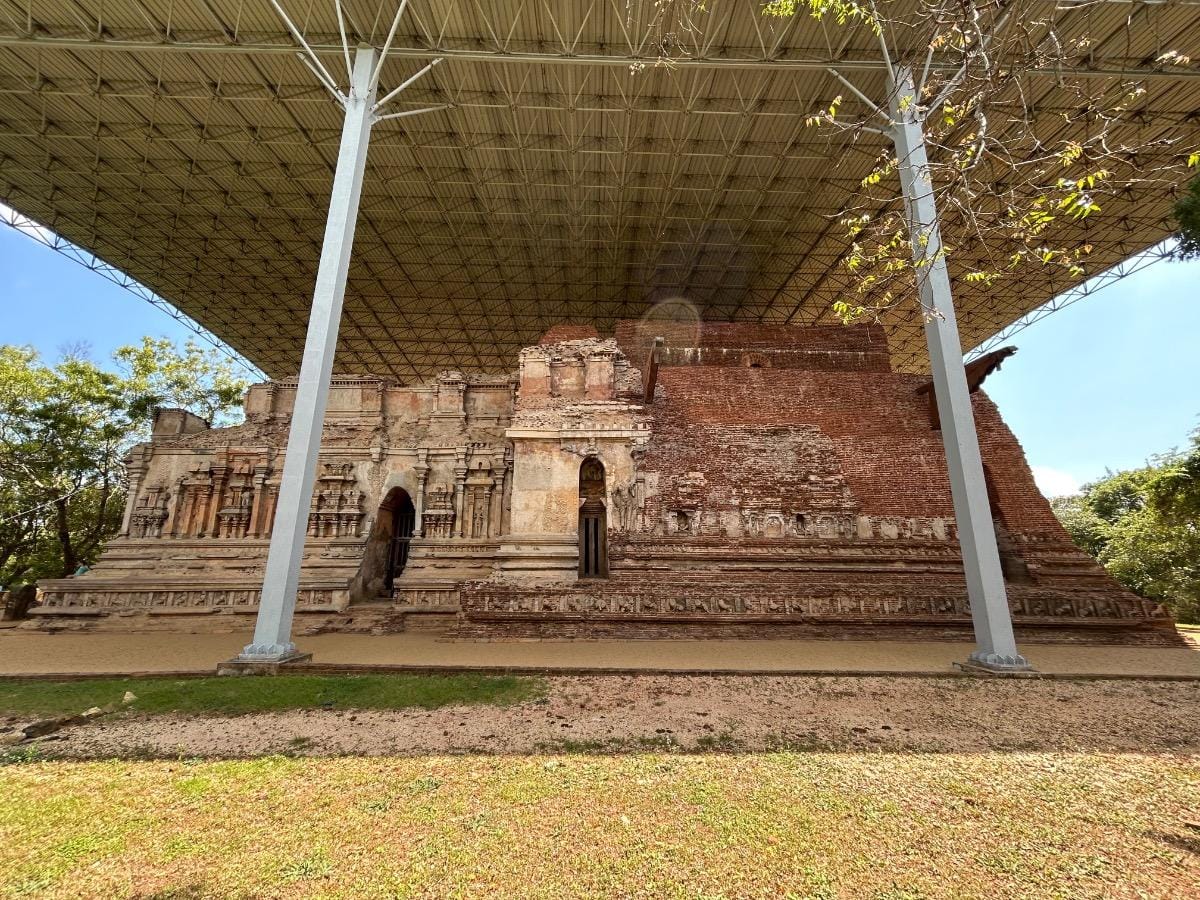
Tivanka Image House
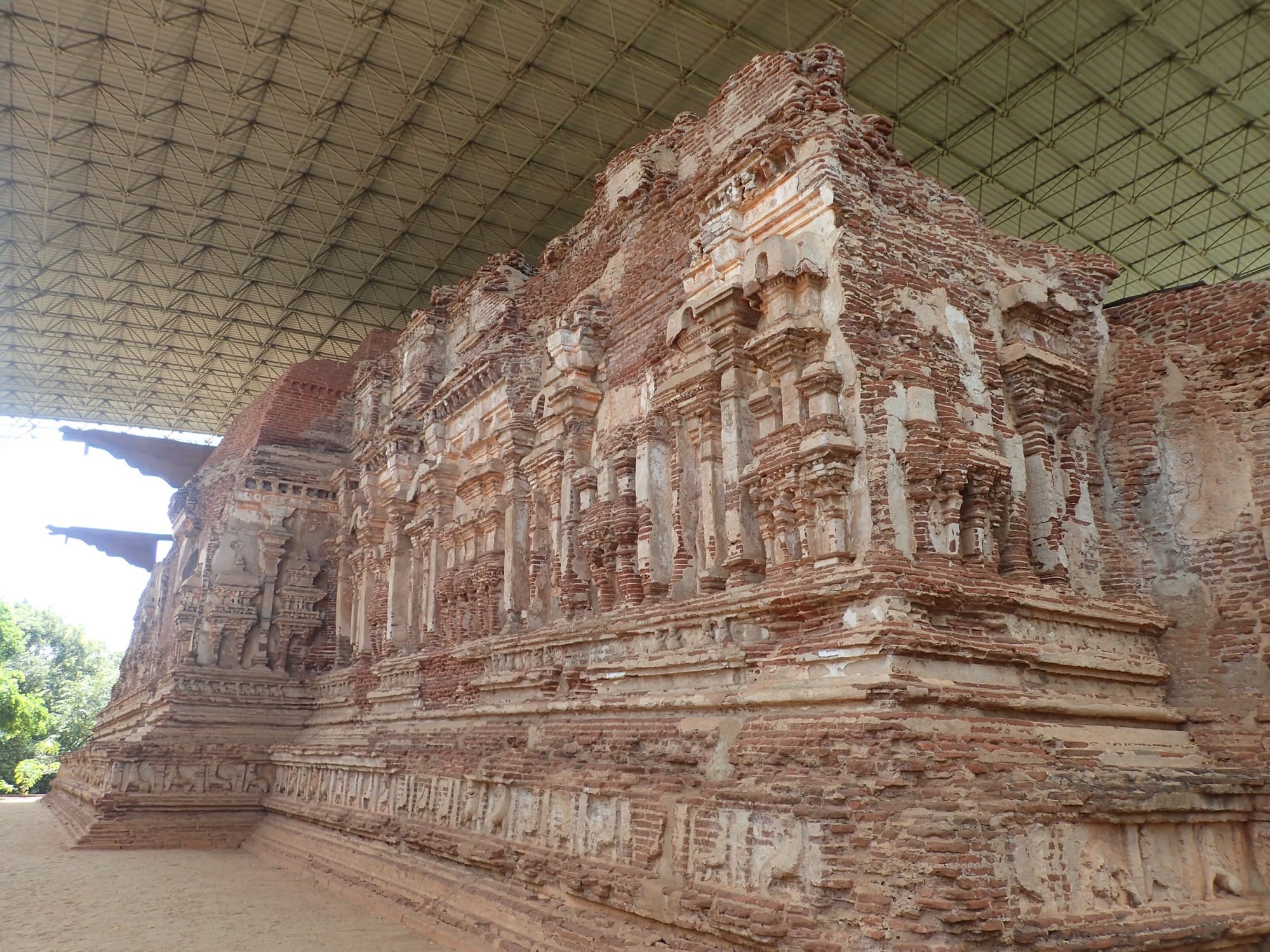
26. Nai Pena Vihara (Cobra Hood Temple, Naipena Vihara, Naipena Viharaya, Siva Devale No. 5, Vishnu Devale No. 4): Dating back to the 10th-to-12th-century period of Chola rule, the Hindu temple complex colloquially called Nai Pena Vihara owes its unique nickname to the fallen brick roof fragments of the northern shrine, which are decorated with the carving of a multi-hooded cobra.
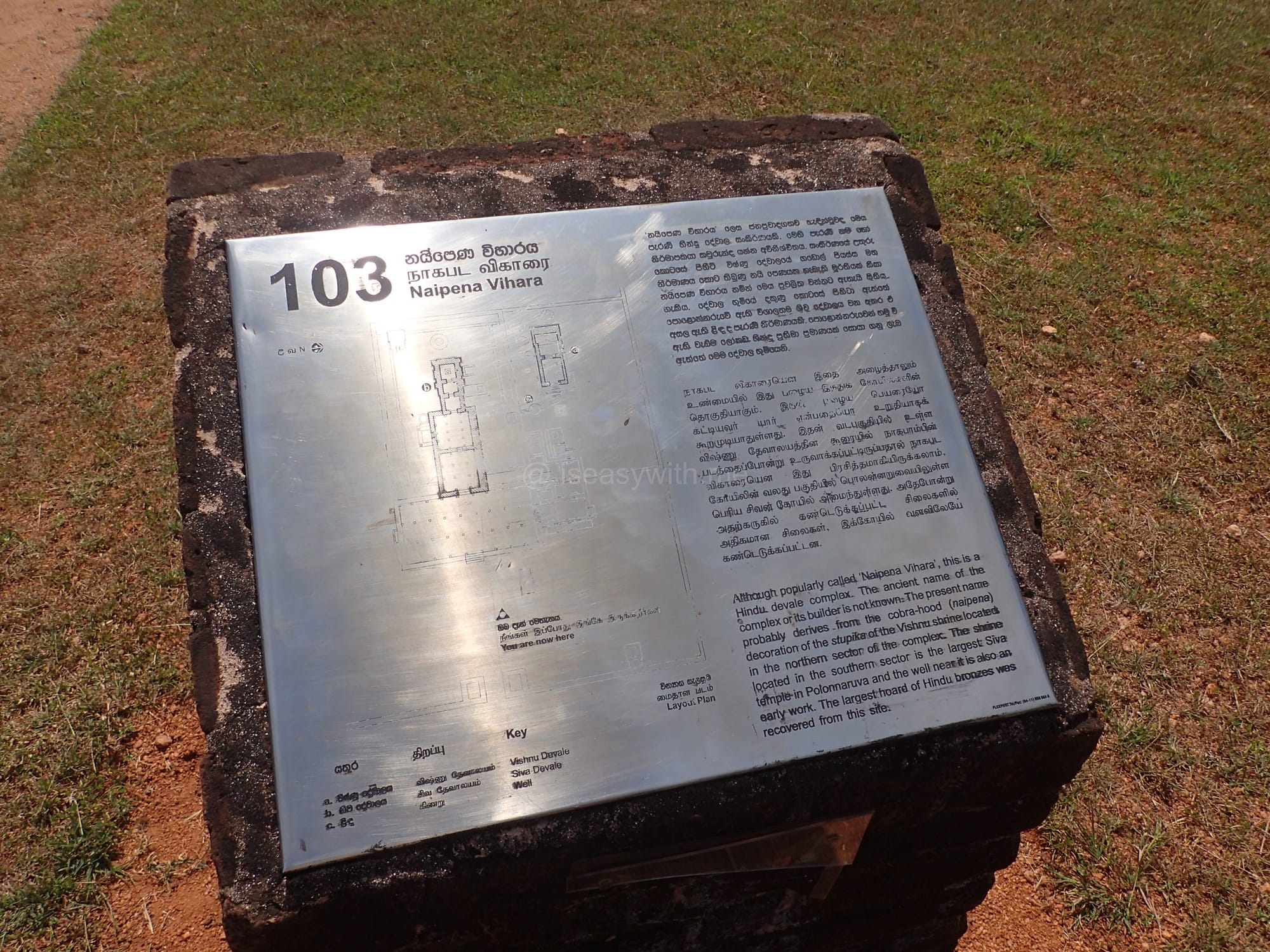
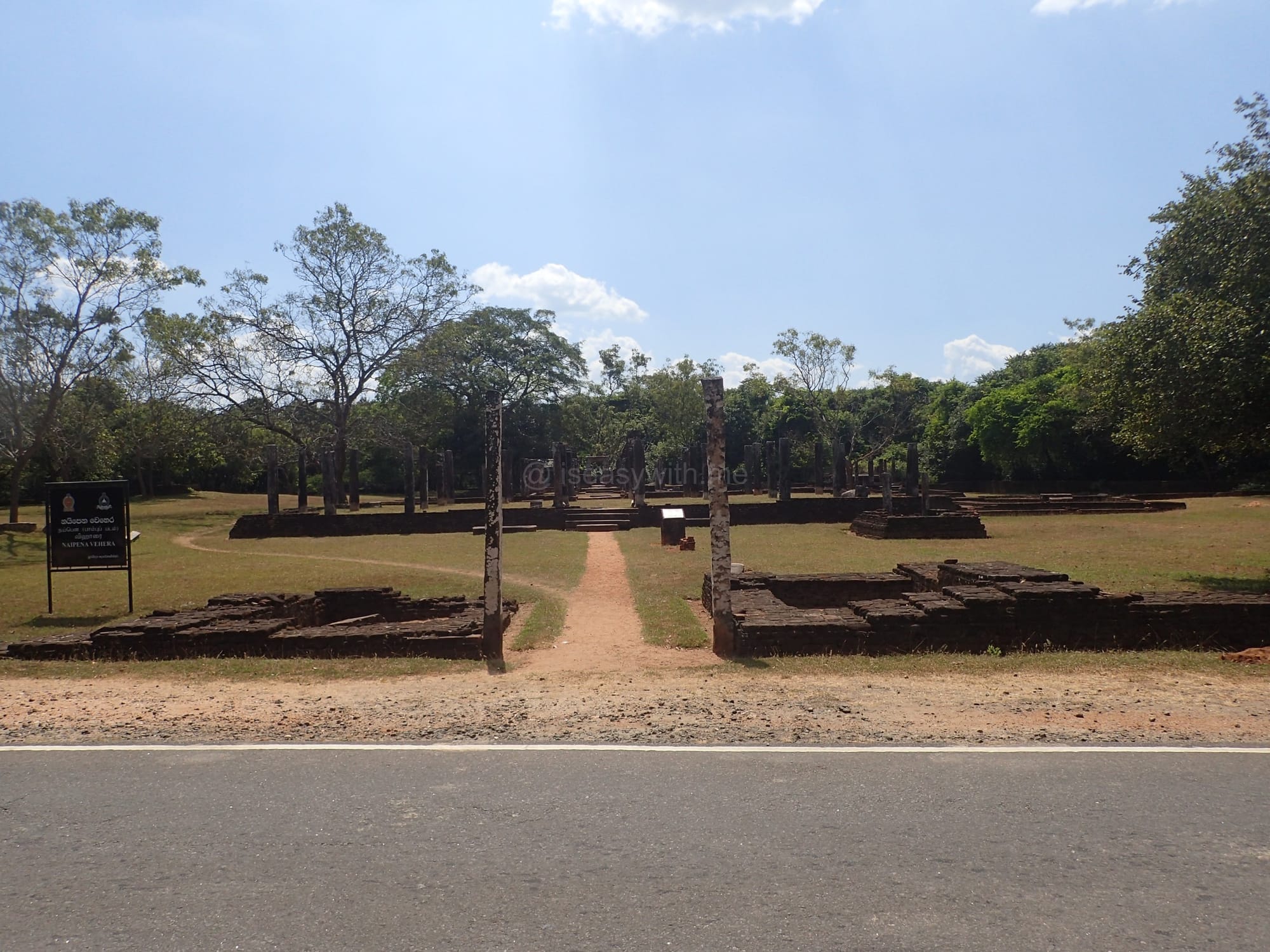
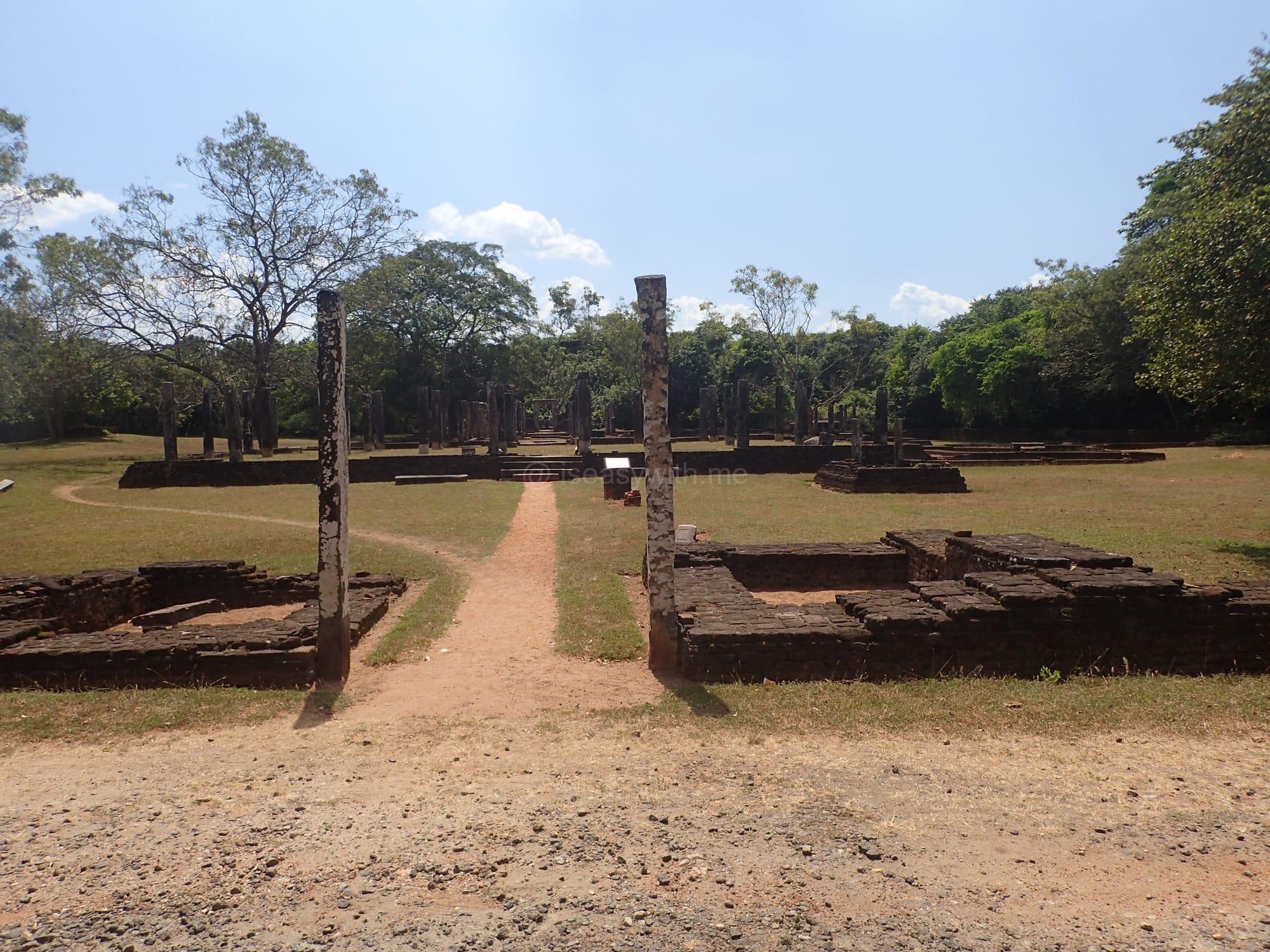
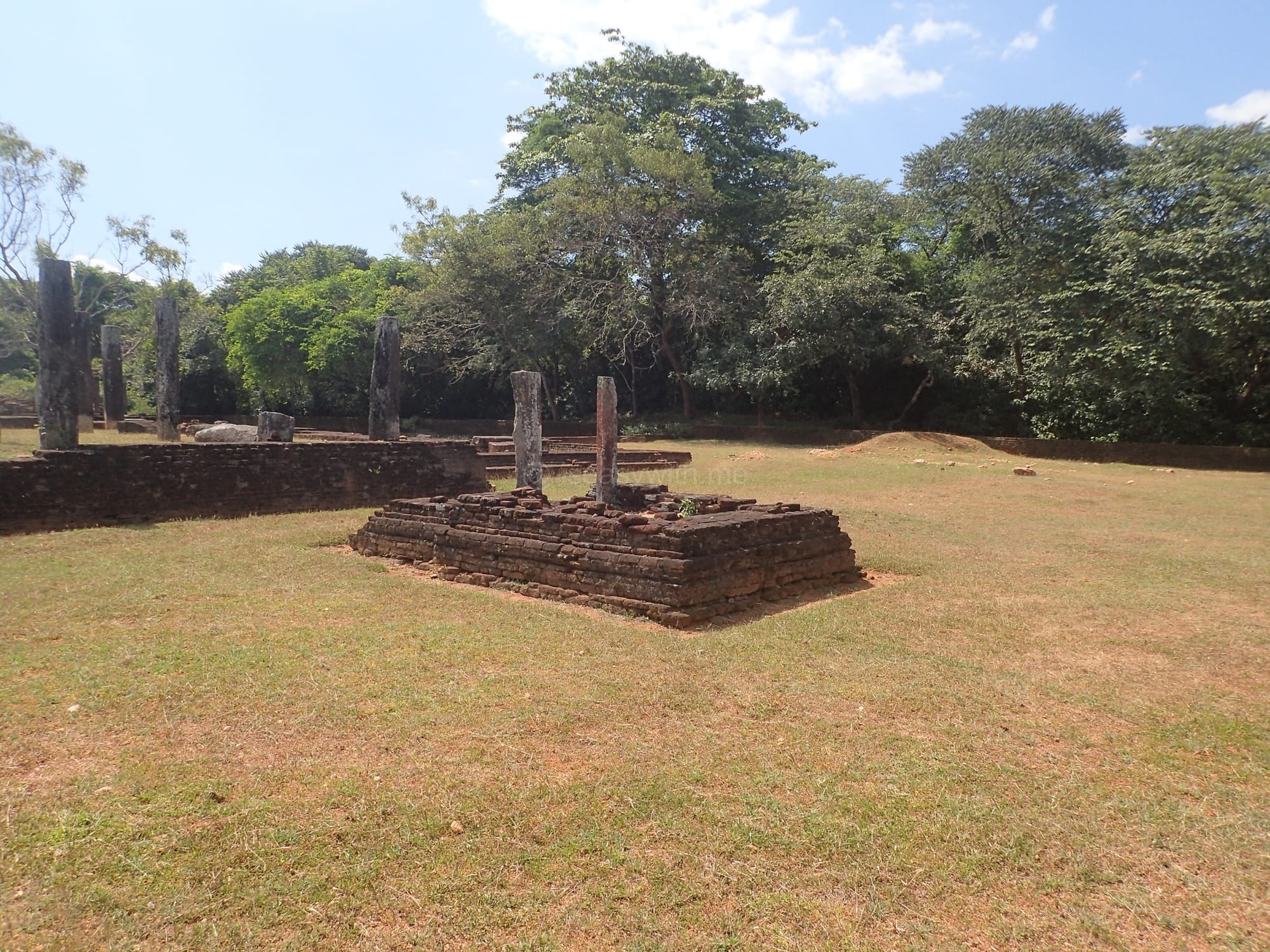
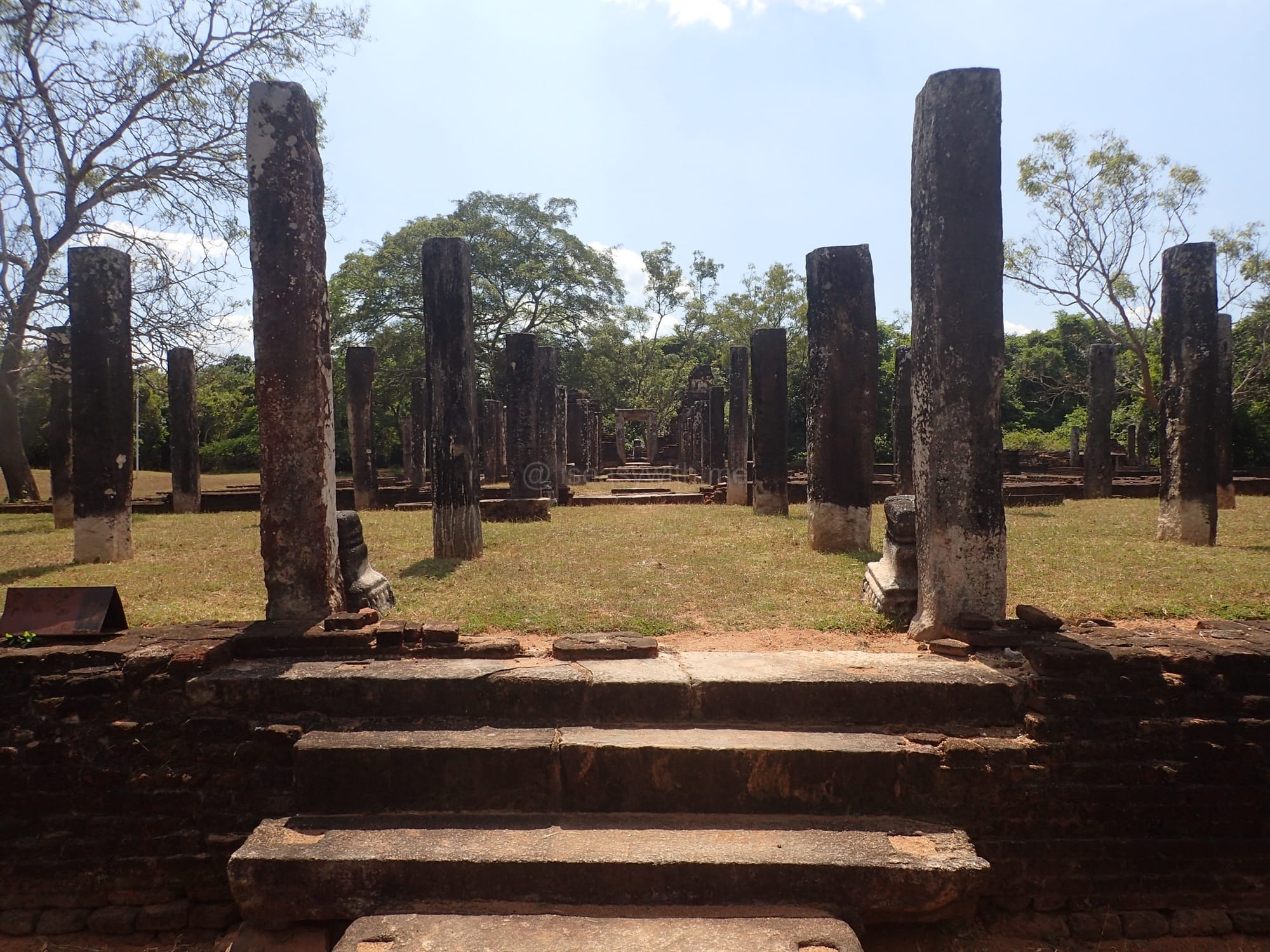
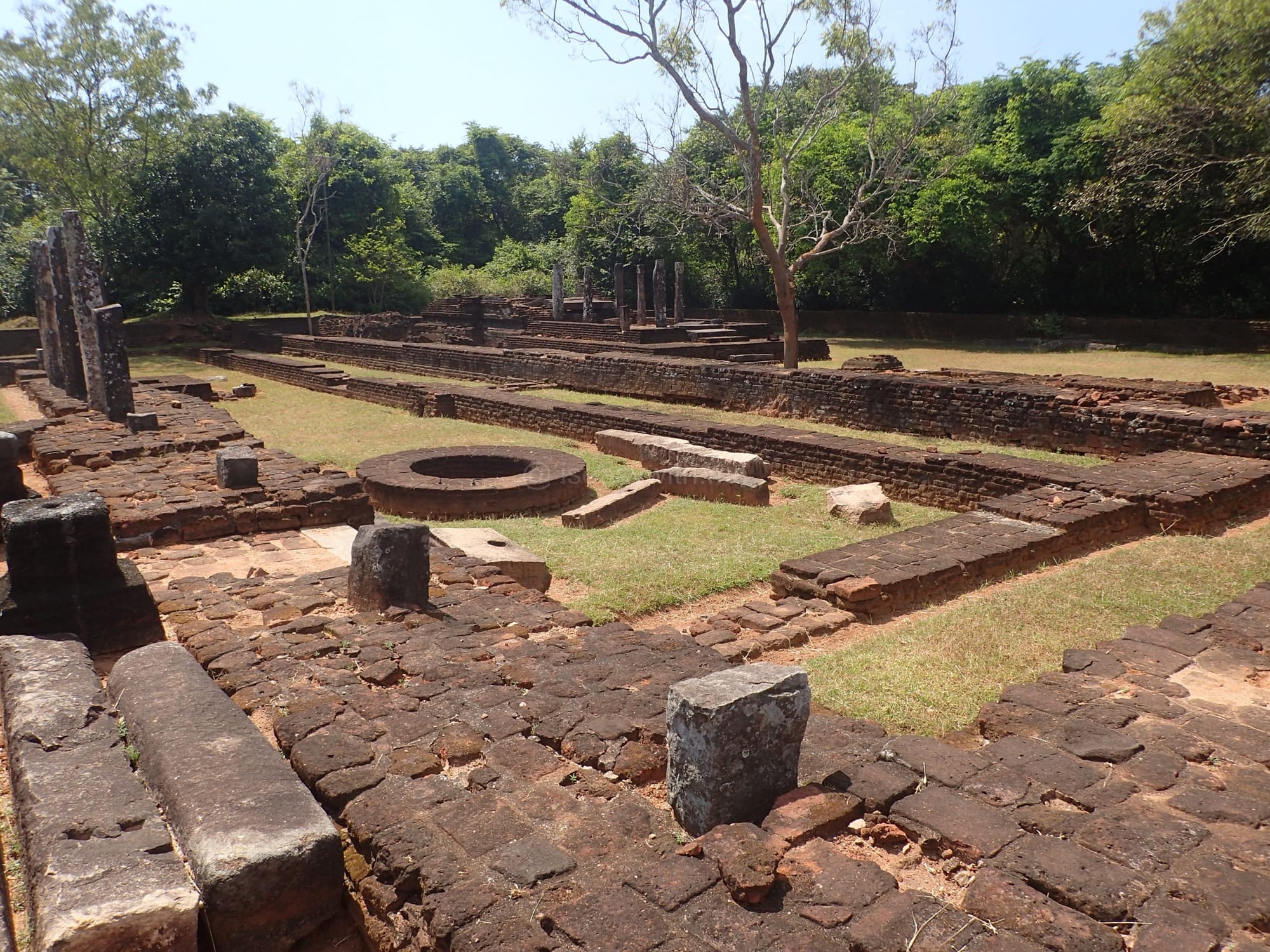
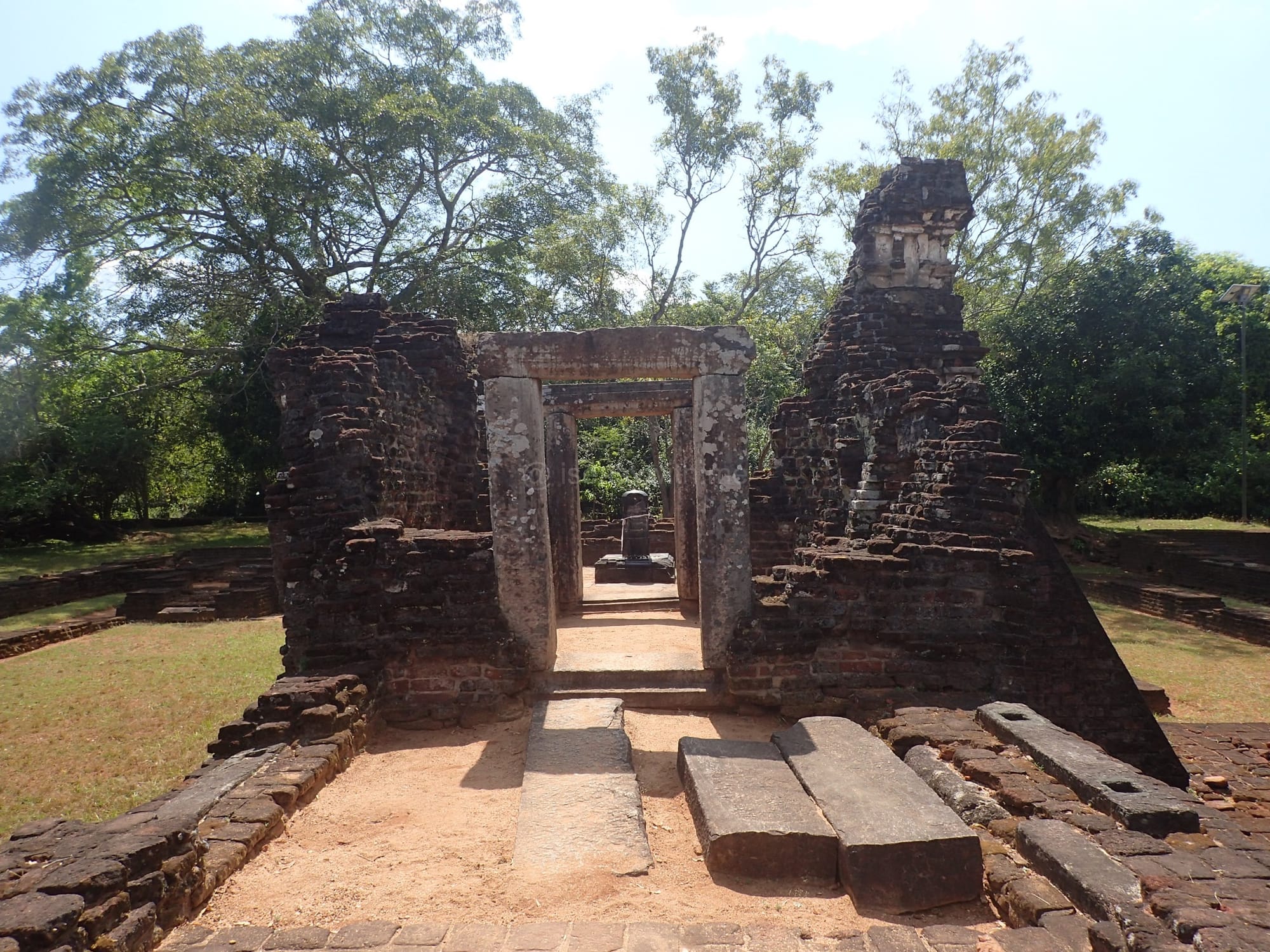
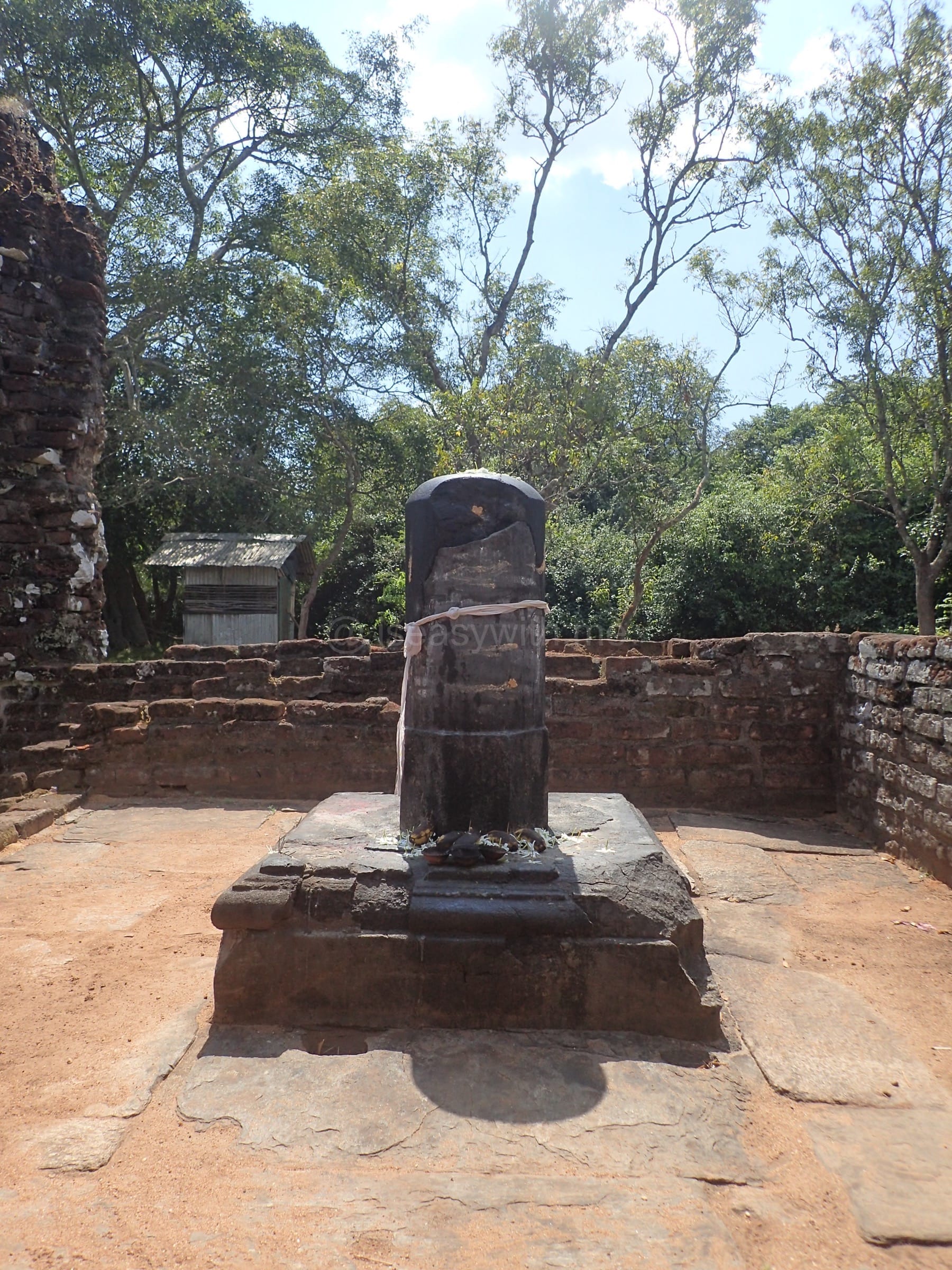
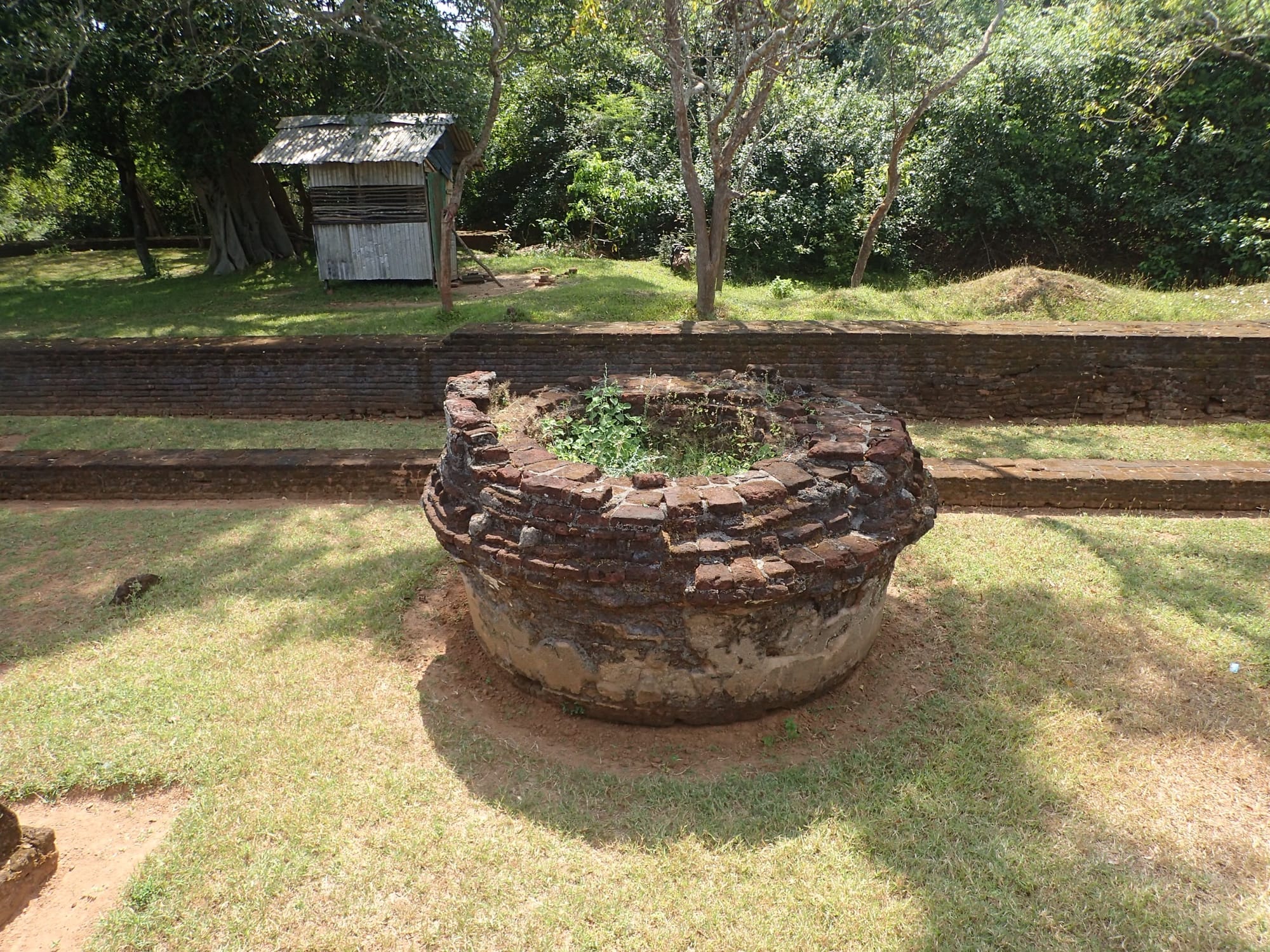
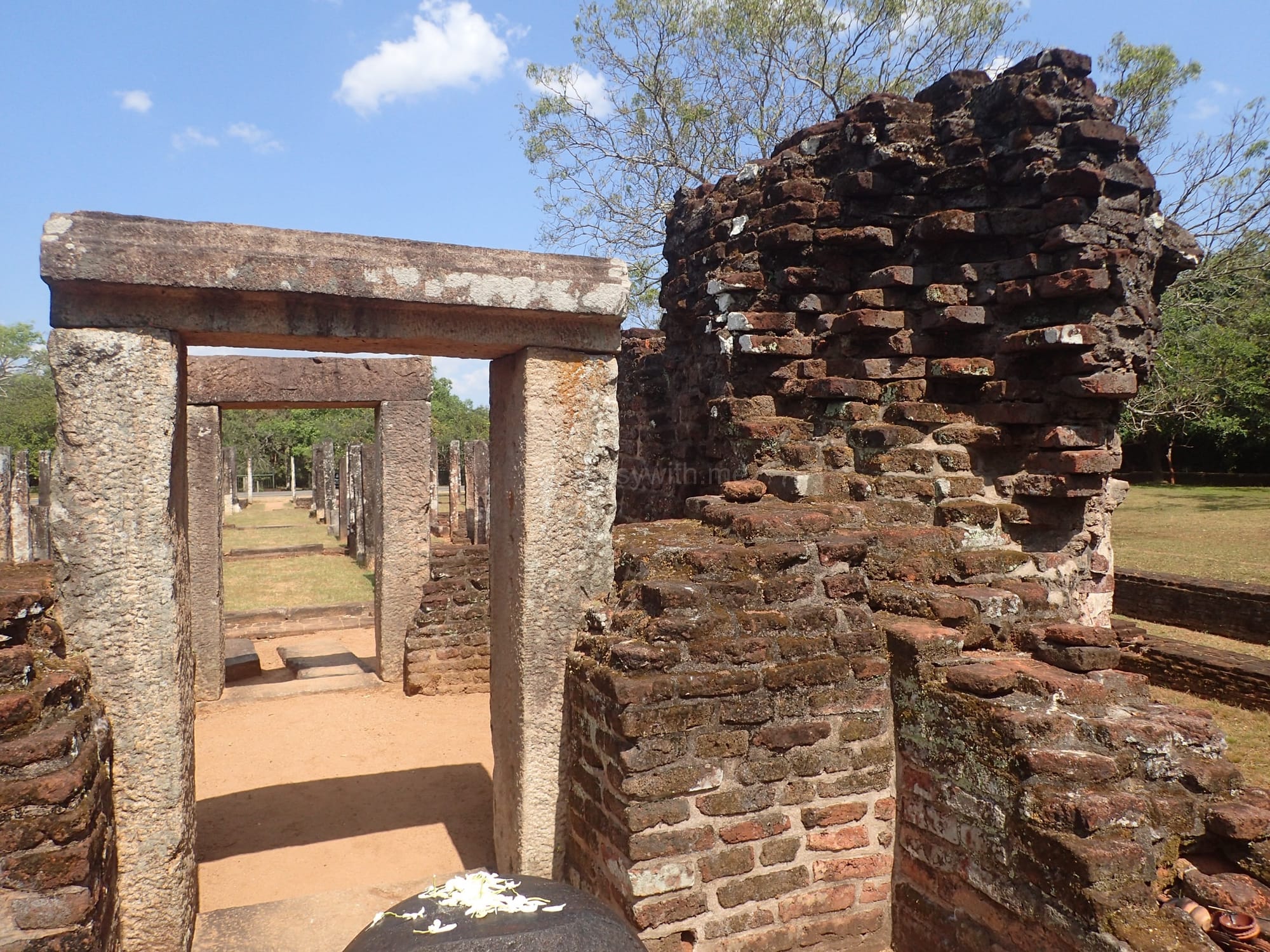
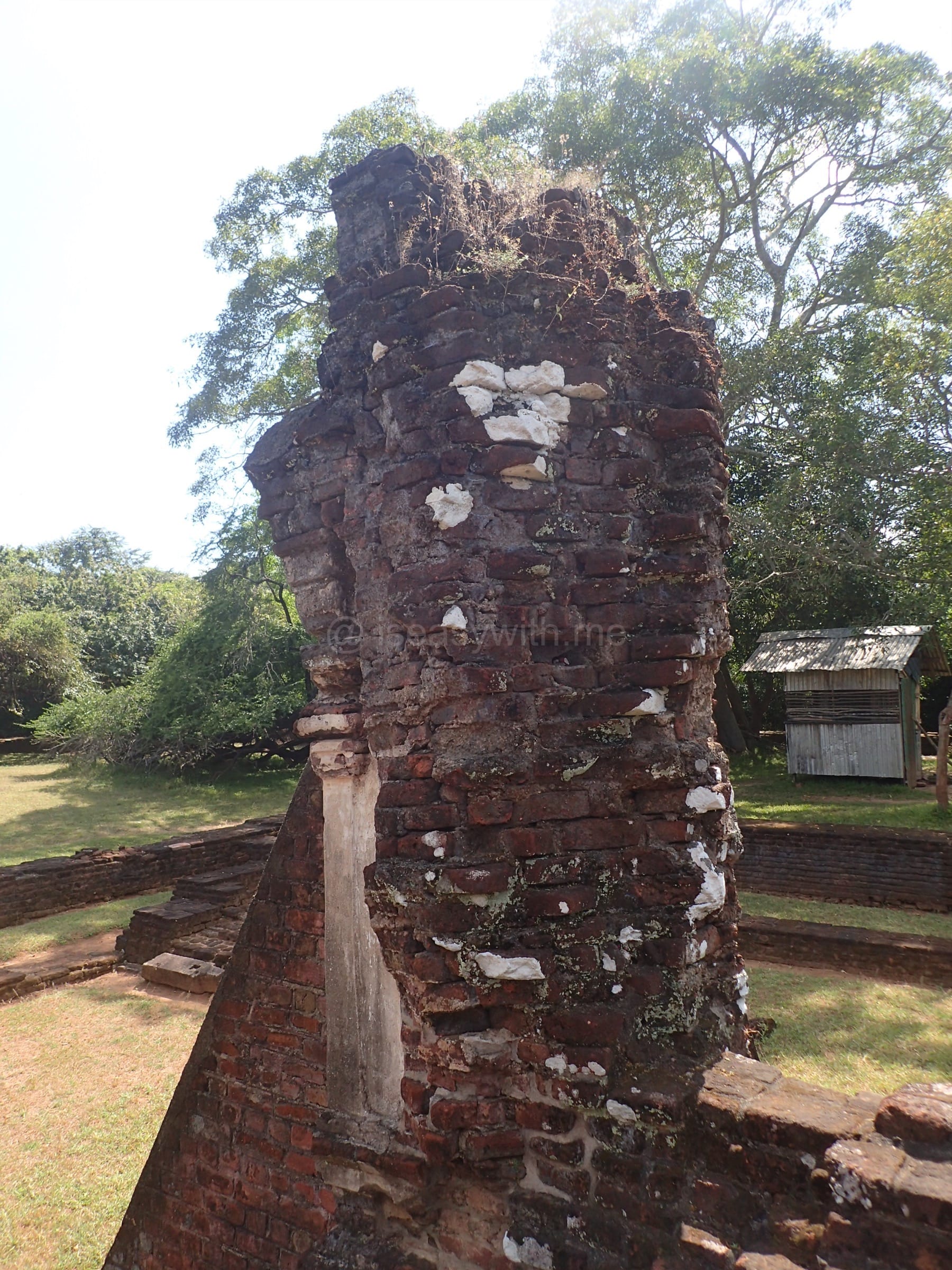
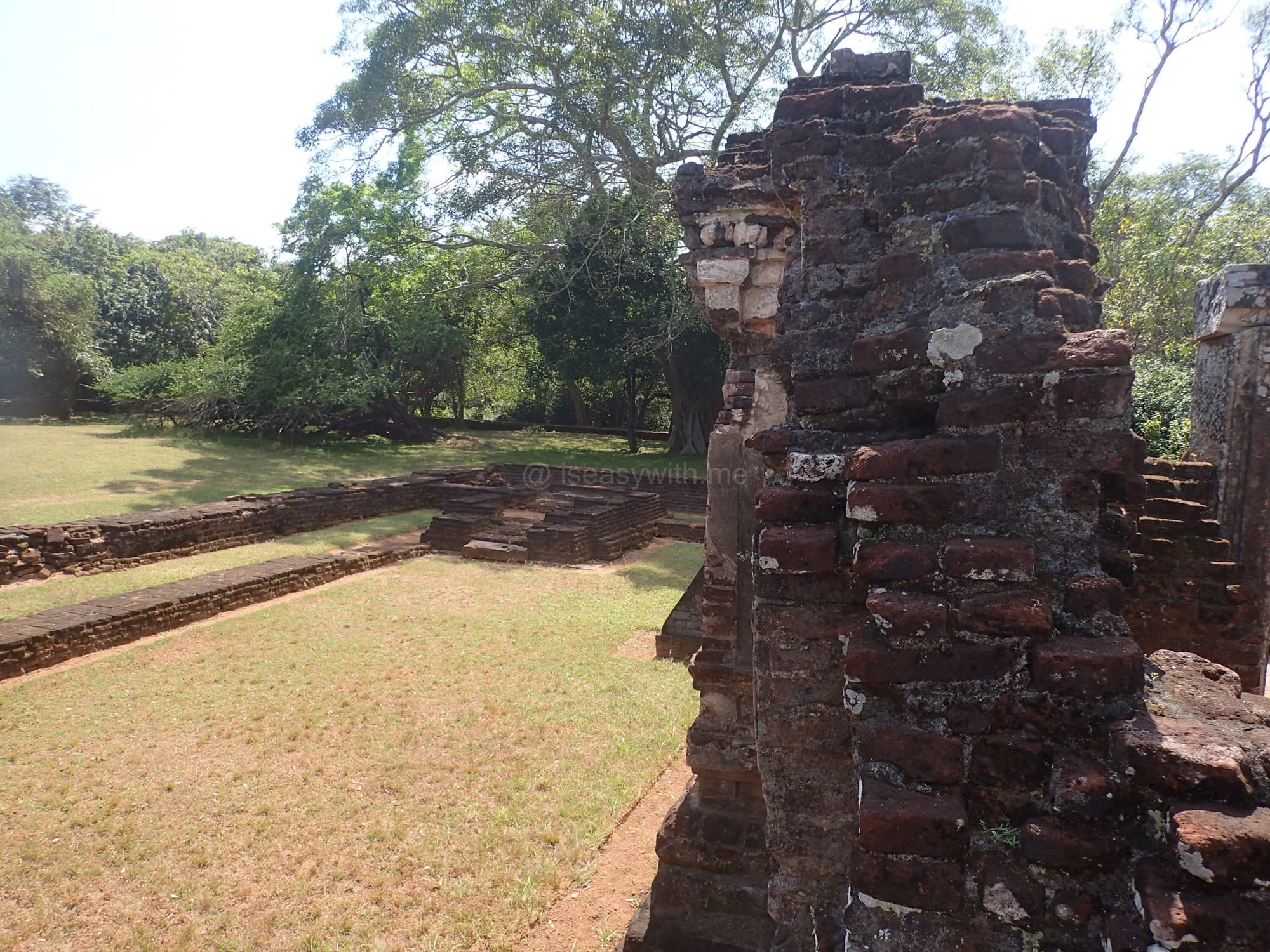
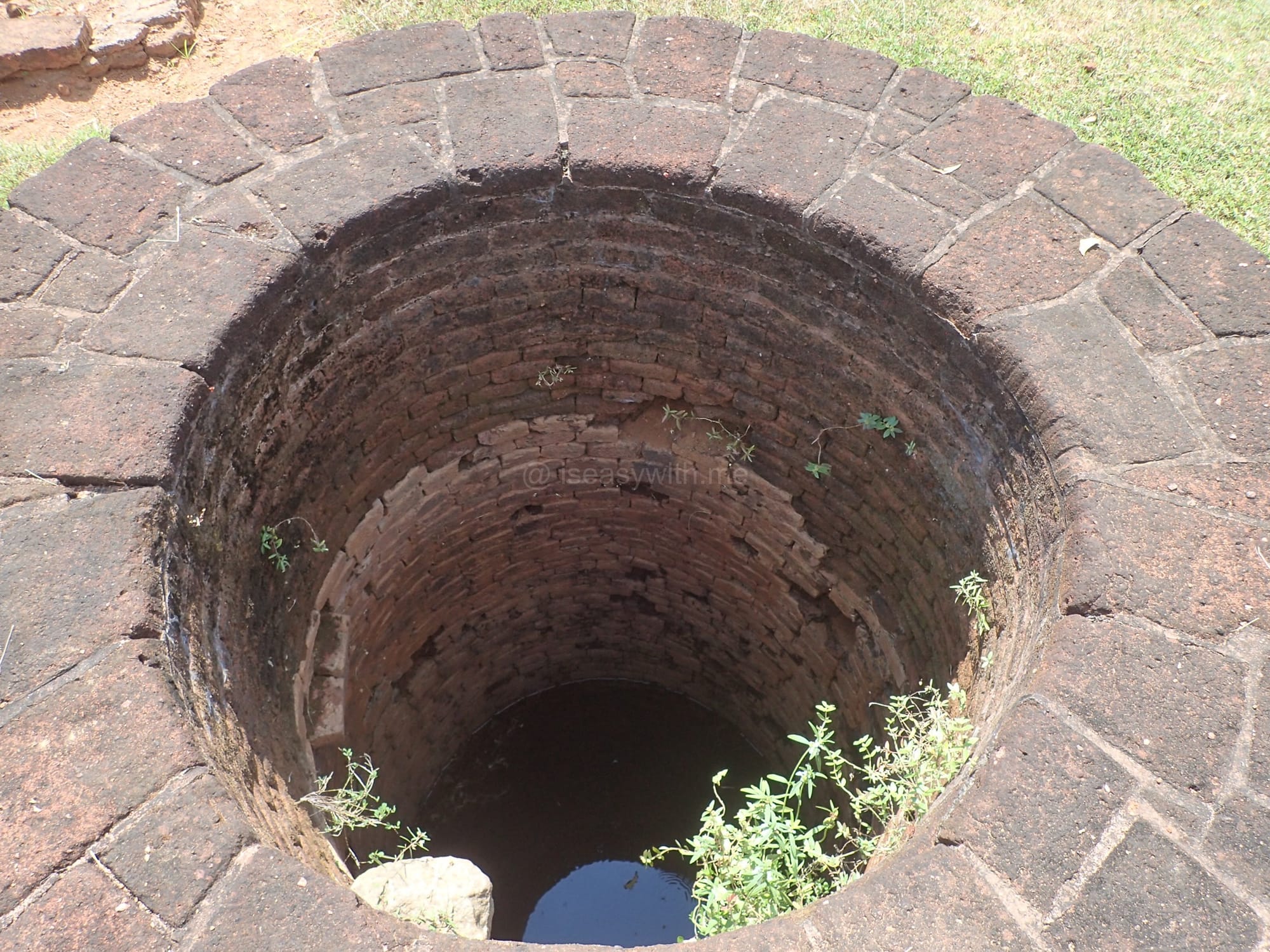
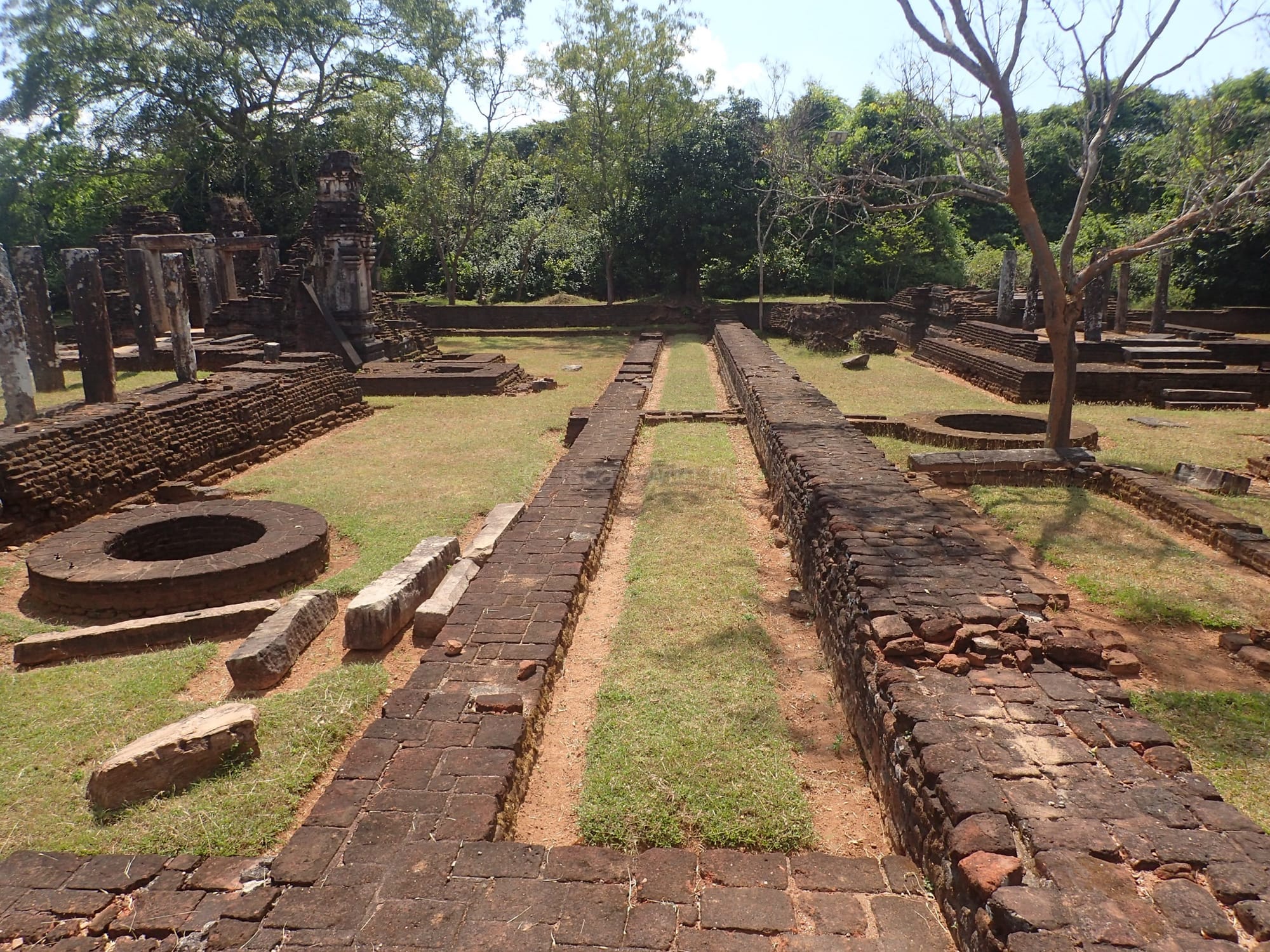
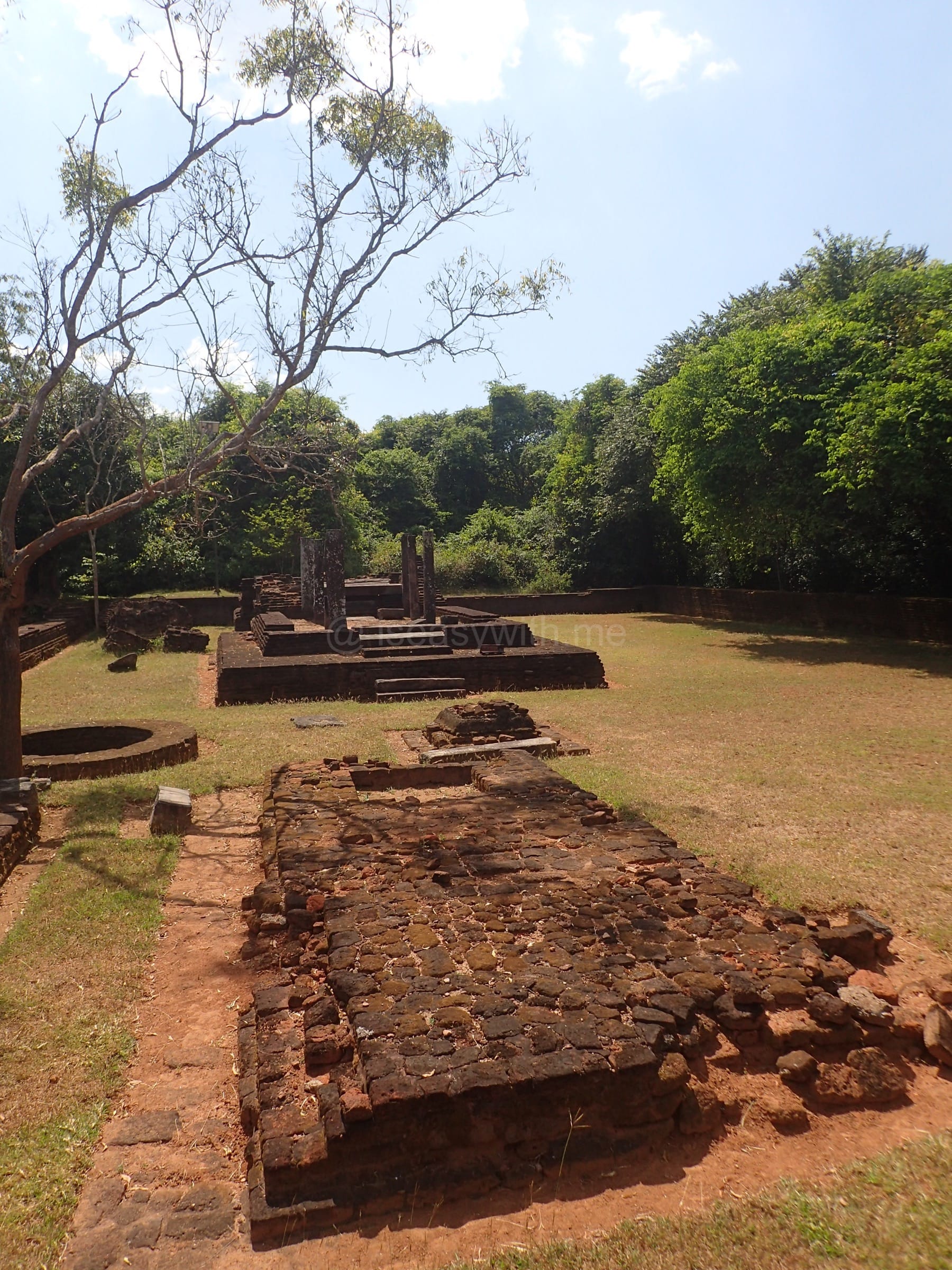
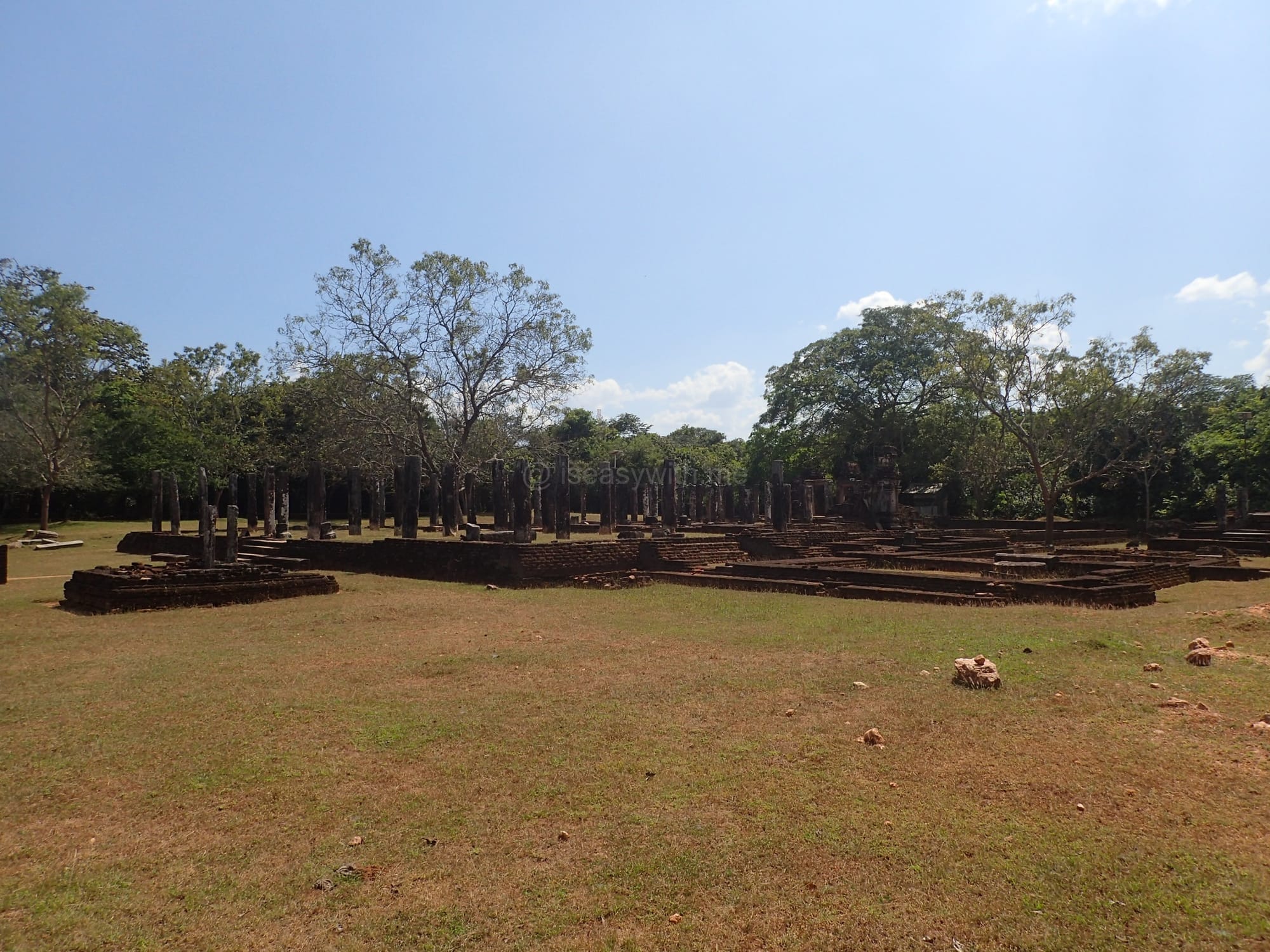
Nai Pena Vihara
27. Summer Palace (Seetala Maligaya, Sheetavaliya, The Cool Palace): Built by King Parakramabahu I on an islet within the massive Parakrama Samudraya reservoir, the Summer Palace served as a luxurious, water-cooled royal retreat whose 12th-century multi-layered stone foundations can still be walked upon today when water levels recede.
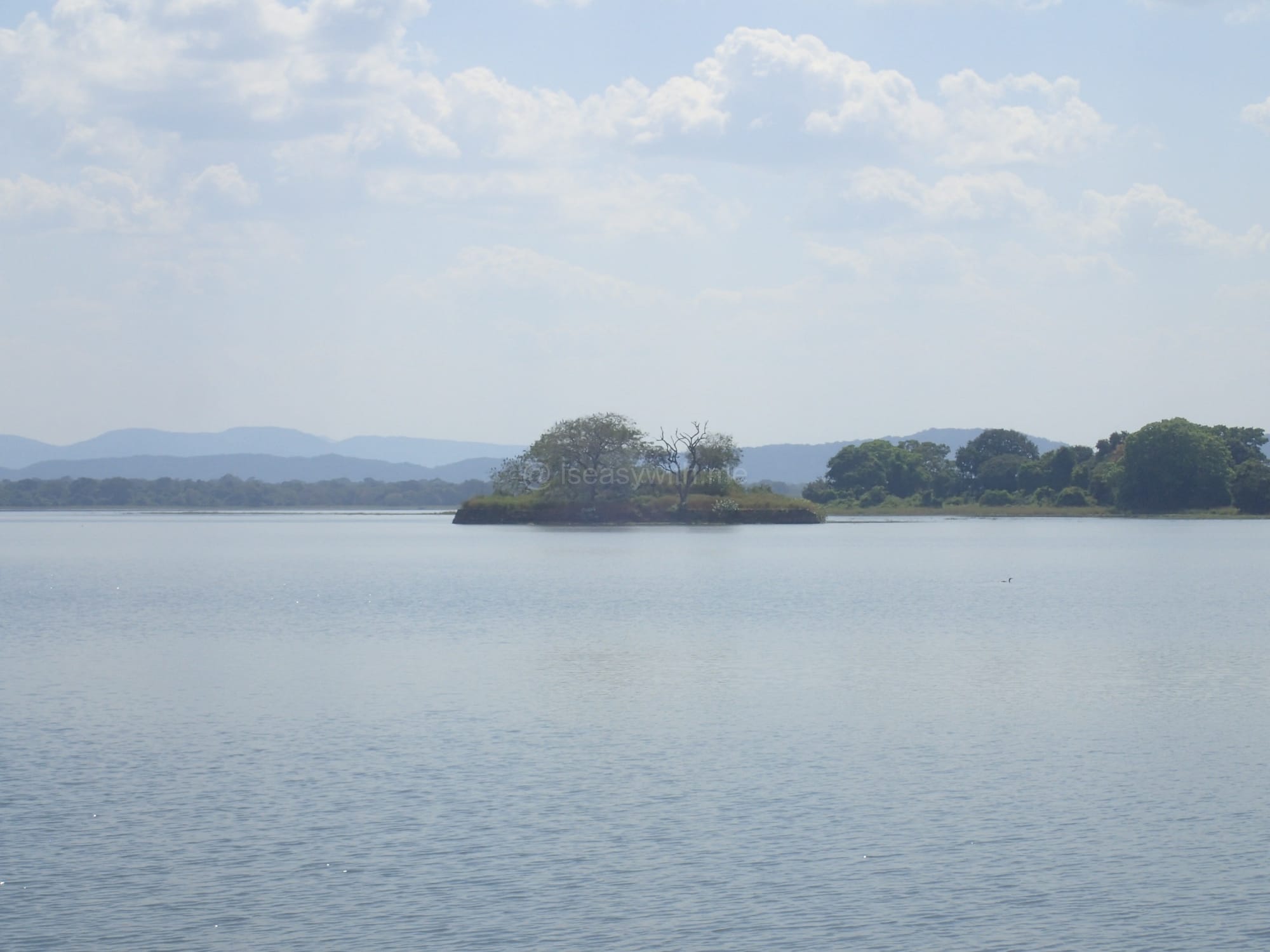
Summer Palace
Food & Beverage in Polonnaruwa
Ariya Hotel & Restaurant
After completely crushing all three major sites on foot, Ariya Hotel & Restaurant was my ultimate, hard-earned reward. Located just minutes from the ruins, this cosy spot provided the perfect refuge from the mid-day heat to finally relax my feet, rehydrate and feast on a massive buffet spread of authentic Sri Lankan rice and curry (LKR 2500 + bottled soft drinks at LKR 300 each) after a massive morning of exploration.
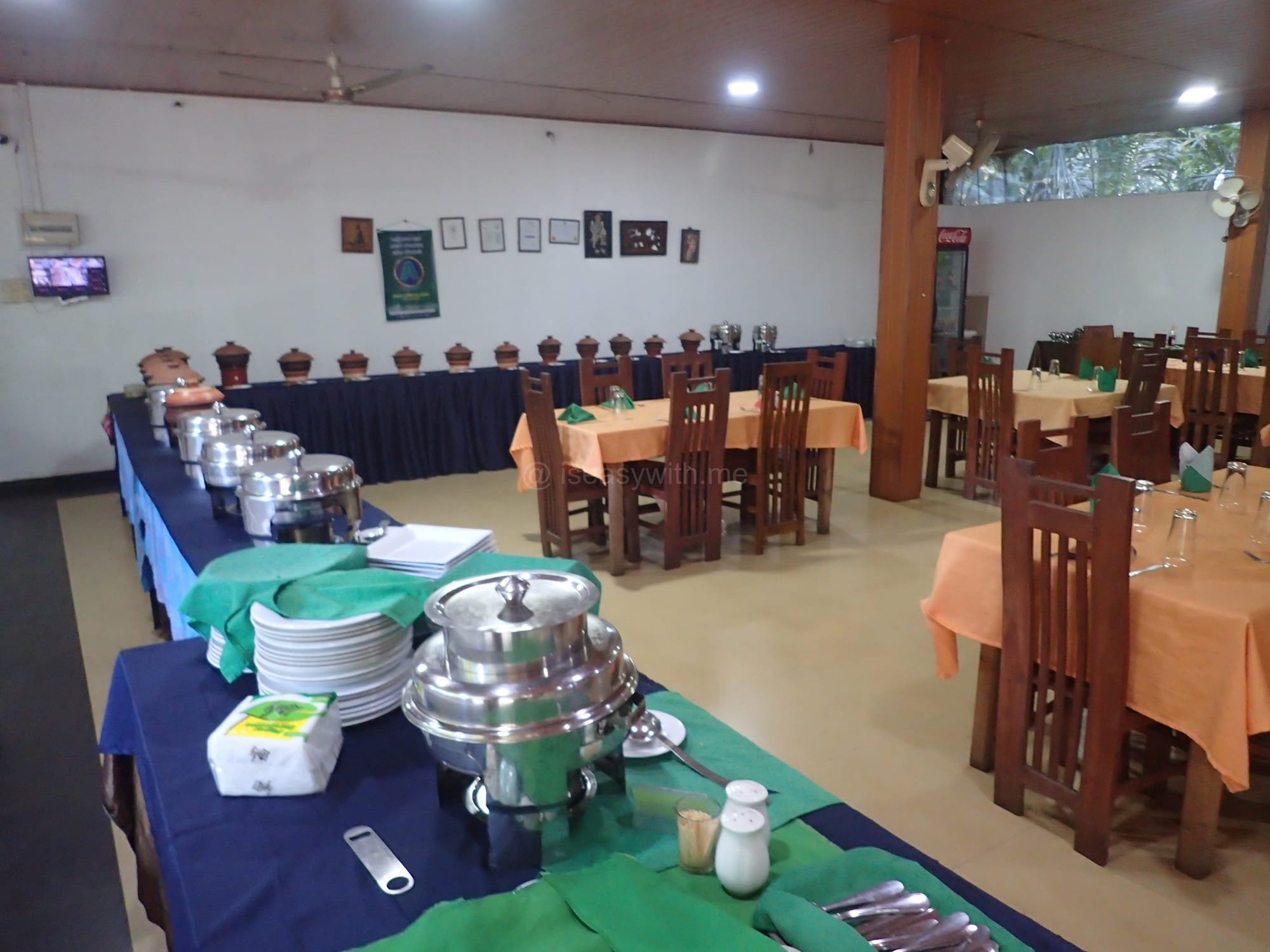
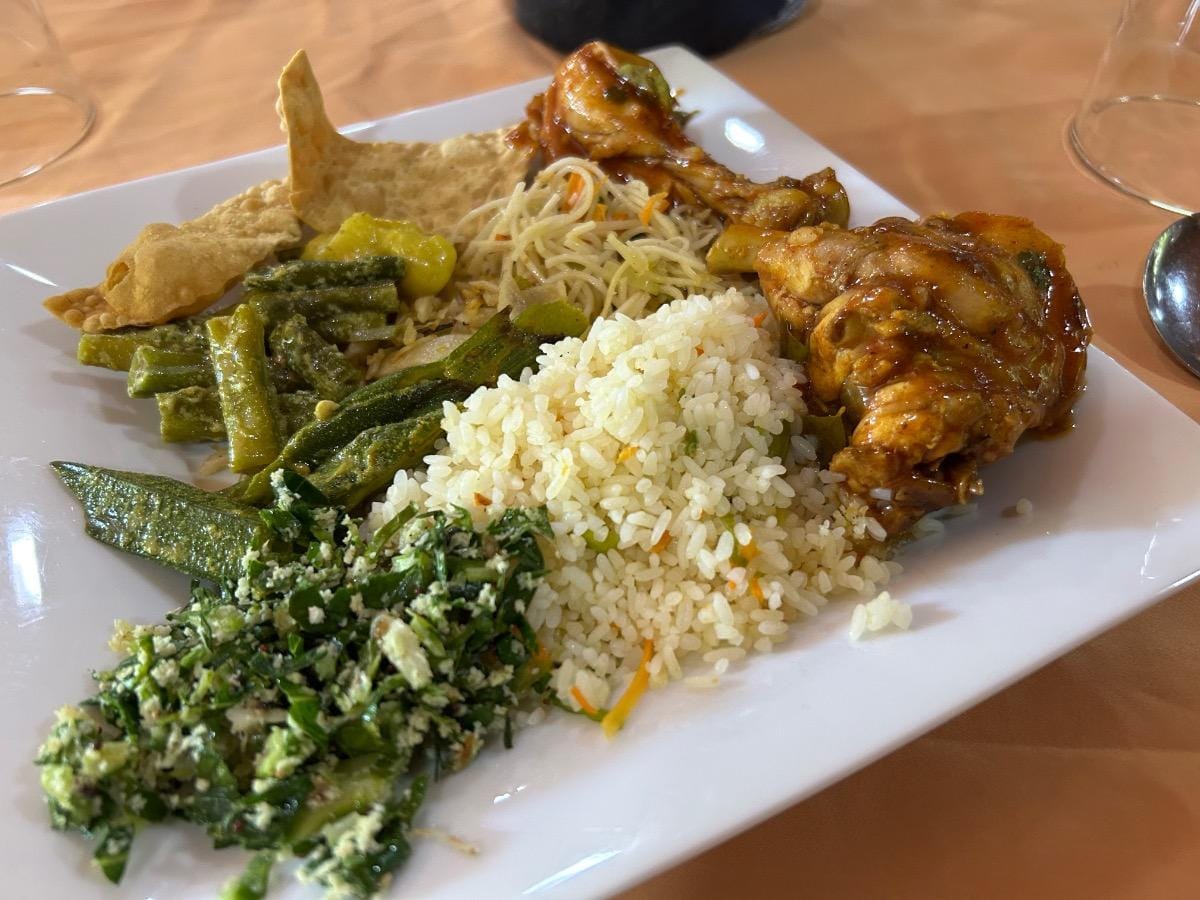
my buffet lunch at Ariya Hotel & Restaurant (LKR2,500) 💸
Departing Polonnaruwa
With the fading afternoon light painting the bricks of the Summer Palace, my high-intensity, sun-baked loop of Polonnaruwa was finally complete.
iseasywith.me Reality Check: Ritigala Monastery
I had originally planned to push even further onwards after Polonnaruwa to Ritigala Monastery, a hauntingly atmospheric, ruined forest monastery shrouded in dense jungle and mist. Built for an order of ascetic monks who rejected all wealth, it features zero traditional stupas or Buddha images, consisting instead of mysterious twin meditation platforms and an ancient sunken Ayurvedic hospital.
However, time ran out. The sheer scale of Polonnaruwa is incredibly easy to underestimate, and by the time I completed its final ruins, there was no daylight left. Ritigala remains firmly on my bucket list for a future journey.
Exhausted but thoroughly captivated by the horizontal scale of the ancient capital, I hopped back into my trusted tuk-tuk for the drive straight back to Sigiriya.
Returning to my base camp was the perfect move. It offered a familiar, quiet sanctuary to rest my legs after a gruelling day of two rock climbs and twenty-four archaeological site hops. With a full night of deep sleep locked in, I would be completely recharged and ready to pack my bags tomorrow morning to tackle my next destination- the famous cave temples of Dambulla.