Beyond the Waves: Discovering Kalpitiya’s History, Wildlife & Local Life
Skip the polished tourist resorts. Journey up a raw, wind-blown sand spit to experience world-class kitesurfing, massive dolphin pods, and historic ruins.
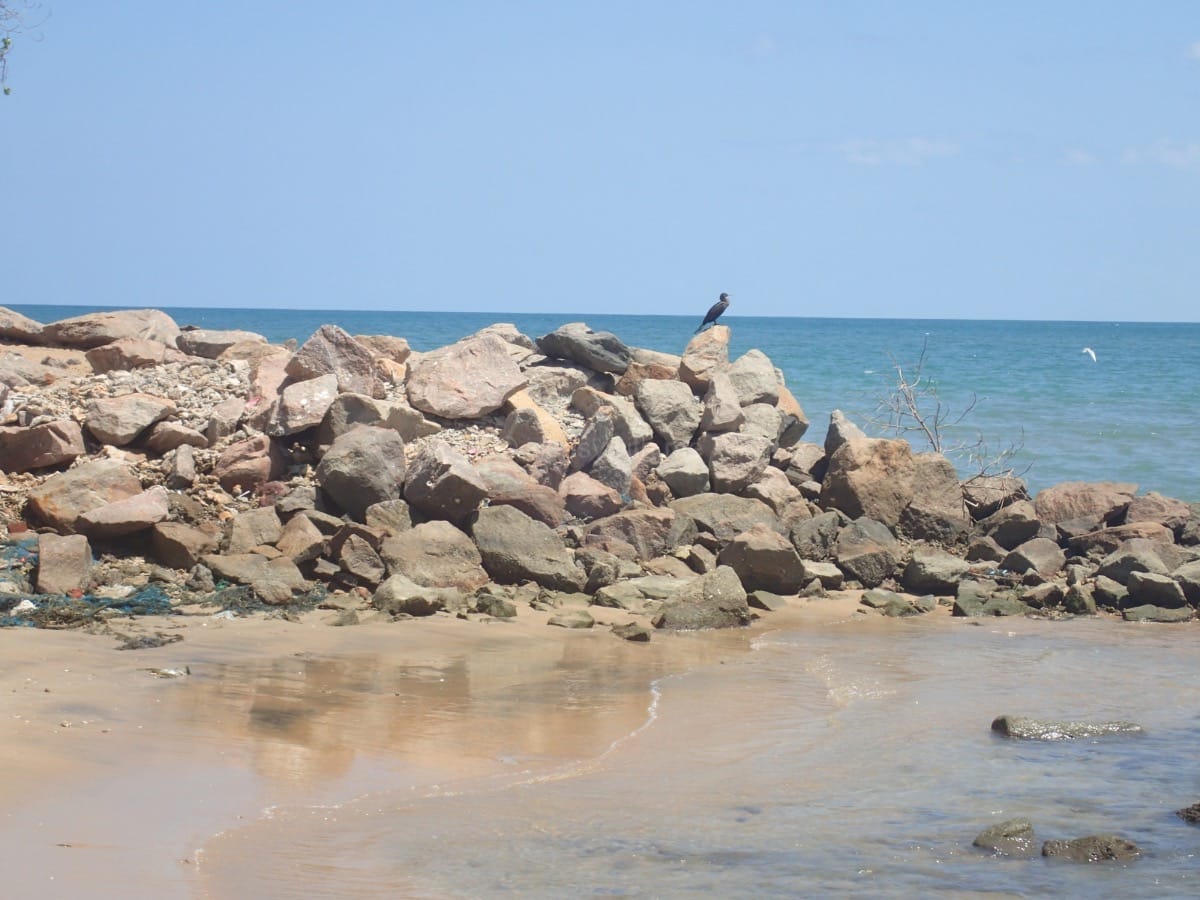
If Negombo was my gentle transition zone to recover from the jet lag, Kalpitiya felt like the moment my raw, real Sri Lankan adventure actually kicked off. I found it wasn't a polished seaside resort strip wrapped in tourist traps but rather a long, wind-blown sand spit closing off the massive Puttalam Lagoon, where local life moved to the rhythm of deep-sea fishing and traditional salt production. Wanting to skip the packed southern beaches, this remote peninsula hit entirely differently for me, offering a stark, beautiful contrast of wild Indian Ocean waves on one side and mirror-flat waters on the other.
While others head north to chase the world-class wind at the Kalpitiya kitesurfing lagoons, my own reasons for making the trek out here were entirely focused on the wildlife. My main objectives were heading out at dawn on a dolphin-watching boat excursion hoping for that incredible sight of hundreds of spinner dolphins super-podding just off the coast and booking a Wilpattu safari. This massive, lake-filled wilderness is legendary as one of the absolute best places in Sri Lanka to track down wild leopards and the elusive, shaggy sloth bears.
From Negombo to Kalpitiya
Leaving the transit hub behind, I pushed north along Sri Lanka's western coastline. My journey followed the A3 Highway, tracking a landscape that slowly shed its urban weight. As I moved further away from Colombo’s gravitational pull, the busy commercial roads gradually dissolved into an endless horizon dominated by coconut palms, quiet lagoons and the salty mist of the Laccadive Sea. It felt less like a commute and more like an entry into true exploration mode.
Getting from Negombo to Kalpitiya
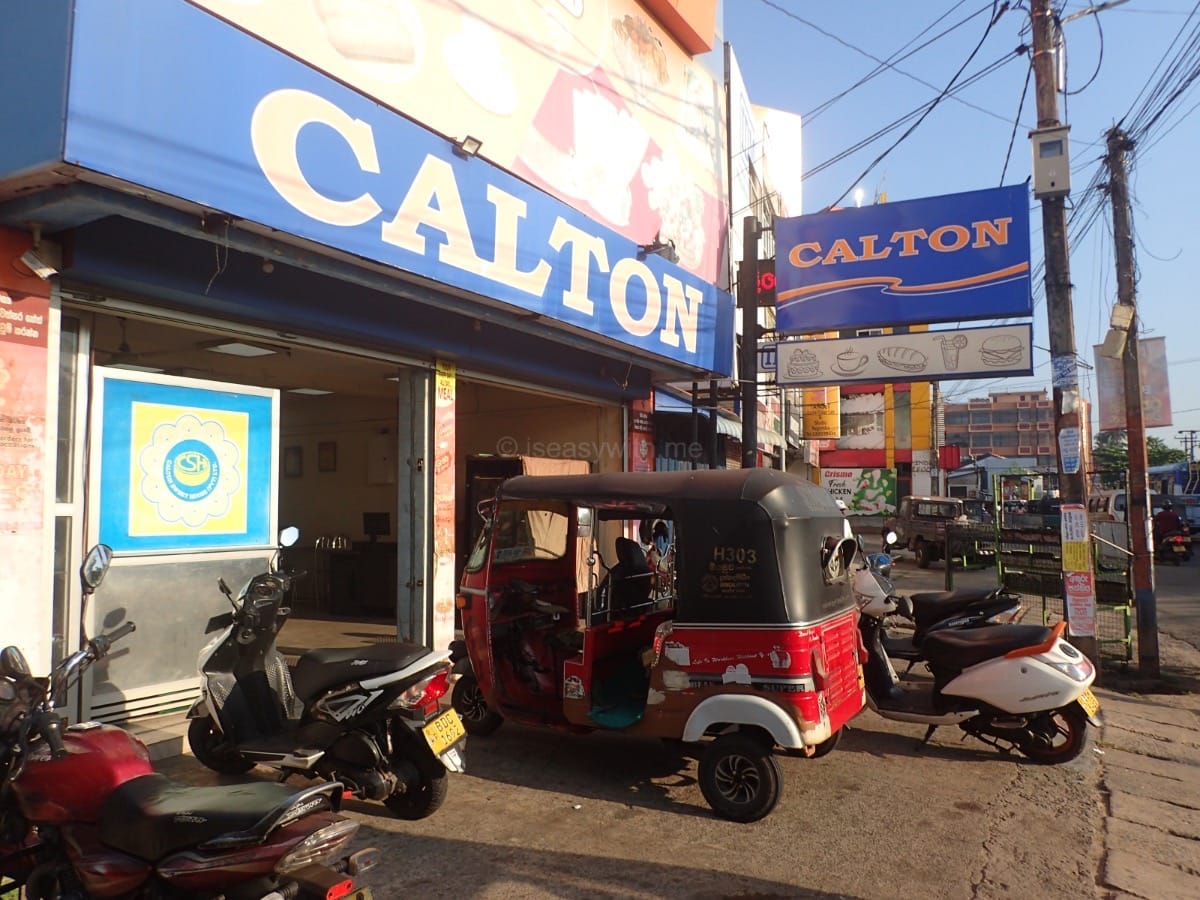
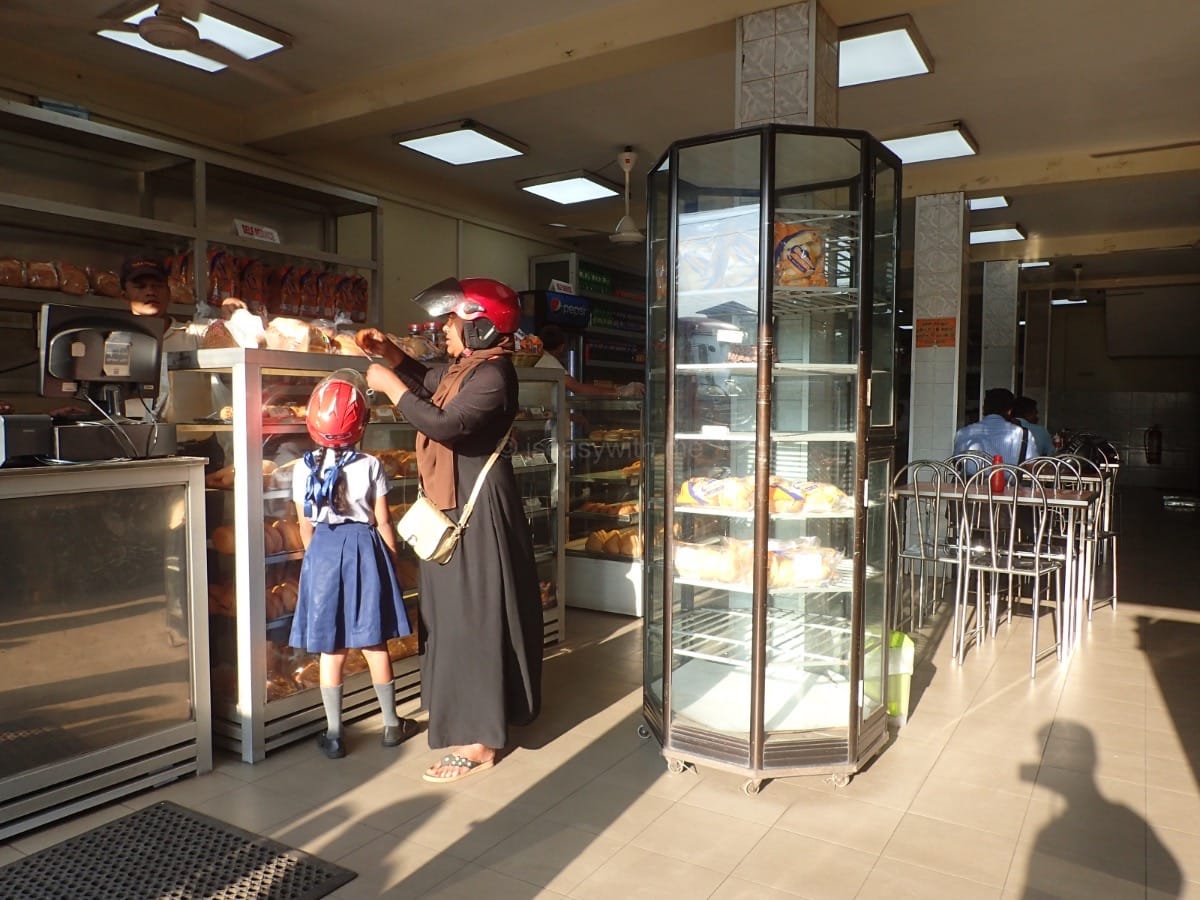
Calton Cake Shop near Negombo Bus Terminal
iseasywith.me Travel Heads-Up
If anyone tells you to wait for the bus at Calton Cake Shop near the bus terminal, don't do it as buses to Kalpitiya do not pass by that location.
To get from Negombo to the peninsula, I wanted to skip the private taxi markups and travel like a local using Sri Lanka's public bus network. Here is exactly how I navigated the route:
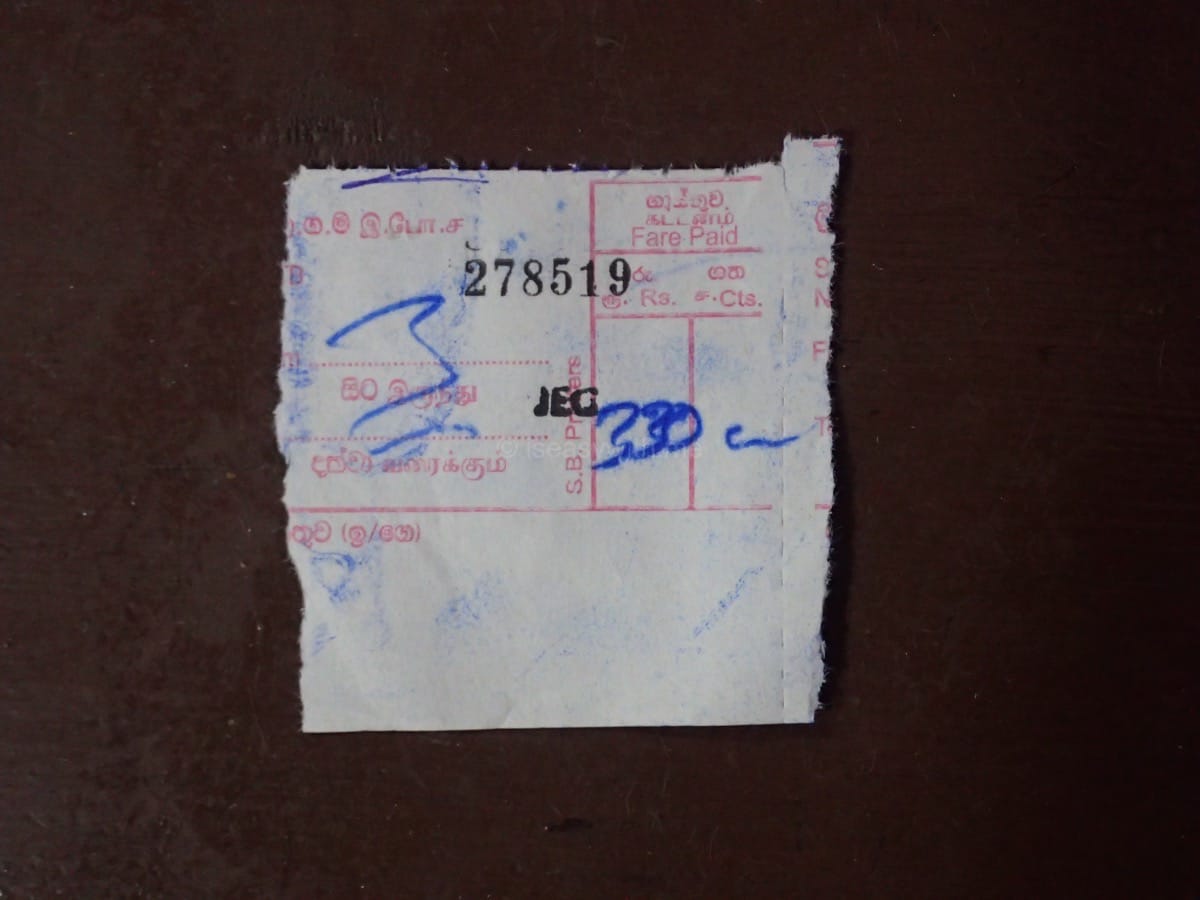
- Catch the first bus: I headed out to the bus stop near the fire station and caught Bus #87 (LKR 330) toward Puttalam along the A3 Highway, making sure it was clearly marked as Puttalam-bound on the front windscreen.
- The ride duration: The journey from Negombo up the main highway took roughly 2 hours and 15 minutes.
Transferring at Palavi Junction: Step-by-Step
Navigating the transfer at Palavi can look confusing on a map but it was straightforward on the ground. I followed these exact steps:
- Step 1: Alight at Palavi Junction. I let the conductor know when I boarded that I needed to drop off at Palavi Junction. The bus pulled over and dropped me directly on the left shoulder of the main Colombo-Puttalam highway.
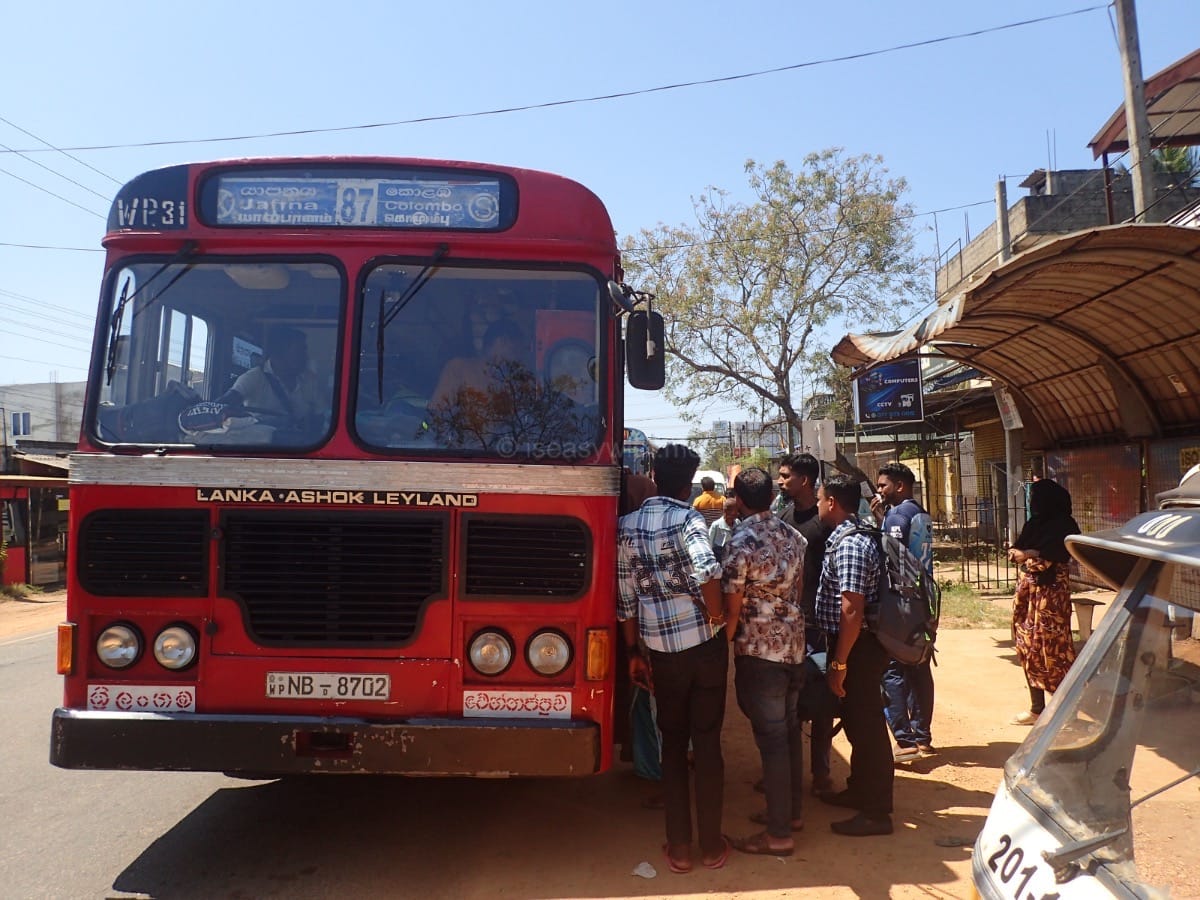
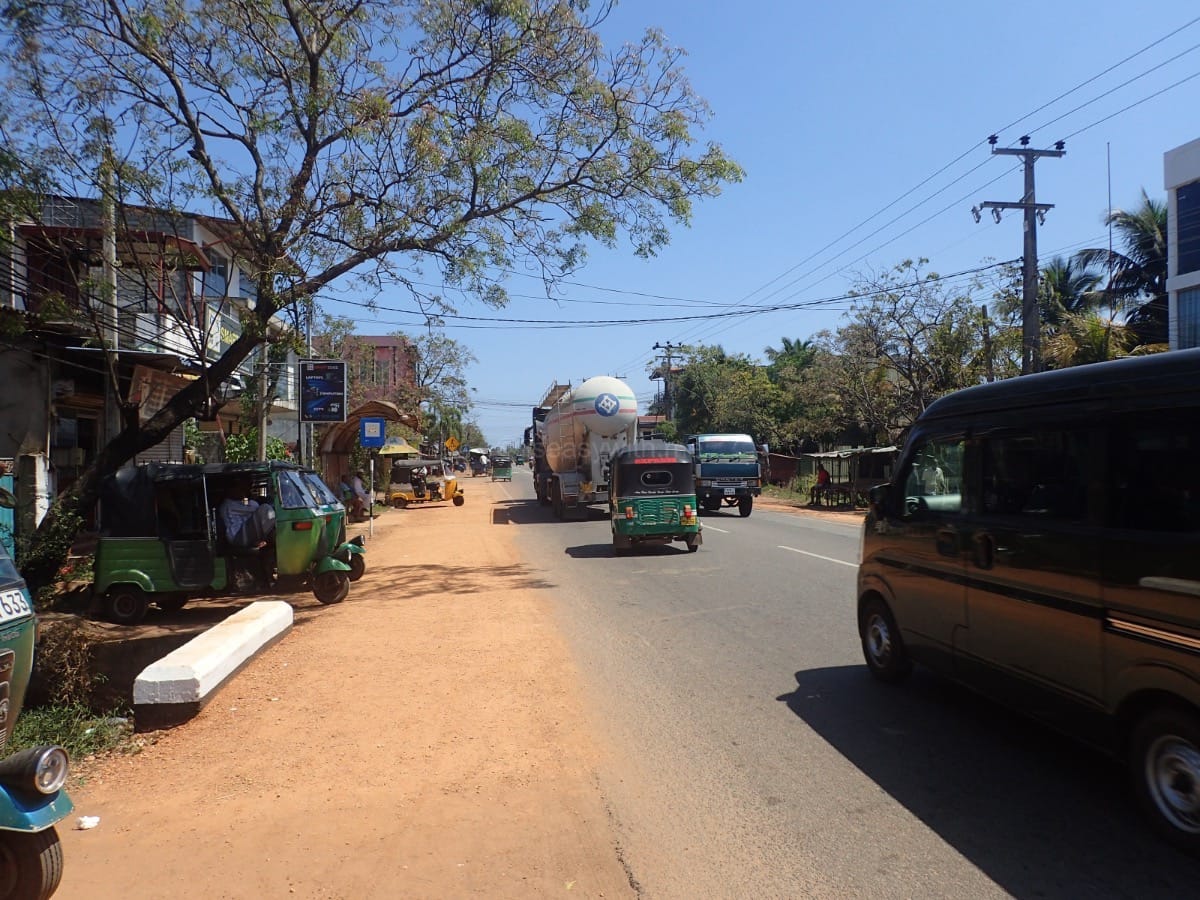
bus stop at Palavi Junction
- Step 2: Locate the Marian shrine and junction. I looked for the Marian shrine to get my bearings at the 3-way intersection where the main road continues to Puttalam town and the branch road splits toward Kalpitiya. Depending on how the bus dropped me, I noted that if the shrine ended up directly in front of me, the road to Kalpitiya was to the left; if it was behind me, the road was to the right.
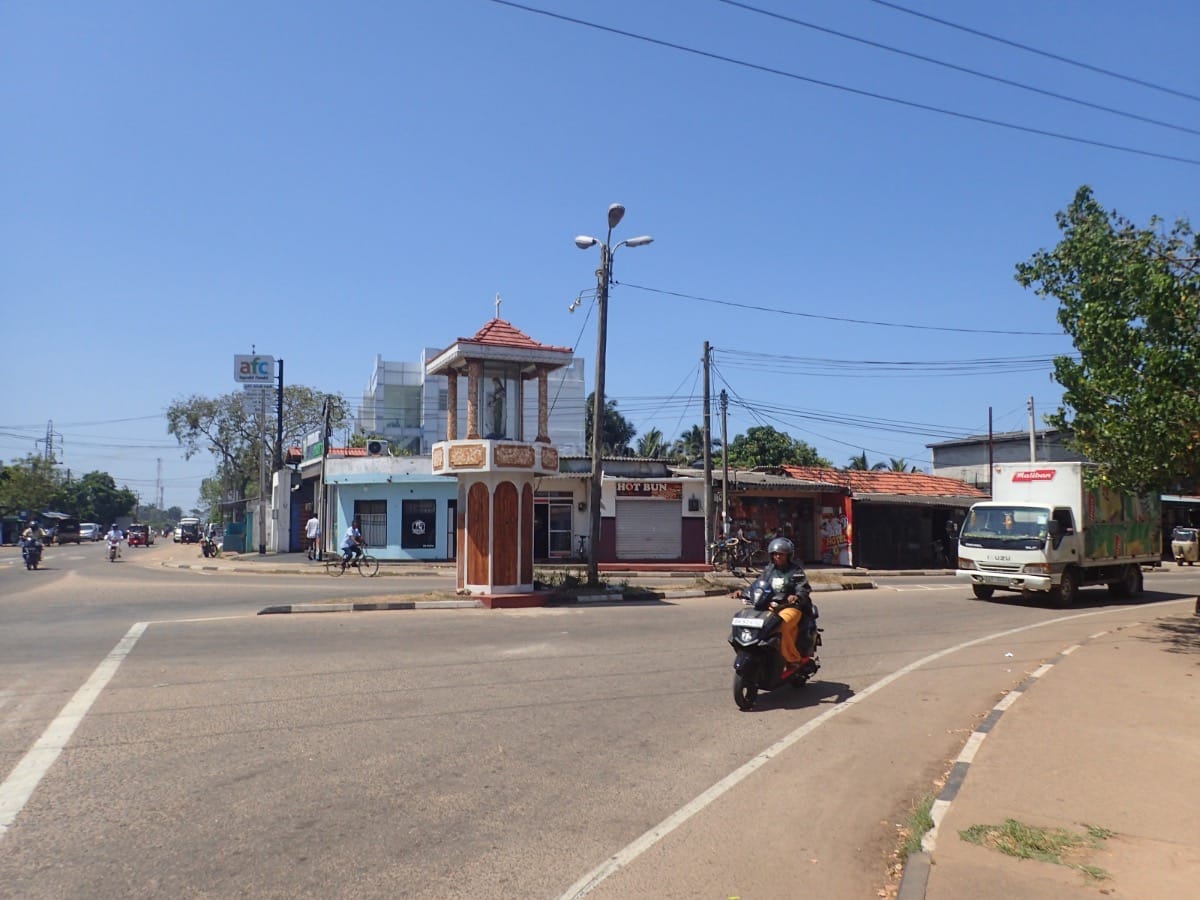
- Step 3: Walk around the corner. I carefully crossed the intersection and walked about 50 metres directly down Kalpitiya Road.
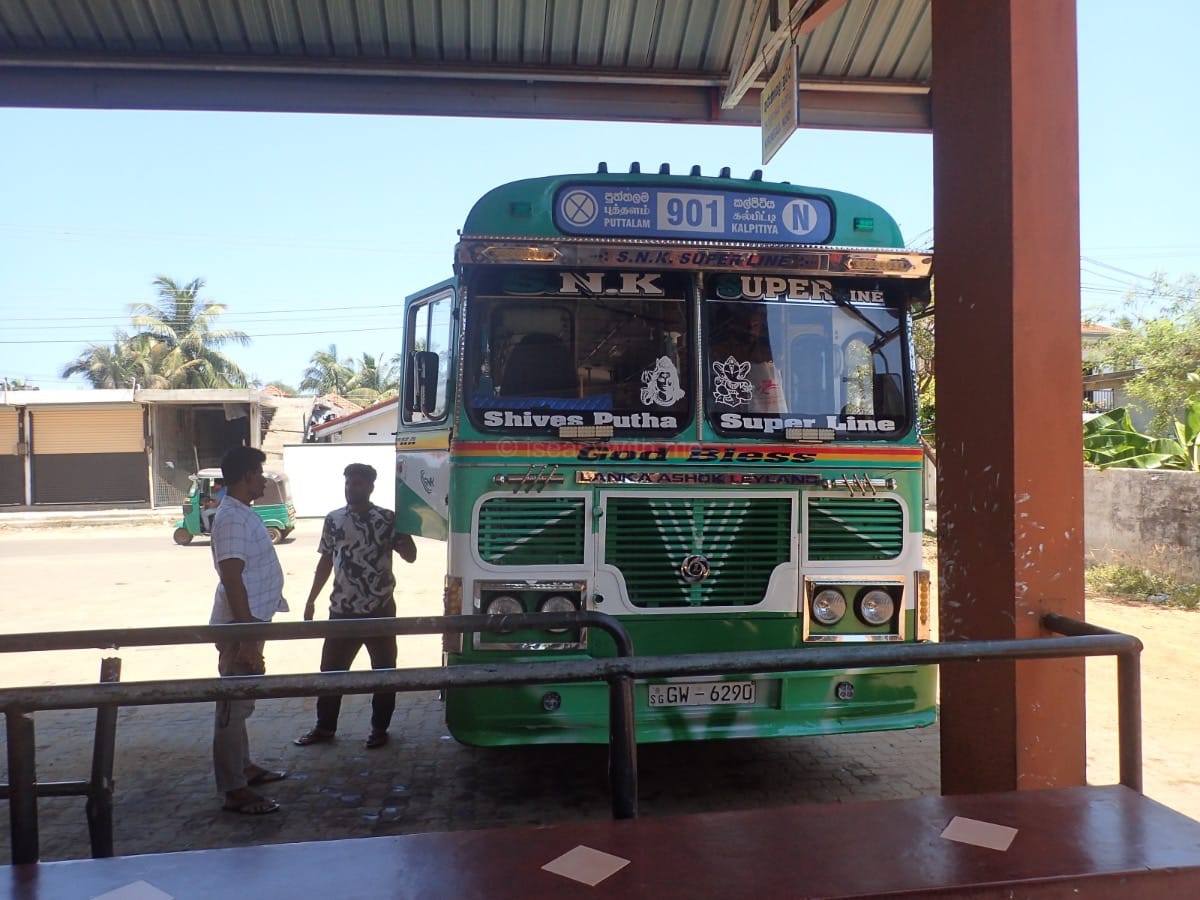
- Step 4: Locate the Kalpitiya Bus Stop. Just past the corner and the railway crossing barriers, I spotted a small, basic bus shelter marked by a gathering of locals and a line of parked tuk-tuks. This is the official waiting point for the peninsula bus. I saw local bus #901 (LKR 200), which clearly displayed 'Kalpitiya' on top of the windscreen. After confirming the route with the bus conductor, I hopped on.
- Bus Frequency: I learned these local peninsula buses pass through roughly every 20 to 30 minutes during daylight hours.
- The final stretch: The ride took about 1 hour before finally dropping me off right at the Kalpitiya bus terminal, offering a scenic transition as the mainland slowly gave way to the peninsula's cool coastal breeze.
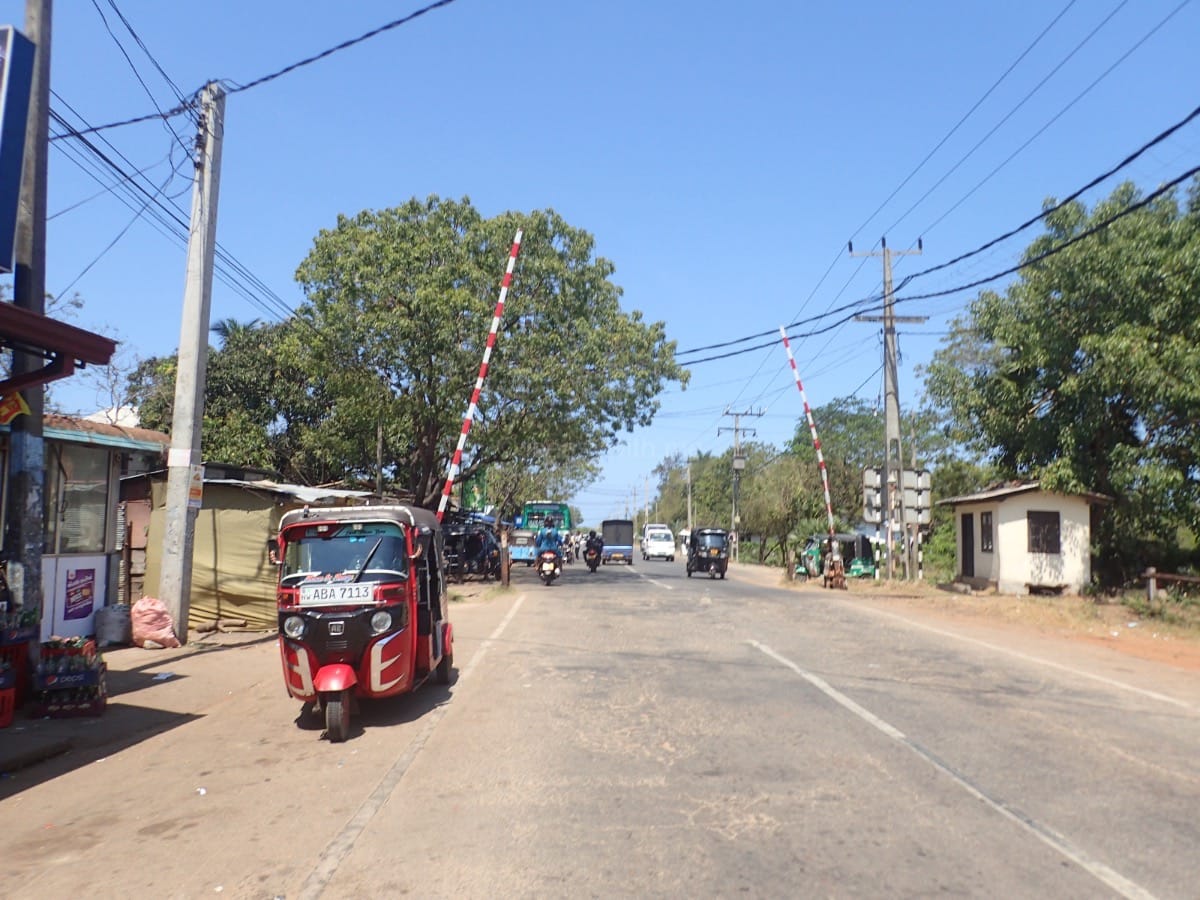
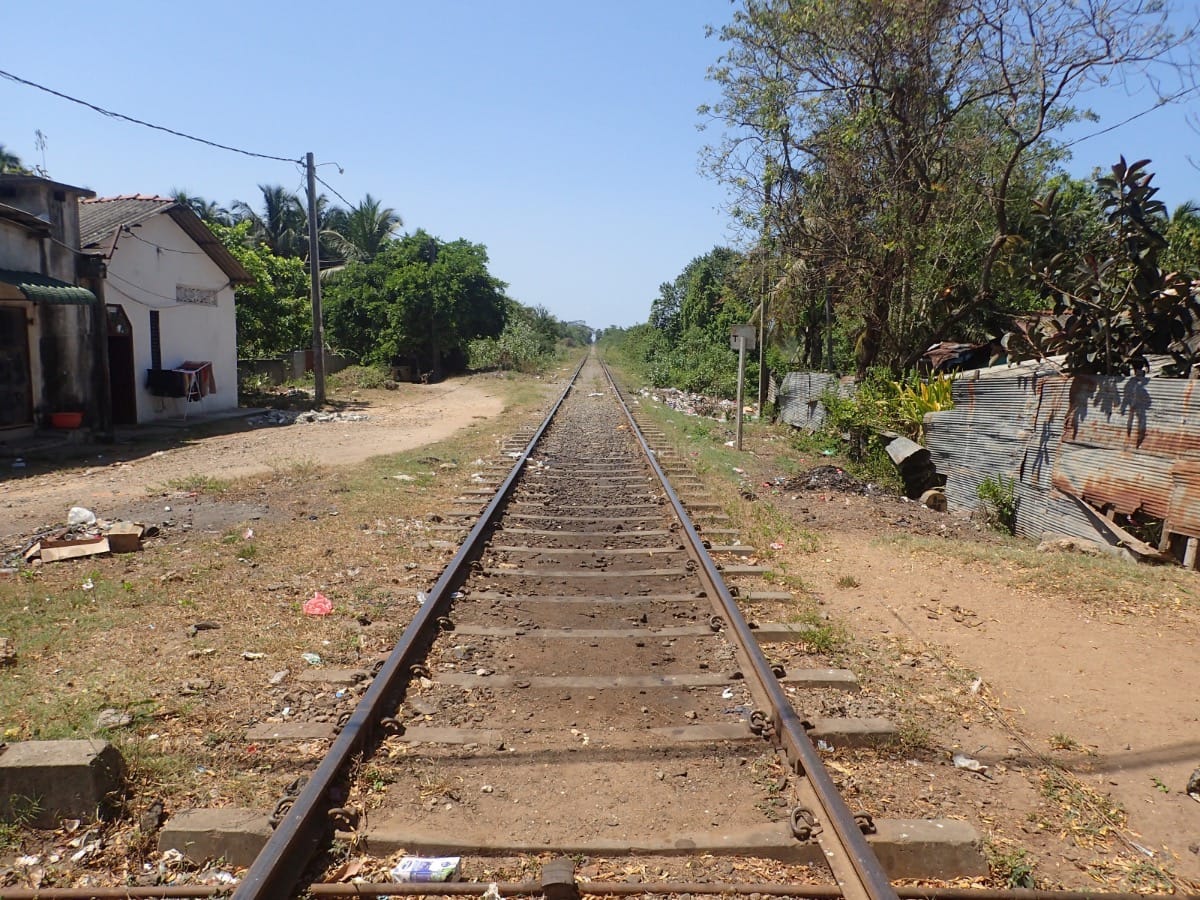
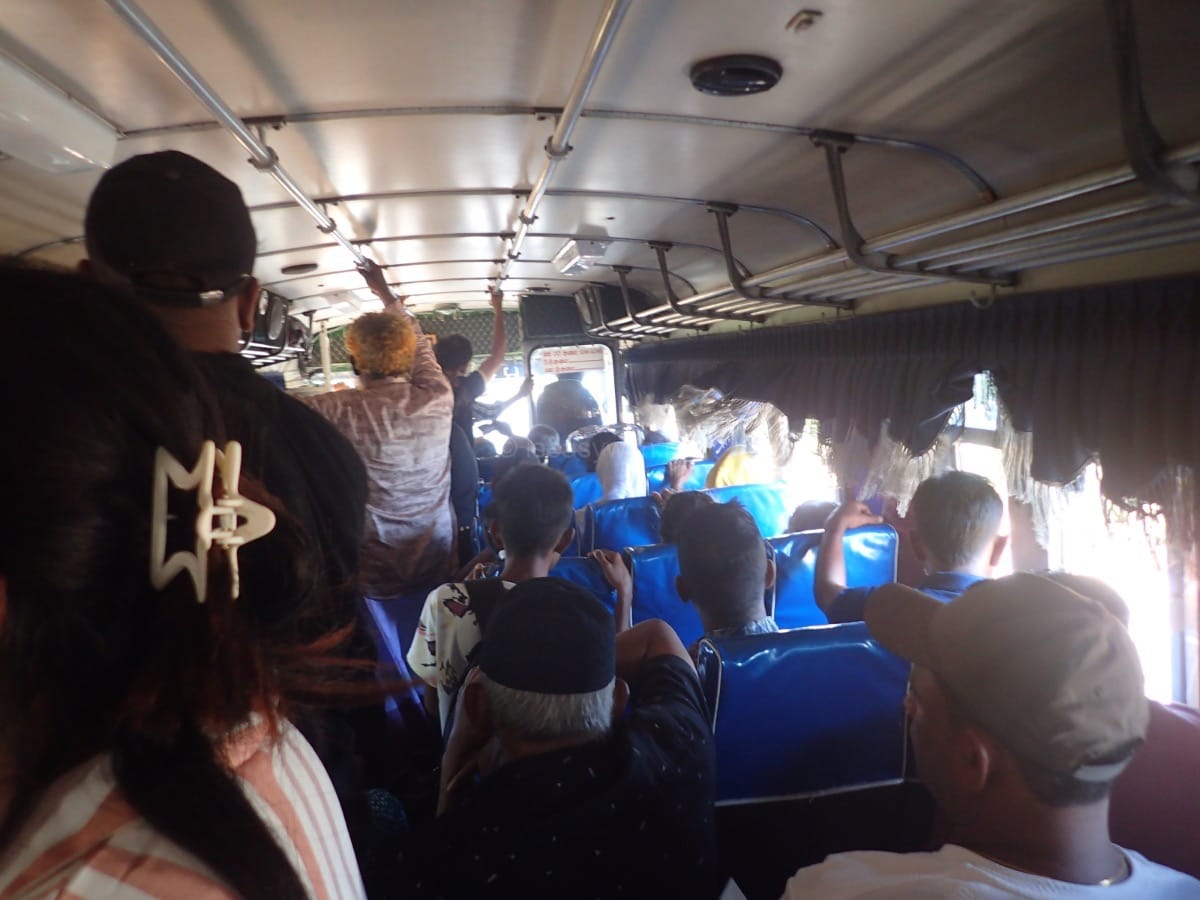
bus stop after the railway crossing barriers (bus #901 was there), in bus #901
iseasywith.me Travel Tip
- Timing the wind and waves: If you are coming specifically to see the massive super-pods on a dolphin-watching tour, lock in your dates between November and April when the ocean goes completely flat. If you are a windsport junkie tracking the Kalpitiya kitesurfing seasons, the main high-wind window roars at 20-30 knots from May to October, with a secondary, lighter wind season popping up from December to March.
- Don't get stranded at Palavi: Make sure you start your journey from Negombo before mid-afternoon. While long-distance buses on the main A3 highway run late into the night, the local connection buses at Palavi Junction that run deep into the Kalpitiya peninsula dry up fast once darkness hits.
Stepping off the bus, the contrast hit me immediately. Unlike Negombo's bustling tourist strips and busy fish markets, Kalpitiya felt beautifully relaxed, remote and slightly unfinished. Geography shaped everything here. I knew that with the crashing Indian Ocean to my west and the mangrove swamps, vast mudflats and seagrass beds of the Puttalam Lagoon to my east, I had stepped onto an environment completely dictated by ancestral fishing, maritime trade and salt harvesting.
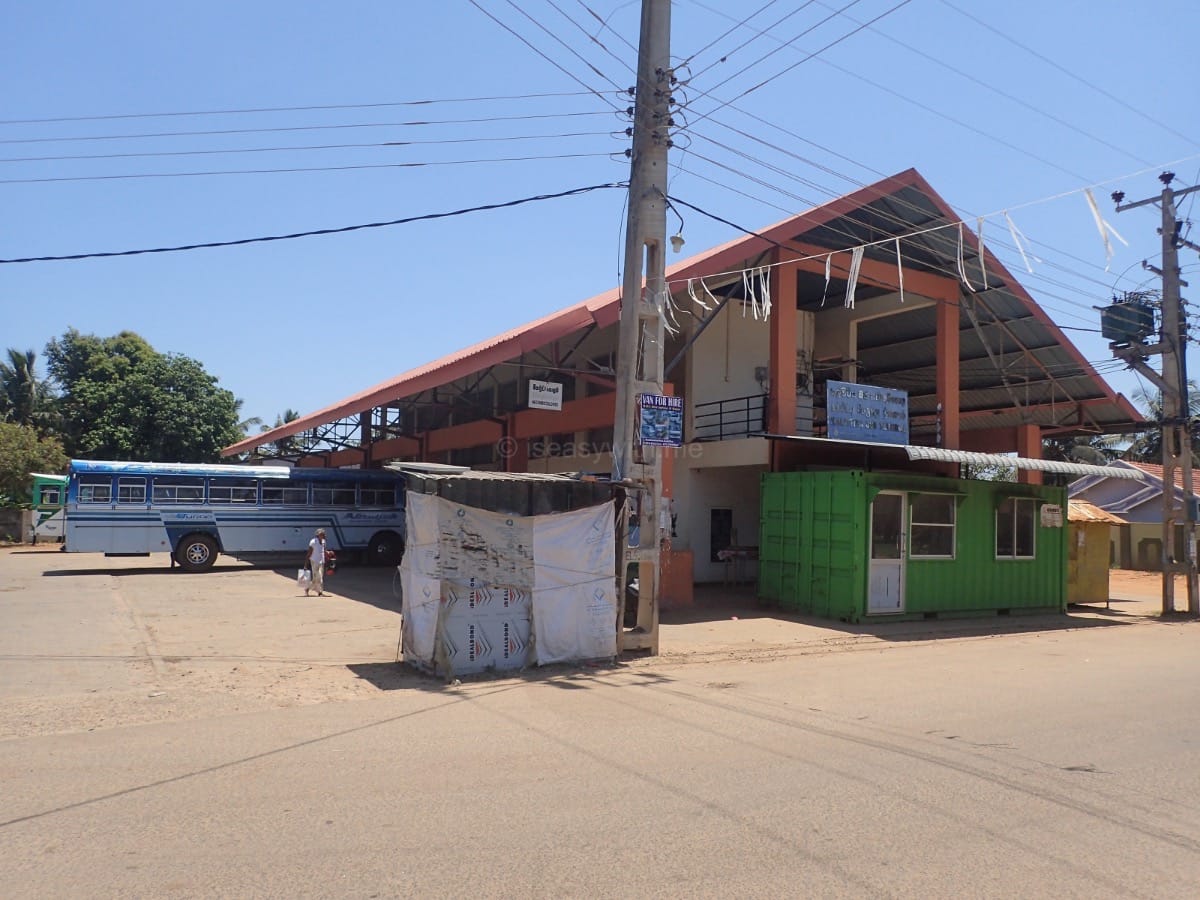
arriving at Kaltipiya bus terminal
Despite its growing reputation among global kitesurfers and eco-travellers, commercialisation hasn't swallowed the place whole. The town centre is incredibly modest, daily life still revolves around local fishermen launching their outriggers at dawn and the surrounding villages retain a quiet, authentic character. Because of its position along ancient seafaring trading routes, the peninsula is also a fascinating cultural melting pot, home to tightly knit Catholic, Dutch Burgher, Muslim, Sinhalese and Tamil communities whose history is etched directly into the local landmarks.
In and Around Kalpitiya
Kalpitiya’s top must-see highlights include world-class kitesurfing lagoons, high-octane dolphin-watching excursions, wild national park safaris, centuries-old colonial churches and mosques, and the laid-back, rustic atmosphere of the local fishing villages.
Dolphin Watching in Kalpitiya
Kalpitiya is internationally recognised as the premier spot in Sri Lanka for marine mammal encounters and as my early morning Kalpitiya dolphin watching boat tour pushed past the breaker waves into the deep ocean trenches, I quickly understood why. When the conditions lined up right, it wasn't just a matter of spotting a few distant fins, we were suddenly surrounded by massive 'super-pods' of thousands of spinner dolphins, flipping, jumping and racing right alongside our boat's bow wave. Handing over LKR 10,000 for the excursion initially felt like a steep investment but watching that breathtaking spectacle made every single rupee completely worth it.
iseasywith.me Travel Warning
Protect the Pods: When booking a boat, check if they follow sustainable marine practices. Unethical drivers will aggressively throttle their engines, chase down the marine life or cut off the pod's path just to score a close-up photo.
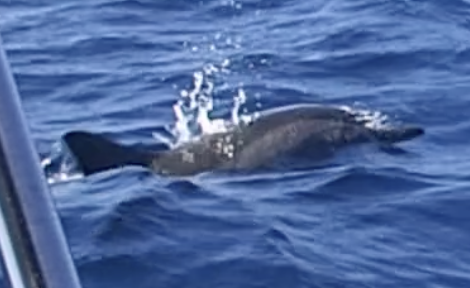
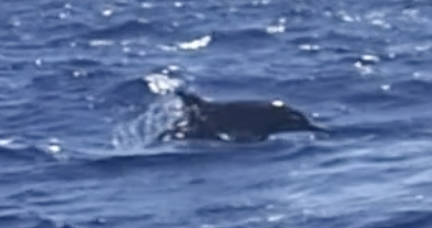
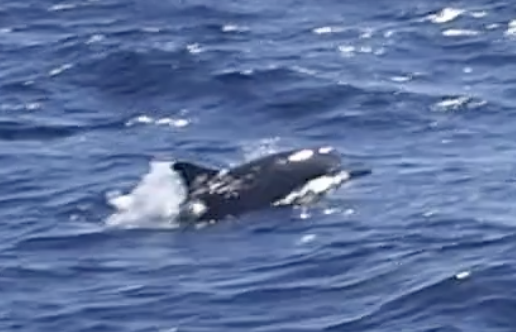
dolphin watching in Kalpitiya
Grand Mosque
The Grand Mosque serves as a striking visual landmark highlighting the deep-rooted Muslim heritage of the peninsula. Moorish traders have sailed into these lagoons for centuries, establishing vibrant communities that built up the local economy. Today, this expansive mosque remains the primary spiritual and communal gathering heart for the town's residents, showcasing the diverse religious tapestry that defines the region.
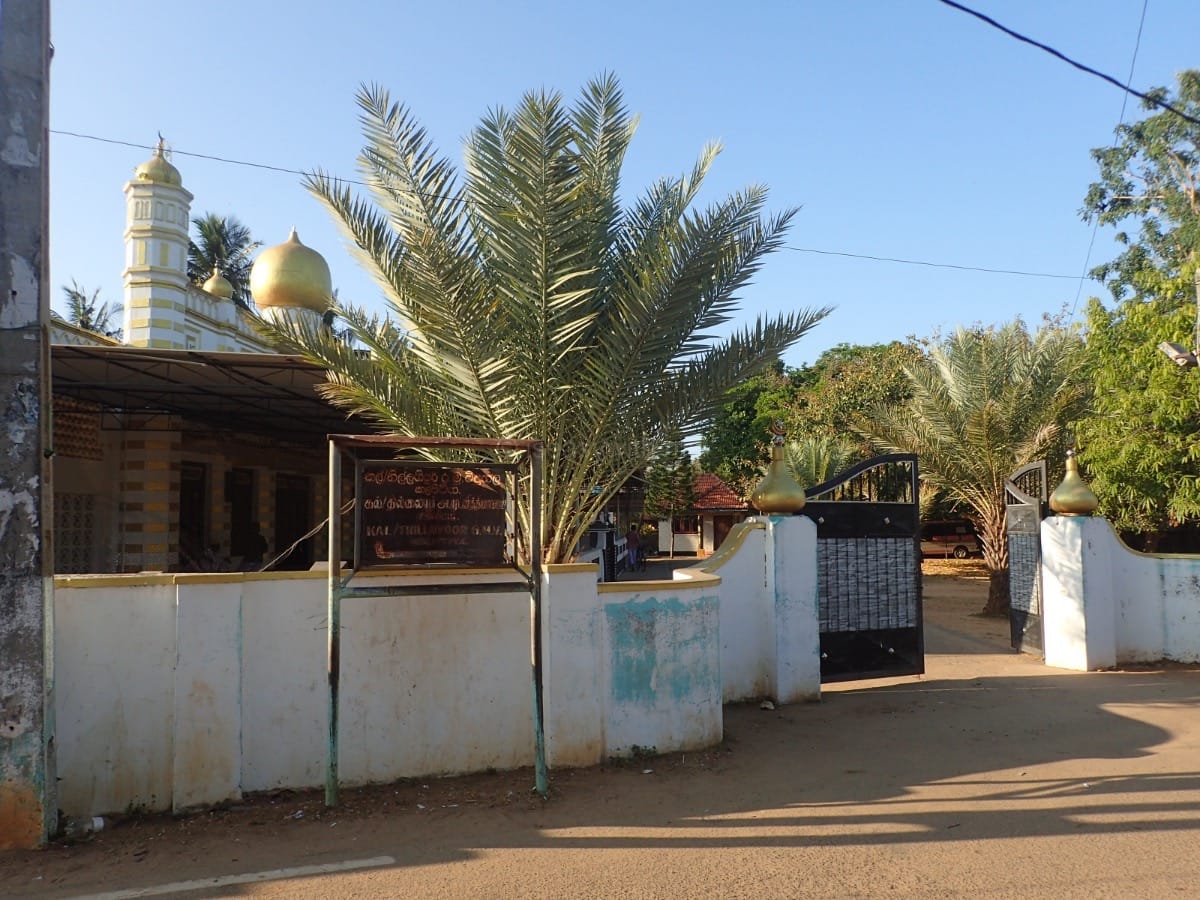
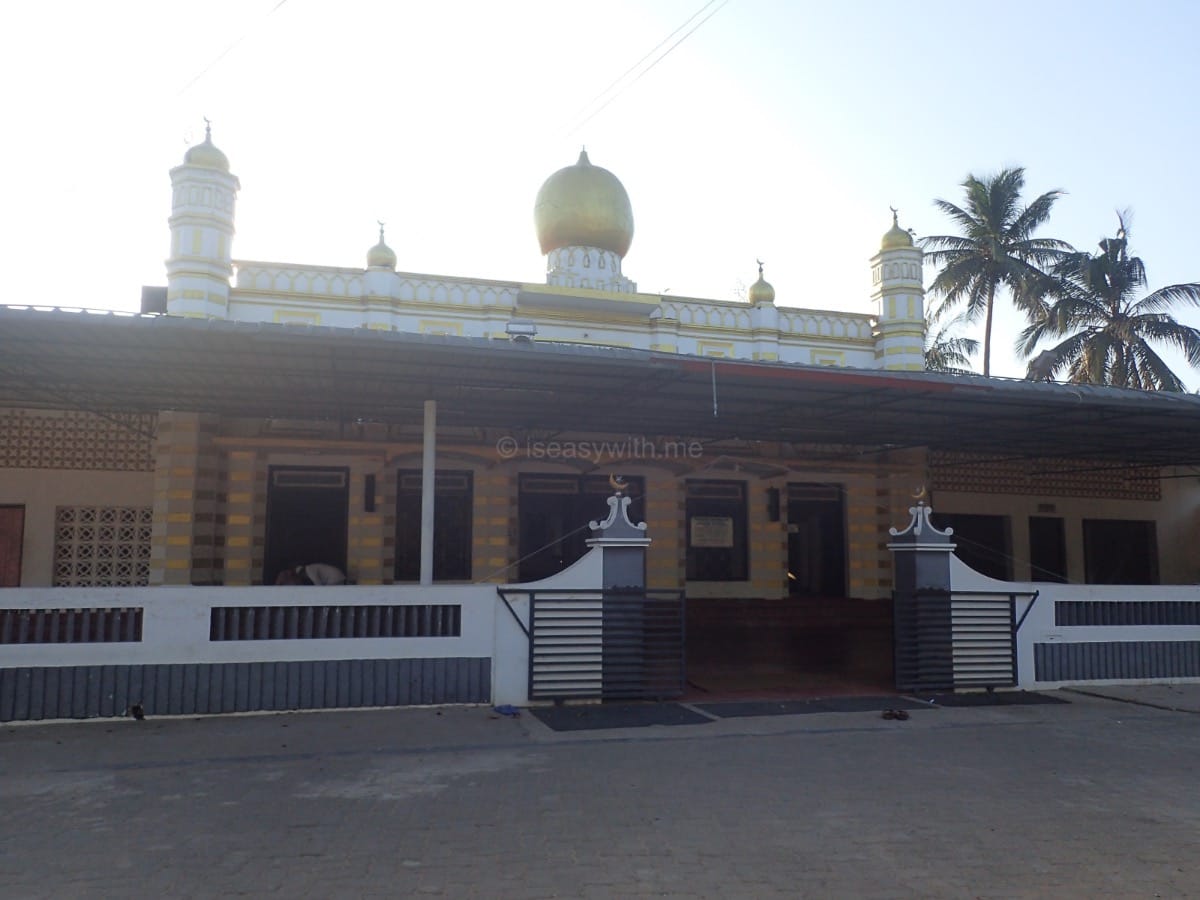
Grand Mosque
Kalpitiya Buddha Statue (Kalpitiya Budhu Pilimaya)
The Kalpitiya Buddha Statue is located at the northernmost point of the Kalpitiya peninsula in Sri Lanka, standing directly at the termination of the main Palavi-Kalpitiya Road. It is situated in a unique historical and military pocket, immediately adjacent to the SLNS Vijaya Naval Base and just a short distance from the 17th-century Kalpitiya Dutch Fort. The landmark is positioned right beside a revered, ancient Bodhi tree.
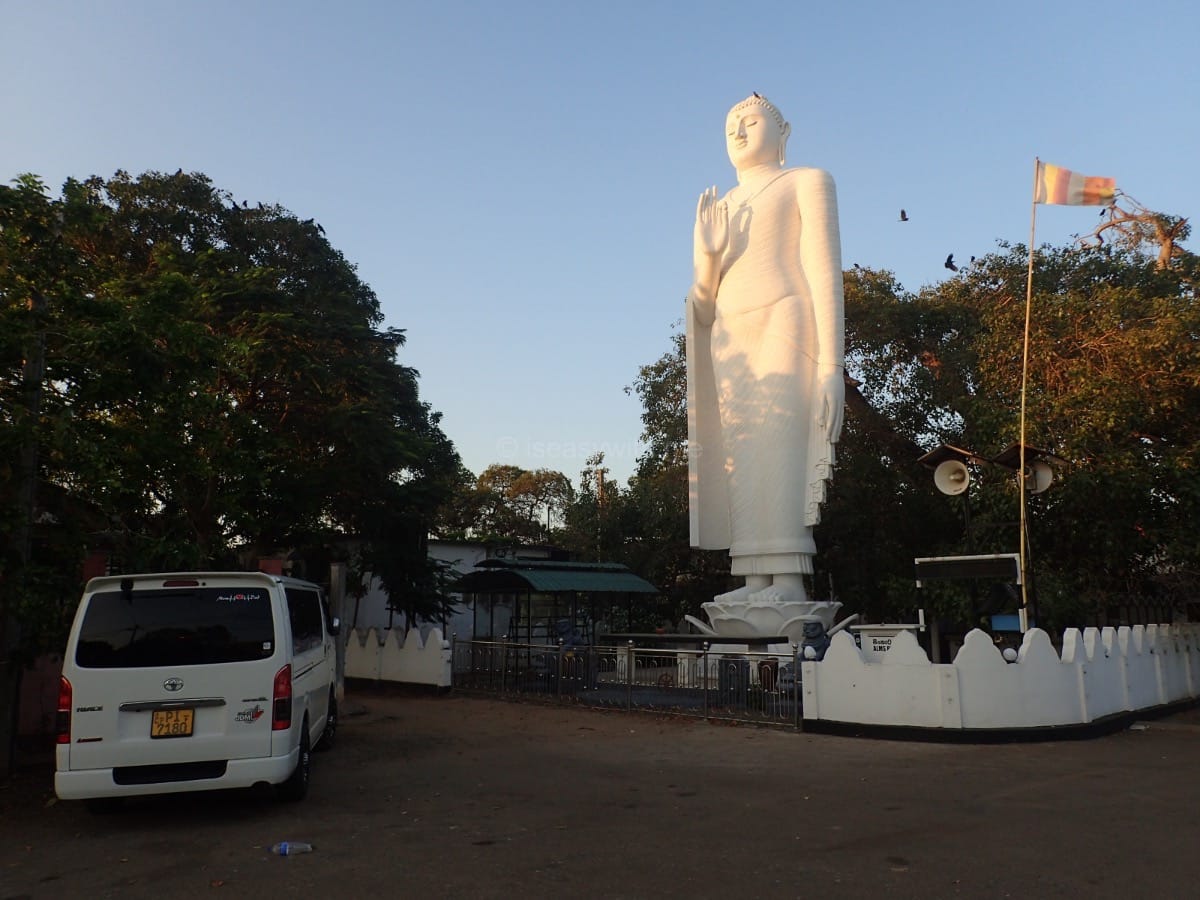
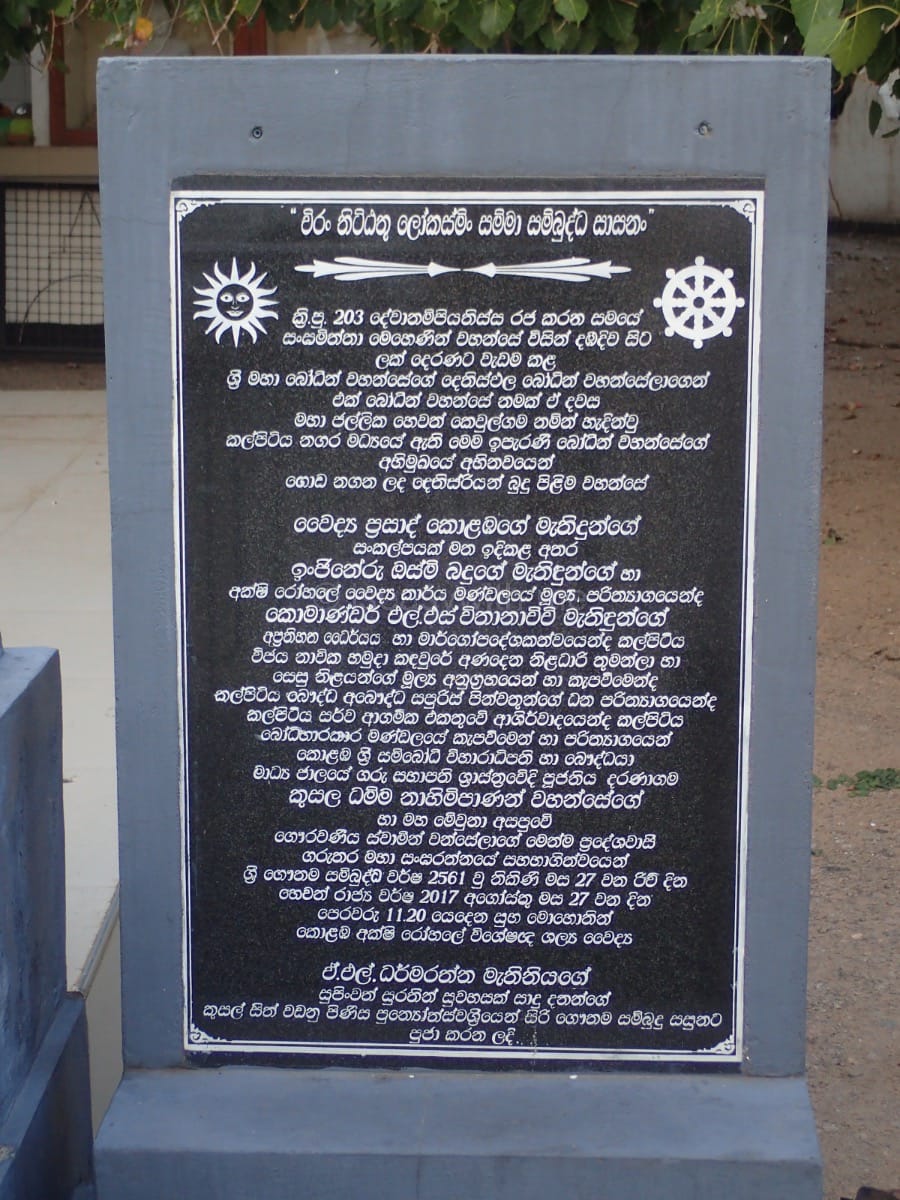
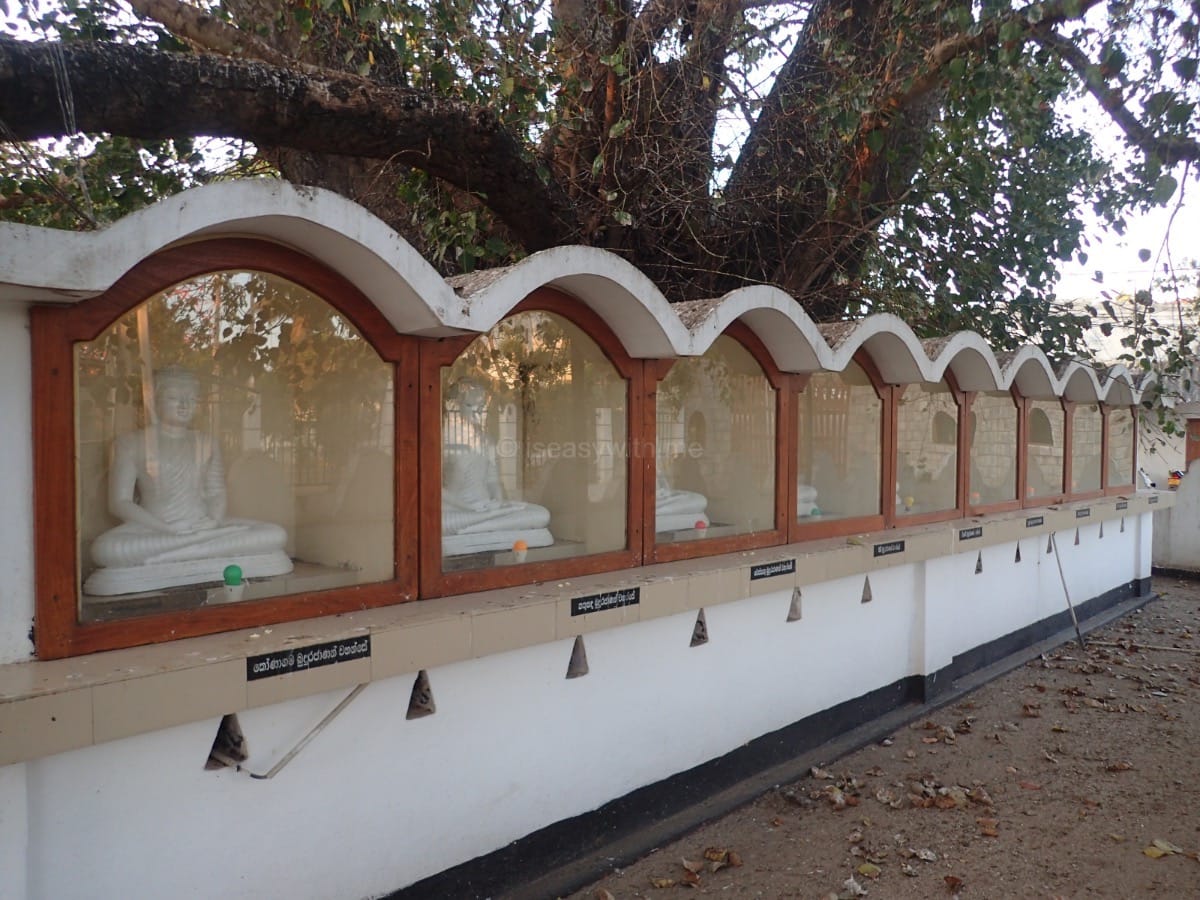
Kalpitiya Buddha Statue
Completed in August 2017, this modern, towering white sculpture depicts the Buddha standing in a posture of blessing.
Kalpitiya Dutch Church (Dutch Reformed Church)
Located just a short walk or cycle from the fort gates, this historic house of worship stands as a quiet testament to Dutch colonial architecture. The building features a heavy, minimalist facade, deep-set windows and an ancient graveyard filled with weathered tombstones bearing old Dutch inscriptions. It provides a remarkably peaceful, somber contrast to the chaotic, sun-baked fishing lanes running nearby.
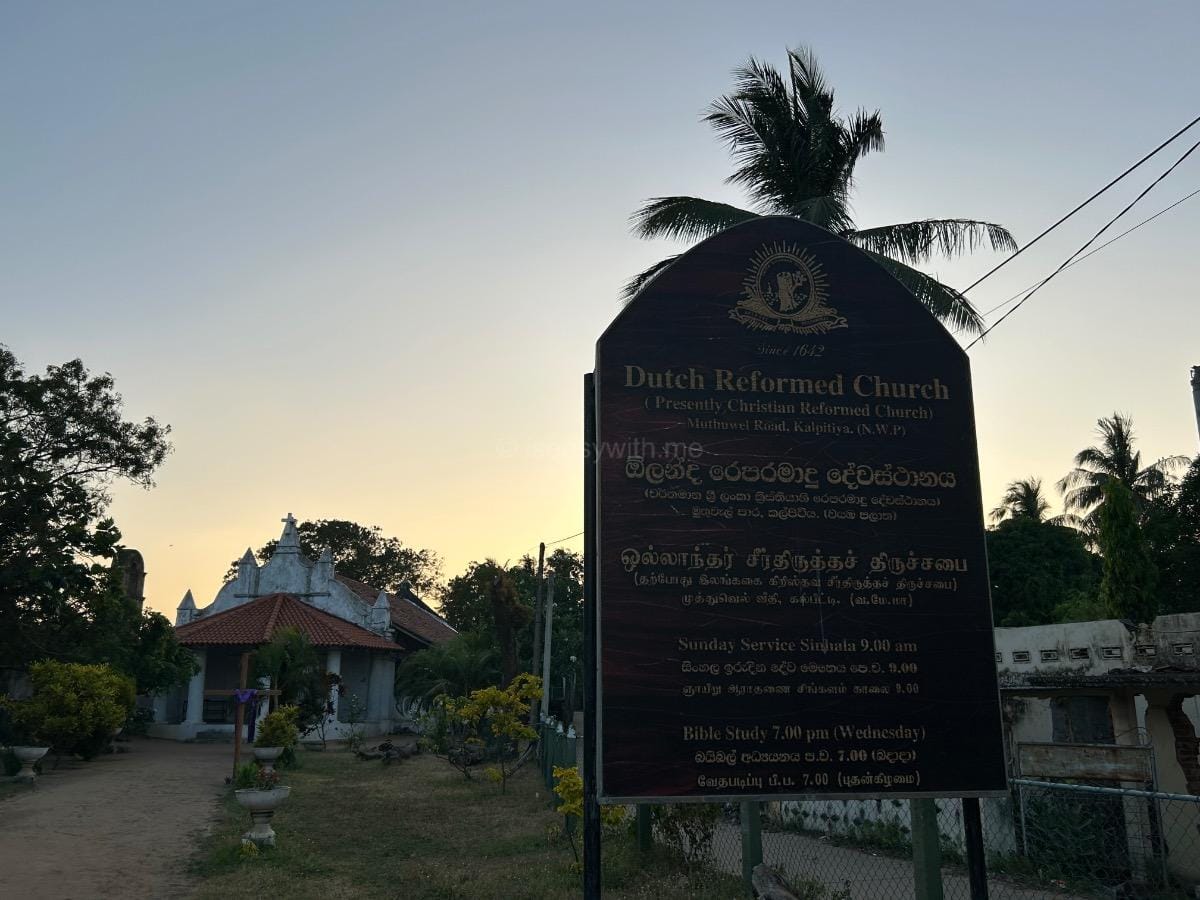
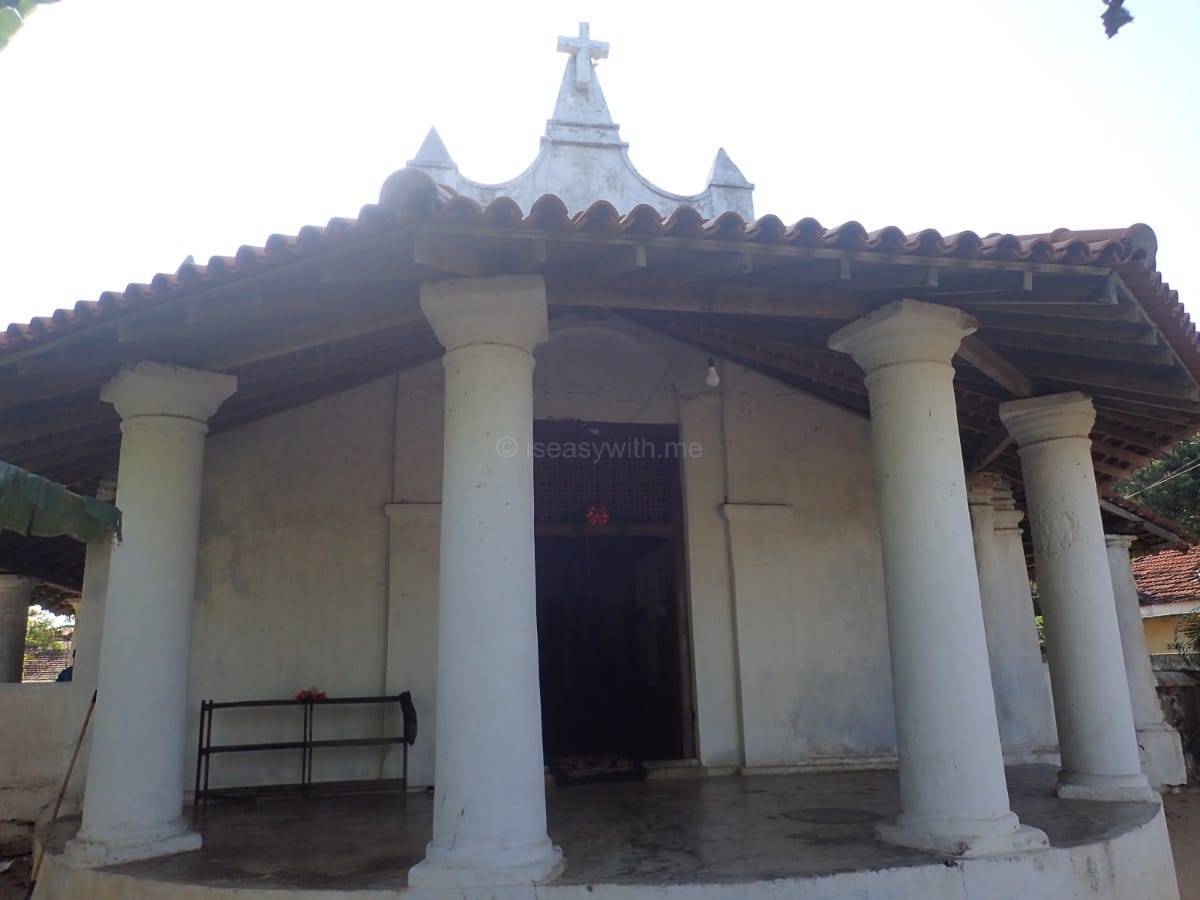
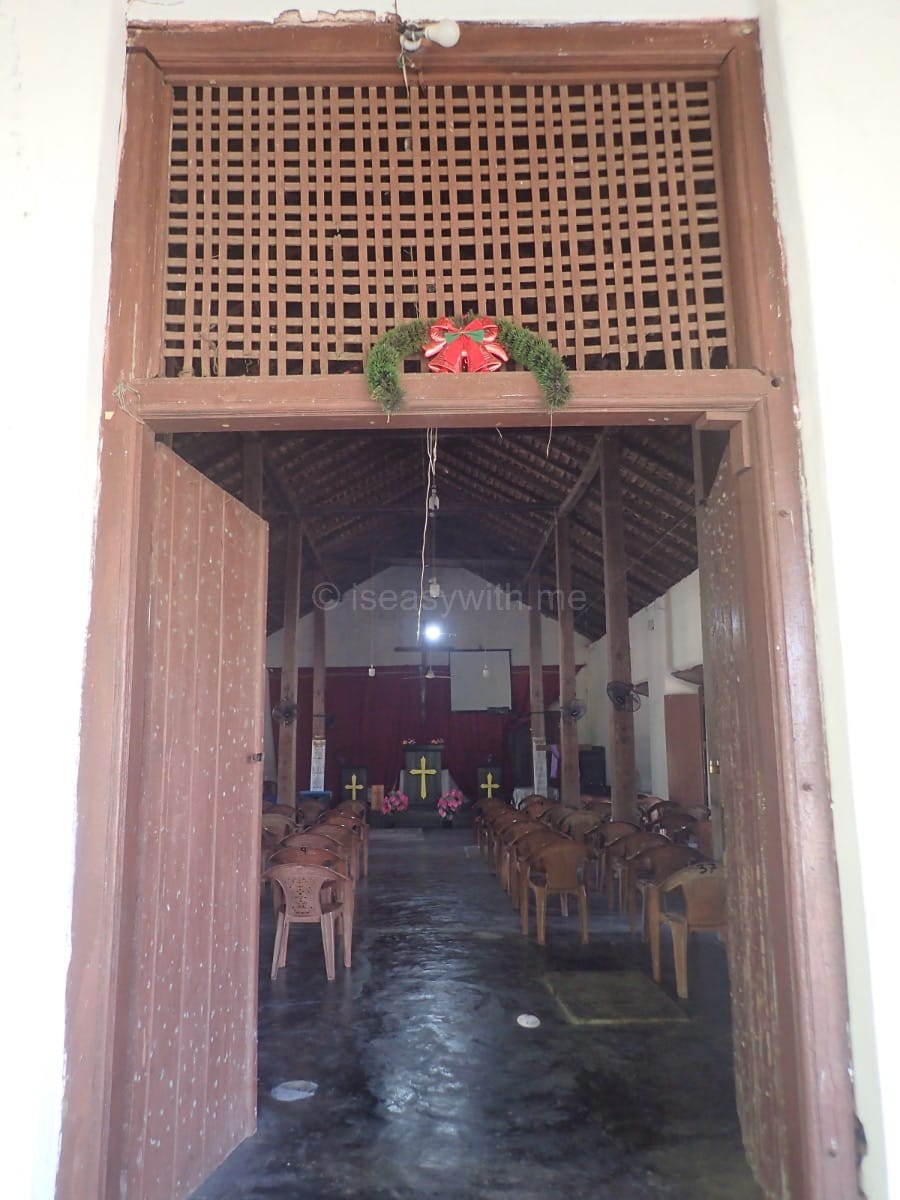
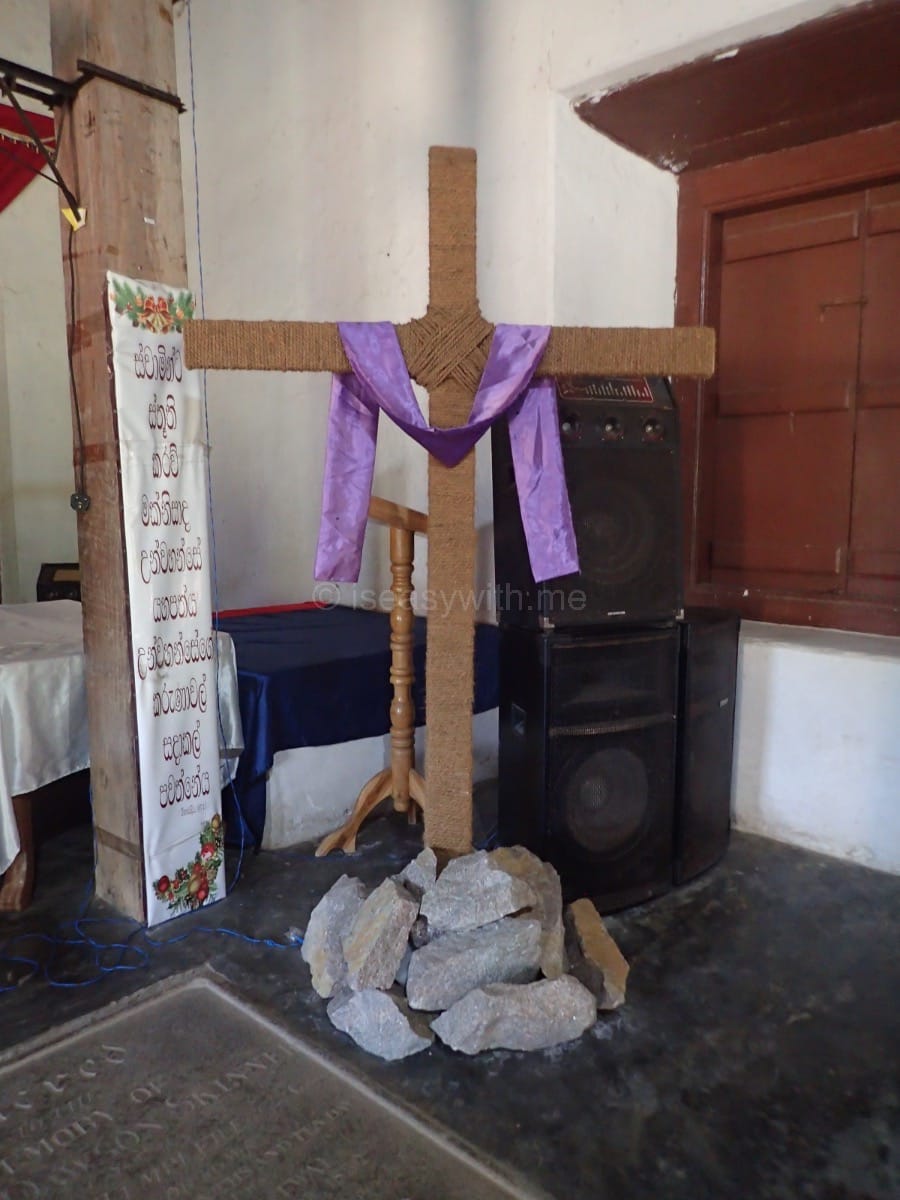
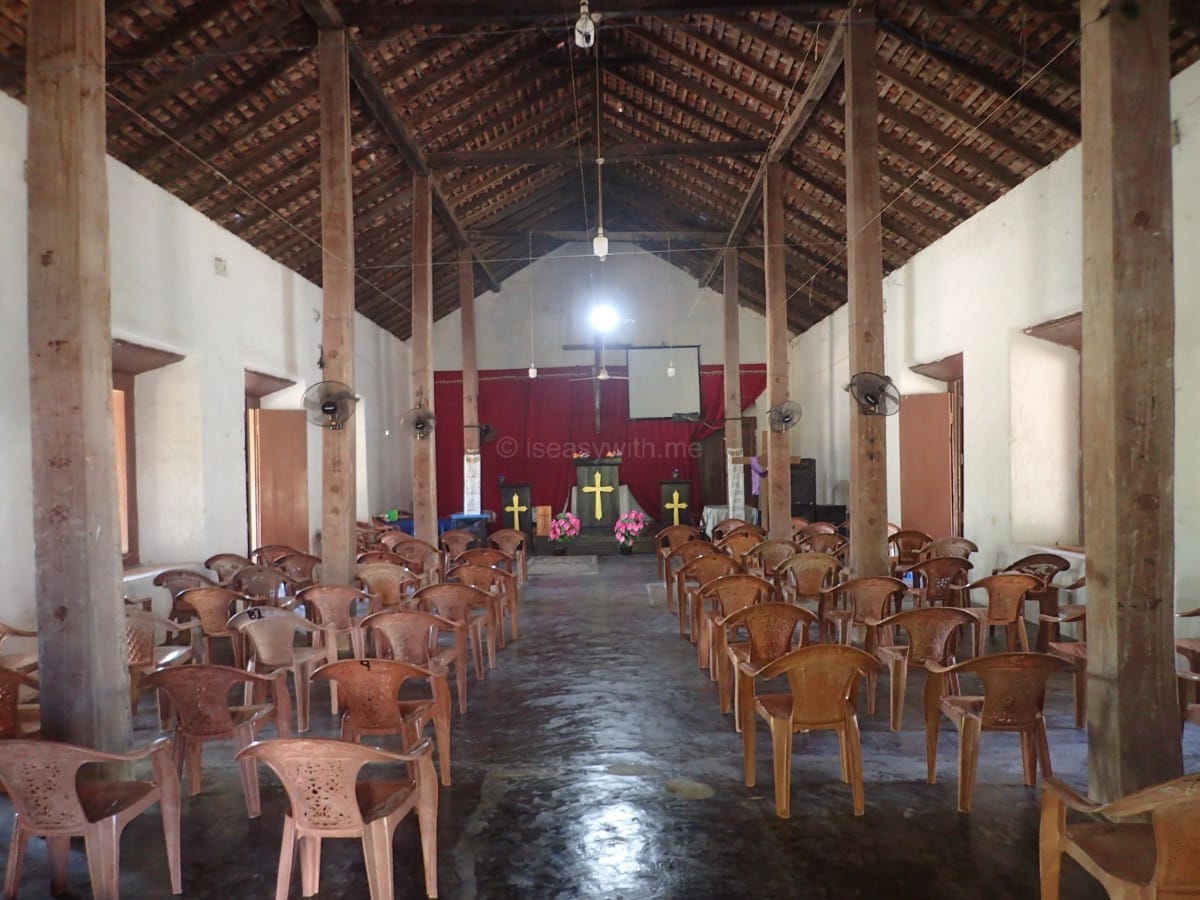
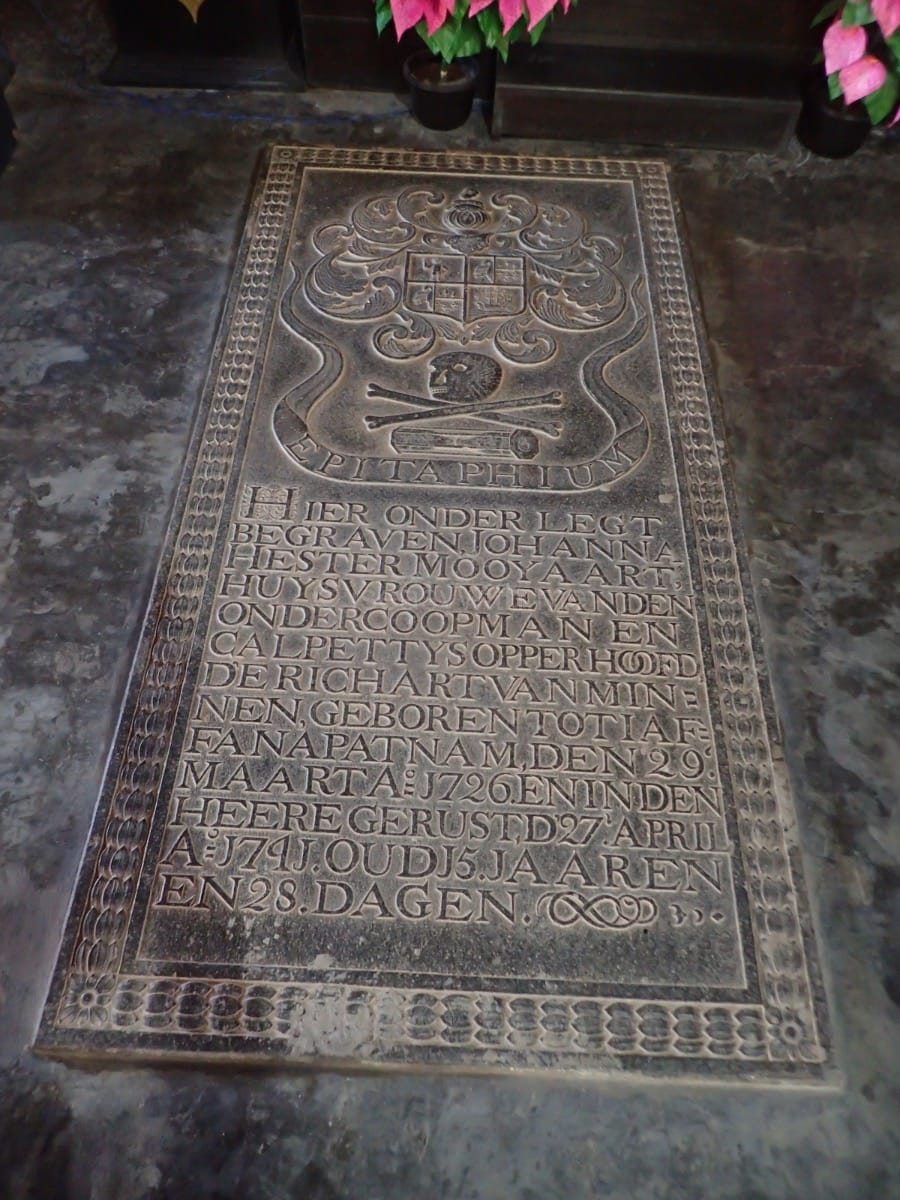
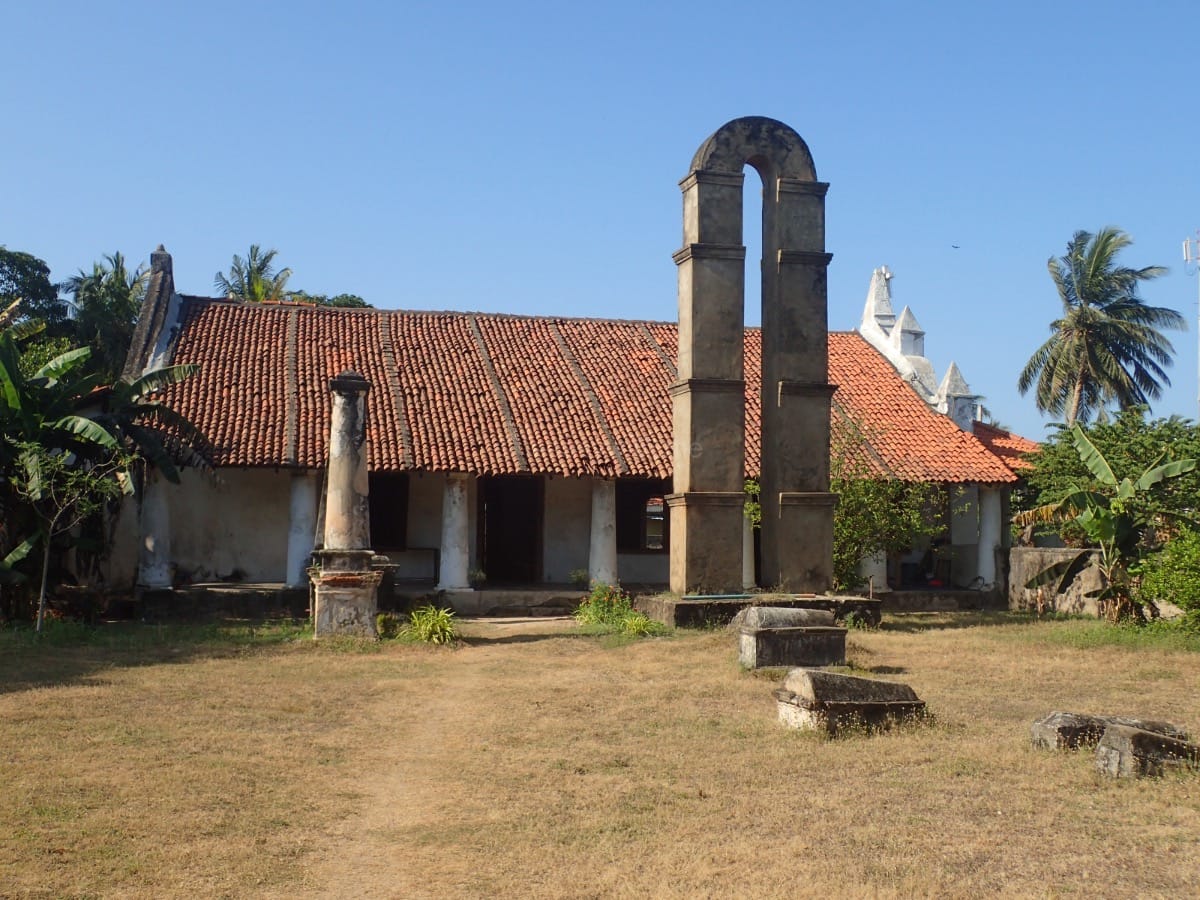
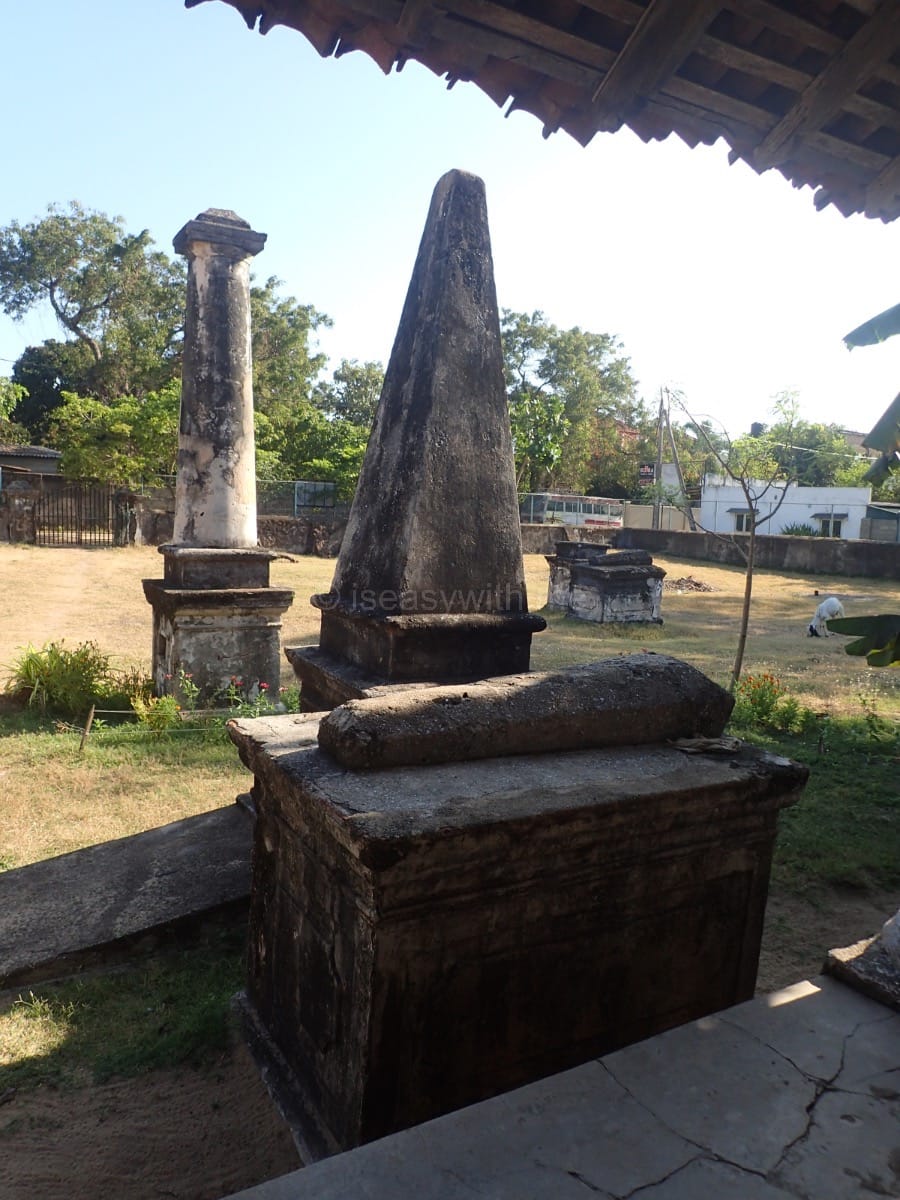
Kalpitiya Dutch Church
Kalpitiya Dutch Fort
Aside from the beaches, dolphin-watching boat excursions and safari, the massive Kalpitiya Dutch Fort is pretty much the only major historical landmark drawing people to the northern tip of the peninsula.
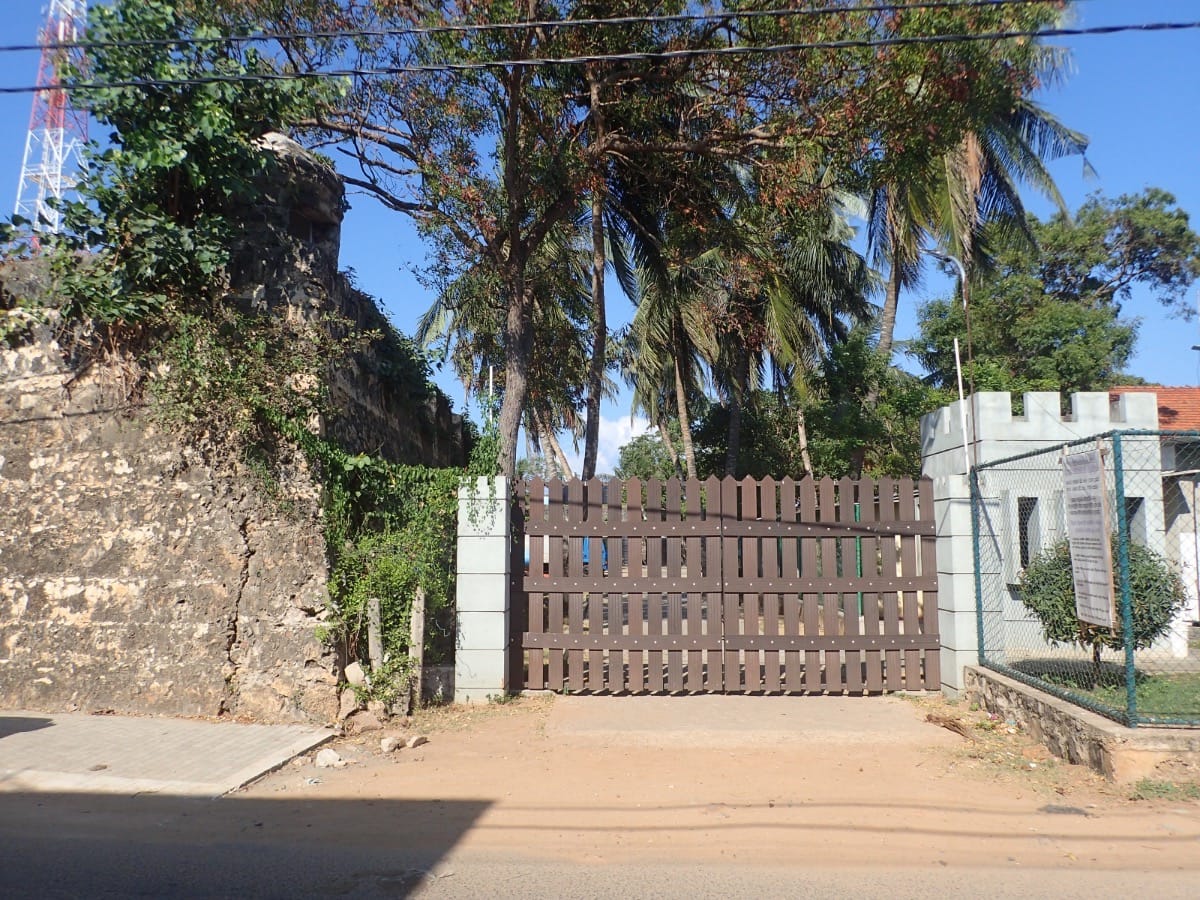
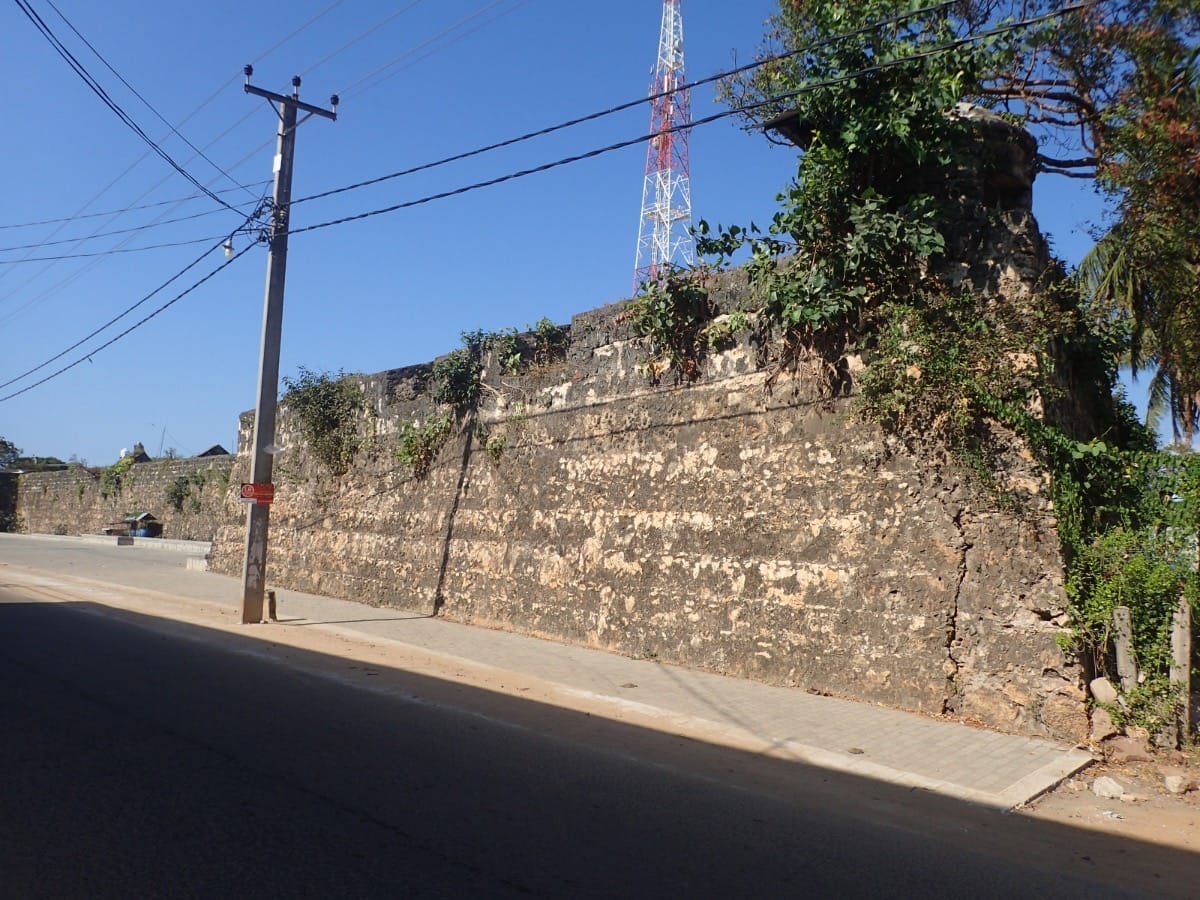
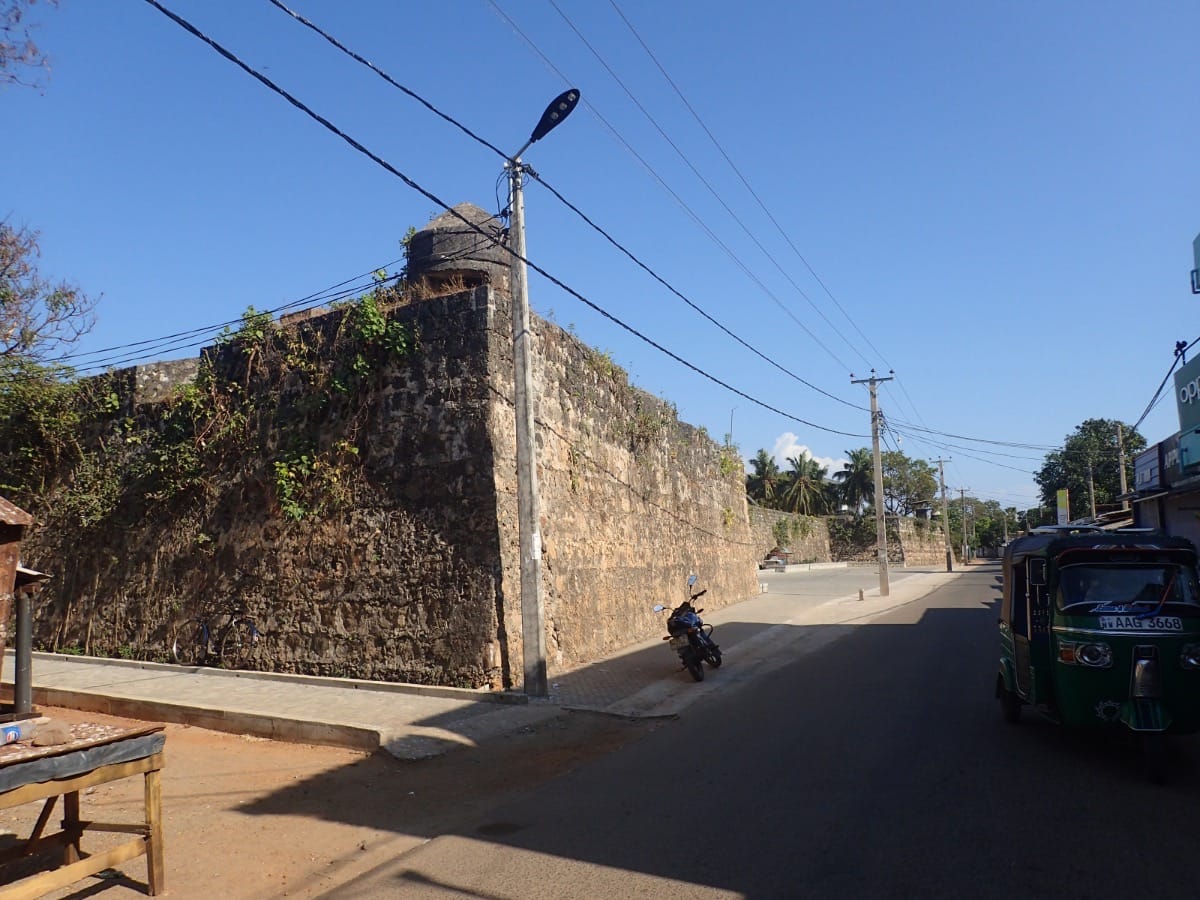
Kalpitiya Dutch Fort
iseasywith.me Reality Check
When I headed down to check it out myself, I quickly learned to keep my expectations in check. The site is actively managed and occupied by the Sri Lanka Navy, sitting right inside the SLNS Vijaya naval base. While some travel blogs claim that anyone can just rock up and get a free tour from a sailor, the reality on the ground is a hit-or-miss gamble. When I was there, they flat-out turned me away at the gate. Because it's a functioning military base, security rules change constantly. Fortunately, I had other places to explore for the afternoon!
Kattubawa Jummah Masjidh (Masjidhul Quba)
The Kattubawa Jummah Masjidh, officially designated as Masjidhul Quba, is a culturally distinct and visually striking congregational mosque. It serves as a vital spiritual hub and architectural landmark for the region's Muslim community.
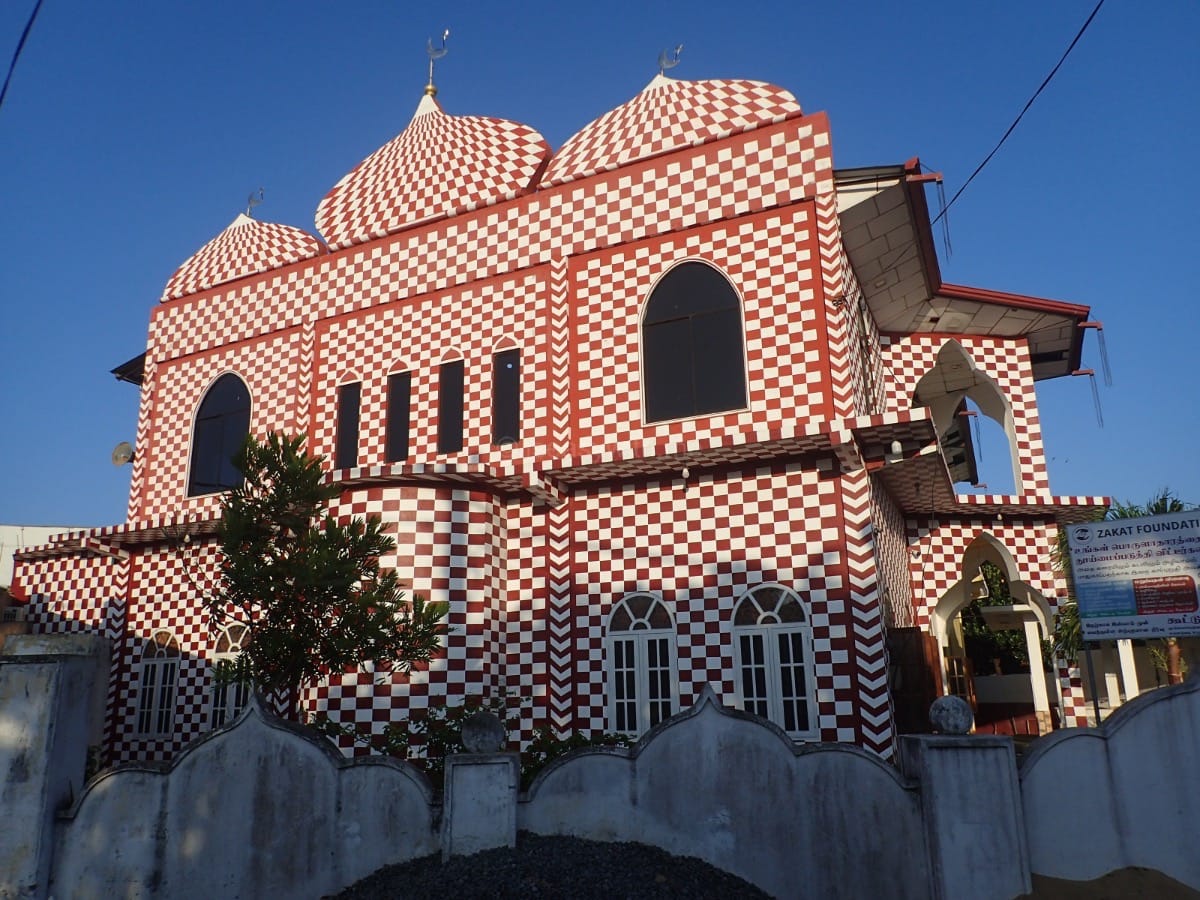
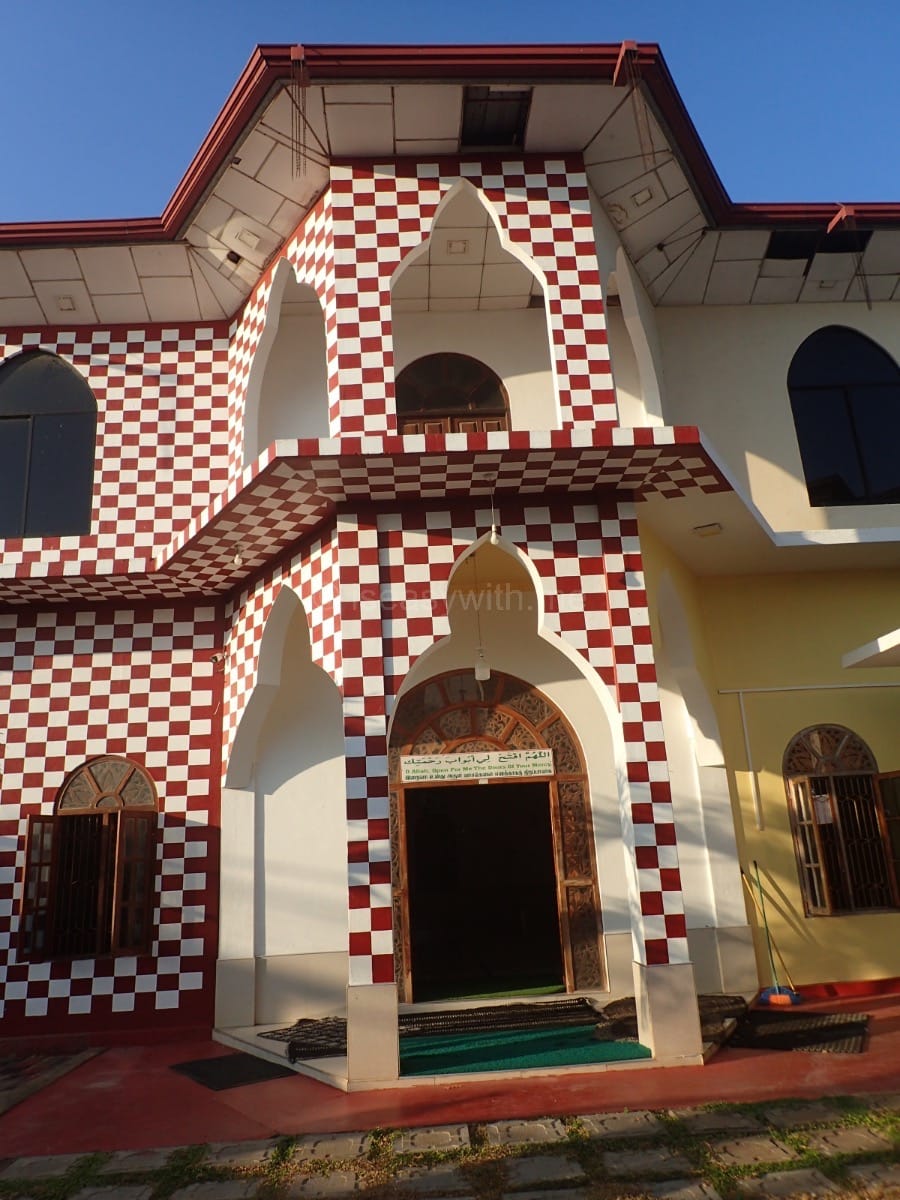
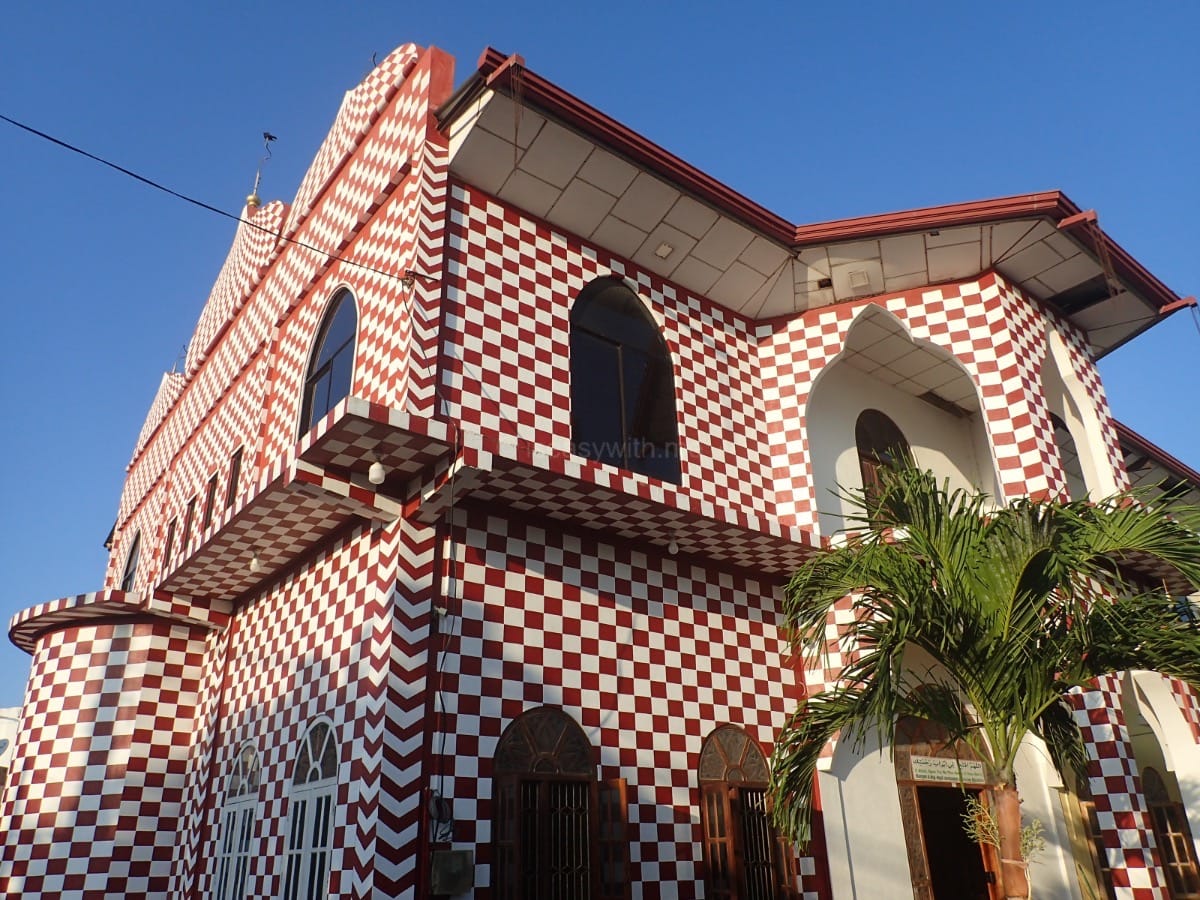
Kattubawa Jummah Masjidh
Wilpattu Safari
For my land safari, Kalpitiya acted as an excellent backdoor entry point to the wild Wilpattu region. Jeep excursions departing from the nearby Eluwankulama entrance granted quick access to the quieter, untracked western borders of Wilpattu National Park, an area famous for its natural lakes (villus), wild elephants, sloth bears and elusive Sri Lankan leopards.
iseasywith.me Reality Check
I had fully intended to book a jeep safari from Eluwankulama during my stay. However, because I was travelling during the low season, there weren't many other travellers around to split the vehicle costs. As a solo backpacker, covering the hefty private jeep, park and guide fees entirely on my own was impossible to justify so I reluctantly had to pass on it. If you're riding solo, check in with local eco-lodges or kite camps a few days early to see if you can hitch onto an existing group booking.
Food & Beverage in Kalpitiya
Elite Bake House & Restaurant
For dinner, I dropped by Elite Bake House & Restaurant, a modest, local spot in Kalpitiya. Craving something hearty after a long day of exploring, I ordered a plate of their mixed kottu.
Sitting down to watch or simply listen to the rhythmic, metallic clatter of the metal blades chopping the godamba roti on the griddle set the mood. When it arrived, the kottu was piping hot, perfectly spiced and thoroughly tossed with egg, vegetables and tender pieces of meat. It was an unpretentious, deeply satisfying comfort food experience that hit the spot entirely, offering a true taste of local roadside culinary energy without any tourist frills.
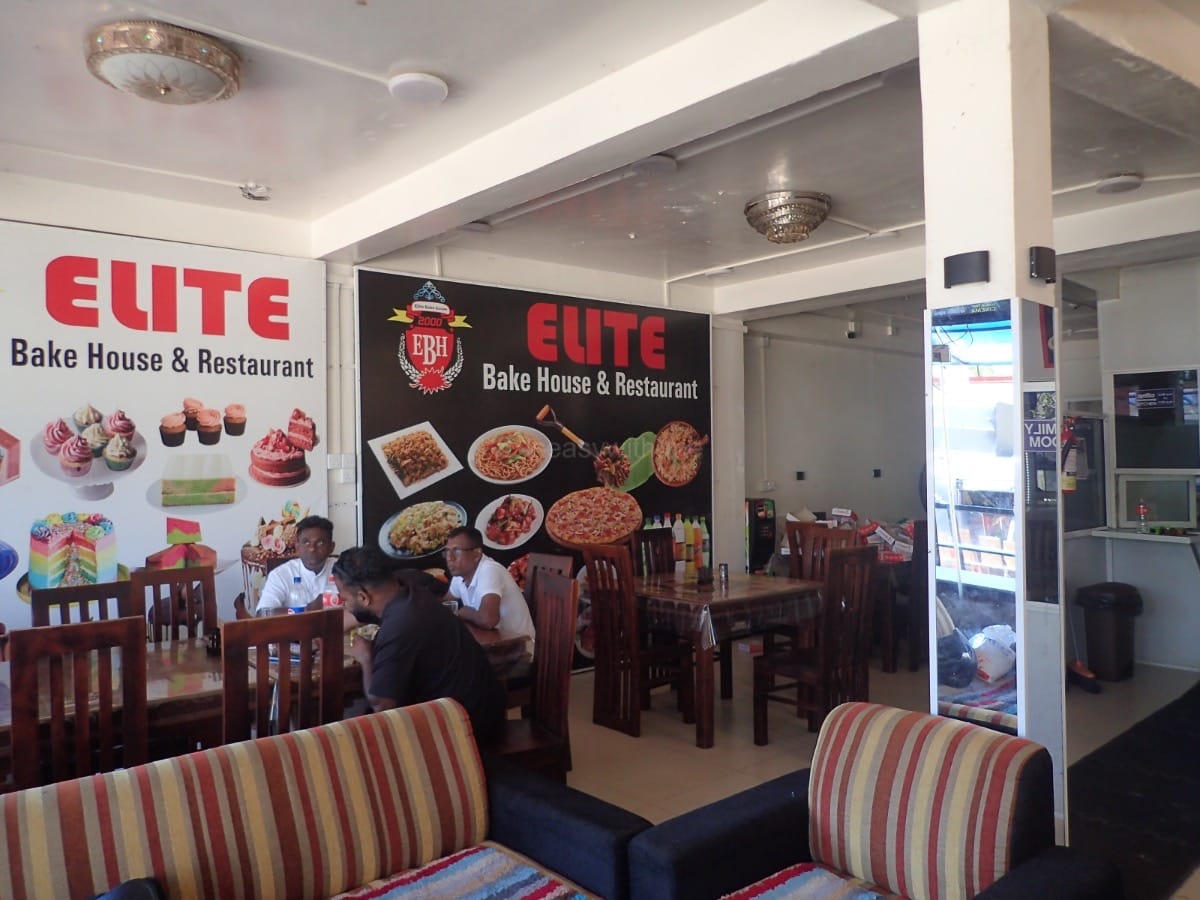
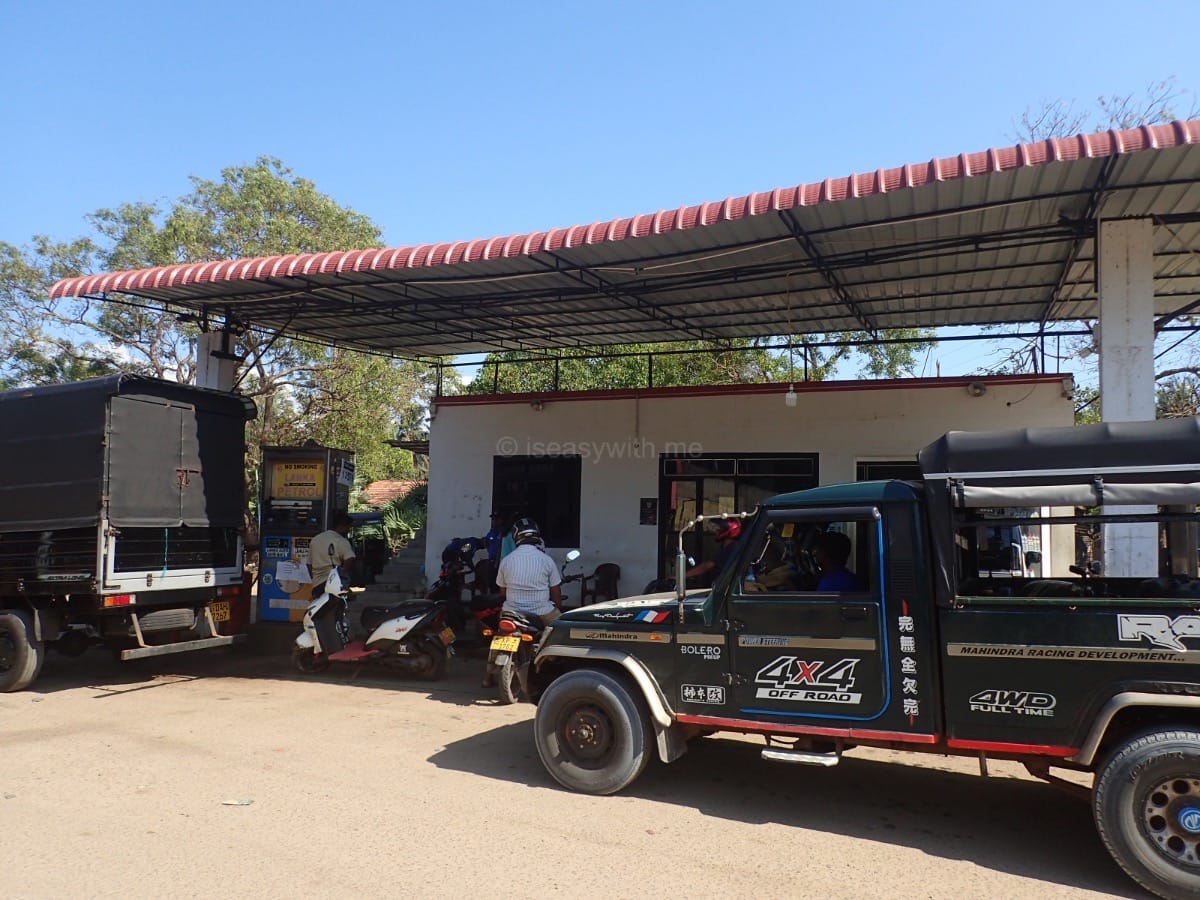
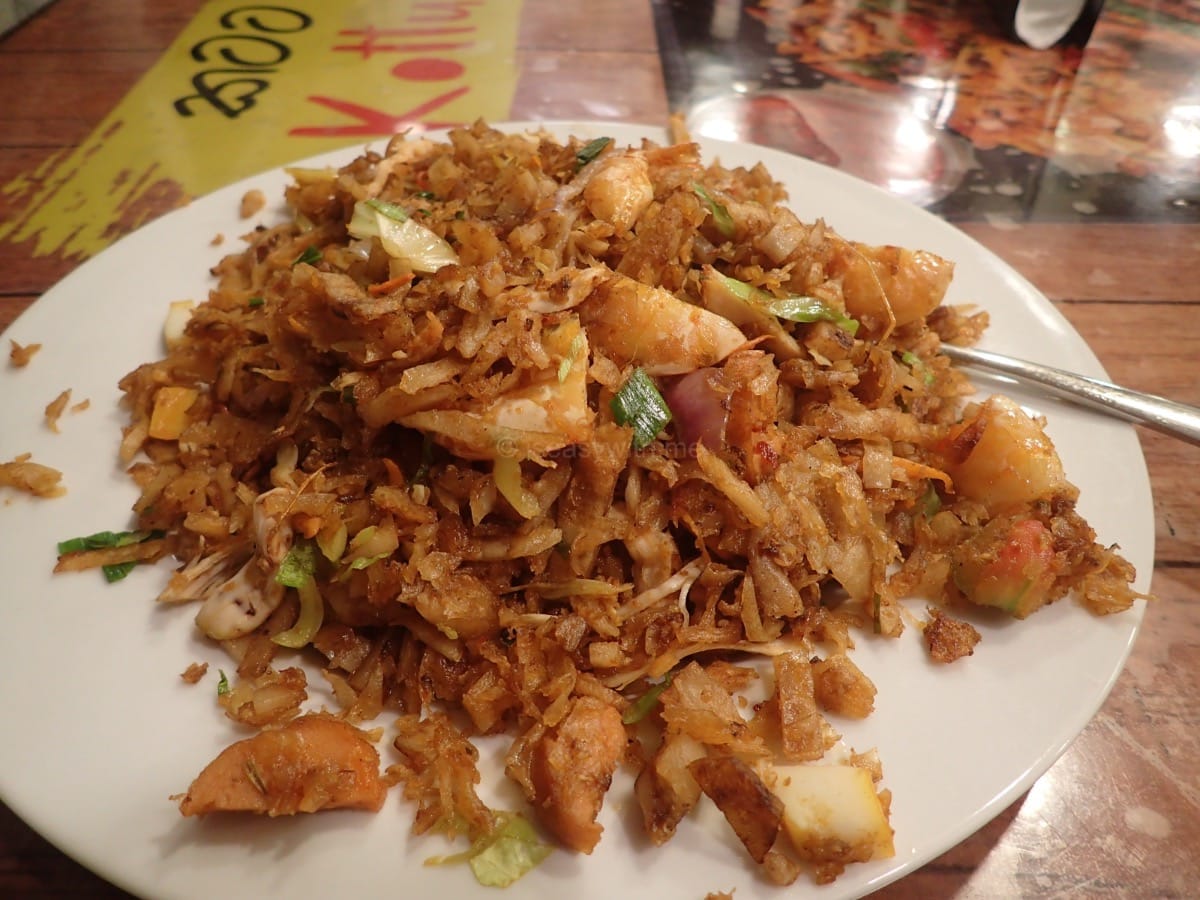
Elite Bake House & Restaurant, mix kottu (LKR 1,100)
Departing Kalpitiya
After exploring the unique coastal architecture and cultural heritage landmarks of the peninsula, it was time for me to leave the coast and journey deeply inland toward Sri Lanka's historic Cultural Triangle. Navigating the country's public transportation network was one of the most authentic and immersive ways to travel, allowing me to experience the regional geography exactly like a local.
For this multi-leg journey, I started by boarding the local bus #901 from the bus stop in town to Puttalam bus stand. Taking the bus allowed me to trace the long, narrow corridor of the peninsula, watching the salt pans, fishing communities and quiet lagoon views roll past until I arrived at the central transport hub of Puttalam town.
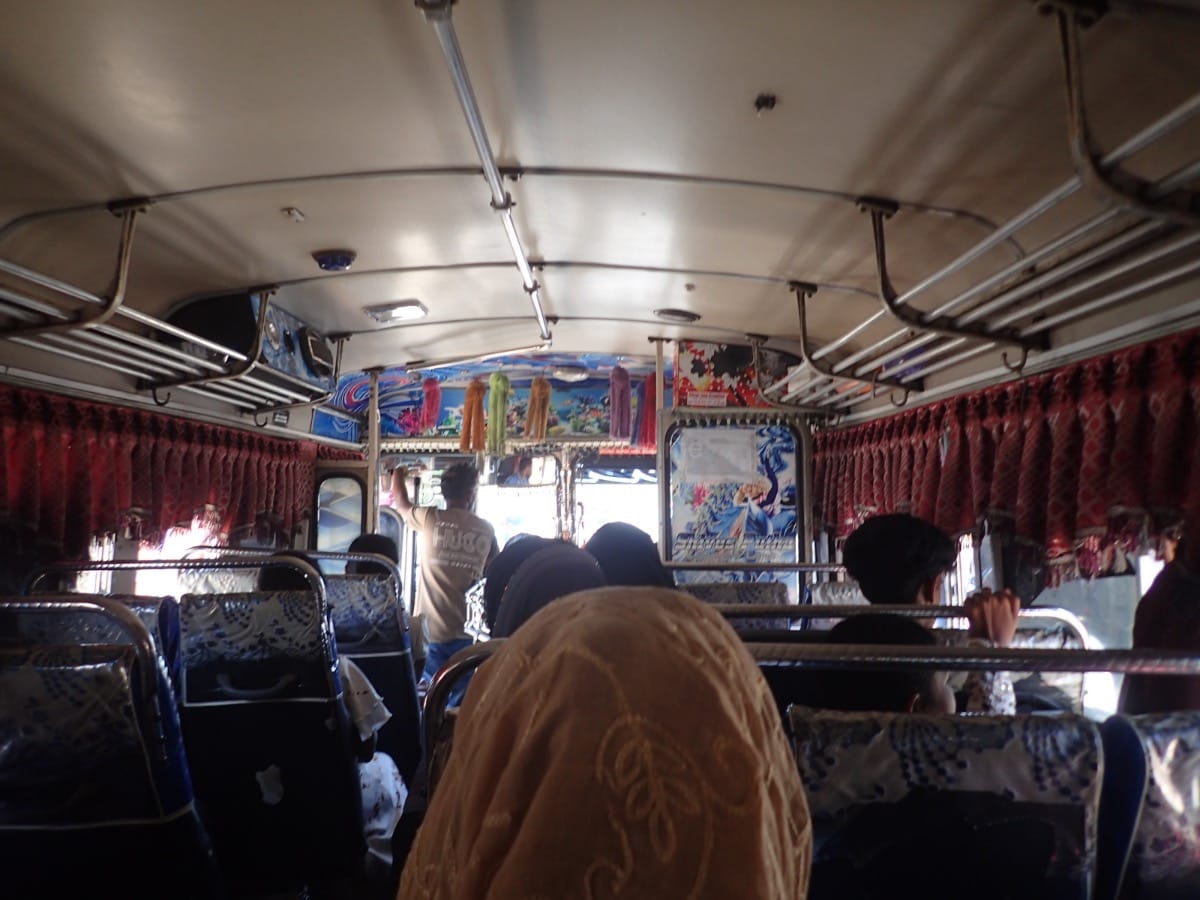
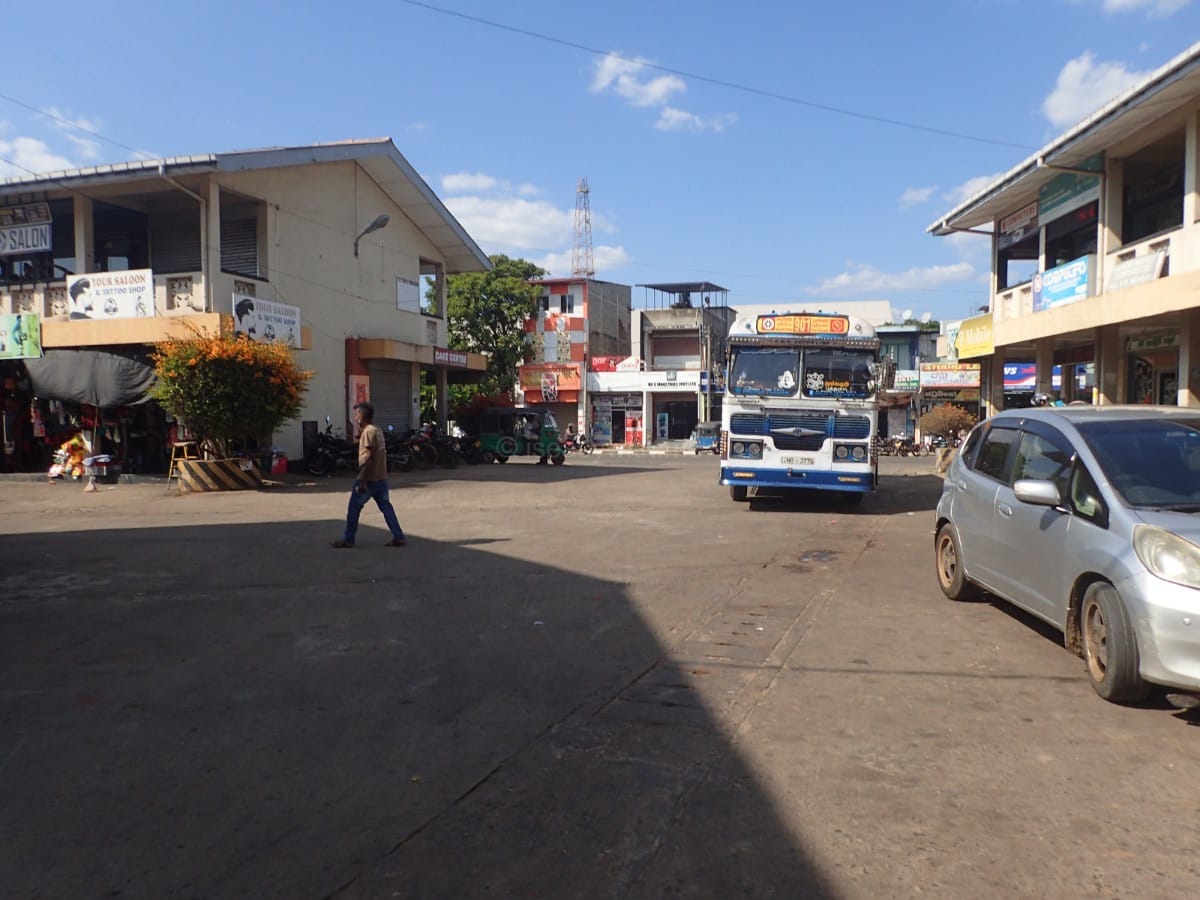
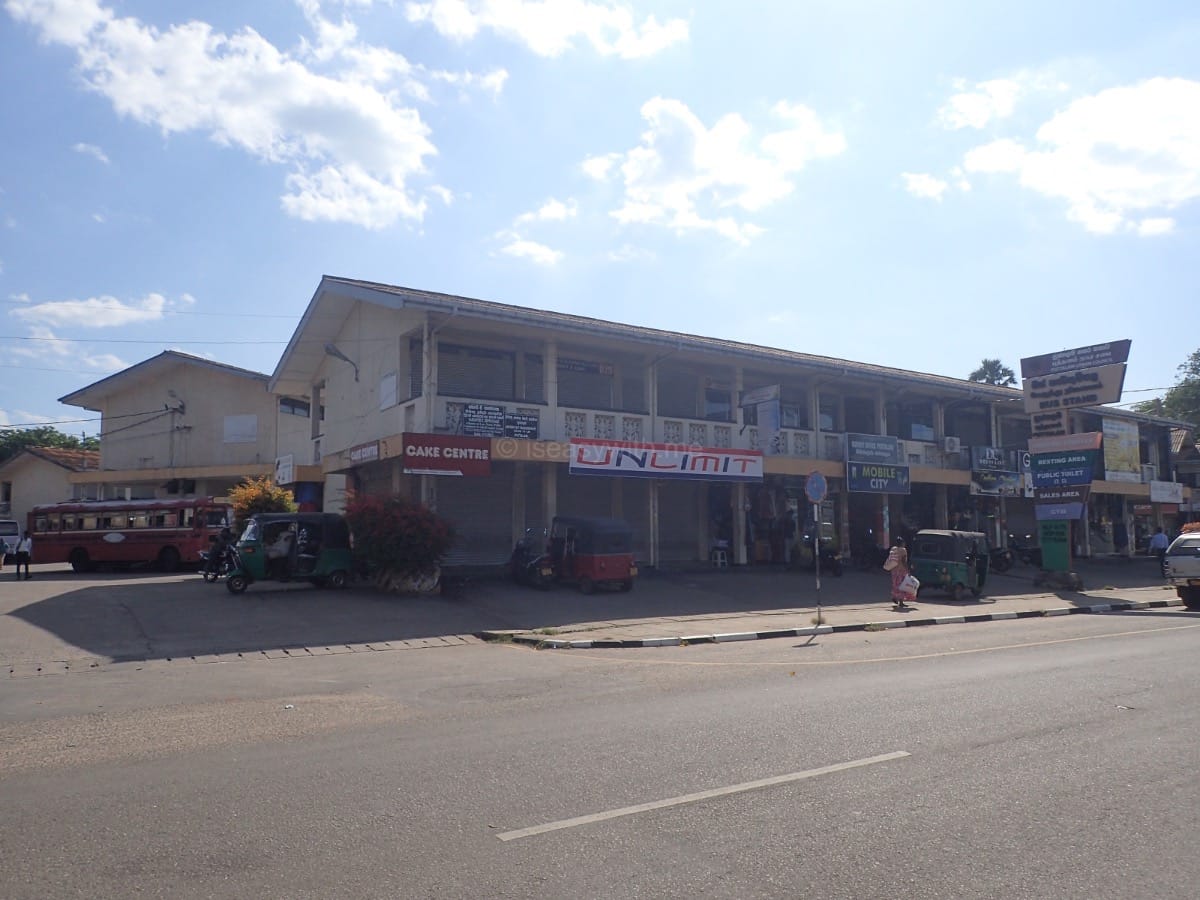
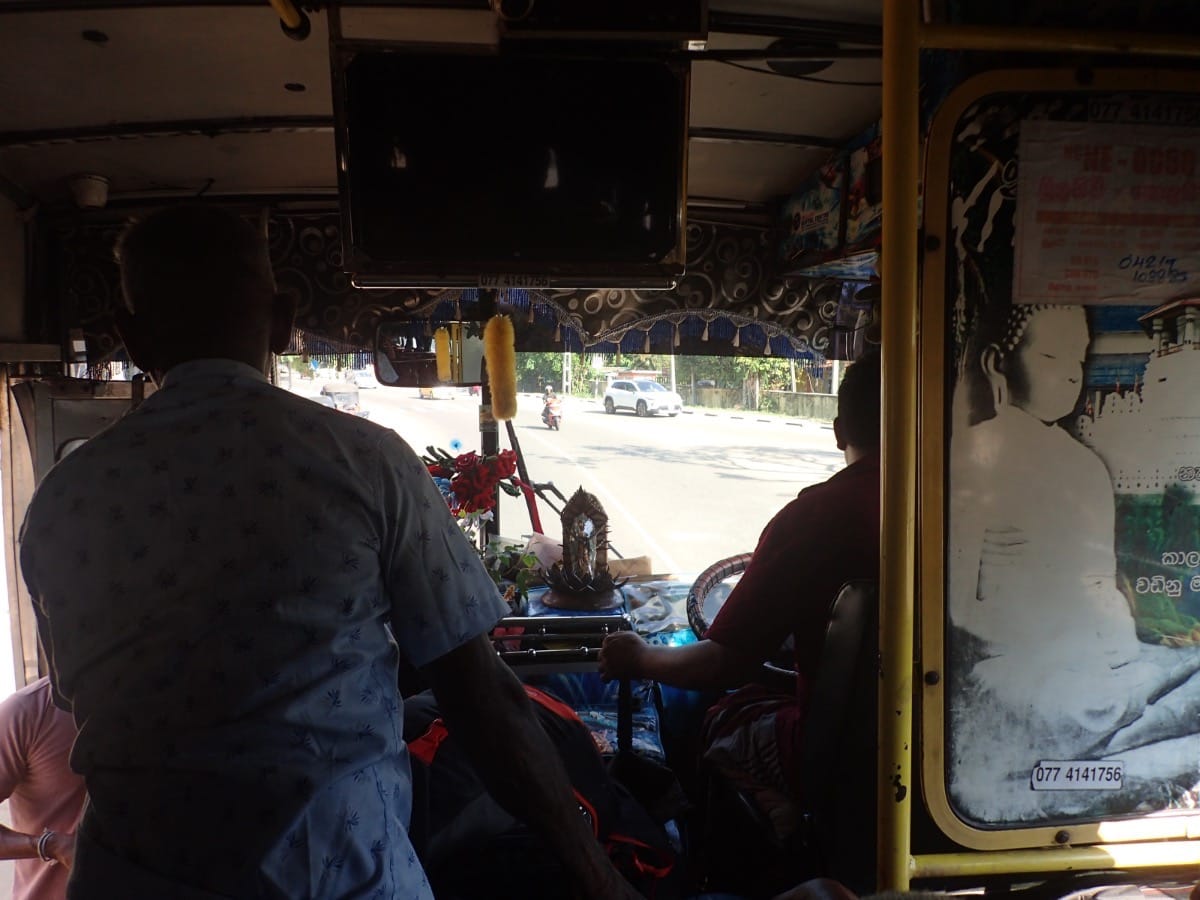
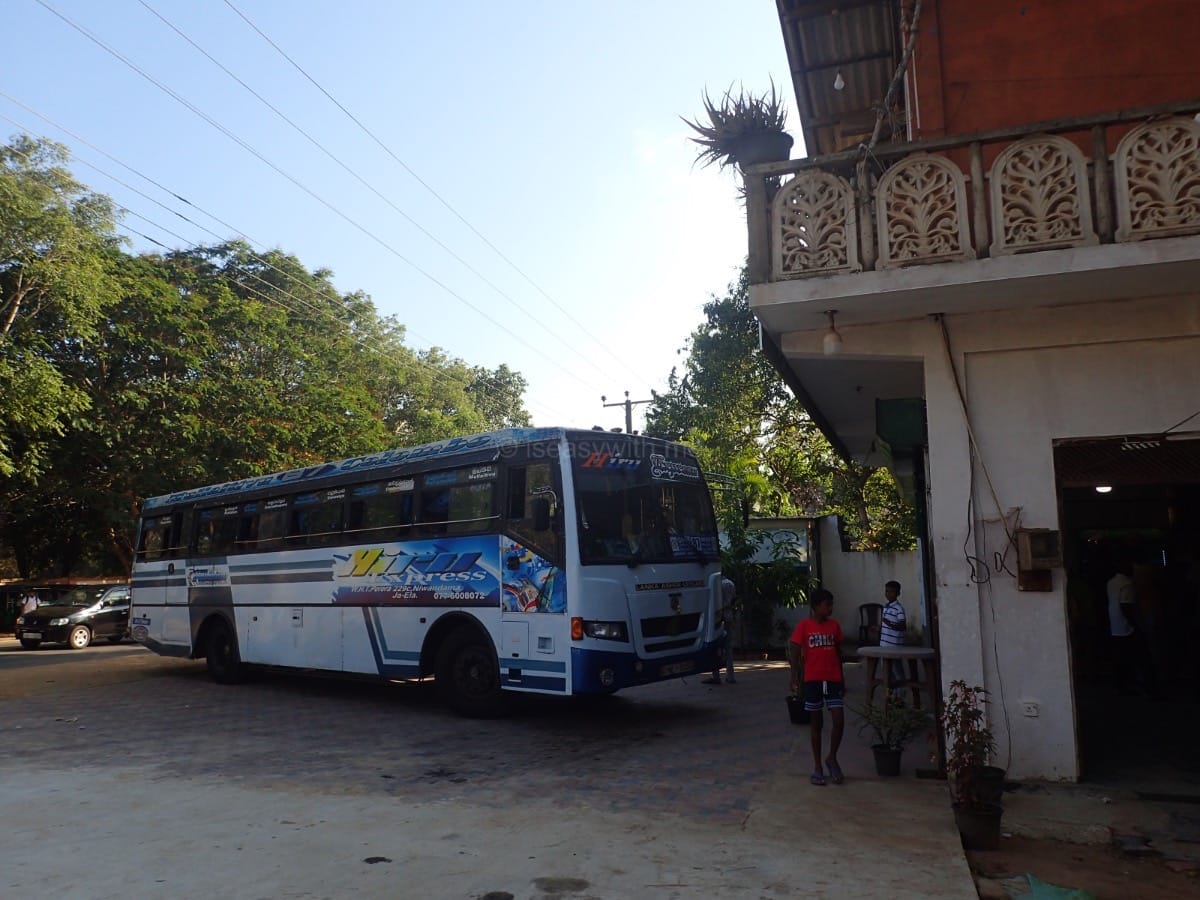
bus #901, Puttalam Bus Stand and #87
Walking out from the bus stand, I crossed the road and my next step was a seamless transfer to the long-distance bus #87 heading to Anuradhapura. The bus route is a major transit artery connecting the coast to the northern interior. Standing in the bus, I watched the landscape shift from the bustling streets of Puttalam into the dense forest canopies and wide, dry-zone horizons that signal the approach to the ancient royal capital of Anuradhapura.