Dambulla Cave Temple & Beyond: The Best Things to Do in the Region
Beyond the Cave Temple: How to take a local bus from Sigiriya to Dambulla, explore prehistoric tombs, secret forest ruins, and local eateries.
Leaving behind the iconic rock fortress of Sigiriya, I set out on a short but rewarding journey to Dambulla, one of Sri Lanka's most important cultural and archaeological centres. While many travellers simply pass through on their way to Kandy or Anuradhapura, Dambulla offers a fascinating blend of ancient Buddhist heritage, prehistoric burial grounds and lesser-known eco-tourism treasures that deserve far more attention.
How to Get From Sigiriya to Dambulla by Local Bus
My morning began outside my homestay situated along the main village road, where I boarded one of the frequent local buses heading towards Dambulla (LKR 100). The roughly 30-minute journey was straightforward, inexpensive and provided an authentic glimpse into everyday Sri Lankan life as students, villagers and workers hopped on and off along the route.
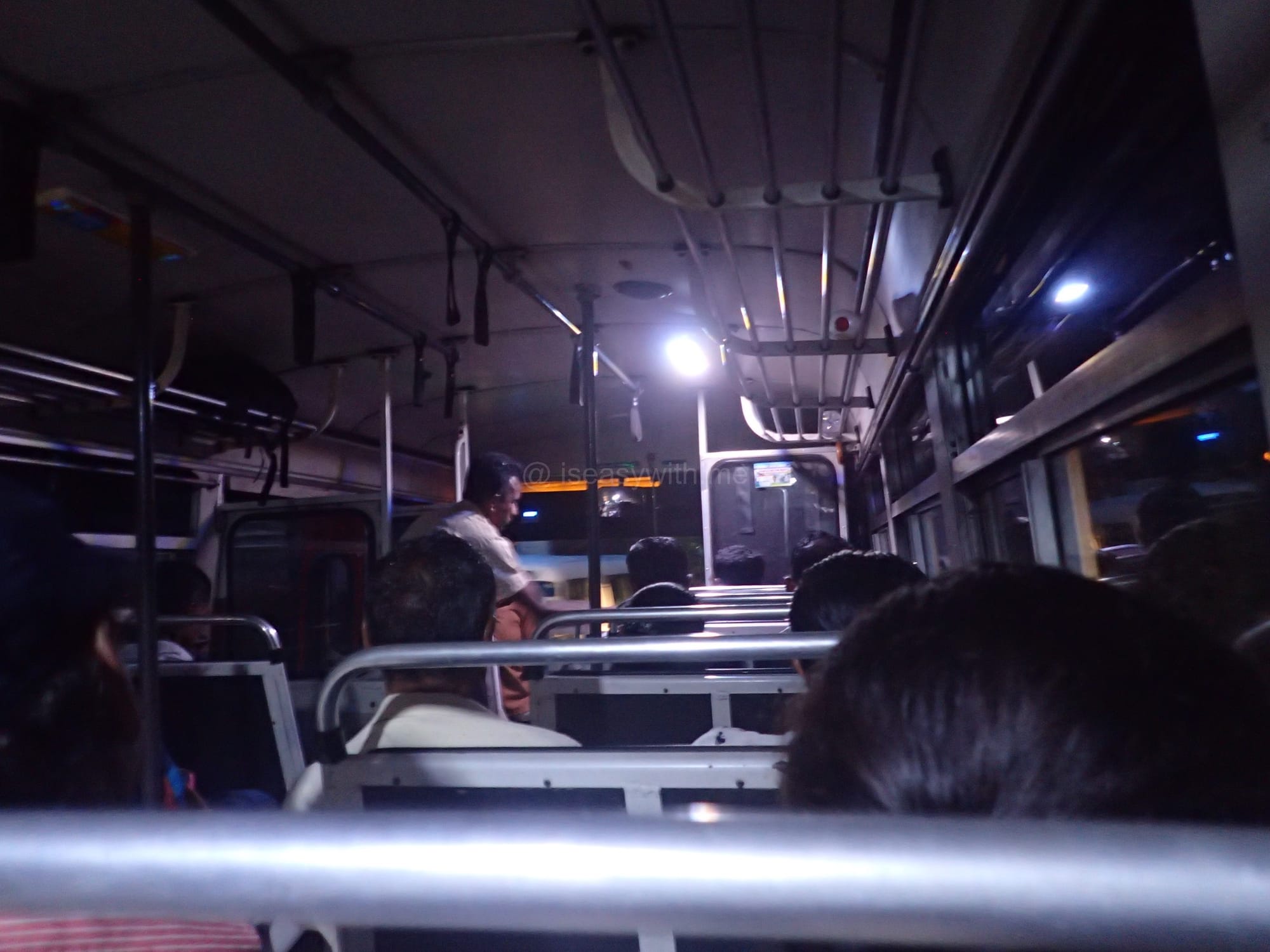
in the bus from Sigiriya to Dambulla
iseasywith.me Travel Tip
Frequency: Local buses between Sigiriya and Dambulla run frequently from early morning until evening.
Payment: Keep small denomination Sri Lankan Rupee (LKR) notes ready; conductors rarely have change for large bills.
Timing: Travel early in the morning to beat both the midday tropical heat and the large tour groups arriving from Colombo and Kandy.
Arriving in Dambulla
I found that unlike the tourist-centric atmosphere of Sigiriya, Dambulla is a bustling regional hub. Strategically located in central Sri Lanka, it connects the country's Cultural Triangle with destinations across the island.
Around the town centre, I saw fruit vendors, local eateries, vibrant markets and long-distance buses arriving from every direction. Yet hidden just behind the traffic and commerce lie some of Sri Lanka's most important ancient historical and ecological sites. Whether planning a quick half-day stop or a full-day adventure, I found that this busy town packs a massive punch for history and nature lovers alike.
In and Around Dambulla
Dambulla's absolute must-see highlights include exploring the sacred mural-filled chambers of the Rangiri Dambulla Cave Temple, admiring the colossal seated Golden Buddha at the base complex, trekking the pink quartz mountain and ironwood forest at Jathika Namal Uyana and discovering the atmospheric forest ruins of Kaludiya Pokuna.
Dambulla Clock Tower
Standing as the bustling heartbeat of Dambulla town, this iconic white landmark marks the major roundabout where Sri Lanka’s crucial travel arteries—the A6 (Ambepussa–Trincomalee) and A9 (Kandy–Jaffna) highways—converge. Built in the 1980s and featuring a large Buddha statue directly adjacent to it, the tower serves as the ultimate navigational compass and transit hub for travelers heading toward Sigiriya, Polonnaruwa, Trincomalee, or Kandy.
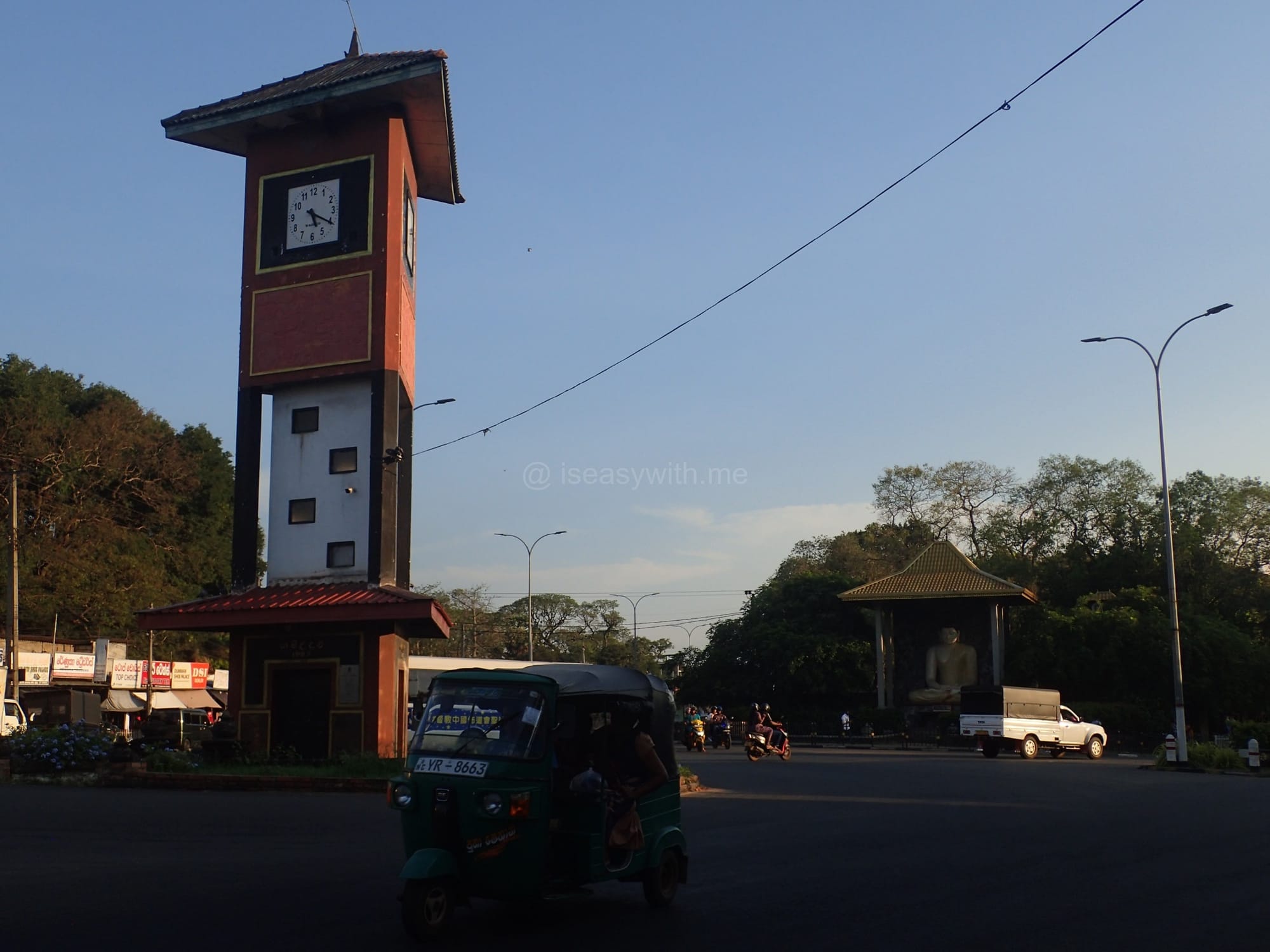
Dambulla Clock Tower
Dambulla Dedicated Economic Centre
Wanting to experience authentic local life, I visited this massive wholesale produce market. As a major distribution hub, trucks arrived at all hours to unload towering crates of local vegetables. It was chaotic, energetic and raw.
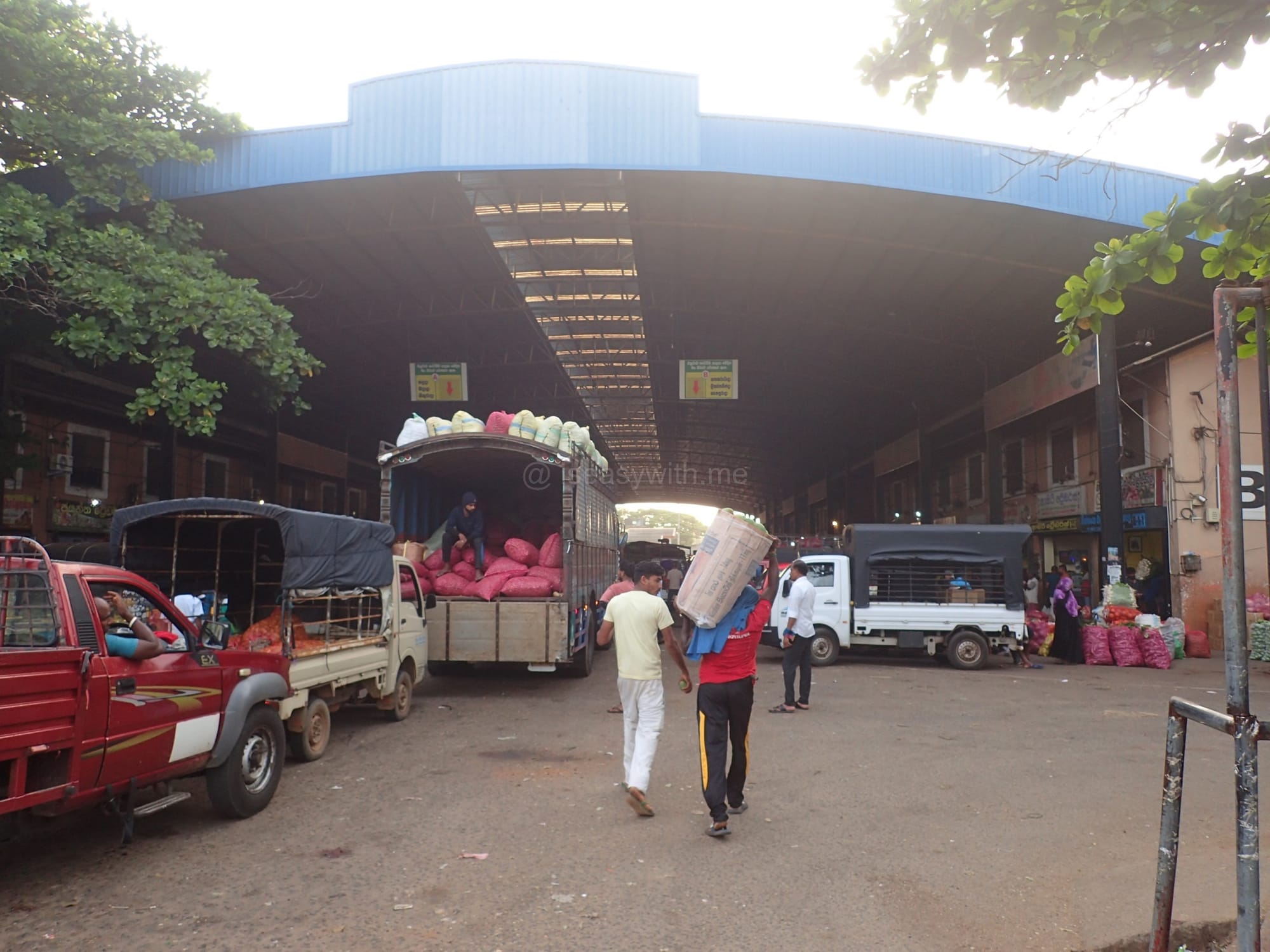
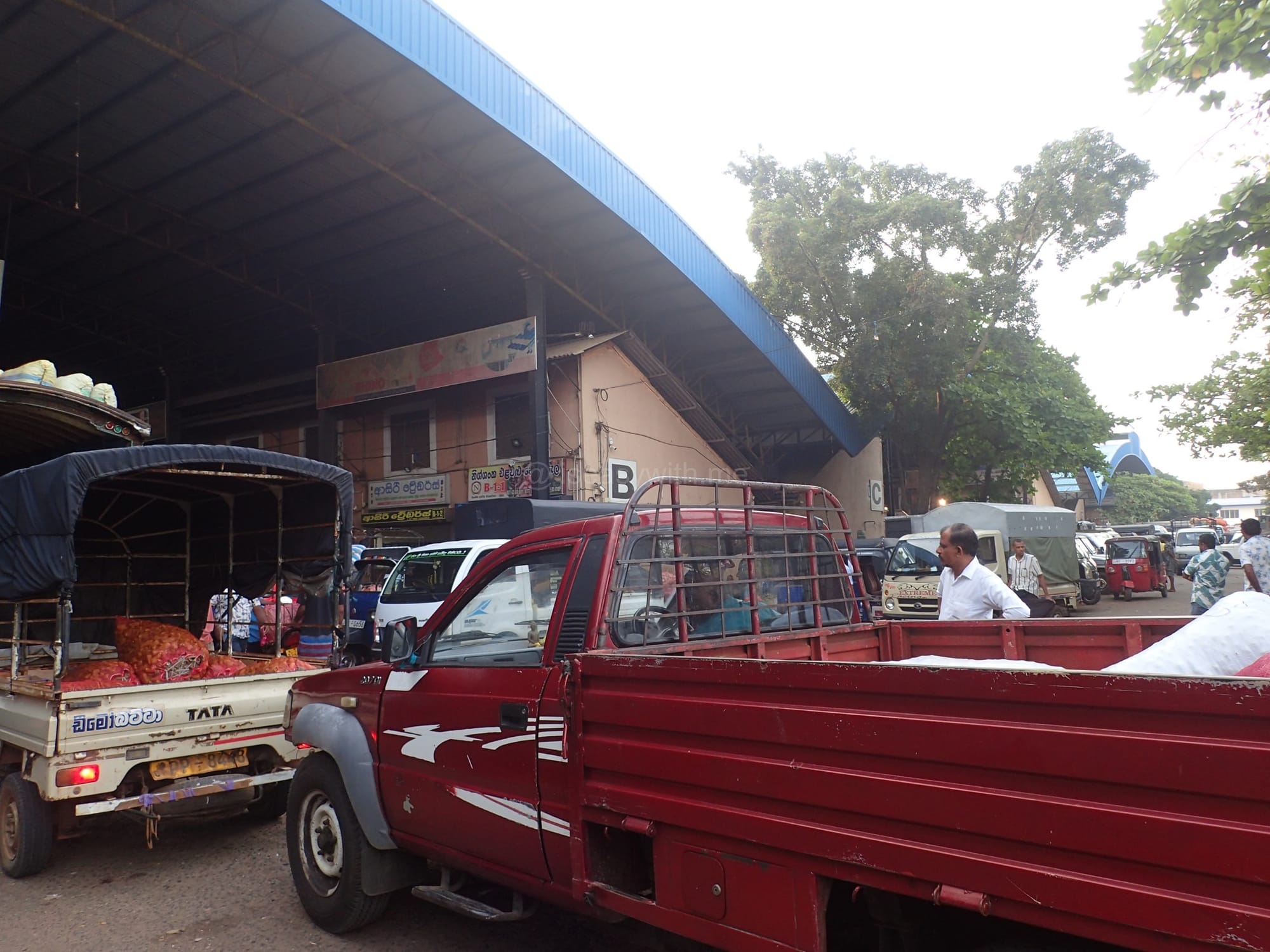
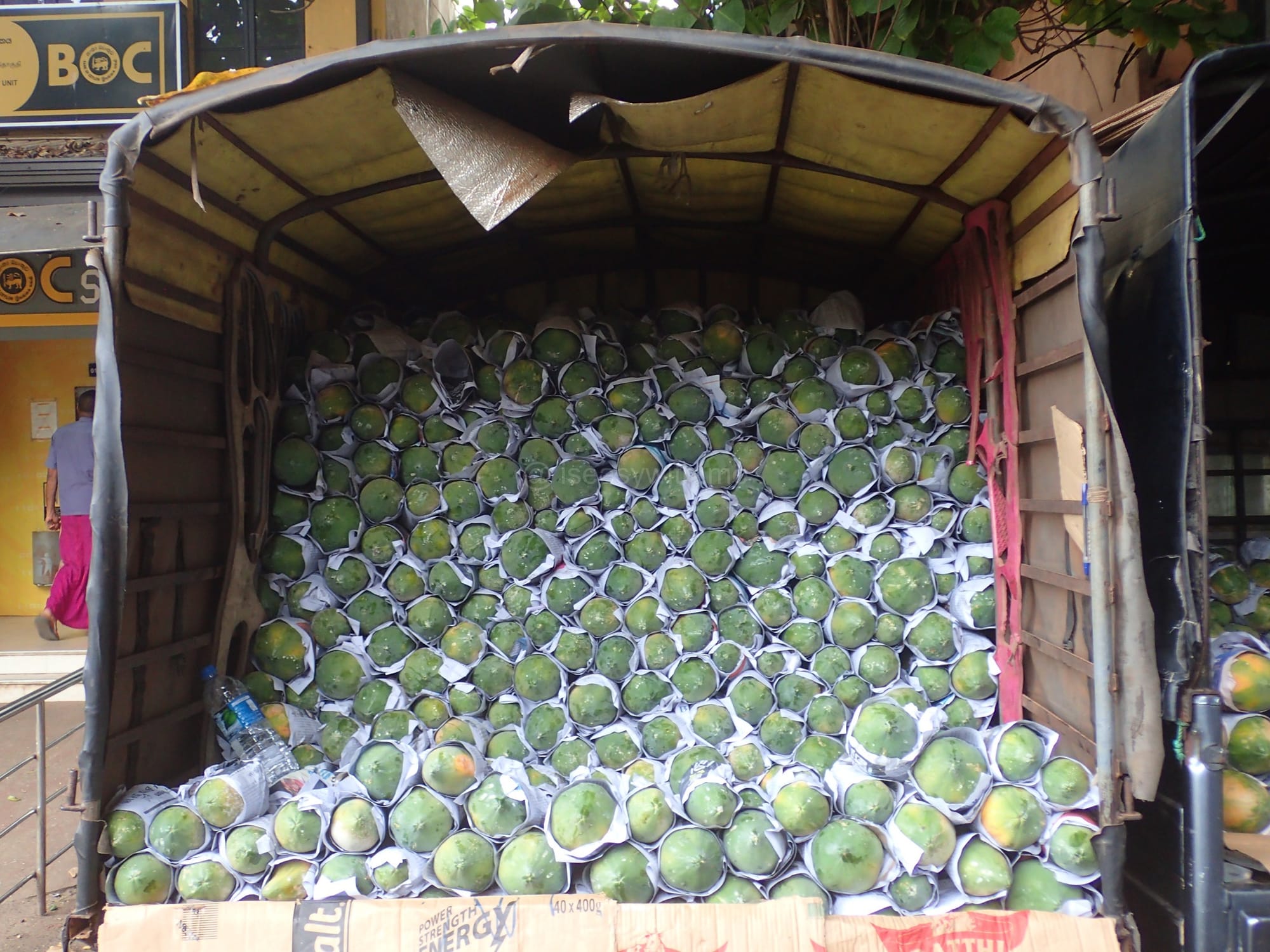
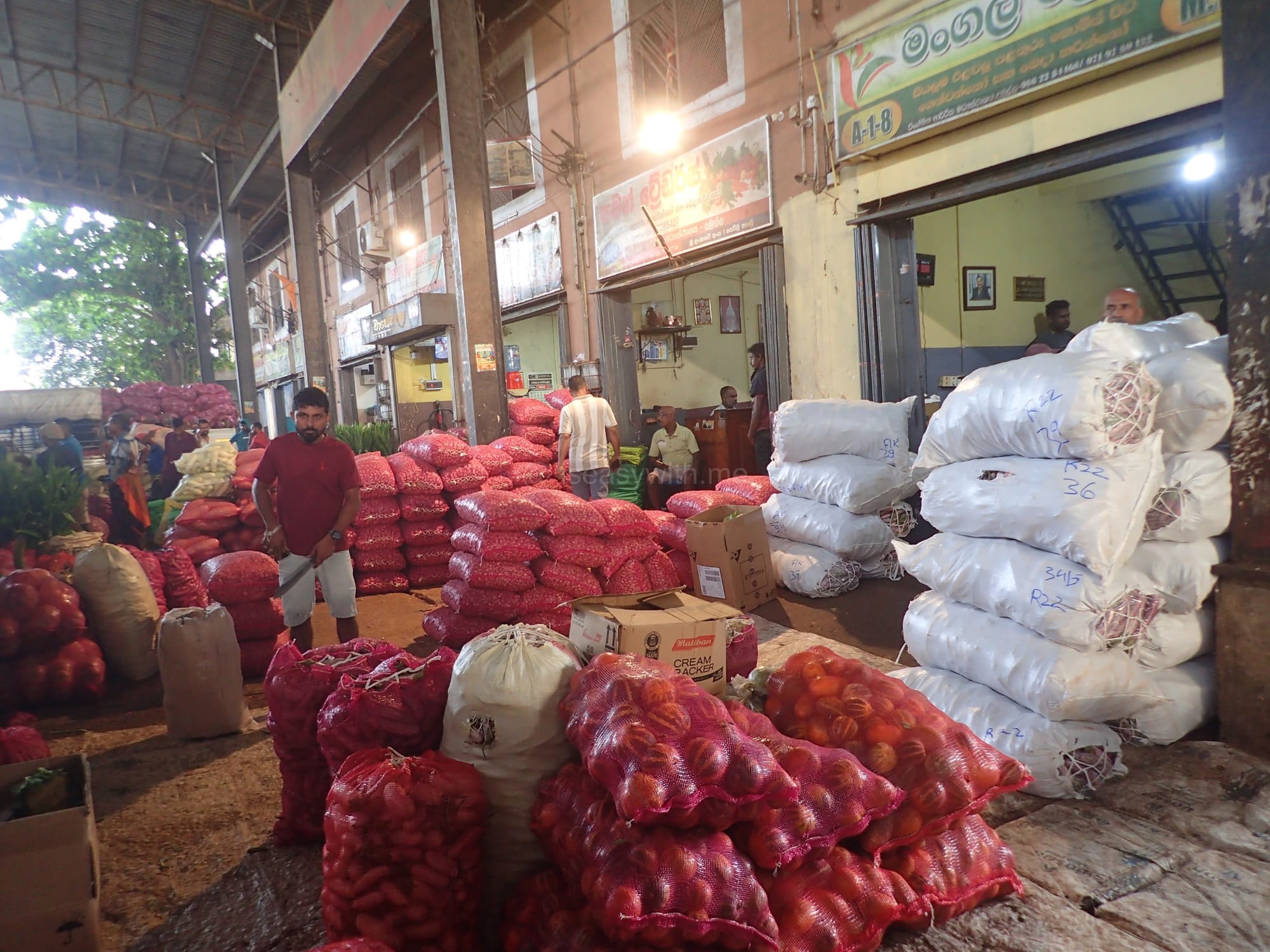
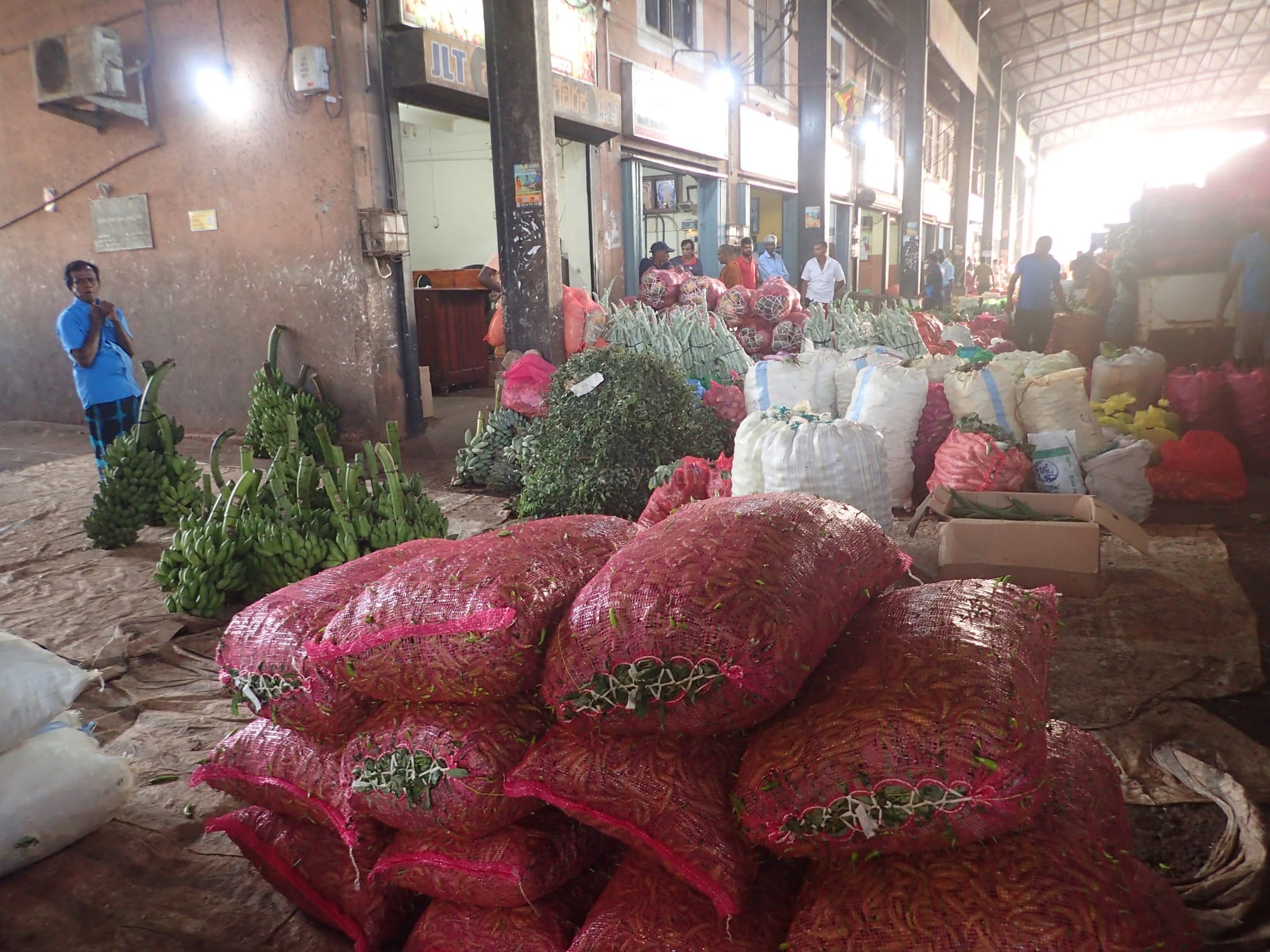
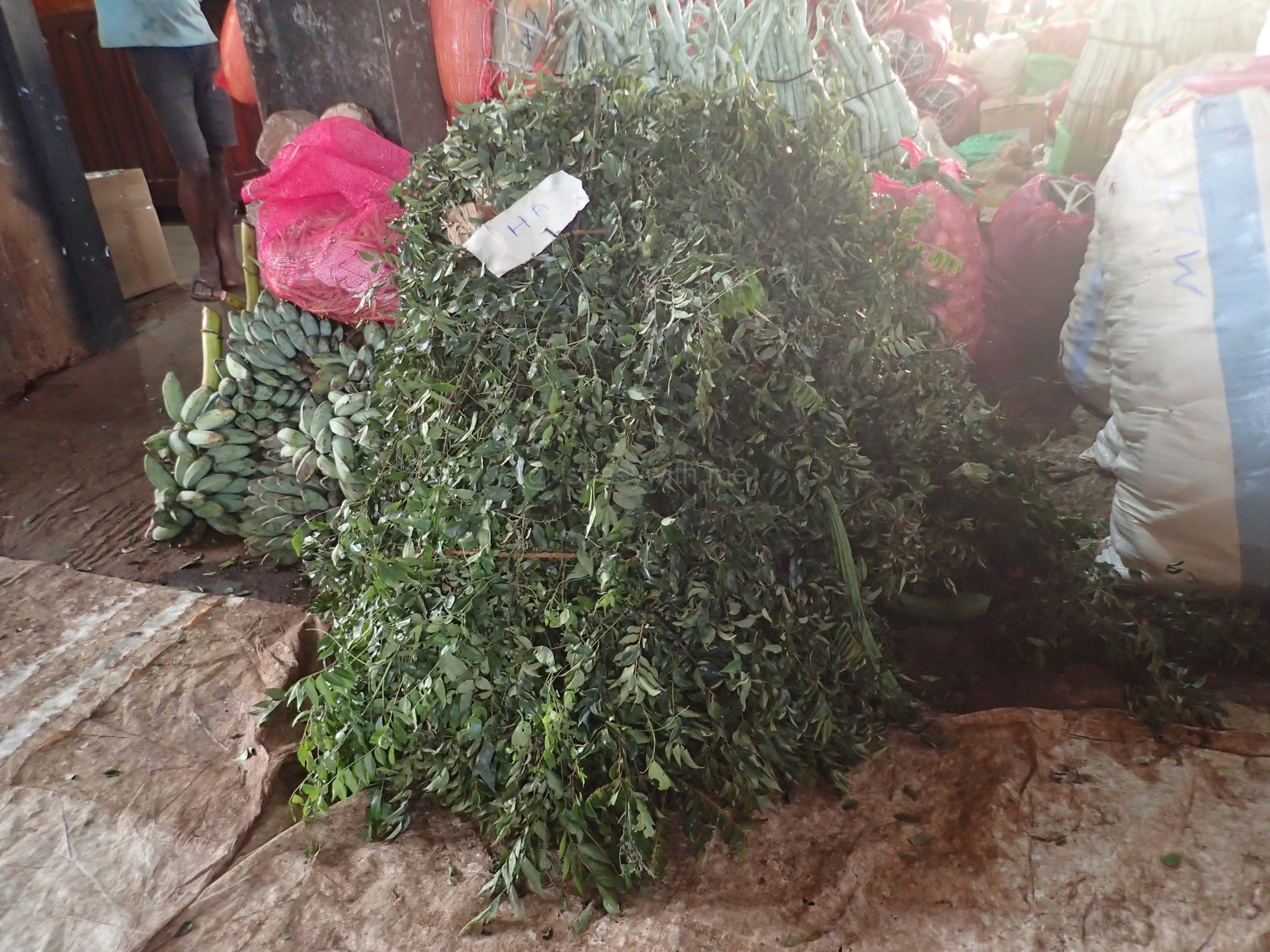
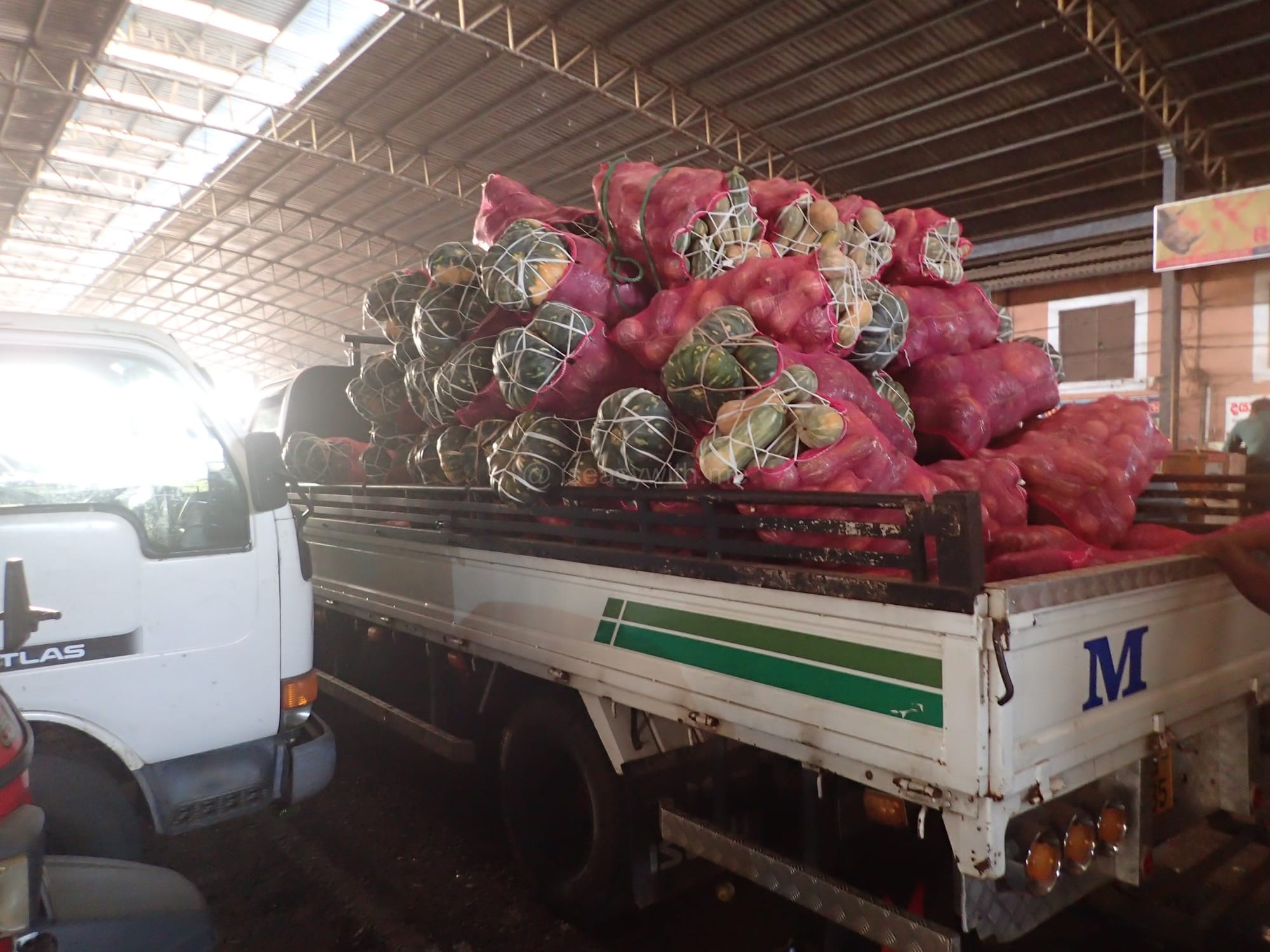
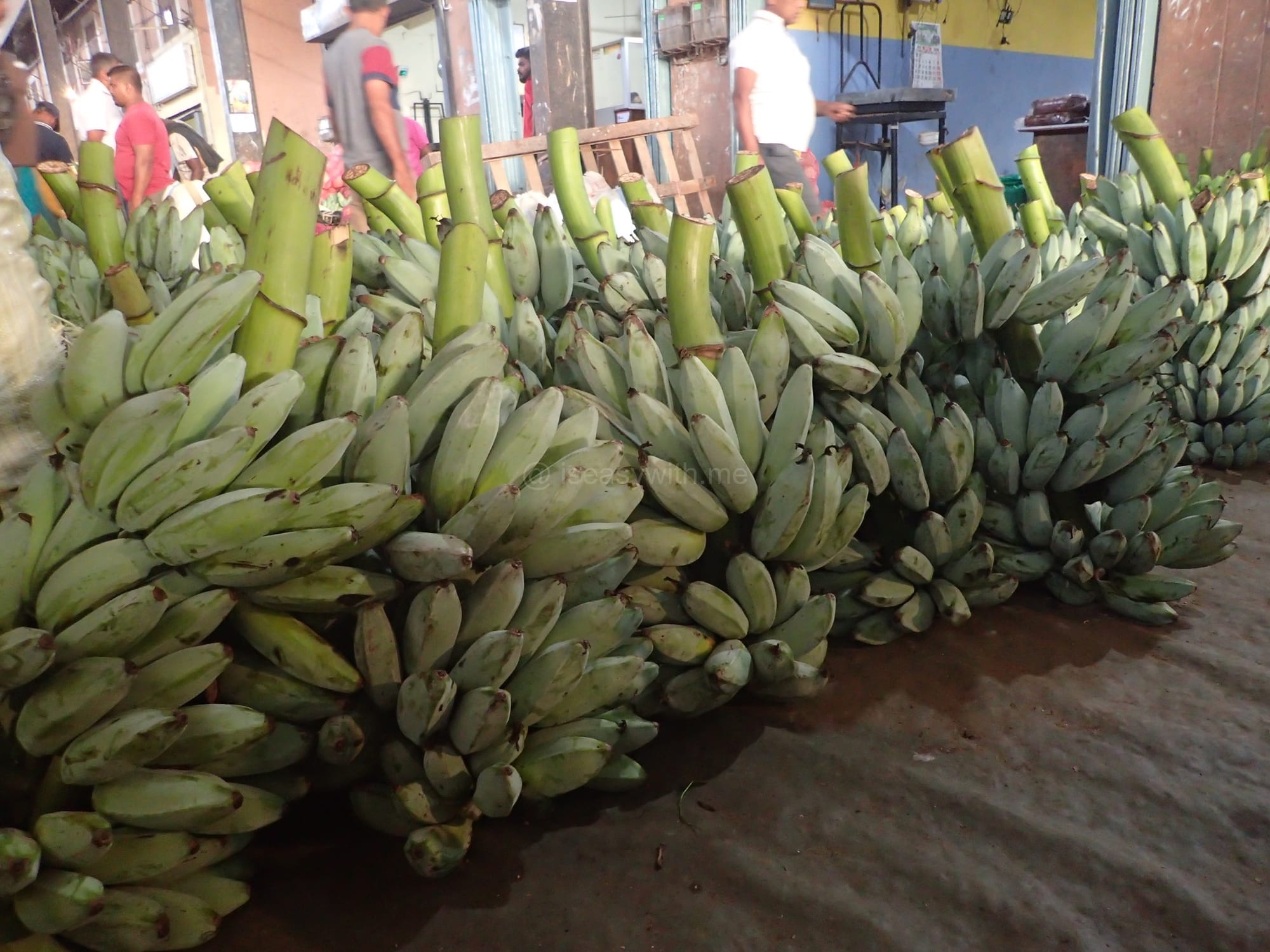
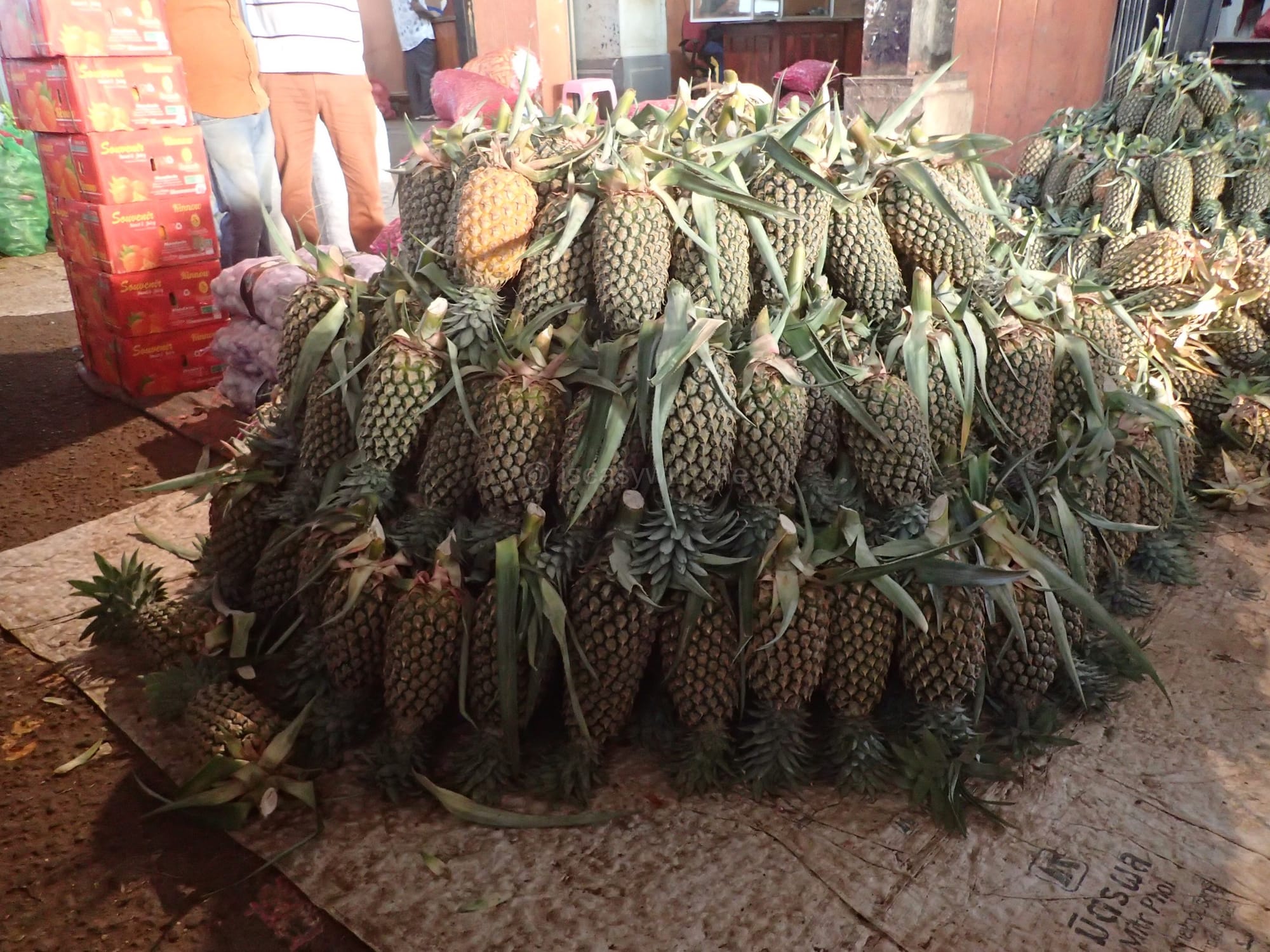
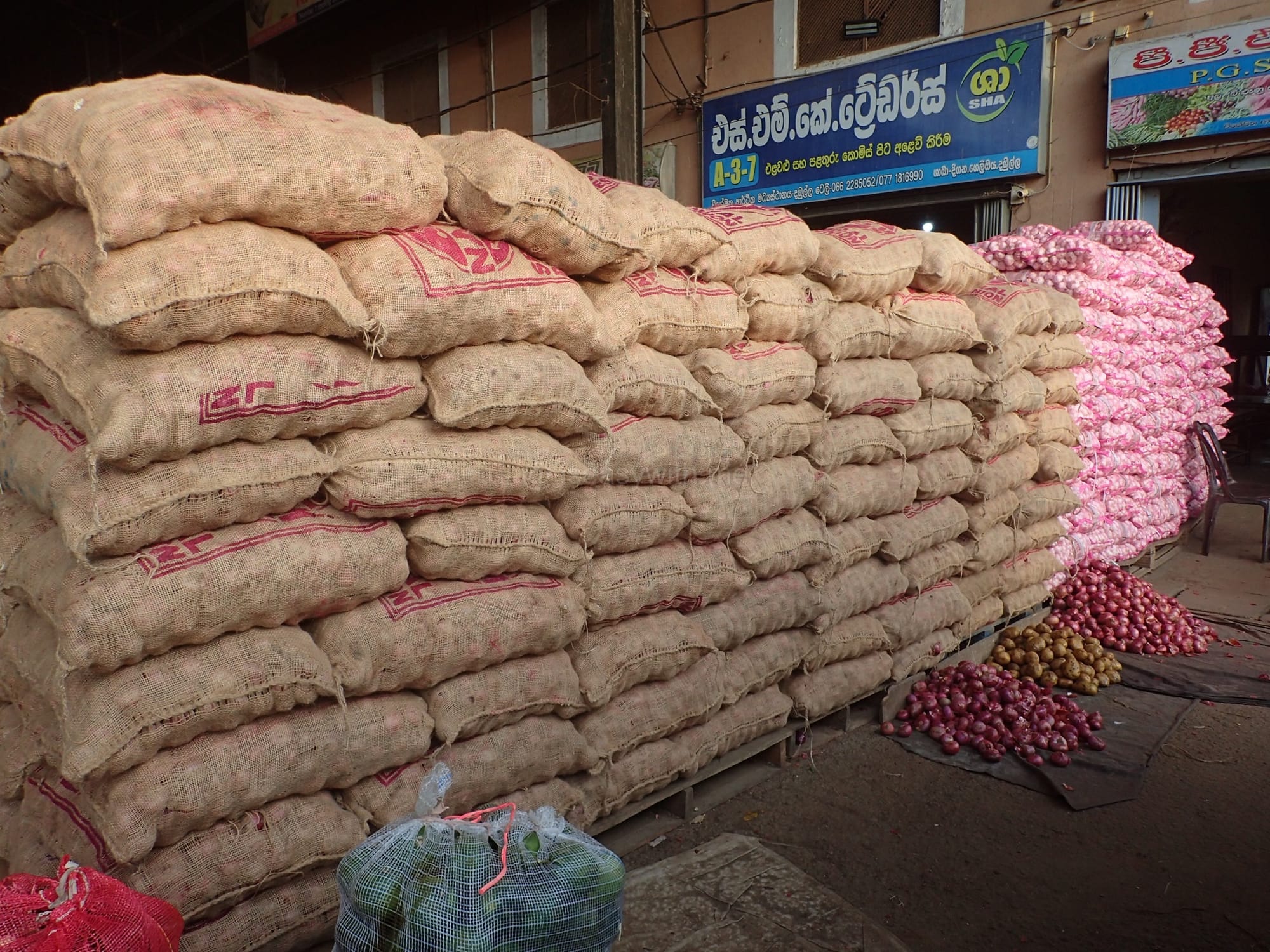
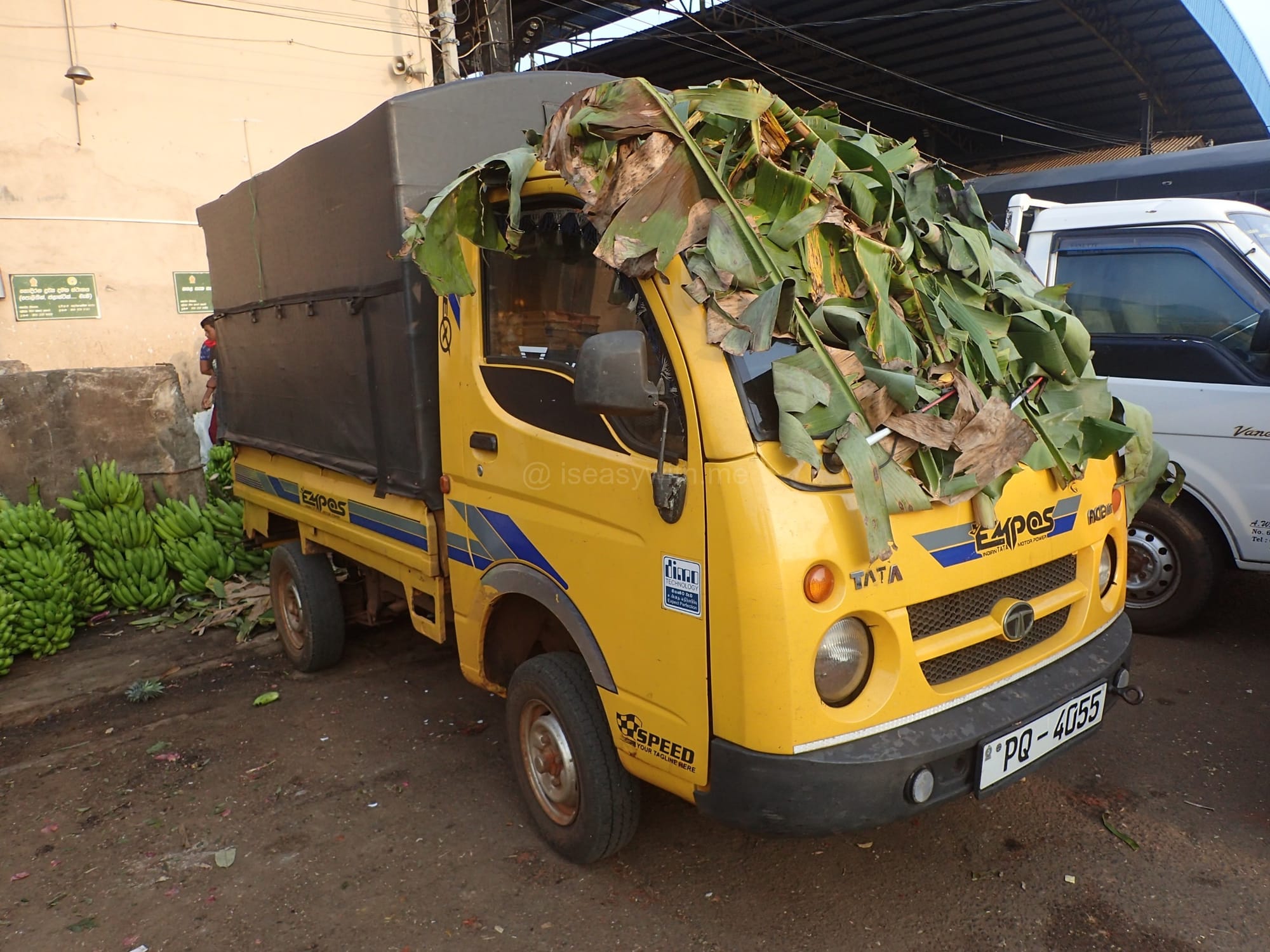
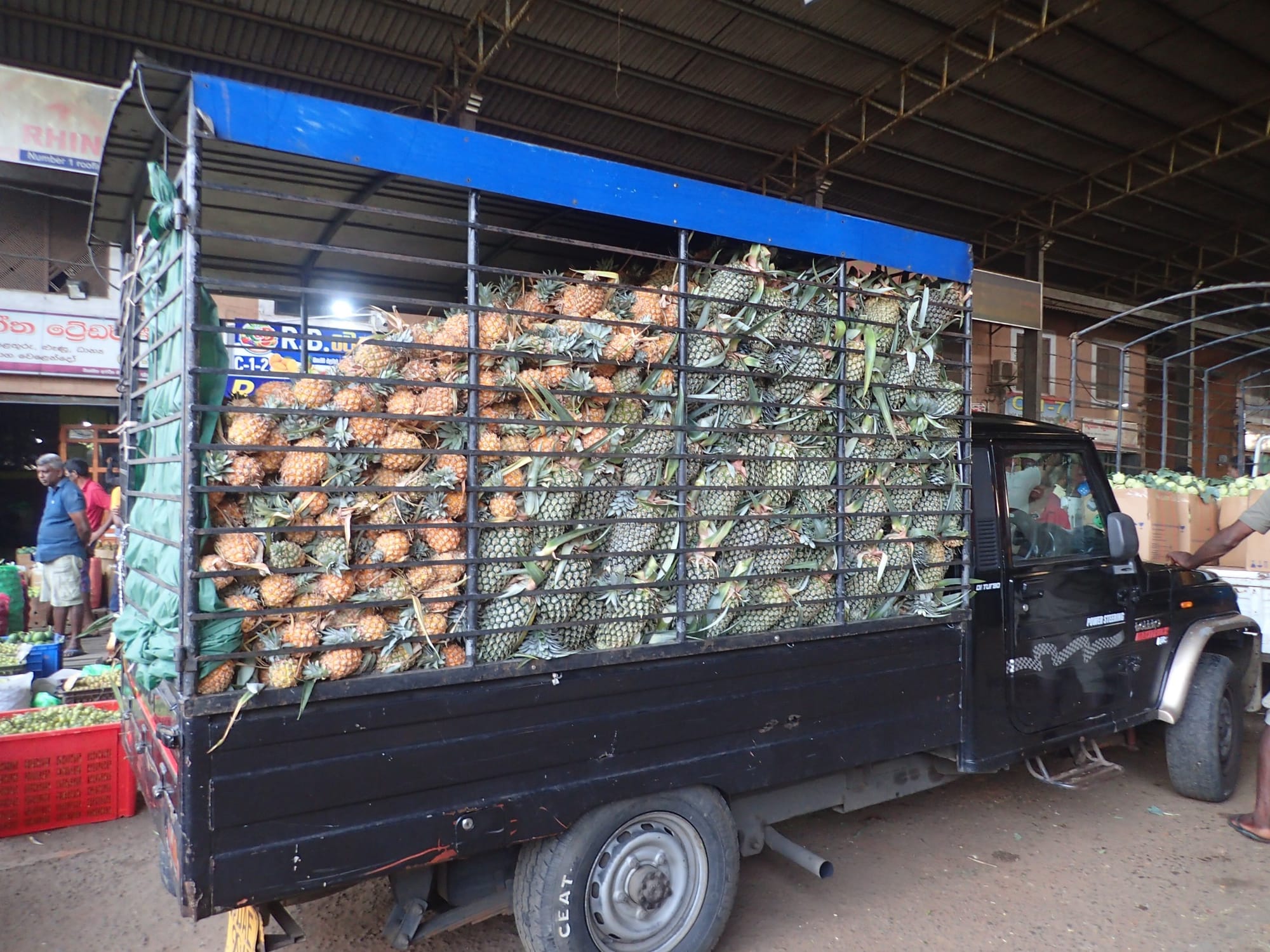
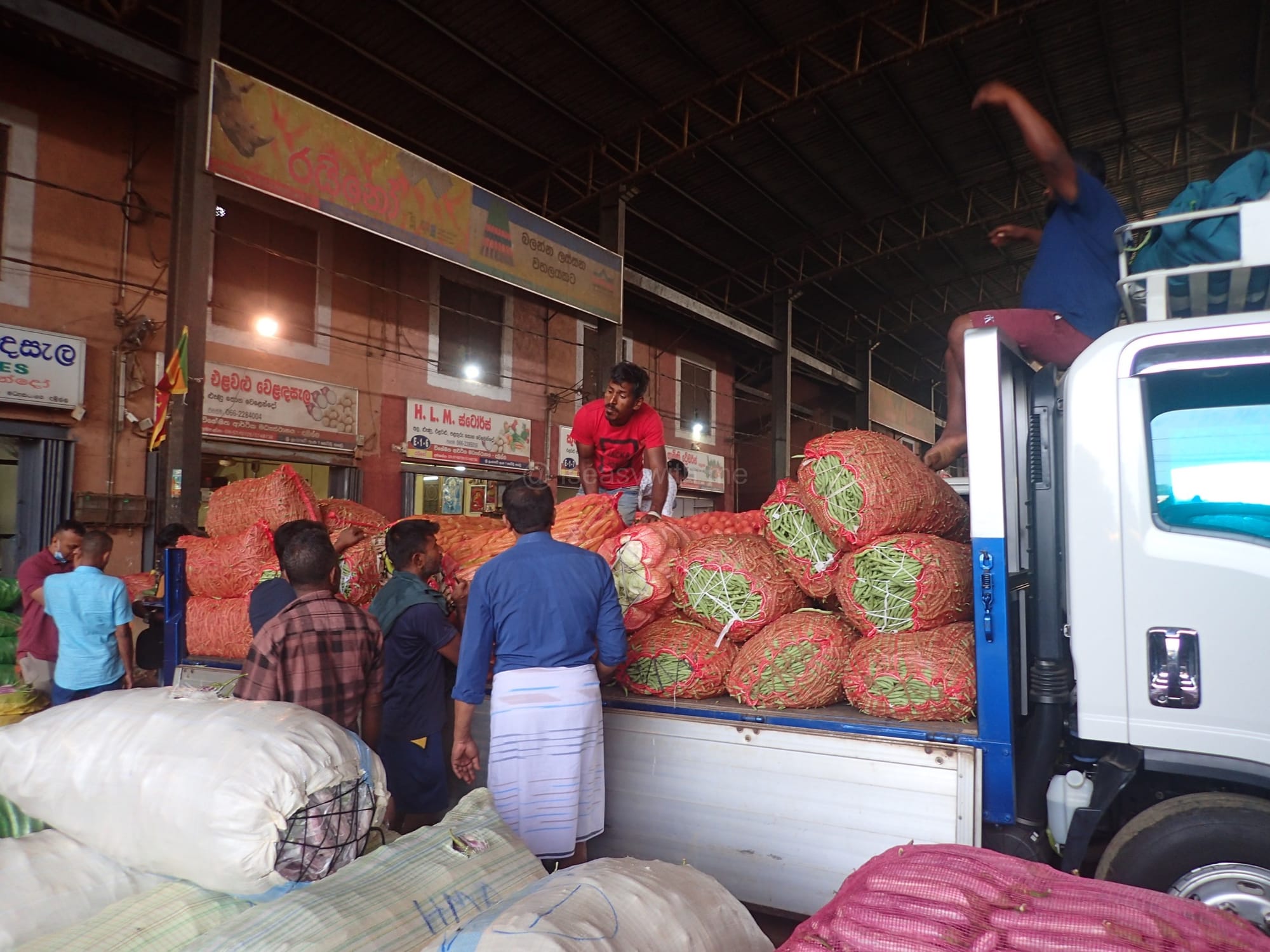
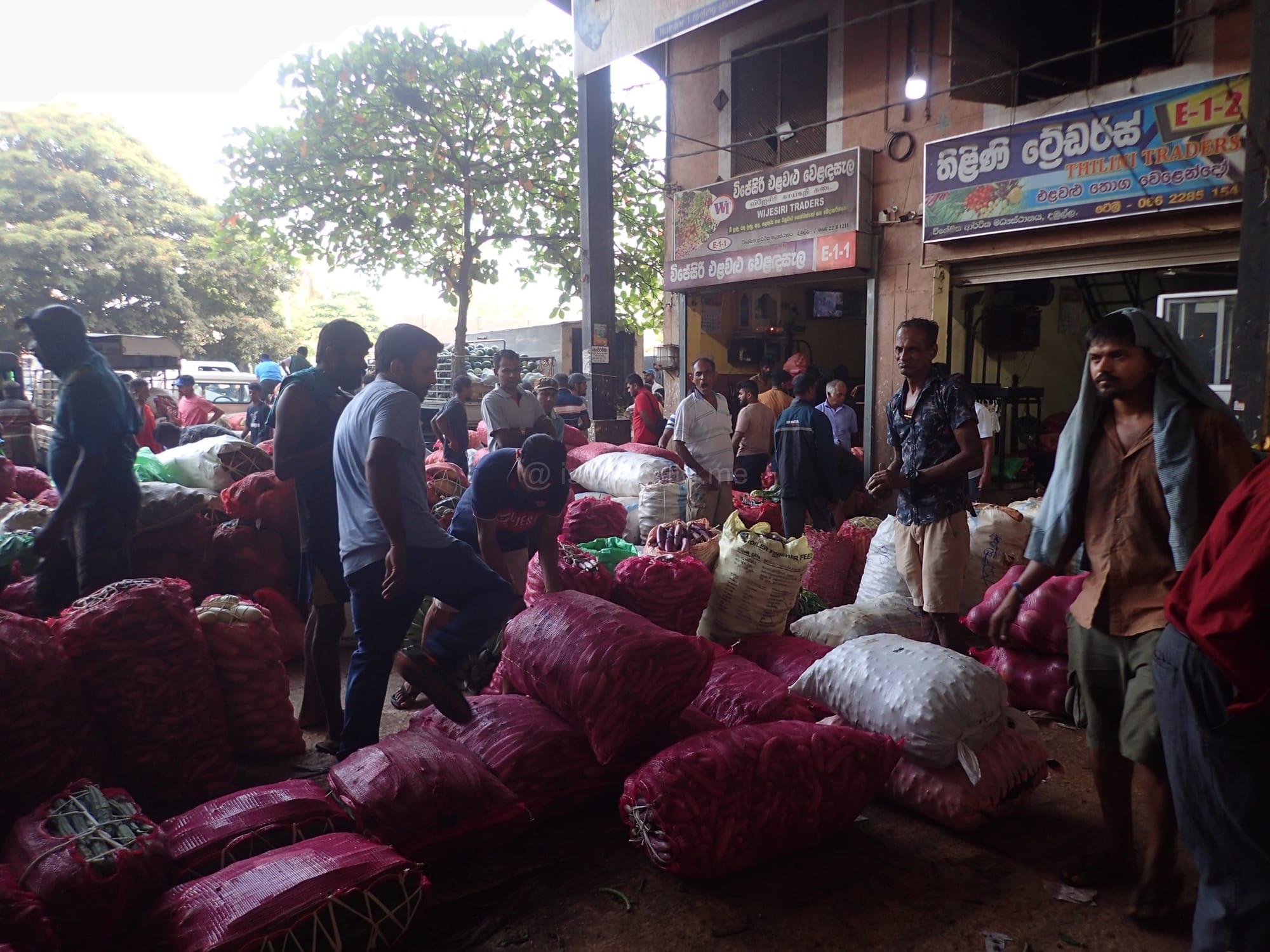
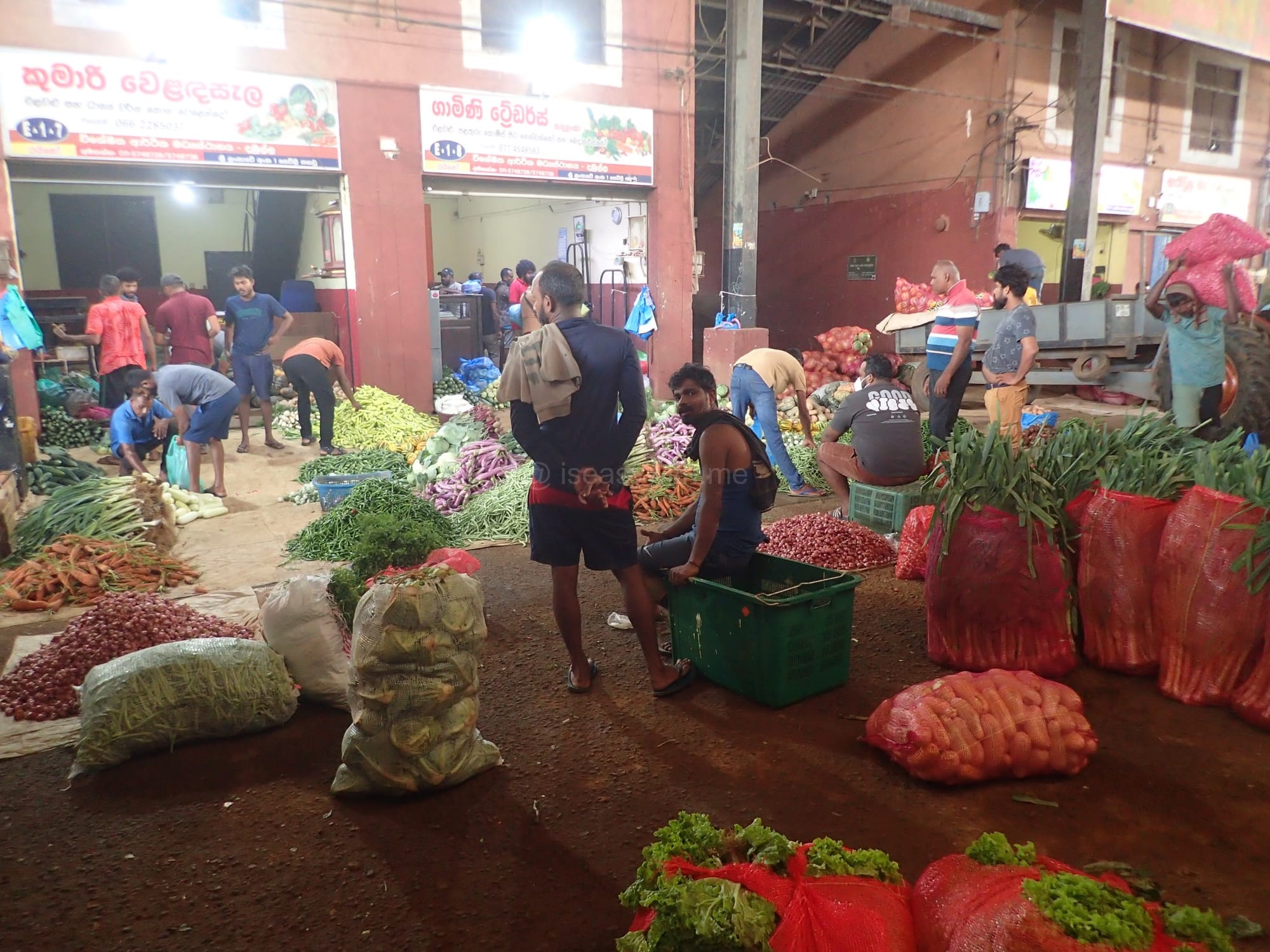
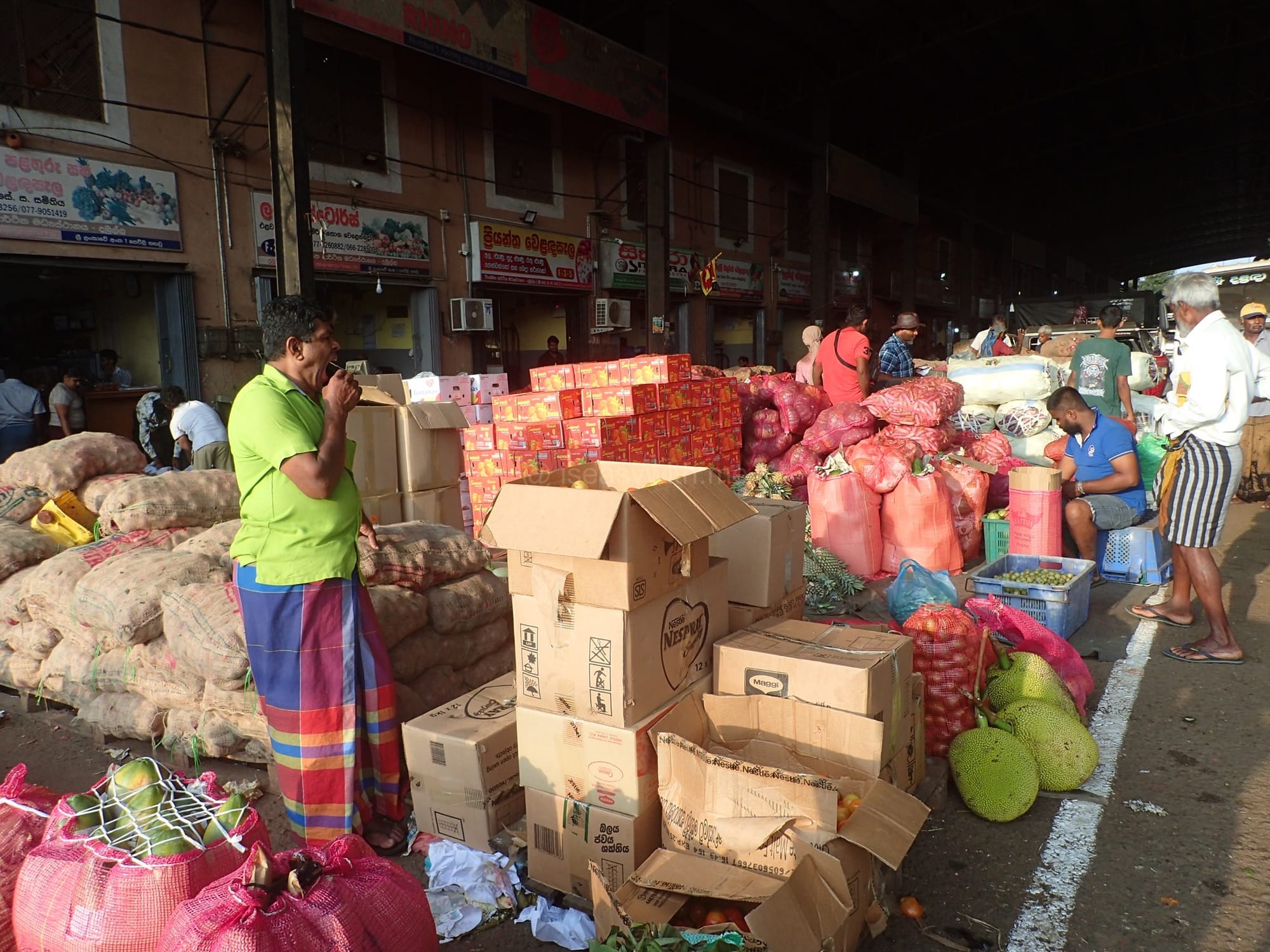
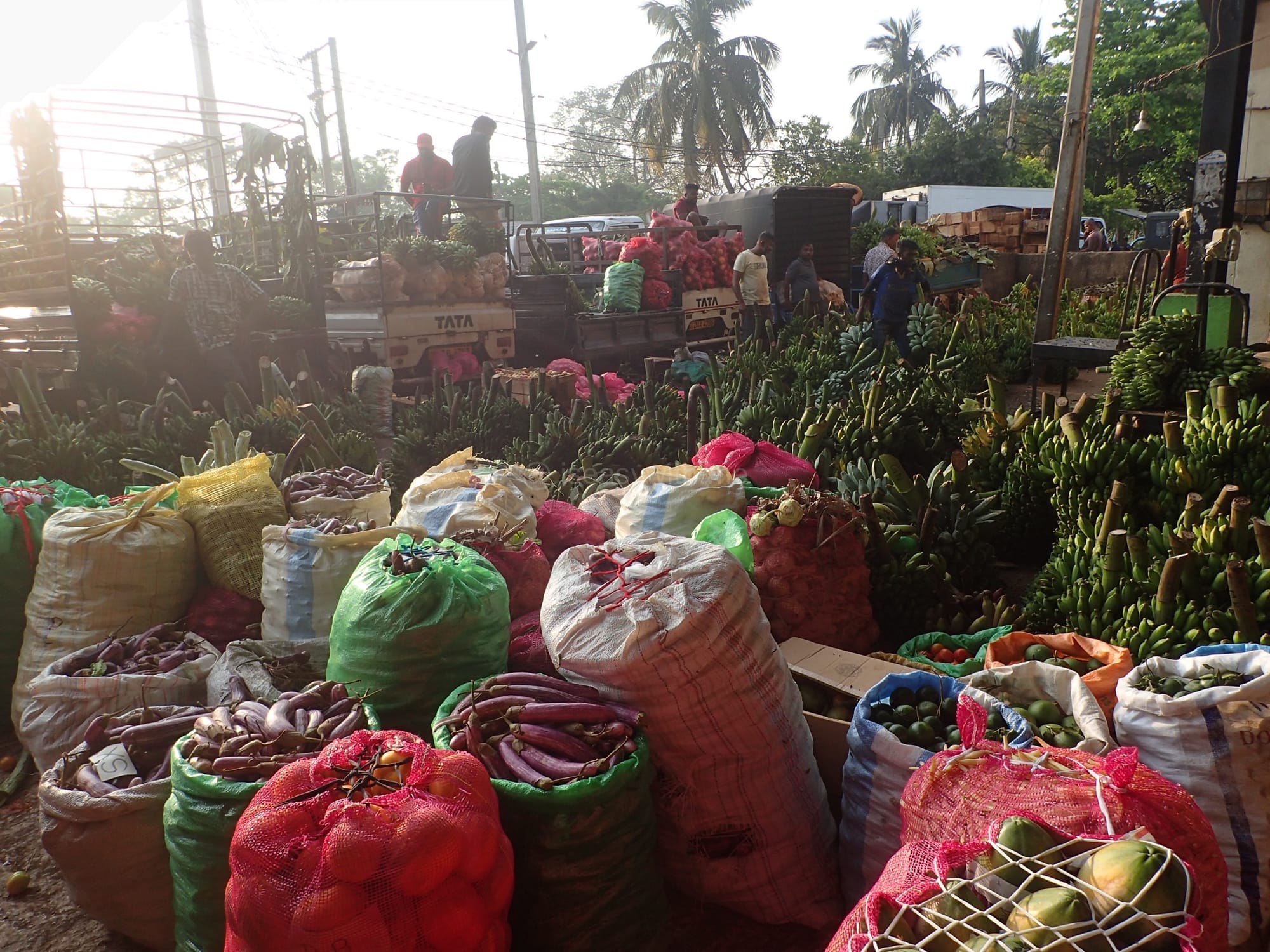
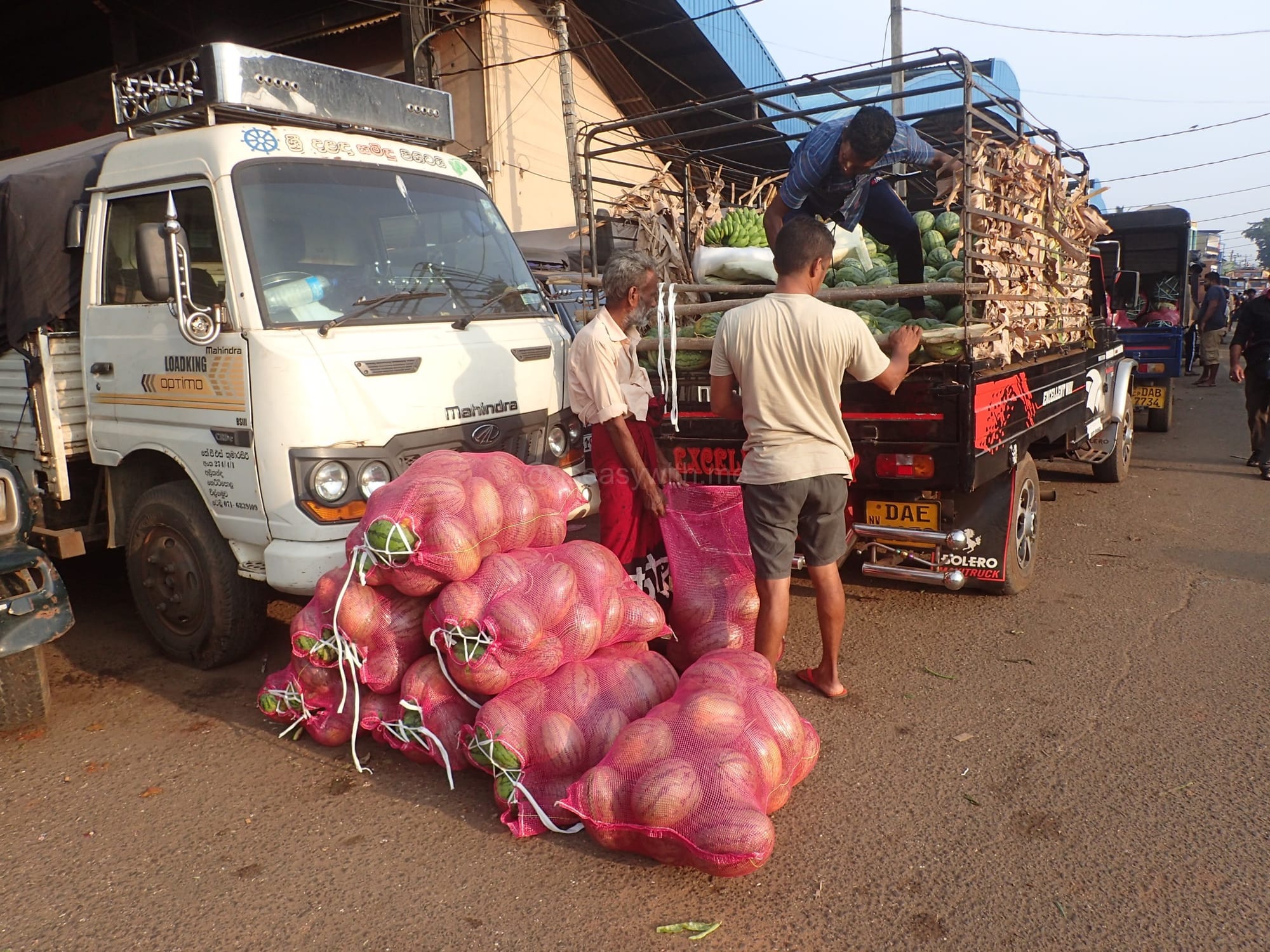
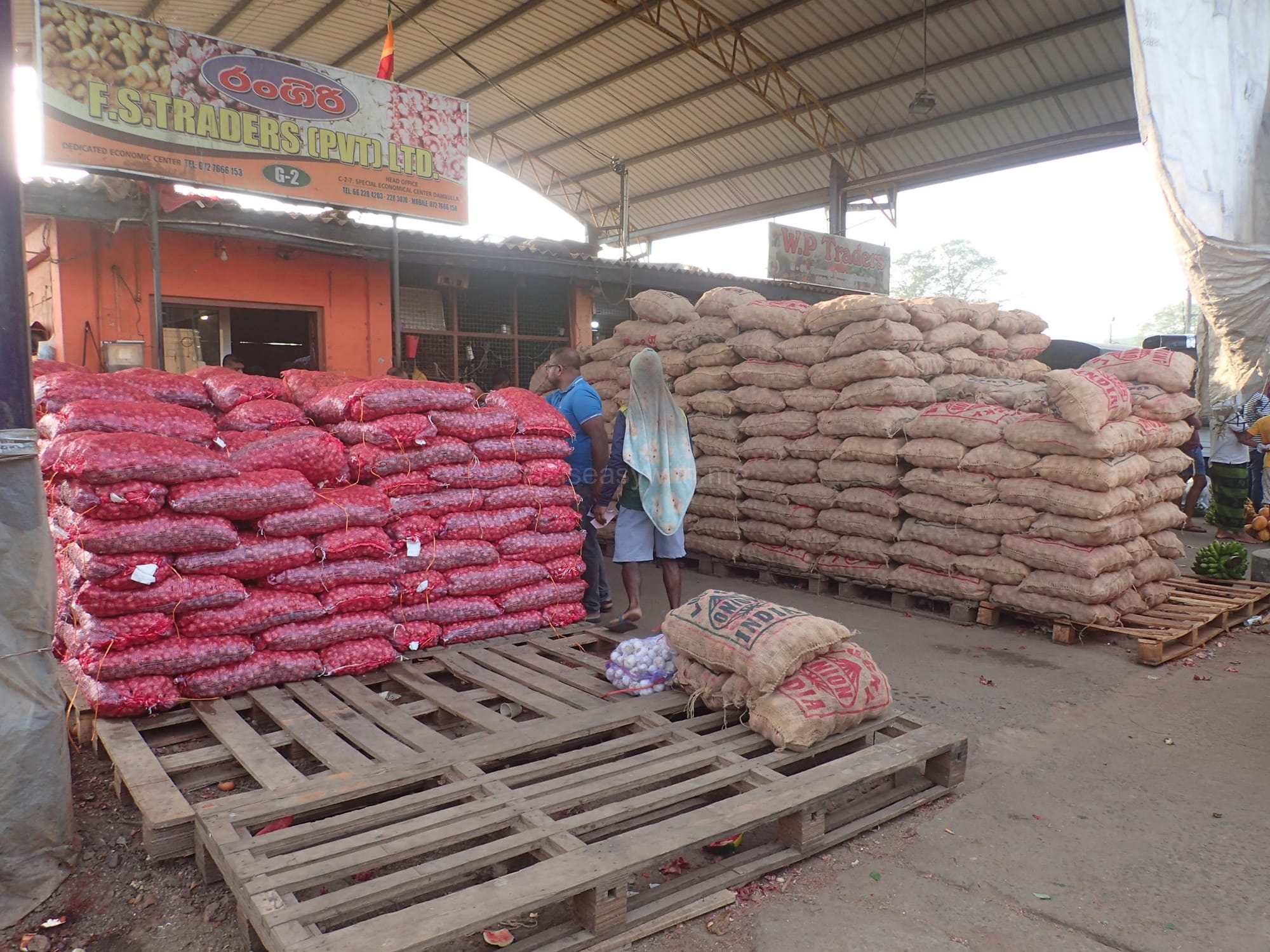
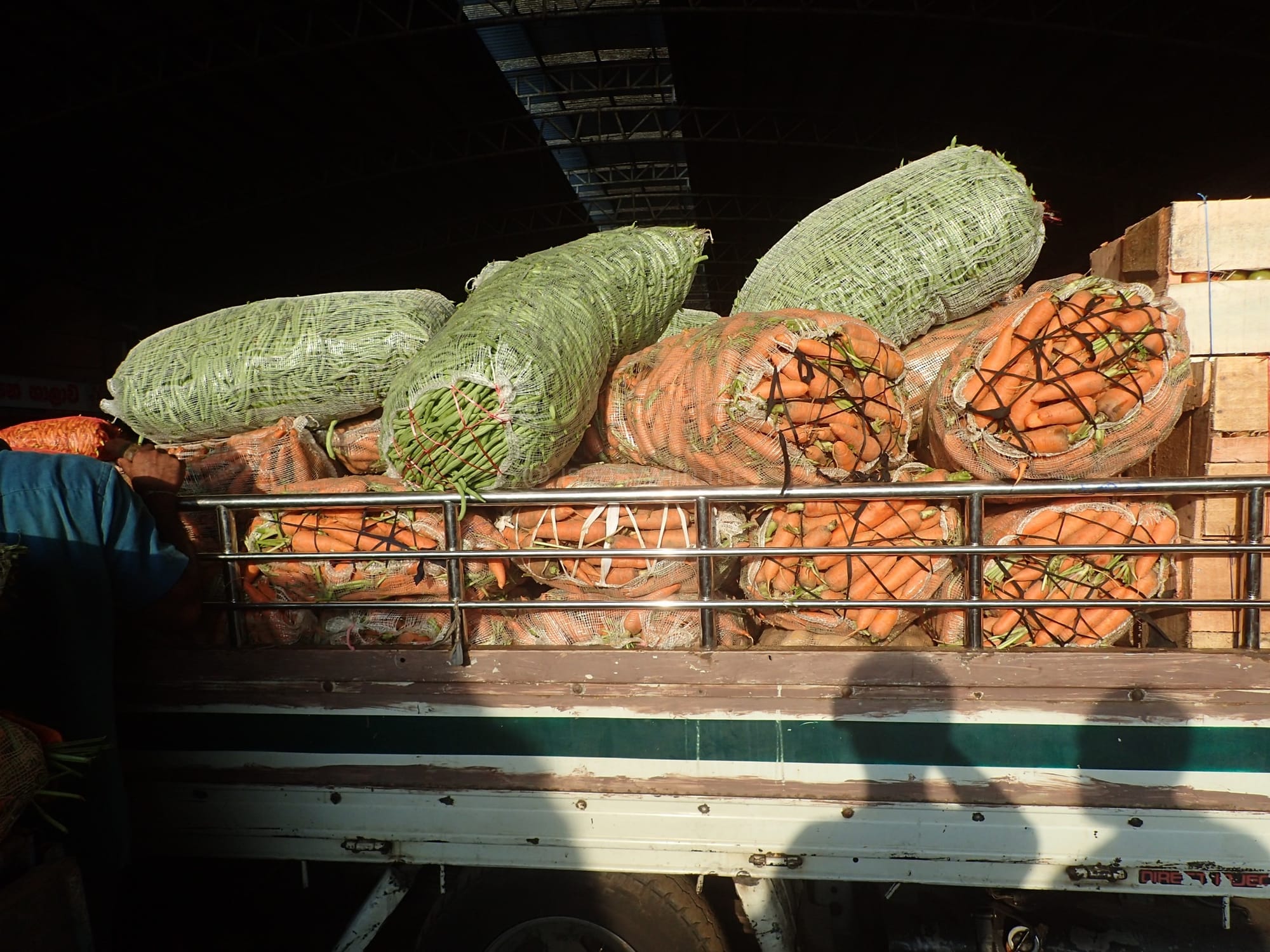
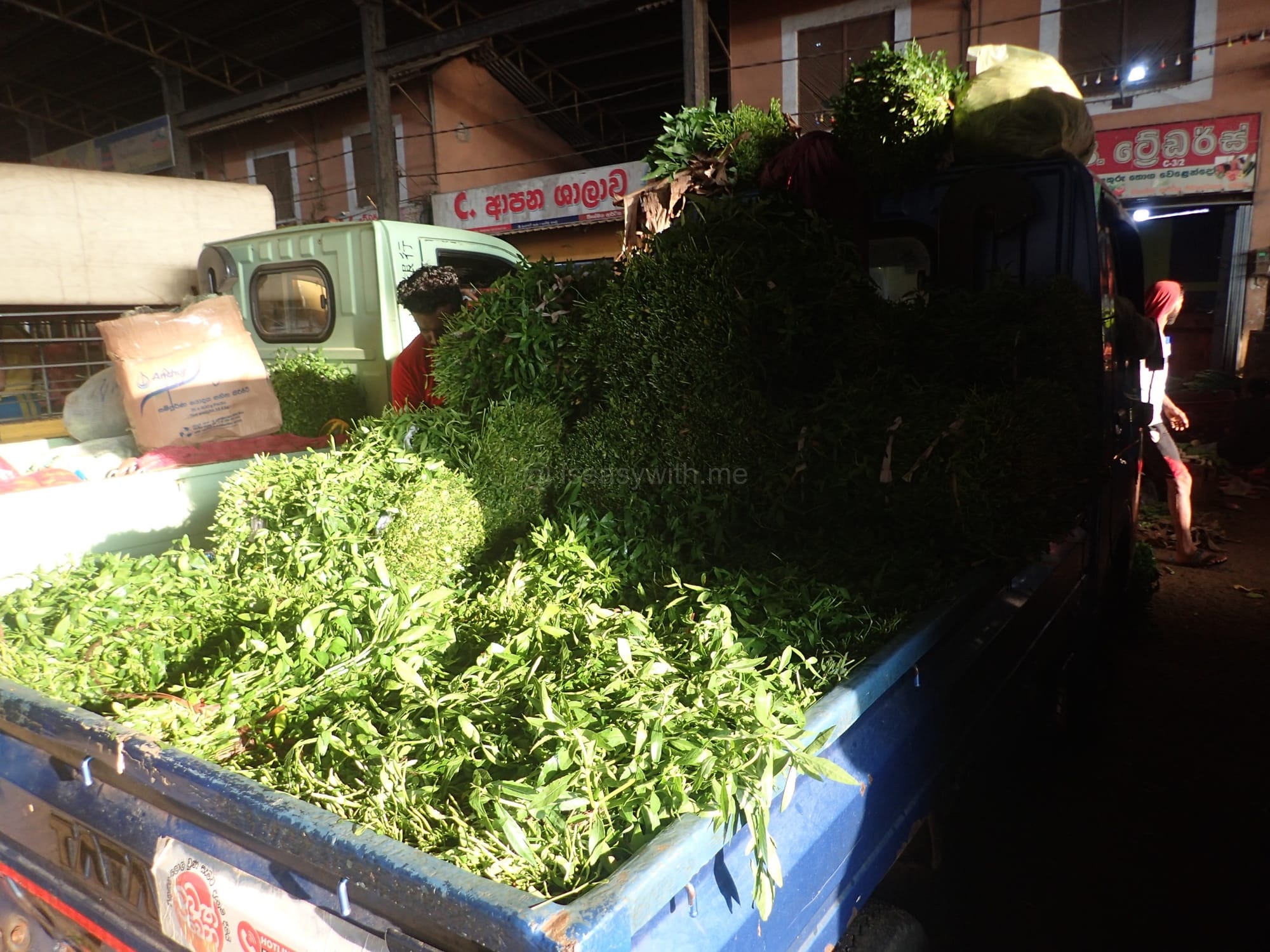
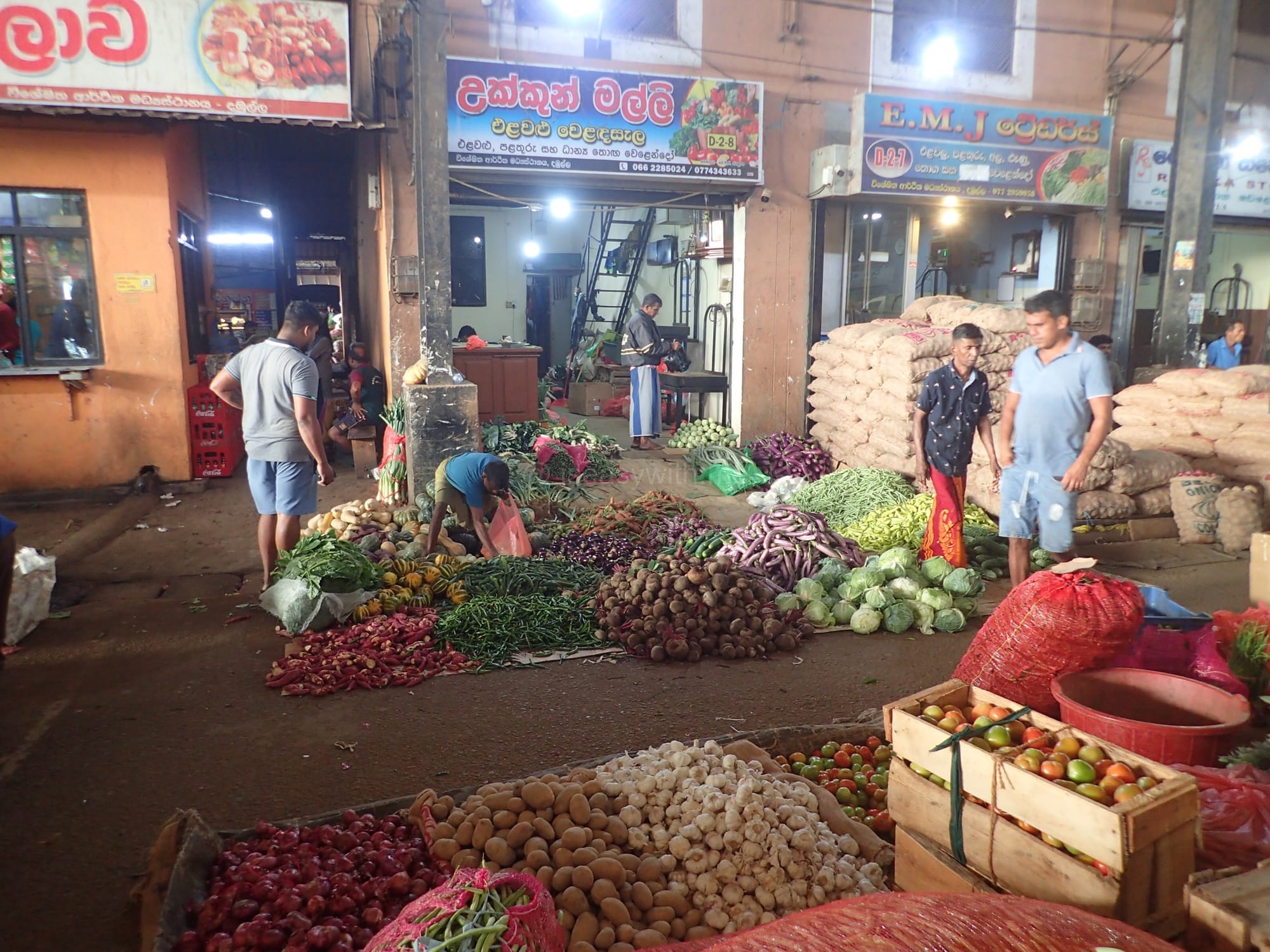
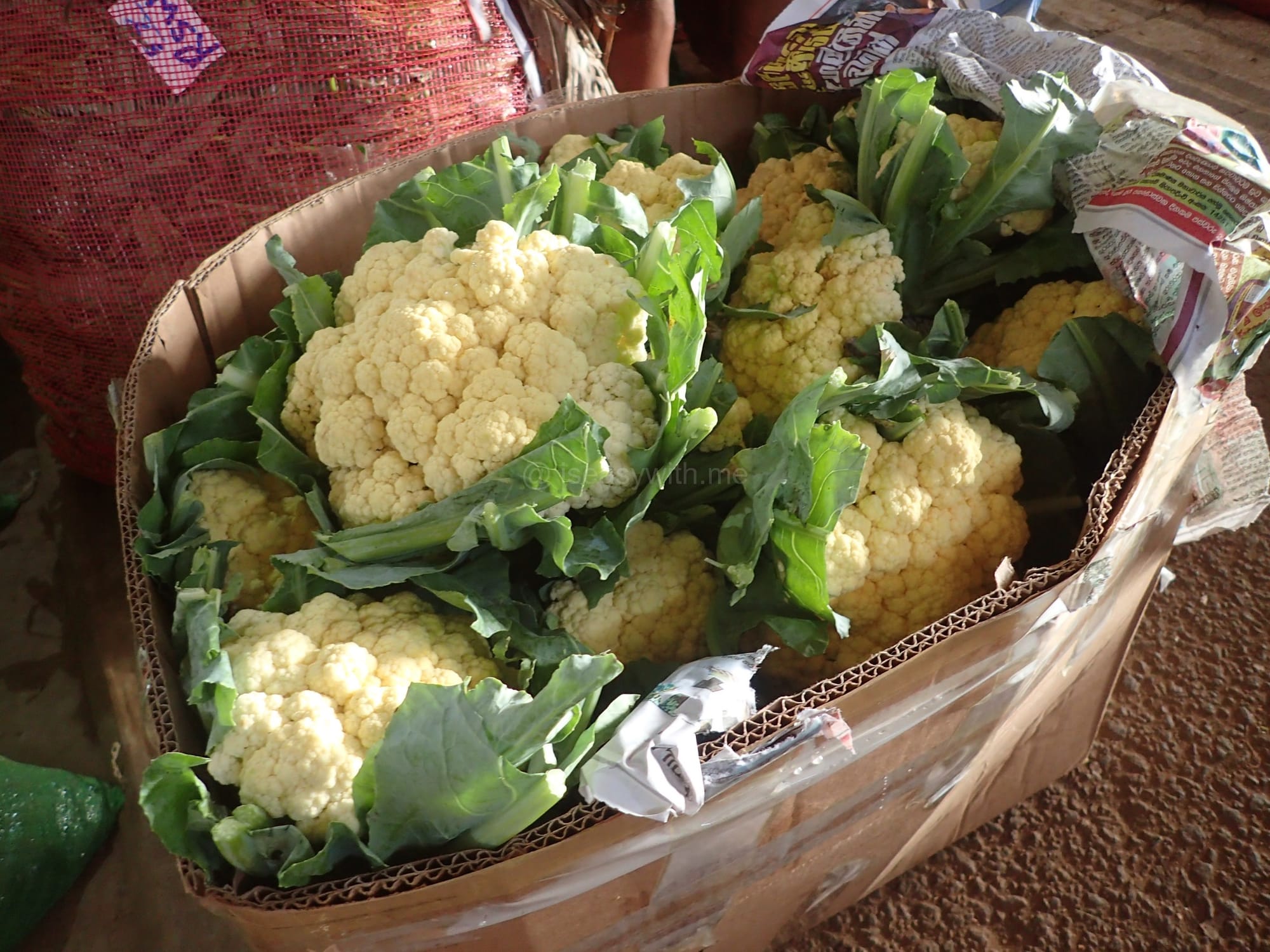
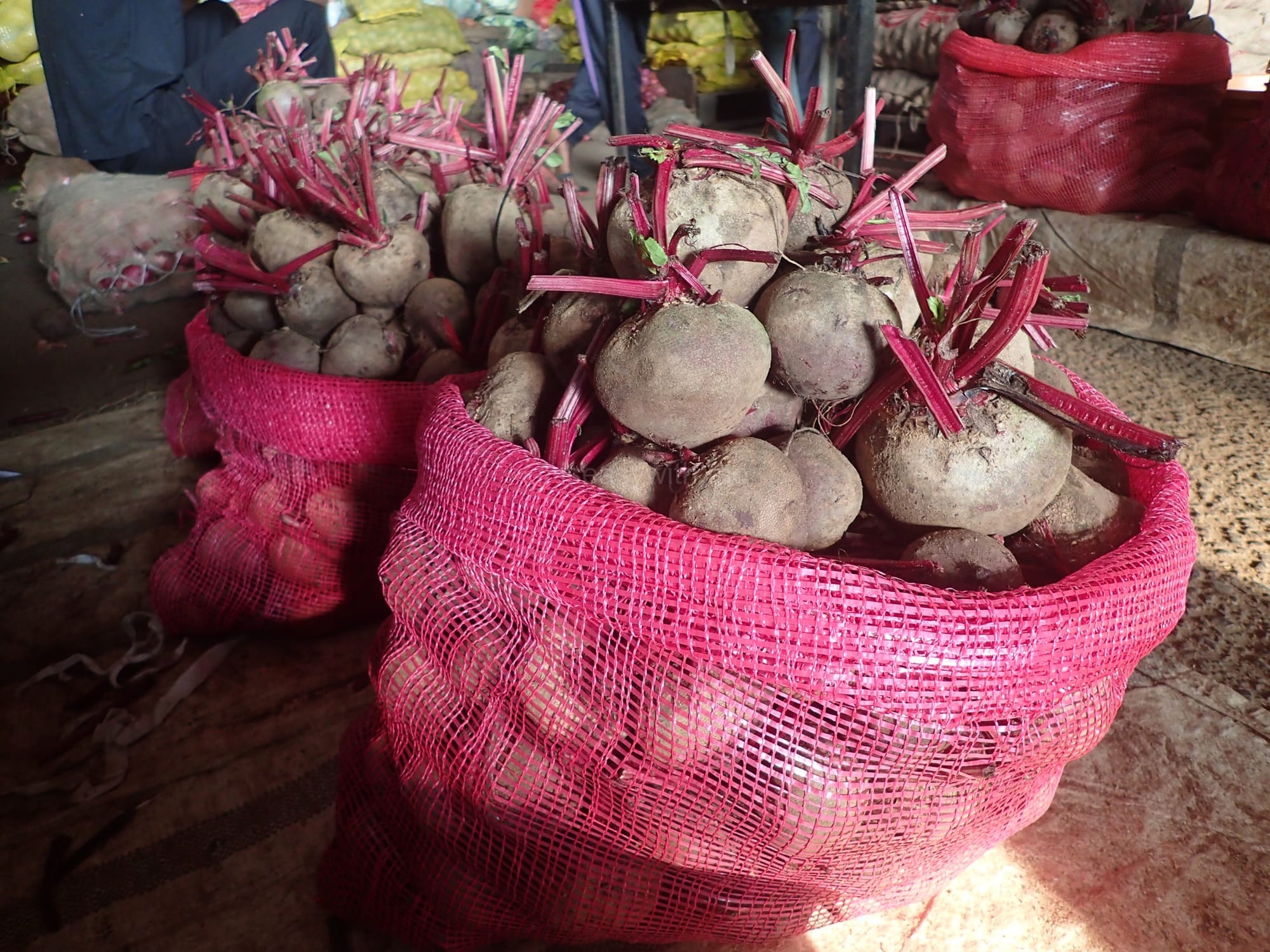
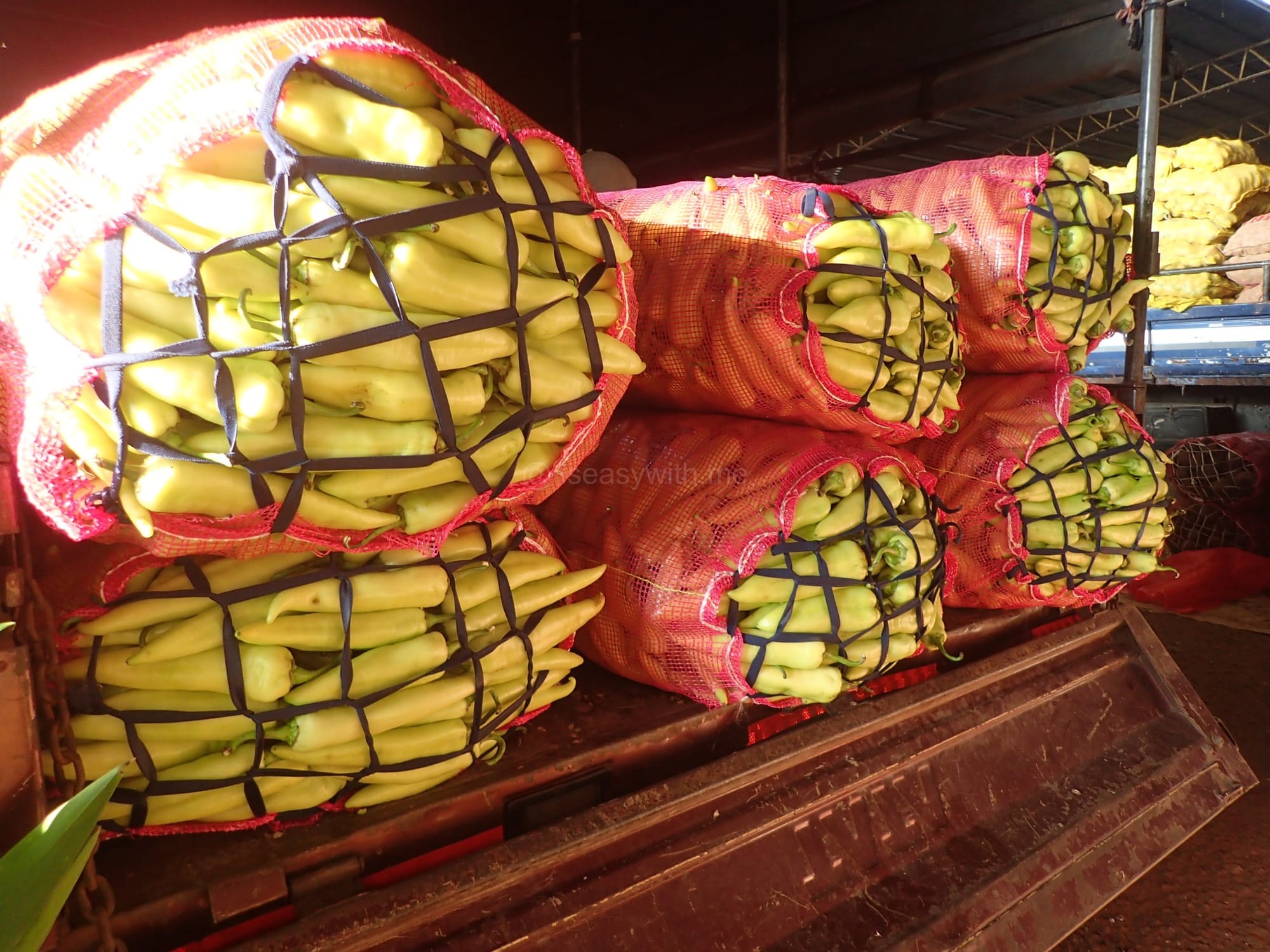
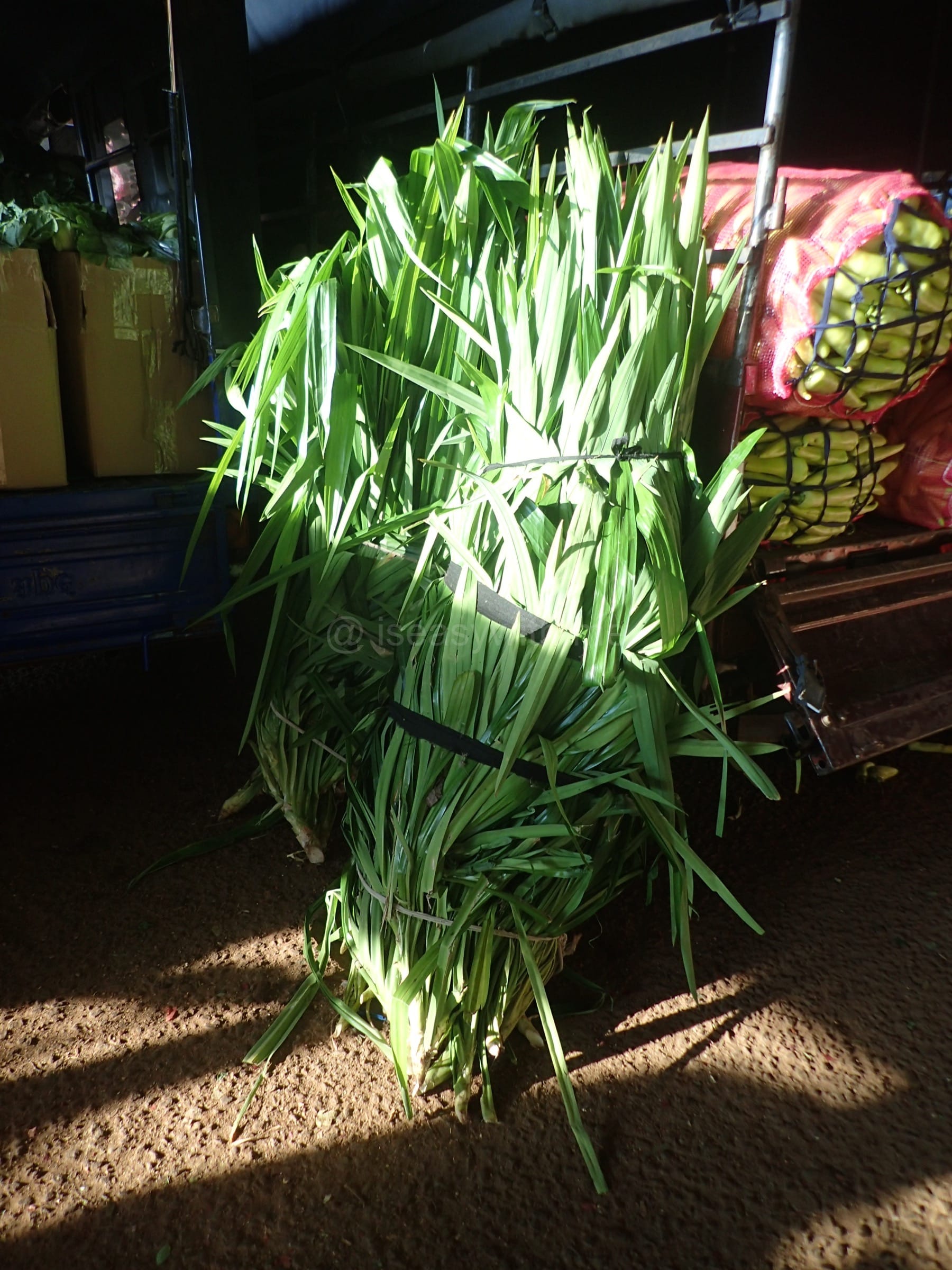
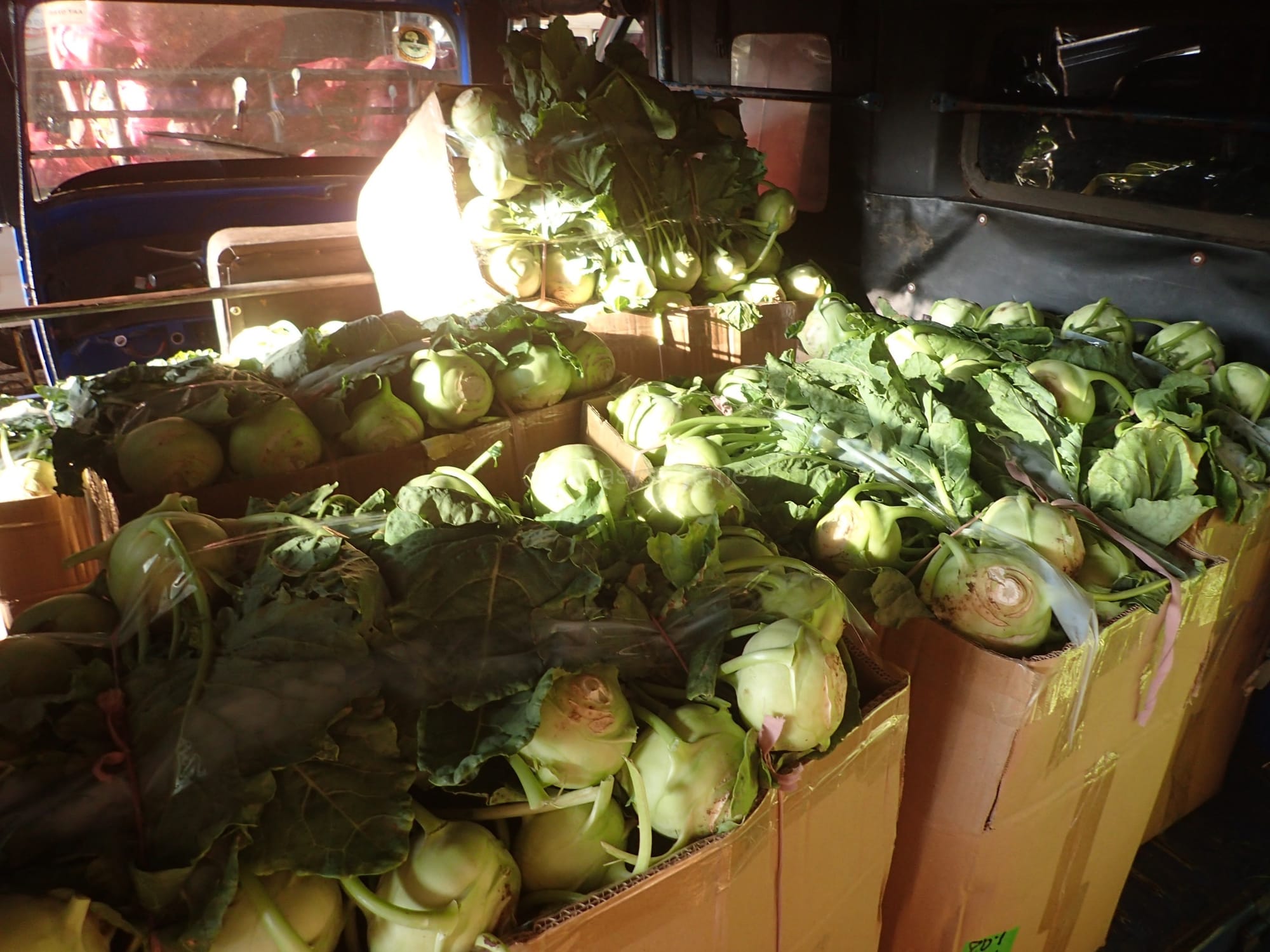
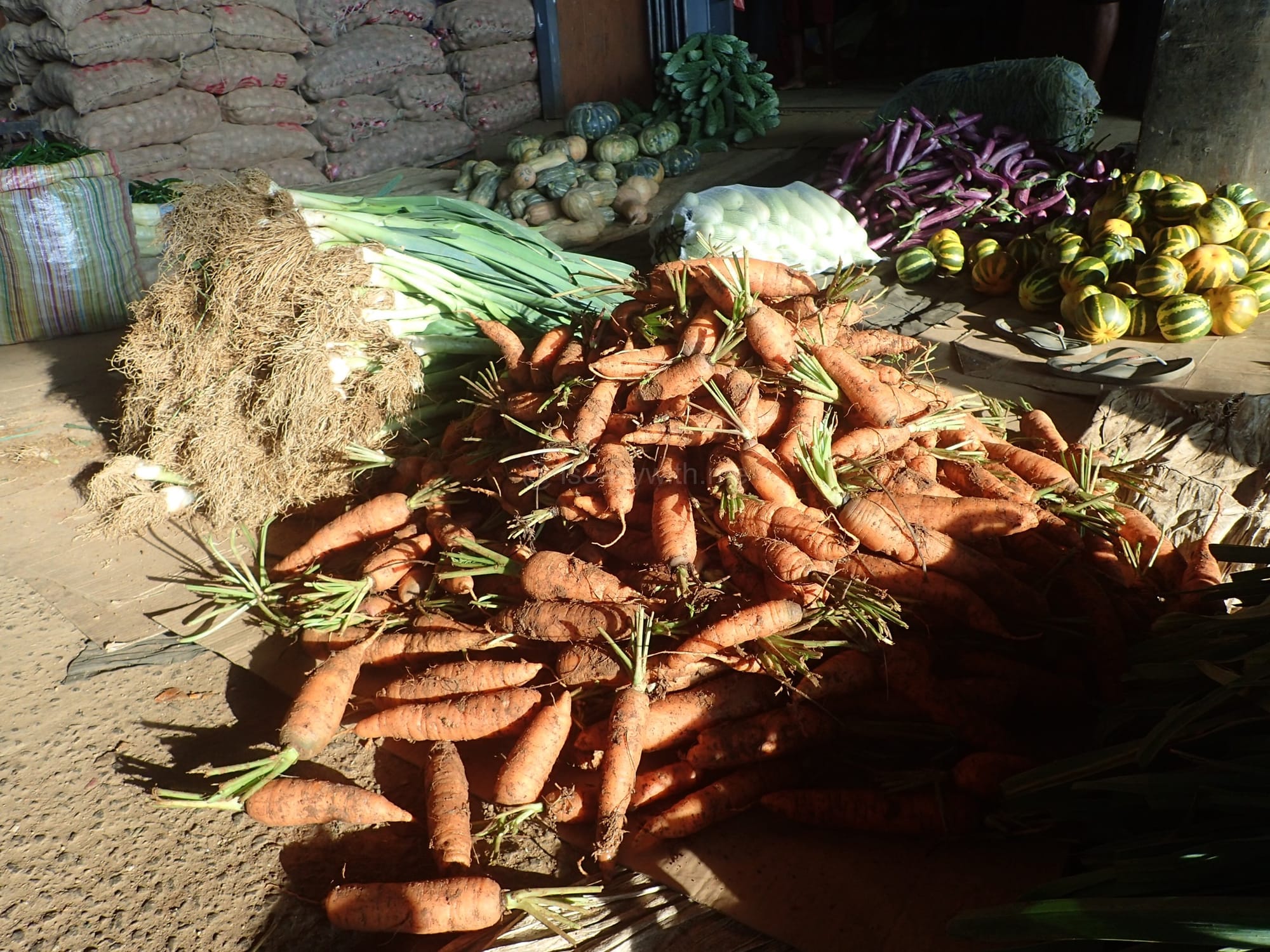
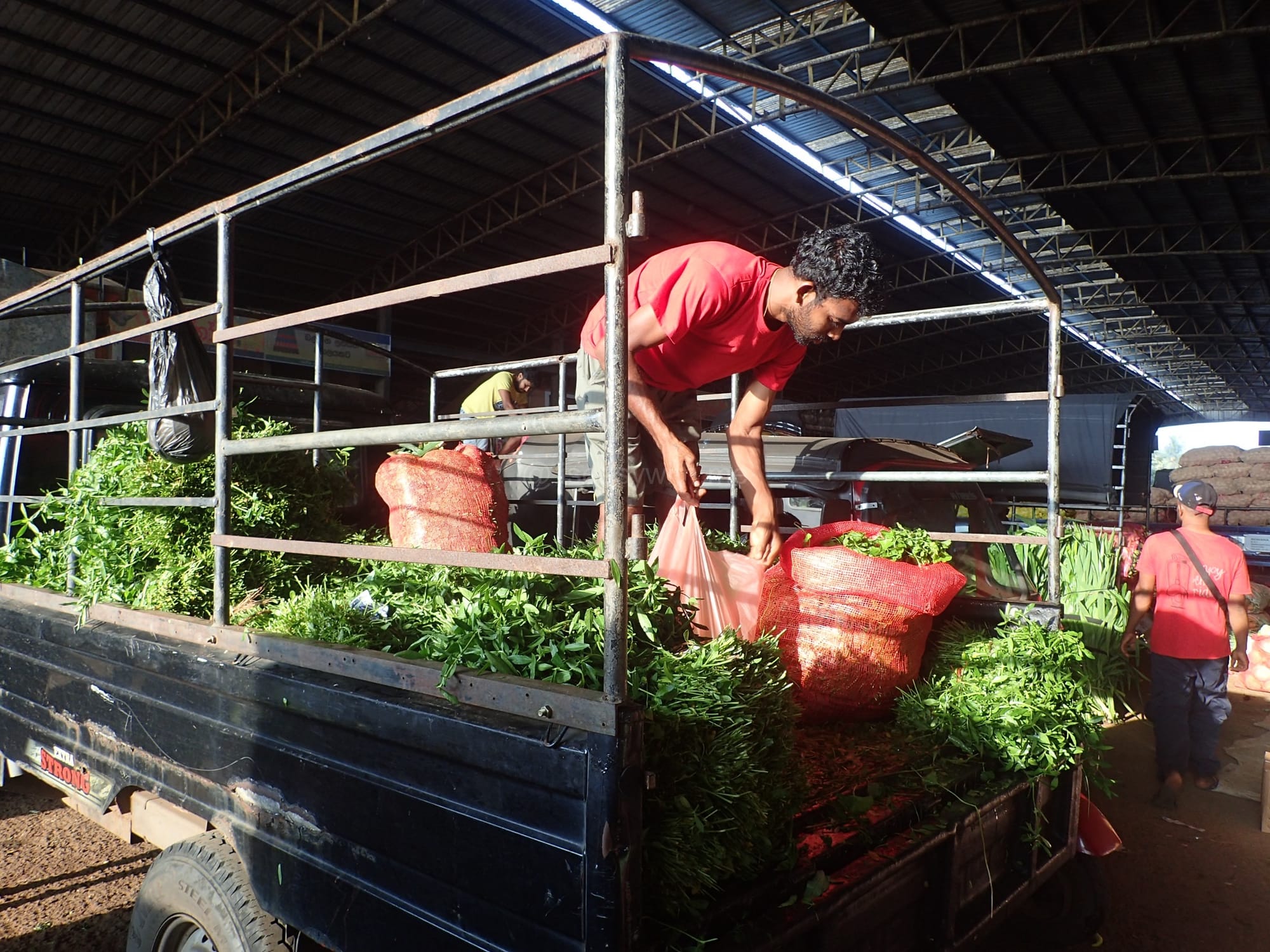
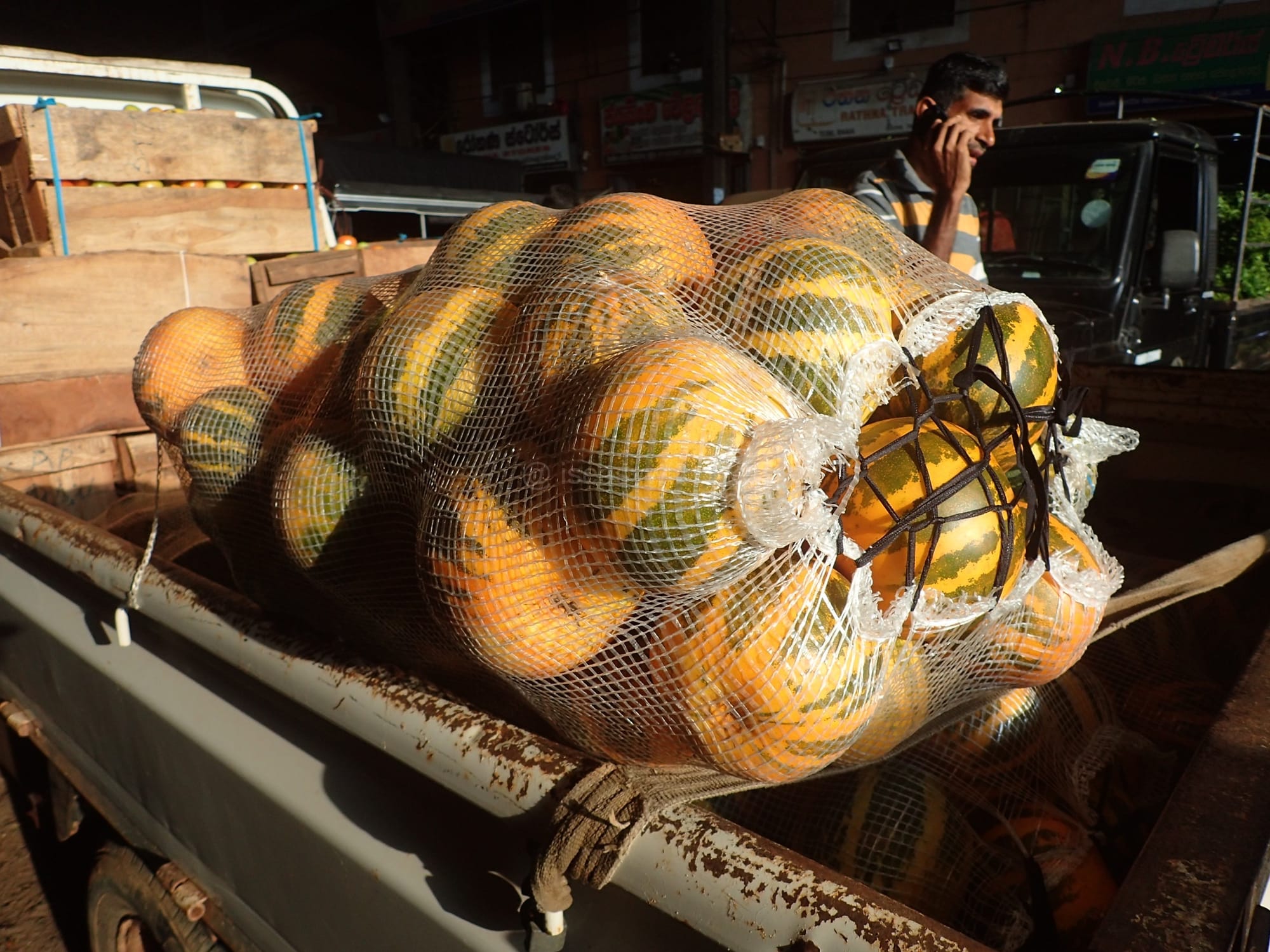
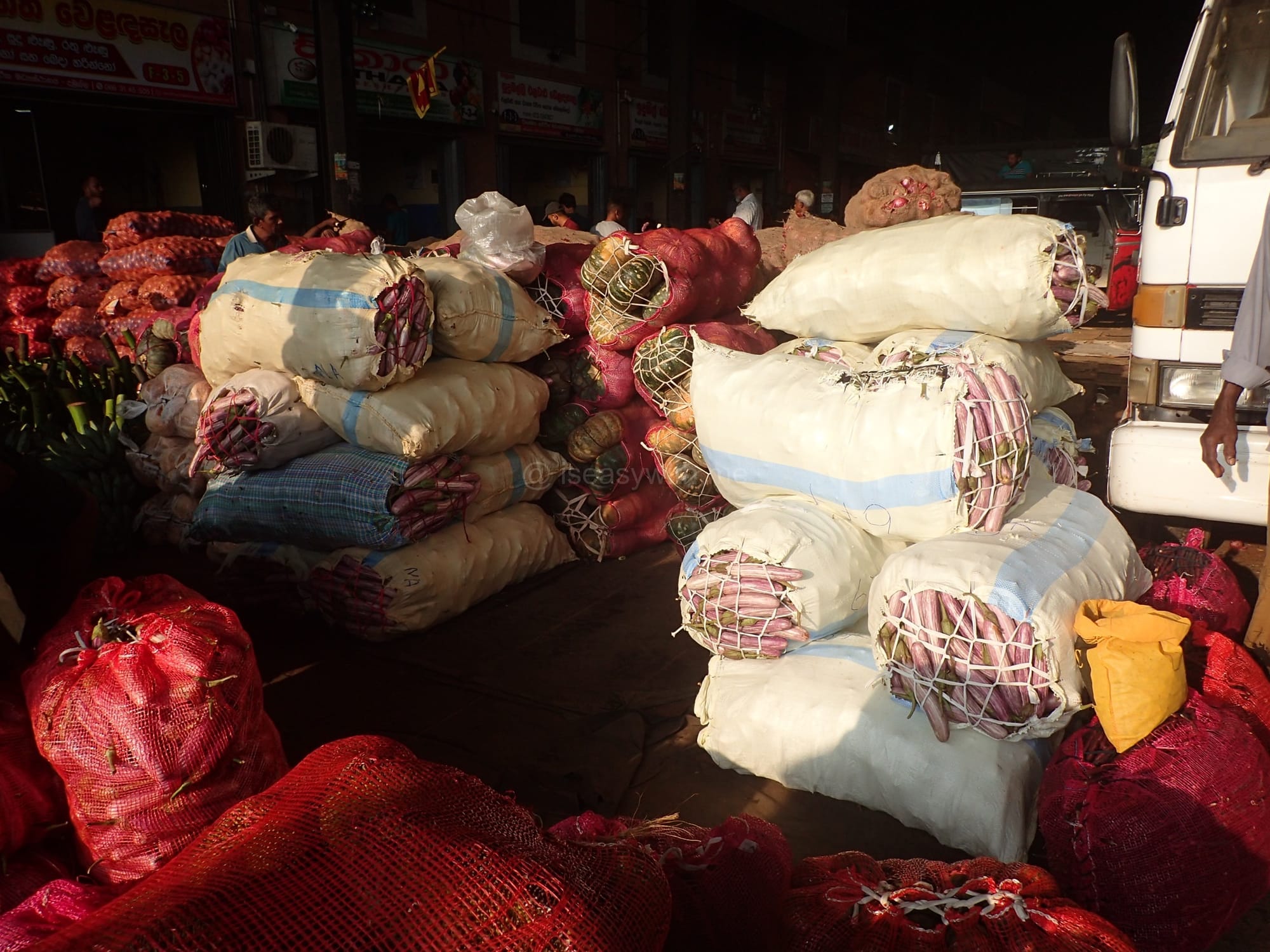
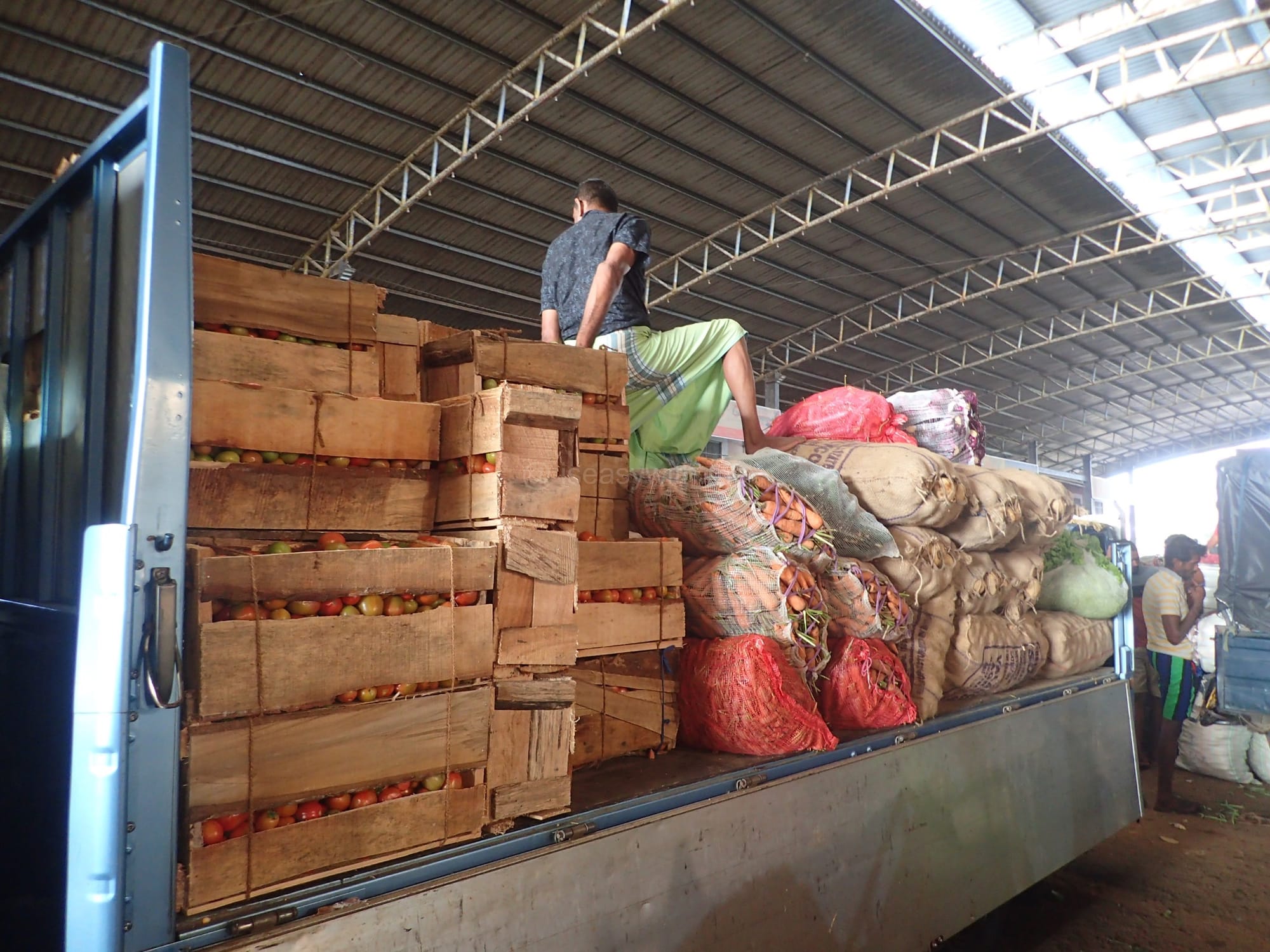
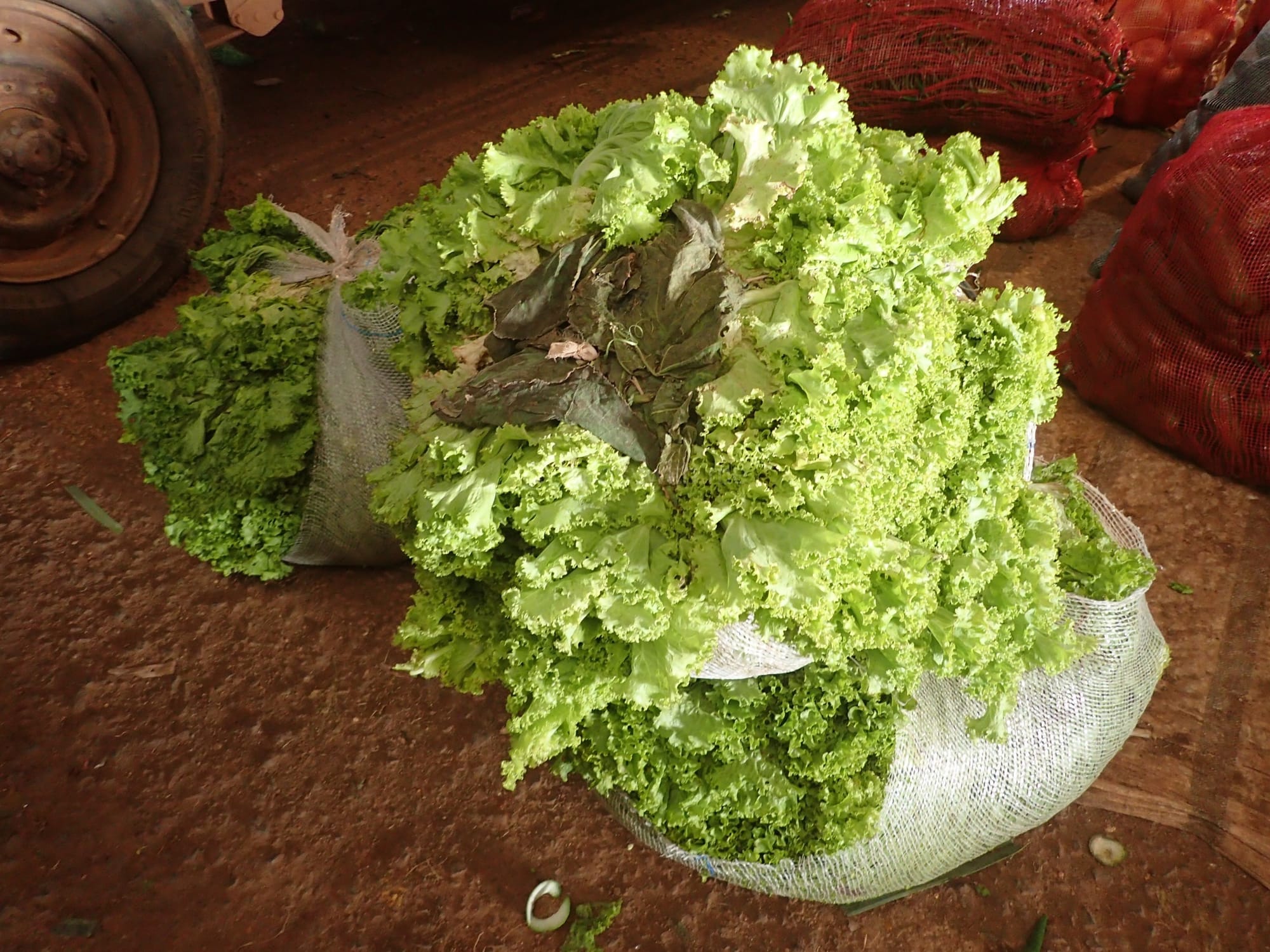
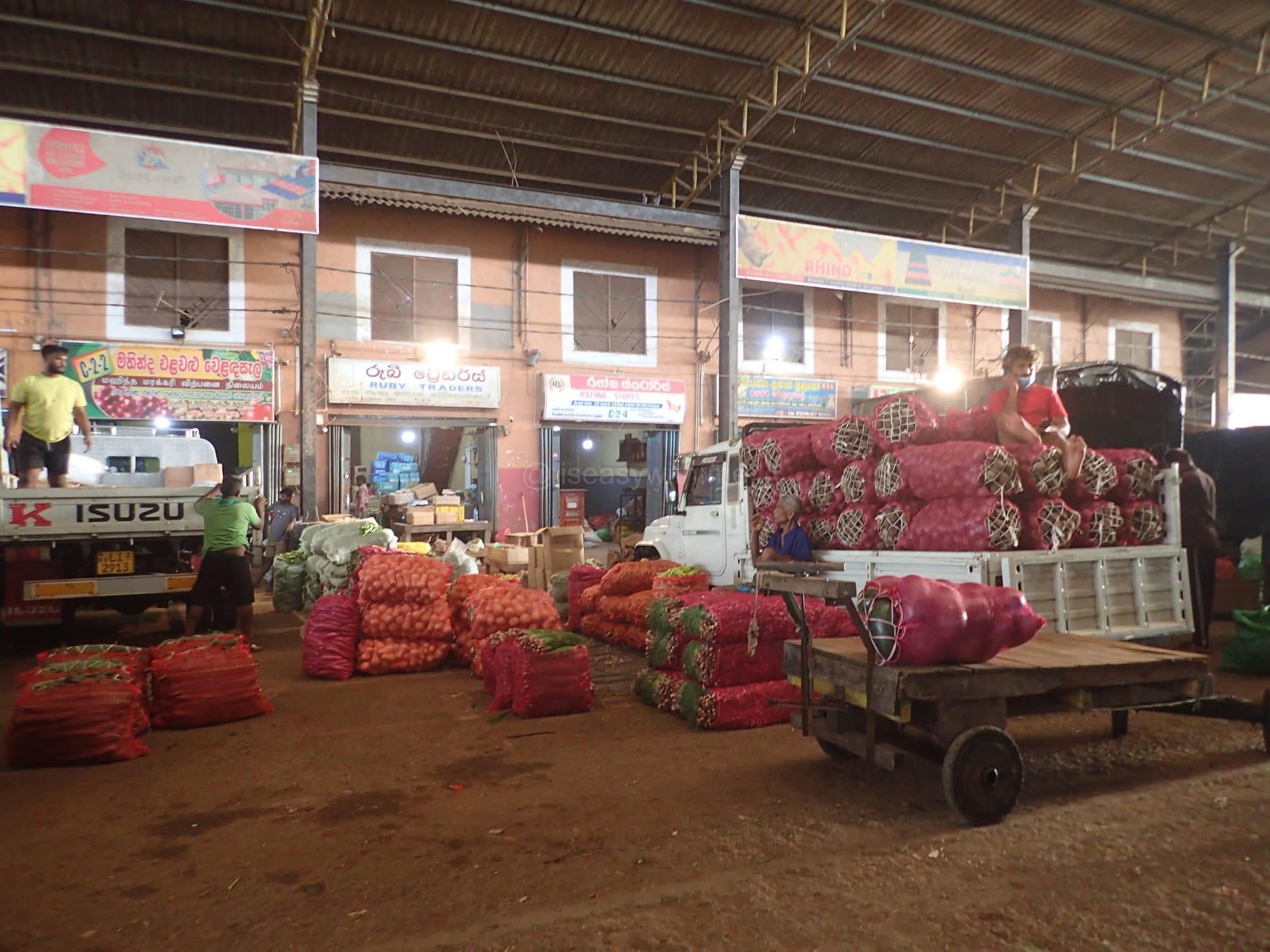
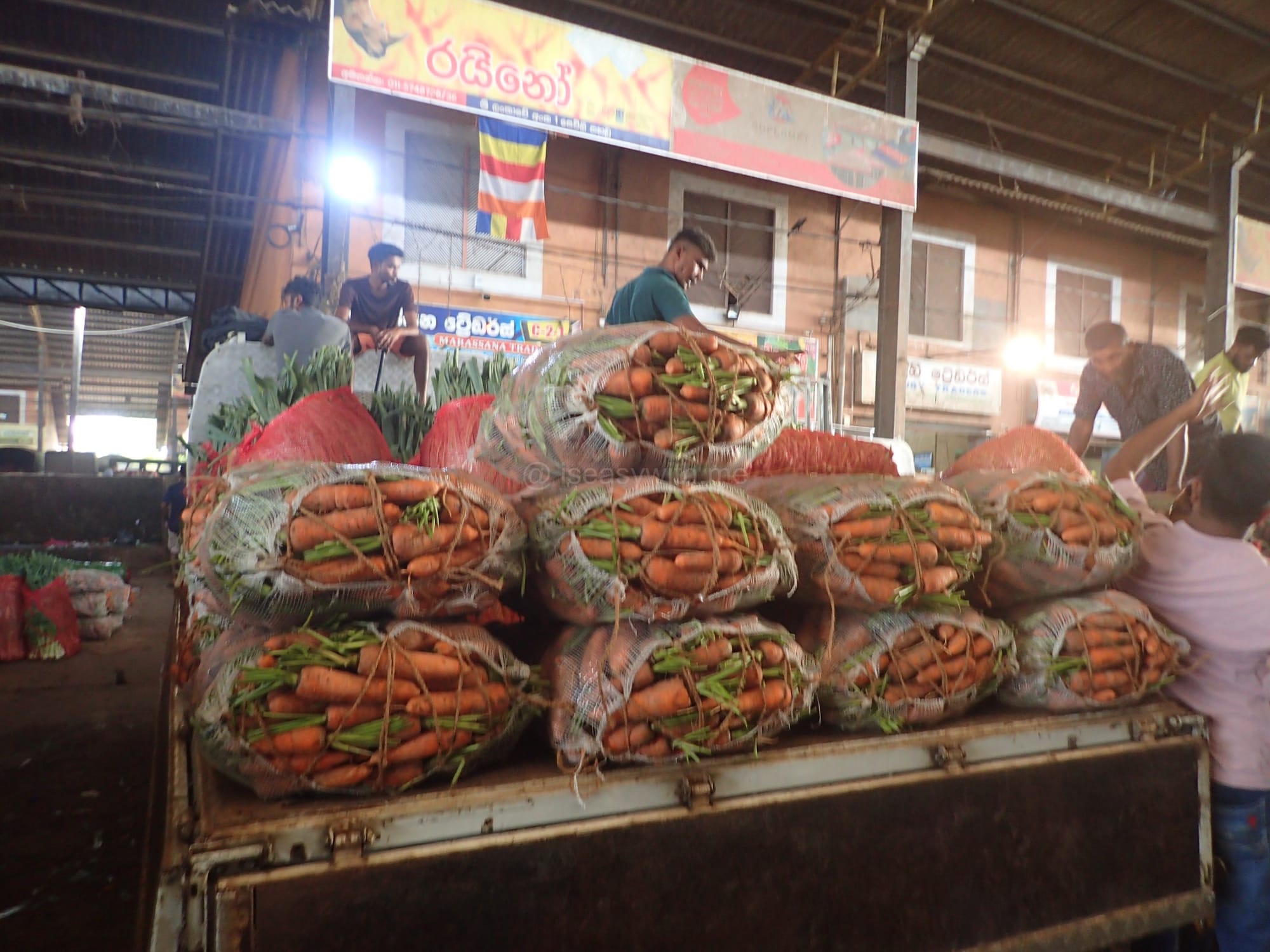
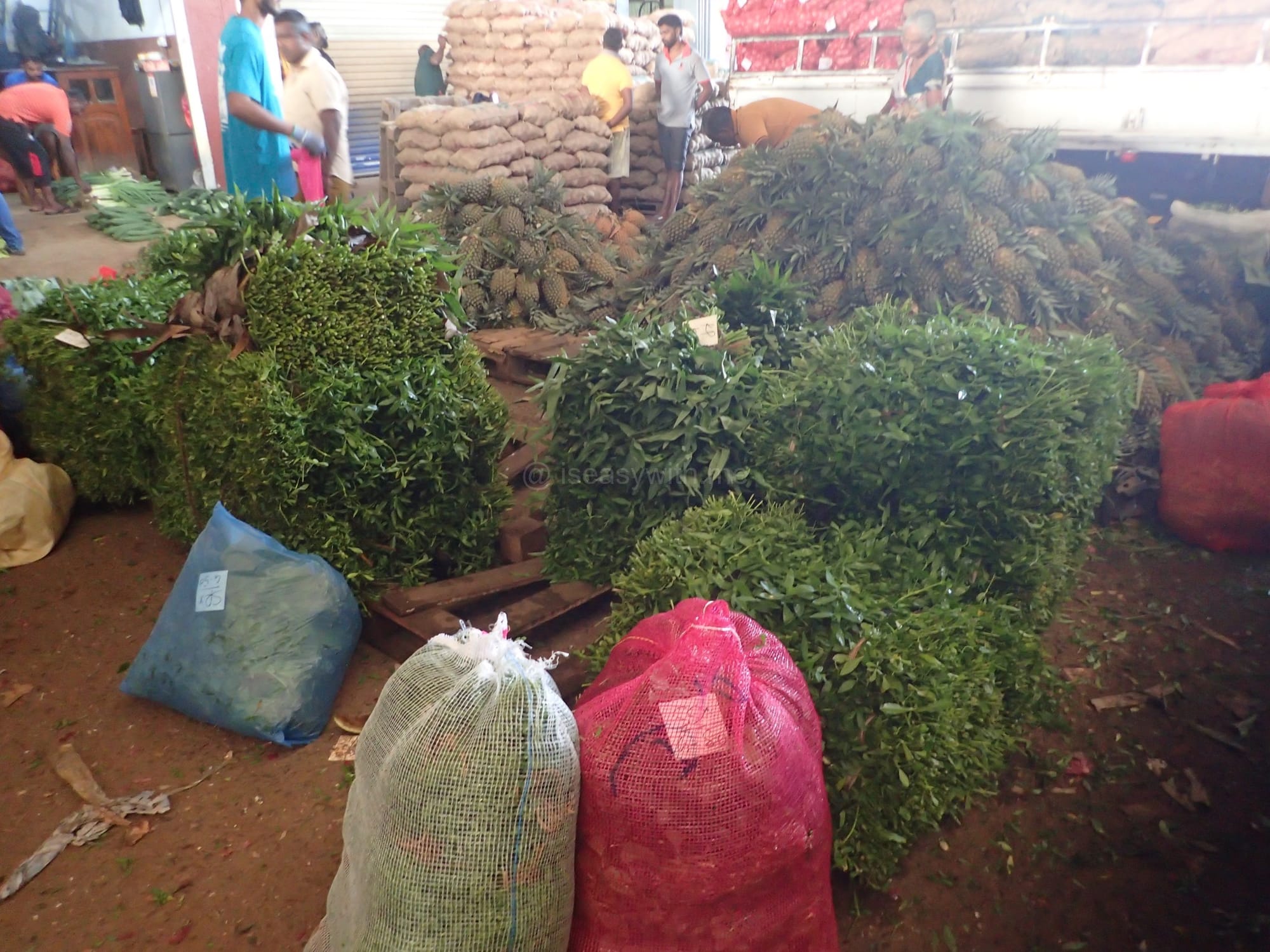
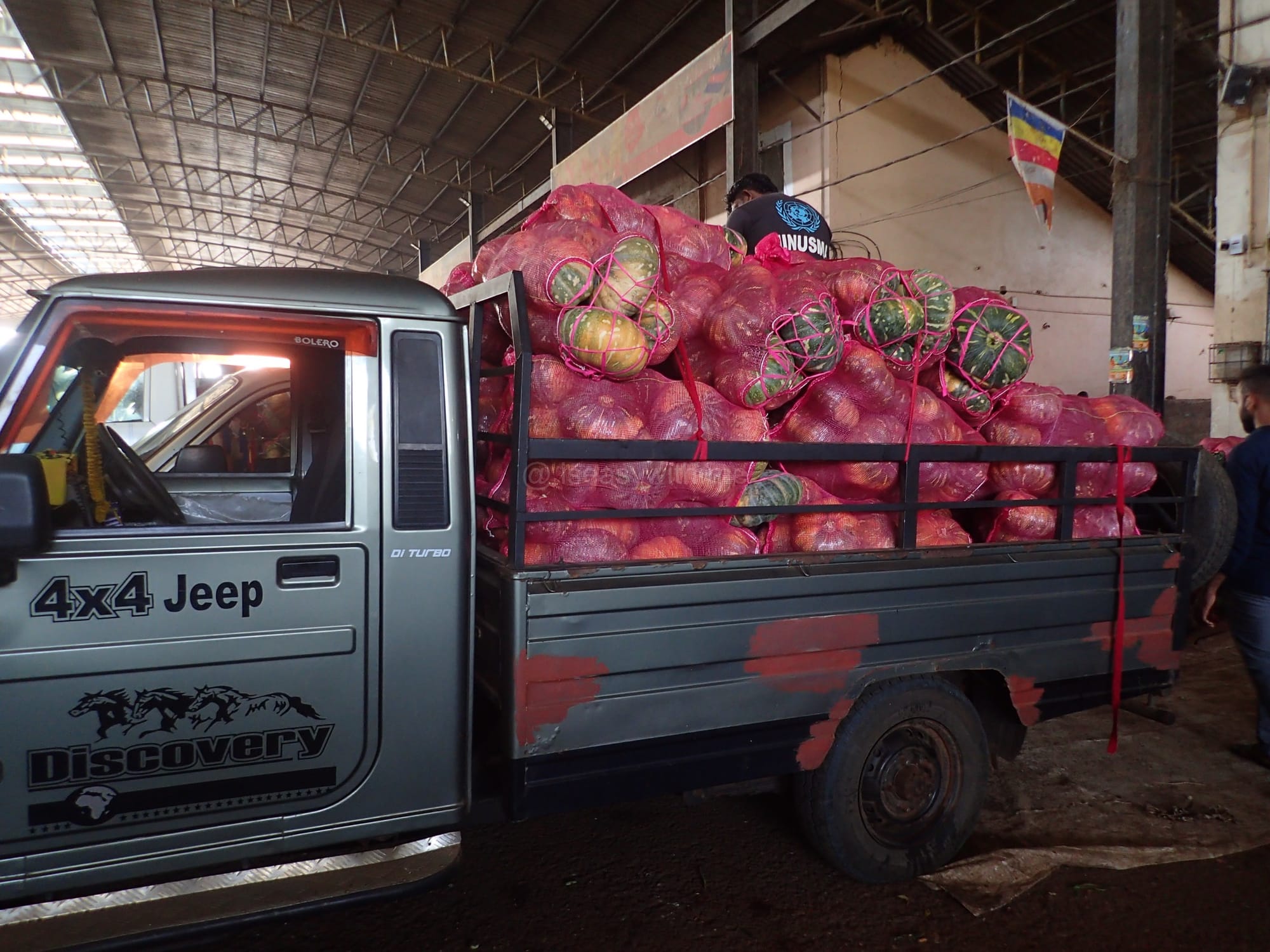
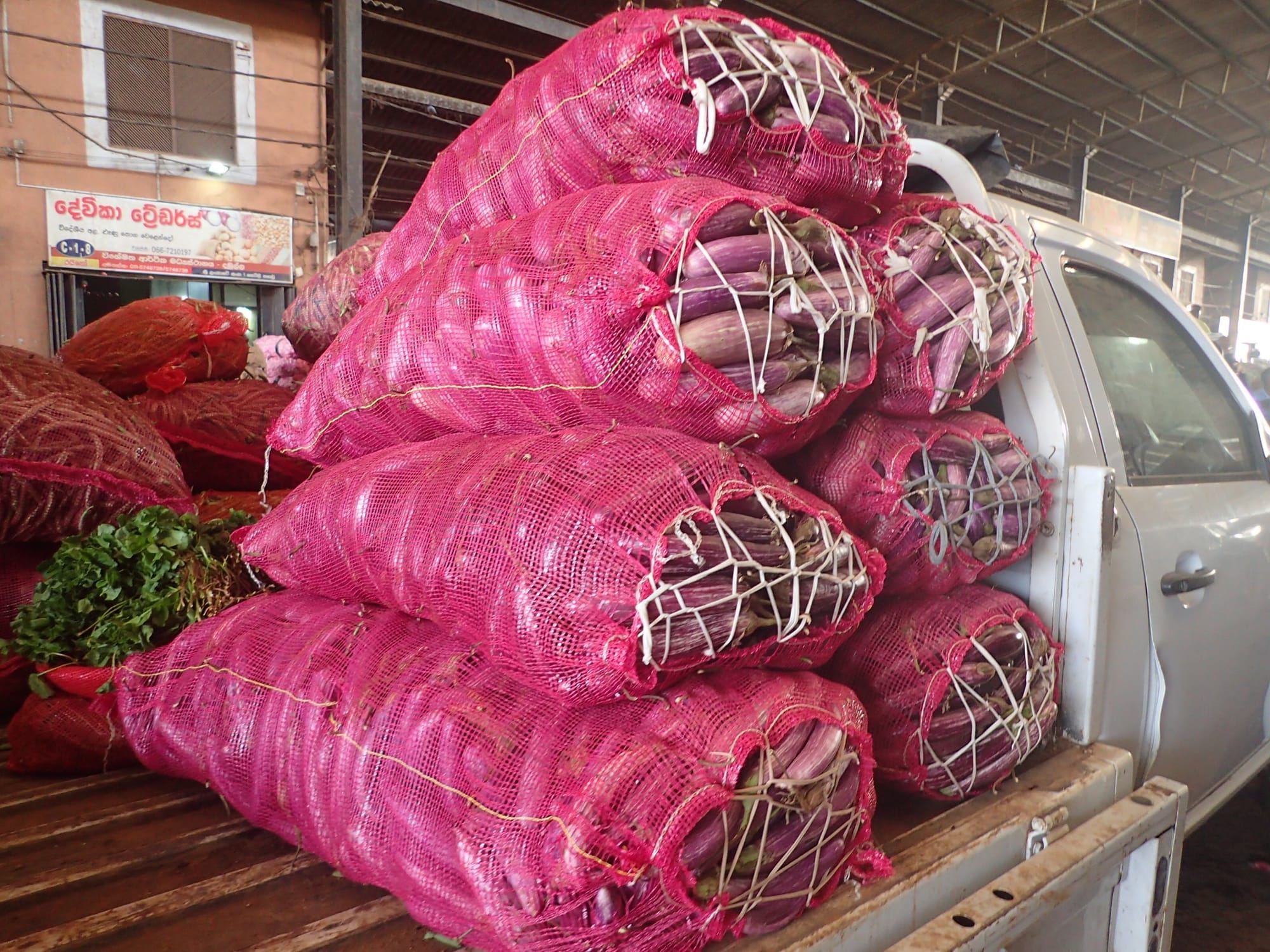
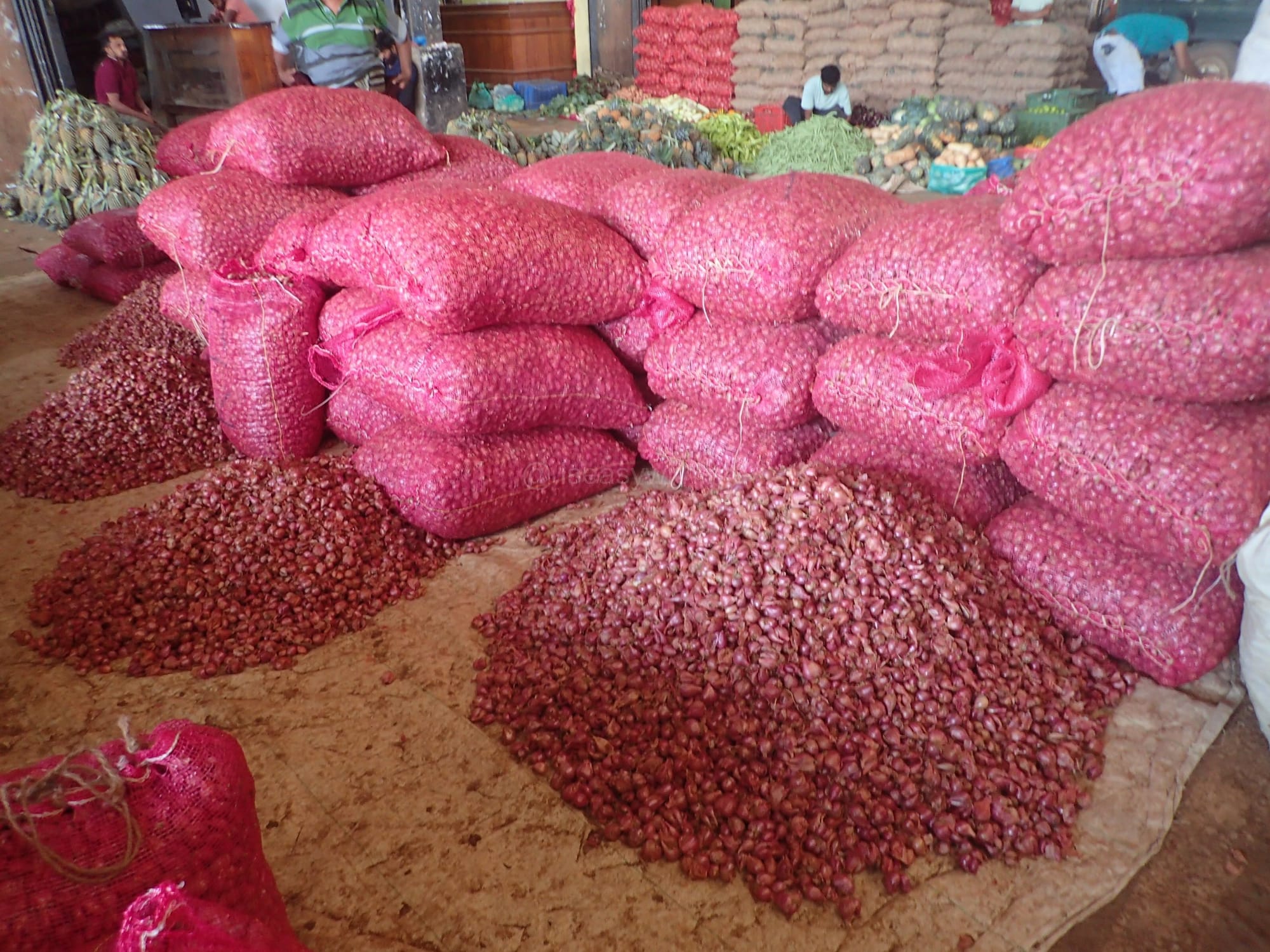
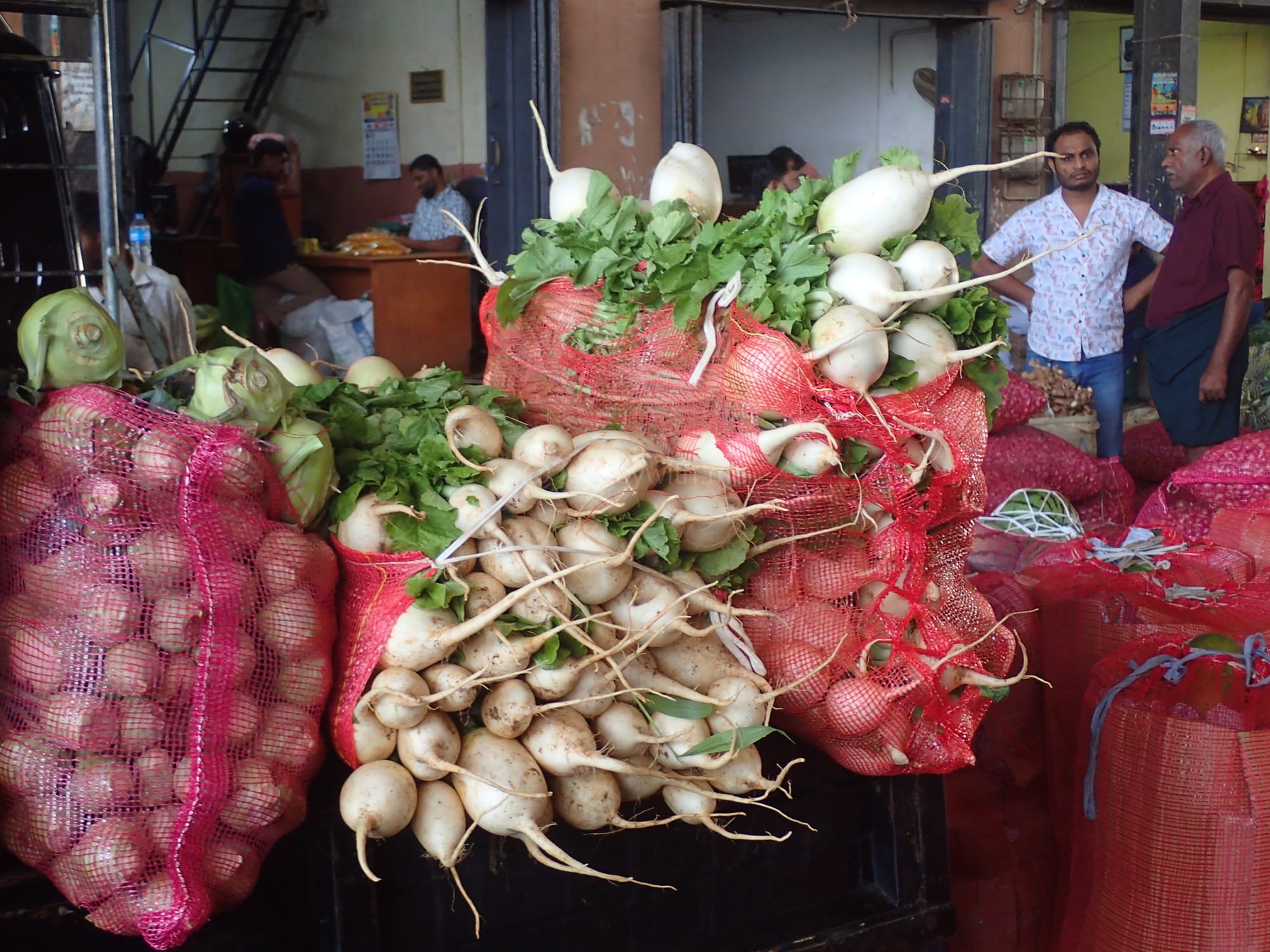
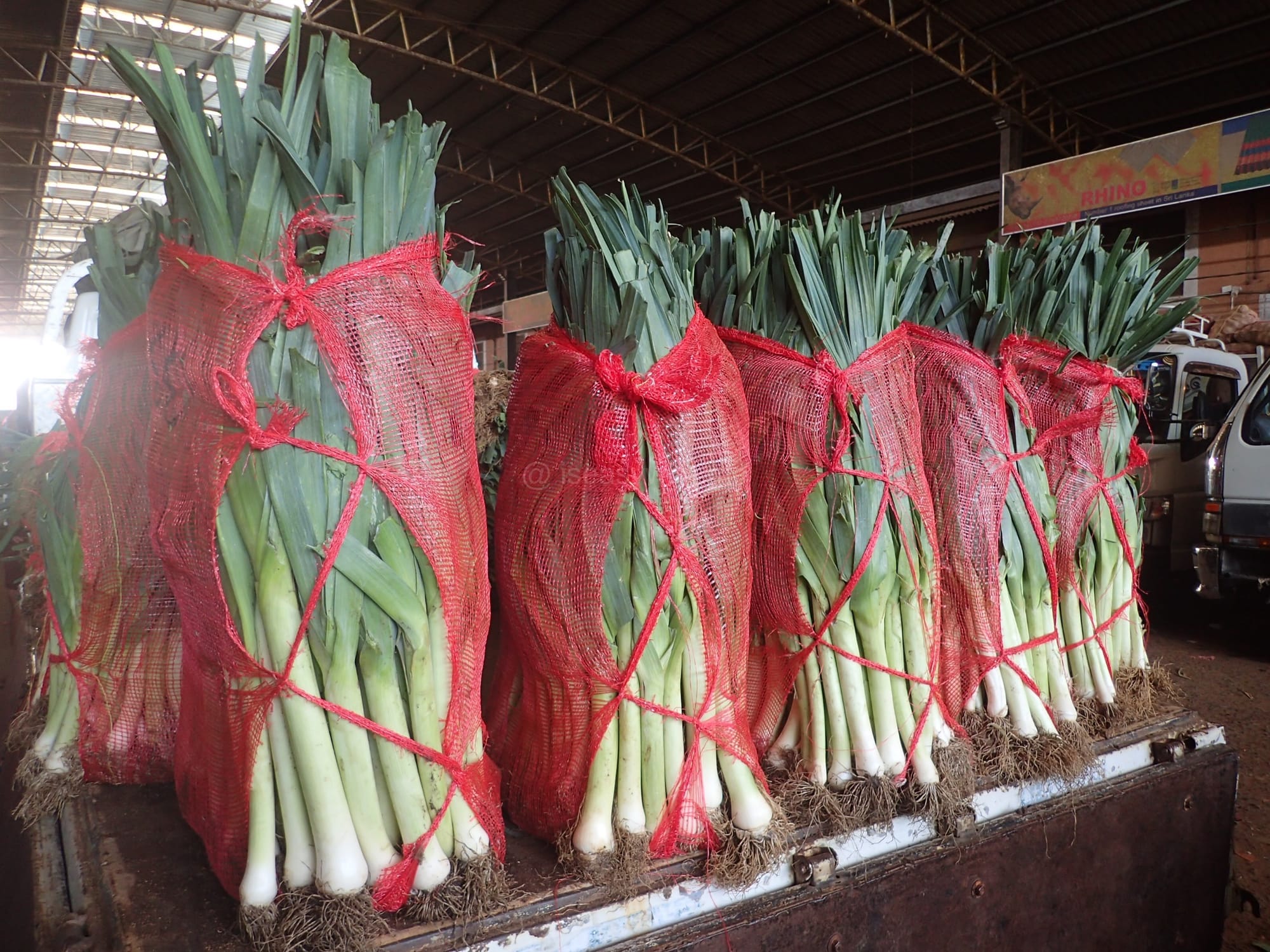
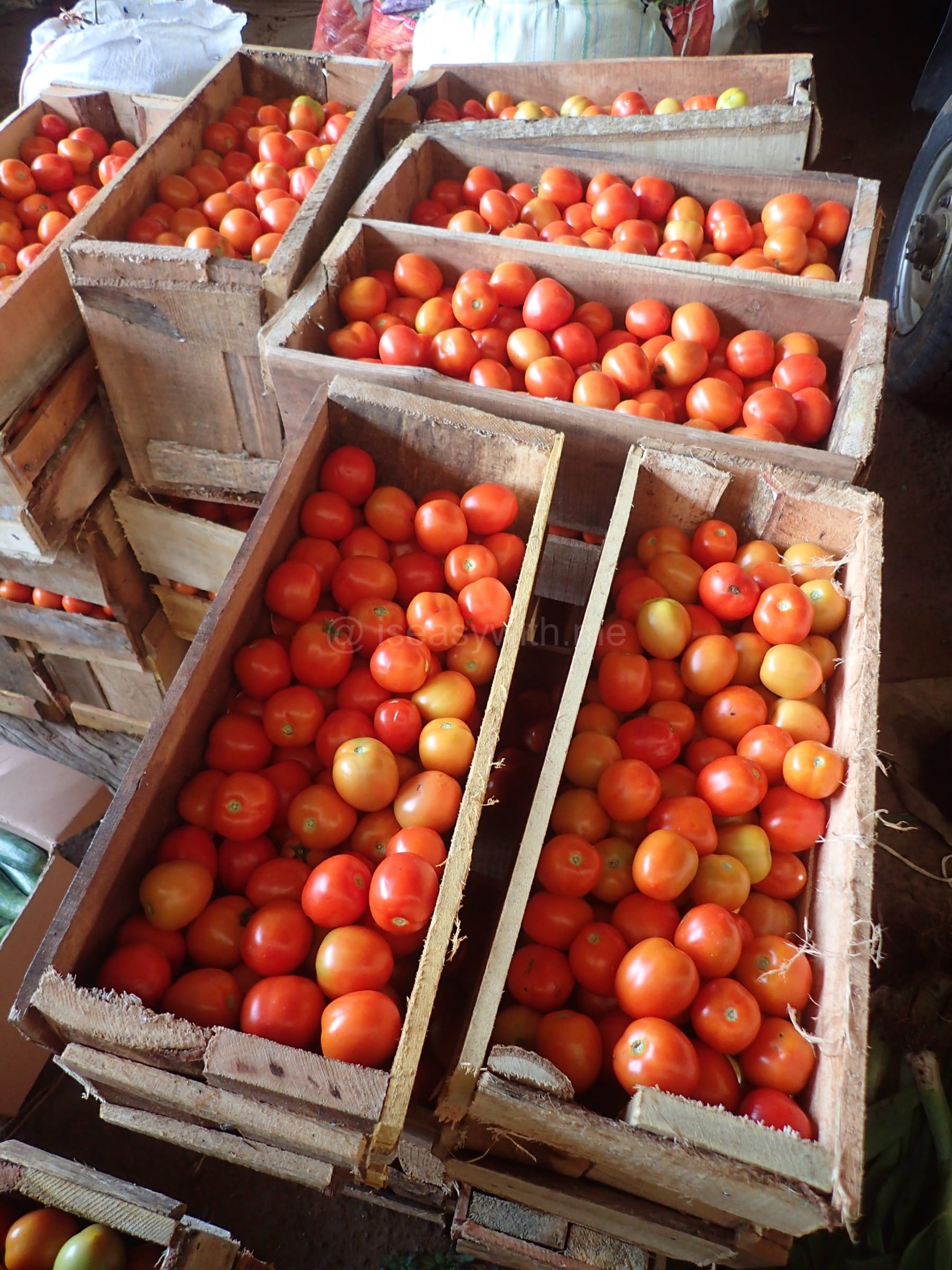
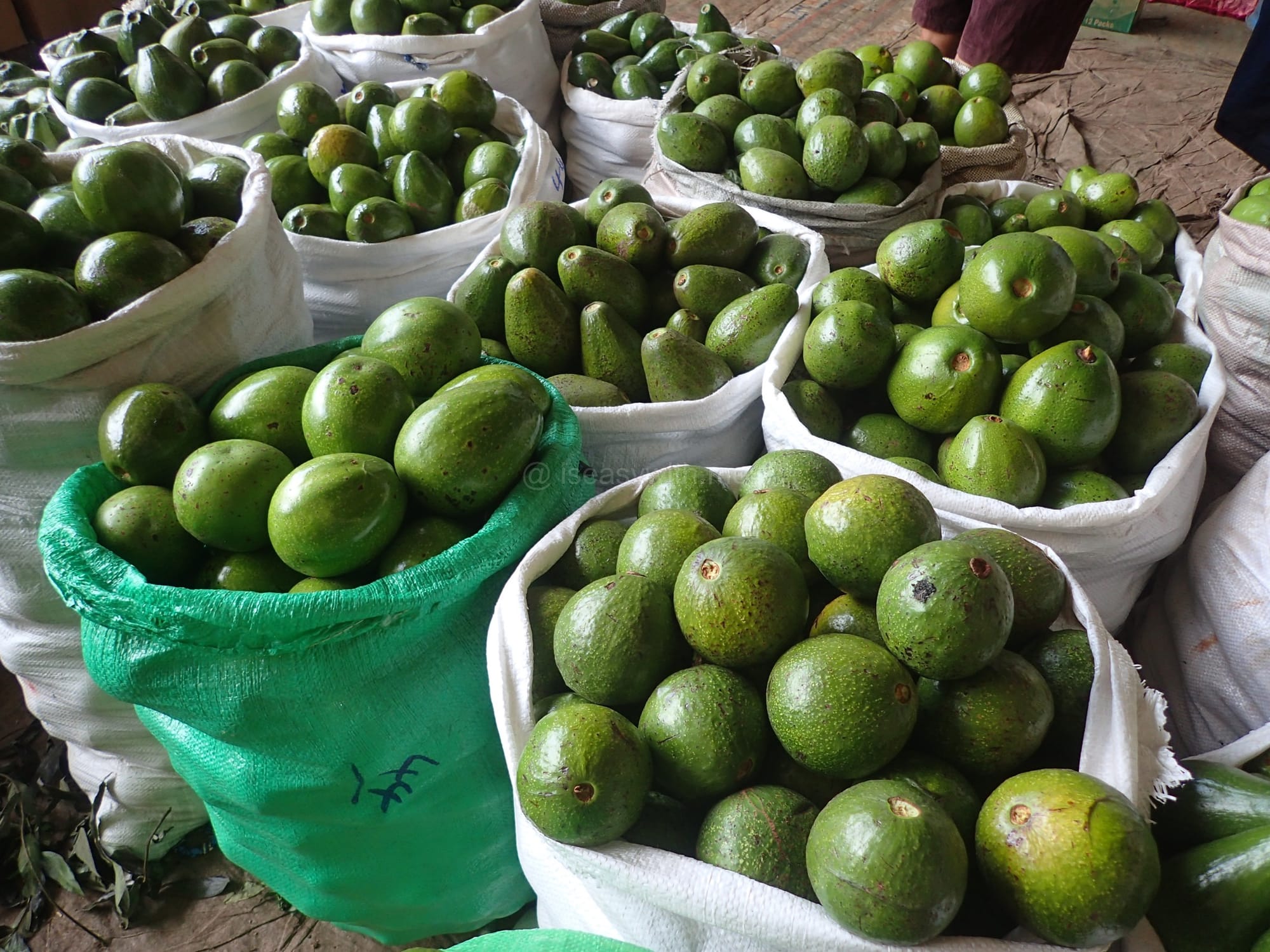
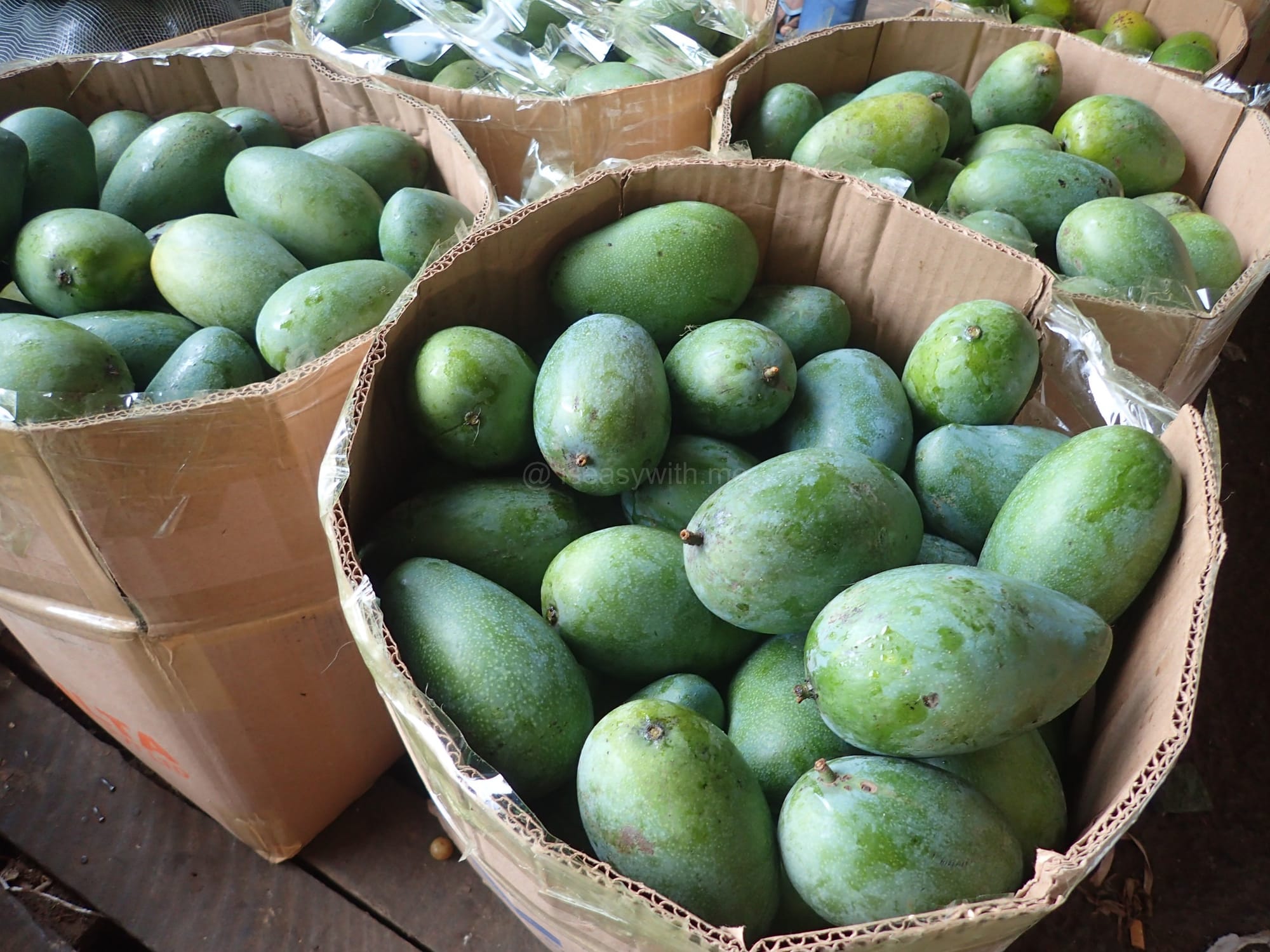
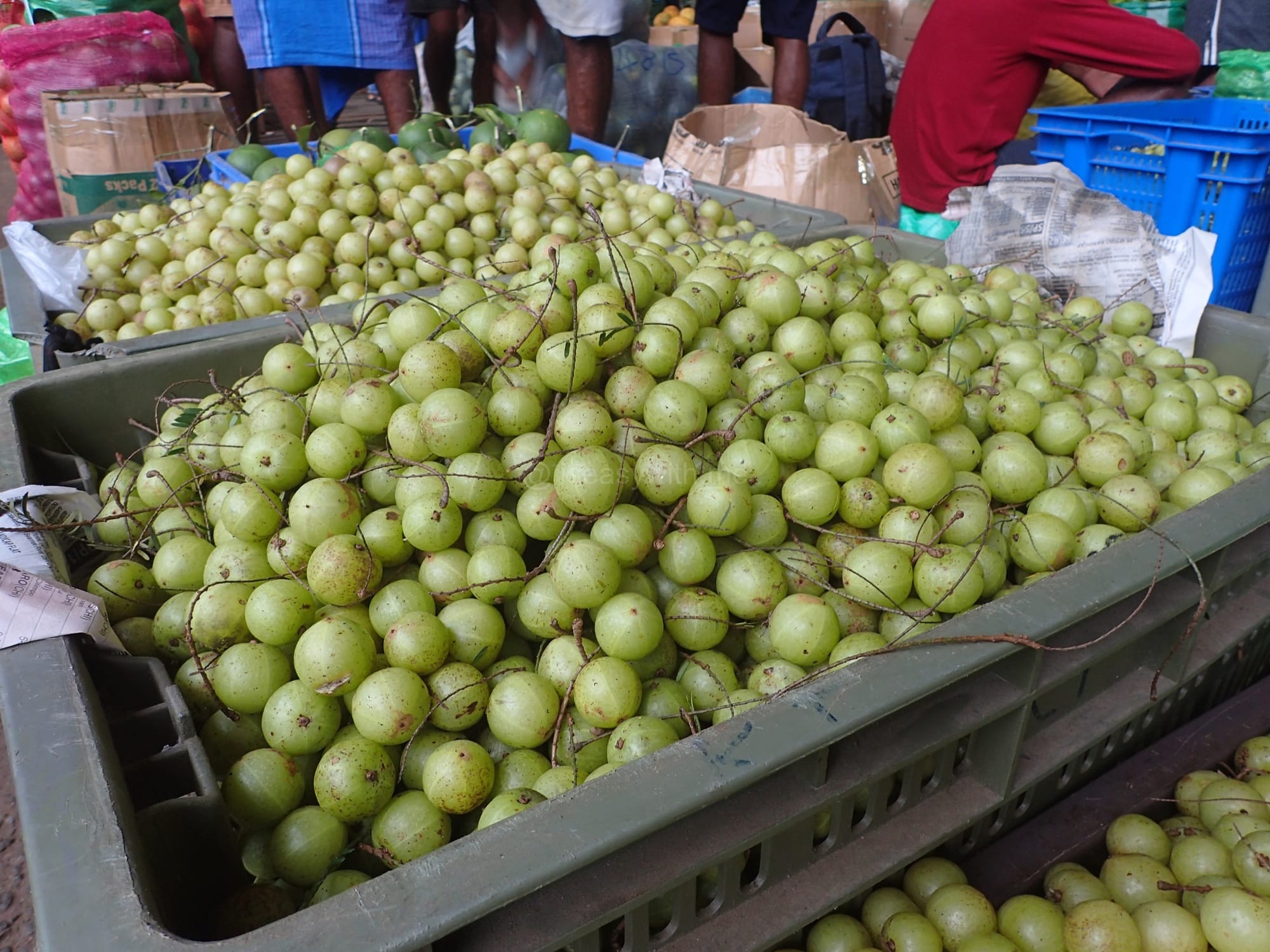
Dambulla Dedicated Economic Centre
Ibbankatuwa Megalithic Tombs
Located just a few kilometres outside the town centre lies one of Sri Lanka’s most important prehistoric archaeological sites, the Ibbankatuwa Megalithic Tombs (LKR 950). Dating back to the Megalithic prehistoric period (approx. 700 to 300 BCE), these ancient burial grounds provide clear evidence of sophisticated regional settlements existing long before the arrival of Buddhism.
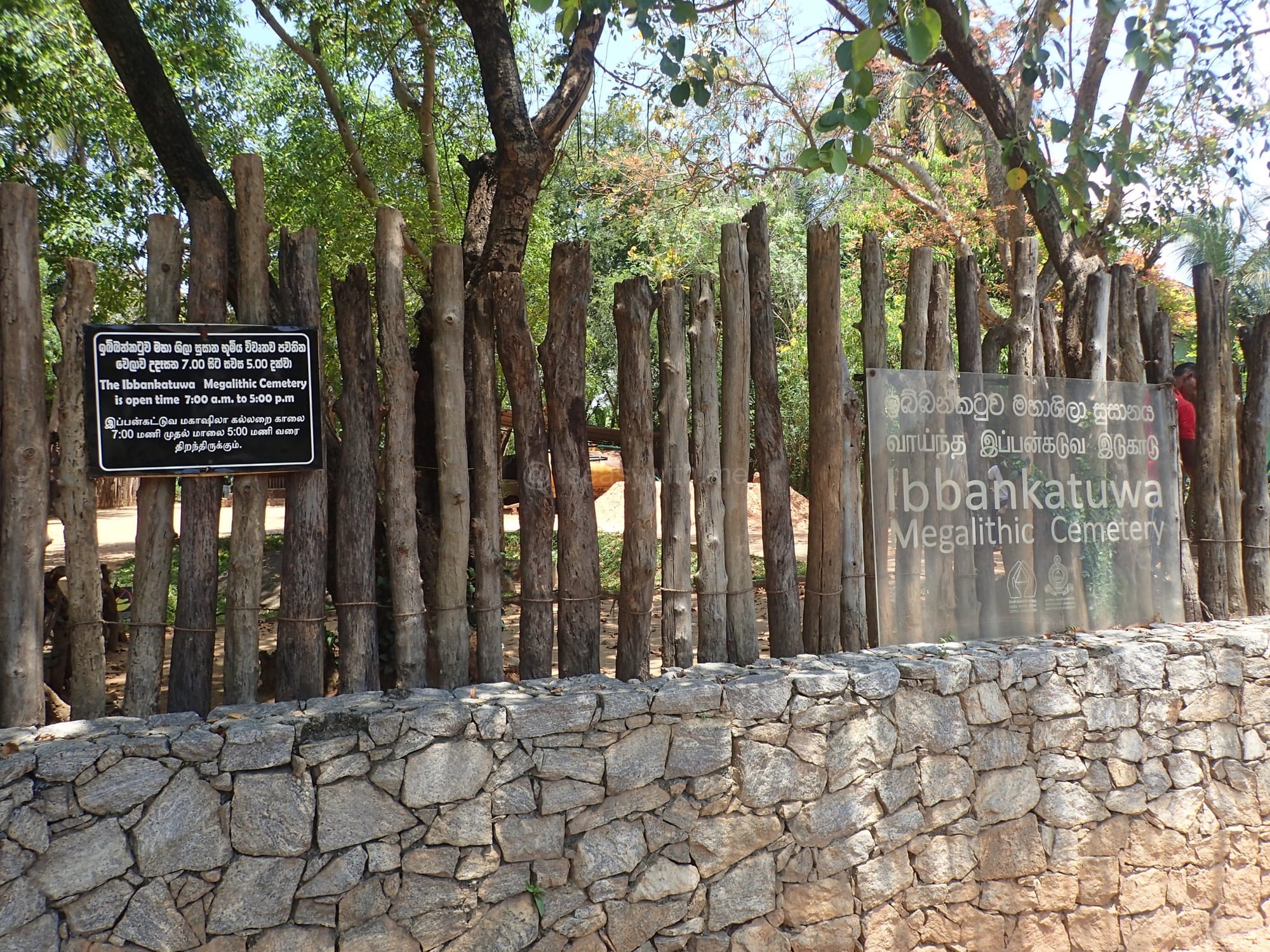
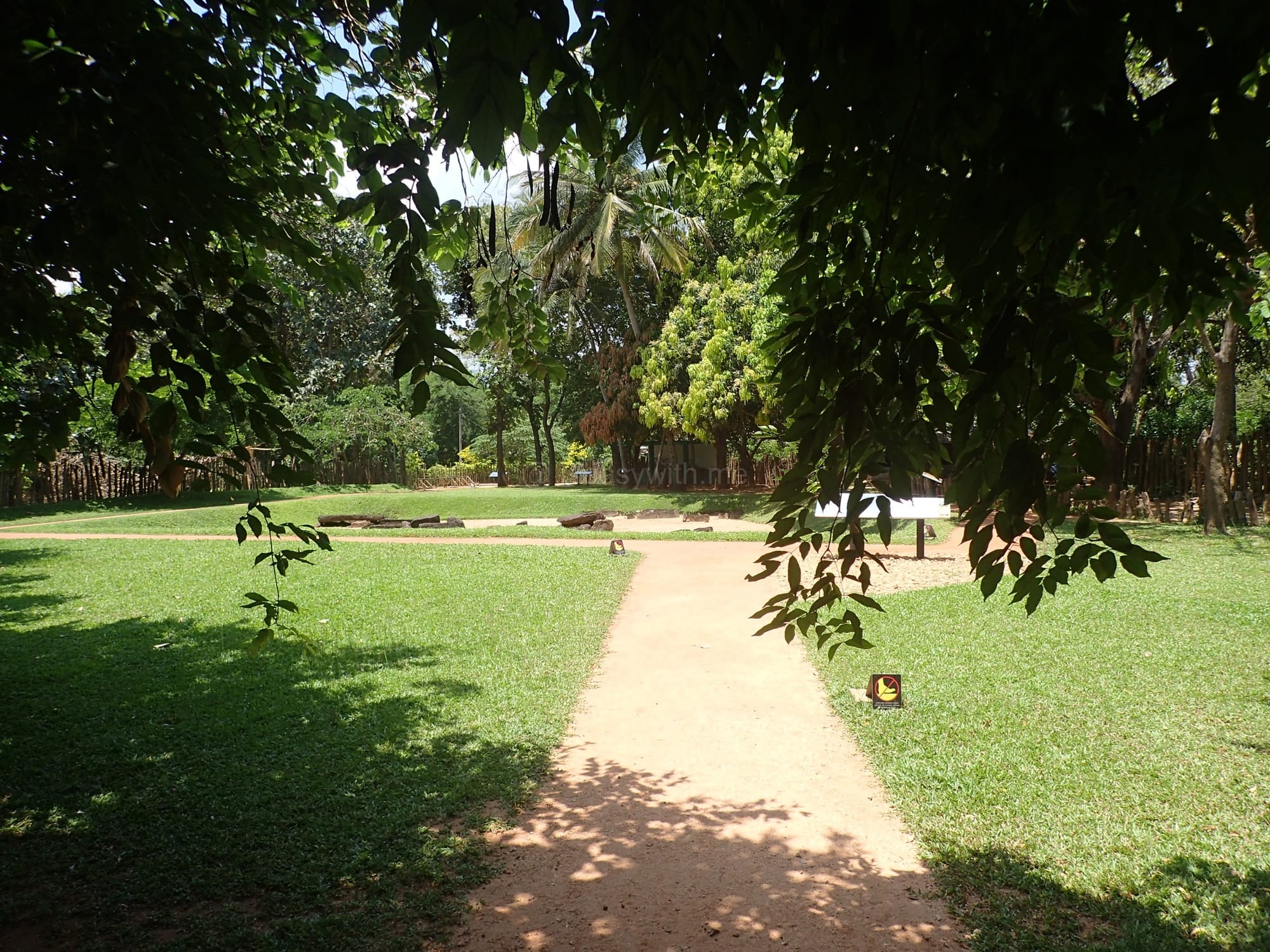
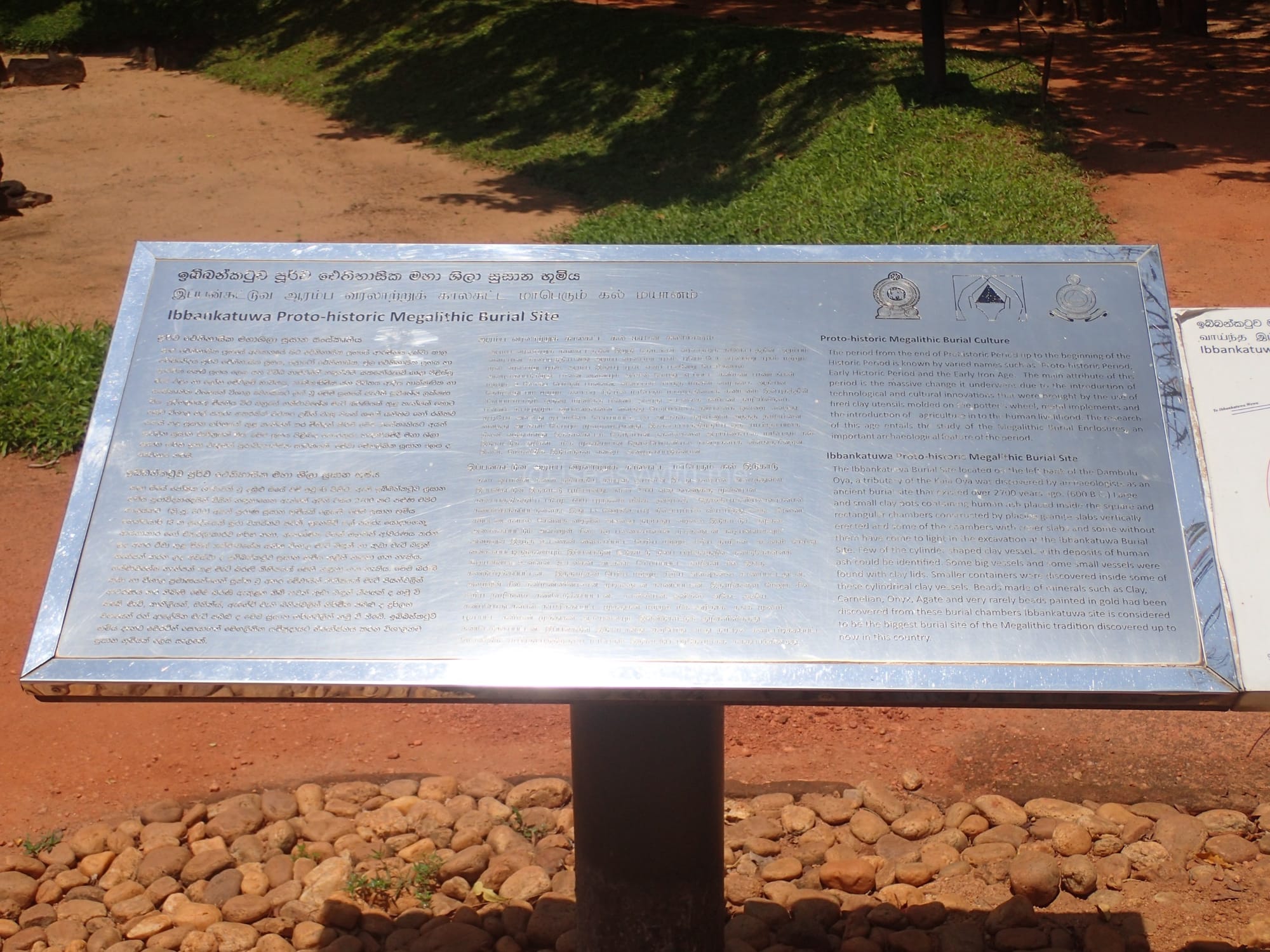
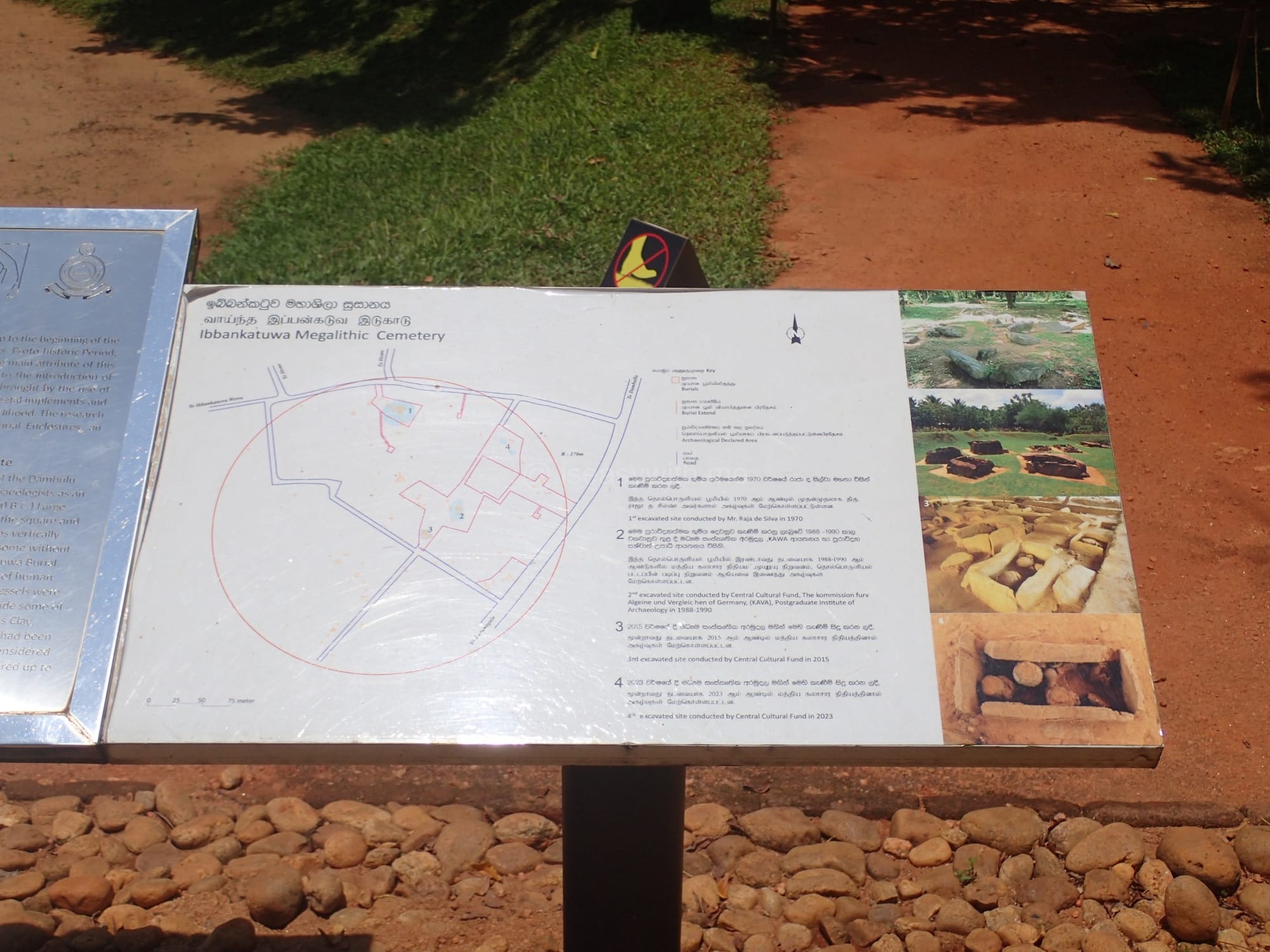
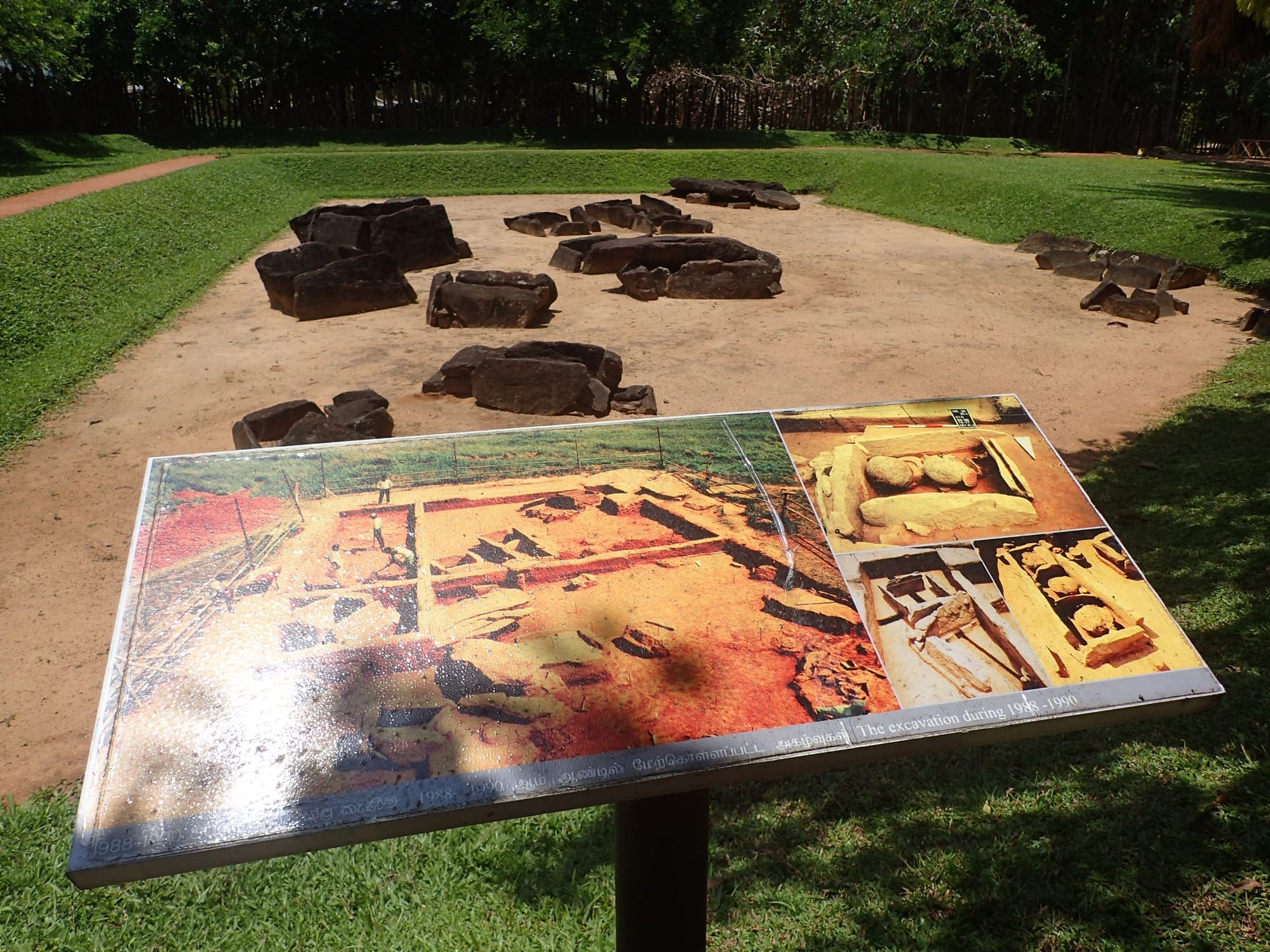
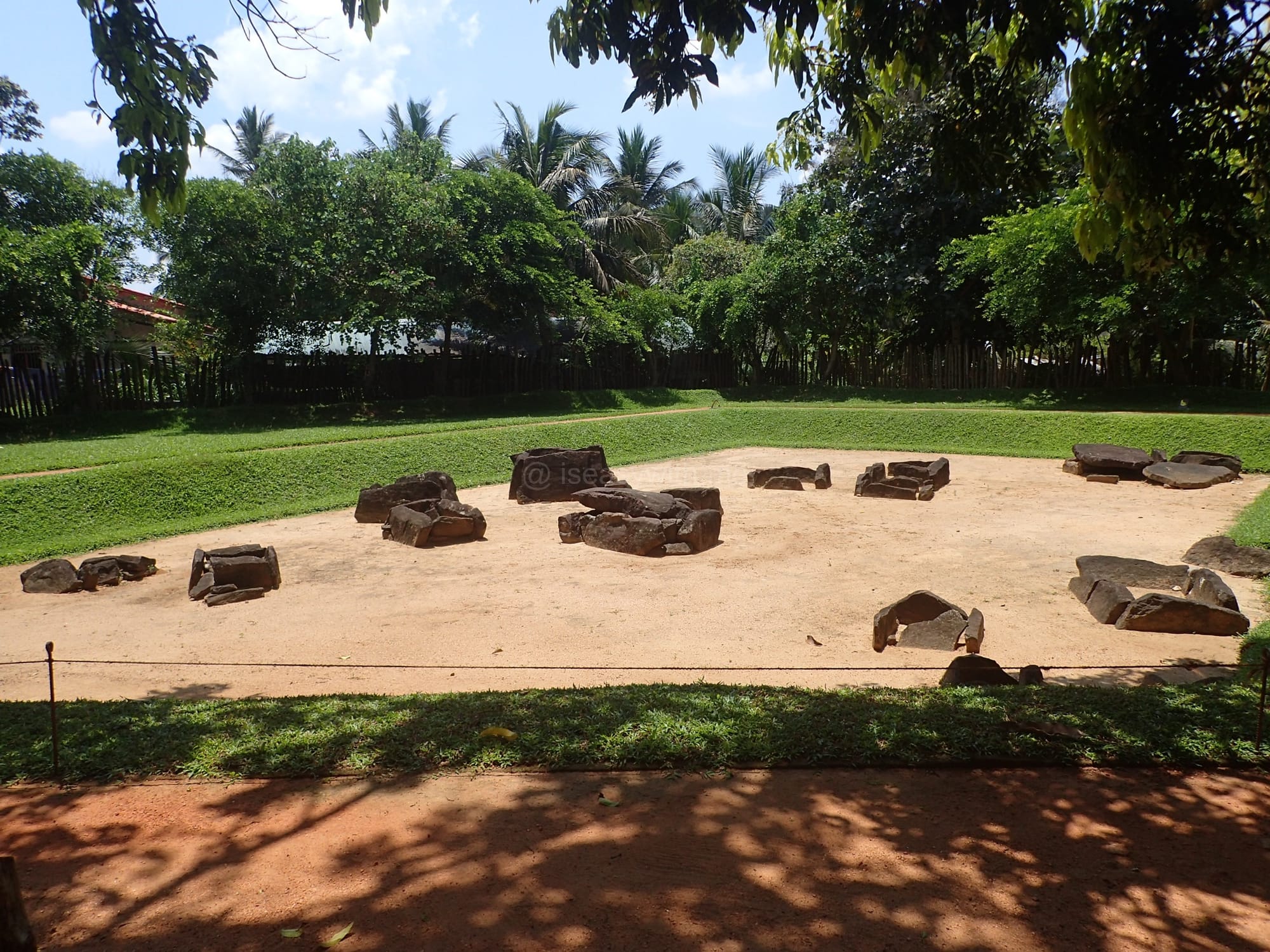
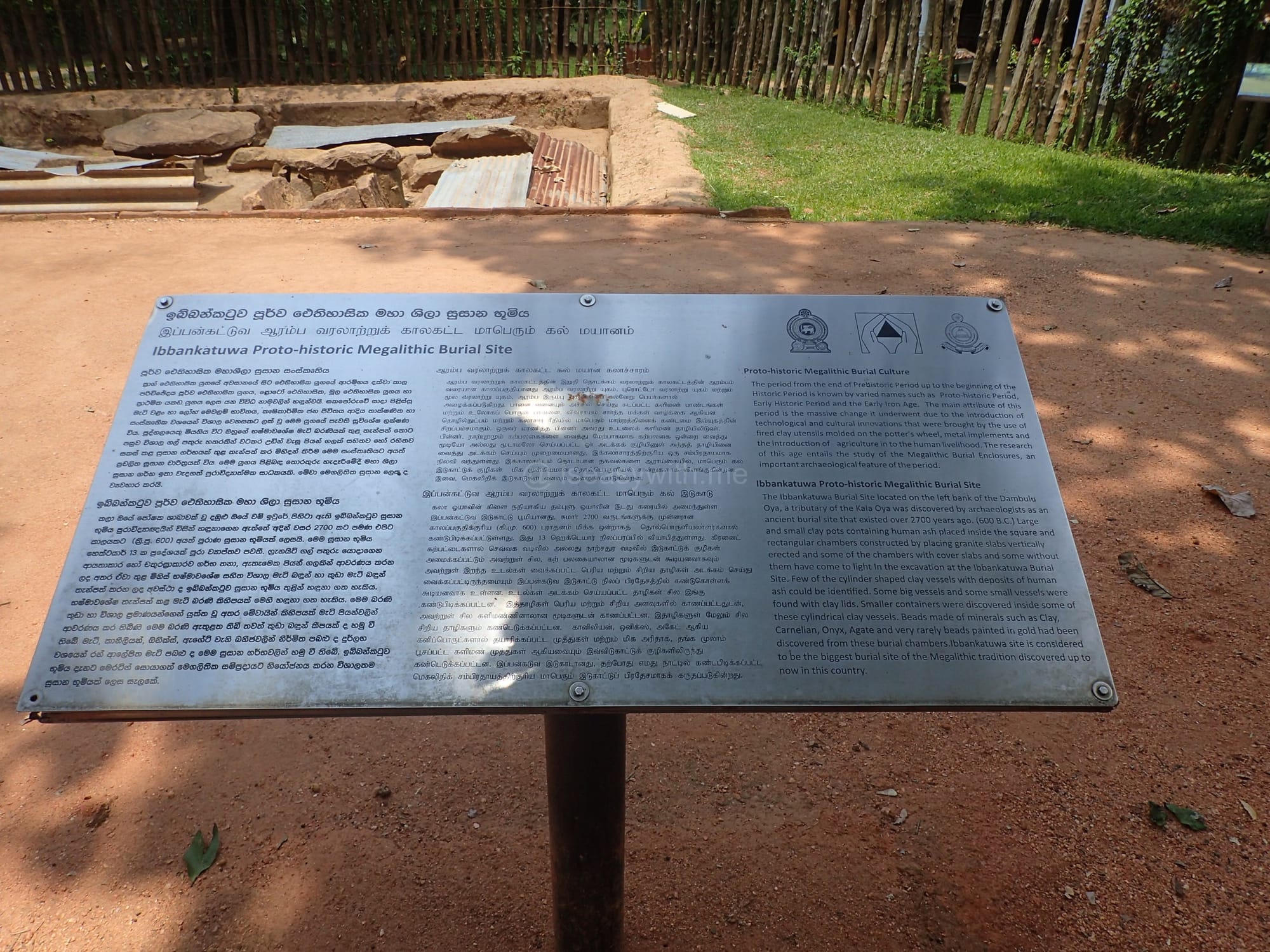
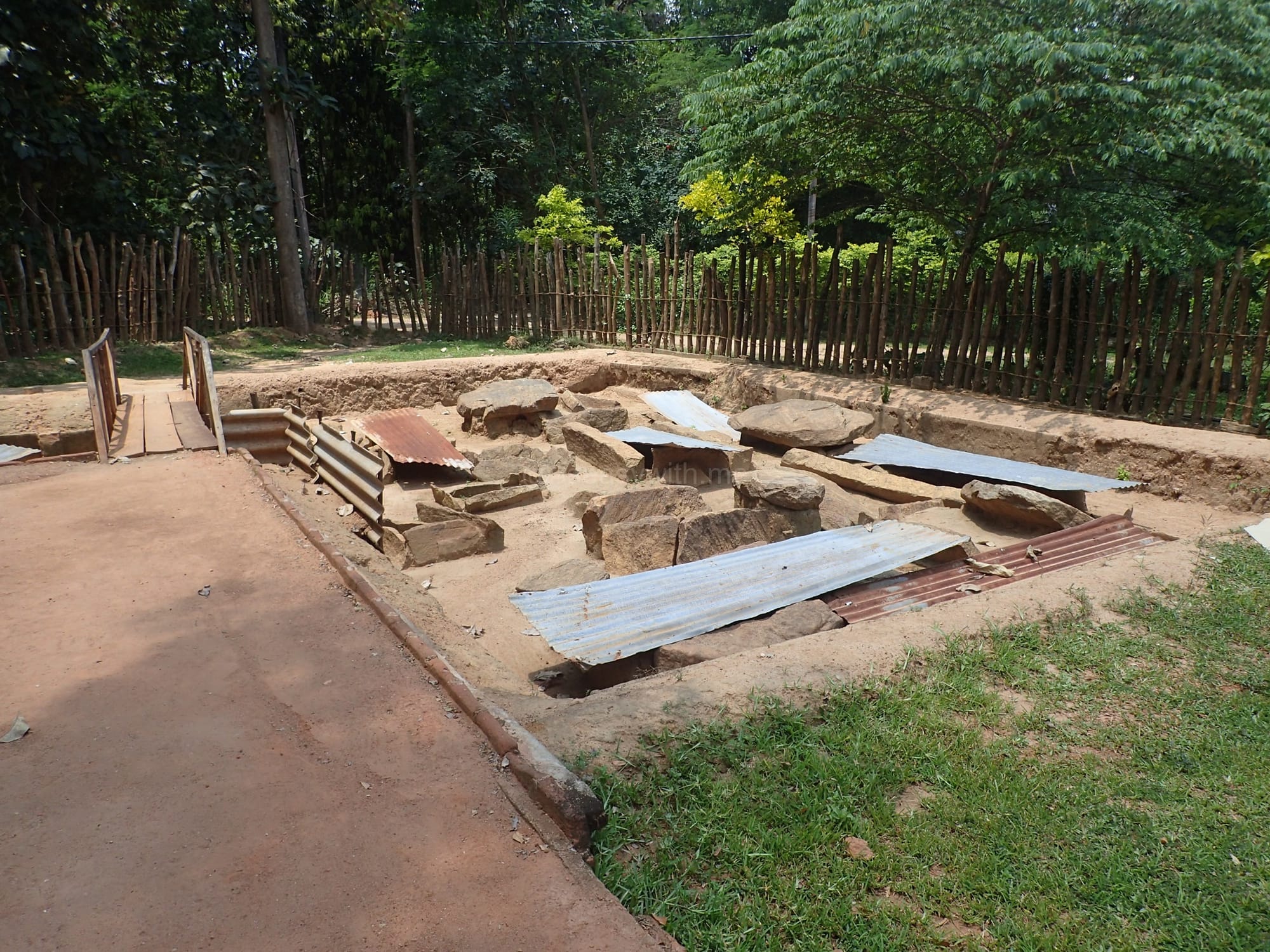
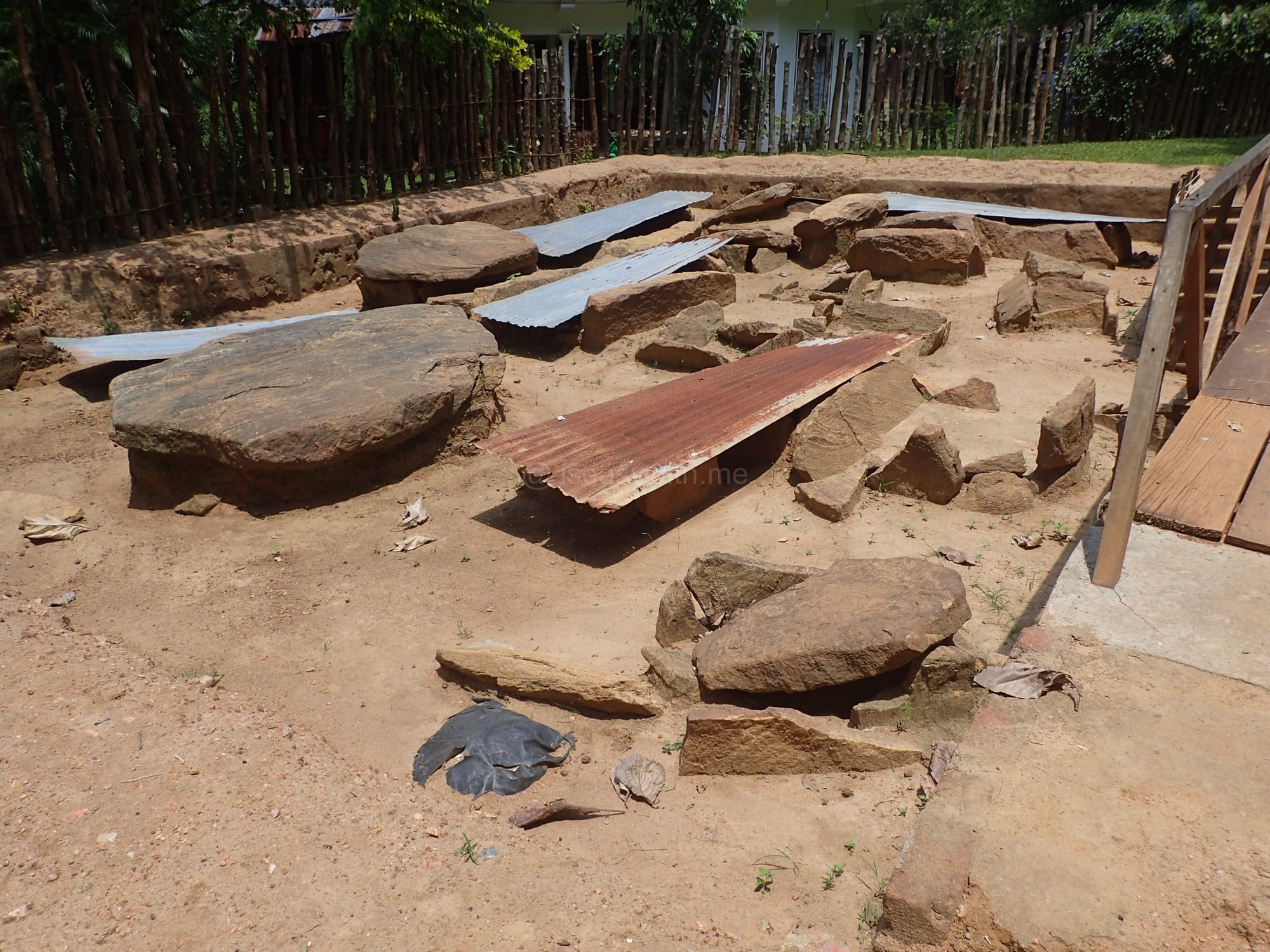
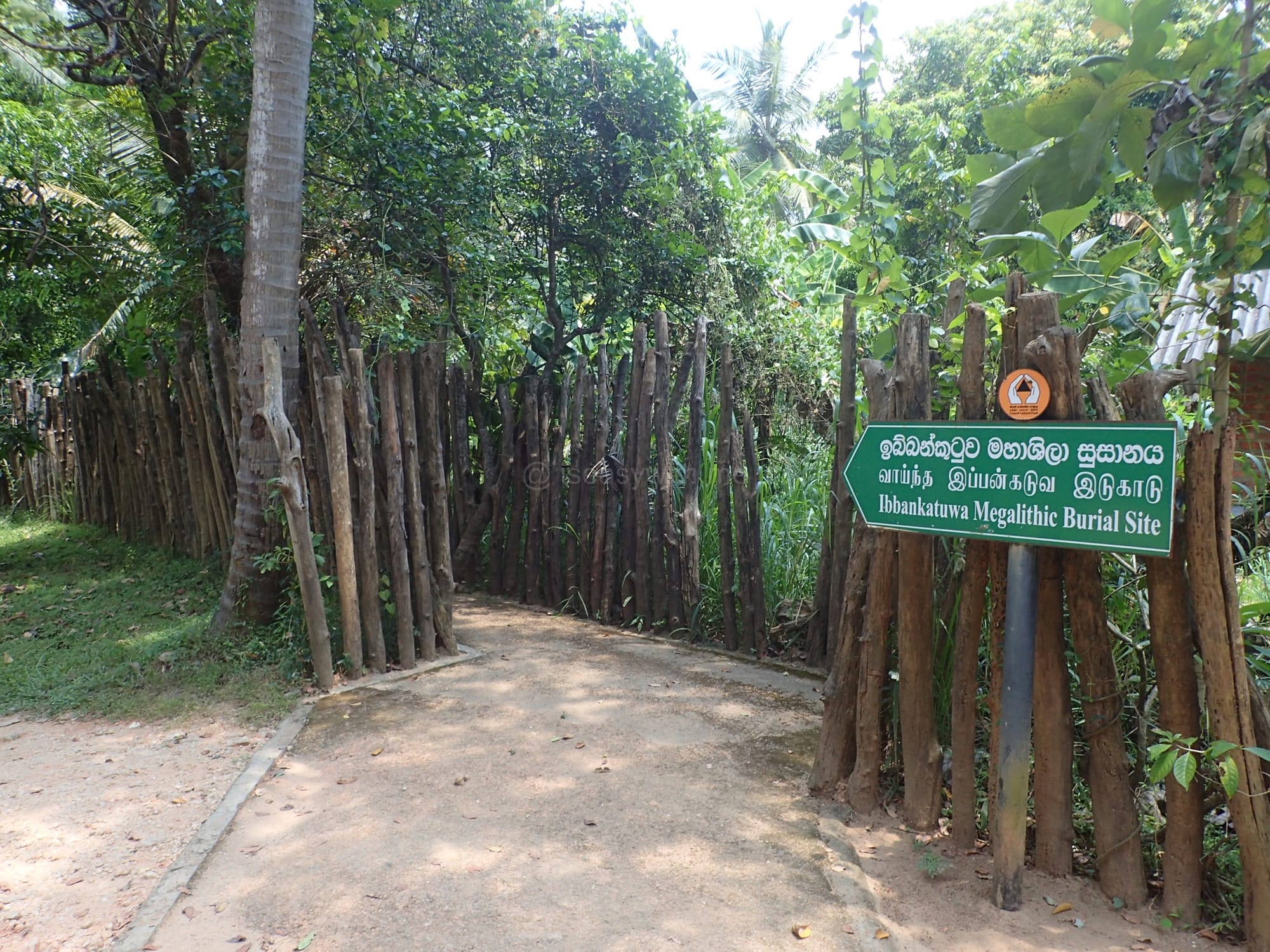
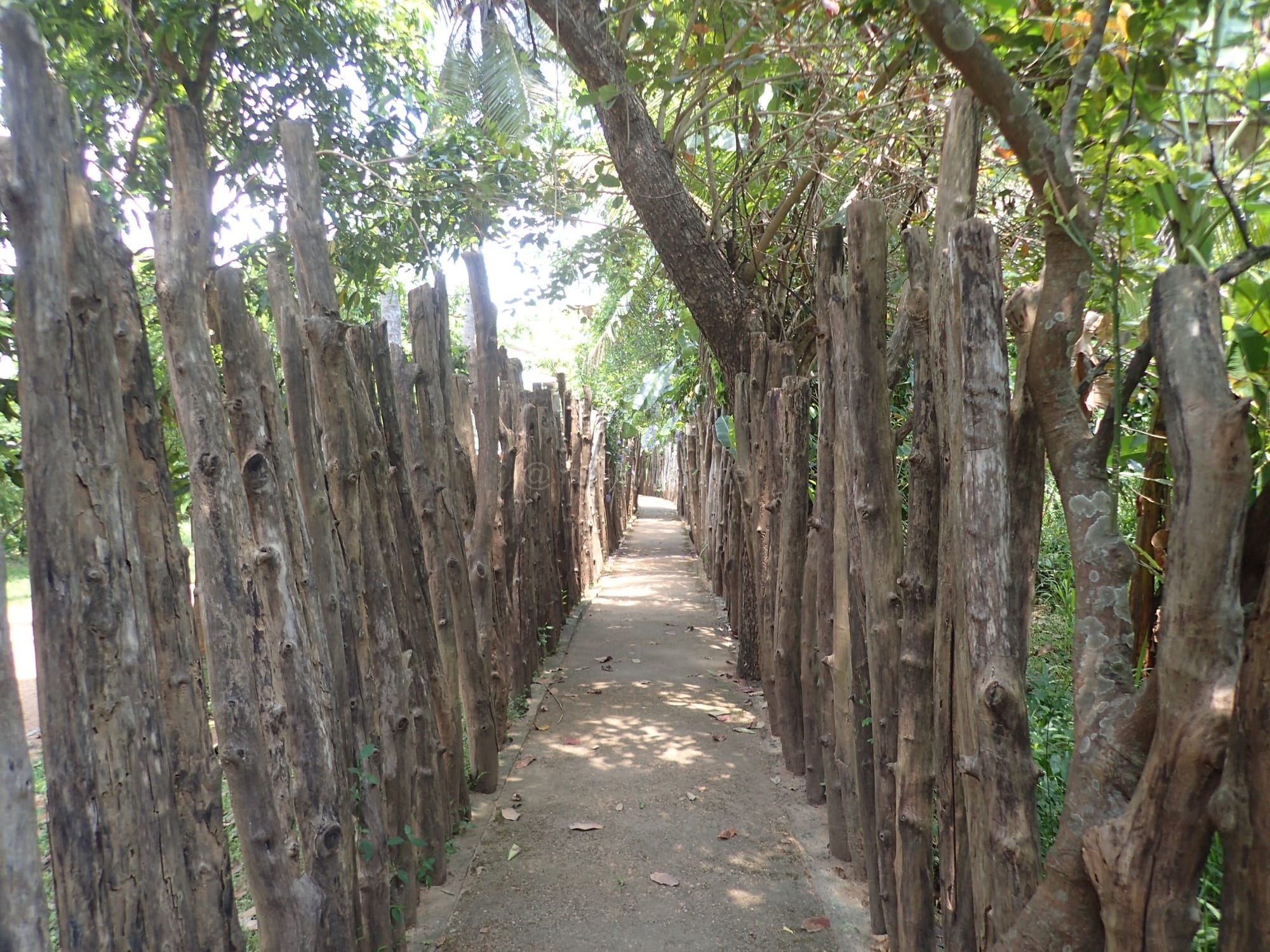
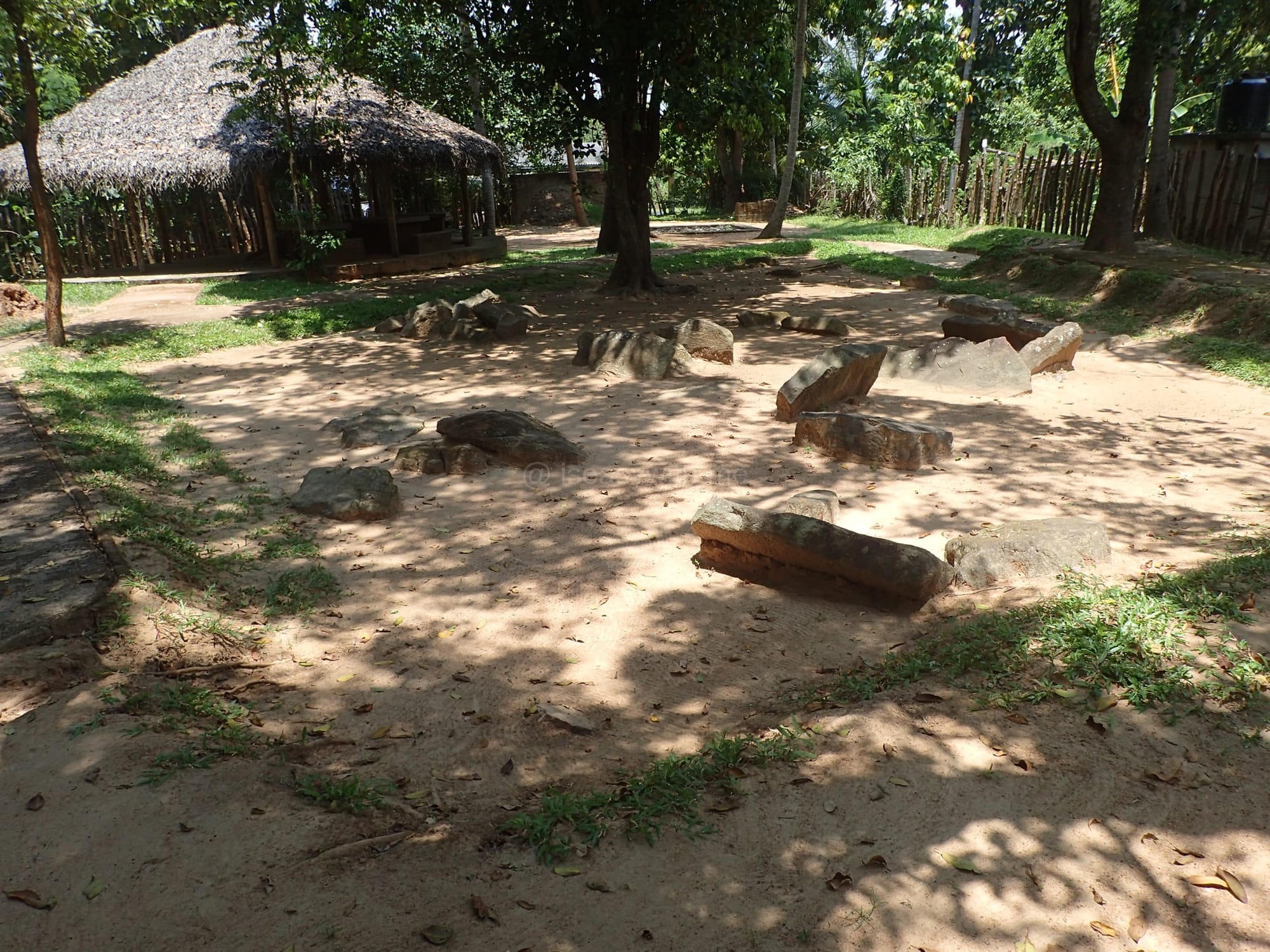
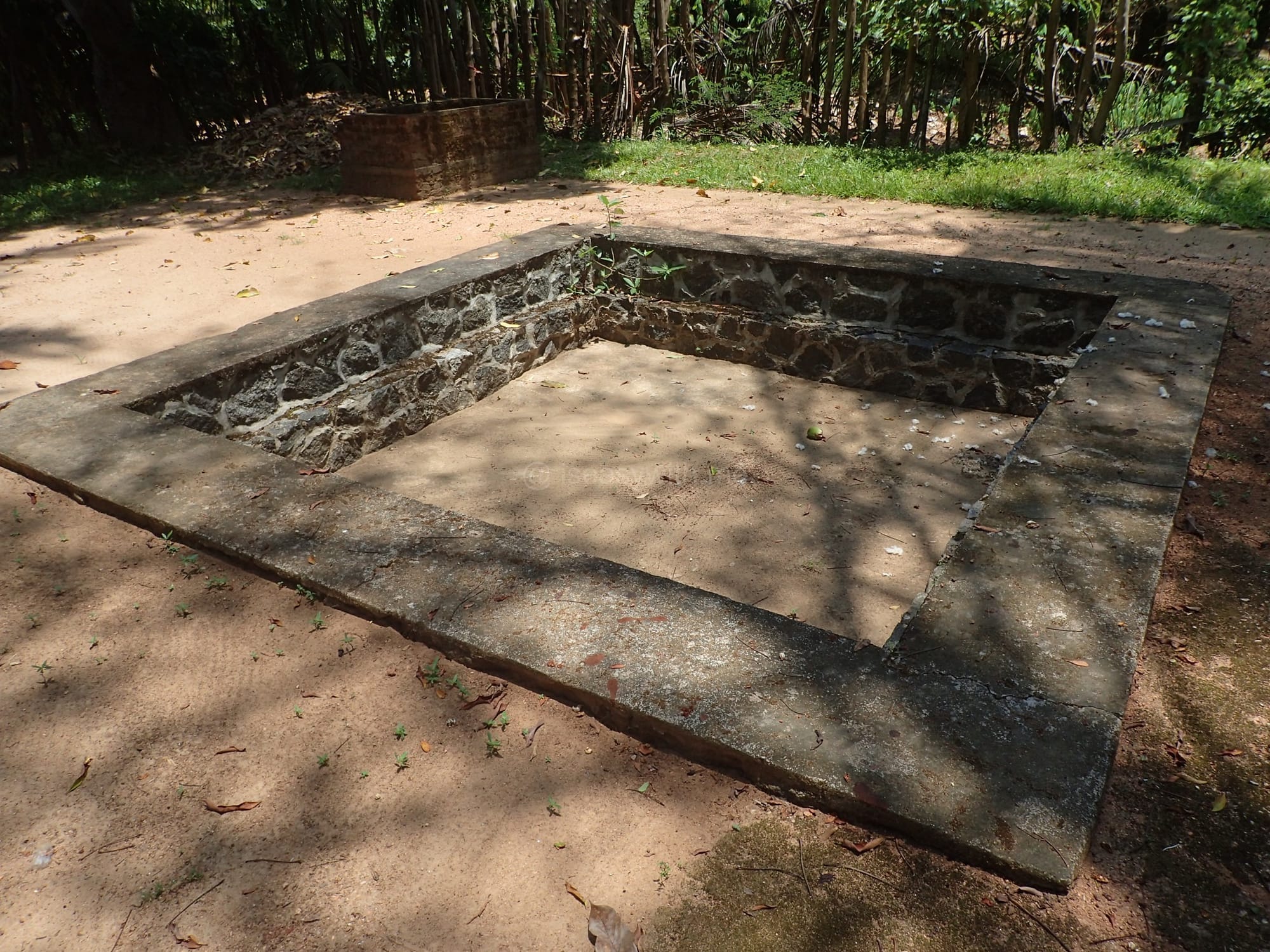
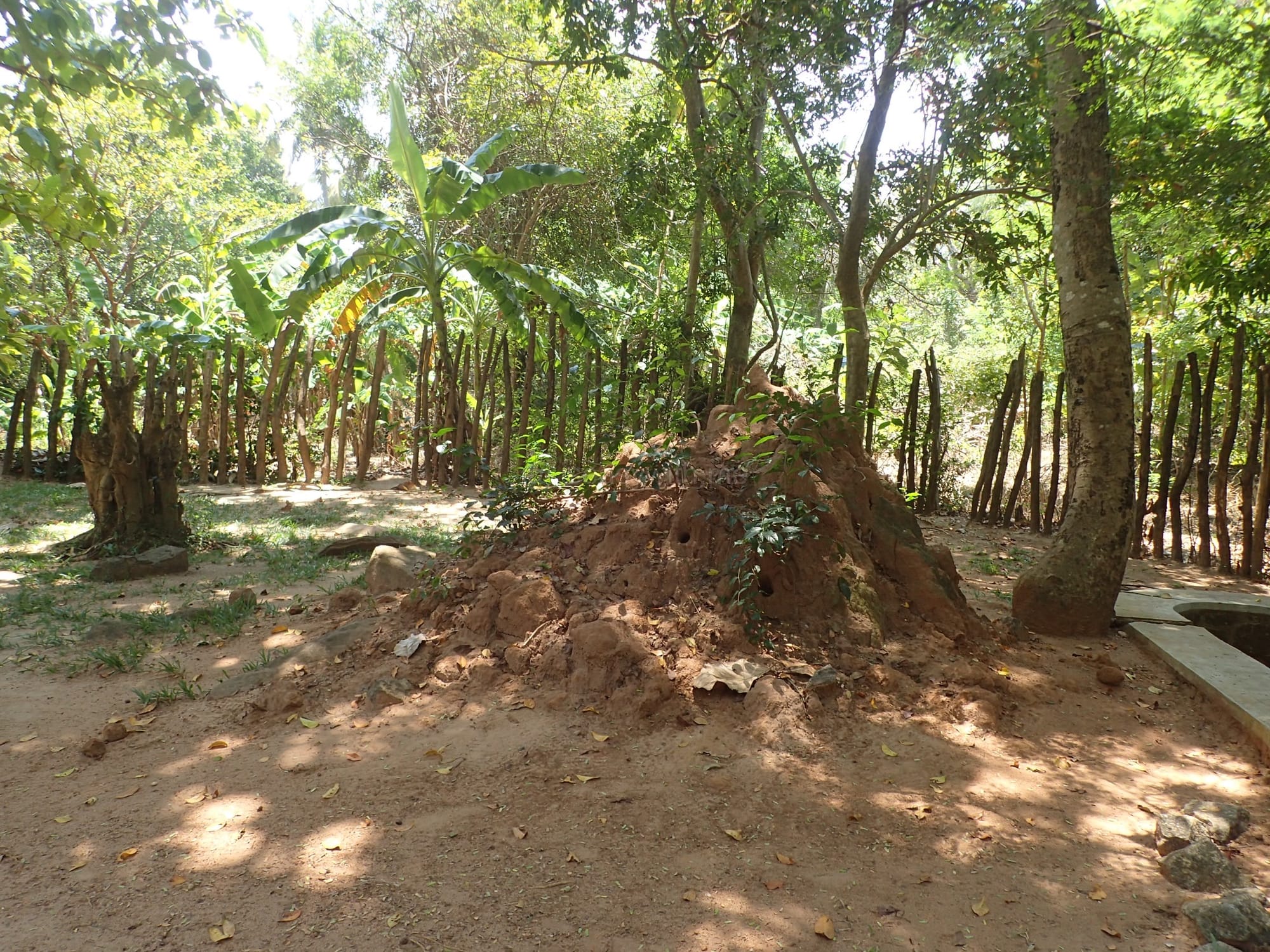
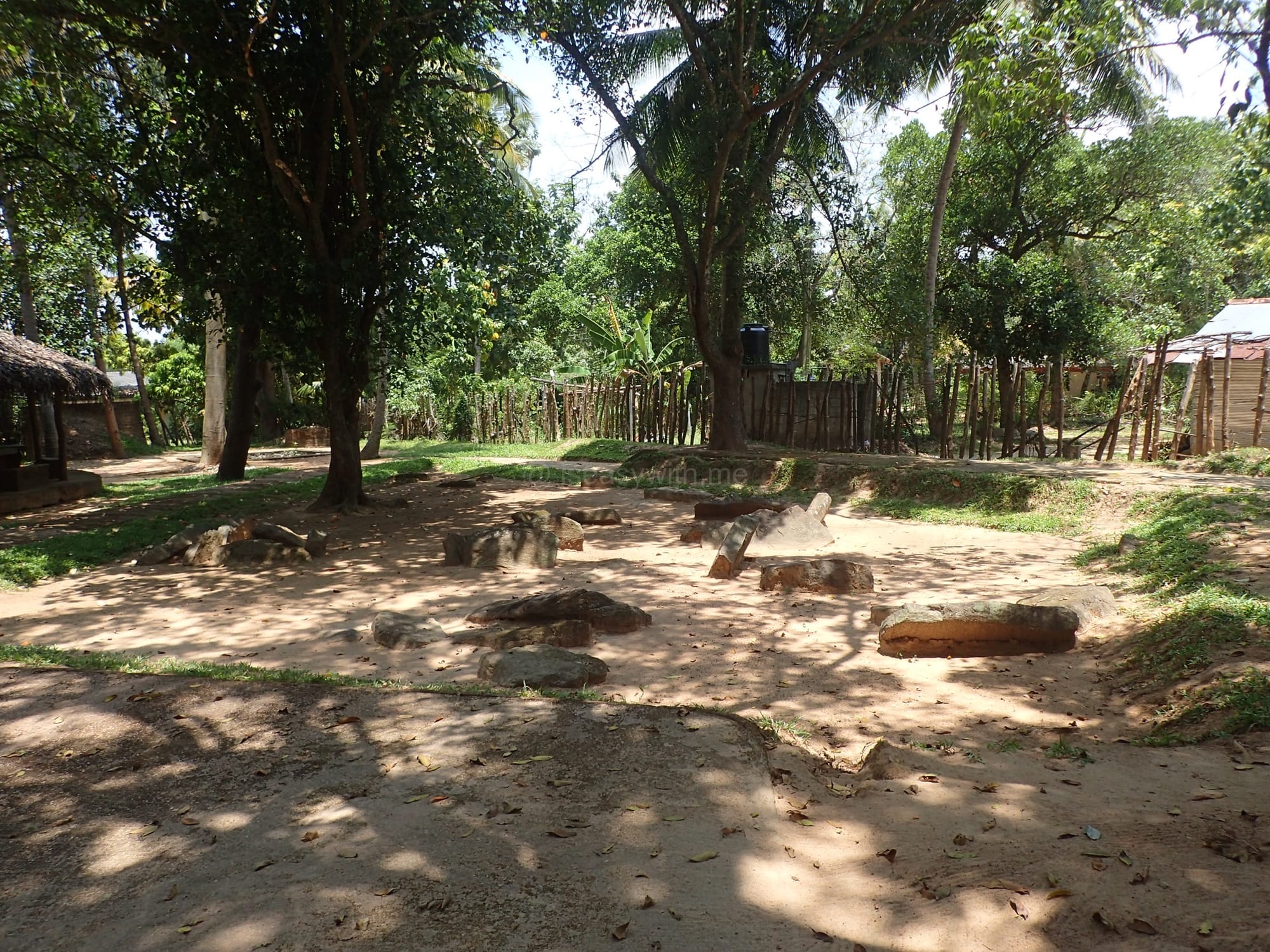
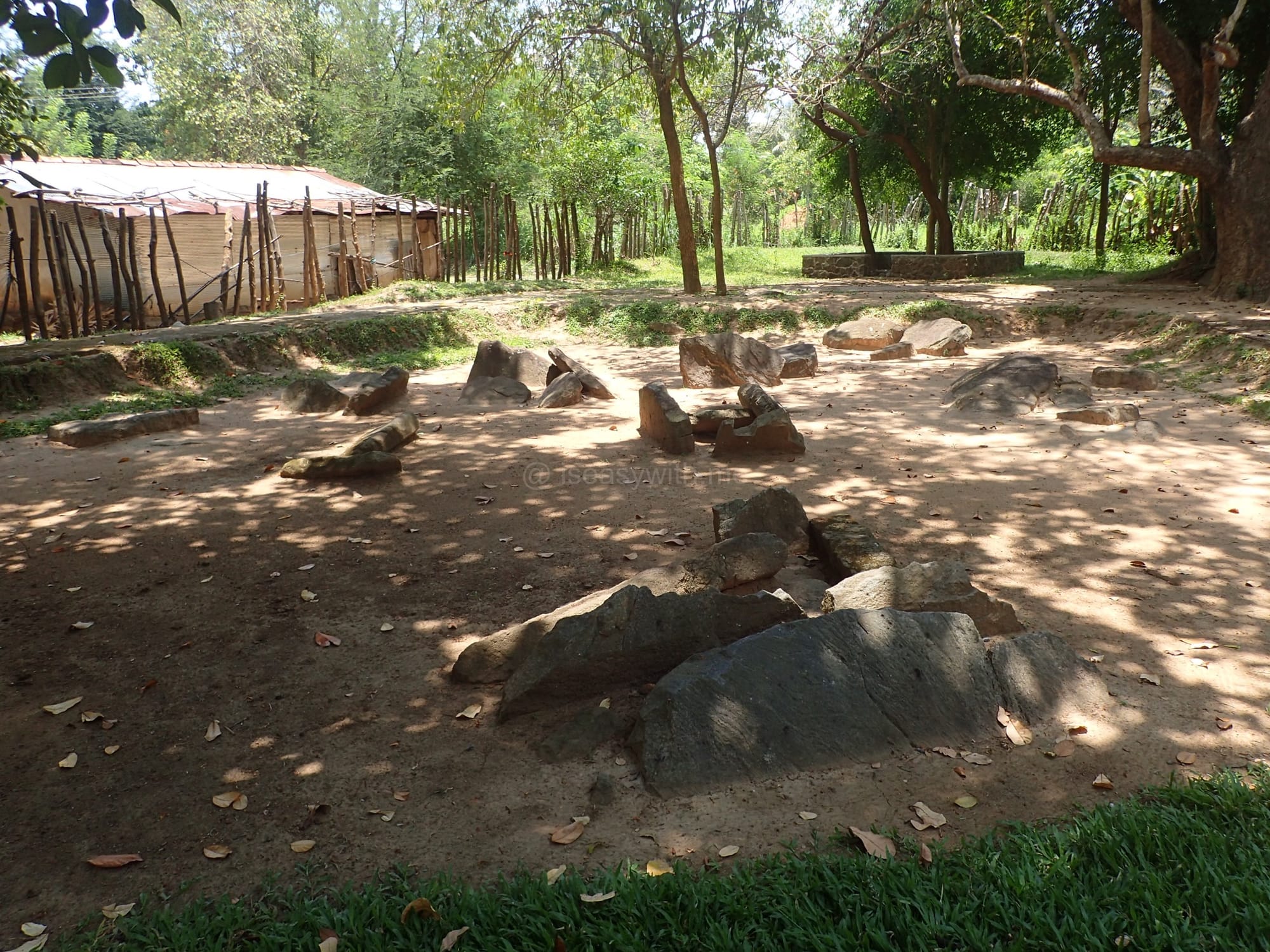
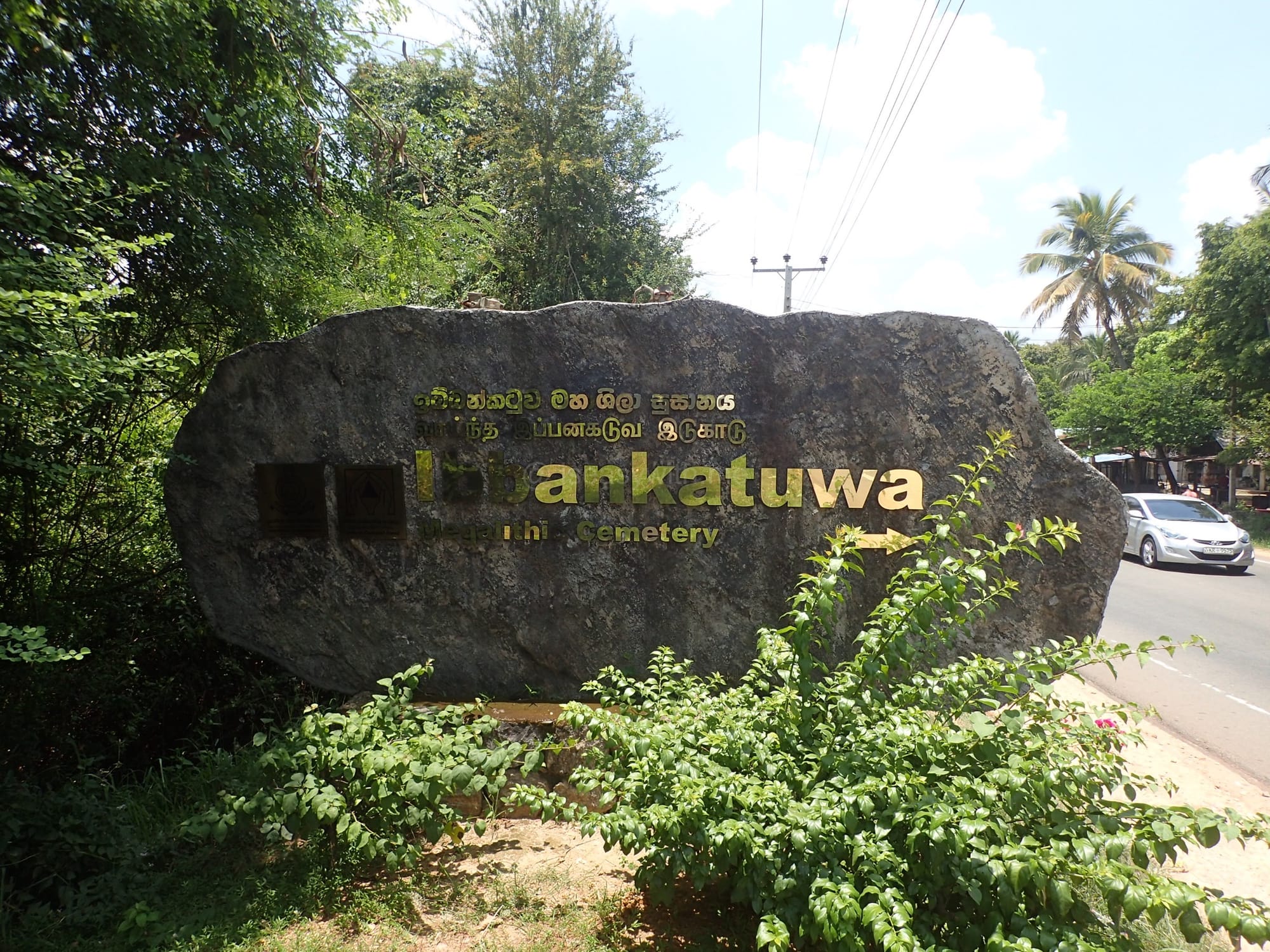
Ibbankatuwa Megalithic Tombs
Excavations here have uncovered copper, gemstones, gold burial artefacts and pottery. It remains incredibly uncrowded and quiet, making it a dream stop for history buffs.
Jathika Namal Uyana (Ironwood Forest & Pink Quartz Mountain)
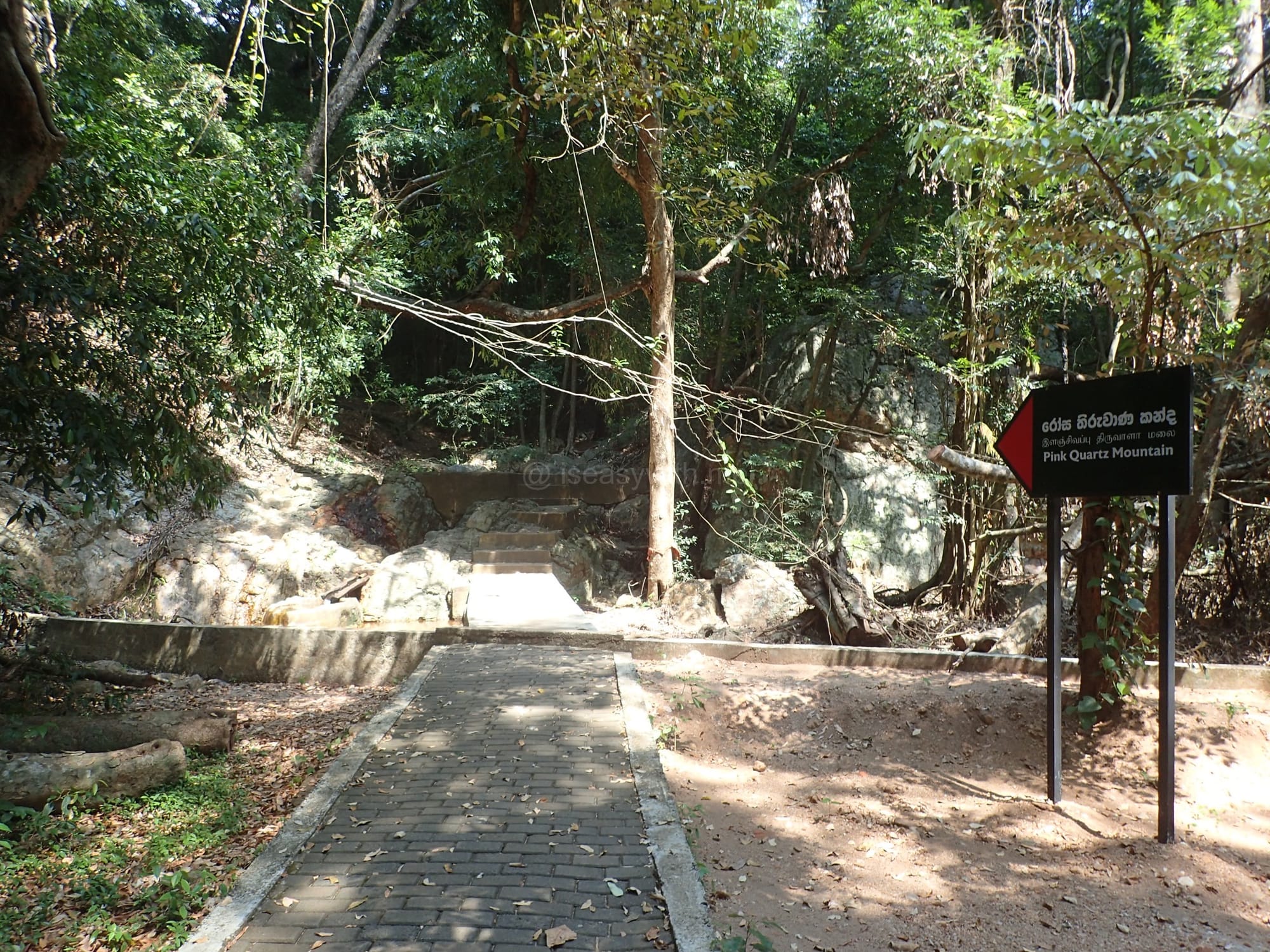
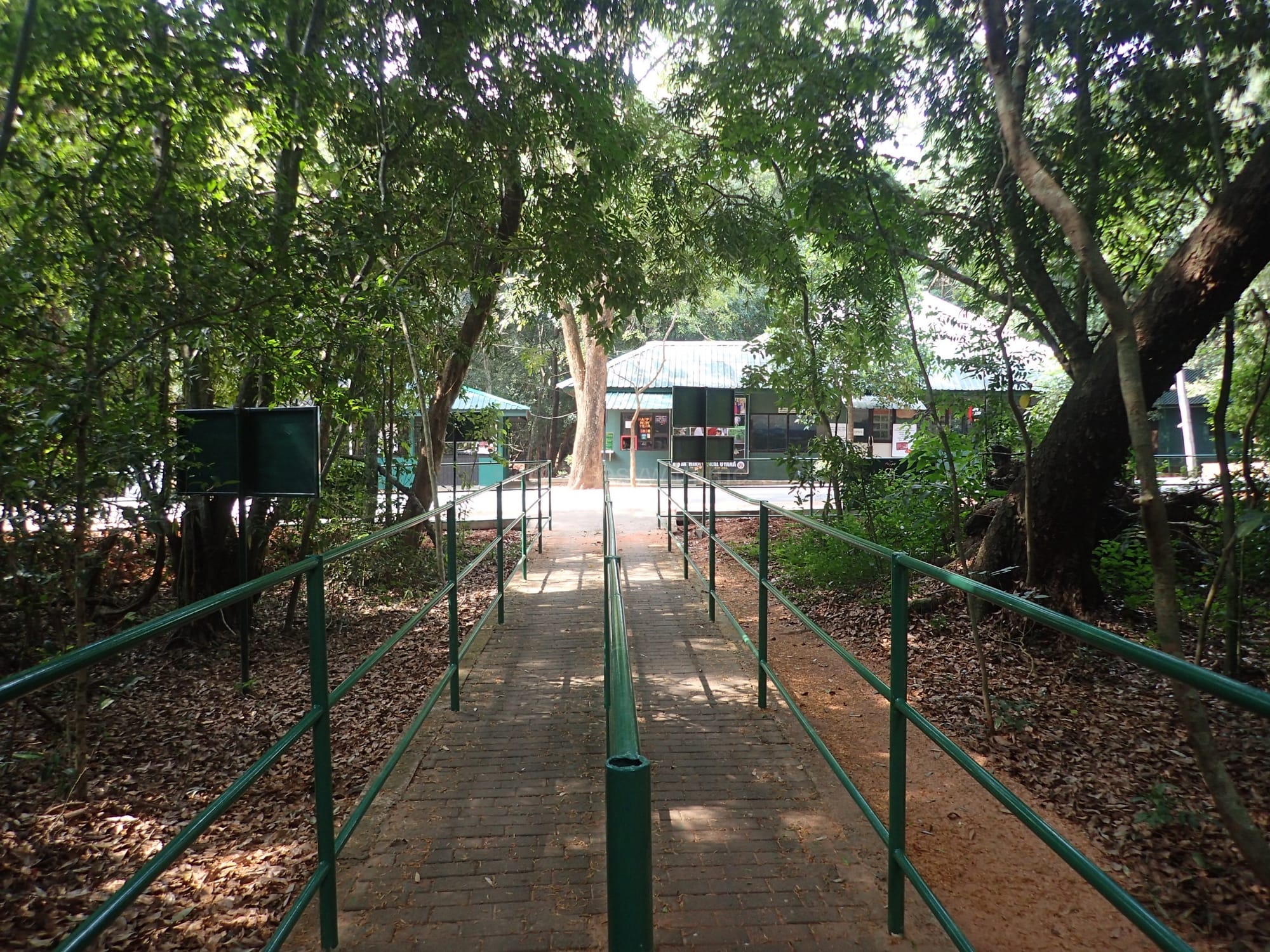
Often overlooked by mainstream tourists, Jathika Namal Uyana (LKR 1,809) offered a unique ecological reserve featuring the largest human-planted ironwood forest in Sri Lanka. A peaceful walk through the shaded forest trails led me to a striking pink quartz mountain range estimated to be over 500 million years old.
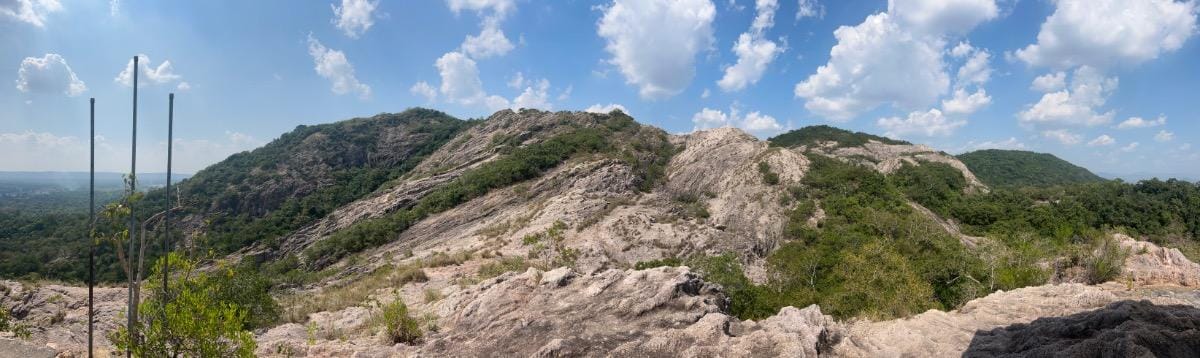
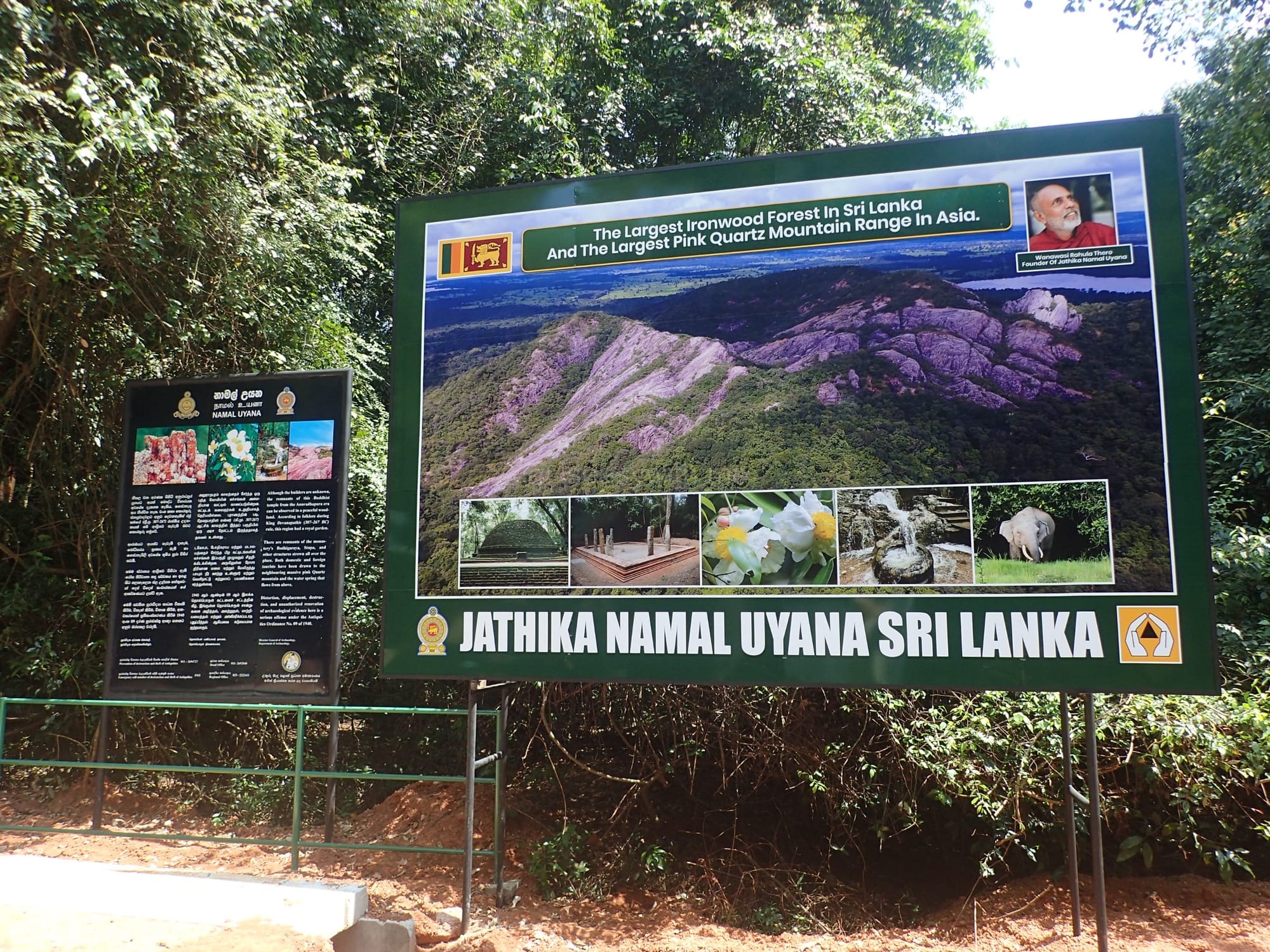
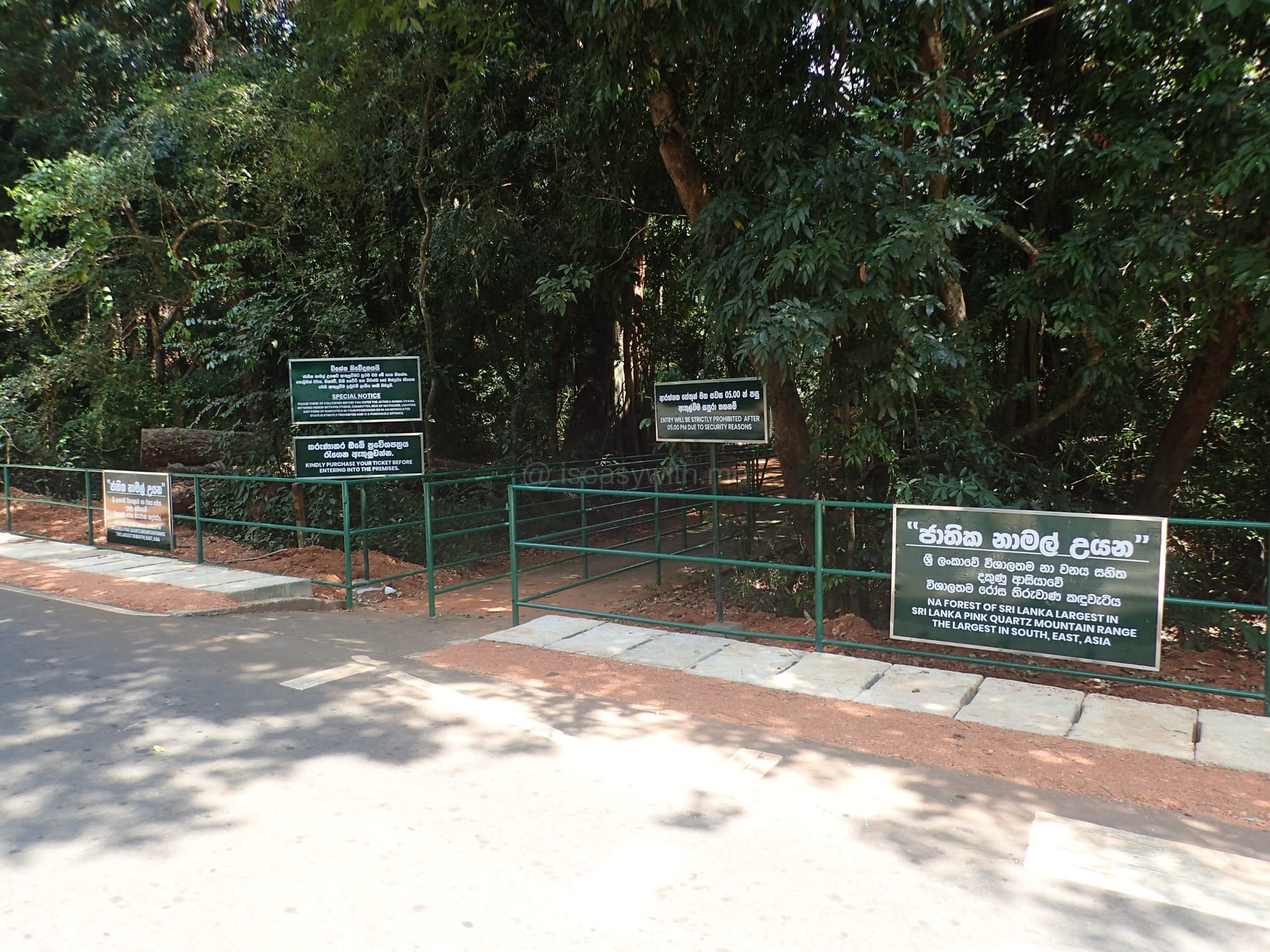
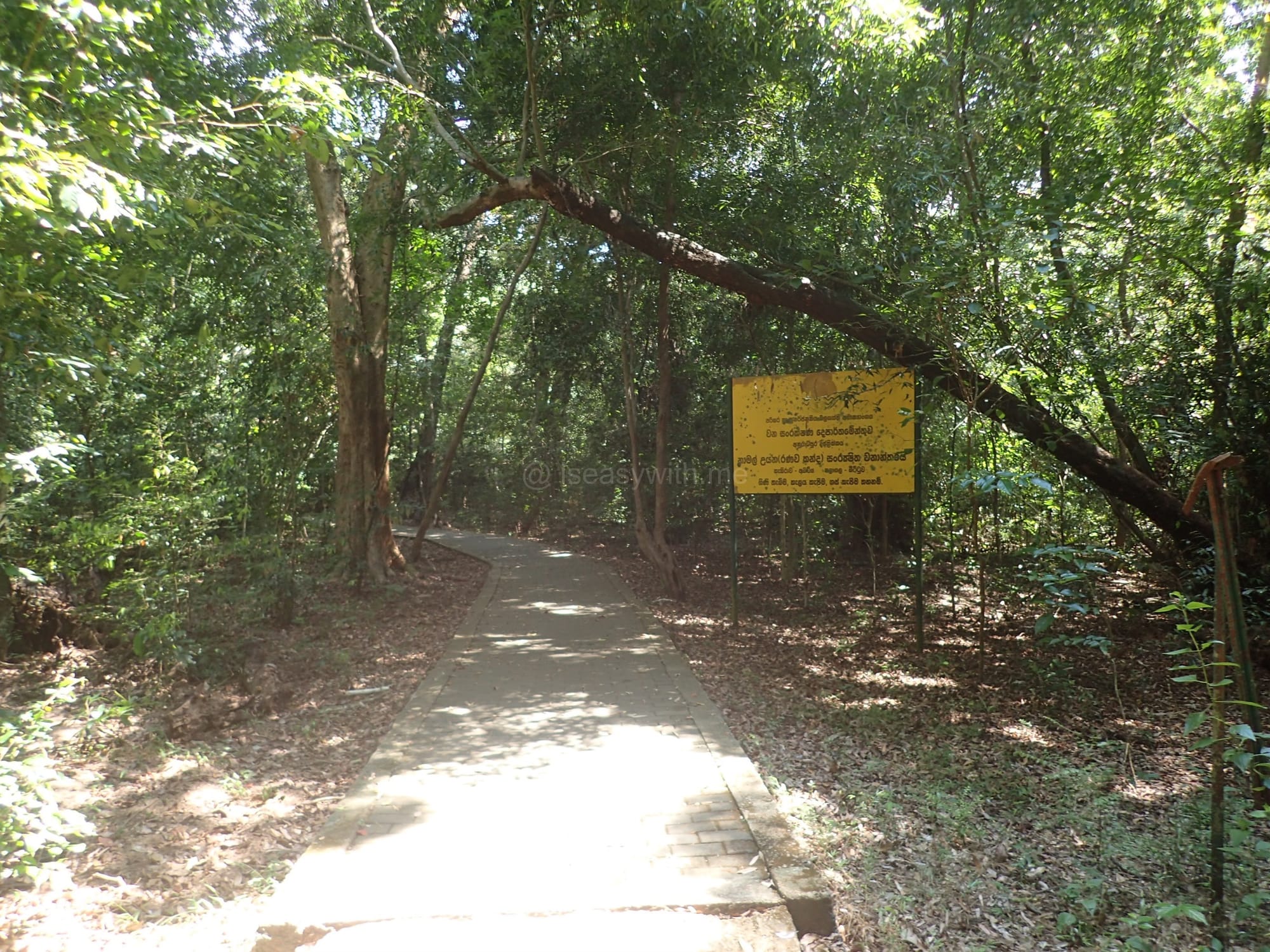
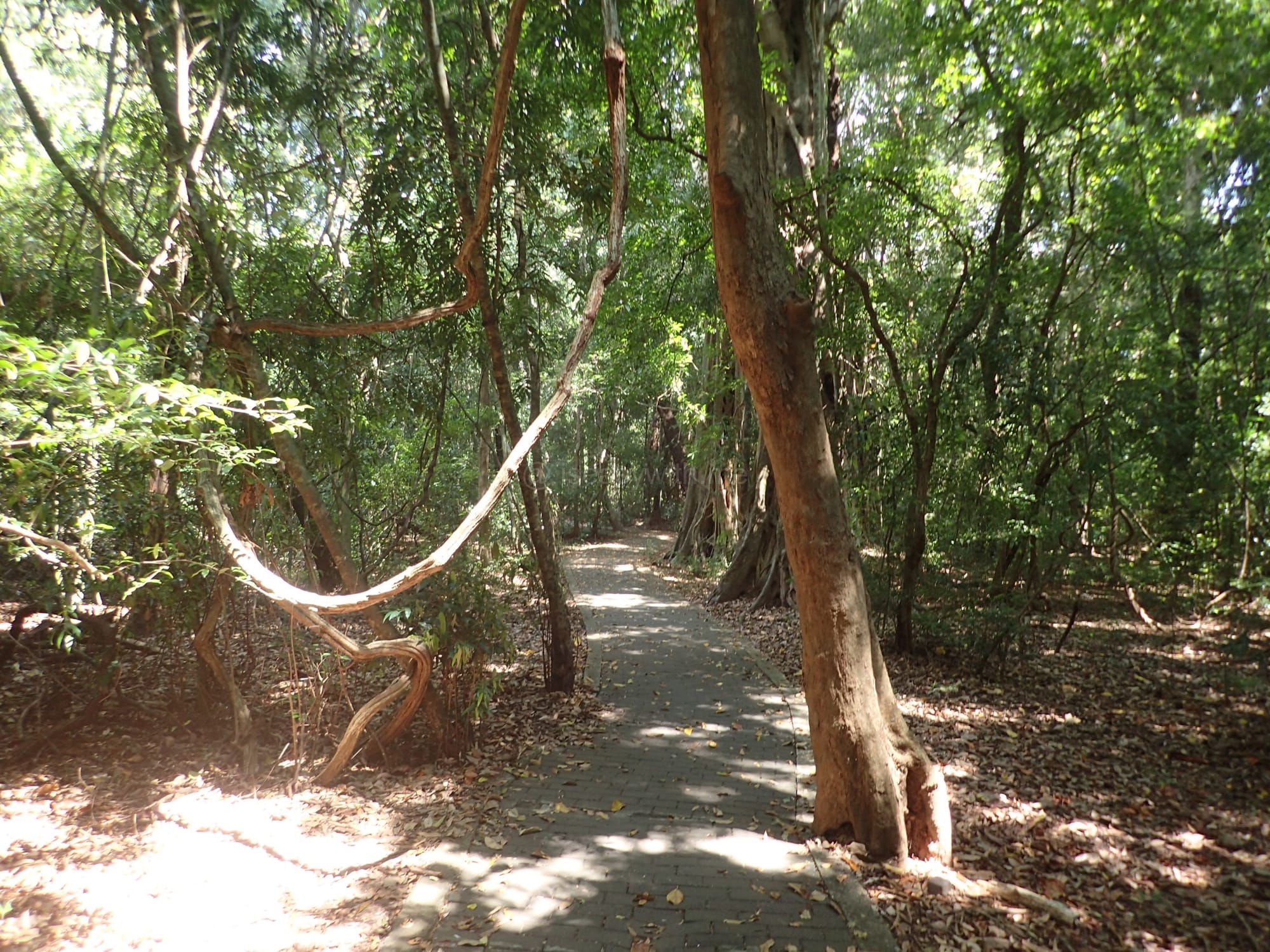
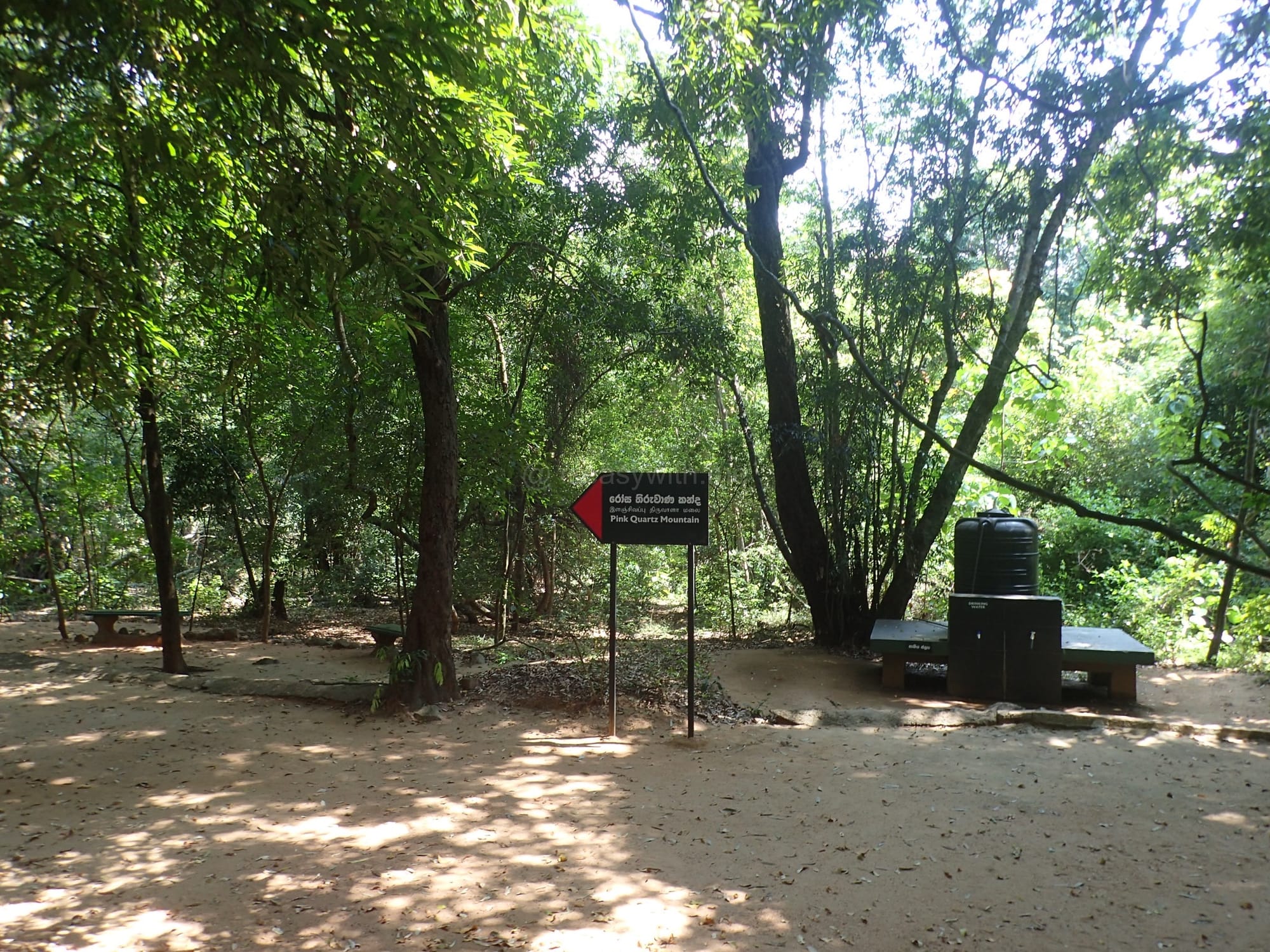
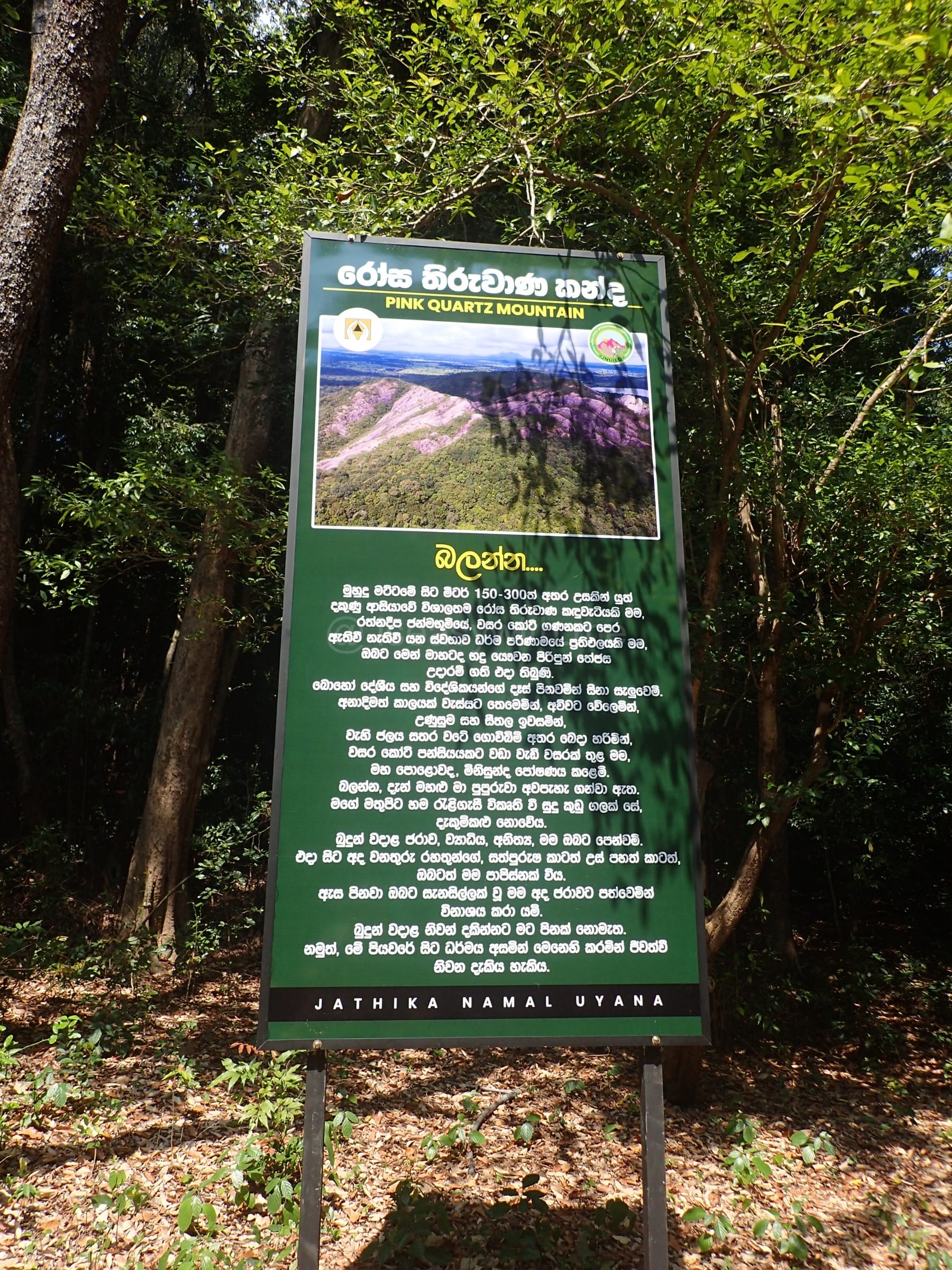
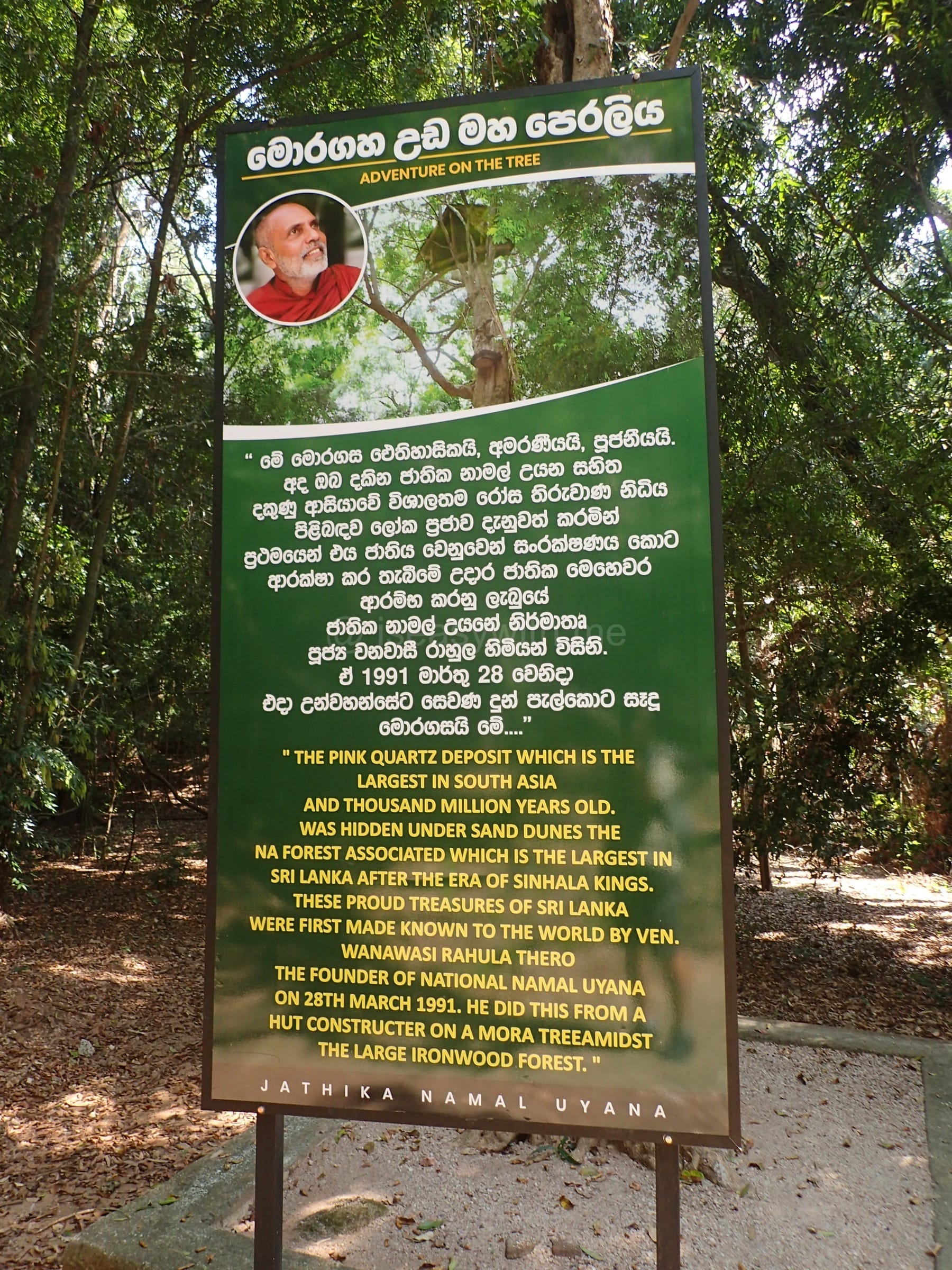
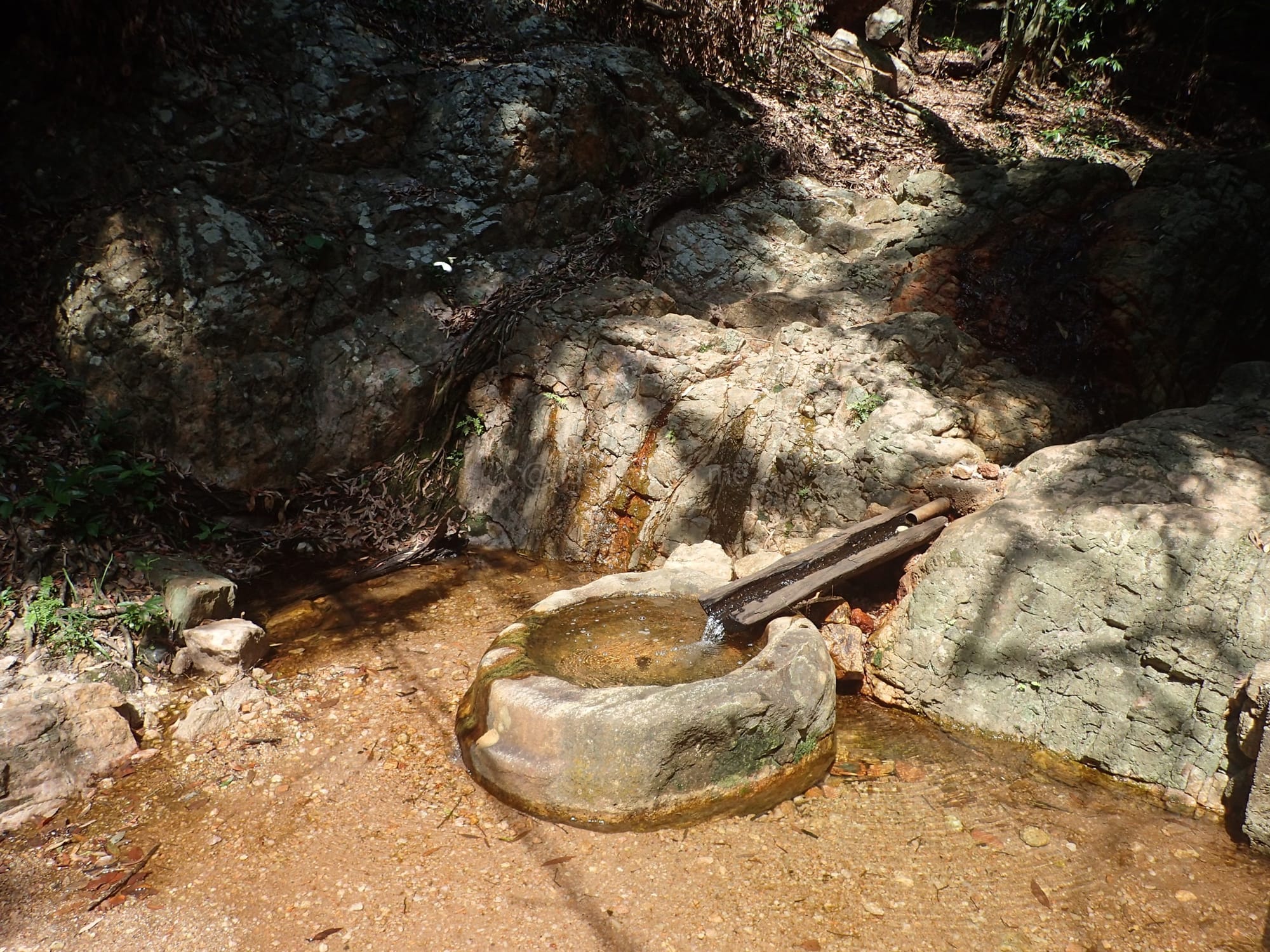
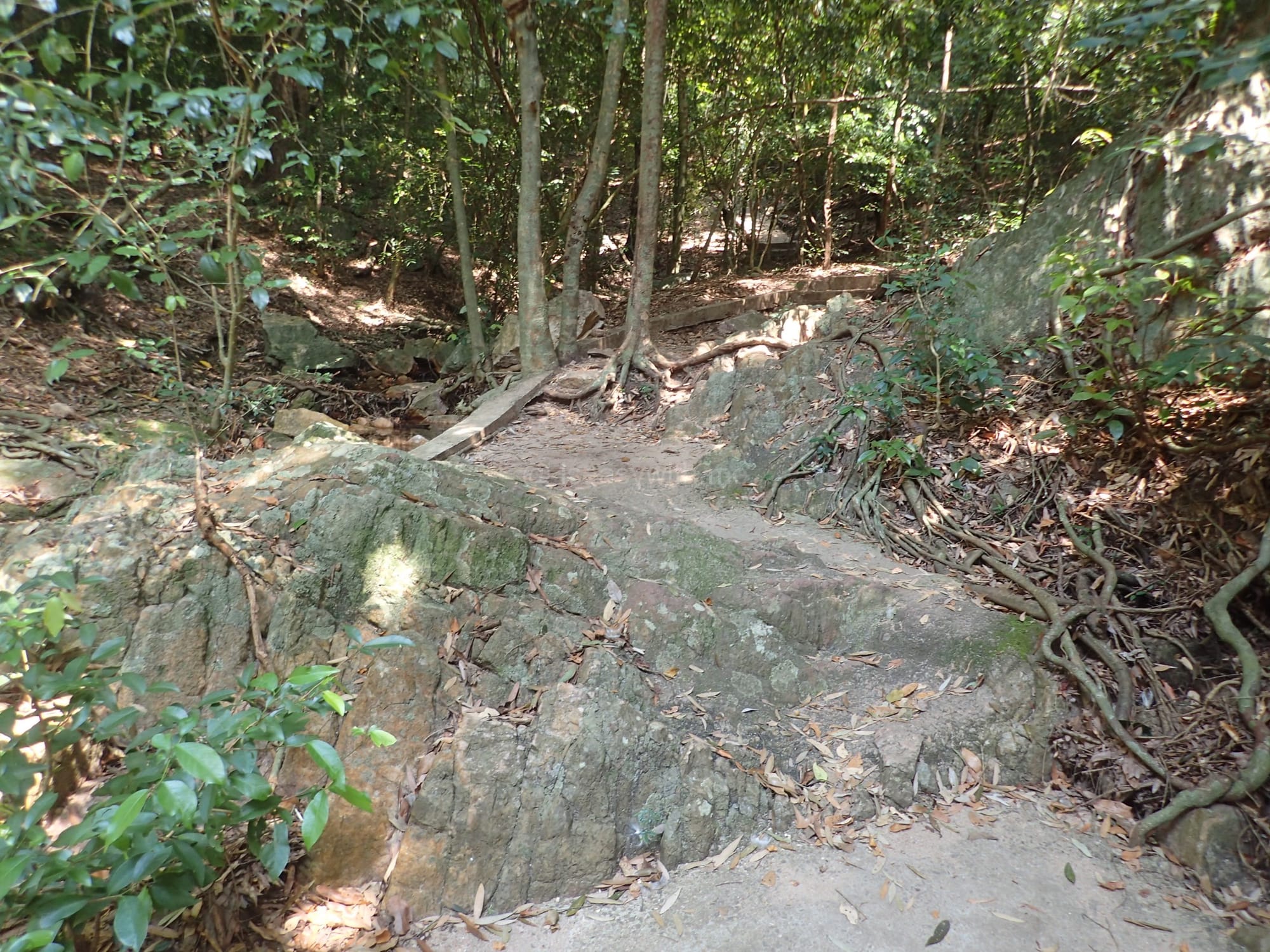
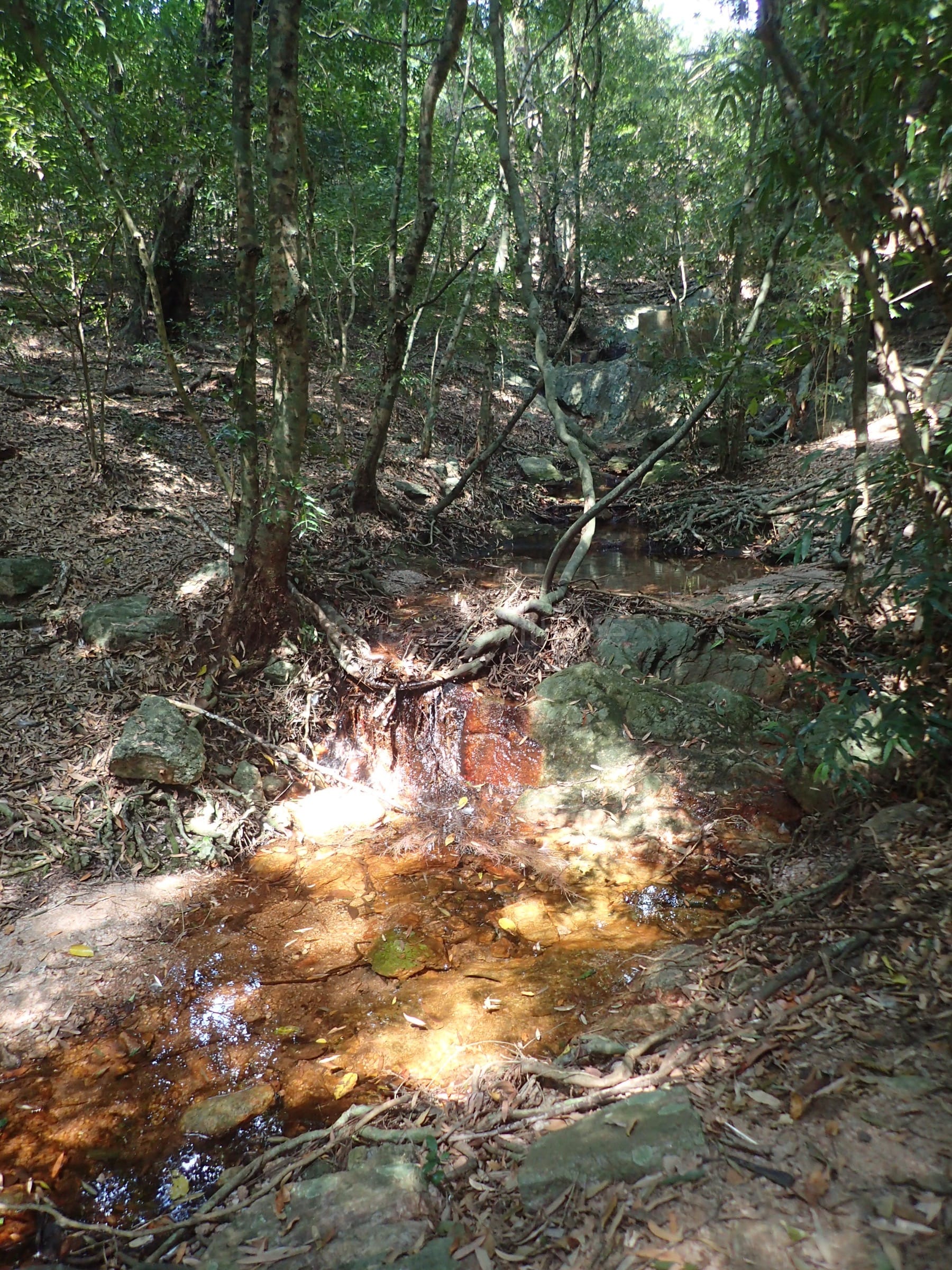
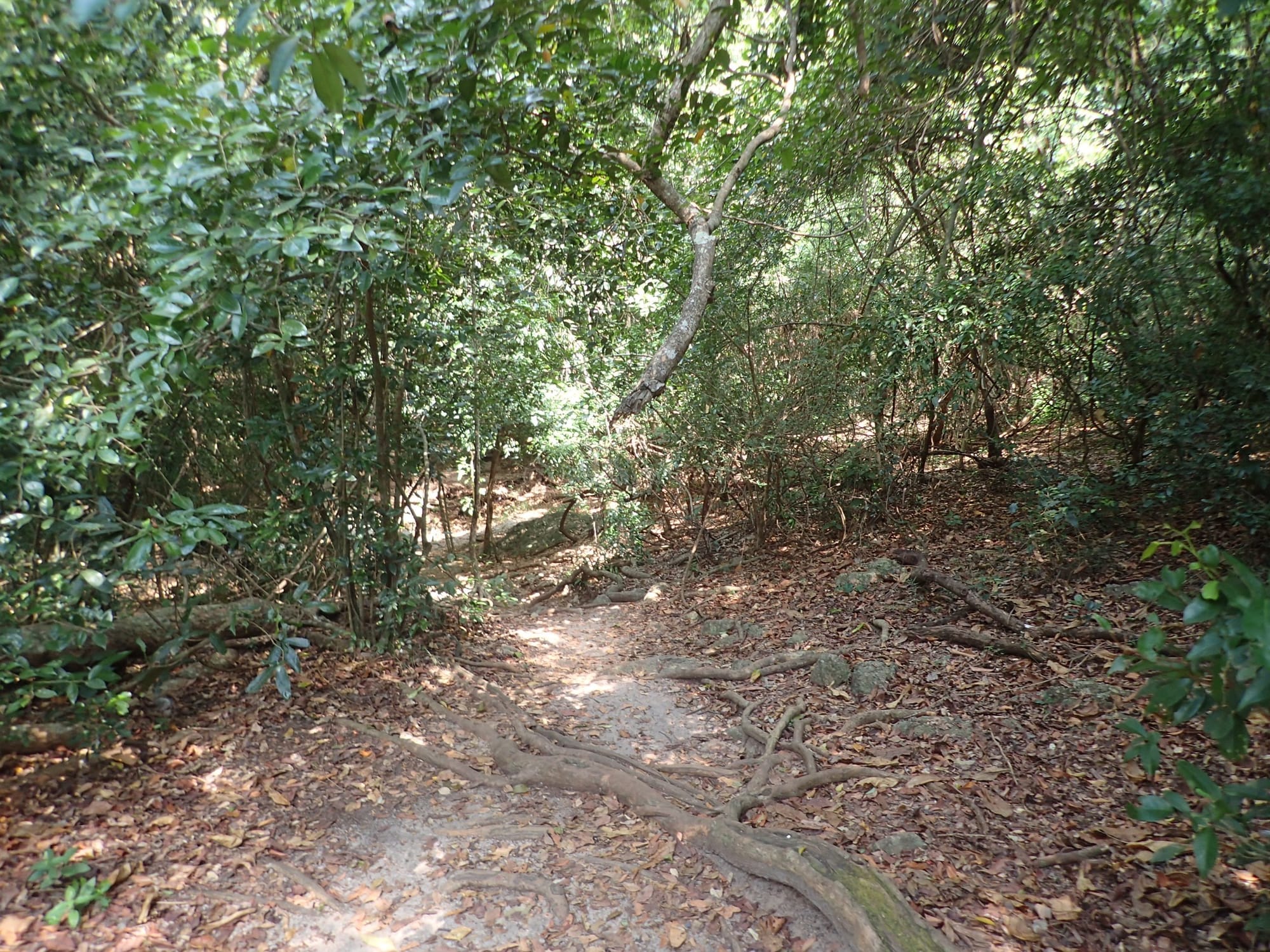
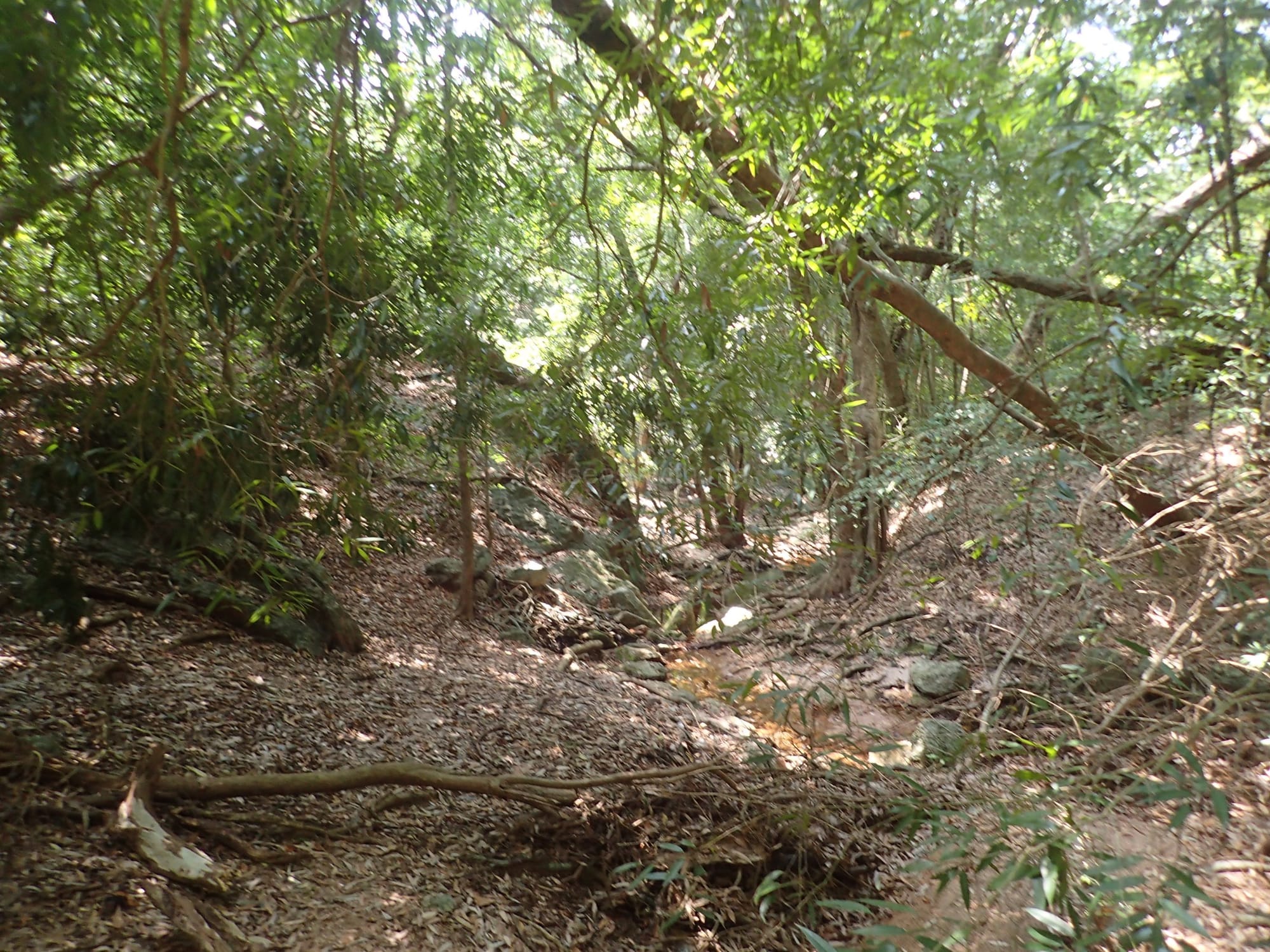
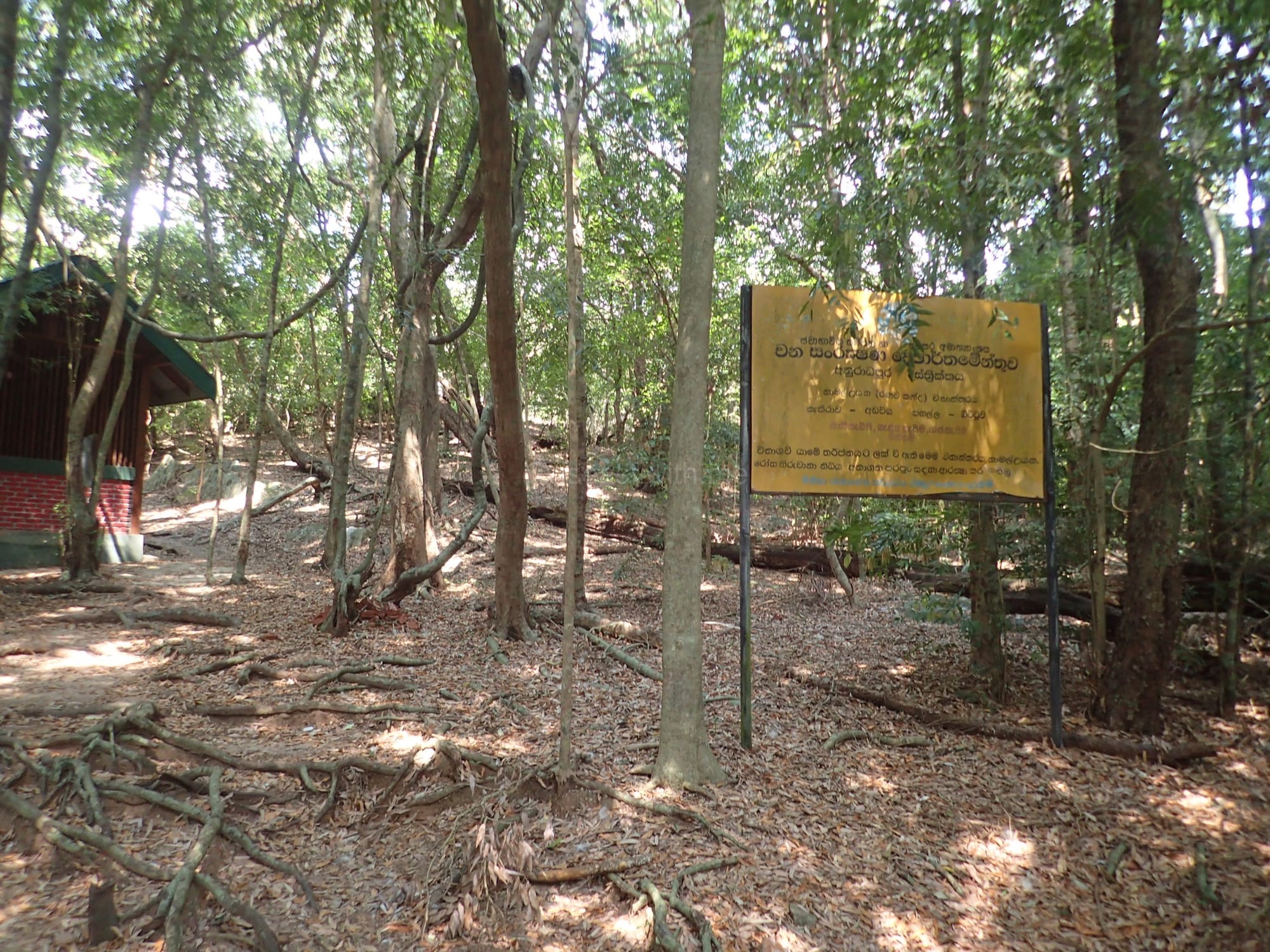
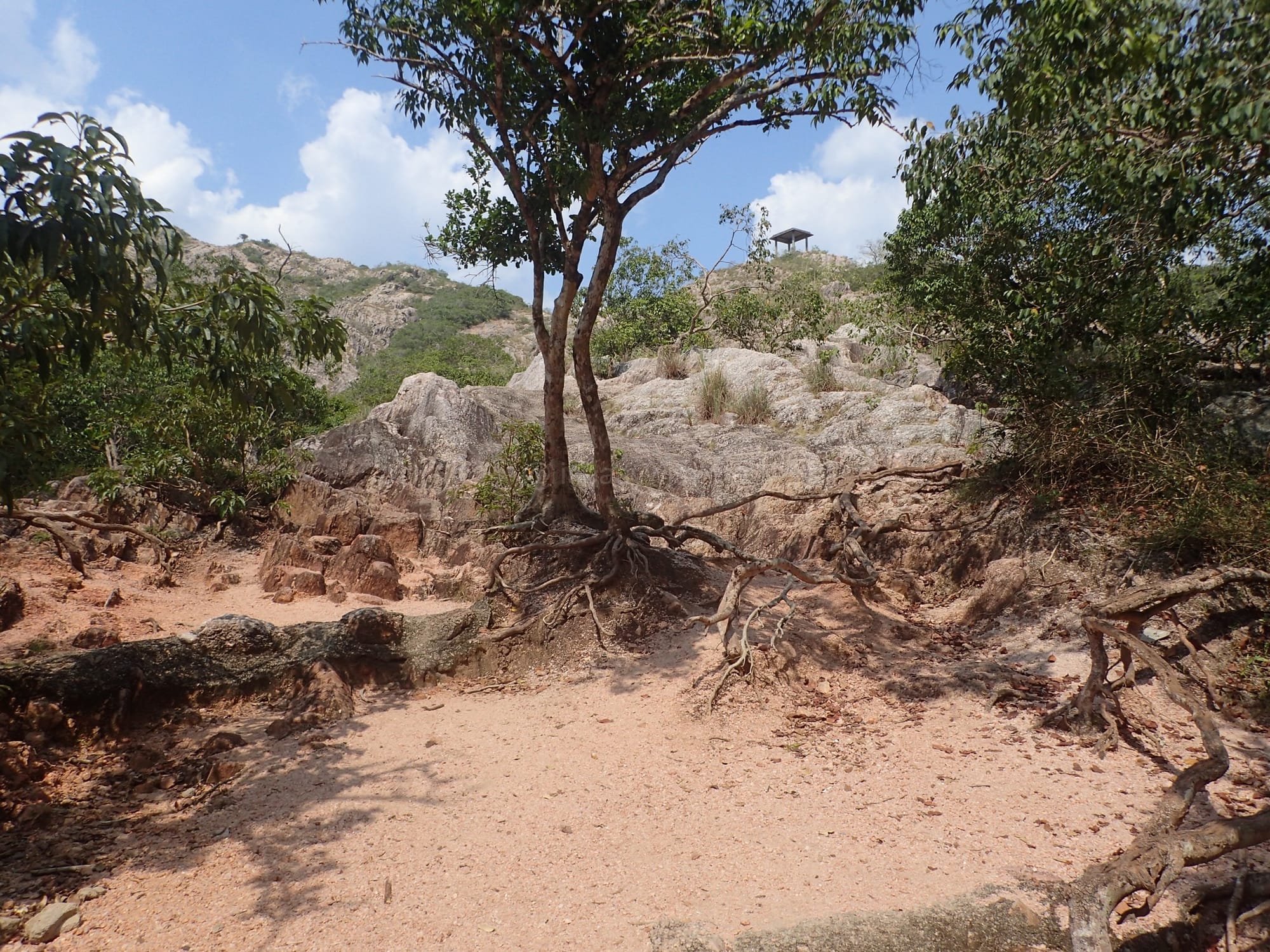
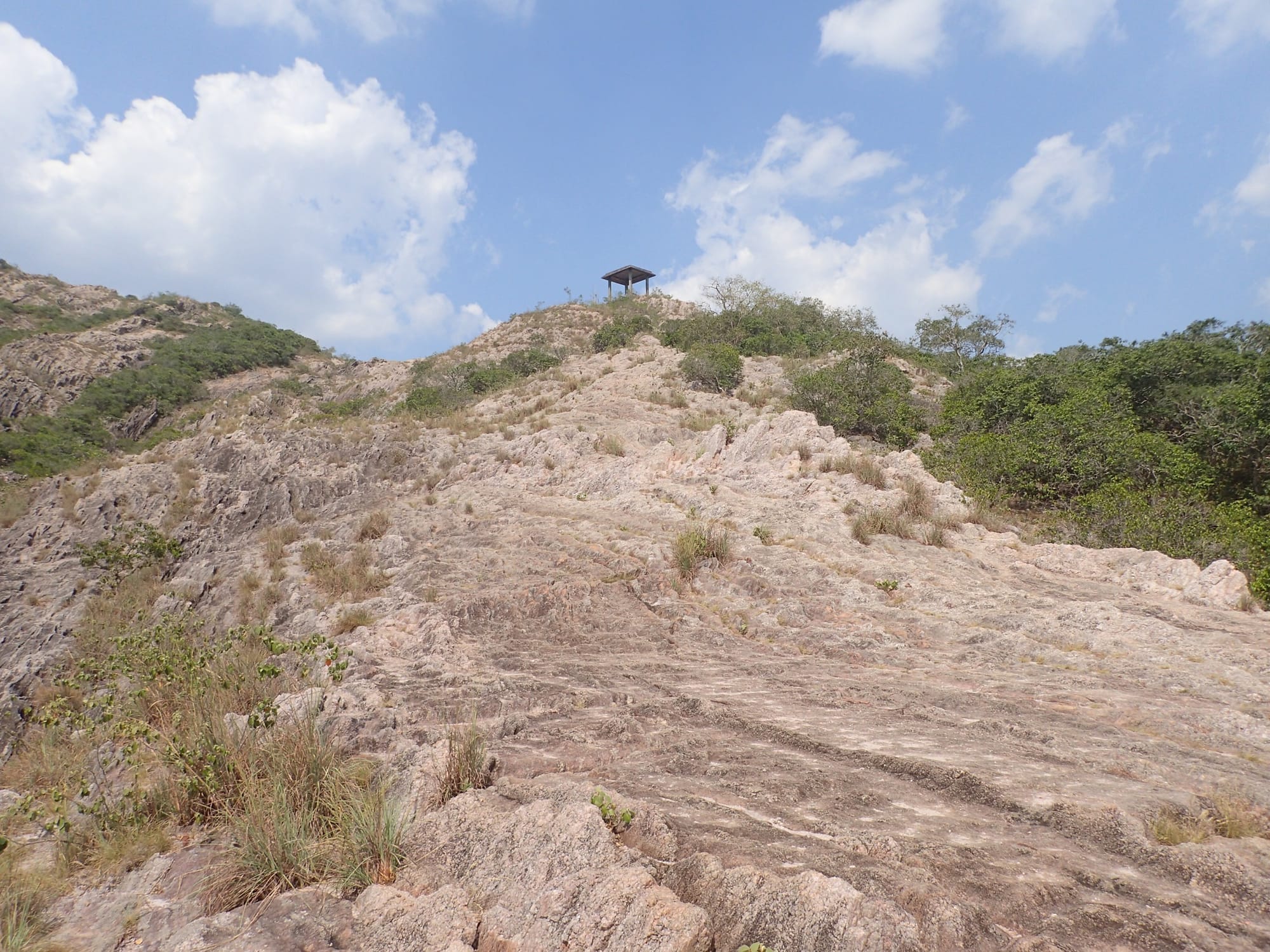
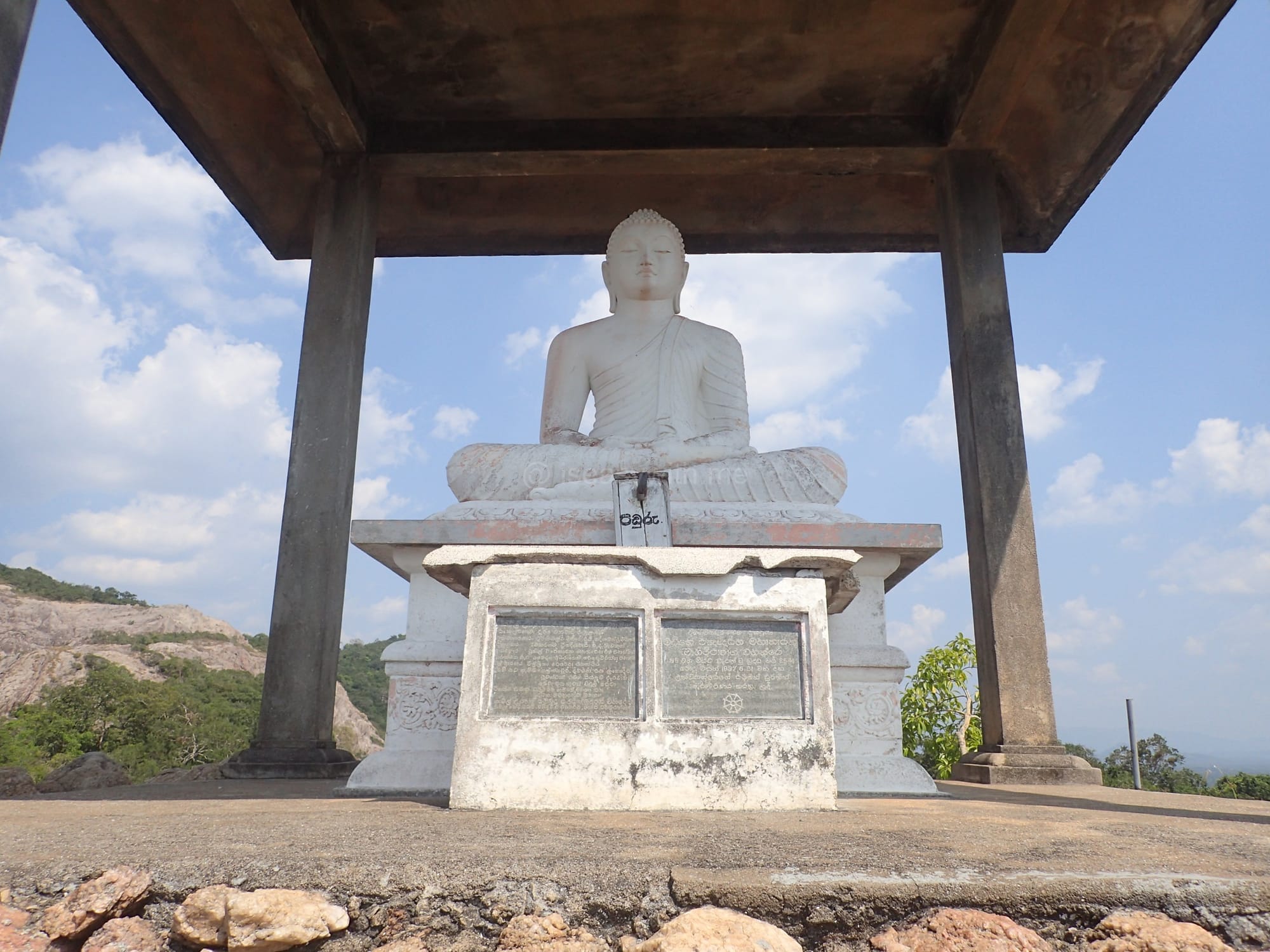
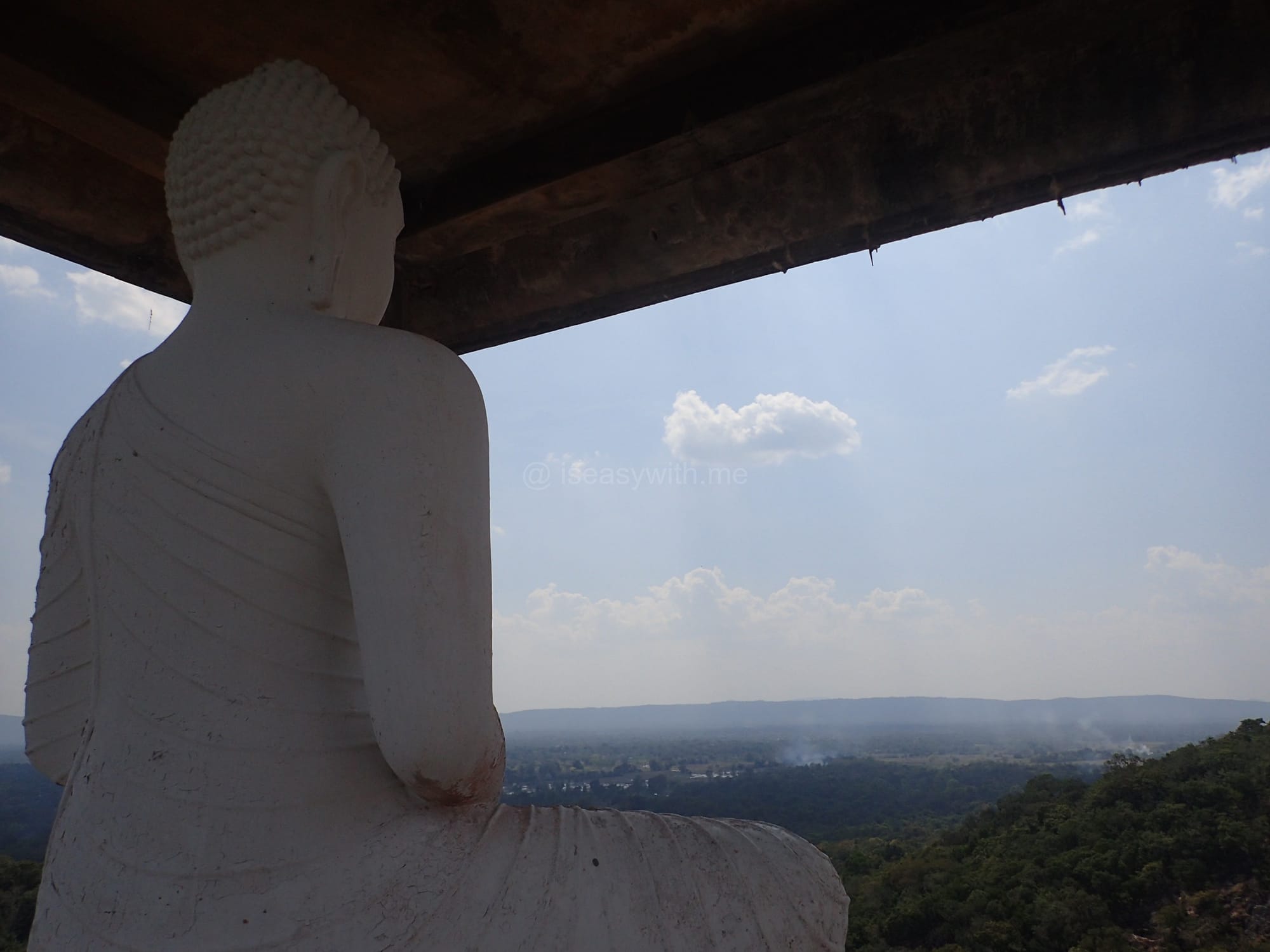
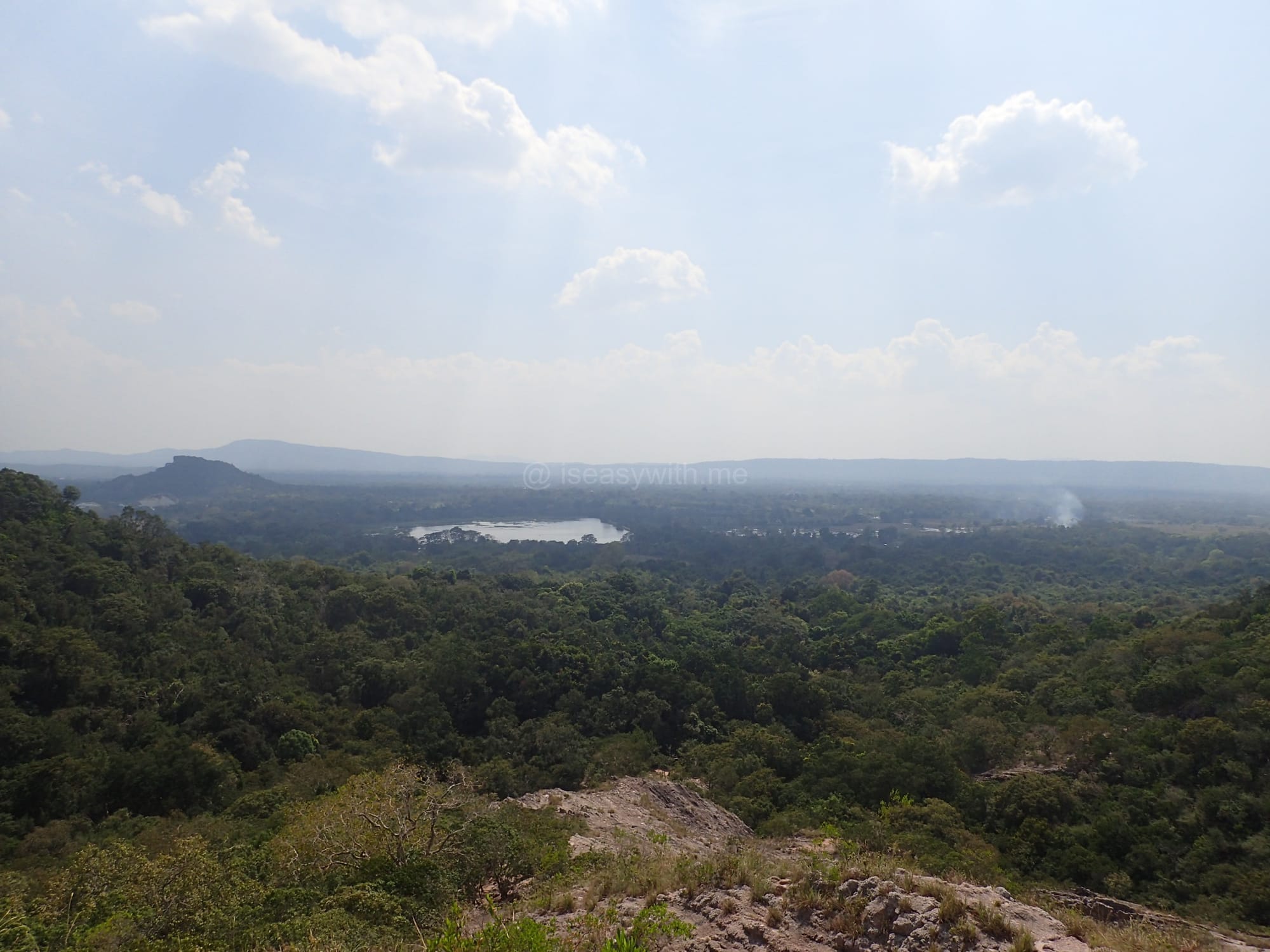
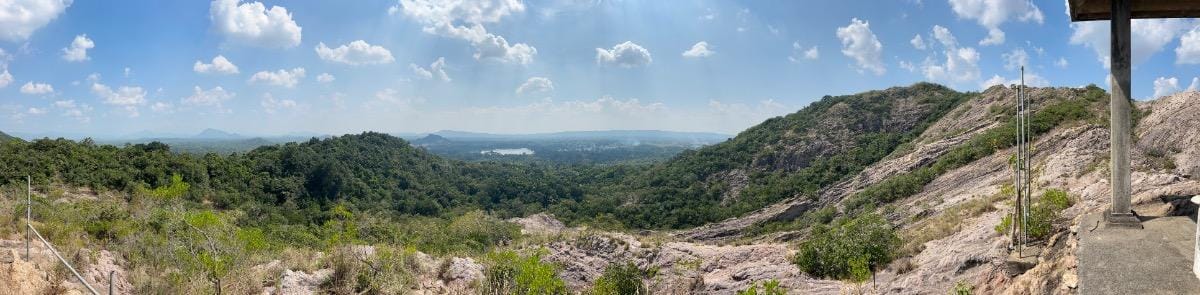
The highlight of the trek is climbing to the summit, where a beautiful, serene white Buddha statue sits looking out over the landscape. Reaching this hilltop shrine rewarded me with spectacular panoramic views of the surrounding forest canopy.
Kaludiya Pokuna Archaeological Site
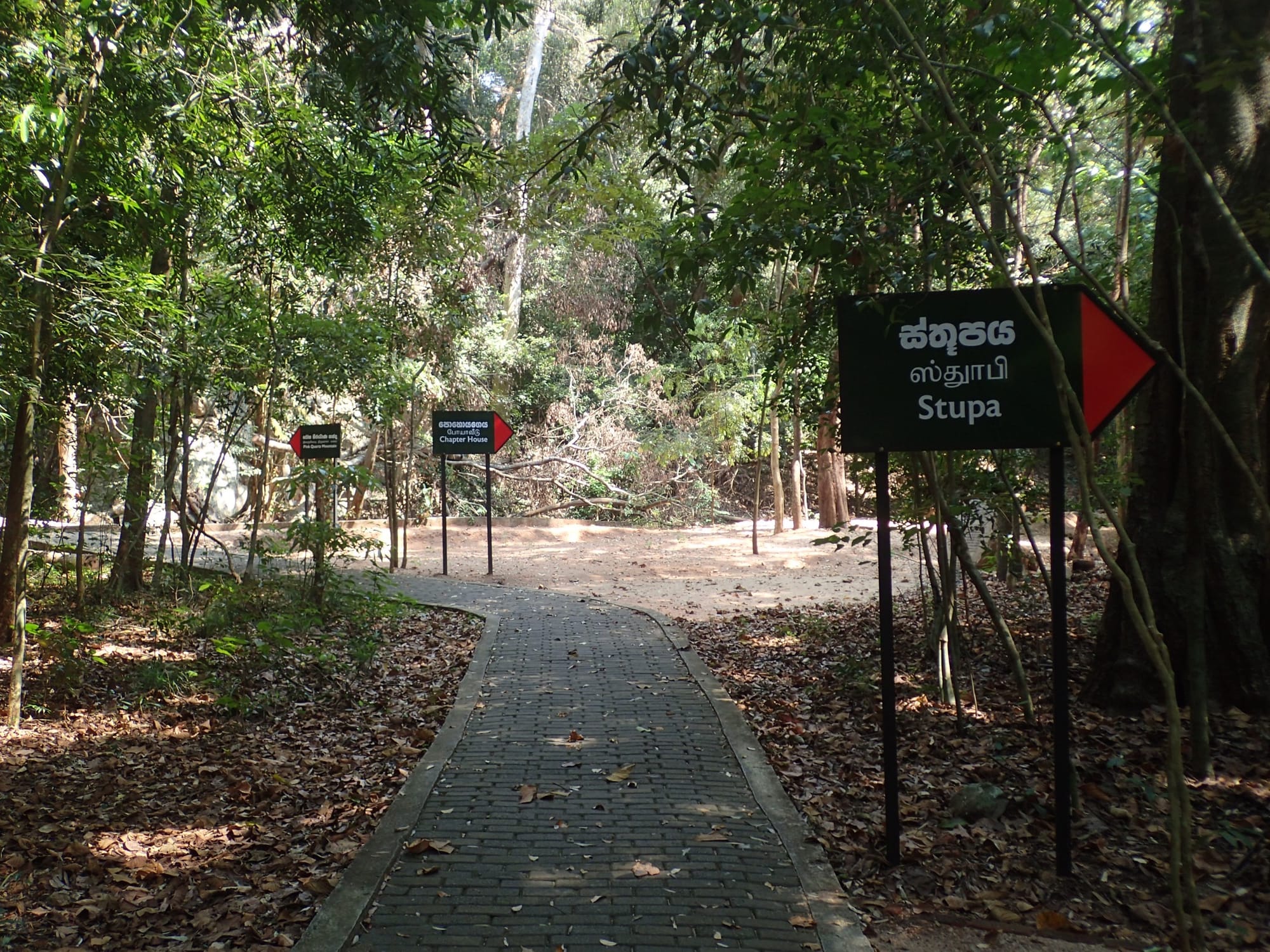
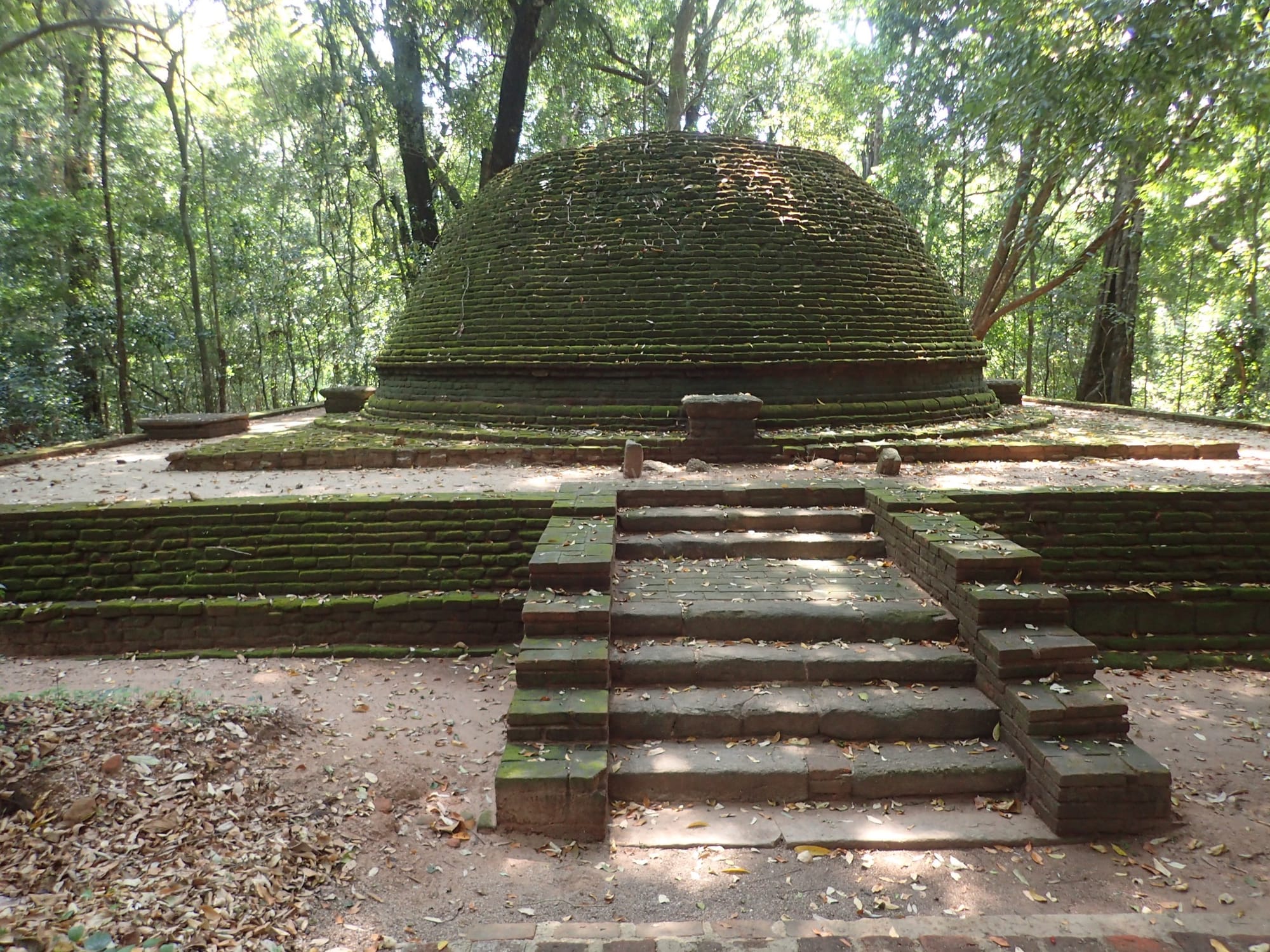
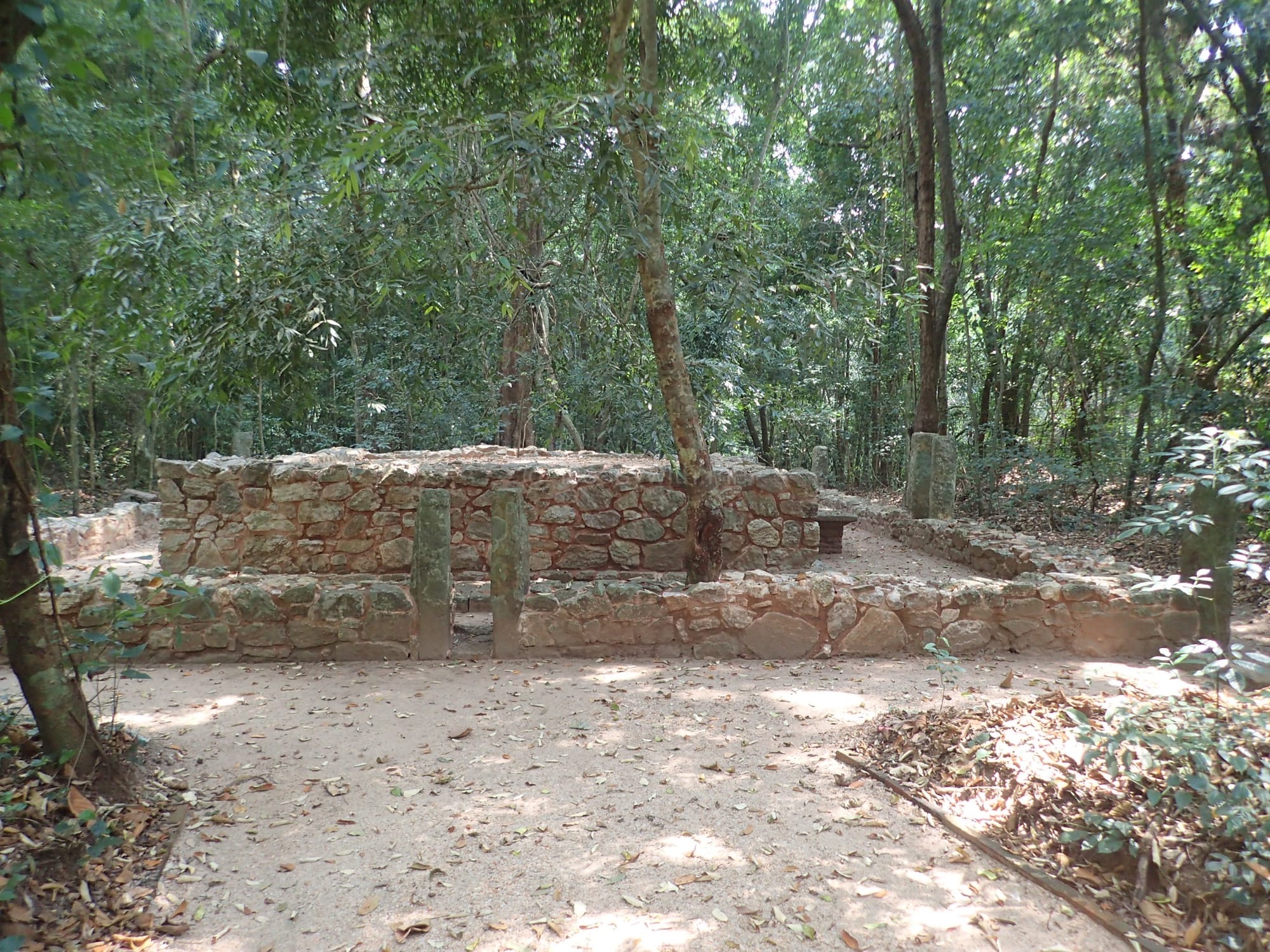
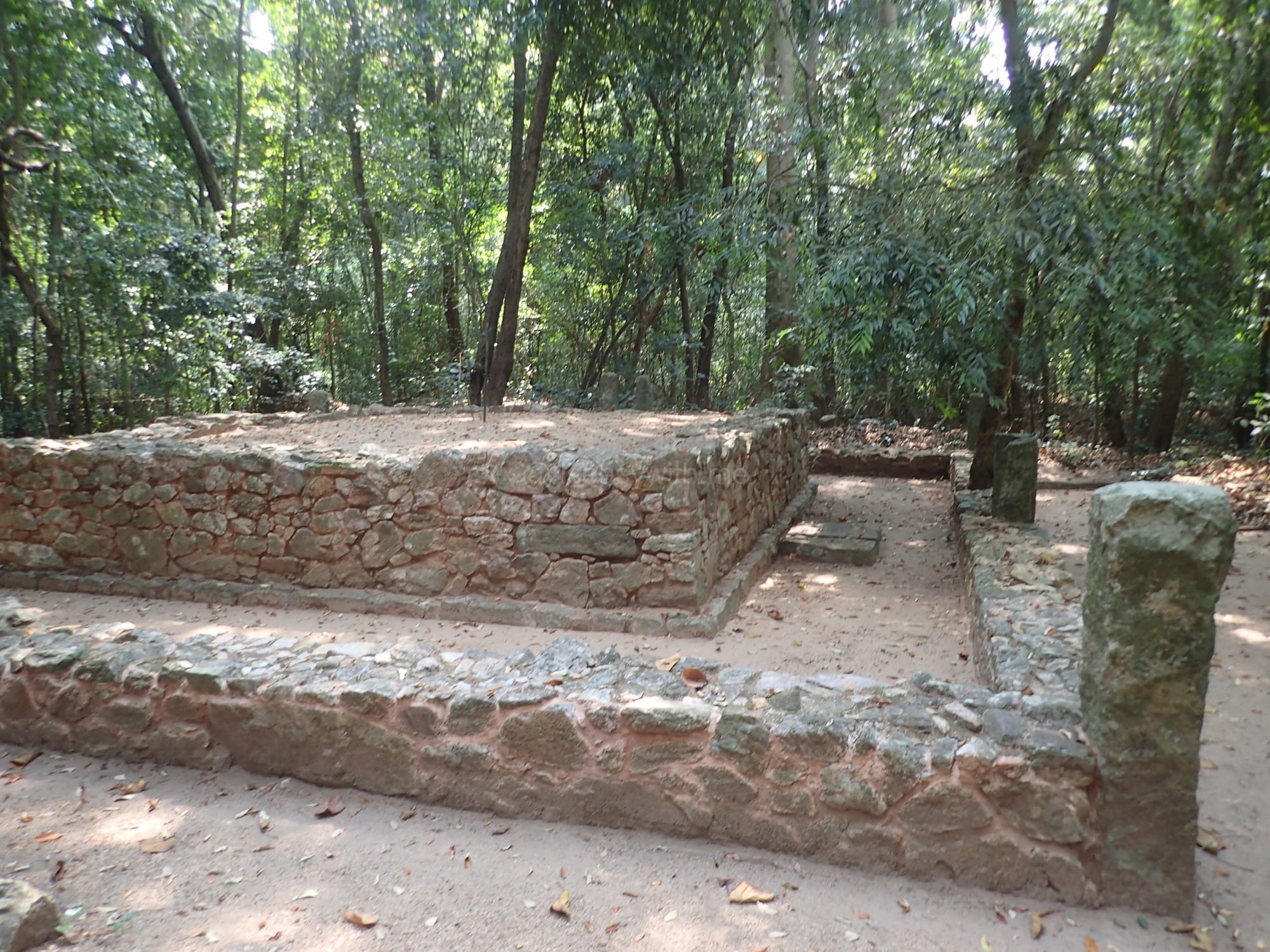
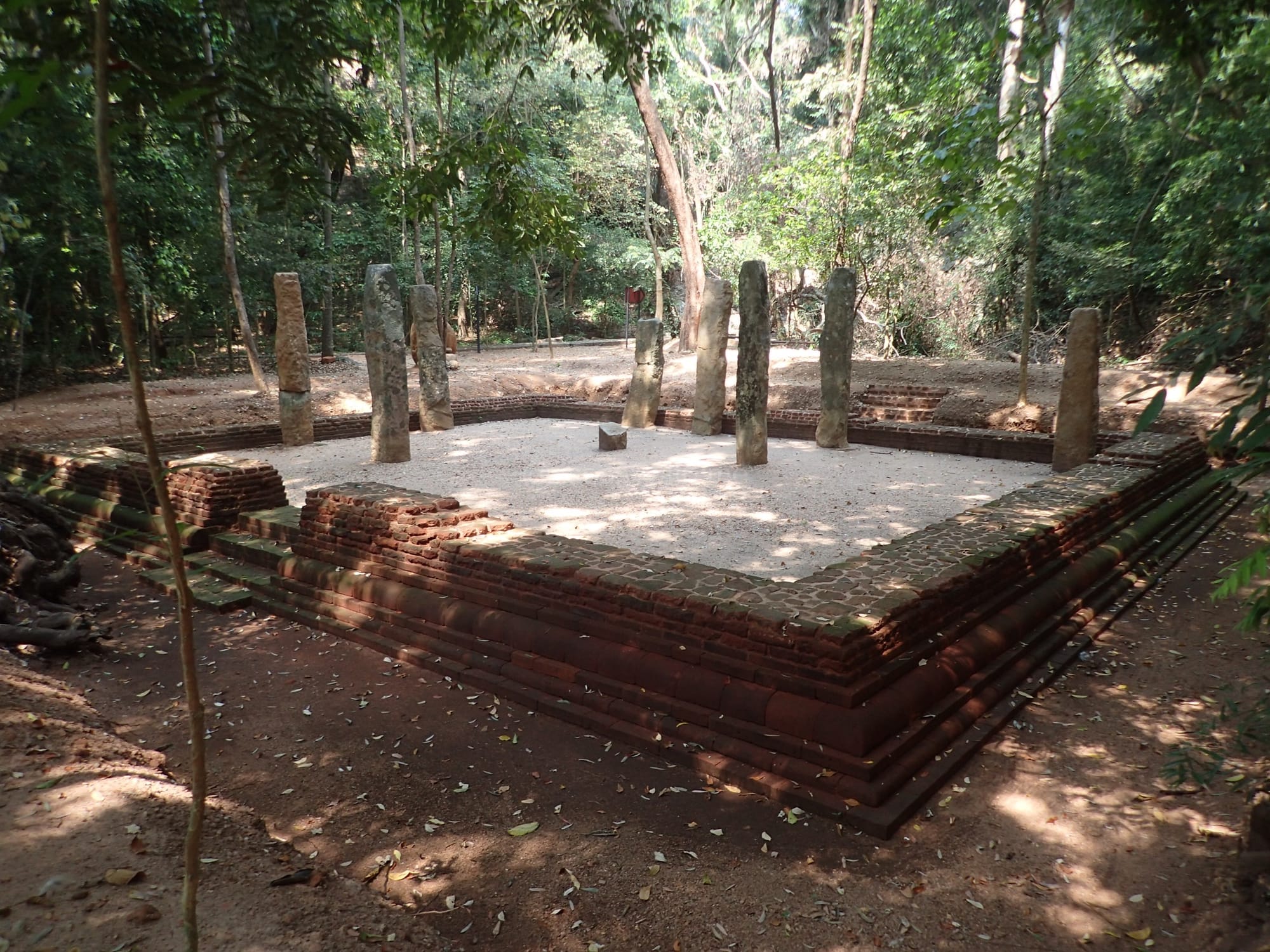
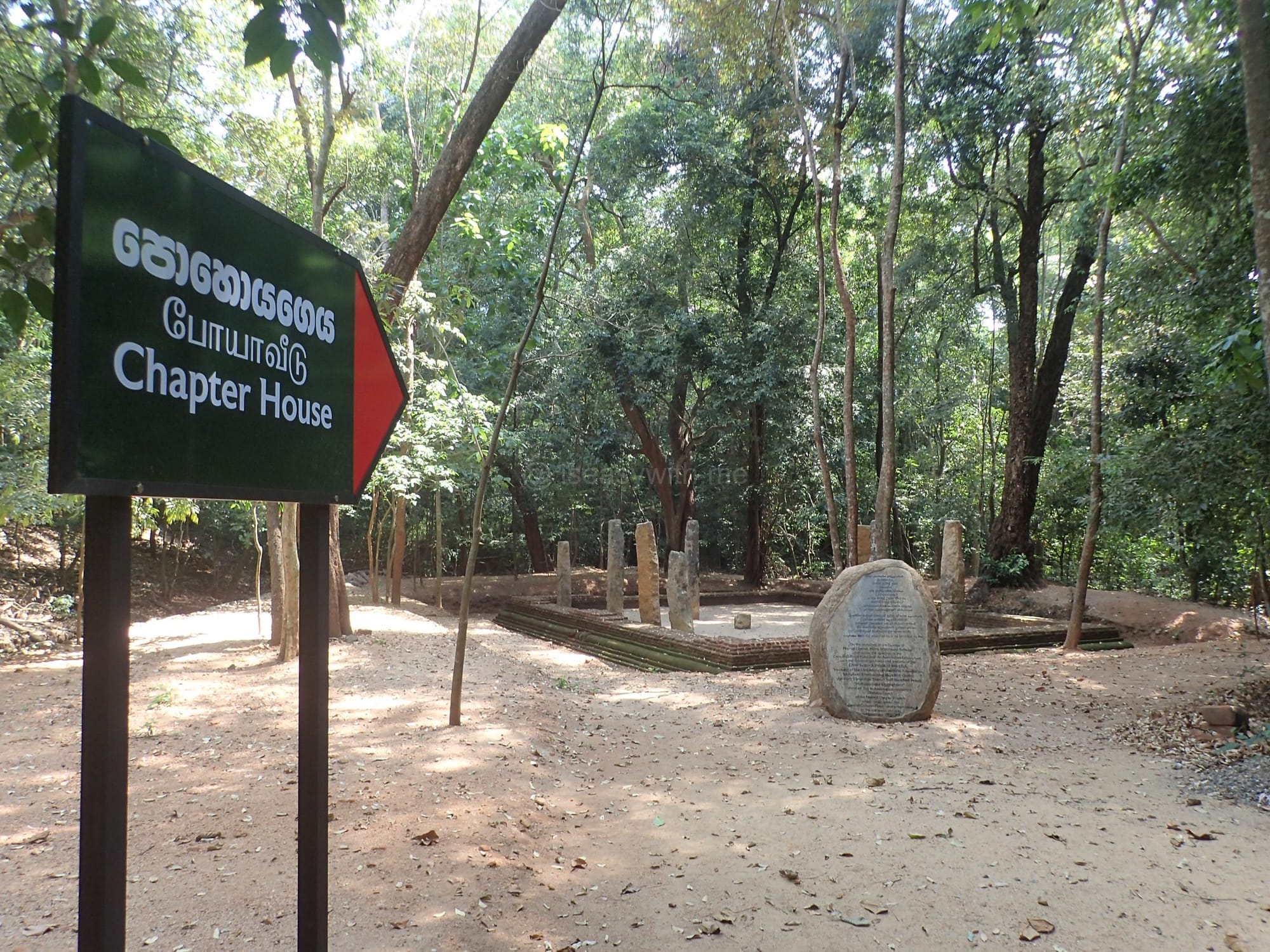
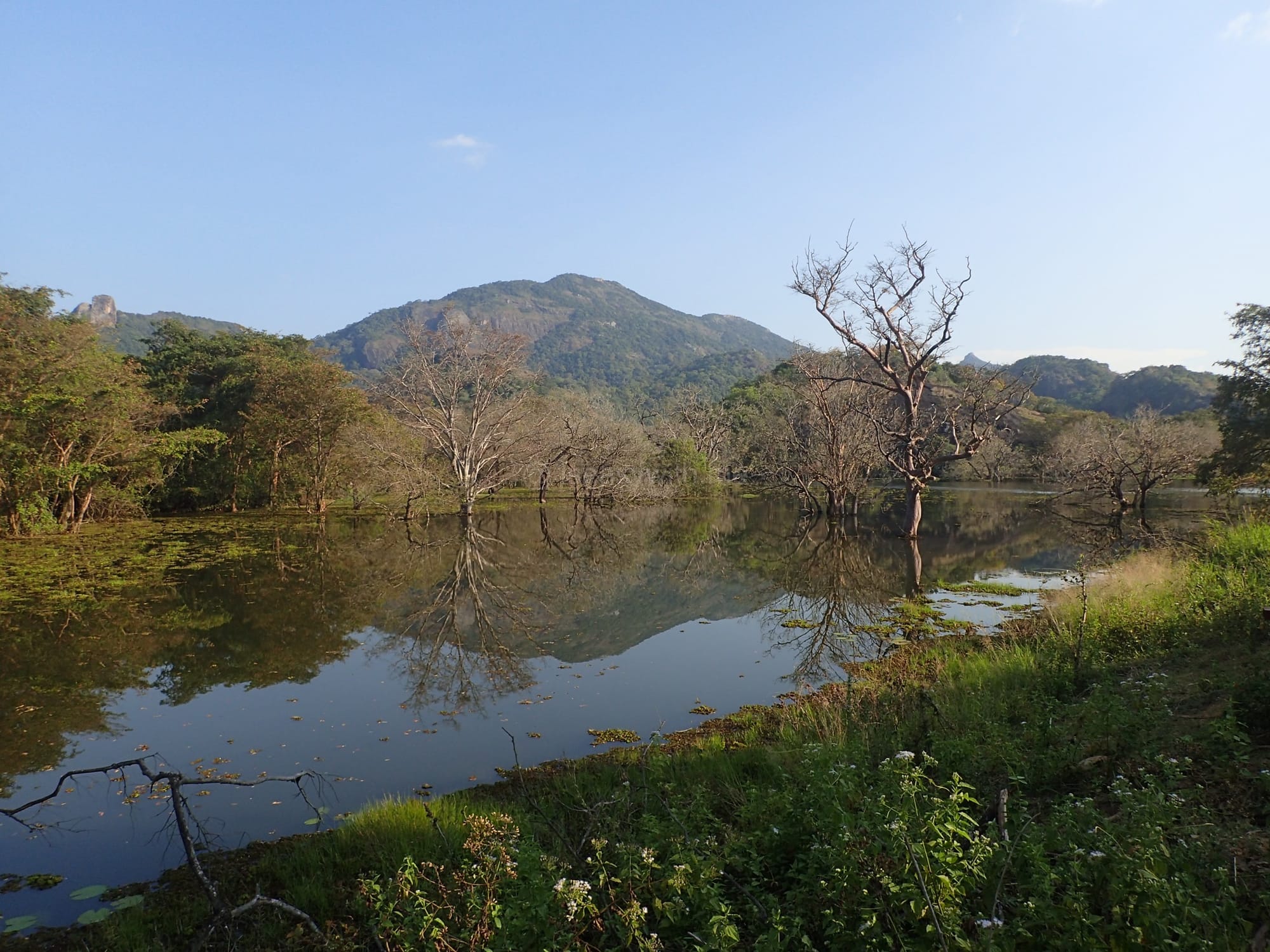
Hidden within a dense forest setting, Kaludiya Pokuna (meaning 'Black Water Pond') is an incredibly atmospheric, ruined ancient monastery. Unlike busier attractions, I wandered through ancient inscriptions, meditation platforms, and scattered stone structures completely in peace, surrounded only by nature.
My motorbike driver said he hadn't even heard of or been to this site before and ended up exploring the entire ruins right alongside me!
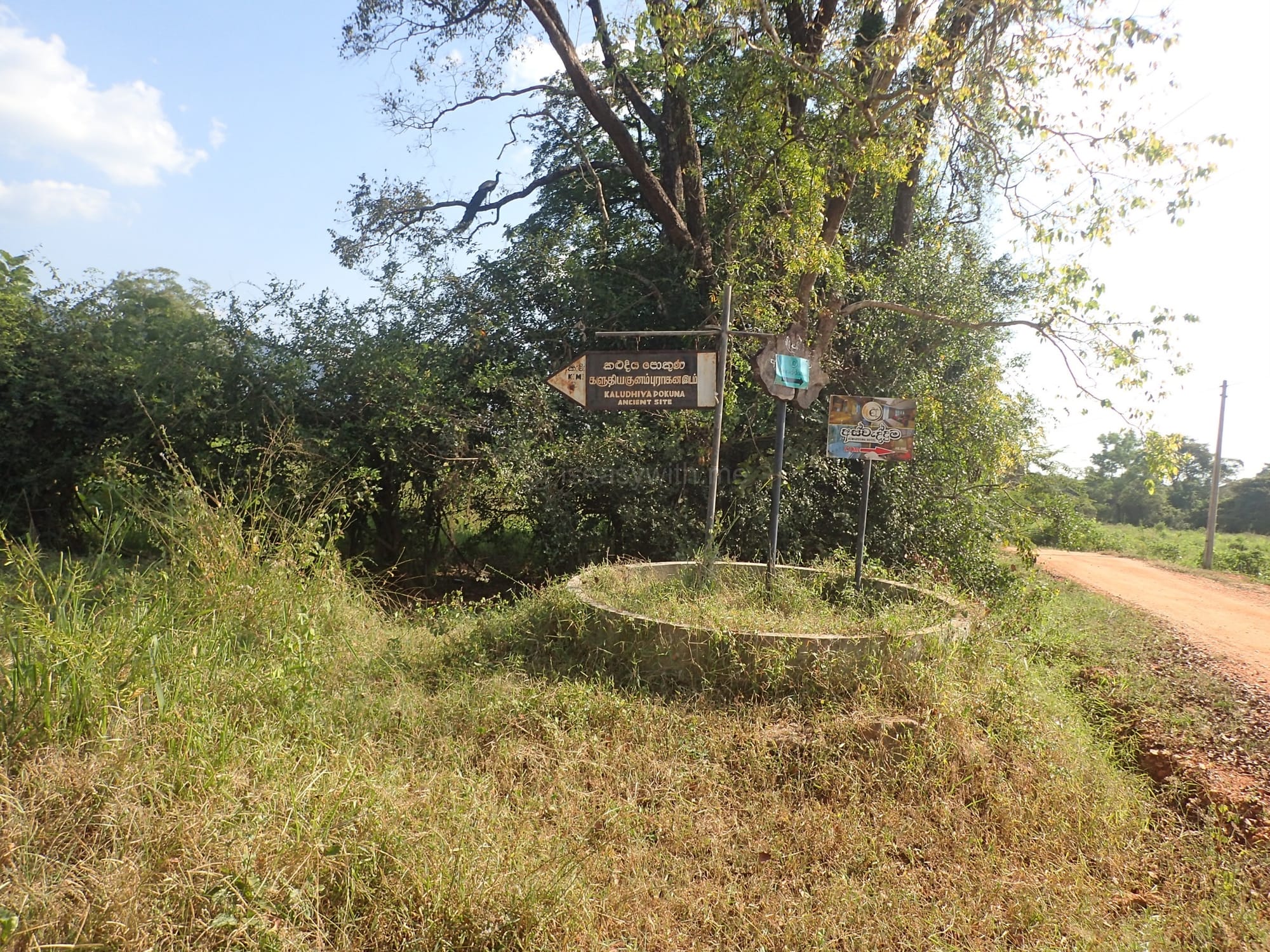
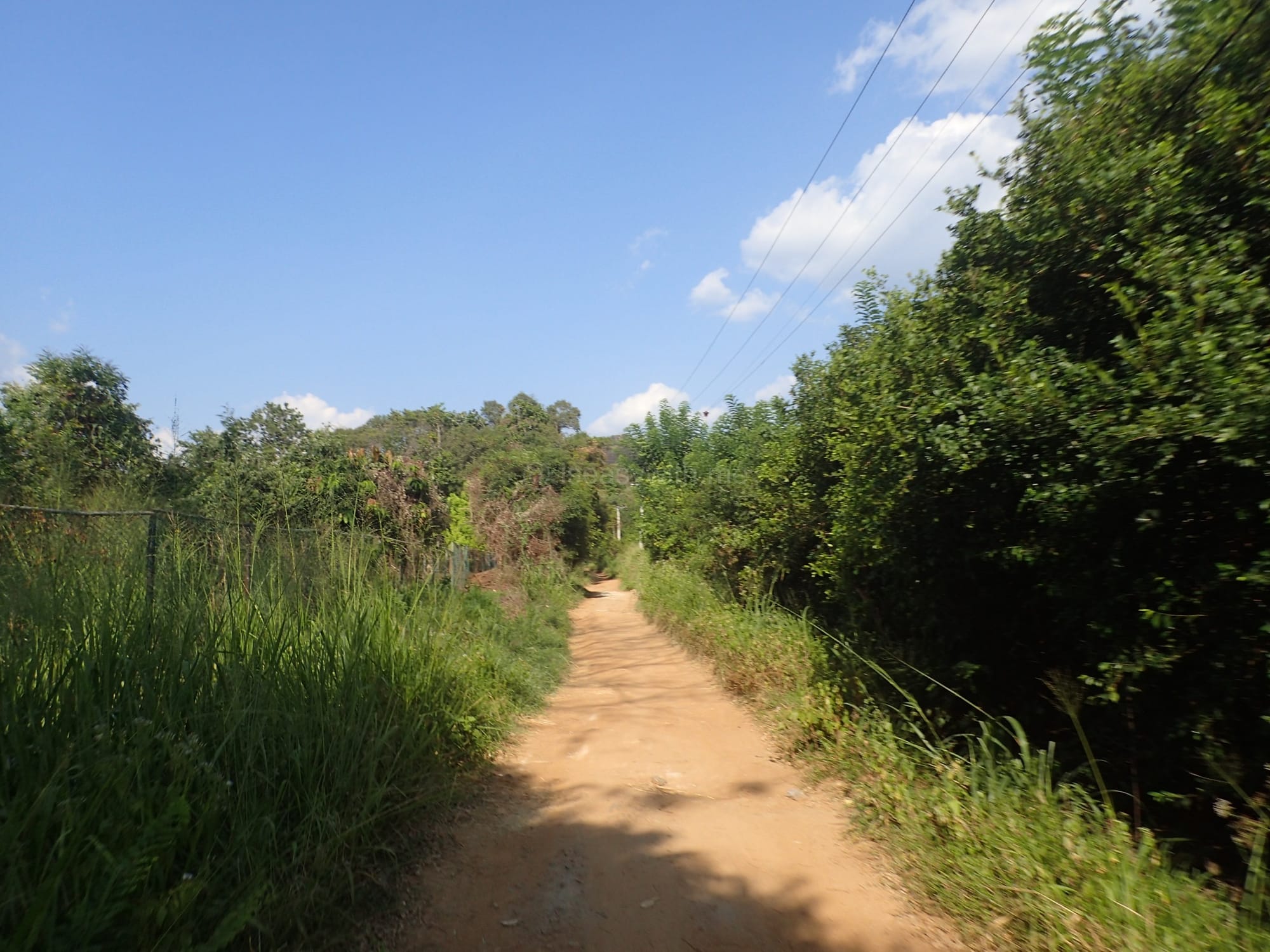
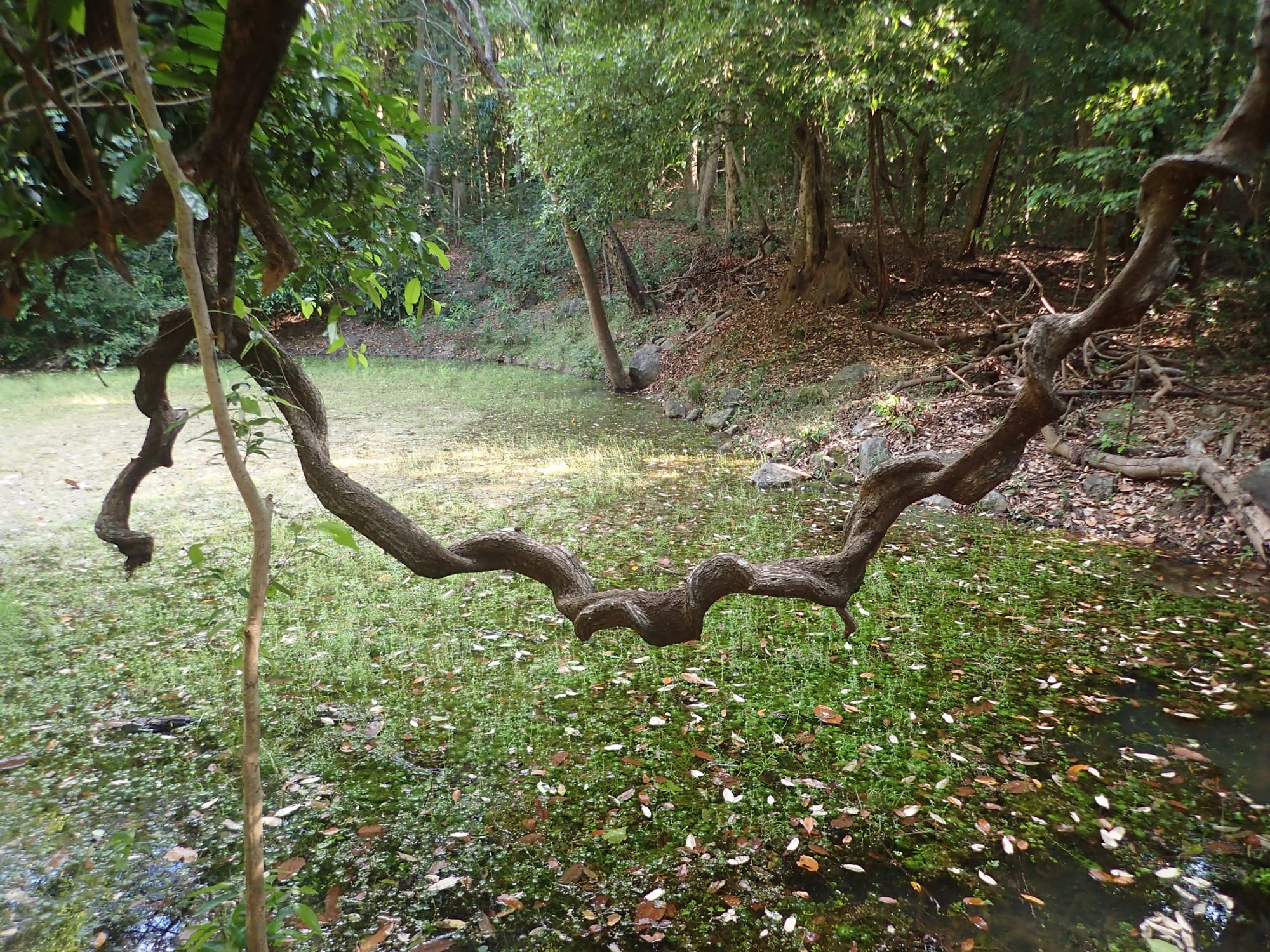
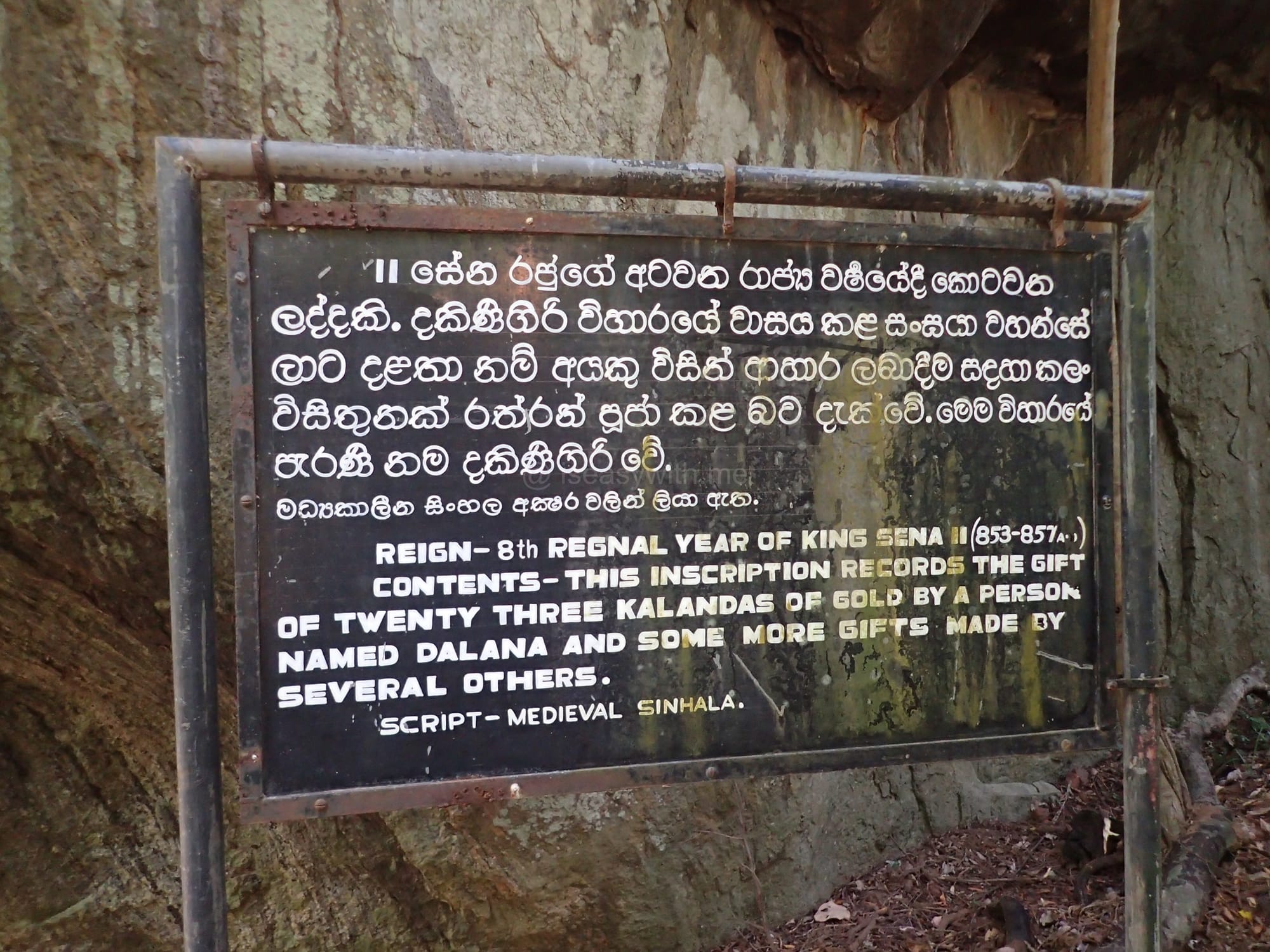
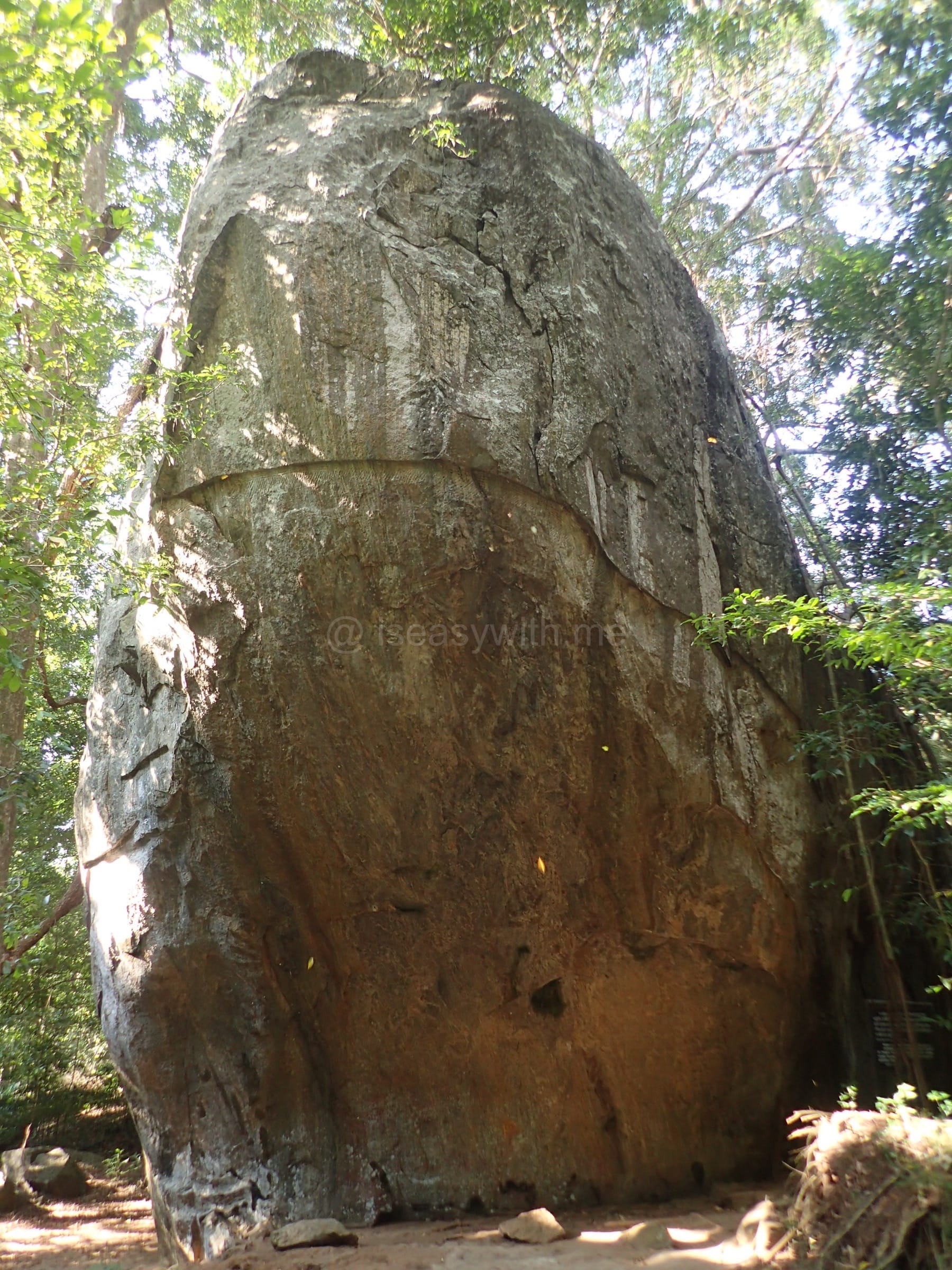
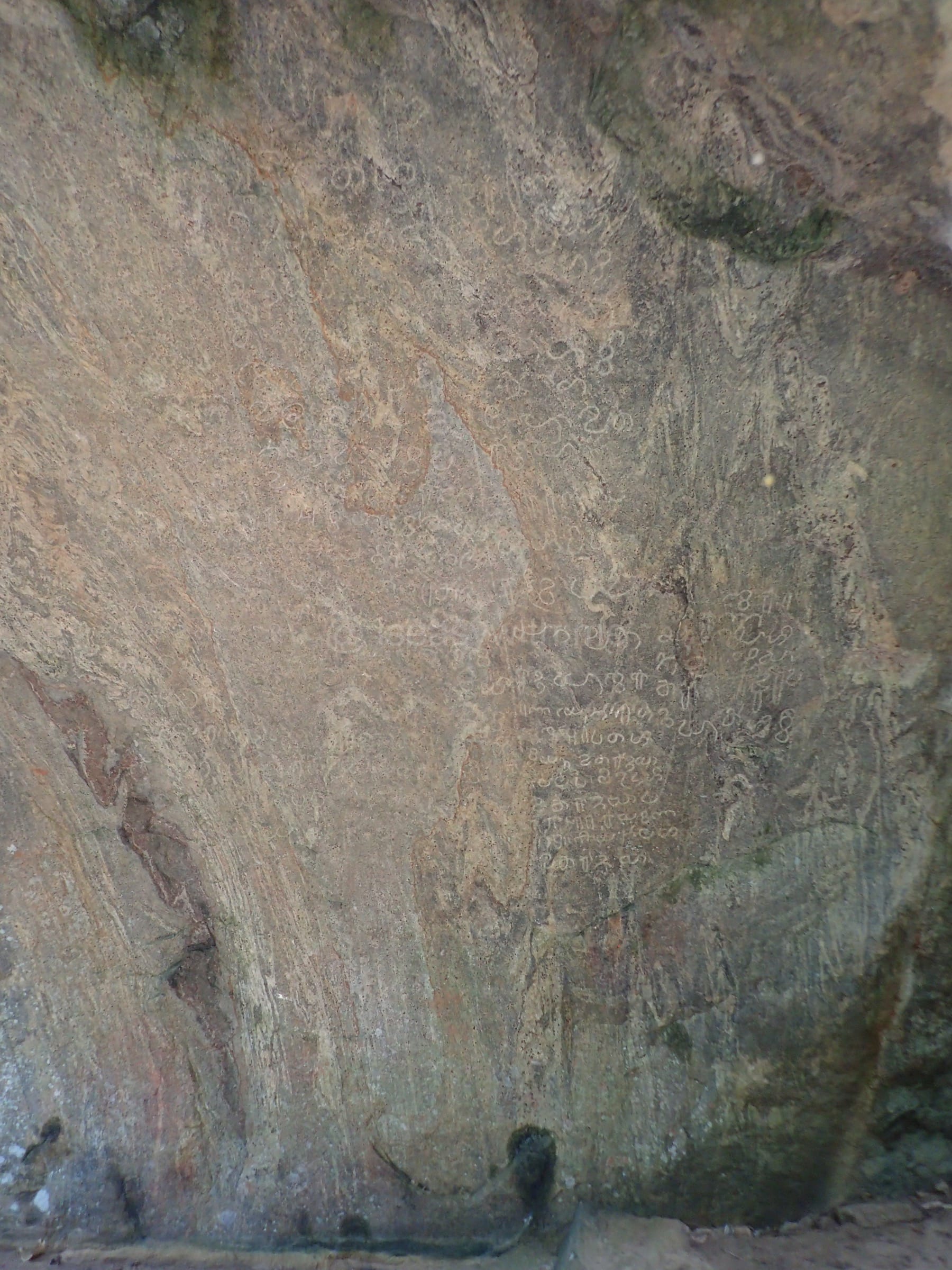
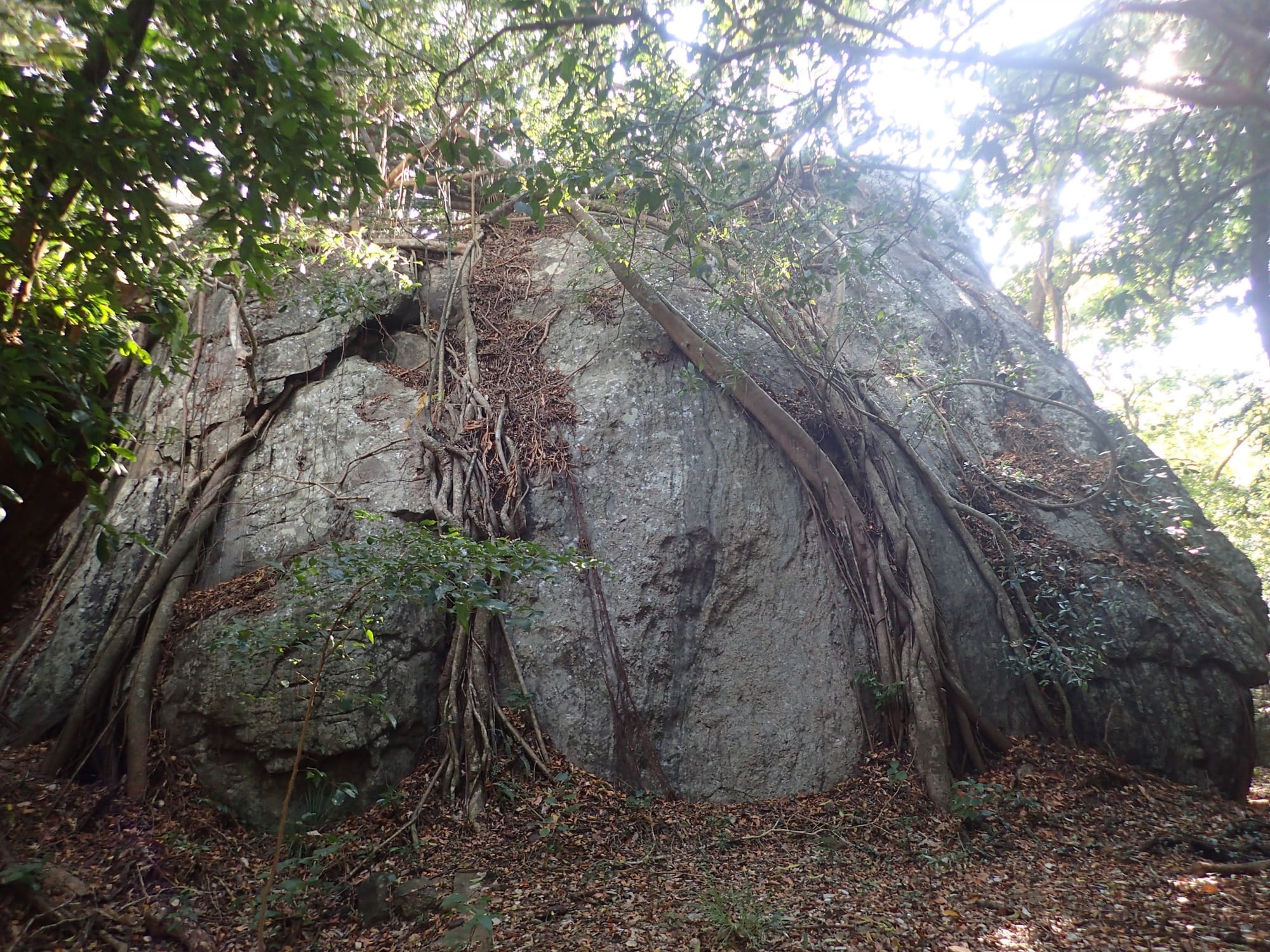
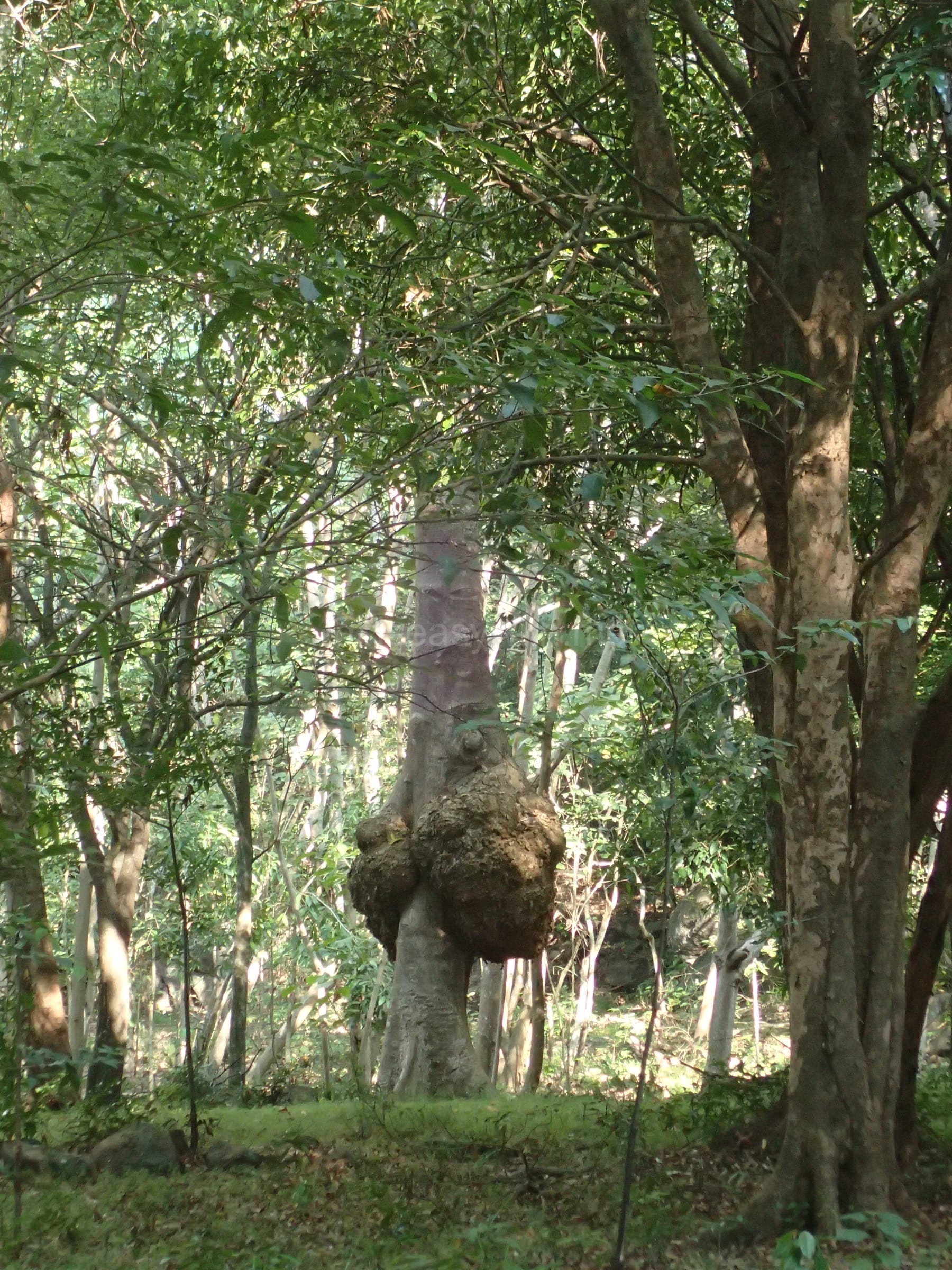
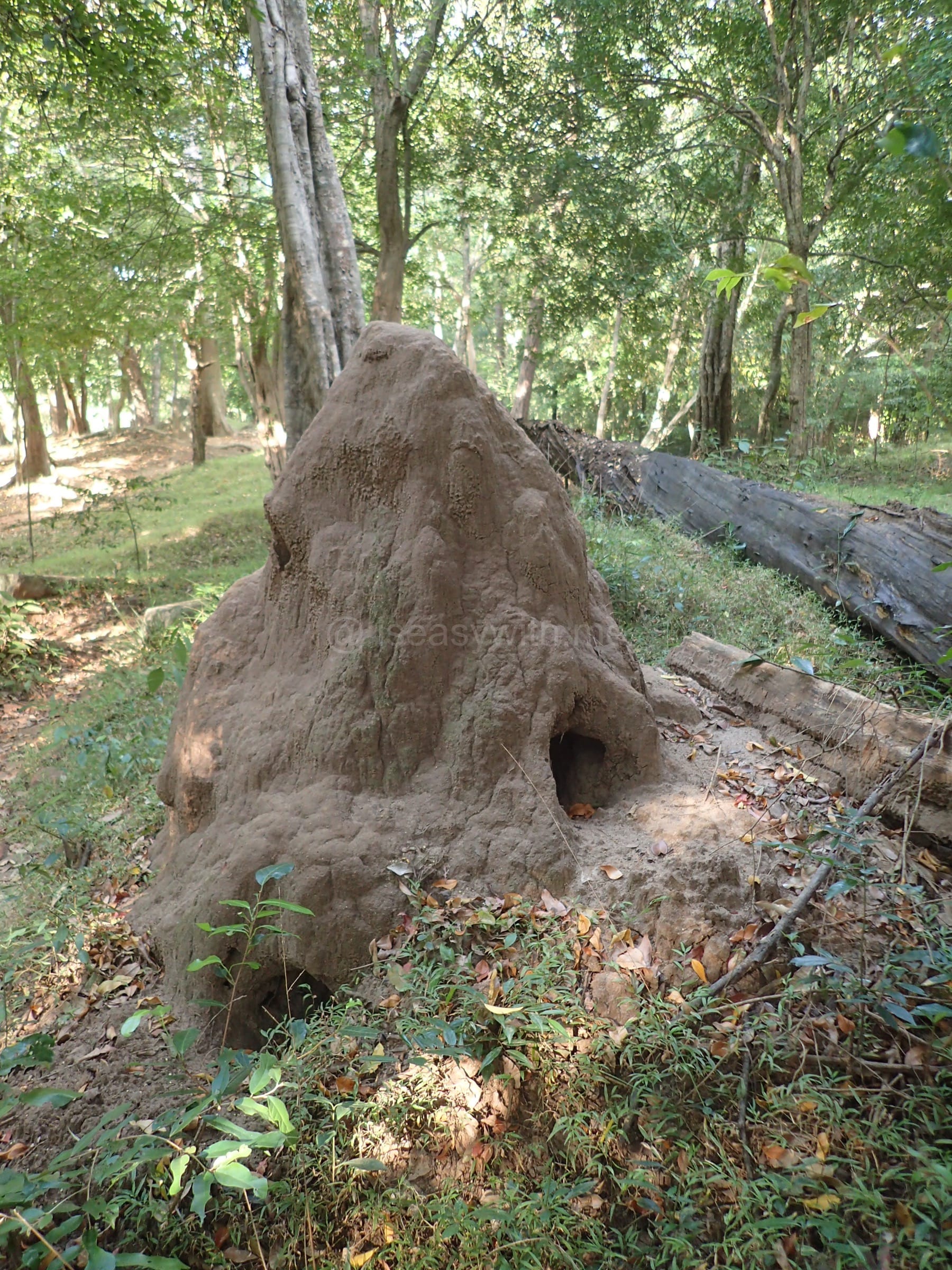
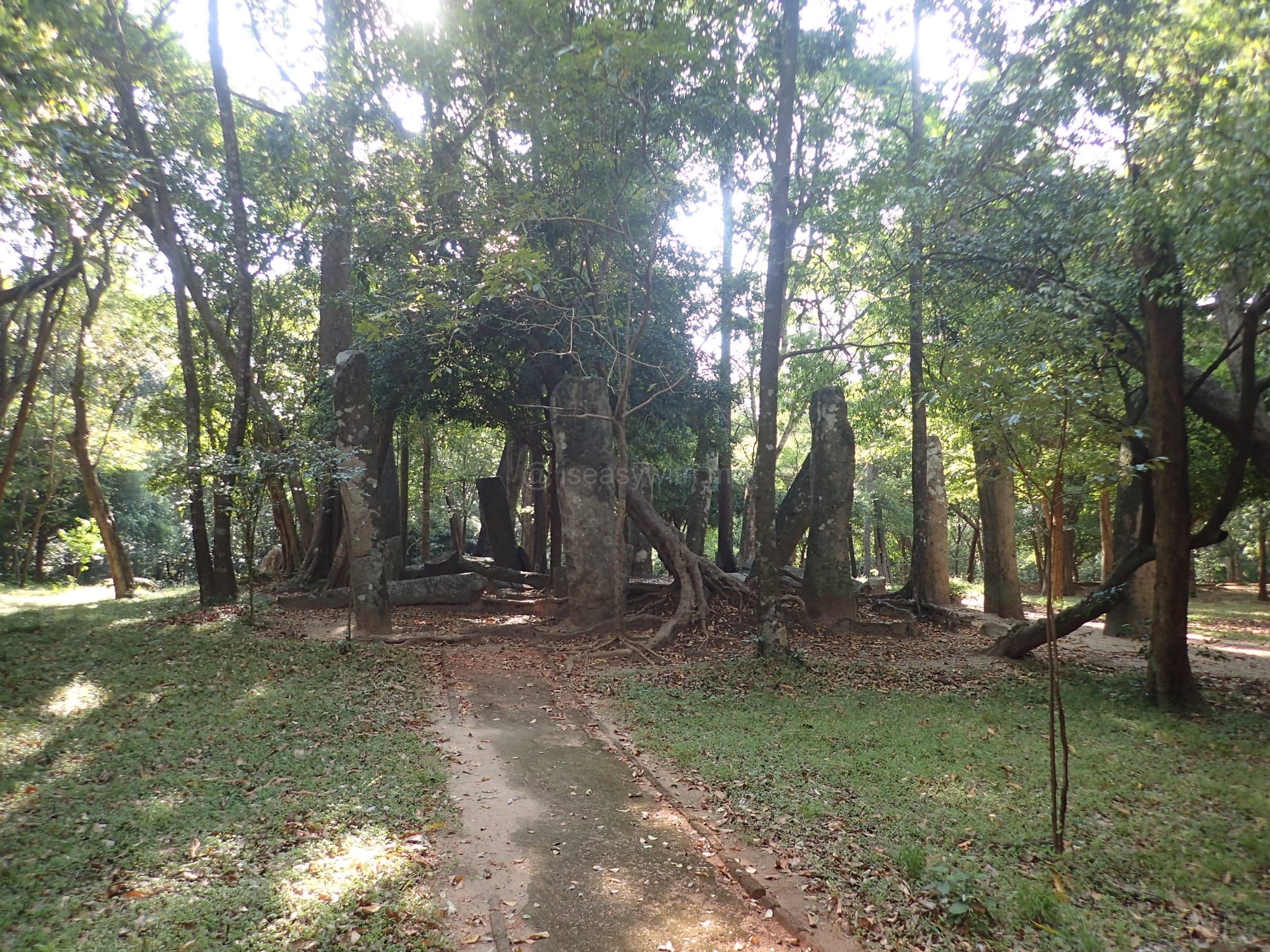
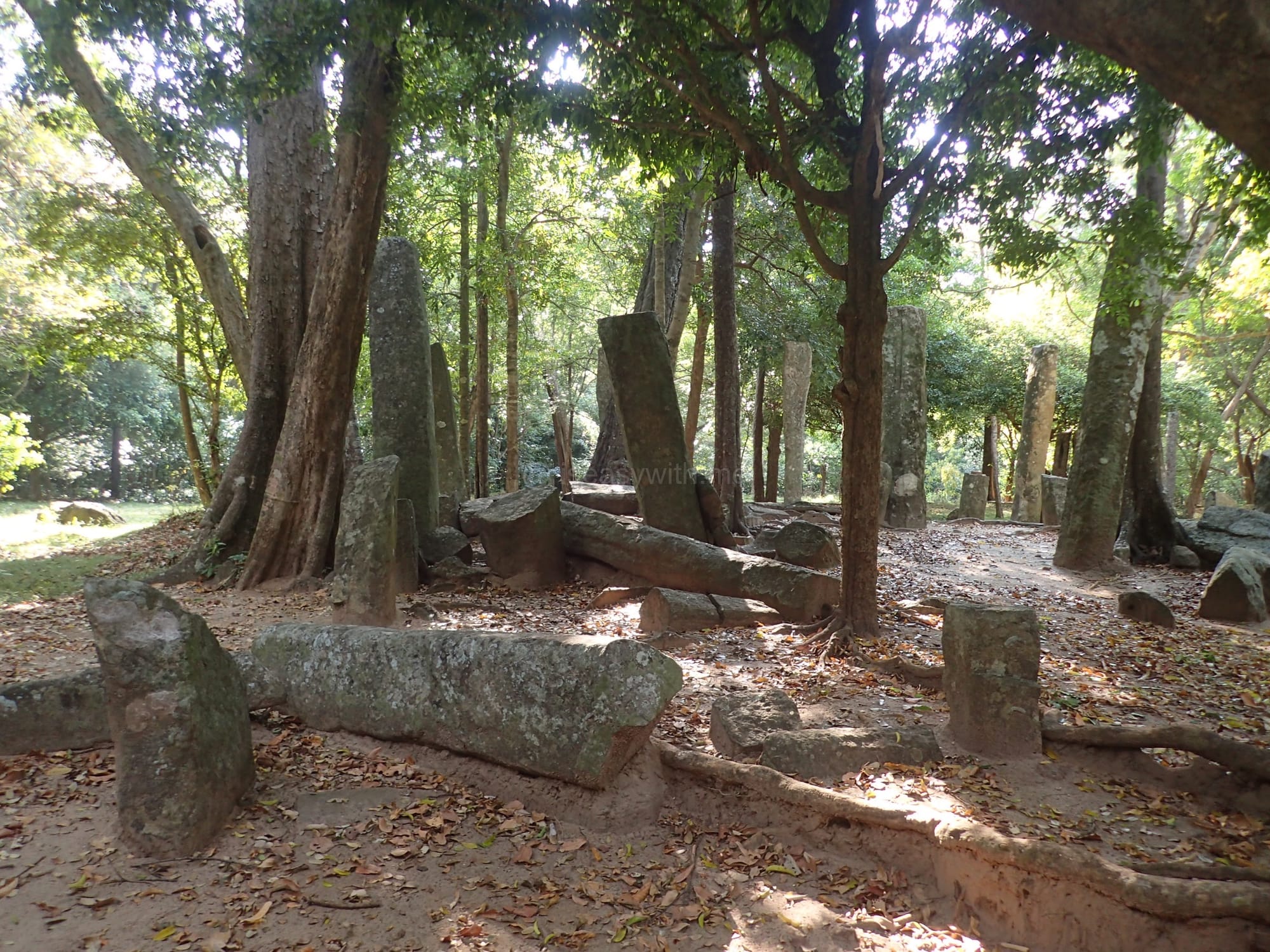
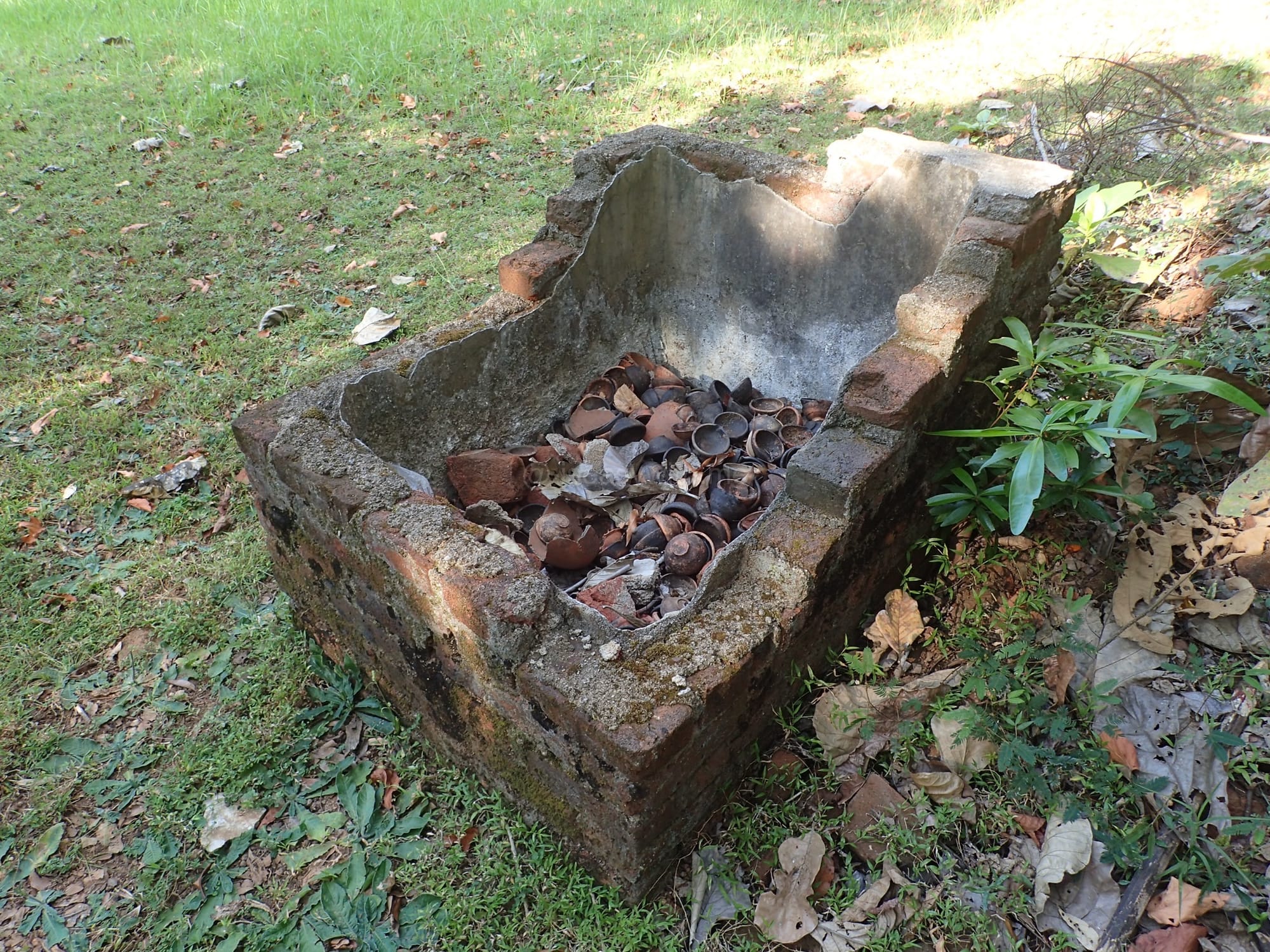
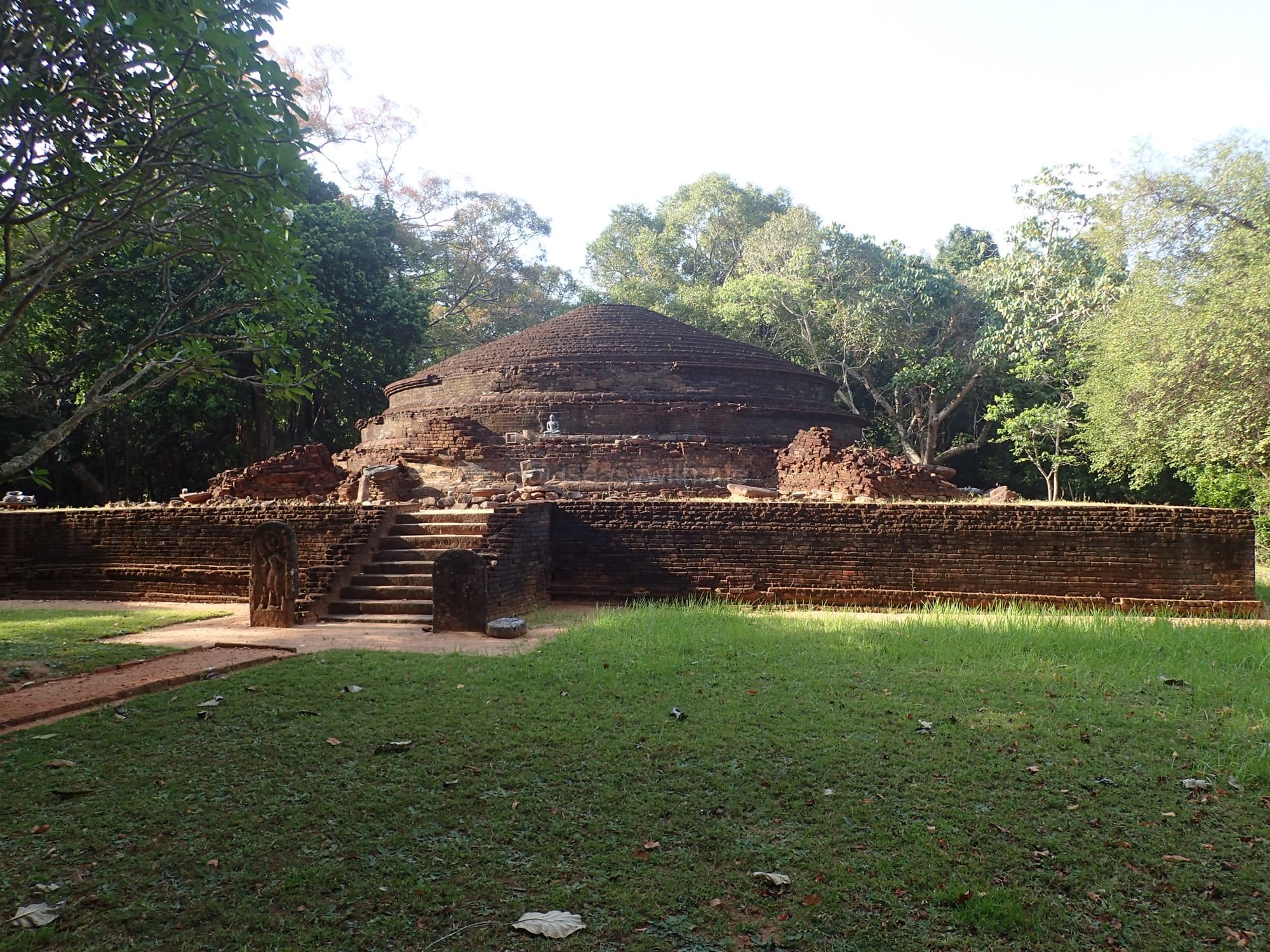
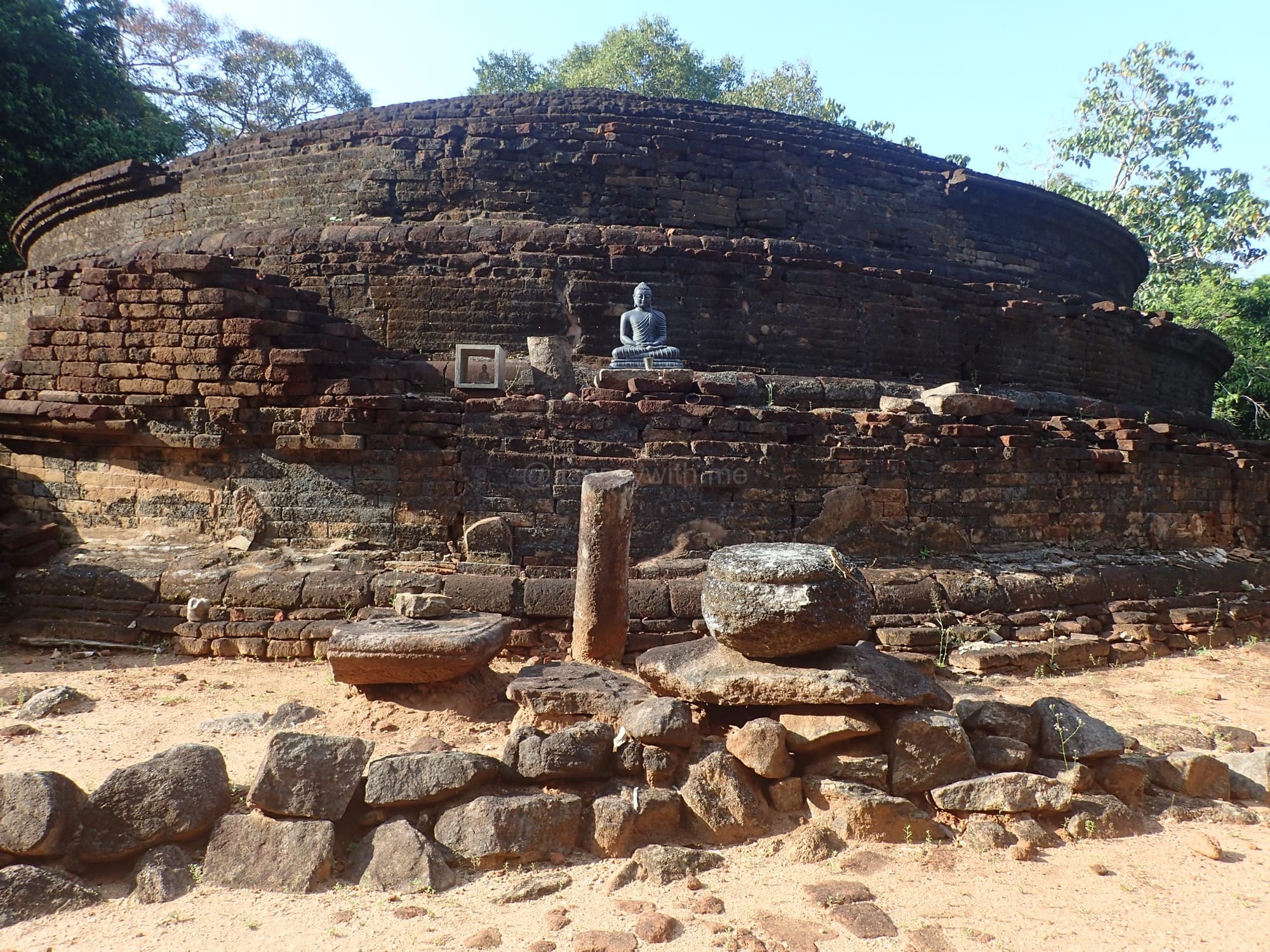
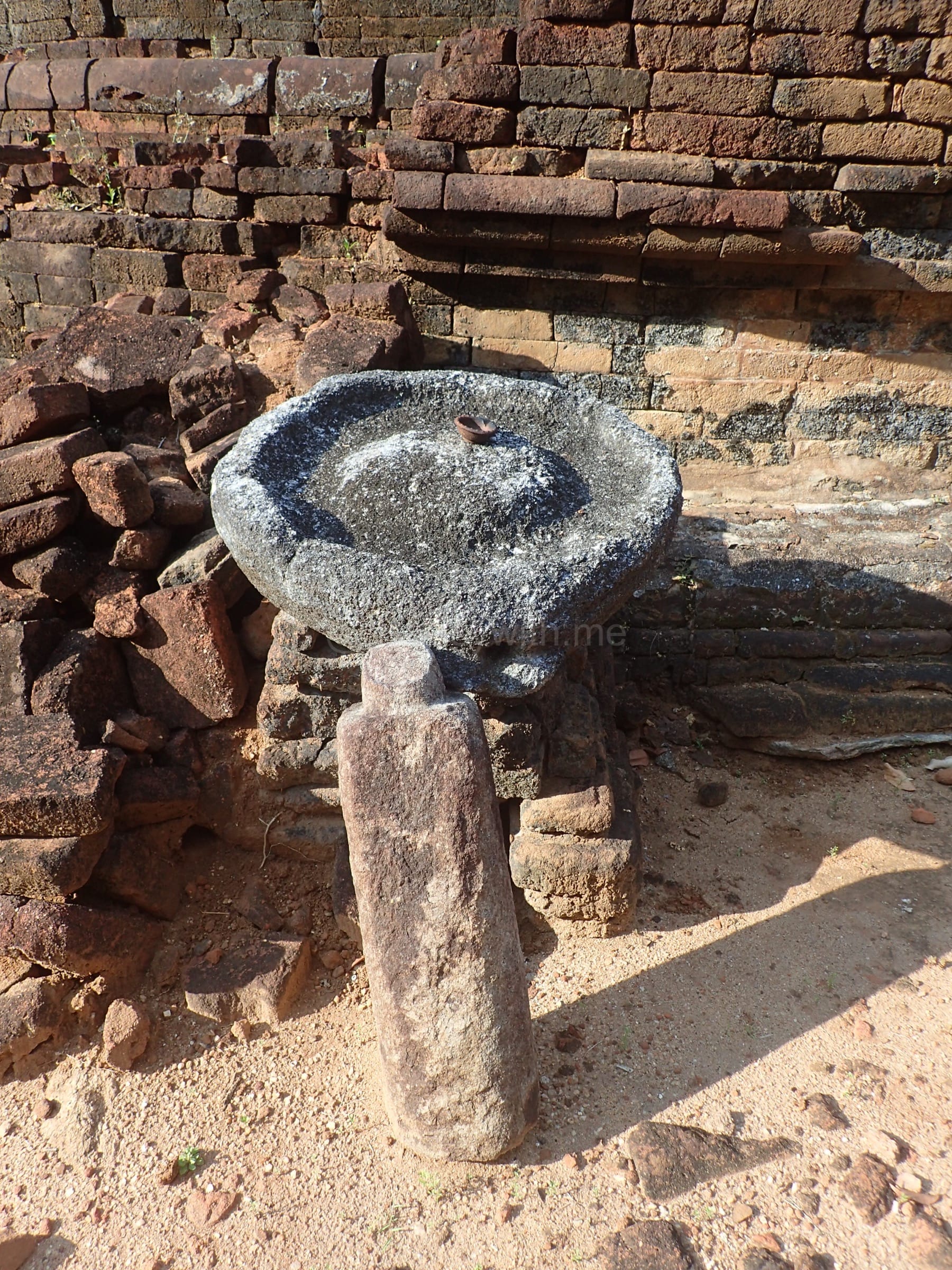
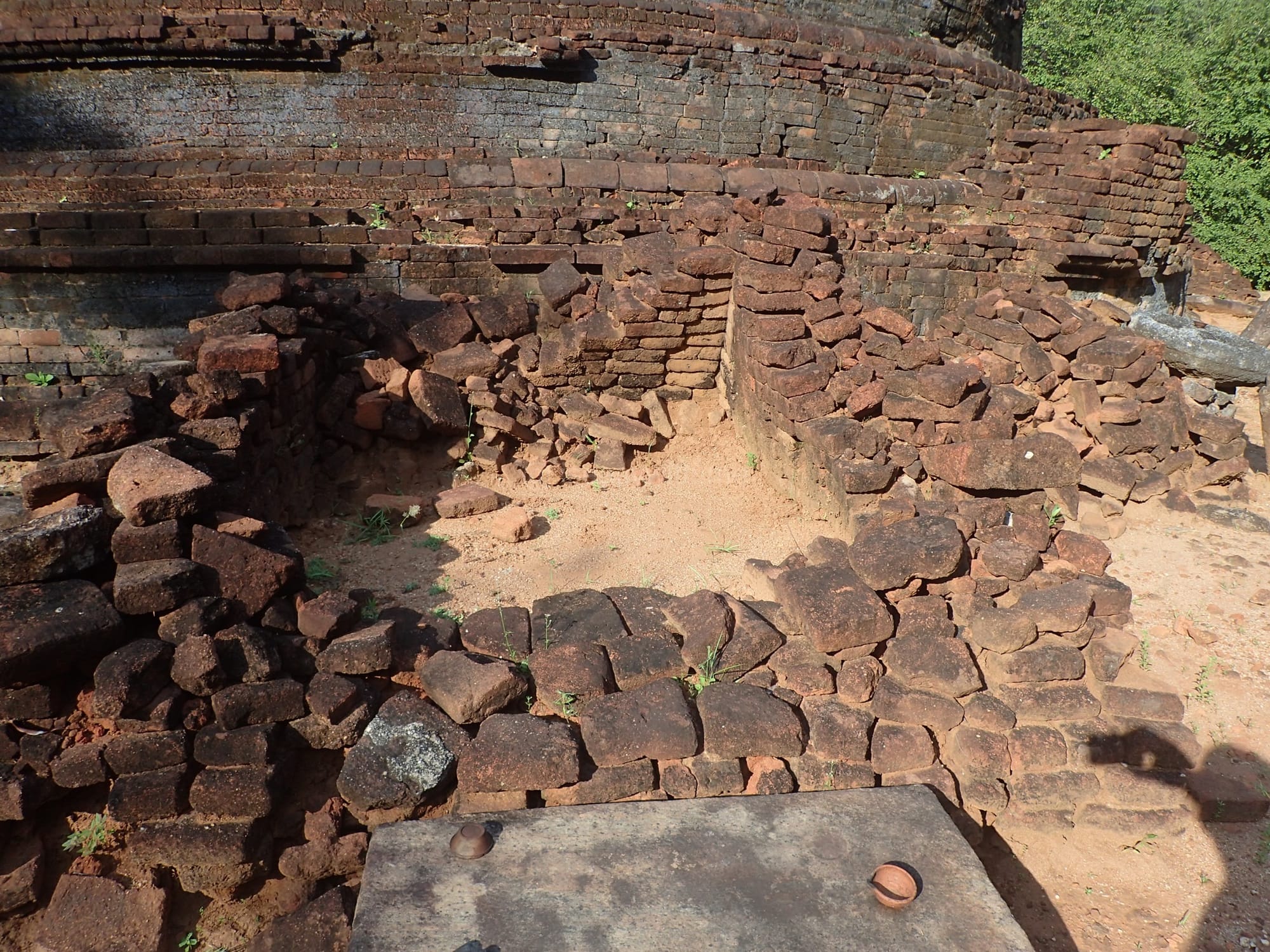
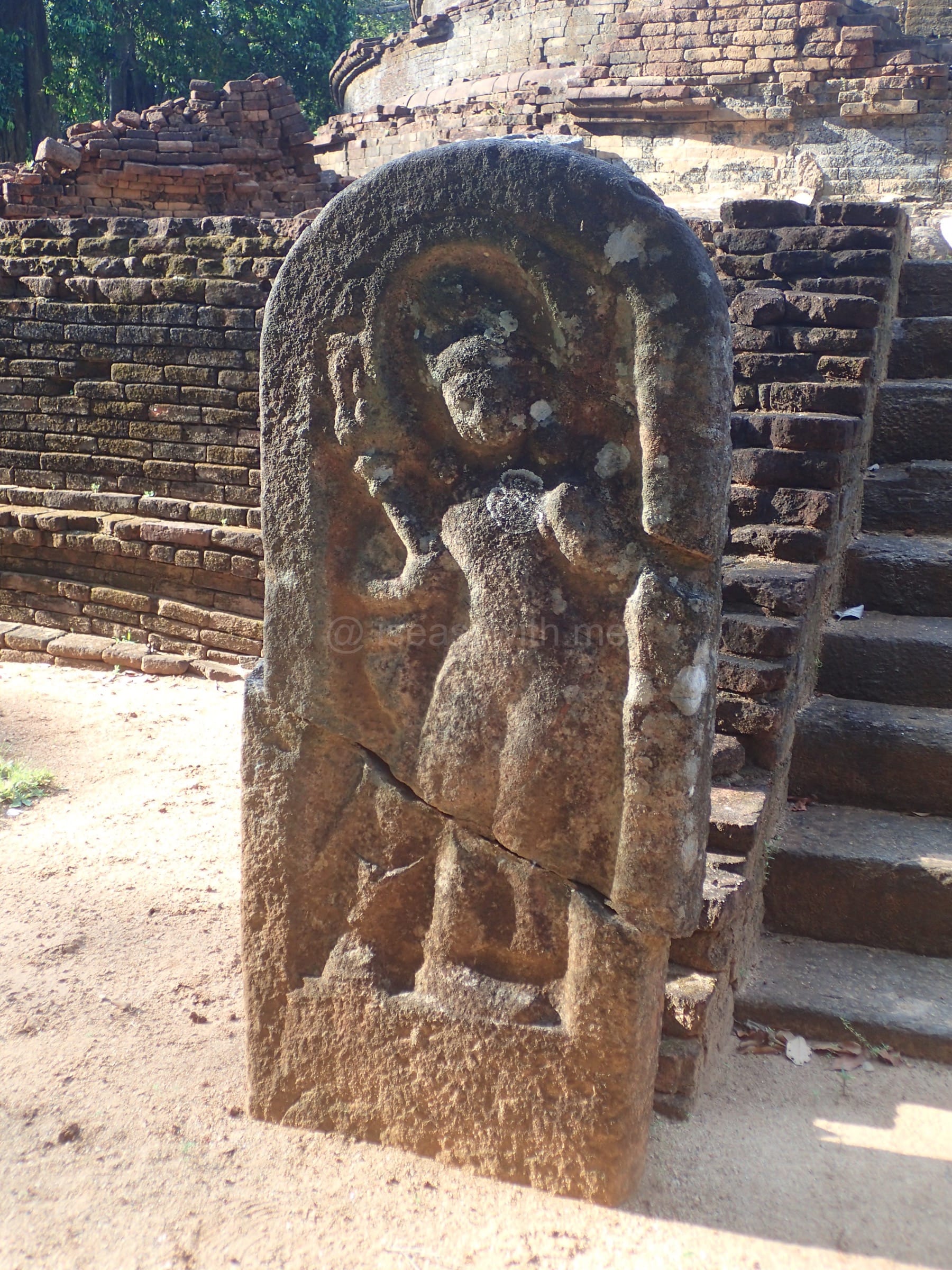
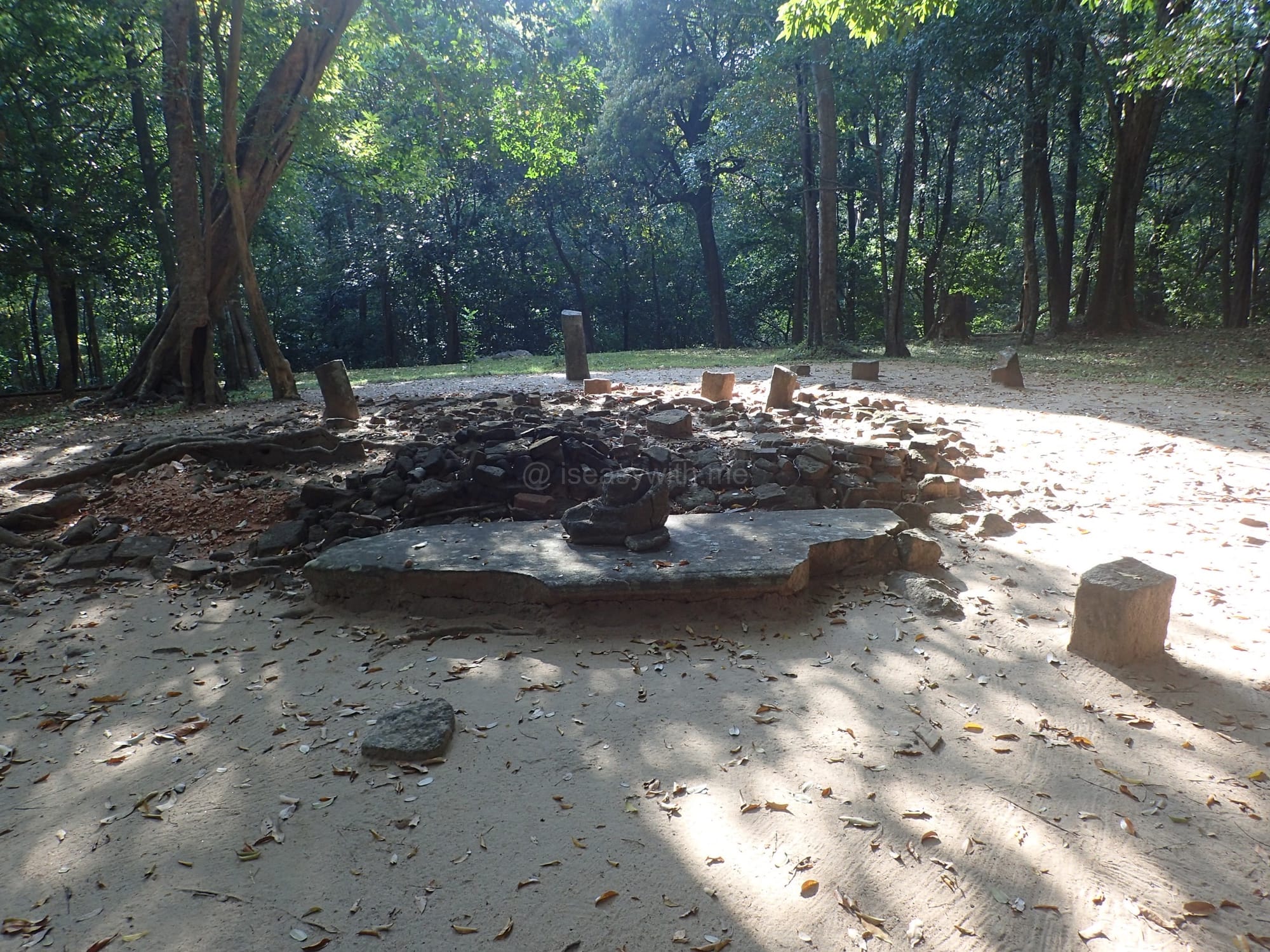
Kaludiya Pokuna Archaeological Site
Rangiri Dambulla Cave Temple (Golden Temple and Dambulla Cave Temple)
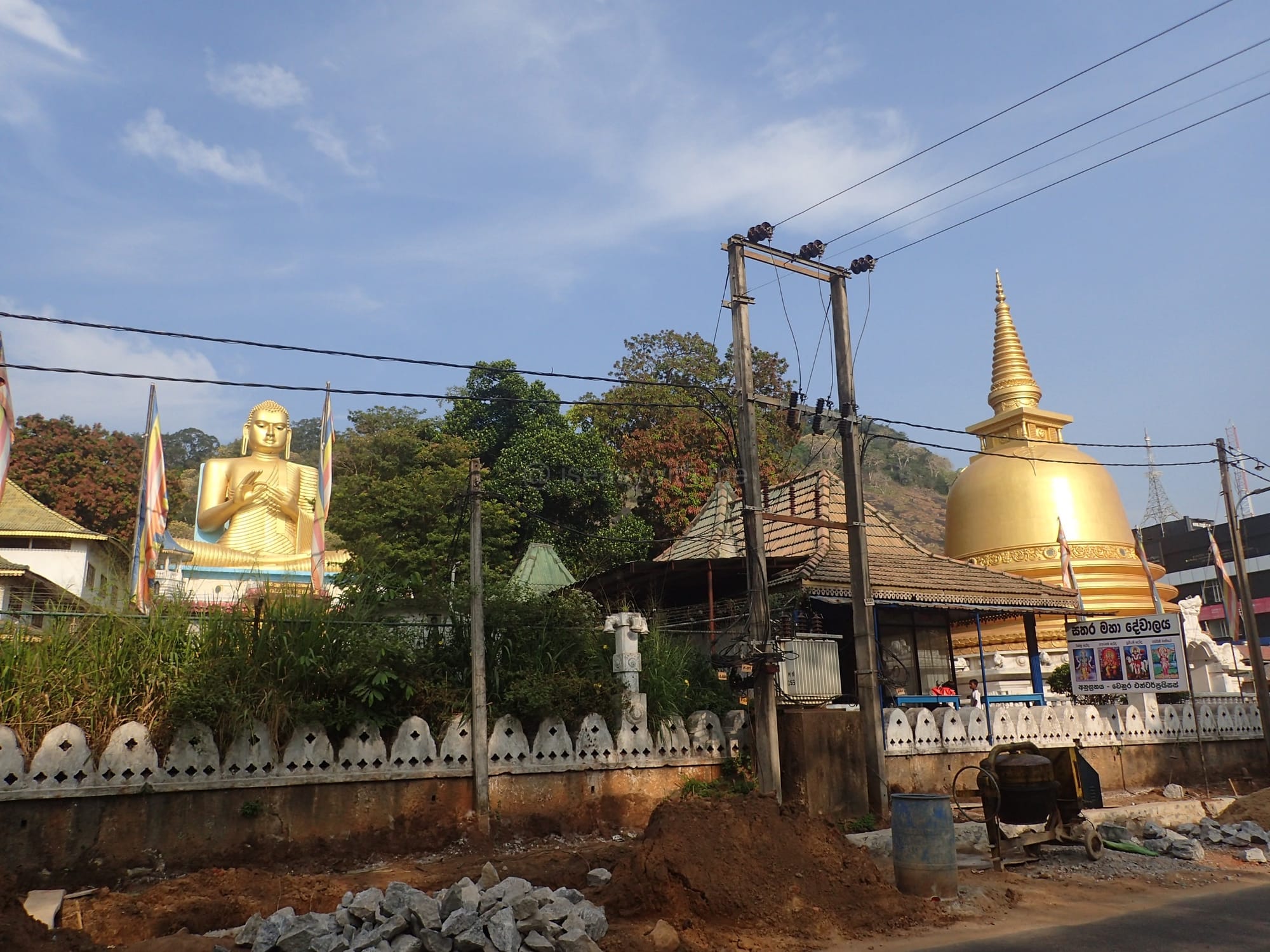
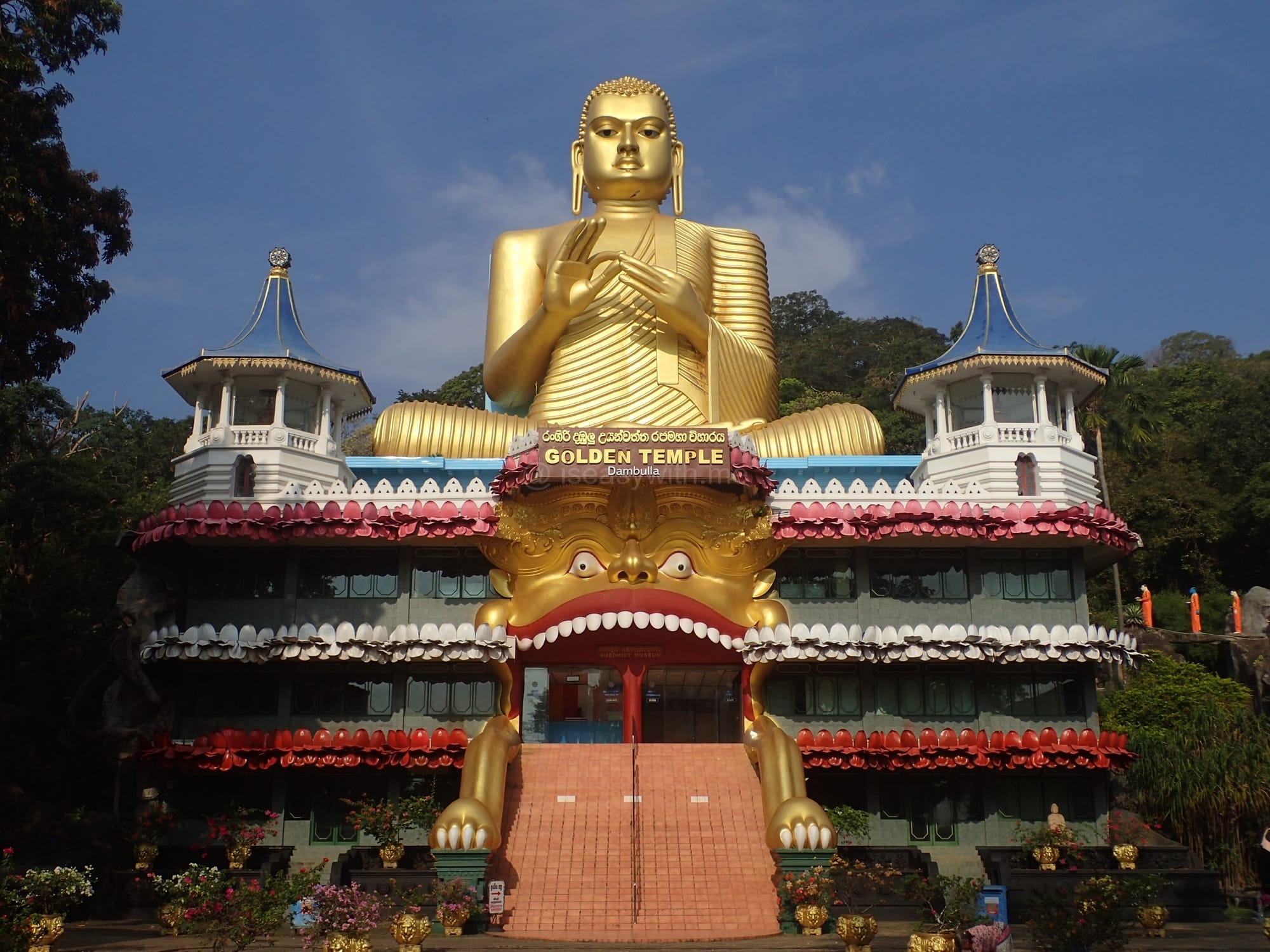
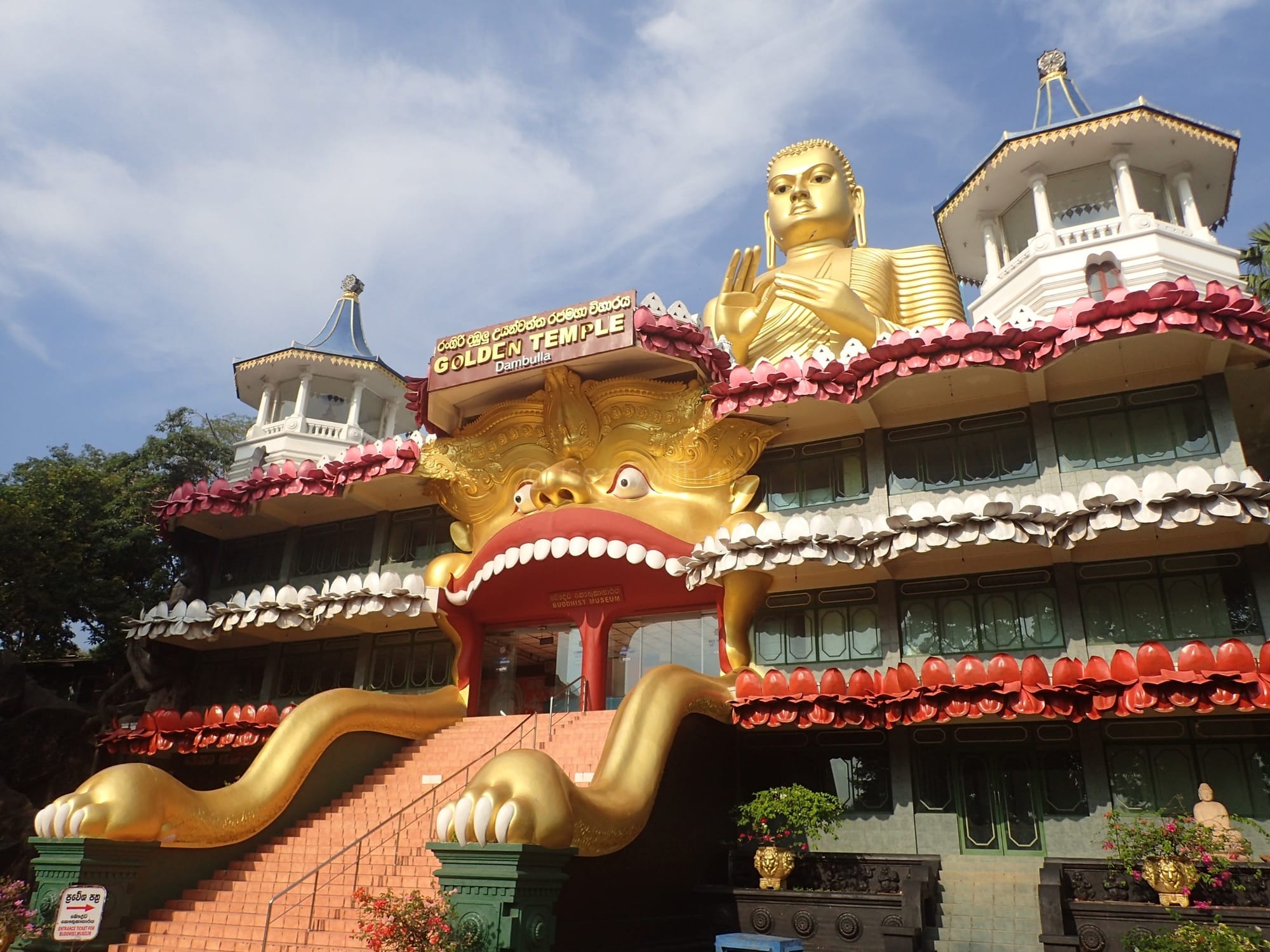
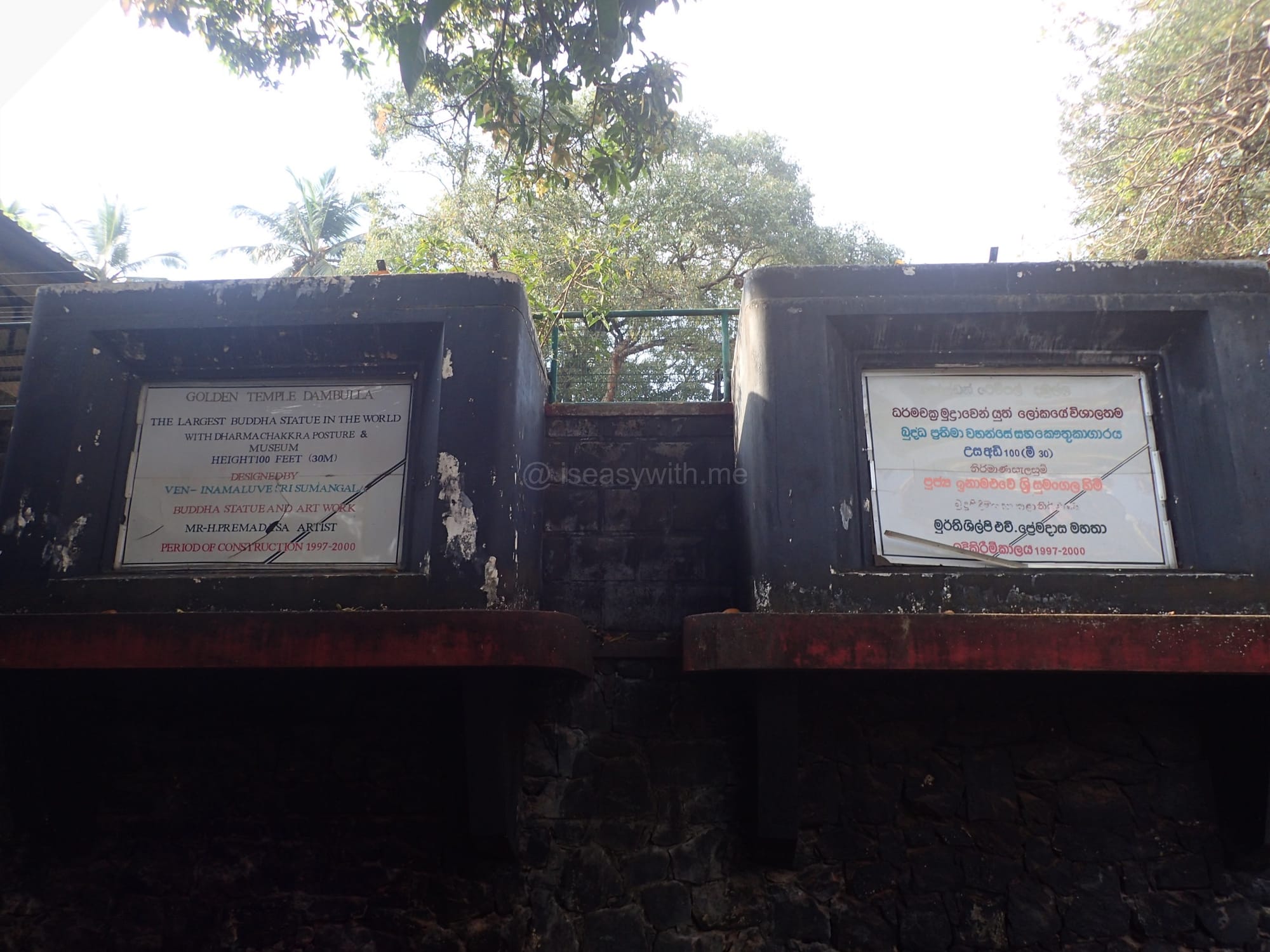
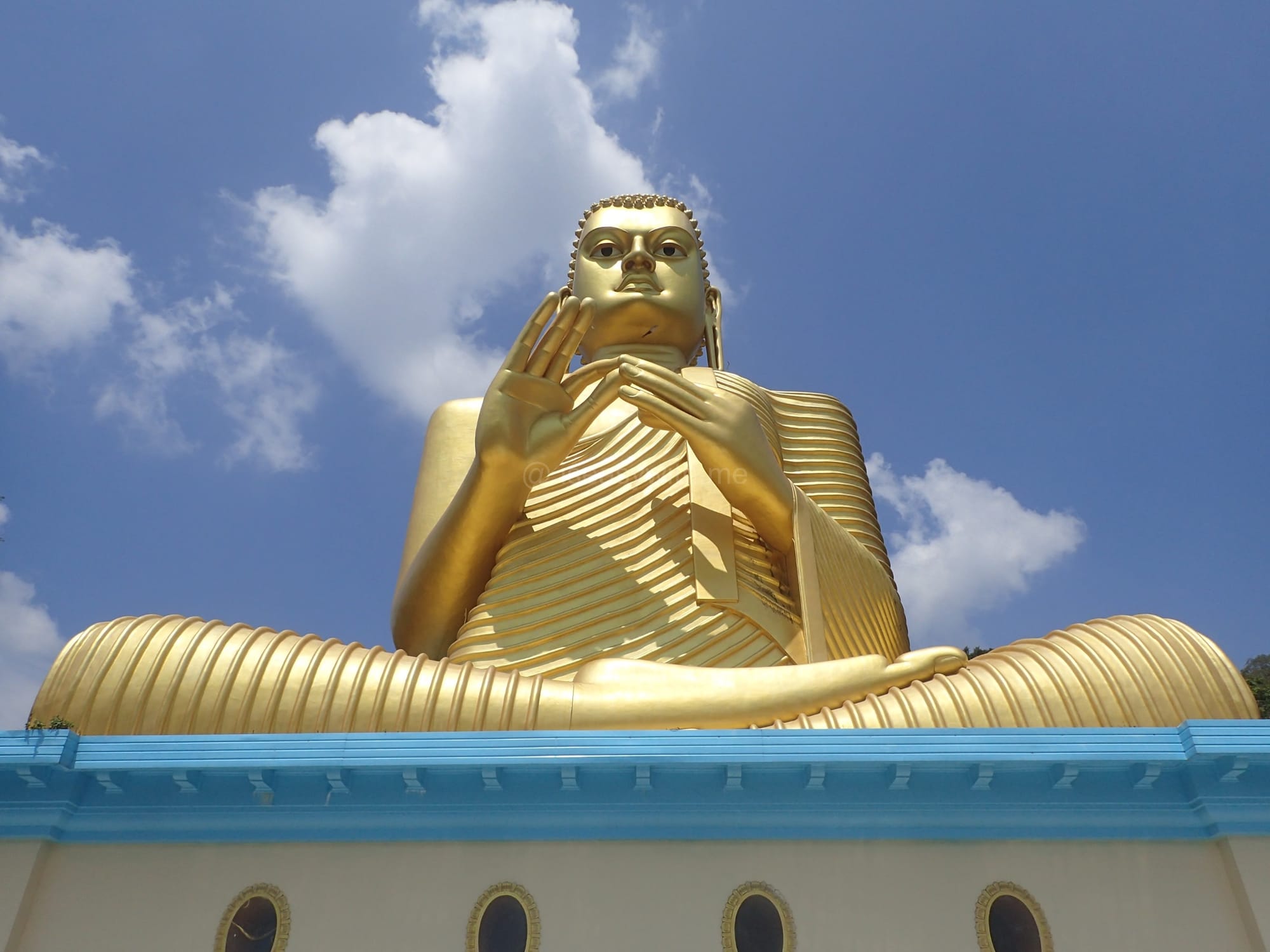
Located right at the base of the rock fortress, the modern Golden Temple serves as the striking gateway to the ancient complex. Completed in 2000 using donations from international benefactors, this lower section contrasts dramatically with the ancient caves above, offering a vibrant, larger-than-life welcome.
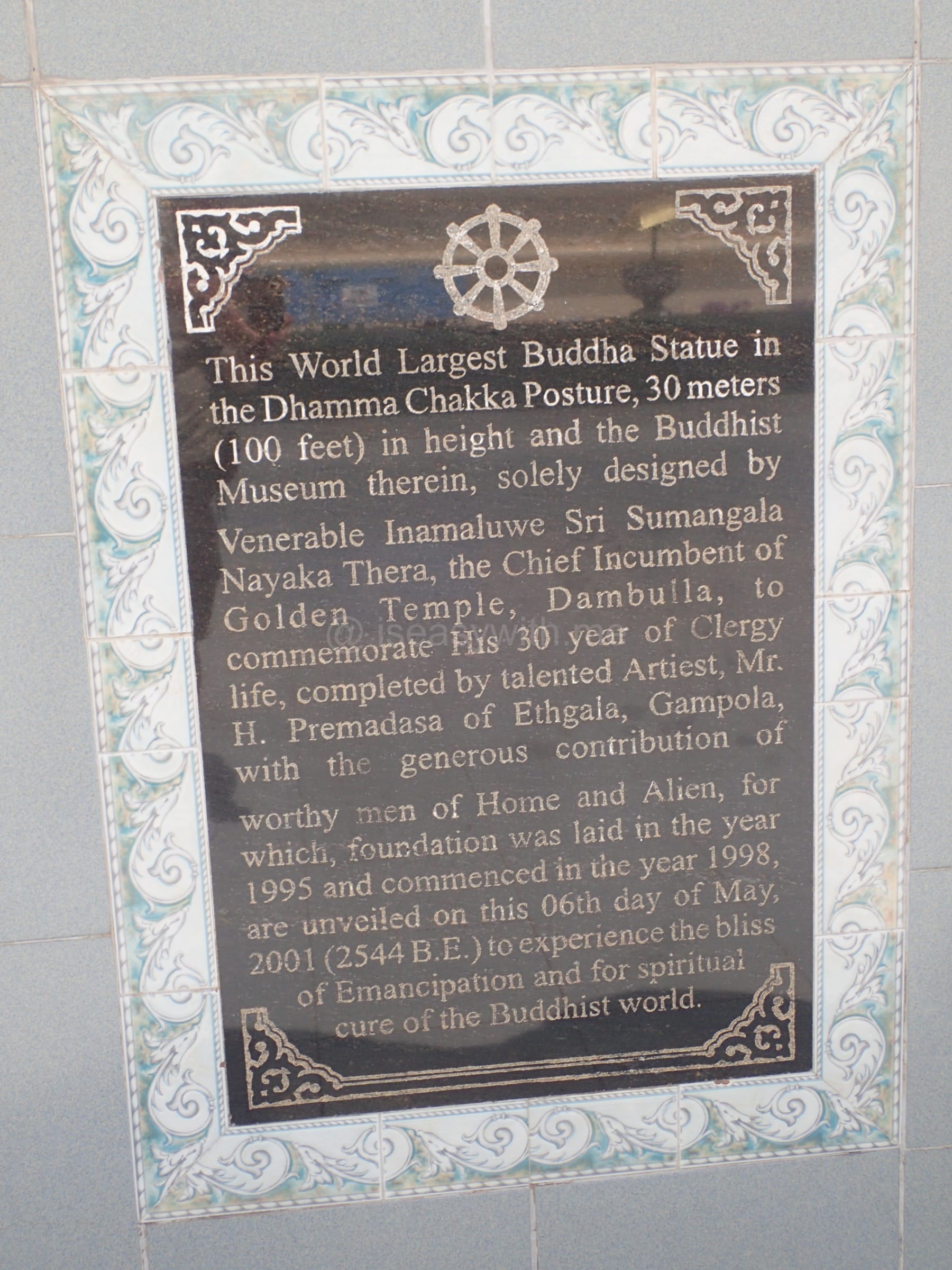
- The World's Largest Dambulla Buddha: The unmistakable highlight here is the colossal, 30-metre-tall Golden Buddha statue. Cast in a majestic seated position, it depicts the Buddha in the Dhammachakka Mudra (the Wheel of Law posture) and is widely recognised as one of the largest statues of its kind in the world.
- The Neon Dragon Entrance: To enter the temple grounds, visitors walk directly underneath a massive, open-mouthed neon lion/dragon structure positioned right at the base of the statue.
- The Three-Story Museum: The interior beneath the giant Buddha houses a three-storey Buddhist Museum, showcasing a large collection of ancient artifacts, donation gifts and historical relics from across Sri Lanka's religious history.
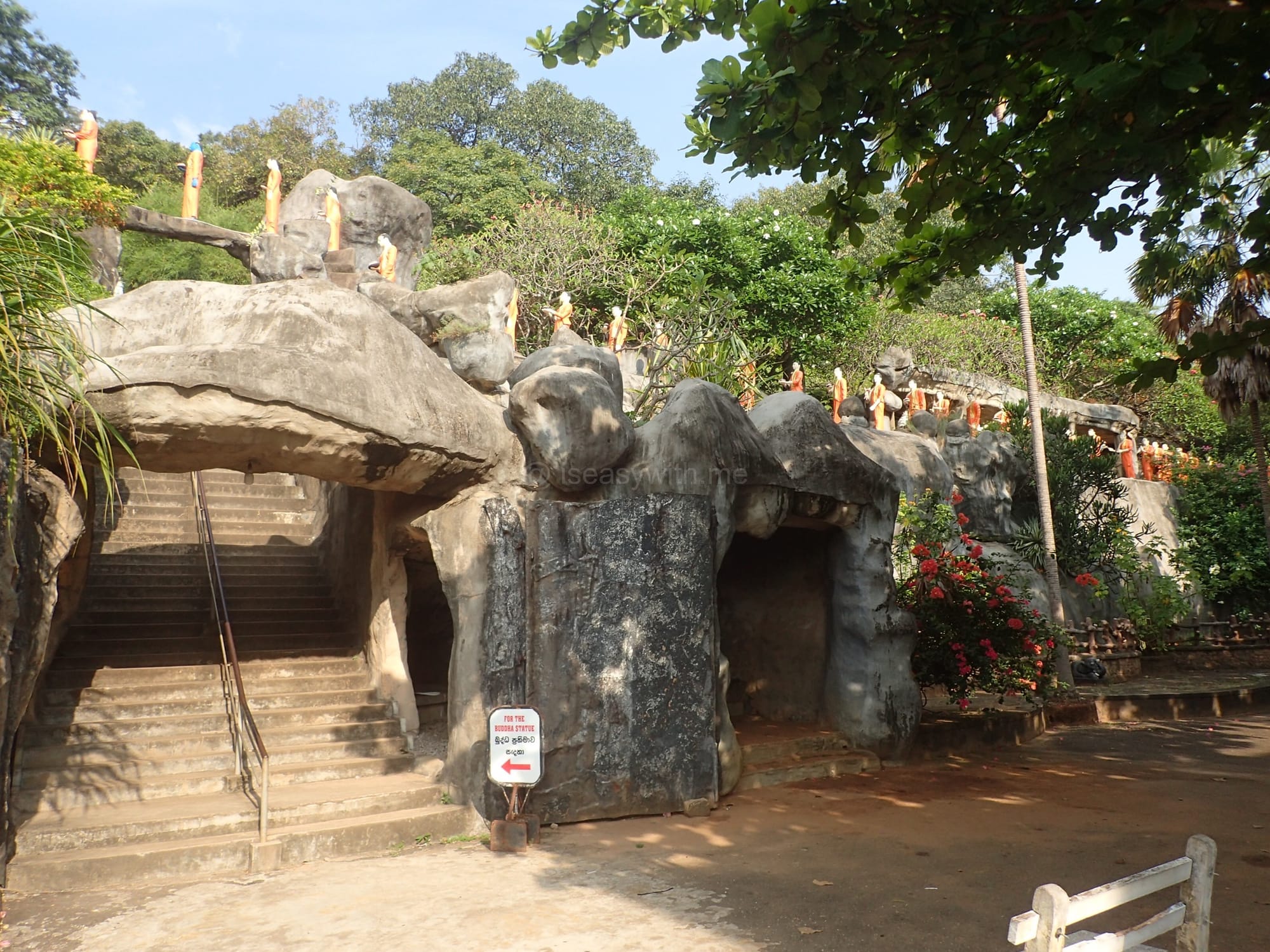
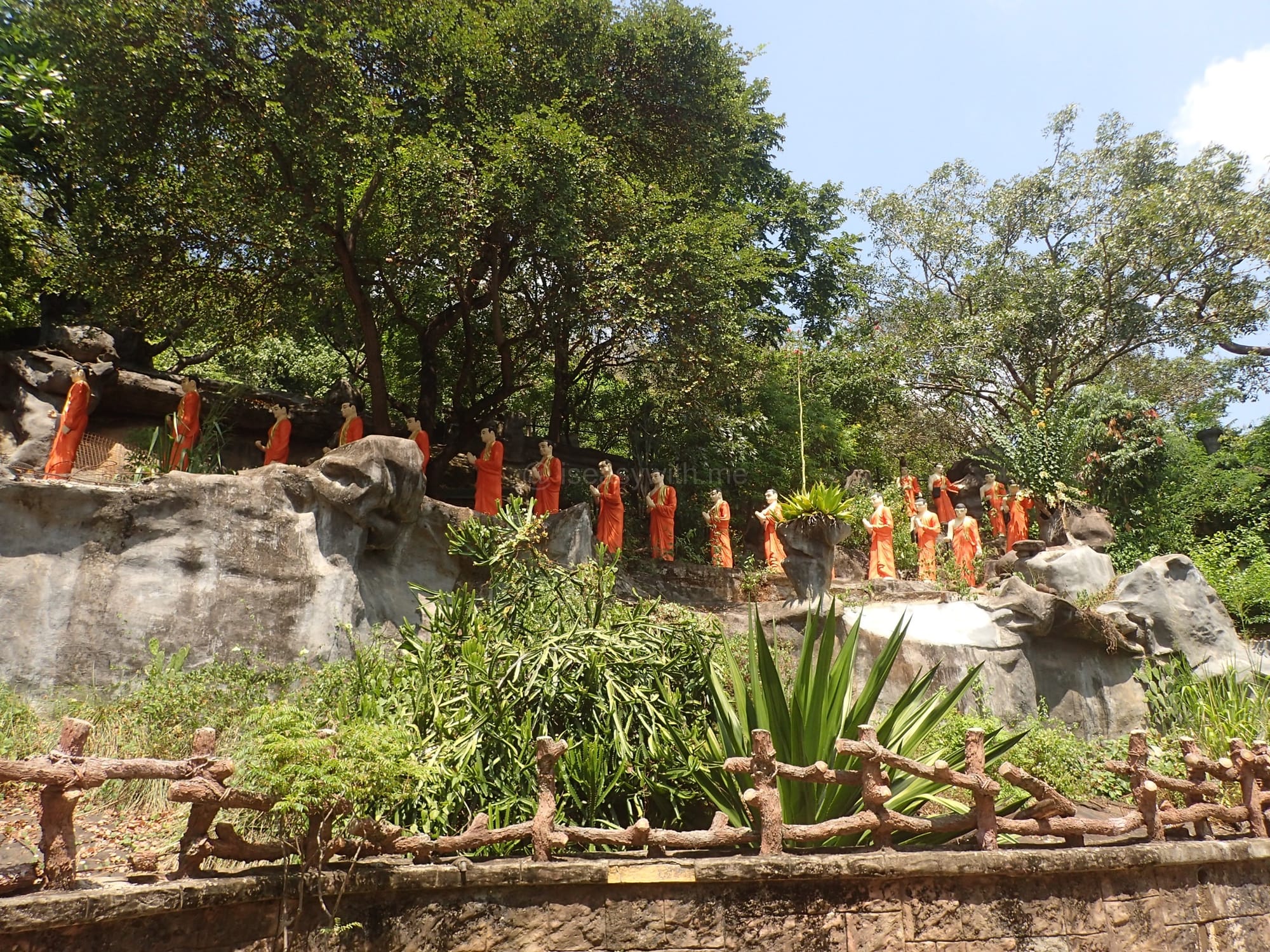
- The Alms-Bowl Walkway: Leading up to the statue is a row of life-sized stone monk statues, depicted carrying alms bowls in a serene procession toward the Buddha.
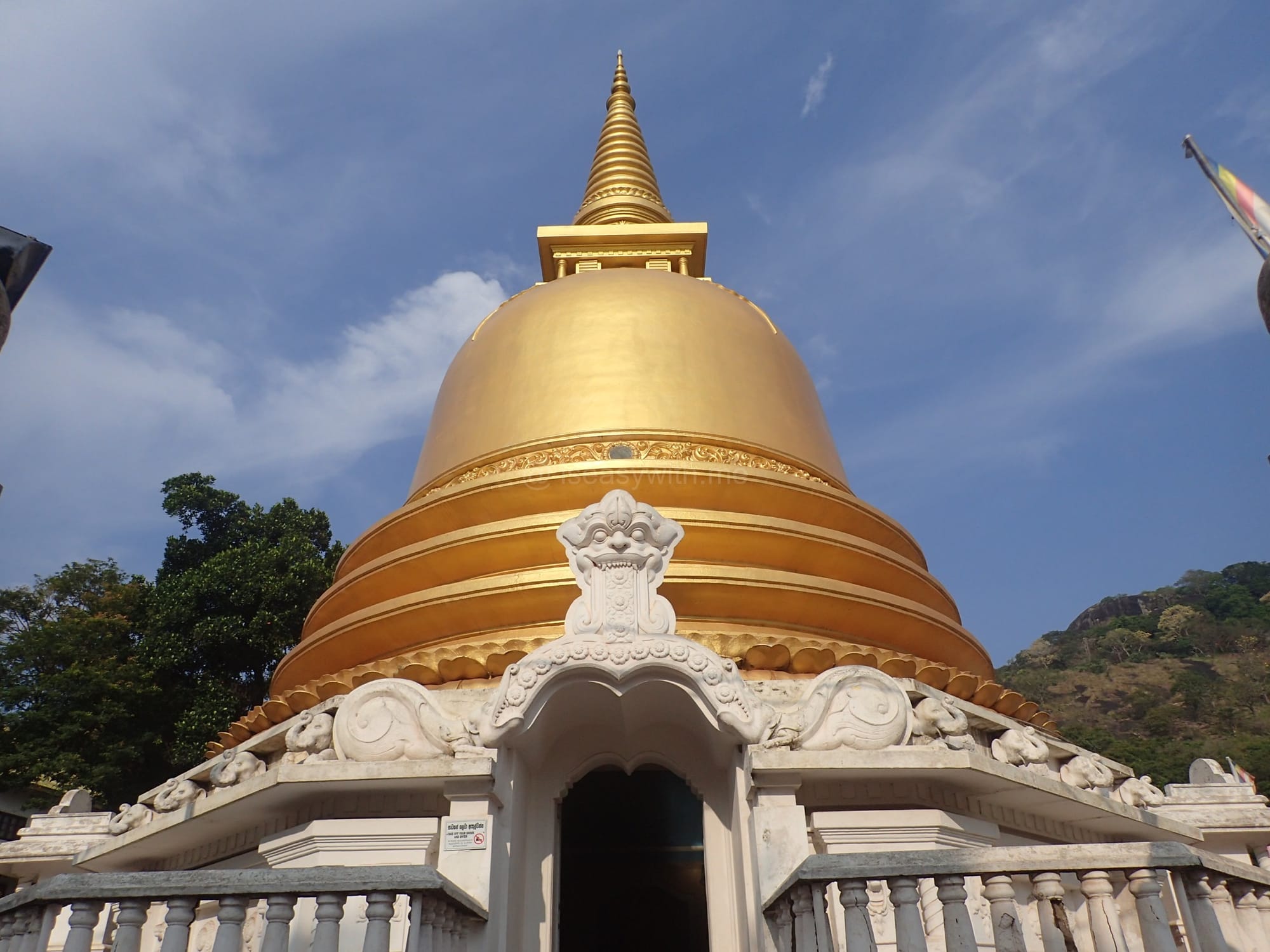
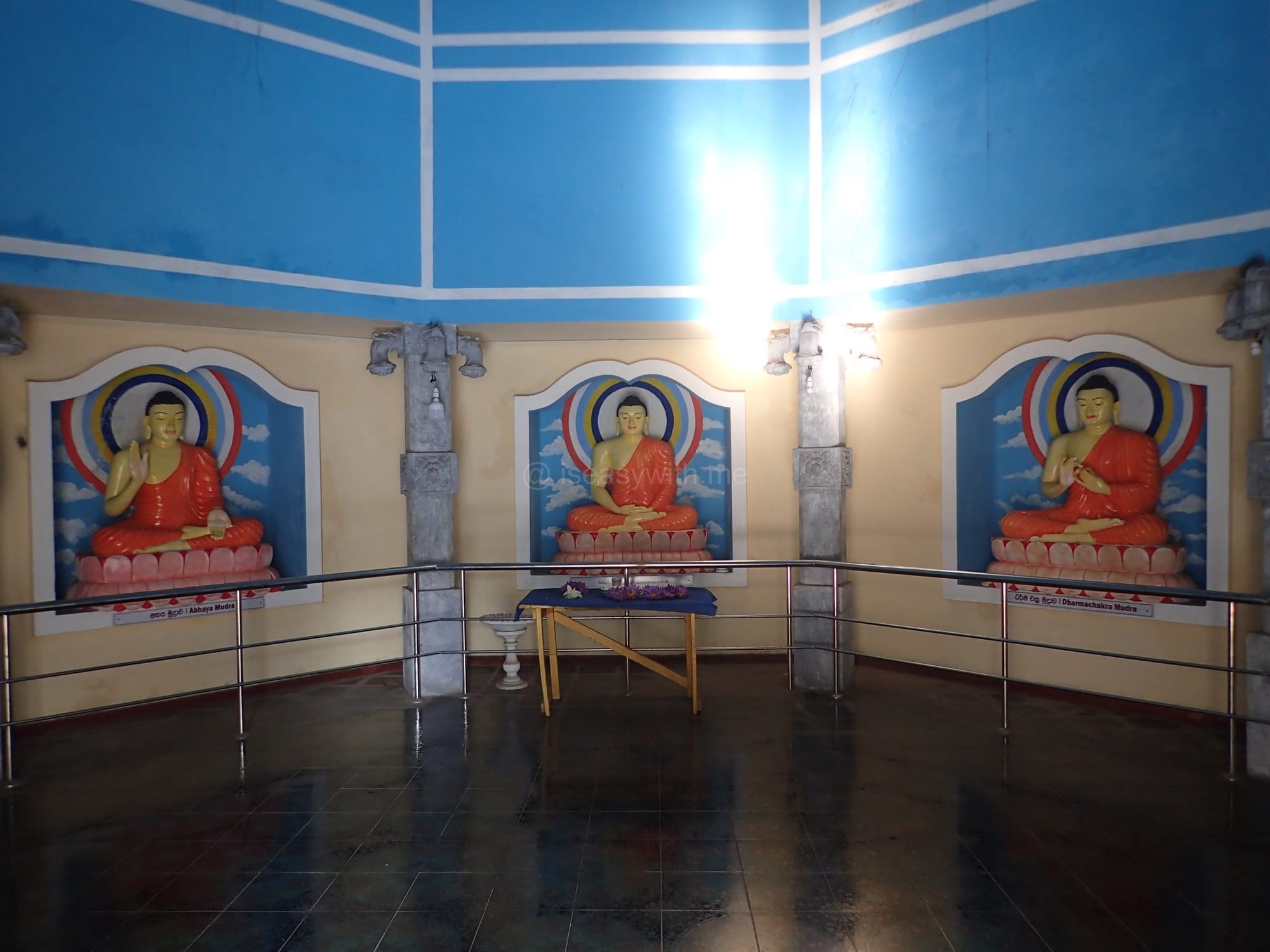
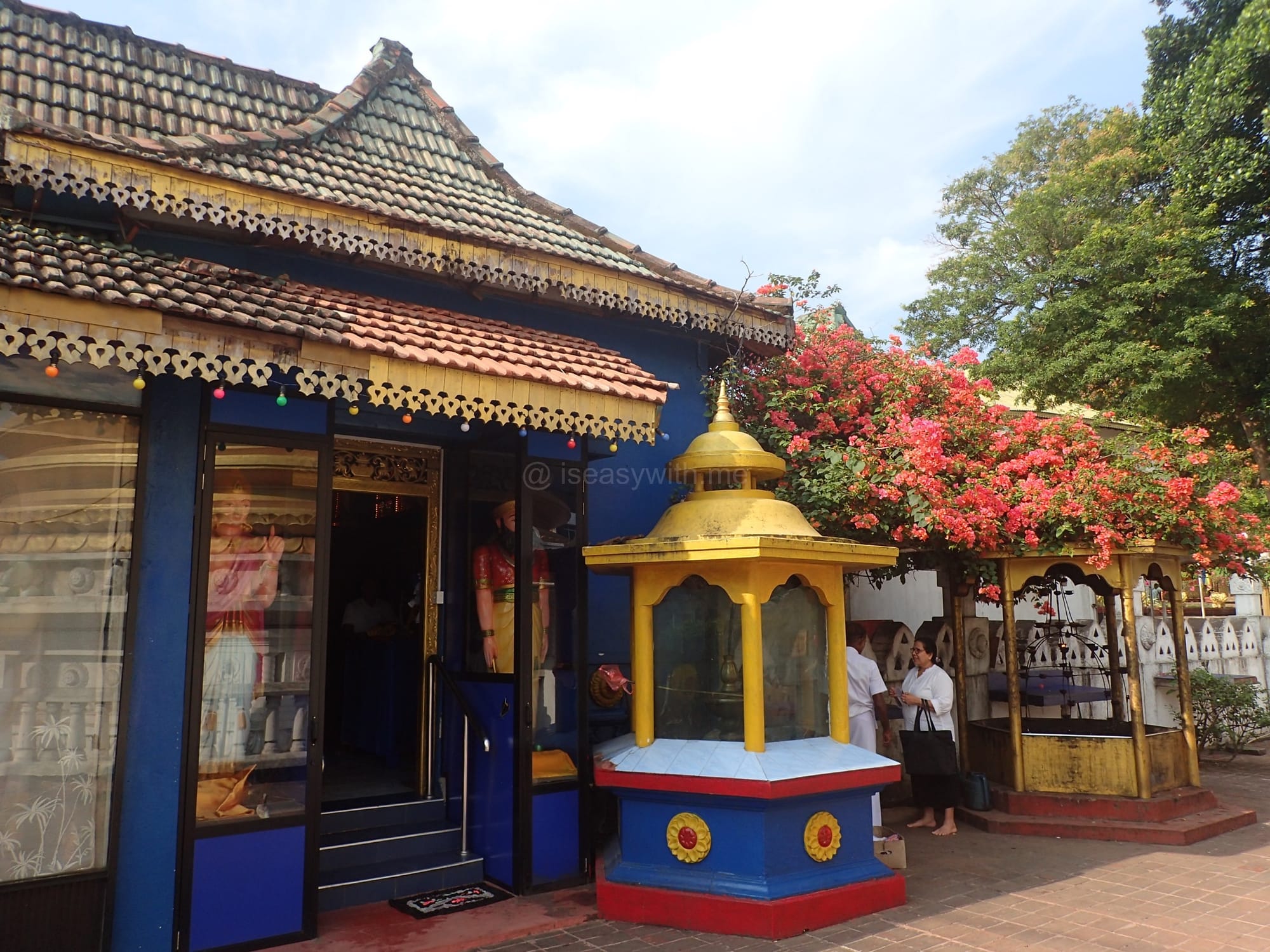
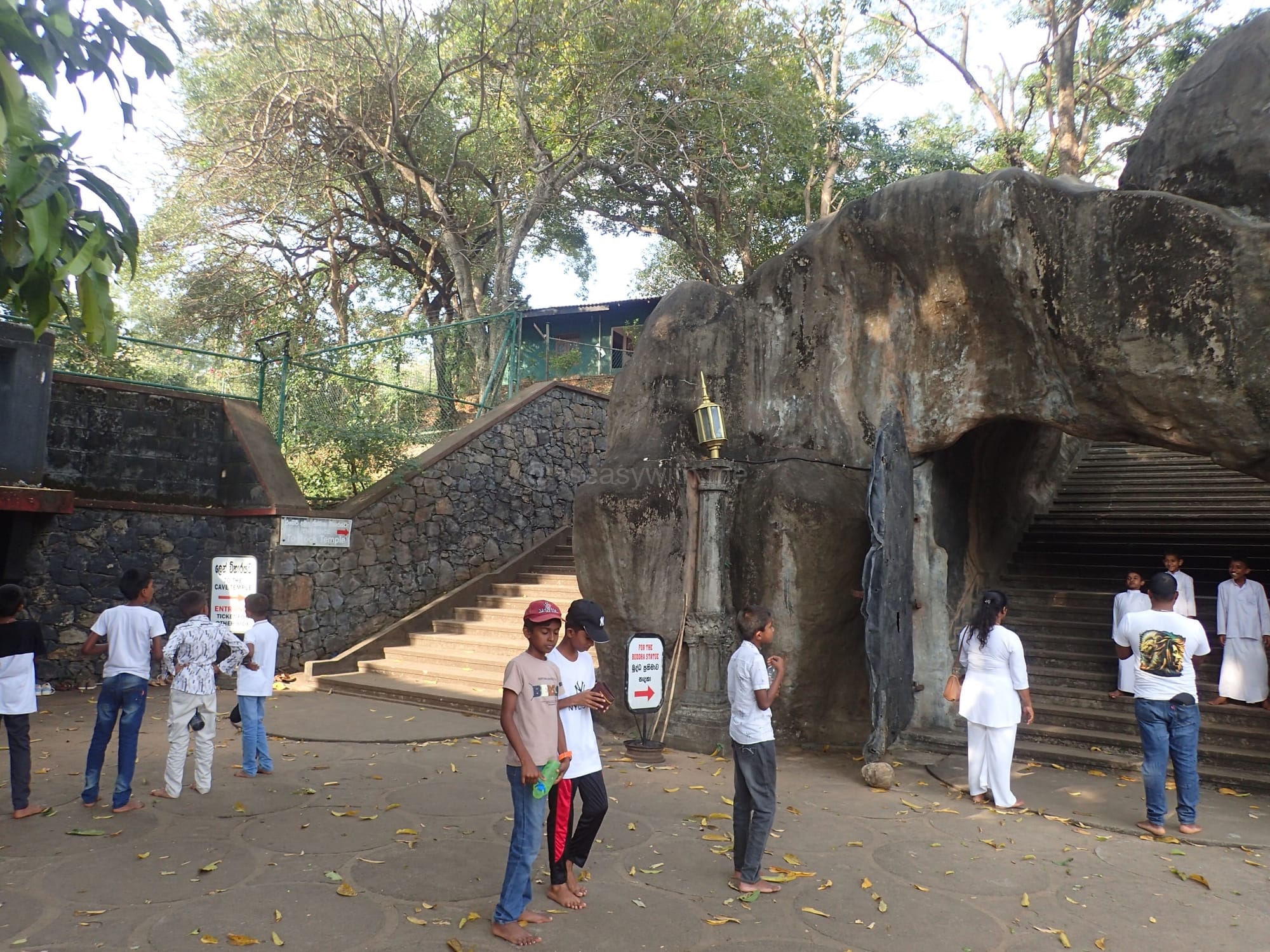
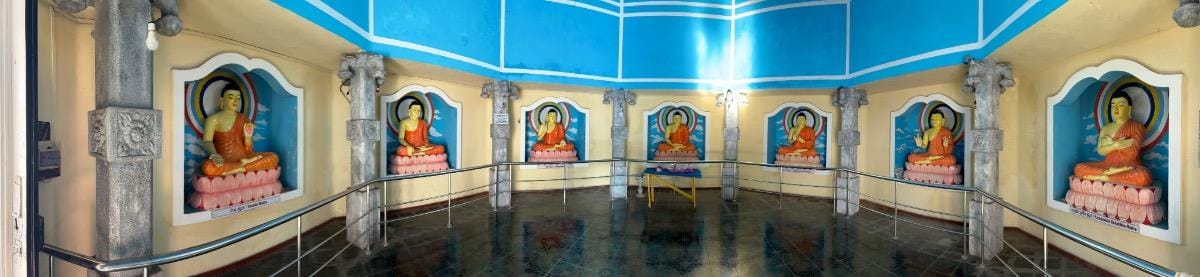
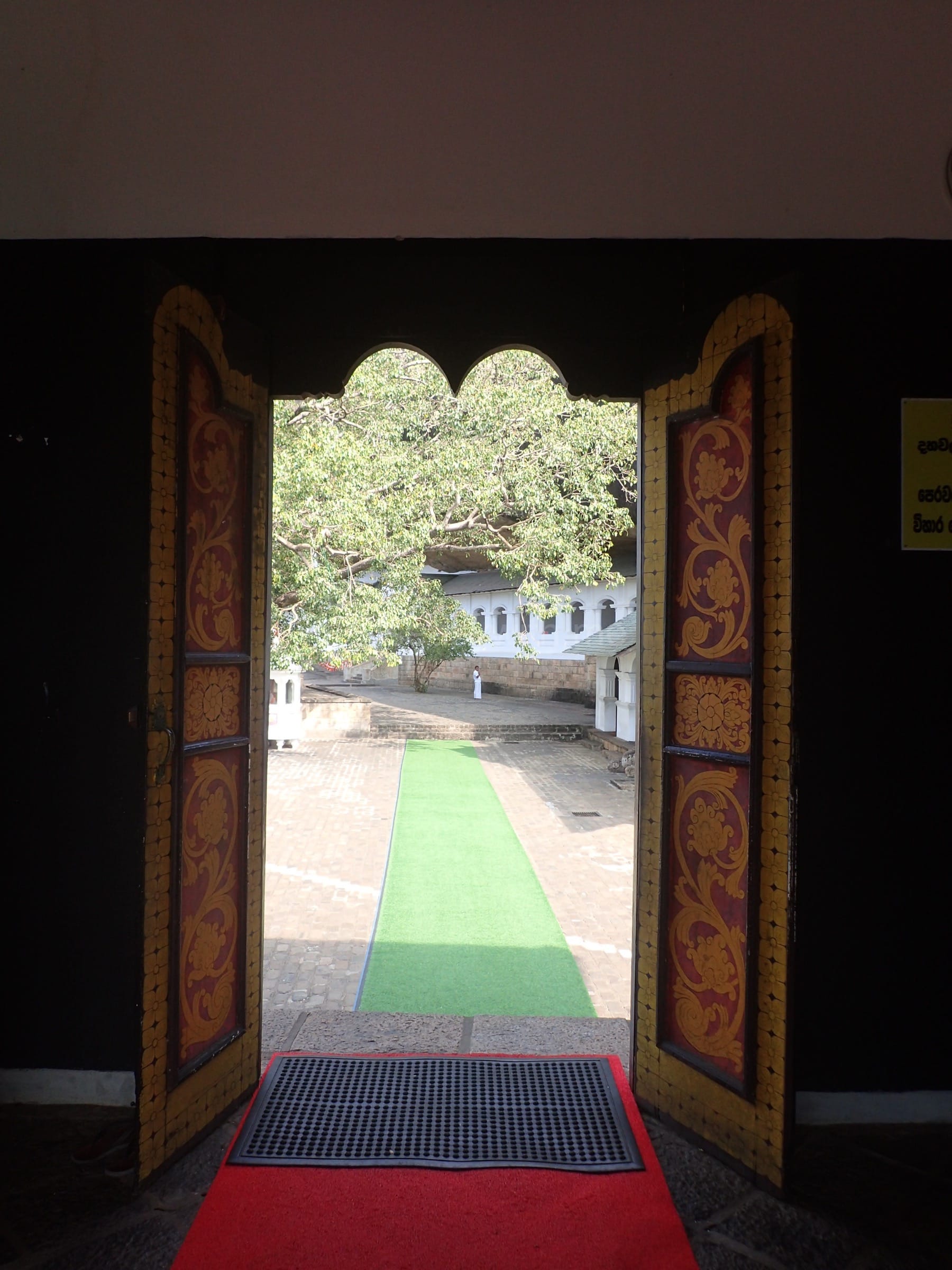
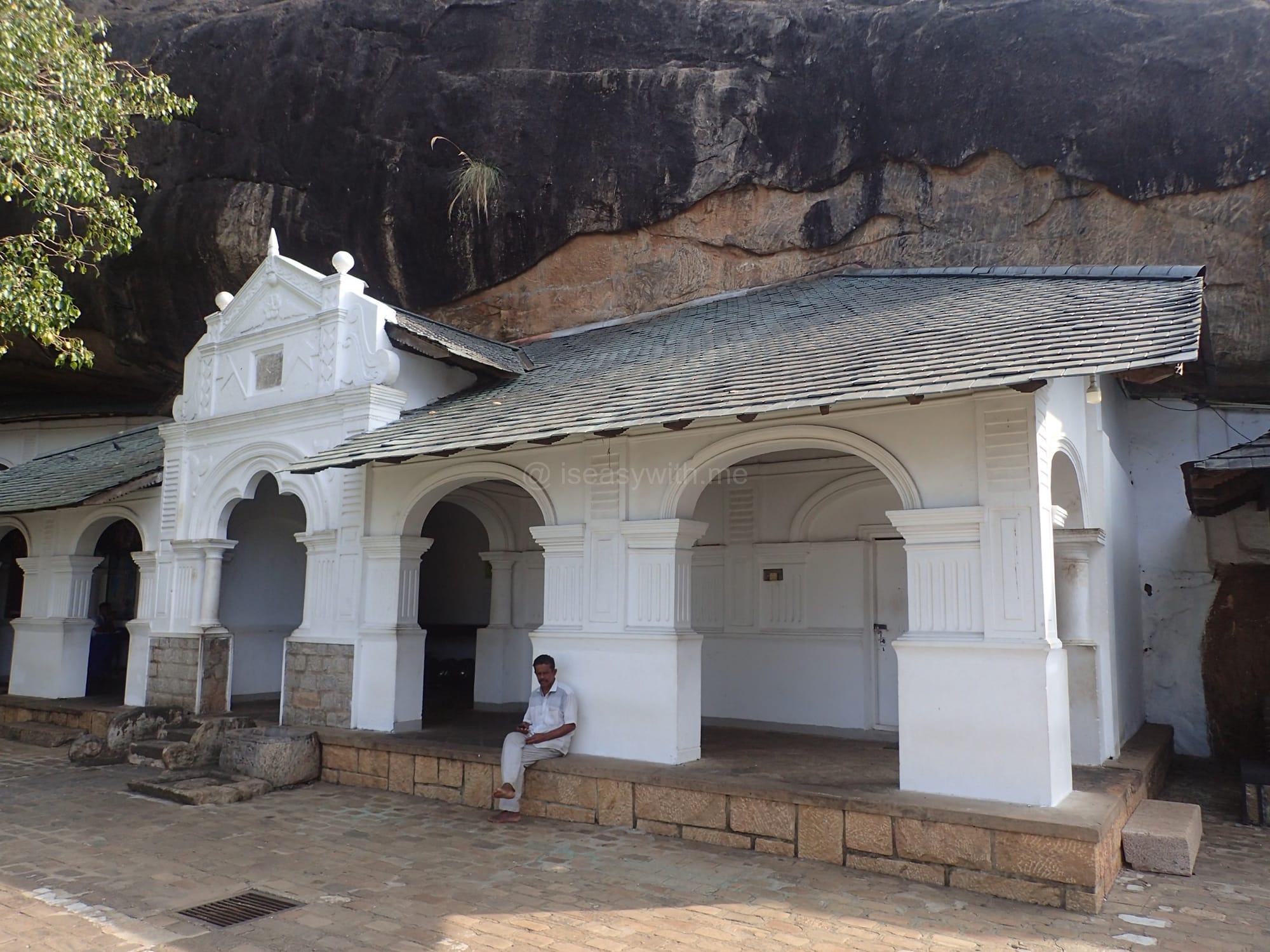
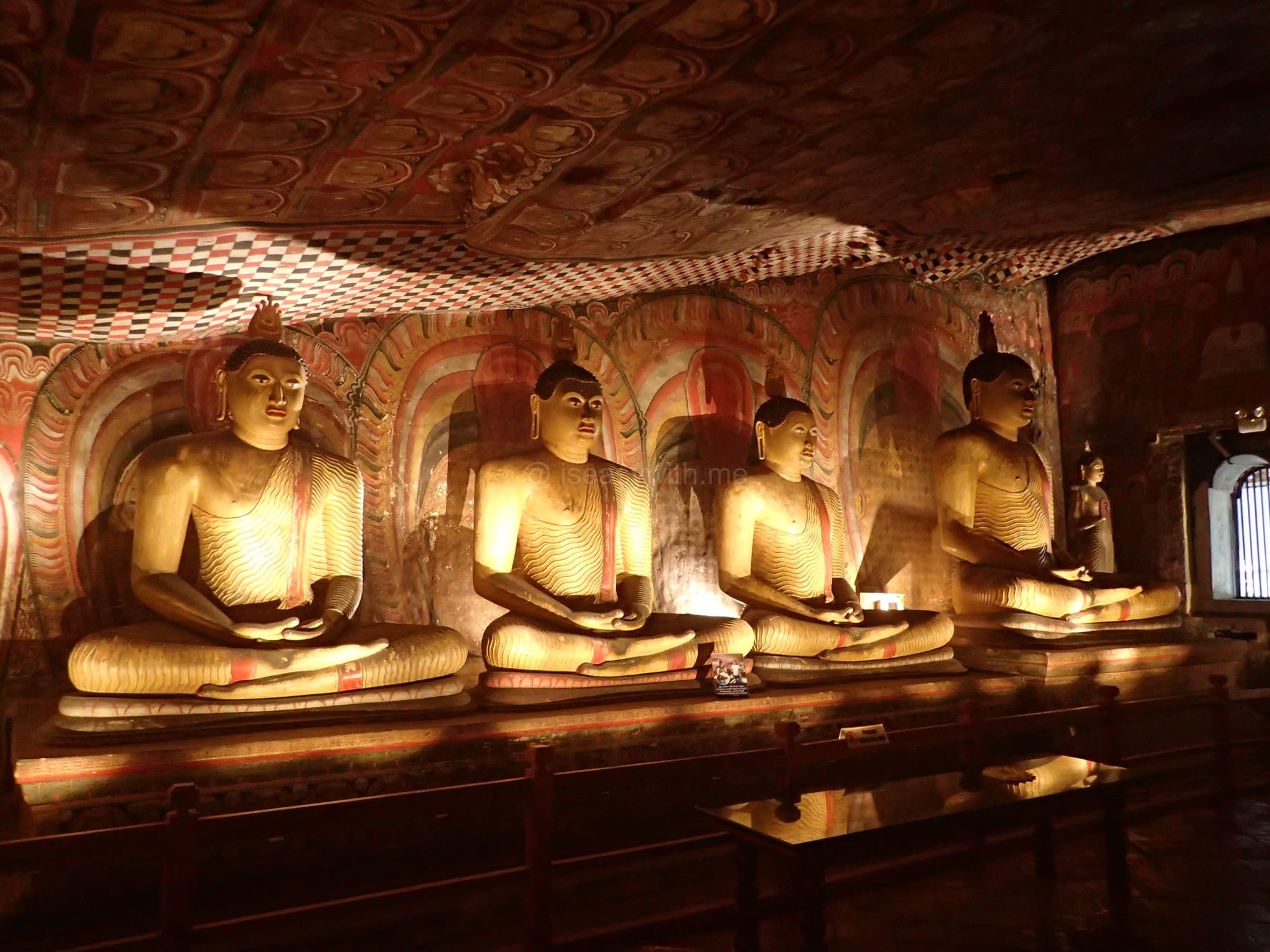
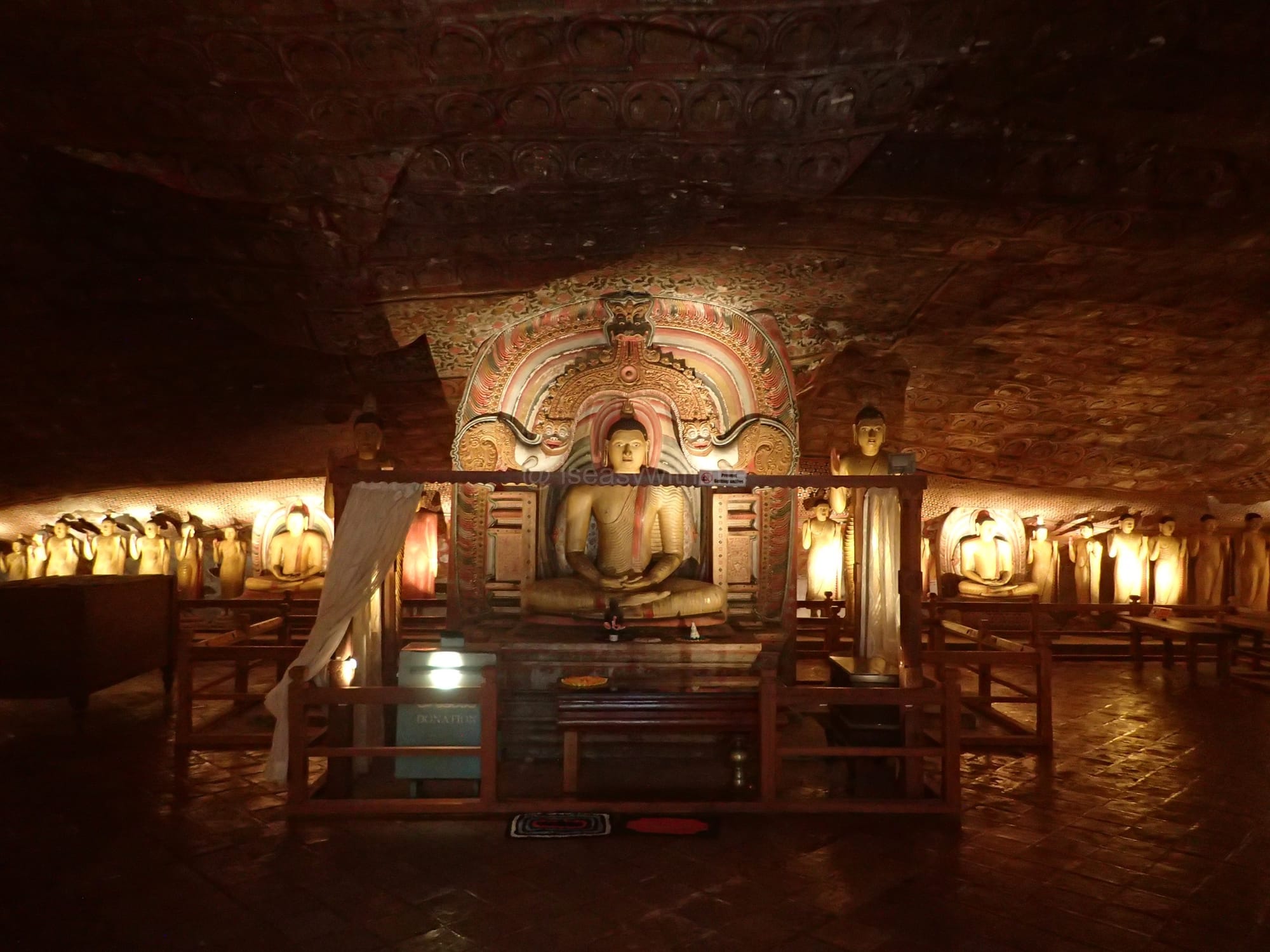
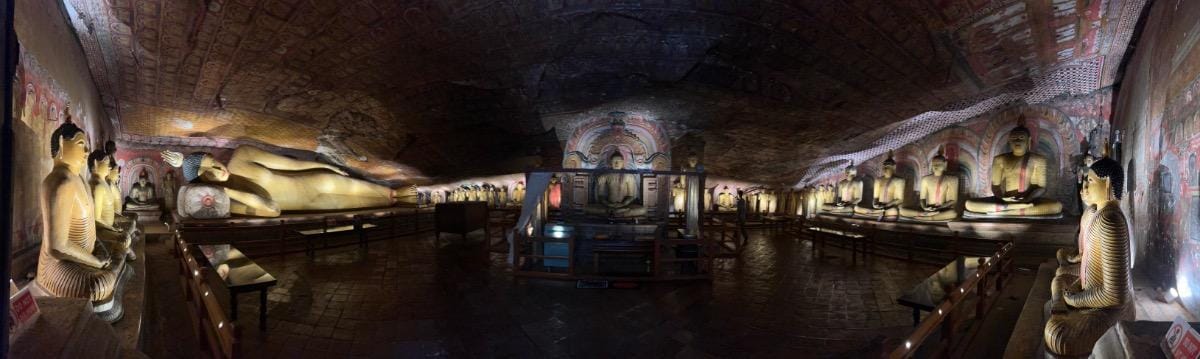
The Dambulla Cave Temple (LKR 3,000) is a sacred UNESCO World Heritage site renowned for its ancient Buddhist murals and rock-cut architecture. The complex consists of five distinct cave shrines, each showcasing unique statues, frescoes and historical eras.
iseasywith.me Travel Tip
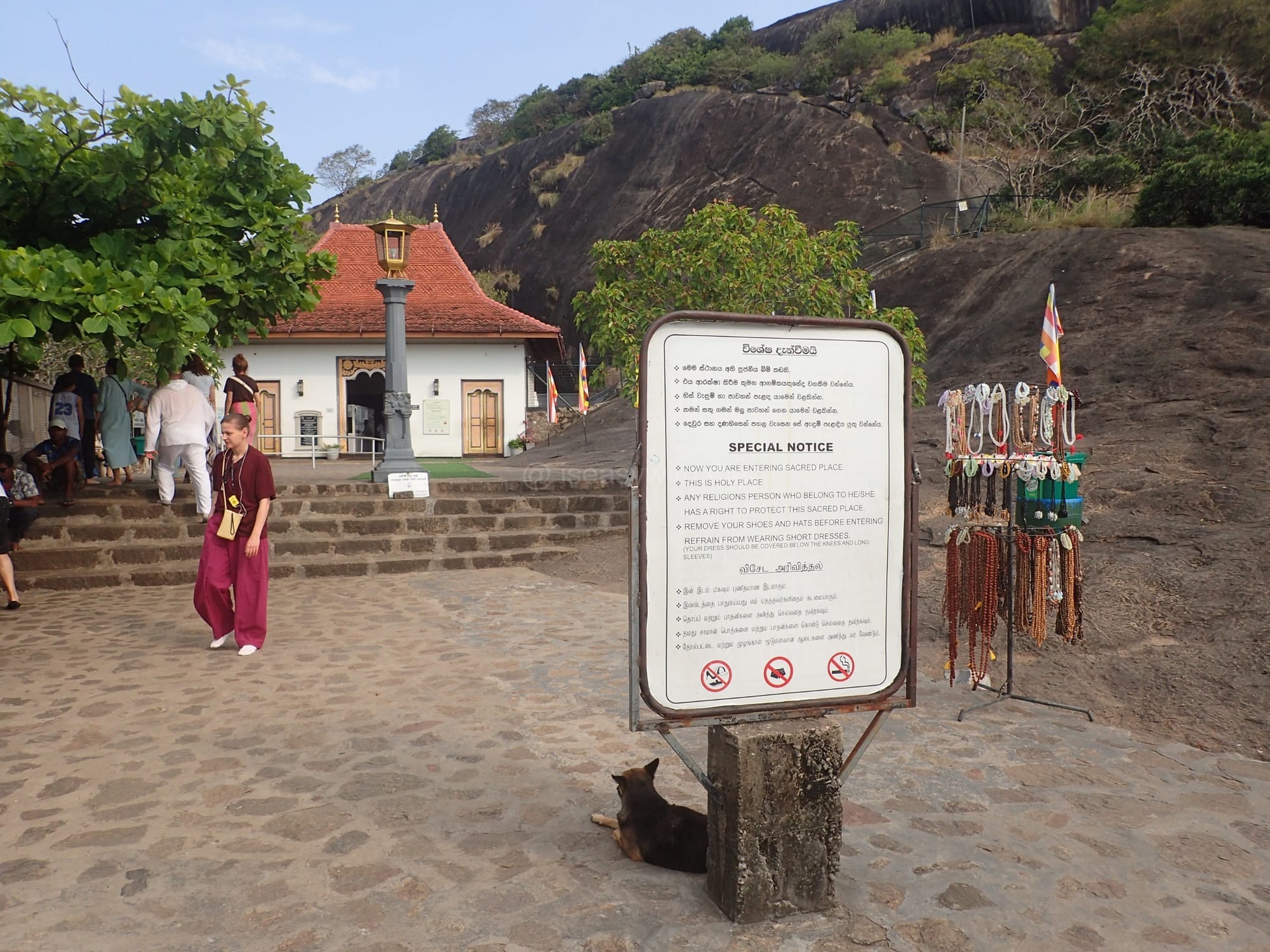
Dress Code: Shoulders and knees must be covered. Wearing socks is highly recommended as the stone rock surfaces can become scalding hot later in the day.
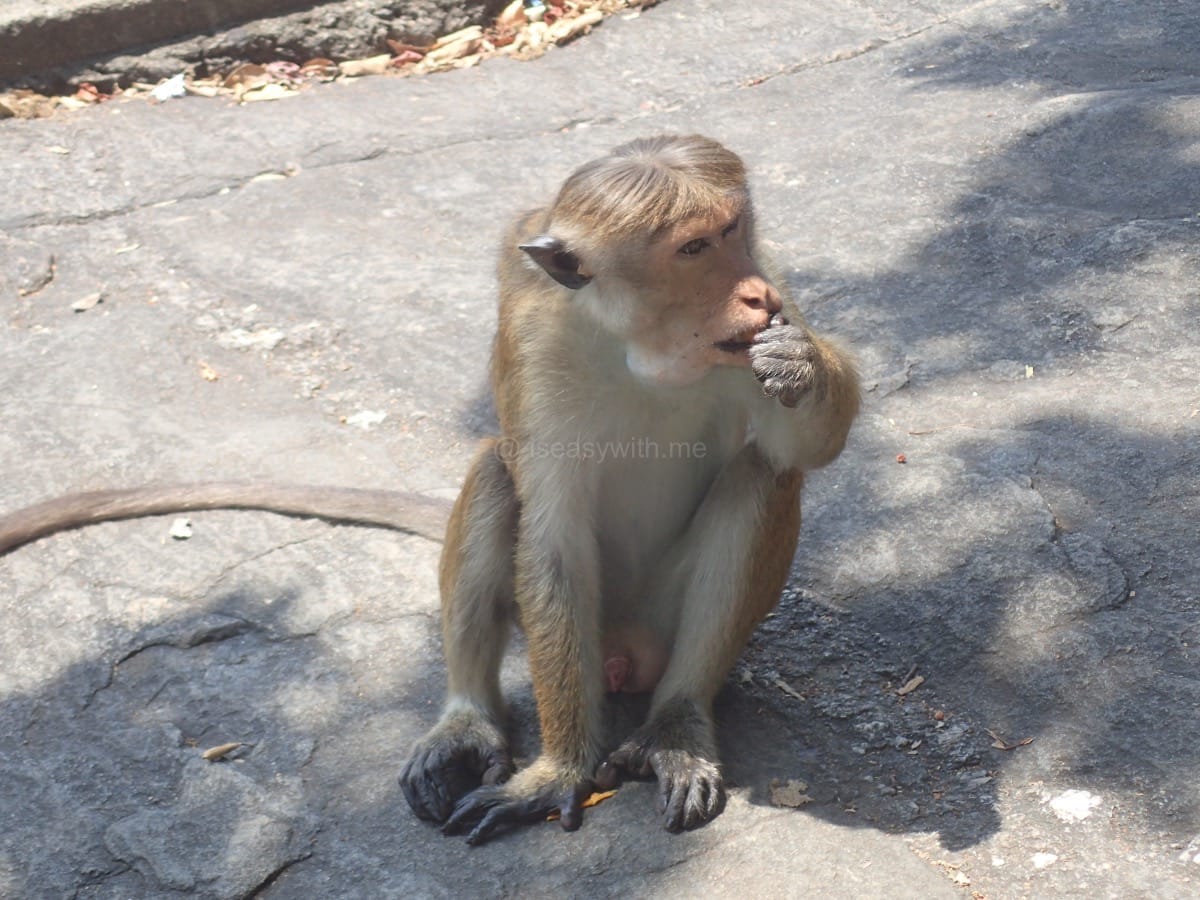
Wildlife: Wild macaques (monkeys) are common along the stairs. Secure your loose belongings and avoid carrying visible food or plastic bags.
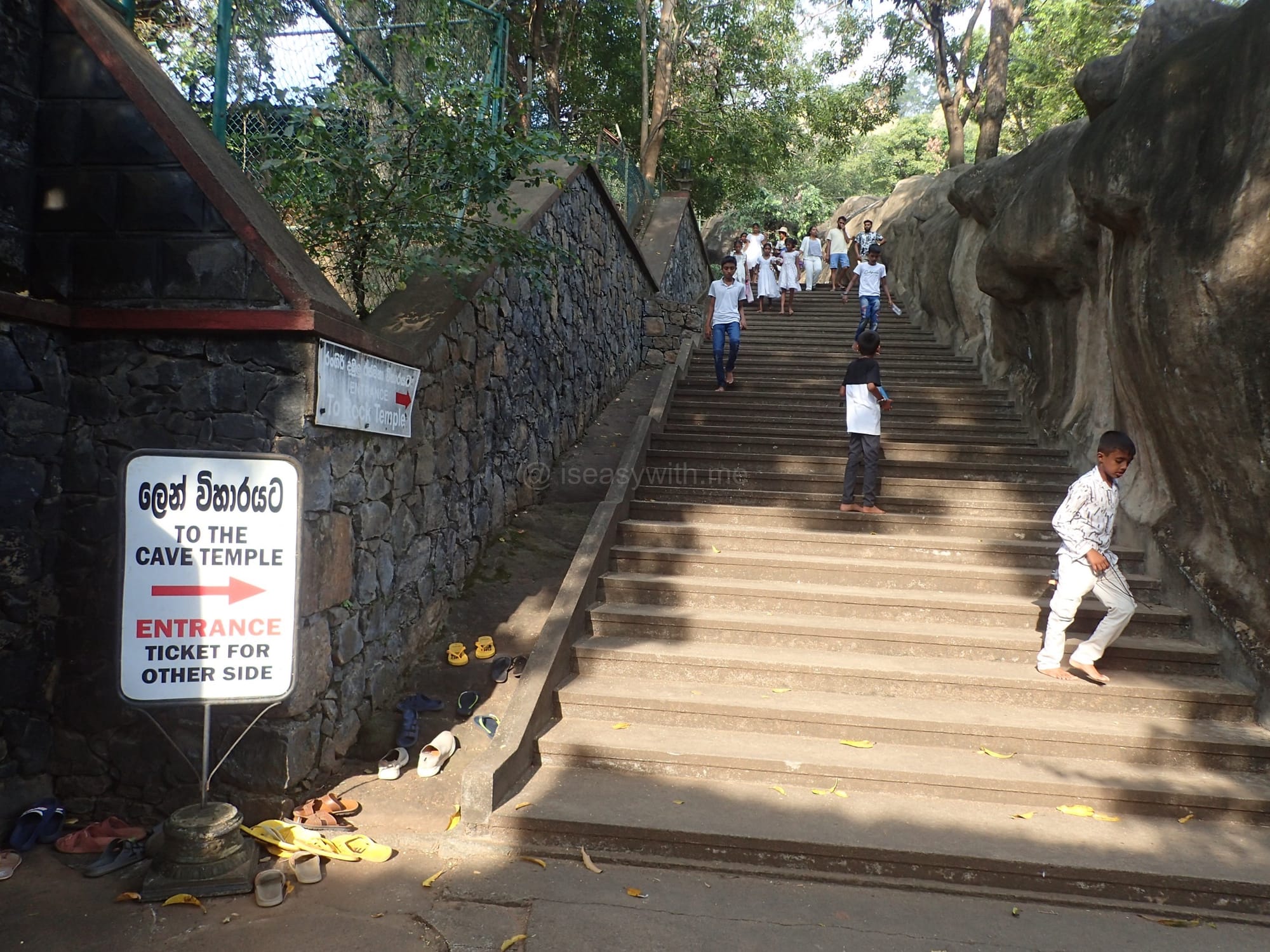
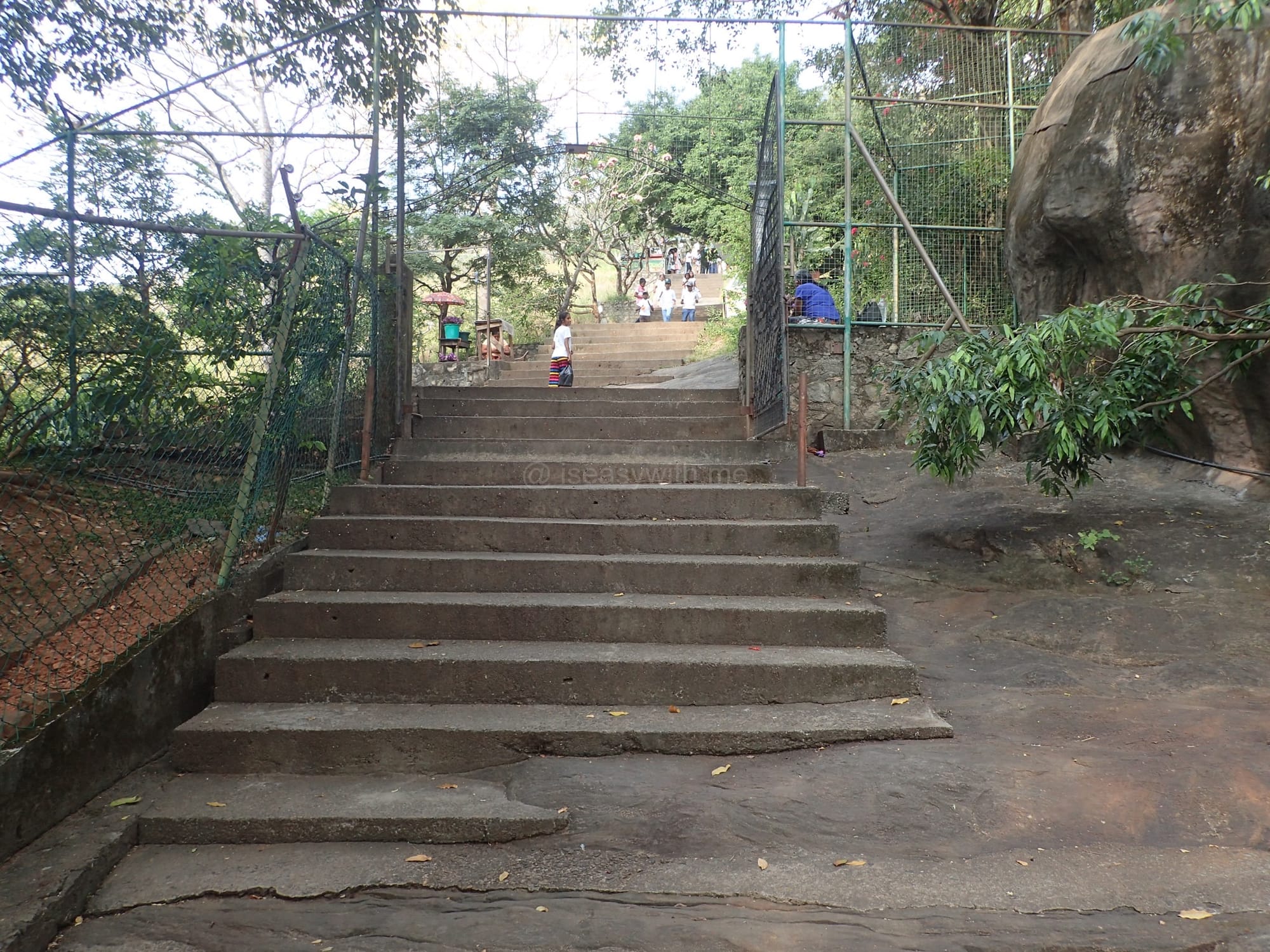
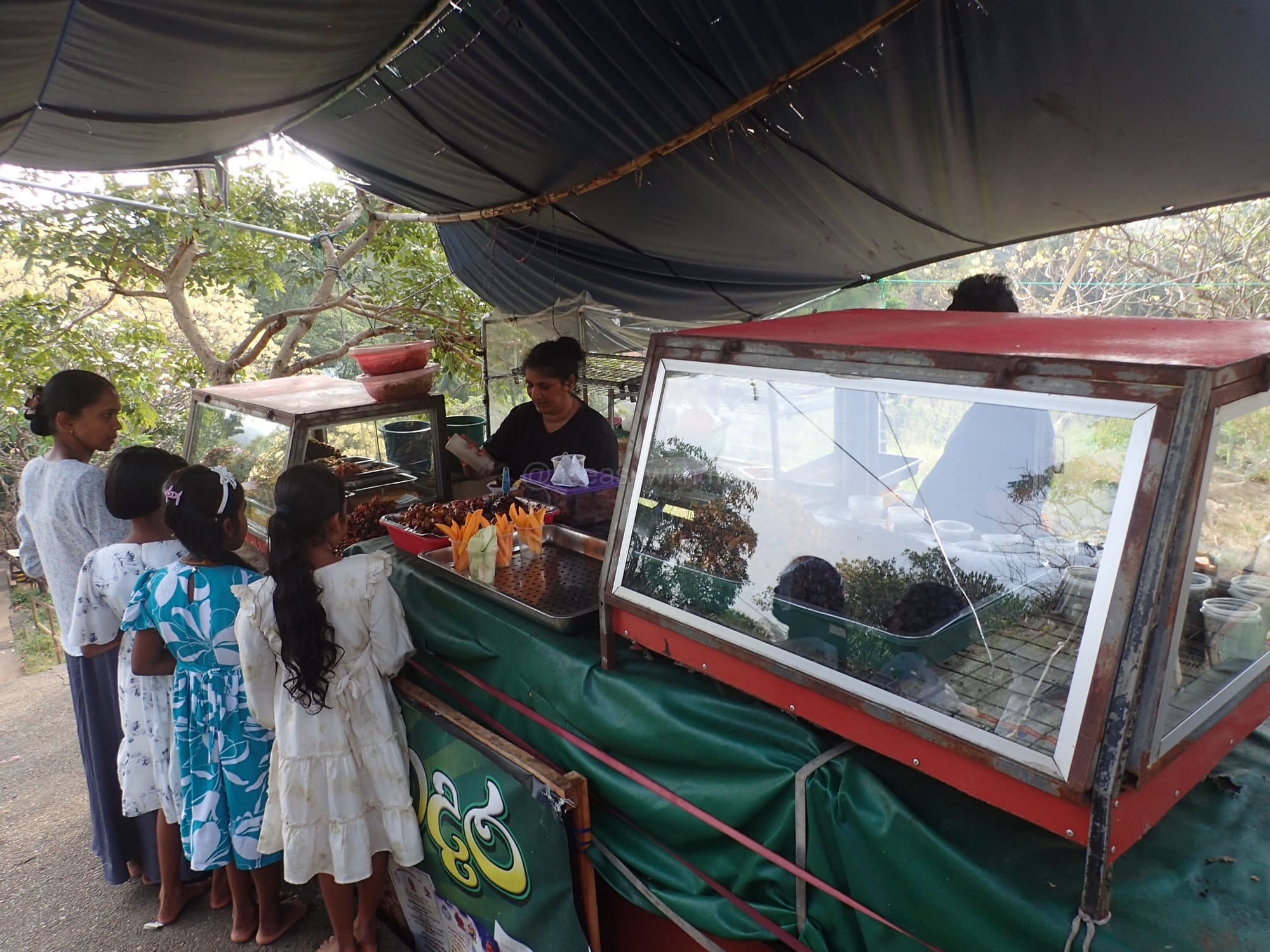
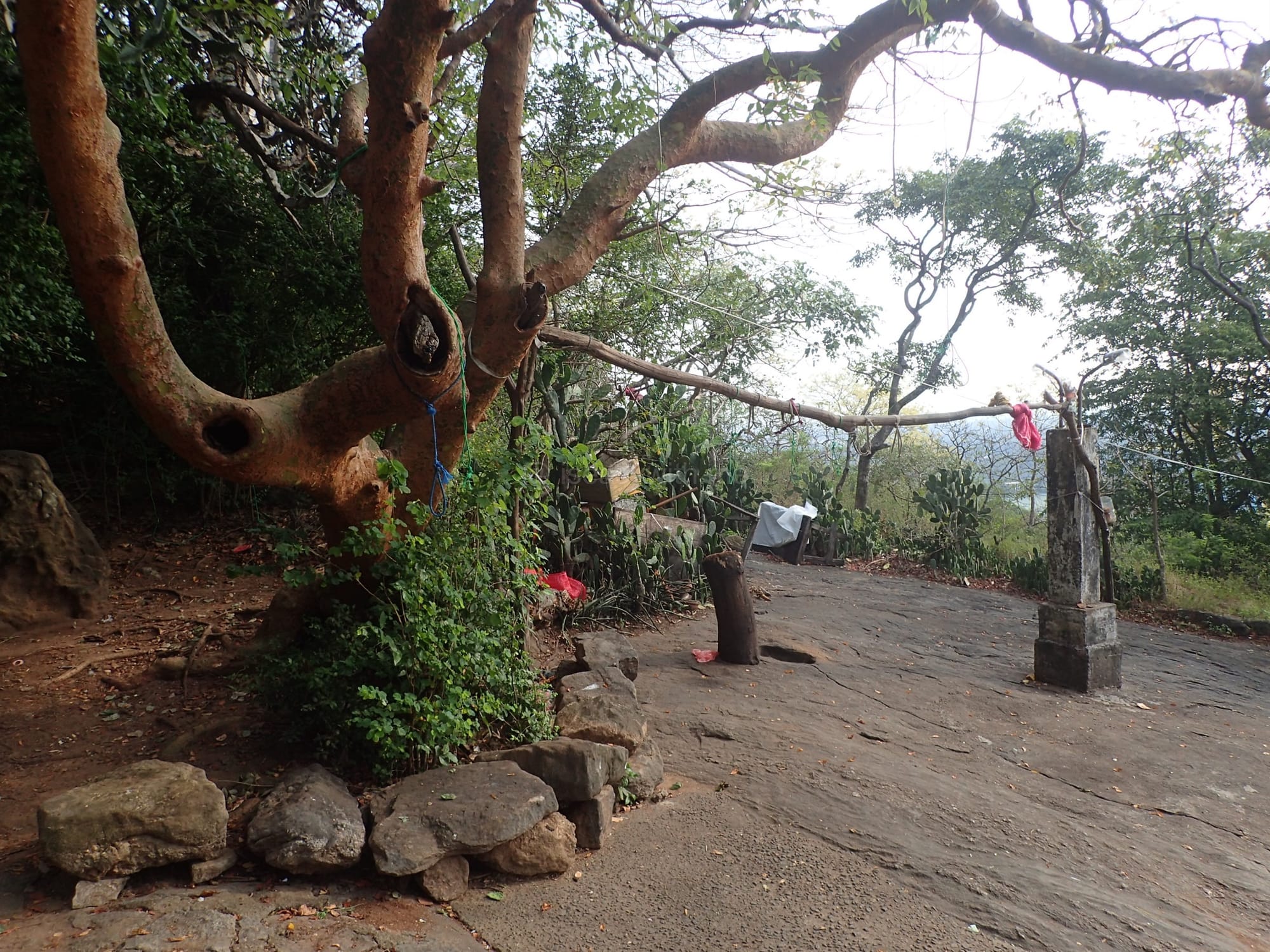
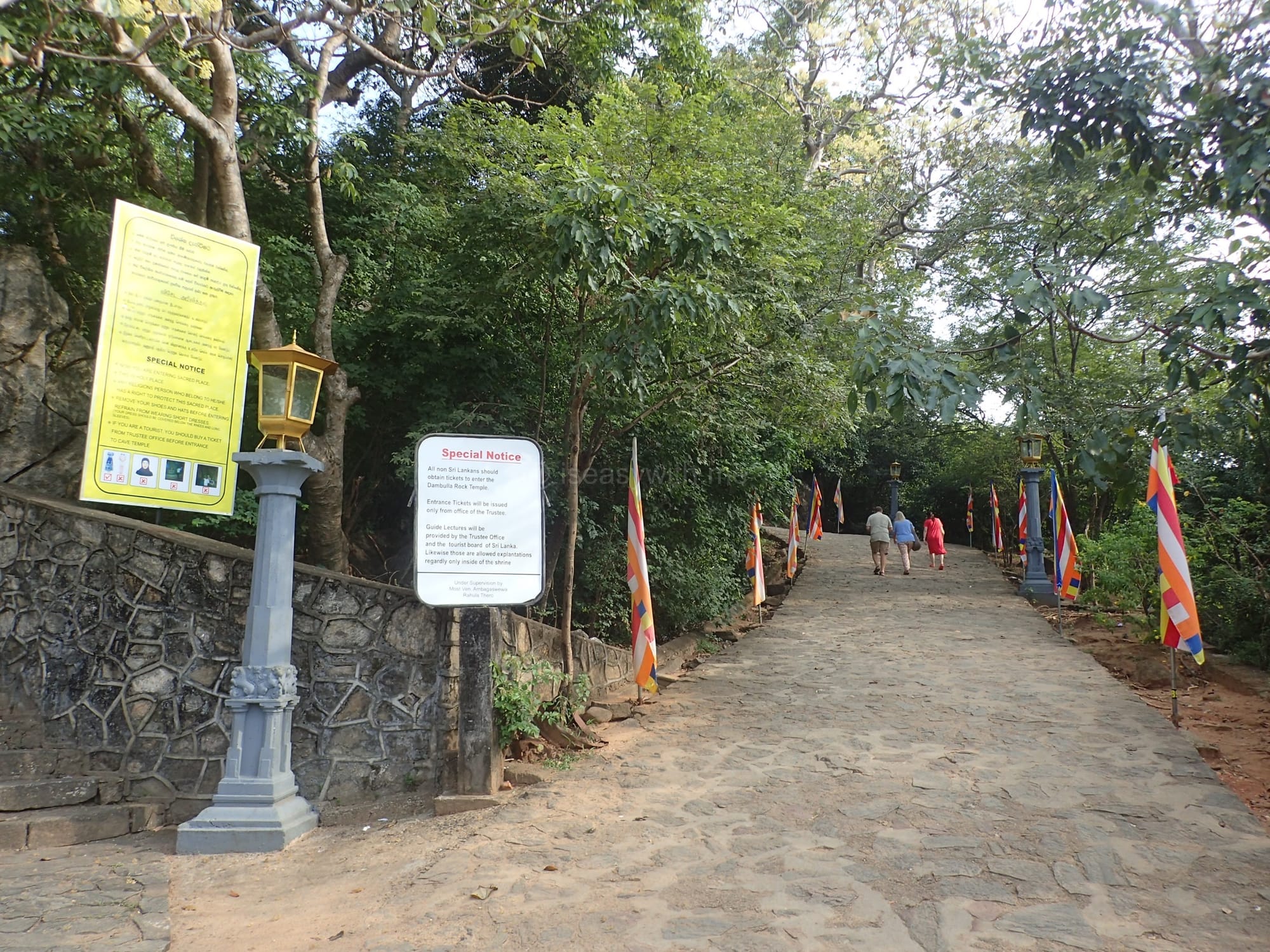
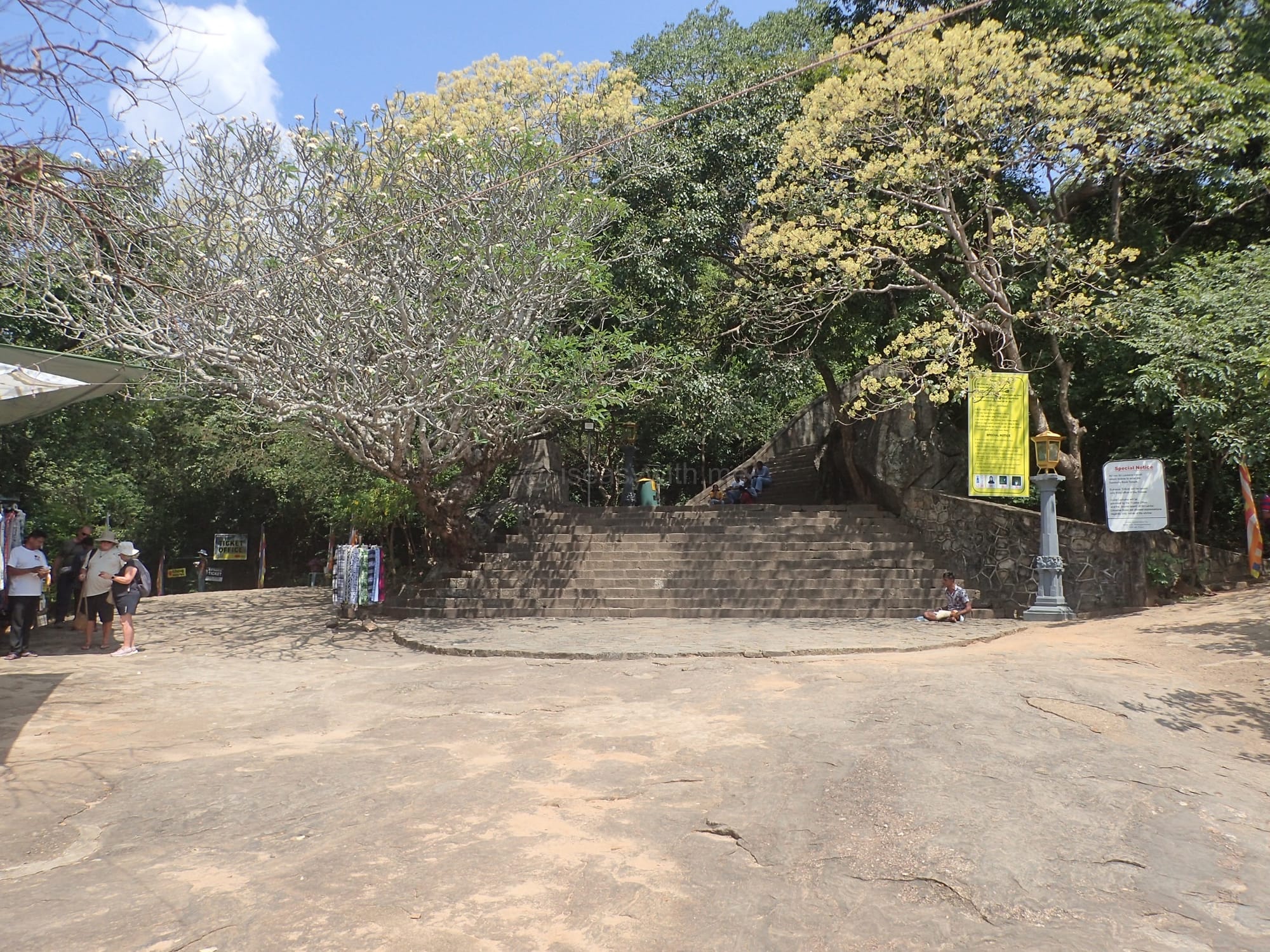
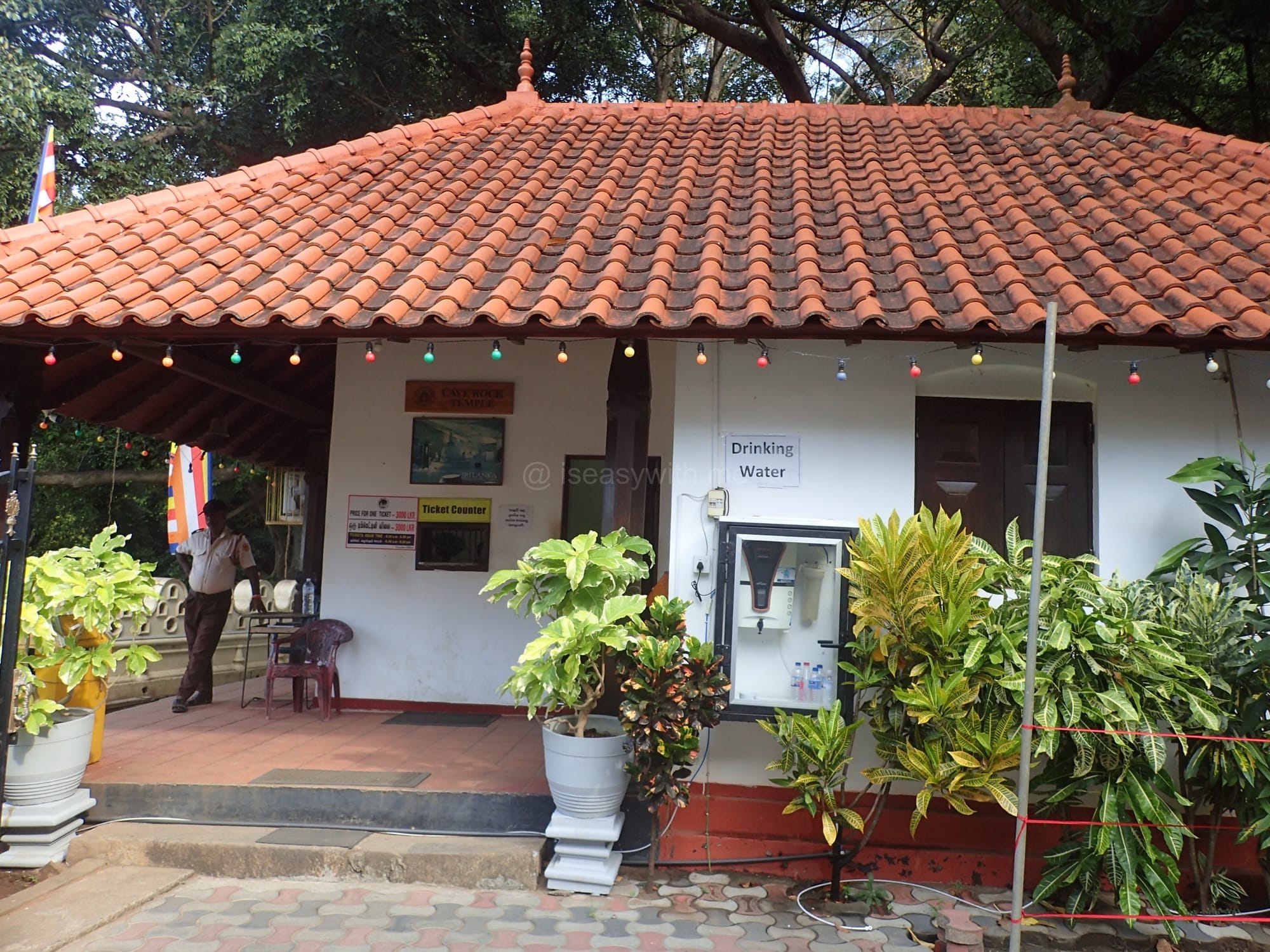
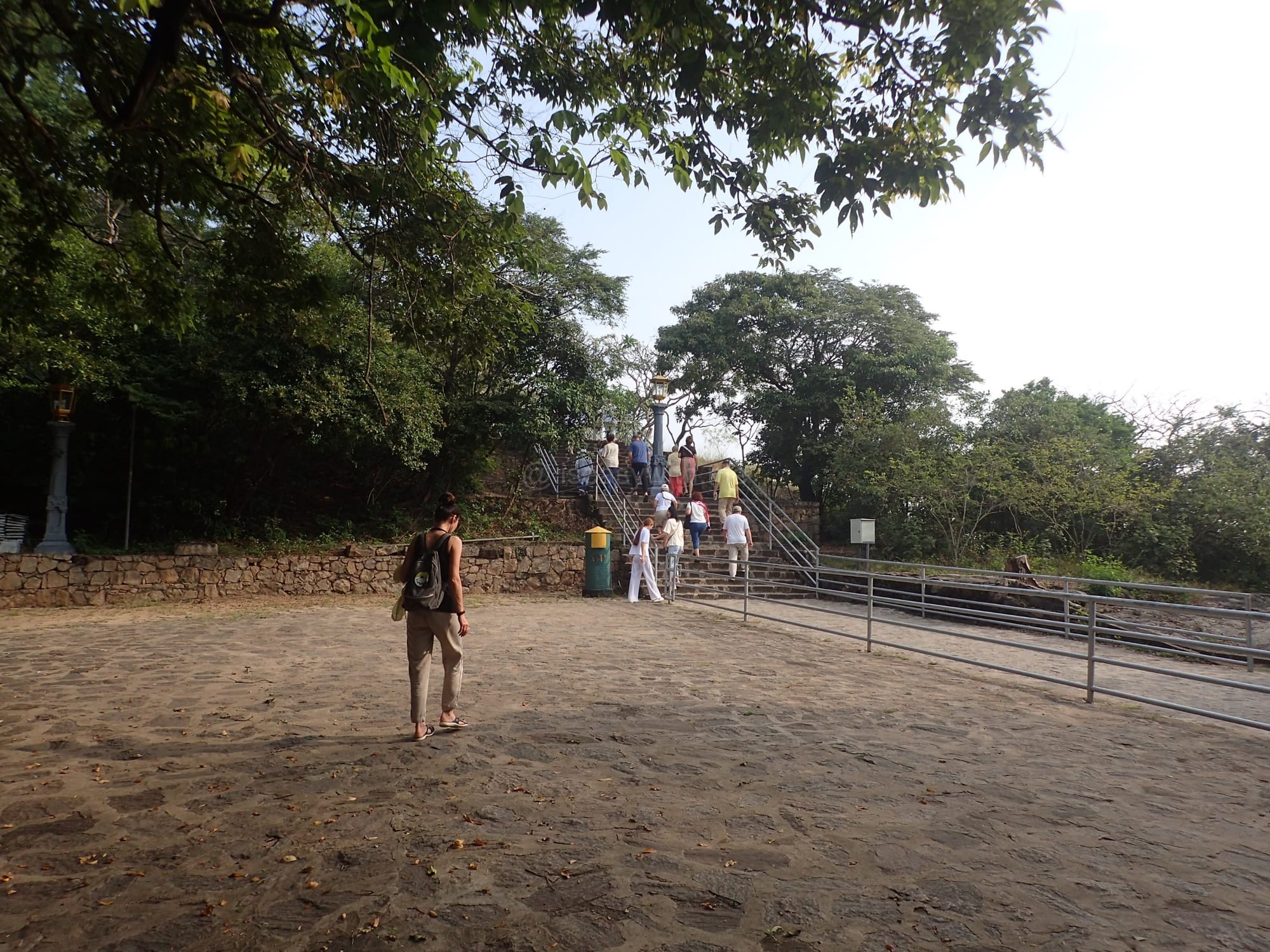
on the way up to the cave temple
iseasywith.me Travel Warning
Don't Climb Twice!
Make sure you buy your entry tickets for the Cave Temple before making the final climb!
After climbing the first major flight of stone steps from the Golden Temple at the base, you will reach a distinct split junction. At this fork, you must detour to the left to the Trustee Office to purchase your tickets.
Do not continue straight up the slope toward the Cave Temple at the summit without a ticket. There is no ticket counter at the top. If you skip this detour, security will stop you at the Cave Temple entrance and ask you to walk all the way back down to the Trustee Office to buy them, and you will have to hike up the steep incline again!
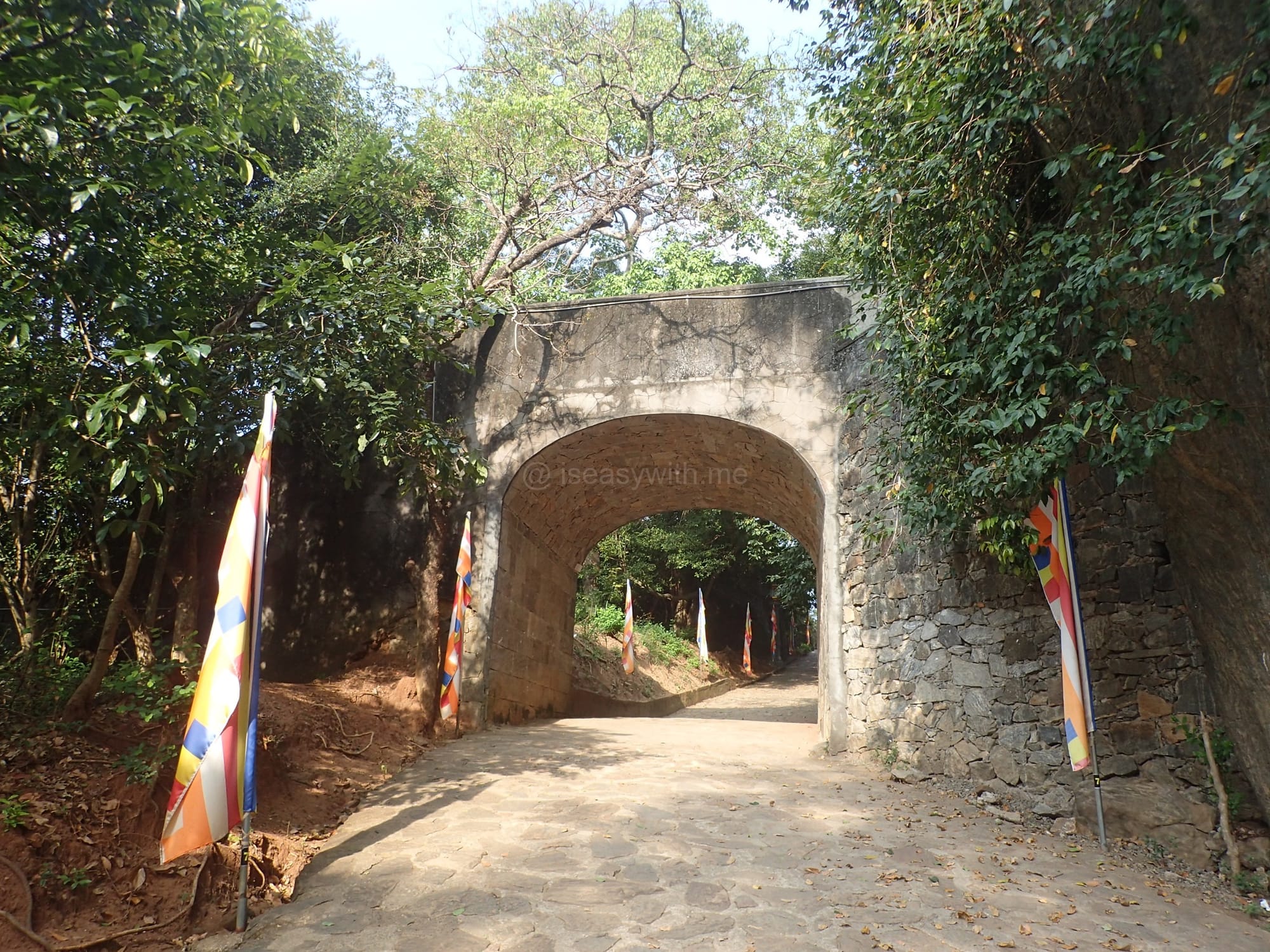
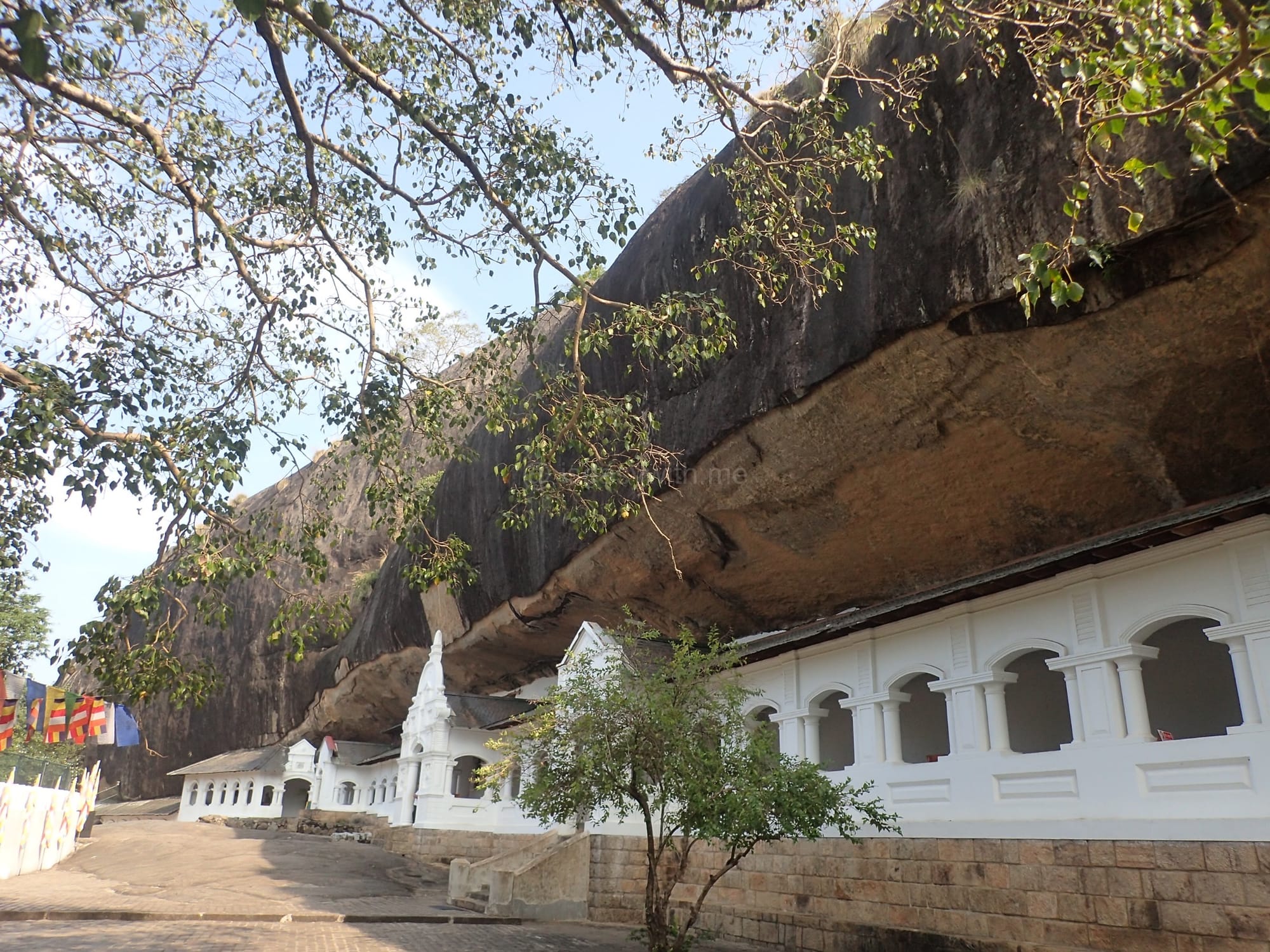
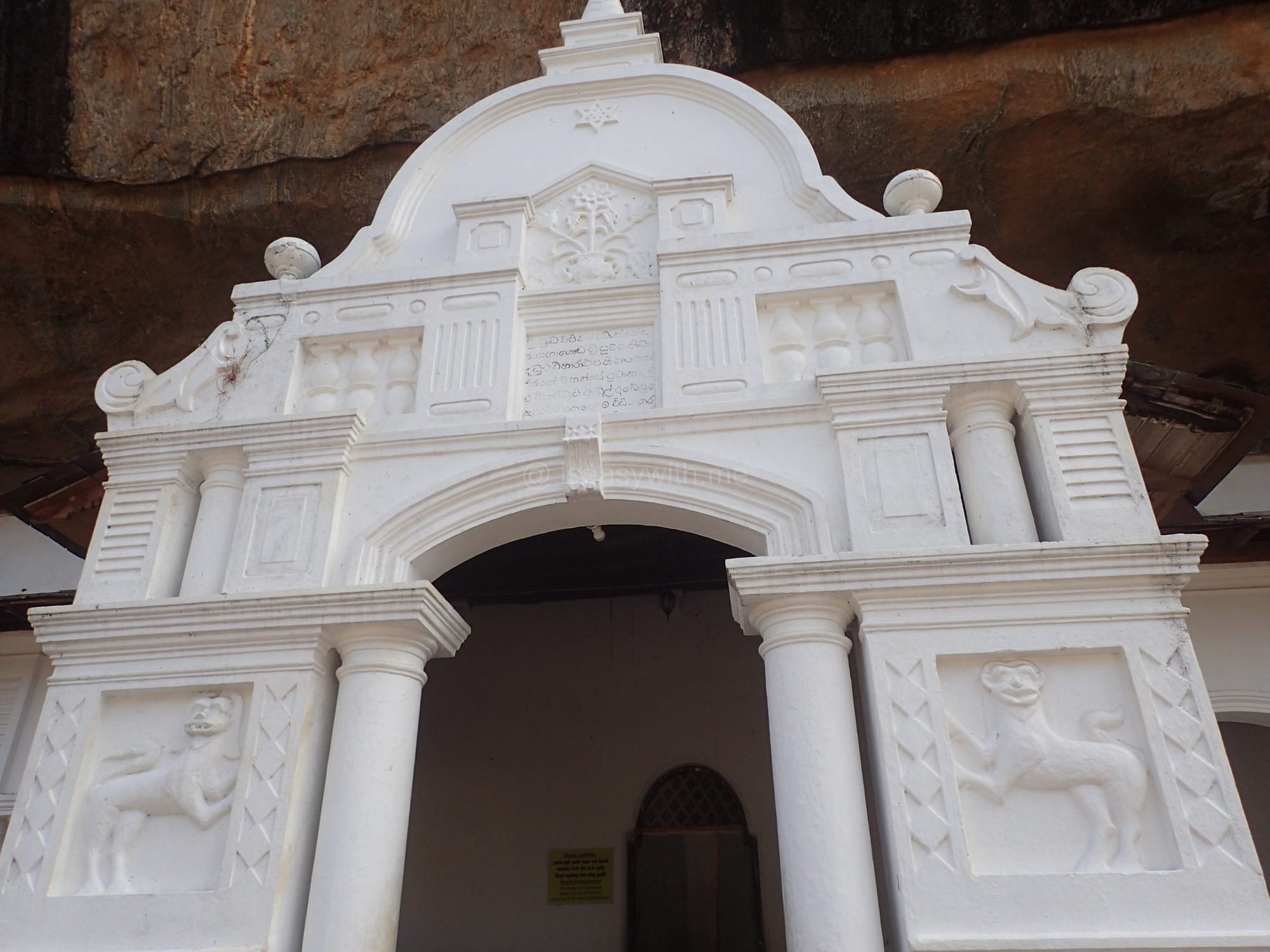
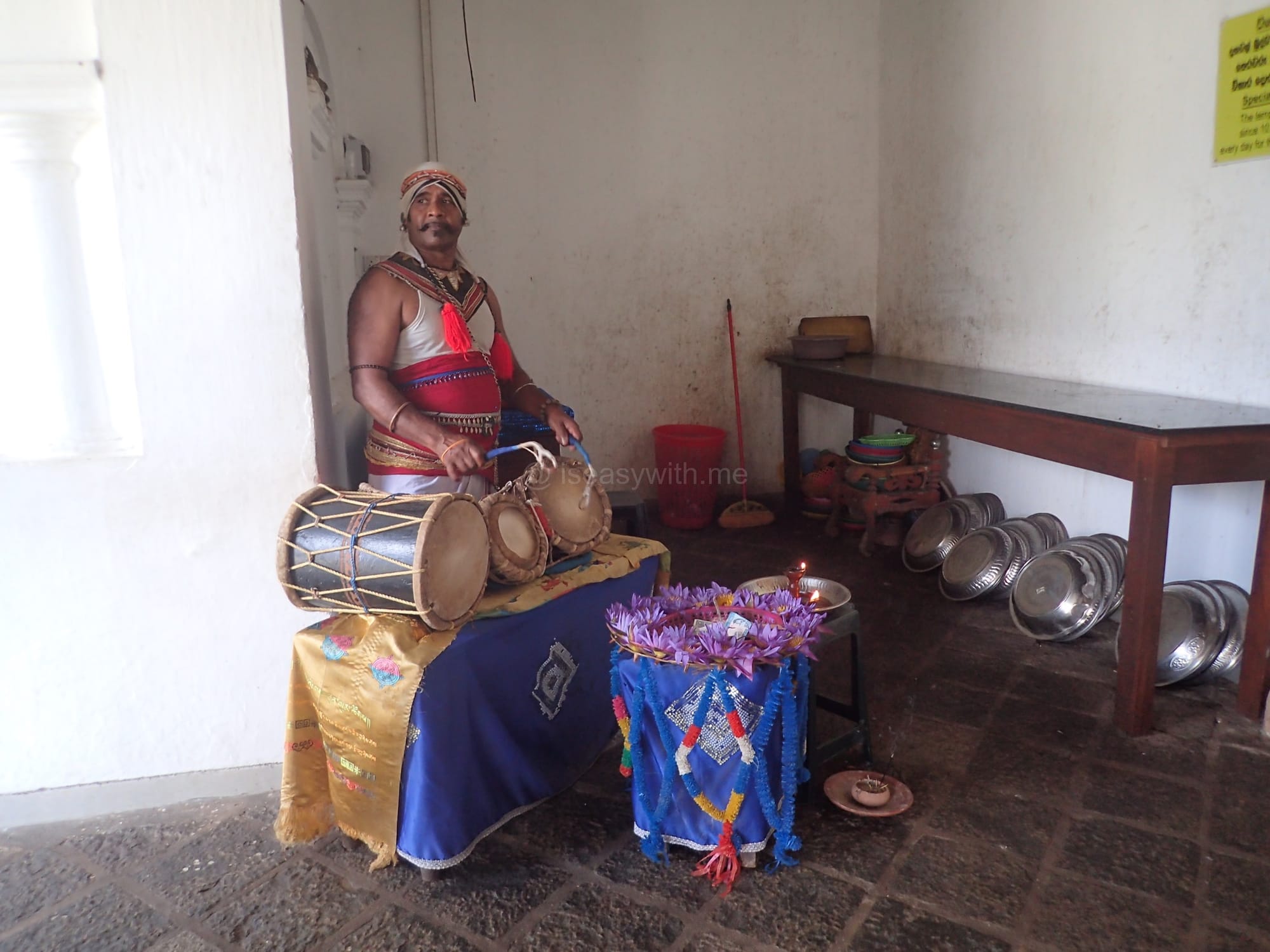
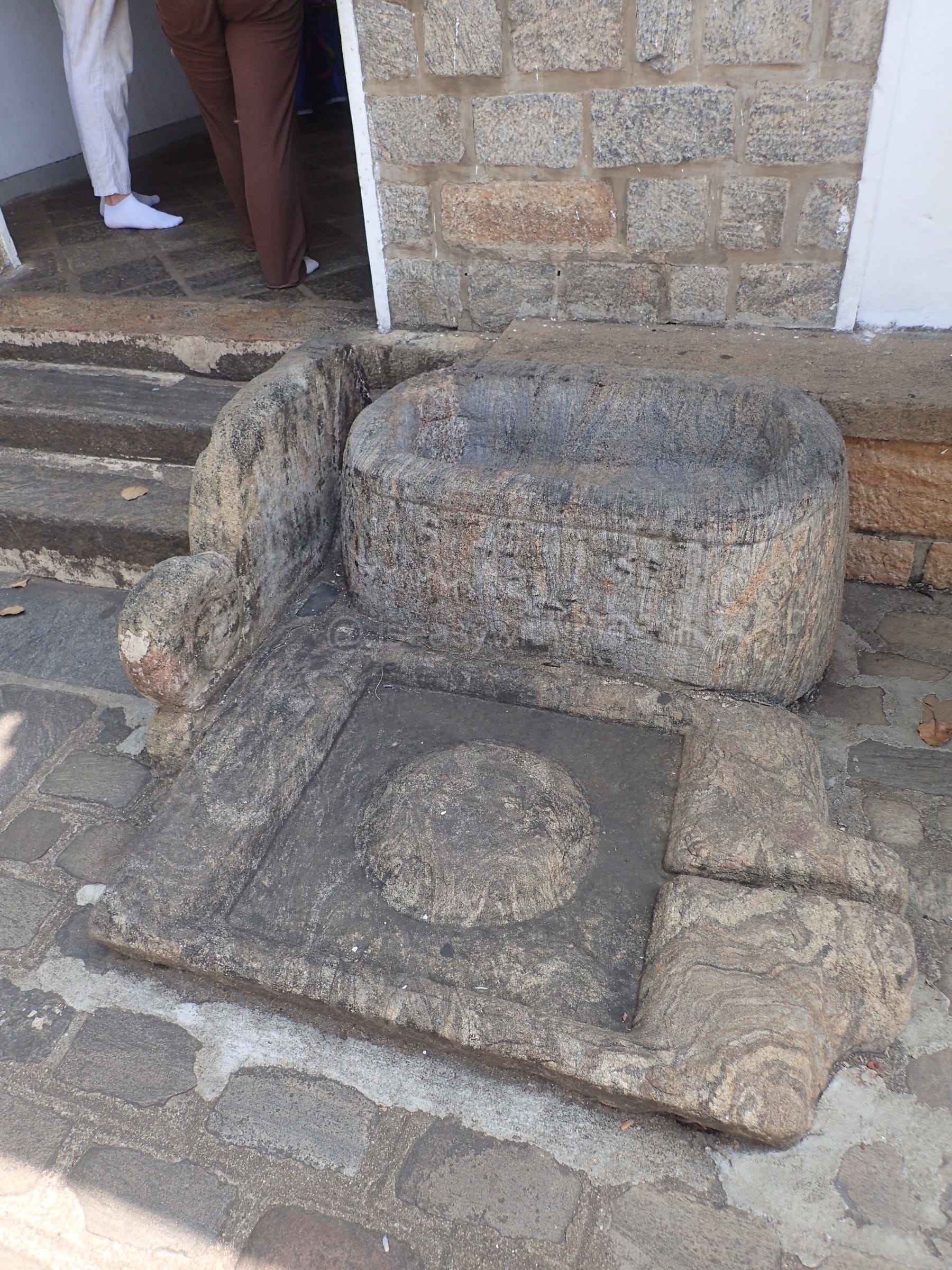
1. Devaraja Lena (Cave of the Divine King)
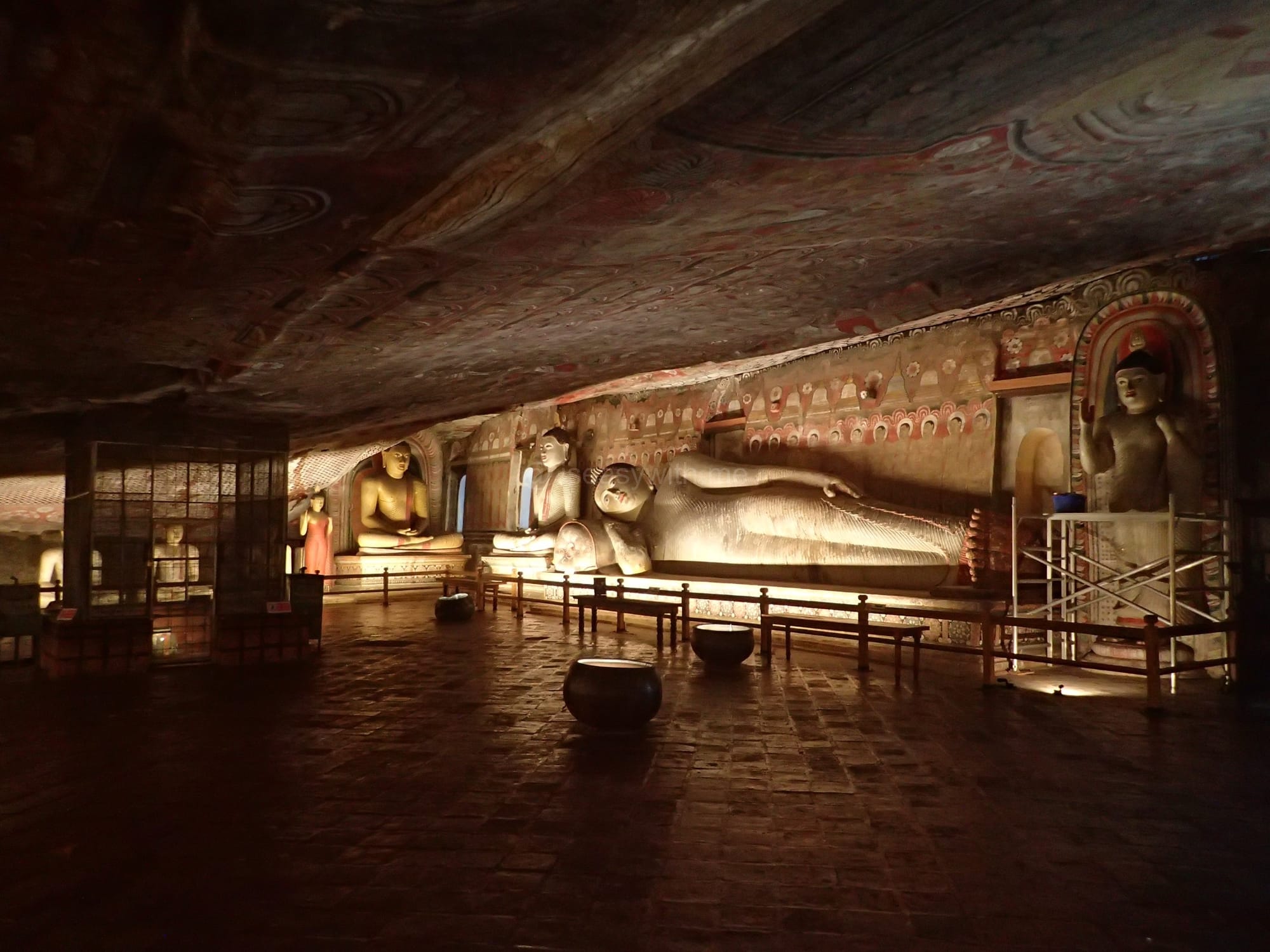
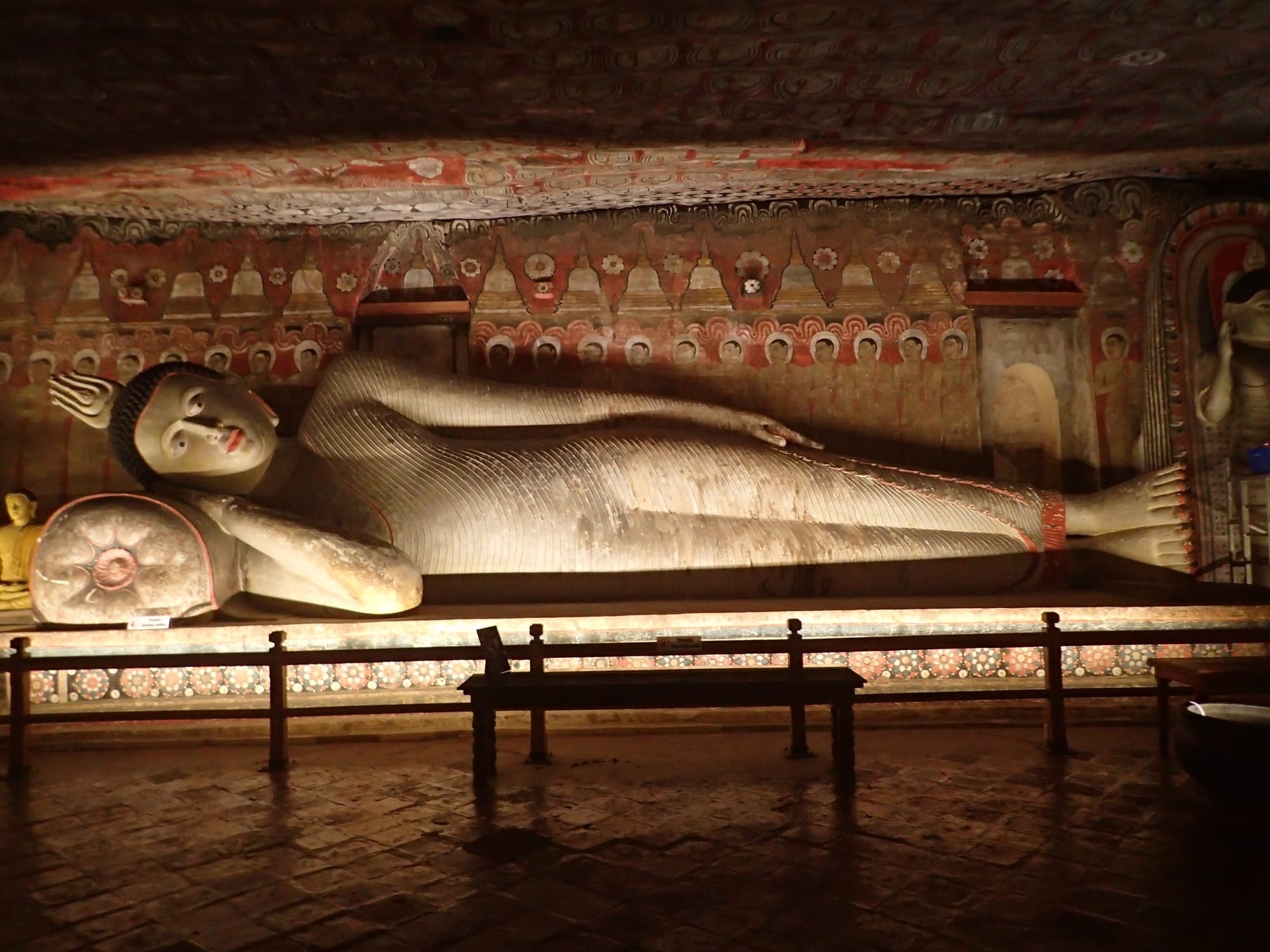
- The Main Highlight: This chamber is dominated by a colossal, 14-metre reclining Buddha statue carved directly out of the solid rock face, depicting the Buddha’s entry into Parinirvana.
- Historical Detail: At the Buddha's feet stands his loyal disciple, Ananda. Nearby, a statue of the Hindu god Vishnu (Devaraja) highlights the historical blending of Buddhist and Hindu religious traditions in early Sri Lankan history.
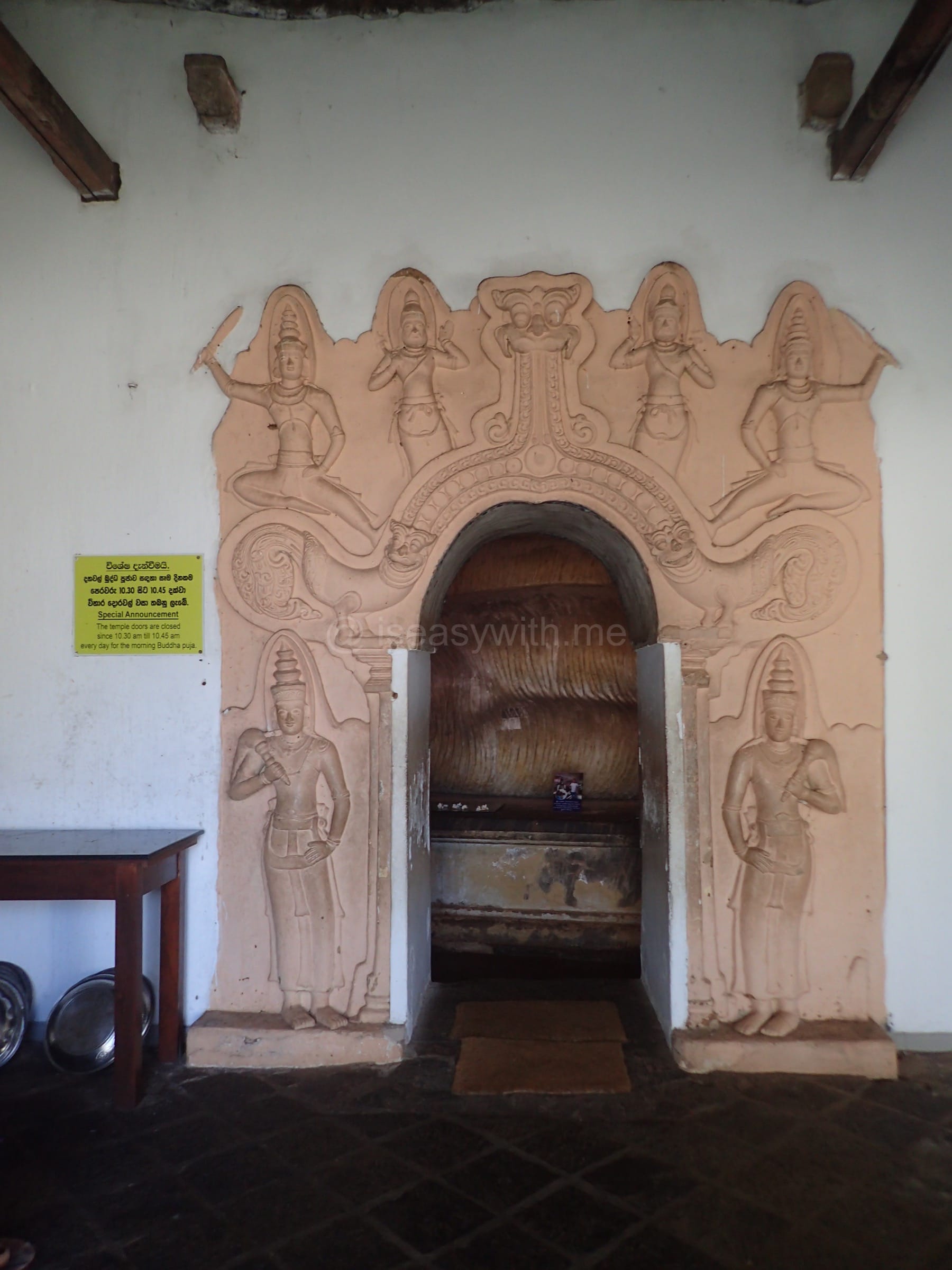
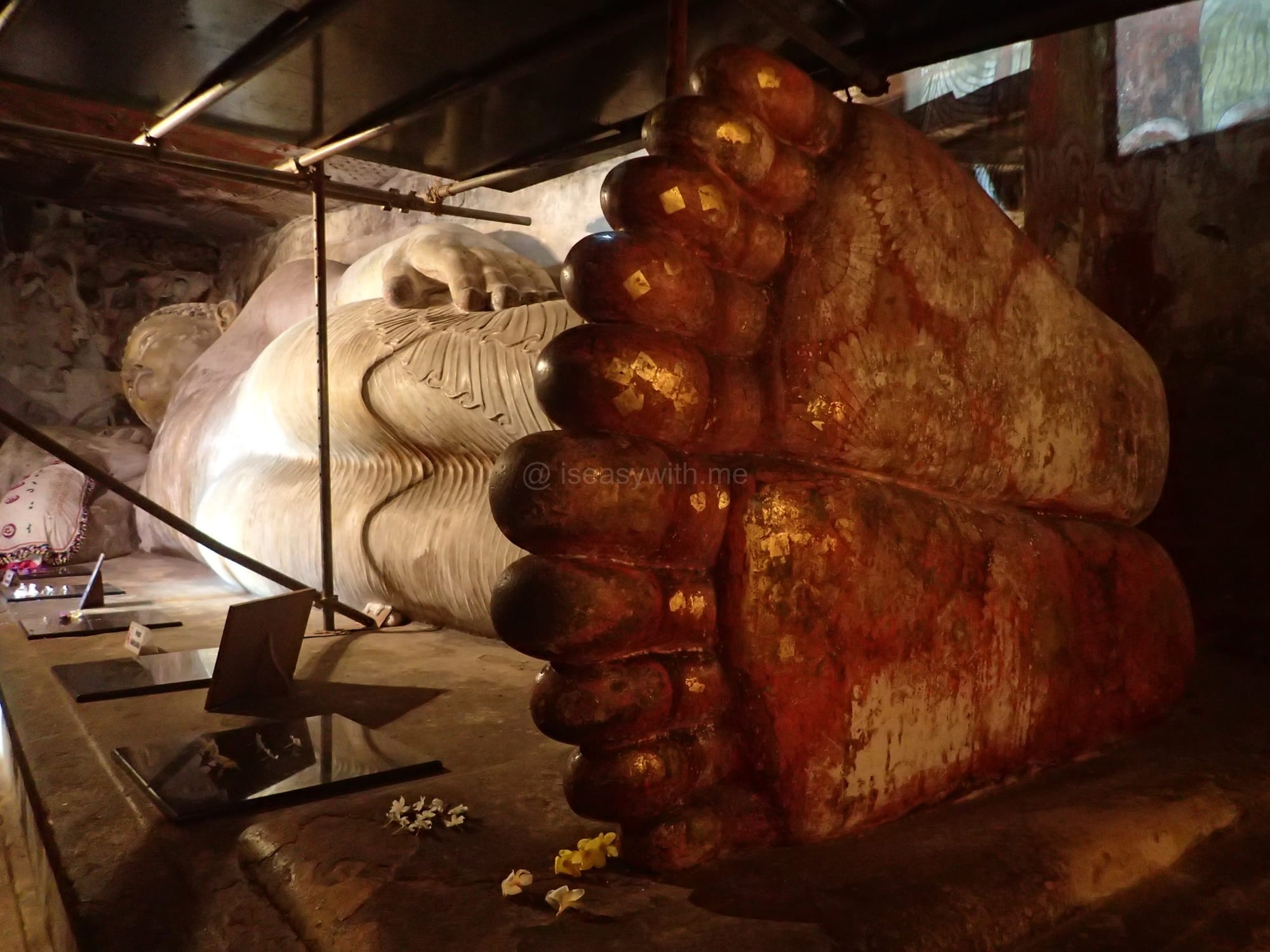
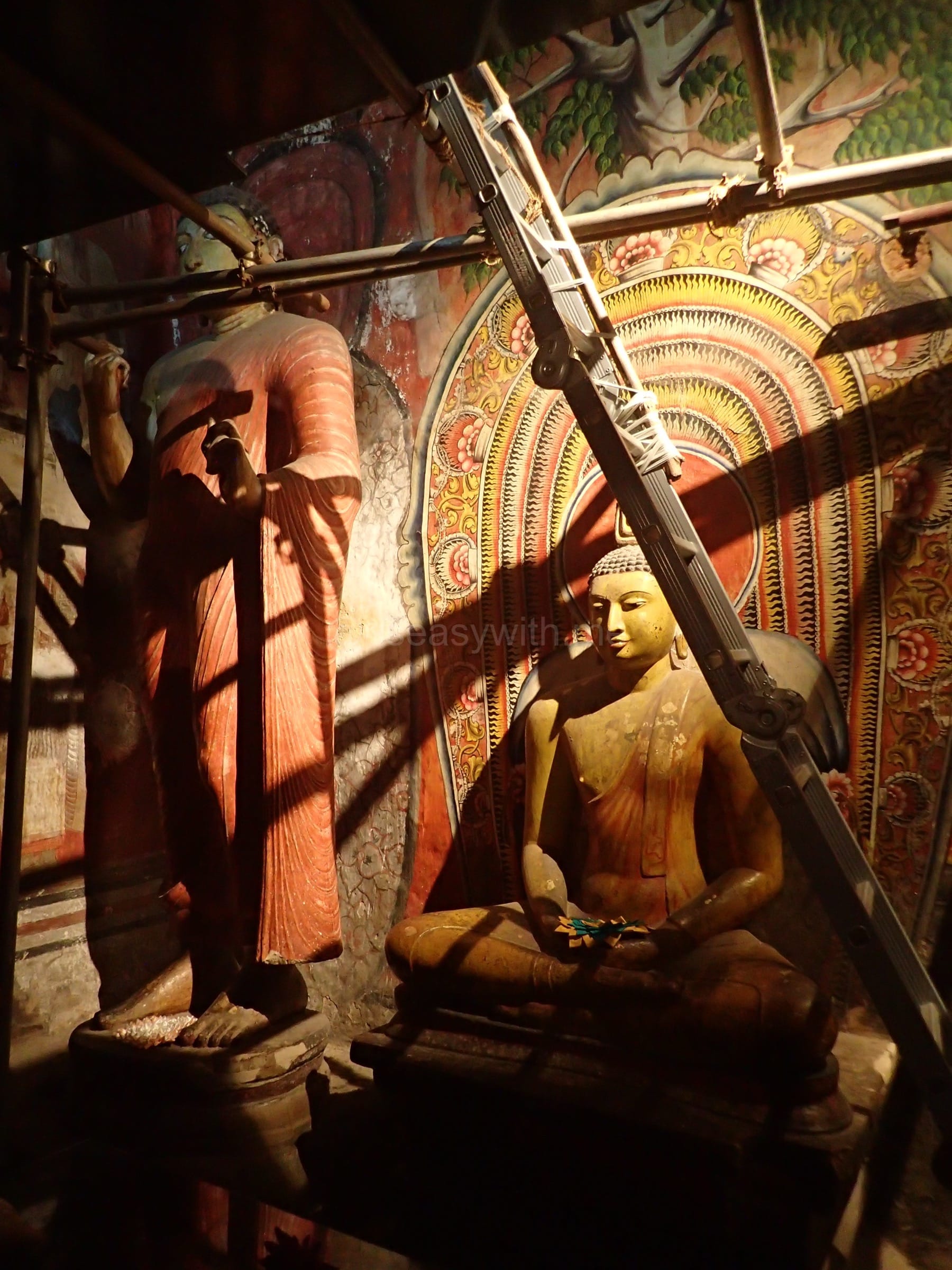
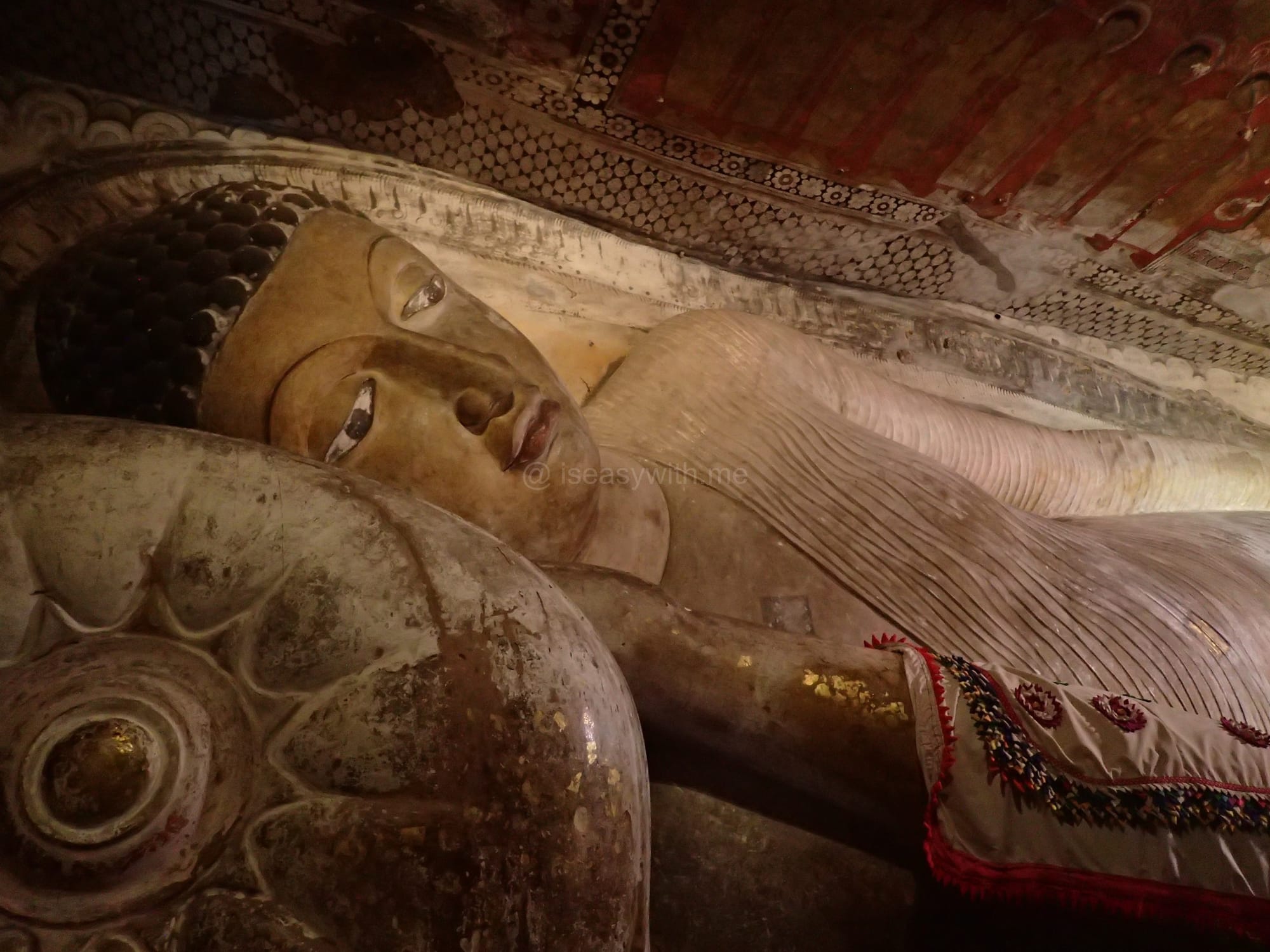
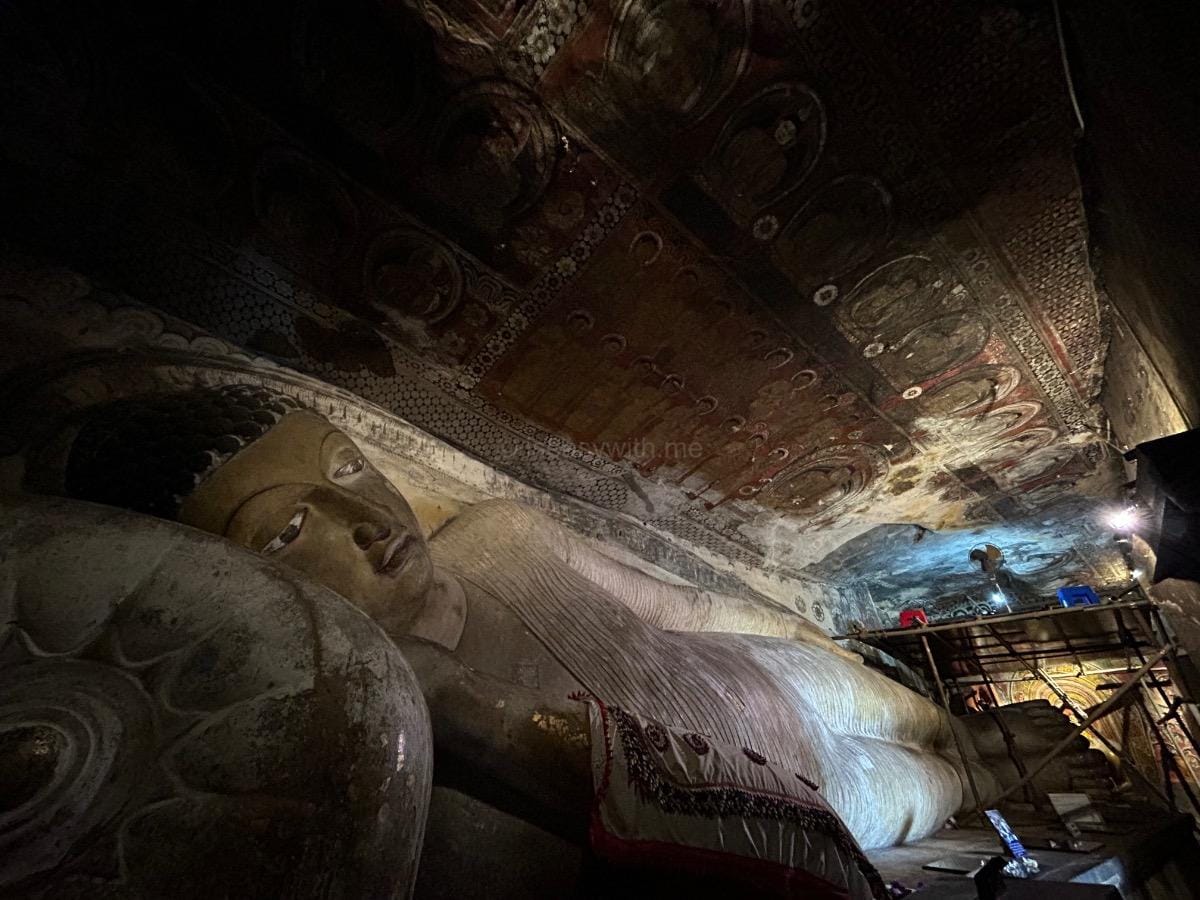
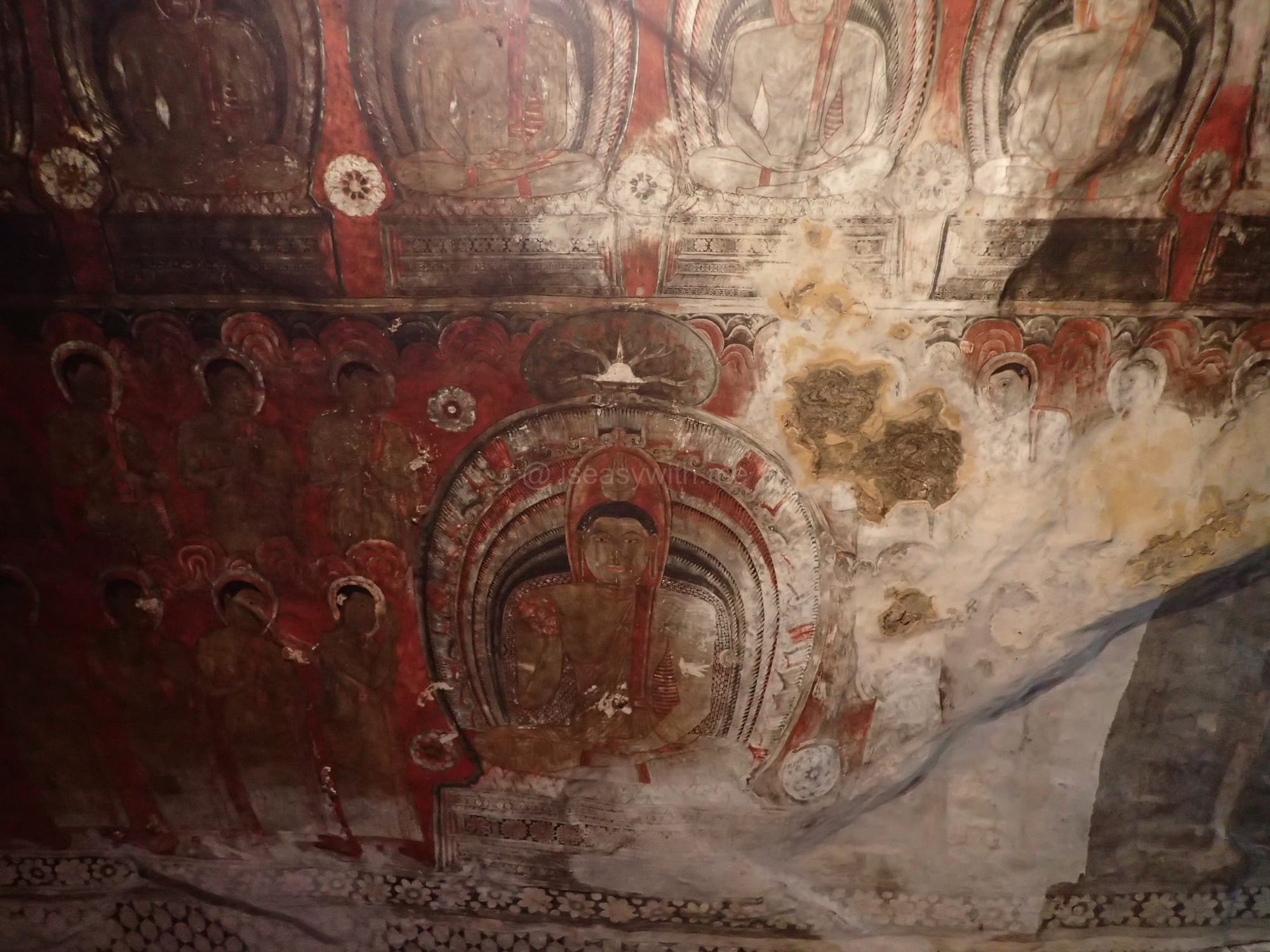
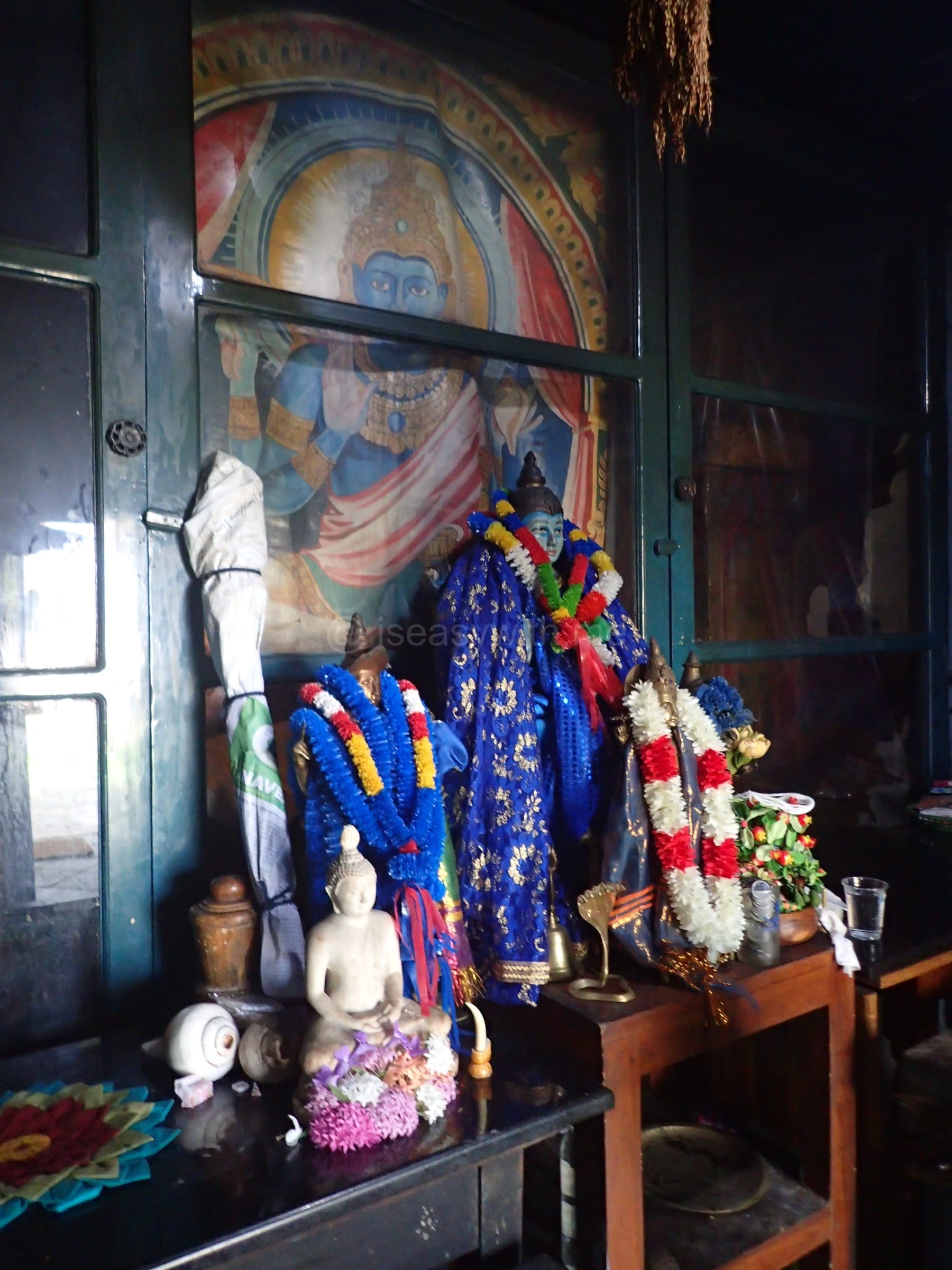
Cave No. 1- Devaraja Lena
2. Maharaja Lena (Cave of the Great Kings)
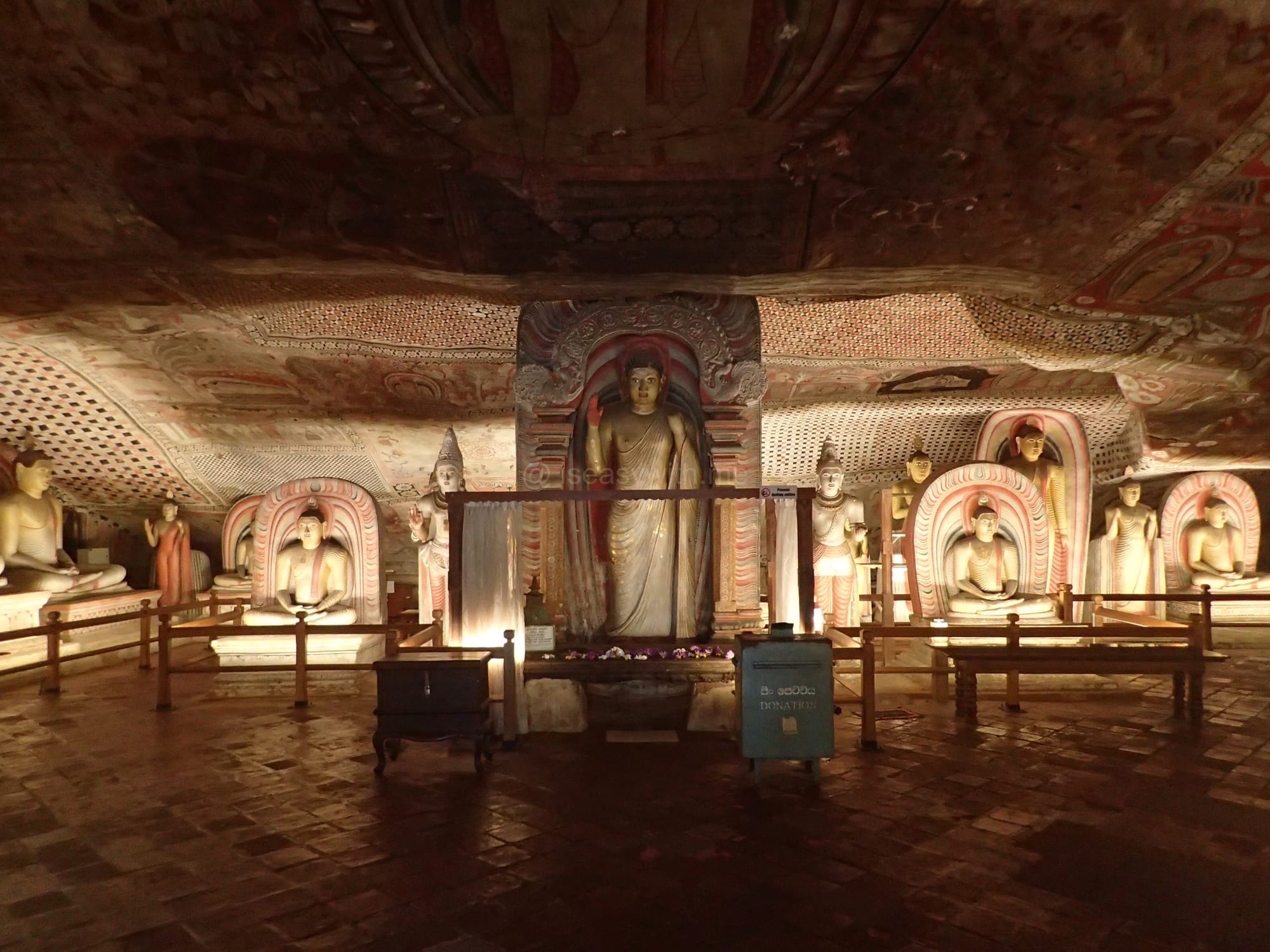
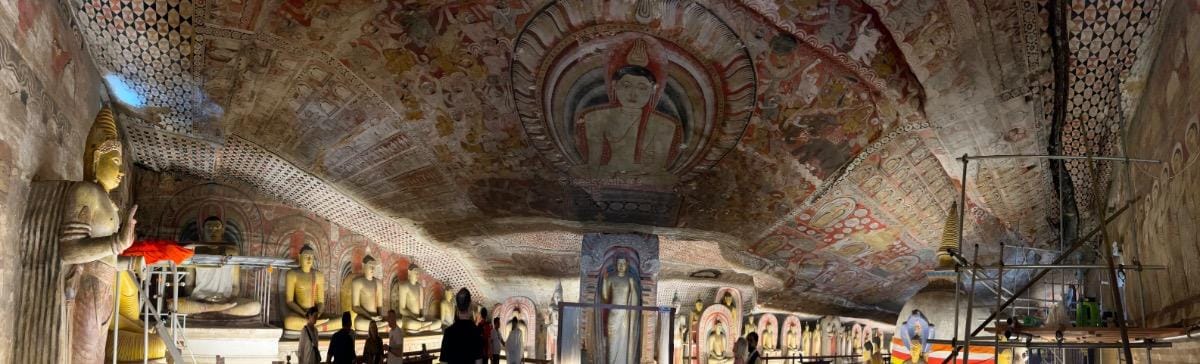
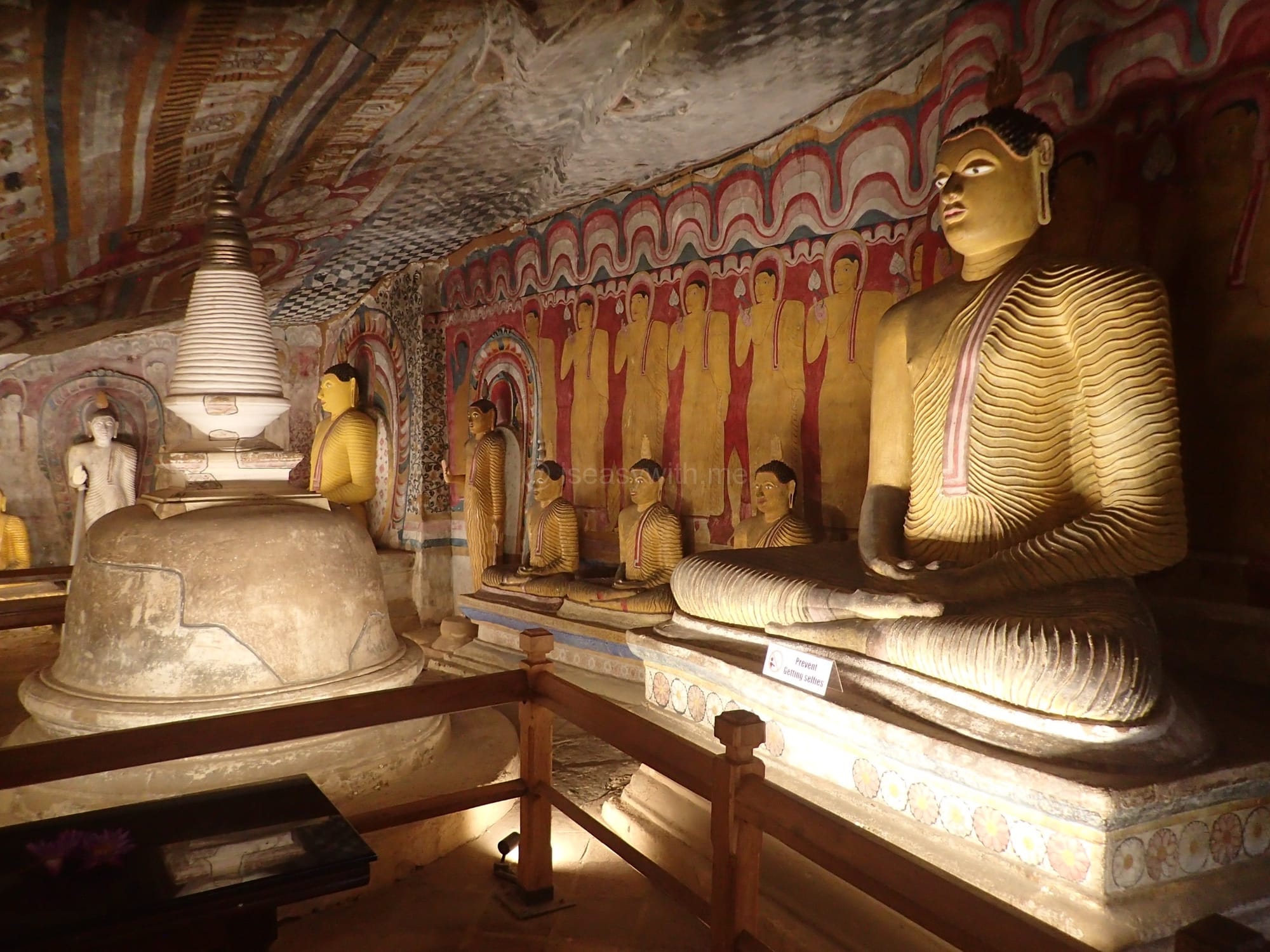
- The Main Highlight: As the largest and most spectacular cave in the Dambulla complex, this monastery features over 60 stone statues and breathtaking ceiling frescoes mapping out ancient history.
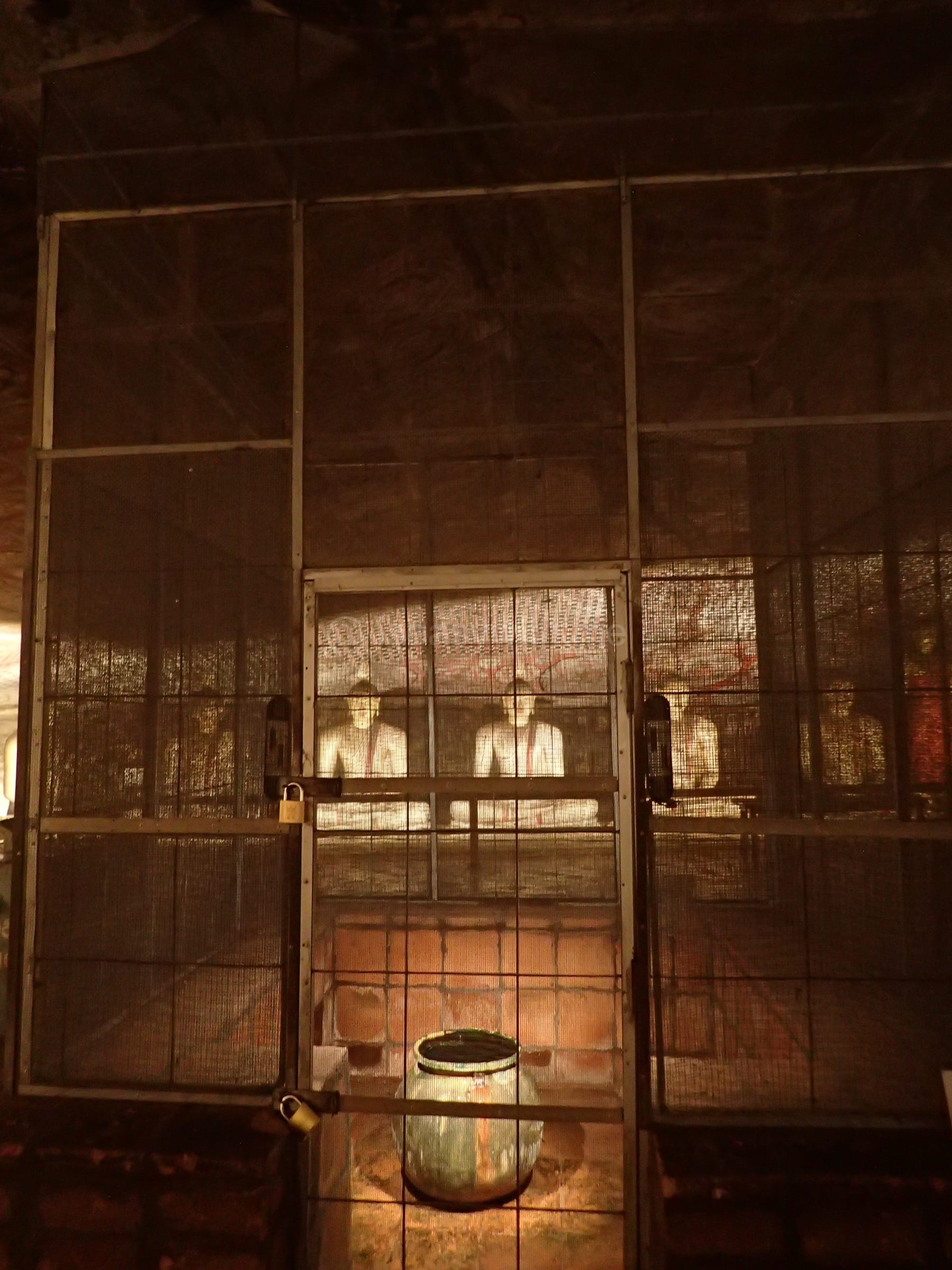
- Historical Detail: The cave is named after King Vattagamani Abhaya (who founded the rock temple in the 1st century BCE) and King Nissanka Malla, both represented by interior statues. A sacred natural spring drips continuously from the rock ceiling into a vessel that never overflows, utilized strictly for holy rituals.
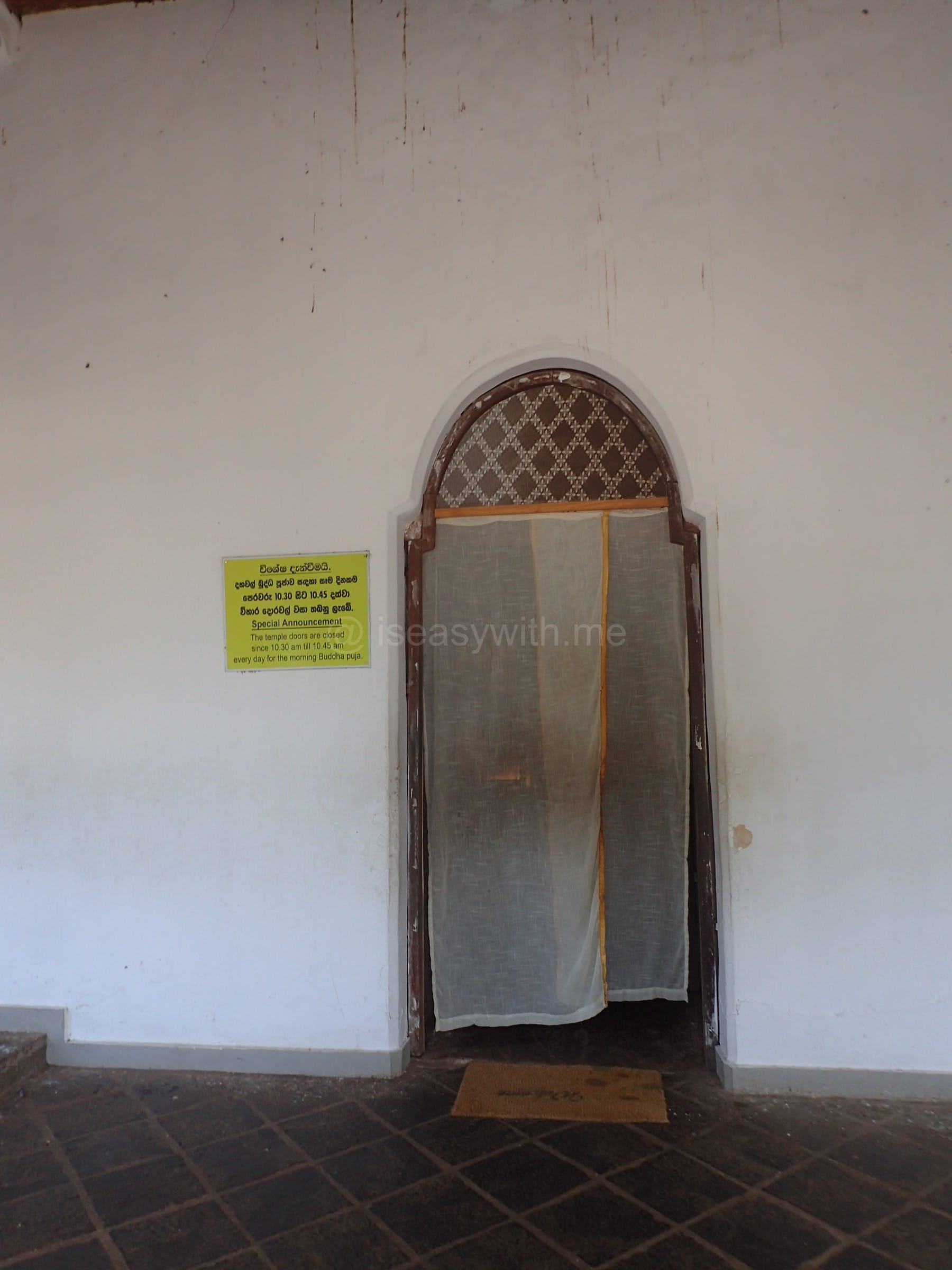
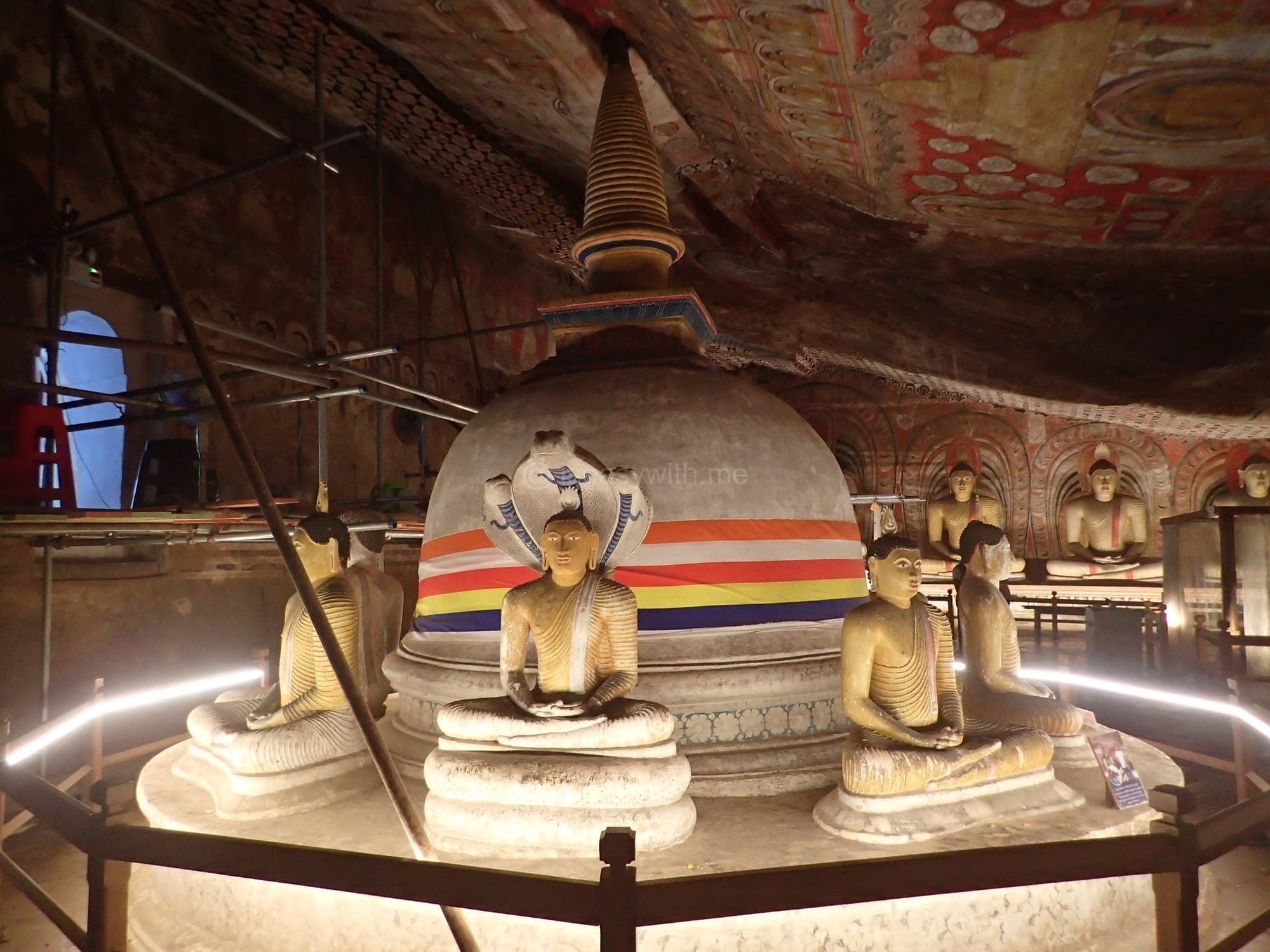
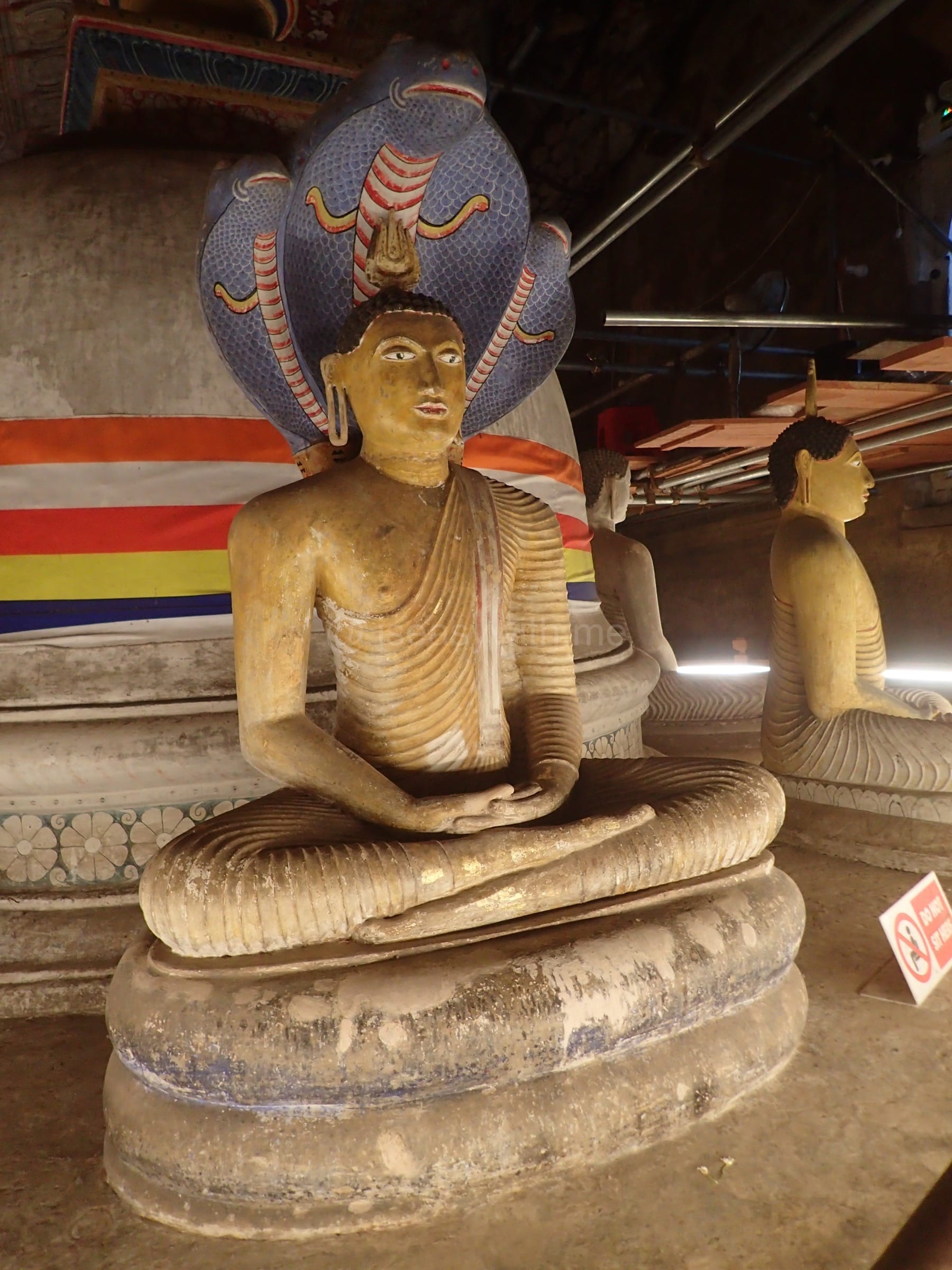
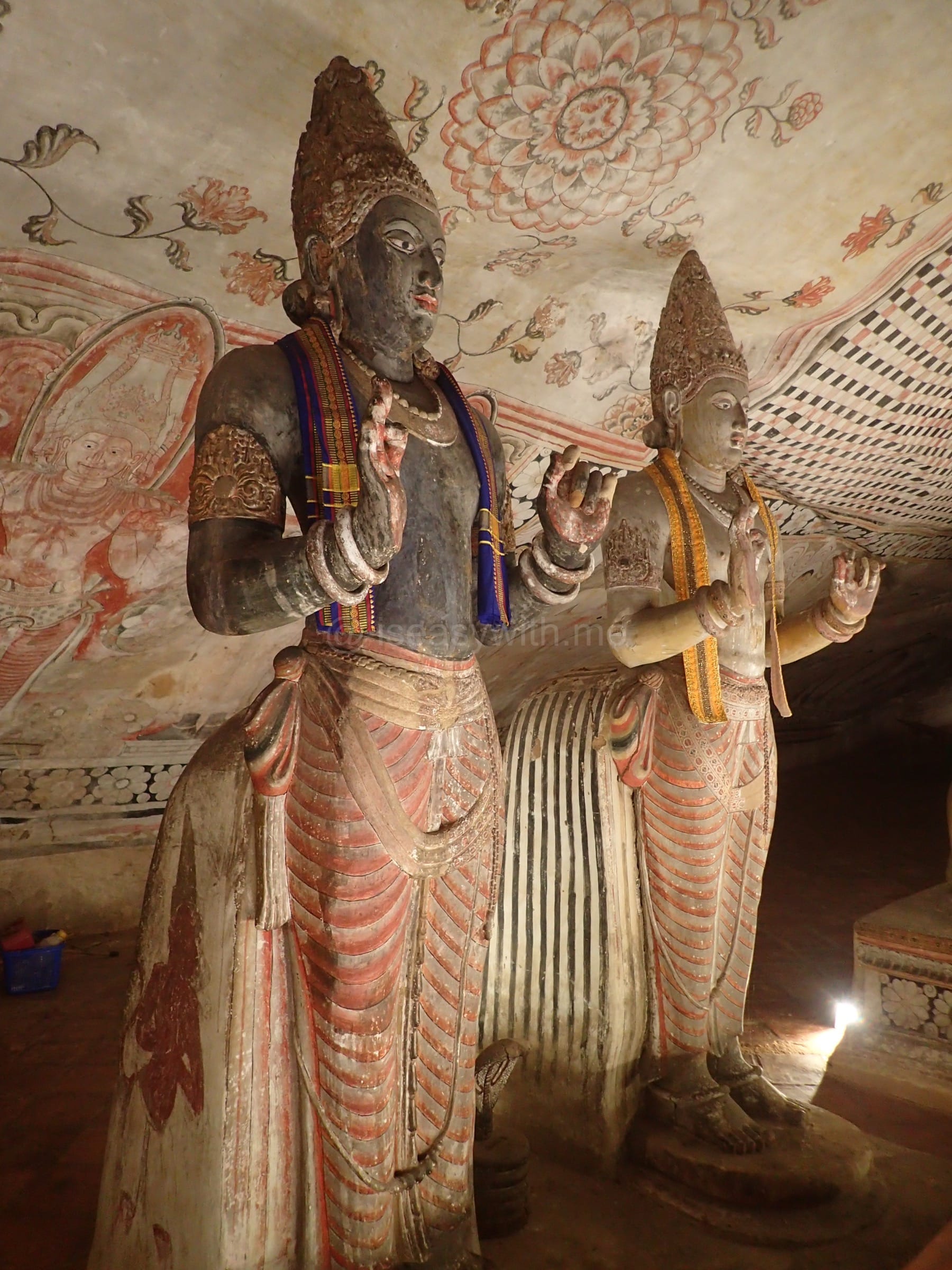
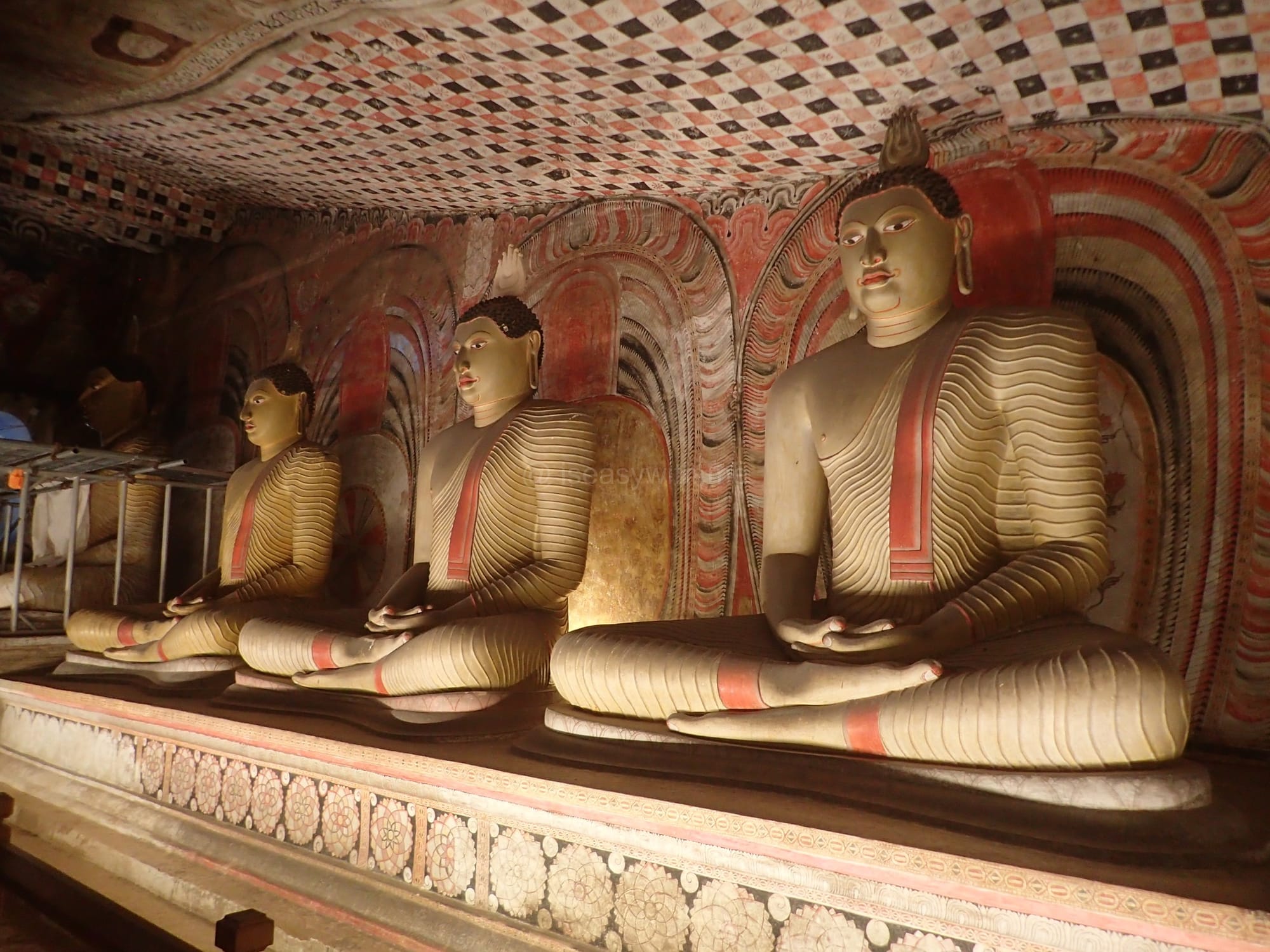
3. Maha Alut Viharaya (The Great New Monastery)
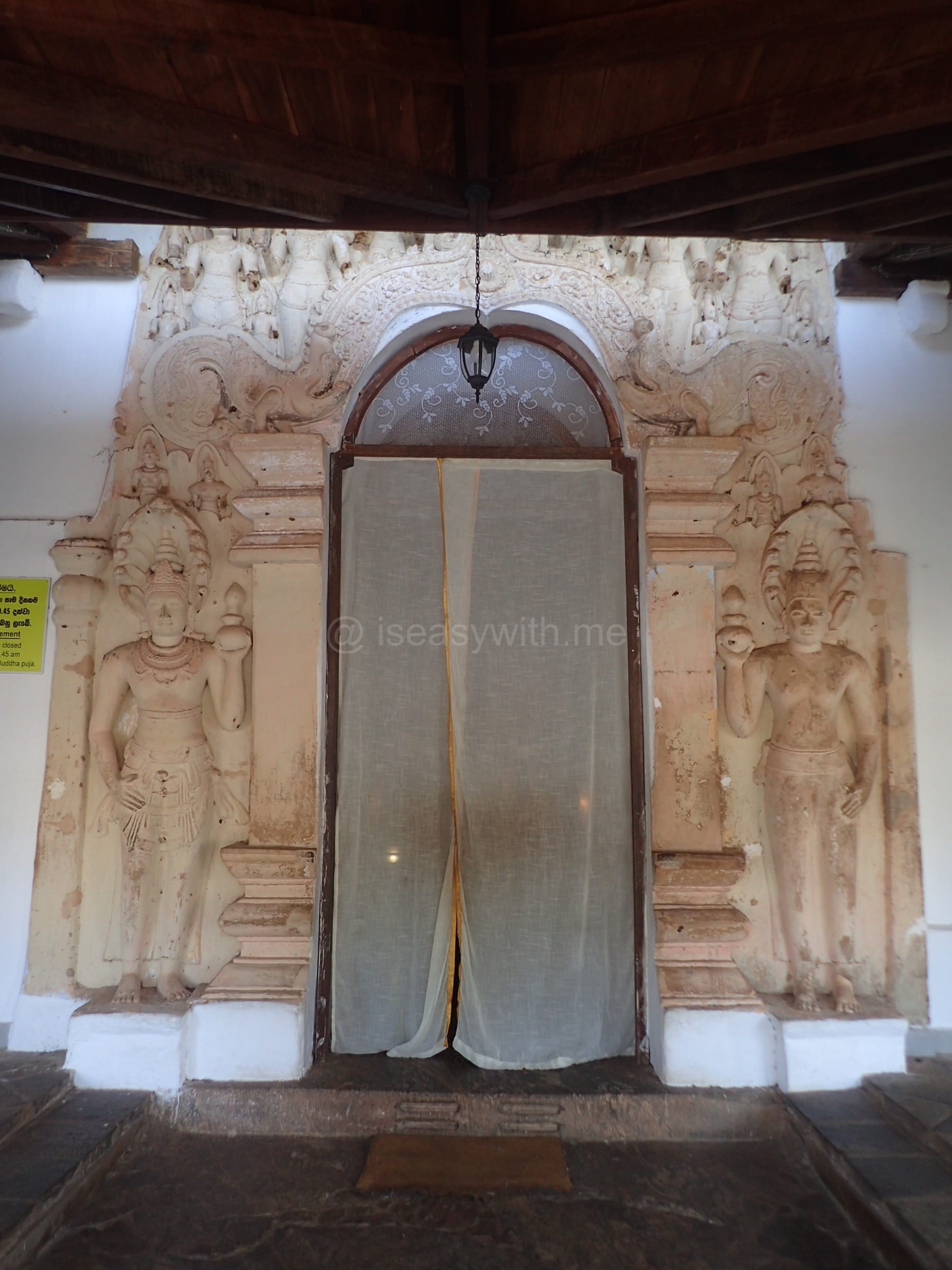
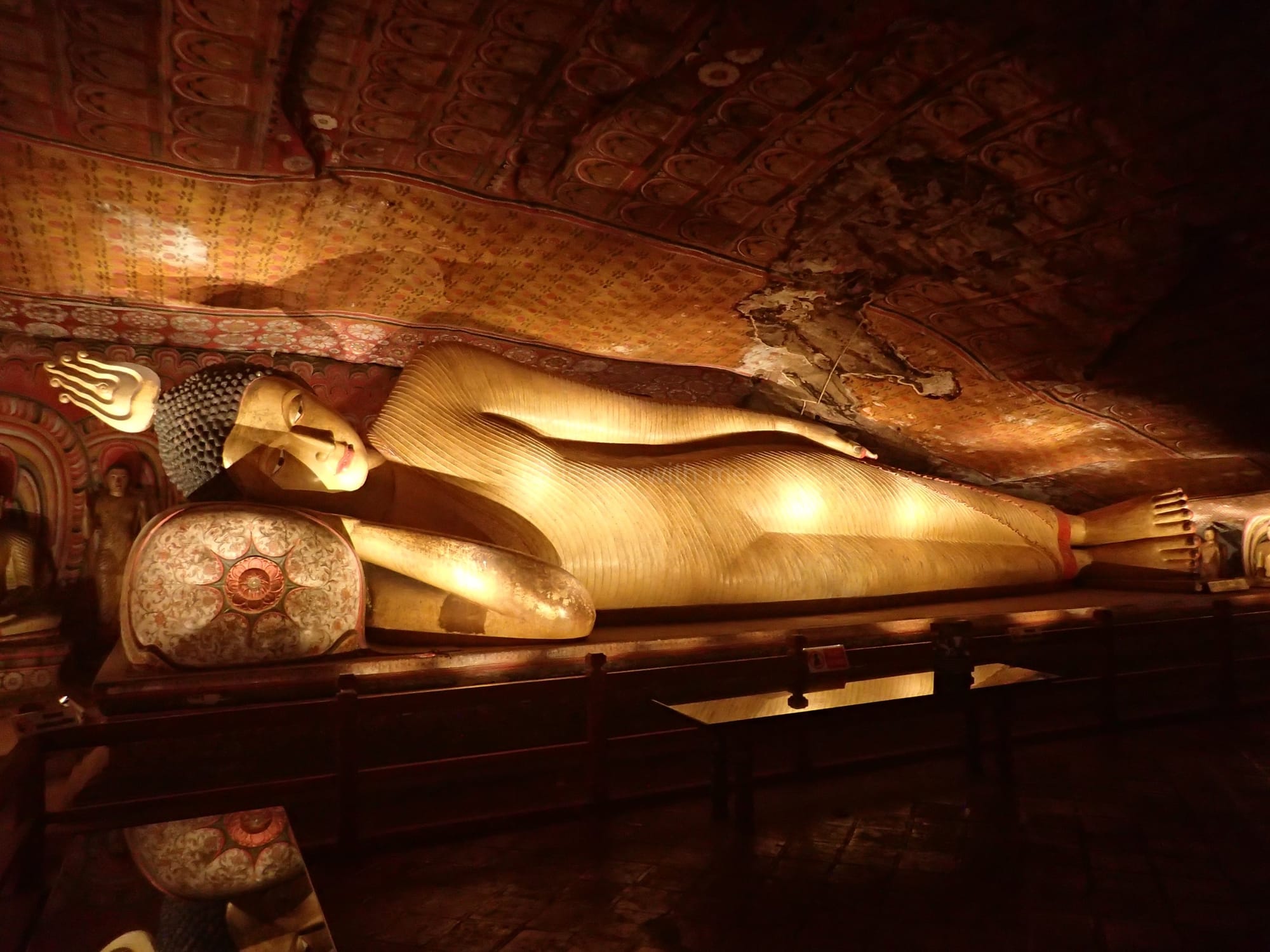
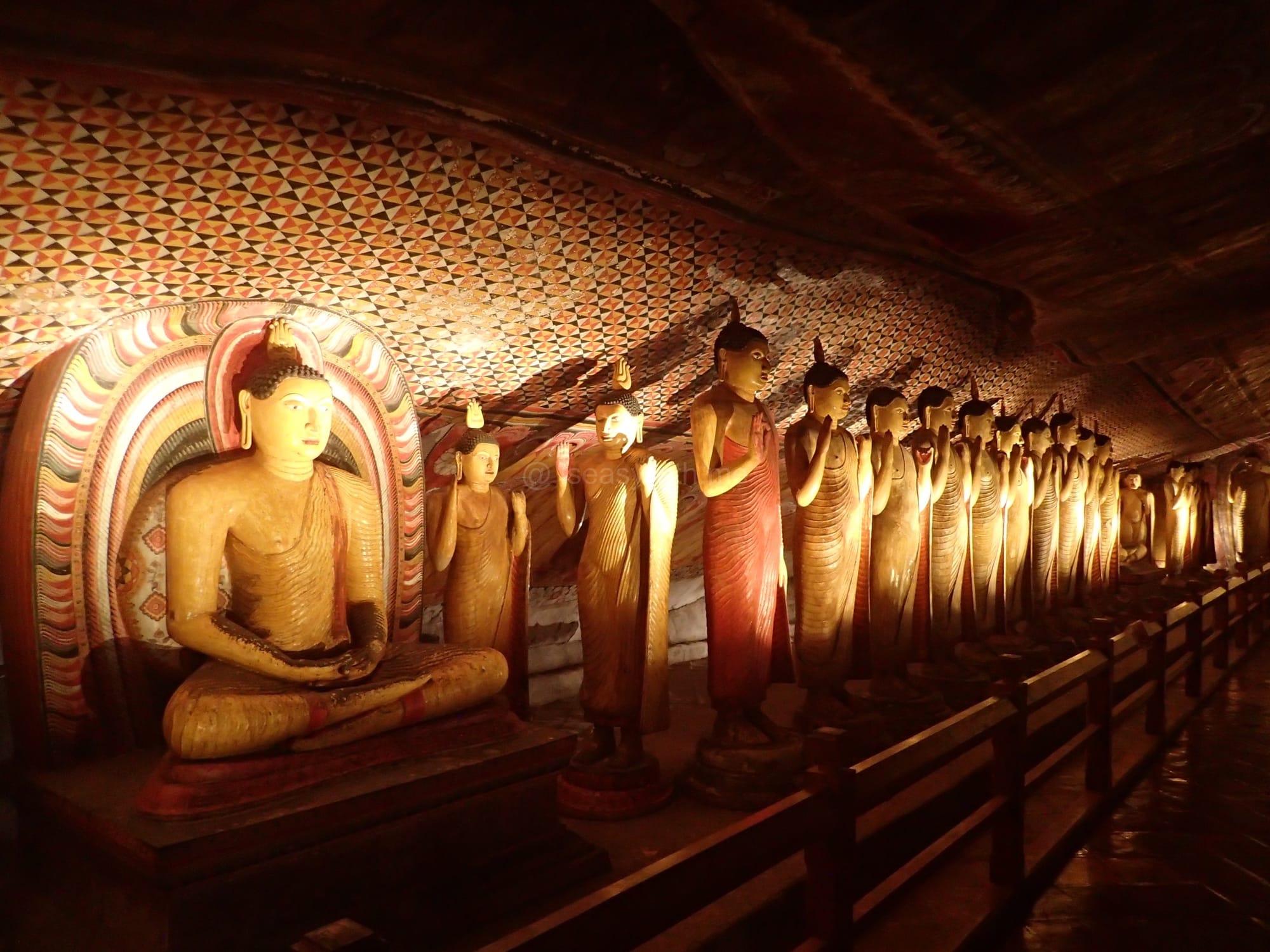
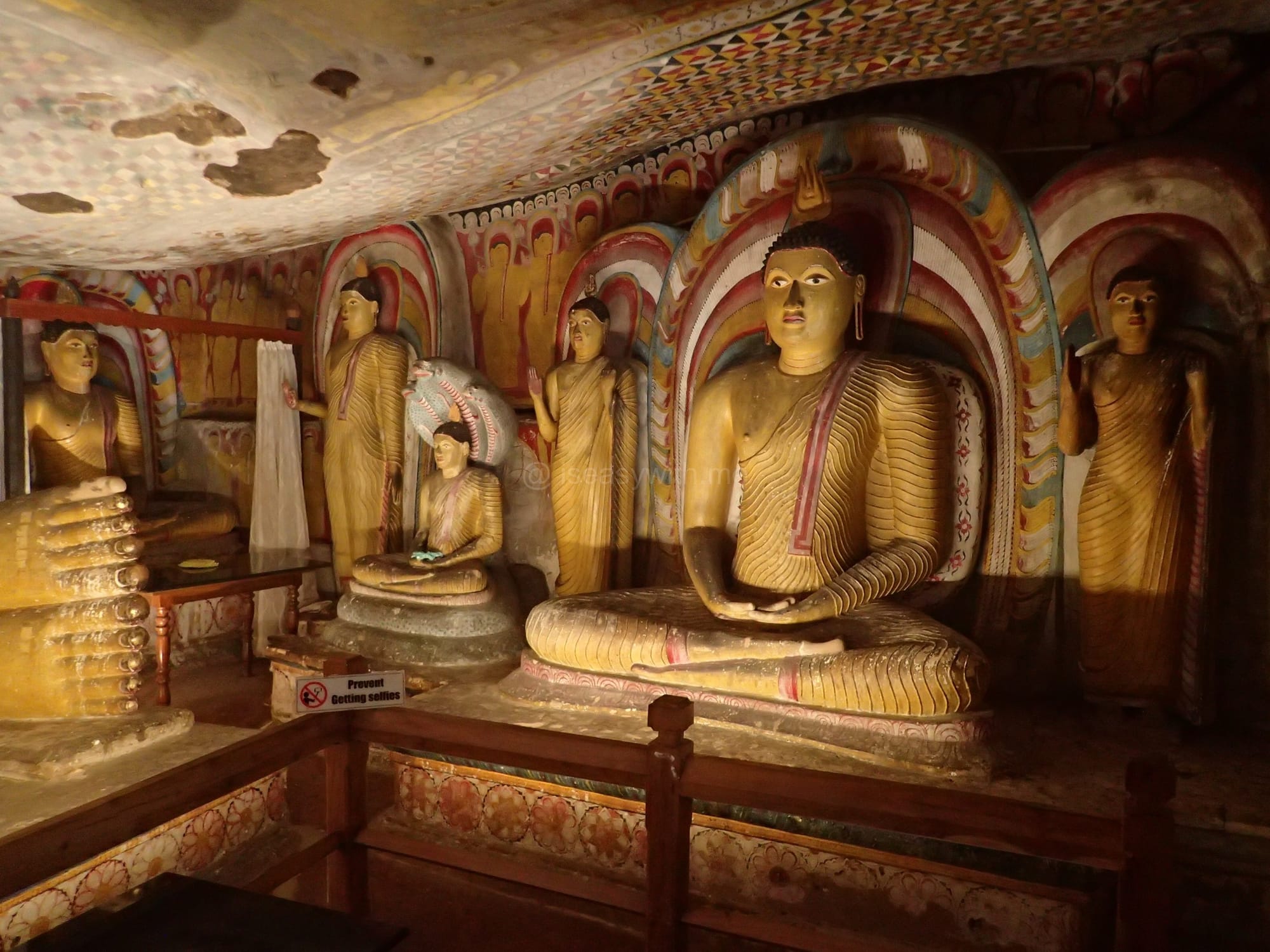
- The Main Highlight: Built during the 18th-century Buddhist revival, this cave beautifully reflects the vibrant, striking artistic style of the Kandyan Kingdom era.
- Historical Detail: Renovated by King Kirti Sri Rajasinha of Kandy, the cave houses a massive reclining Buddha along with 50 standing and seated Buddha figures. A prominent statue of the Kandyan King stands guard near the entrance.
4. Pacchima Viharaya (Western Cave)
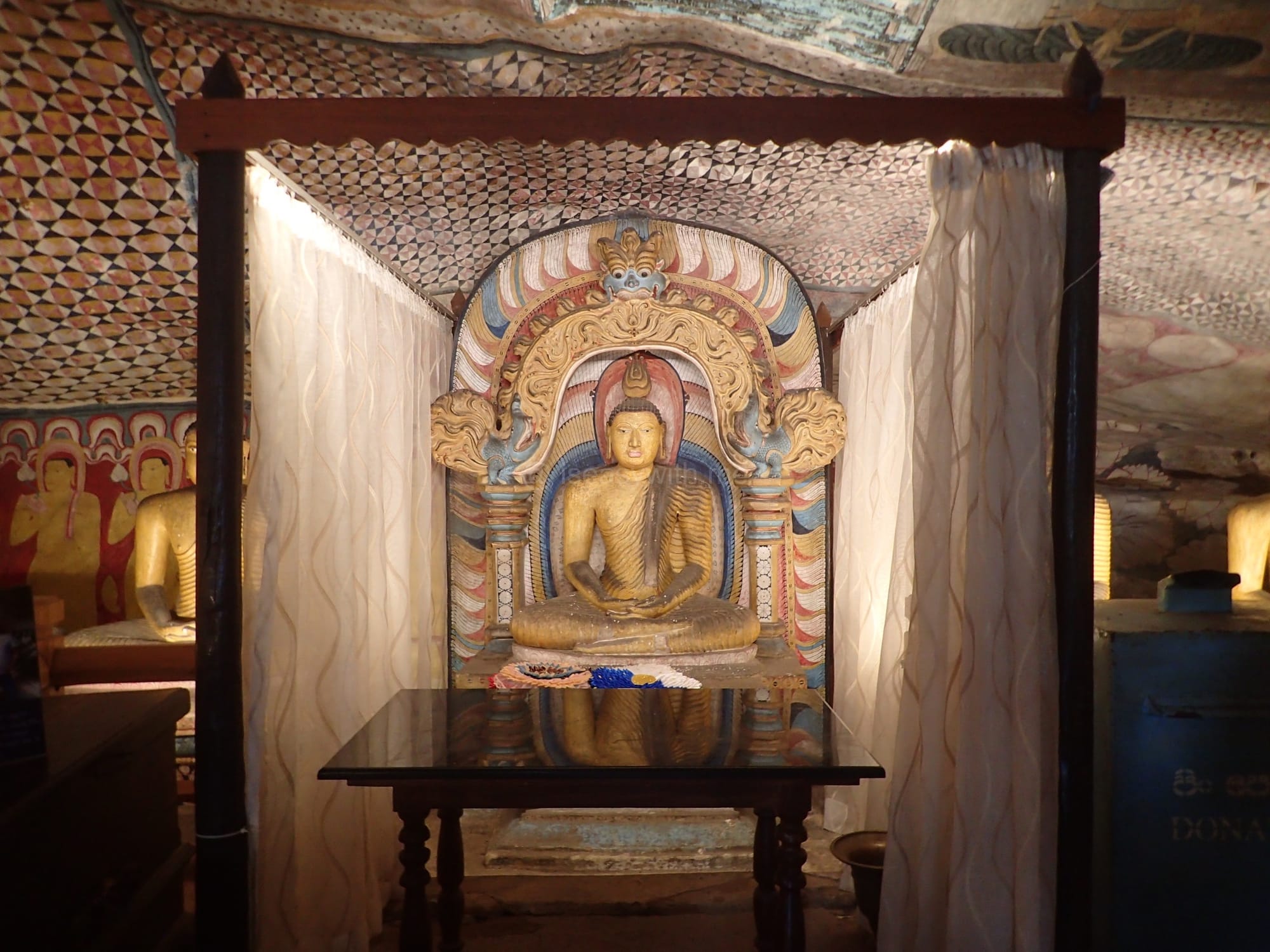
- The Main Highlight: A smaller, intimate sanctuary featuring a central seated Buddha sheltered beneath a meticulously carved stone arch (Makara Torana).
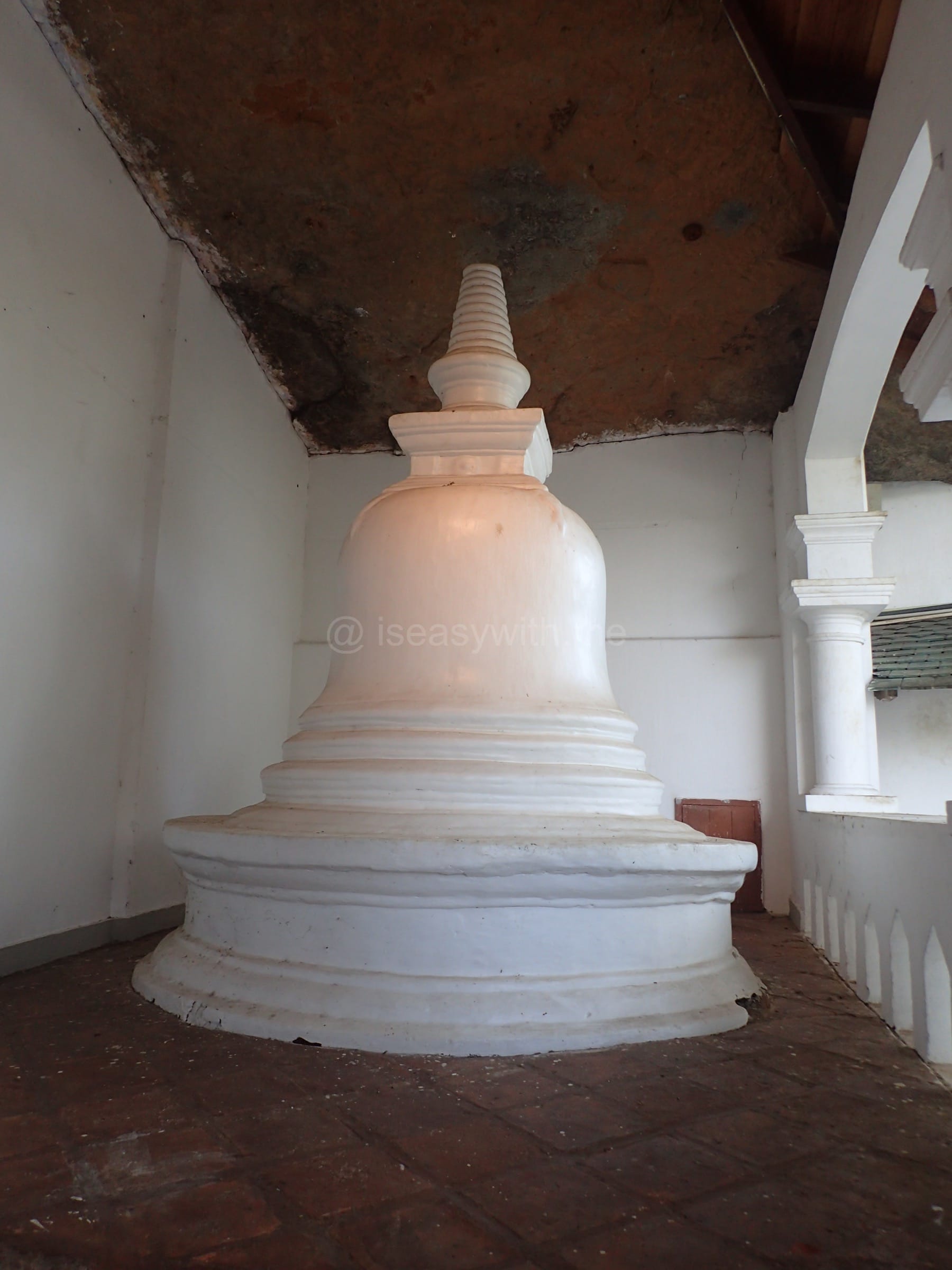
- Historical Detail: In the center sits a small, broken stupa (dagoba). Local legend holds that thieves broke into this ancient monument searching for the priceless jewelry of a queen, which was rumored to be buried within the shrine.
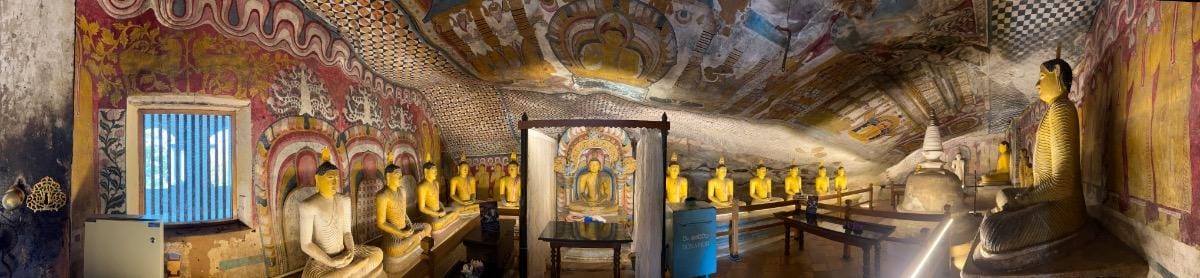
5. Devana Alut Viharaya (Second New Monastery)
- The Main Highlight: The newest and final chamber in the Dambulla rock complex, this room originally served as a storehouse before its conversion into a sacred place of worship.
- Historical Detail: The cave features a large brick-and-plaster reclining Buddha alongside several smaller standing figures, all painted in the brilliant, vibrant colors characteristic of early 20th-century temple restorations.
iseasywith.me Reality Check
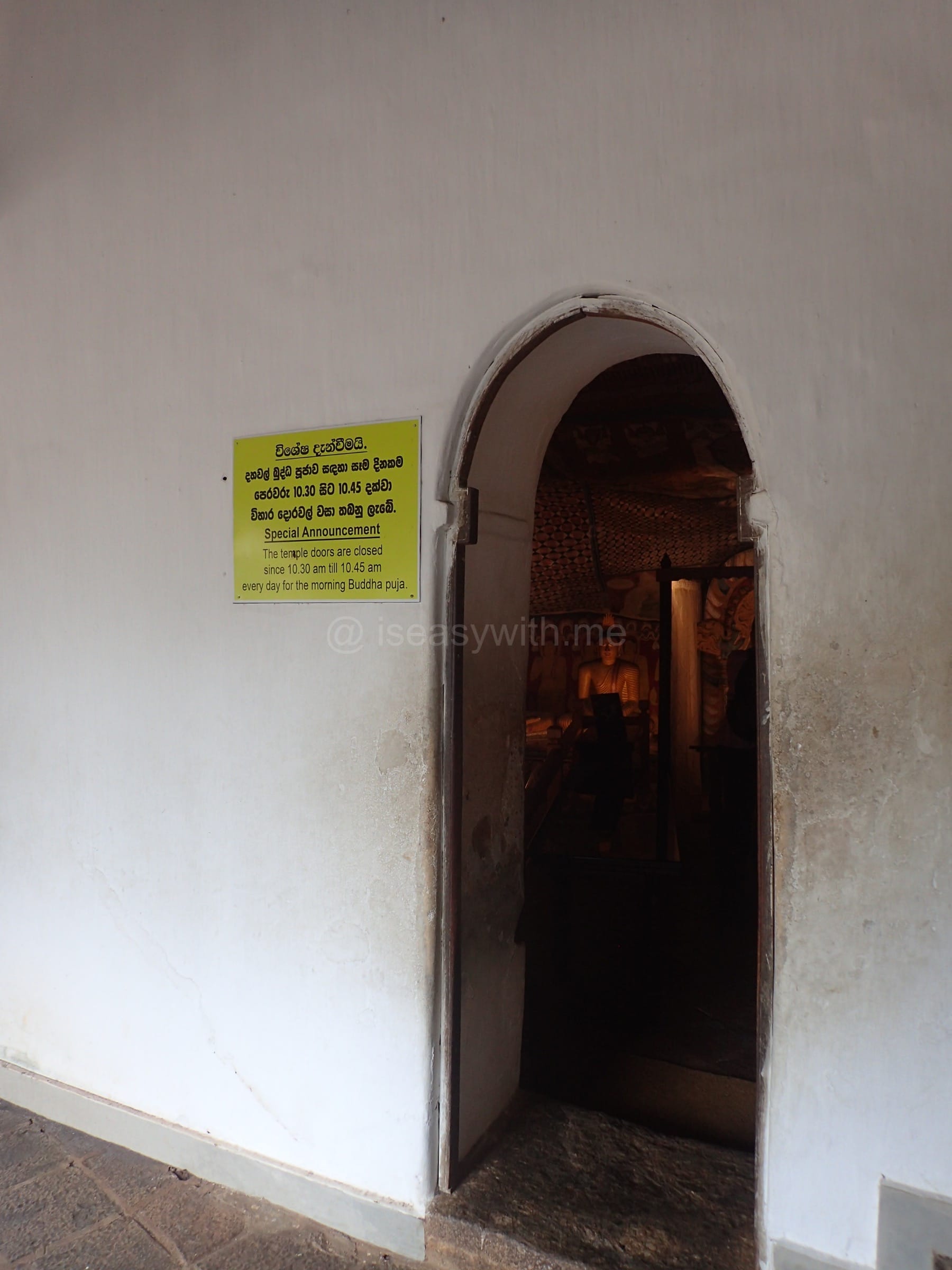
When I researched Dambulla Cave Temple online, I noted five caves to explore but actually only went to four and sailed right past the last one without even realising it. 🥺
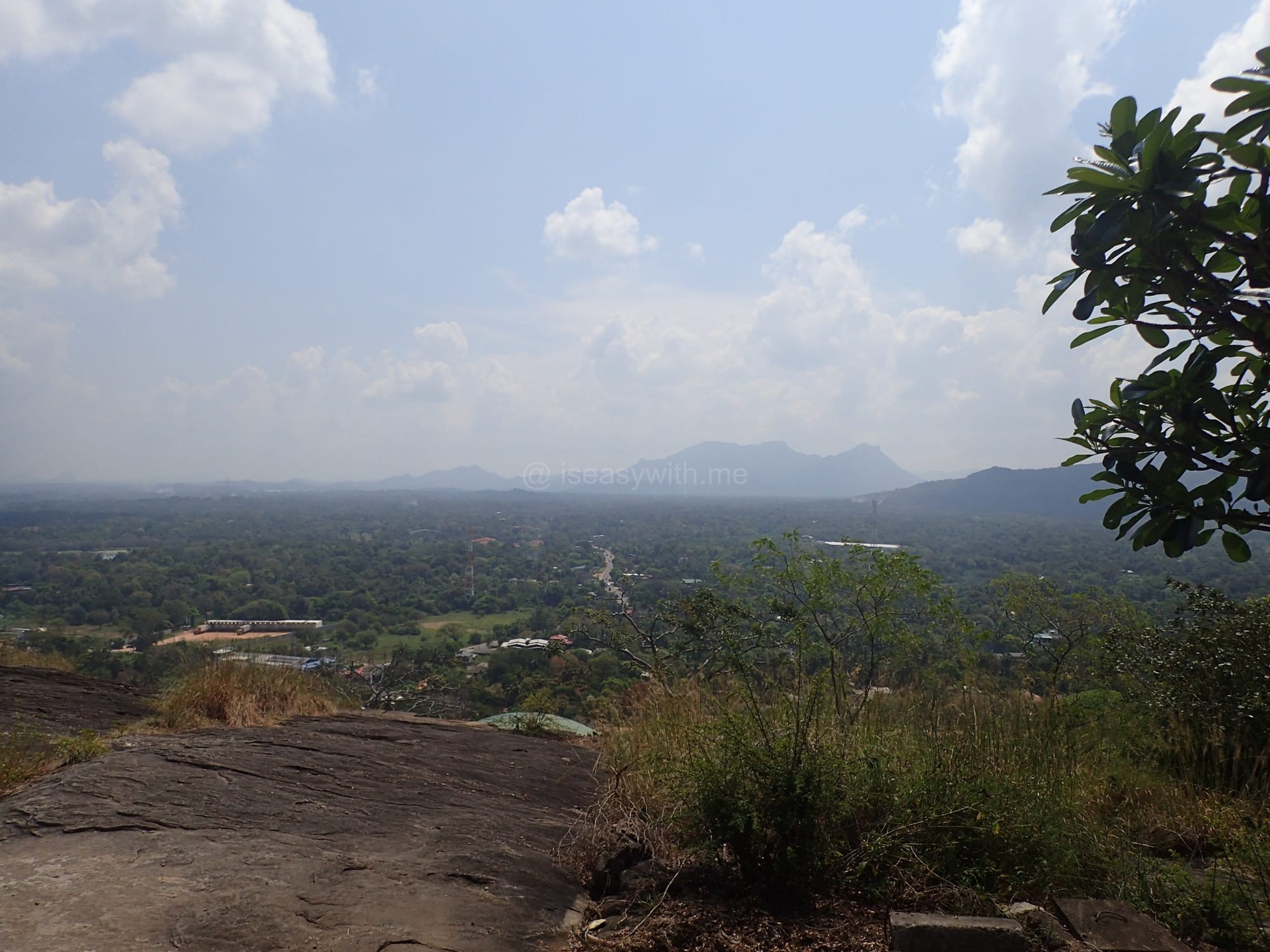
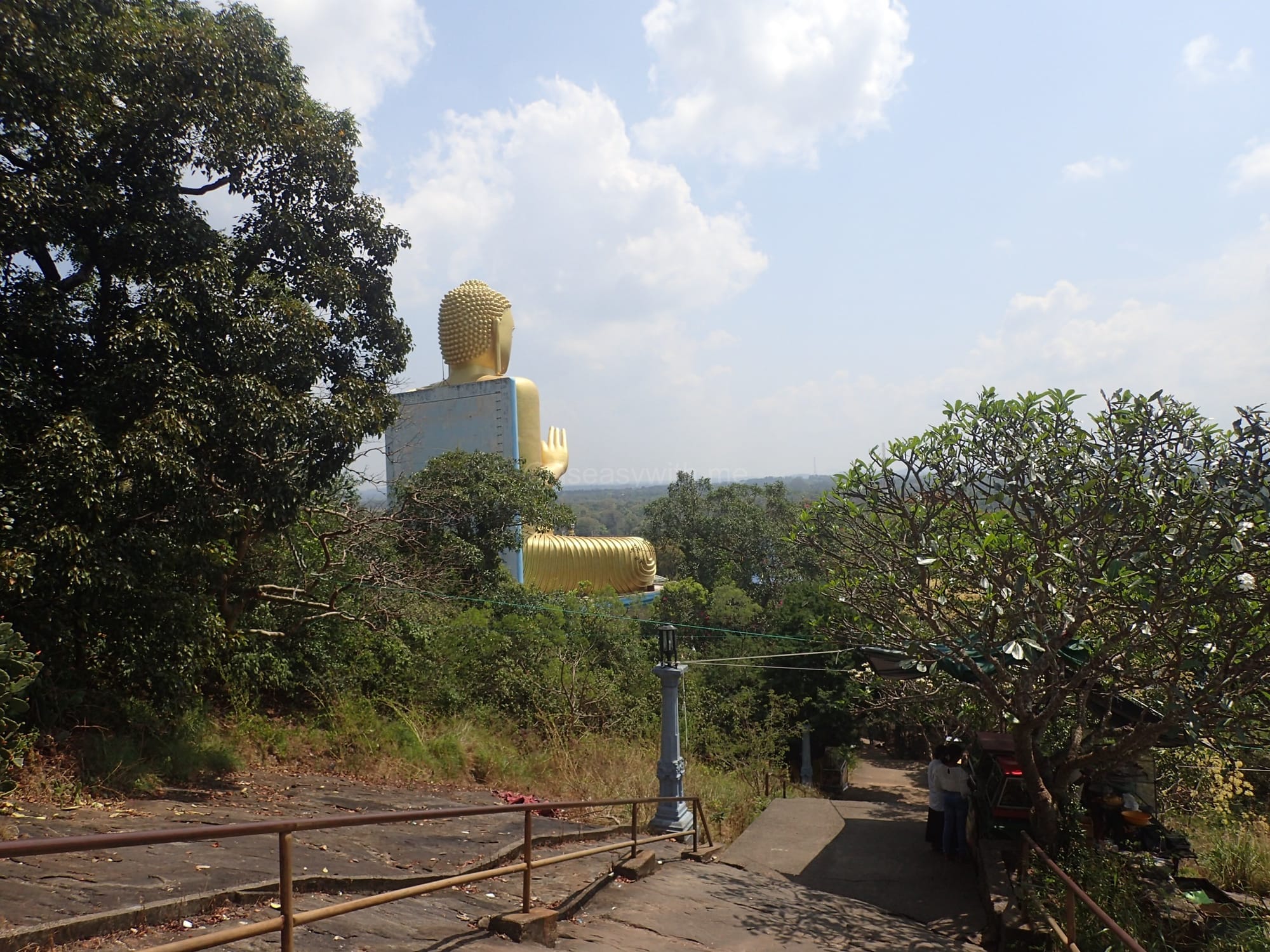
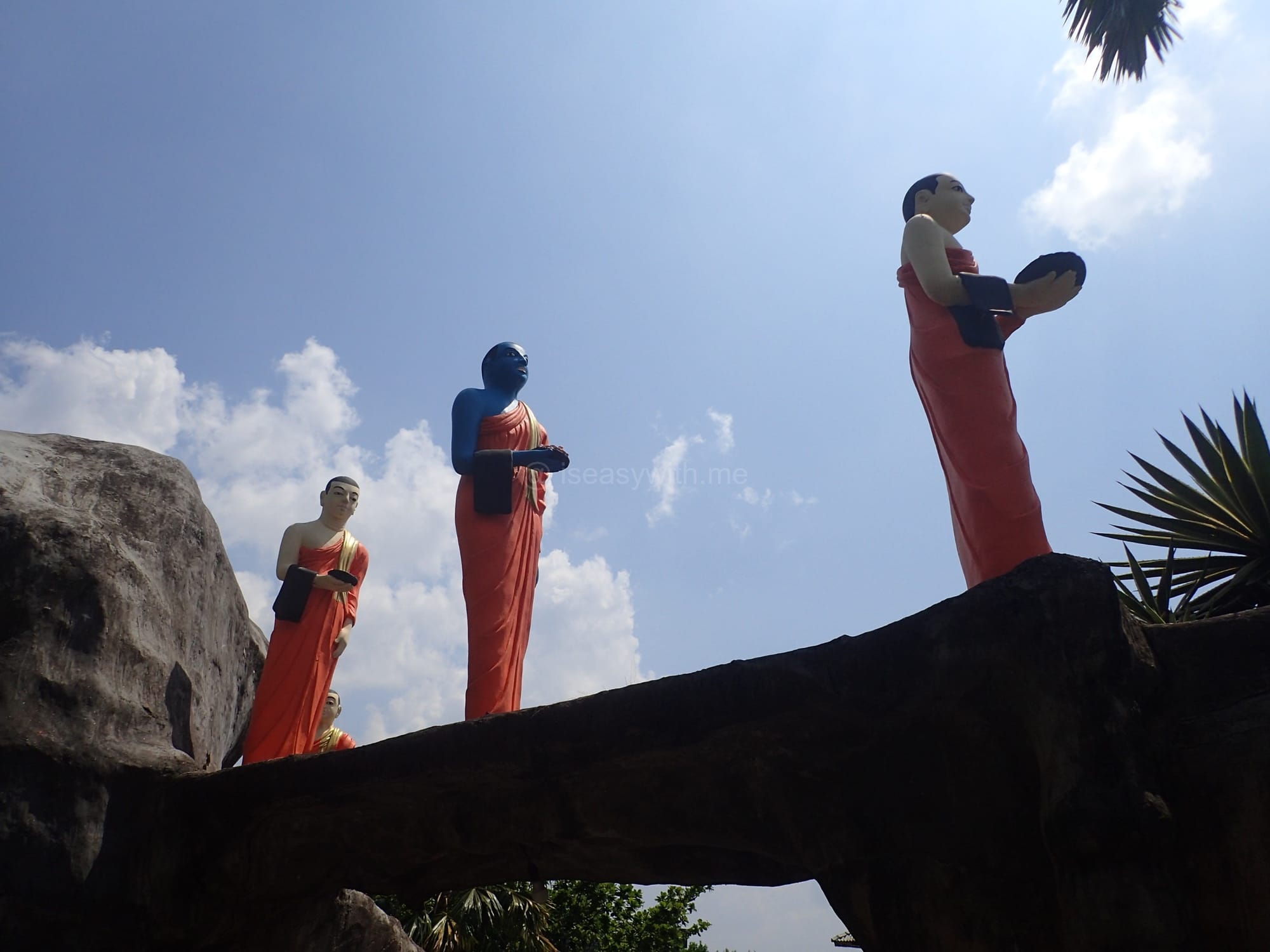
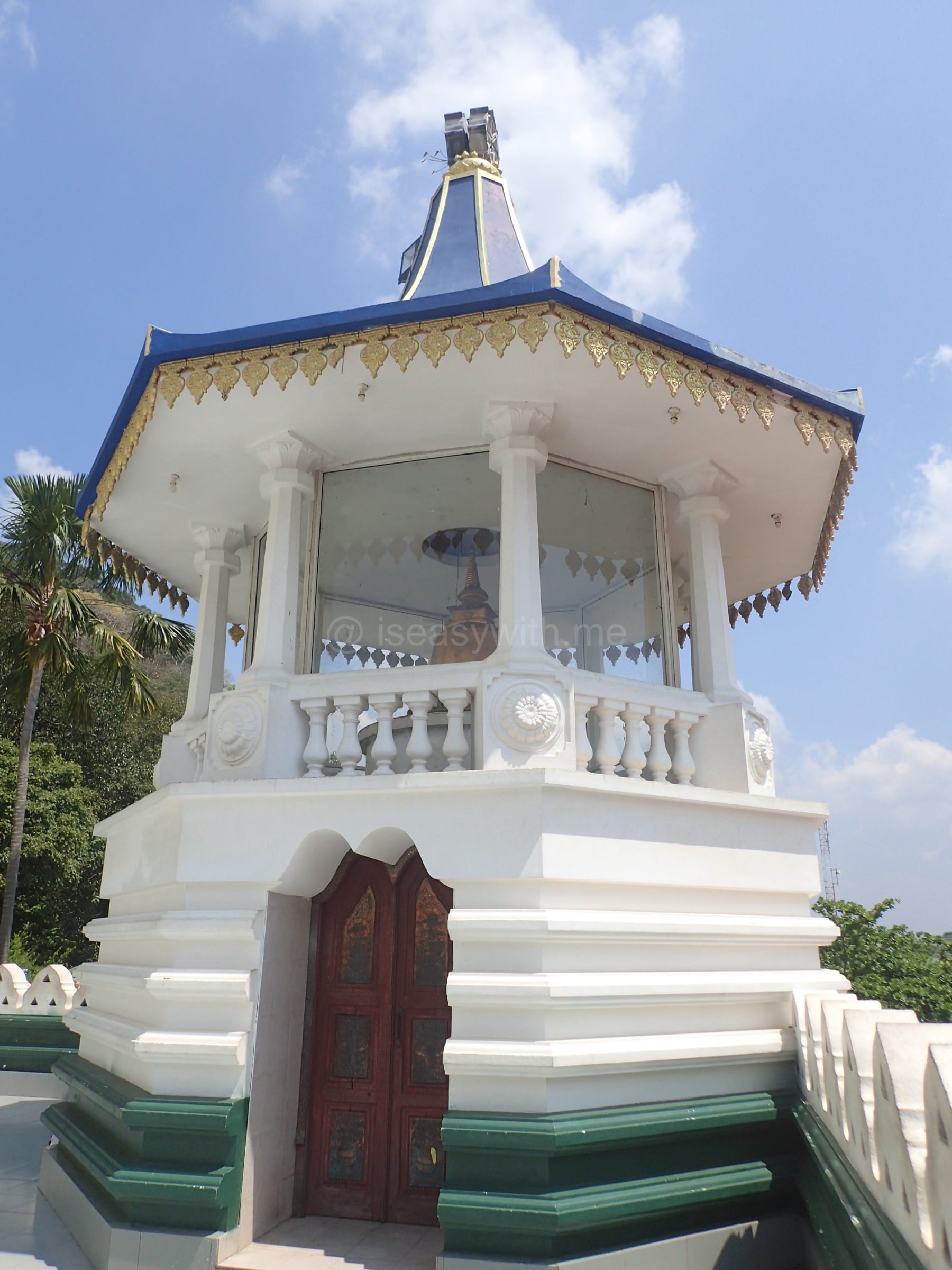
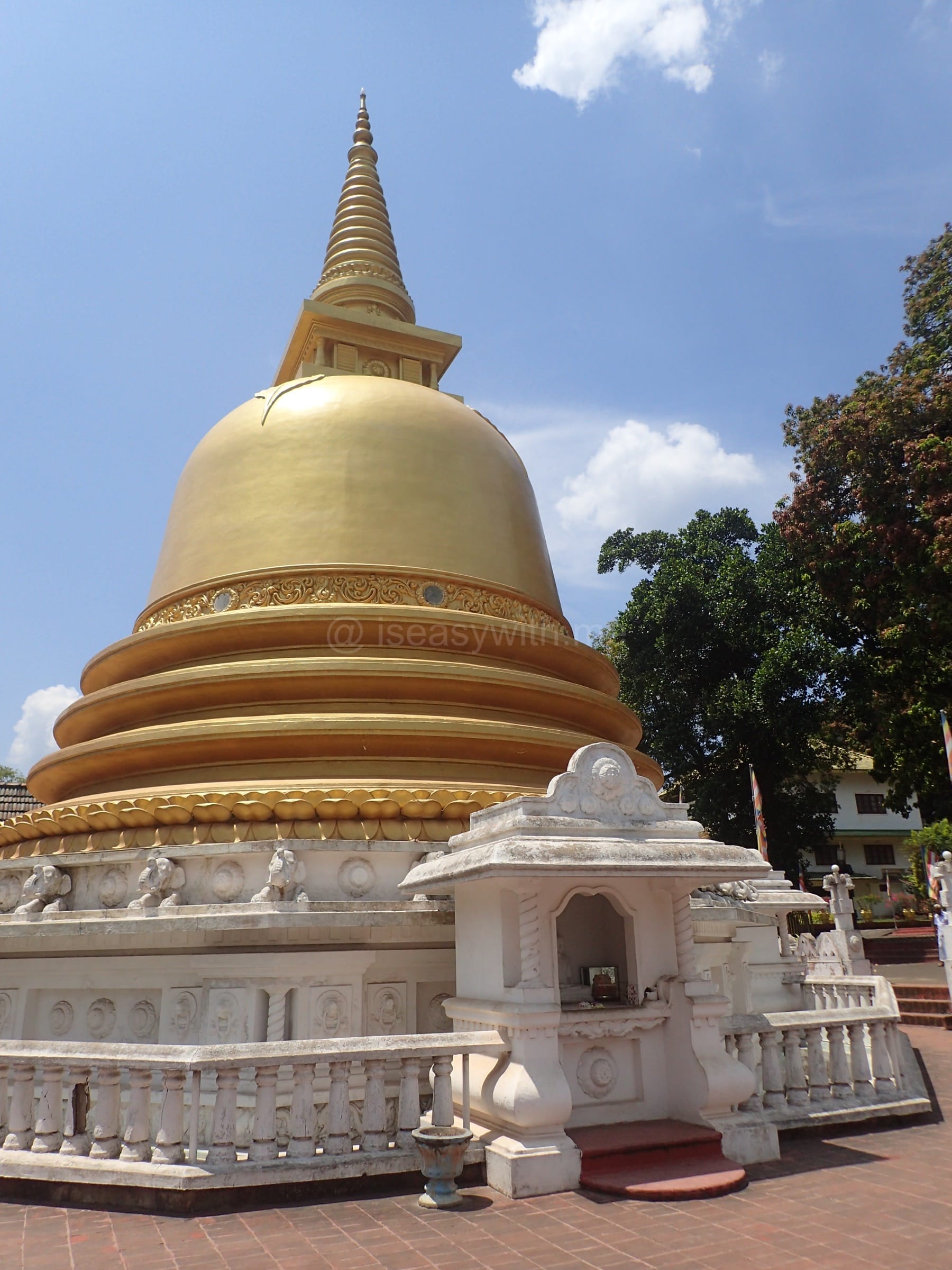
Golden Temple
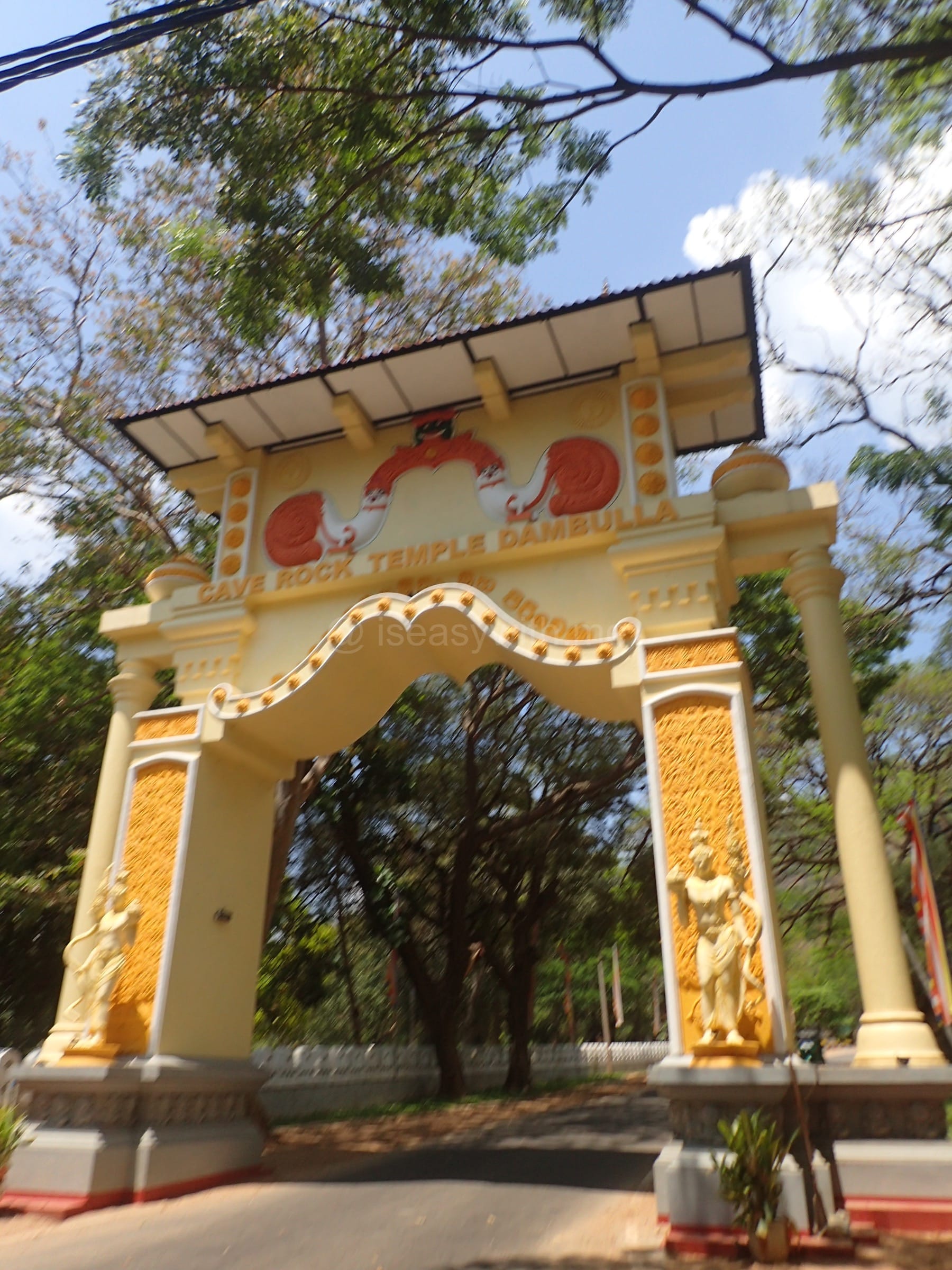
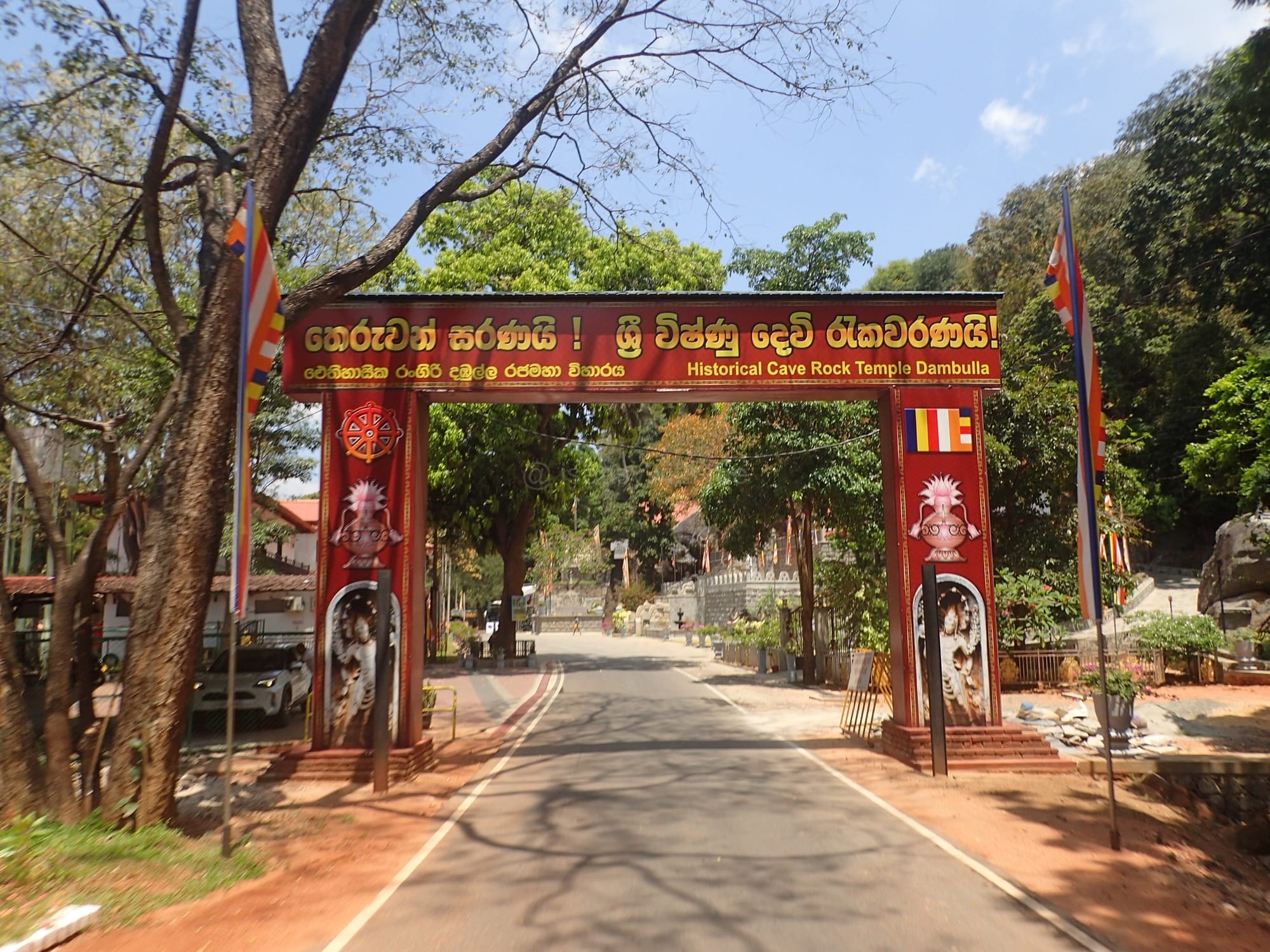
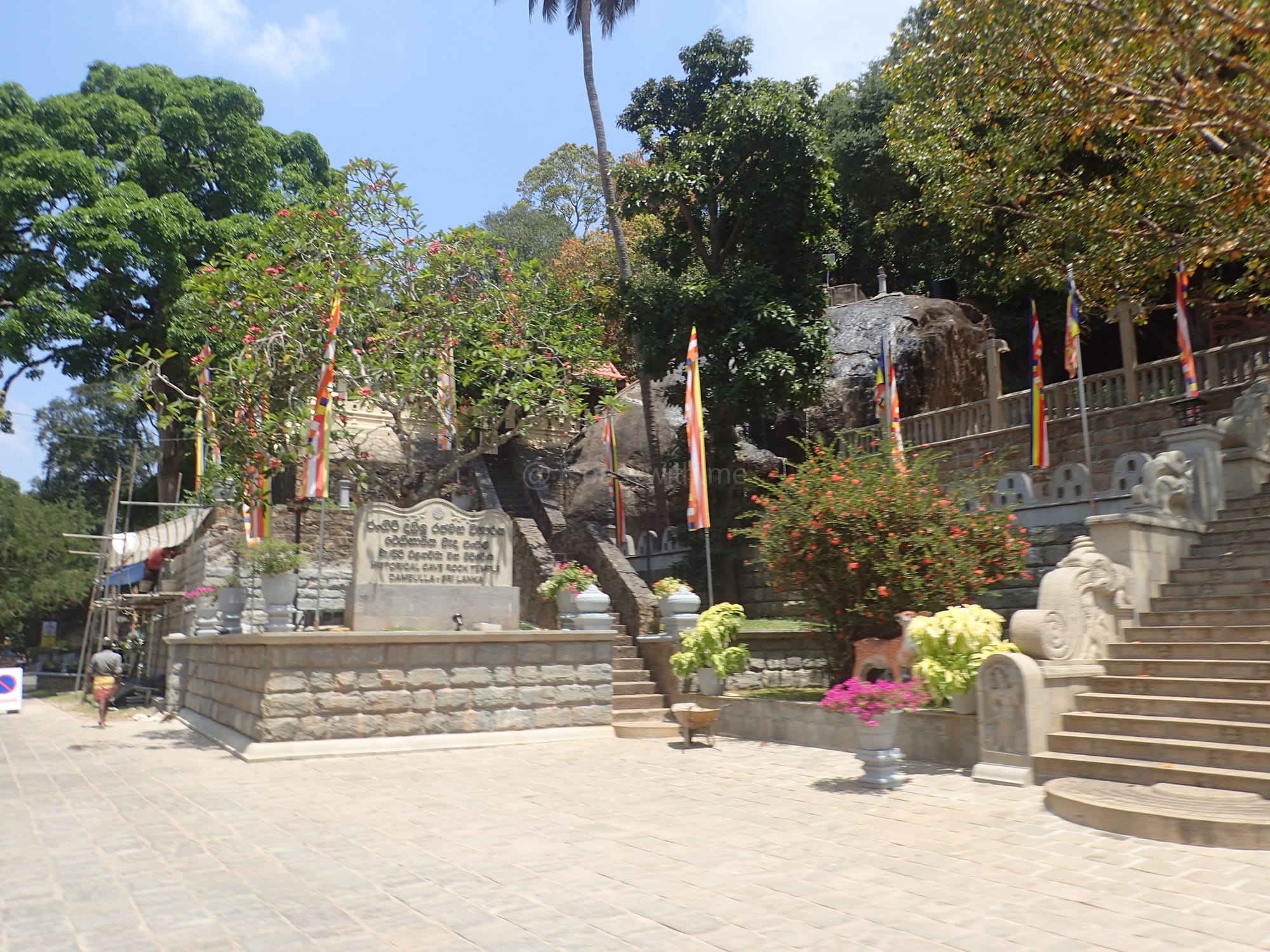
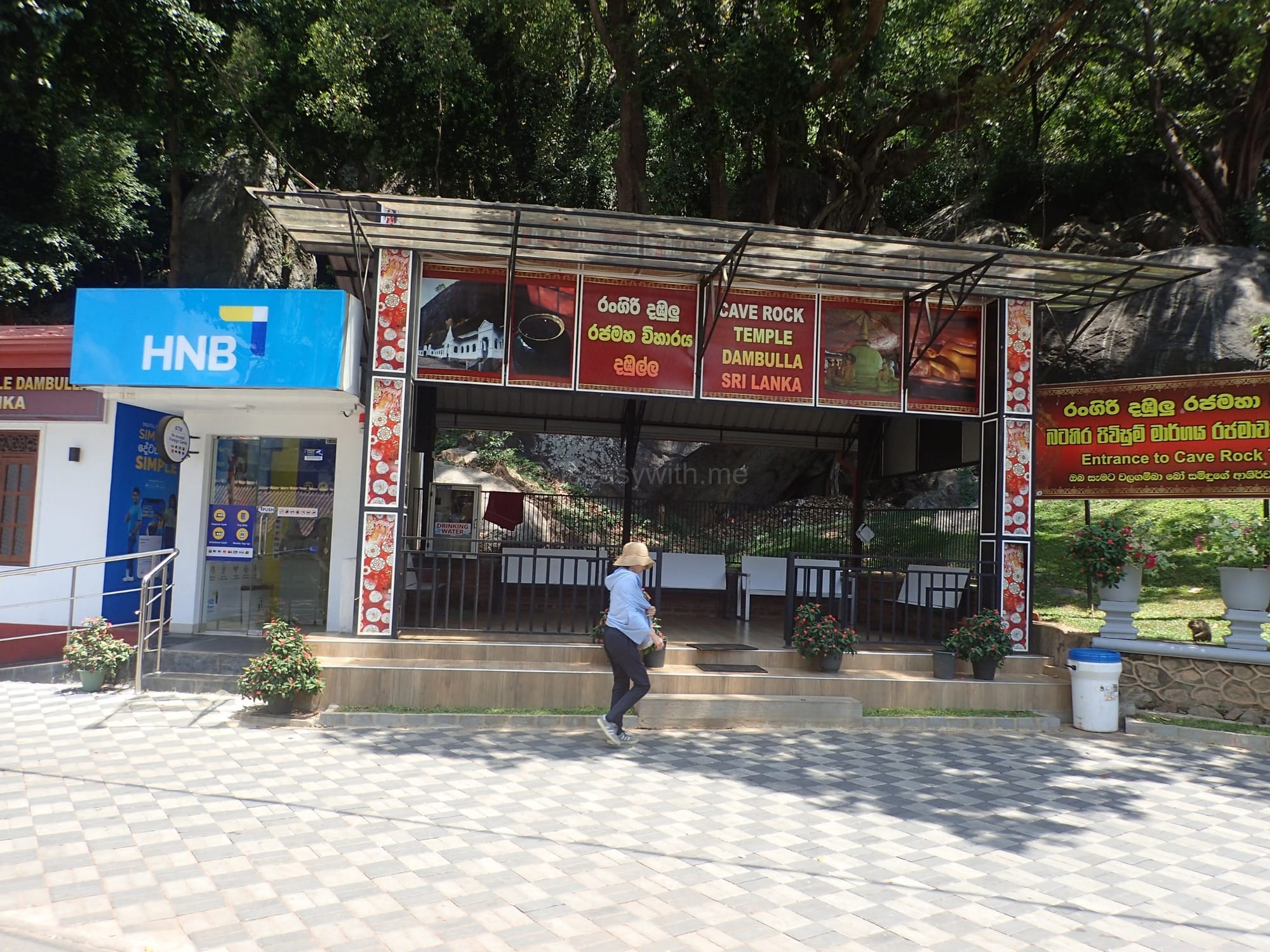
entry via Cave Rock Temple
Food & Beverage in Dambulla
Because Dambulla sits at major geographical crossroads, it remains an exceptional place to sample authentic Sri Lankan cuisine.
Anura Hotel & Bakers
Located prominently in the town centre near the bus station, Anura Hotel & Bakers is a classic, Sri Lankan bakery and local eatery perfect for grabbing affordable traditional eats. The front glass displays are constantly stocked with fresh 'short-eats' such as spicy fish patties, sweet buns and vegetable rotis while the hot-food section serves up heavily portioned local staples like chicken kottu rotti and string hopper kottu.
iseasywith.me Travel Insight
In Sri Lanka, a 'hotel' is almost always a local restaurant or cafe, not a place to stay overnight. Derived from historical South Asian naming conventions, standard streetside eateries, tea shops and bakeries proudly brand themselves as 'hotels'. If a business actually offers overnight accommodation, they will typically label themselves as a 'Guest Inn', 'Rest House' or 'Resort'.
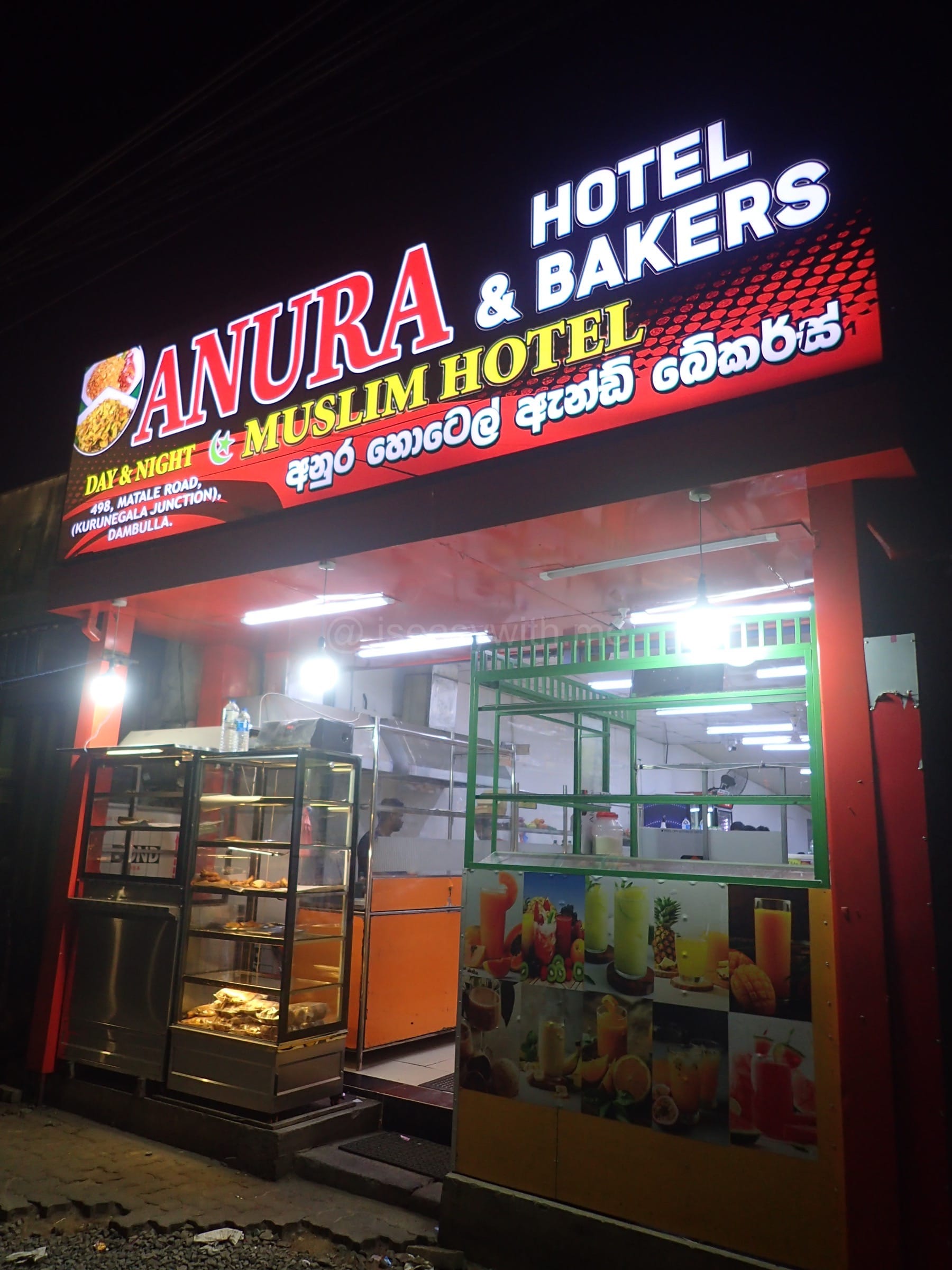
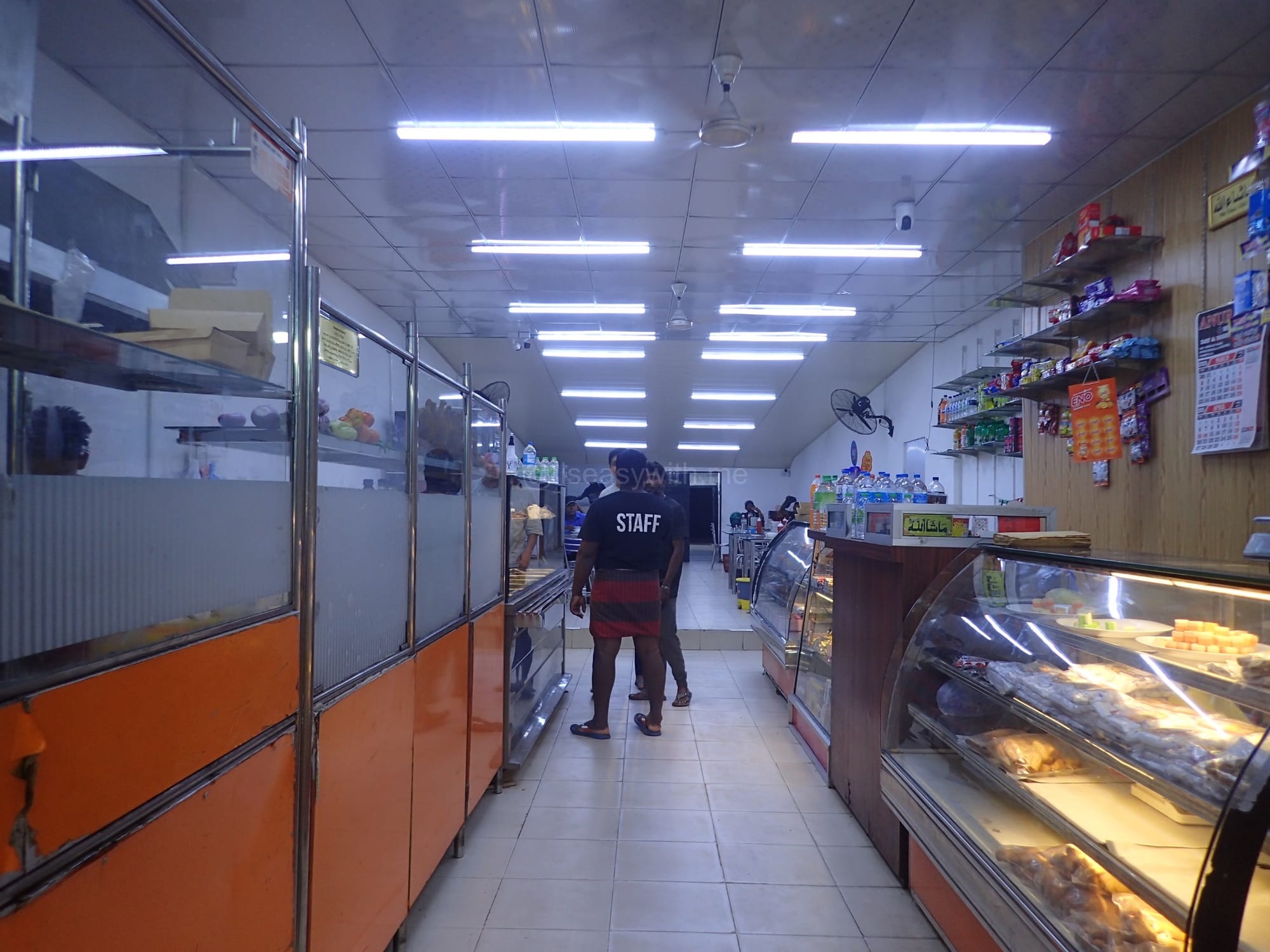
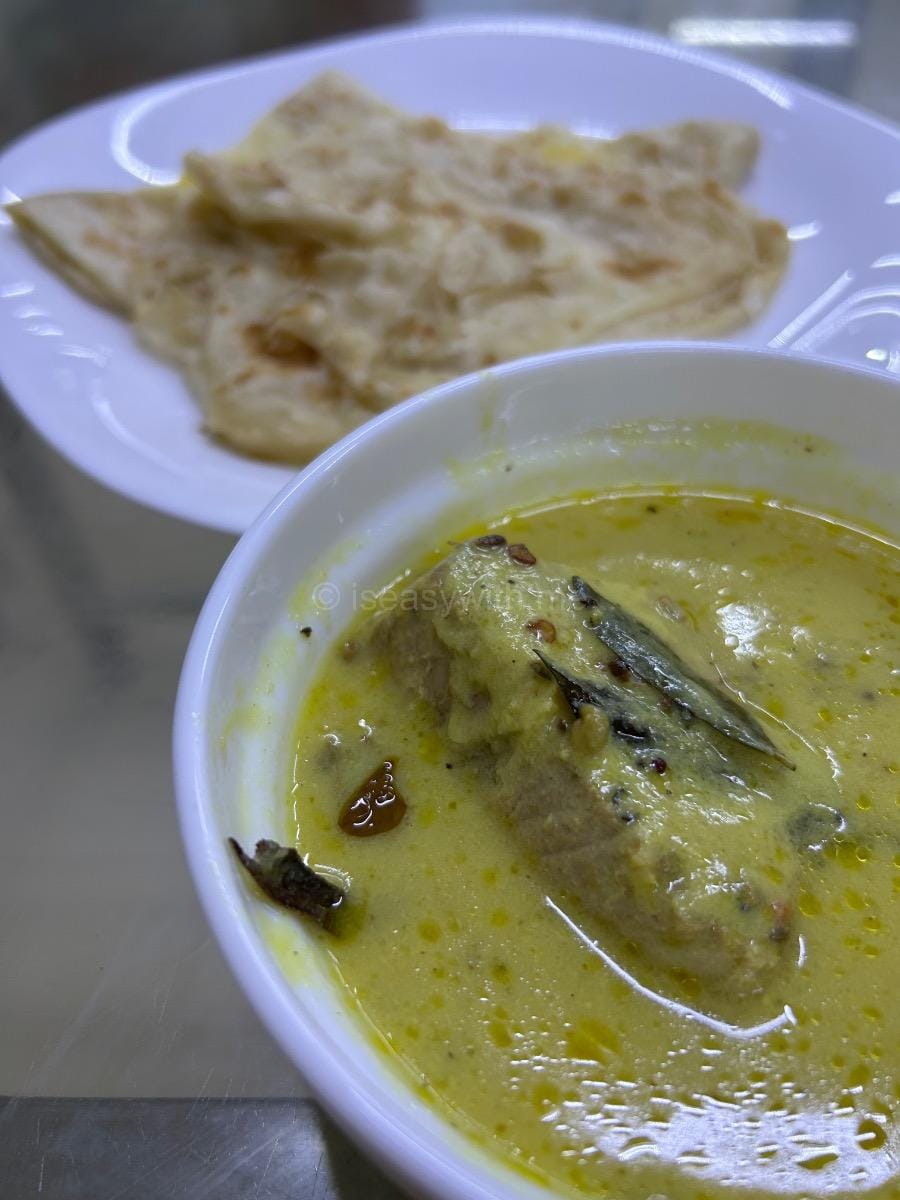
my dinner at Anura Hotel & Bakers (LKR 600)
Benthota Bake House
Bentota Bake House was a legendary local restaurant located right on the main Anuradhapura Road, making it the ultimate Dambulla pitstop for unpretentious, authentic Sri Lankan comfort food. Faced with so many choices, I had to narrow it down and choose just a few pieces. The staff was incredibly hospitable, taking the time to explain the various options to me. For my tea break, I sampled traditional treats like asmi, mun kavum and athirasa, making it the perfect spot to recharge.
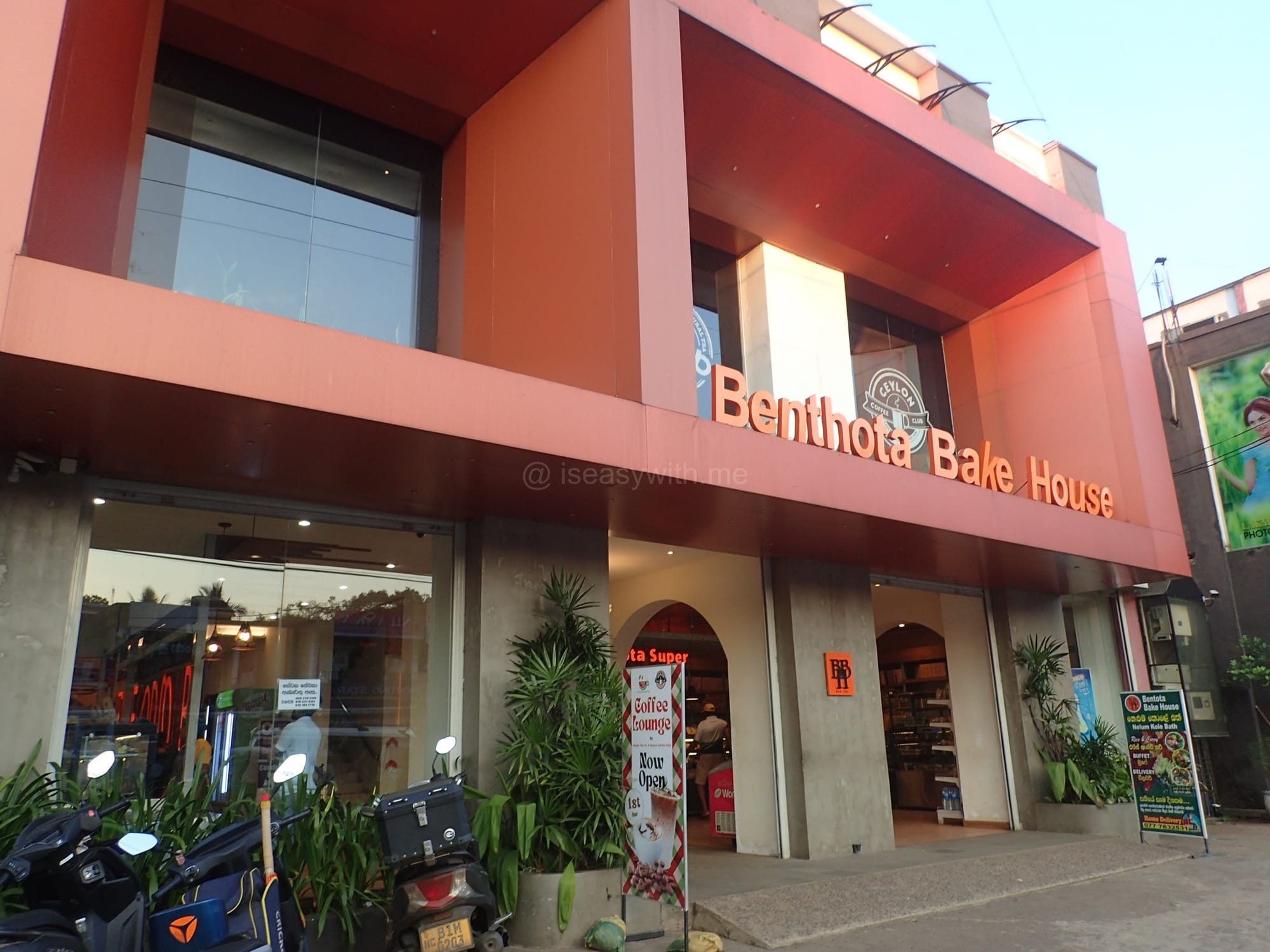
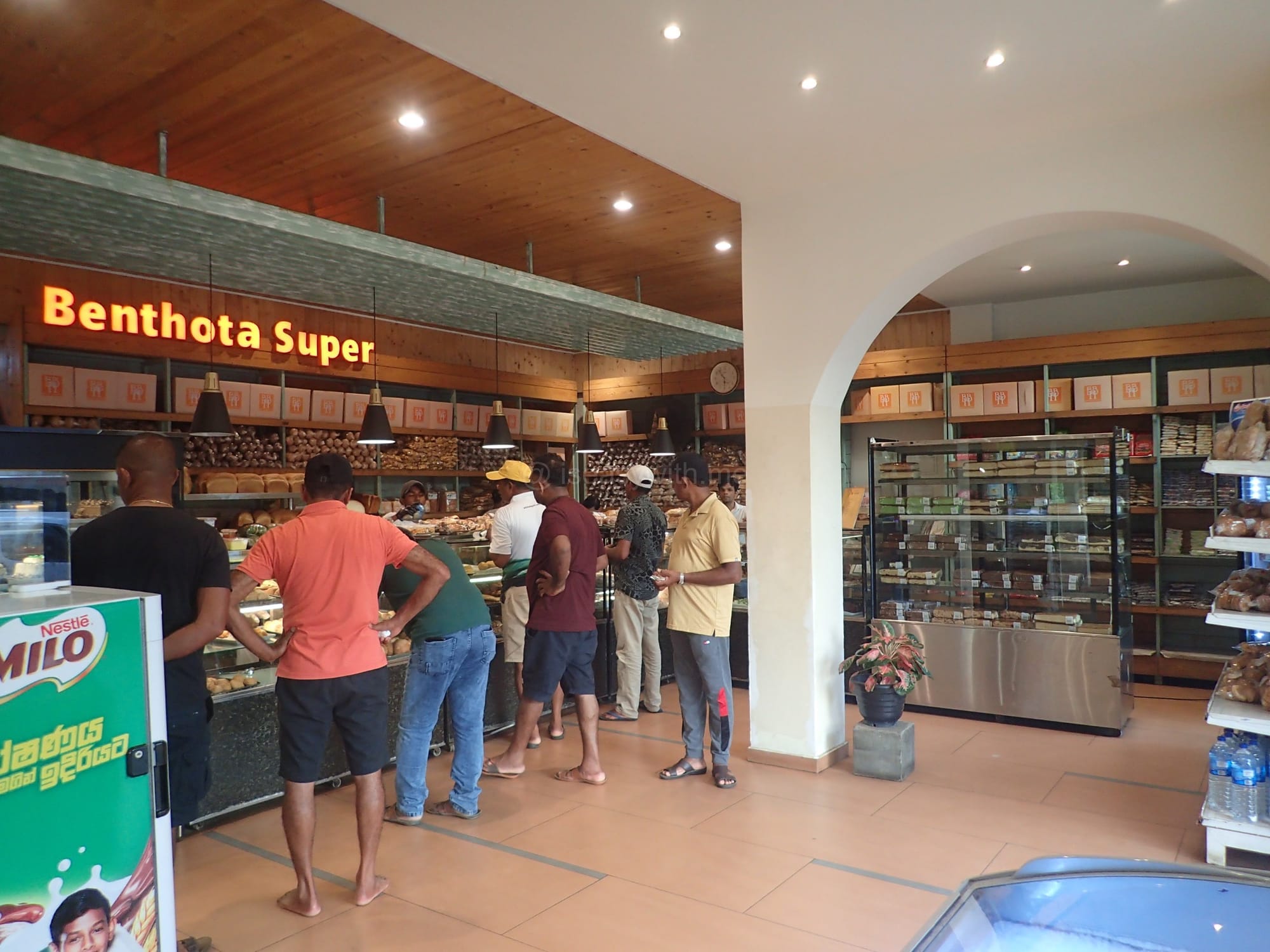
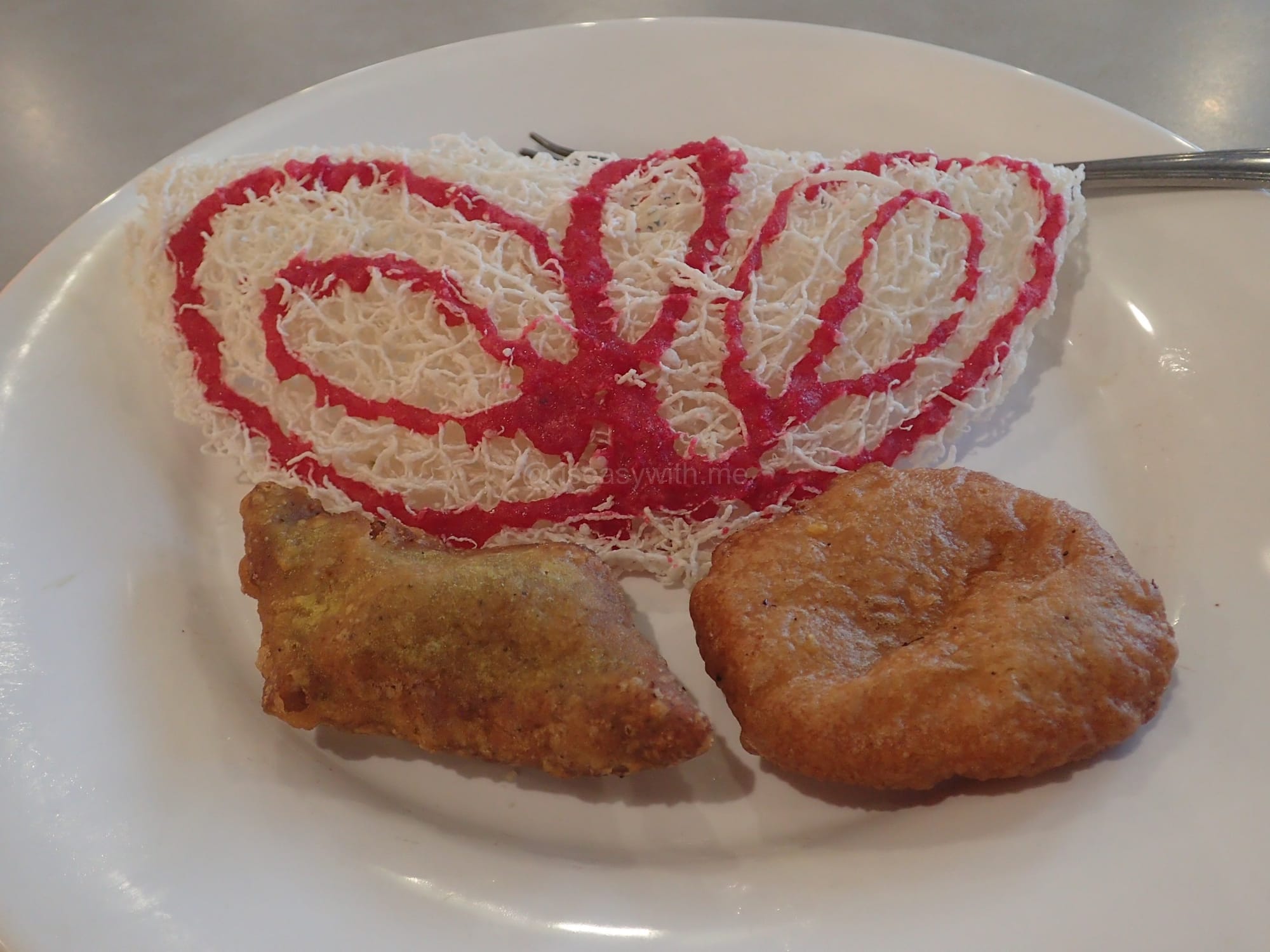
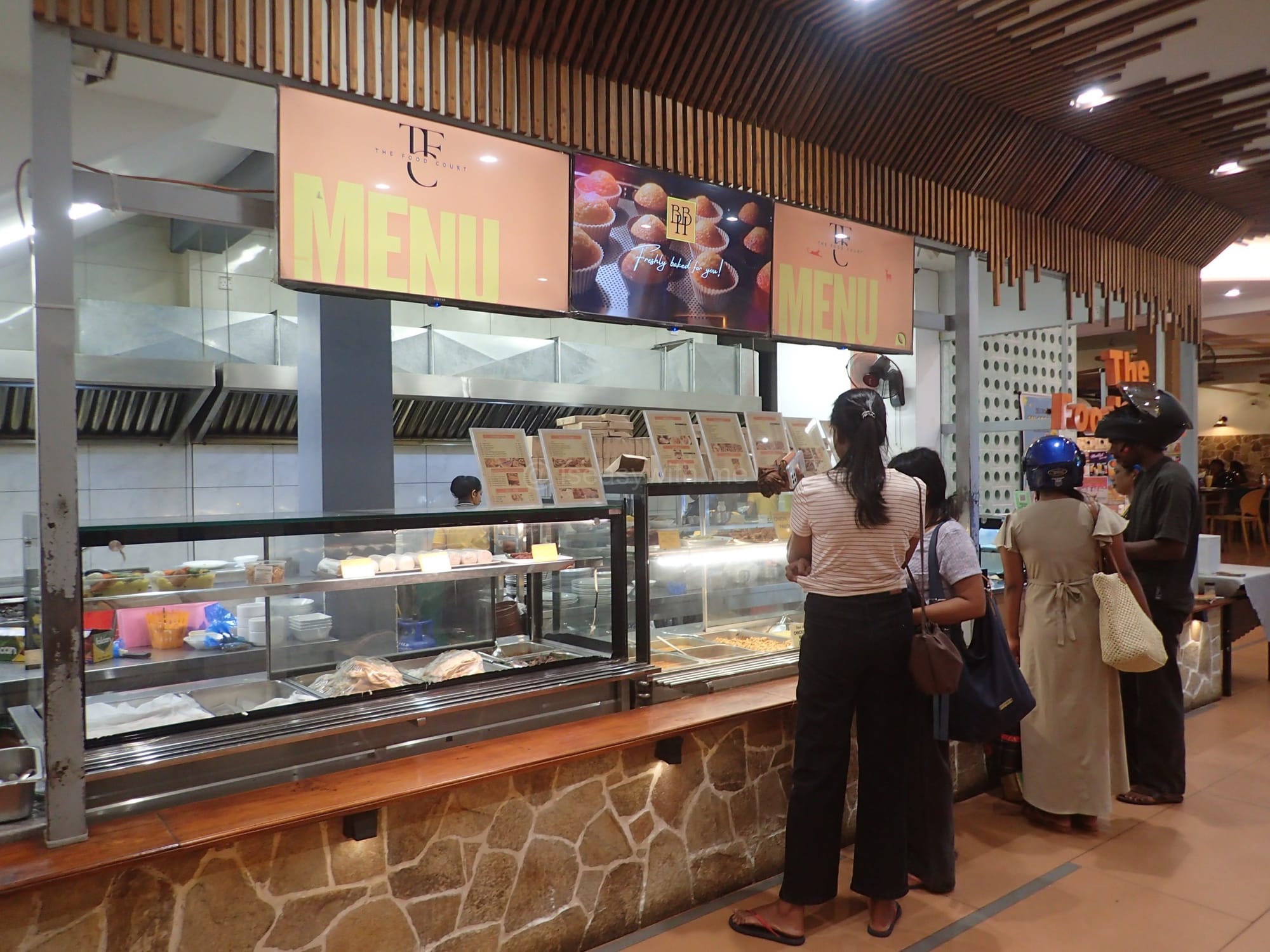
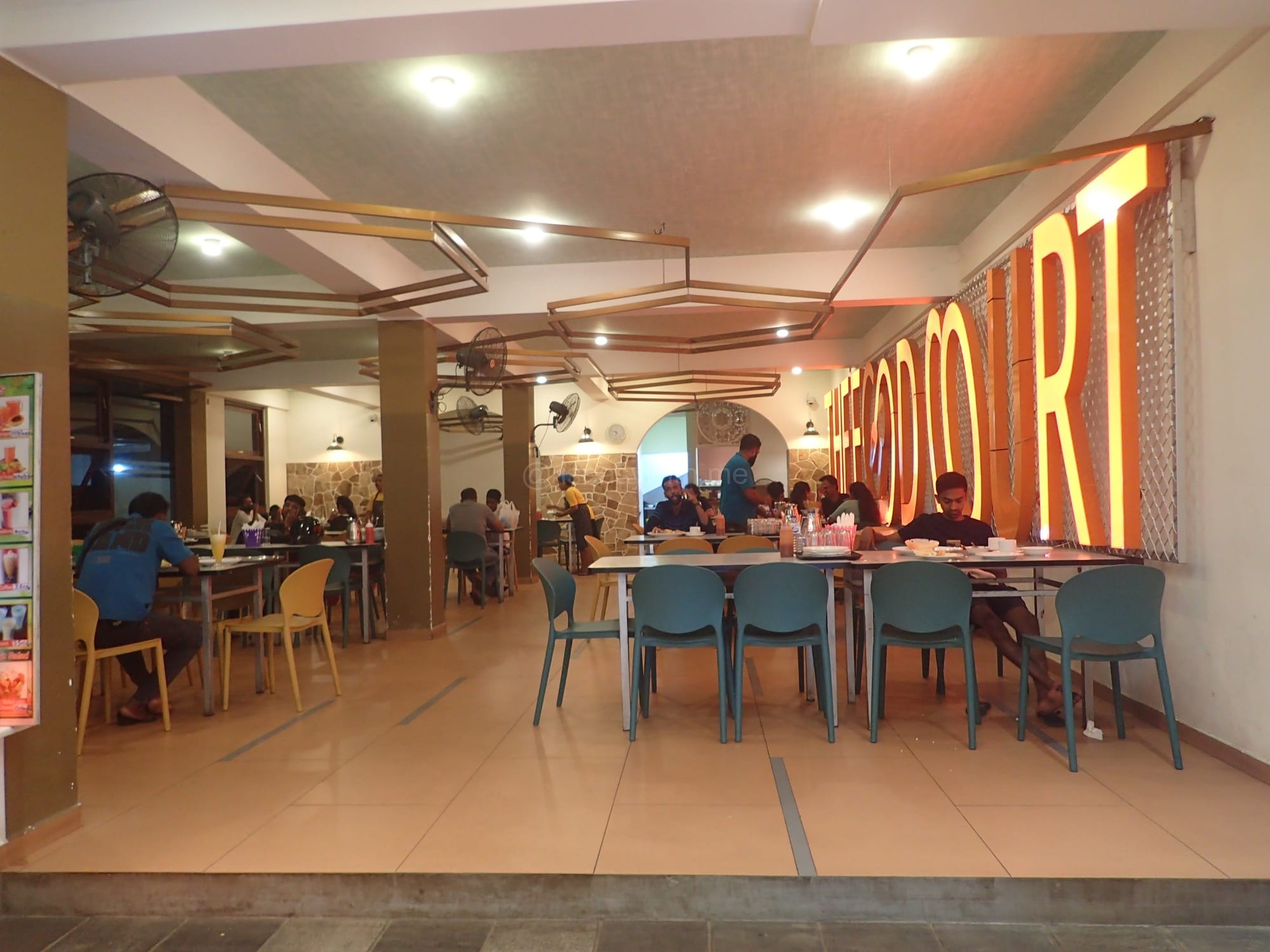
my tea break at Benthota Bake House (LKR 300)
Hela Bojun Hala Pelwehera
After my visit to the Ibbankatuwa Megalithic Tombs, I took a motorbike to Hela Bojun Hala Pelwehera for my lunch. This open-air food pavilion is a government-backed initiative run by the Department of Agriculture, where local village women prepare exceptionally affordable, fresh and wholesome traditional Sri Lankan snacks and dishes completely on the spot.
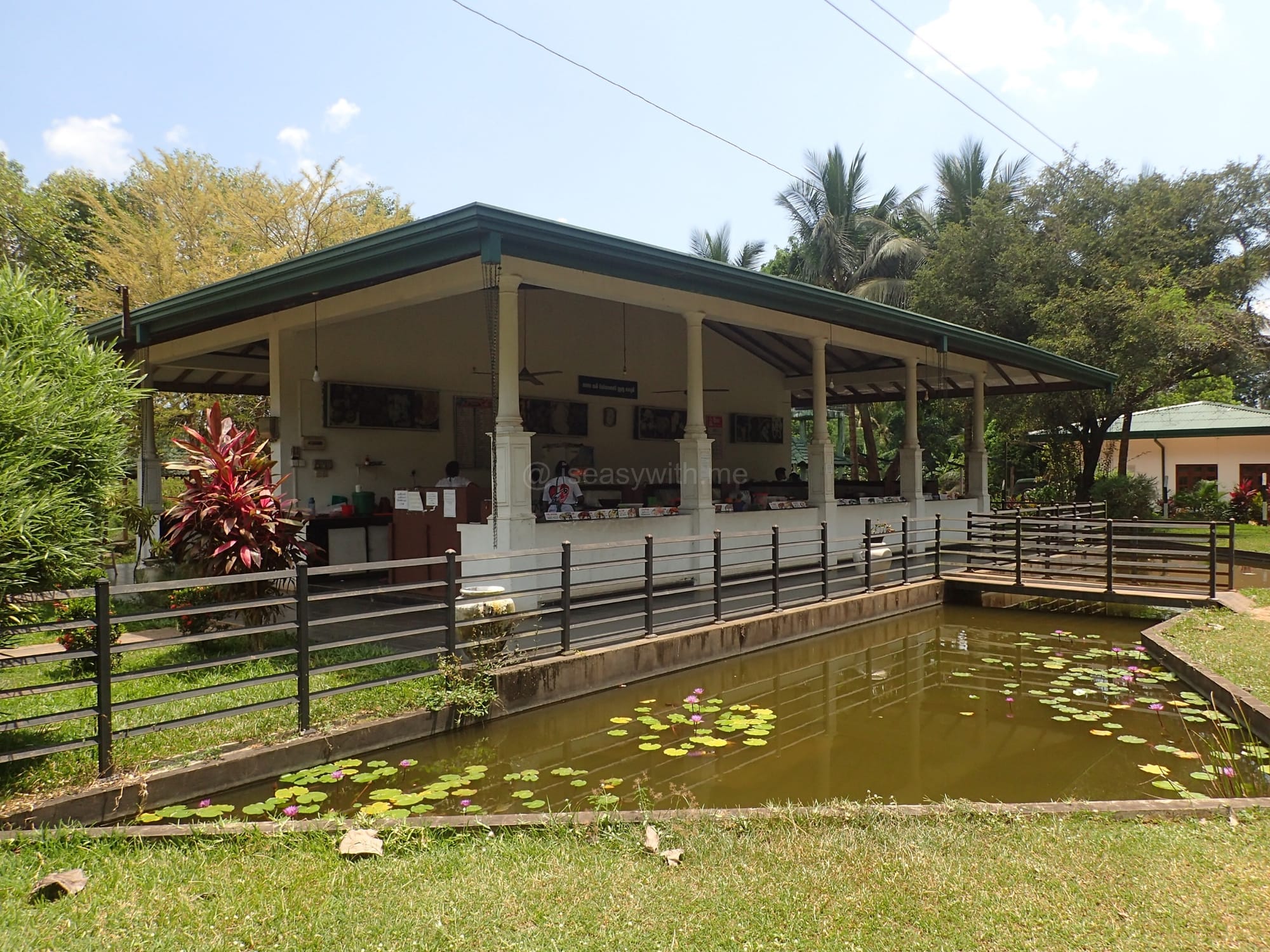
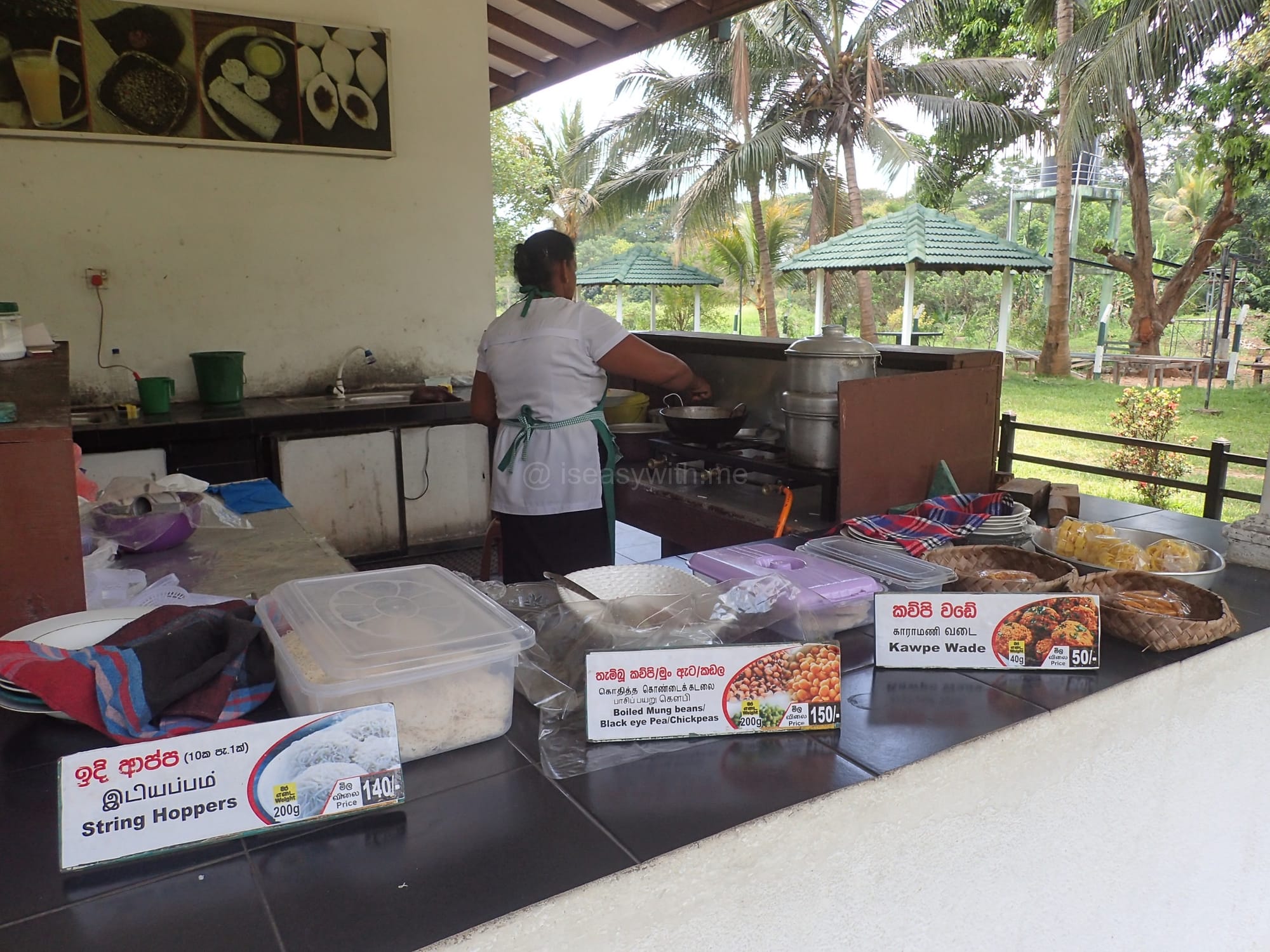
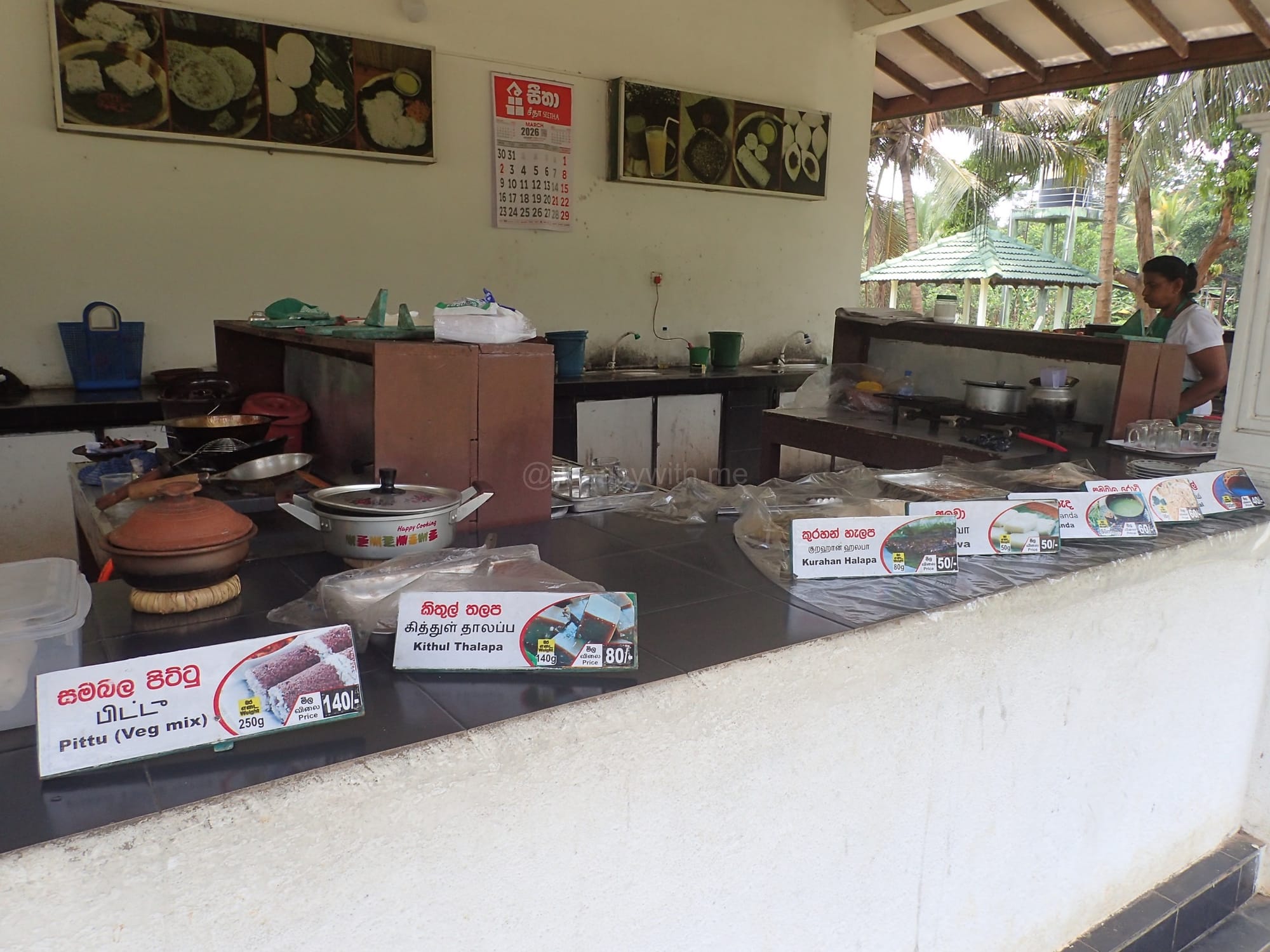
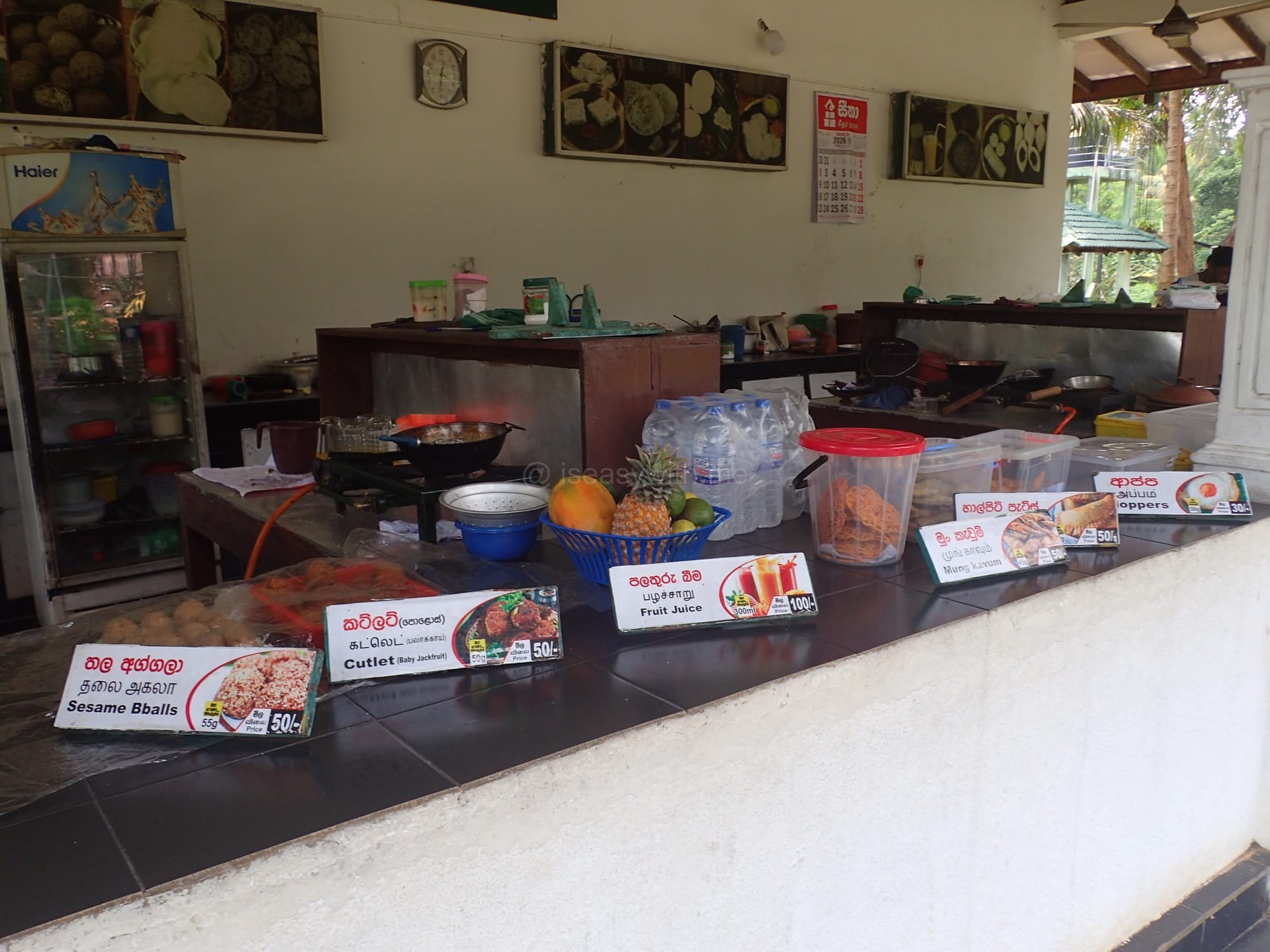
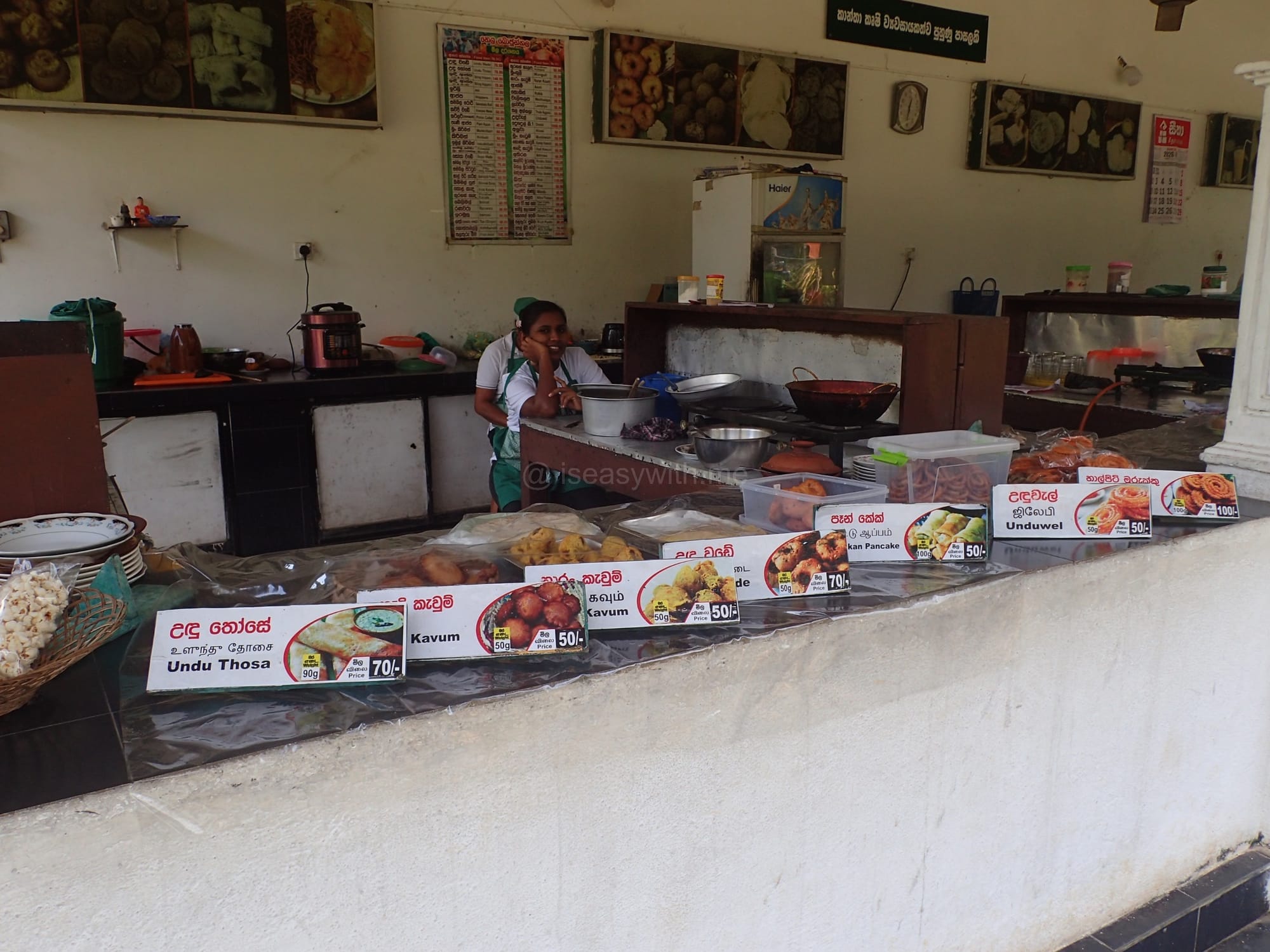
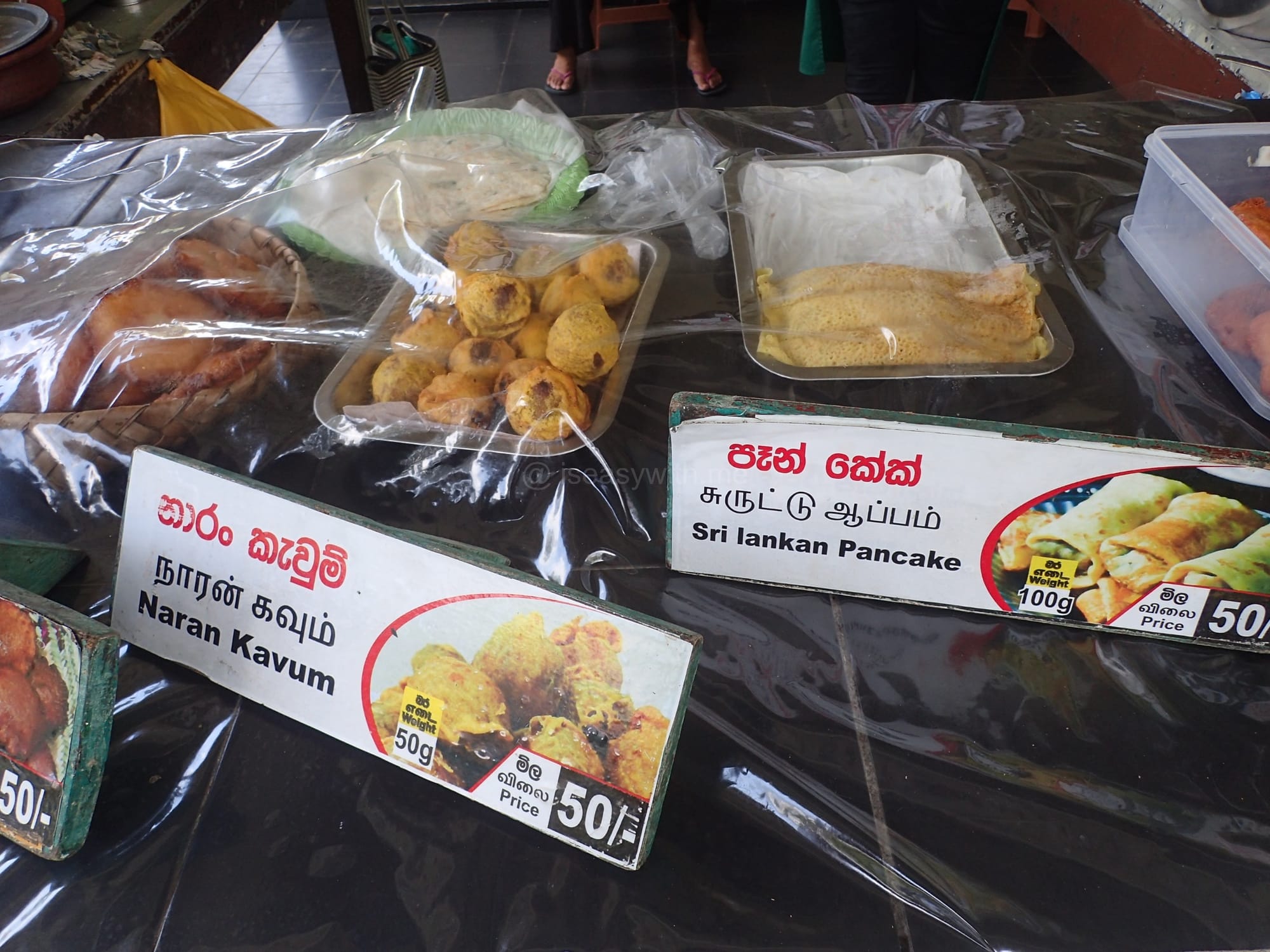
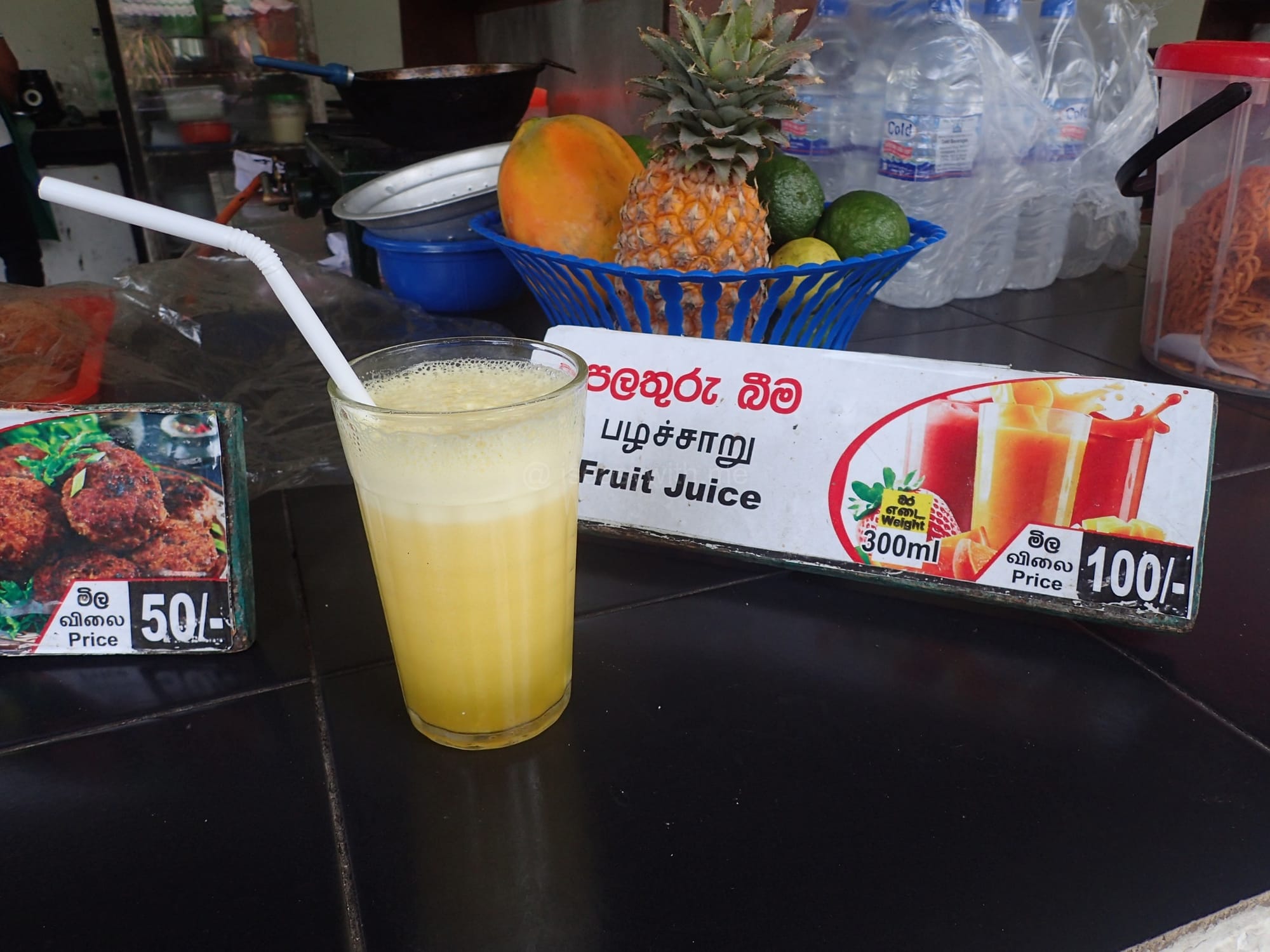
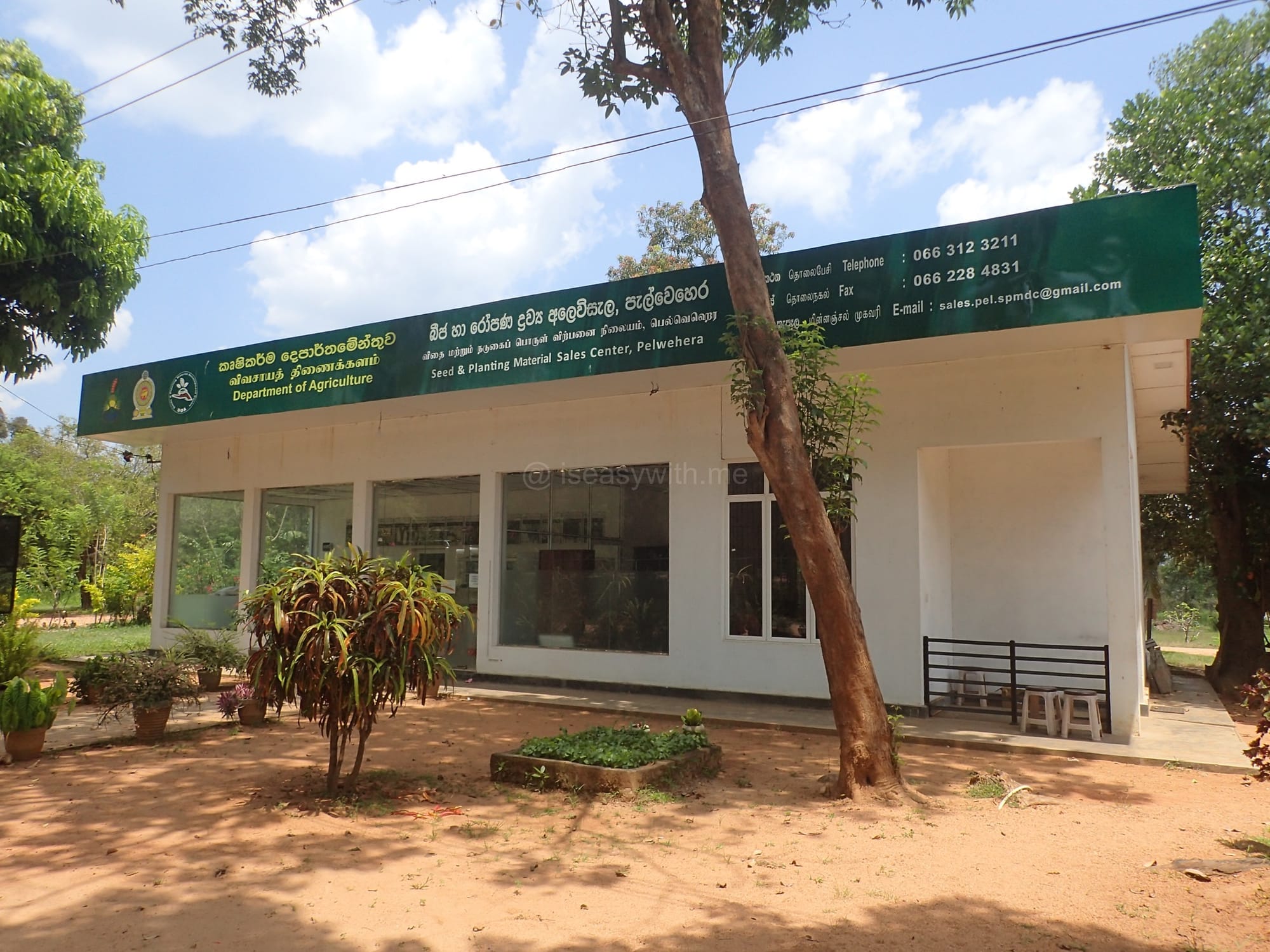
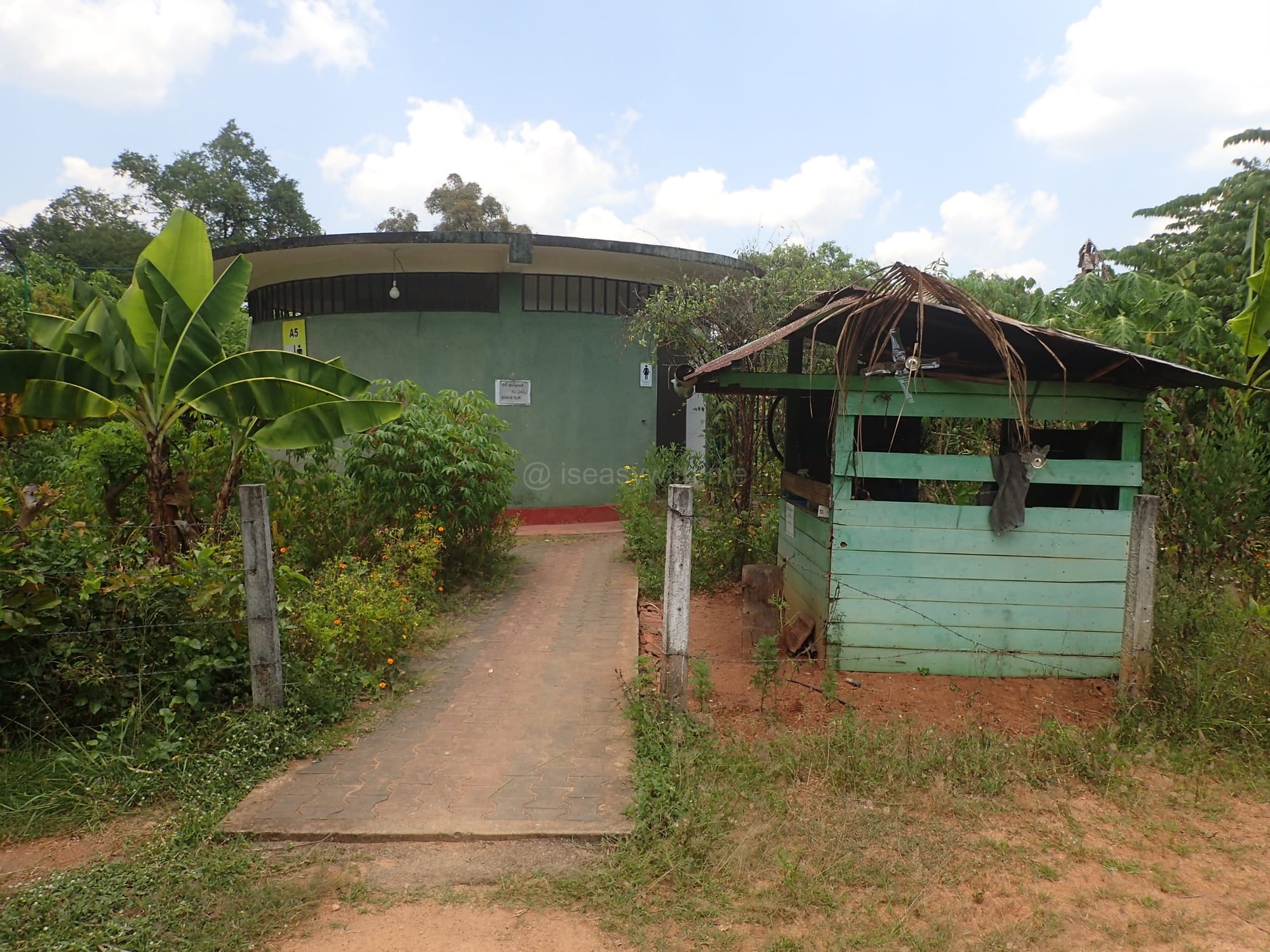
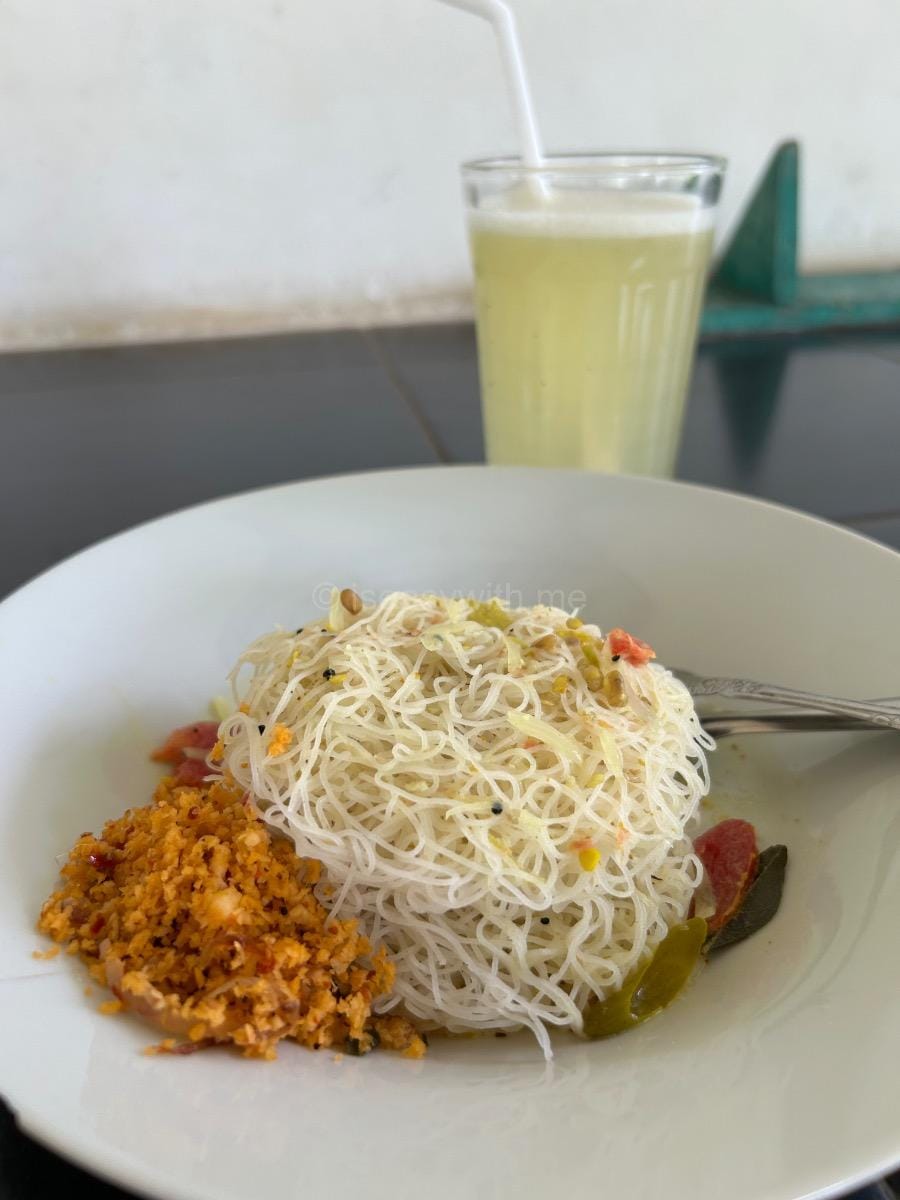
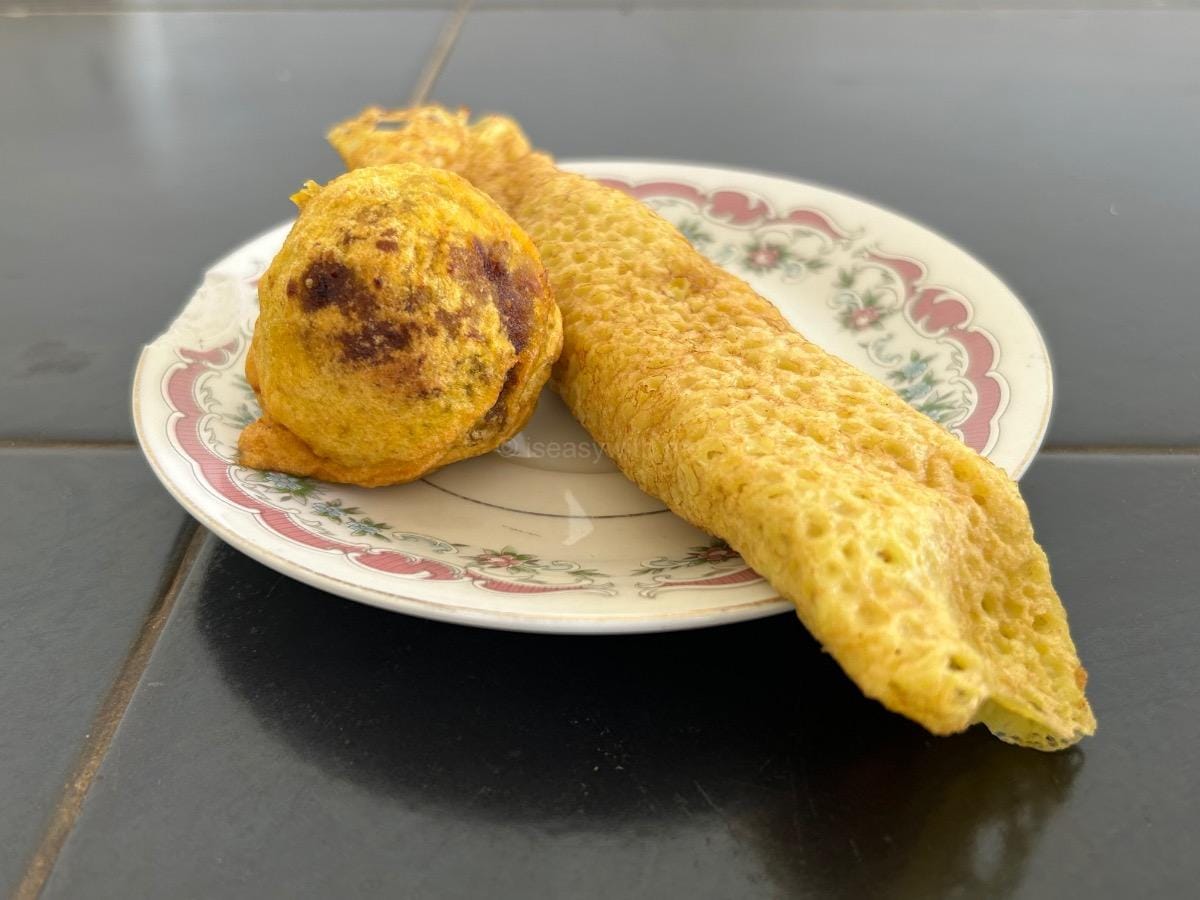
my lunch at Hela Bojun Hala Pelwehera (string hoppers LKR 70, dessert (naran kavum (caramelised coconut ball) & Sri Lankan pancake) LKR 100, lime juice LKR 100)
Departing Dambulla
Departing Dambulla felt like leaving the true crossroads of Sri Lanka’s Cultural Triangle. Behind me lay ancient cave shrines, prehistoric tombs and quiet forest monasteries hidden among the hills.
As my bus rolled away from the station, the giant golden Buddha slowly disappeared from view, marking the end of another chapter in Sri Lanka's remarkable historical heartland. Ahead awaited new landscapes, new ruins and yet another layer of the island's endlessly fascinating story as I headed toward my next stop, the hill capital of Kandy.