Stilt Fishing in Koggala: Guide to Sri Lanka’s Unique Southern Tradition
Make a smooth coastal roadside stop. Master the 1-hour public bus from Mirissa, avoid tourist photography traps, and view Koggala's stilts.
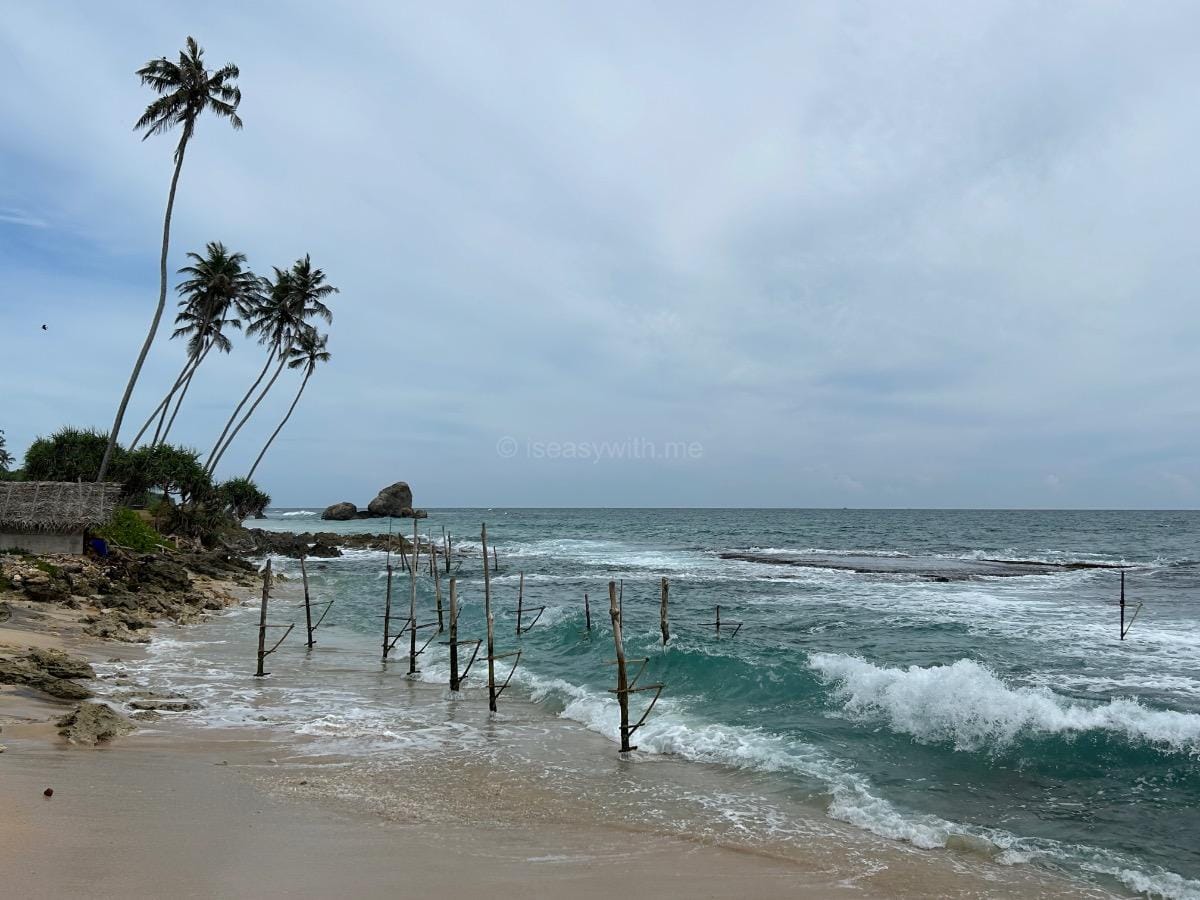
Koggala is a quiet coastal stretch along Sri Lanka’s southern shoreline, most often experienced as a brief roadside stop or a visit to the dedicated beach park between Mirissa and Galle. It is not a sprawling town centre but a scenic coastal corridor where travellers can witness stilt fishing (Ritipanna), a rare cultural phenomenon found nowhere else in the world.
While the tradition spans several southern beaches, Koggala is widely celebrated as its epicentre and most iconic backdrop. For many visitors, Koggala is less a final destination and more a fleeting, cultural moment on a larger Sri Lankan coastal journey, yet it remains one of the most instantly recognisable scenes in the country.
From Mirissa to Koggala
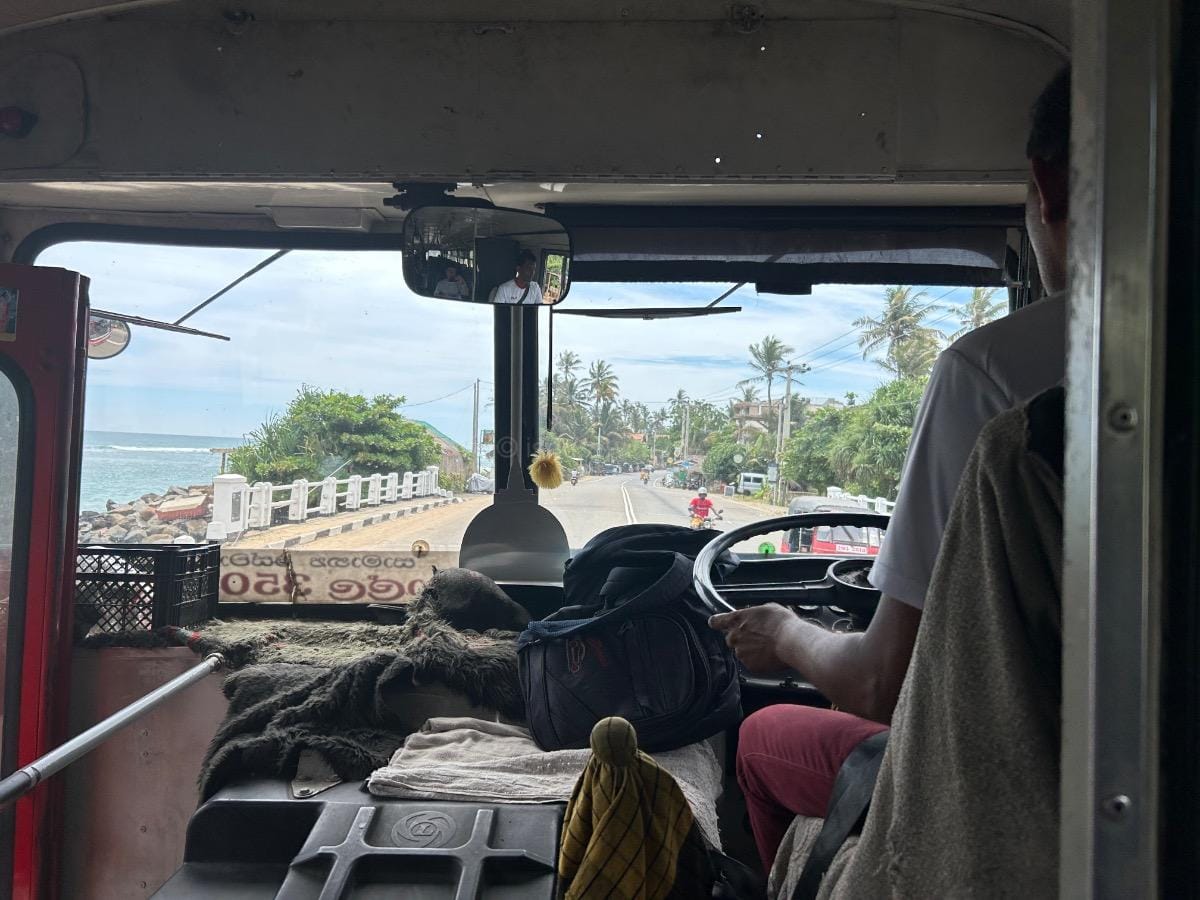
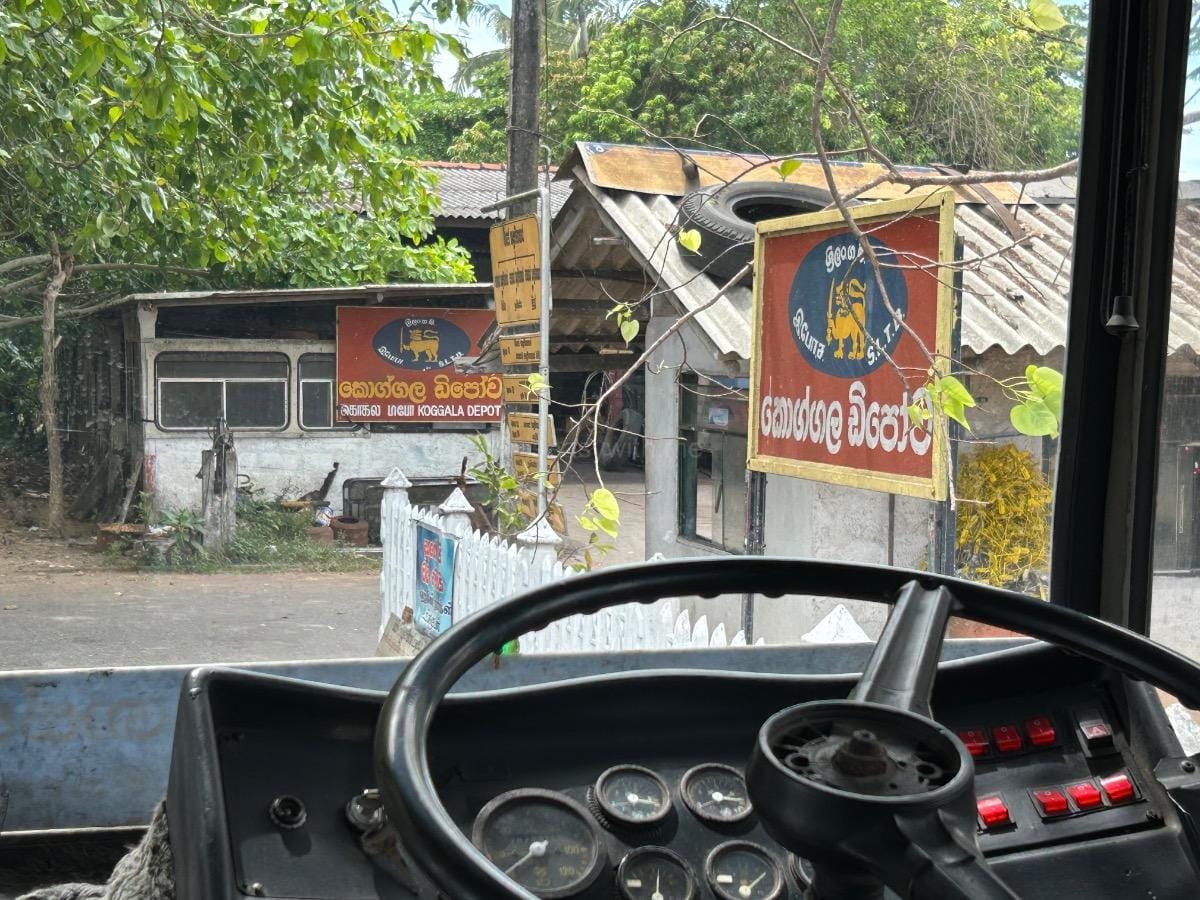
Leaving Mirissa, the southern coastal landscape gradually shifted from a lively beach town into quieter fishing villages, surf breaks and long open stretches of shoreline. The ride on bus #350 (LKR 130) was short but scenic with the Indian Ocean remaining close for much of the journey.
As the road approaches Koggala, look out for signs for Koggala Beach Park or shallow reef waters where the wooden stilts stand just offshore.
iseasywith.me Travel Tip
- Bus Logistics: Inform the conductor early that you want to drop off at Koggala Beach Park. Sit on the left side of the bus (ocean-facing) when travelling from Mirissa for the best coastal views.
- The Beach Park Approach: If you visit the dedicated mock-up area at Koggala Beach Park, a local handler will almost certainly approach you immediately. They are usually very polite, offering to explain the history of the tradition.
- The Photo Offer: The handler will offer to teach you how to climb the wooden poles, show you how to balance and take photos of you on your own phone or camera.
- Expect a Fee: This interaction functions entirely as a local tourism business. If you take close-up photos of the fishermen, climb the stilts, or accept the mini-lesson, expect to pay a fee or tip (typically 500 to 1,500 LKR).
- Handling It Smoothly: A polite but firm 'No, thank you' is completely respected if you just want to look from a distance. If you want the classic postcard photo op, simply discuss and agree on the price with the handler before you climb up or start shooting to keep things easy.
Arriving at Koggala
Arriving in Koggala, I alighted at the beach park, where I found an organised mock-up display of the wooden fishing stilts (riti panna) positioned in the shallow reef waters, making the experience highly accessible.
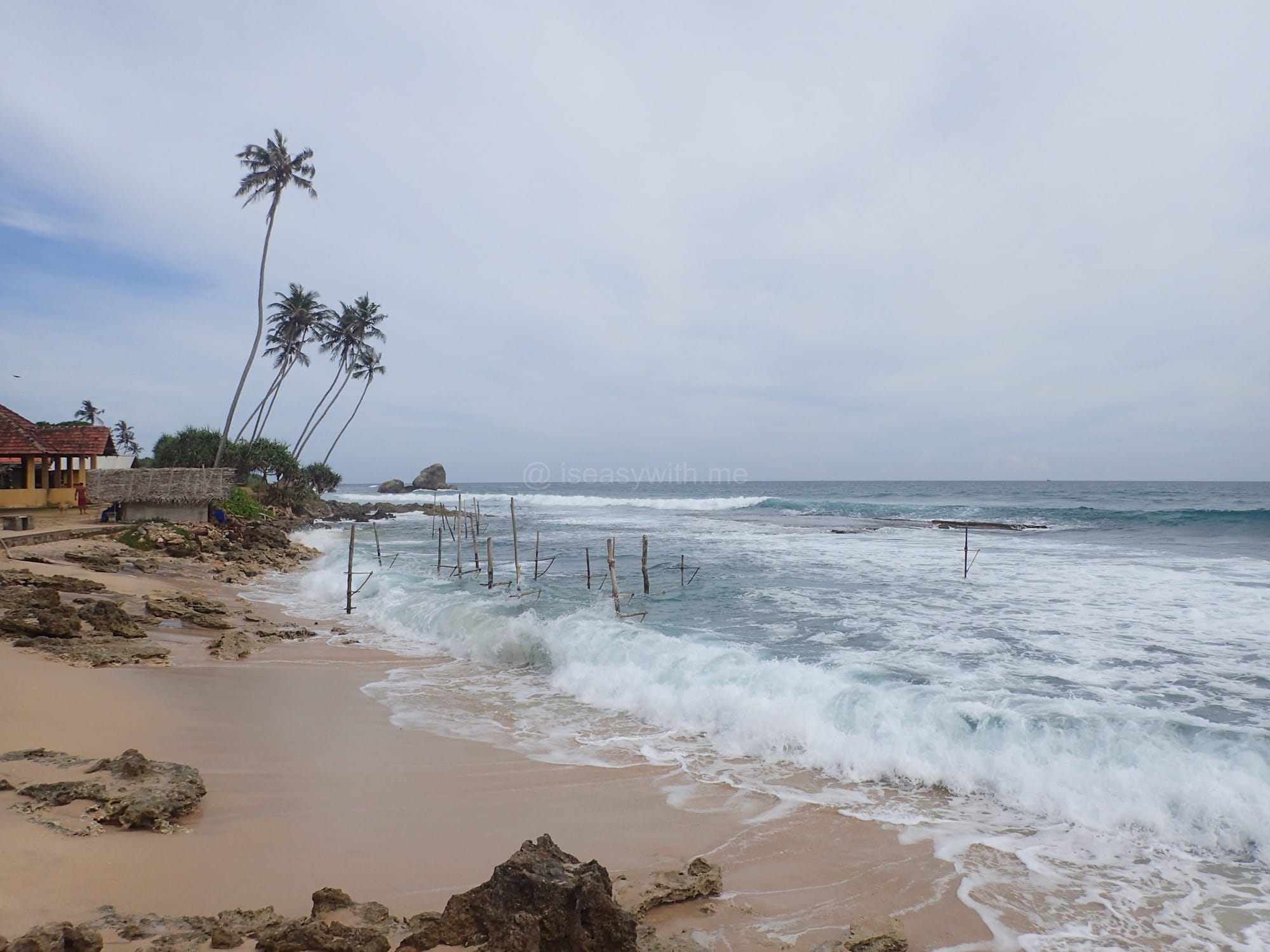
The area forms part of the broader southern fishing coastline, closely connected to nearby stretches such as Weligama Bay. What I saw depended heavily on timing, weather, and sea conditions:
- Early morning (0600 to 0800 hours): The most likely time to spot active subsistence fishing along the coast.
- Midday: Stilts were usually empty on the open coast, though the beach park mock-up had fishermen staged specifically for visitors.
- Late afternoon: Occasional return of fishermen for light activity or sunset photography.
In and Around Koggala
Koggala's absolute must-see highlights include witnessing rare stilt fishing (Ritipanna) along its quiet coastal stretch, exploring the organised mock-up displays at Koggala Beach Park for iconic postcard photos.
Because Koggala functioned primarily as a roadside cultural observation point rather than a resort town, my visit was brief. I quickly understood it as a place for quick stops rather than an extended stay. However, the immediate area offered a beautifully rugged landscape:
- The Fishing Stilts & Mock-Up: Iconic wooden poles planted in shallow water where I could observe the traditional balancing method up close.
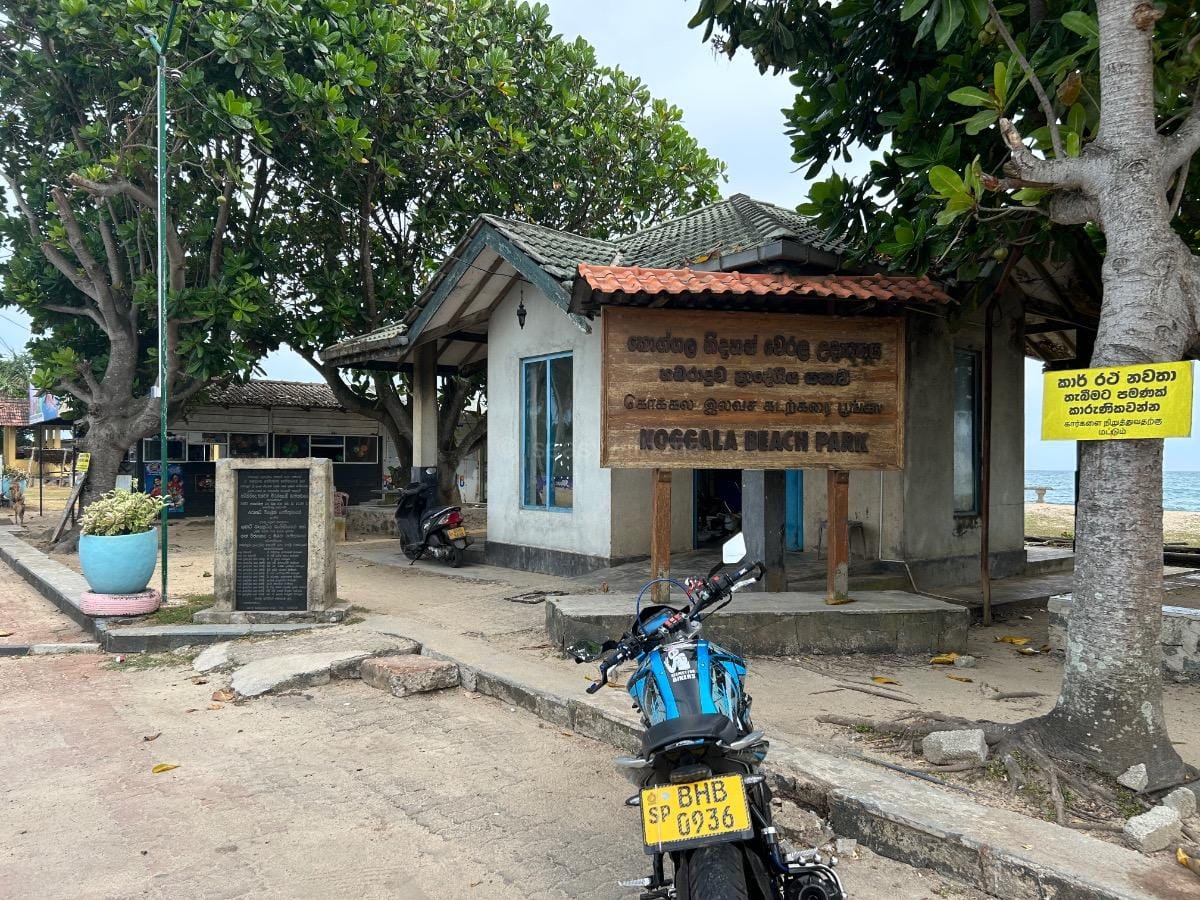
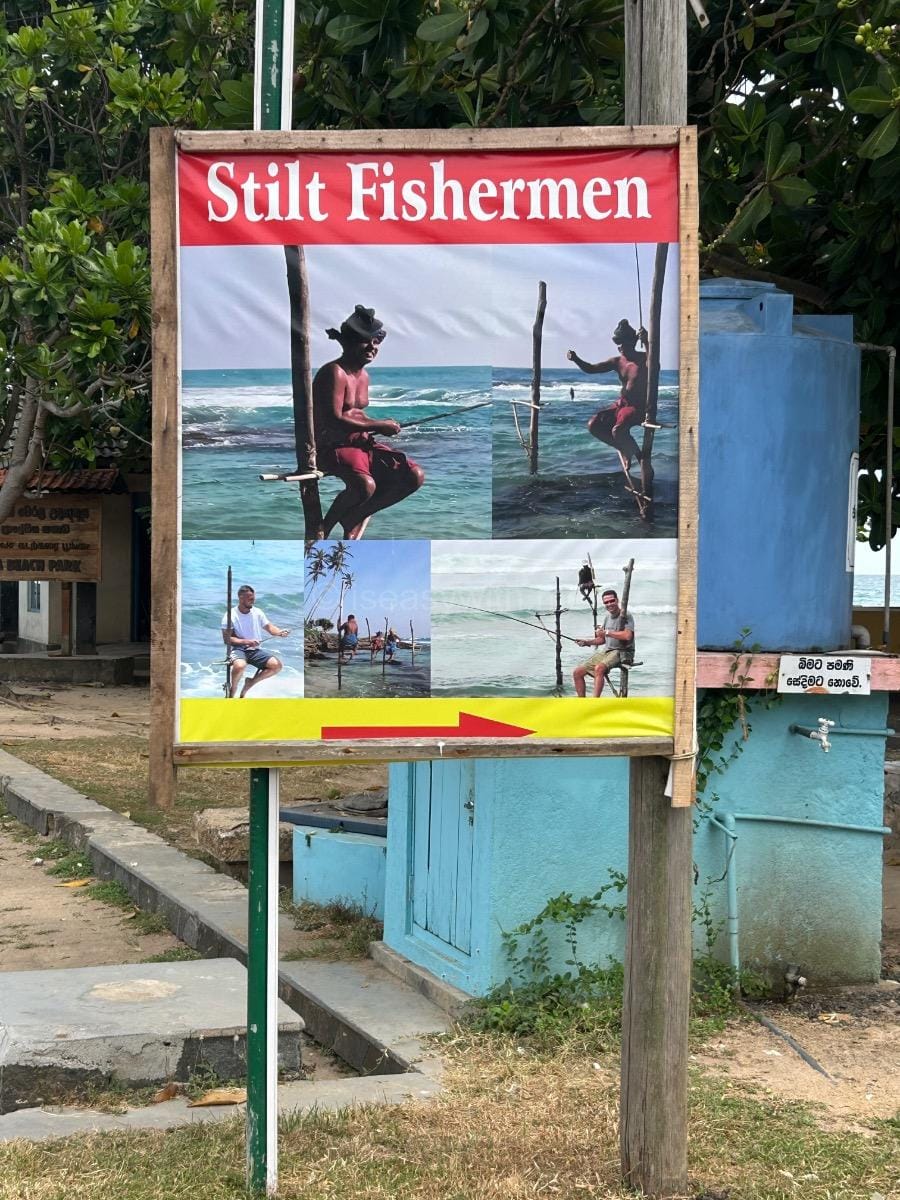
Koggala Beach Park
iseasywith.me Travel Insight
The History and Evolution of Stilt Fishing
Historically, this unique method developed along the southern coast of Sri Lanka as a practical, post-World War II adaptation to limited fishing space near the shore. It allowed local fishermen to work effectively without boats in shallow reef waters.
Today, in Koggala, the practice exists in a mixed form. While a small number of fishermen still actively fish at dawn for genuine subsistence, many of the stilts, especially the concentrated setups at the beach park, are maintained and reused primarily for tourism visibility.
Photography and visitor interactions contribute significantly to the local community's income. As a result, stilt fishing here represents a blend of living tradition and tourism-influenced adaptation, rather than a fully continuous commercial fishery.
Food & Beverage in Koggala
As I only made a quick pitstop at Koggala Beach Park to see the traditional stilt fishing setup, I didn't try any of the local food or beverages here.
Departing Koggala
Leaving Koggala marked the end of a quiet cultural interlude along Sri Lanka’s southern shoreline. The open beachscape and fishing stilts gradually gave way to more developed coastal settlements as the journey continued westward.
The atmosphere slowly transitioned from informal fishing culture and wide shoreline views into a busier, more structured coastal environment, with increased urban activity, cafes and guesthouses appearing along the route.
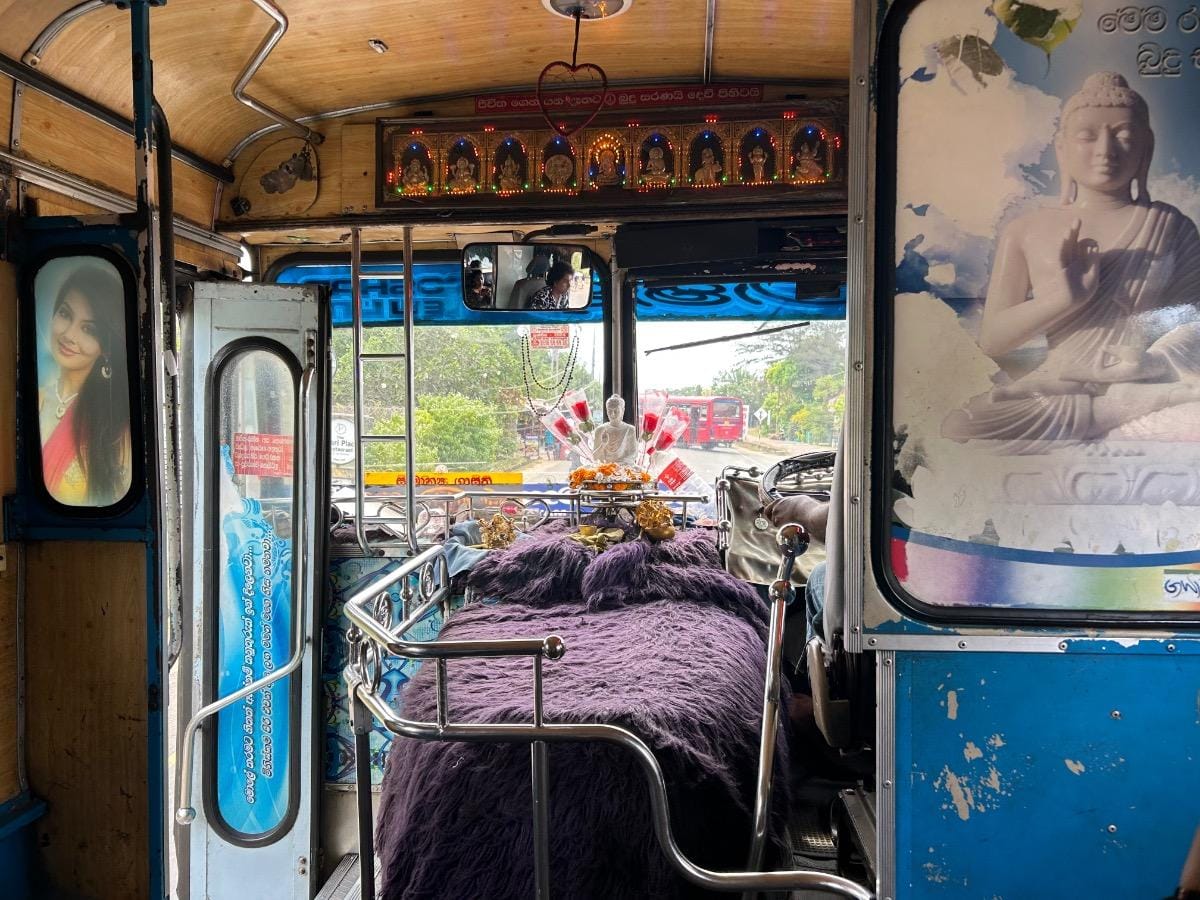
My adventure continued on bus #350 toward a historic city defined by colonial Dutch architecture, fortified ramparts, and a dense urban shoreline as the rural fishing landscapes changed completely upon reaching Galle.