Exploring Galle Dutch Fort: The Perfect Sunset Walk & Guide
Walk the historic southern walls. Navigate Galle Fort's colonial grid on foot, track the automatic ocean sewers, and watch sunset at Flag Rock.
Galle is Sri Lanka’s most atmospheric southern city where centuries of maritime history are enclosed within fortified stone walls facing the Indian Ocean. The UNESCO-listed Dutch Fort is a living heritage district where colonial architecture, cafes, churches, boutique shops and ocean ramparts exist within a compact, walkable peninsula.
For travellers arriving from Koggala, Galle marks the final major cultural stop along the southern coast, from informal fishing landscapes and roadside viewpoints into a structured colonial city shaped by British, Dutch and Portuguese influence.
From Koggala to Galle
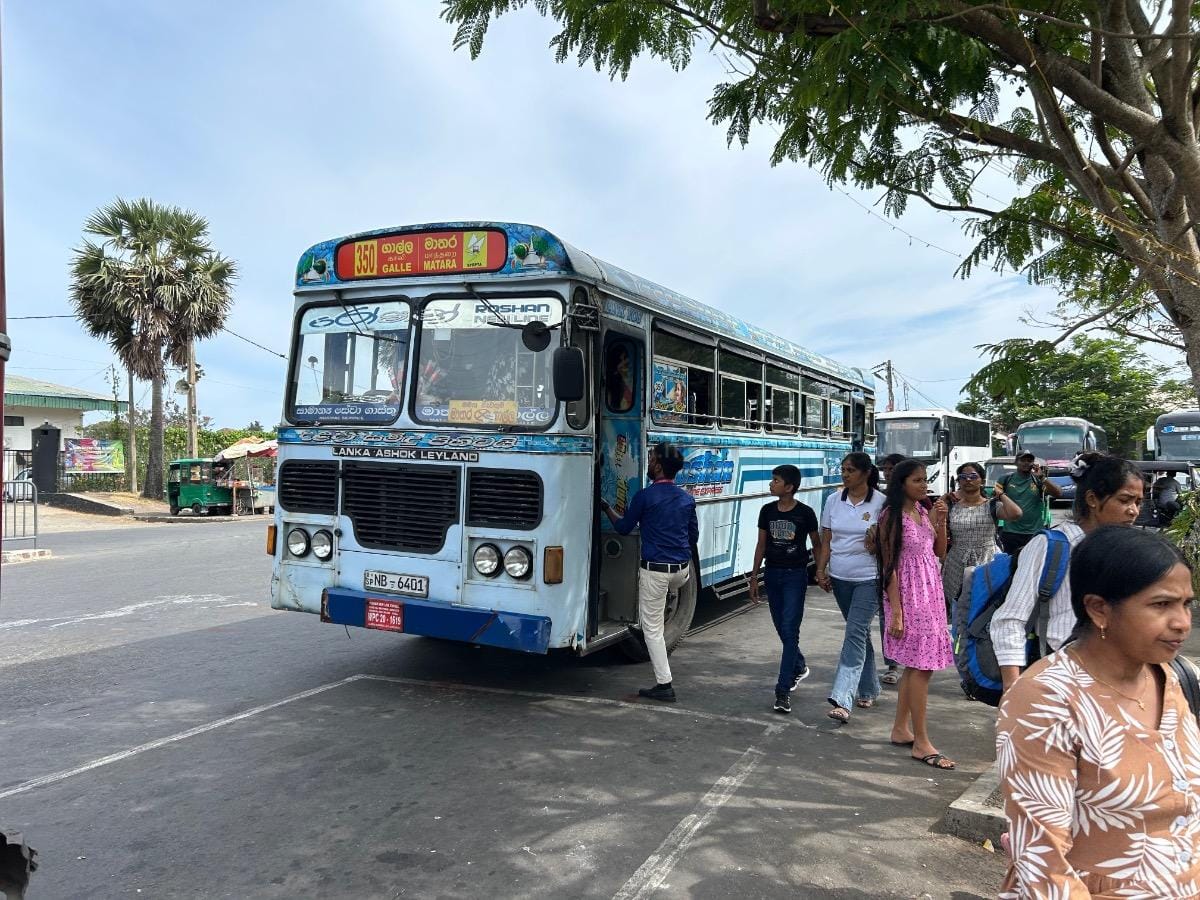
Leaving Koggala on bus #350 (LKR 100) for the 20-minute journey to Galle, the coastline gradually became more developed. Quiet beach stretches and stilt fishing points gave way to denser roadside settlements, increasing traffic and urban infrastructure as the approach to Galle began. The transition was gradual, with the historic fort walls coming into view when the bus pulled into Galle.
Arriving at Galle
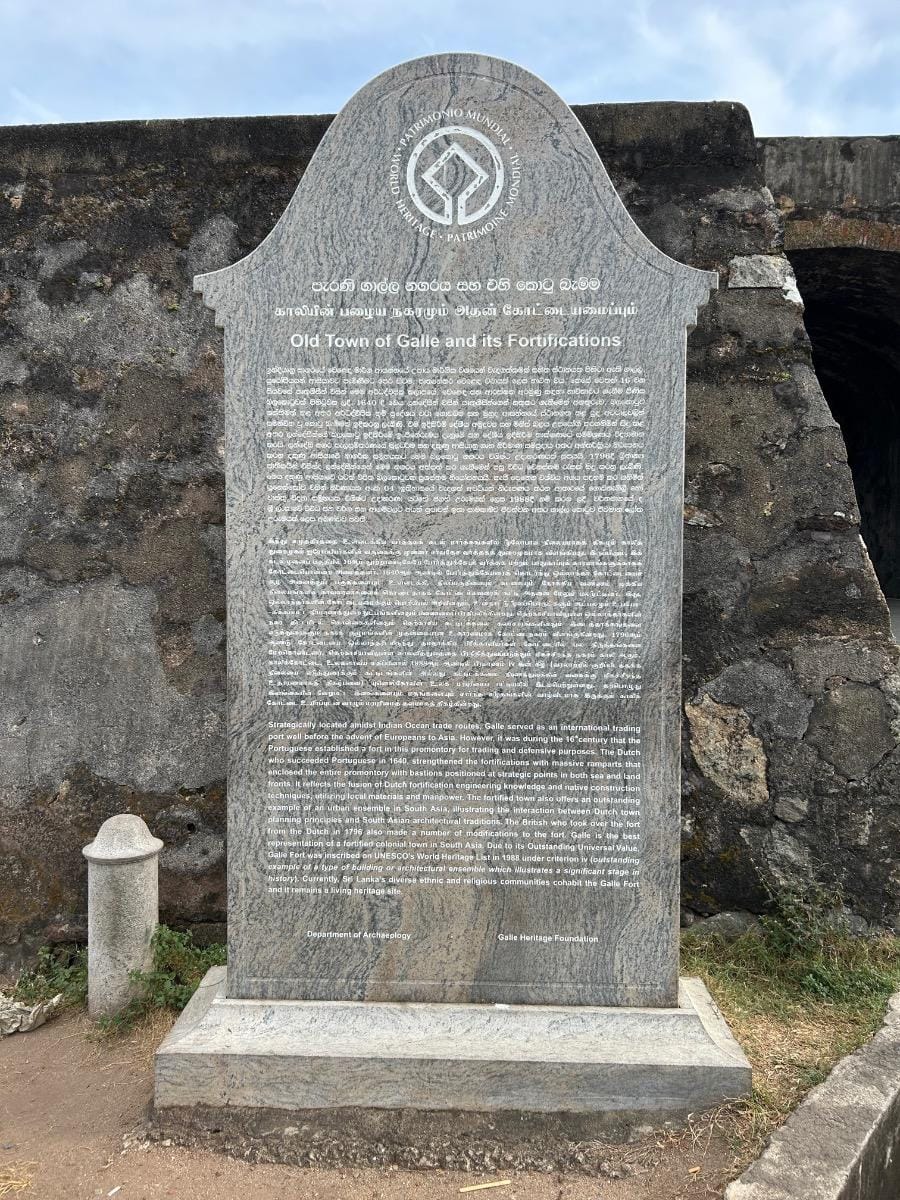
The heart of the city is the historic Galle Dutch Fort, a UNESCO World Heritage Site originally built by the Portuguese and later expanded by the Dutch. Today it functions as a fully lived-in historic district where daily life unfolds within centuries-old walls.
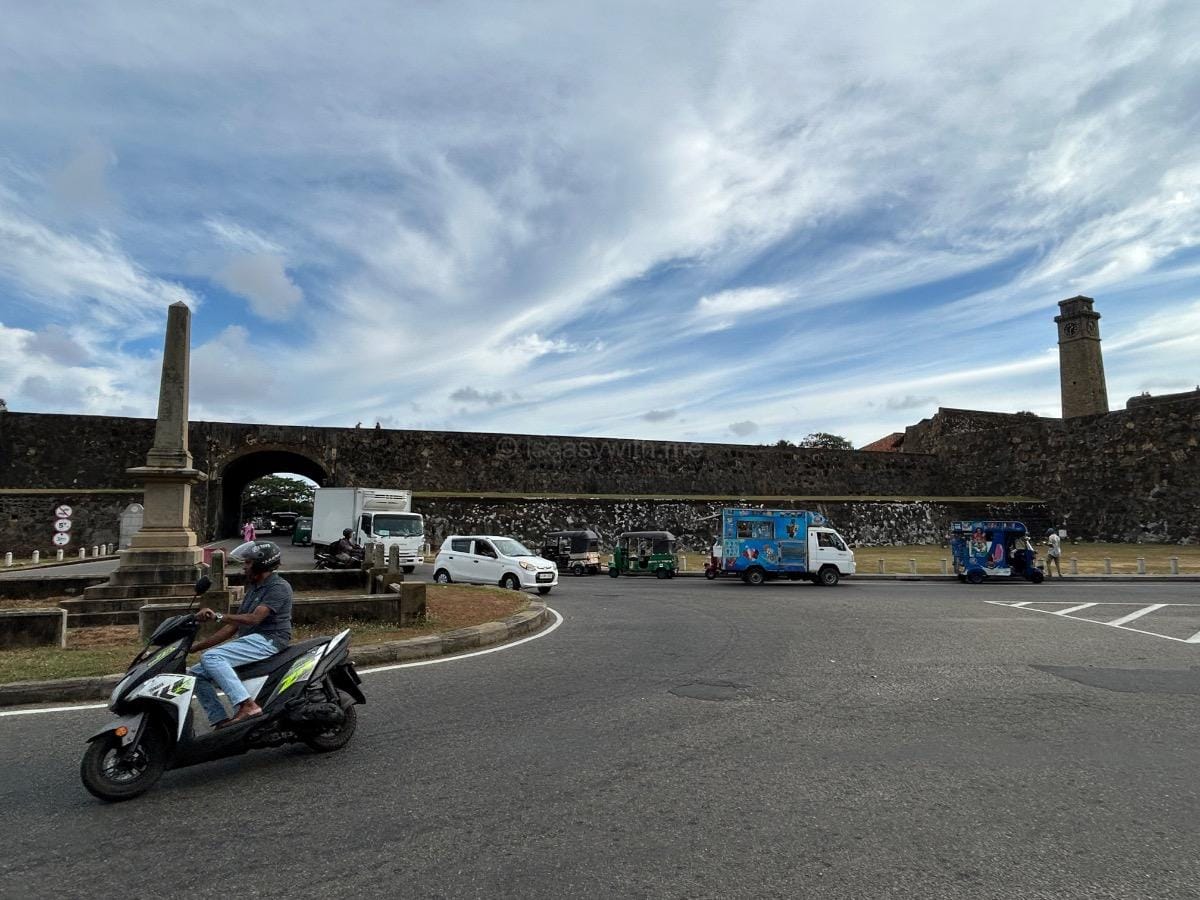
Entry is typically through the main gate near the Clock Tower. Once inside, the atmosphere shifts immediately, traffic fades, streets narrow and the pace slows into a calm, walkable heritage environment.
In and Around Galle
Galle's absolute must-see highlights include exploring the UNESCO-listed Galle Dutch Fort, strolling the historic ocean ramparts for sunset views at Flag Rock Bastion, admiring the iconic white Galle Lighthouse, wandering the charming boutique and cafe-lined grid of Pedlar Street and grabbing quick, budget-friendly Sri Lankan short-eats at Shan Bakers & Pastry.
Galle Bus Station
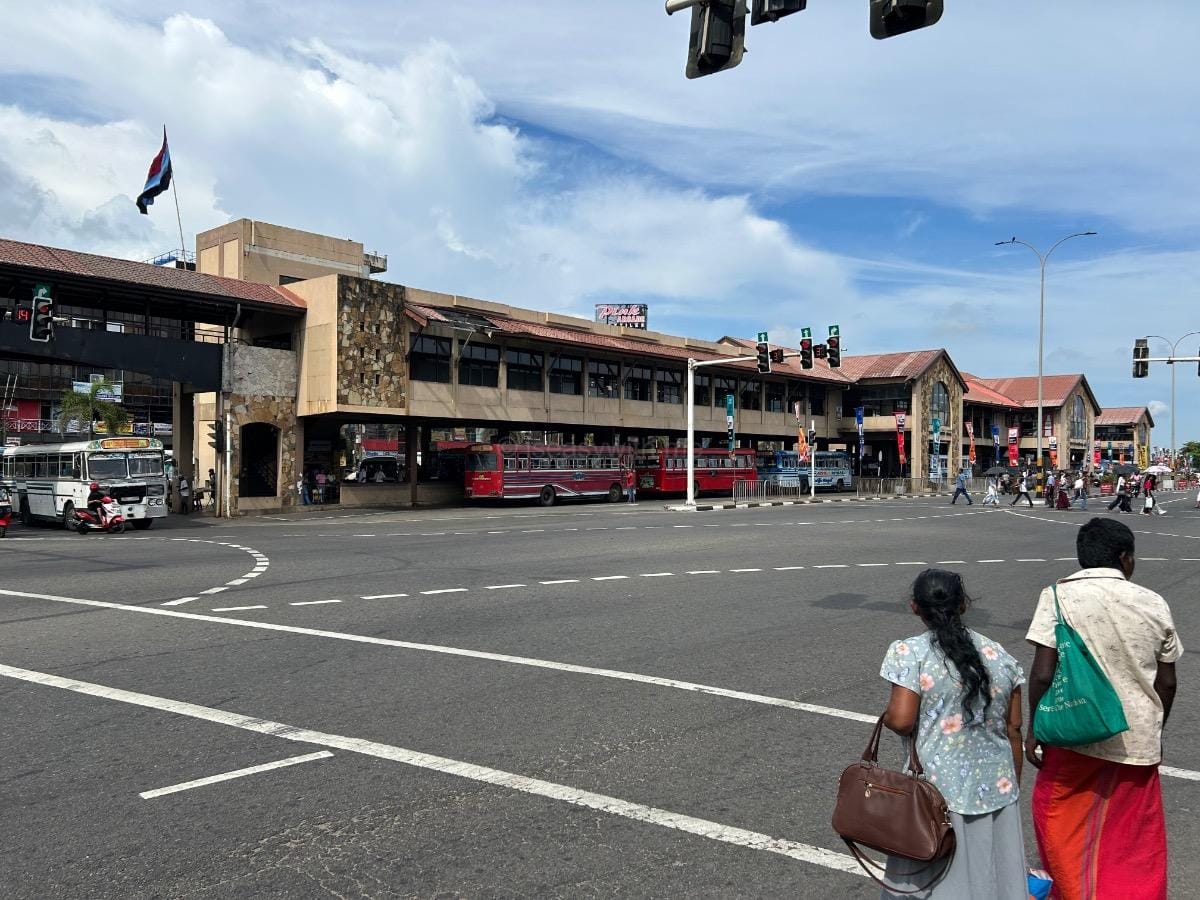
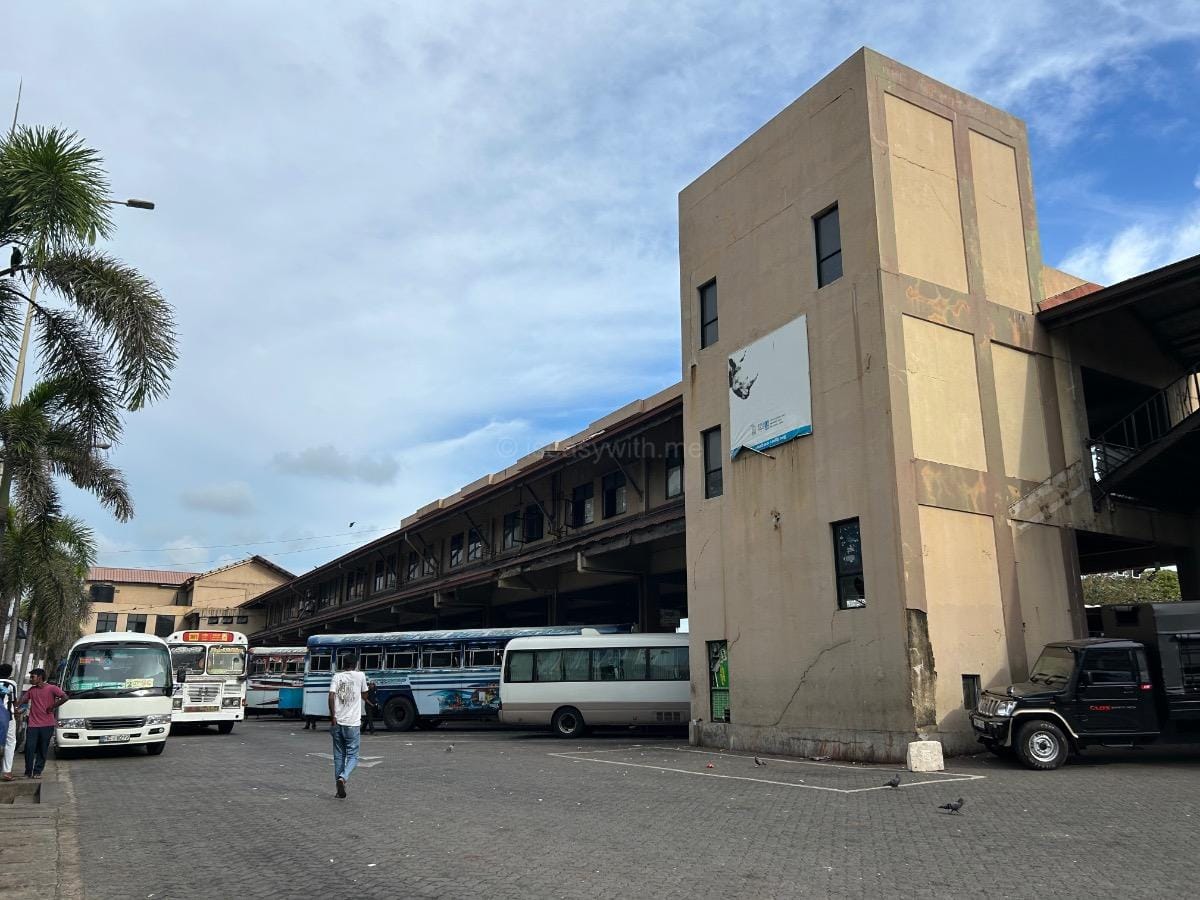
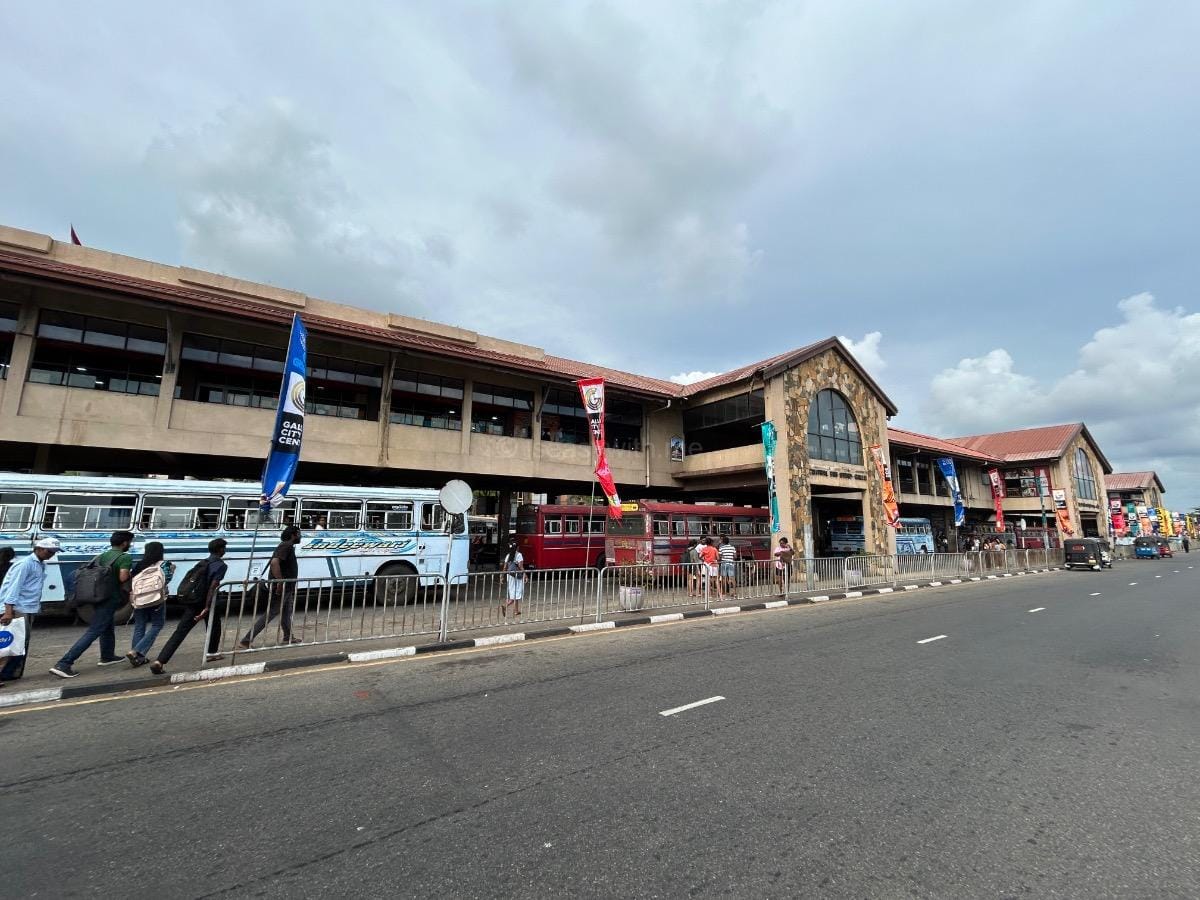
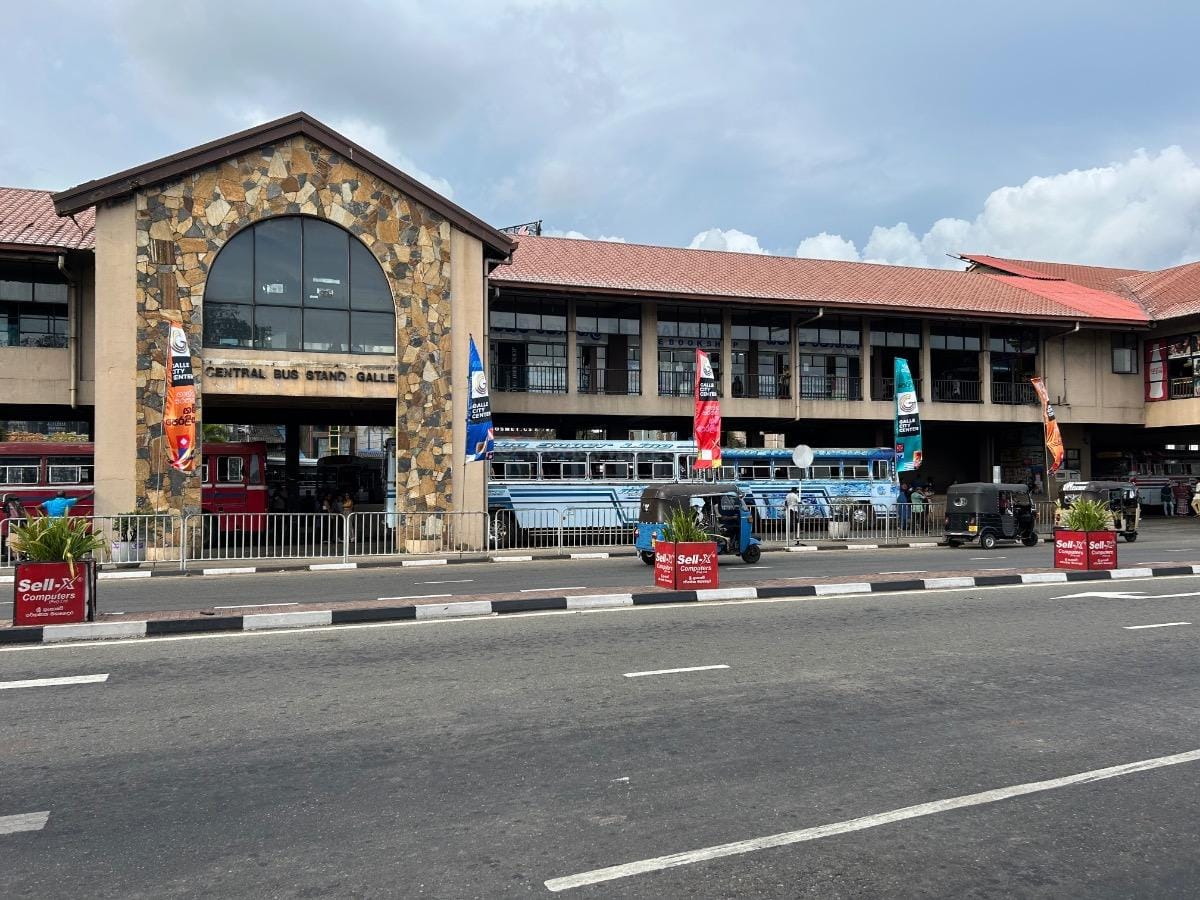
Located right in the centre of town next to Galle Railway Station, Galle Central Bus Stand is the main road transport hub for Sri Lanka’s southern coast. Spanning 161 metres along Colombo Road, it is one of the longest and busiest bus terminals in the country, serving as a primary transit point for local buses running along the coastal highway and long-distance express buses travelling via the Southern Expressway to Colombo, Matara and Kandy. Its location puts travellers within a short 5-to-10-minute walk of the historic Galle Fort, making it an easy, budget-friendly gateway for exploring the region or transferring between train and bus routes.
Galle Bus Station
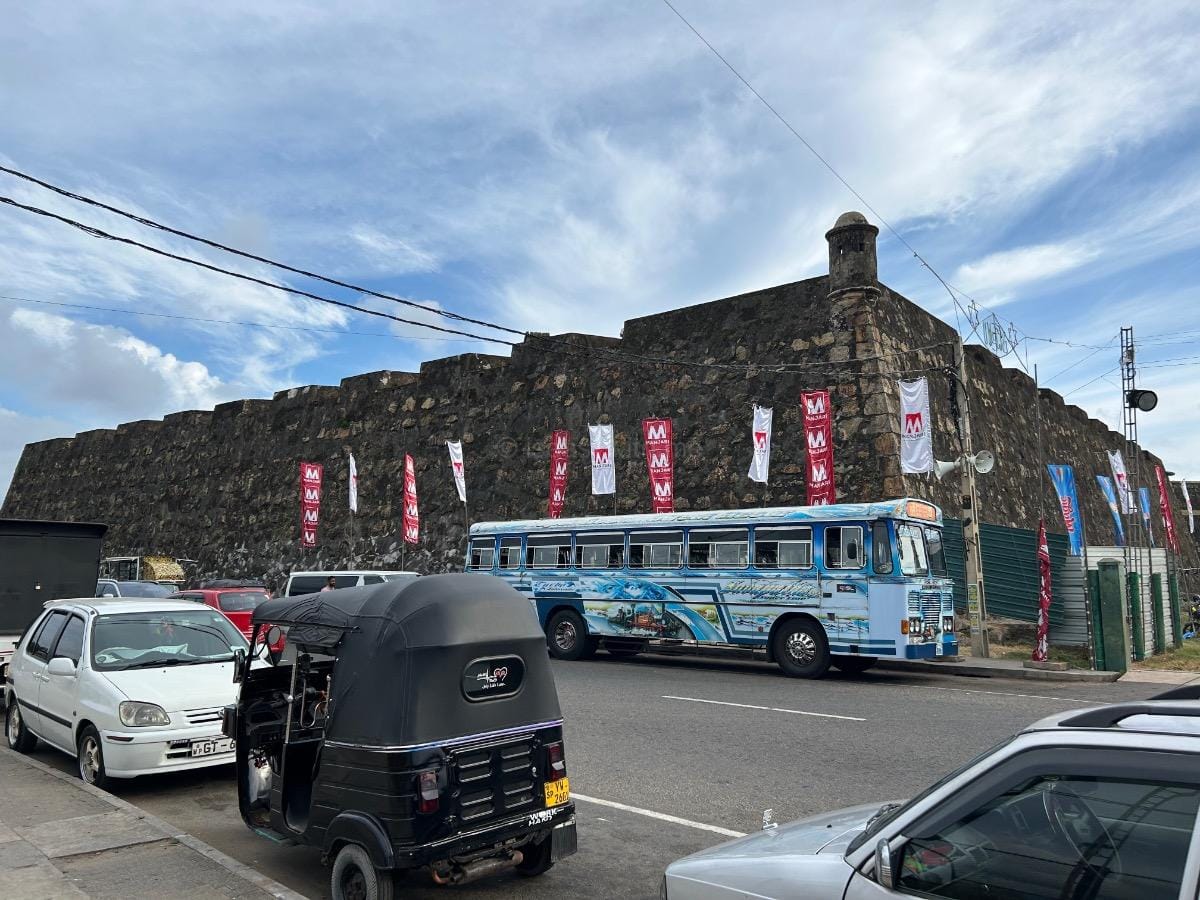
Galle Dutch Fort
A UNESCO World Heritage site jutting into the Indian Ocean, Galle Dutch Fort is Sri Lanka’s most famous living historical citadel. First built by the Portuguese in the 16th century and expanded by the Dutch in 1663, this 130-acre stone fortress features cobblestone streets lined with colonial Dutch villas, boutique shops, cosy cafes and iconic landmarks like the Galle Lighthouse. Located just a short walk from Galle Bus Station and Galle Railway Station, strolling its massive oceanfront ramparts at sunset offers one of the best coastal views in Southern Sri Lanka.
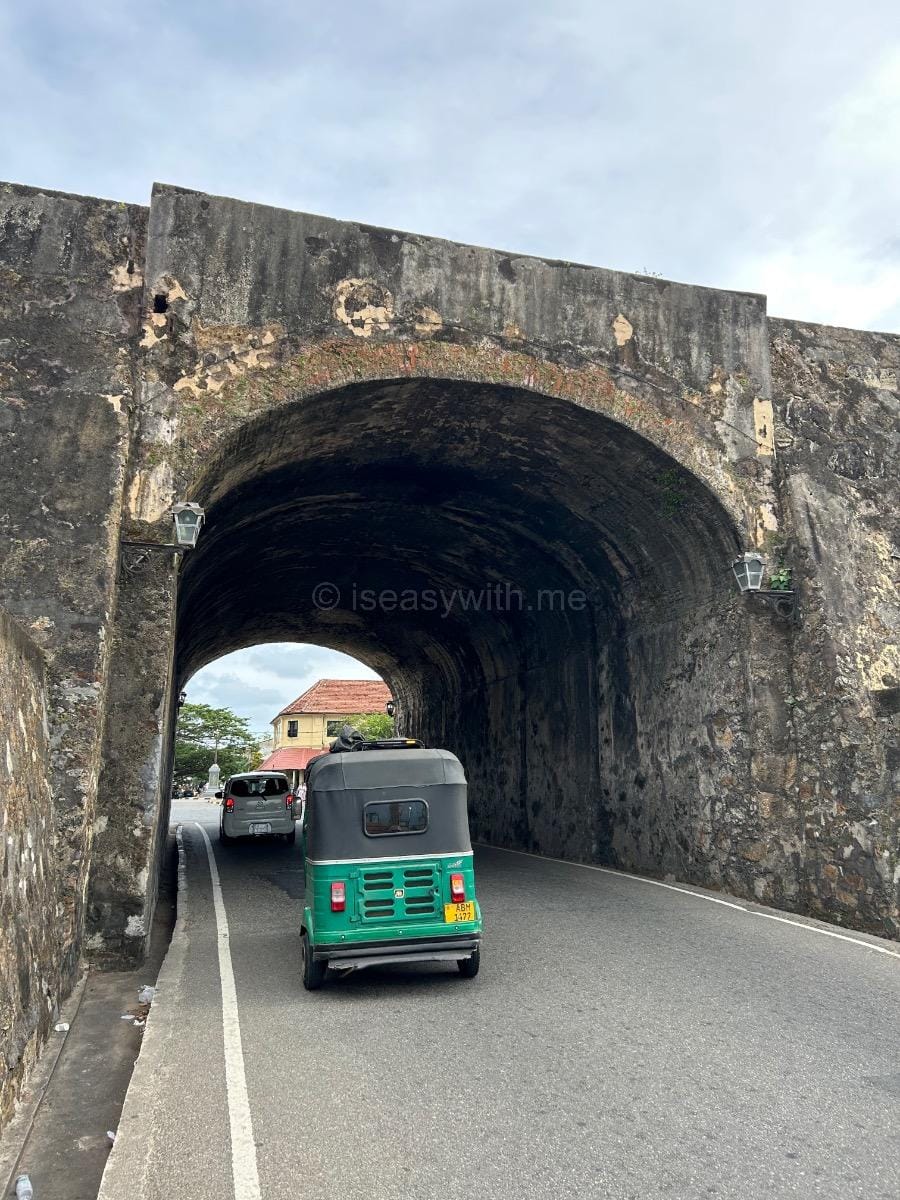
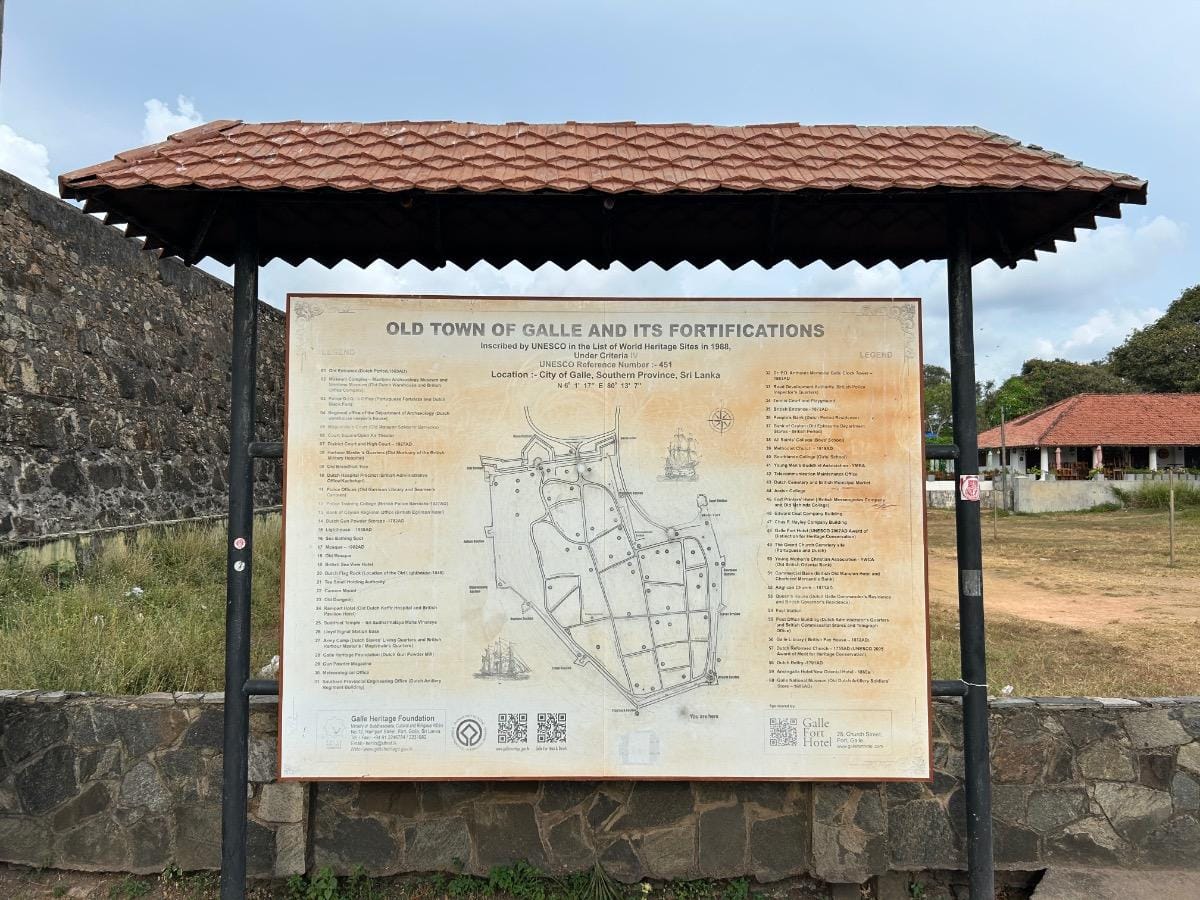
Galle Dutch Fort
1. The Northern Entrances & Harbour Access
Locations Covered: Akersloot Bastion, Galle Harbour Access, New Fort Entrance (Main Gate), Old Dutch Entrance (VOC Outer/Inner Facade).
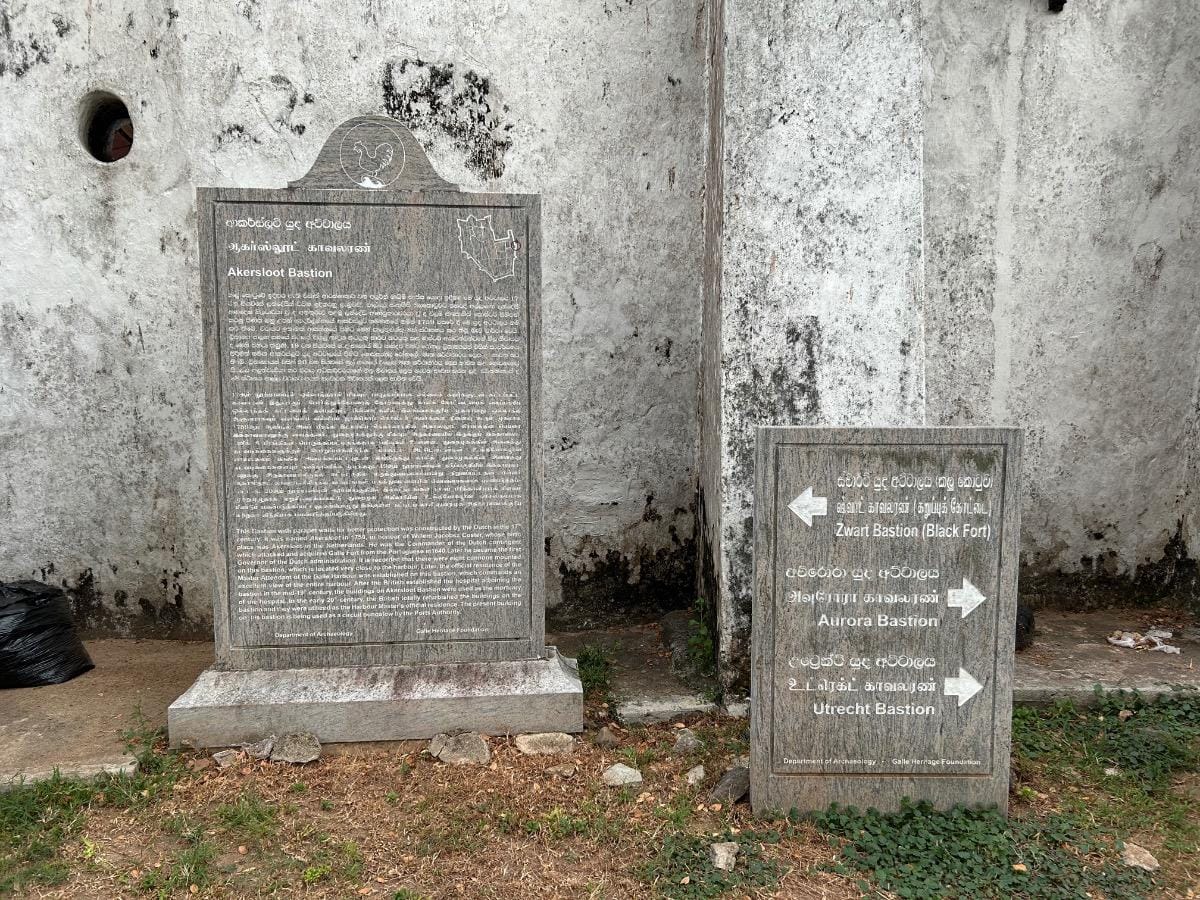
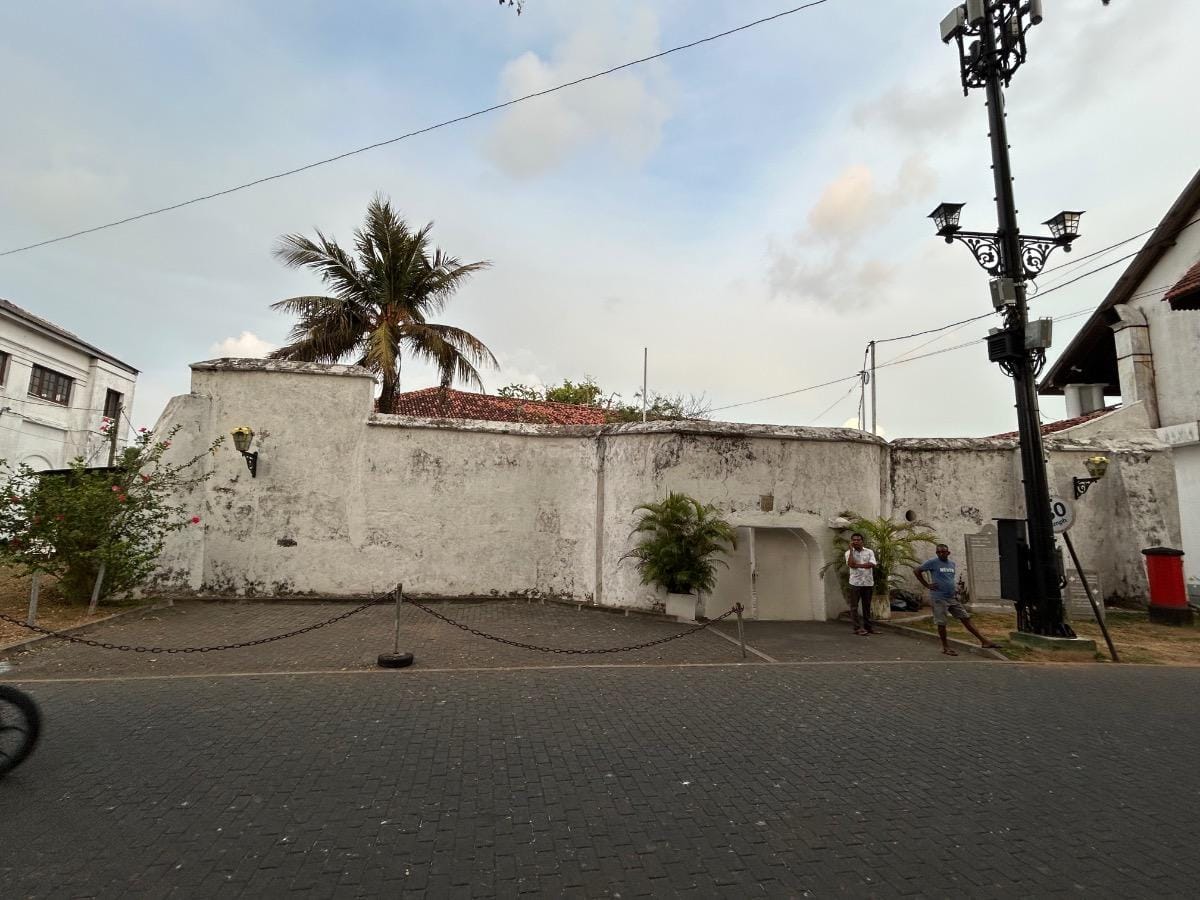
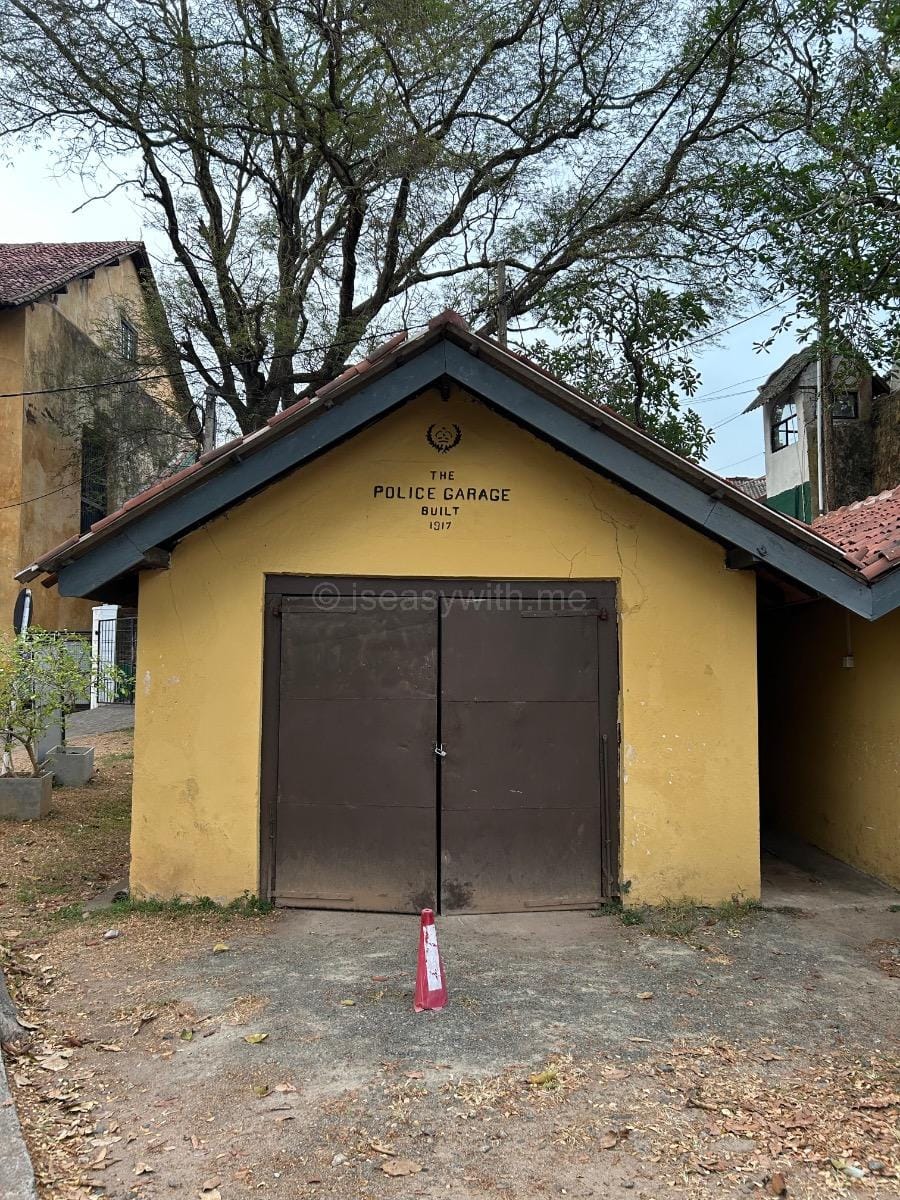
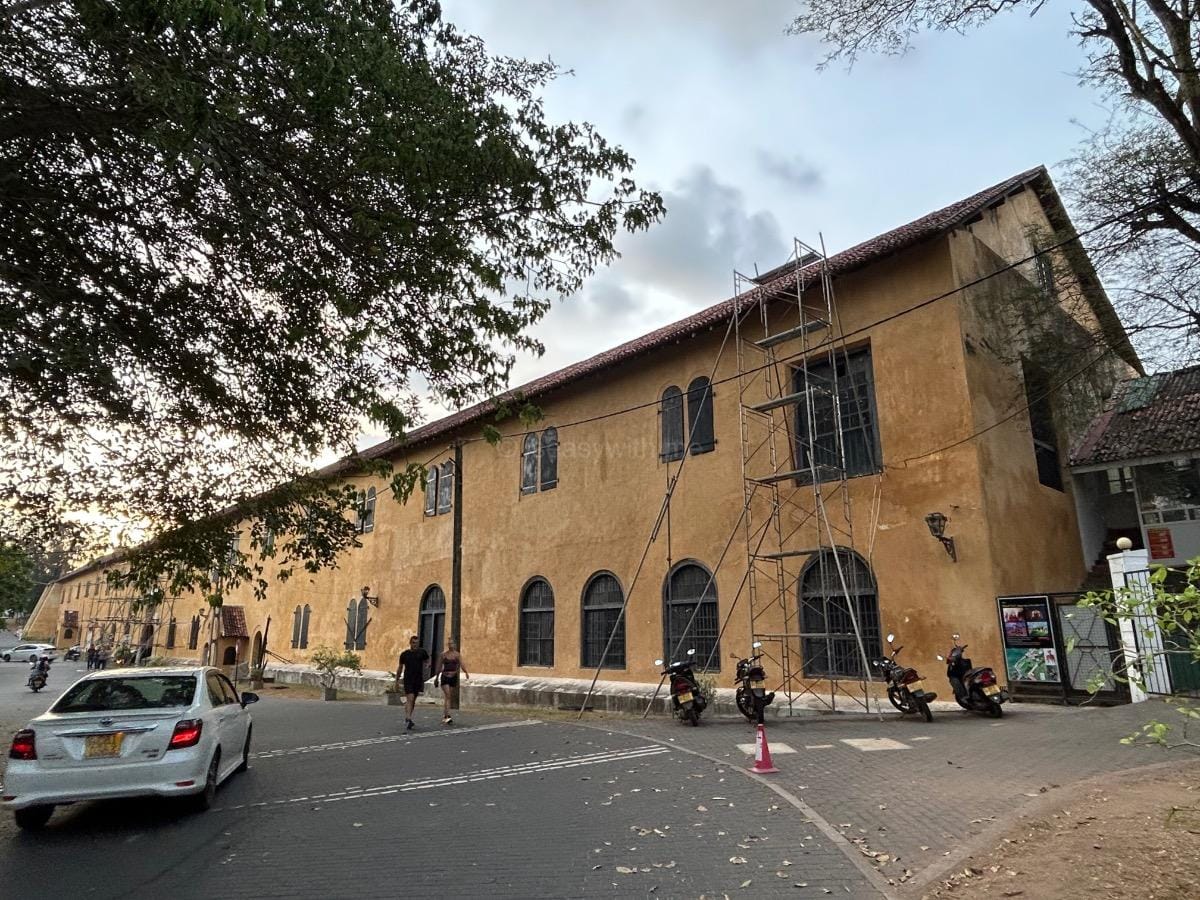
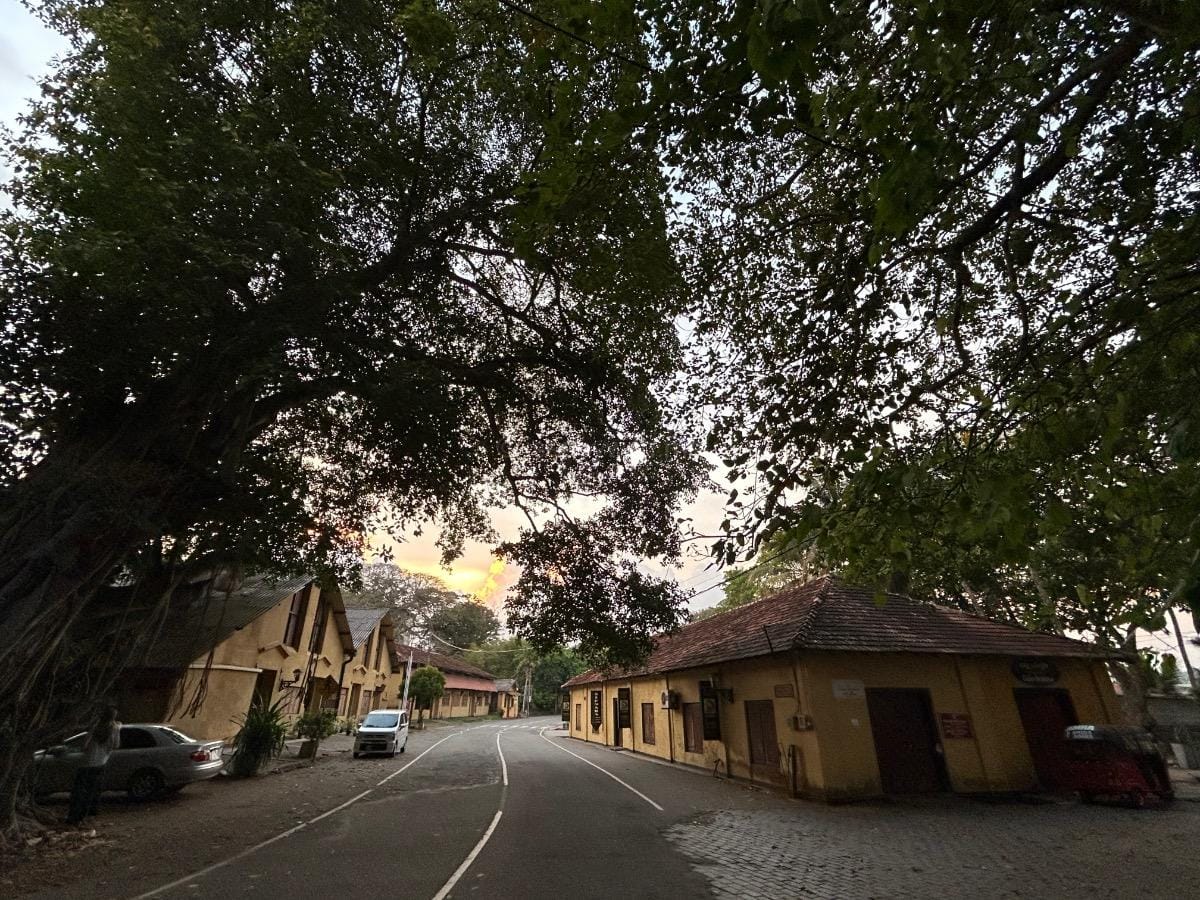
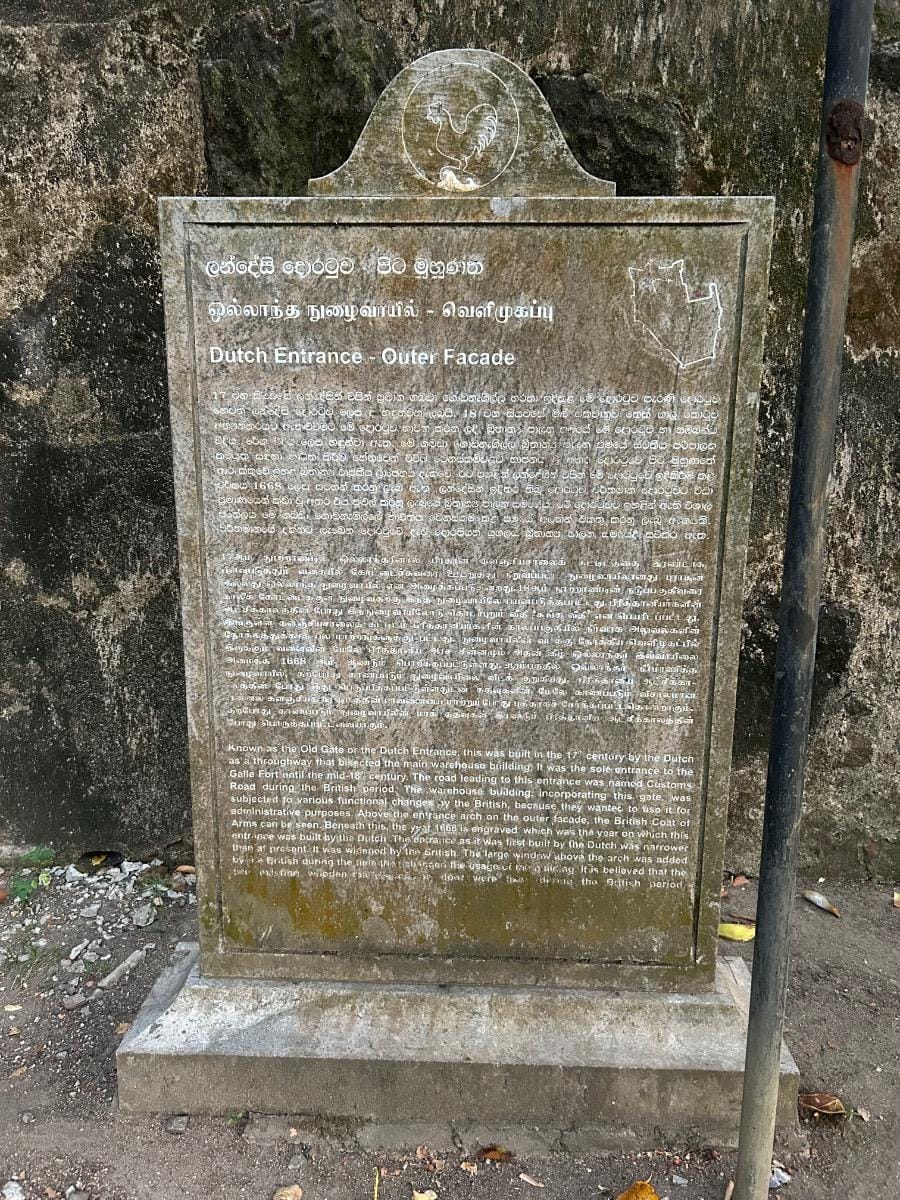
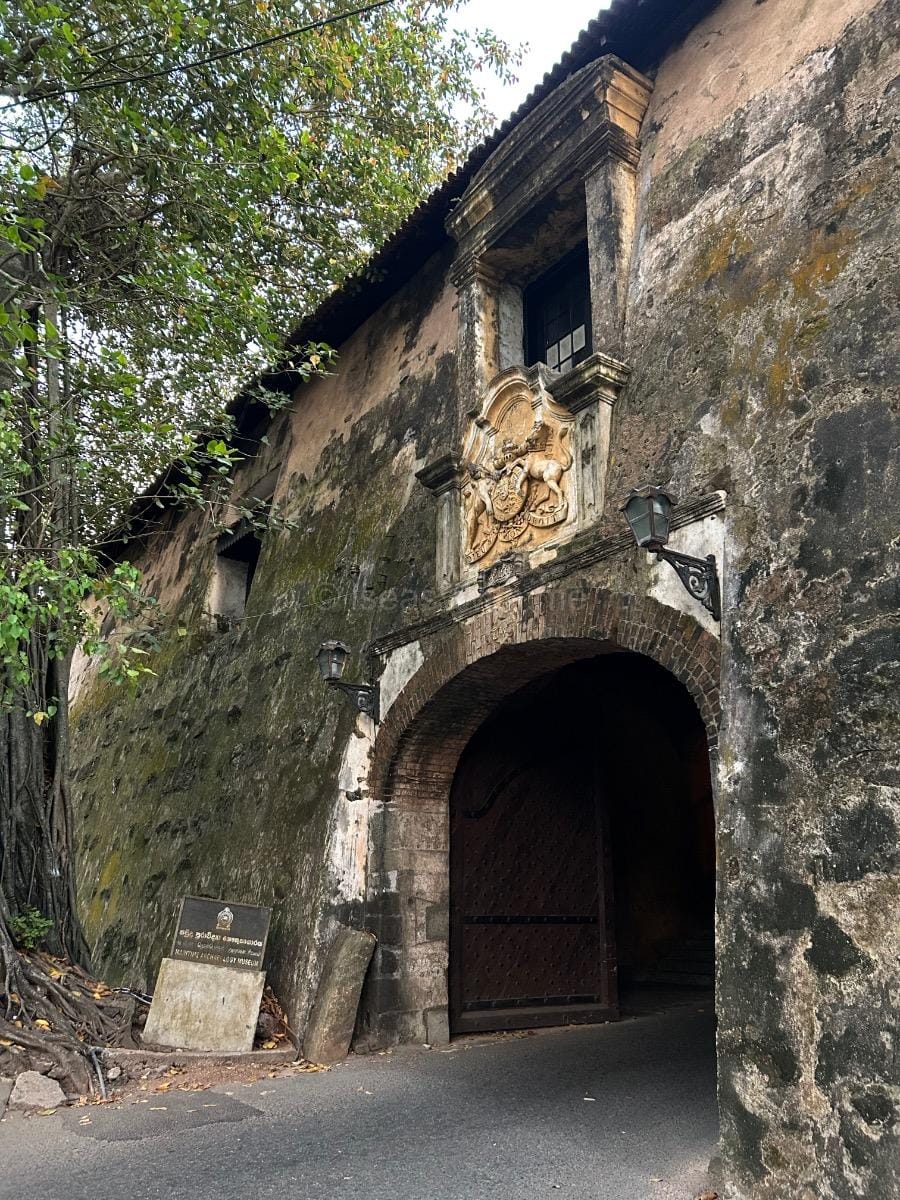
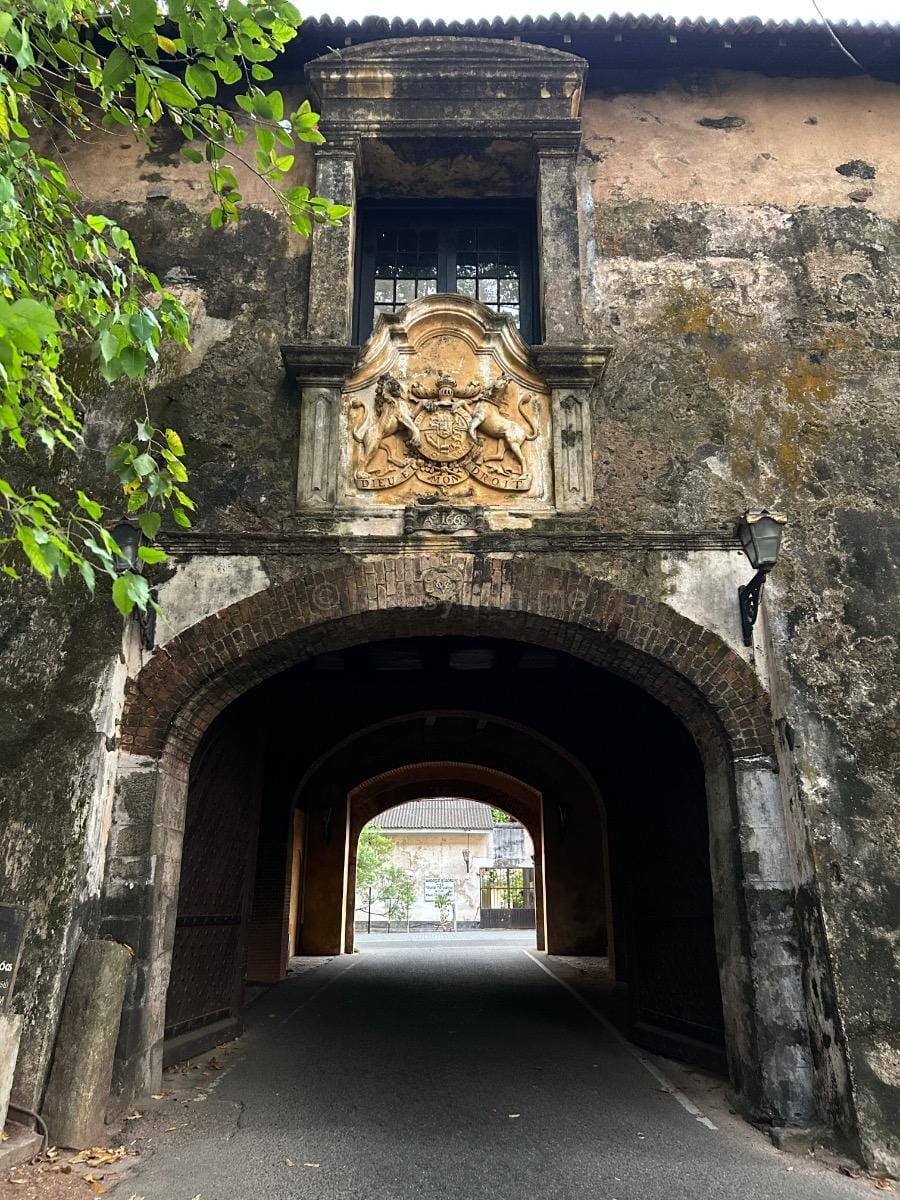
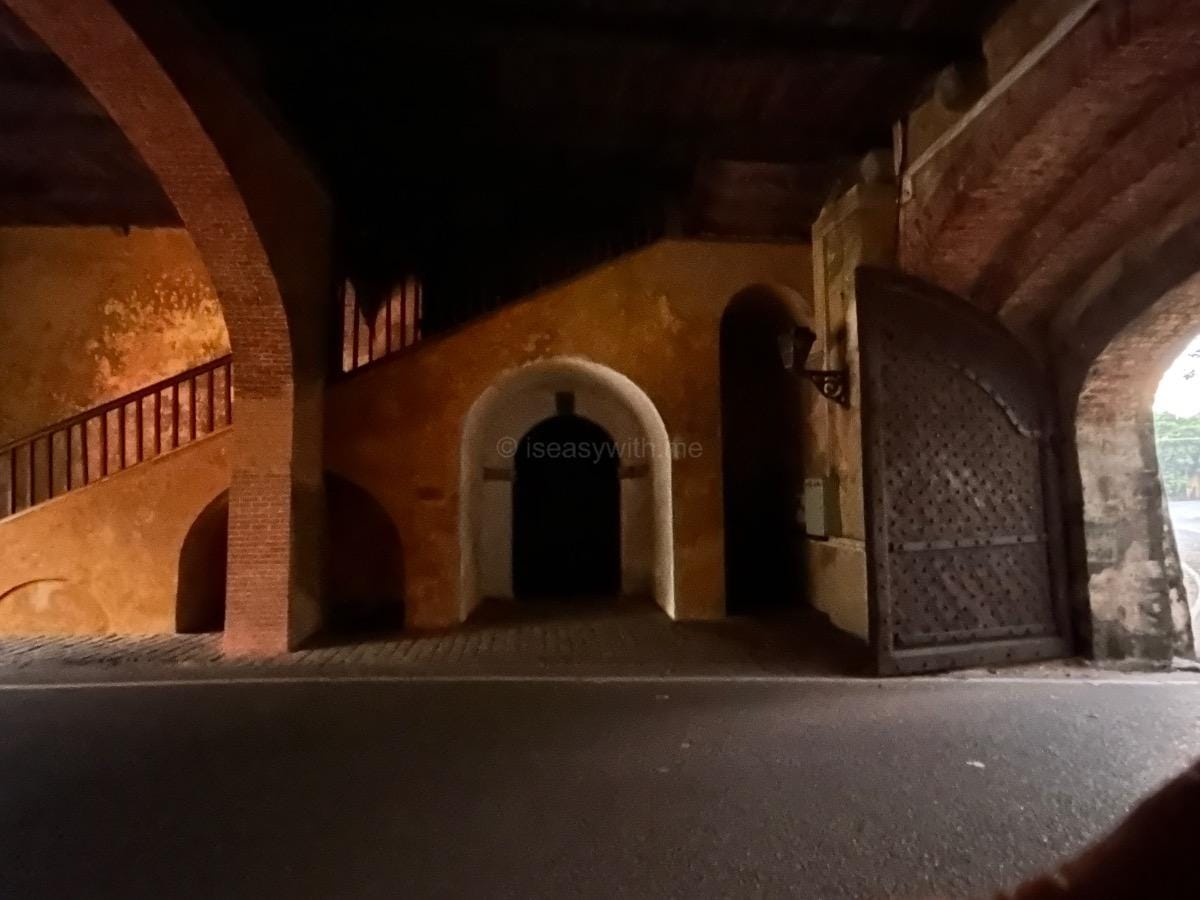
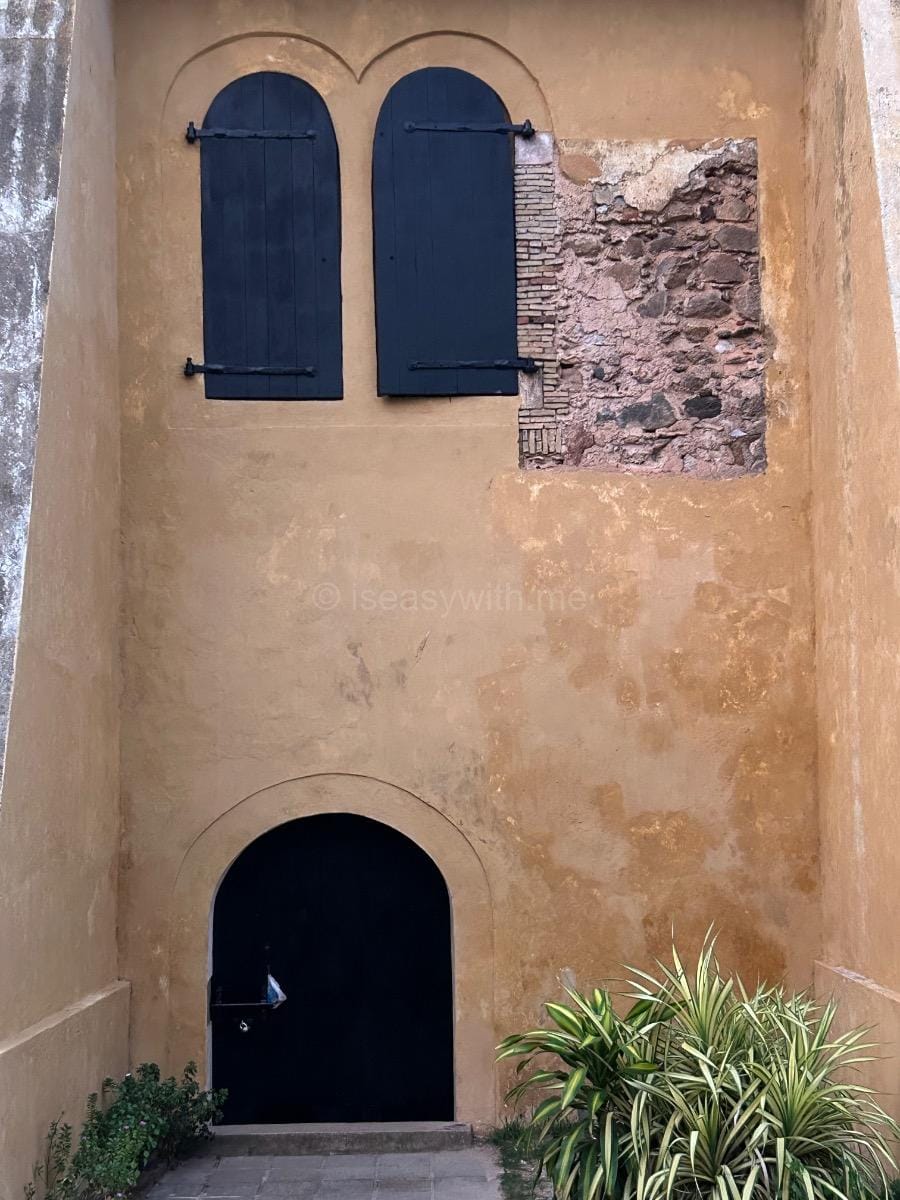
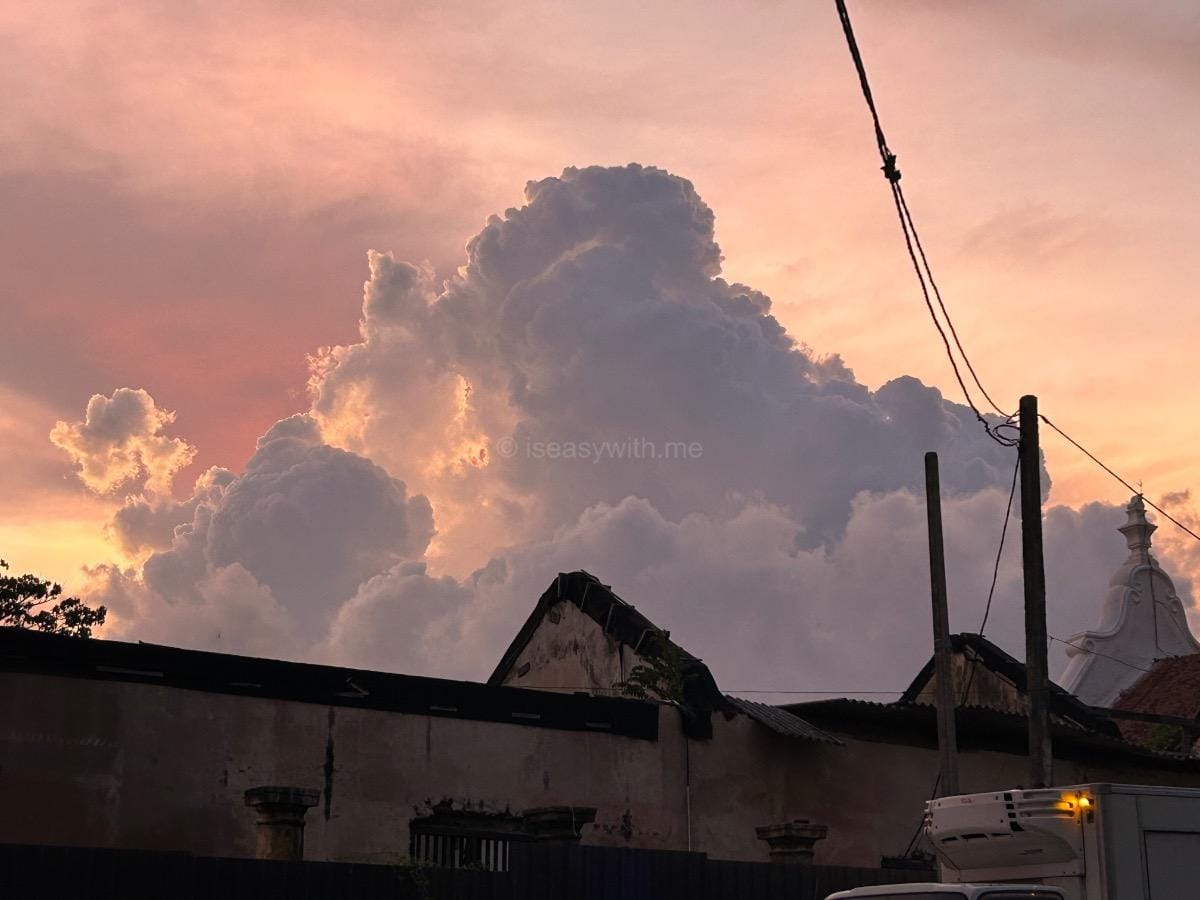
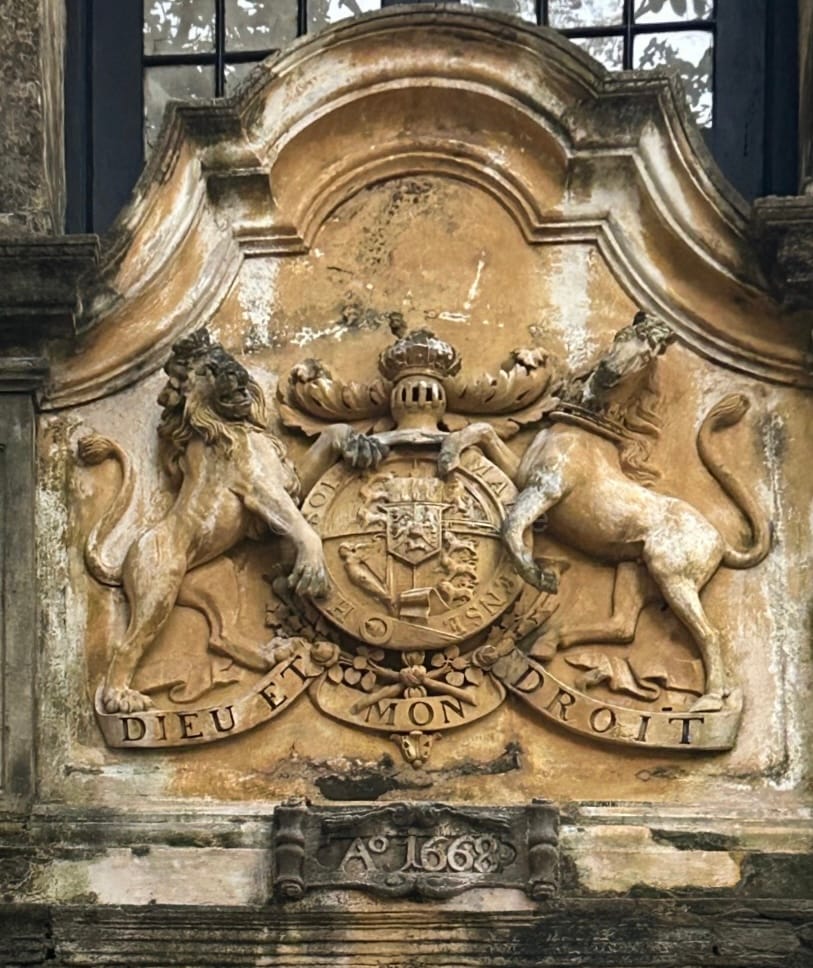
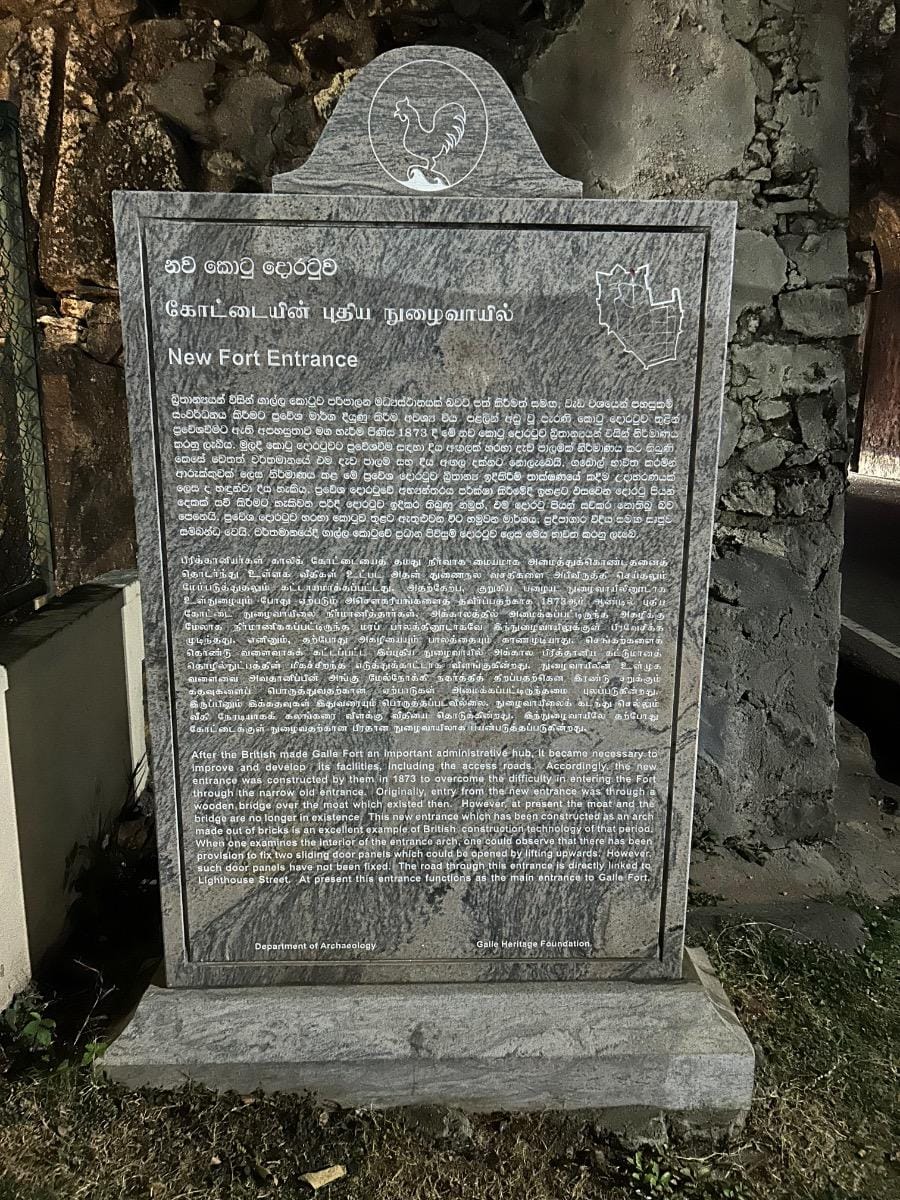
Entering Galle Fort feels like stepping back through centuries of maritime history. Most visitors arrive through the grand British Main Gate, pierced through the stone walls in 1873 or the original Old Dutch Entrance, which displays the carved British Coat of Arms on its outer facade and the historic Dutch VOC monogram on the interior.
Nearby sits Akersloot Bastion (named after the birthplace of Dutch Commander Wilhelm Coster), commanding direct views across Galle Harbour where centuries of Arab, Portuguese, and Dutch merchant ships once anchored.
2. The Northern Bastions, Clock Tower & Rampart Vaults
Locations Covered: Galle Fort Clock Tower, Galle Harbour & Main Fort Entrance Viewpoint, Galle International Cricket Stadium View, Moon Bastion, Northern Rampart Casemates, Star Bastion, Sun Bastion.
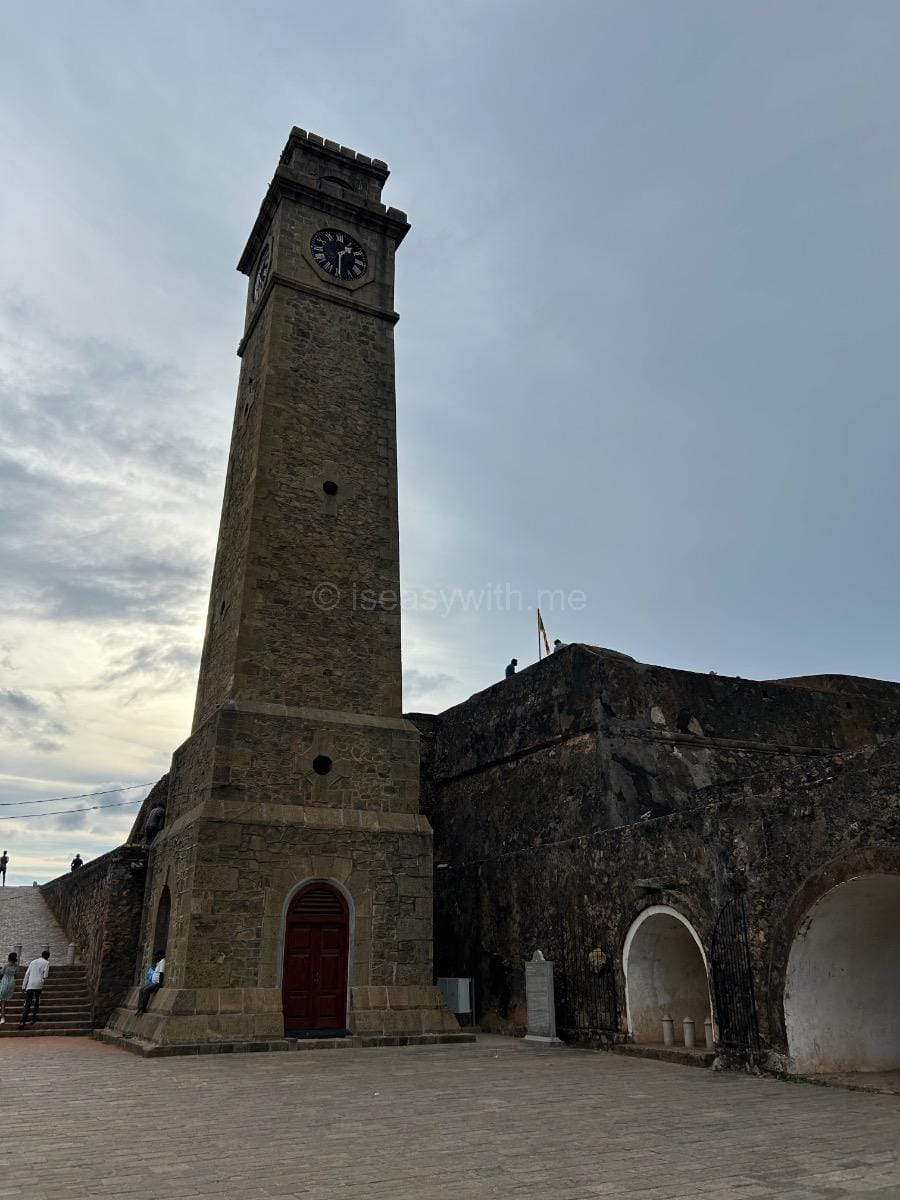
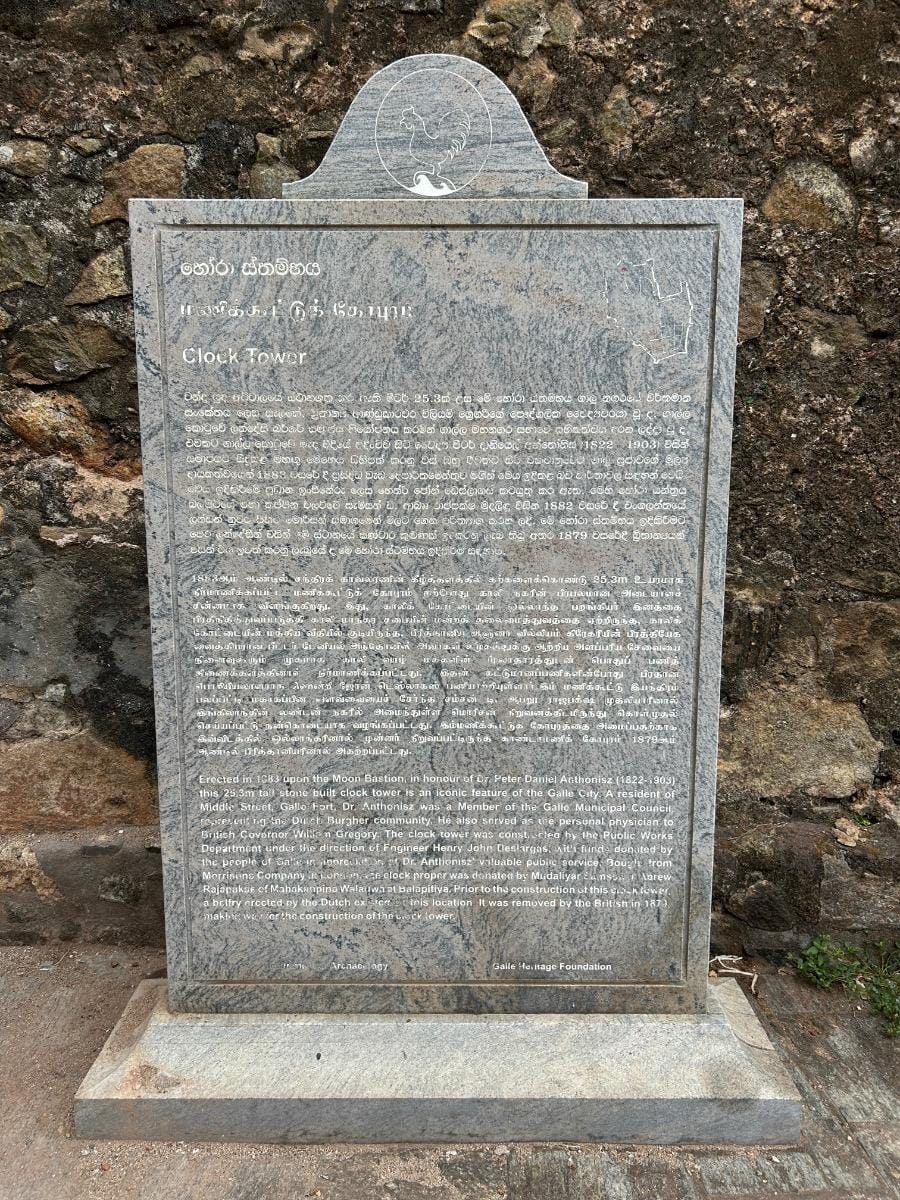
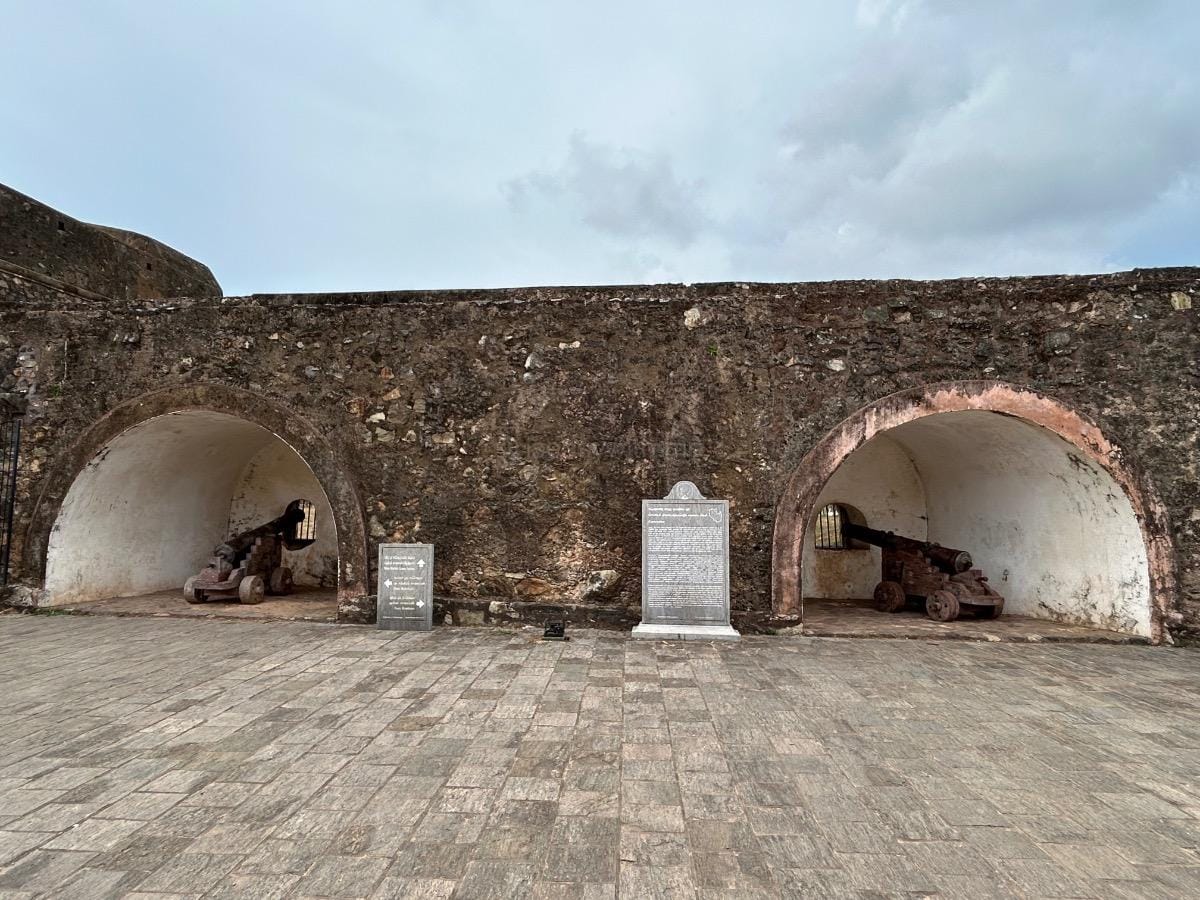
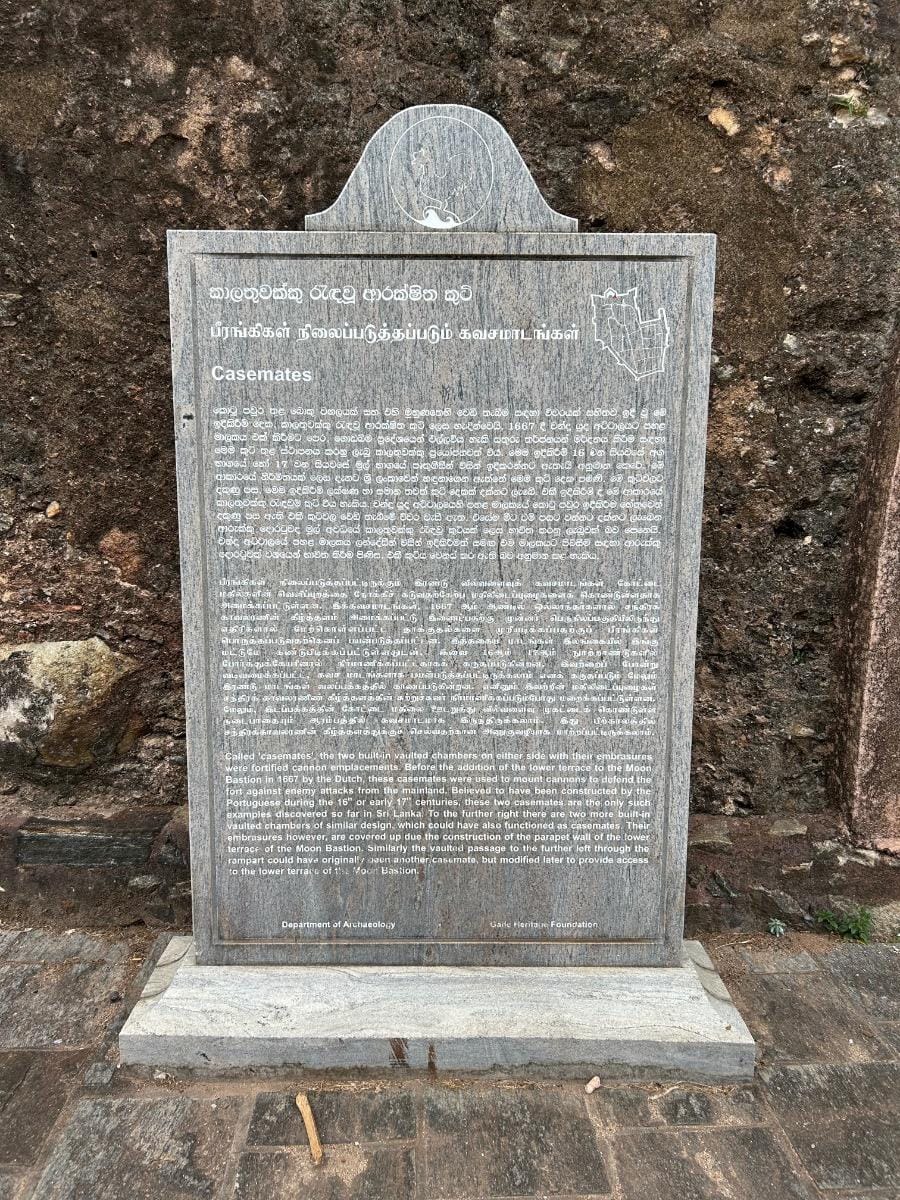
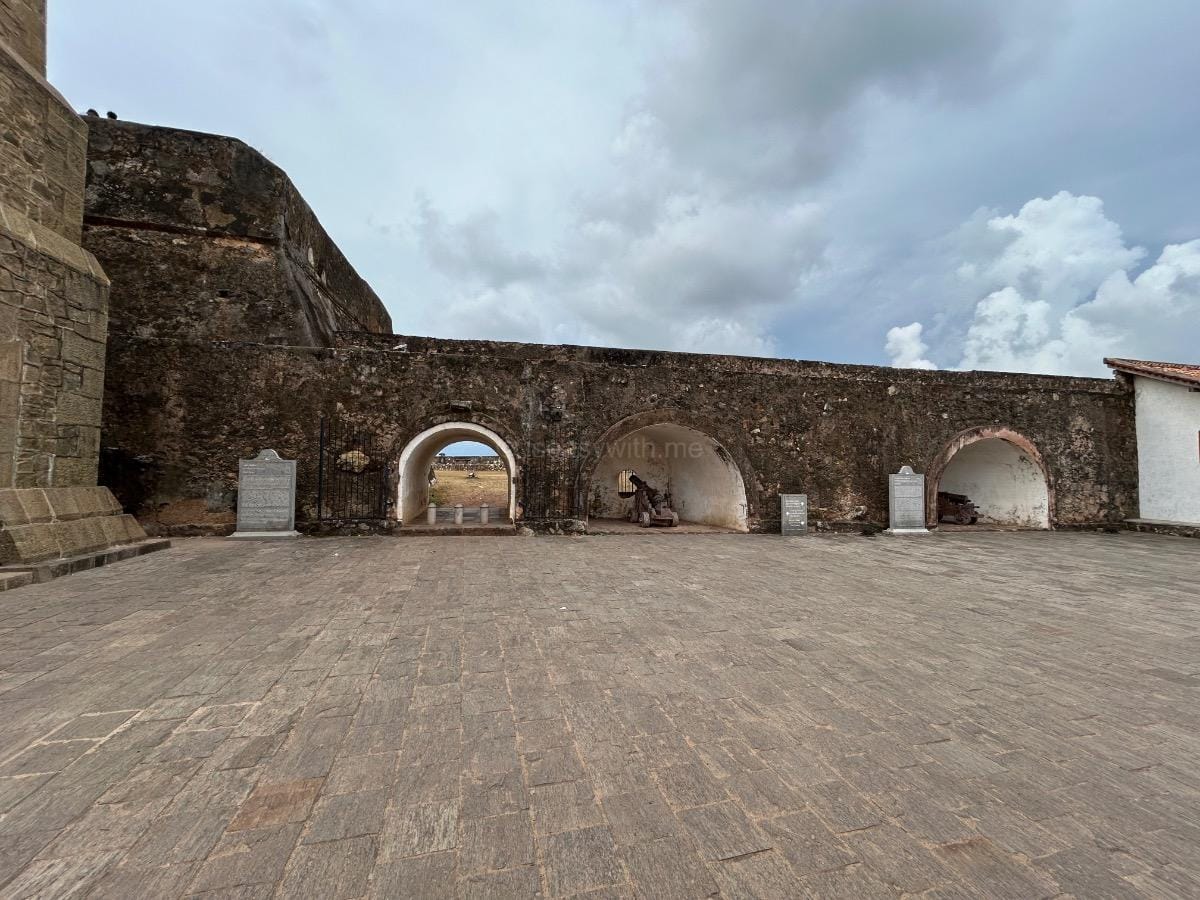
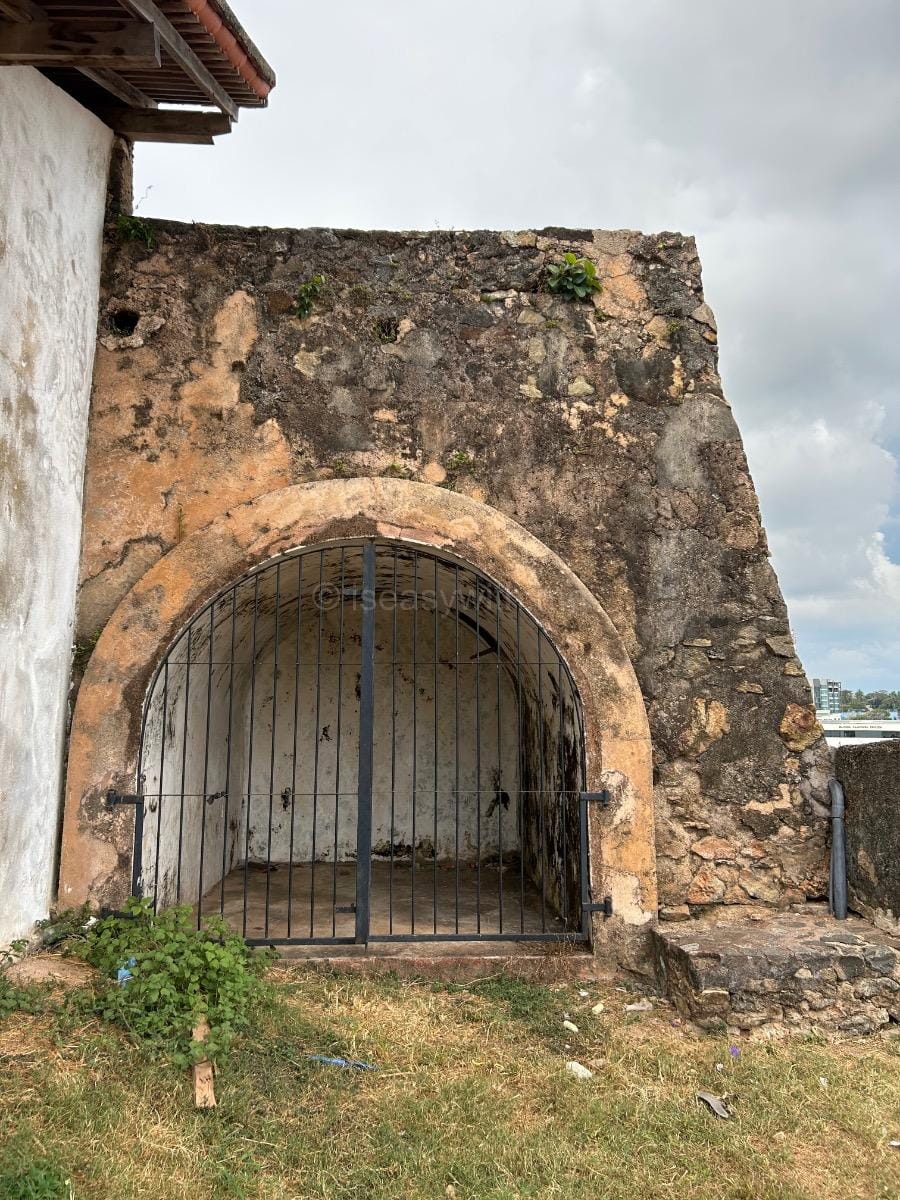
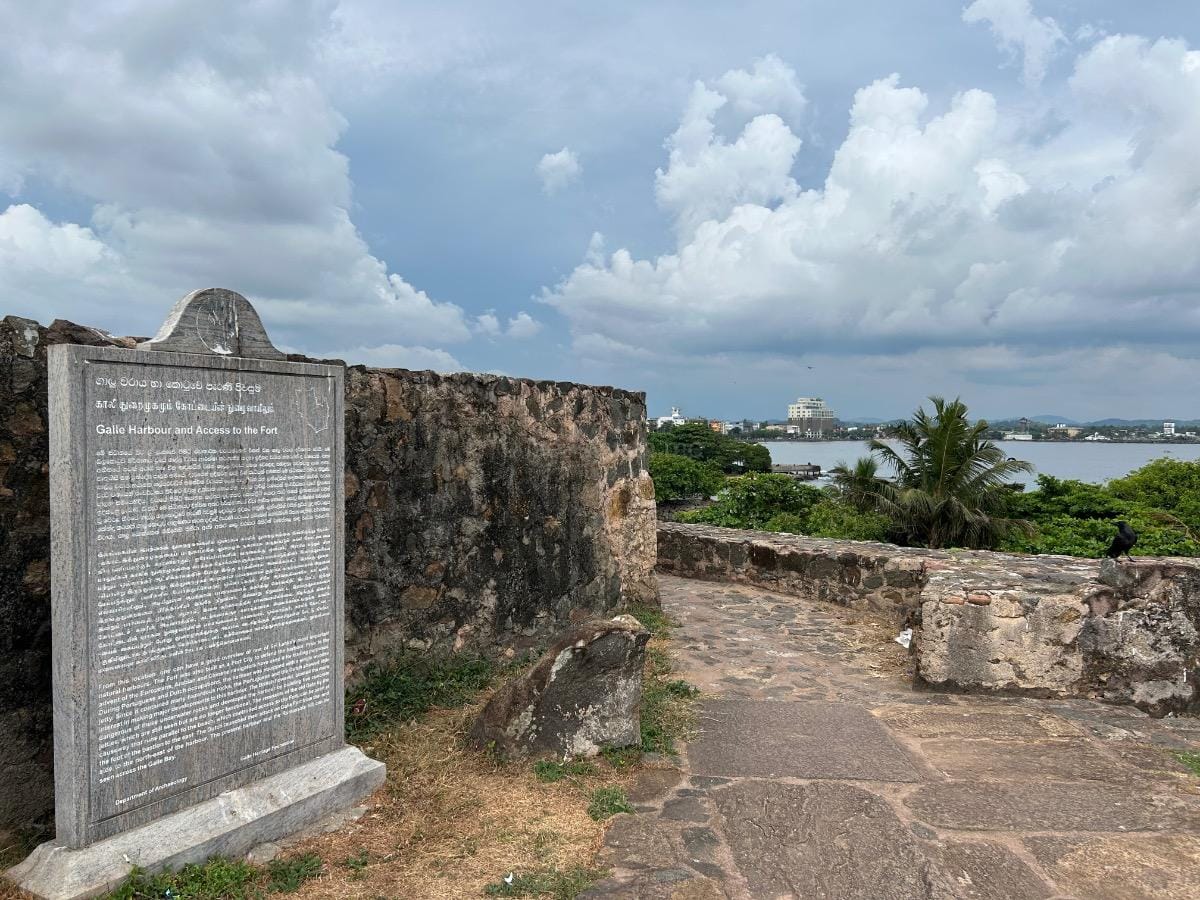
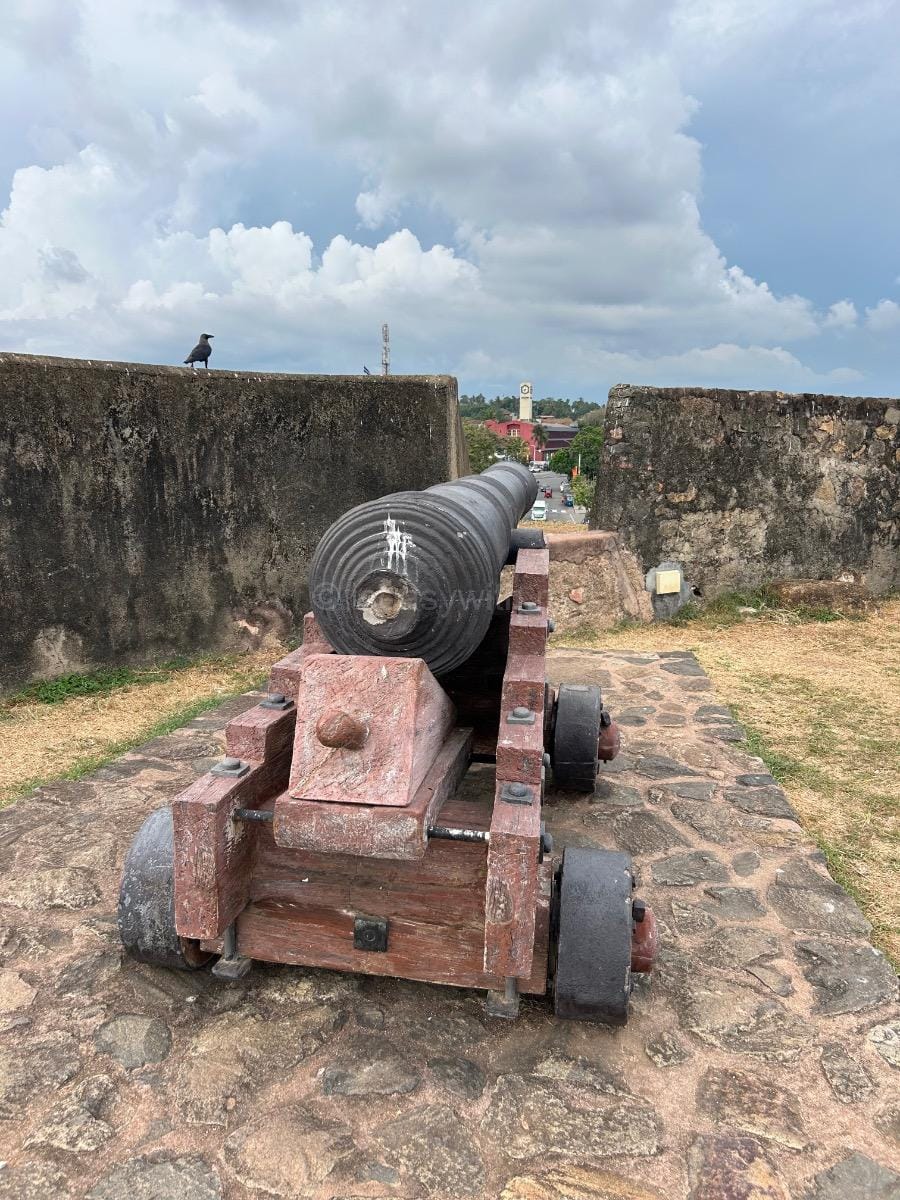
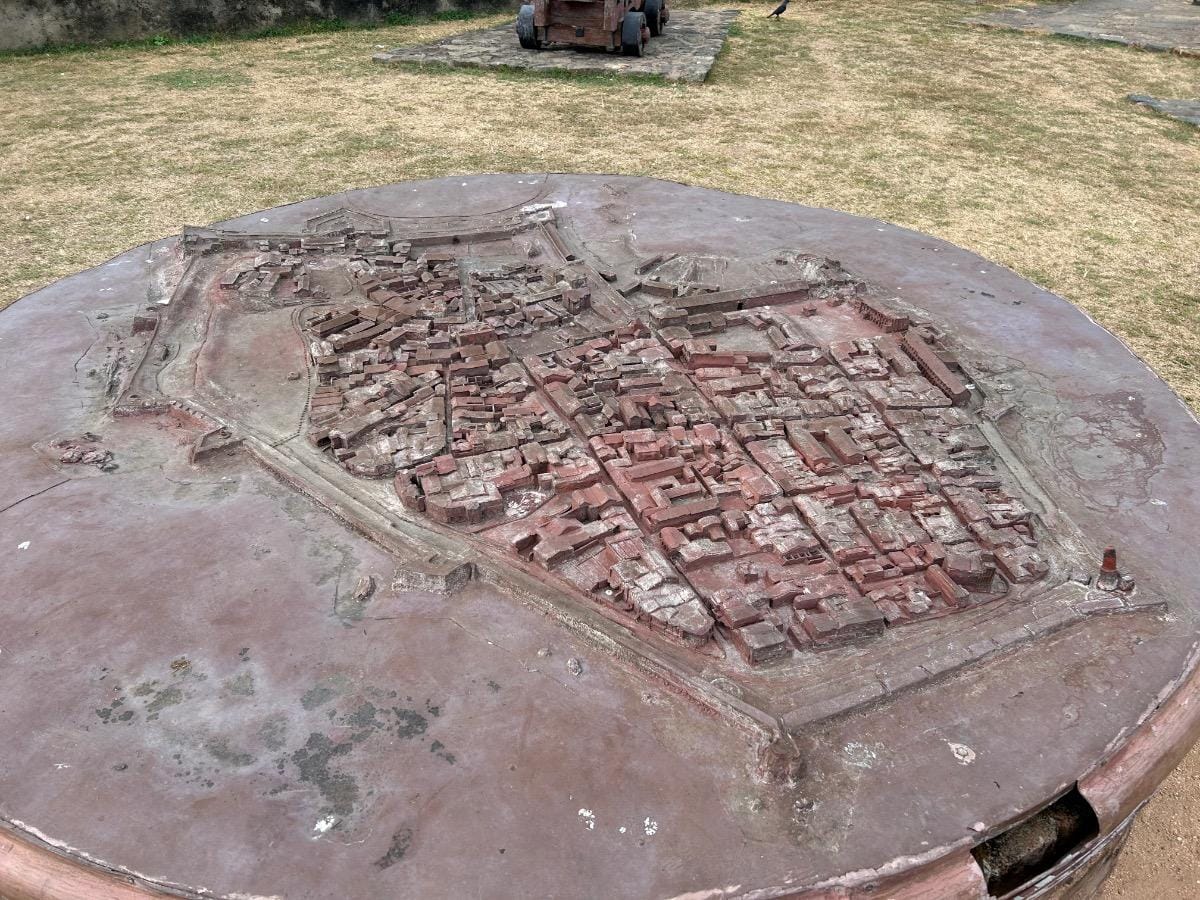
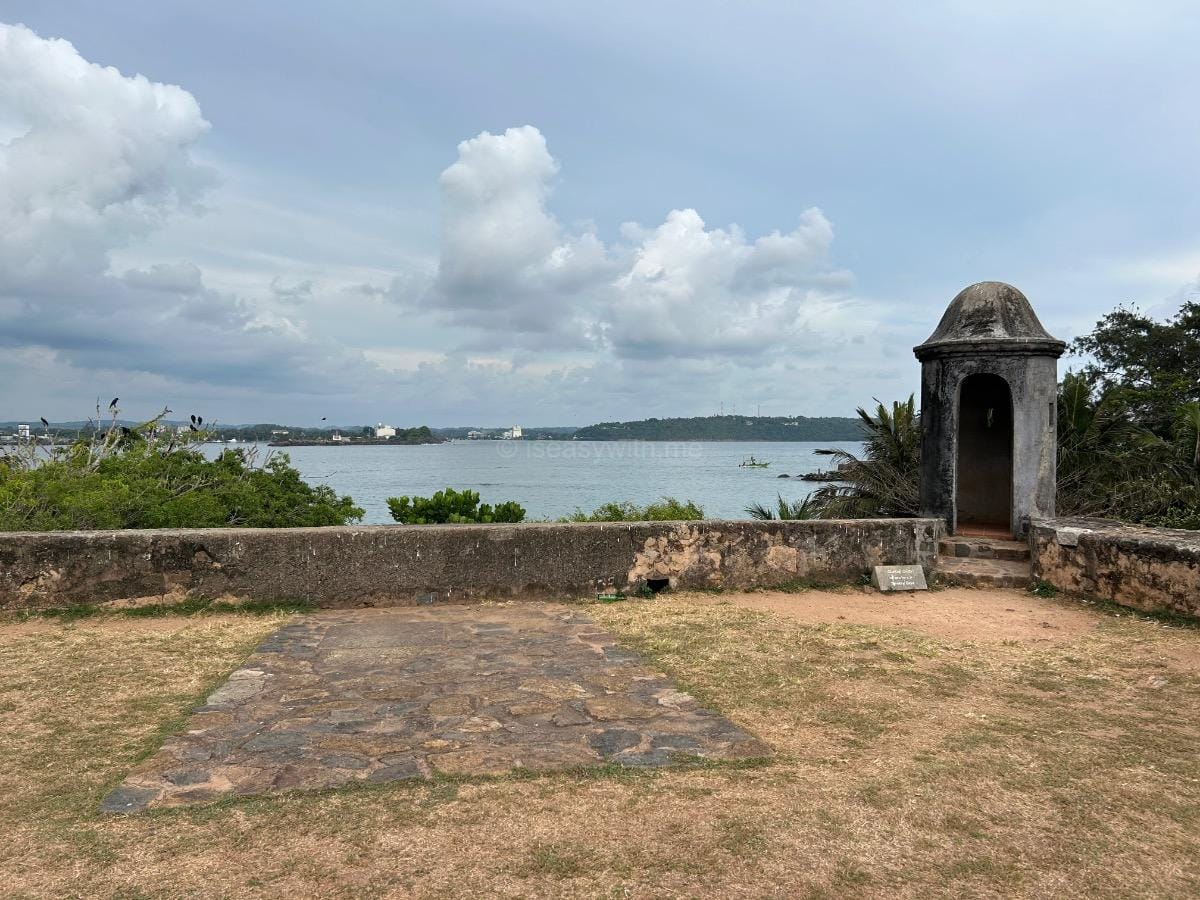
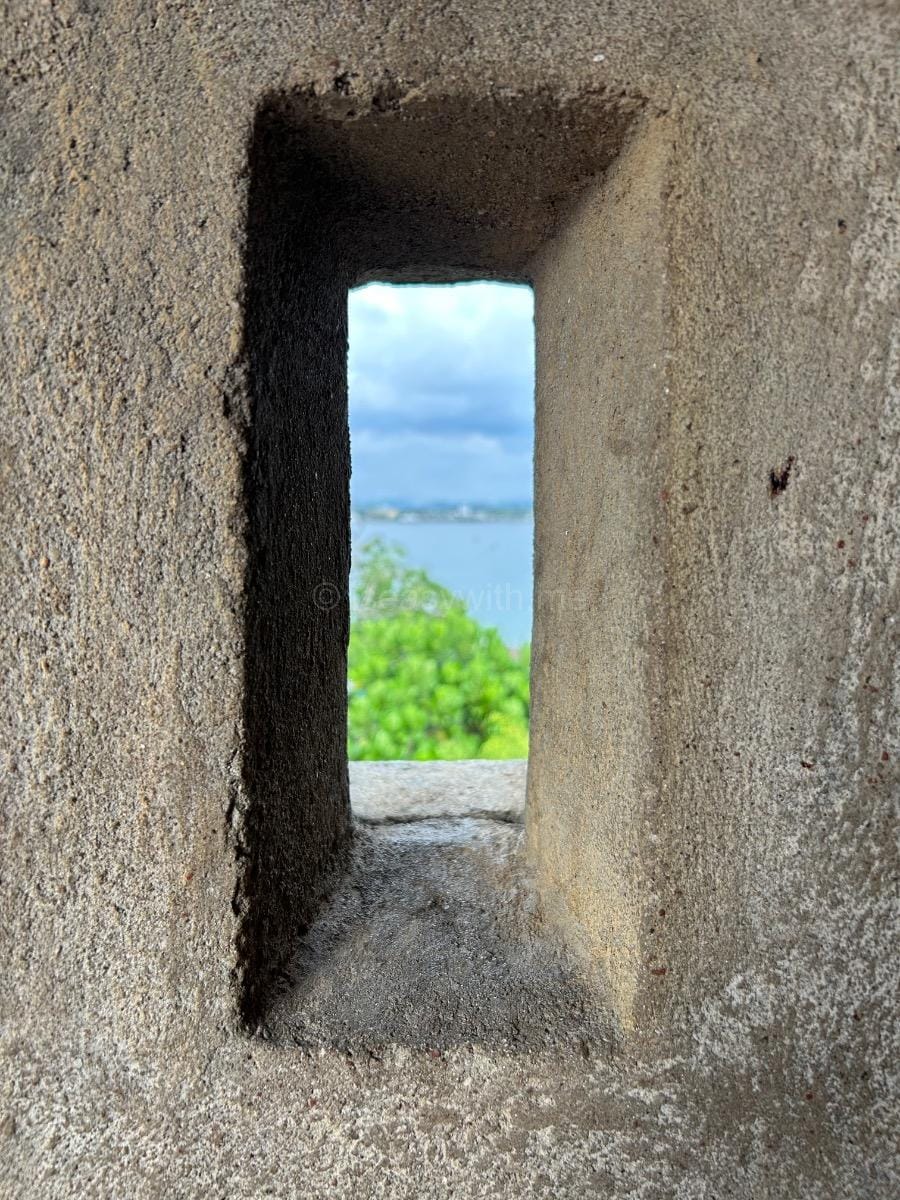
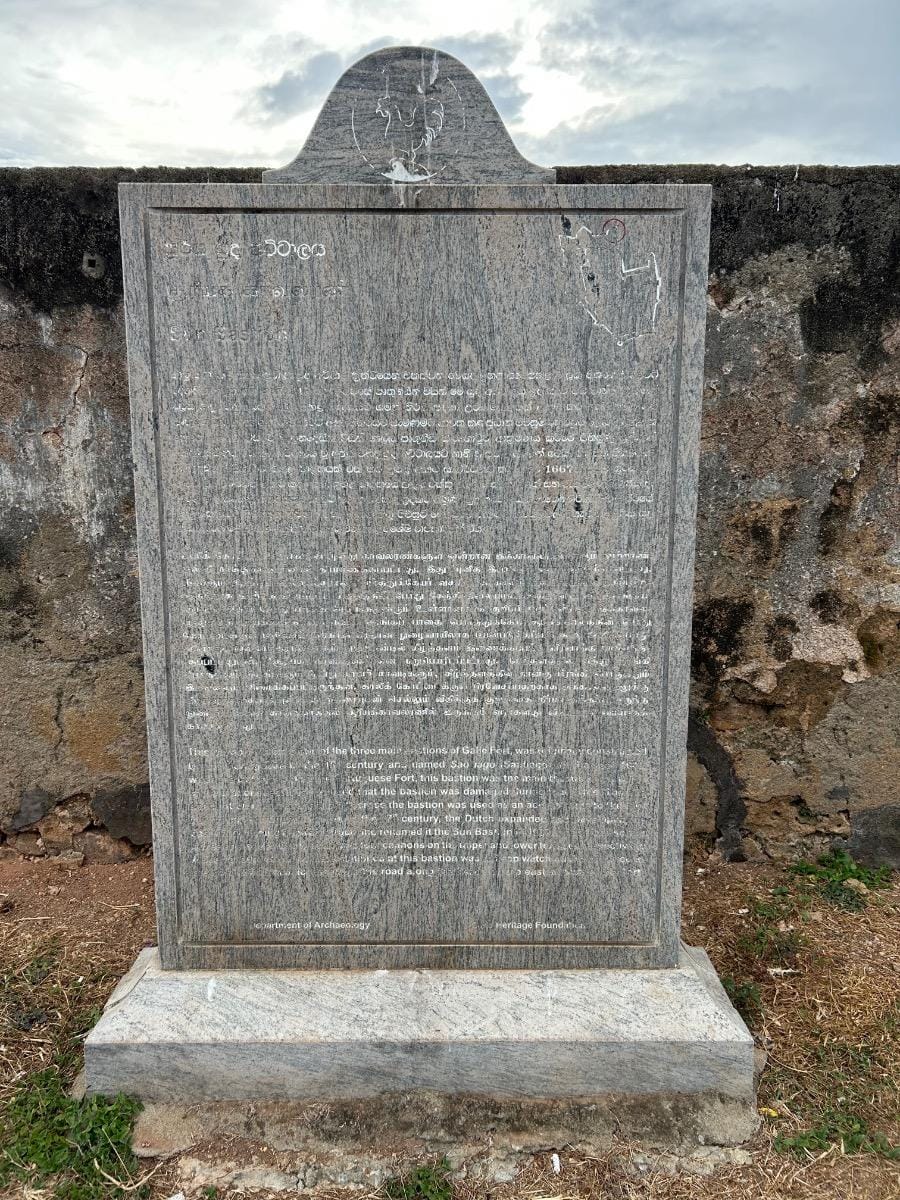
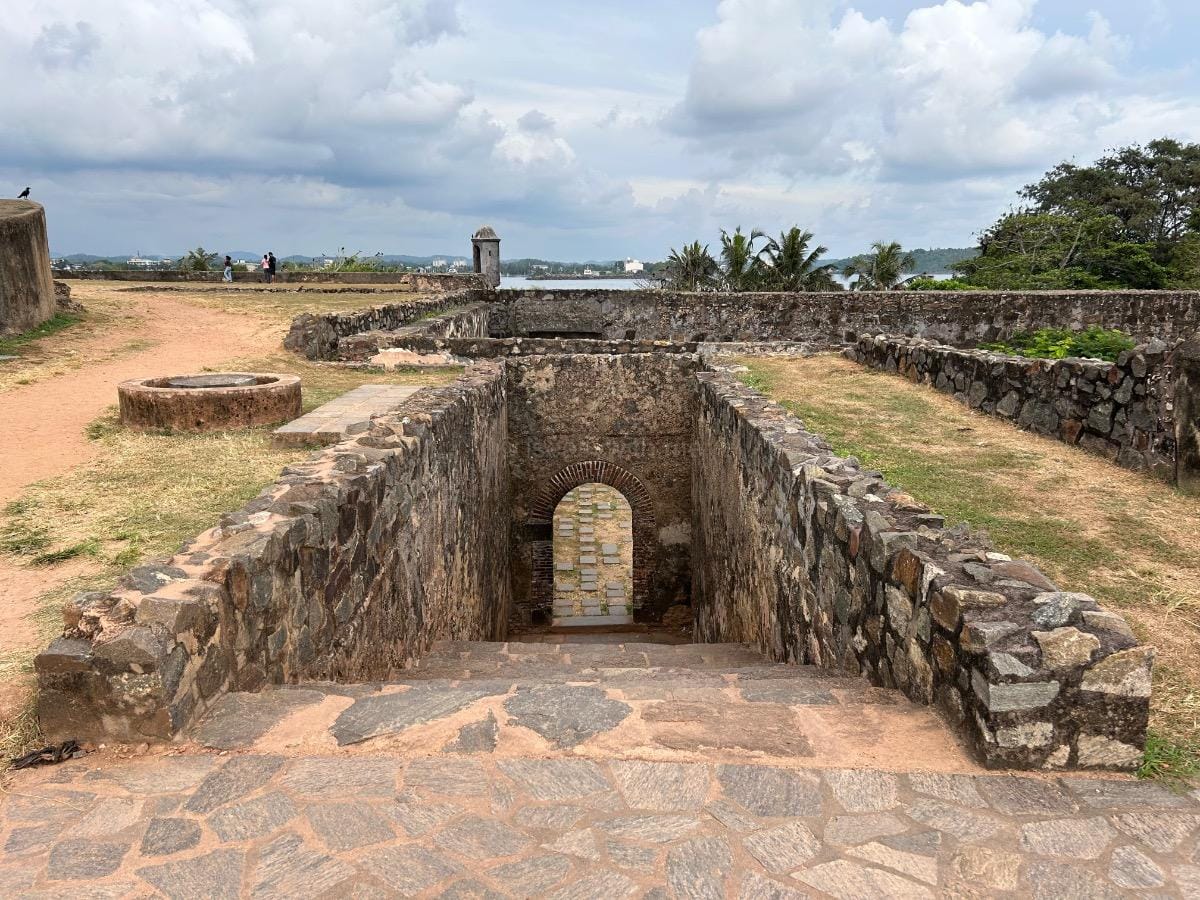
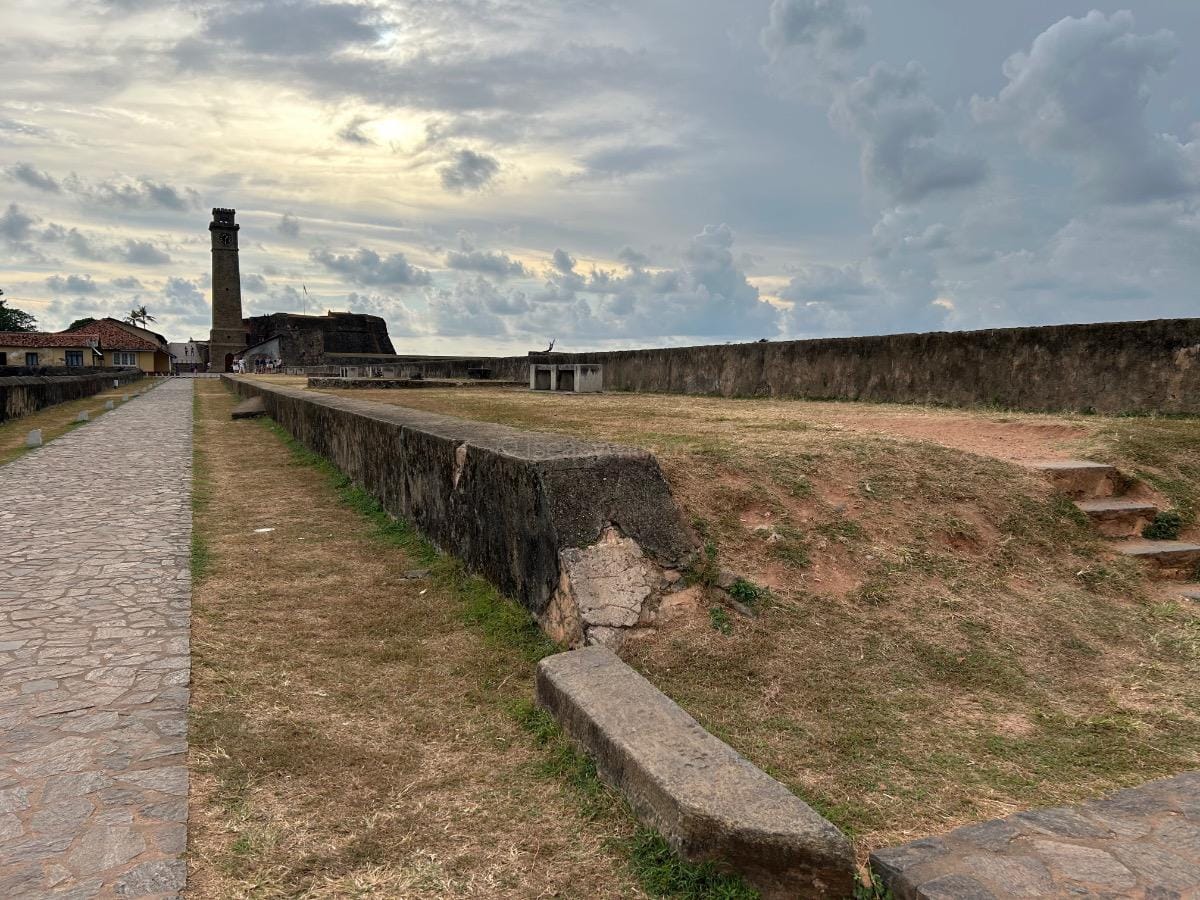
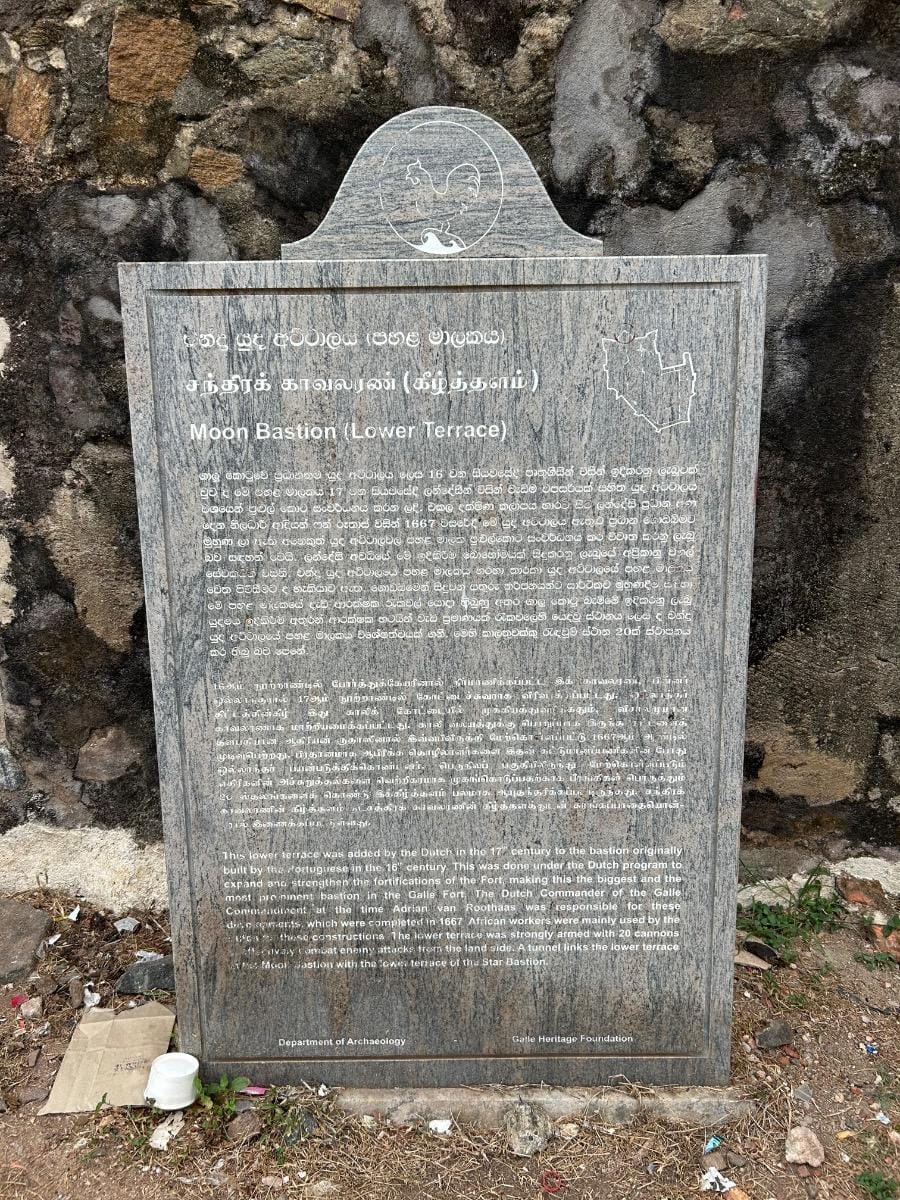
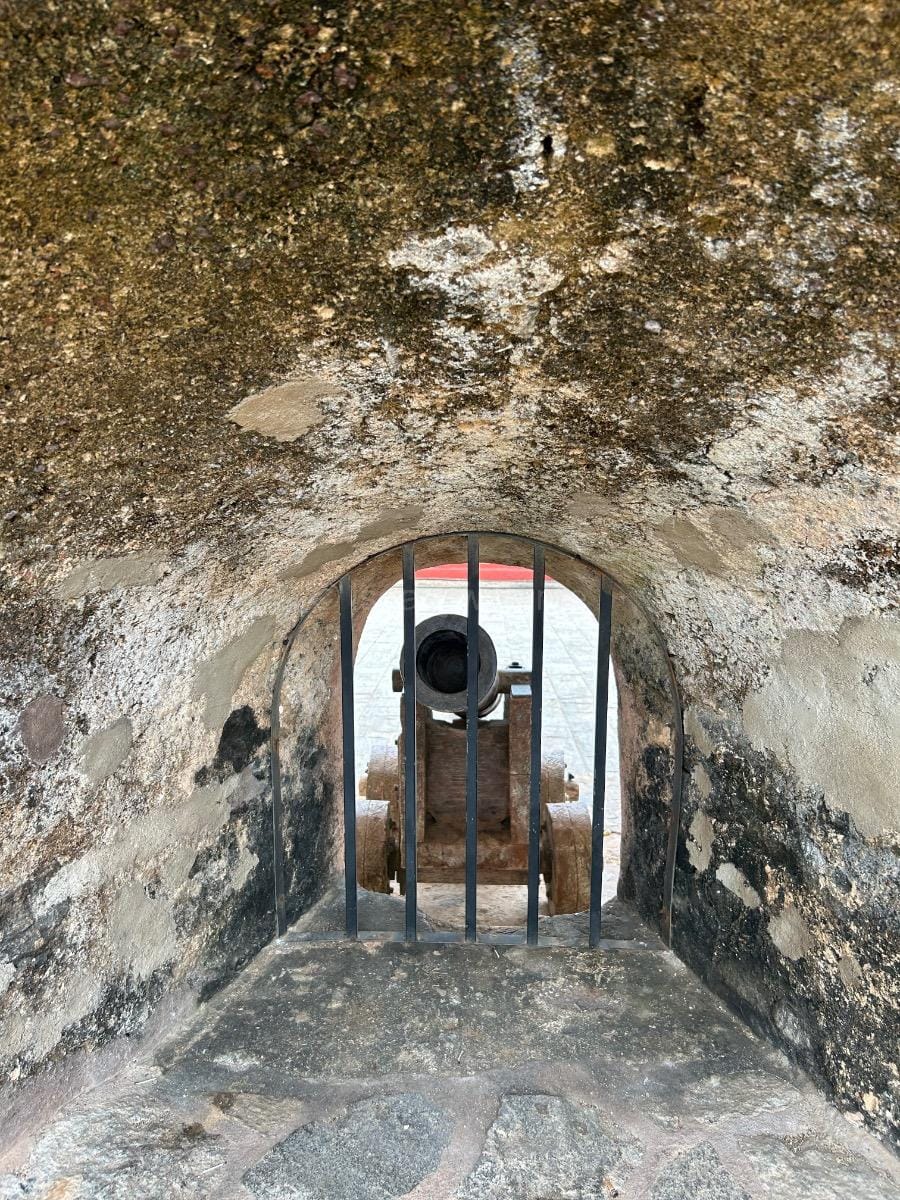
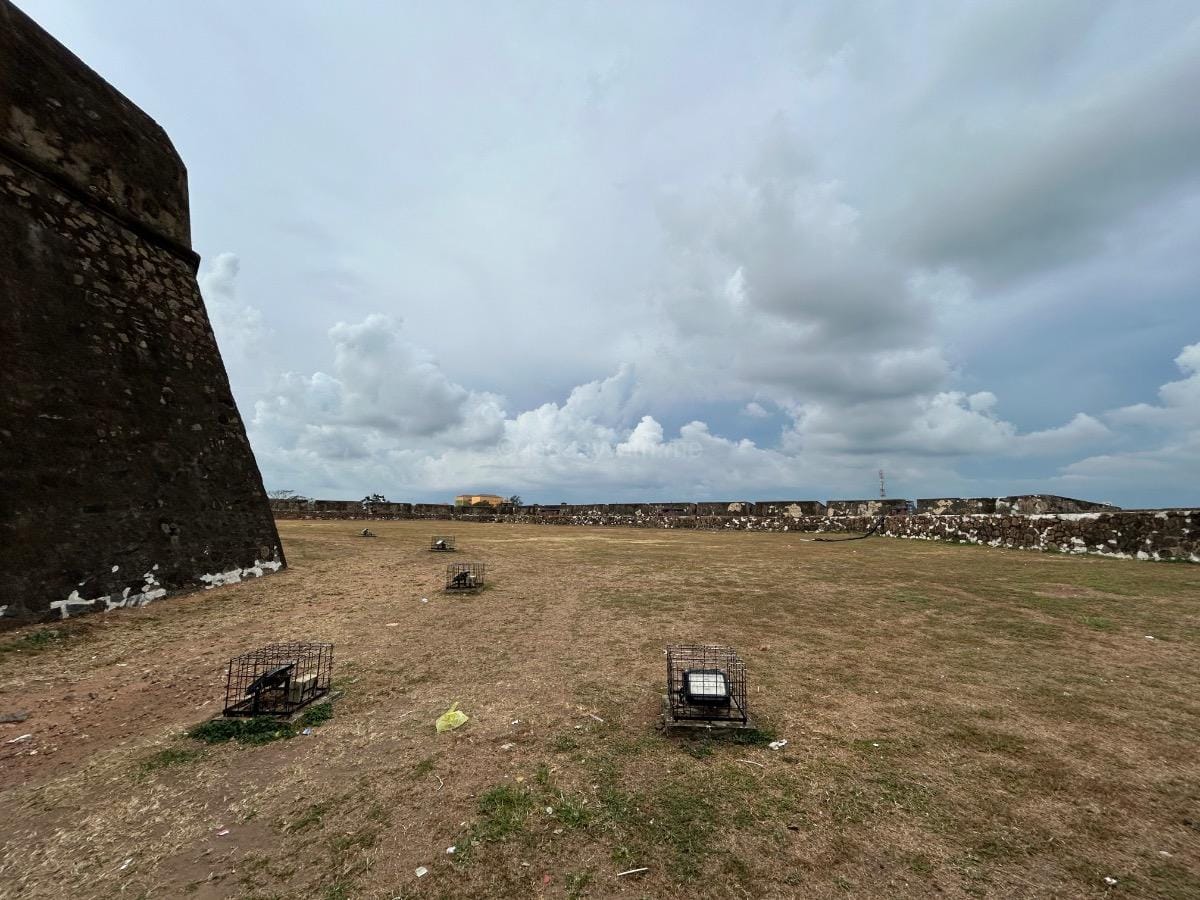
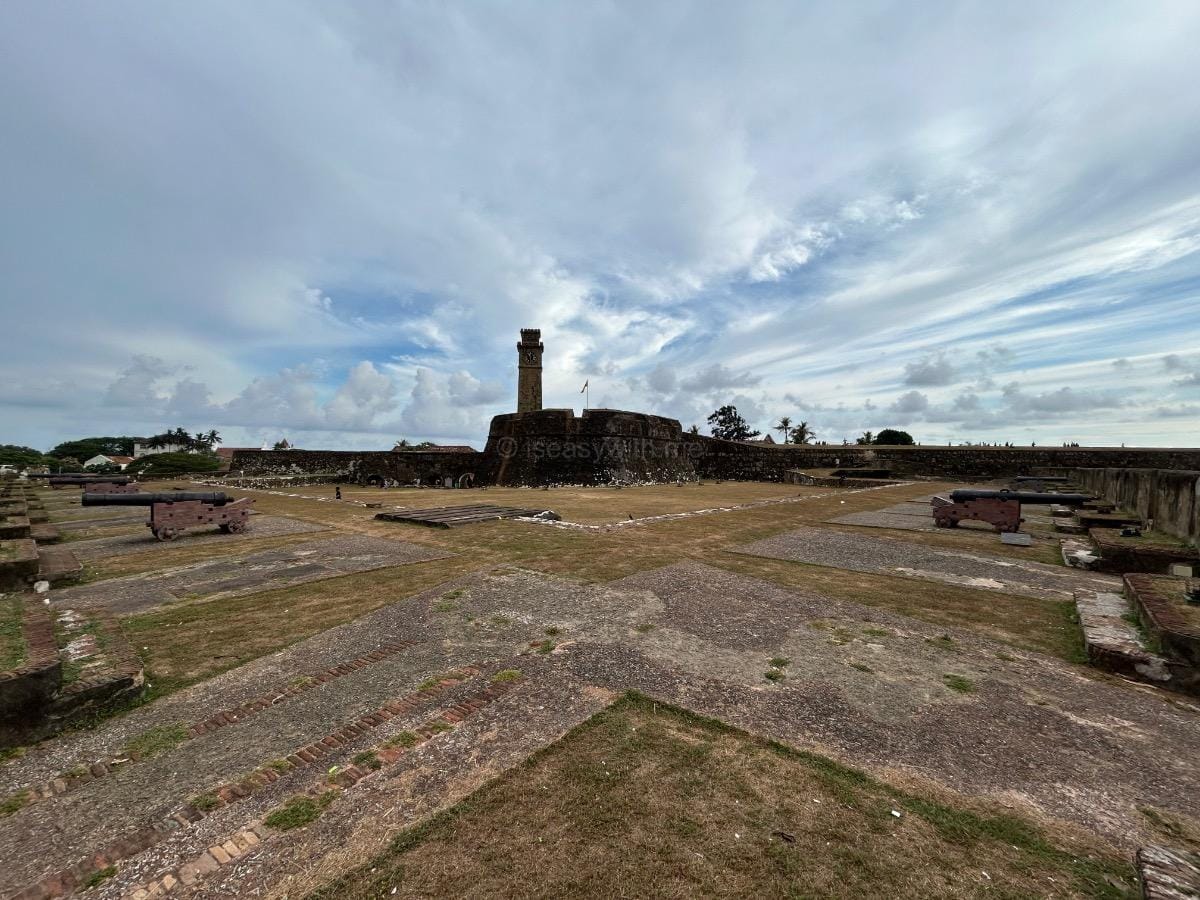
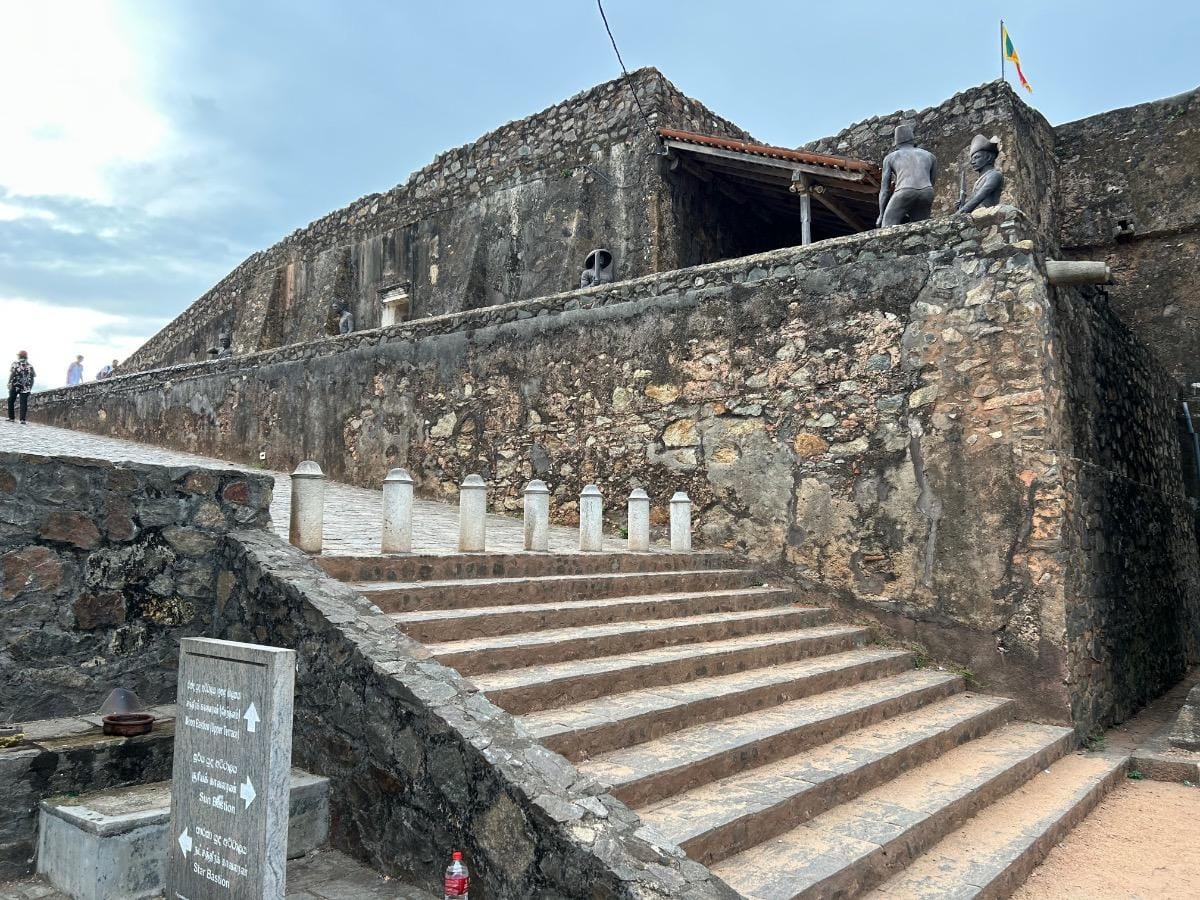
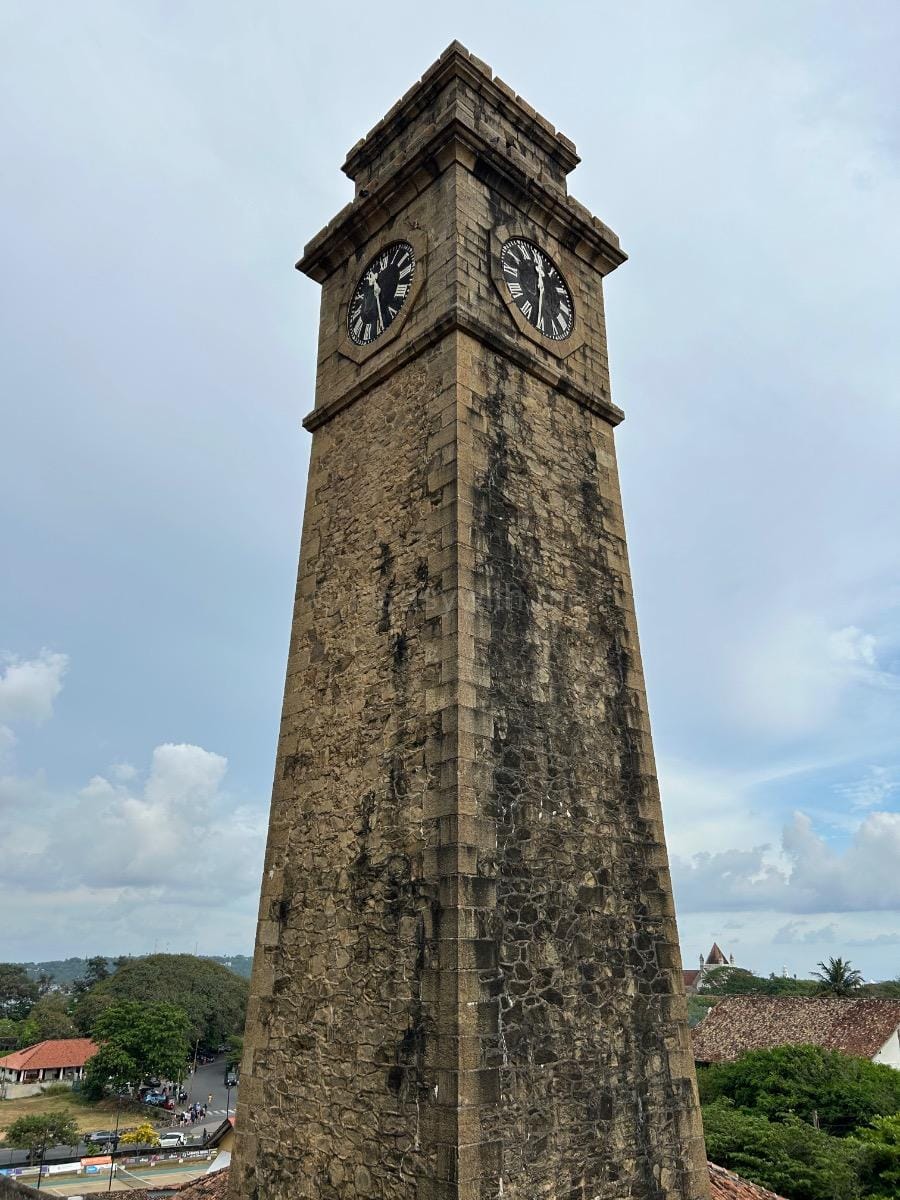
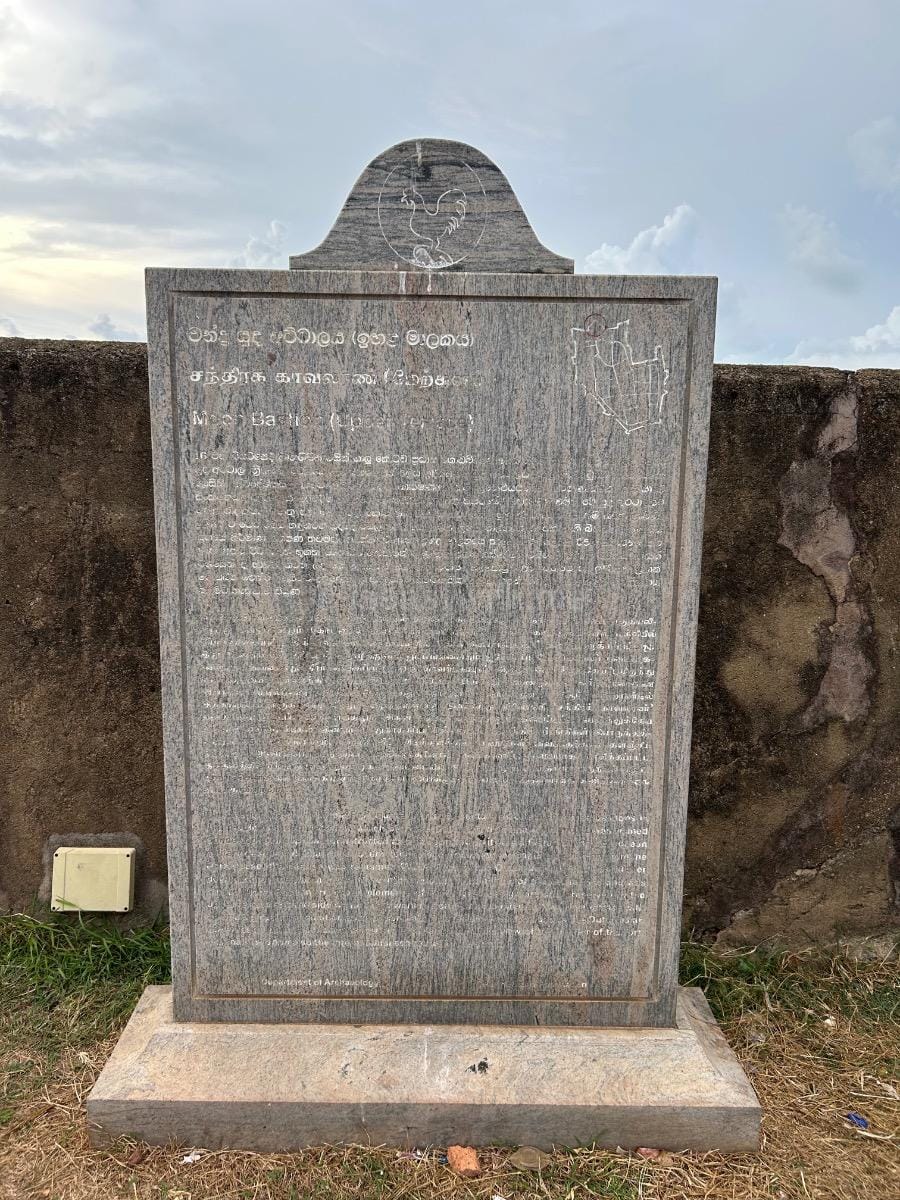
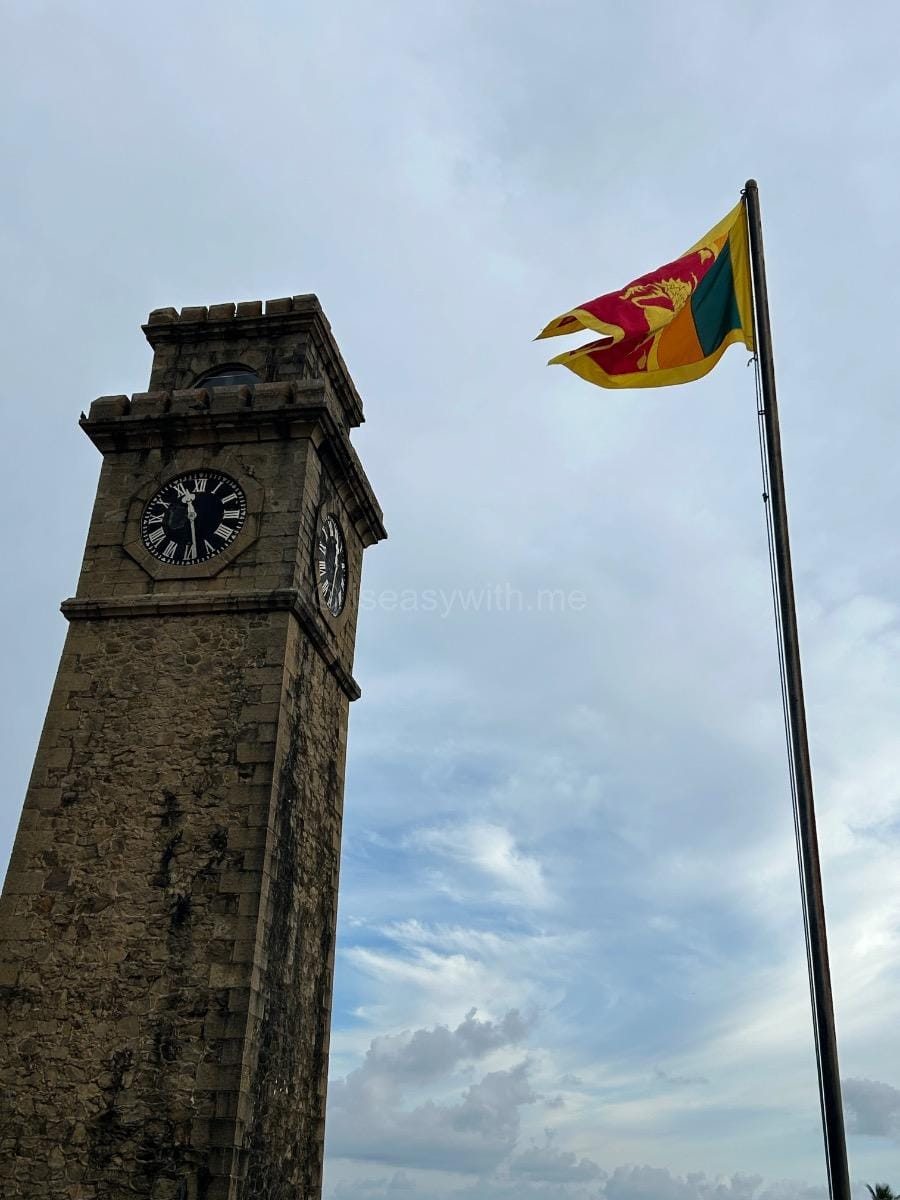
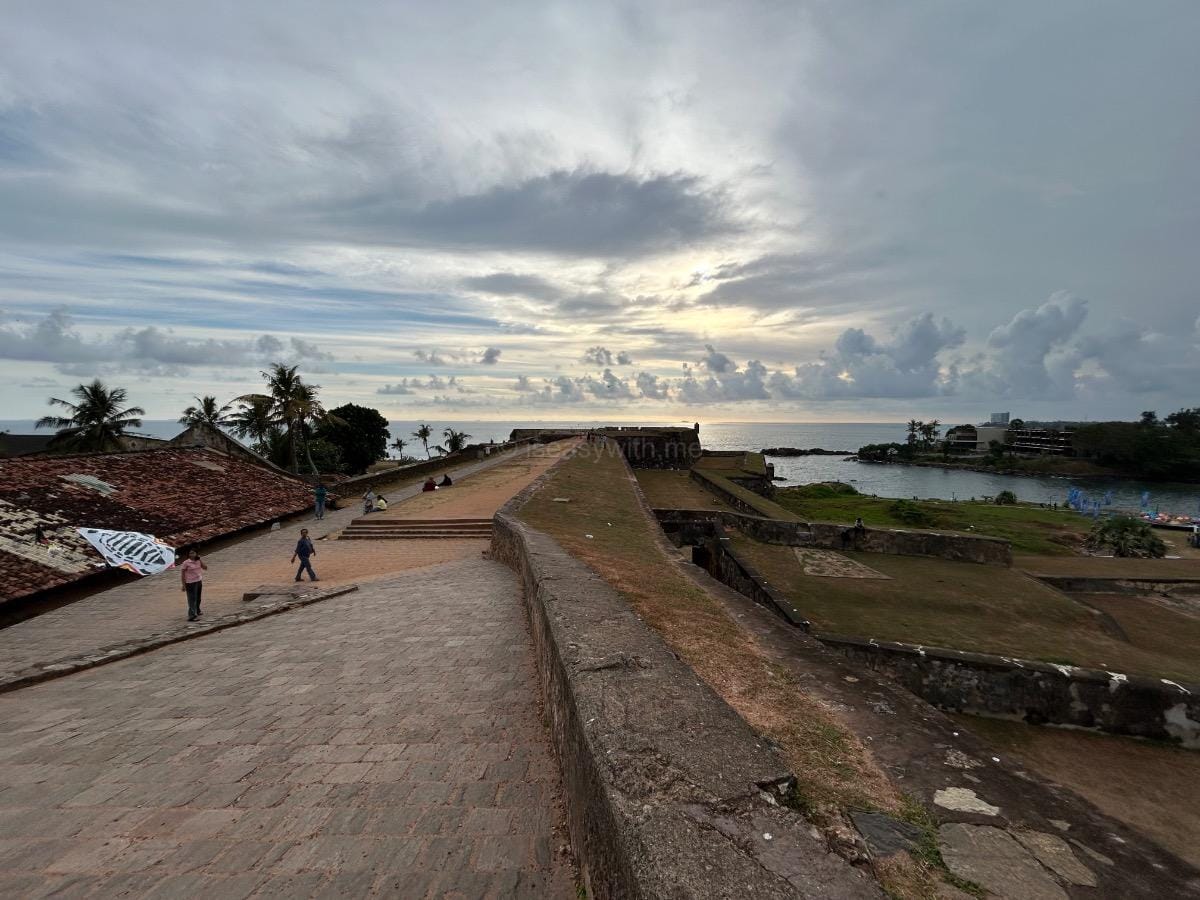
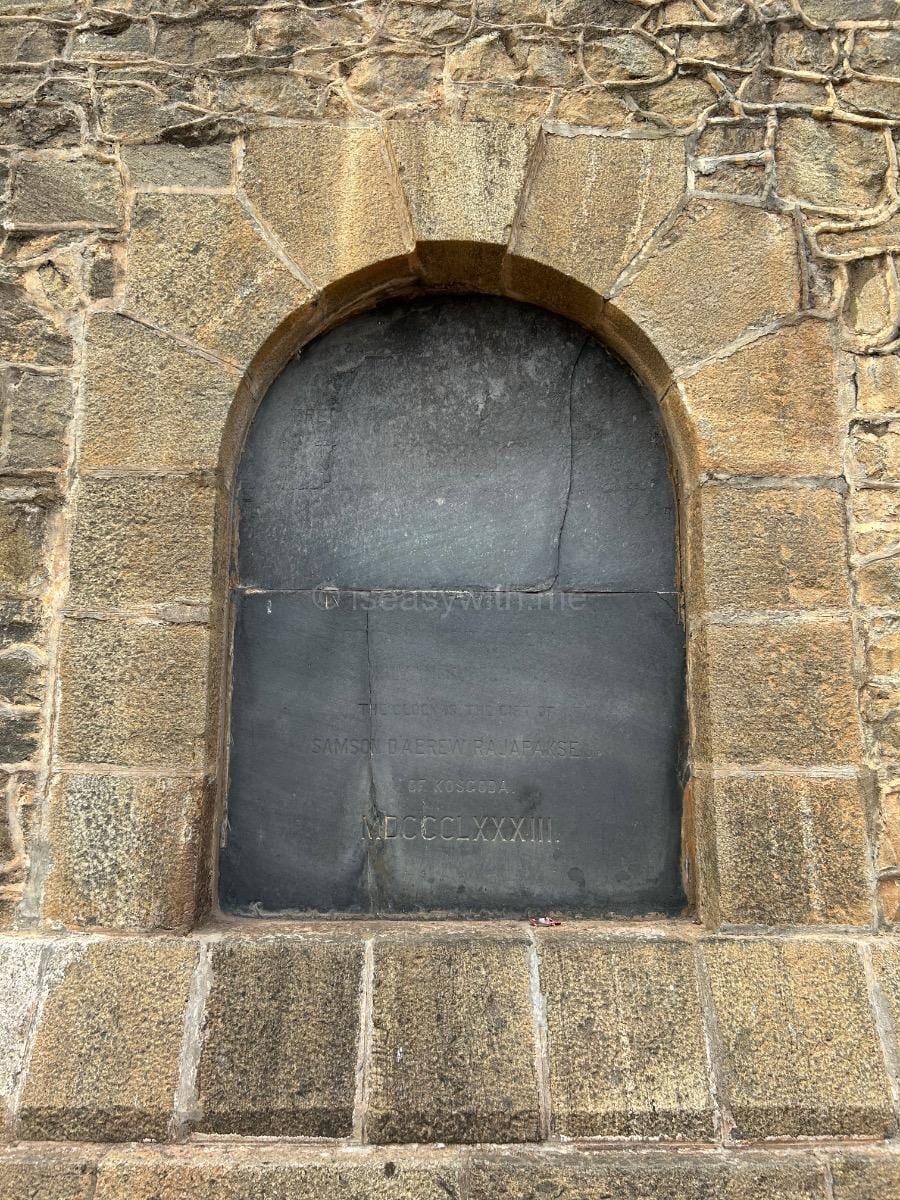
Guarding the landward side of the peninsula is a massive wall anchored by three imposing strongholds, the Moon Bastion, Star Bastion and Sun Bastion. Standing tall atop Moon Bastion is the iconic 1883 Galle Fort Clock Tower. Tucked into the stone walls right beside the clock tower are the Northern Rampart Casemates, which are vaulted stone chambers where troops were once stationed. Standing on these elevated terraces gives me sweeping, bird's-eye views over the green pitch of the Galle International Cricket Ground on one side and a stunning vantage point overlooking the main fort entrance and Galle Harbour on the other.
3. Ocean Ramparts: Western Wall to Sunset View
Locations Covered: Flag Rock Bastion ('Ragrock'), Neptune Bastion, Sri Sudharmalaya Temple, Triton Bastion
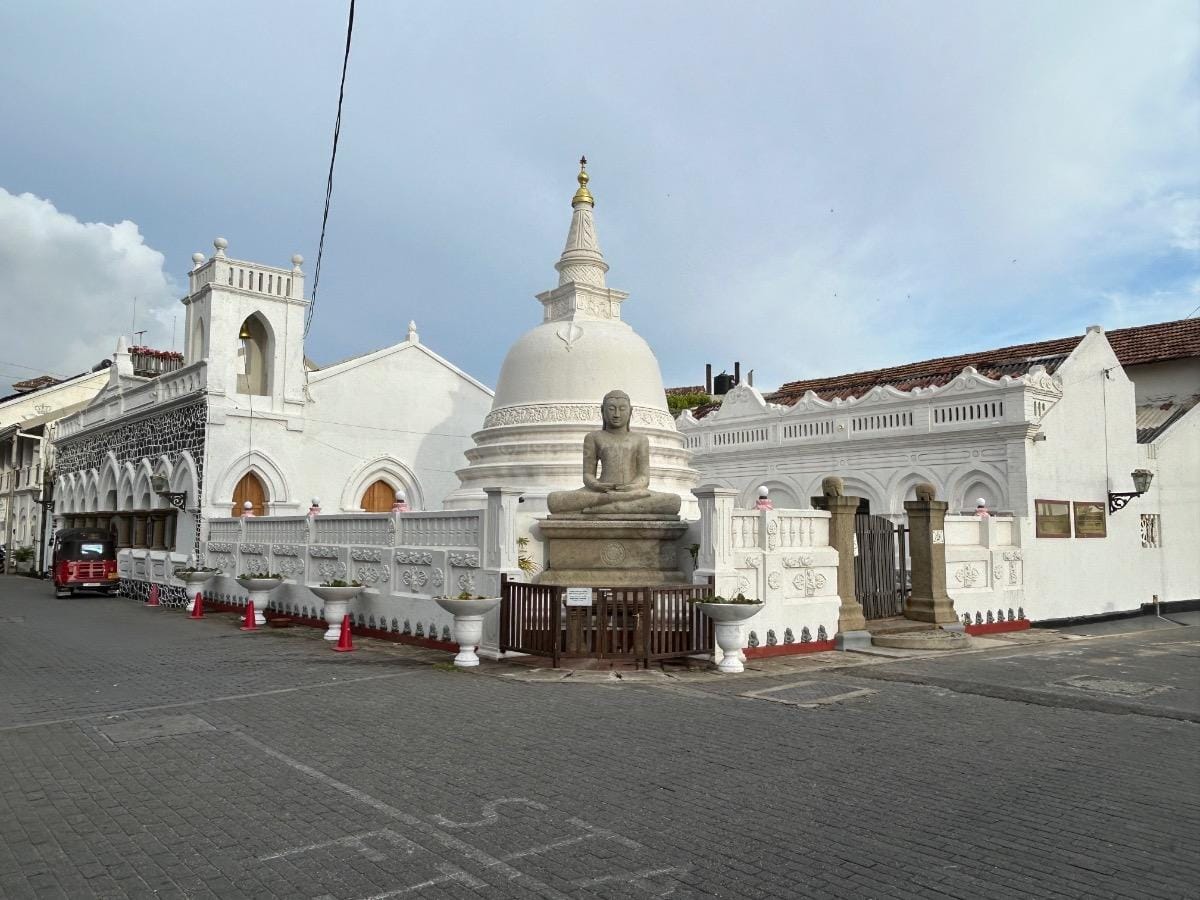
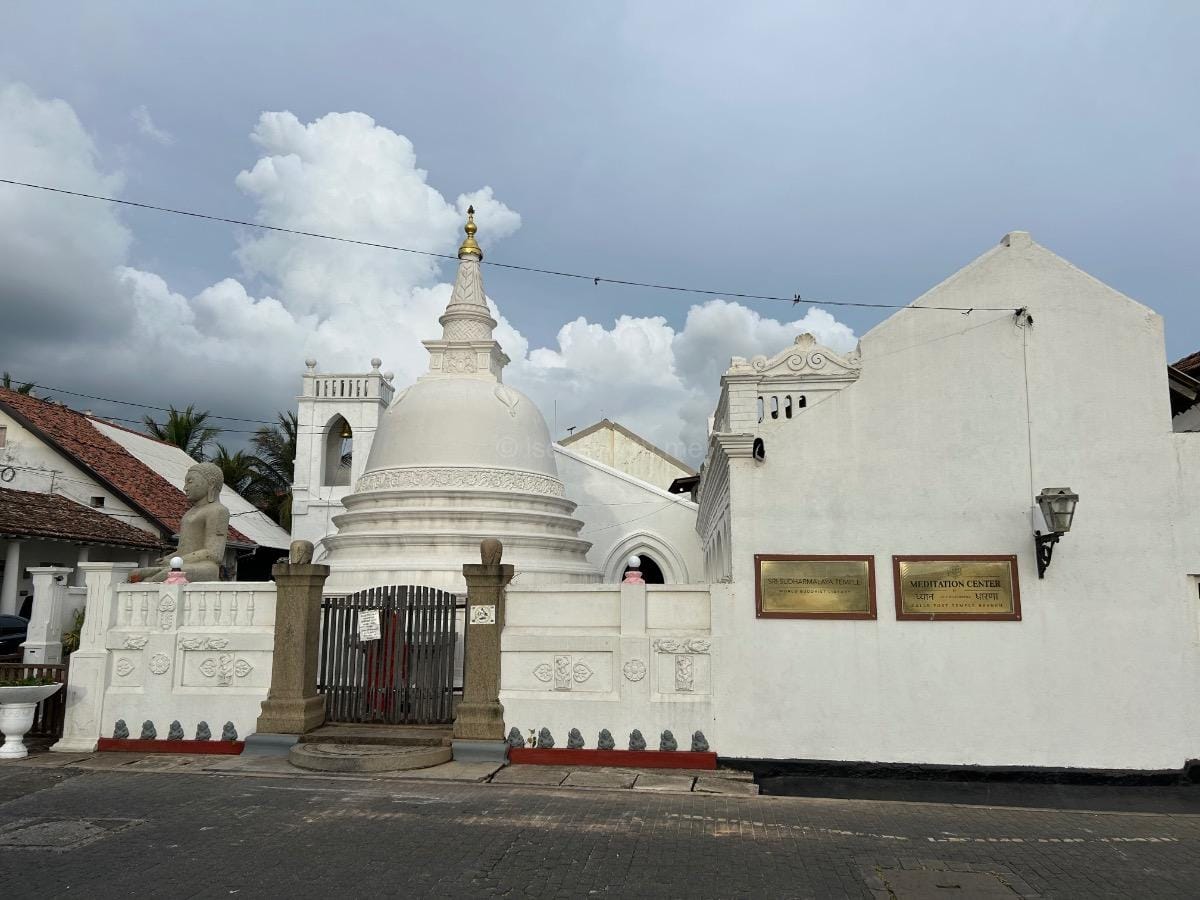
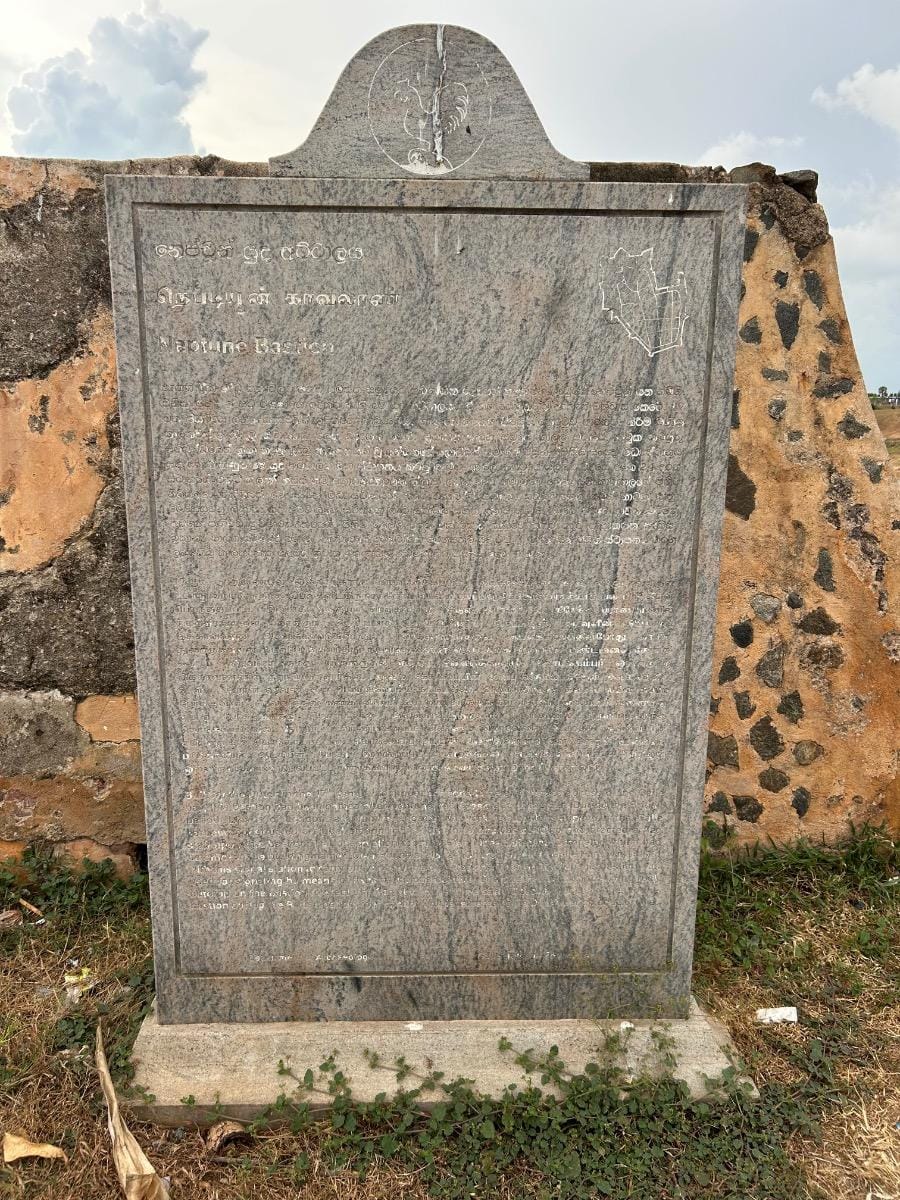
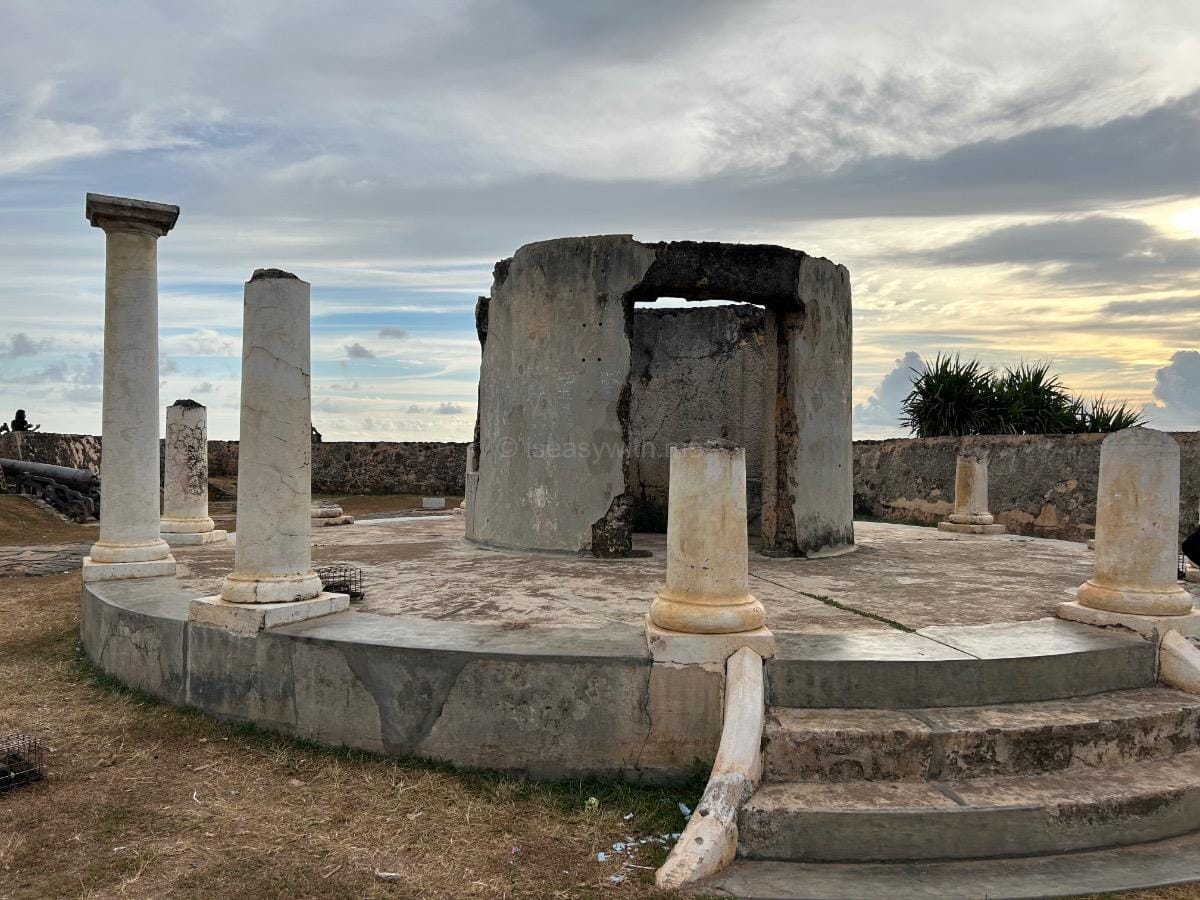
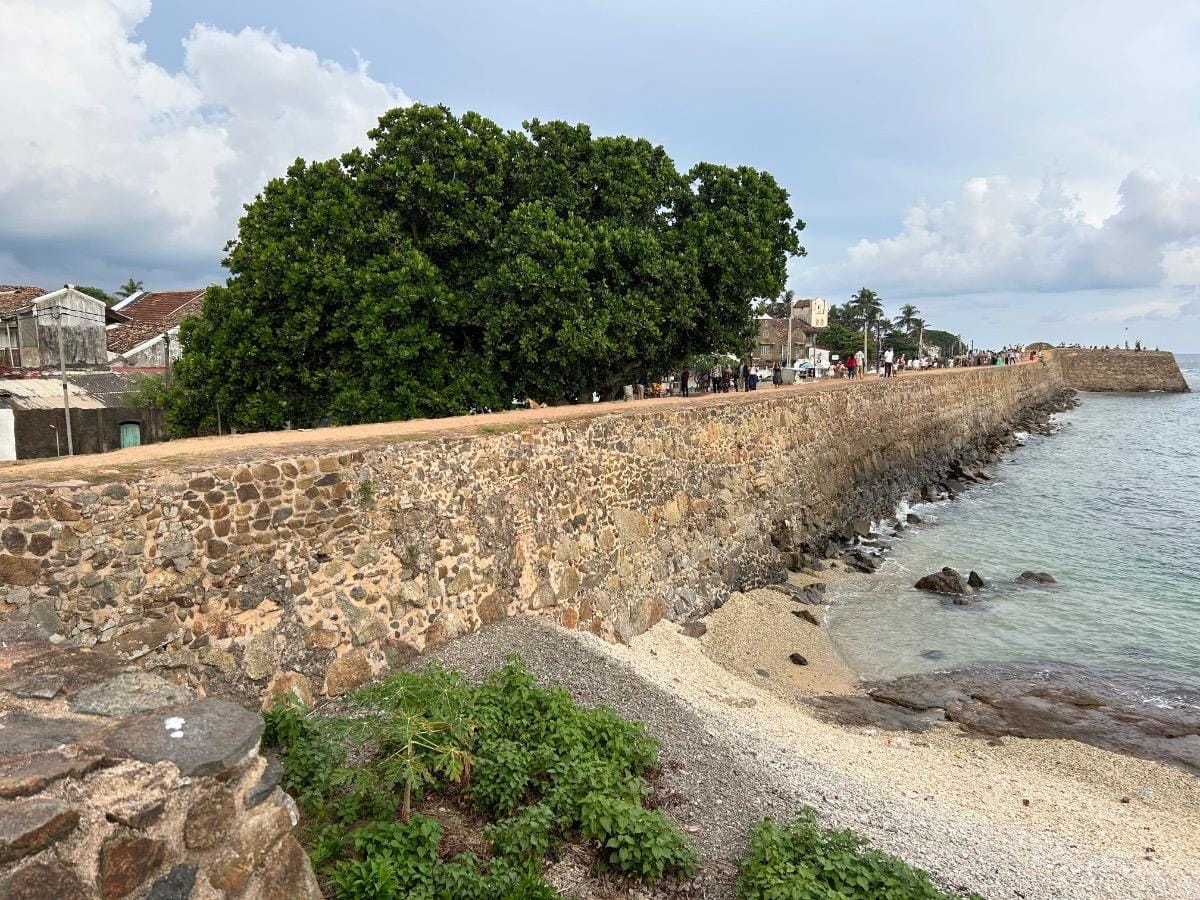
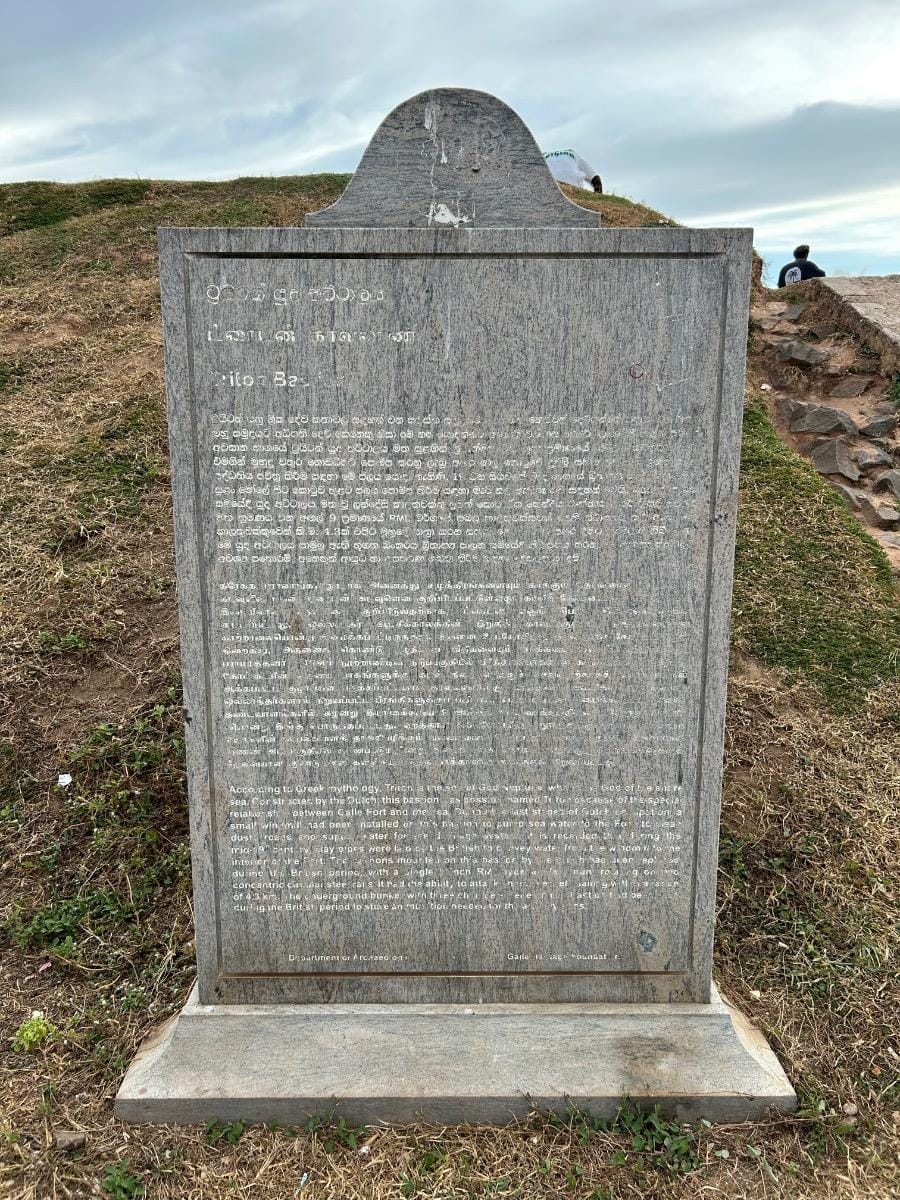
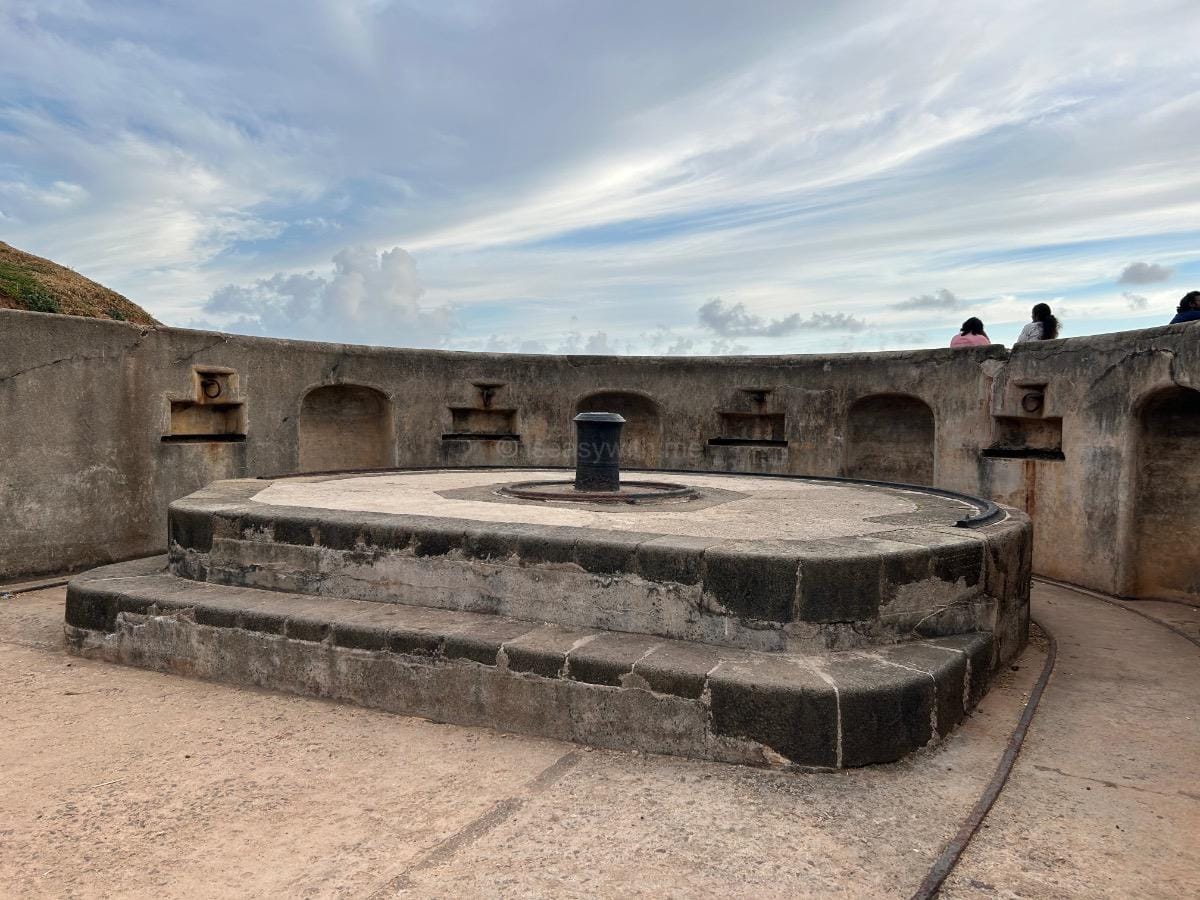
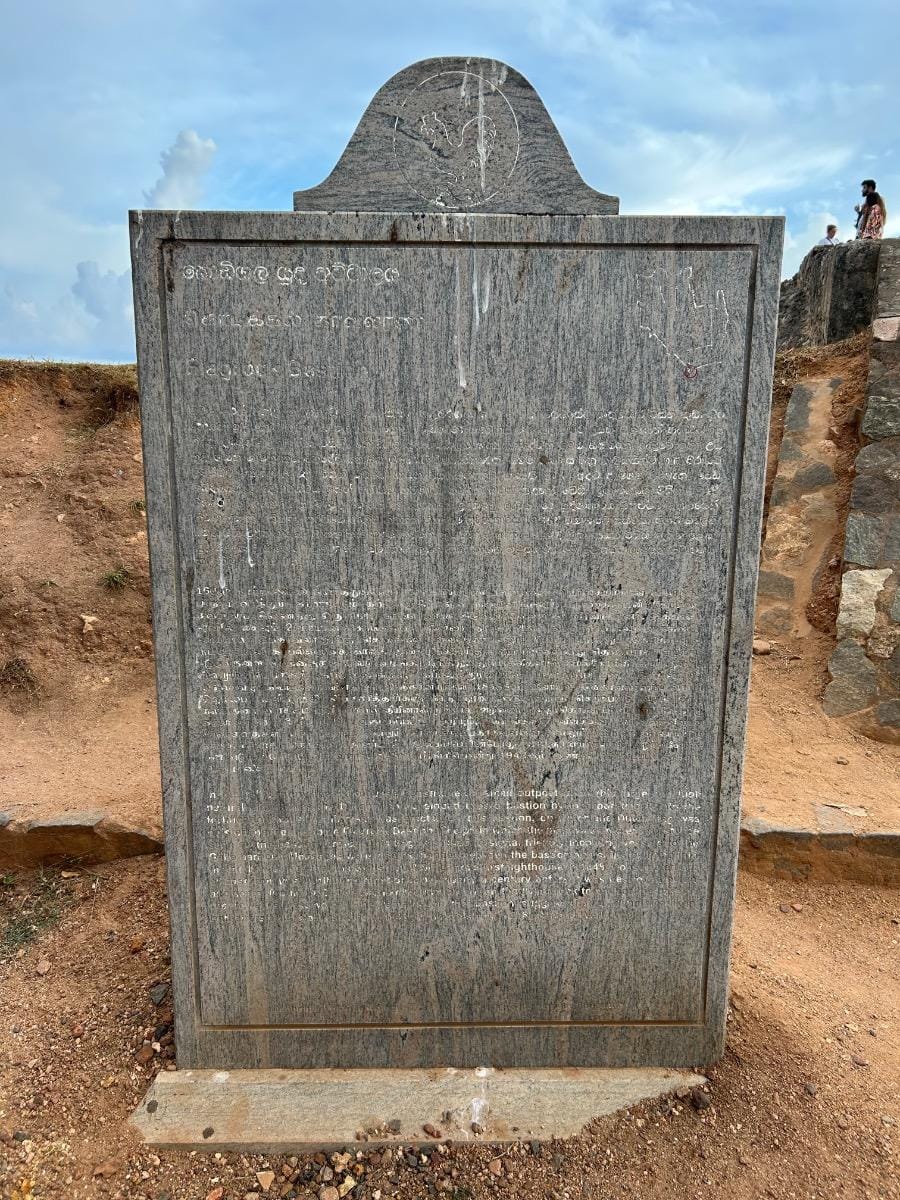
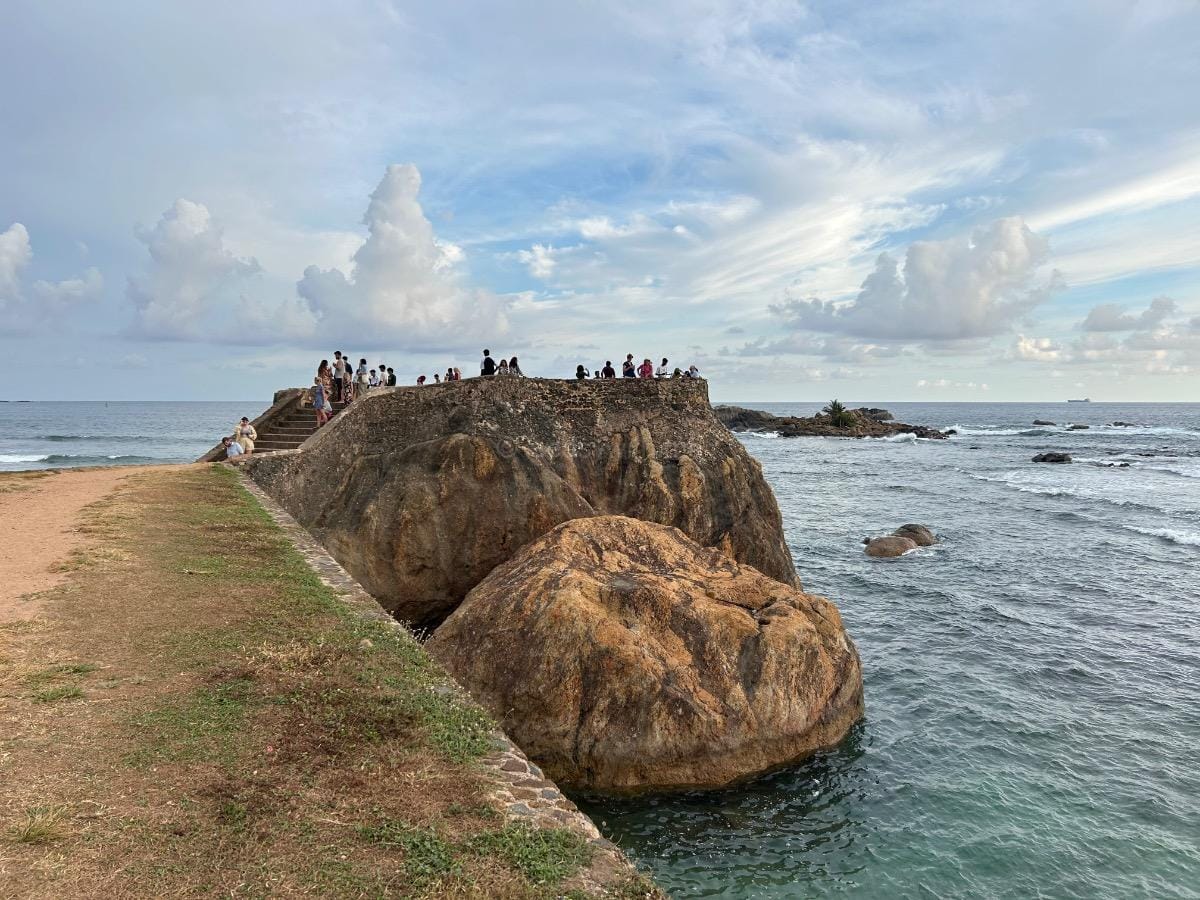
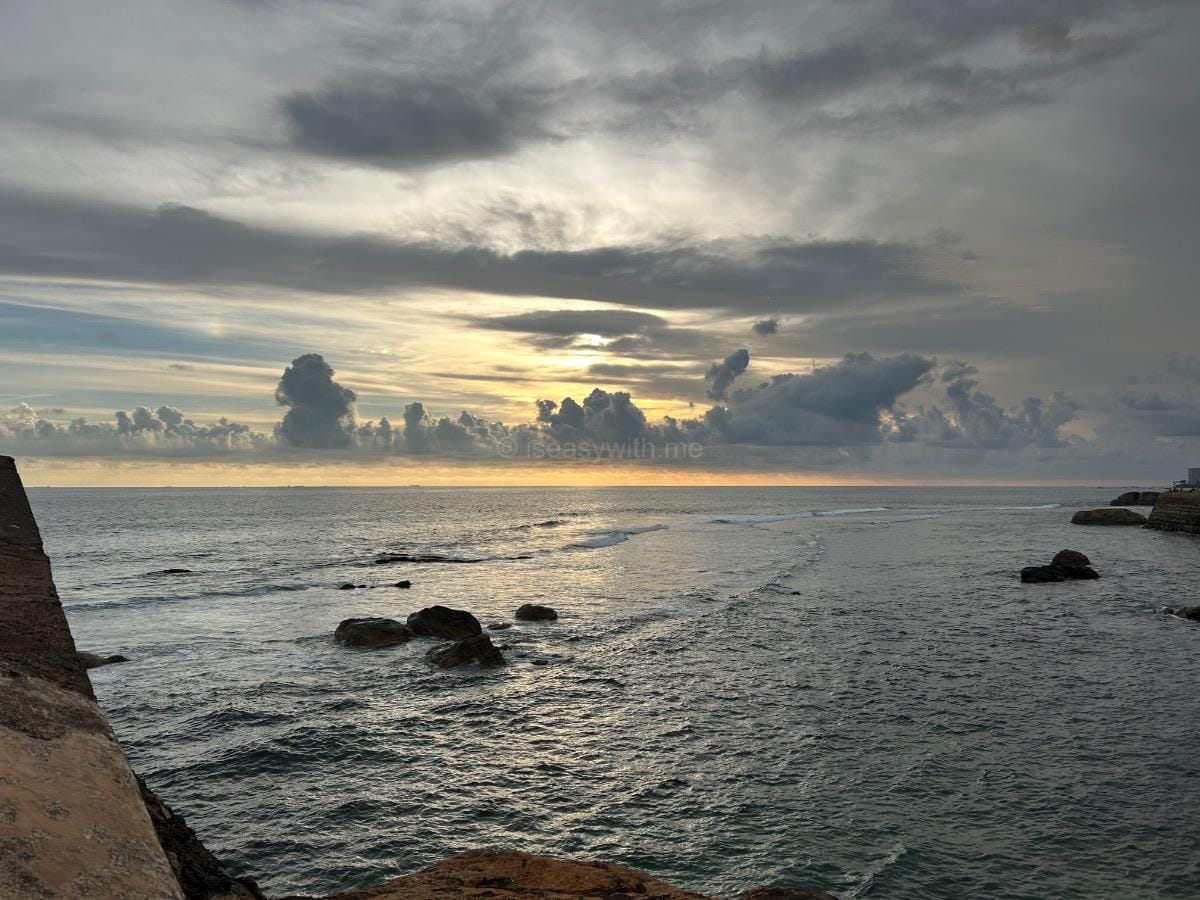
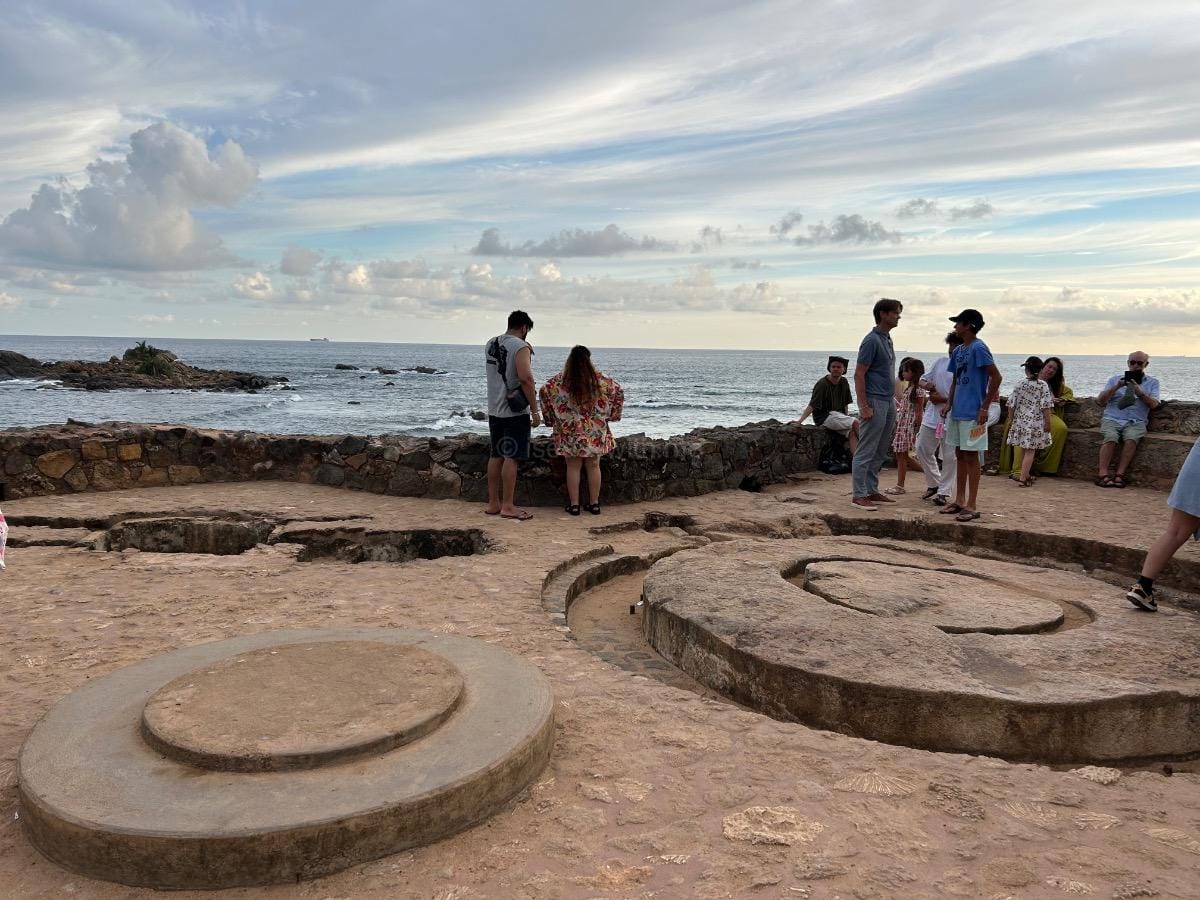
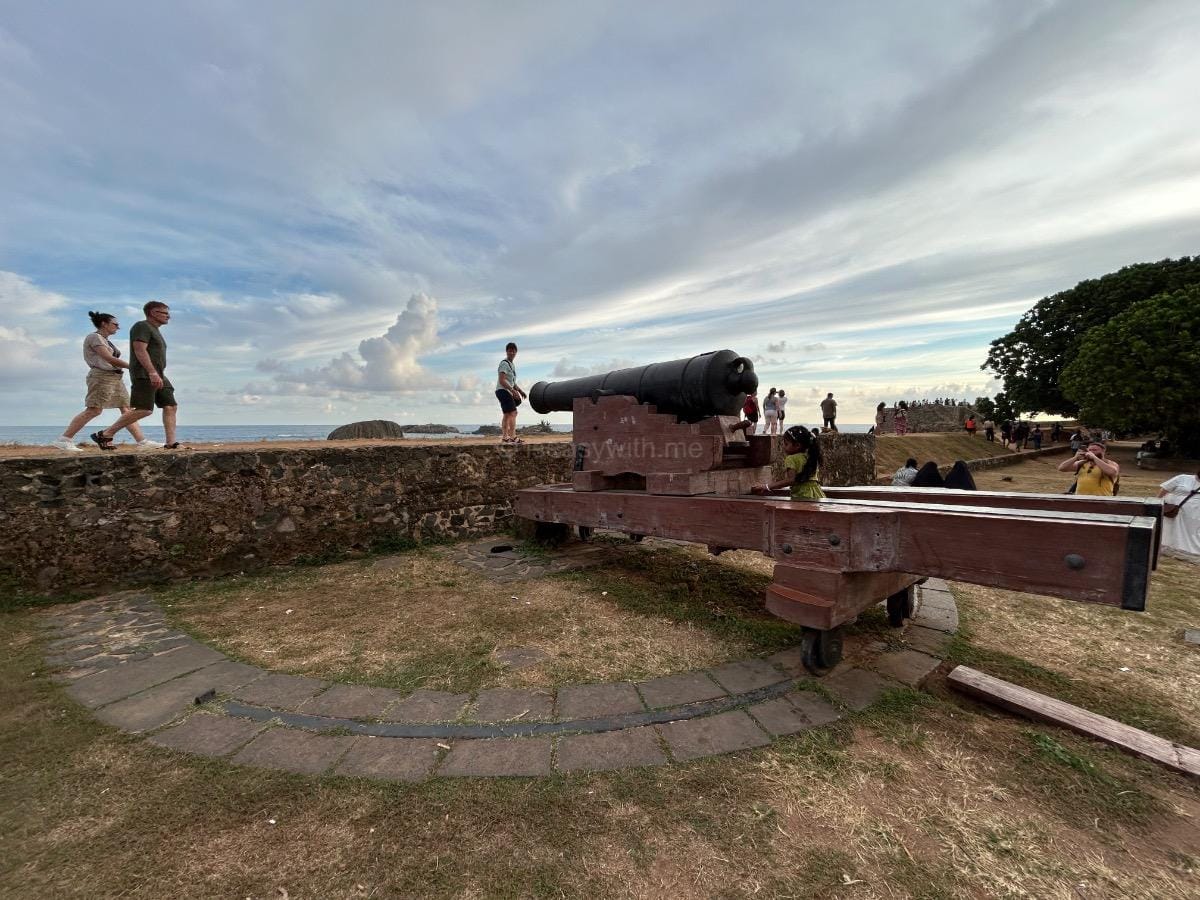
Following the stone promenade along the western sea wall leads past Neptune Bastion and Triton Bastion, where town streets meet the crashing Indian Ocean. Along this stretch sits Sri Sudharmalaya Temple; built in 1889, it is the fort's principal Buddhist temple, featuring European-style architecture and a white stupa facing the sea. Continuing south brings me
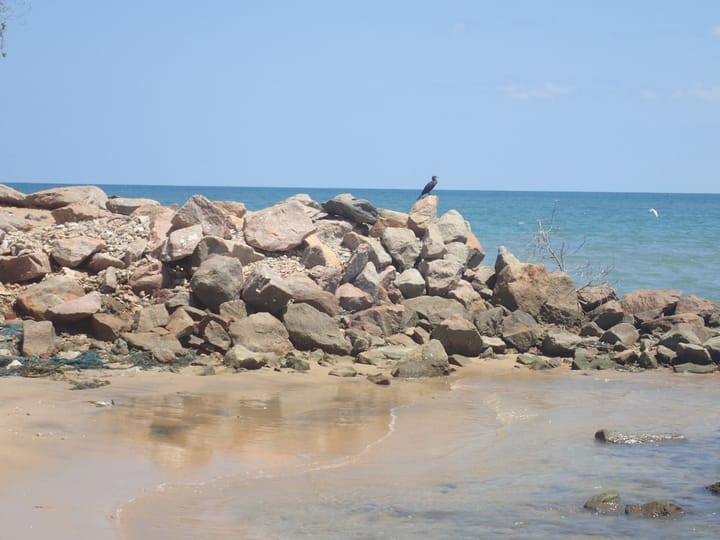
- Koggala Beach & Park: A long, largely undeveloped stretch of golden sand that was perfect for a quiet, open walk.
- Local Fishing Communities: Small, quiet settlements scattered along the coastal edge.
to RagRock Bastion where the Dutch once signaled incoming ships. Today, this open platform is the ultimate sunset spot in Galle Fort, famous for wide ocean vistas, sea breezes, and local daredevils diving off the steep rocks into the surging sea below.
4. Southern Ramparts & Galle Lighthouse
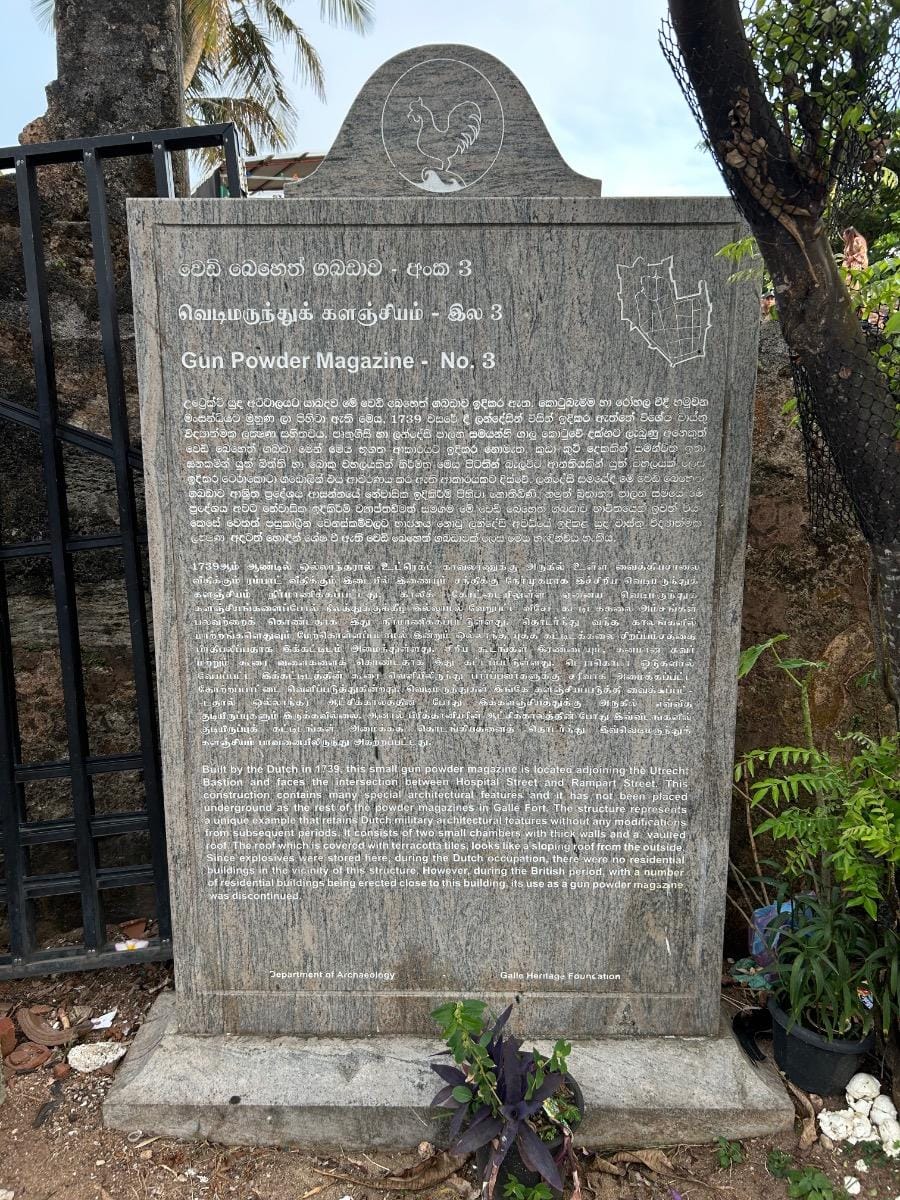
Locations Covered: Point Utrecht Bastion (Galle Lighthouse), Meeran Jumma Mosque, Gun Powder Magazine, Aurora Bastion.
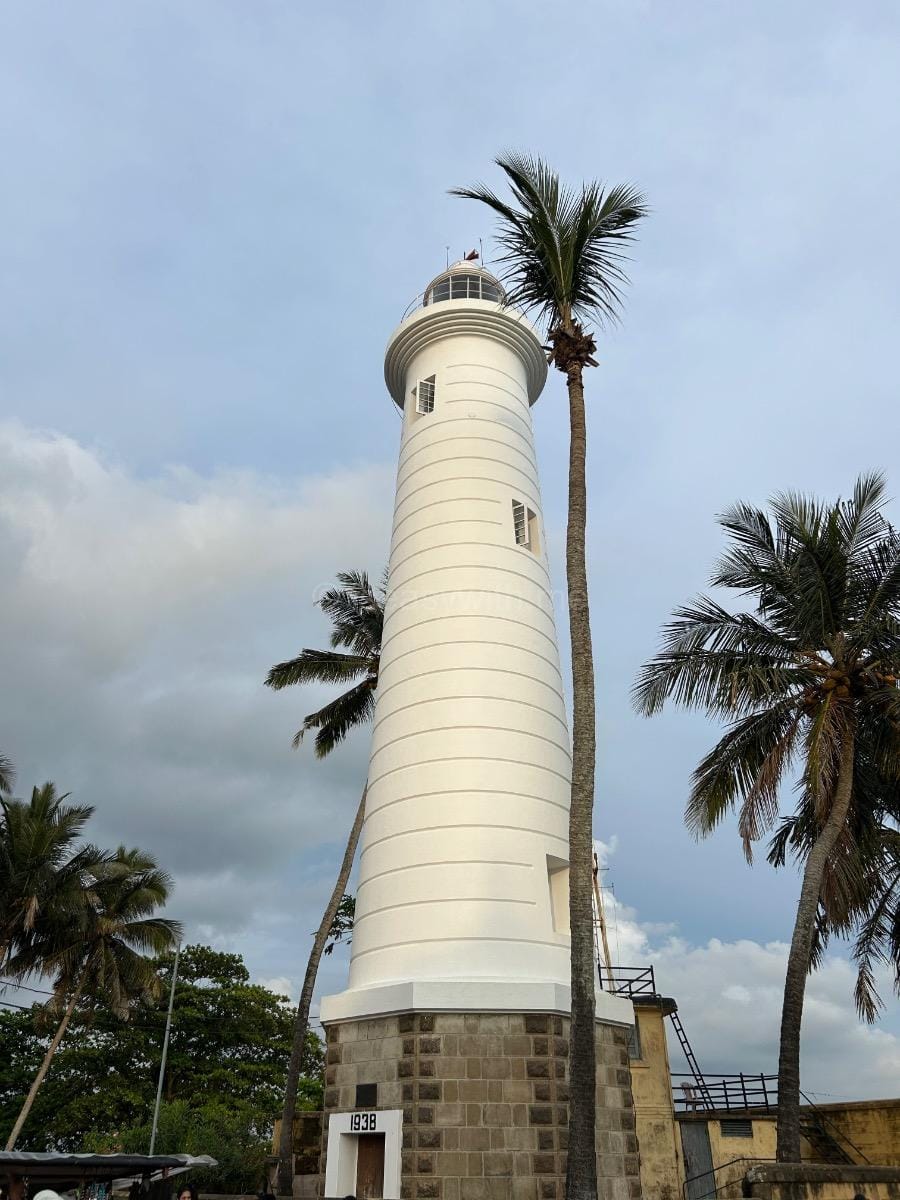
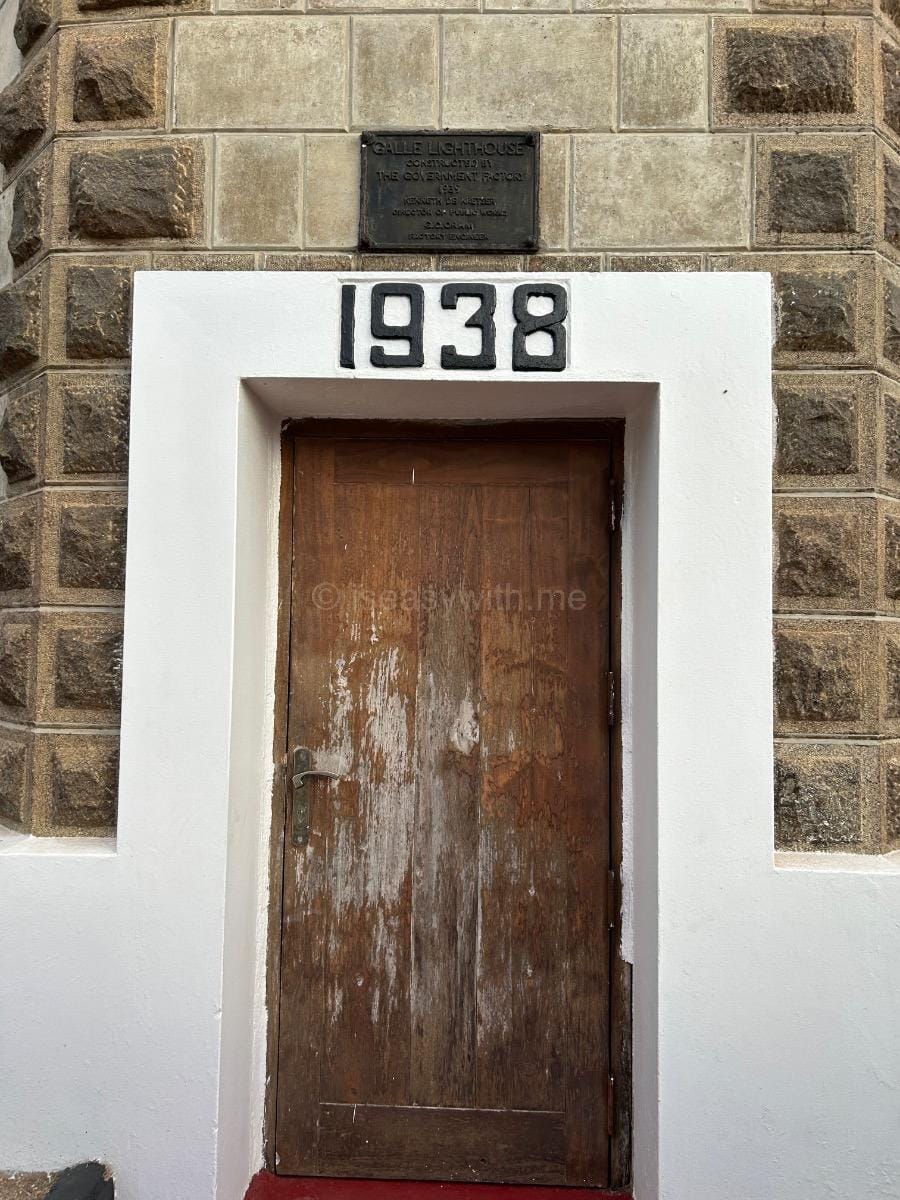
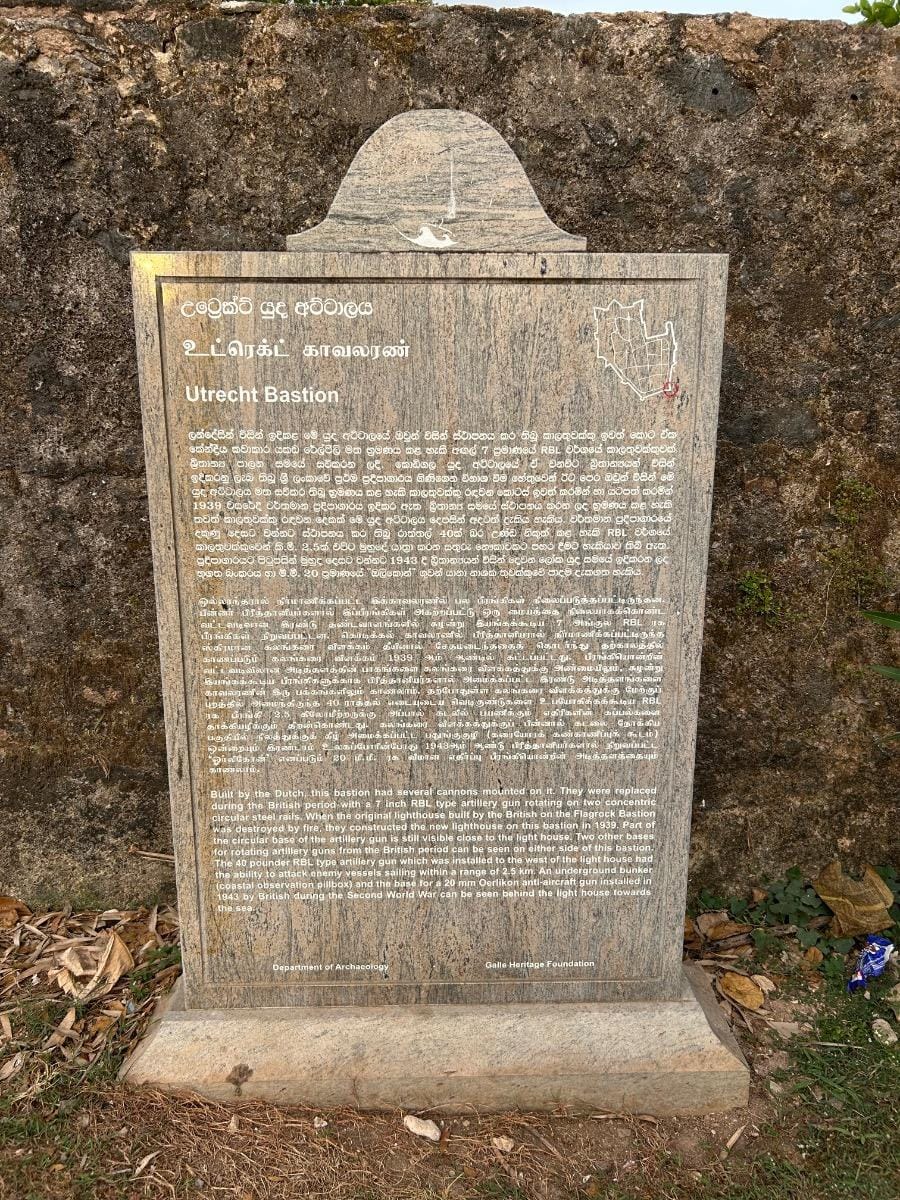
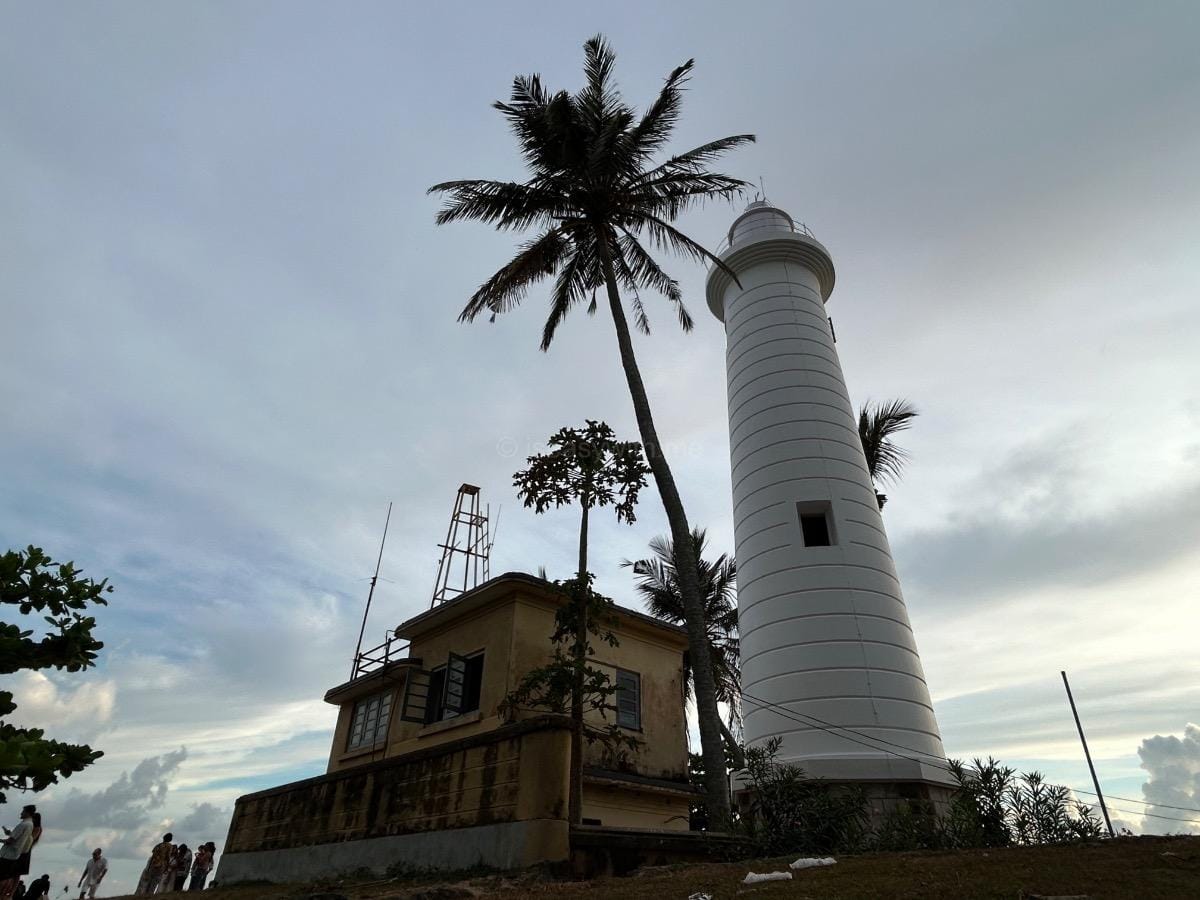
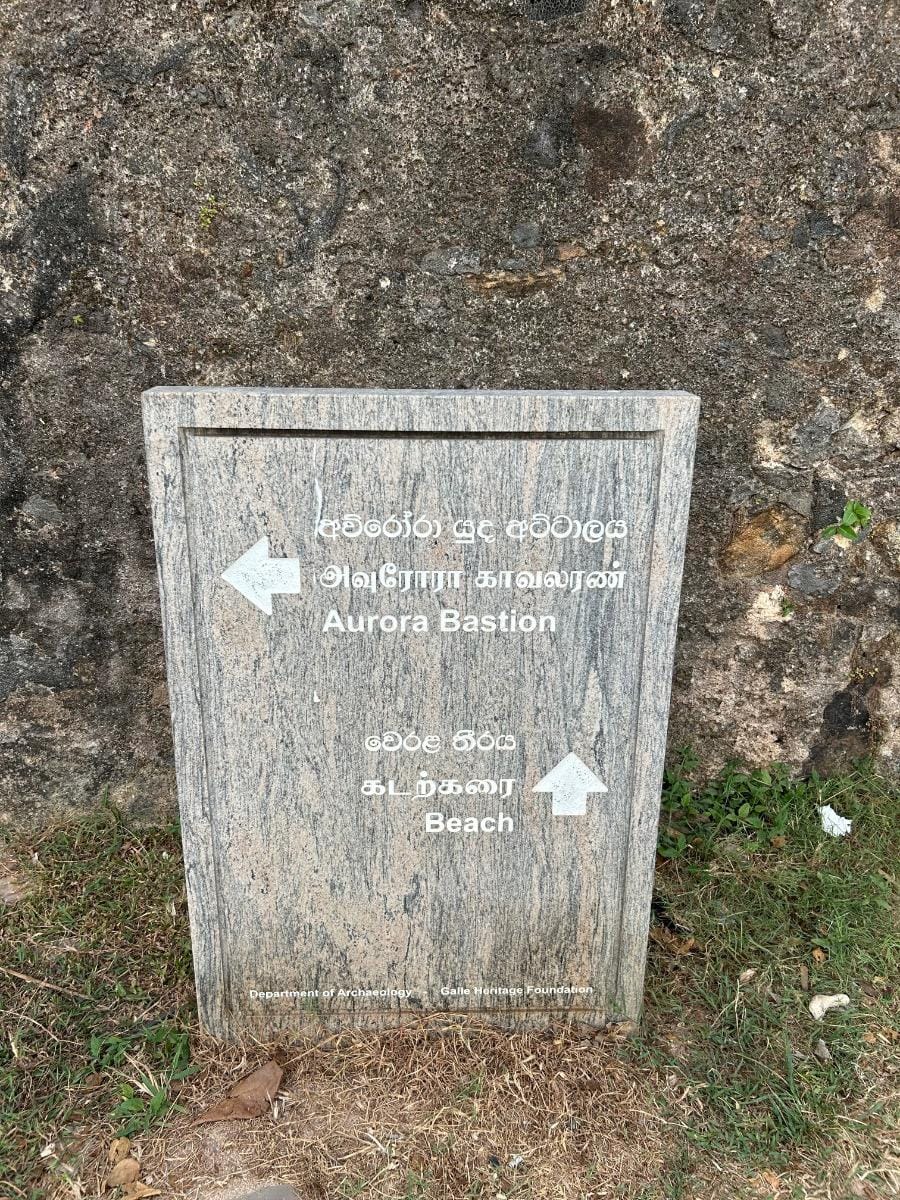
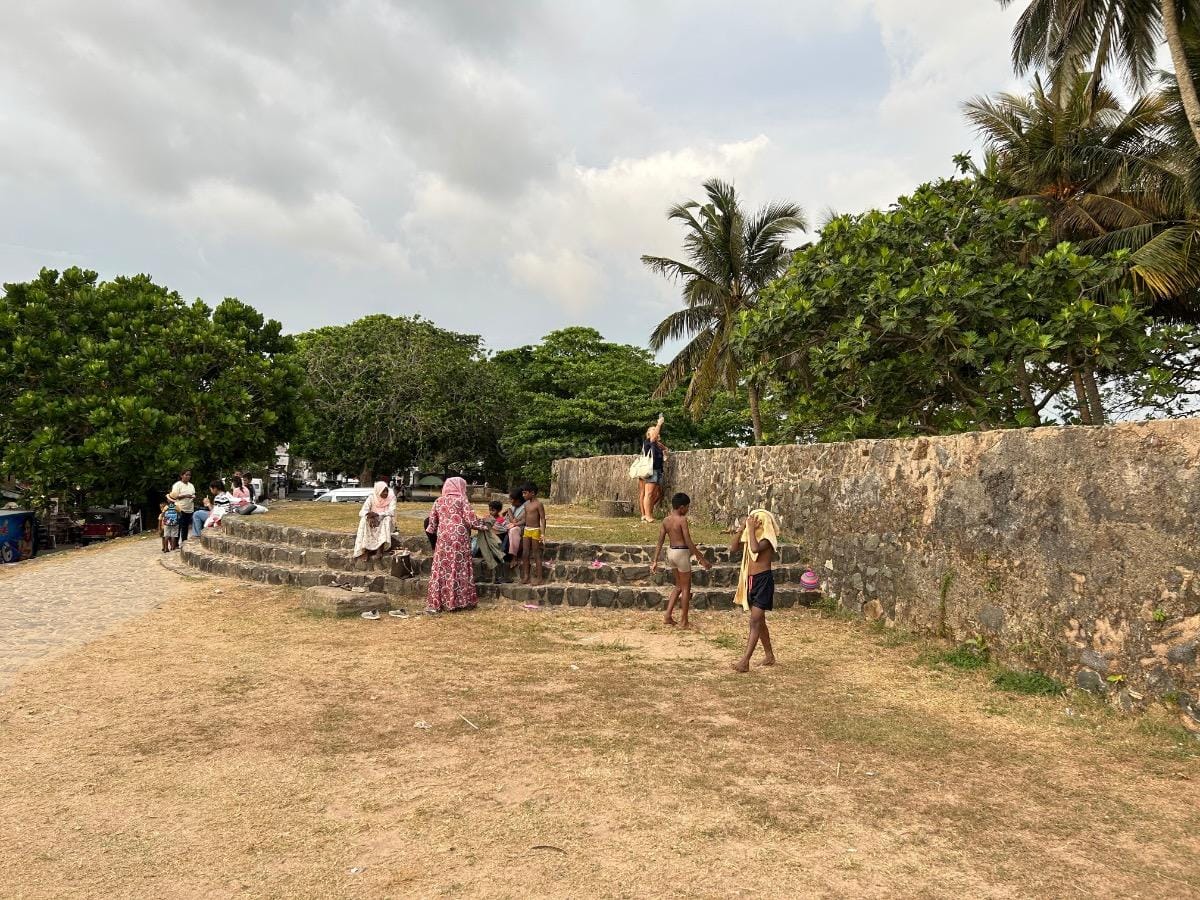
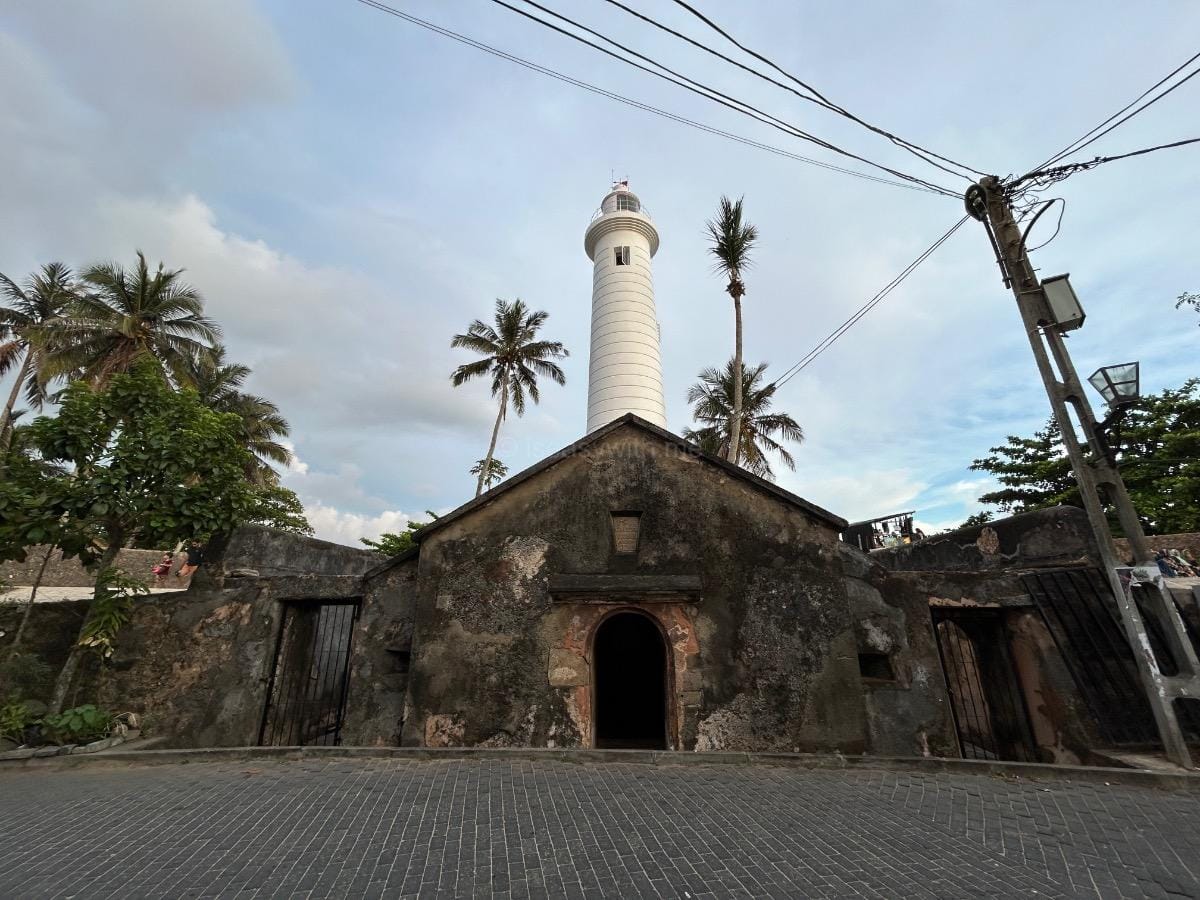
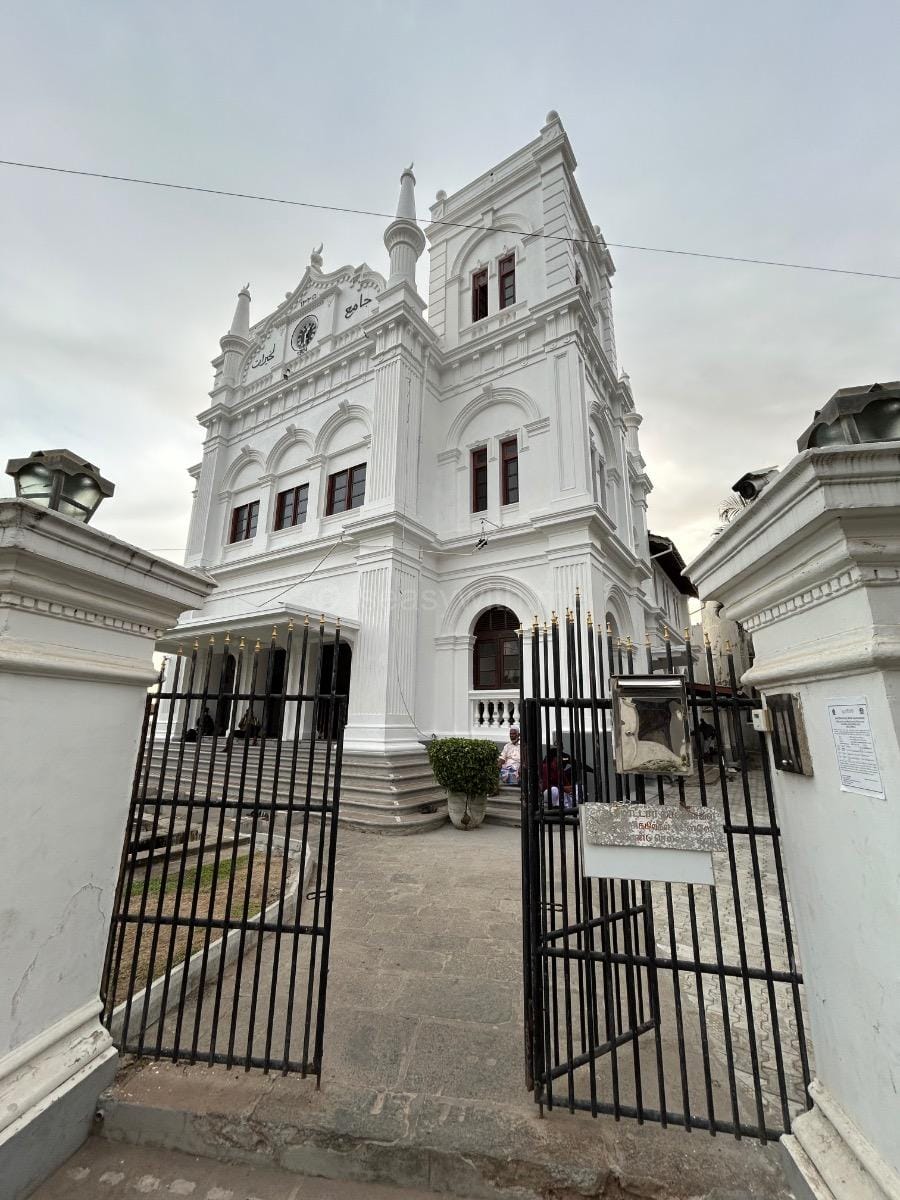
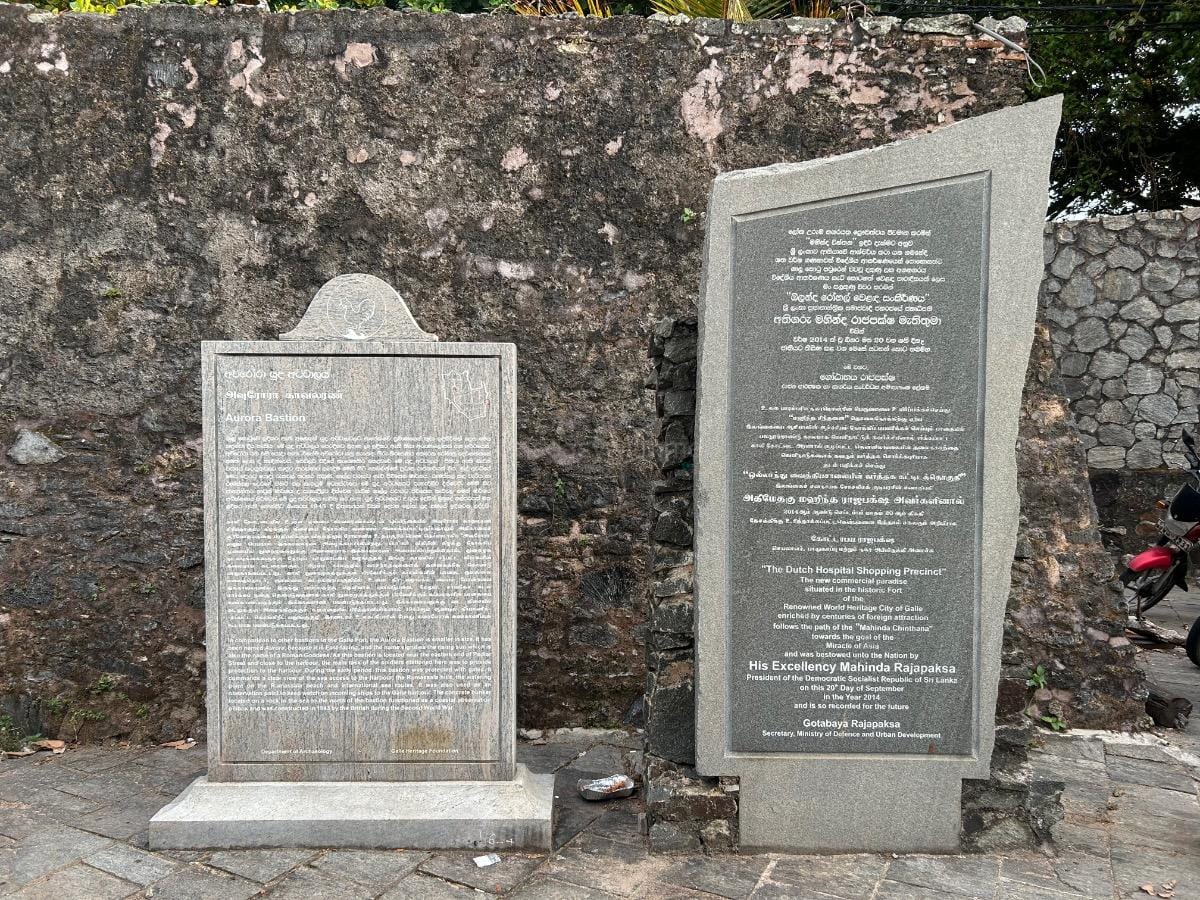
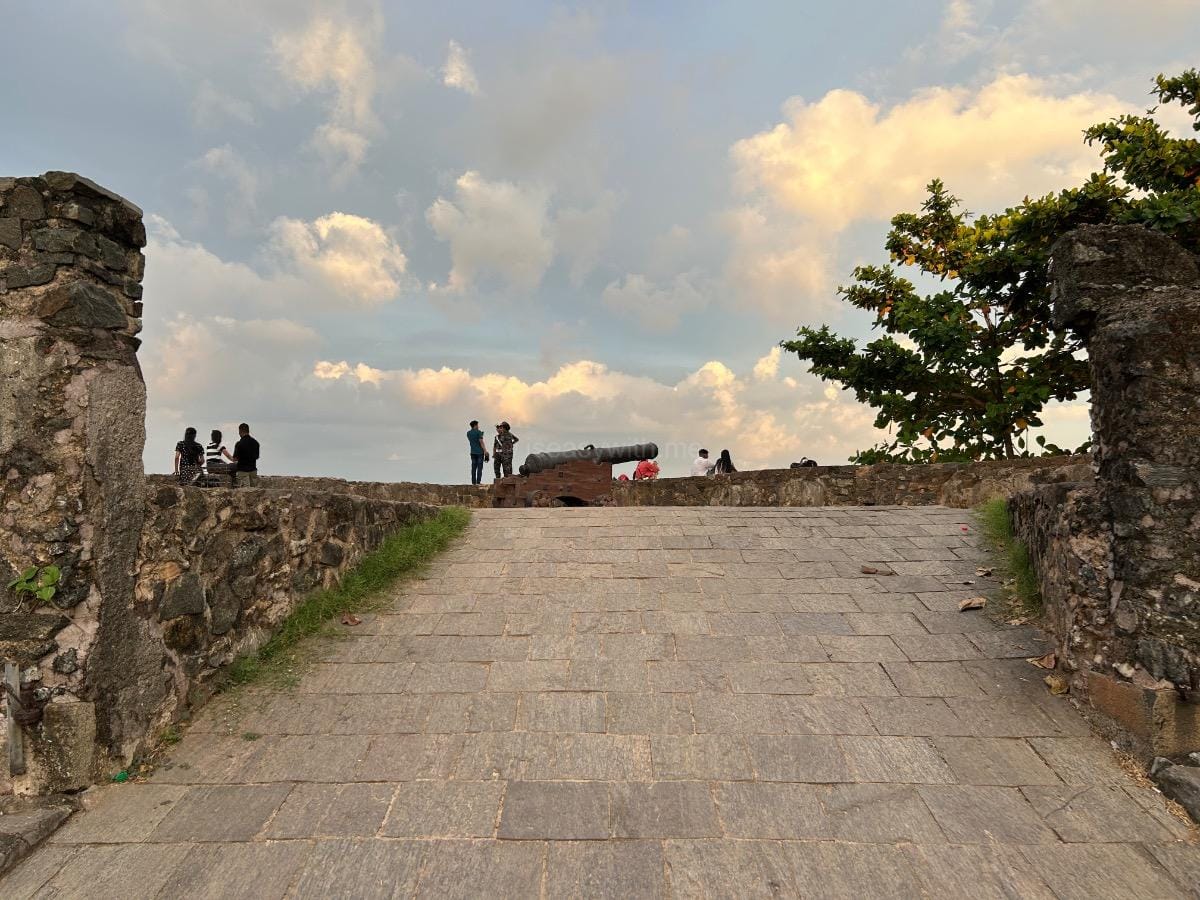
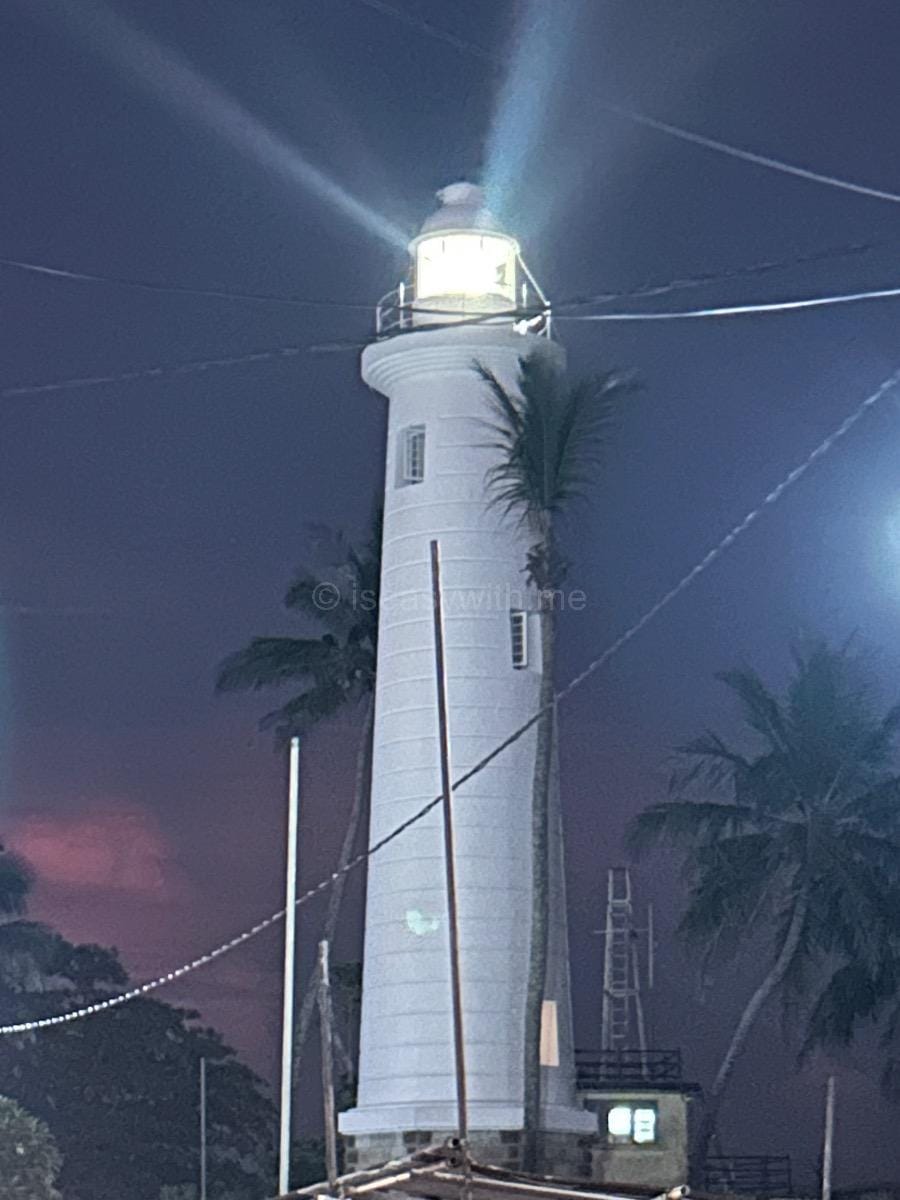
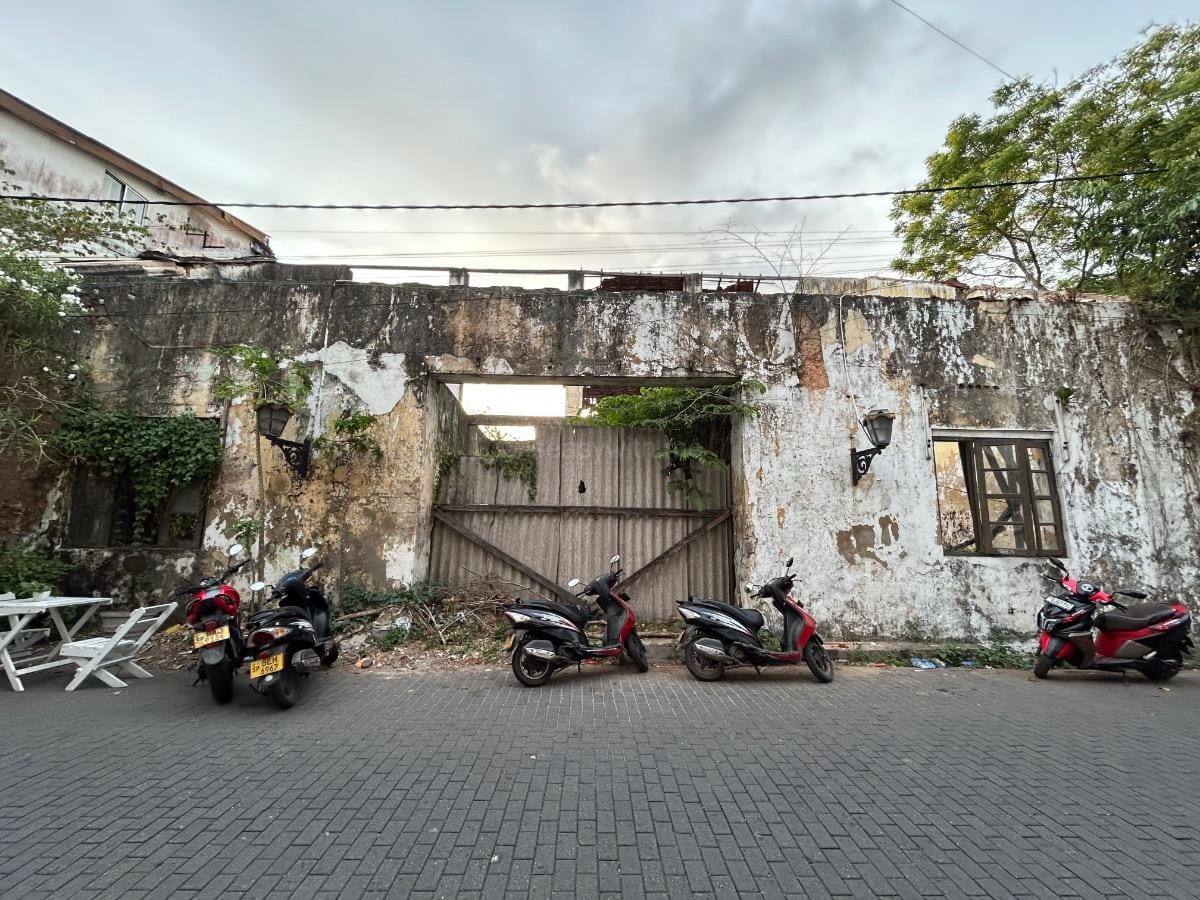
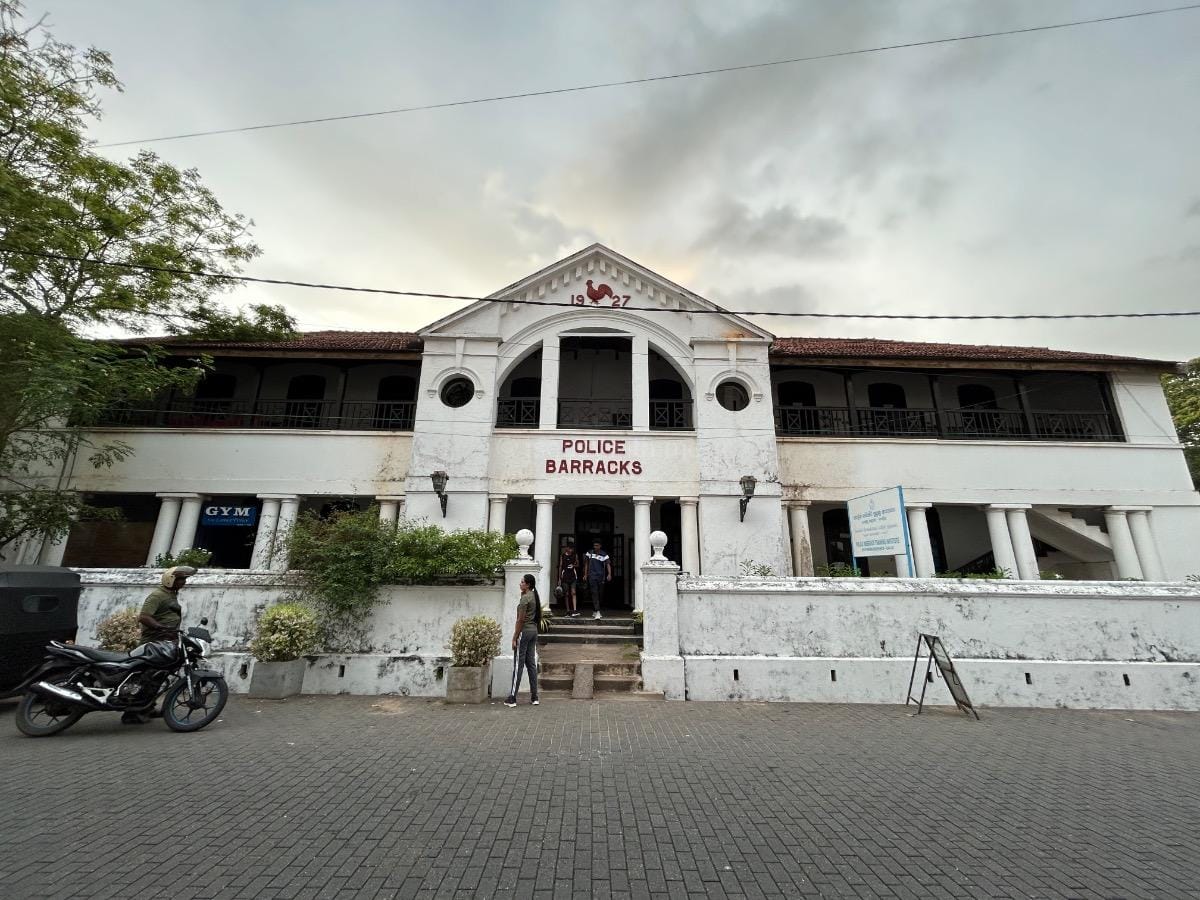
Rounding the southern tip leads to Point Utrecht Bastion, home to the iconic 26-metre-tall white Galle Lighthouse framed by swaying palm trees.
Directly across from the lighthouse stands the Meeran Jumma Mosque, built in 1904. Featuring a striking blend of Victorian Gothic and Dutch colonial architecture, its whitewashed facade and cathedral-like towers are often mistaken for a church.
Just behind the bastion sits the historic stone Gun Powder Magazine, a subterranean vault built by the Dutch to store ammunition securely. Moving along the eastern ramparts leads past Aurora Bastion, offering quiet views across the bay toward Rumassala Hill and Unawatuna.
5. Old Dutch Hospital Courtyard & Eastern Seafront
Locations Covered: Court Square, Dutch Harbour Ramparts, Eastern Promenade, Old Dutch Hospital Complex, Southern Province High Court & Magistrate’s Courts.
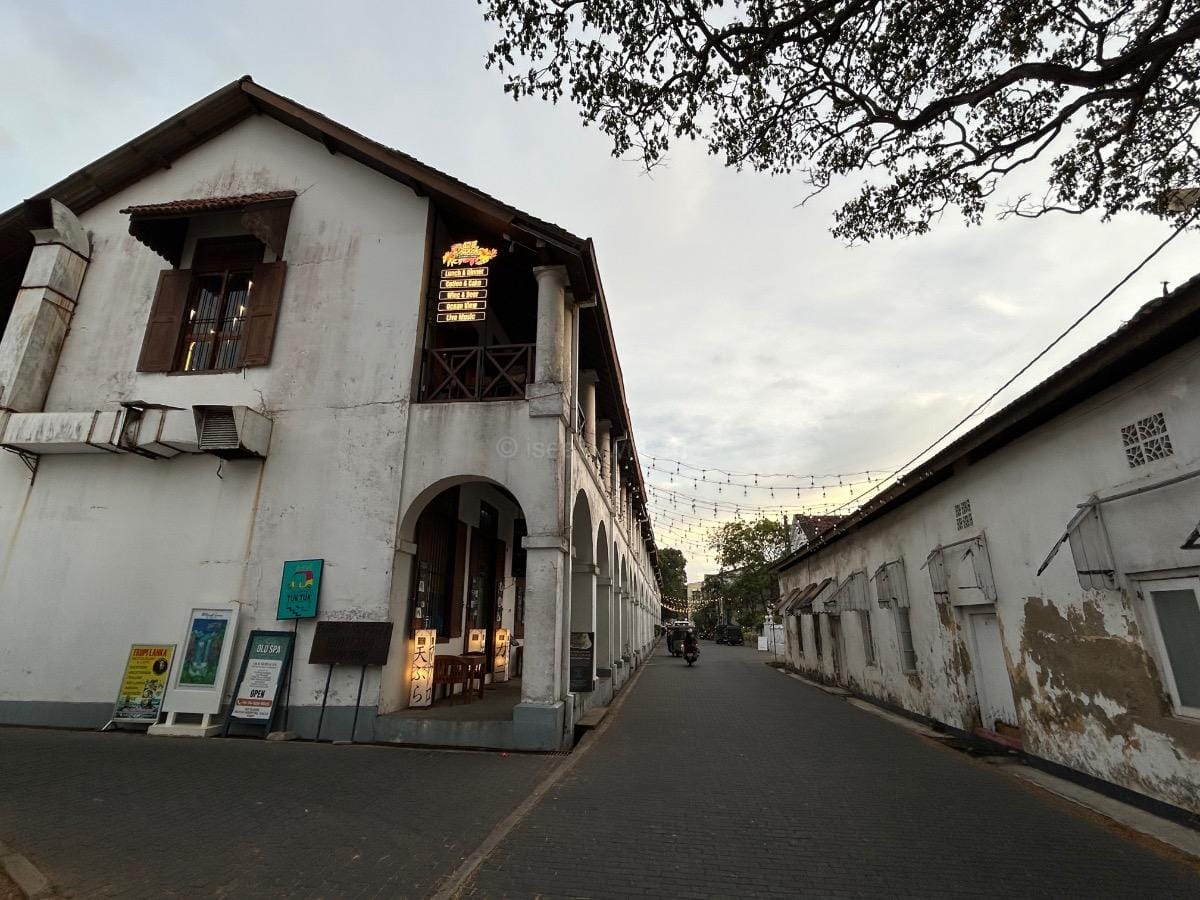
Perched right along the eastern rampart, the Old Dutch Hospital is one of the oldest buildings inside Galle Fort, established in the 17th century to care for Dutch East India Company officers. Today, this historic landmark is a chic dining and shopping complex. Its wide wooden colonnades, open-air courtyards, and upper-level balconies offer sweeping sea views across the harbour, making it an ideal spot to step off the stone walls and relax over fresh seafood, coffee, or drinks.
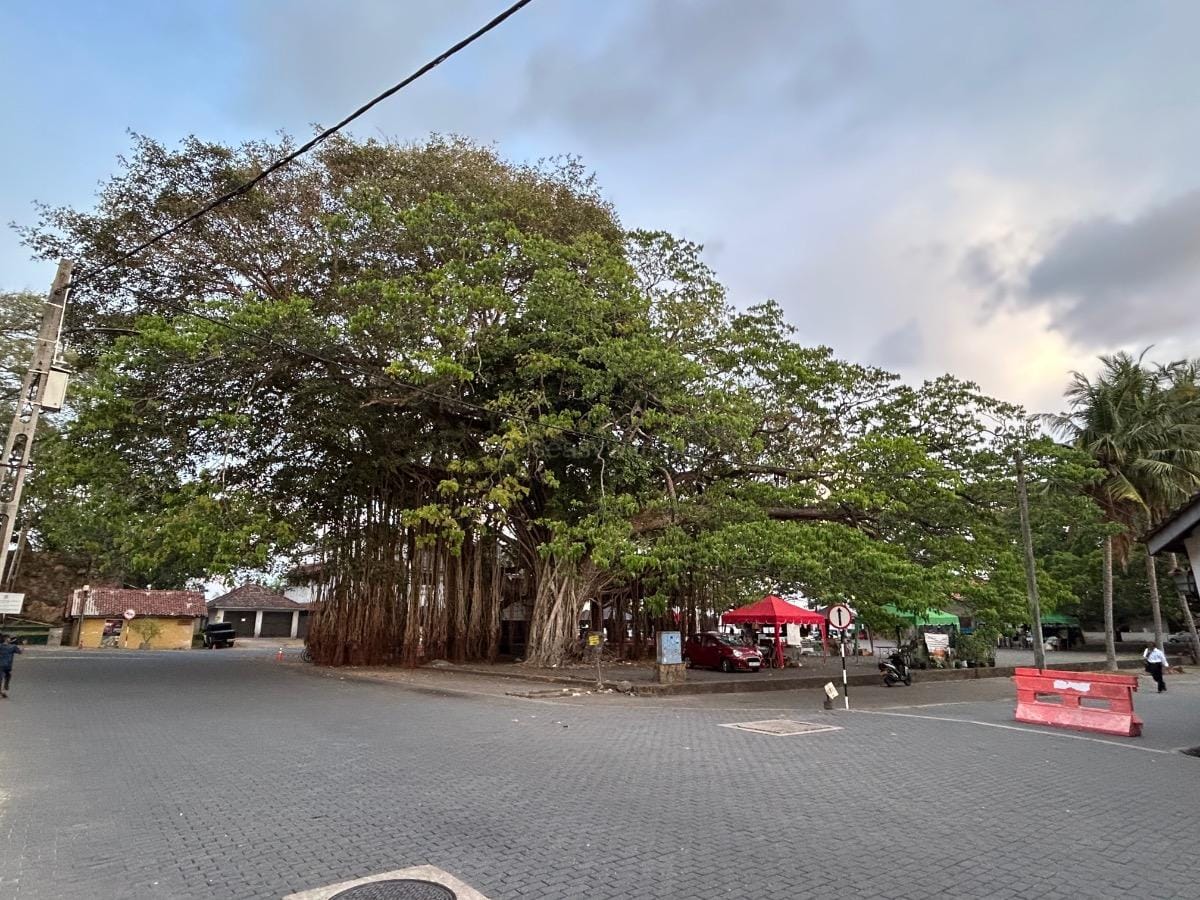
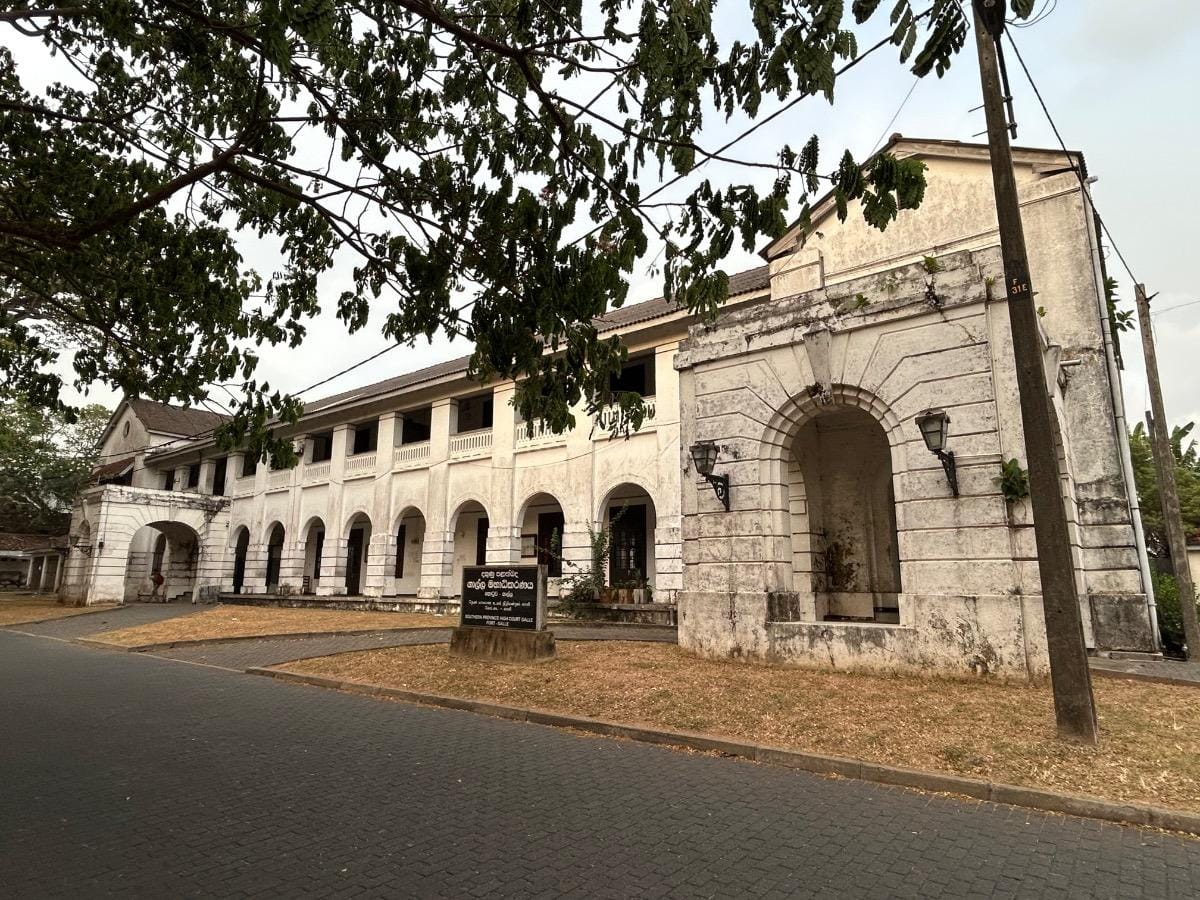
Just steps away from the hospital complex lies Court Square, the historic legal and administrative core of the fort. Here, shady banyan trees frame the colonial-era Southern Province High Court and local law chambers, bridging Galle's centuries-old administrative history with its lively present-day seafront.
6. Heritage Streets & Historic Churches
Locations Covered: Church Street, All Saints' Church, Dutch Belfry (Bell Tower), Dutch Reformed Church (Groote Kerk).
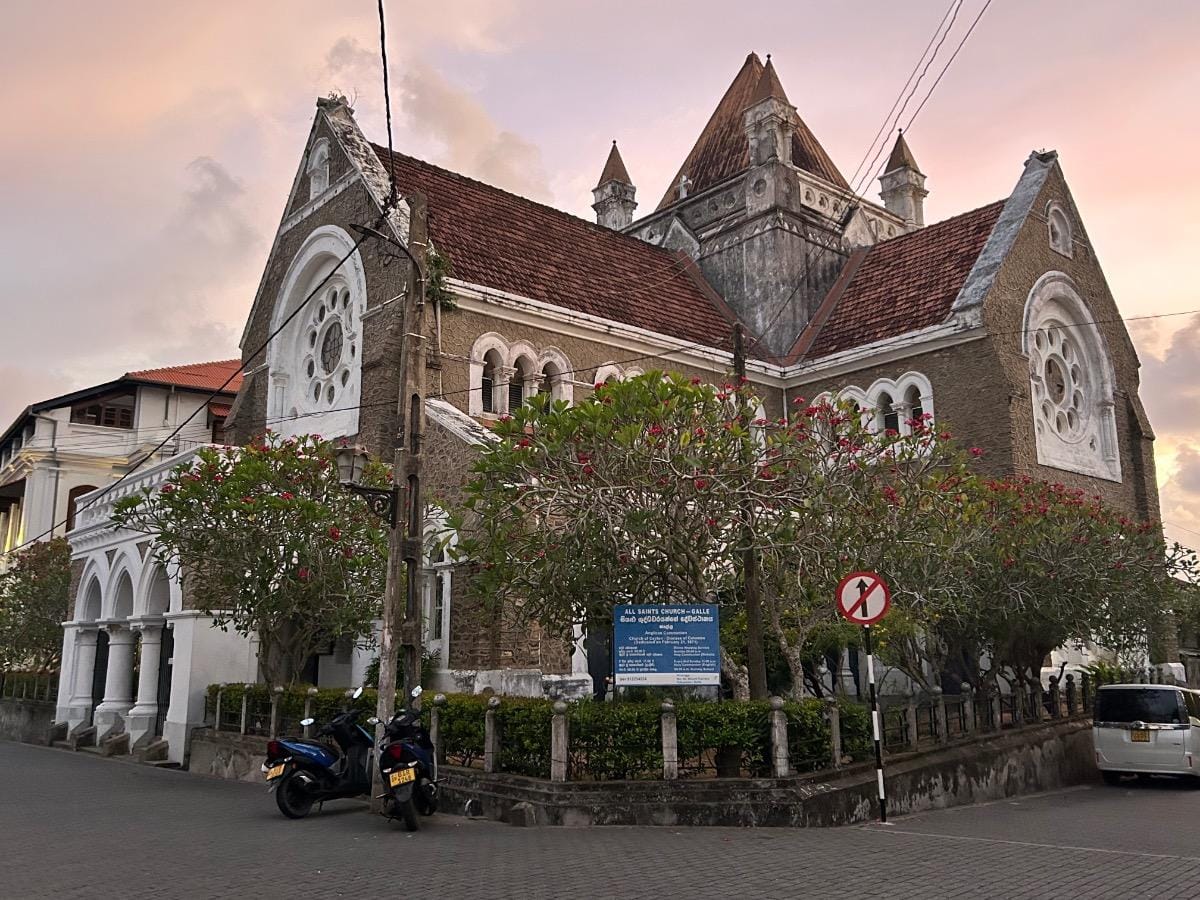
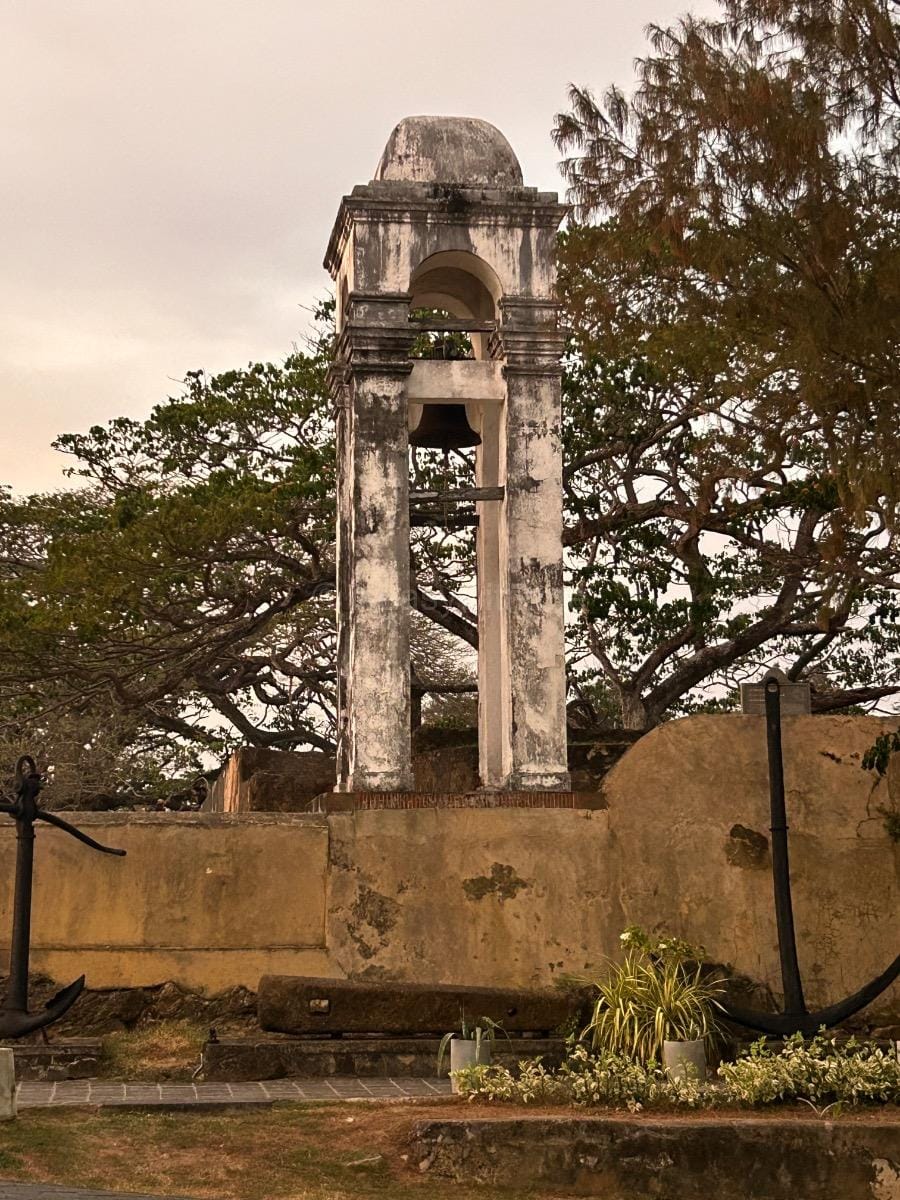
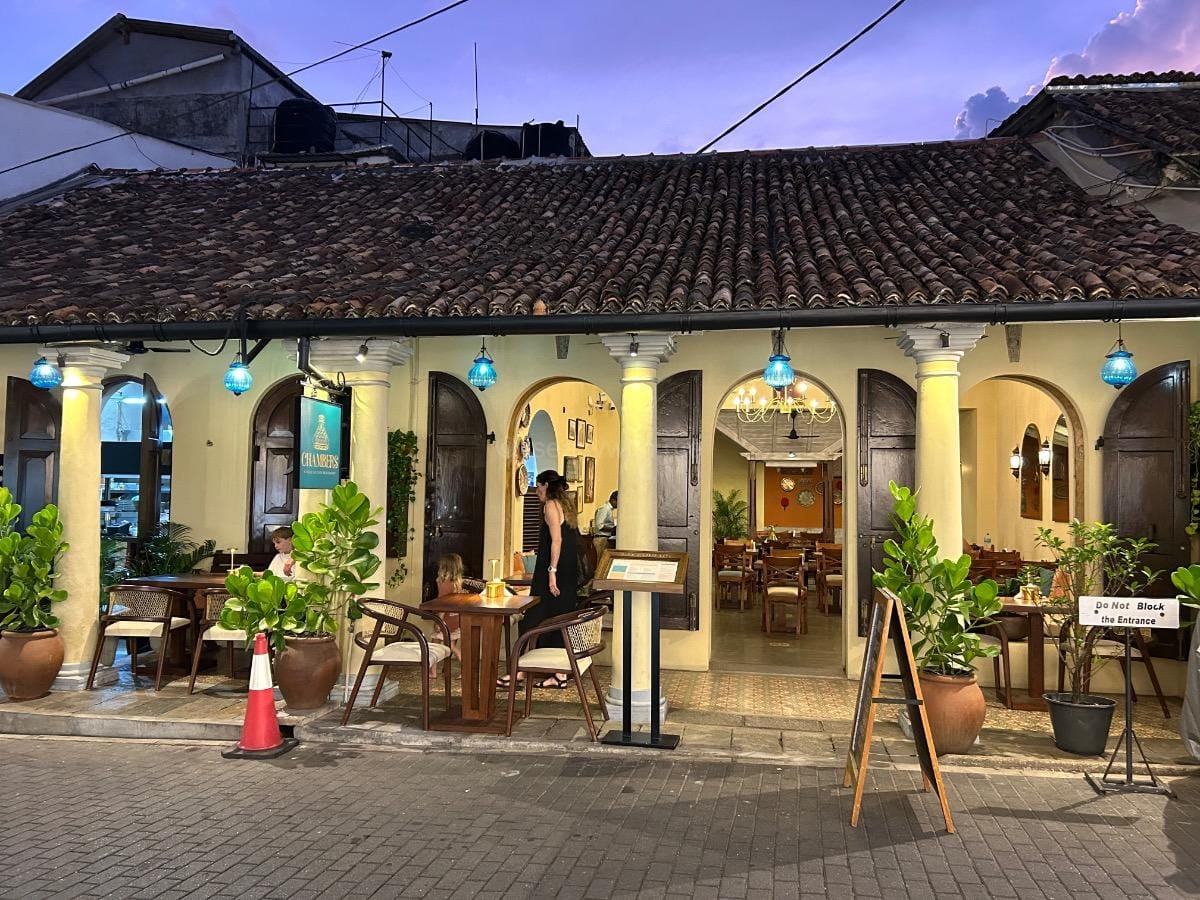
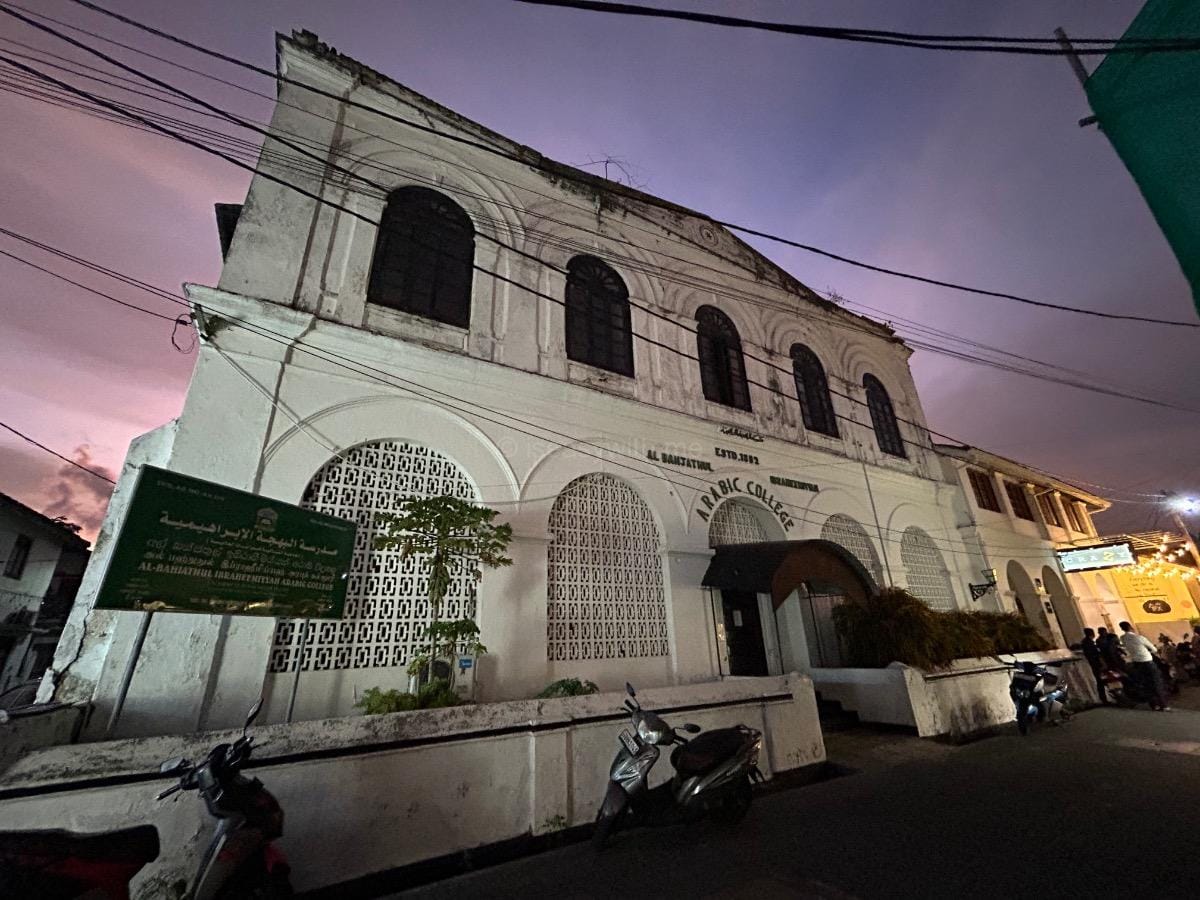
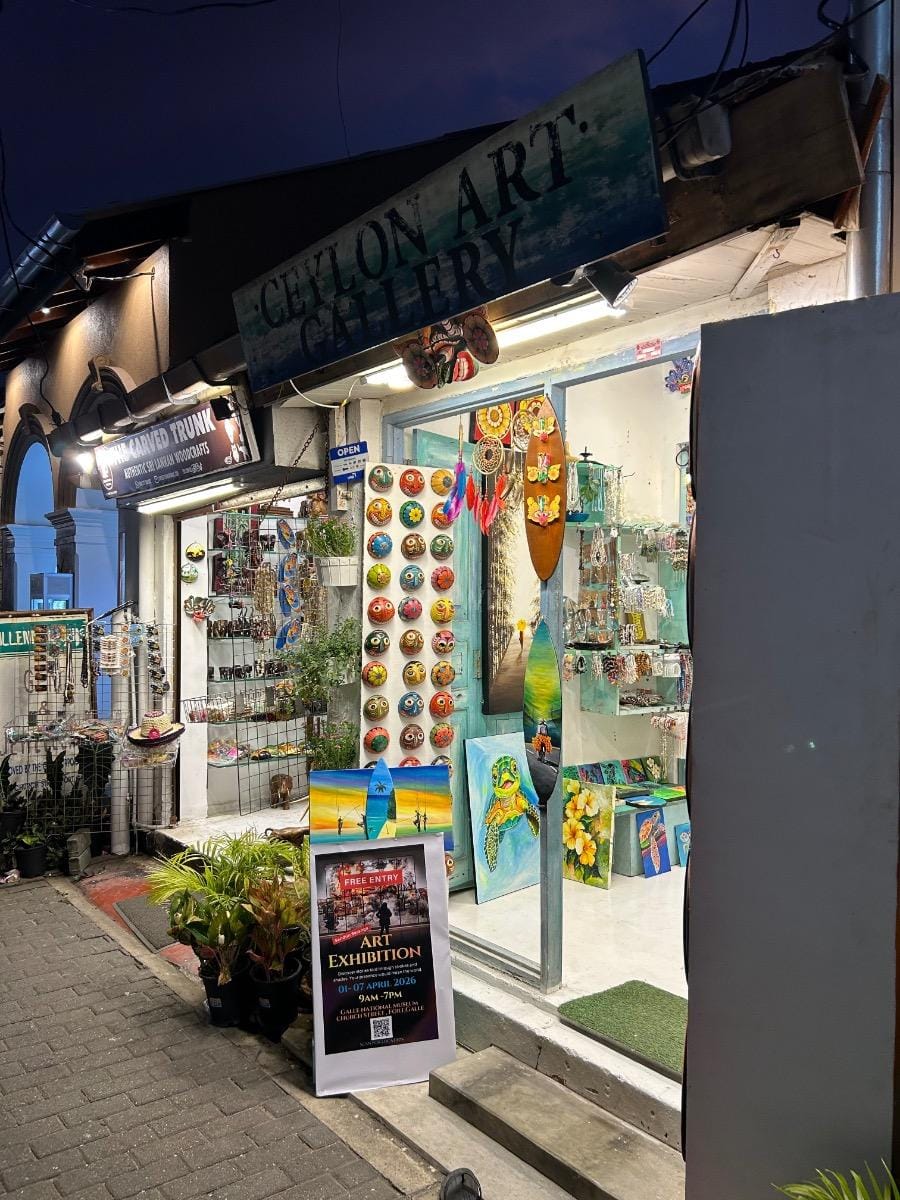
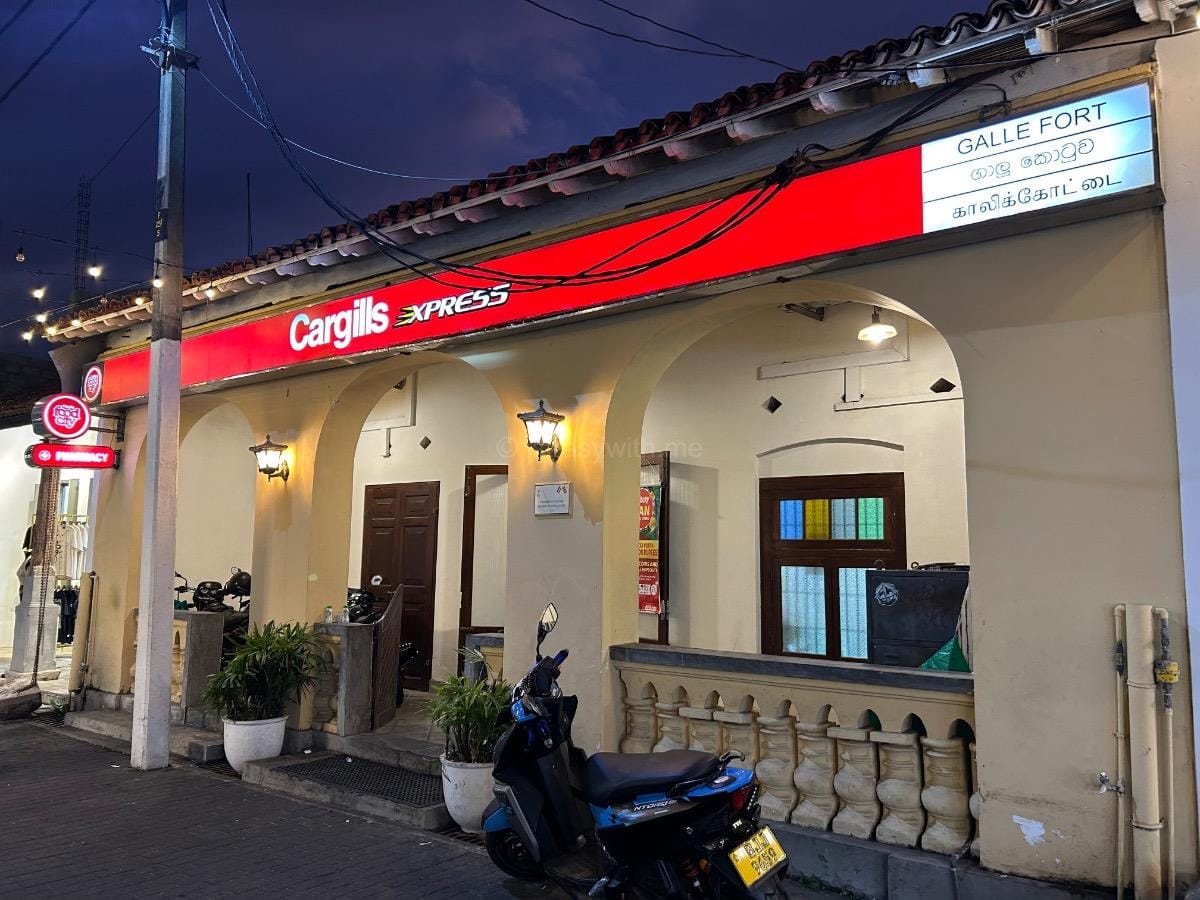
Stepping inward from the northern entrance leads directly onto historic Church Street, the main architectural spine of Galle Fort. Near the top of the street stands the Dutch Belfry (1701), framed by heavy iron anchors; built to signal shift changes and call town meetings, it is one of the fort's oldest surviving structures.
Continuing down the lane, colonial history takes center stage at the Dutch Reformed Church (Groote Kerk), built in 1752, featuring a floor paved with carved 18th-century Dutch gravestones and an intricate wooden pulpit. Just across the street stands All Saints' Church, an imposing Victorian Gothic structure constructed in 1868 with detailed stonework and vaulted arches.
7. Pedlar Street & The Boutique Quarter
Locations Covered: Pedlar Street, Leyn Baan Street, Lighthouse Street.
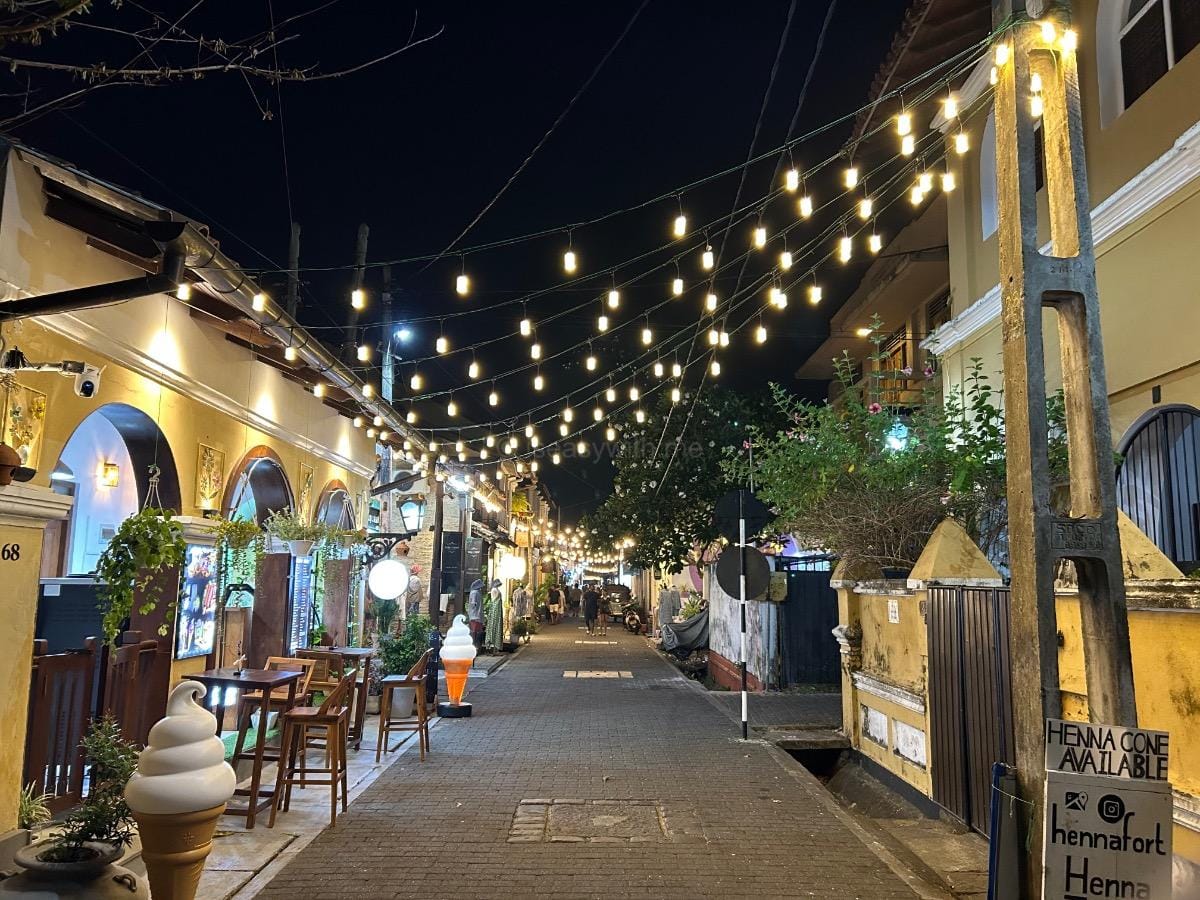
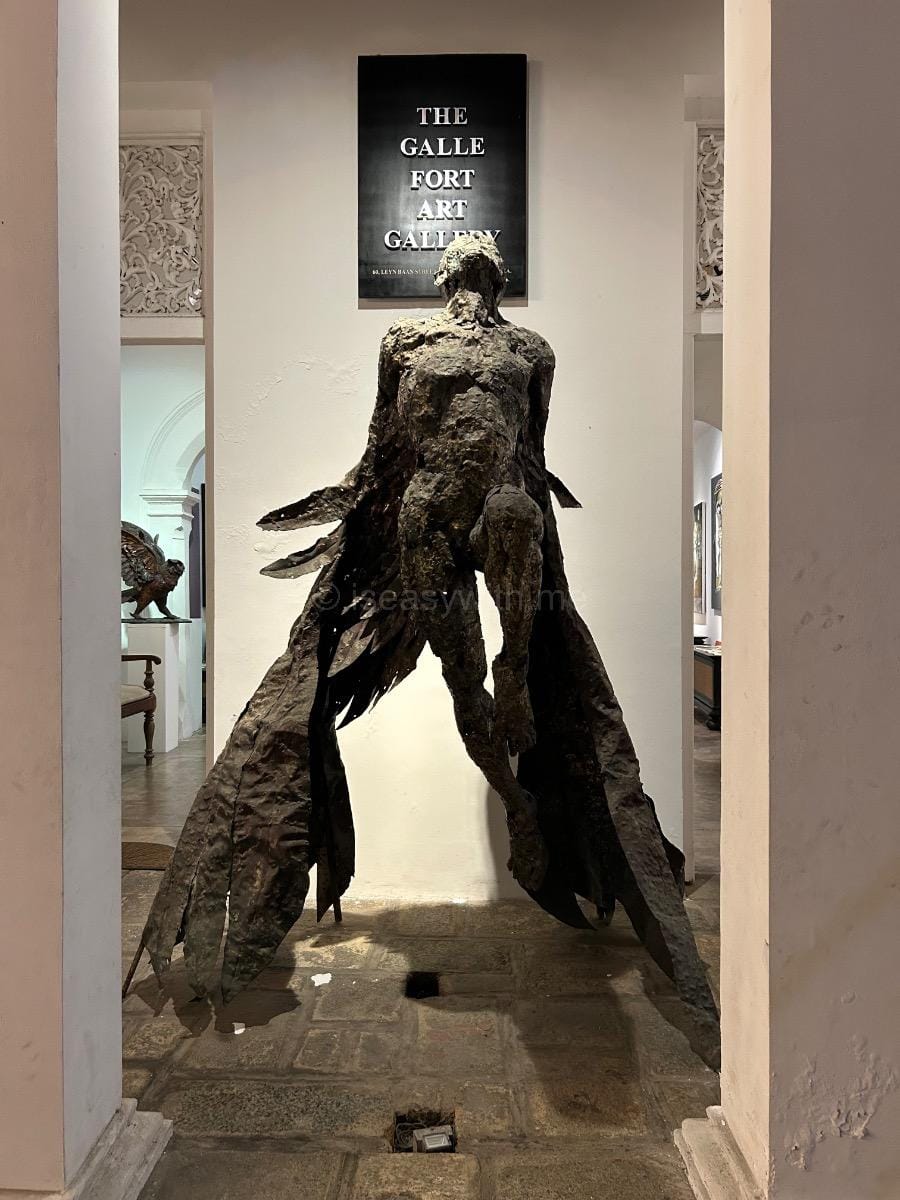
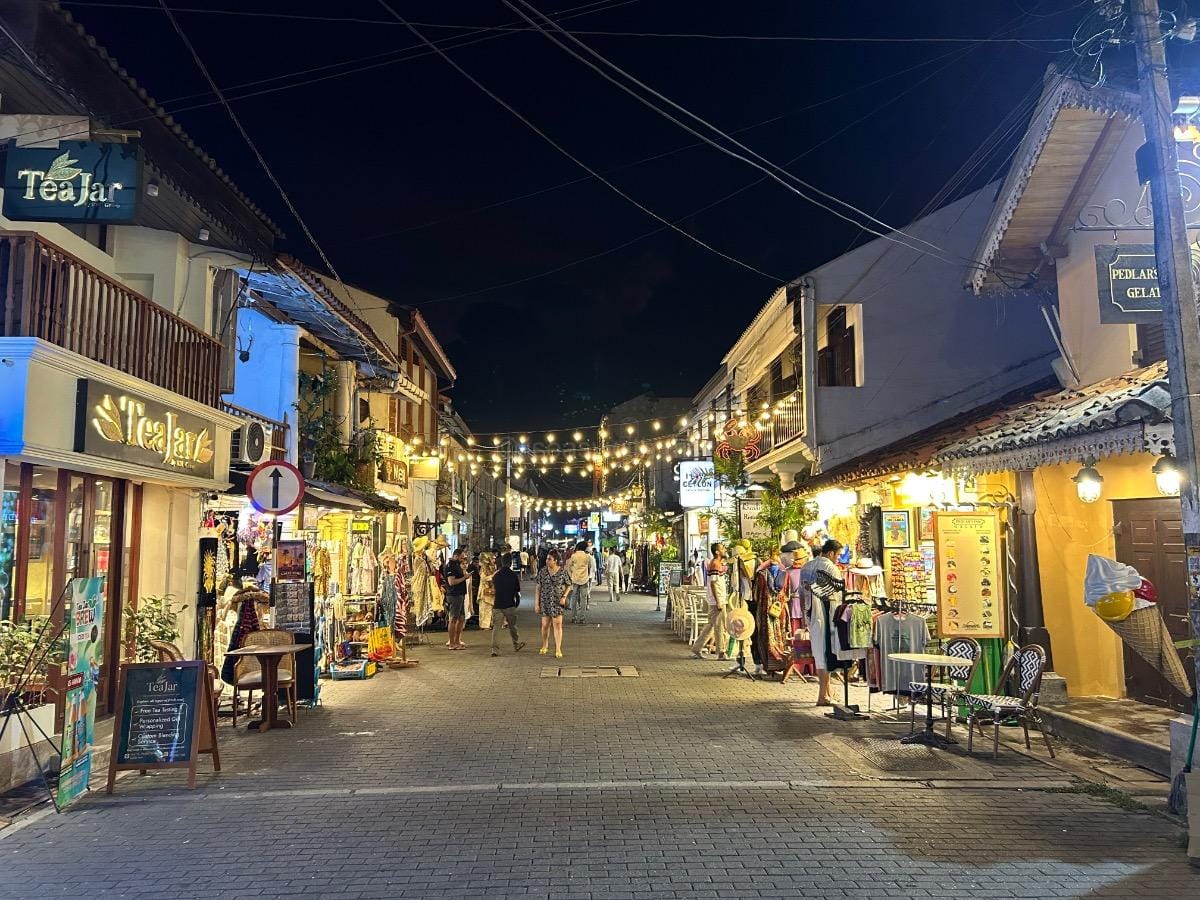
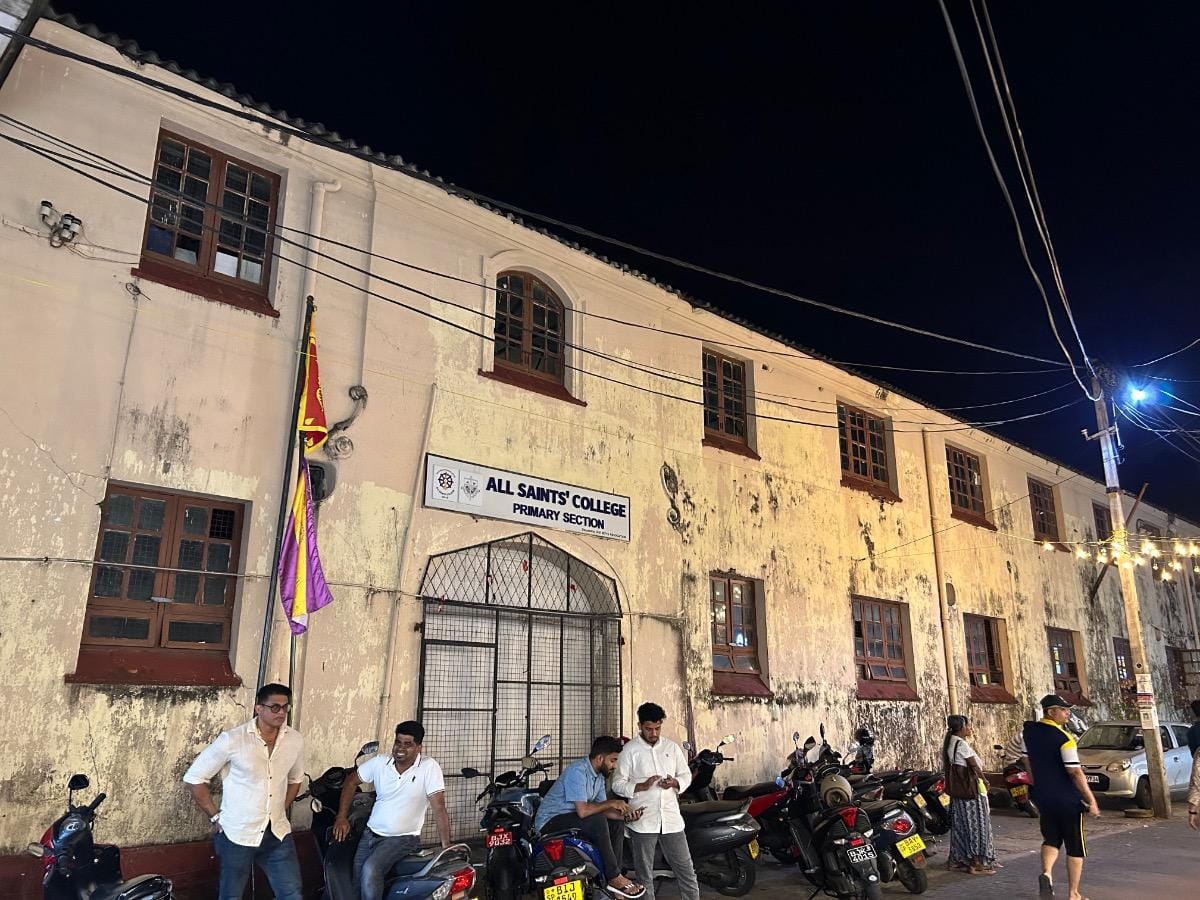
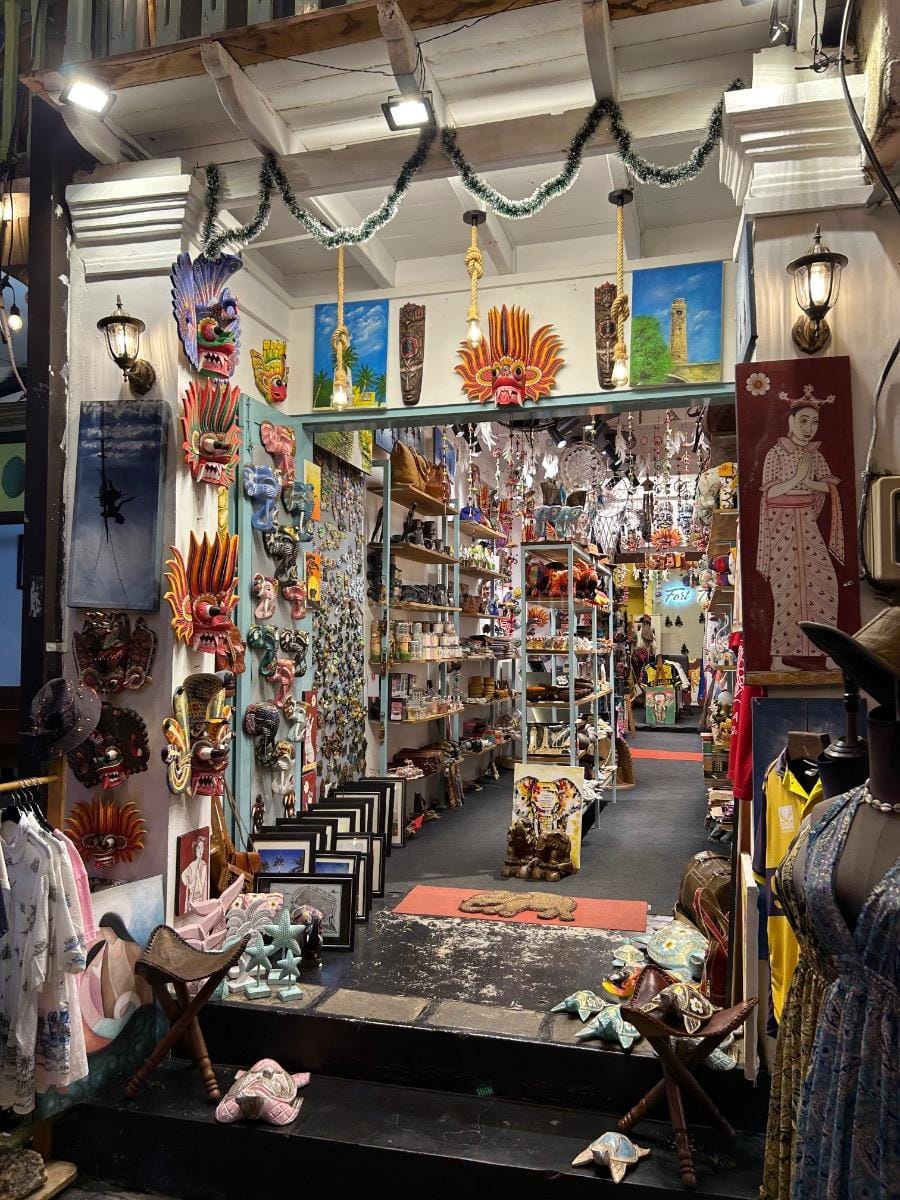
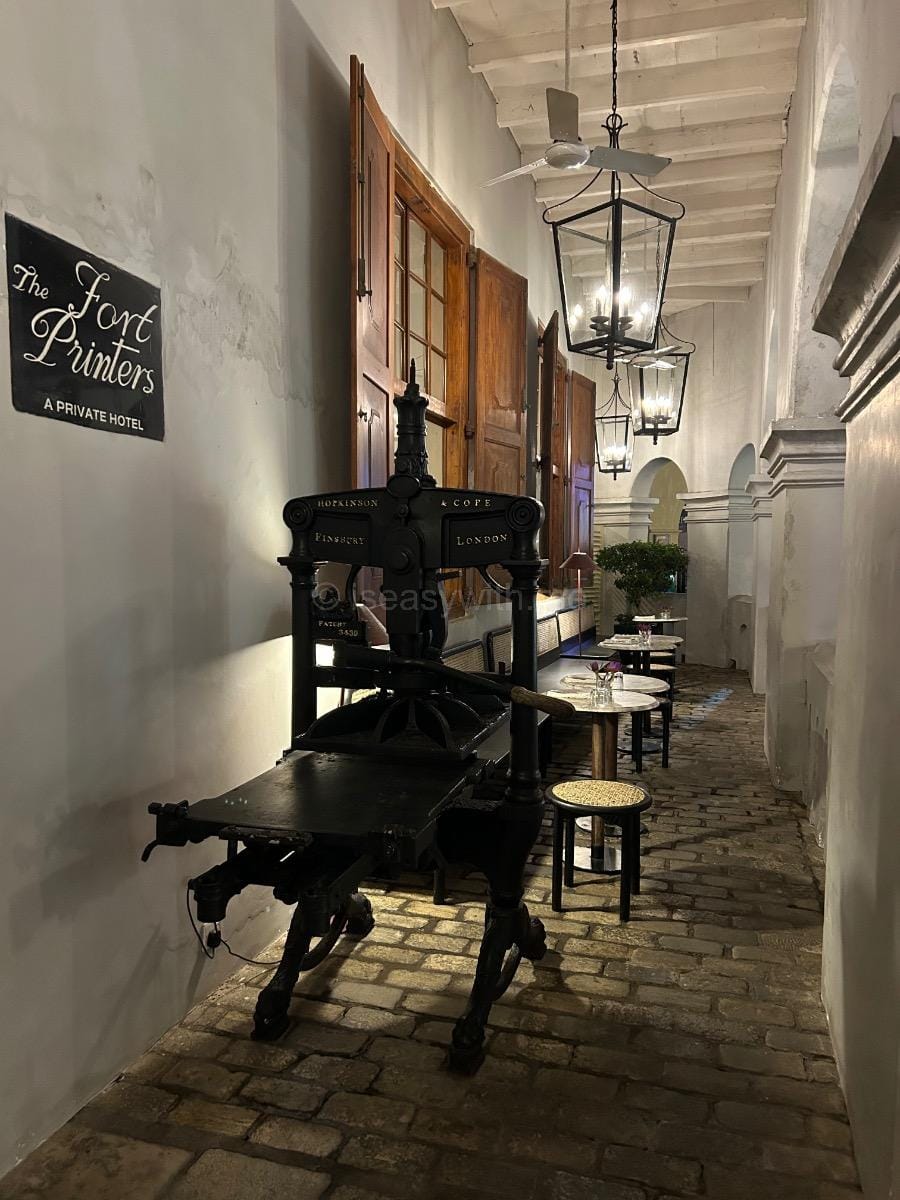
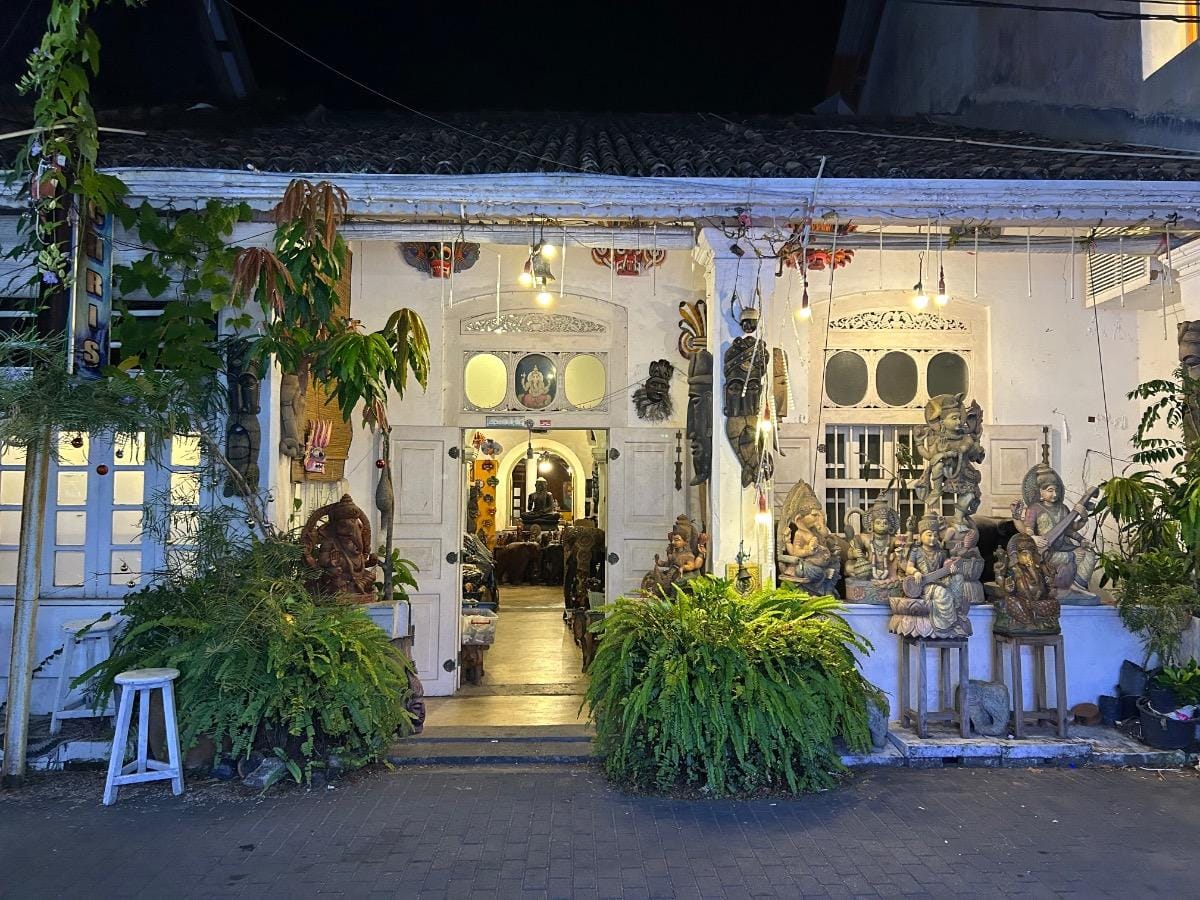
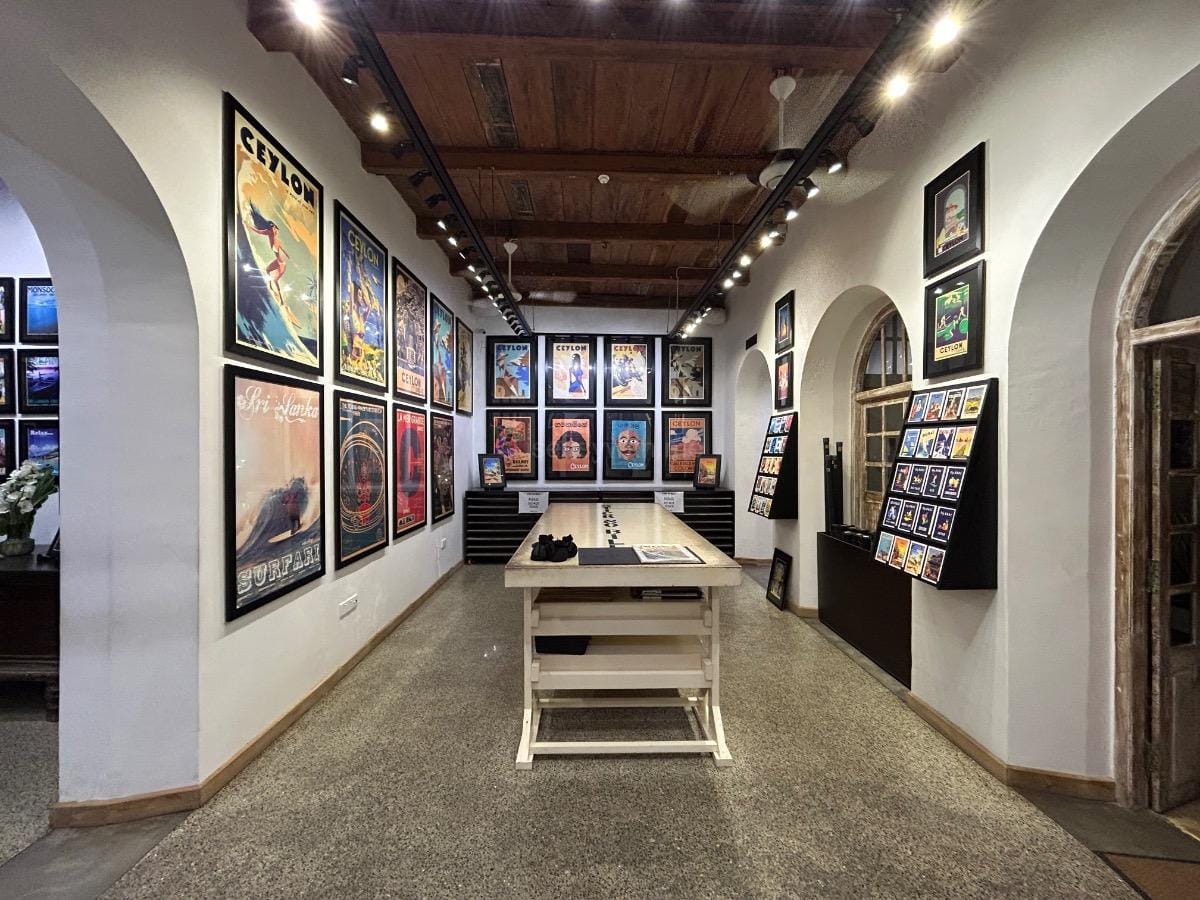
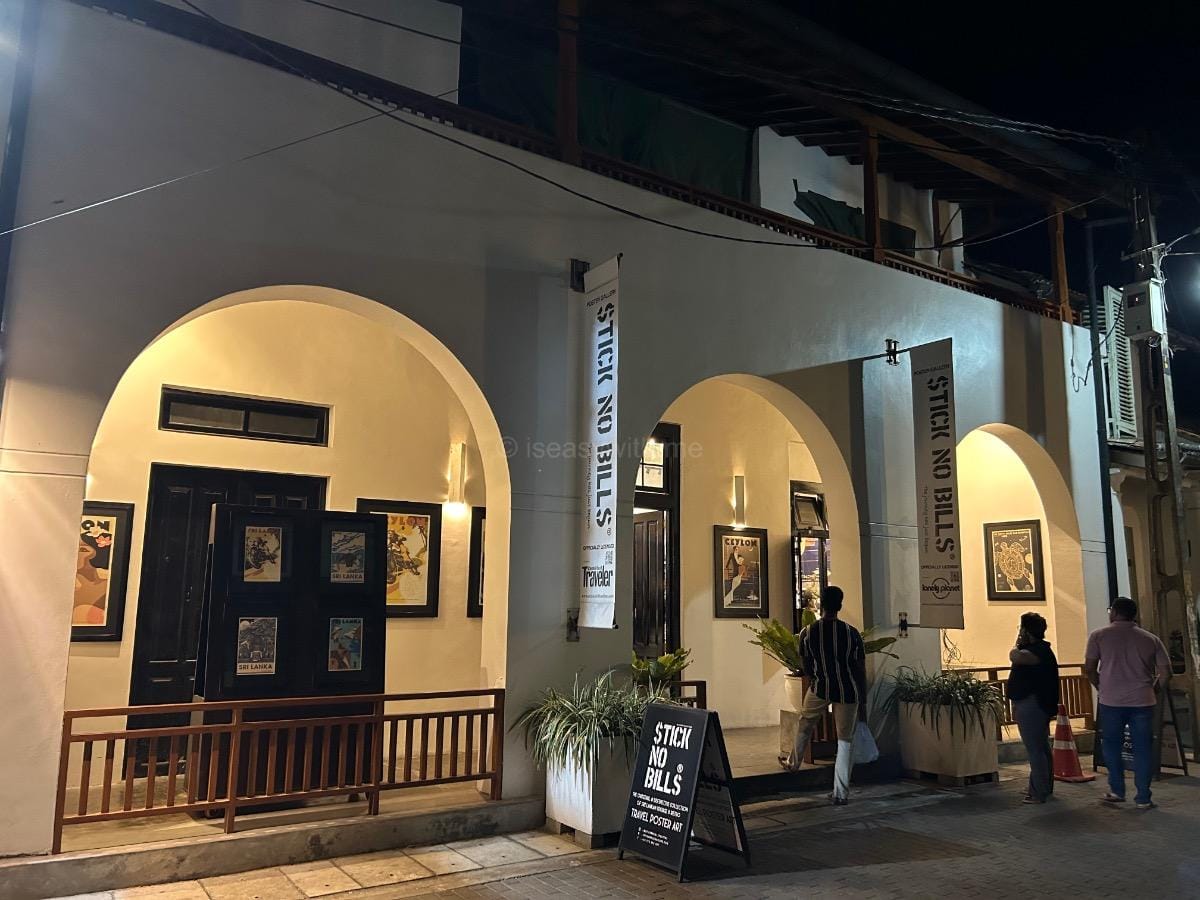
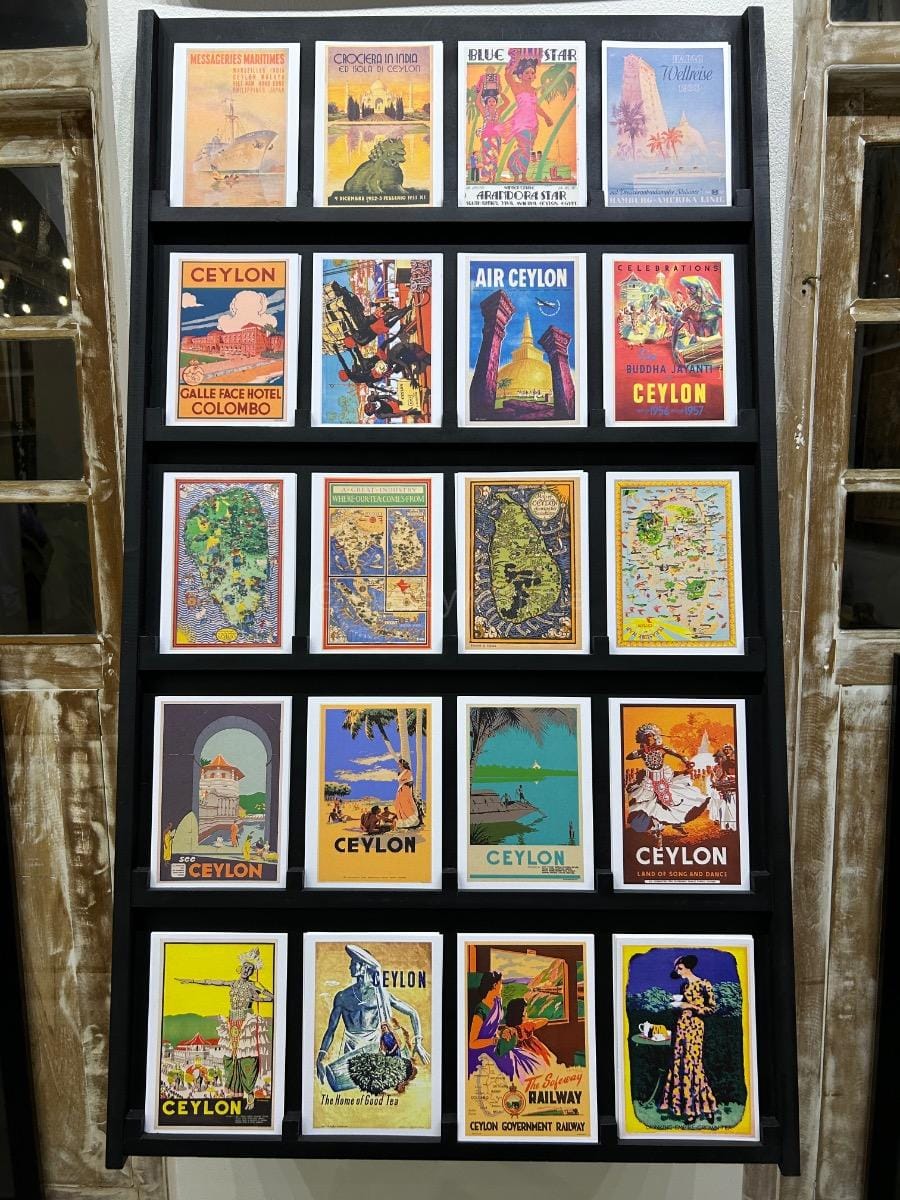
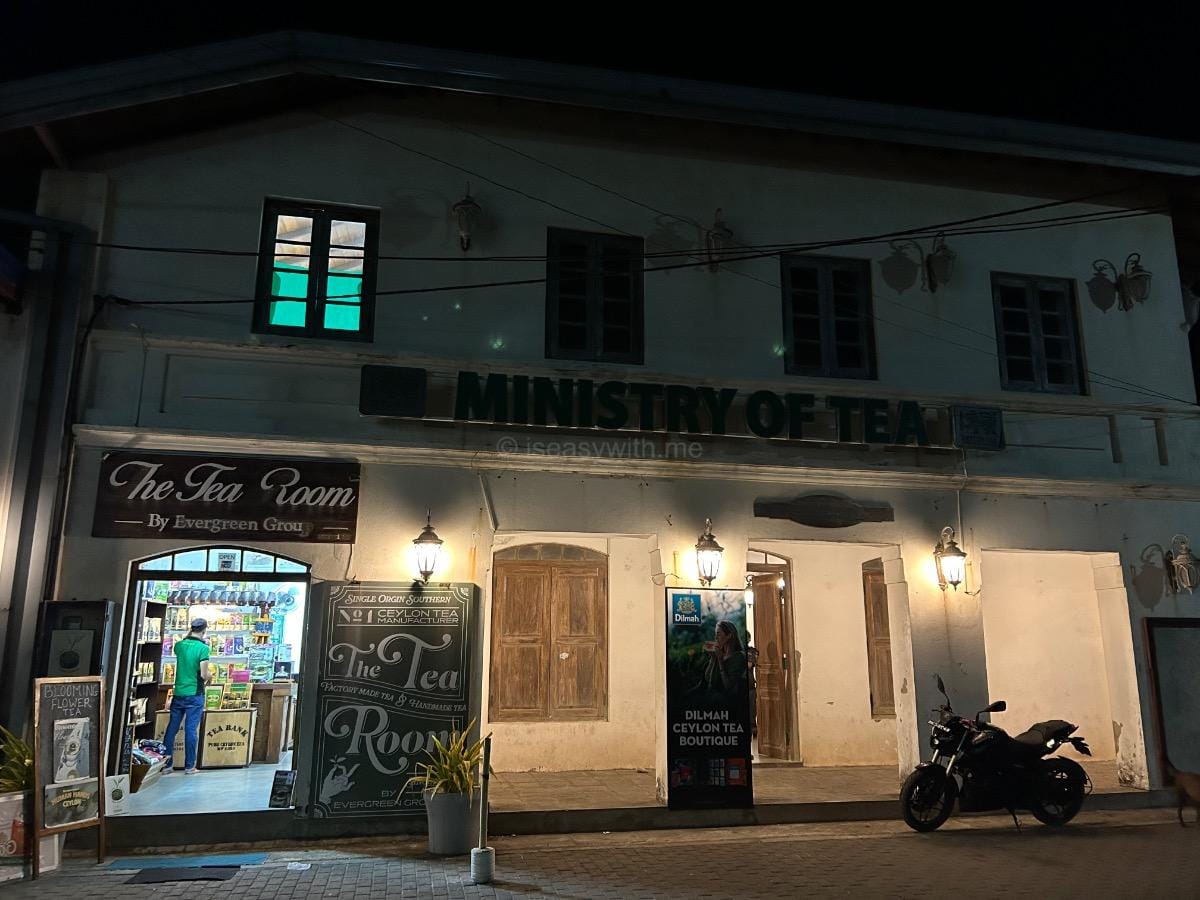
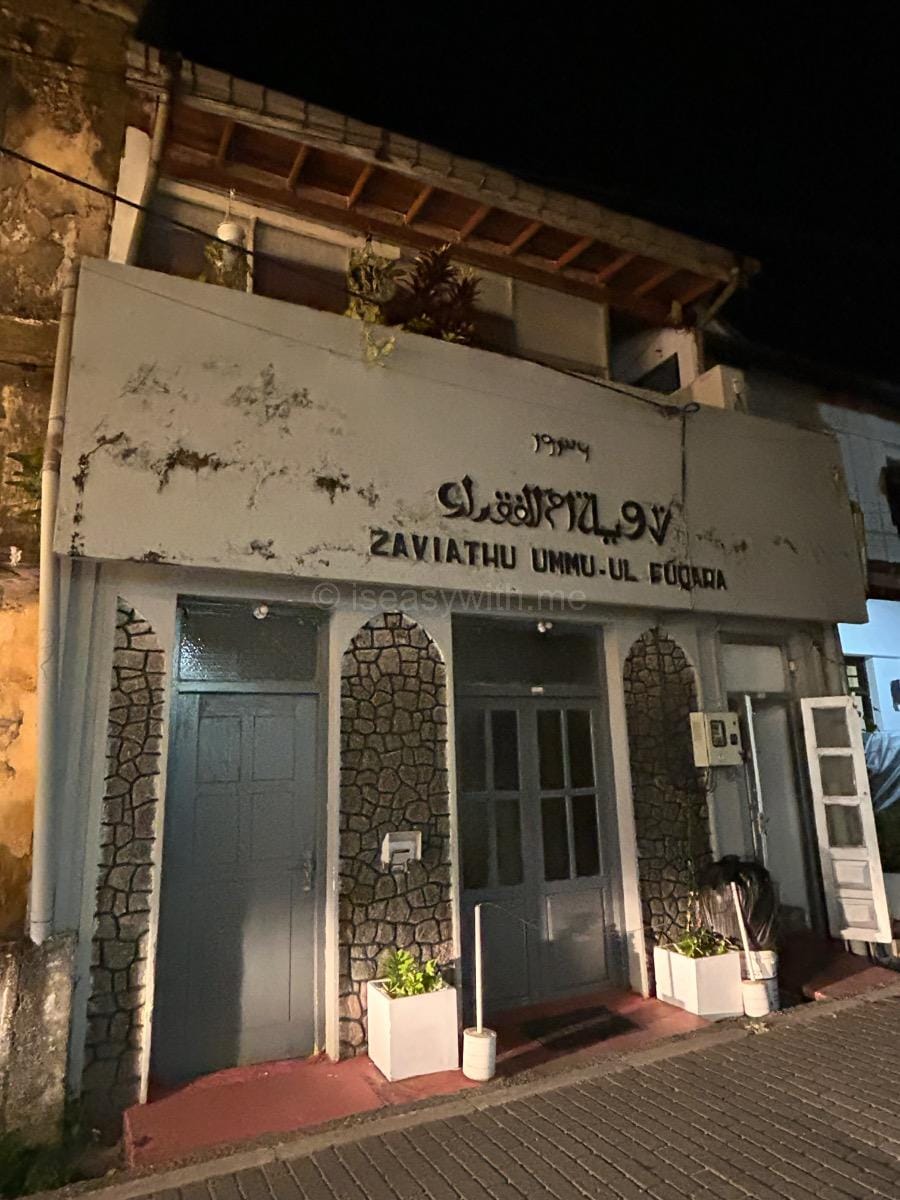
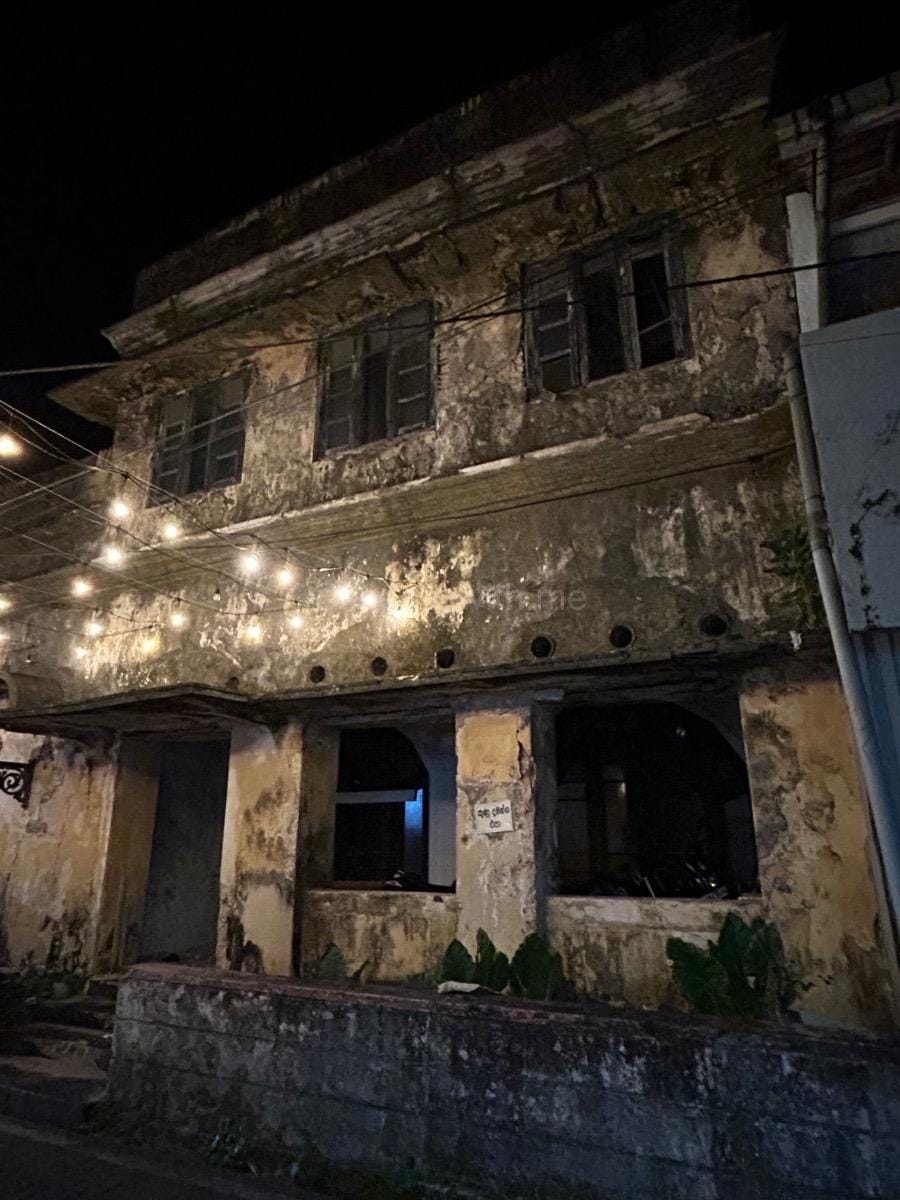
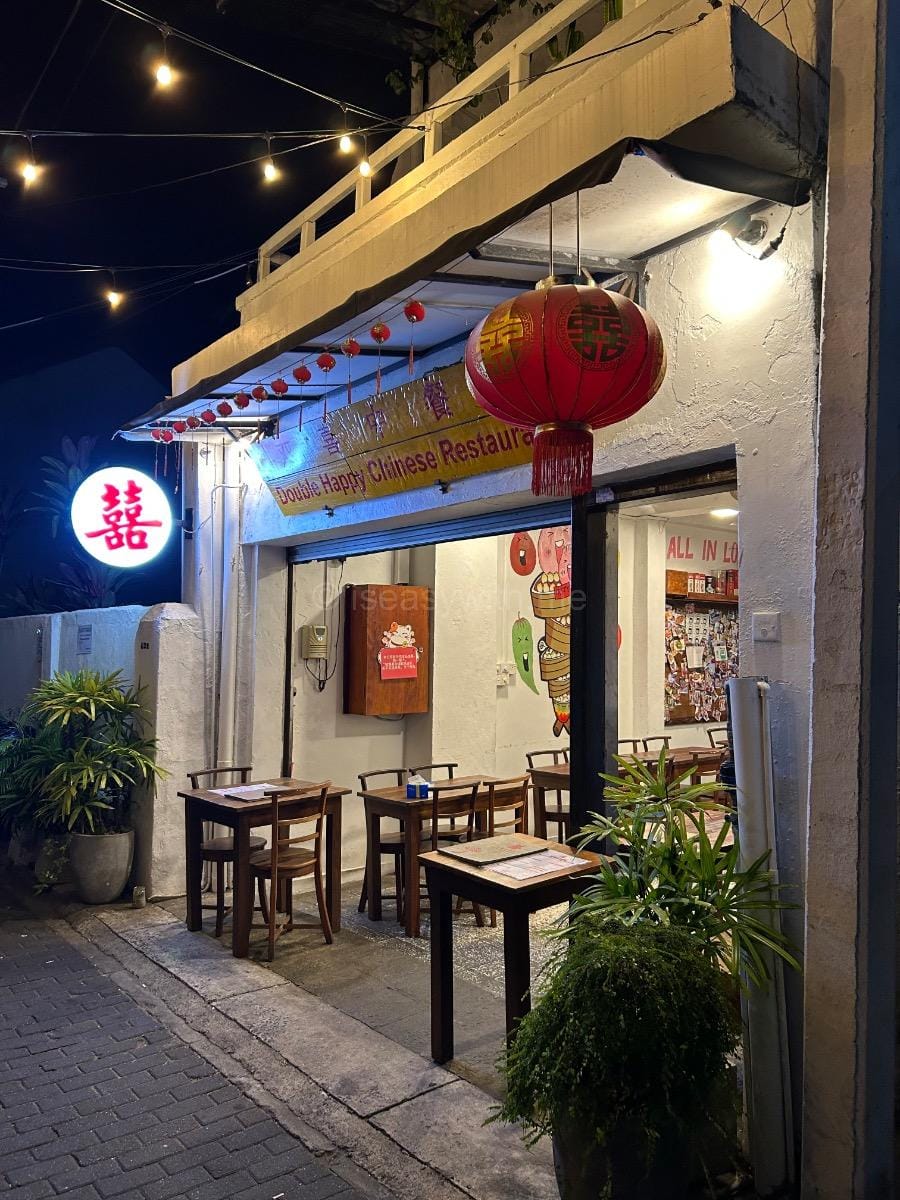
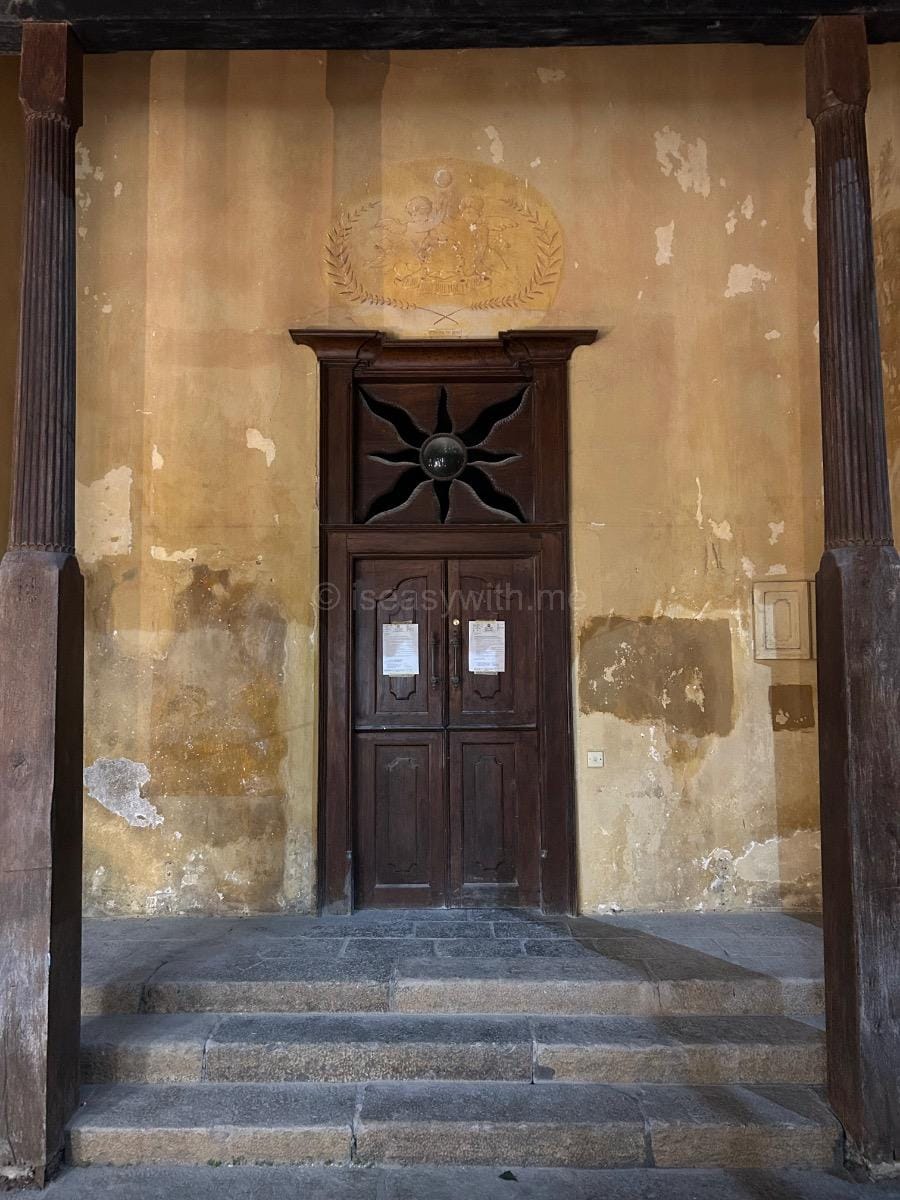
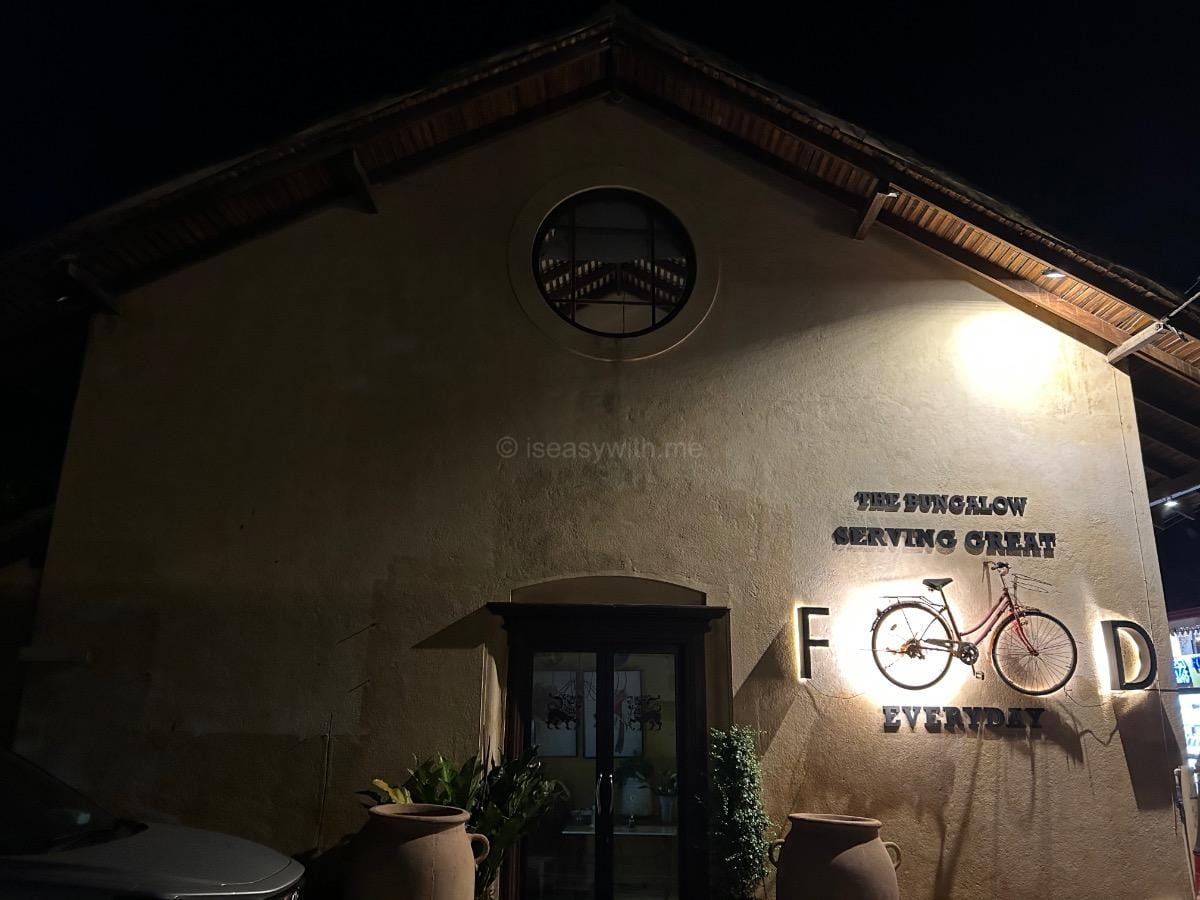
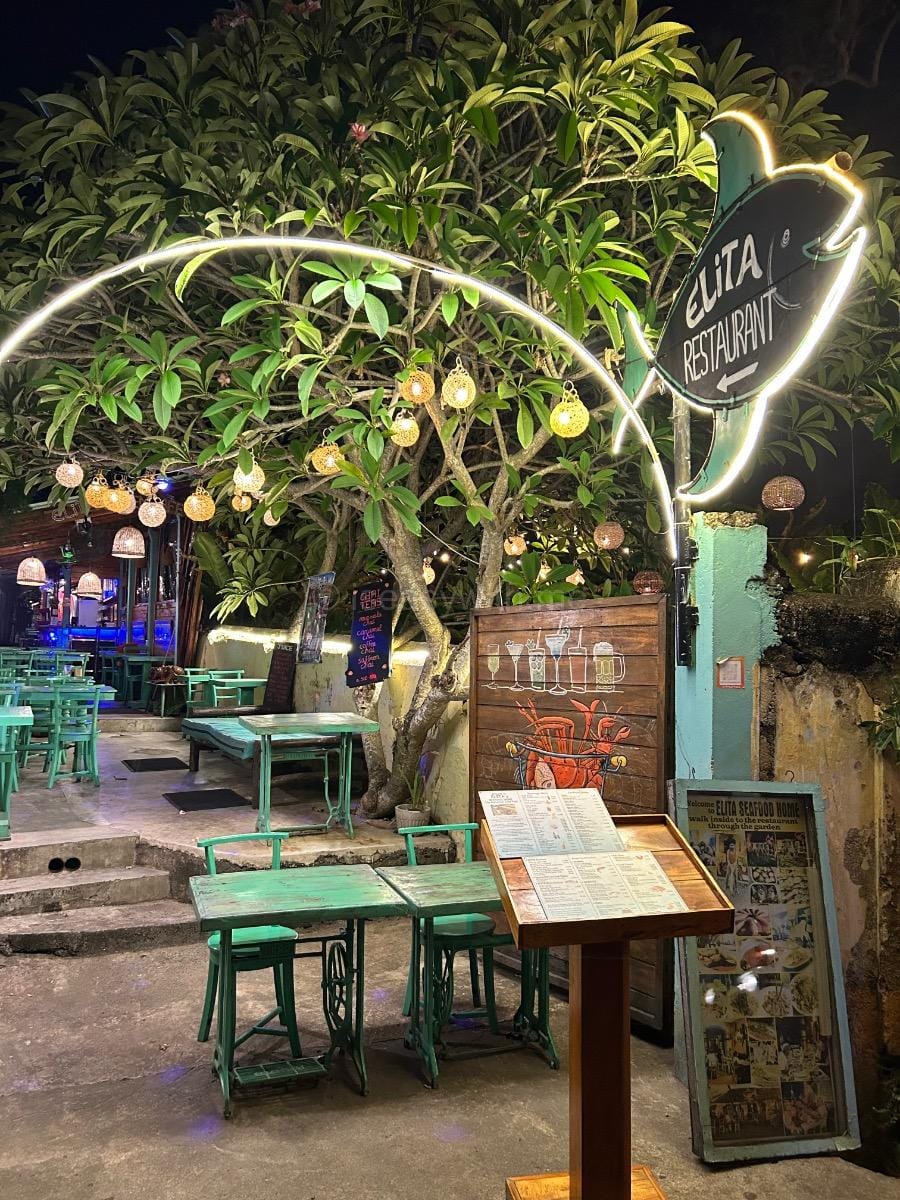
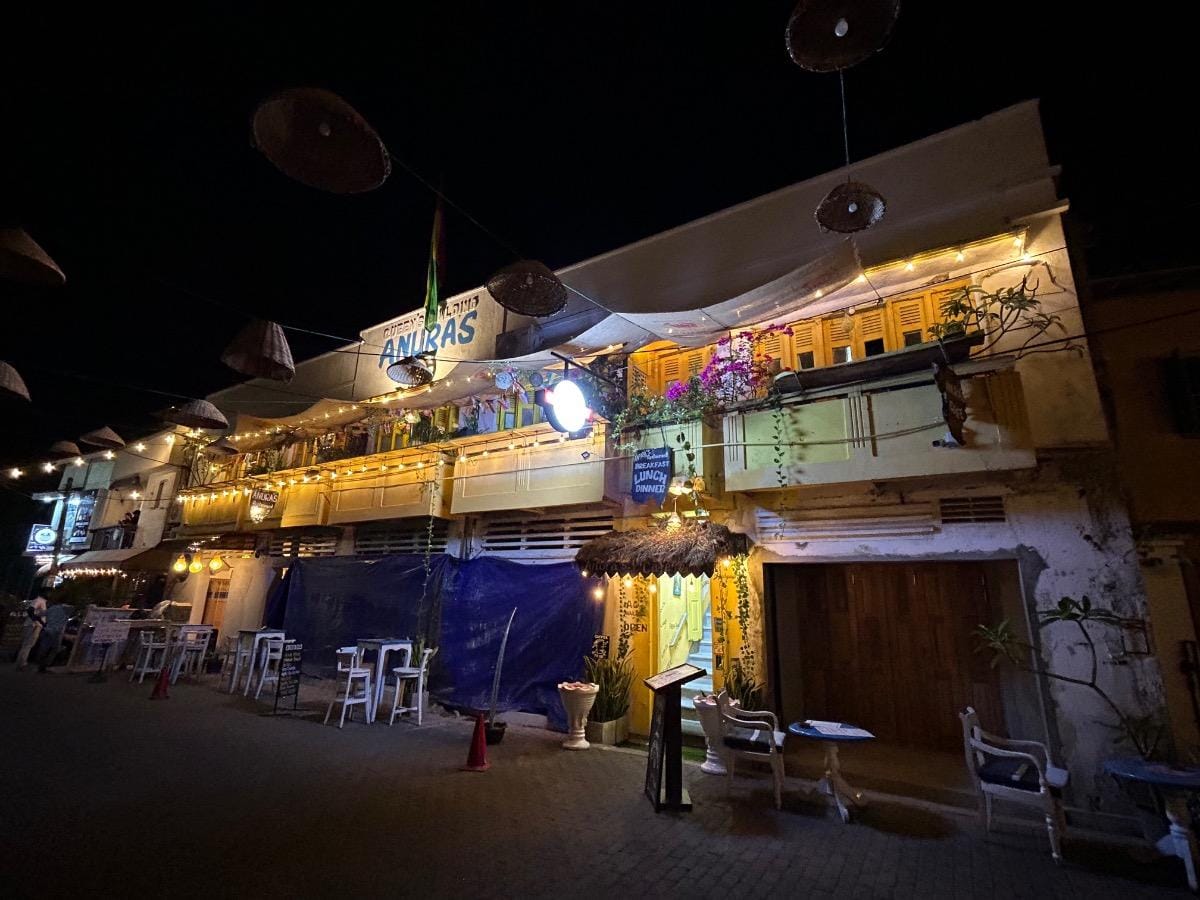
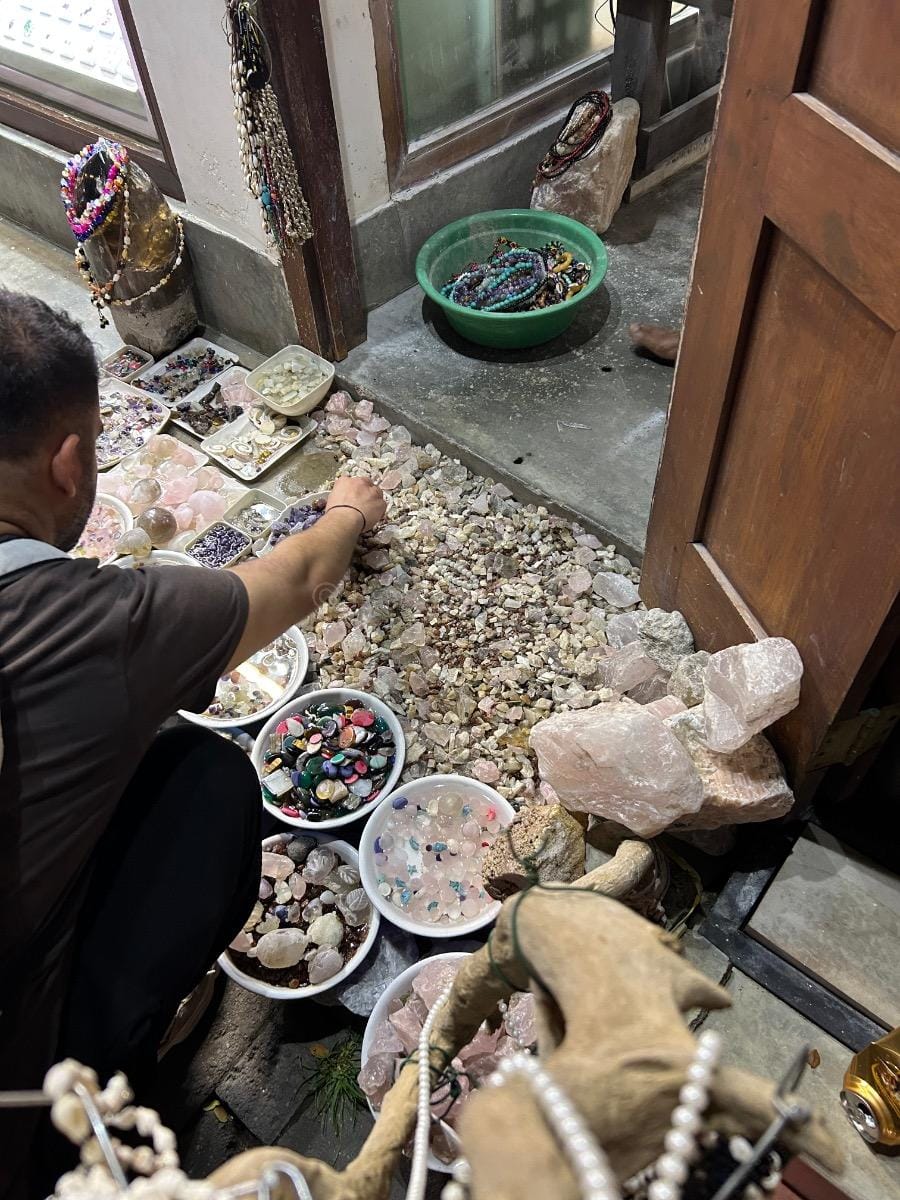
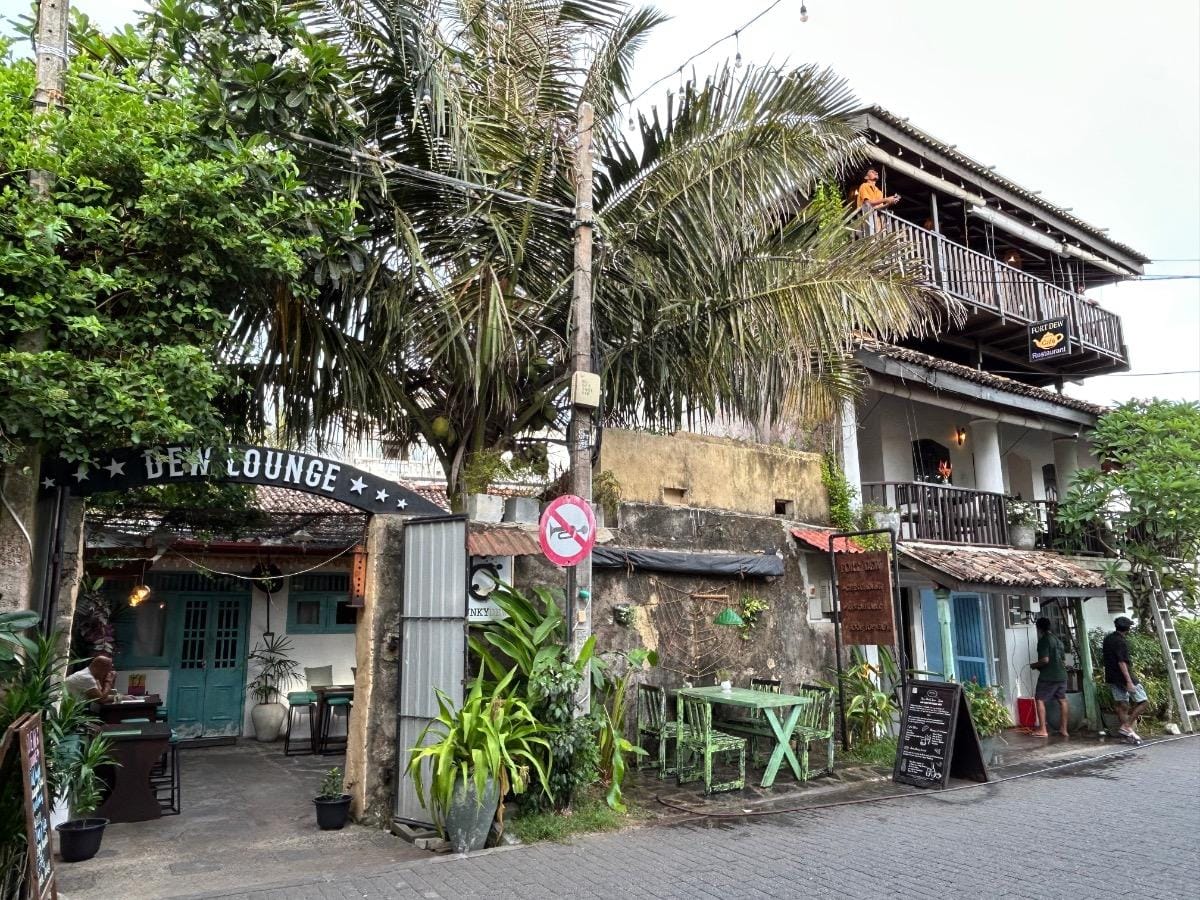
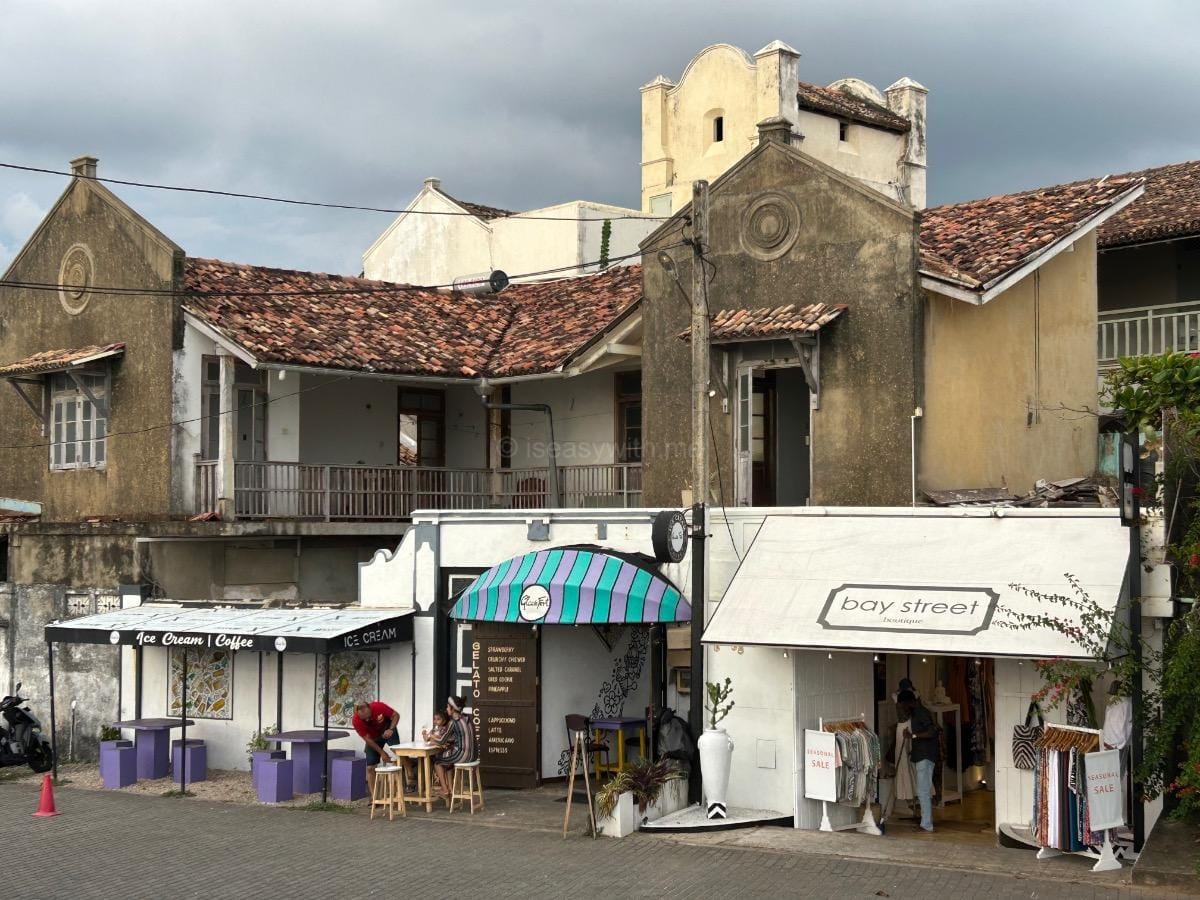
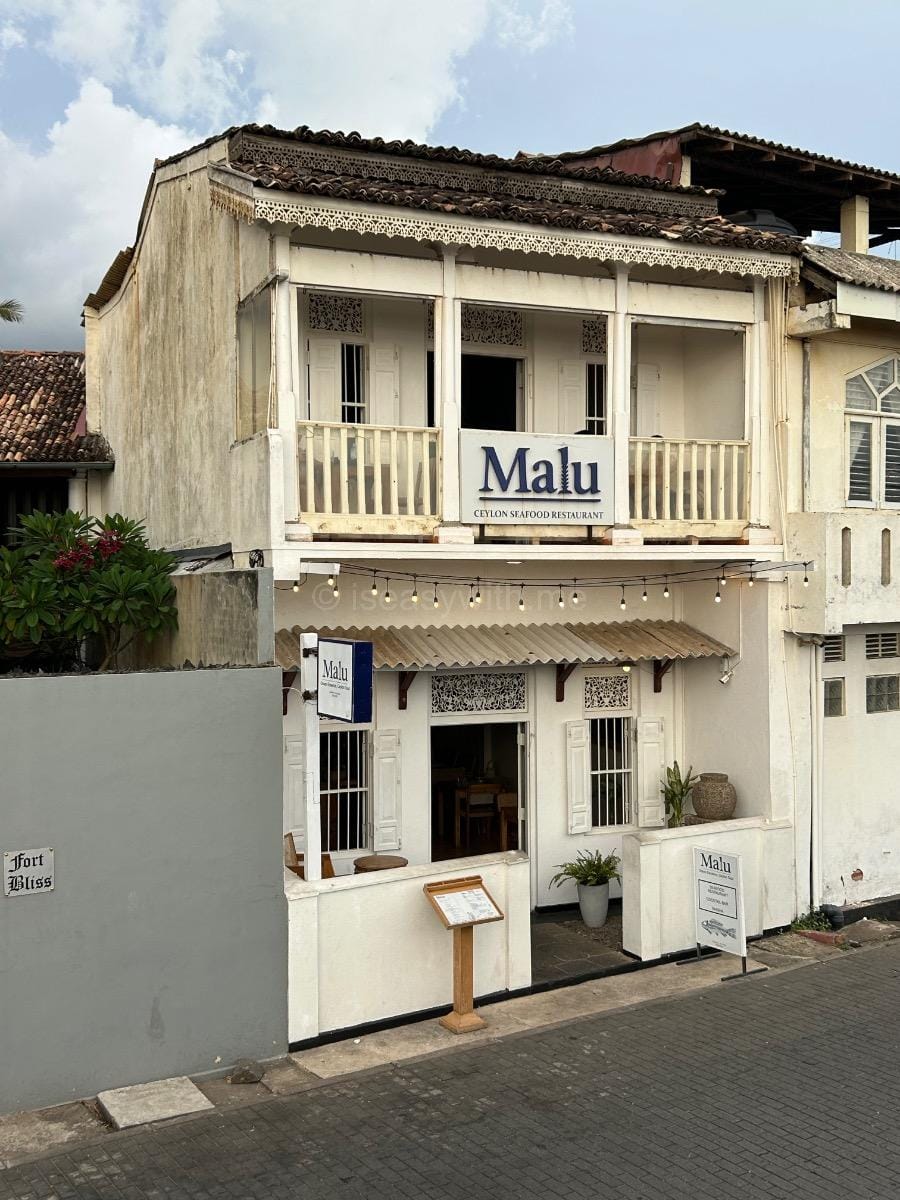
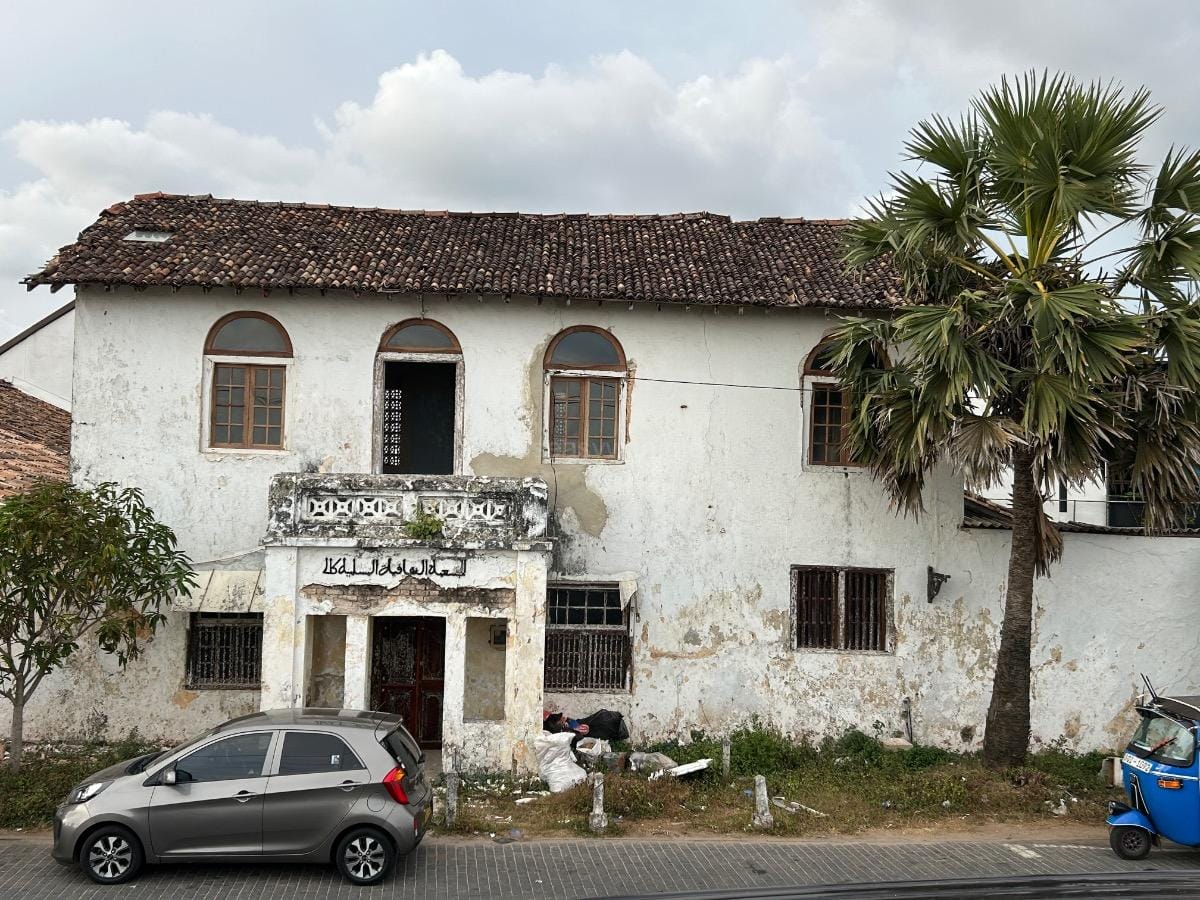
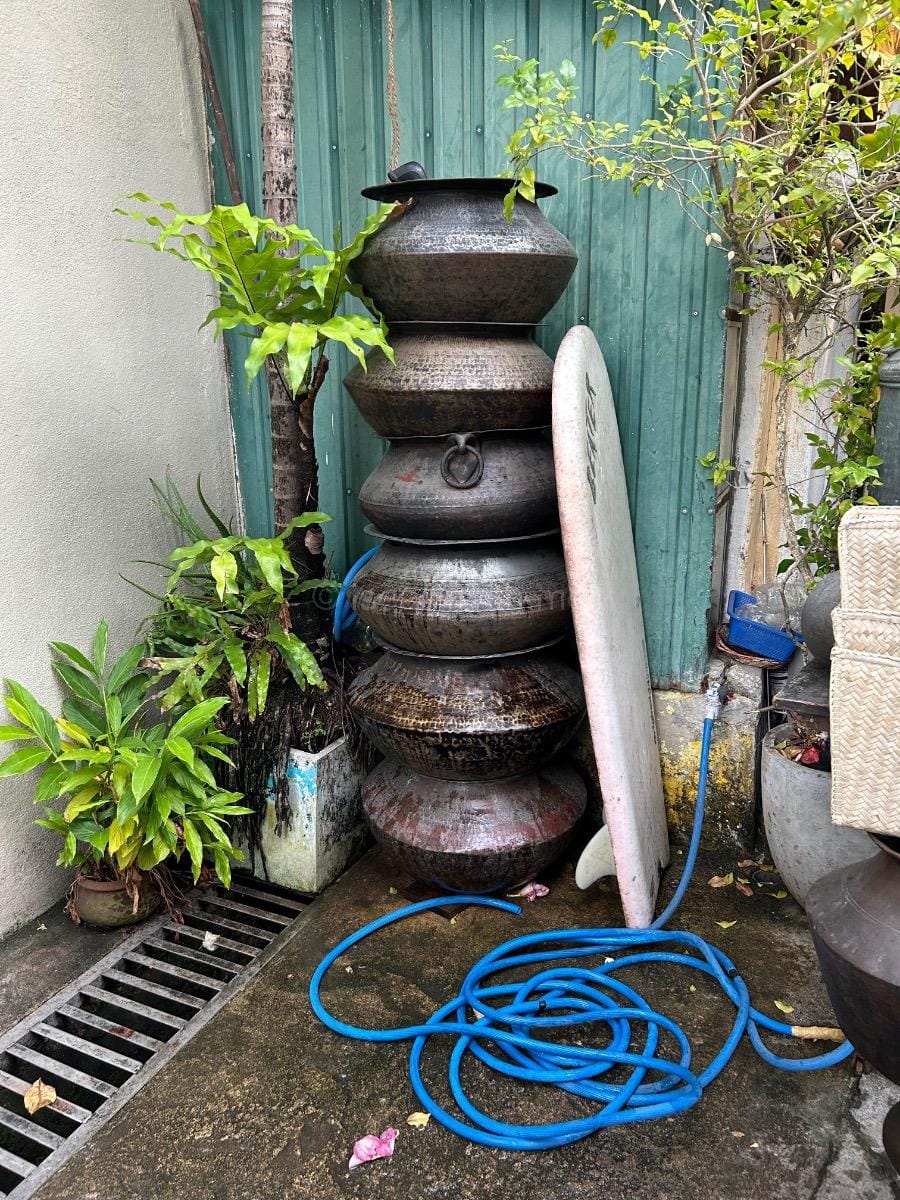
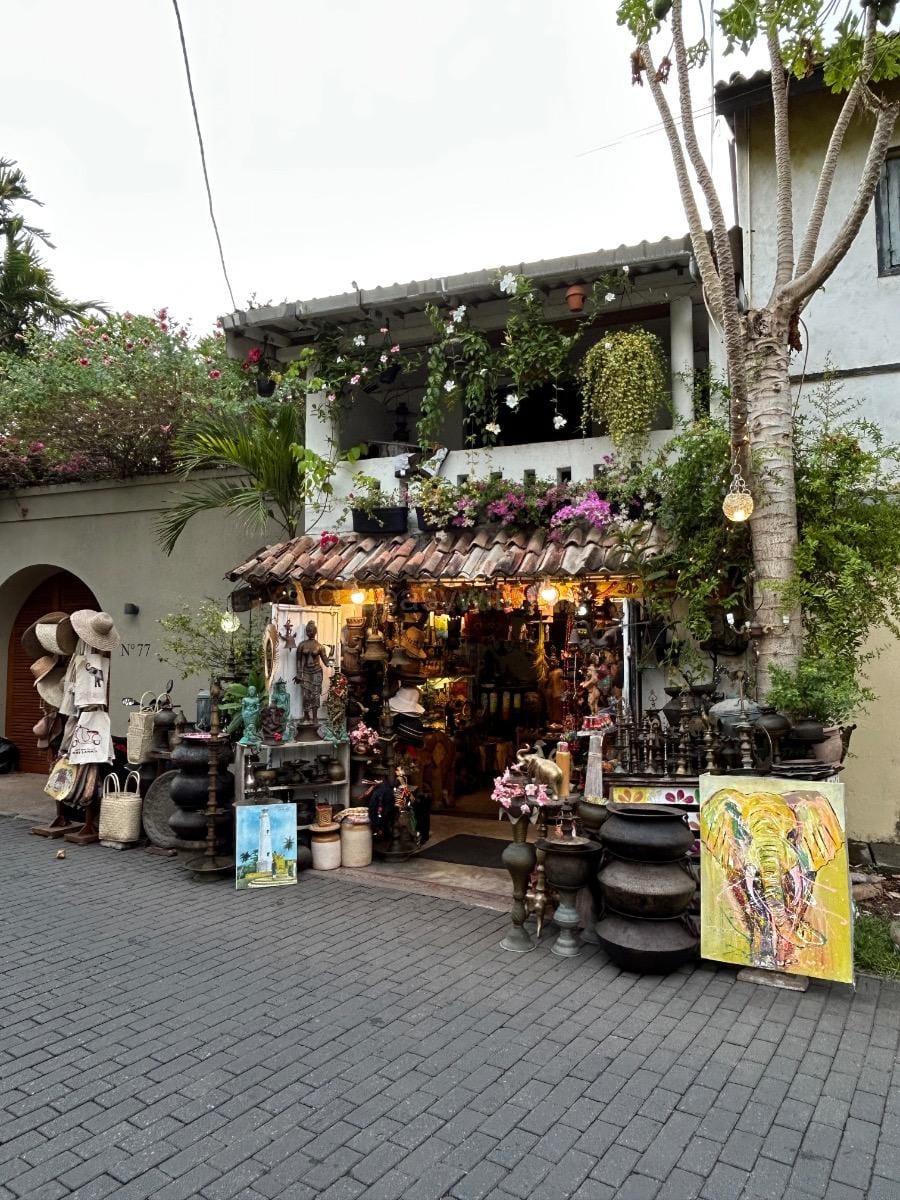
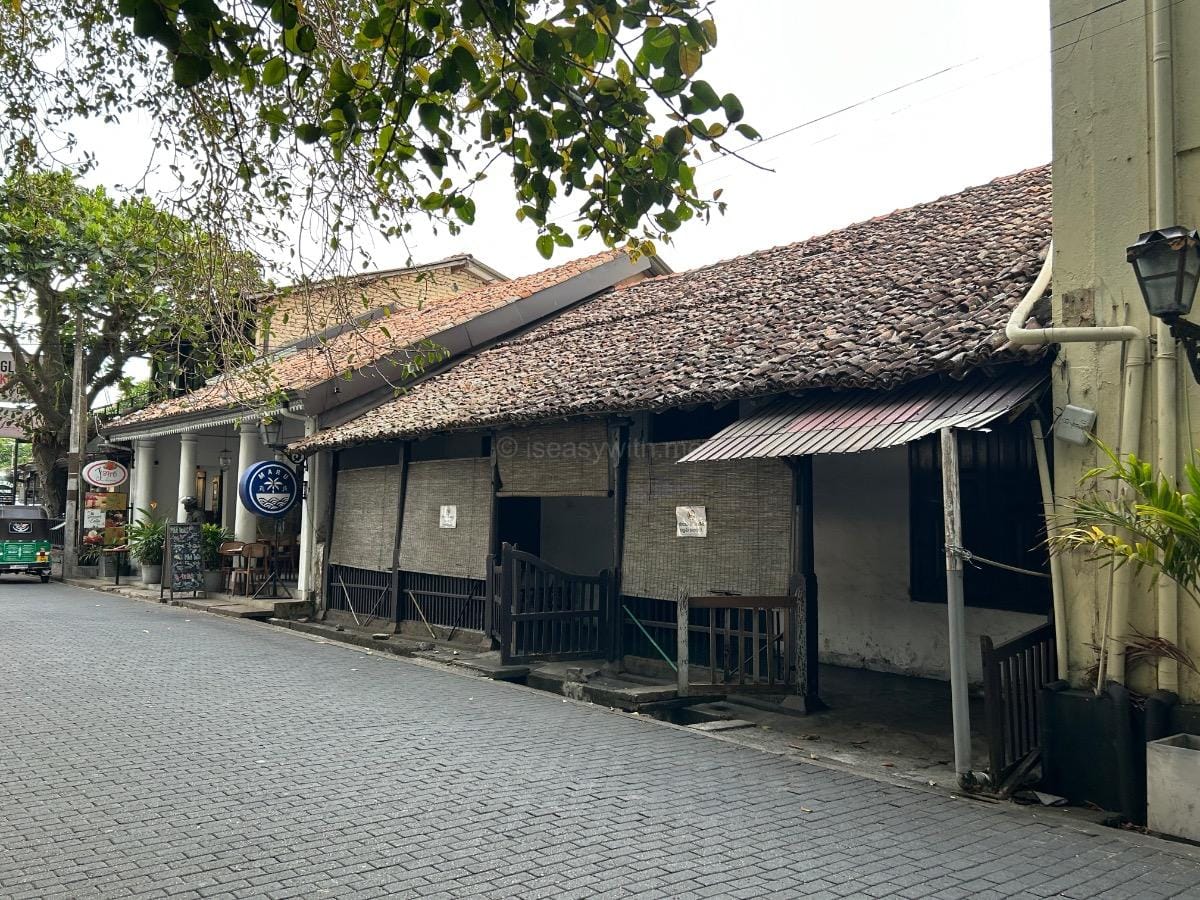
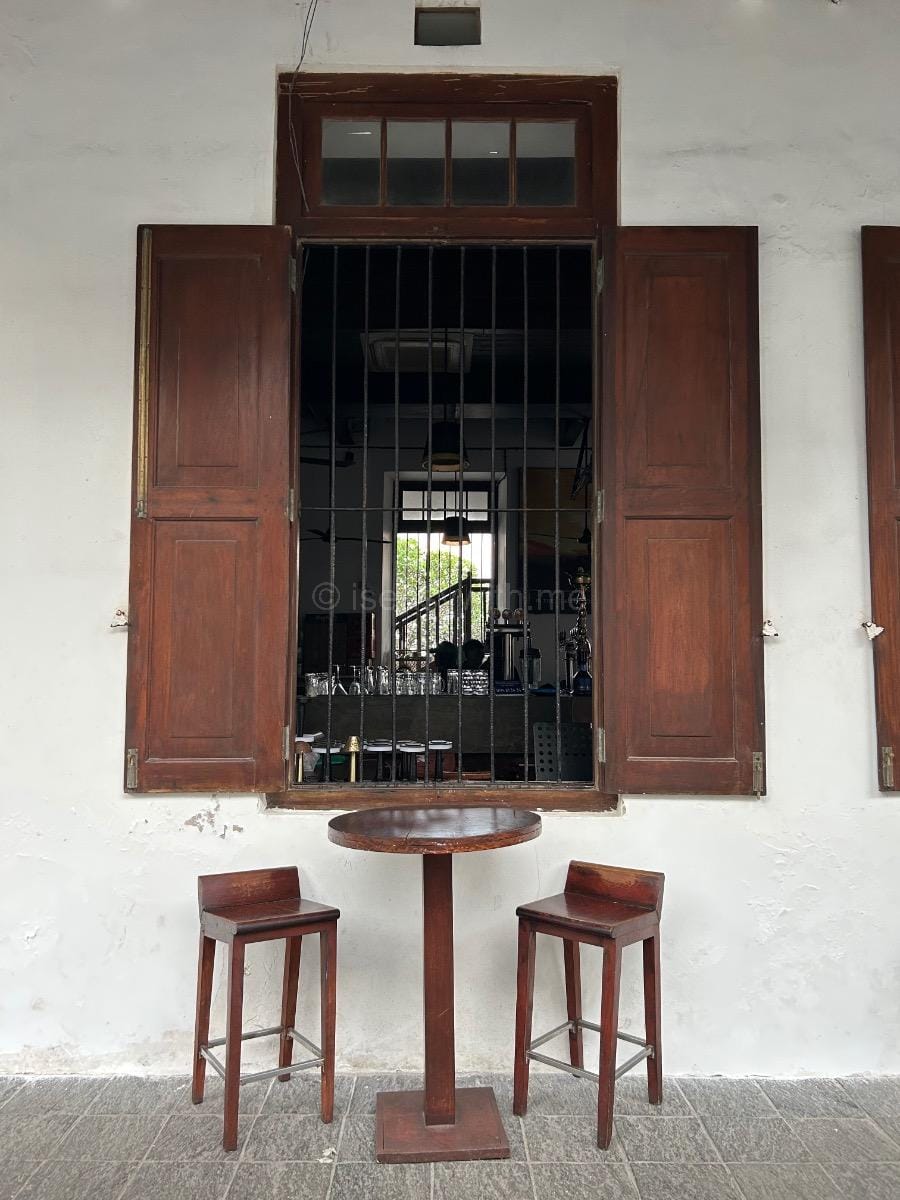
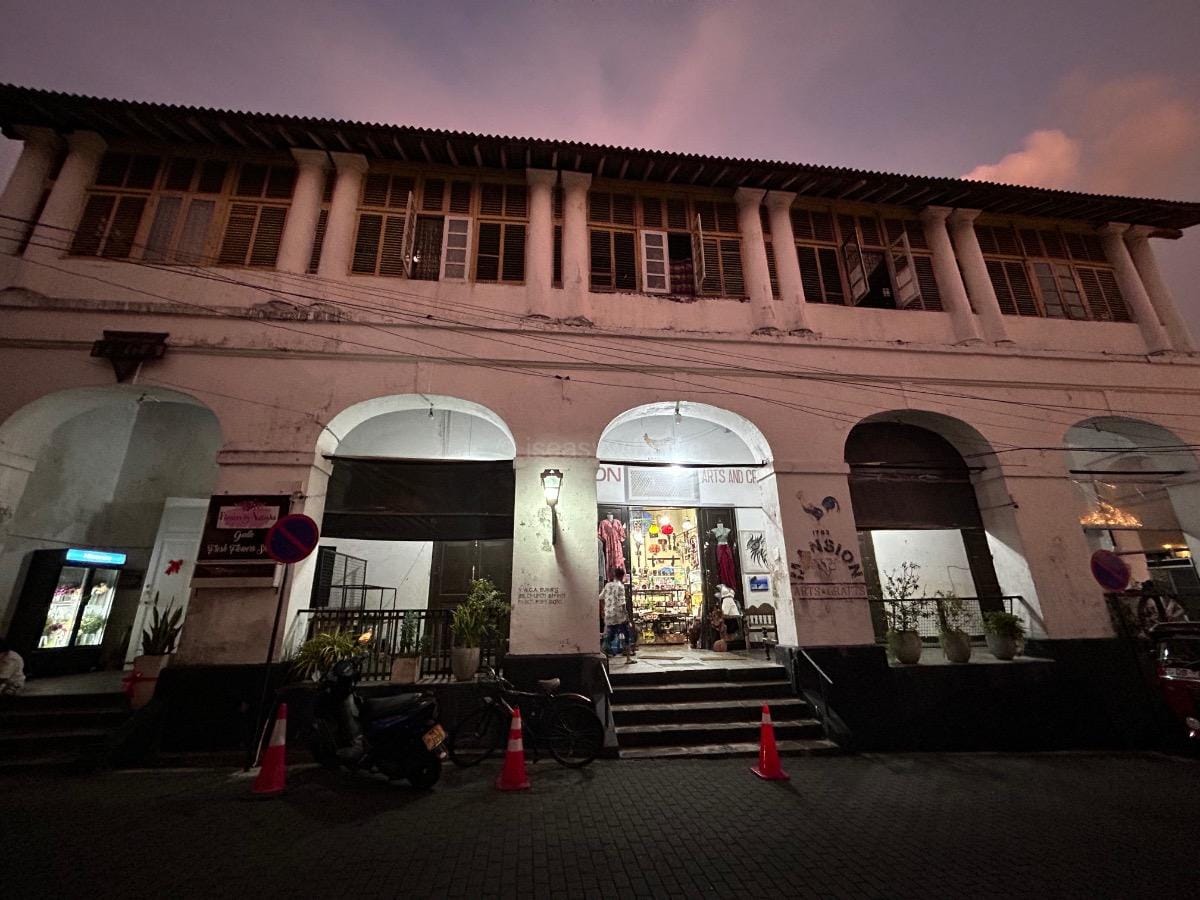
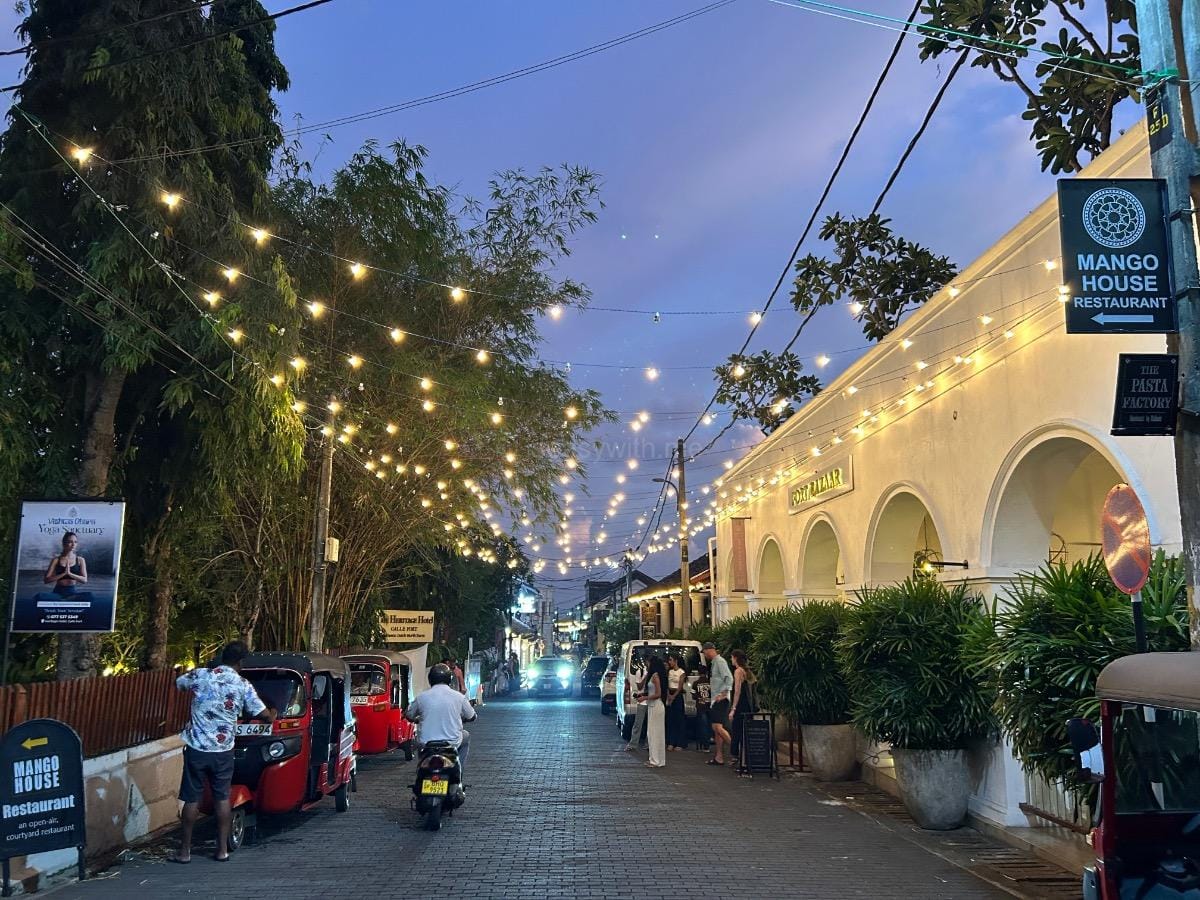
The heart of Galle Fort is defined by a charming grid of cobblestone lanes, with Pedlar Street serving as the bustling center of the boutique quarter. Framed by restored Dutch-era villas with clay-tiled roofs and open verandas, these picturesque streets are packed with artisan jewelry shops, art galleries, gelato parlors, and stylish cafes. Walking down Leyn Baan Street and Lighthouse Street offers a vibrant, leisurely atmosphere where historic character meets modern coastal island culture.
iseasywith.me Travel Insight
Notice the unique layout: the streets inside the fort were engineered with an early Dutch underground sewer system that flushed automatically out to sea using the natural rising and falling action of the ocean tides.
Galle Railway Station
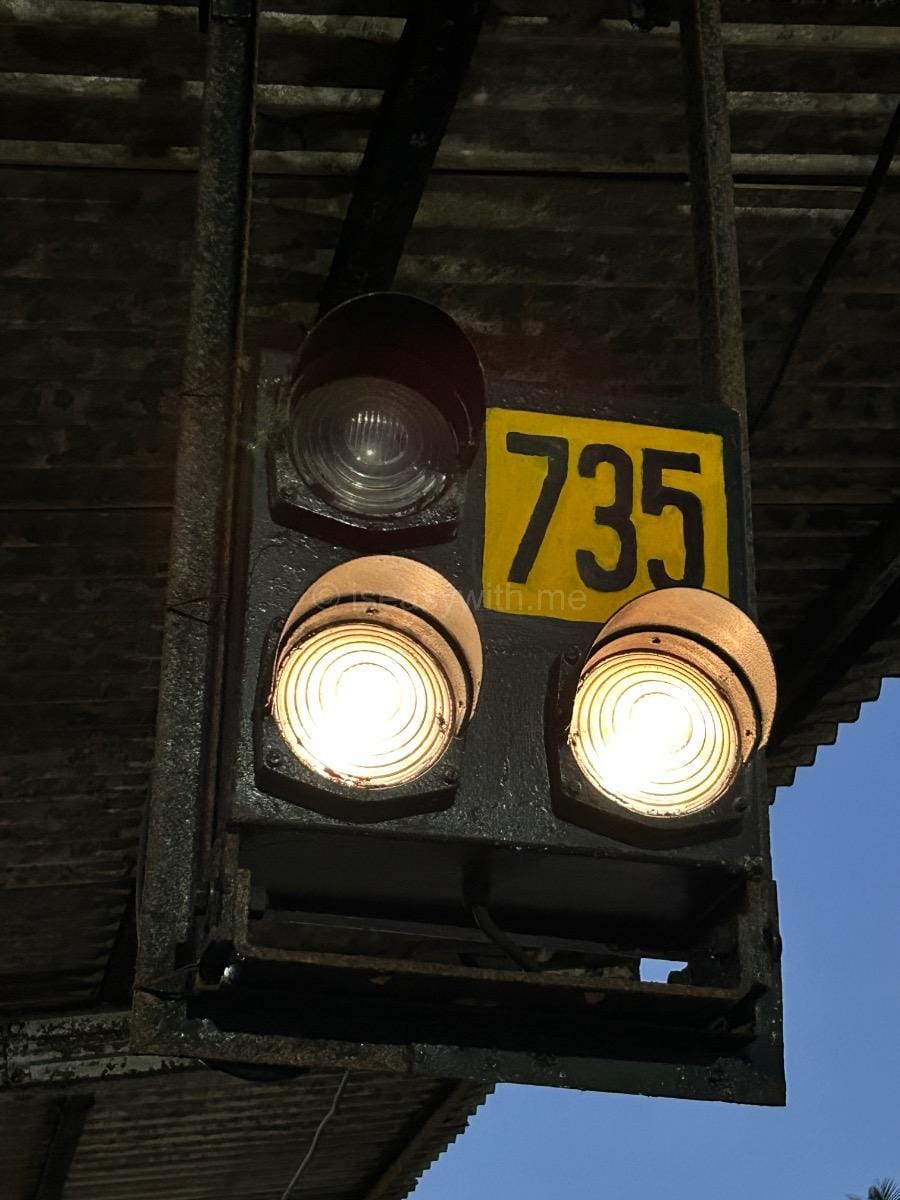
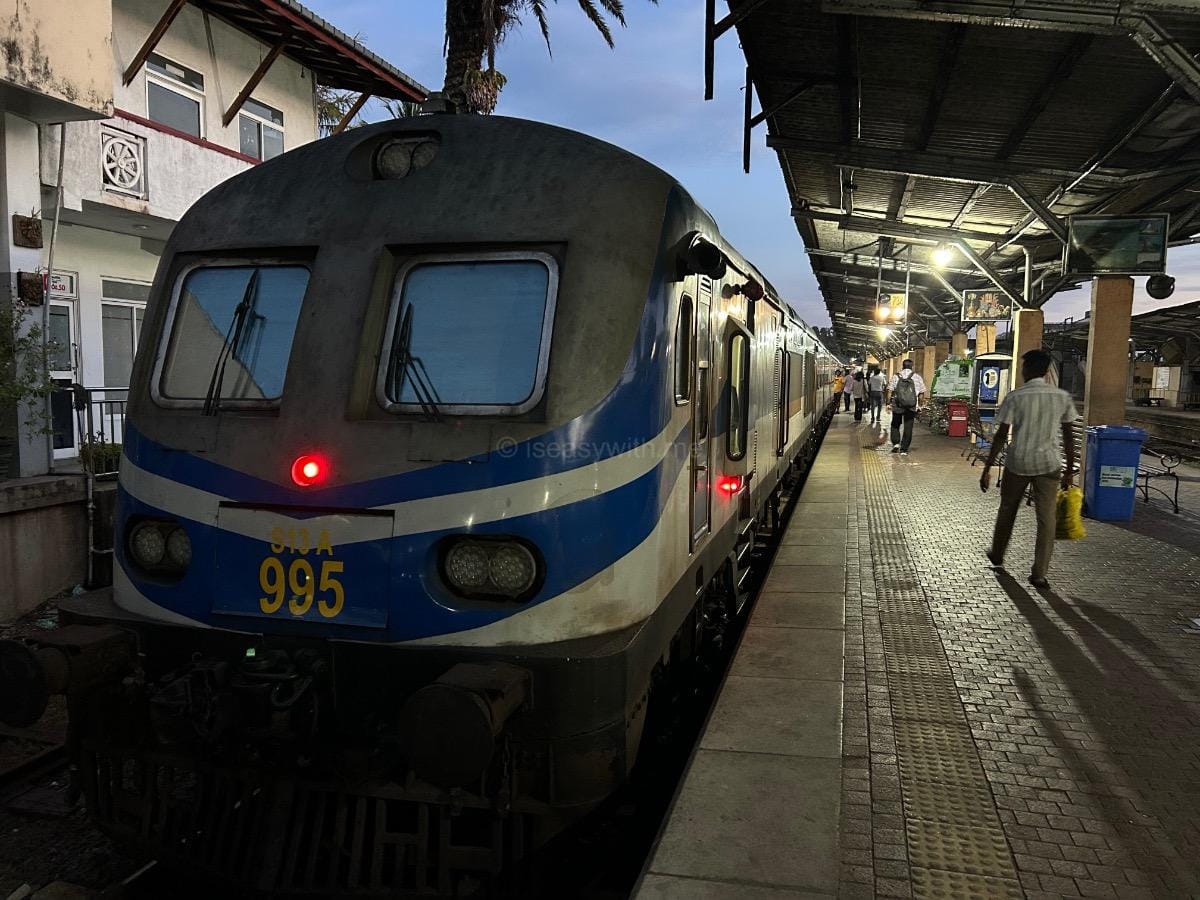
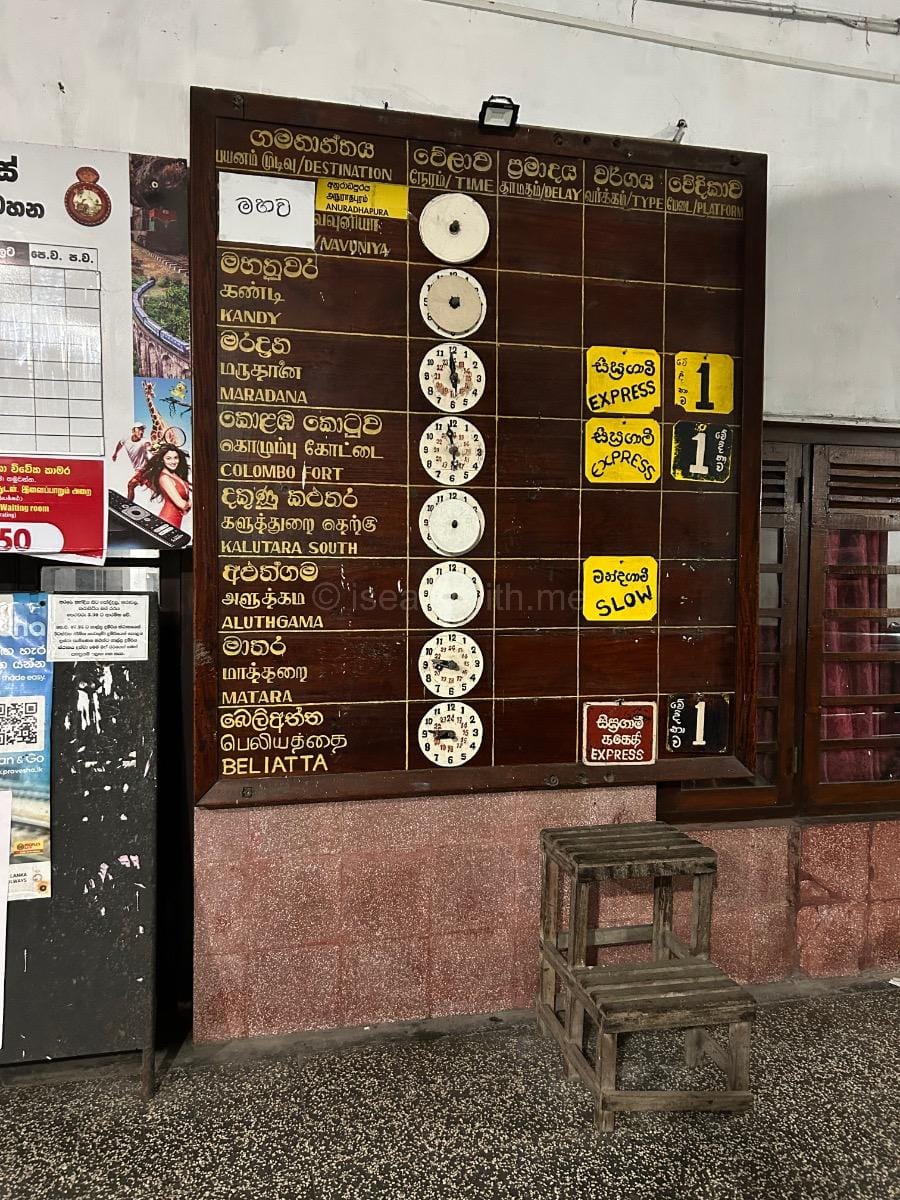
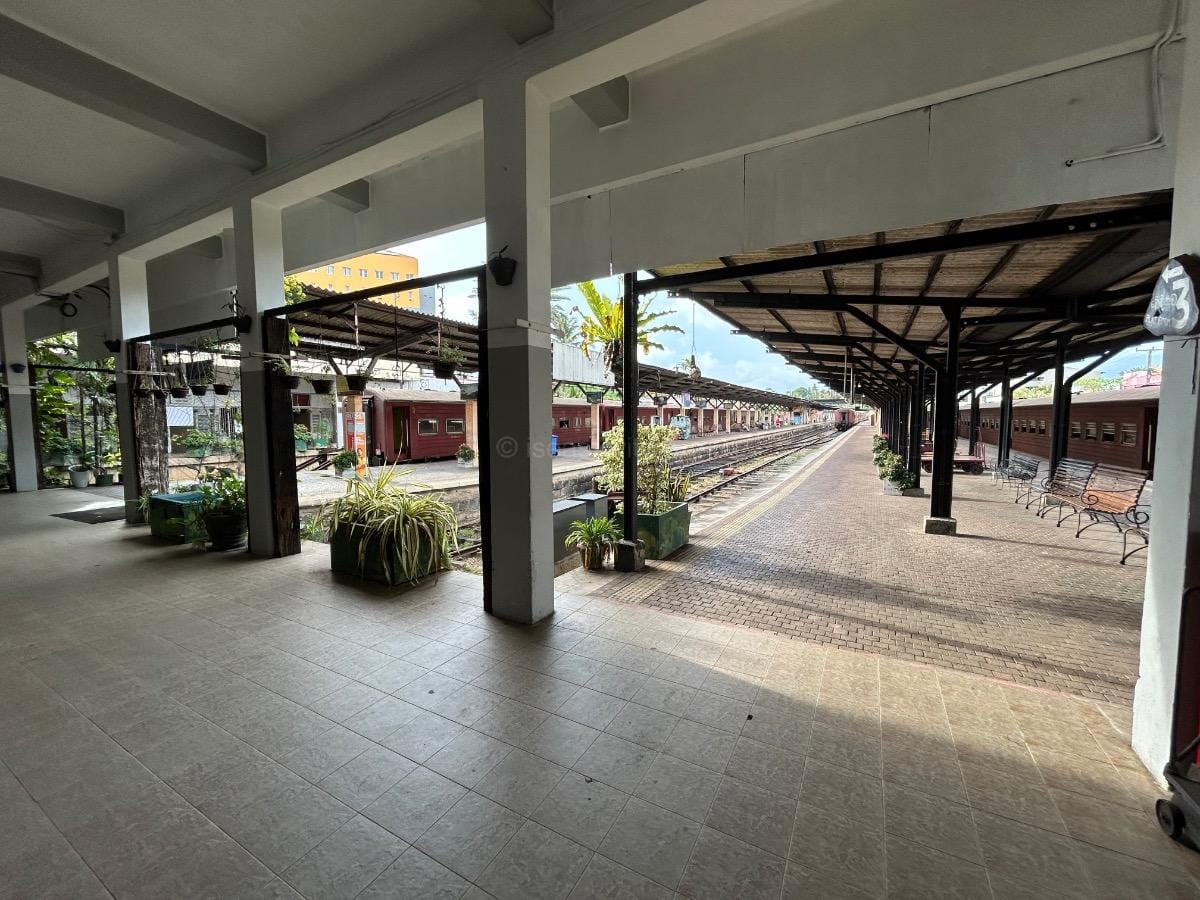
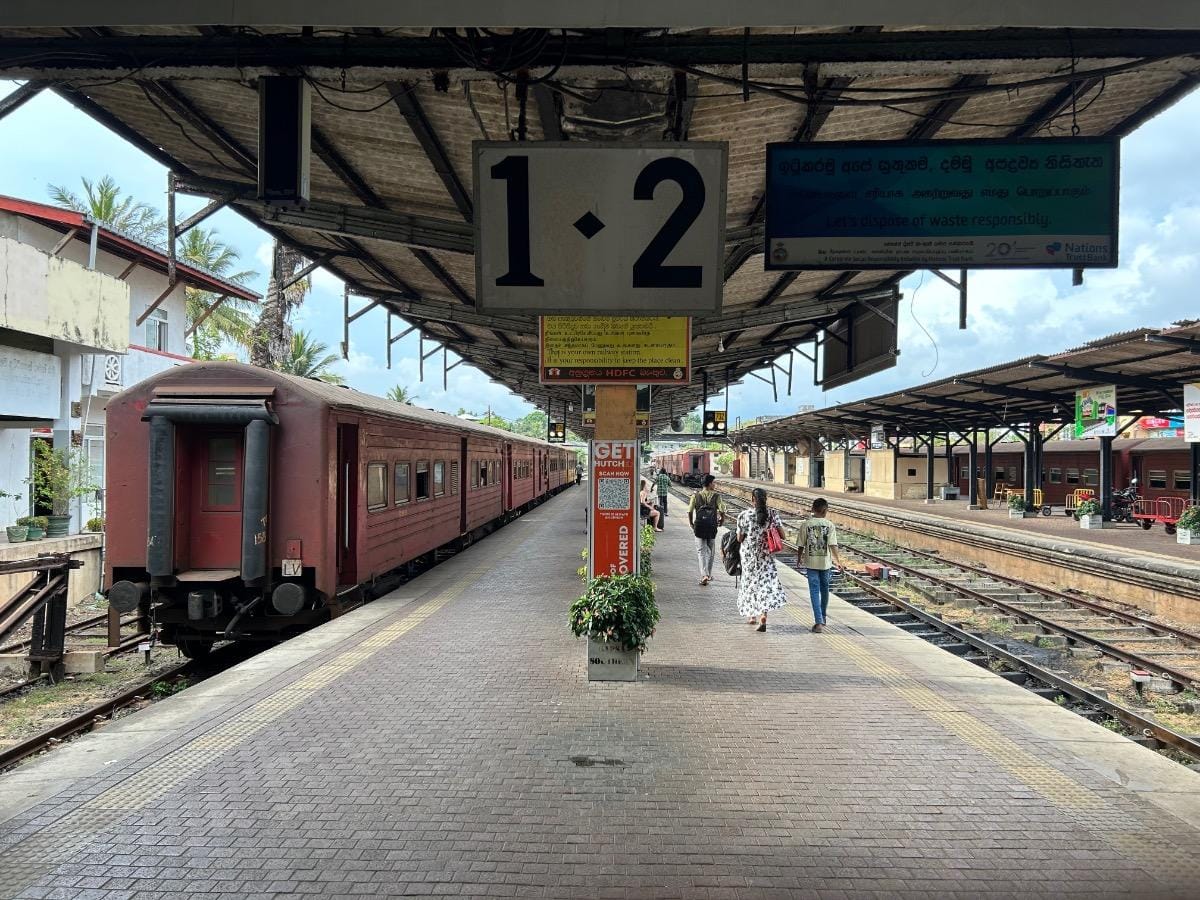
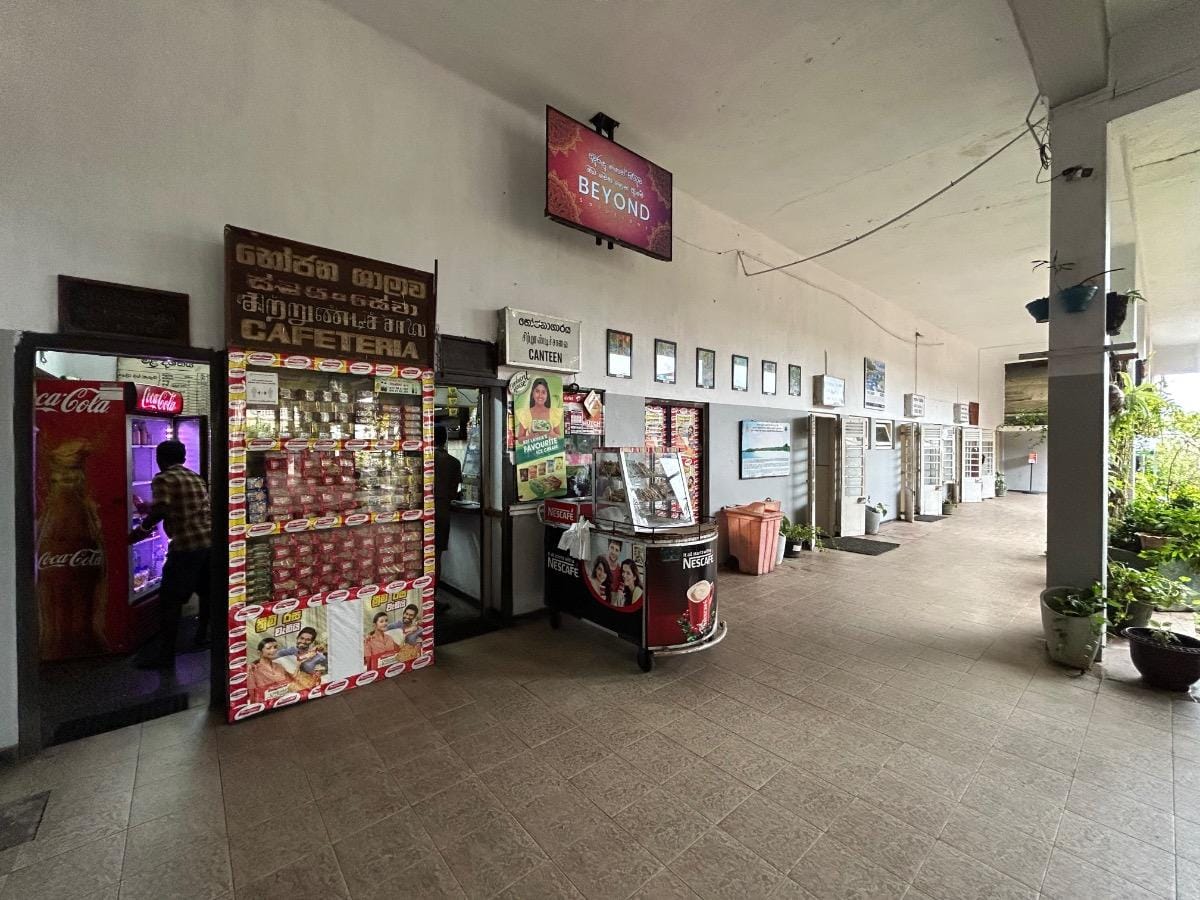
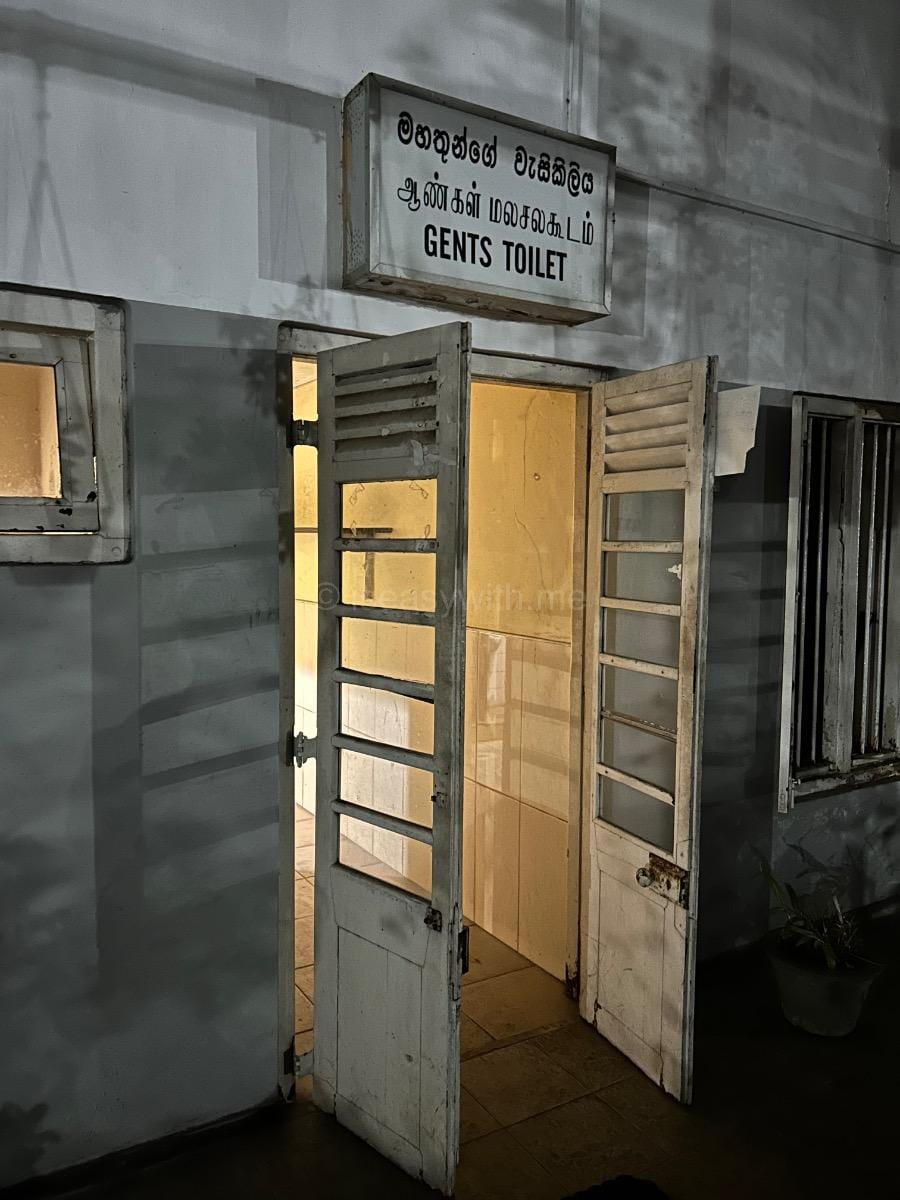
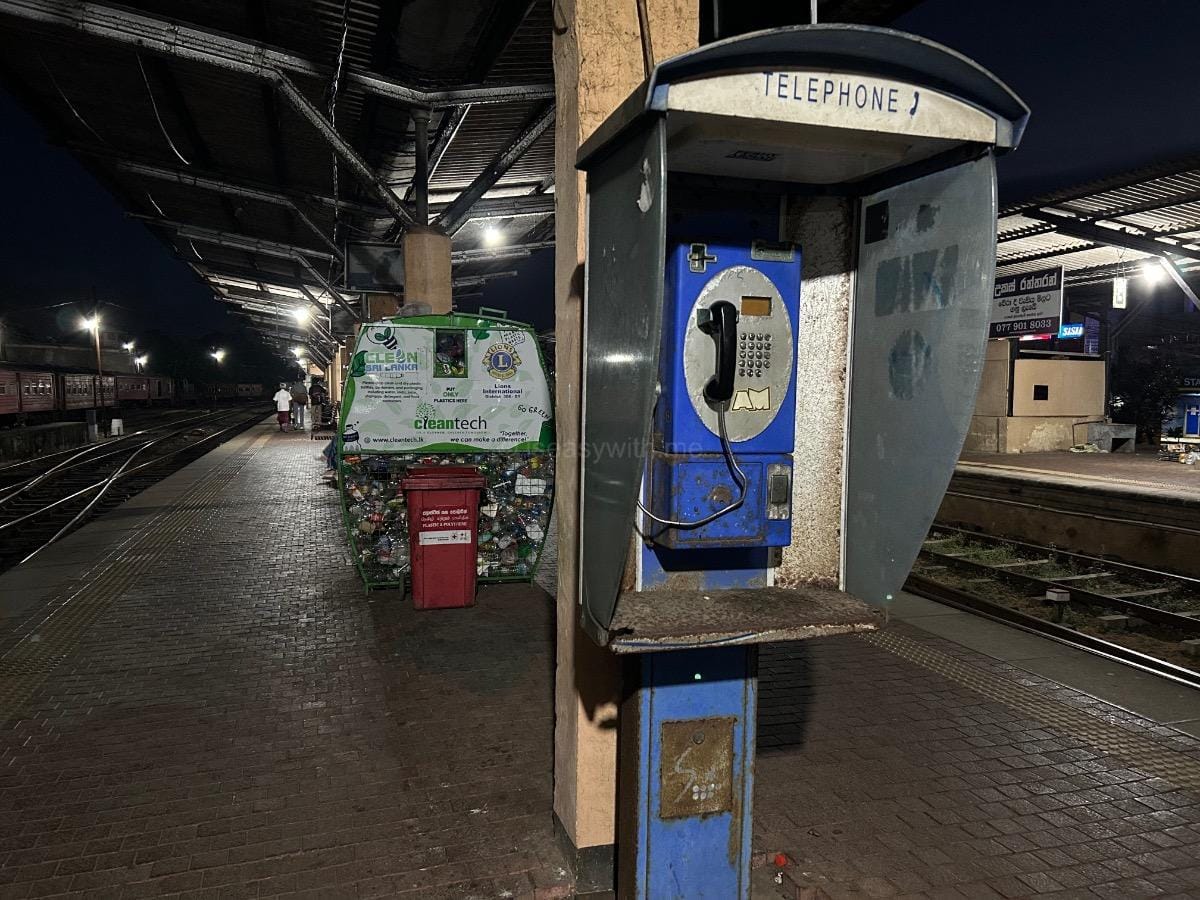
Serving as the primary transit hub on Sri Lanka's iconic Coastal Line, Galle Railway Station is located right in the heart of town, directly adjacent to the Galle Bus Station and just steps from the UNESCO-listed Galle Fort. Built during the British colonial era, this classic terminus has a unique operational twist. Because it is a dead-end station, every train arriving from Colombo or Matara must reverse direction to continue along the coast. It is the main arrival point for travellers taking the famous Colombo to Galle coastal train ride, offering seamless connections to local buses, tuk-tuks, and luggage storage for easy city exploration.
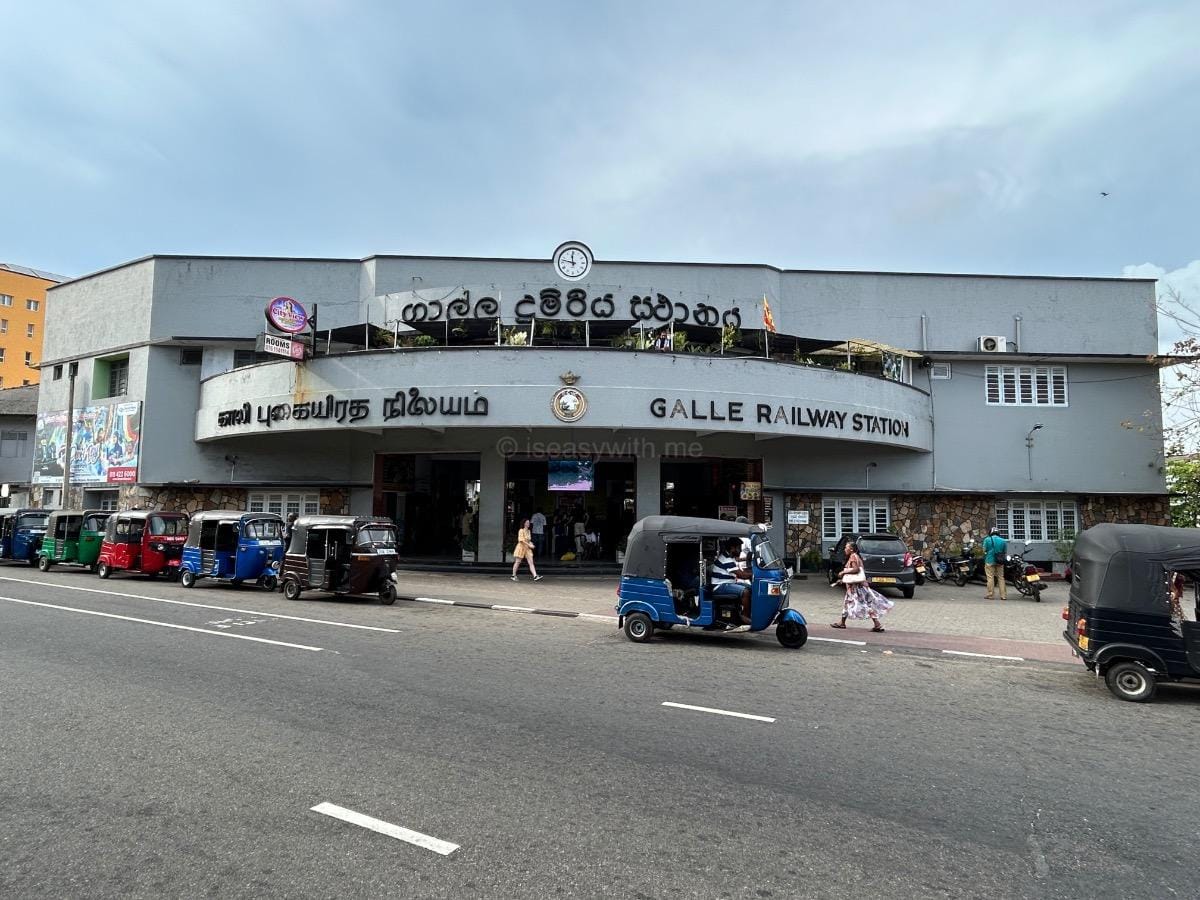
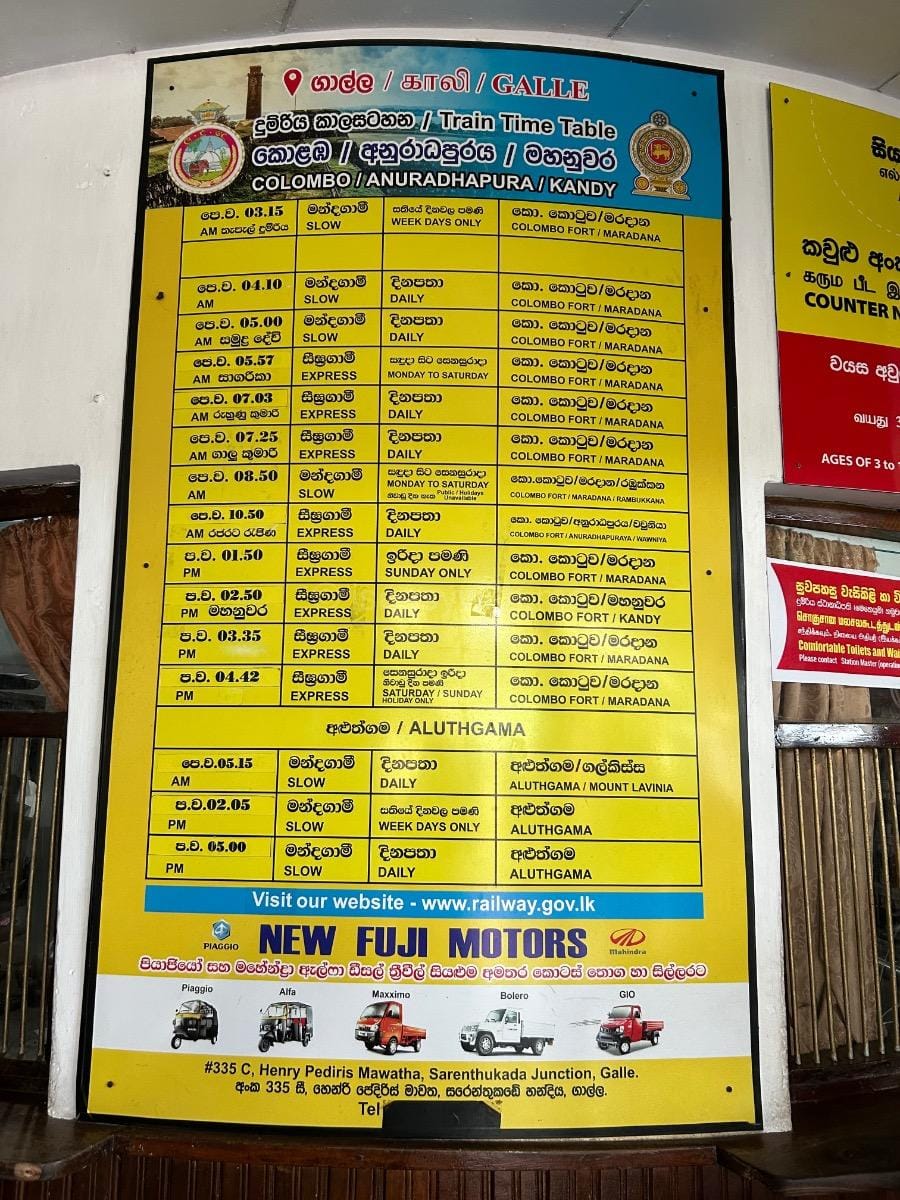
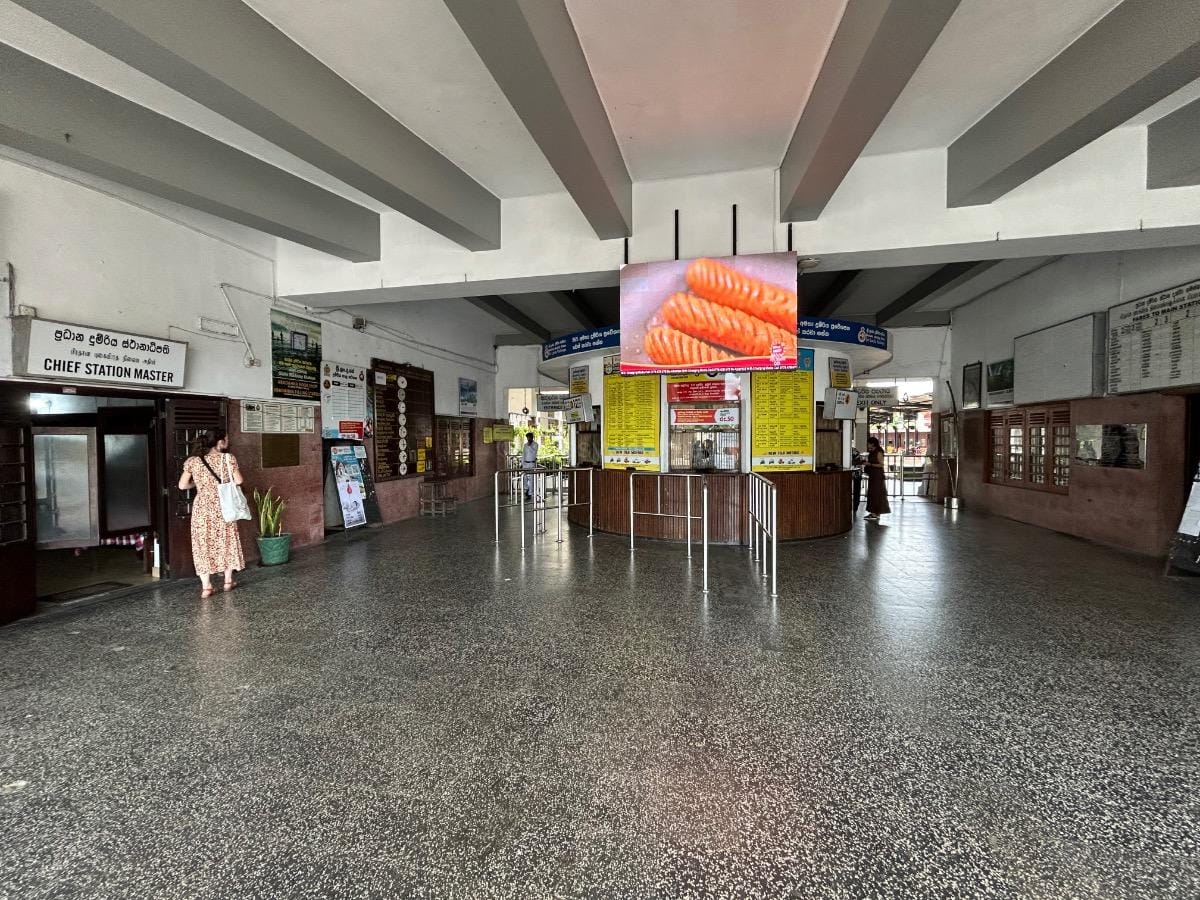
Galle Railway Station
Food & Beverage in Galle
Galle Fort offers a compact but high-quality food scene:
- Sri Lankan restaurants and rice & curry spots
- Boutique cafes and brunch venues
- Ice cream and dessert shops
- Rooftop bars and casual evening dining
- Seafood grills and coastal dining
Dining is tightly integrated with the heritage setting.
Shan Bakers & Pastry
Shan Bakers & Pastry is a bustling, spotless local favourite conveniently located right near the Galle bus depot on Gamini Mawatha. It is the ultimate pitstop for travellers and locals alike, famous for its quick, wallet-friendly, and delicious Sri Lankan 'short-eats' including fresh samosas, savoury rolls, and soft buns. For a heartier meal, they serve a highly-rated Nelum Kole (authentic rice and curry aromatically wrapped in a lotus leaf). With its lightning-fast service and clean, vibrant atmosphere, it is the perfect spot to grab a bite before or after my bus journey.
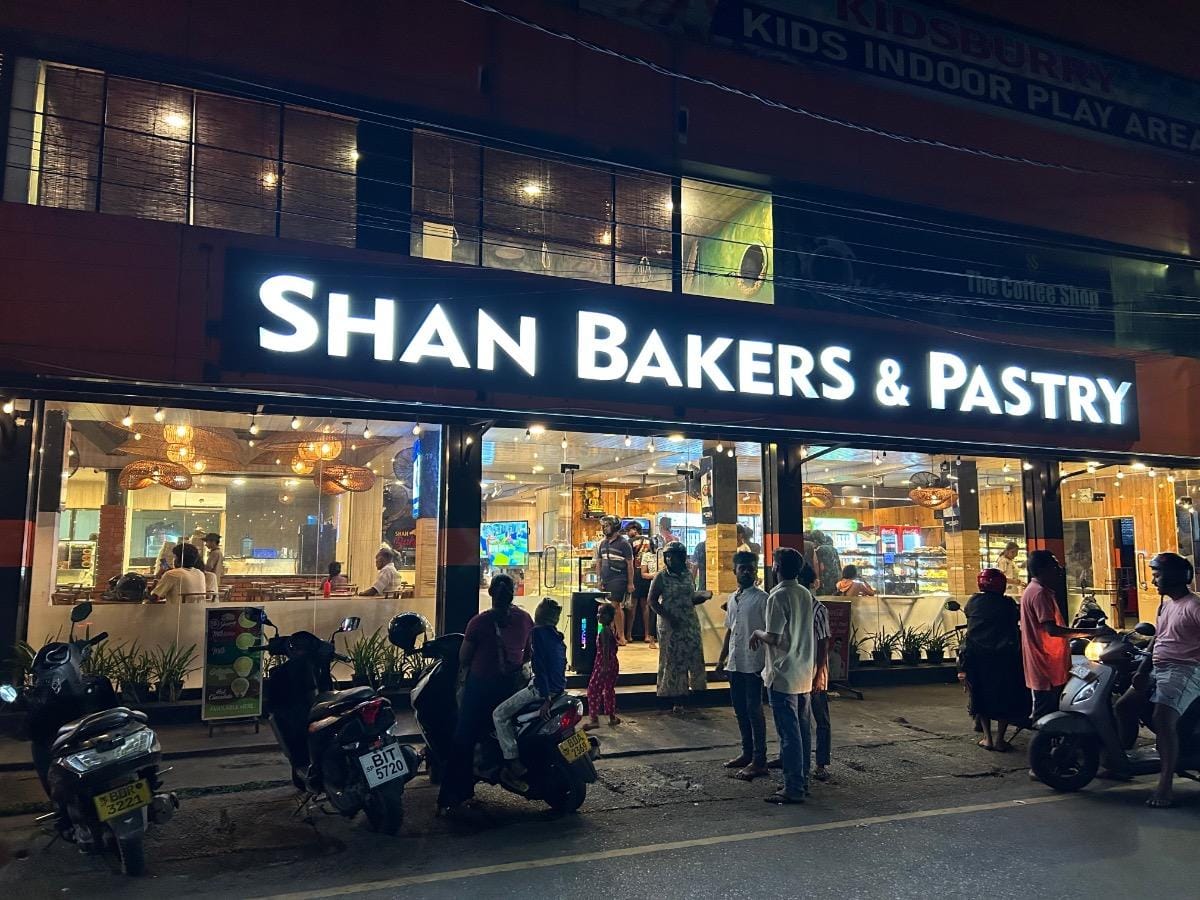
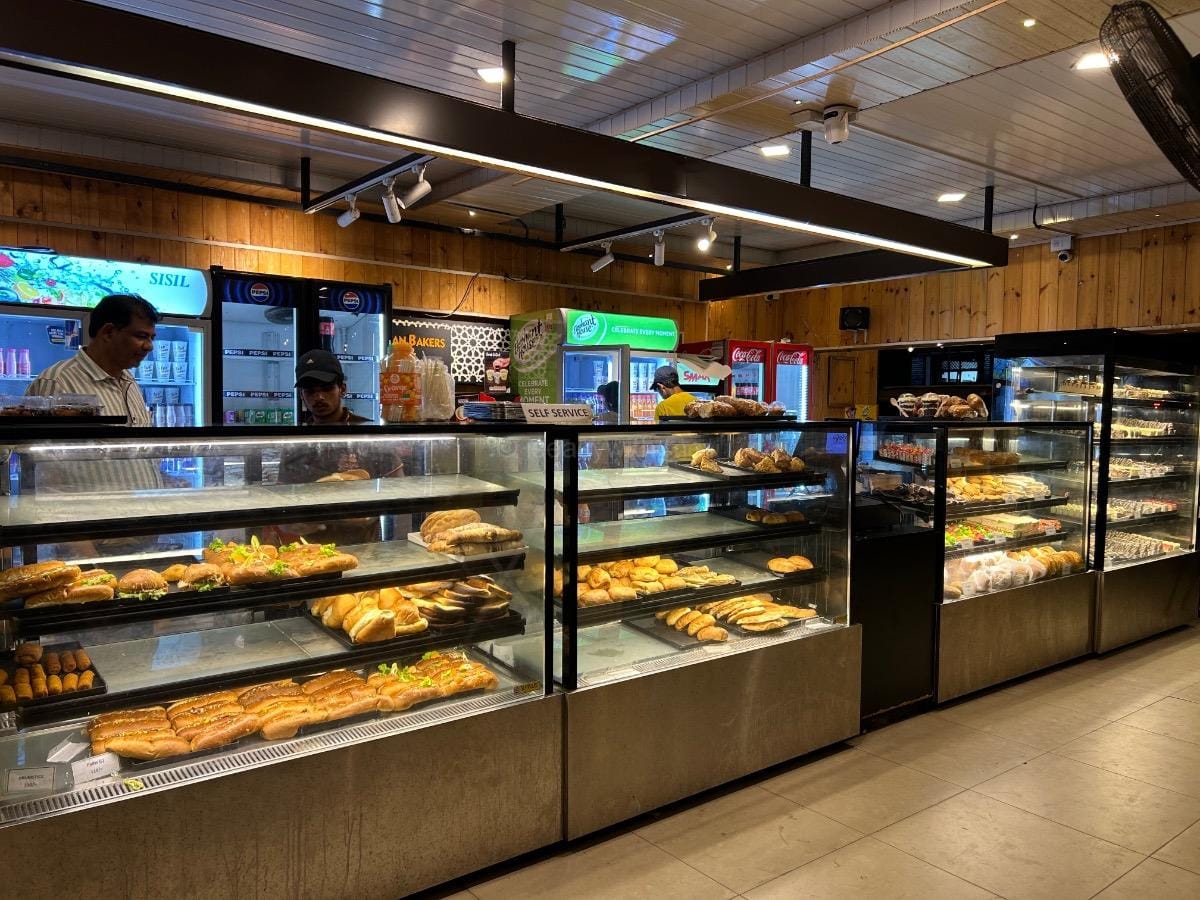
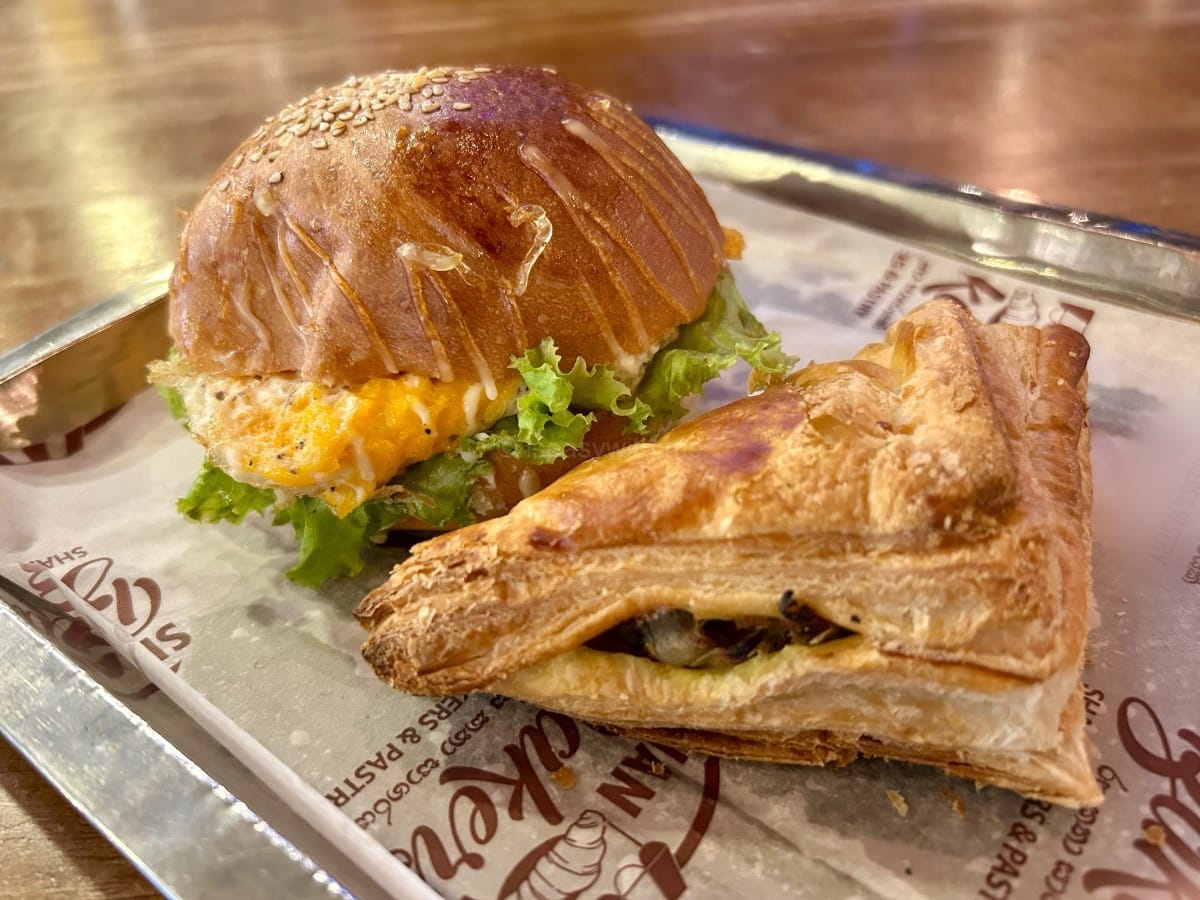
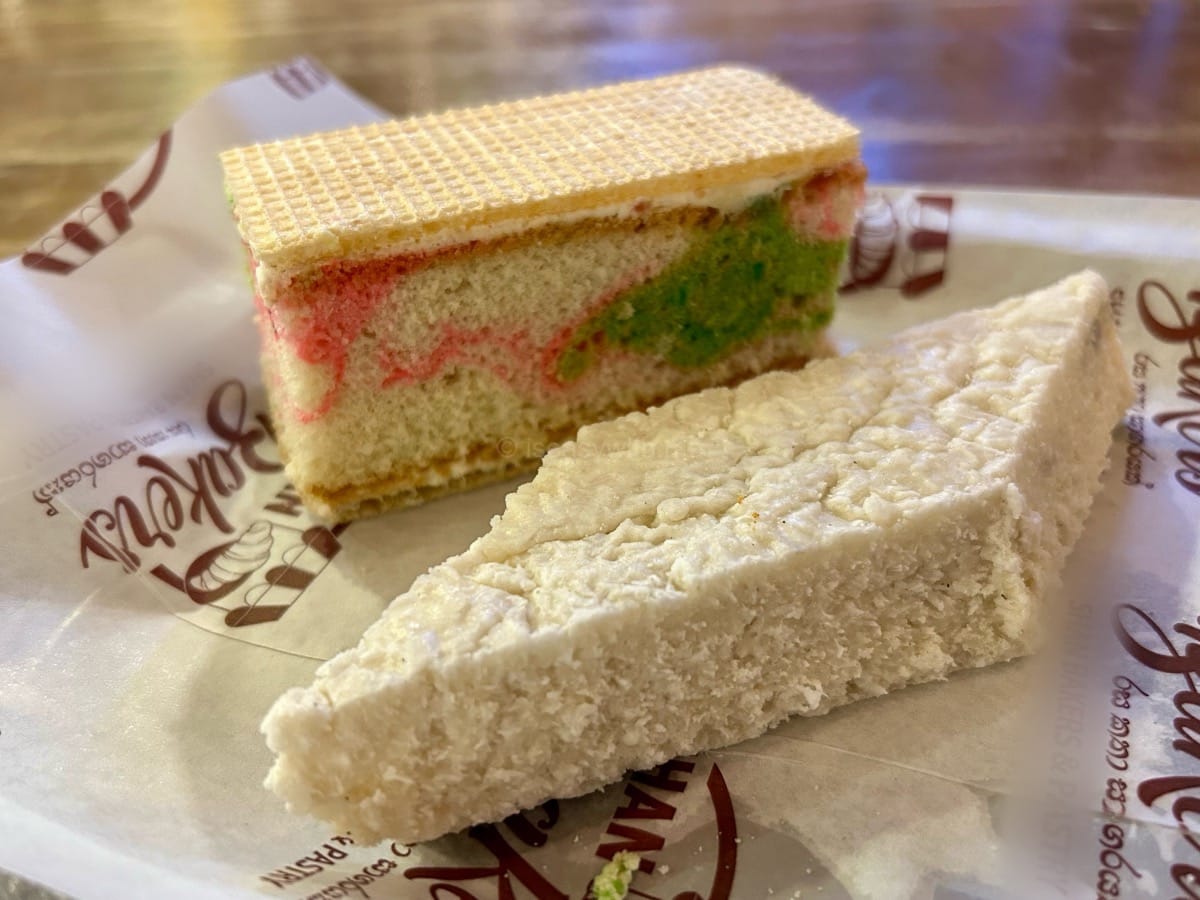
my dinner (LKR 430) & dessert (LKR 180) at Shan Bakers & Pastry
Departing Galle
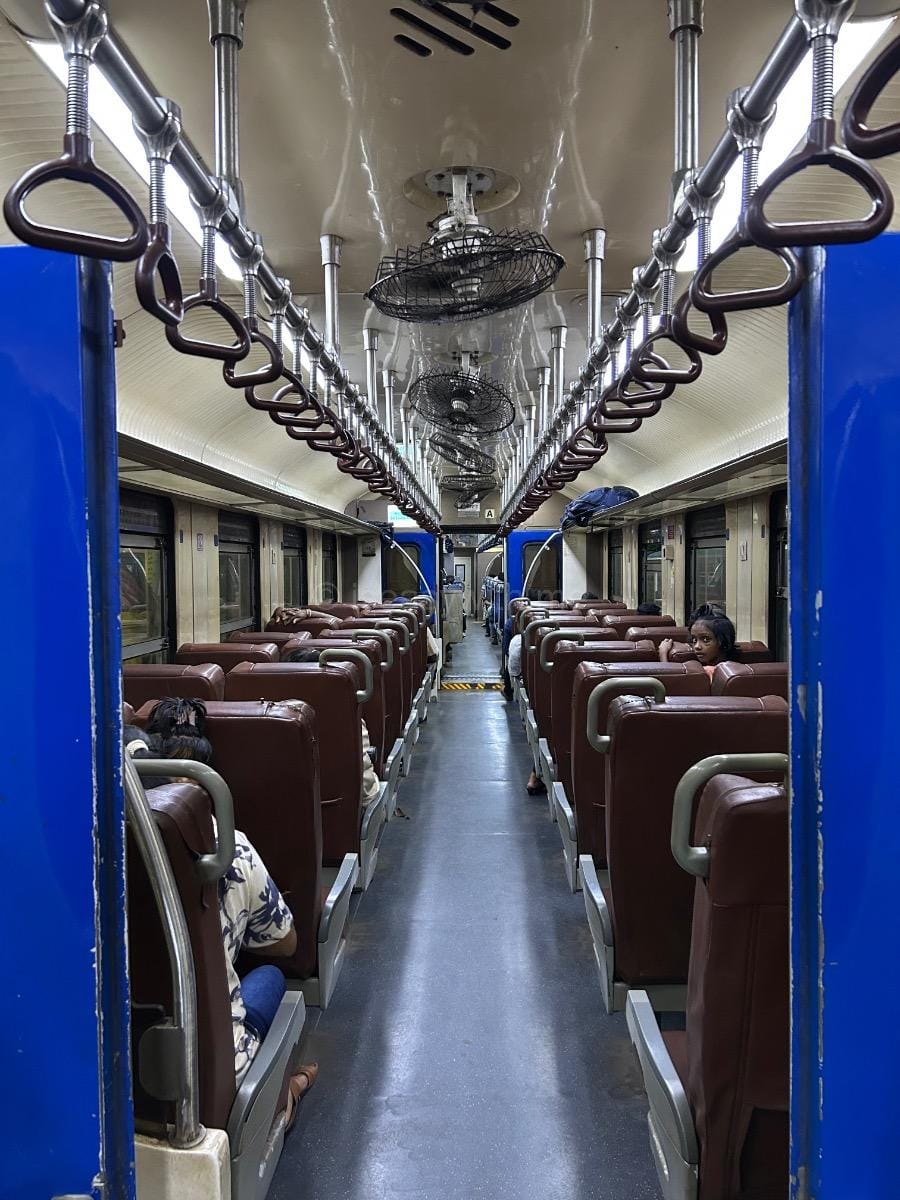
Departing Galle by boarding the scenic coastal train offered a memorable final glimpse of the historic fort. As the carriage pulled out of Galle Railway Station, the ancient stone ramparts gradually faded into the distance, trading centuries of coastal history for wide ocean views as the tracks traced the shoreline all the way to Colombo.