Kandy Cultural Guide: Sacred Relics, Heritage & Traditions
Skip the tourist traps. Dodge the lake crowds to tackle the historic wooden Three-Temple Loop and time the evening Temple of the Tooth drumming rituals.
Nestled among the lush hills of central Sri Lanka, Kandy is a city where daily life, history and spirituality intertwine seamlessly. As the last capital of the ancient Sinhalese kingdom before British colonial rule, Kandy remains one of the country's most important cultural and religious centres.
Surrounded by misty mountains and centred around a picturesque lake, the city is best known as the home of the Temple of the Tooth Relic, one of Buddhism's most sacred pilgrimage sites. Yet beyond its famous temple lies a fascinating mix of bustling markets, colonial landmarks, hidden hilltop viewpoints and centuries-old temples scattered throughout the surrounding countryside.
From Dambulla to Kandy
My journey began at about 0600 hours at the Dambulla Main Bus Station, where I waited to catch the public bus to Kandy. My prior research, backed by confirmation from my accommodation host the night before, suggested that the bus would turn into the station to pick up passengers.
However, after waiting for about 30 minutes without seeing any Kandy-bound buses enter, I approached a driver and he clarified that buses coming from the north pass straight along the main A9 Kandy-Jaffna Highway right outside the station rather than turning into the terminal.
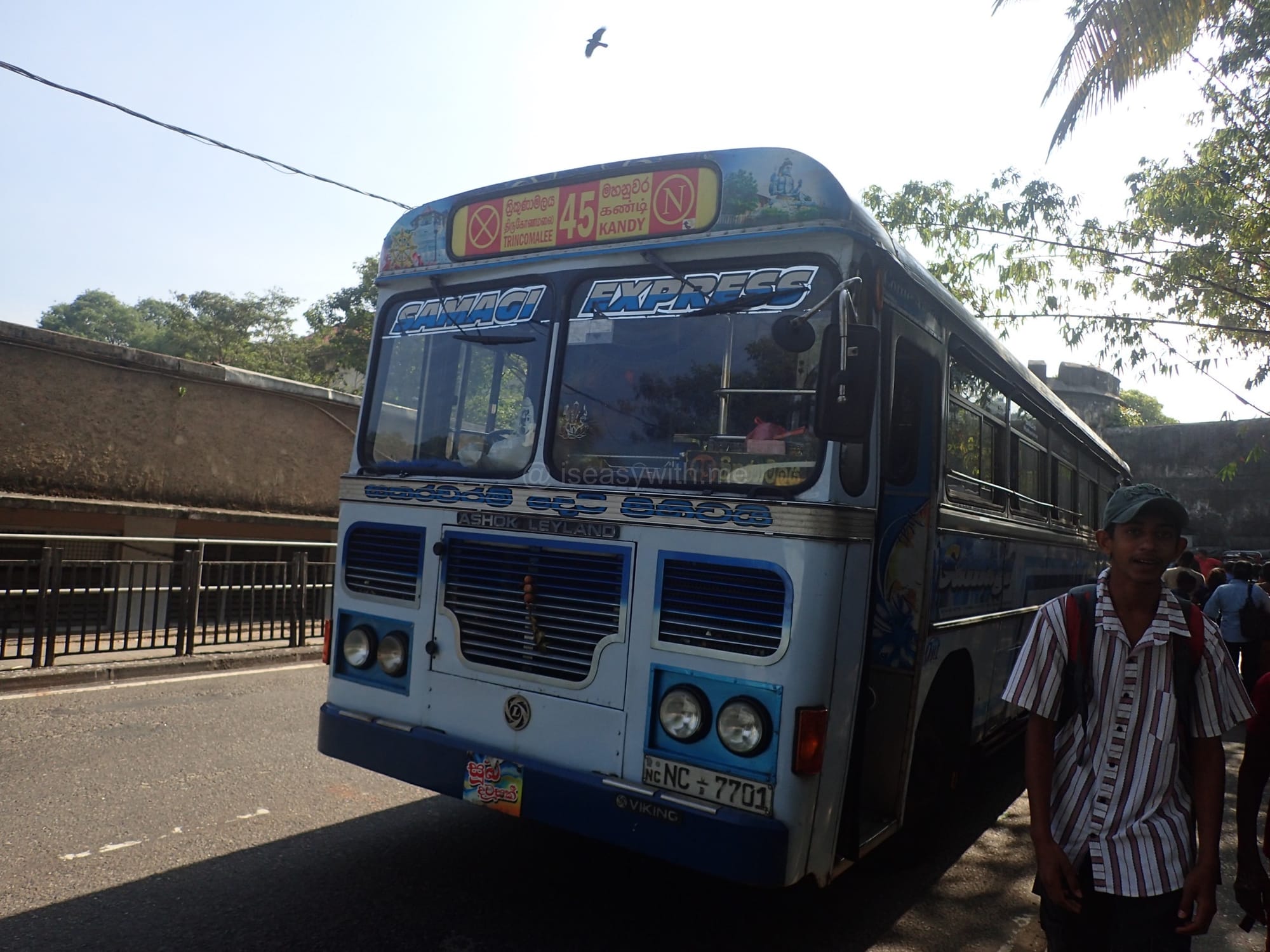
I quickly hurried out to the main road and within minutes, bus #45 arrived. As it travelled south, the route gradually left behind the dry plains of Sri Lanka's Cultural Triangle and climbed into the lush, greener landscapes of the Central Highlands.
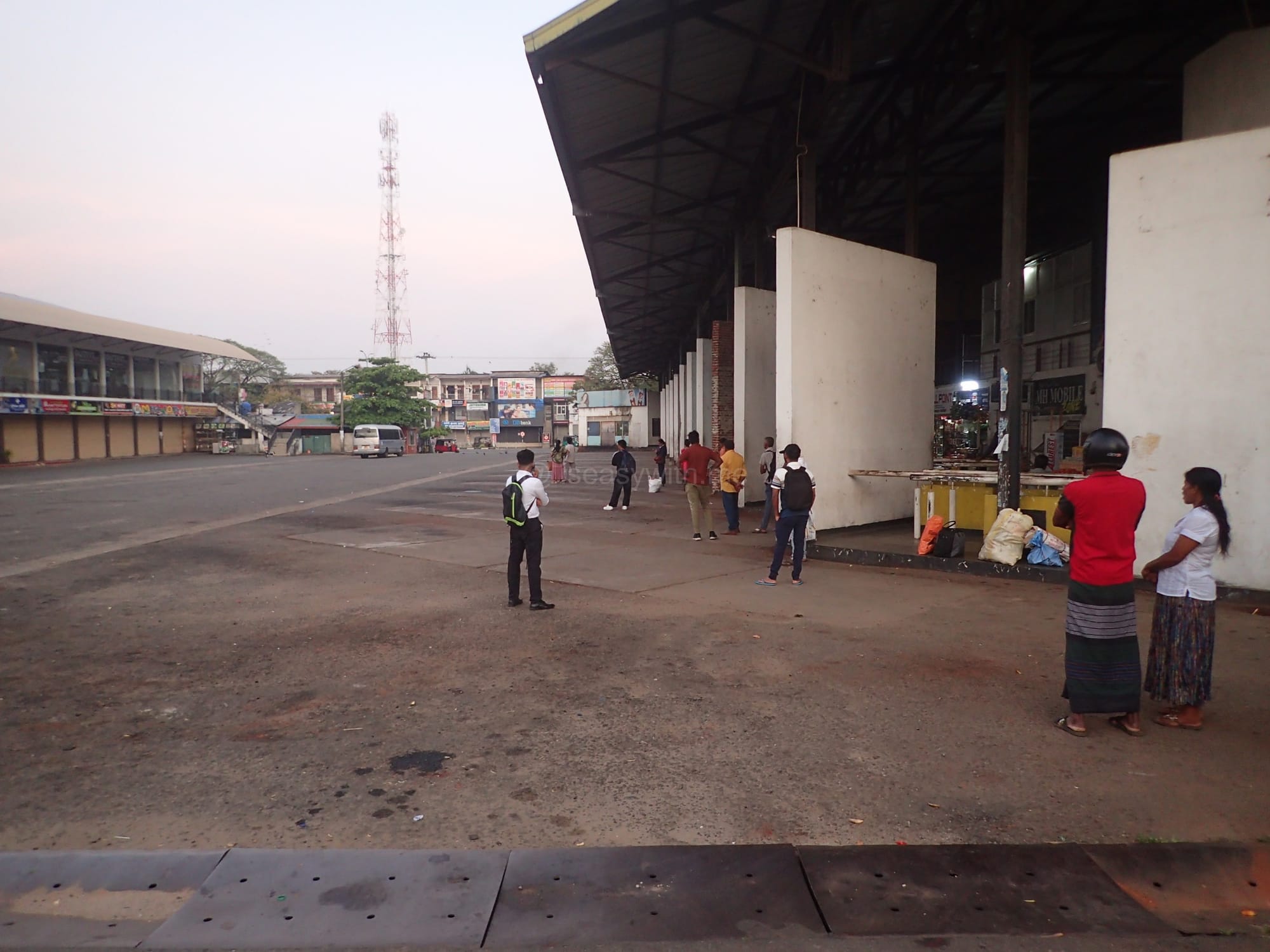
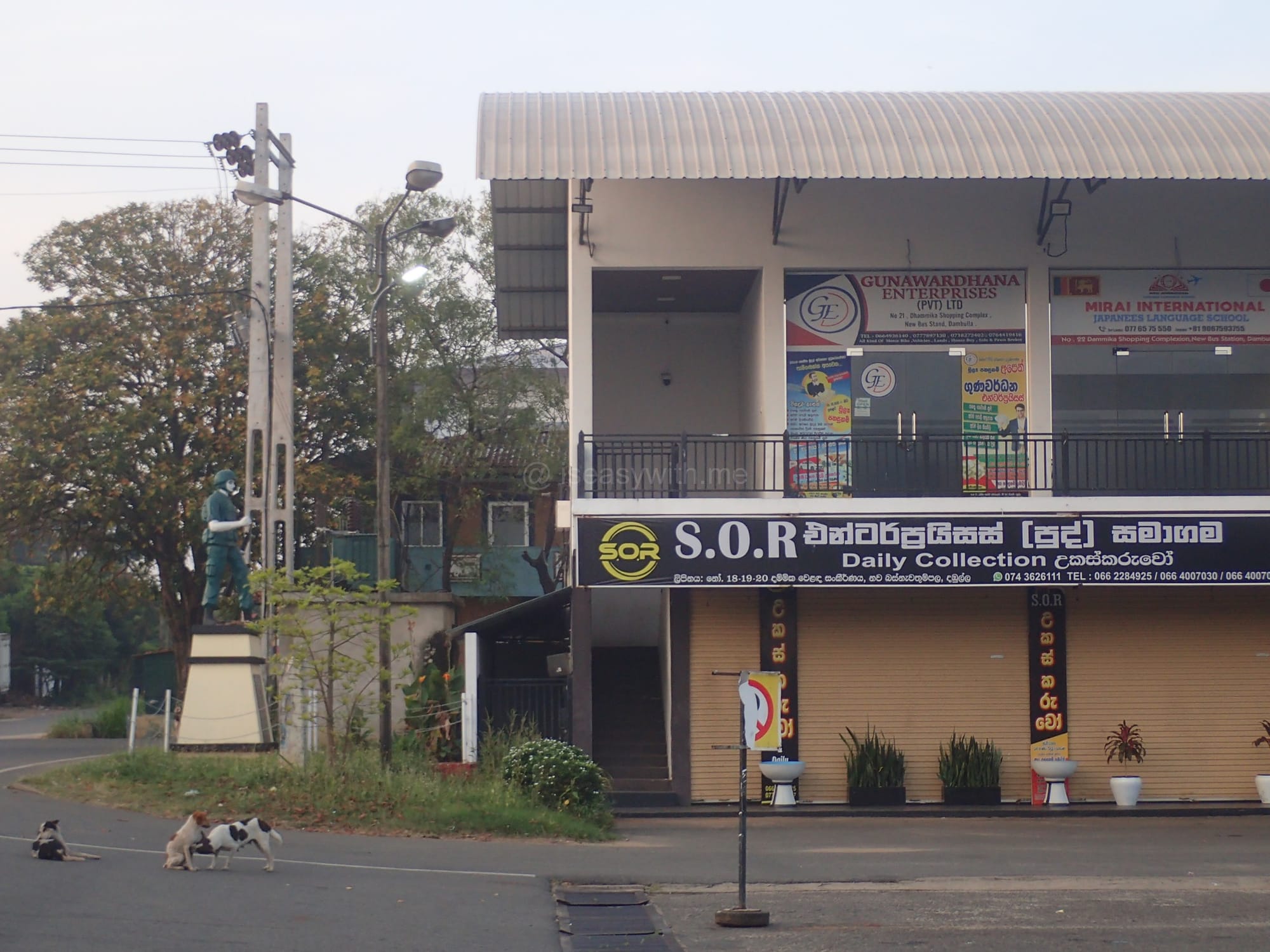
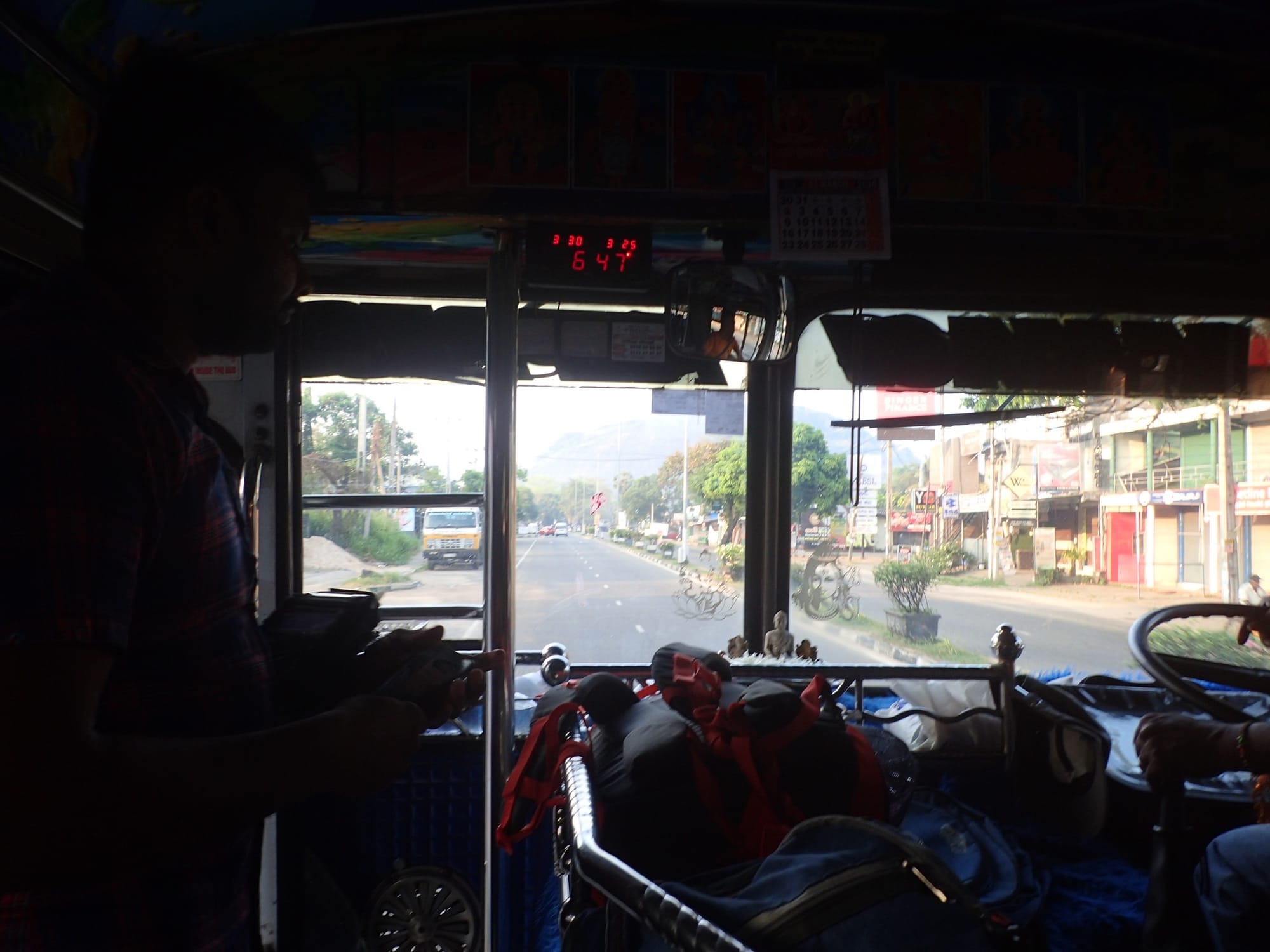
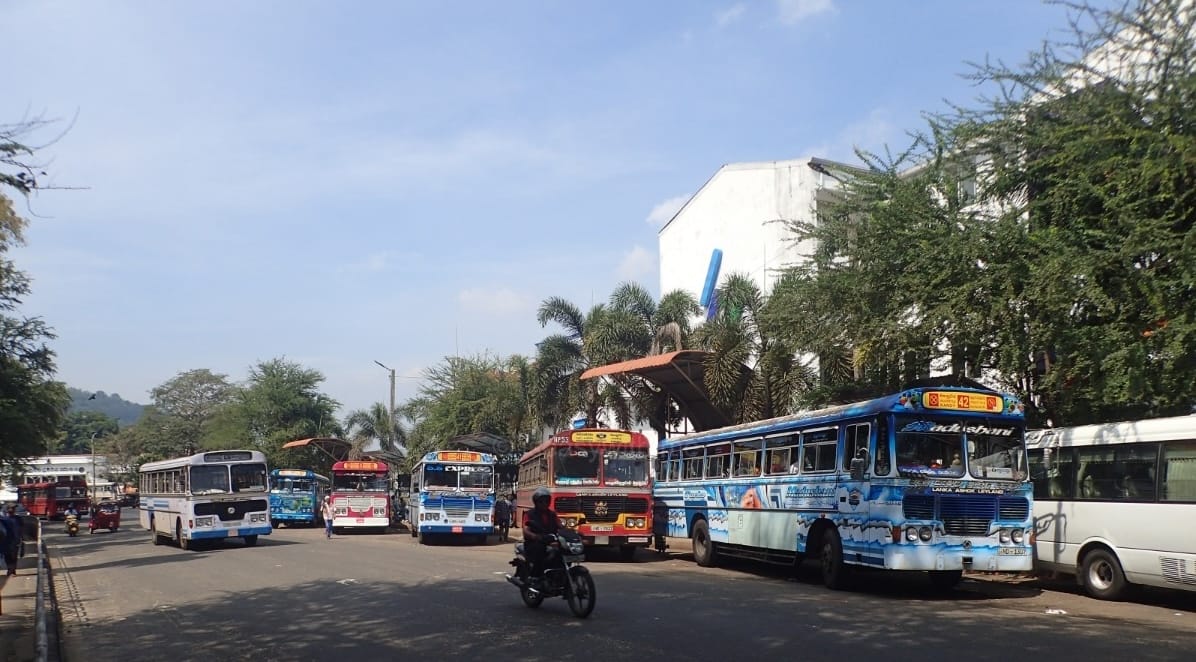
at the bus station, on bus #45
The journey took approximately 2 hours and 15 minutes. Along the way, I watched the scenery shift to roadside fruit stalls, spice gardens, small villages and increasingly winding roads as the elevation began to rise. Before long, the hills surrounding Kandy appeared on the horizon, signaling my arrival in Sri Lanka's last royal capital.
iseasywith.me Travel Tip
- Buses between Dambulla and Kandy are frequent throughout the day.
- Traffic can become particularly heavy when approaching Kandy, especially during weekends and public holidays.
- Keep small denomination notes handy for bus fares and local purchases.
Arriving in Kandy
Unlike many other cities in Sri Lanka, Kandy felt distinctly different from the moment I arrived. The city is nestled within a bowl of forested hills, creating a cooler climate and a more relaxed atmosphere compared to the coastal regions.
The bus dropped off passengers just outside the bus stand, from where I navigated to my accommodation, enjoying the bustling streets, historic buildings and rich religious traditions along the way.
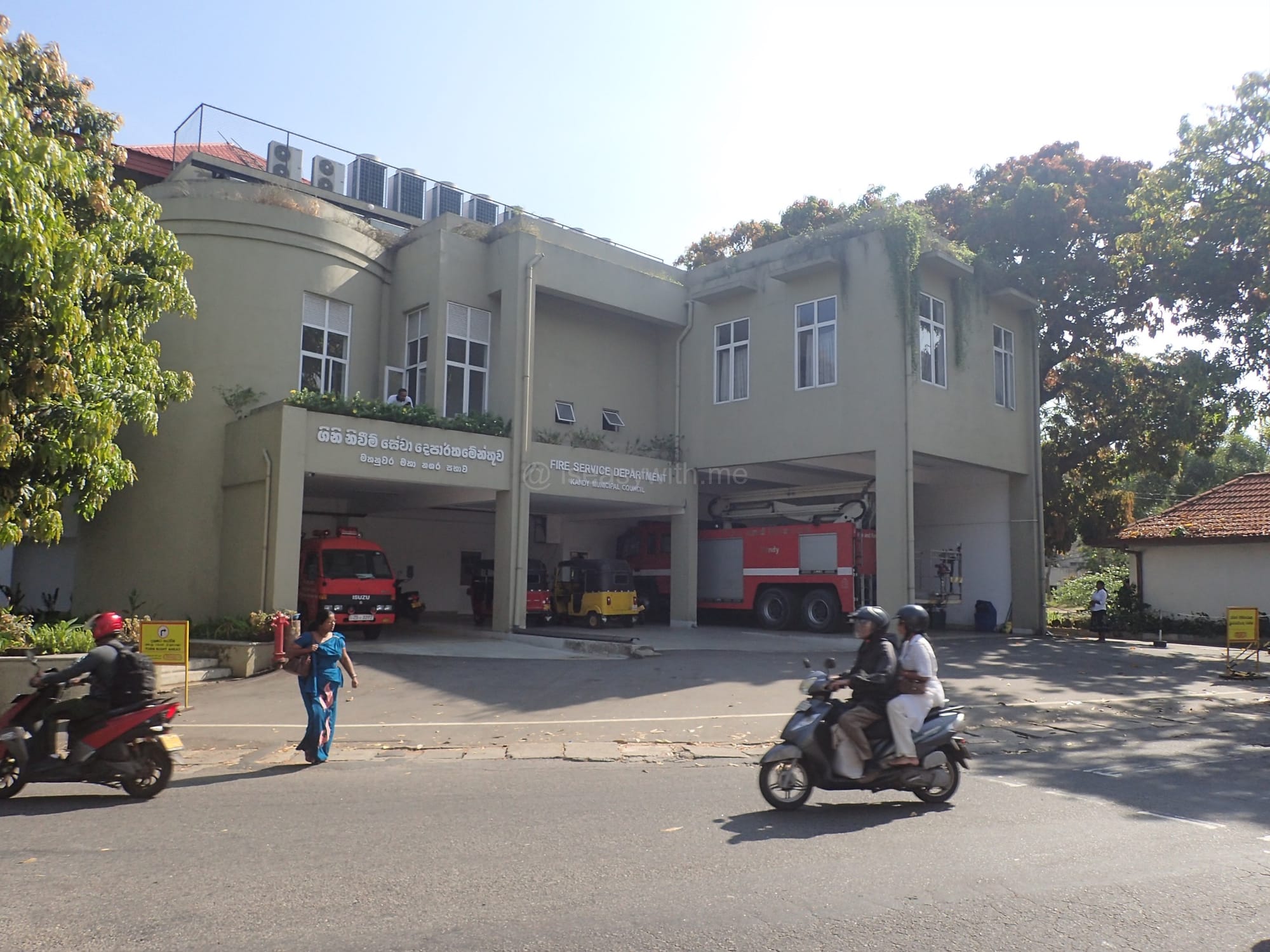
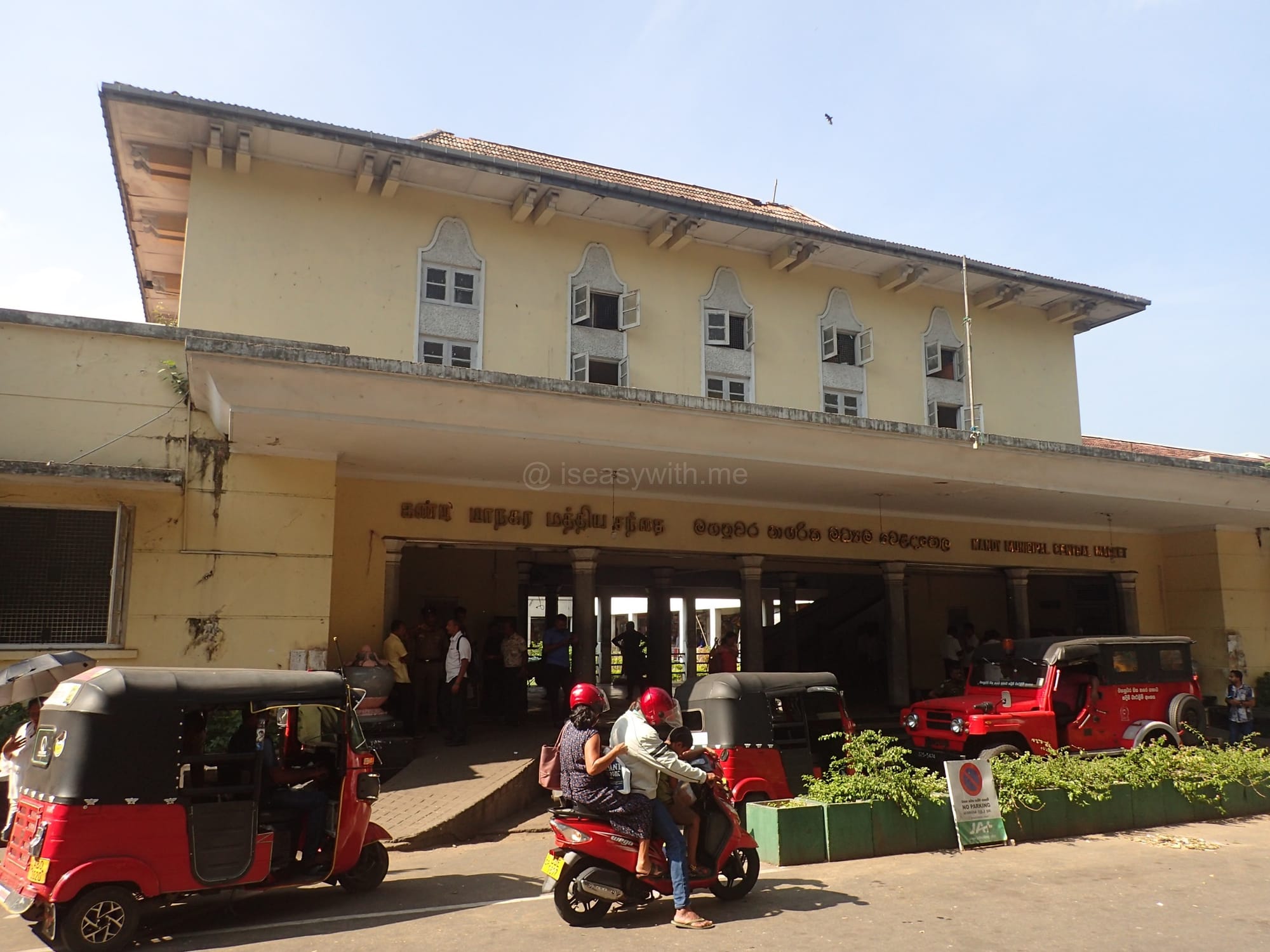
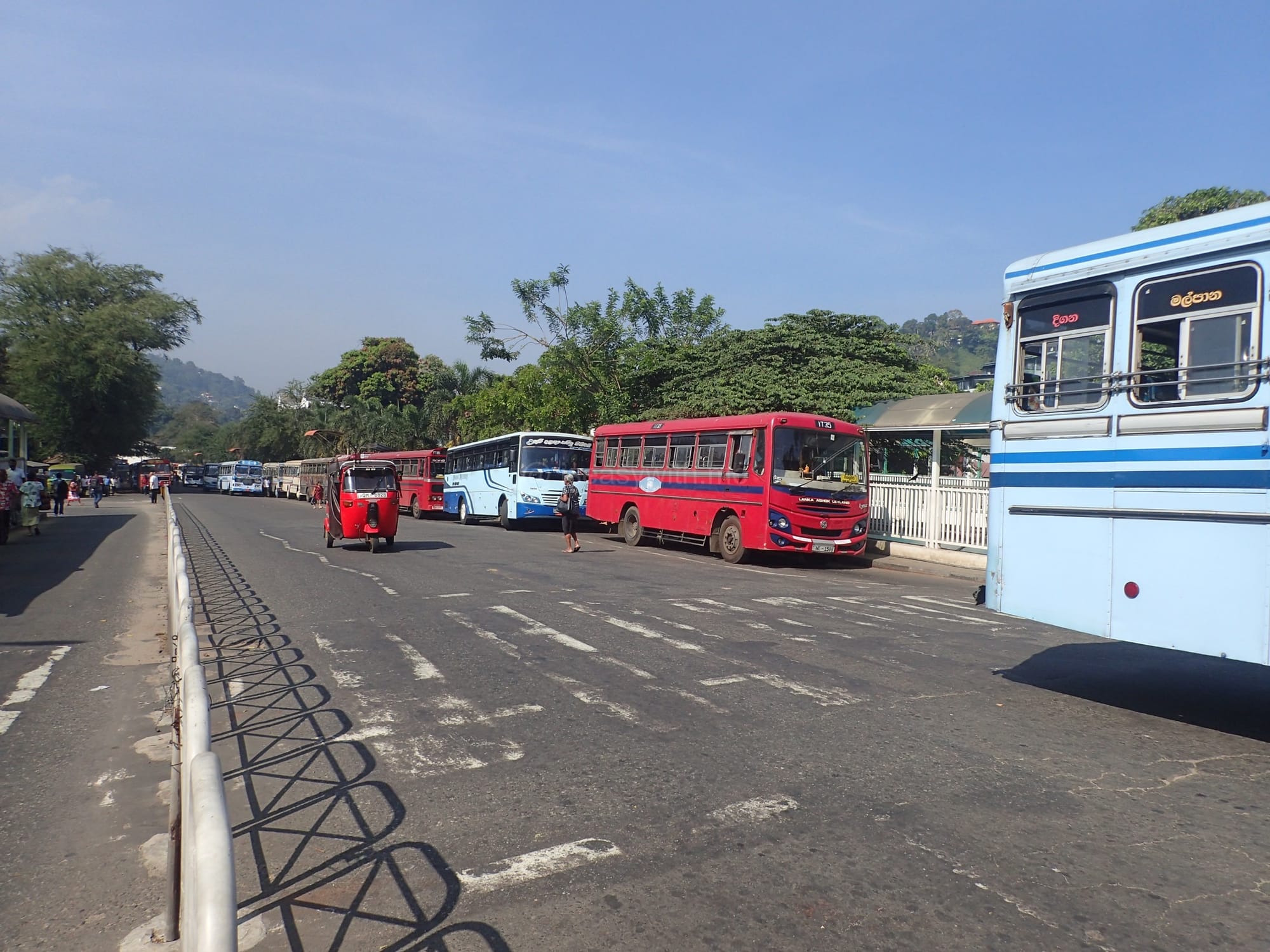
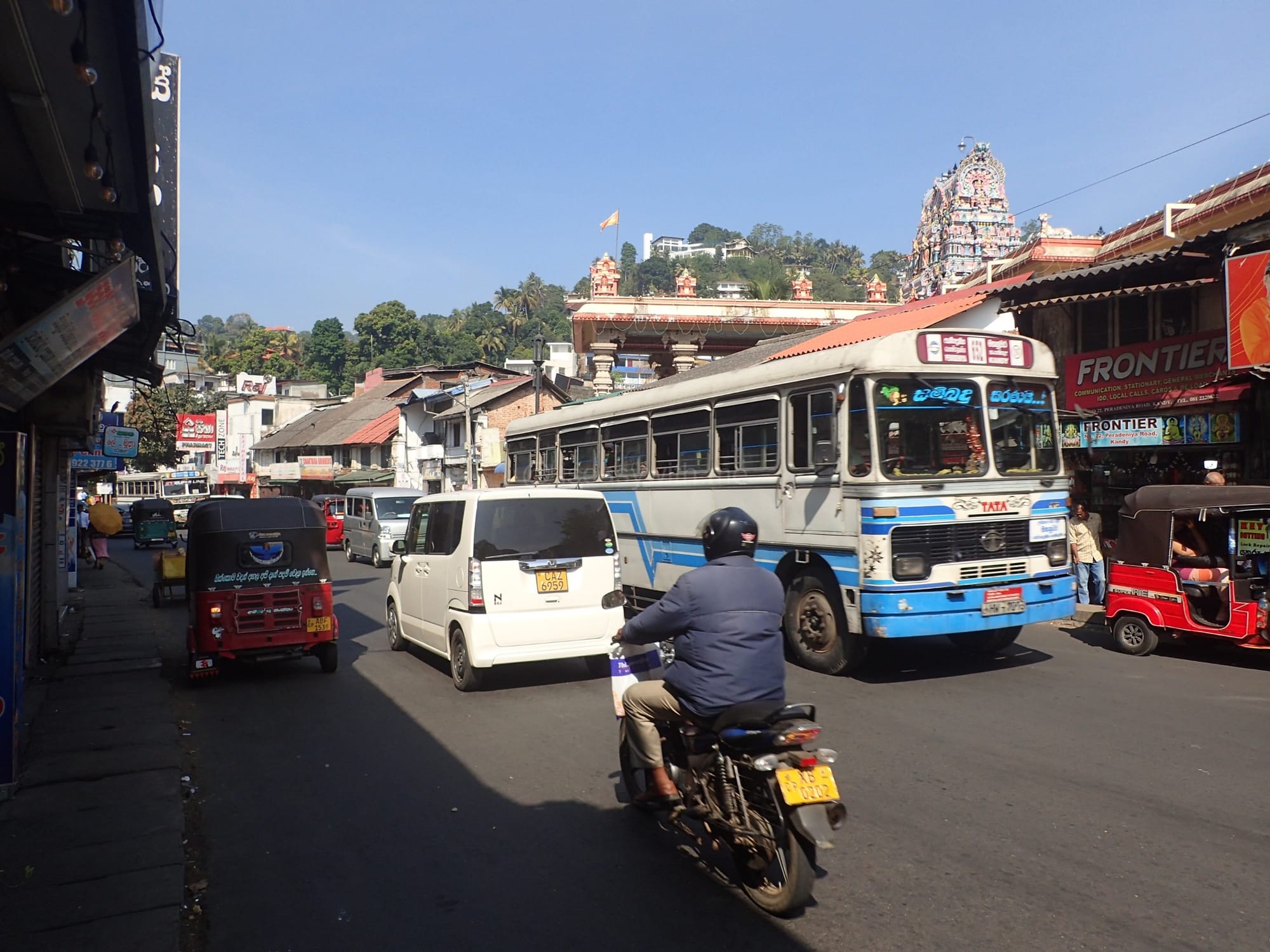
arrival at Kandy and on the way to my accommodation
In and Around Kandy
Kandy's absolute must-see highlights include experiencing the sacred evening puja at the Temple of the Tooth Relic, exploring the exquisite wood carvings and architecture of the Three-Temple Loop, taking in panoramic views from the Kandy Viewpoint and Bahirawakanda Buddha, browsing the bustling stalls of the Kandy Municipal Central Market and soaking in the surreal, gothic atmosphere of Helga's Folly.
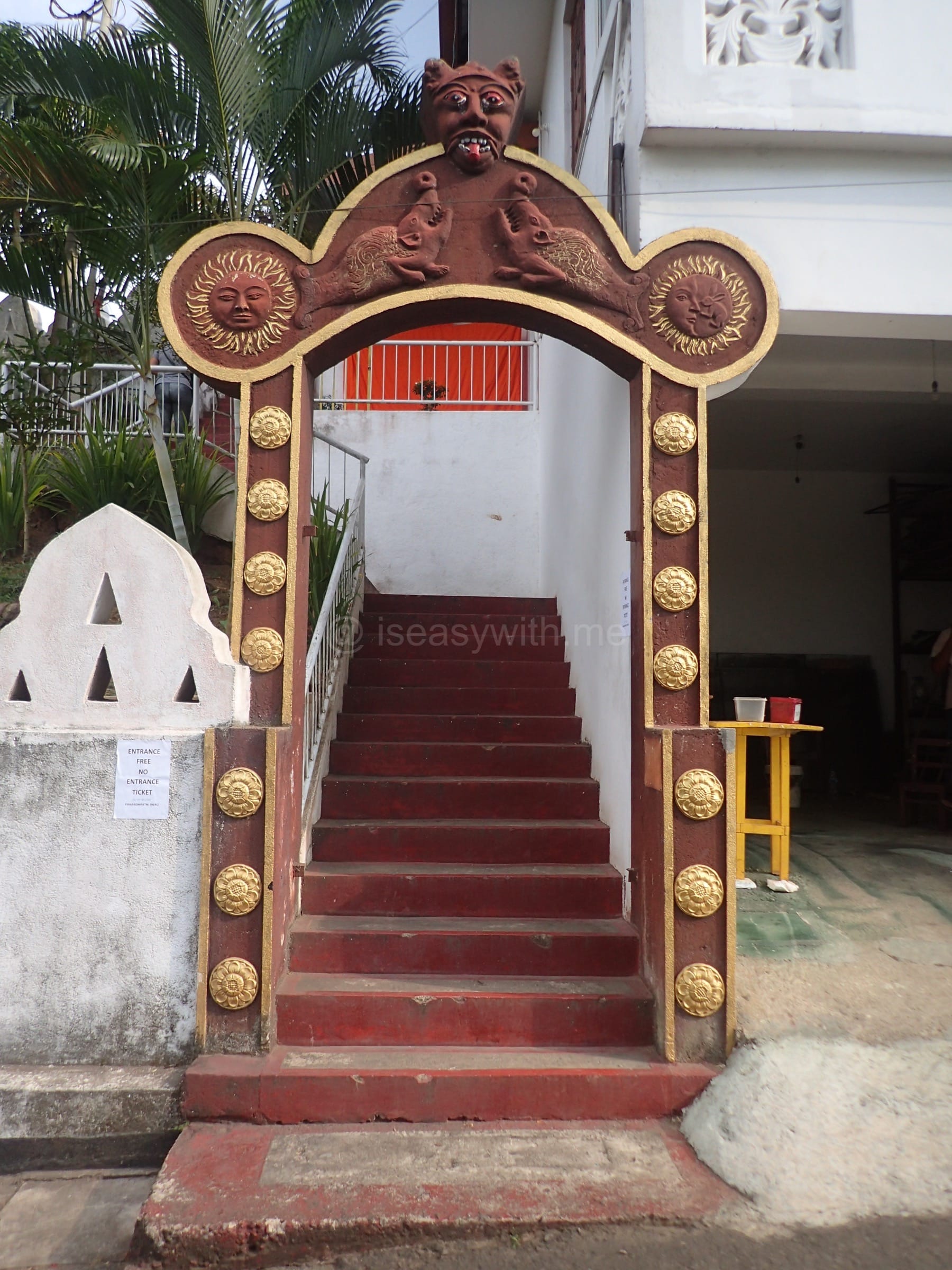
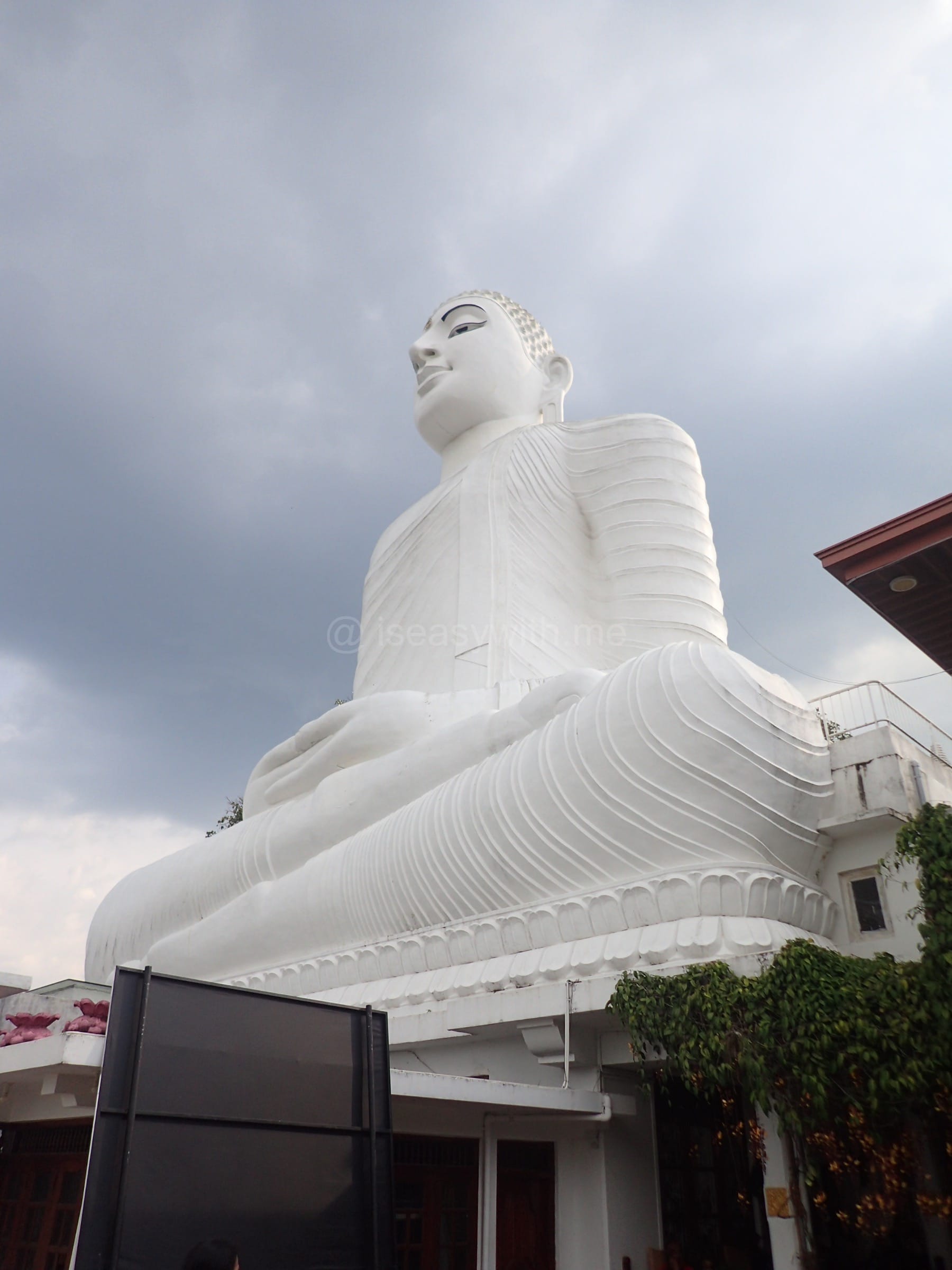
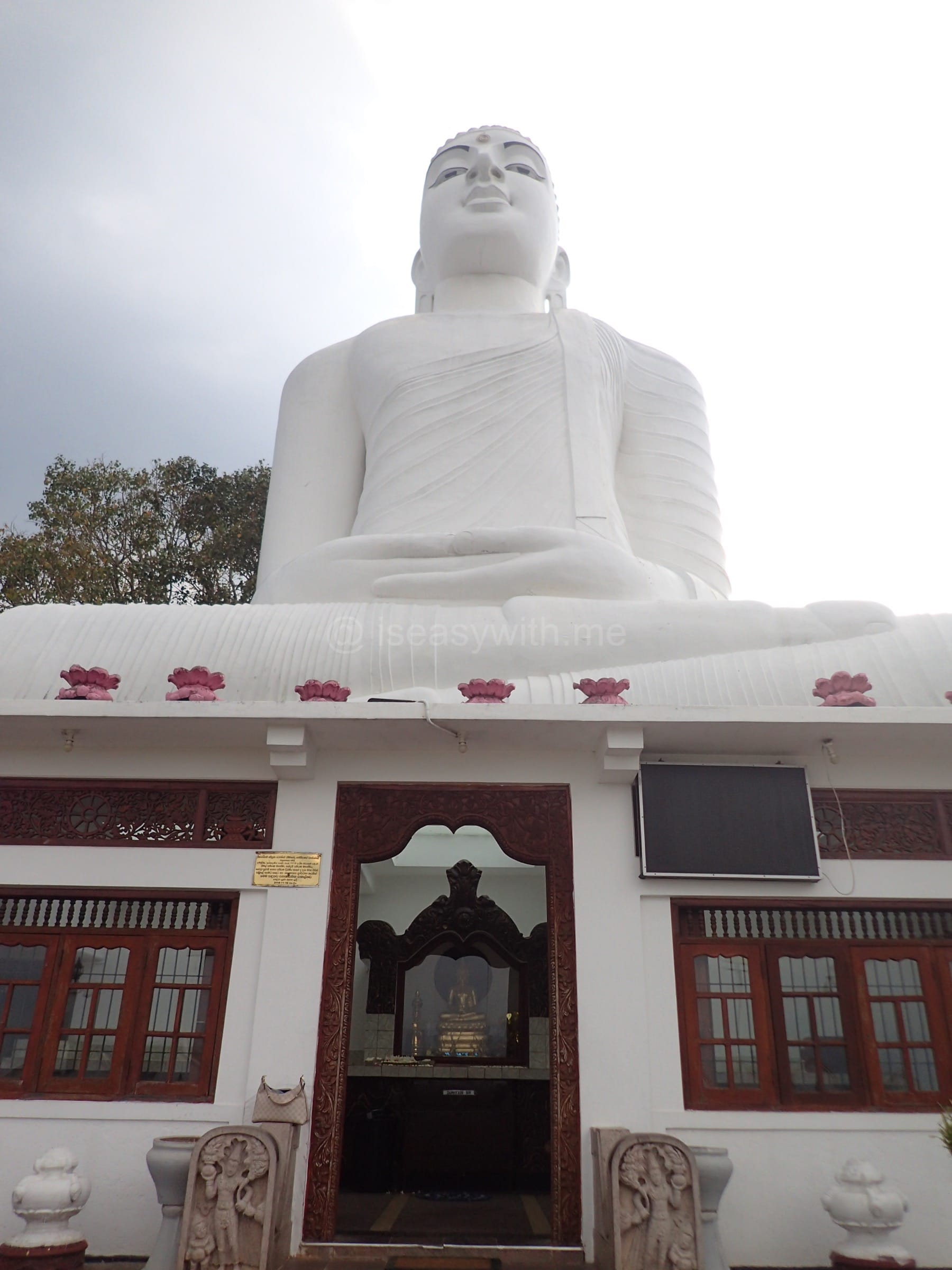
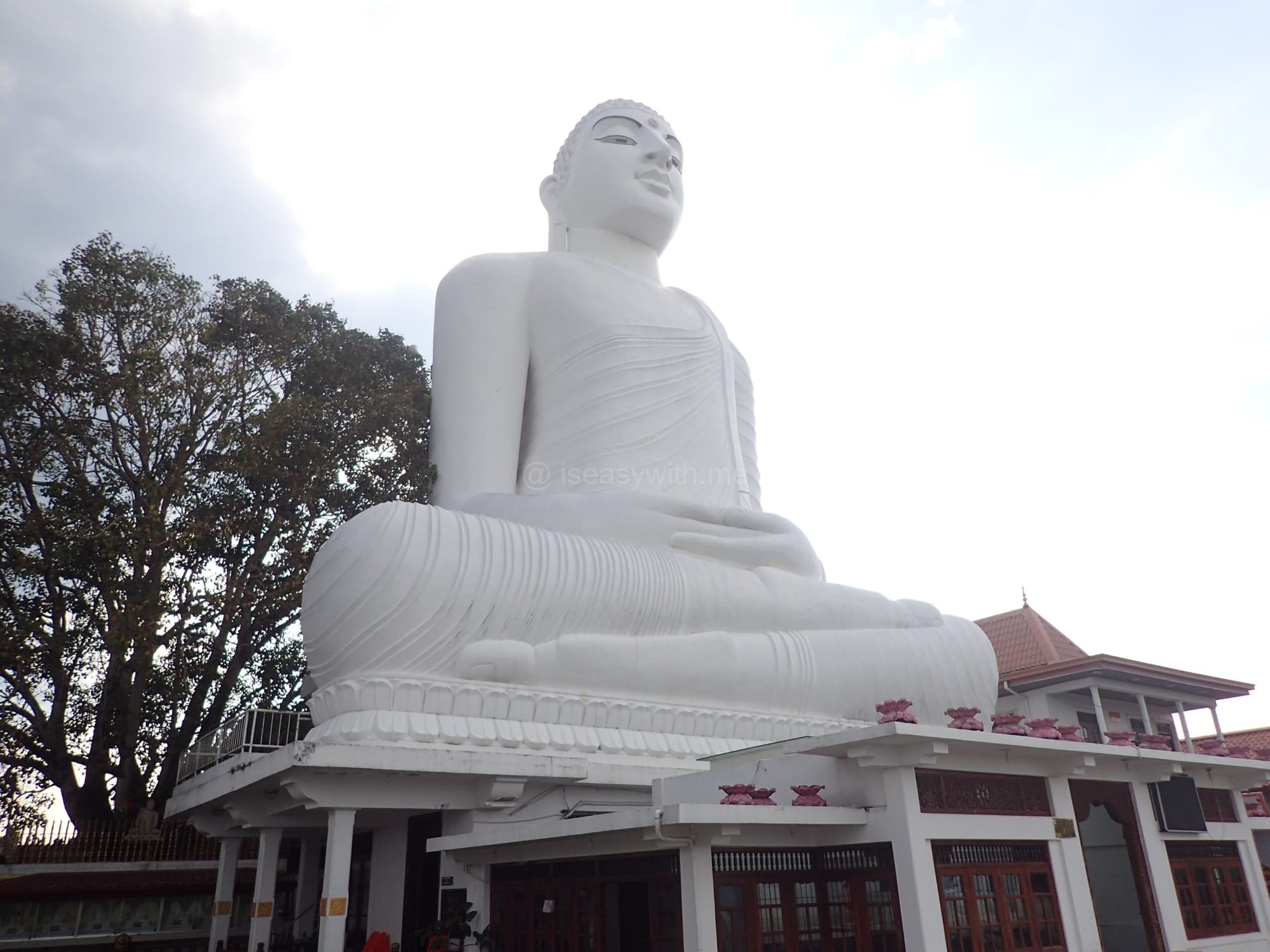
Bahirawakanda Buddha (Sri Maha Bodhi Viharaya)
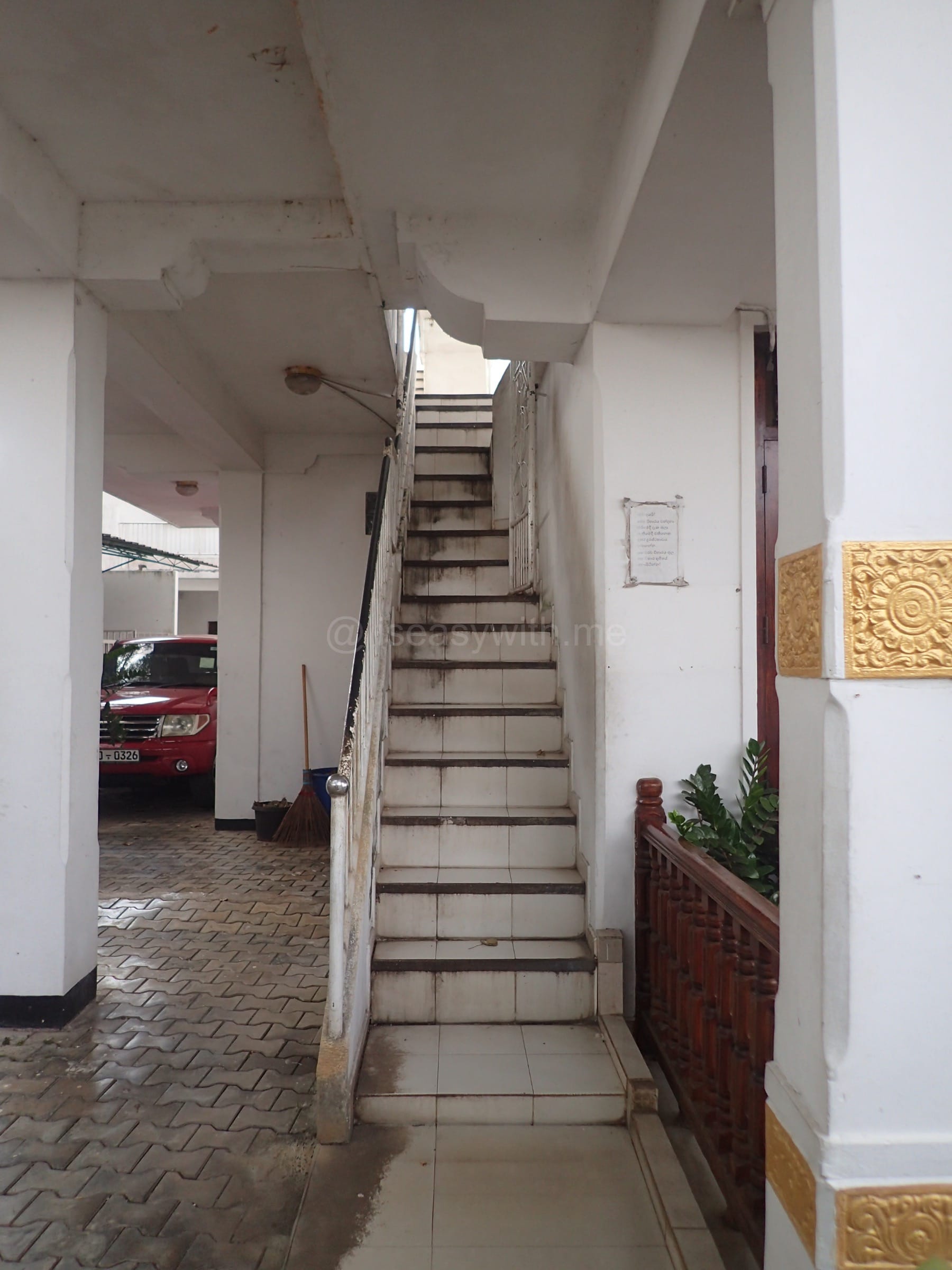
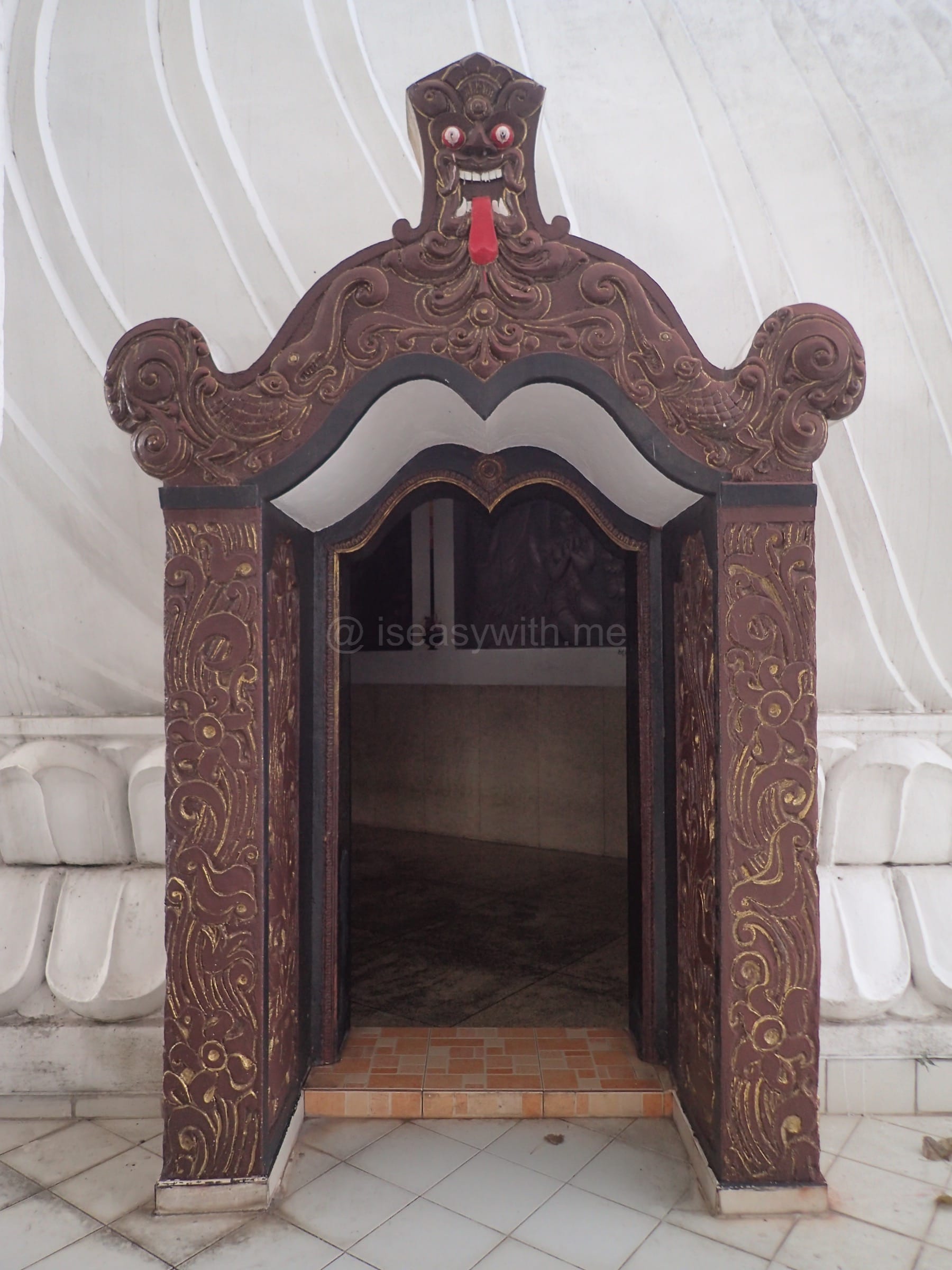
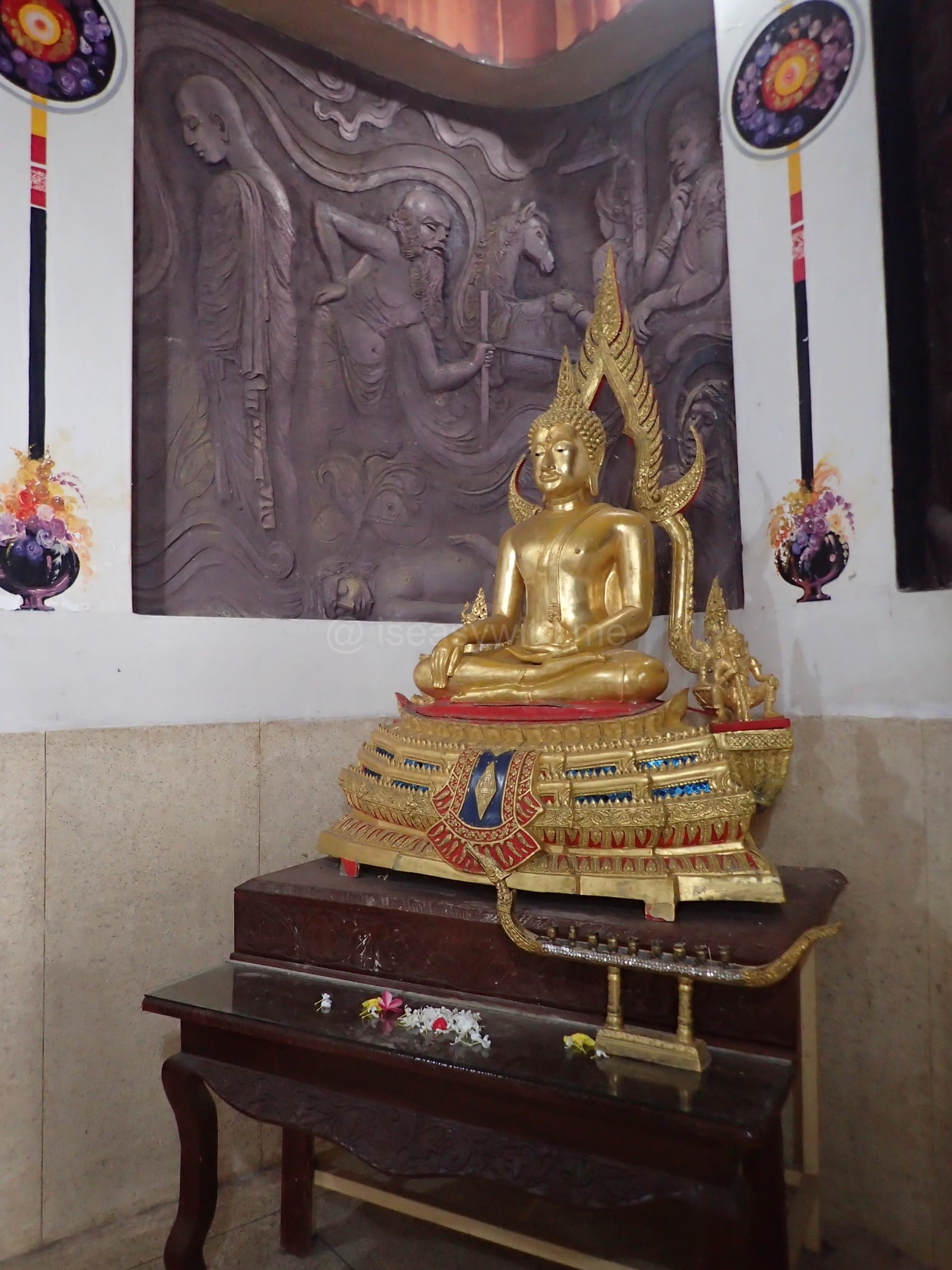
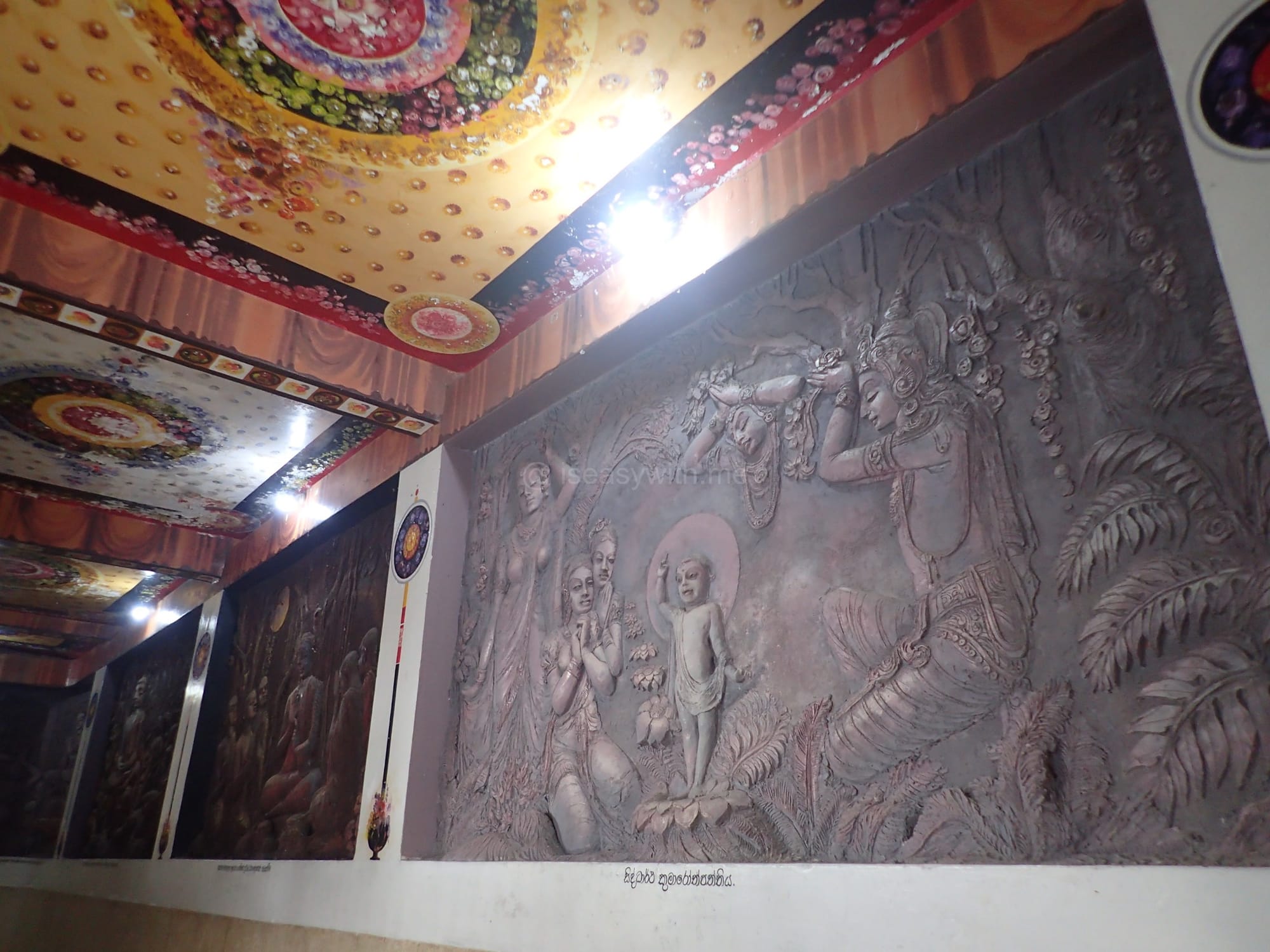
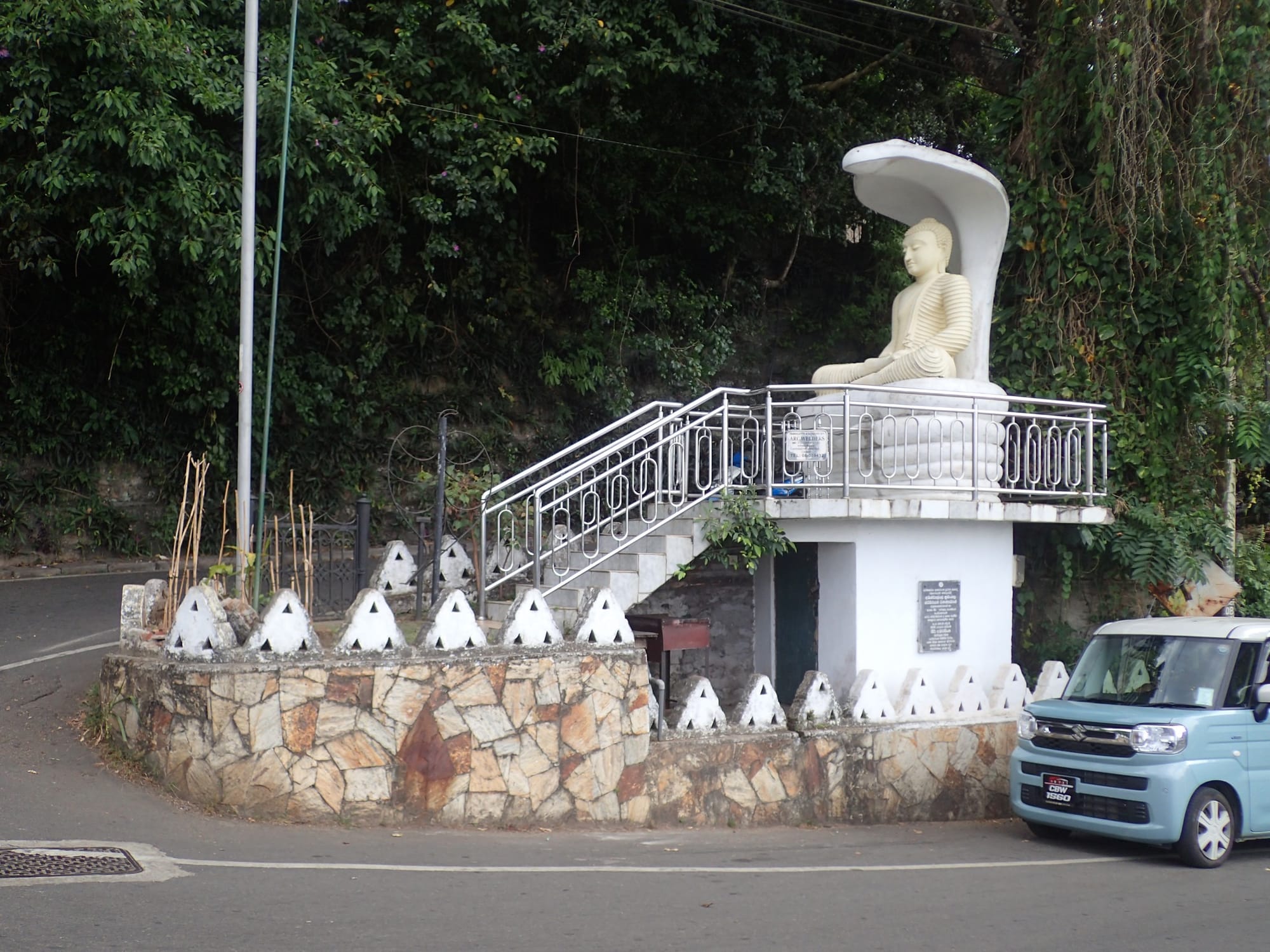
Visible from almost anywhere in the city, the giant white Bahirawakanda Buddha statue towers above Kandy from a nearby hill. The site provides an excellent viewpoint and offers visitors the chance to stand beneath one of Sri Lanka's largest seated Buddha statues. The peaceful atmosphere contrasts sharply with the bustling streets below.
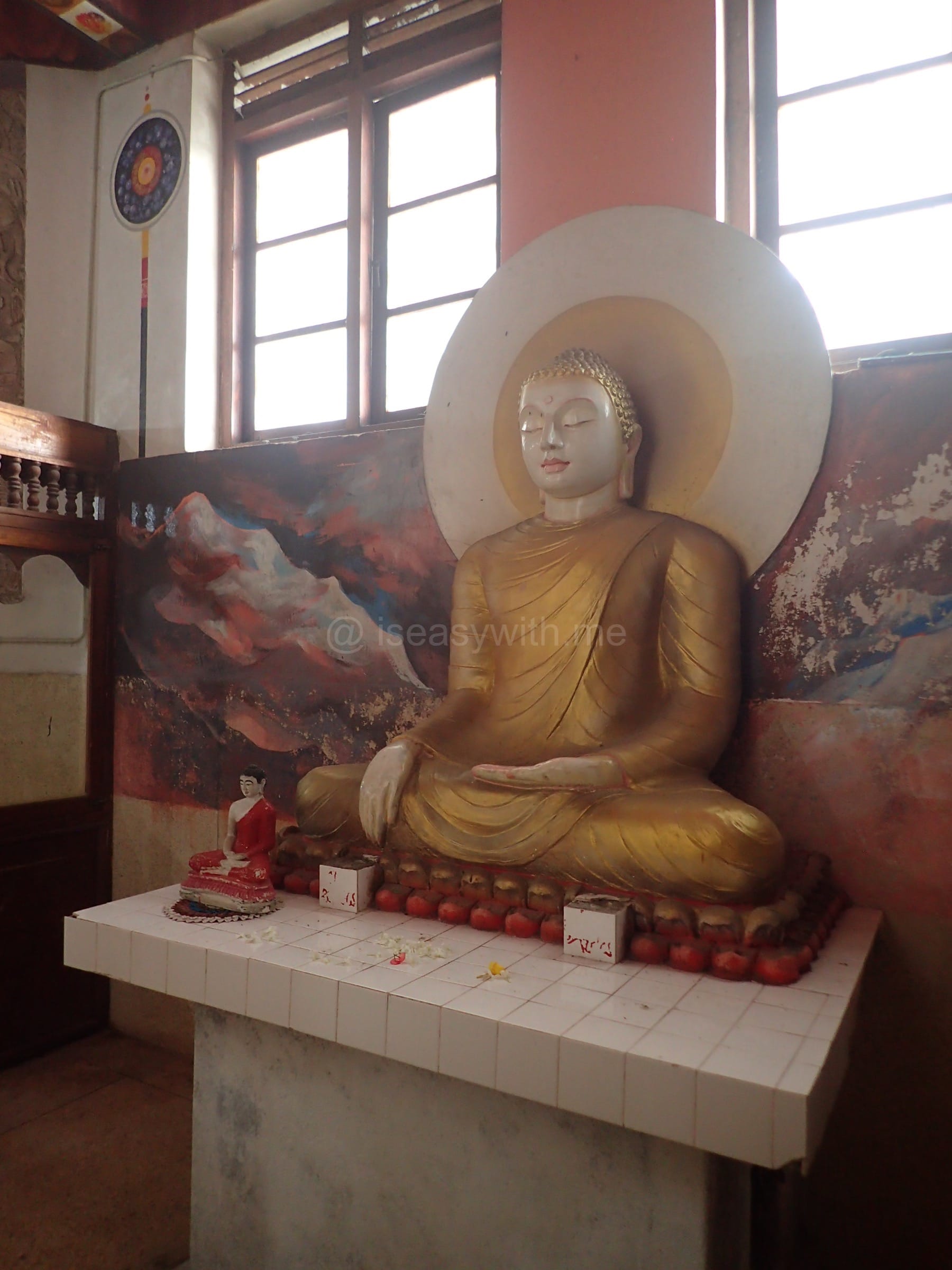
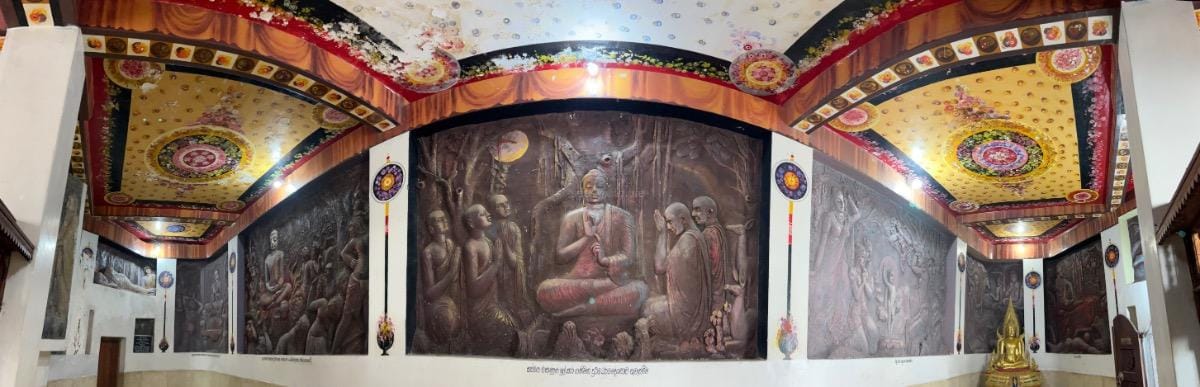
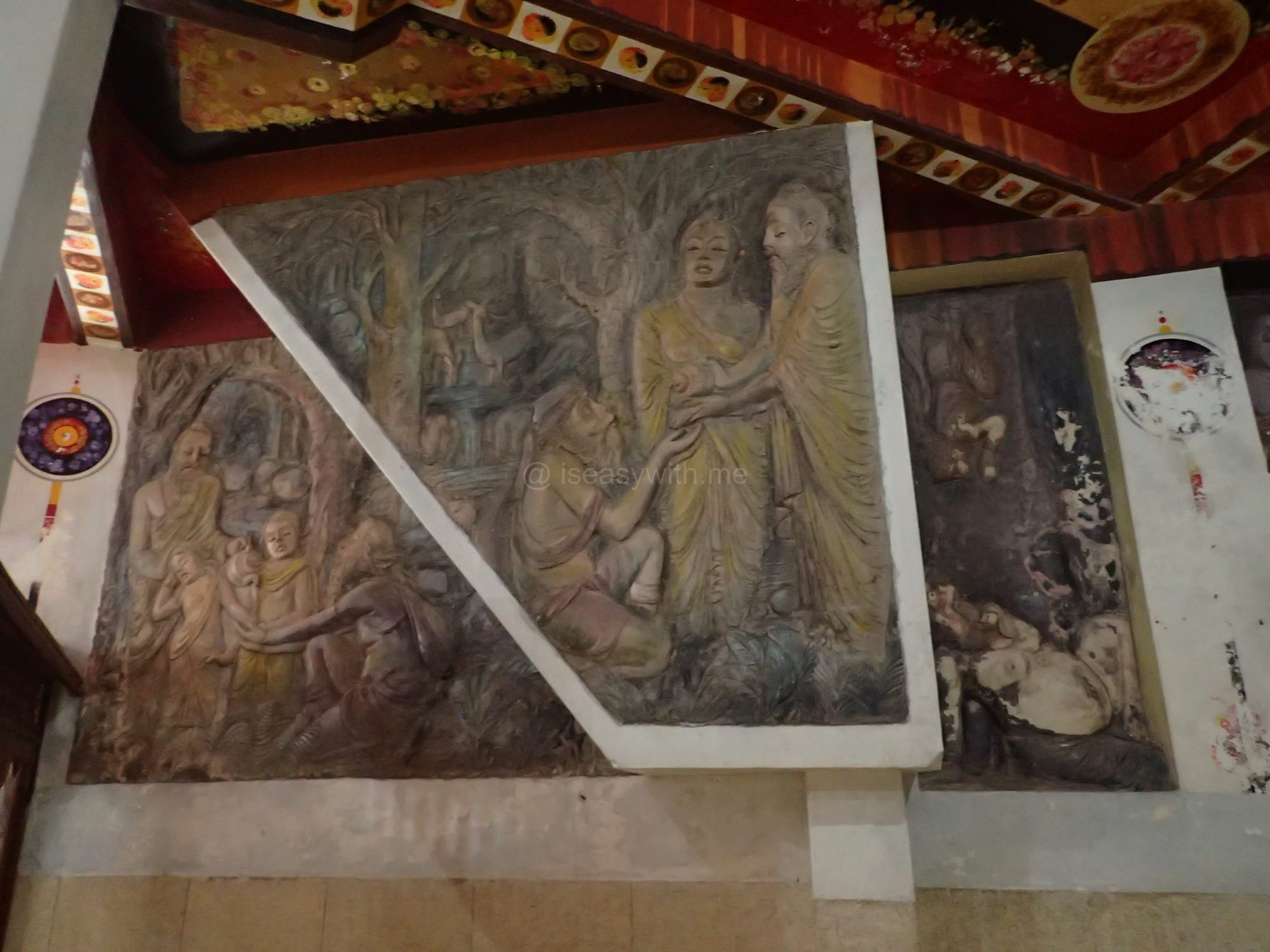
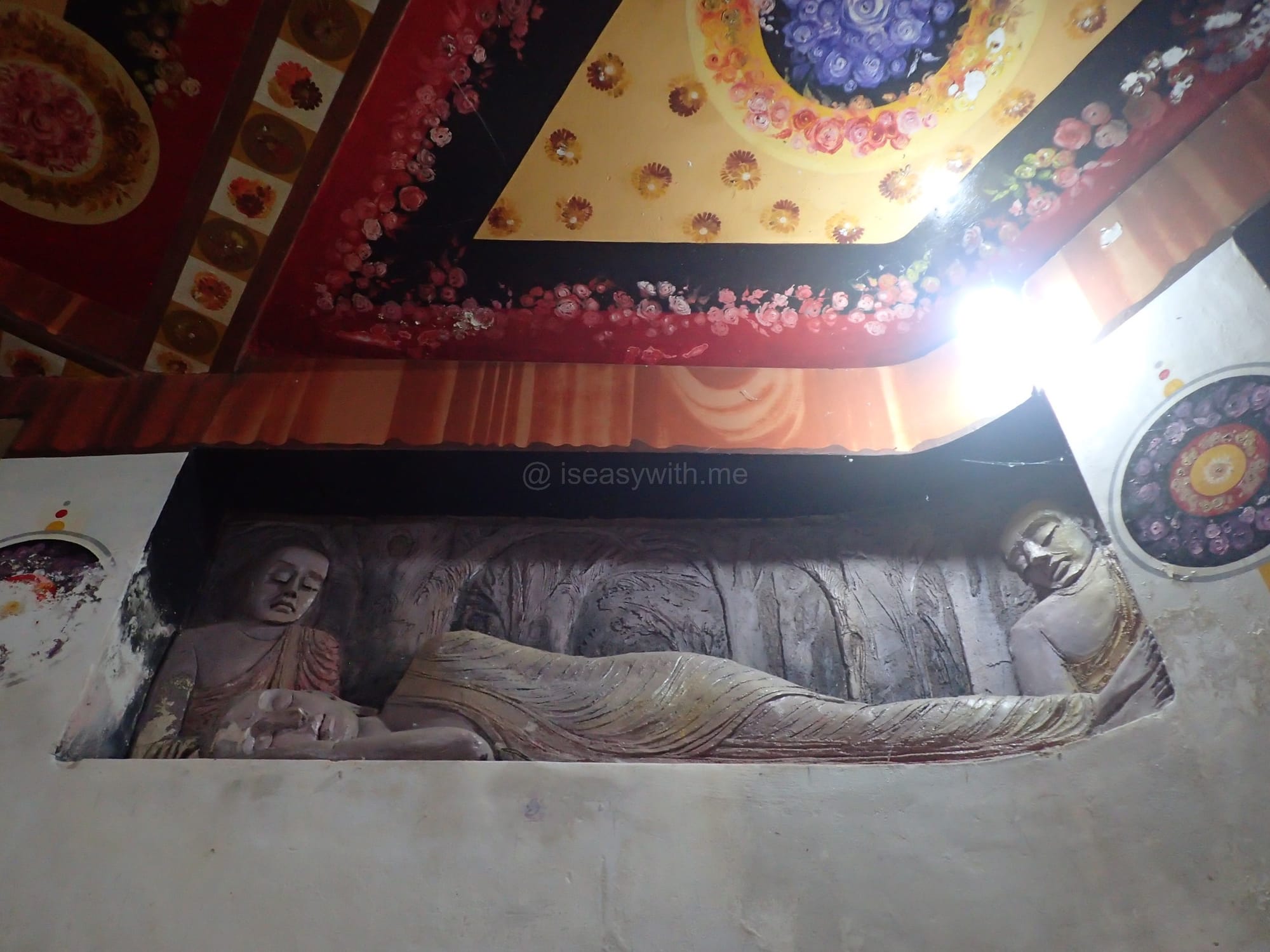
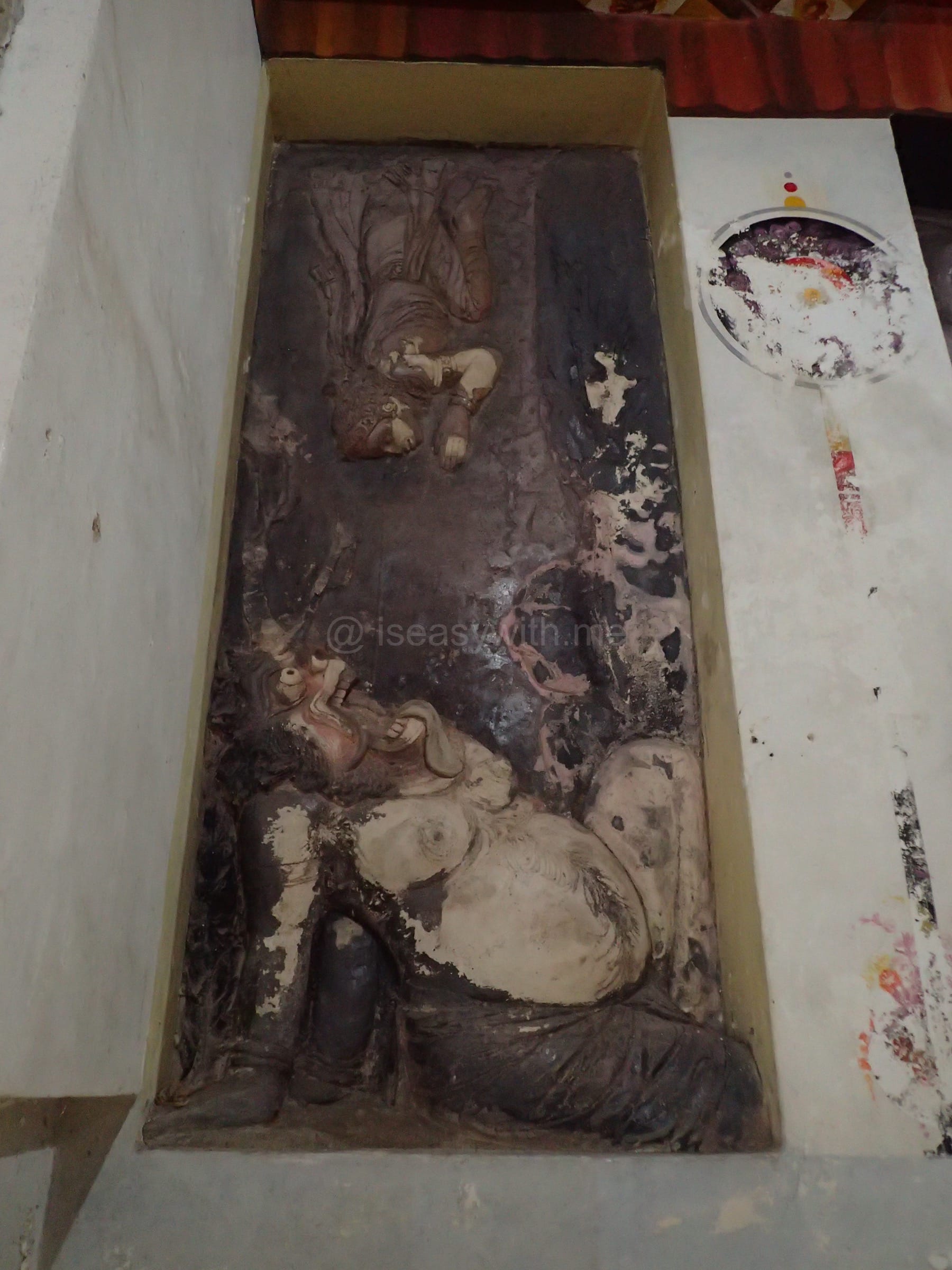
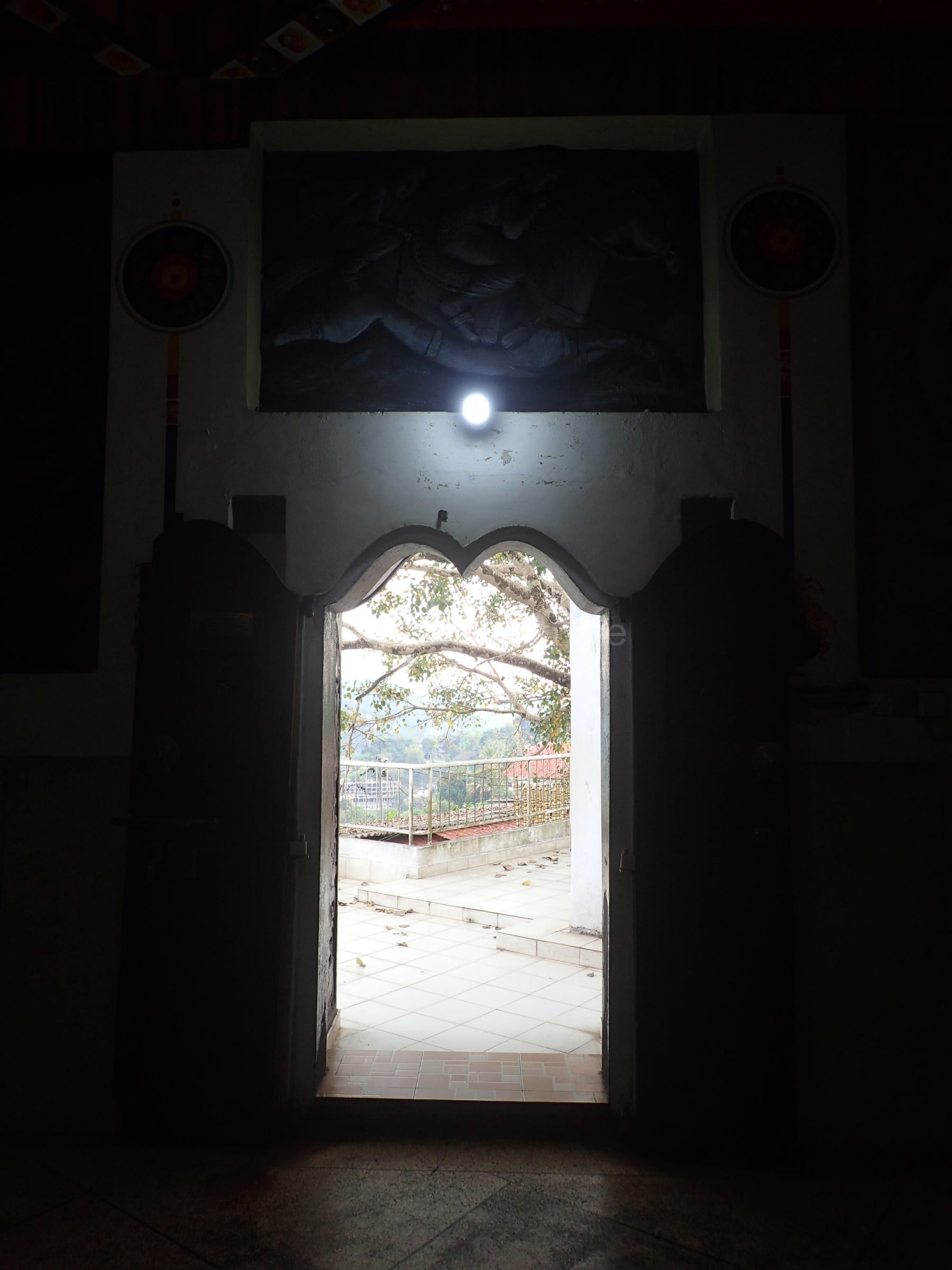
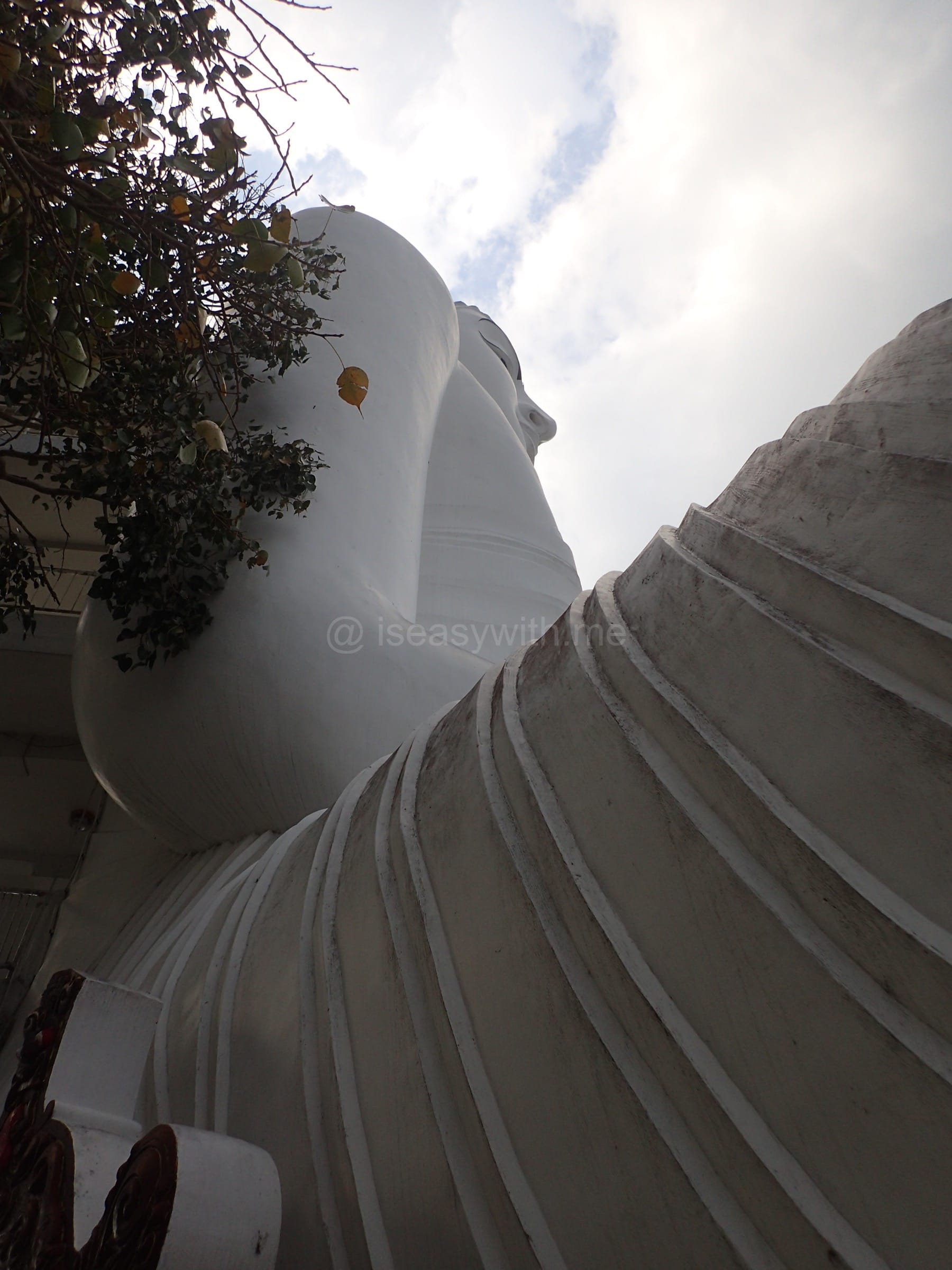
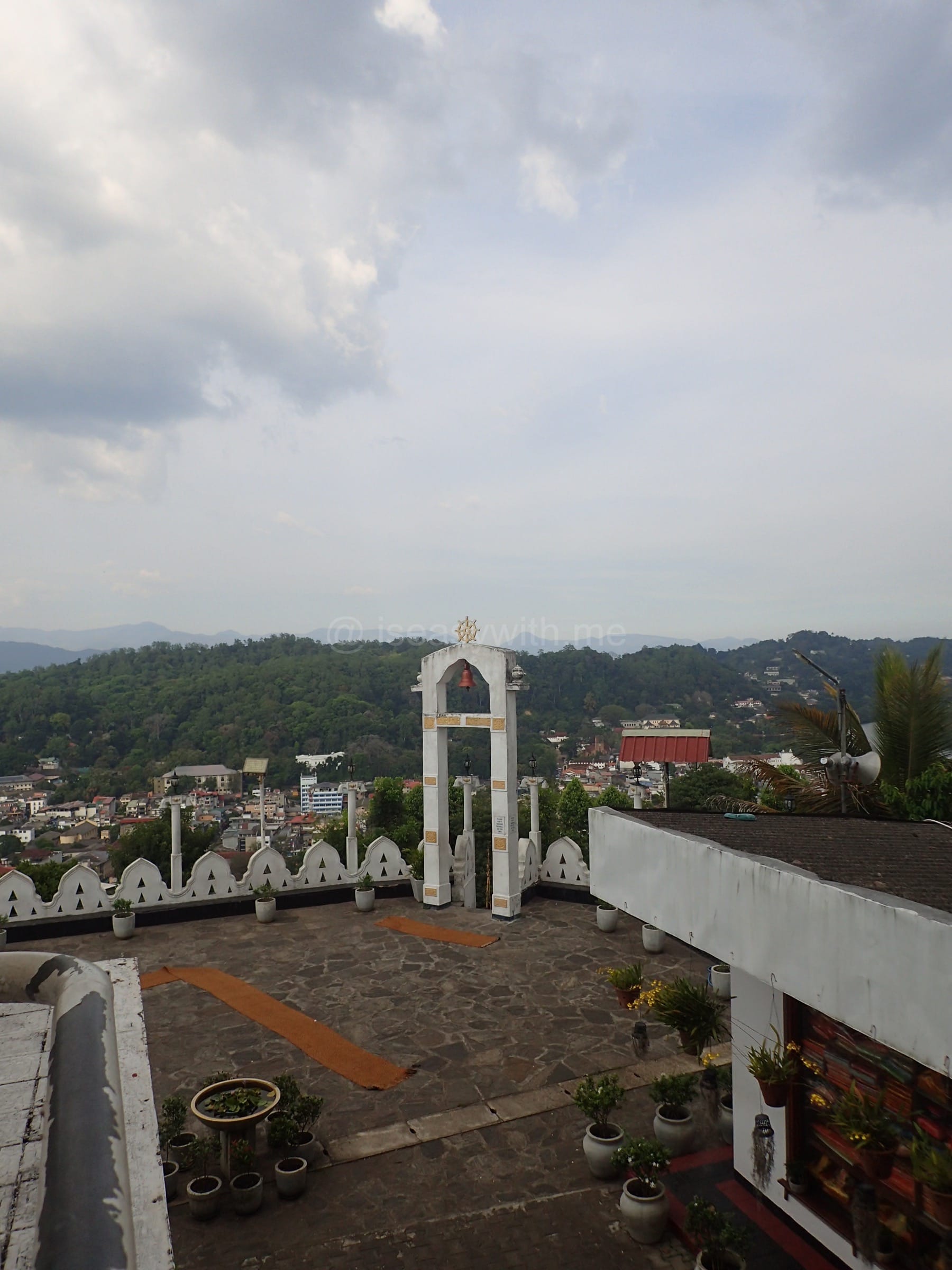
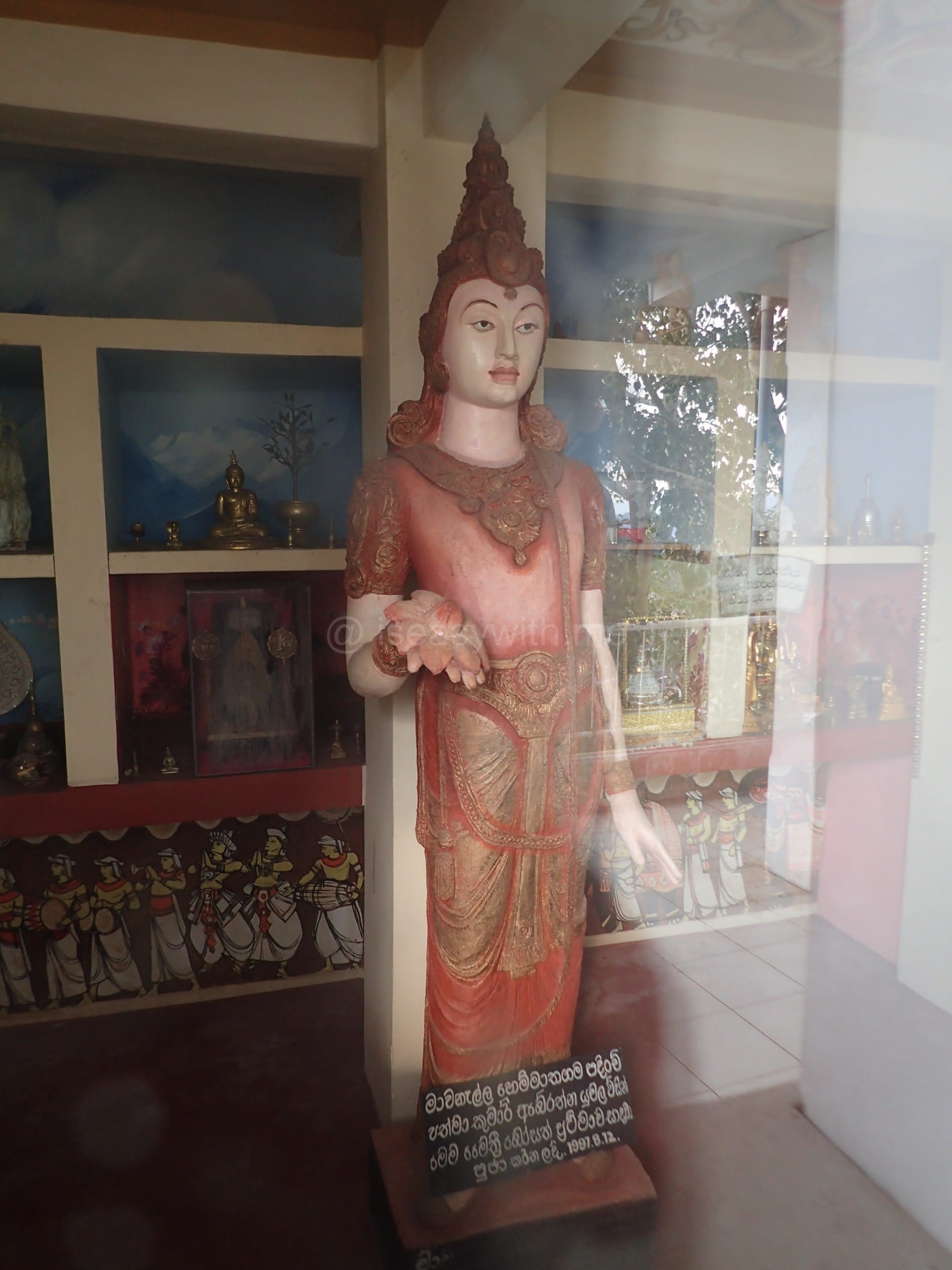
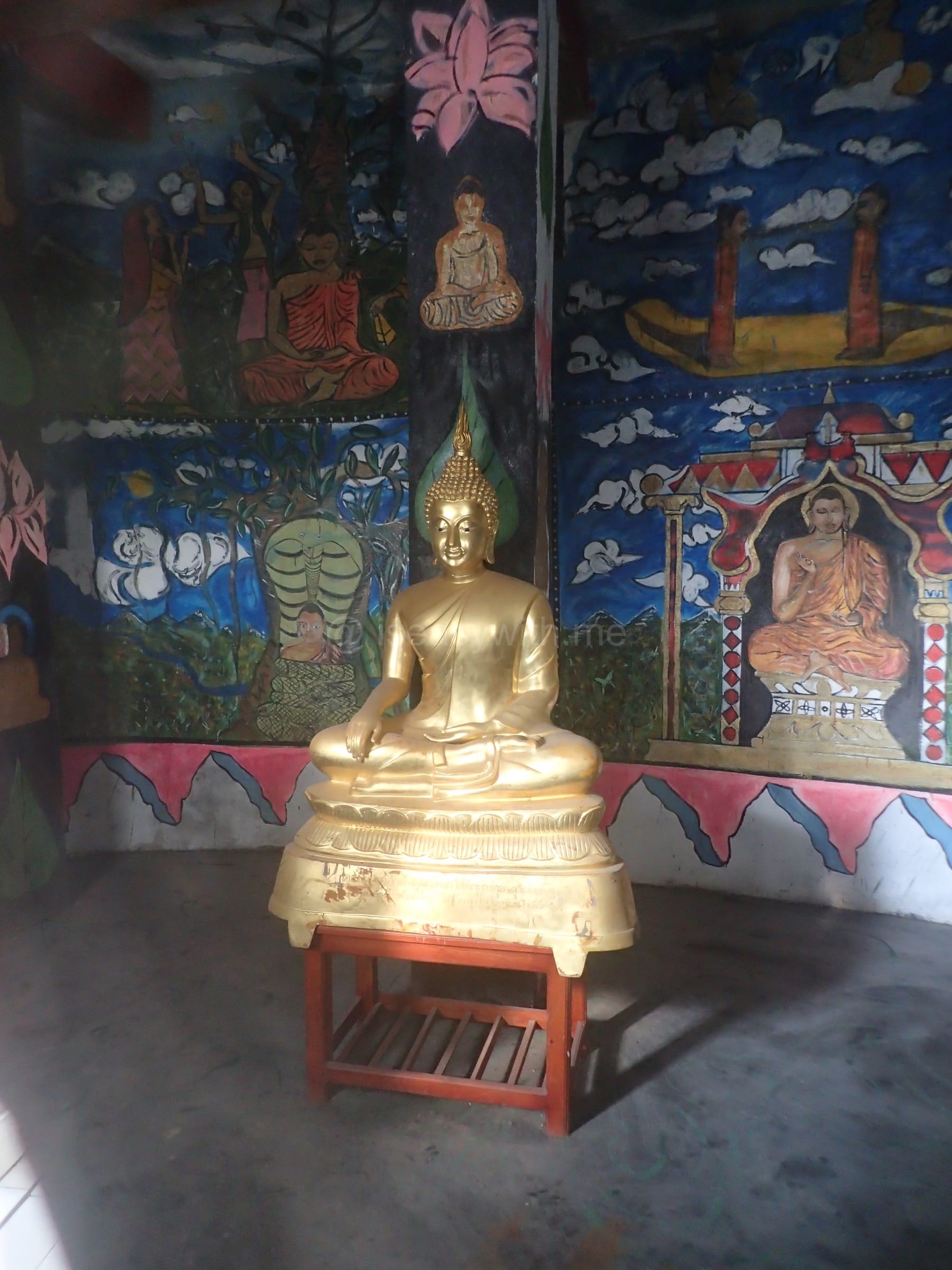
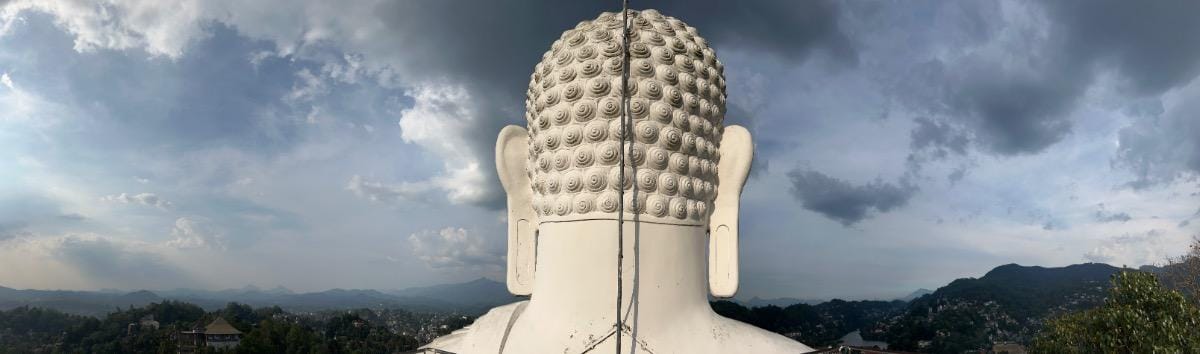
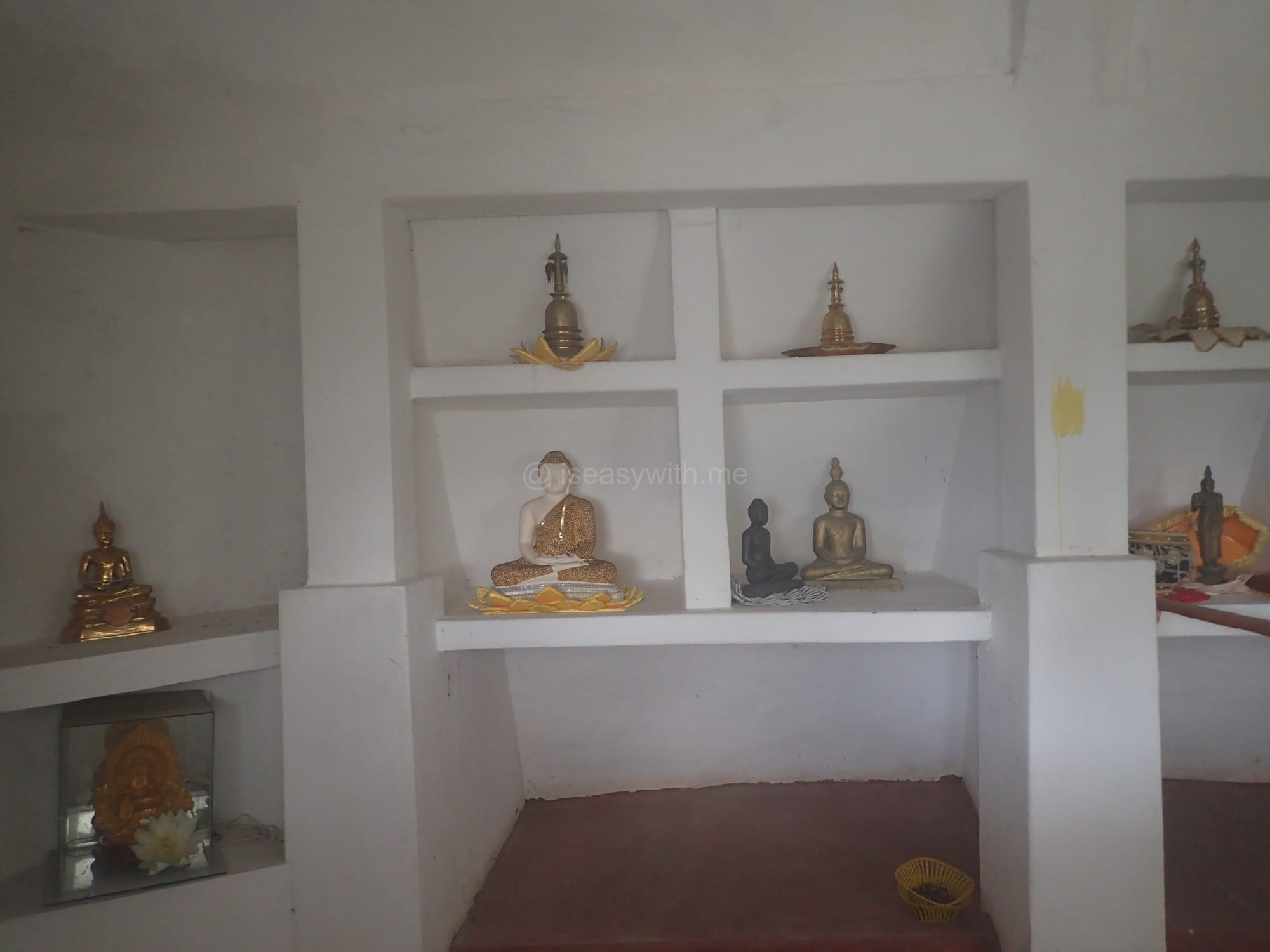
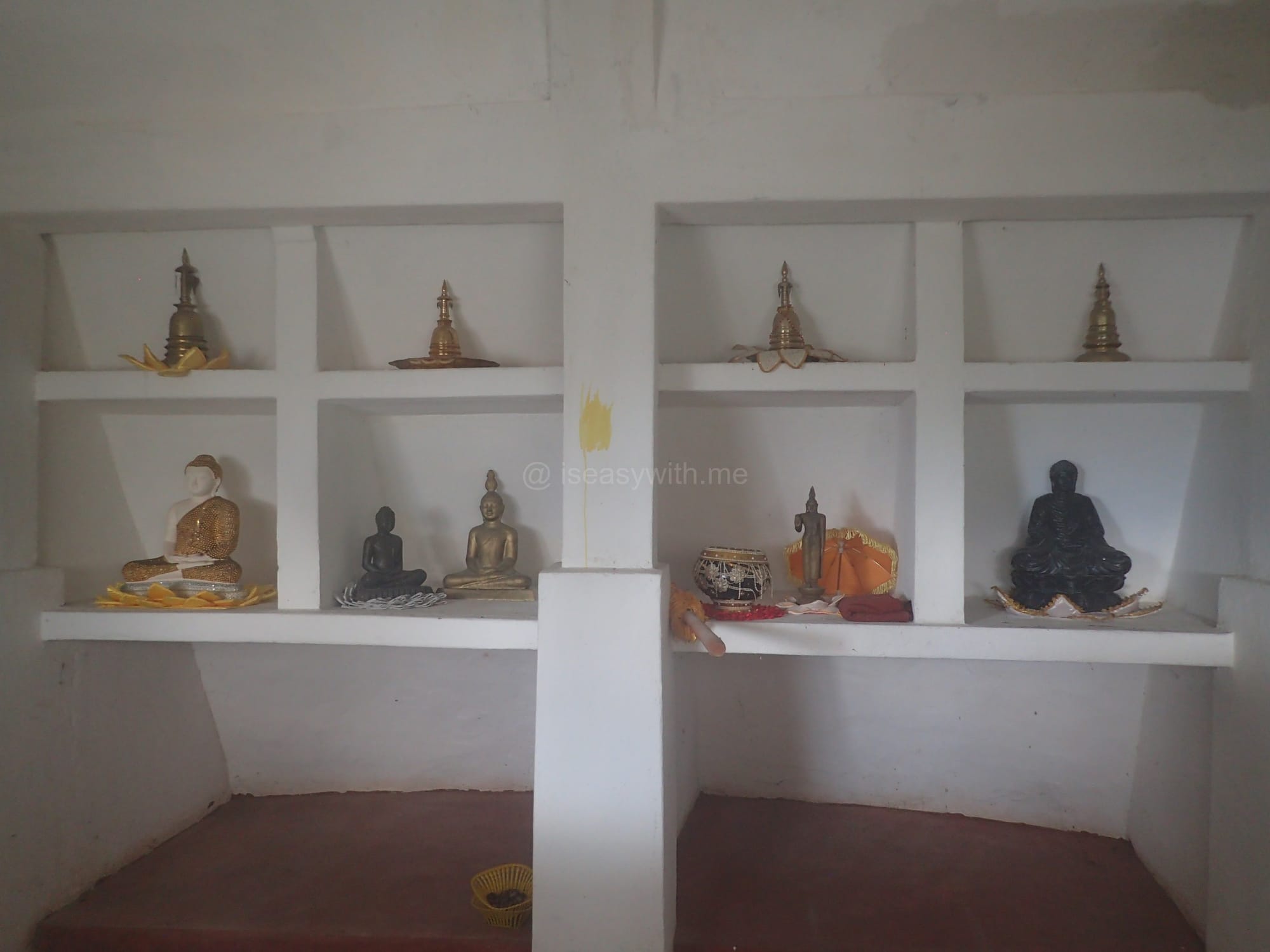
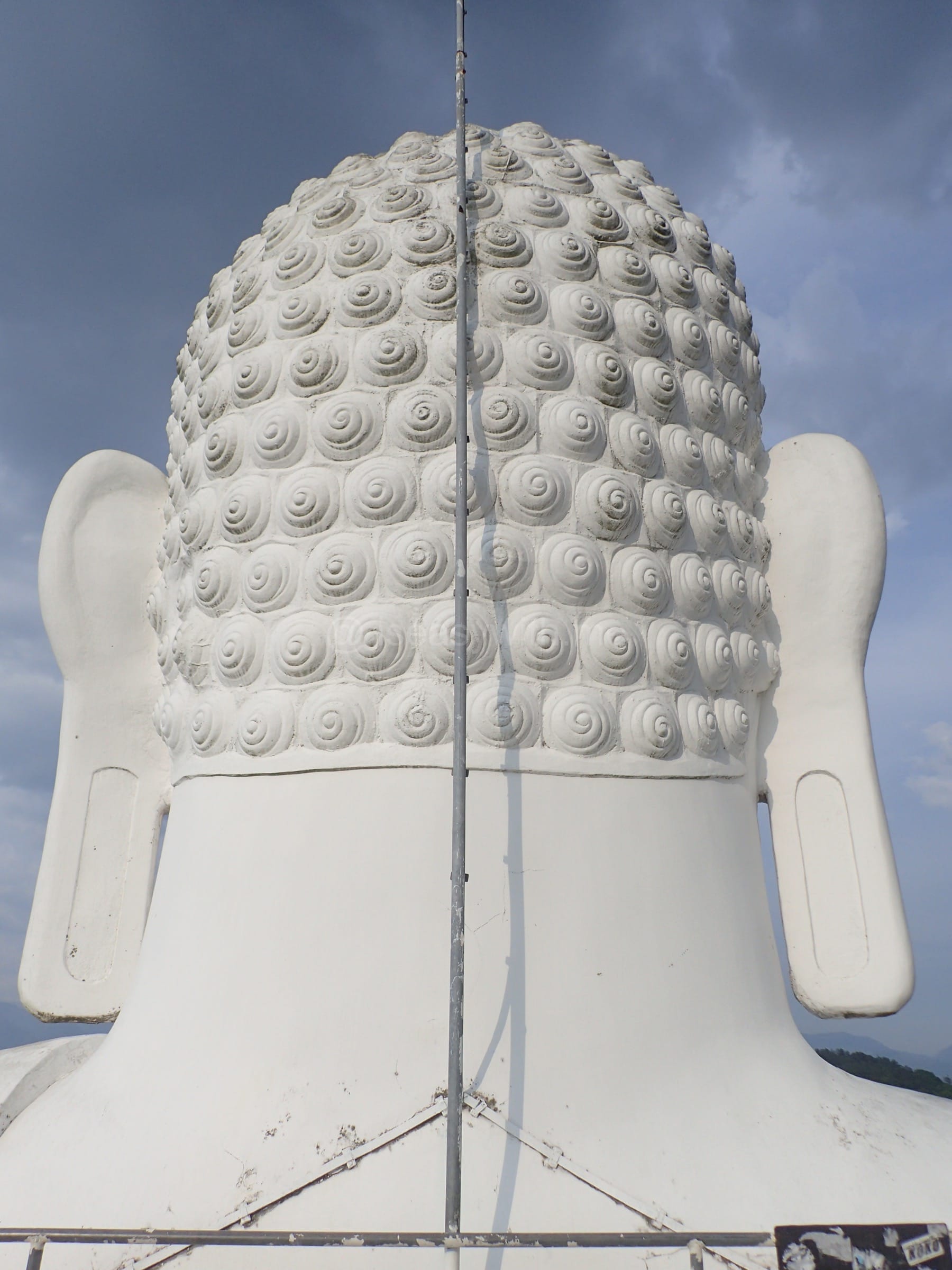
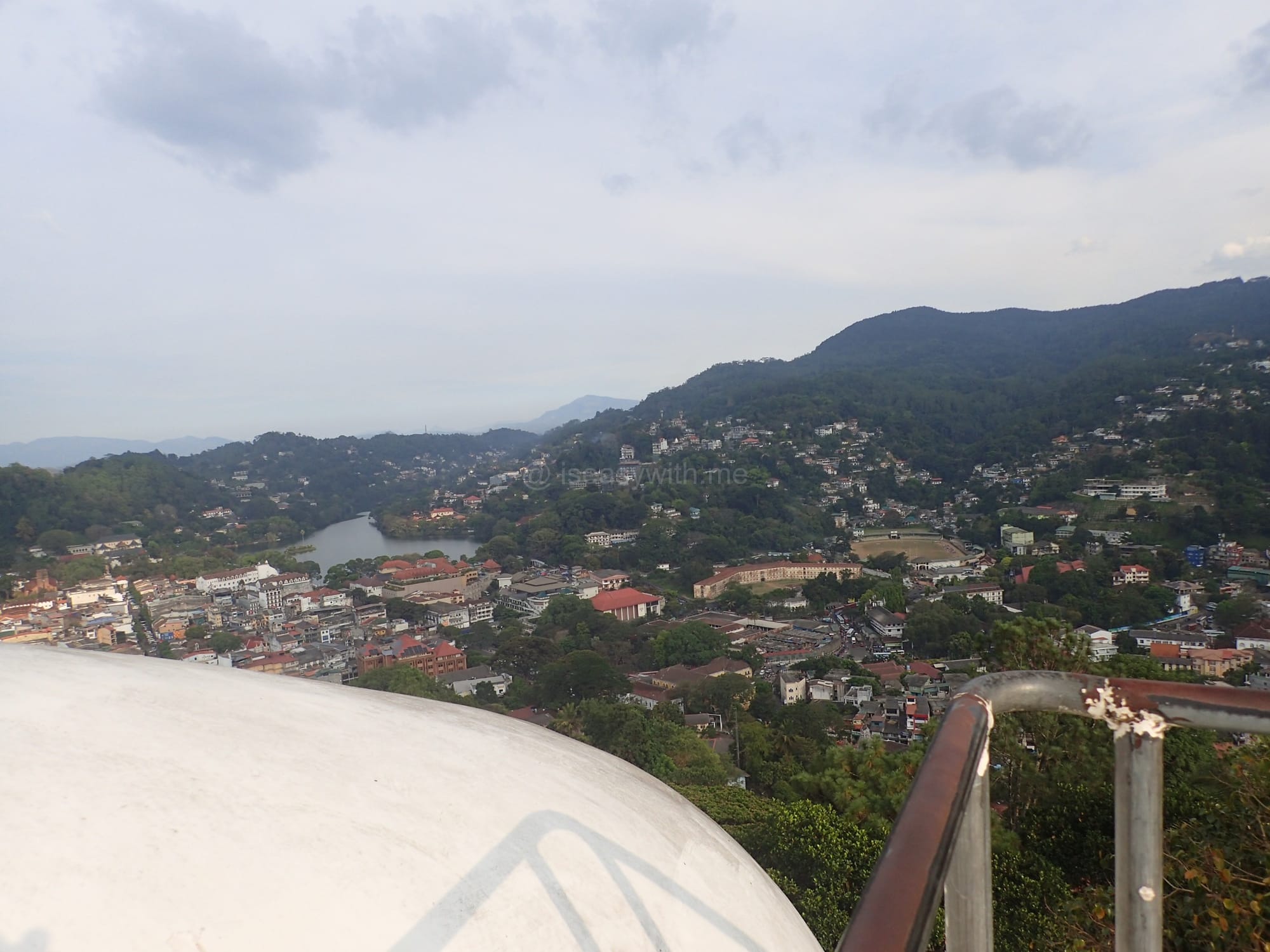
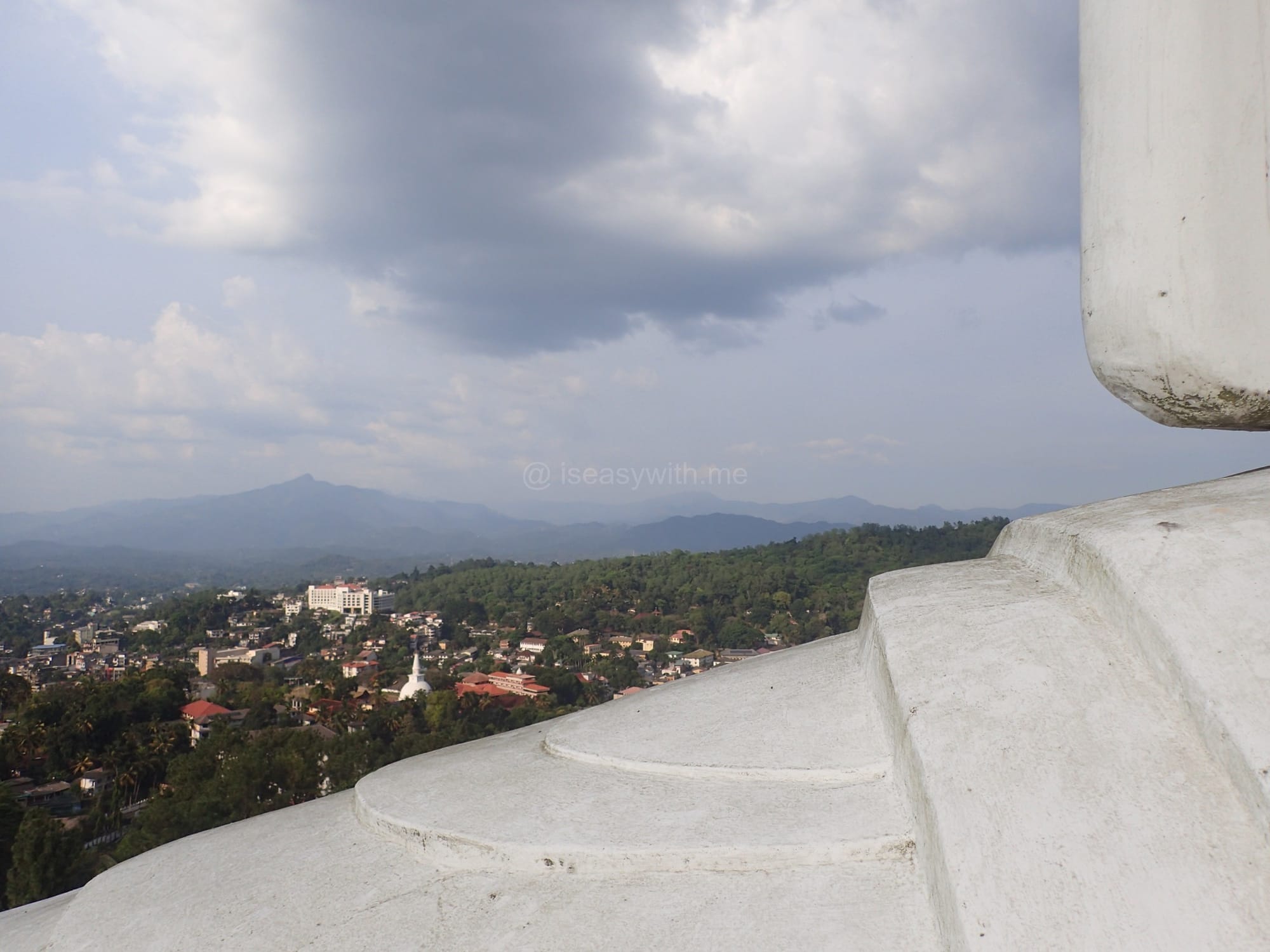
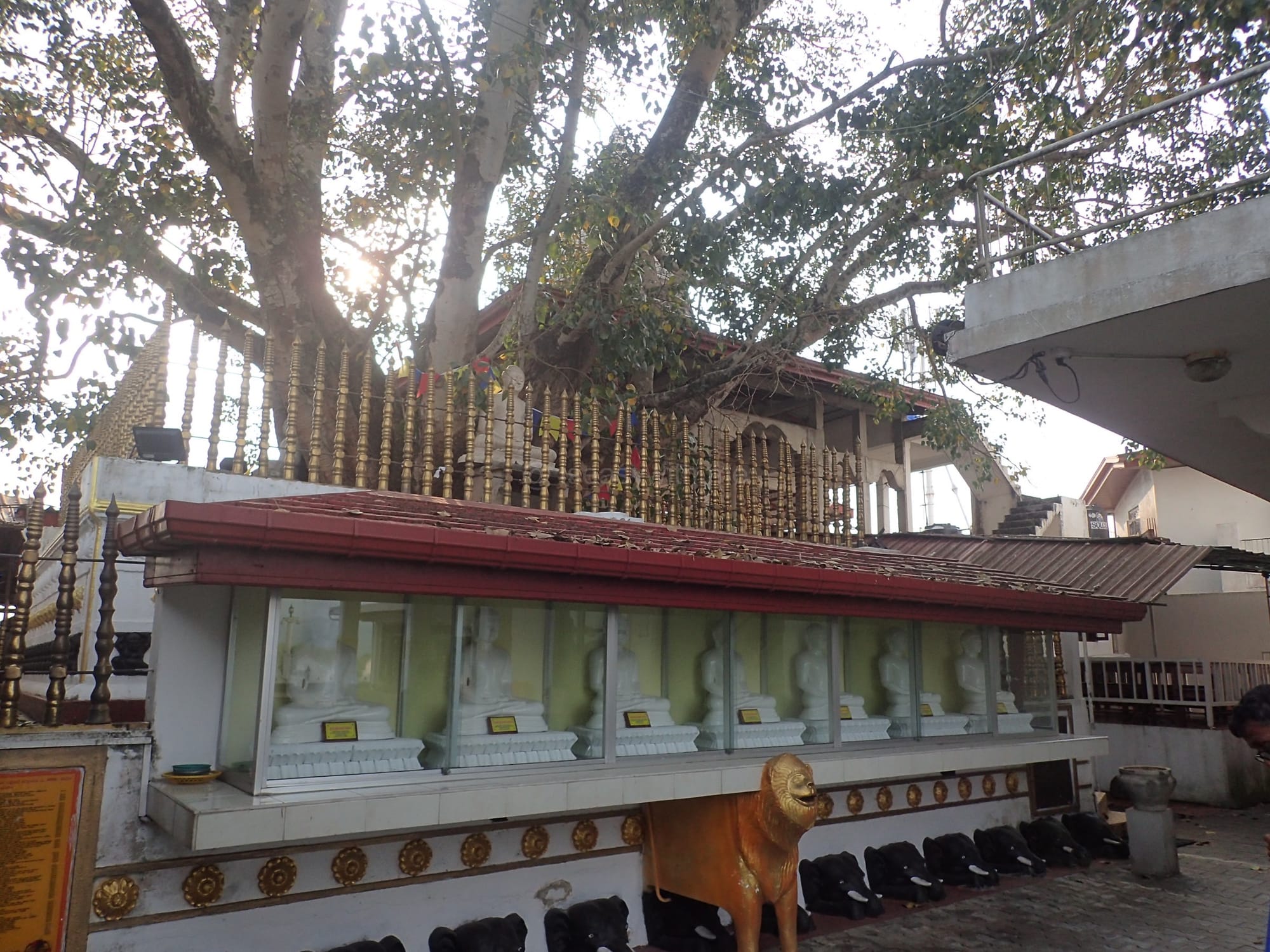
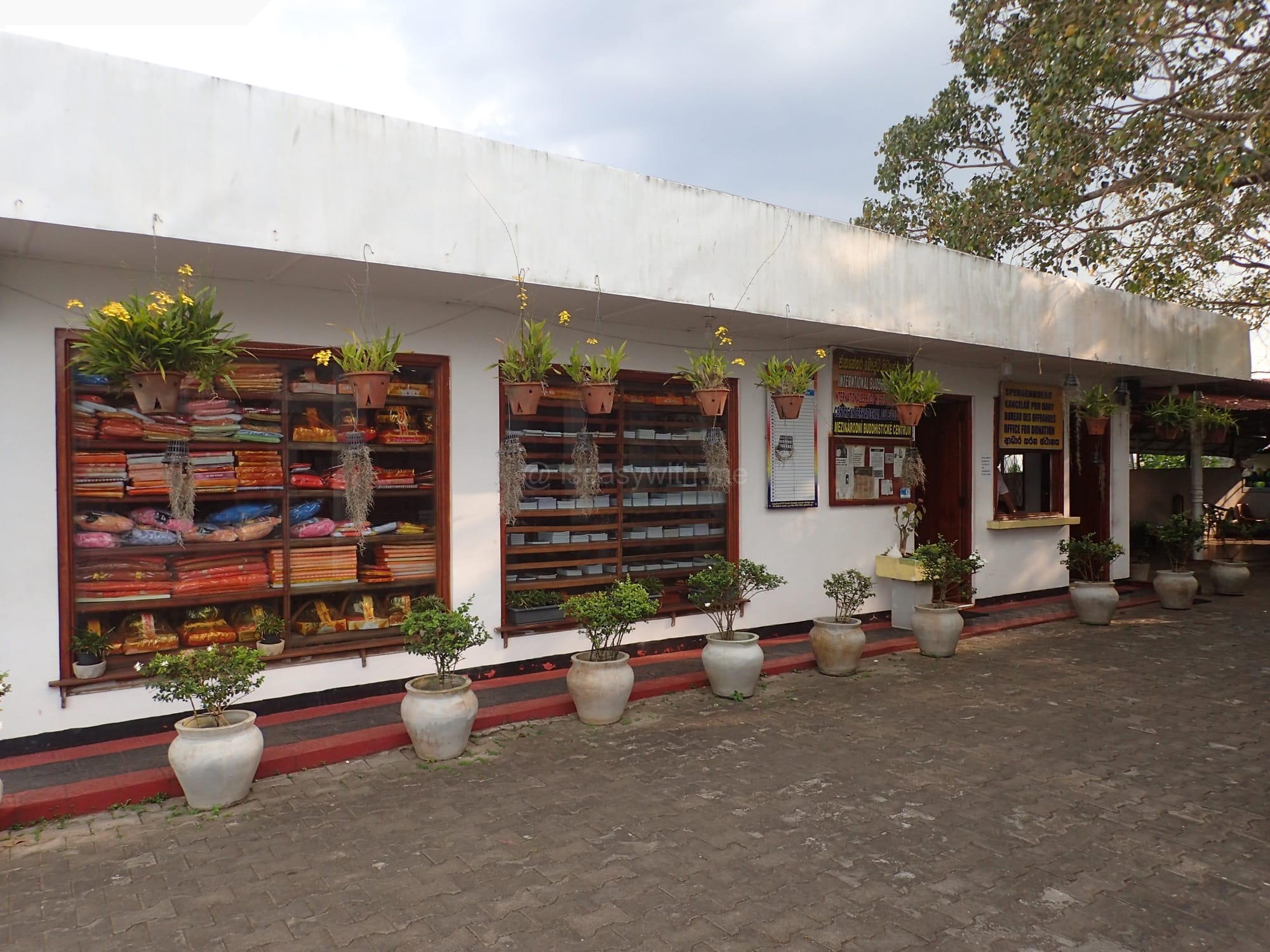
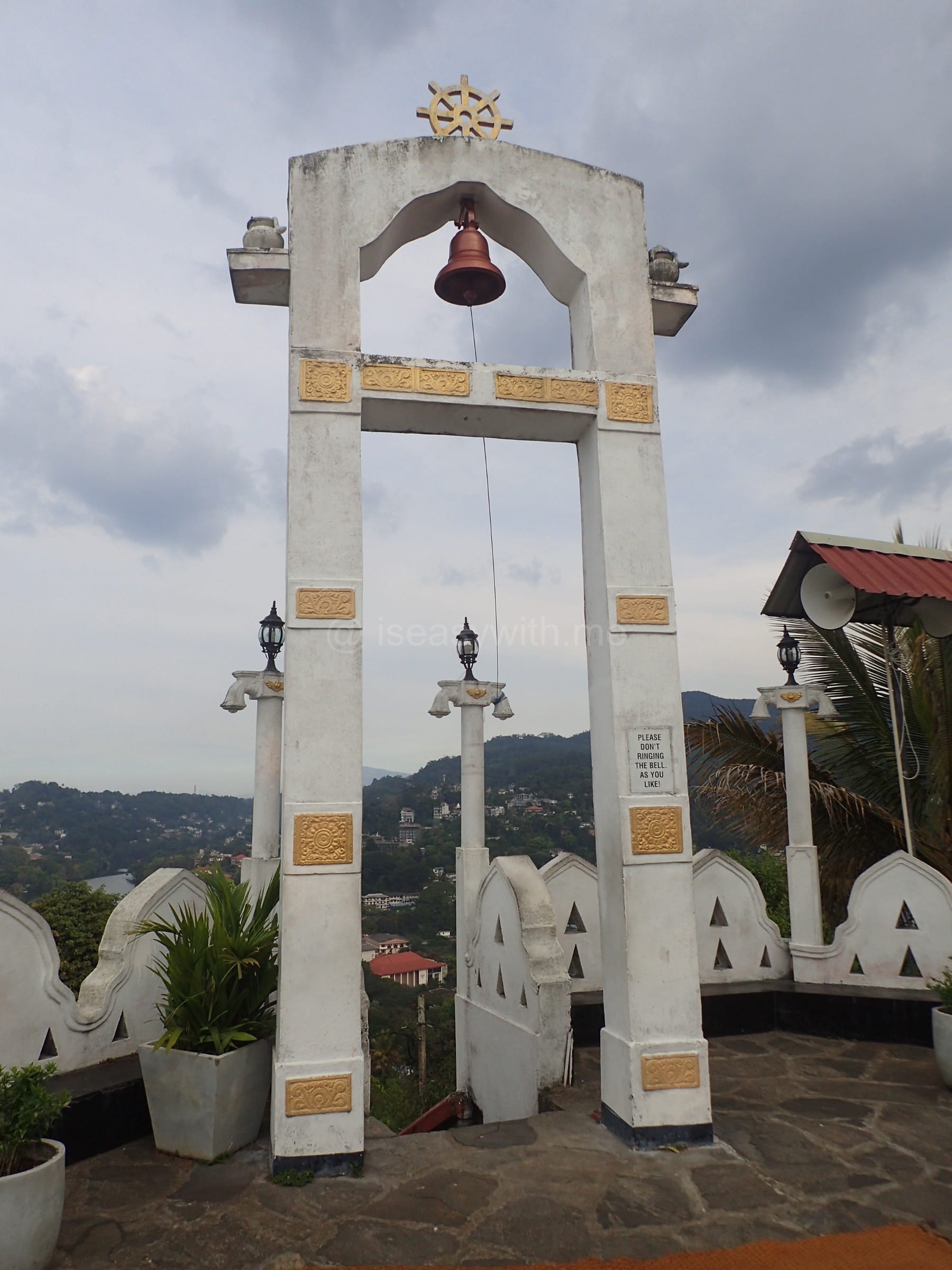
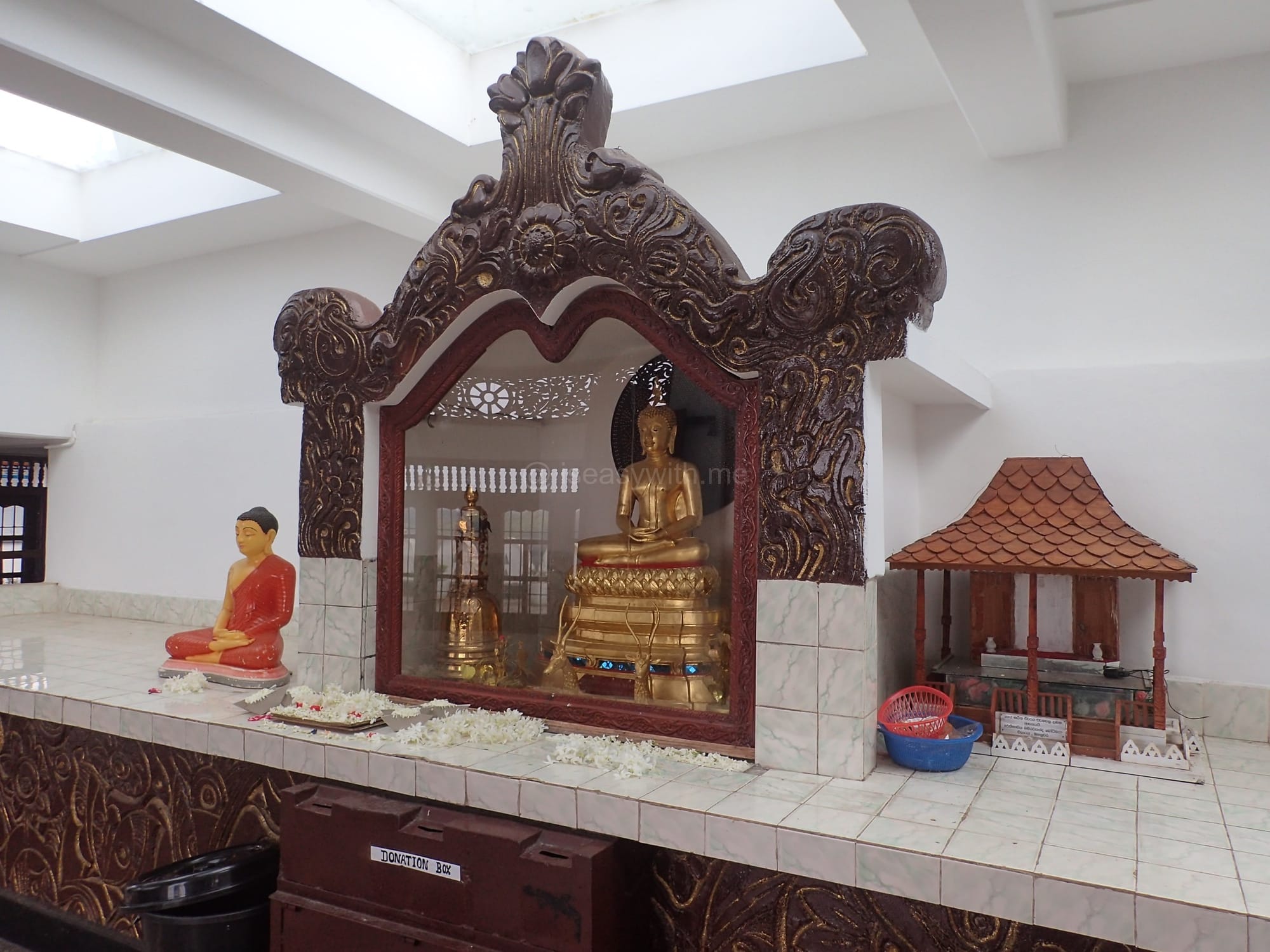
Bahirawakanda Buddha
Kandy Clock Tower
Located at one of the city's busiest intersections, the Kandy Clock Tower serves as both a historic landmark and a convenient orientation point. Built to honour local soldiers who died during World War World War II, the clock tower remains one of the most recognisable landmarks in the city centre and is surrounded by restaurants, shops and transport connections.
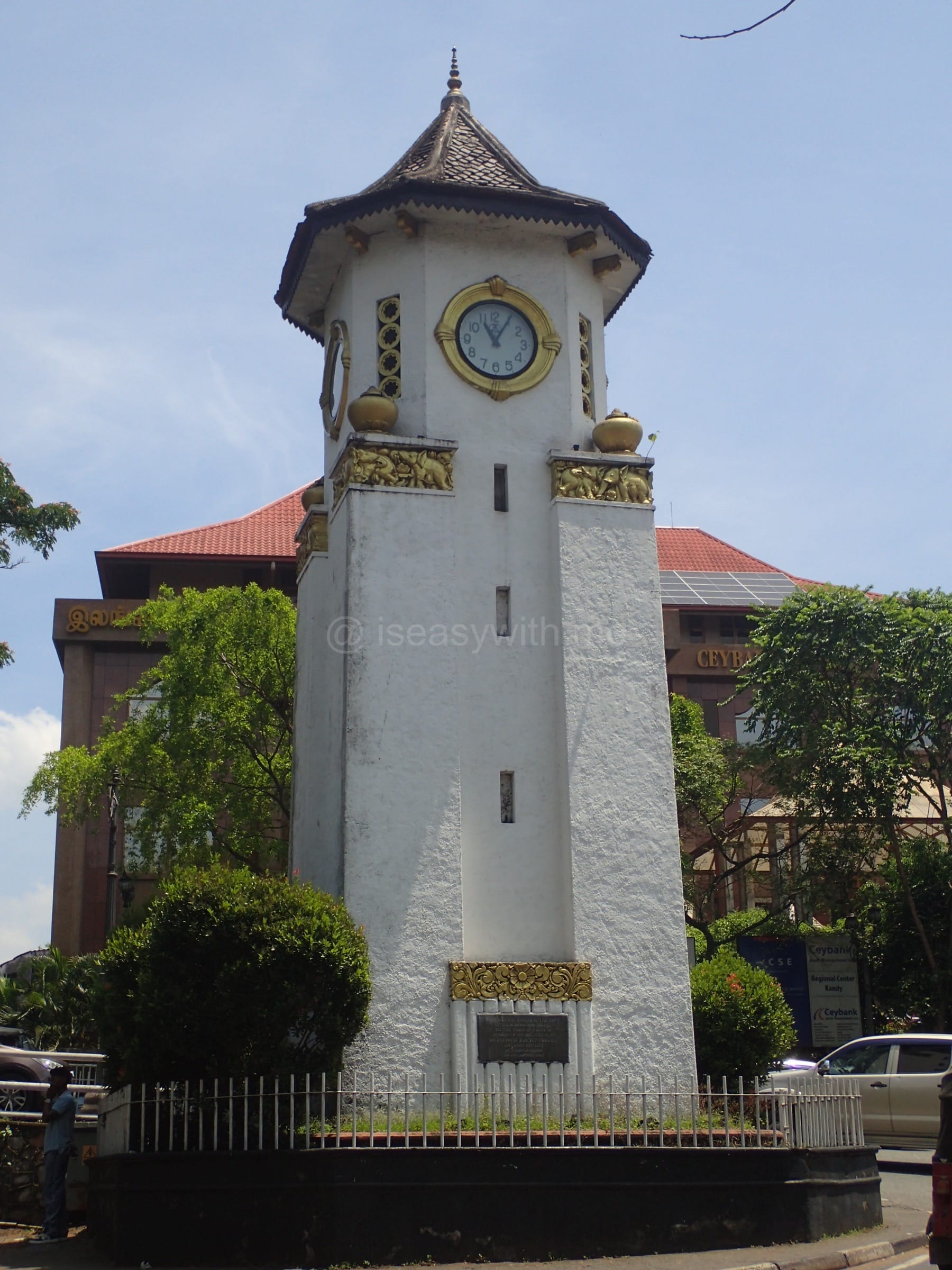
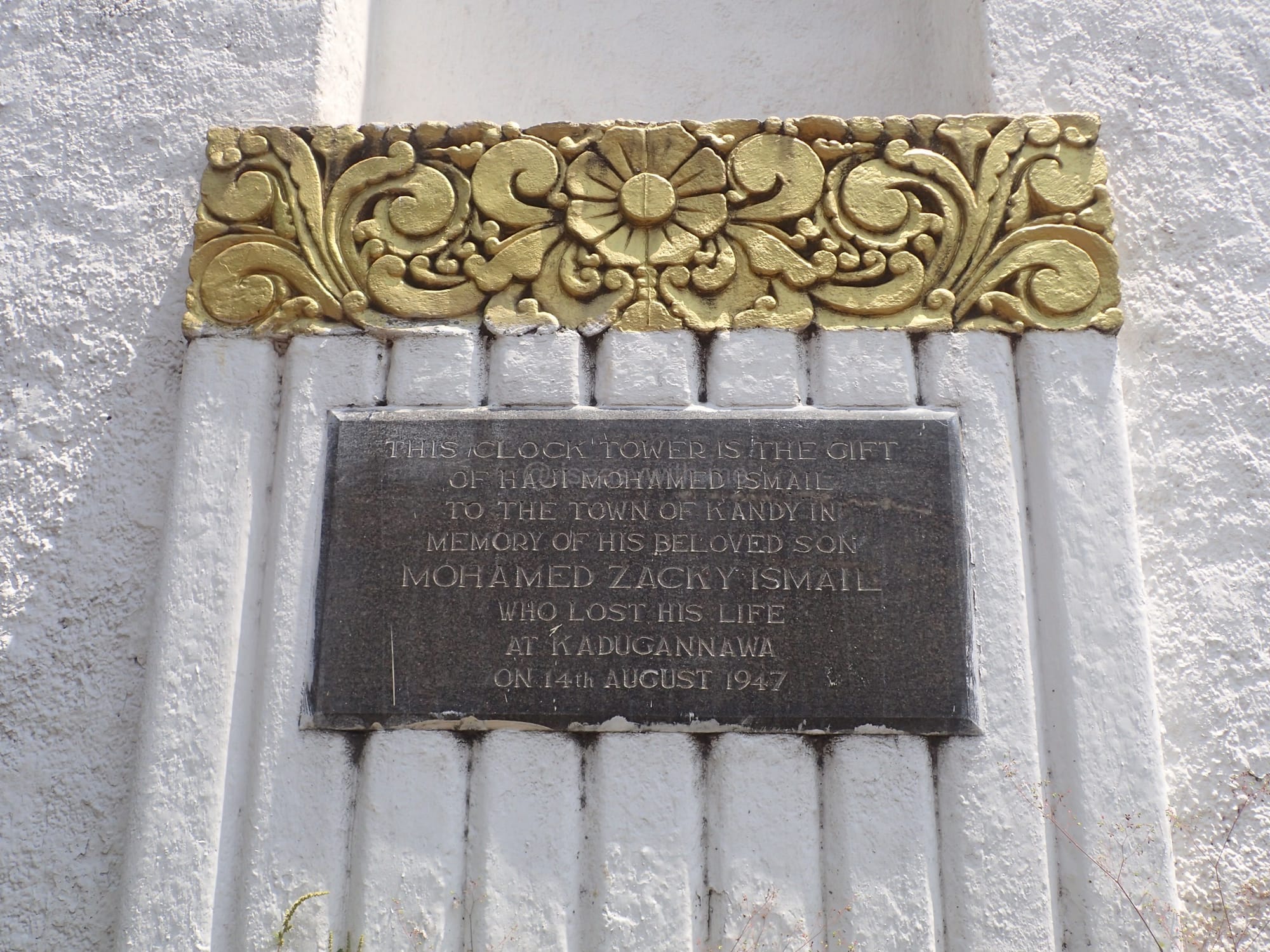
Kandy Clock Tower
Kandy Municipal Central Market
For a true slice of local life, head to the Kandy Municipal Central Market. The historic market is packed with vendors selling fresh vegetables, vibrant tropical fruits, flowers, household goods, and aromatic spices. Walking through its narrow, high-energy aisles provides a fascinating look into the daily routines of Kandyan residents while offering endless opportunities for photography and people-watching.
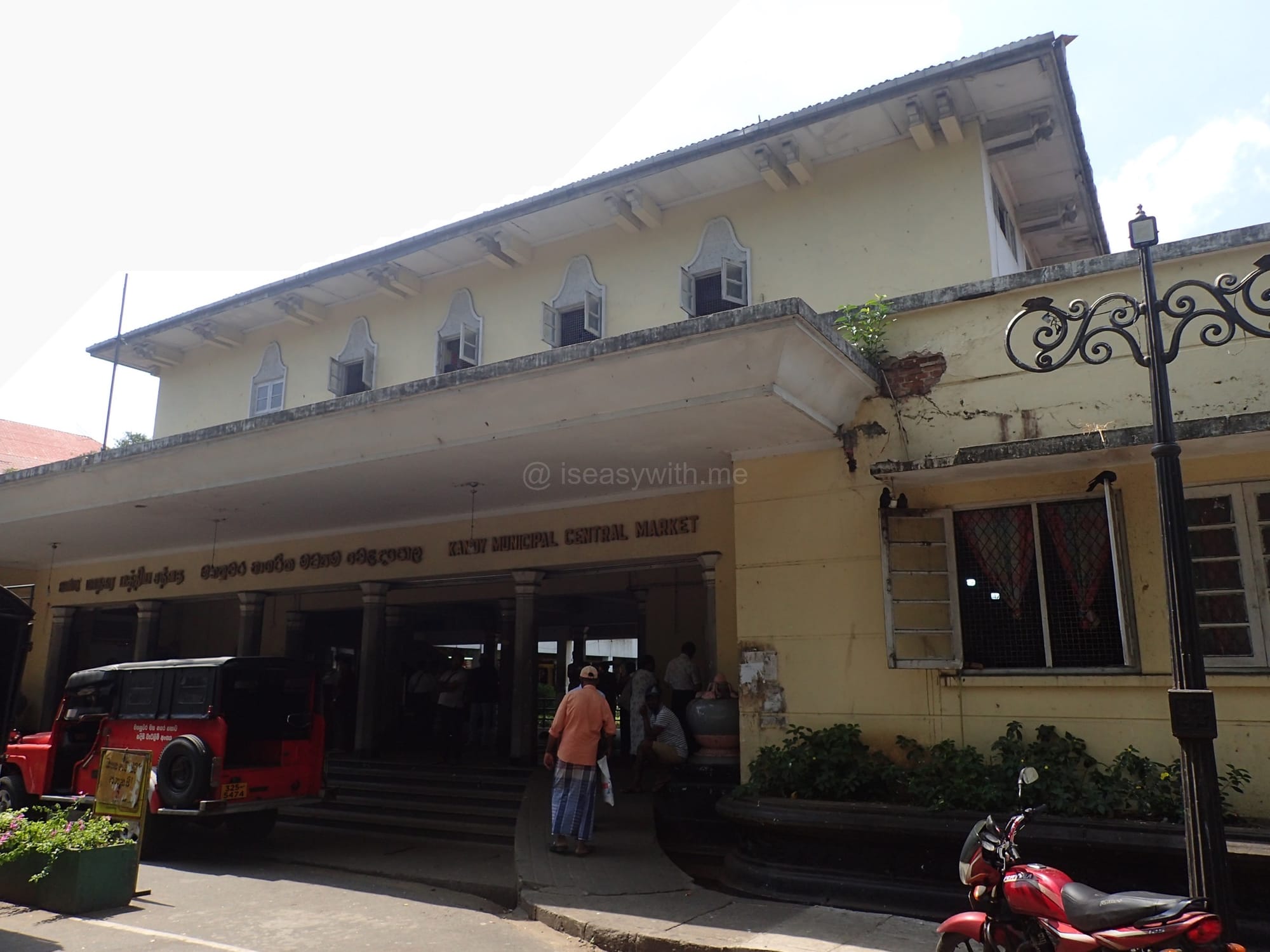
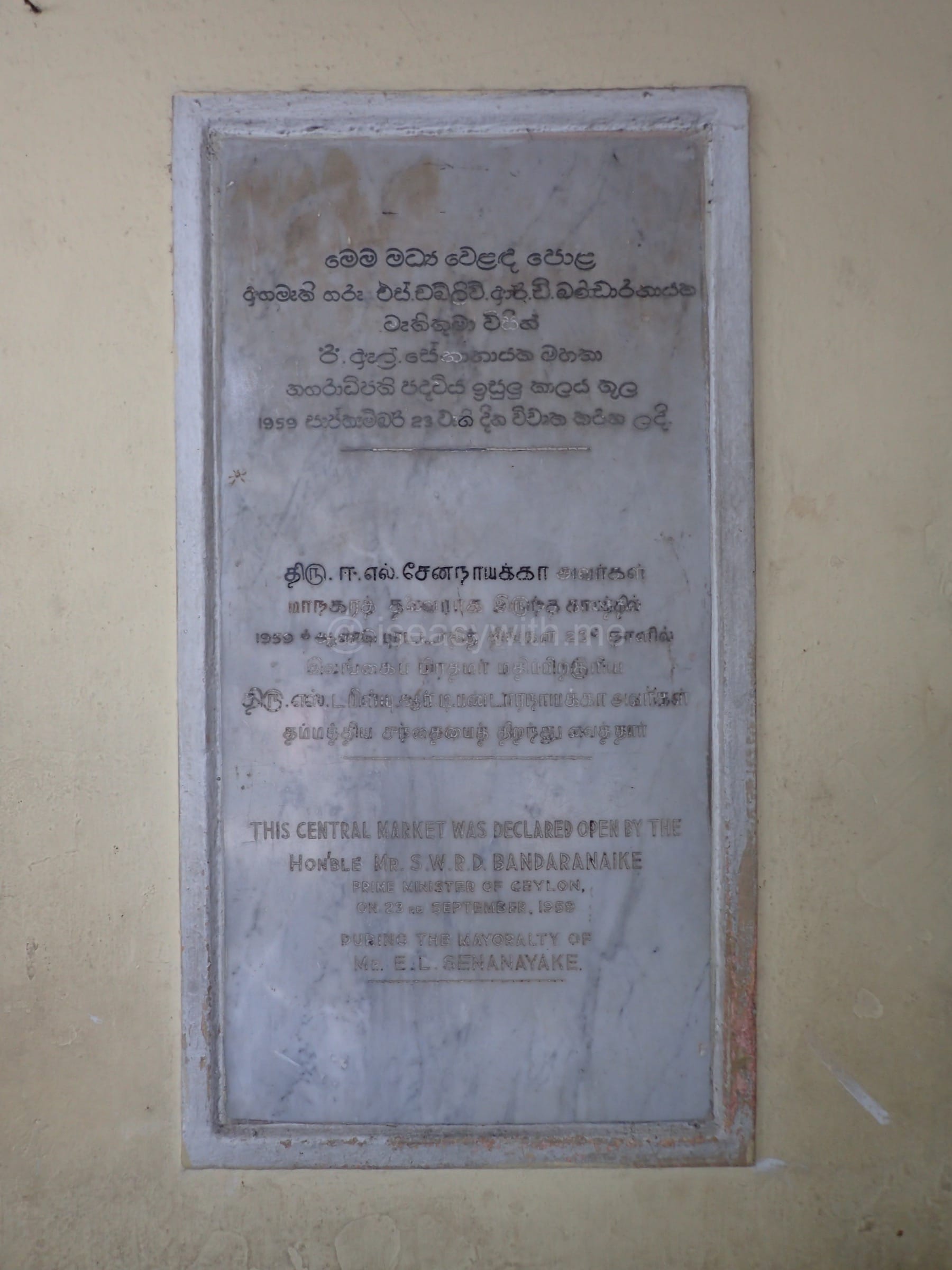
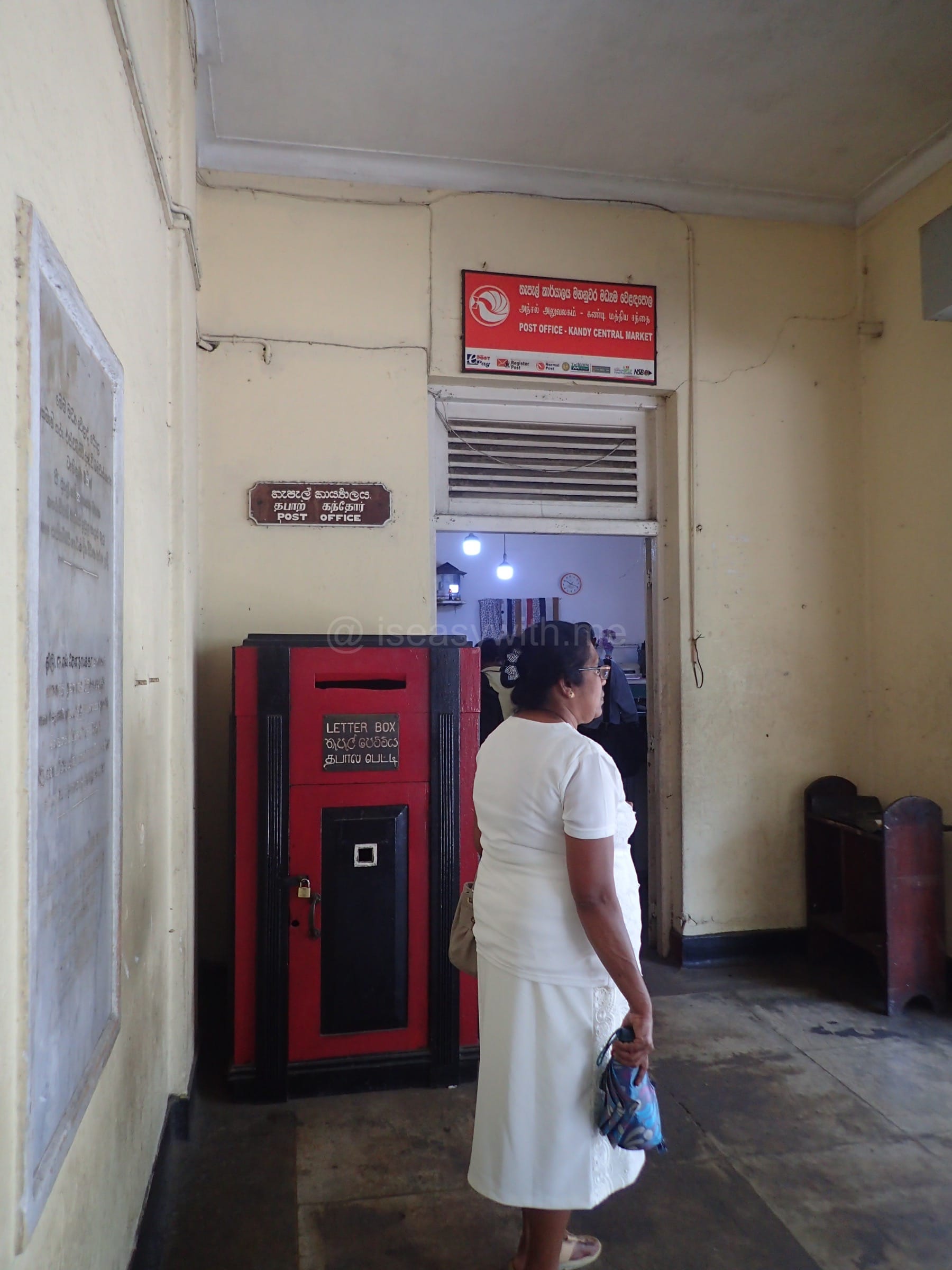
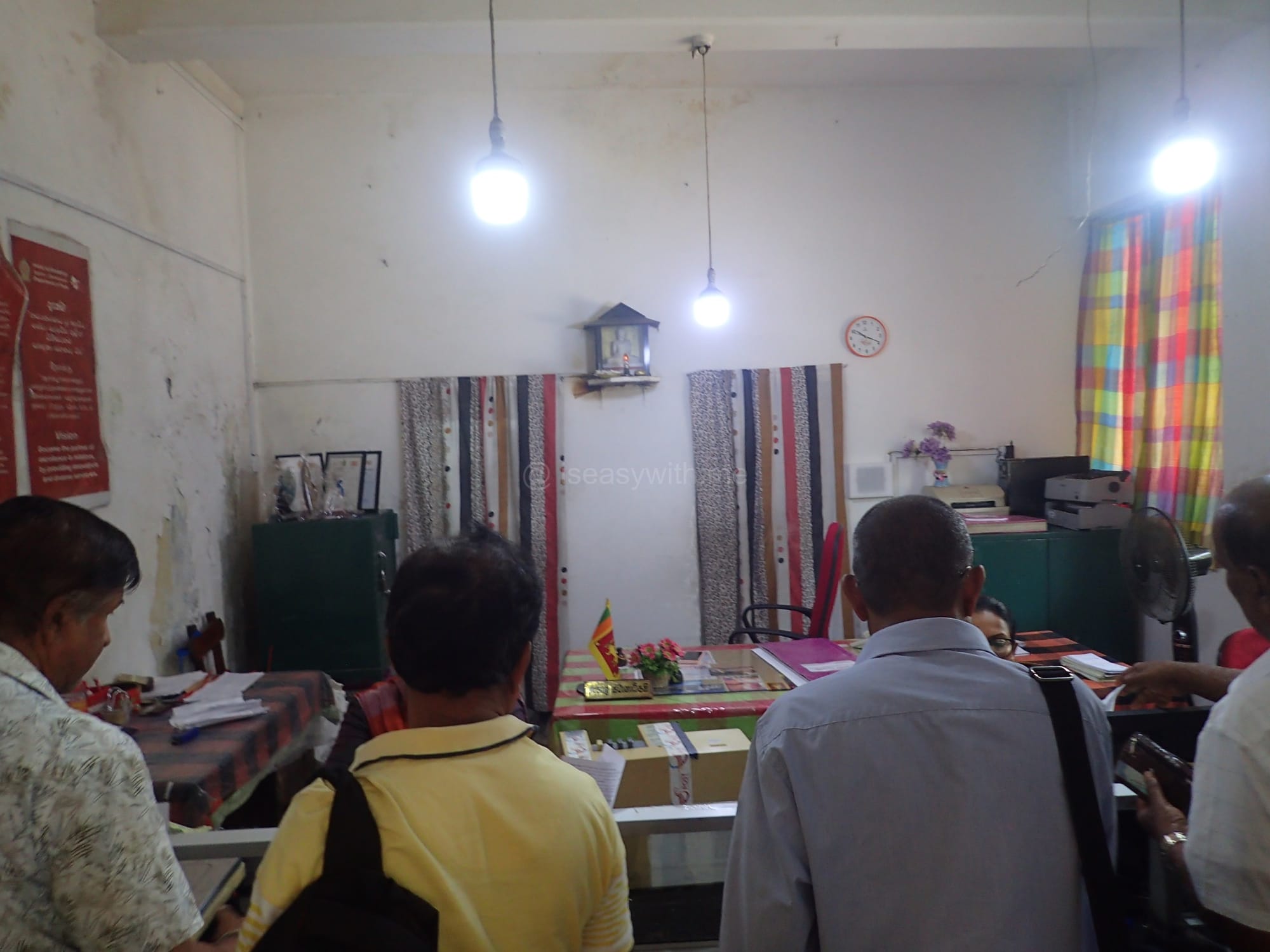
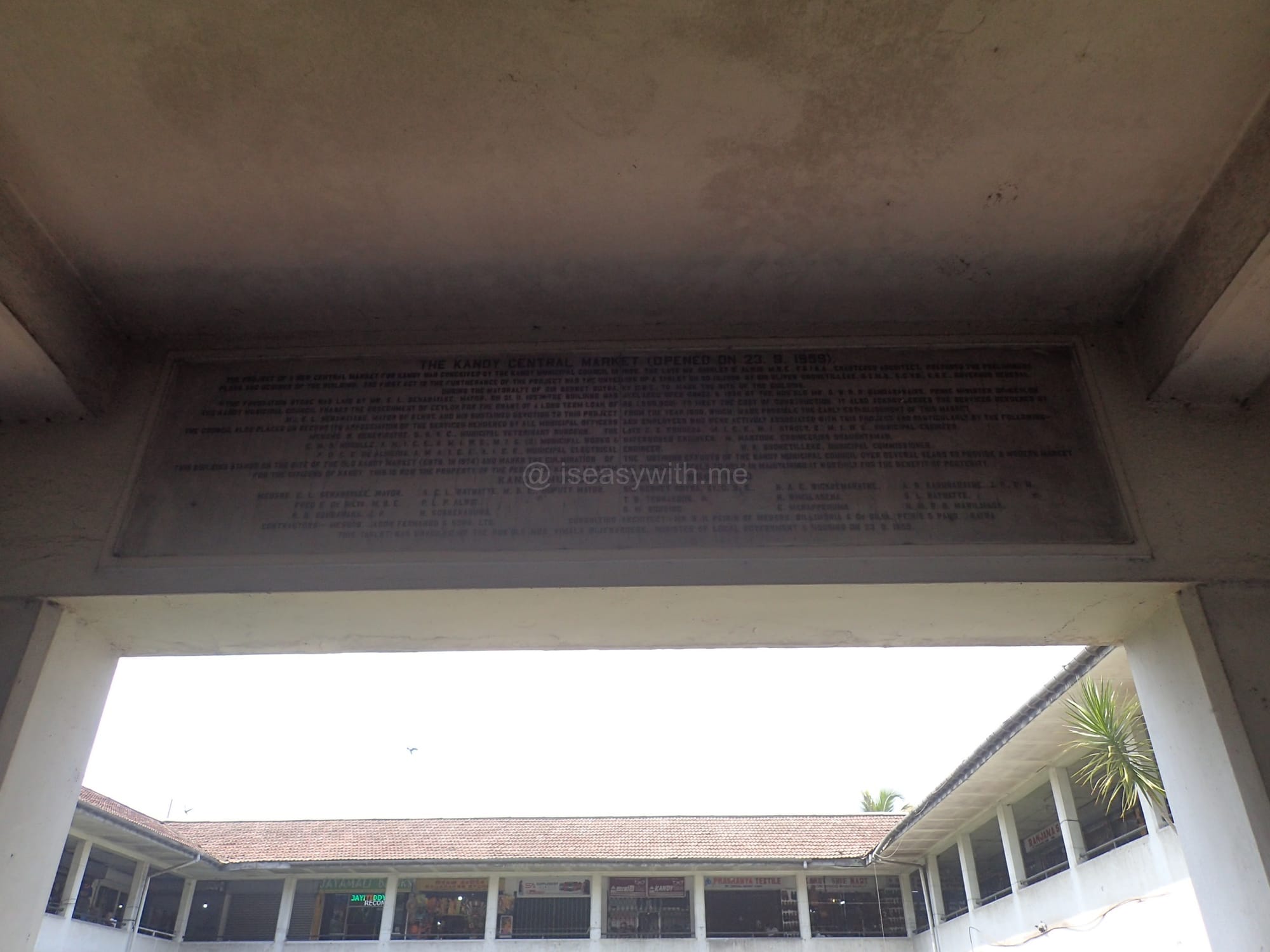
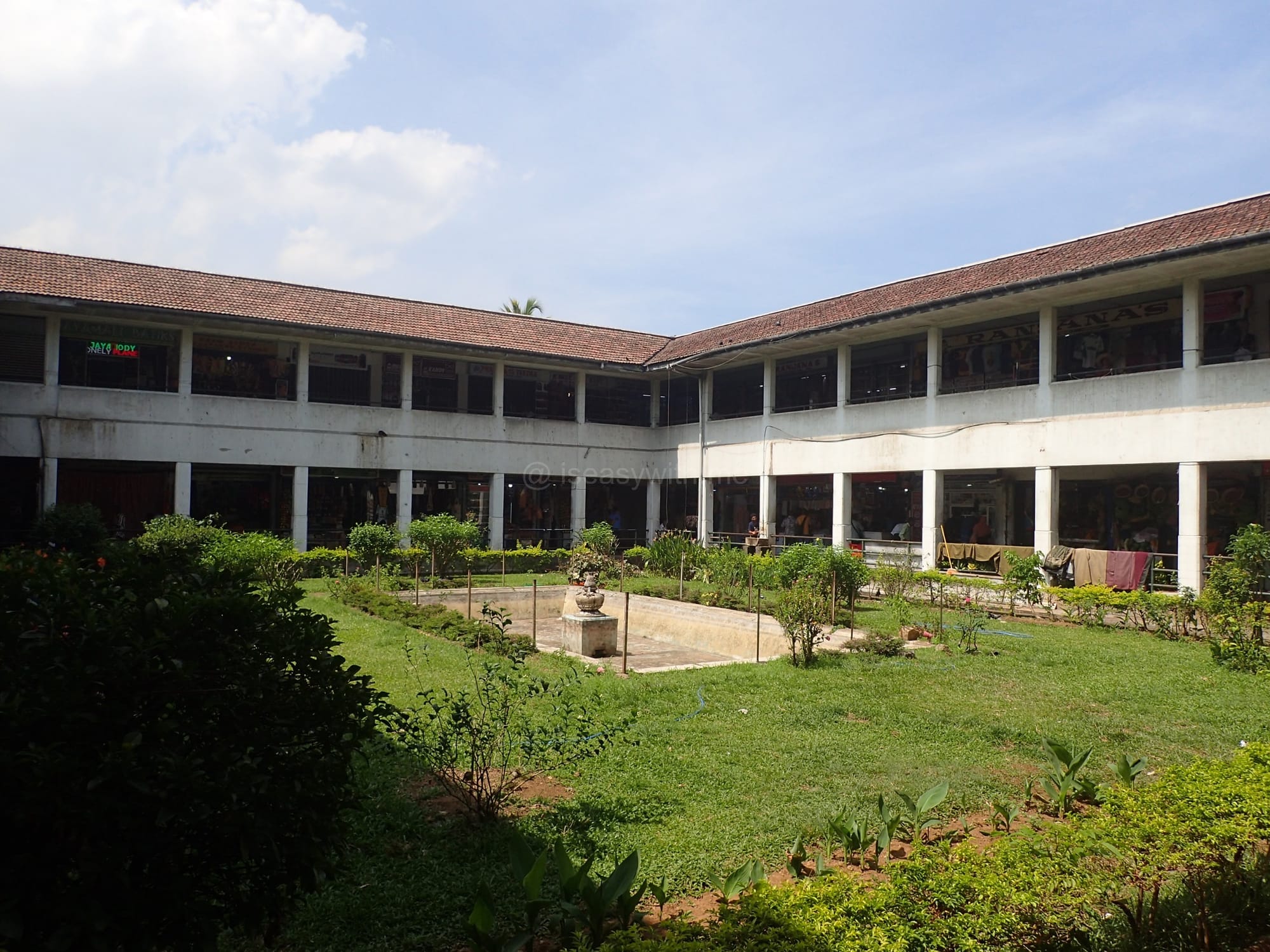
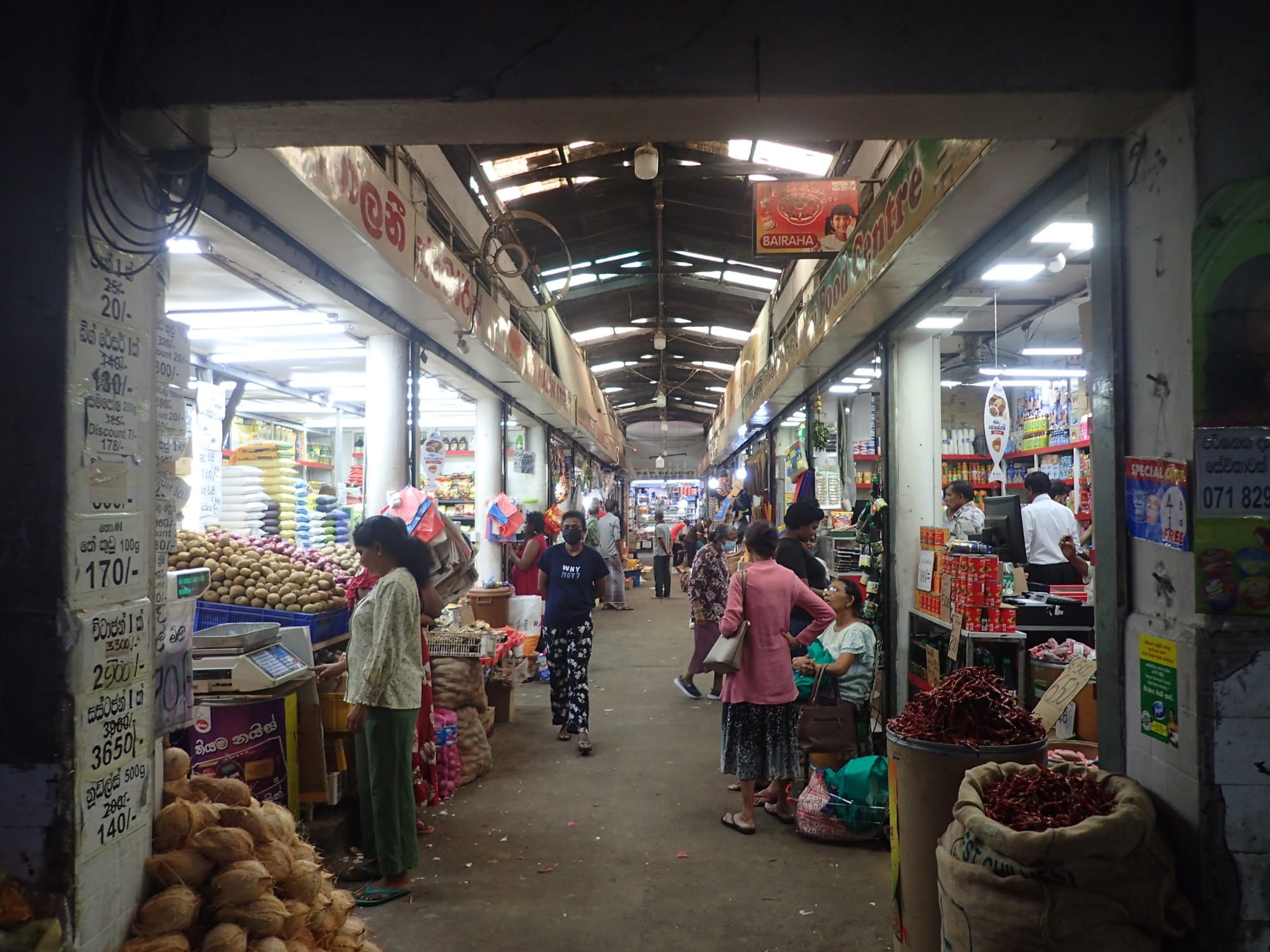
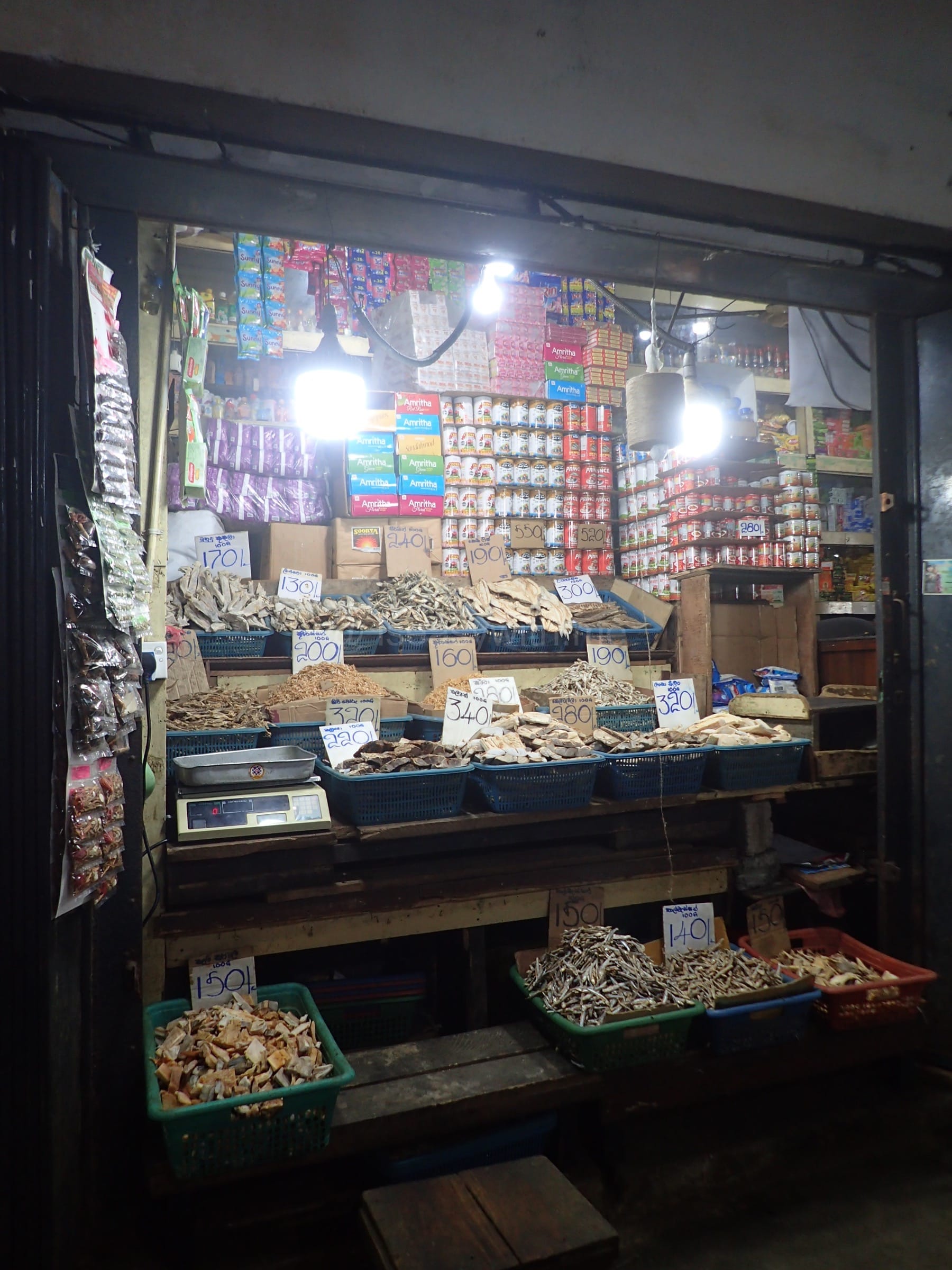
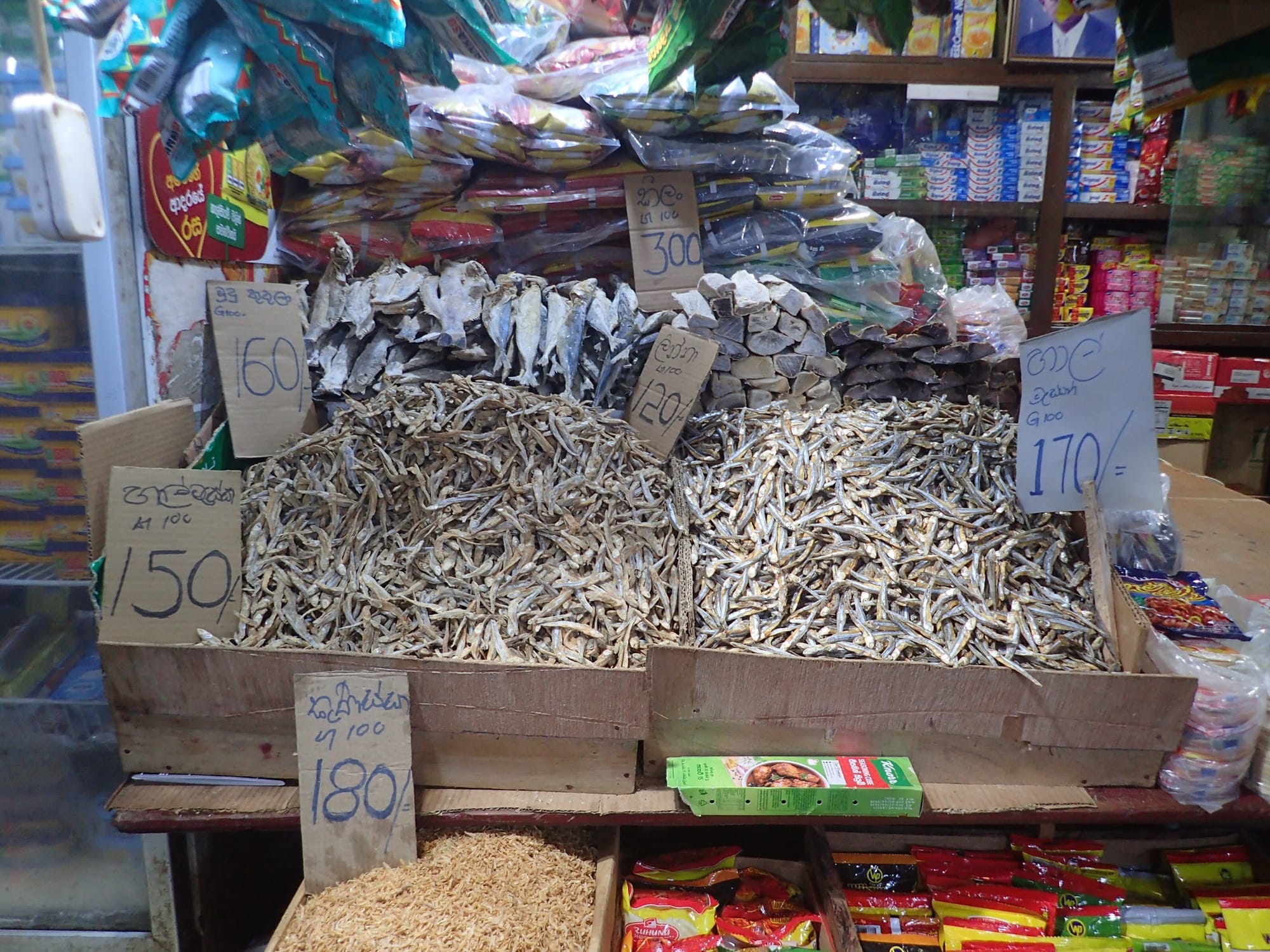
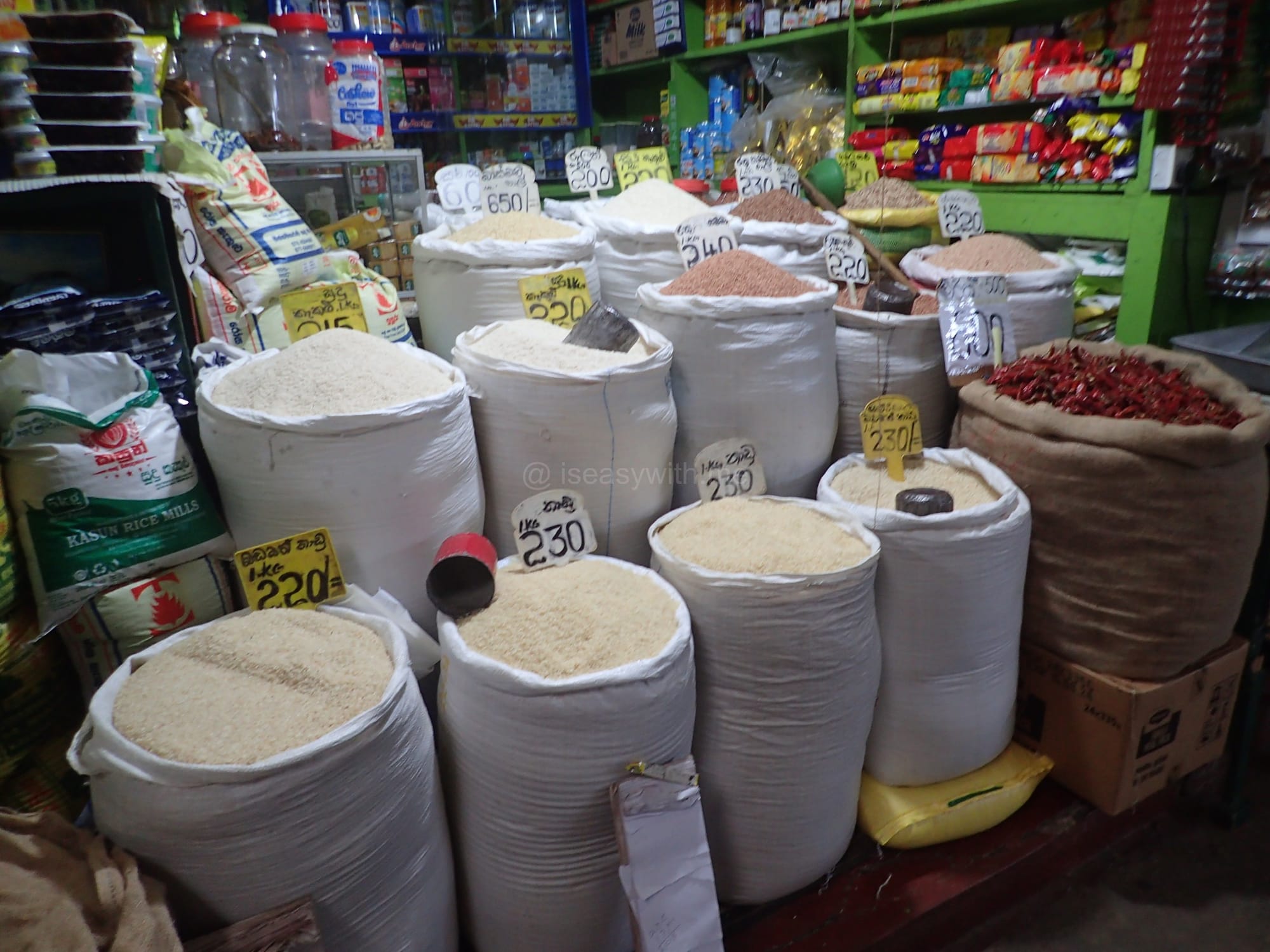
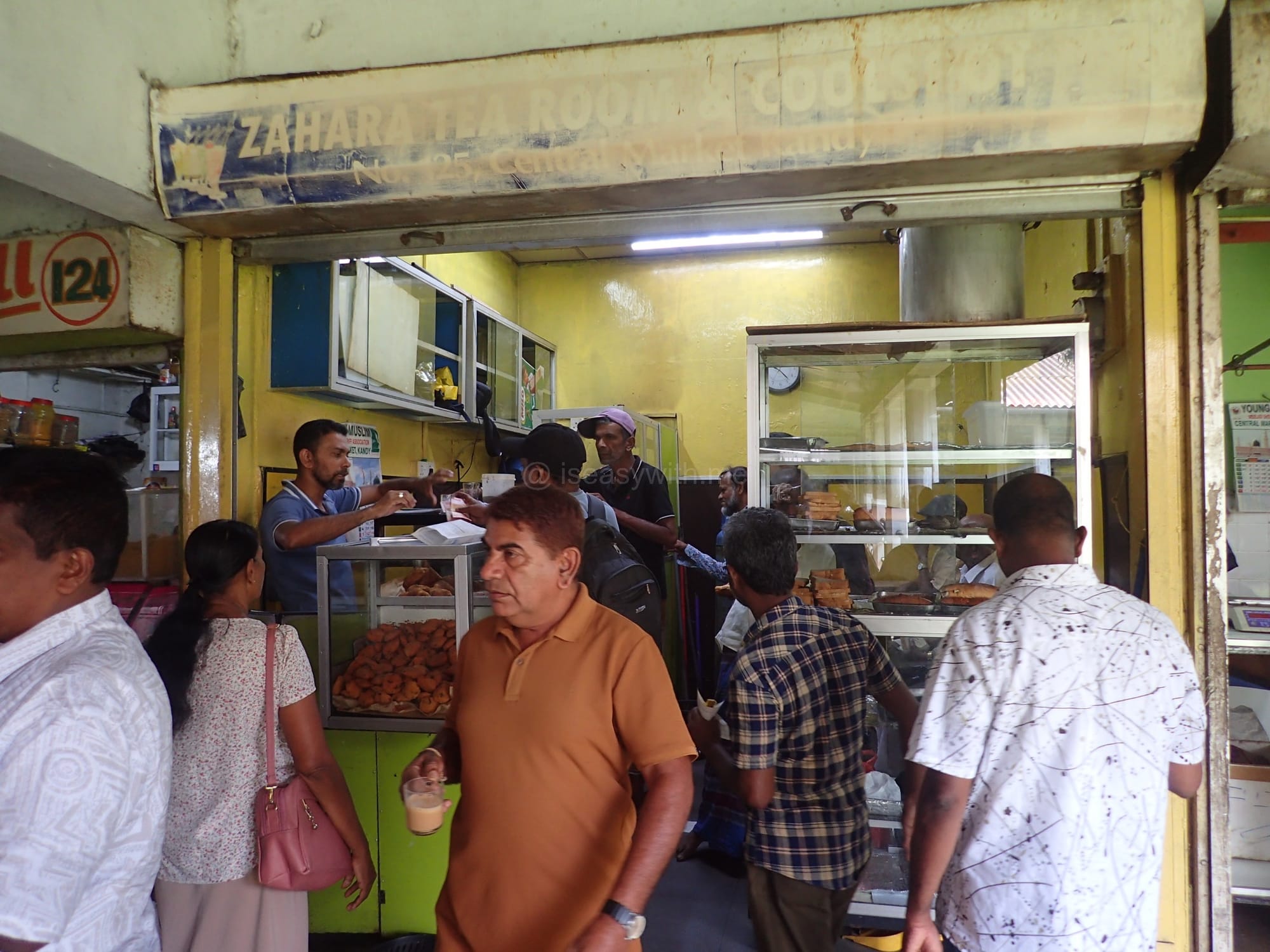
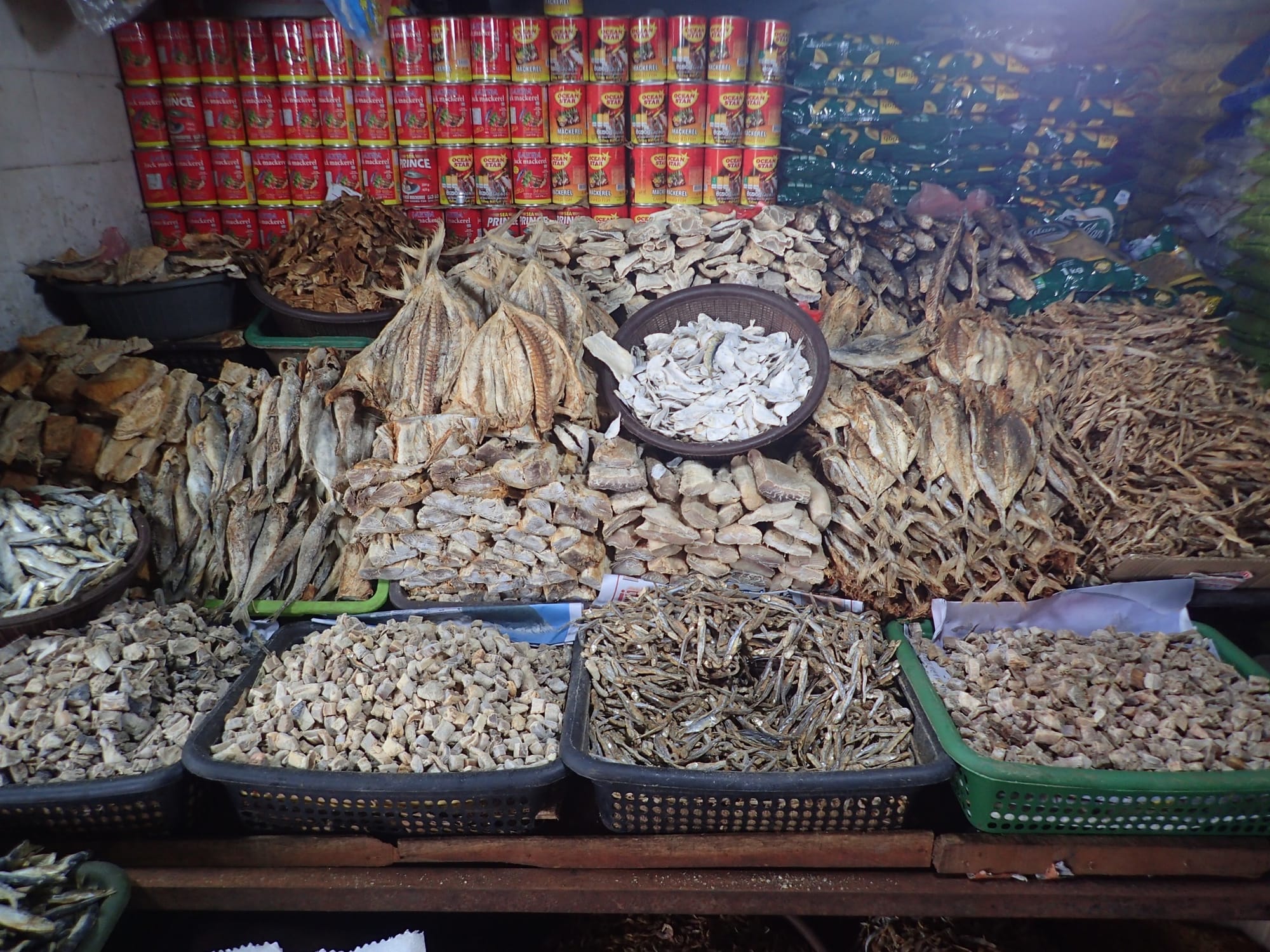
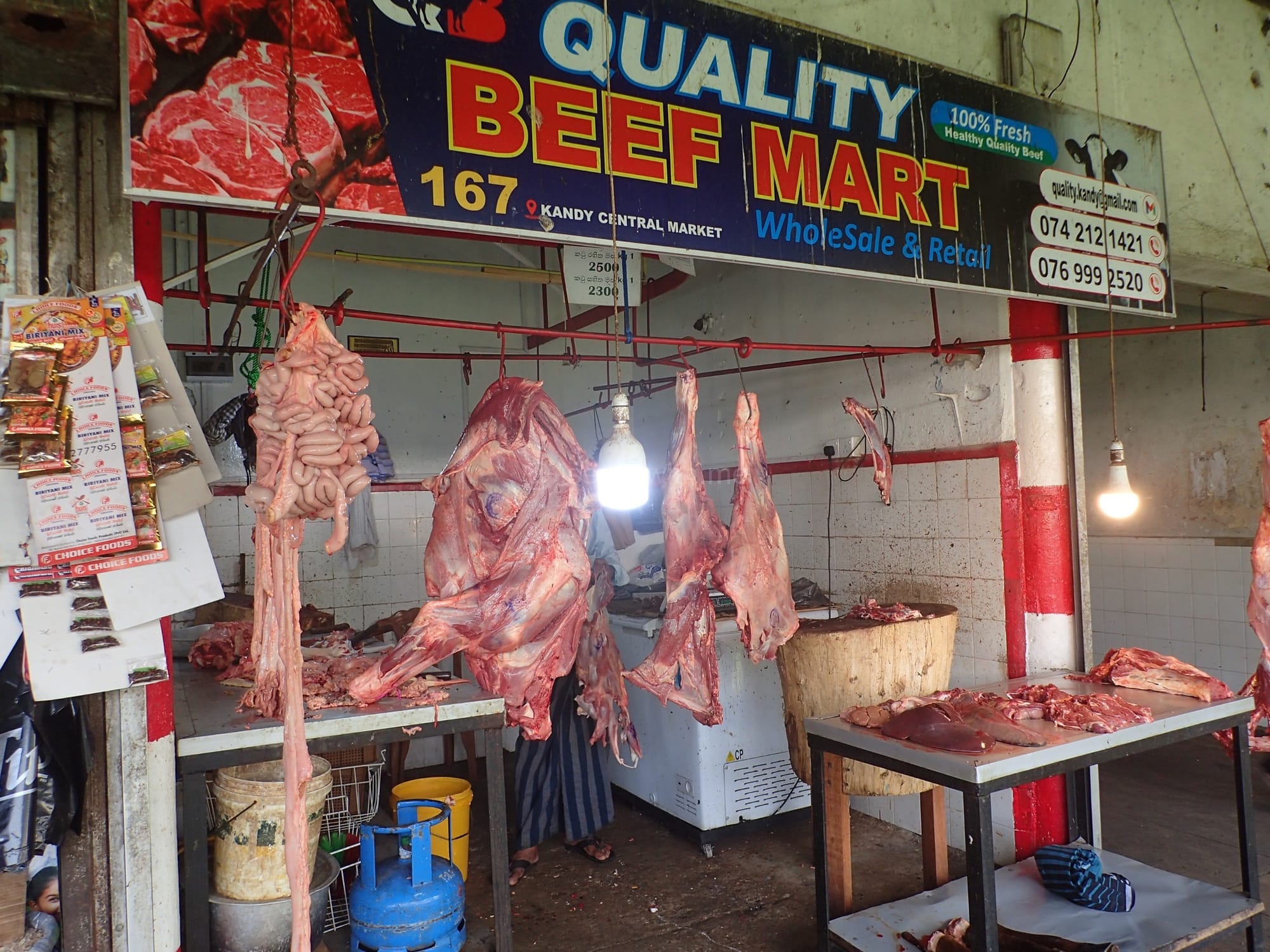
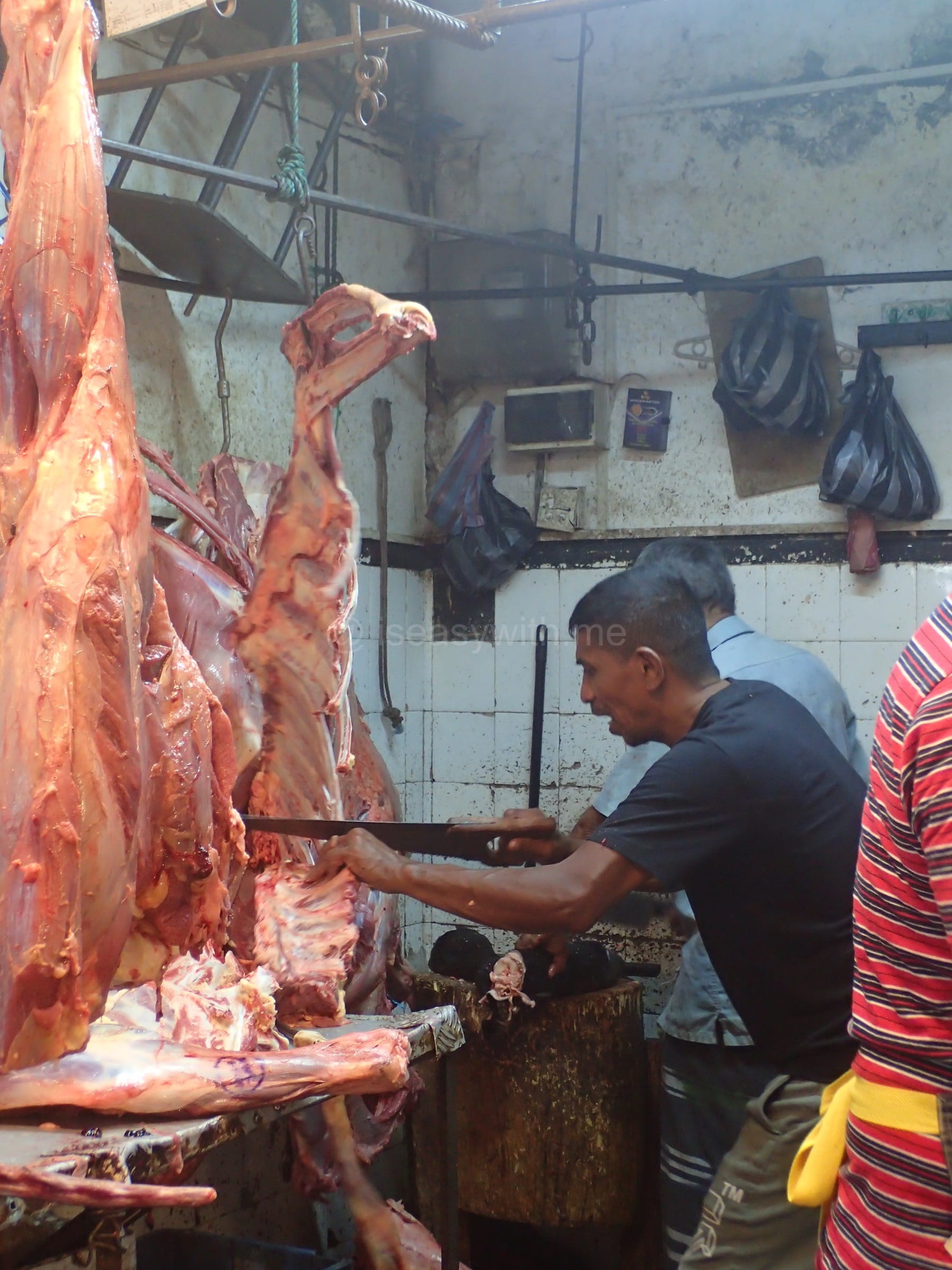
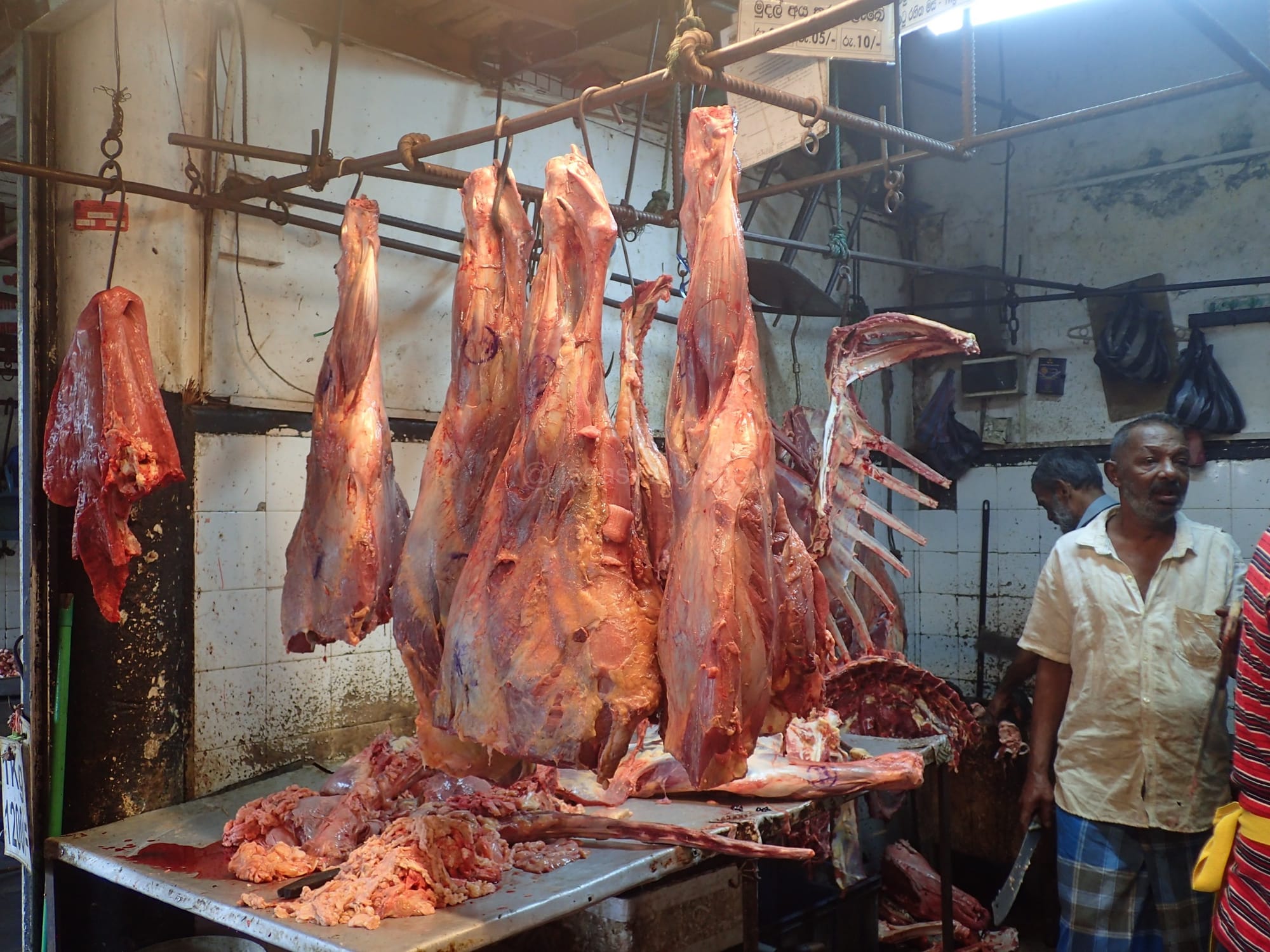
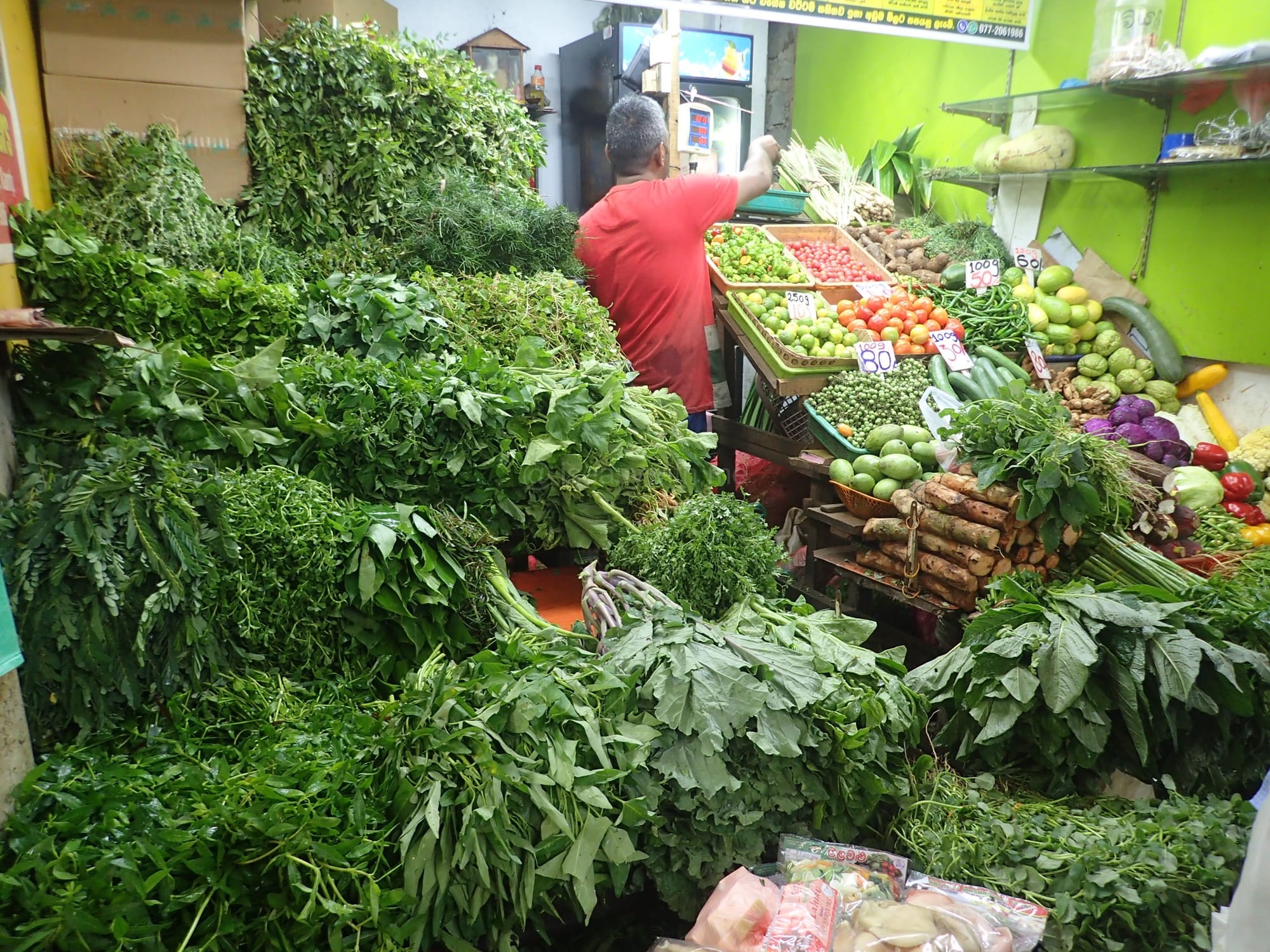
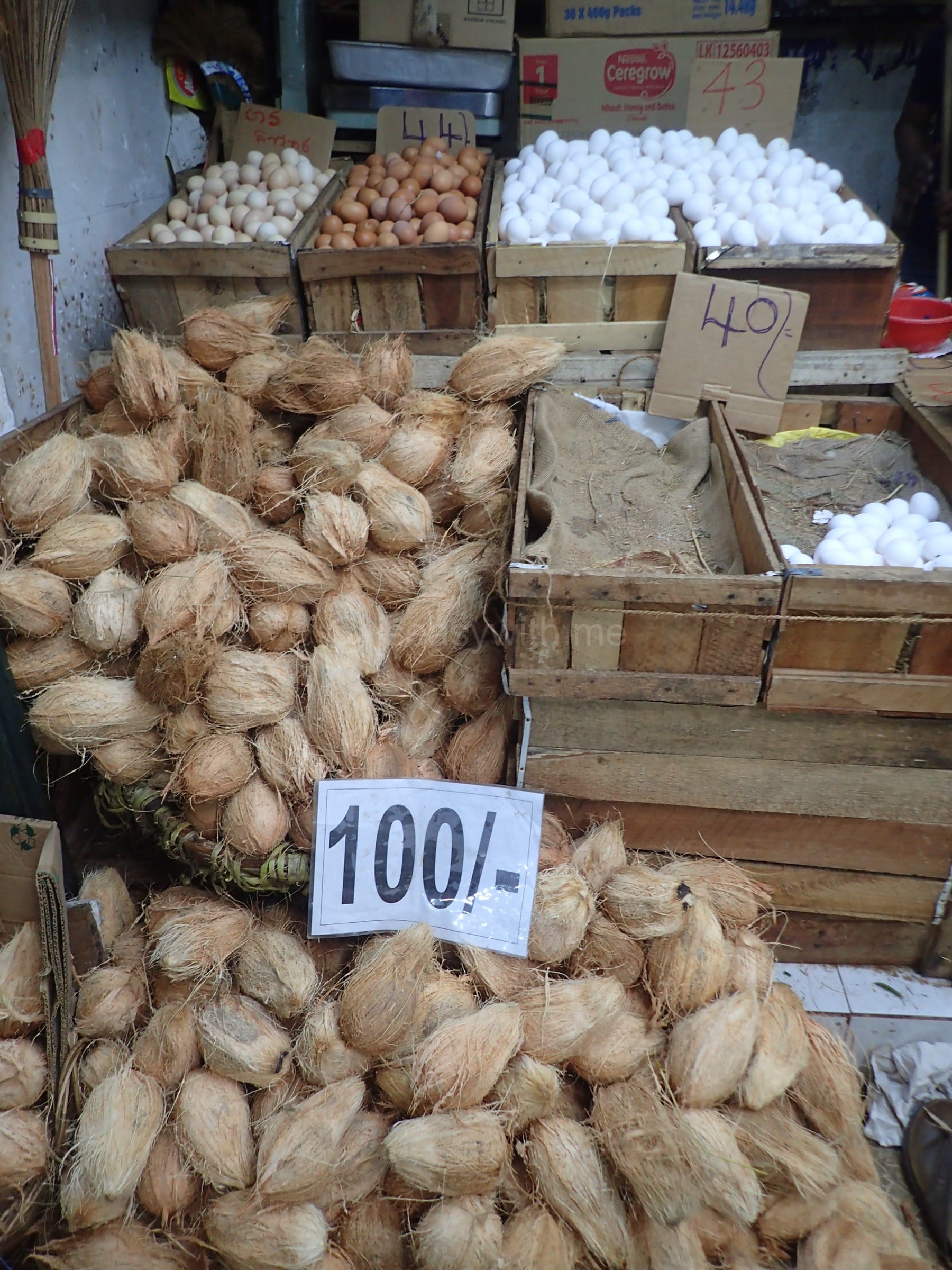
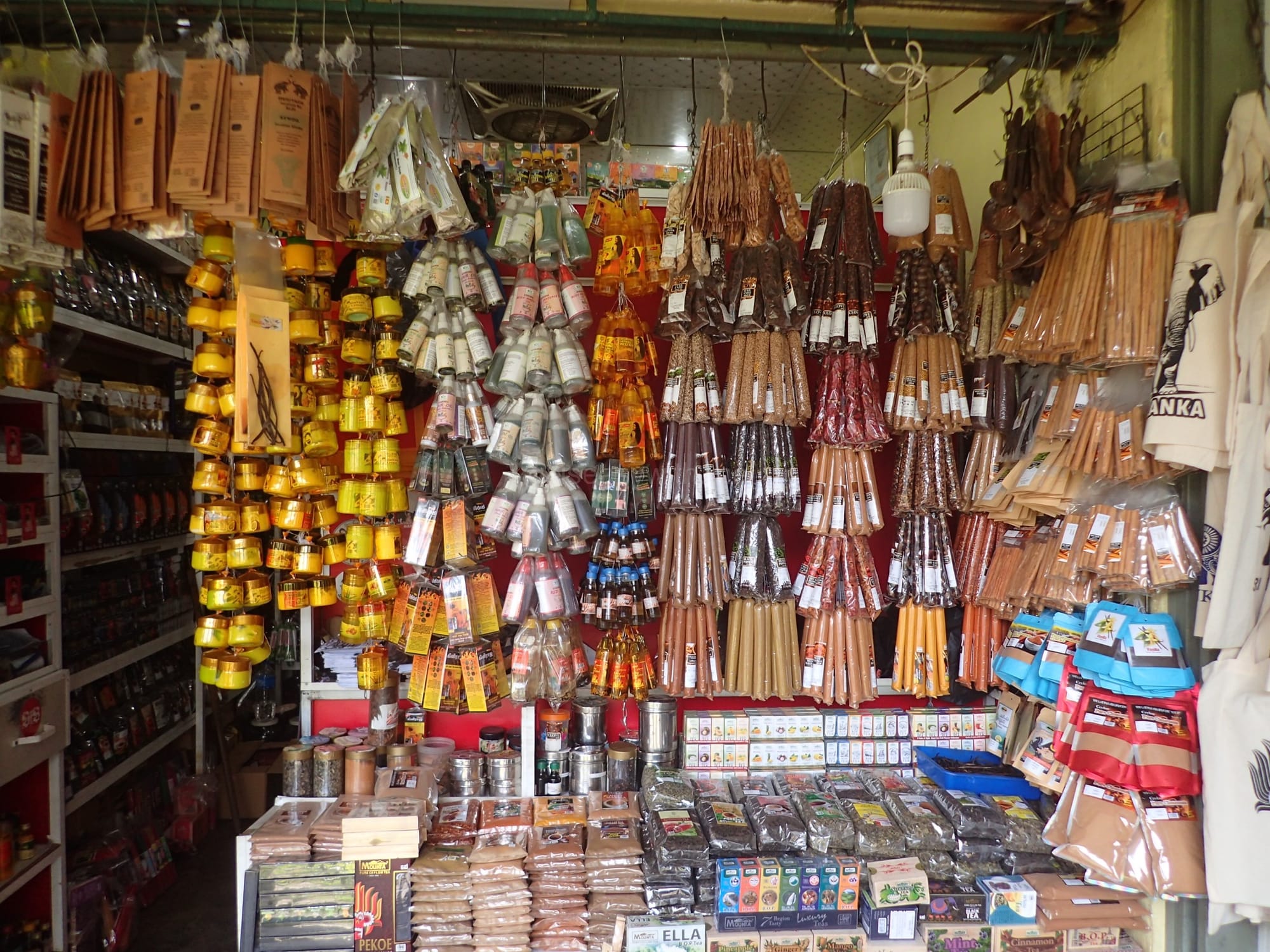
Municipal Central Market
Kandy Railway Station
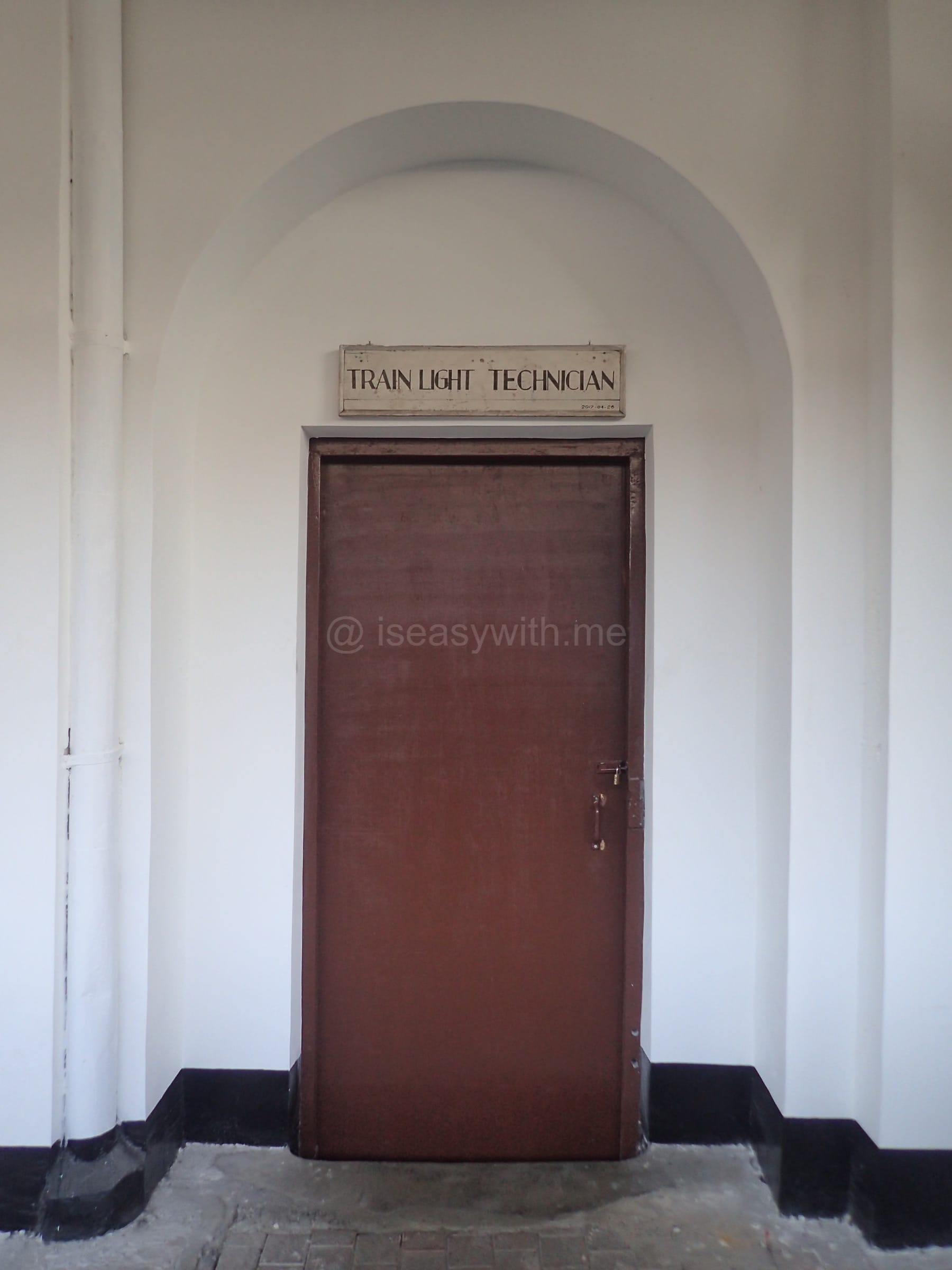
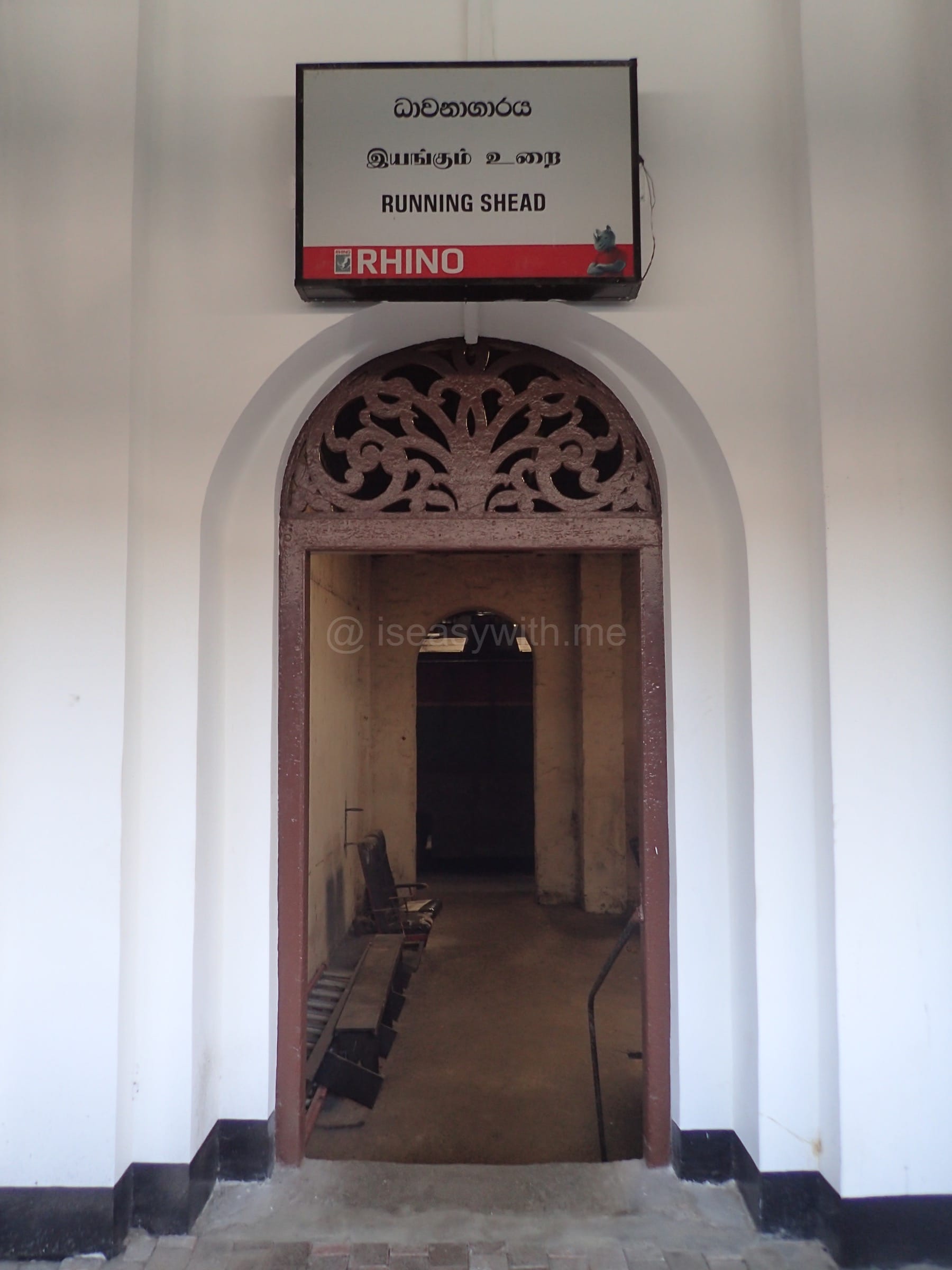
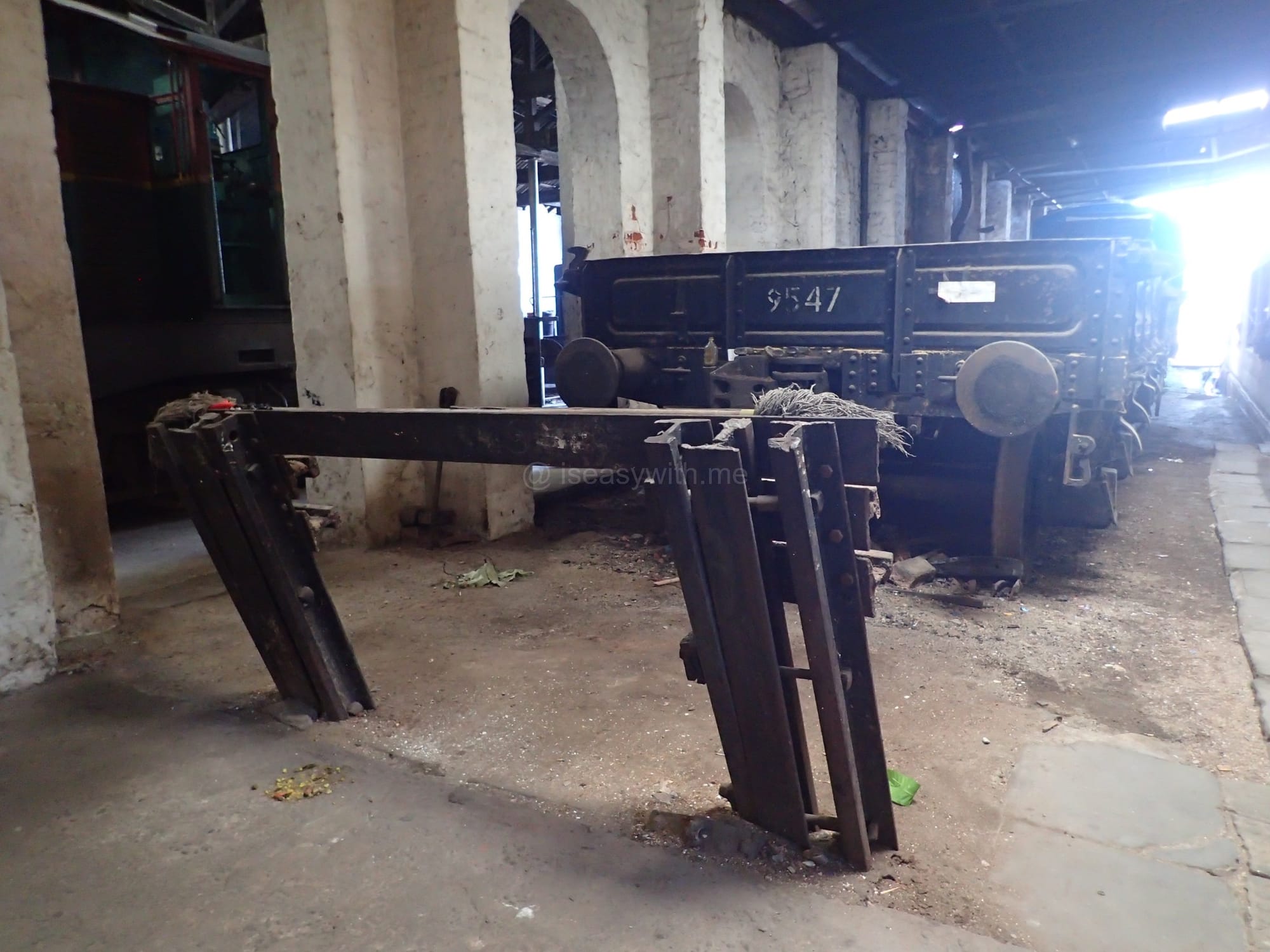
One of the most iconic railway stations in Sri Lanka, Kandy Railway Station serves as the gateway to the country's spectacular hill-country rail journeys. Built during the colonial era, the station continues to play a vital role in connecting the highlands with Colombo and the southern regions of the island. Watching the blue trains arrive and depart against the backdrop of rolling hills provides a glimpse of one of Sri Lanka's most celebrated travel experiences.
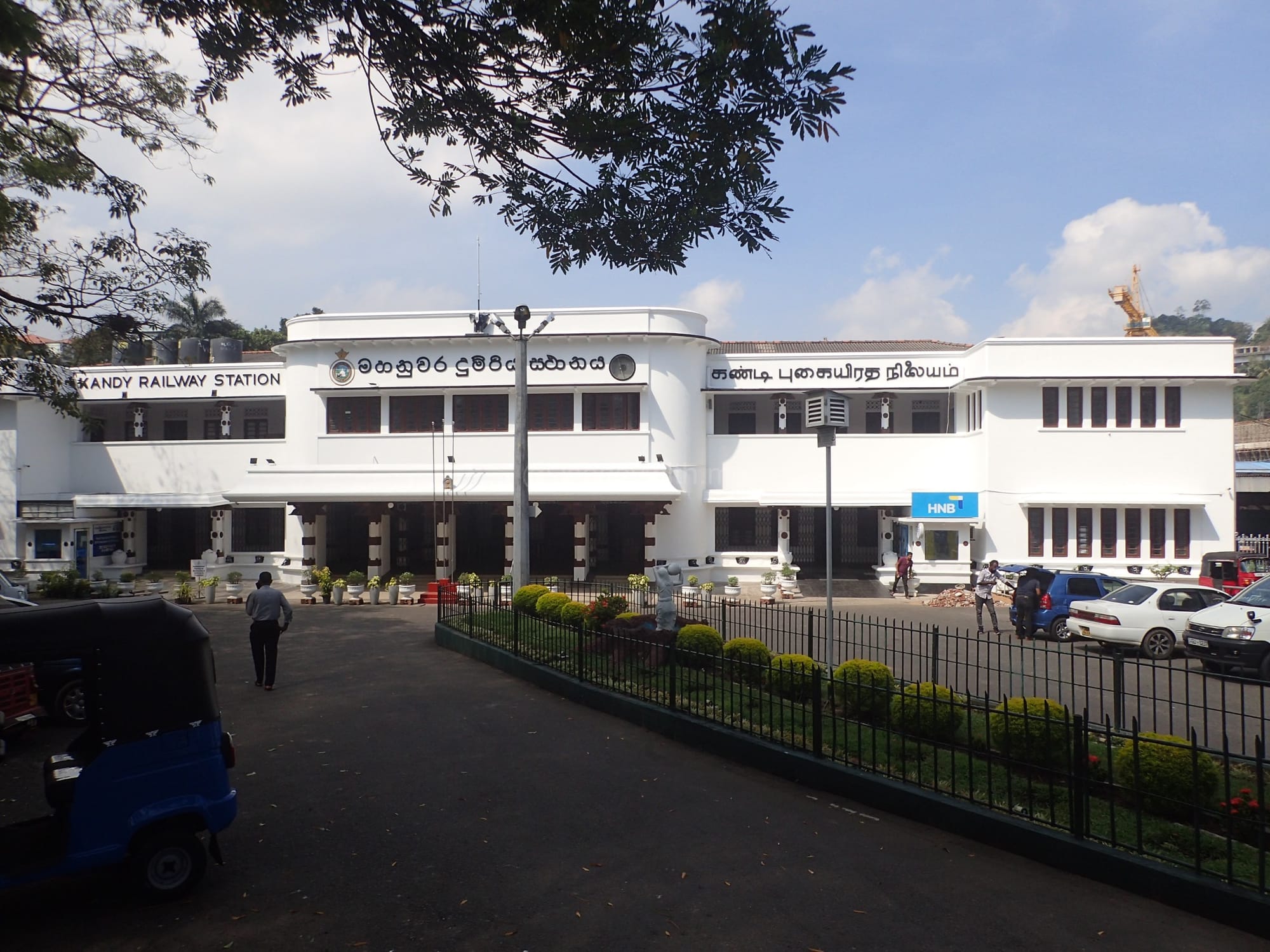
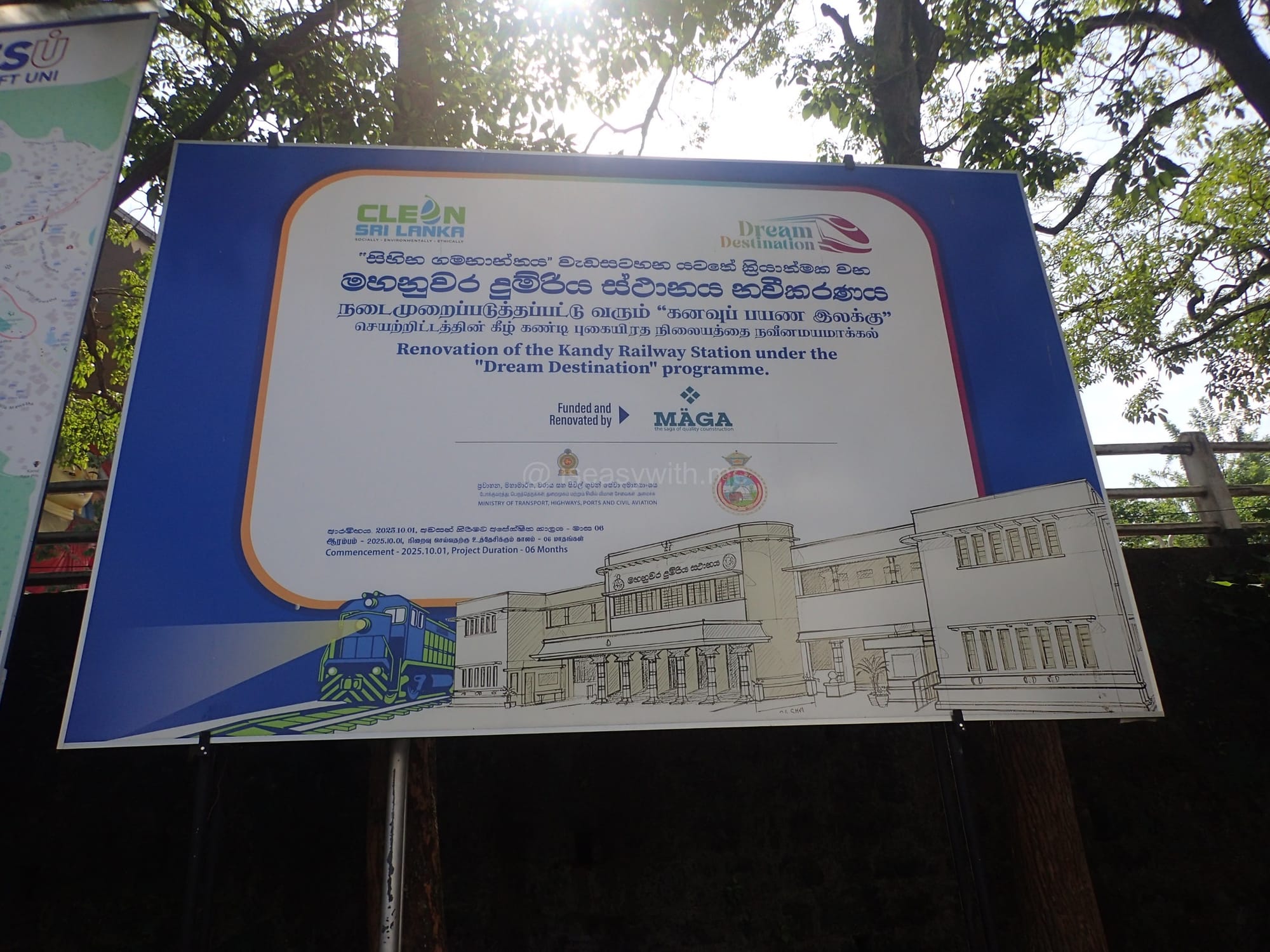
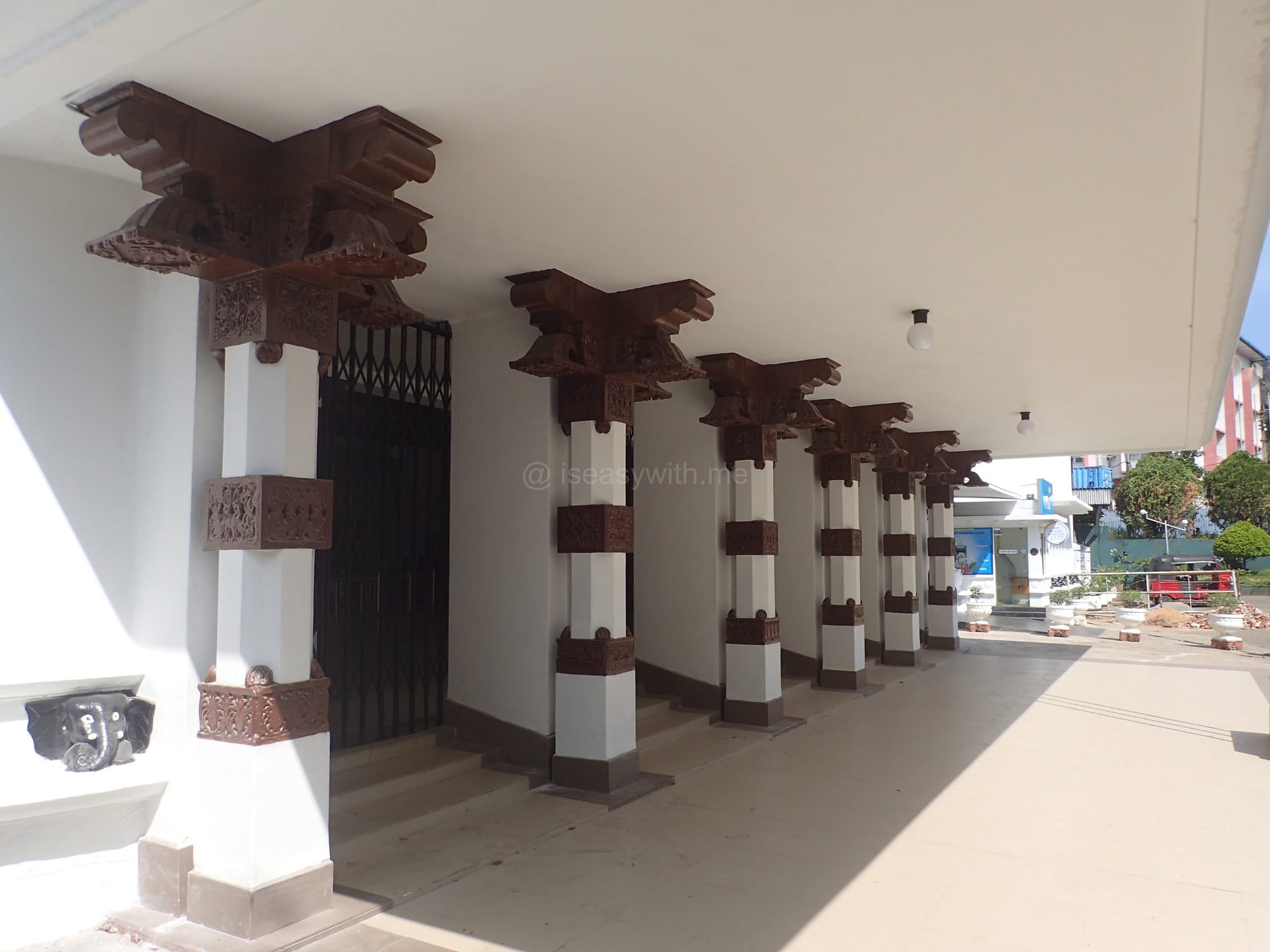
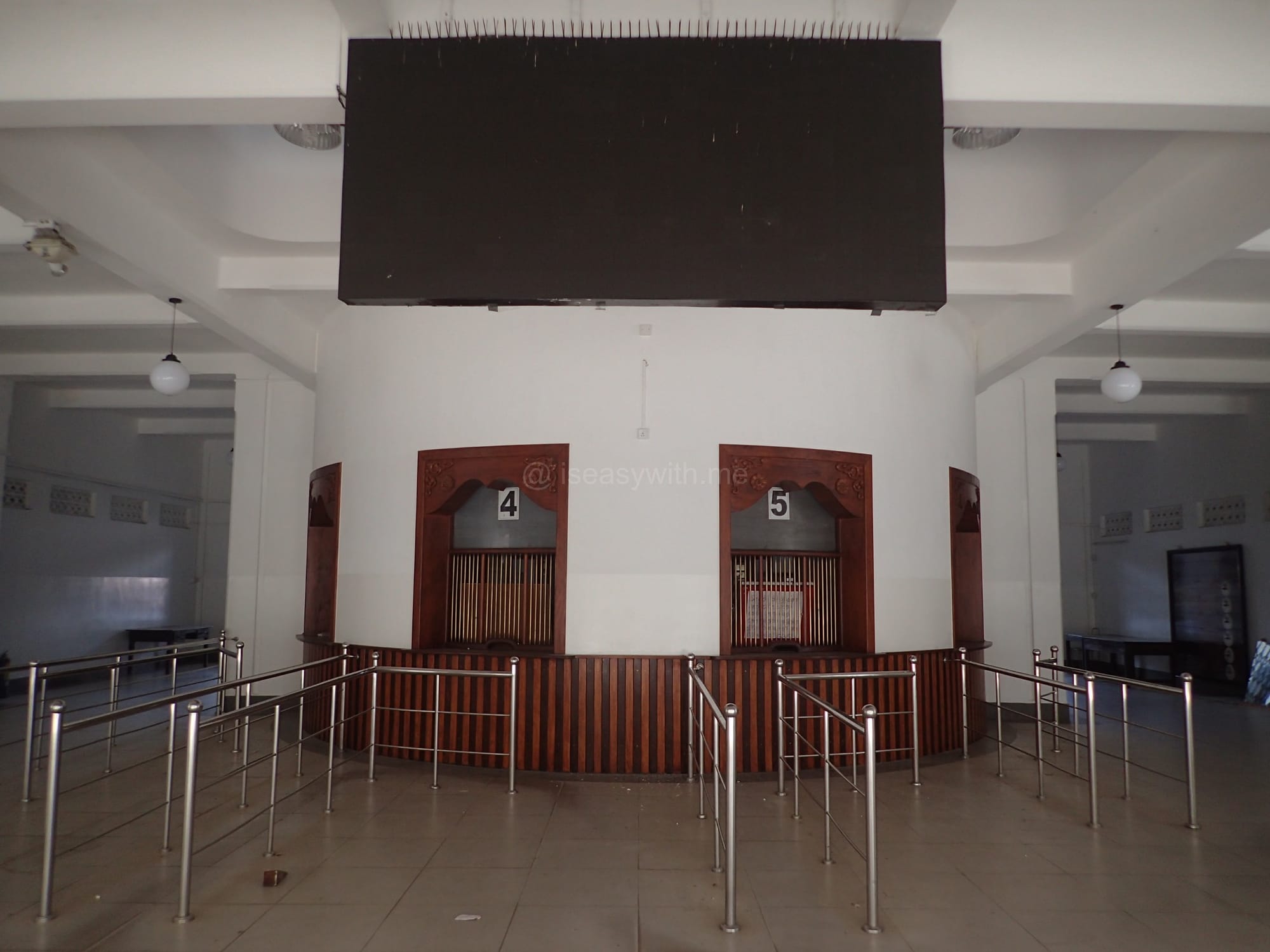
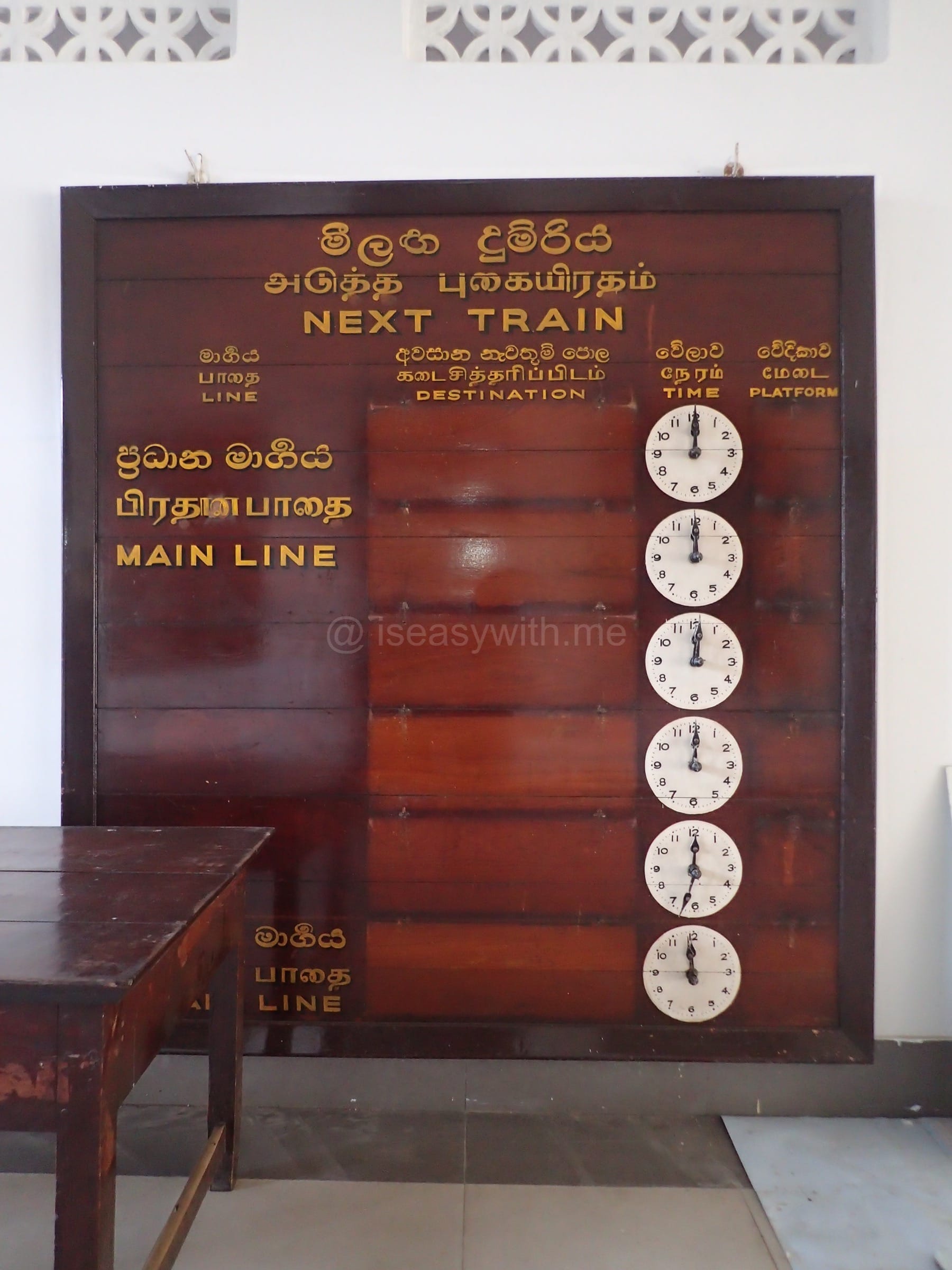
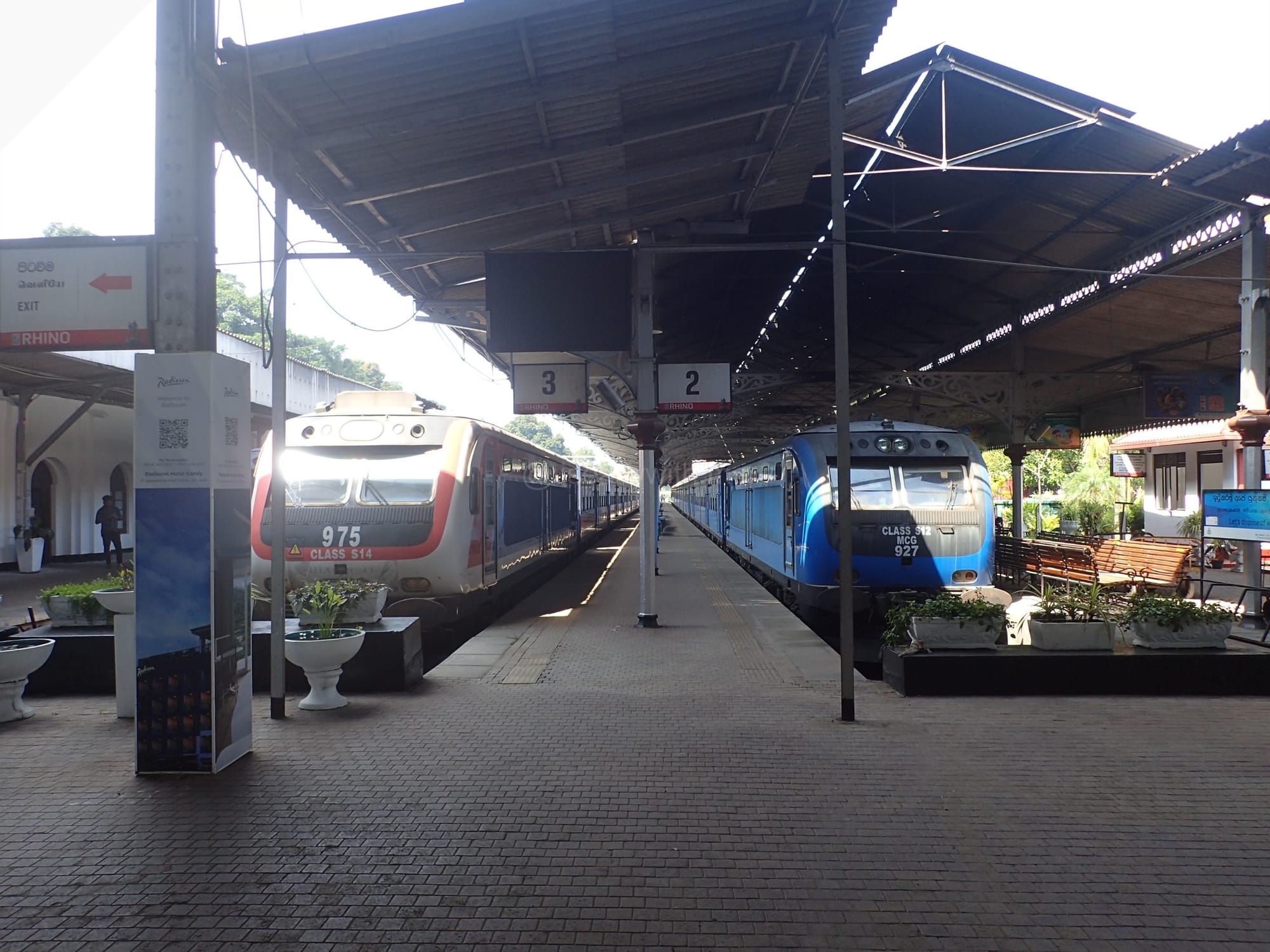
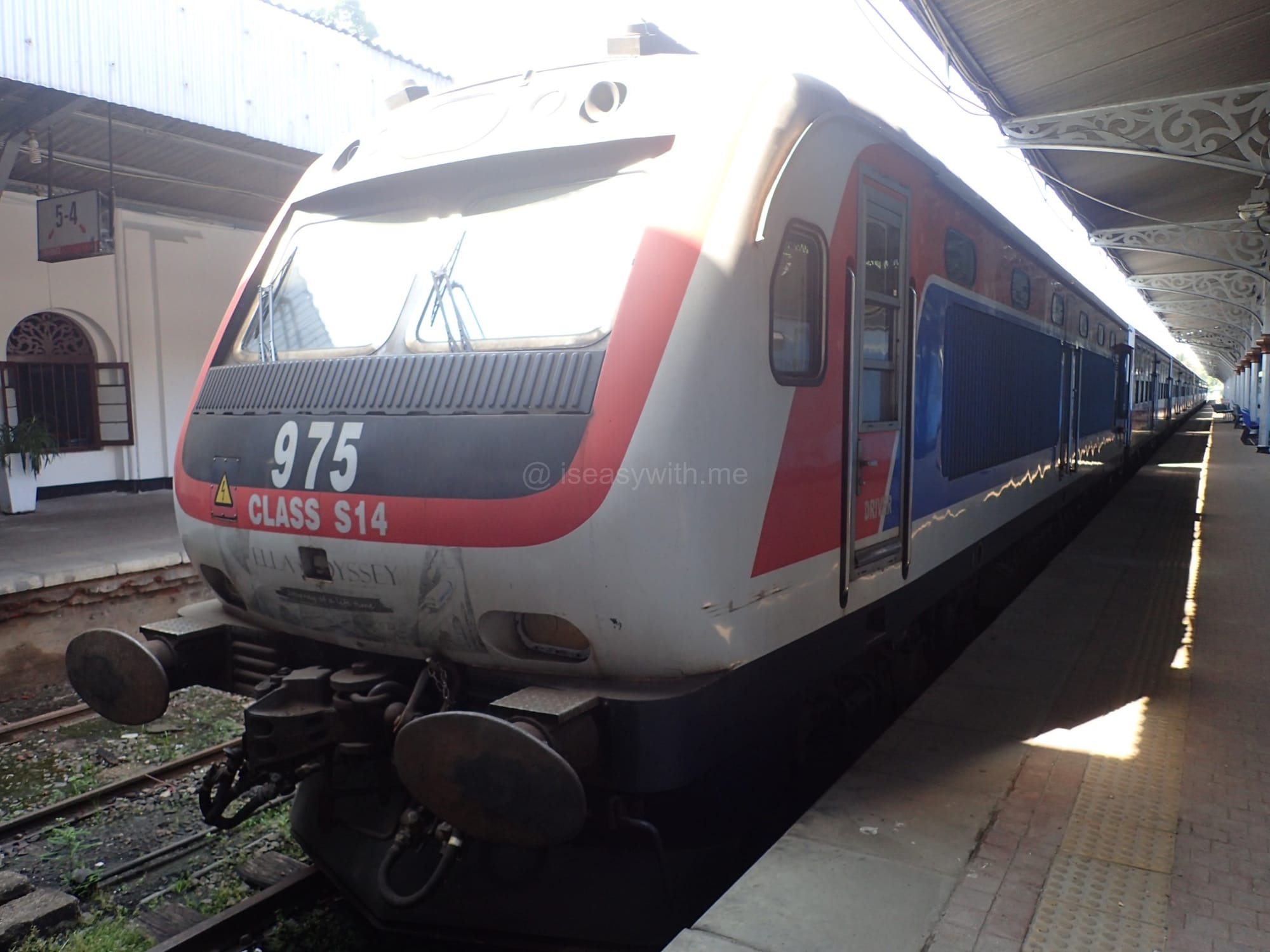
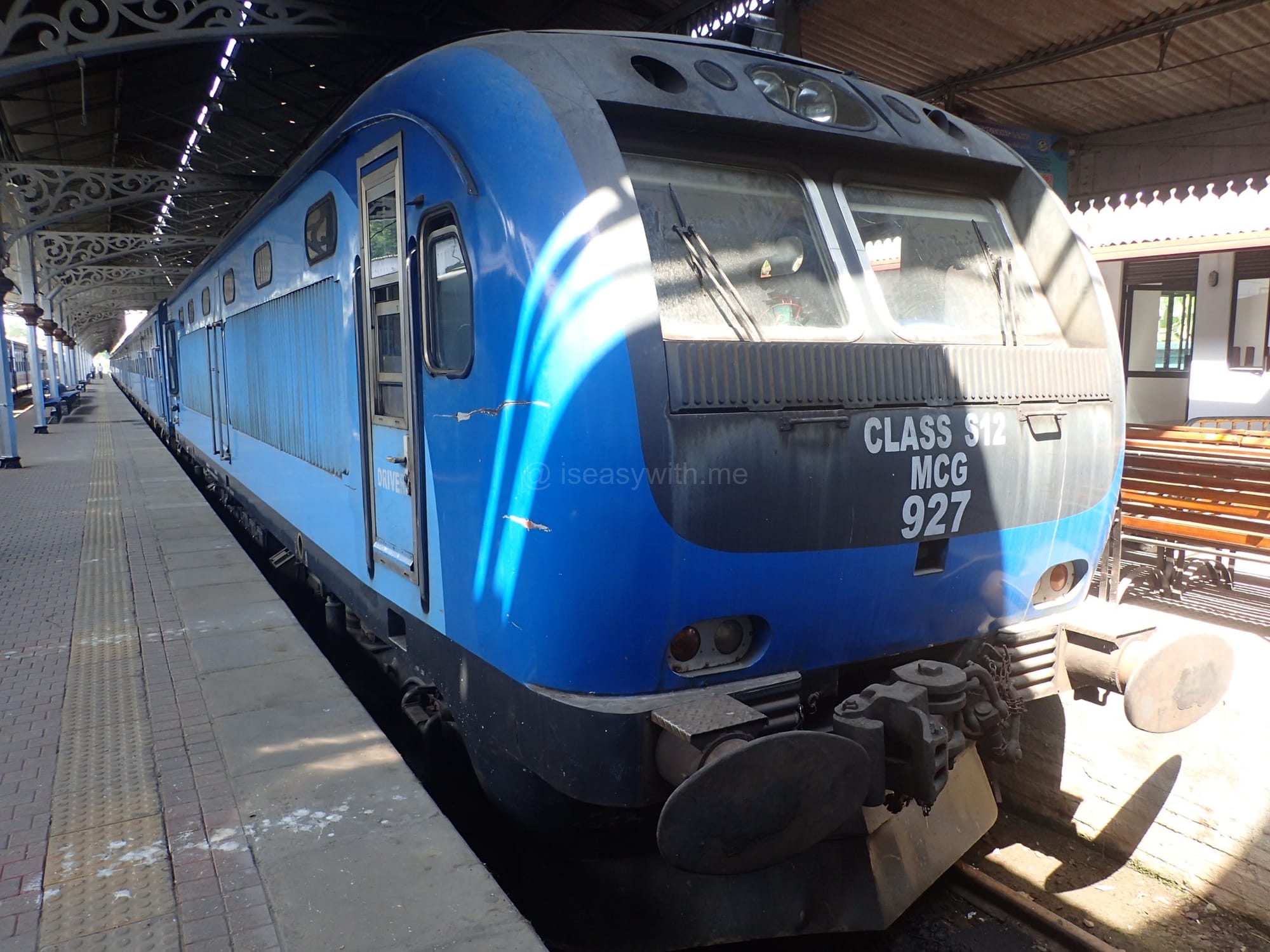
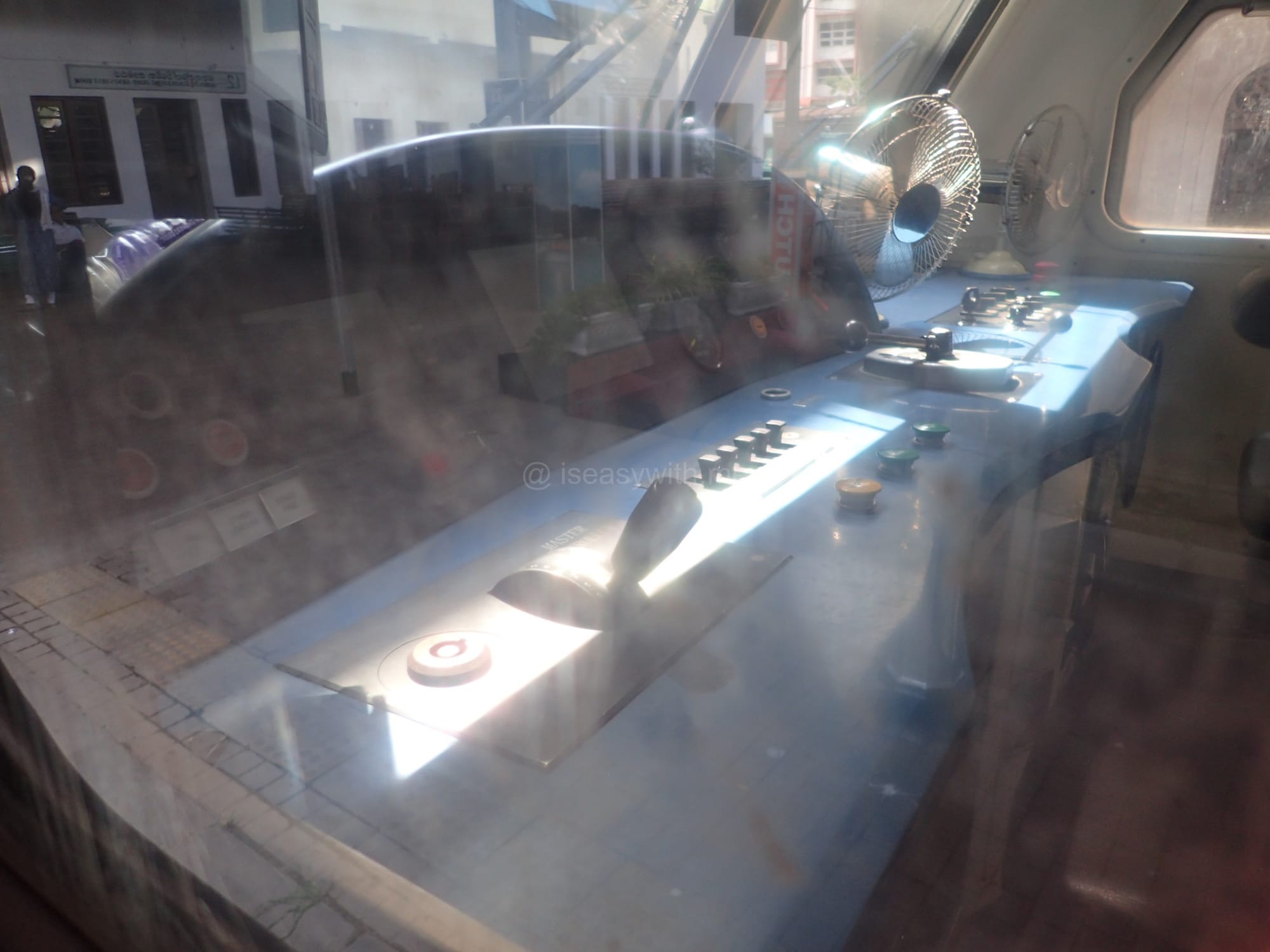
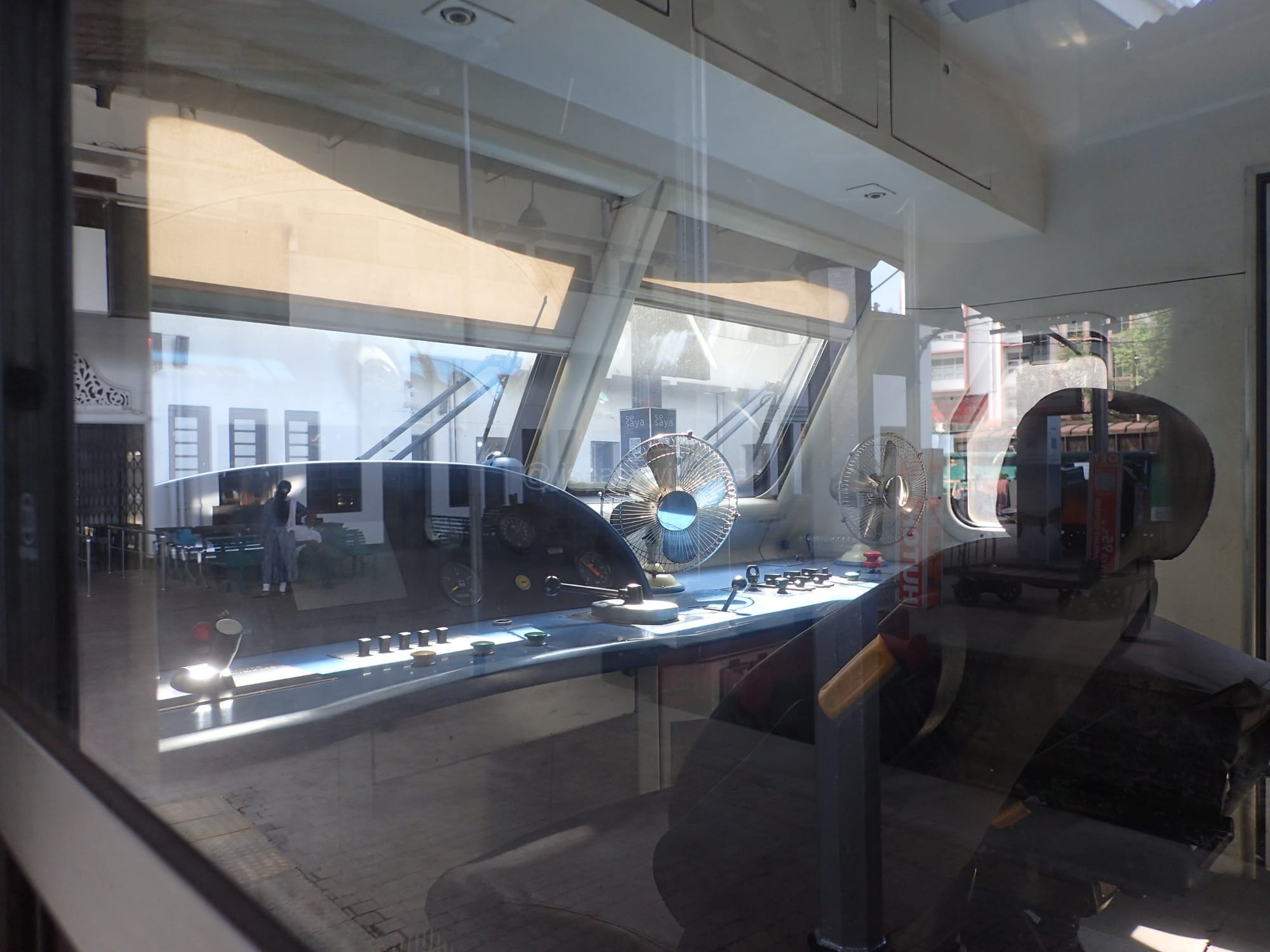
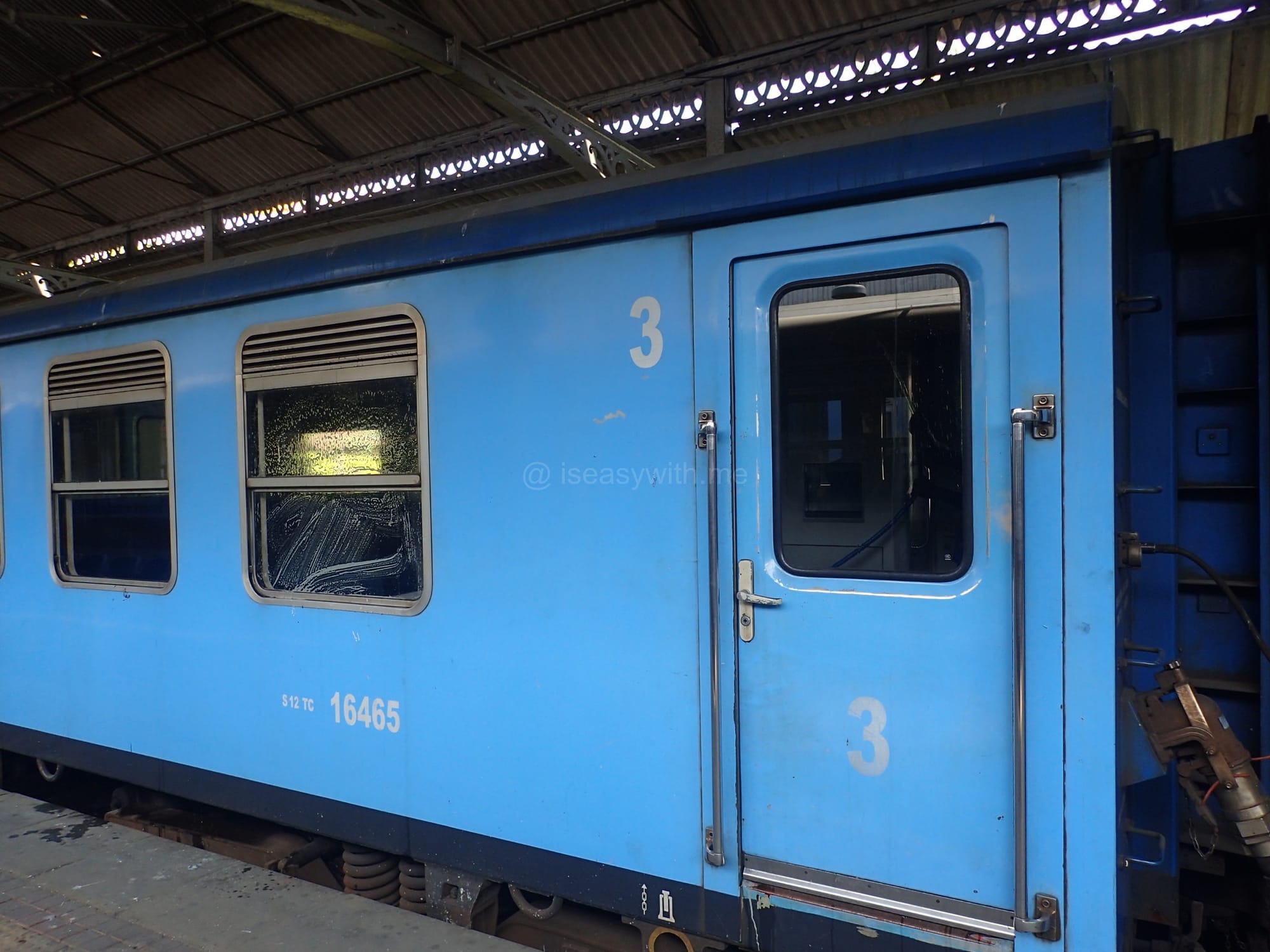
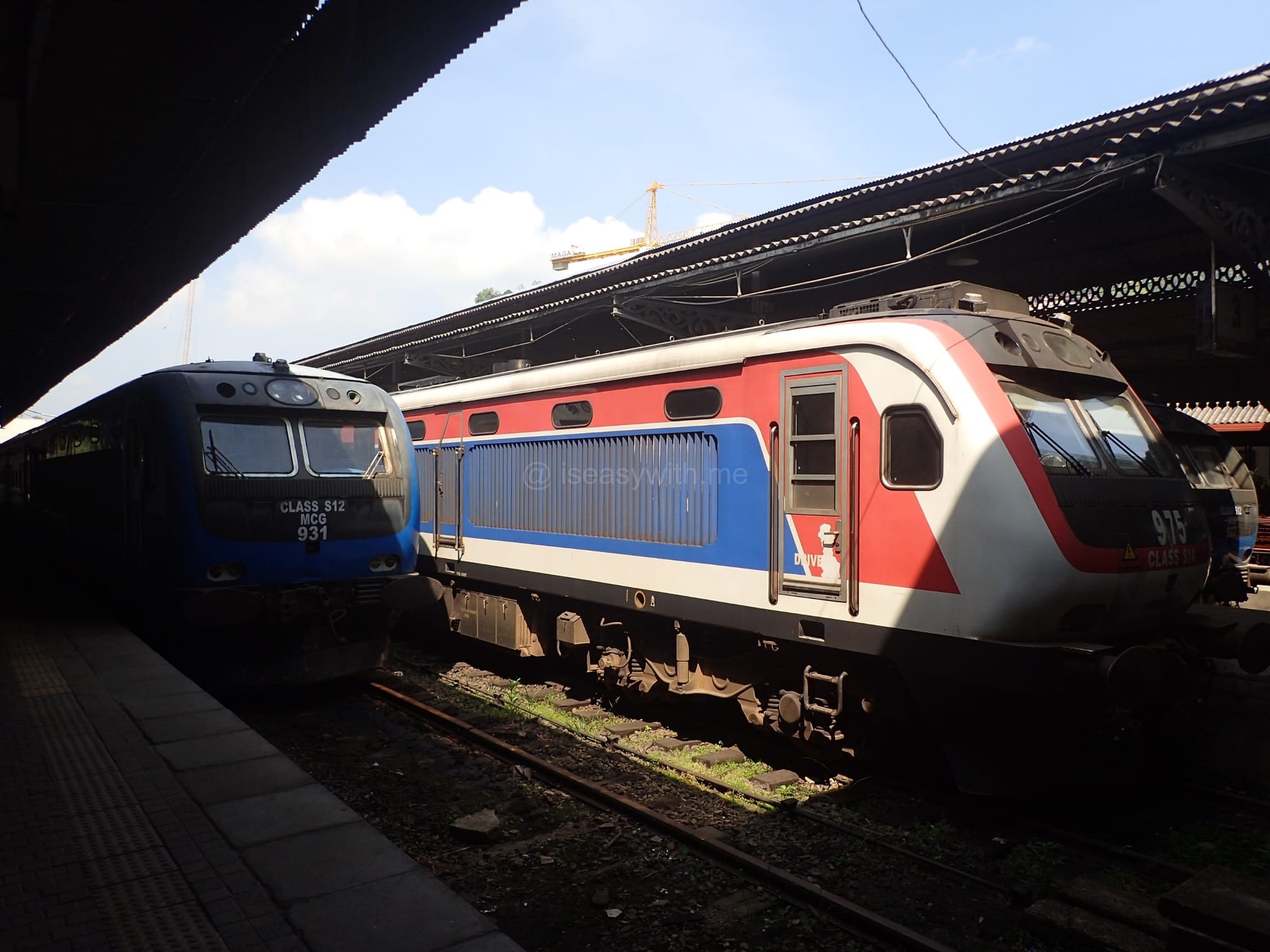
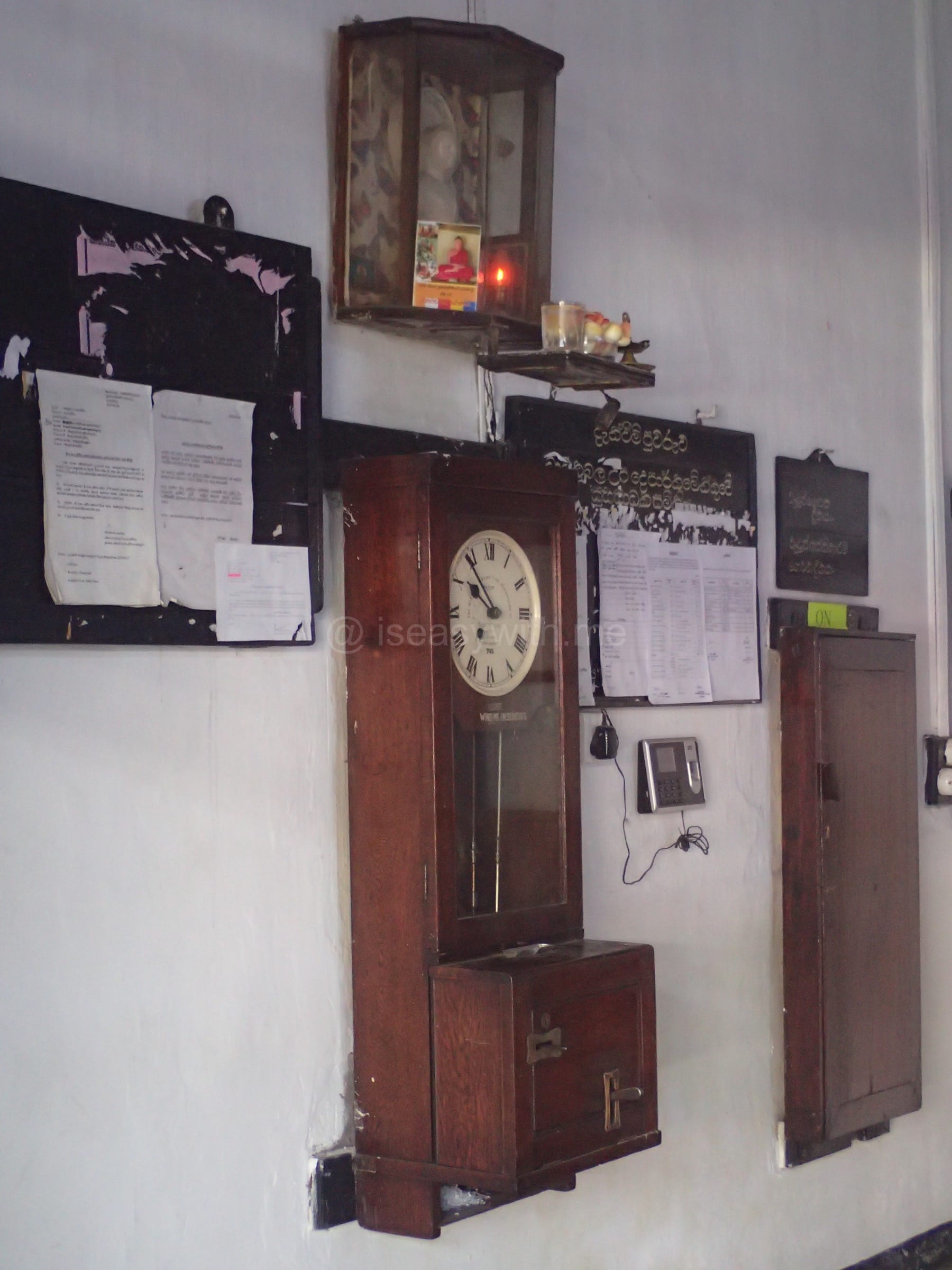
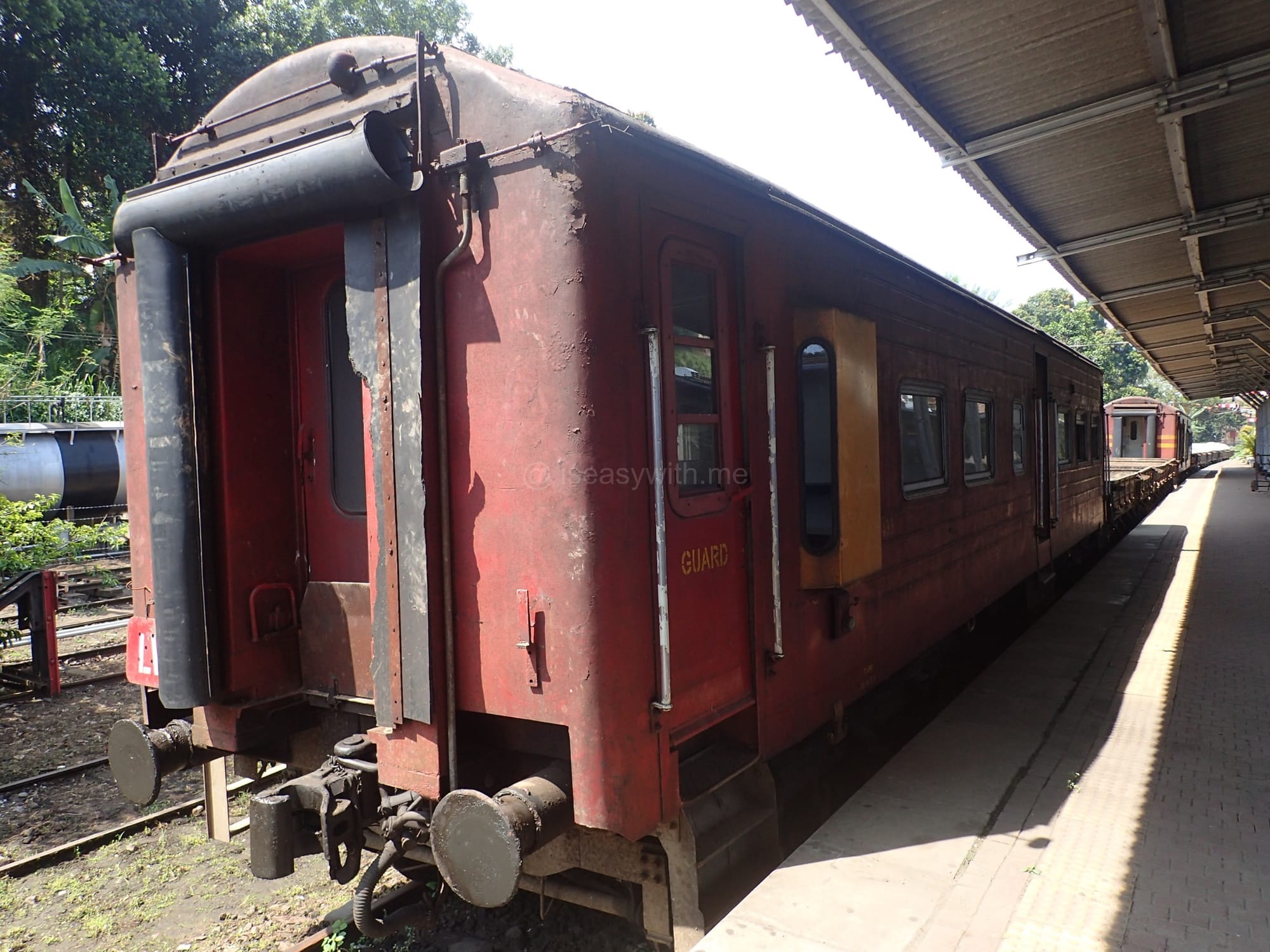
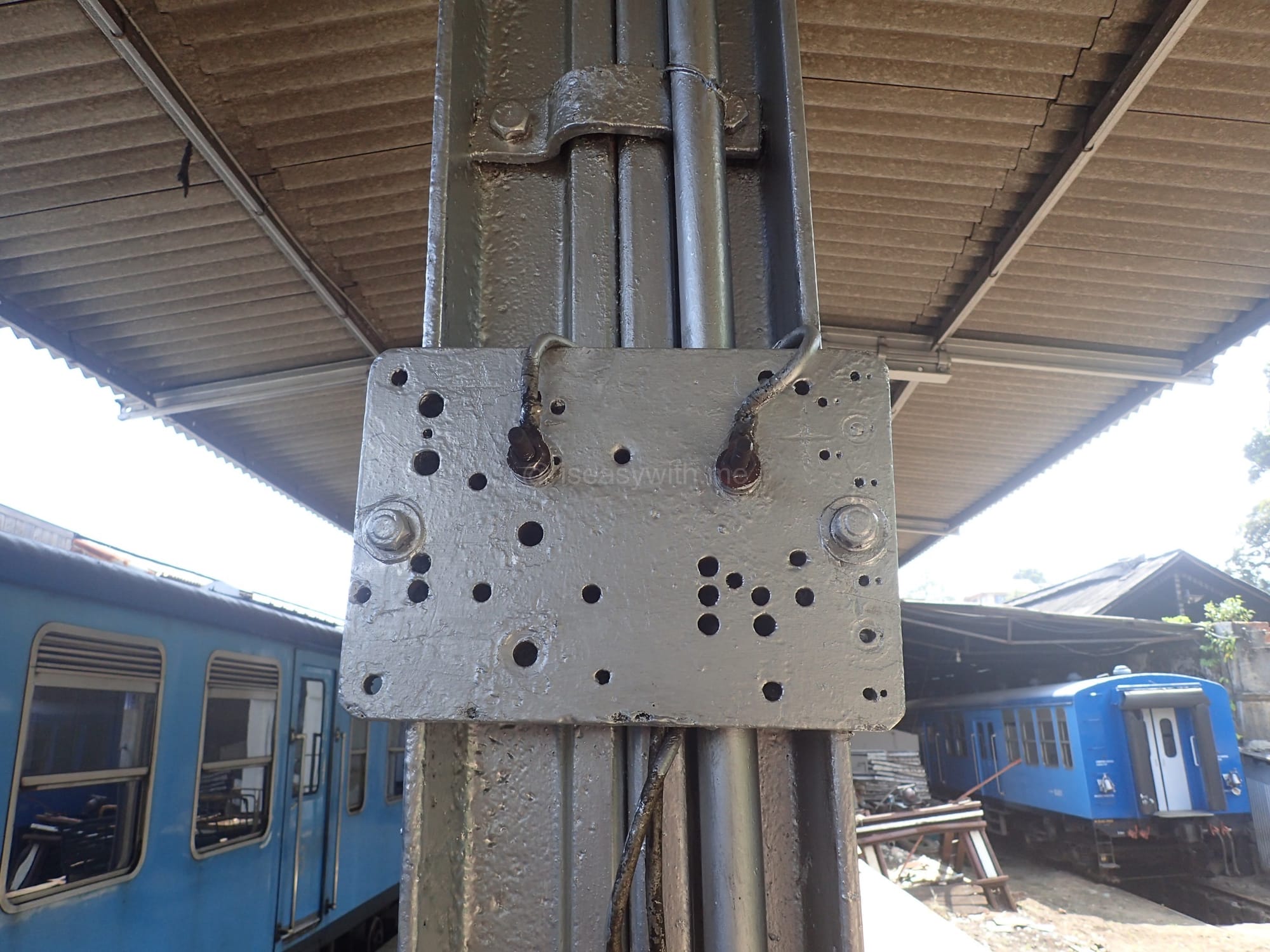
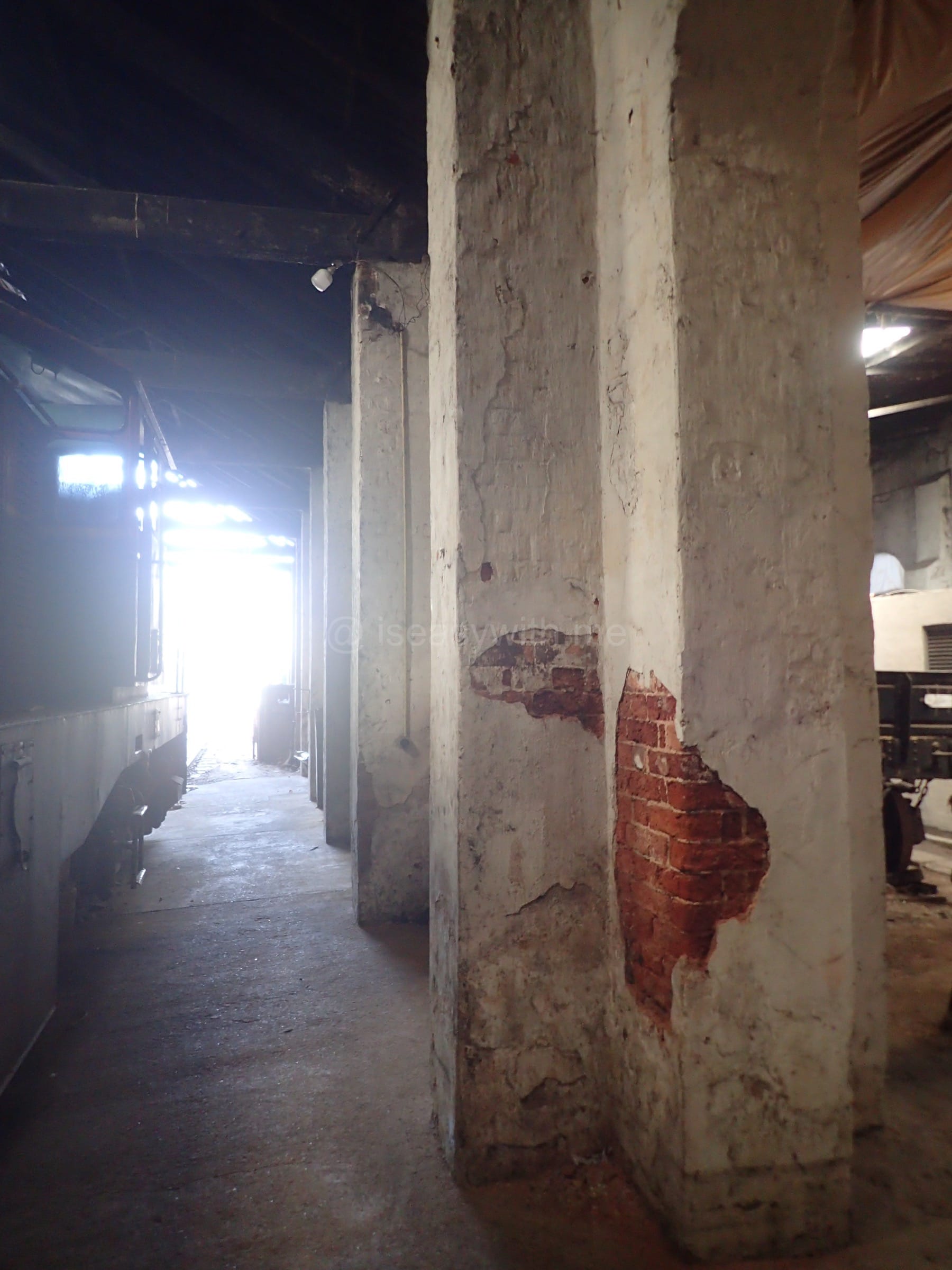
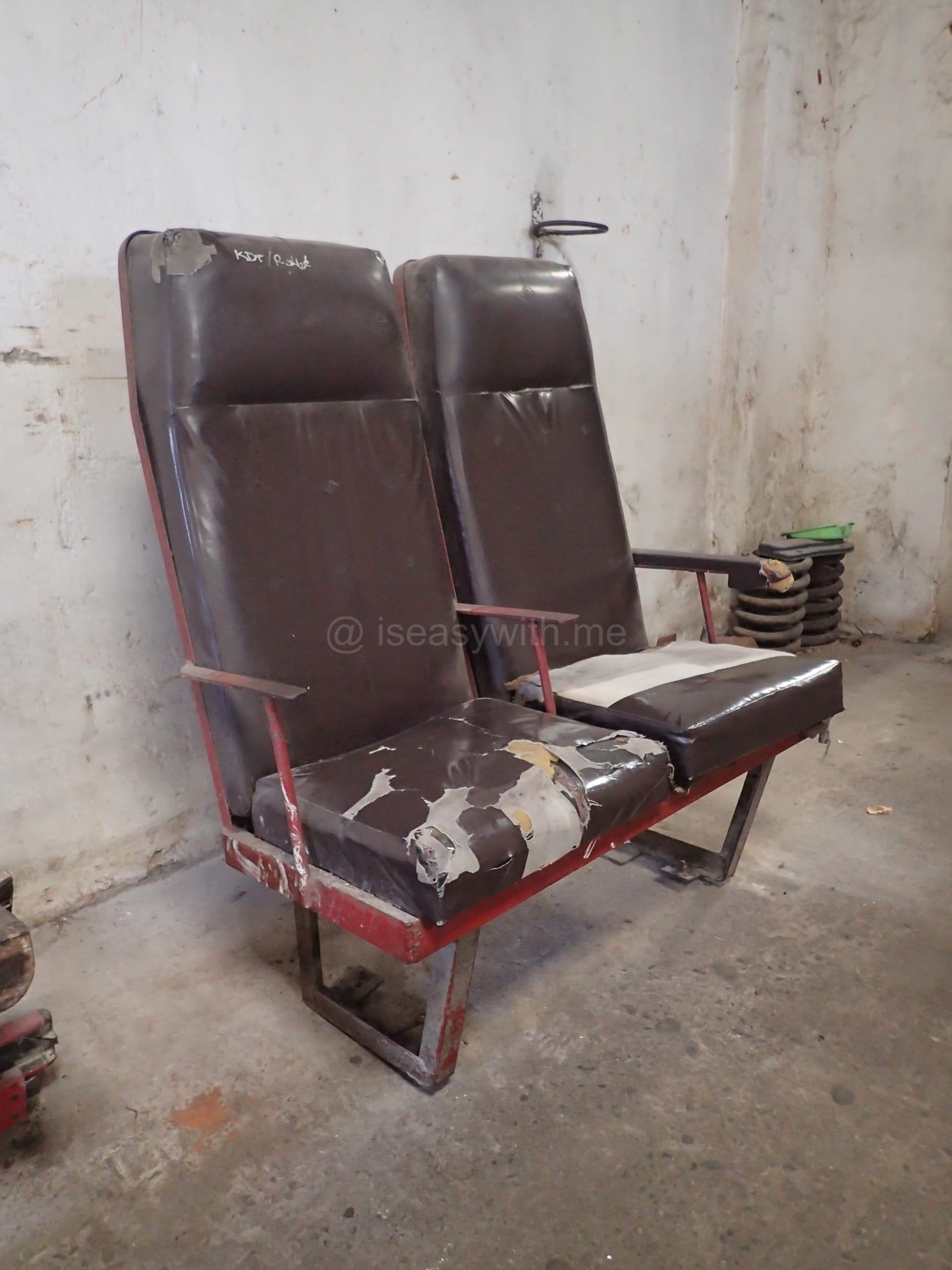
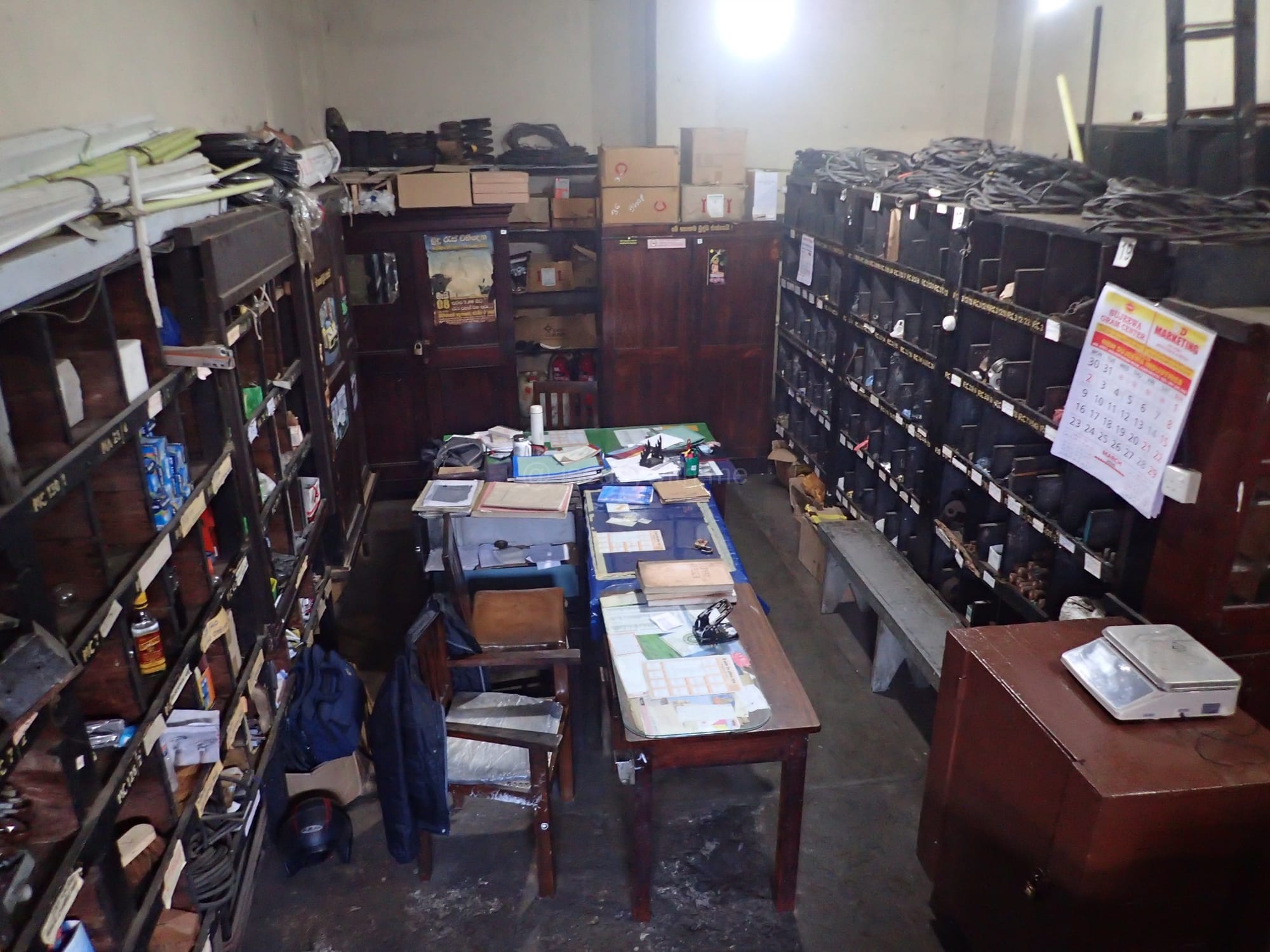
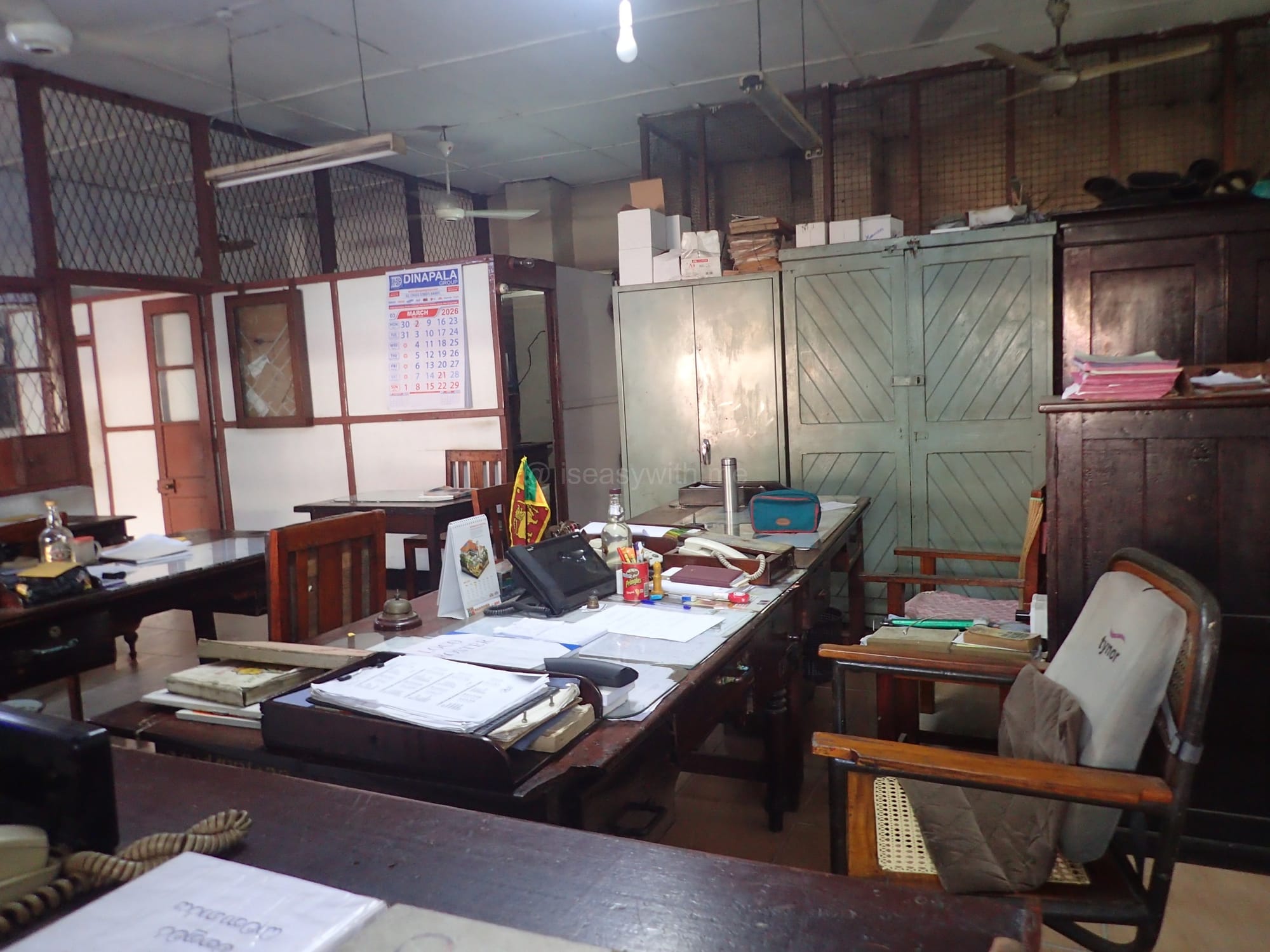
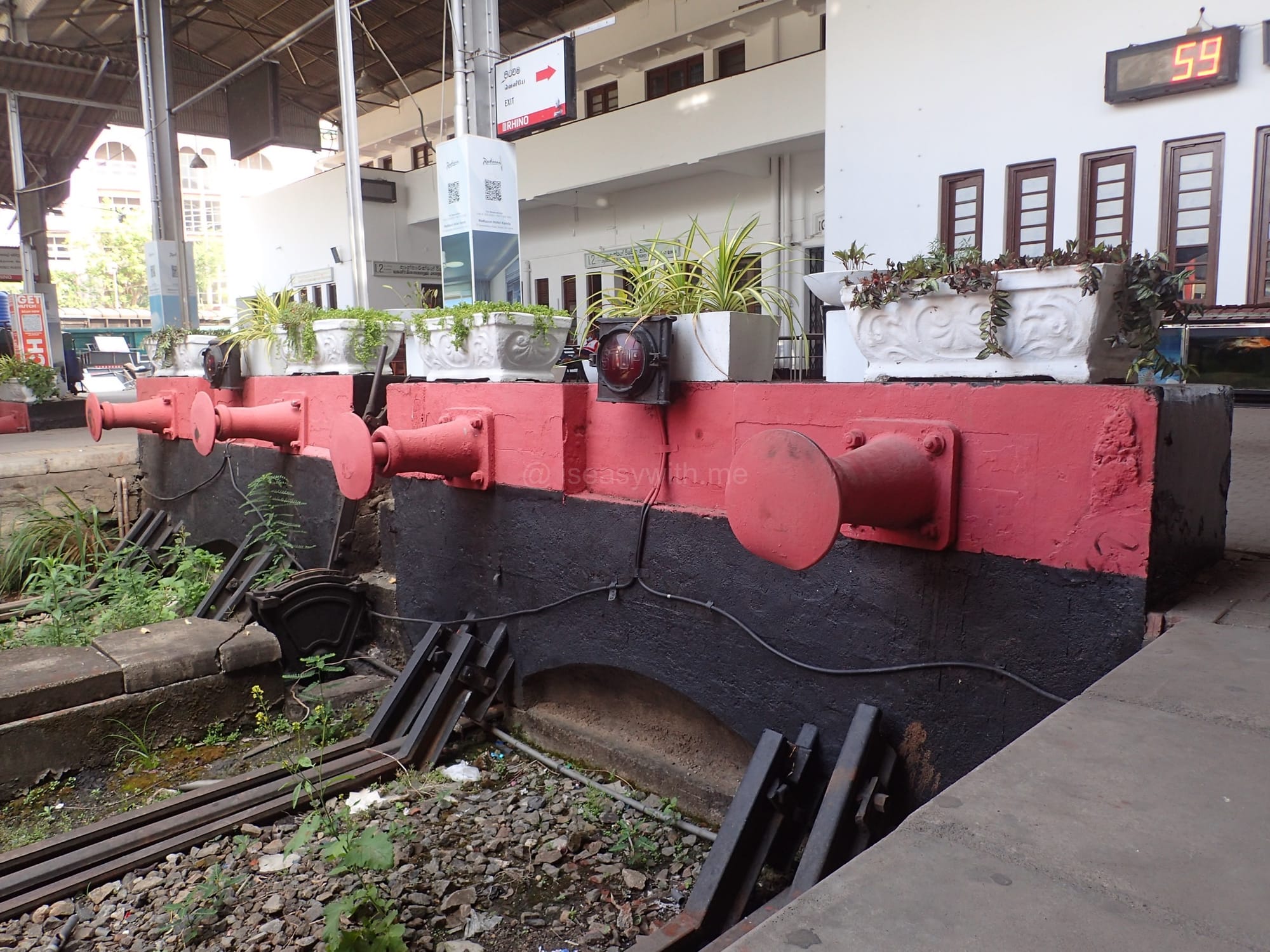
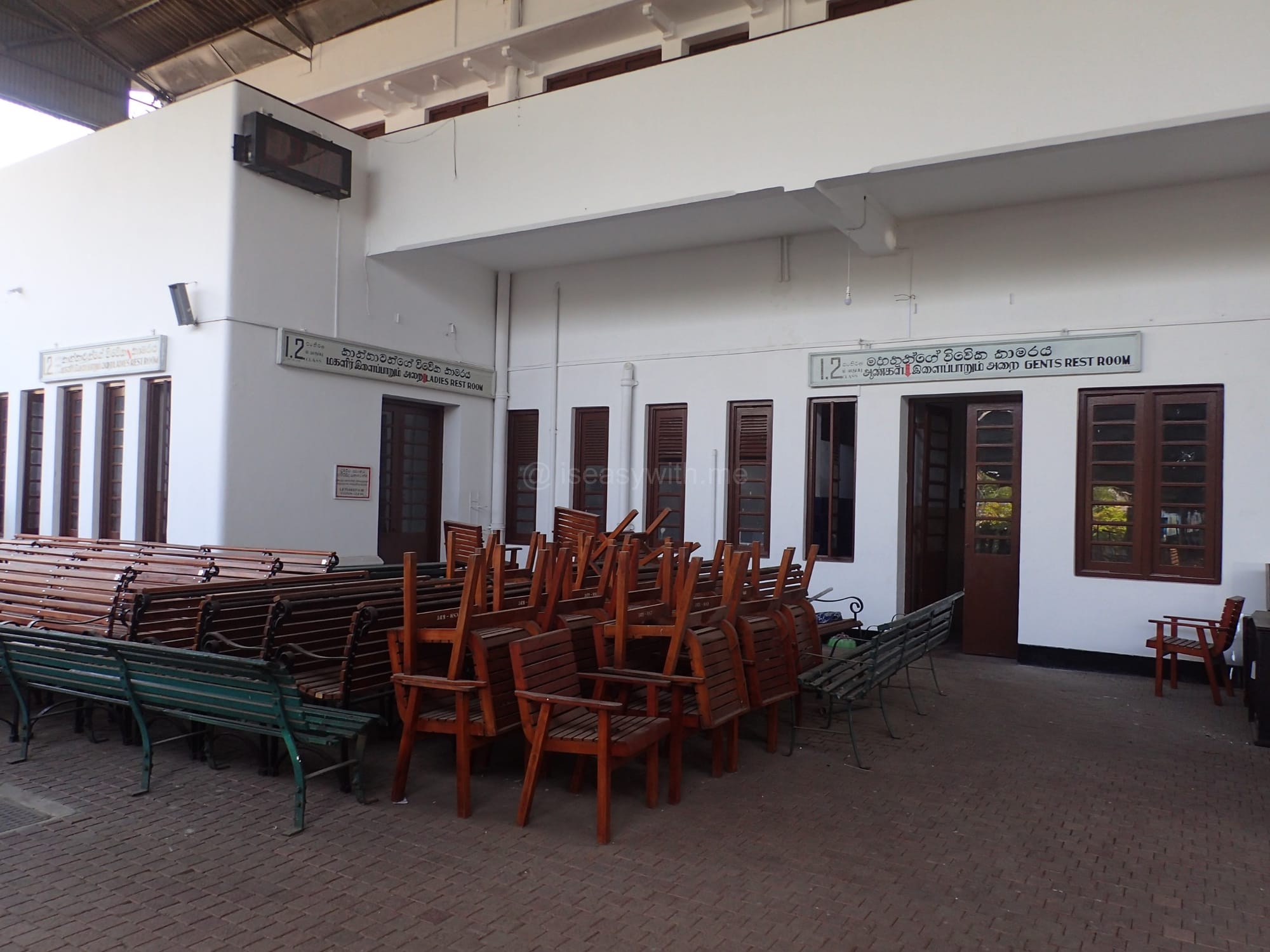
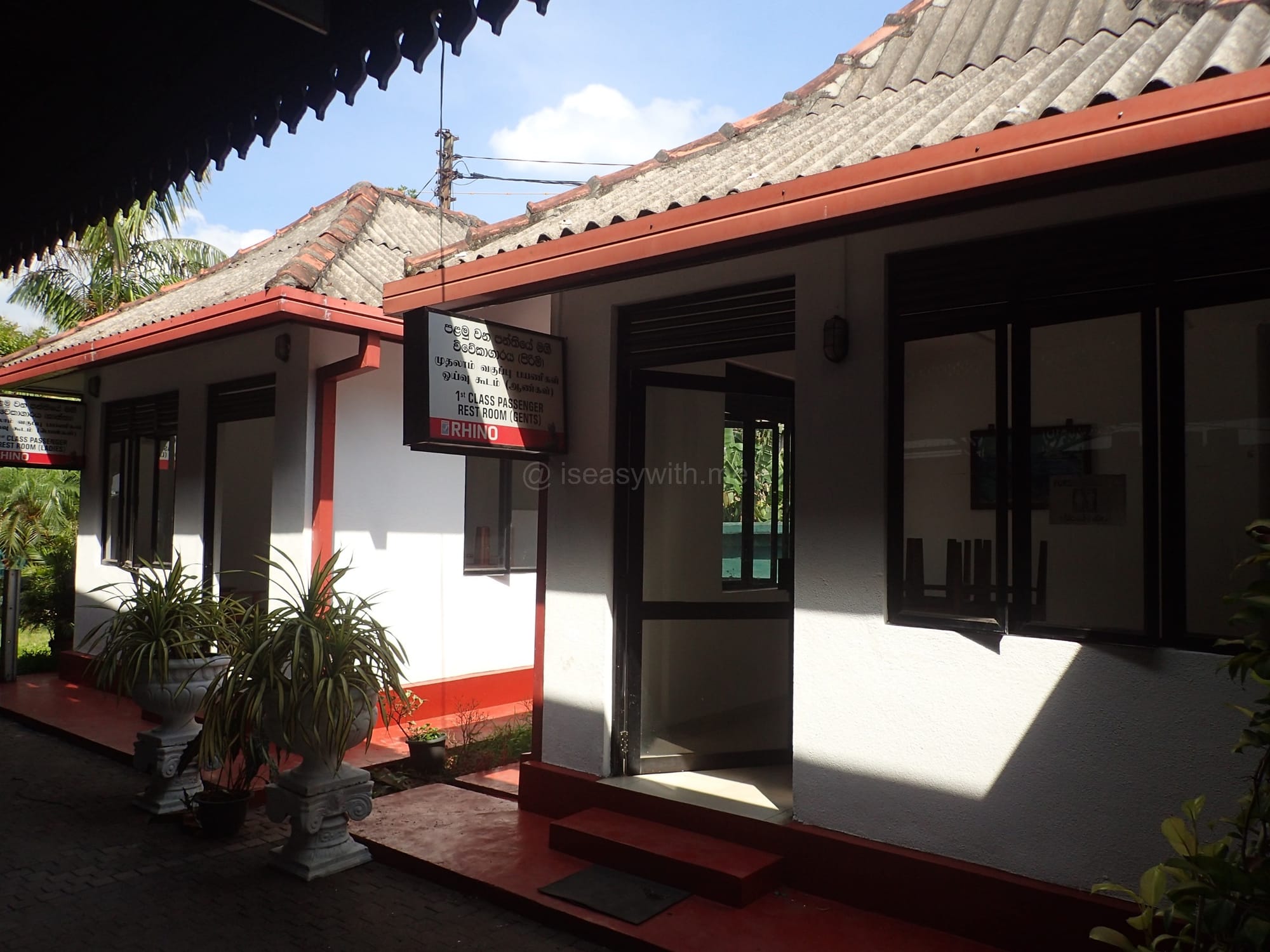
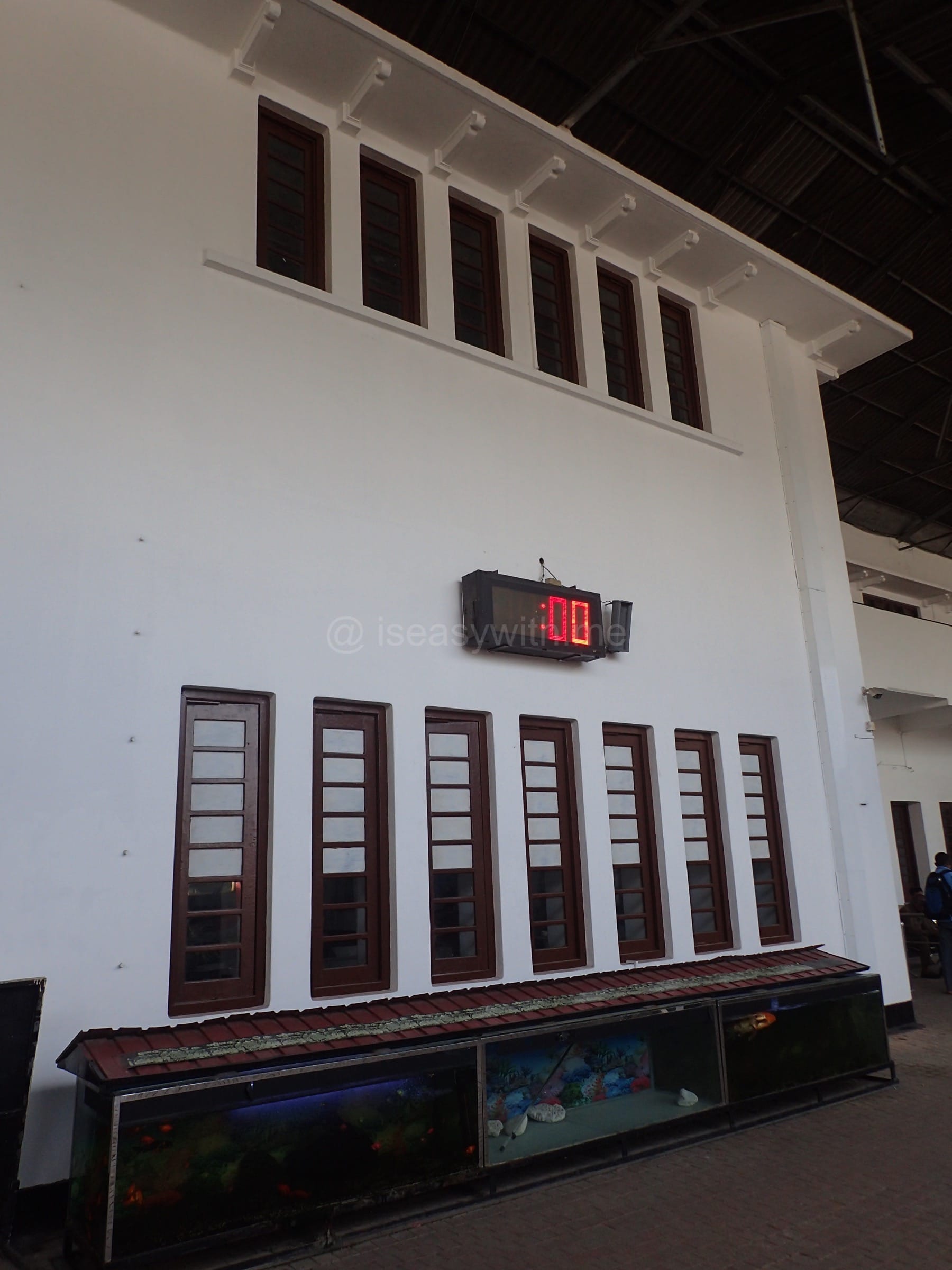
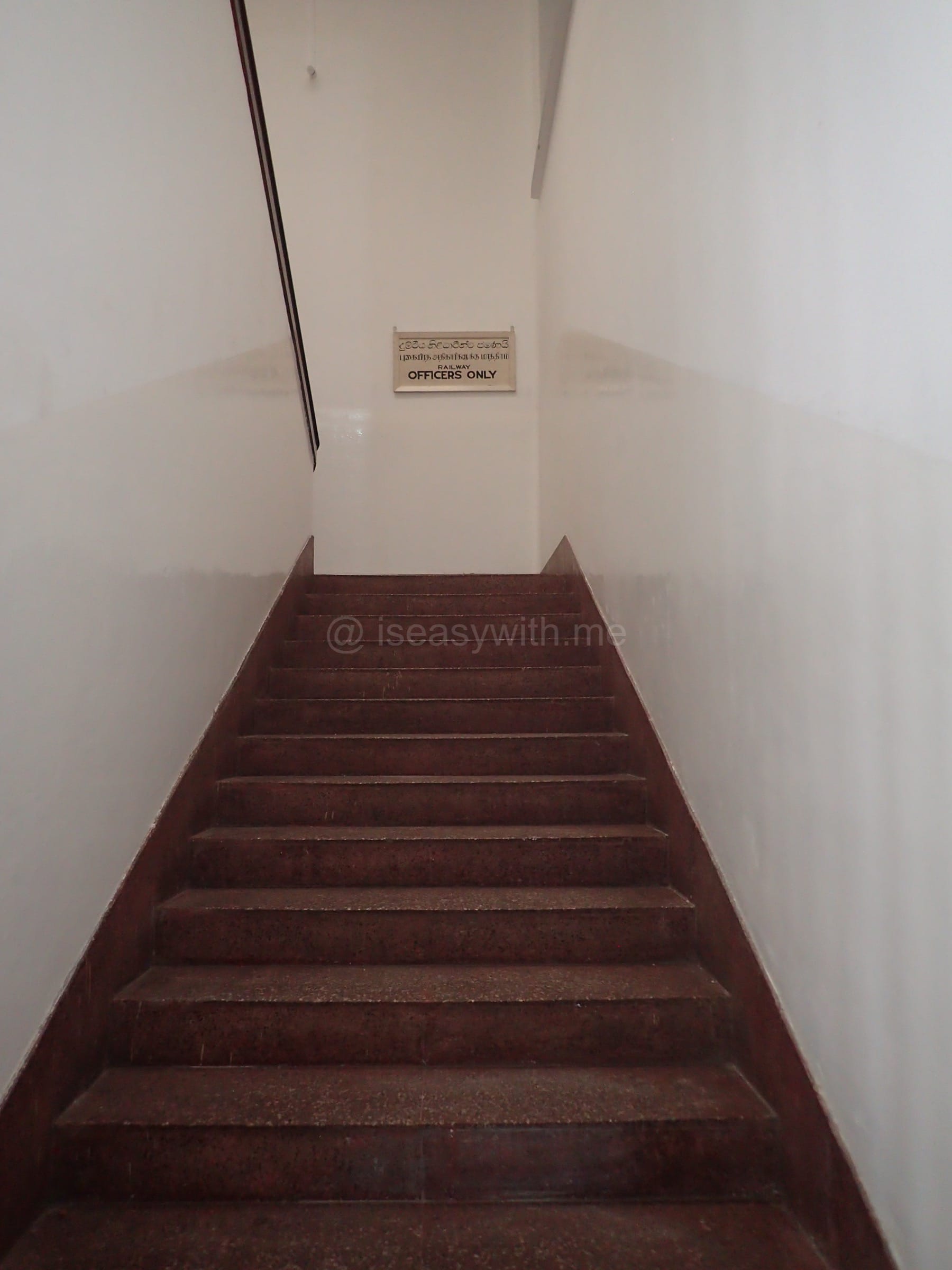
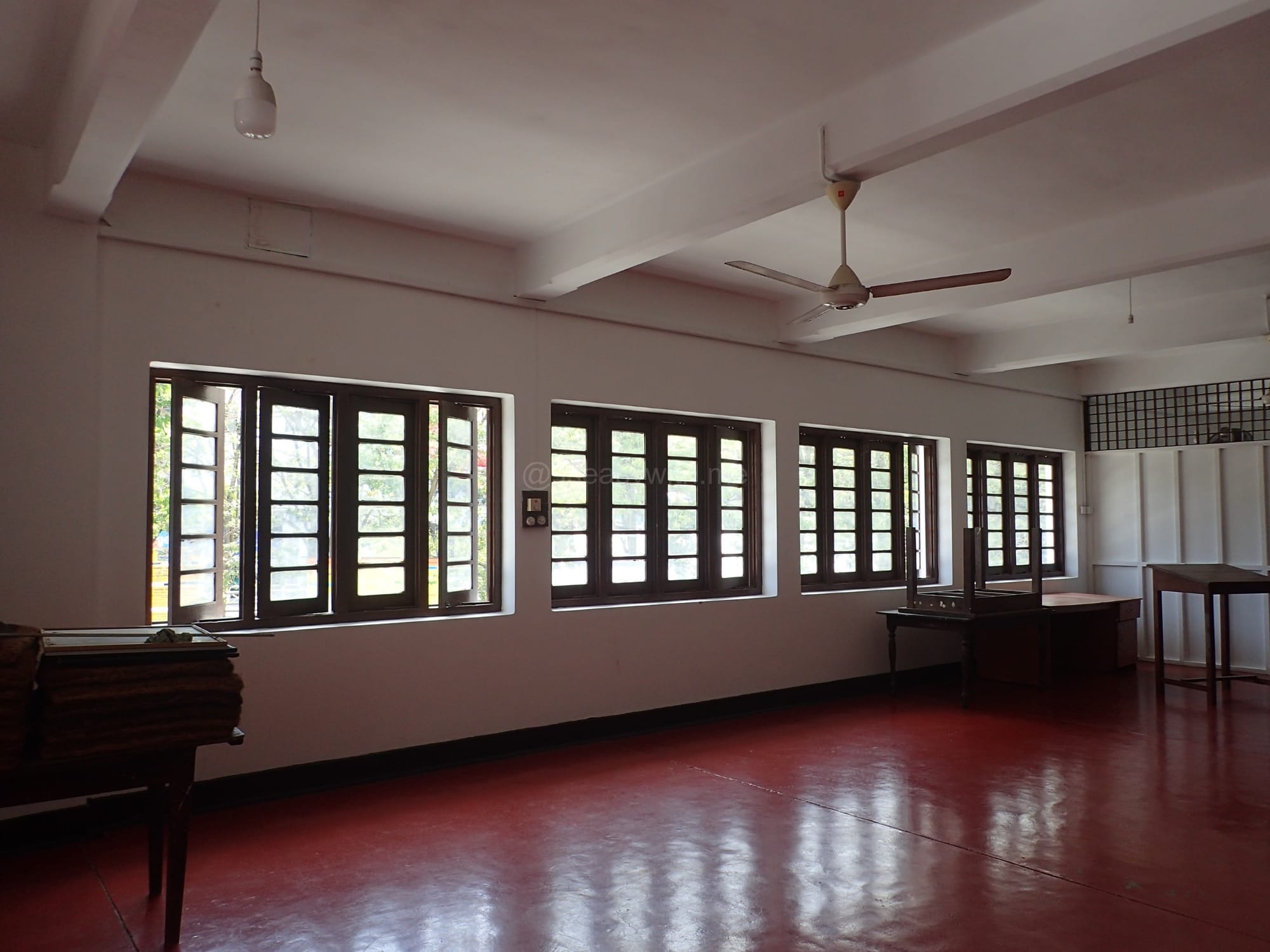
Kandy Railway Station
Kandy Viewpoint
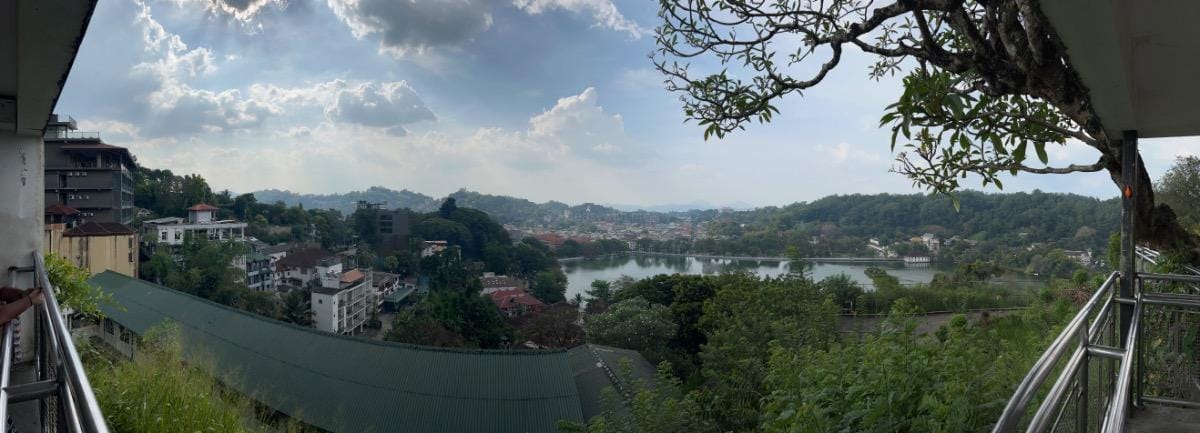
From here, Kandy Lake sits at the centre of a sea of rooftops surrounded by forested hills. Early morning and late afternoon offer the best lighting conditions for photography, while sunset provides spectacular colours across the valley.
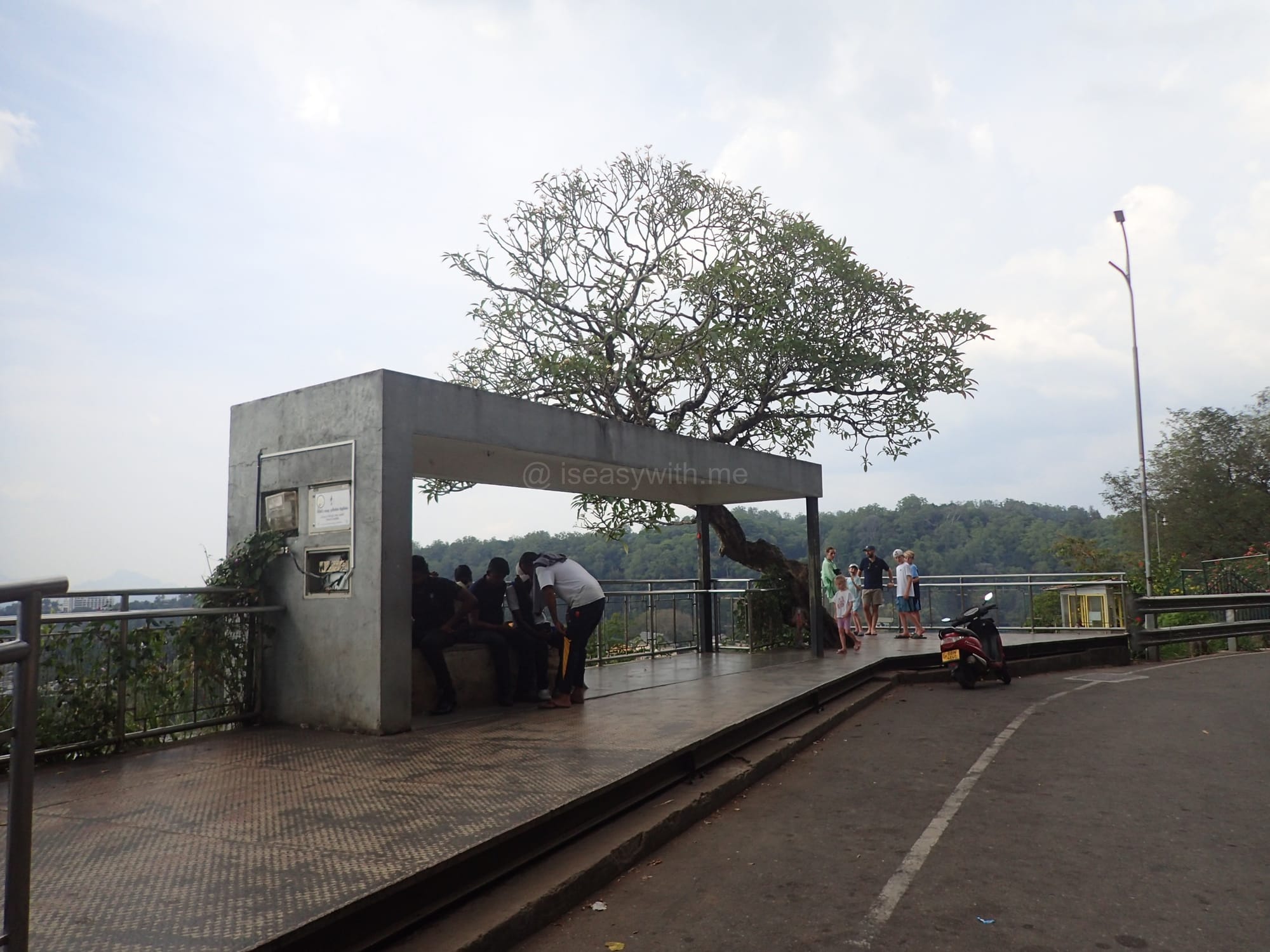
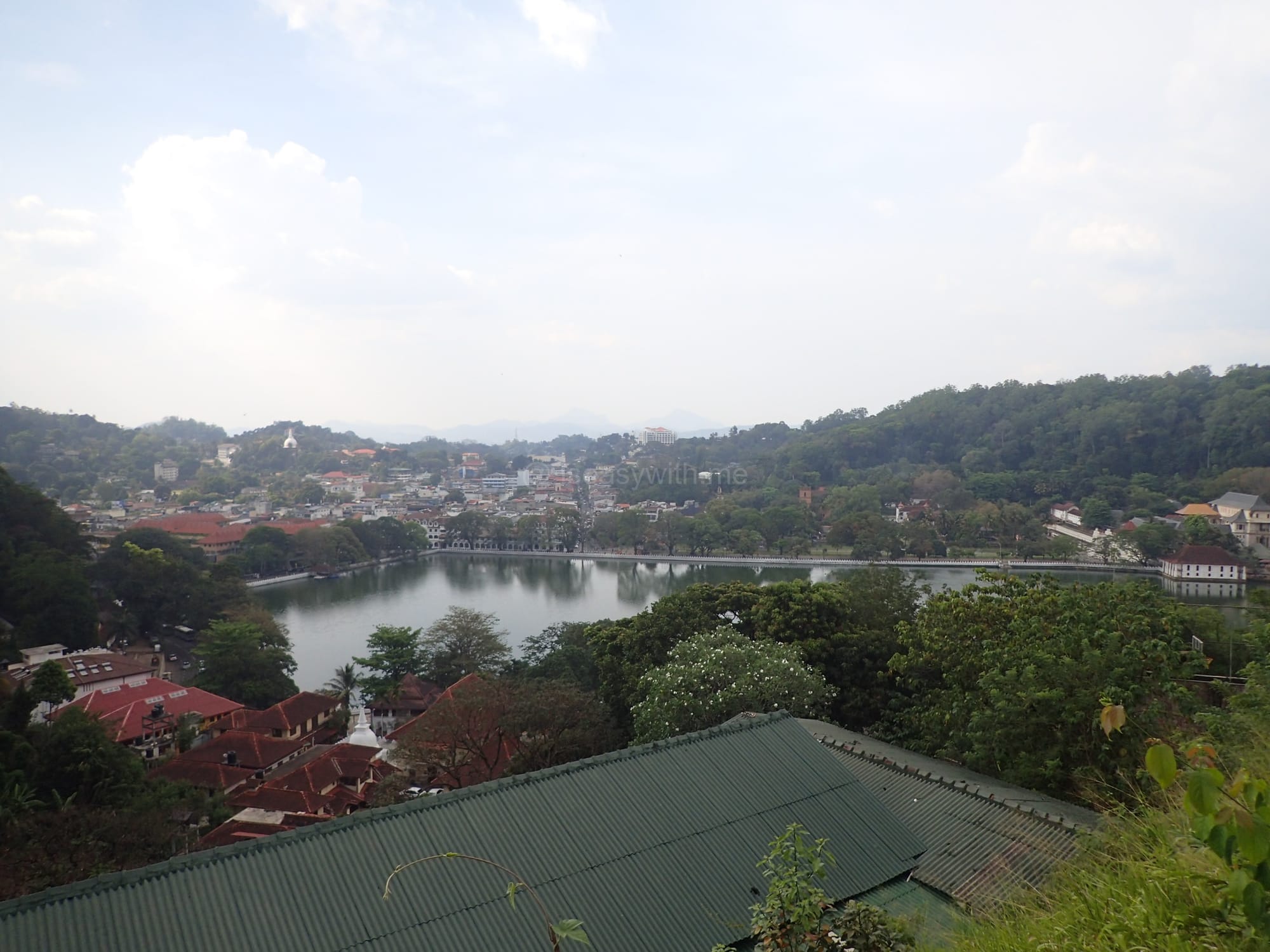
Temple of the Tooth Relic (Sri Dalada Maligawa)
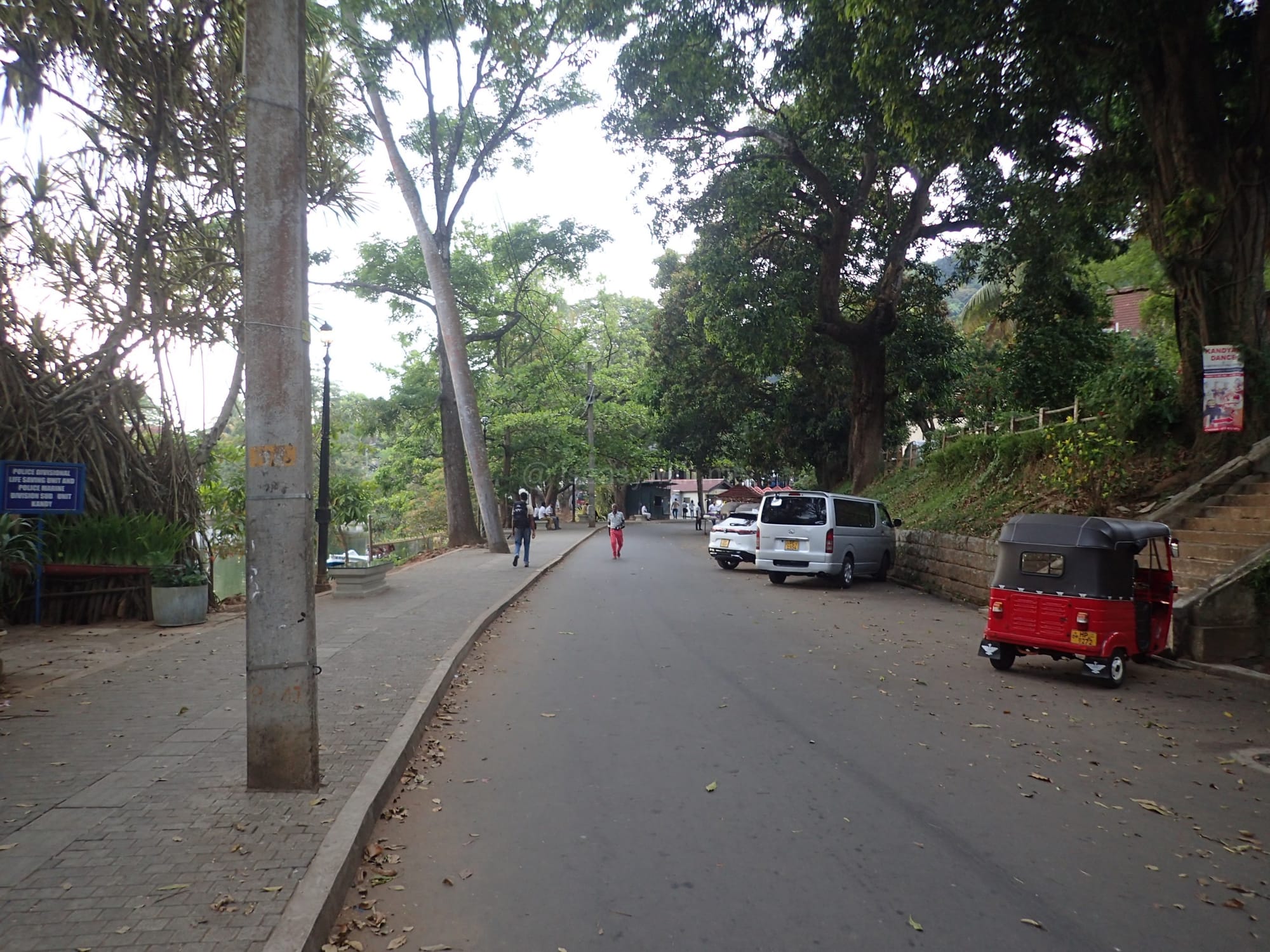
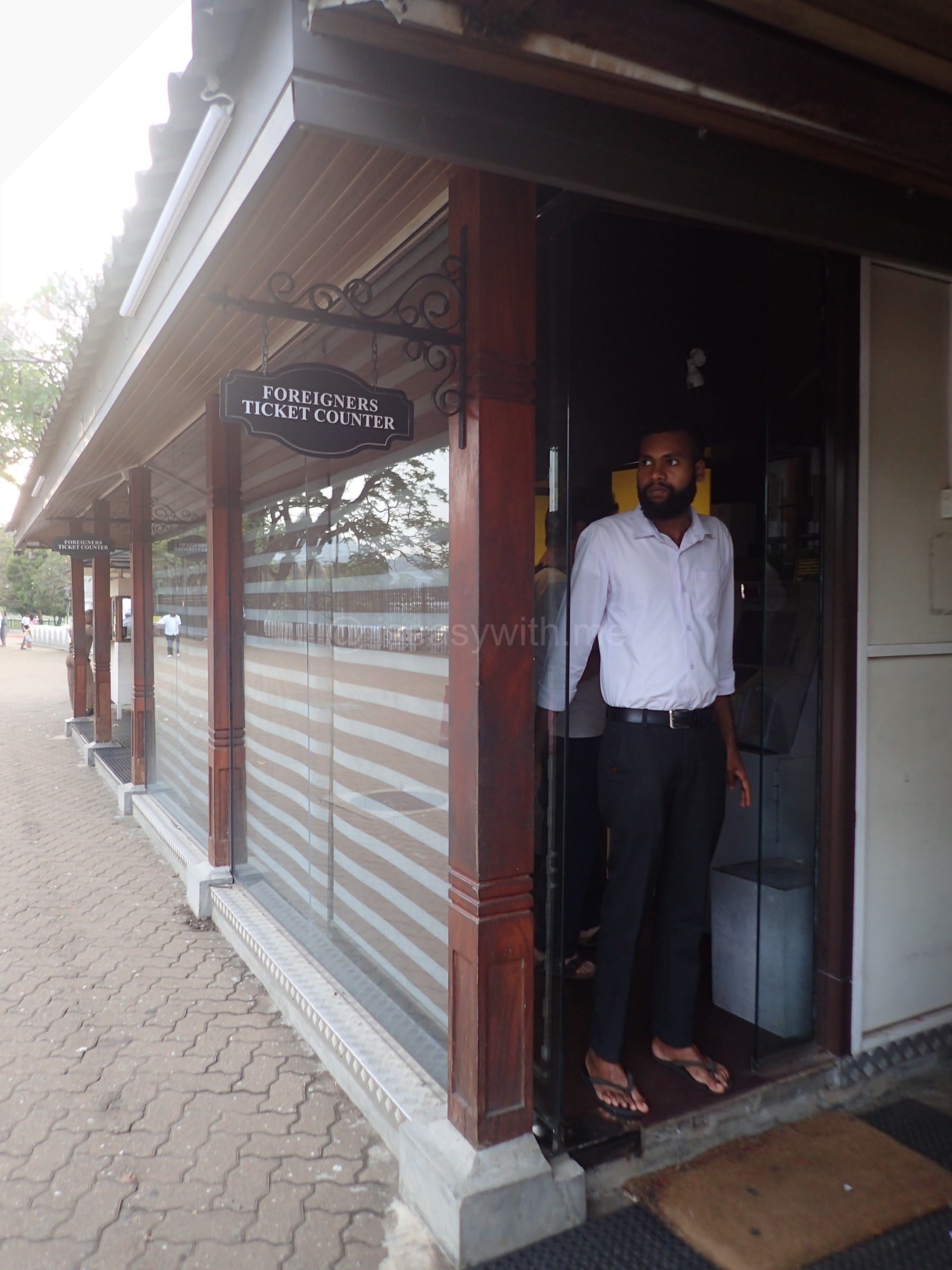
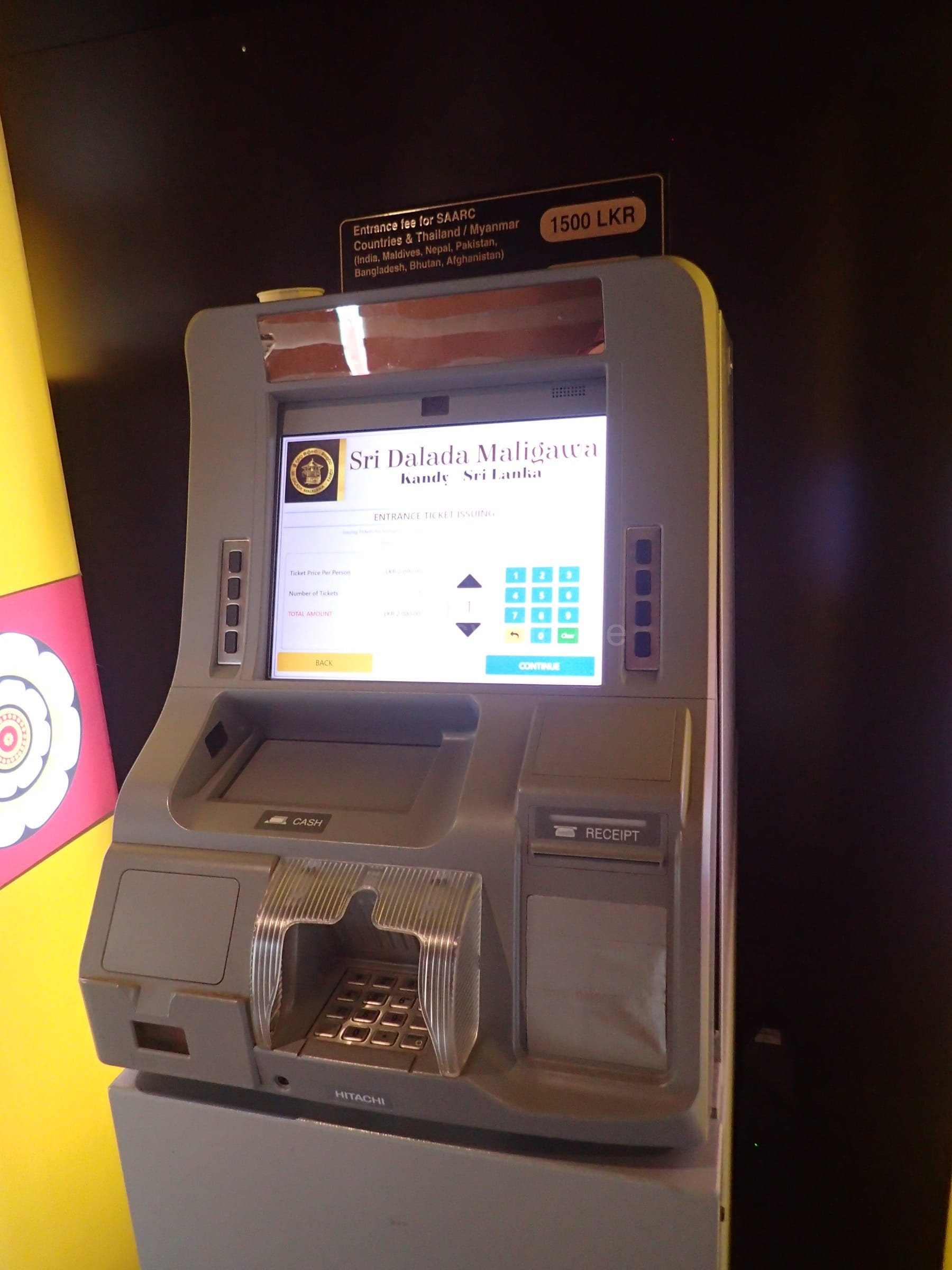
No visit to Kandy is complete without experiencing the Temple of the Tooth Relic (LKR 2,000). Housing what is believed to be a sacred tooth relic of the Buddha, the temple remains one of the most important pilgrimage sites in the Buddhist world. While the temple itself is impressive throughout the day, the evening puja ceremony offers the most memorable experience.
iseasywith.me Travel Tip
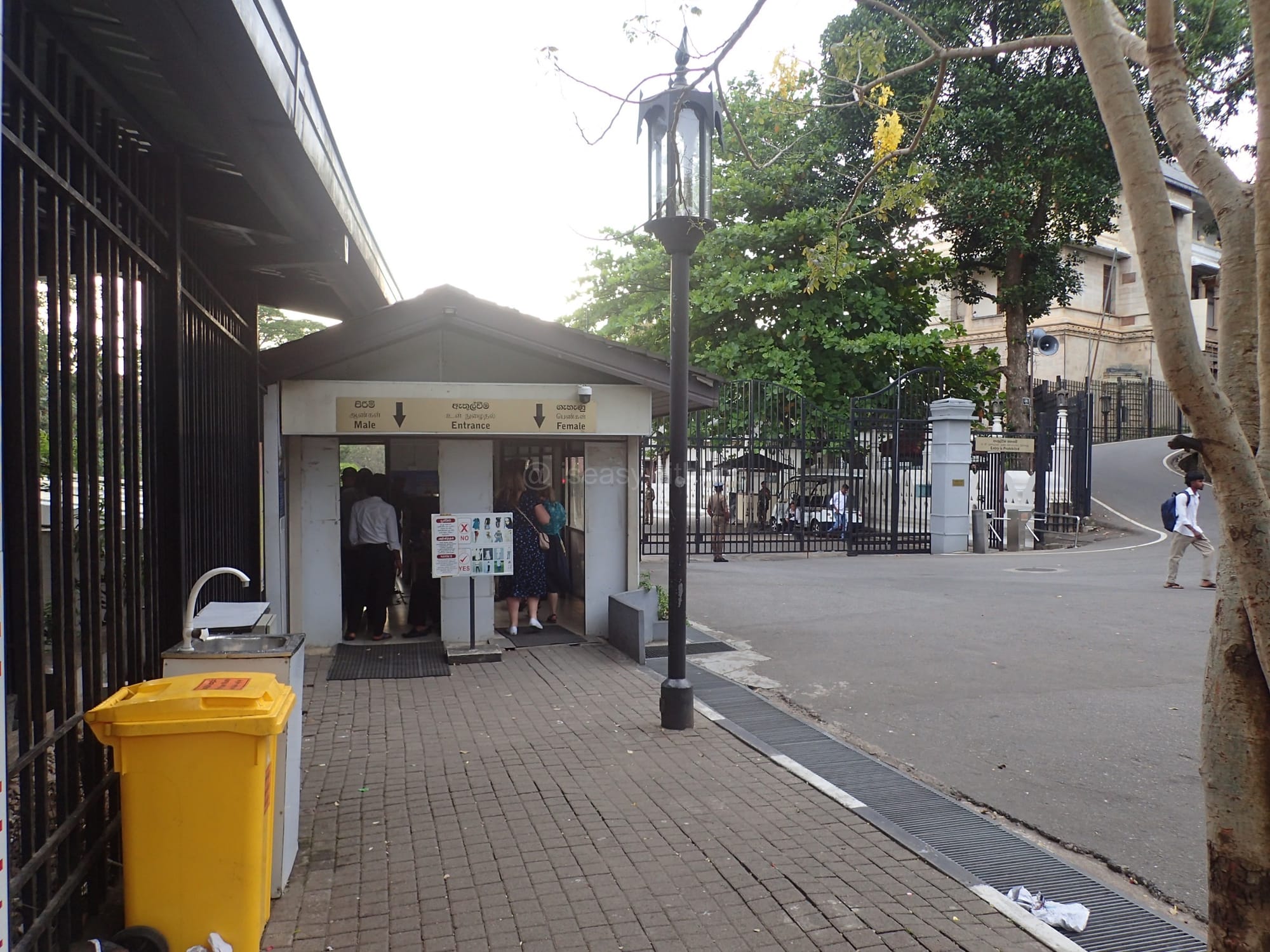
- Visit the washroom just outside the temple compoud before you enter as it may be inconvenient after you have deposited your shoes and put on your sarong.
- Dress modestly with shoulders and knees covered.
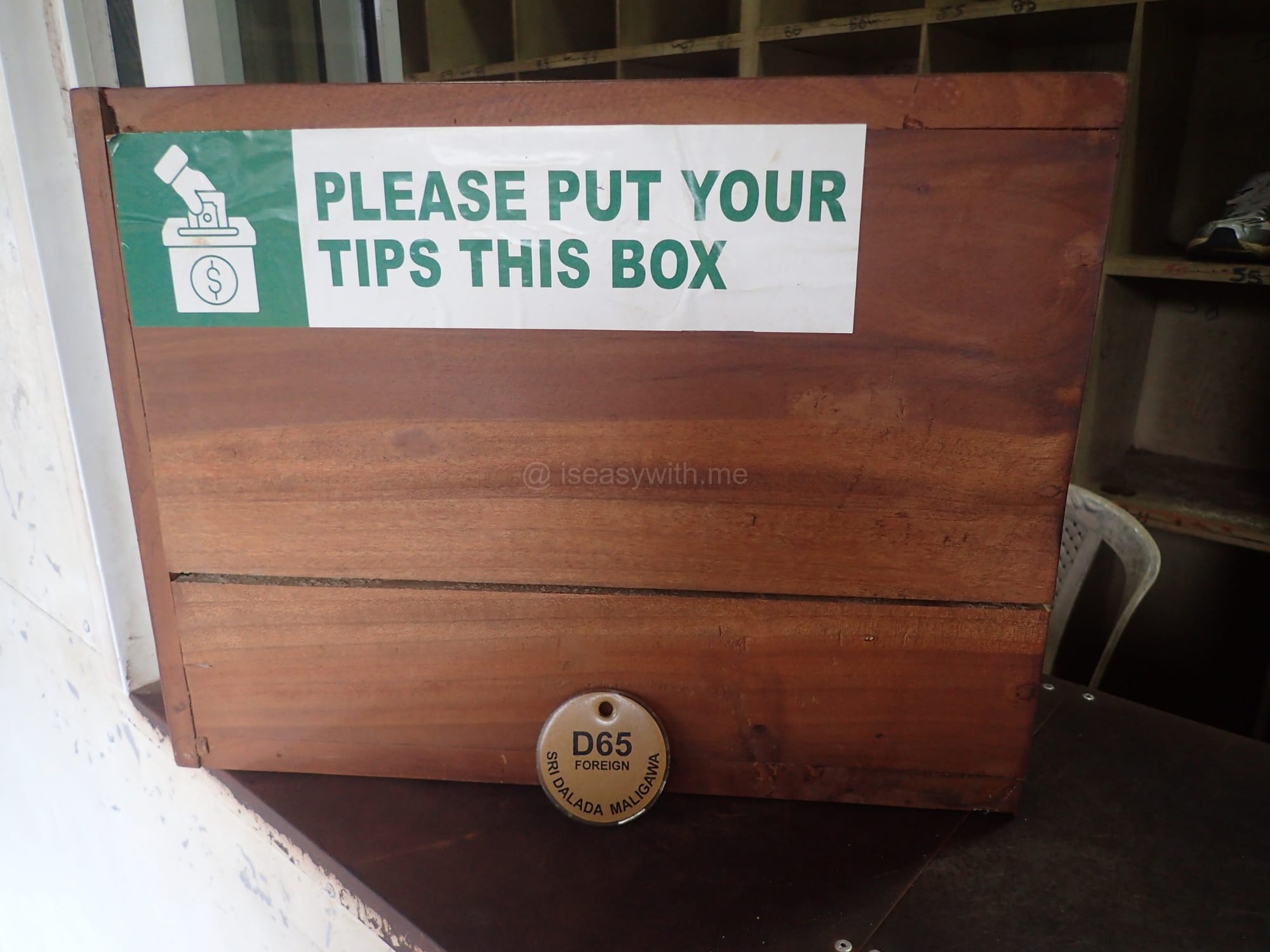
- You'll have to remove and deposit your shoes upon entering the compound.
- Arrive early if you want visit the World Buddhist Museum and Raja Tusker Hall before the puja and have a good viewing position for the drumming ceremony.
- The evening puja offers one of the most atmospheric cultural experiences in Sri Lanka.
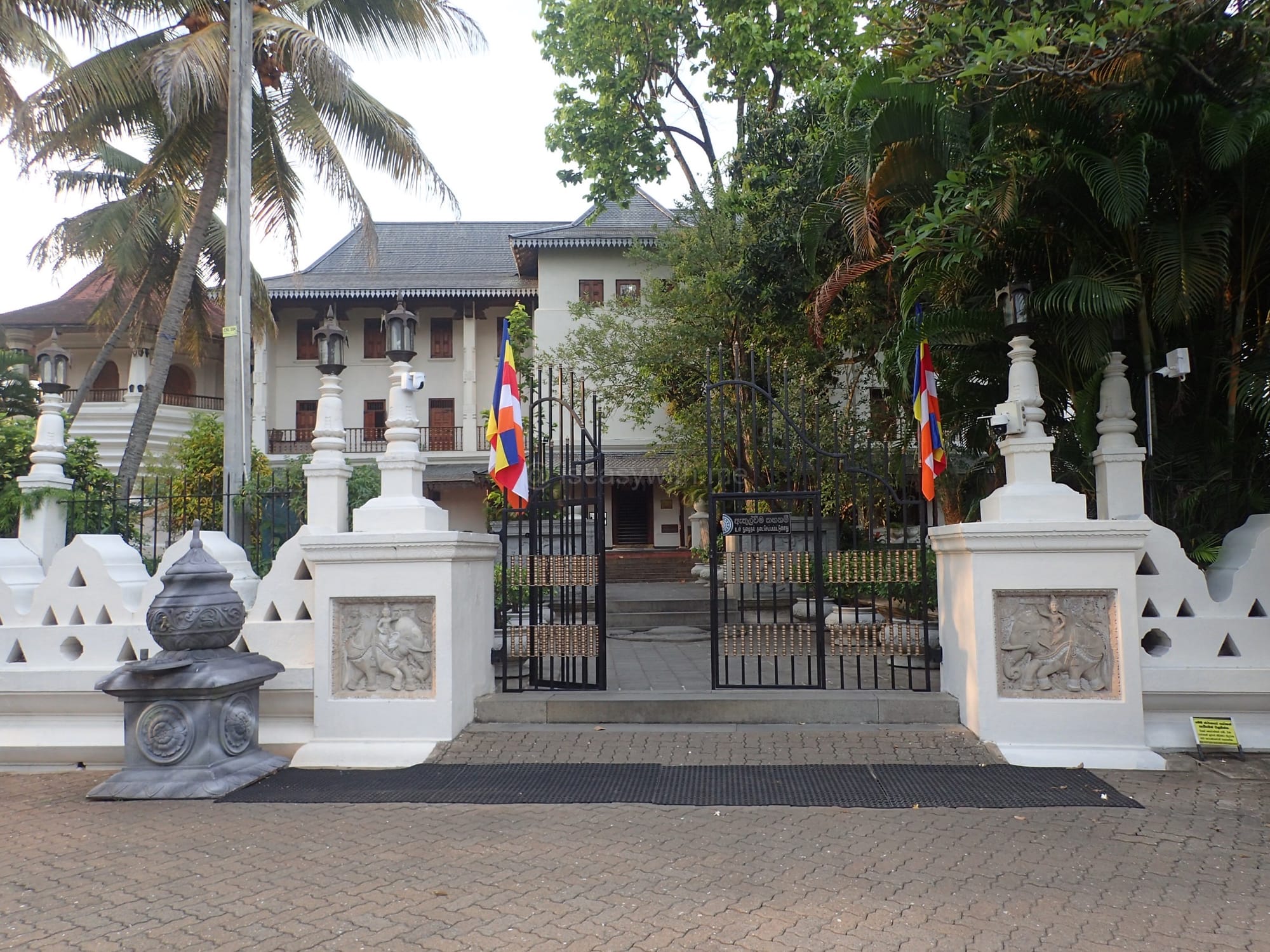
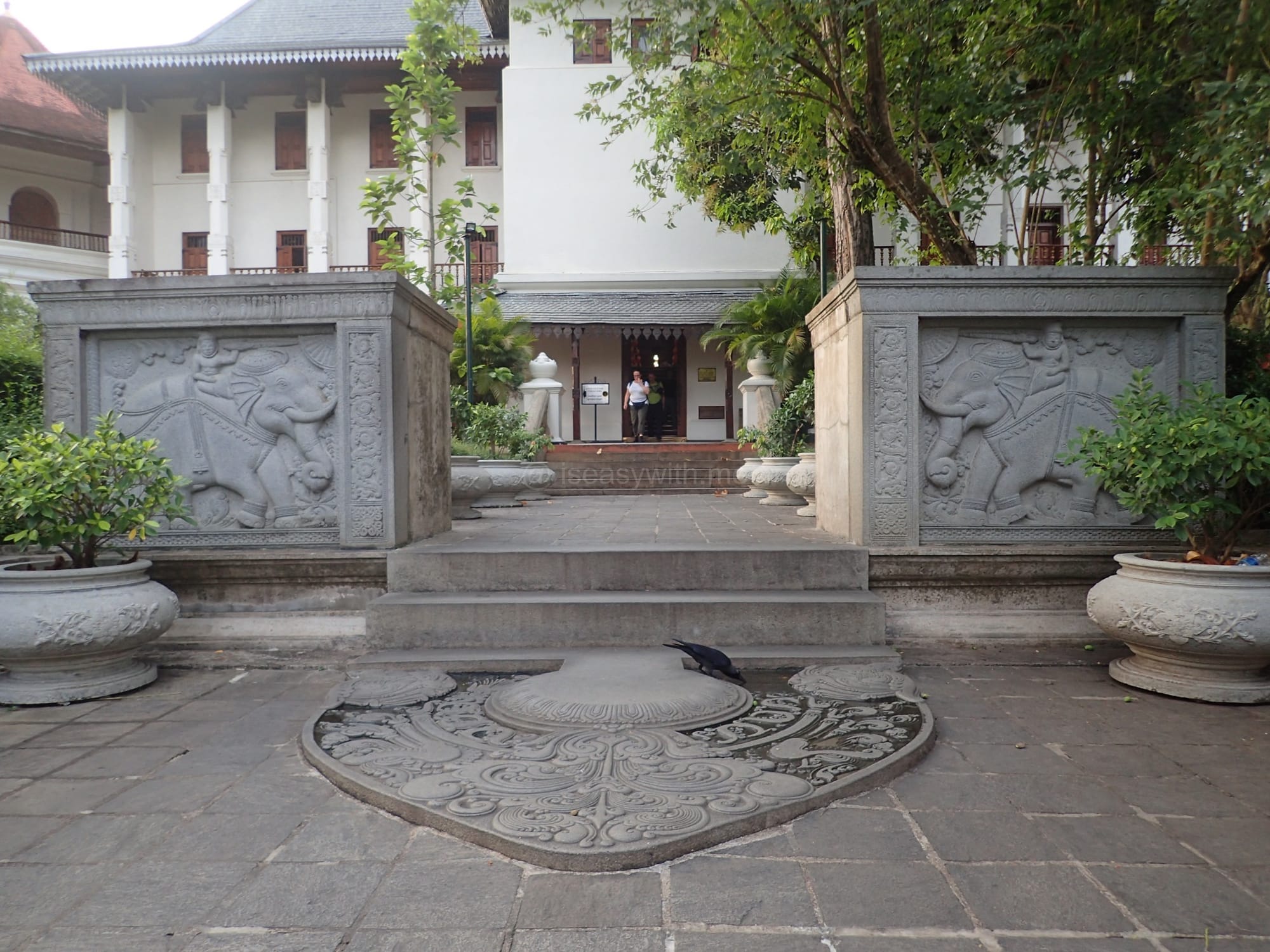
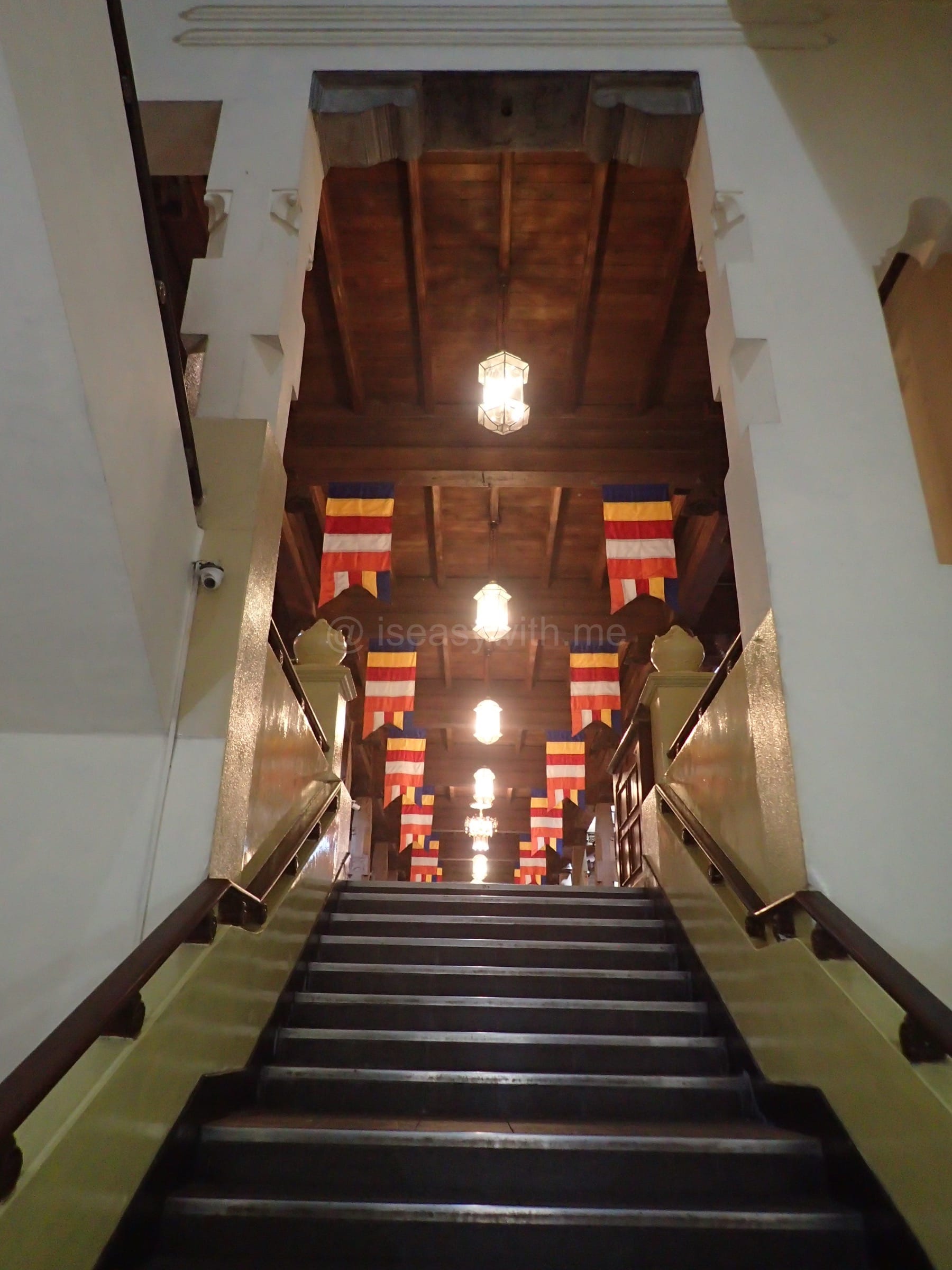
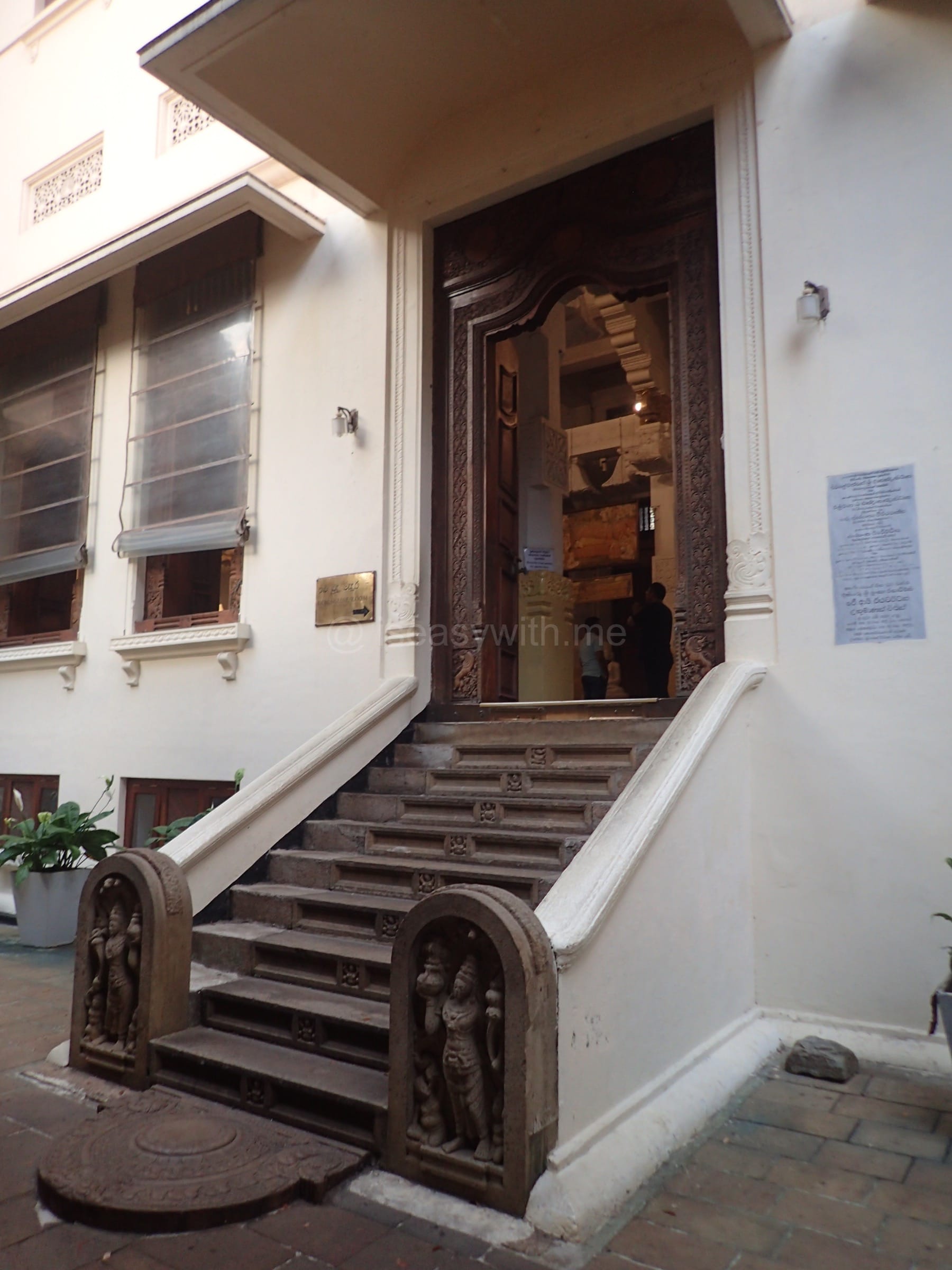
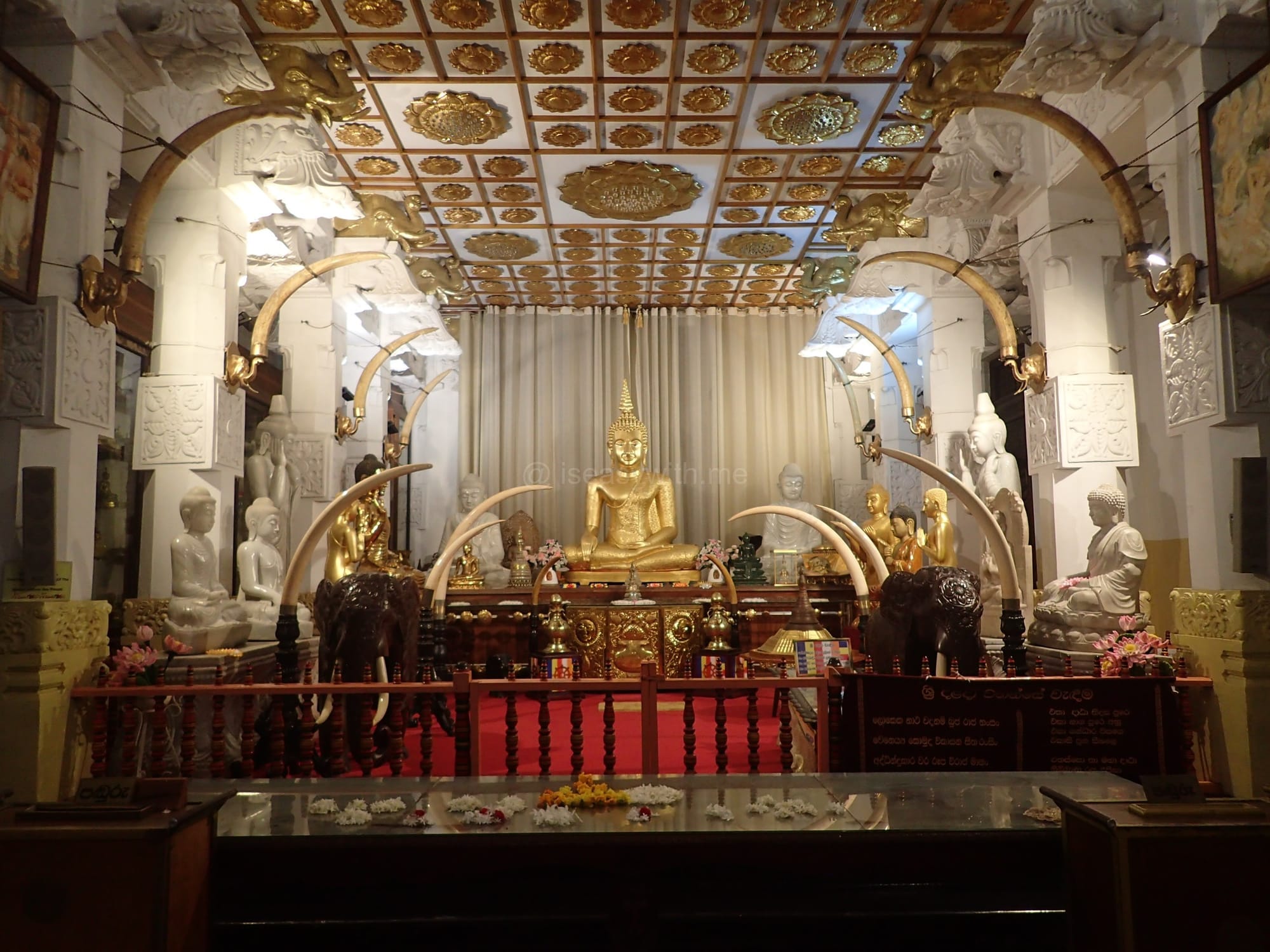
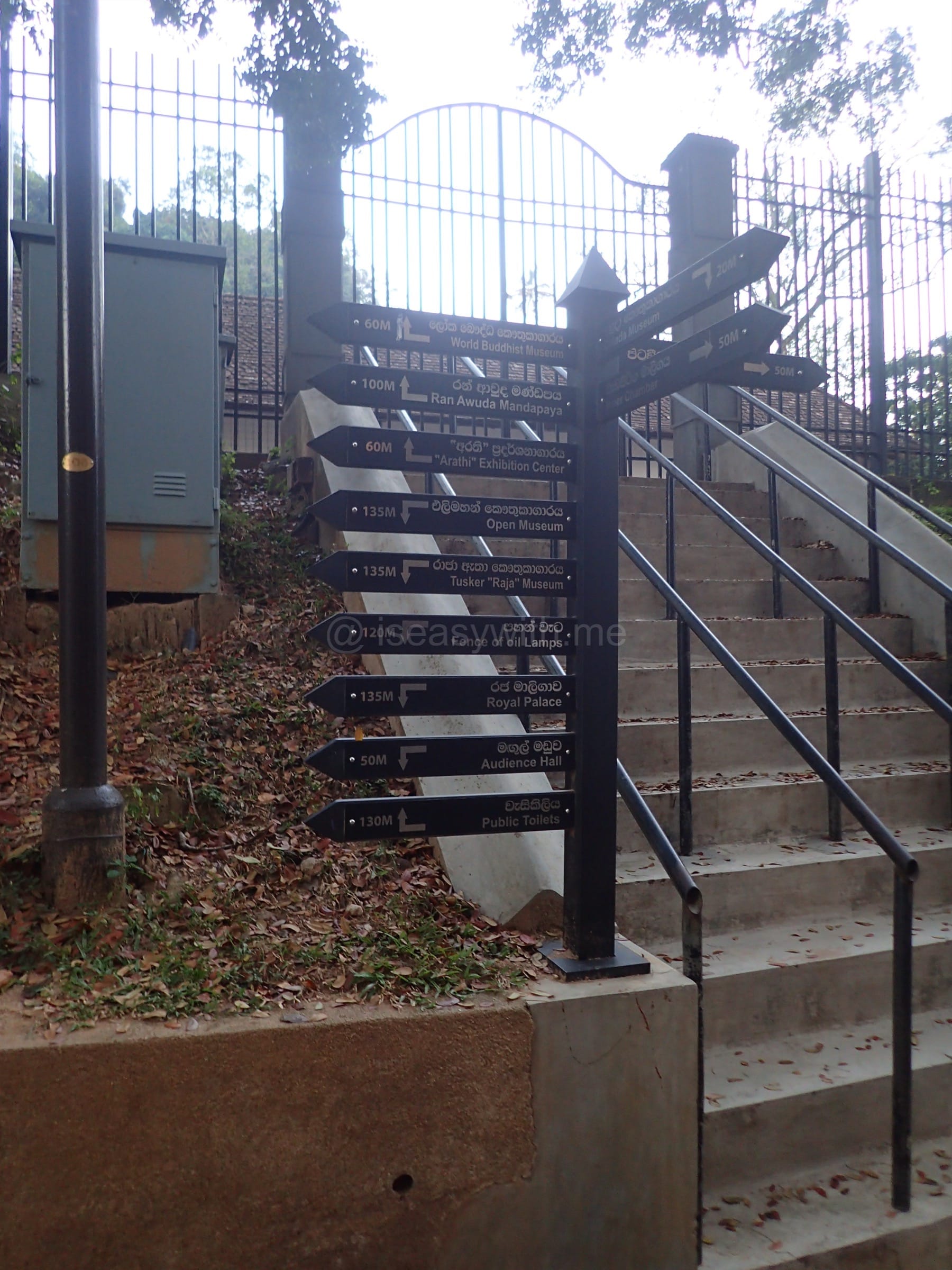
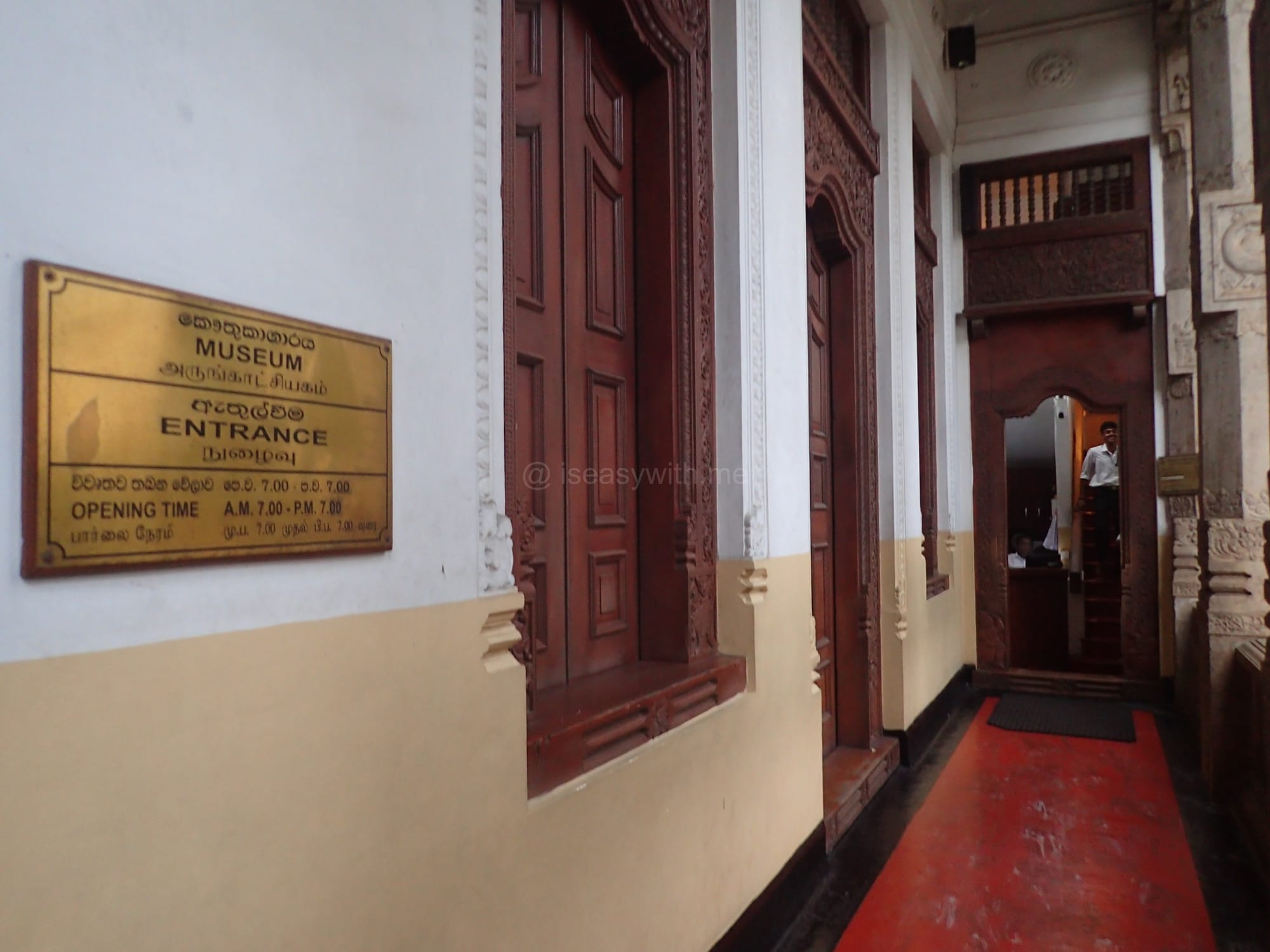
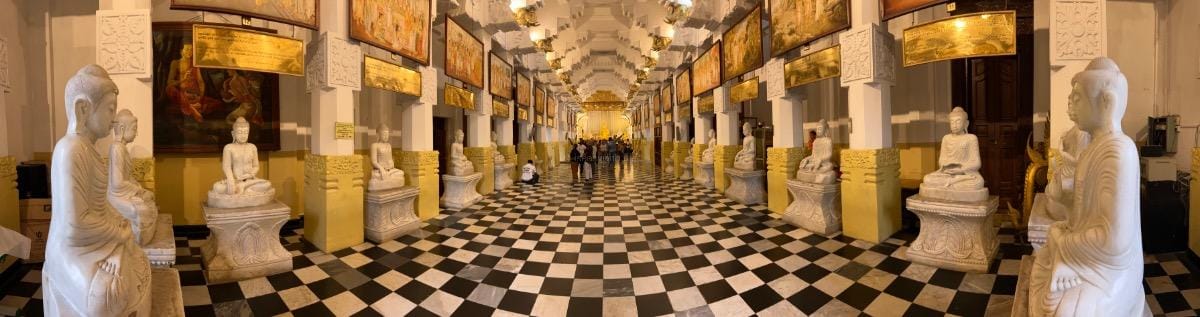
Within the same complex ground, there are two additional key highlights:
- World Buddhist Museum: This museum explores the spread of Buddhism across different countries and cultures. The exhibits showcase how traditions evolved throughout Asia, providing valuable context for understanding the religion's influence beyond Sri Lanka.
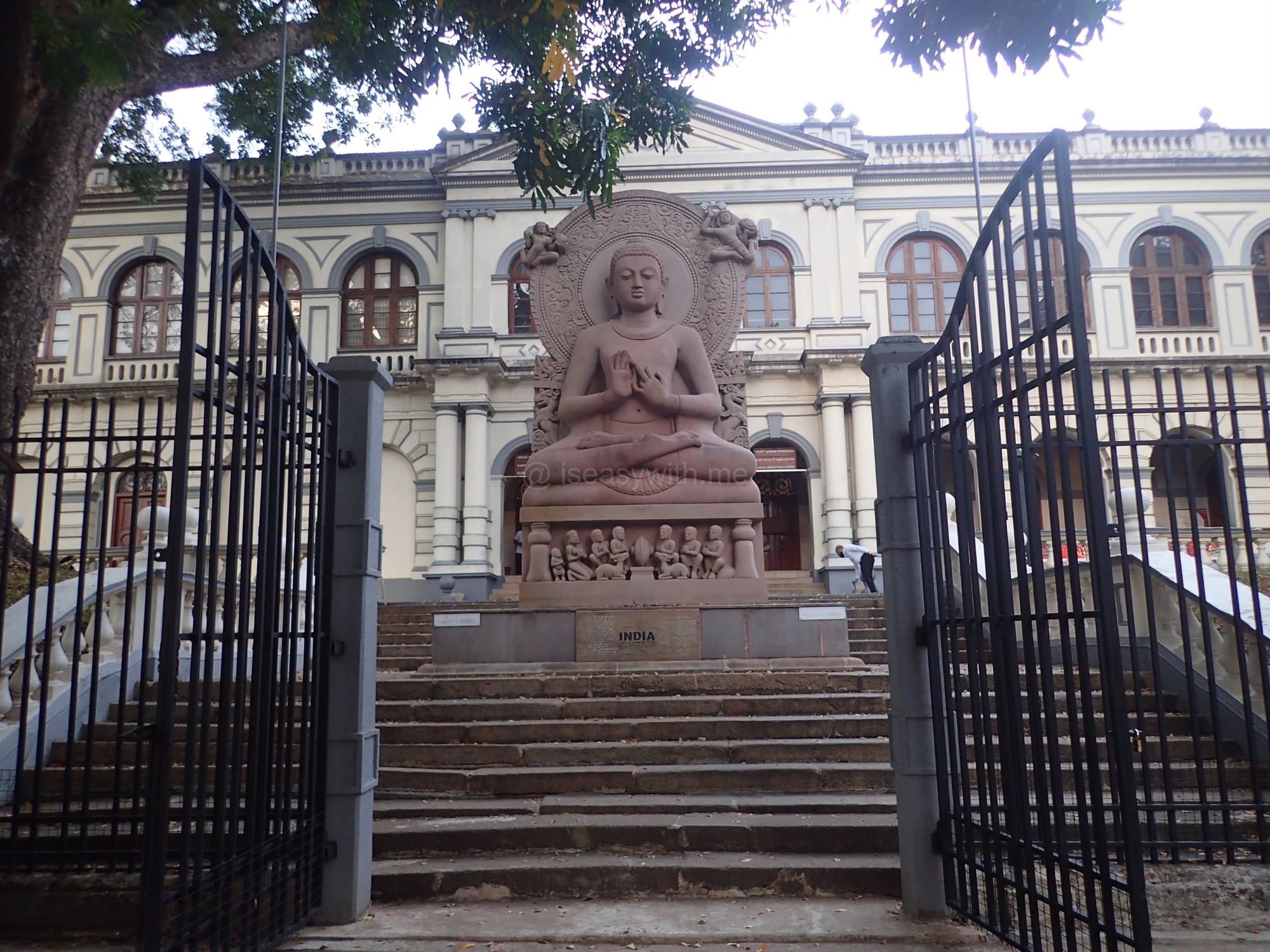
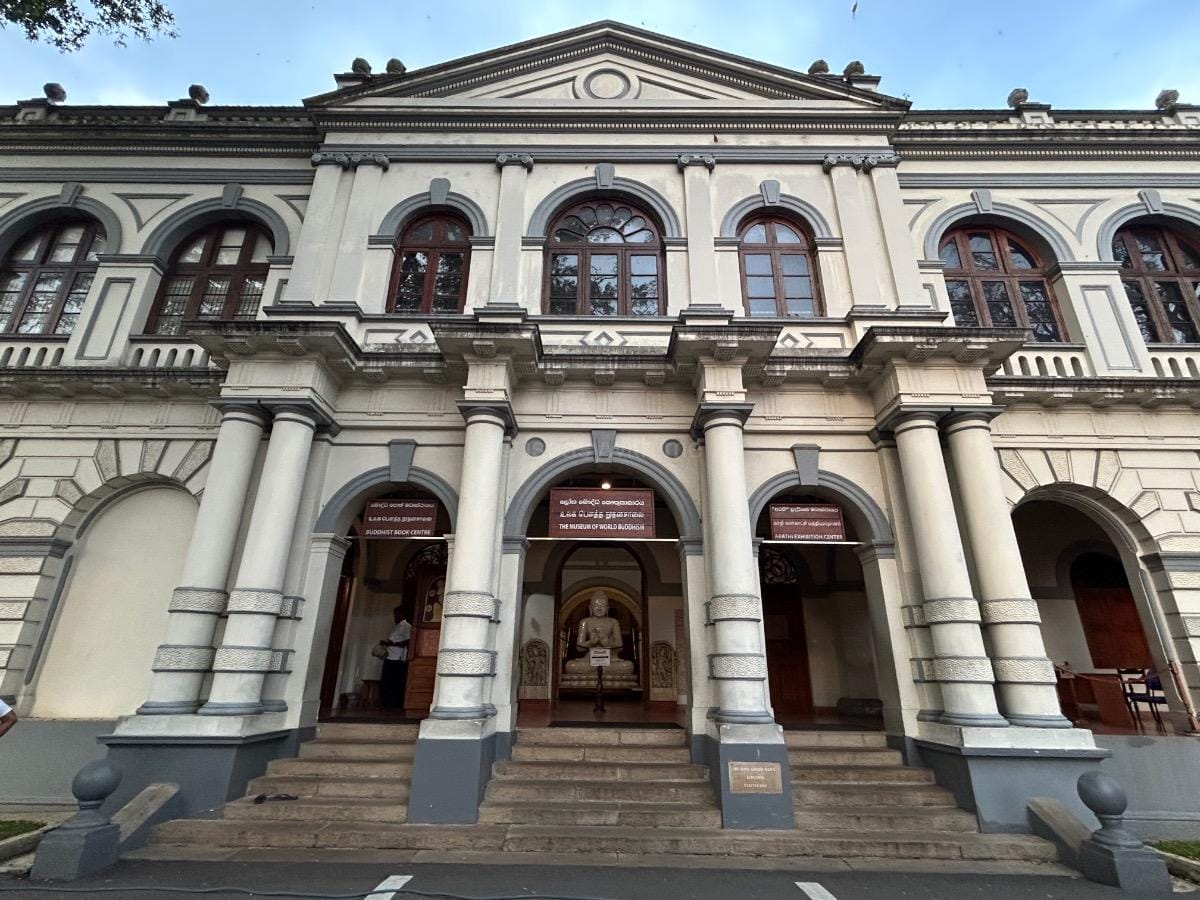
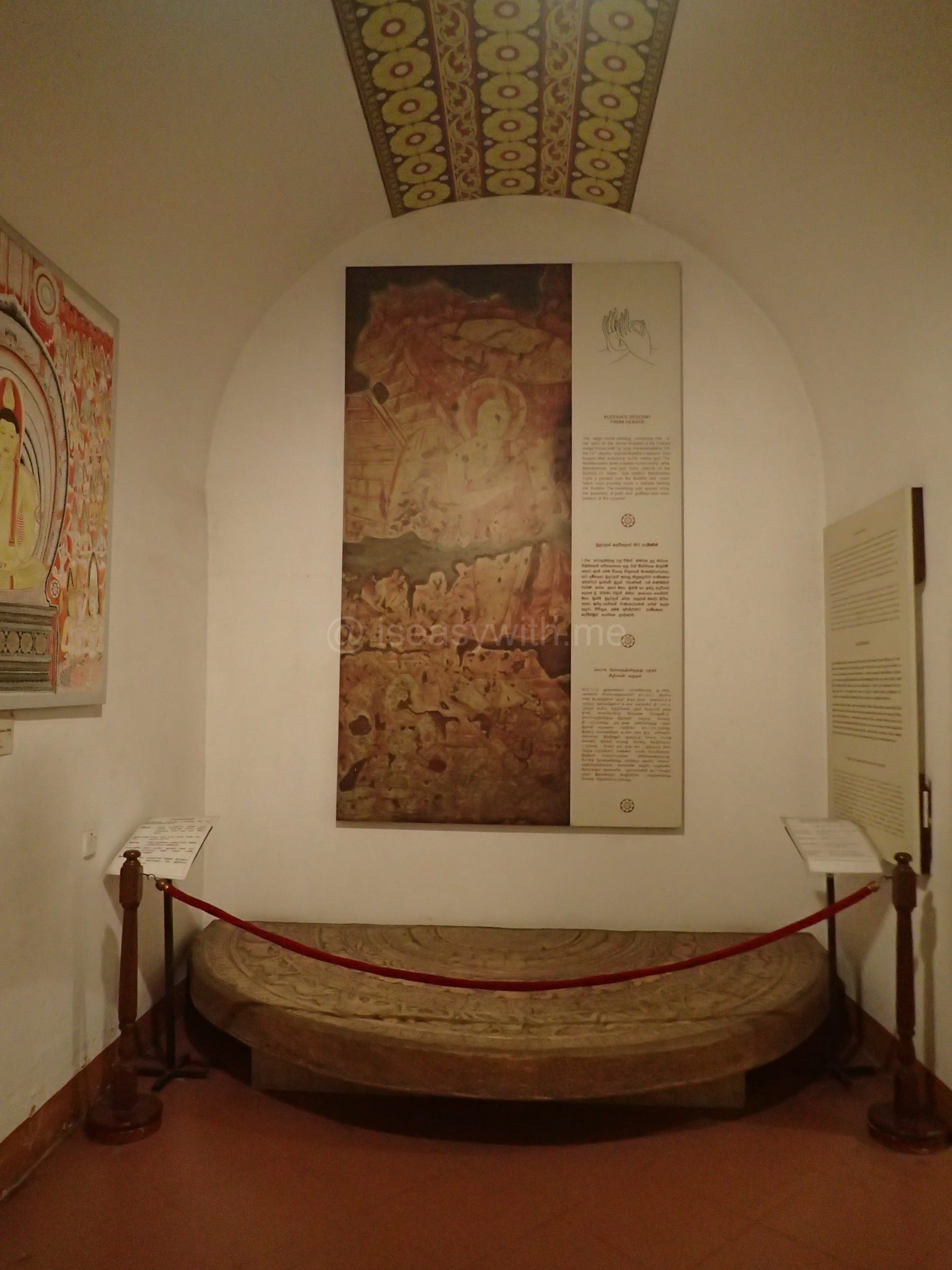
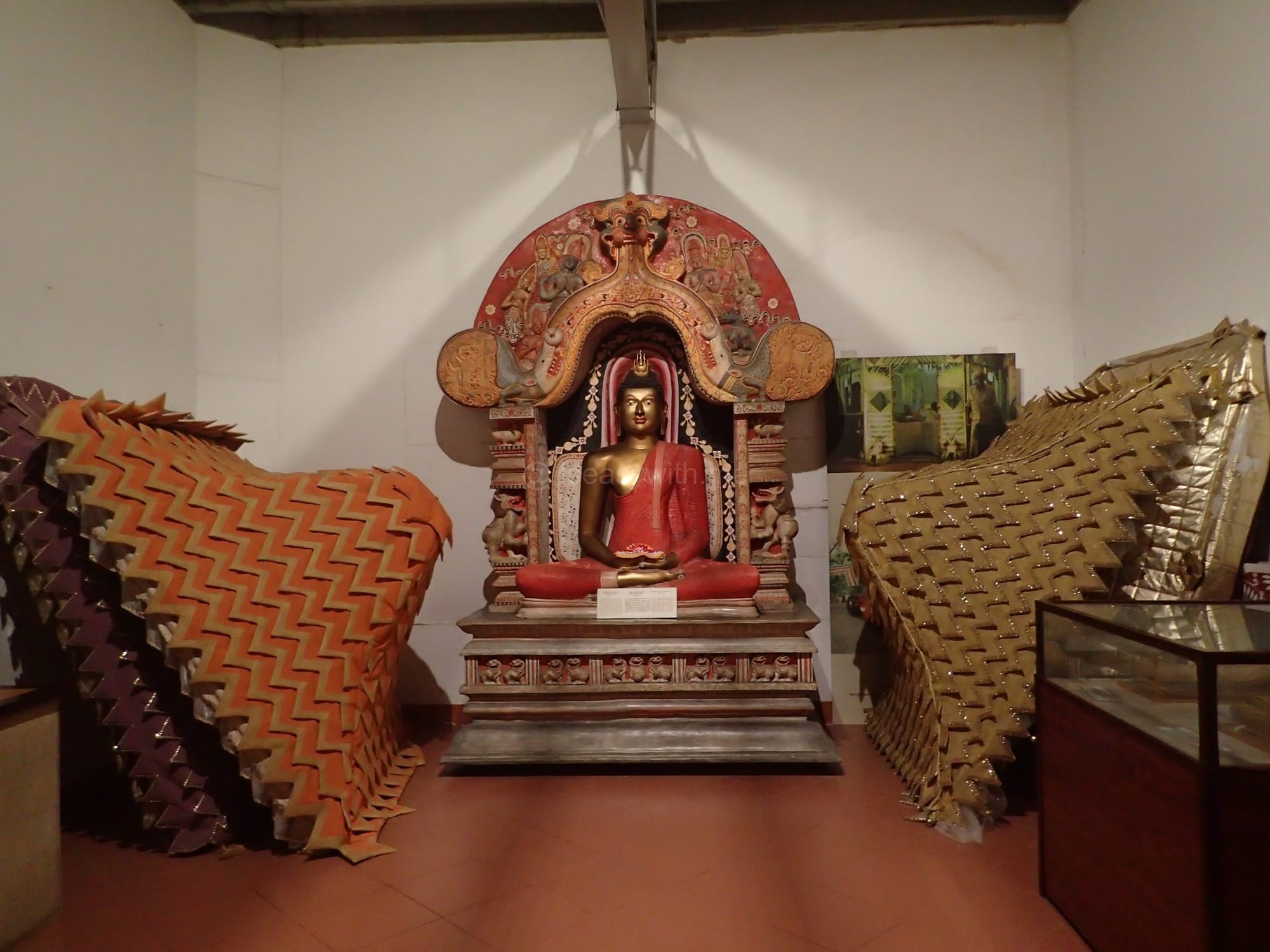
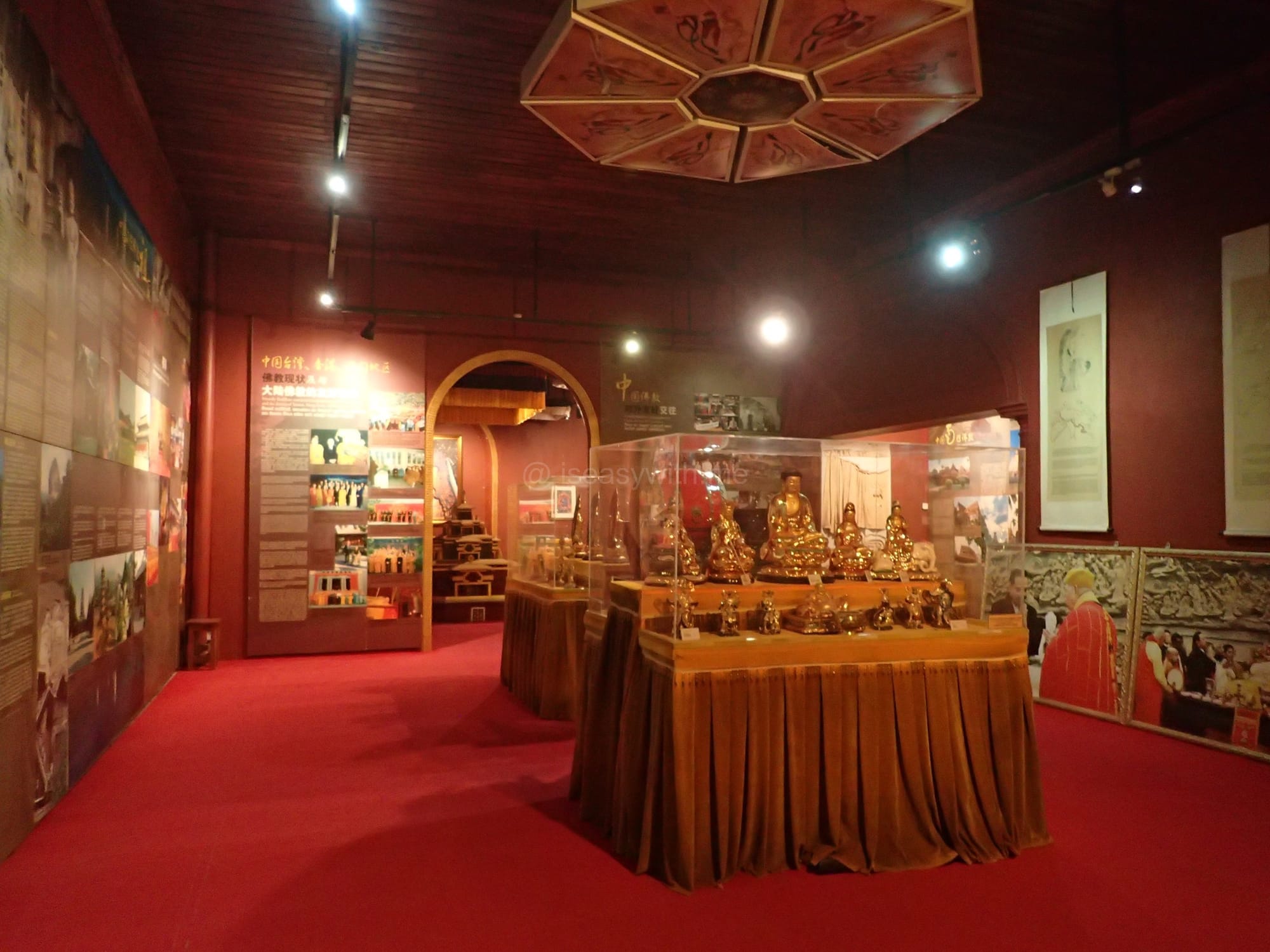
World Buddhist Museum
- Raja Tusker Hall: This small but fascinating museum honours Raja, one of Sri Lanka's most revered temple elephants. For decades, Raja played an important role in religious ceremonies associated with the Temple of the Tooth Relic. Today, the hall preserves his memory and highlights the cultural significance of elephants in Sri Lankan society.
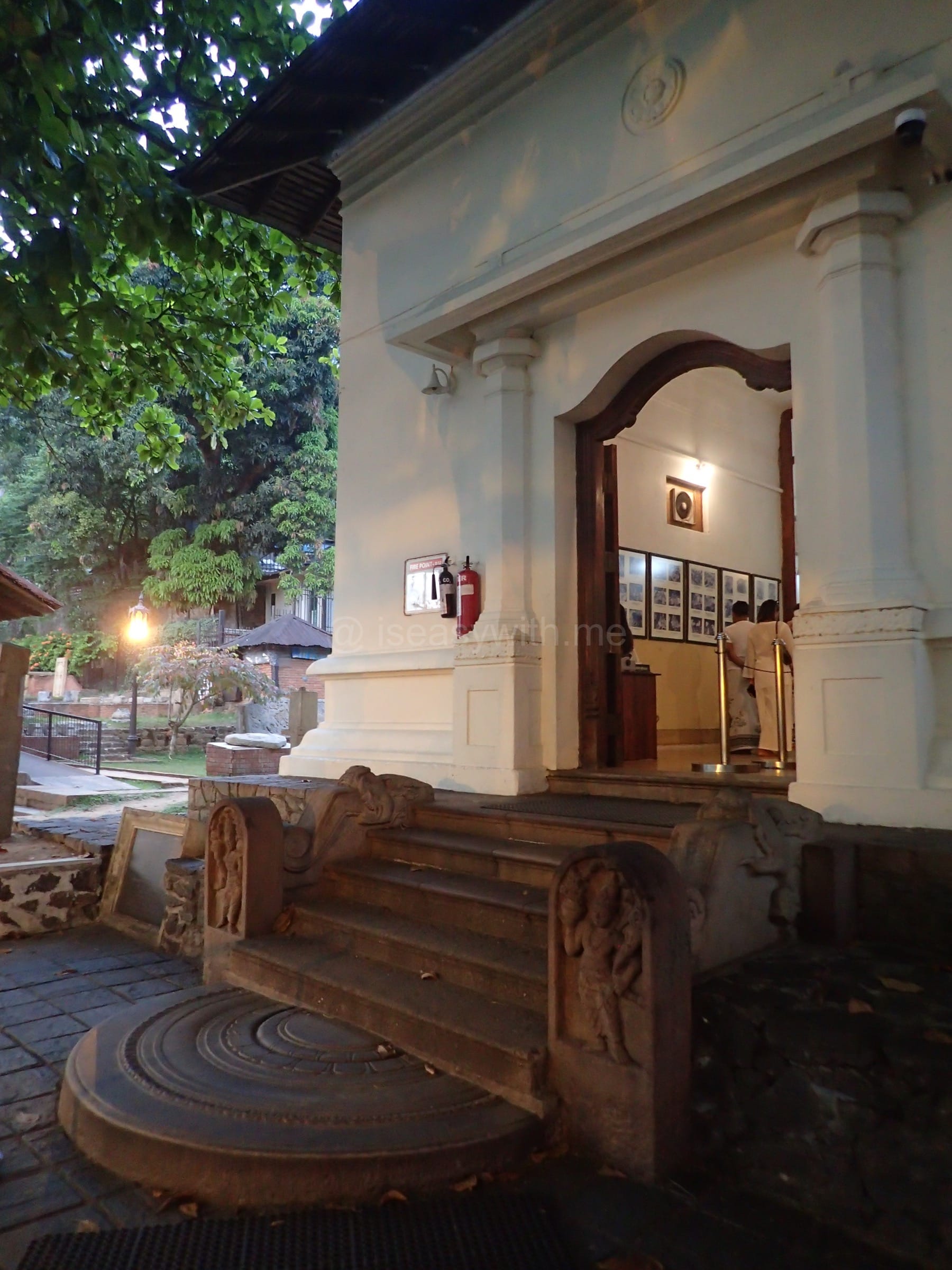
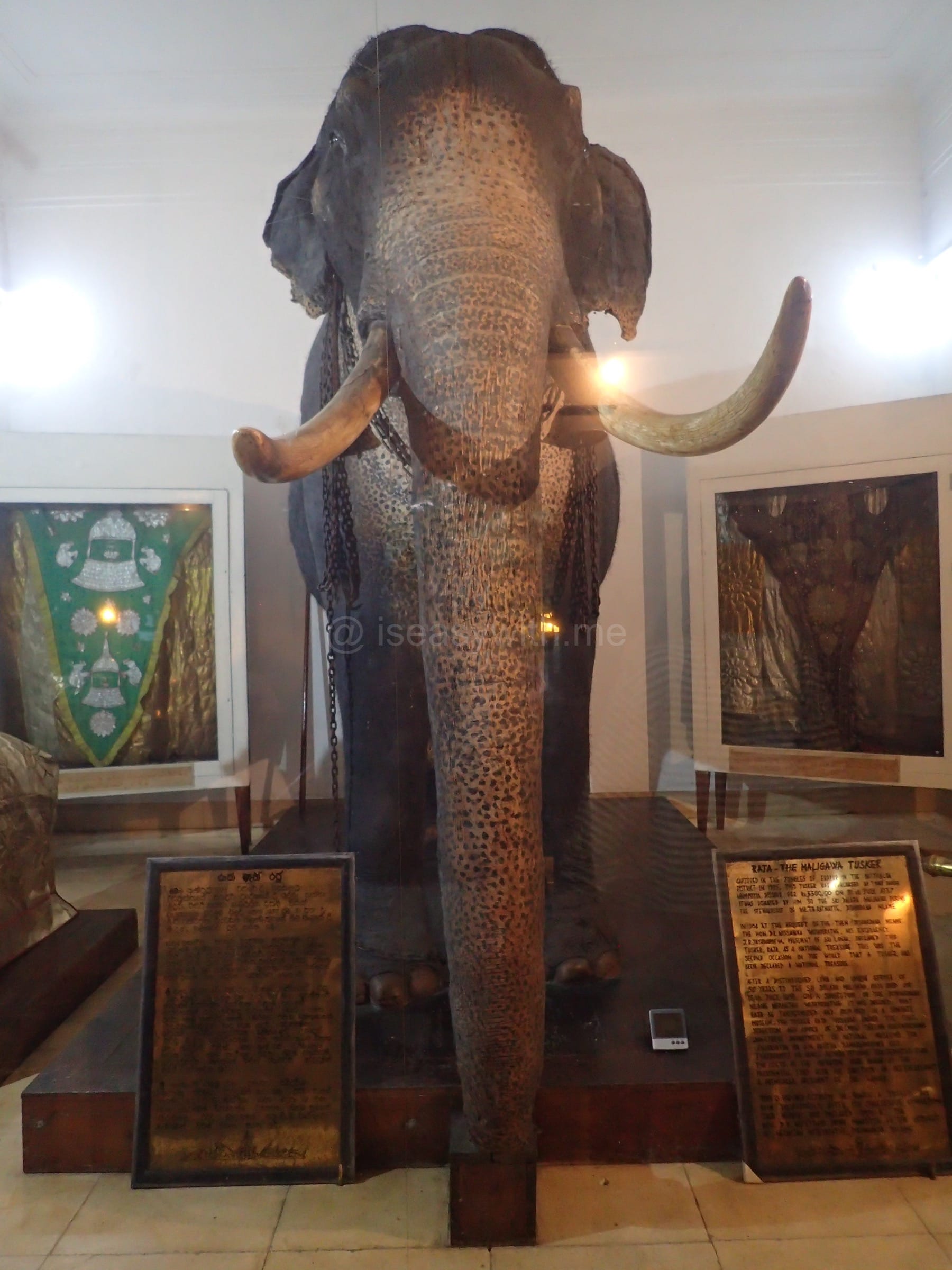
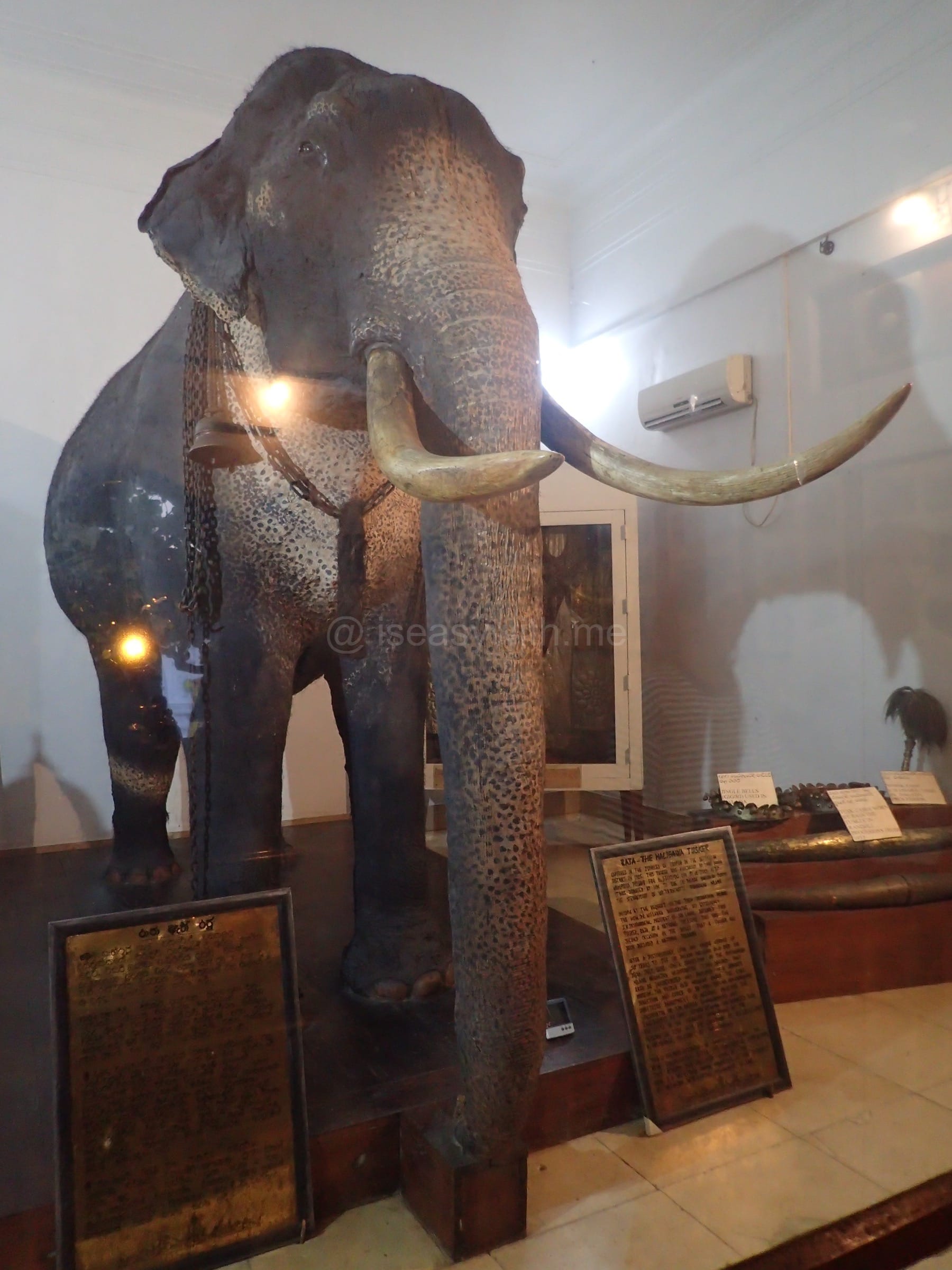
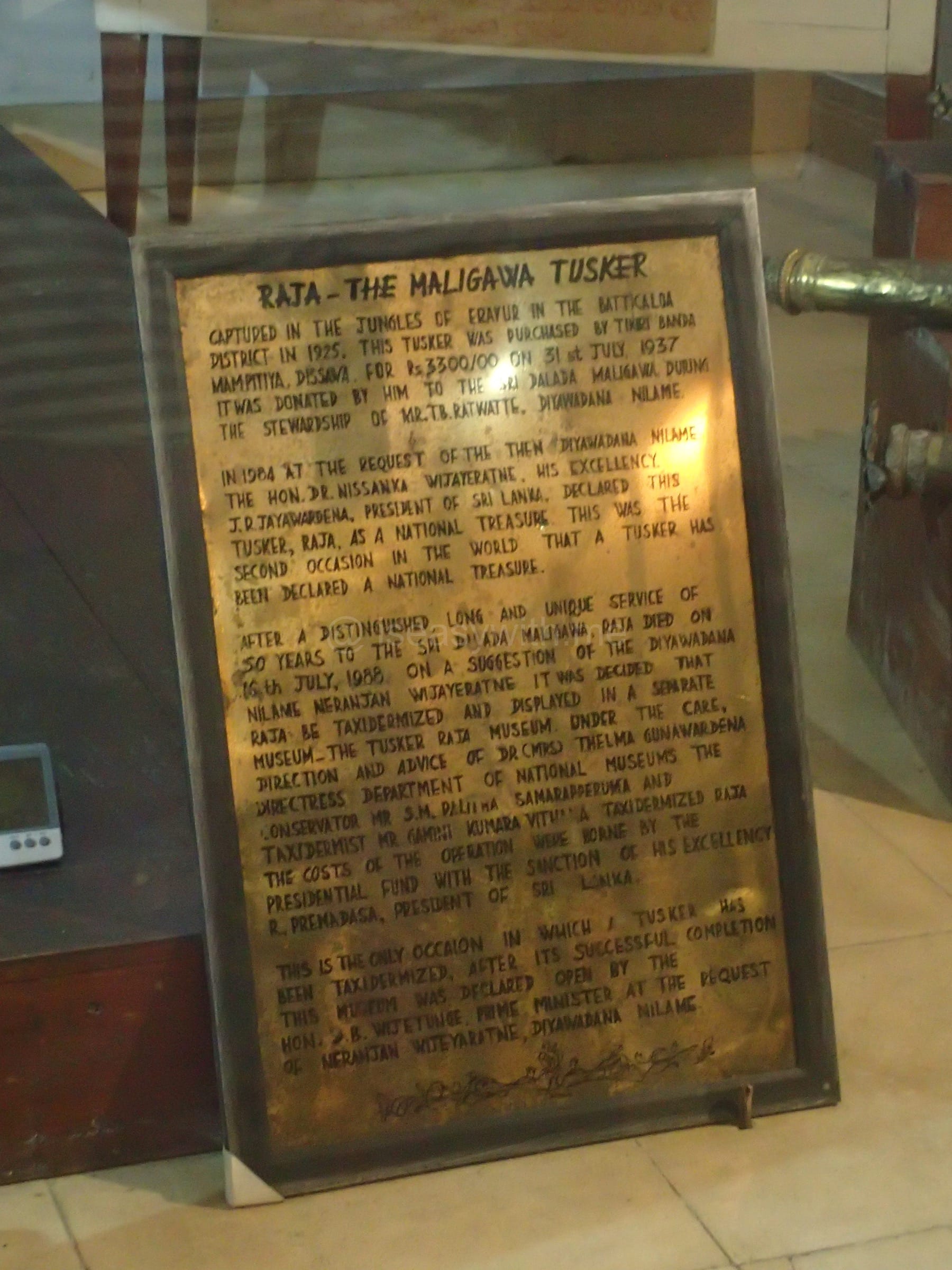
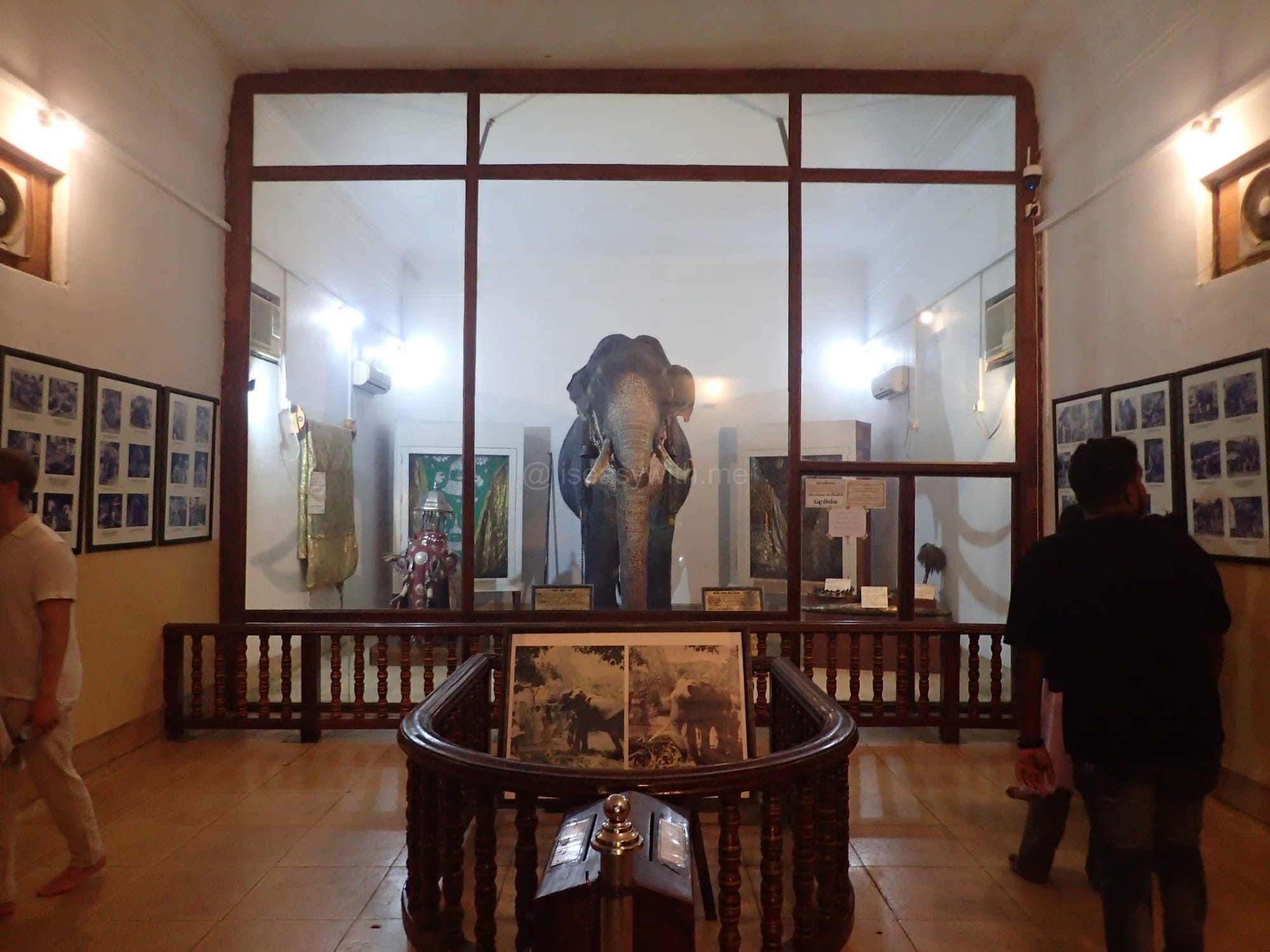
Raja Tusker Hall
Suggested Evening Puja Experience Timeline
- 18:00 – Enter Main Hall: Arrive at the Hewisi Mandapaya on the ground floor. The hall should be still relatively quiet. Find a good viewing position near the central pillars. Stand right in front for the best view.
- 18:15 – The Procession Begins: Monks and temple officials begin moving through the temple as preparations for the evening ceremony unfold.
- 18:30 – The Drumming Starts: The atmosphere changes dramatically as traditional drummers perform powerful rhythmic sequences that echo throughout the complex. The drumming continues throughout the night.
- 18:40 – Move to the Upper Floor: Join the flow of worshippers heading upstairs towards the relic chamber queue.
- 18:50 – The Silver Door Opens: The queue slowly advances as the doors leading towards the relic chamber are opened.
- 19:00 – Casket Viewing: The highlight of the experience. Visitors pass by the doorway and catch a glimpse of the magnificent golden casket that houses the sacred relic.
- 19:15 – Flower Offerings: After viewing the casket, visitors can place flower offerings on the nearby altars as an act of devotion.
- 19:30 – Exit & Collection: Collected my shoes and made my way back into the city as the evening ceremony concludes.
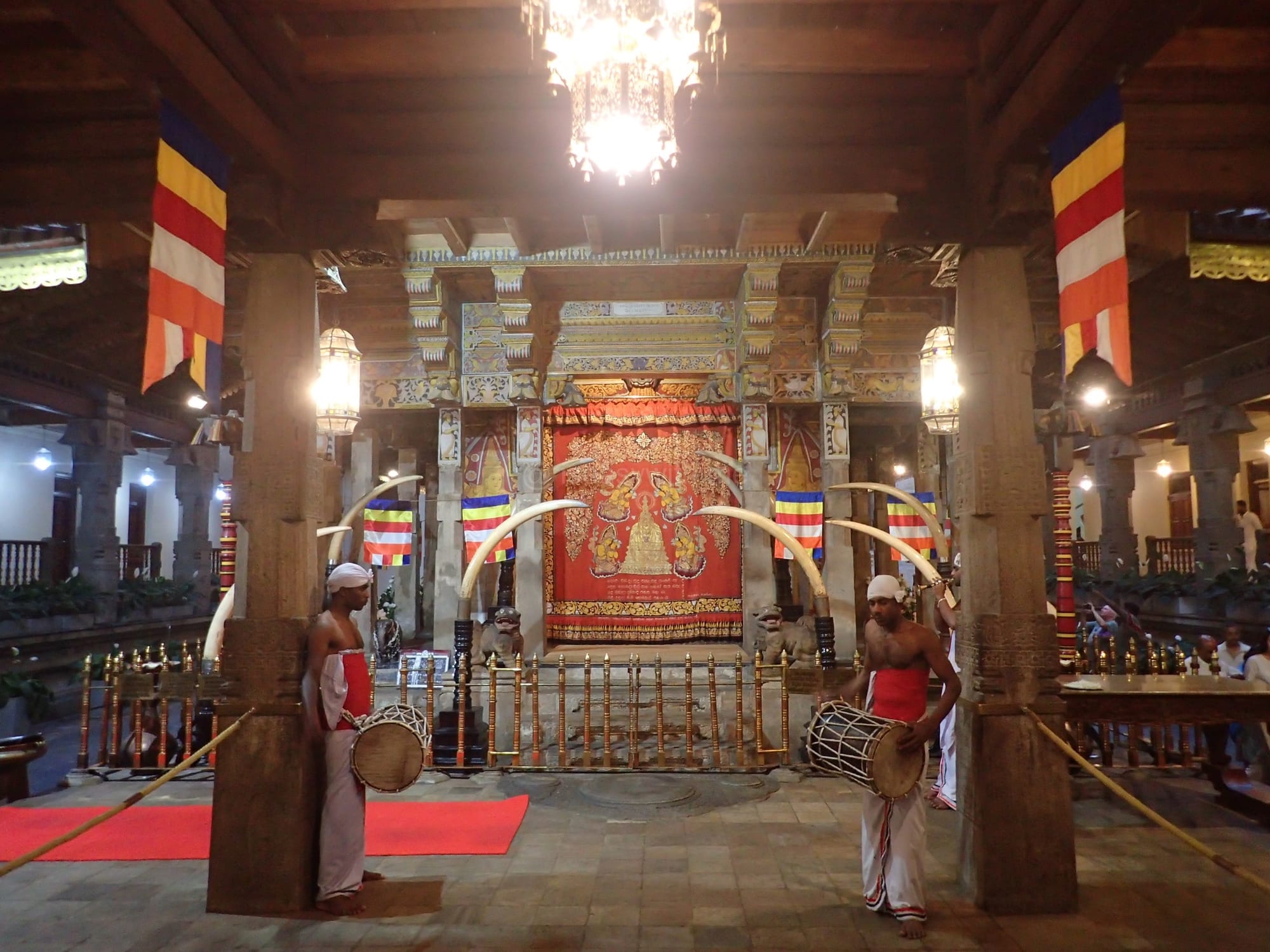
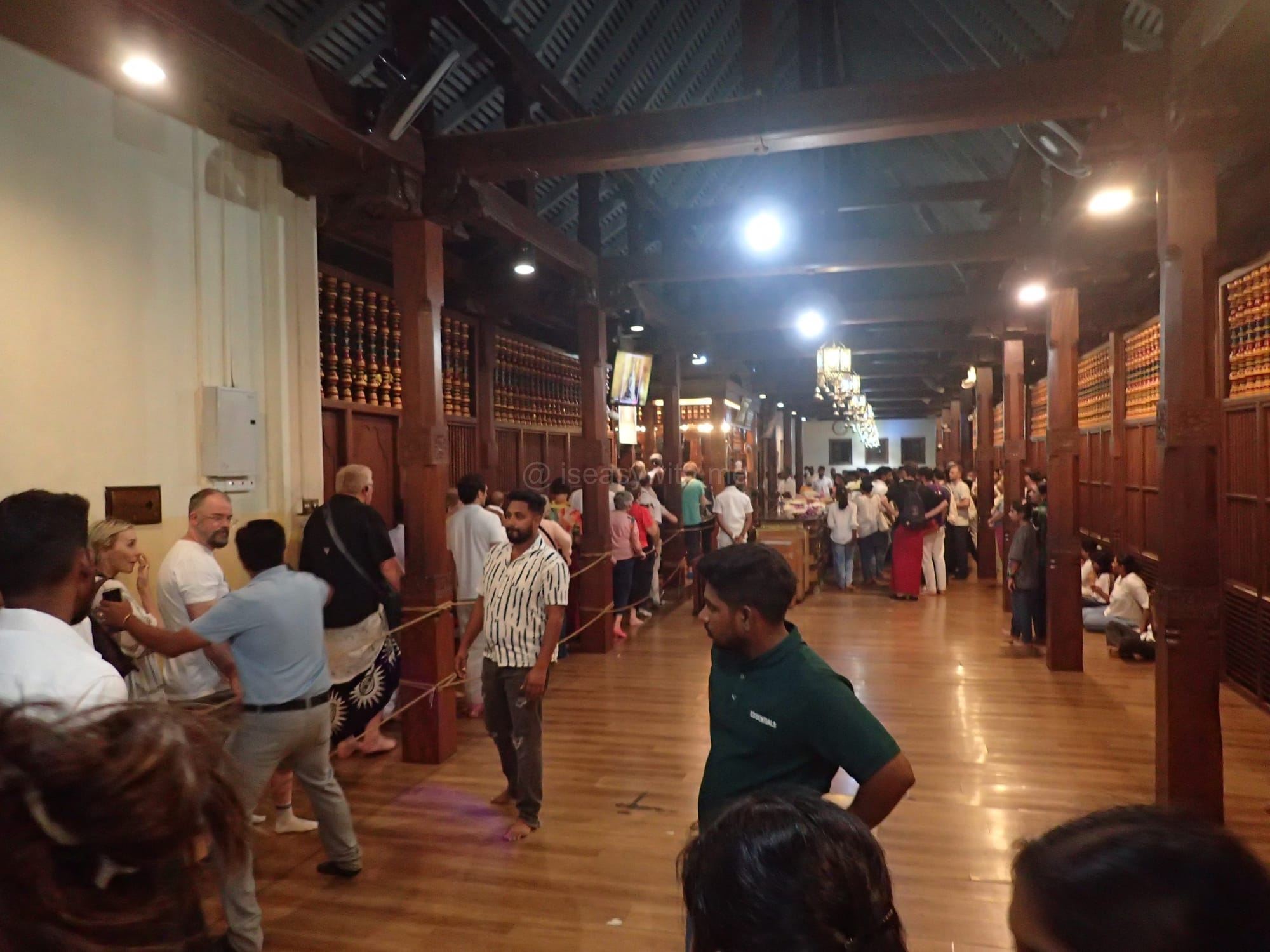
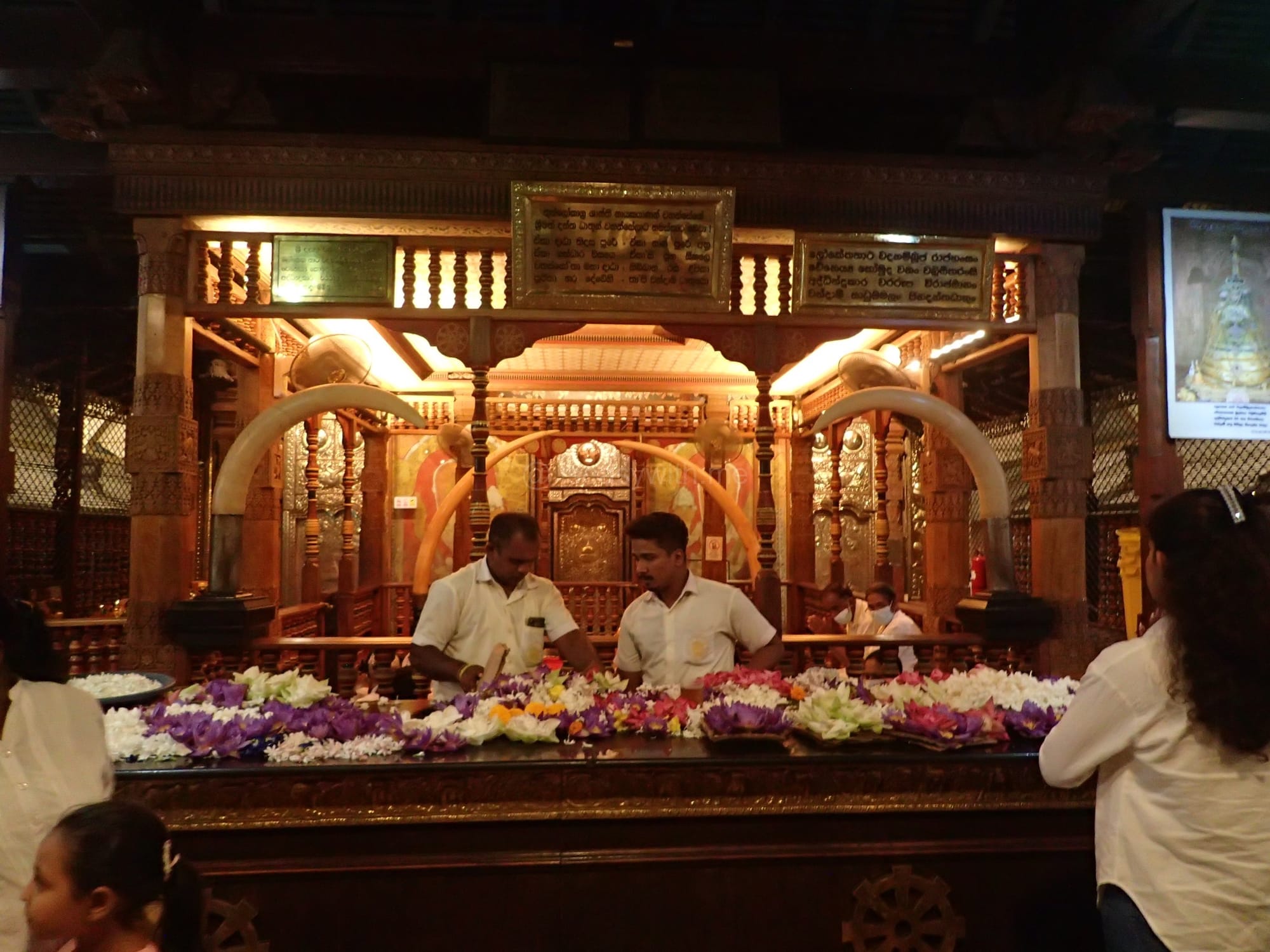
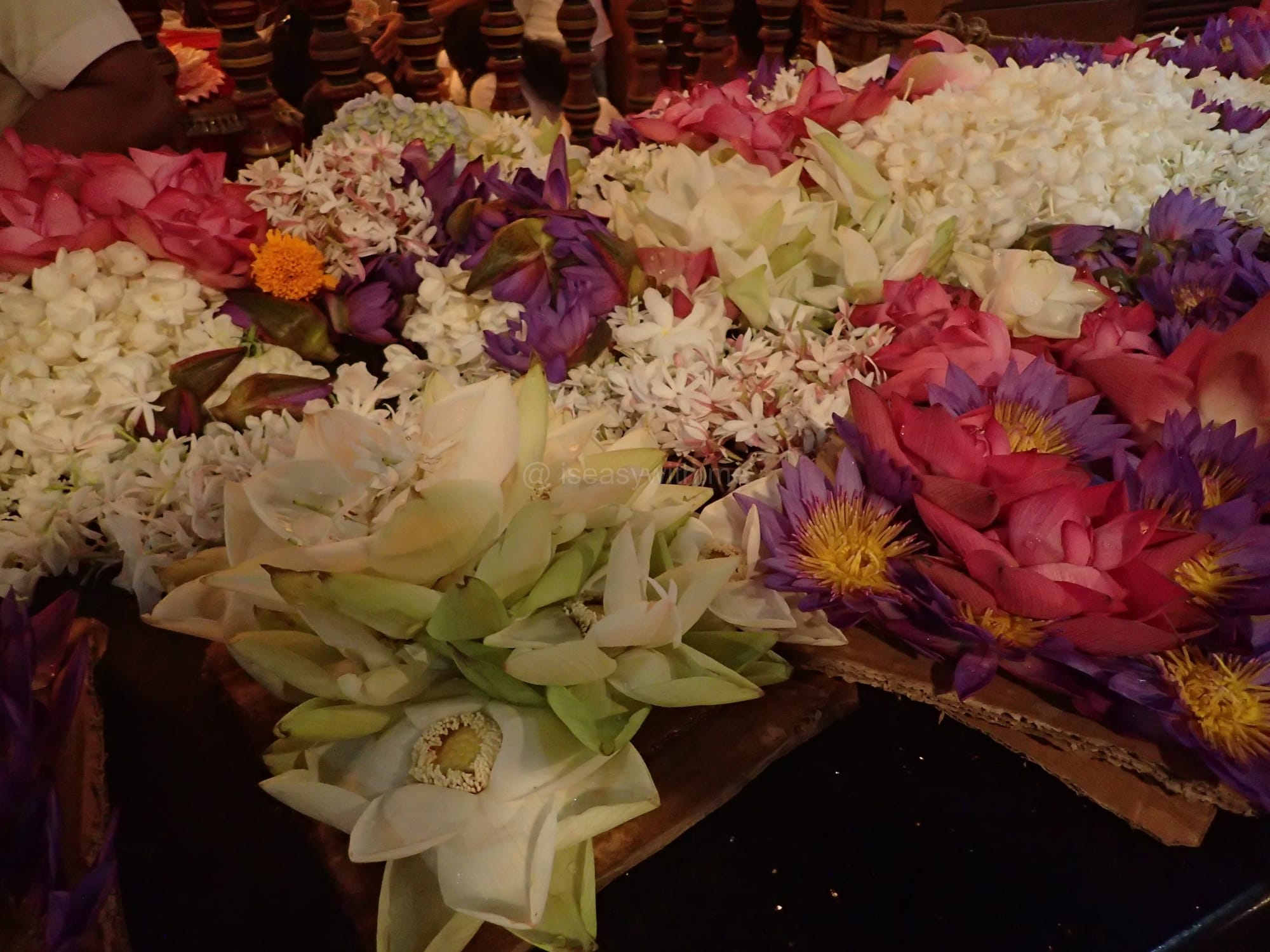
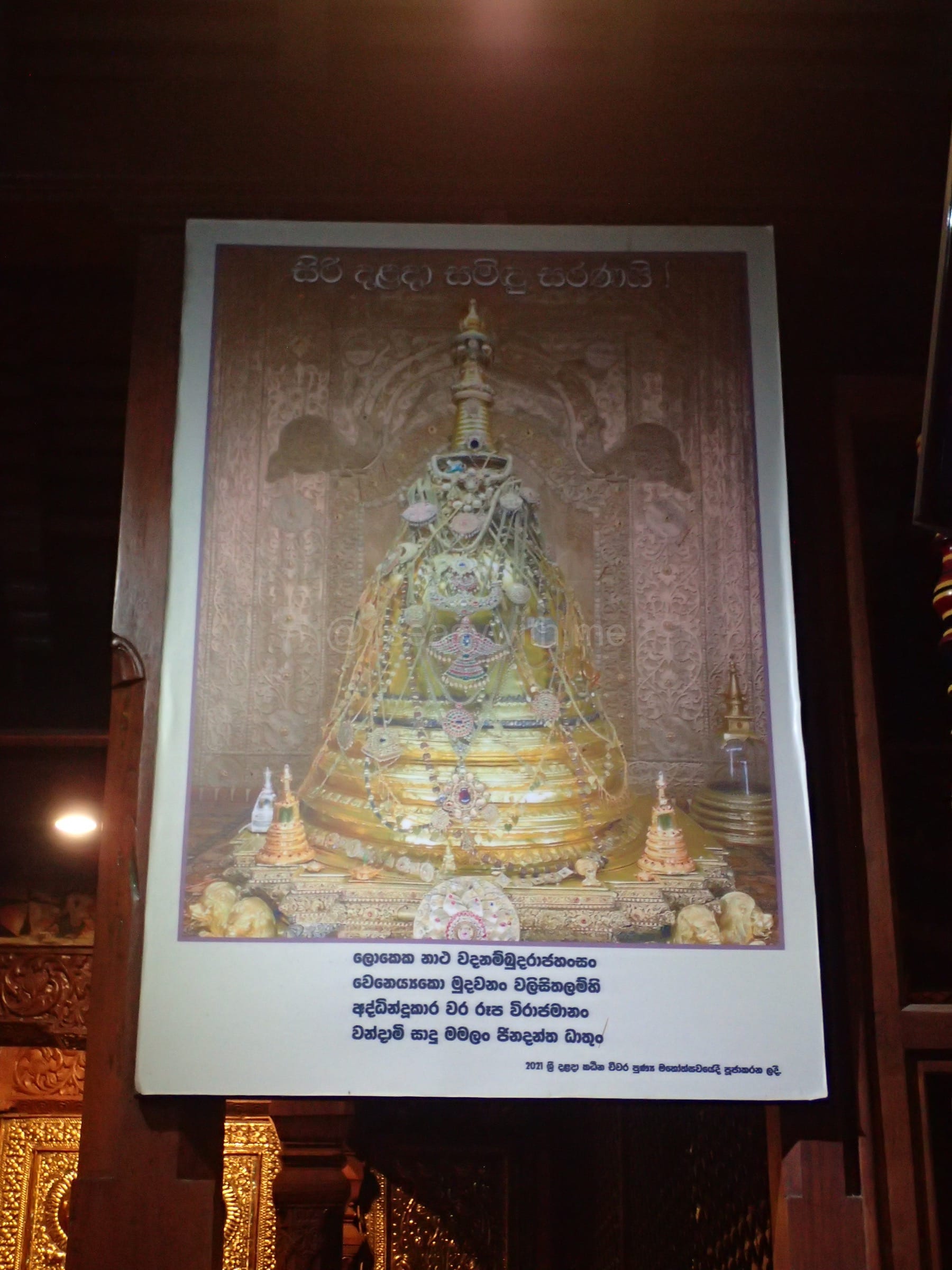
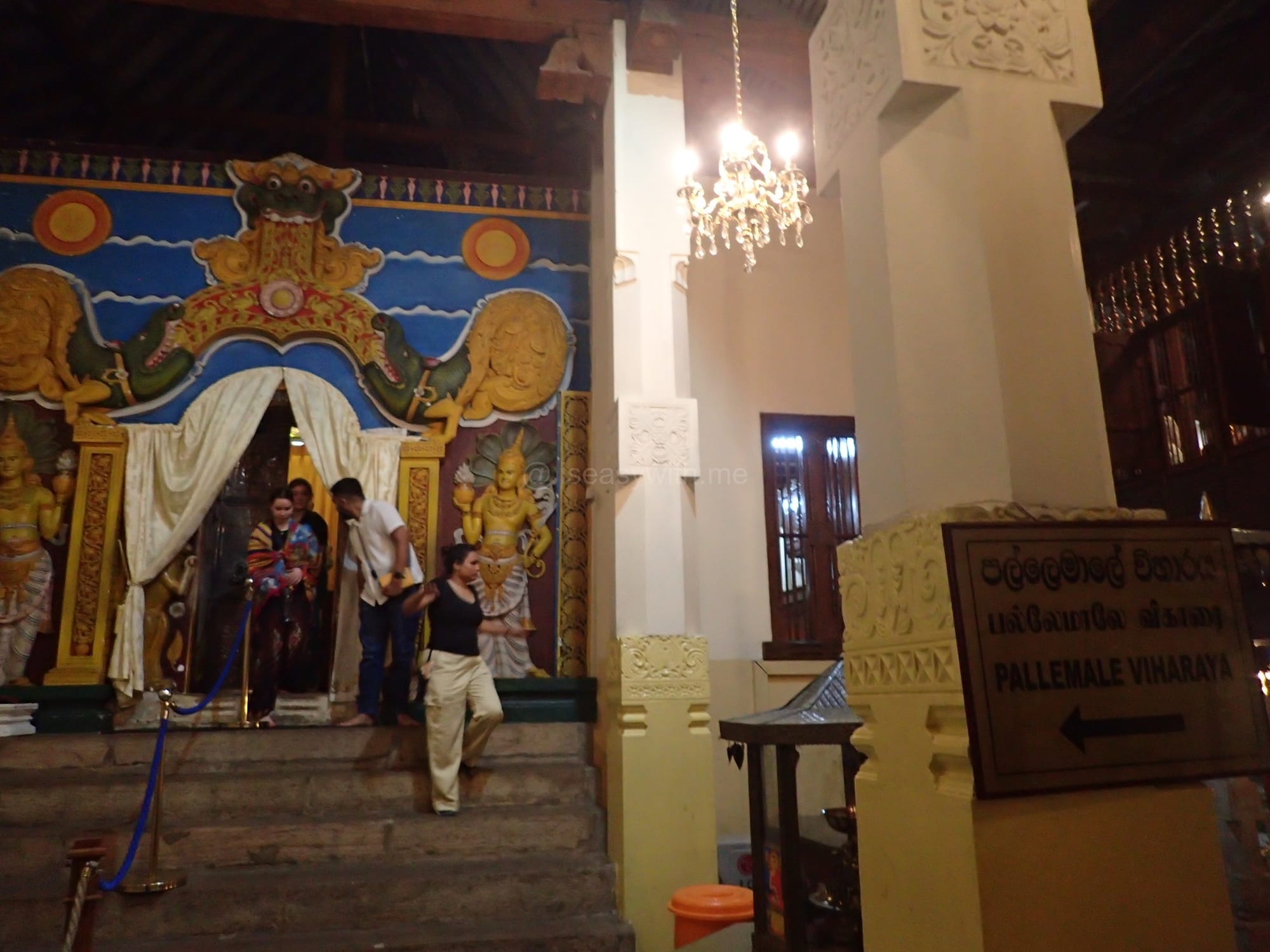
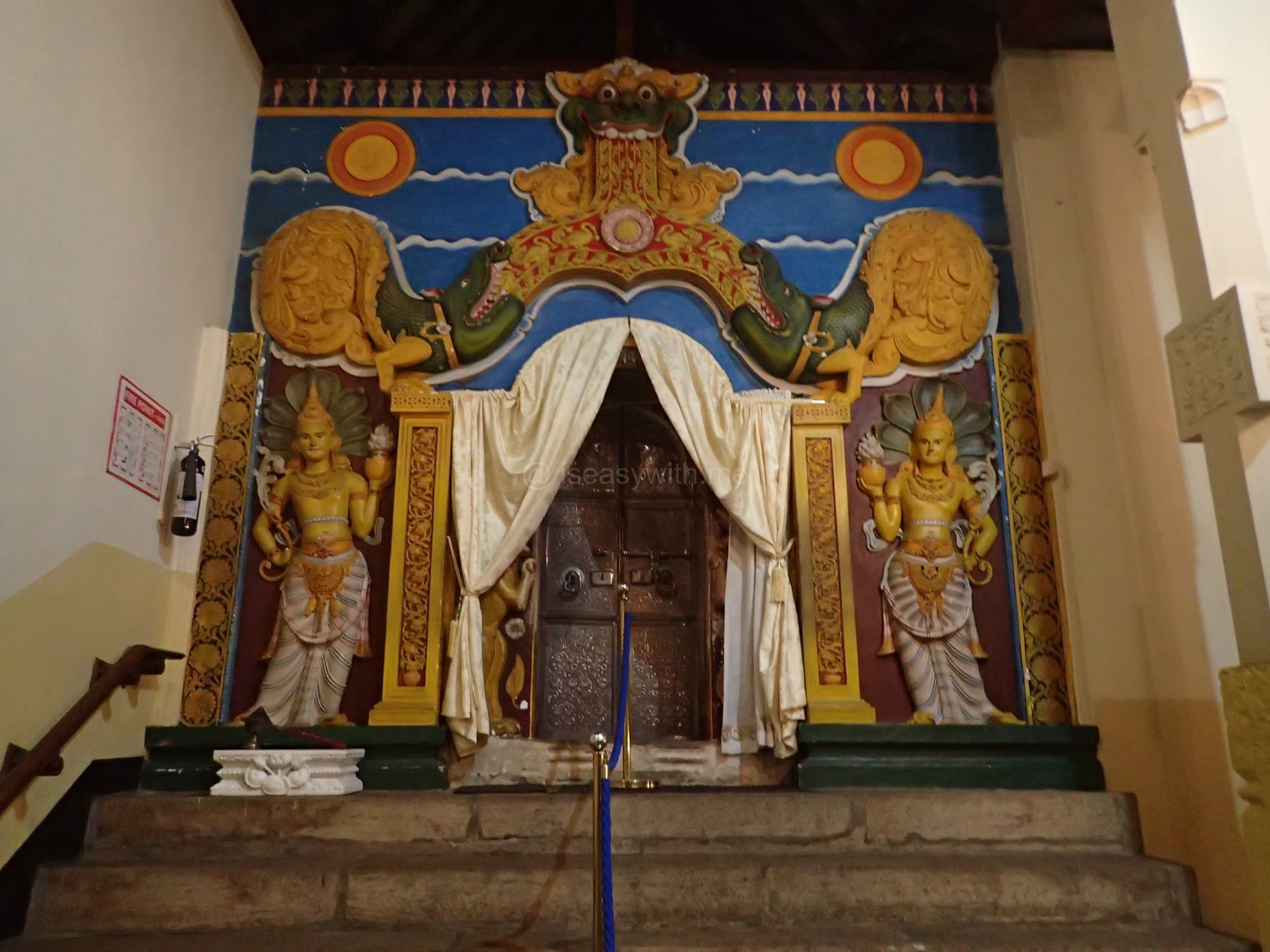
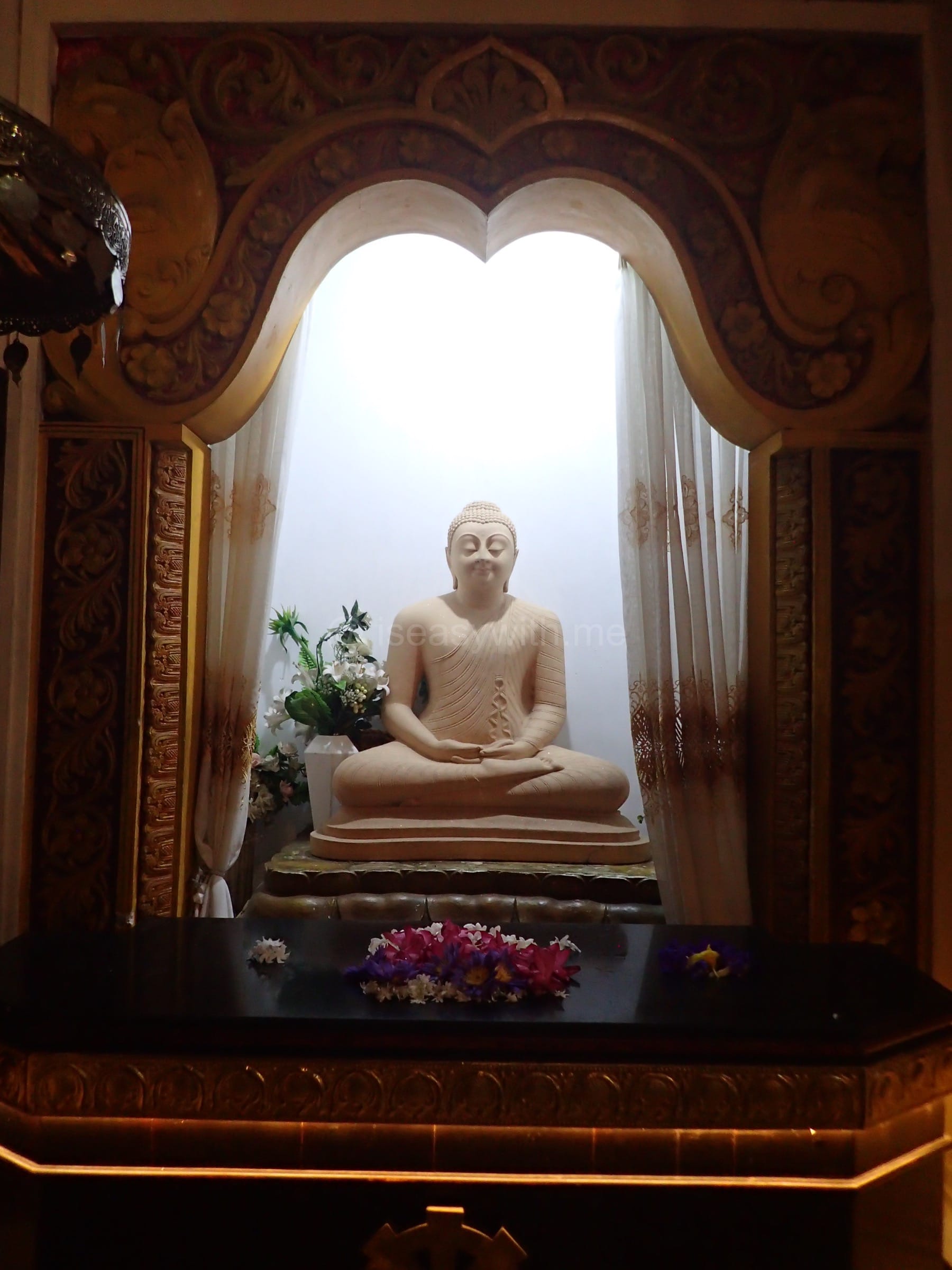
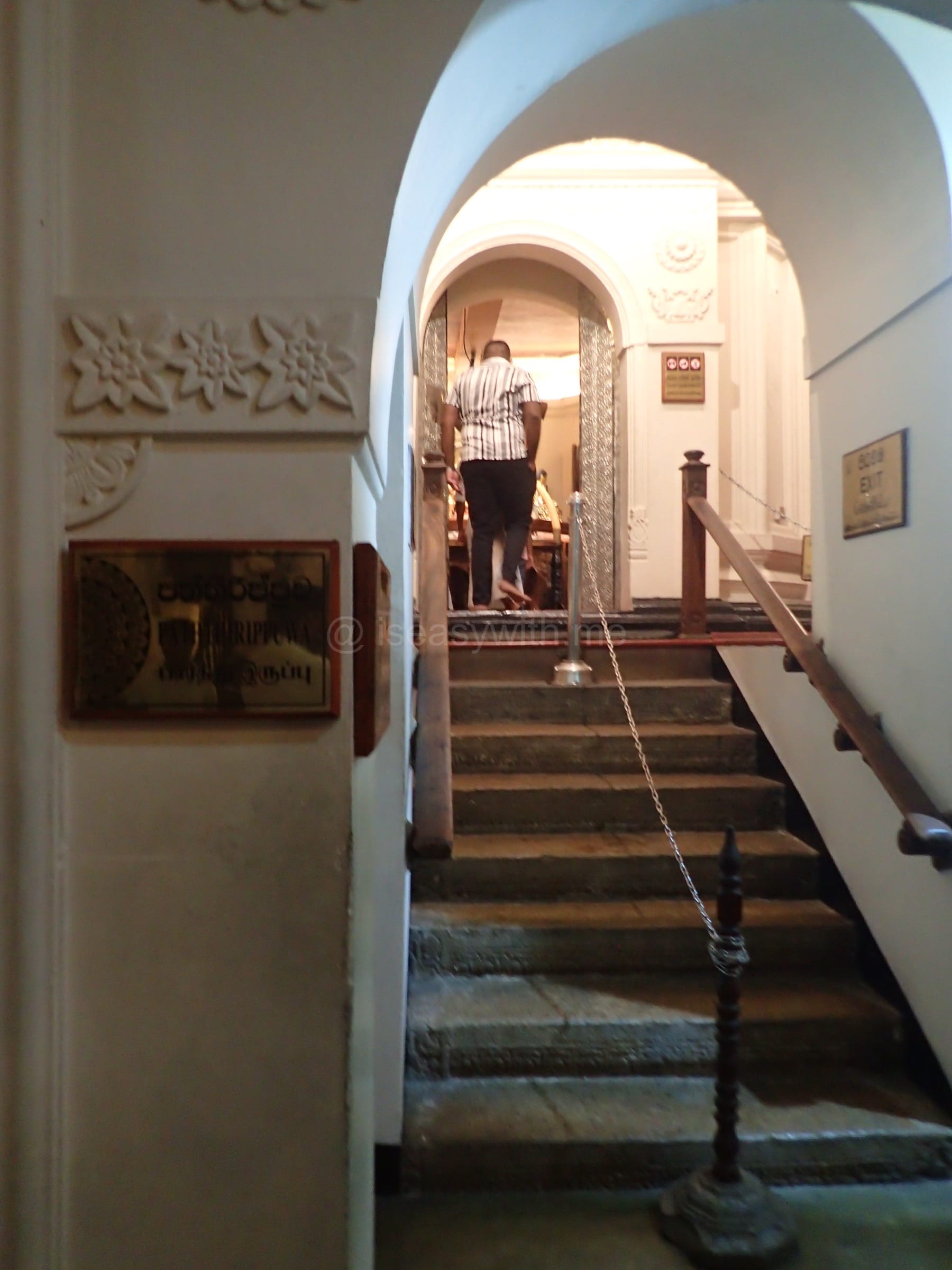
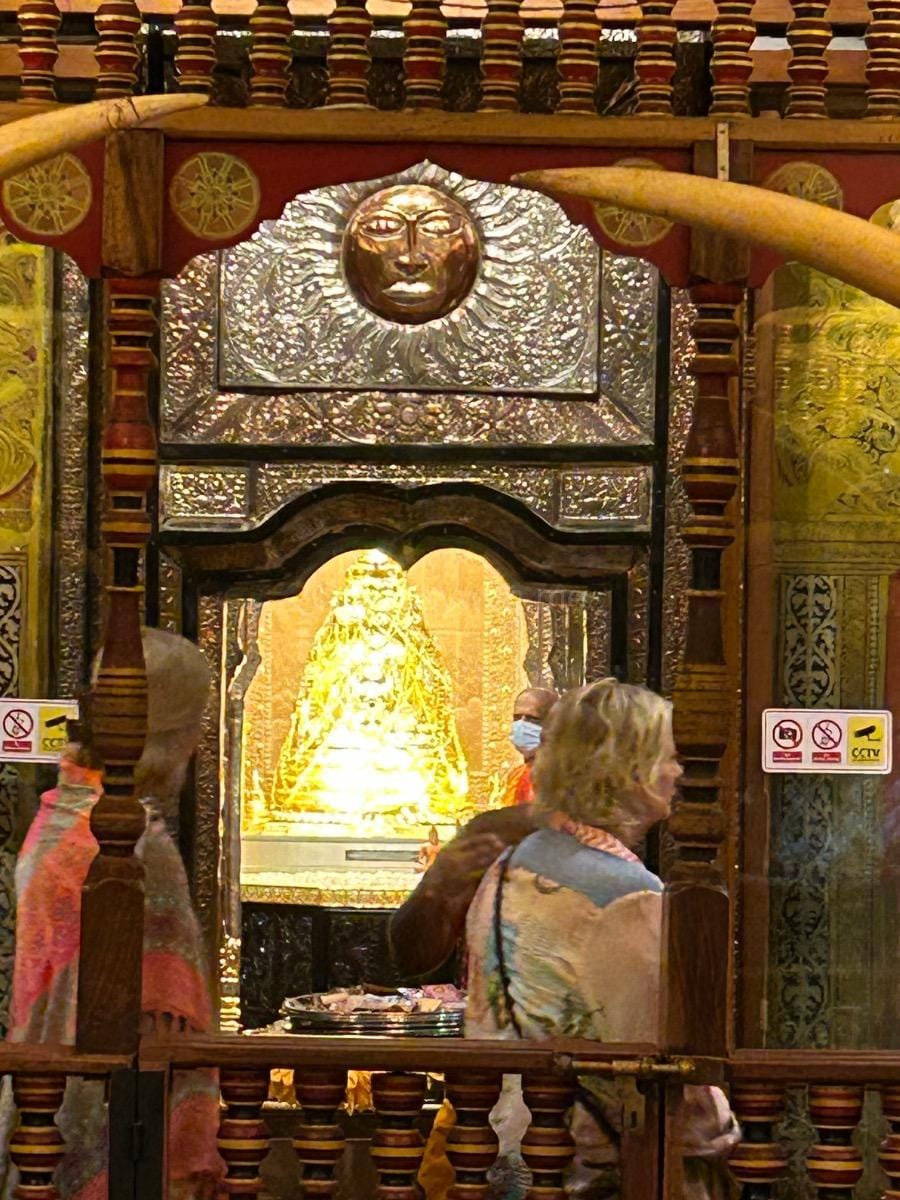
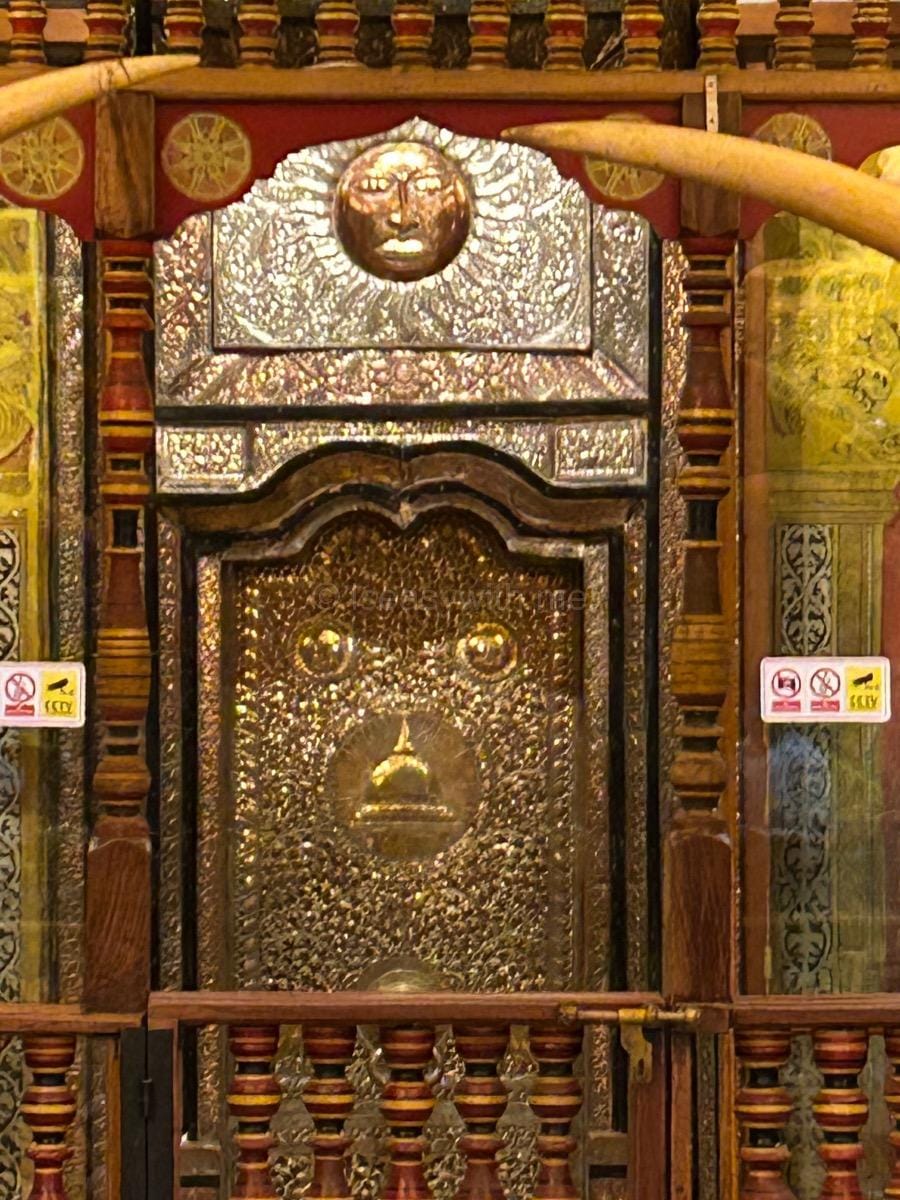
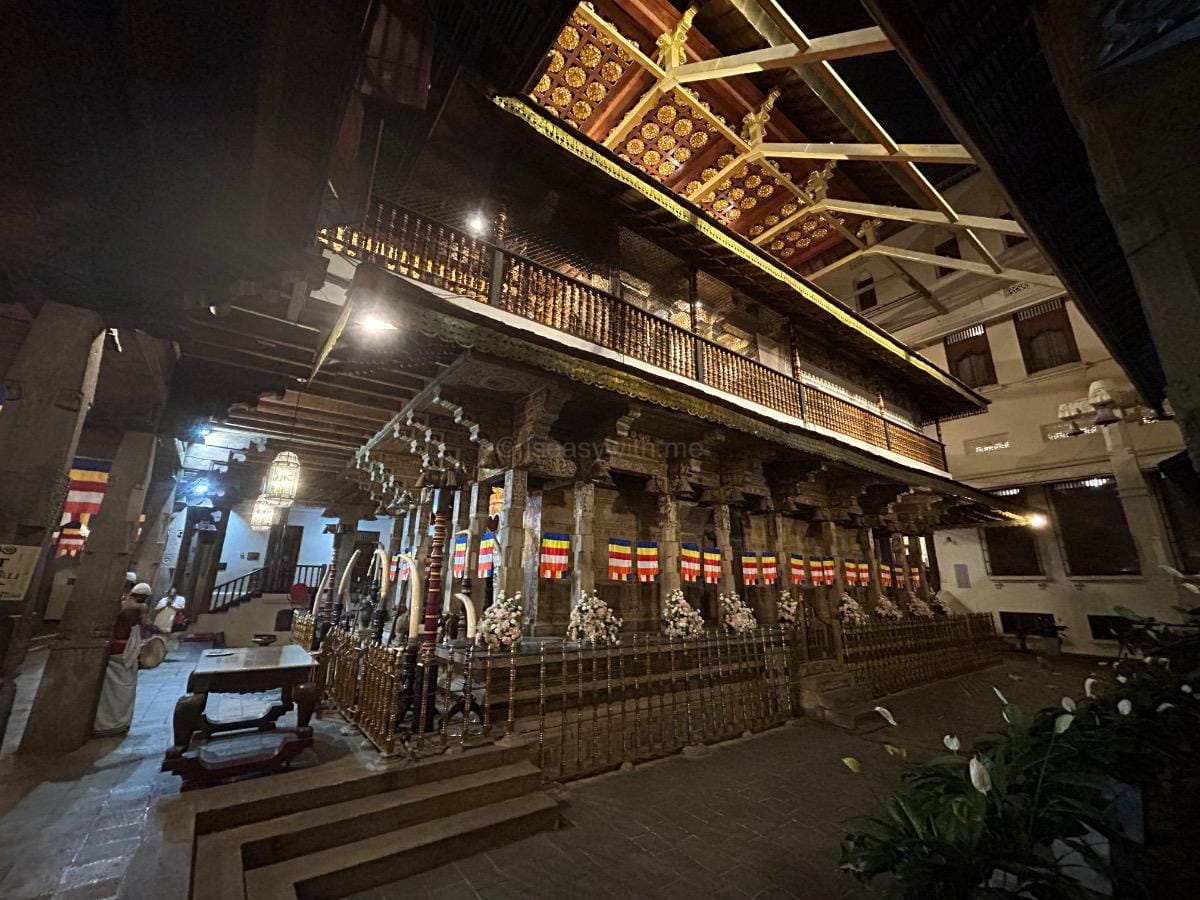
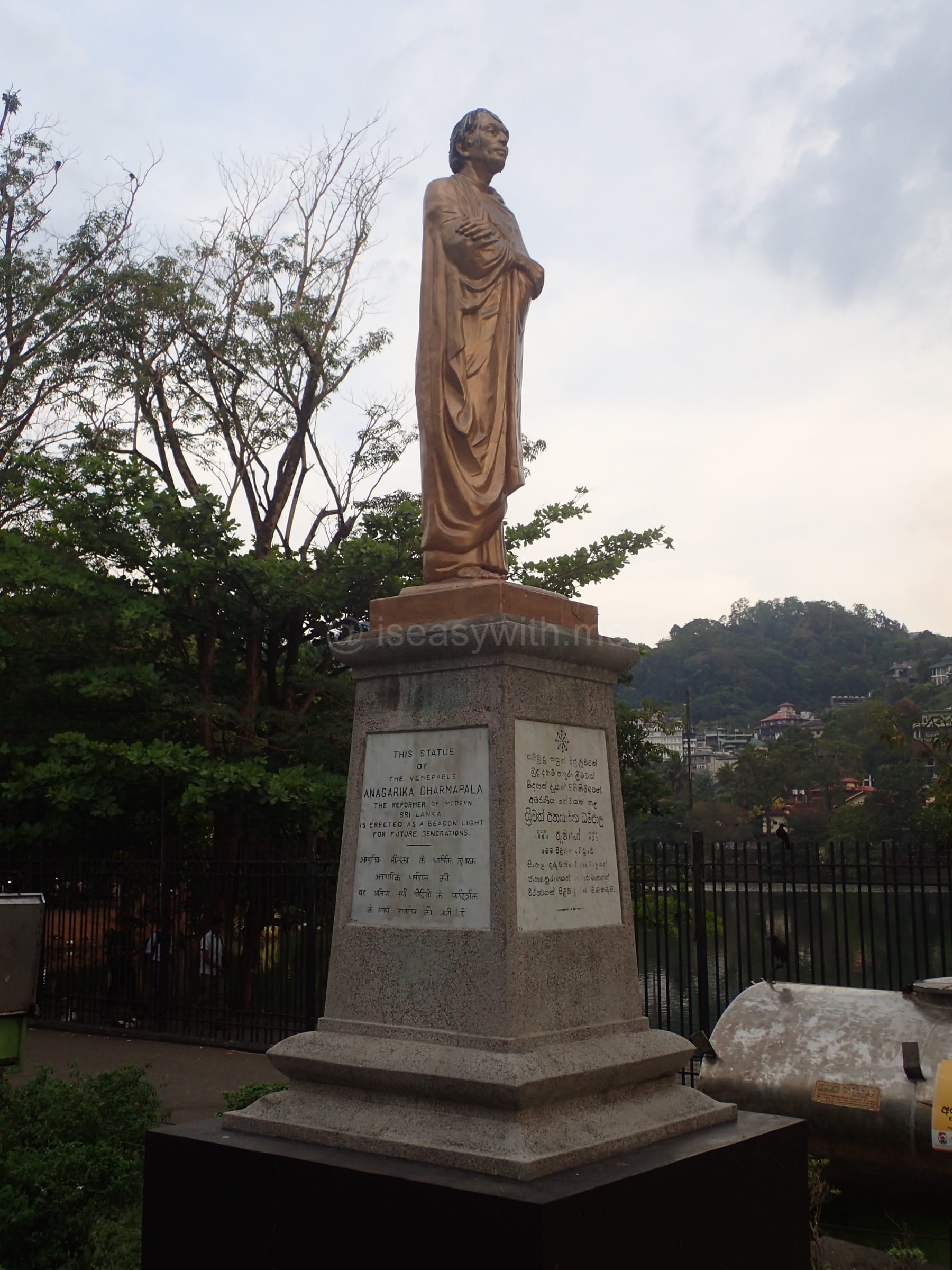
Temple of the Tooth Relic
The Three-Temple Loop
Just outside Kandy lies one of the region's most rewarding cultural excursions. Often overlooked by visitors rushing between major attractions, the Three-Temple Loop showcases some of the finest examples of Kandyan architecture and craftsmanship.
- Gadaladeniya Temple: Built during the 14th century, Gadaladeniya Temple (LKR 500) stands atop a rocky hill overlooking the surrounding countryside. Its architecture reflects a unique blend of Sinhalese and South Indian influences, making it one of the most distinctive temples in the region. The elevated setting also offers beautiful views of the nearby villages and paddy fields.
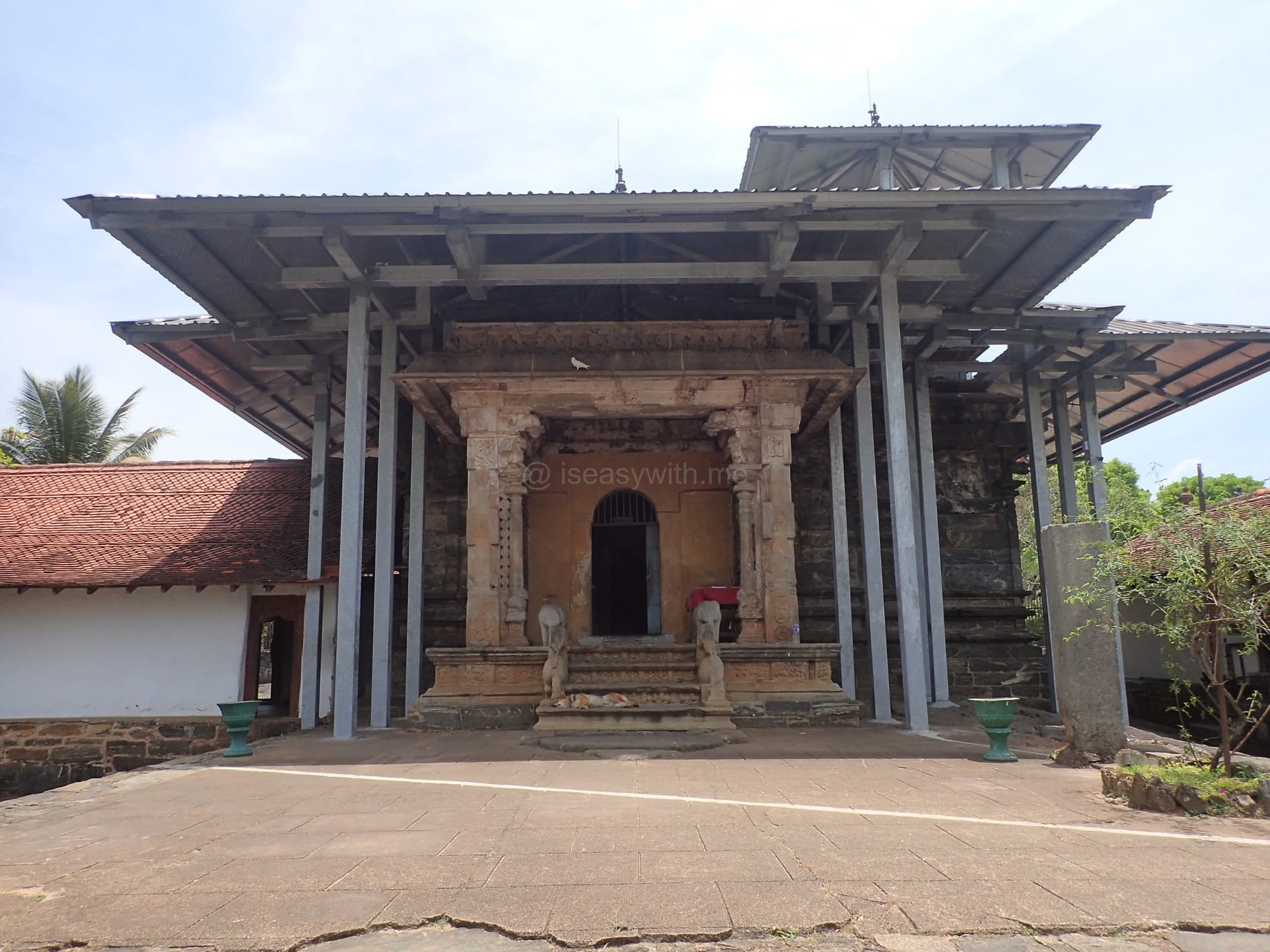
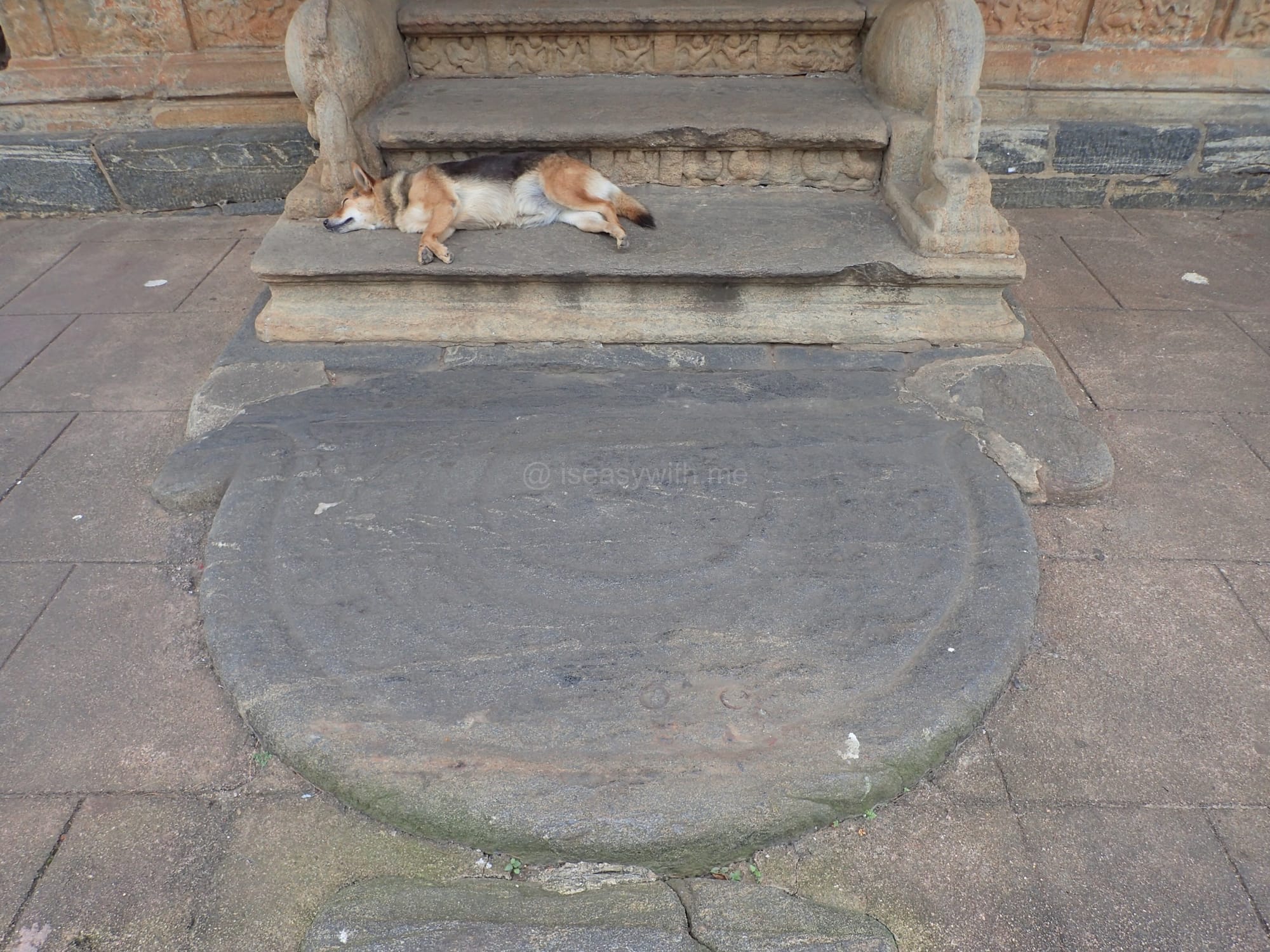
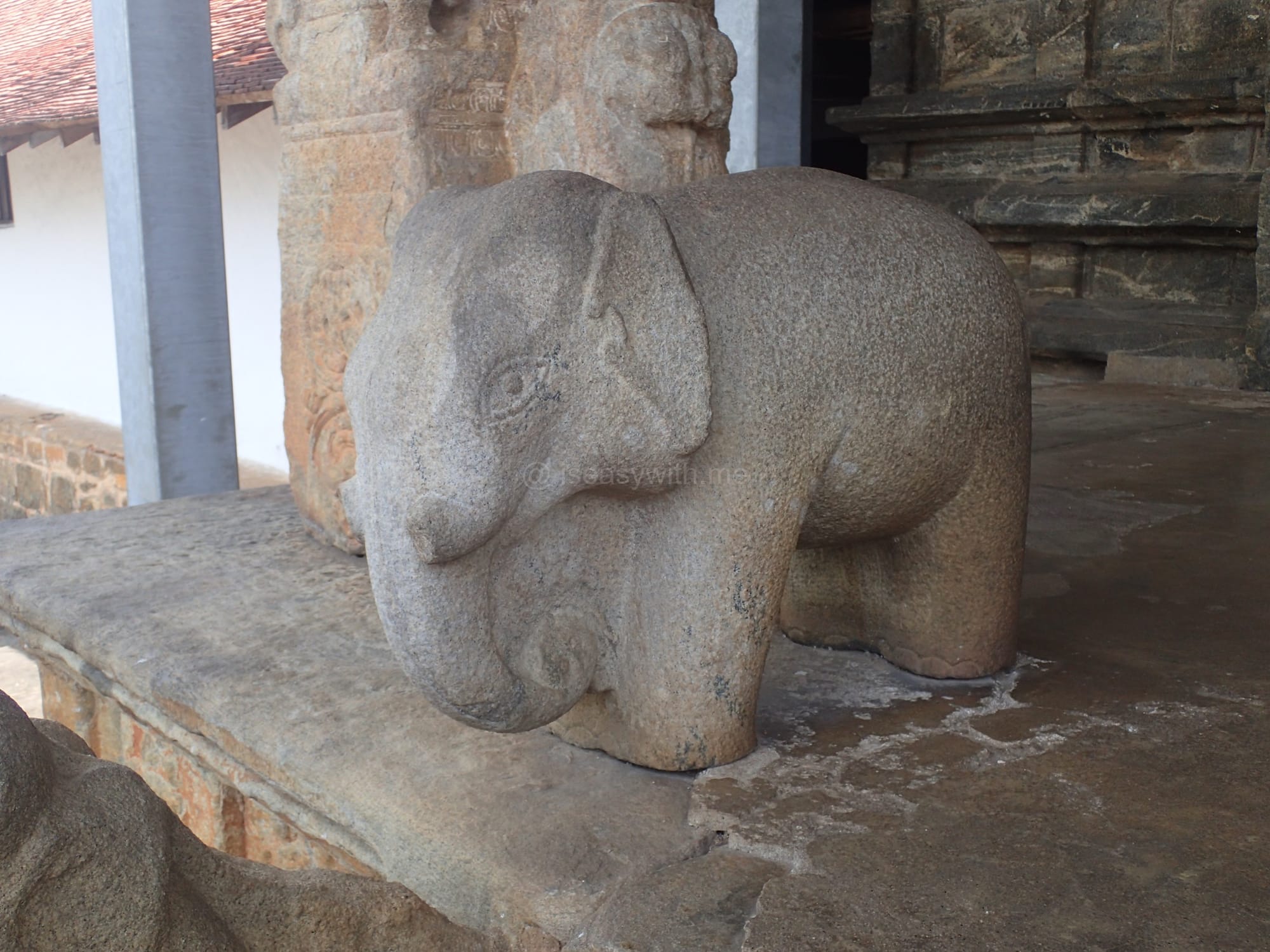
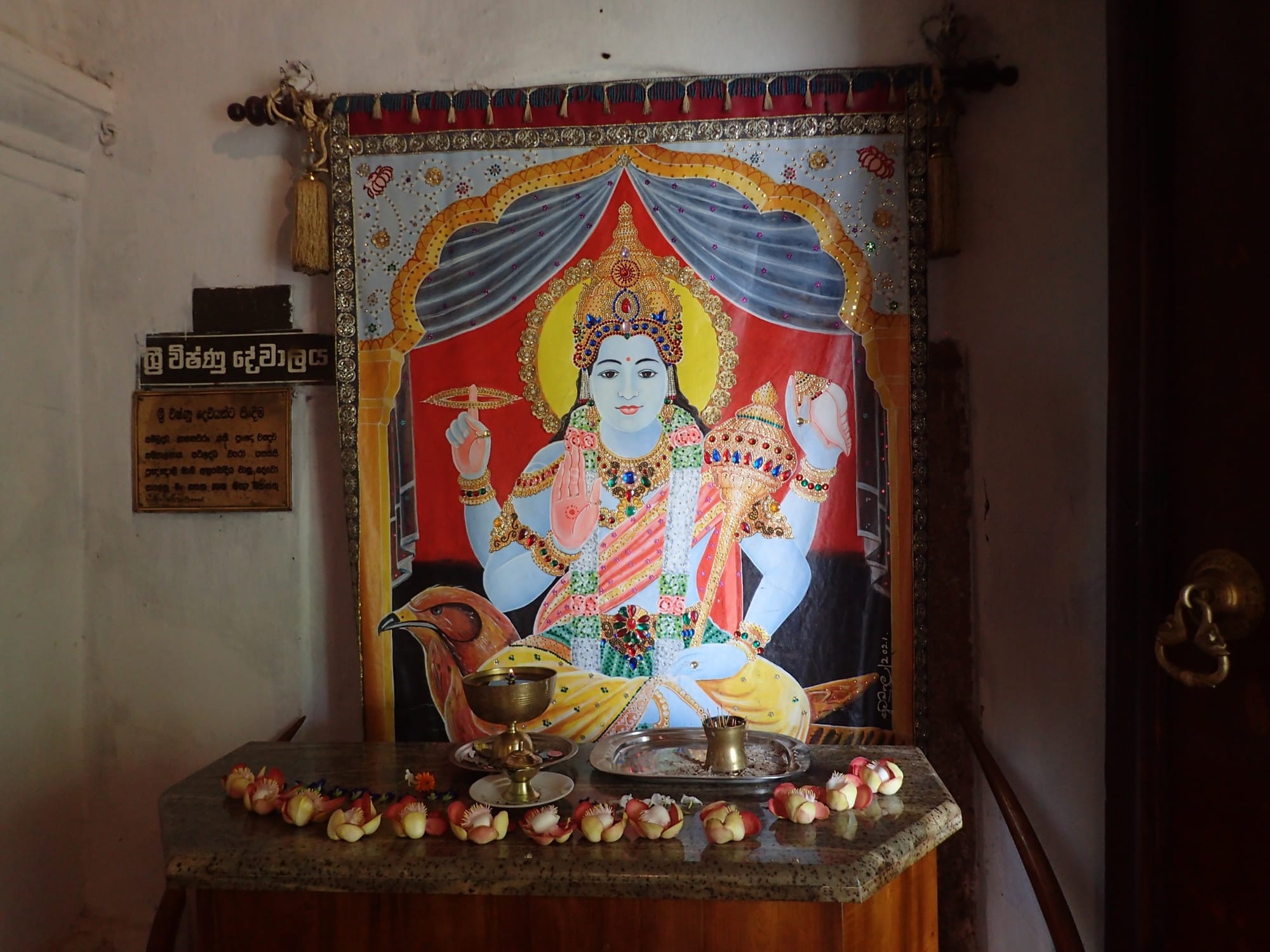
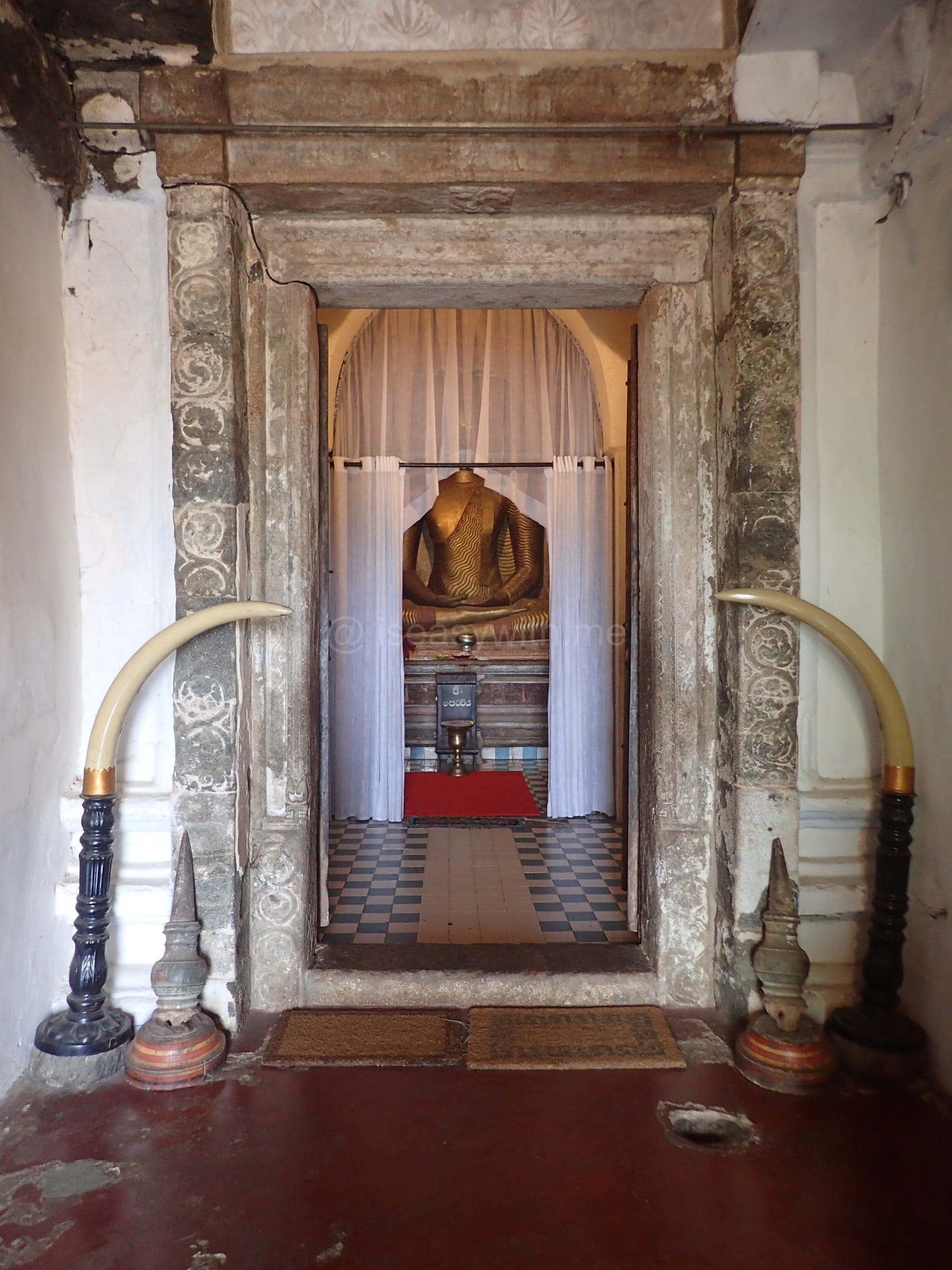
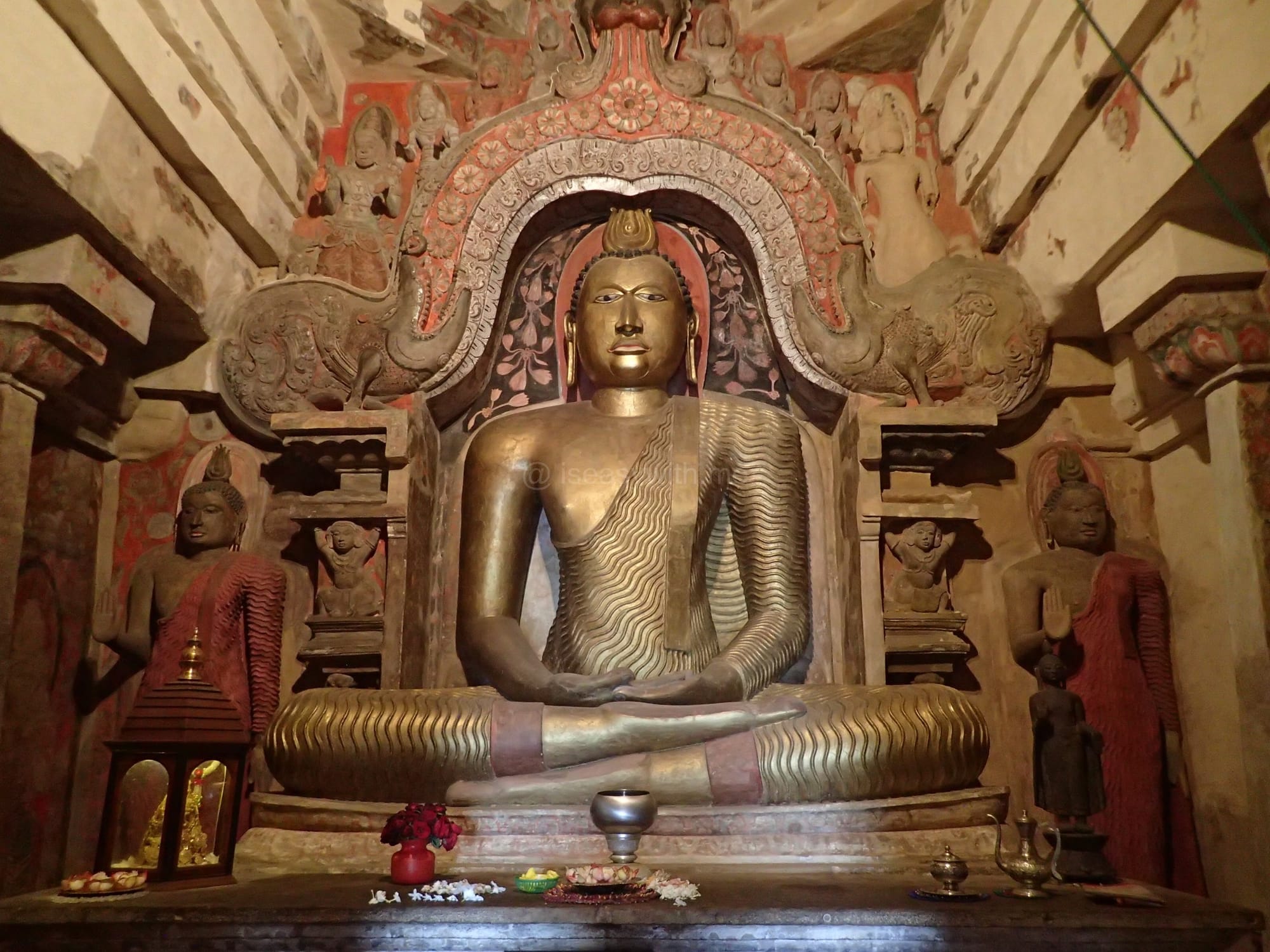
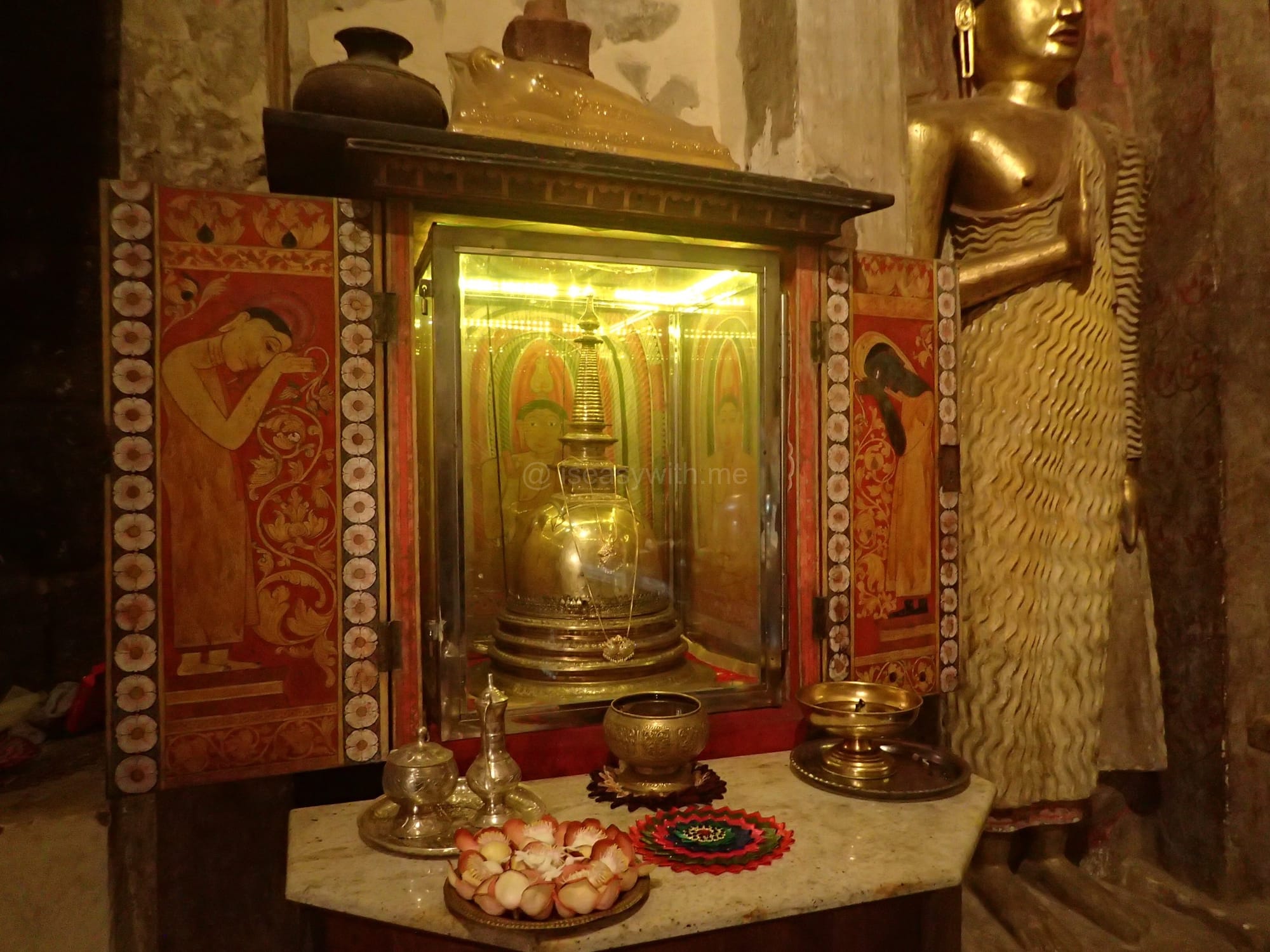
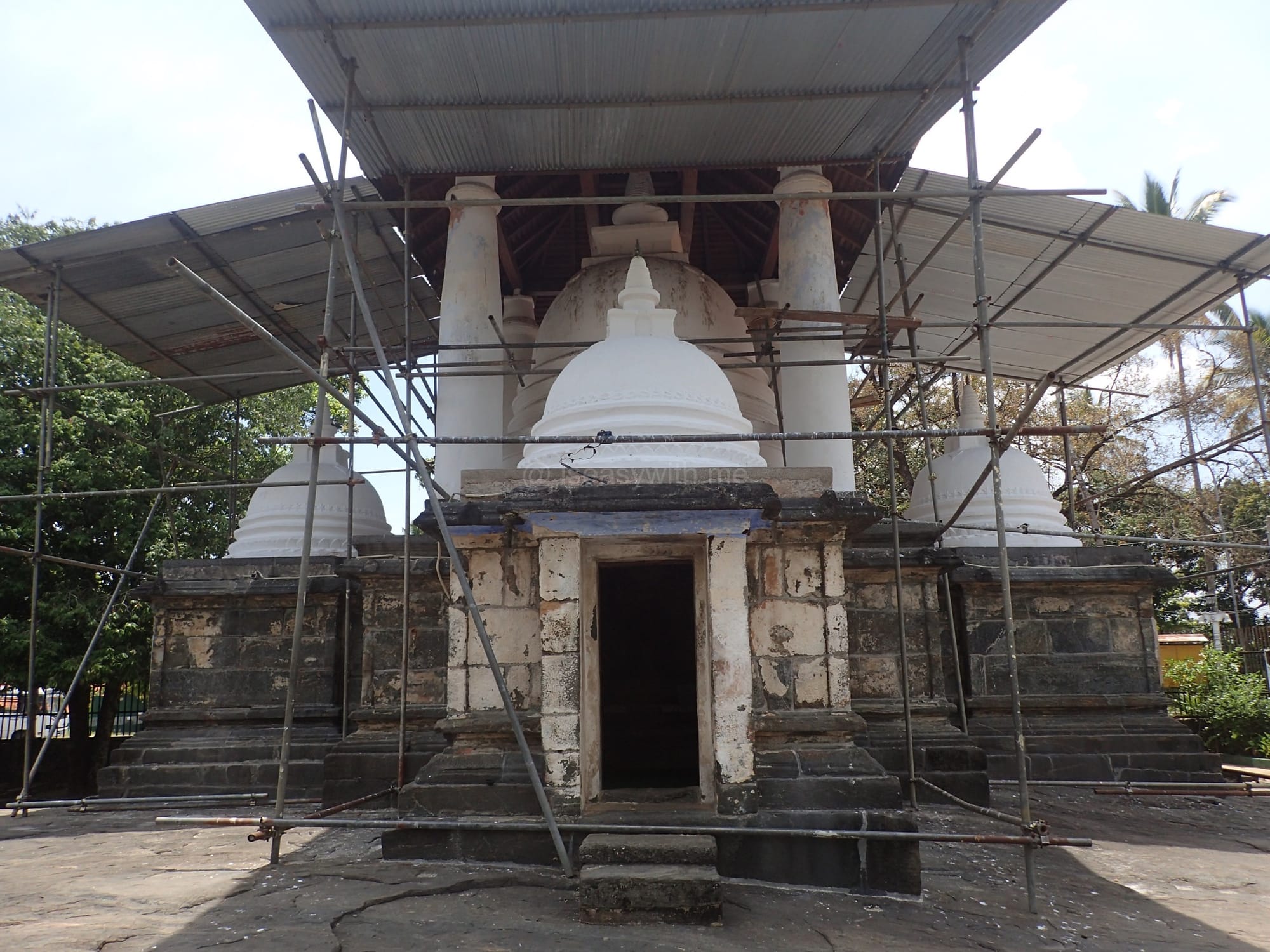
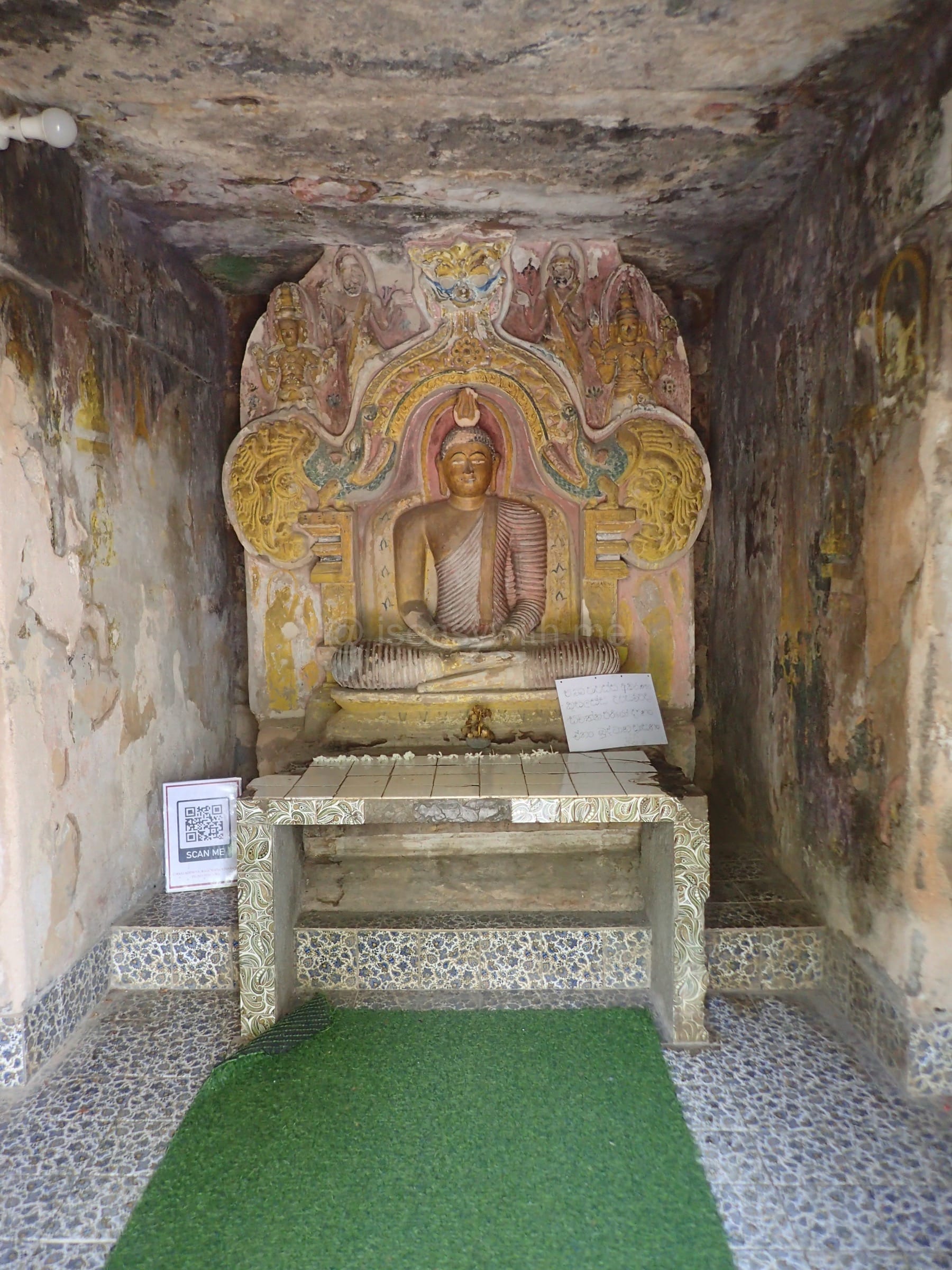
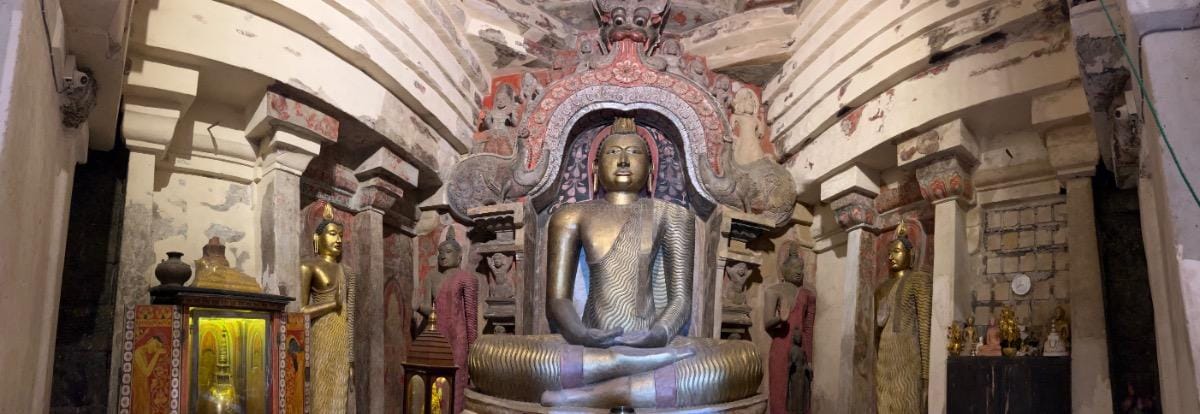
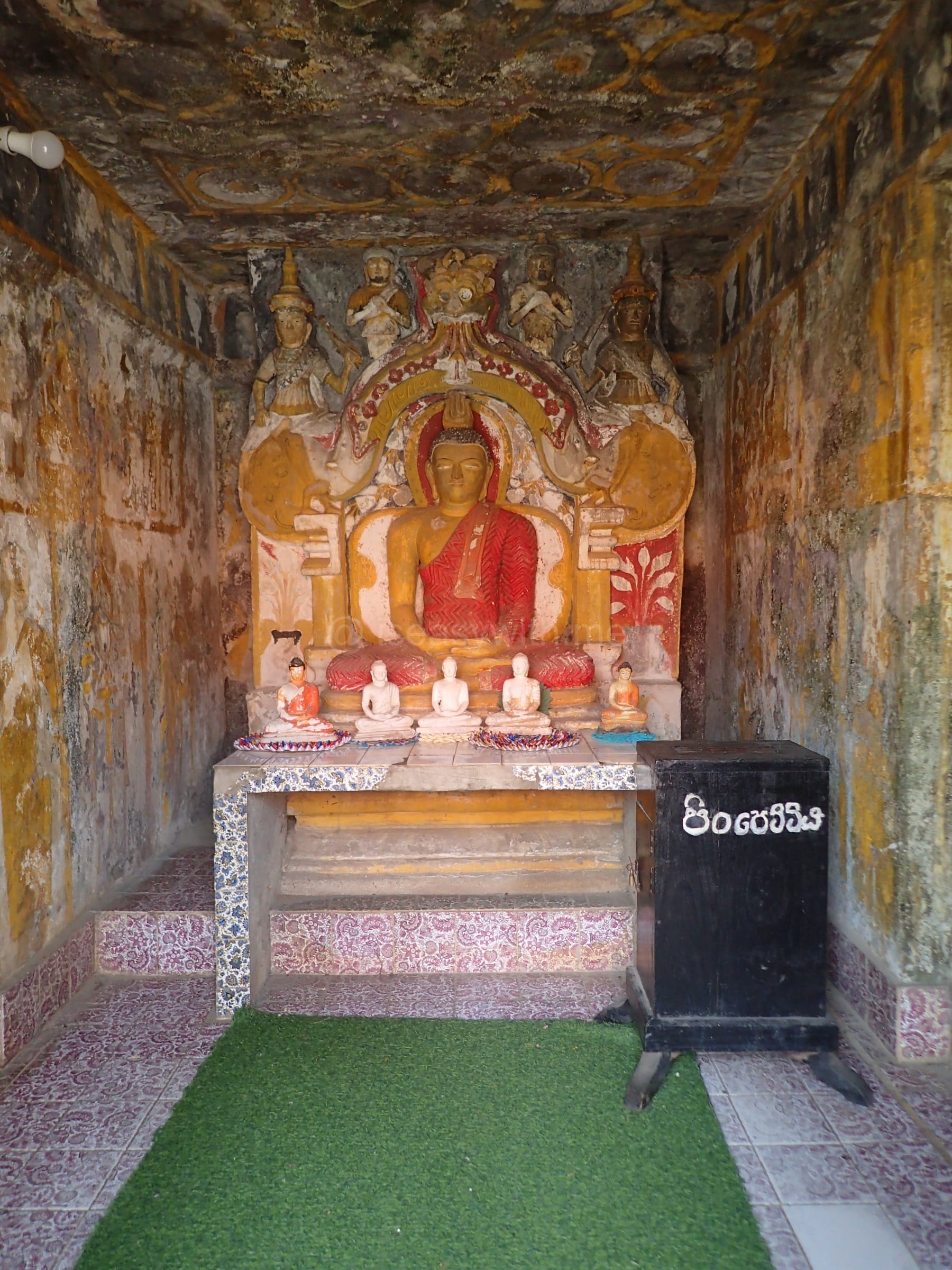
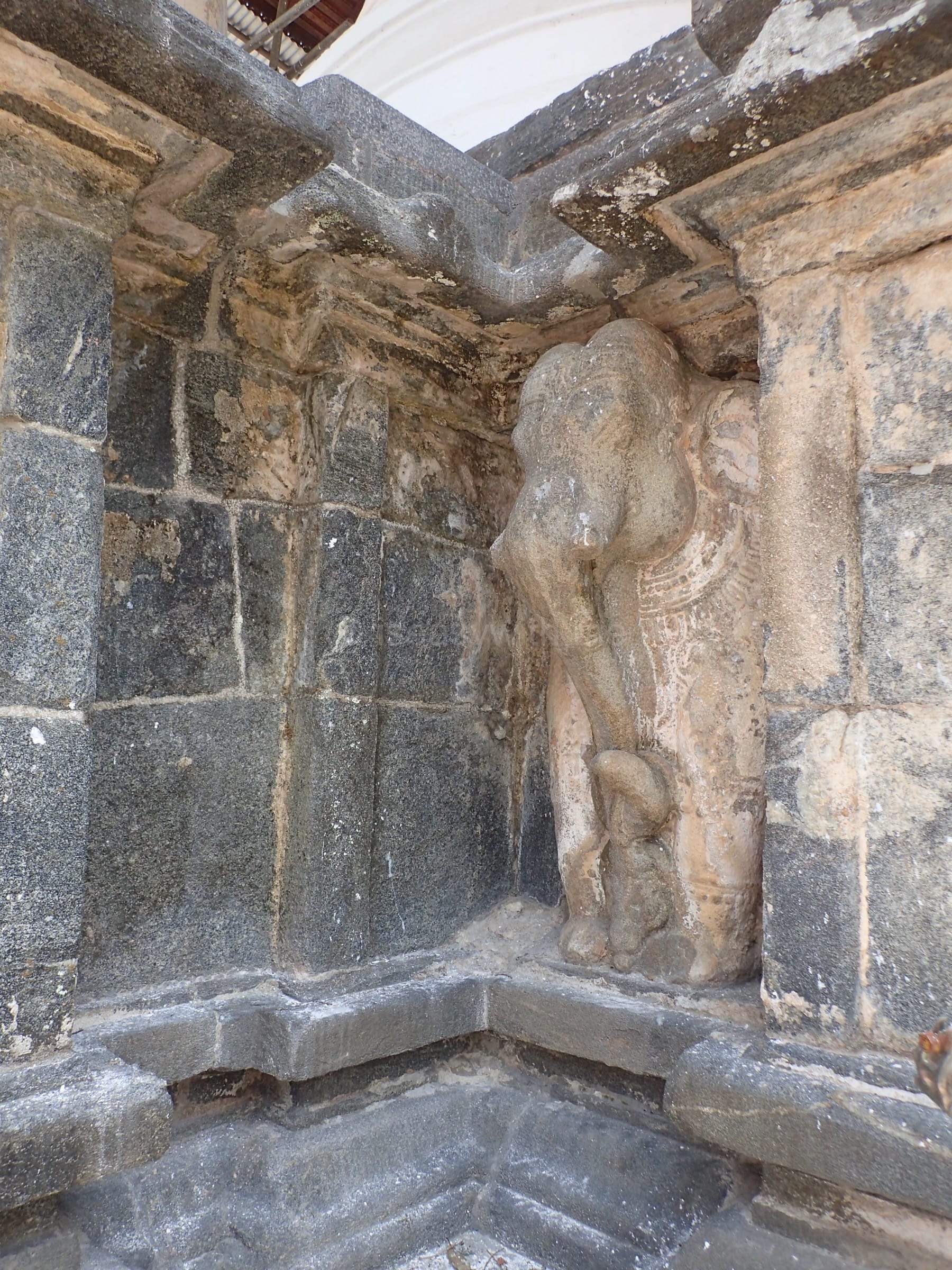
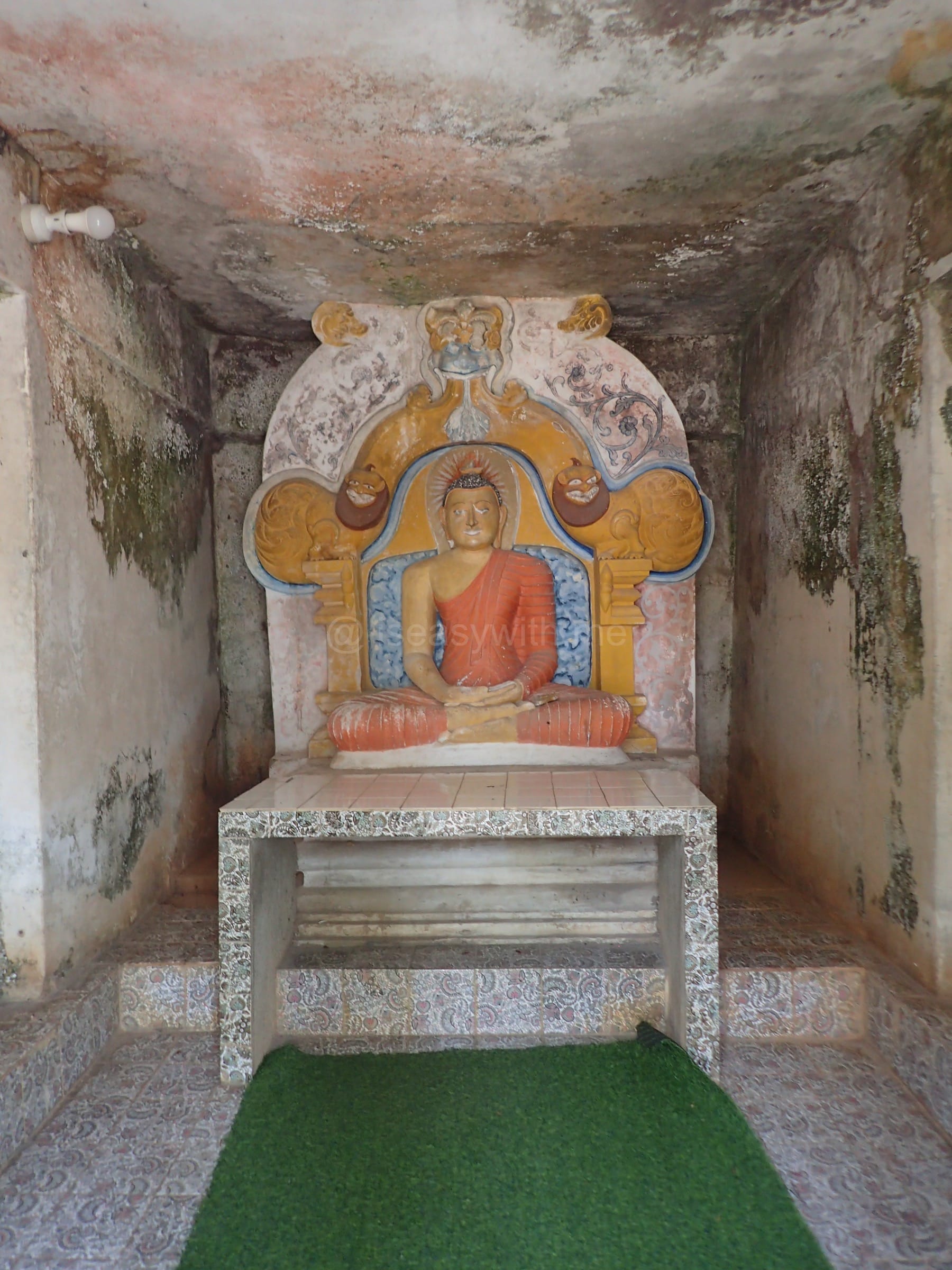
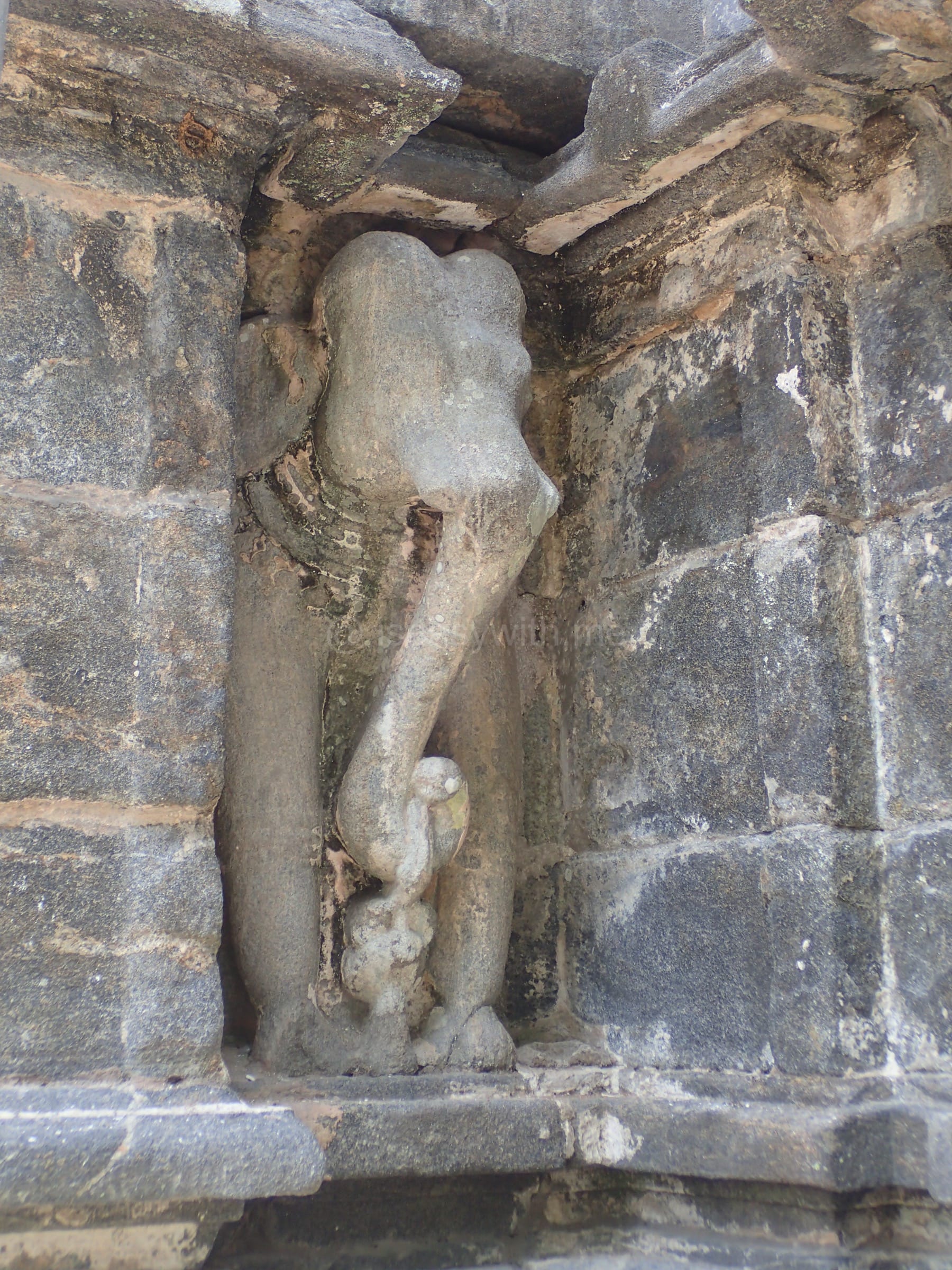
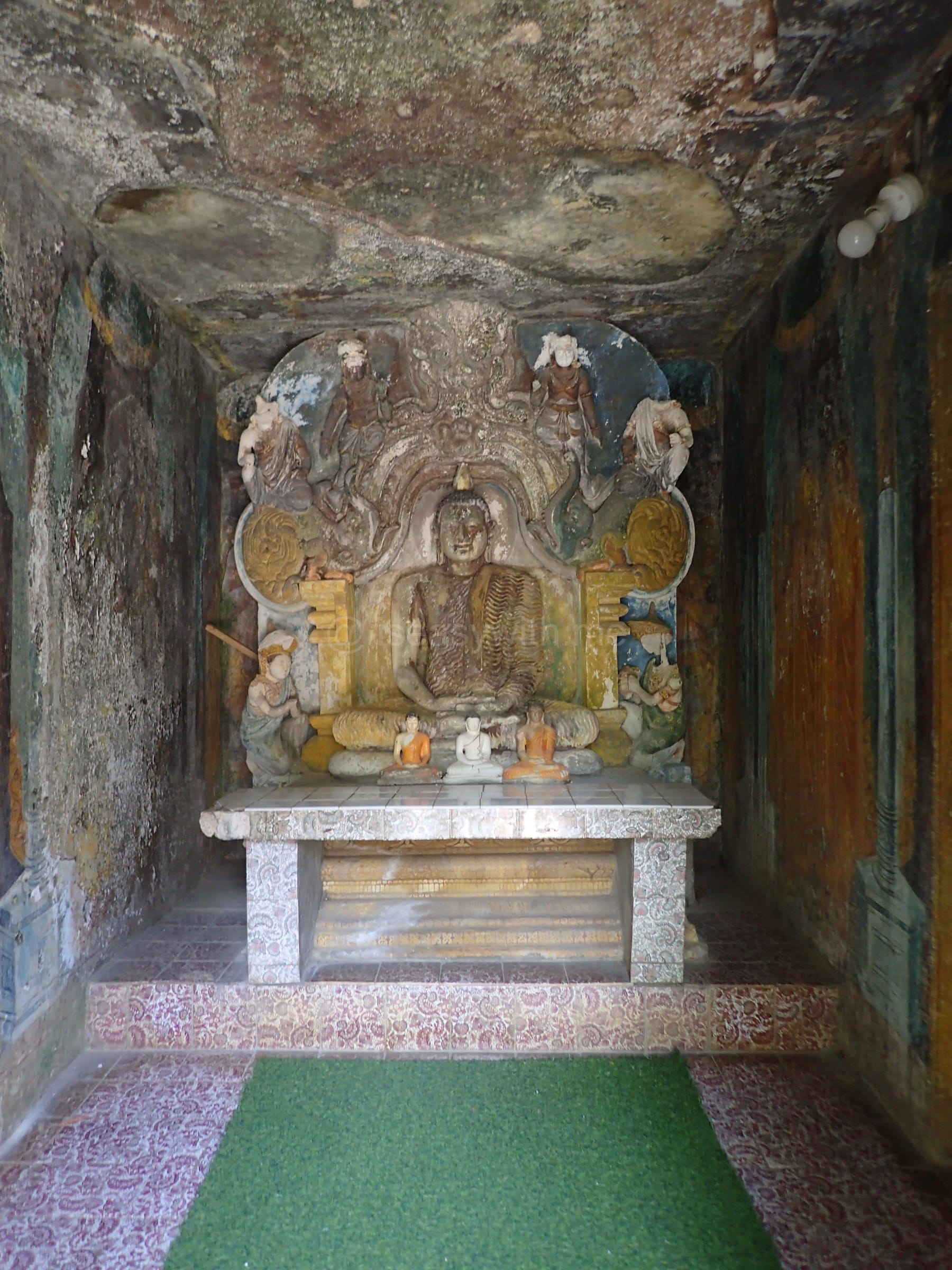
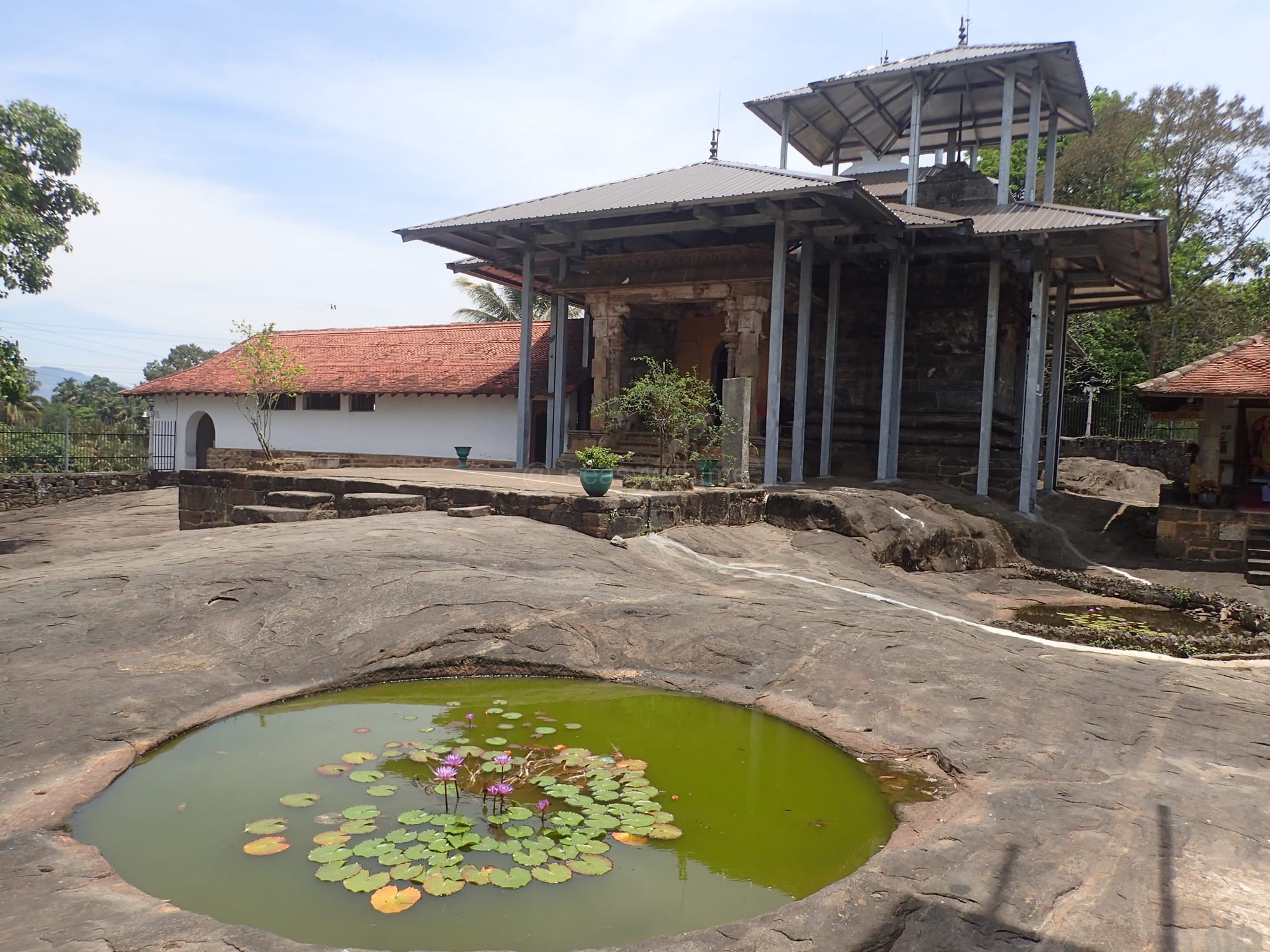
Gadaladeniya Temple
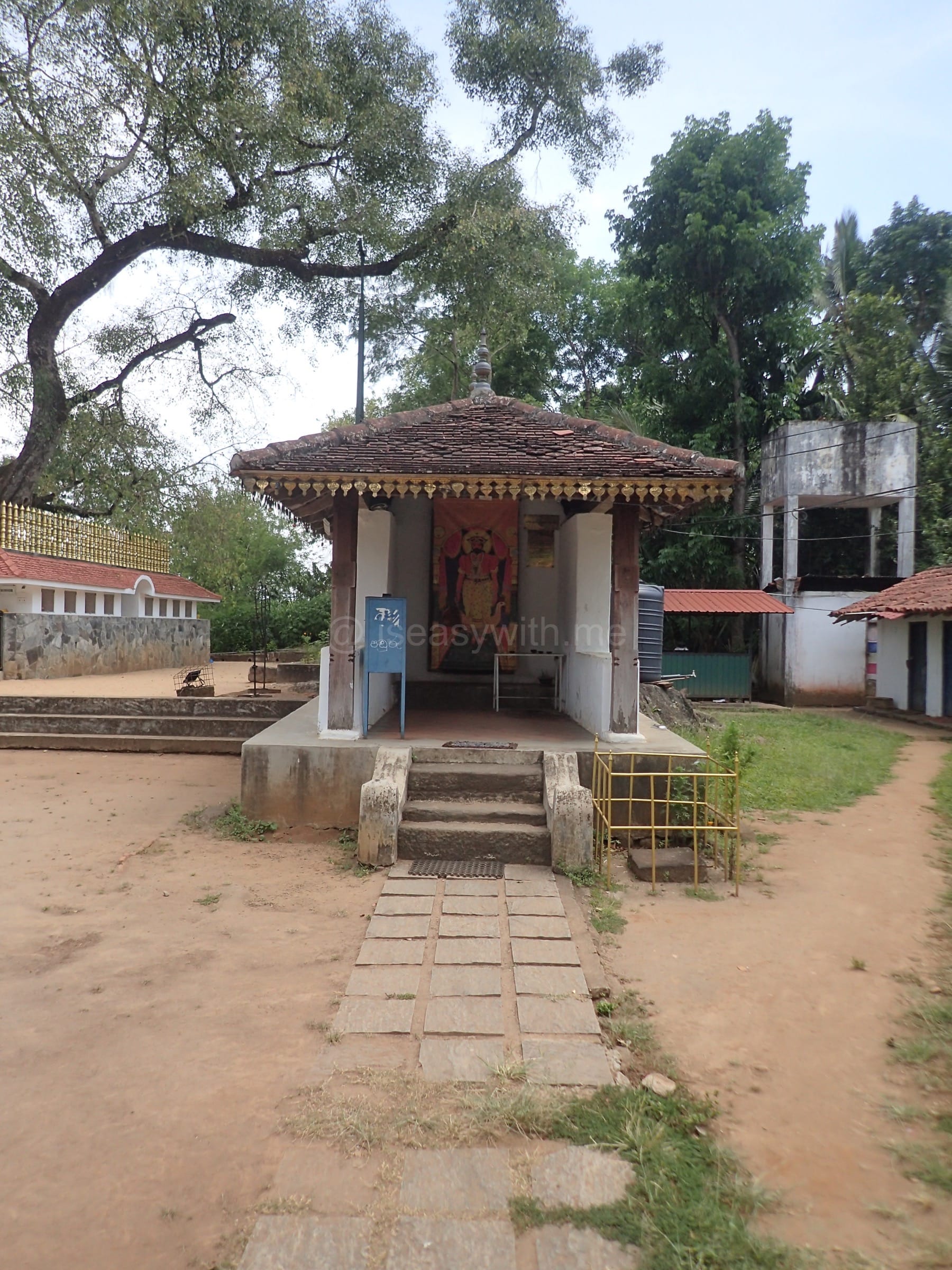
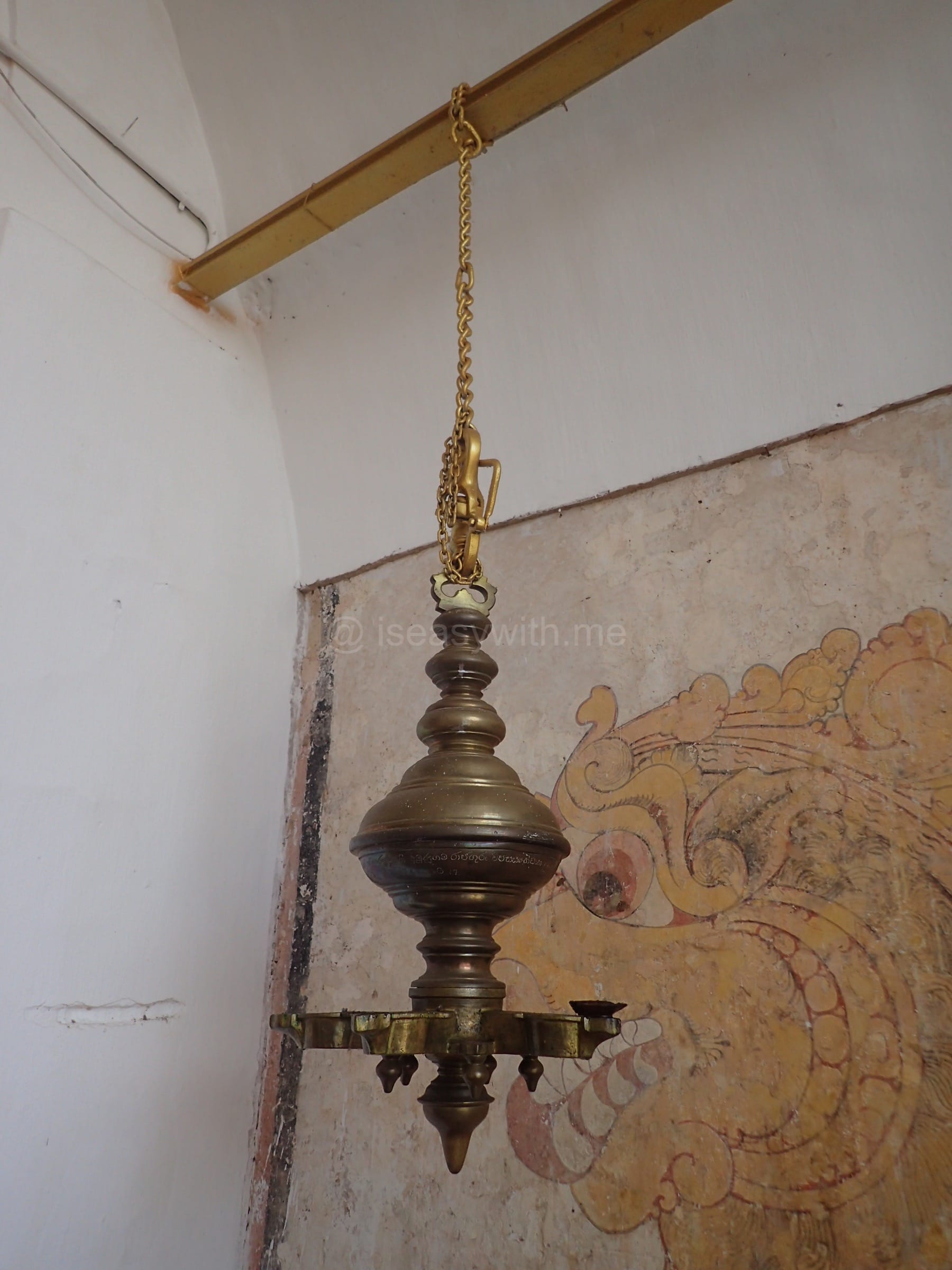
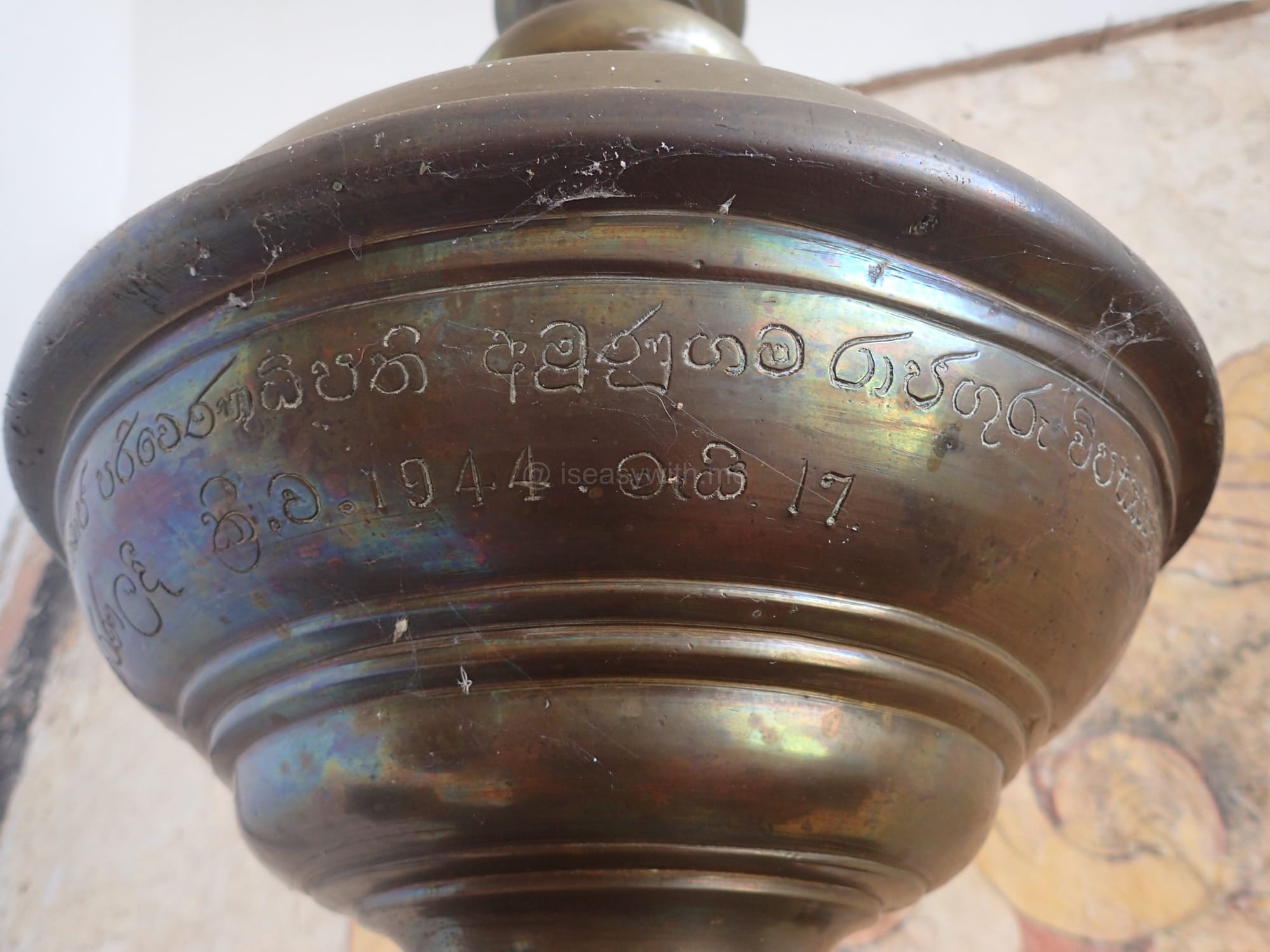
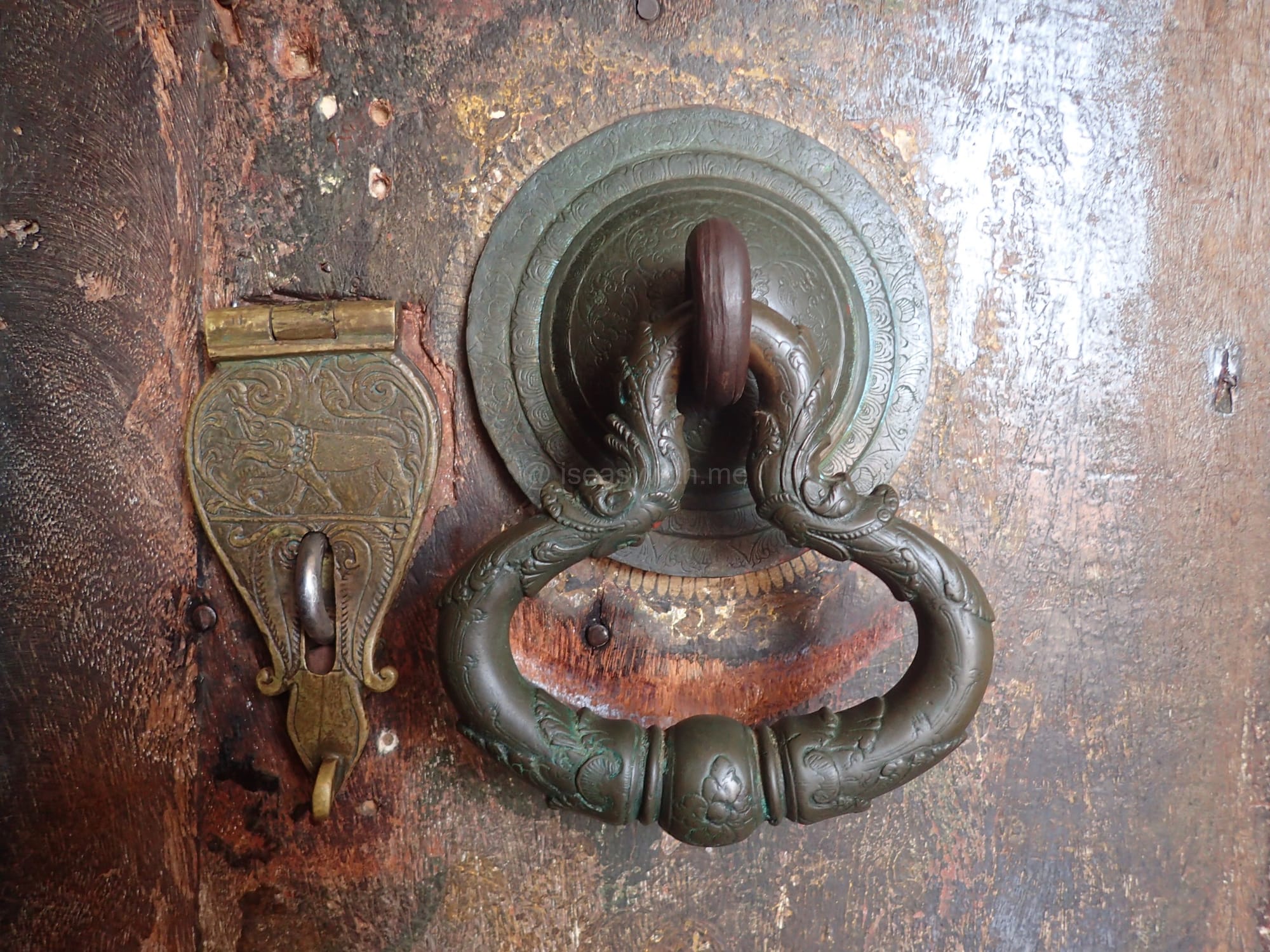
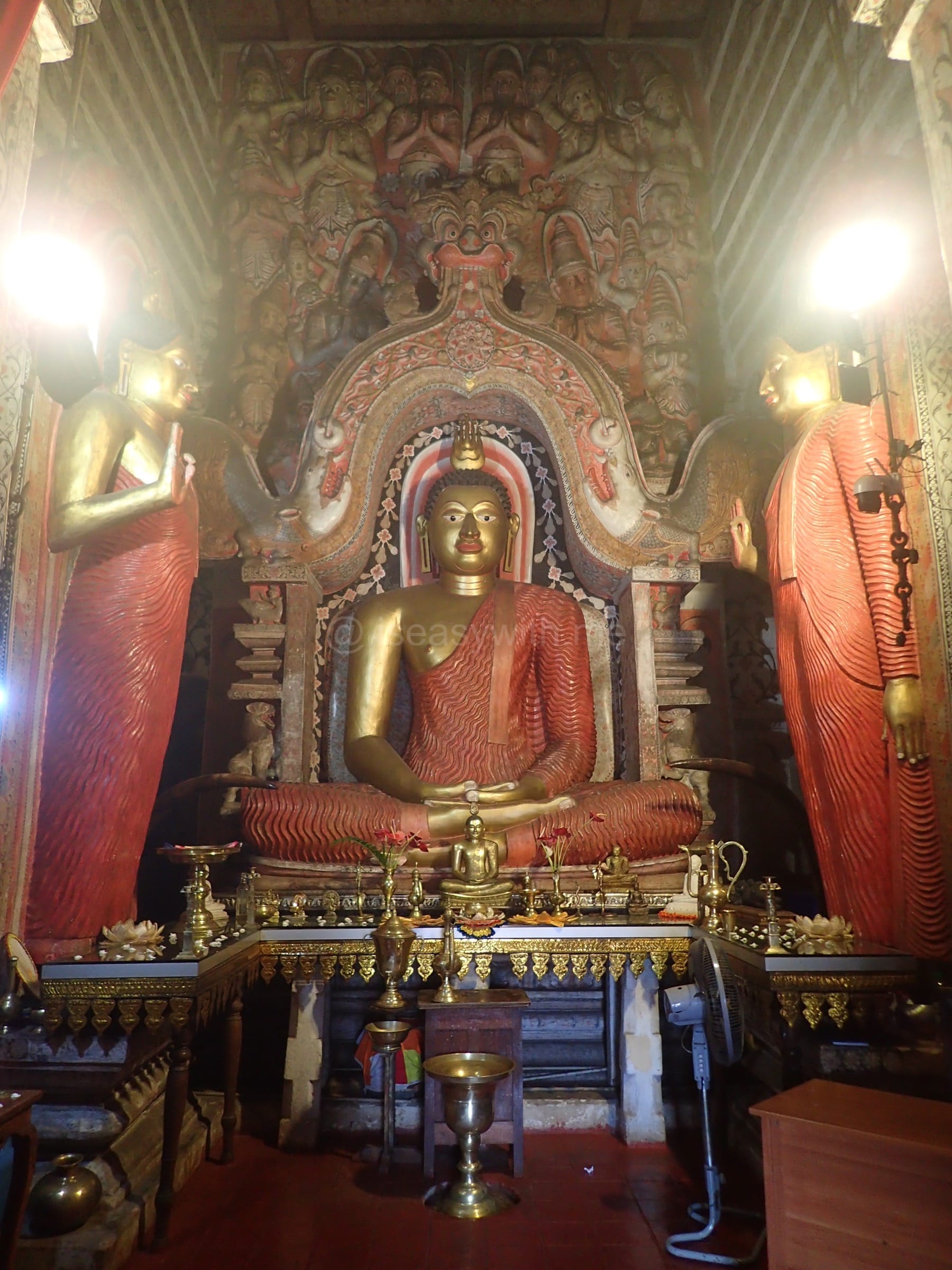
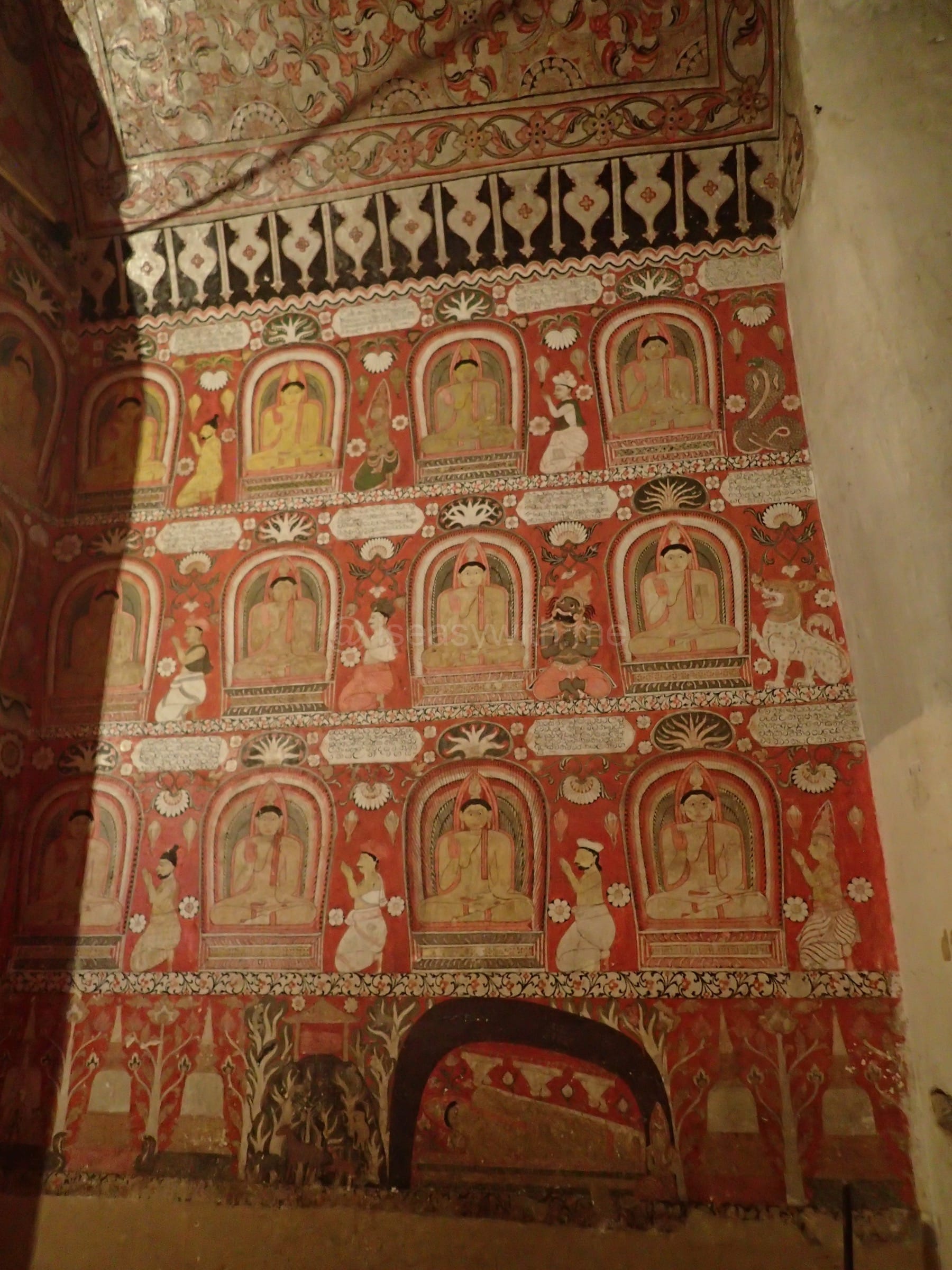
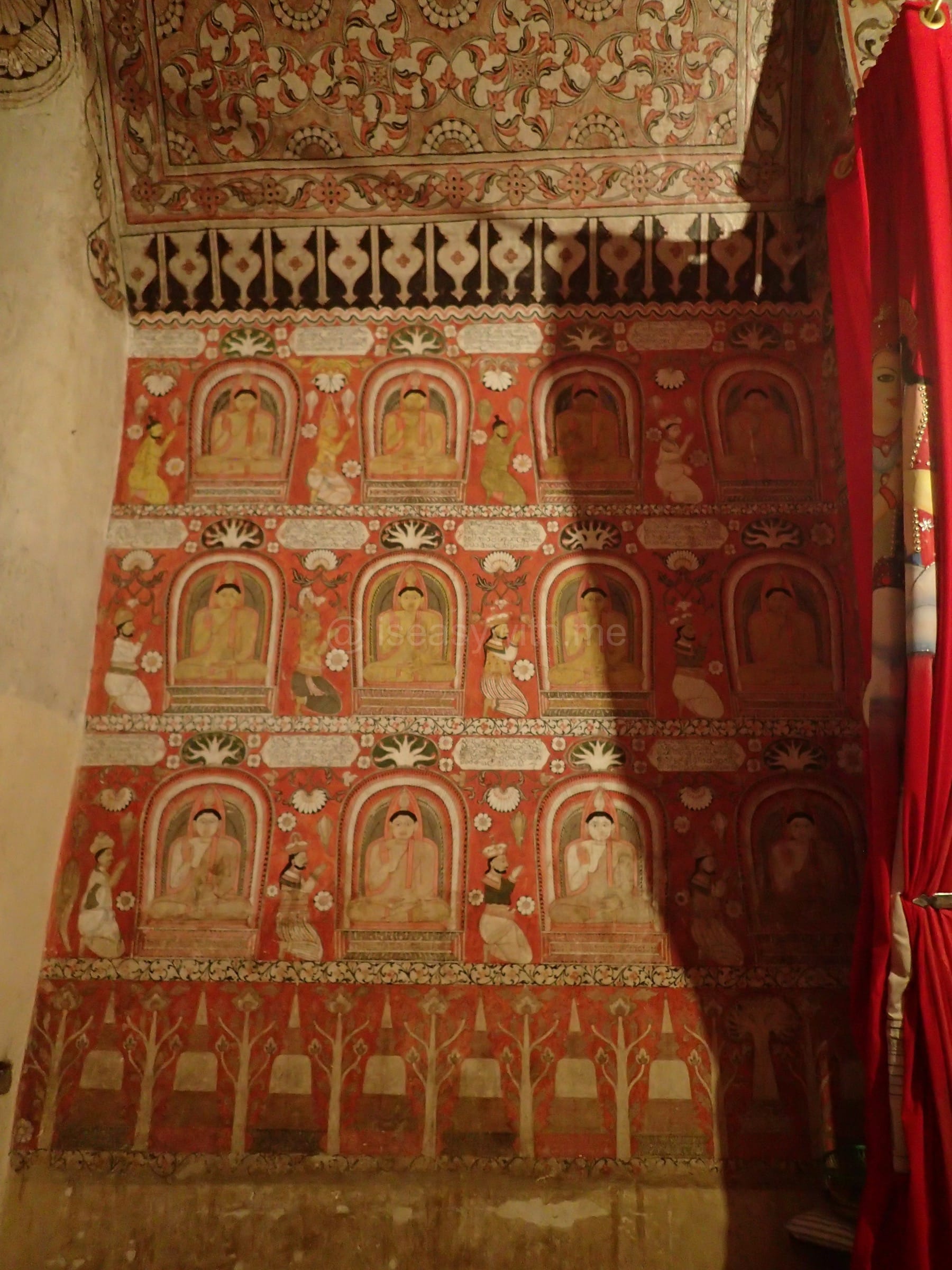
- Lankathilaka Vihara: Perched dramatically on a ridge, Lankathilaka Vihara (LKR 500) is one of the most visually impressive temples near Kandy. The towering structure dominates the surrounding landscape and houses impressive murals, shrines and statues within its walls. The peaceful setting makes it an ideal place to slow down and appreciate the artistic achievements of Sri Lanka's medieval kingdoms.
iseasywith.me Travel Insight
Remember the Lankatilaka Image House in Polonnaruwa?
While they are two completely different temples built centuries apart in different regions, they share a deep architectural lineage and a name that means 'Ornament of Sri Lanka' (Lanka-tilaka).
The Kandy temple was heavily inspired by the Polonnaruwa masterpiece. Here is how they connect and differ:
- The Polonnaruwa Original (12th Century): Built by King Parakramabahu the Great, this Lankatilaka is a massive, monolithic Gedige (an all-brick image house with corbelled vaulted roofs). It featured towering 17-metre brick walls enclosing a giant, 14-metre standing Buddha.
- The Kandy Sequel (14th Century): Built 200 years later during the Gampola Kingdom era by King Bhuvanekabahu IV, the chief minister hired a South Indian architect named Sathapati Rayar. The architect explicitly used the traditional Sinhalese architecture of the Polonnaruwa era as his blueprint, blending it with Dravidian (South Indian) styles.
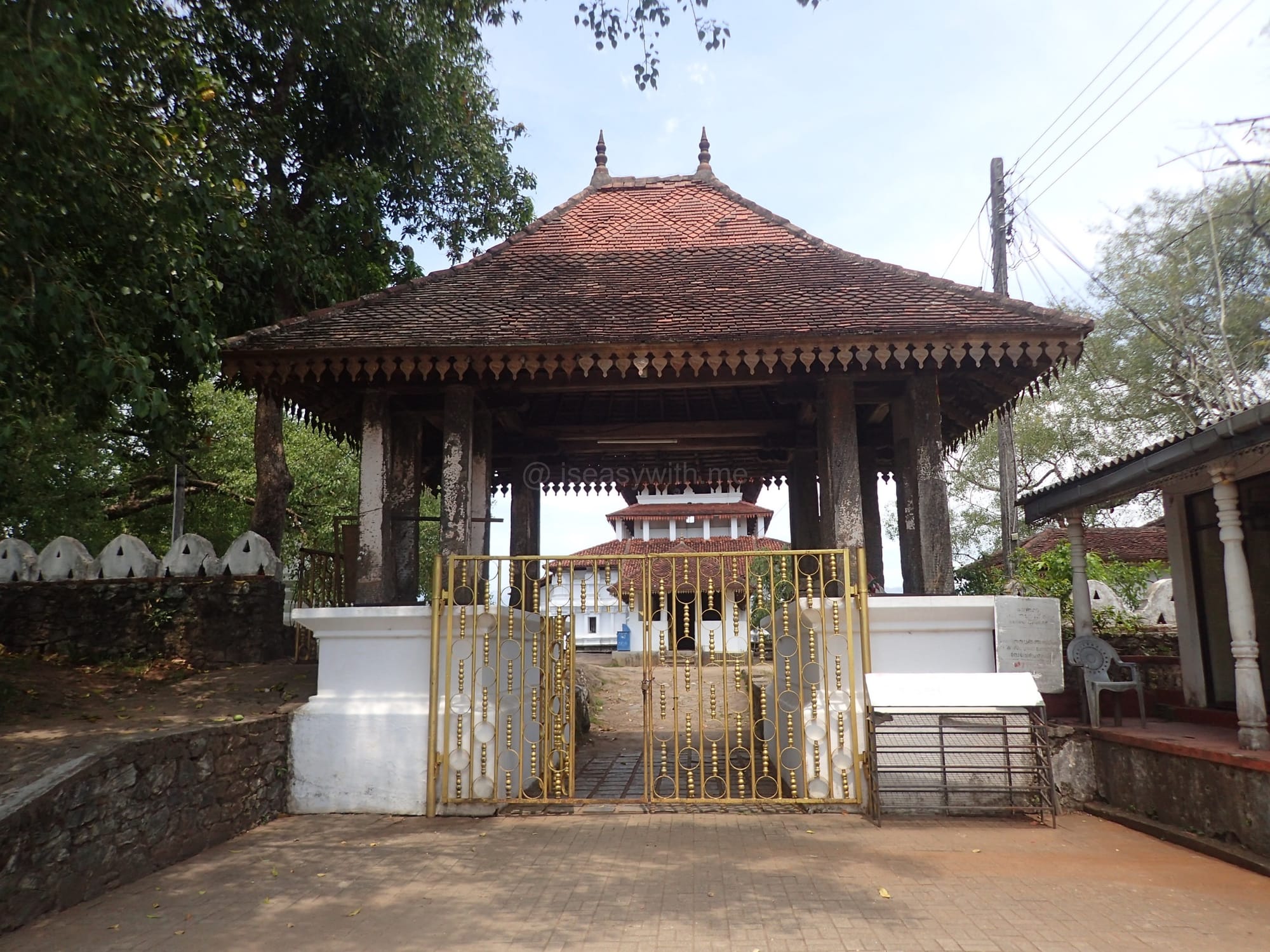
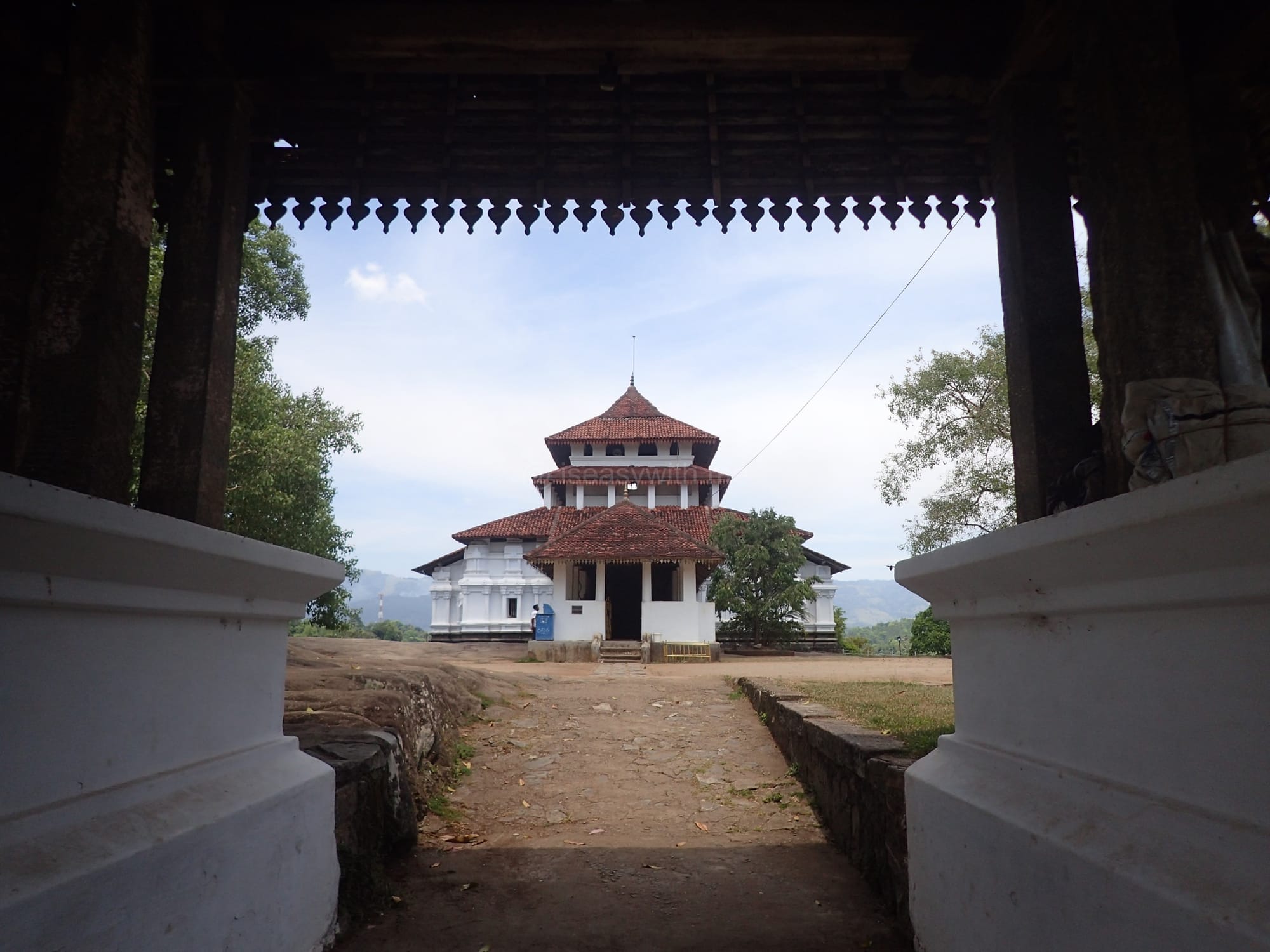
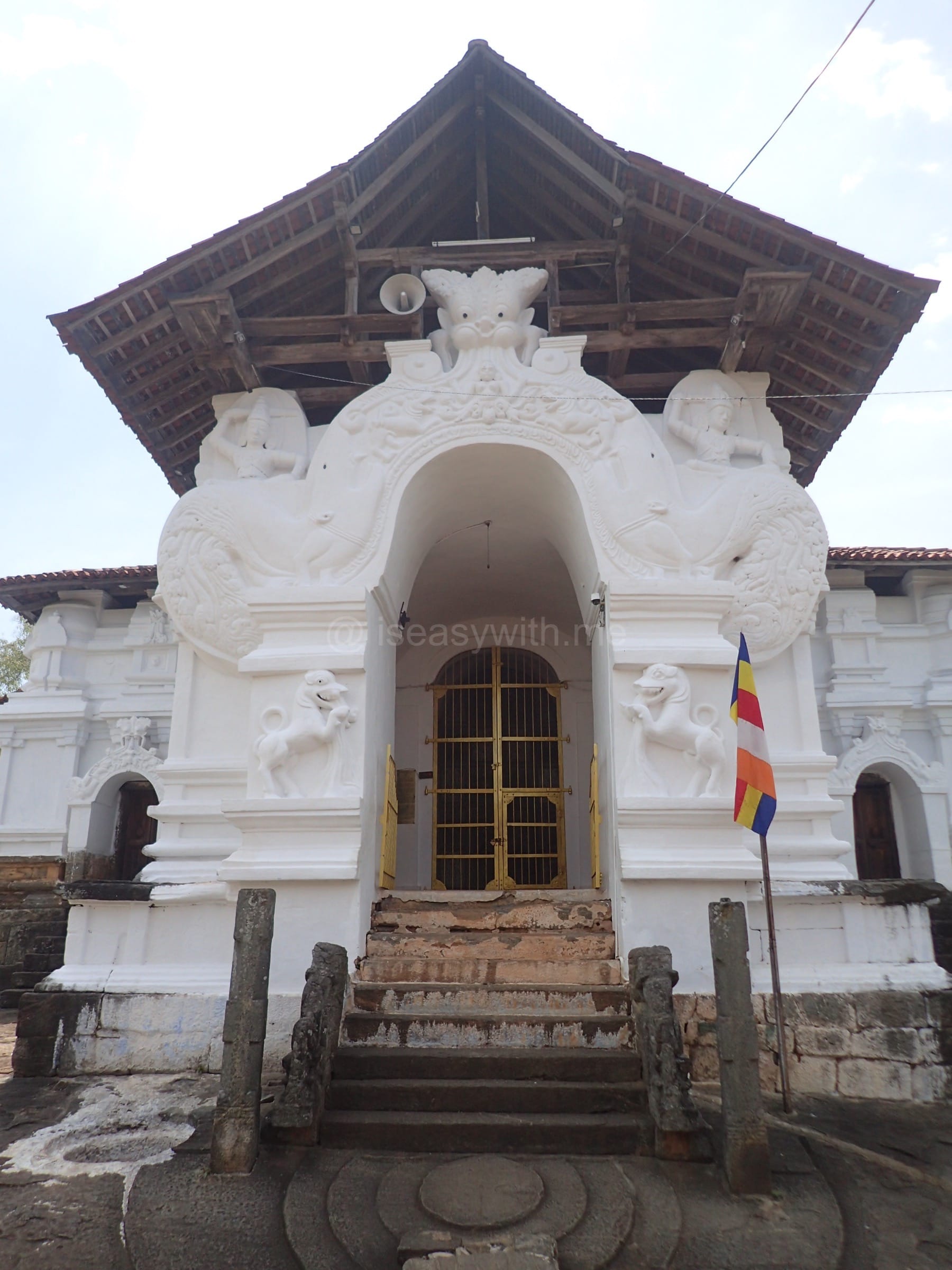
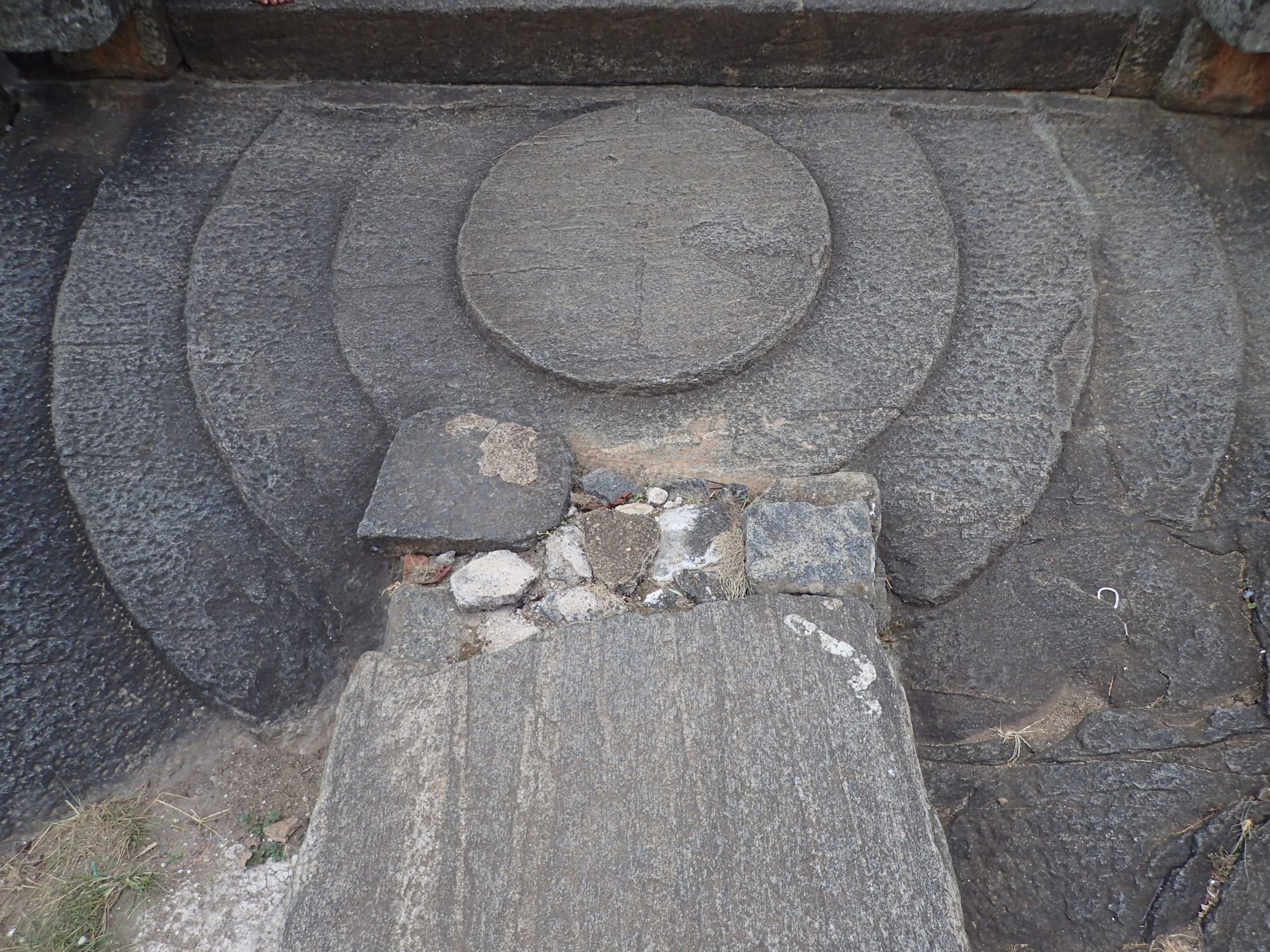
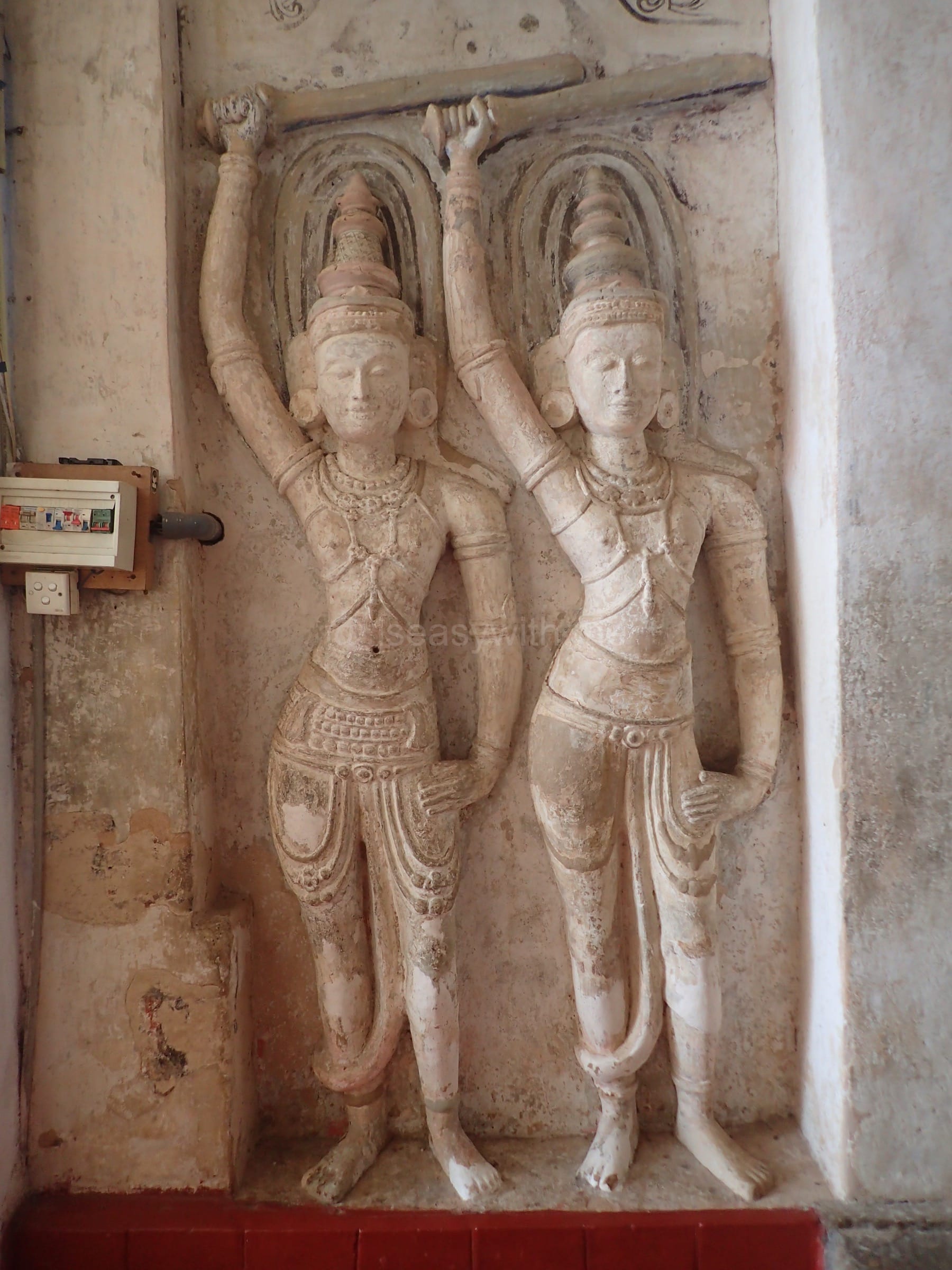
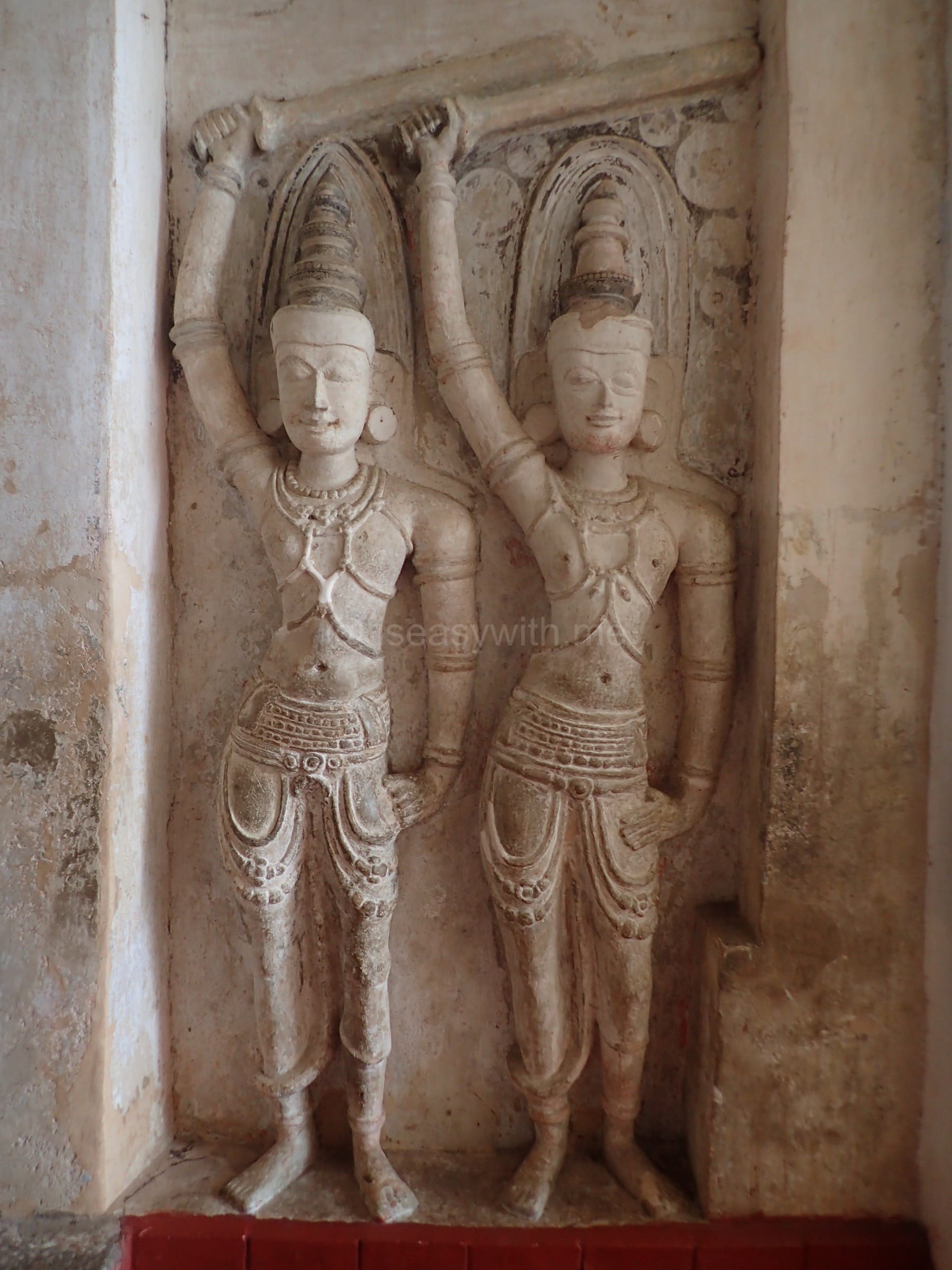
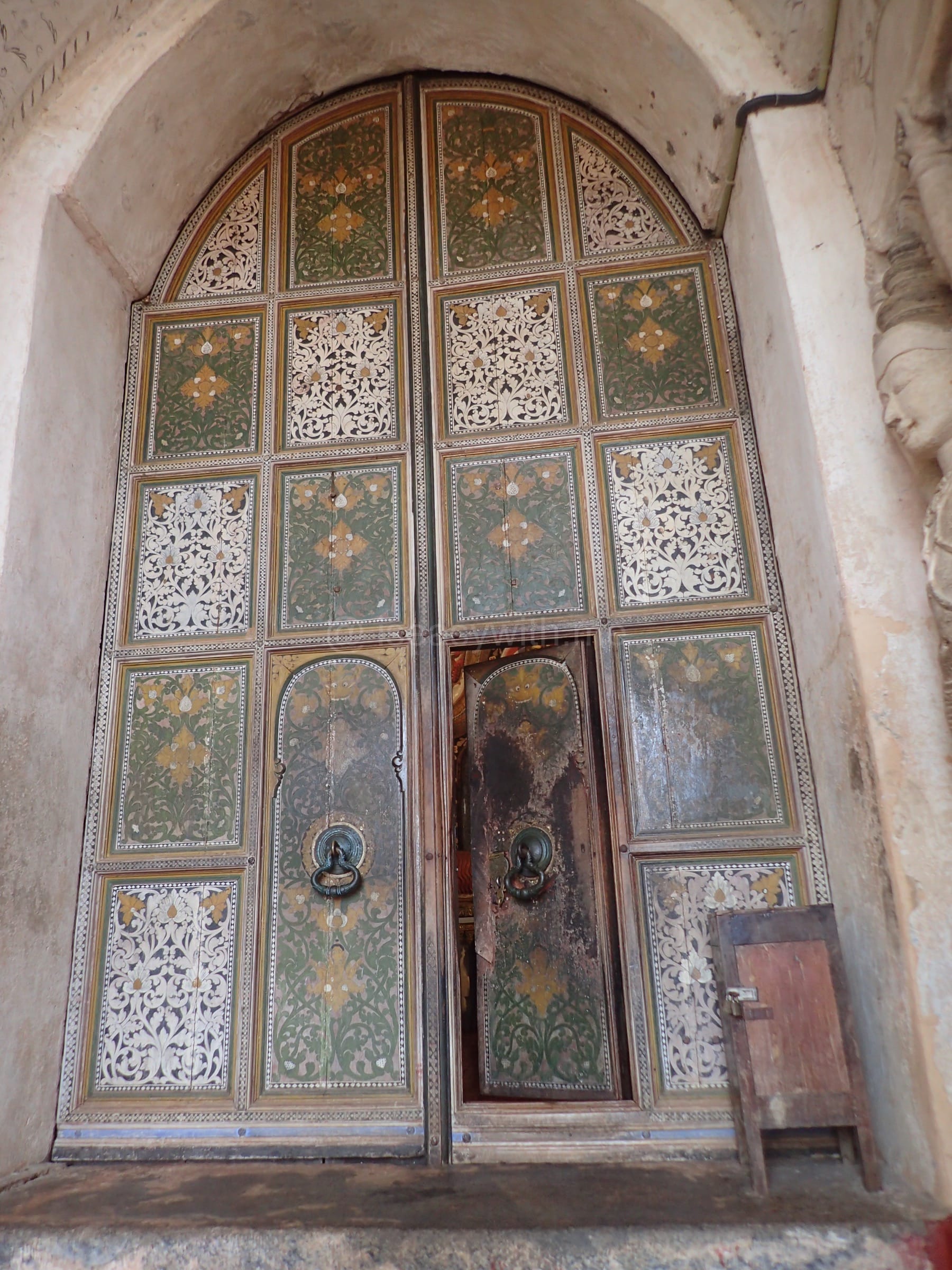
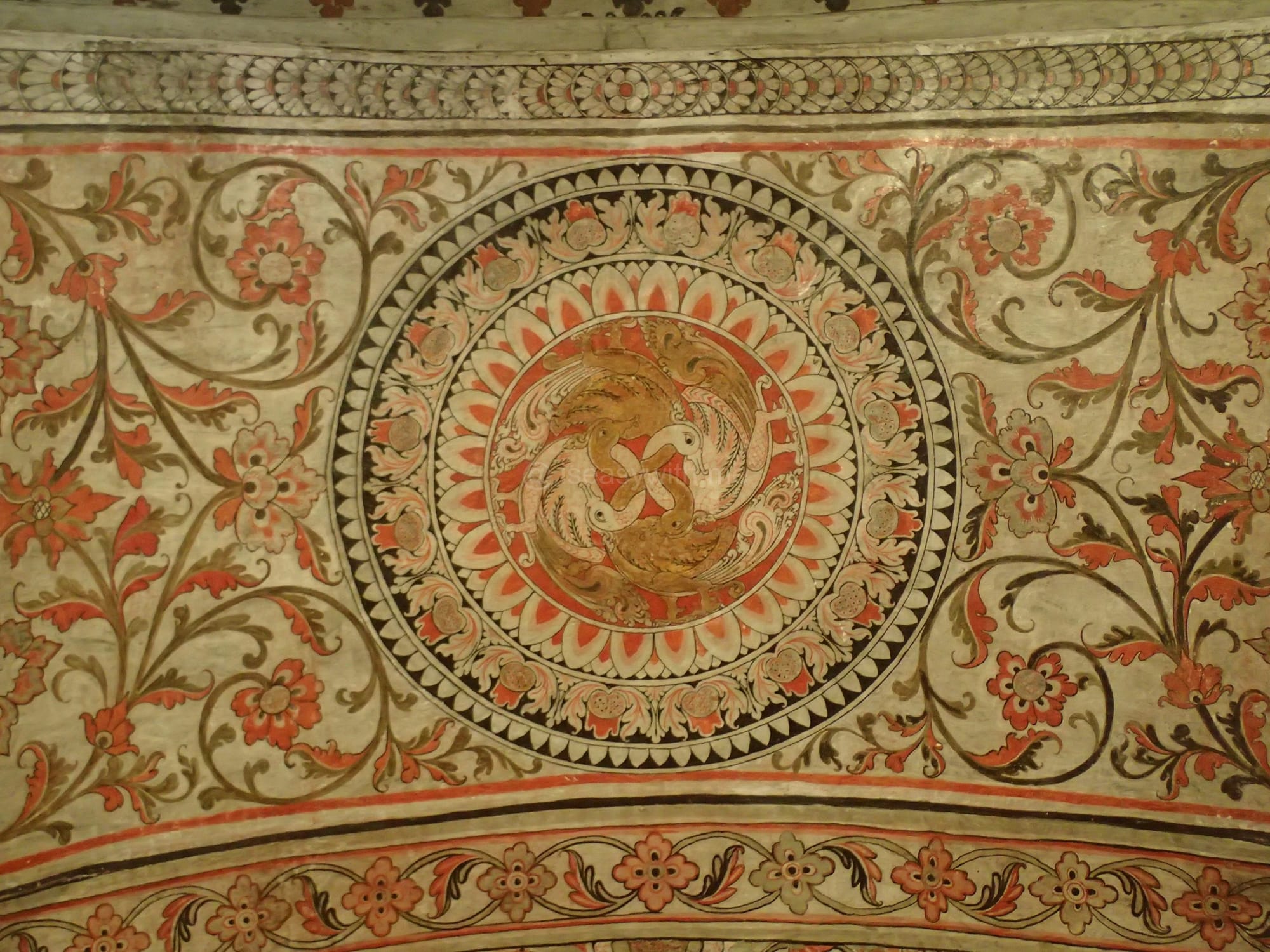
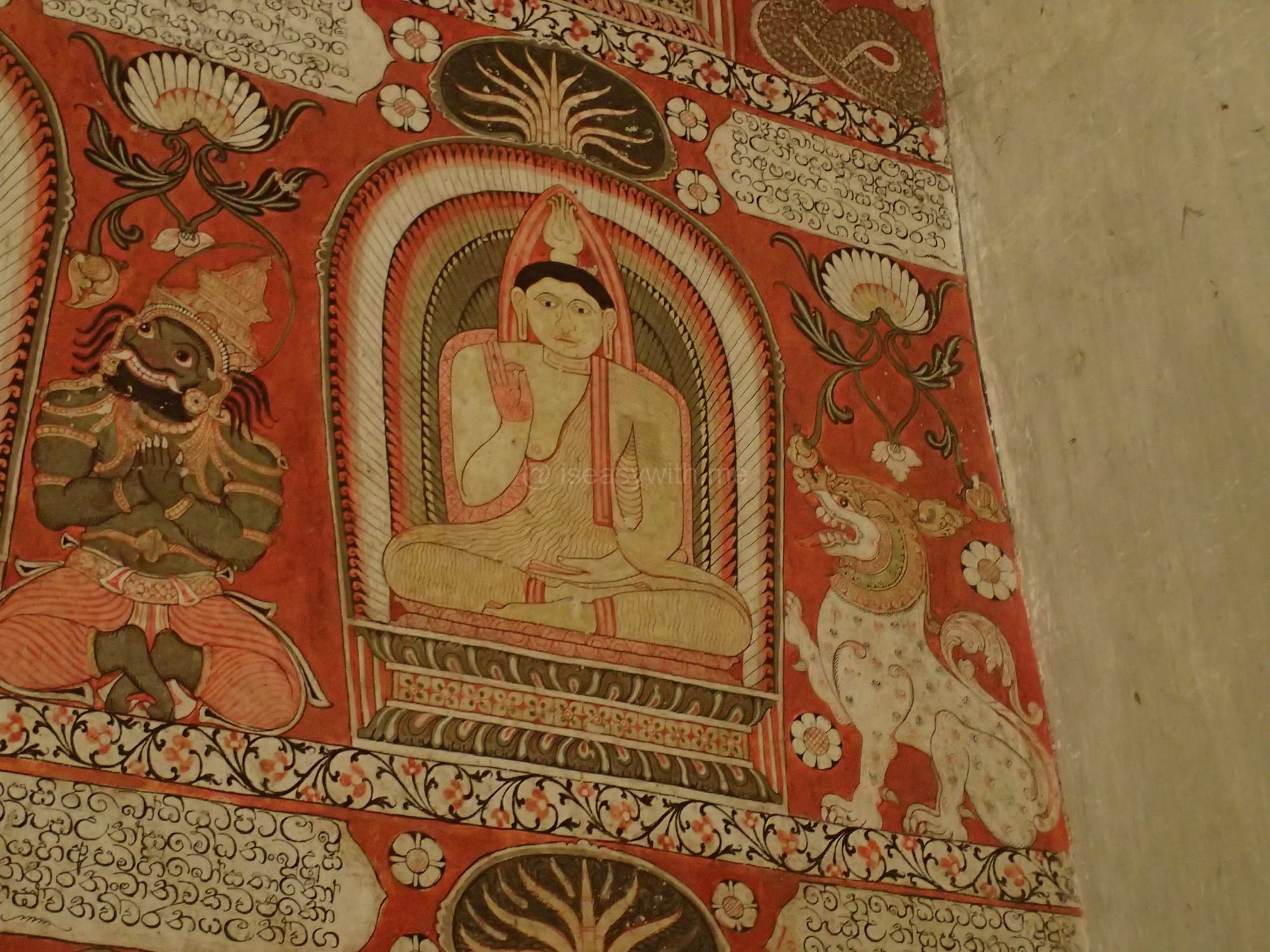
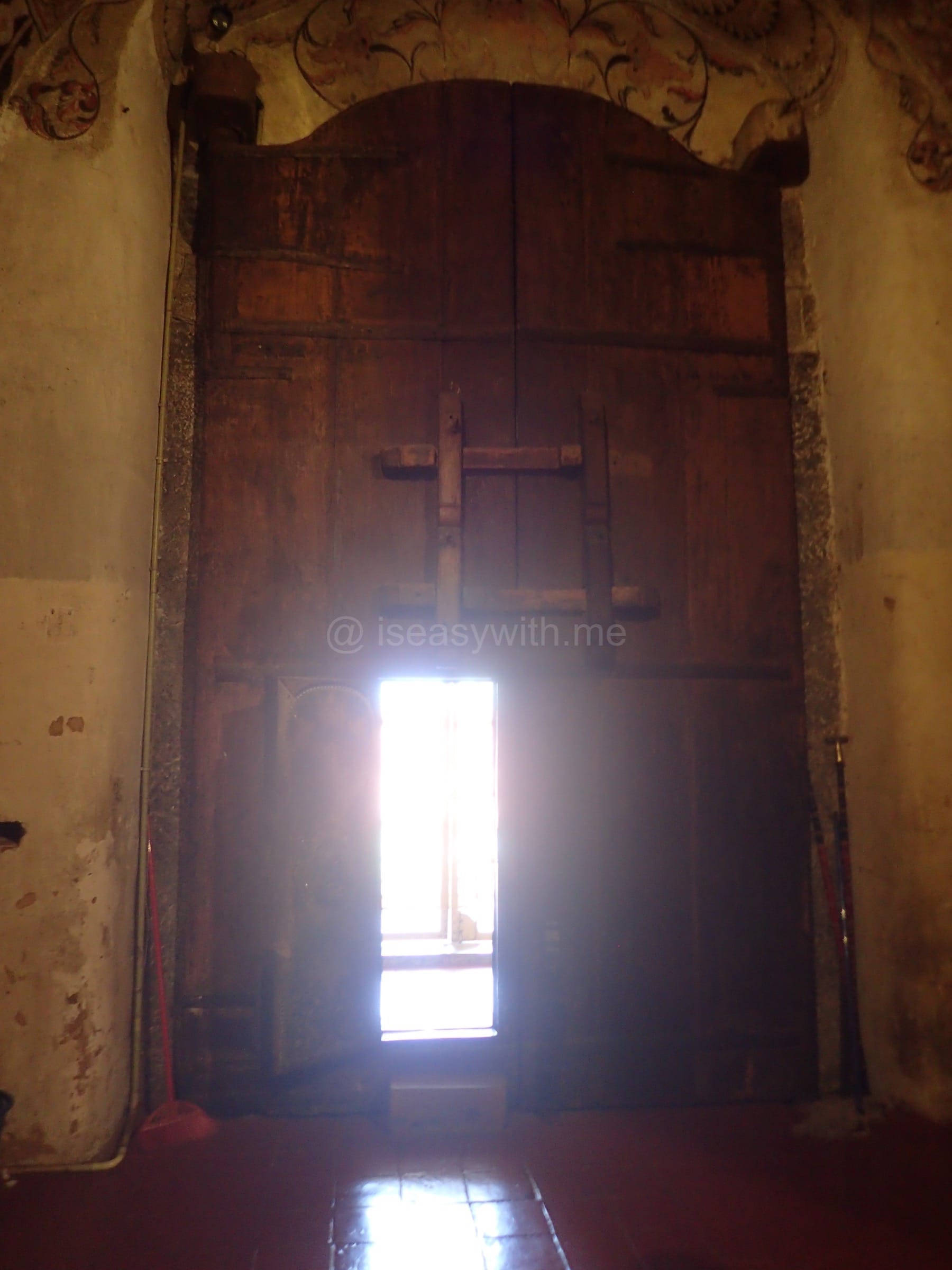
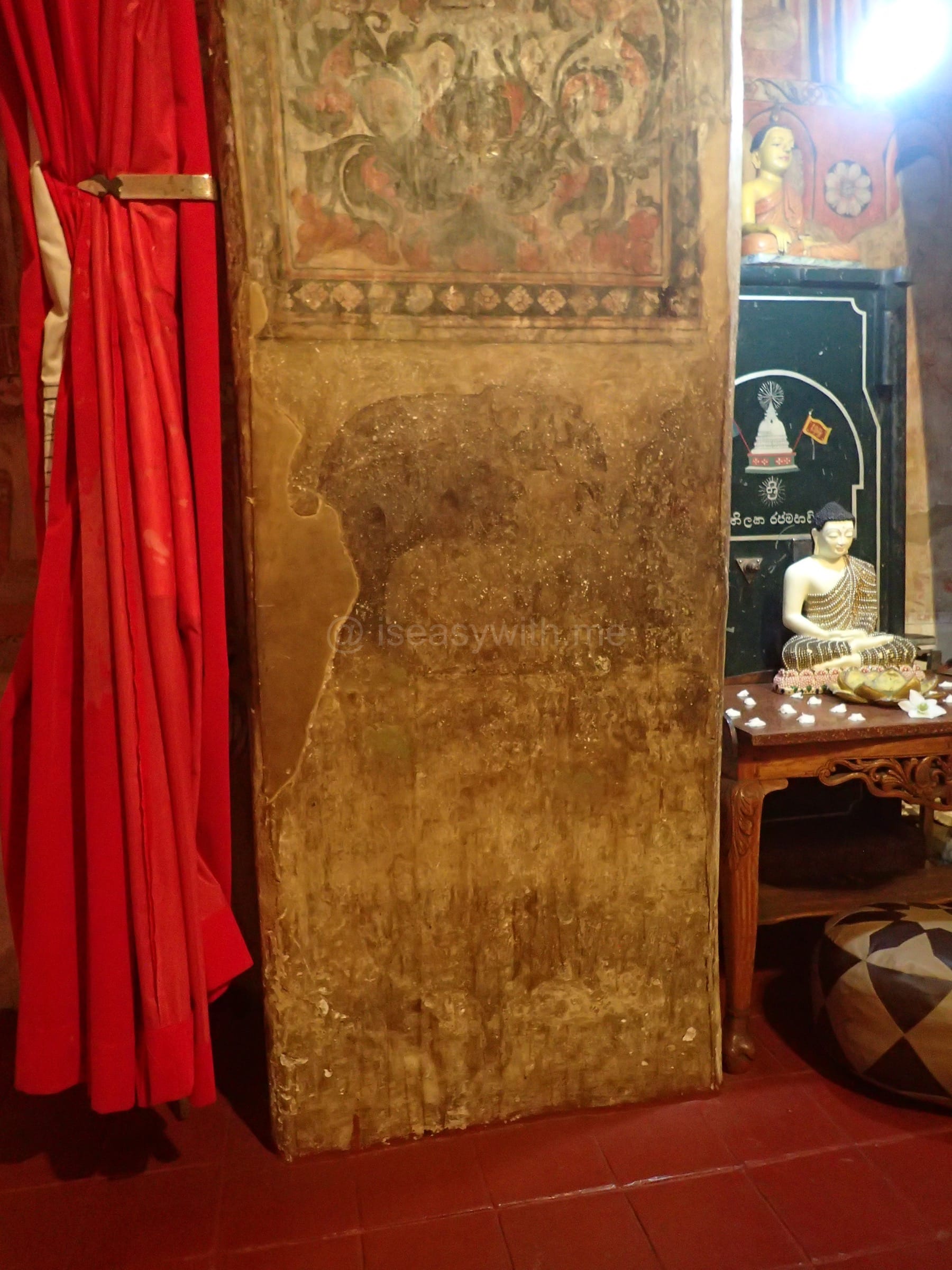
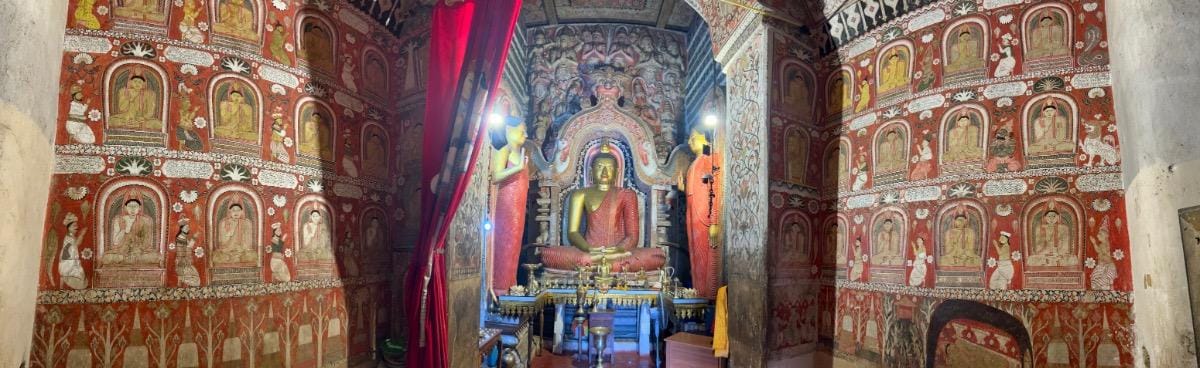
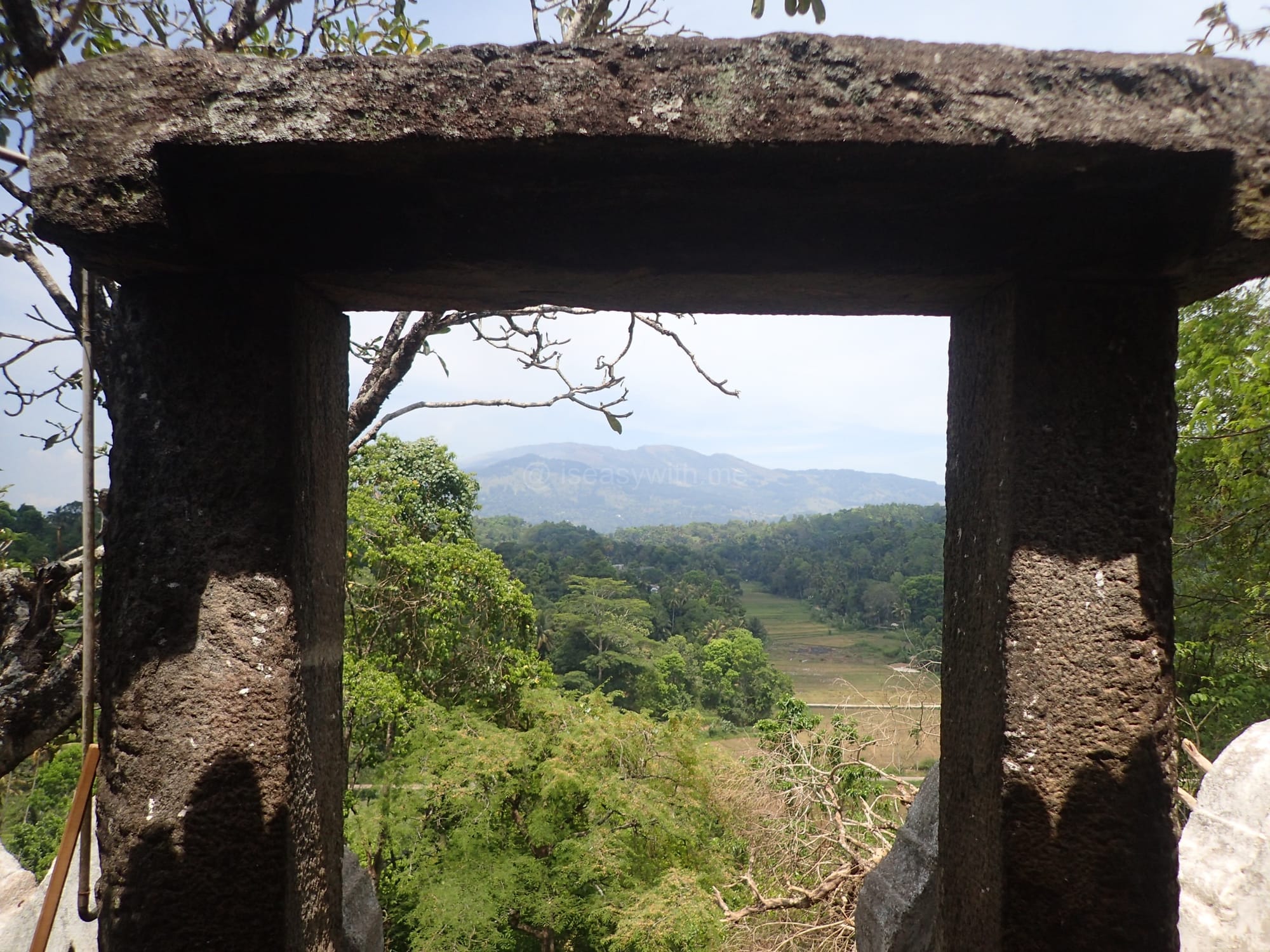
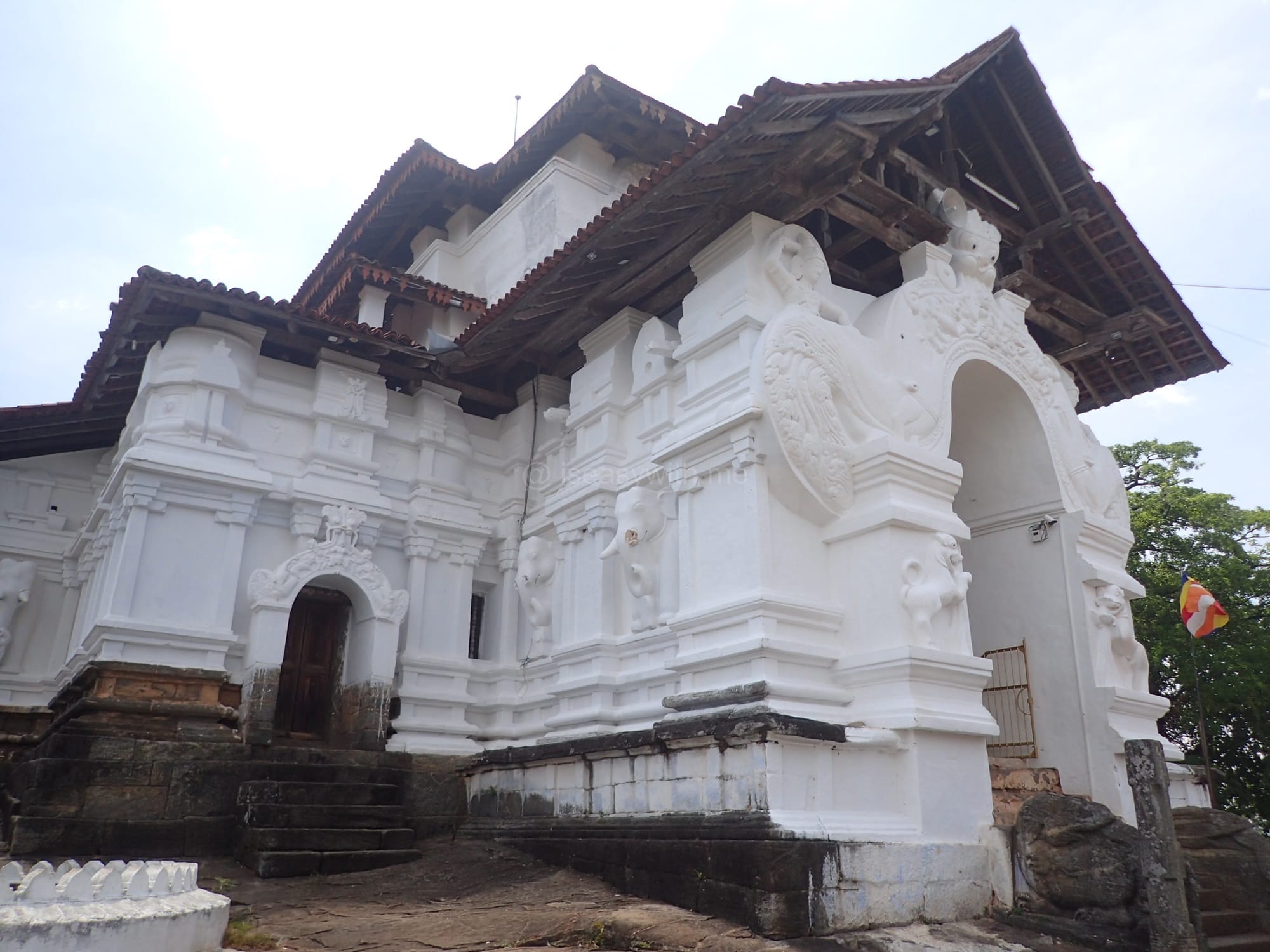
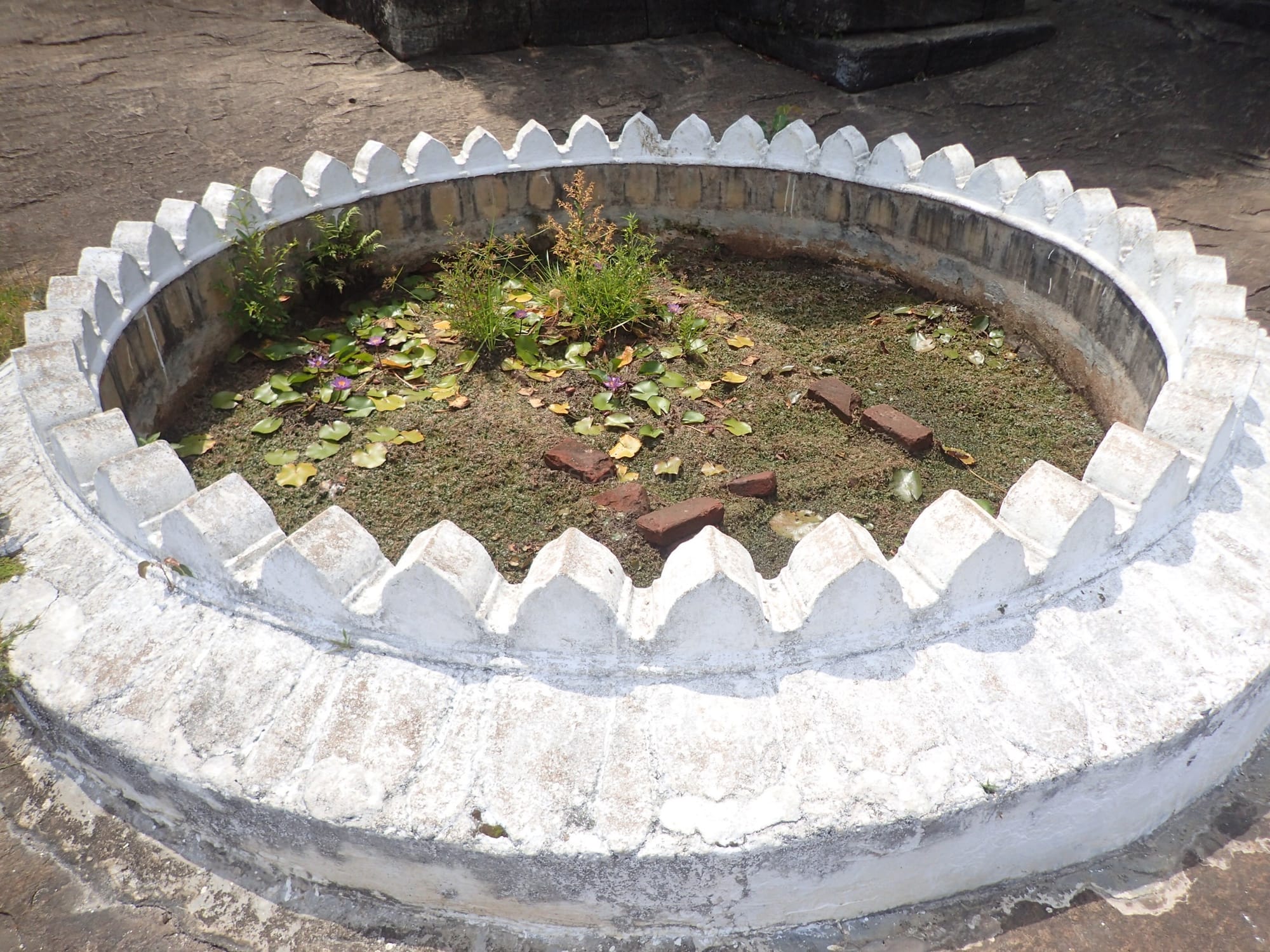
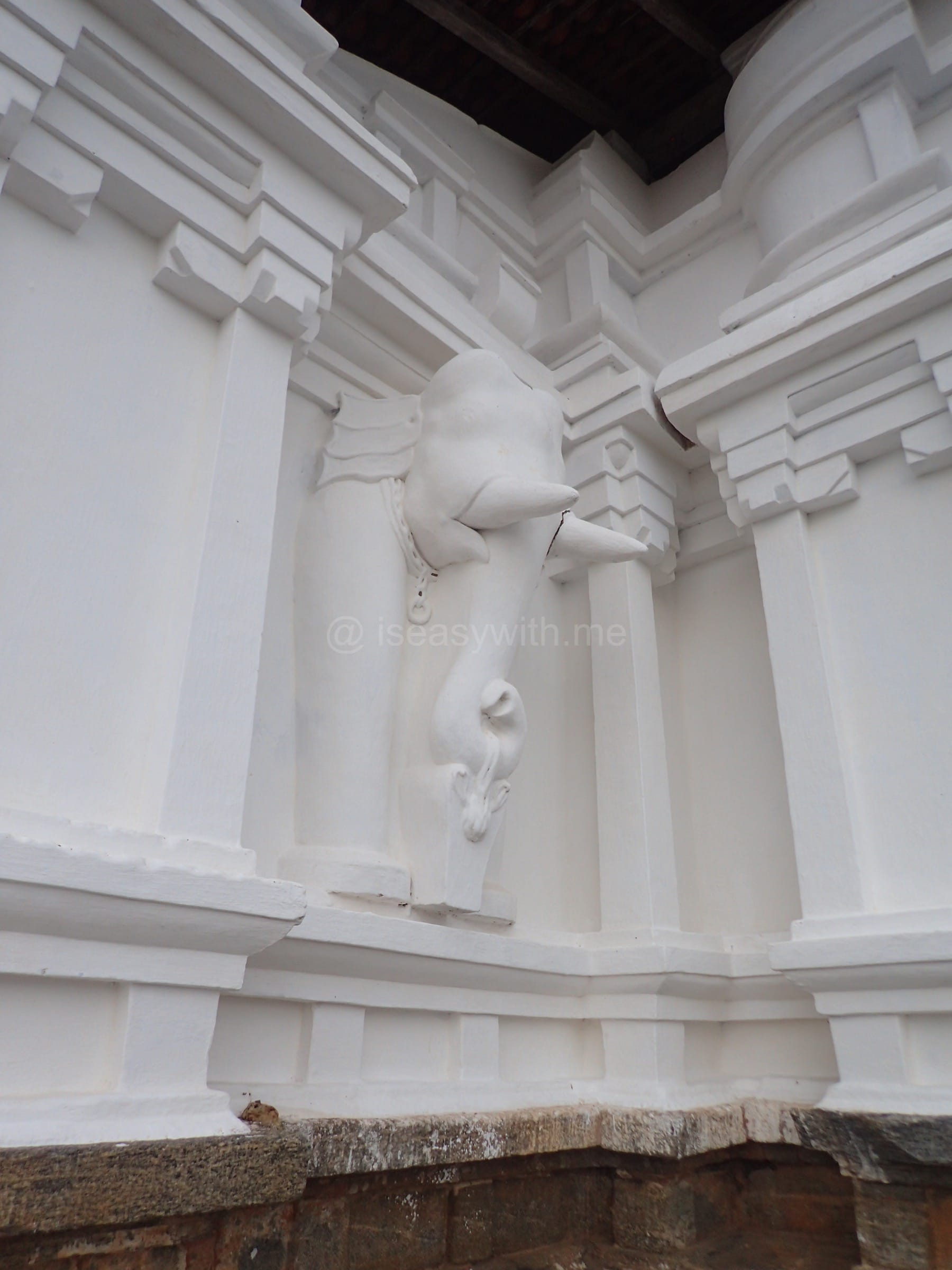
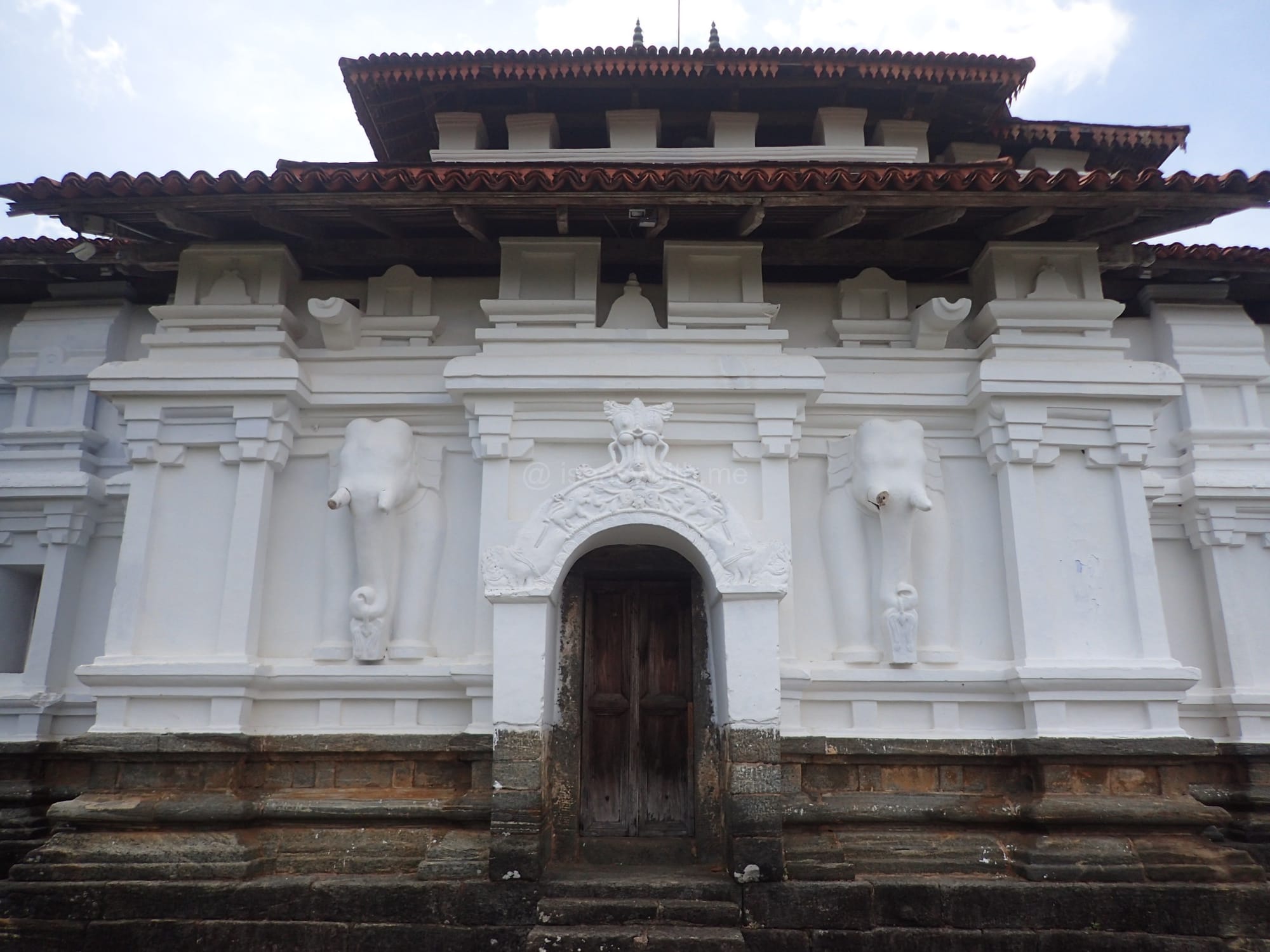
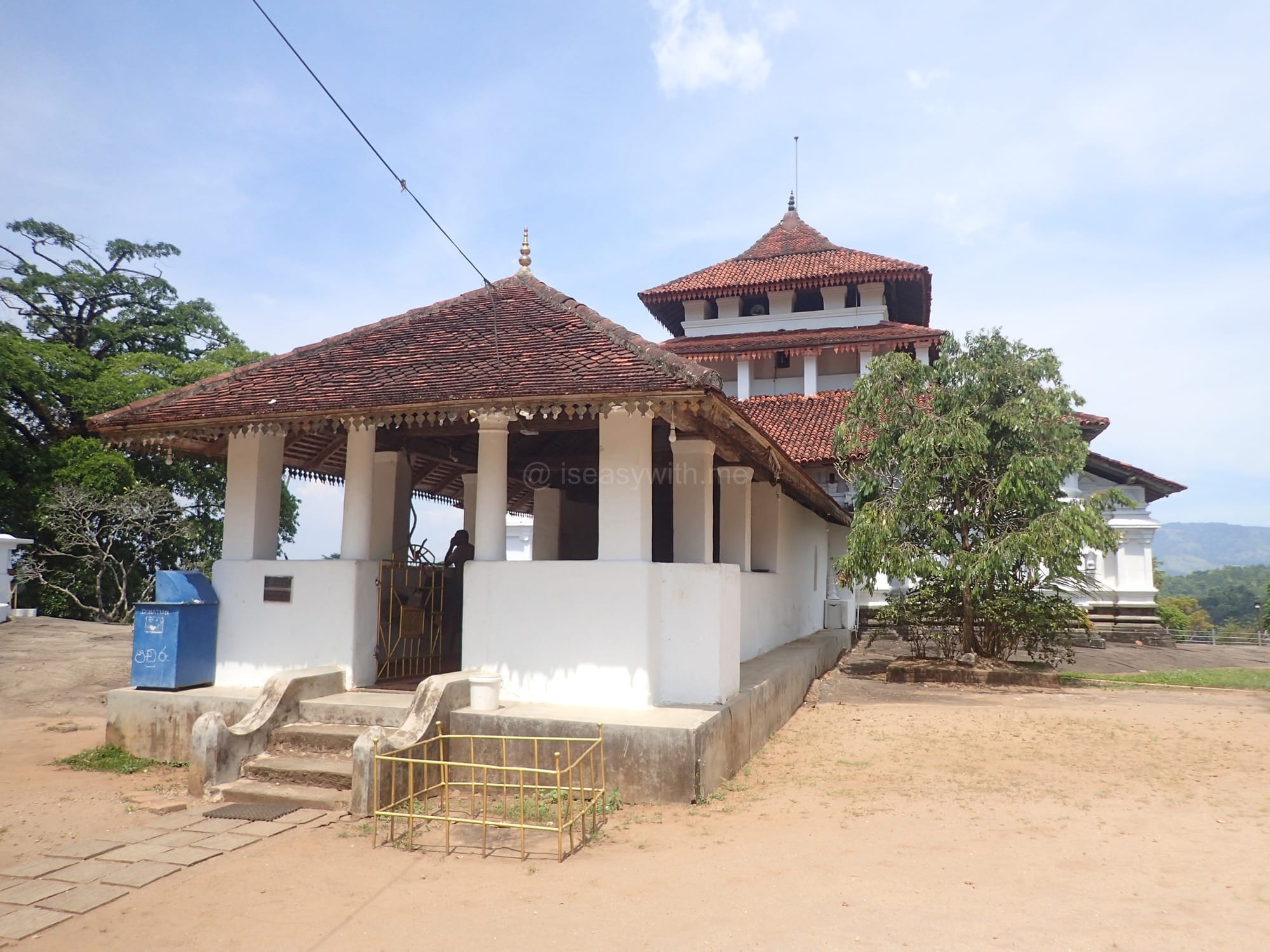
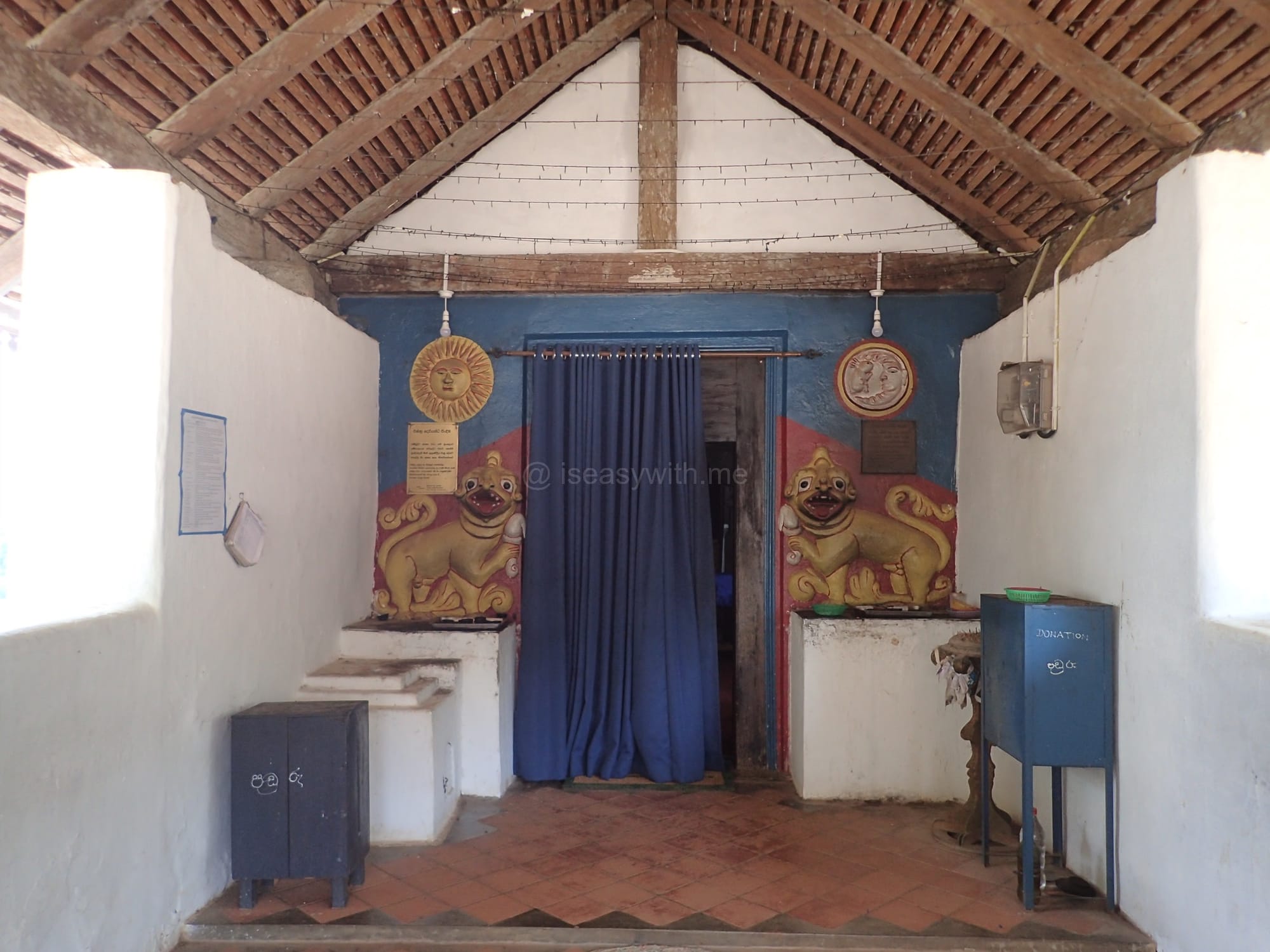
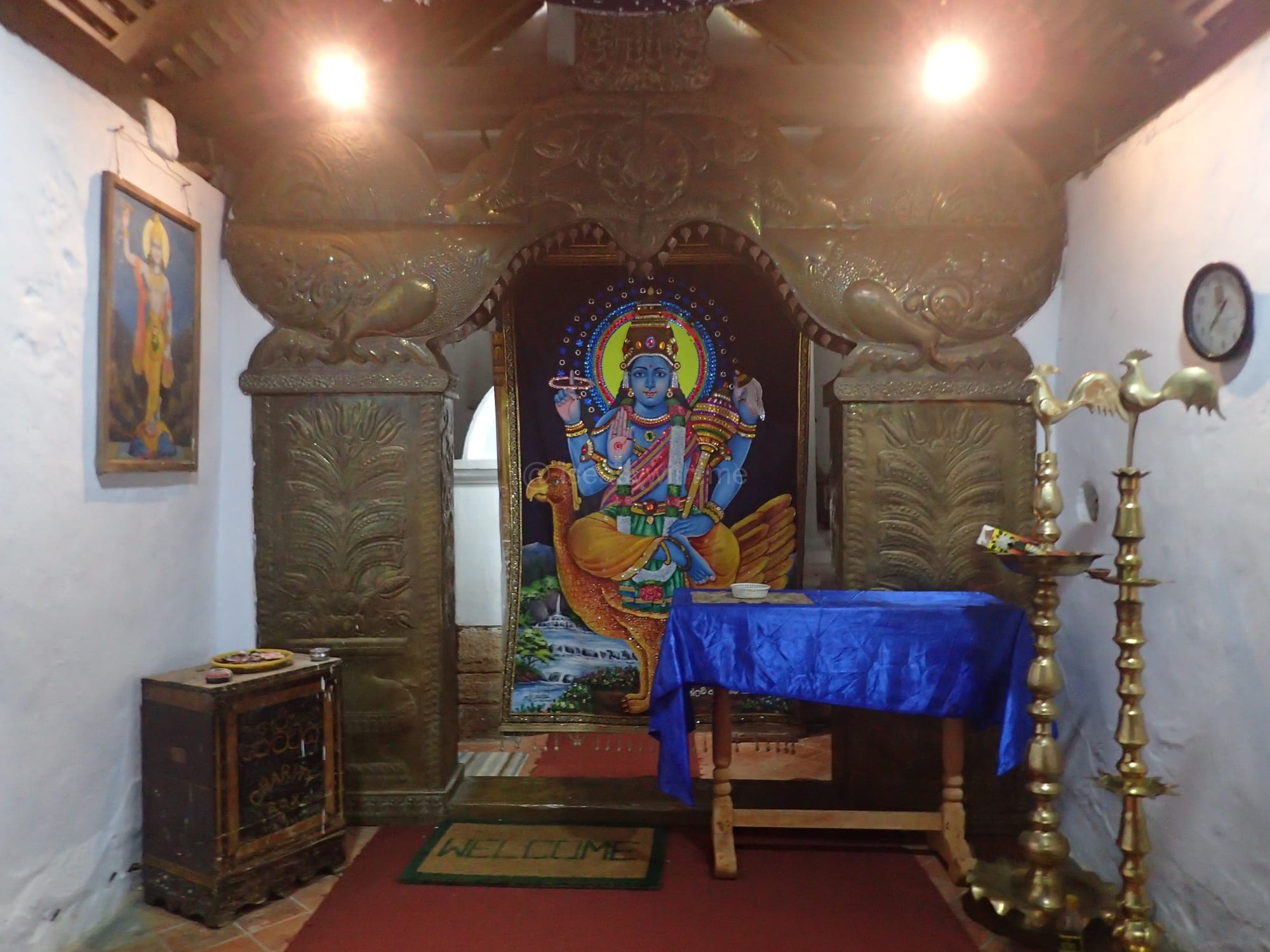
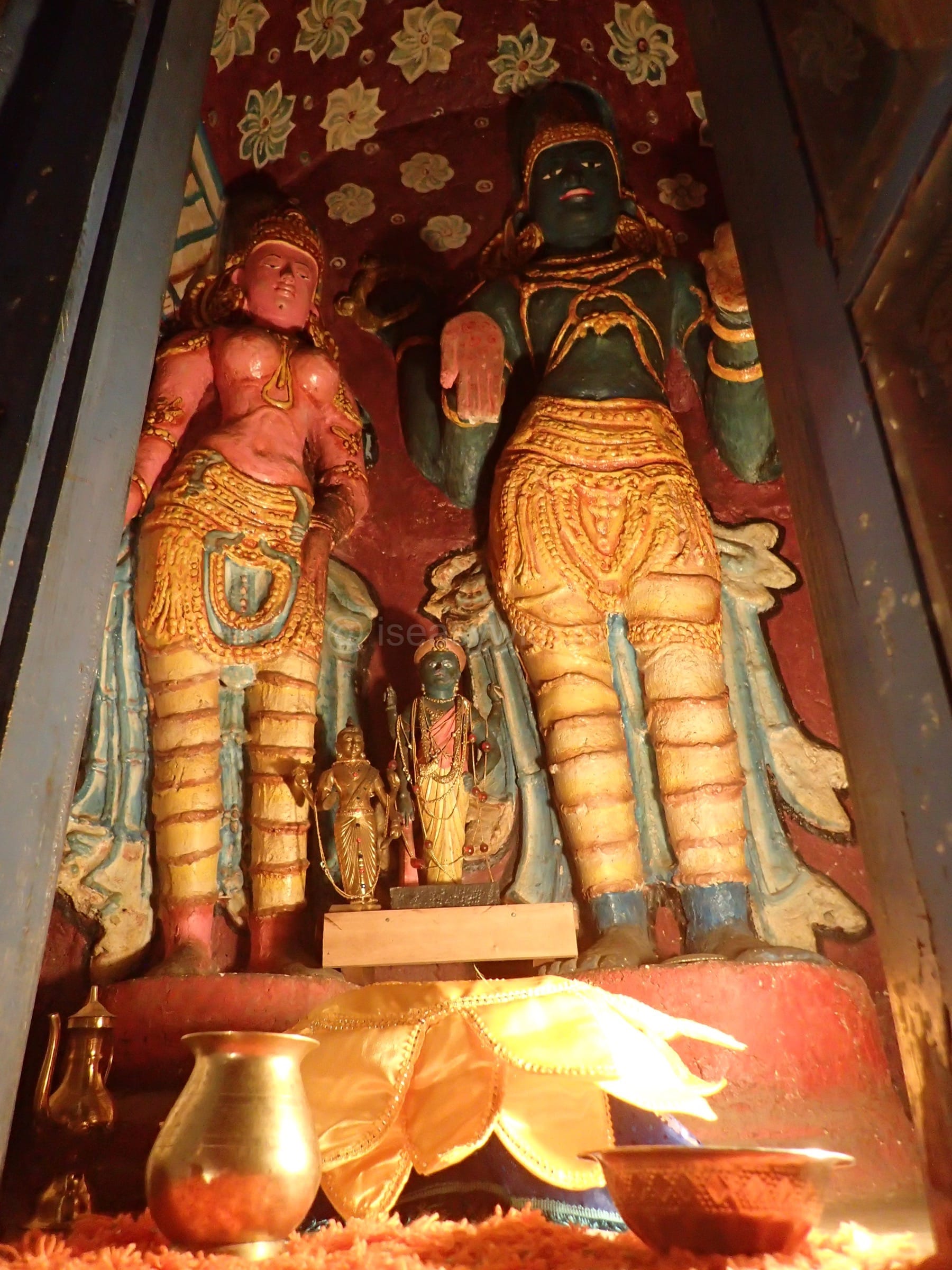
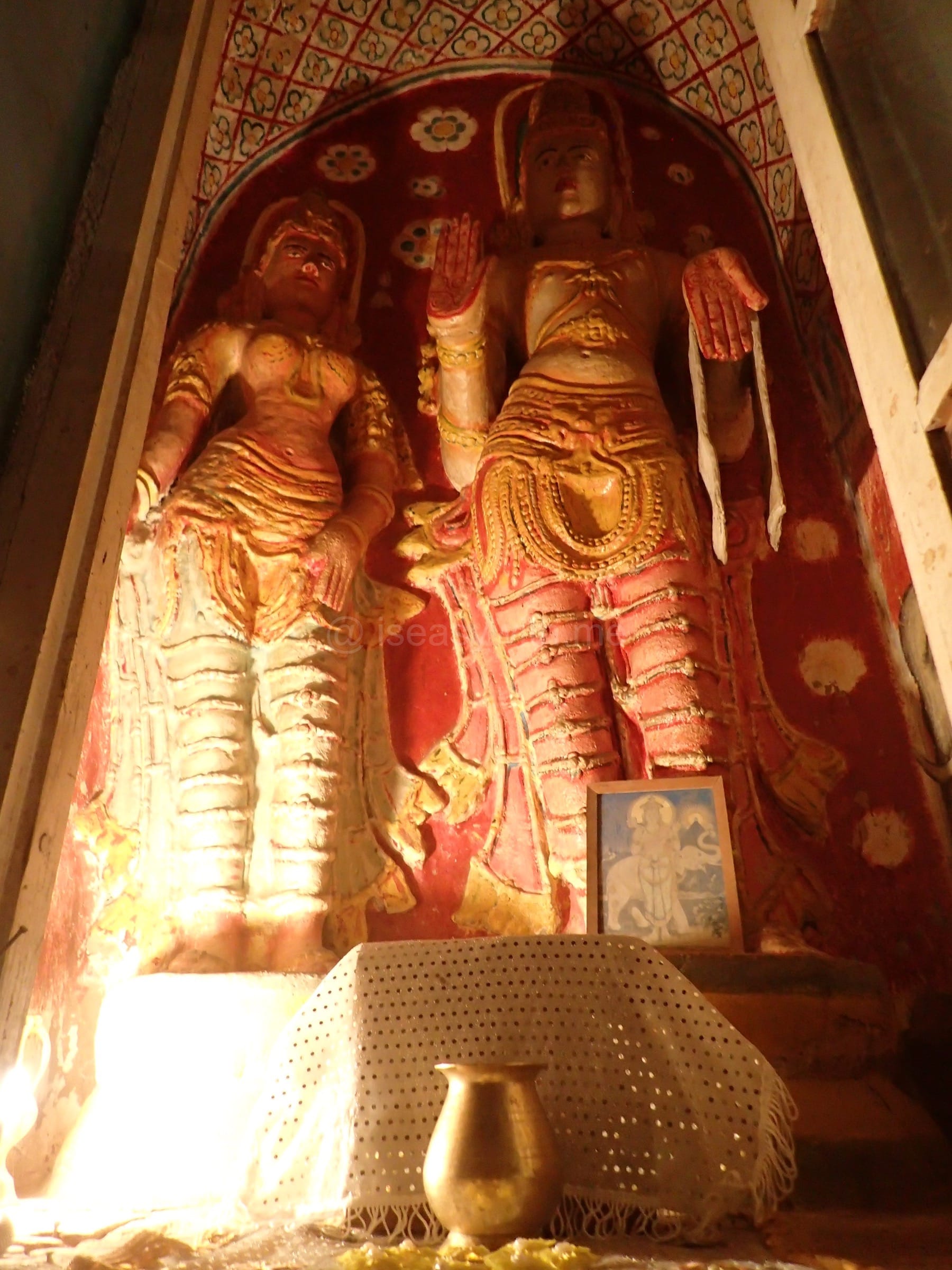
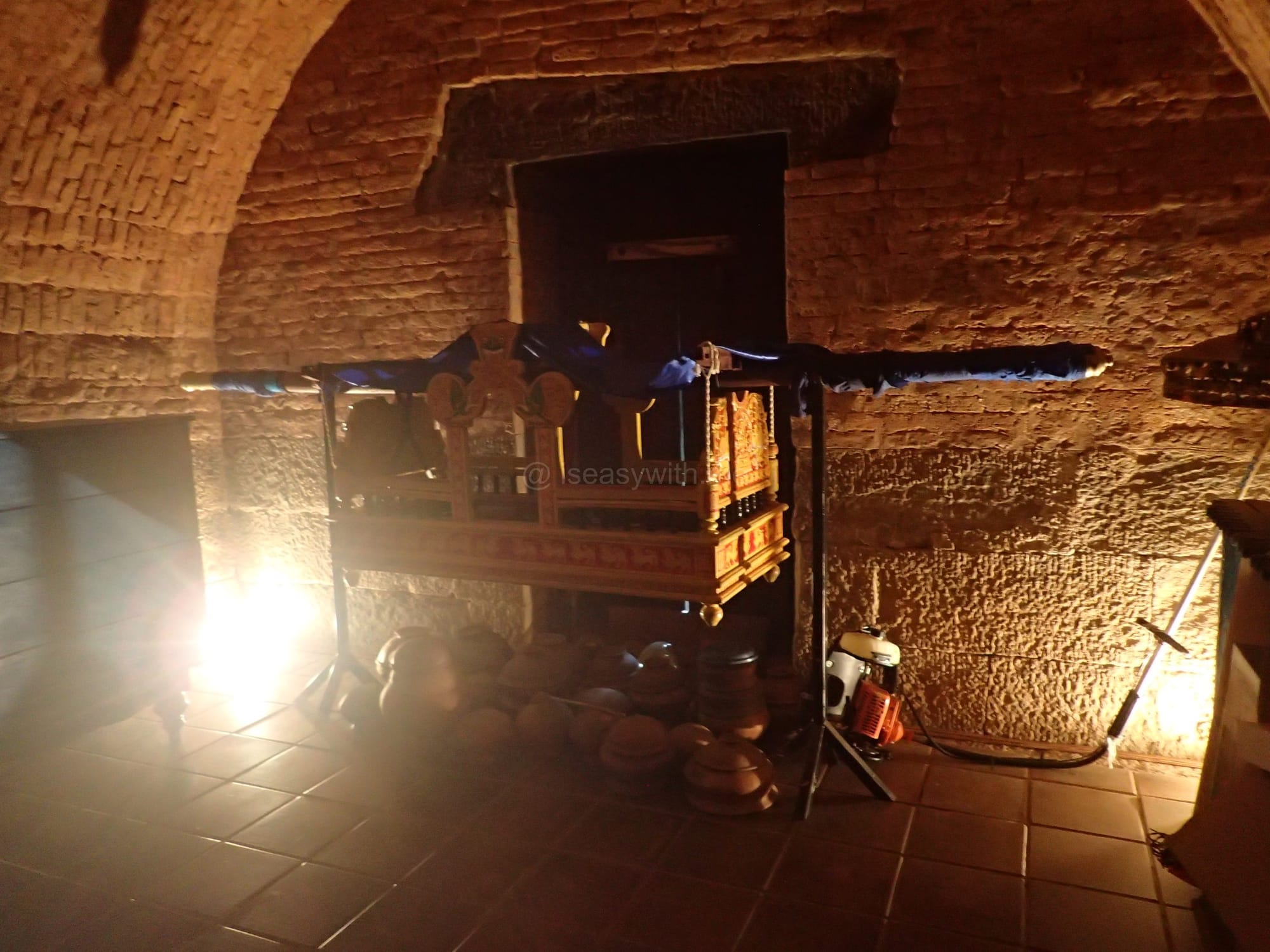
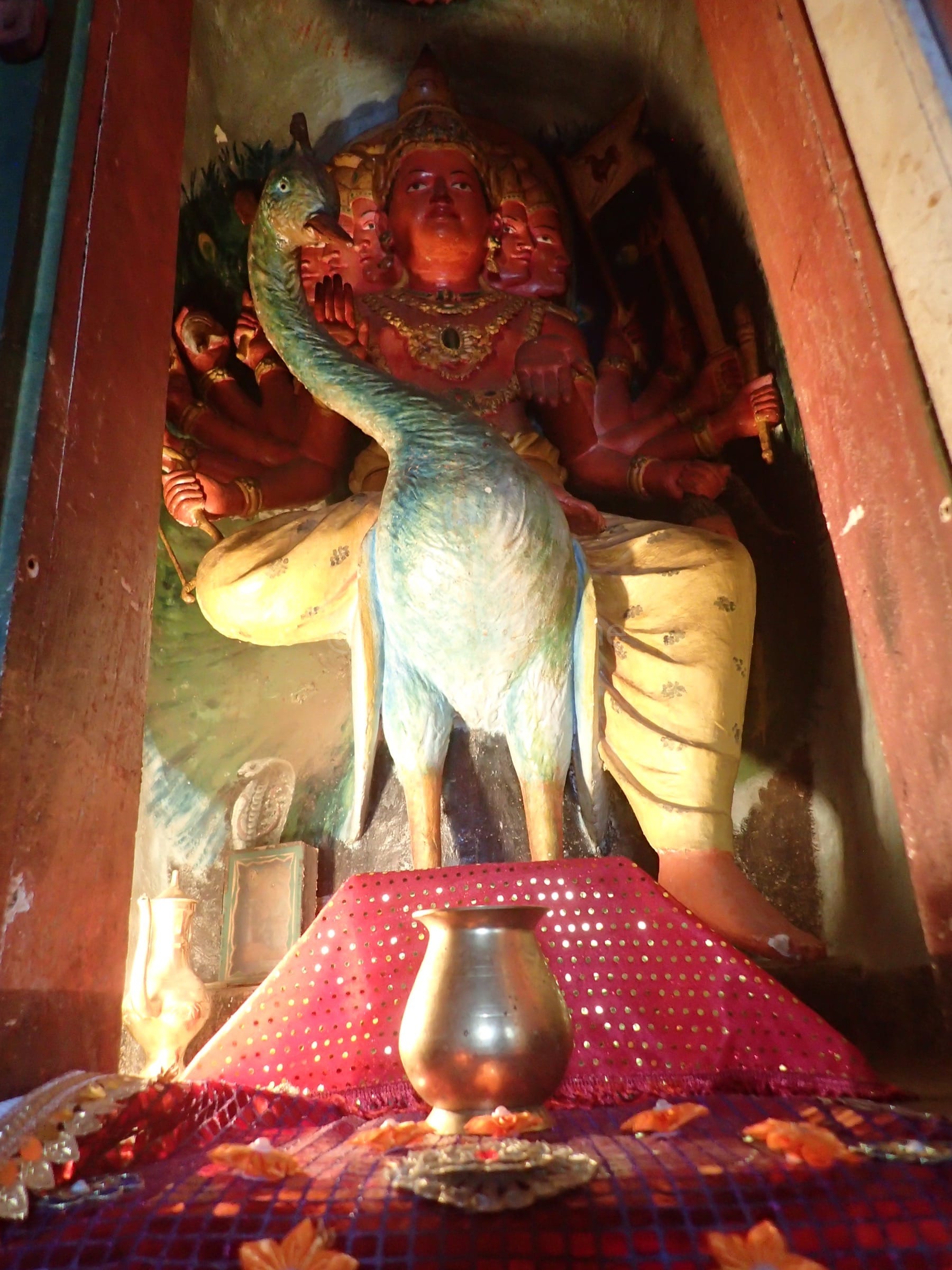
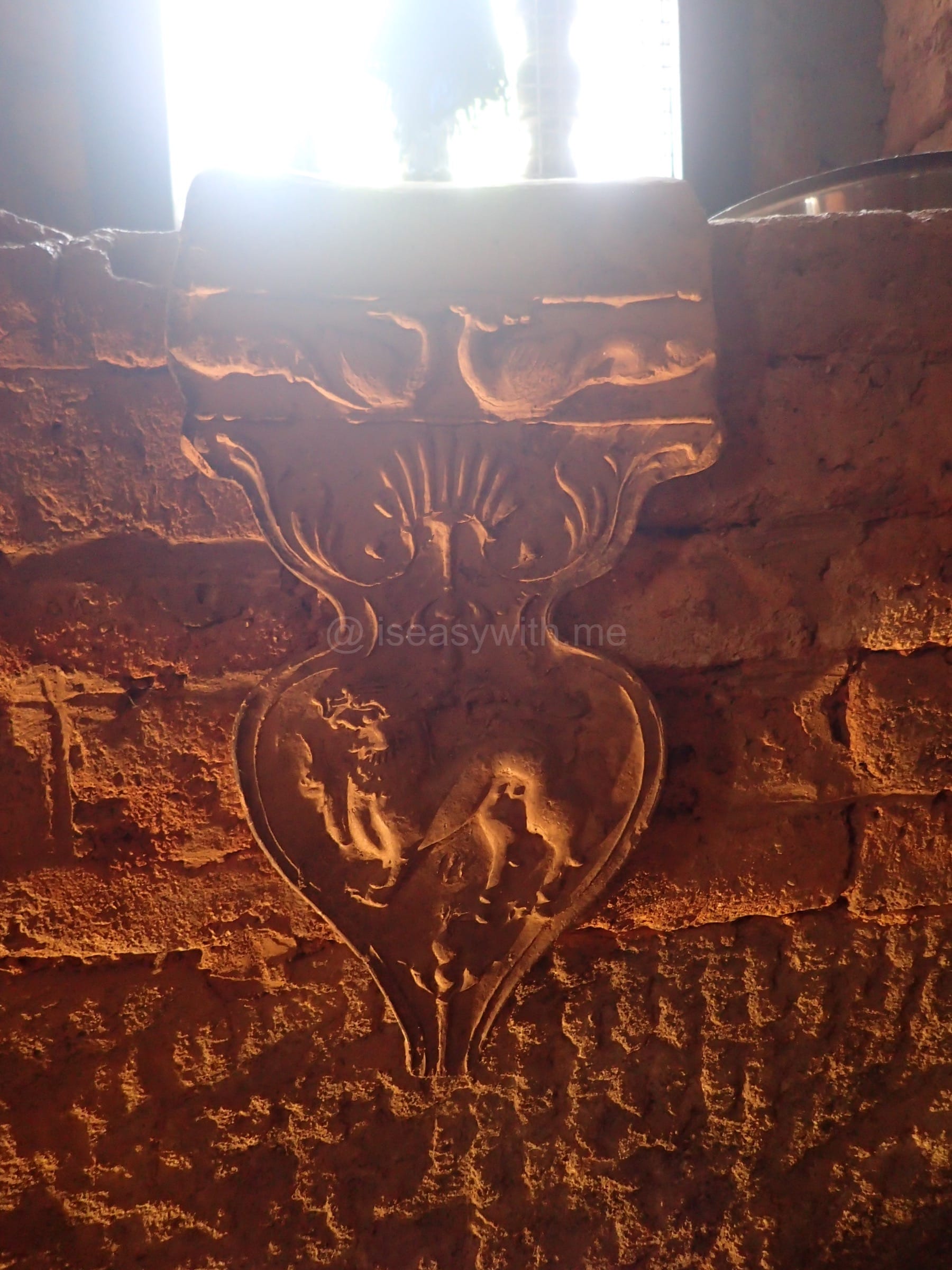
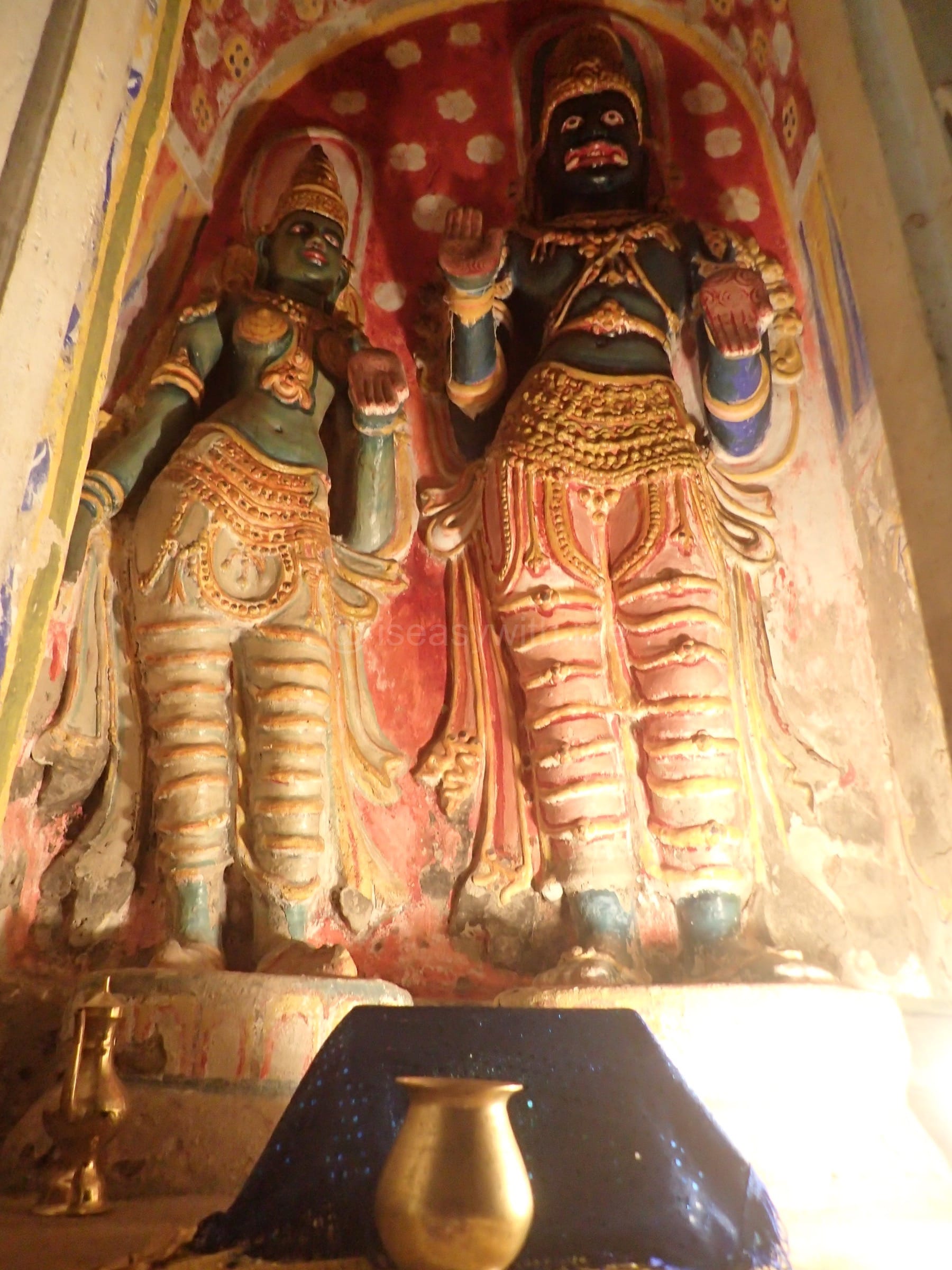
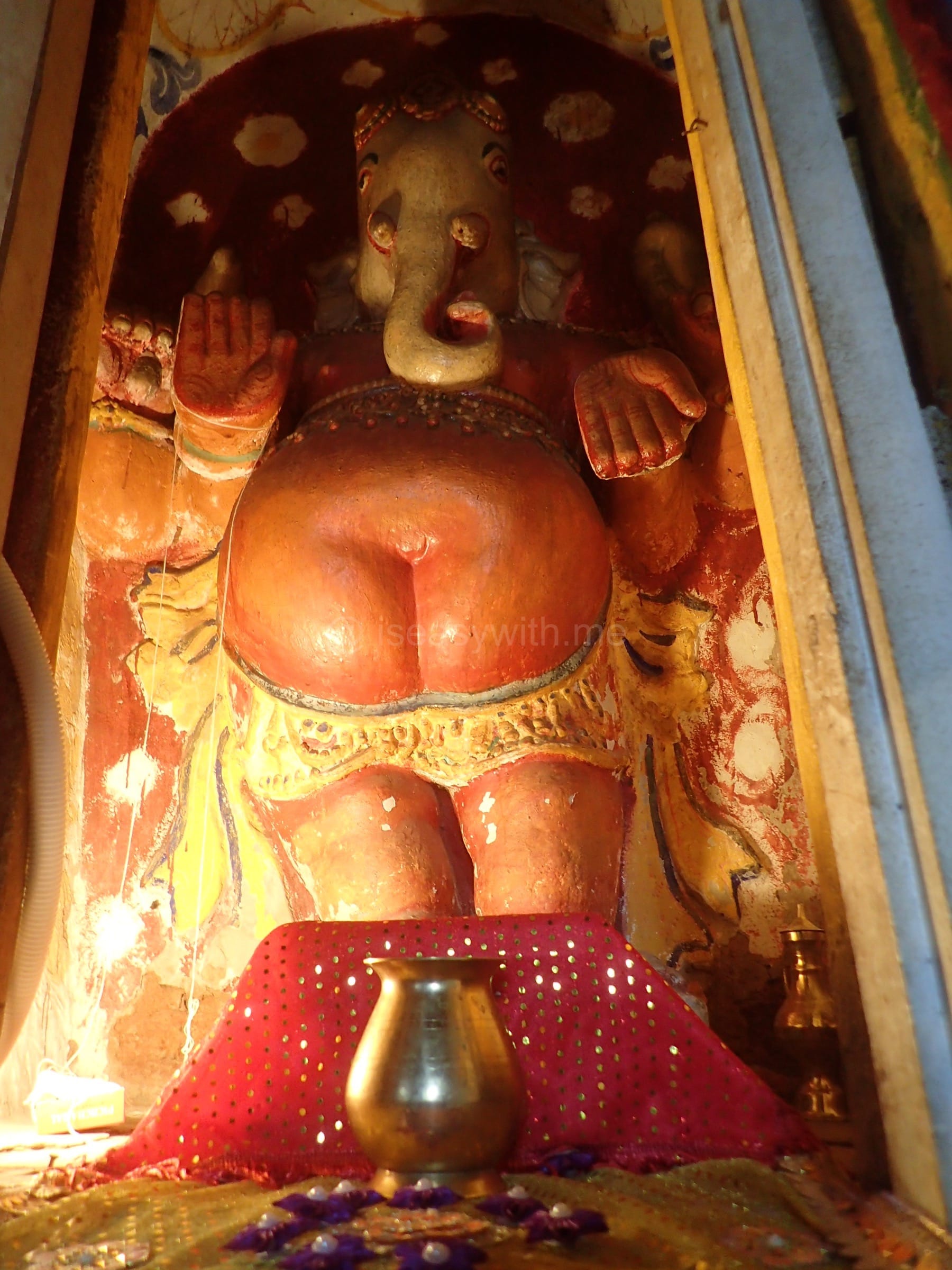
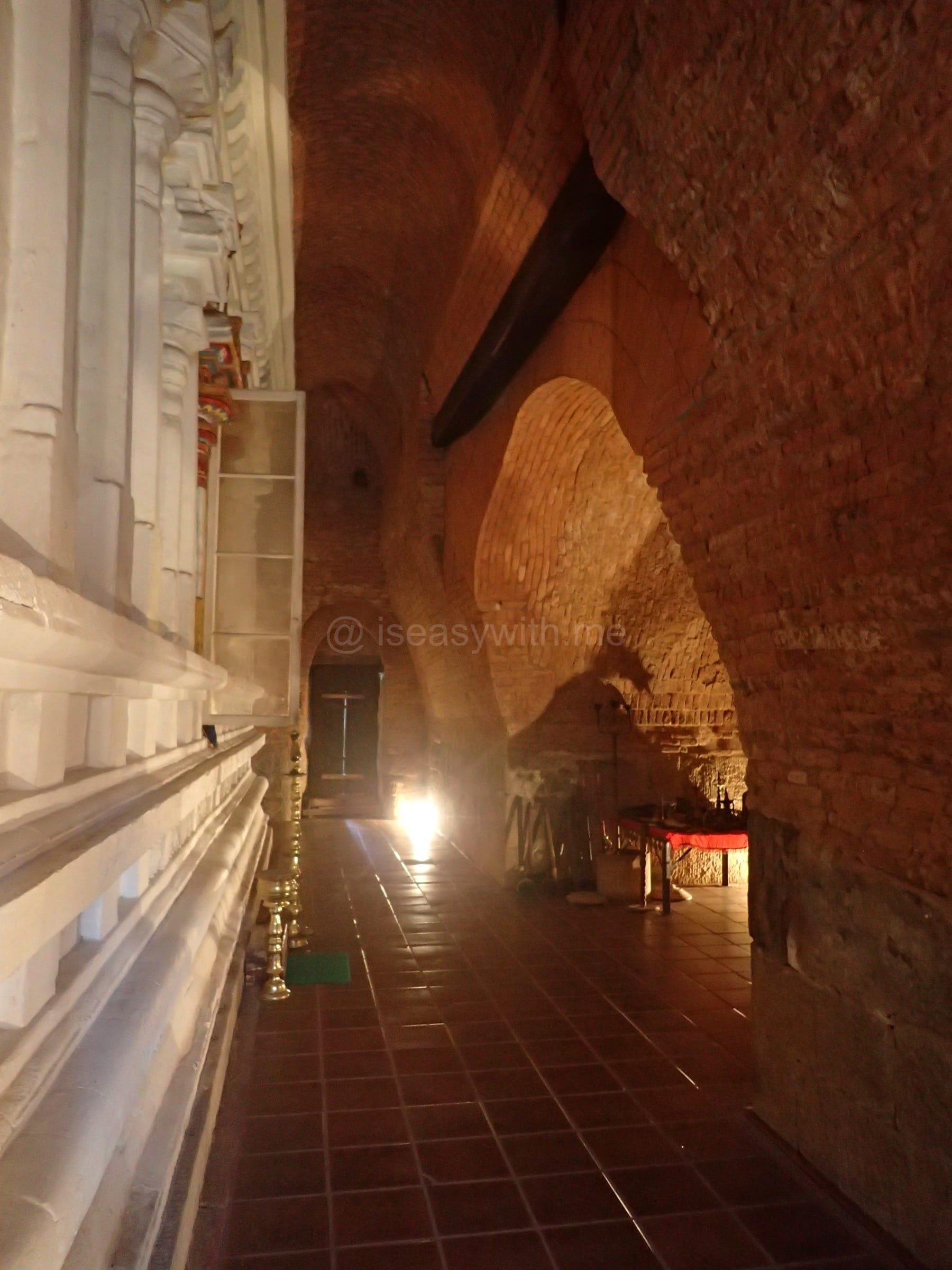
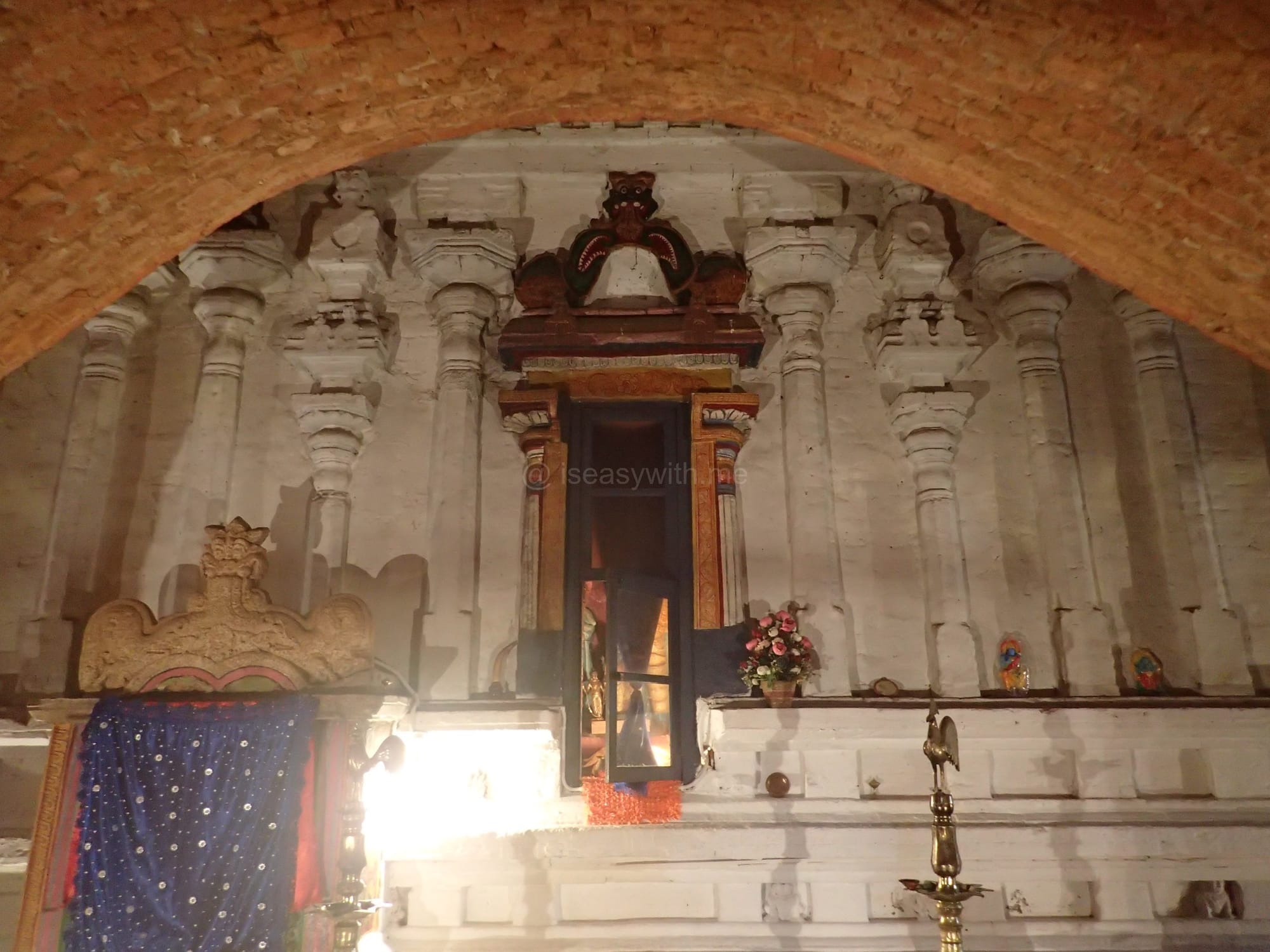
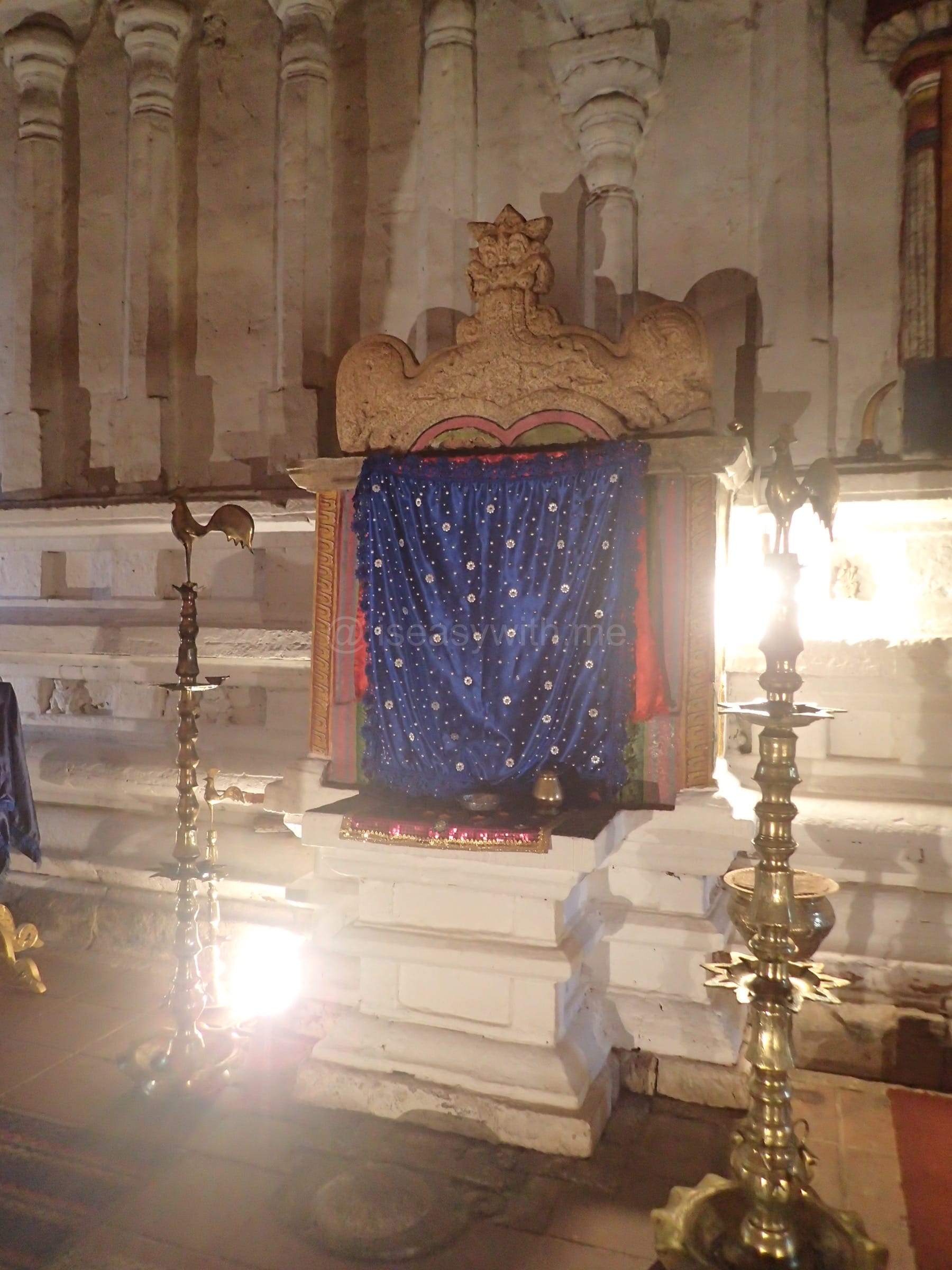
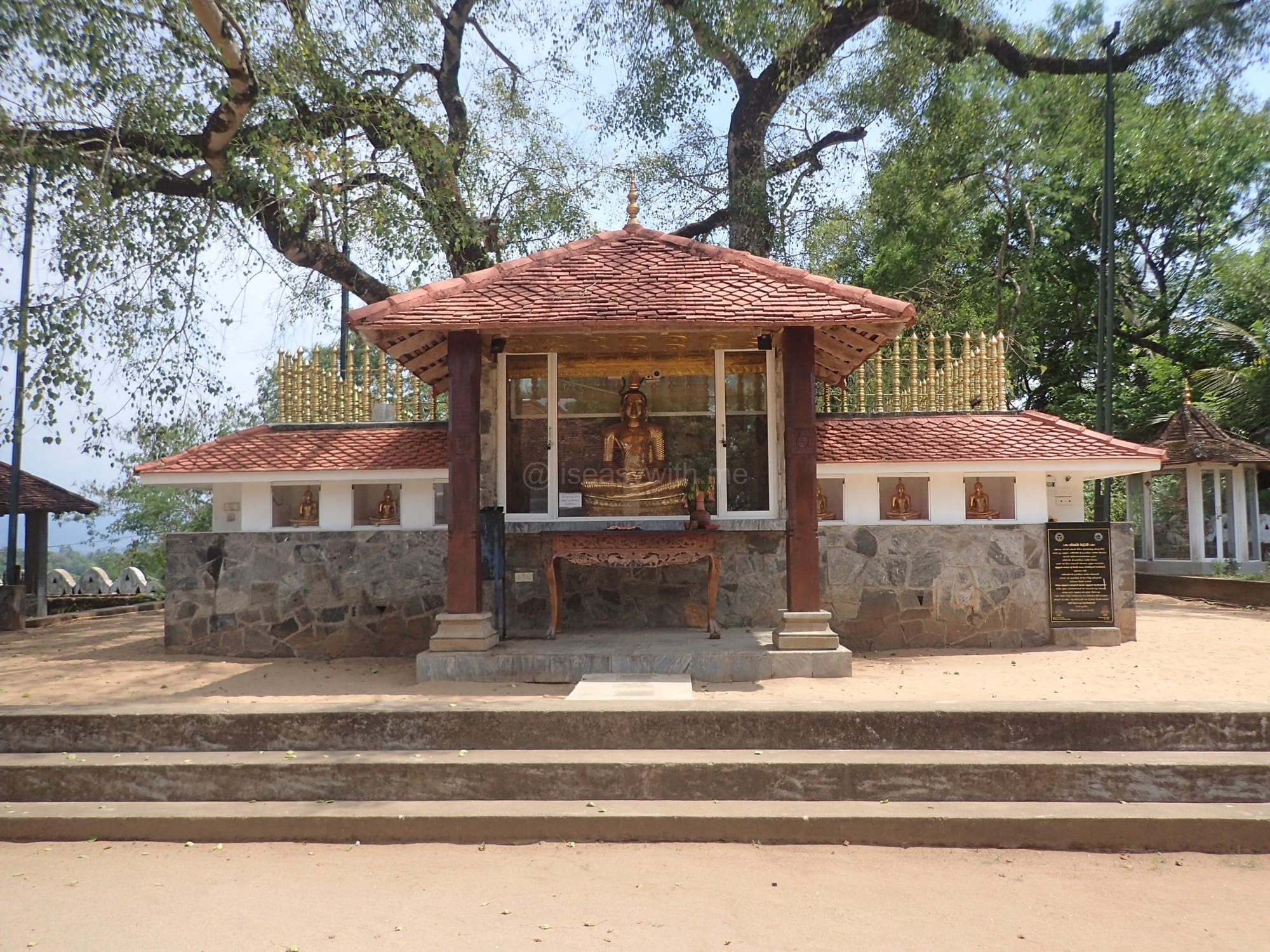
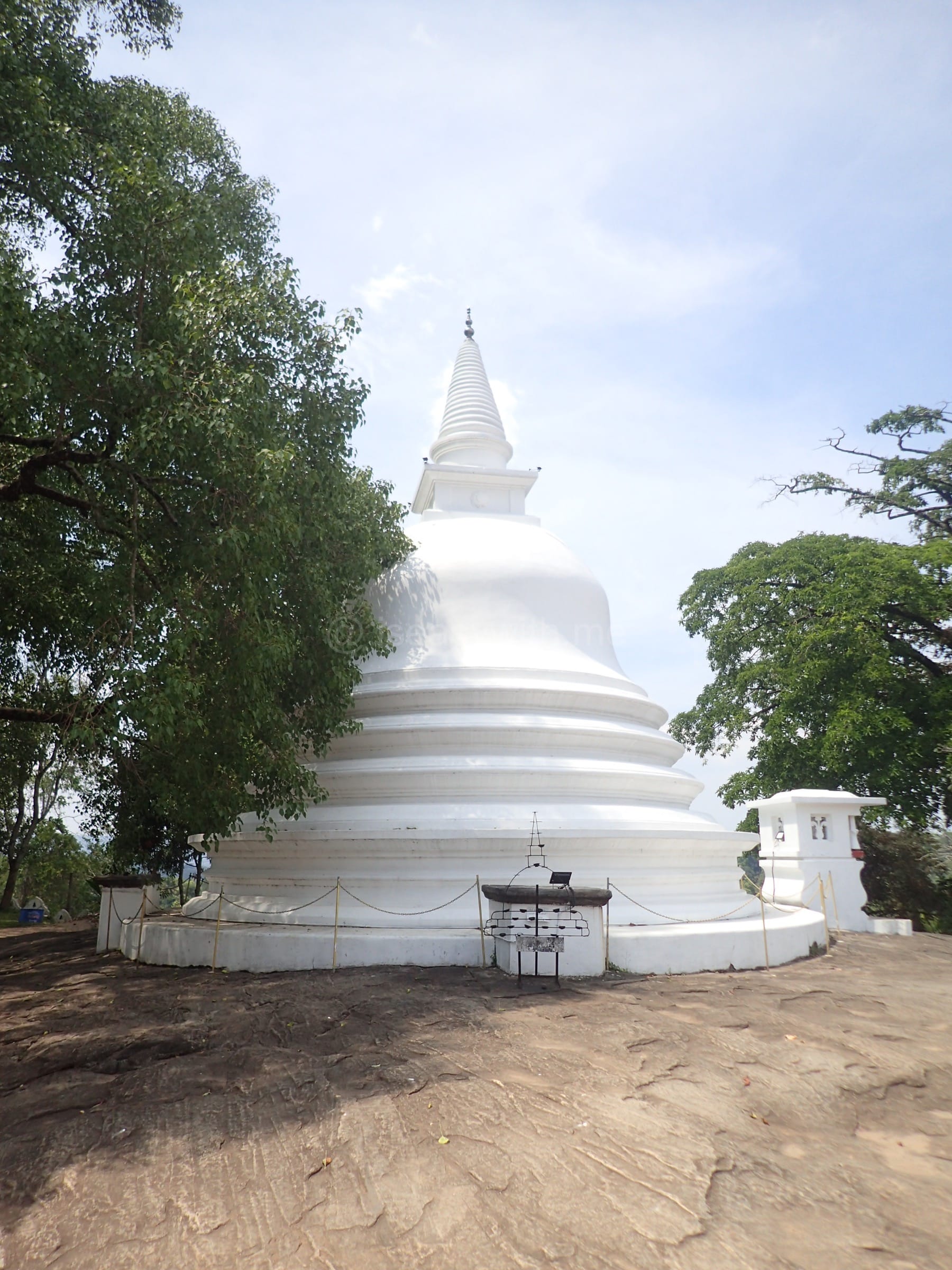
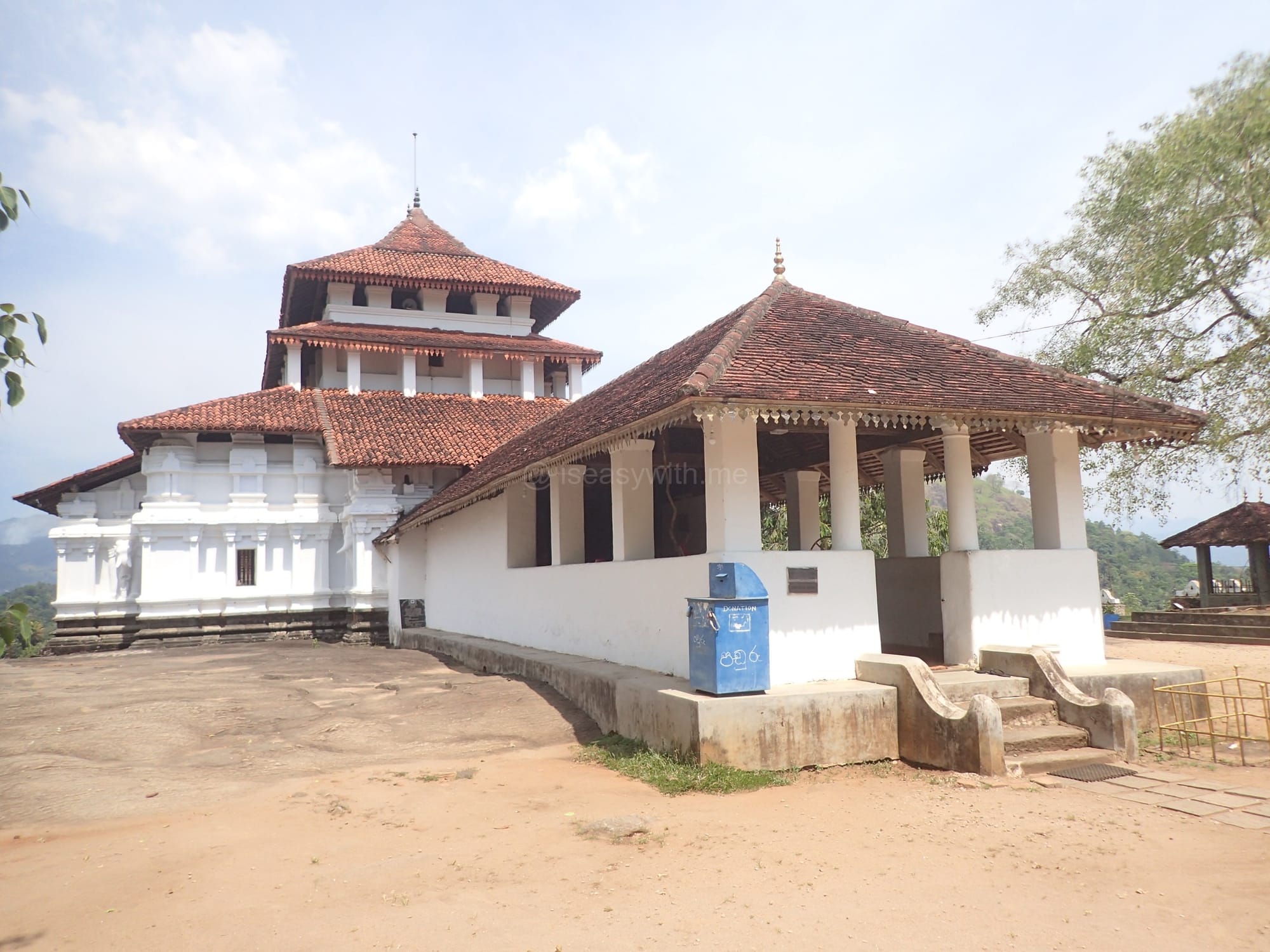
Lankathilaka Vihara
- Embekke Devalaya: Perhaps the most remarkable stop on the loop, Embekke Devalaya (LKR 500) is renowned for its extraordinary wood carvings. The temple's intricately carved wooden pillars feature dancers, floral motifs, musicians, mythical creatures and wrestlers, showcasing the incredible craftsmanship of Kandyan artisans. Even after centuries of exposure to the elements, the level of detail remains astonishing.
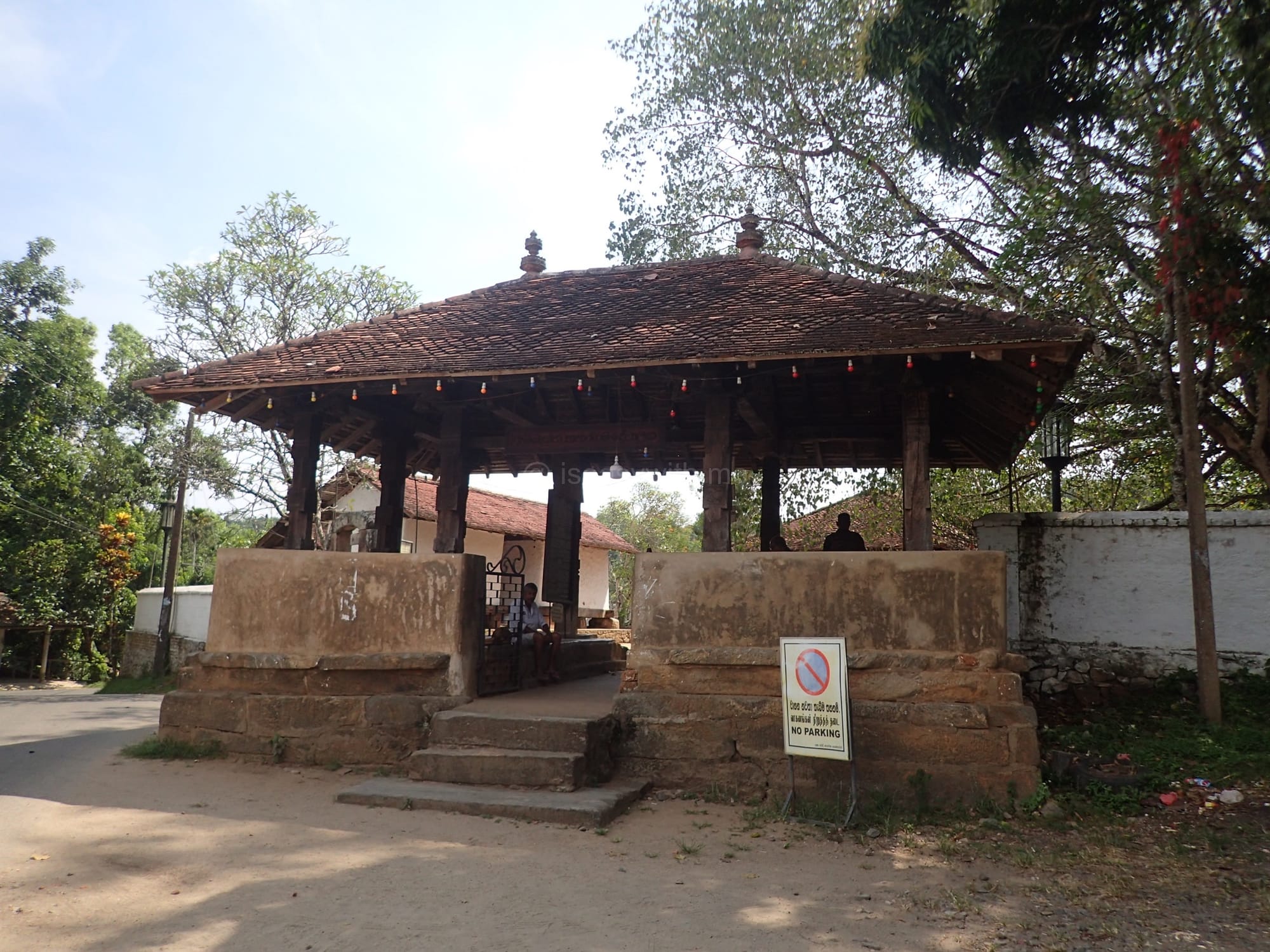
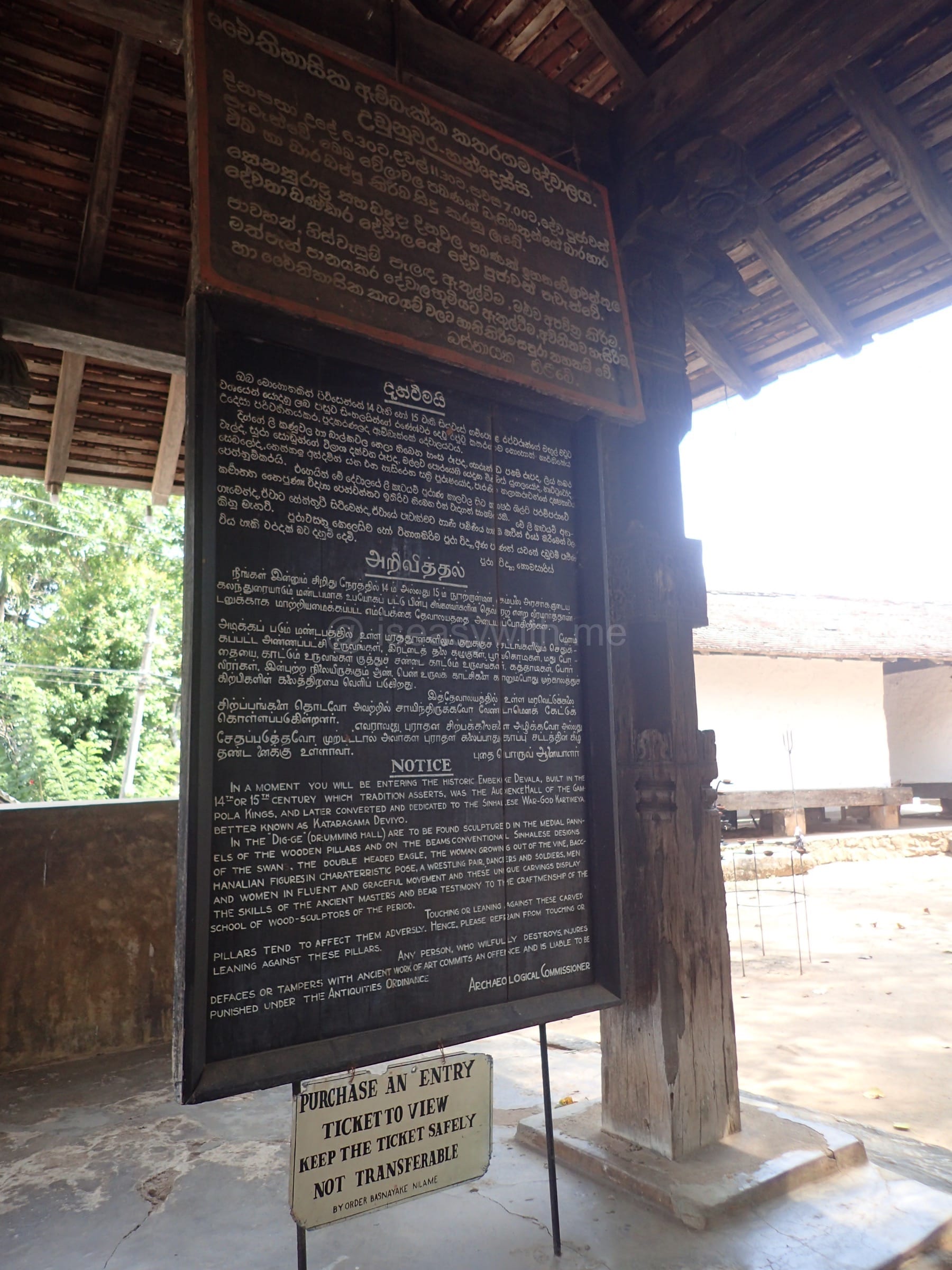
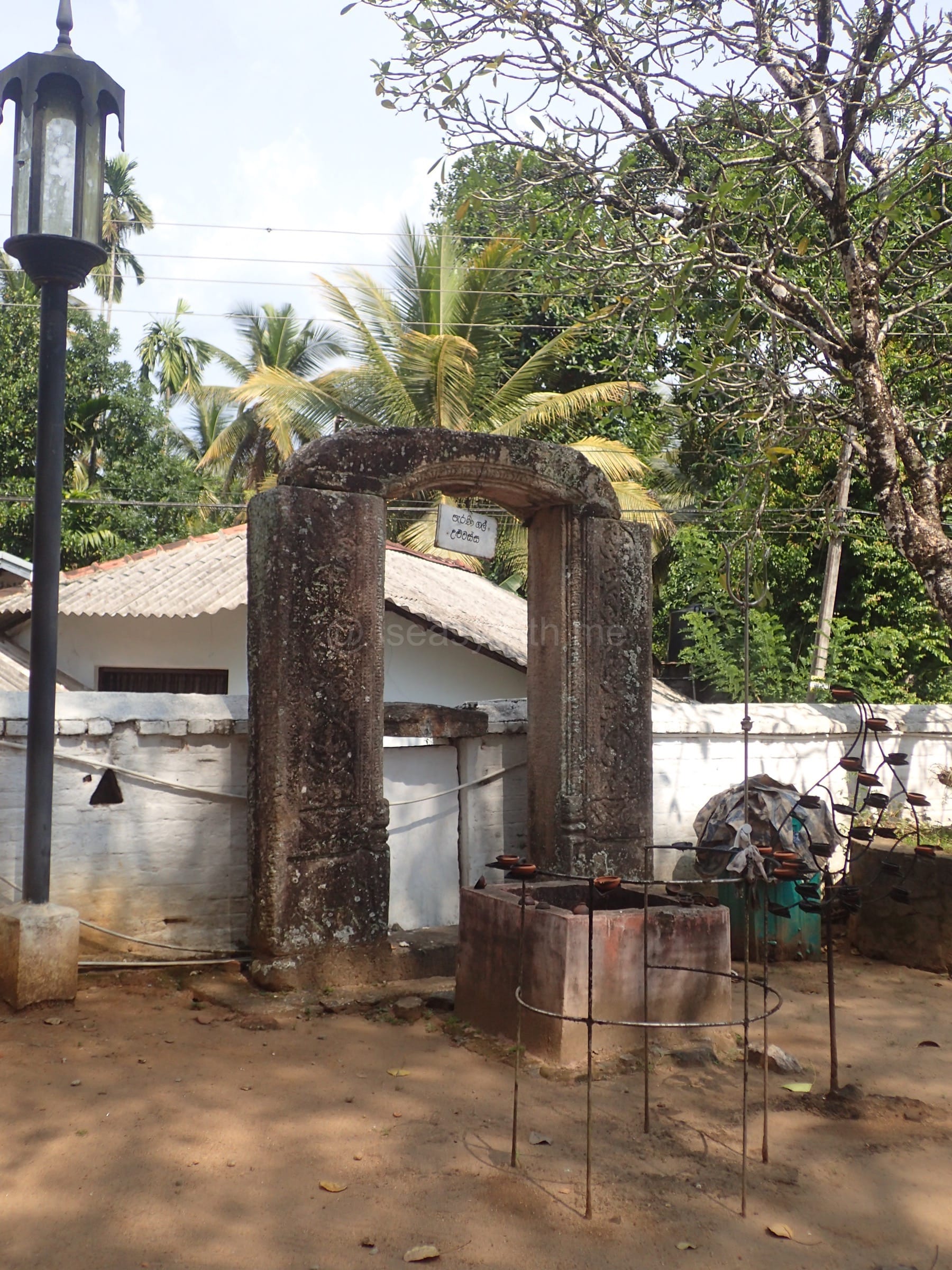
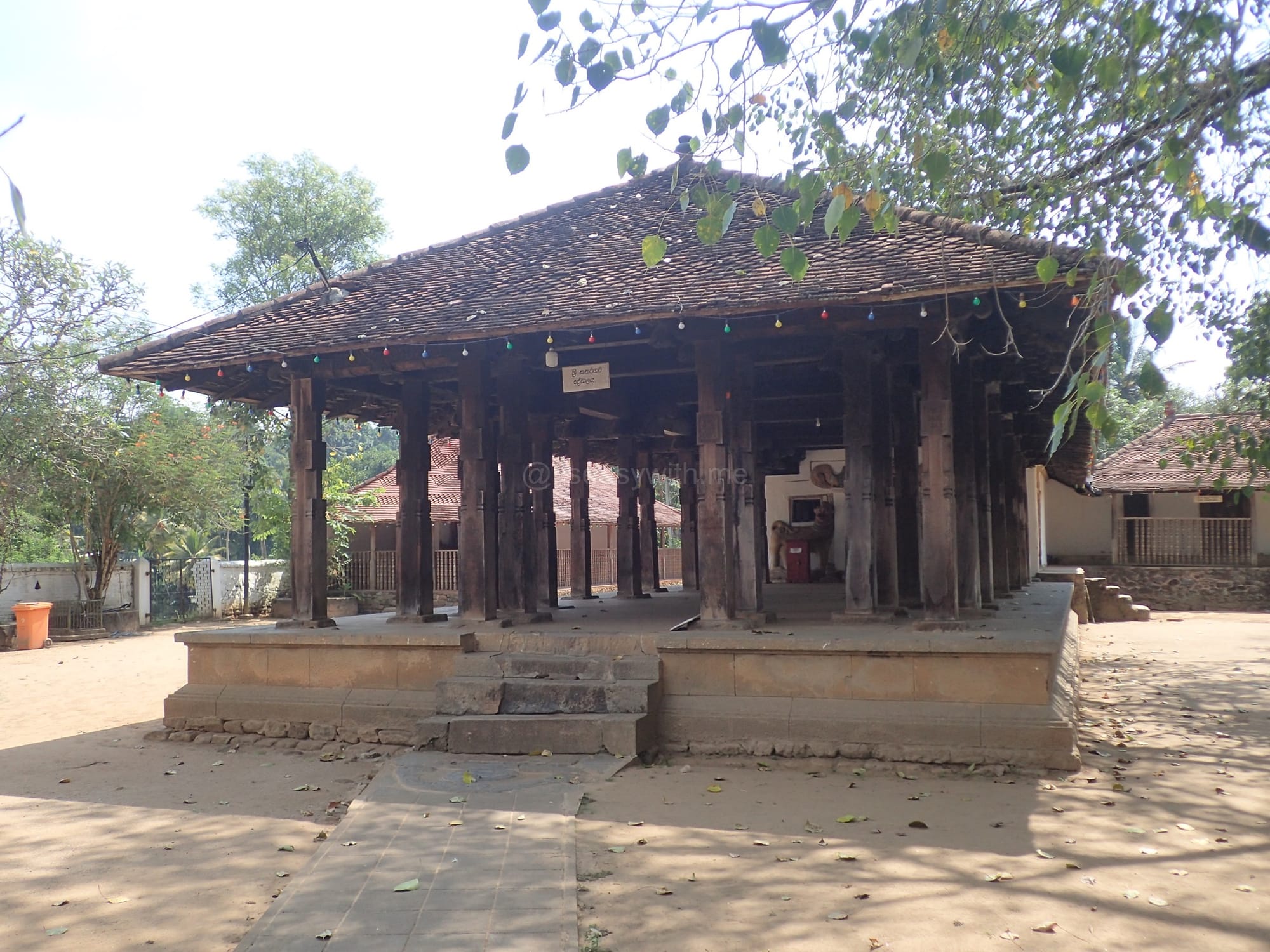
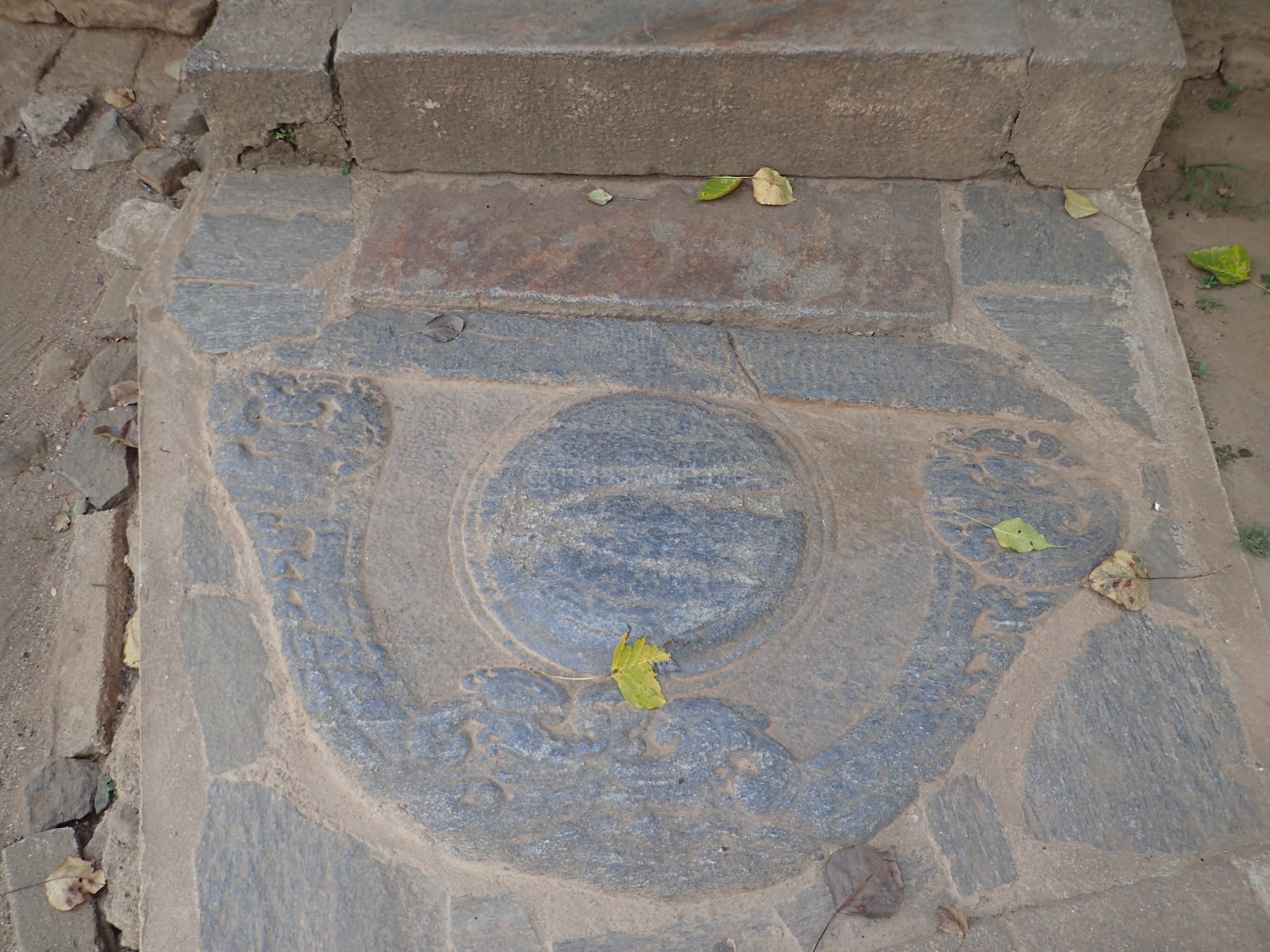
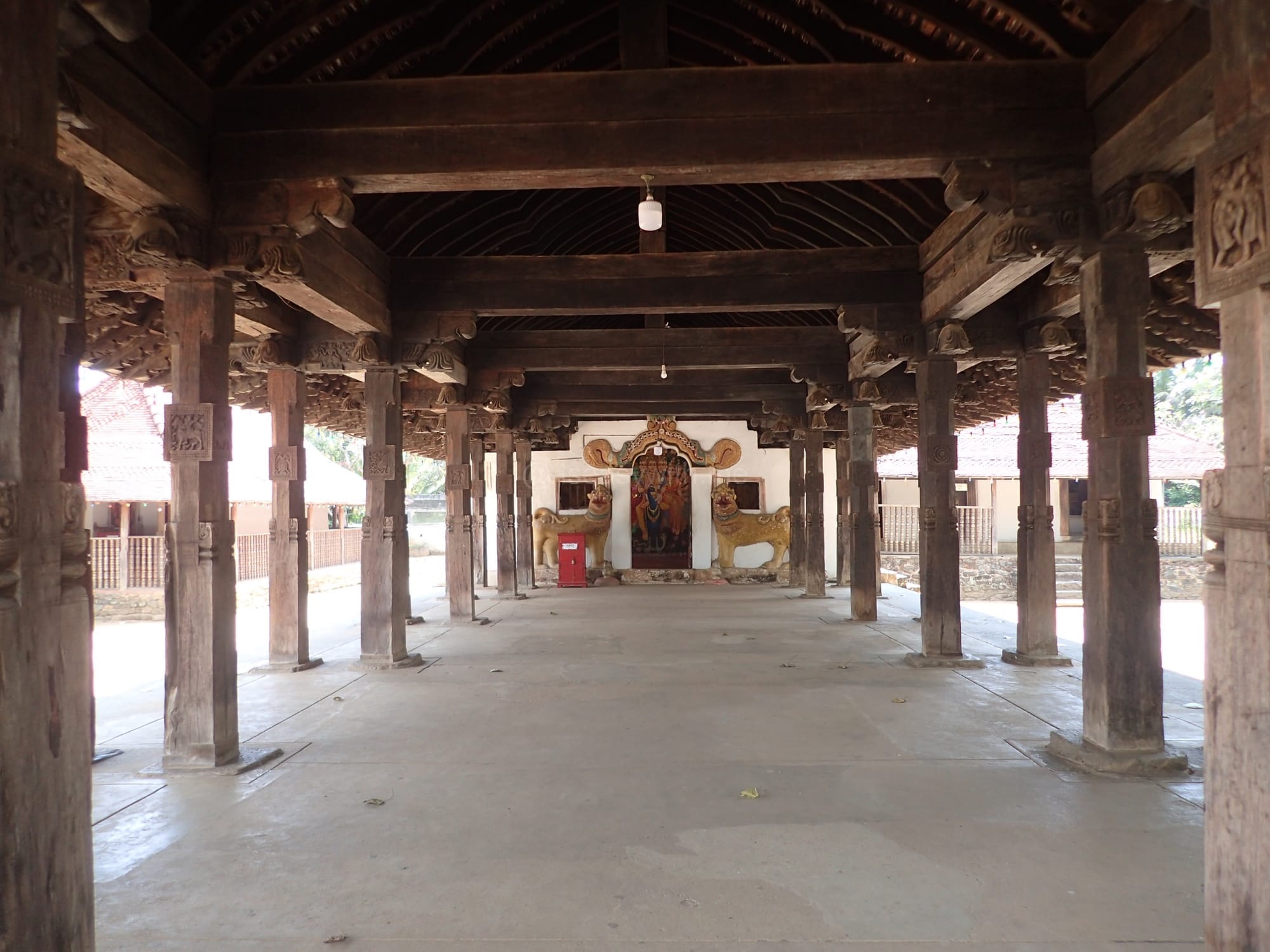
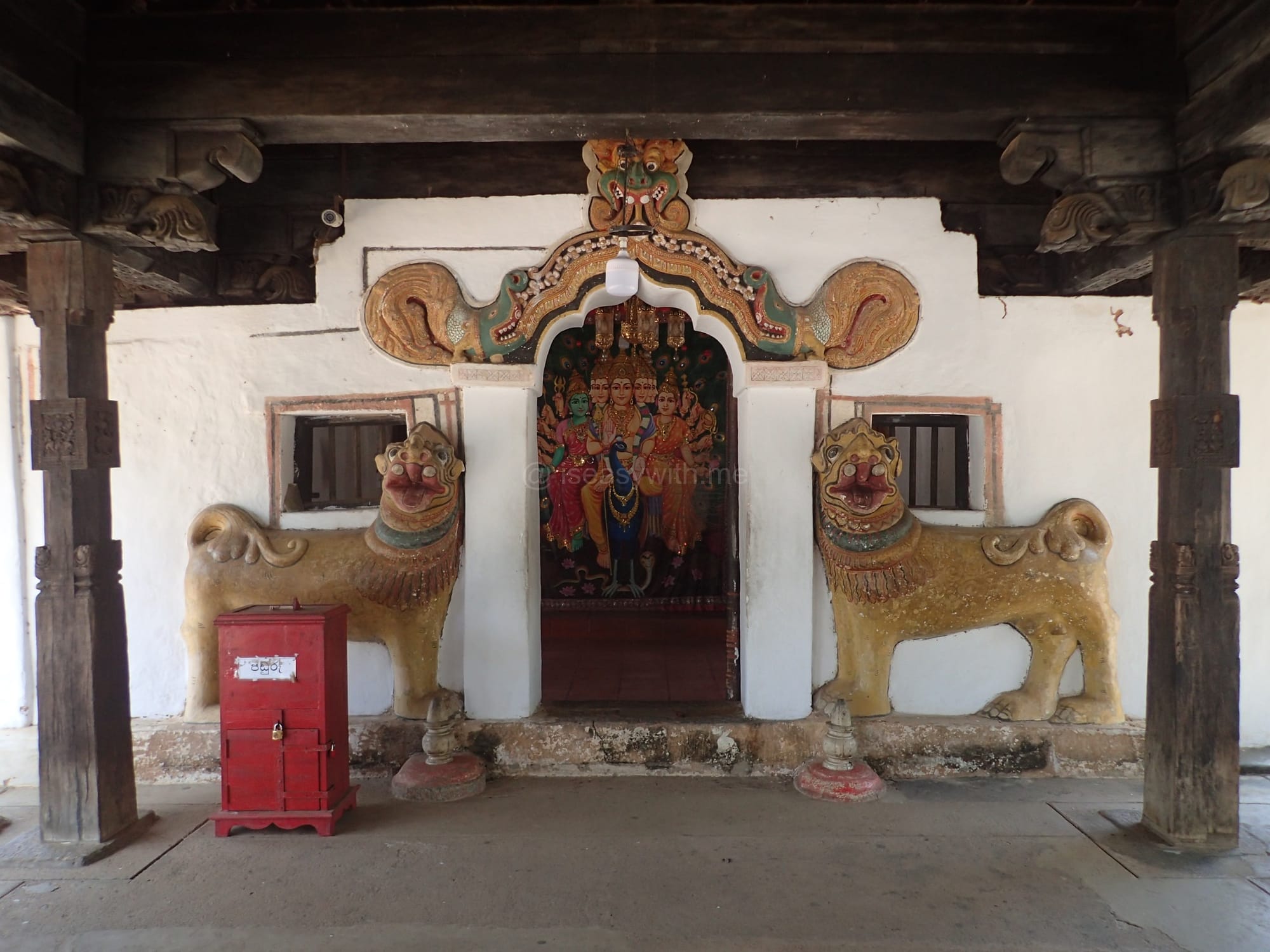
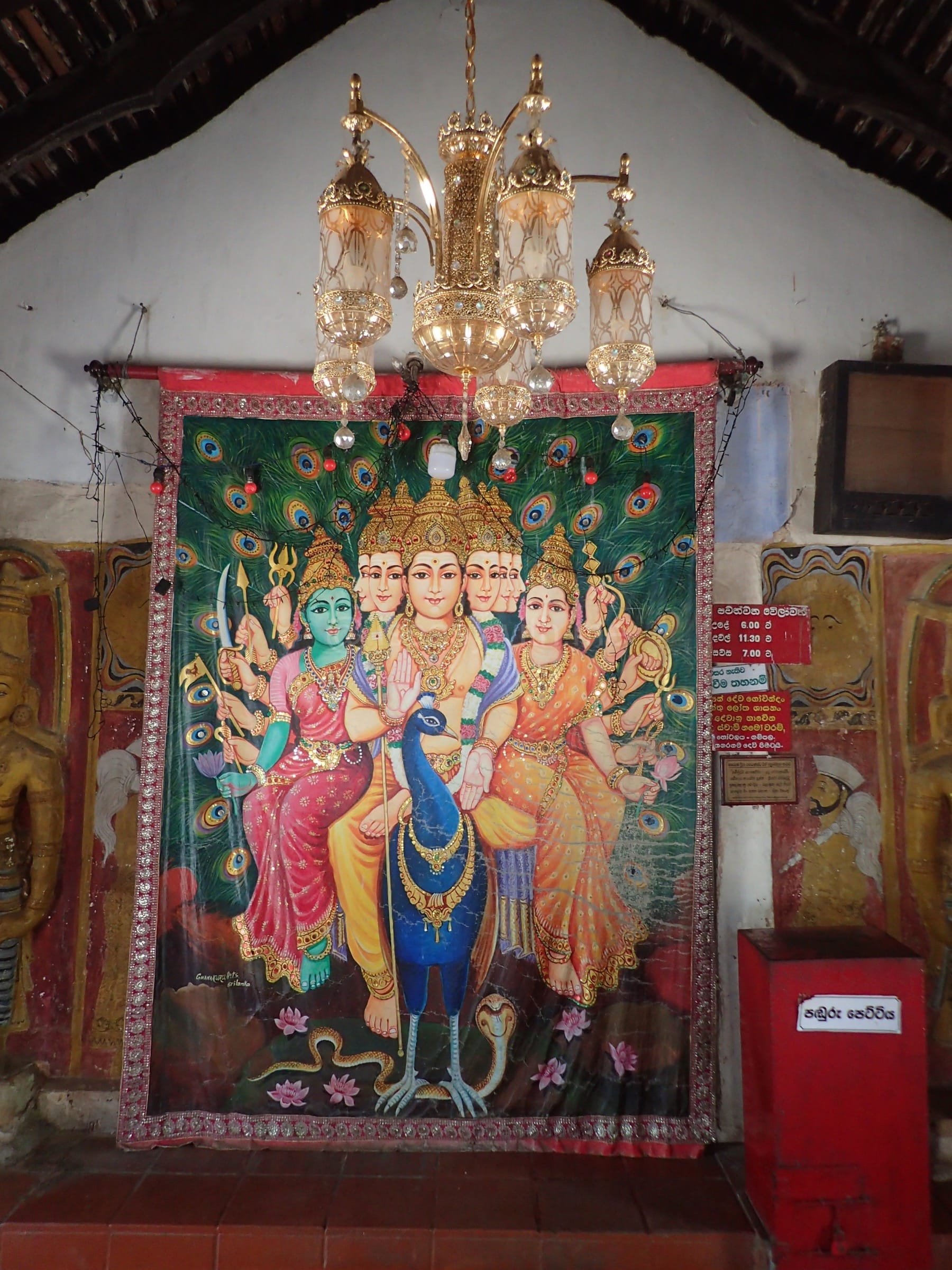
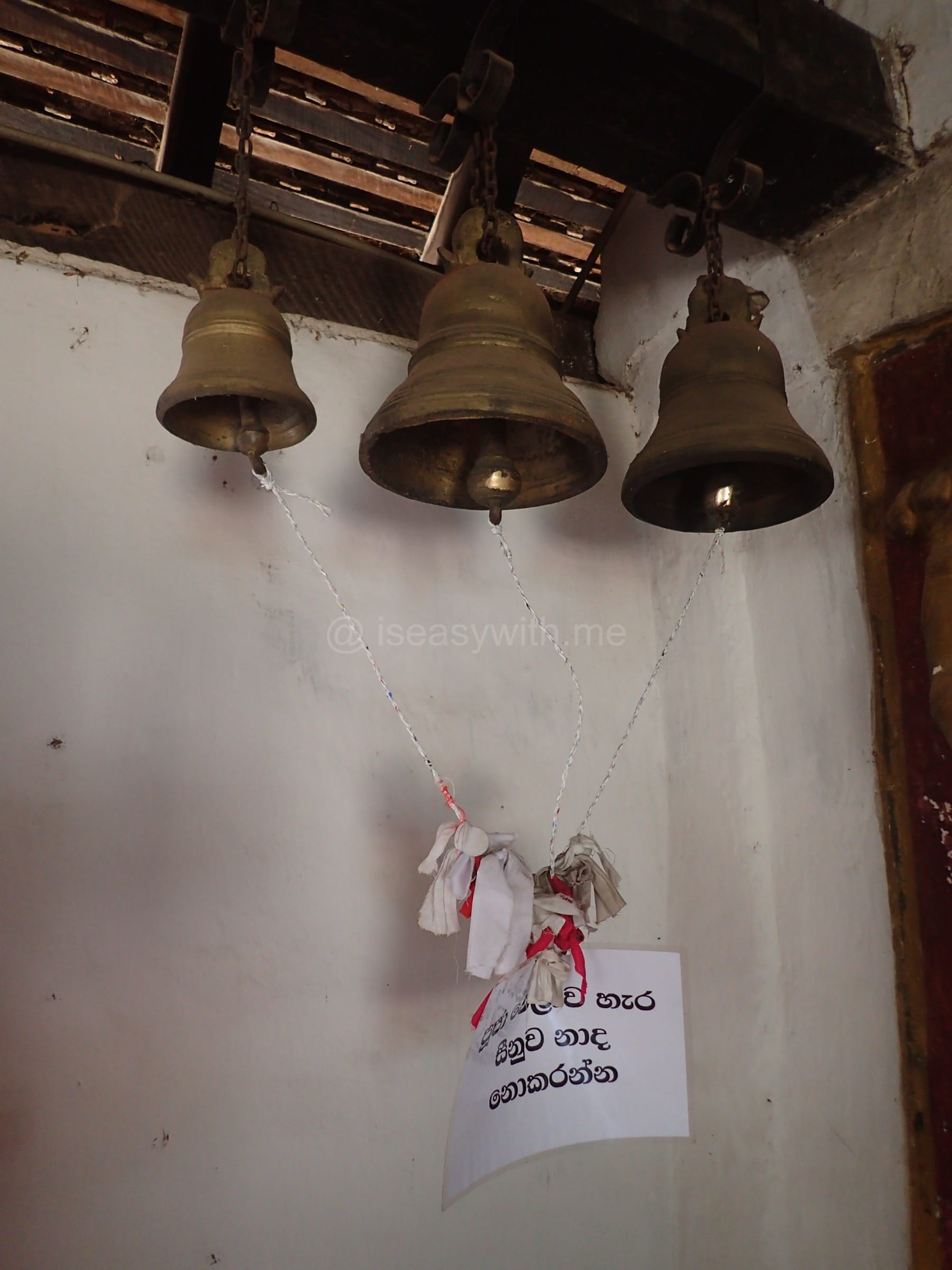
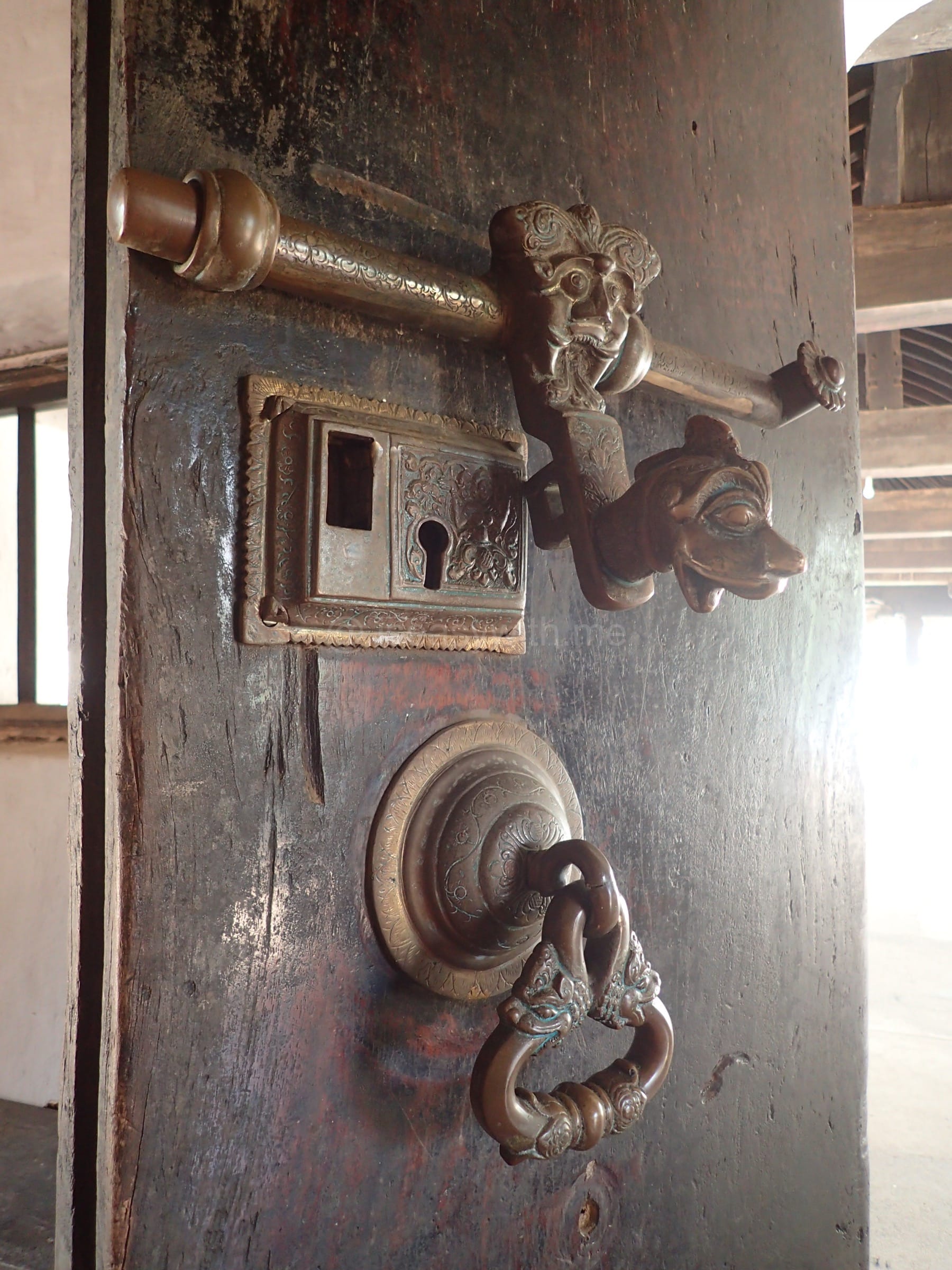
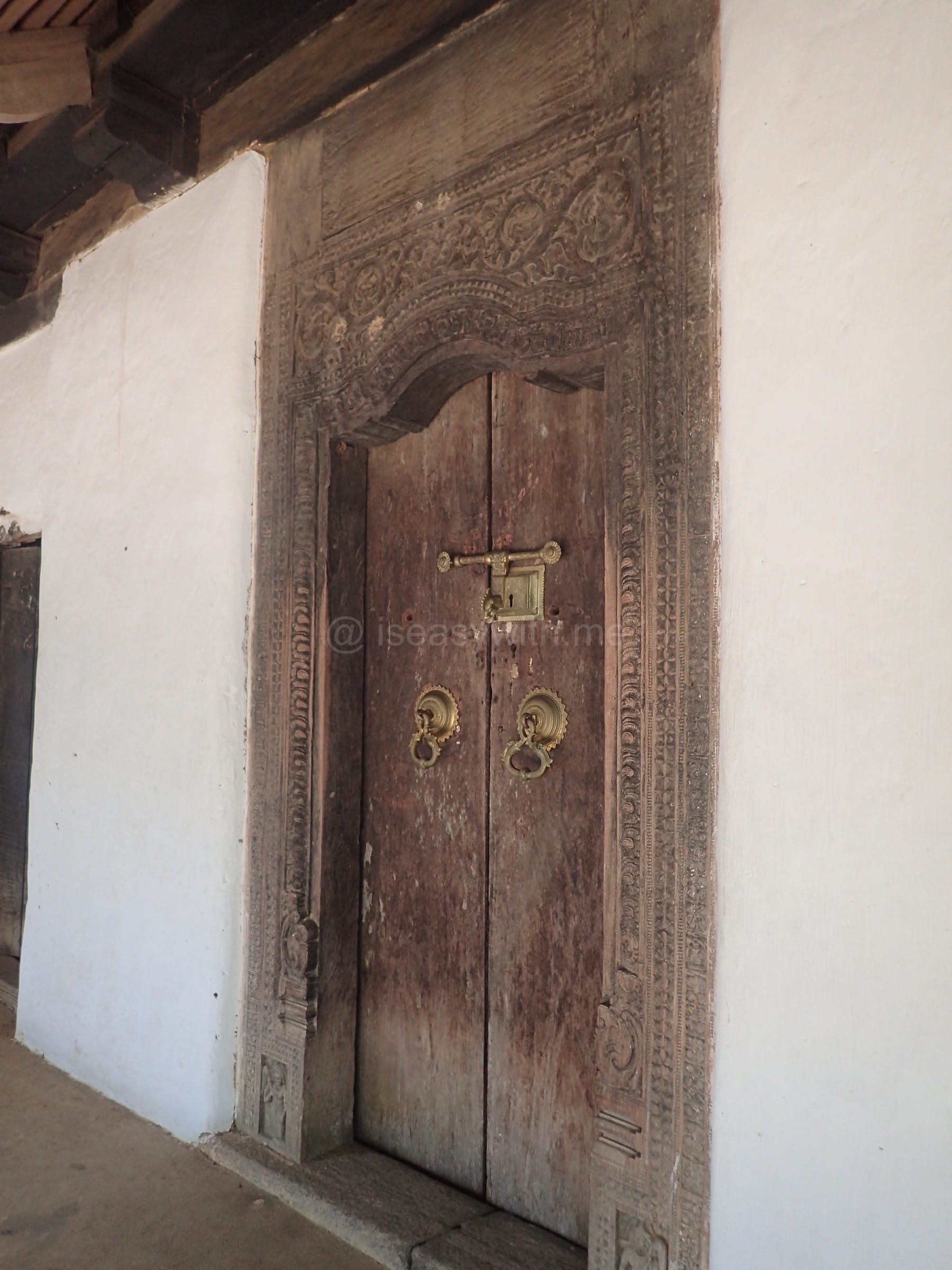
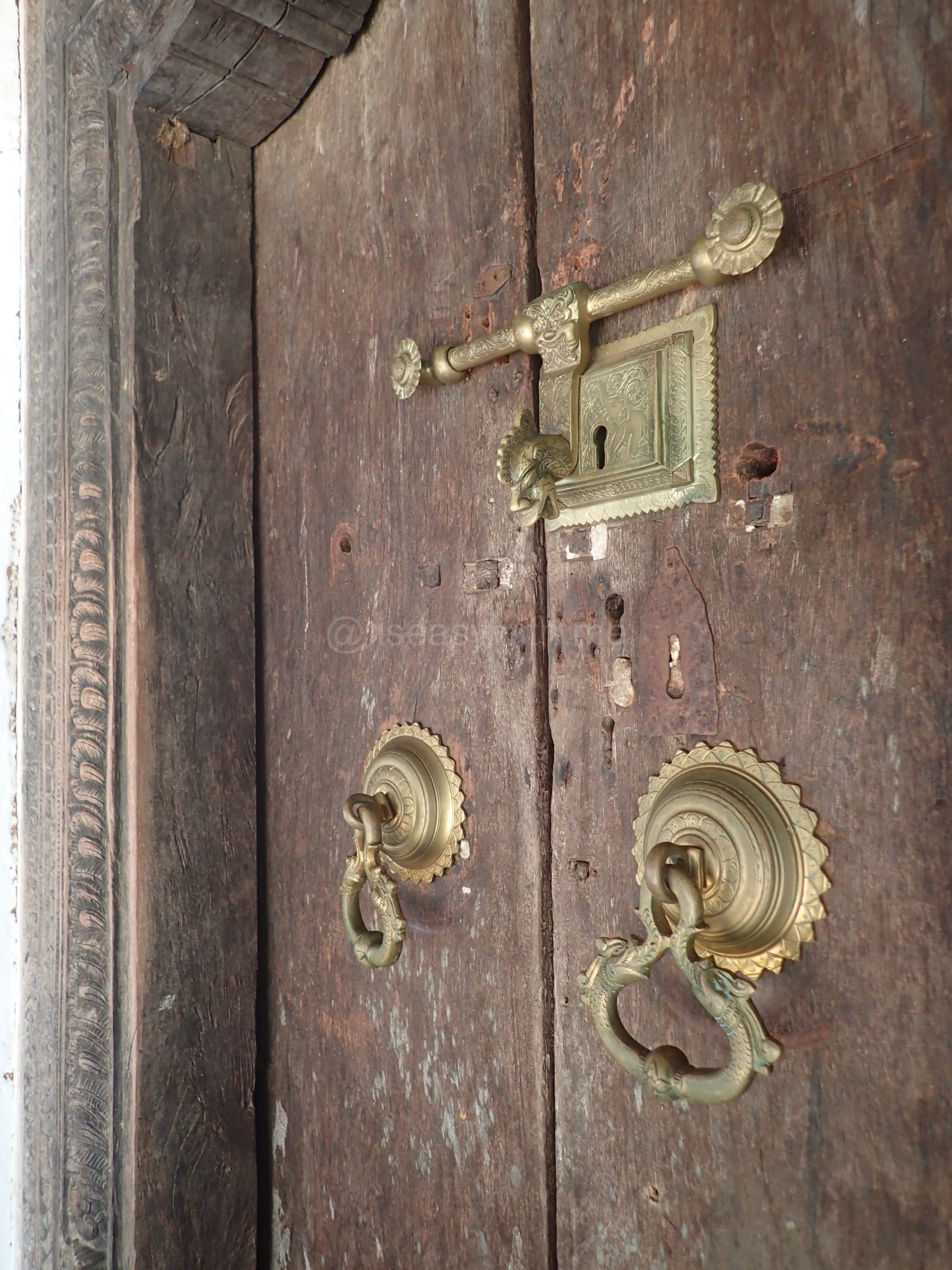
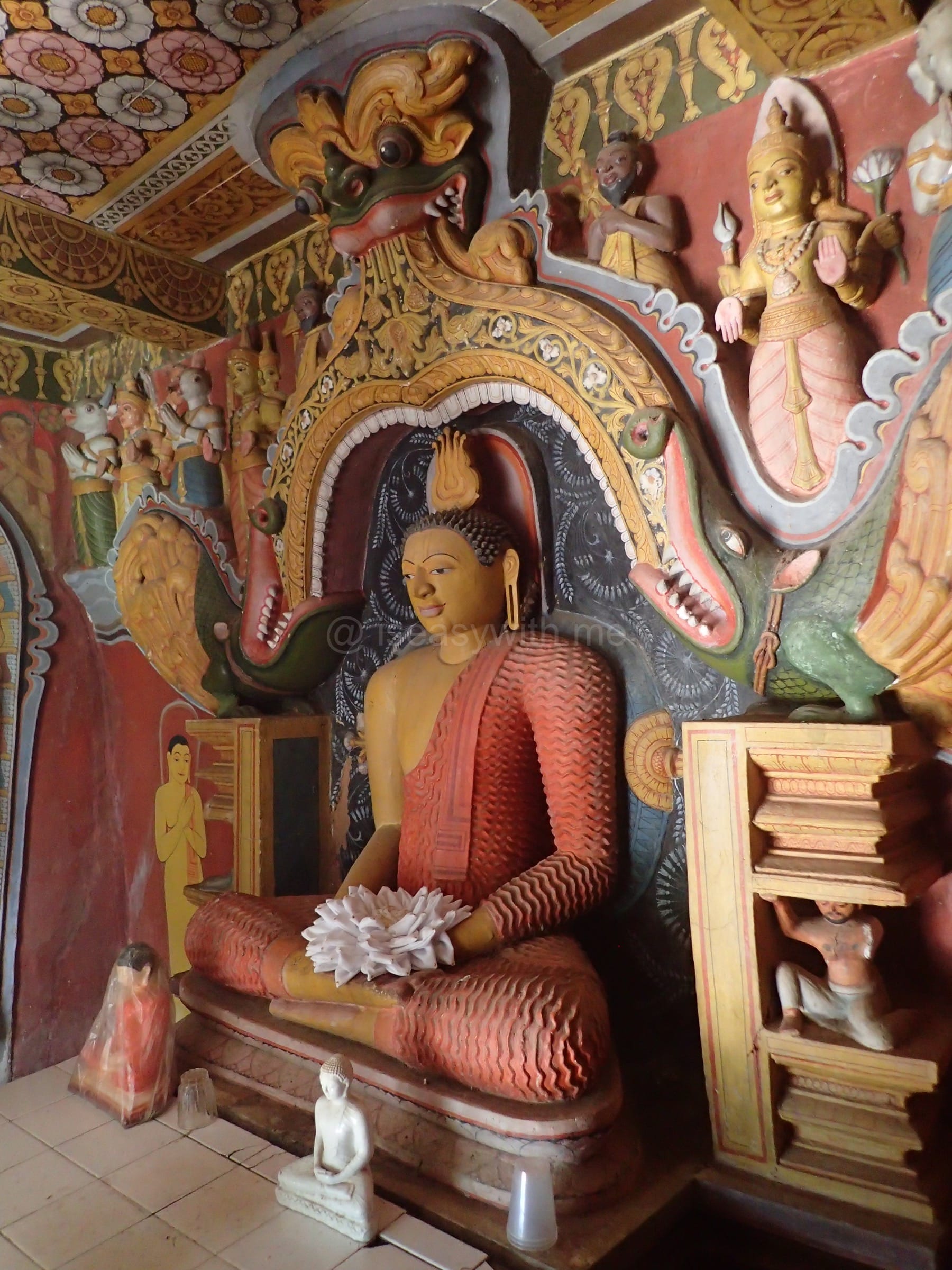
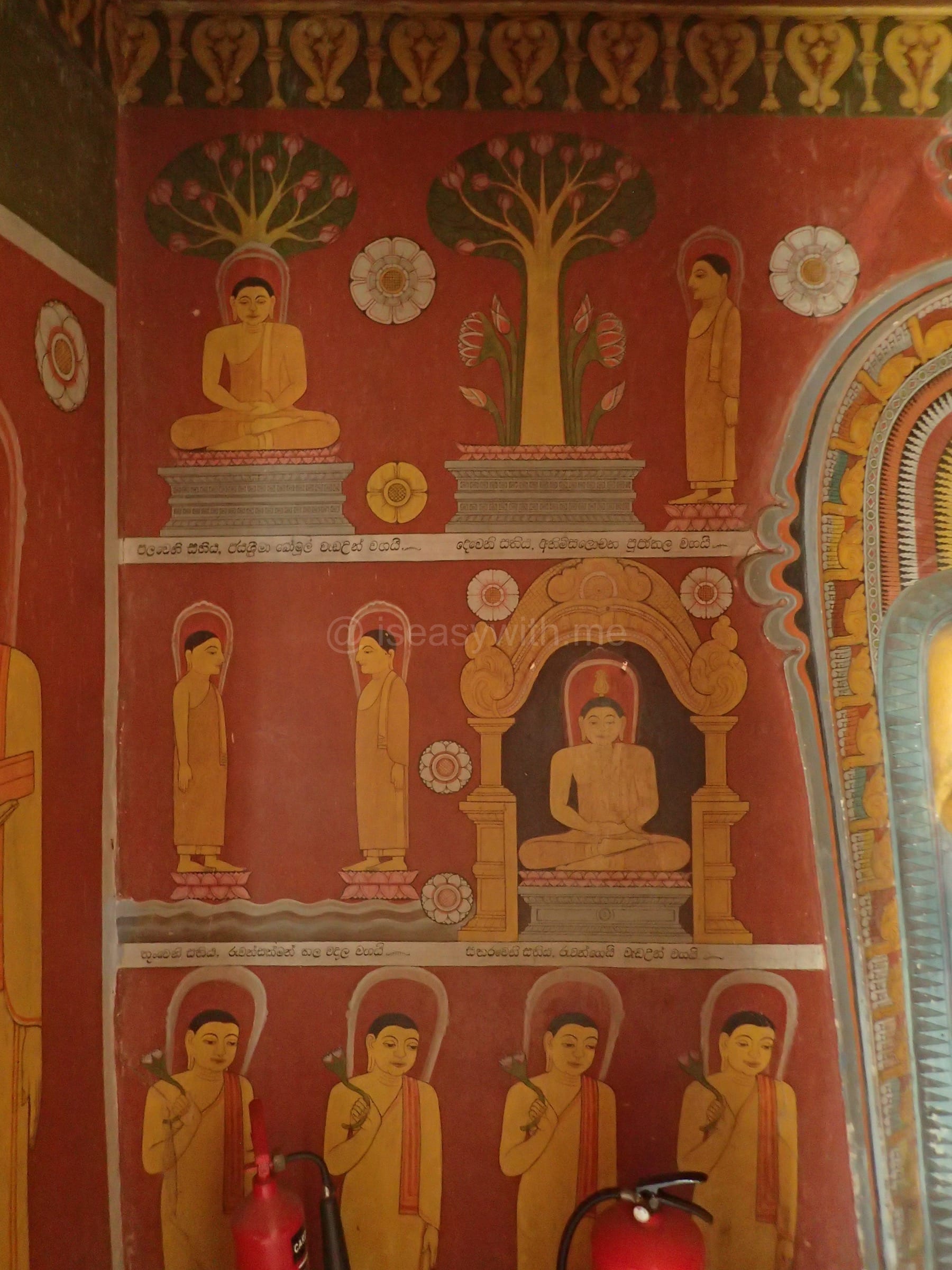
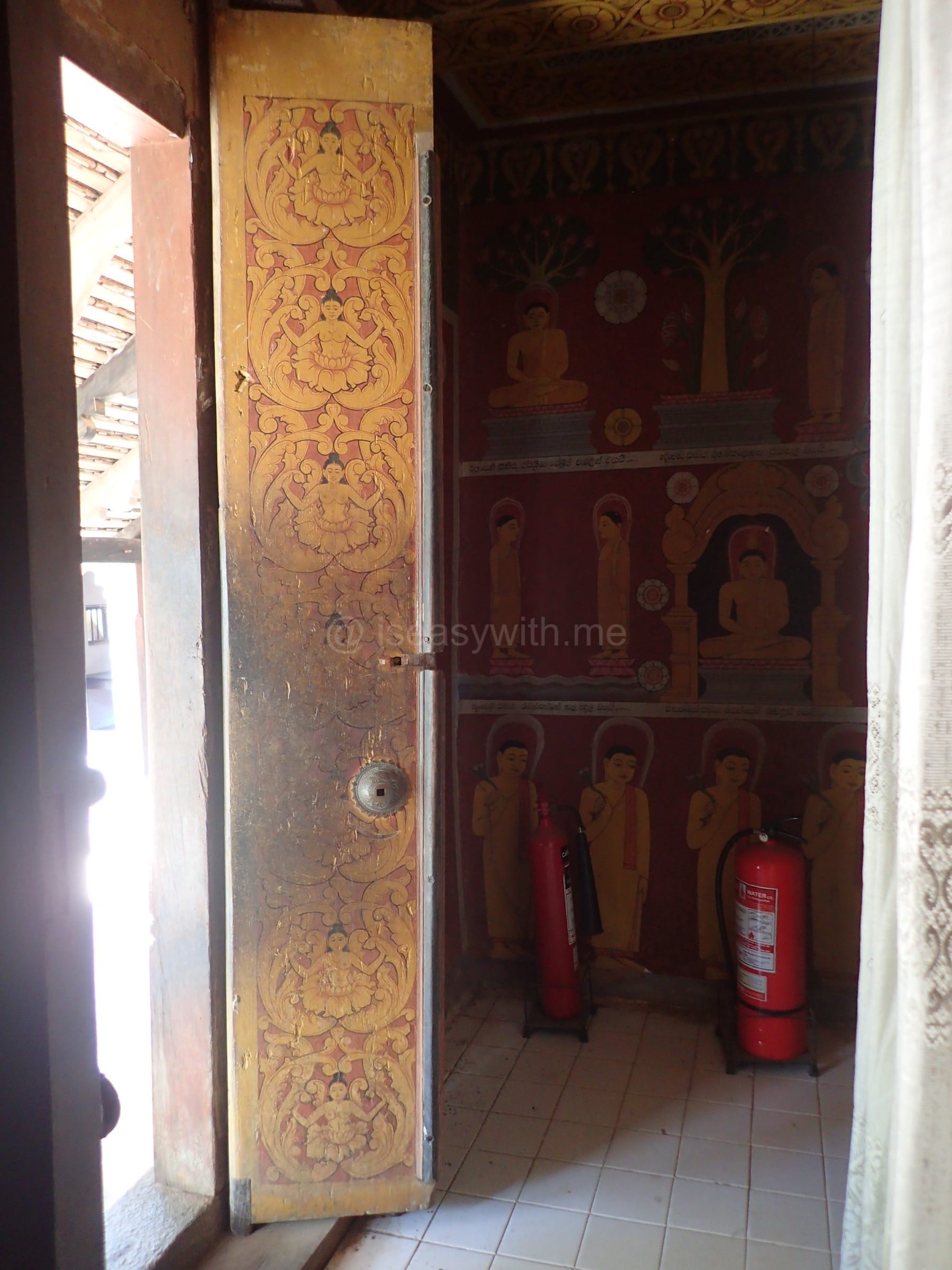
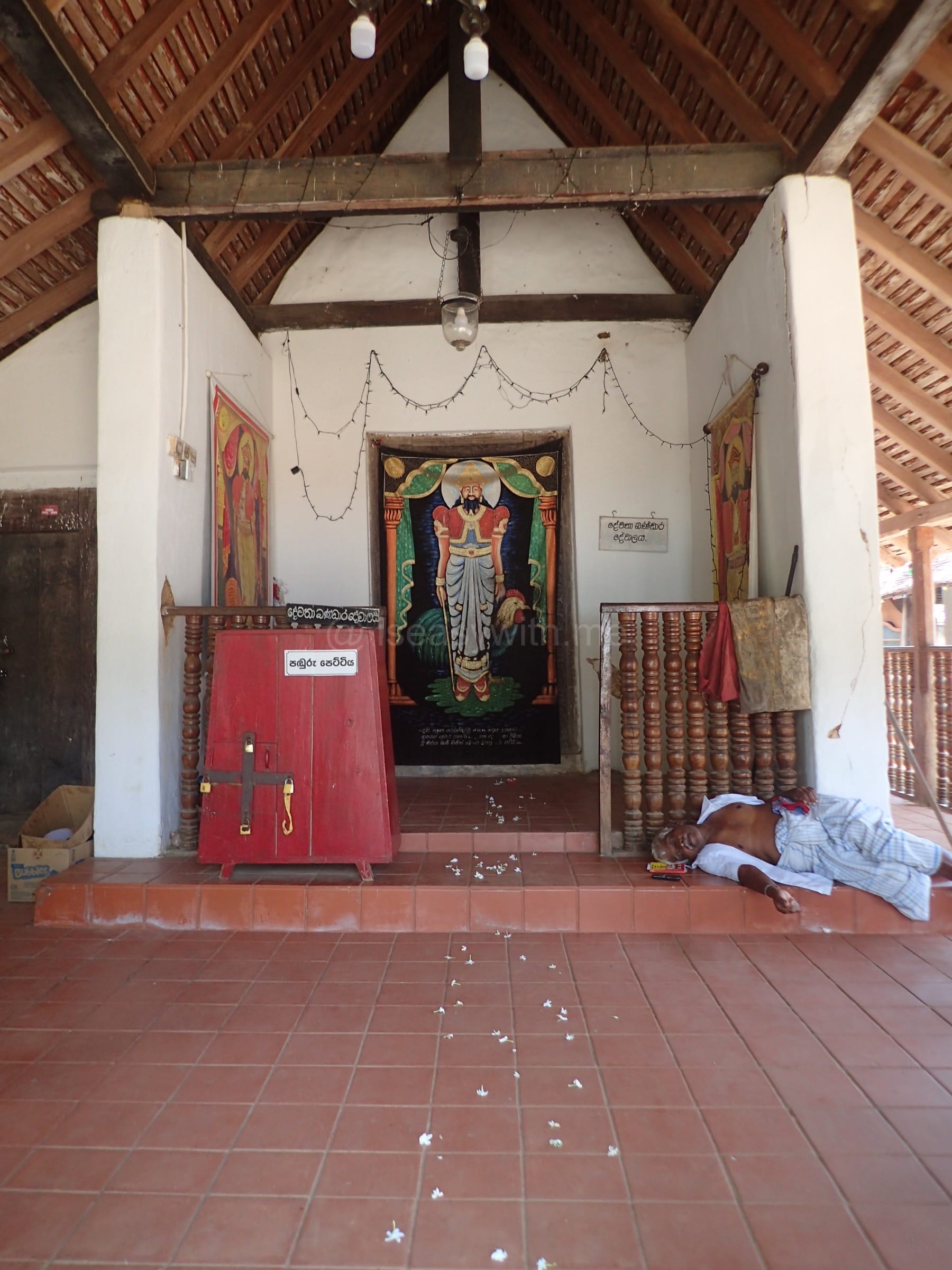
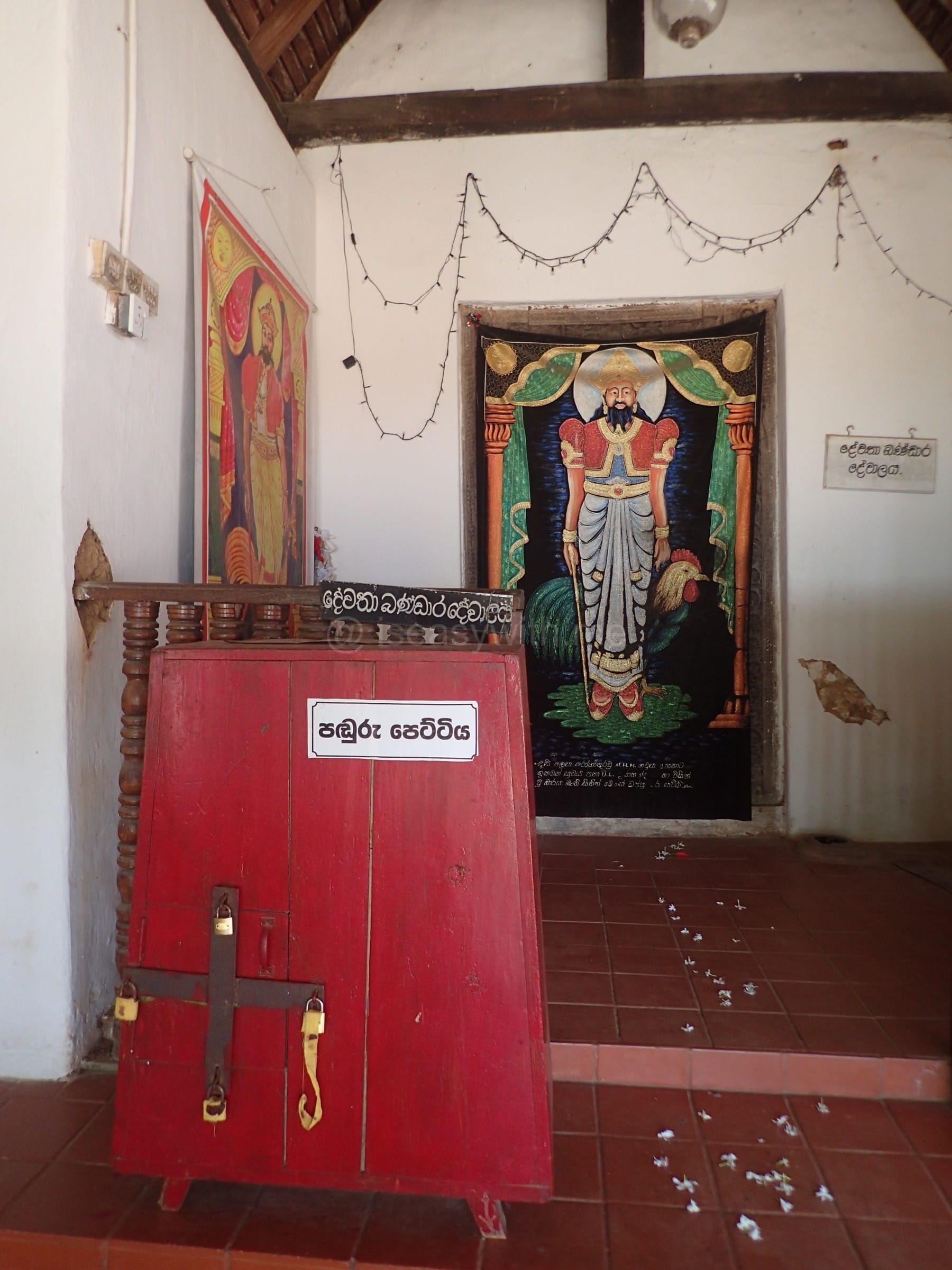
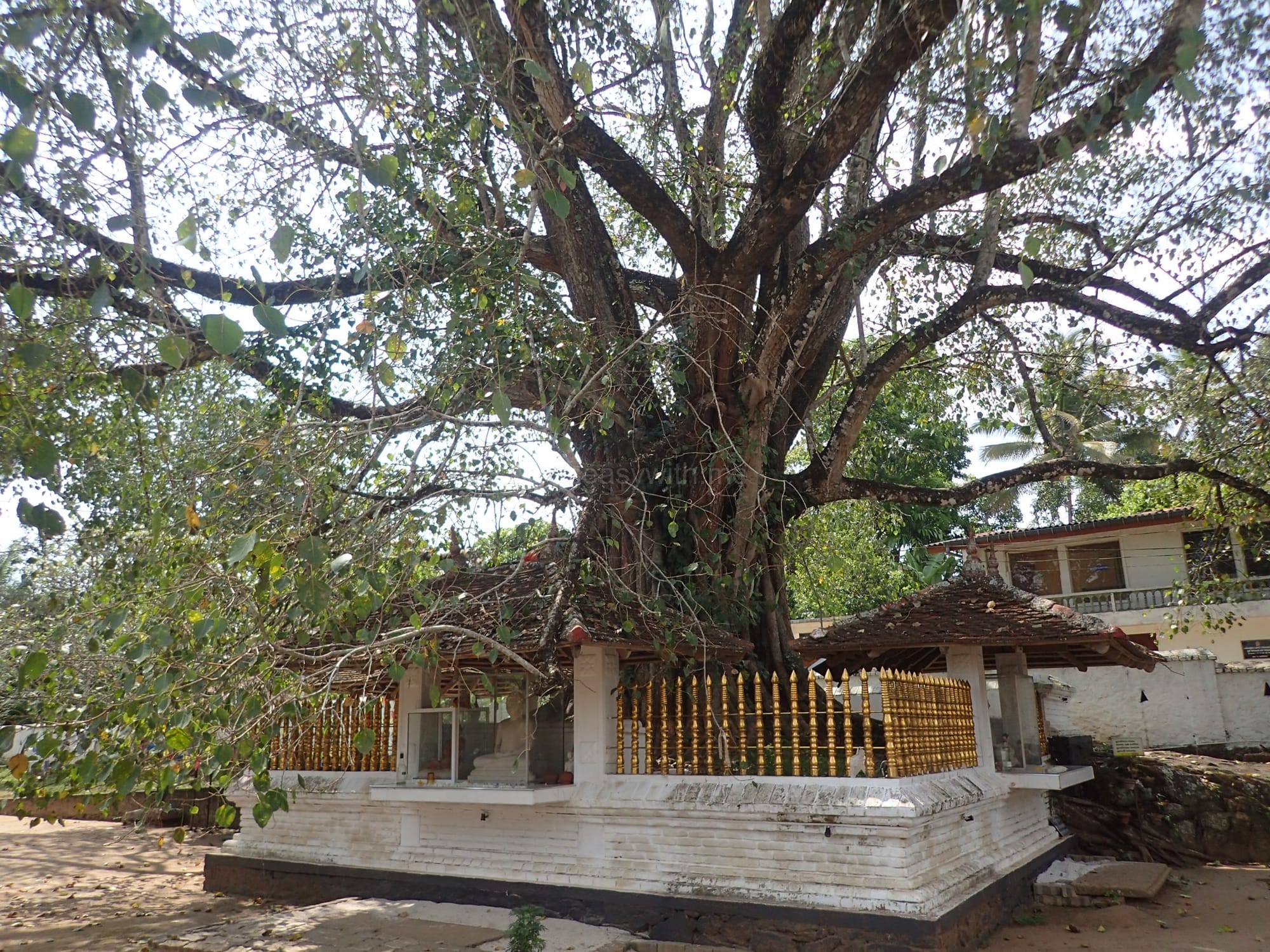
Embekke Devalaya
iseasywith.me Travel Tip
- Many visitors spend all their time at the Temple of the Tooth Relic but the Three-Temple Loop arguably contains some of the finest examples of traditional Kandyan architecture in Sri Lanka.
- I went for the Three-Temple Loop in this order: Gadaladeniya, Embekke, Lankathilaka then went to the Temple of the Tooth Relic.
Food & Beverage in Kandy
Kandy offers a diverse mix of traditional Sri Lankan cuisine and modern cafes catering to both locals and tourists.
Helga's Folly
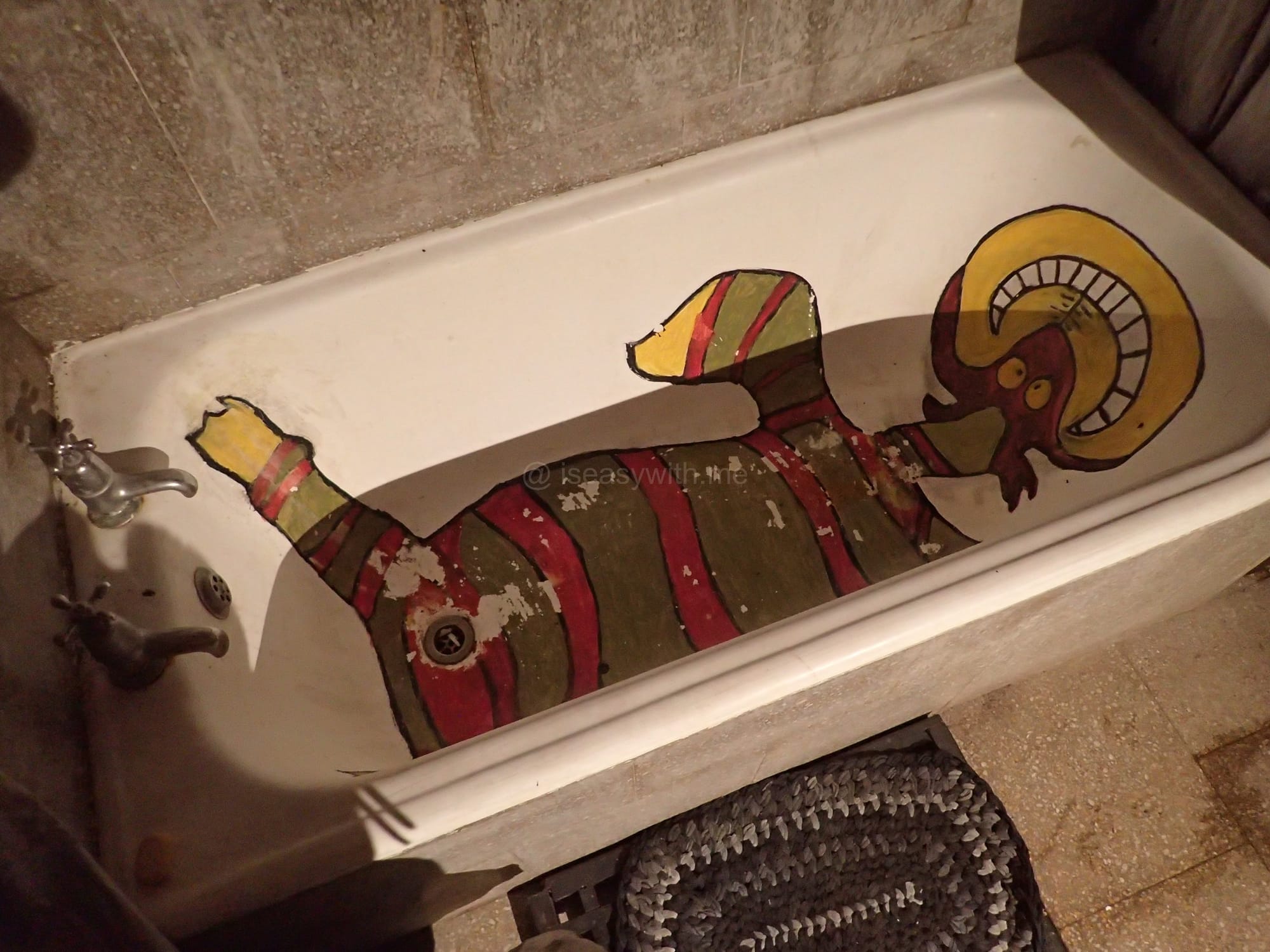
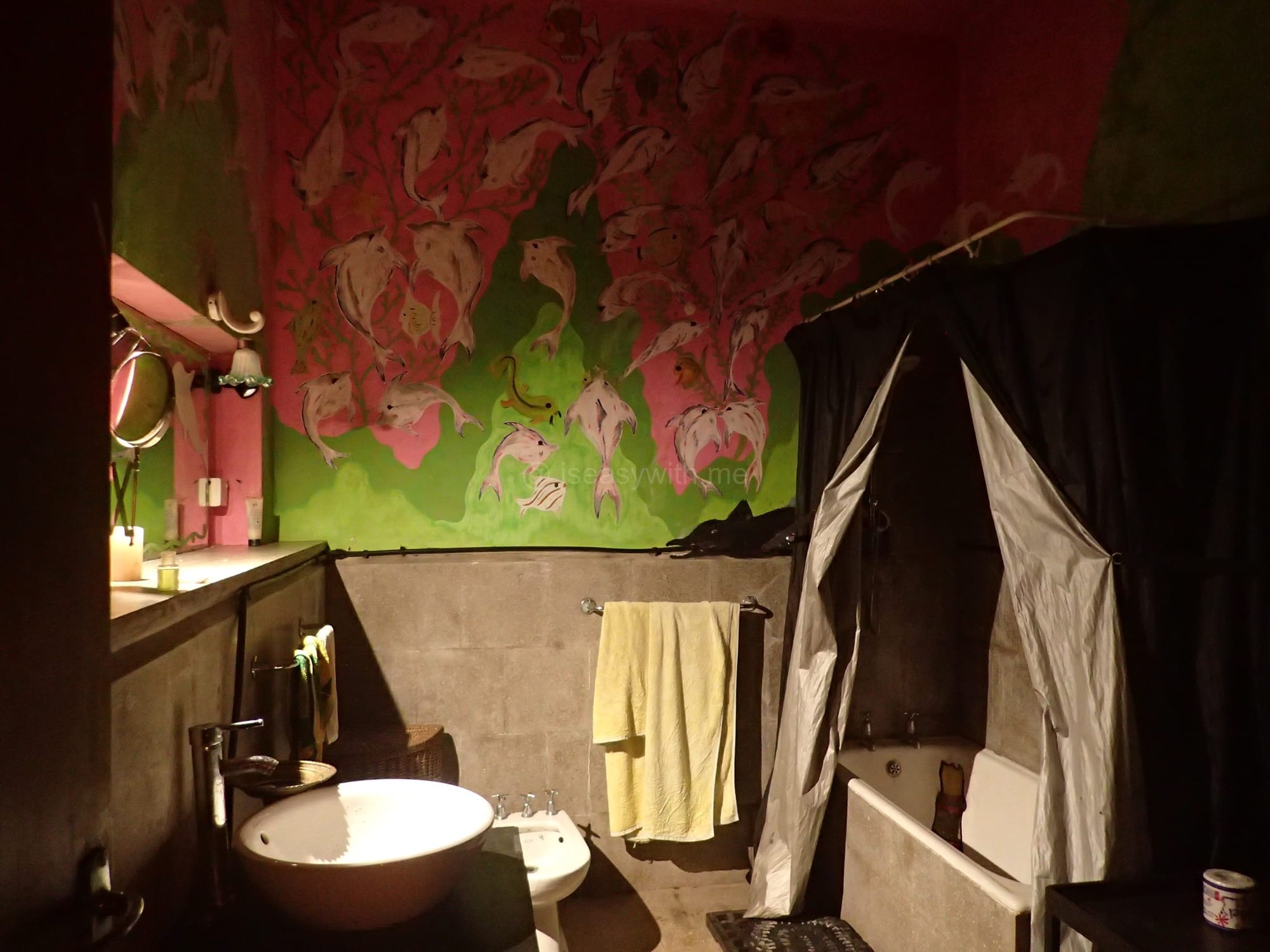
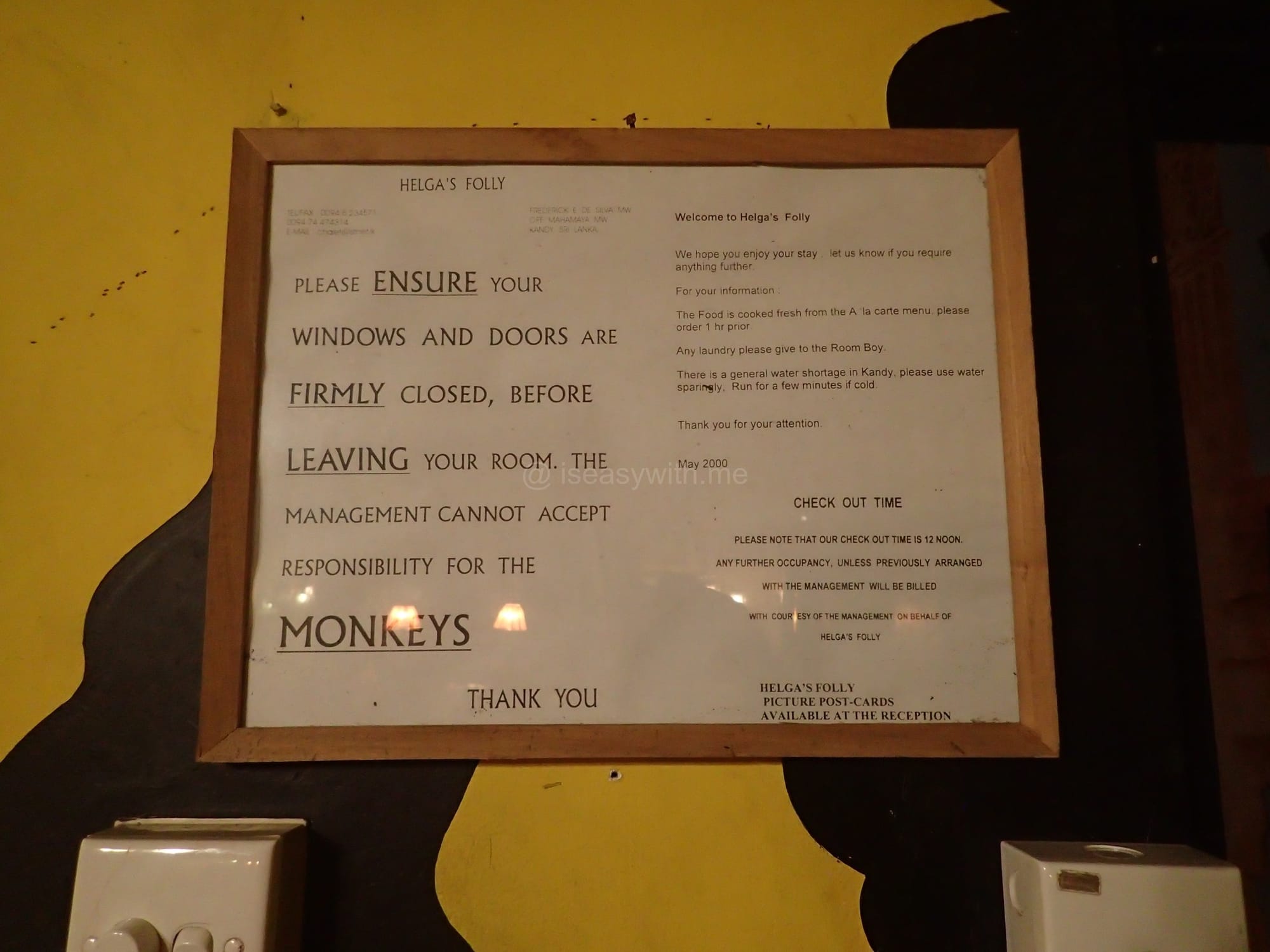
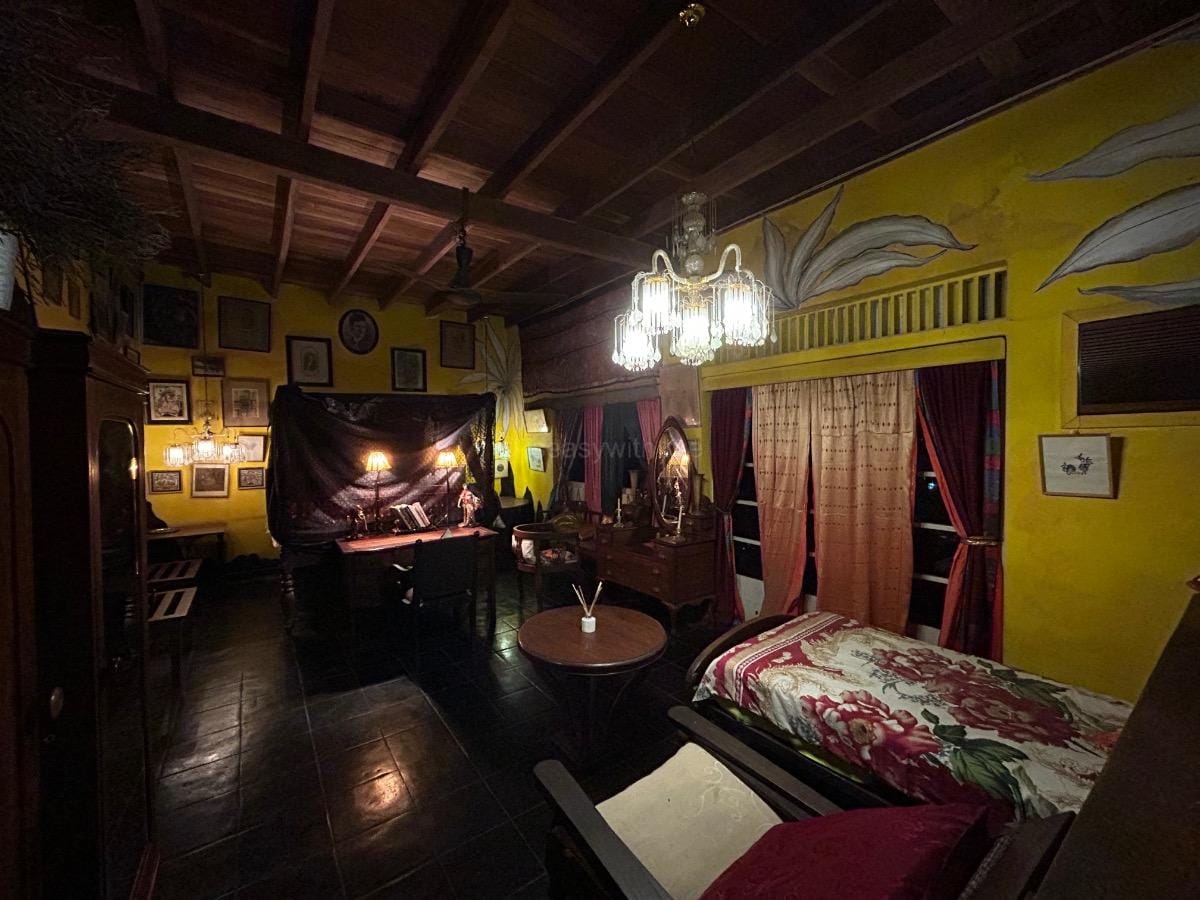
Perched on a forested hill overlooking the city, Helga's Folly 'ANTI Hotel' RESIDENCE is easily one of the most surreal and unconventional places I have ever encountered. Far from a standard boutique hotel, this sprawling mansion functions as a living piece of avant-garde art, designed by its eccentric owner, Helga de Silva Blow Perera. Stepping through the doors feels like tumbling down a tropical rabbit hole into an otherworldly, gothic wonderland that has historically drawn celebrity guests like Vivien Leigh, Laurence Olivier and the band Stereophonics.
The entire property is an assault on the senses in the most fascinating way possible. Every inch of the interior, from the ceilings to the corridors, is covered in hand-painted murals, dripping wax candlesticks, vintage family photographs, neon accents and quirky mid-century curios. It was an incredible spot to stop by for my dinner just to soak in the eerie, cinematic atmosphere.
- The Decor: Surrealist hand-painted walls, gothic candelabras, fairy lights and eclectic antiques create a heavily stylised, dreamlike environment.
- The Vibe: Wonderfully theatrical, slightly eerie and entirely unbothered by mainstream hotel trends, earning it the title of an 'anti-hotel'.
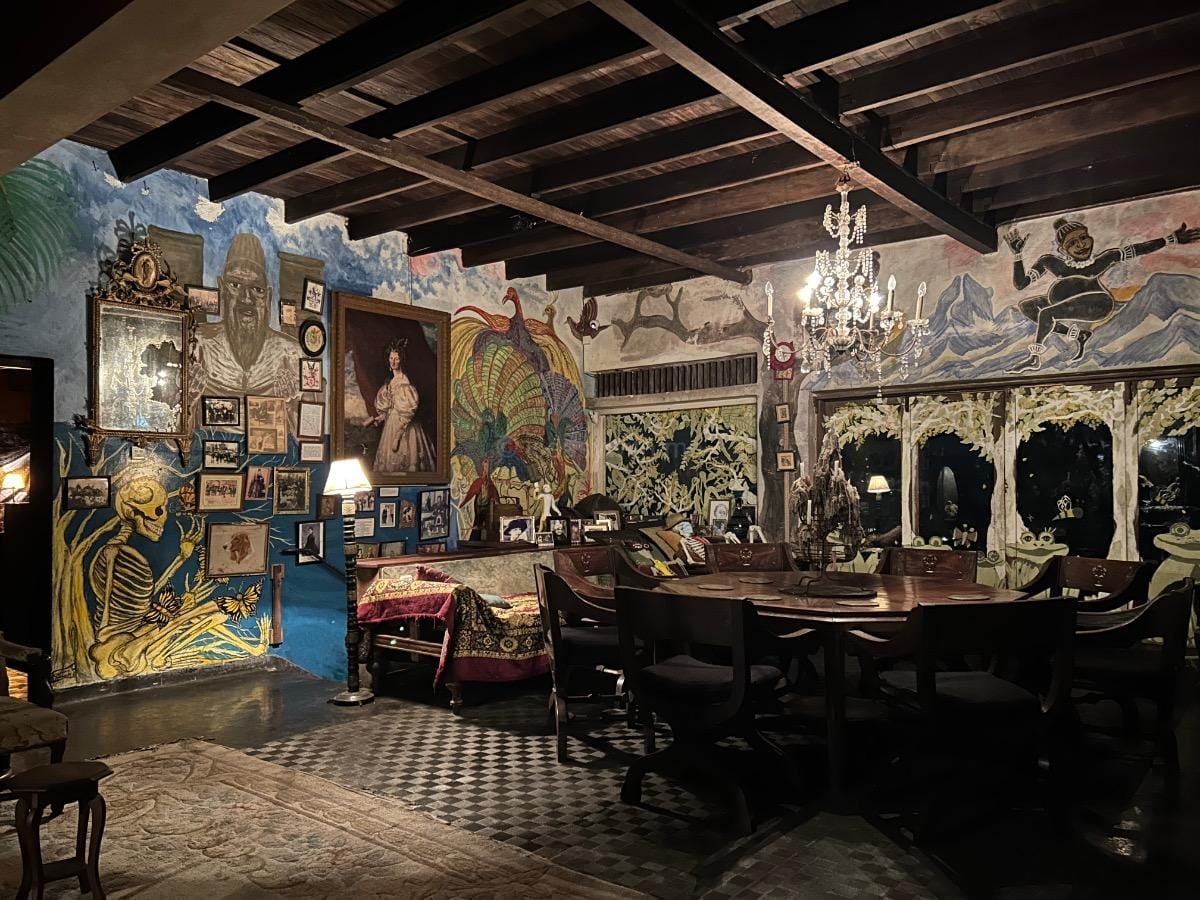
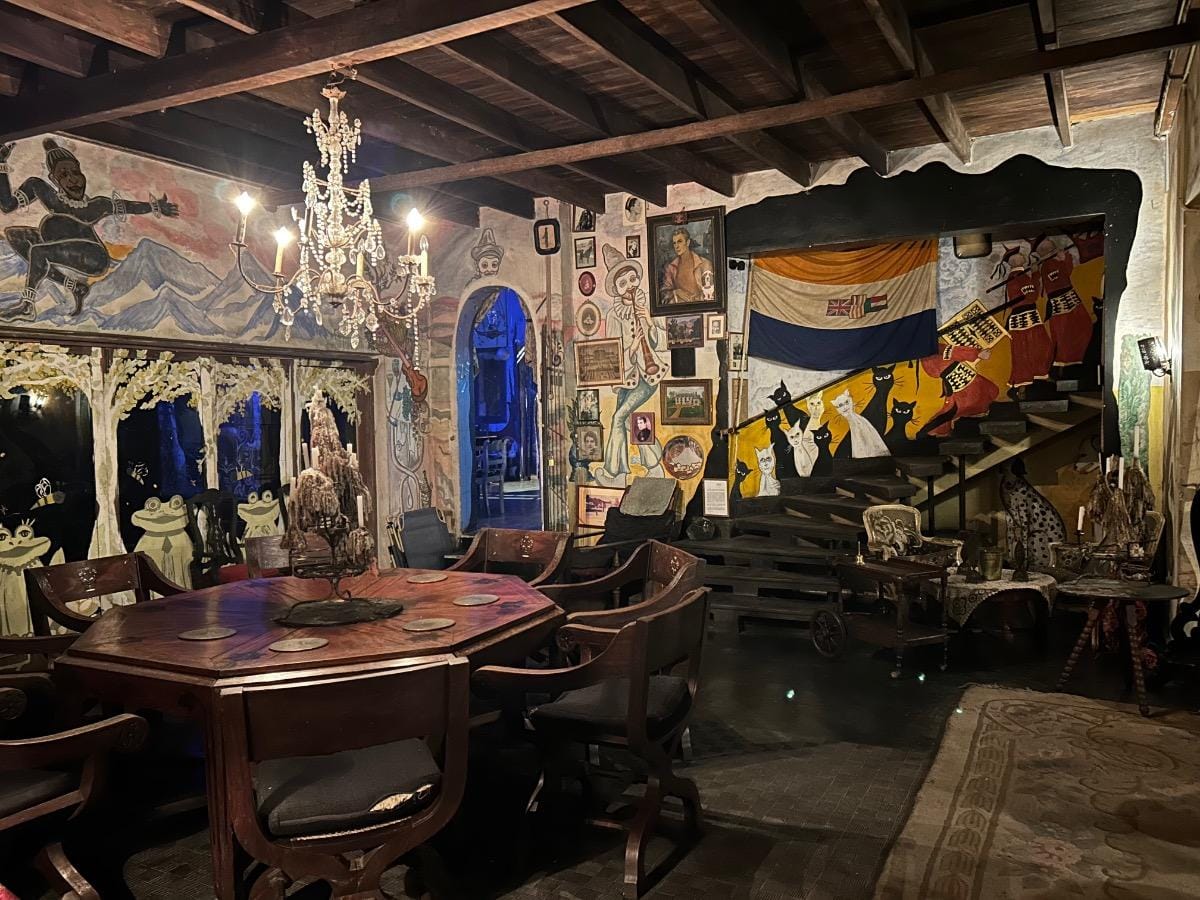
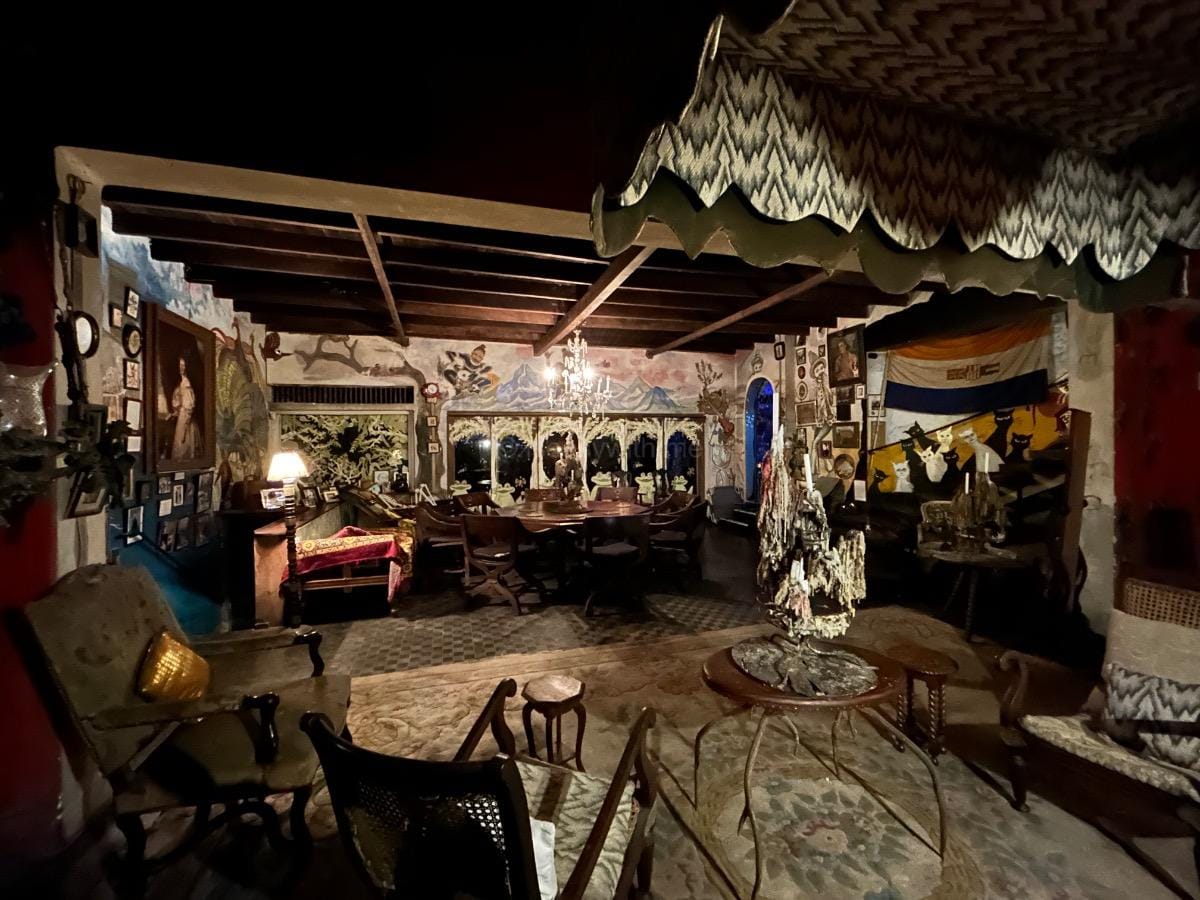
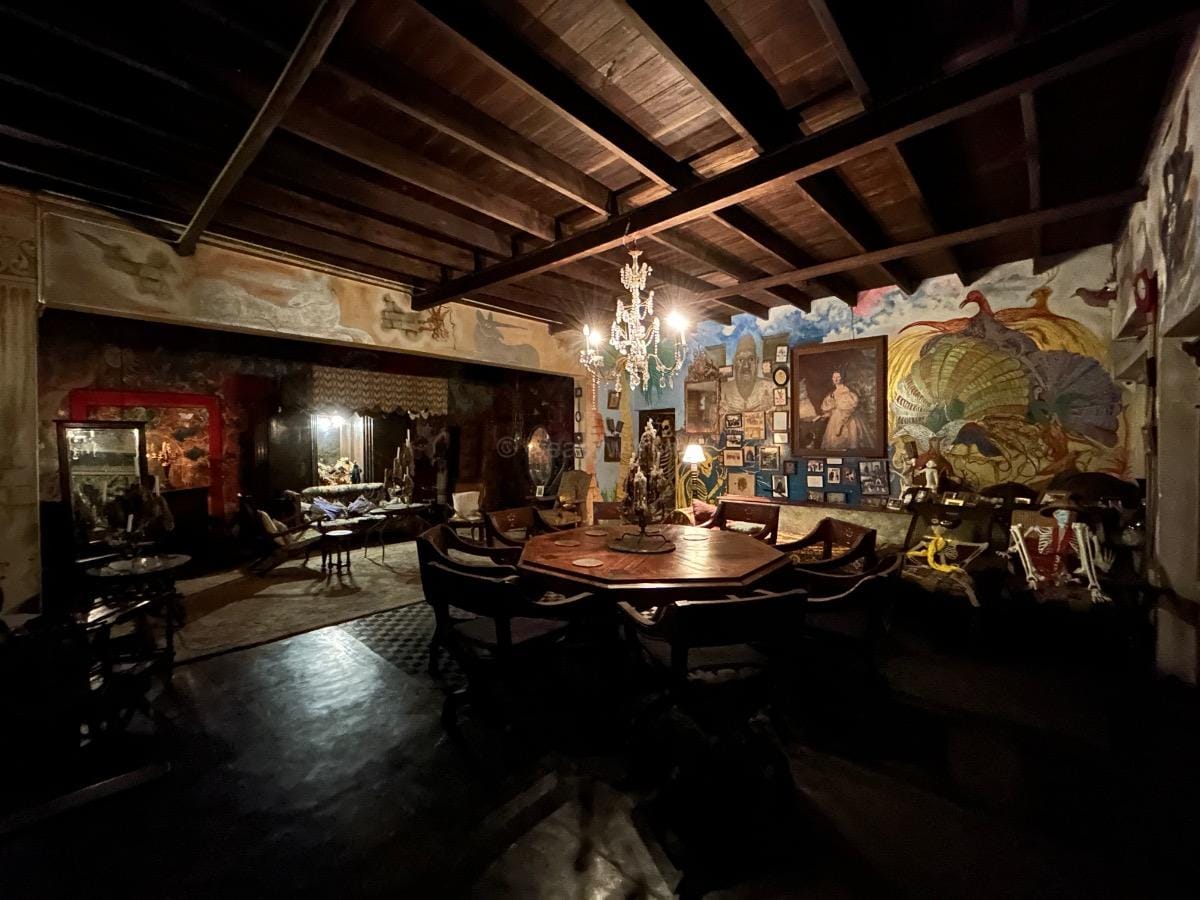
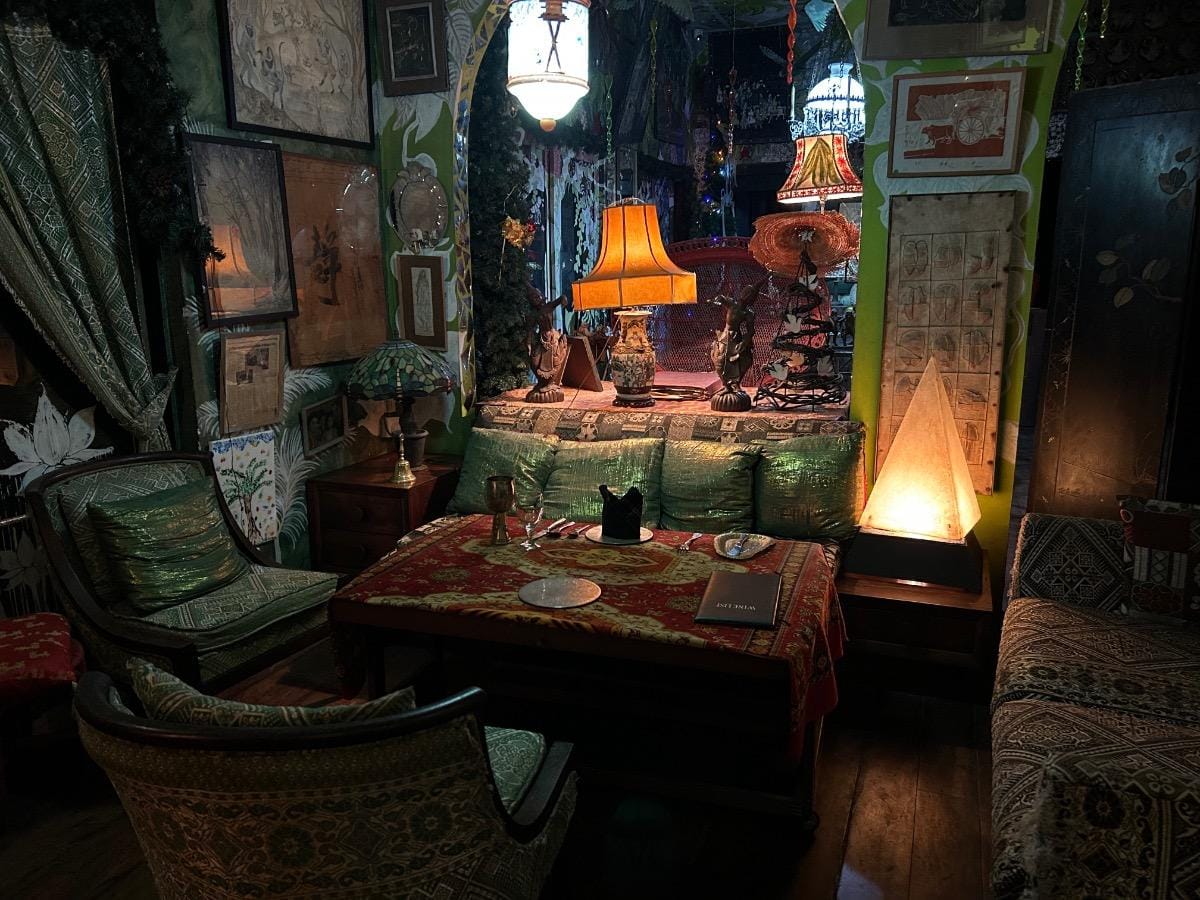
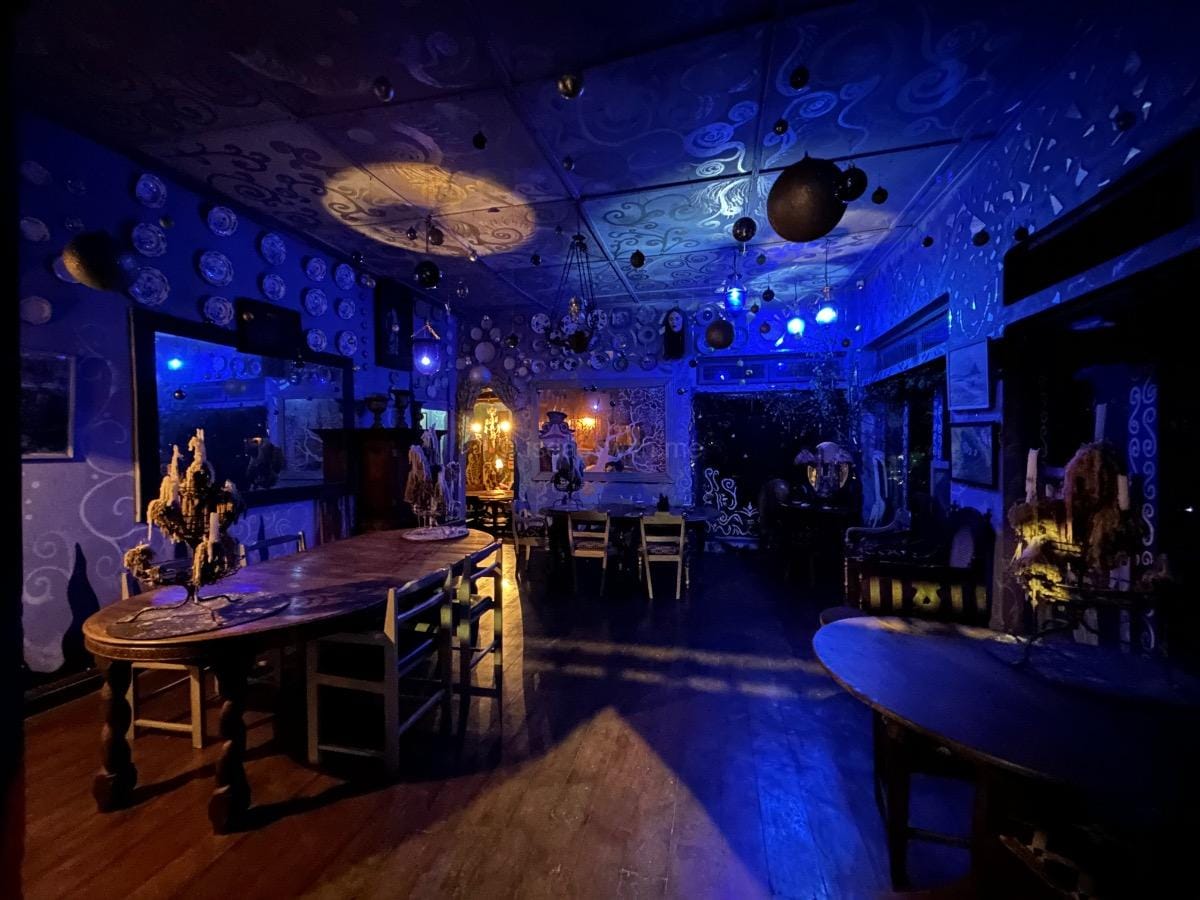
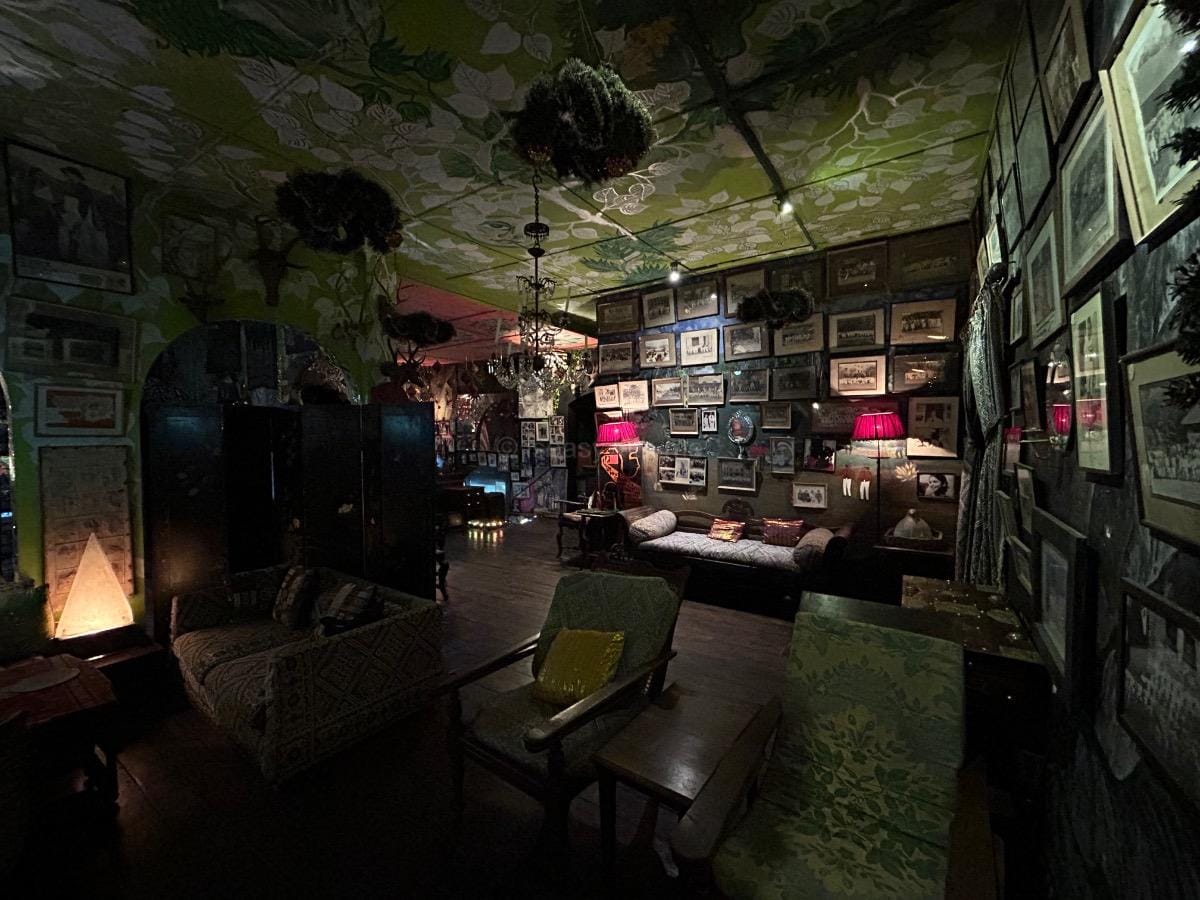
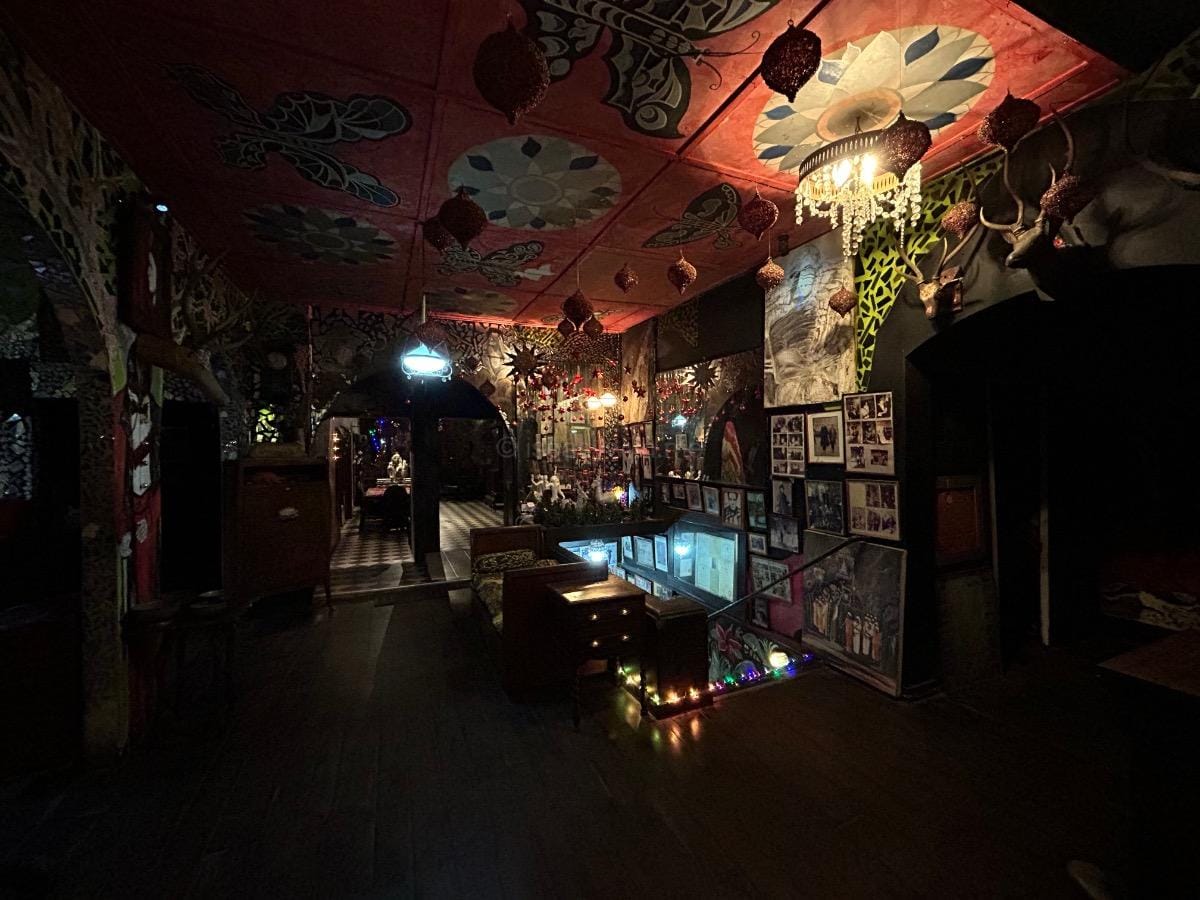
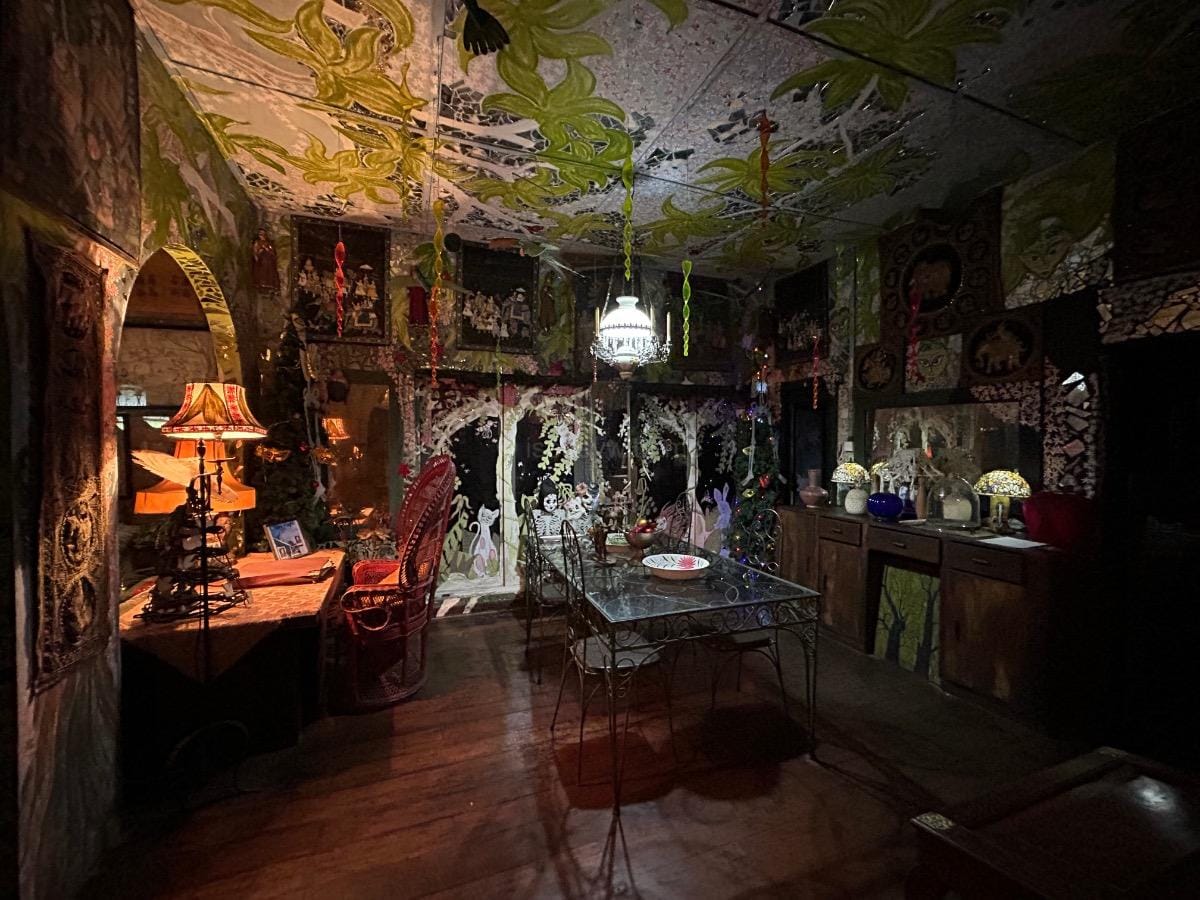
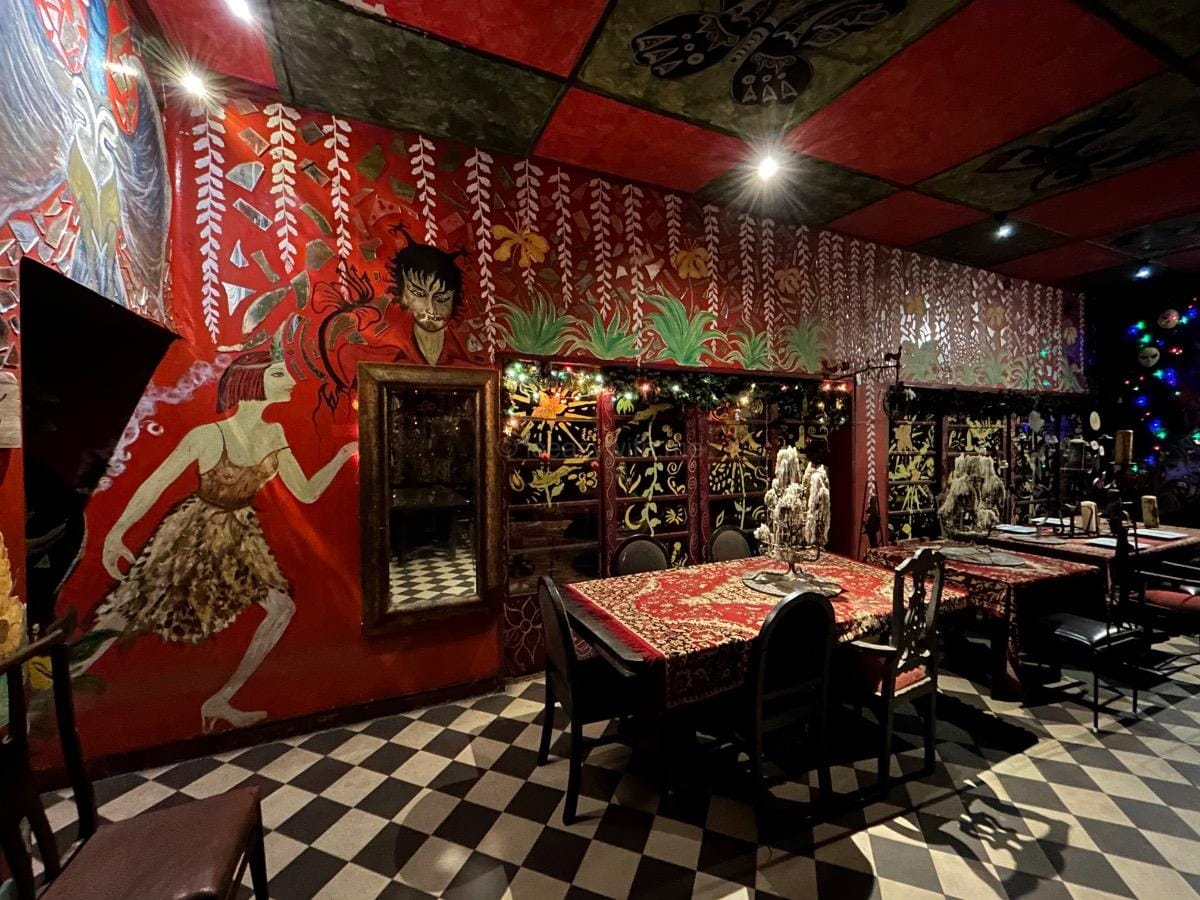
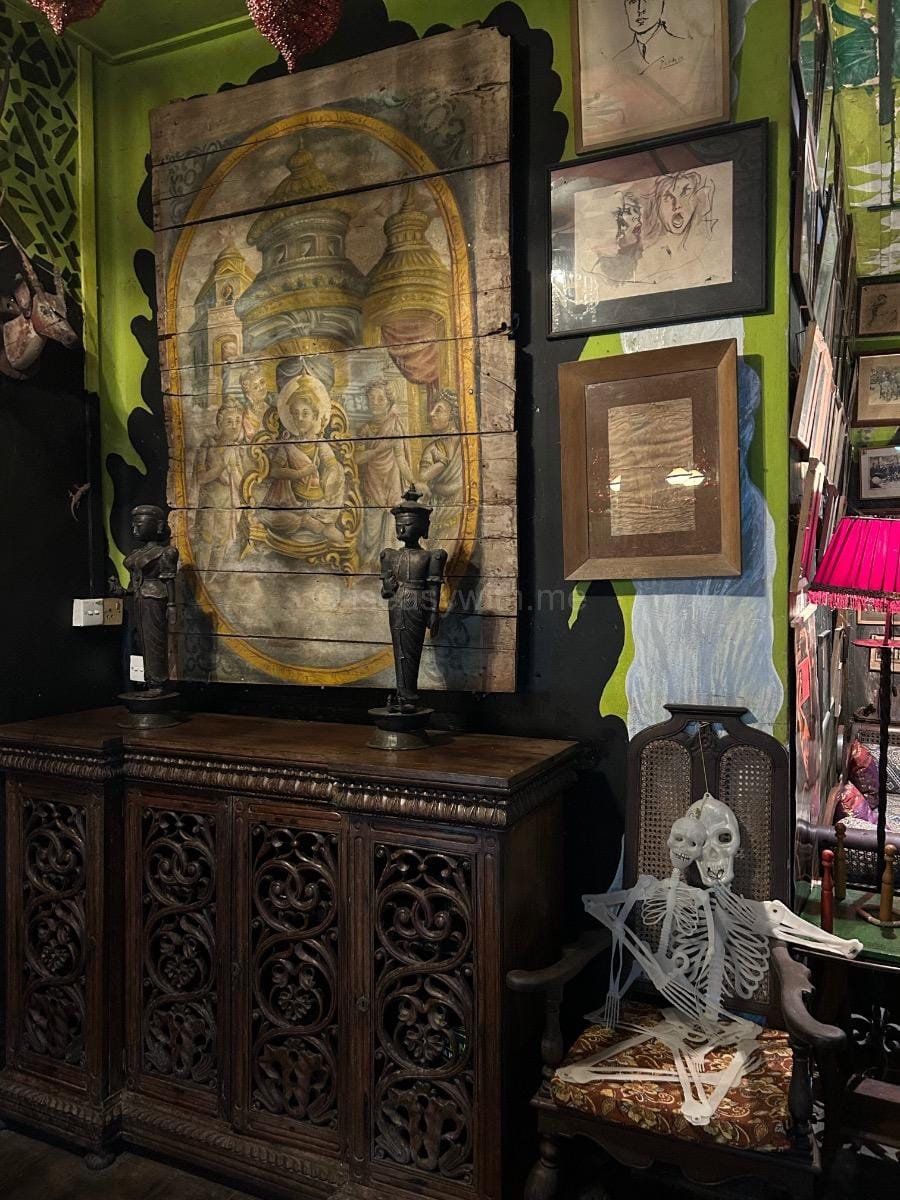
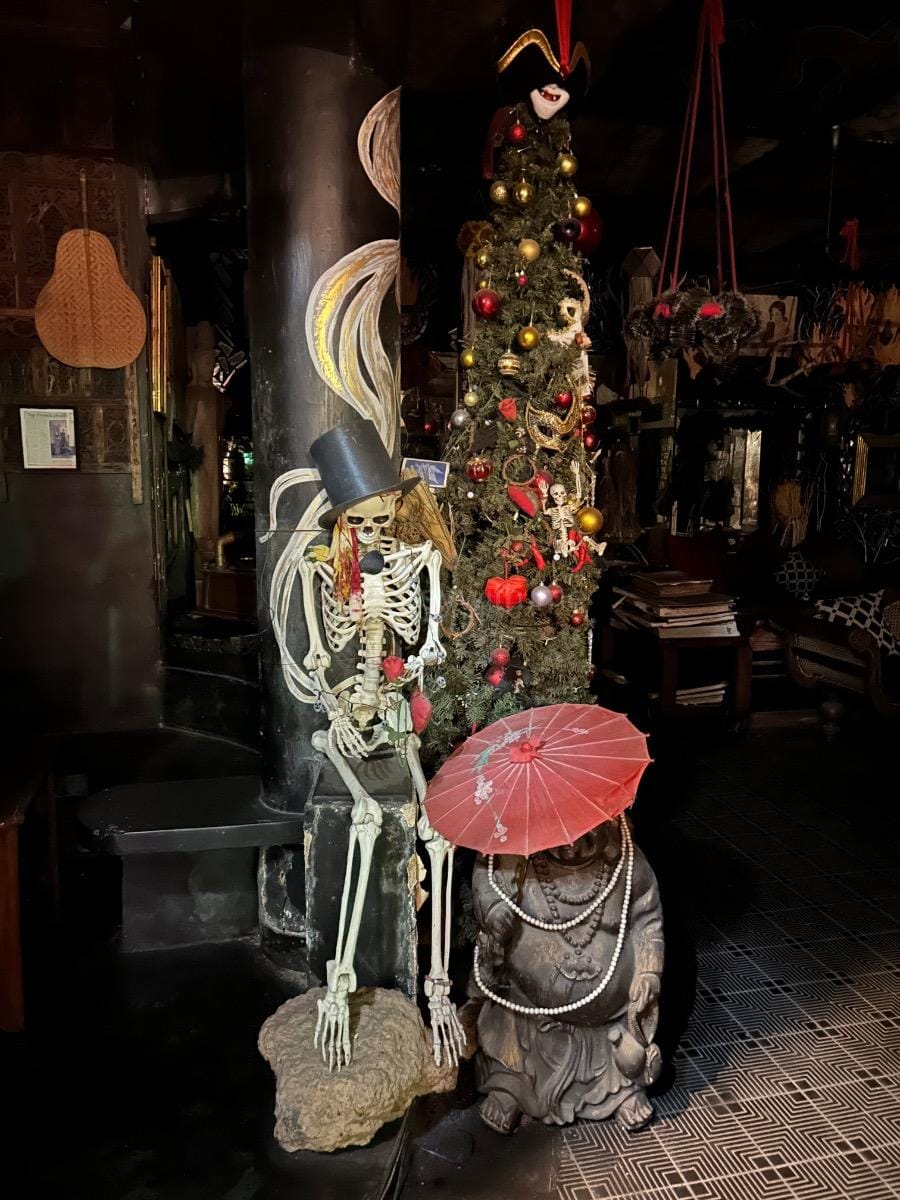
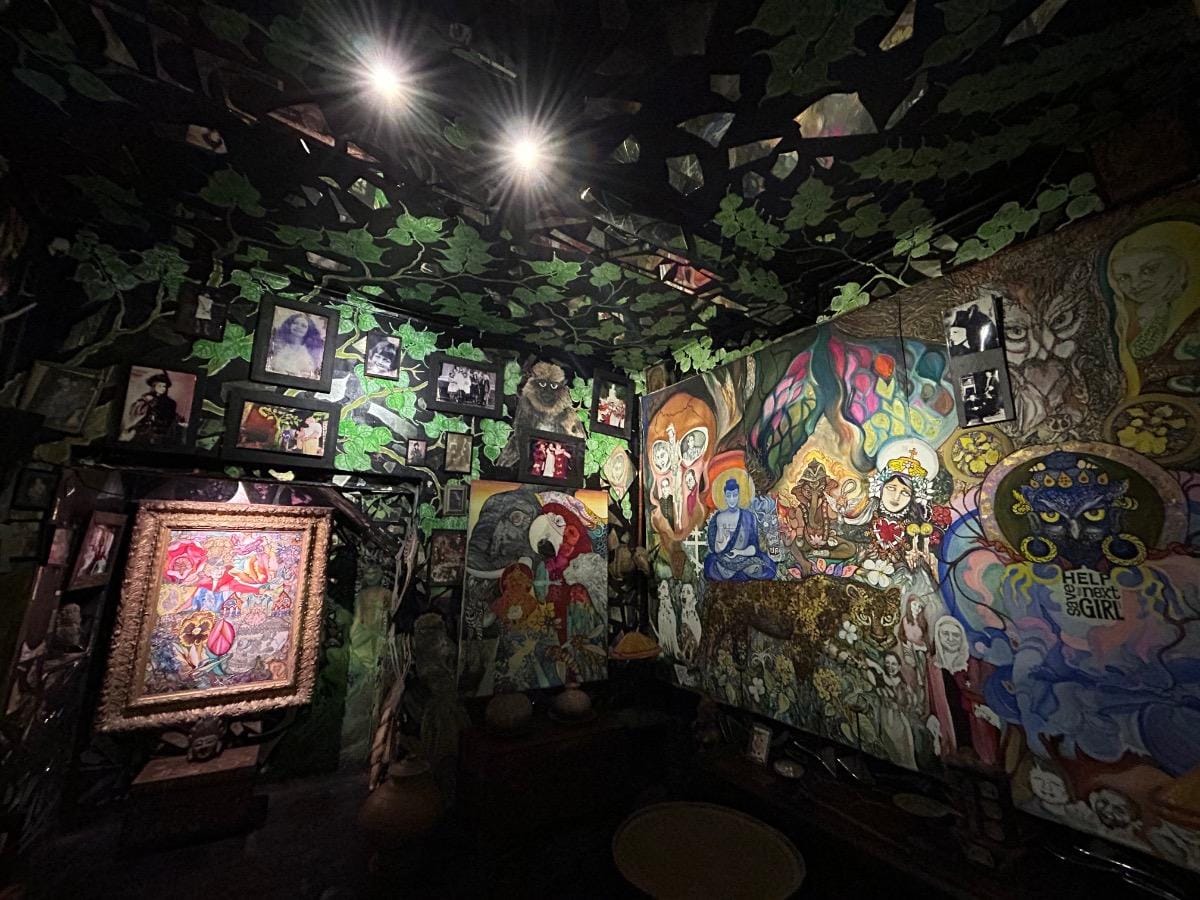
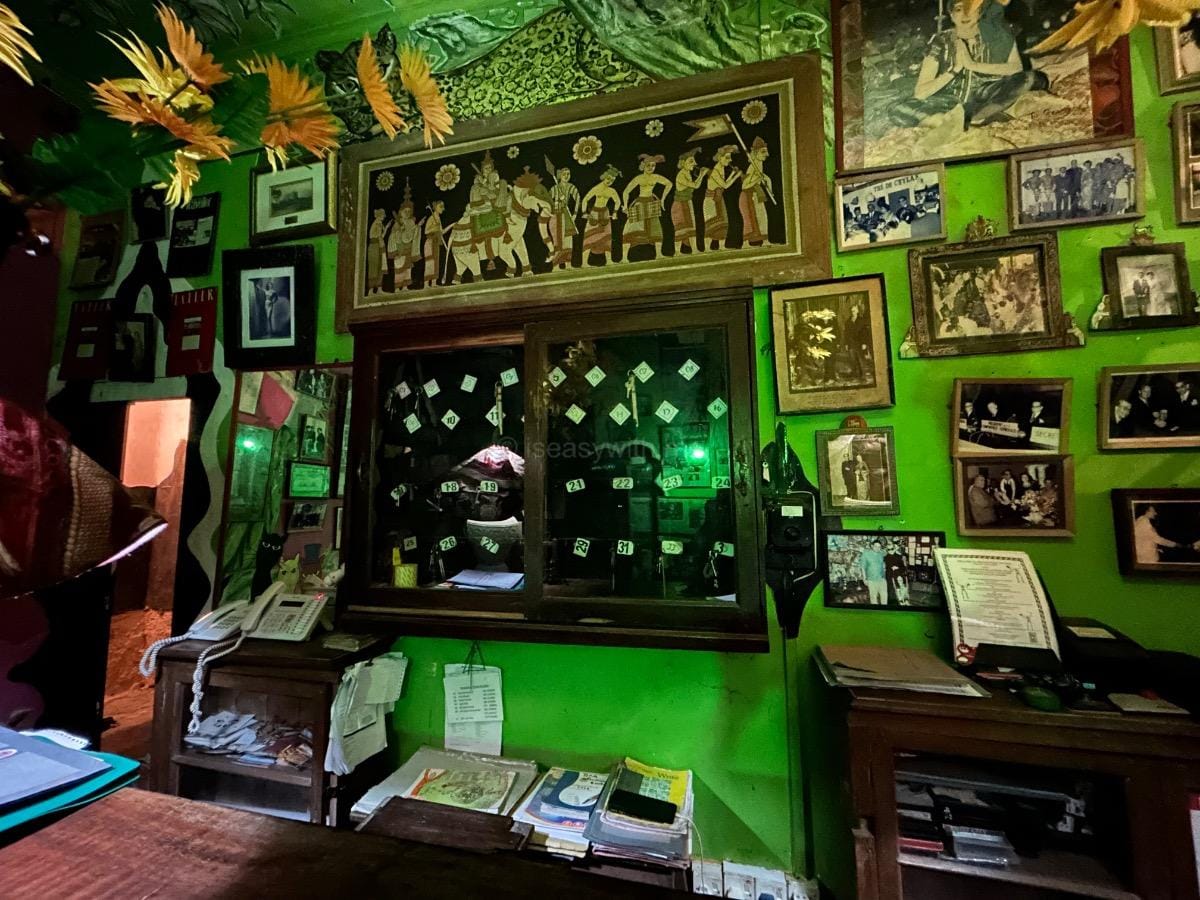
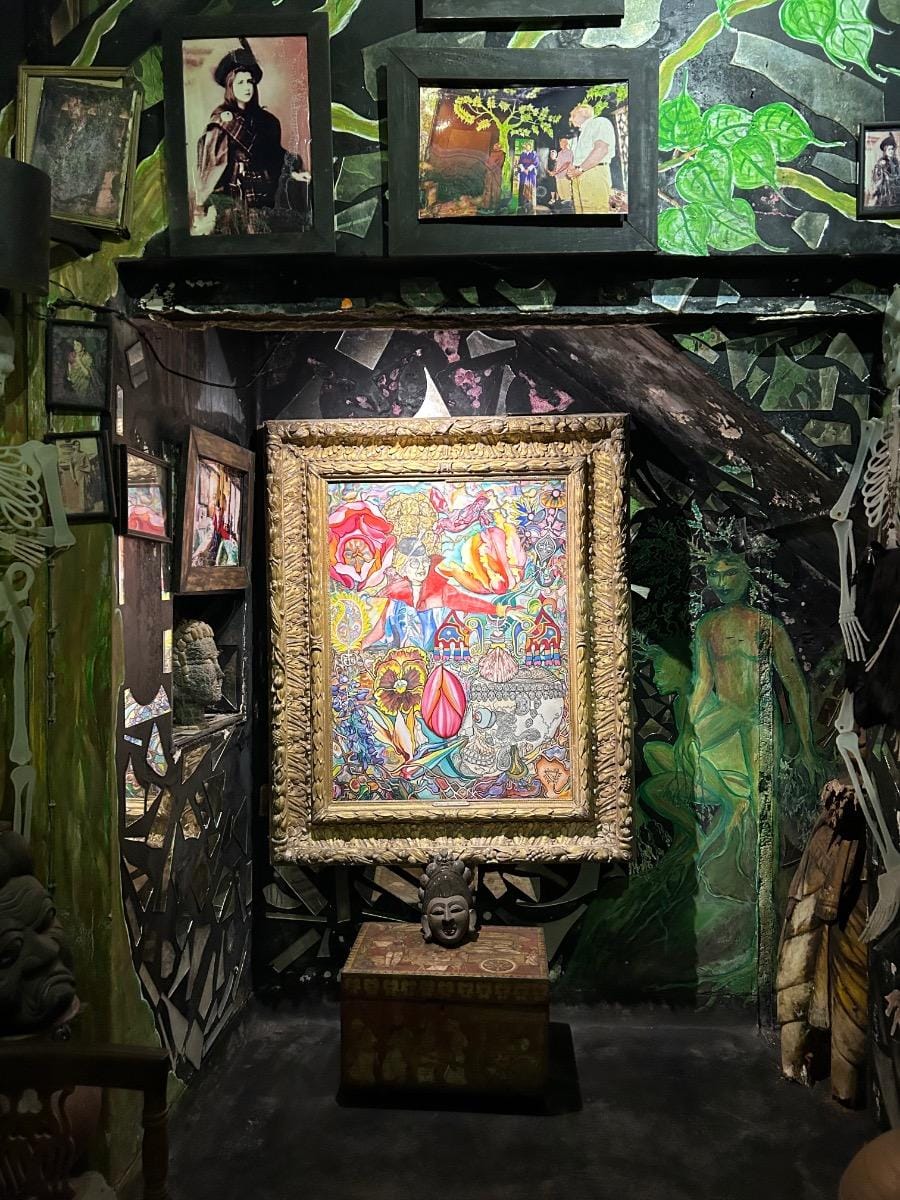
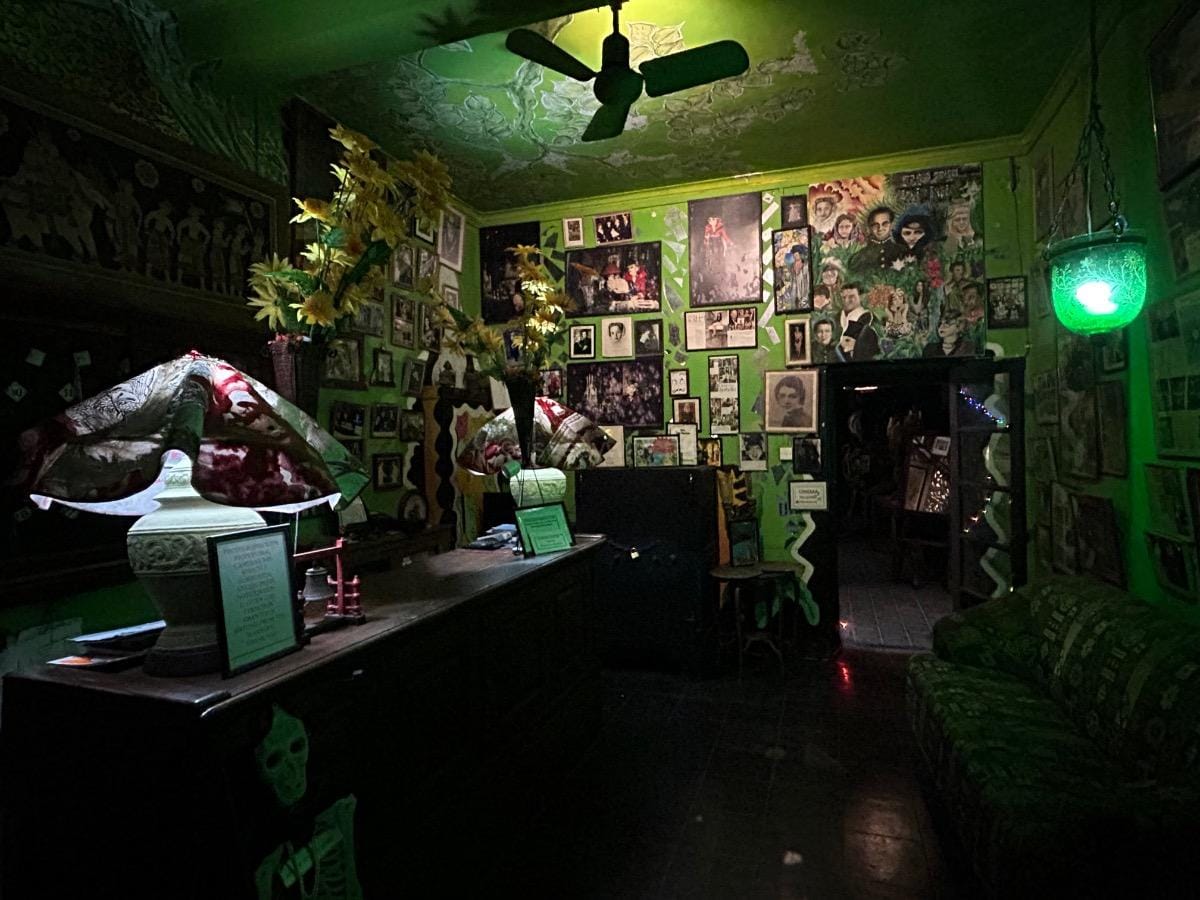
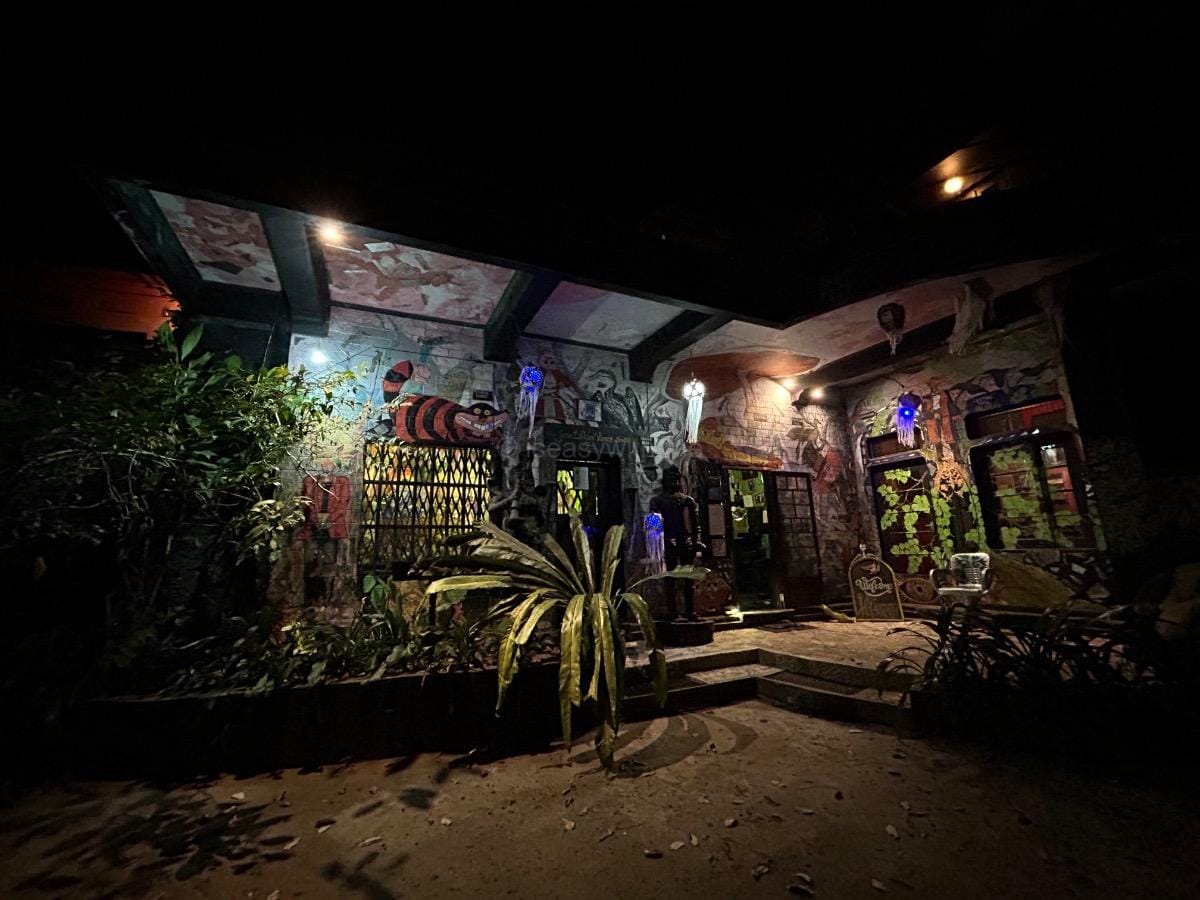
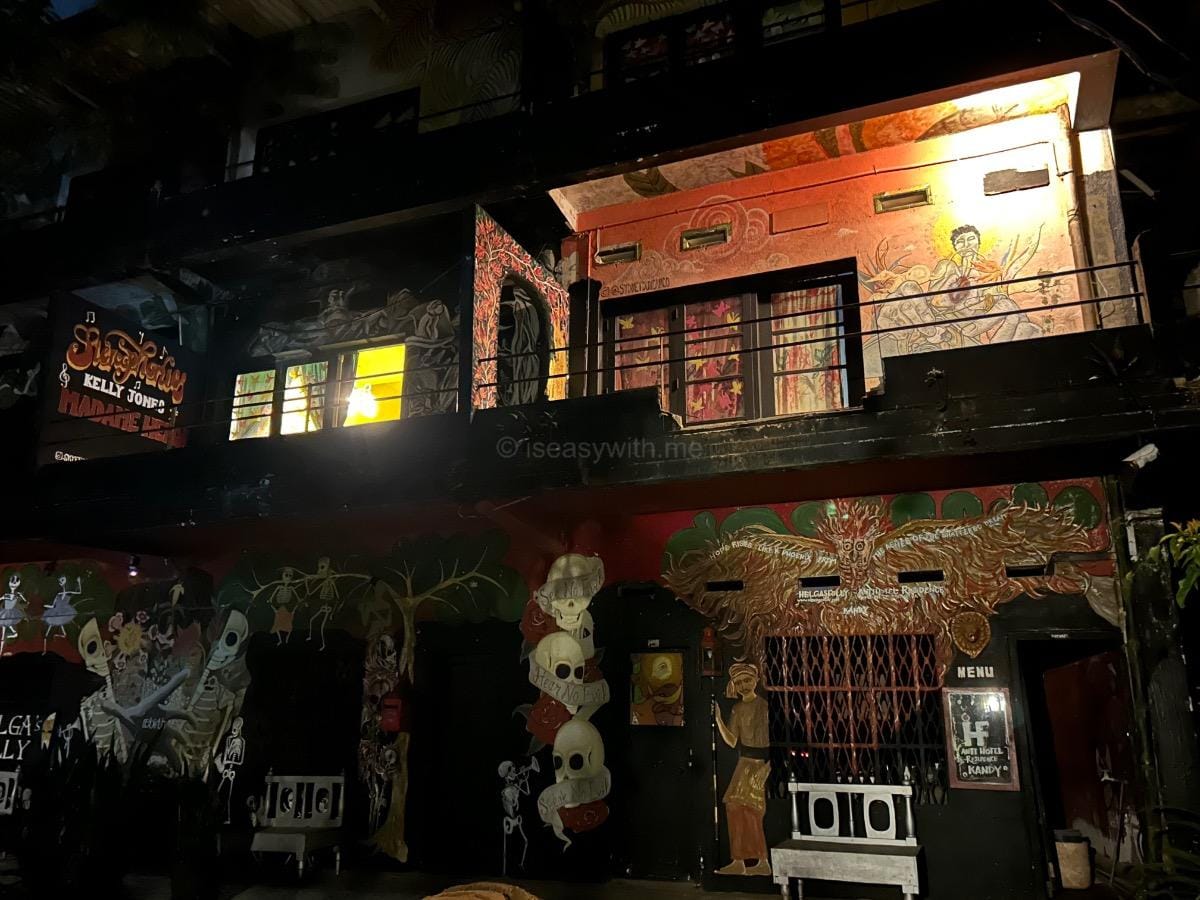
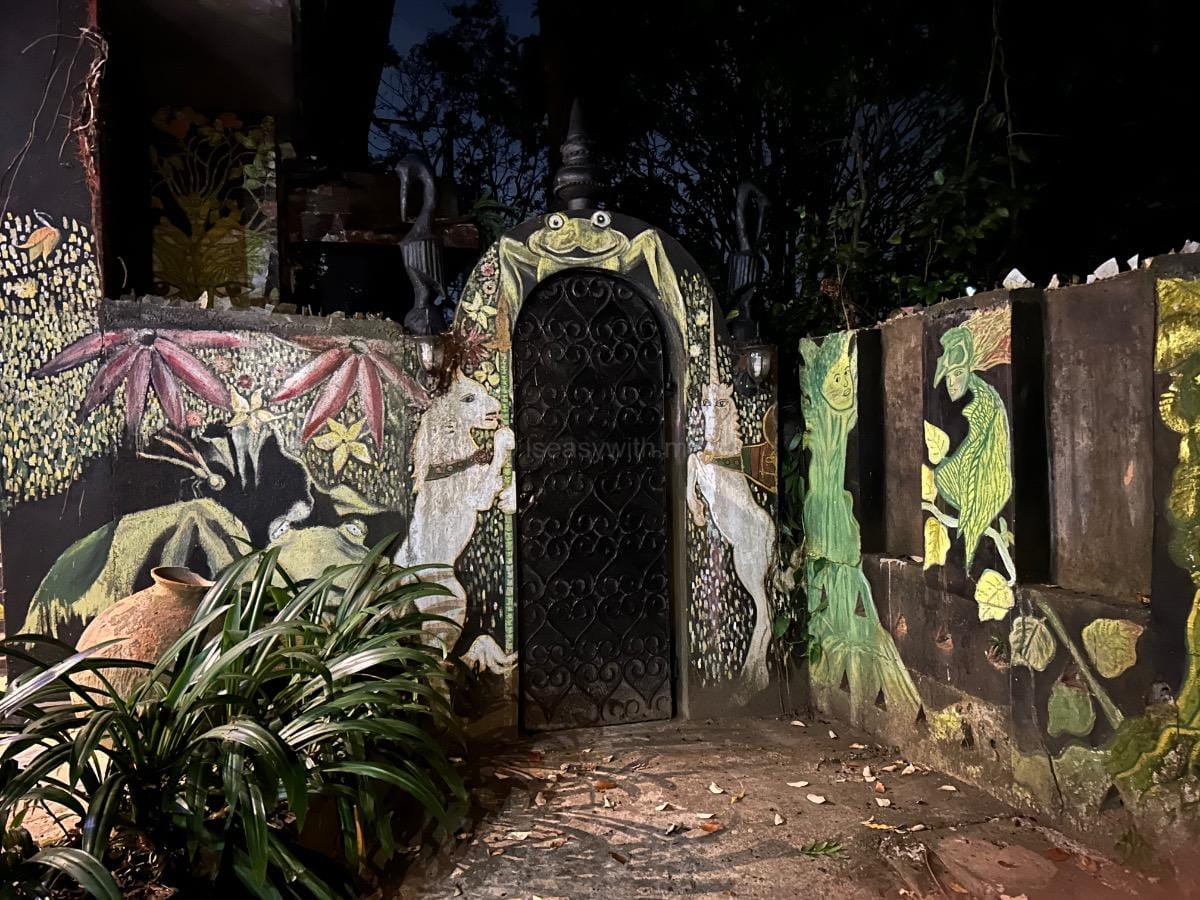
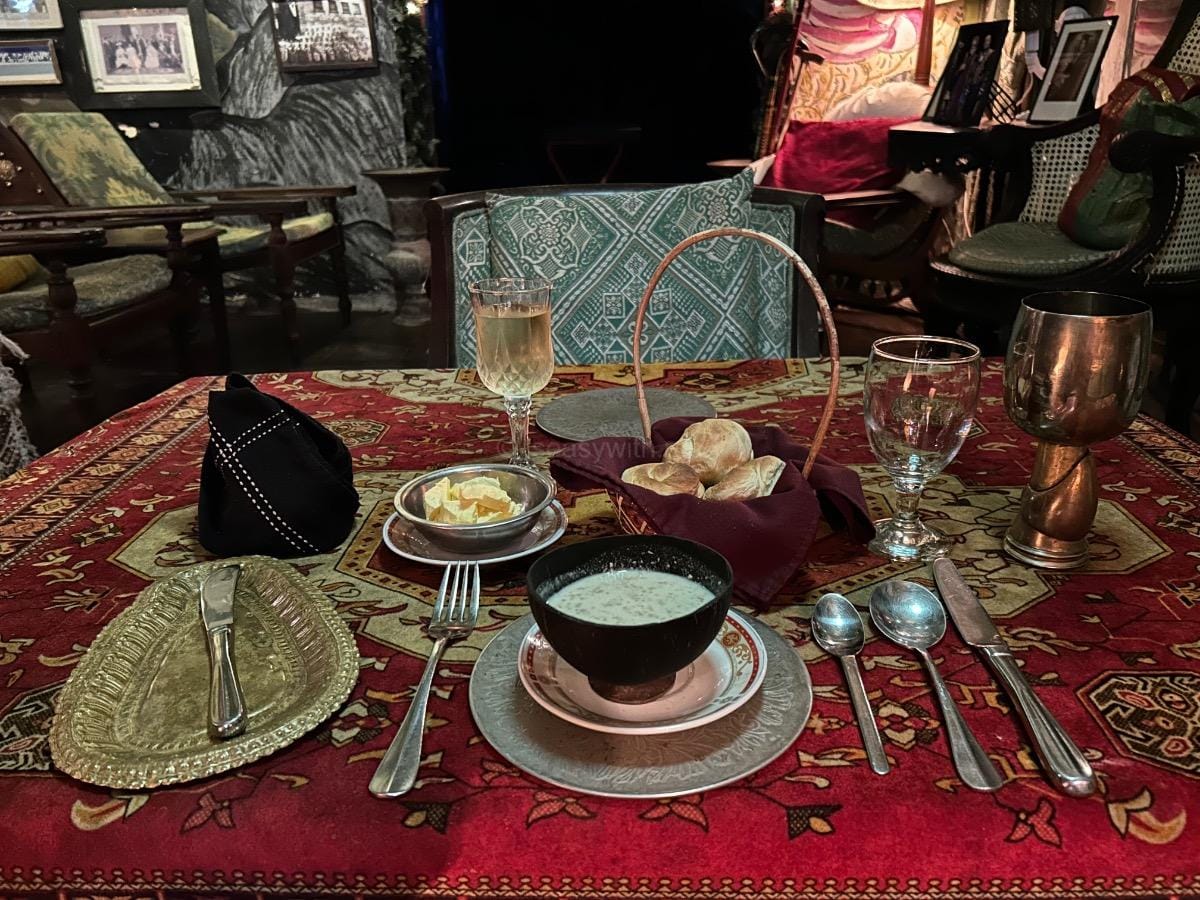
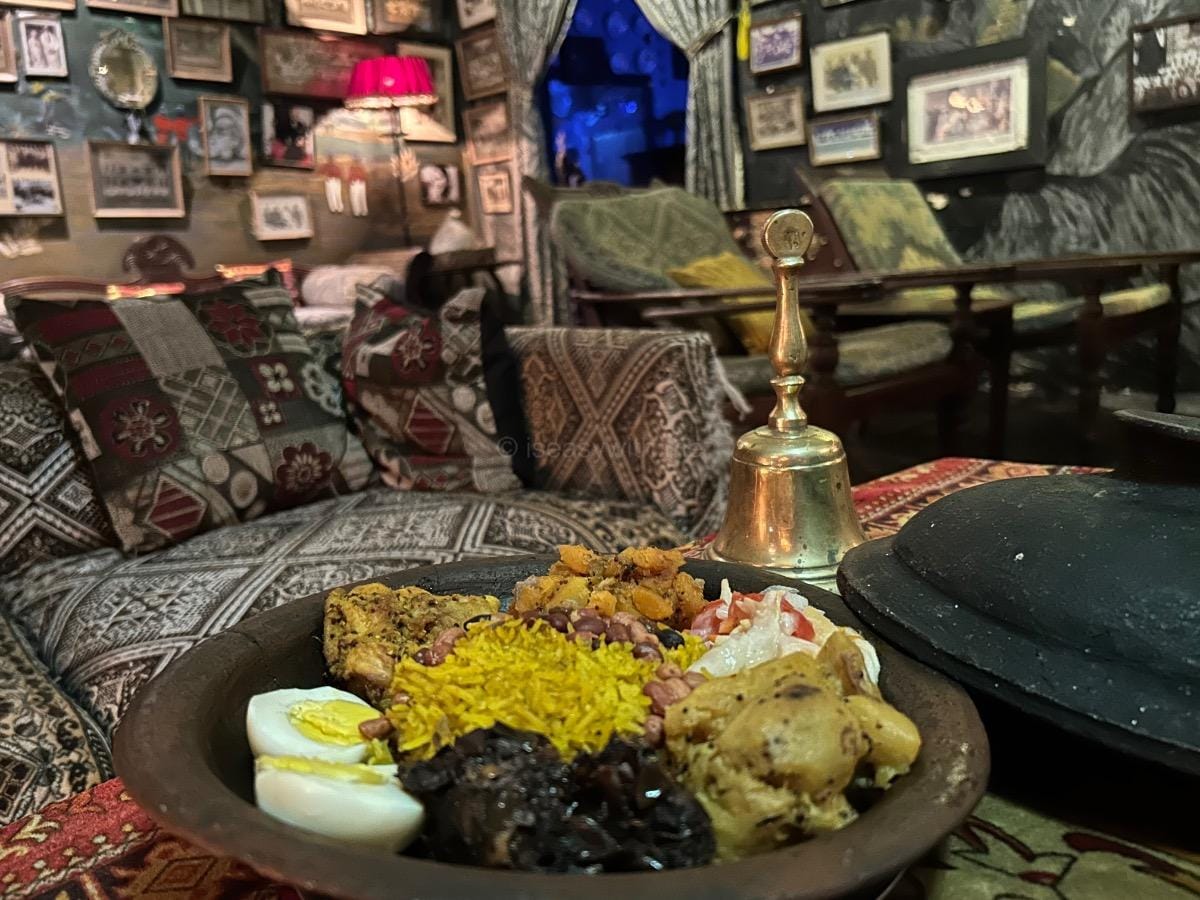
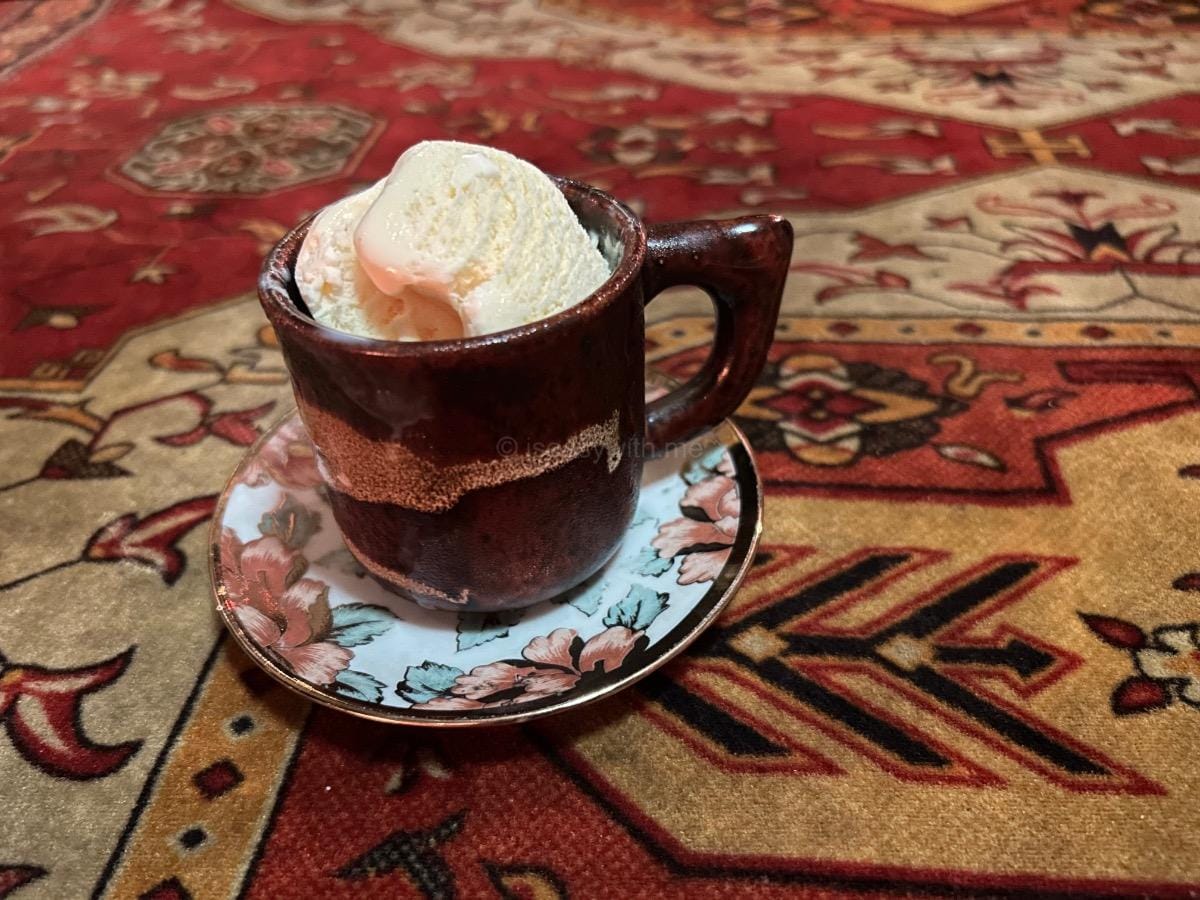
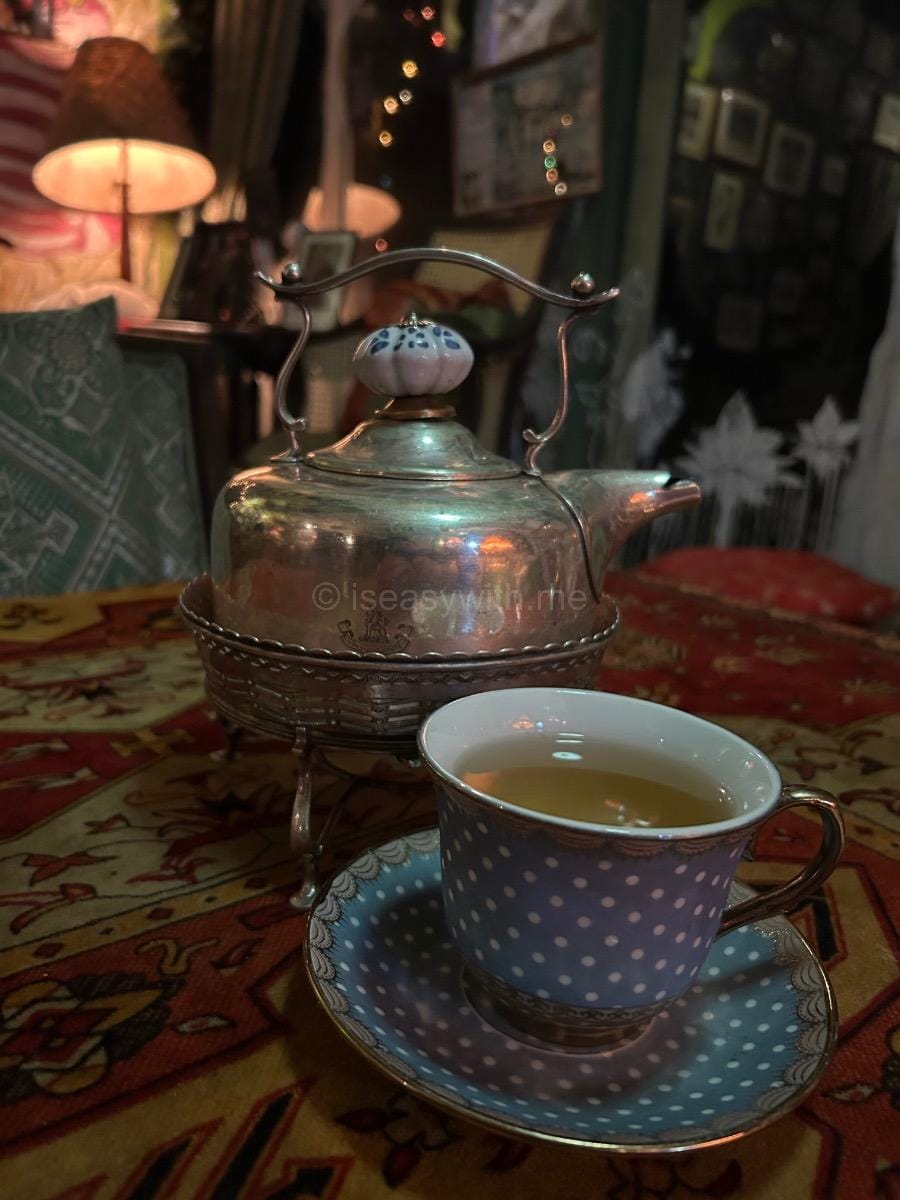
my dinner at Helga's Folly LKR 10,296)
Midland Cafe in the Municipal Central Market
Tucked at the corner on the right as I entered the Kandy Municipal Central Market complex, I found Midland Cafe, a high-energy local staple that has been serving patrons since 1960. It proved to be the perfect spot to take a quick break from the heat. I ordered a quick lunch (LKR 310) of incredibly fresh, budget-friendly Sri Lankan short-eats, including a flaky vegetable patty and spiced buns, and a hot cup of coffee, which provided the perfect fuel before I set off for my temple run.
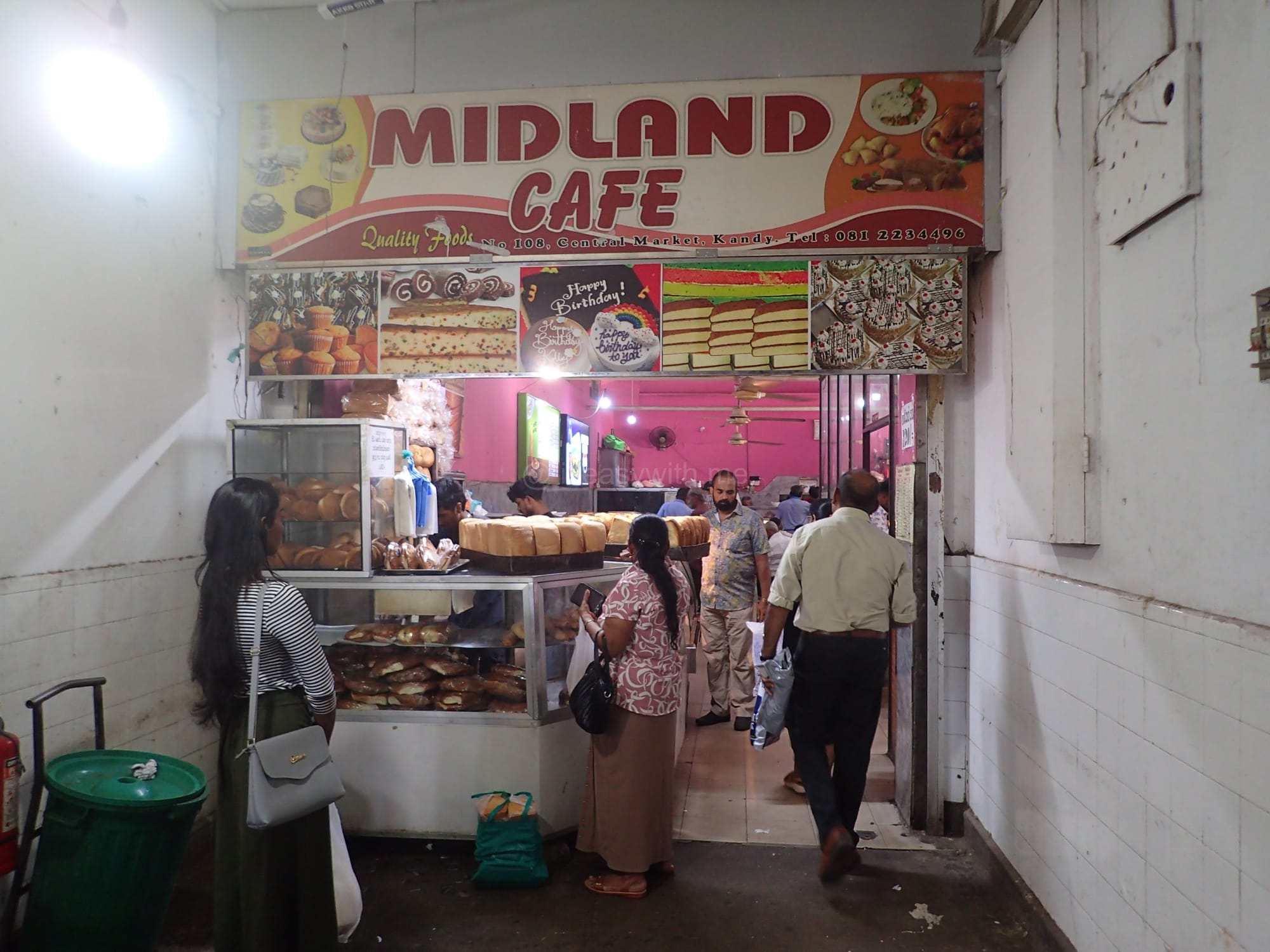
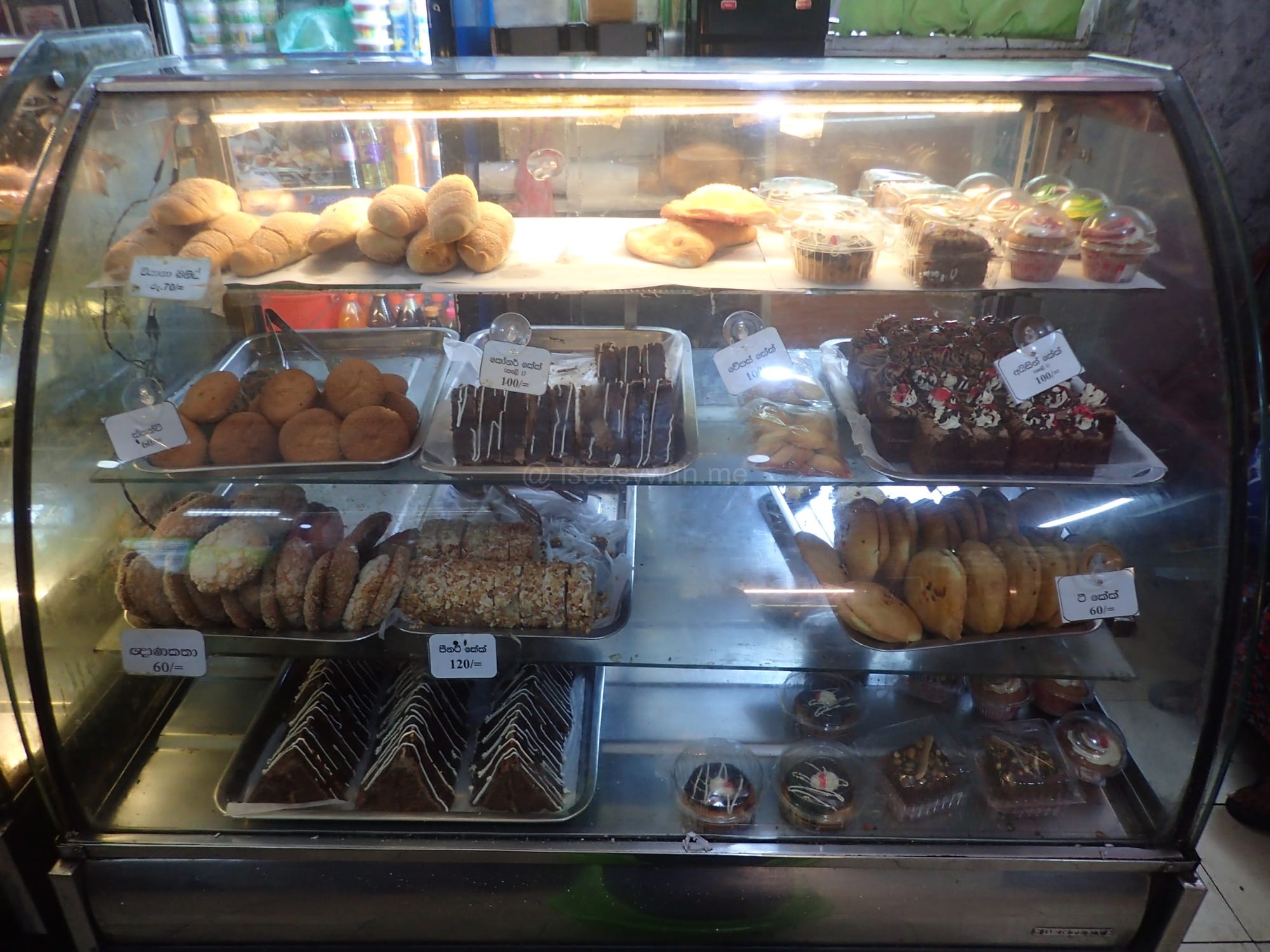
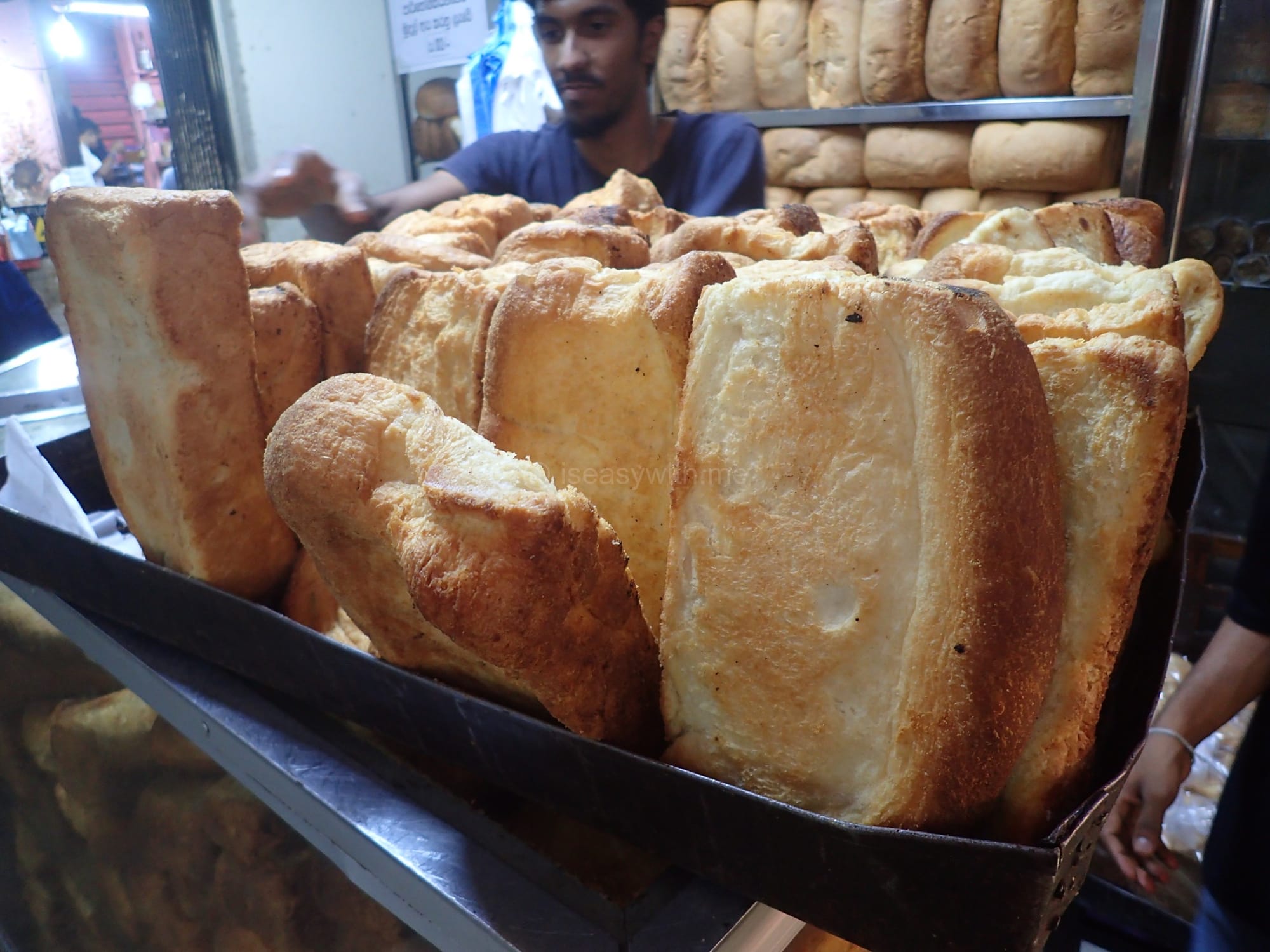
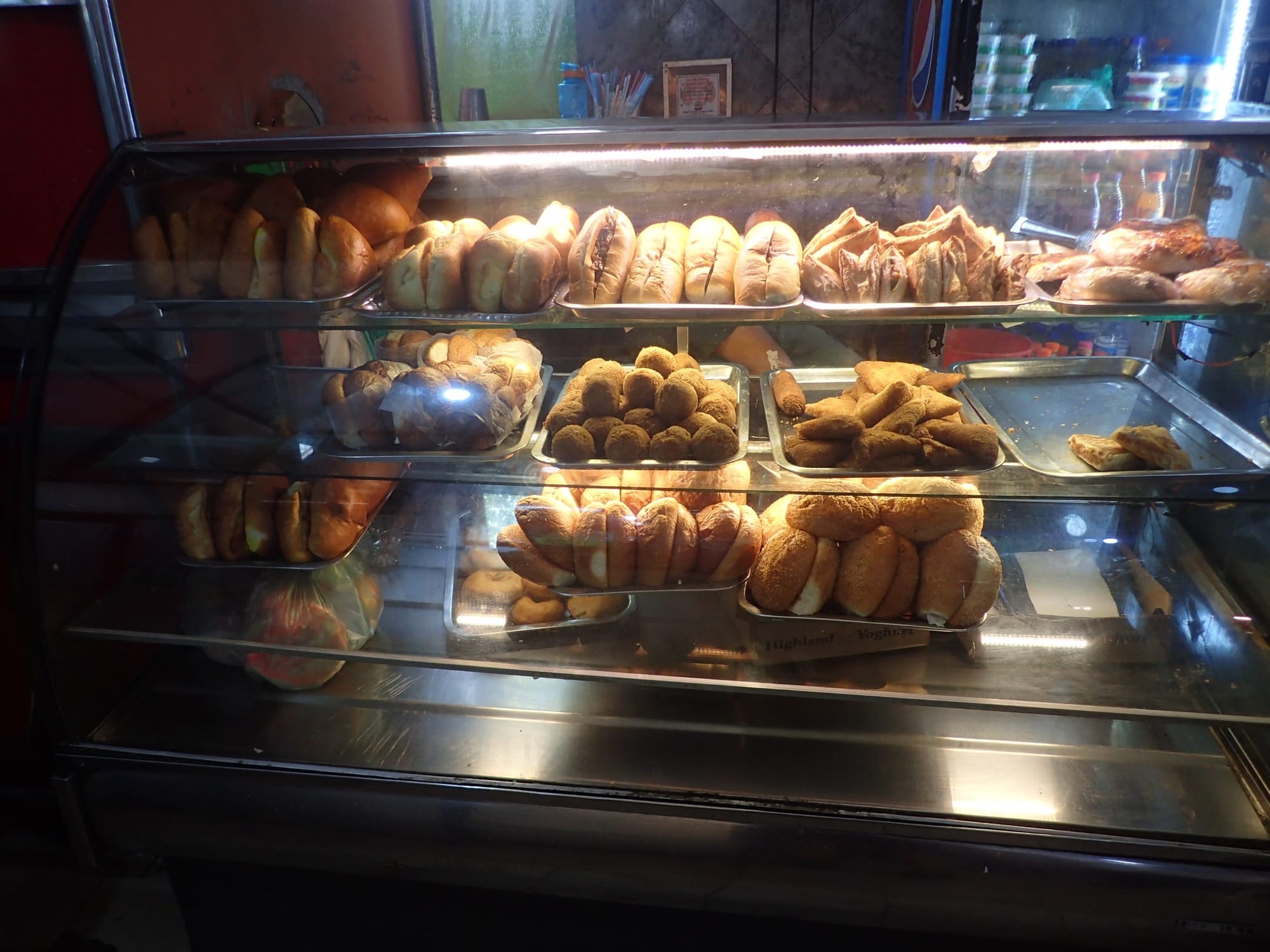
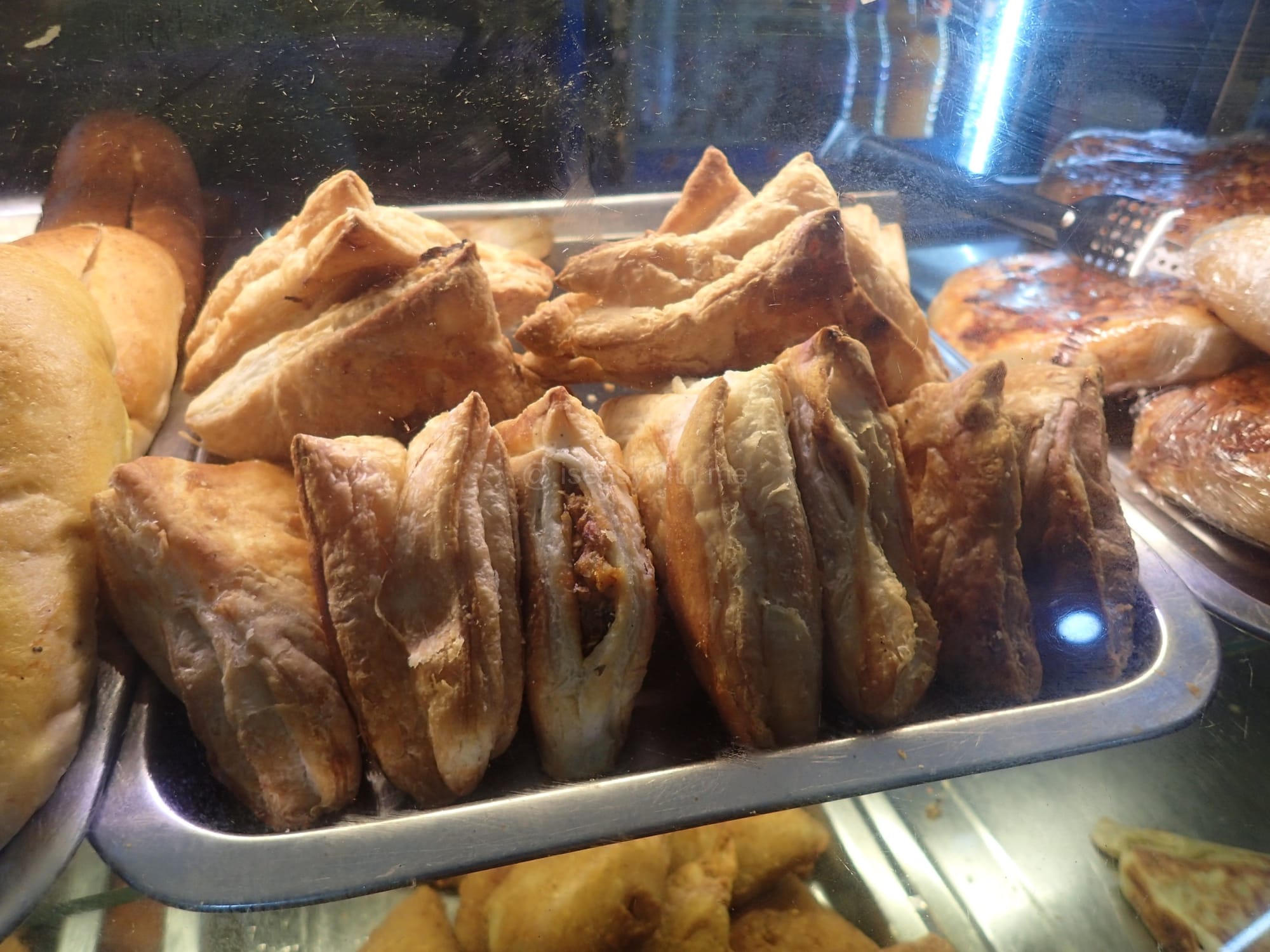
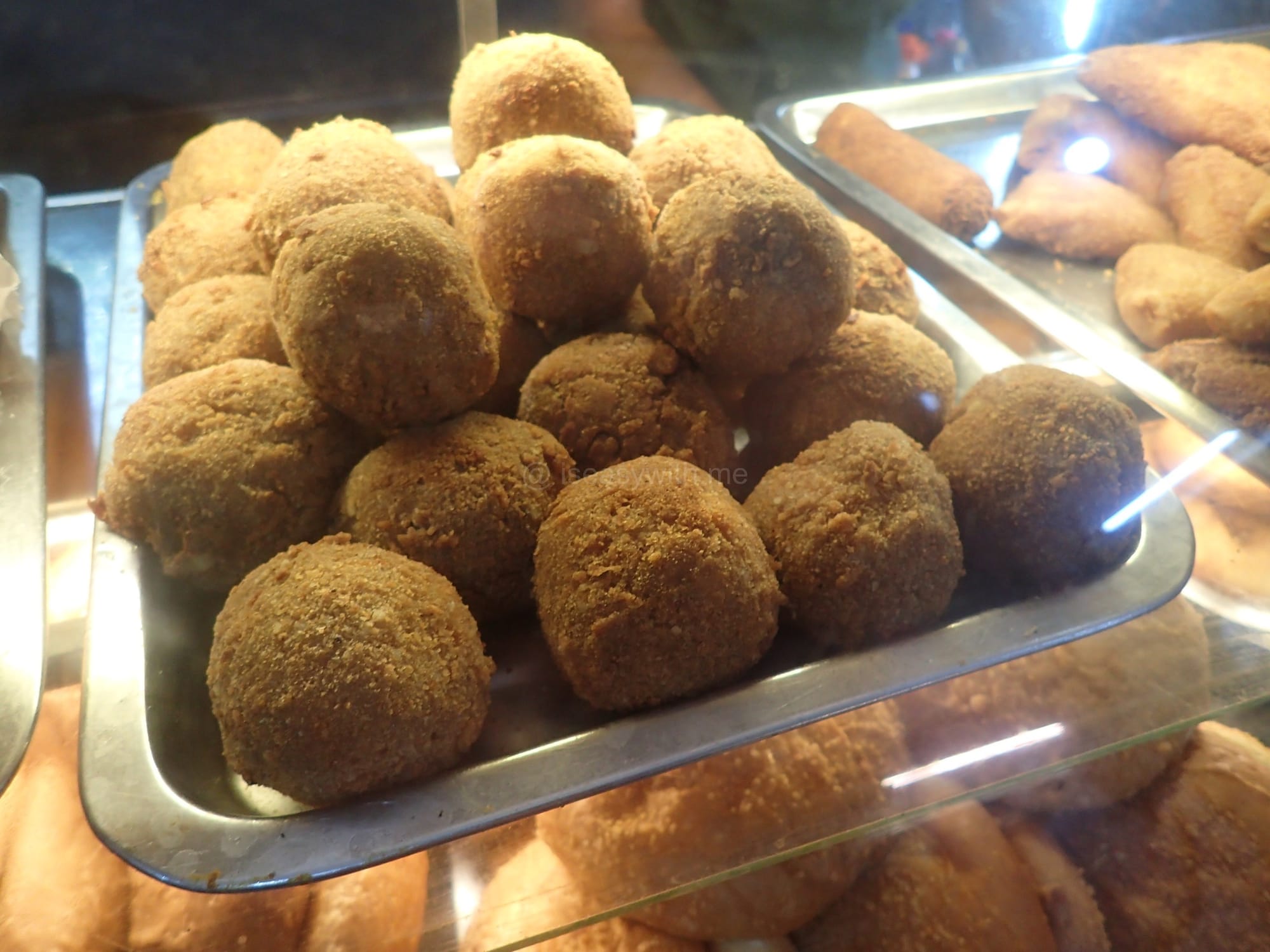
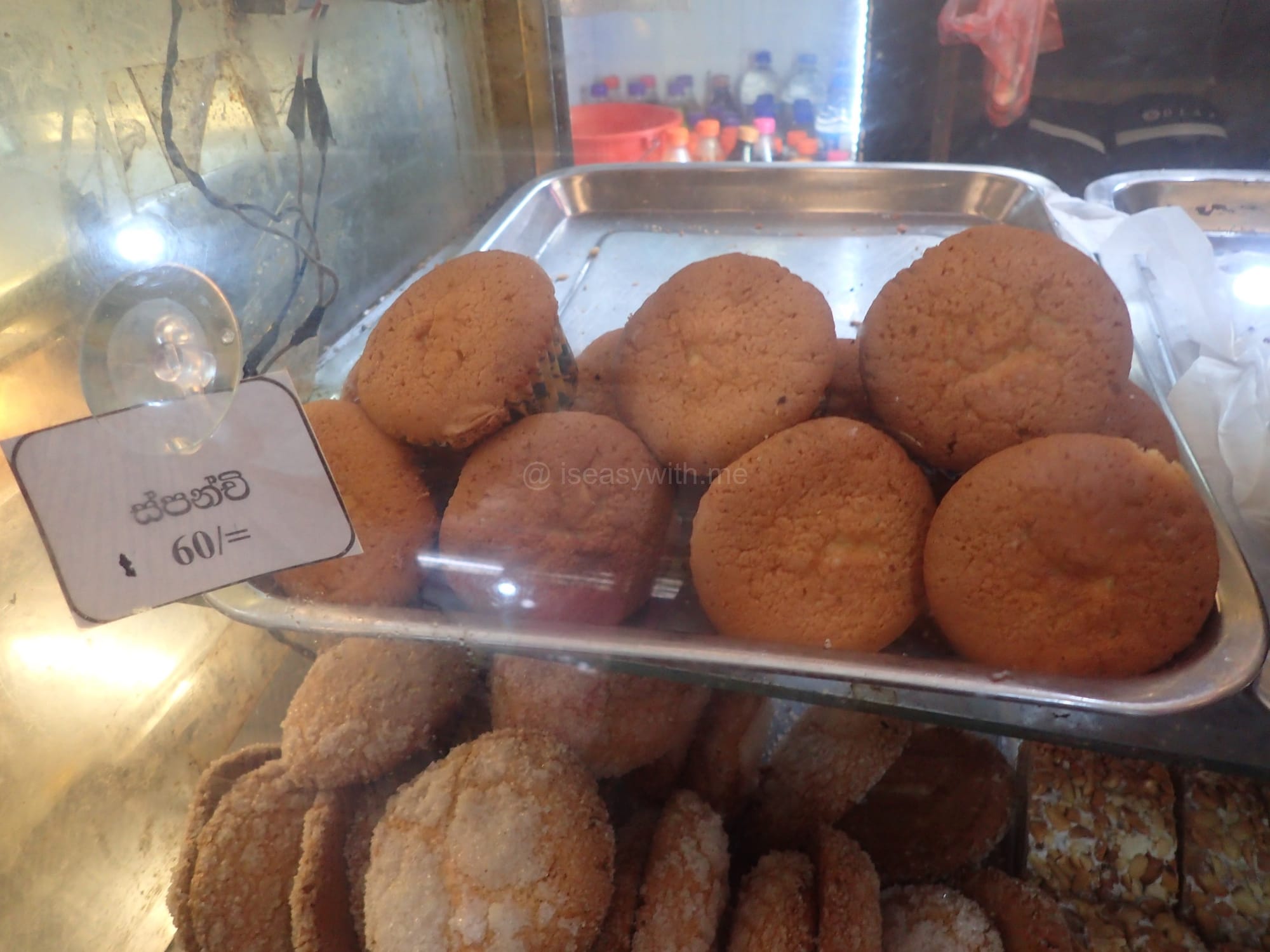
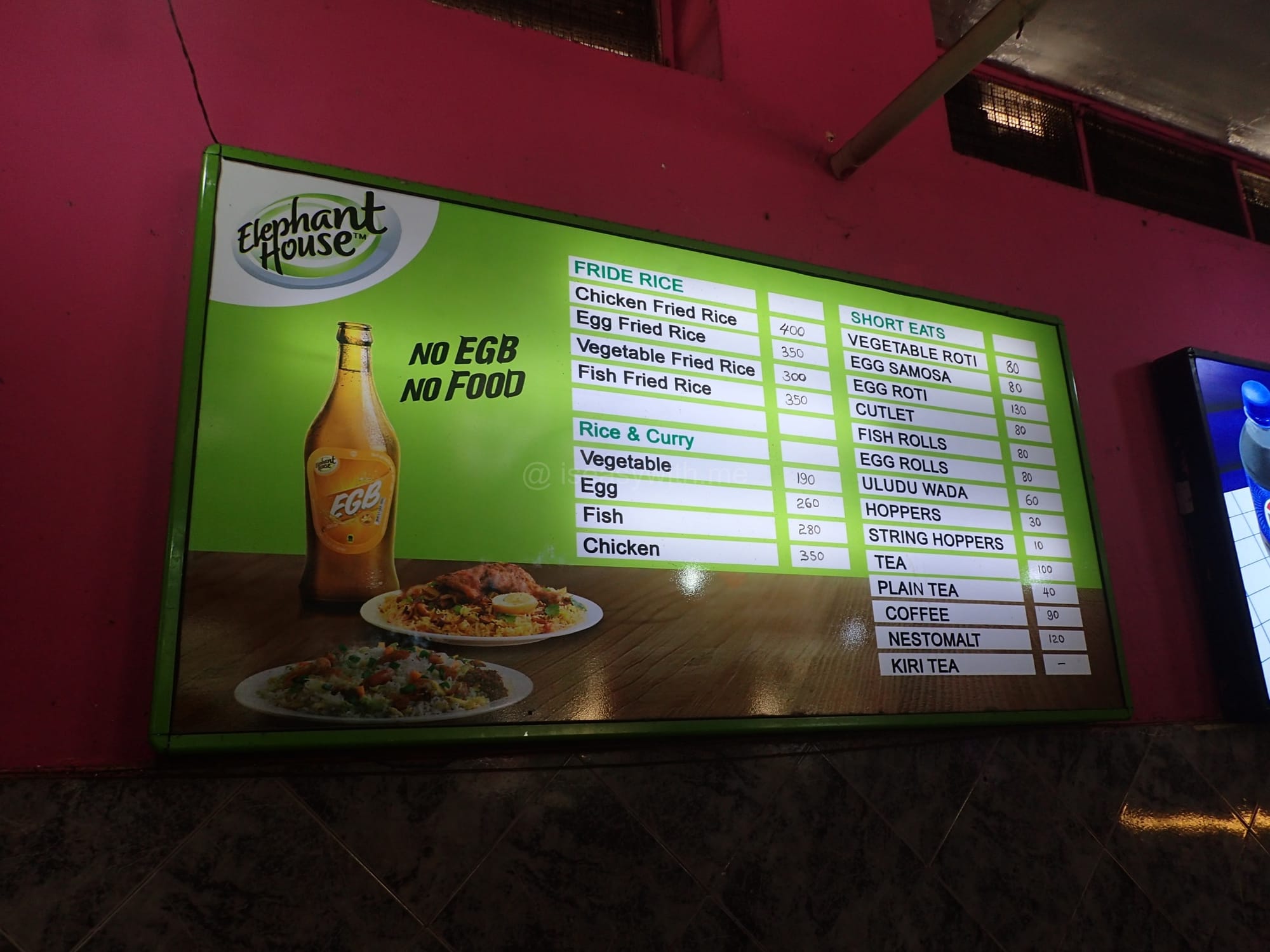
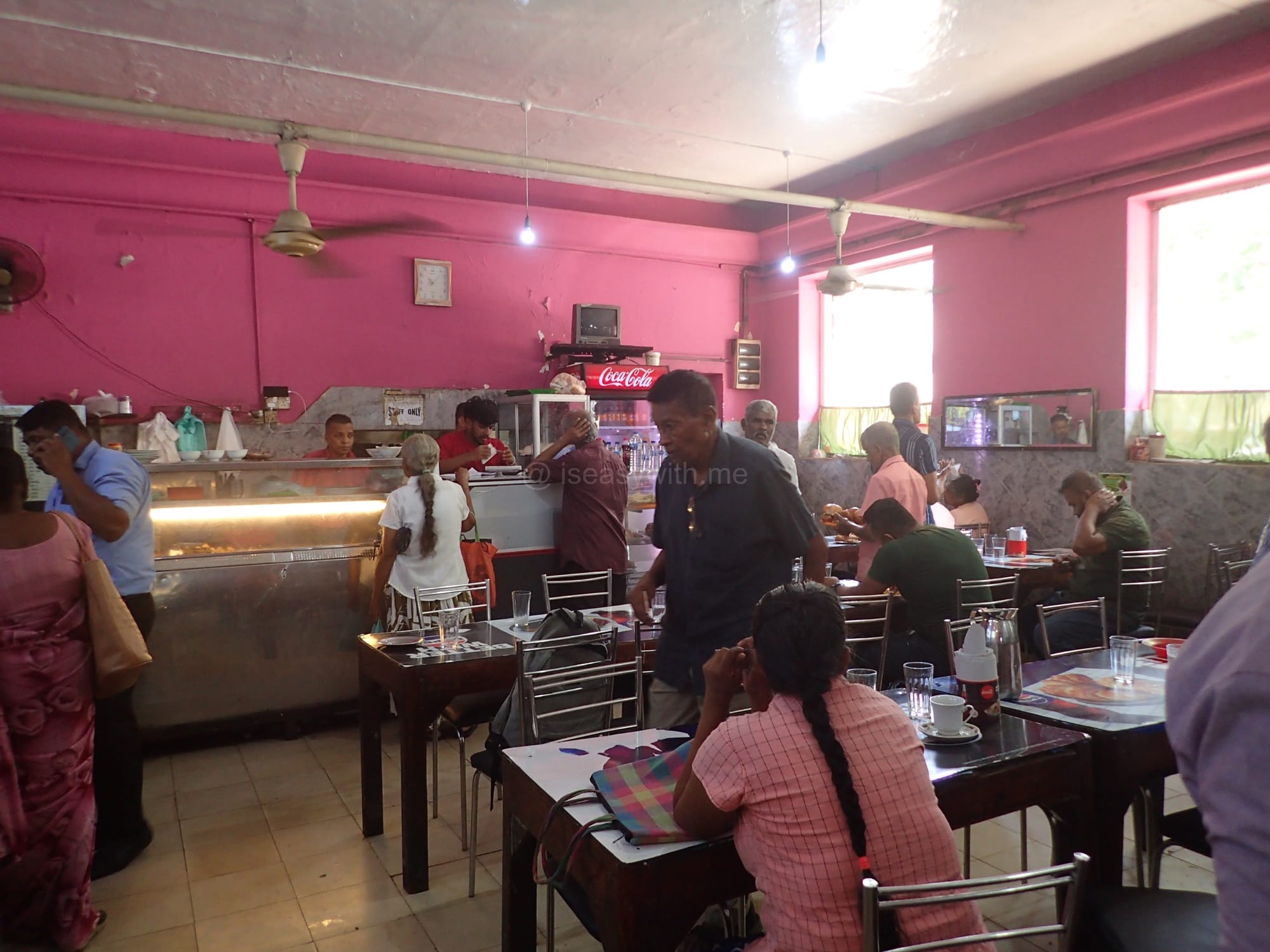
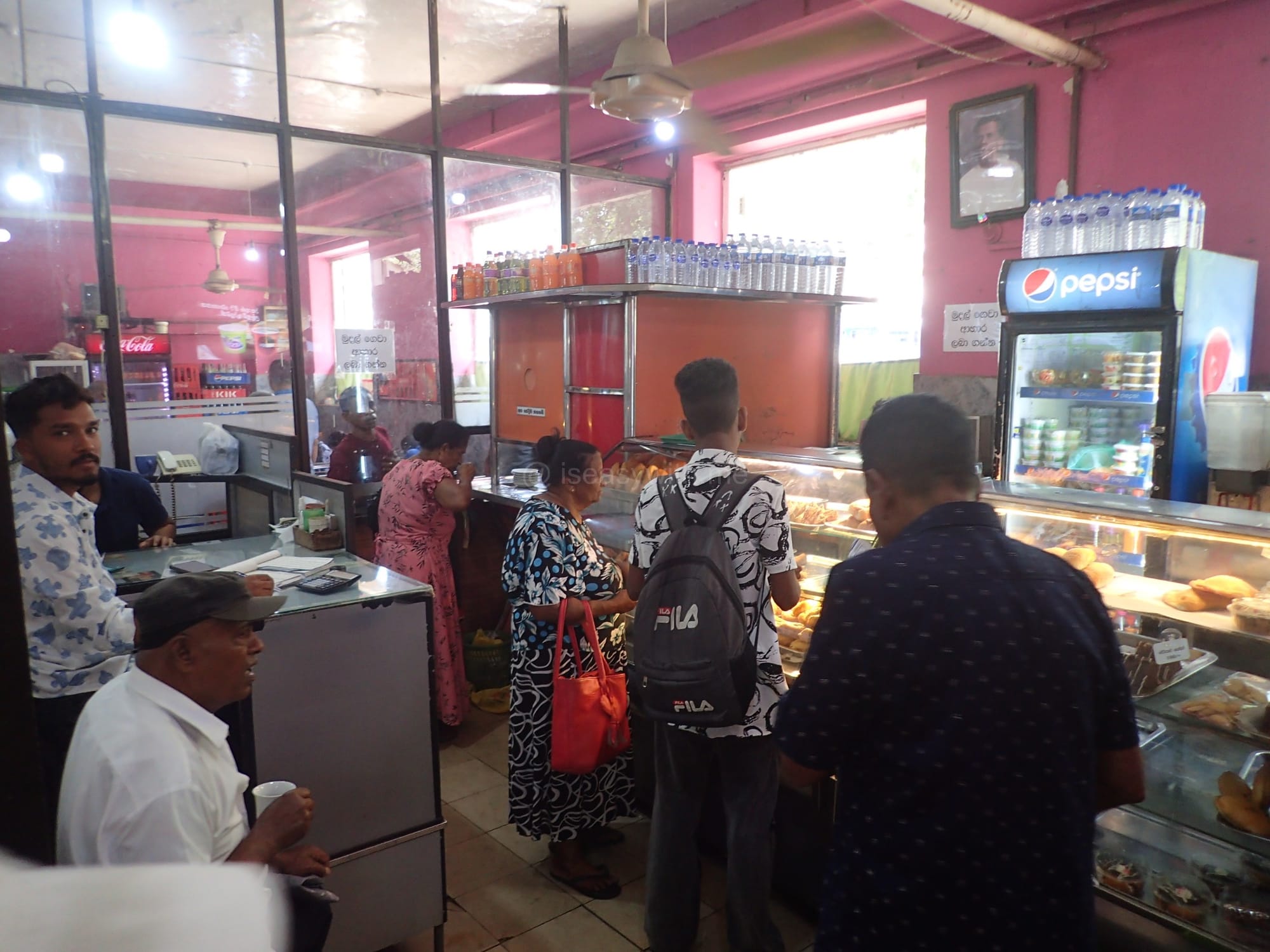
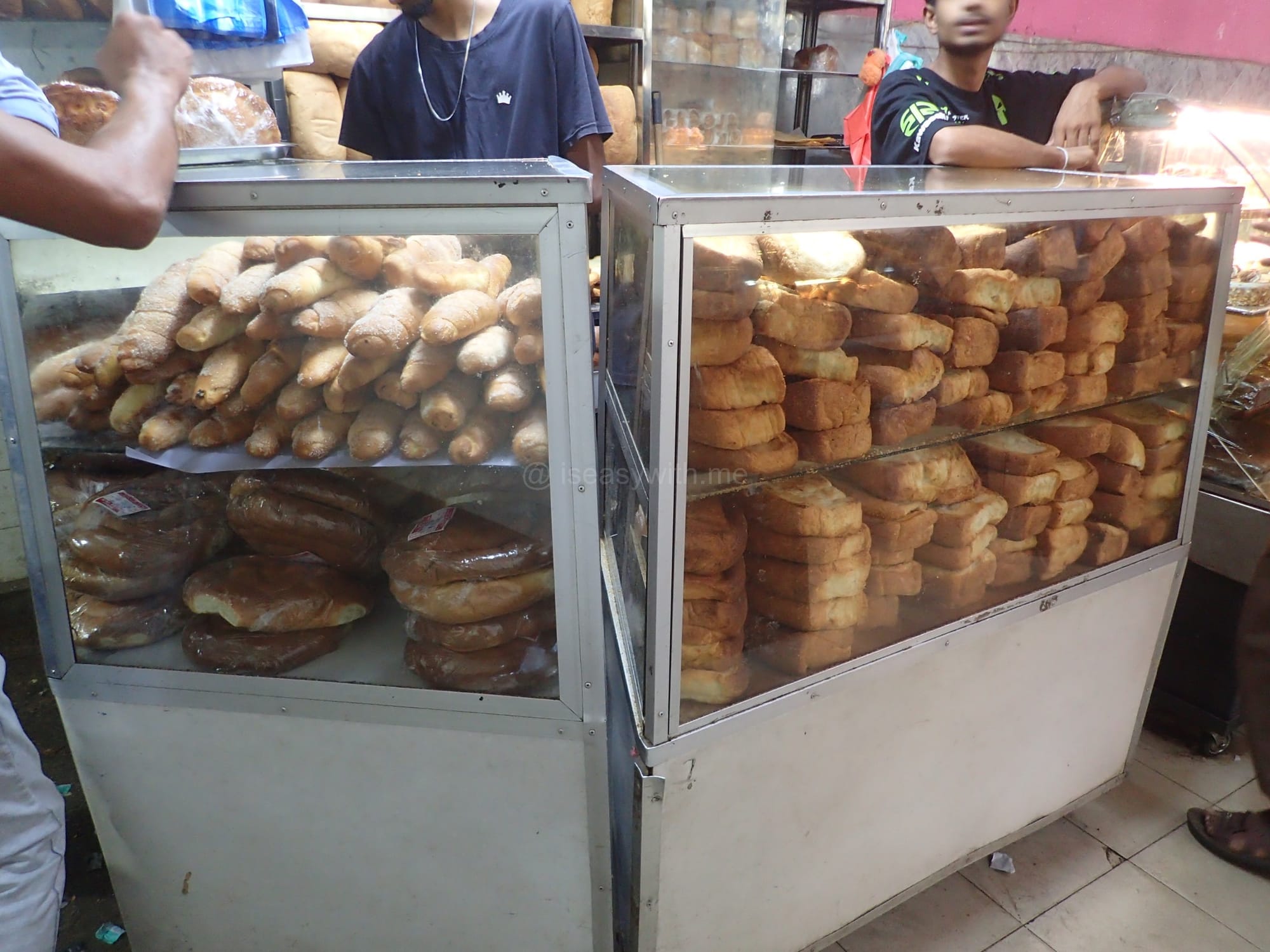
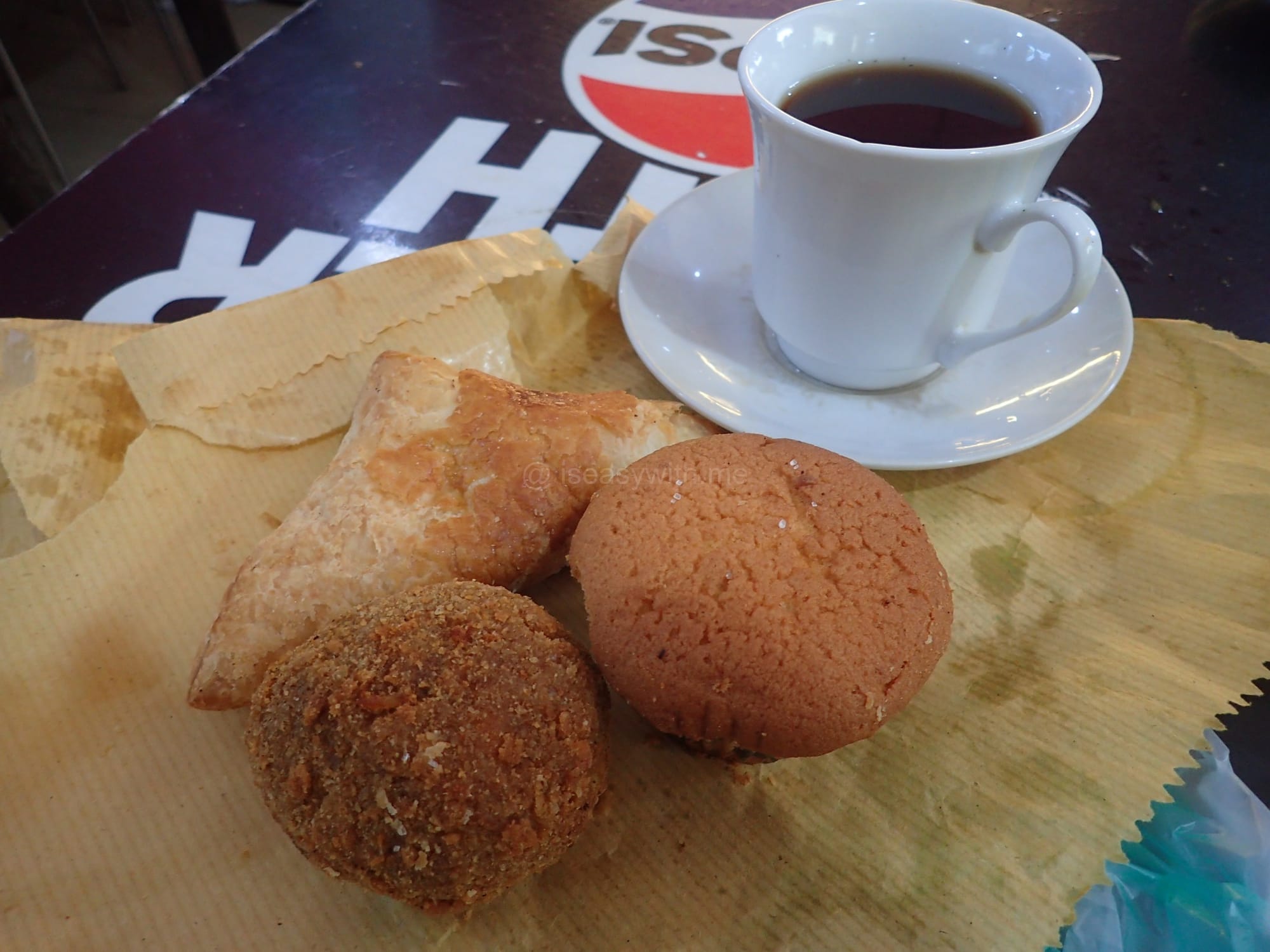
my brunch (egg cutlet, veg samosa, butter cake and black coffee) at Midland Cafe (LKR 310)
Departing Kandy
Departing Kandy truly felt like leaving behind the cultural and spiritual heart of Sri Lanka. The city's sacred temples, royal history and centuries-old traditions provided a fascinating glimpse into the island's identity beyond its golden beaches and northern archaeological ruins.
But the journey ahead promised an entirely different side of the island. Leaving the sacred relics and royal heritage behind, the route headed deep into the central highlands toward the charming, misty colonial-era town of Nuwara Eliya.