Misty Mountains & Tea Country: The Essential Nuwara Eliya Itinerary
Trade the tropical heat for crisp mountain air. Summit the high-altitude tea trails of 'Little England' via local buses, misty waterfalls, and heritage estates.
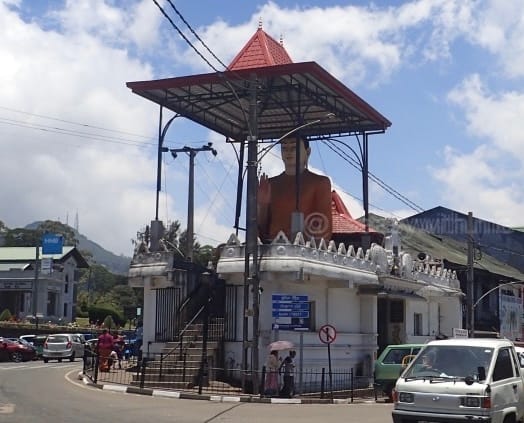
Perched nearly 1,900 metres above sea level in the heart of Sri Lanka's Central Highlands, Nuwara Eliya feels unlike anywhere else on the island. Nicknamed 'Little England' during the British colonial era, the town is renowned for its cool climate, manicured gardens, Tudor-style buildings and endless tea plantations that carpet the surrounding hills.
After exploring the ancient cities of the Cultural Triangle and the sacred temples of Kandy, arriving in Nuwara Eliya felt like stepping into an entirely different world. The tropical heat had given way to crisp mountain air, while coconut palms were replaced by pine trees, vegetable farms and rolling green estates.
From Kandy to Nuwara Eliya
I headed to the Bogambara Bus Terminal to find the designated berth for the bus #47 route to Nuwara Eliya. Boarding was straightforward and the bus departed shortly after. Aiming for a 0630 hours departure is highly recommended to beat the morning commuter rush and secure a seat.
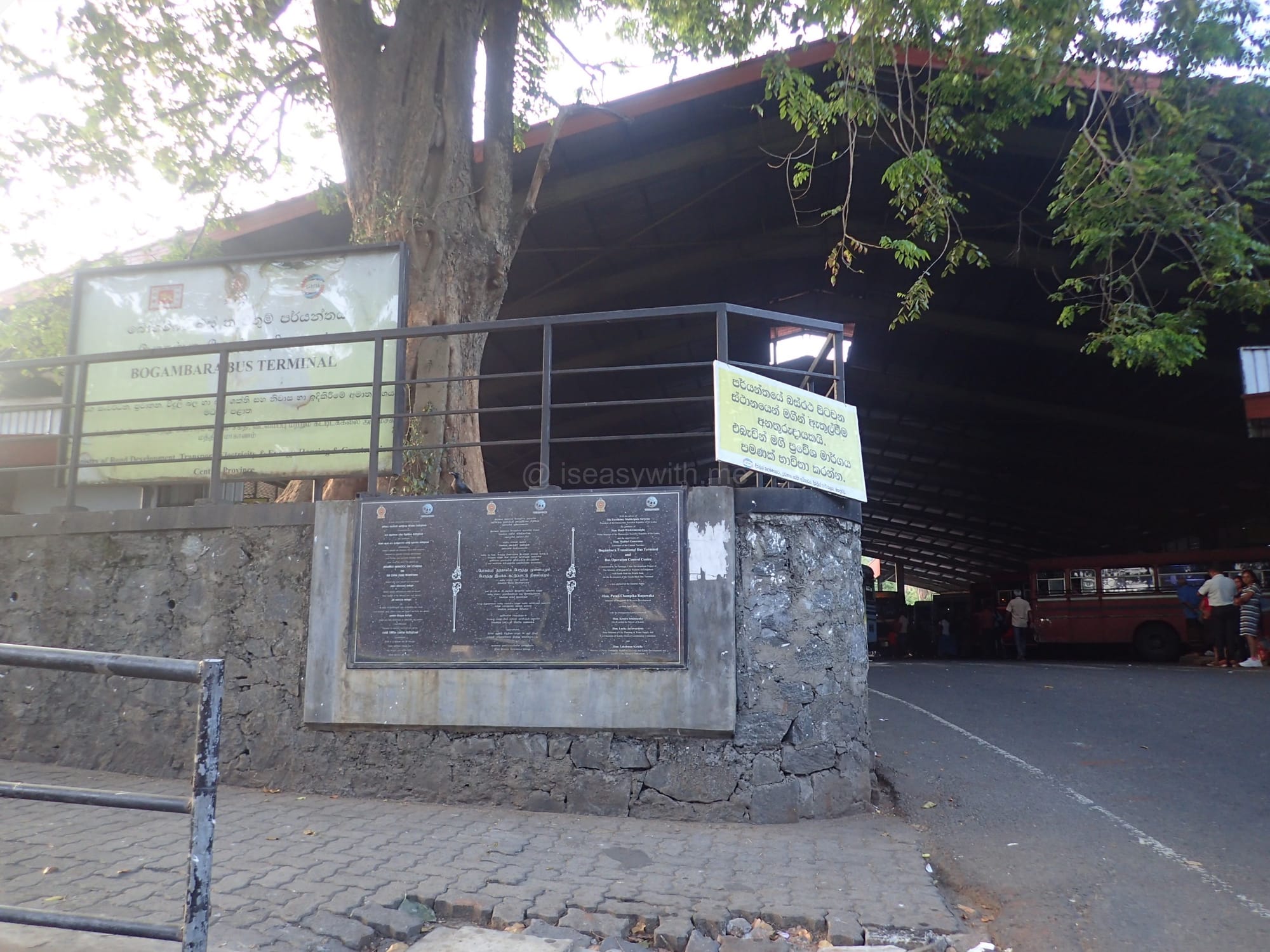
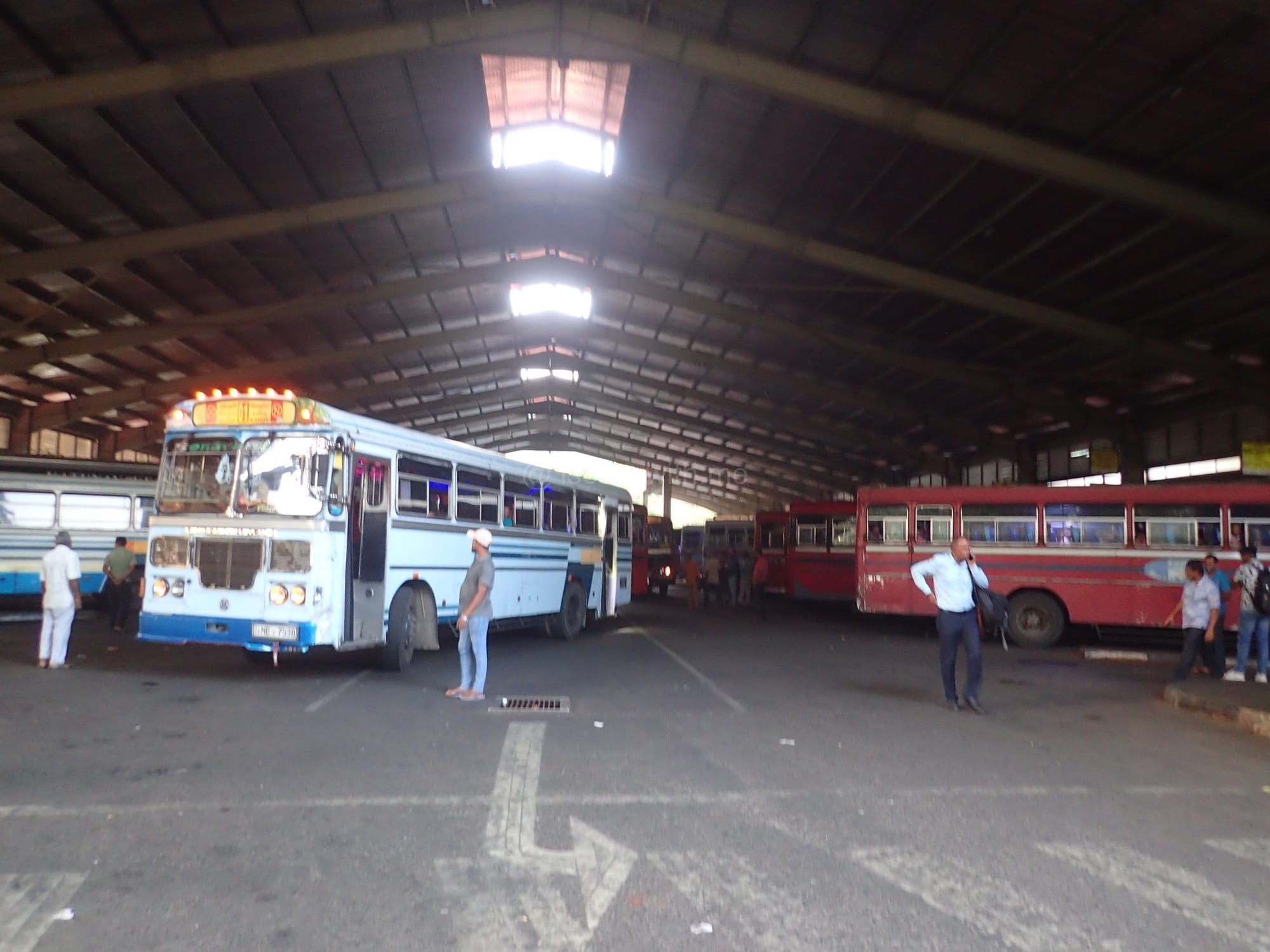
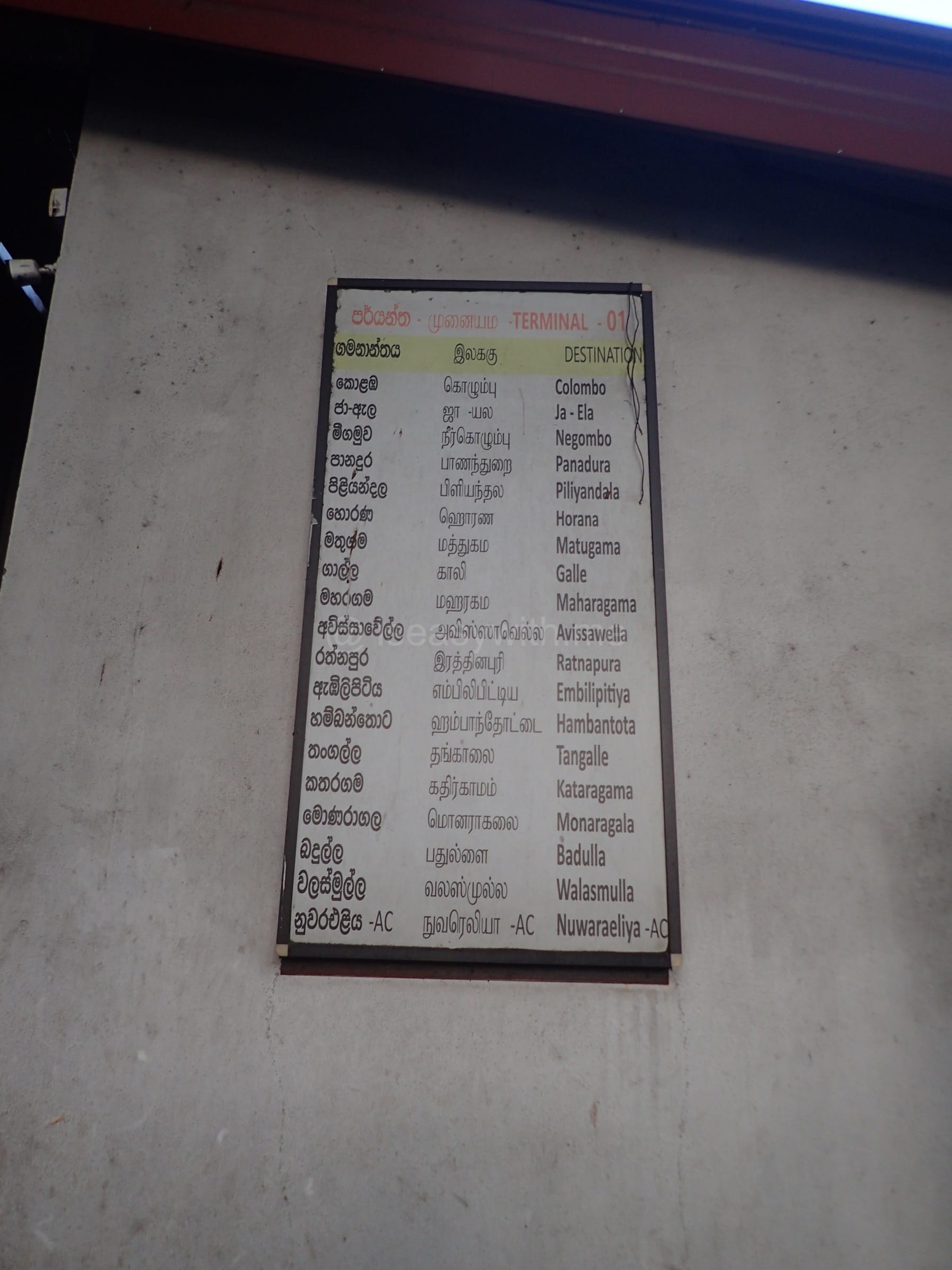
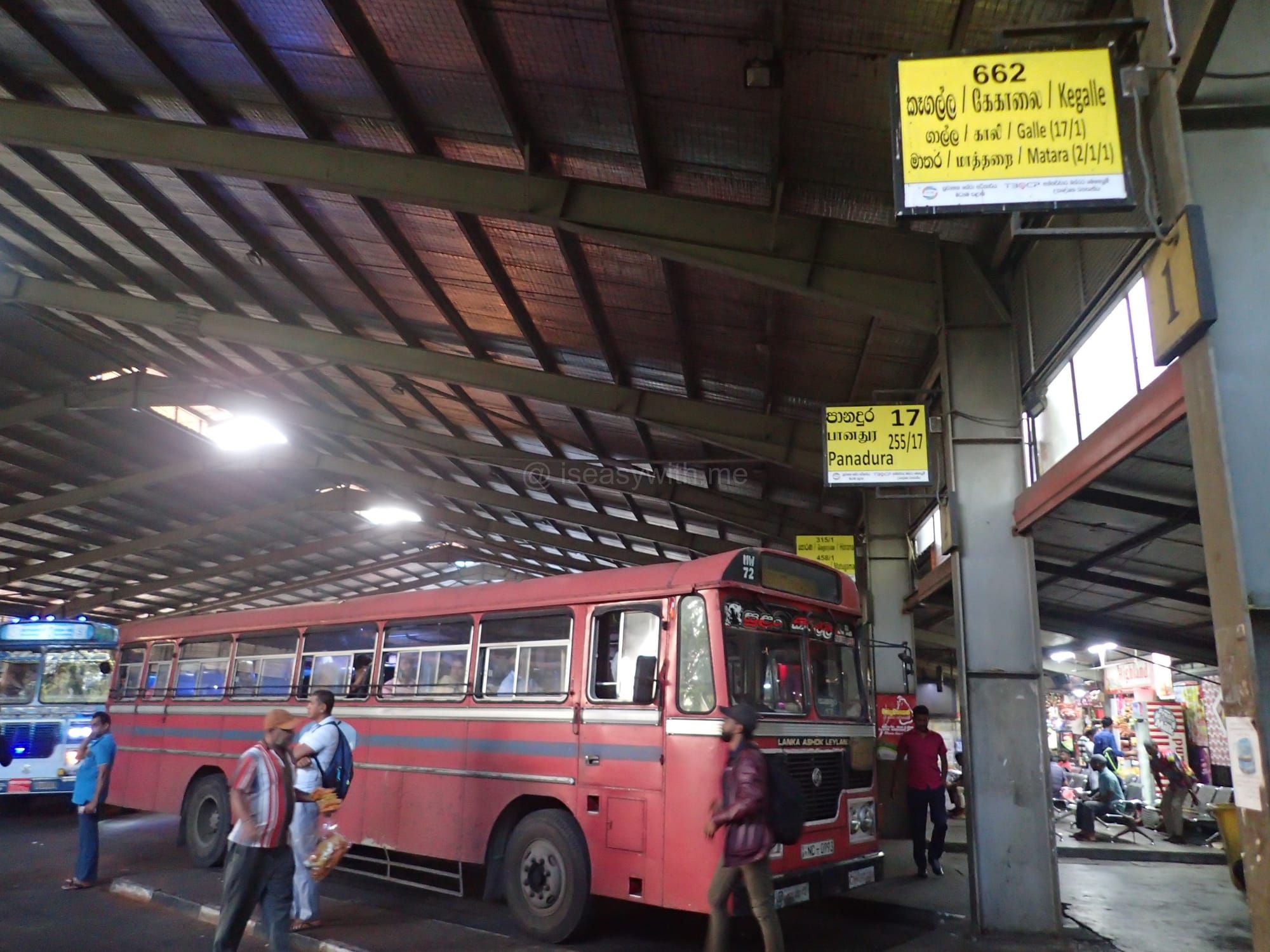
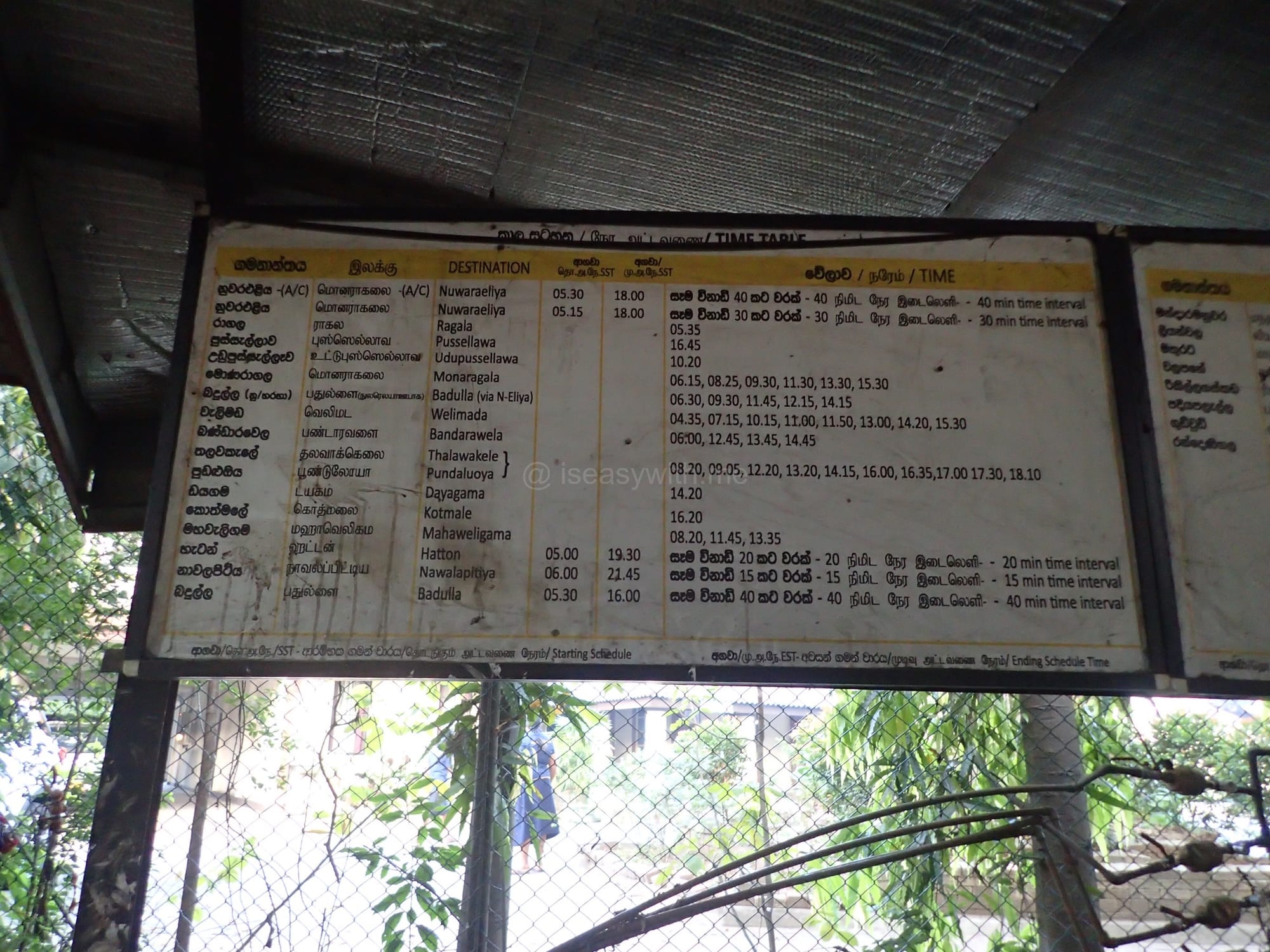
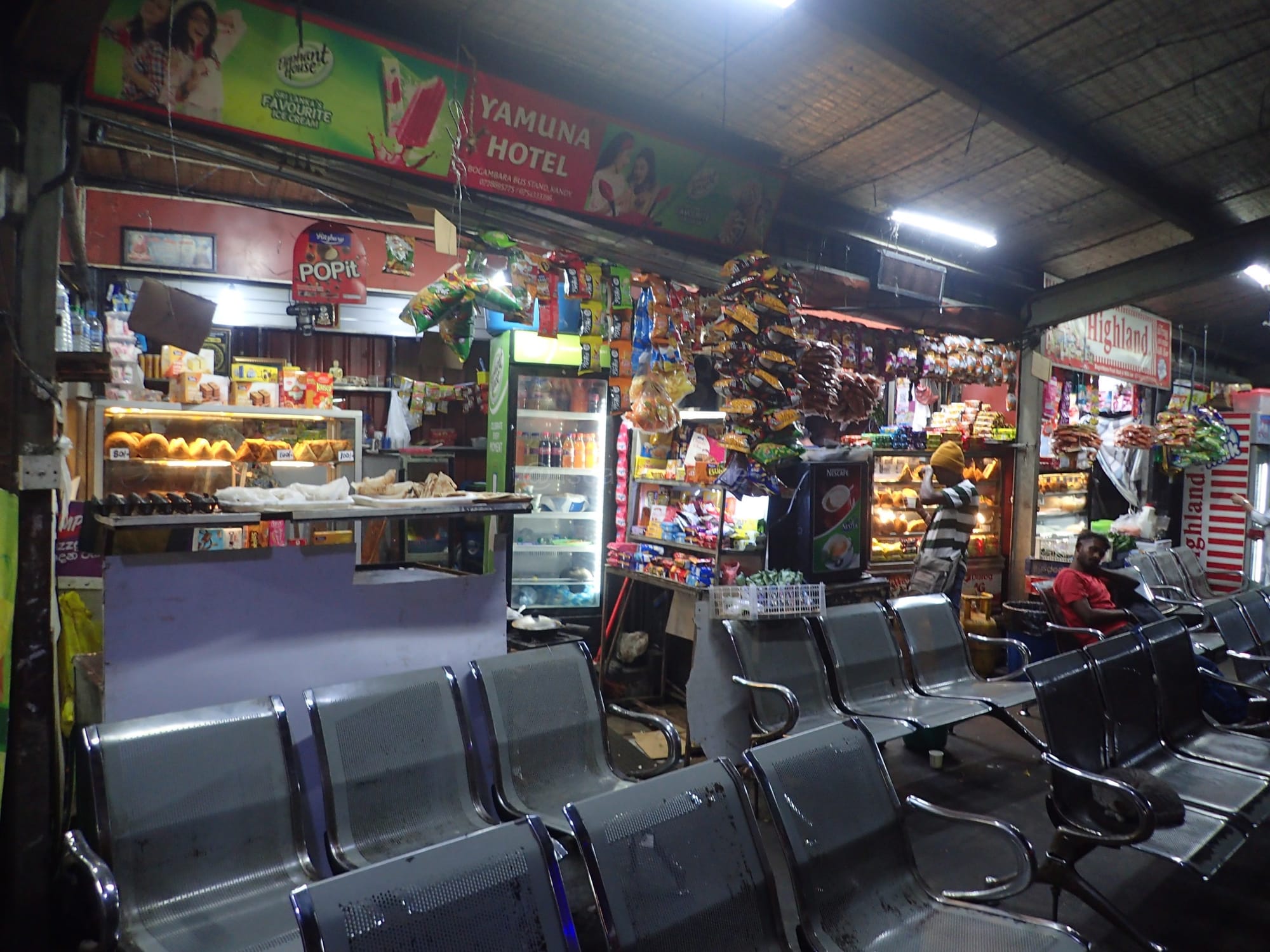
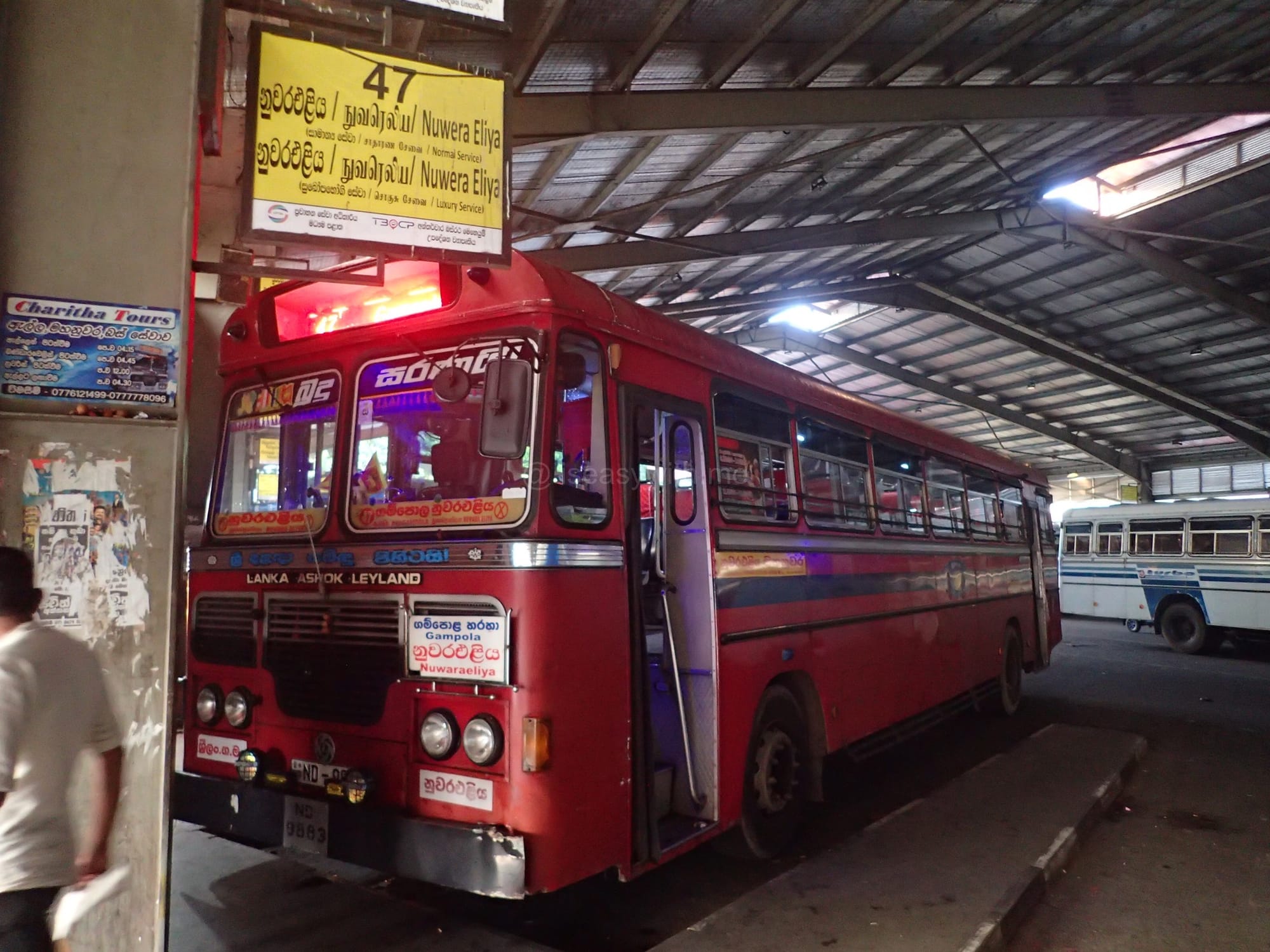
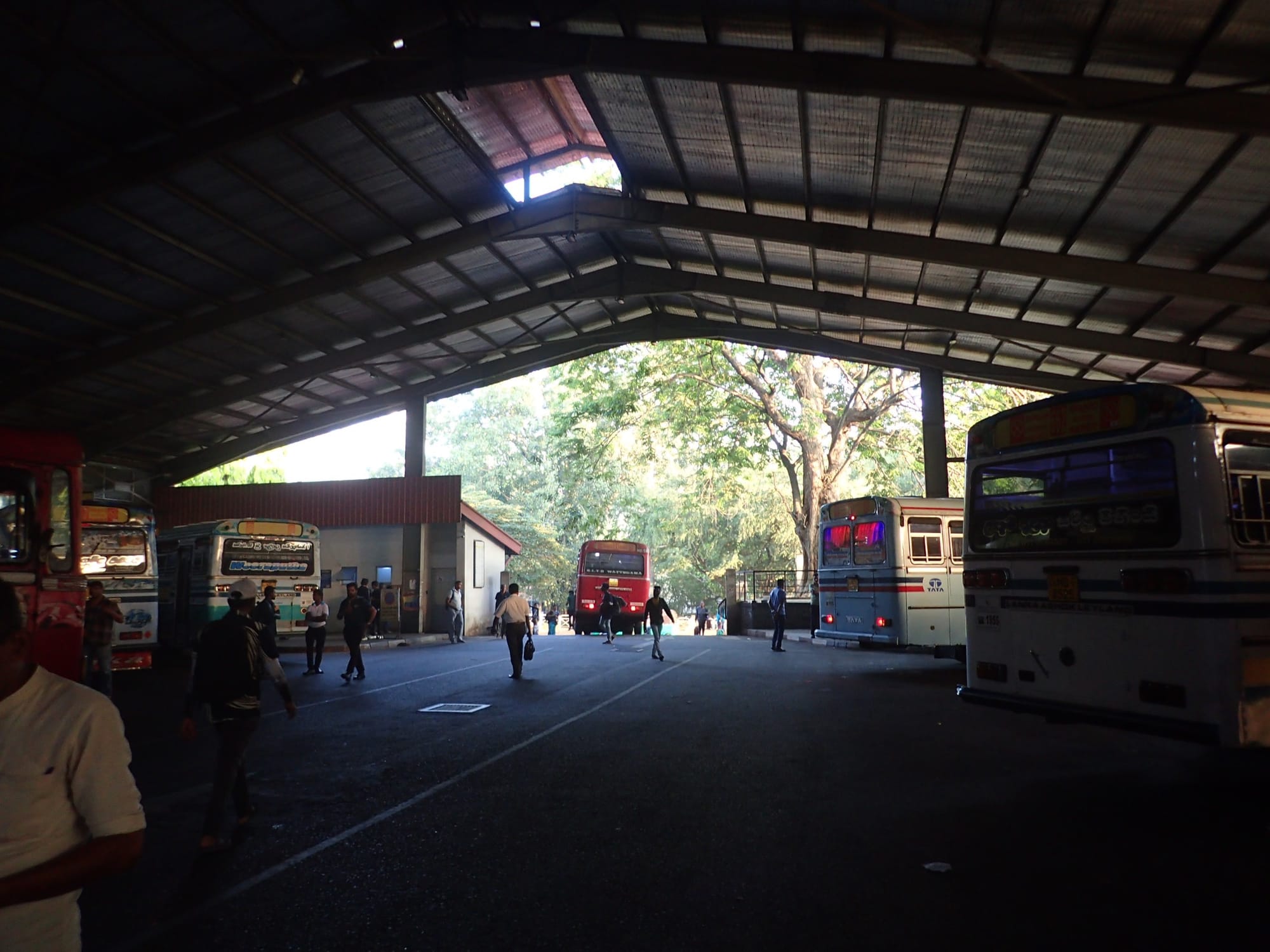
Bogambara Transitional Bus Terminal
Once the bus left Kandy, the road climbed steadily into the Central Highlands. It took approximately 1 hour and 45 minutes to reach Ramboda Falls (LKR 250), a major milestone along the route. The drive featured steep terrain, hairpin turns, and continuous views of local tea plantations and waterfalls. Because of the scenery, this public bus ride functioned as an attraction in its own right rather than just a basic transit link.
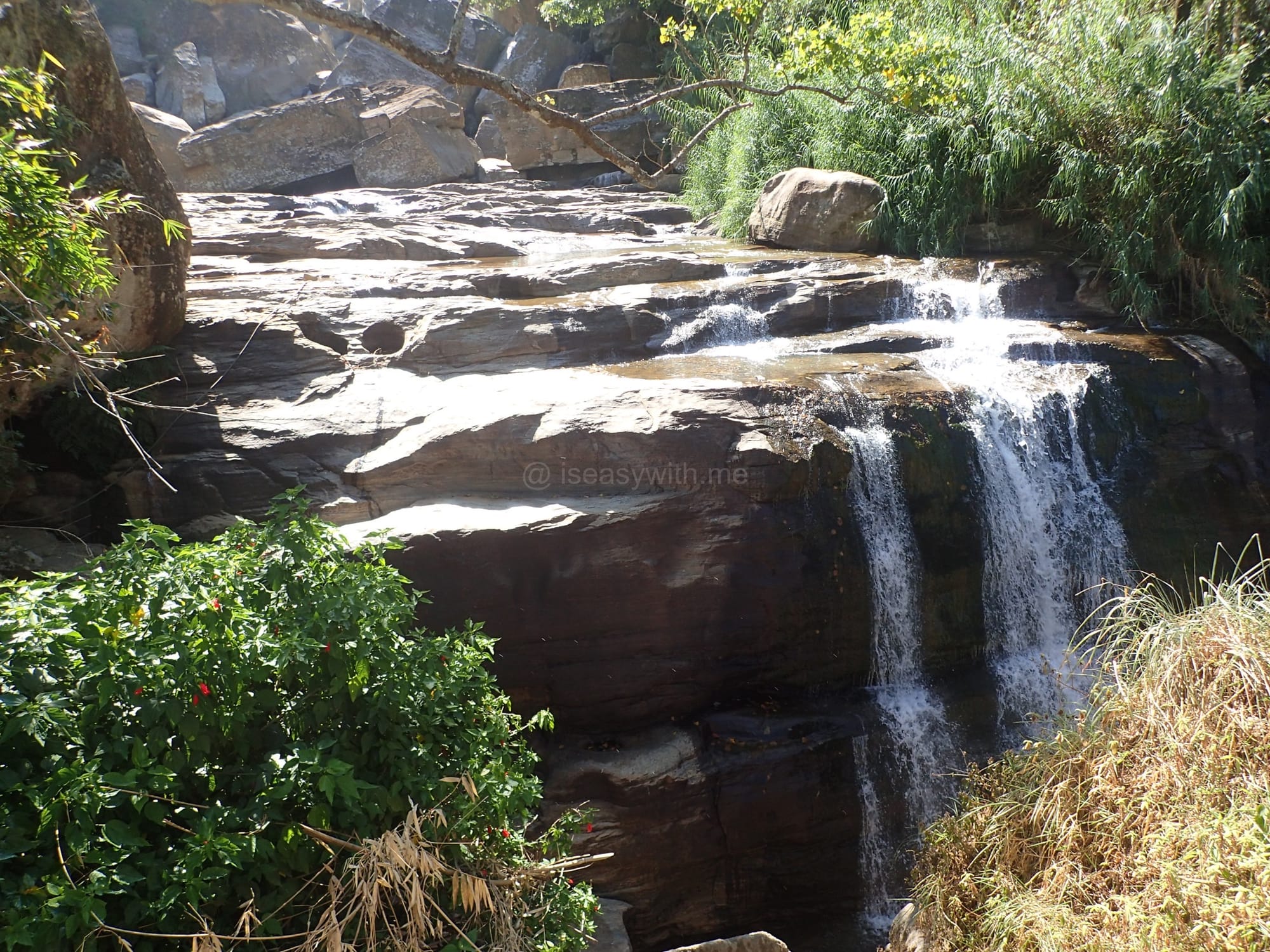
Ramboda Falls
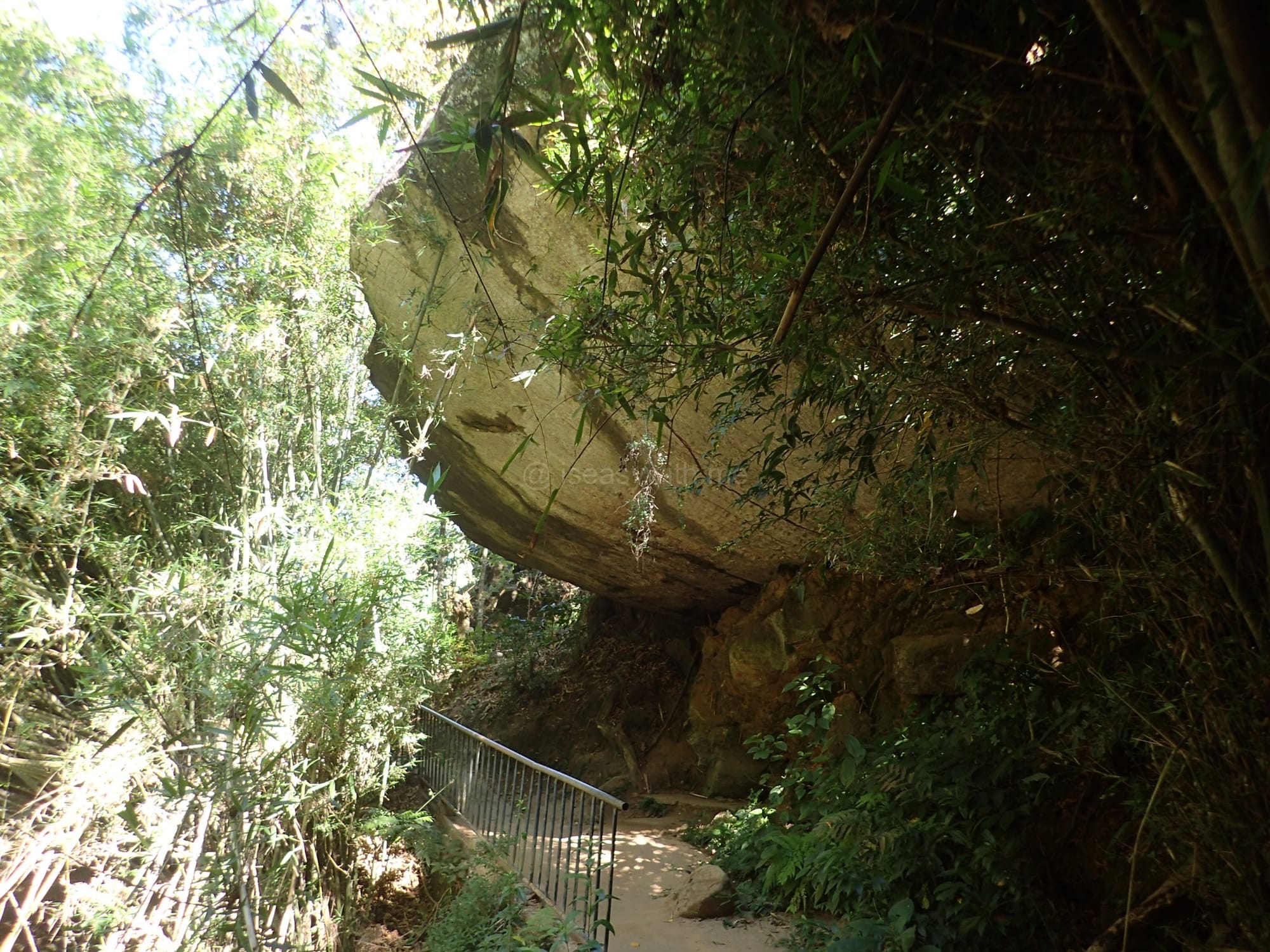
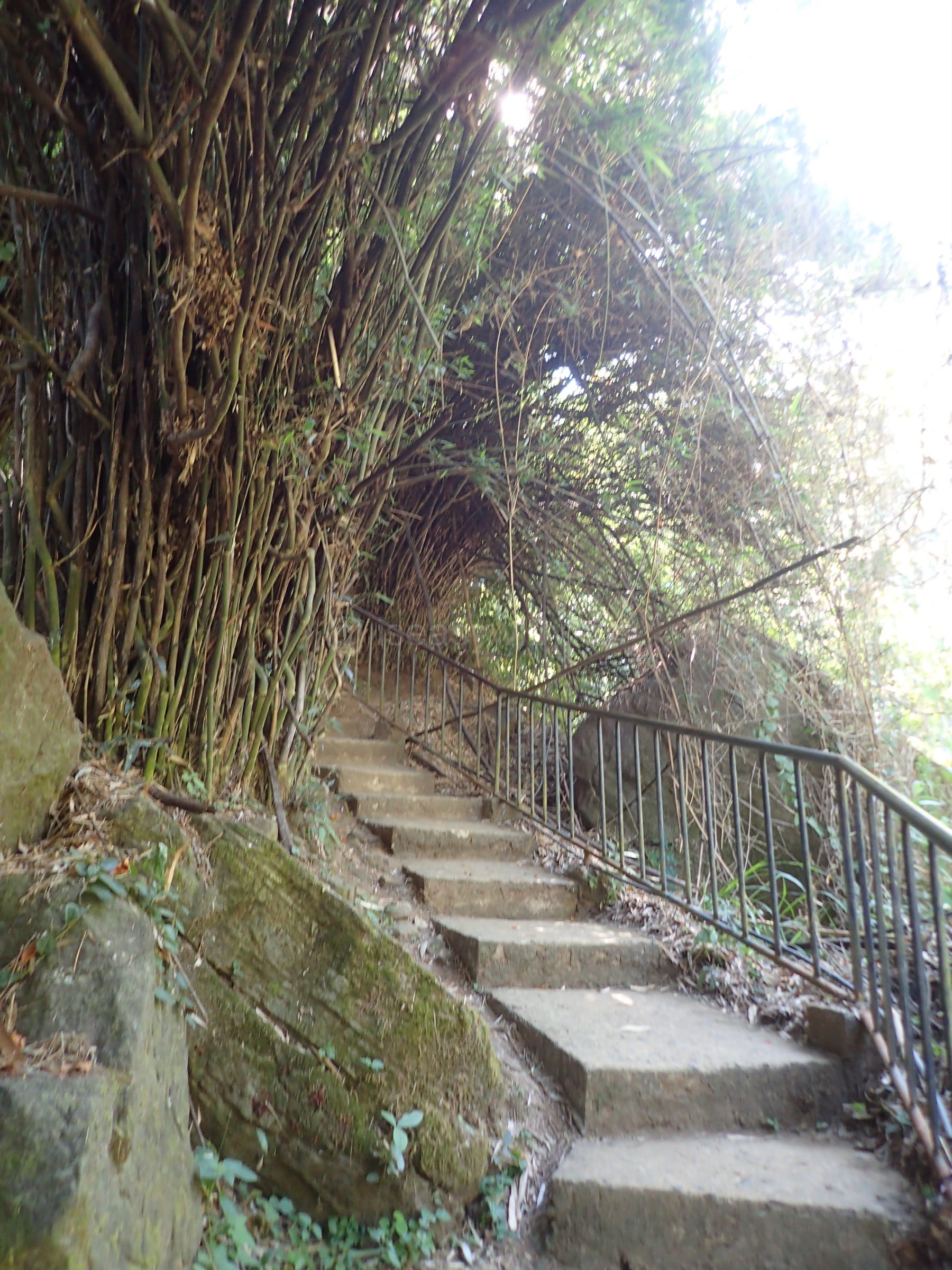
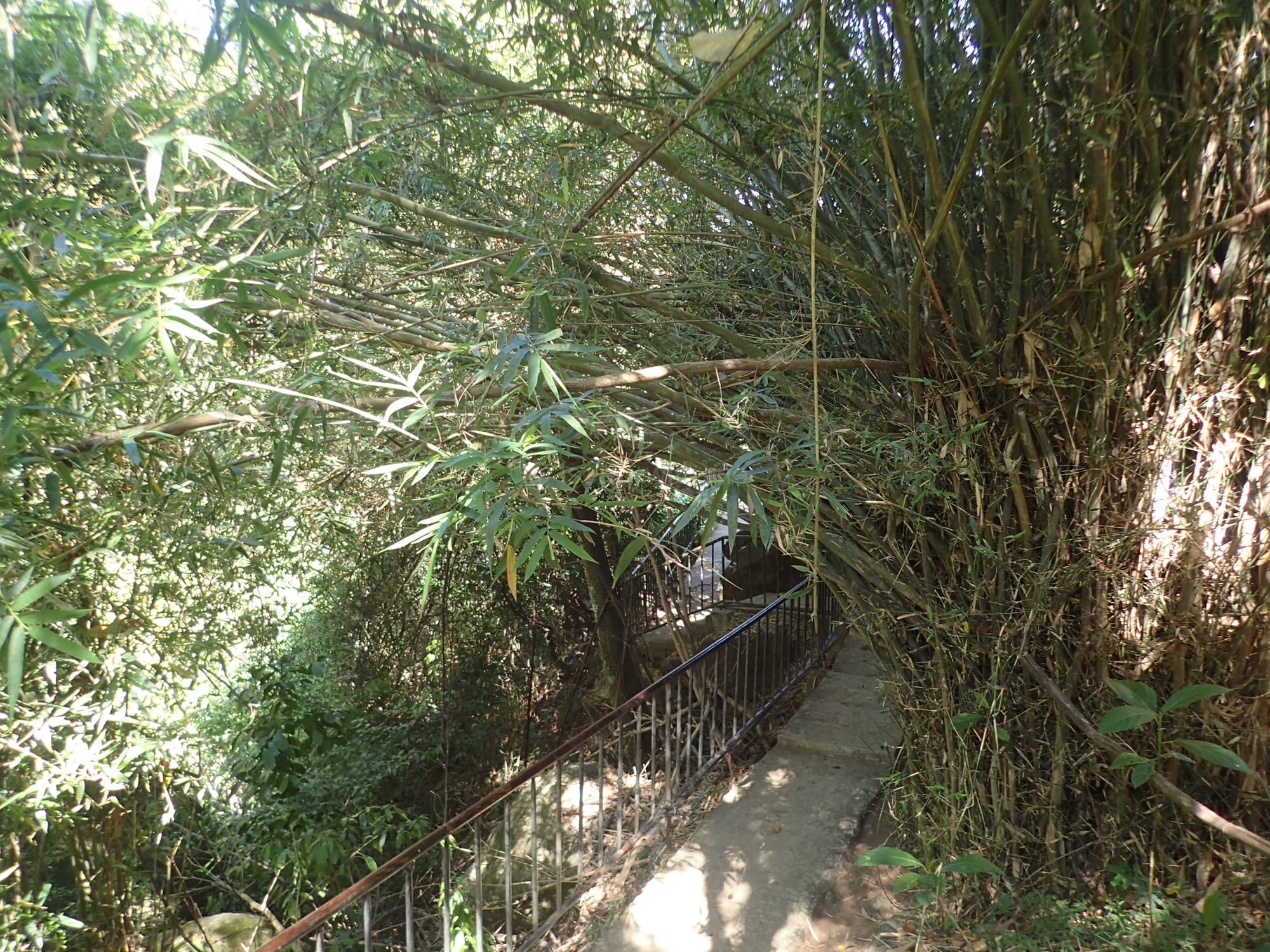
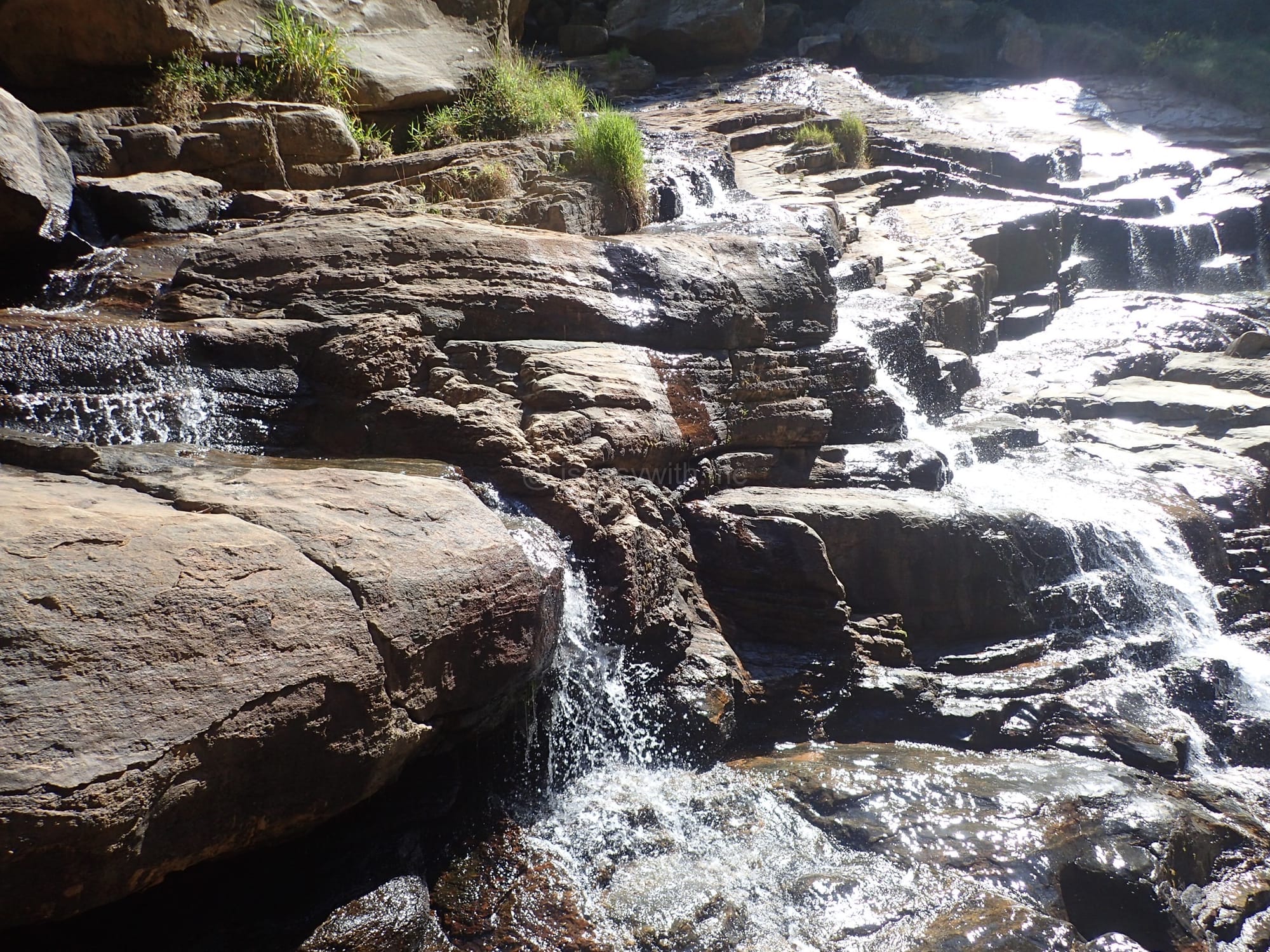
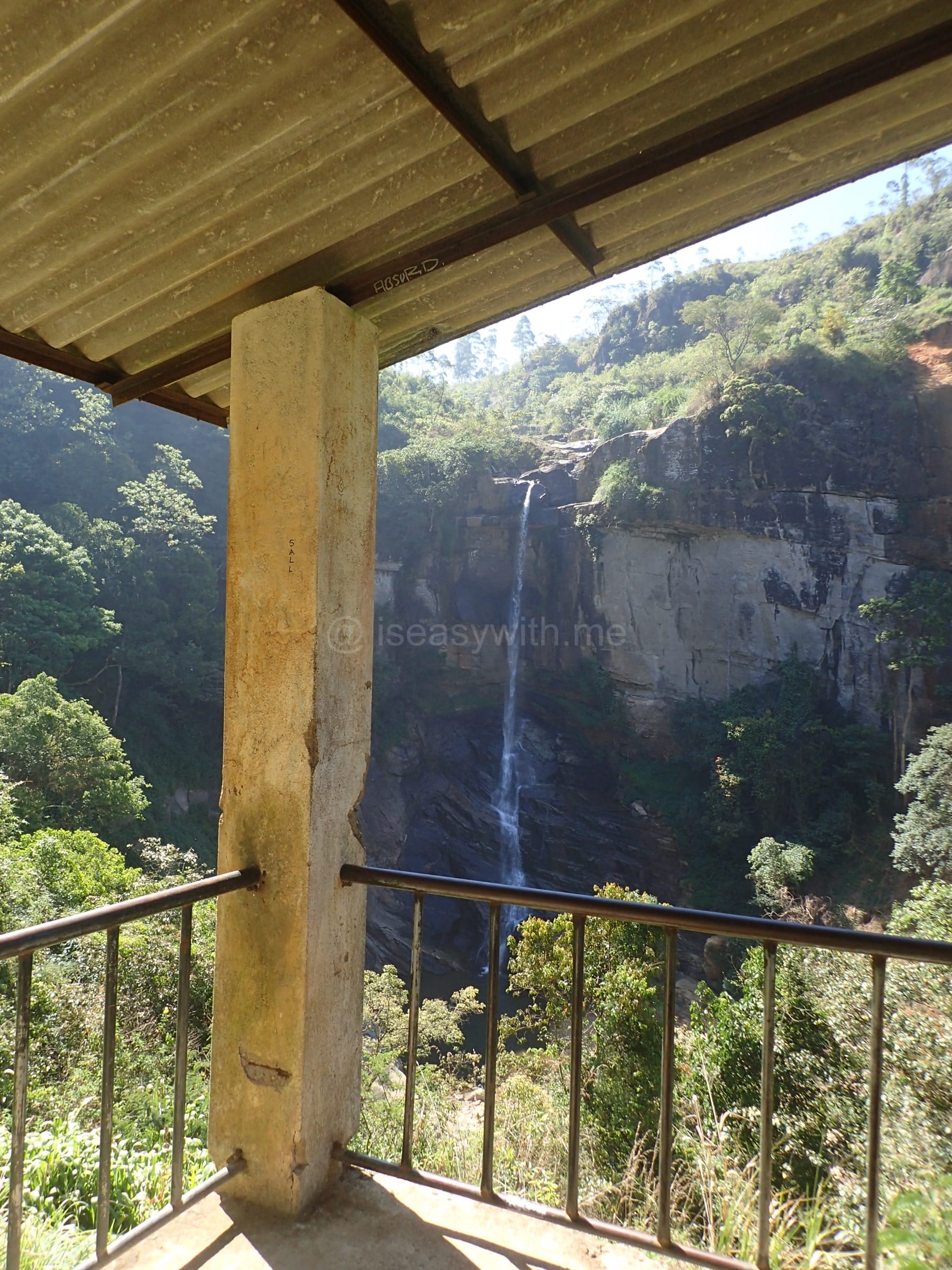
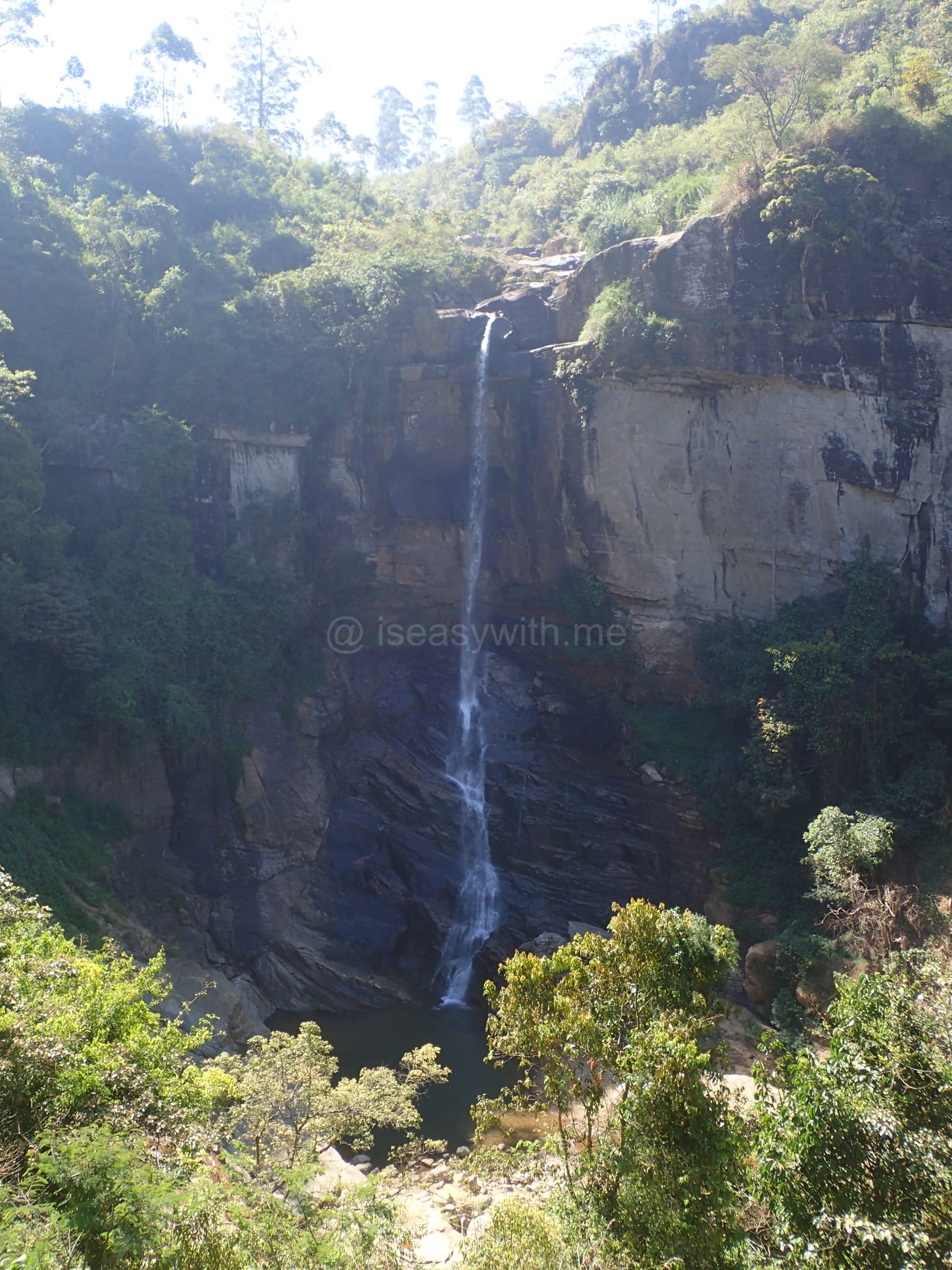
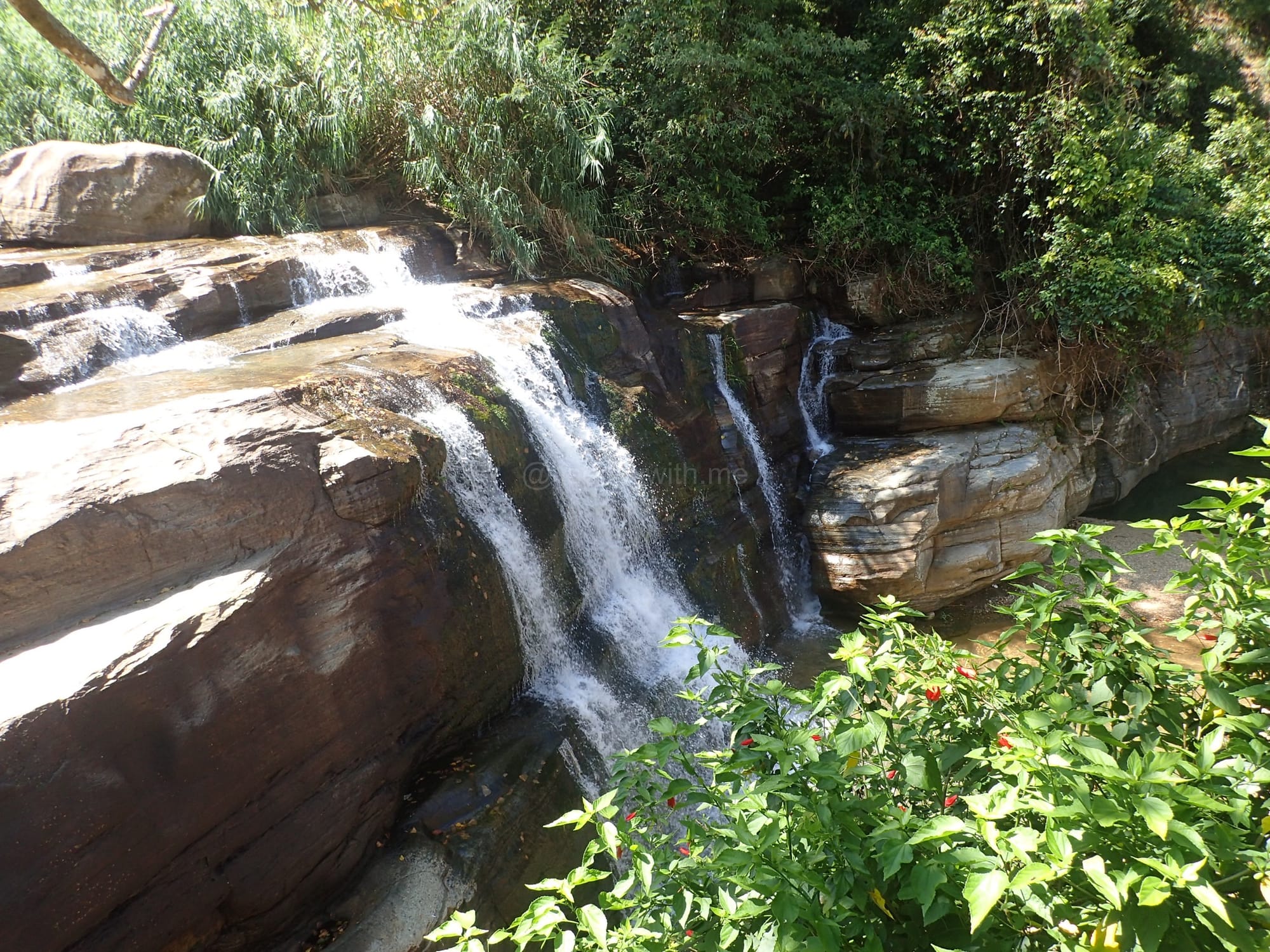
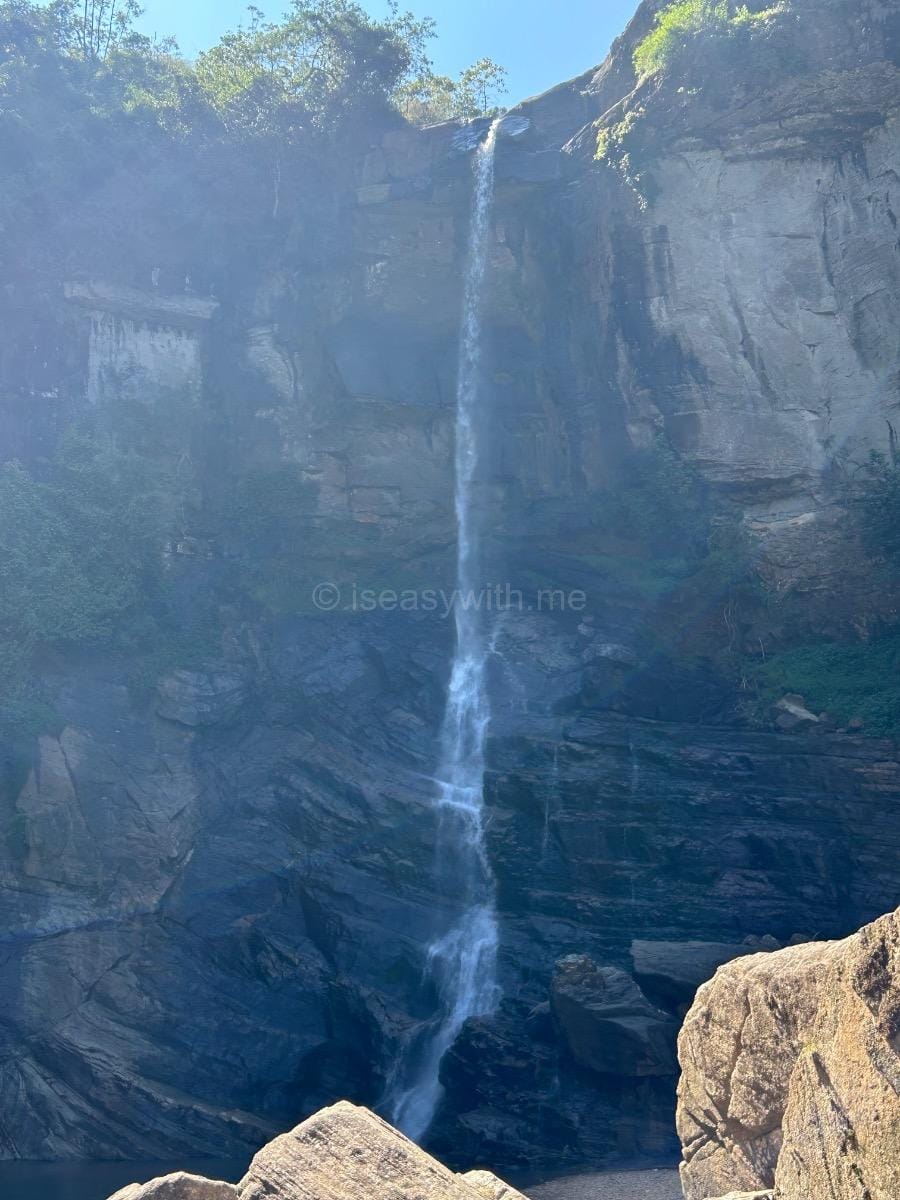
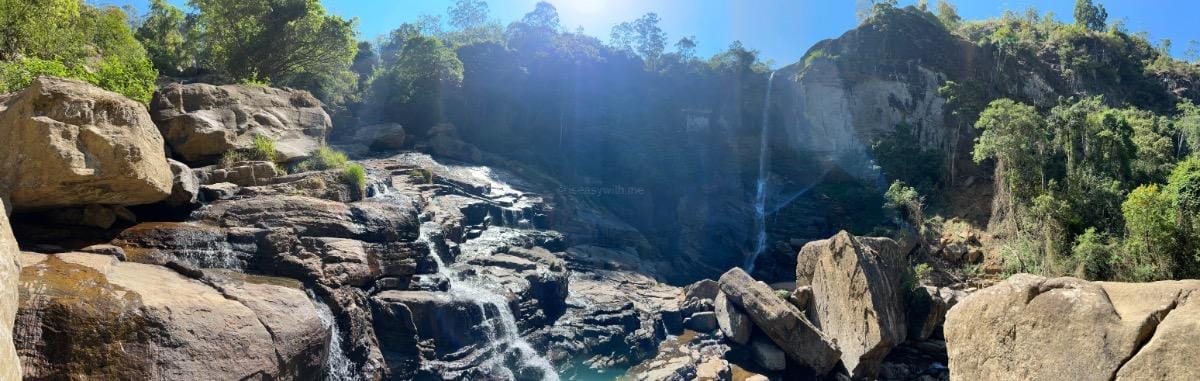
On my way to Nuwara Eliya, I stopped at Ramboda Falls. Standing approximately 109 metres tall, it is among Sri Lanka's highest waterfalls. Fed by the Panna Oya, the waterfall plunges dramatically through a densely forested valley before continuing its journey toward the Kotmale Reservoir below. The surrounding viewpoints provided excellent photo opportunities and a refreshing break from the winding mountain roads. The cool mist generated by the falls offered a welcome reminder that I was rapidly ascending into Sri Lanka's highlands.
From Ramboda Falls to Labookellie (Damro) Tea Lounge
After visiting the falls, I headed back to the main road where I had alighted to catch a passing local bus towards Damro. I didn't expect an air-conditioned bus to come and was genuinely surprised when one actually pulled up! The ride took 15 minutes (LKR 150). I felt pretty lucky to have managed to flag down such a rare air-conditioned bus.
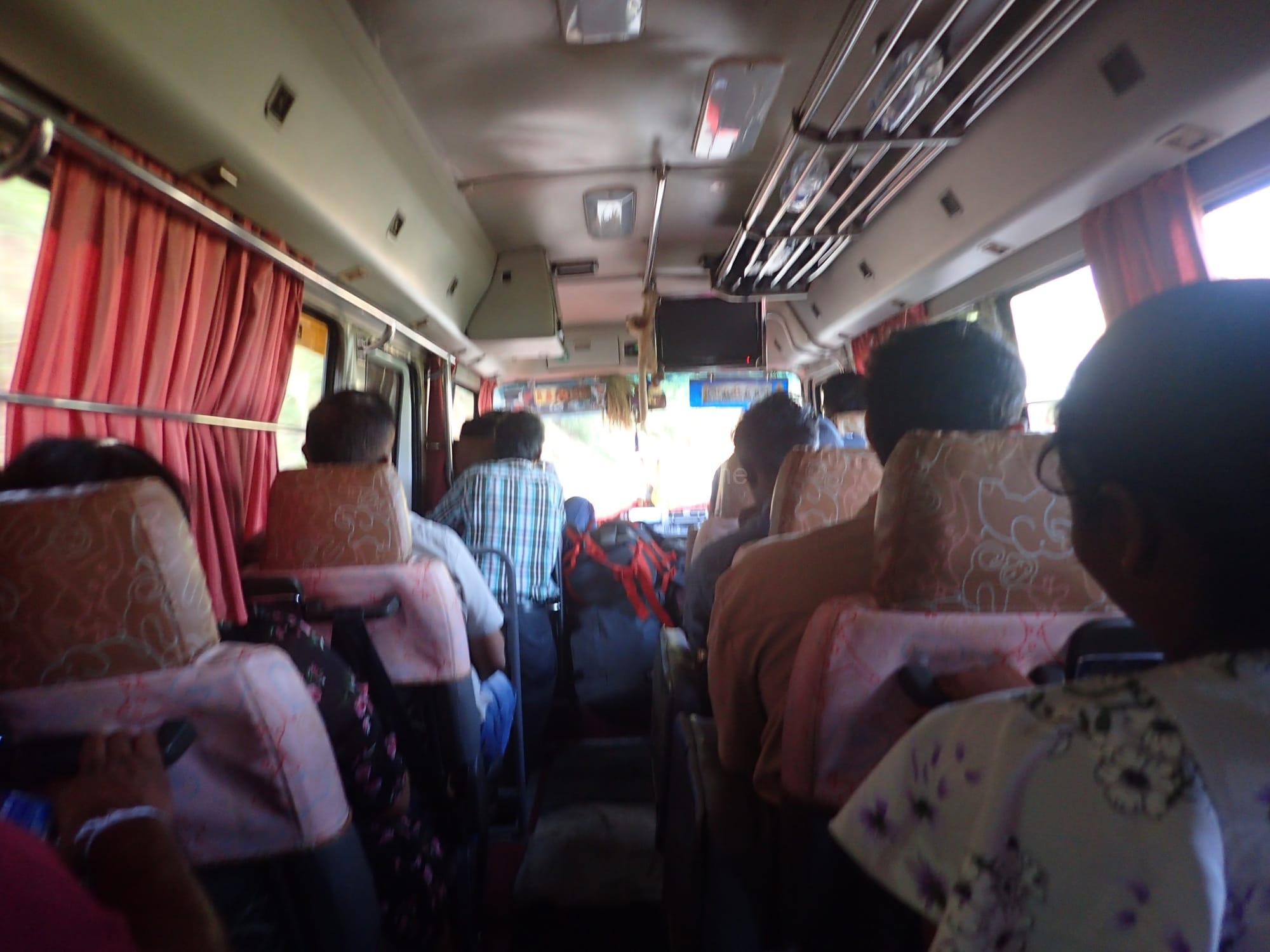
my very first air-conditioned bus in Sri Lanka after nine days of bus travel!
Labookellie (Damro) Tea Lounge
Continuing deeper into tea country, I also visited the Labookellie (Damro) Tea Lounge. This is one of Sri Lanka's most accessible tea factory experiences, offering a chance to learn about the tea production process, from freshly plucked leaves to the final cup. Beyond the factory, neatly trimmed tea bushes blanket the surrounding hills, creating the iconic landscapes that have become synonymous with Ceylon Tea. Enjoying a slice of cake and a freshly brewed cup of tea while overlooking the plantations was one of the simplest pleasures of travelling through Sri Lanka's hill country. 😌
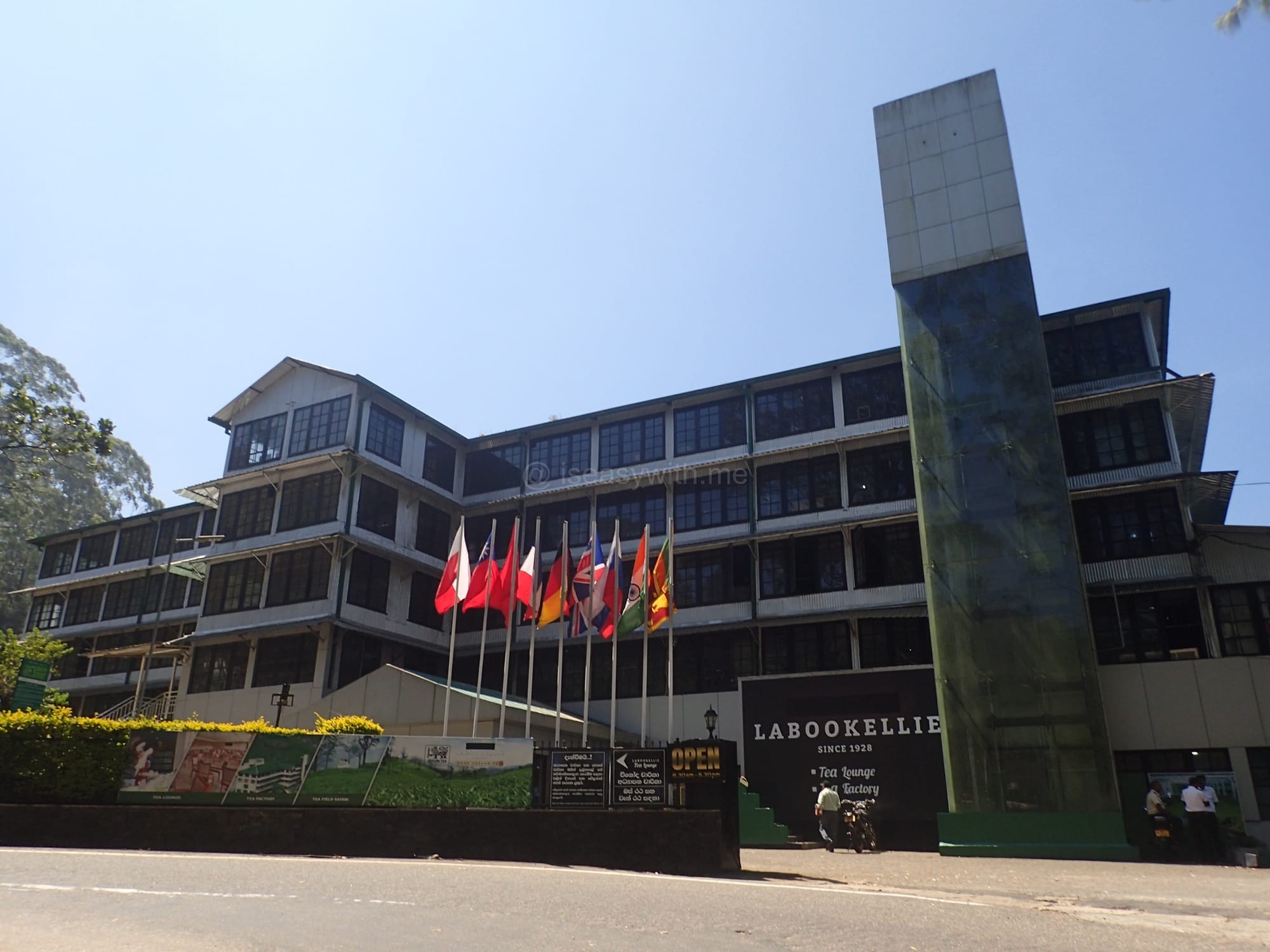
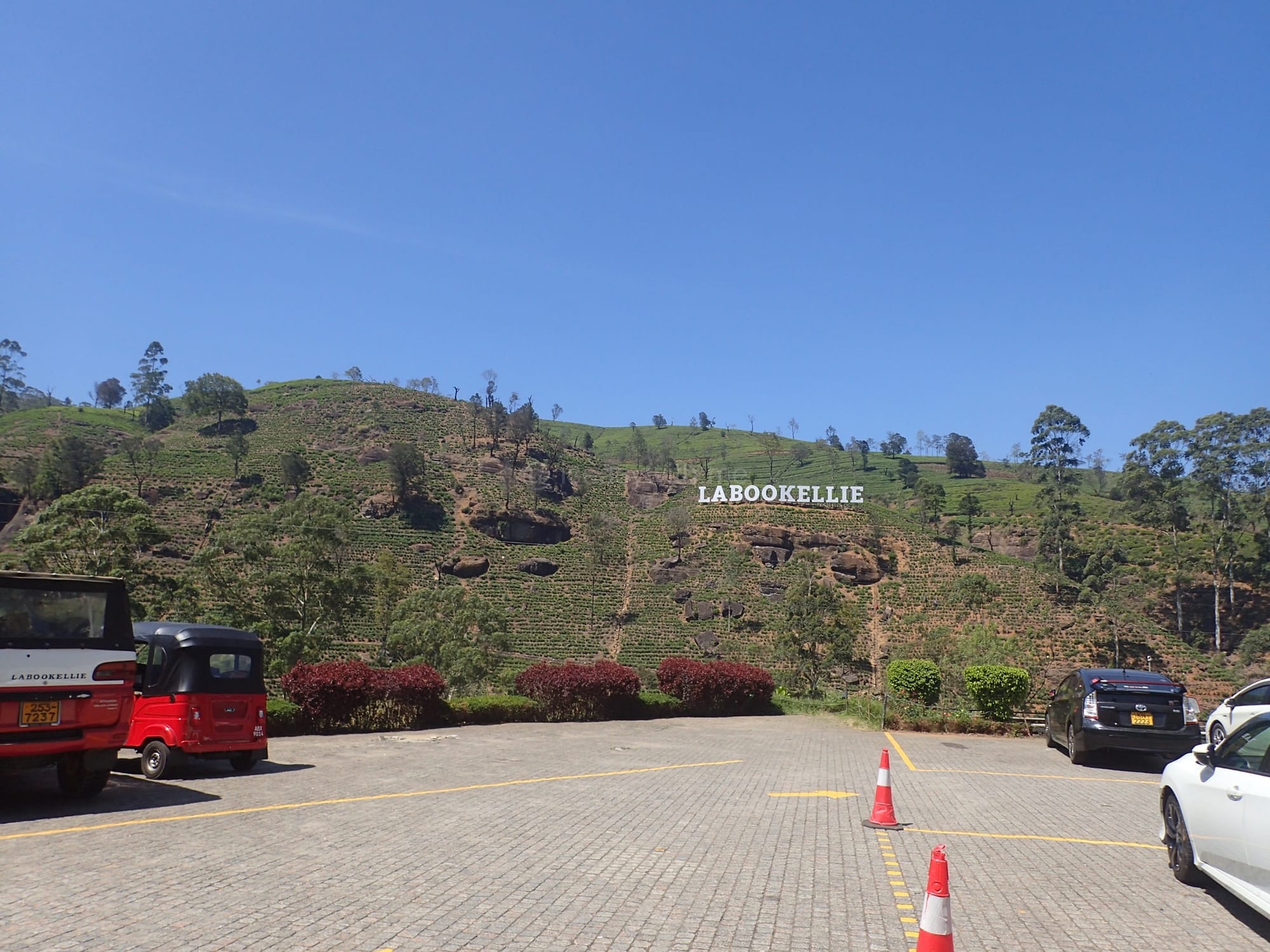
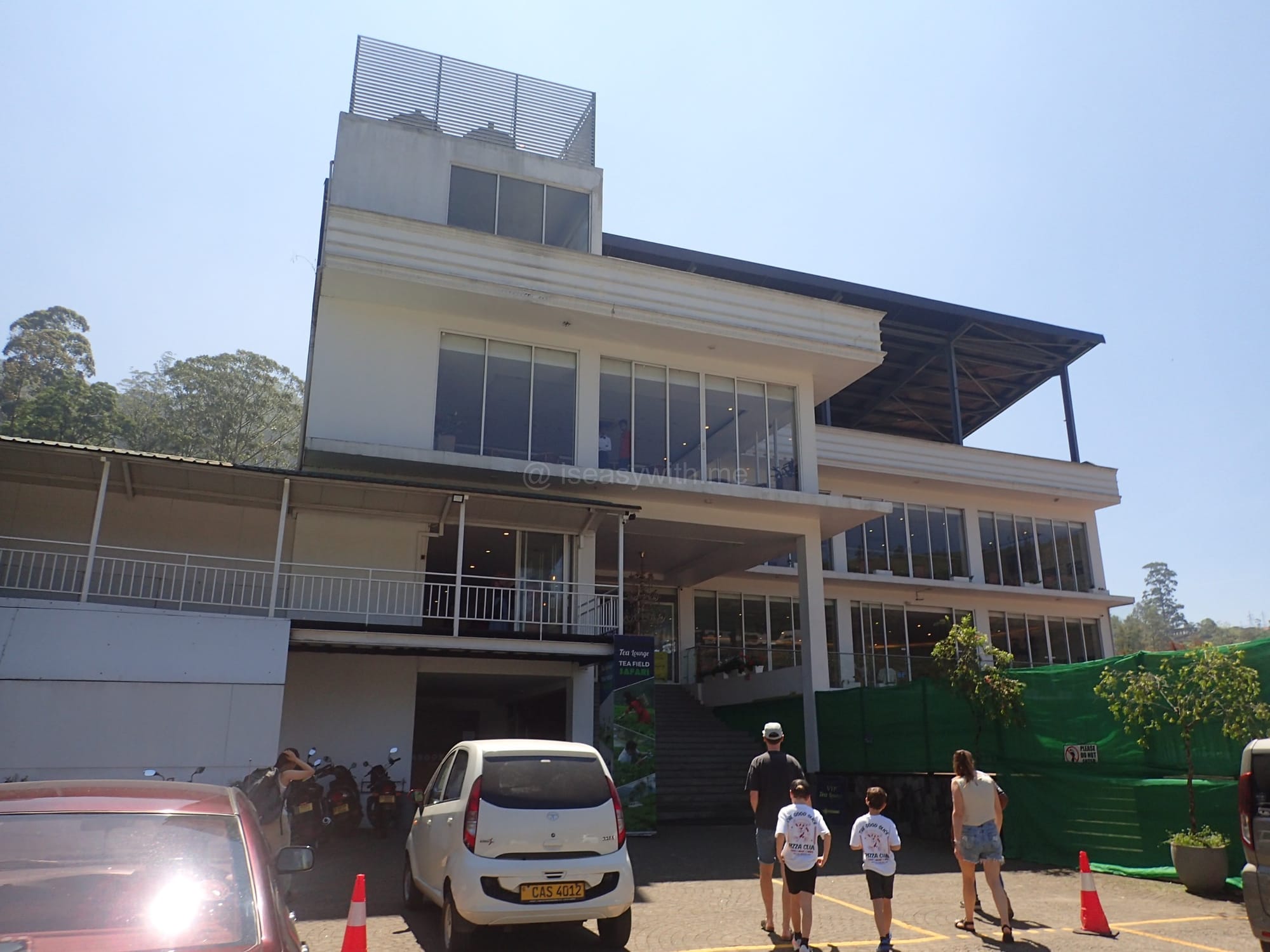
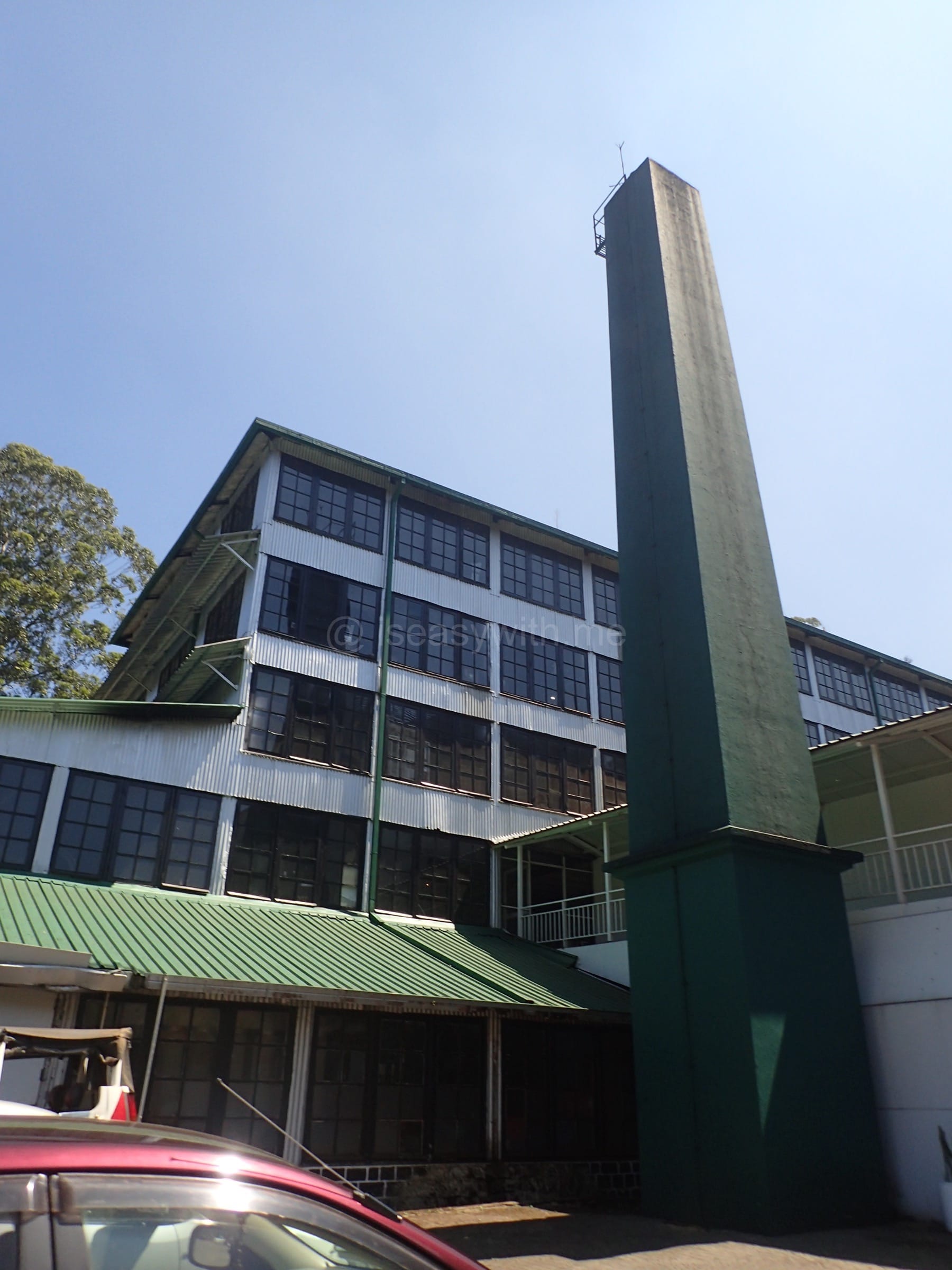
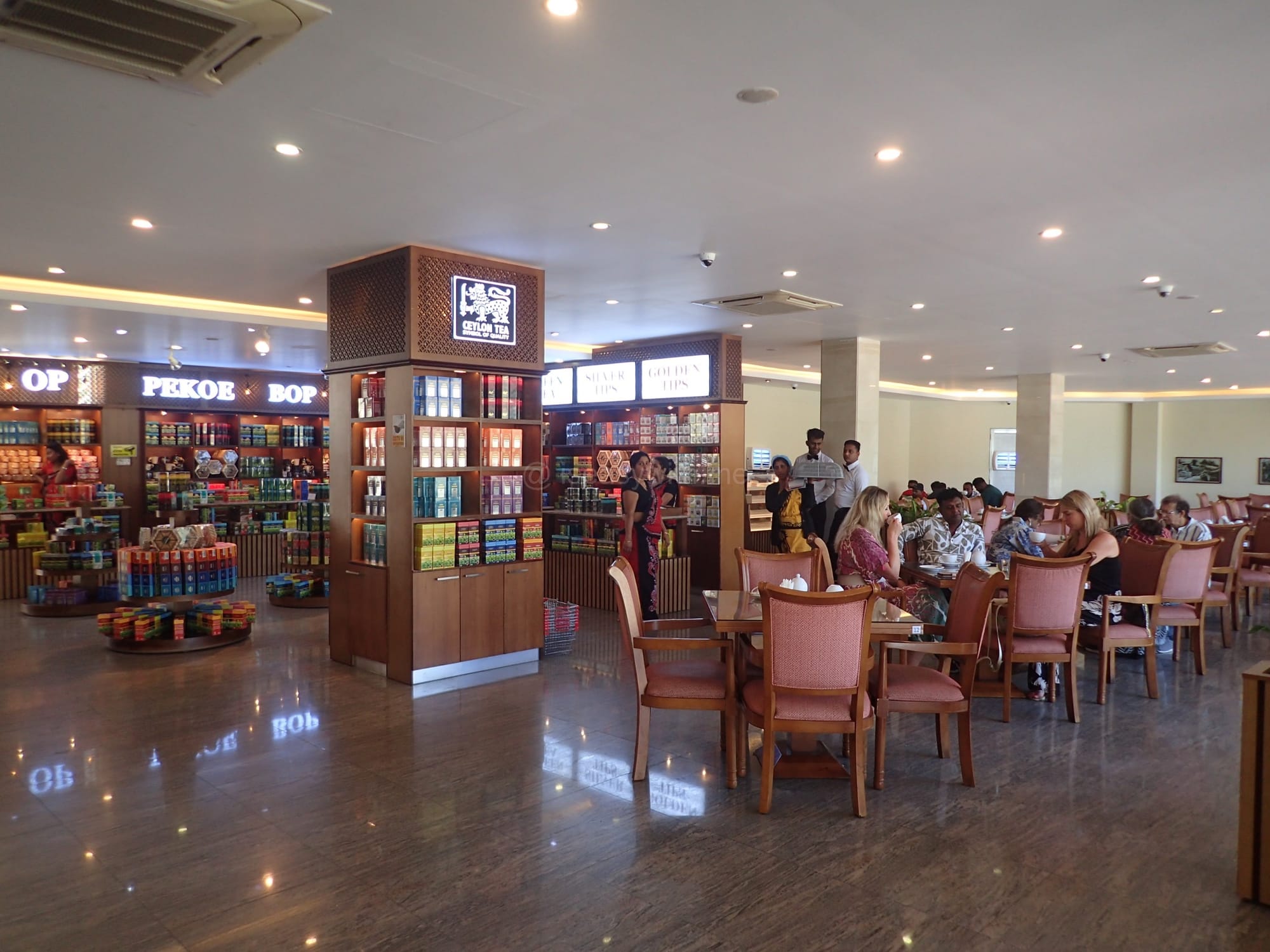
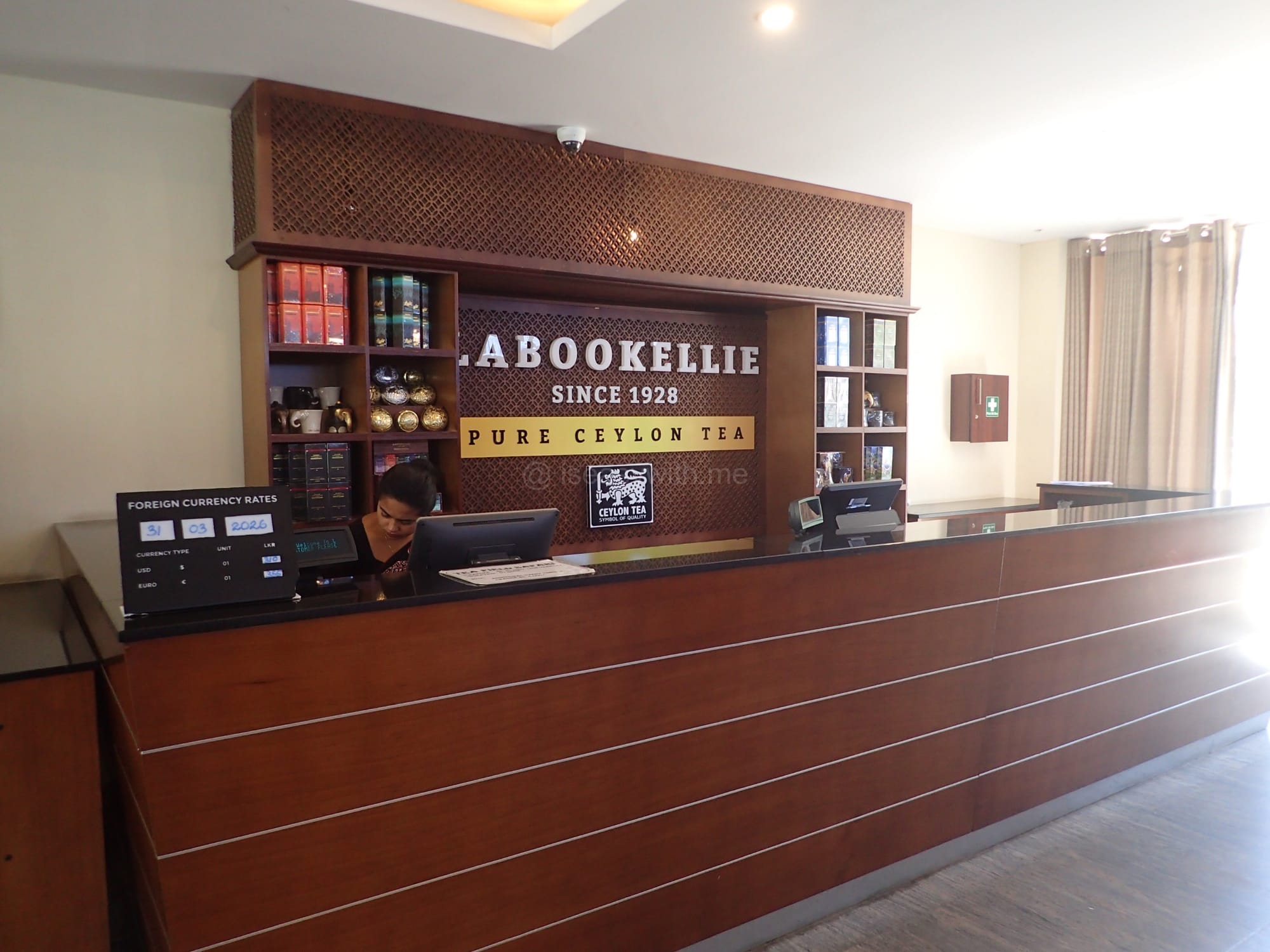
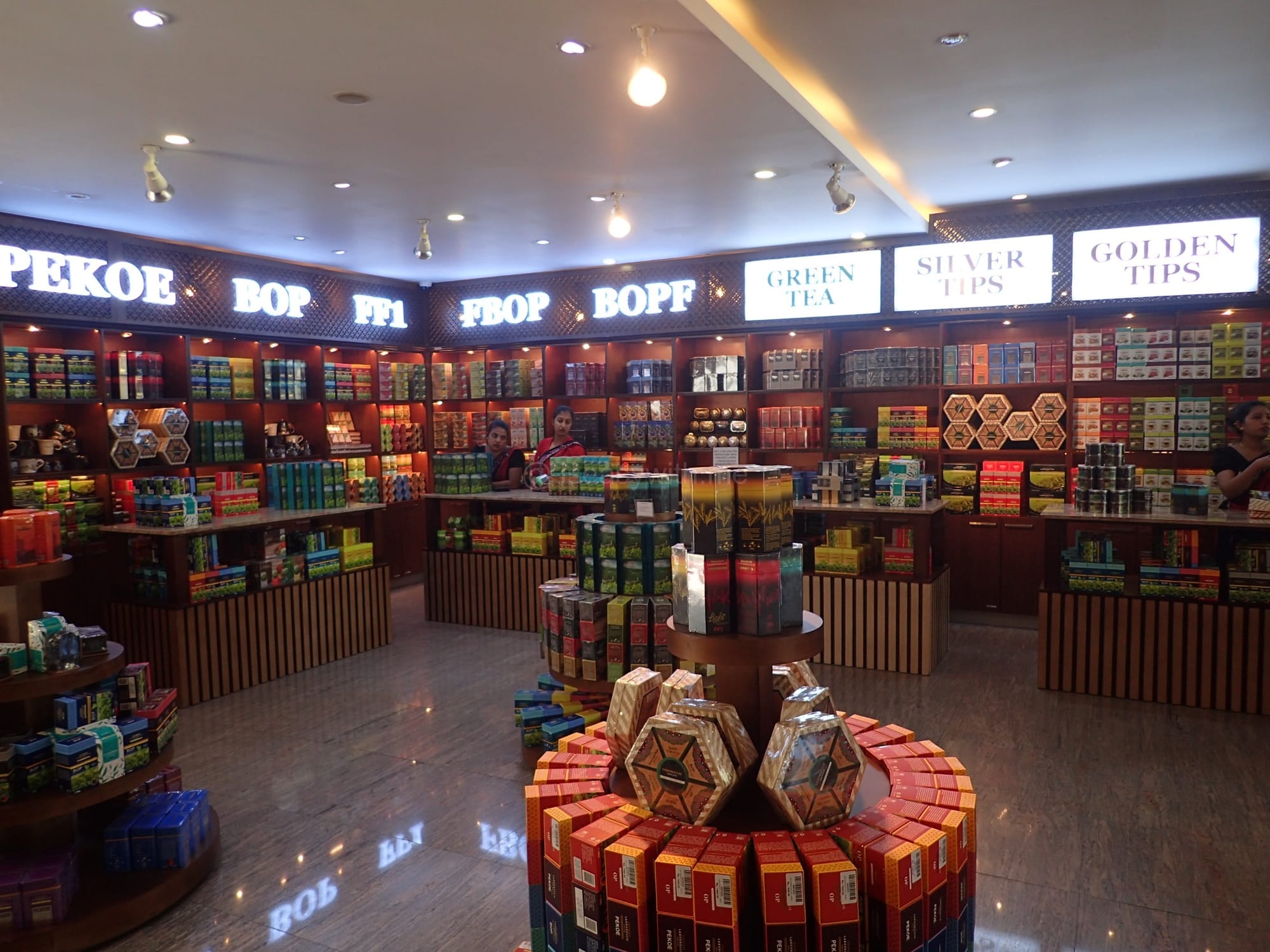
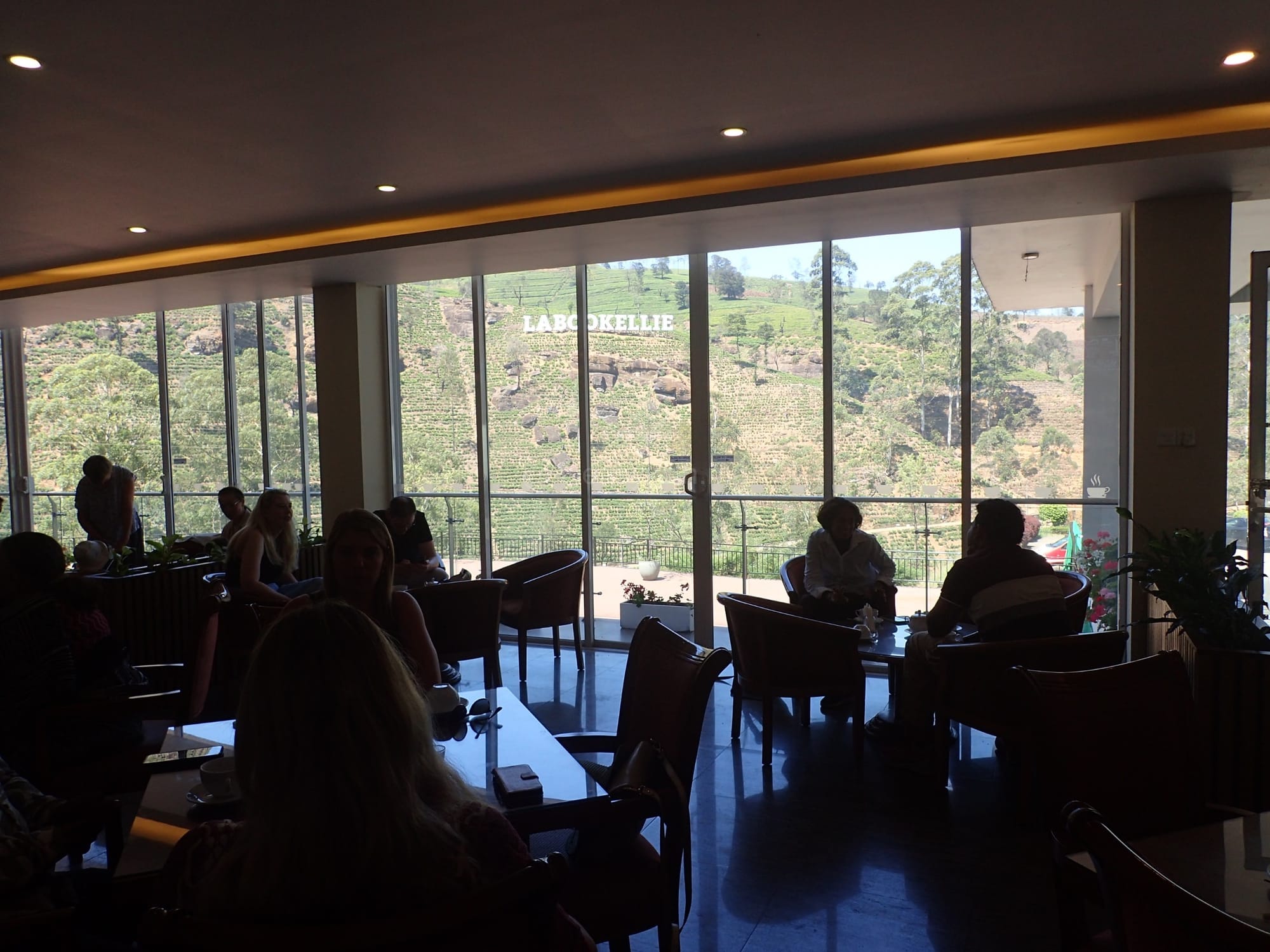
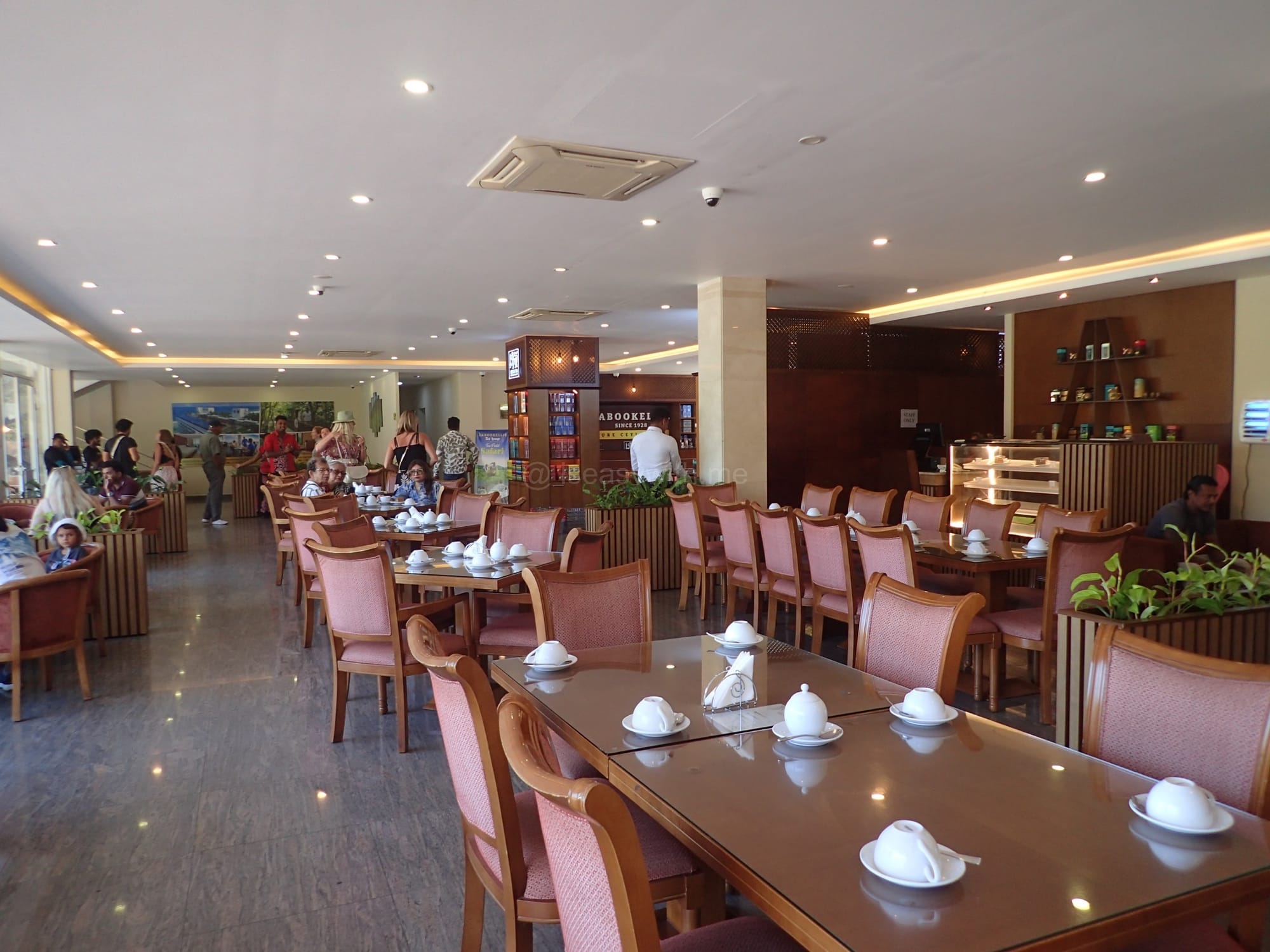
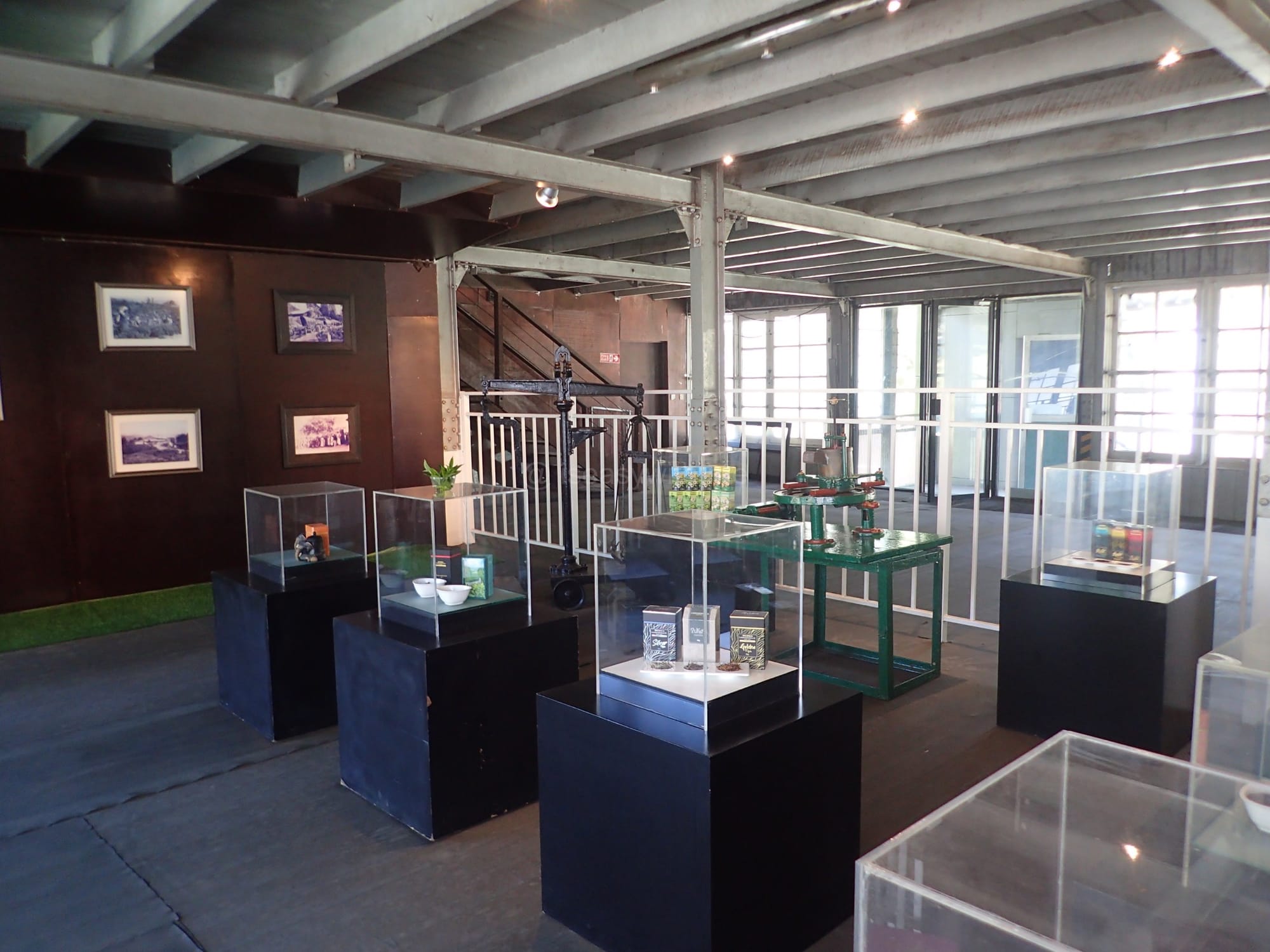
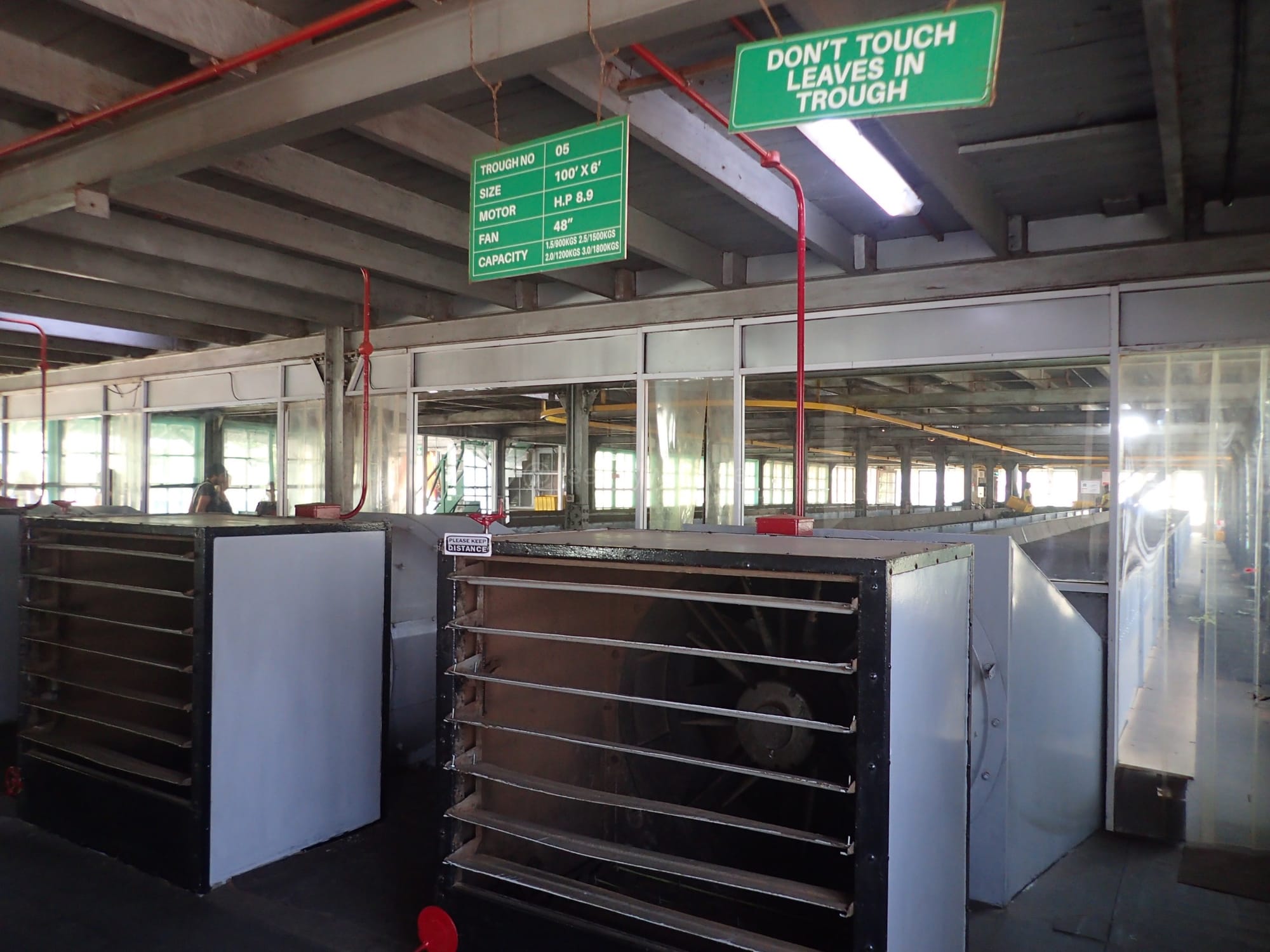
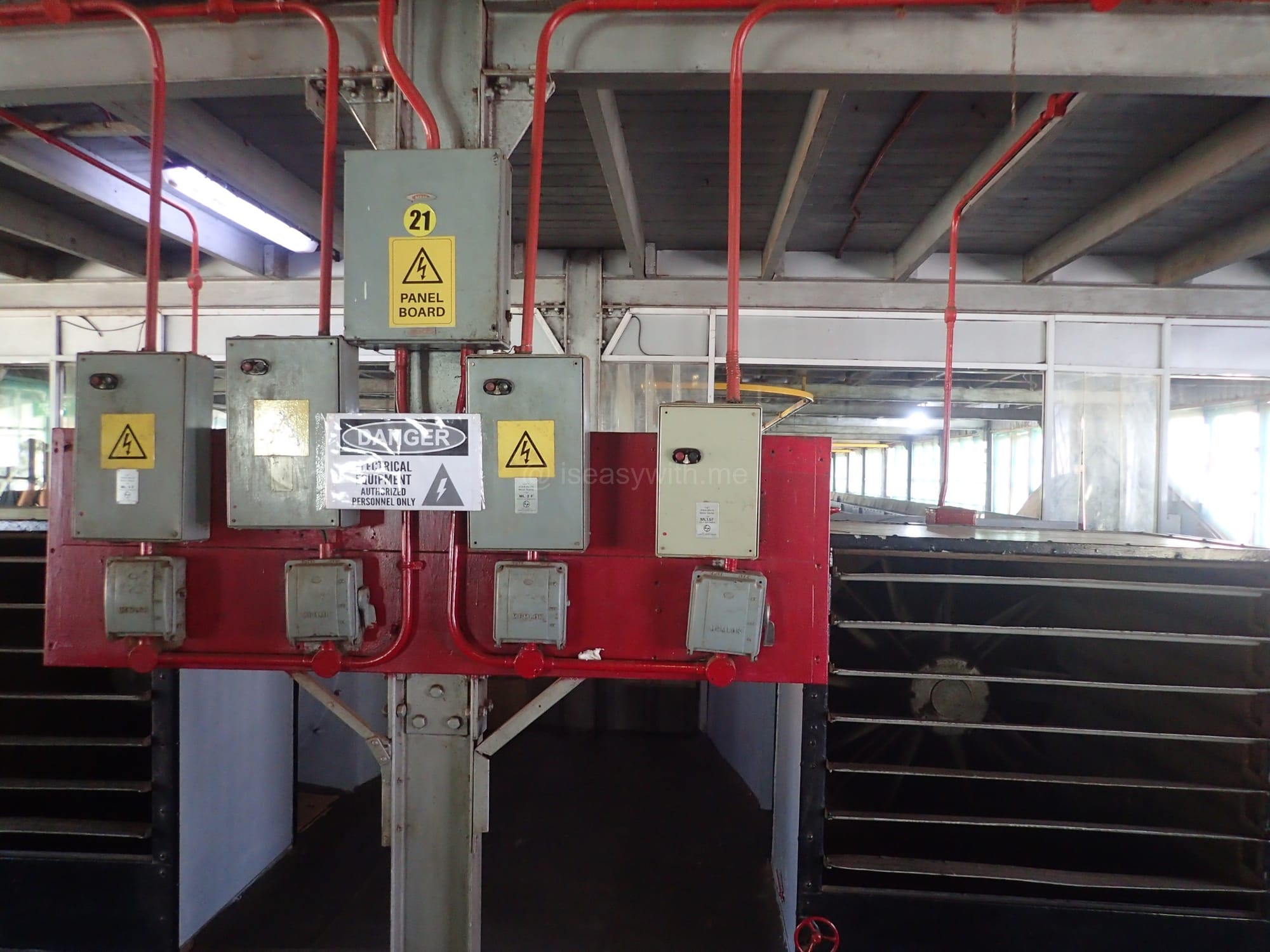
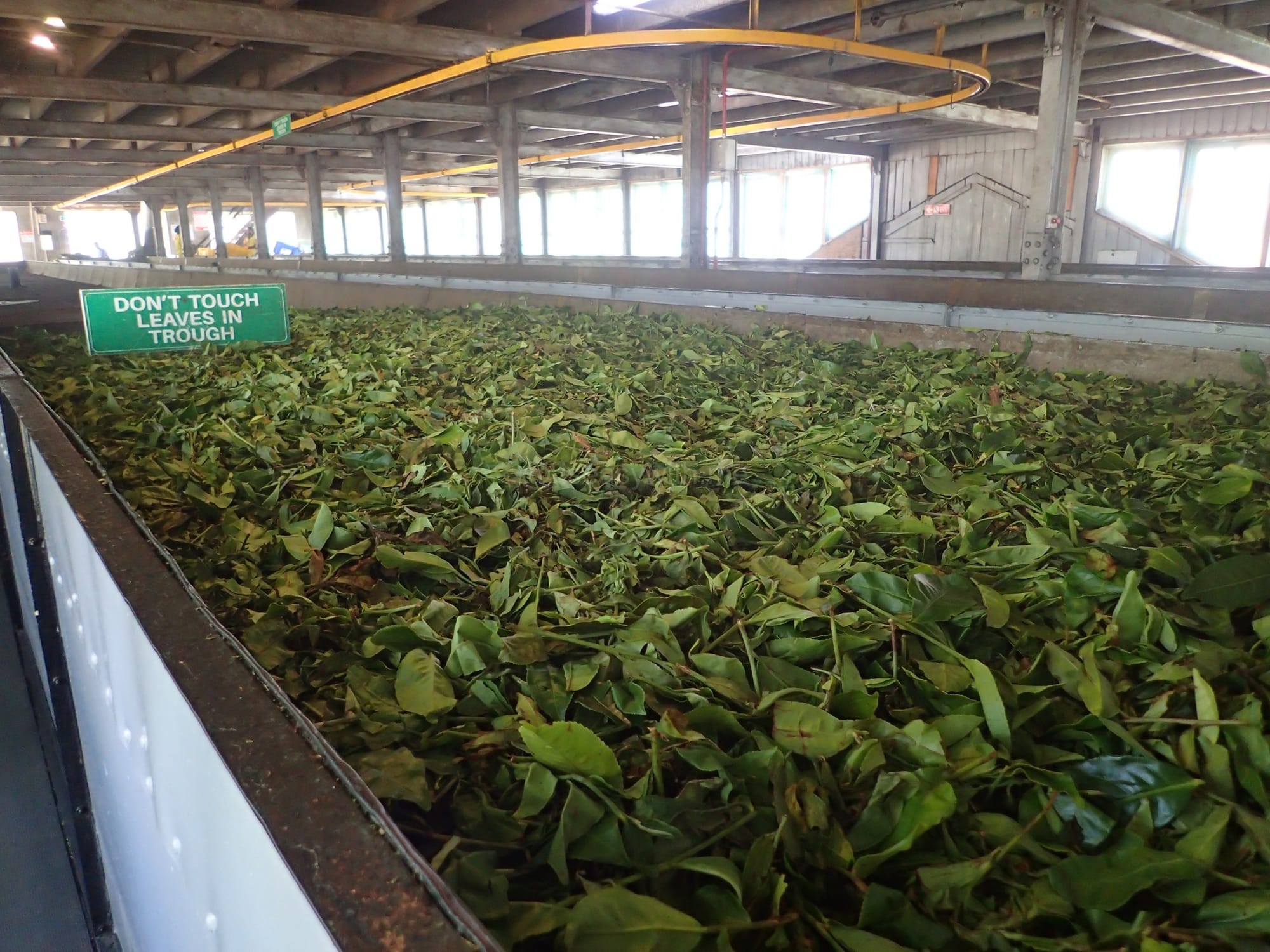
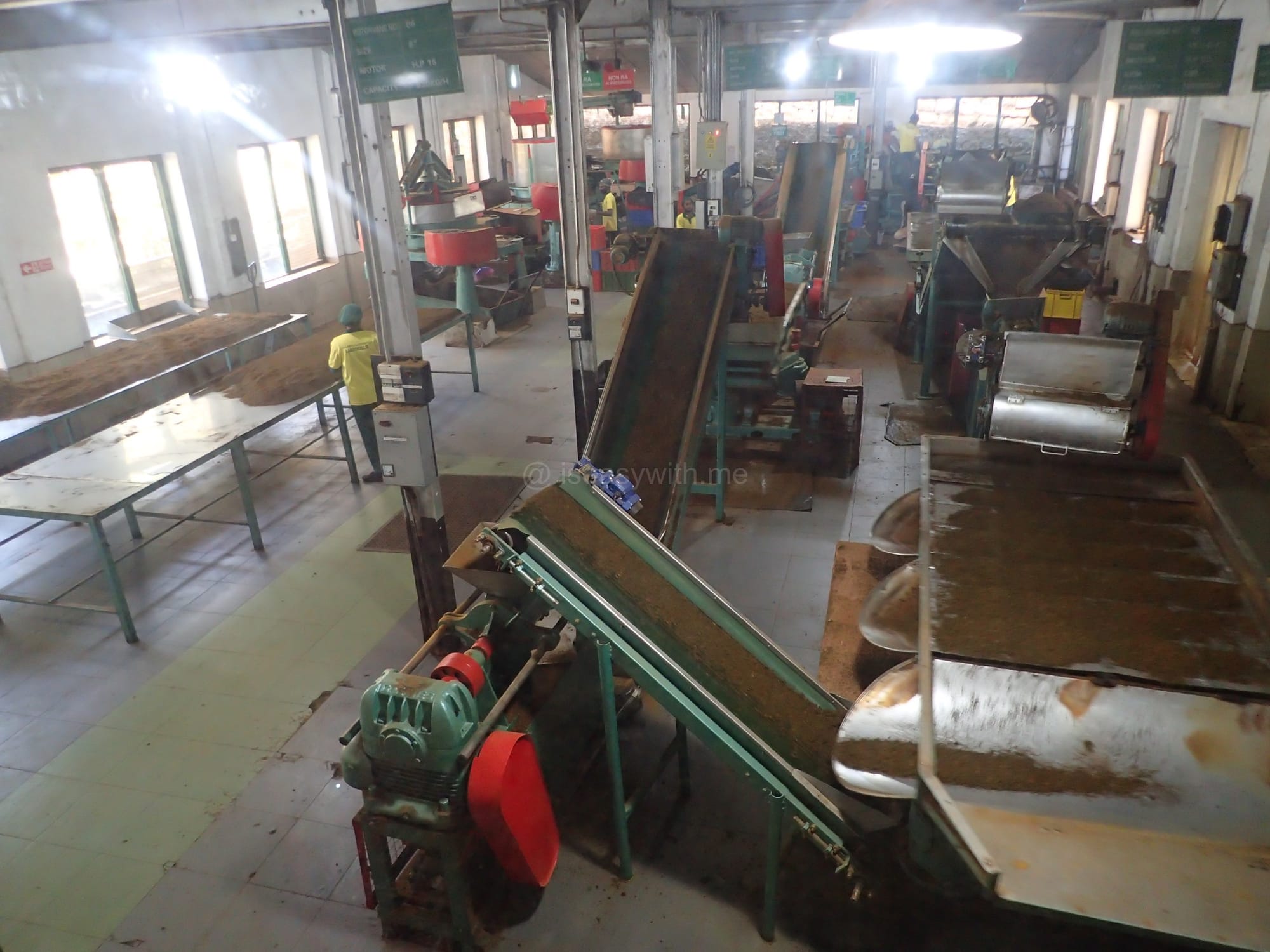
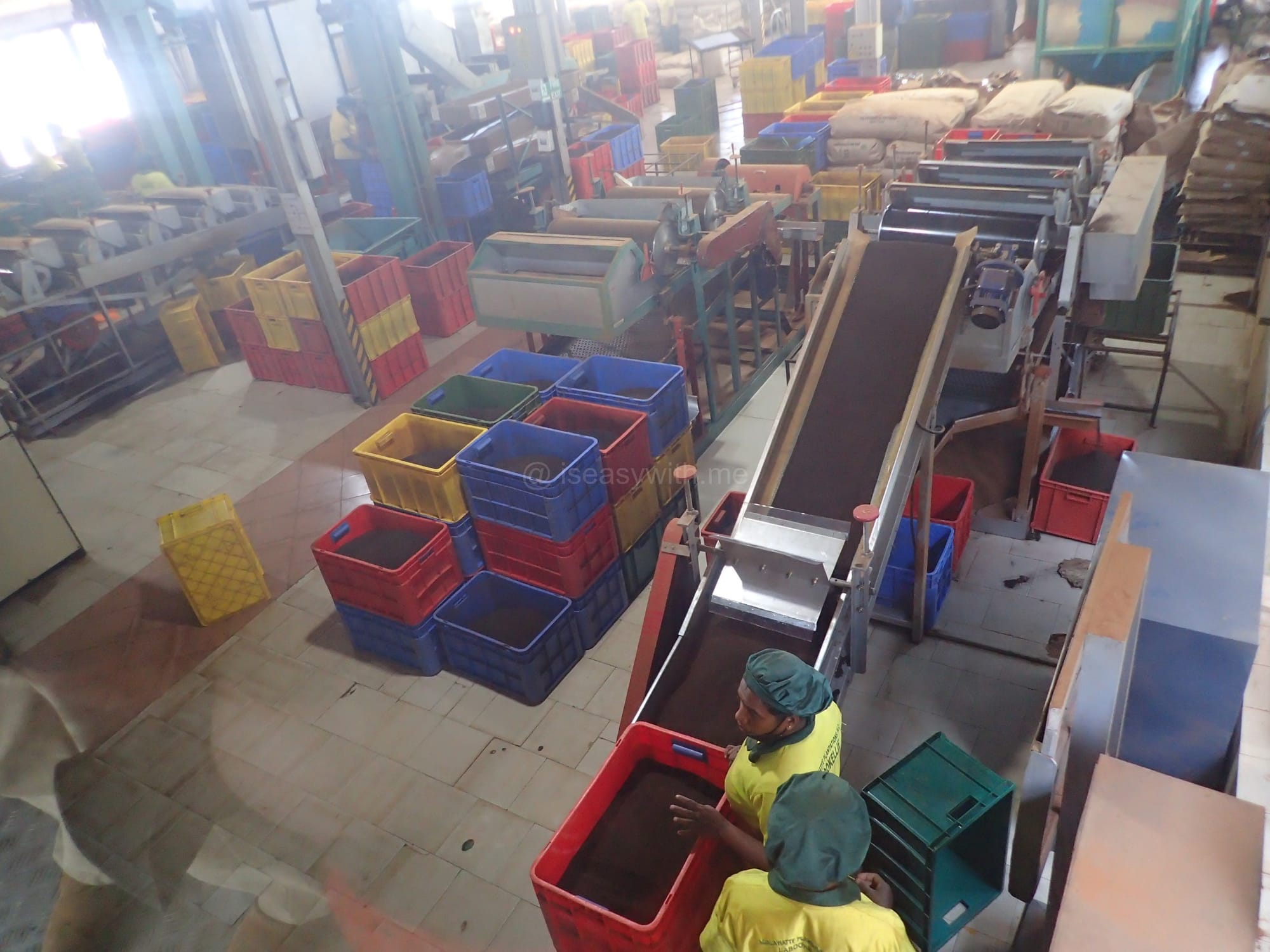
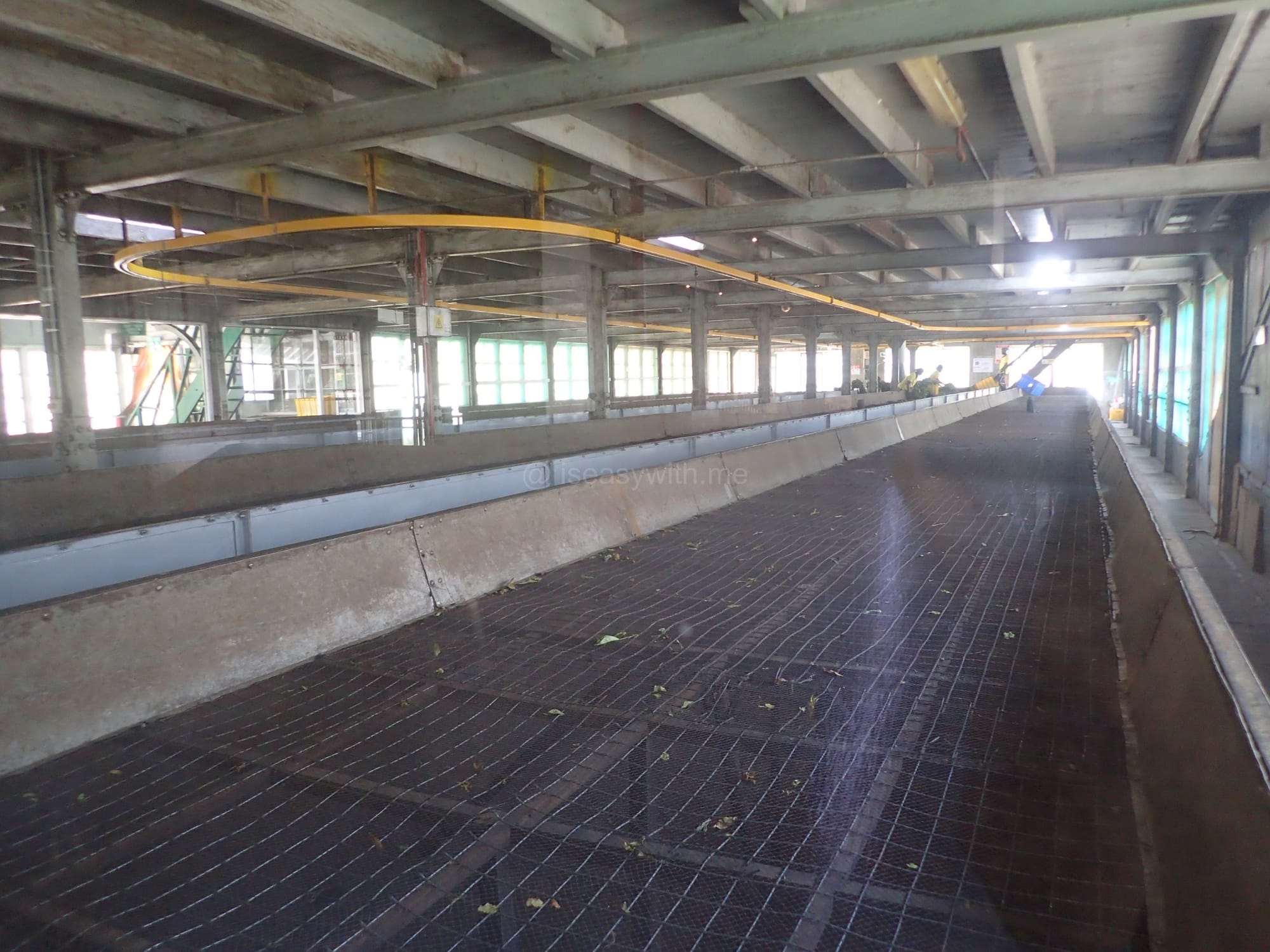
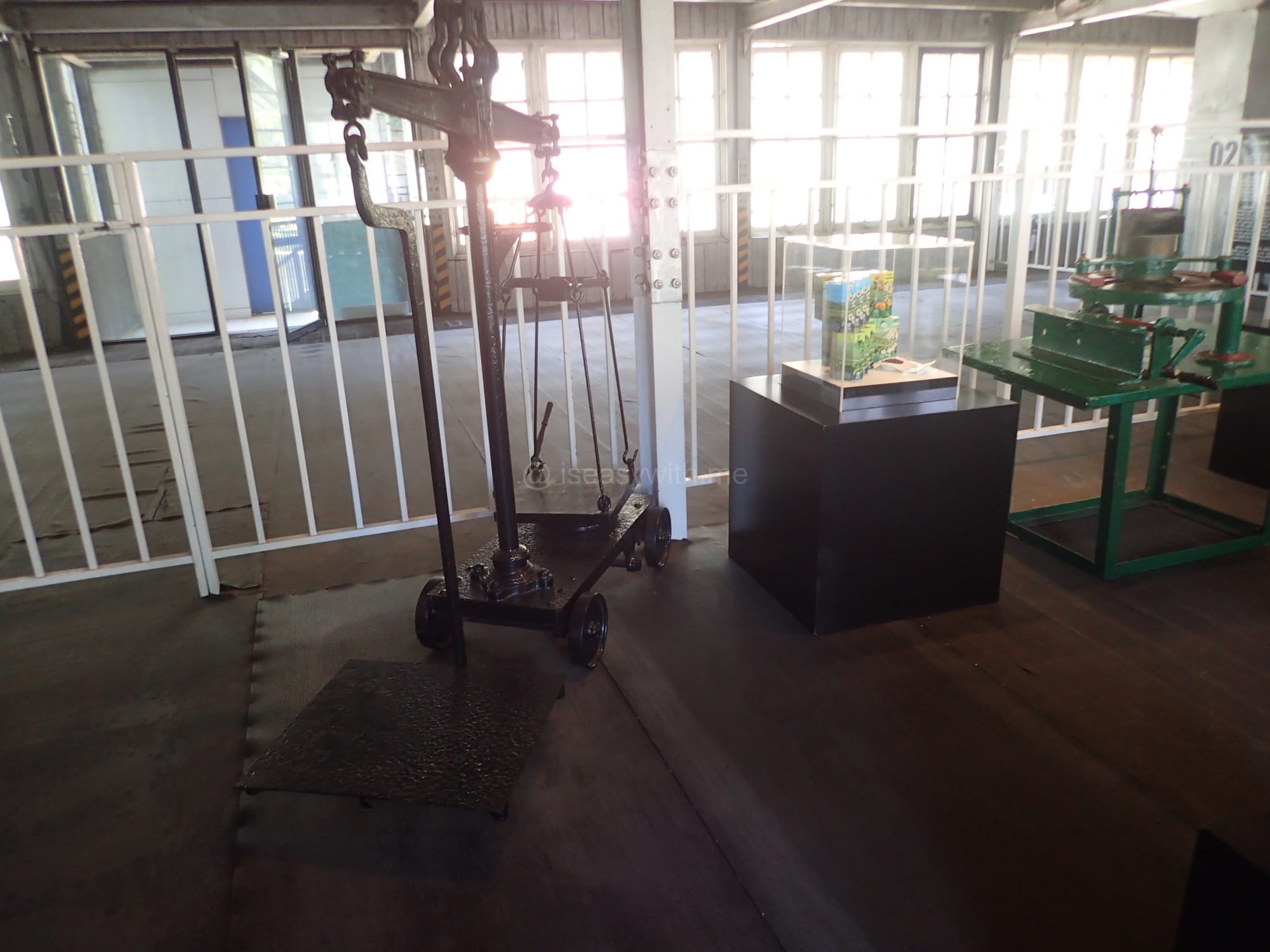
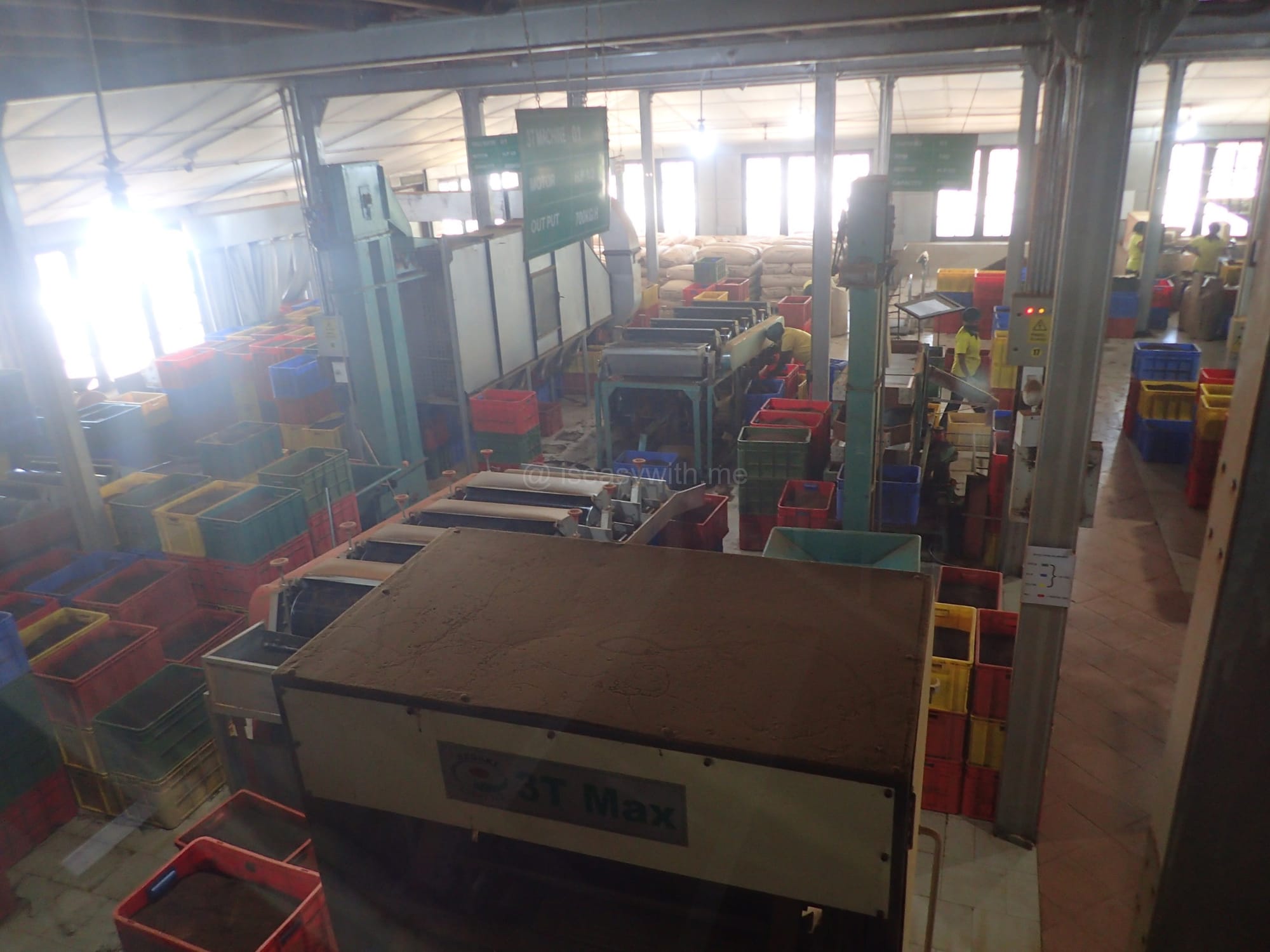
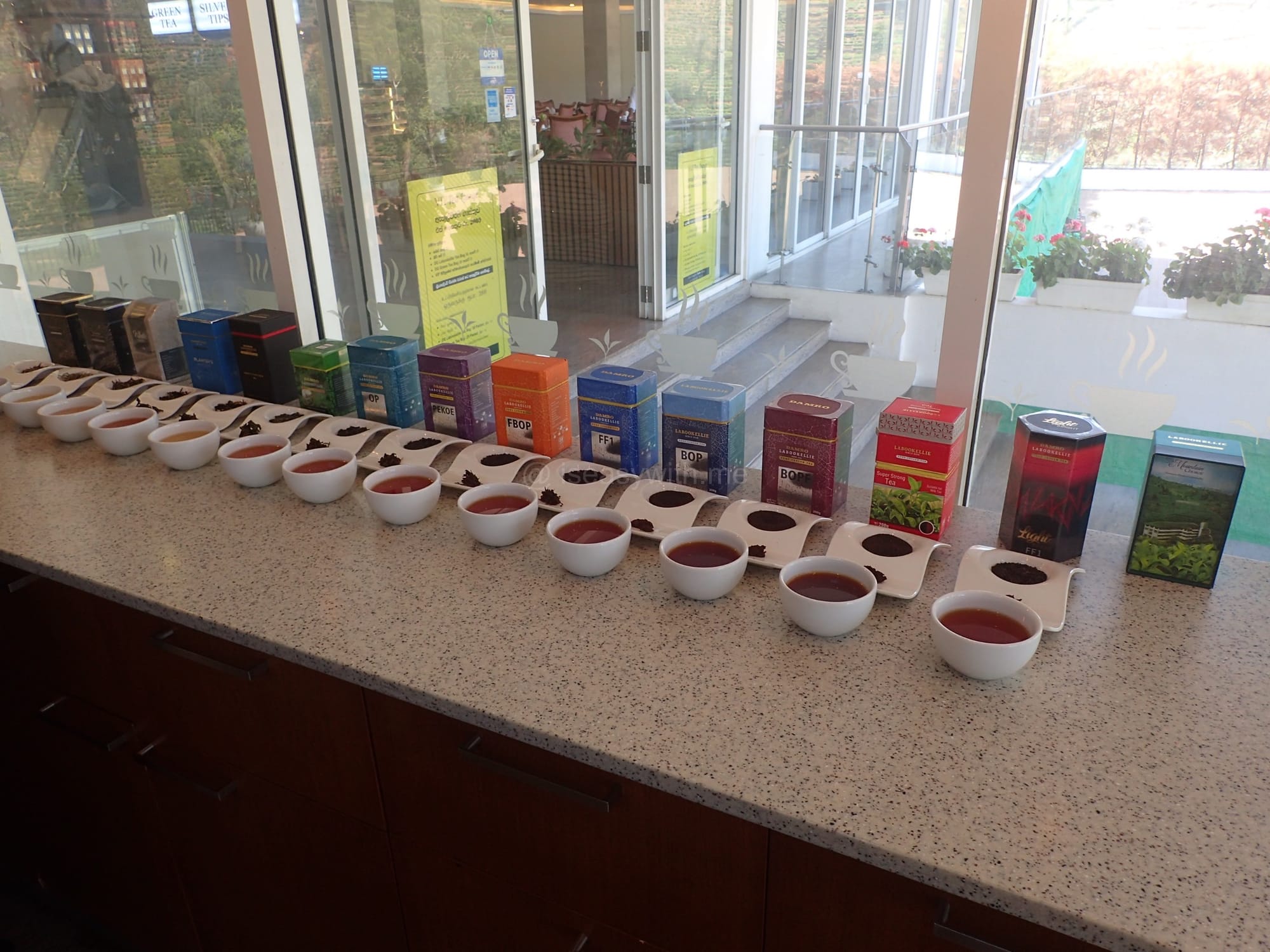
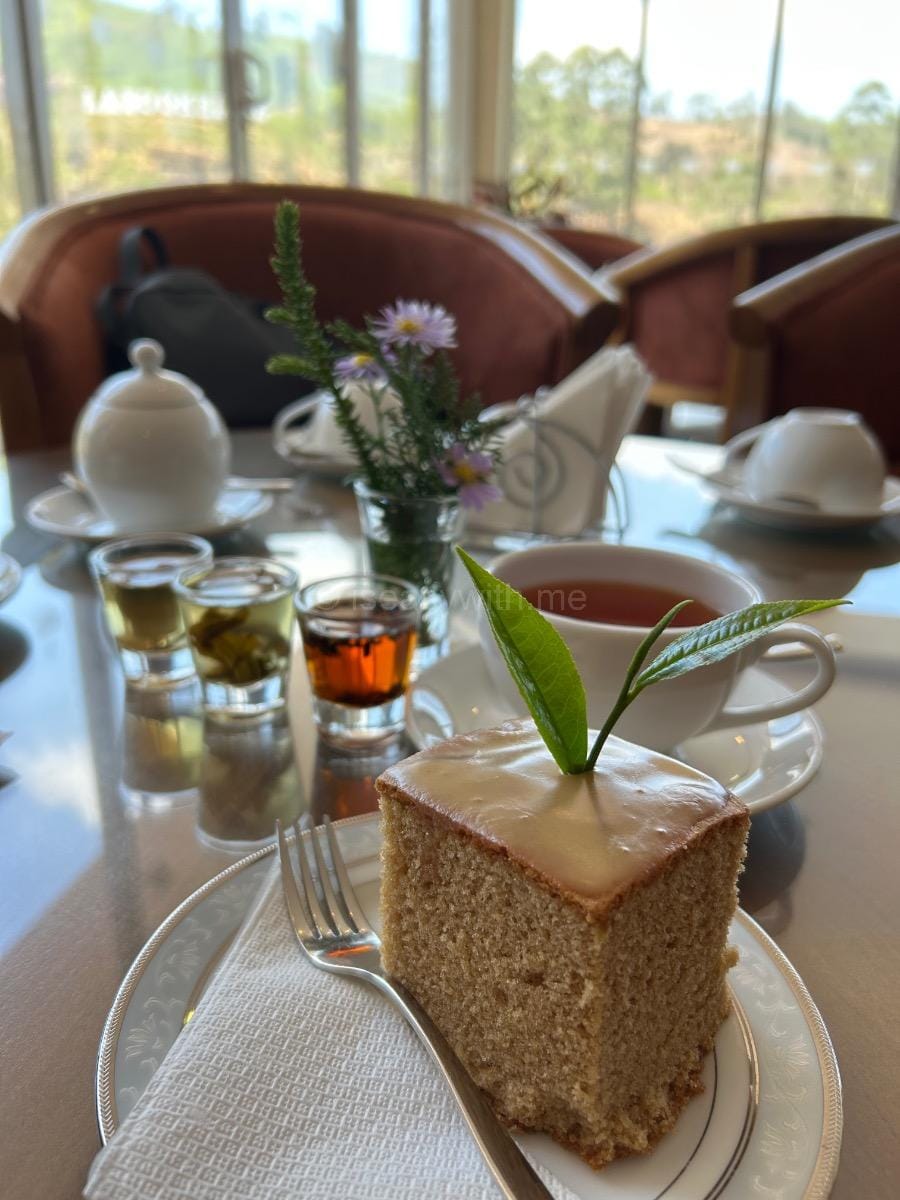
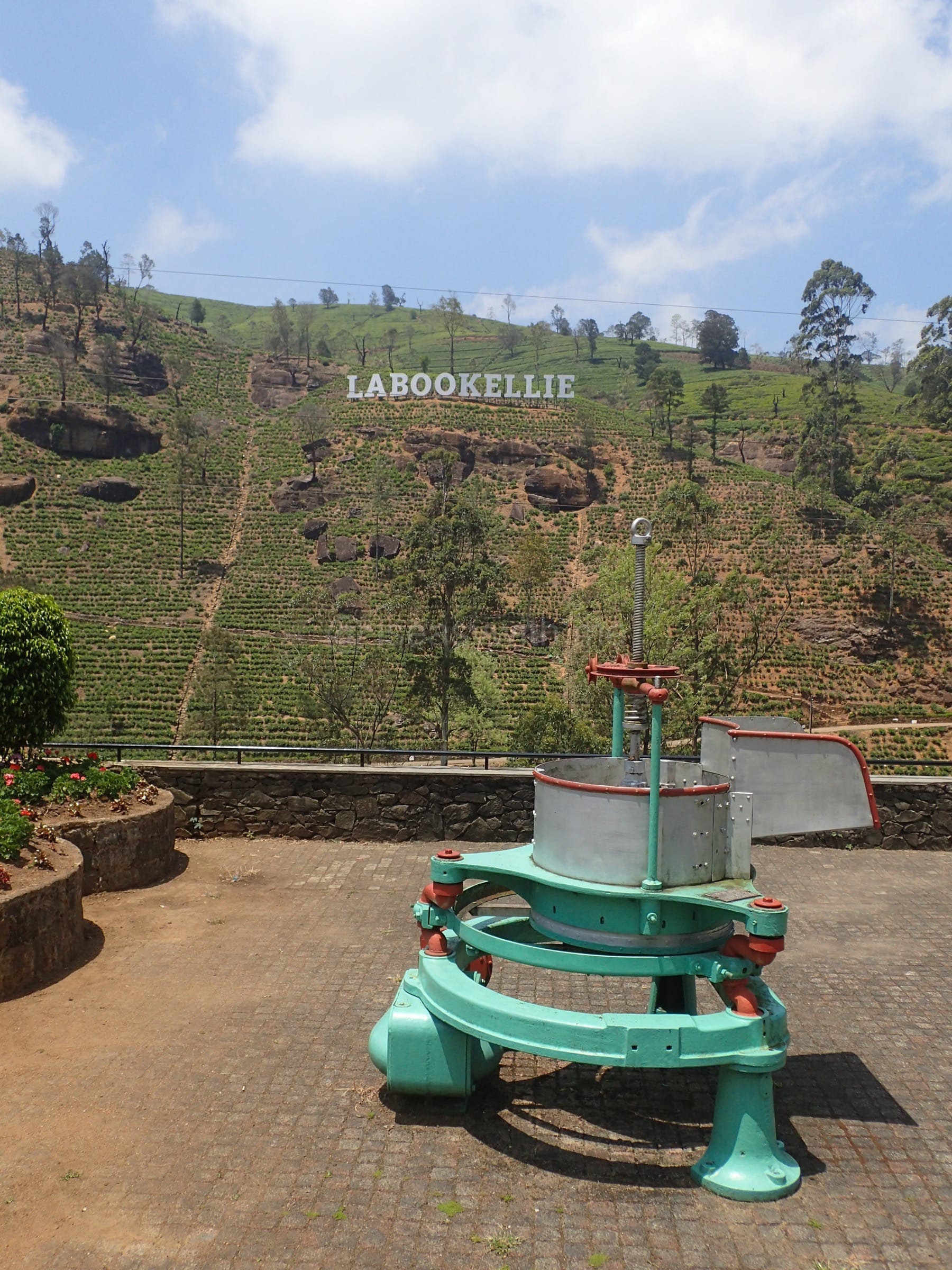
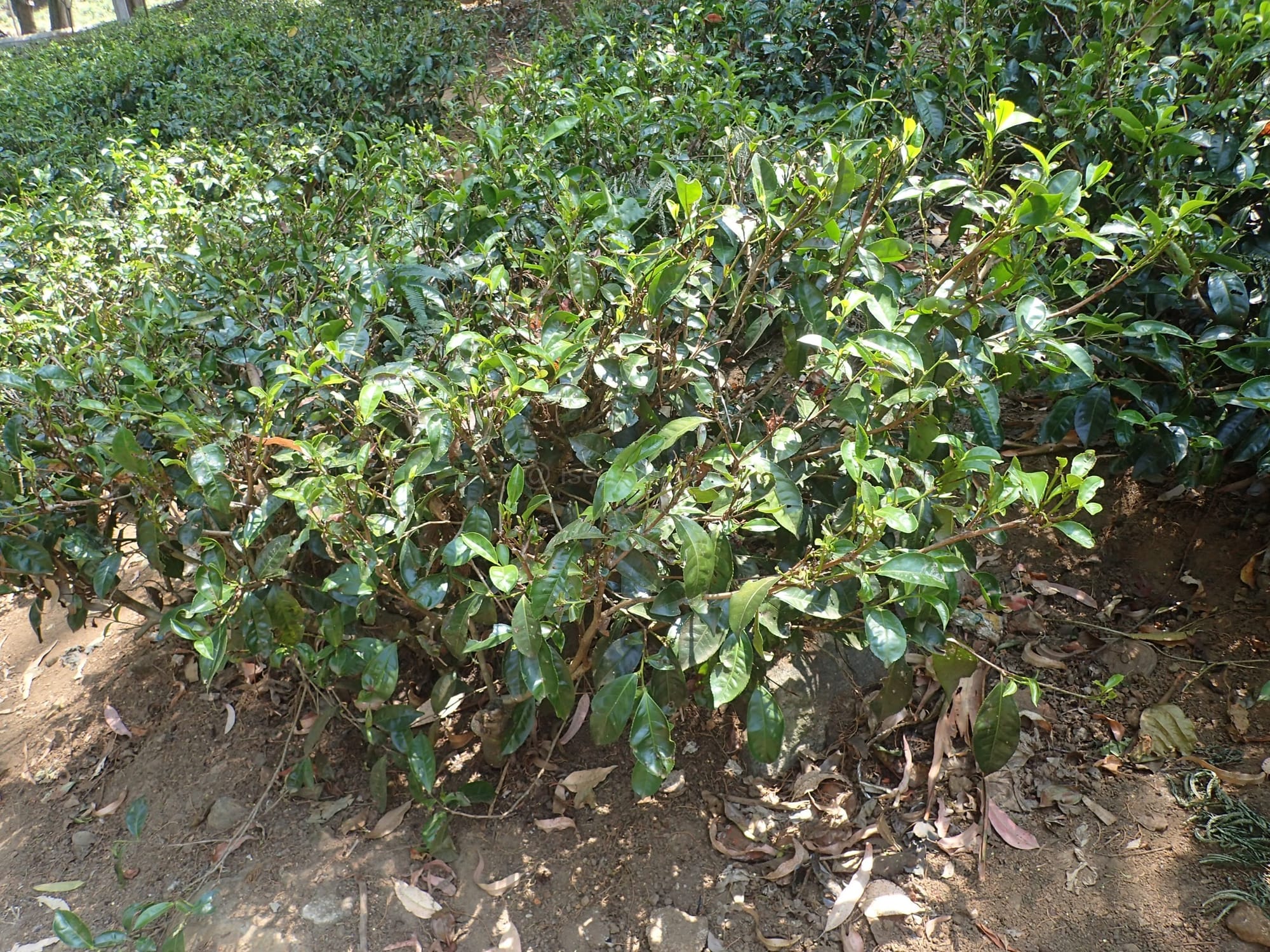
Labookellie (Damro) Tea Lounge
iseasywith.me Travel Tip
- The journey between Kandy and Nuwara Eliya can be cool even during the daytime, especially when it rains.
- Keep a light jacket handy, particularly if you're travelling early in the morning.
- Sit on the left side of the bus when departing Kandy for some of the best mountain and valley views.
From Labookellie (Damro) Tea Lounge to Nuwara Eliya
After visiting the tea lounge, I walked back to the main road where I had alighted to catch a passing local bus towards Nuwara Eliya. The bus ride took 30 minutes (LKR 120), offering a smooth and scenic continuation into the heart of the misty hill country.
Arriving in Nuwara Eliya
Arriving at Nuwara Eliya Main Bus Station initially felt rather ordinary. The station was busy, crowded and filled with locals going about their daily routines.
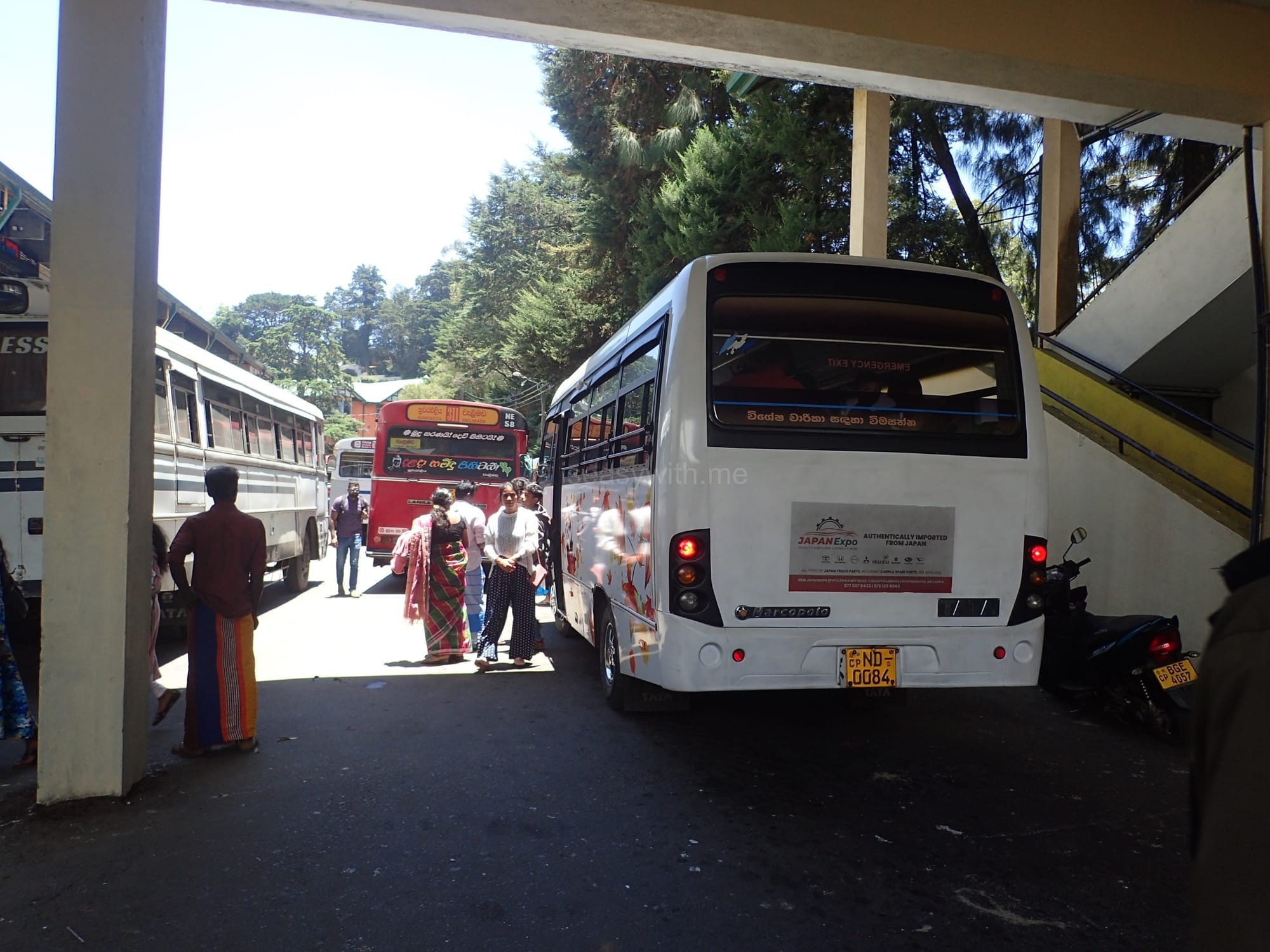
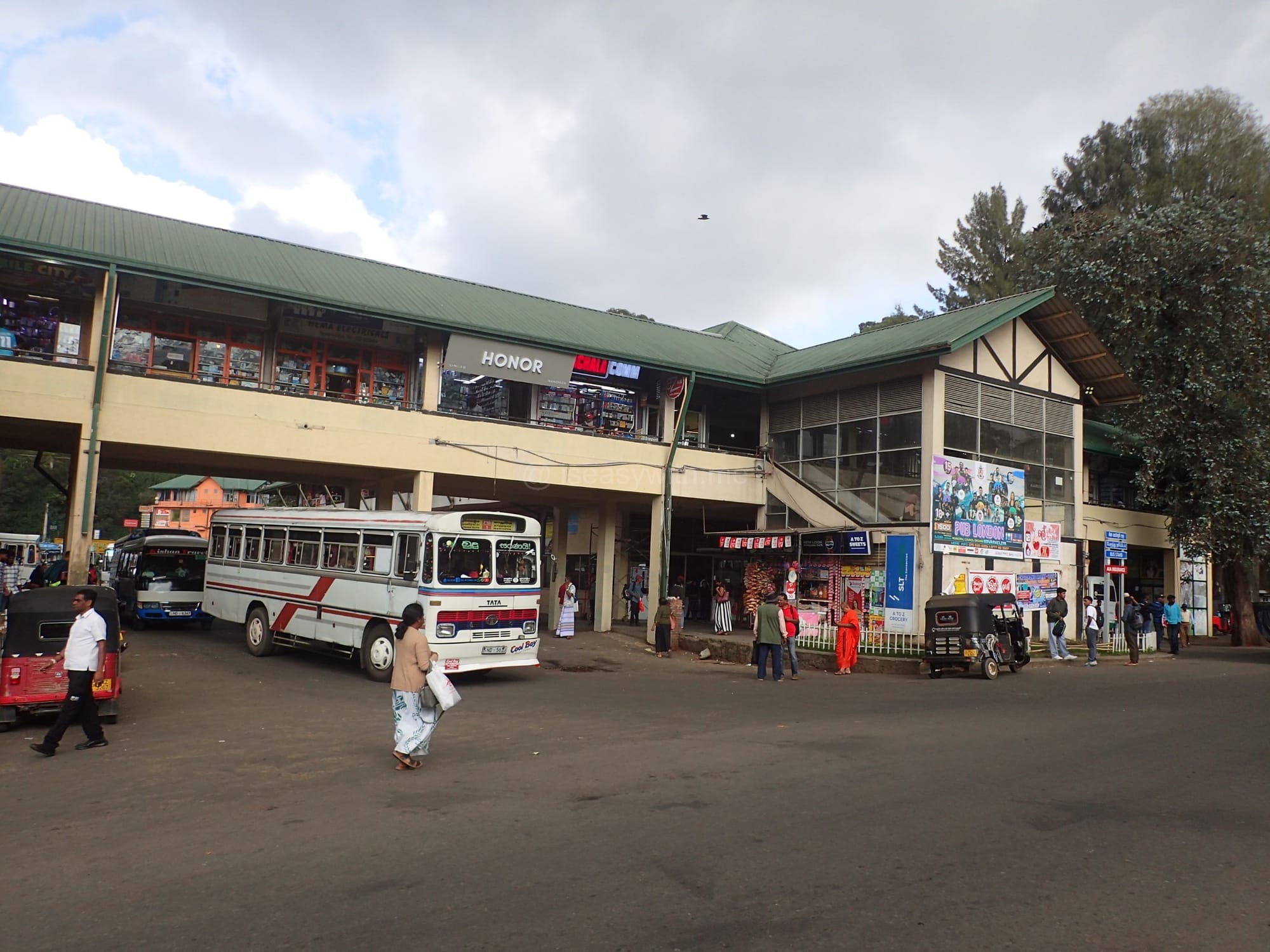
Nuwara Eliya Main Bus Station
However, once I stepped beyond the transport hub, the town's unique character quickly revealed itself. Cool mountain air, colonial-era architecture and flower gardens combined to create an atmosphere unlike anywhere else in Sri Lanka. The town's British influence remained remarkably visible, from its architecture and street layouts to its parks and tea culture.
In and Around Nuwara Eliya
Nuwara Eliya's absolute must-see highlights include admiring the iconic Tudor-style architecture of the historic Post Office and The Grand Hotel, capturing stunning views at Ramboda Falls and Lover's Leap Waterfall, touring the expansive Labookellie (Damro) Tea Lounge, exploring the fragrant stalls of the Central Market, and taking in the colonial charm of Hill Cottage and Holy Trinity Church.
Central Market
A short walk from the town centre lies the Central Market. Nuwara Eliya's cool climate makes it one of Sri Lanka's most important agricultural regions and the market reflects this abundance. Fresh fruits, locally grown produce and vegetables fill the stalls, offering a colourful display that differs significantly from markets elsewhere on the island. Cabbages, carrots, leeks and strawberries are particularly common, reflecting the unique growing conditions of the highlands.
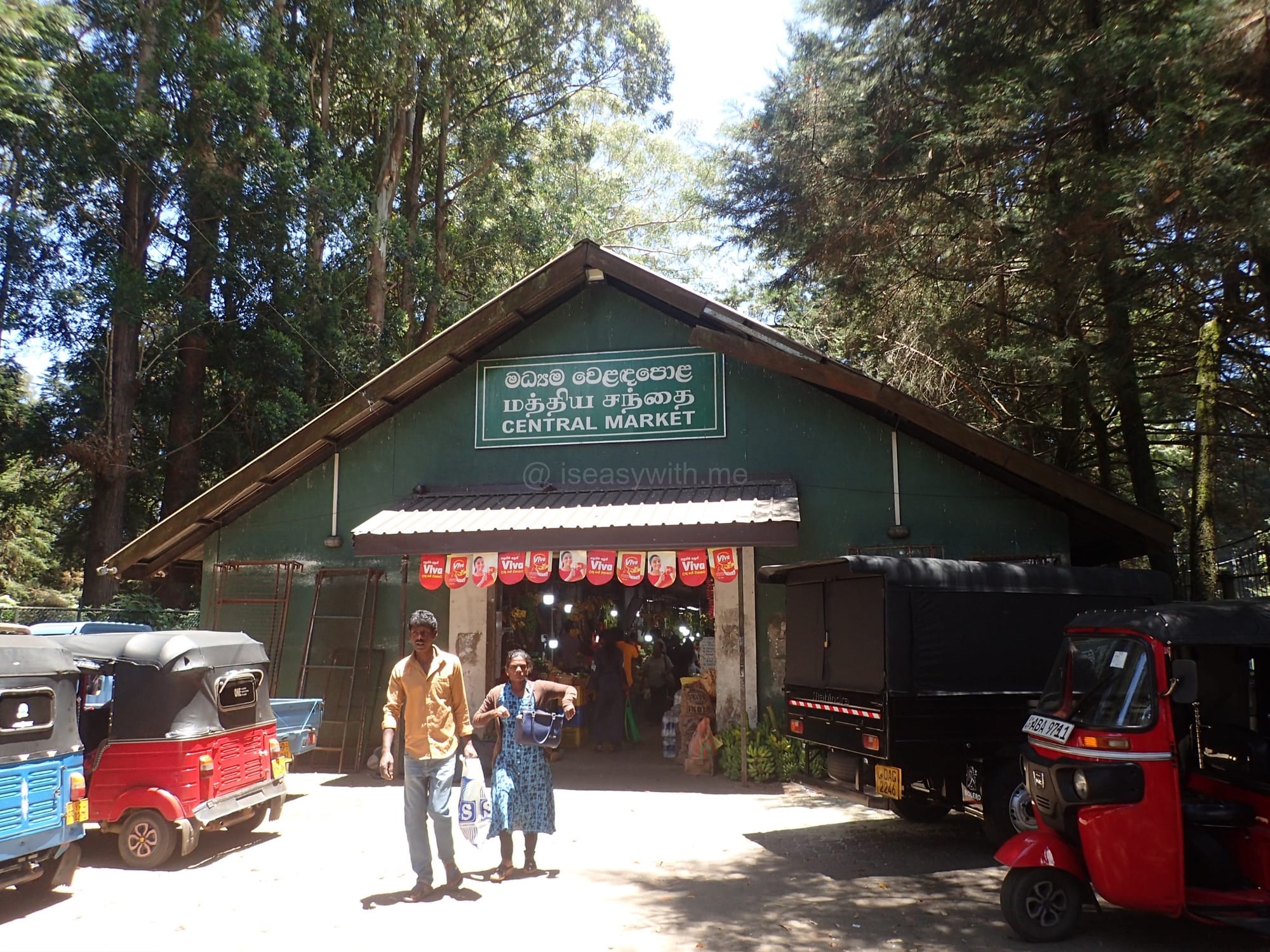
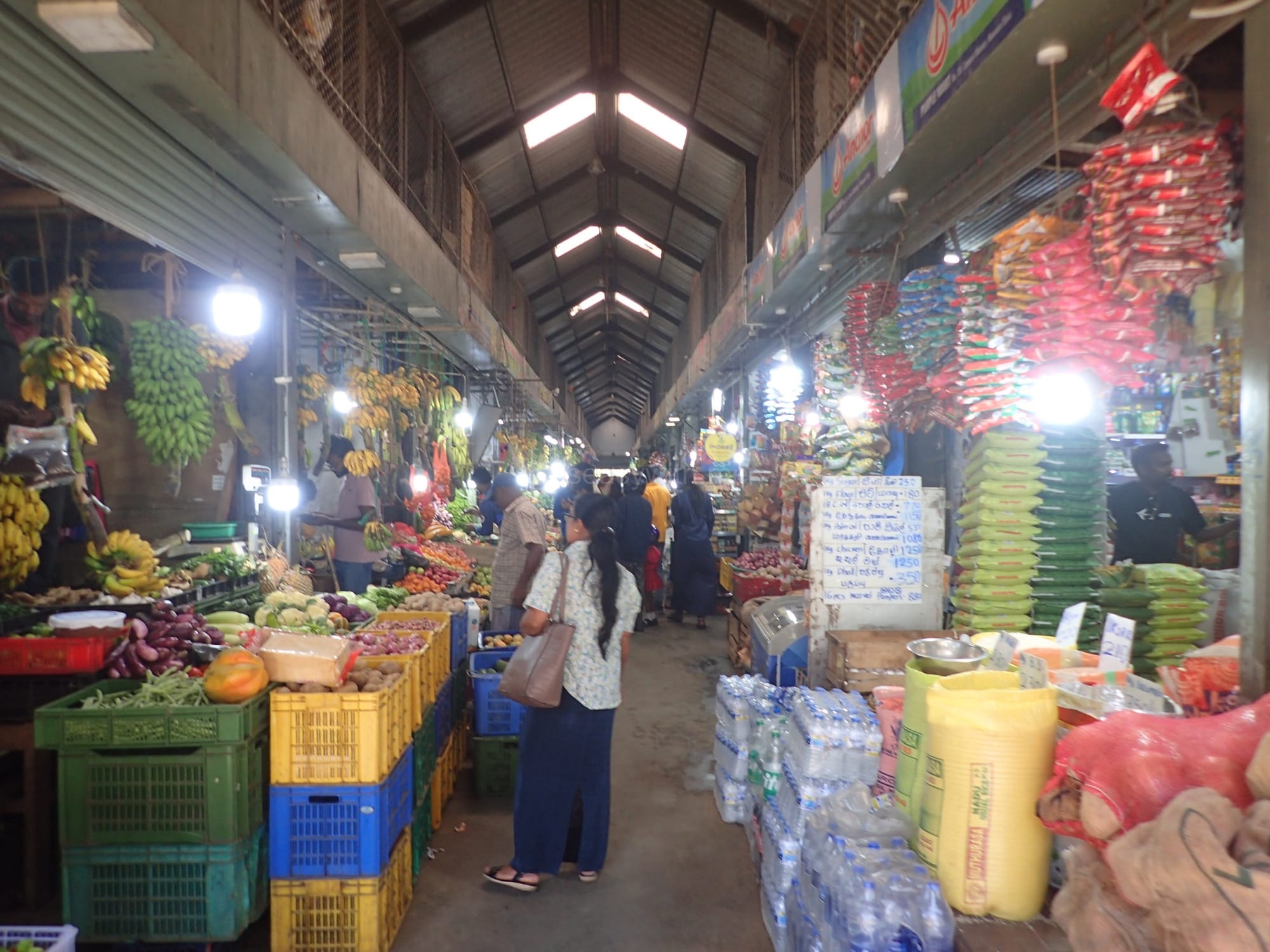
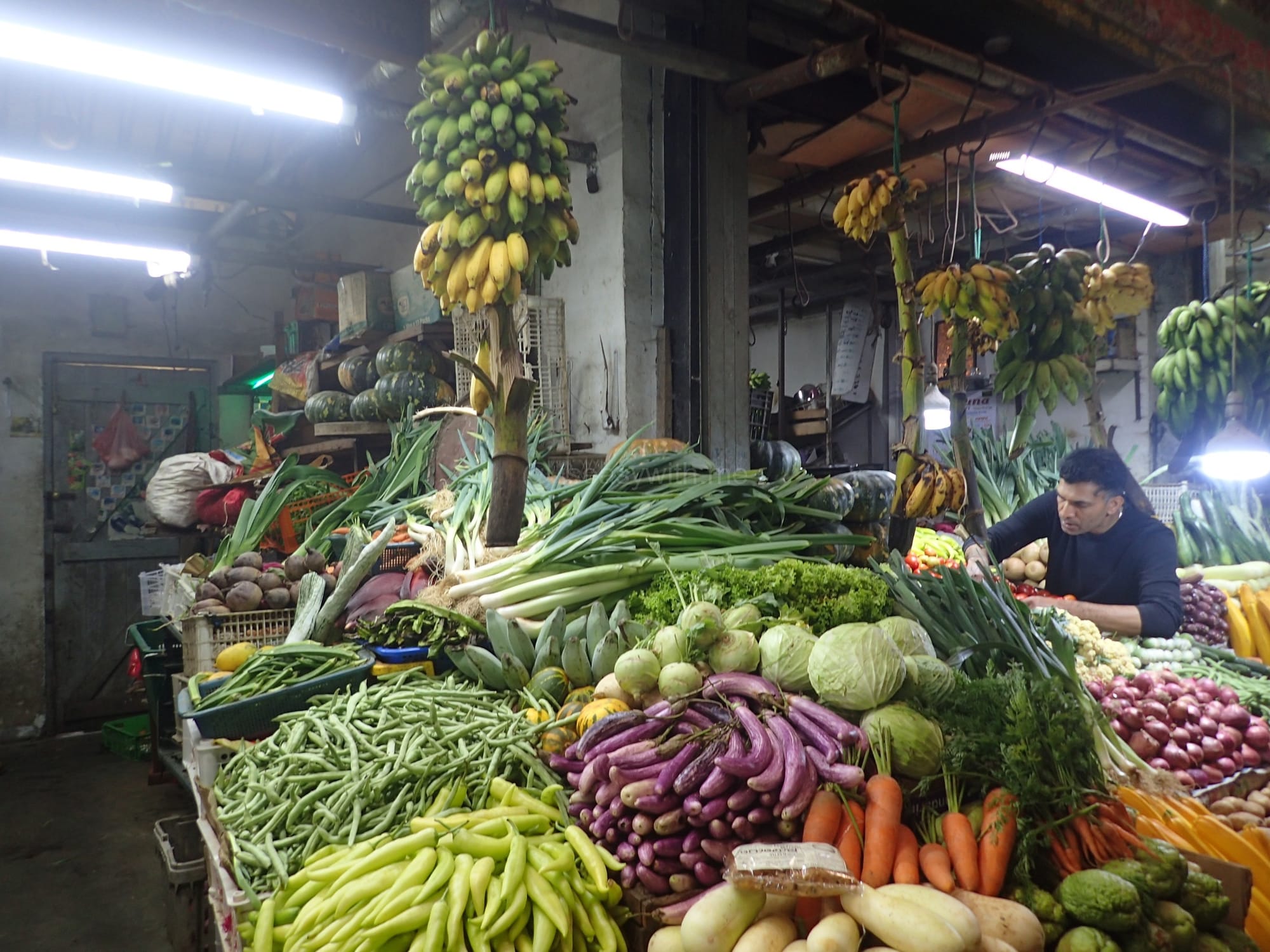
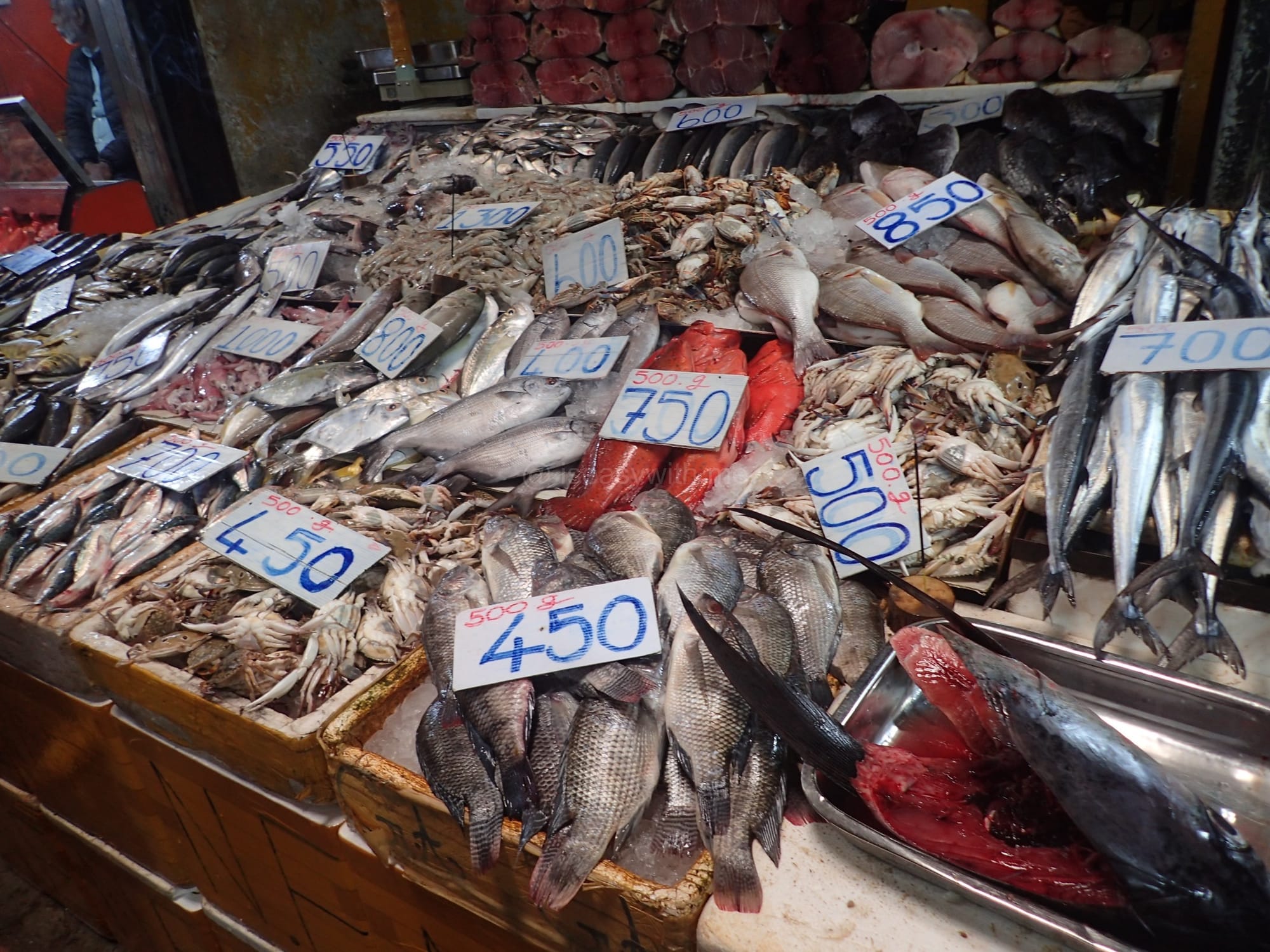
Central Market
Hill Cottage
Steeped in quintessential old English charm, Hill Cottage is a beautifully preserved colonial-style bungalow originally built by the British in 1875. Sitting at an alpine altitude of over 6,100 feet above sea level in Sri Lanka's central highlands, this boutique property perfectly captures the nostalgic atmosphere of Nuwara Eliya, fondly known as 'Little England'.
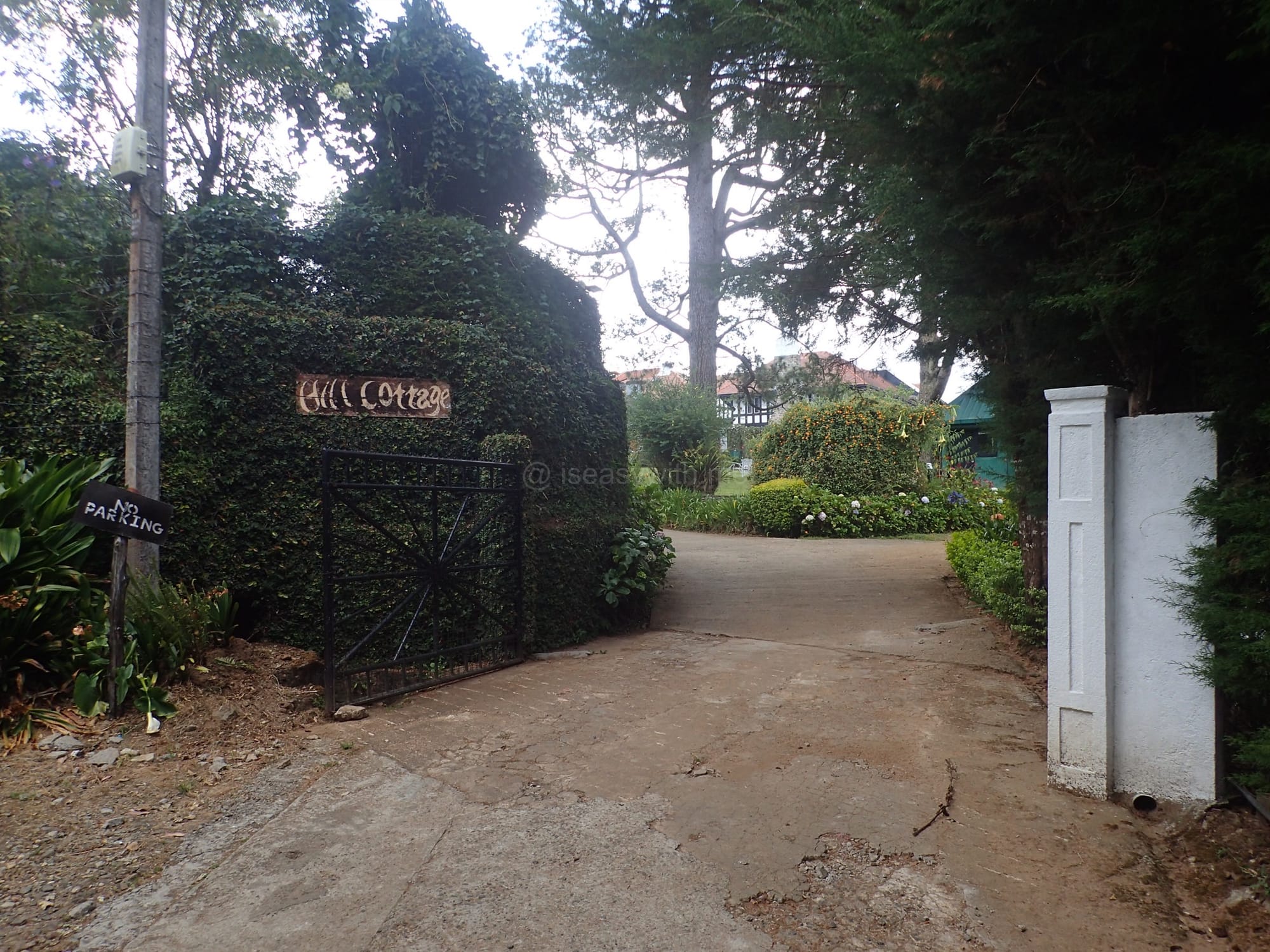
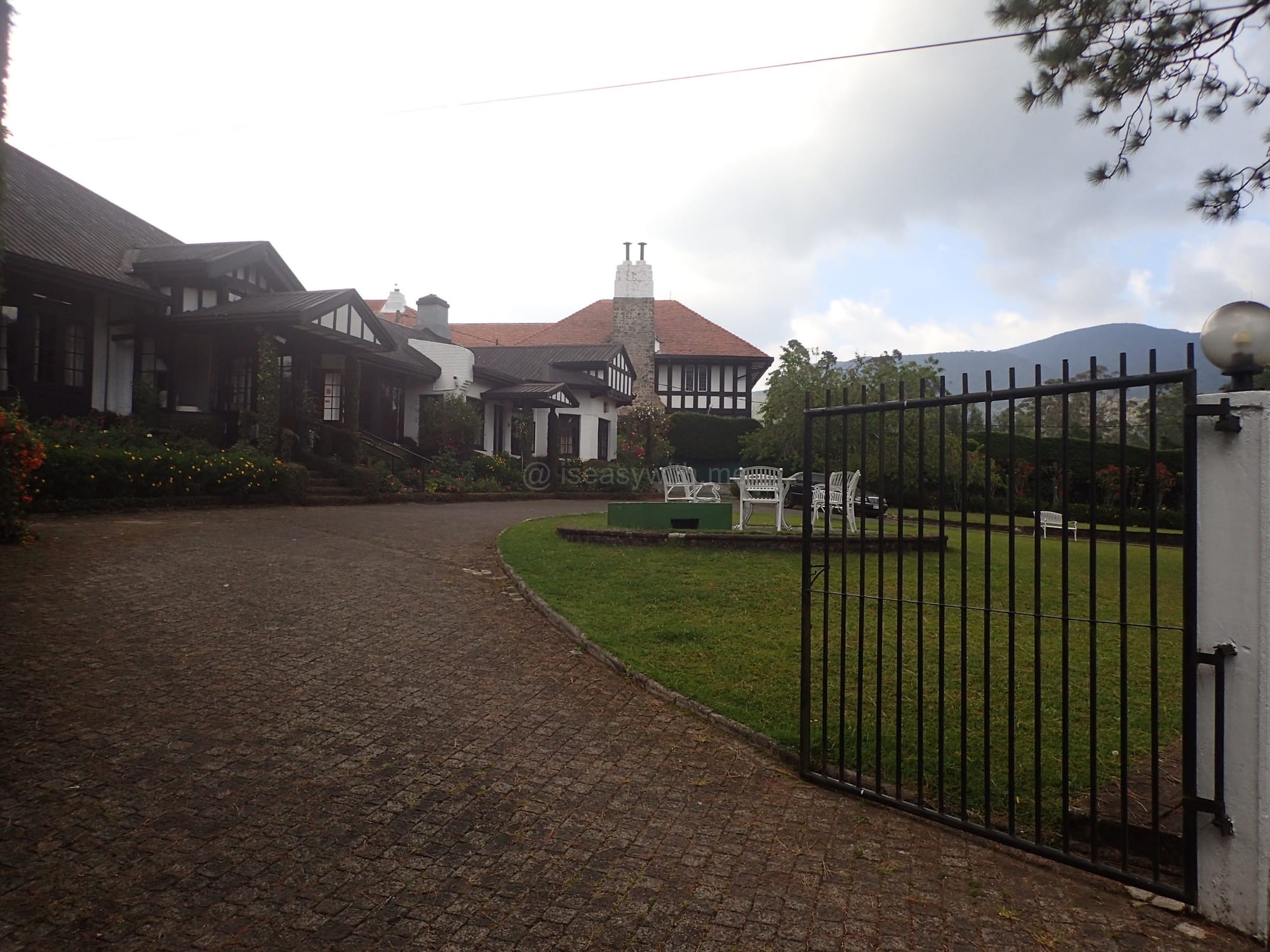
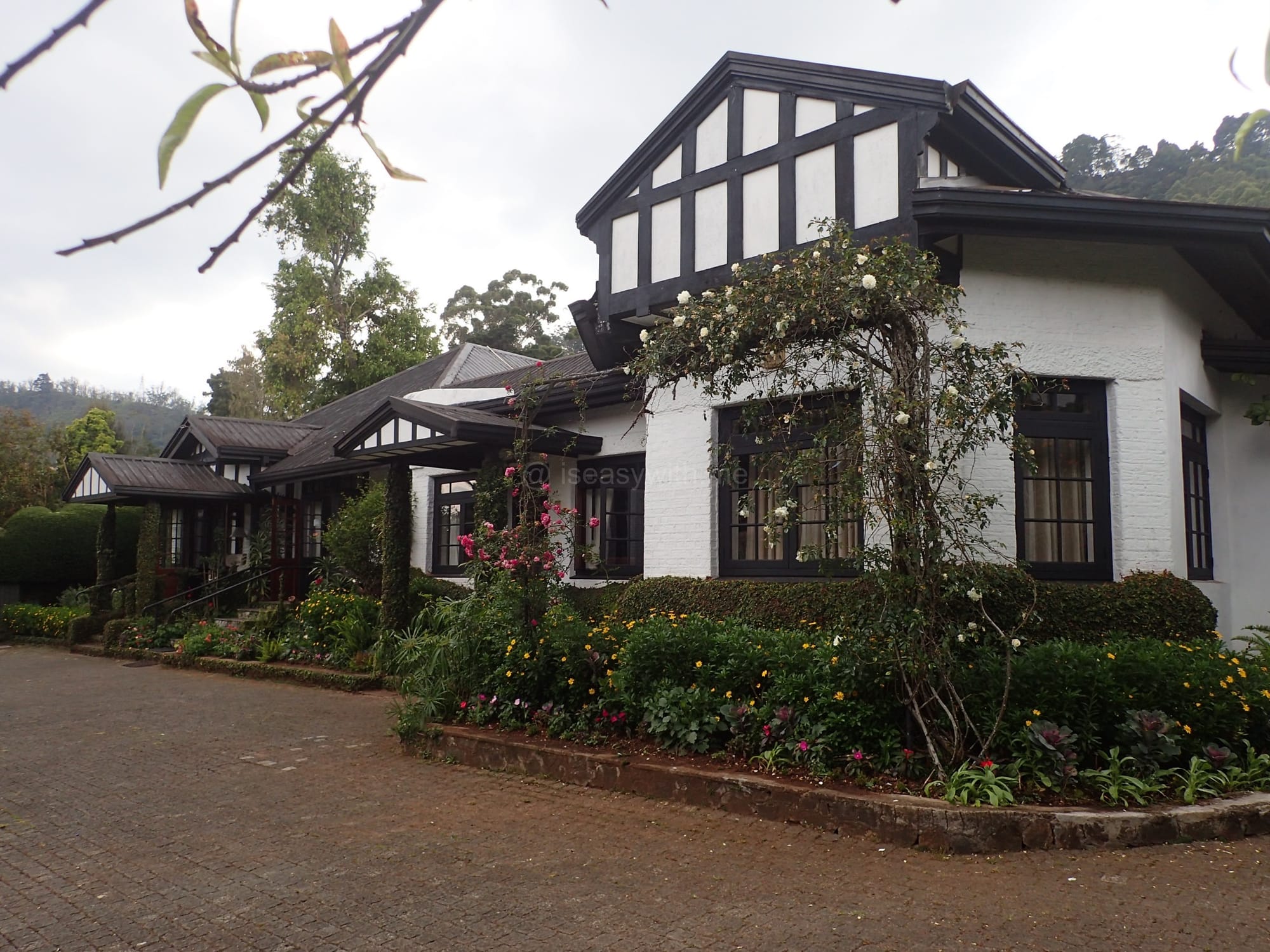
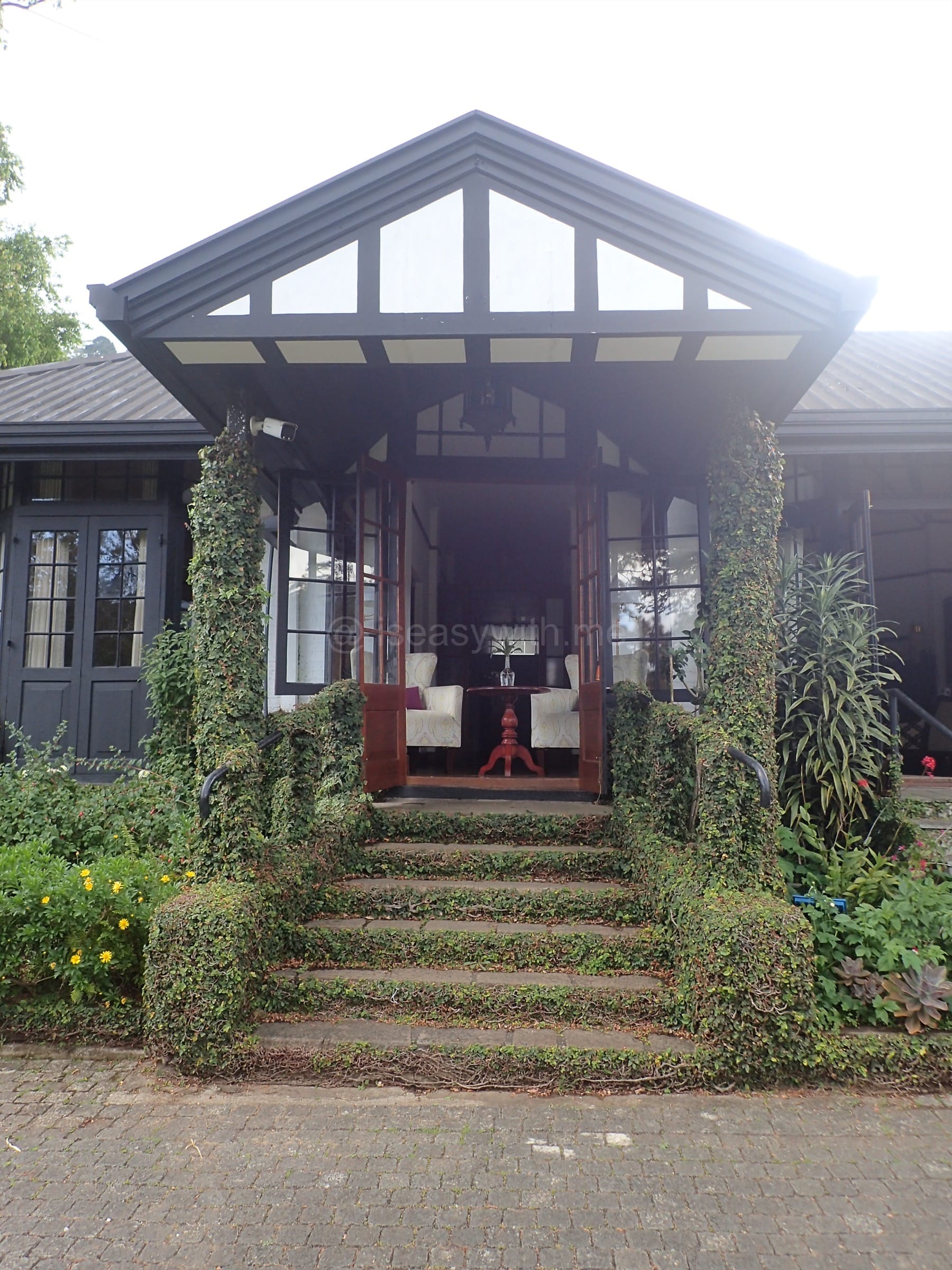
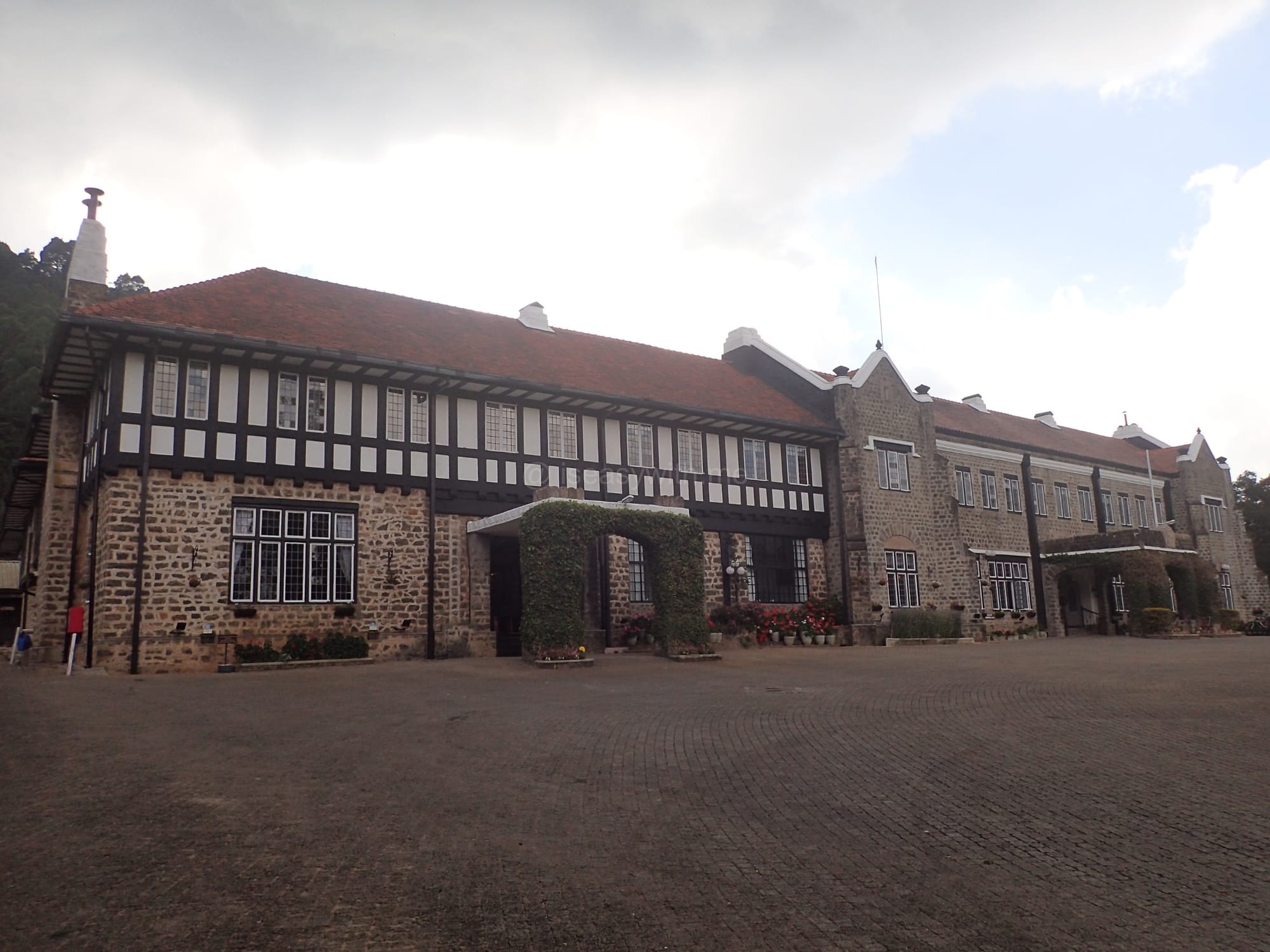
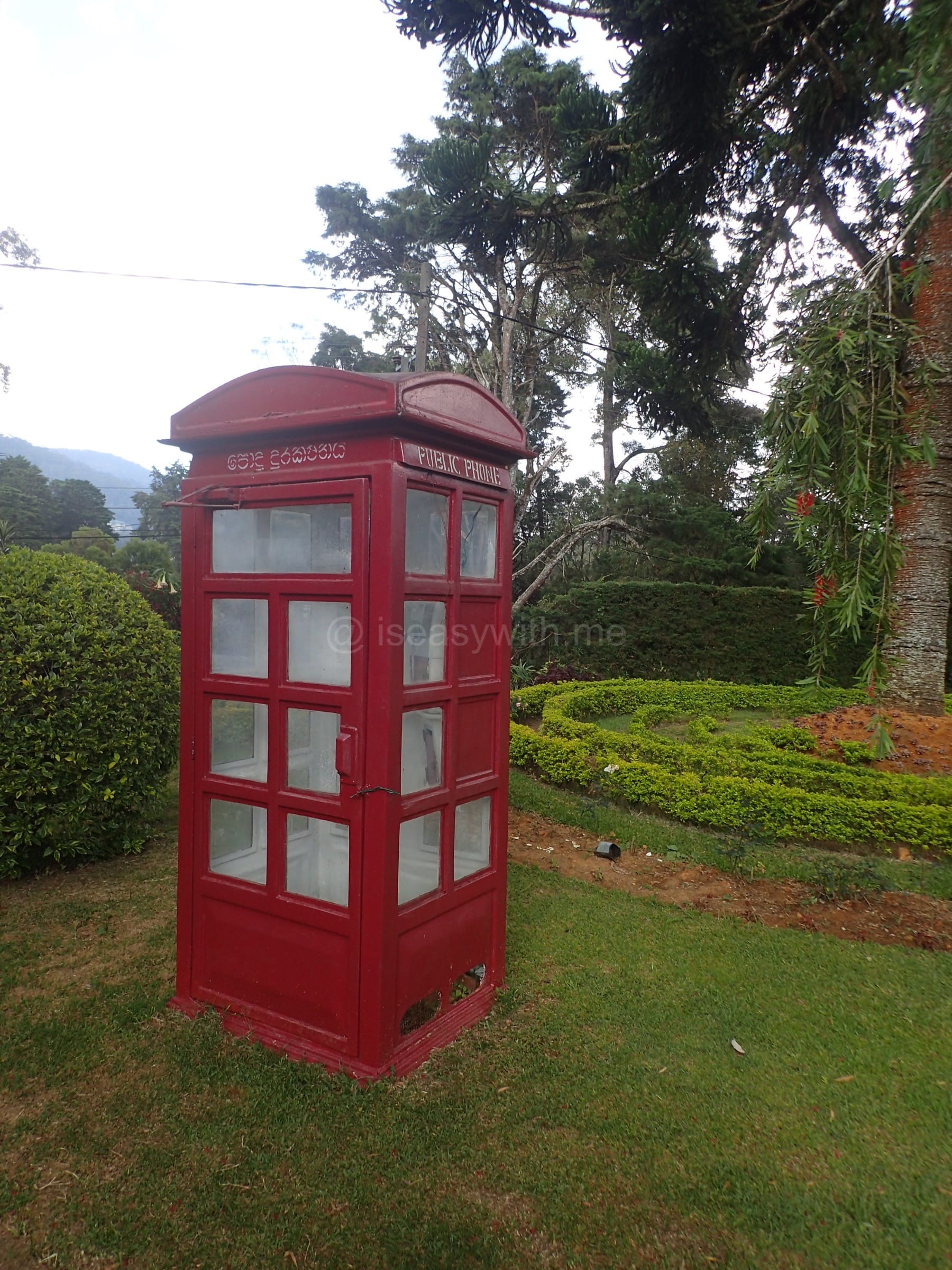
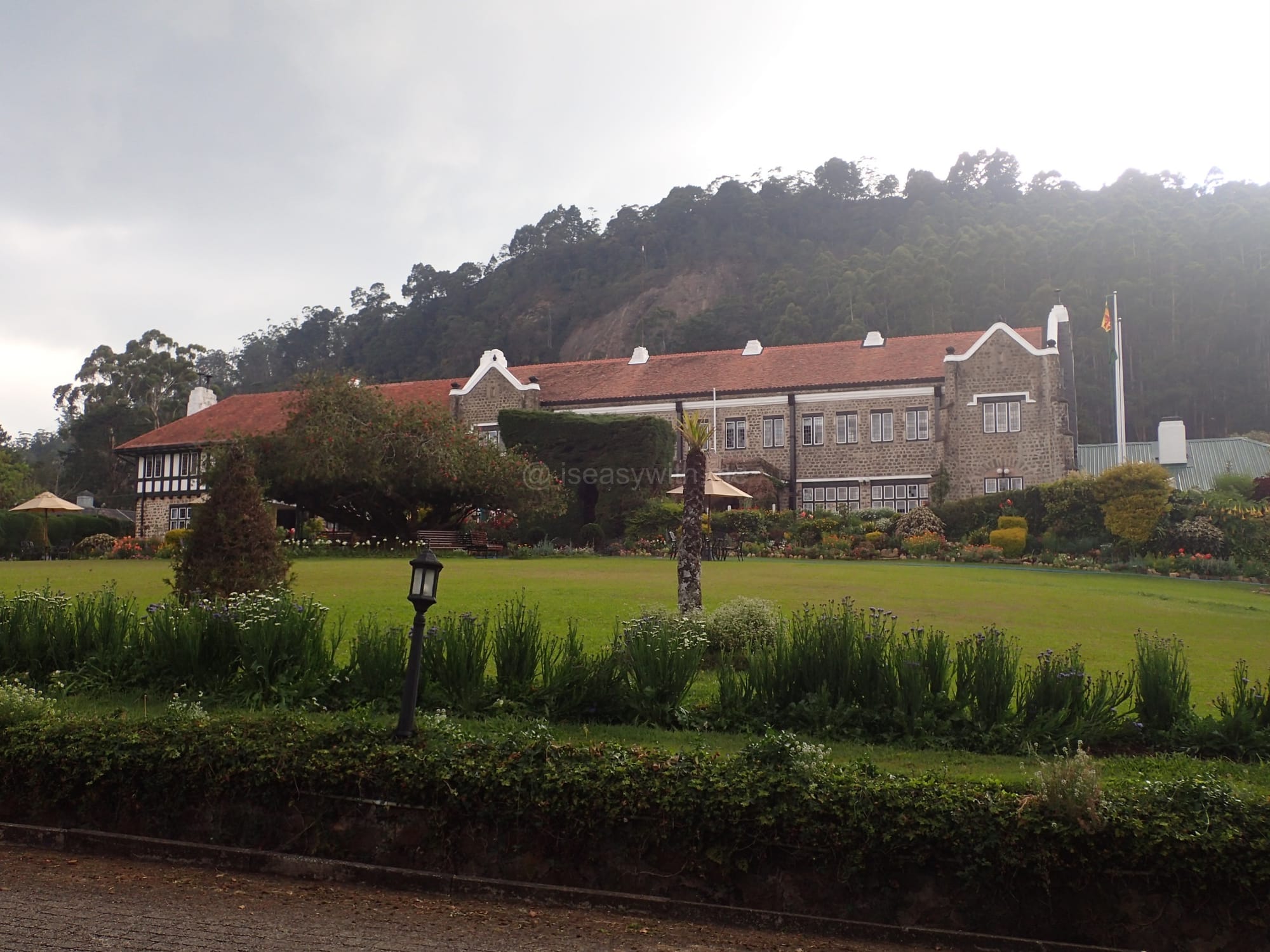
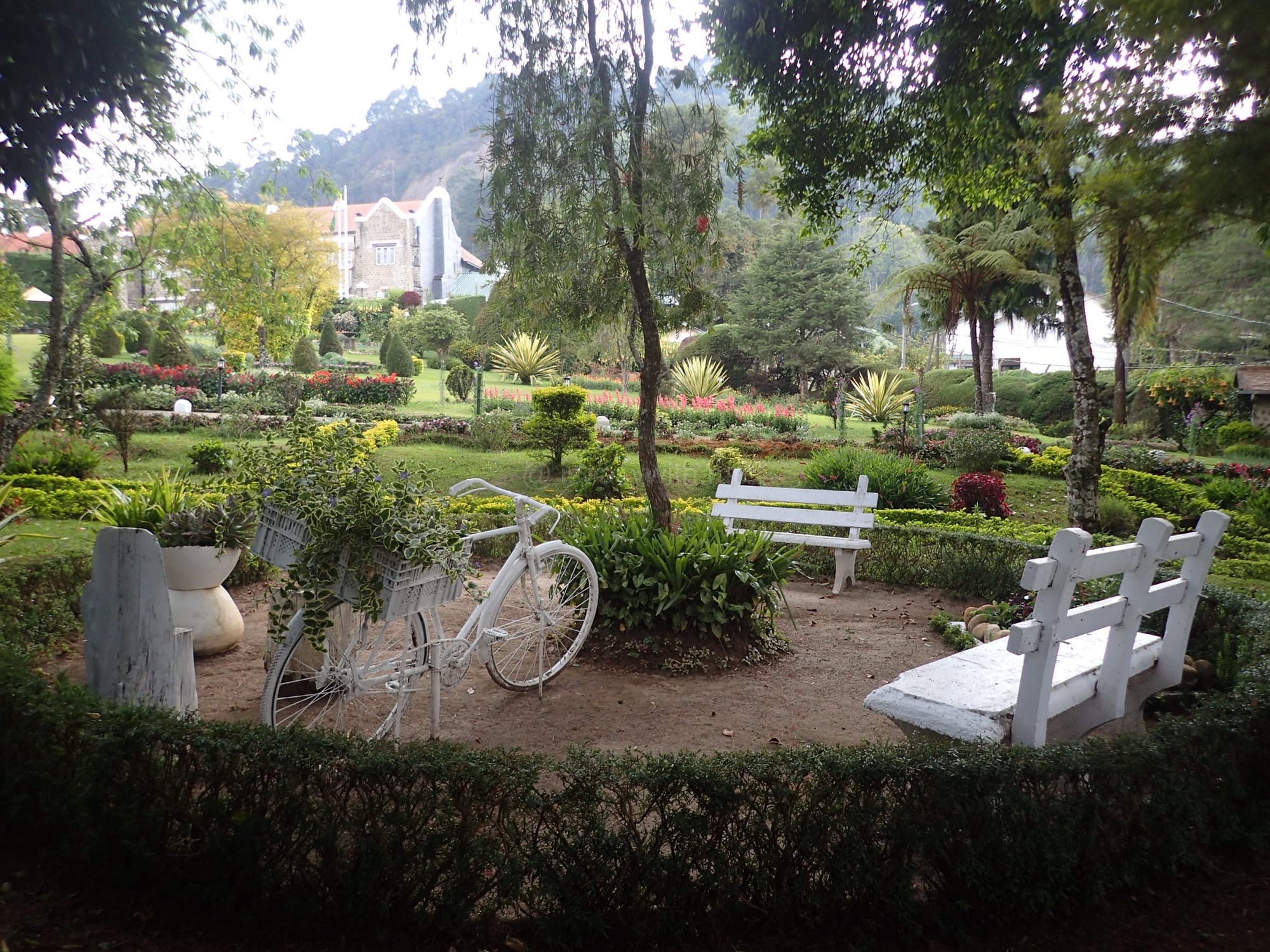
Hill Cottage
The historic estate is celebrated for its impeccable, rainbow-hued traditional gardens that blend seamlessly with the region's lush tropical foliage and misty mountain backdrops. Inside, the cosy heritage aesthetic is anchored by roaring brick fireplaces to keep the crisp mountain chill at bay, making it an idyllic retreat for travellers looking for a slow-paced, atmospheric stay in a genuine colonial plantation-era setting.
Holy Trinity Church
Built in the mid-19th century, Holy Trinity Church is one of the oldest Anglican churches in Sri Lanka. Surrounded by mature trees and peaceful gardens, the church offers a quiet reminder of Nuwara Eliya's colonial heritage. Its stone walls, stained-glass windows and traditional architecture provide a stark contrast to the Buddhist temples found throughout much of the country.
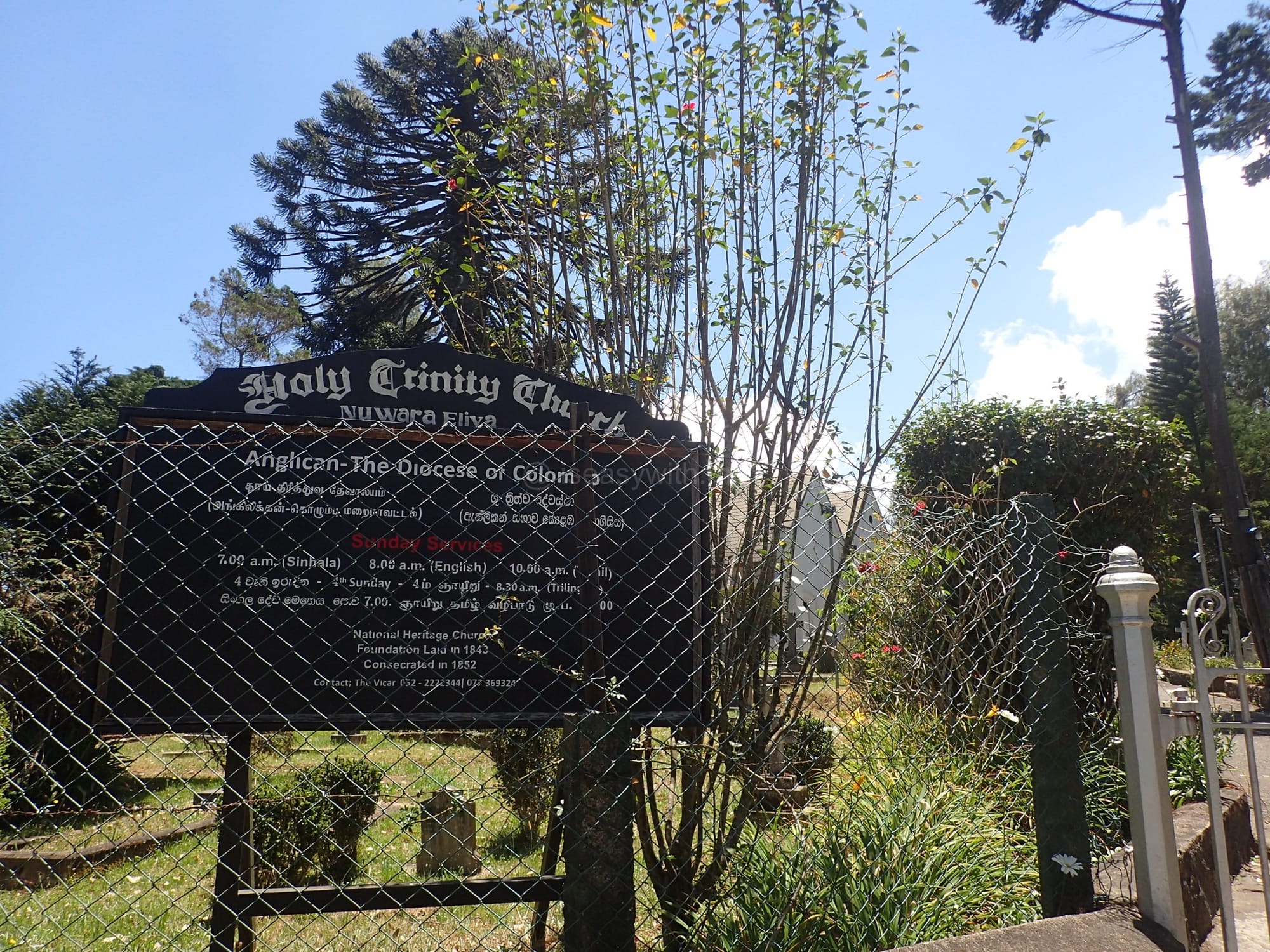
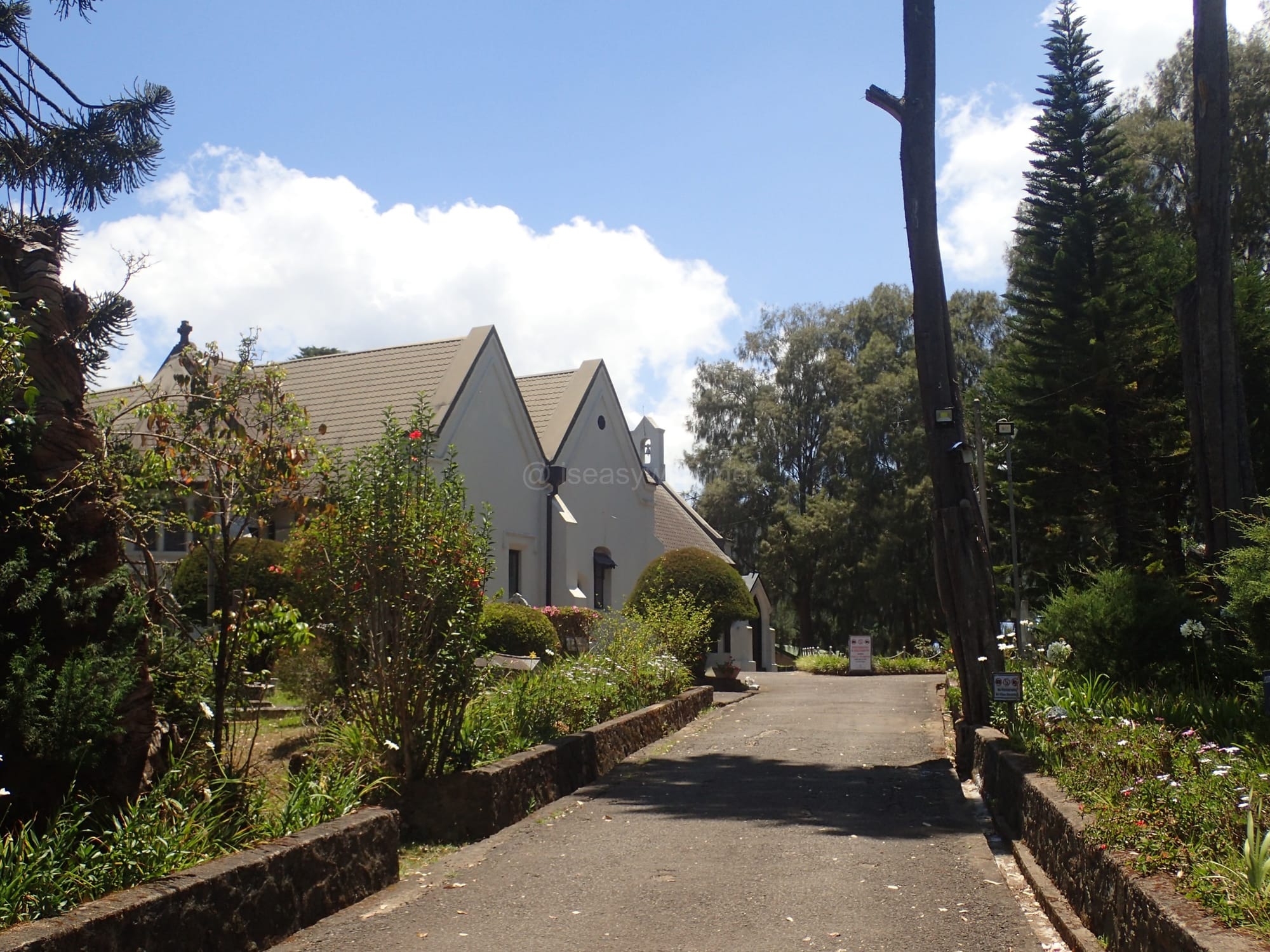
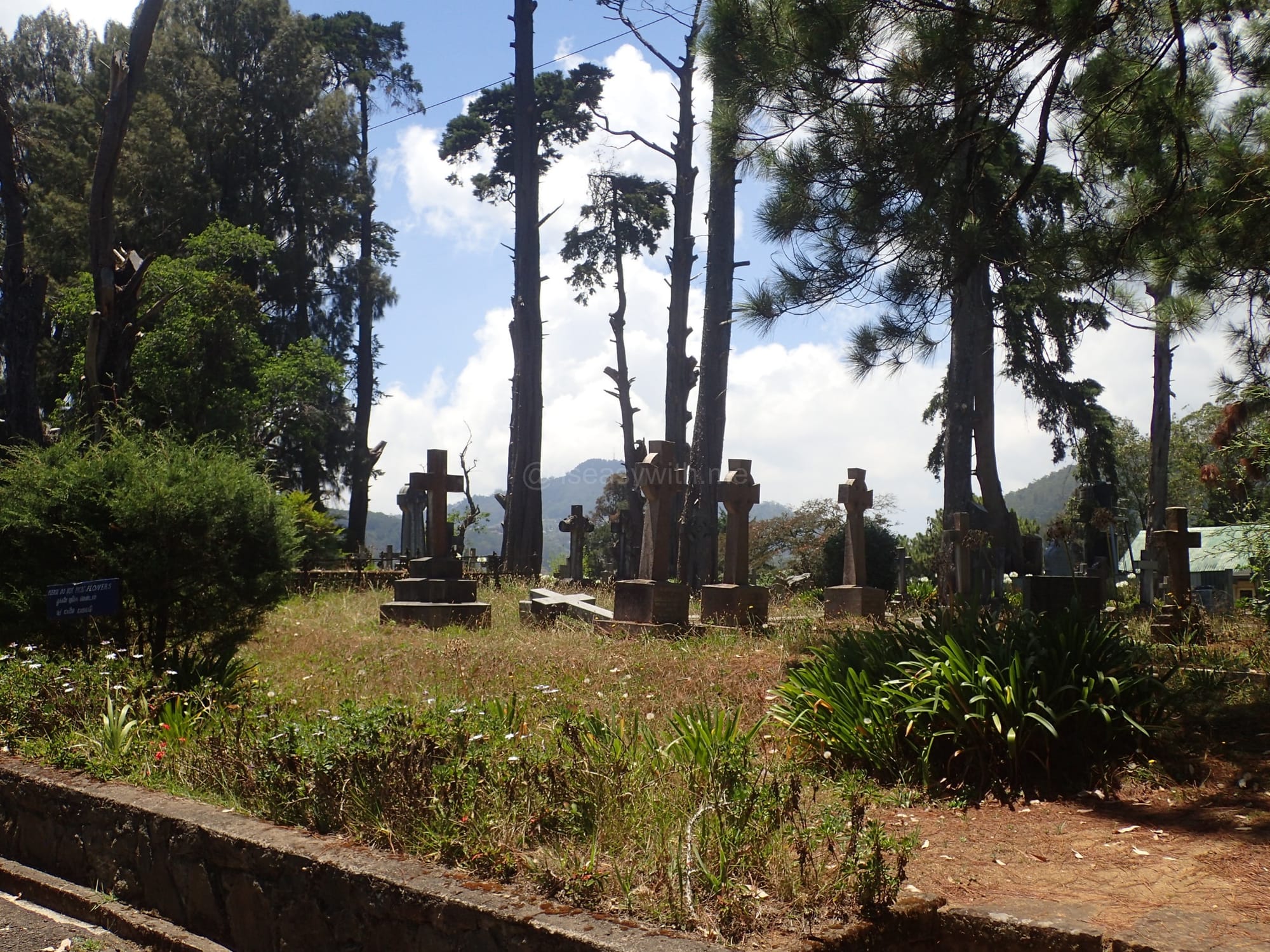
Holy Trinity Church
iseasywith.me Reality Check
Holy Trinity Church was unfortunately closed when I visited, despite appearing open in various online sources and travel guides. While you can still admire the beautiful colonial architecture and peaceful grounds from the outside, access to the interior may not always be available. If visiting the church is high on your itinerary, consider treating it as a bonus stop rather than a guaranteed attraction.
Lover's Leap Waterfall
Hidden among tea plantations on the outskirts of town, Lover's Leap Waterfall is one of Nuwara Eliya's most charming natural attractions. According to local legend, the waterfall takes its name from a tragic royal love story involving a prince and a village maiden. Today, visitors are more likely to remember the scenic walk through tea estates and the beautiful views surrounding the falls. the waterfall is particularly impressive after rainfall and offers a peaceful escape from the town centre.
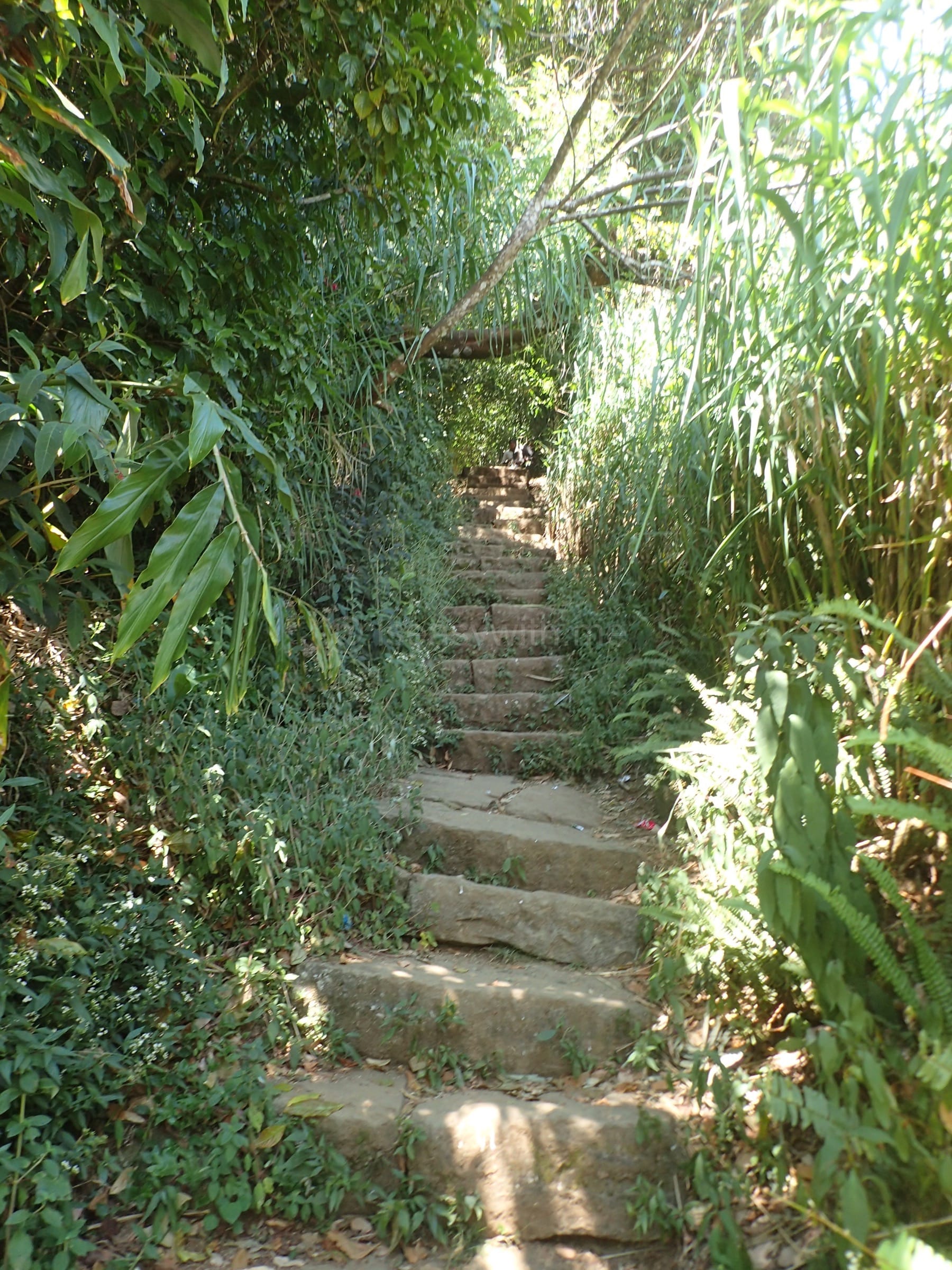
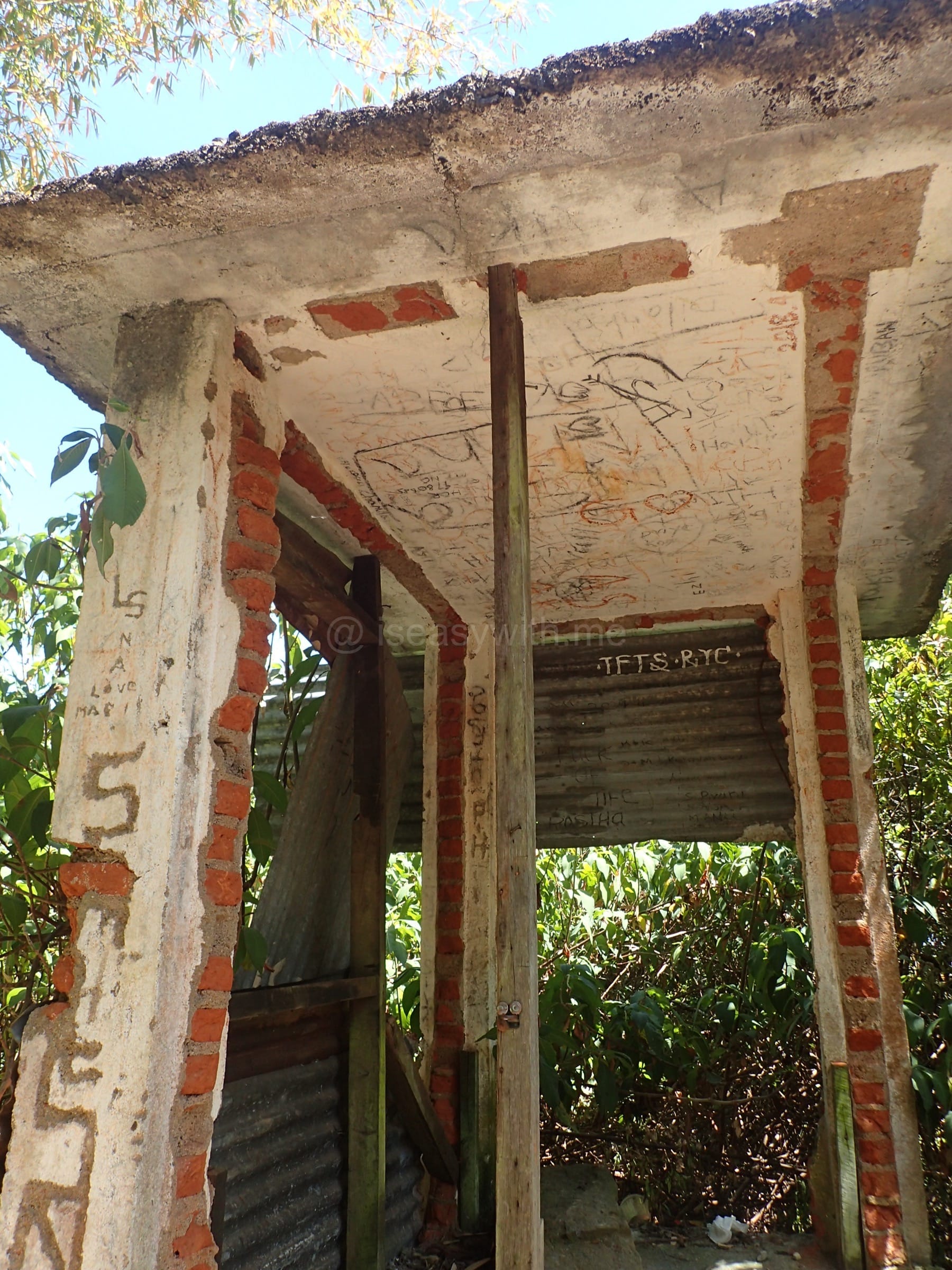
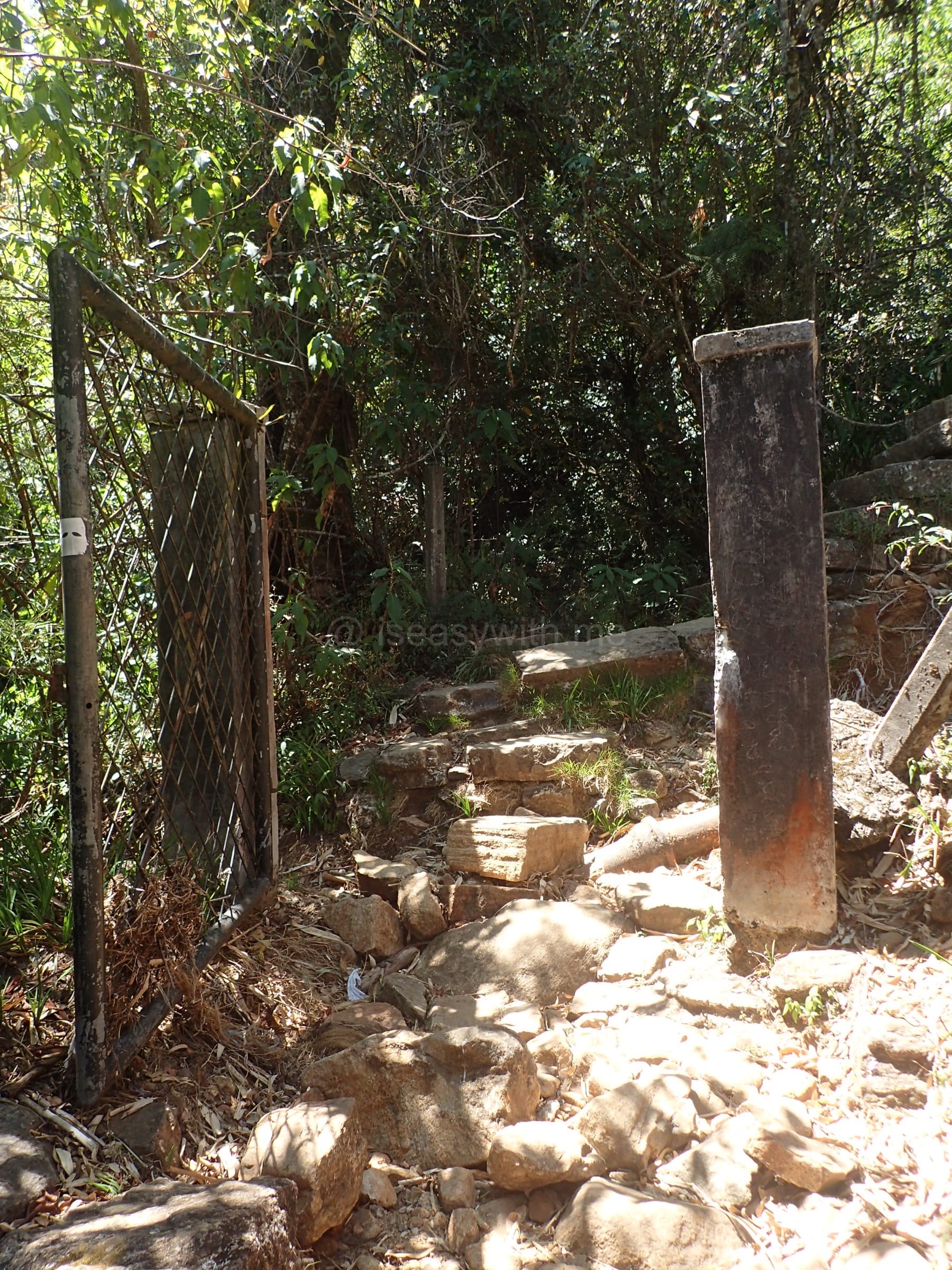
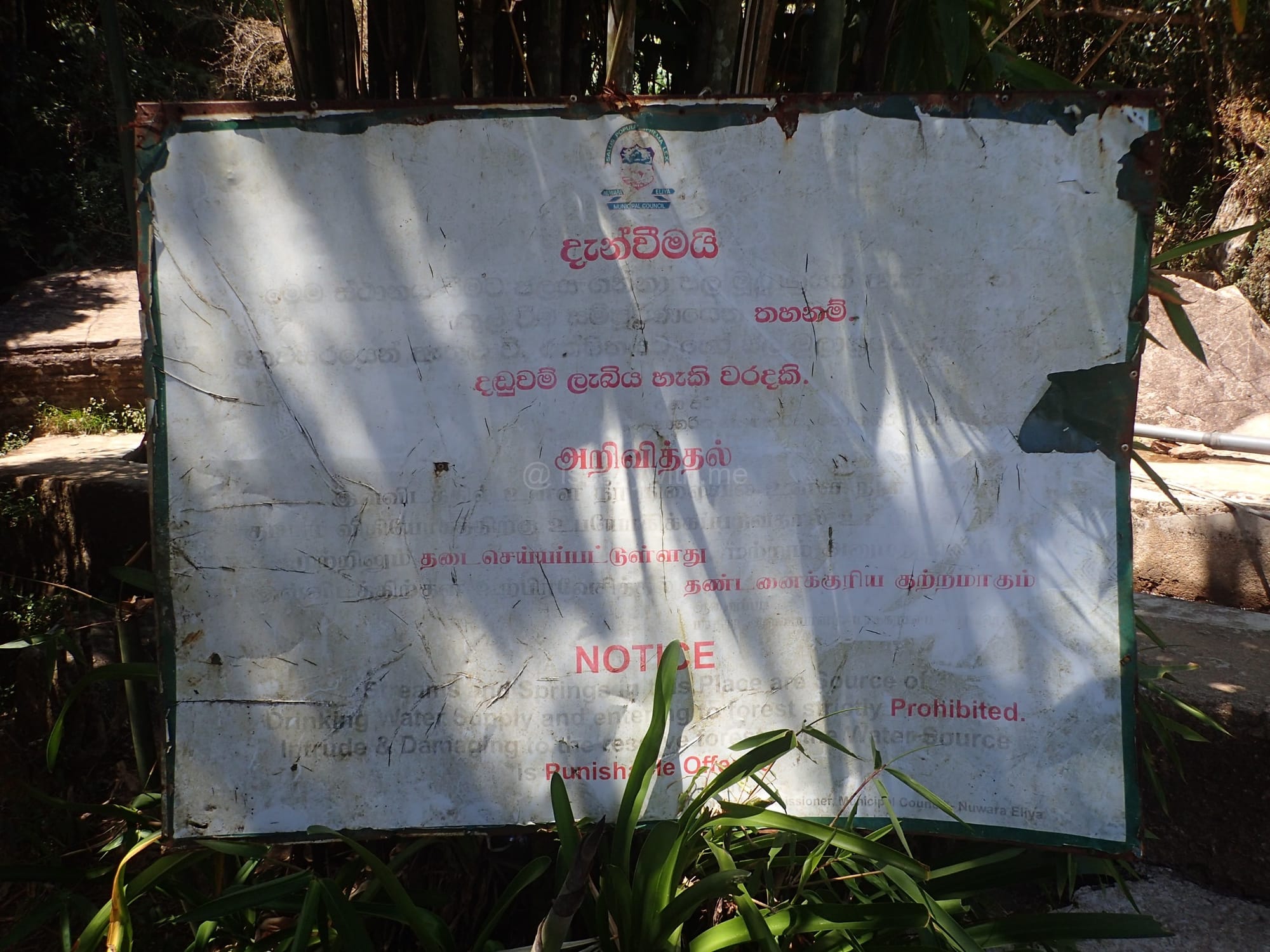
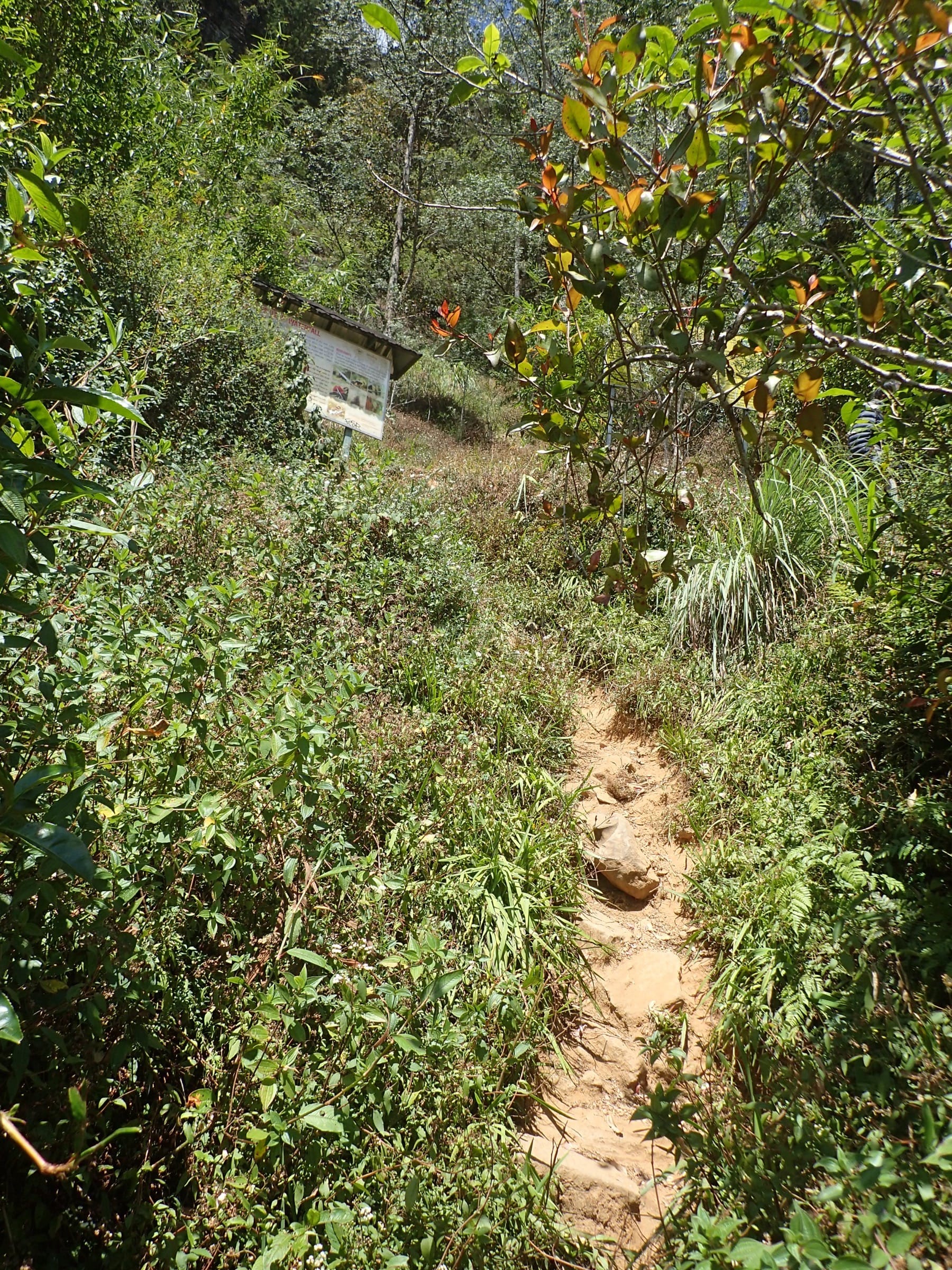
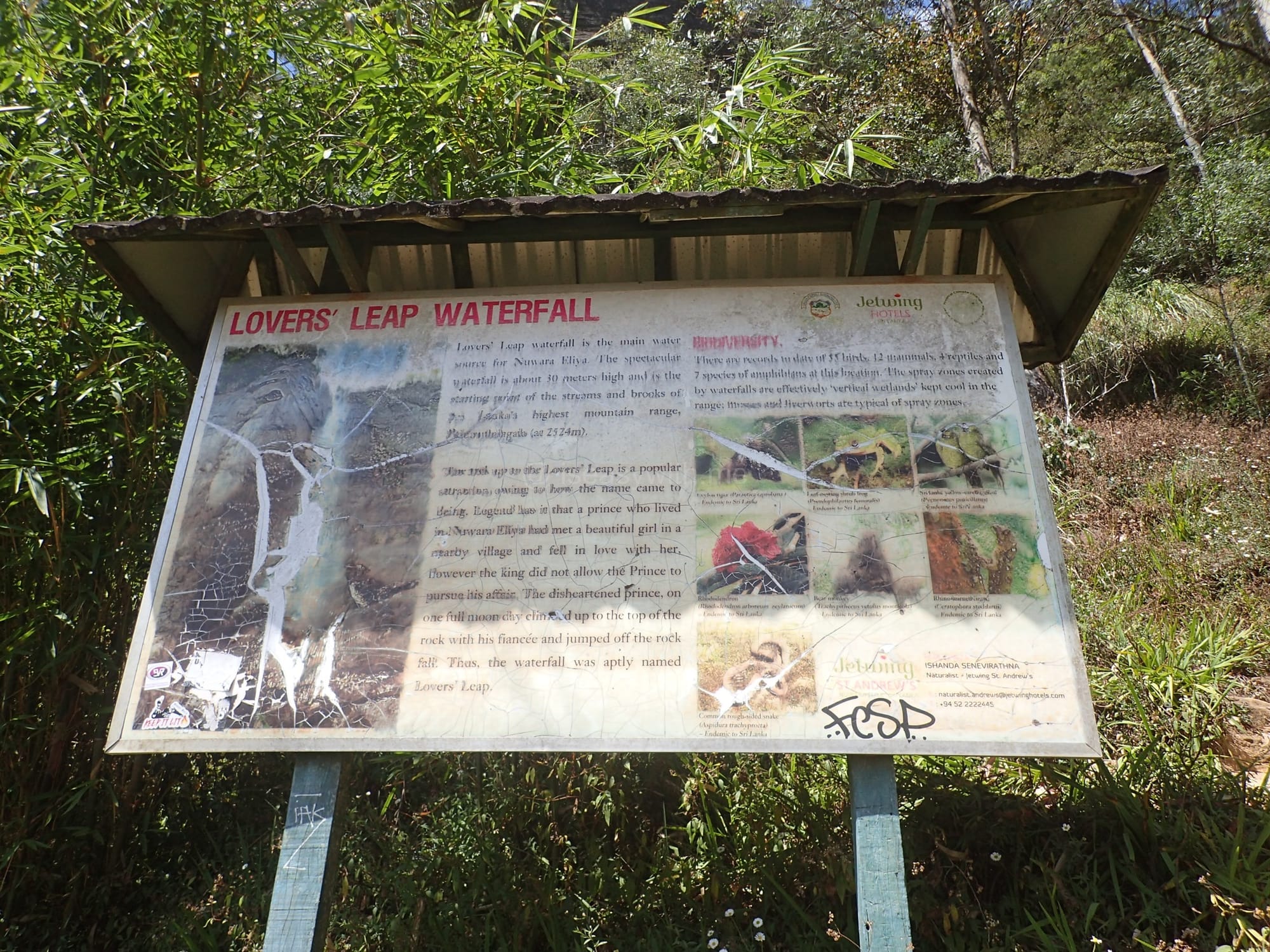
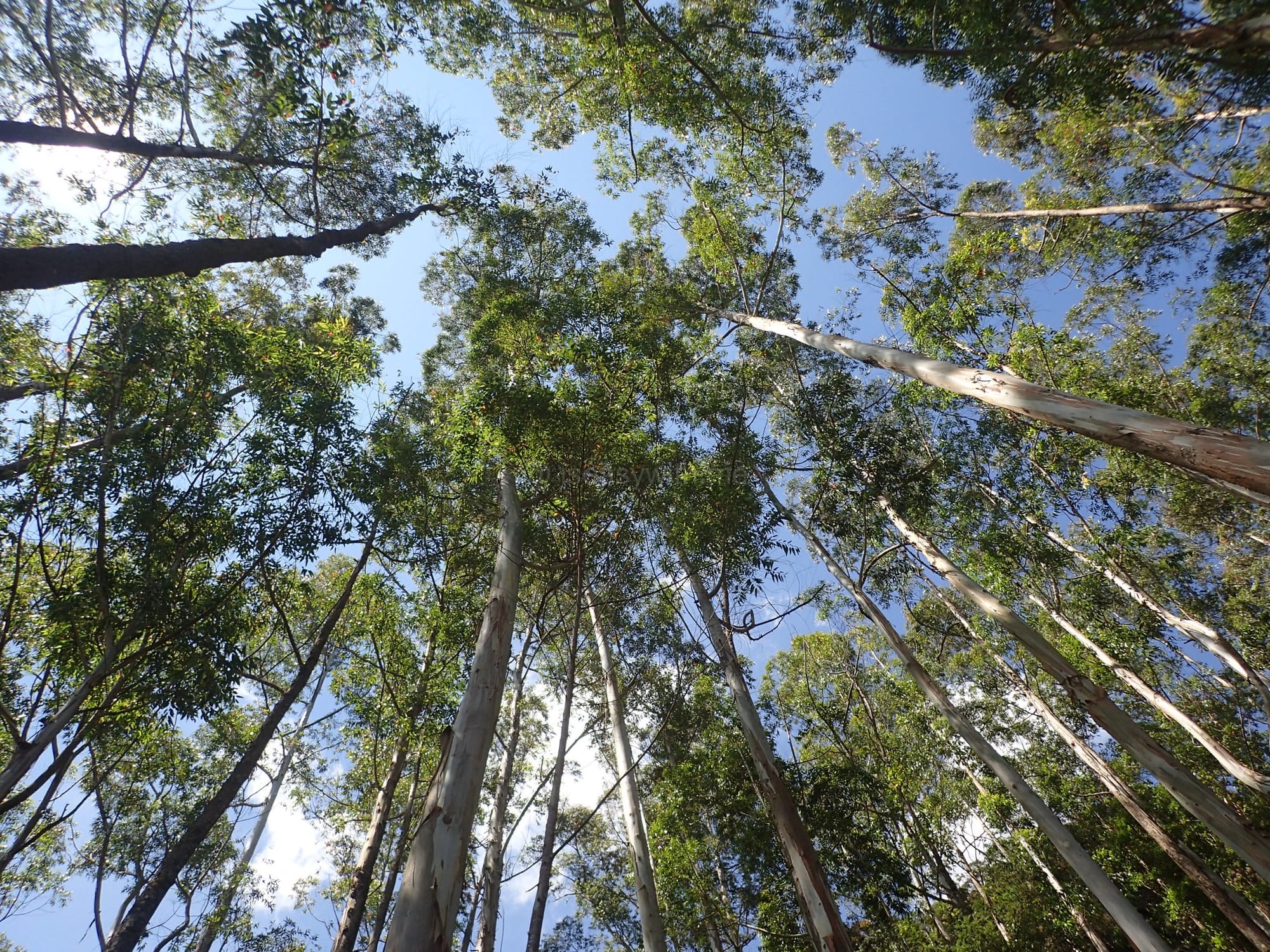
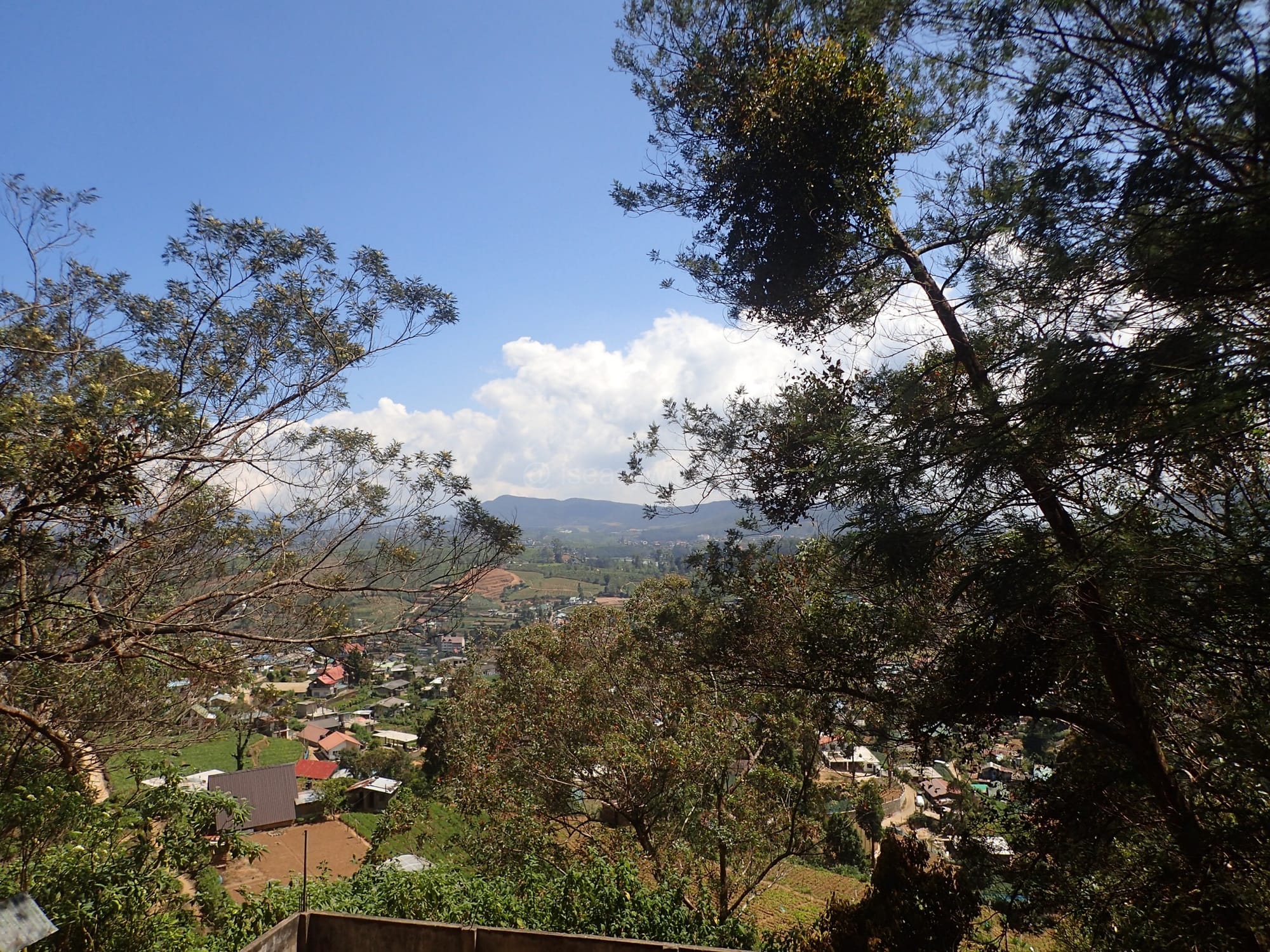
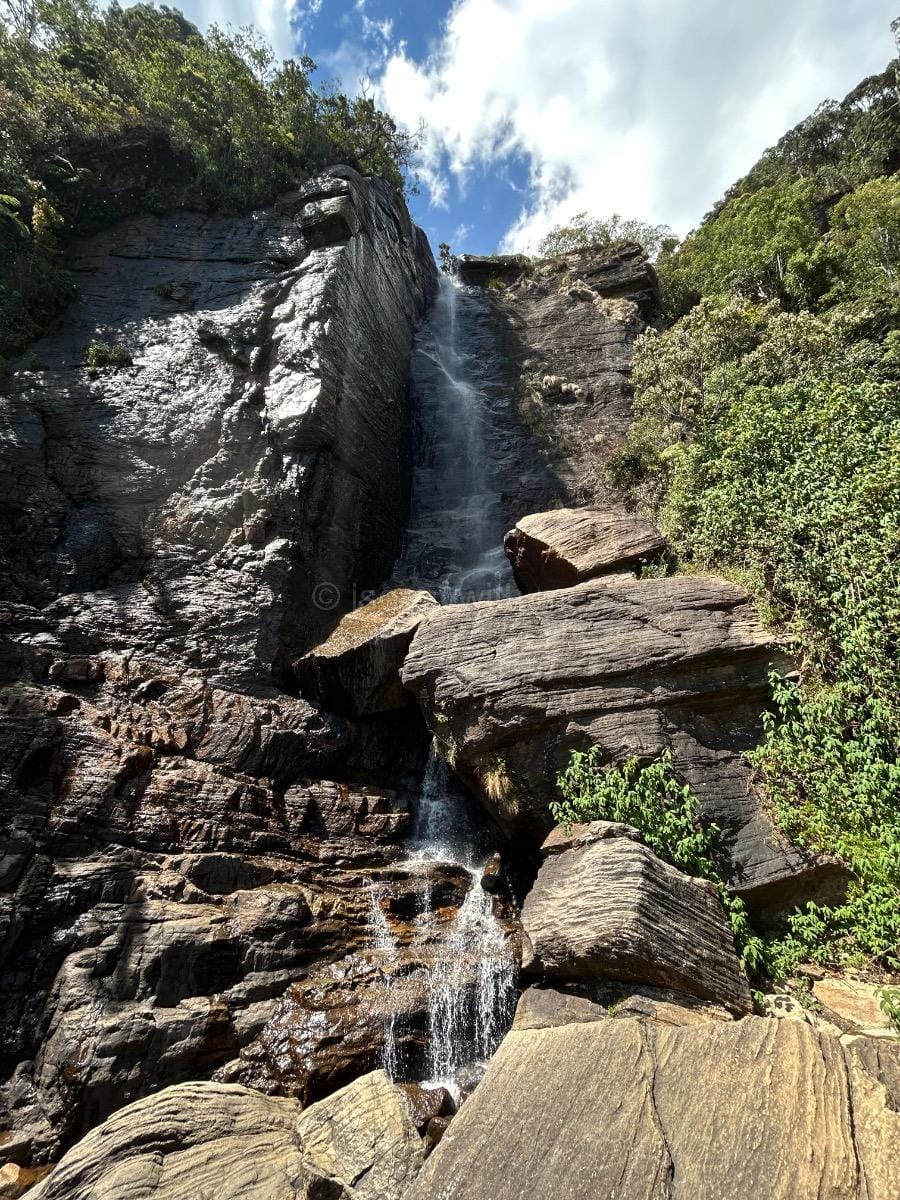
Lover's Leap Waterfall
Post Office
Perhaps the most photographed building in Nuwara Eliya, the Post Office stands as one of the finest surviving examples of British colonial architecture in Sri Lanka. Constructed in distinctive Tudor style with red brick walls and steep roofs, the building looks as though it belongs in a small English countryside village rather than the middle of South Asia. It remains a fully functioning post office and is a popular stop for travellers wishing to send postcards home.
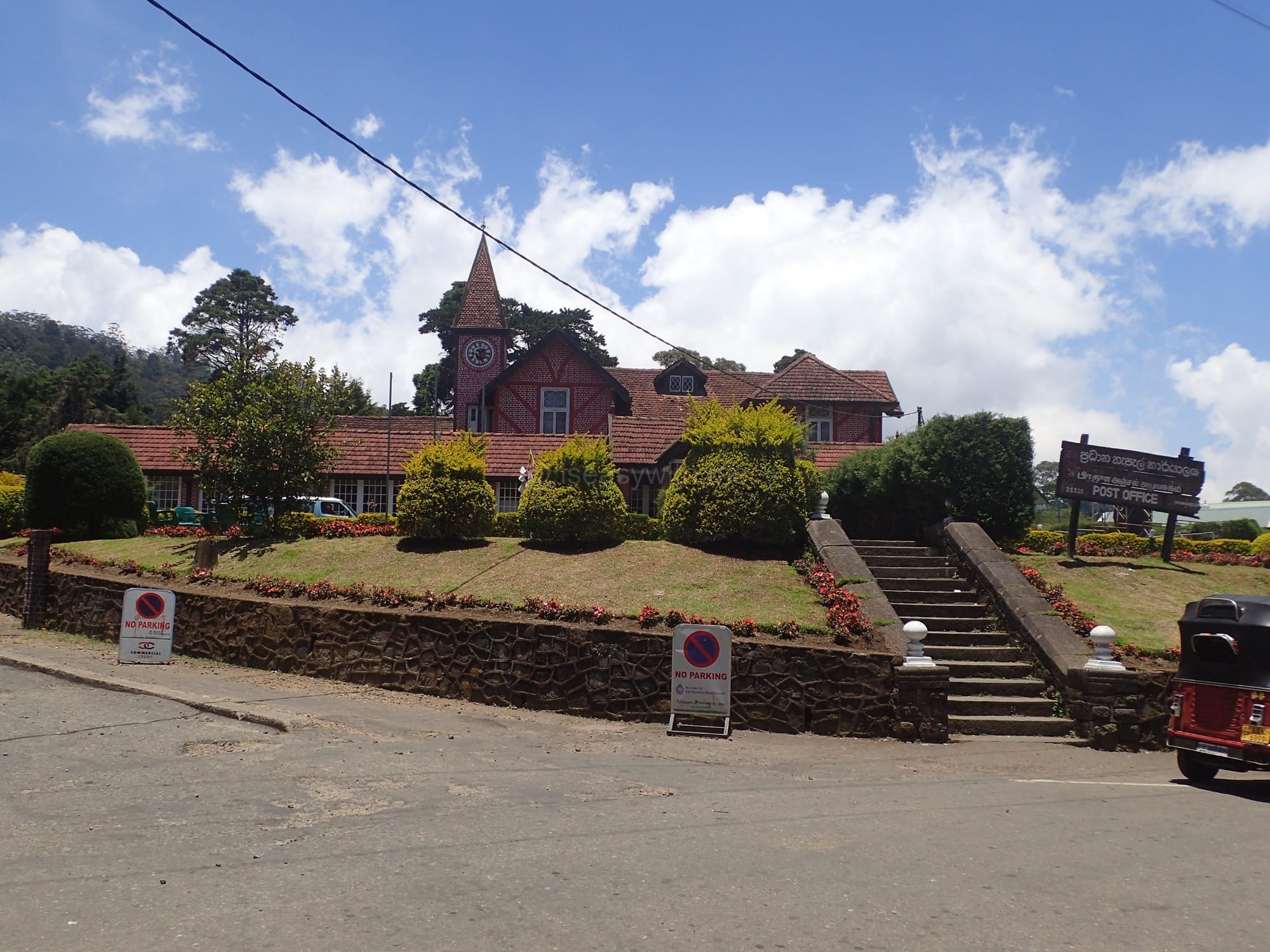
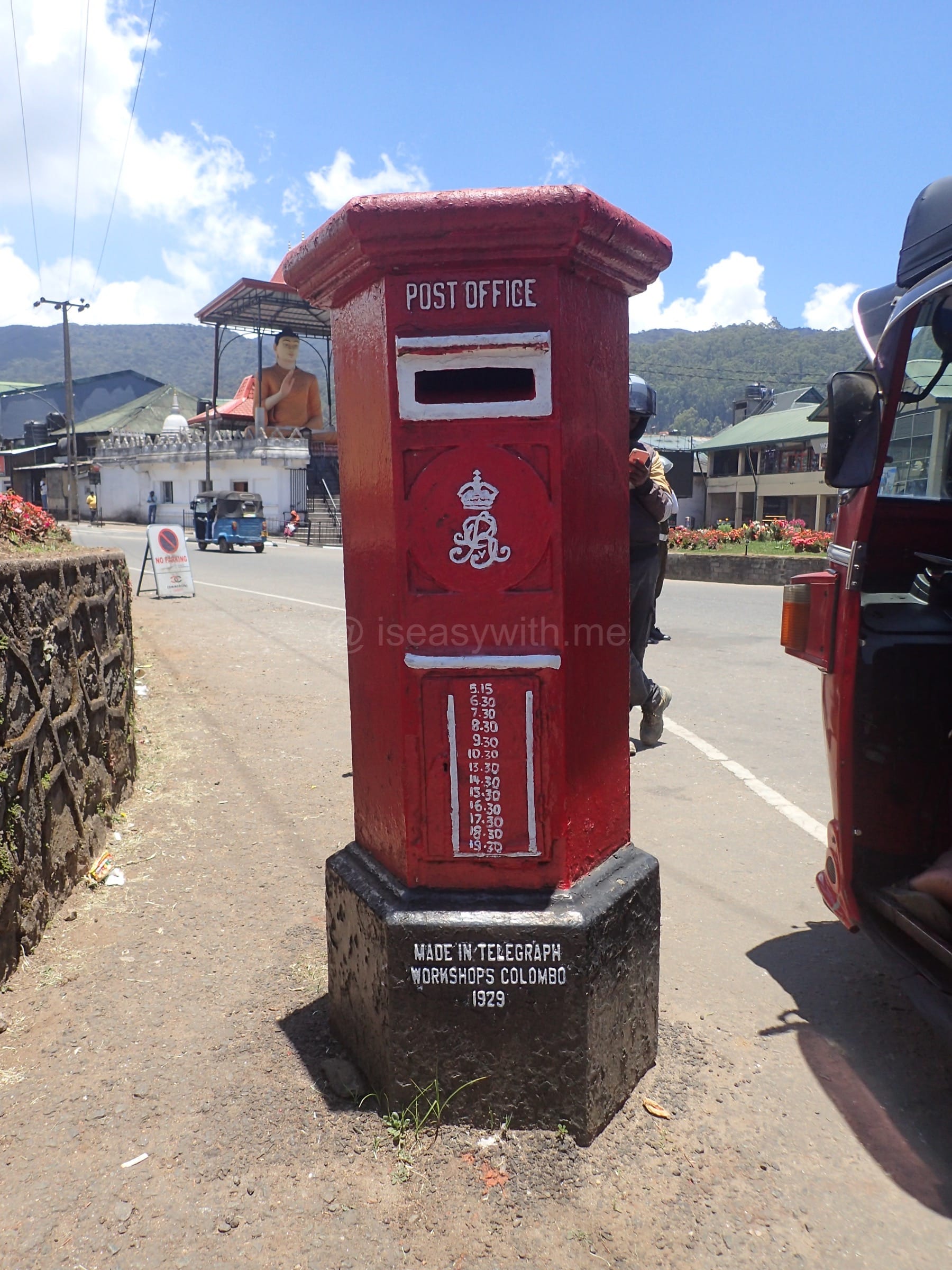
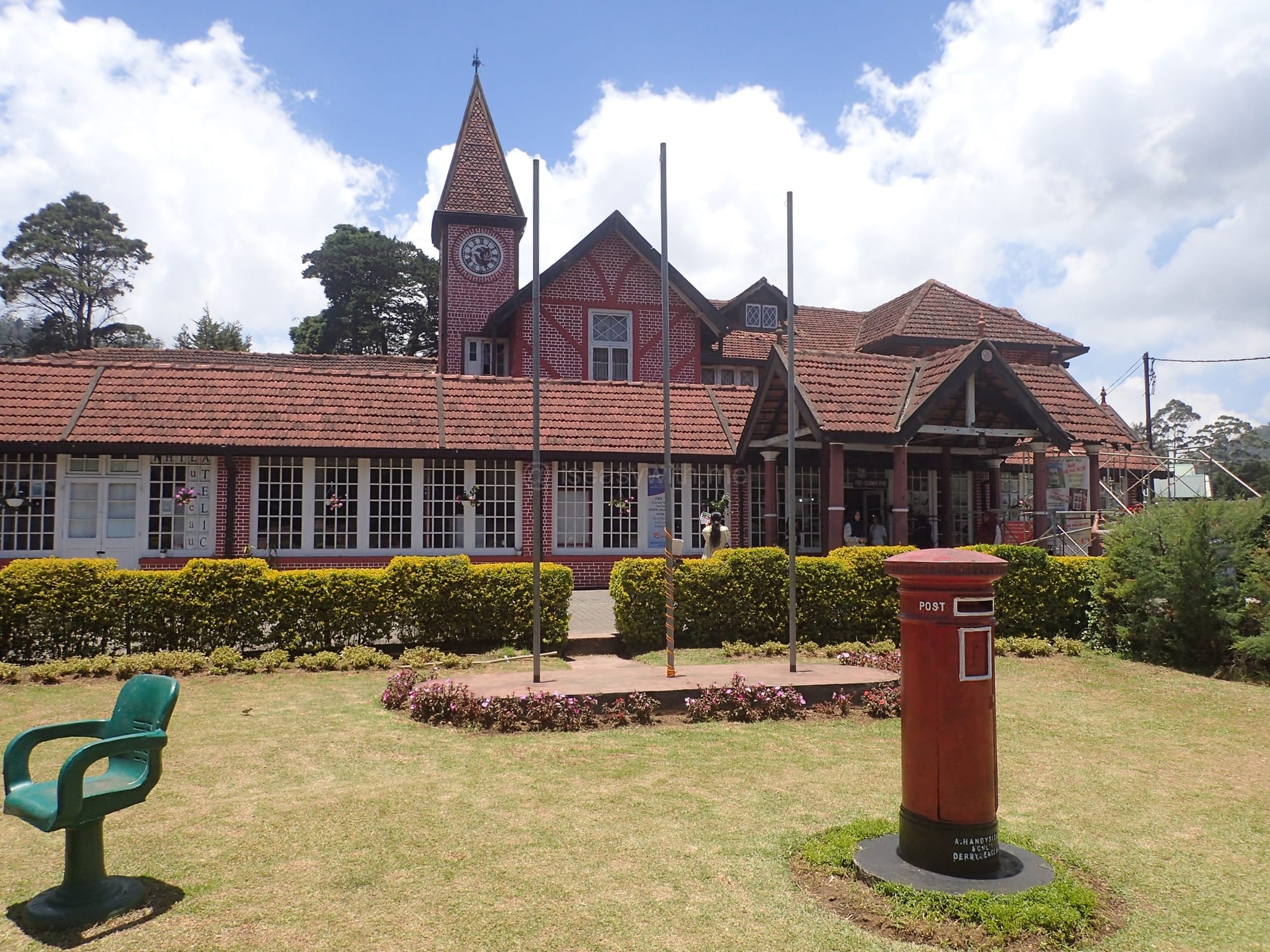
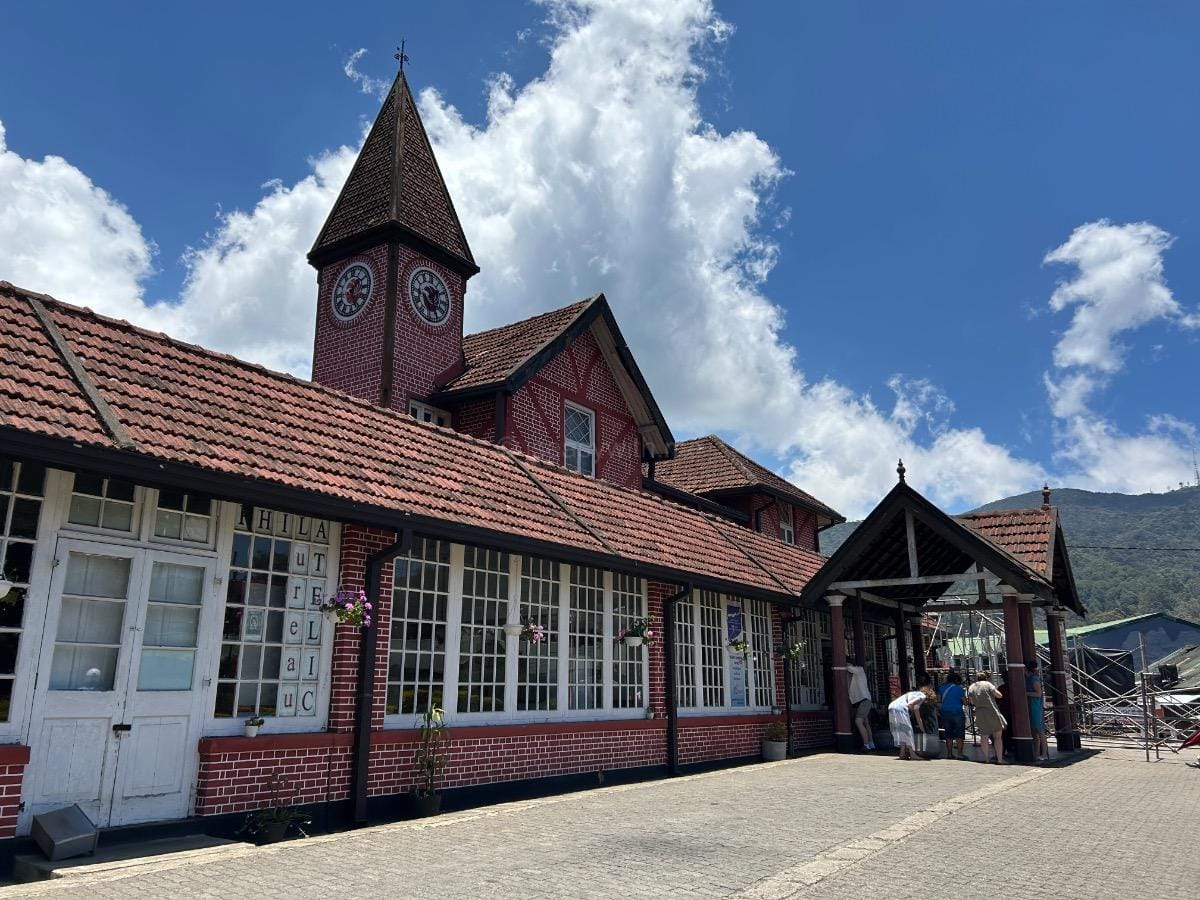
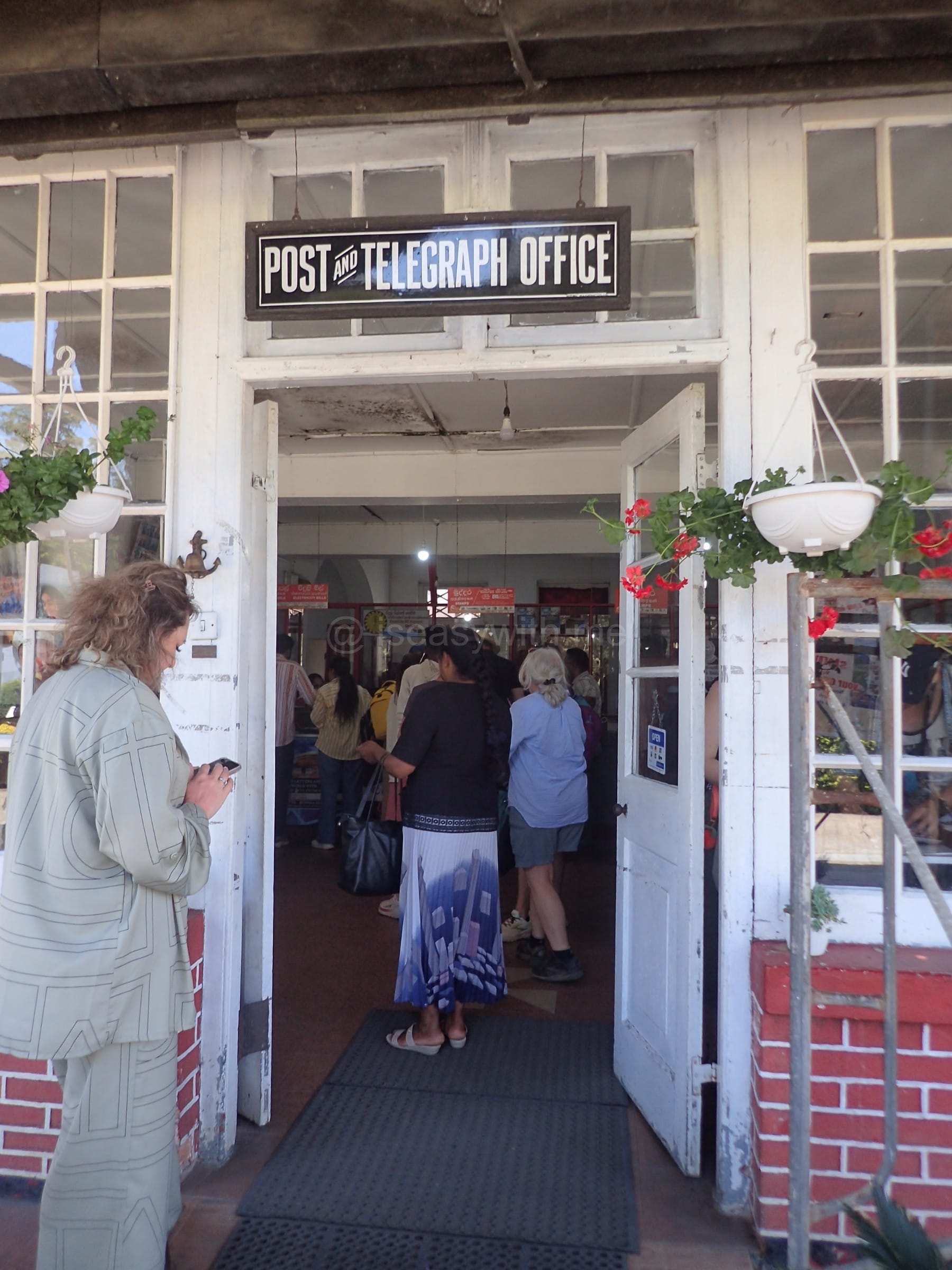
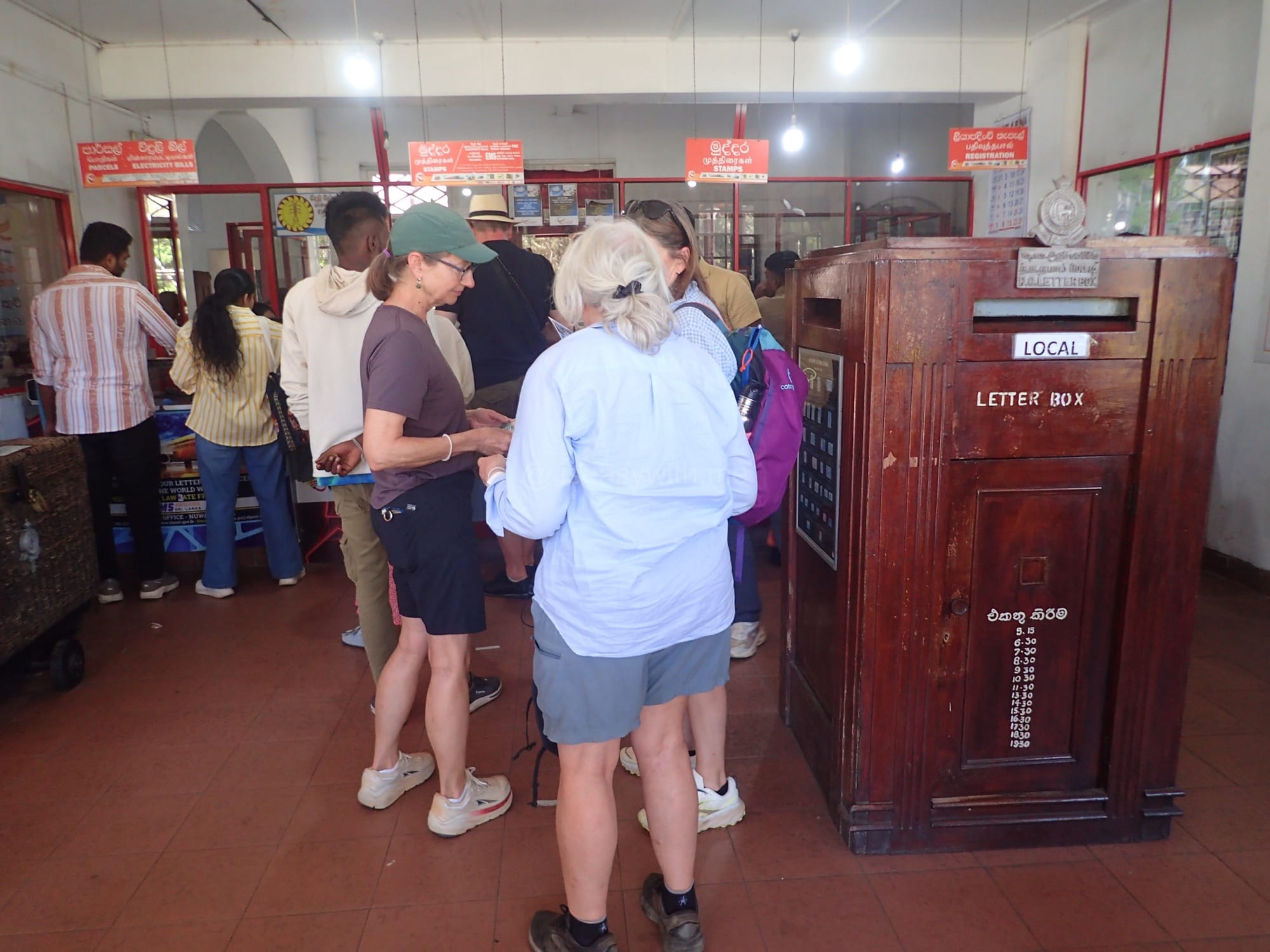
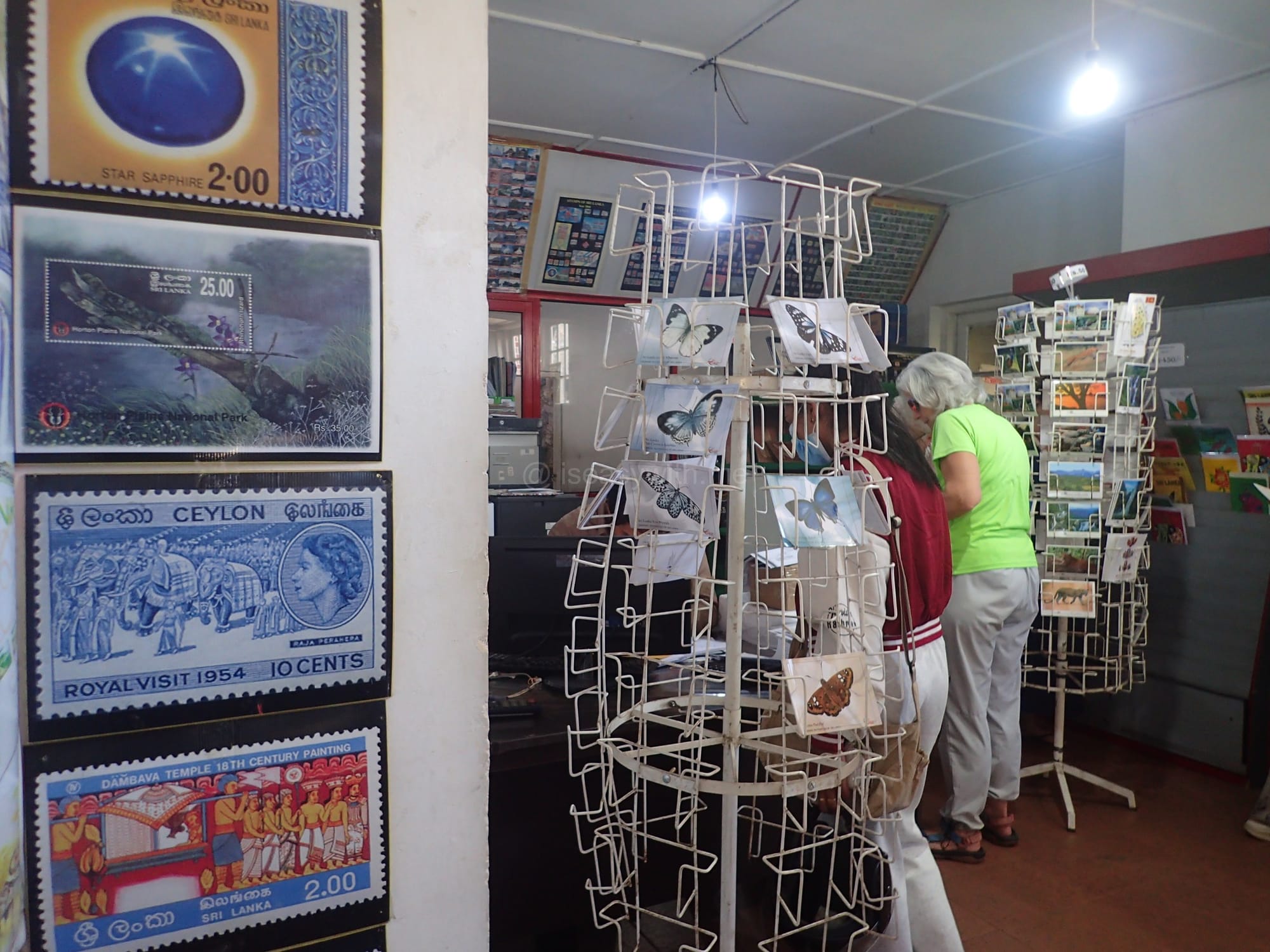
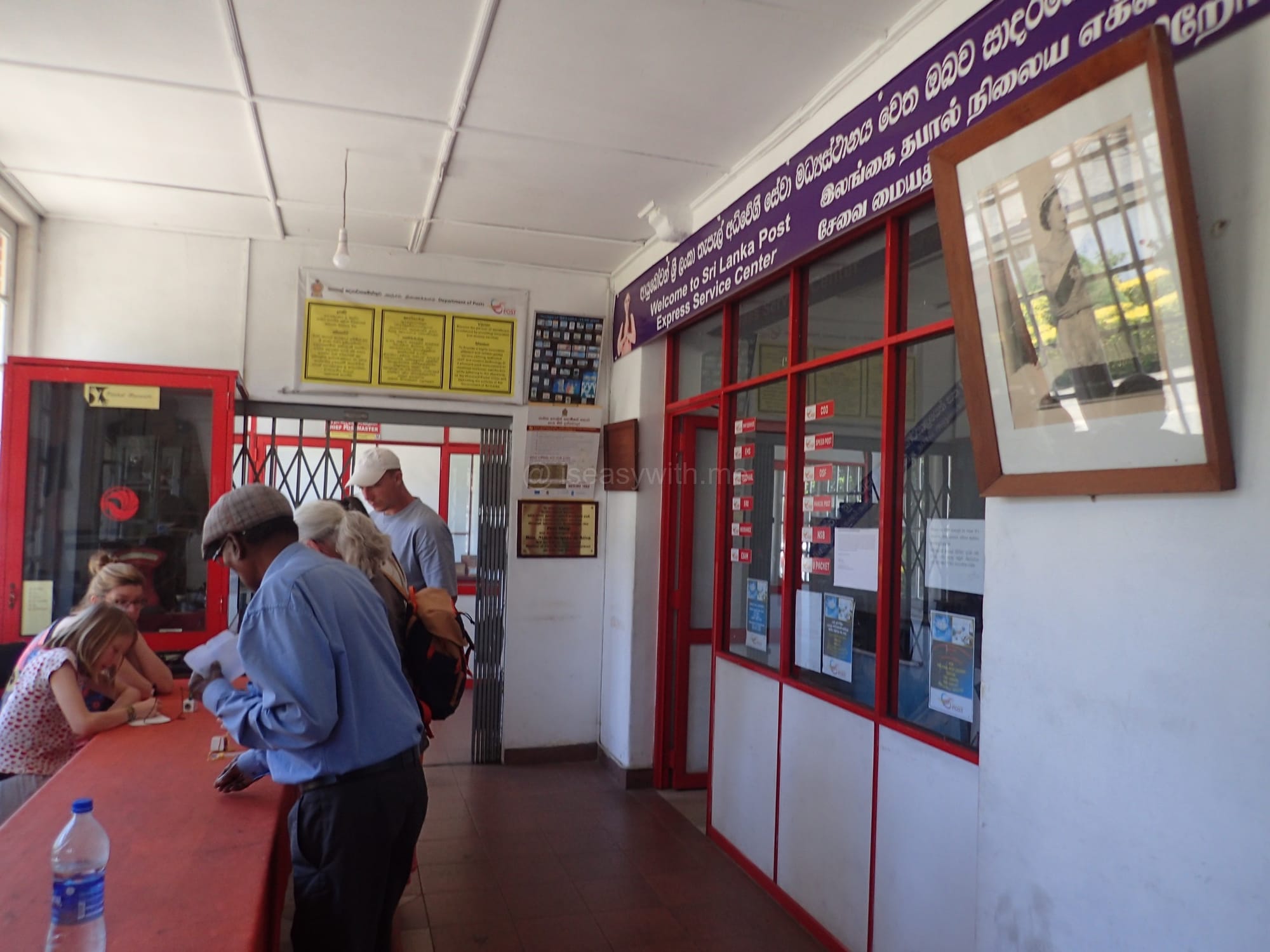
Post Office
The Grand Hotel
Few places embody Nuwara Eliya's colonial heritage better than The Grand Hotel. Originally built as the residence of a British governor, the property was later transformed into one of Sri Lanka's most prestigious hotels. Its elegant architecture, manicured gardens and old-world atmosphere make it one of the town's most iconic landmarks. Even if you're not staying overnight, stopping by for afternoon tea is considered something of a Nuwara Eliya tradition.
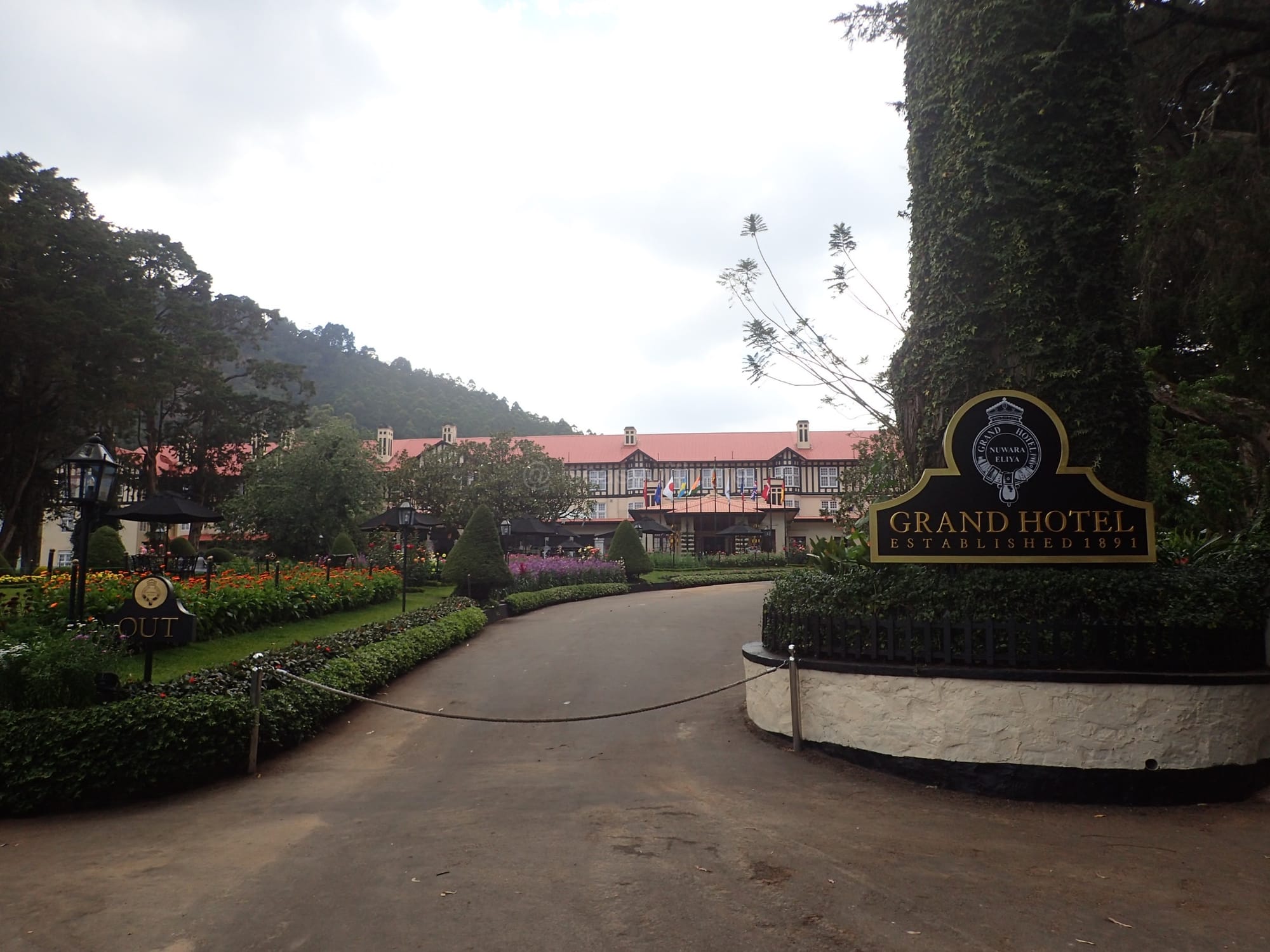
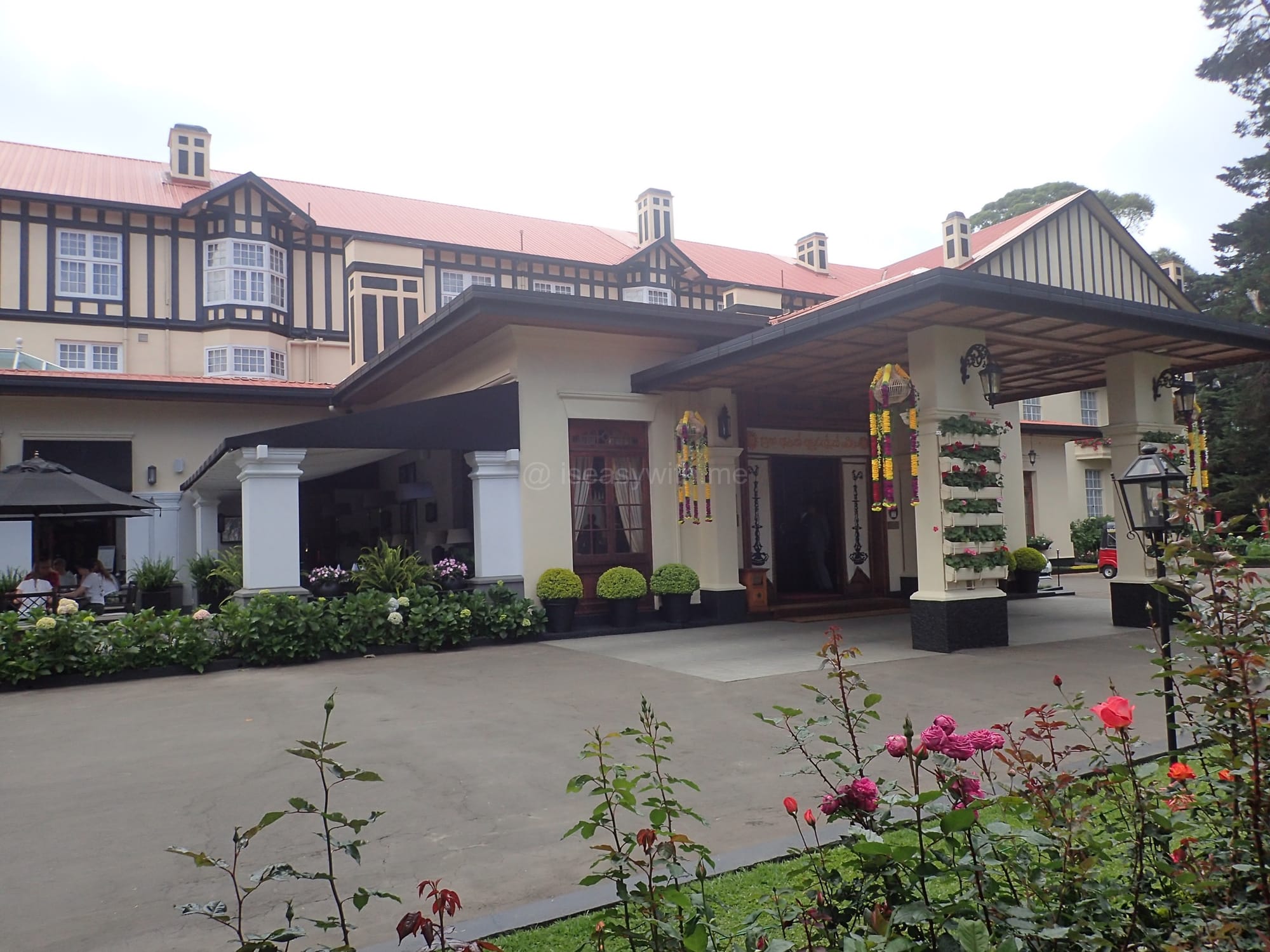
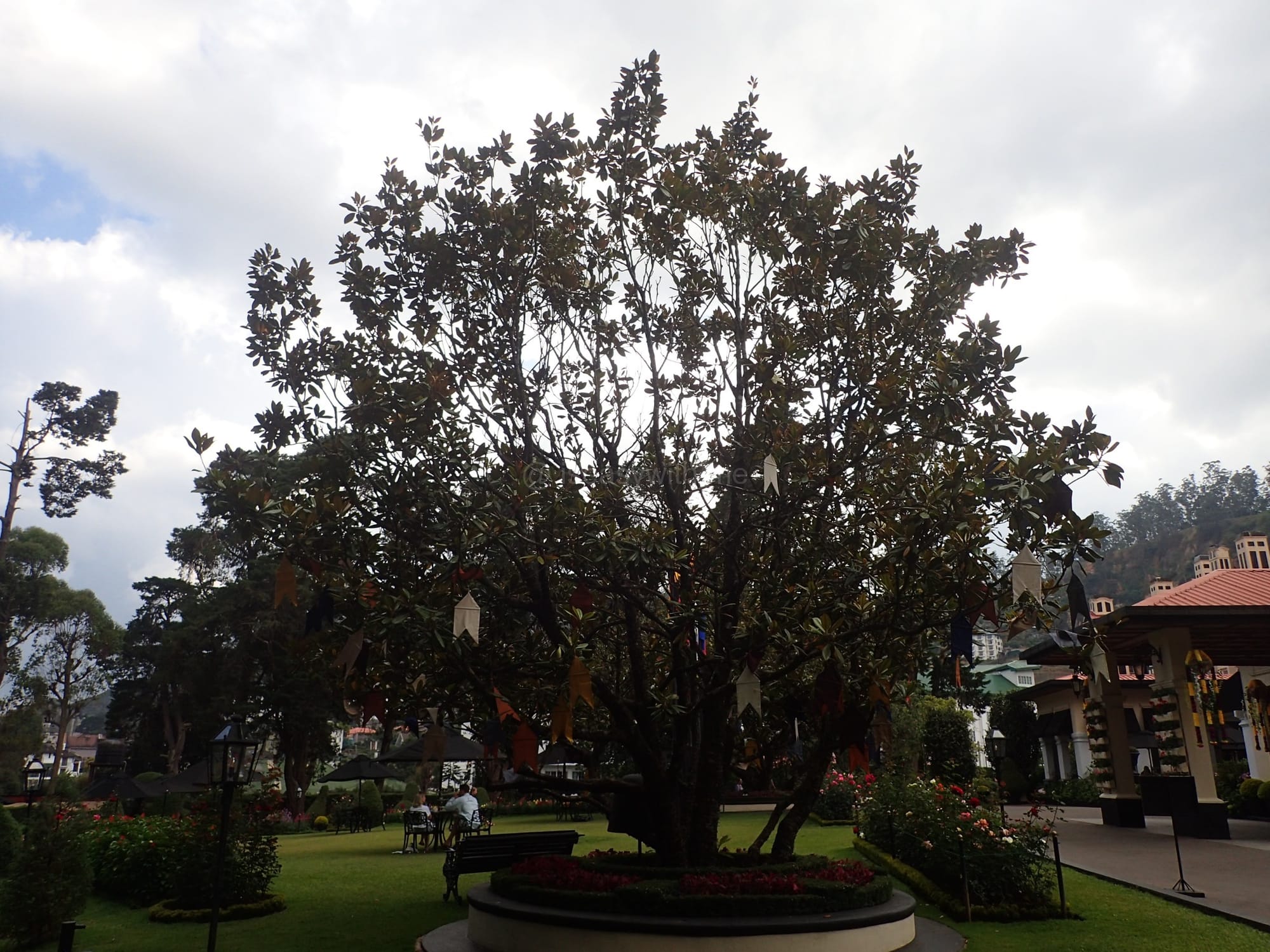
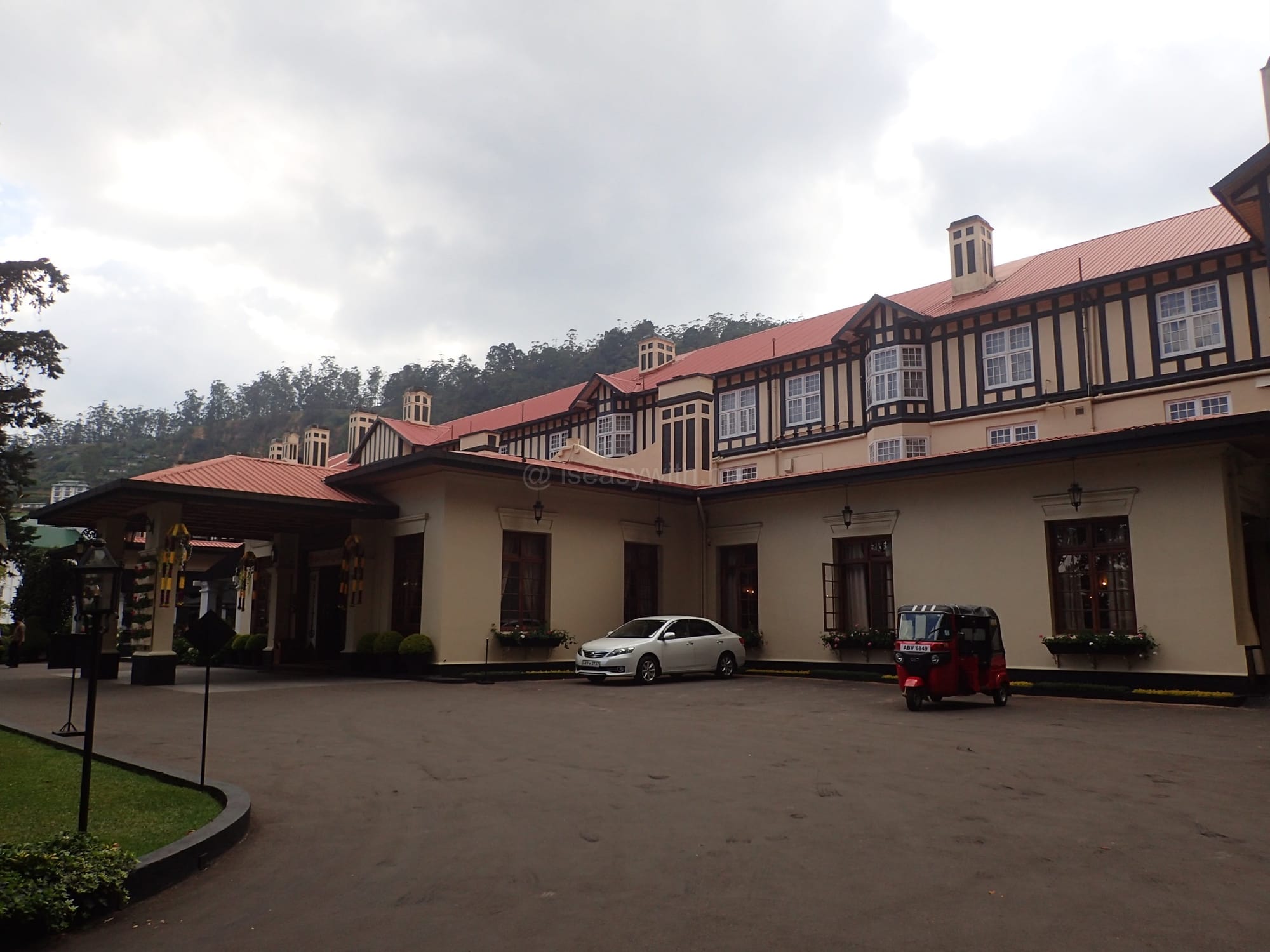
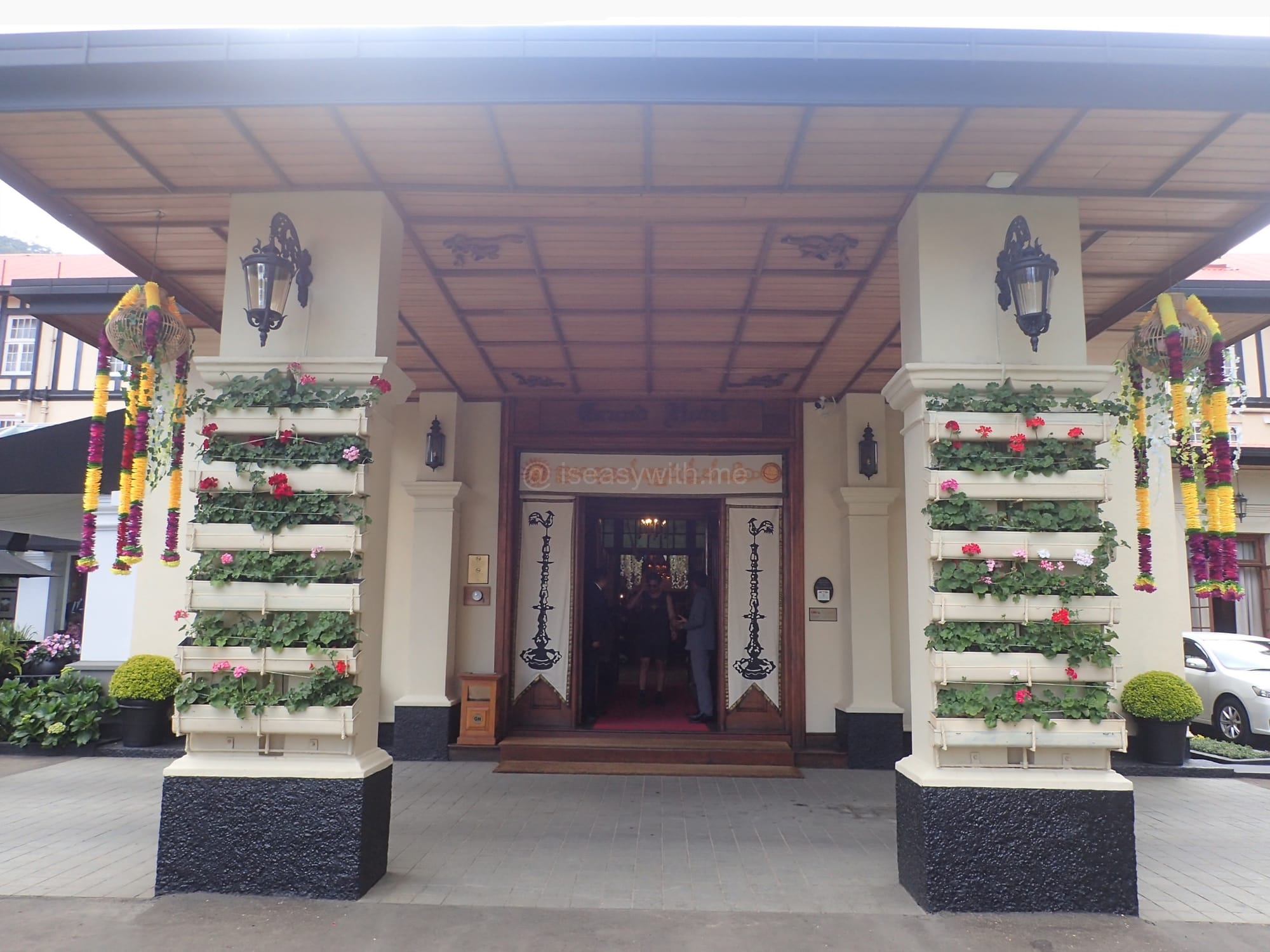
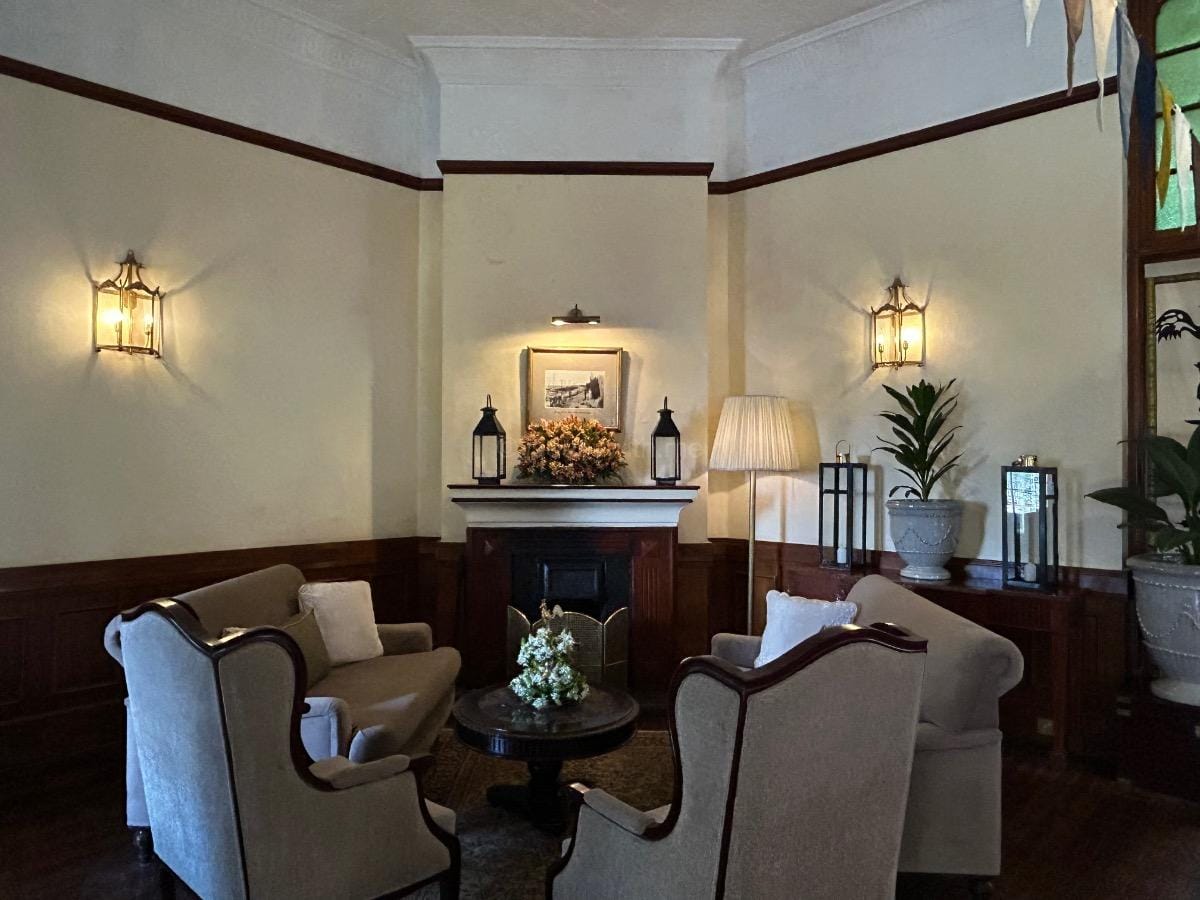
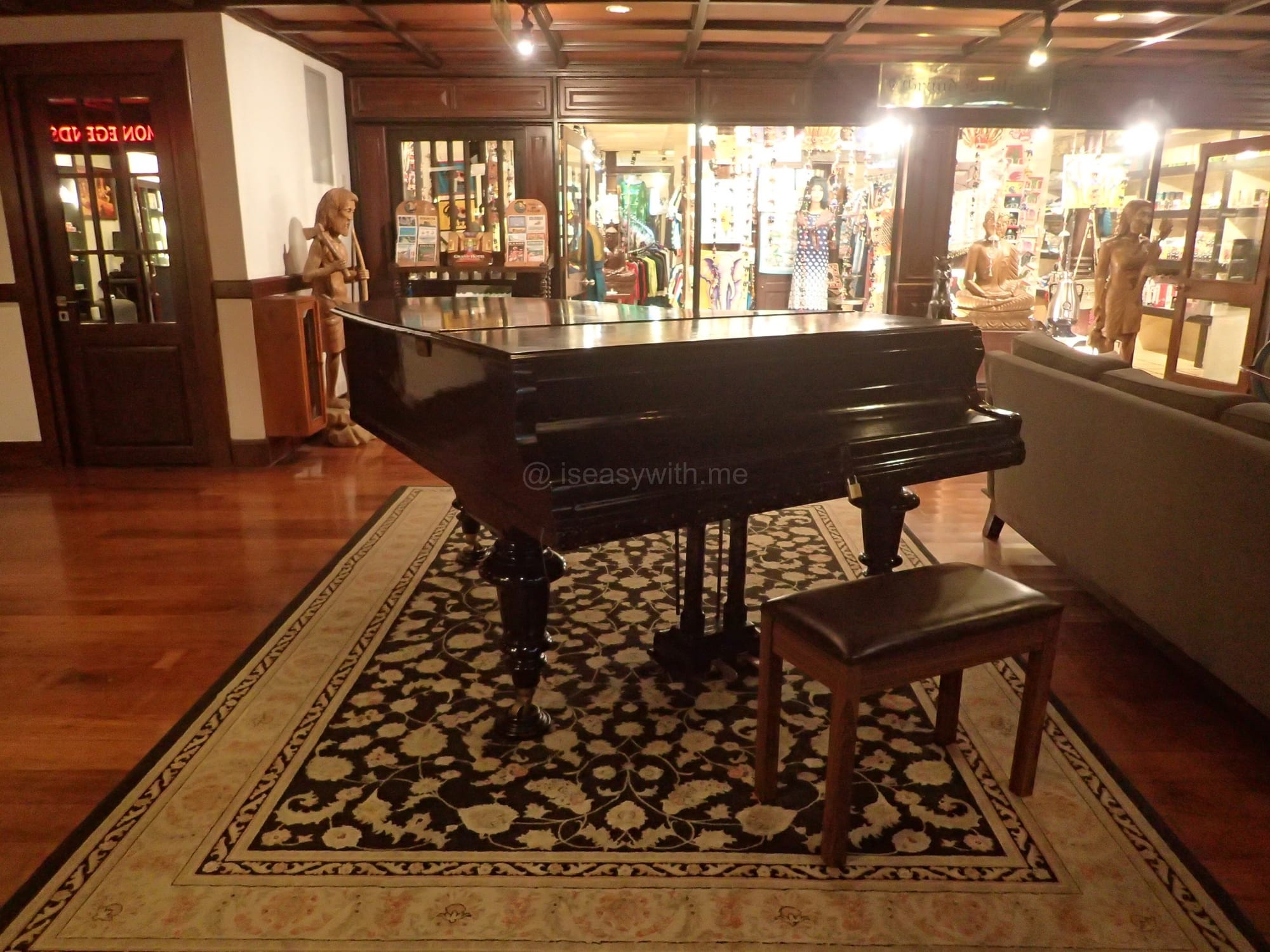
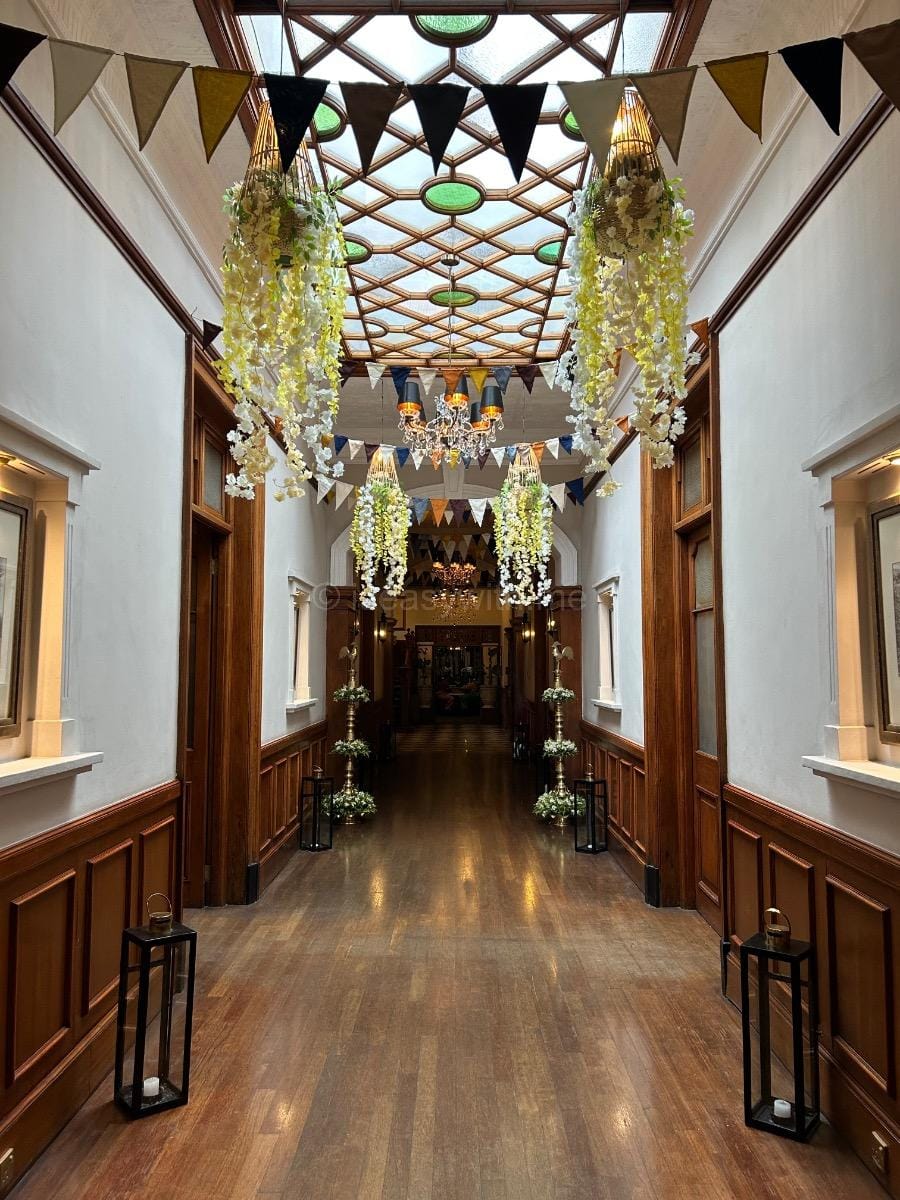
The Grand Hotel
iseasywith.me Travel Tip
While many visitors focus on tea factories and viewpoints, simply wandering through Nuwara Eliya's residential streets can be surprisingly rewarding. You'll encounter charming colonial homes, colourful flower gardens and quiet roads that showcase why the town earned its nickname, 'Little England'.
Food & Beverage in Nuwara Eliya
The cooler climate of Nuwara Eliya has shaped both its agriculture and culinary scene. The region is famous for producing fresh vegetables, strawberries and of course, world-renowned Ceylon Tea. Local cafes often feature homemade cakes, pastries and tea sets that feel distinctly British in character.
For a more local experience, small eateries around the bus station serve hearty Sri Lankan rice and curry meals while street vendors offer fresh corn, local snacks and seasonal fruits. Naturally, no visit to Nuwara Eliya would be complete without enjoying a freshly brewed cup of tea while overlooking the surrounding plantations.
Departing Nuwara Eliya
Departing Nuwara Eliya felt like saying goodbye to Sri Lanka's version of the English countryside. The cool weather, colonial architecture and rolling tea estates had provided a refreshing contrast to the ruins, temples and tropical landscapes that defined the earlier stages of my adventure.
But the highland adventure was far from over. From the Nuwara Eliya Main Bus Station, I boarded a local bus bound for the next leg of the trip, a journey of roughly one hour through some of the highest and most scenic terrain in the country. The road climbed steadily through dairy farms, open grasslands and windswept highland plains unlike anything else on the island.
As the bus wound through the mountains, the tea plantations gradually gave way to expansive fields and grazing cattle, making the landscape feel less like tropical Sri Lanka and more like a remote corner of New Zealand. The journey through the Central Highlands was about to reach even greater heights as the route headed straight toward the gateway of the island's most spectacular railway scenery in Ambewela.