Discovering Jaffna: A Guide to the Unspoiled North of Sri Lanka
Journey to the far northern tip of the island. Leave the tourist tracks behind to experience the vibrant Tamil culture, massive colorful Hindu kovils, and untouched islands of Jaffna.

Trading Anuradhapura's ancient ruins for something entirely different, I made the long push north to Jaffna to discover one of the island's most distinct cultural identities. This wasn't just another colonial beach town or tourist-heavy hill country stop.
Perched on the northern peninsula, the city moved to an entirely different rhythm. With Tamil culture dominating daily life, Hindu temple bells replacing the soundscape of the southern monasteries and streets echoing with resilience, the journey north rewarded me with an experience unlike anywhere else on the island.
From Anuradhapura to Jaffna
I started my journey from the bus stop along the main road (LKR 865) outside the bus stand at about 0730 hours and boarded the long-distance bus #87 heading north towards the peninsula. Leaving in the morning ensured a smooth half-day journey, with the route stretching across Sri Lanka’s dry zone and farmland, passing reservoirs and quiet roadside settlements before gradually transitioning into the northern plains.
iseasywith.me Travel Tip
Sit on the left side of the bus for better views of lagoons, rural villages and open dry-zone landscapes as you approach the north.
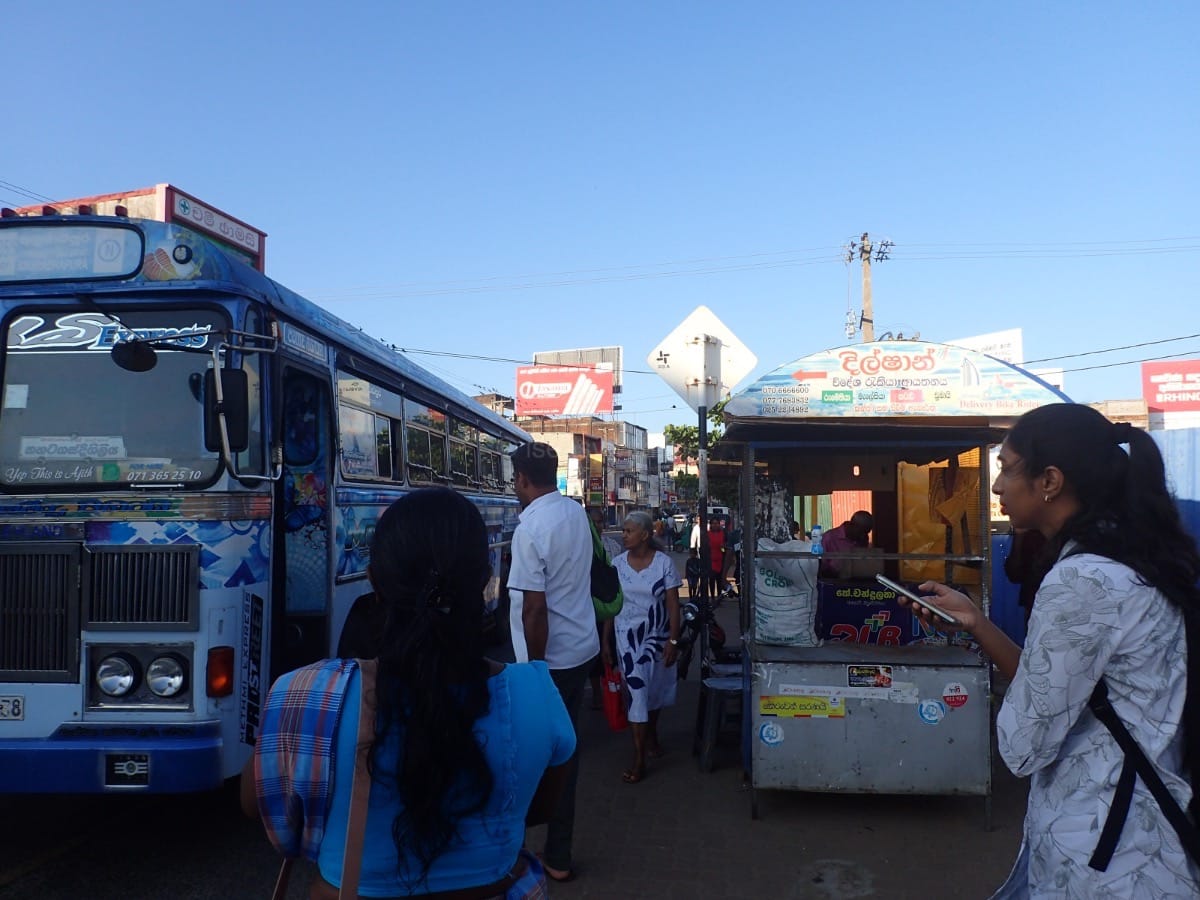
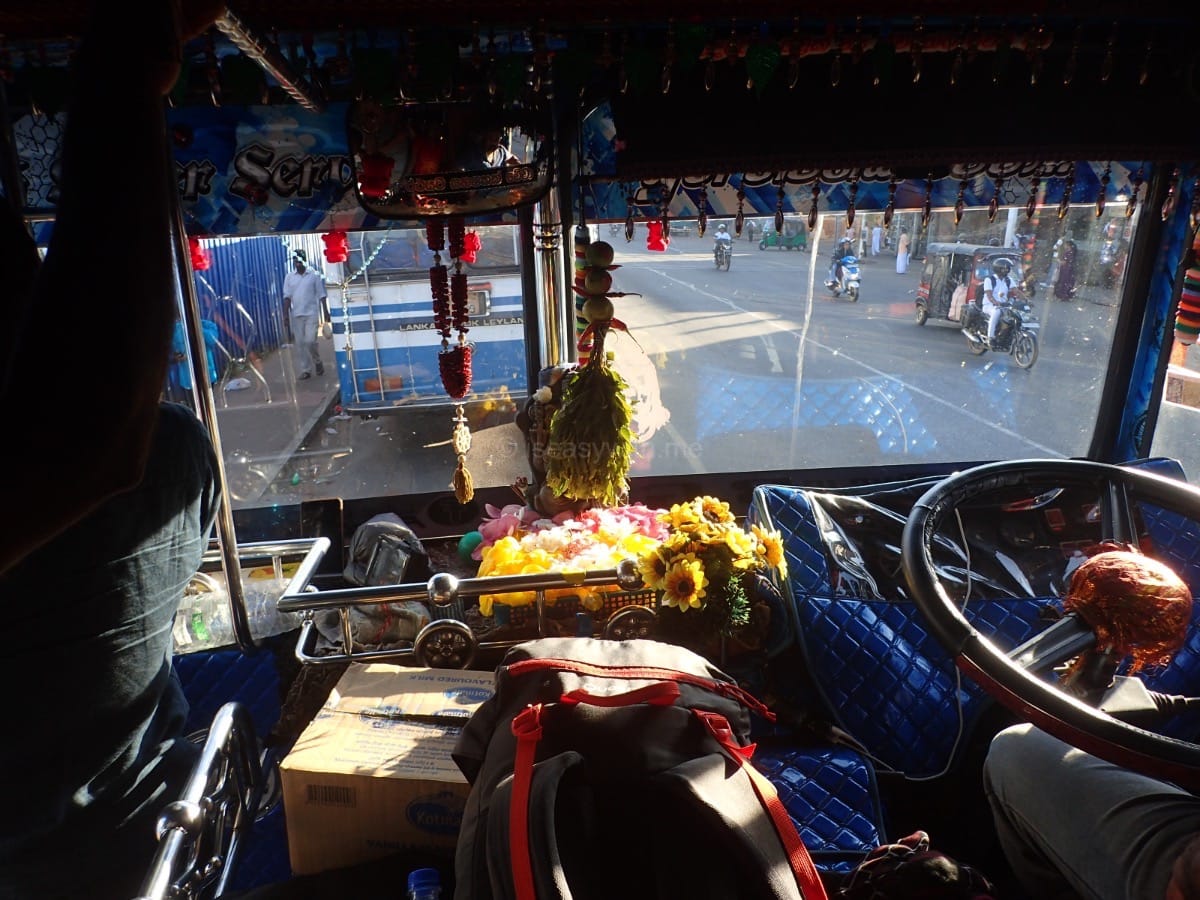
the bus stop, in the bus
The bus stops by Medawachchiya, Vavuniya and Kilinochchi along the way.
As the kilometres unfolded, the landscape became increasingly open and sparse. Roadside shrines, small towns and stretches of scrubland defined much of my journey north, creating a gradual sense of distance from the island’s central regions. This was one of the longest overland routes in Sri Lanka that I took and it carried a noticeable shift in atmosphere as I made my way toward the north.
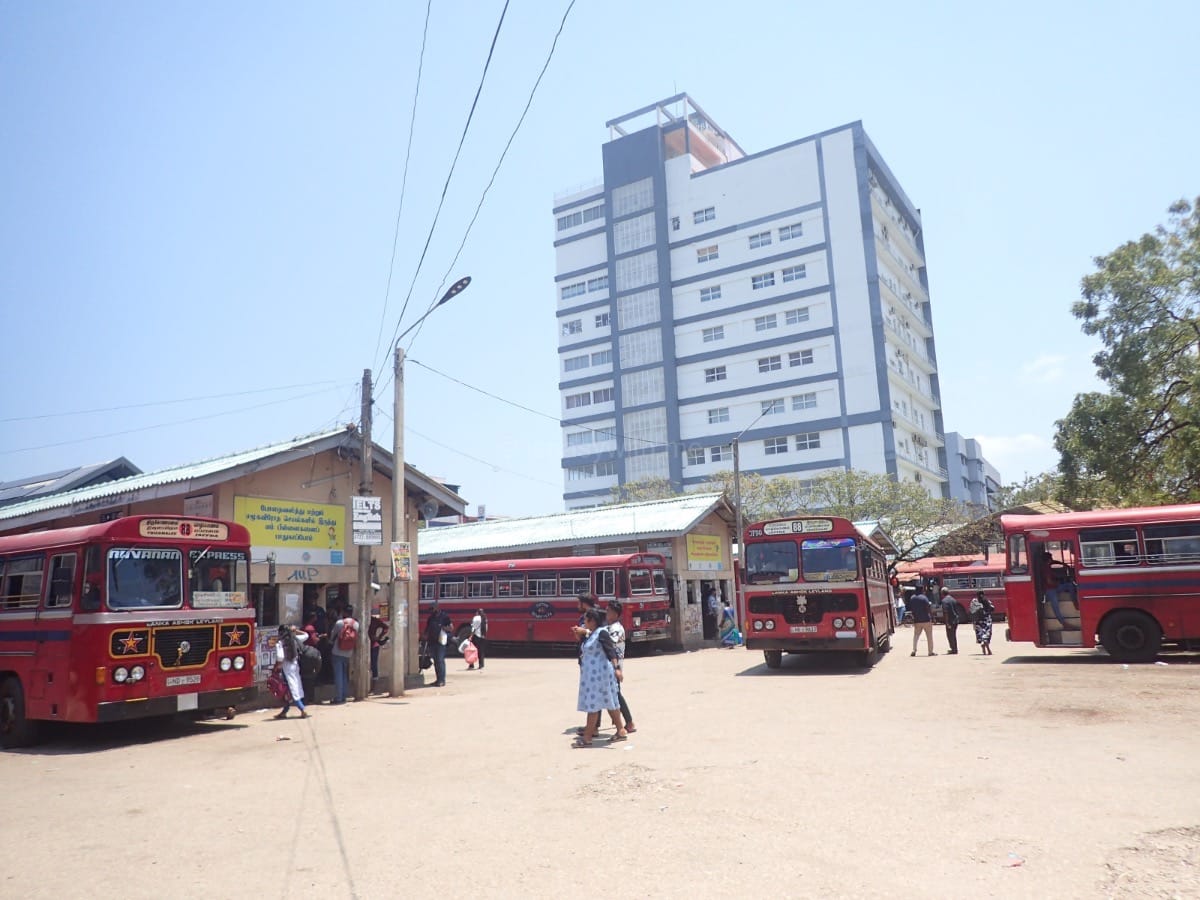
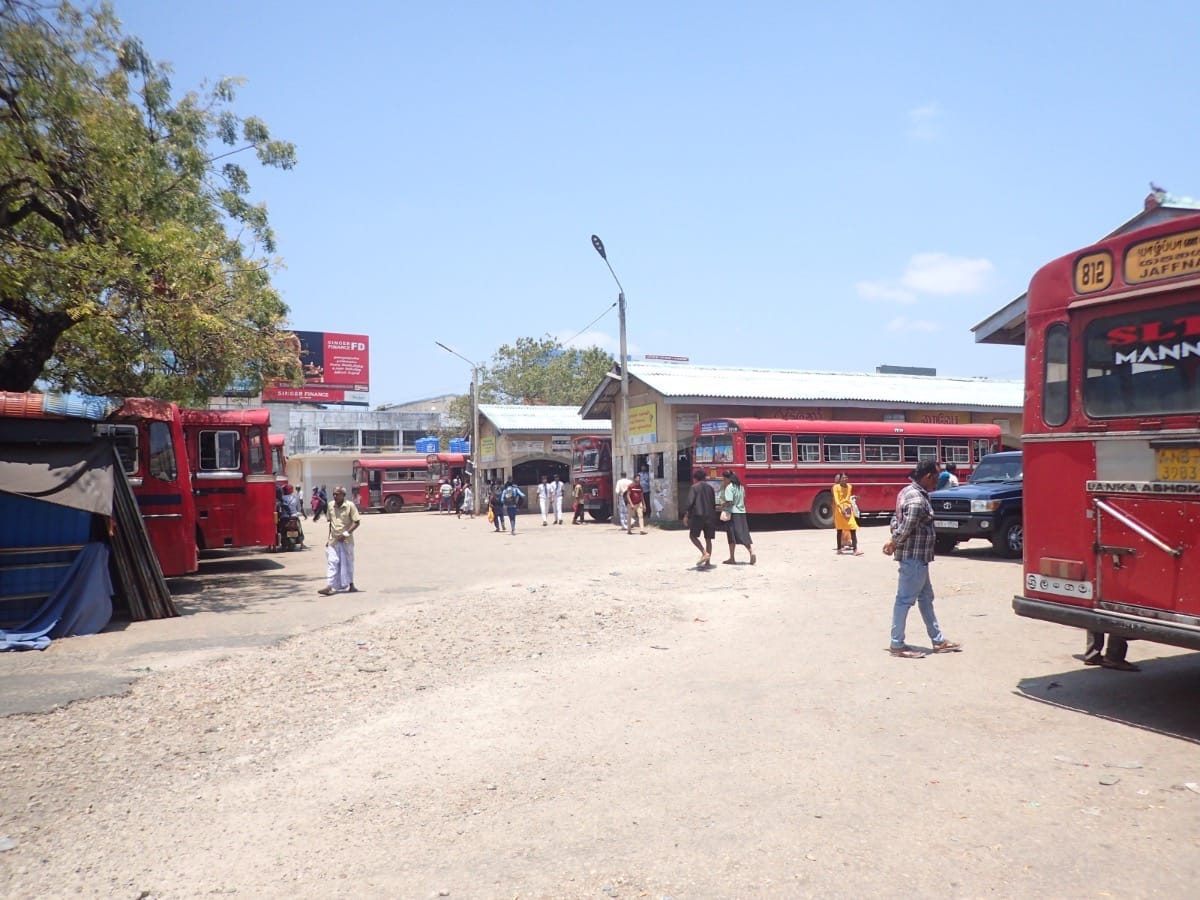
Jaffna Bus Stand
iseasywith.me Heads-Up
Long-distance buses in Sri Lanka do not always run strictly on schedule or stop along the way. Bring water, light snacks and download offline maps as mobile connectivity can become patchy along certain stretches of the route.
Arriving in Jaffna
After about 4 hours and 45 minutes, my bus finally pulled into the bustling Jaffna Bus Stand. Stepping out into the heat, I decided to brave a 1.2-kilometre walk to my accommodation. That initial hike with my backpack was enough to convince me that pounding the pavement in the midday sun wasn't the move so I switched to hiring bikes to get around for the rest of the day. 🫨
In and Around Jaffna
Jaffna's absolute must-see highlights include the sprawling historical ramparts of Jaffna Fort, the striking golden gopuram and spiritual energy of Nallur Kandaswamy Kovil, the bustling local stalls of the Jaffna Market, and the weathered colonial remnants of the Dutch Kachcheri Ruins.
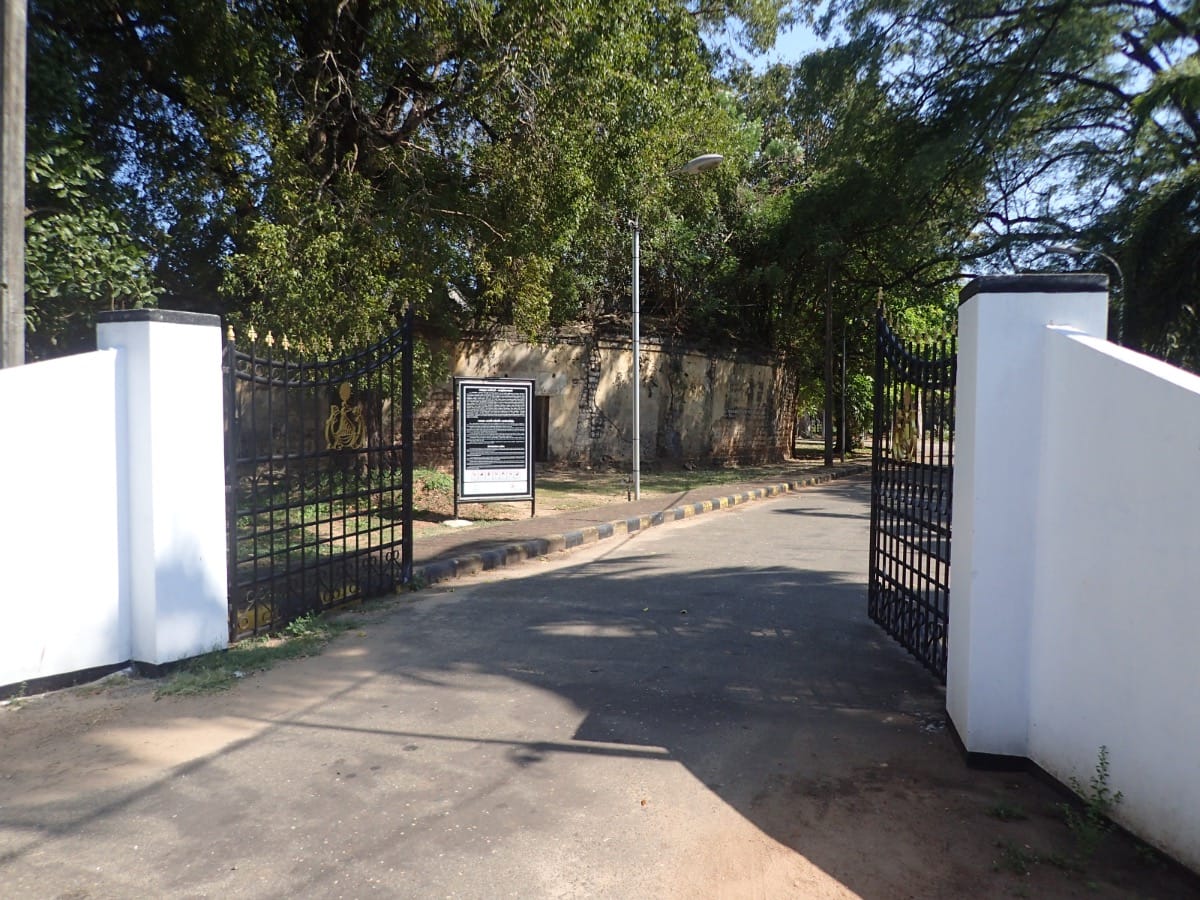
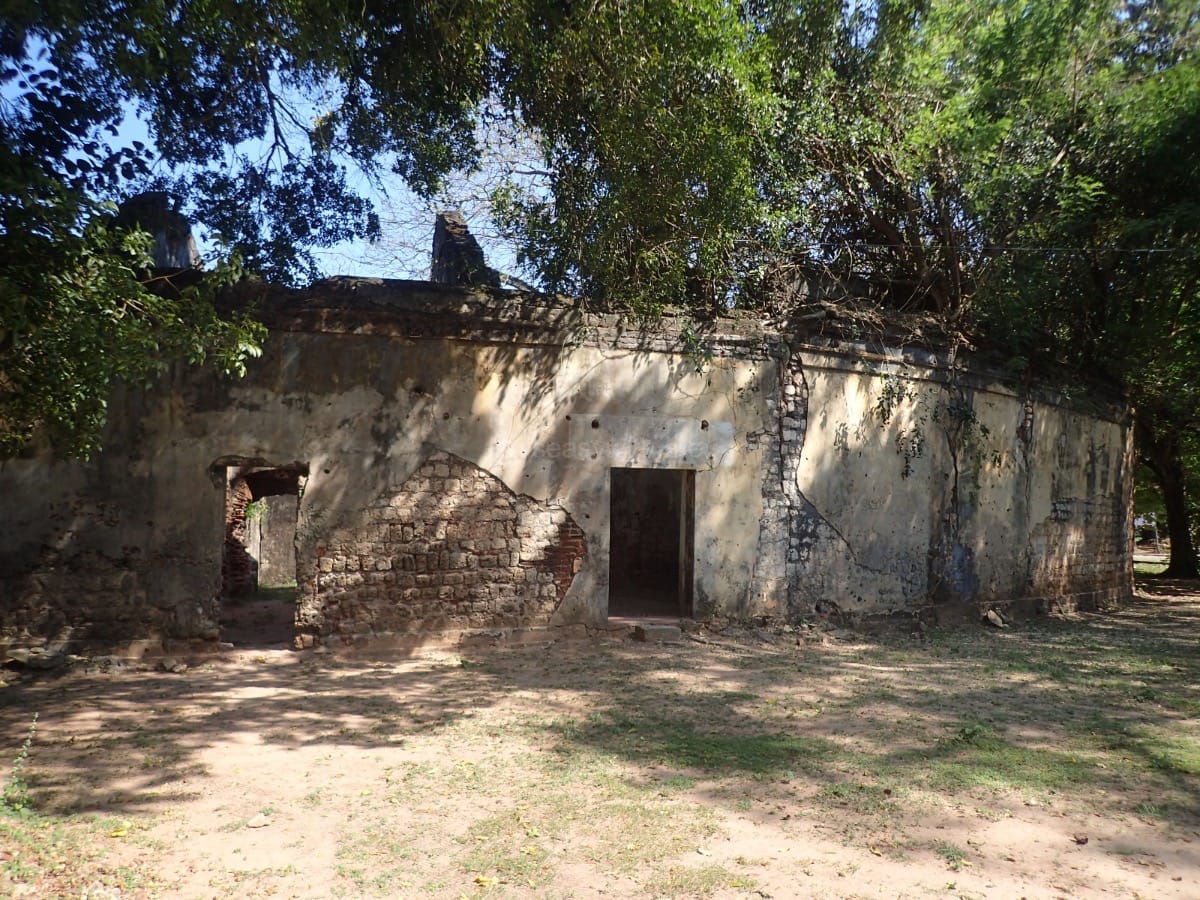
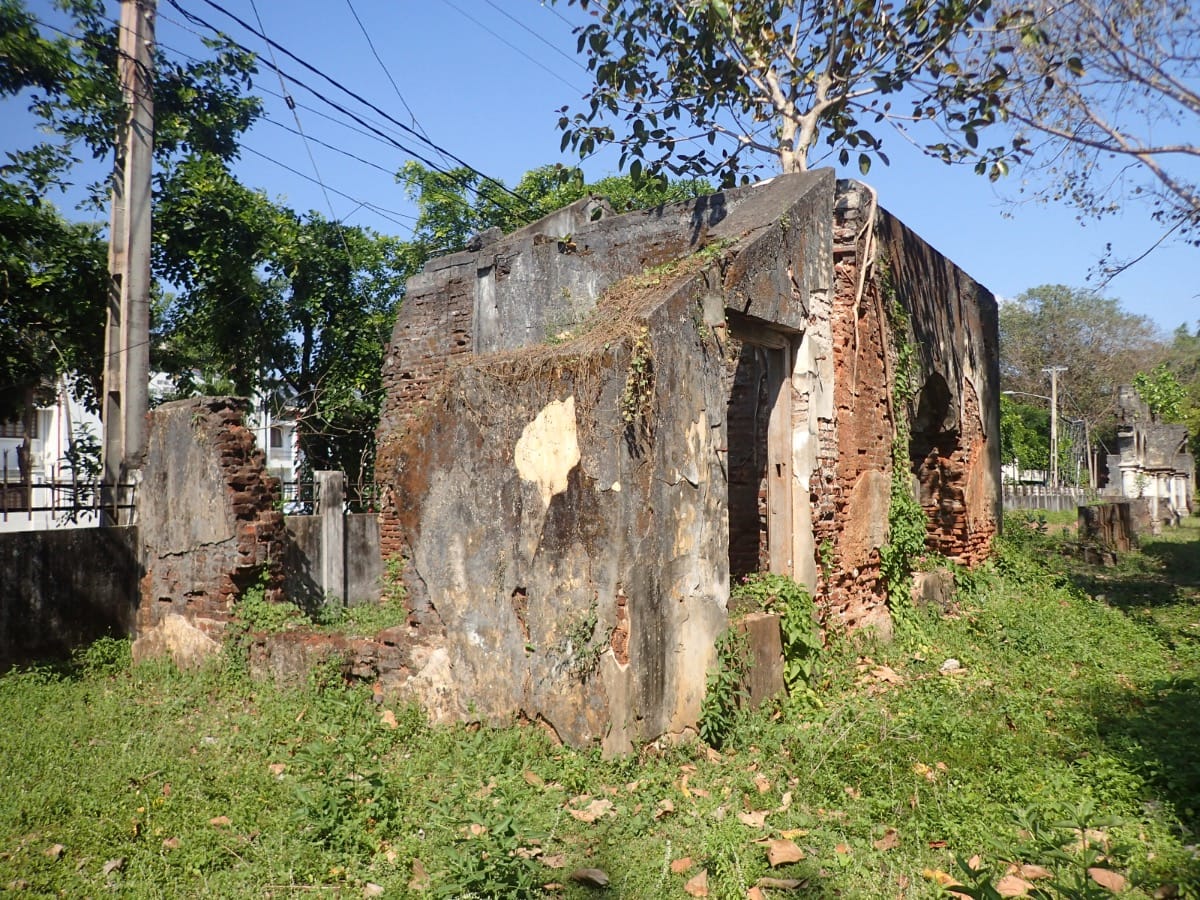
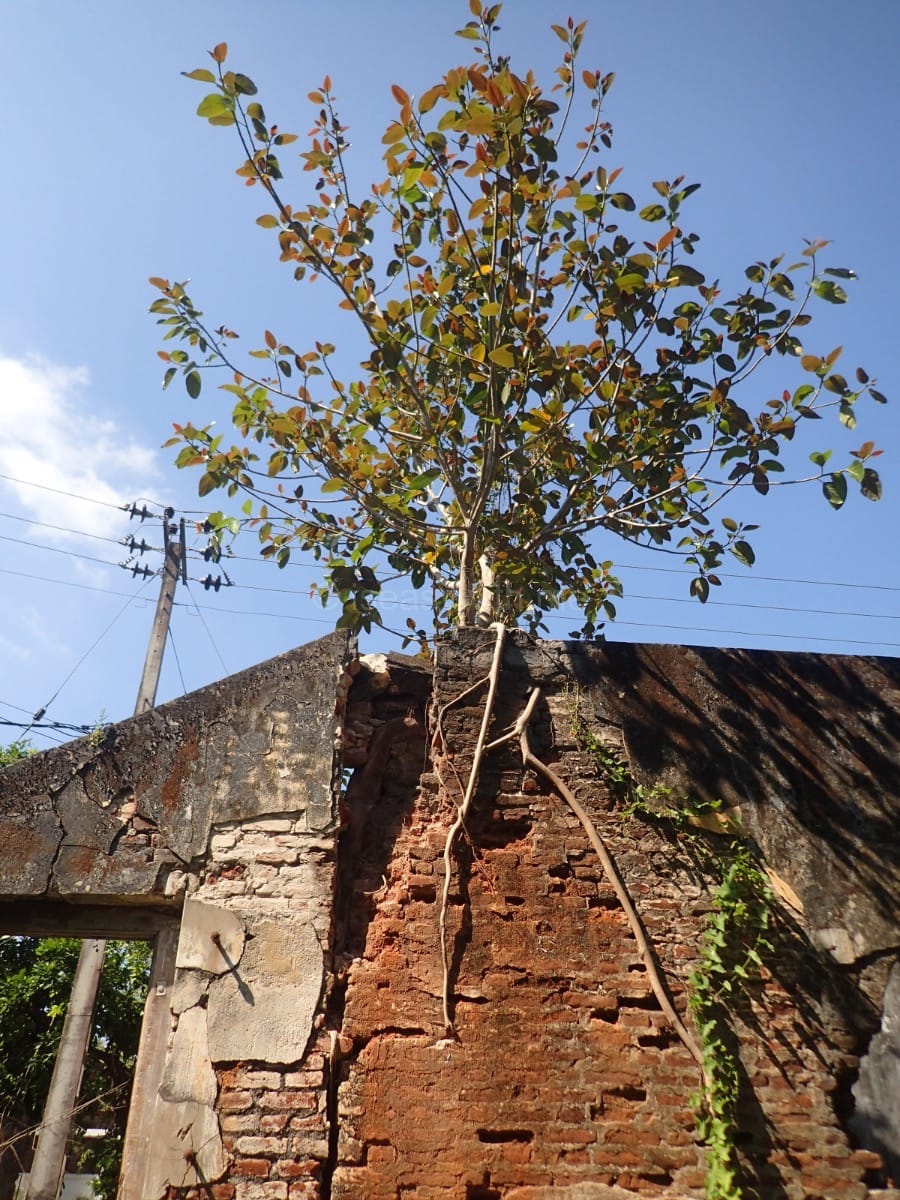
Dutch Kachcheri Ruins
The Dutch Kachcheri Ruins are quiet remnants of Dutch colonial administration. Weathered stone walls and partial structures remain scattered across the site, offering a subtle but atmospheric glimpse into the peninsula’s colonial past.
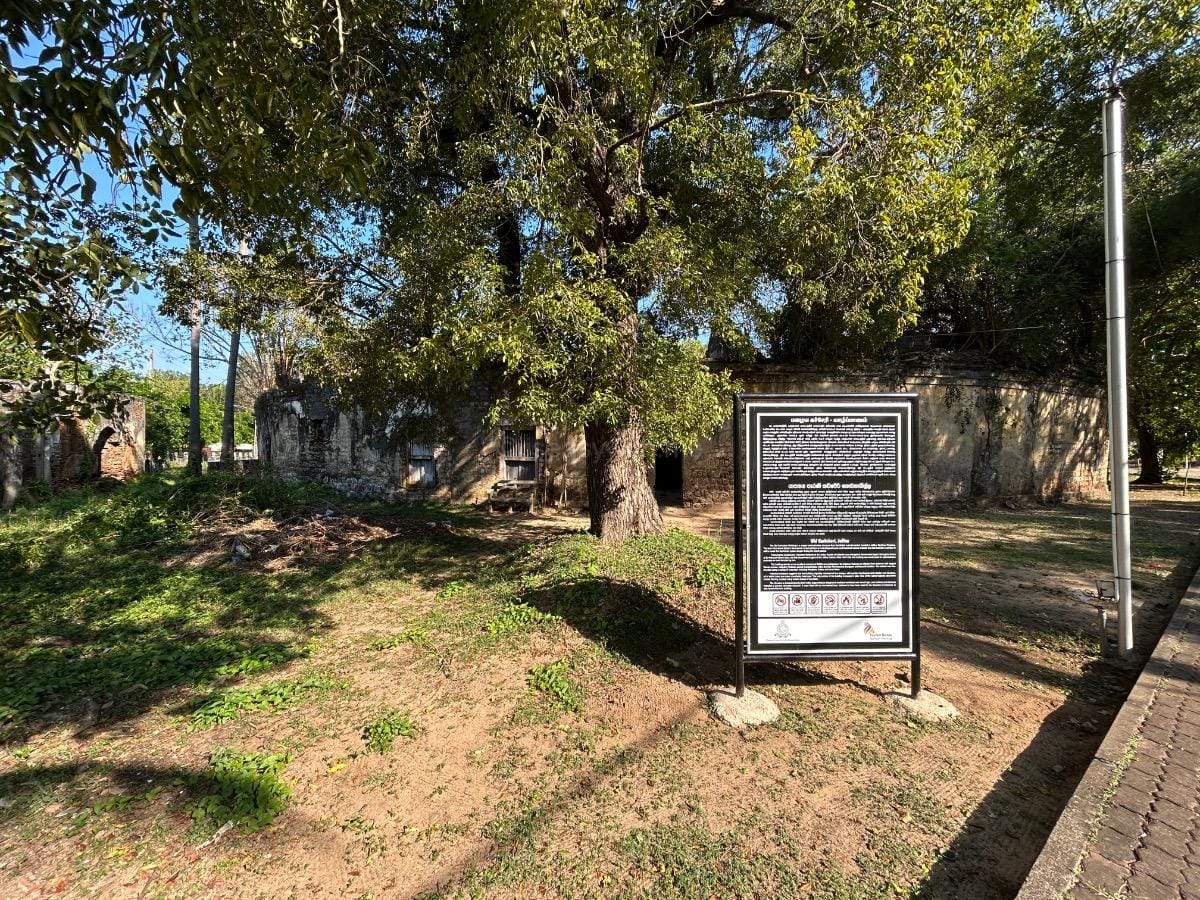
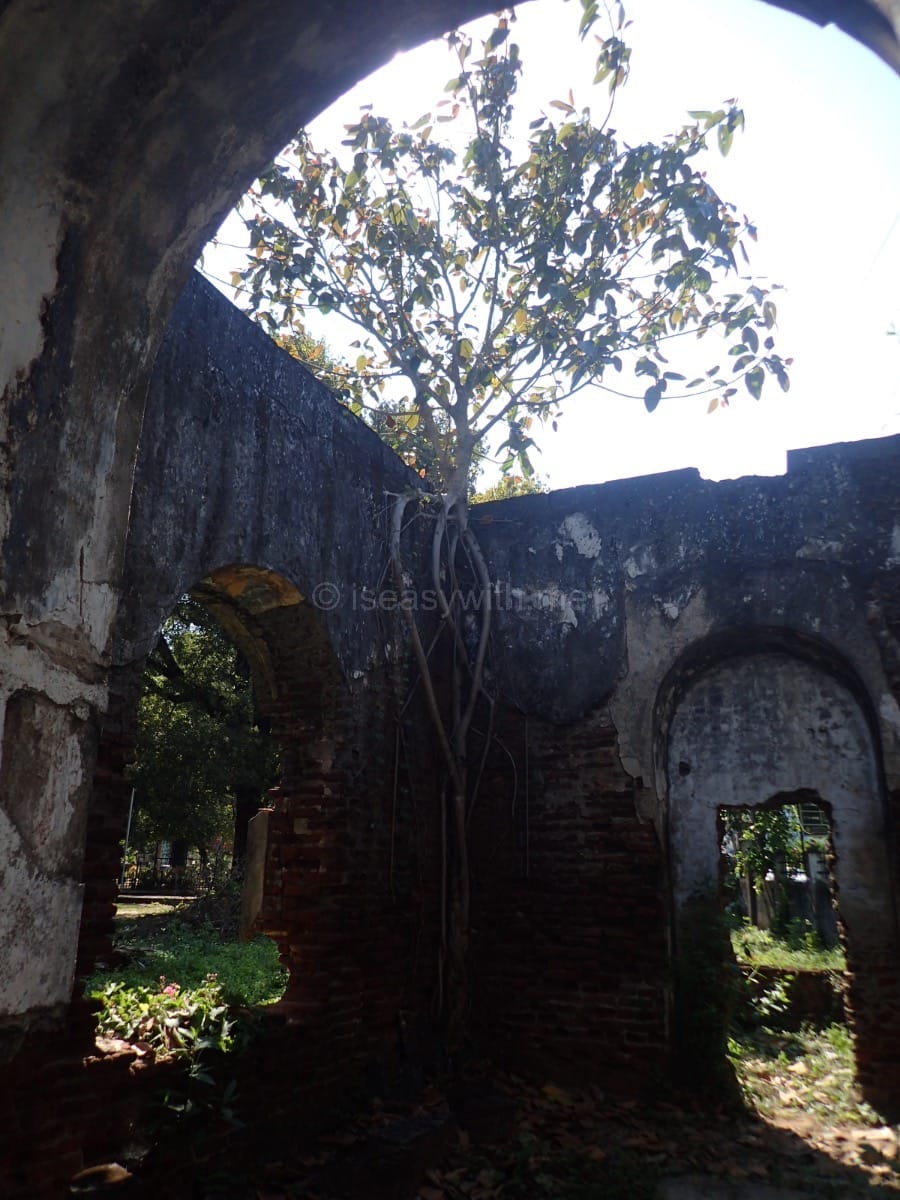
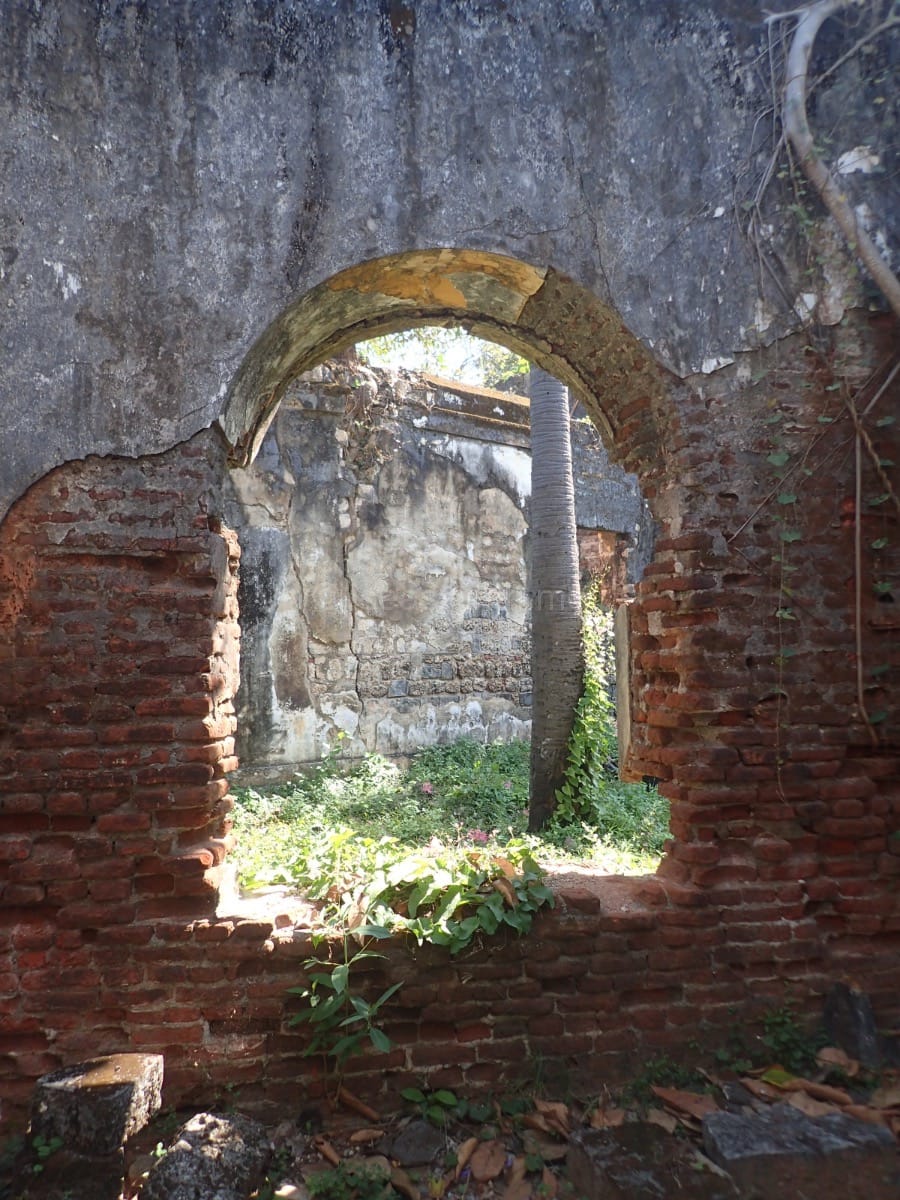
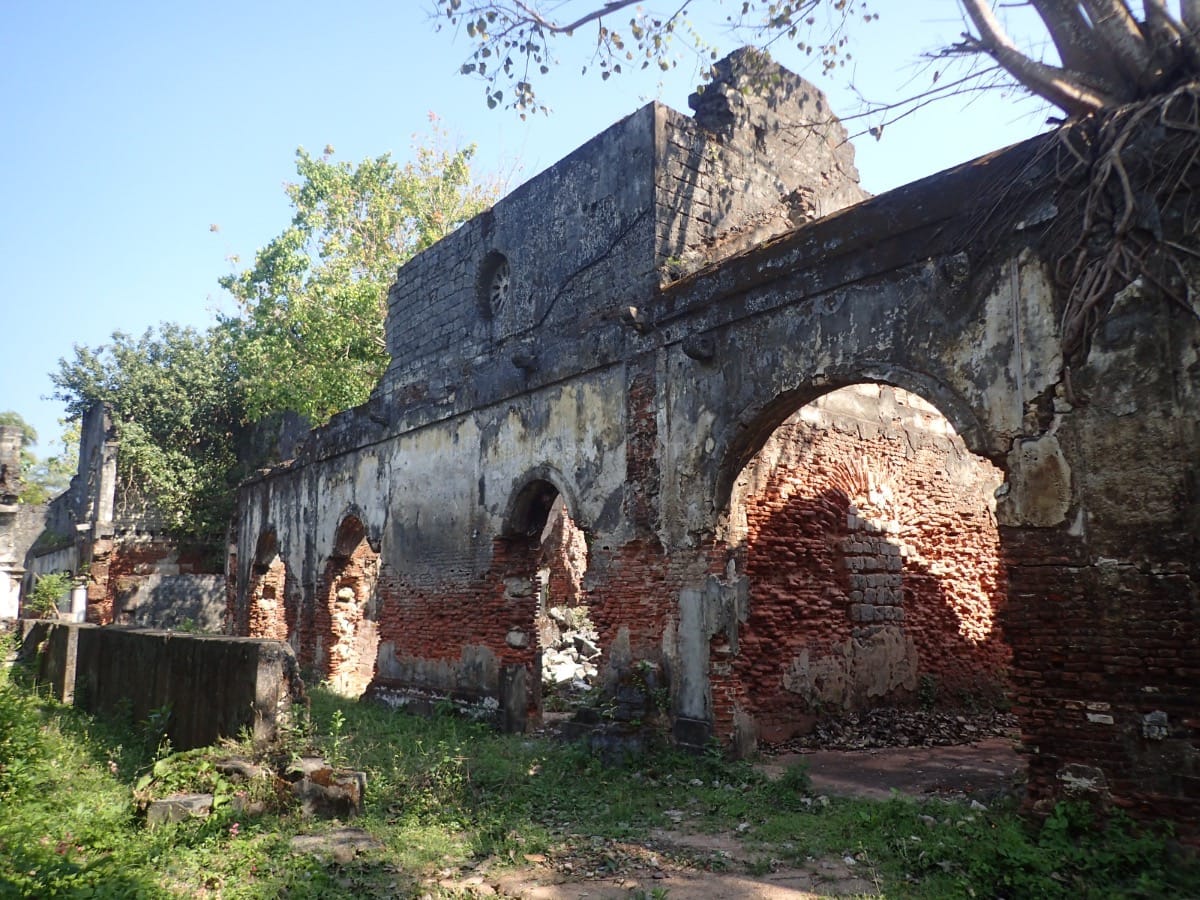
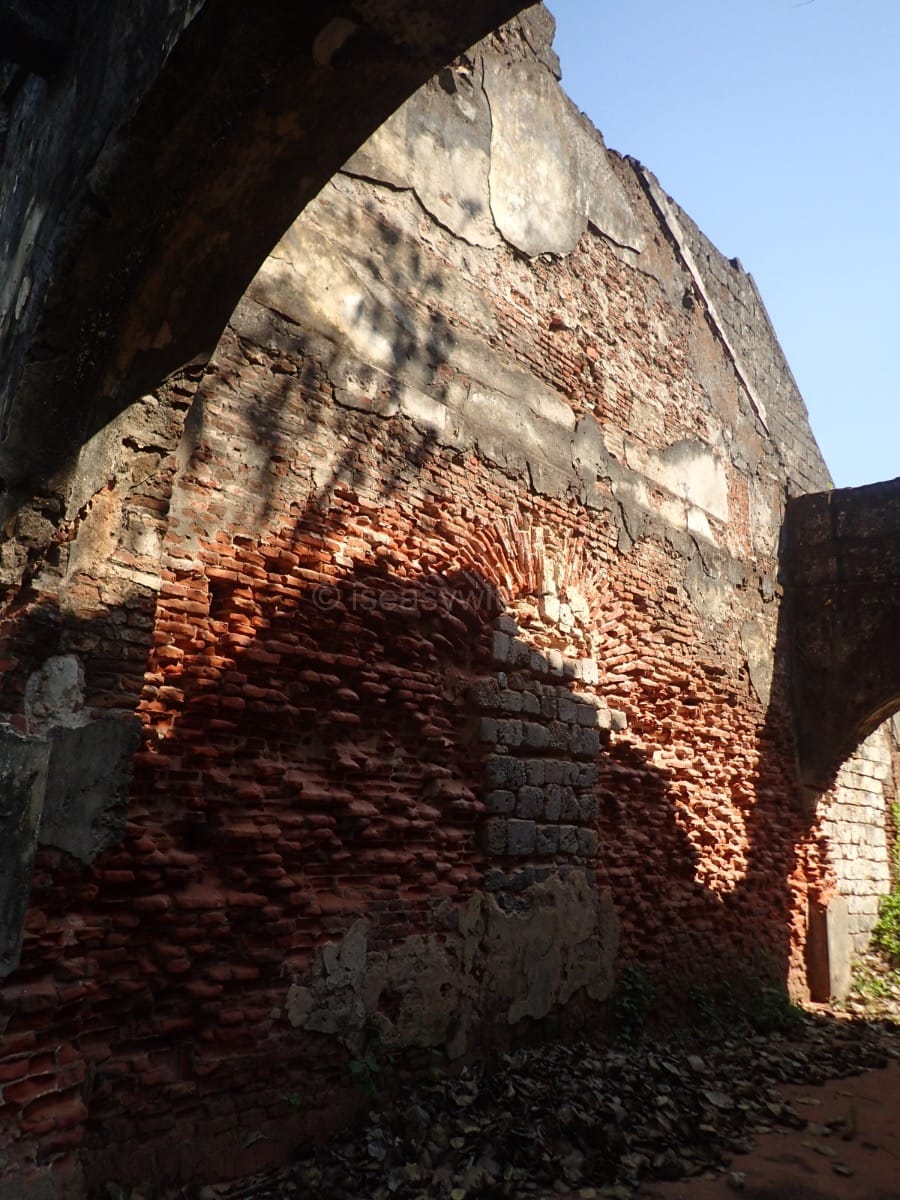
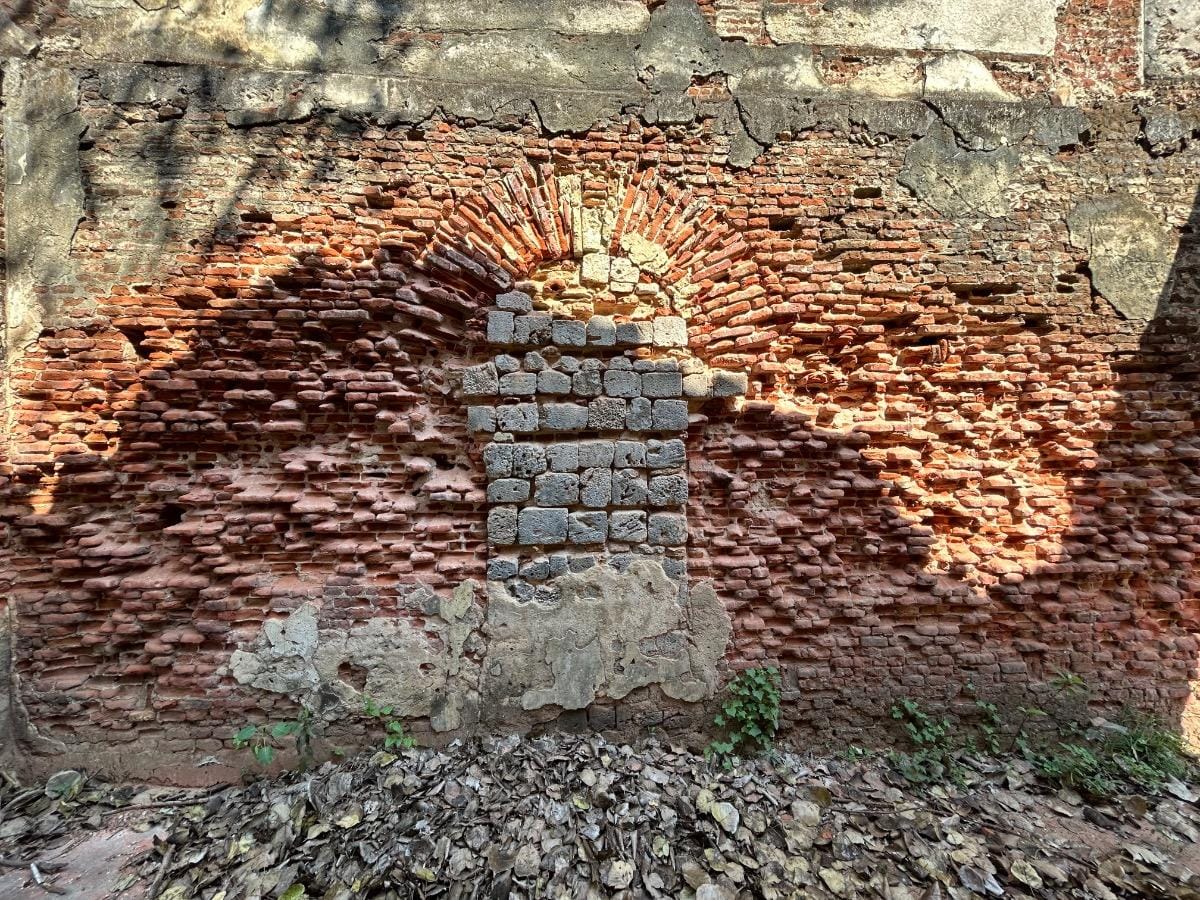
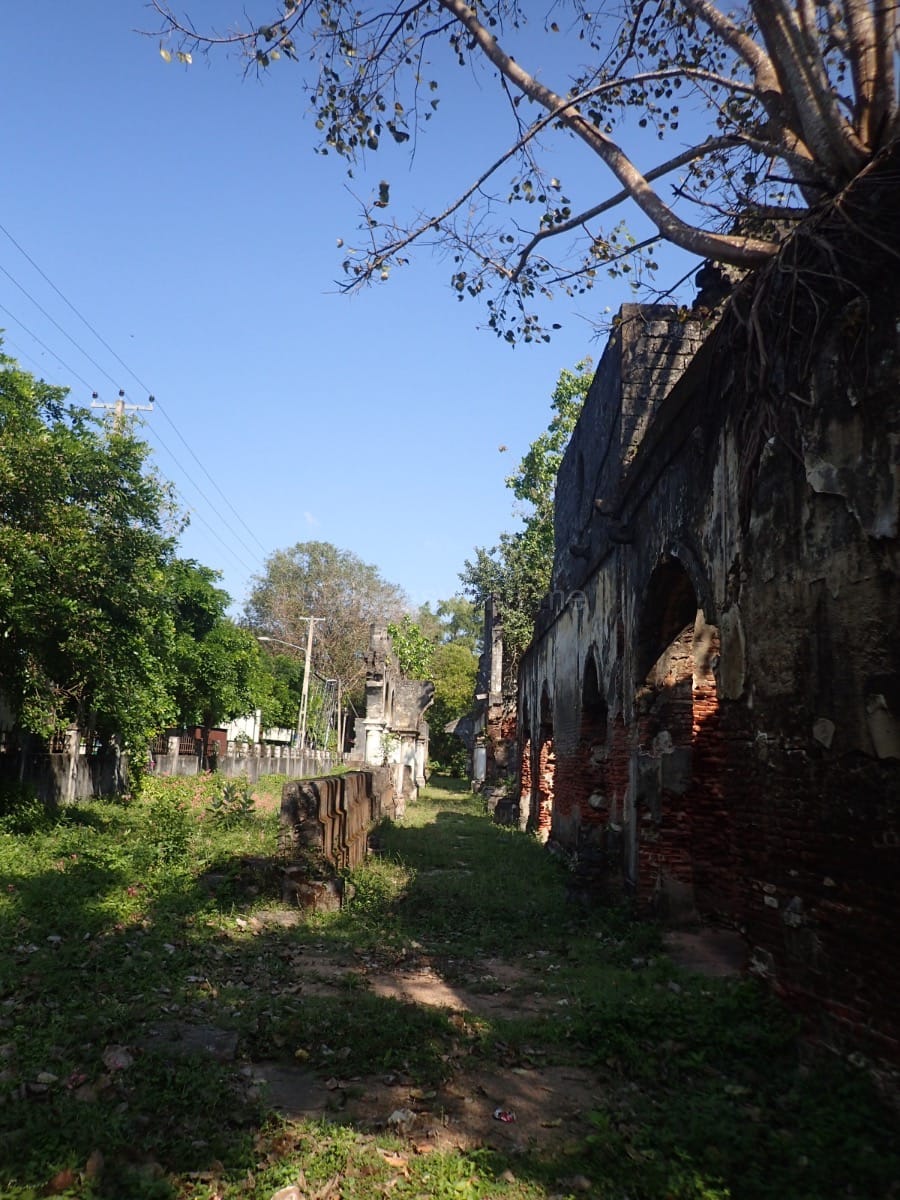
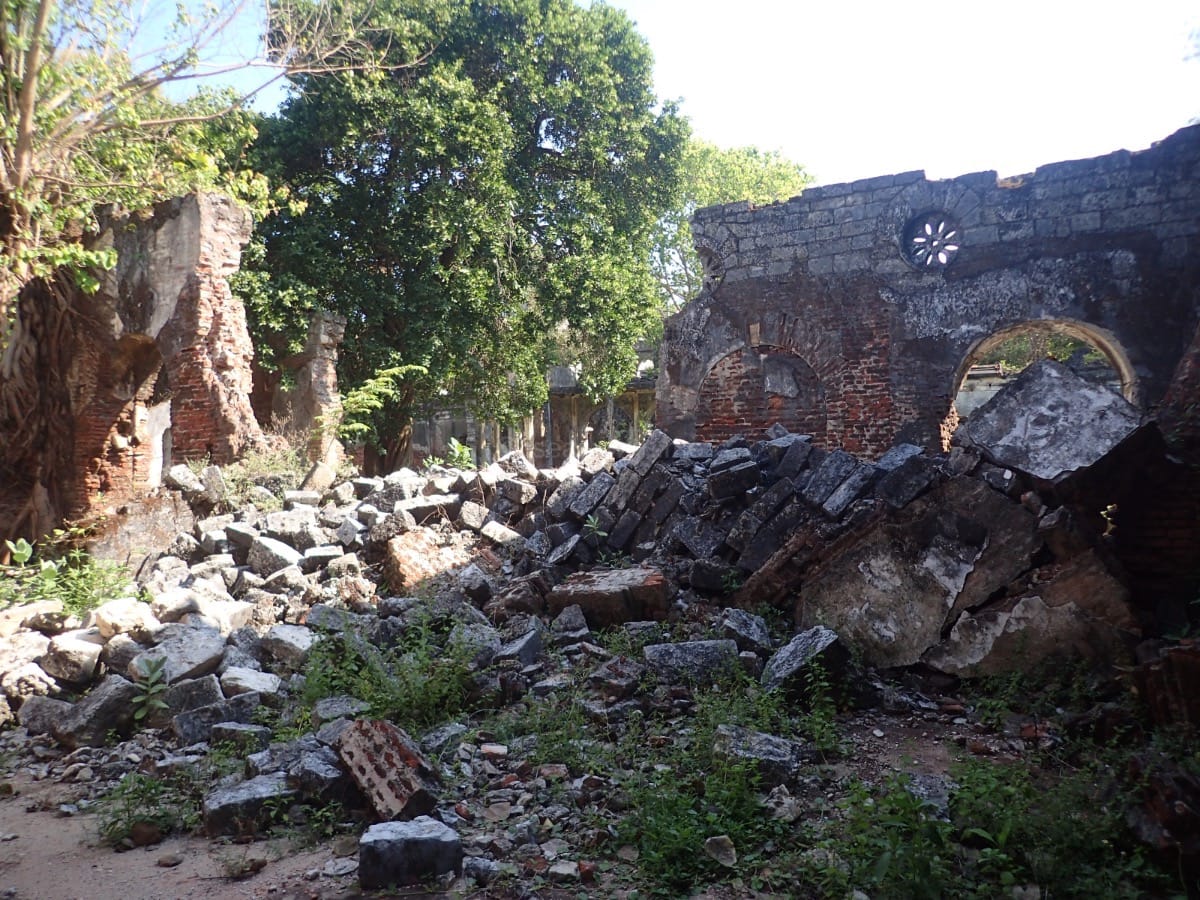
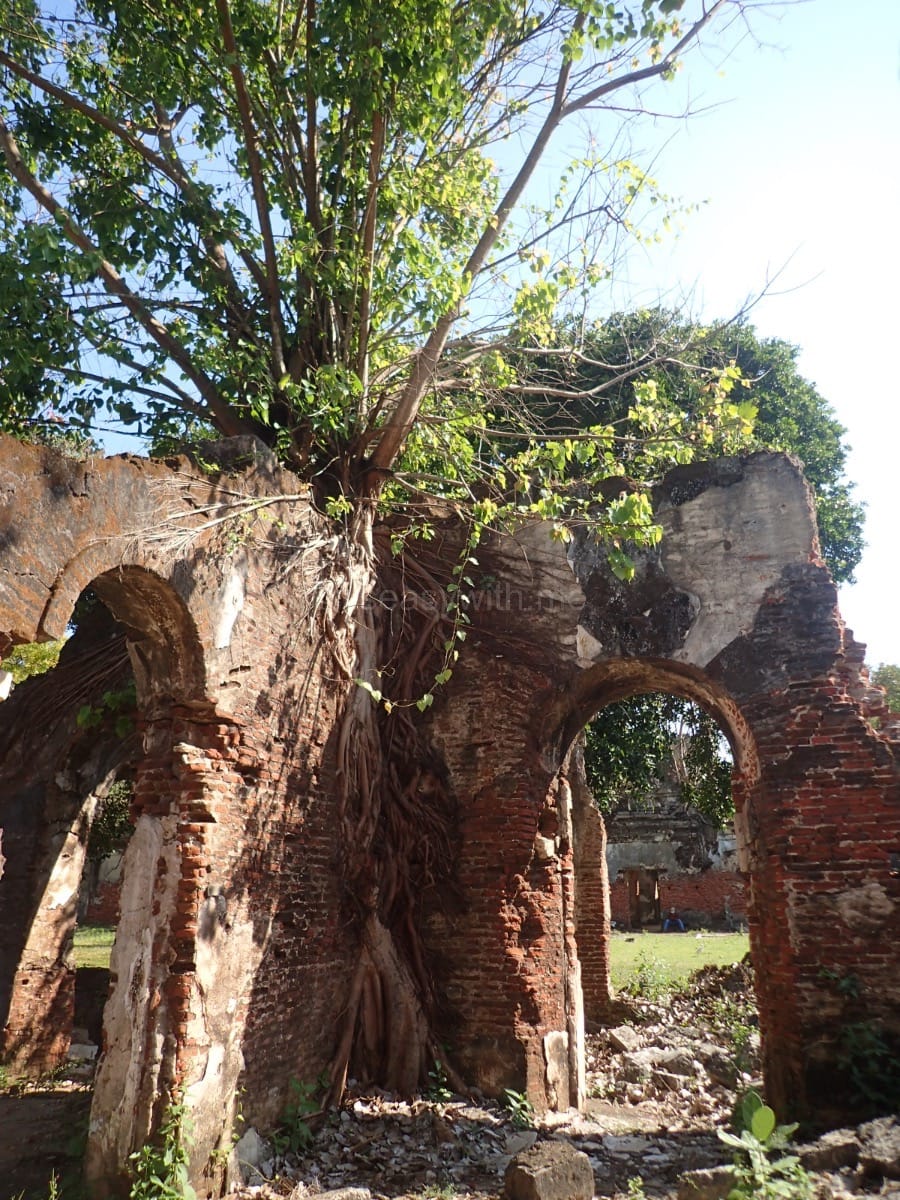
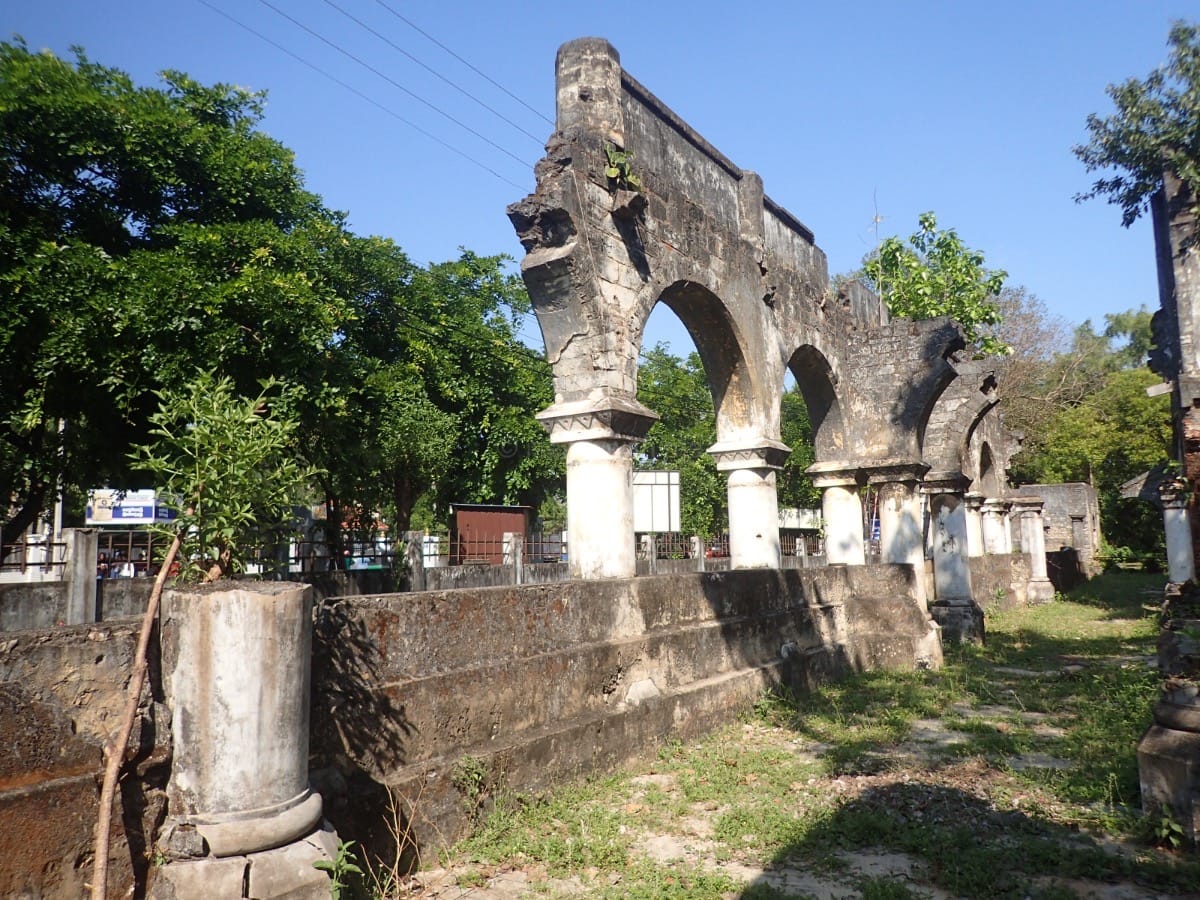
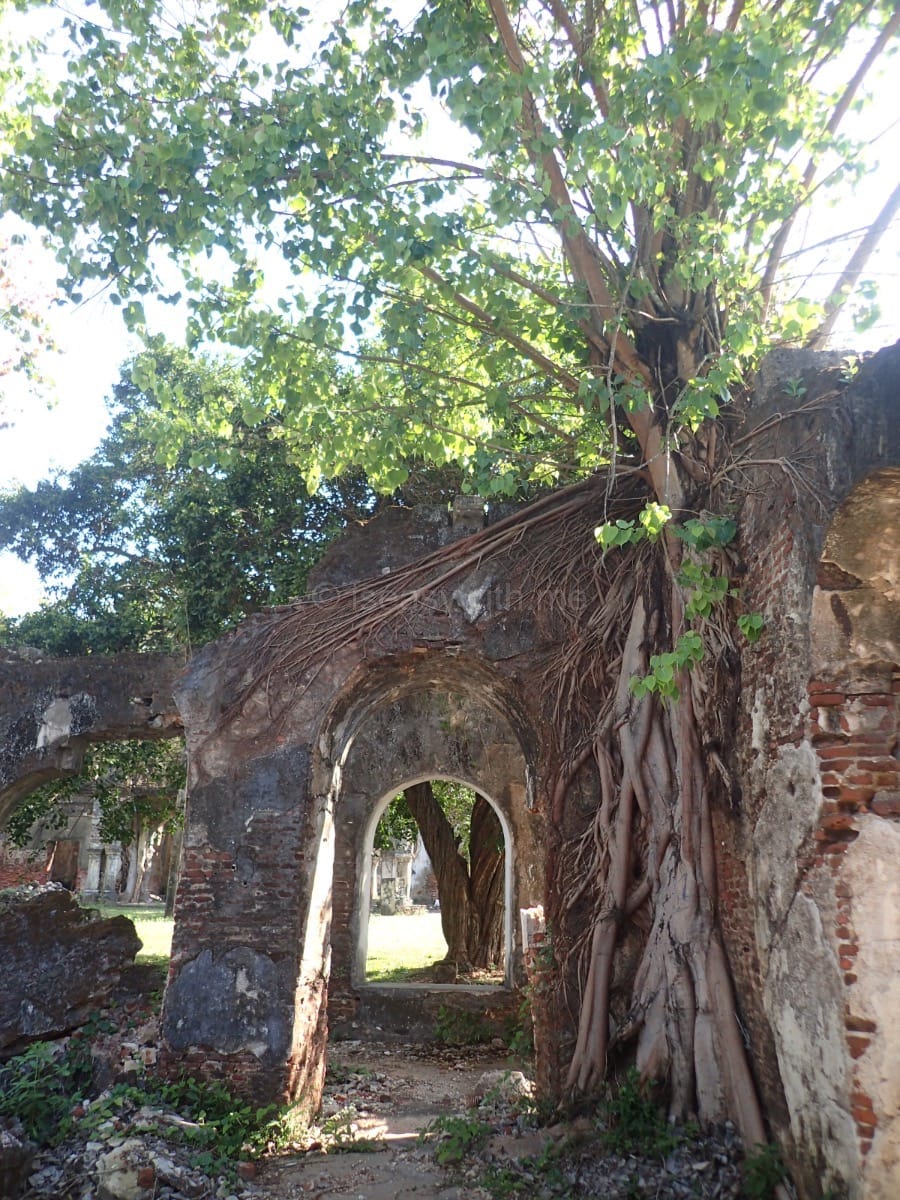
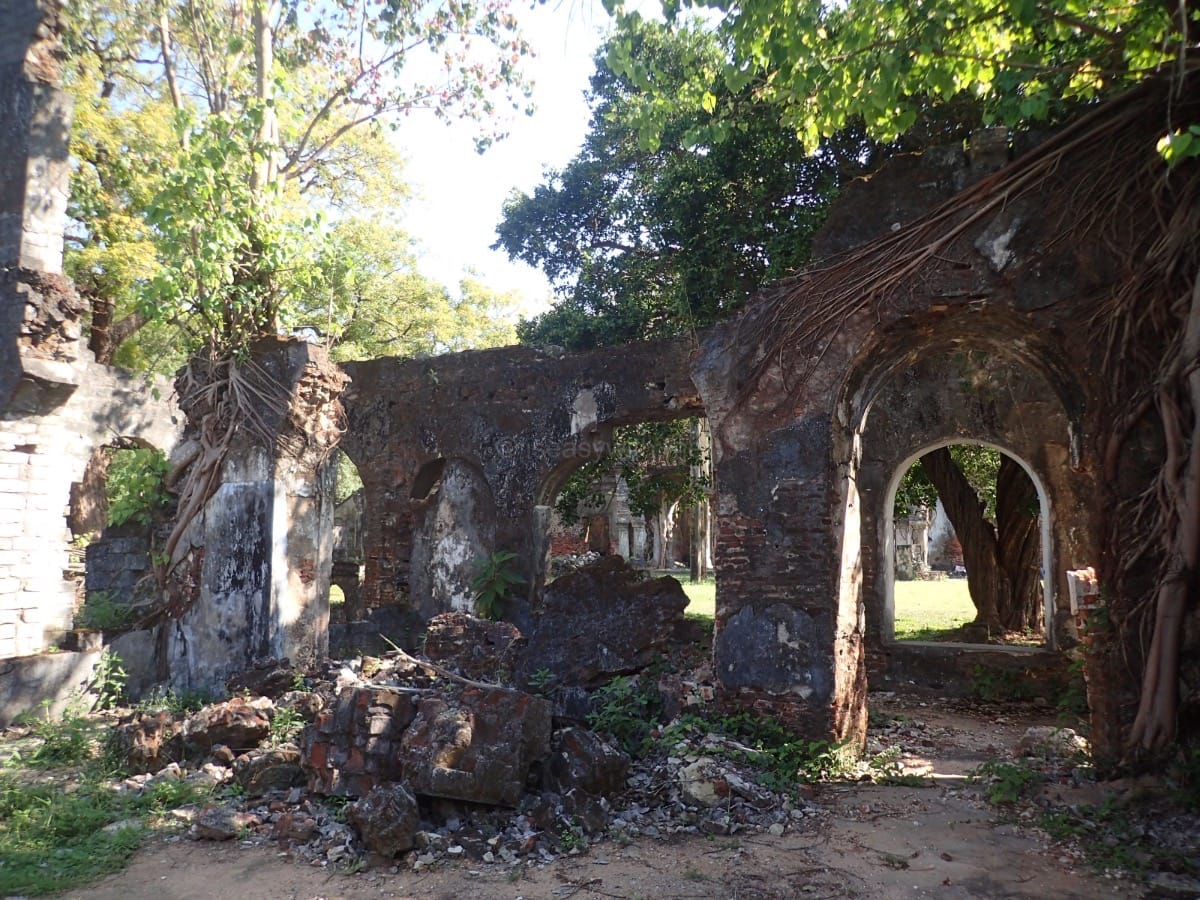
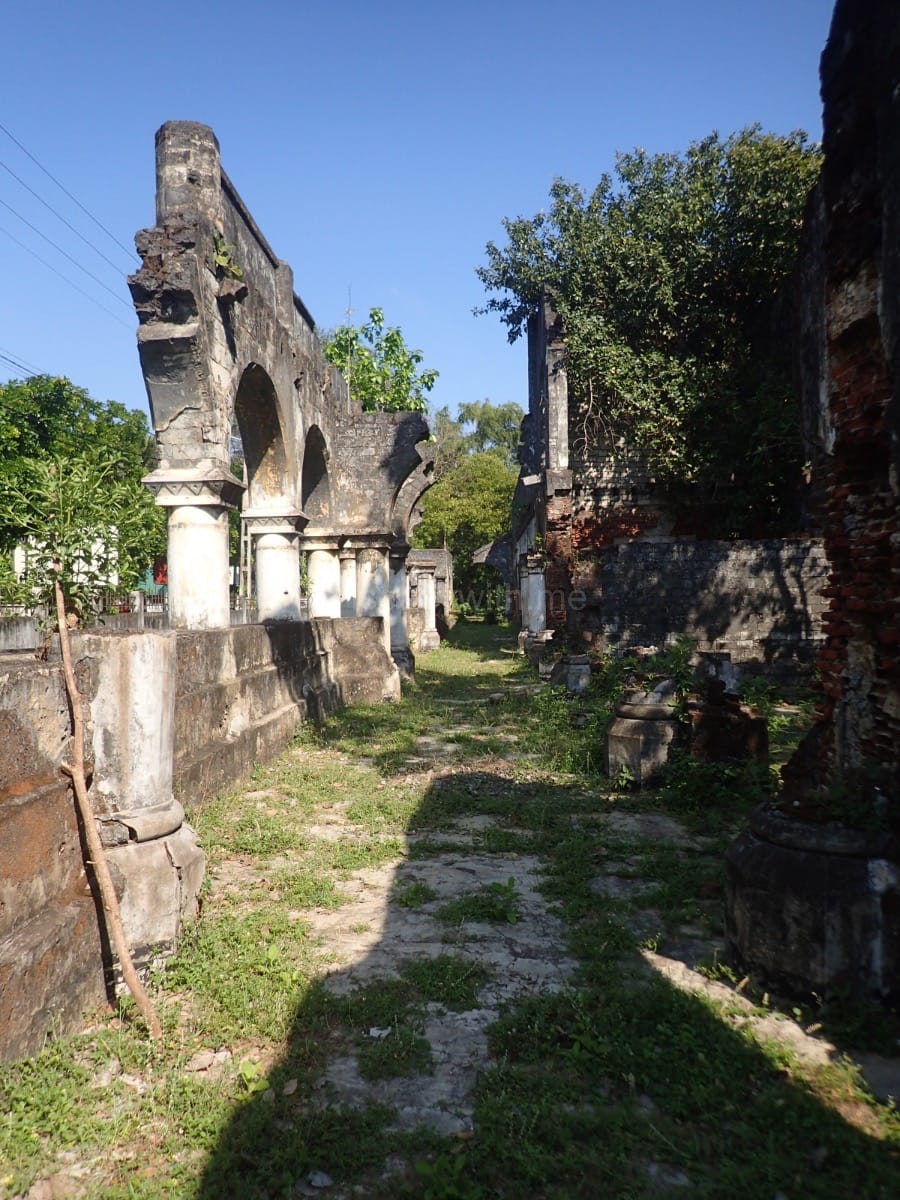
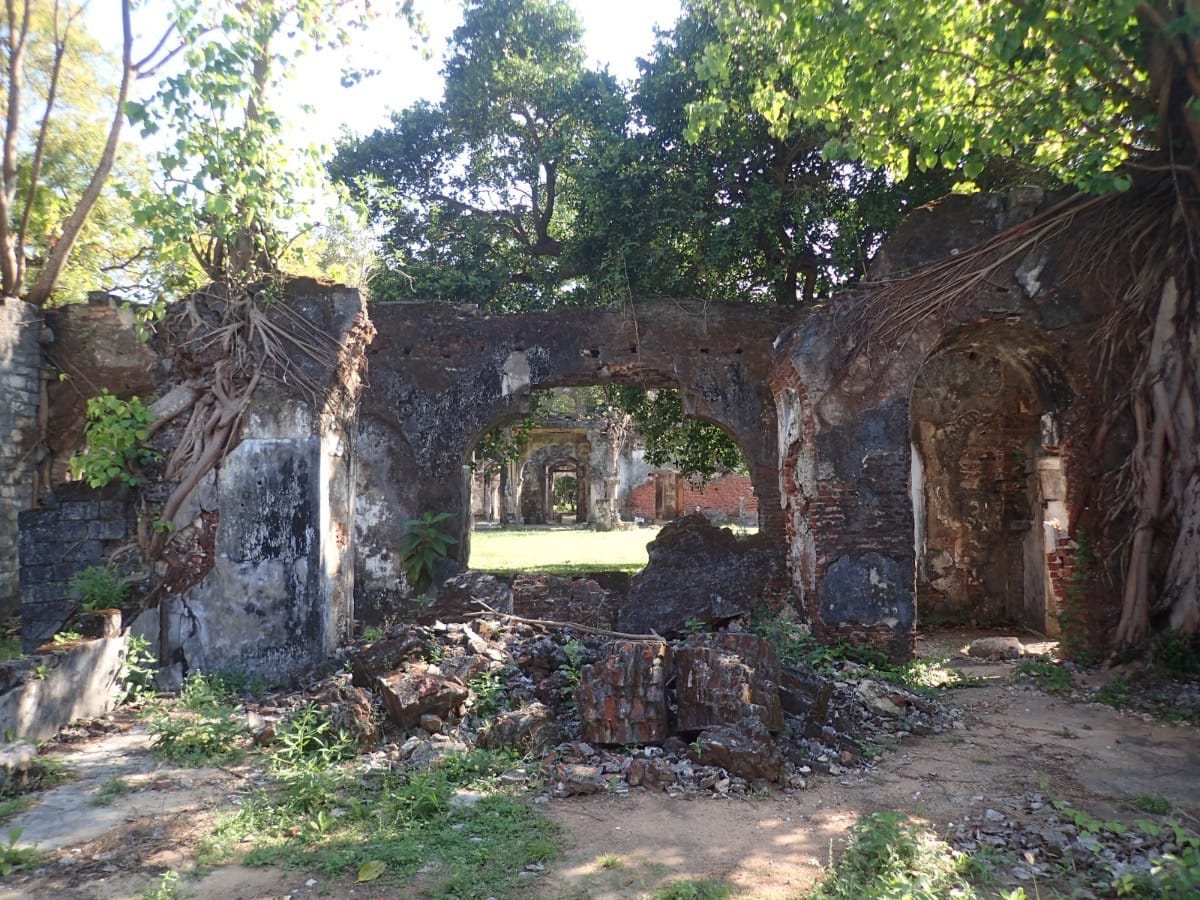
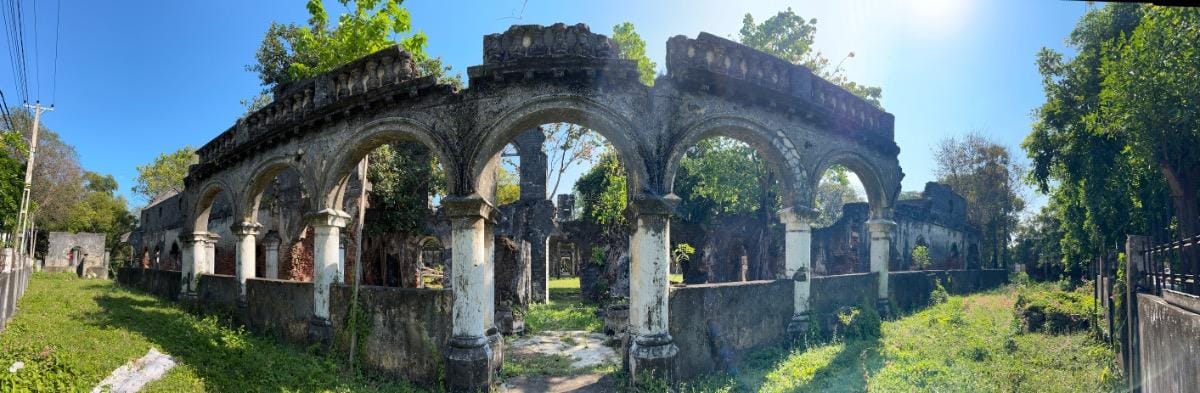
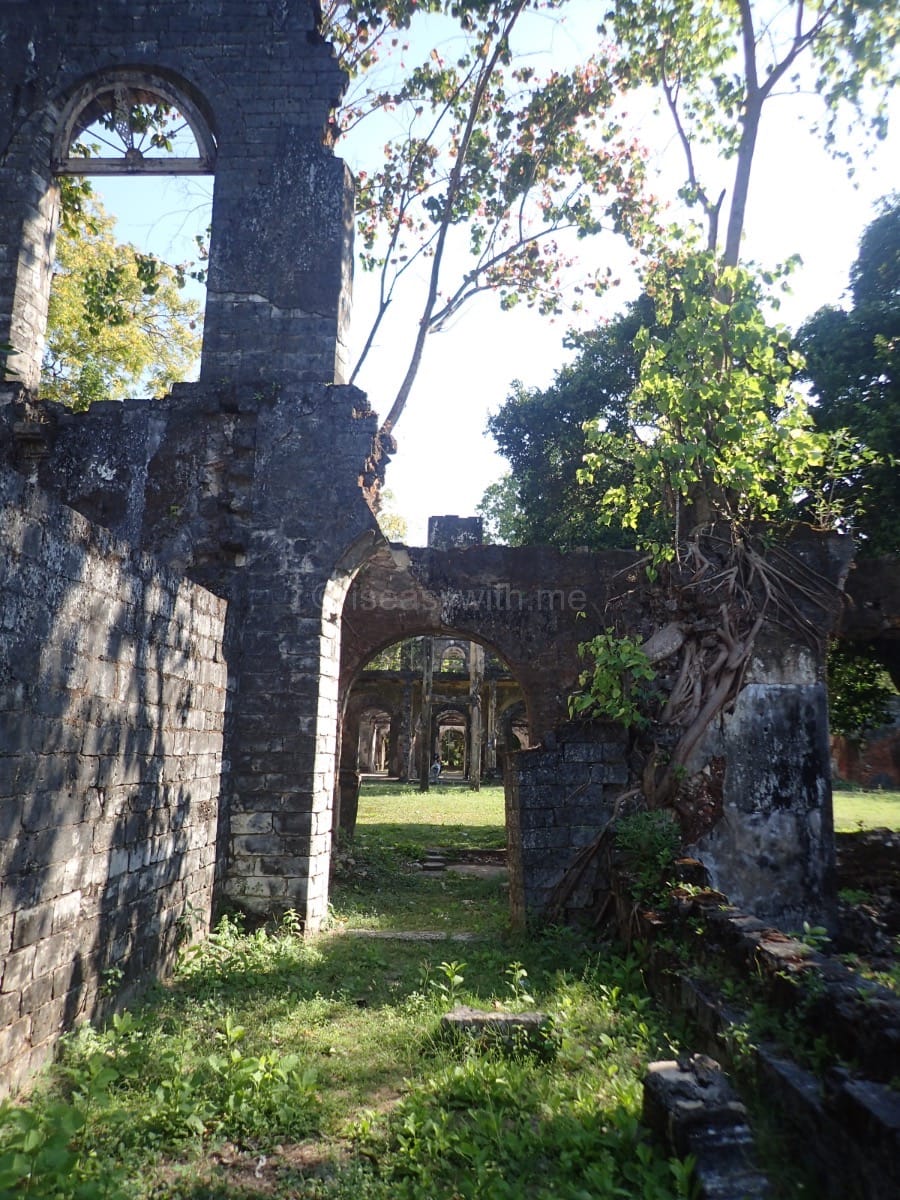
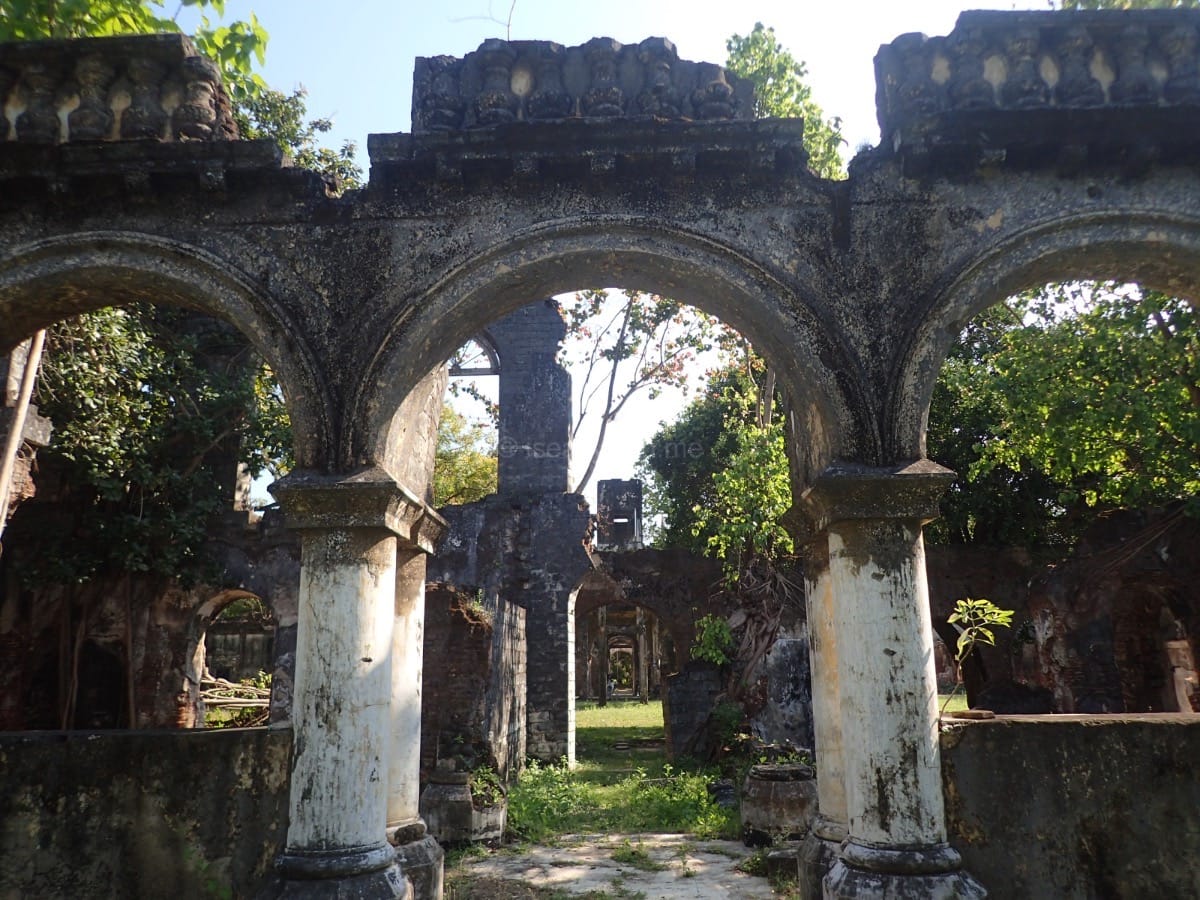
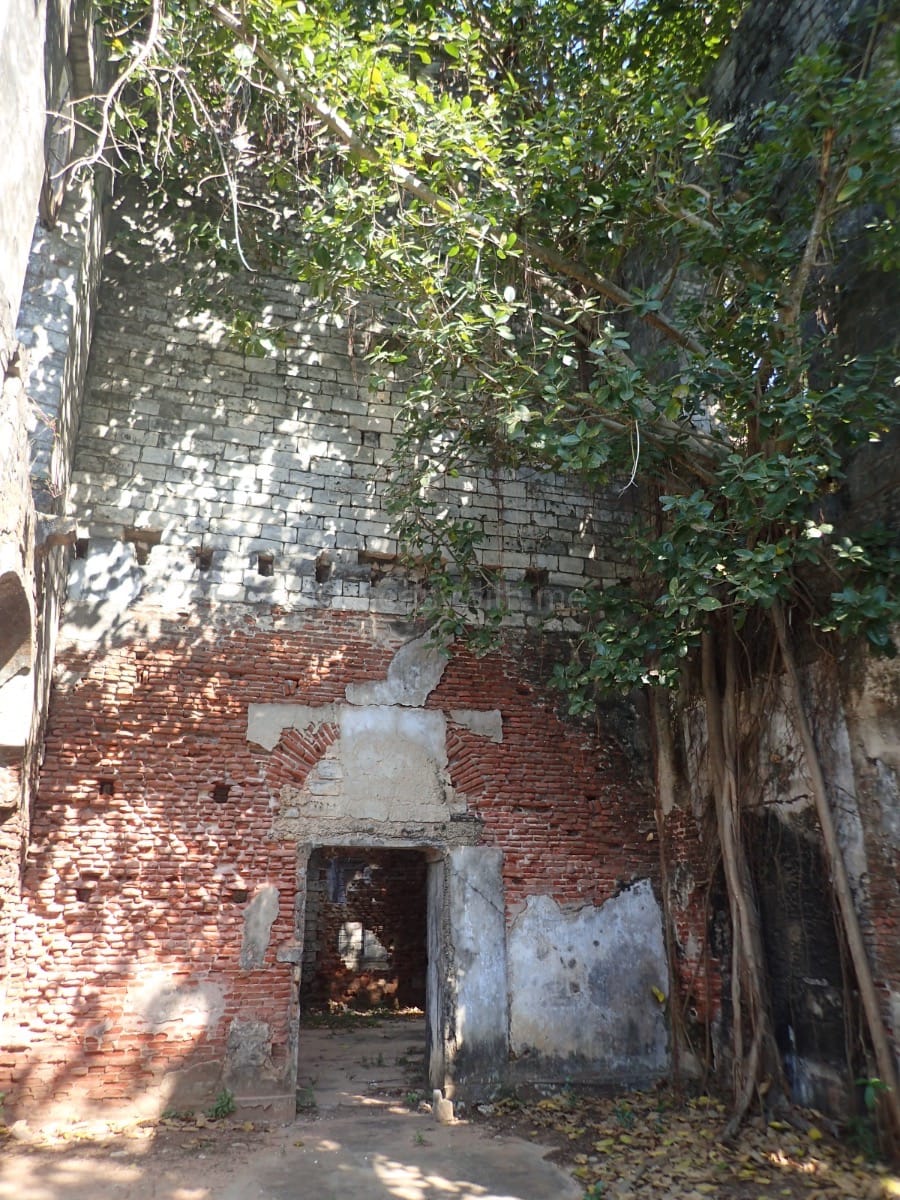
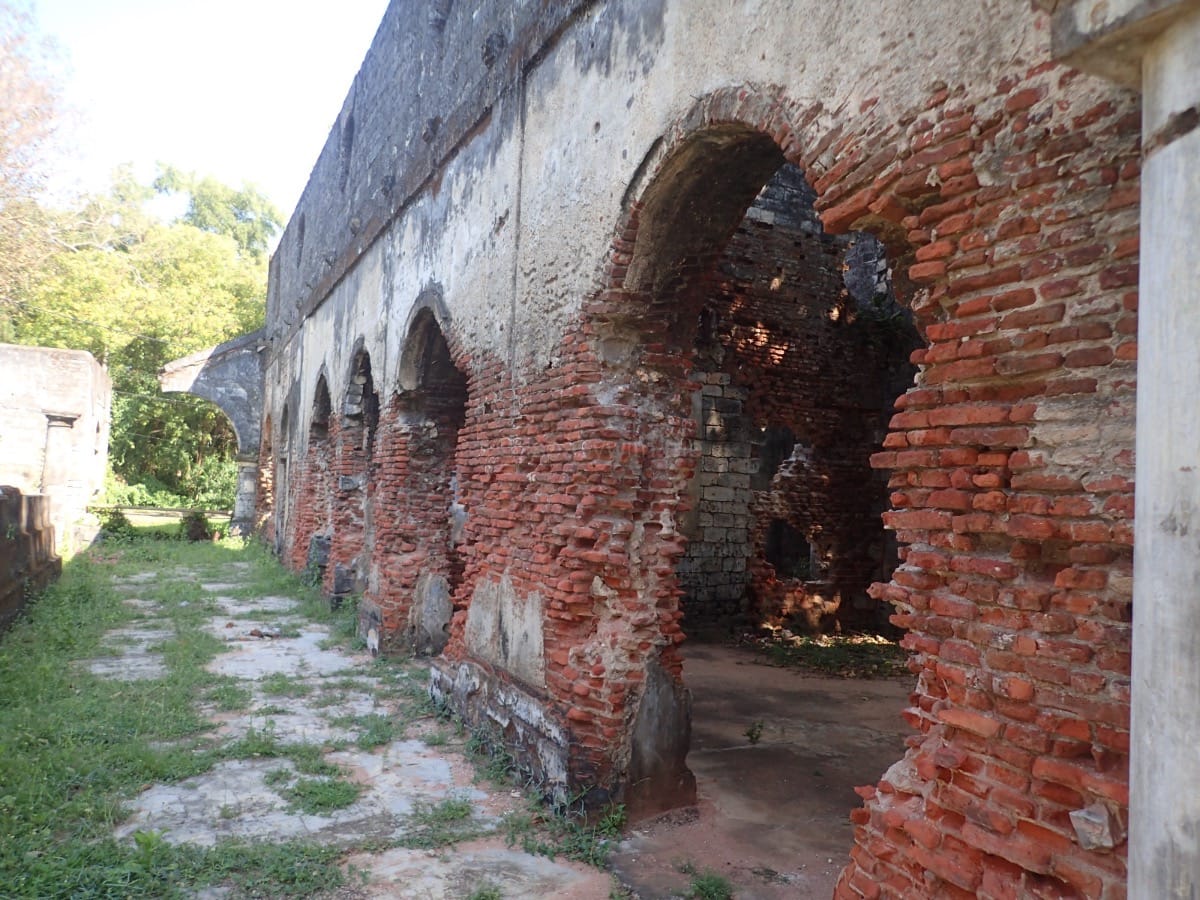
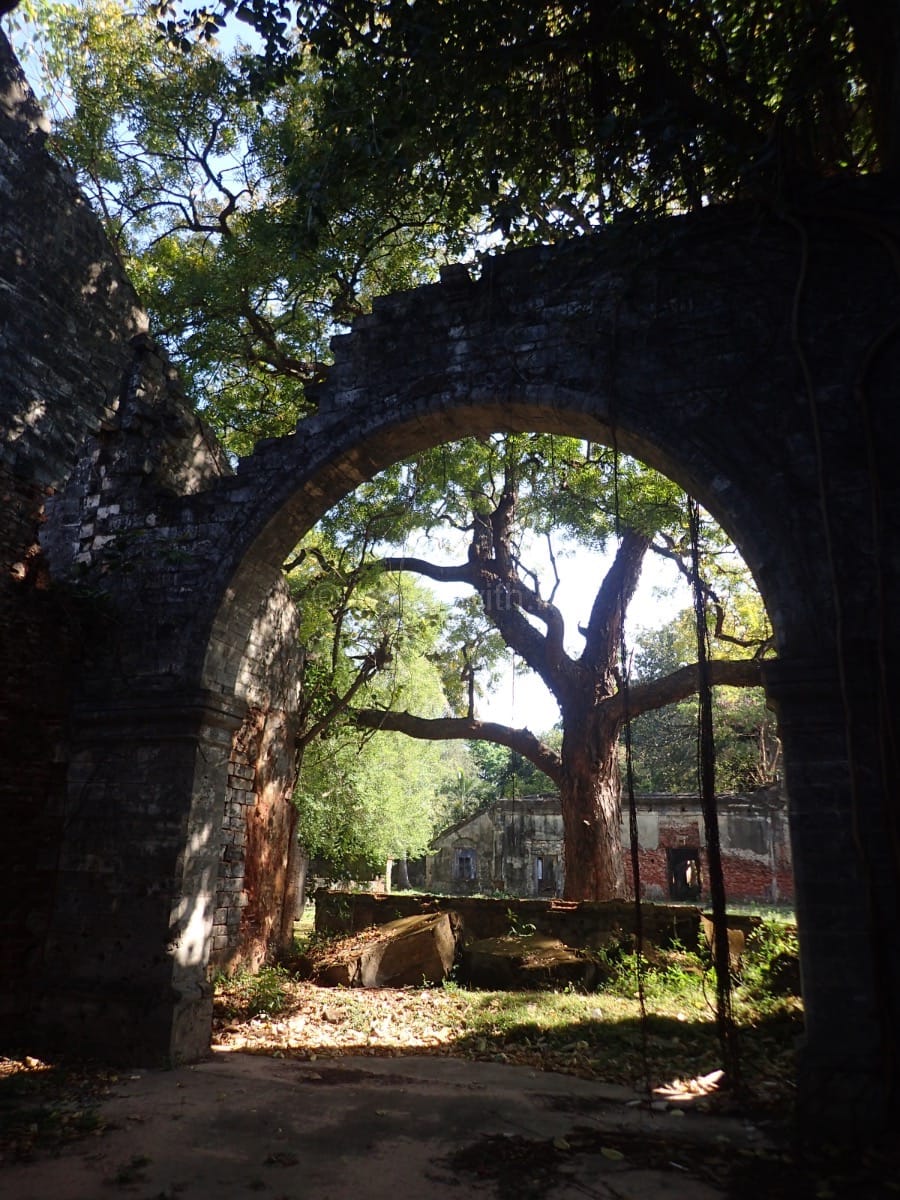
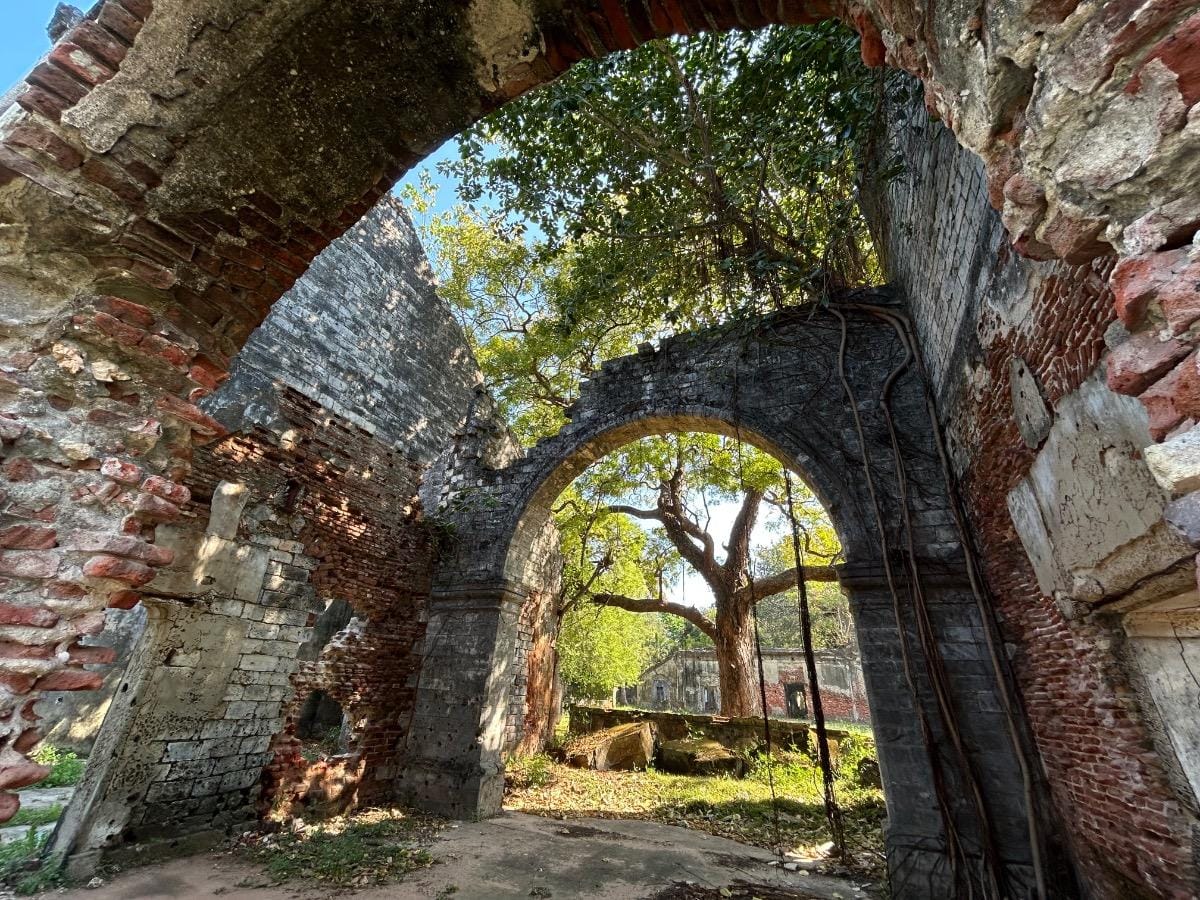
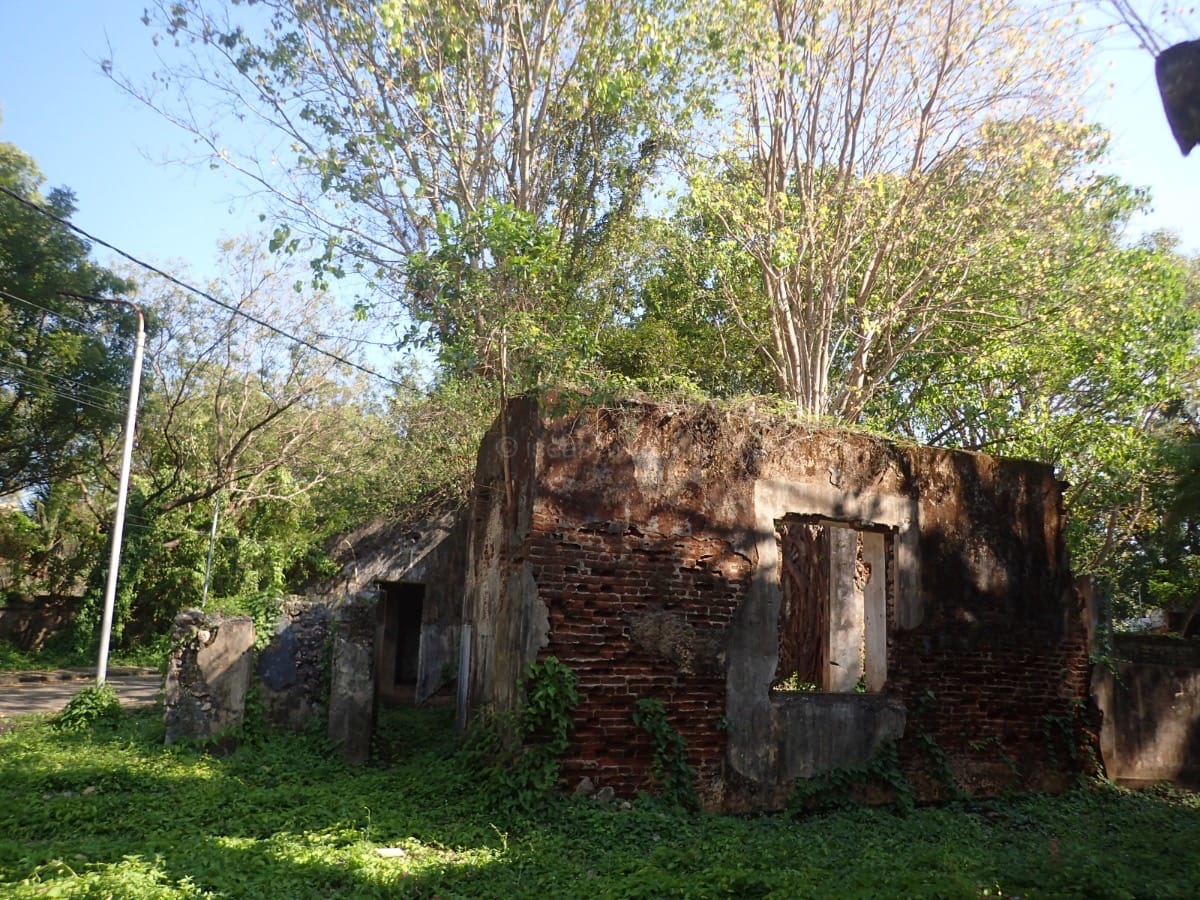
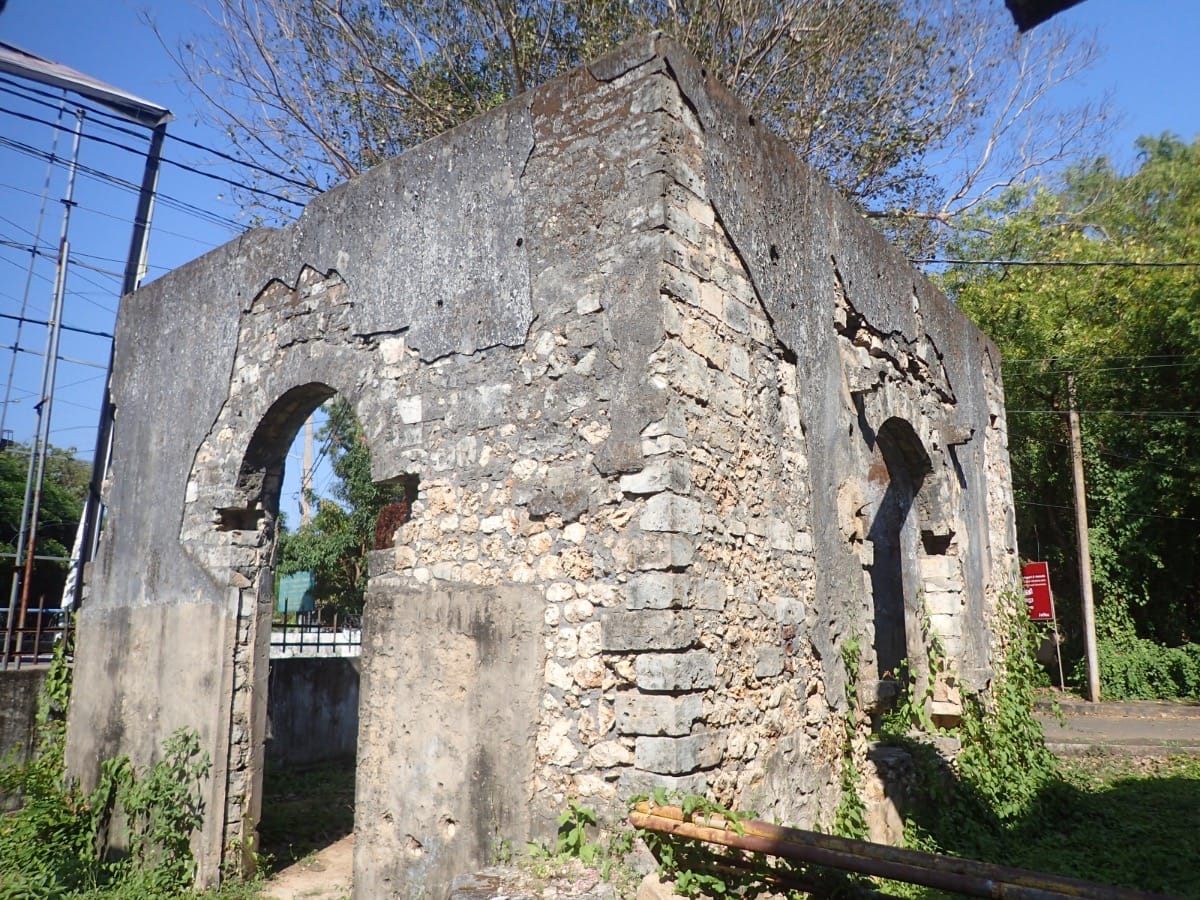
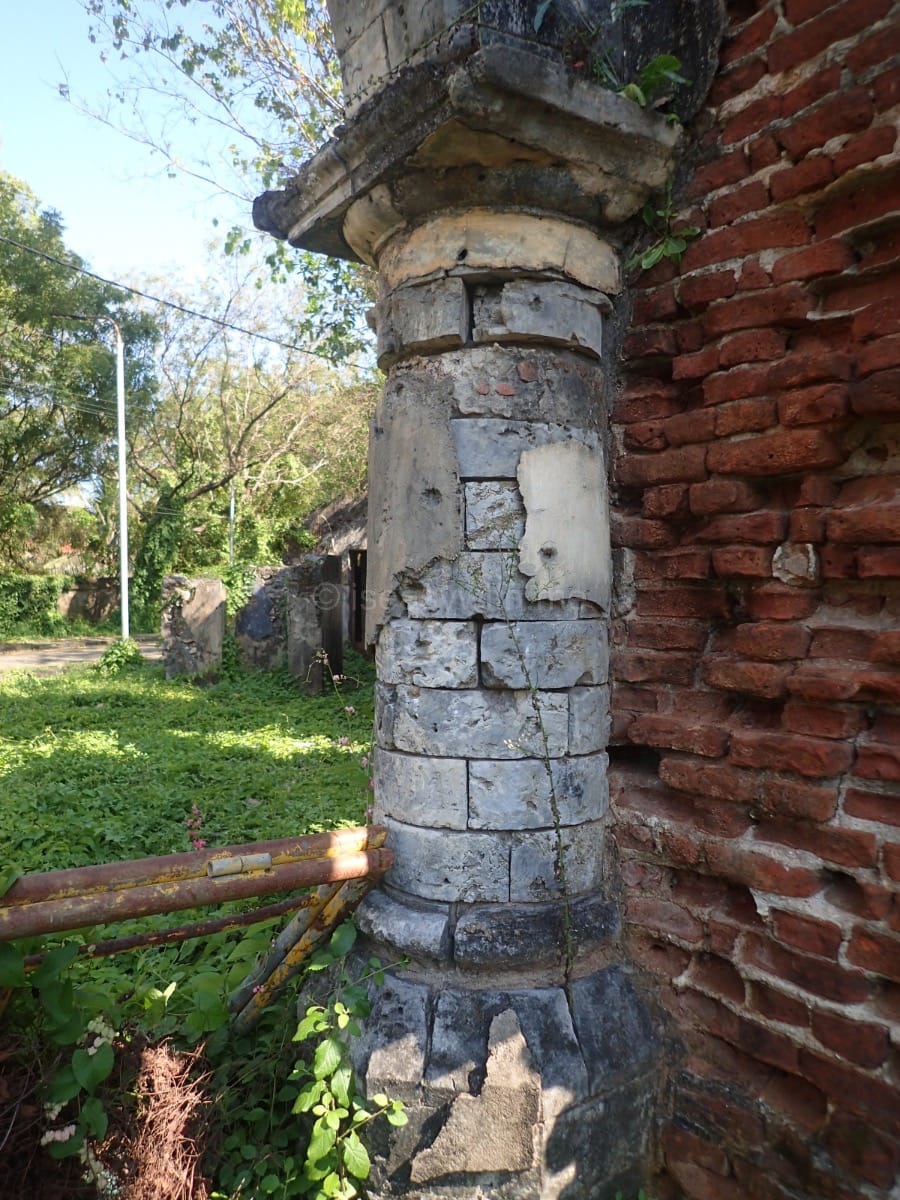
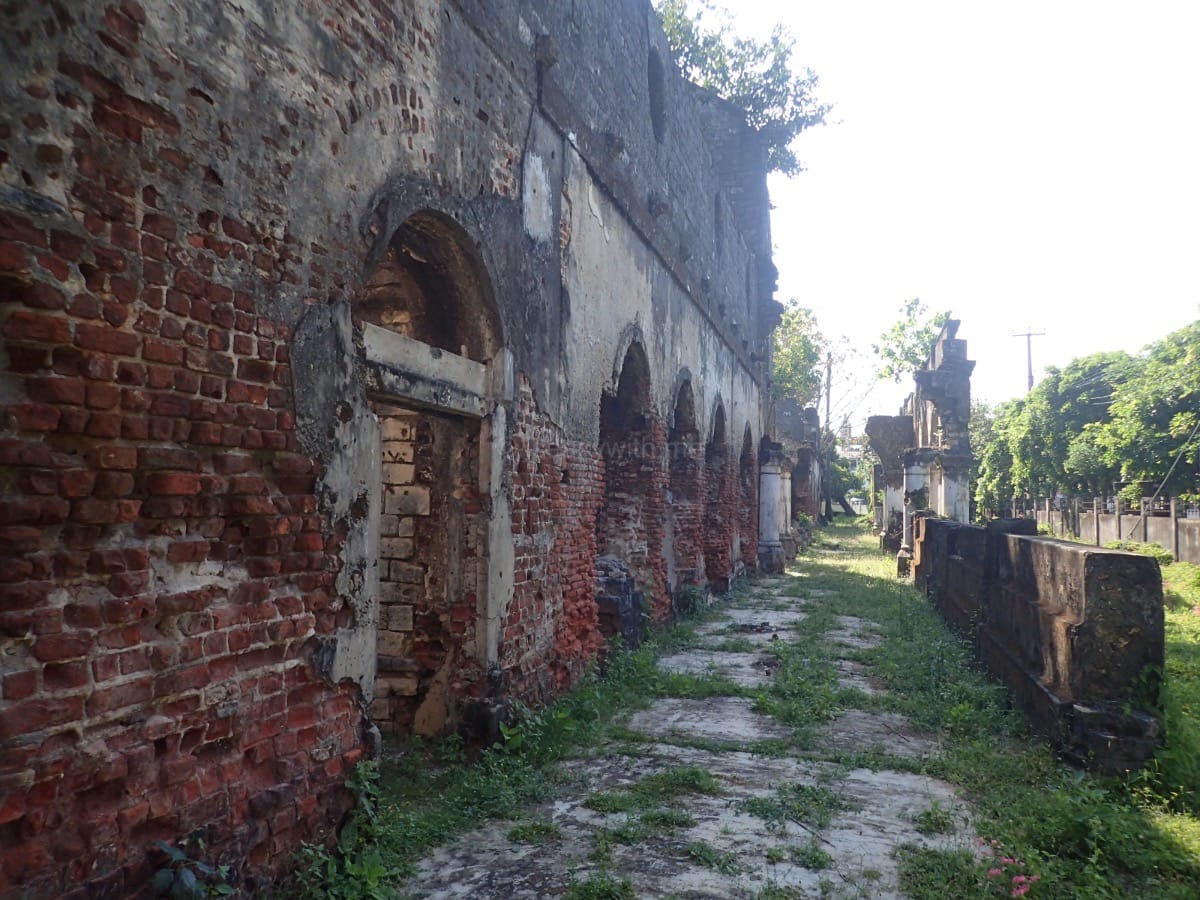
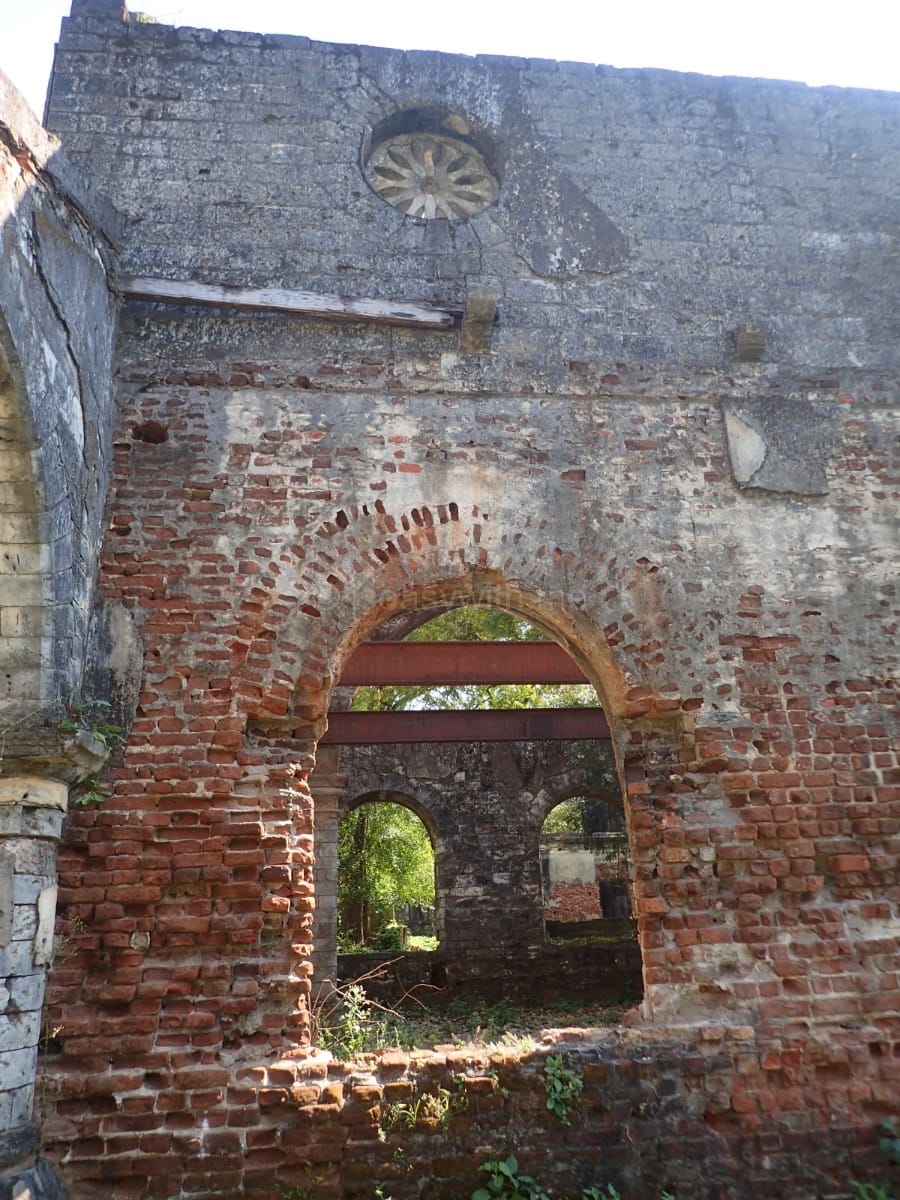
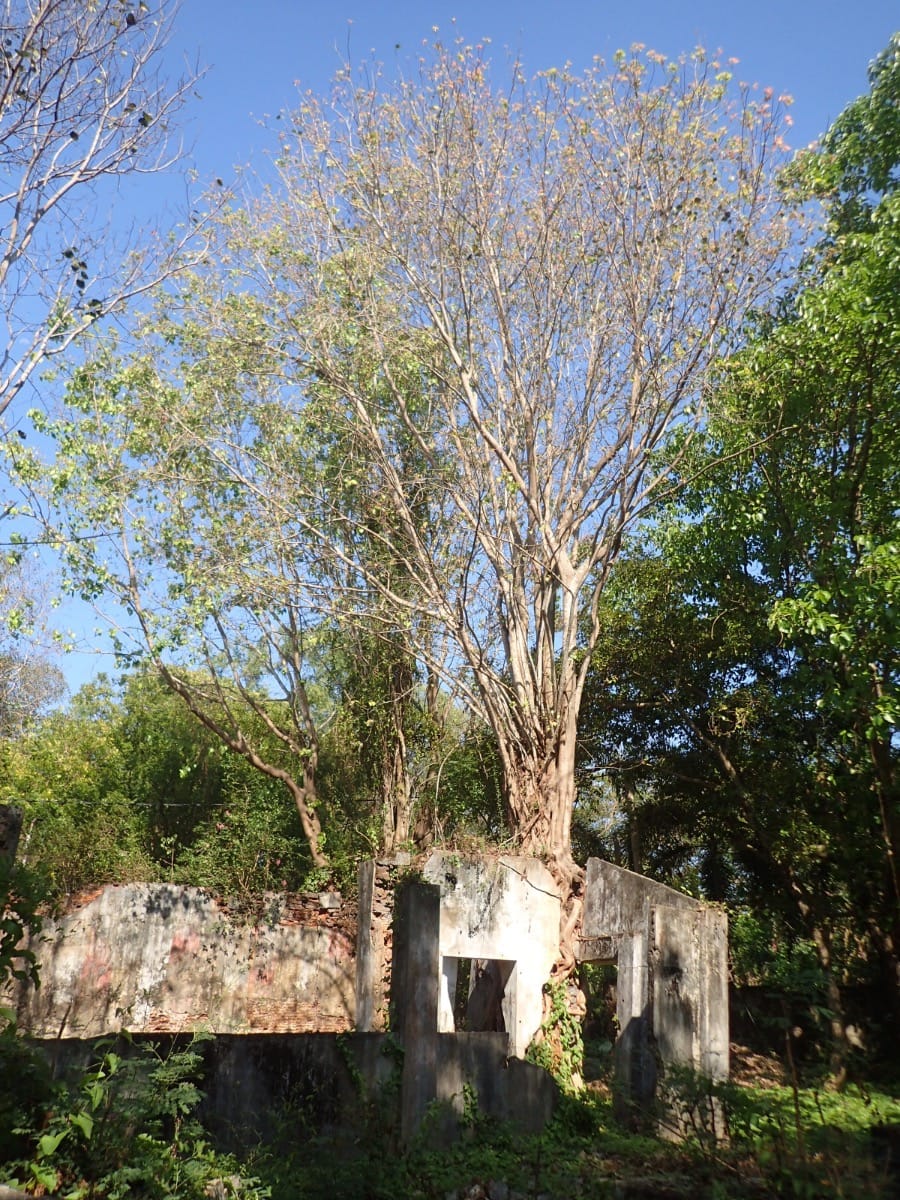
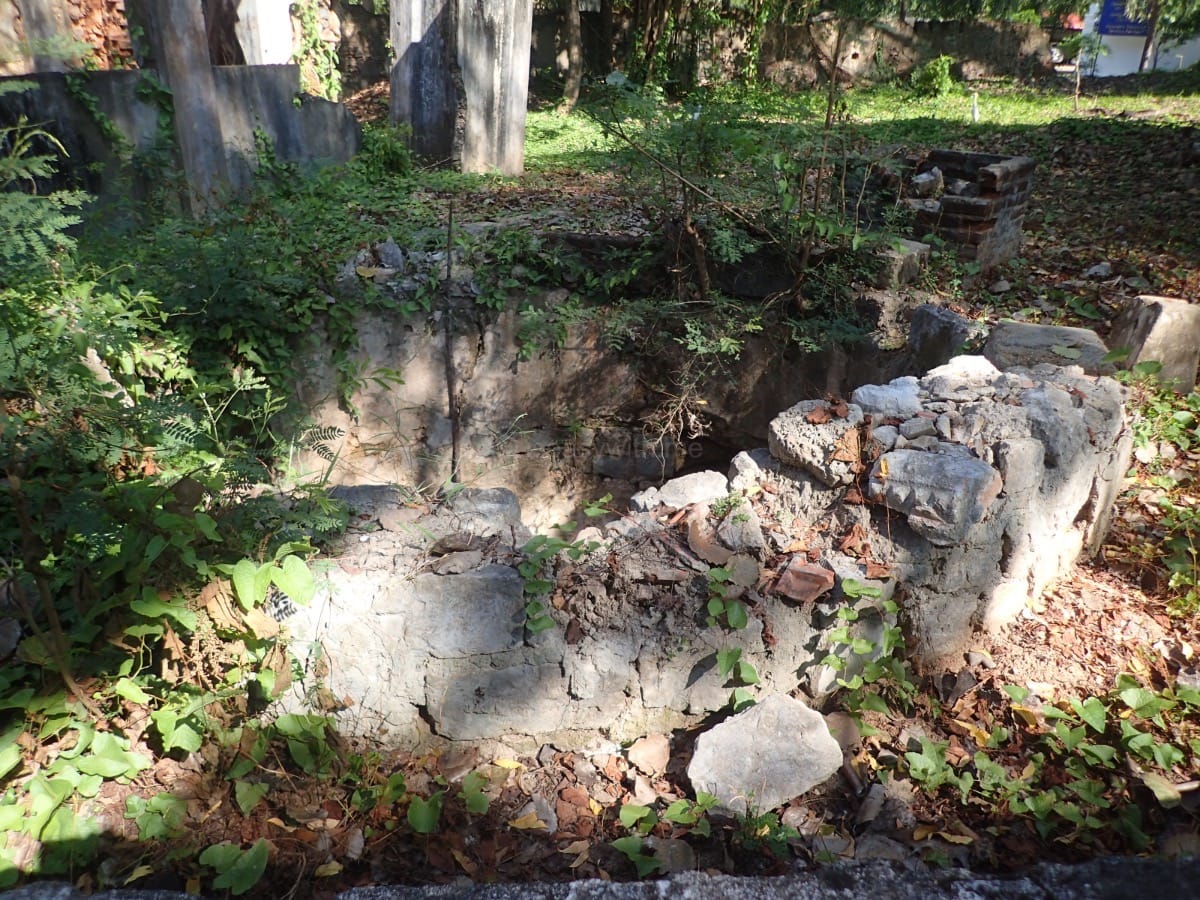
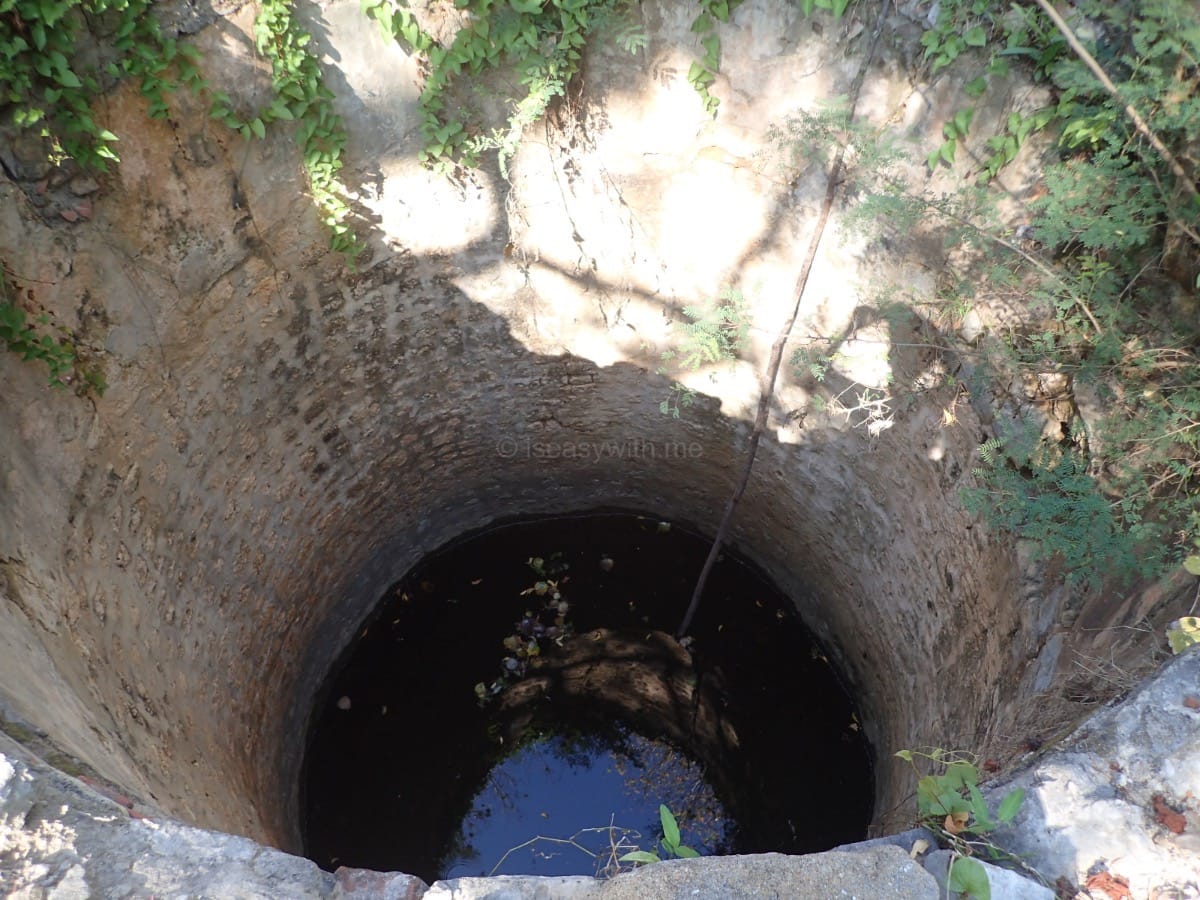
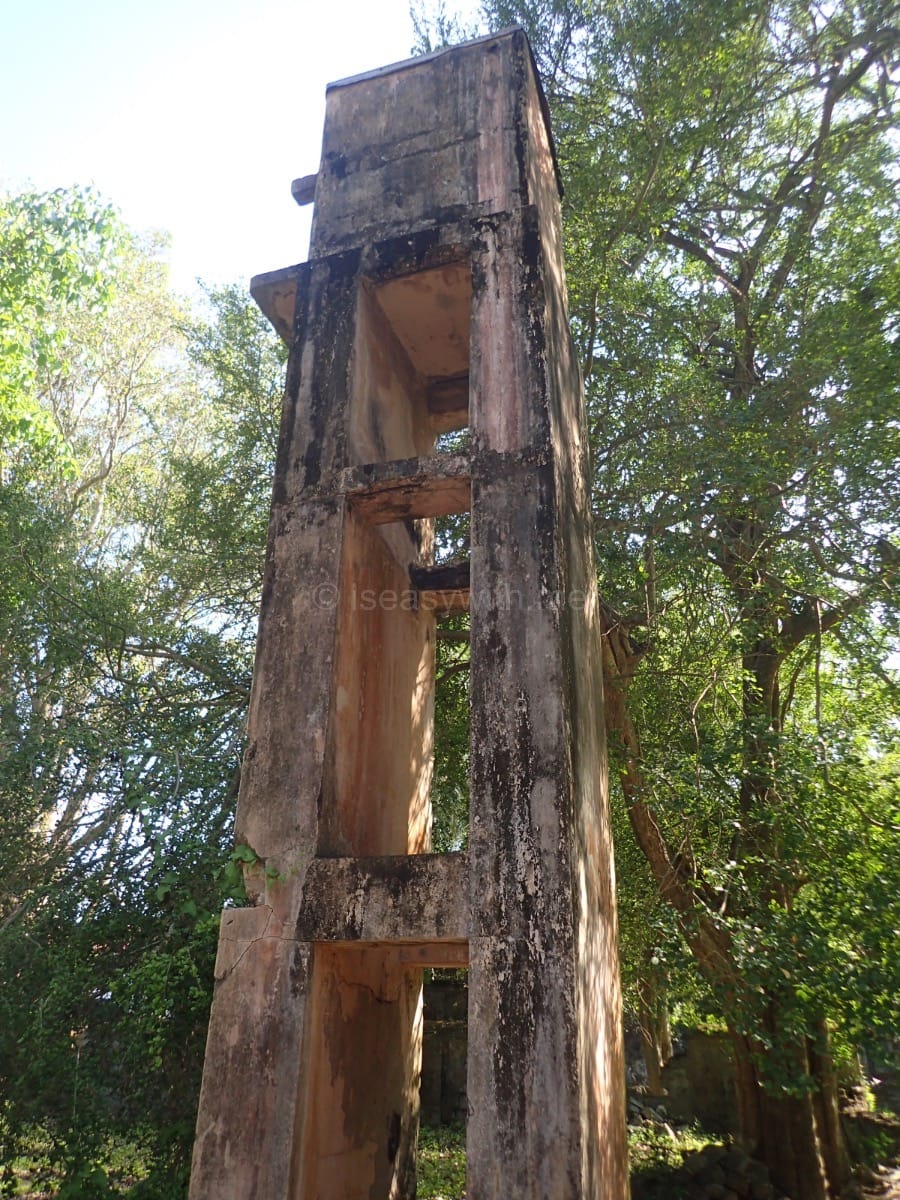
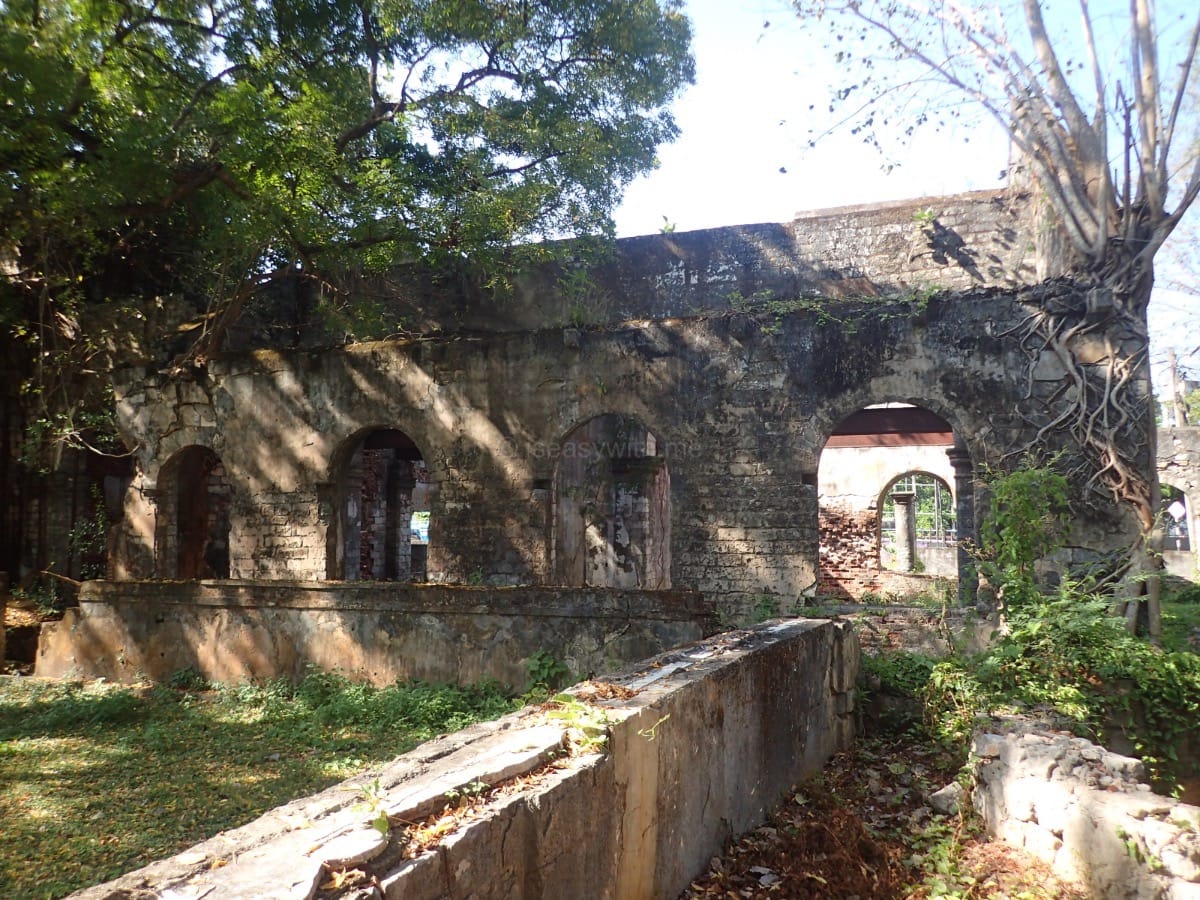
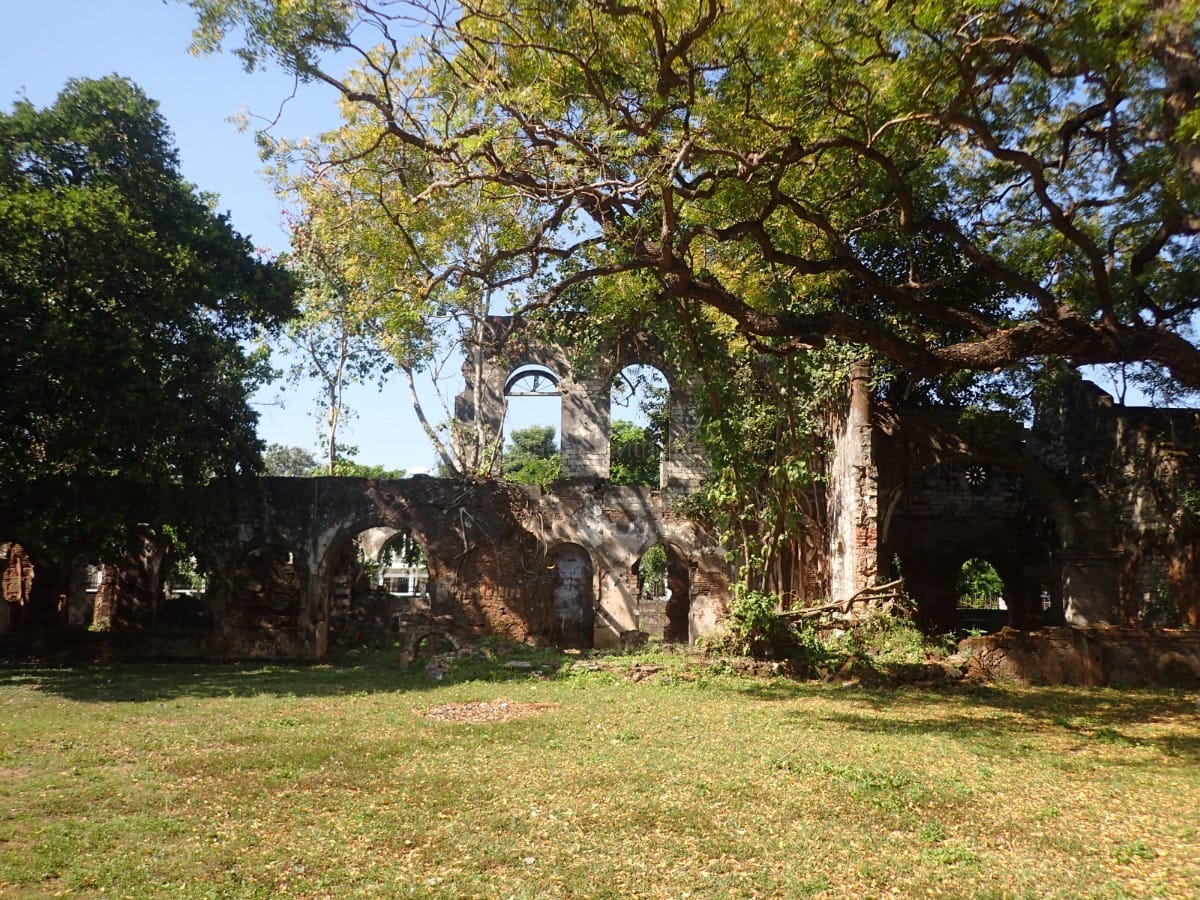
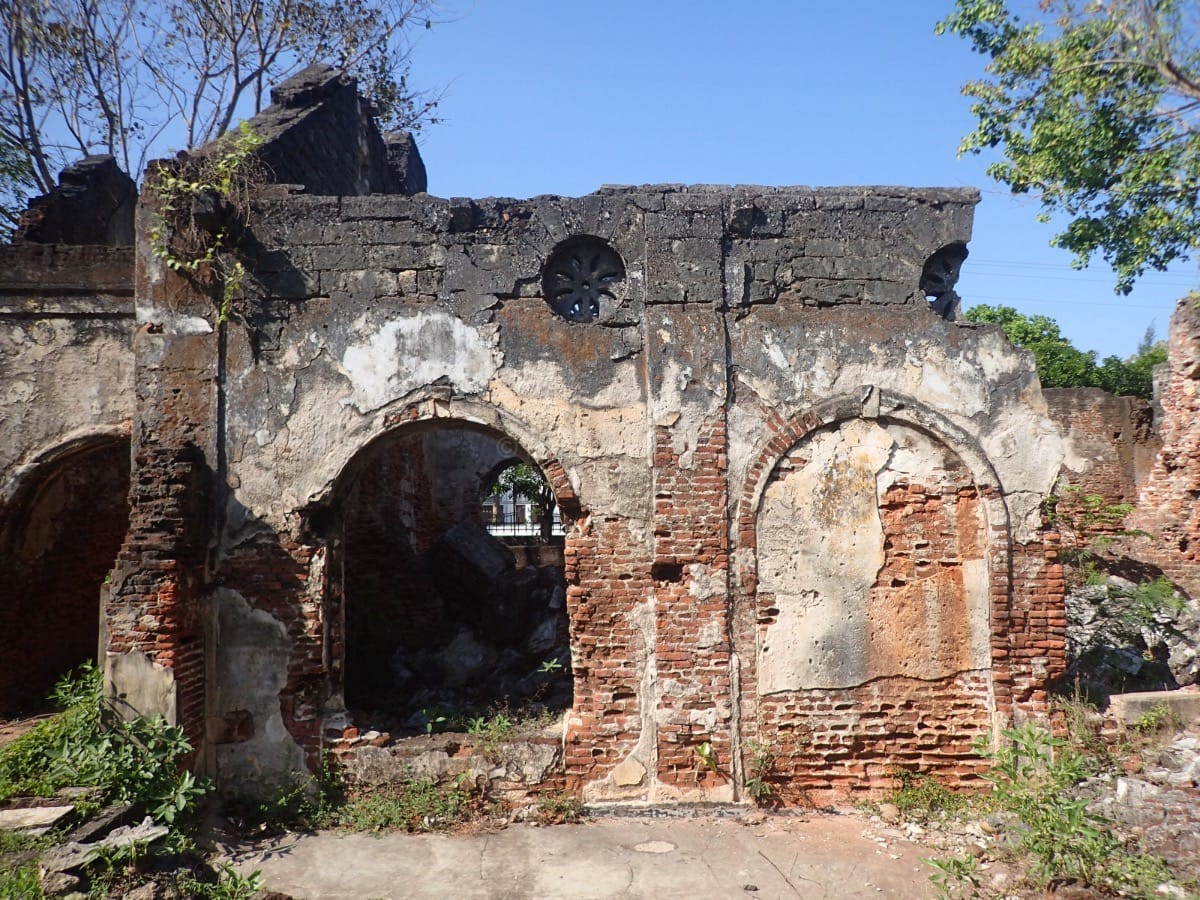
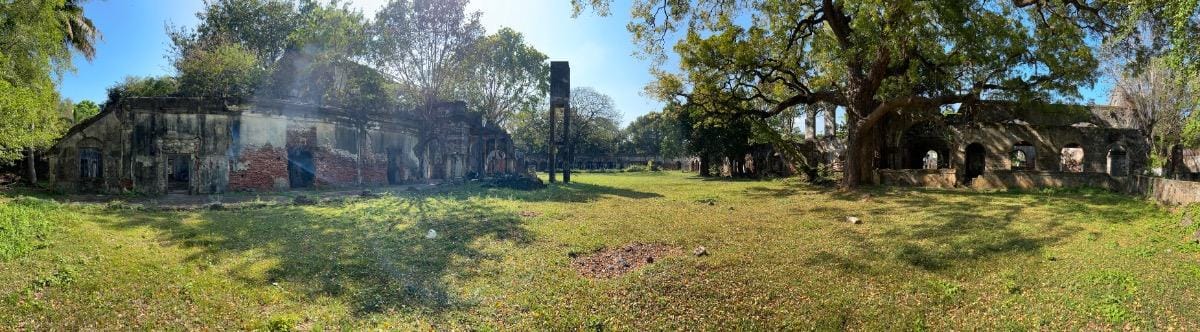
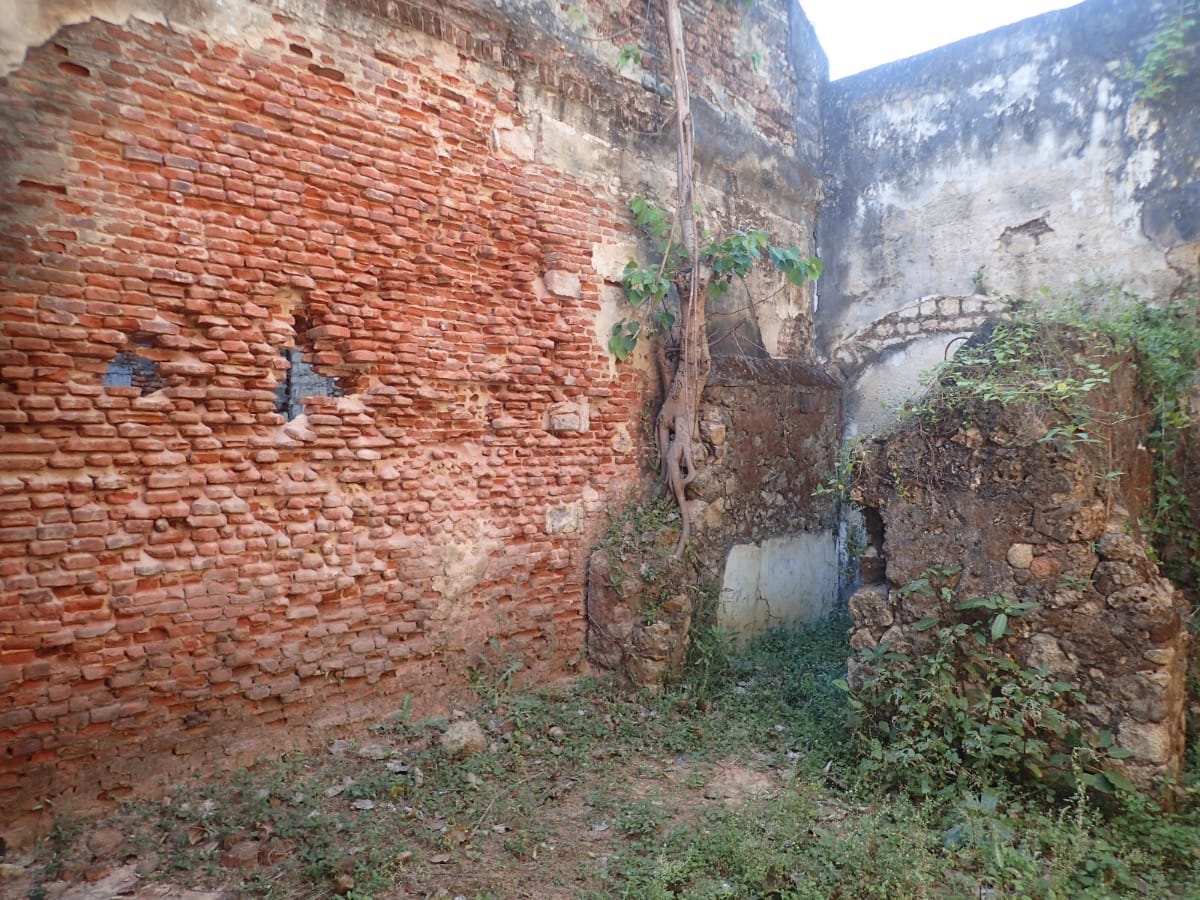
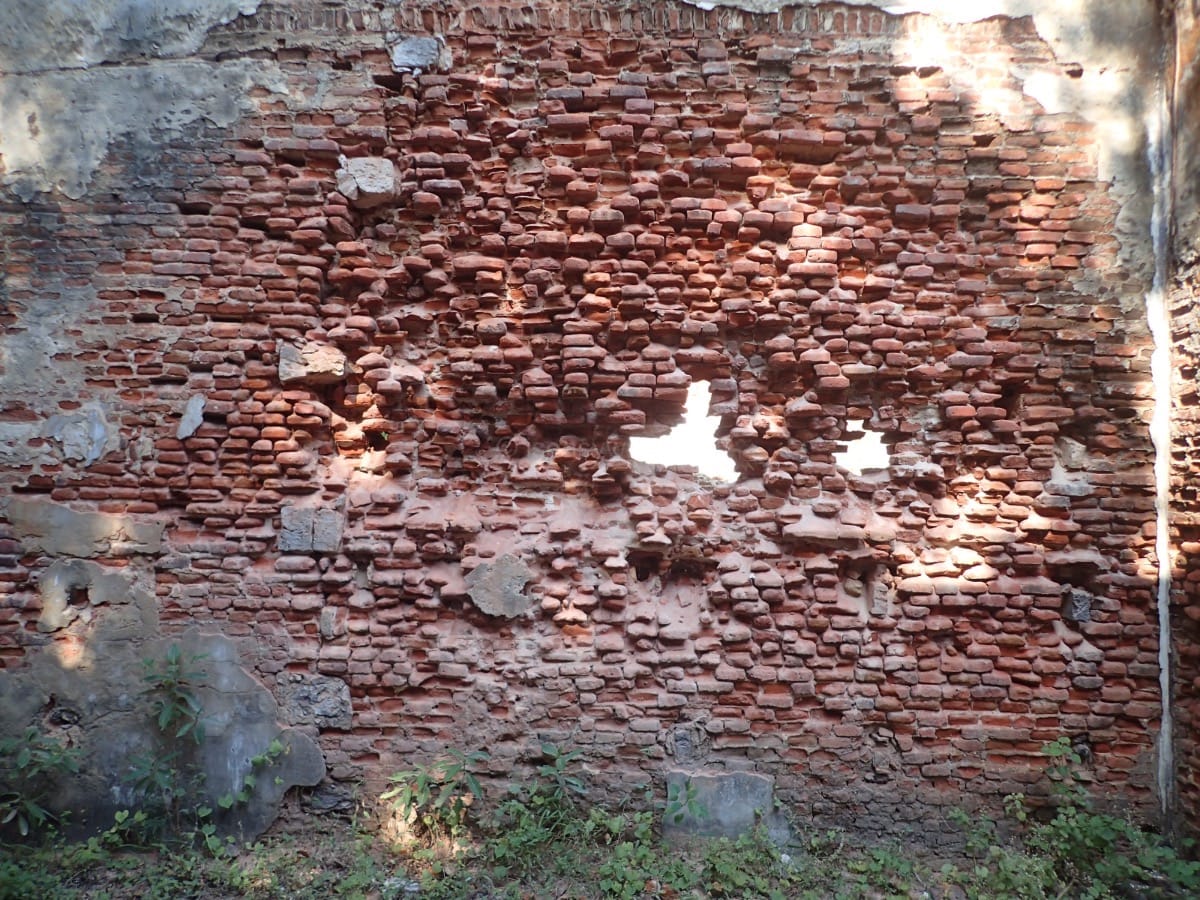
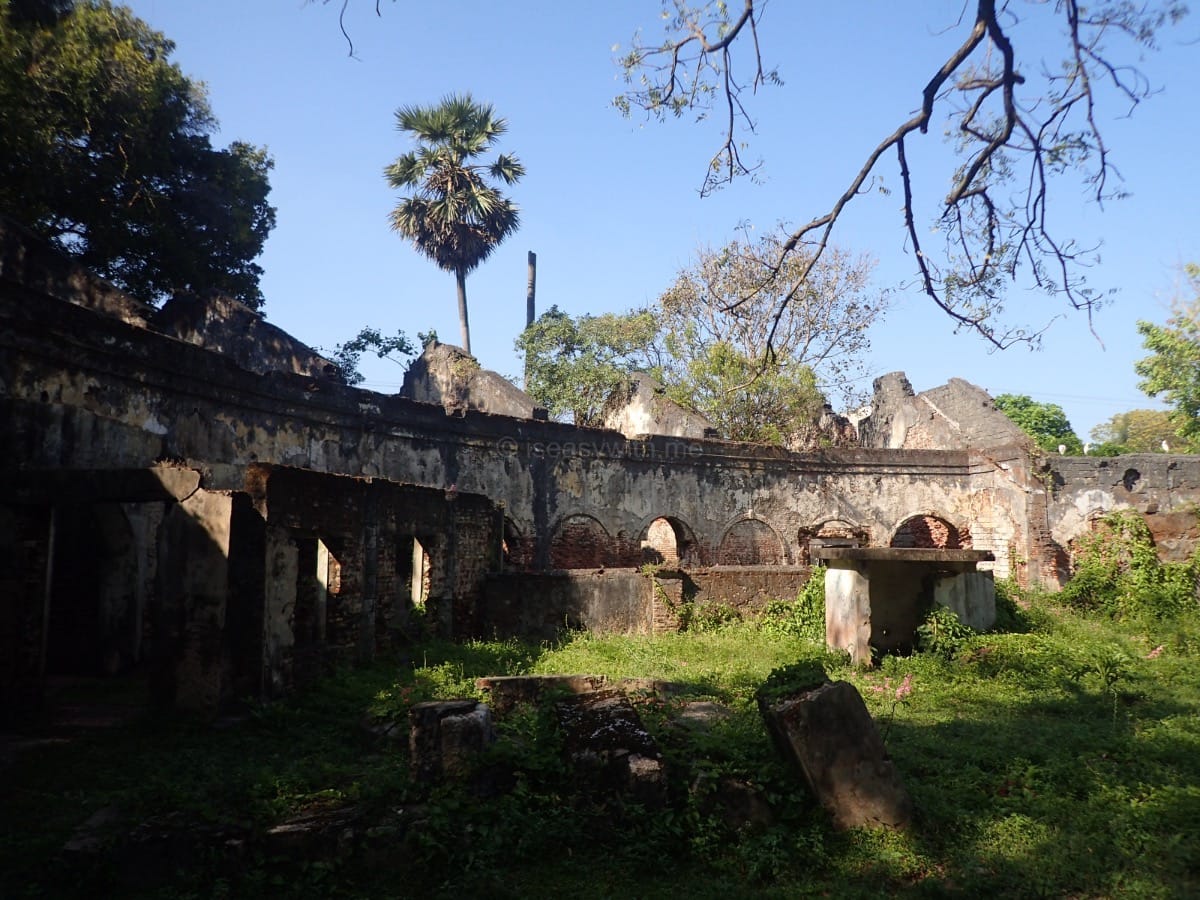
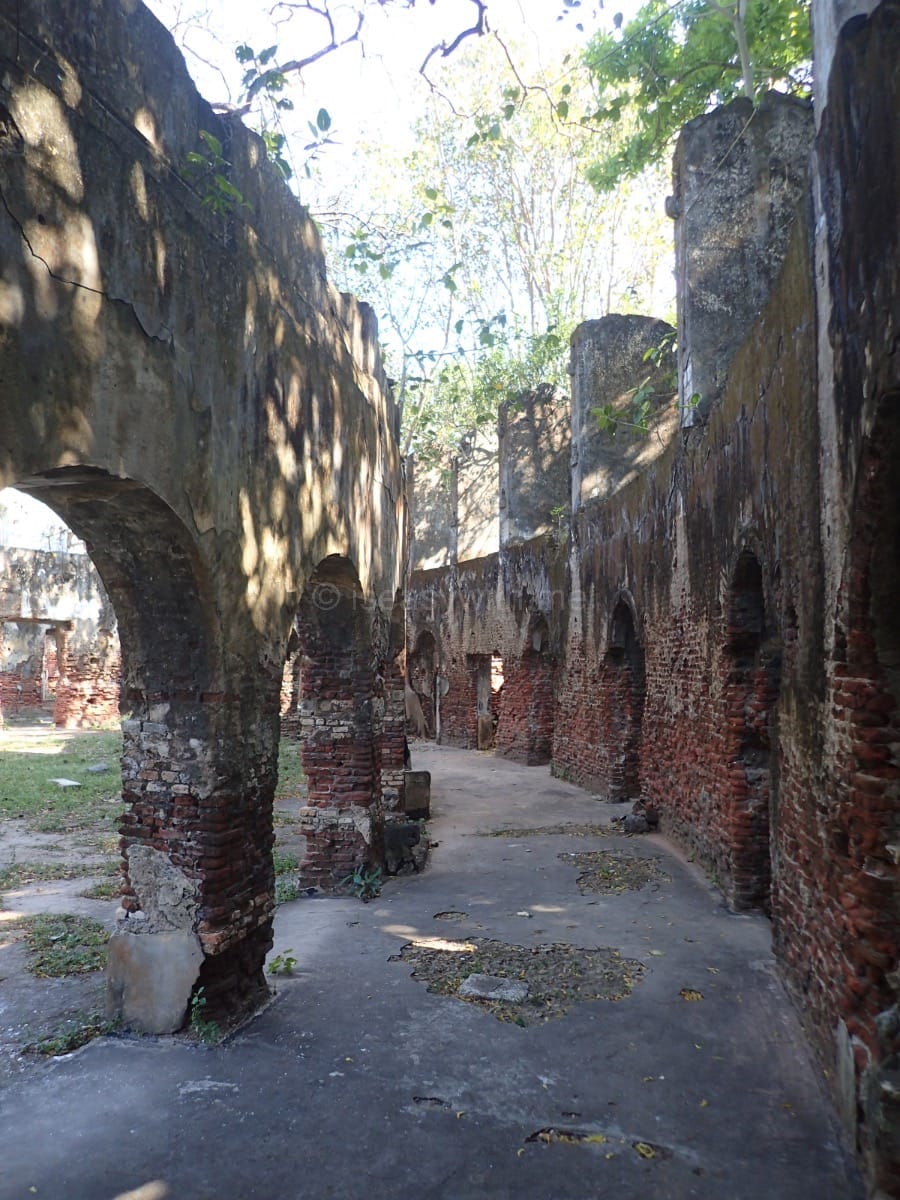
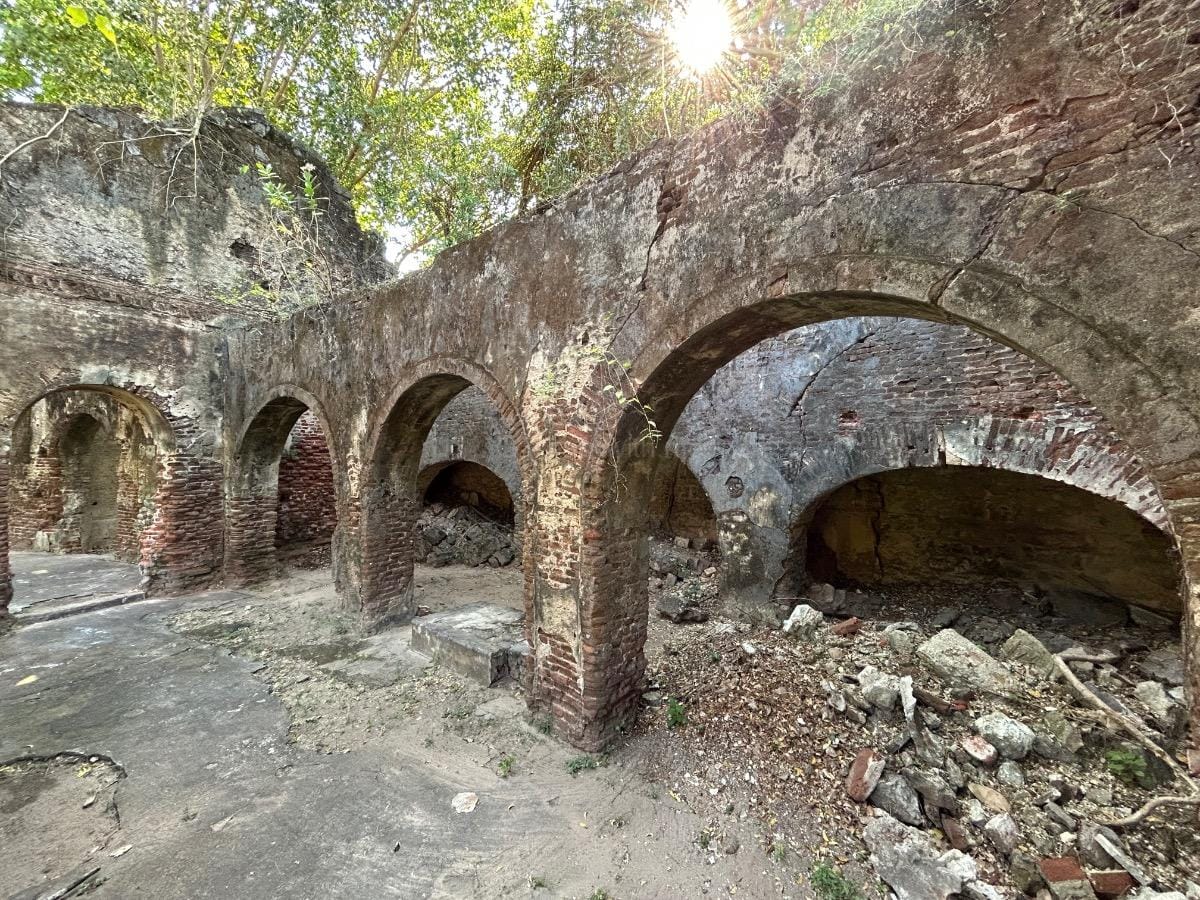
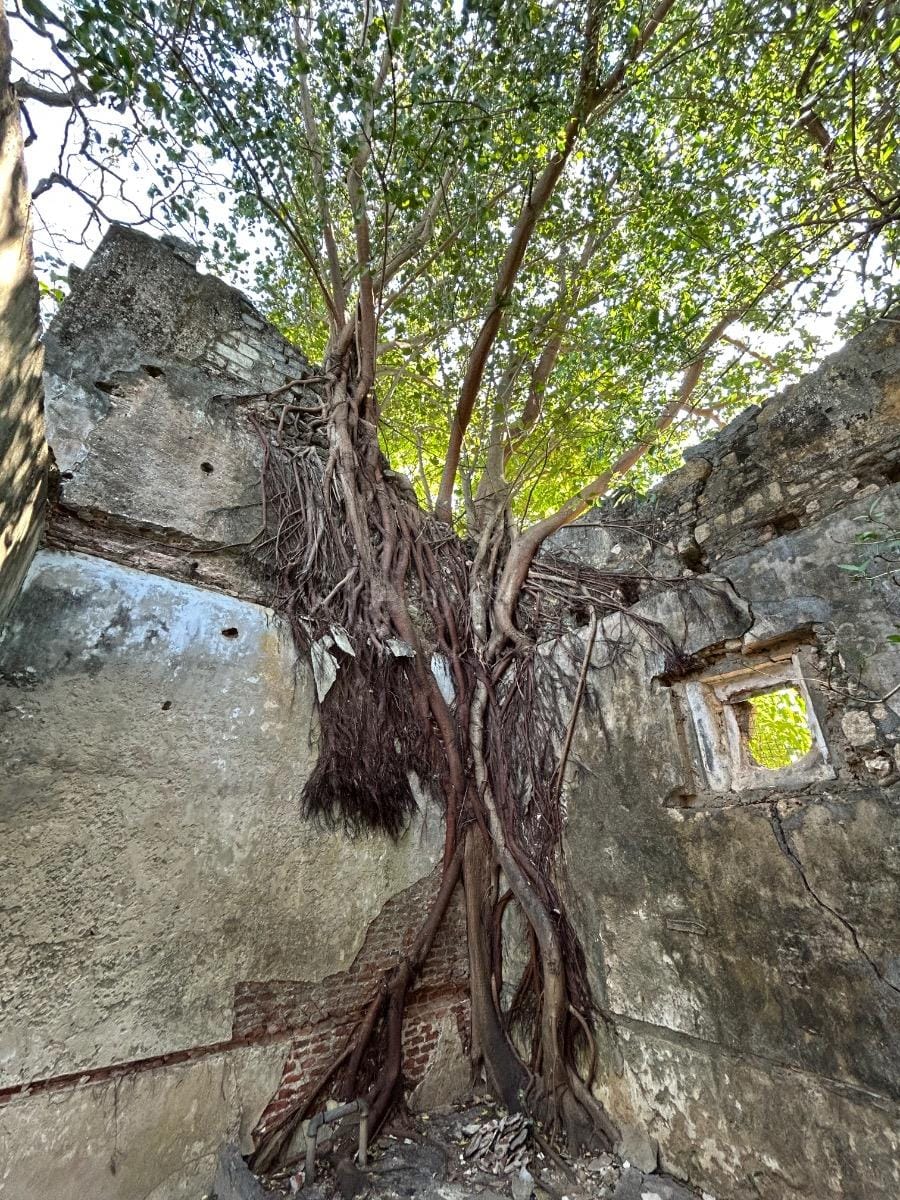
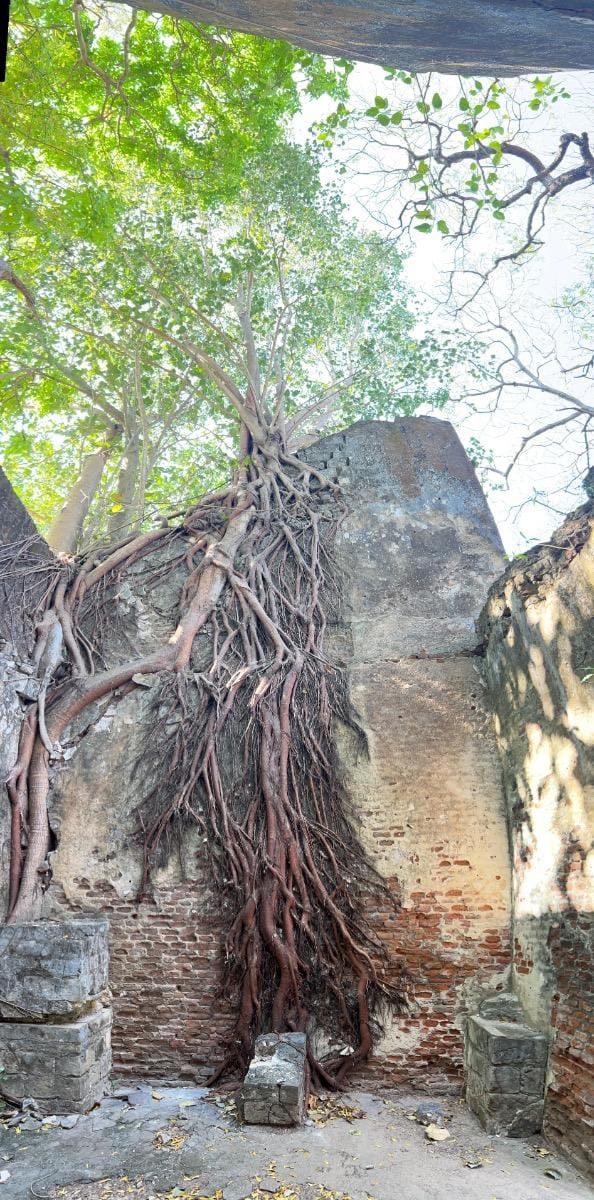
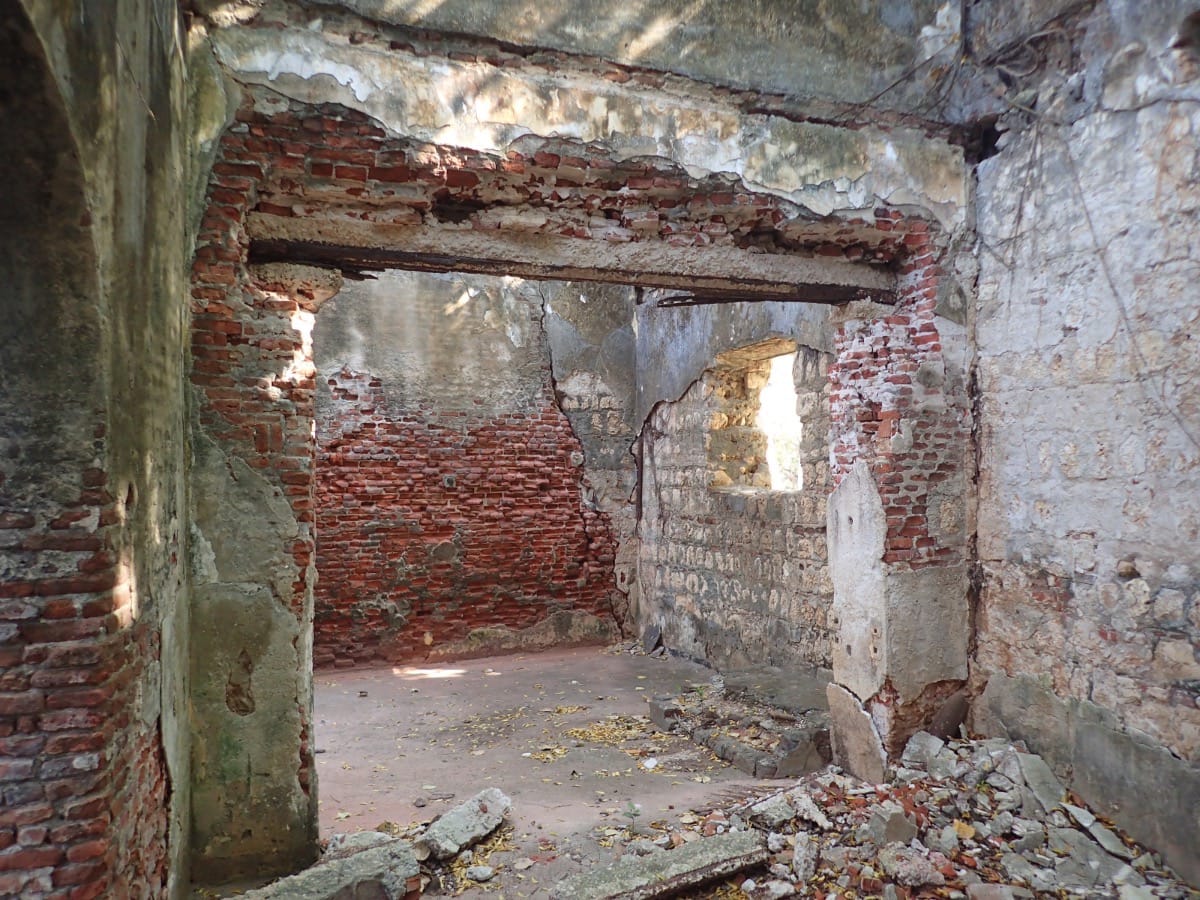
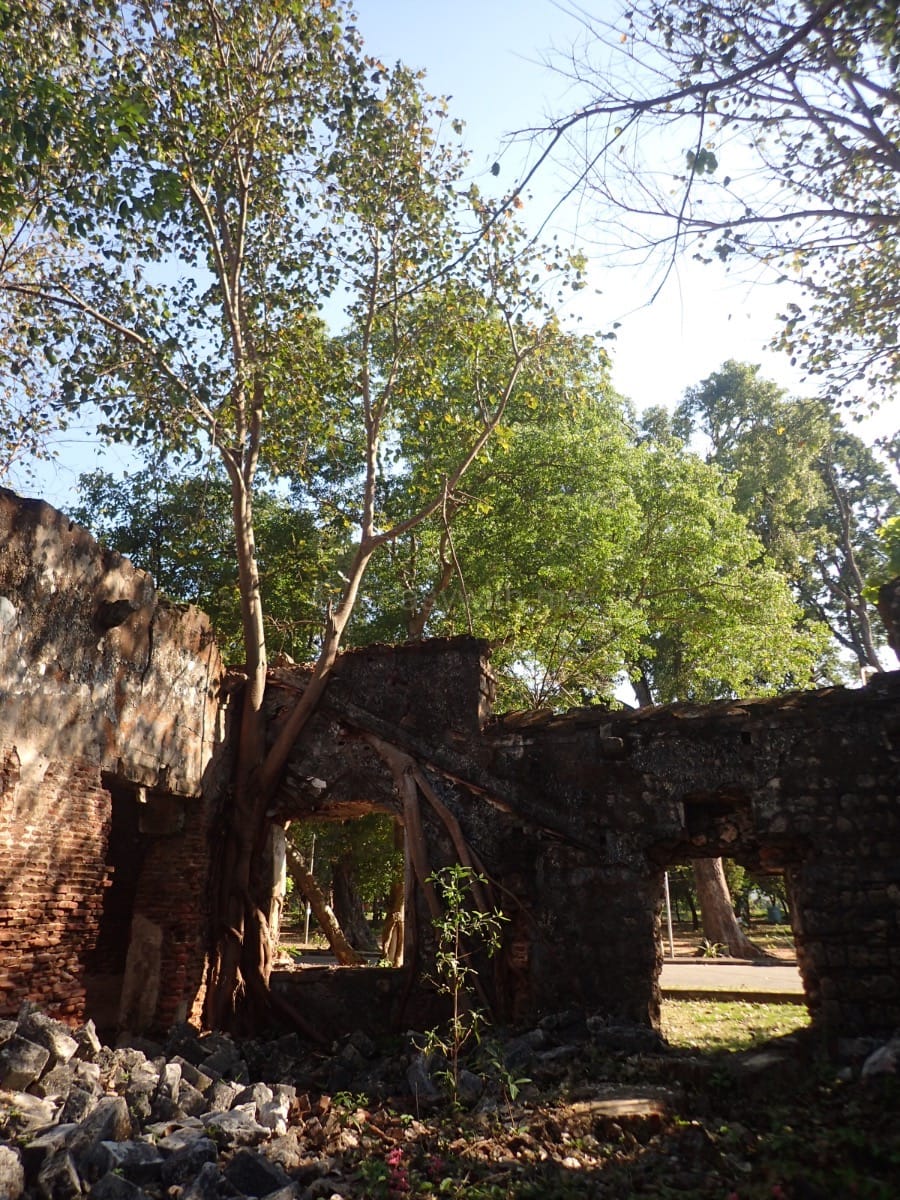
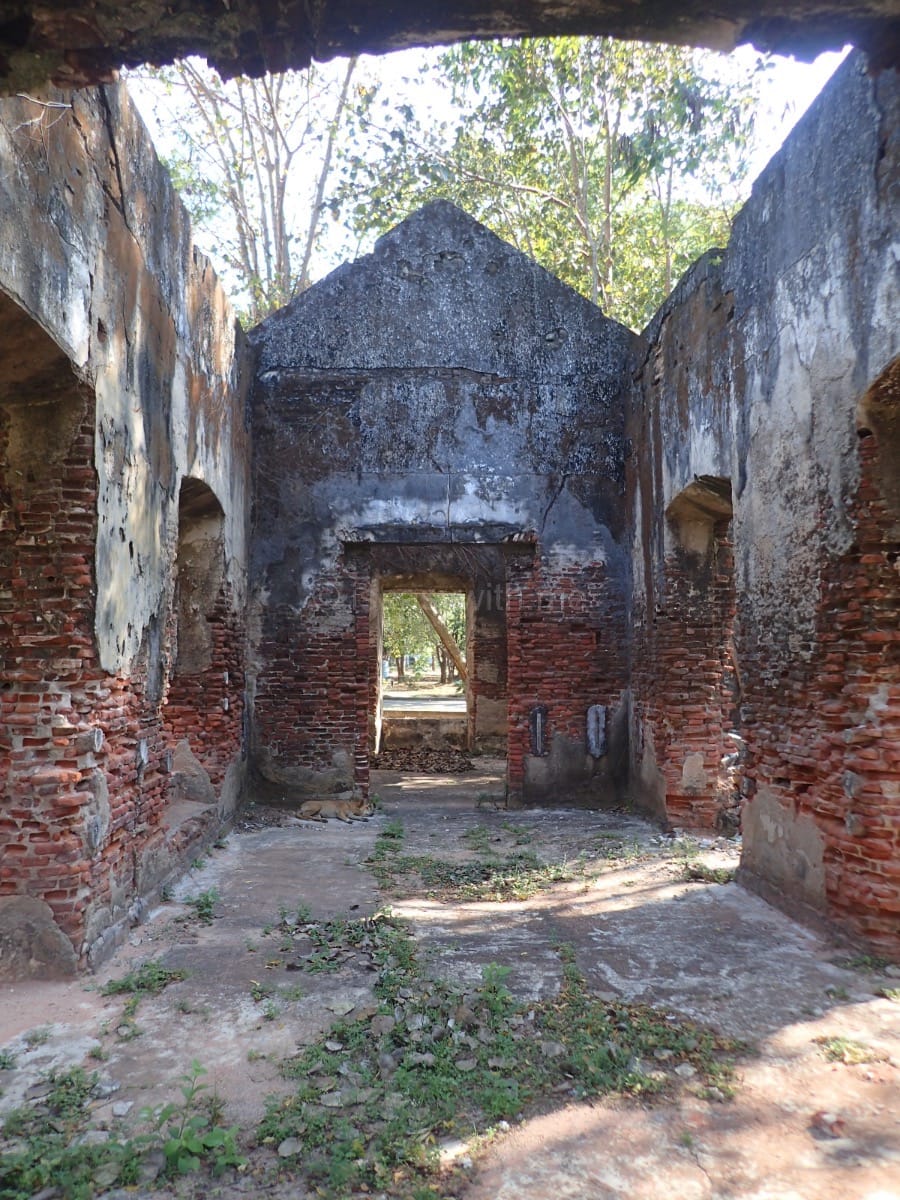
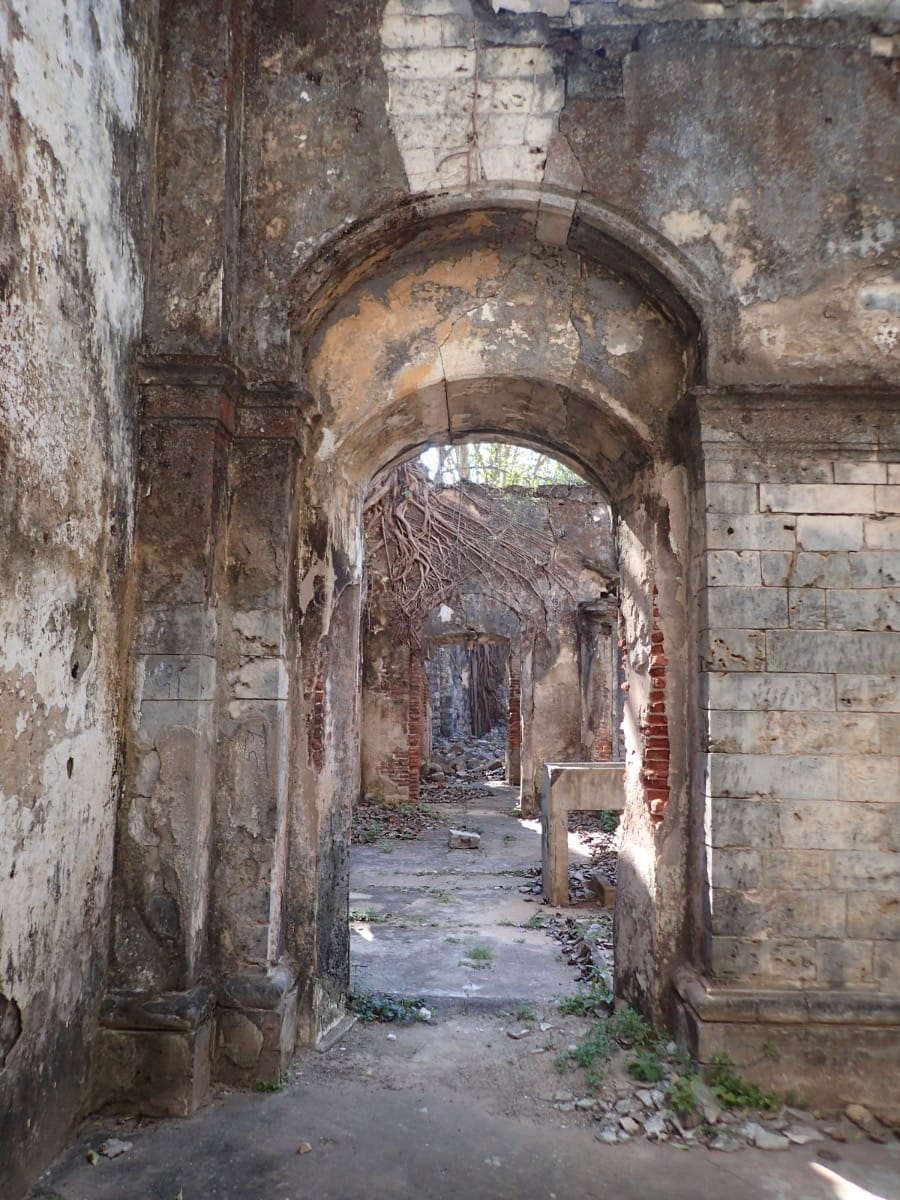
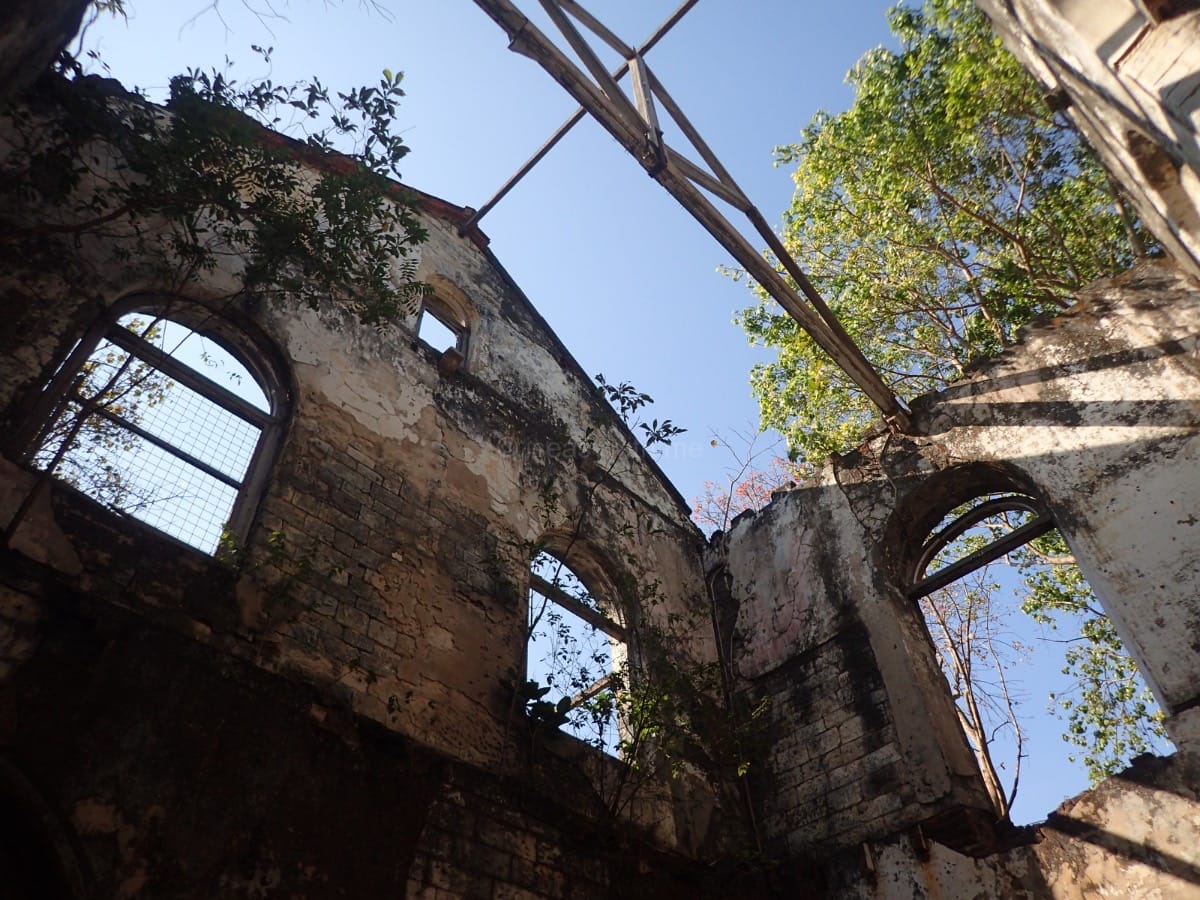
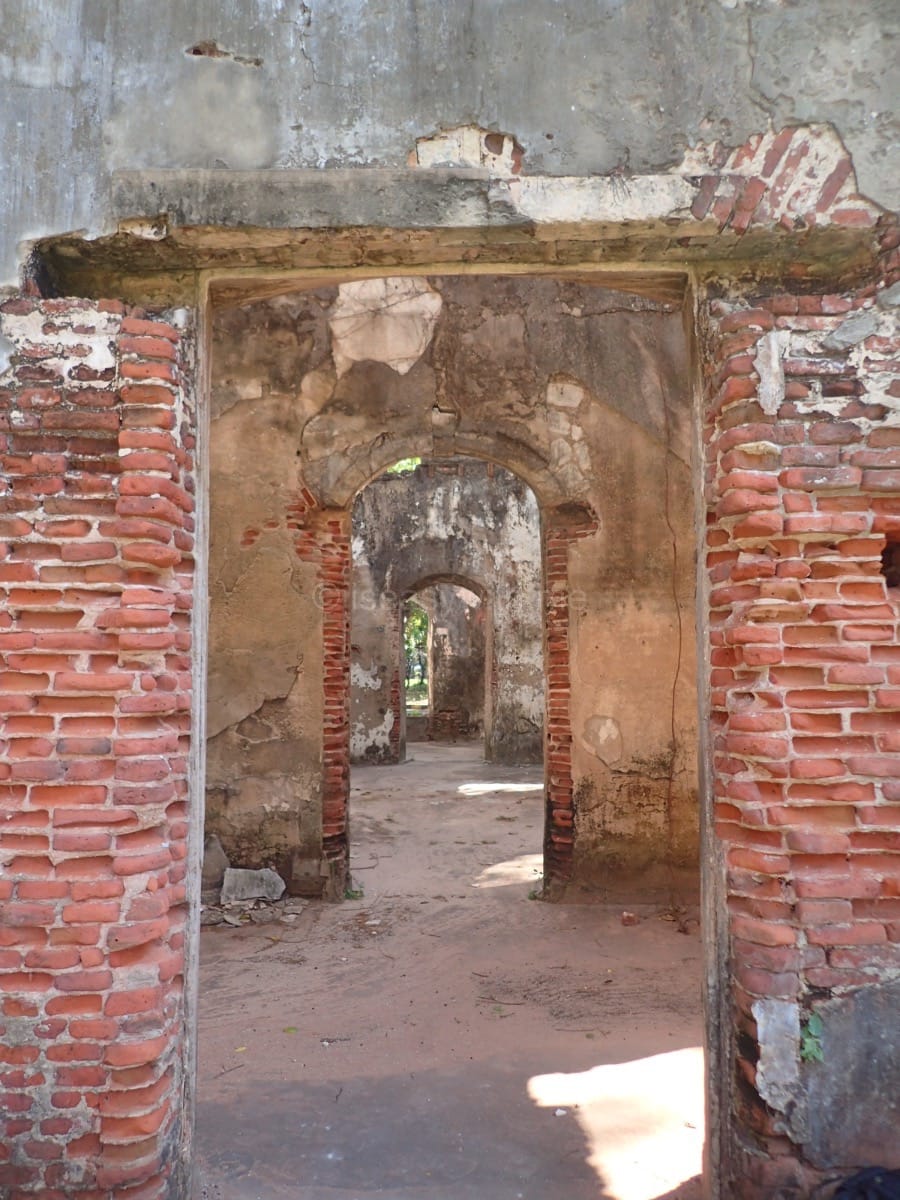
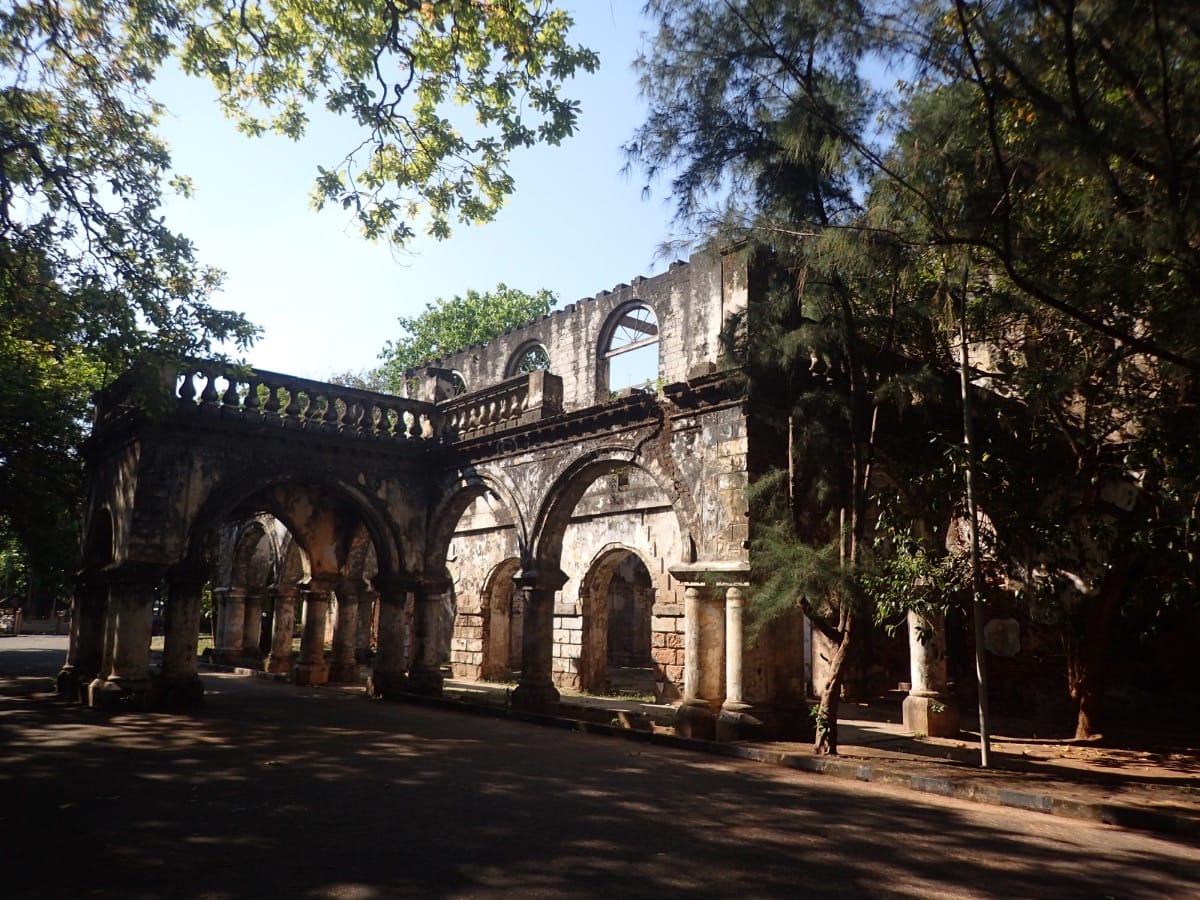
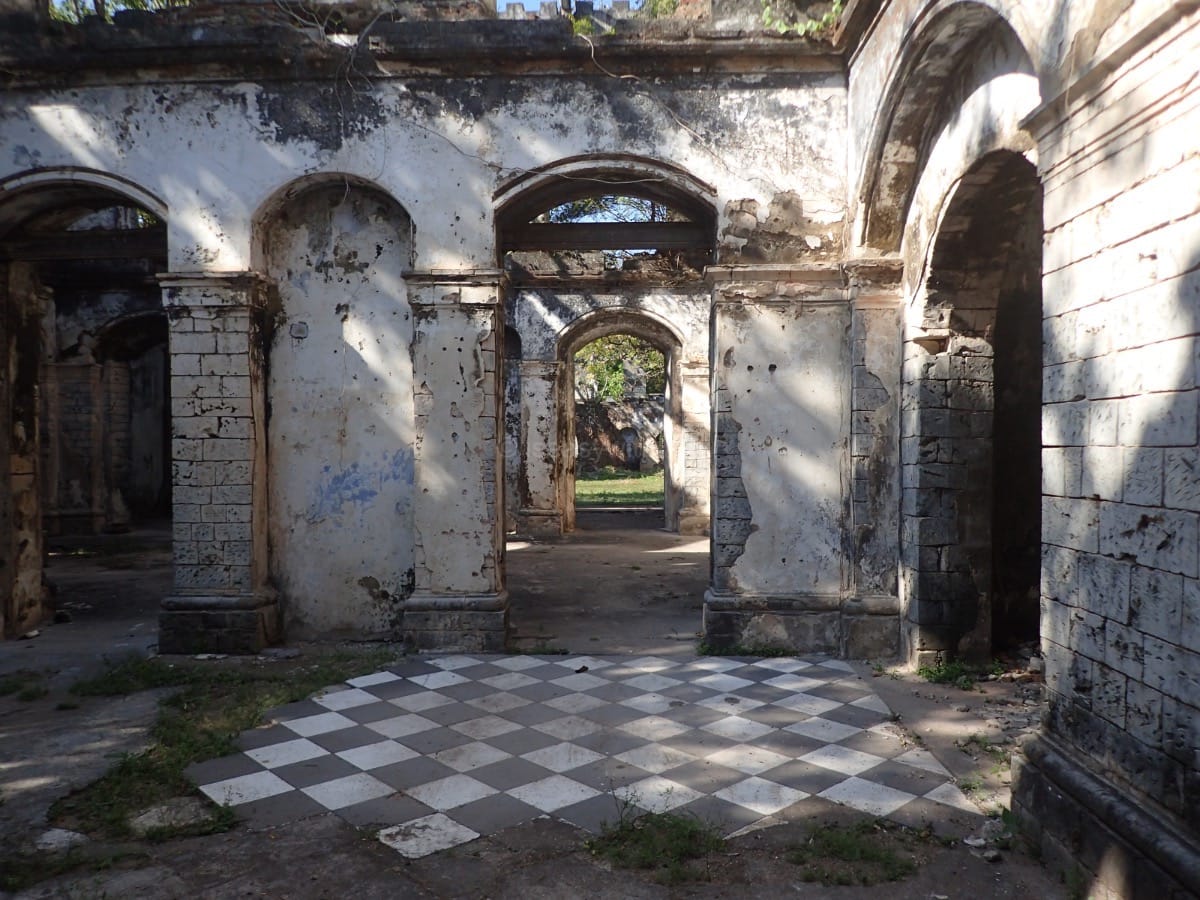
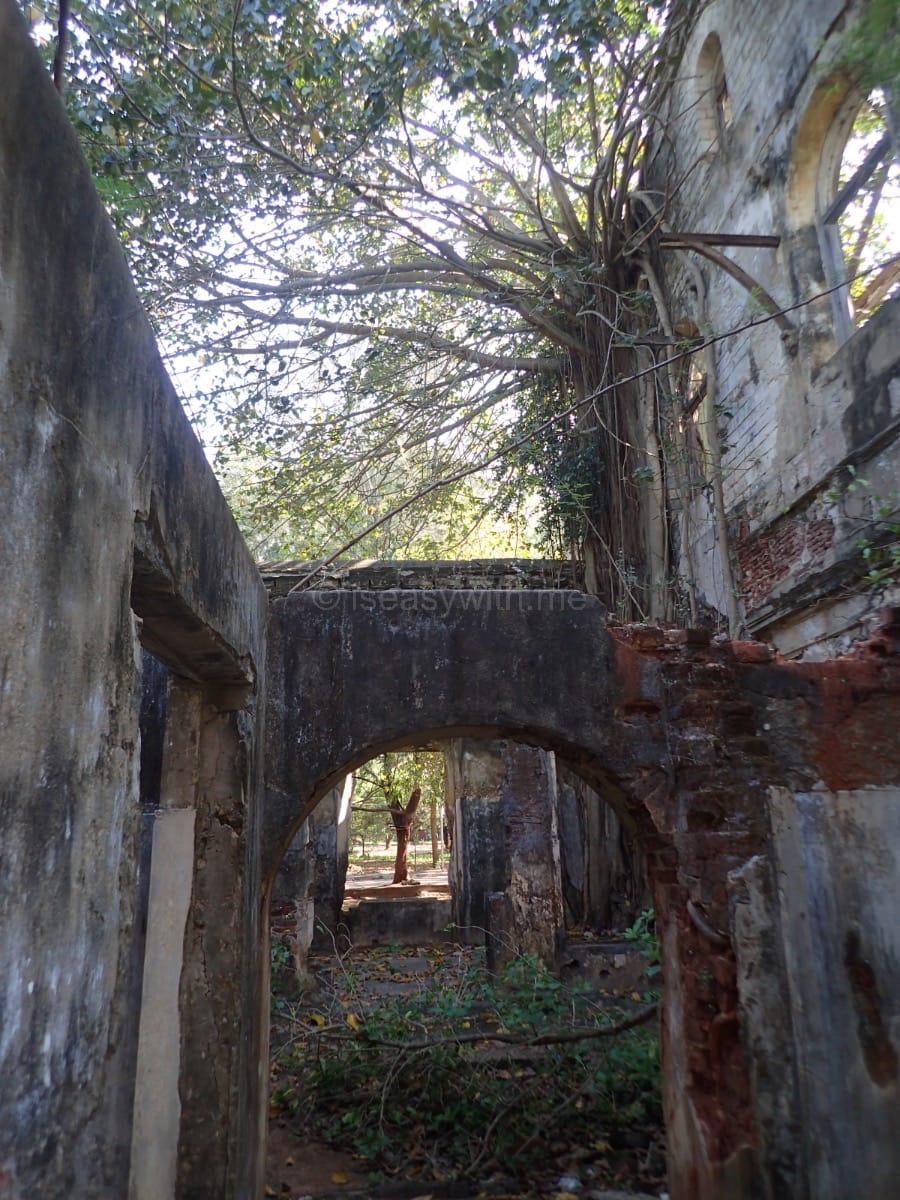
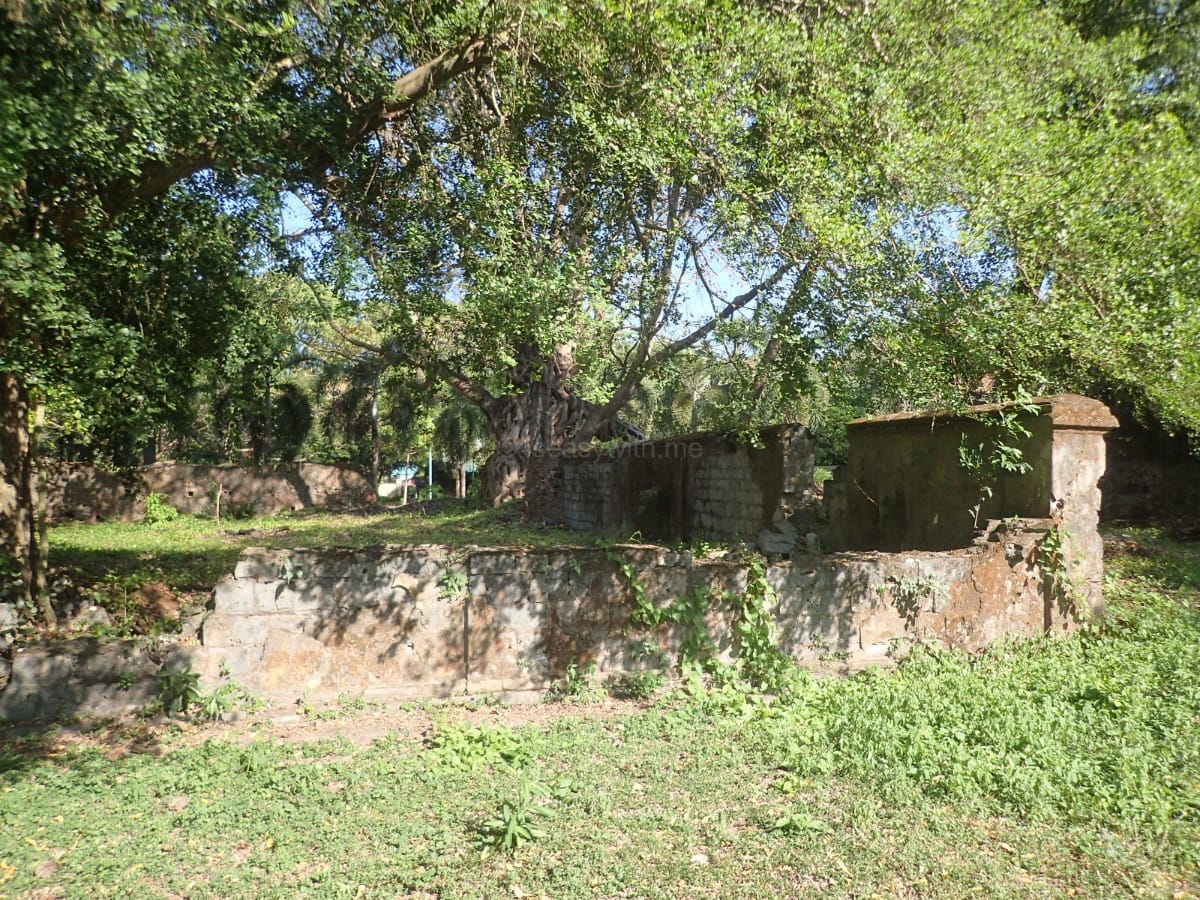
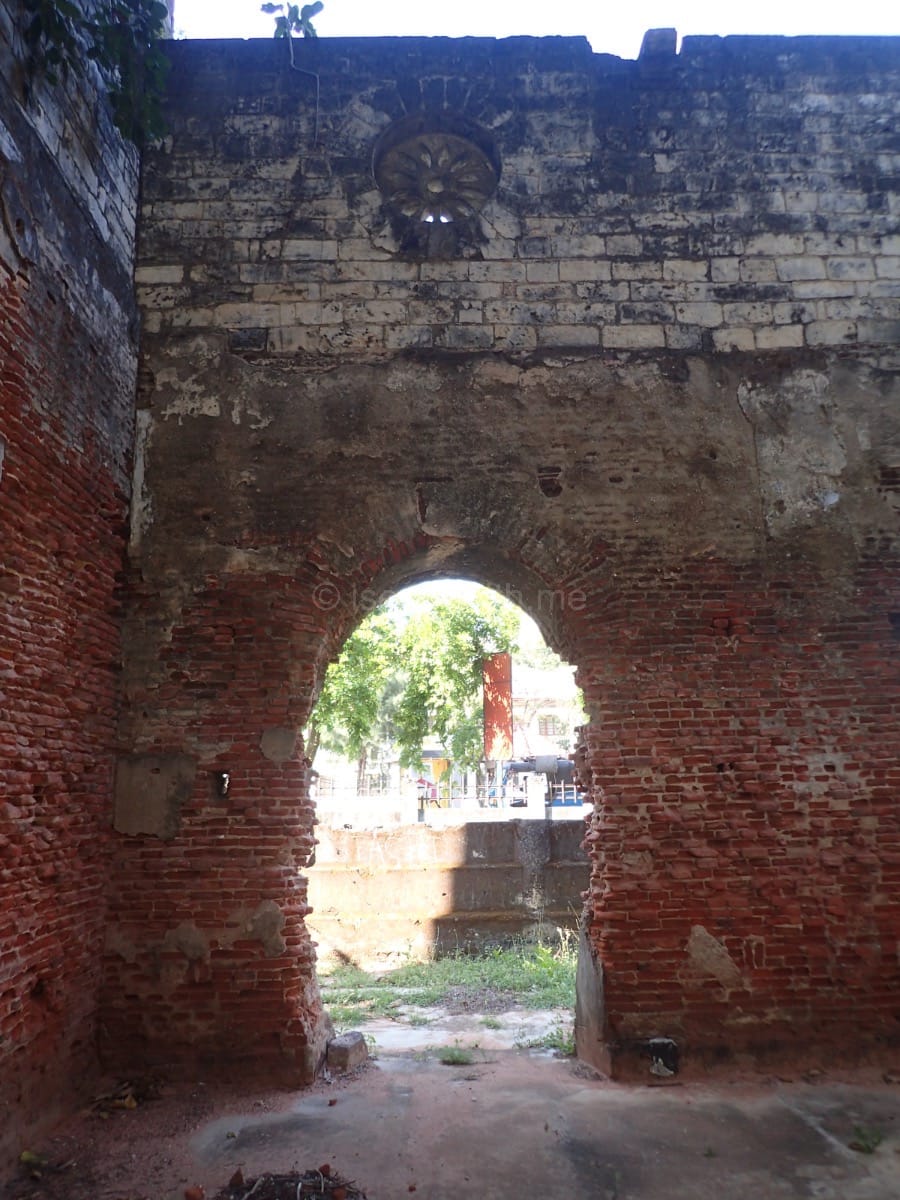
Dutch Kachcheri Ruins
Jaffna Clock Tower
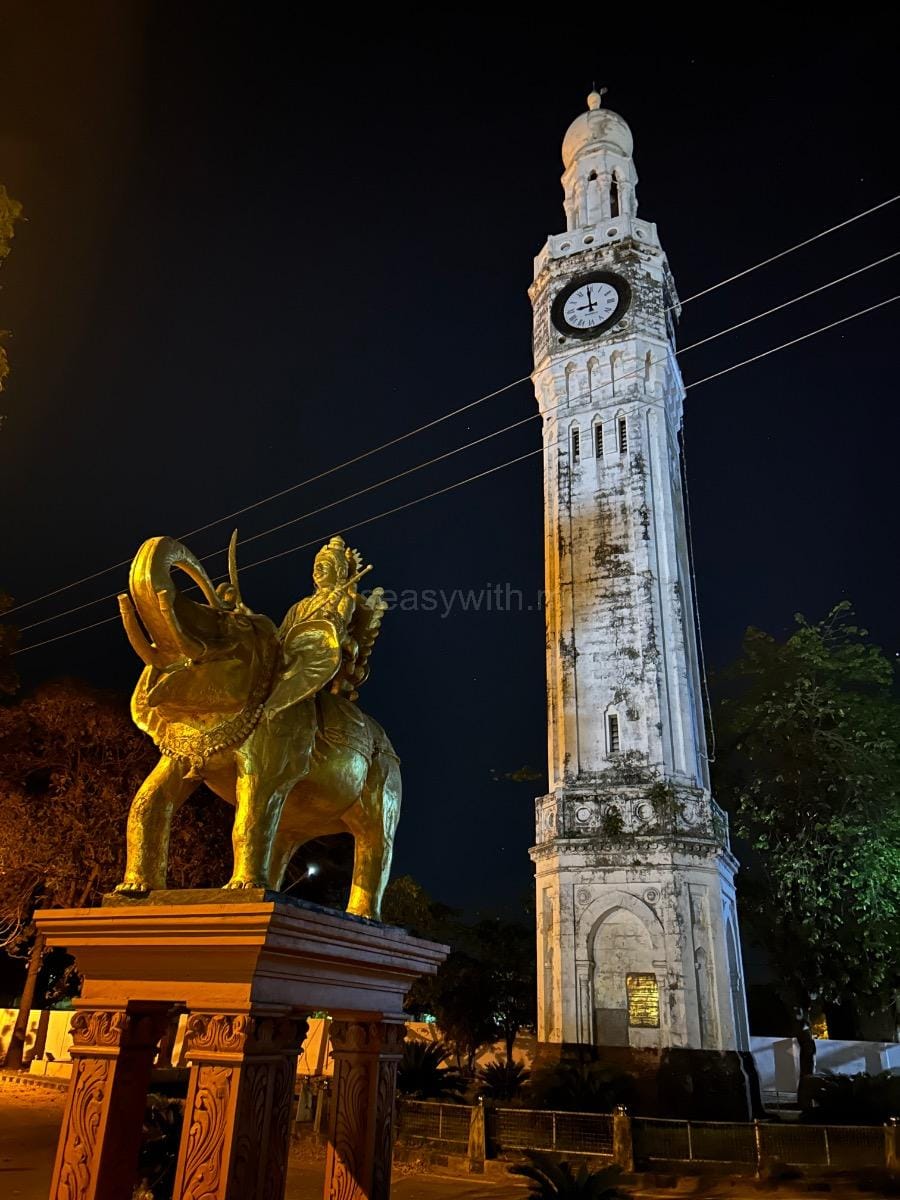
The Jaffna Clock Tower stands as a central landmark and navigation point within the city. A relic of British colonial influence, it remains one of the most recognisable structures in the urban centre.
Jaffna Fort
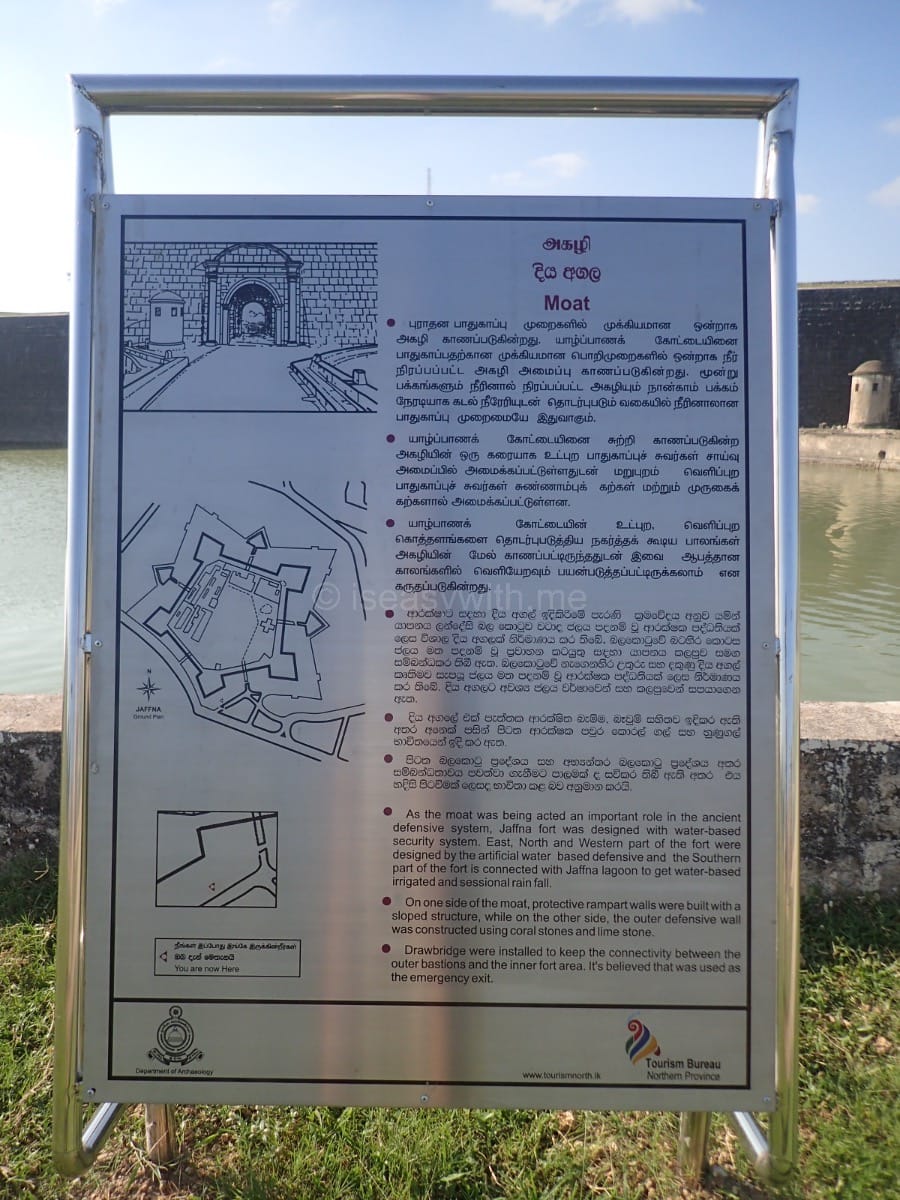
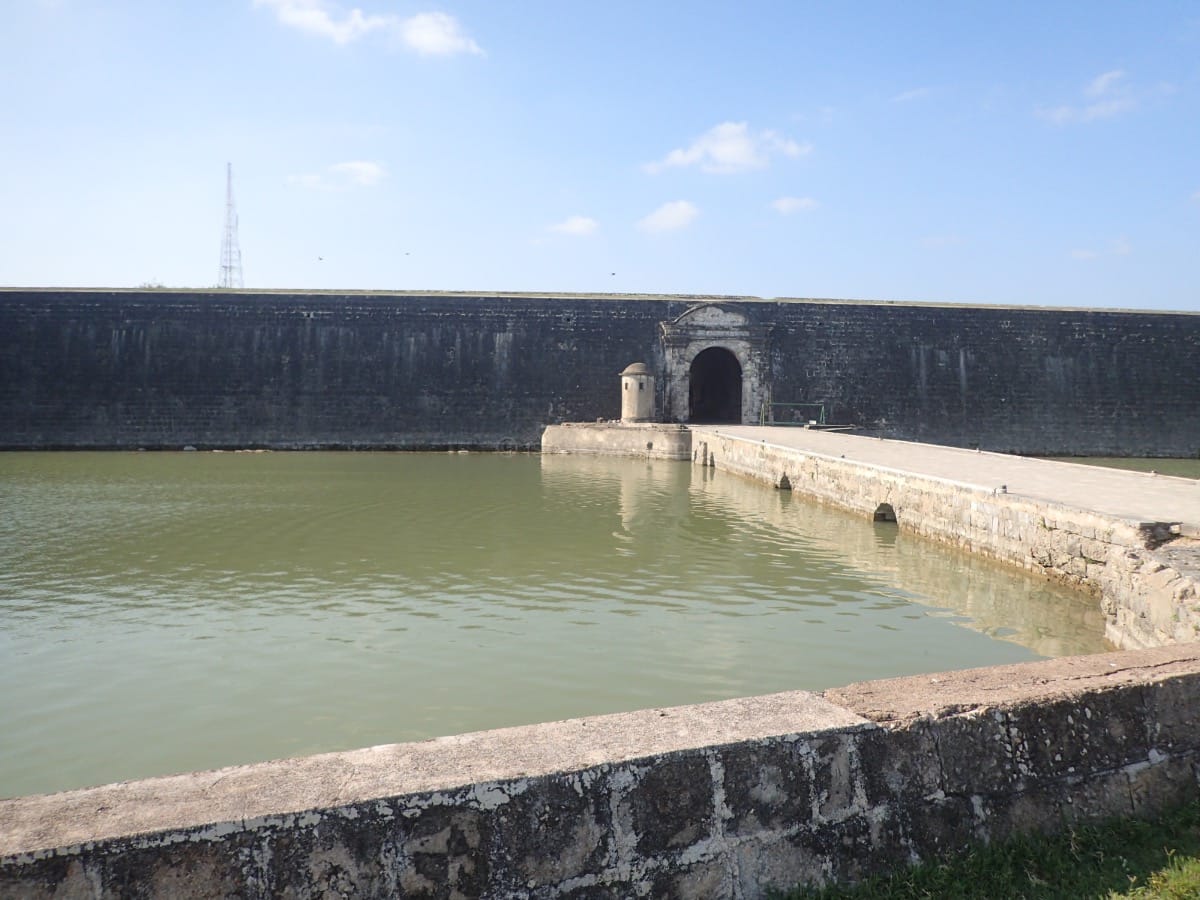
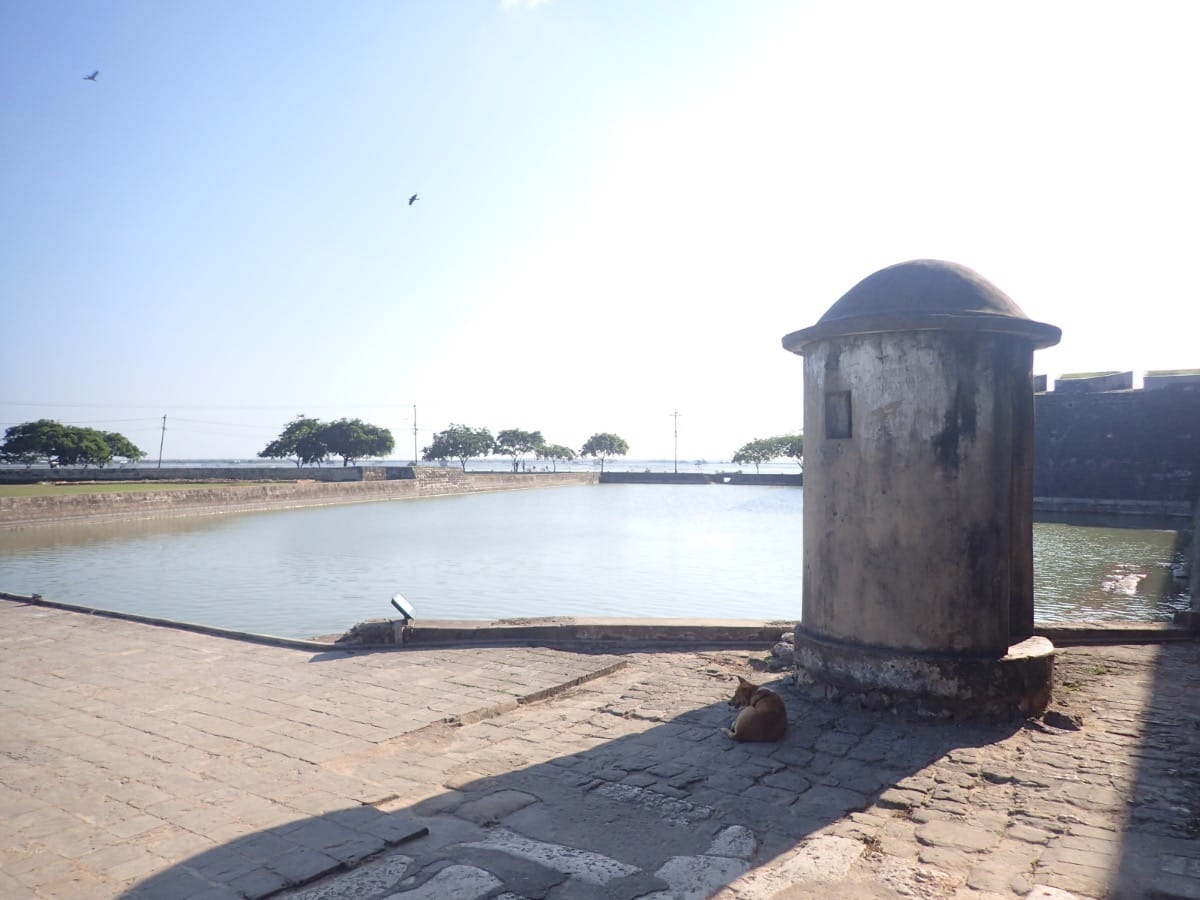
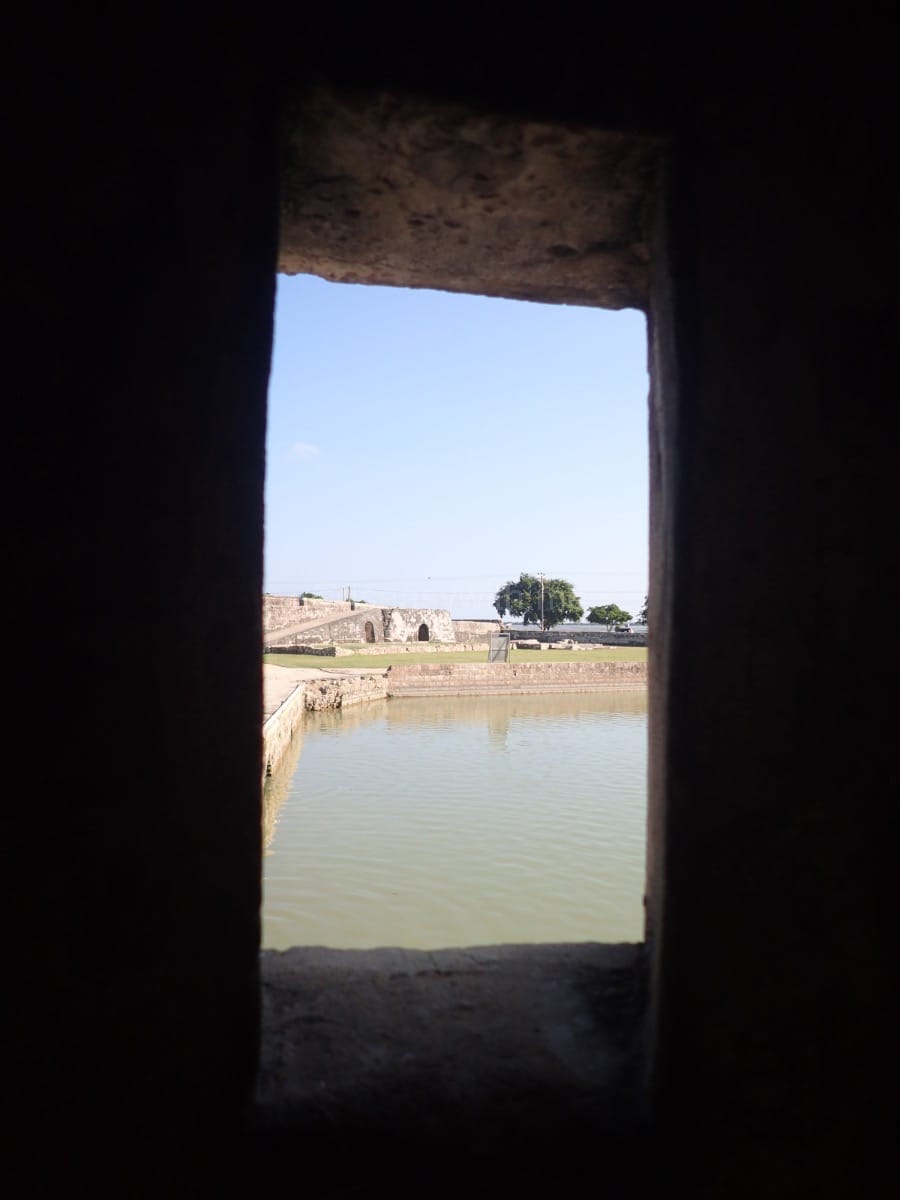
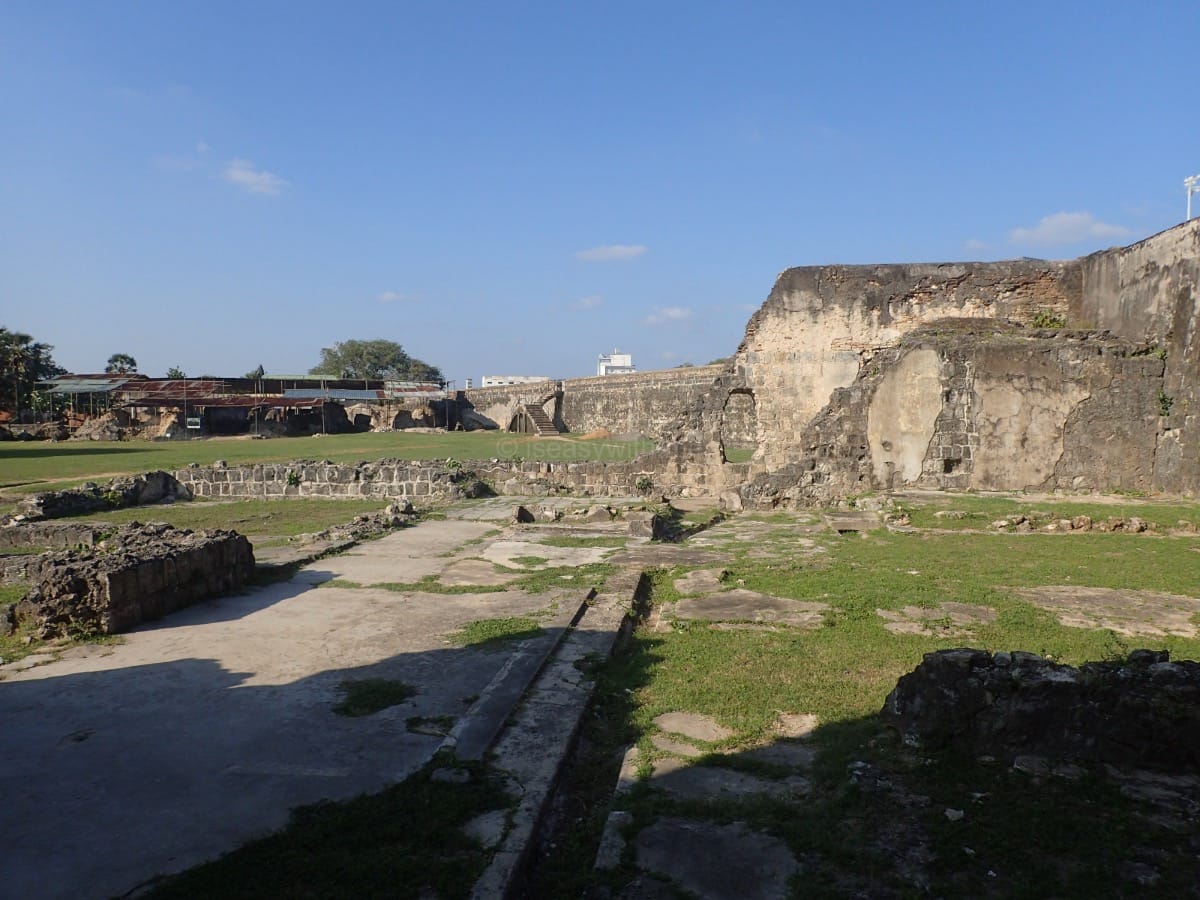
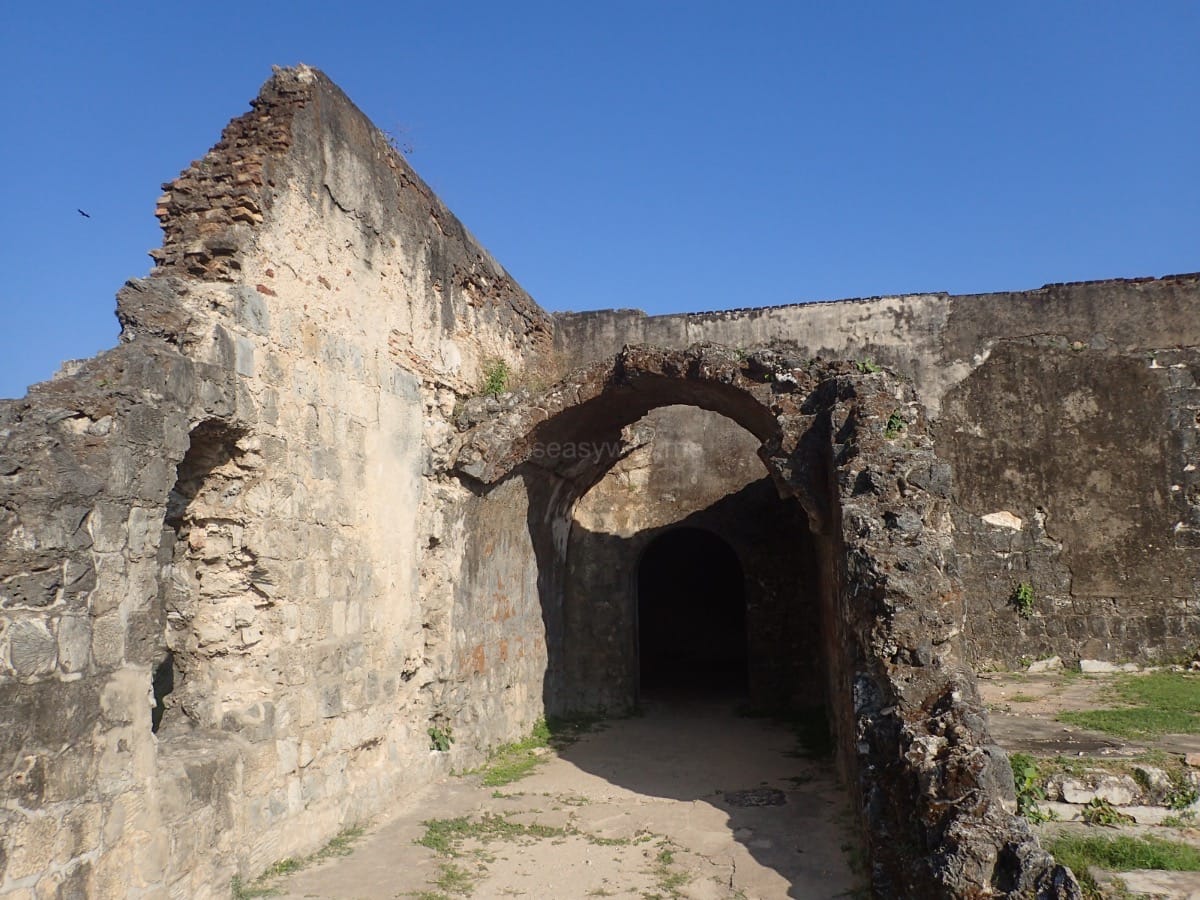
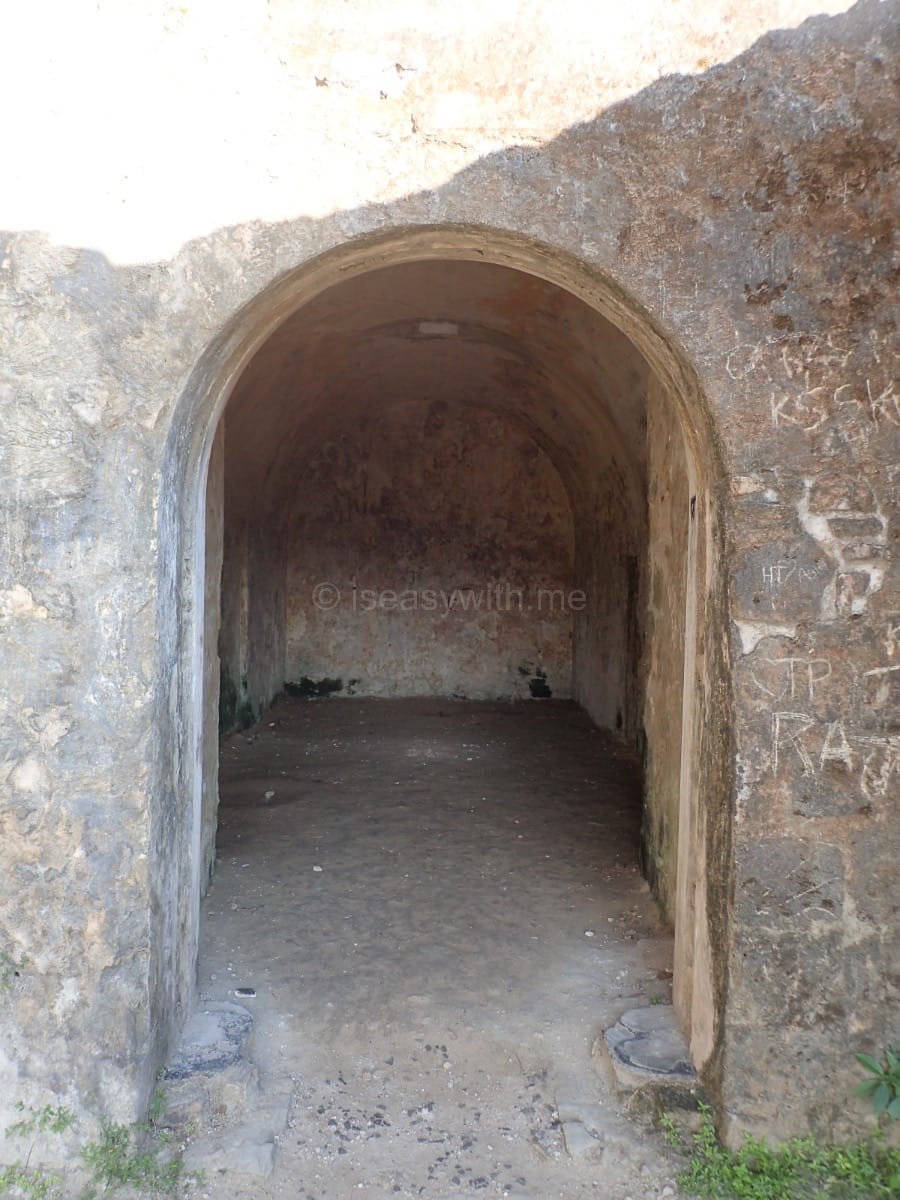
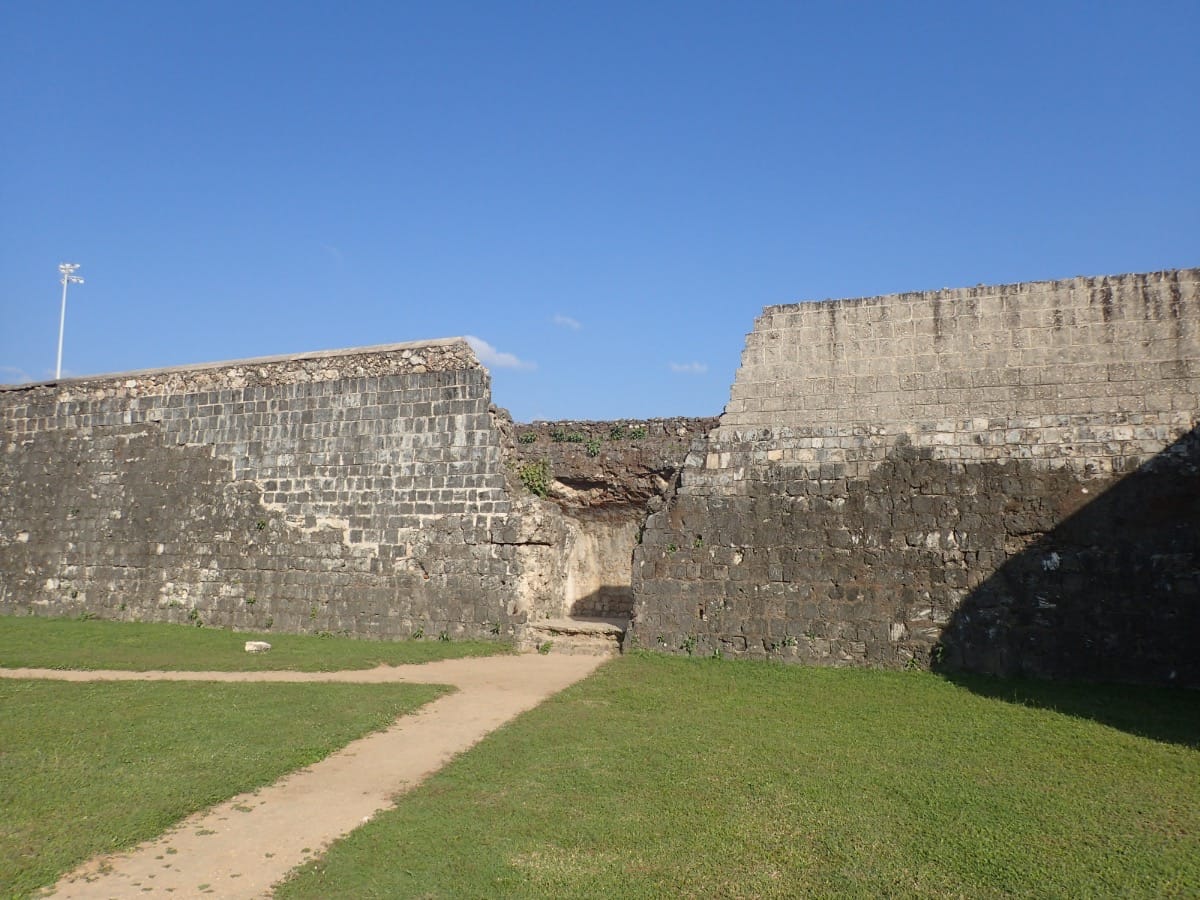
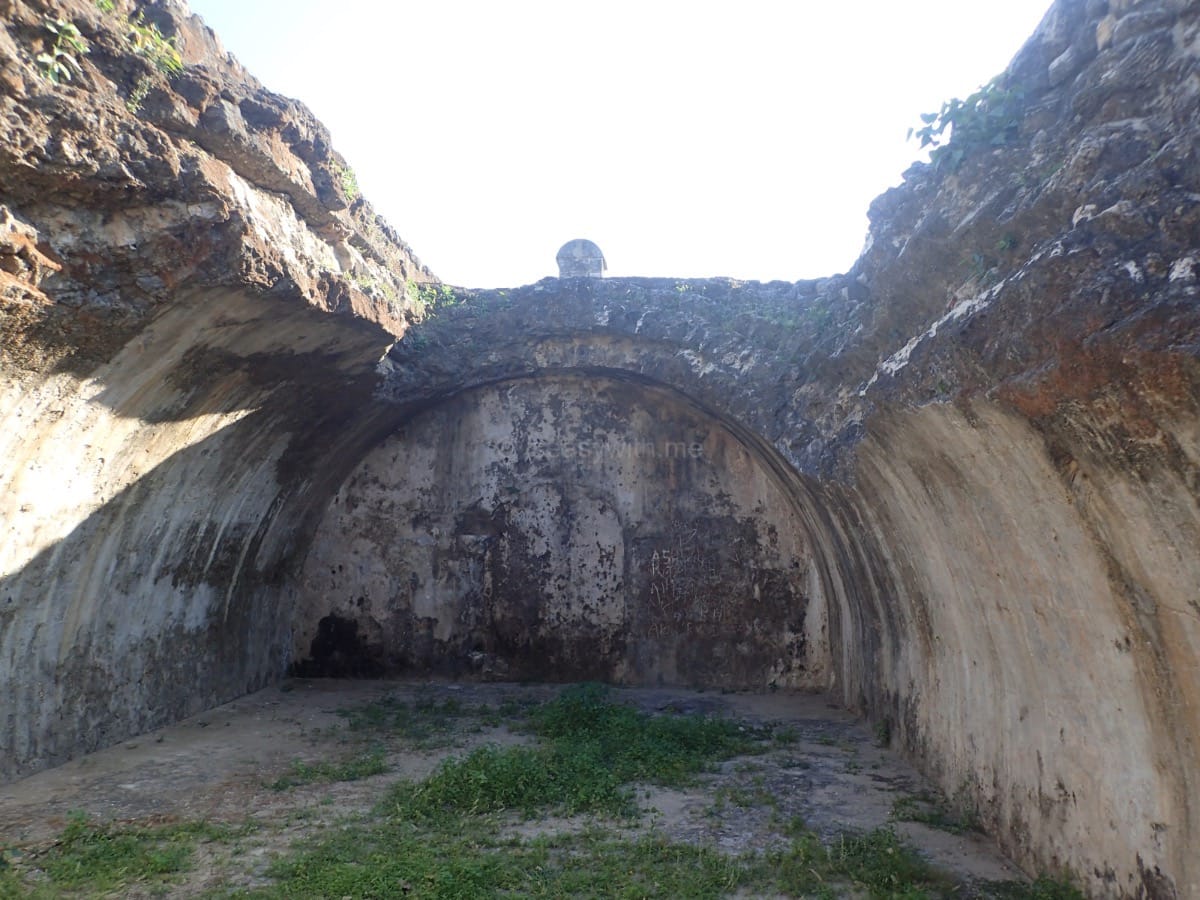
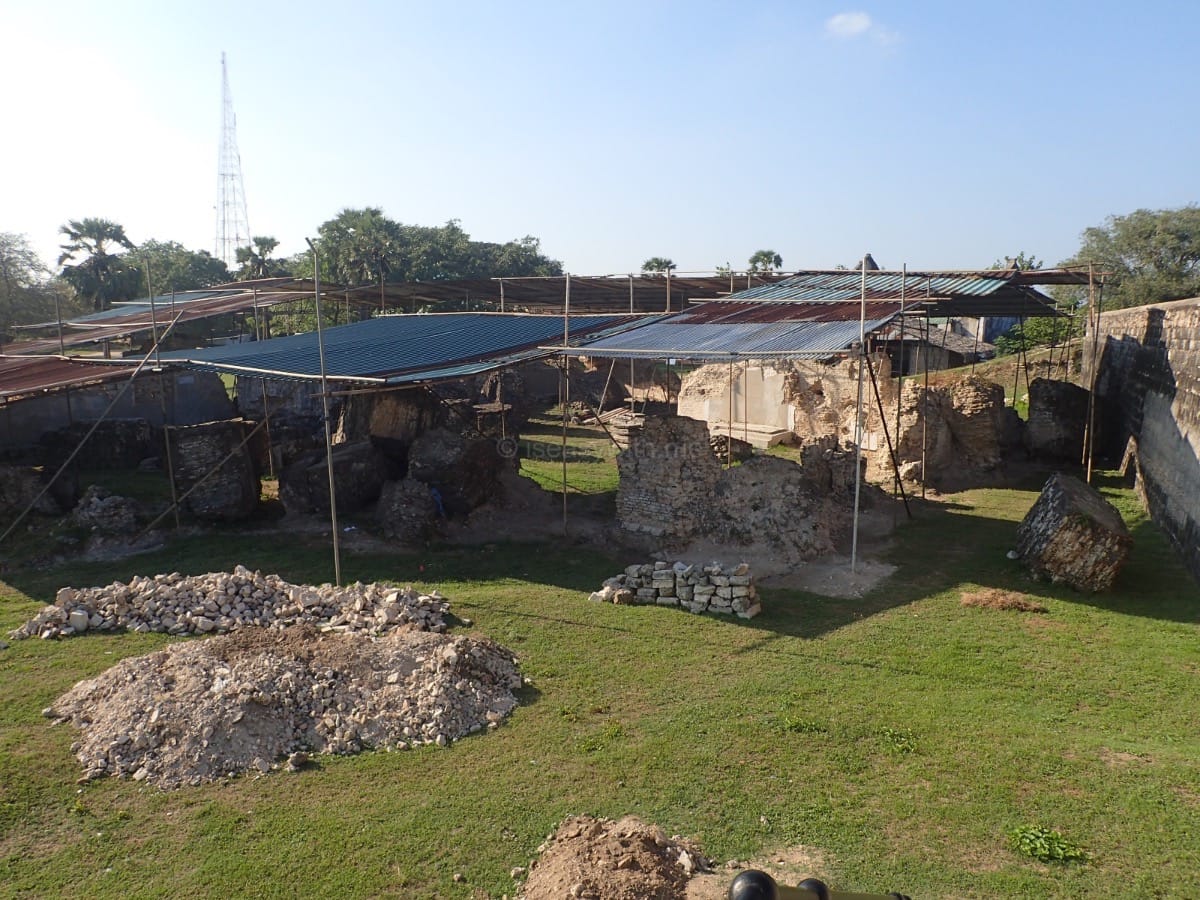
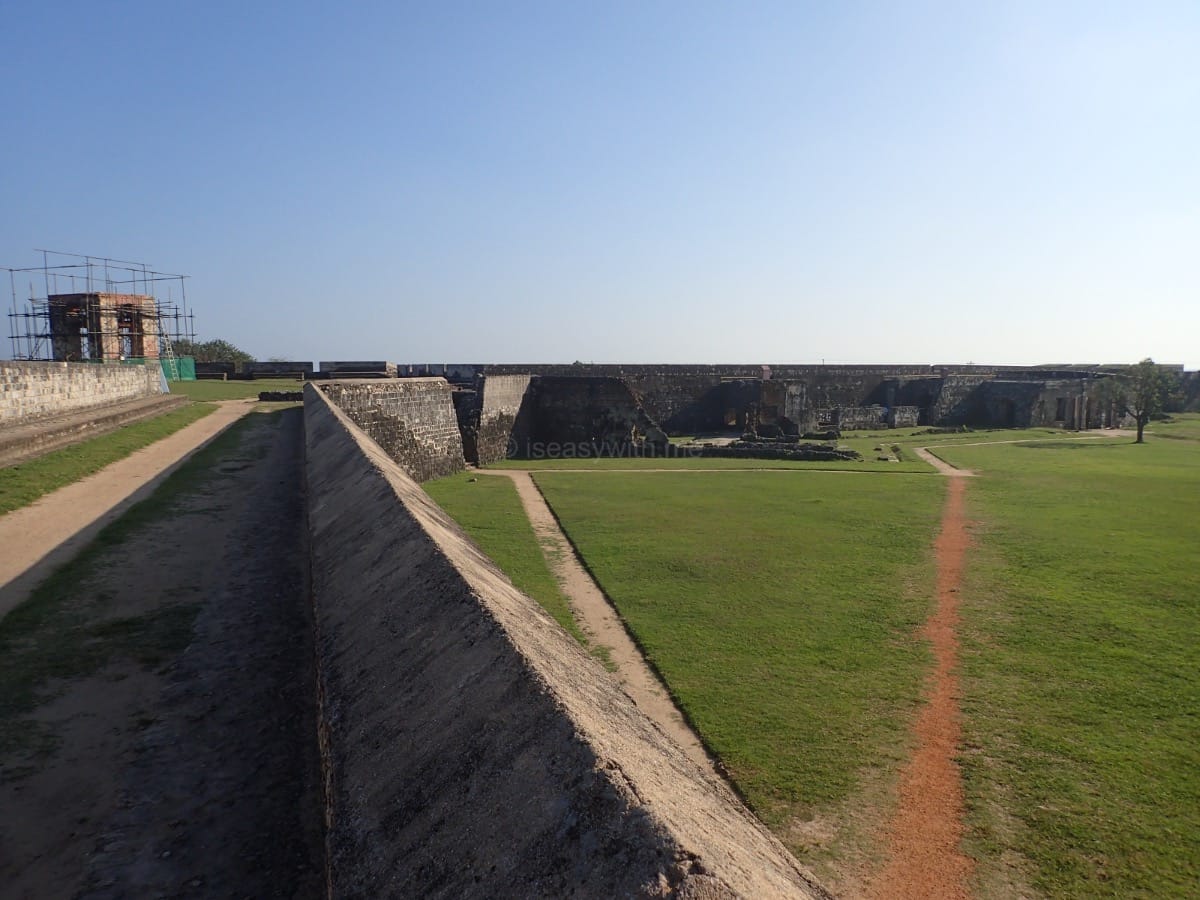
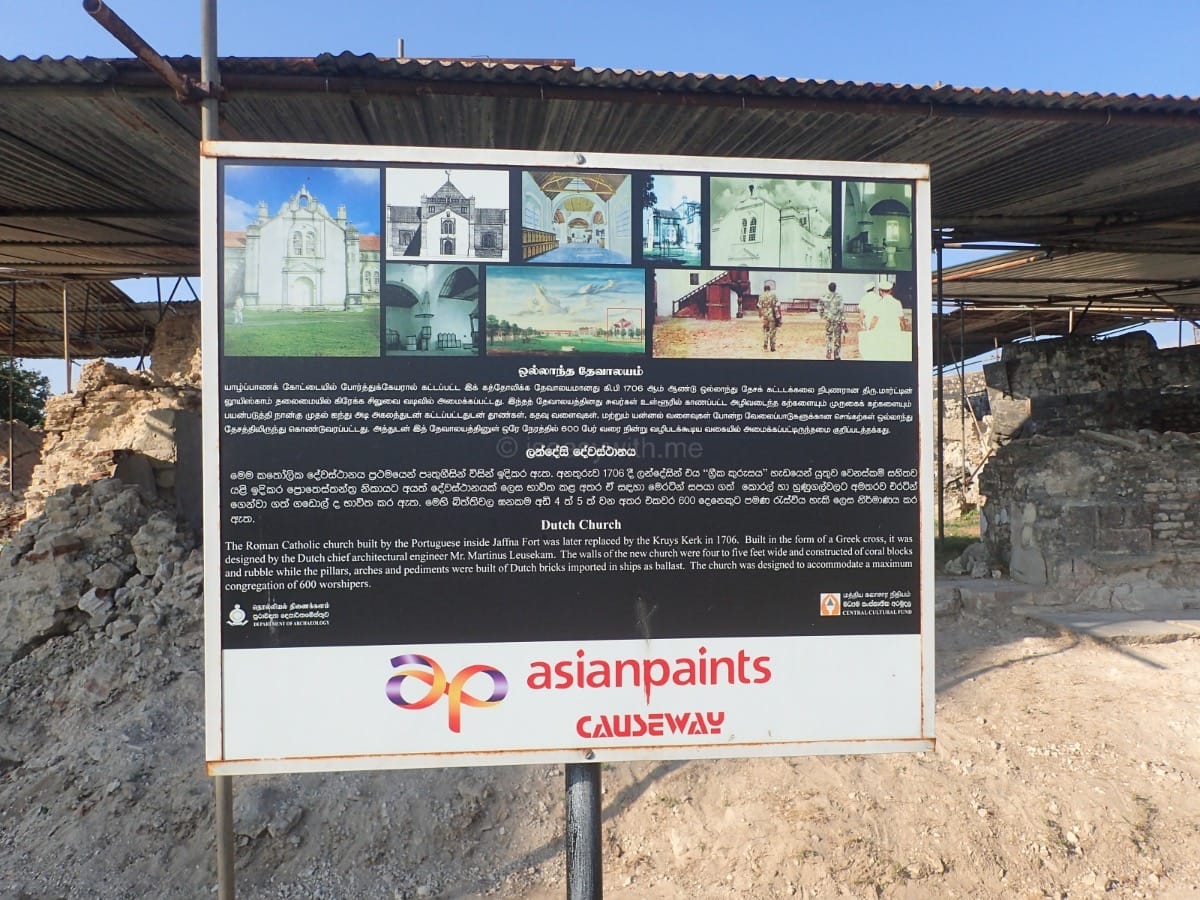
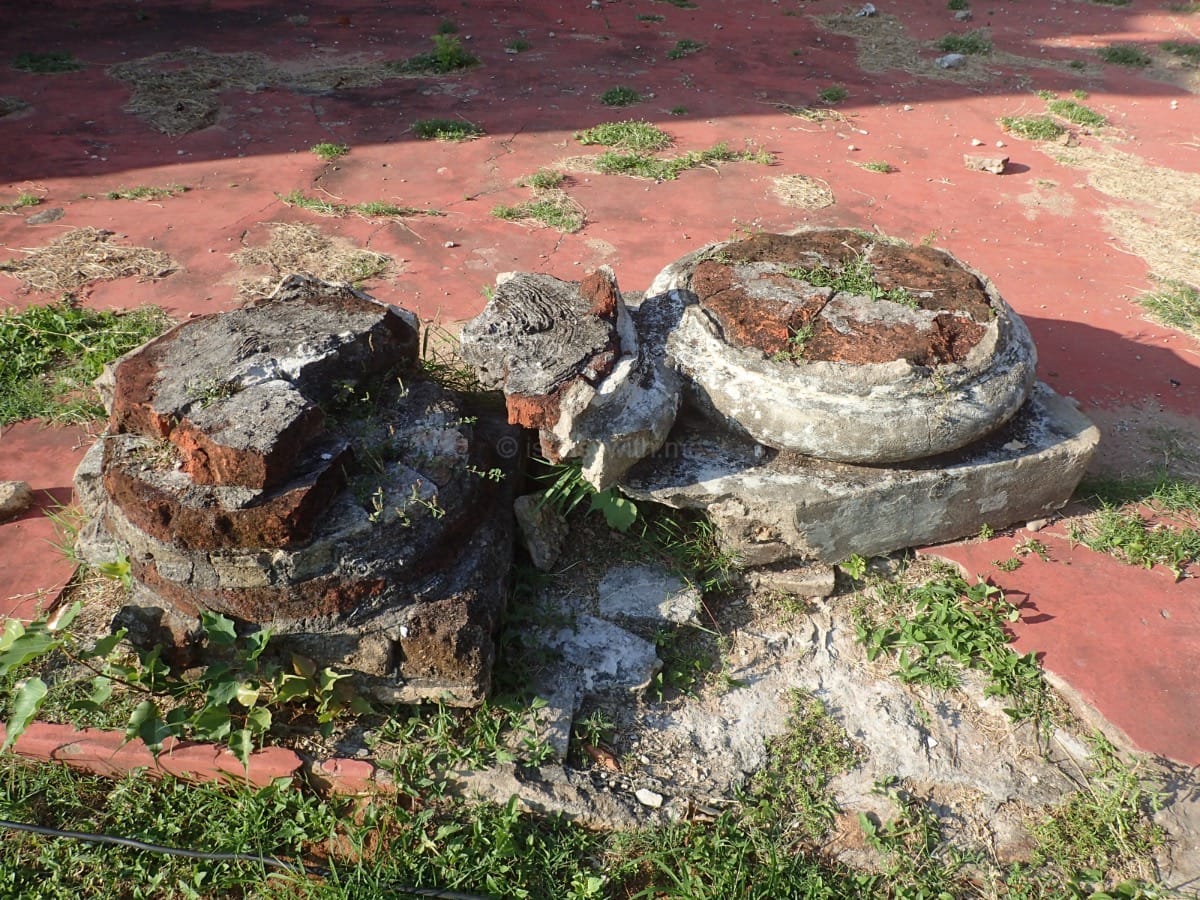
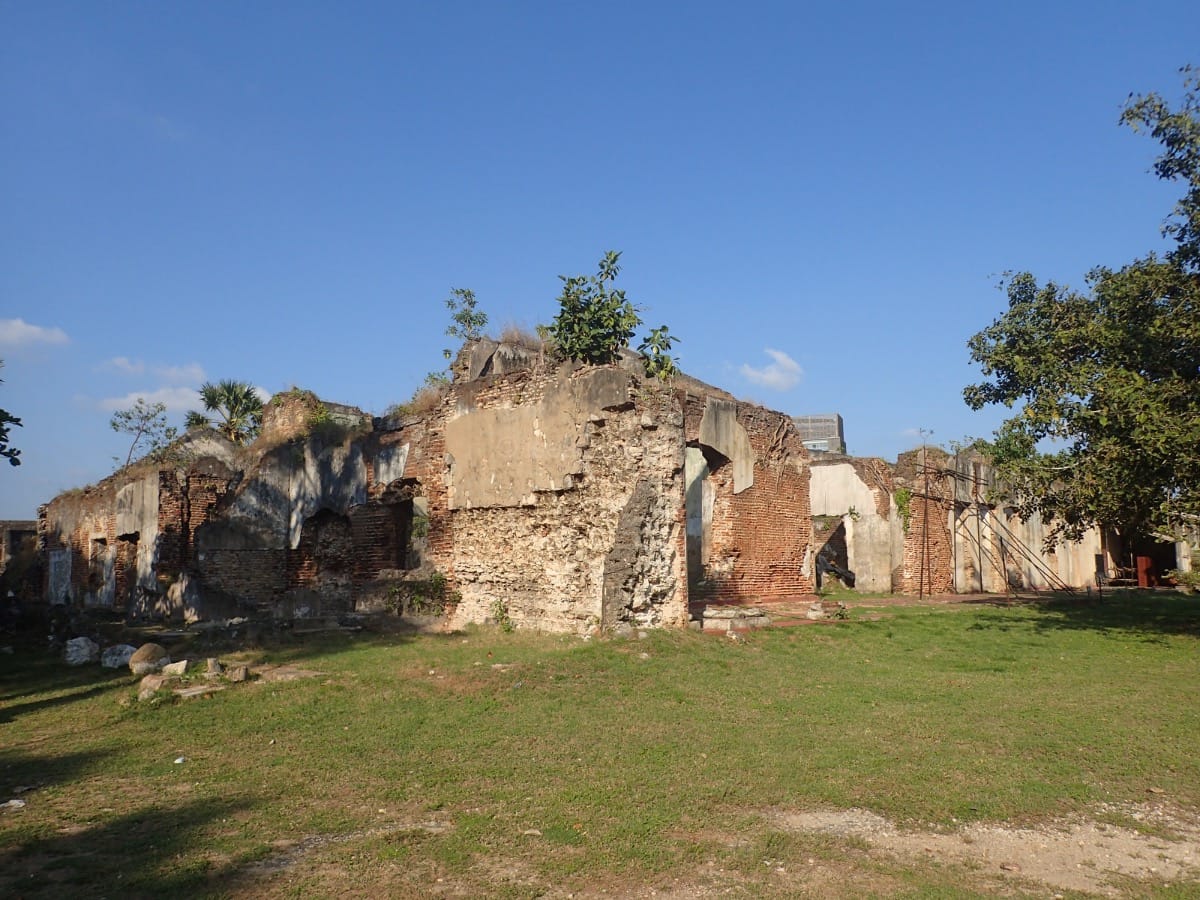
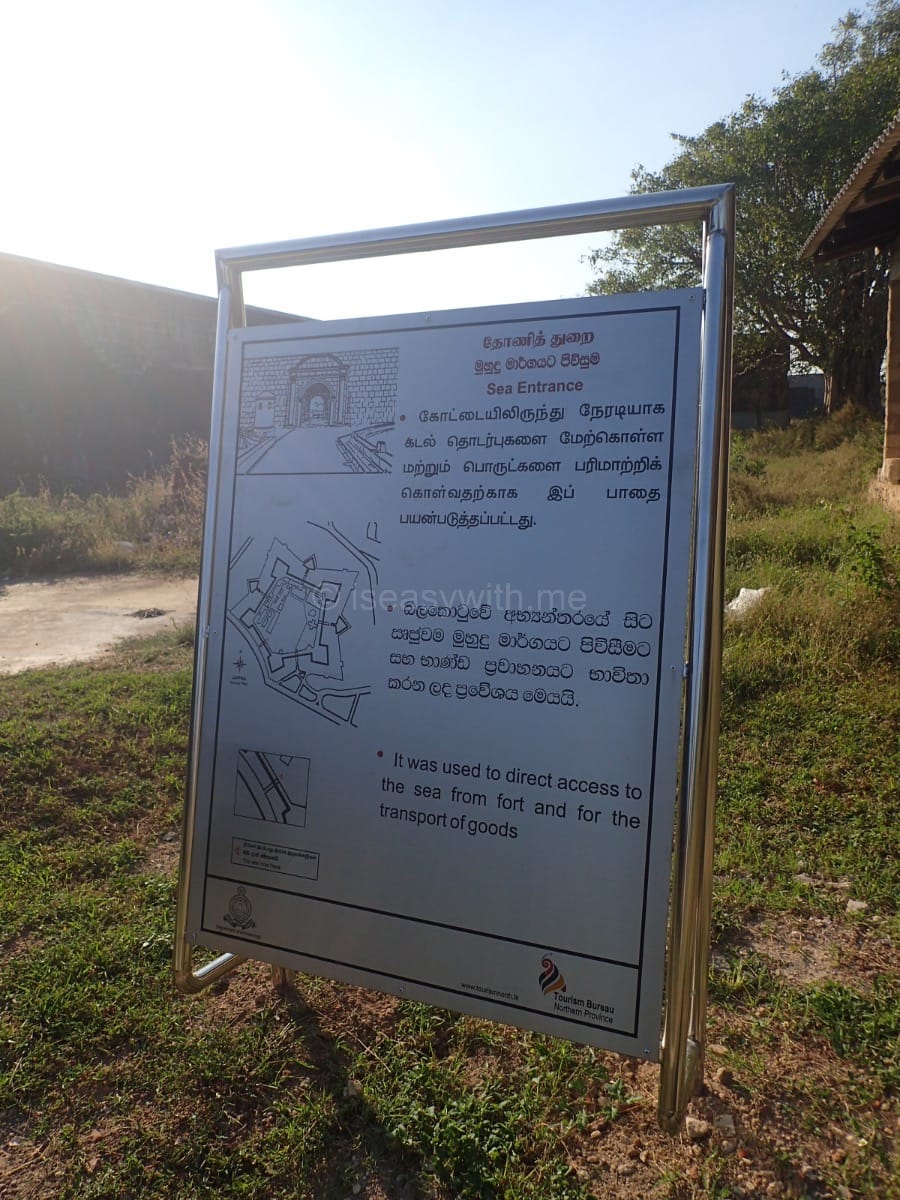
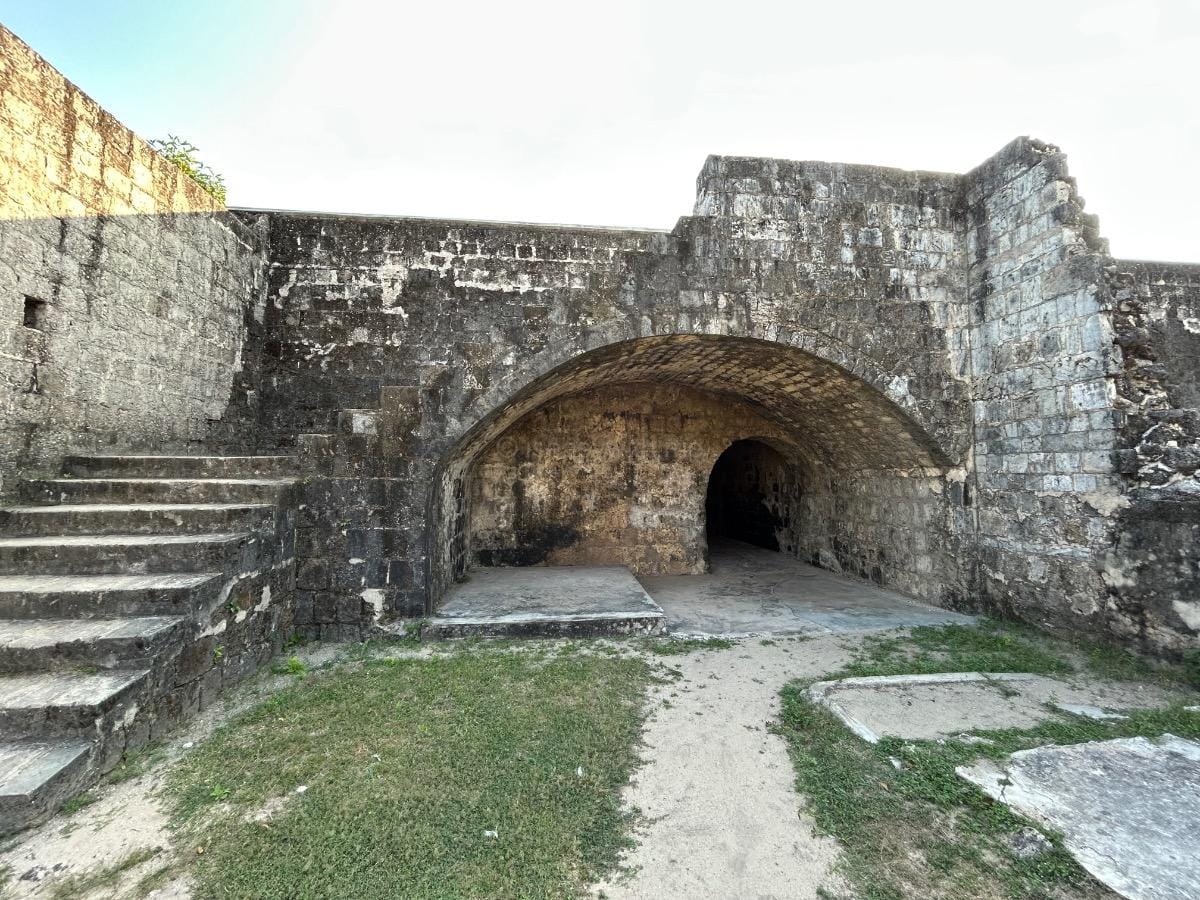
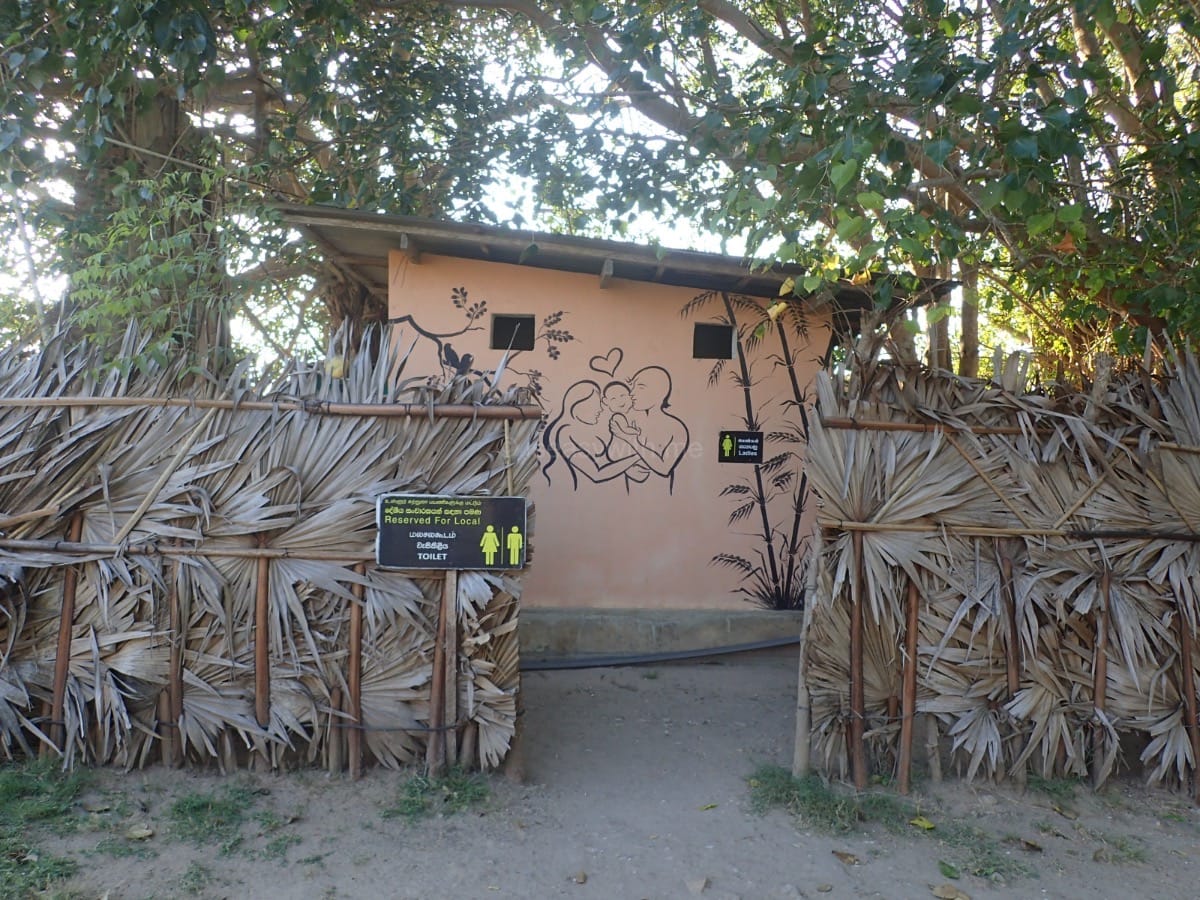
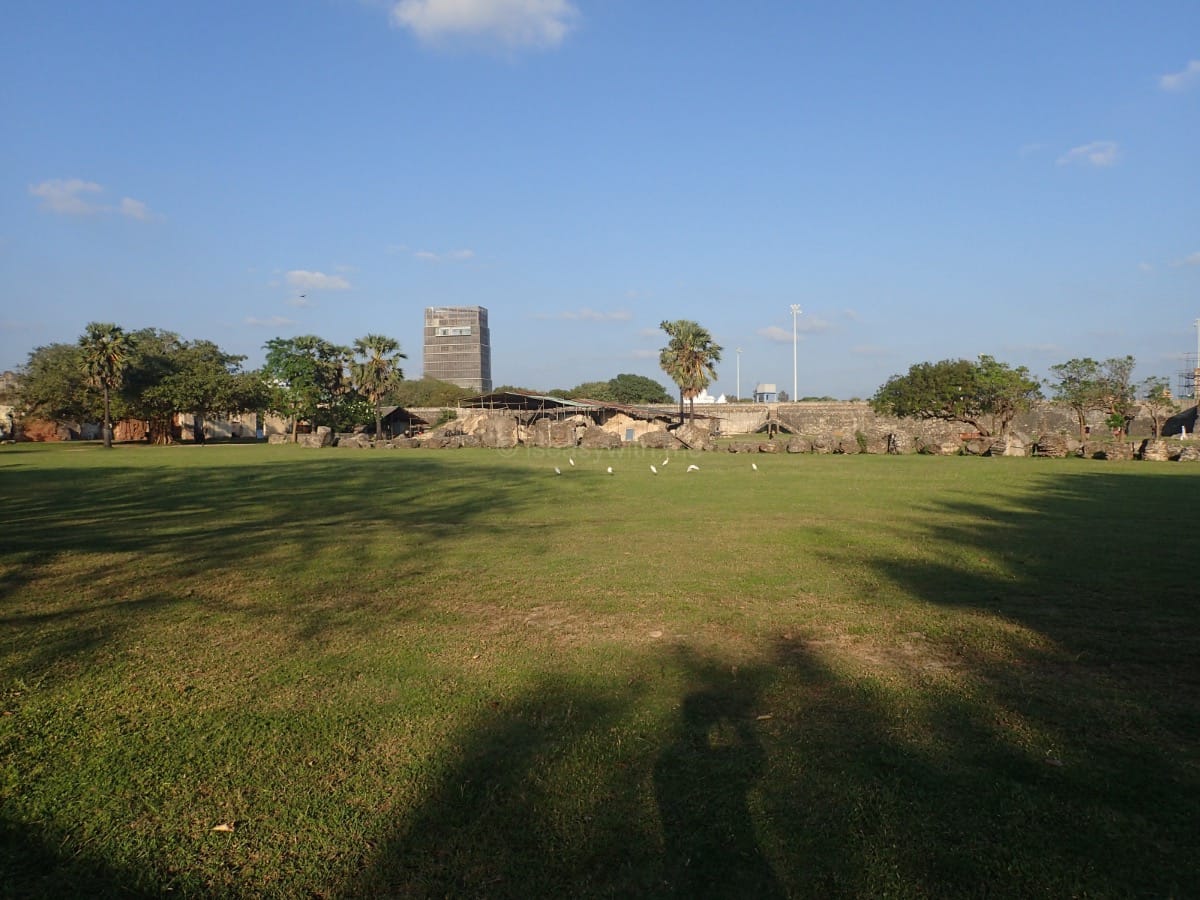
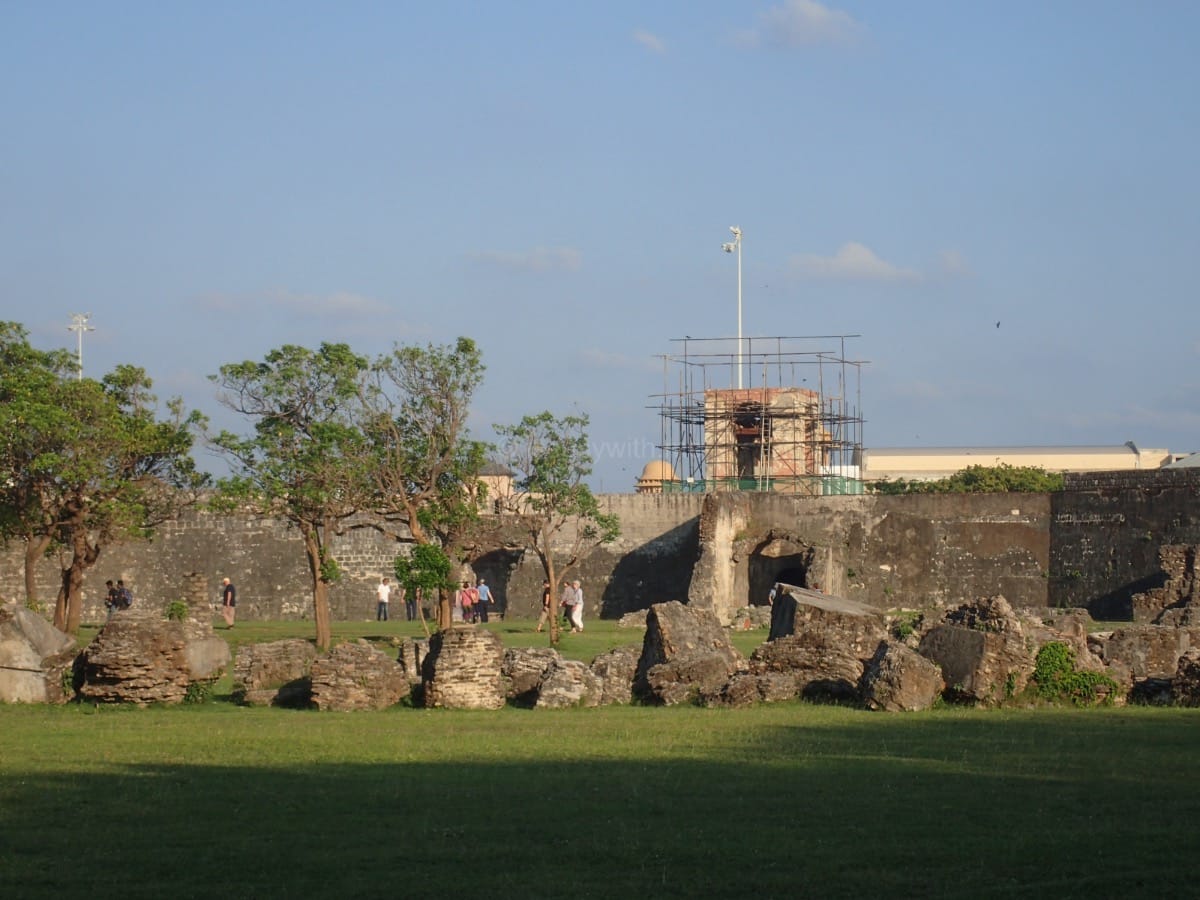
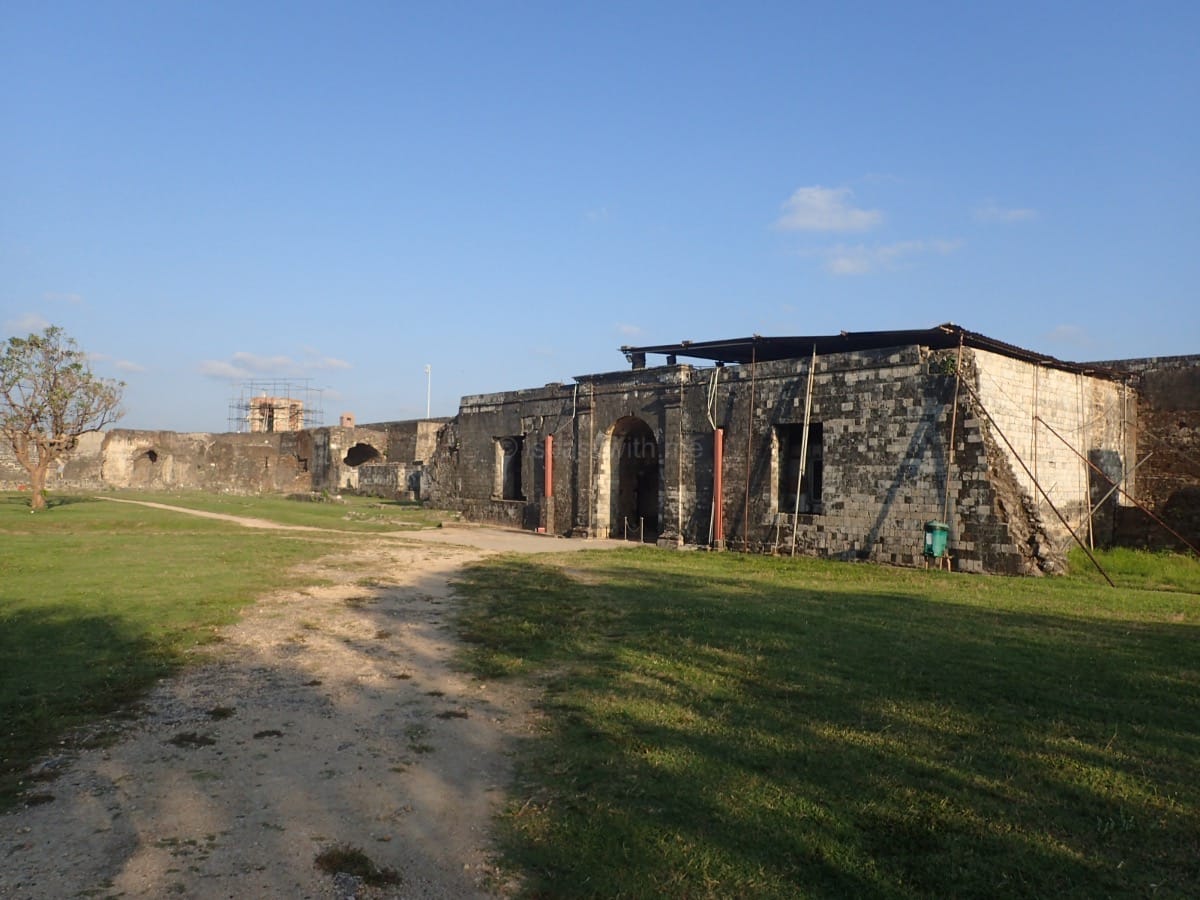
The Jaffna Fort (LKR 1,580) is one of the largest surviving Dutch forts in Asia. Its broad ramparts overlook the lagoon and walking along its stone walls offers wide views of both the coastline and the surrounding city. Restoration work continues but its scale and structure remain impressive.
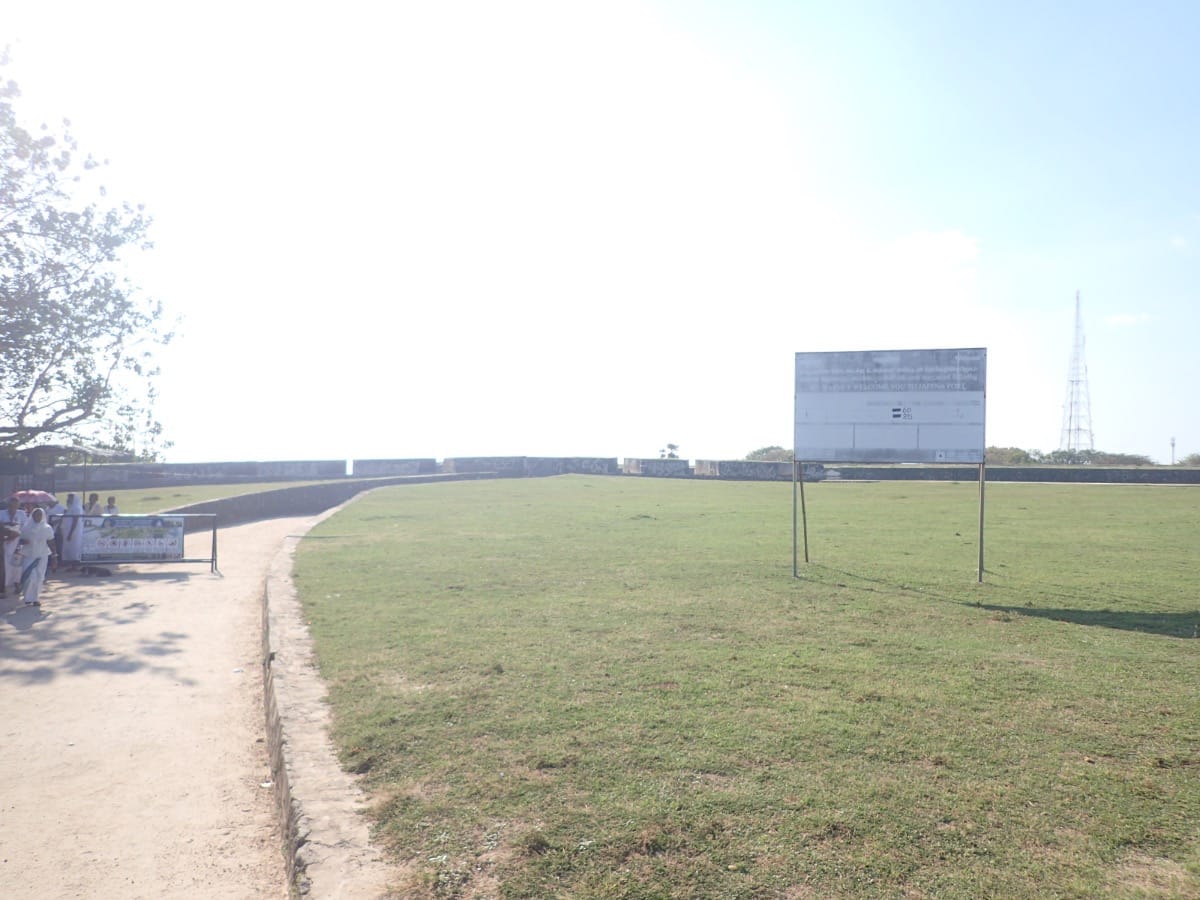
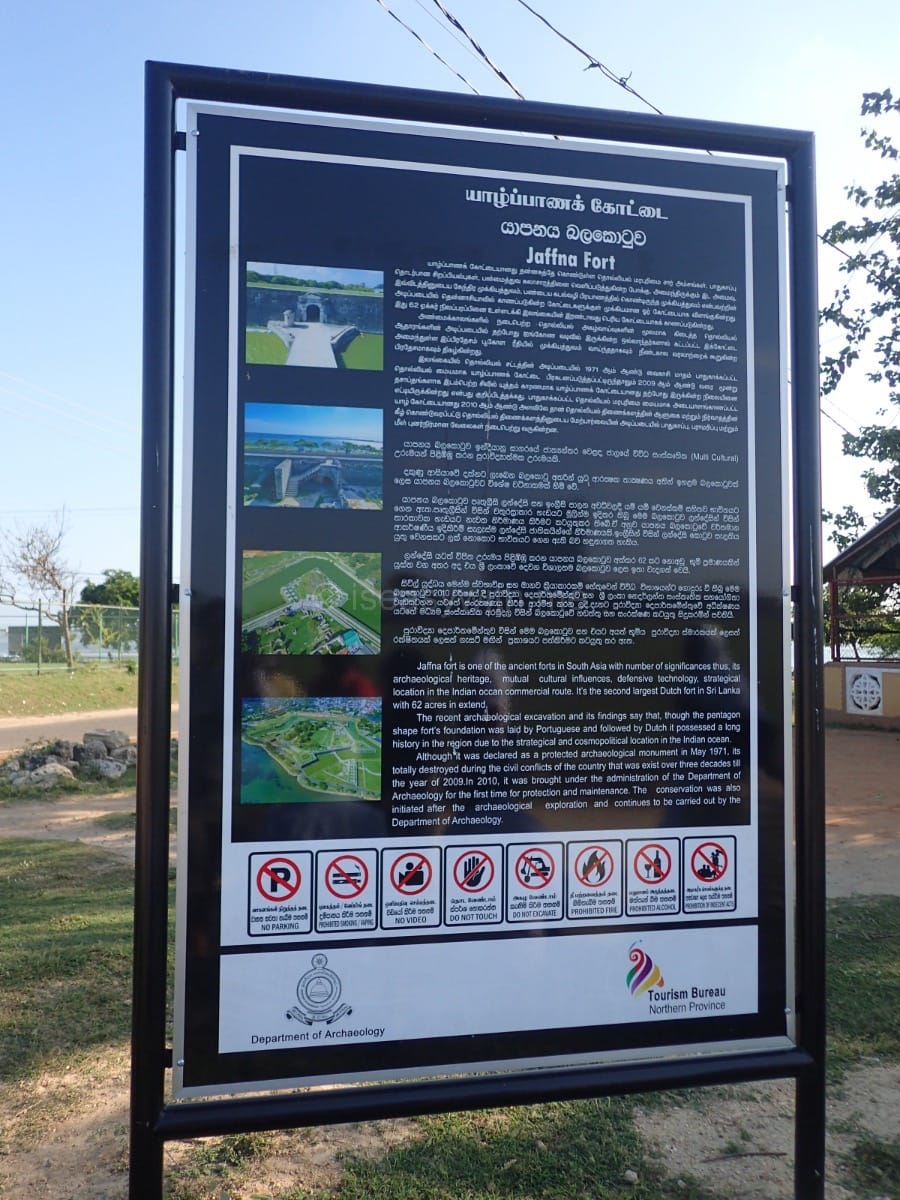
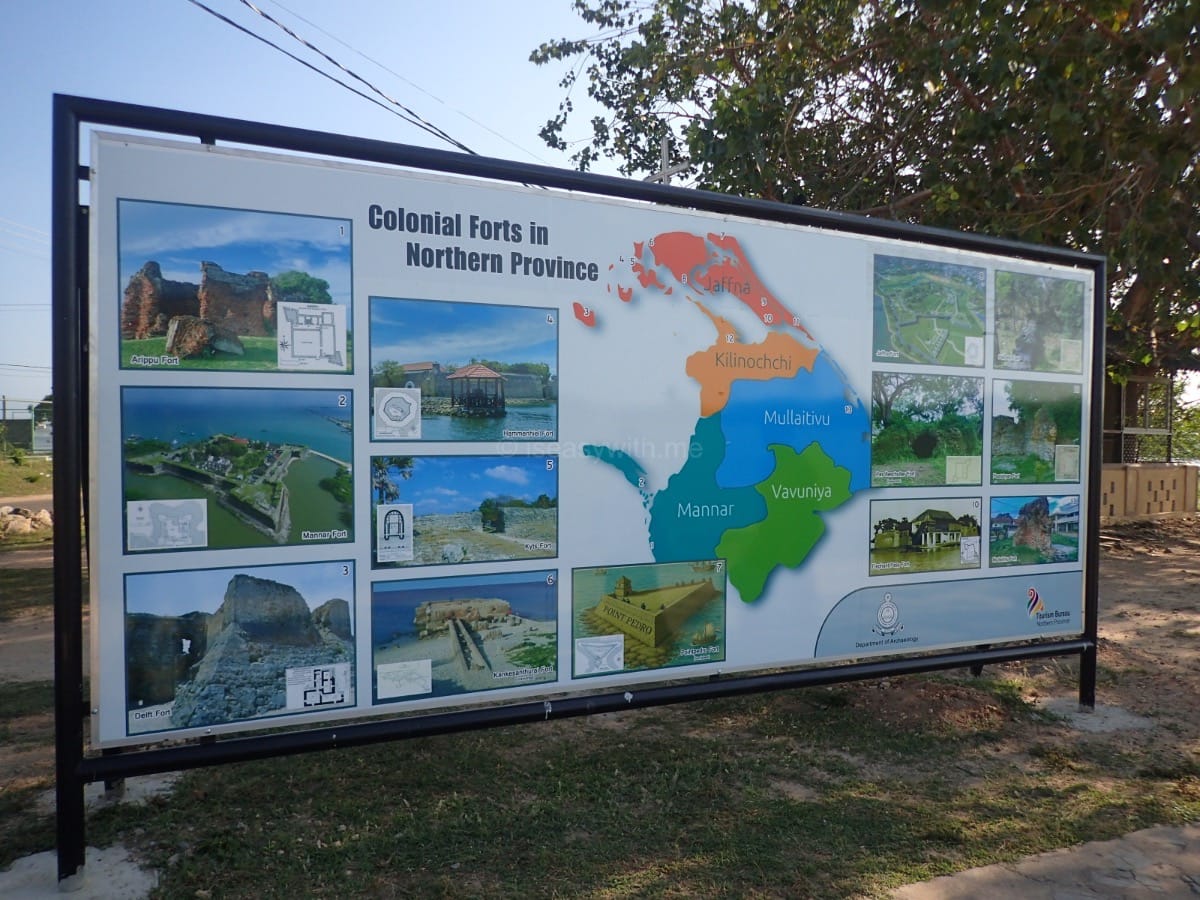
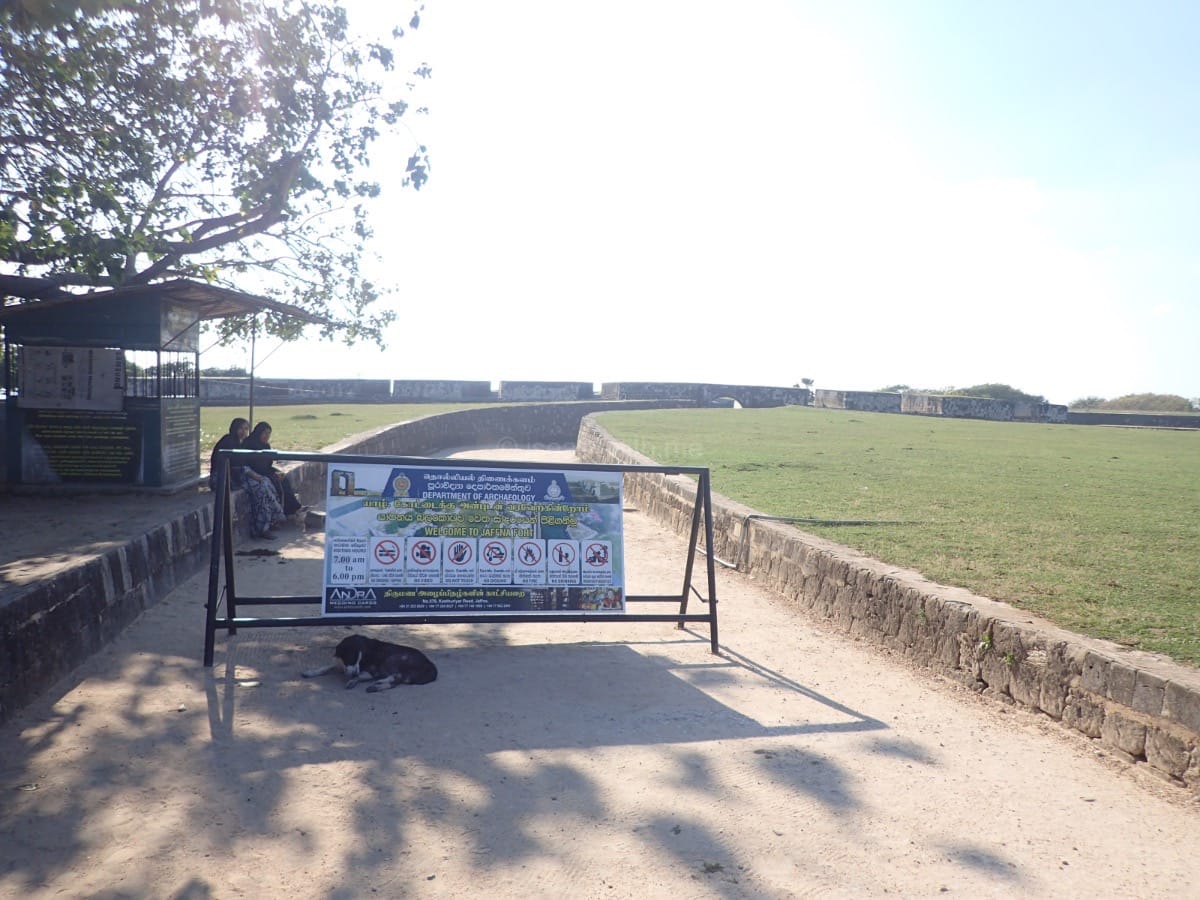
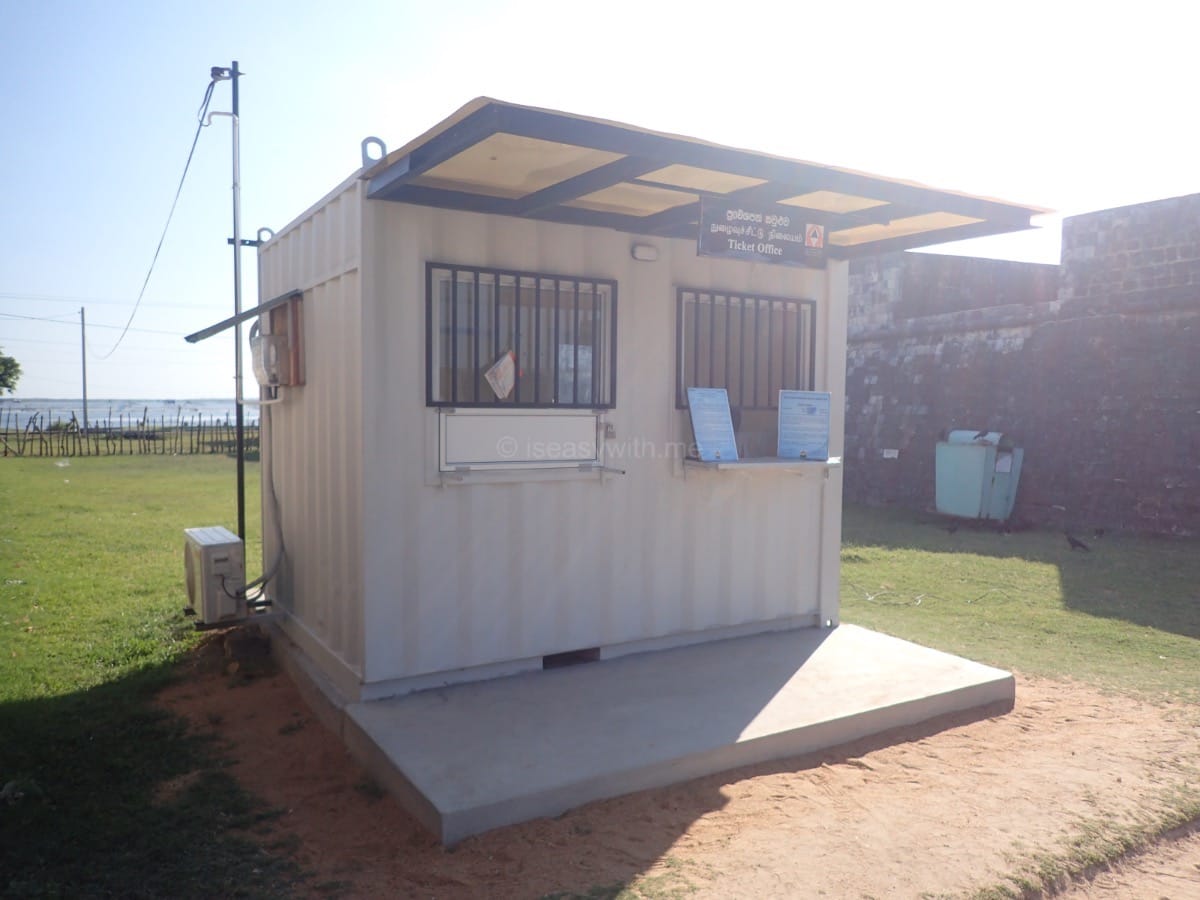
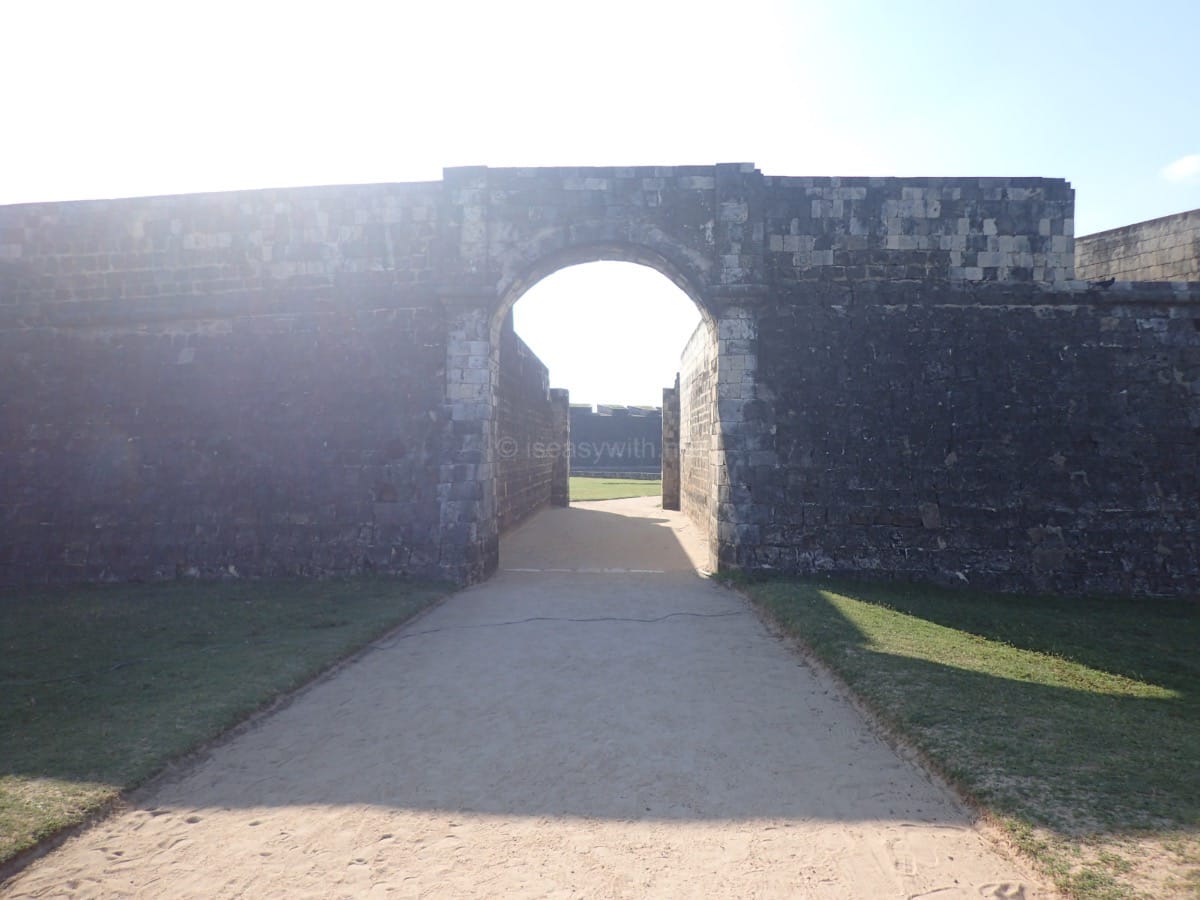
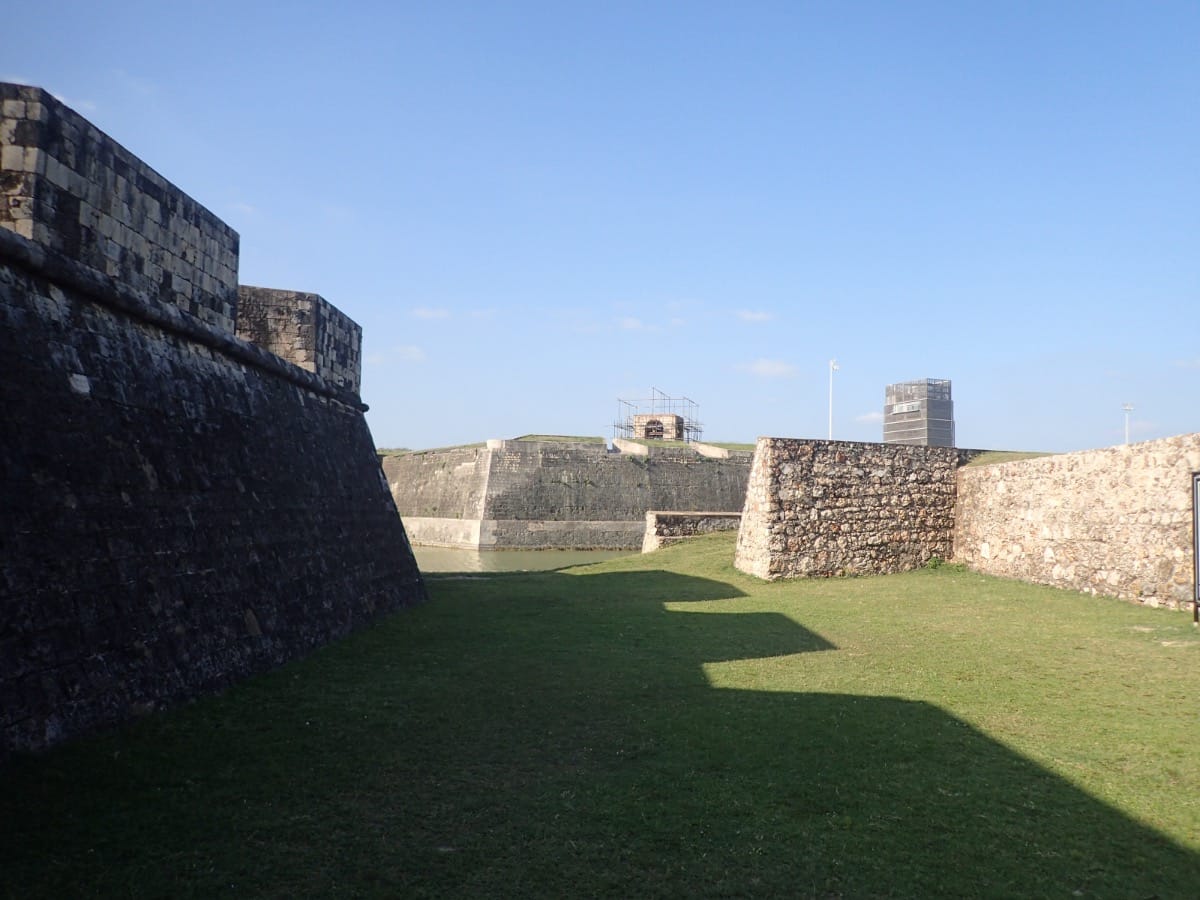
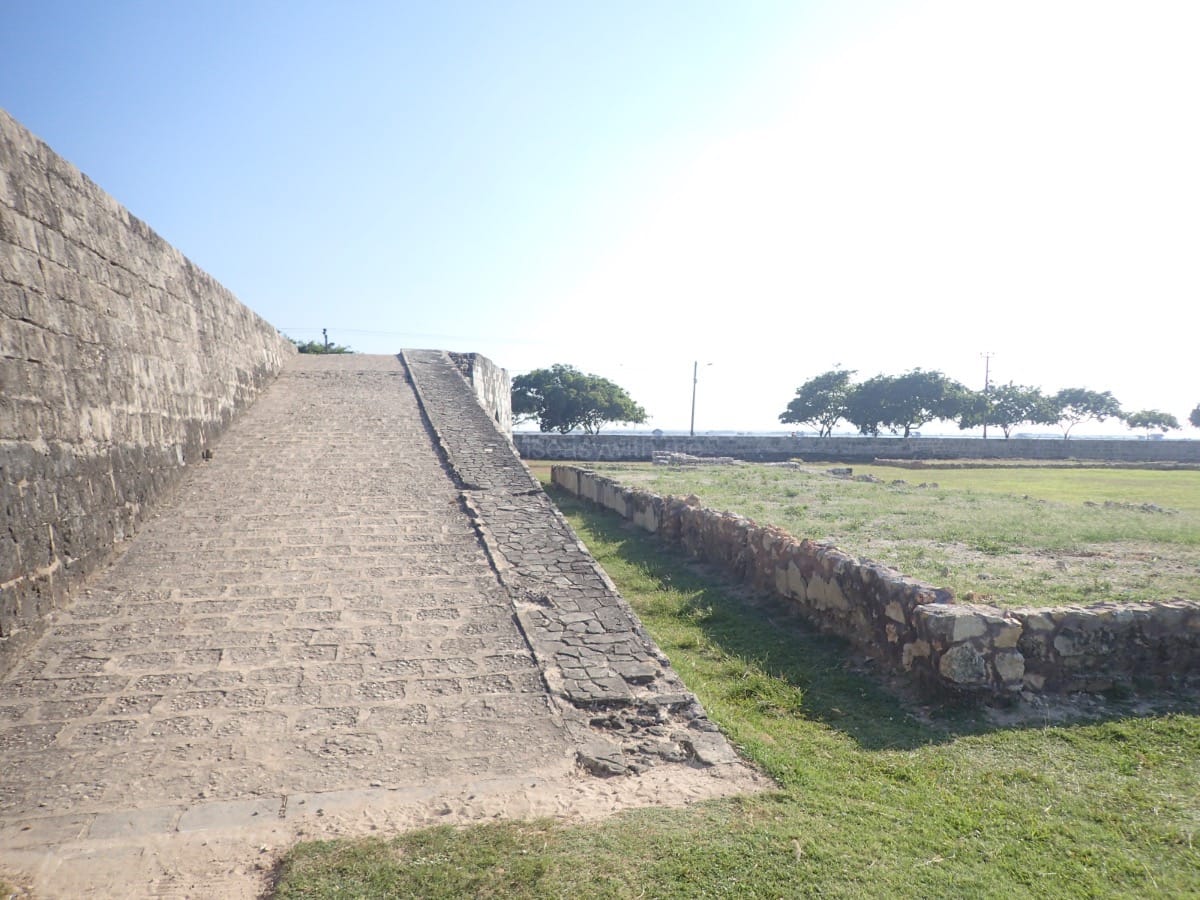
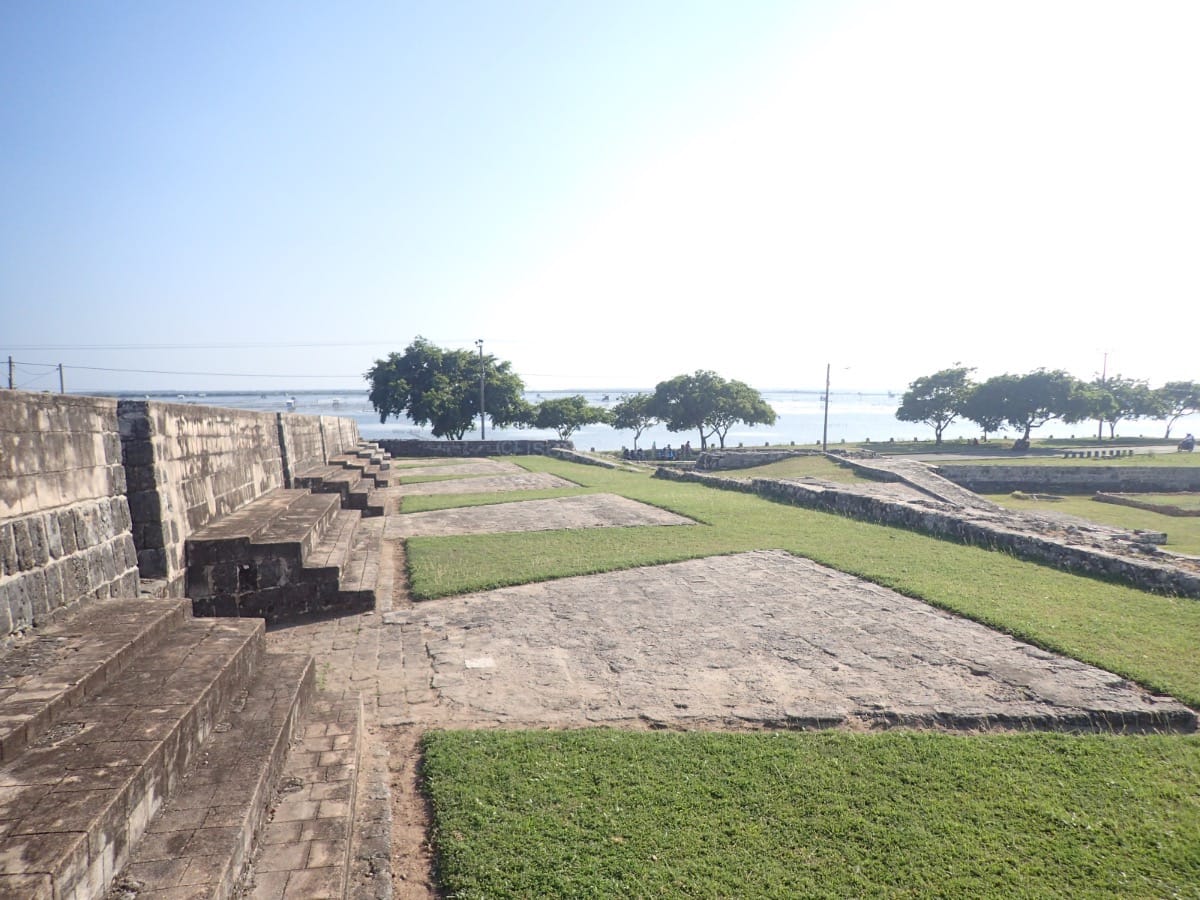
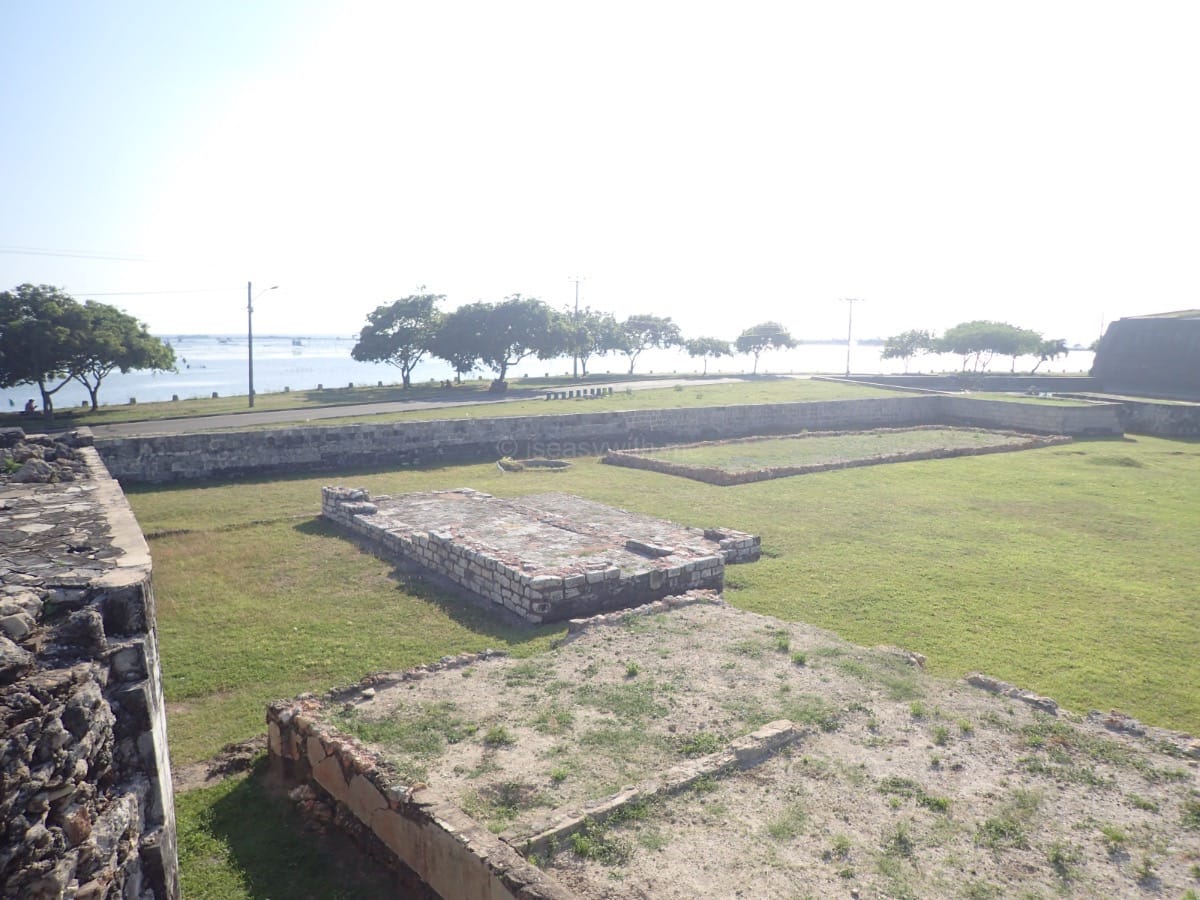
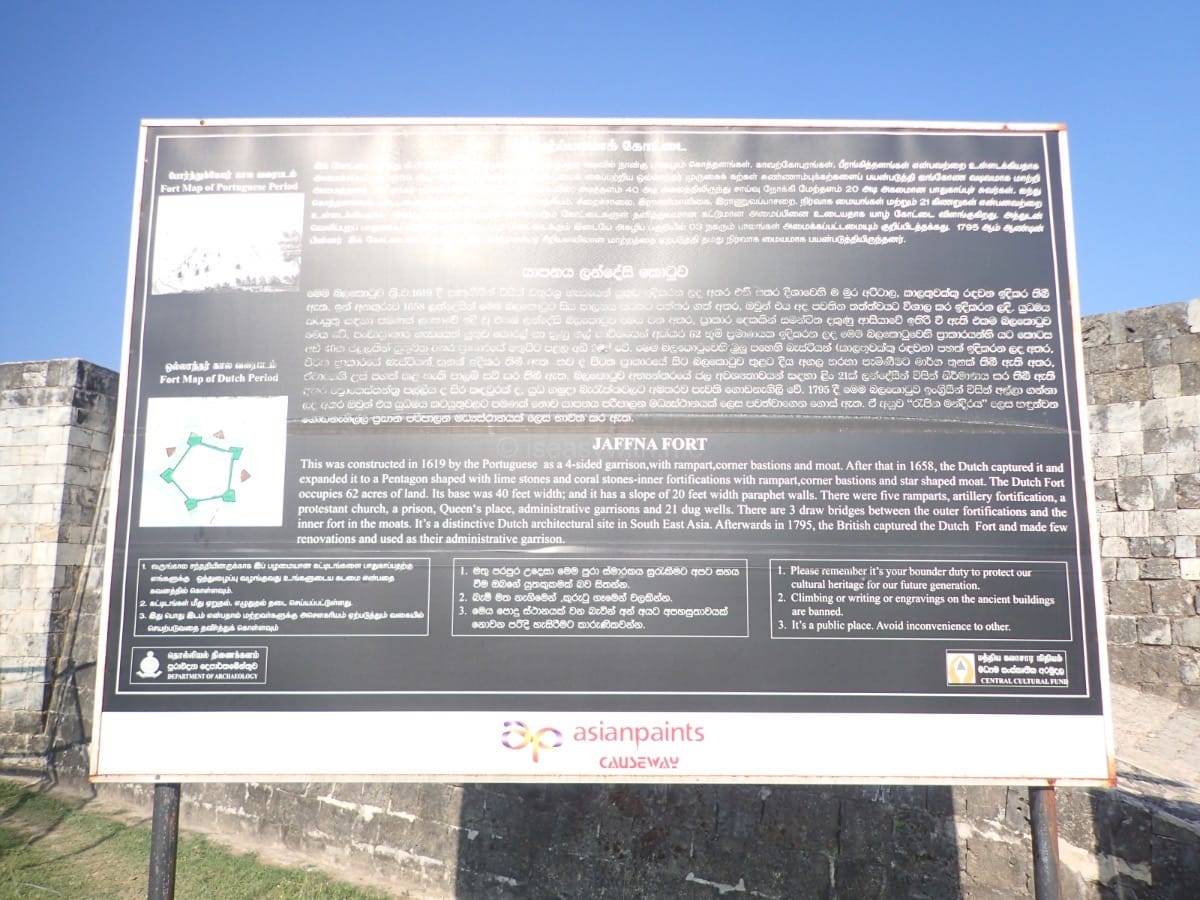
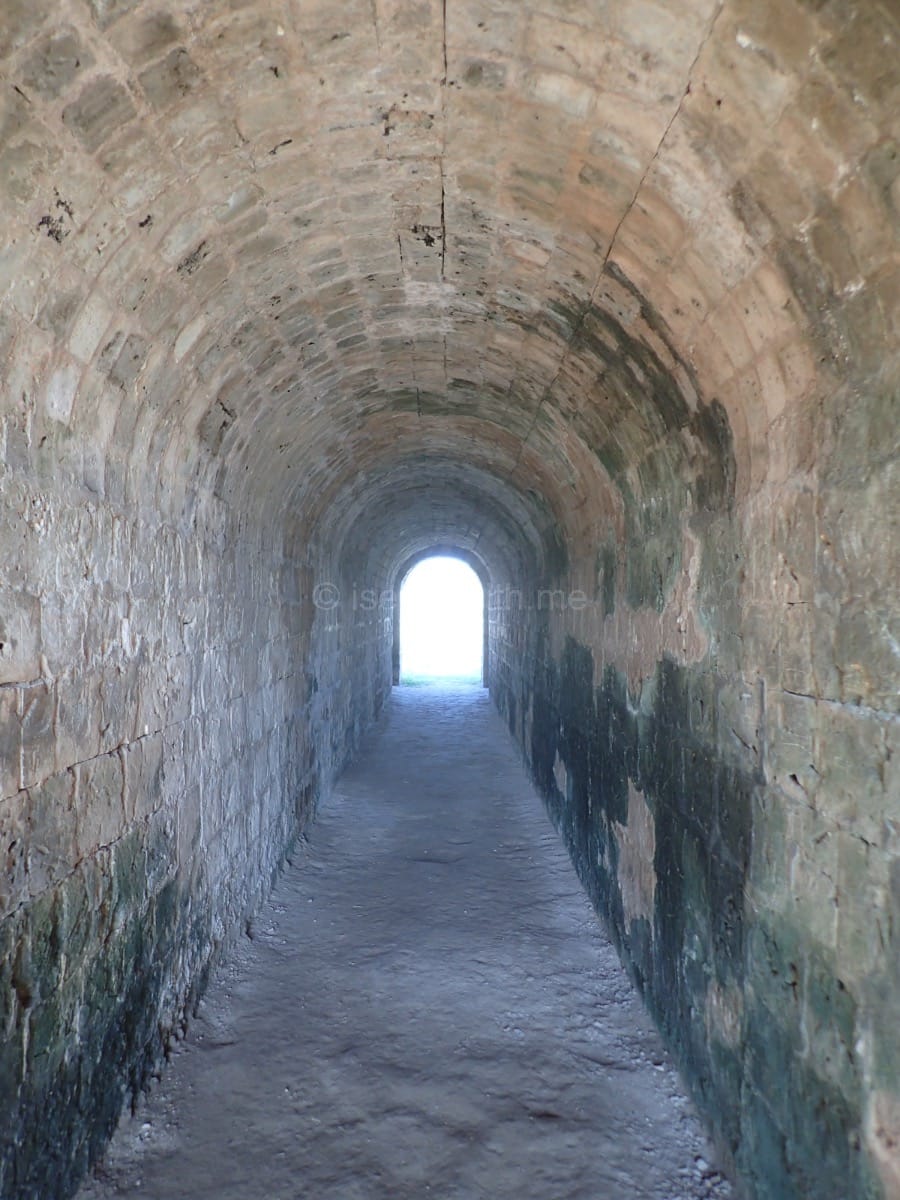
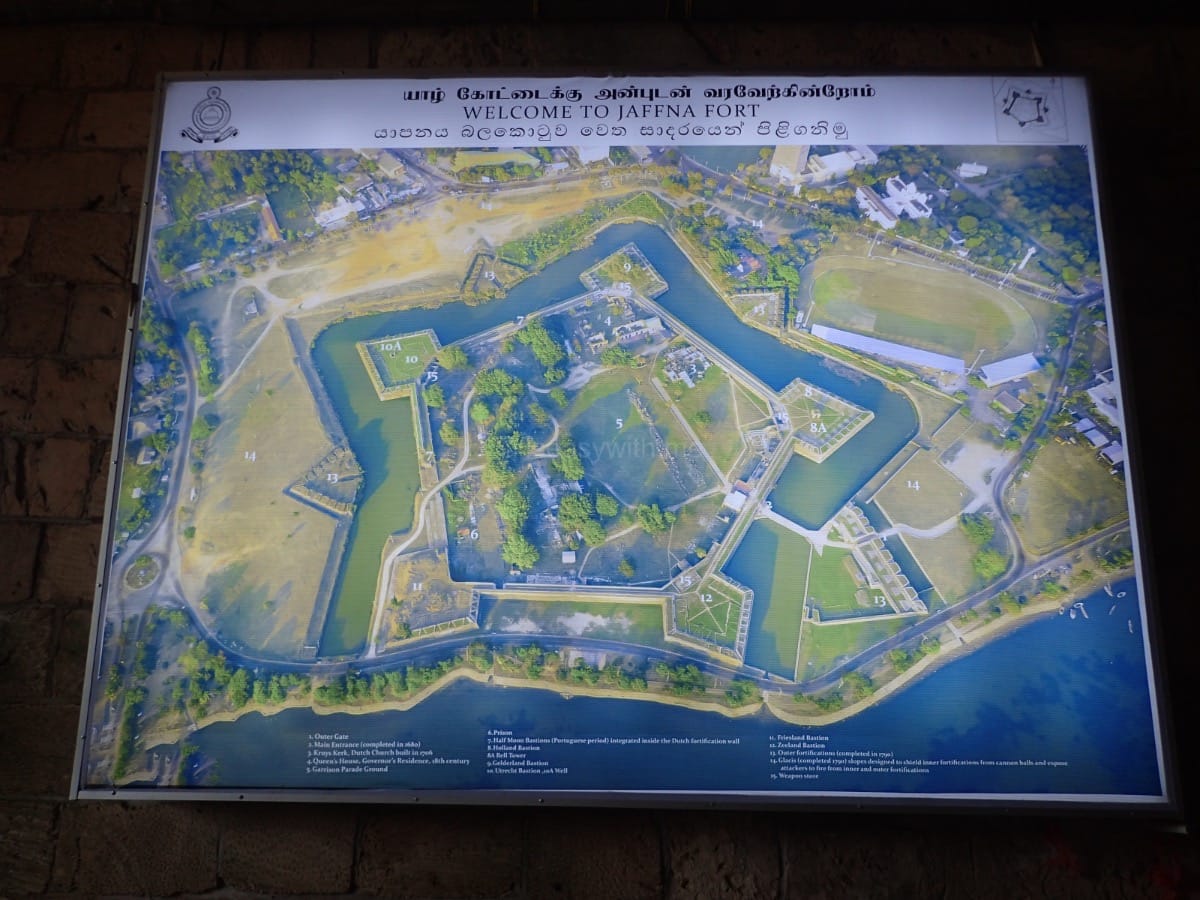
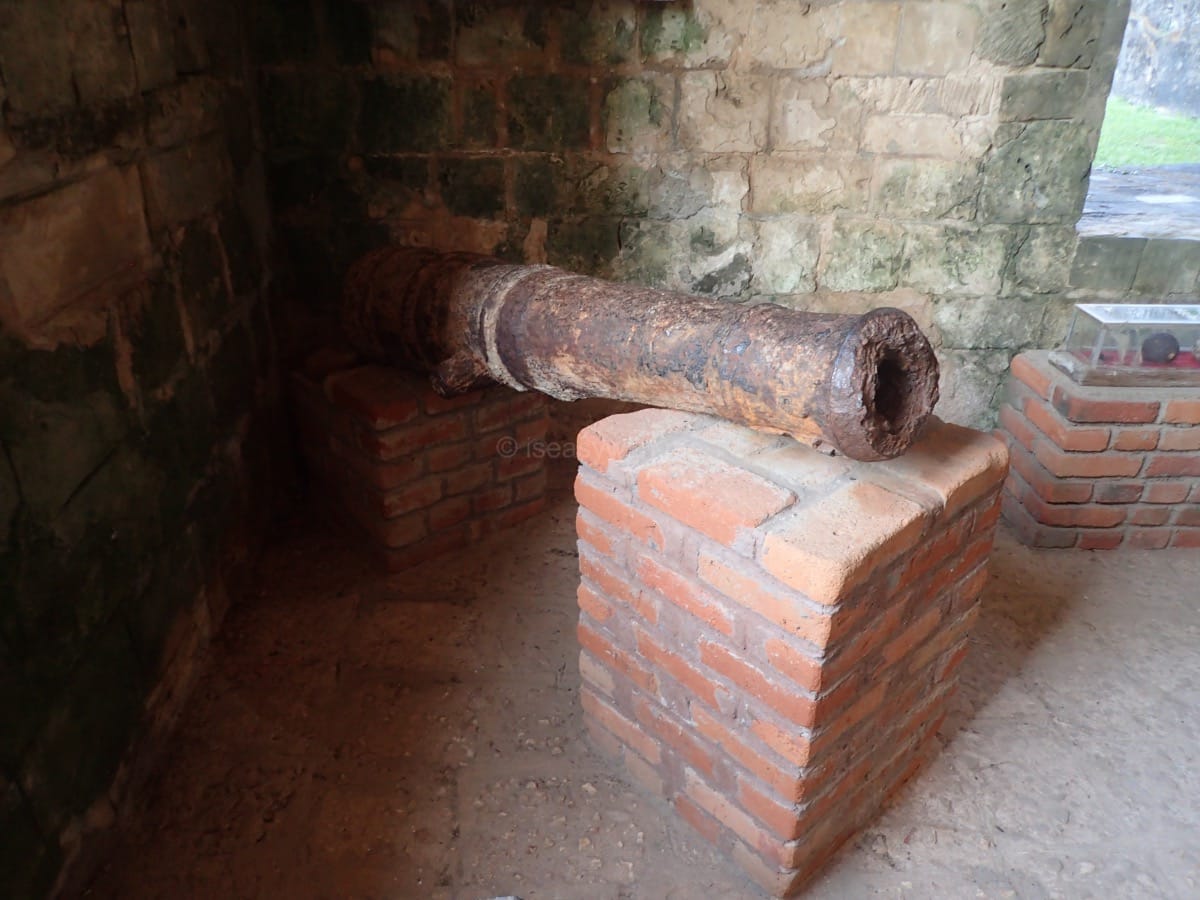
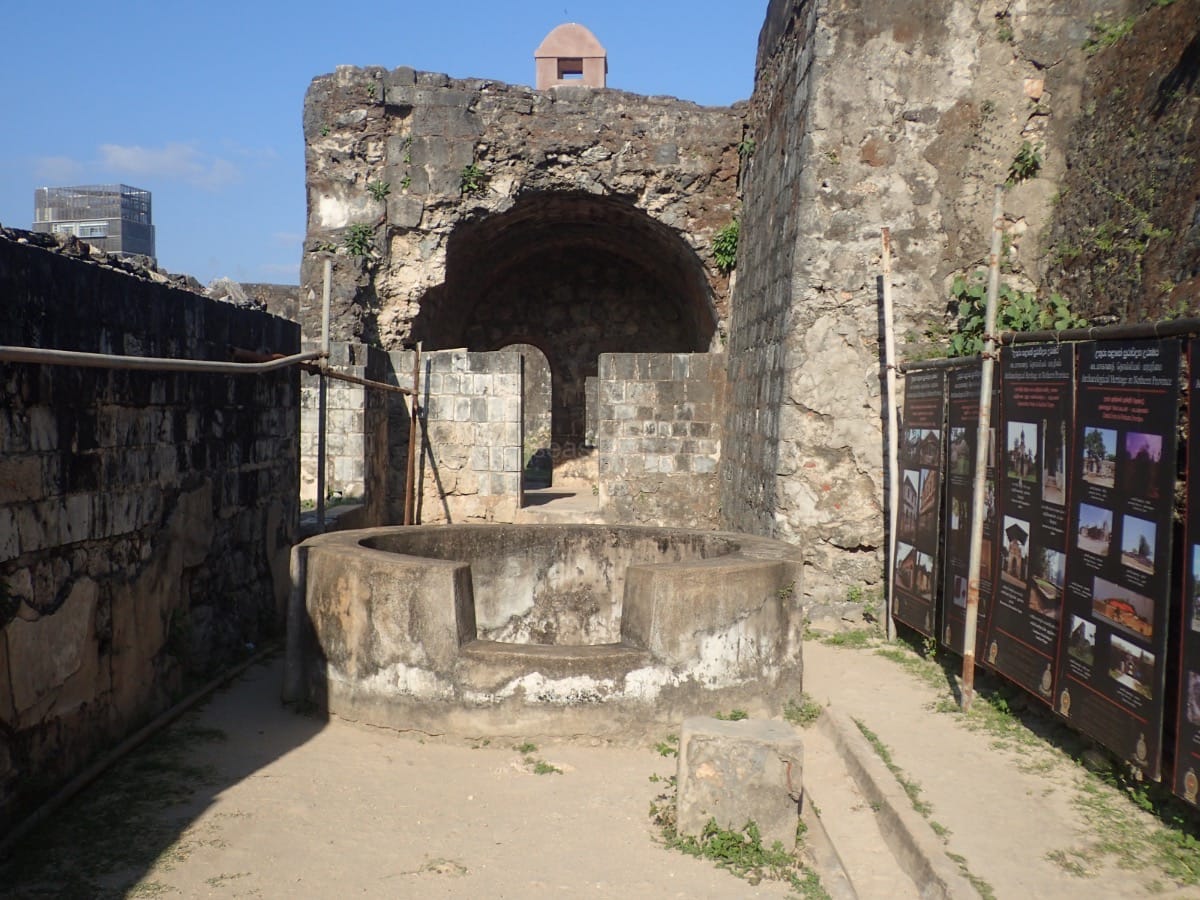
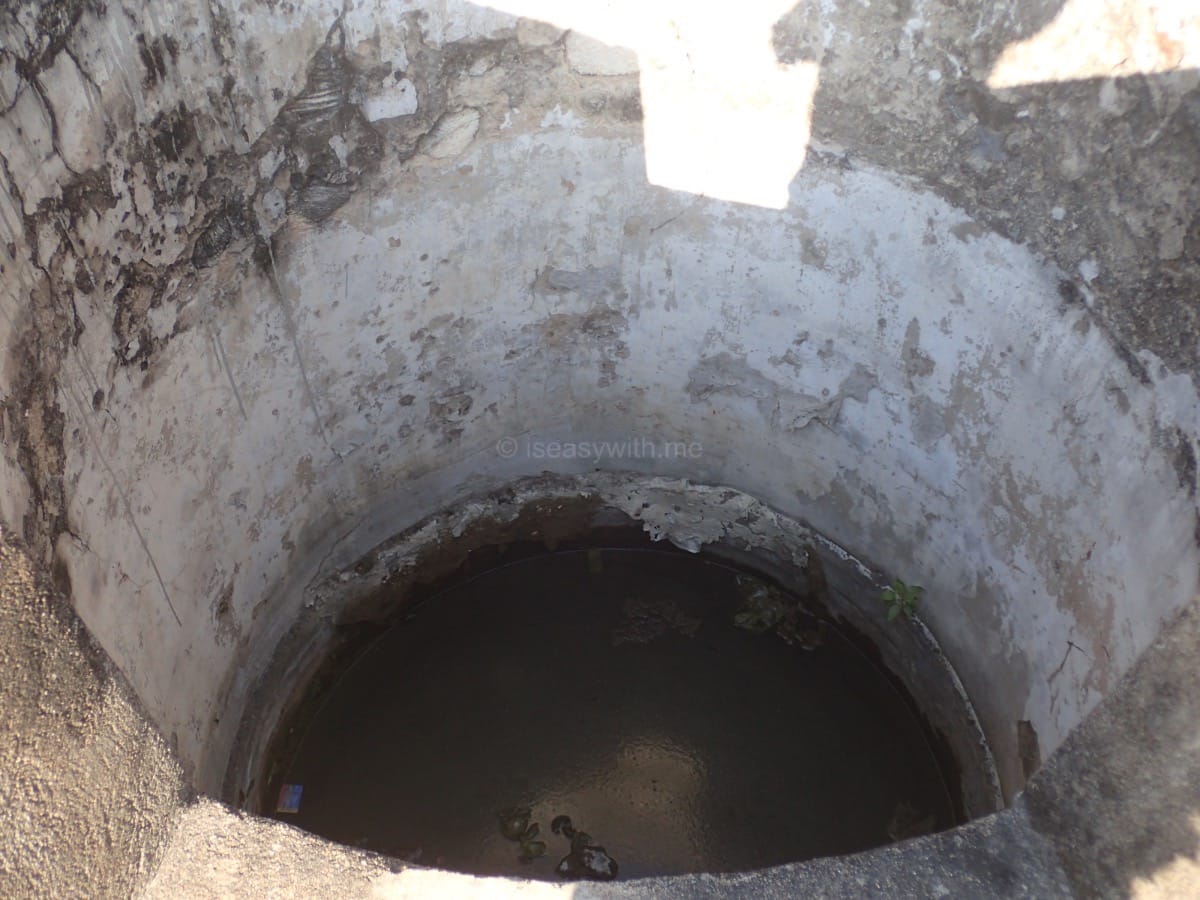
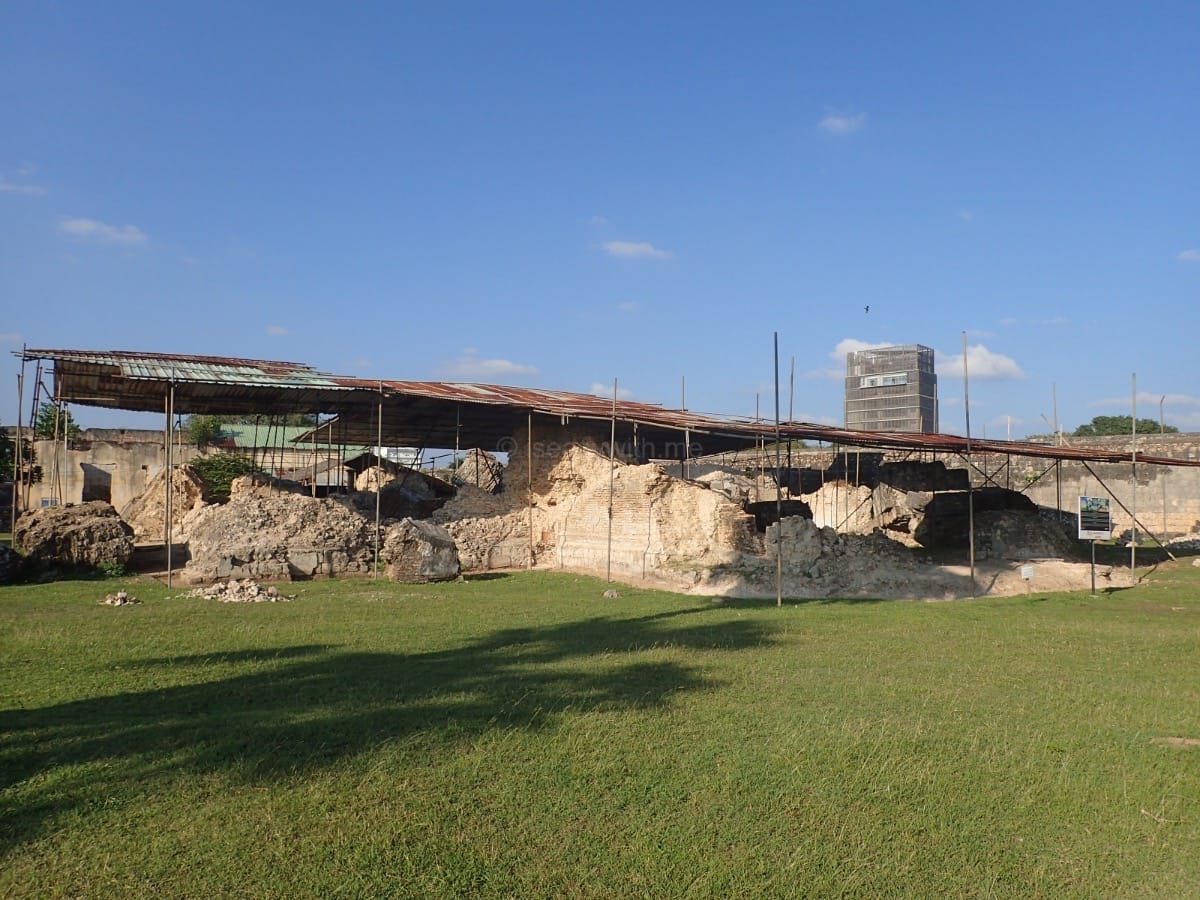
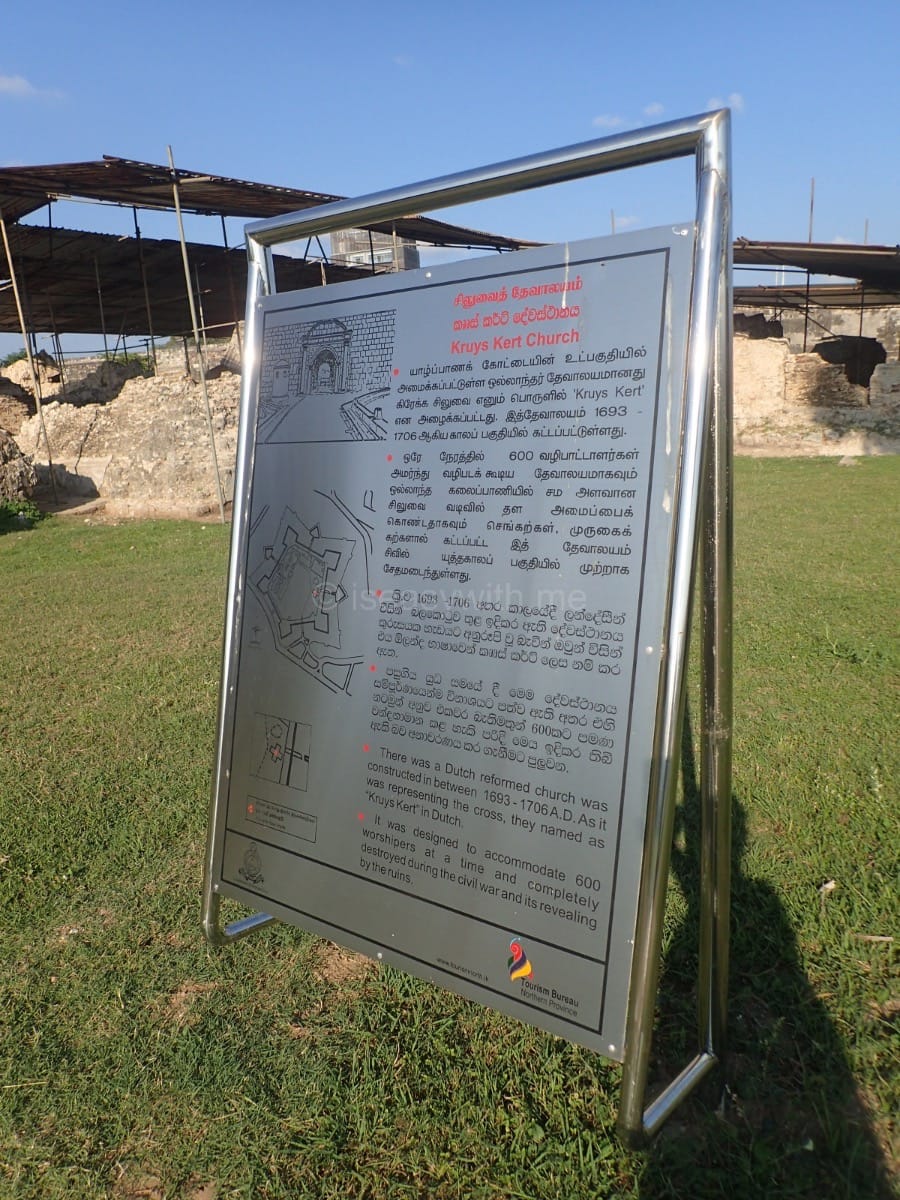
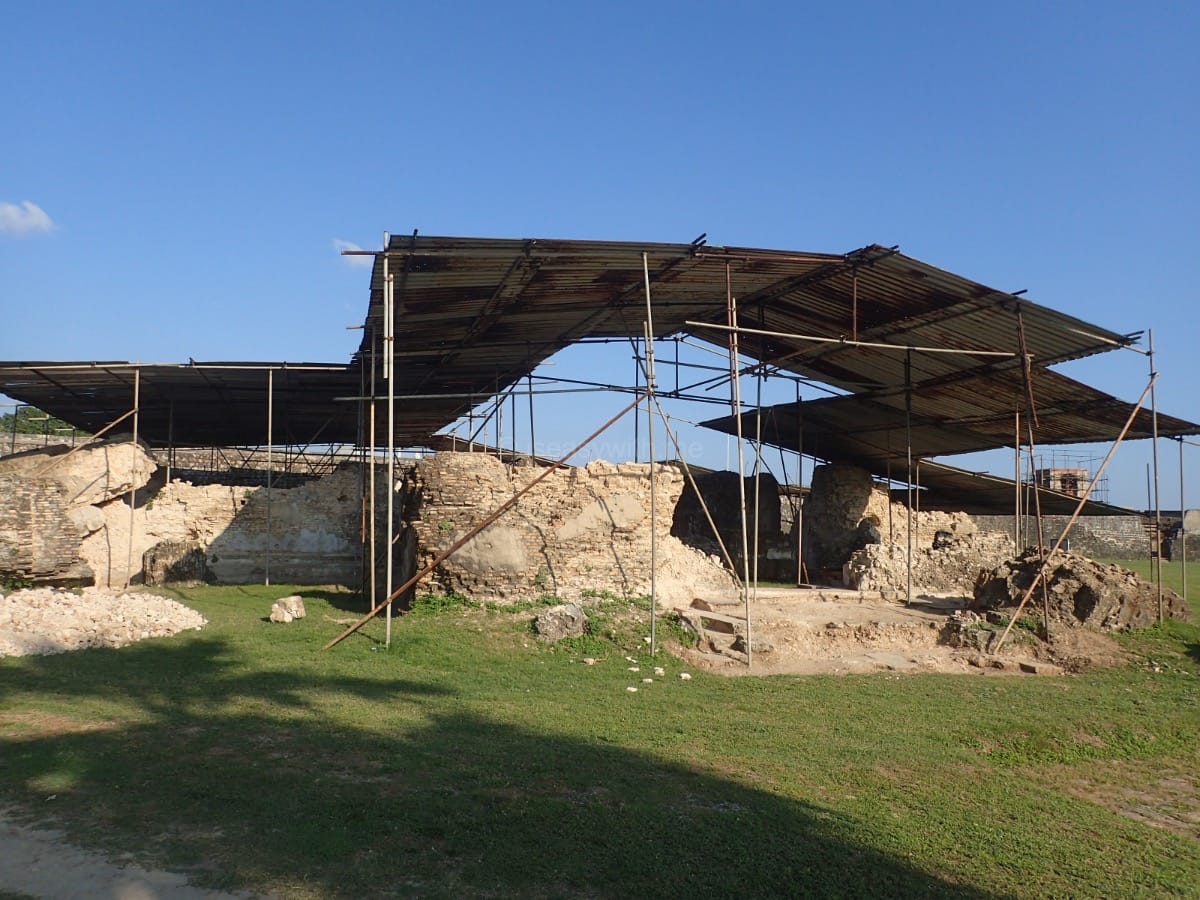
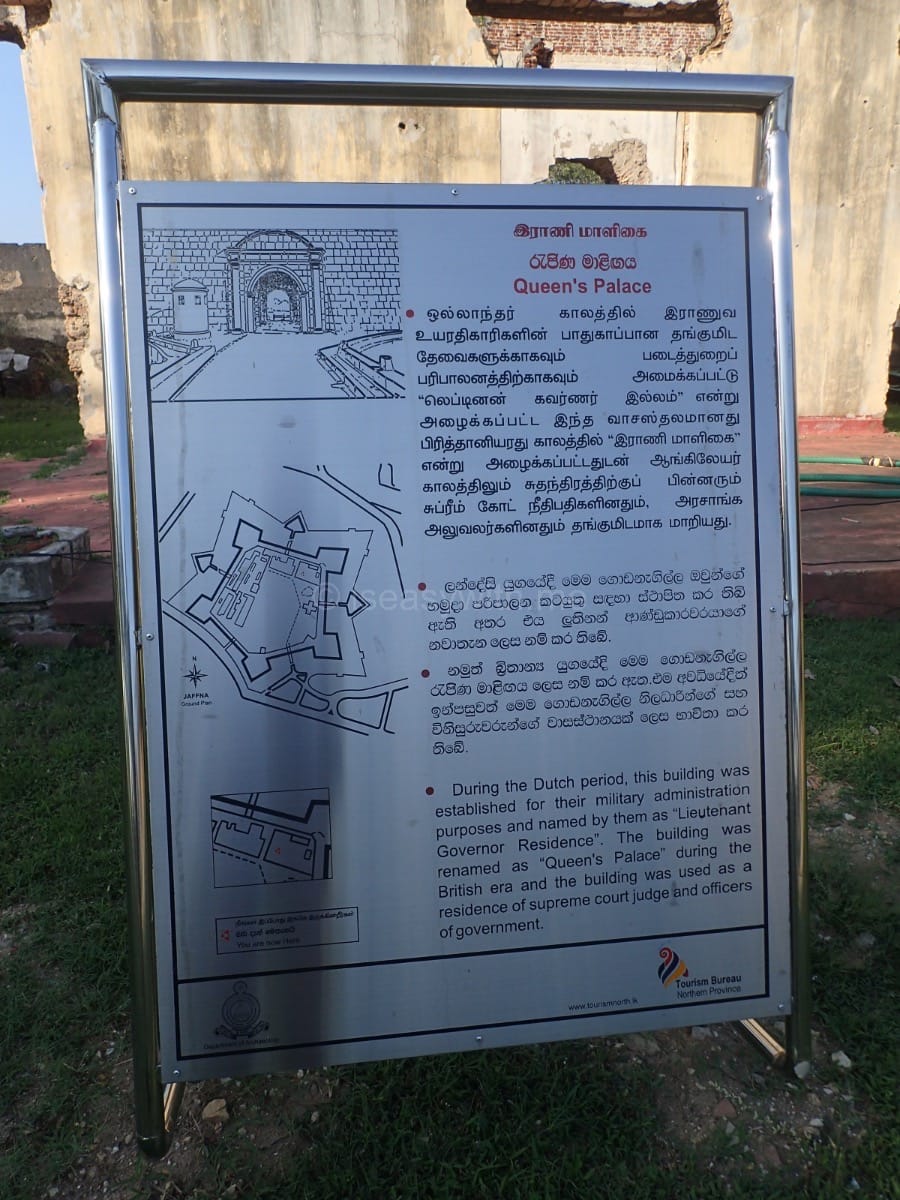
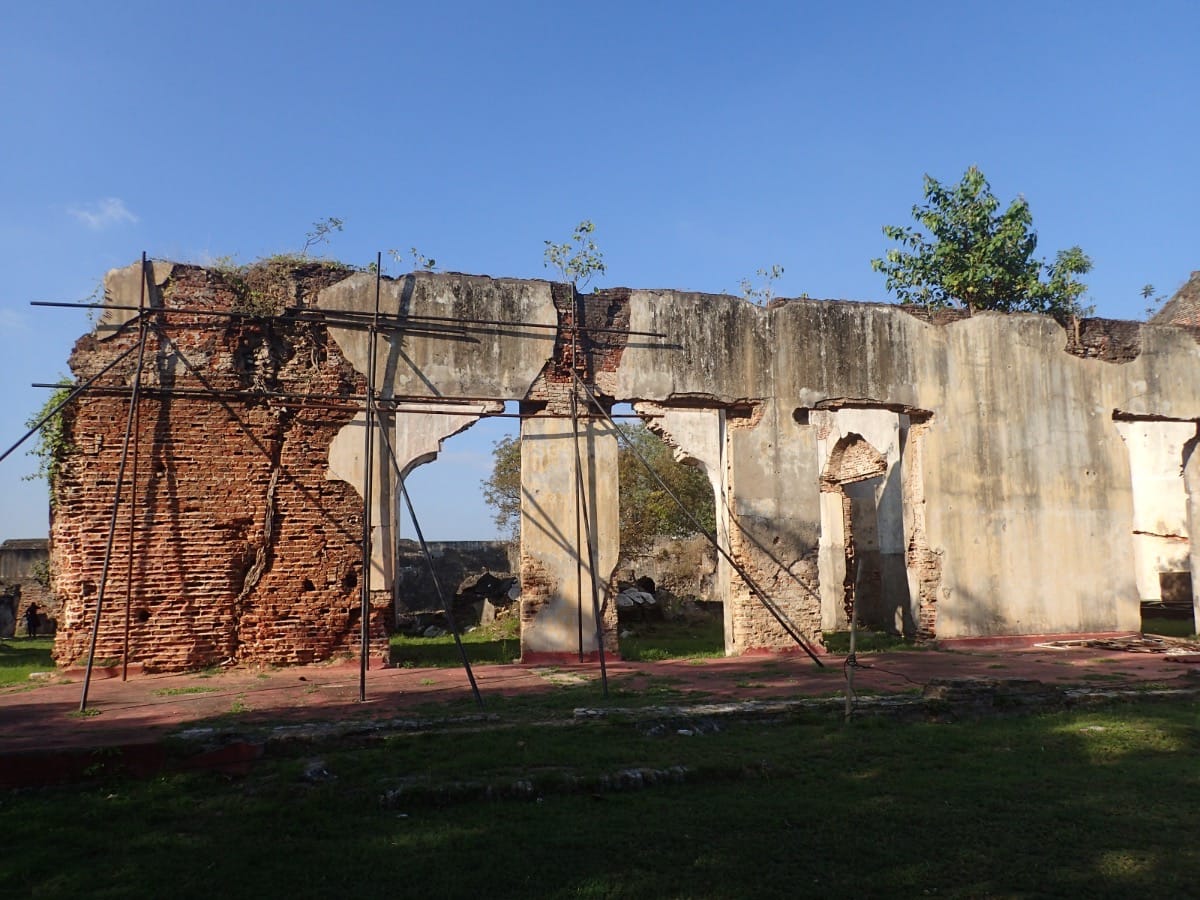
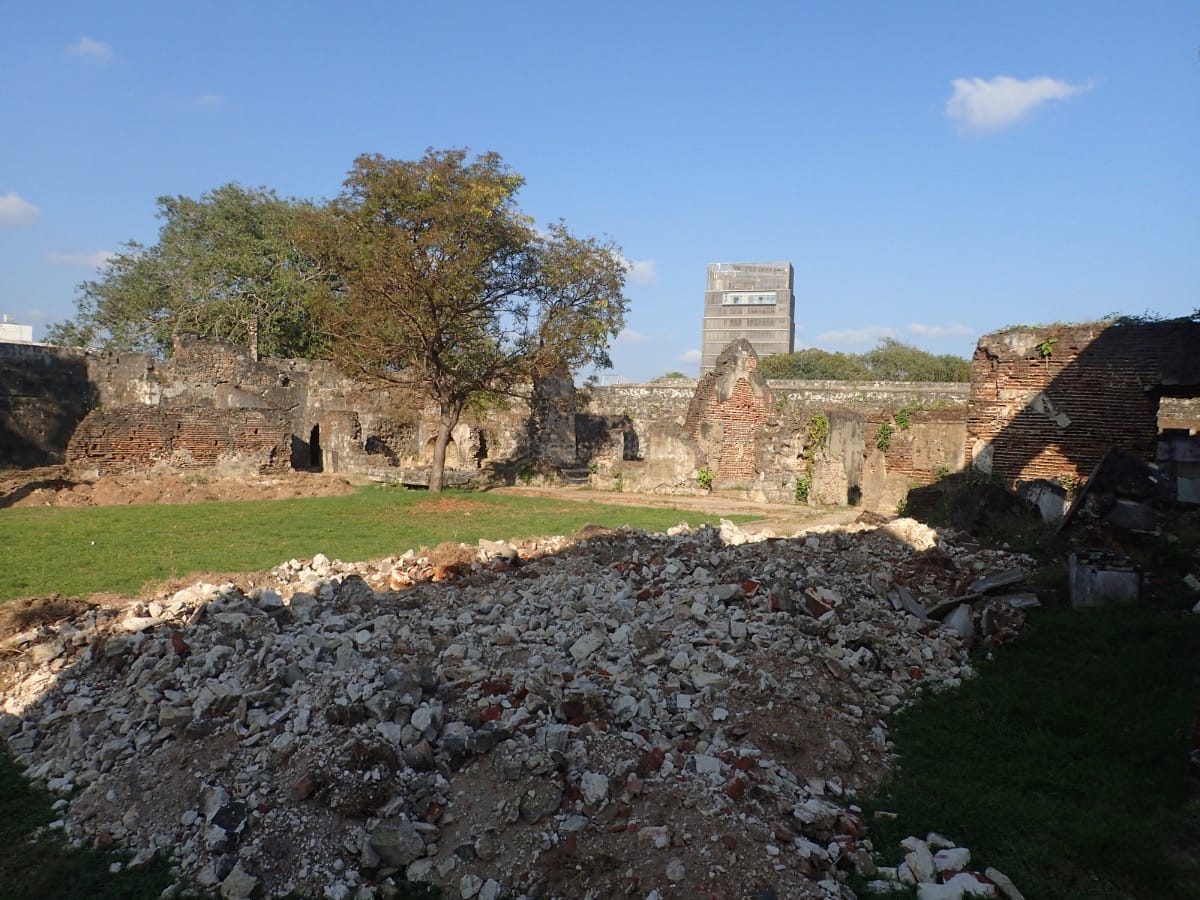
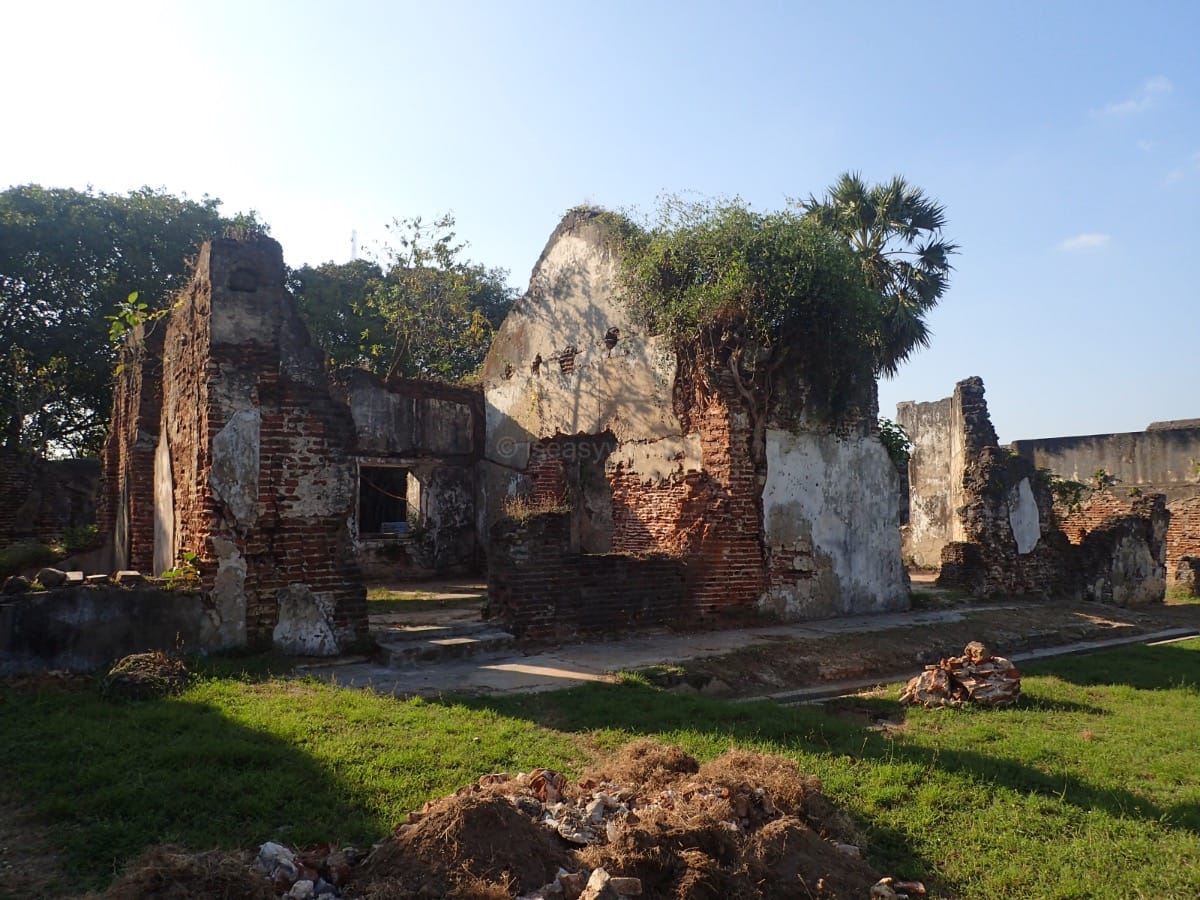
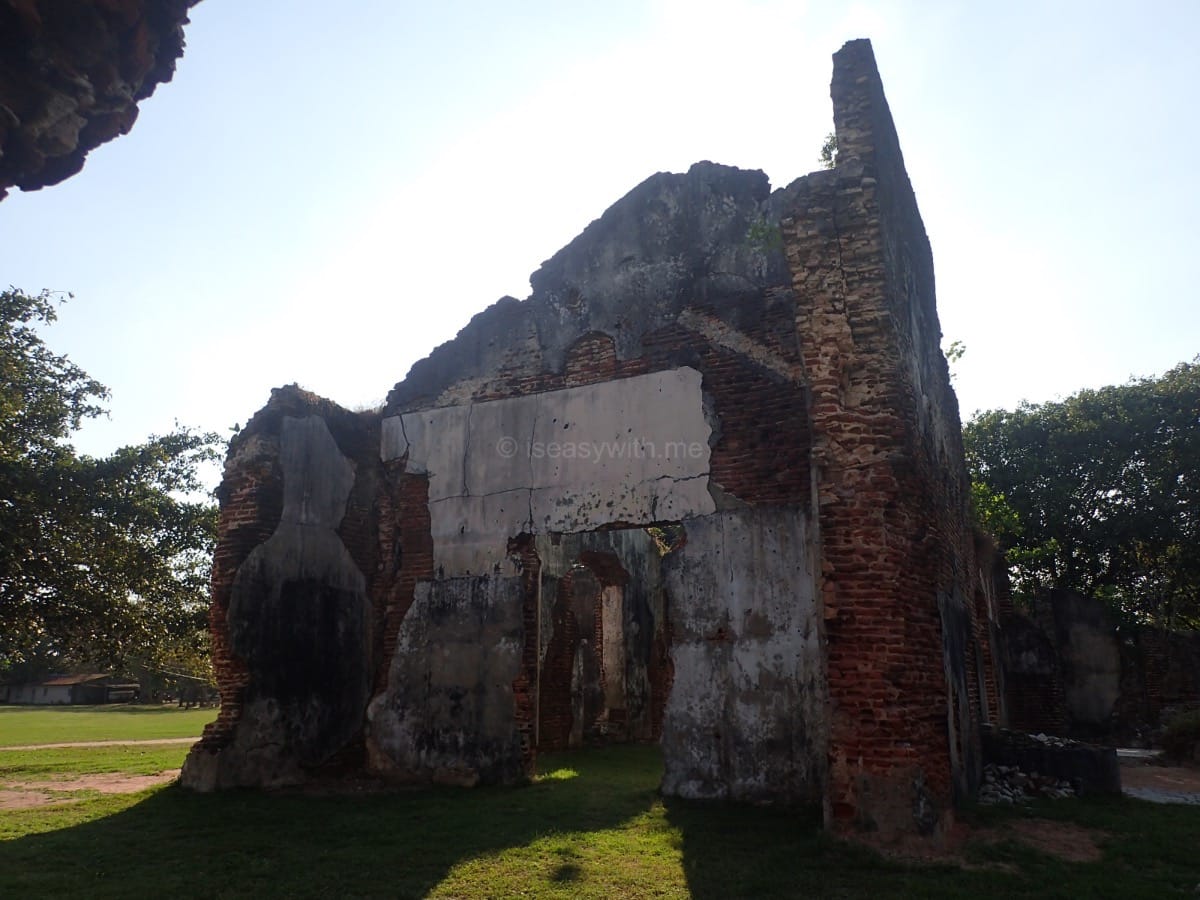
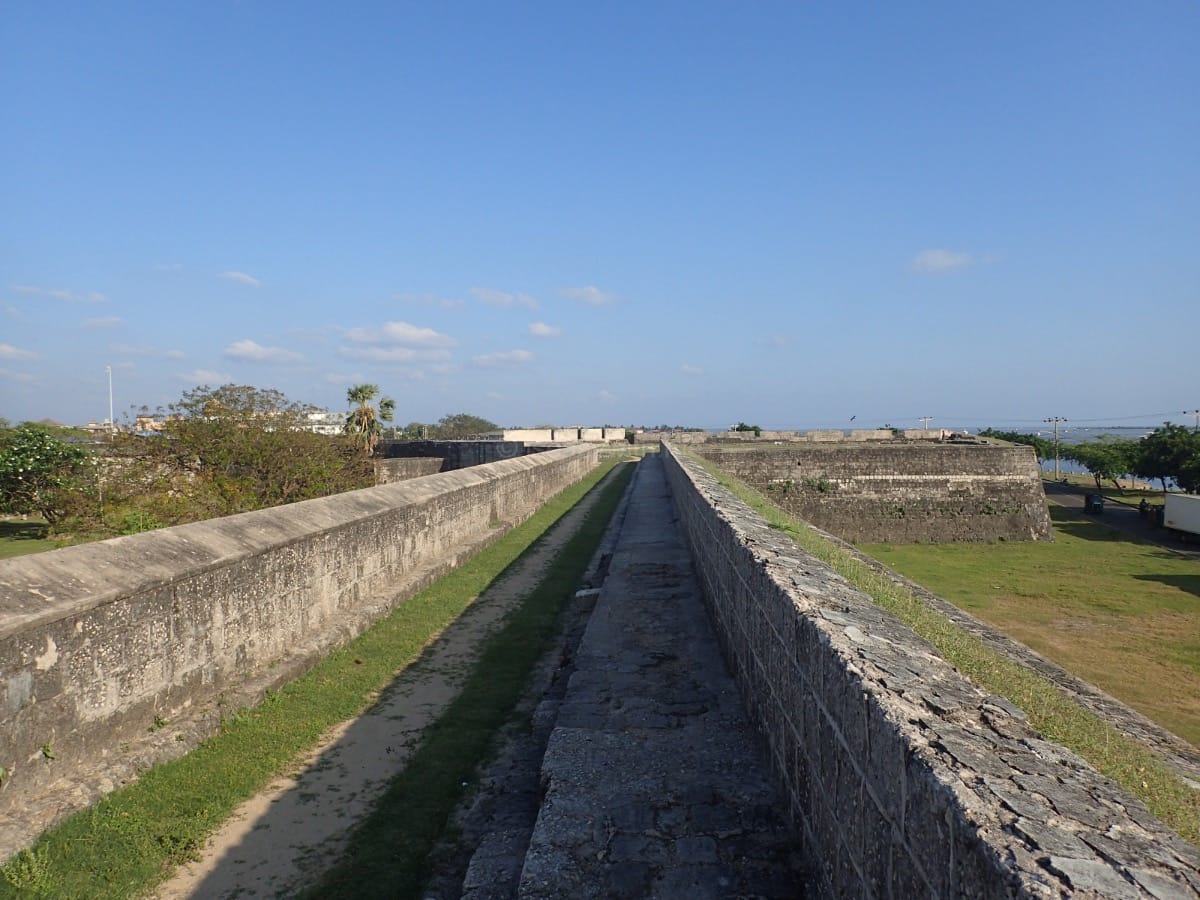
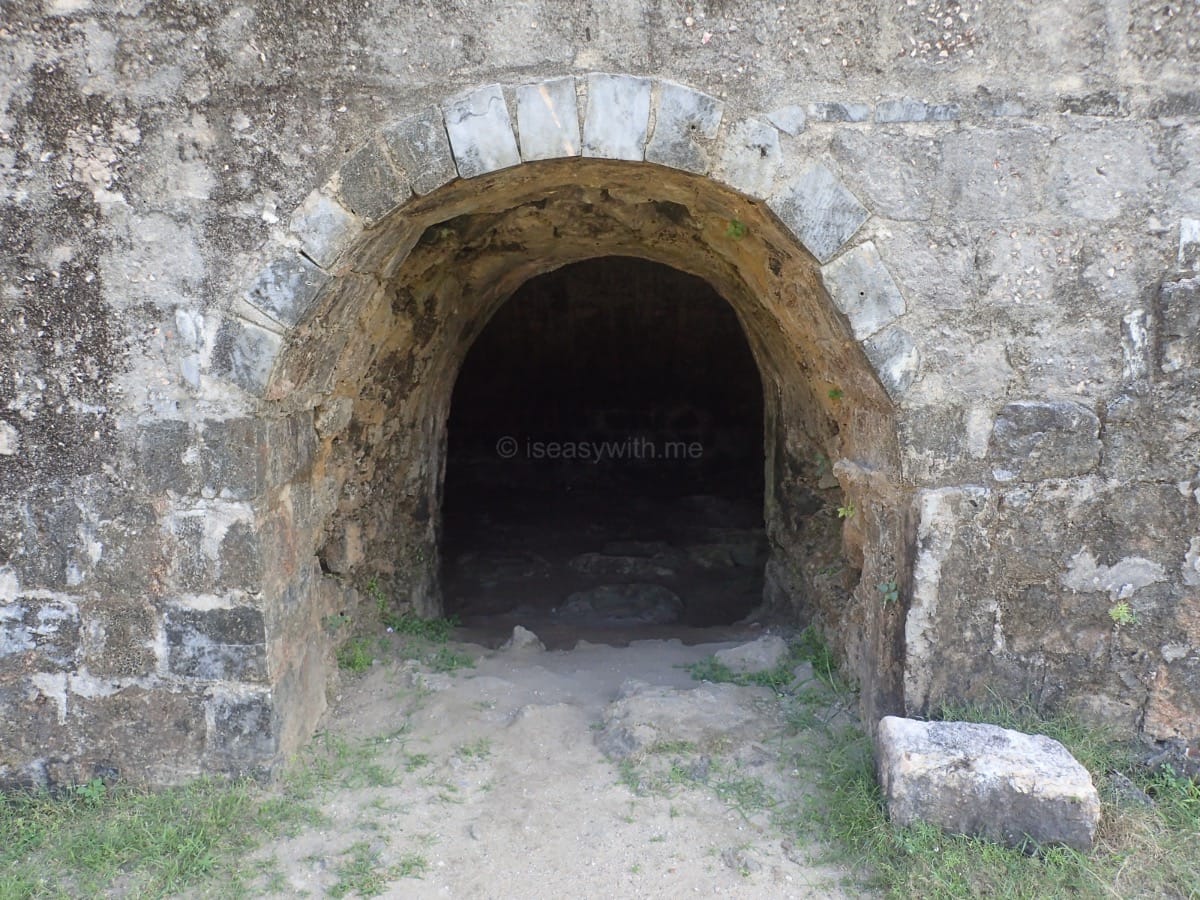
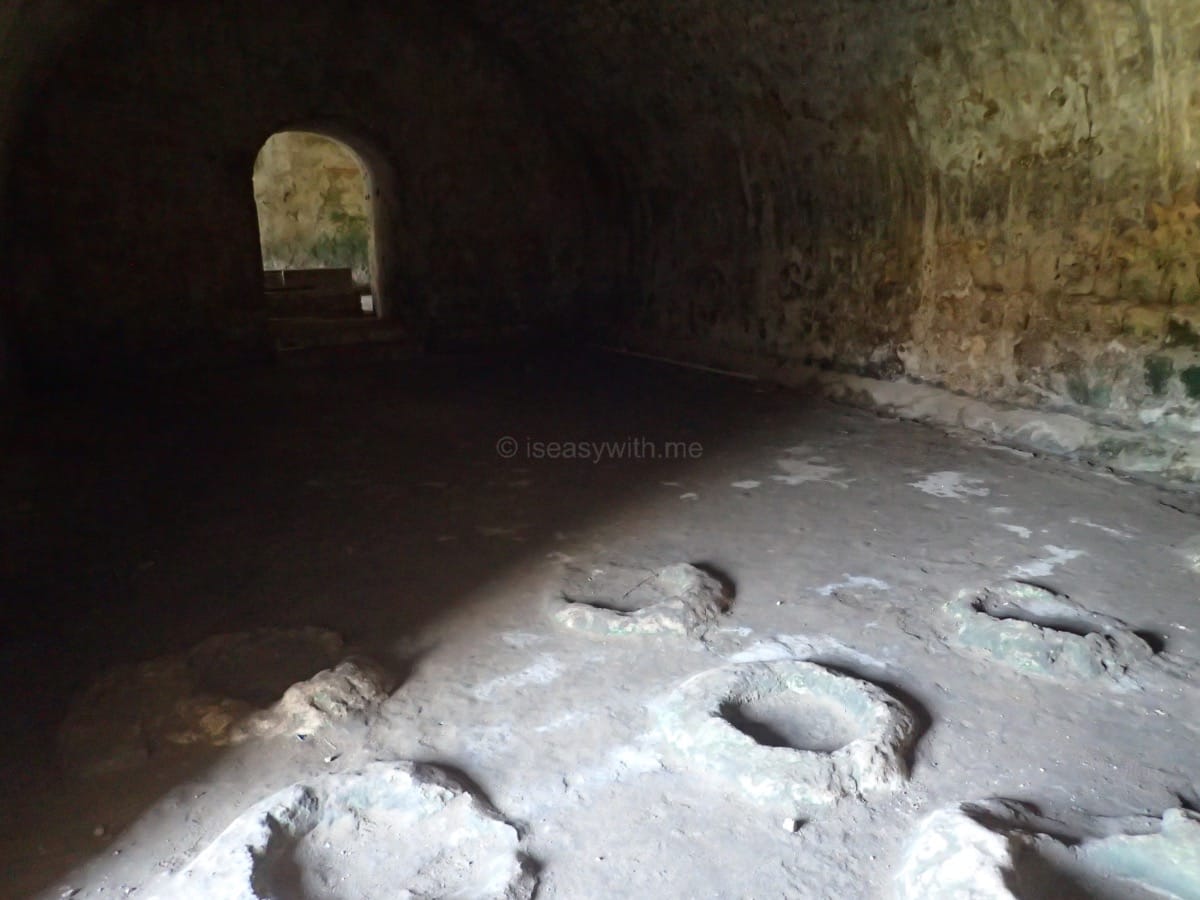
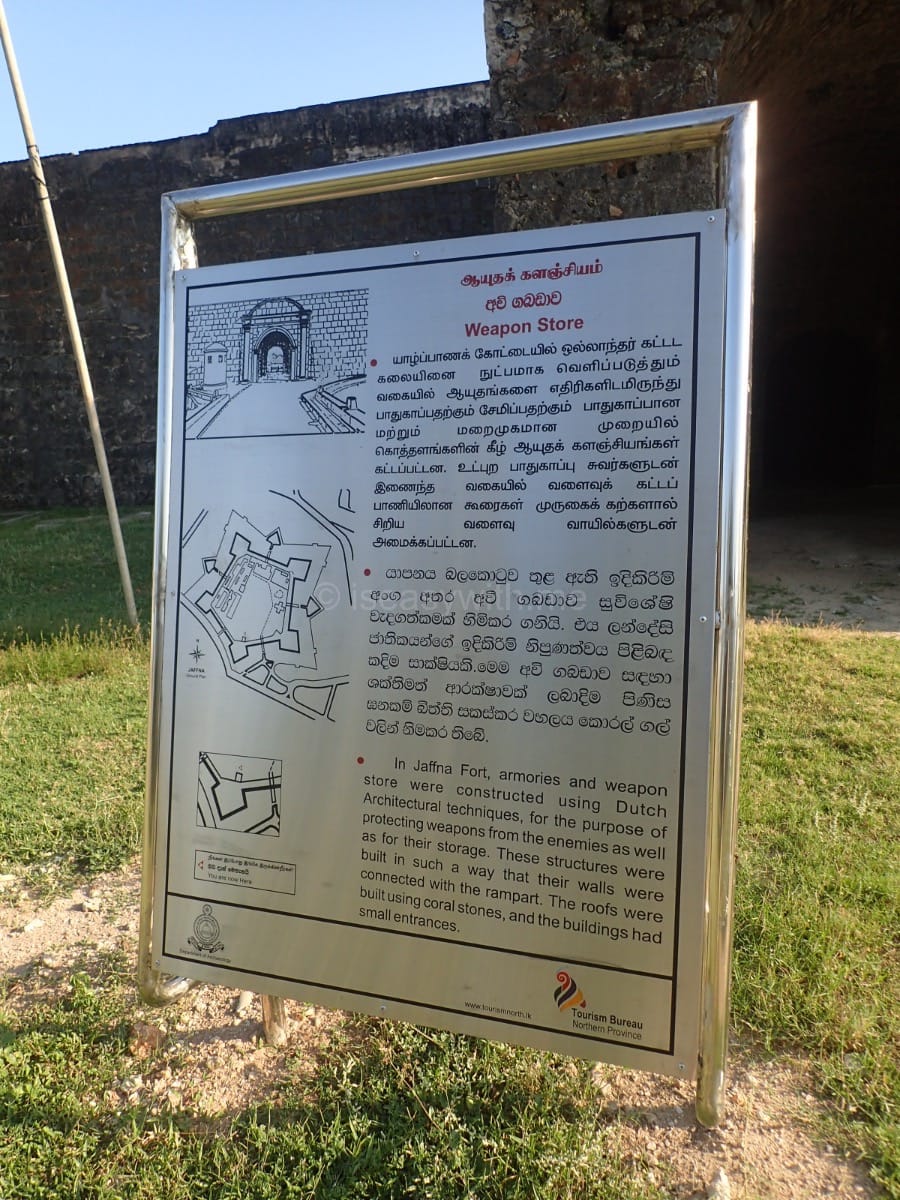
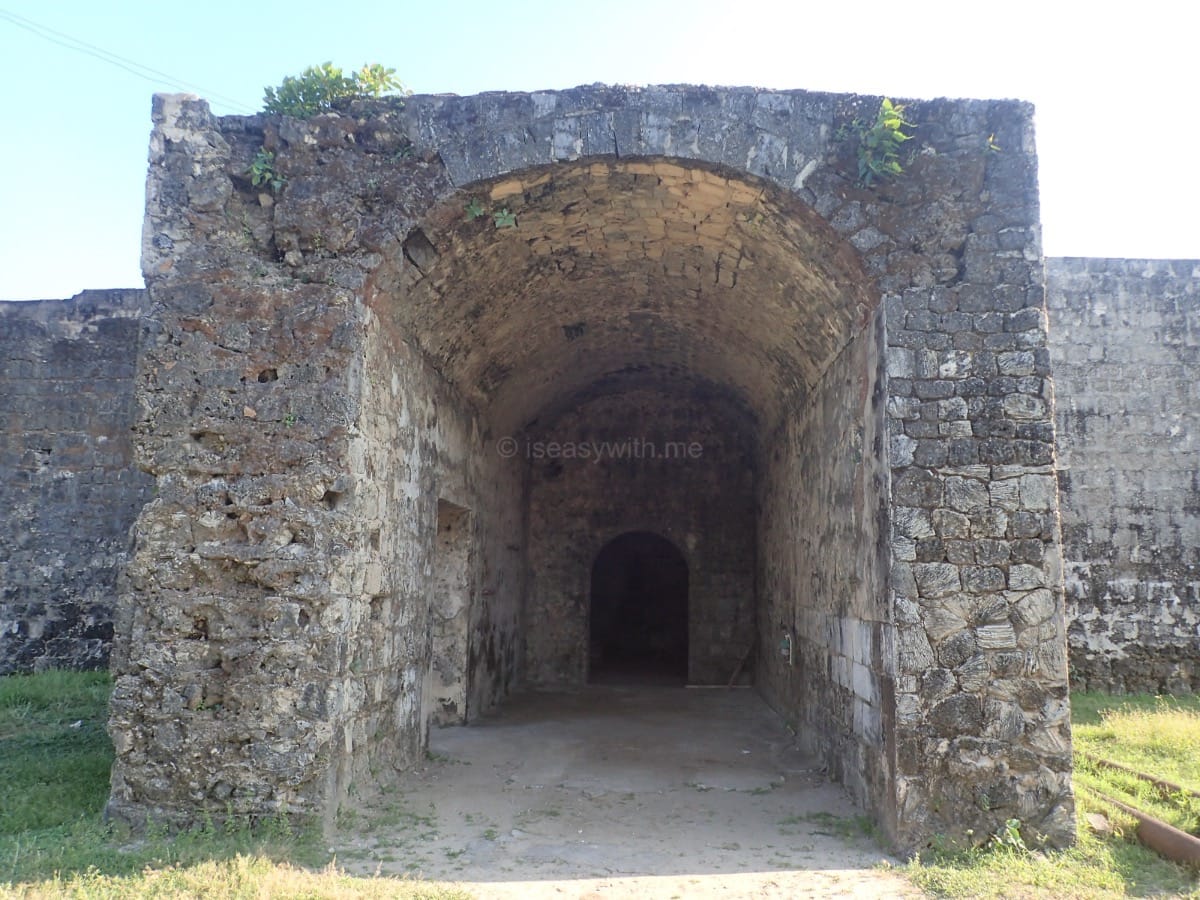
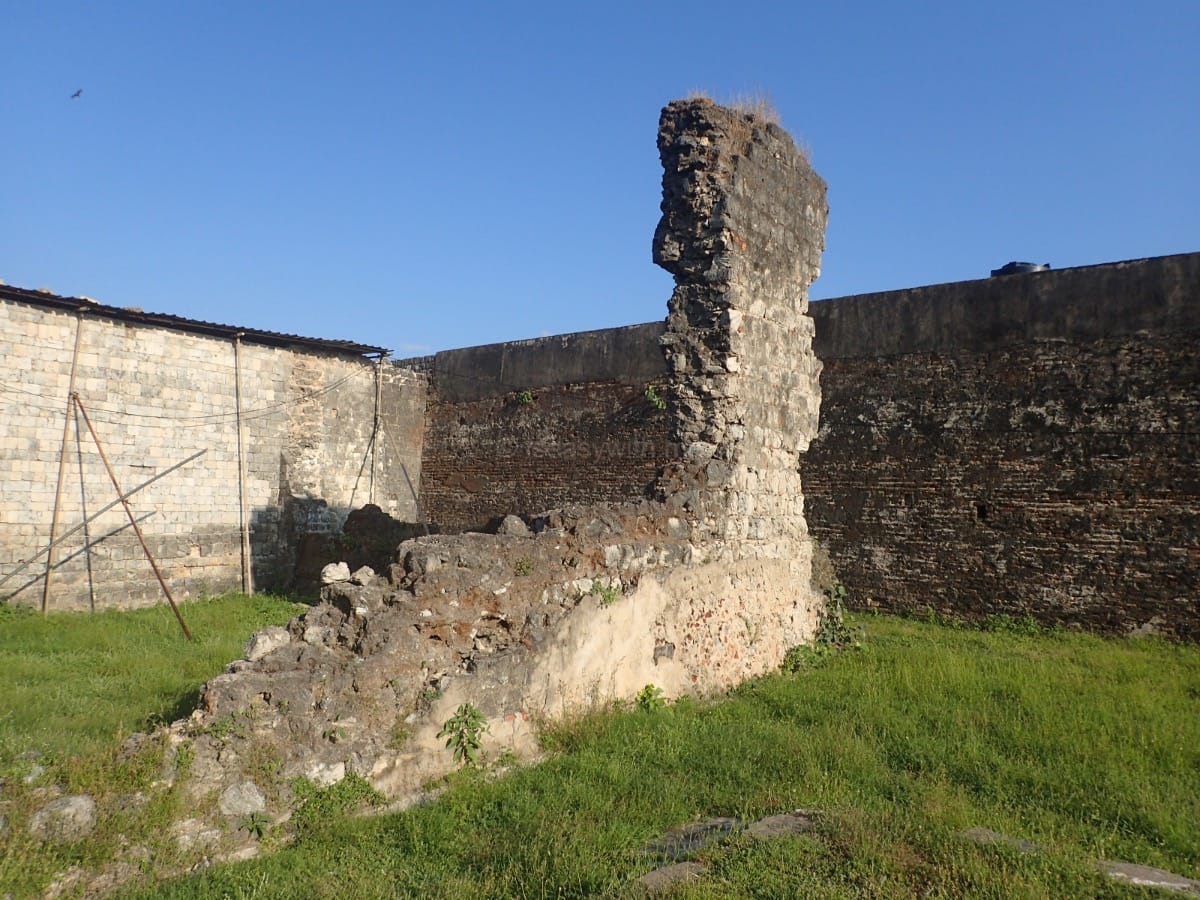
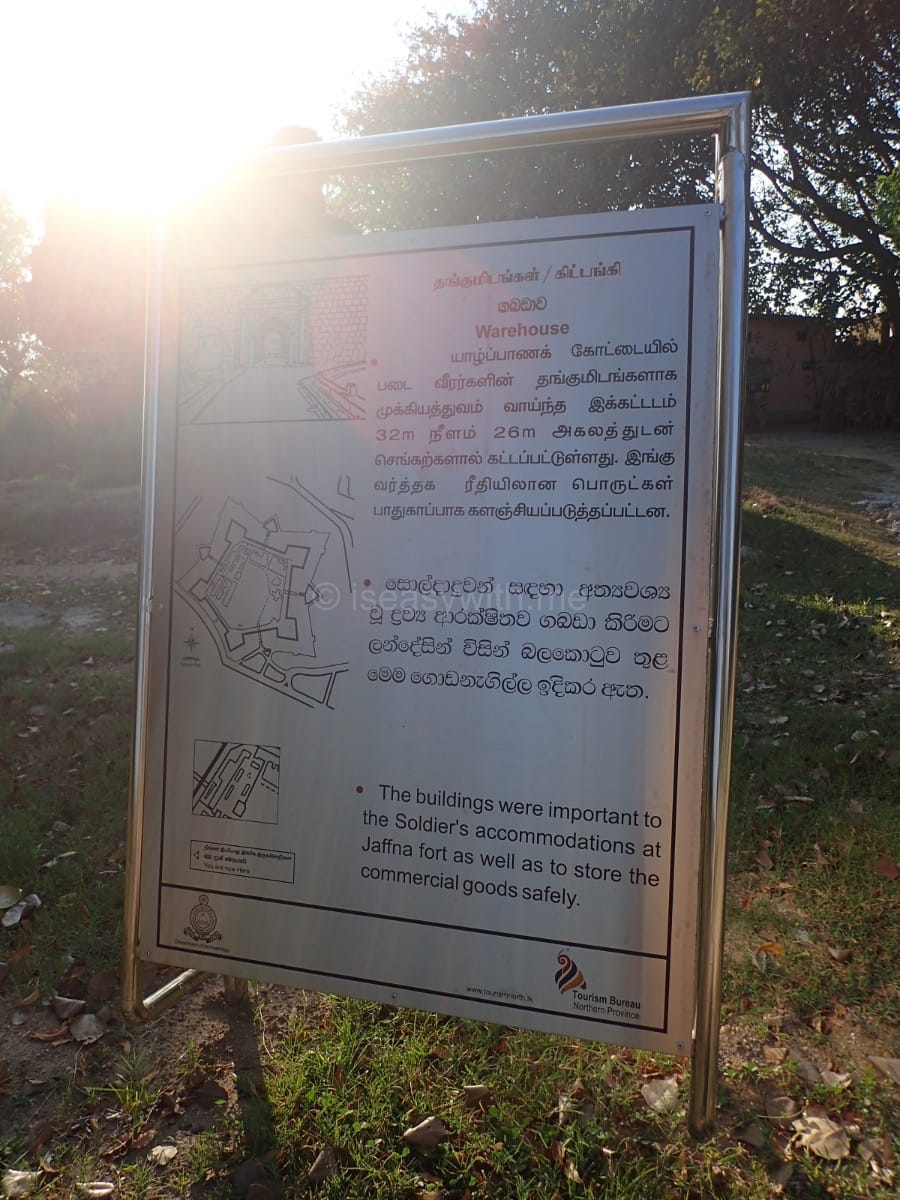
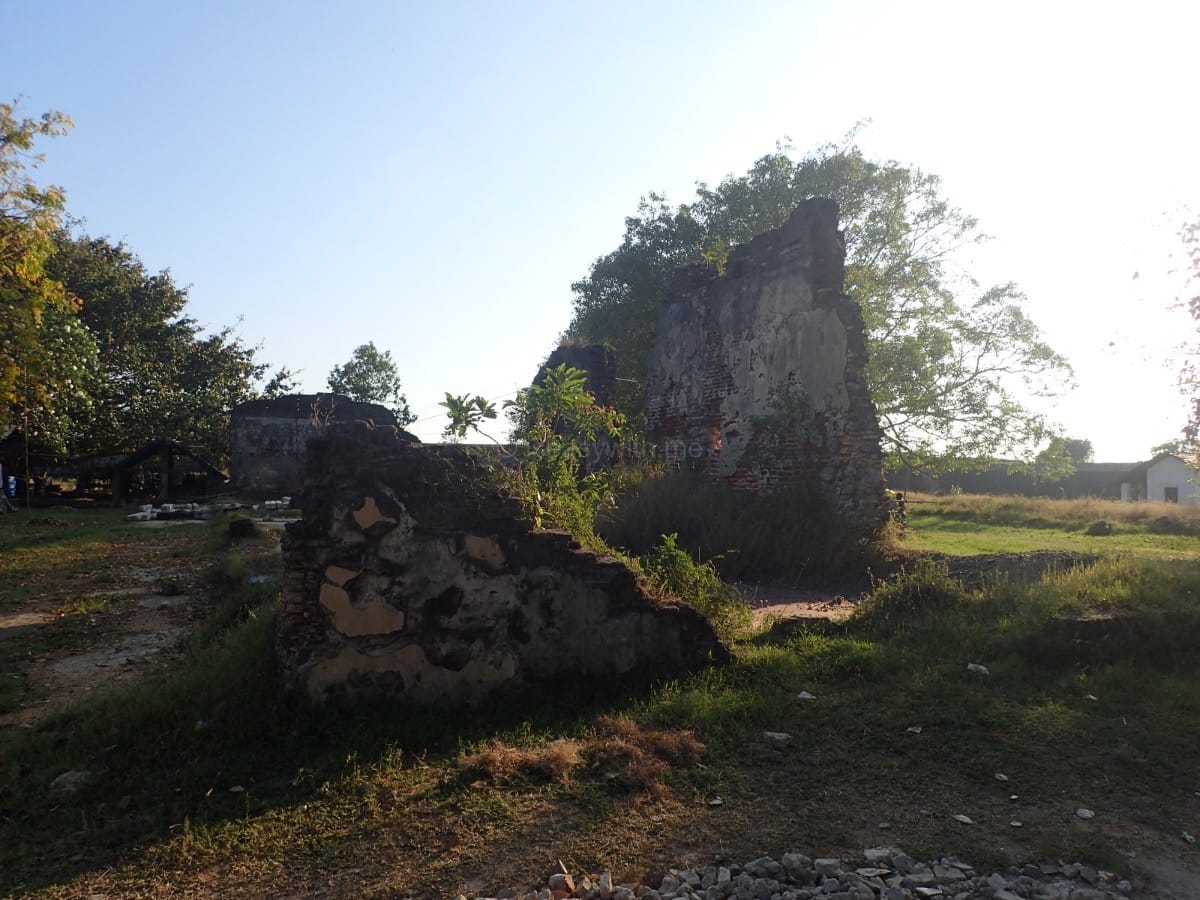
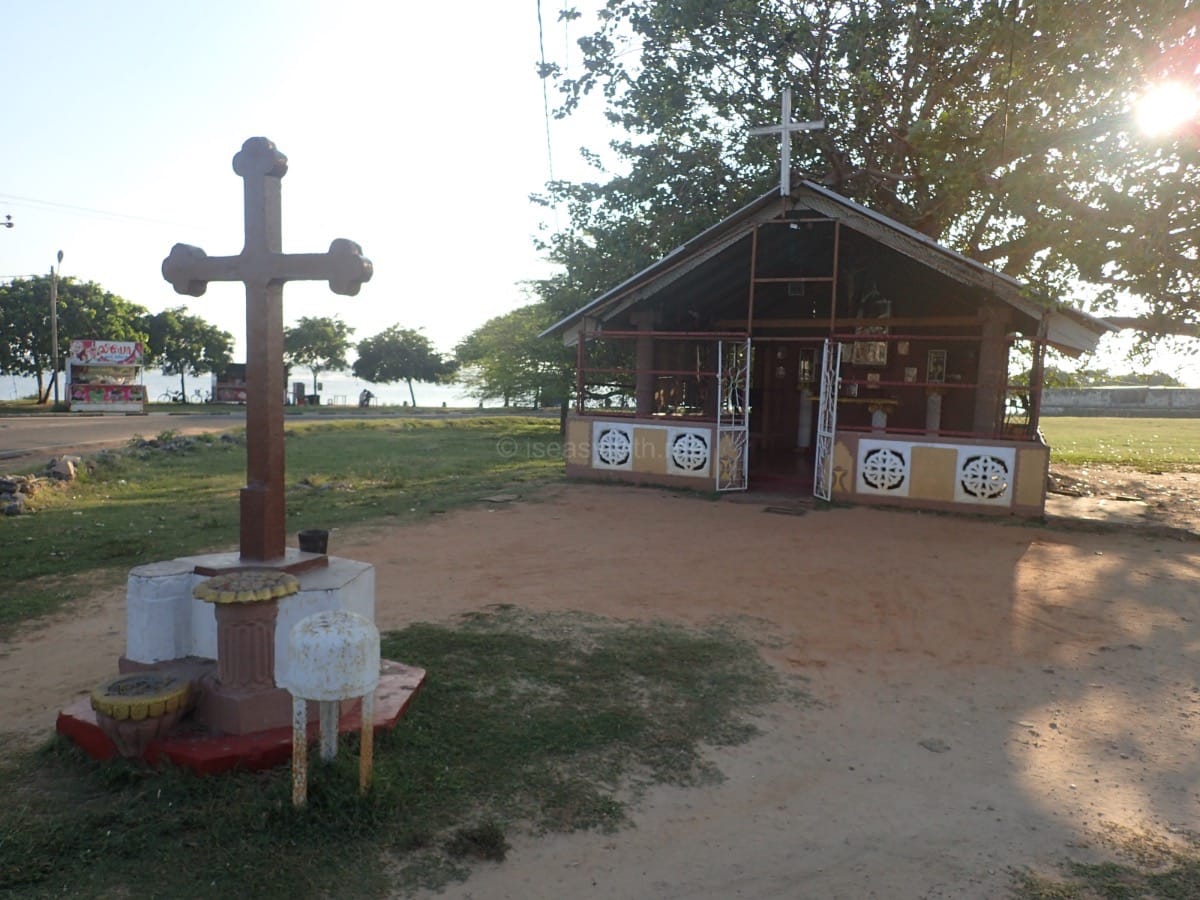
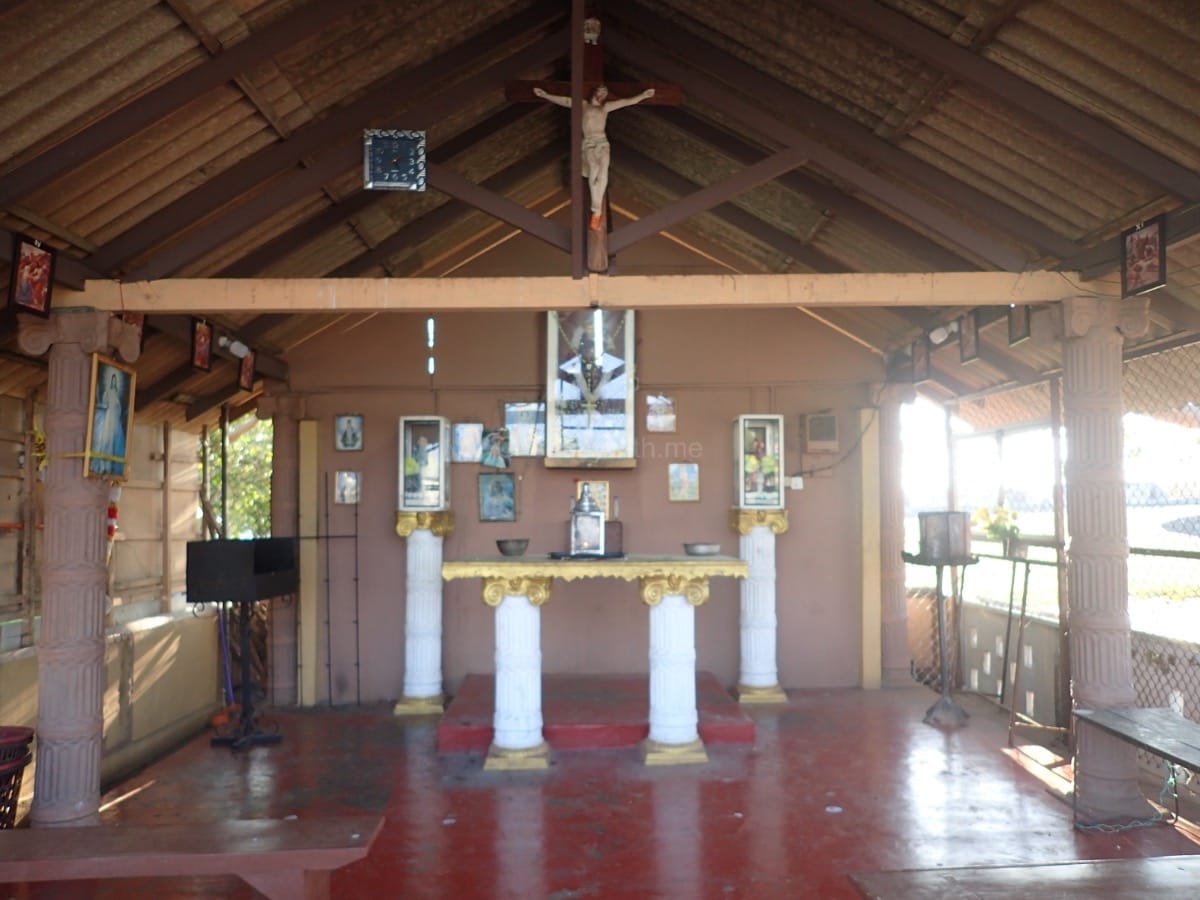
Jaffna Fort
Jaffna Market
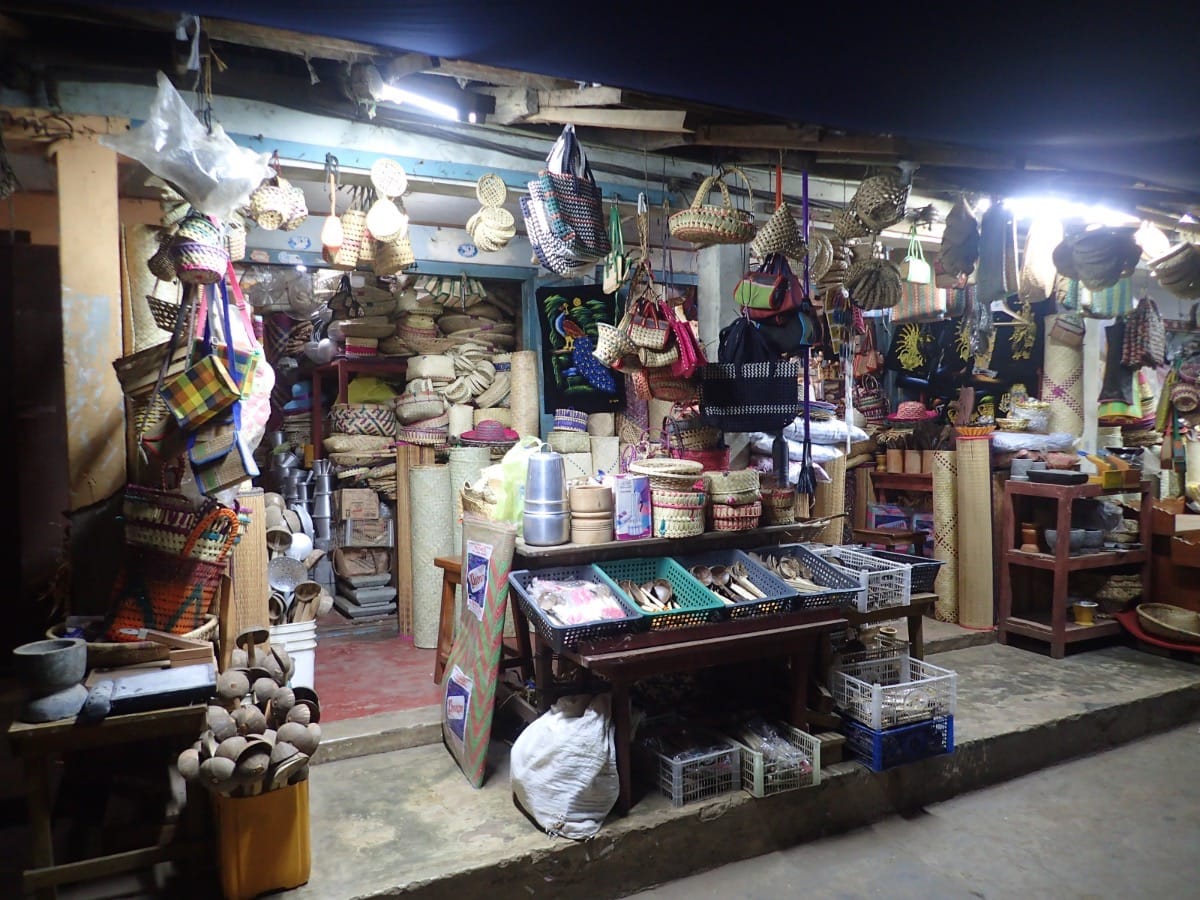
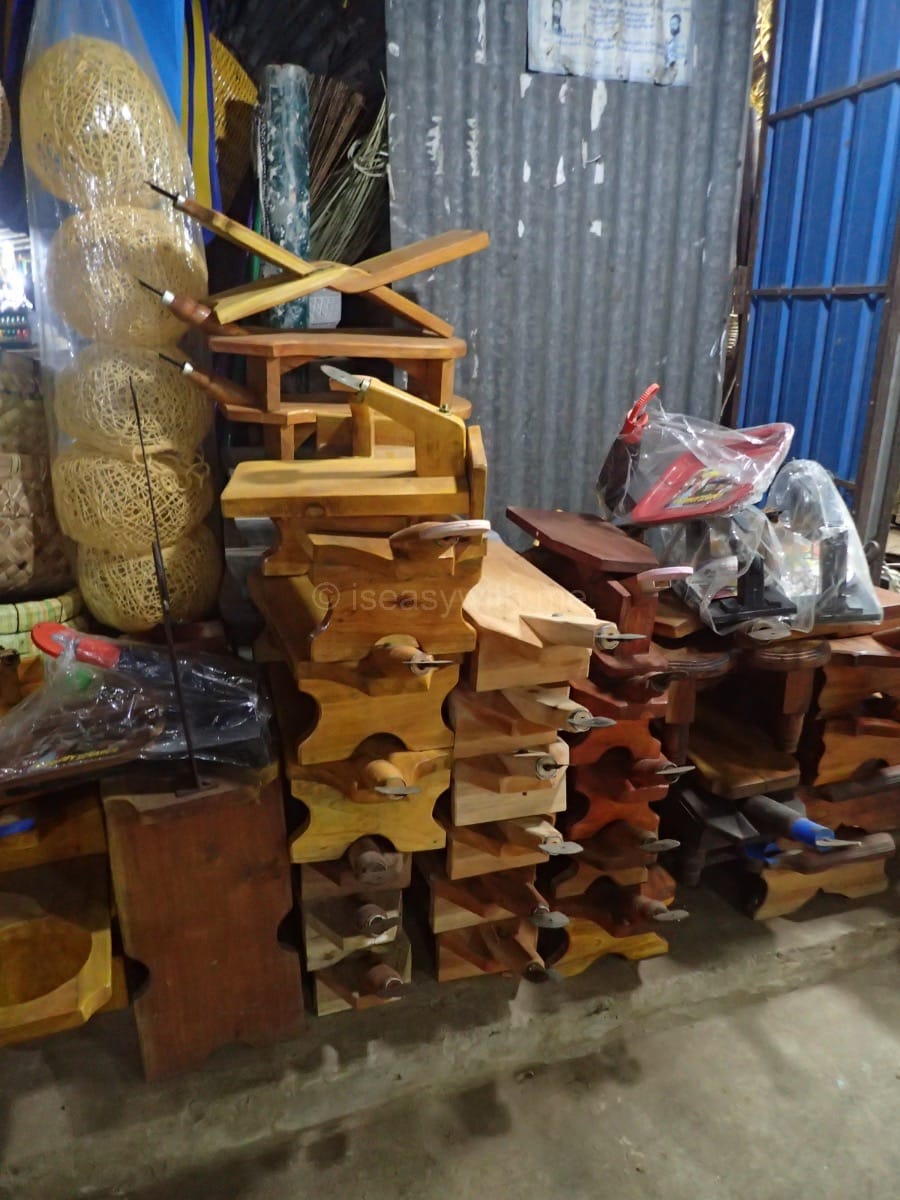
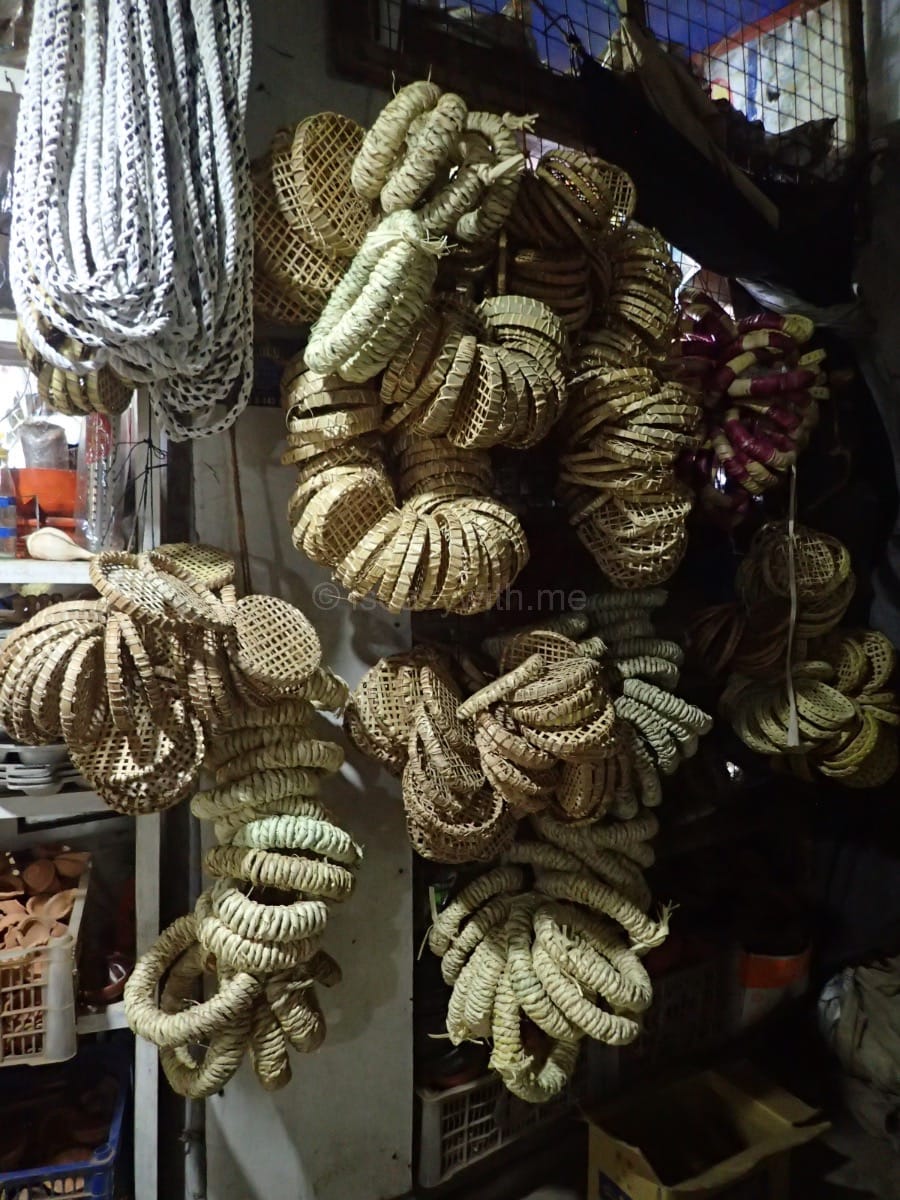
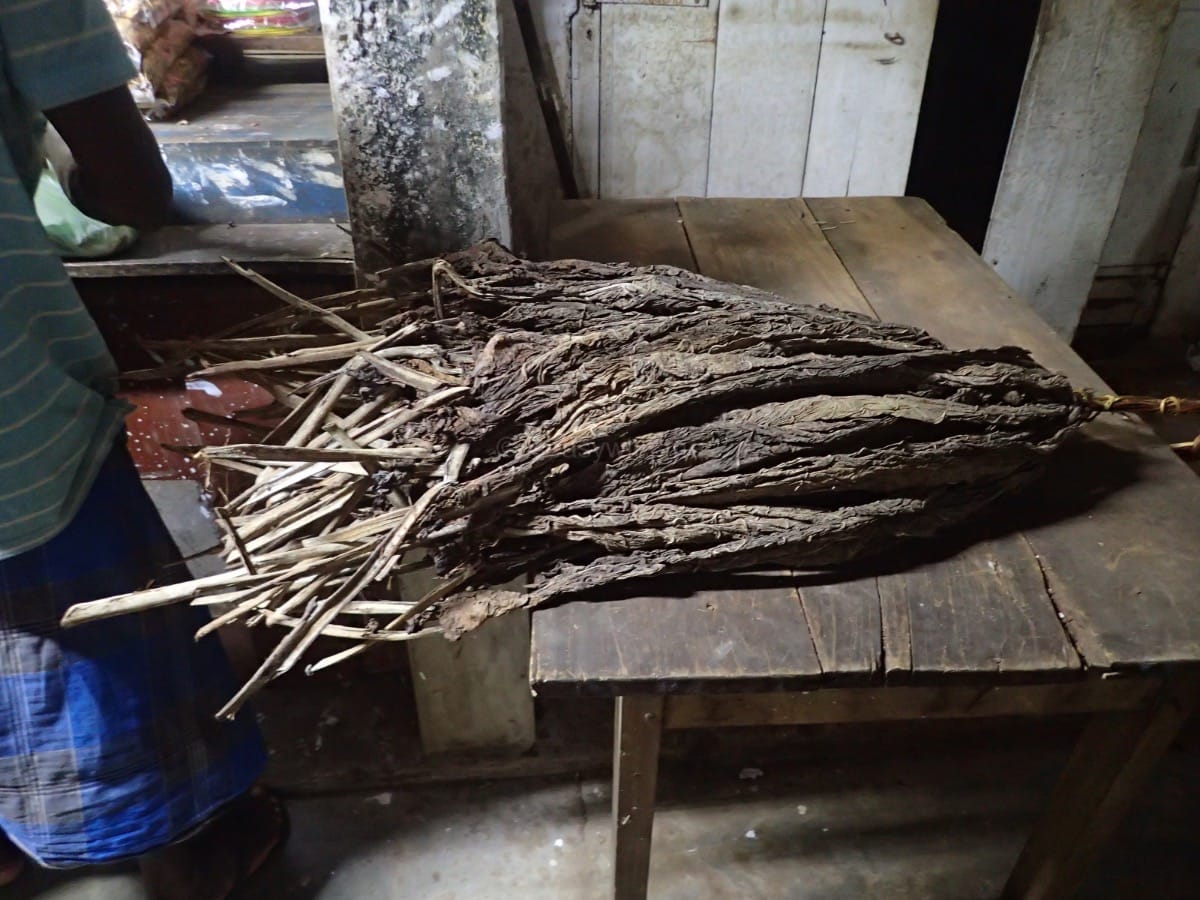
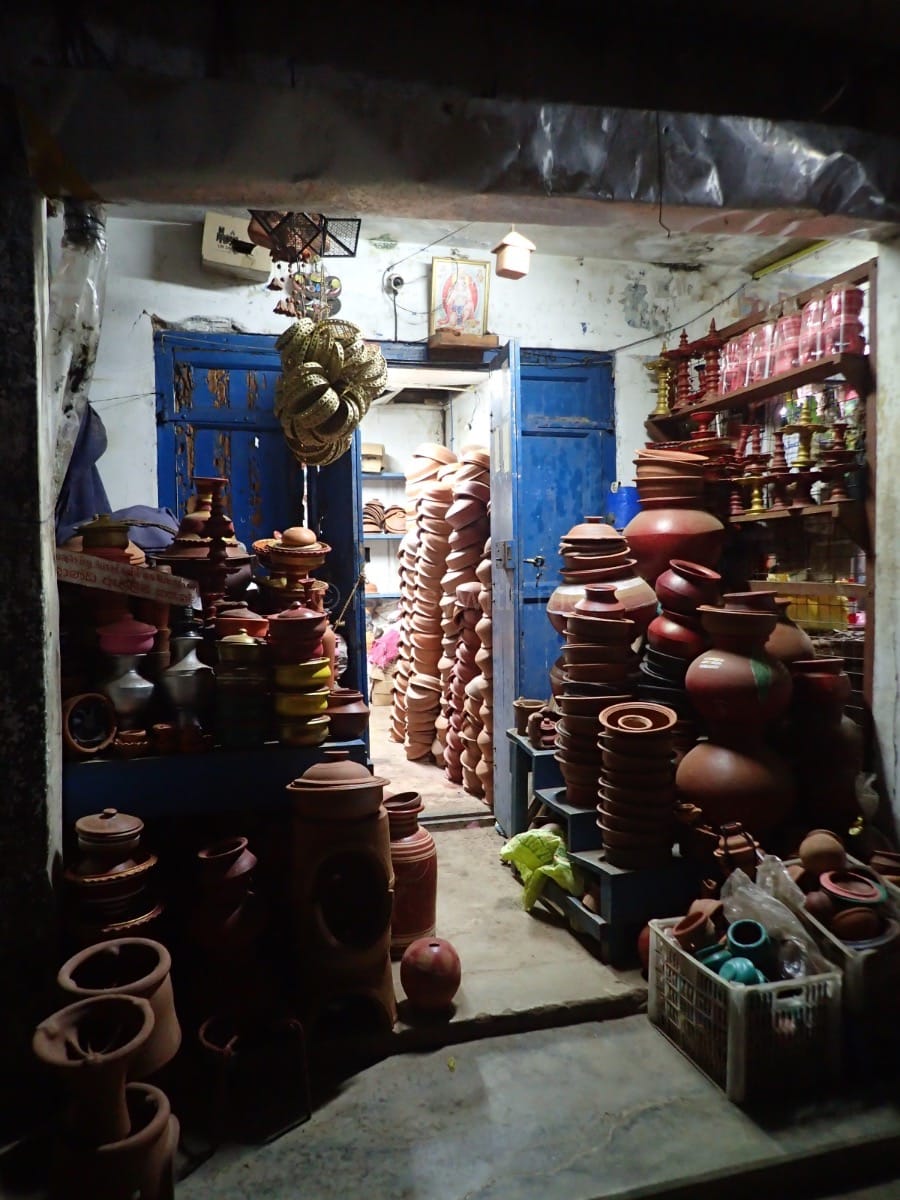
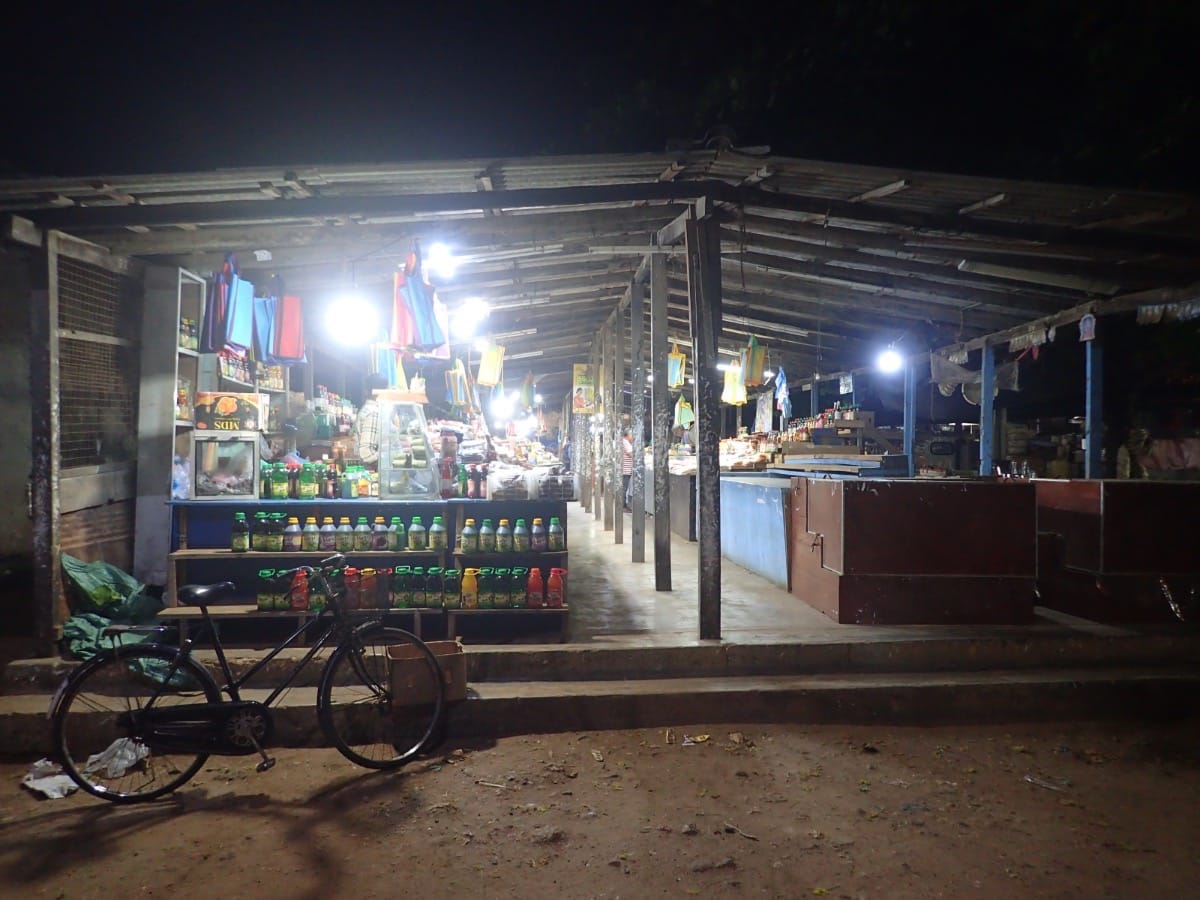
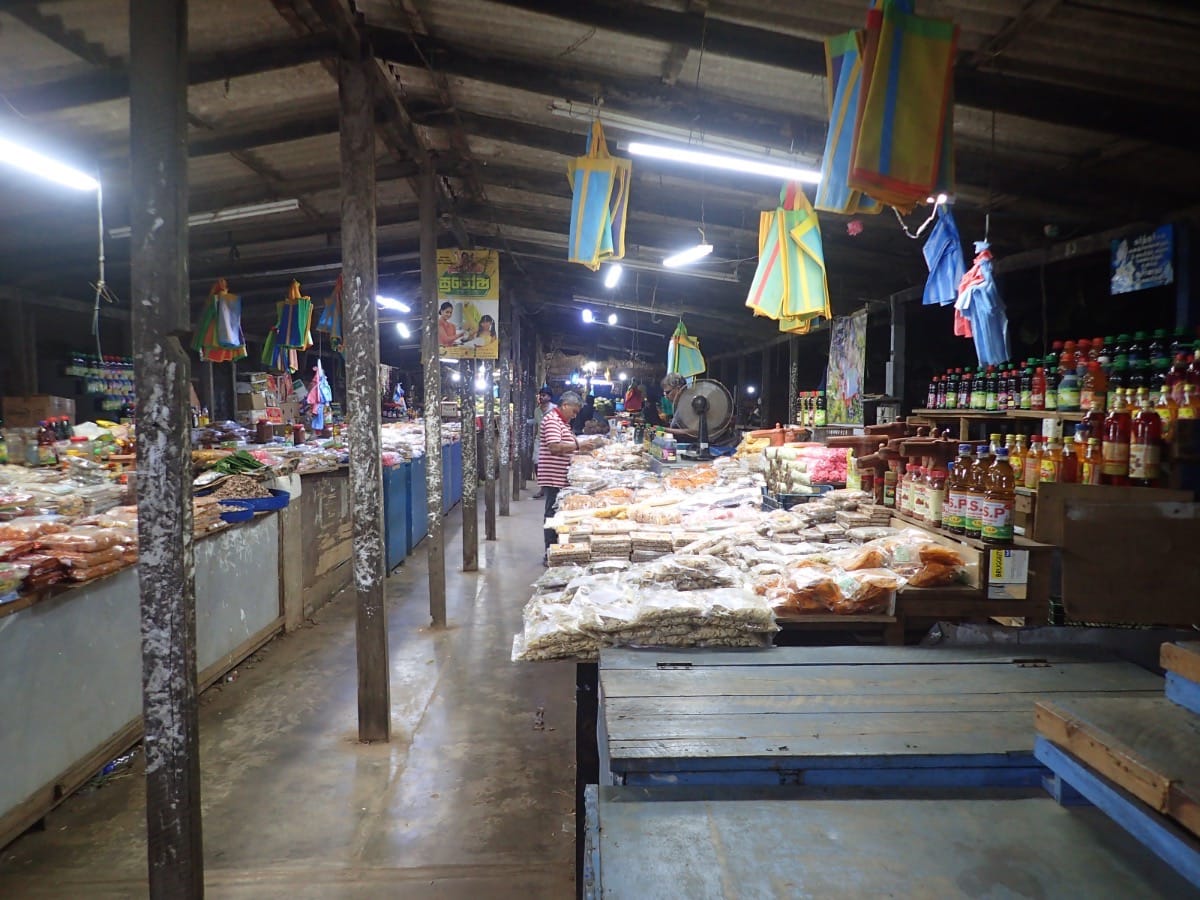
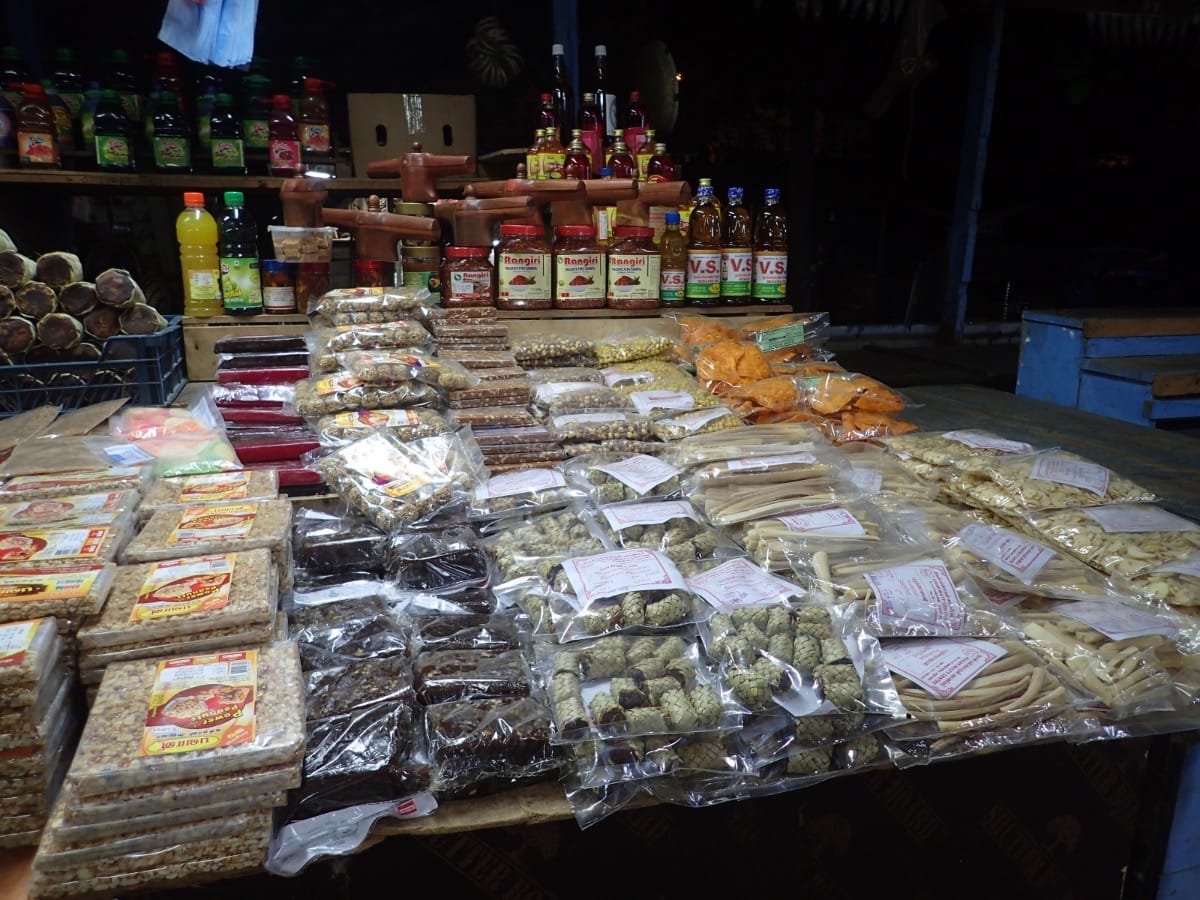
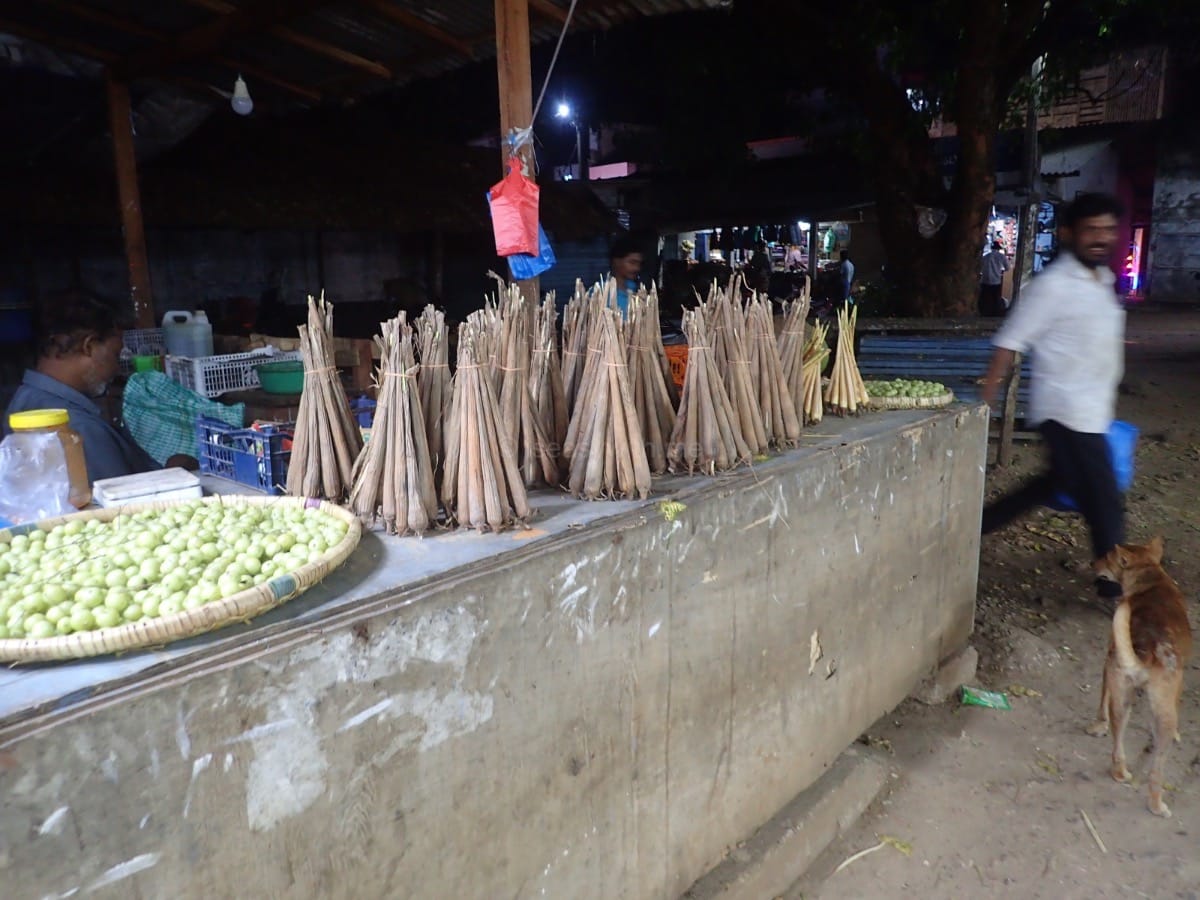
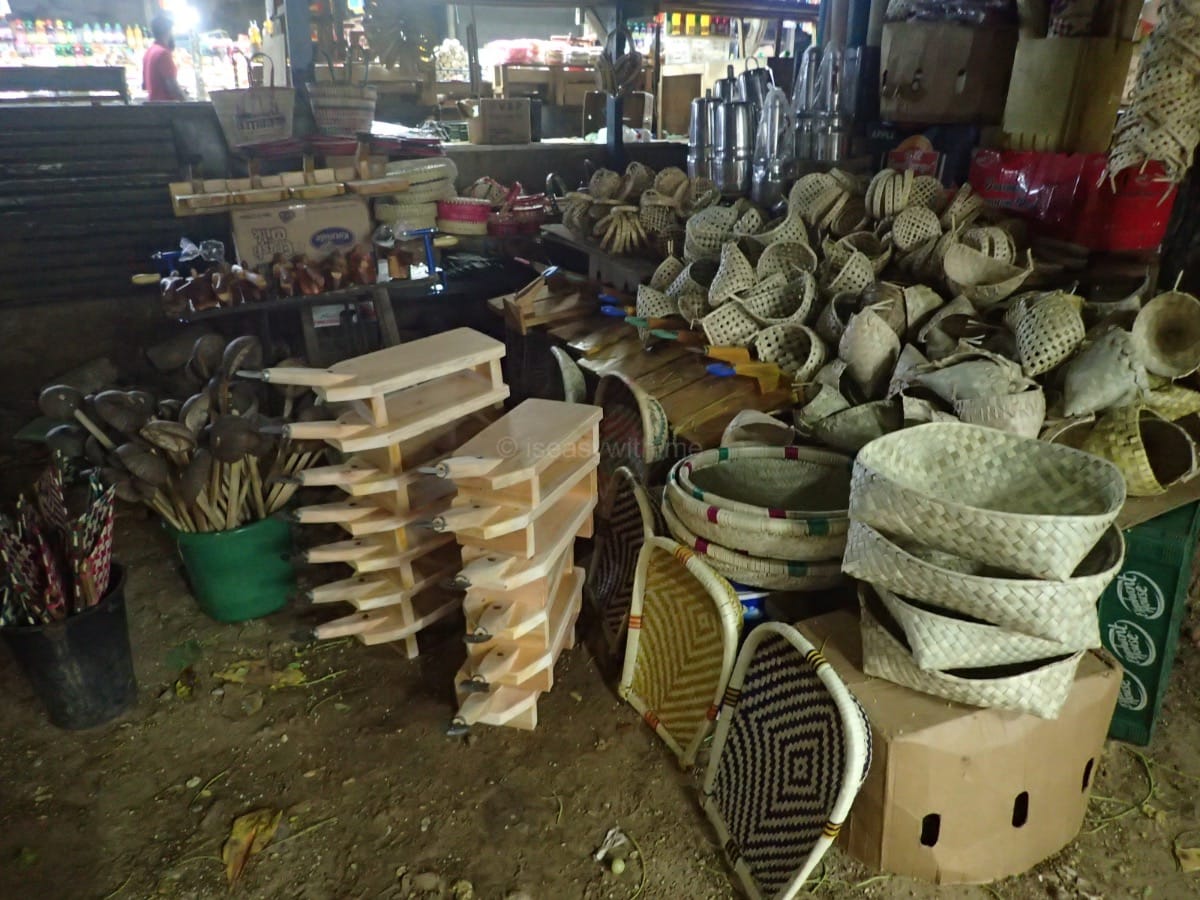
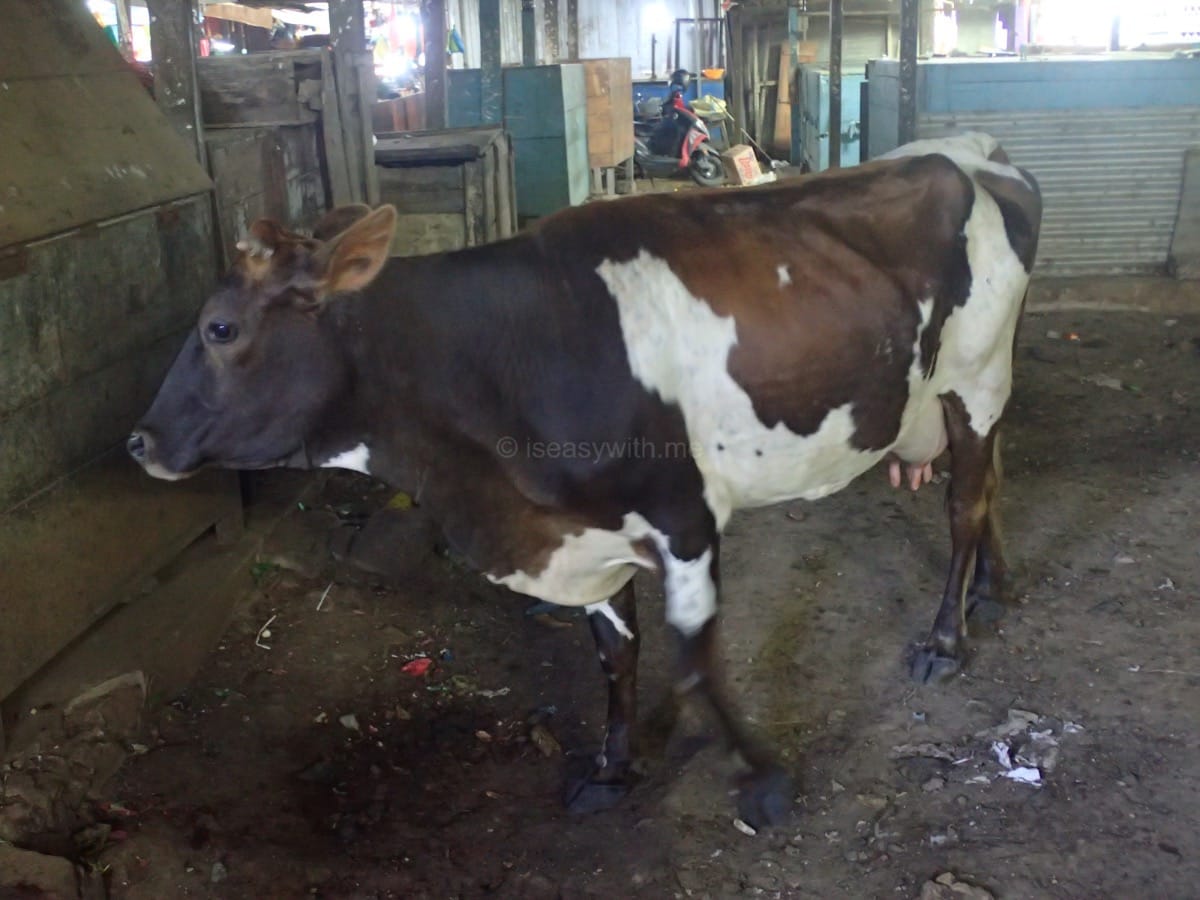
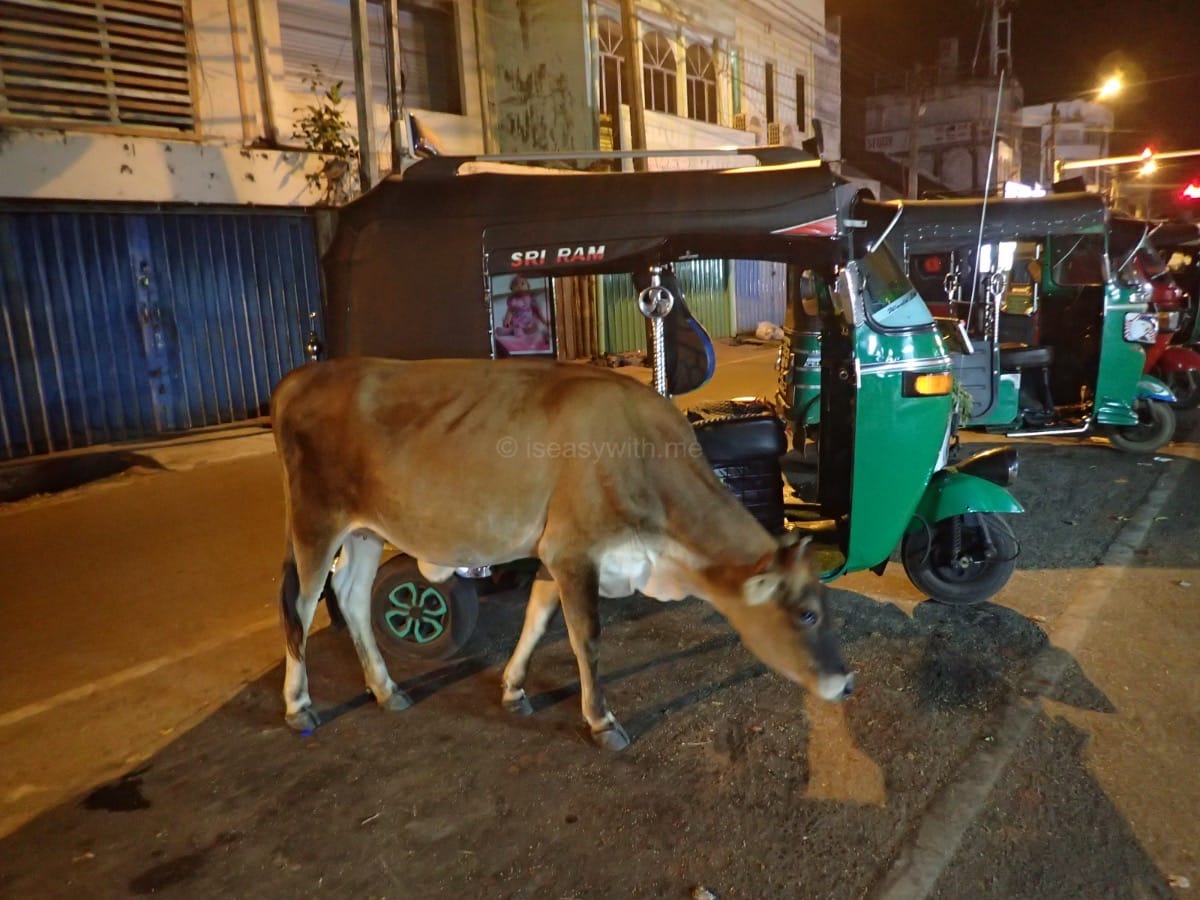
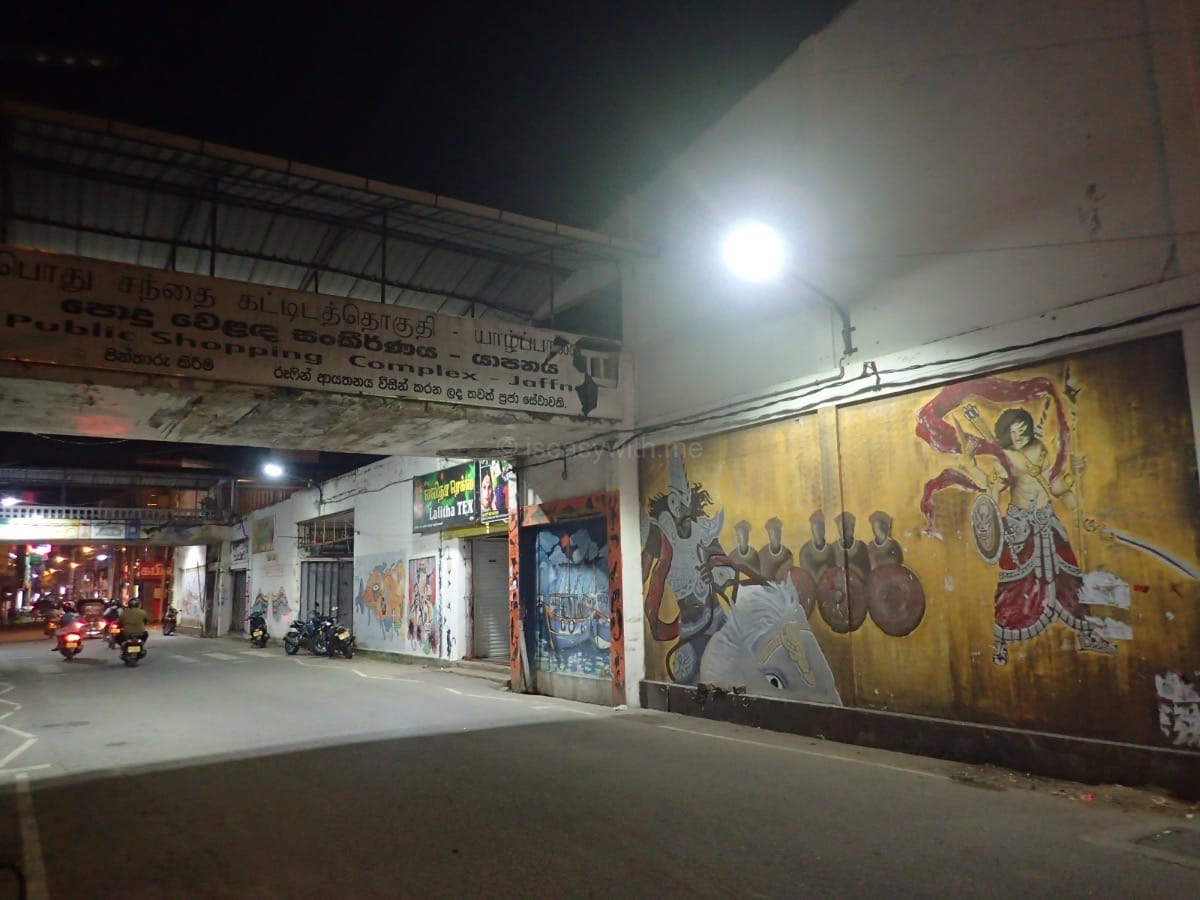
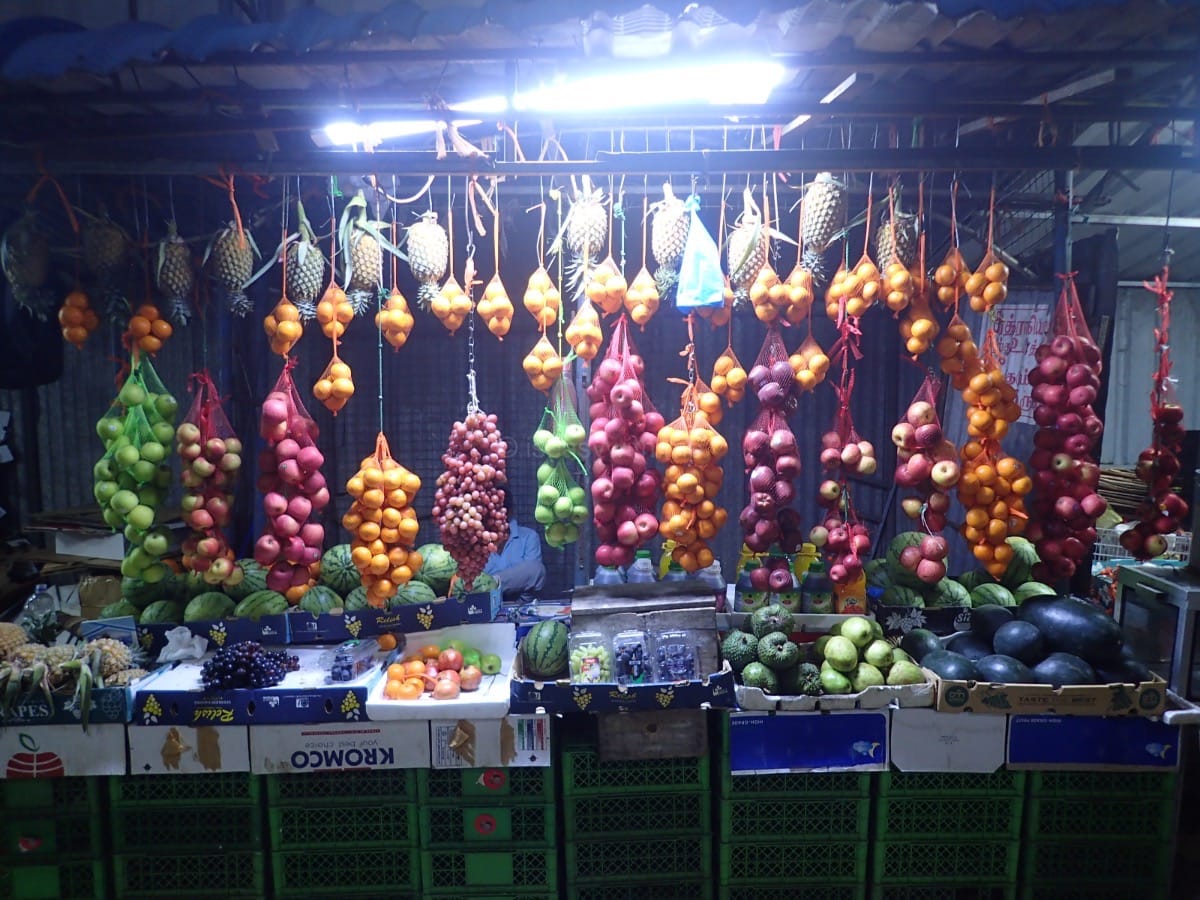
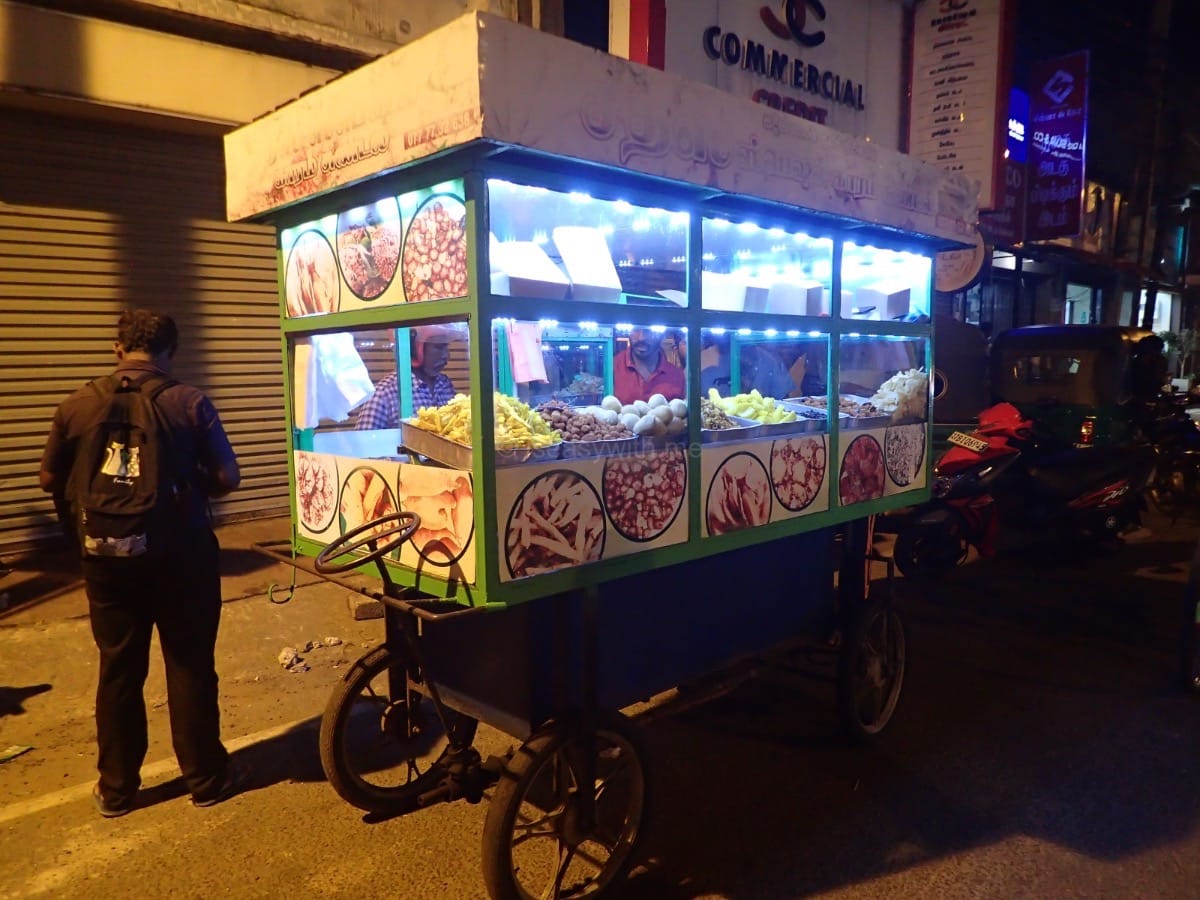
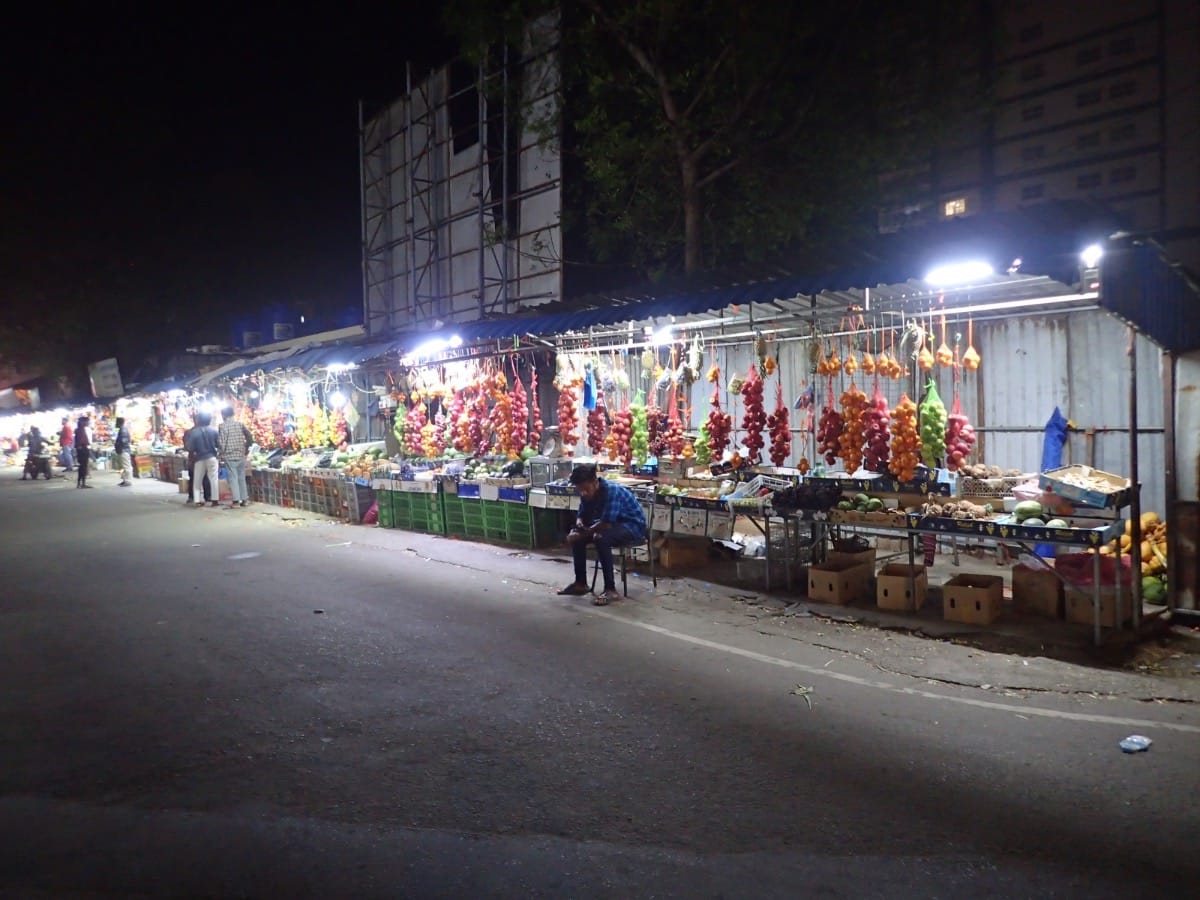
The Jaffna Market is where everyday life comes alive. Early mornings are especially active, with local vendors selling fresh seafood, vegetables, Palmyra palm products, spices and regional produce unique to the northern peninsula. The atmosphere is busy and deeply local.
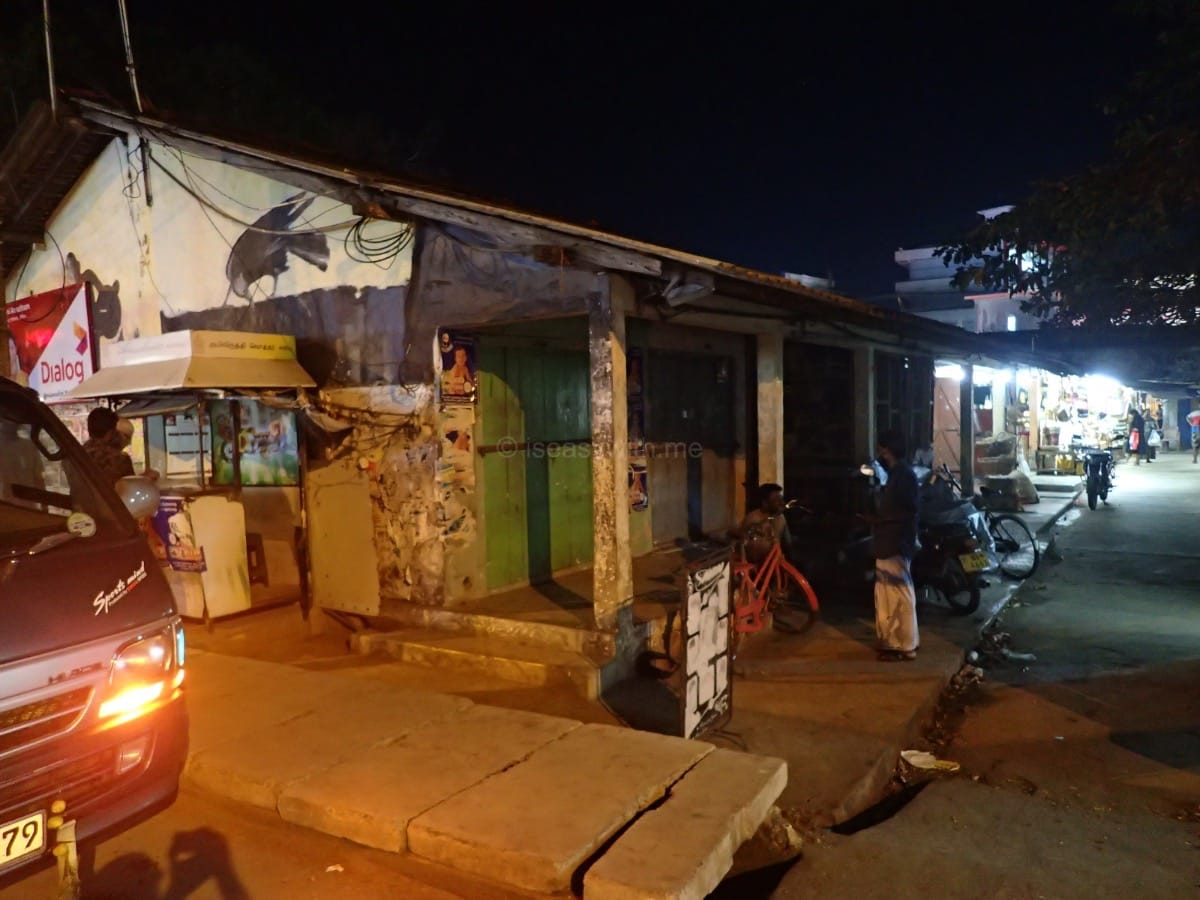
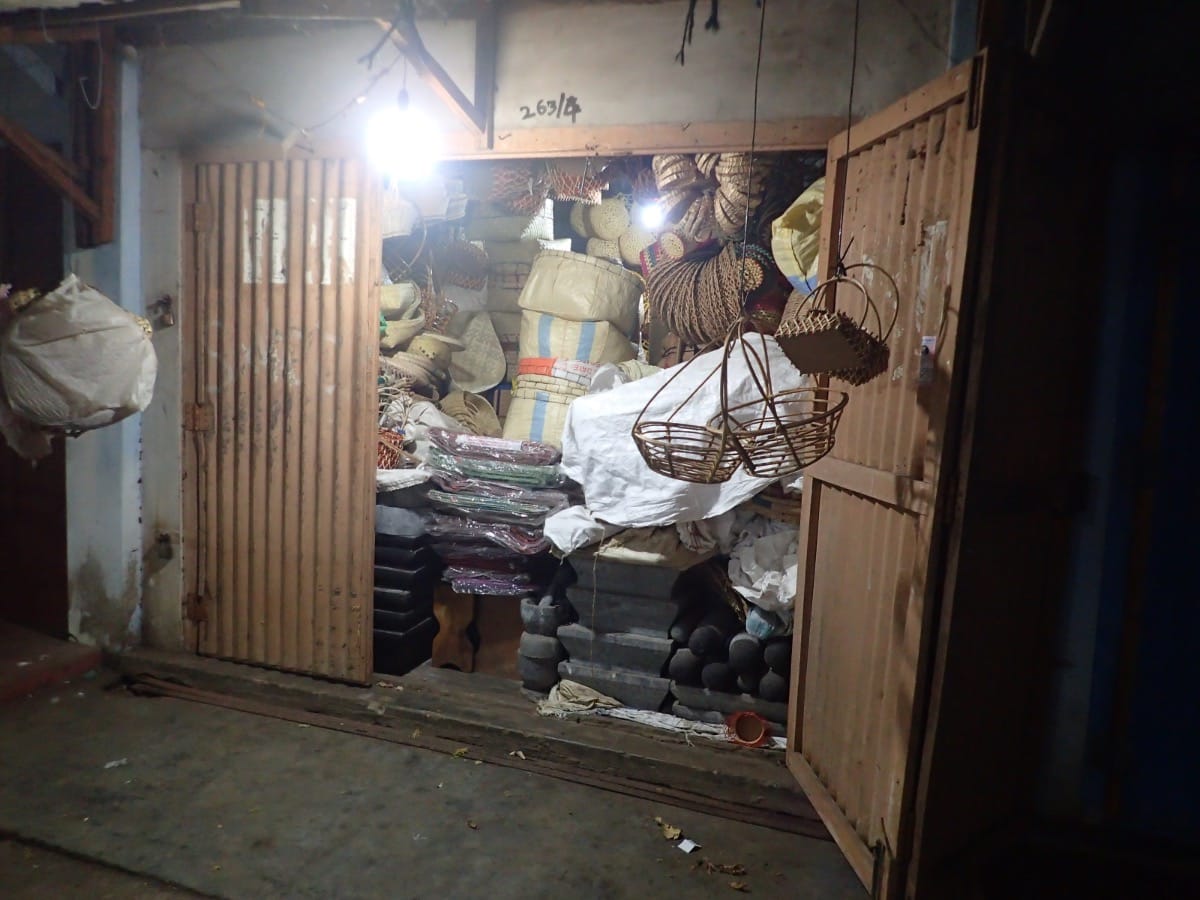
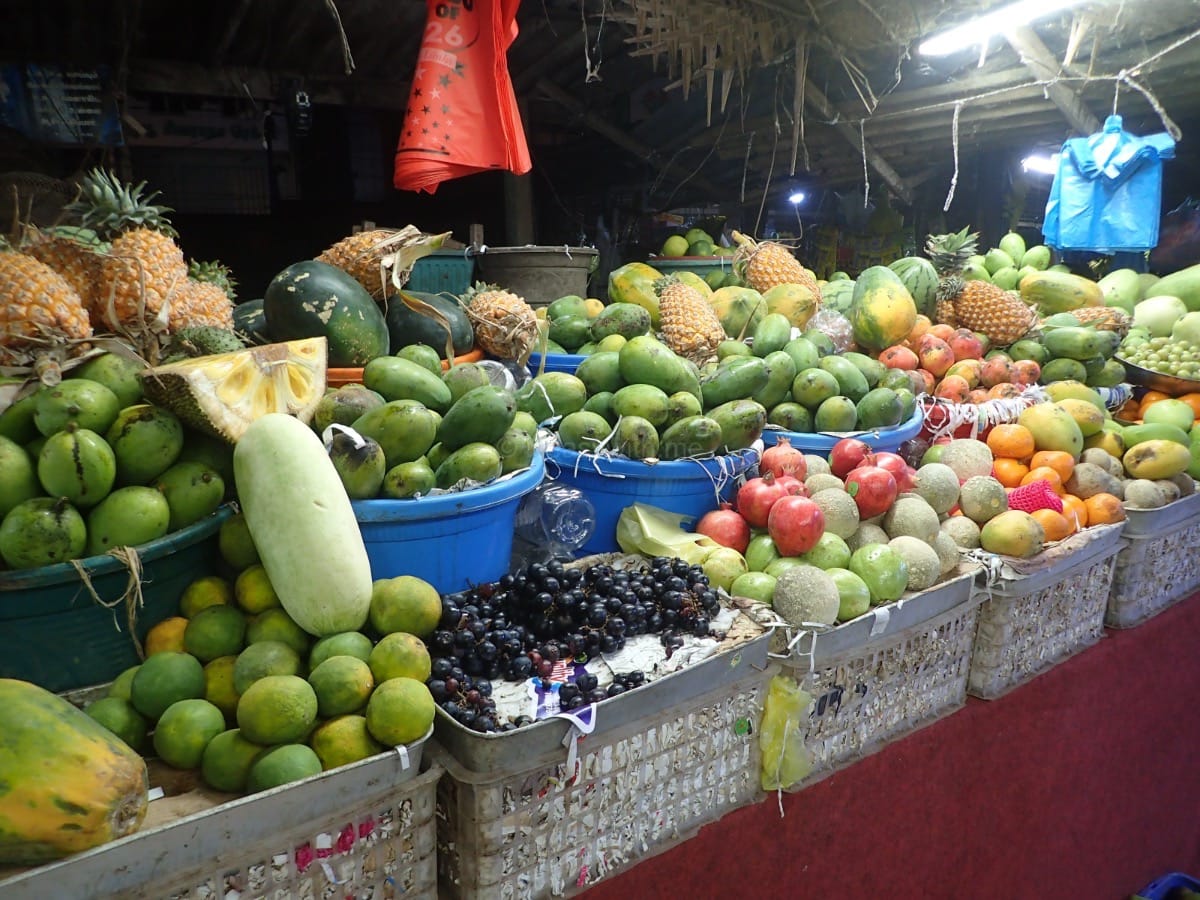
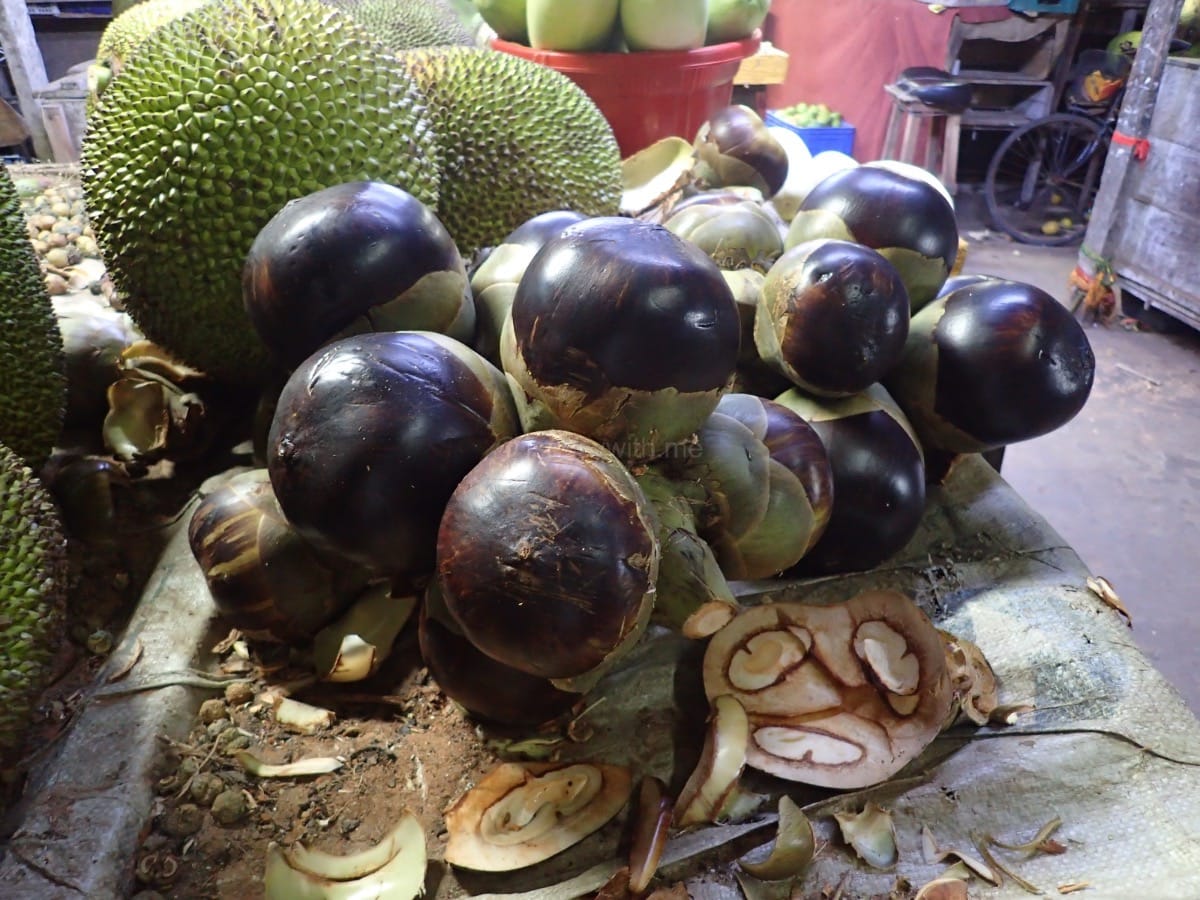
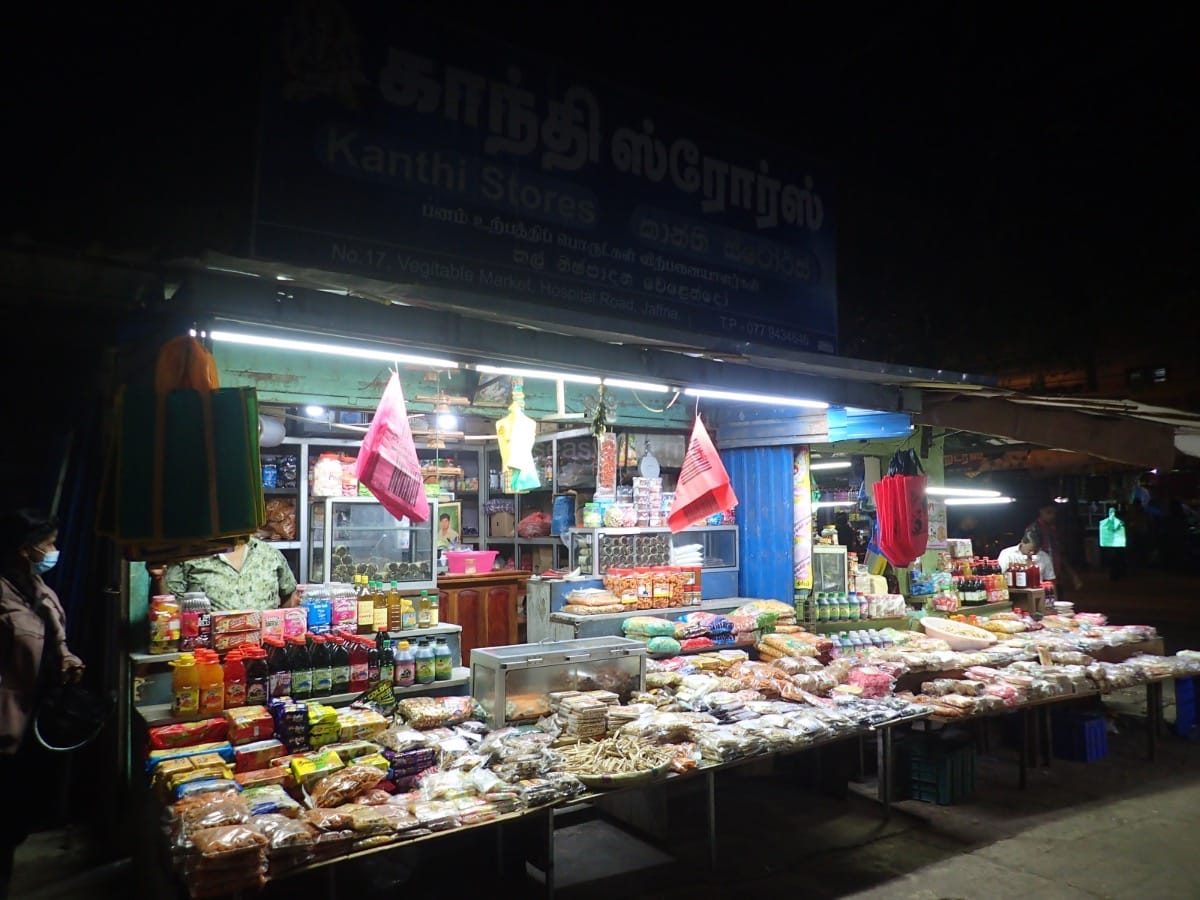
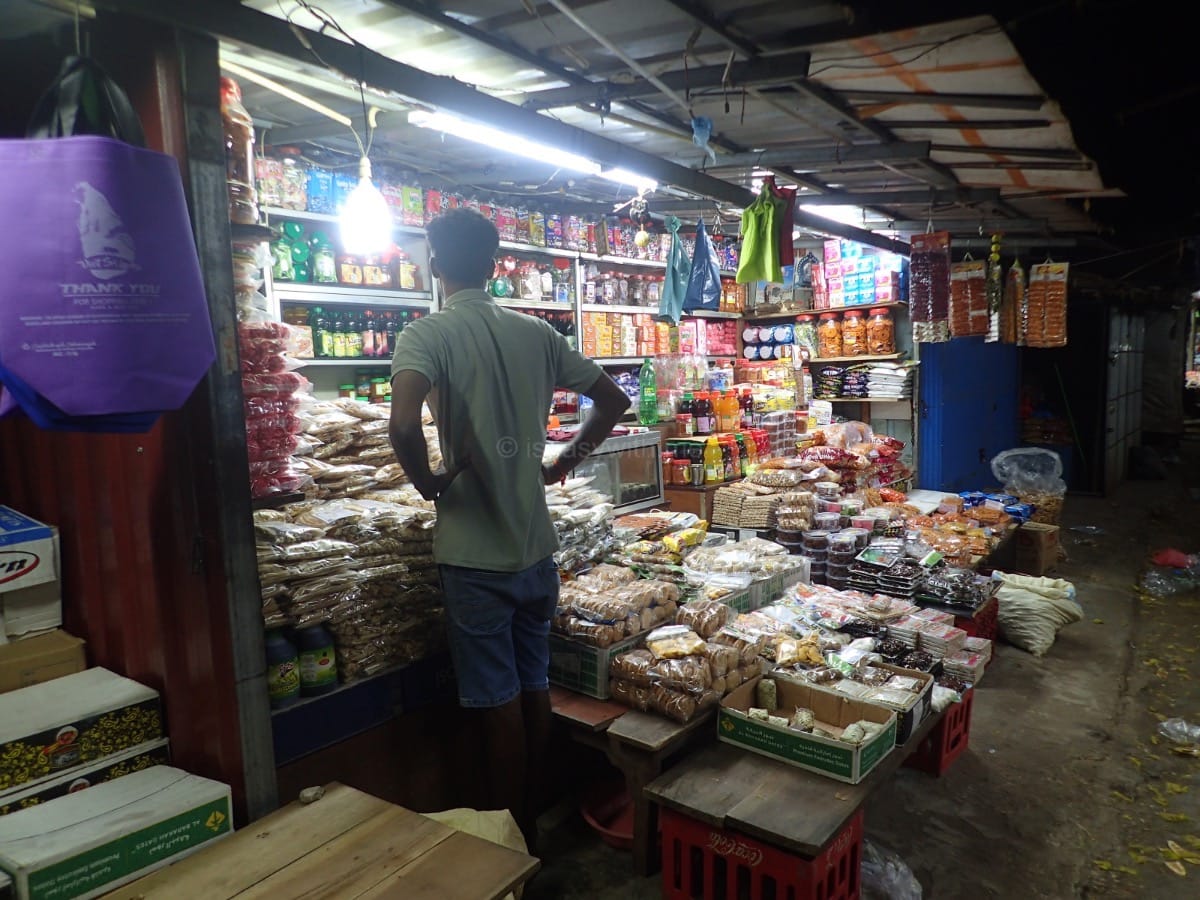
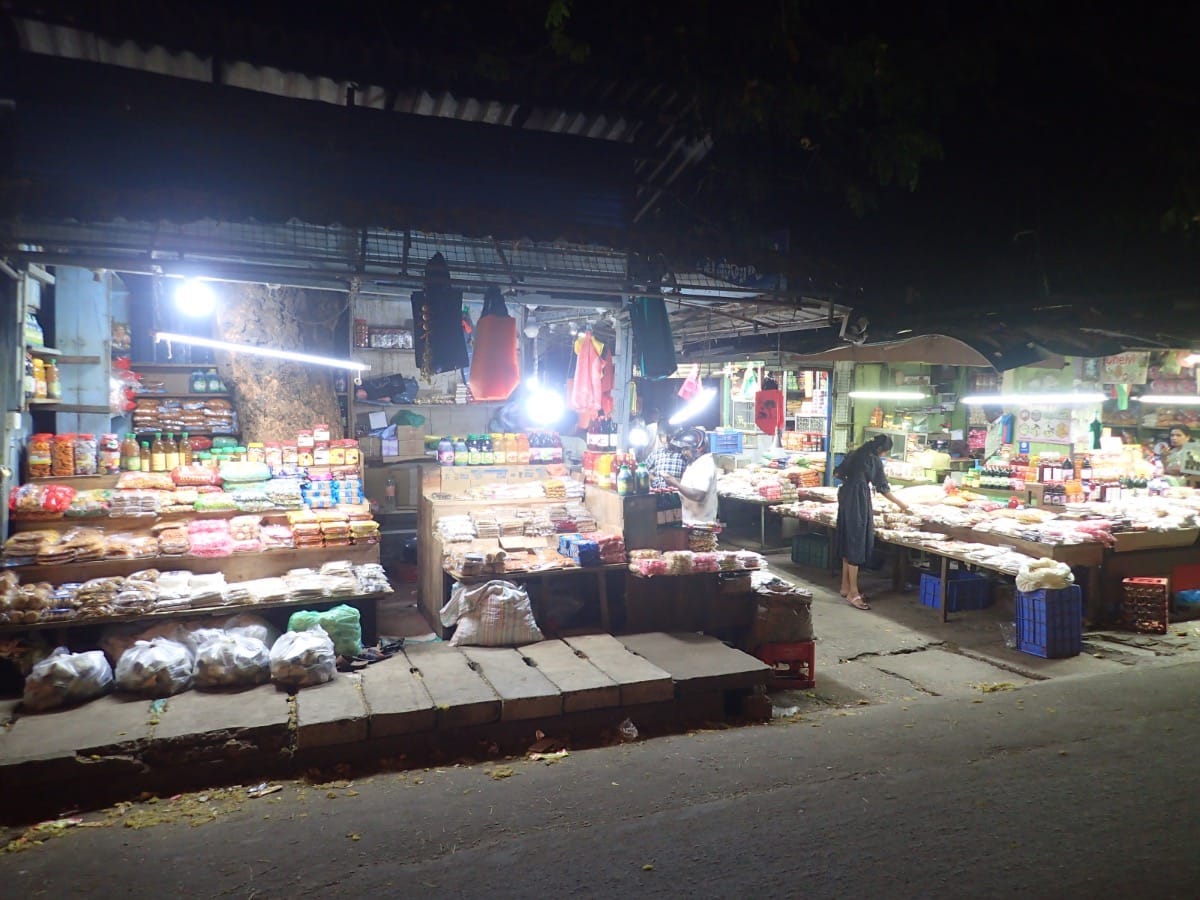
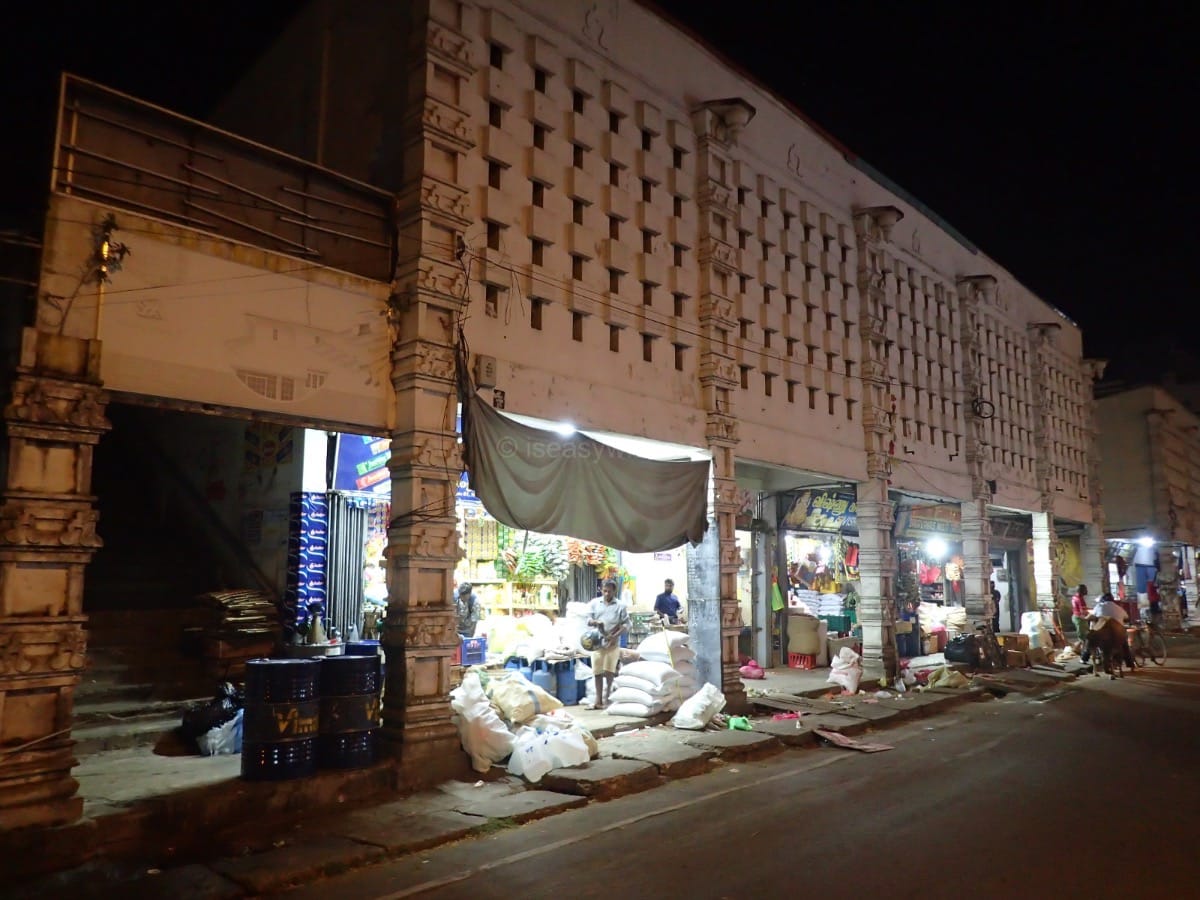
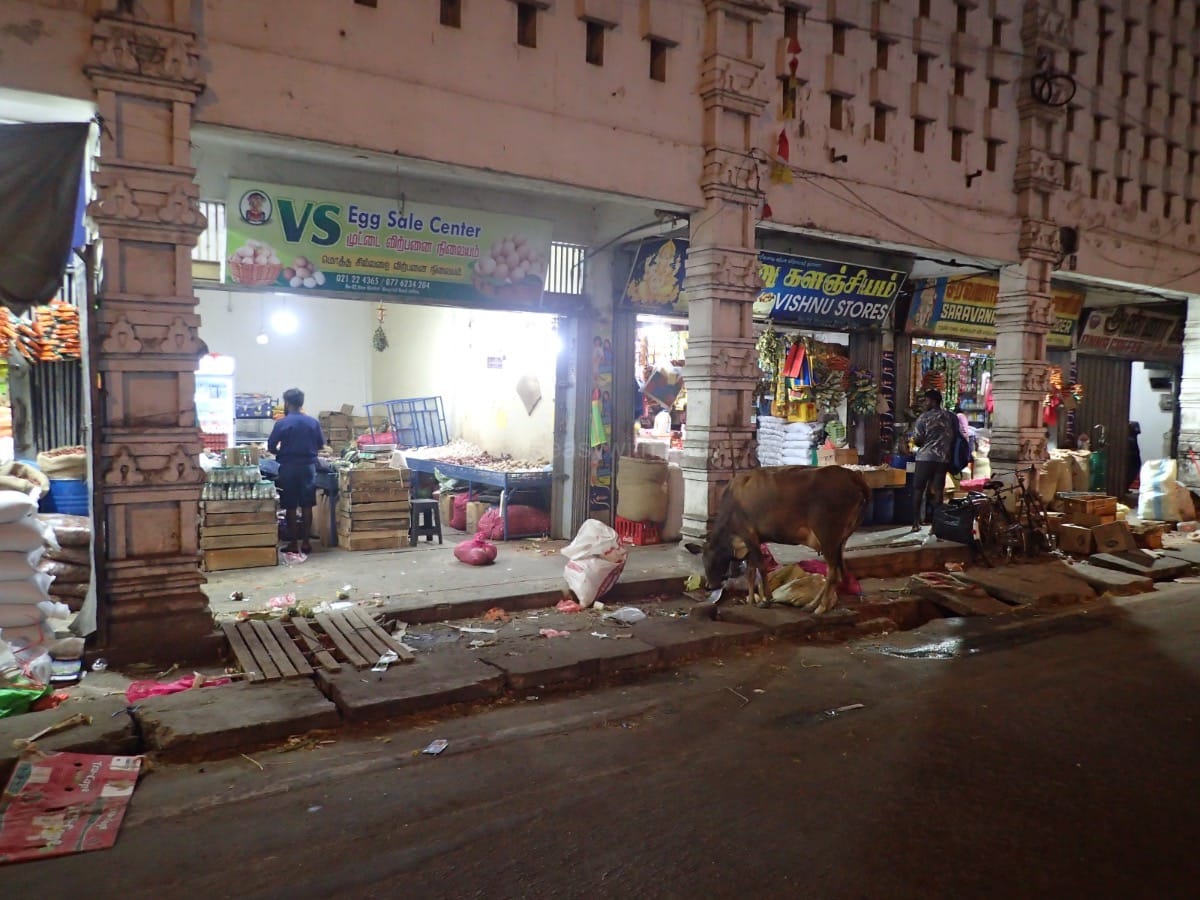
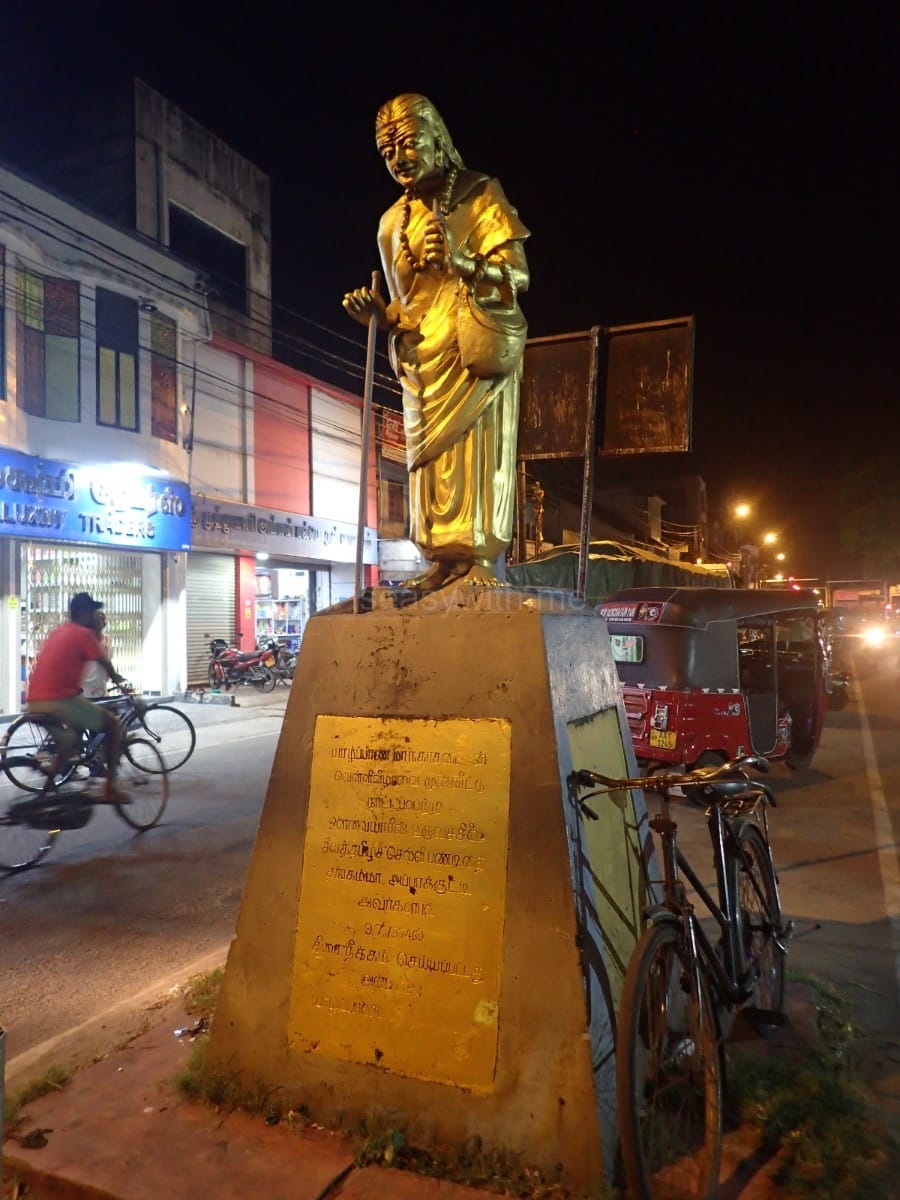
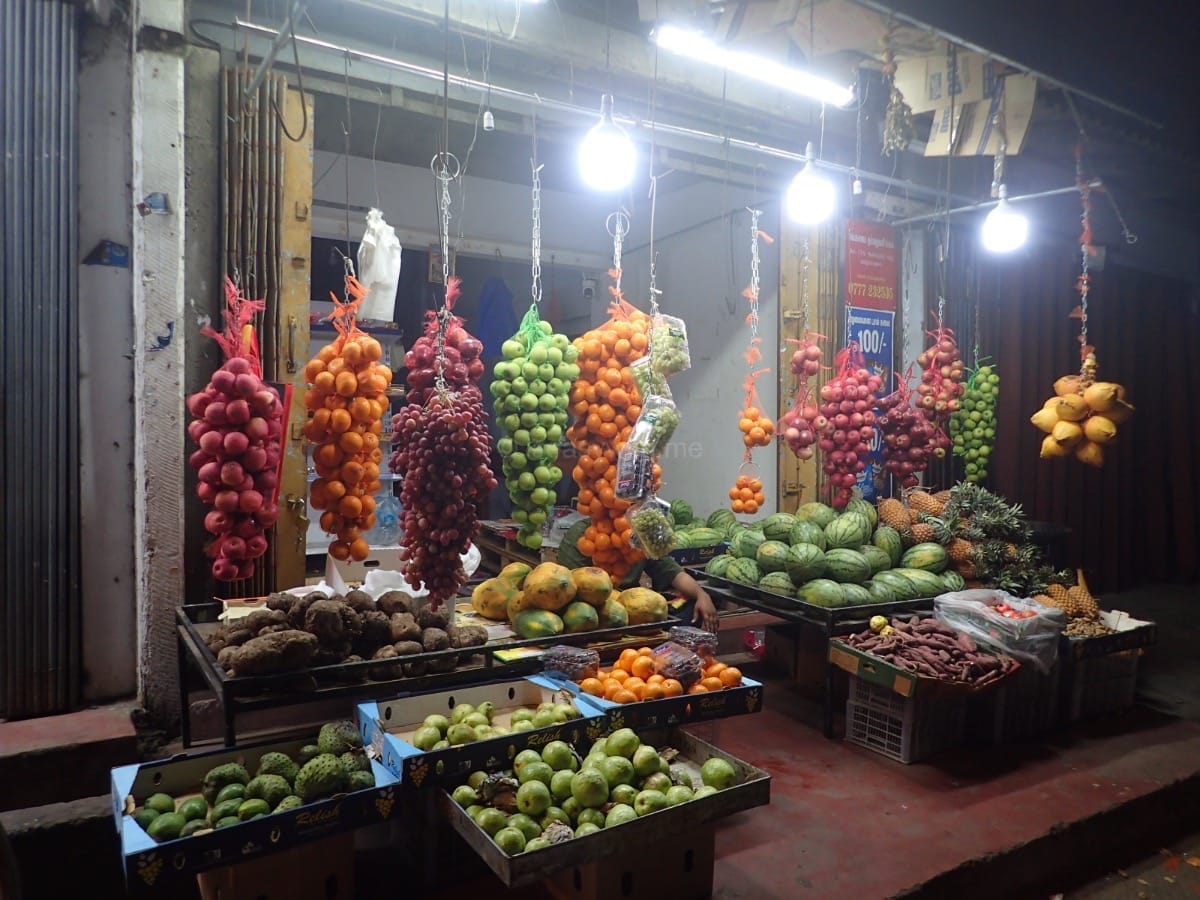
Jaffna Market
Nallur Kandaswamy Kovil
The Nallur Kandaswamy Kovil is one of the most significant Hindu temples in Sri Lanka and a major spiritual centre for the Tamil community. Its towering golden gopuram and structured daily rituals make it one of the defining cultural landmarks of the region.
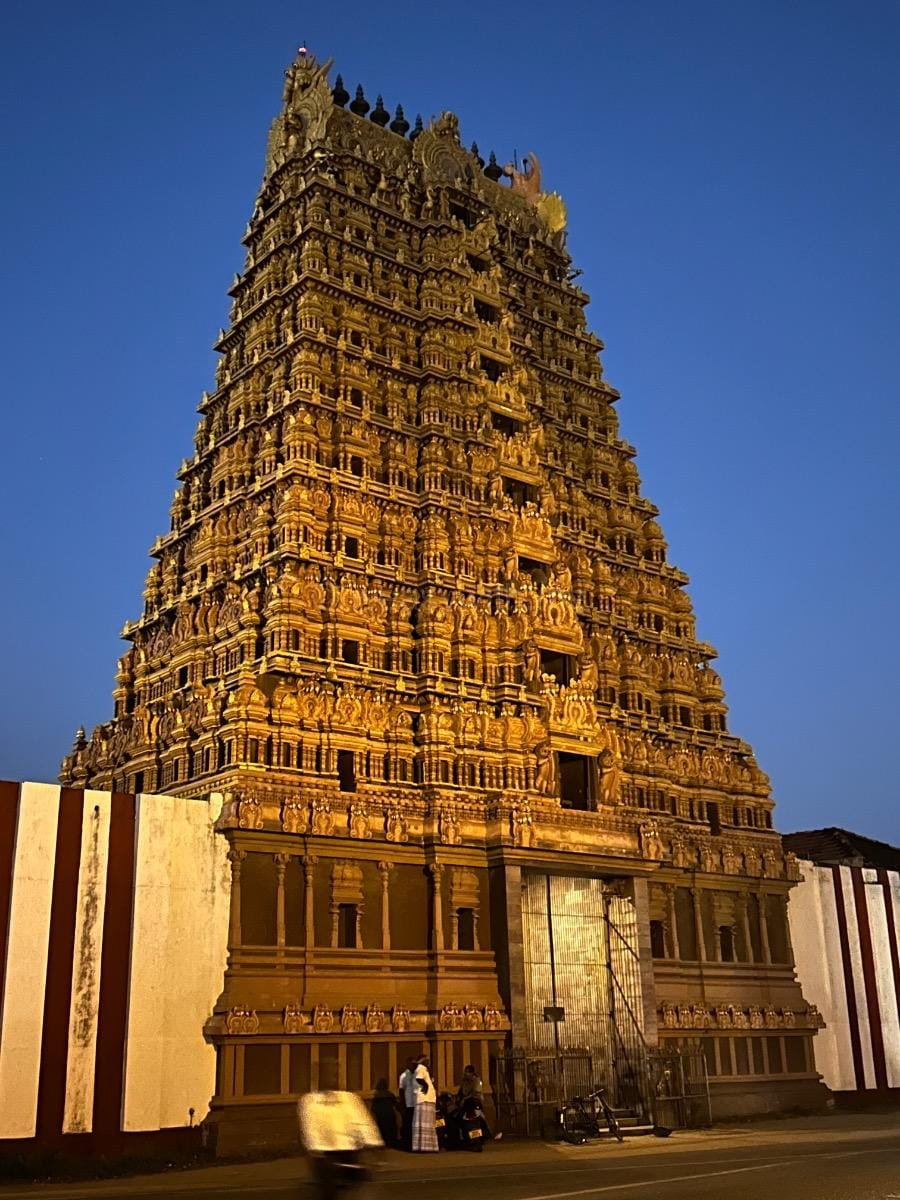
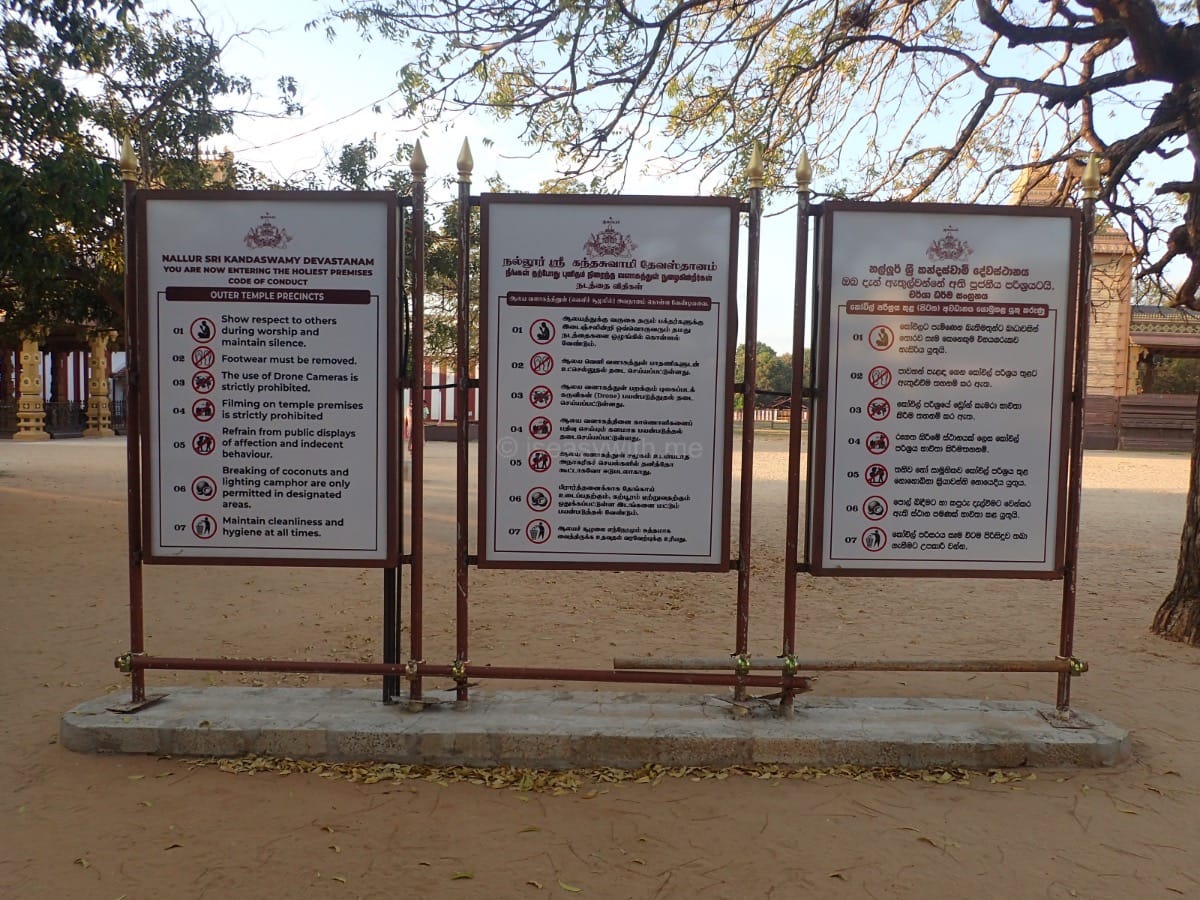
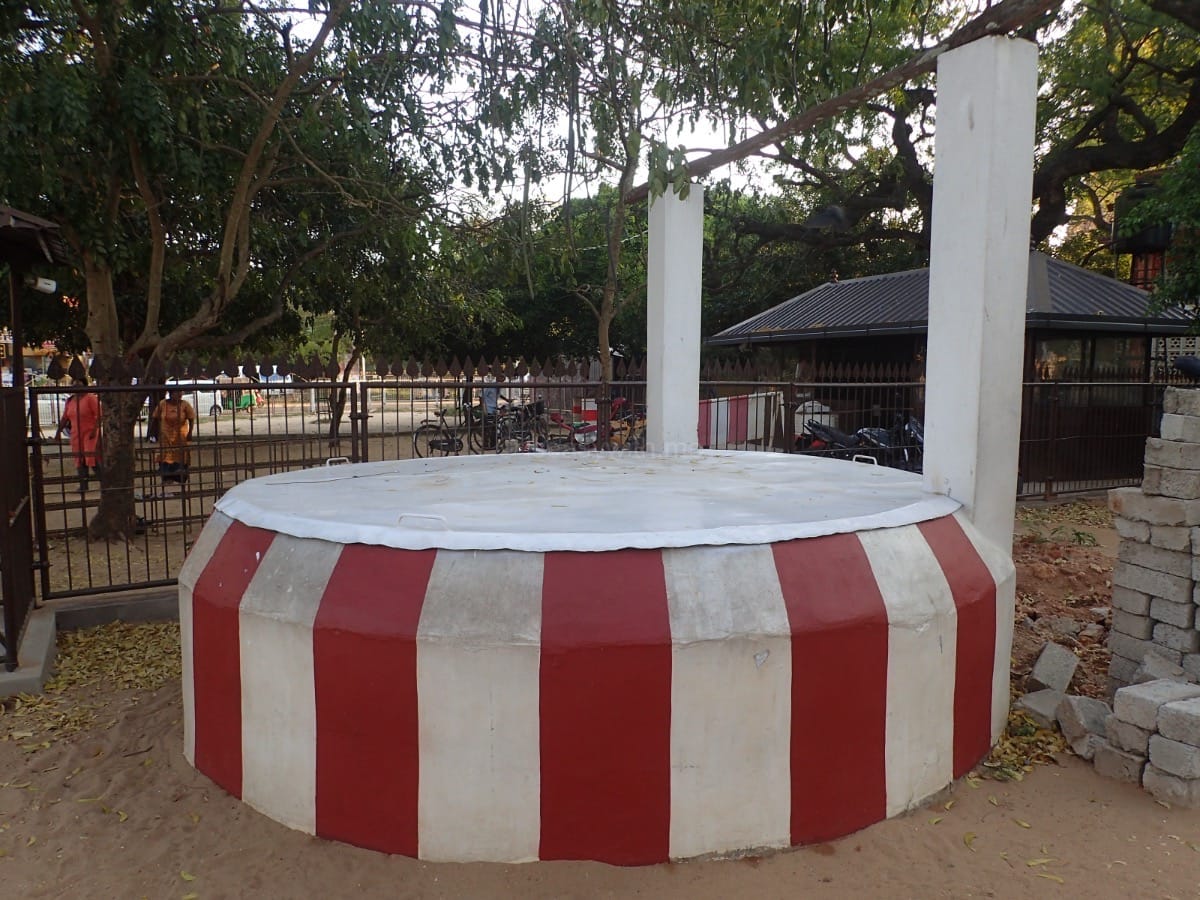
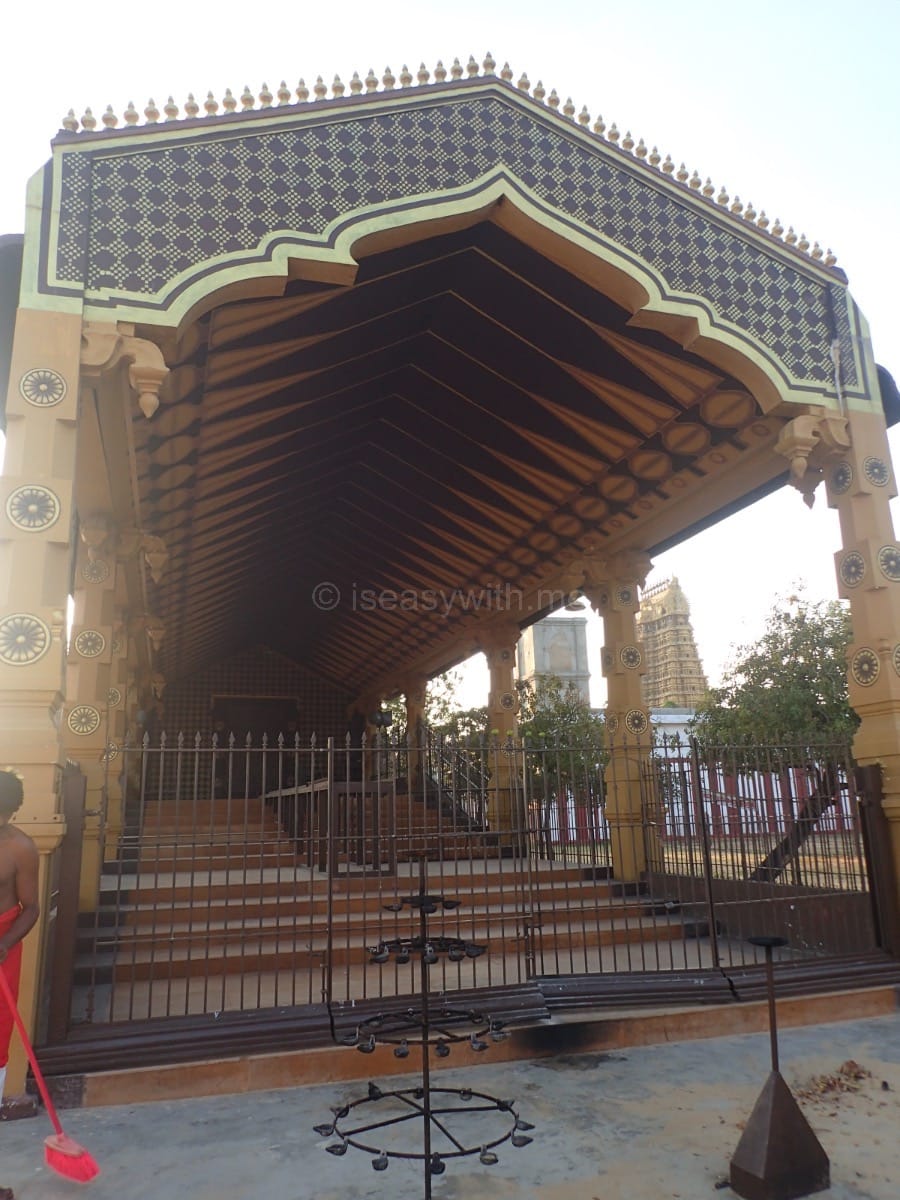
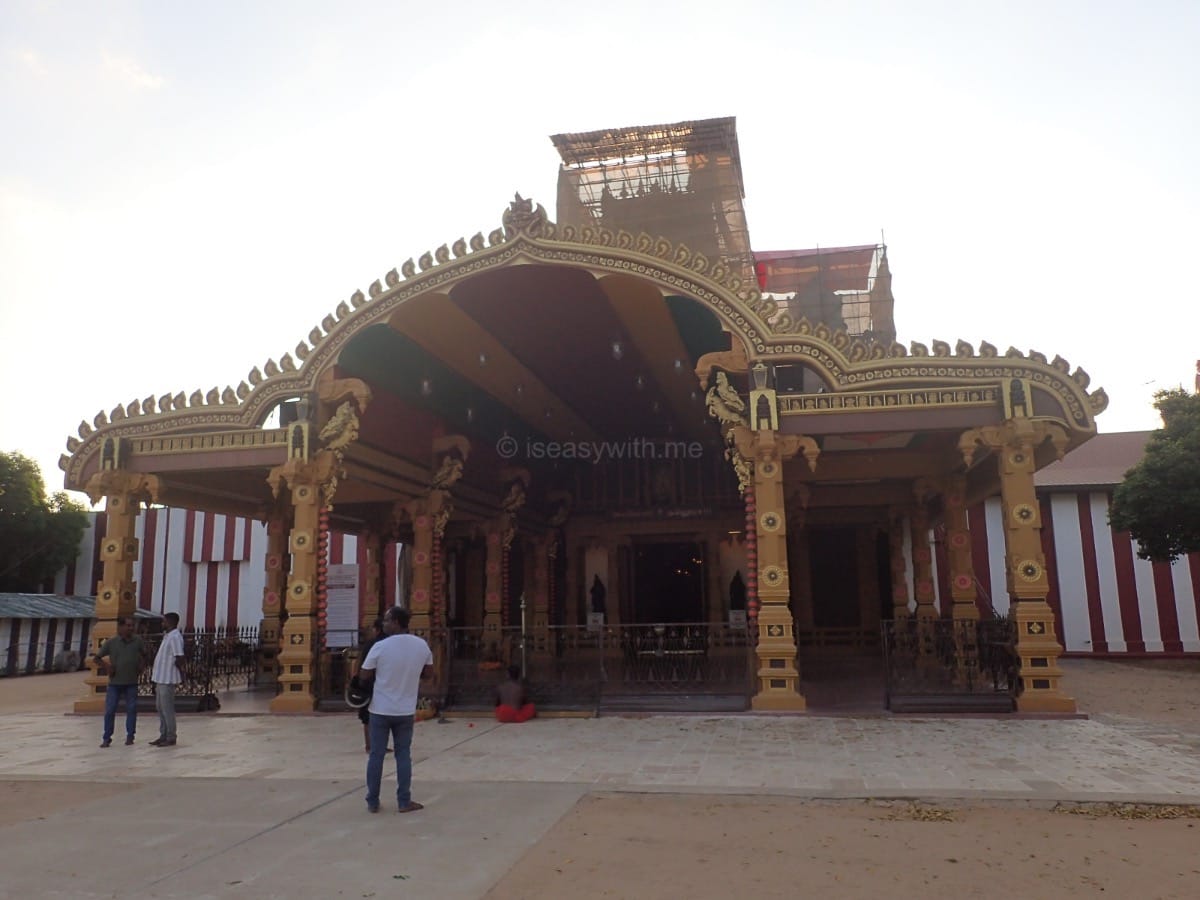
Nallur Kandaswamy Kovil
Experiencing the Evening Pooja Ceremony at Nallur Kovil
- Nallur Kovil Pooja Times: 6 times a day at 0430h, 0500h, 1000h, 1200h, 1600h, 1700h and 1800h.
- Dress Code / Etiquette: Modest clothing is required. Men must remove their shirts and everyone must remove footwear at the entrance before entering the inner temple area.
iseasywith.me Travel Tip
Arrive at least 30 to 45 minutes before the evening pooja if you want a good viewing spot, as crowds build quickly closer to prayer time.
I attended the 1800 hours pooja. By that time, the temple grounds were already filling with devotees and the atmosphere had shifted noticeably.
Once inside the main hall, a continuous monotonous instrument tone played while people gathered quietly in preparation for the pooja (held 6 times a day). As the ceremony began, the crowd settled into stillness.
Rather than staying fixed in one spot, the pooja unfolded as a flowing procession. It first moved from the front toward the left side of the hall. Then, a ceremonial chariot carrying the statue of Lord Murugan was transported from the front to the back centre room, accompanied by the loud ringing of a bell nearby. From there, the procession shifted toward the right room with a swing inside, moved to the side of the hall with more bell ringing and finally looped back to the front. The crowd of devotees shifted with the procession in a quiet, synchronised tide, following the rhythmic cadence as it echoed deeper into the sacred spaces.
To wrap it all up, I got some incense powder to draw on my forehead and as I exited, I held out my palm to collect a little goat milk and a small snack.
iseasywith.me Travel Advisory
Inside the temple, numerous signs on the pillars and walls clearly state that photography and videography are strictly prohibited. It is highly recommended to respect these rules and keep your camera away.
Food & Beverage in Jaffna
Food in Jaffna reflects strong northern Tamil culinary traditions, featuring spice-forward curries, seafood-based dishes and simpler, more rustic preparations compared to southern Sri Lanka.
Ammachi Traditional Food Centre
This was a mandatory stop on my itinerary to taste authentic, healthy and incredibly budget-friendly Sri Lankan Tamil cuisine right in the heart of Jaffna. Located near the city centre, this brilliant, government-backed community initiative features 16 stalls run entirely by local women, providing vital financial independence to war widows and single mothers rebuilding their lives.
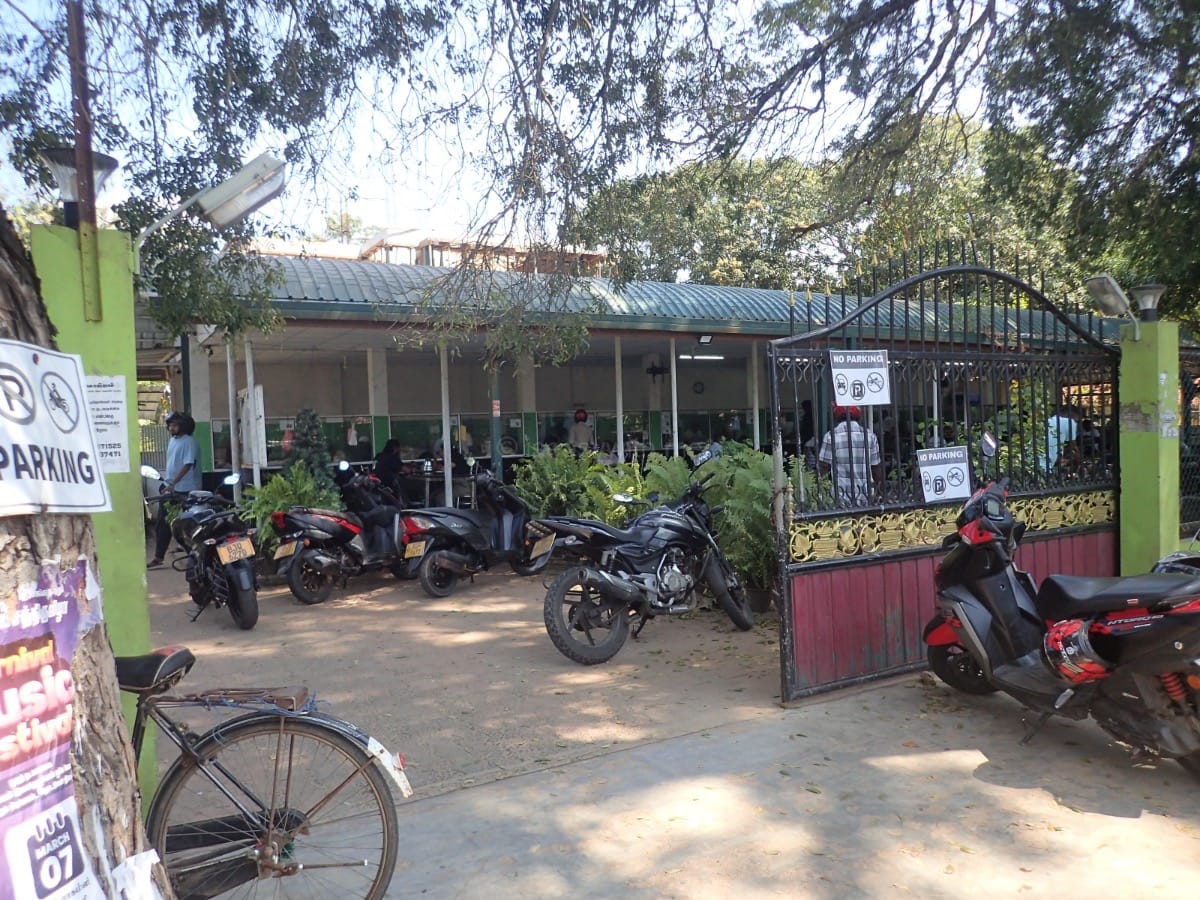
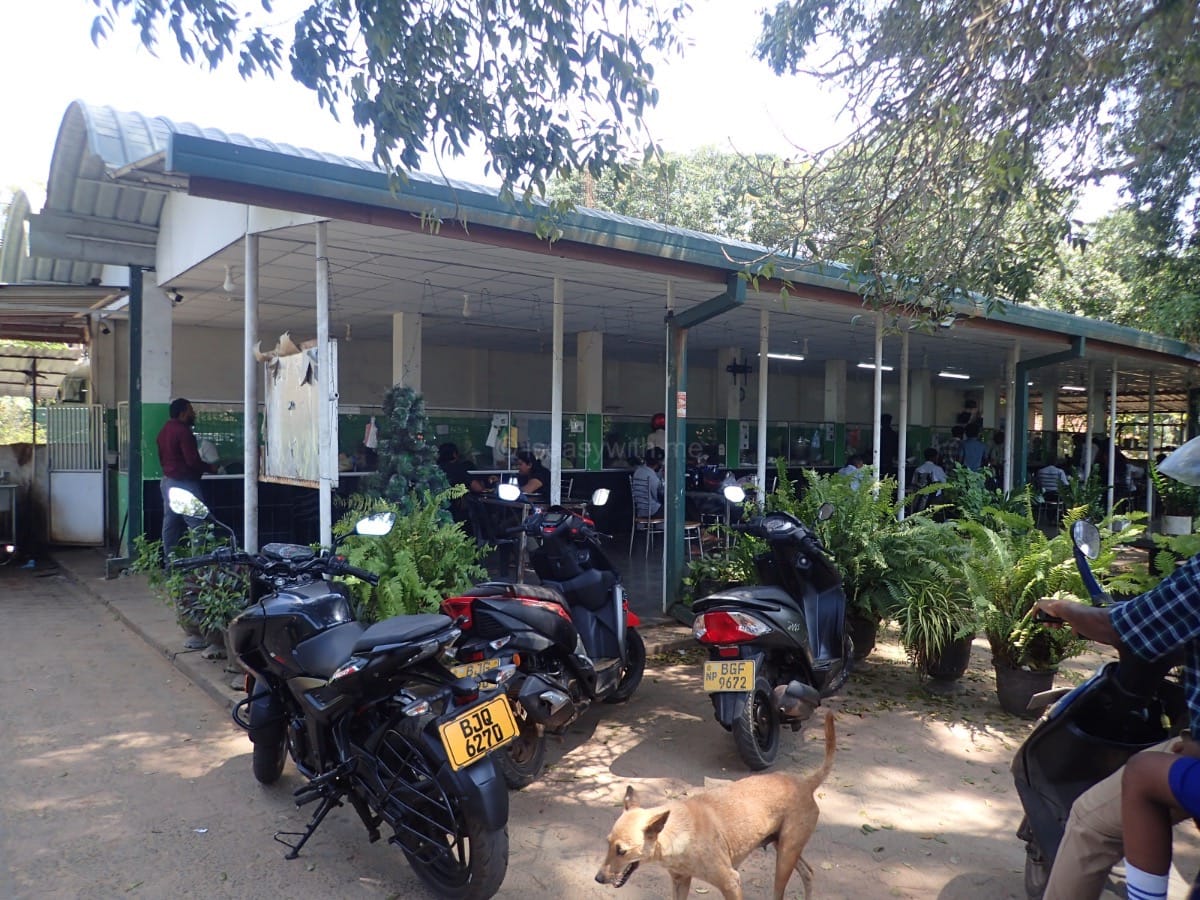
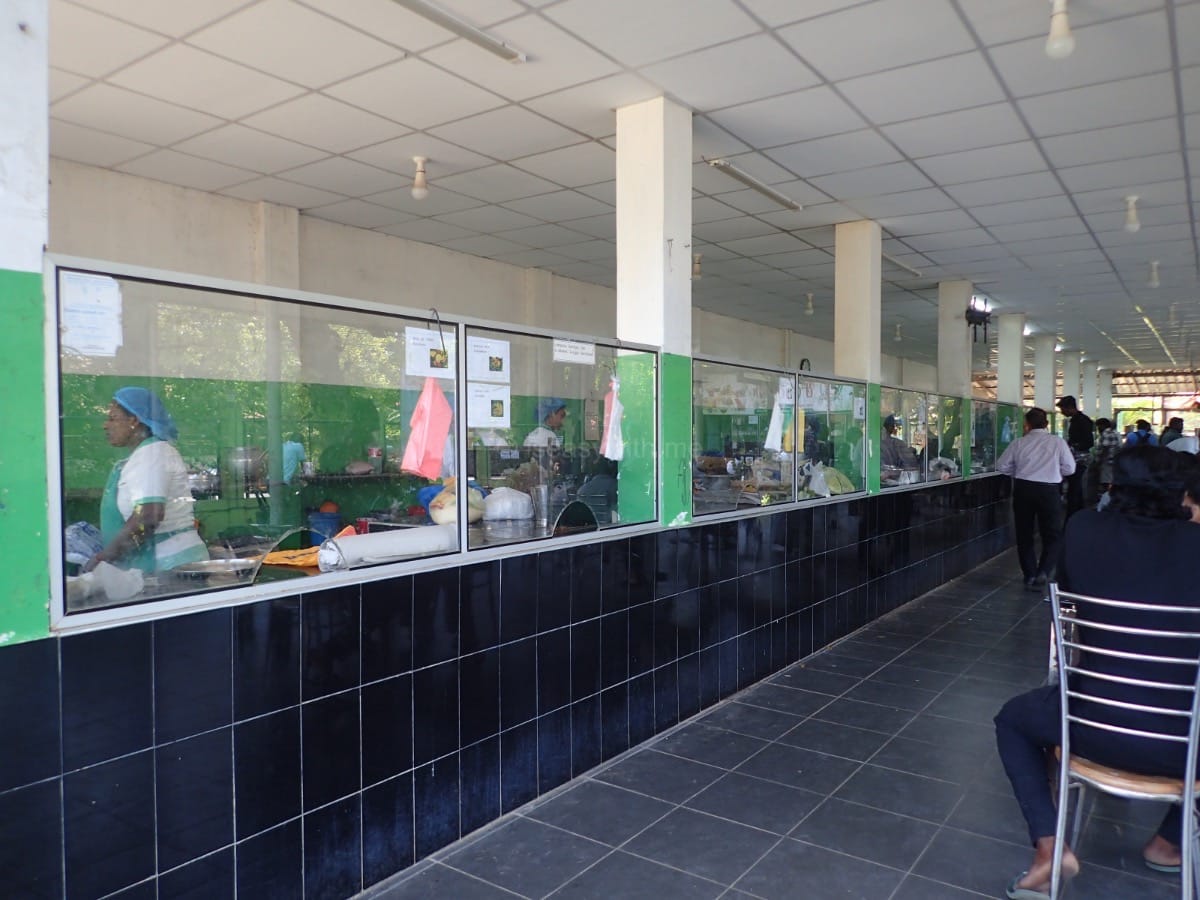
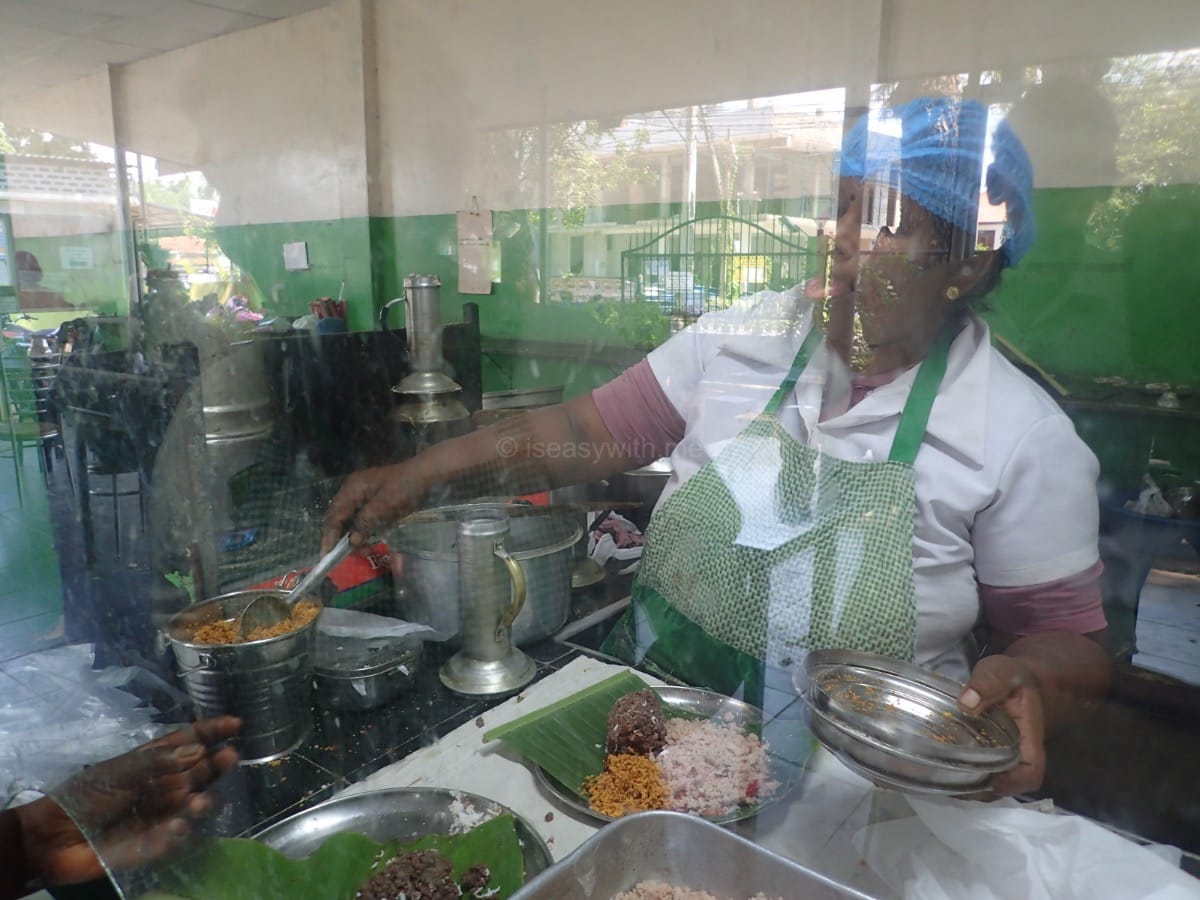
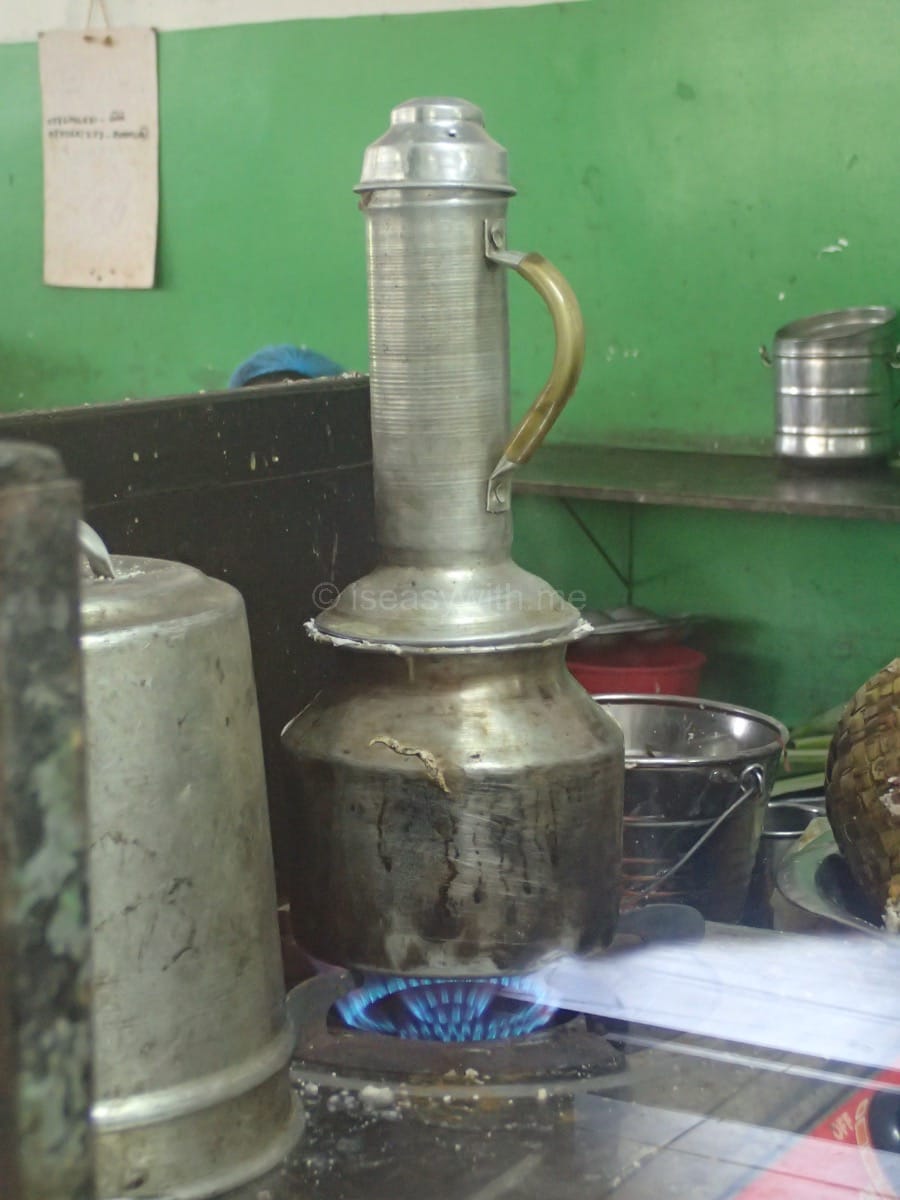
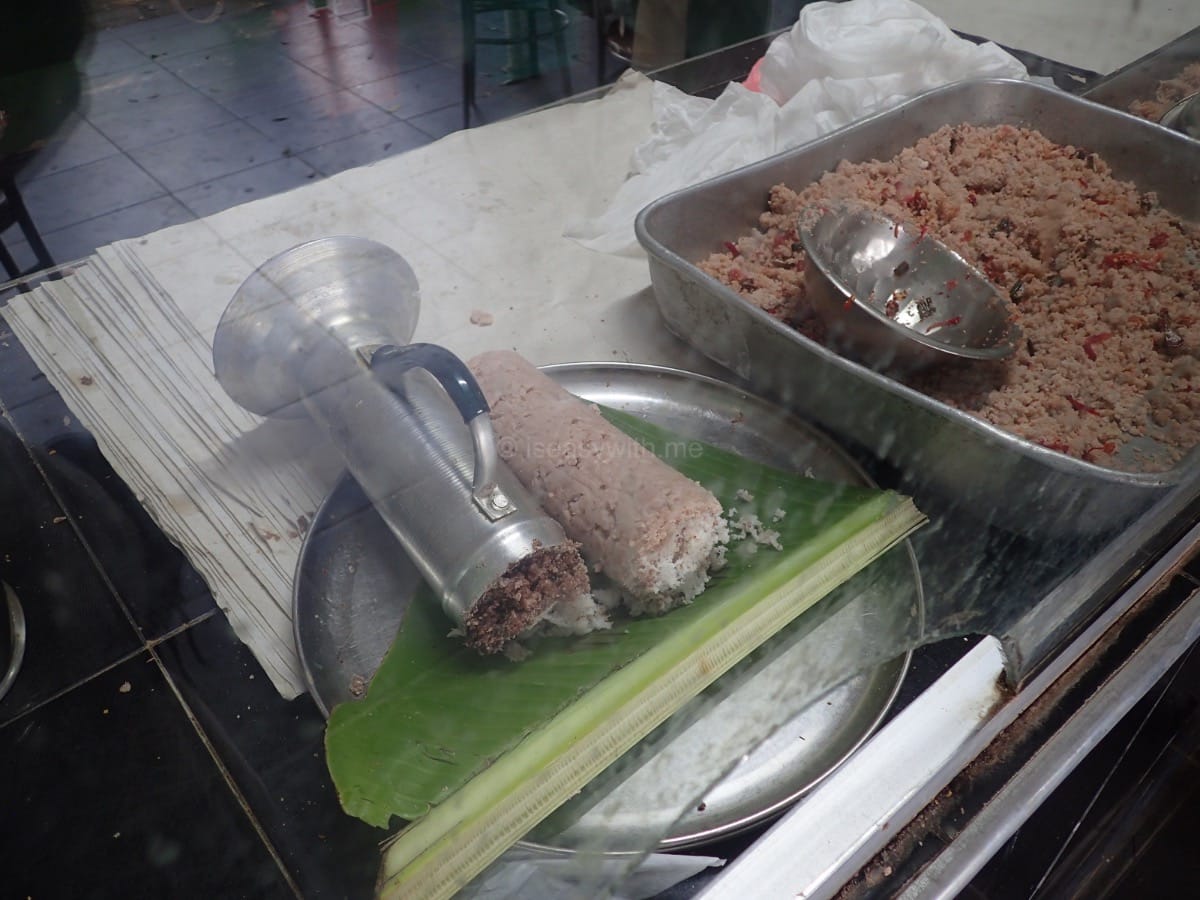
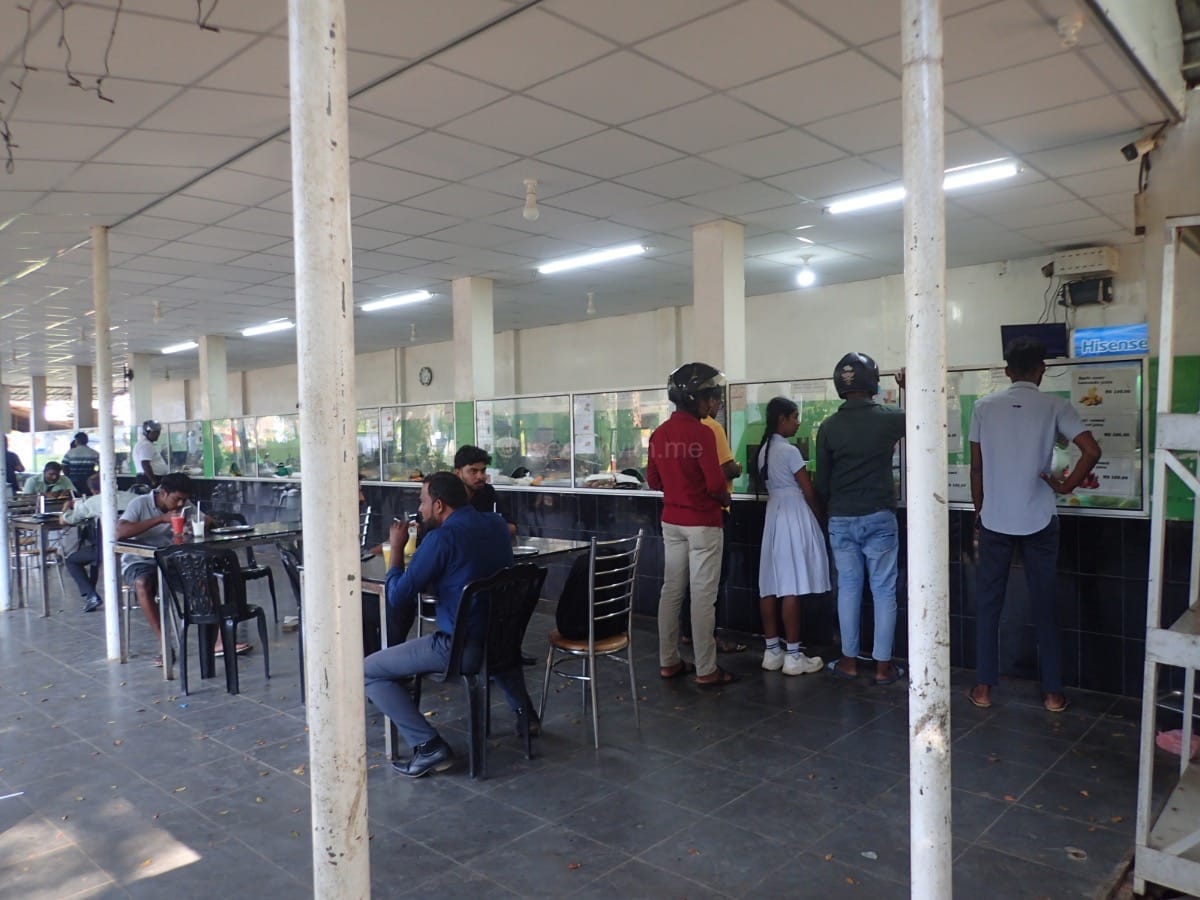
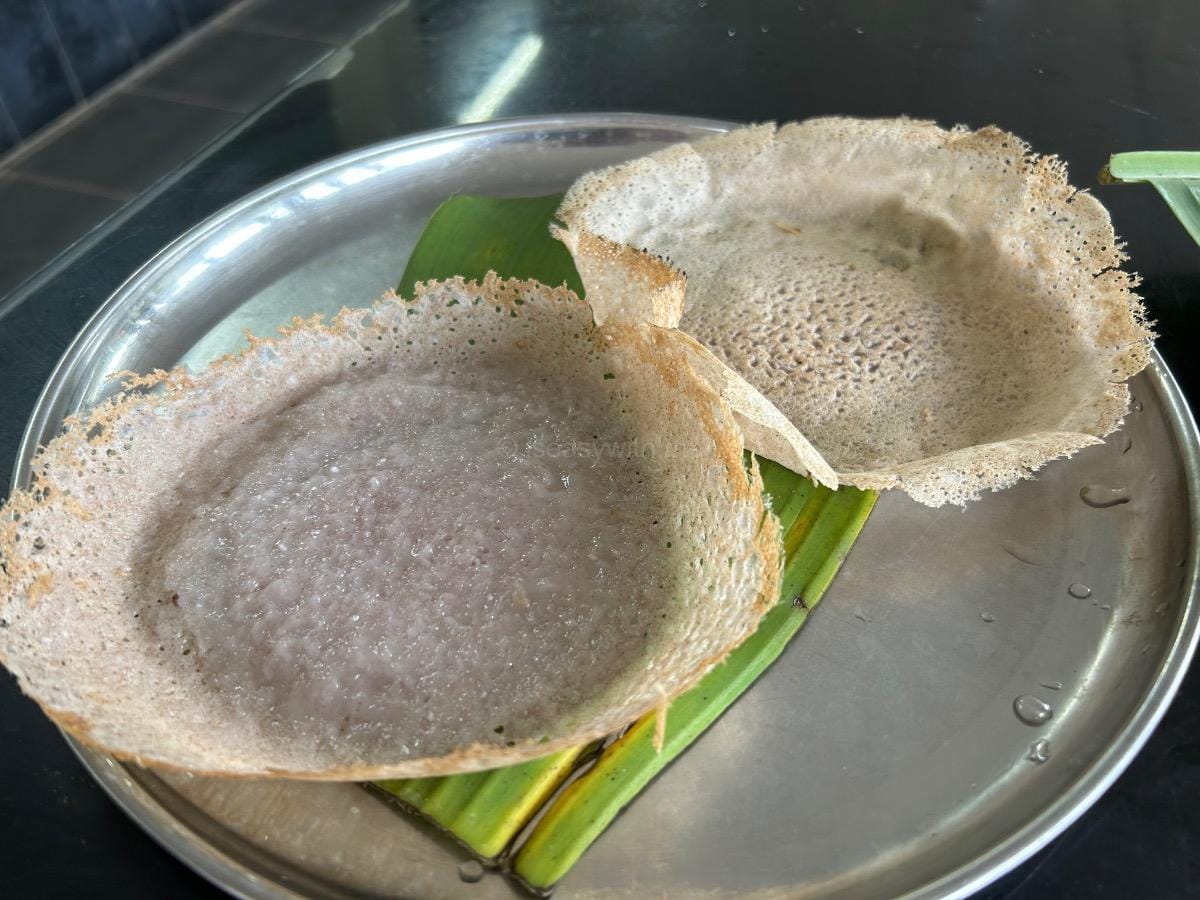
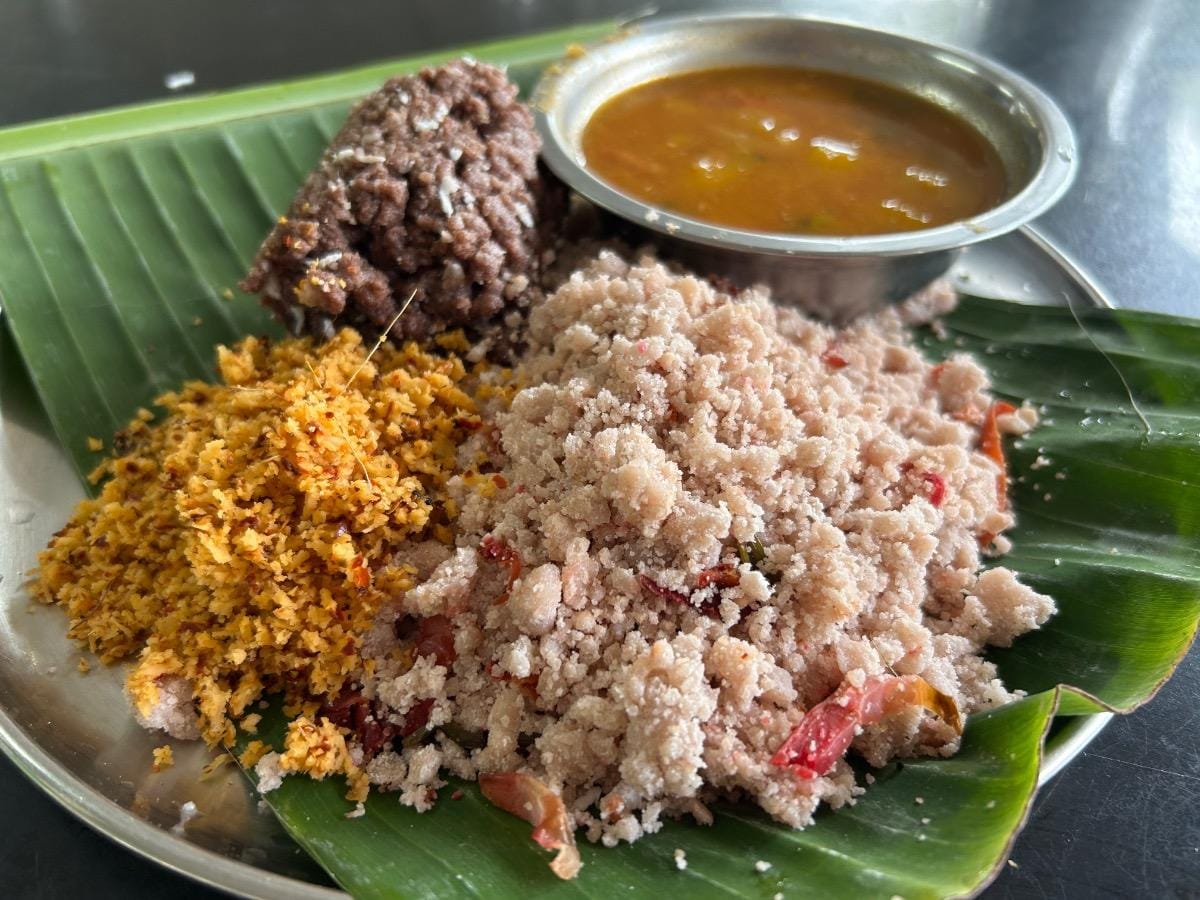
my lunch at Ammachi Traditional Food Centre (Appam LKR 50, Pittu (rice, coconut sambal, veg & sambal curry) LKR 150)
Rio Ice Cream
A popular stop for both locals and travellers, especially in the evenings when the city cools down. It’s a simple but iconic place to take a break after a day of exploring.
The ice cream parlour is located about 300 meters down the road from the temple entrance with a flat, straightforward 4-minute walk. Once the evening pooja concludes at the Nallur Kandaswamy Kovil, follow the local tradition and head straight here to cool down.
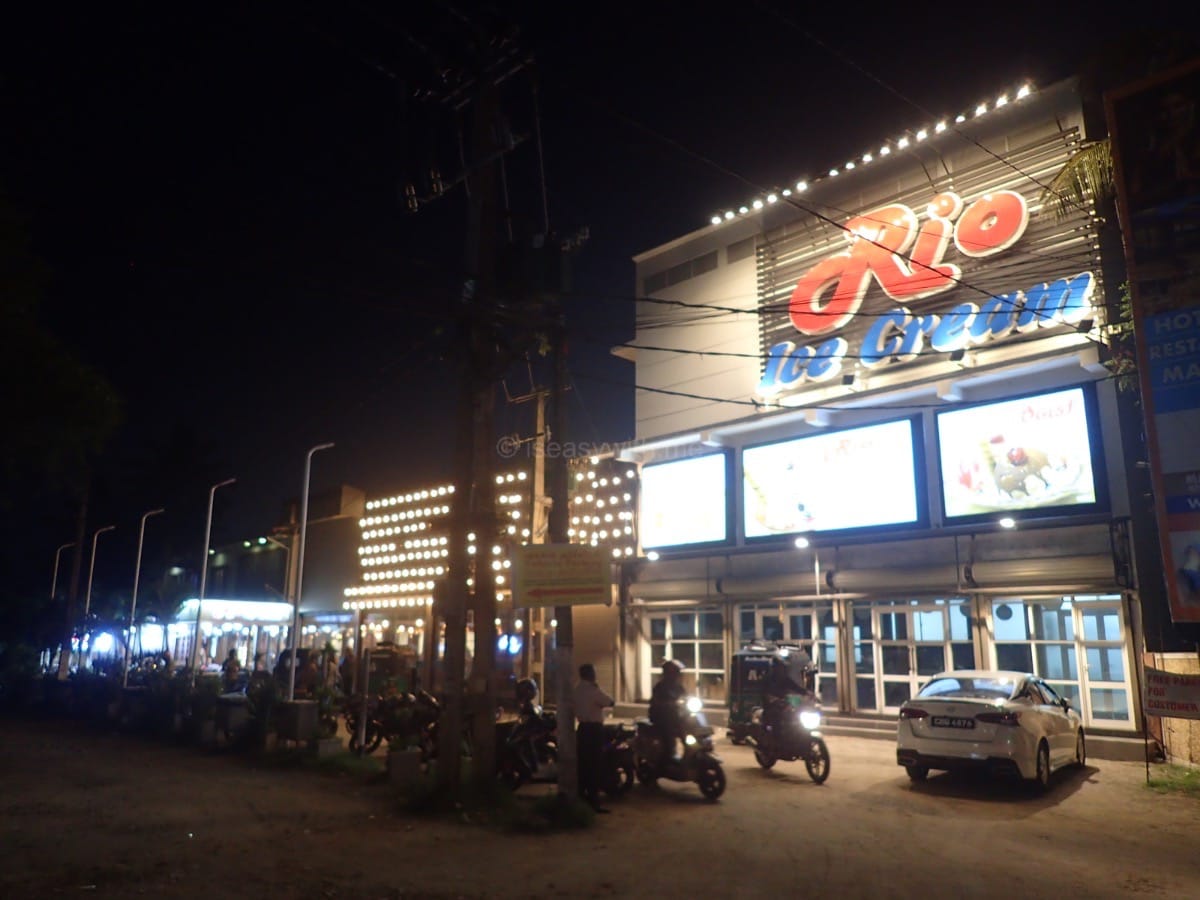
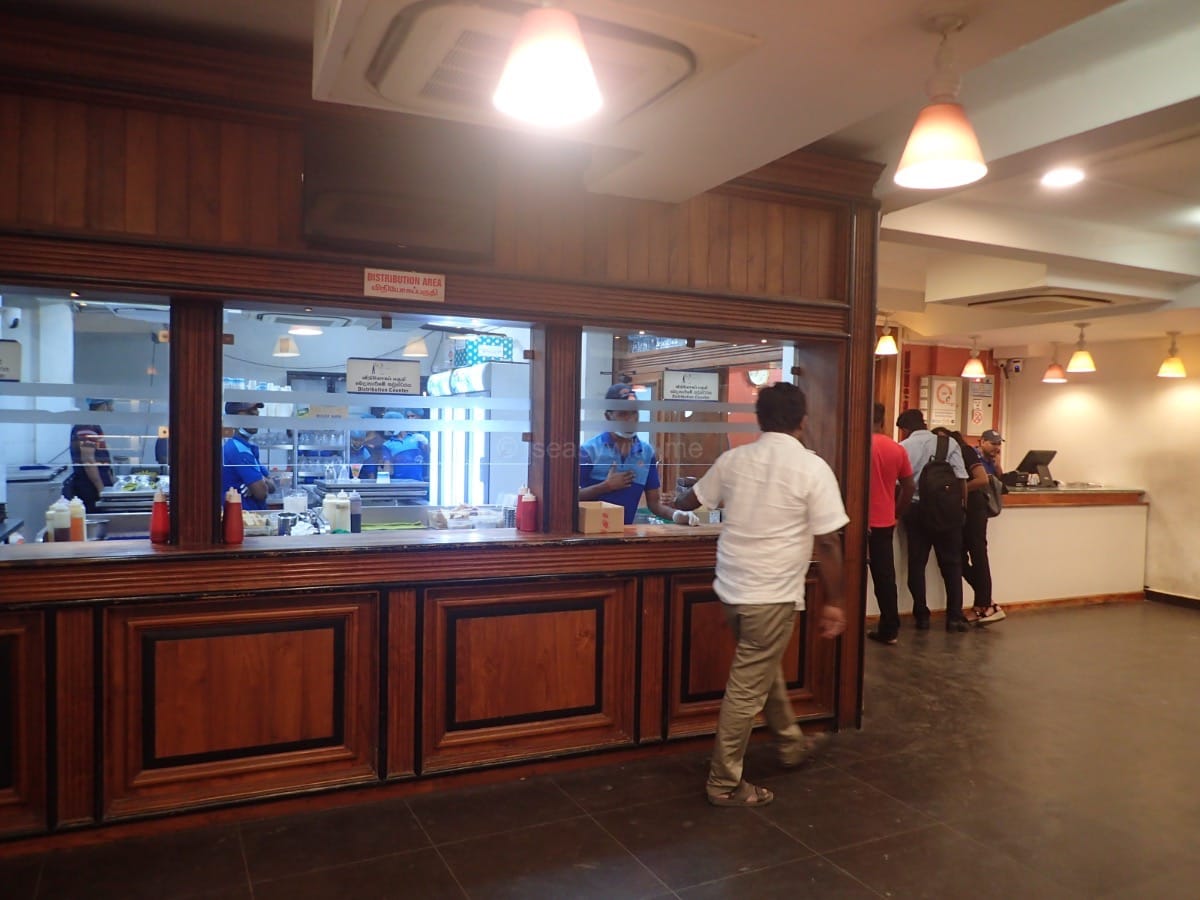
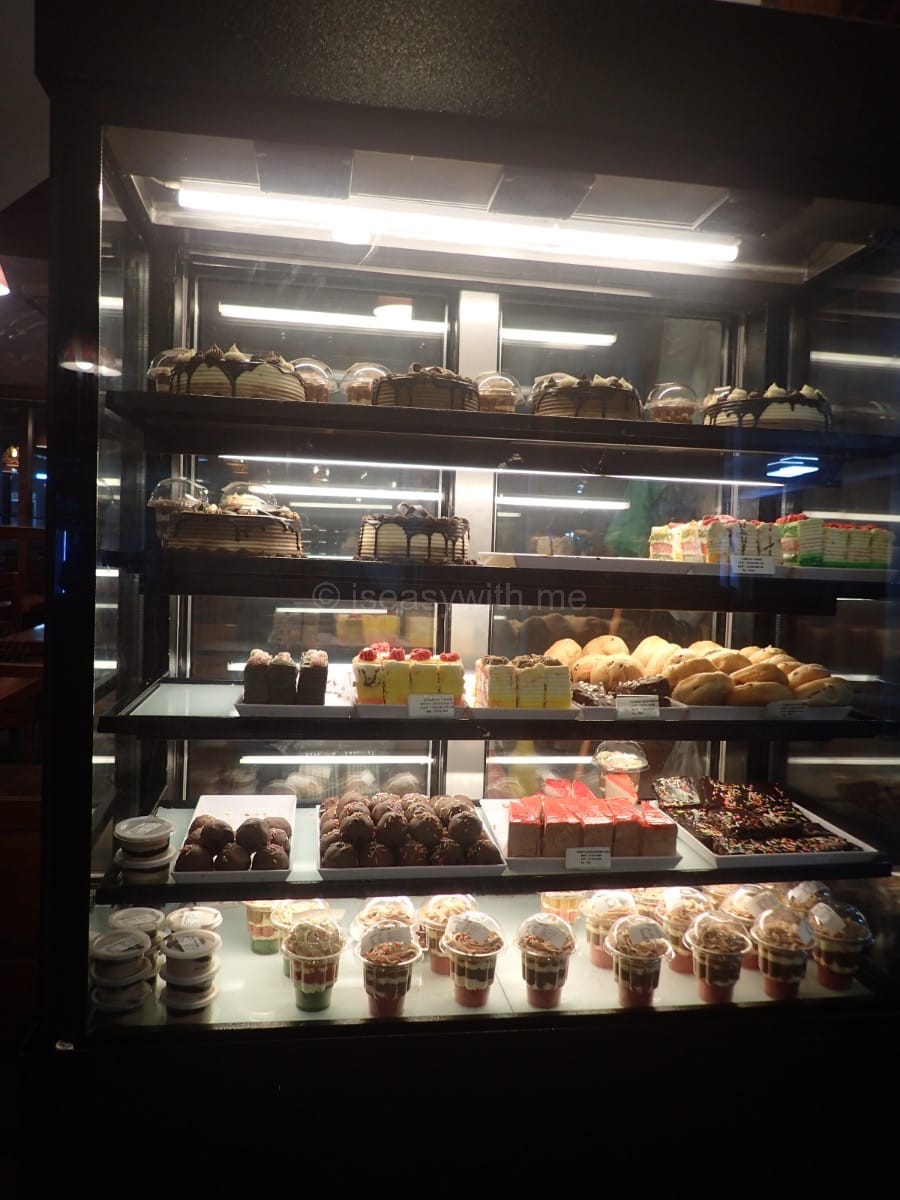
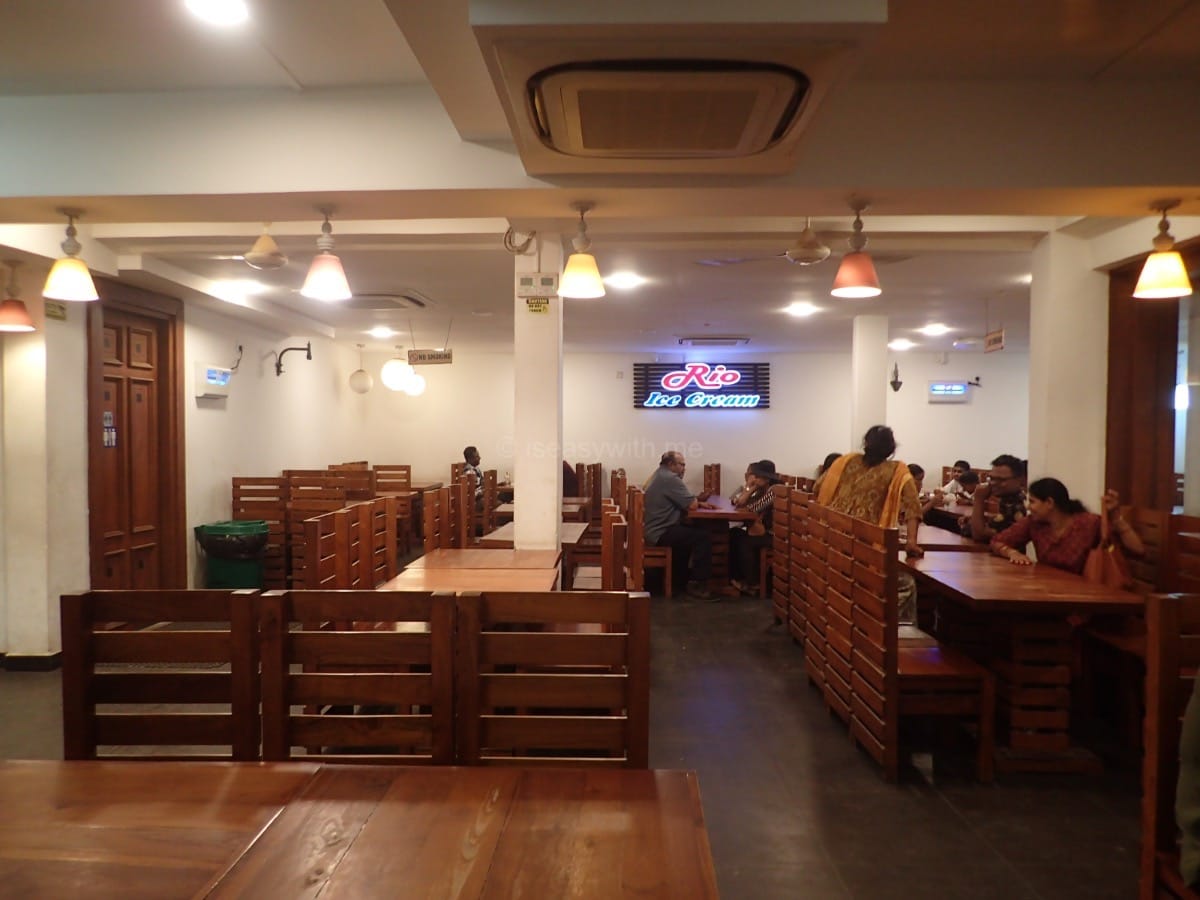
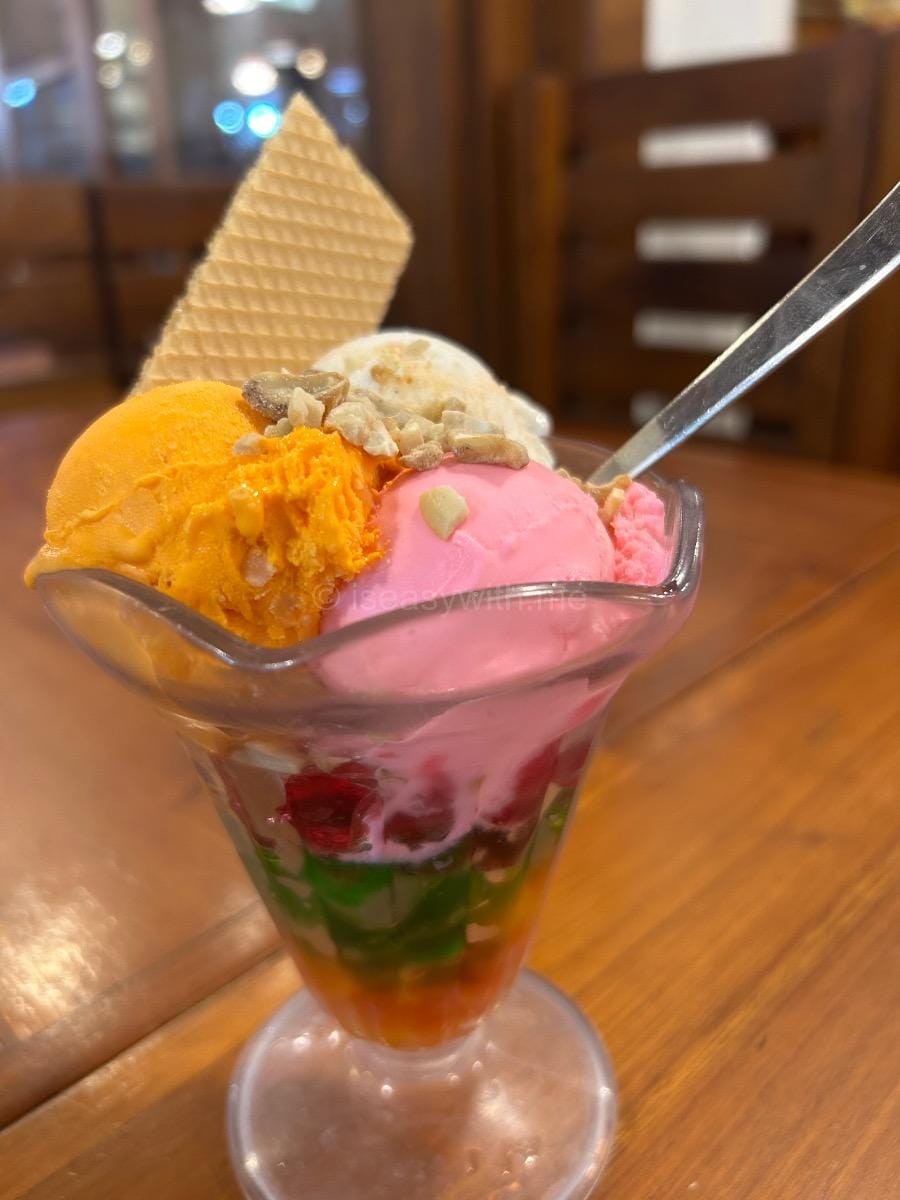
my Rio Special at Rio Ice Cream (LKR 400)
JAC Dining
JAC Dining offers a traditional introduction to authentic Jaffna cuisine with curries and seafood dishes deeply rooted in regional Tamil cooking styles.
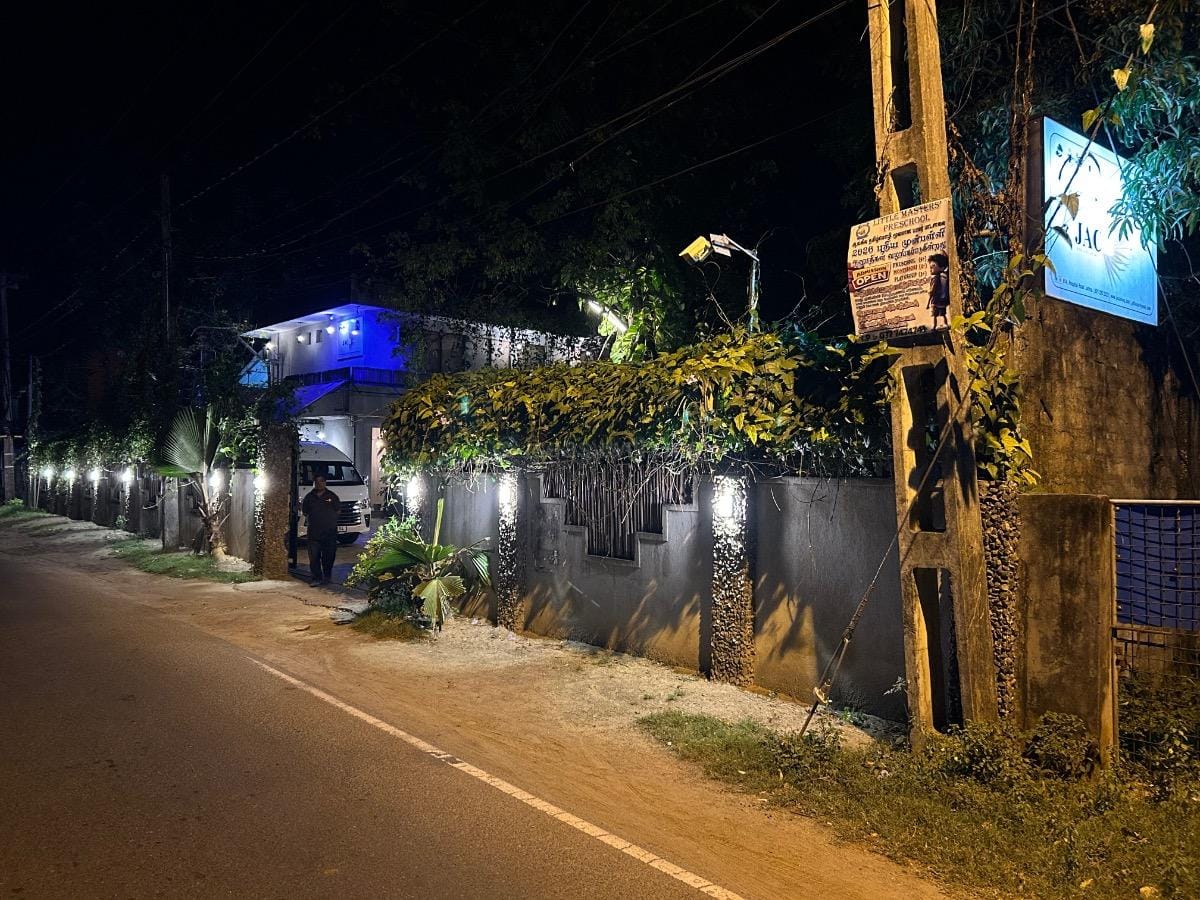
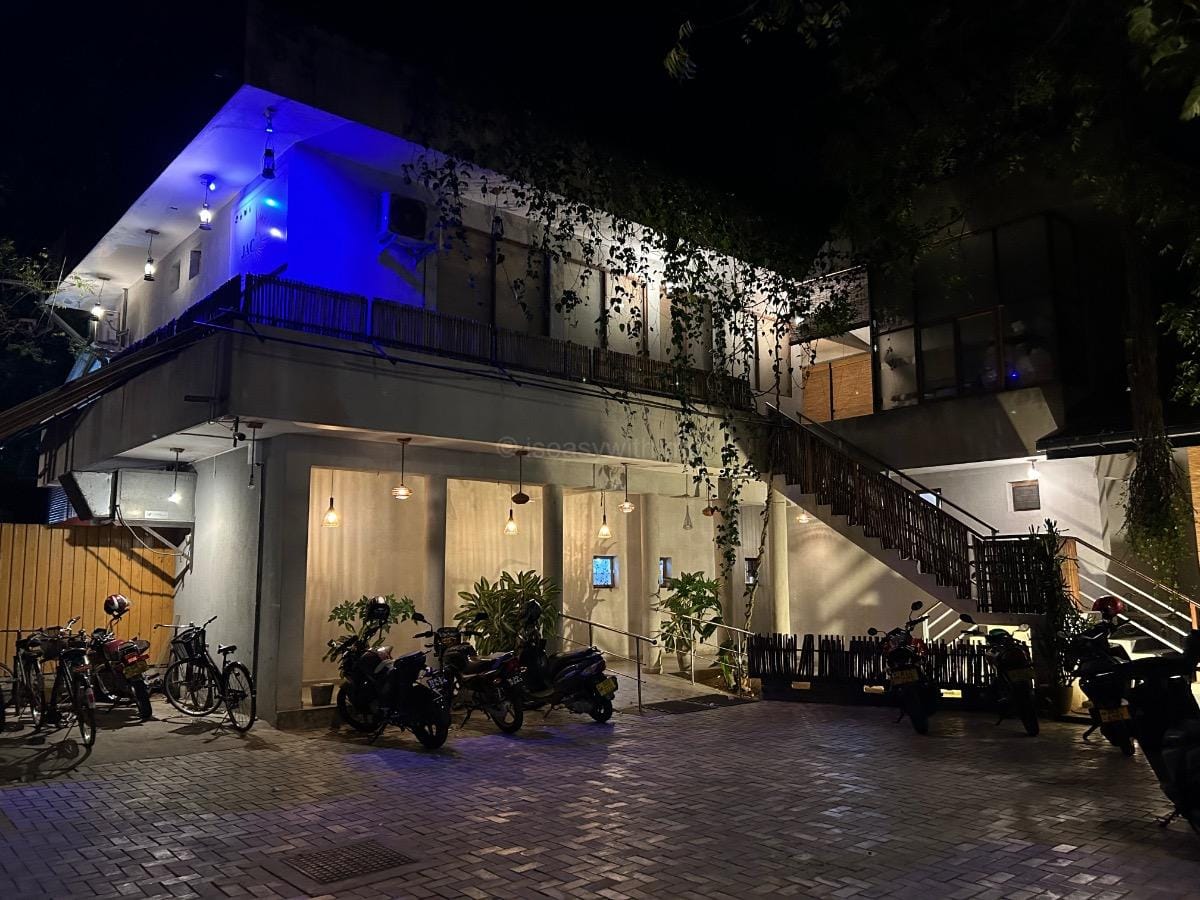
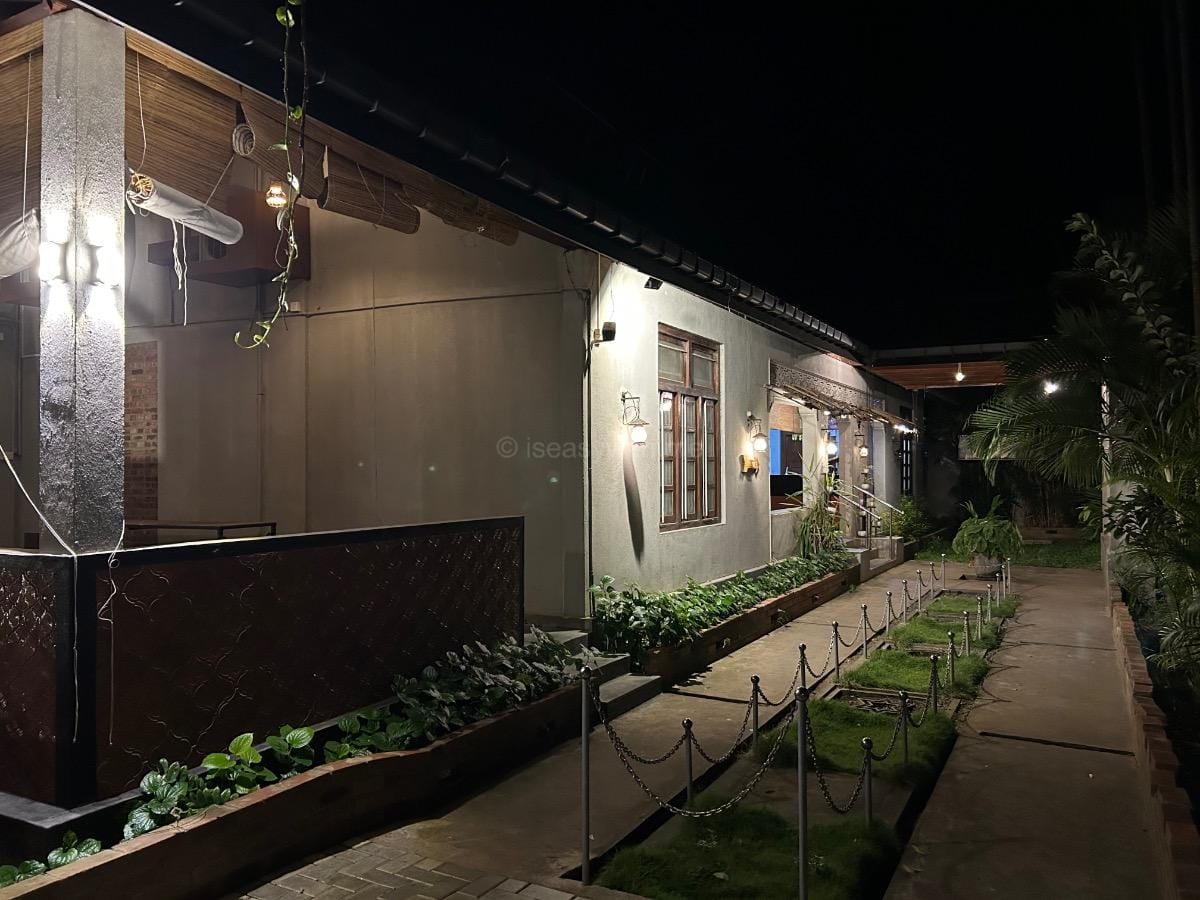
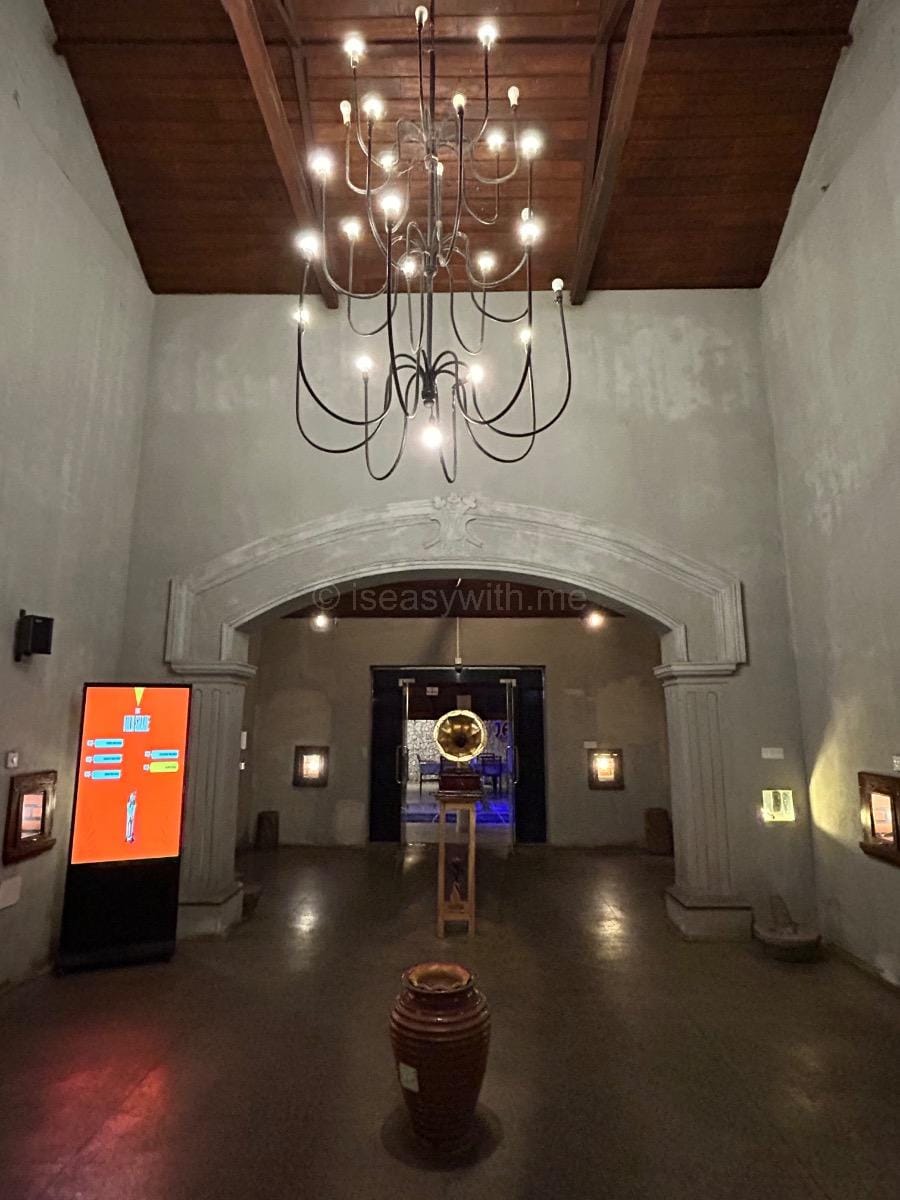
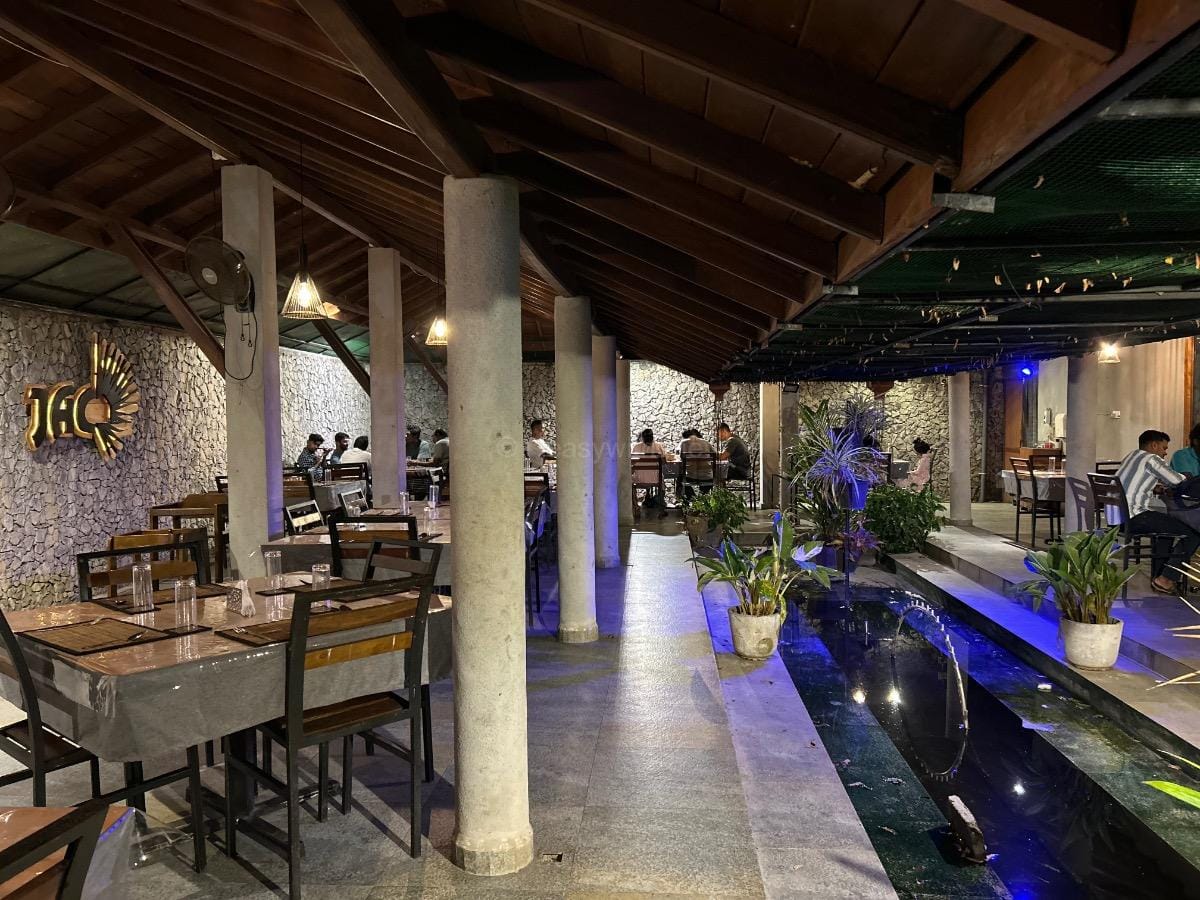
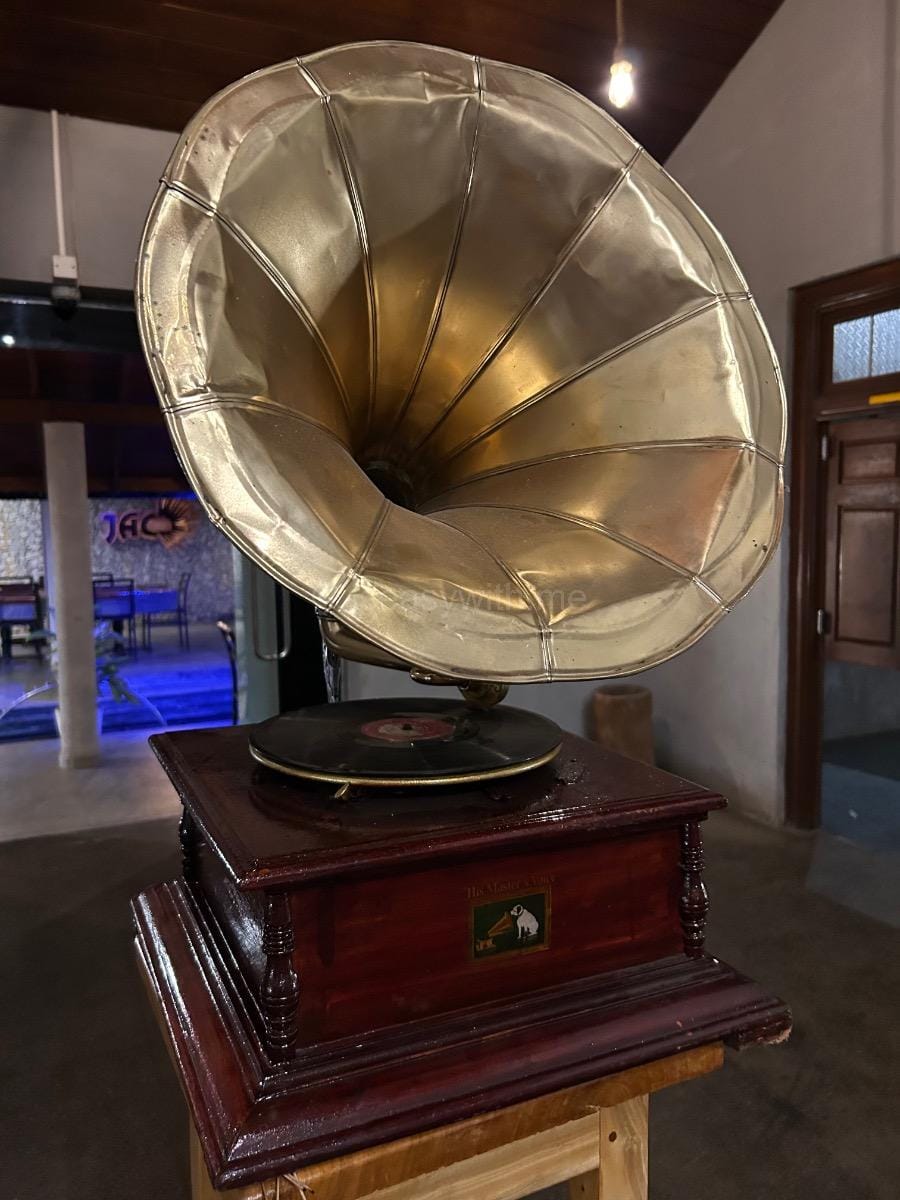
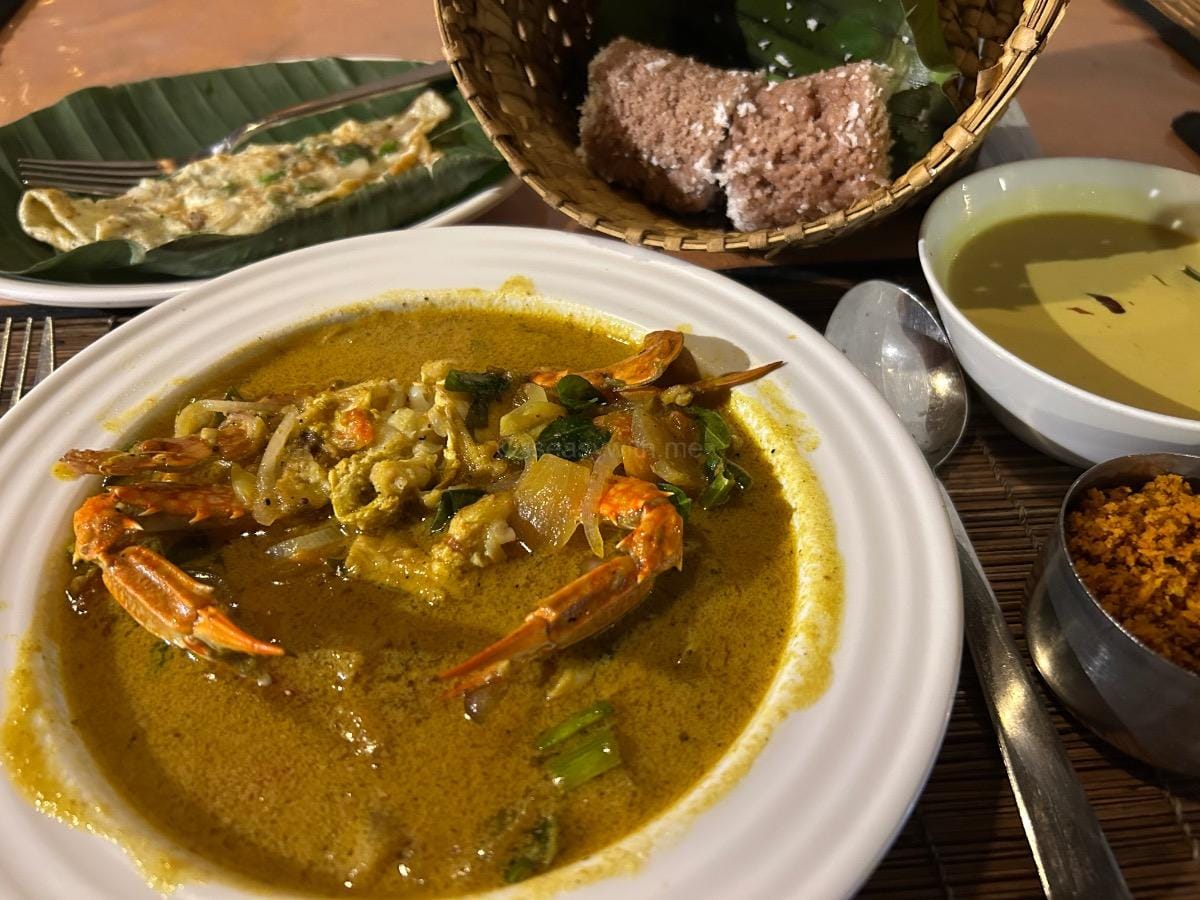
my dinner combo (pittu served with crab curry & fried egg) at JAC Dining (LKR 1.320)
Departing Jaffna
Leaving Jaffna felt like easing out of a slower rhythm and gradually re-entering the broader movement of the island. Travelling by bus down south, the journey retraced dry plains, quiet towns and open landscapes that slowly transitioned back toward Sri Lanka’s central regions.
It was a route that left a lasting contrast, one that stayed with me long after I had left the peninsula behind. From there, my journey continued inland once again, away from the northern coast and back towards the island’s cultural heartland.
My next stop was Sigiriya.