The Coastal Train to Colombo: A First-Timer's Guide to Markets & Temples
Conquer the capital. Ride the 0544 hours coastal rail on the ocean side, navigate Pettah's themed streets, and feast on late-night Aluthkade soup.
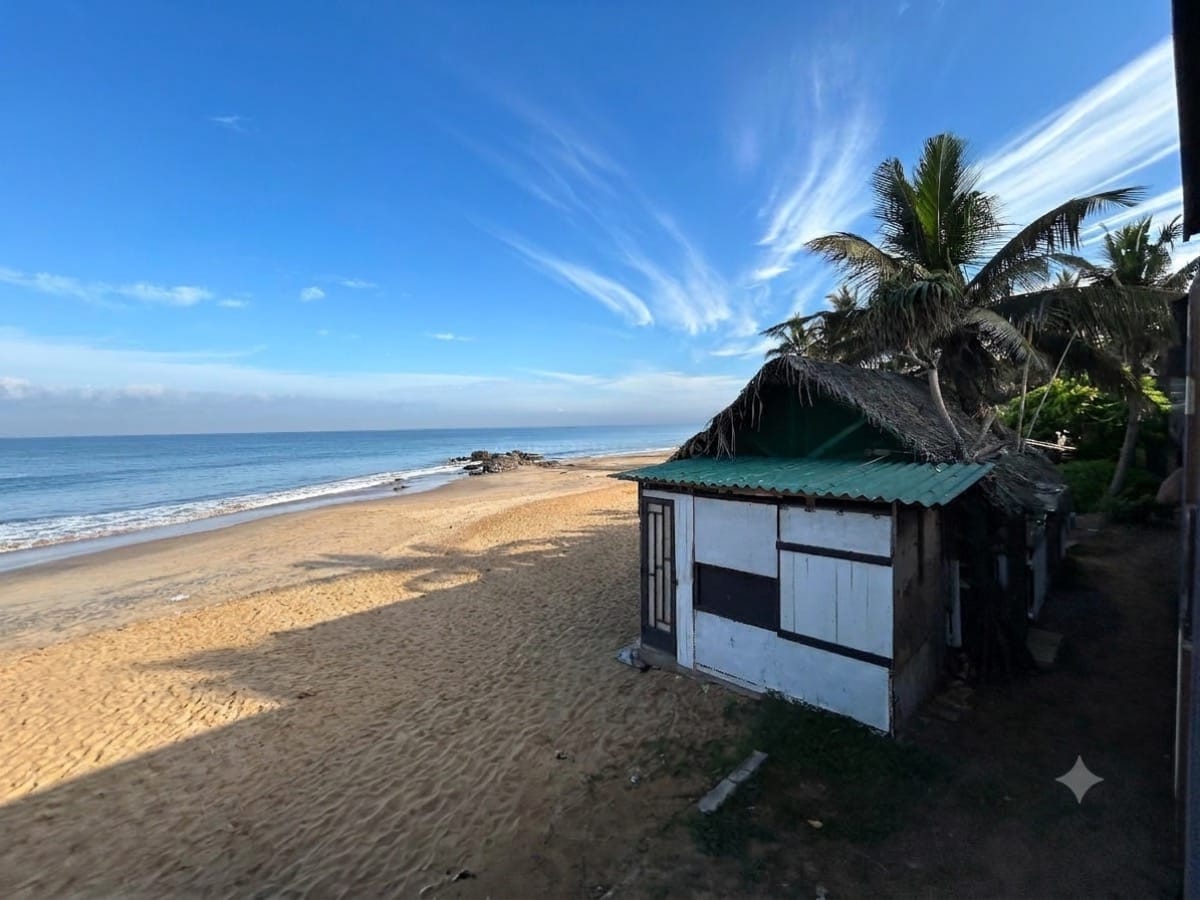
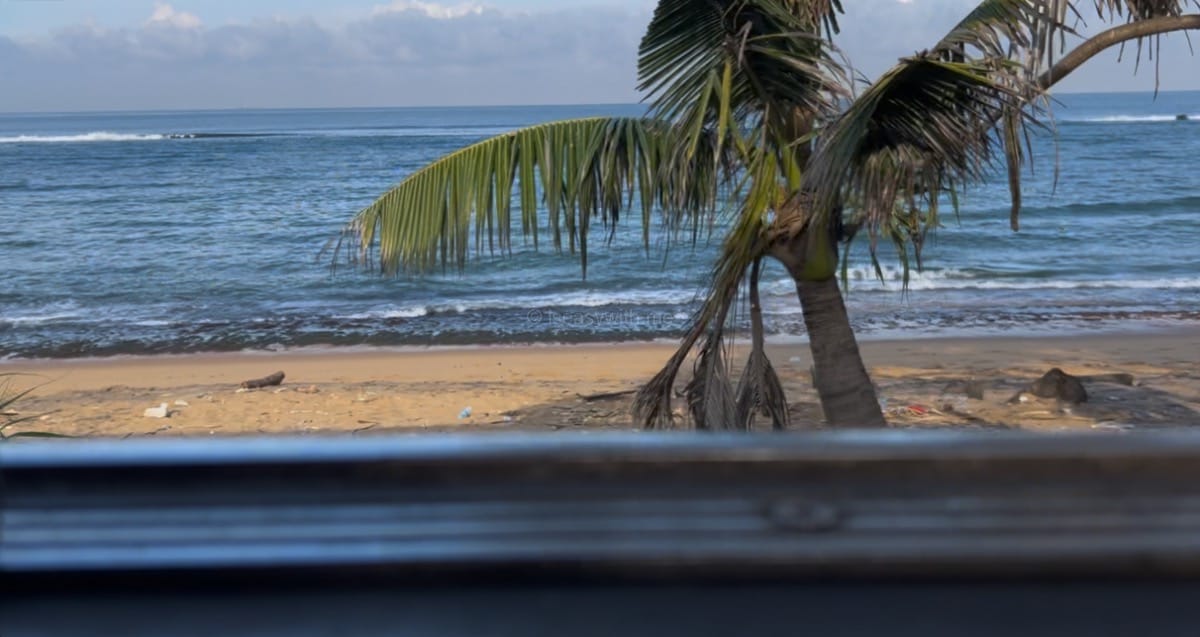
The final leg of my Sri Lanka adventure began with one of the country's most iconic railway journeys. Travelling from Galle to Colombo, the coastal railway hugged the edge of the Indian Ocean for much of the route, offering uninterrupted views of crashing waves, golden beaches and fishing villages. It was widely considered one of the world's most scenic train rides, providing a fitting finale before returning home.
Unlike the winding mountain railway through the hill country, this journey was fast, relatively flat and constantly accompanied by the sea. Whether I was travelling for the scenery or capturing cinematic footage, the ride itself became one of the highlights of the trip.
From Galle to Colombo
To take the train from Galle to Colombo (2nd class, LKR 500), I could either book a reserved seat up to 24 hours in advance or purchase an unreserved ticket directly at Galle Railway Station on the day of travel.
Catching an early morning service around 0544 hours was the ultimate choice for this journey. Departing at this time allowed me to experience both the atmospheric pre-dawn twilight and a spectacular coastal sunrise as the railway traced Sri Lanka's southwest coastline toward the capital.
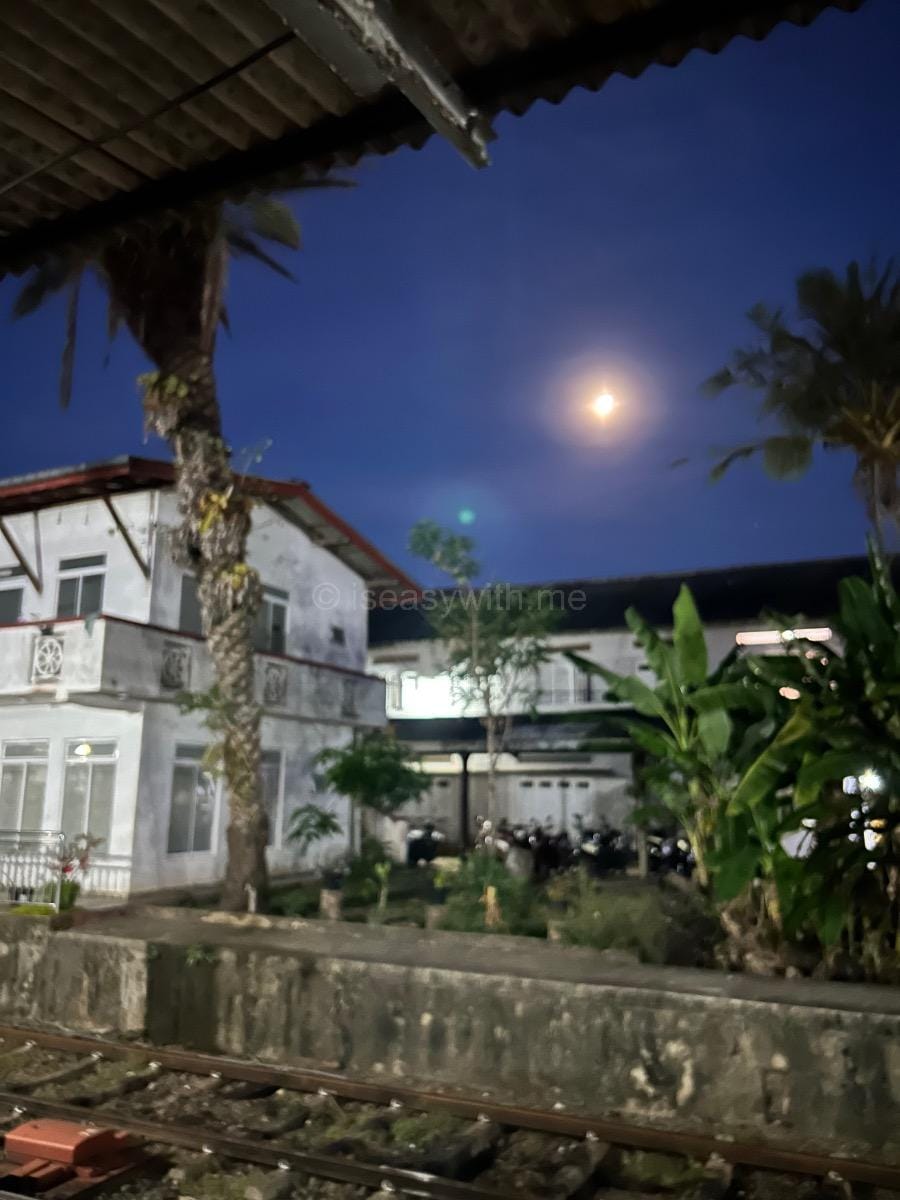
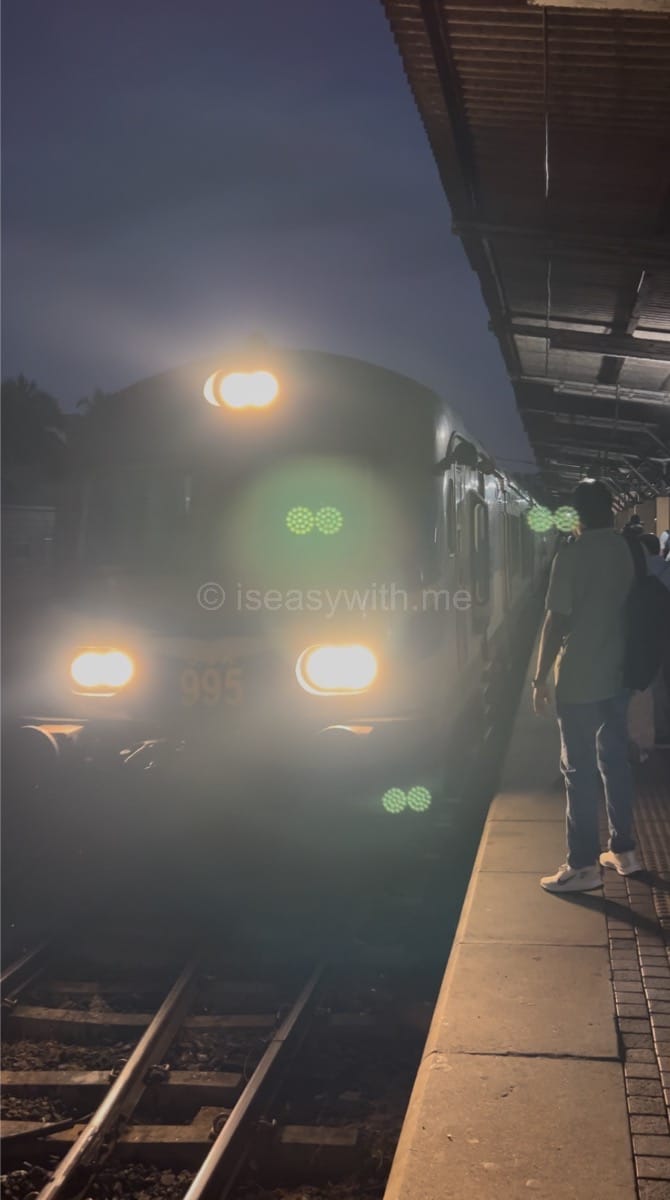
Galle Train Station
When boarding, sitting on the left-hand side of the train provides the best ocean views for most of the journey, making it the preferred strategy for photographers and first-time visitors alike.
The Experience: Fishing villages, coconut groves, quiet beaches and busy commuter towns flow seamlessly into one another. As Colombo approaches, the tranquil coastline slowly transforms into Sri Lanka's bustling commercial capital.
iseasywith.me Travel Tip
- Use Google Maps: Check your location to help you look out for the photo spots.
- Book the Correct Side for Ocean Views: When heading north from Galle to Colombo, reserve a seat on the left side of the train. When booking, request for seats facing the direction of travel so you aren't riding backward.
- Secure the Best Spot: Try to book your seats near the carriage doors. This gives you quick, easy access to the open doorways where you can comfortably step out to feel the sea breeze and capture unobstructed footage. If you miss the 24-hour advance booking window for a reserved 2nd Class seat (LKR 500), arrive early at the station to purchase unreserved tickets on the day of travel.
- Open Door Experience: Standing at the open doorways is a highlight on less crowded services but safety comes first. Always keep a firm grip on the handrails and secure your camera or phone with a wrist strap before filming outside. Be hyper-aware of passing signal poles, bridges and oncoming trains.
- Never lean your body or your camera beyond the outer frame of the train carriage!
Tips for Photographing the Sri Lanka Coastal Train Ride
For travellers creating videos or travel reels, the coastal railway offers countless opportunities to capture Sri Lanka at its most photogenic.
Cinematic Pro-Tips
- Audio Matters: The rhythmic click-clack of the railway tracks was part of the experience.
- Follow the Light: Early in the journey, the landscape transitioned from soft pre-dawn blues into warm morning light. As the sun rose higher, the ocean began reflecting shimmering highlights, creating a beautiful contrast against the coastline.
The 8 Scenic Highlights & Camera Angles
1. Galle Departure (The Start)
- Camera Side: LEFT
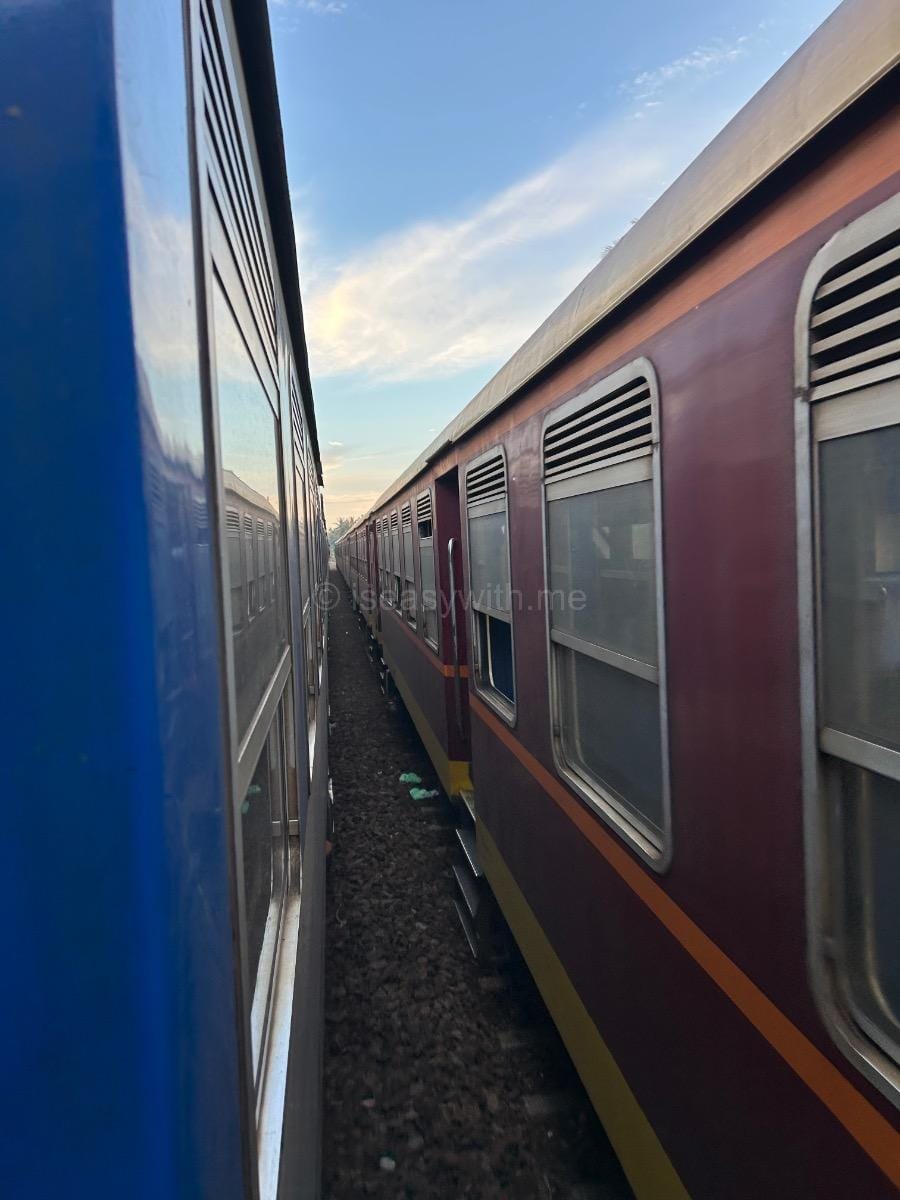
- The Vibe: Leaving the historic ramparts of Galle behind, the railway gradually traces Sri Lanka's southwest coastline toward the capital. As the train pulls away from the bustling Galle bus stand area, the landscape is shrouded in a moody, deep blue nautical twilight, setting a quiet, anticipatory tone for the journey ahead.
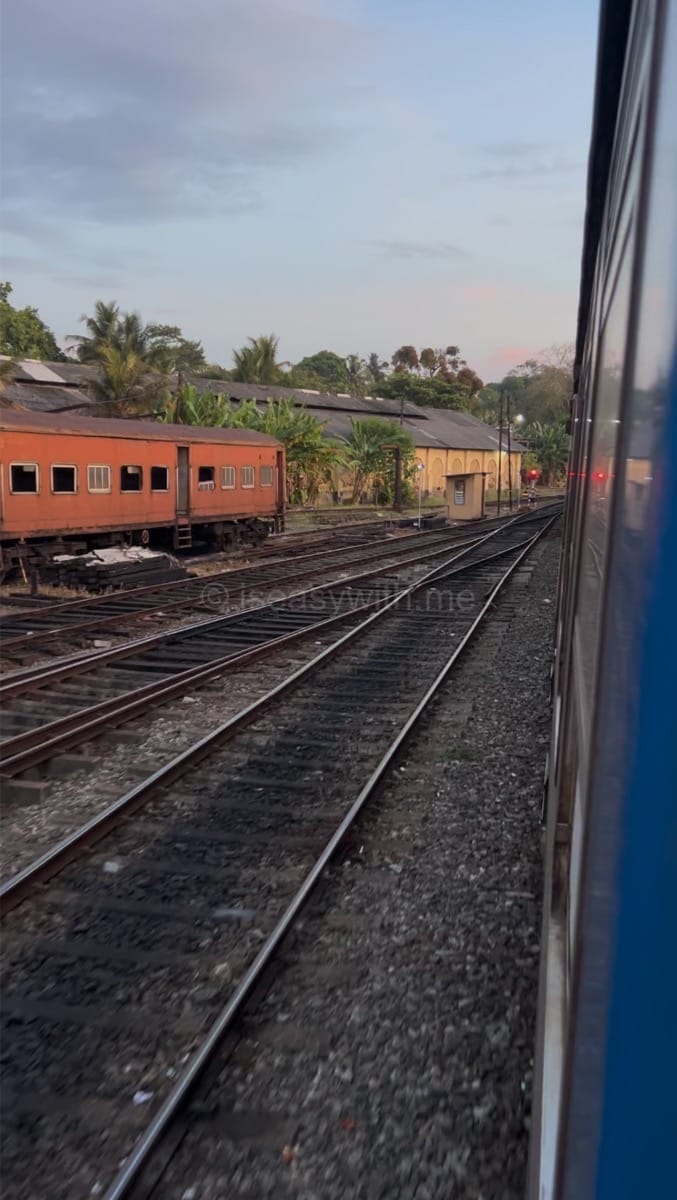
leaving Galle Railway Station
2. Ginthota Bridge & Estuary
- Camera Side: LEFT / RIGHT
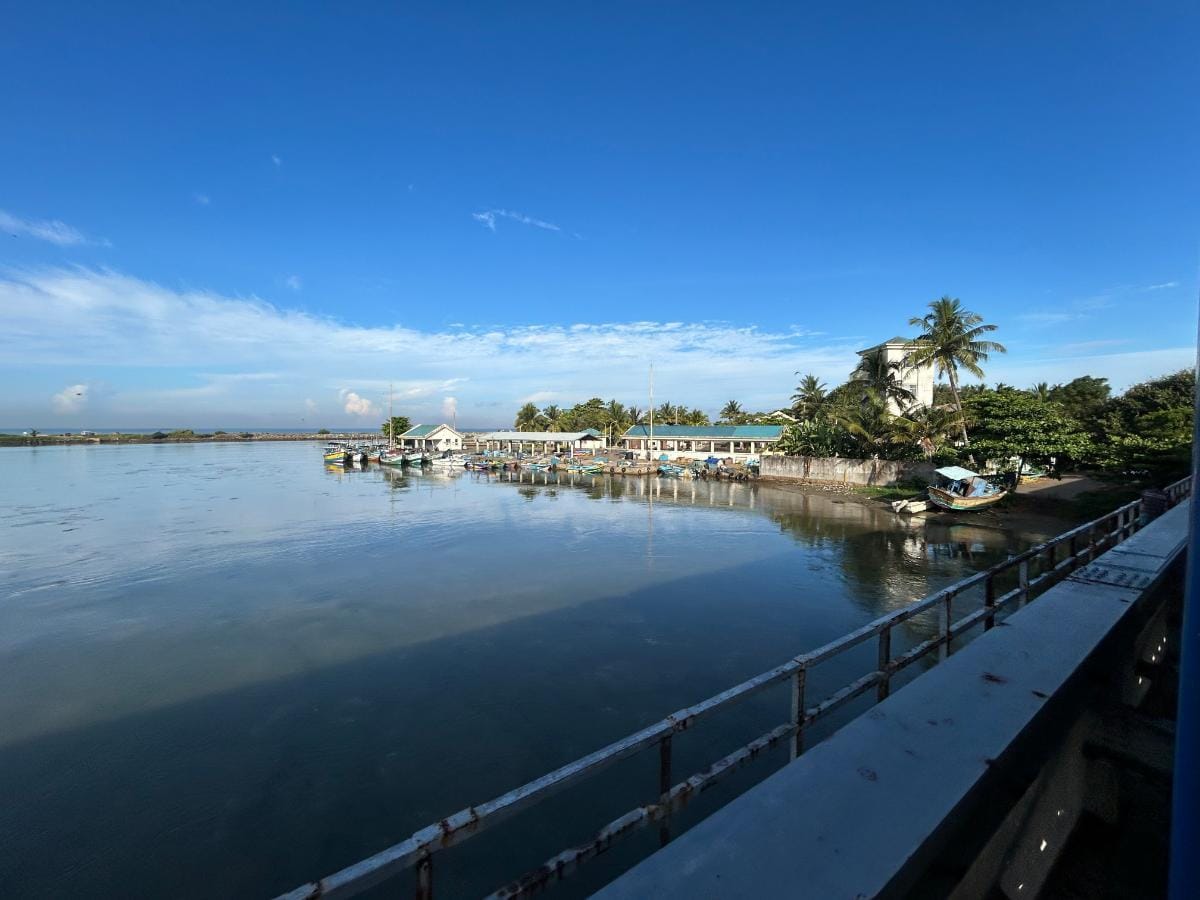
- The Vibe: Crossing the broad Gin Ganga river mouth at Ginthota, the train provides a brief preview of Sri Lanka’s coastal river networks. Early morning light reflects off the calm estuary waters on the right, while the left opens up directly toward the crashing ocean surf.
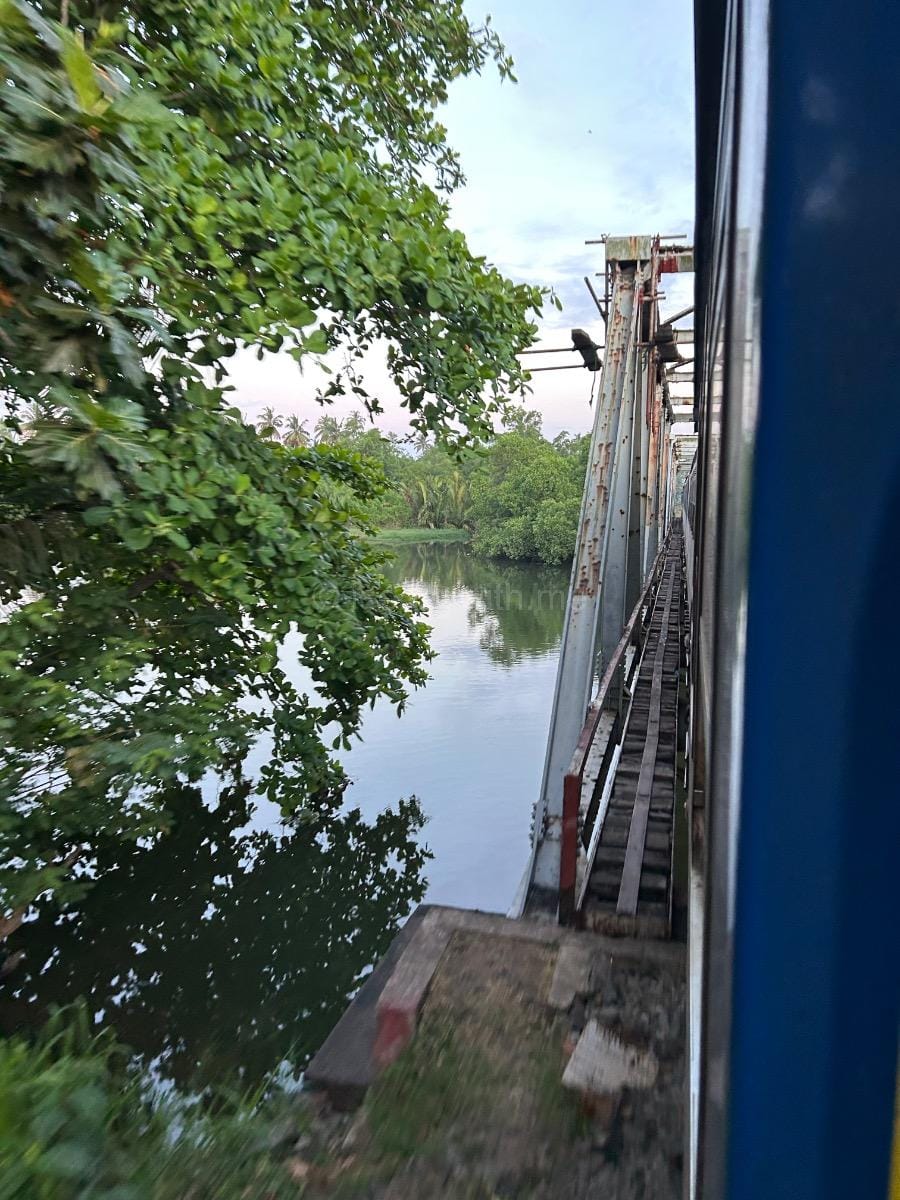
3. Dodanduwa Lagoon & Rathgama Lake
- Camera Side: RIGHT
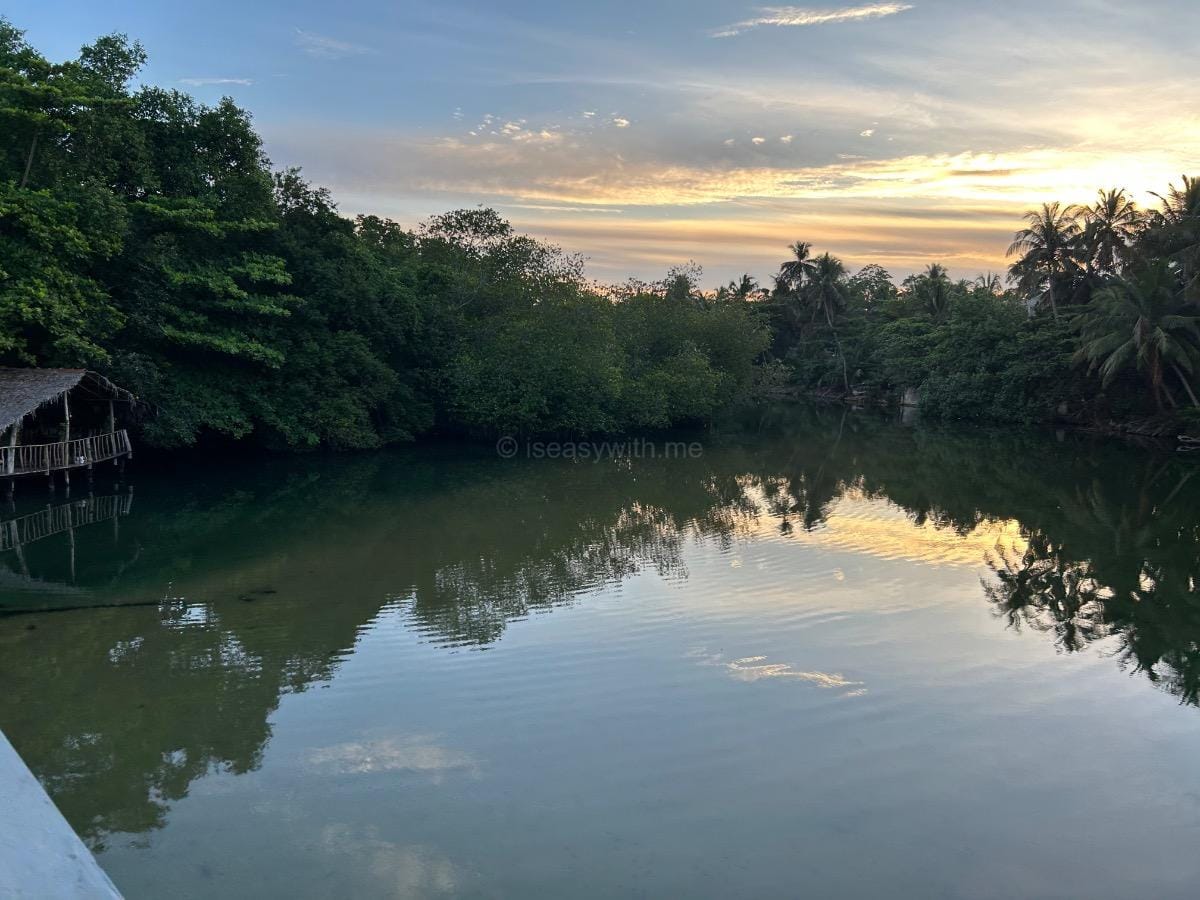
- The Vibe: As the sky breaks into brilliant golden and purple twilight shades, the train crosses the tranquil outlet where Dodanduwa Lagoon meets Rathgama Lake. Looking inland to the right, glassy water reflections frame dense, overhanging mangroves, palm silhouettes and quiet lakeside cabanas perched along the water’s edge.
4. Hikkaduwa Area (South Coast Sunrise)
- Camera Side: RIGHT
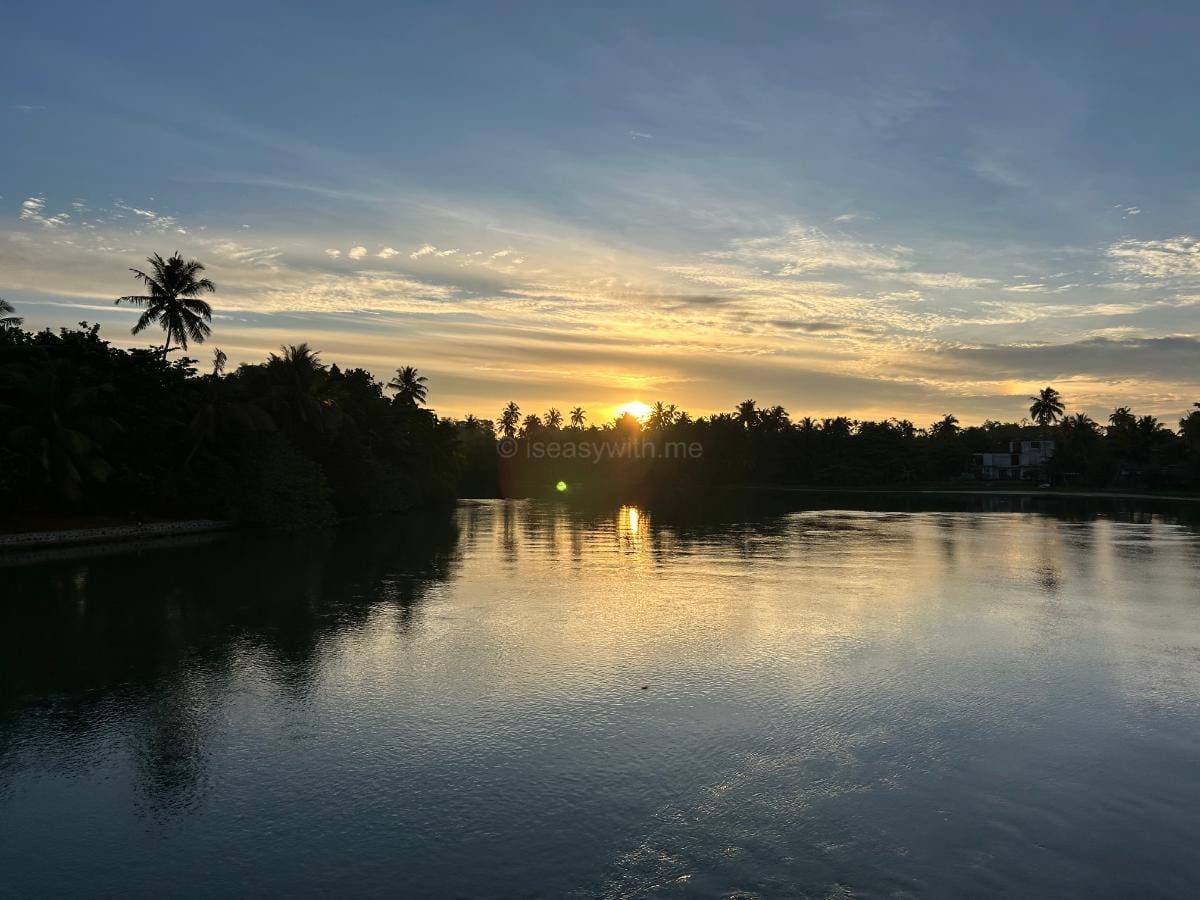
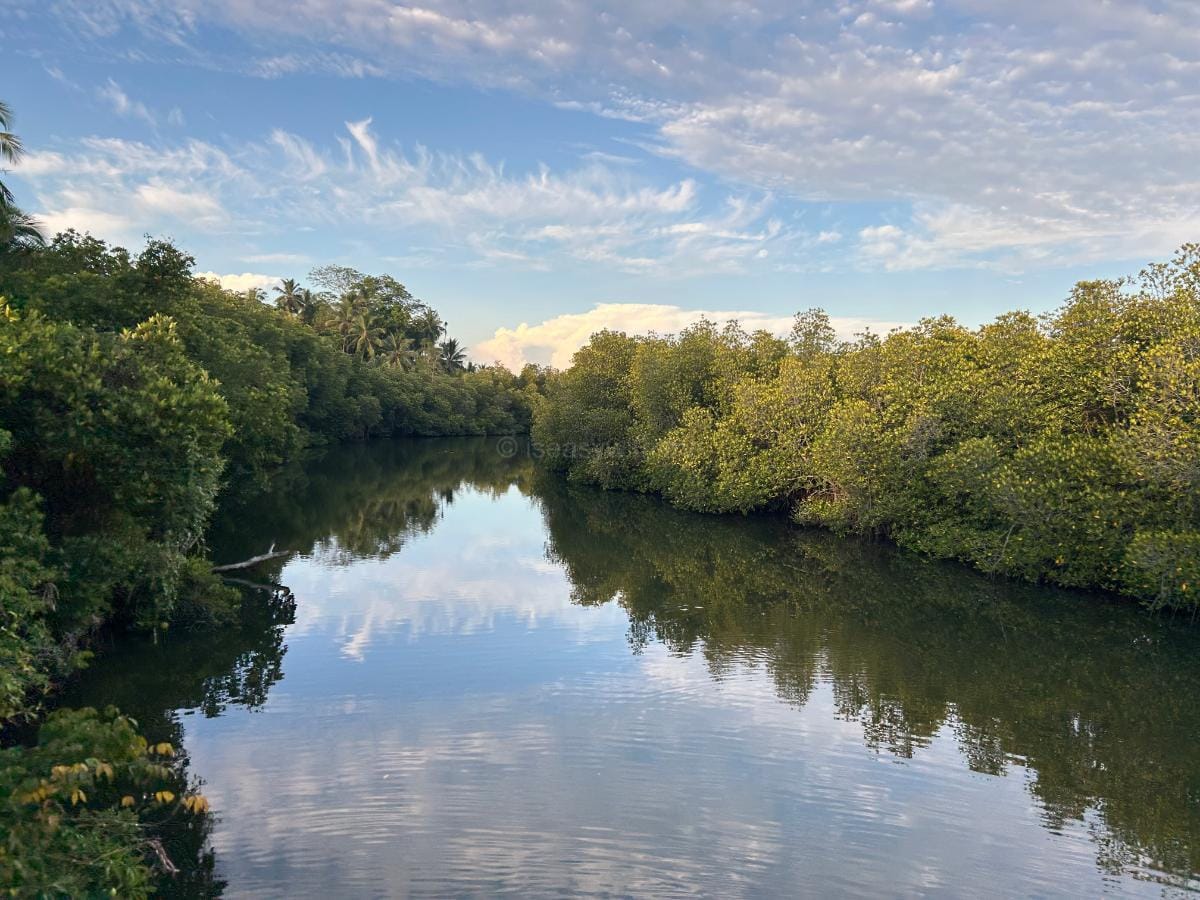
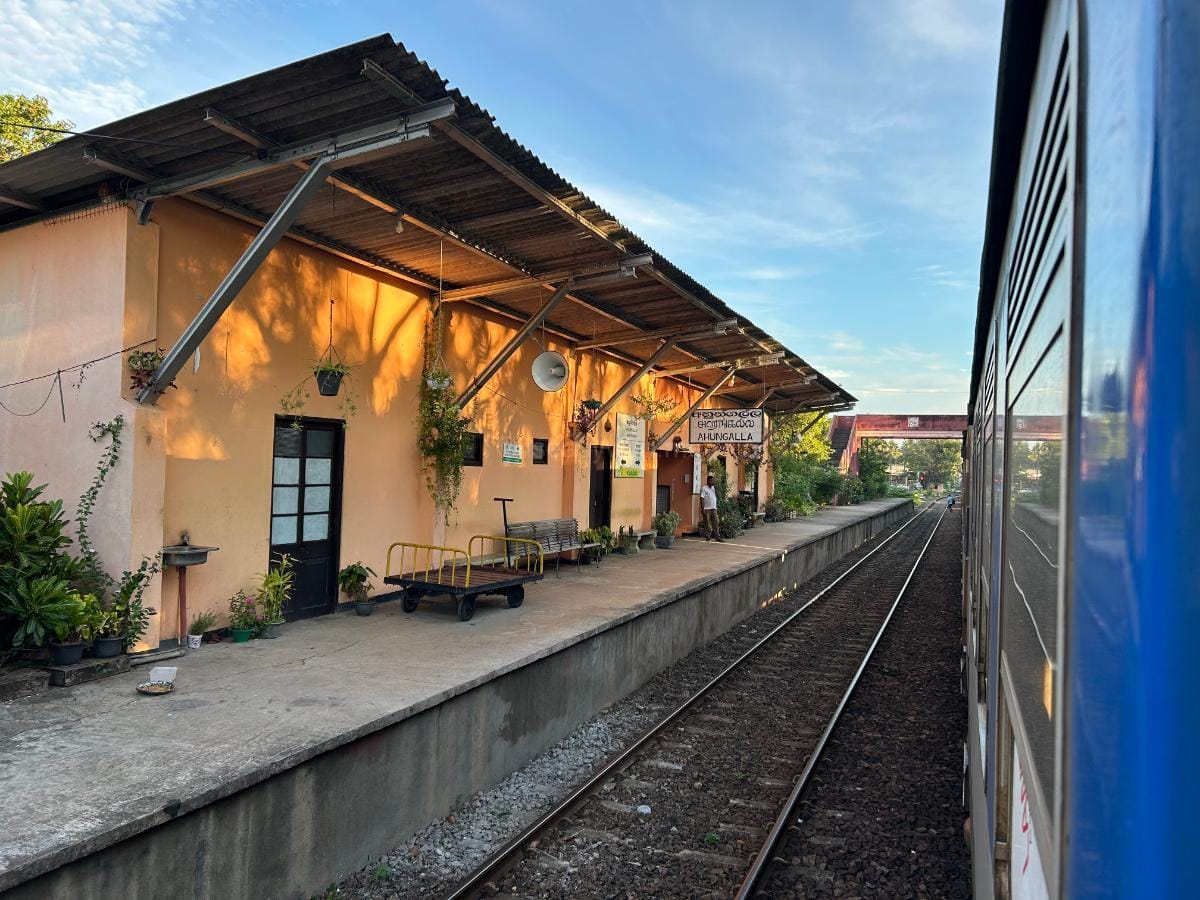
- The Vibe: As the train rolls past the famous surf towns, fishing villages and coconut palms emerge fully from the morning twilight. If travelling on an early service, this is the exact moment the sun breaks over the horizon, beautifully illuminating the vibrant green inland paddy fields and jungle canopies before the golden light finally reaches the coastline.
5. Ambalangoda (The Transition)
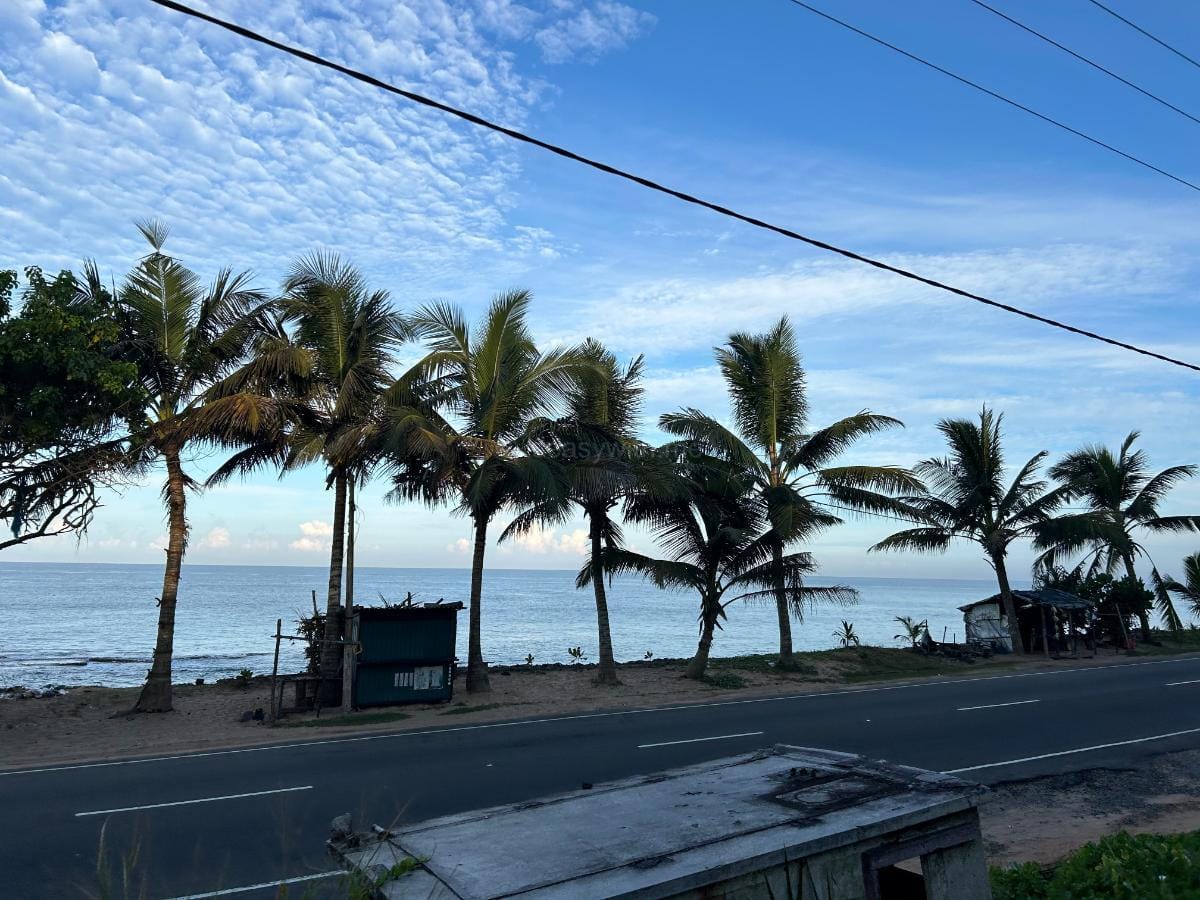
- Camera Side: LEFT
- The Vibe: Now that the sun is fully up, the journey shifts focus entirely back to the sea. The morning sunlight hits the Indian Ocean at a sharp, low angle, creating a dazzling, high-contrast glitter effect across the crests of the waves. It marks the transition where the quiet morning ride transforms into a bright, tropical coastal safari.
6. Bentota River Crossing (The Estuary Panorama)
- Camera Side: LEFT
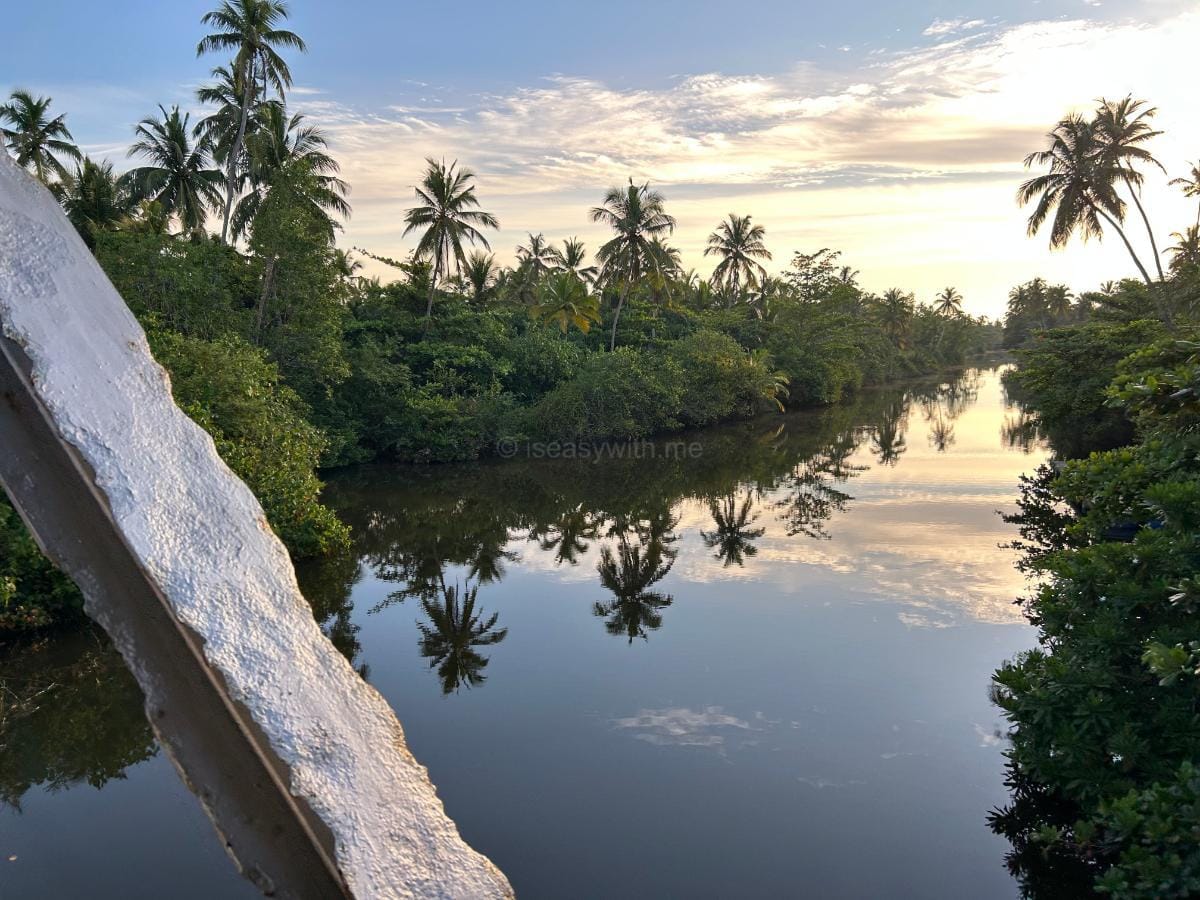
- The Vibe: One of the journey's most spectacular moments comes as the railway crosses the wide Bentota River estuary. Here, the river opens dramatically toward the Indian Ocean, creating an immense, sweeping landscape where glassy freshwater meets the crashing sea. It is easily one of the most memorable vistas along the entire route.
7. Kalutara (The Wave Surf)
- Camera Side: LEFT
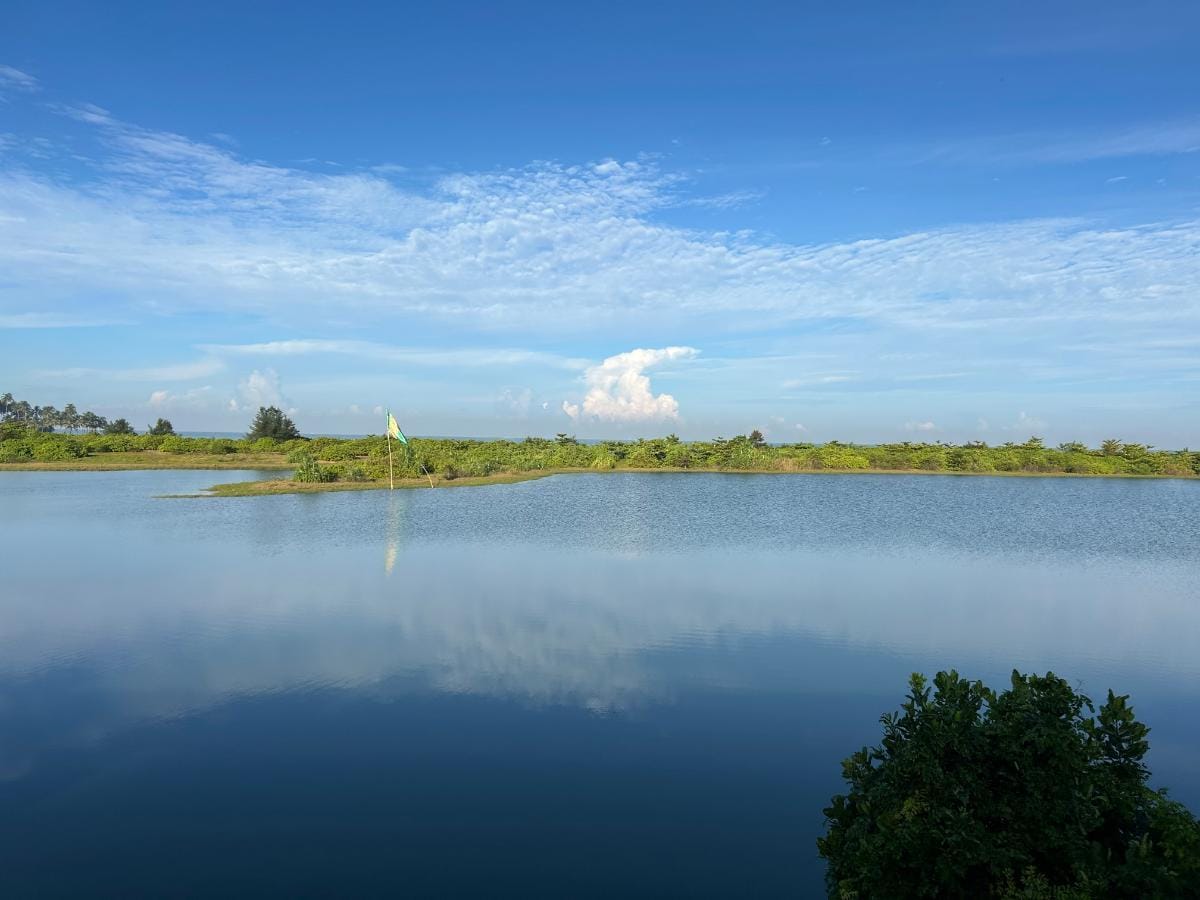
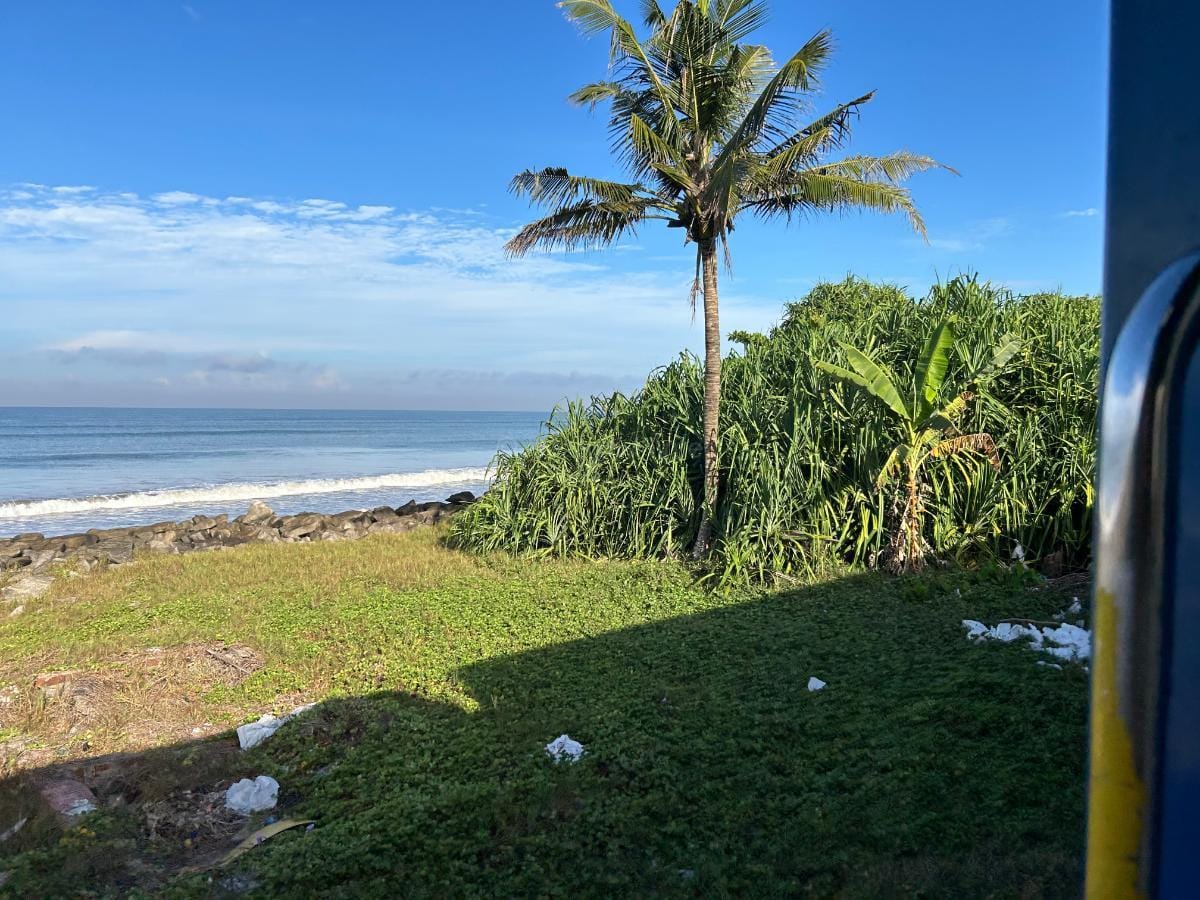
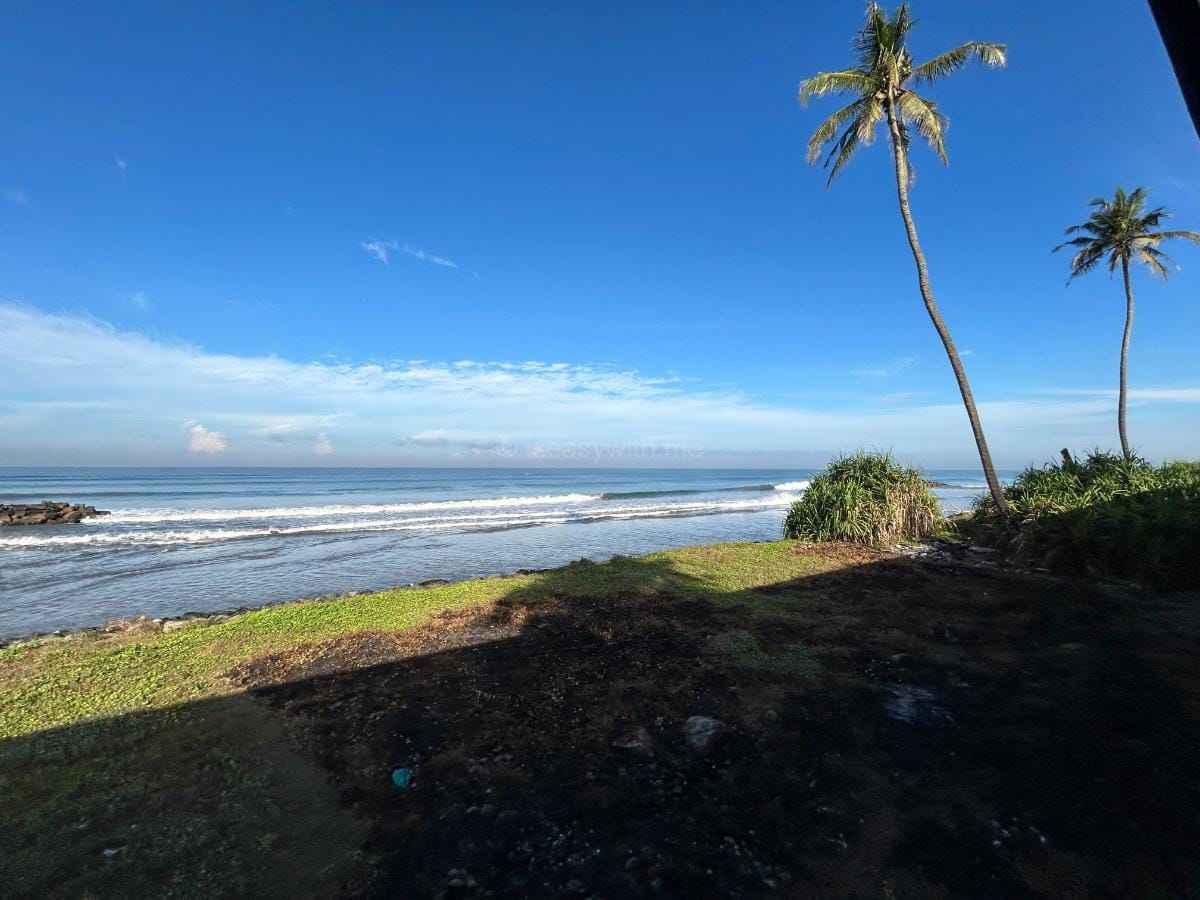
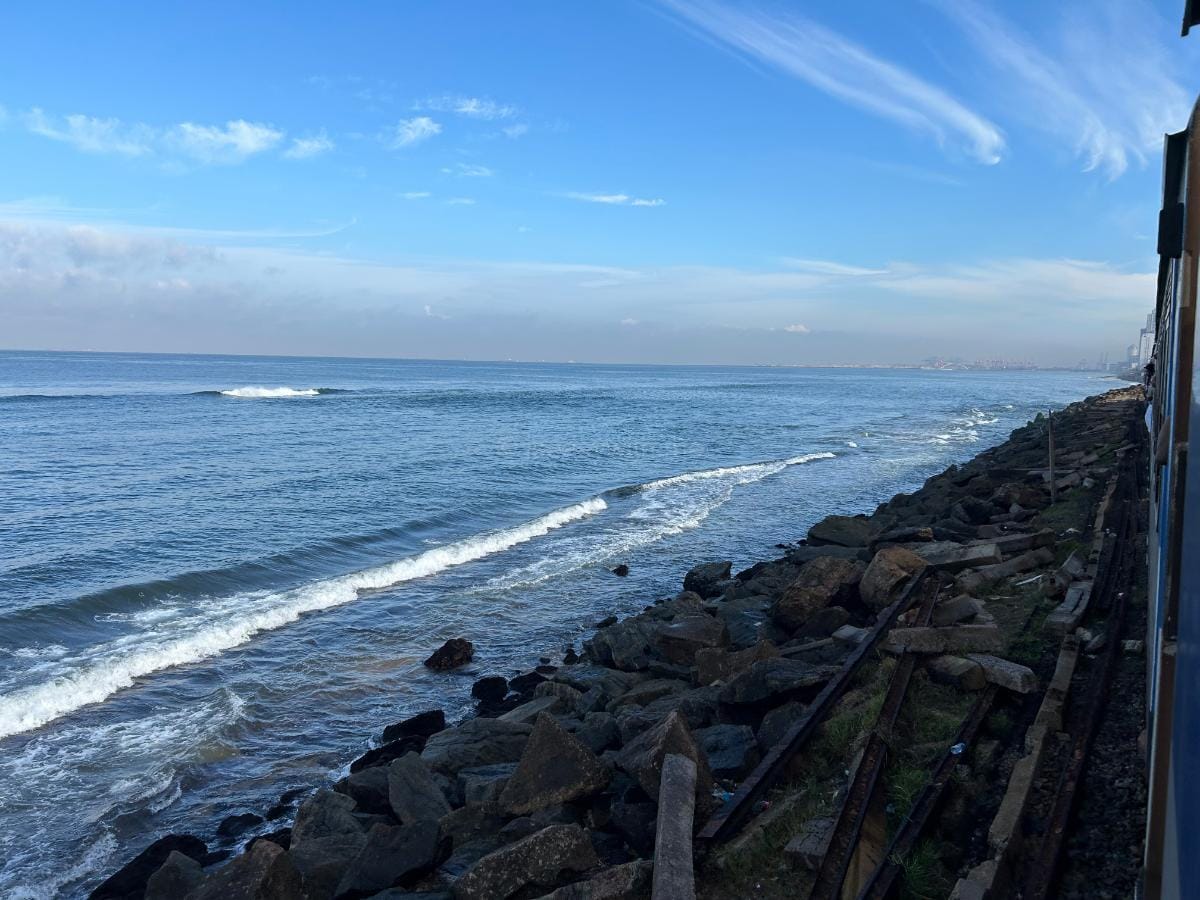
- The Vibe: As my train roared through Kalutara, it crossed another massive river mouth with views of the iconic, hollow white dome of the Kalutara Bodhiya shrine on the right. Keeping my lens locked to the left treated me to a dramatic show of massive coastal waves exploding directly against the rocky sea walls just feet from the tracks.
8. Mount Lavinia to Colombo Fort
- Camera Side: LEFT
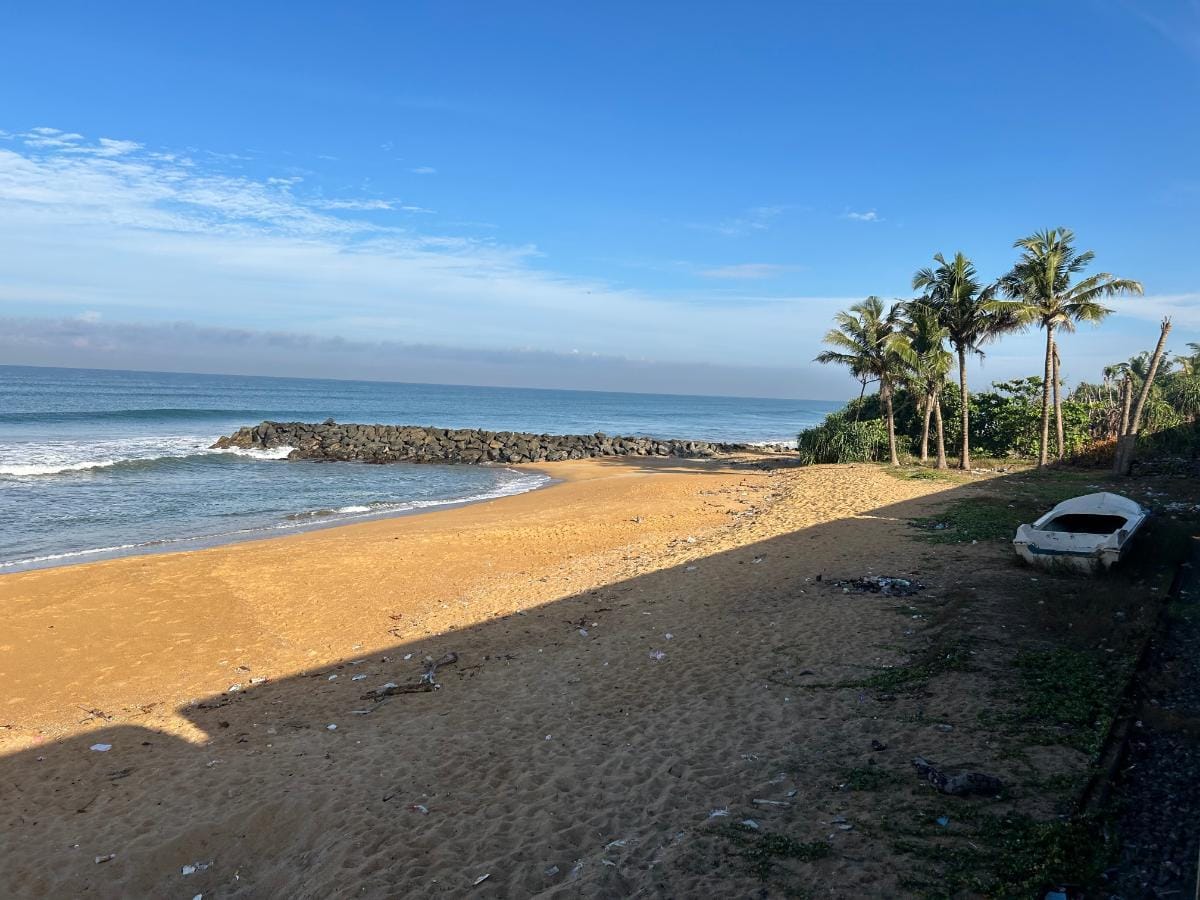
- The Vibe: Often considered the signature section of Sri Lanka's coastal railway, the tracks run immediately beside the beach near Mount Lavinia, giving the illusion that the train is skimming across the ocean's edge. As the coastline gives way to urban development, Colombo's modern skyline and Lotus Tower emerge in the distance before rolling into Colombo Fort Station.
Arriving at Colombo
Stepping off the coastal train after a smooth 2.5 to 3-hour journey, the station was pretty quiet when I arrived. Worn brick walls and old iron arches showcase the terminal's colonial history, yet the atmosphere is entirely modern chaos. Stepping past the busy ticket barriers brings a sudden confrontation with the roaring traffic, tuk-tuks and towering skyscrapers of the capital city, marking a thrilling end to the journey in Colombo.
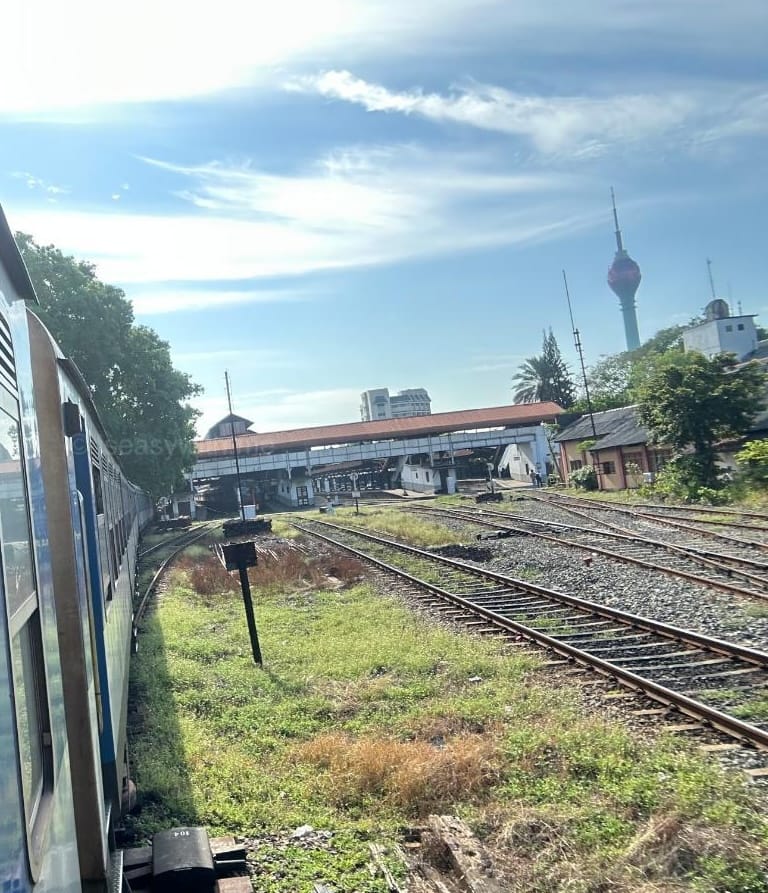
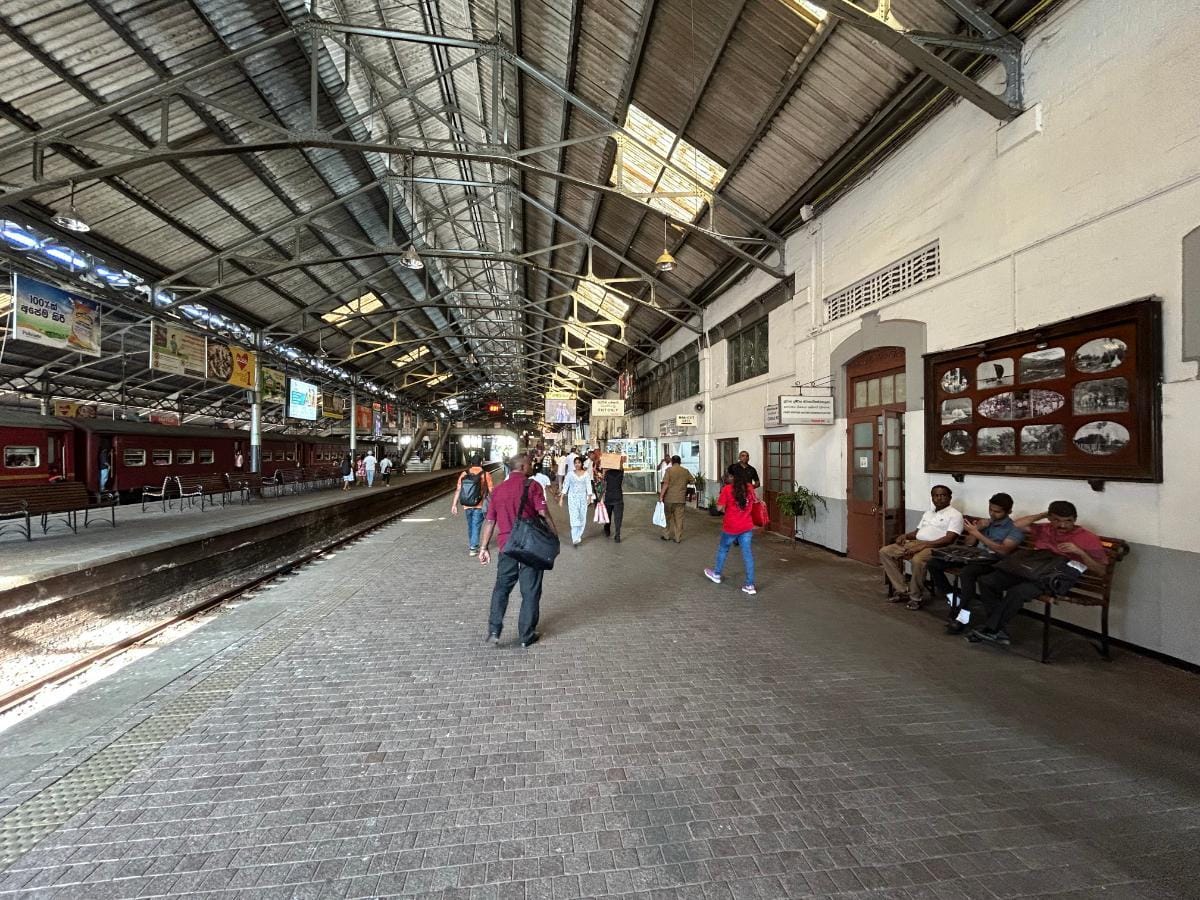
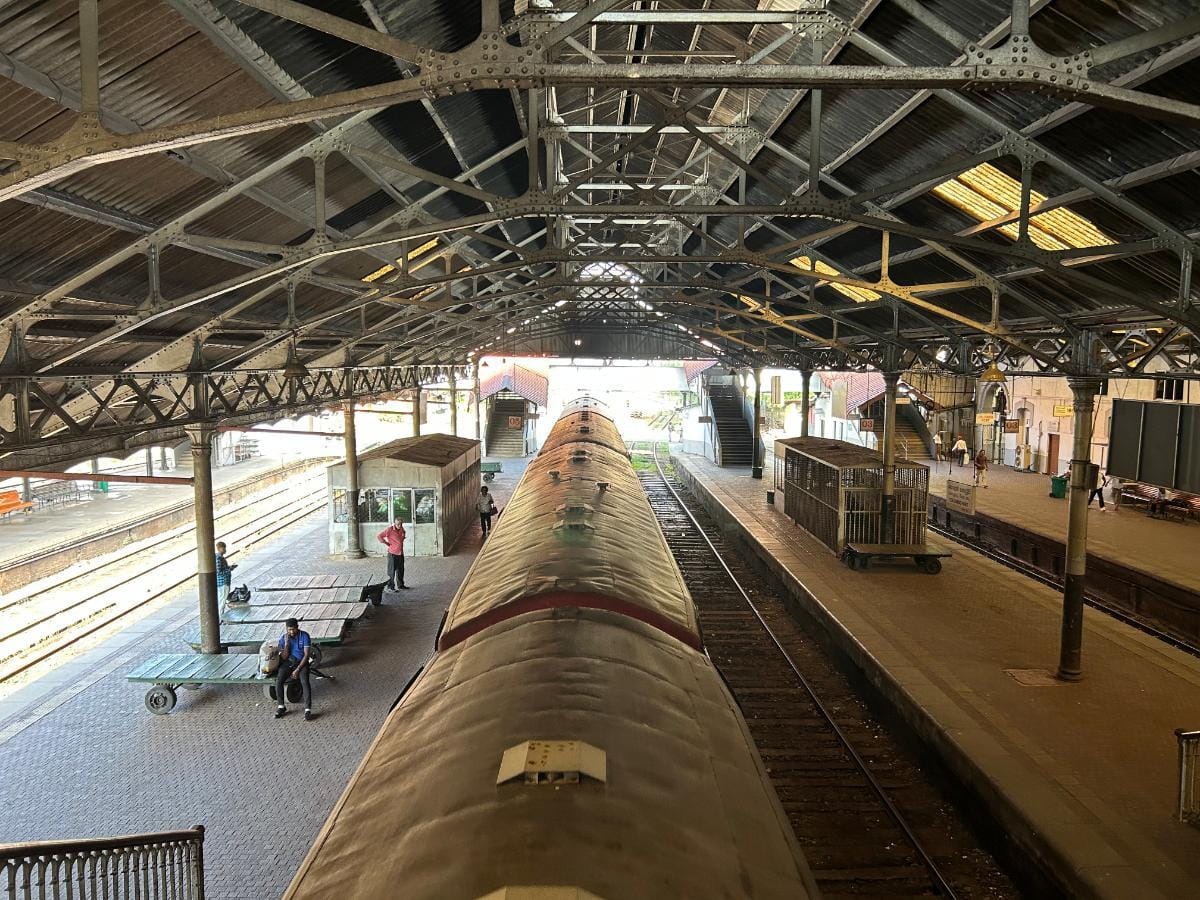
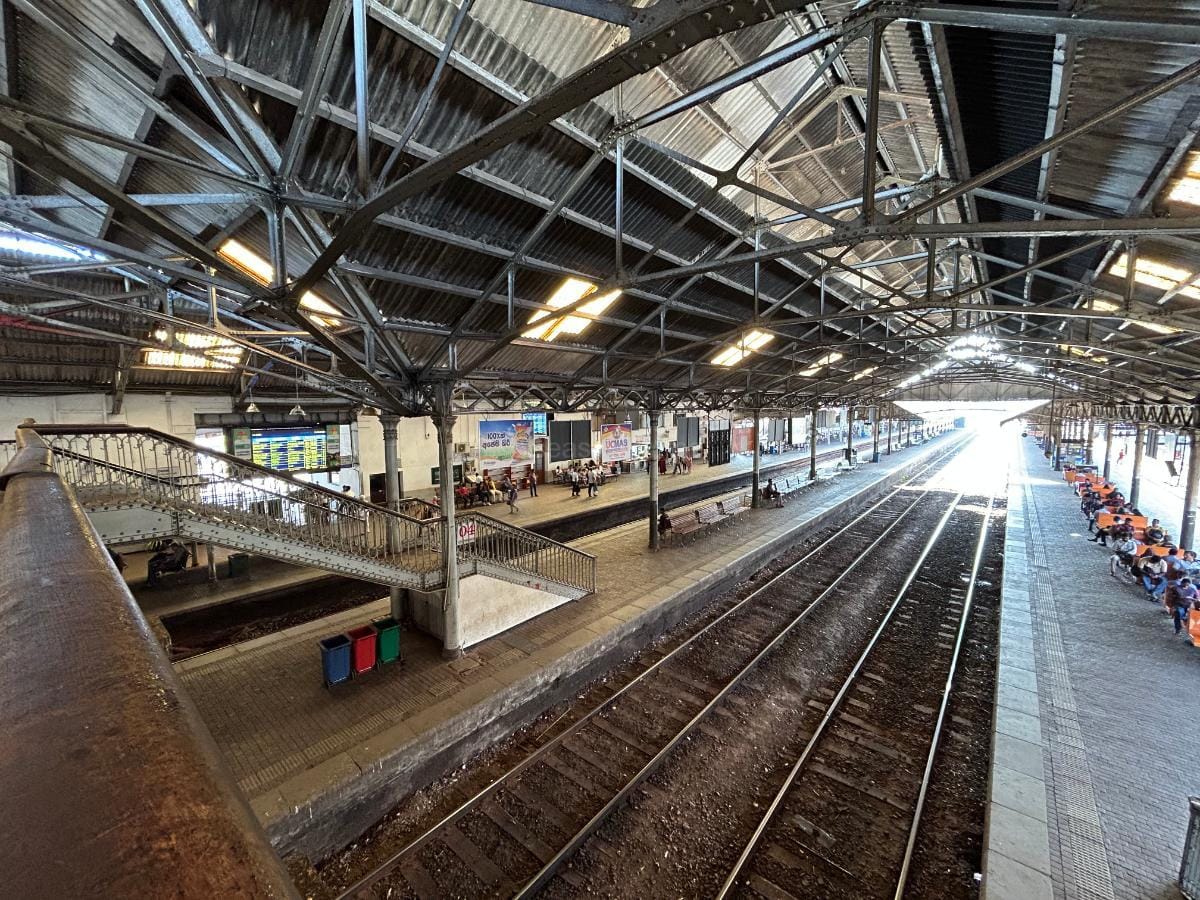
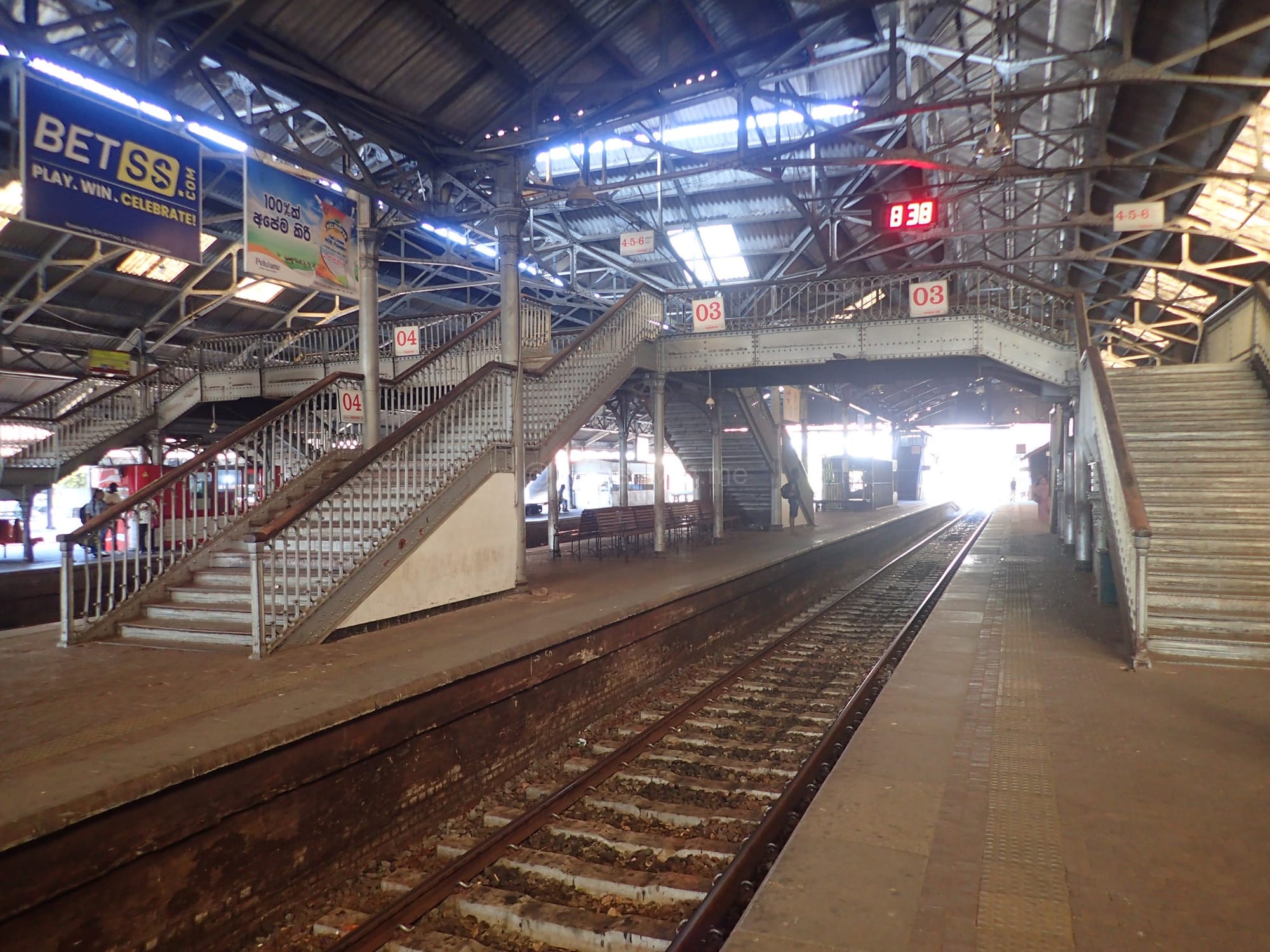
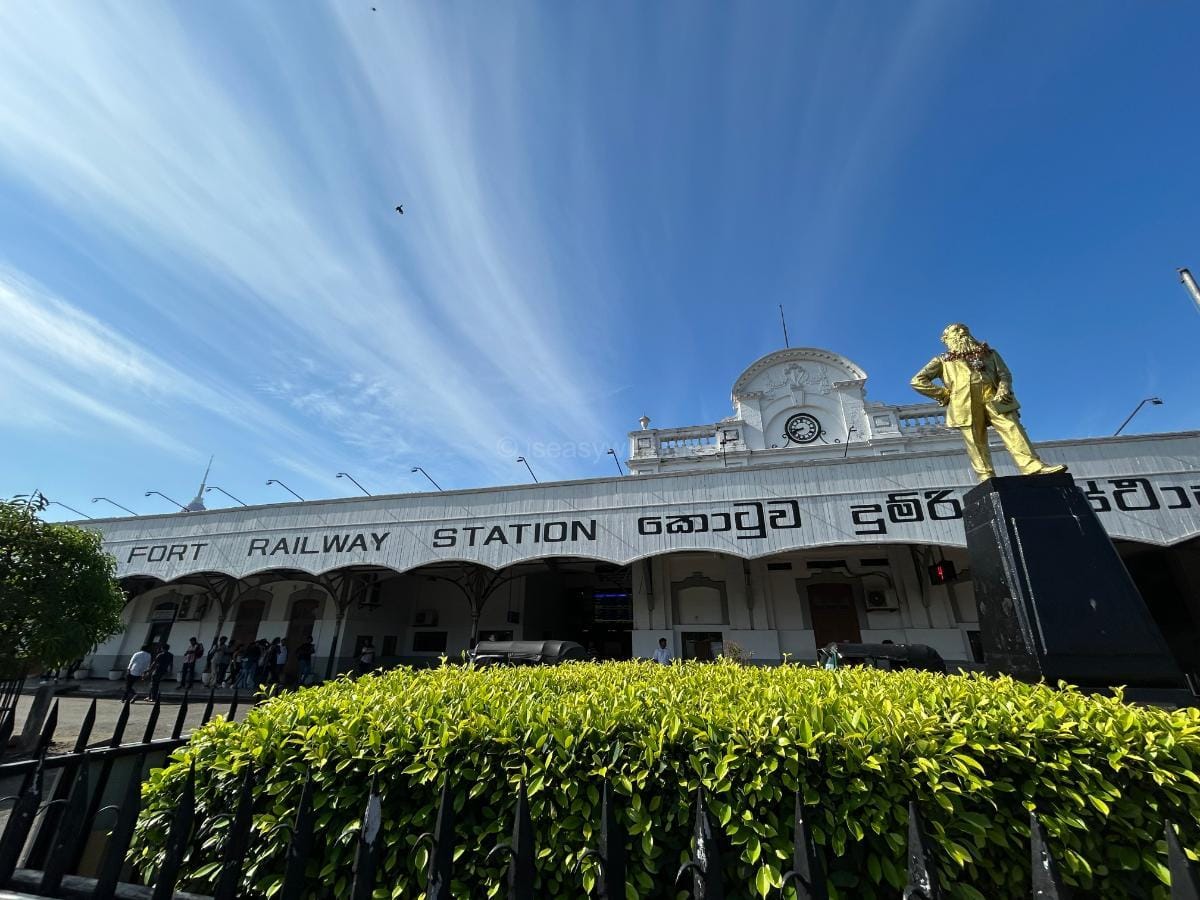
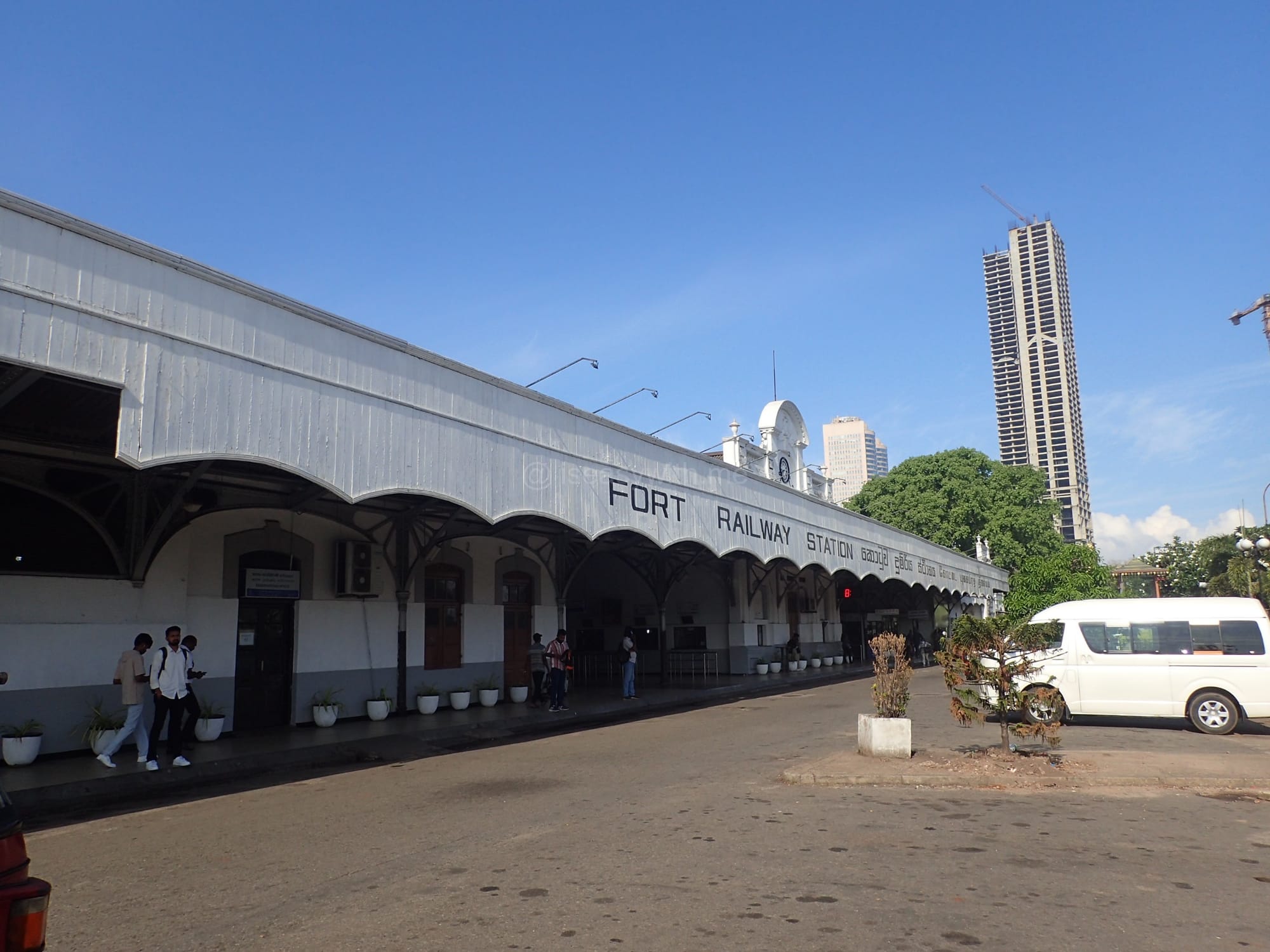
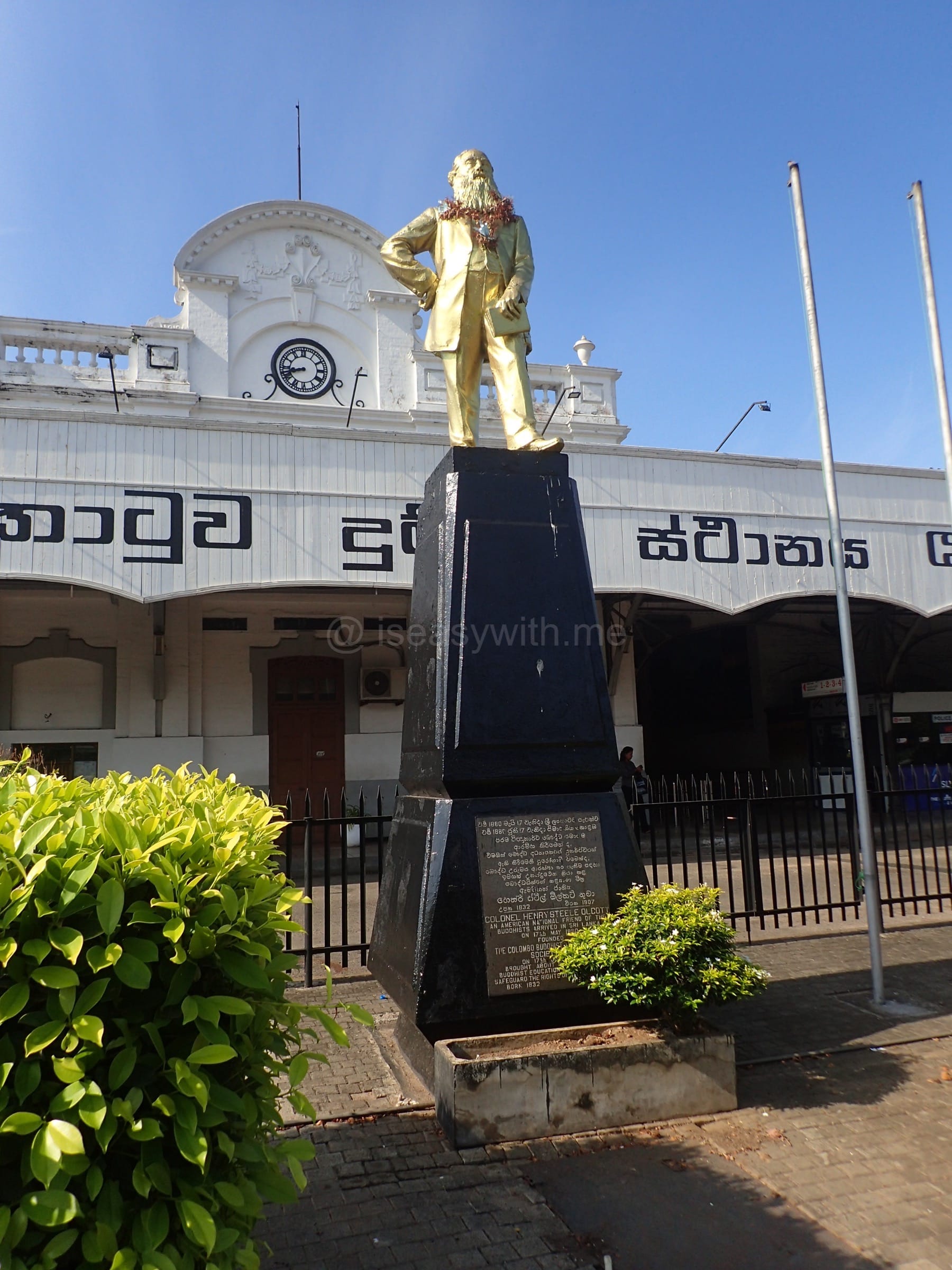
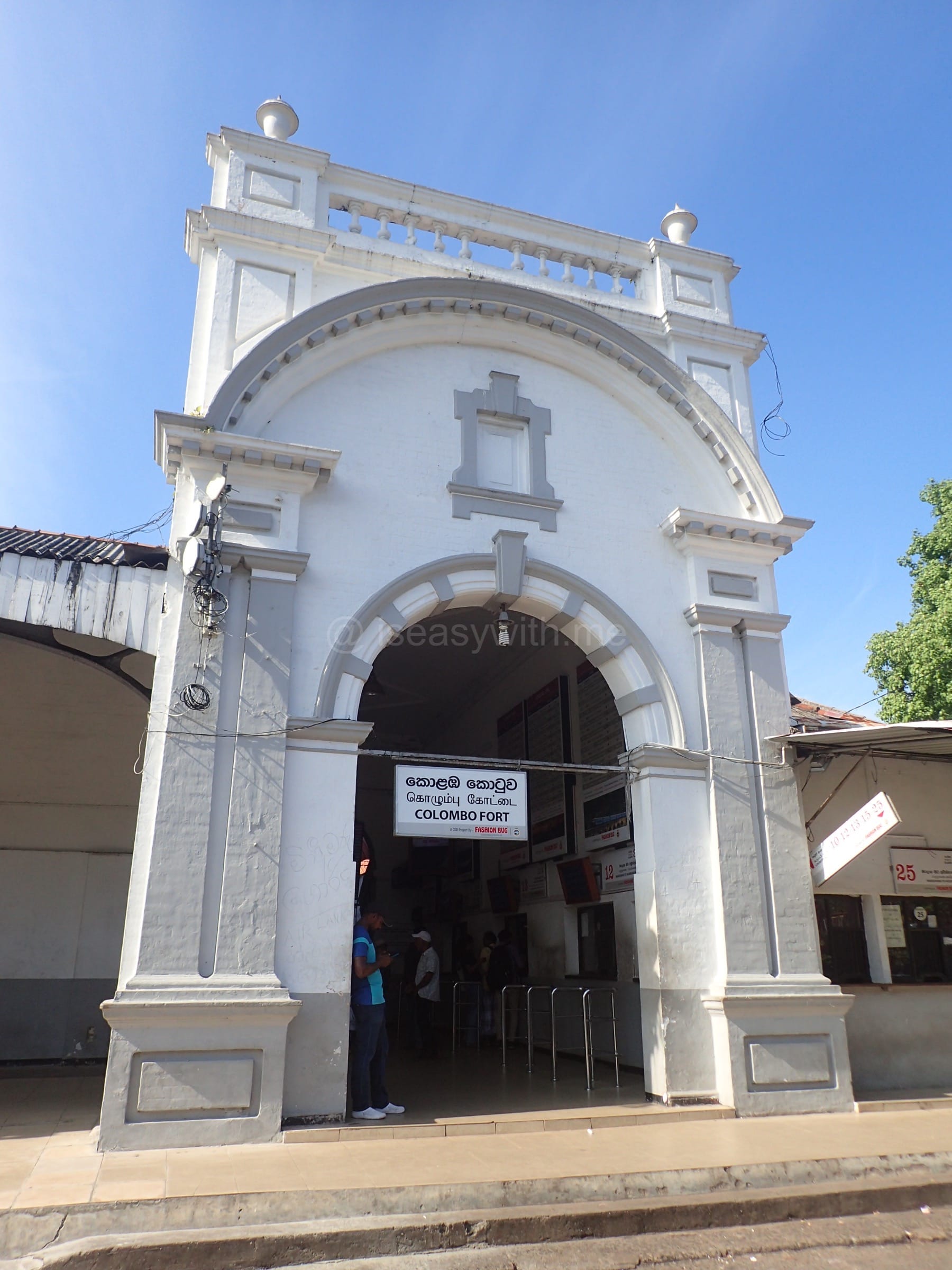
Colombo Fort Railway Station
In and Around Colombo
Colombo’s absolute must-see highlights include marvelling at the candy-striped exterior of the Jami Ul-Alfar Mosque (Red Mosque), exploring the historic 1906 Cargills 'Red Palace' building and diving into the vibrant night flavors of the Aluthkade Street Food Market.
Stepping out of Colombo Fort, the atmosphere changed immediately. Colonial-era architecture, modern skyscrapers, bustling markets and religious landmarks all existed within a surprisingly compact area, making Colombo an excellent city to explore on foot or by short tuk-tuk rides.
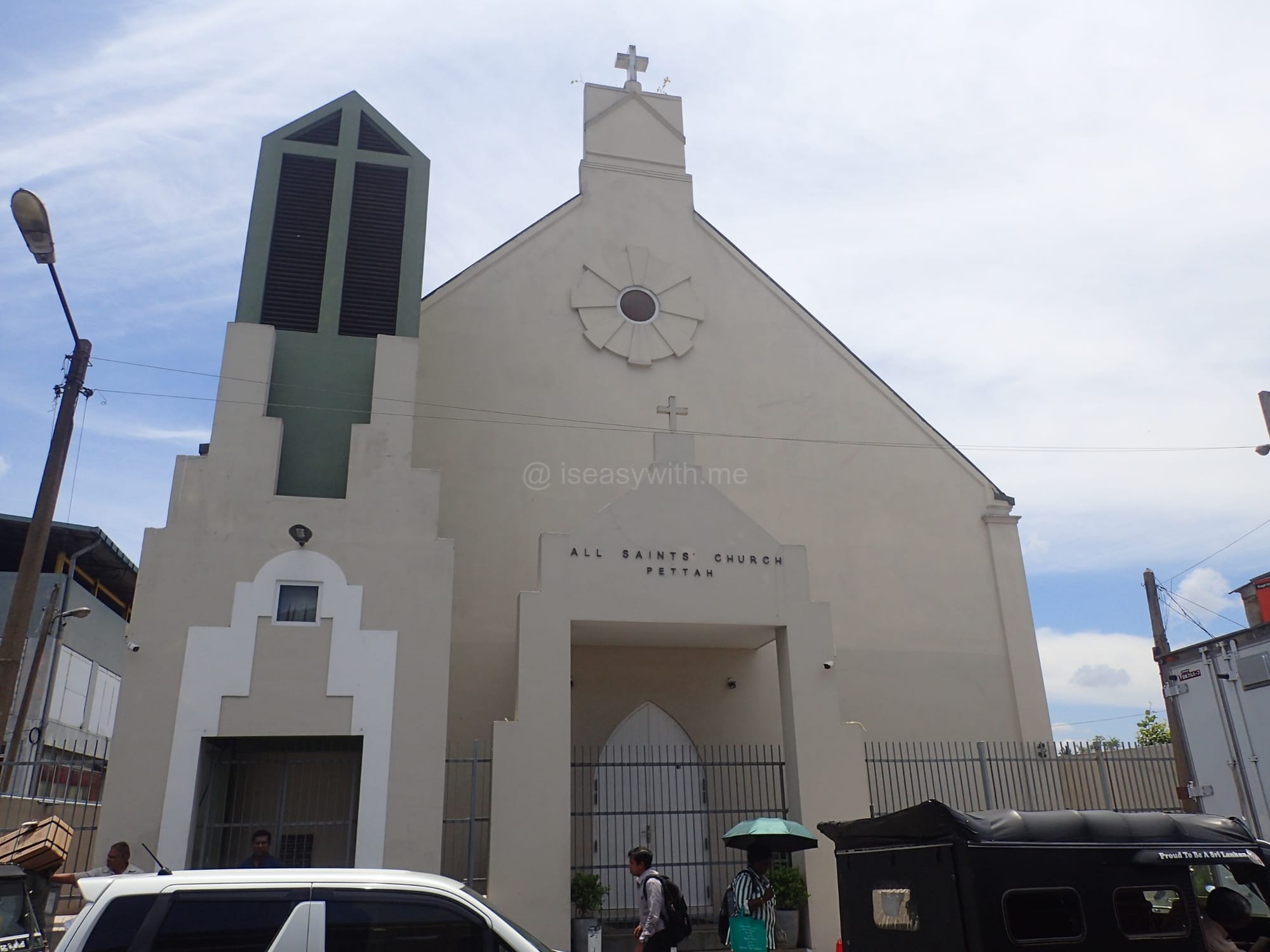
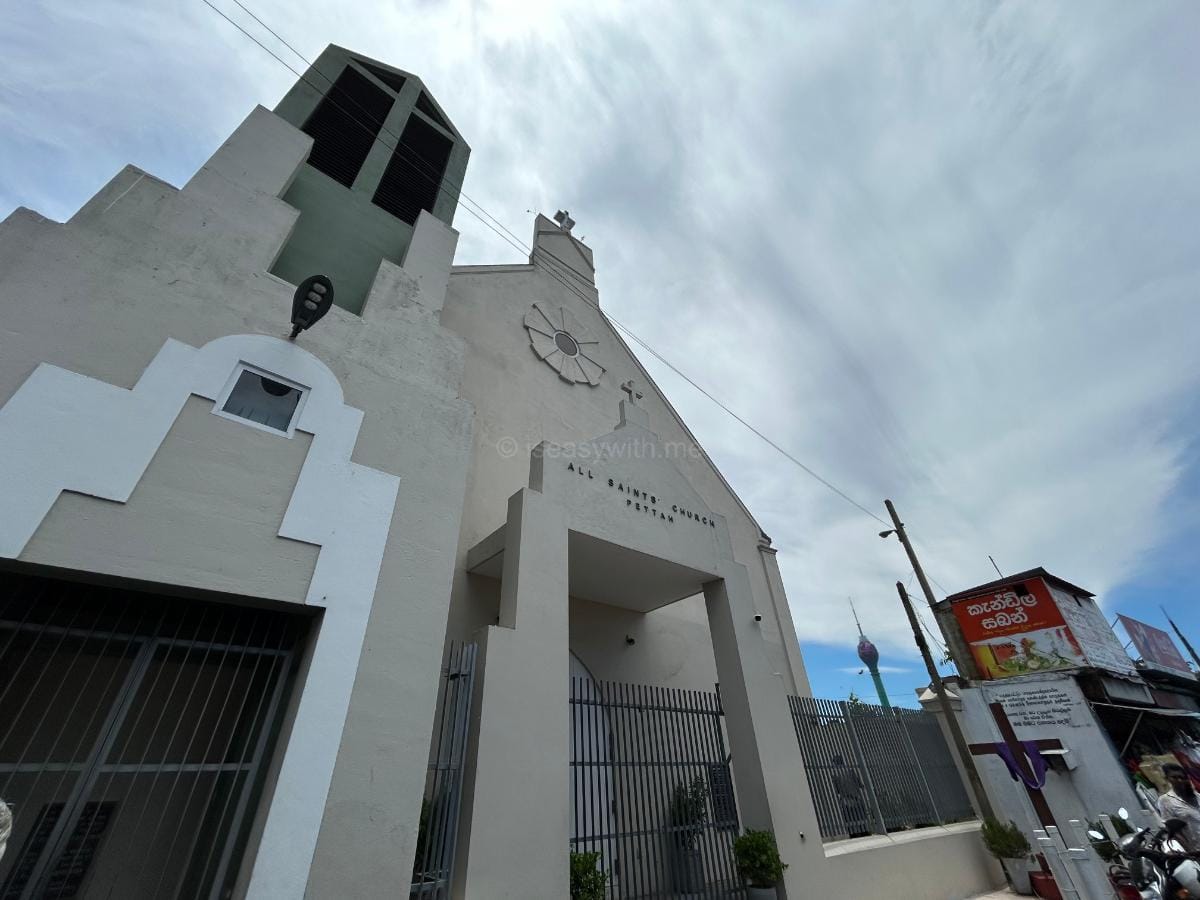
All Saints’ Church
Located on the border where Pettah rises into Hulftsdorp, All Saints’ Church is a striking slice of European grandeur. Consecrated in 1865, its towering presence once made it the highest building in the capital, serving as a landmark visible to ships out at sea.
All Saints’ Church
Built in the Victorian Gothic Revival style, the church features soaring spires, heavy pointed arches, and historic stained glass windows. When the midday sun streams through the glass, it creates a peaceful, colorful sanctuary that feels a world away from the chaotic wholesale lanes of the market just steps outside.
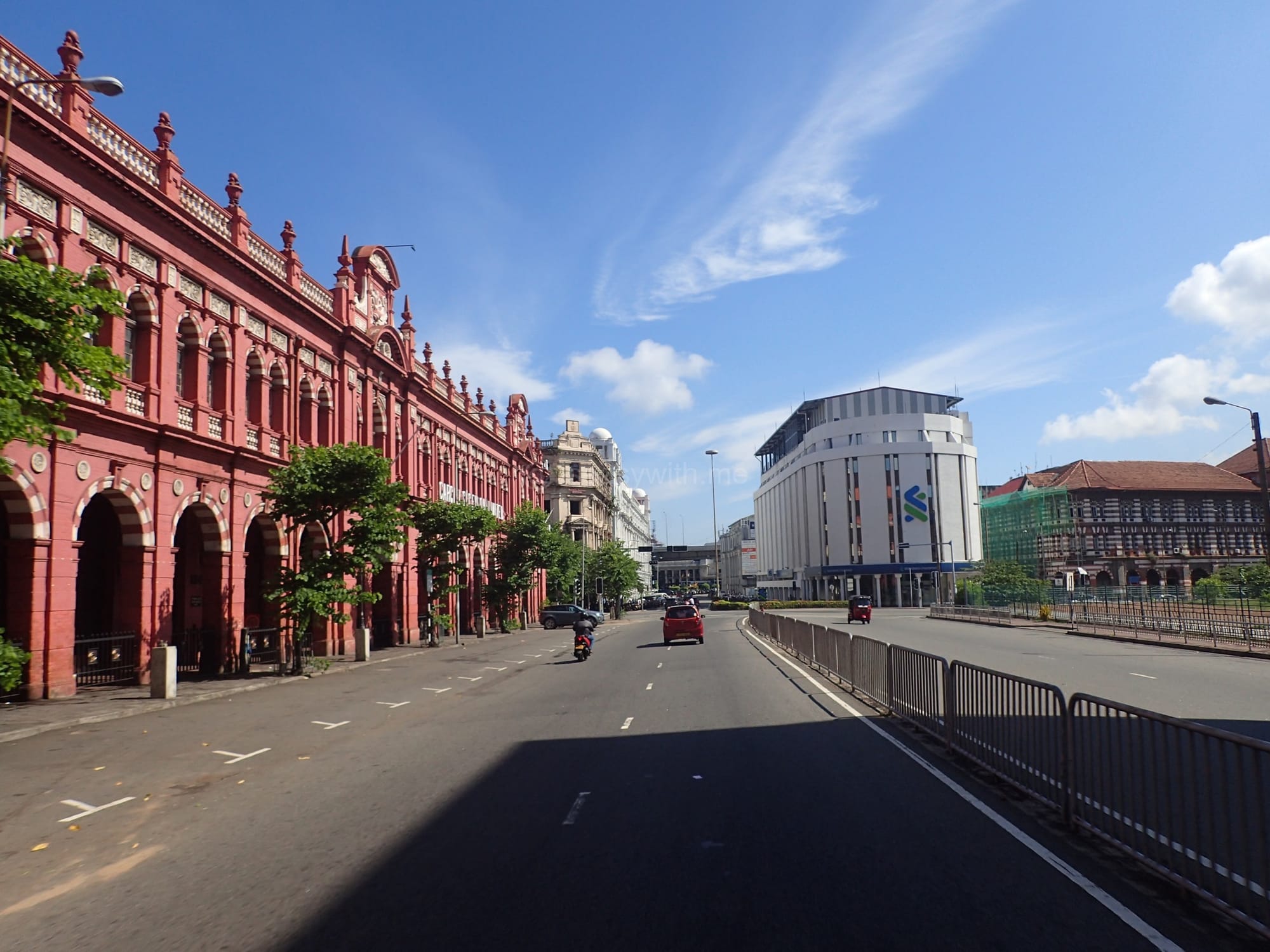
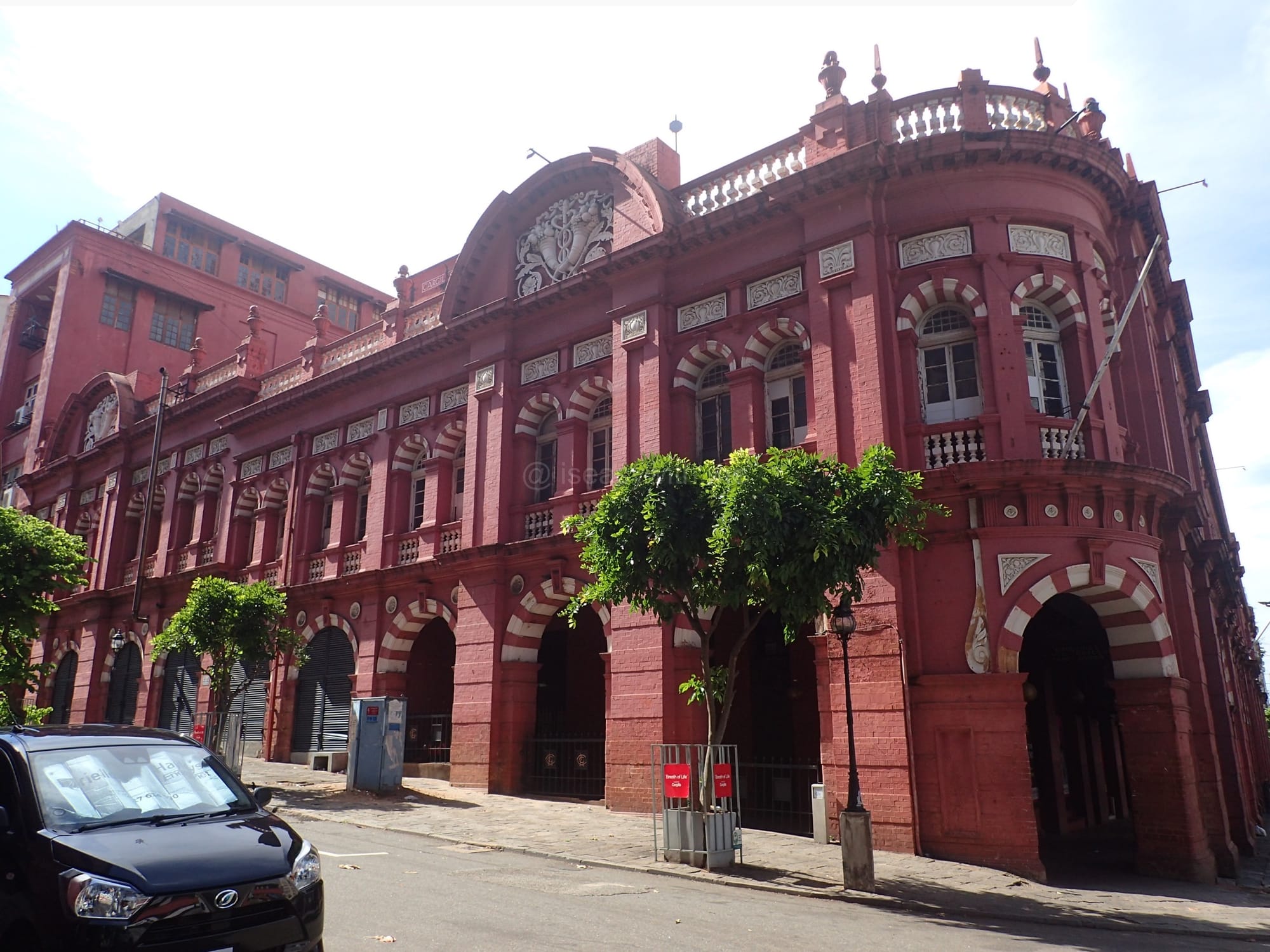
Cargills (Ceylon) PLC Building
The iconic Cargills (Ceylon) PLC building on York Street stands as a massive, visual anchor of Colombo's colonial past. Affectionately dubbed the 'Red Palace' by locals, this striking Neo-Baroque landmark immediately commands attention with its vibrant, terracotta-red facade, elegant Victorian arches and sweeping white horizontal accents. Completed in 1906, the structure was once hailed as the finest commercial department store 'East of Suez'.
Stepping beneath its grand arches offers an unexpected shift in atmosphere. The bustling ground floor houses a fully functional, everyday Cargills Food City supermarket. Because Colombo was the very last city on my itinerary before heading home, this historic interior served as the perfect, convenient spot to walk in and stock up on local travel snacks. It is an incredible, living artefact where Colombo’s deeply layered history directly meets everyday local life.
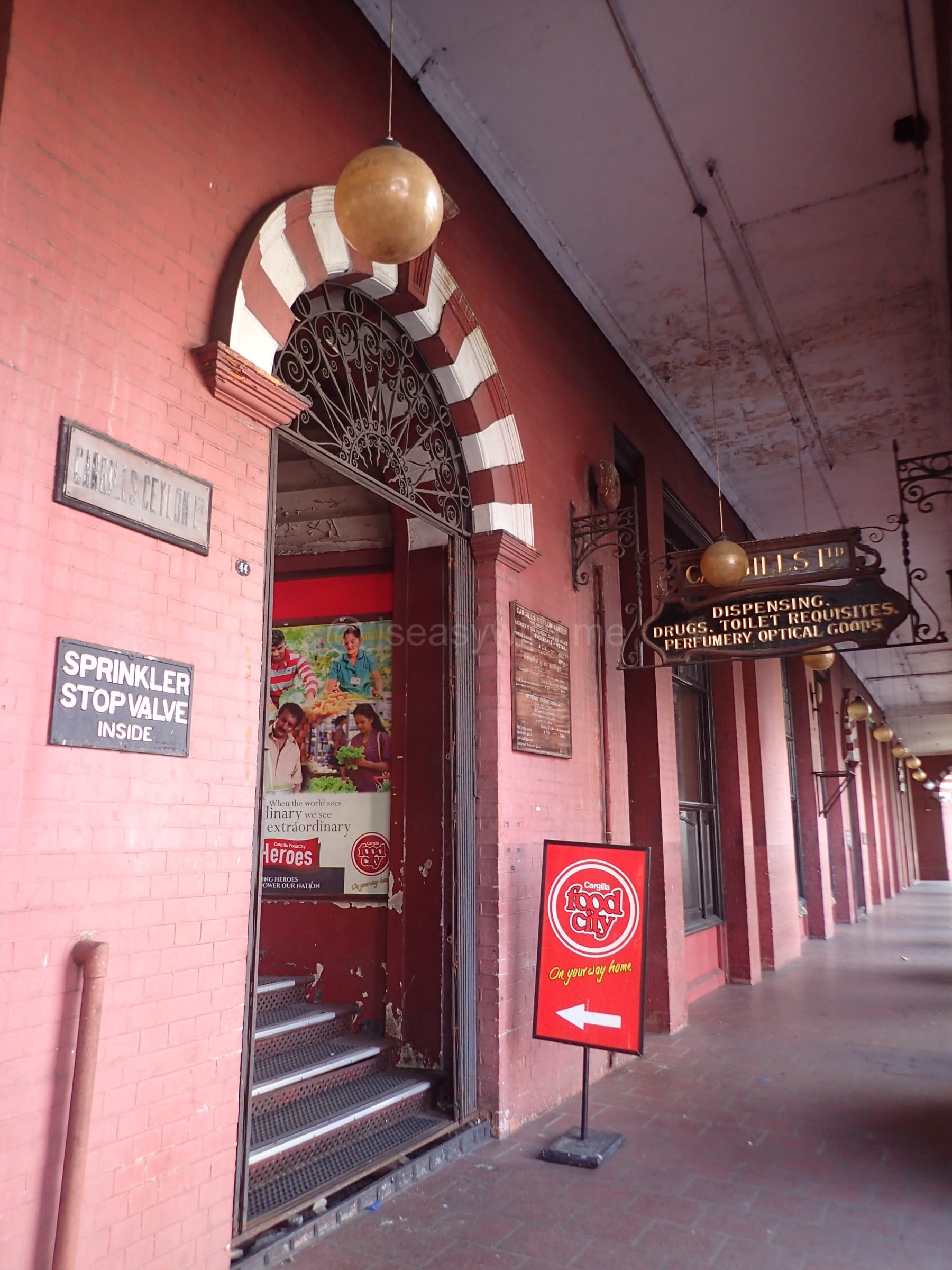
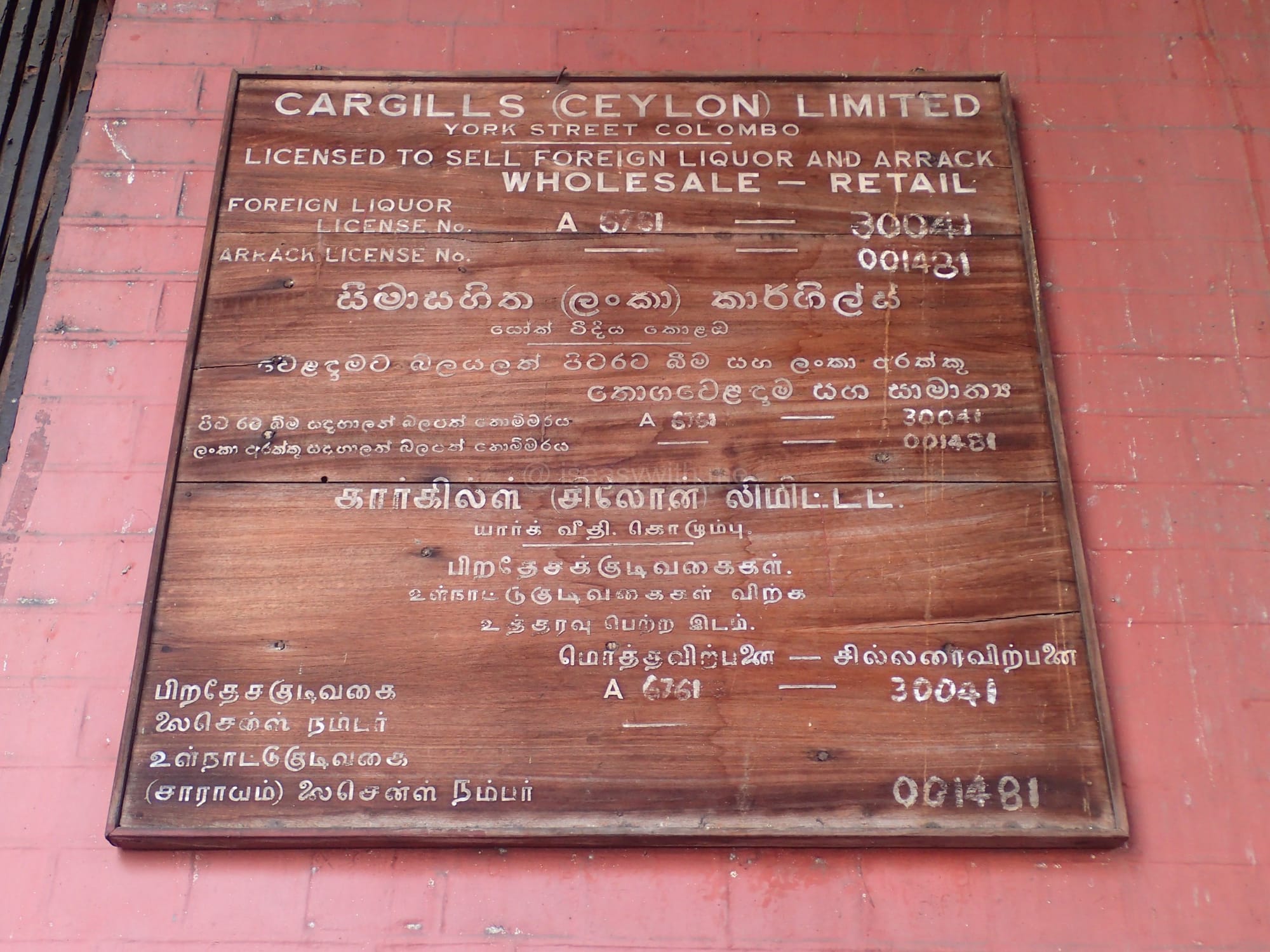
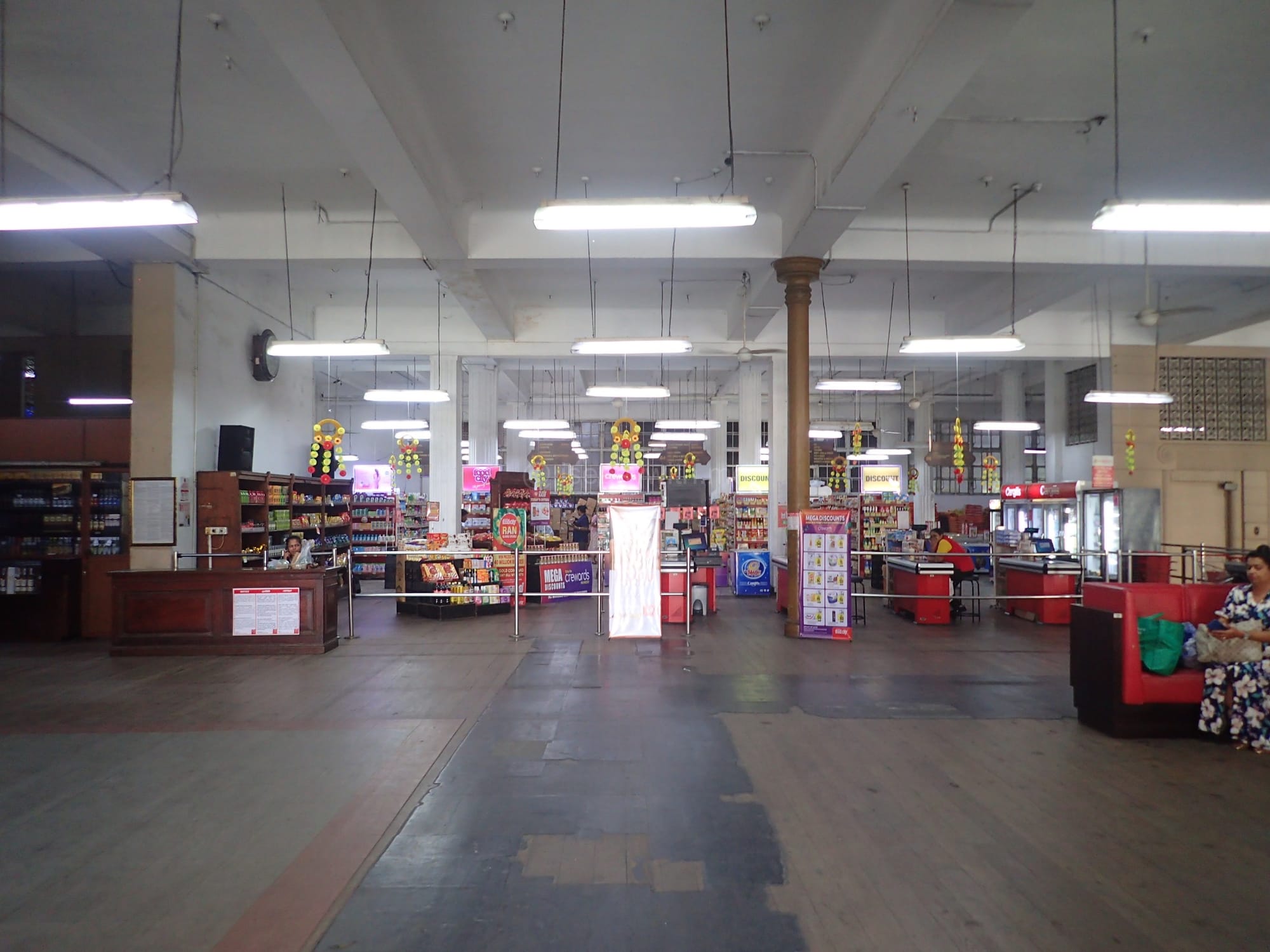
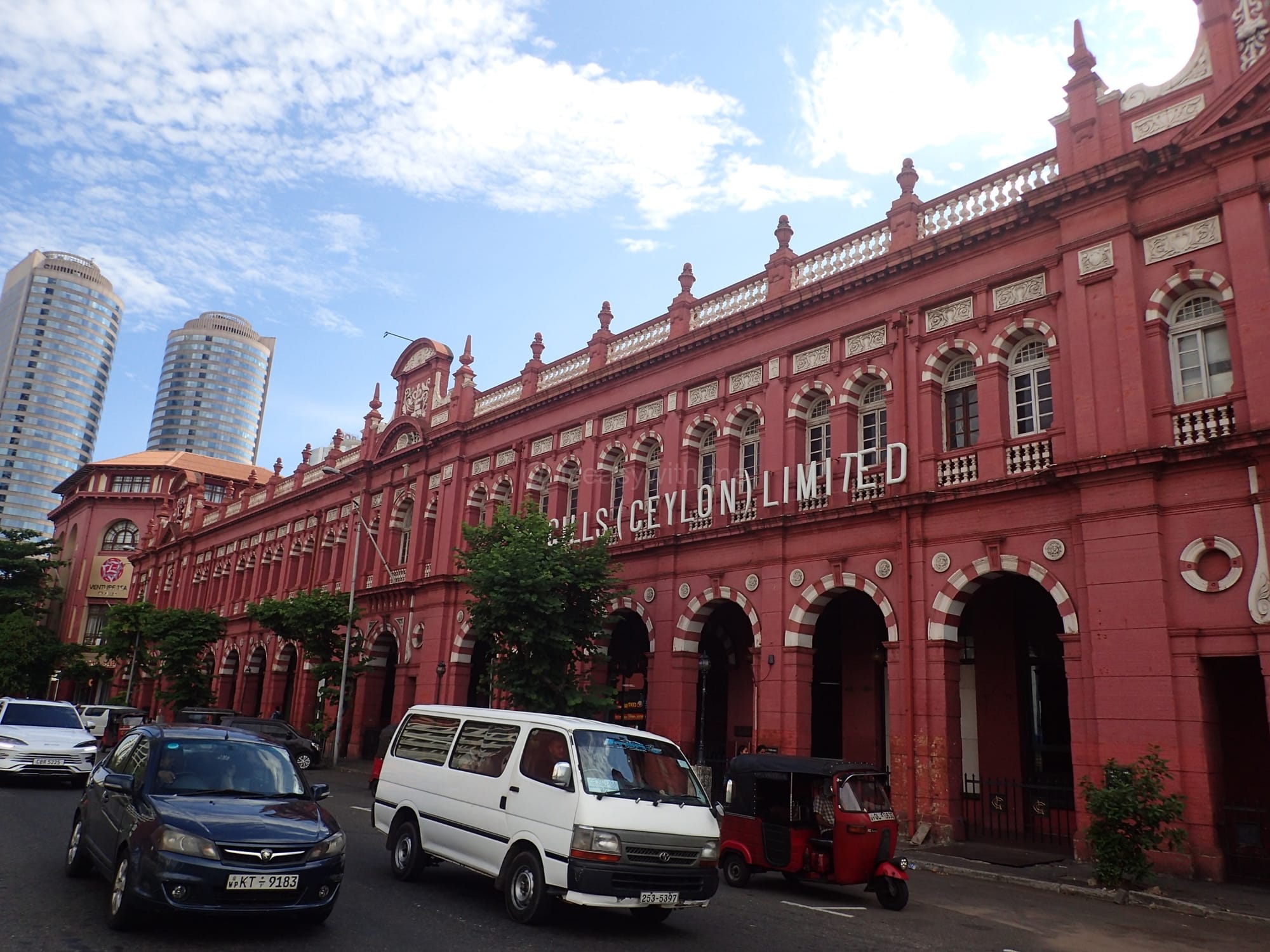
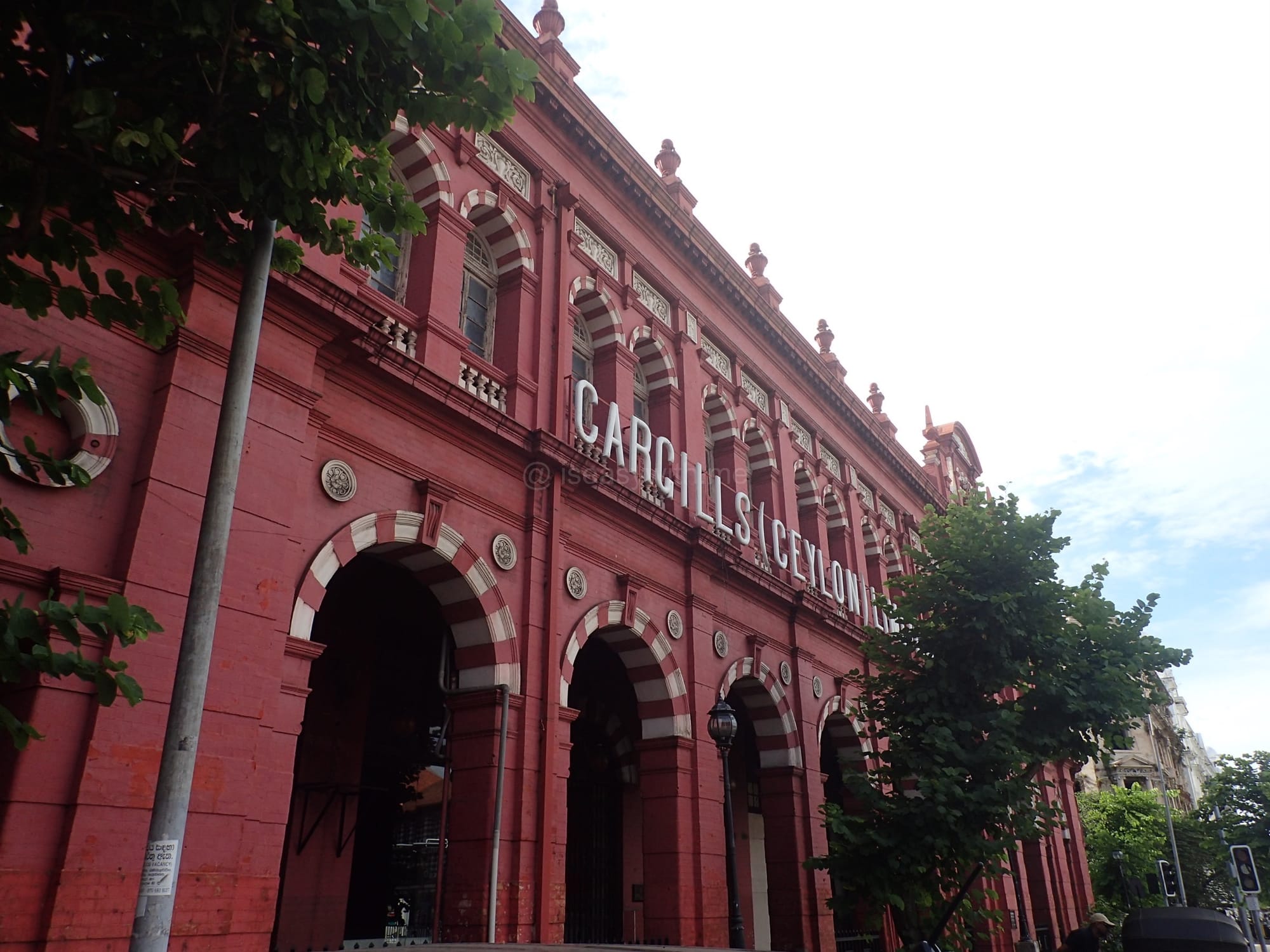
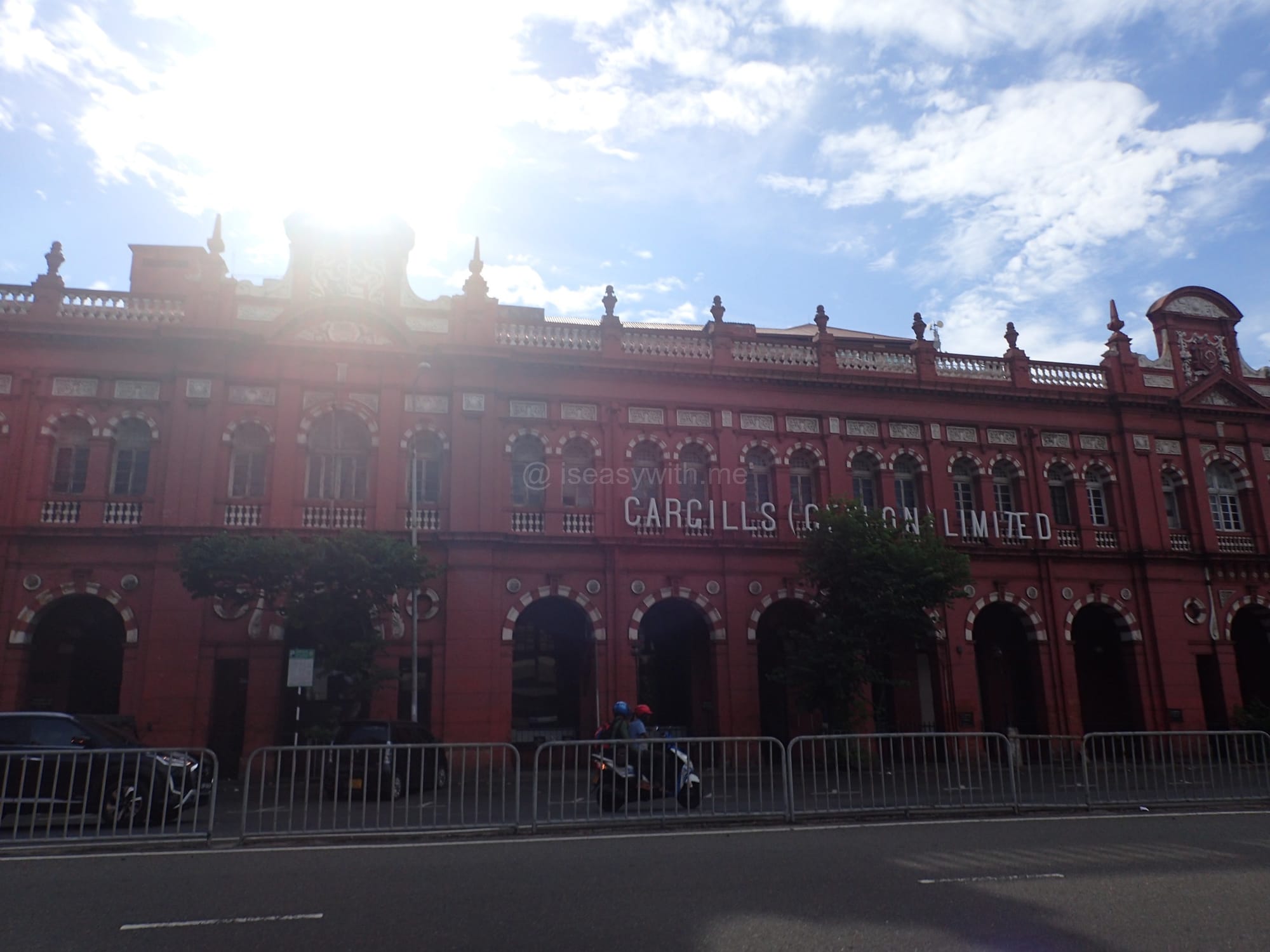
Cargills (Ceylon) PLC Building
Colombo Fort Clock Tower (Old Colombo Lighthouse)
Standing proudly at the busy junction of Chatham Street and Janadhipathi Mawatha, the Colombo Fort Clock Tower is one of the city's most unique colonial treasures. Built in 1857, it is the only lighthouse in the world that also functions as a public clock tower. Though its historic light was officially decommissioned in 1952 when modern skyscrapers blocked its view to the sea, its magnificent clock face, designed by the same British watchmakers who built London's famous Big Big Ben, still keeps perfect time today.
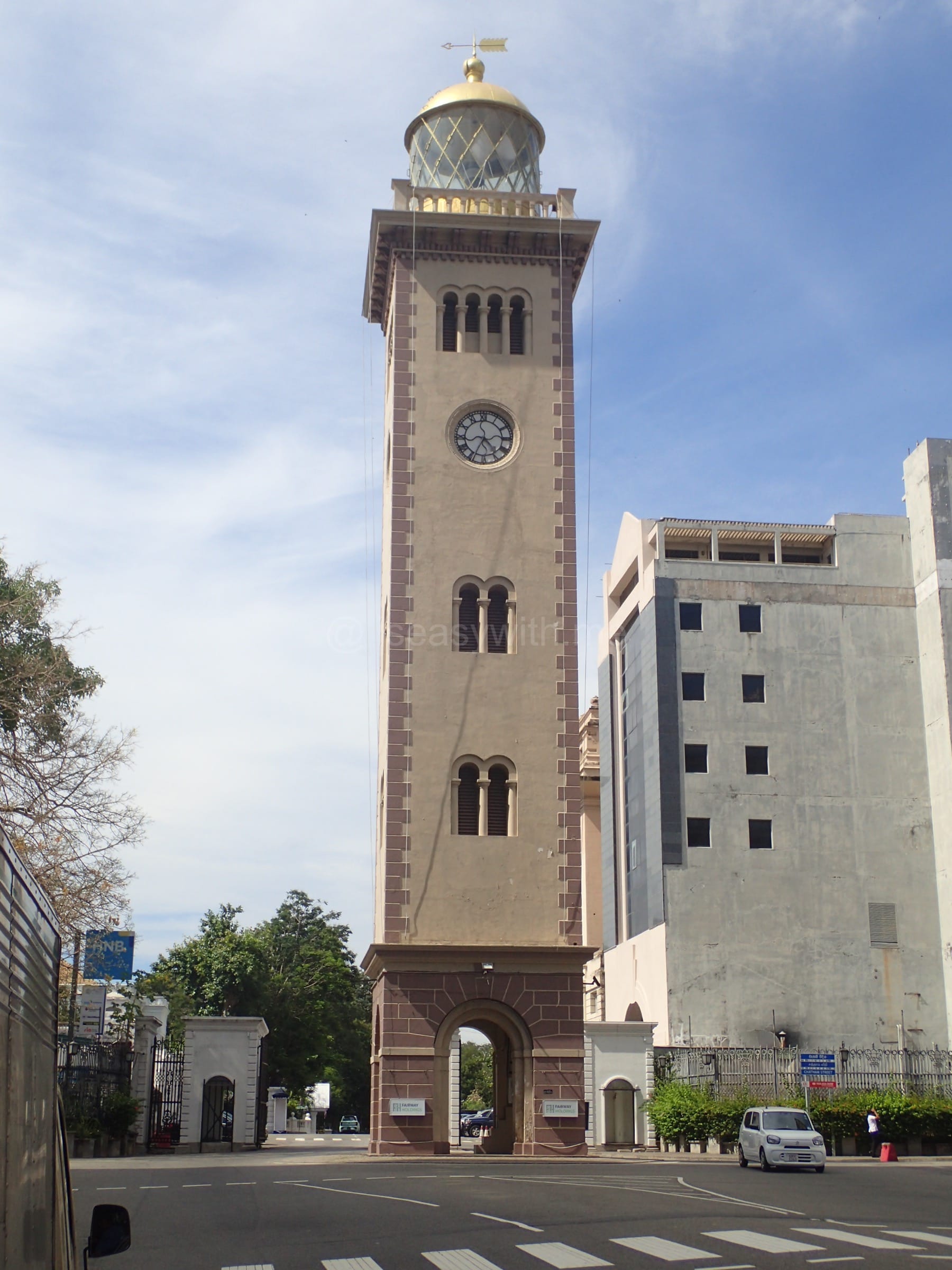
Colombo Fort Clock Tower
Colombo Lotus Tower (Nelum Kuluna)
The Colombo Lotus Tower rises 356 meters above Beira Lake as South Asia’s tallest freestanding structure and an iconic modern Sri Lanka landmark. Inspired by the lotus blossom, this top attraction features high-speed elevators that whisk visitors up to the 29th-floor observation deck for breathtaking 360-degree views of the Colombo skyline, Port City and the Indian Ocean. Complete with a revolving restaurant and dynamic nightly LED light displays, it is a must-visit destination near Pettah for photography lovers and travelers exploring central Colombo.
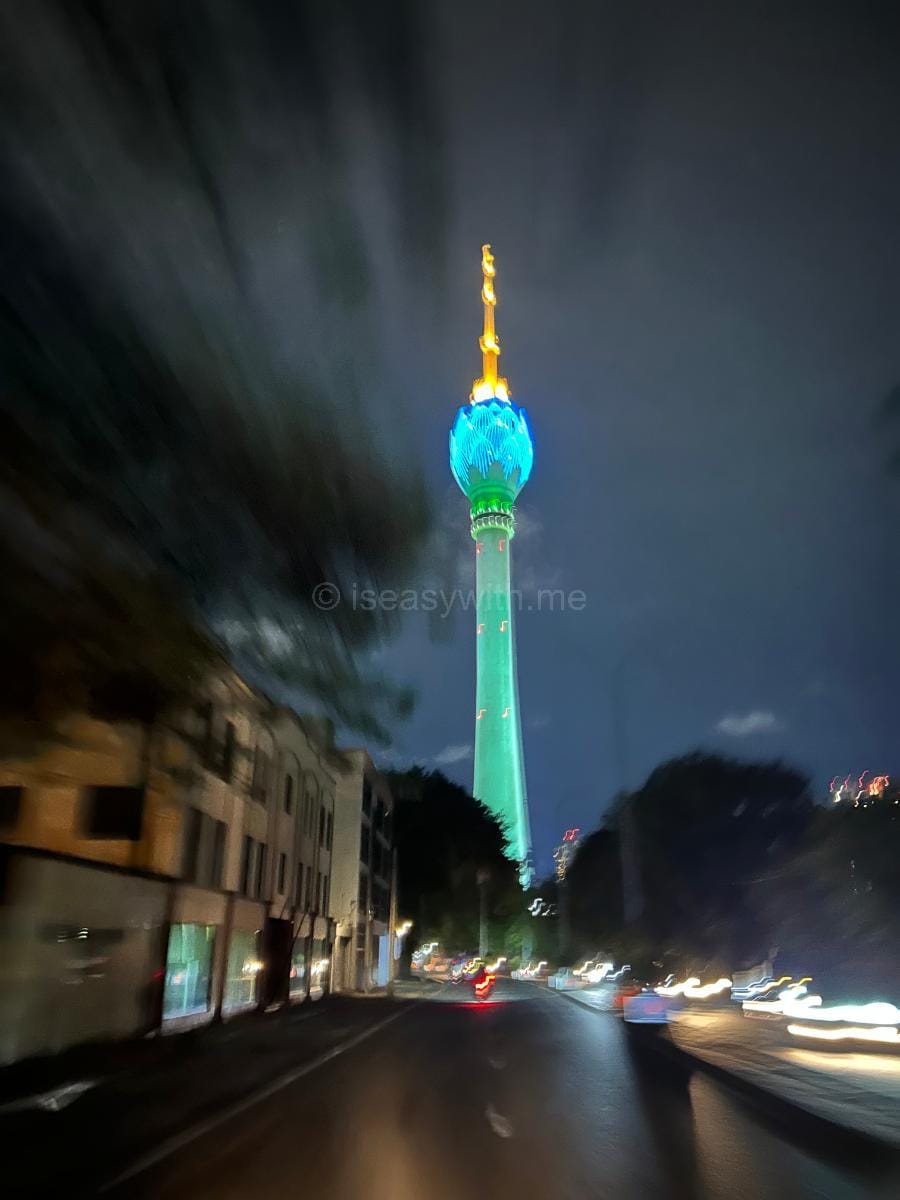
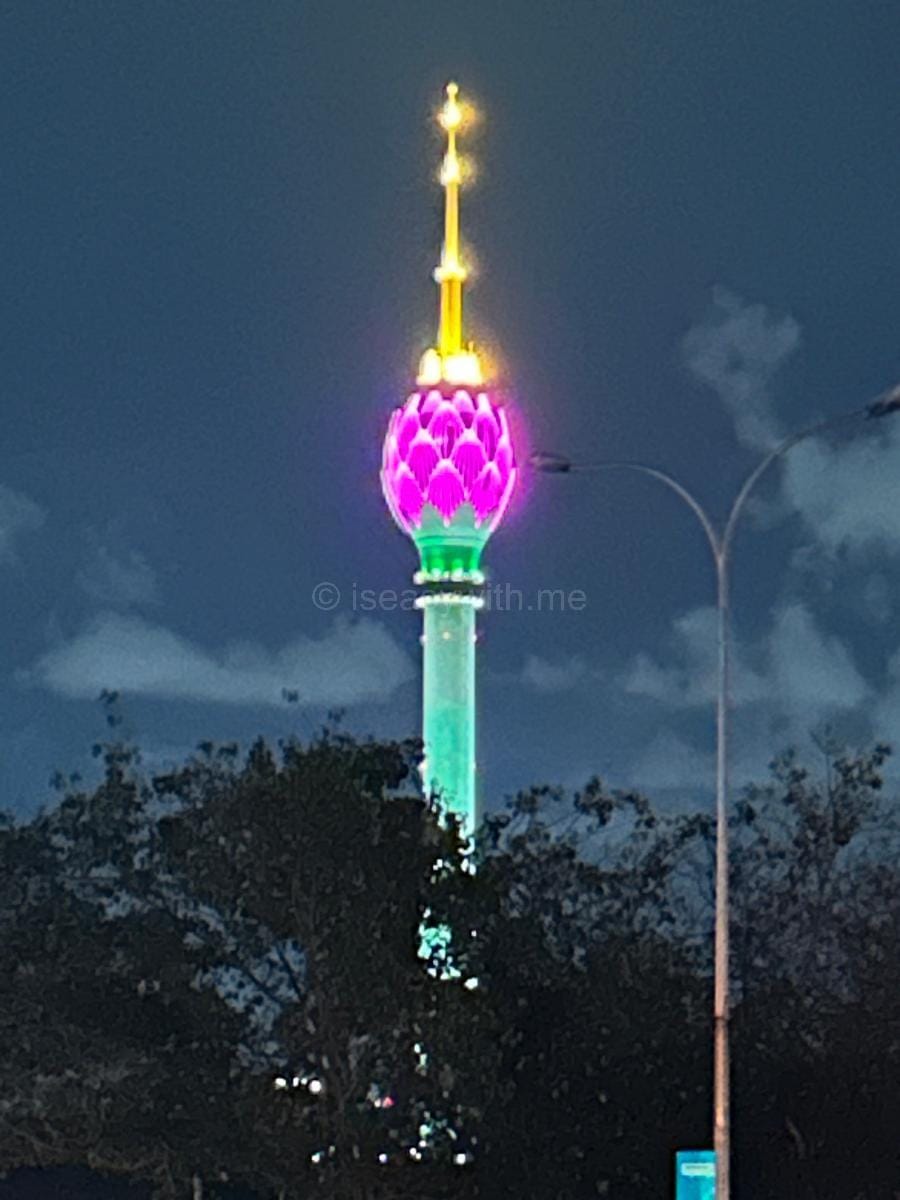
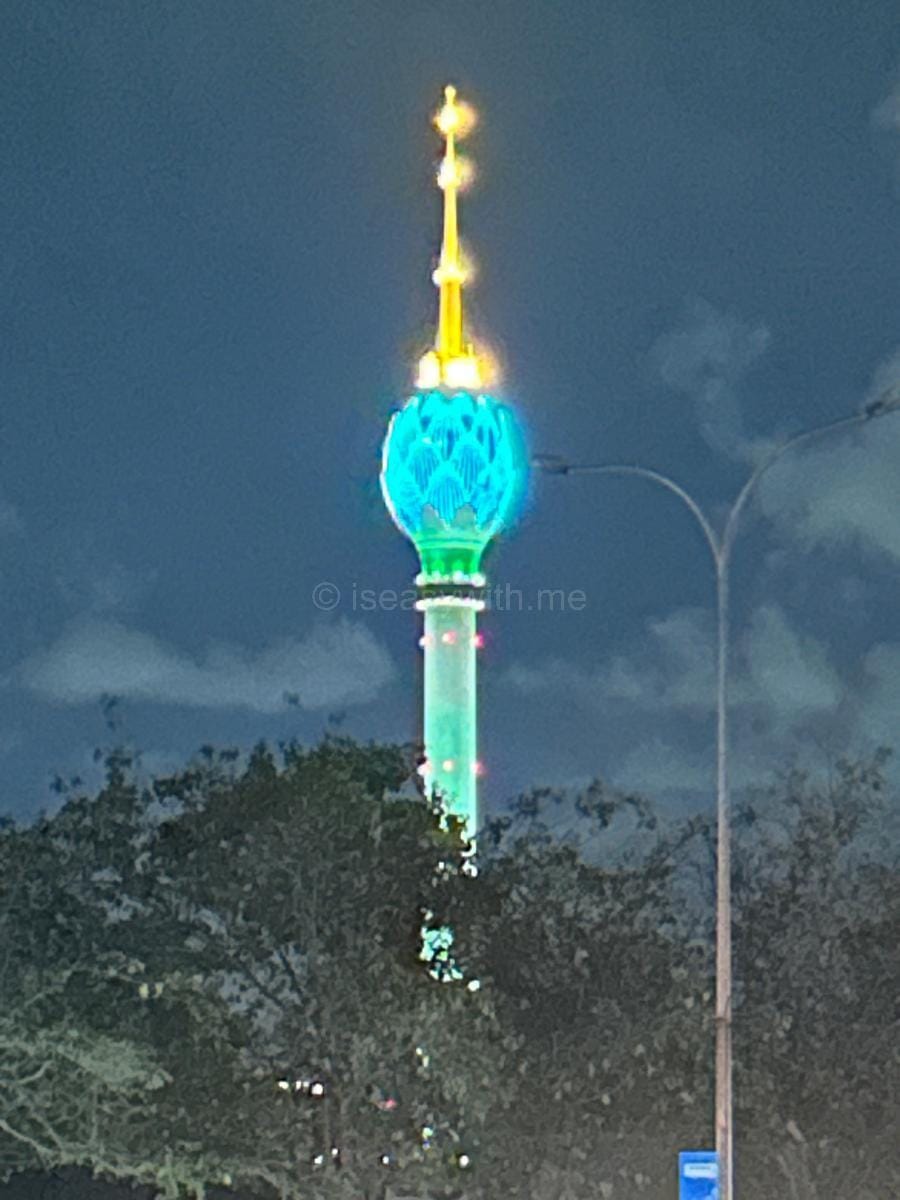
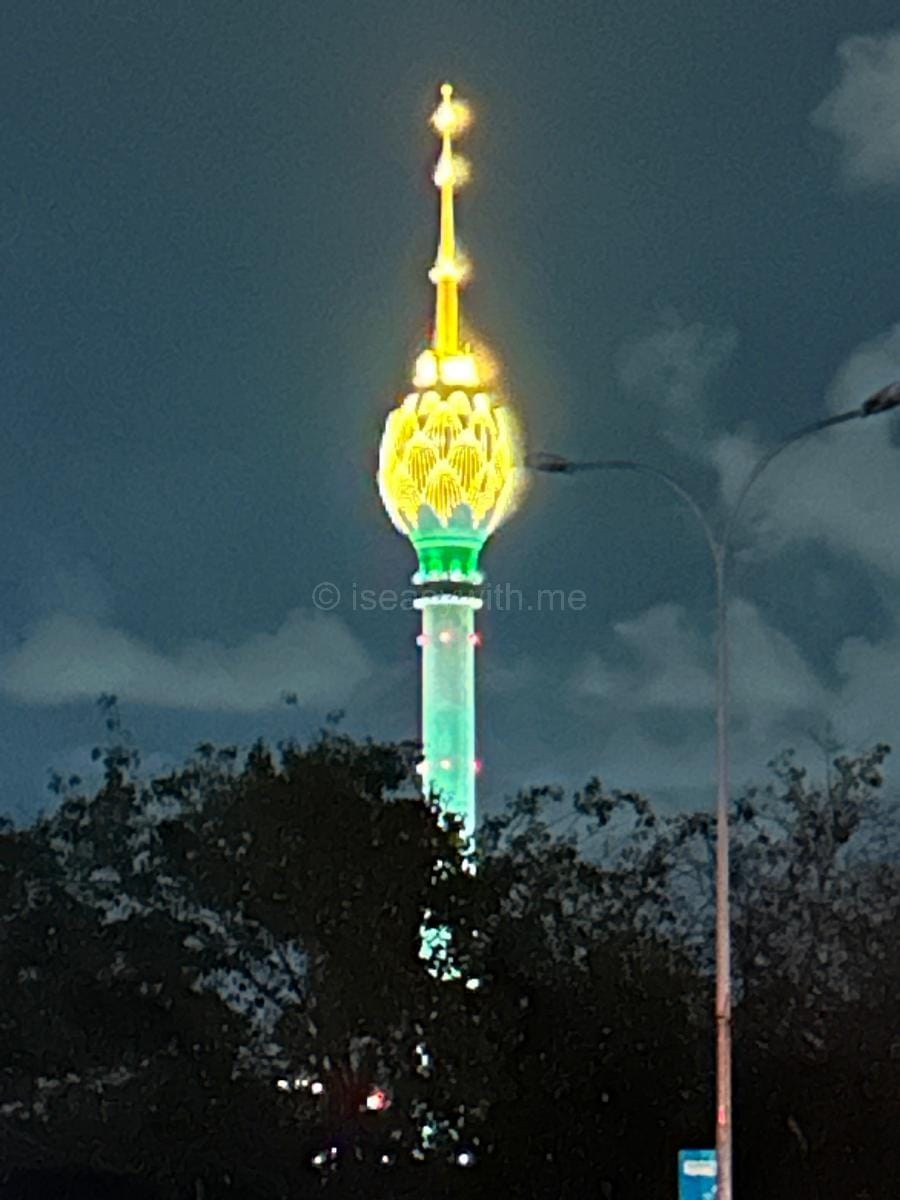
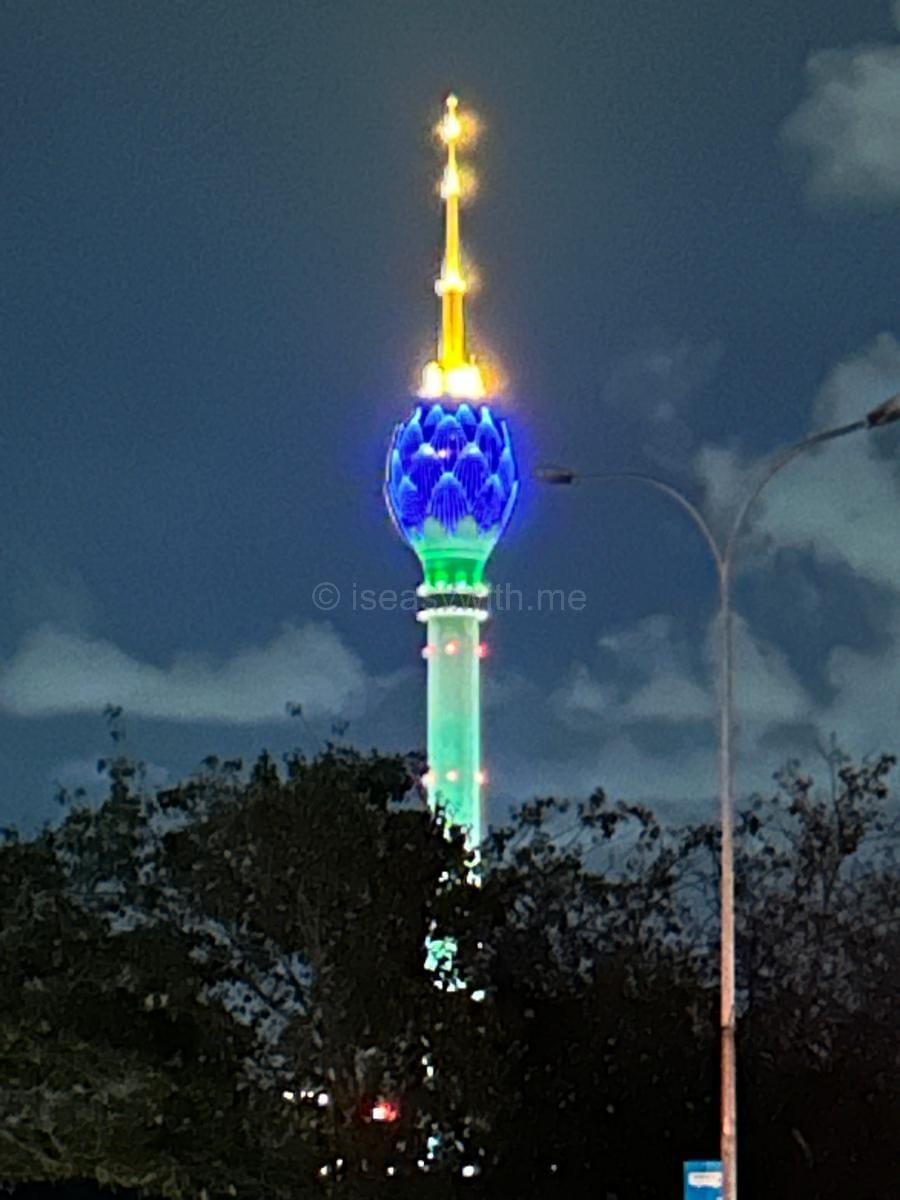
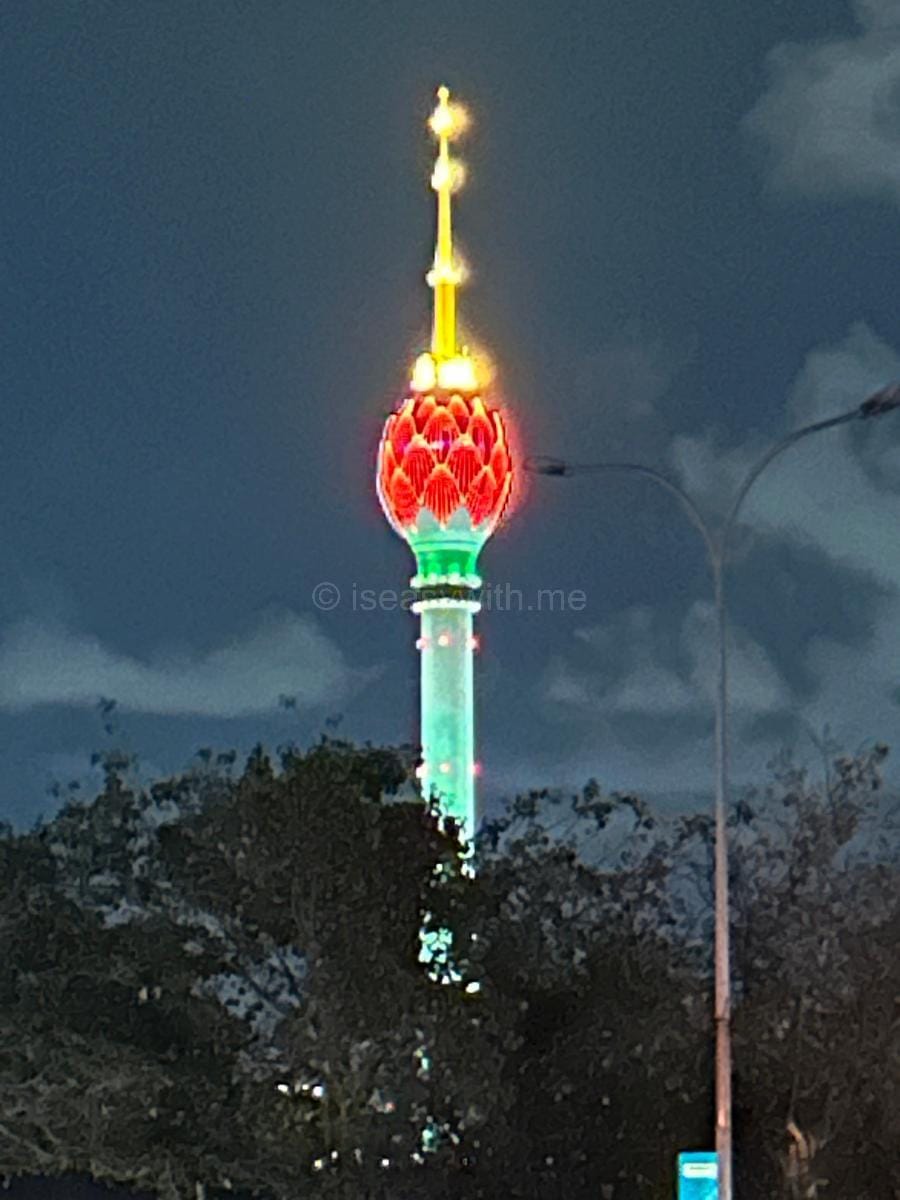
Colombo Lotus Tower
Gangaramaya Temple & Seema Malaka
Gangaramaya Temple (LKR 500) blends Sri Lankan, Thai, Indian and Chinese architectural influences into one fascinating, artefact-filled religious complex. Just a short walk away, its sister meditative centre, Seema Malaka (LKR 500), appears to float peacefully on the waters of Beira Lake, providing one of Colombo's most tranquil urban settings.
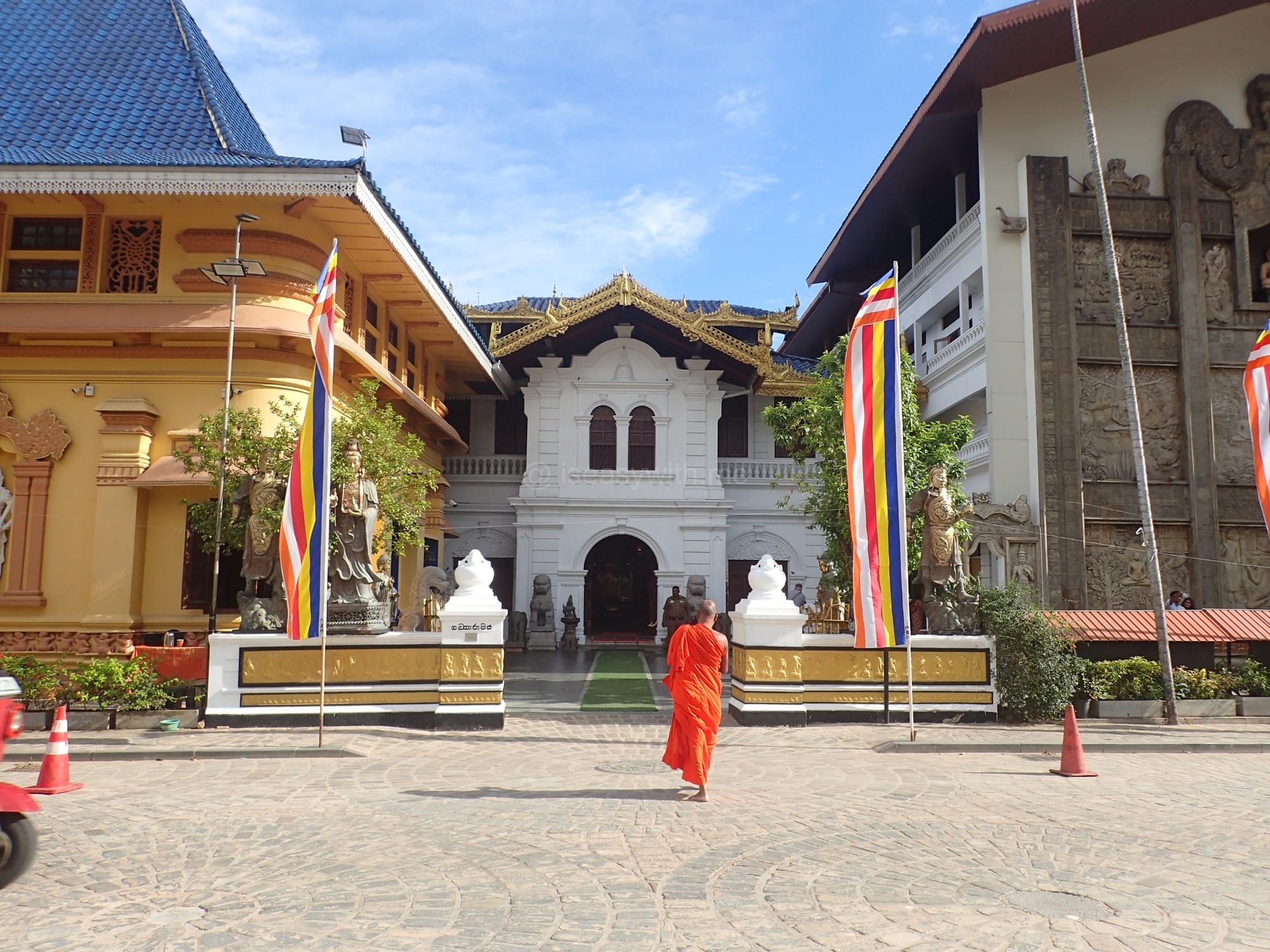
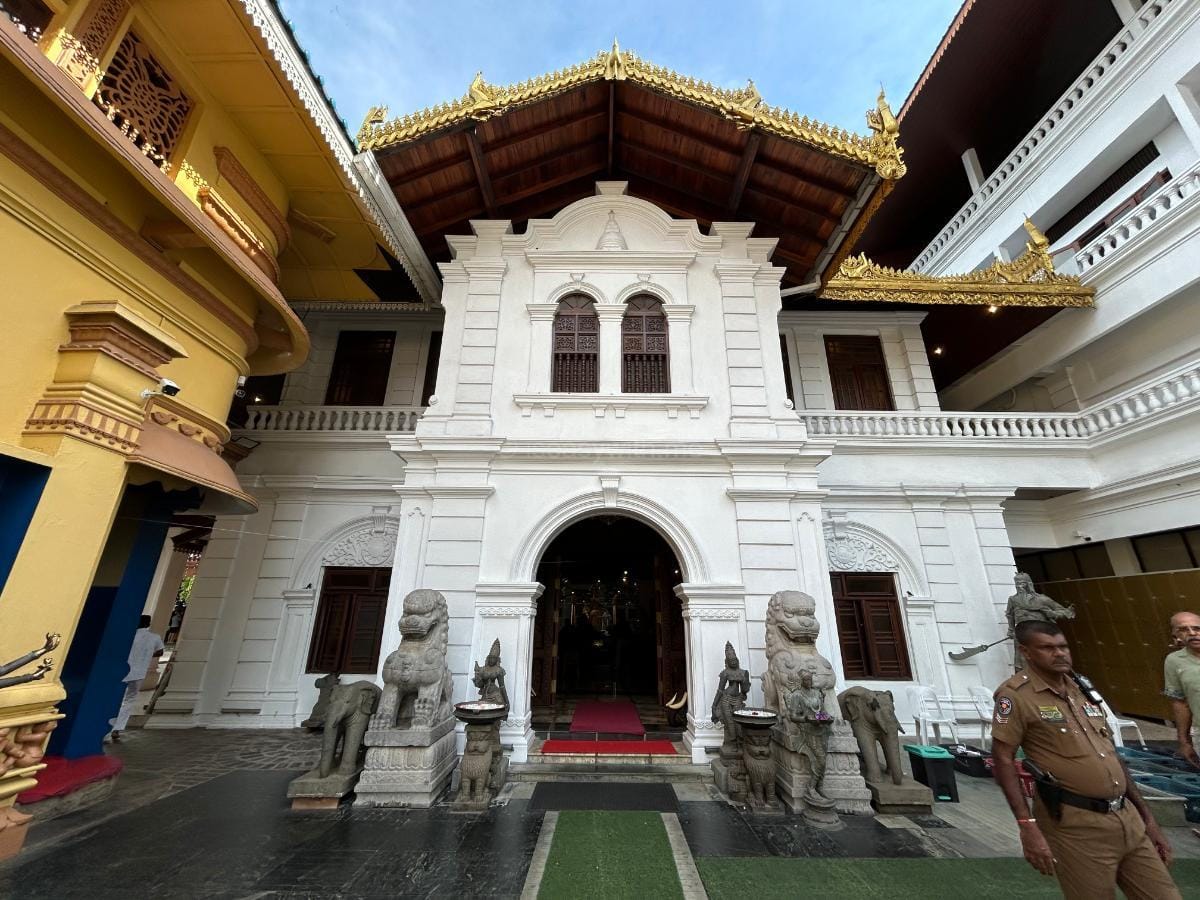
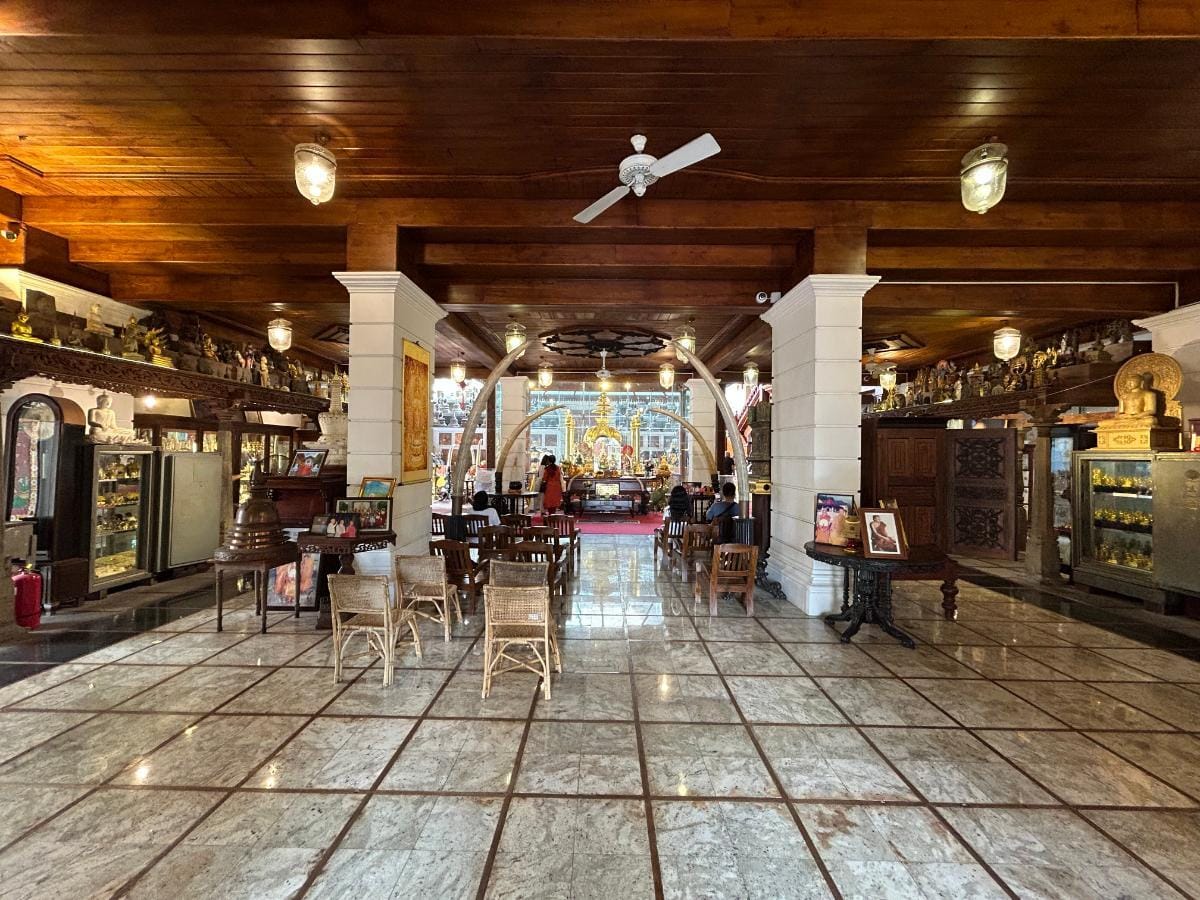
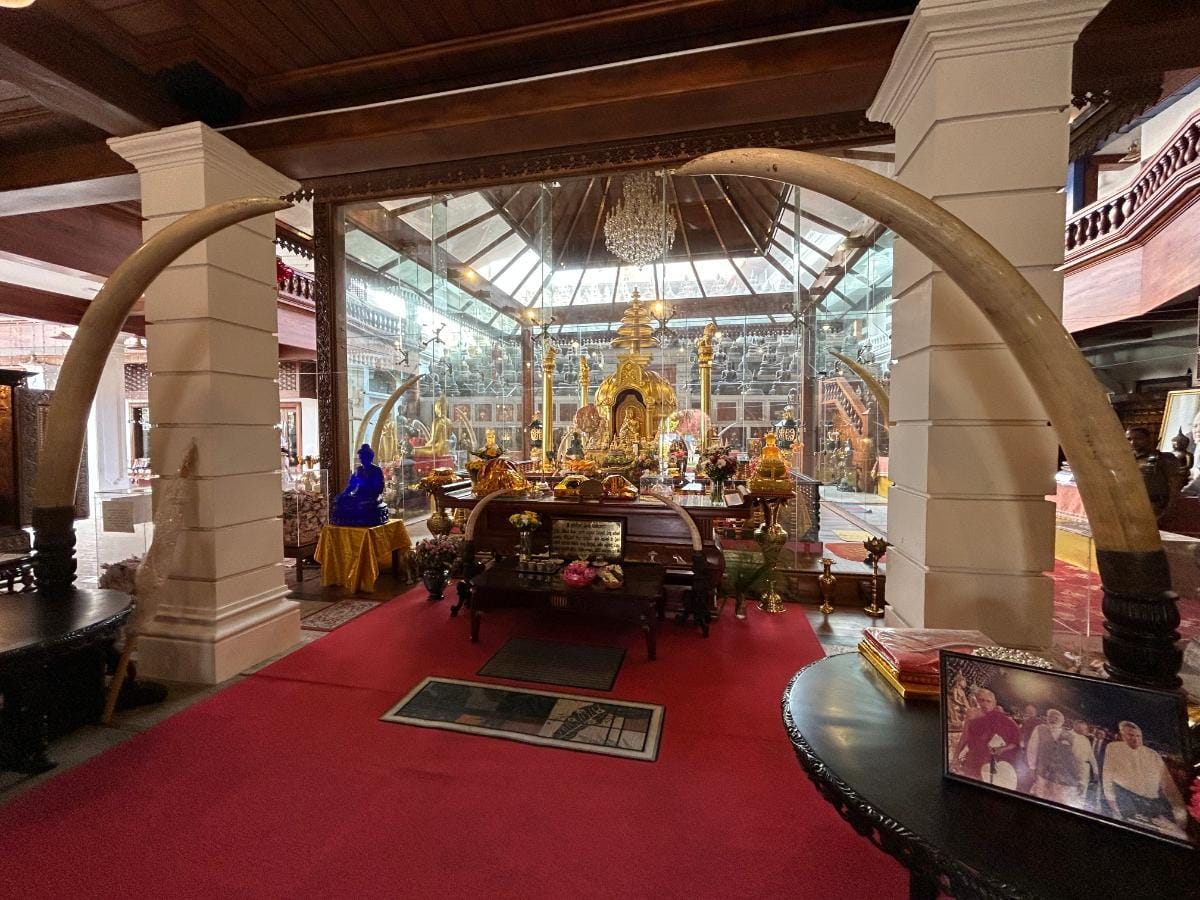
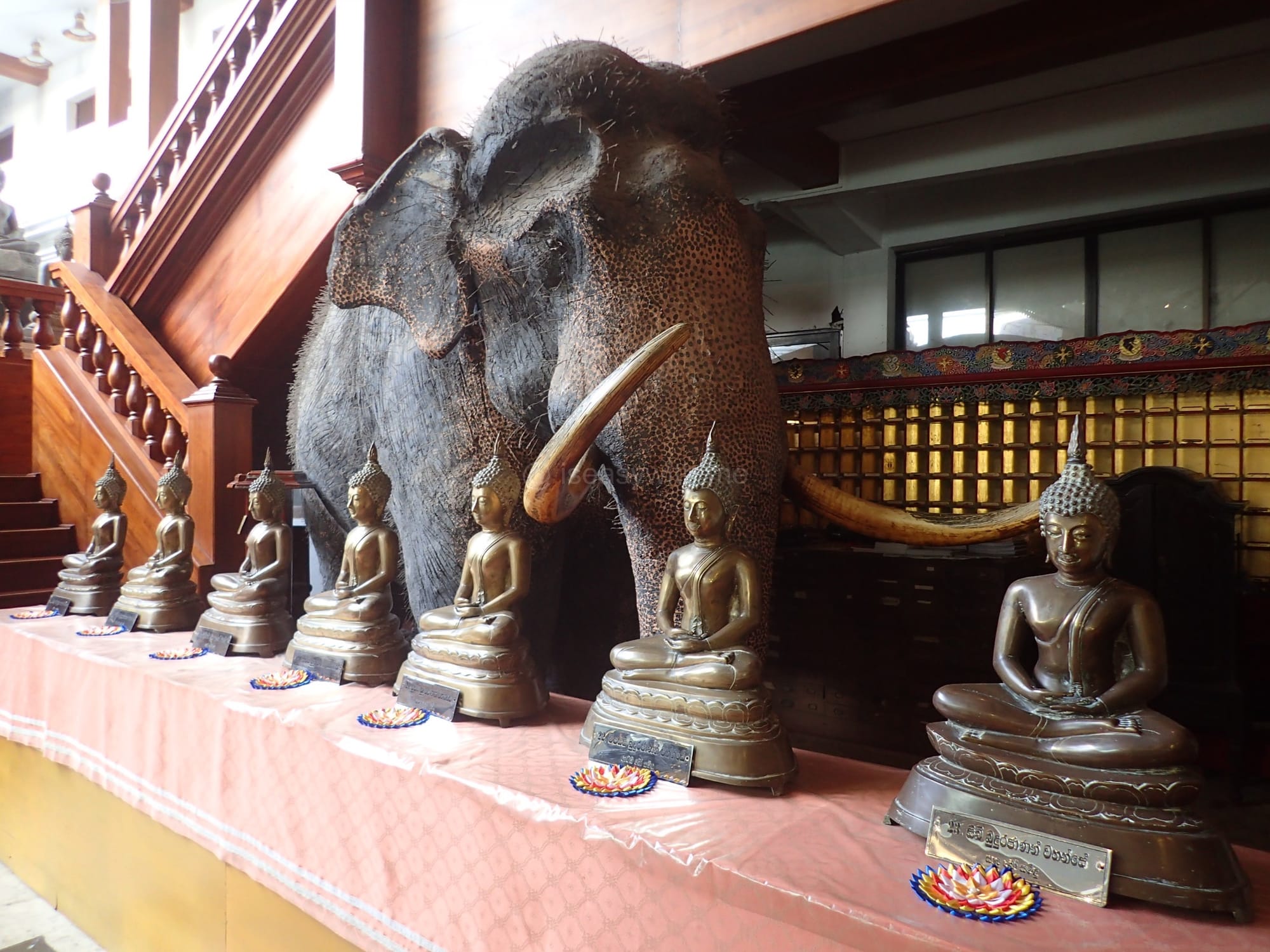
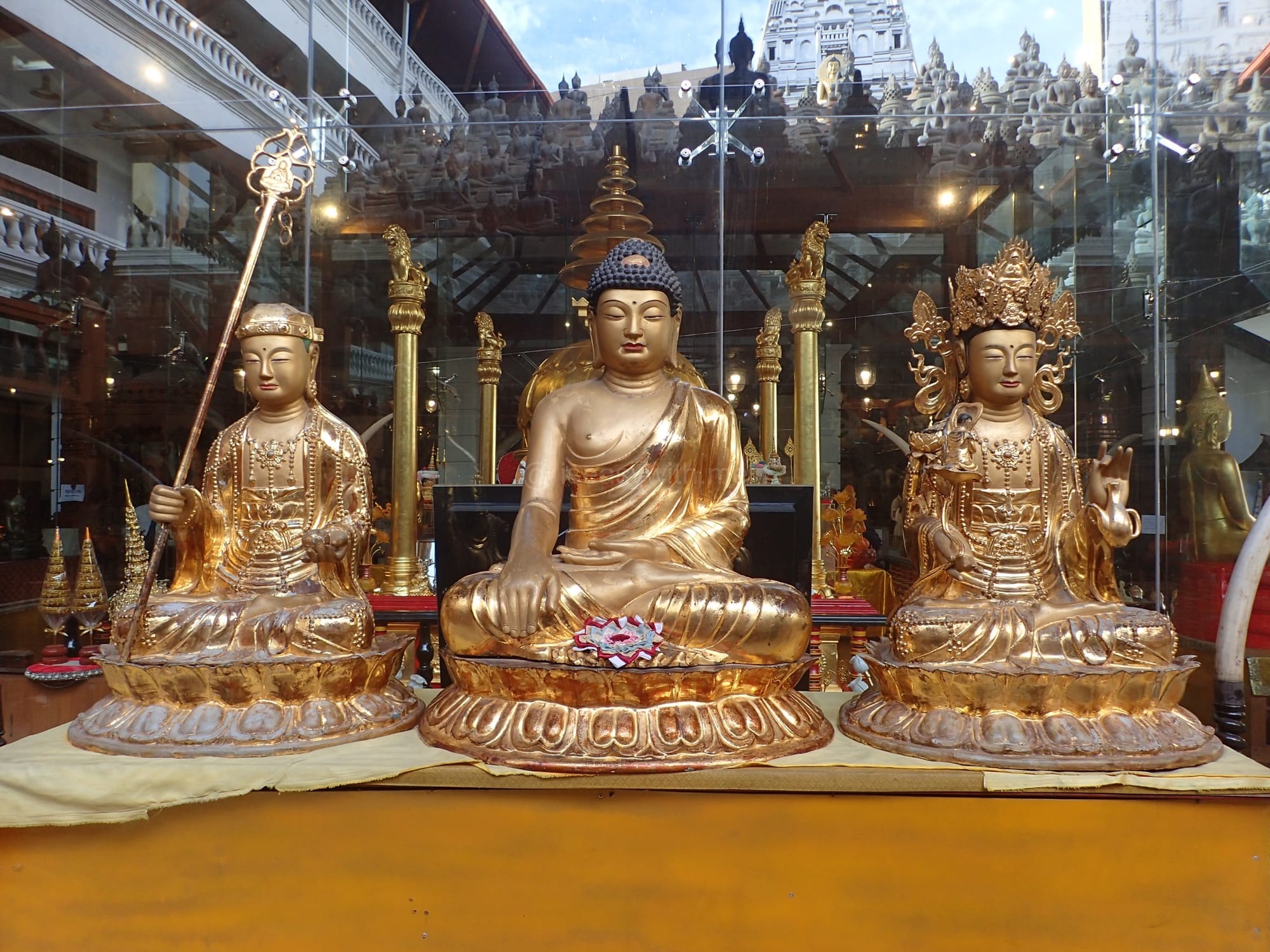
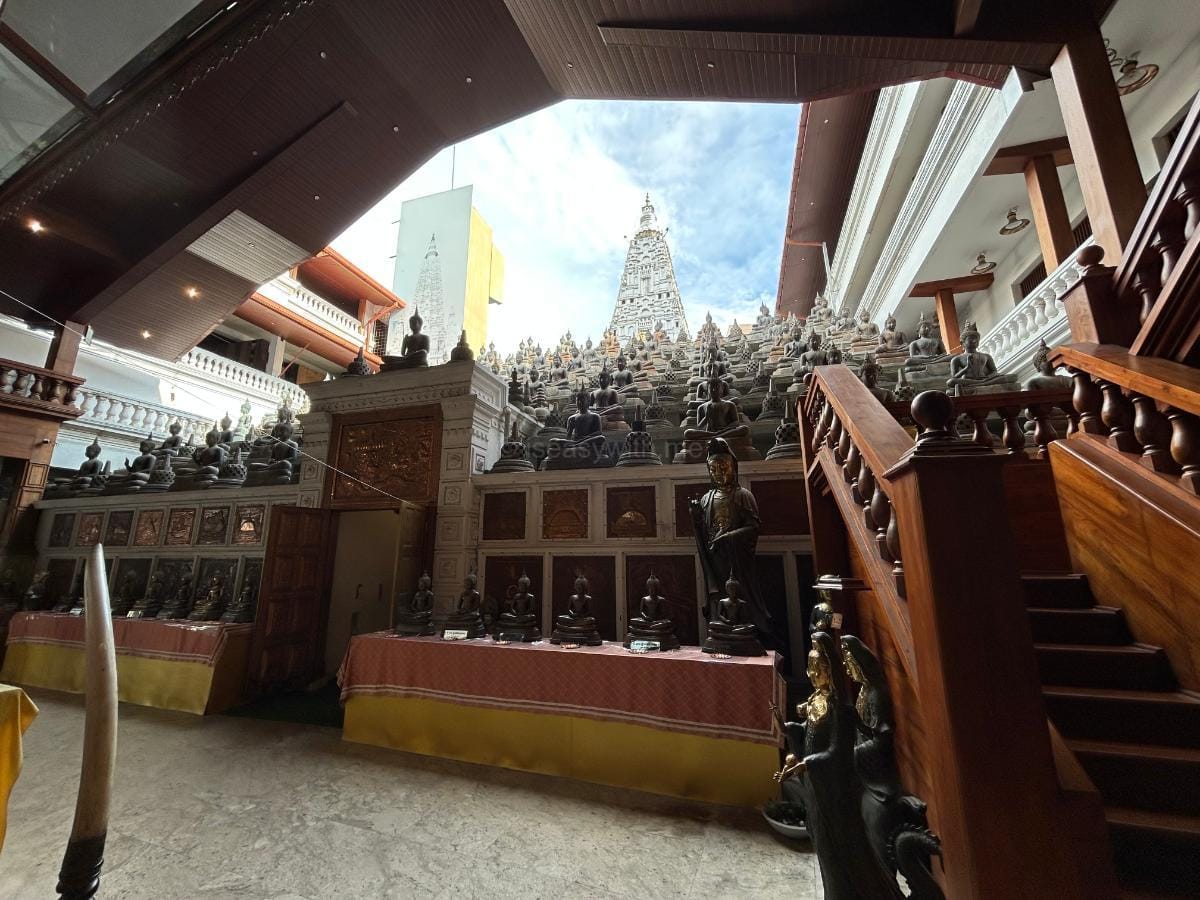
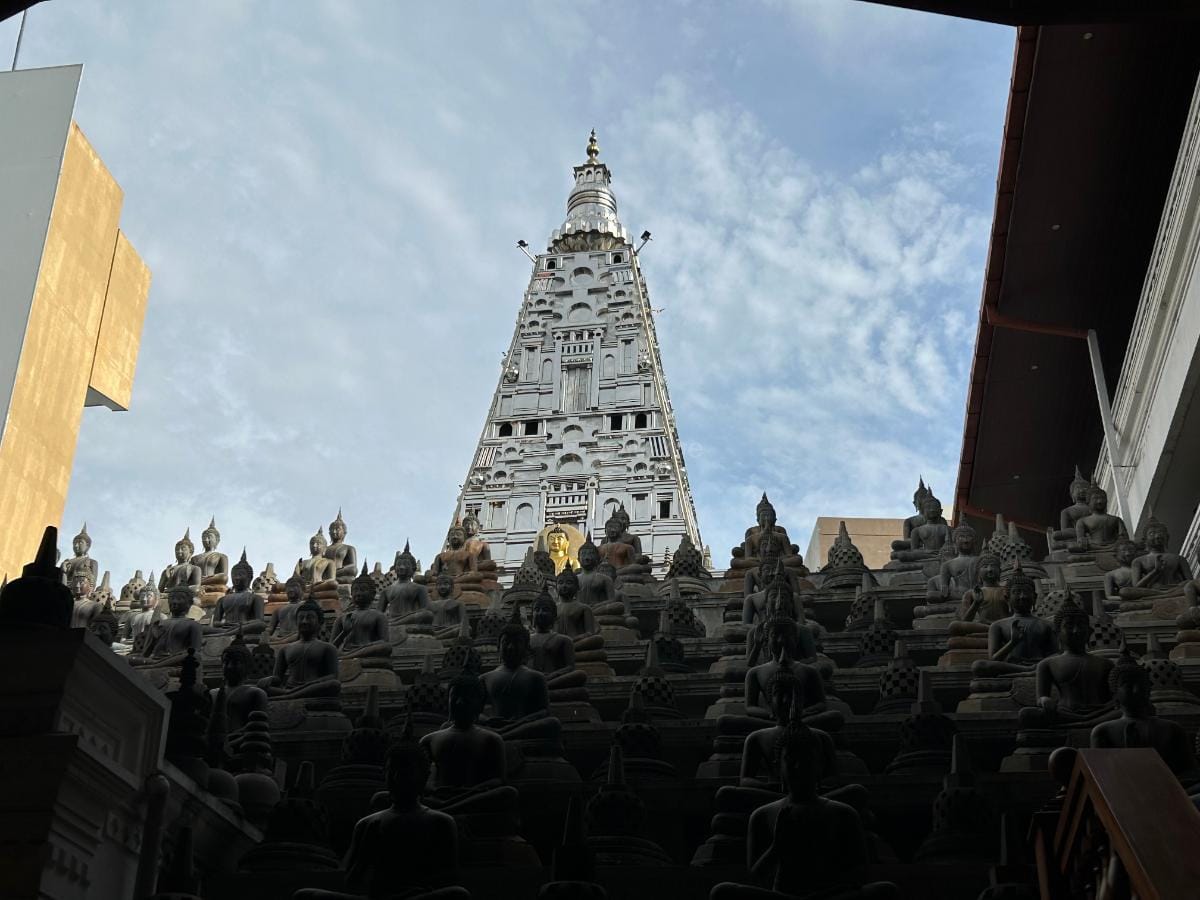
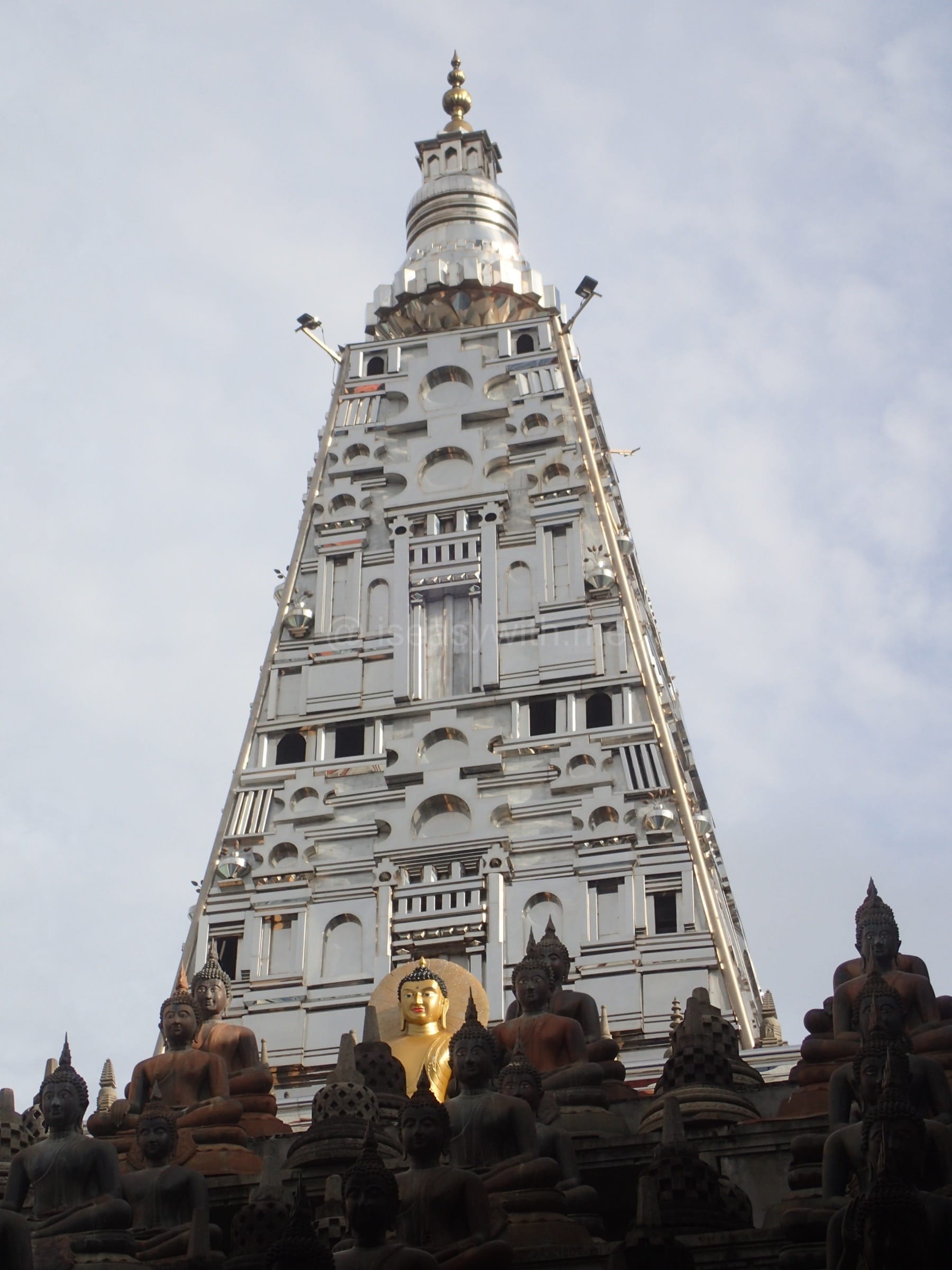
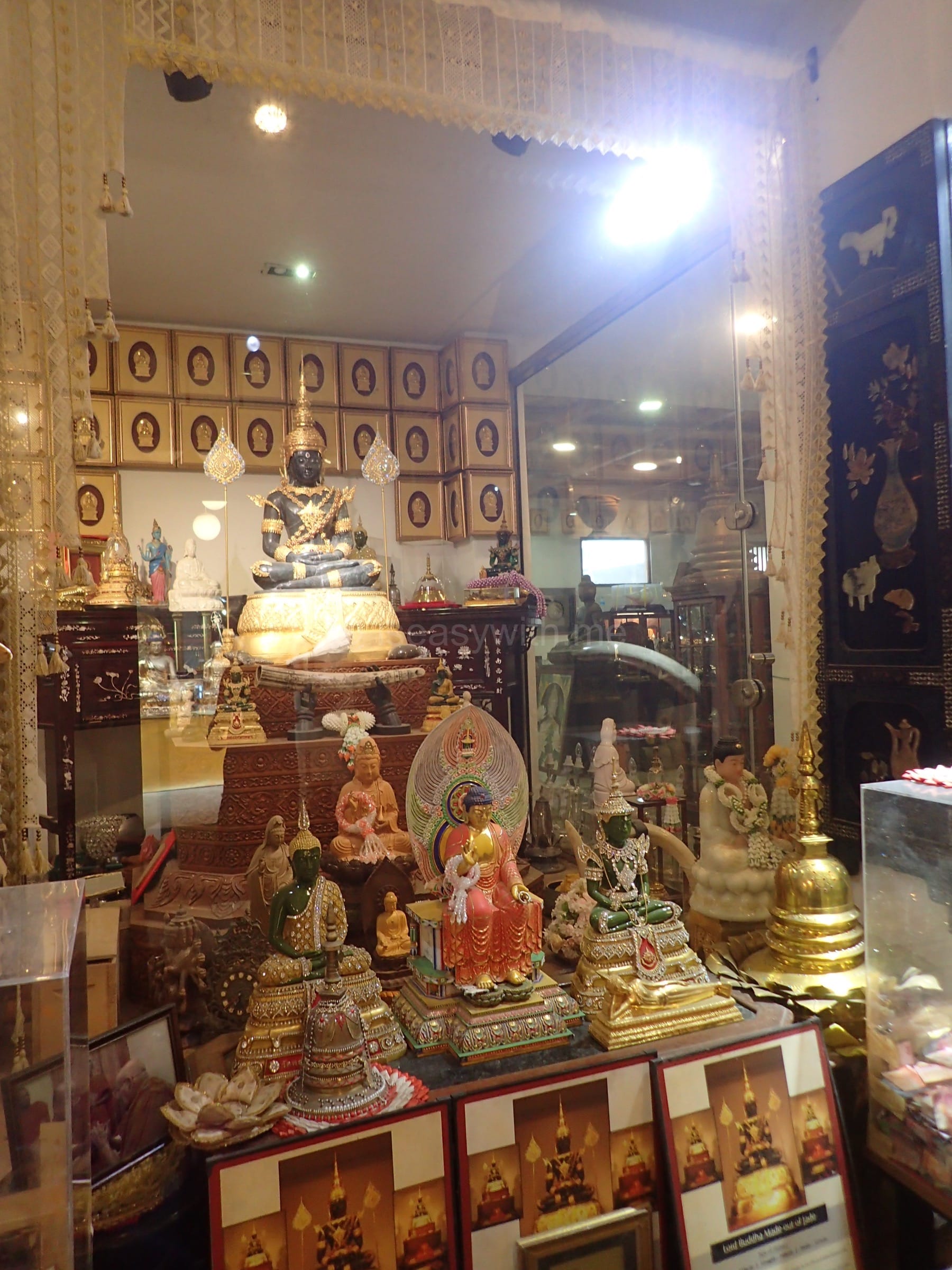
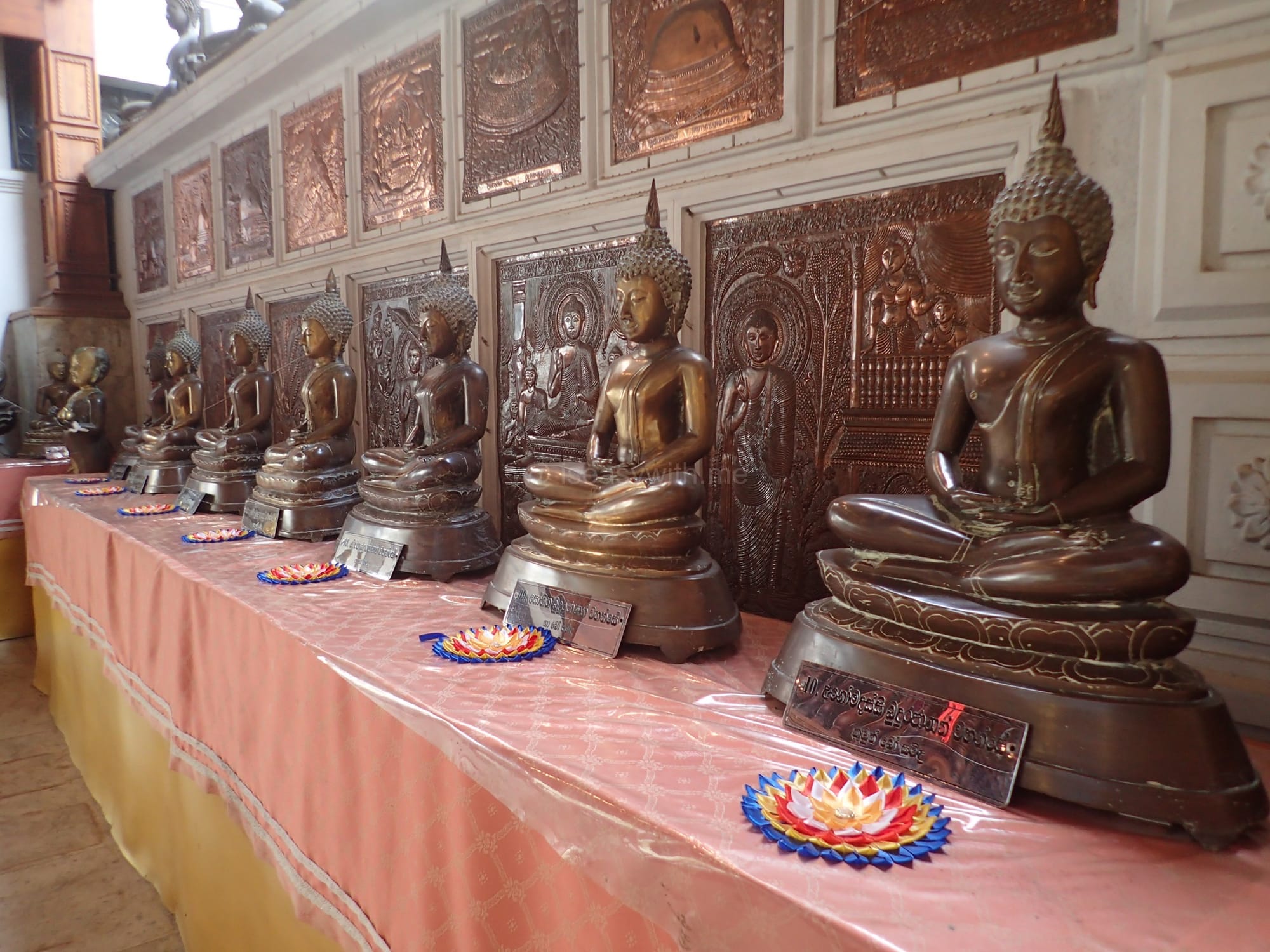
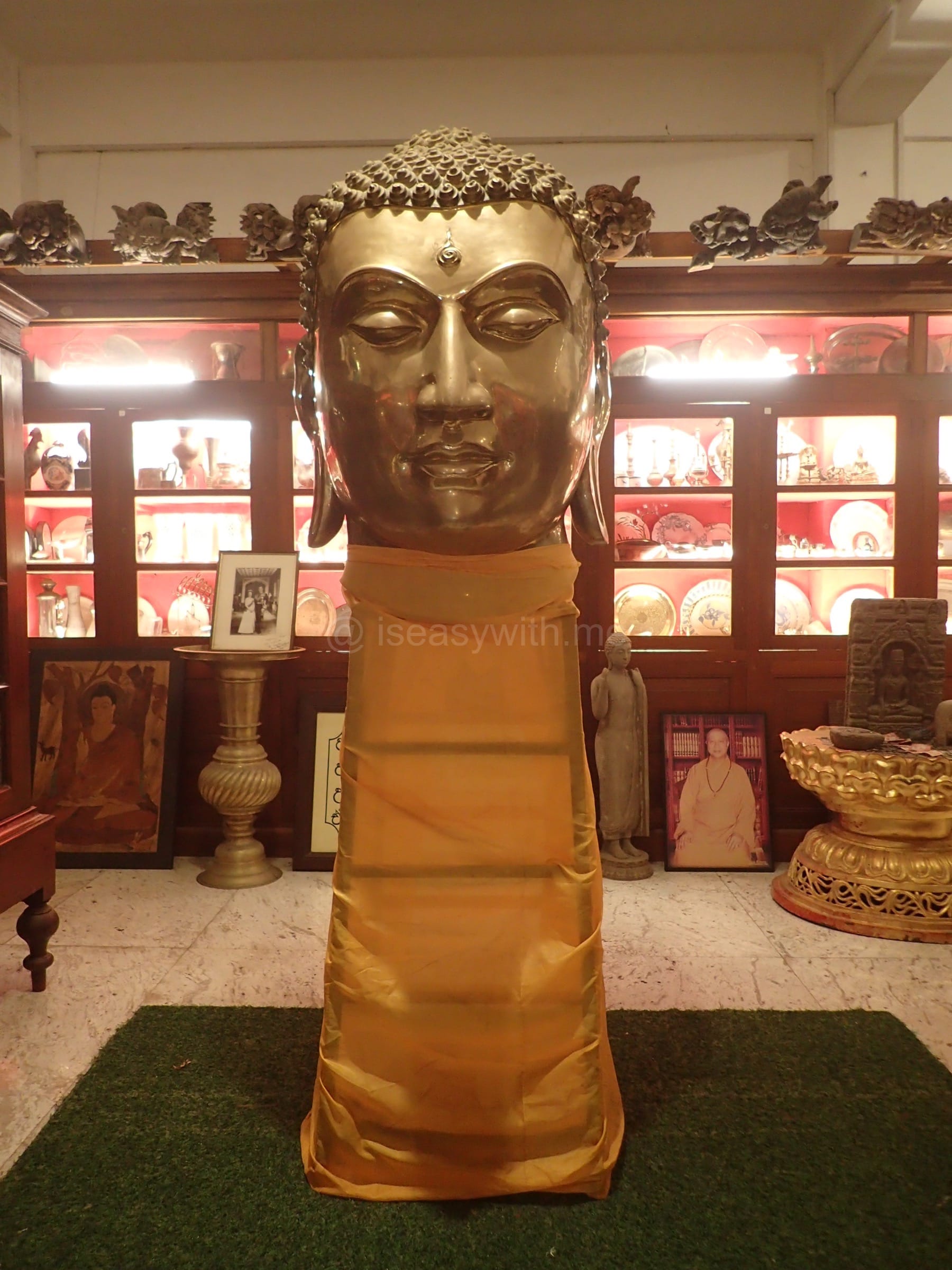
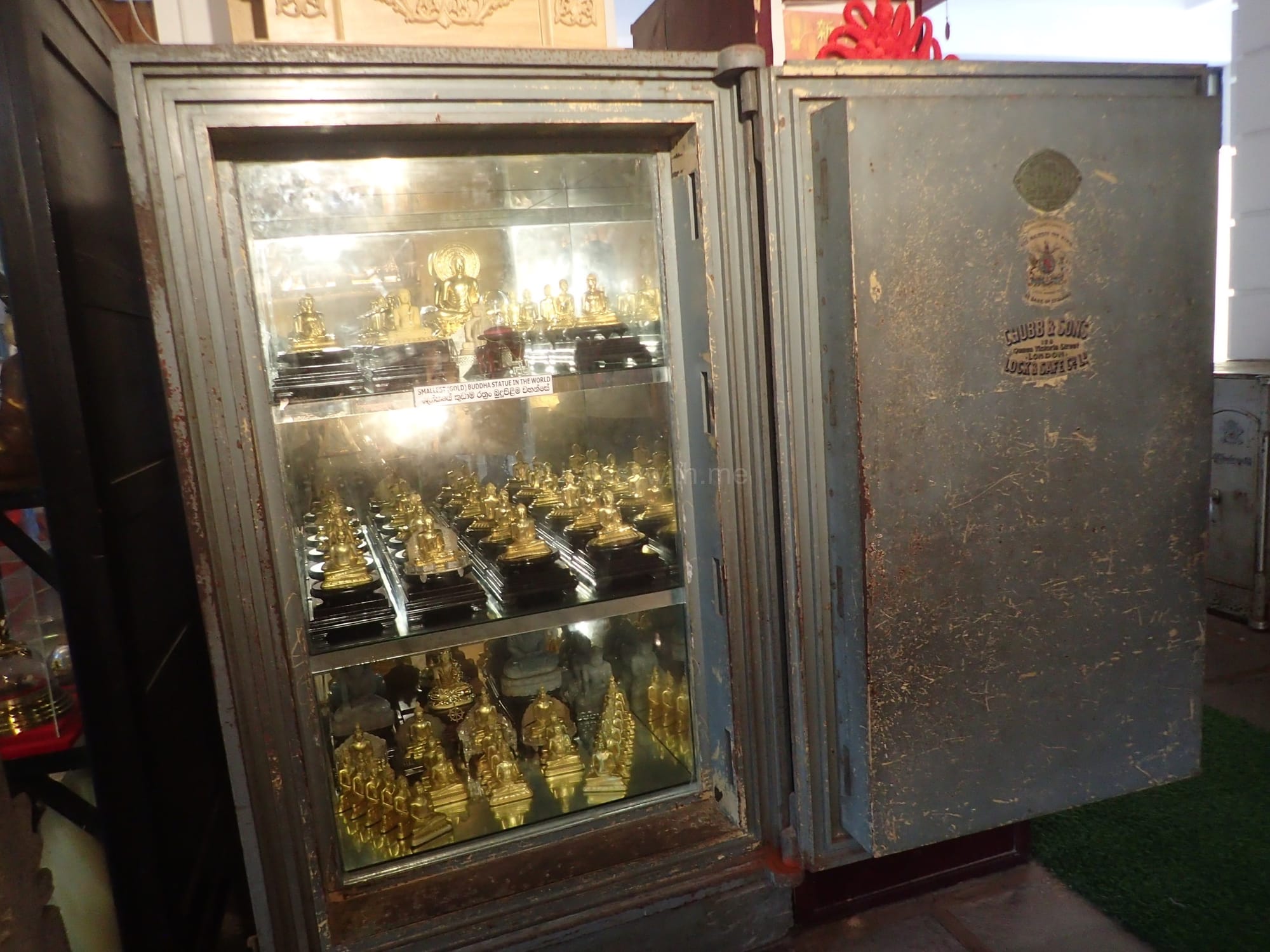
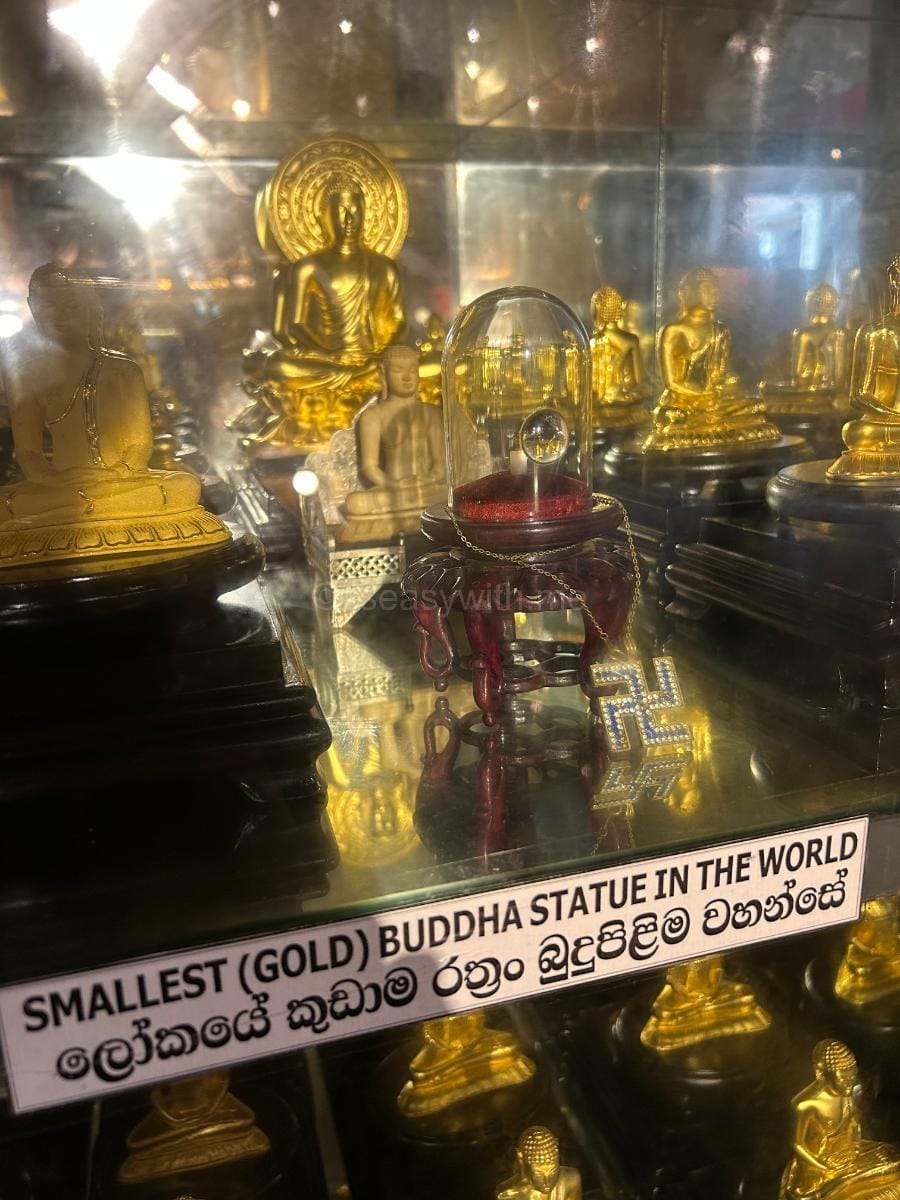
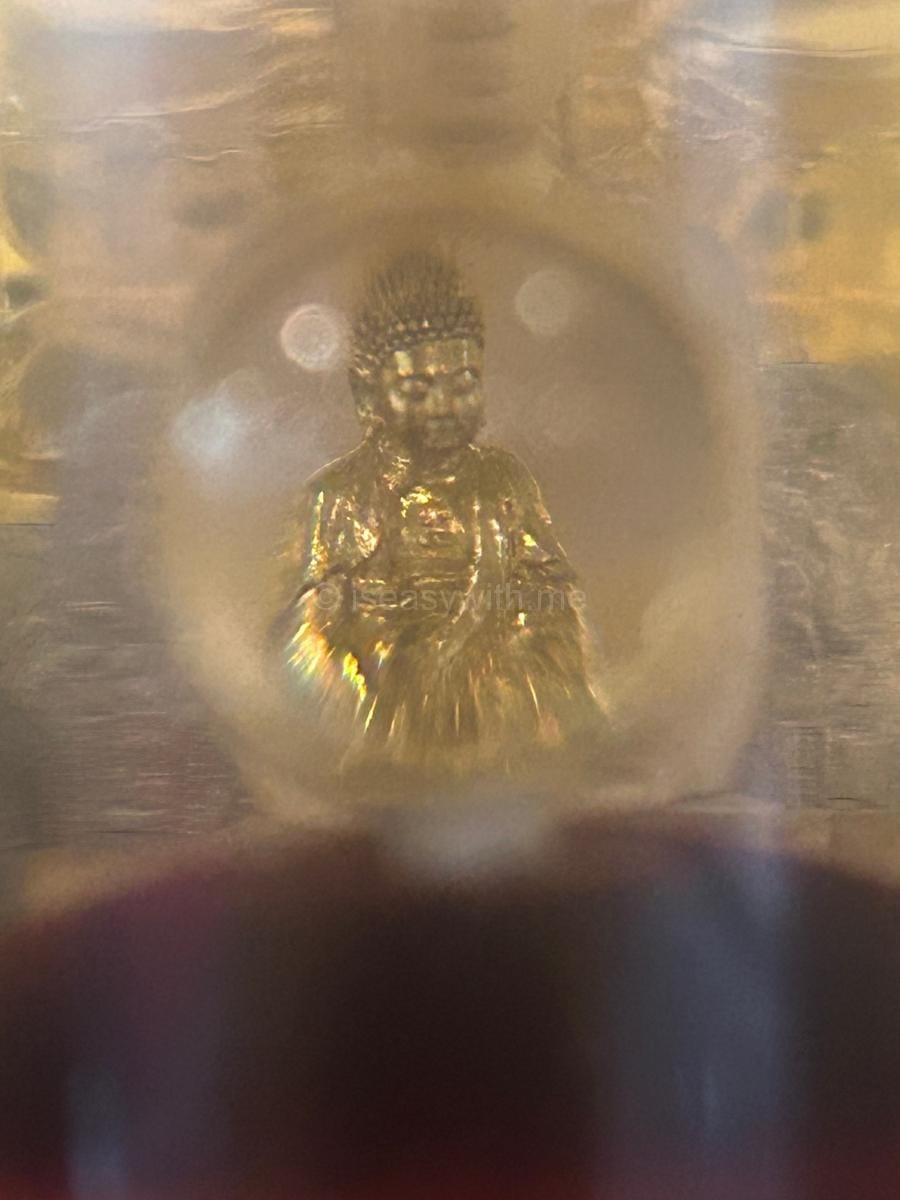
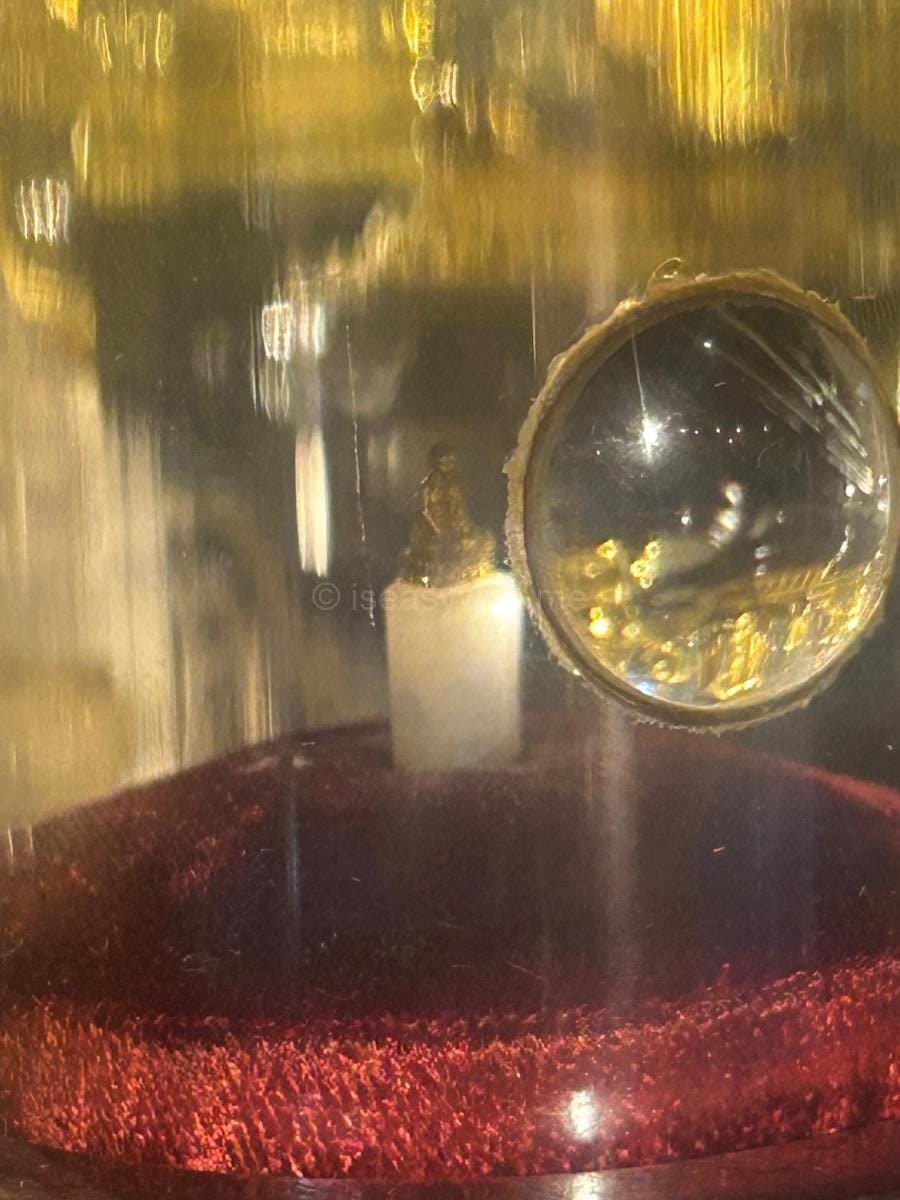
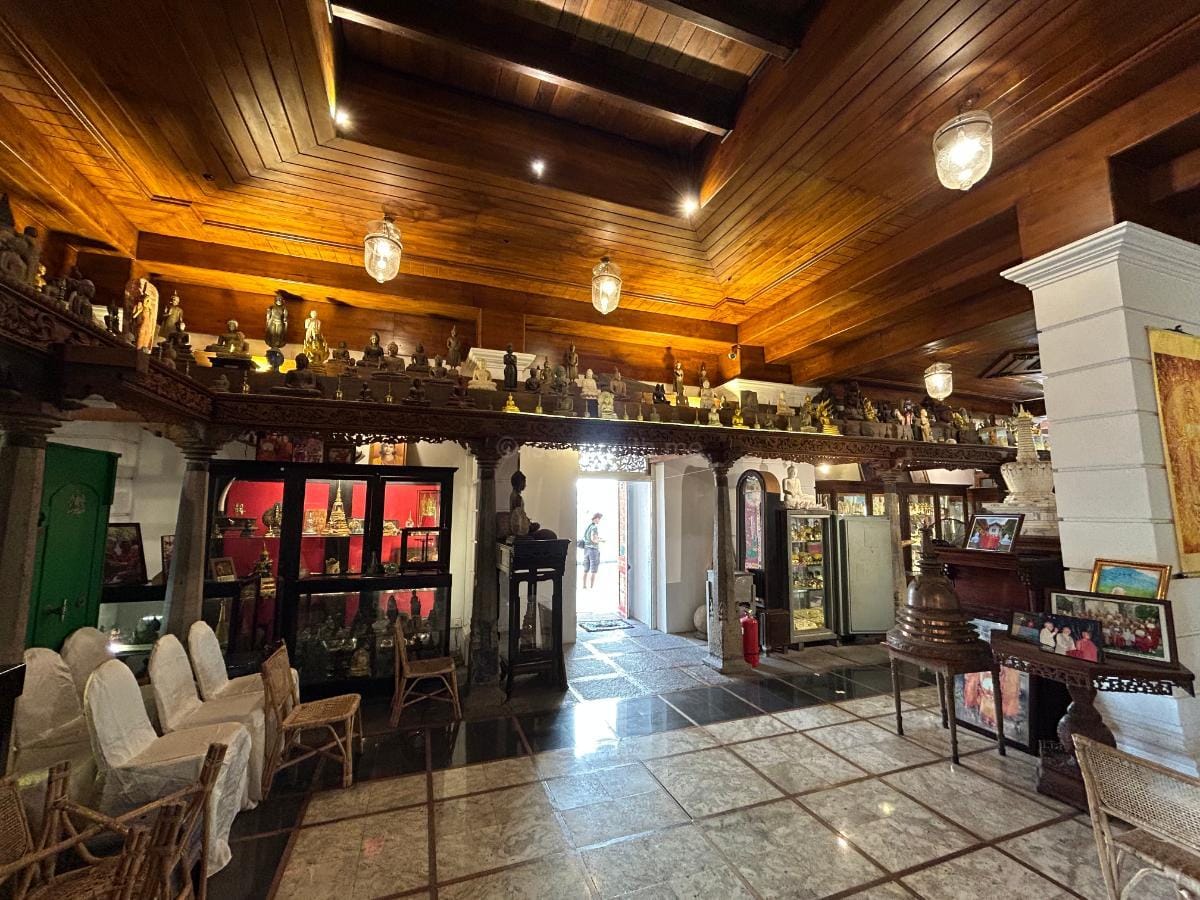
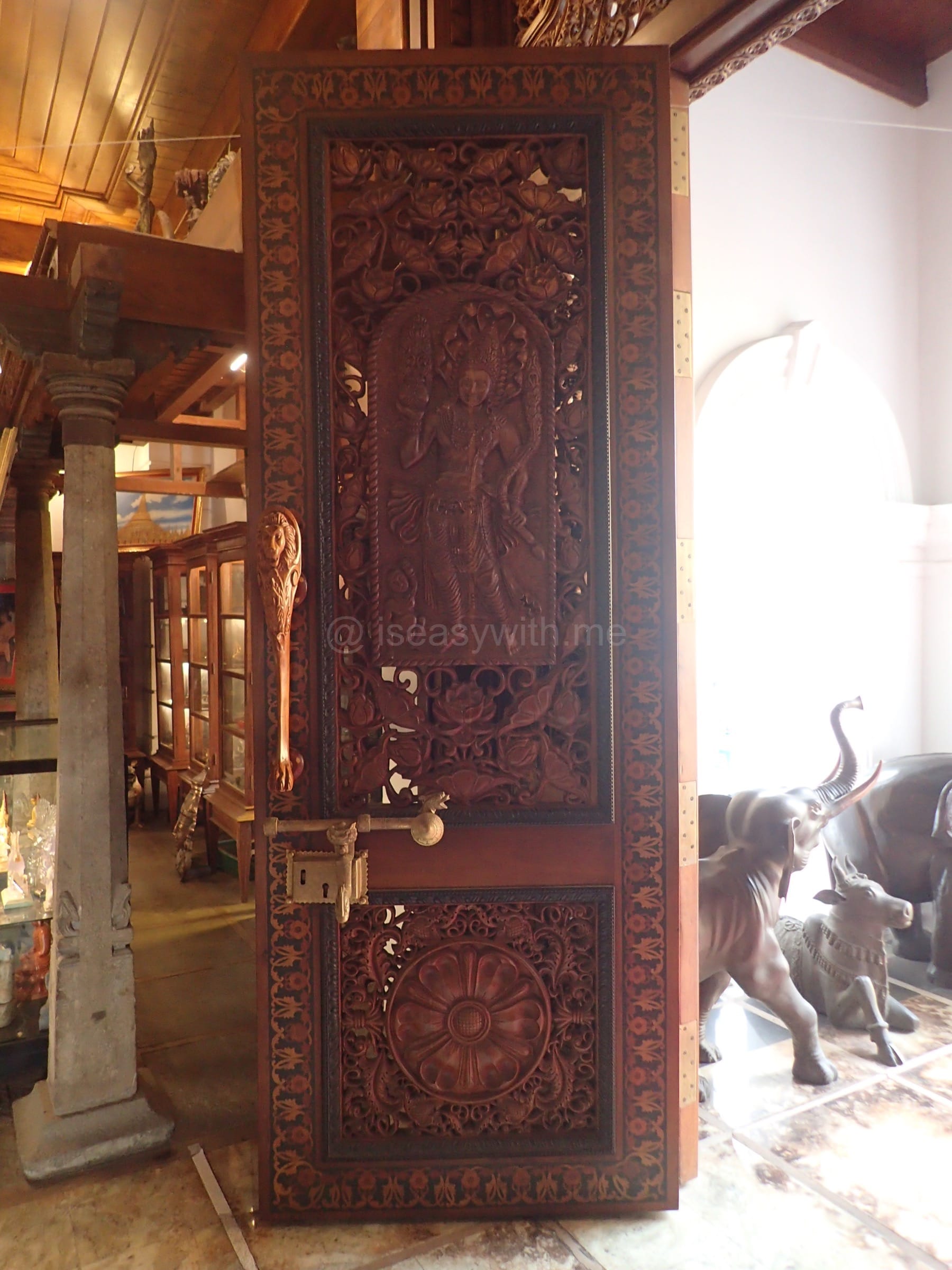
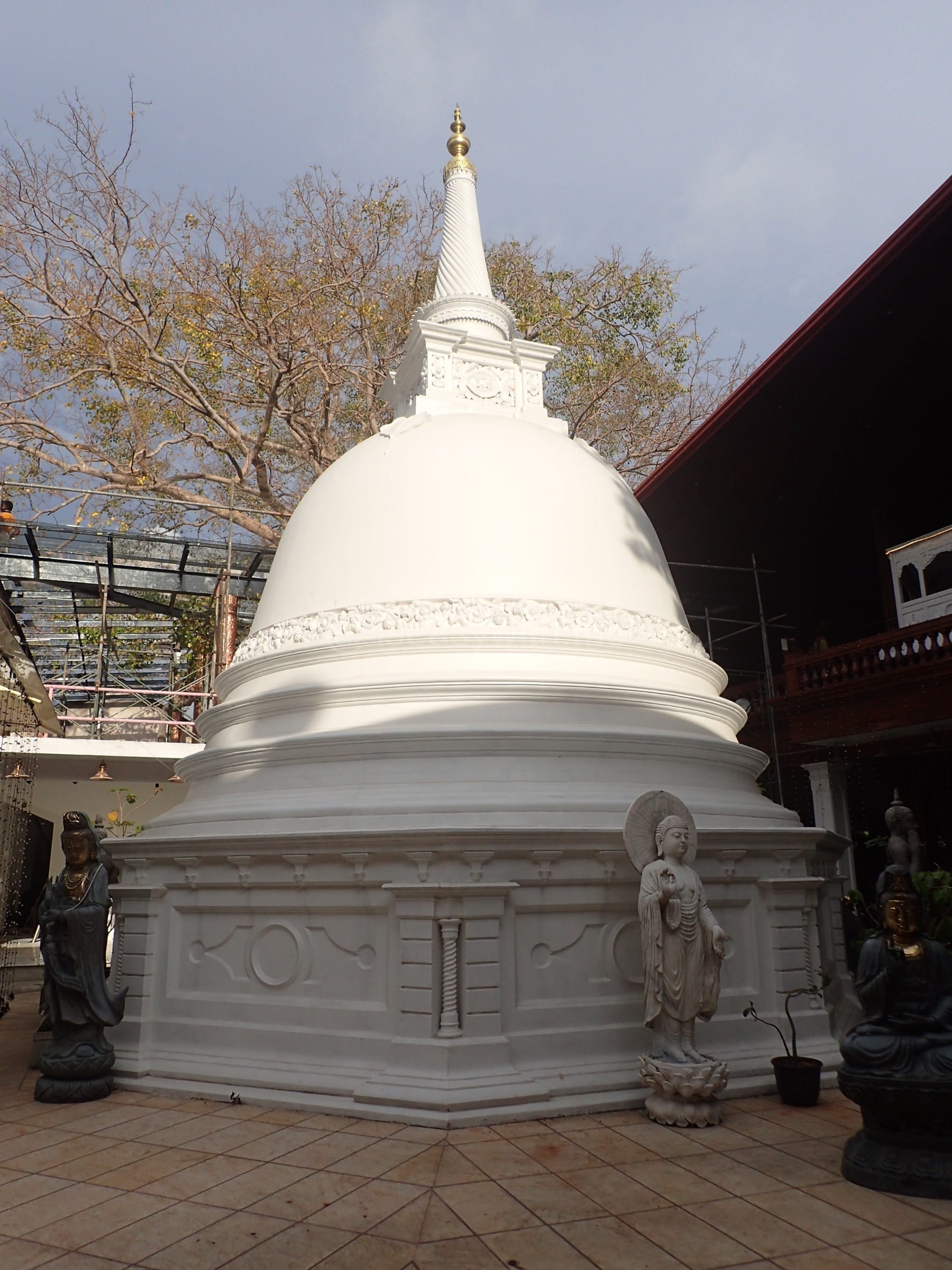
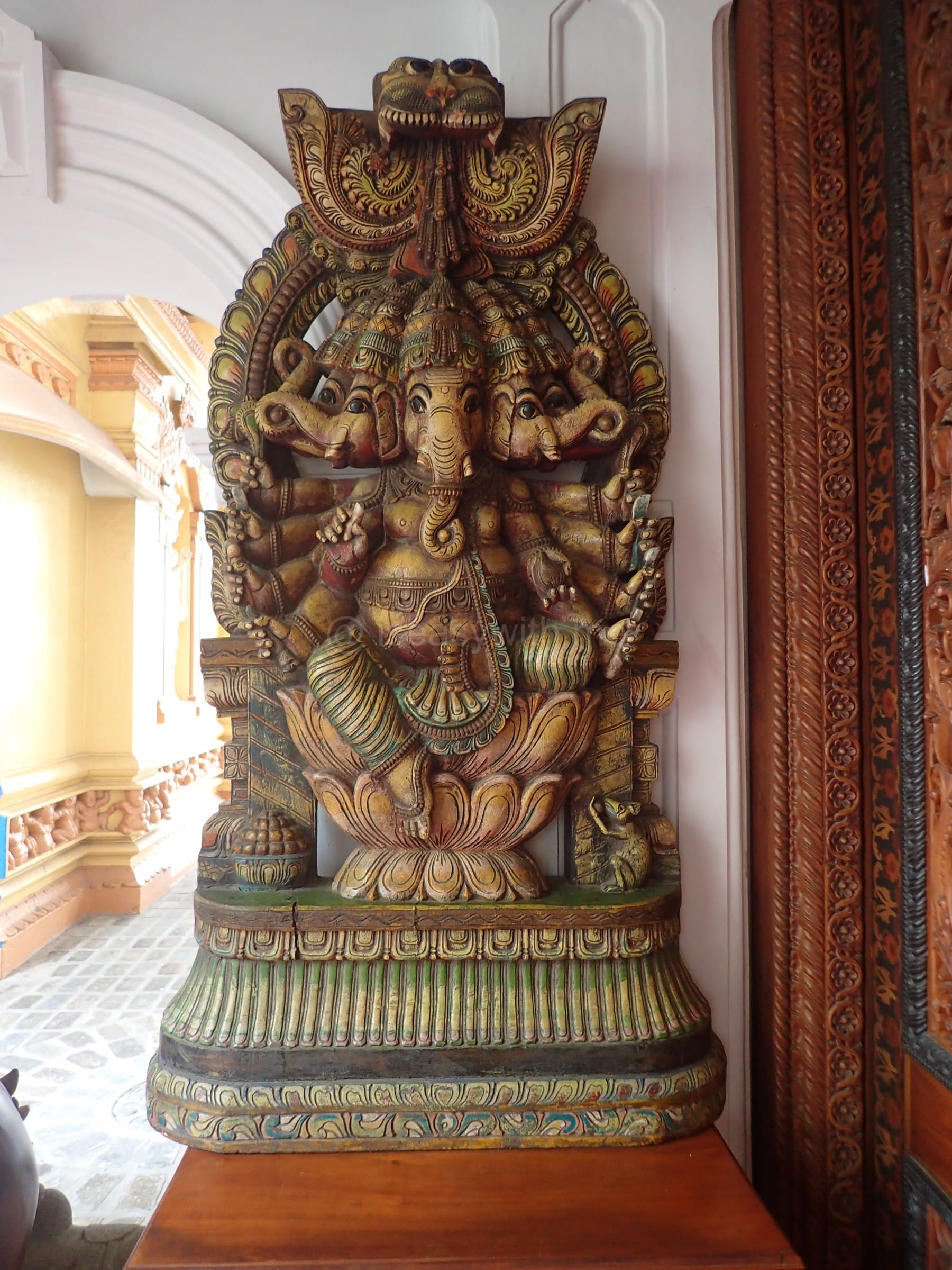
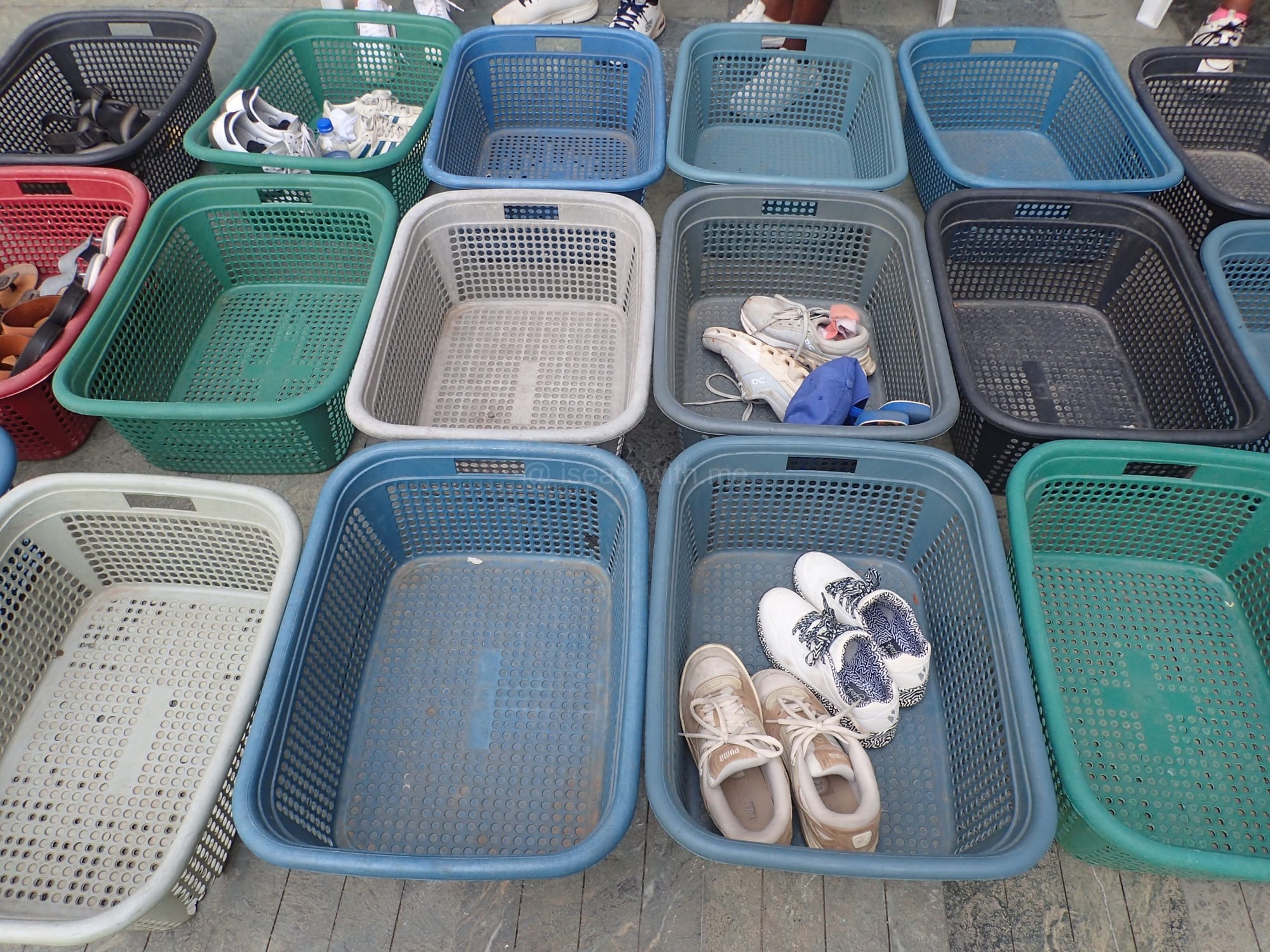
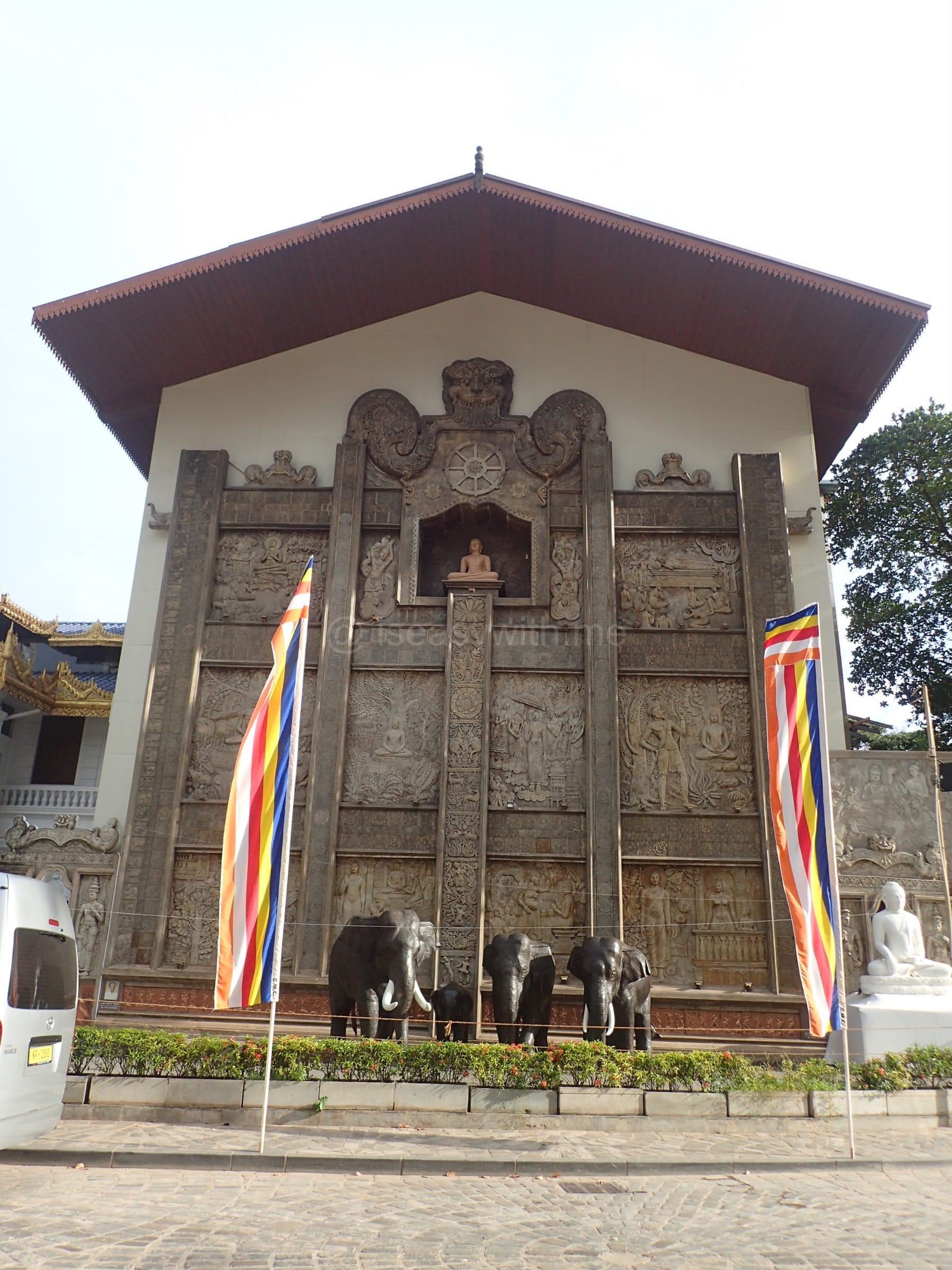
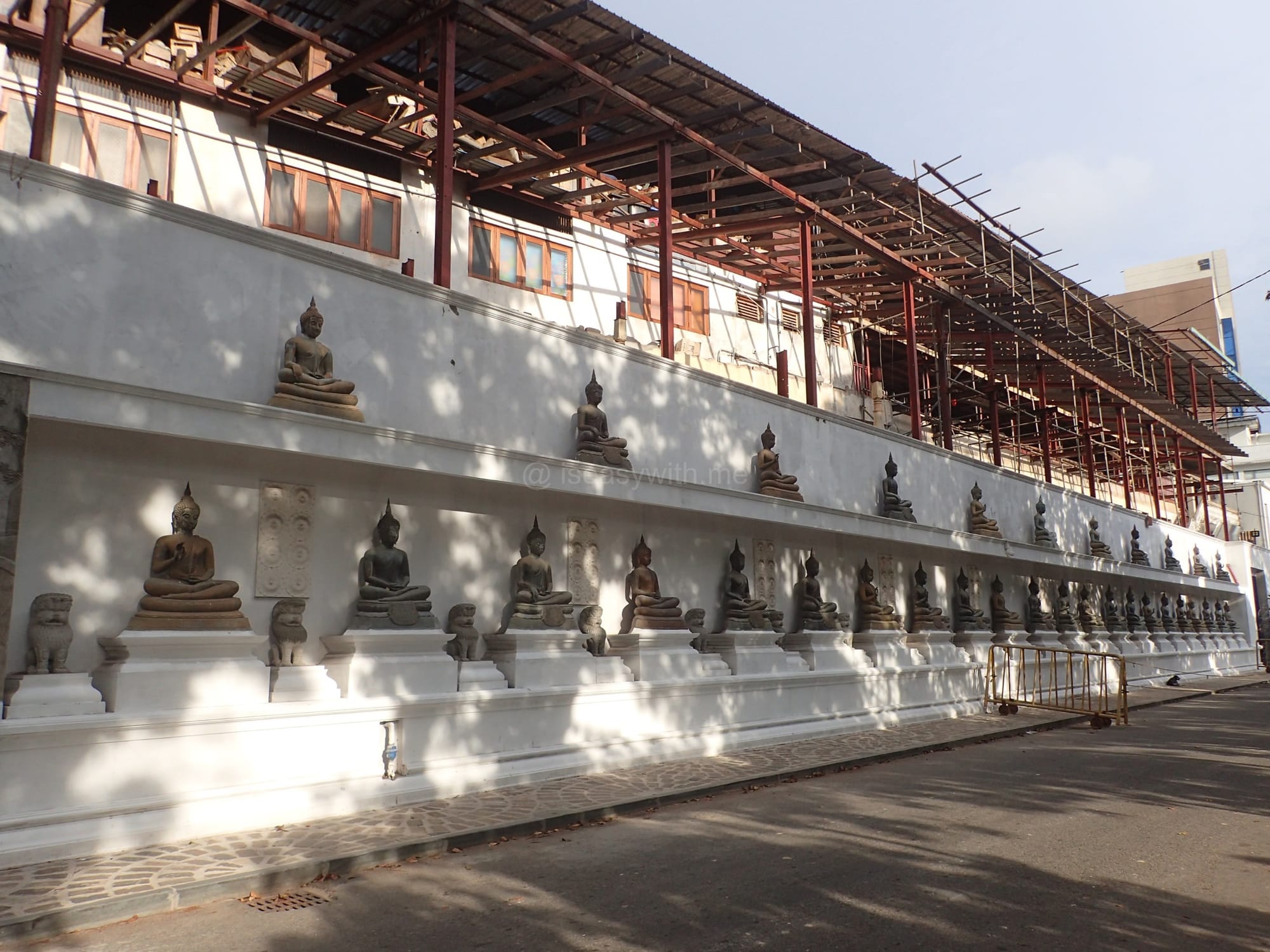
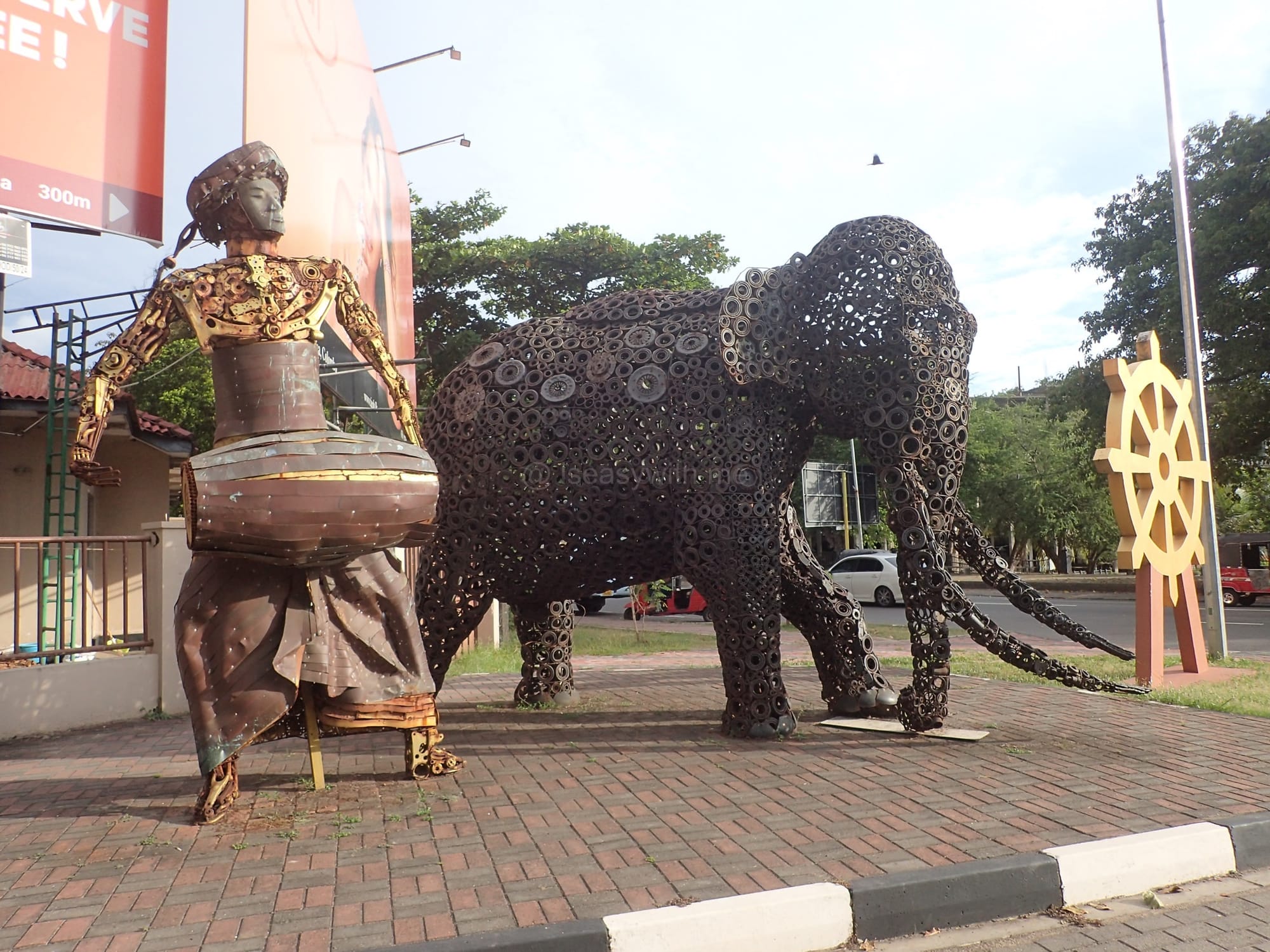
Gangaramaya Temple
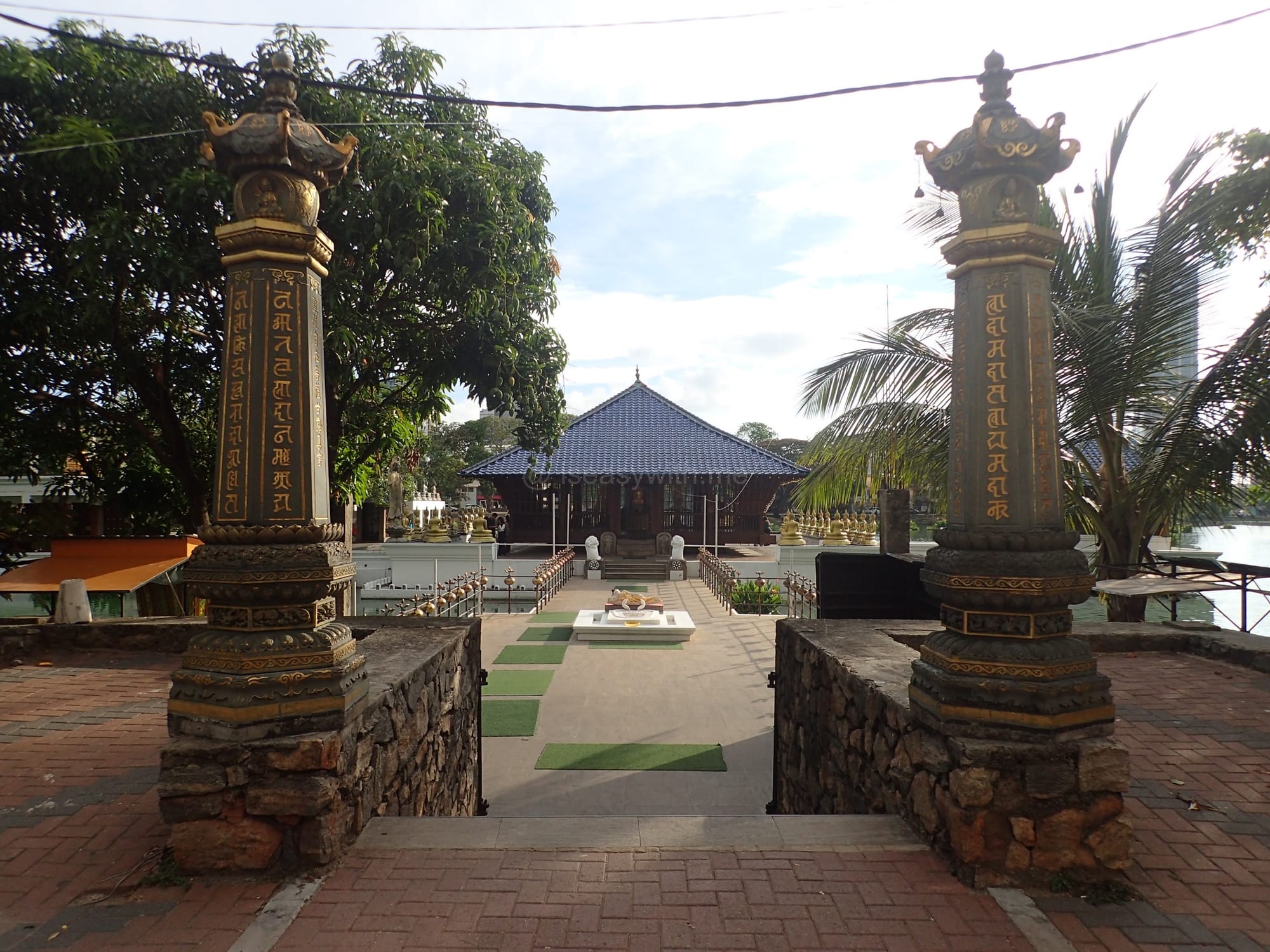
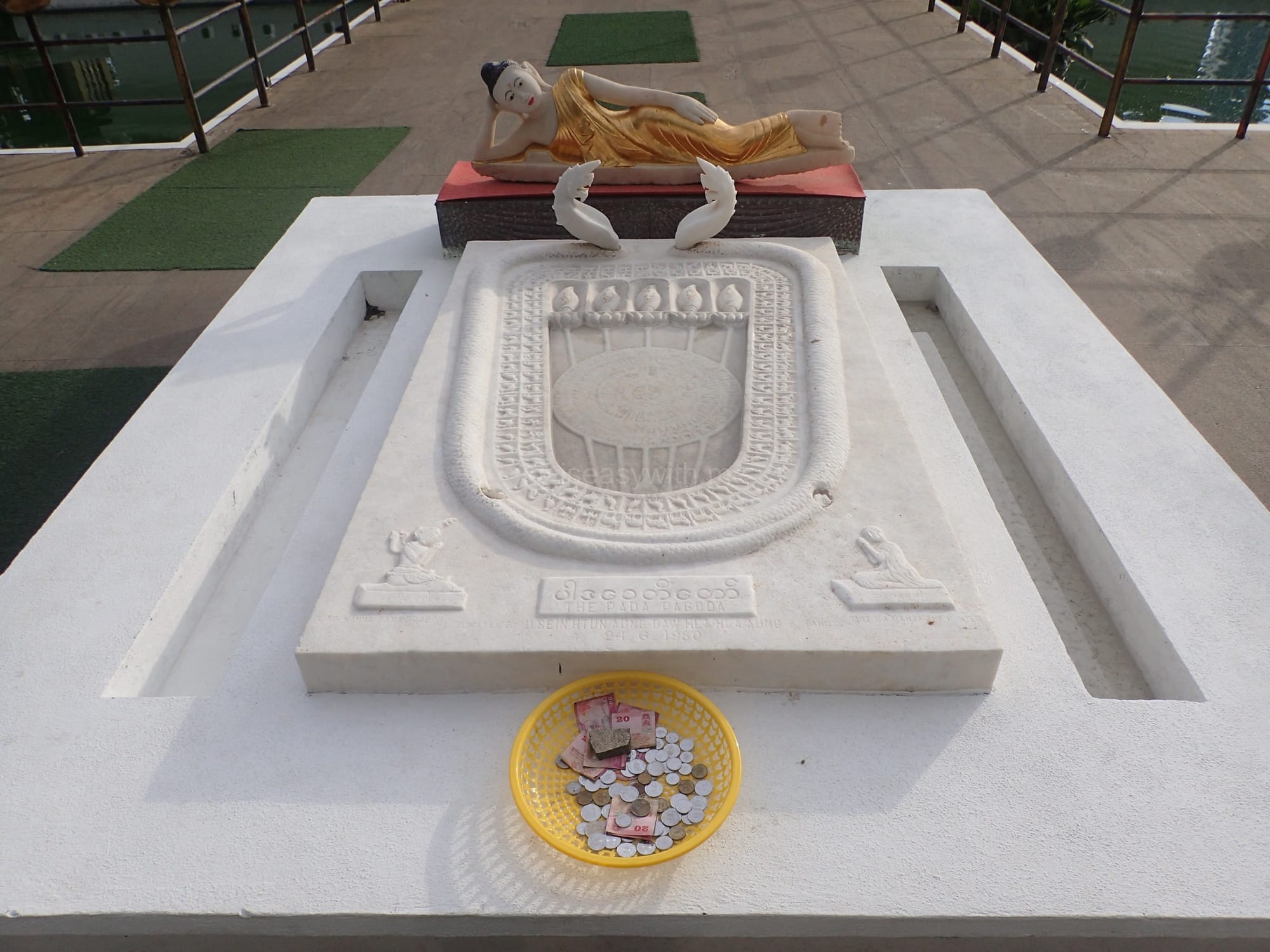
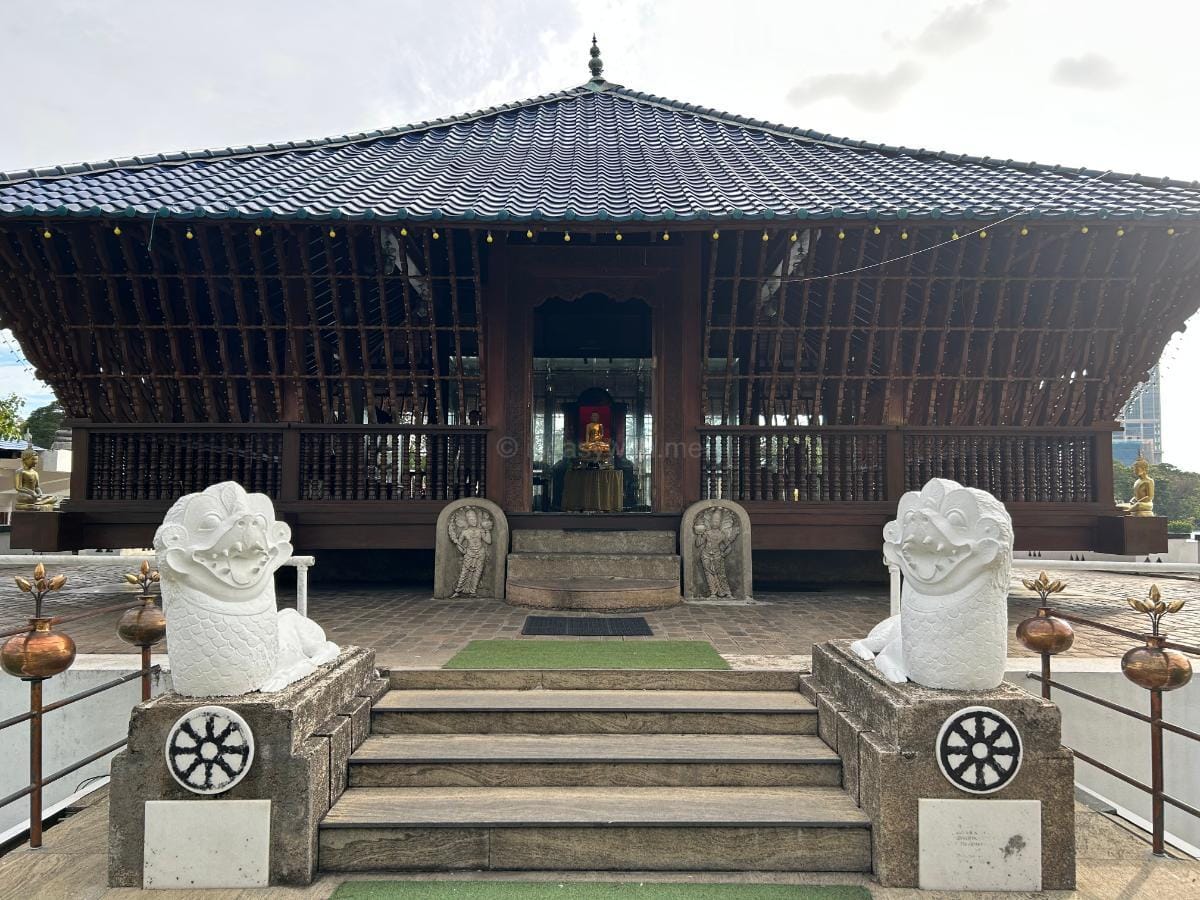
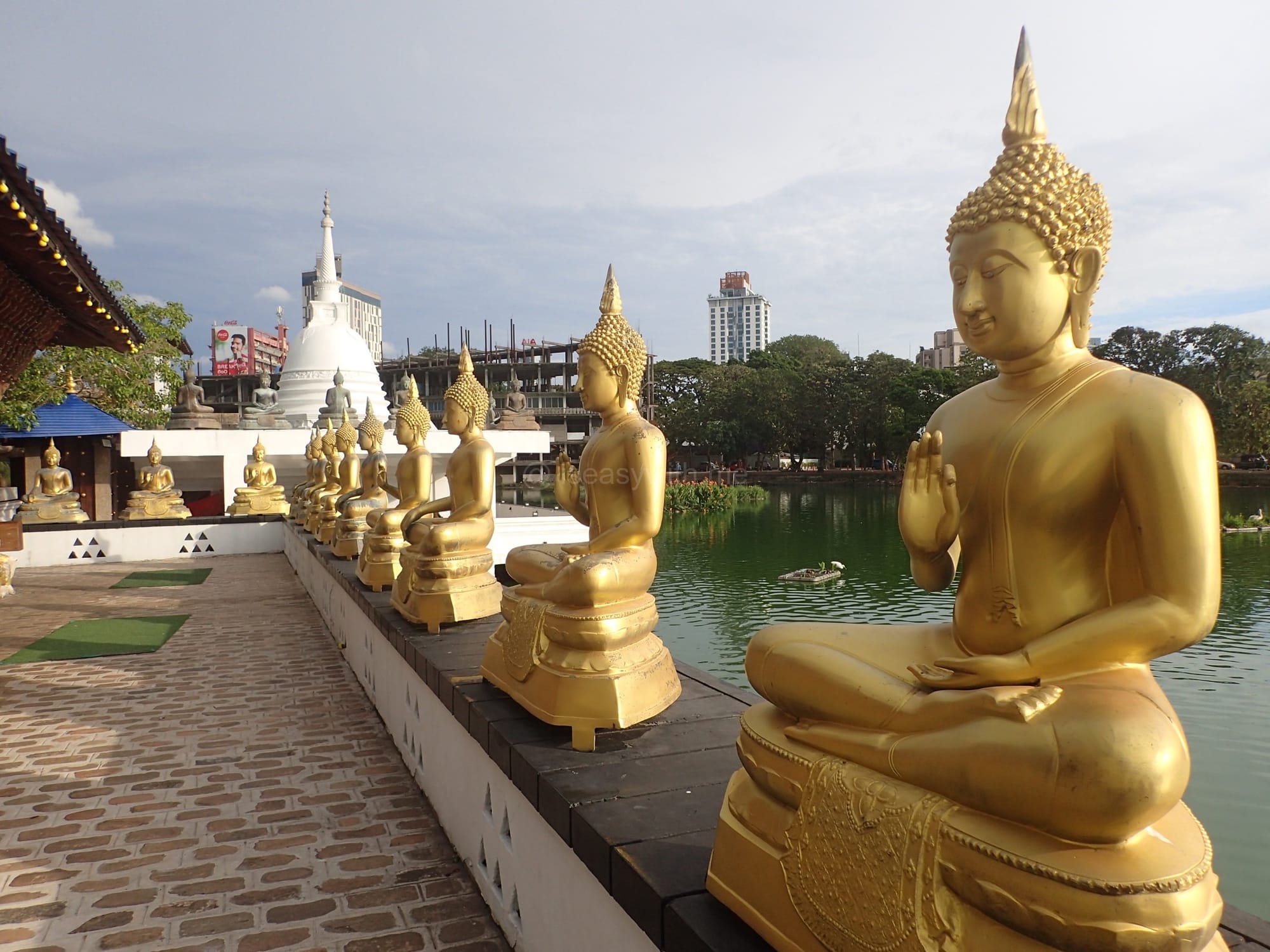
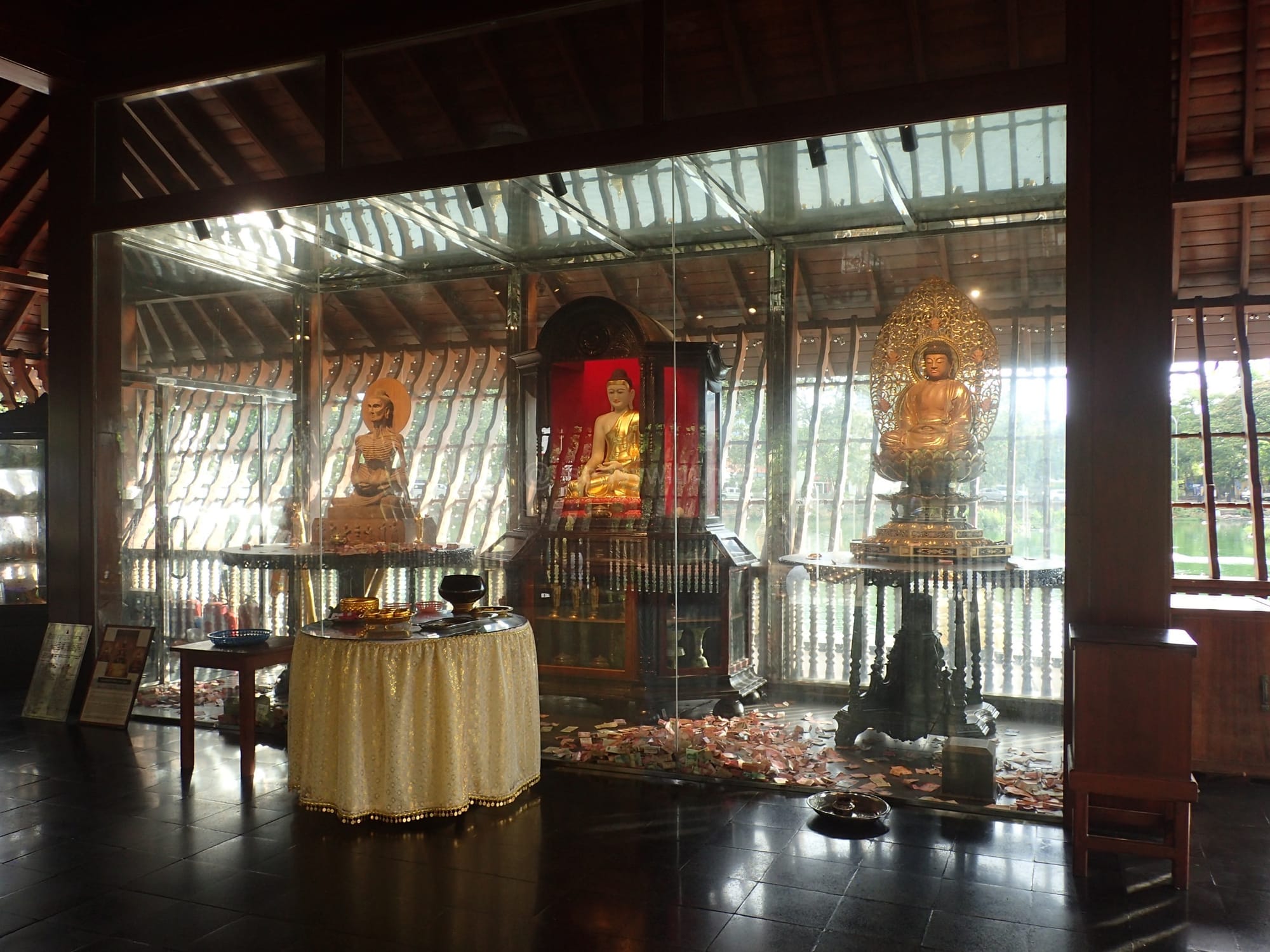
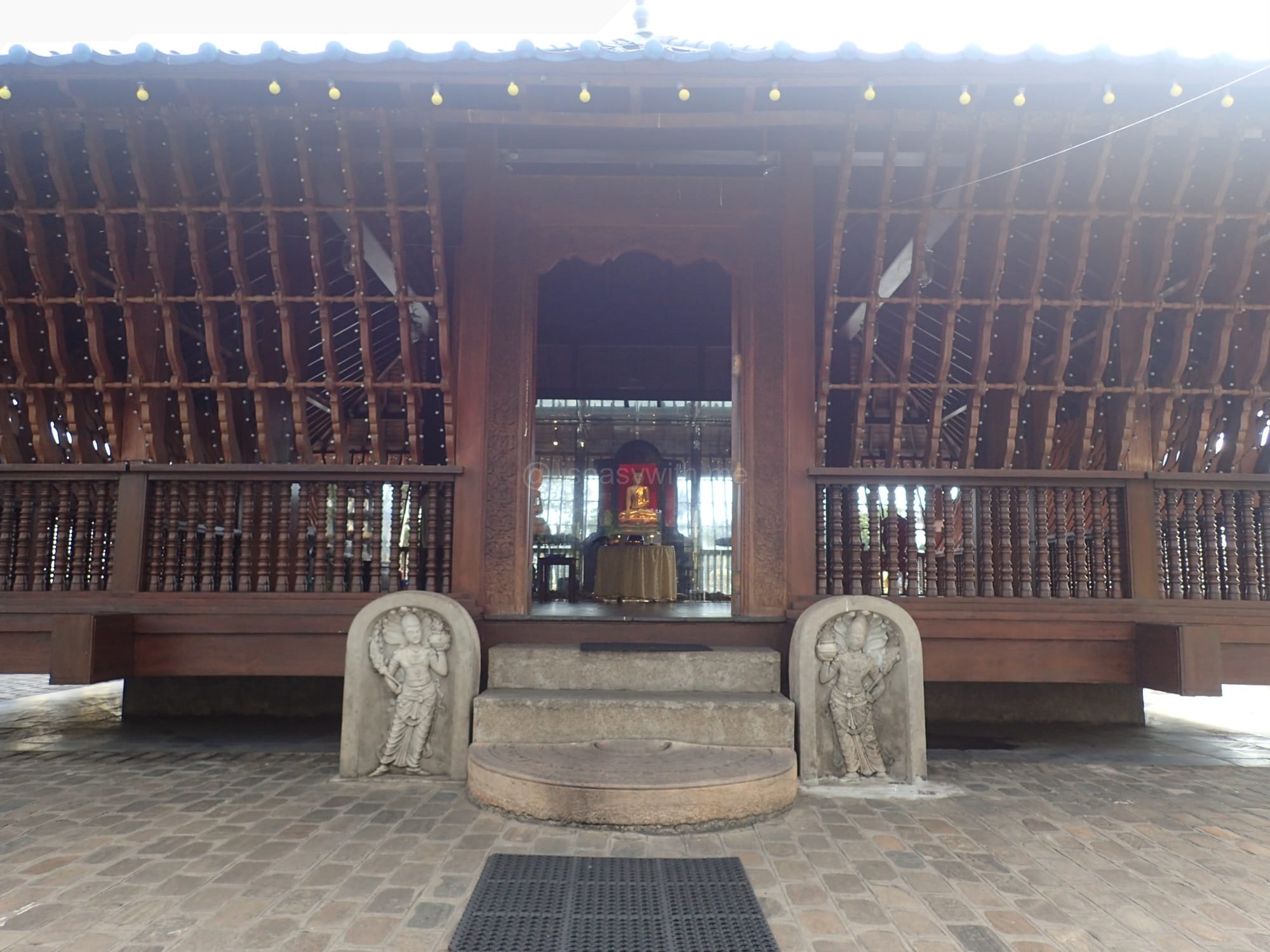
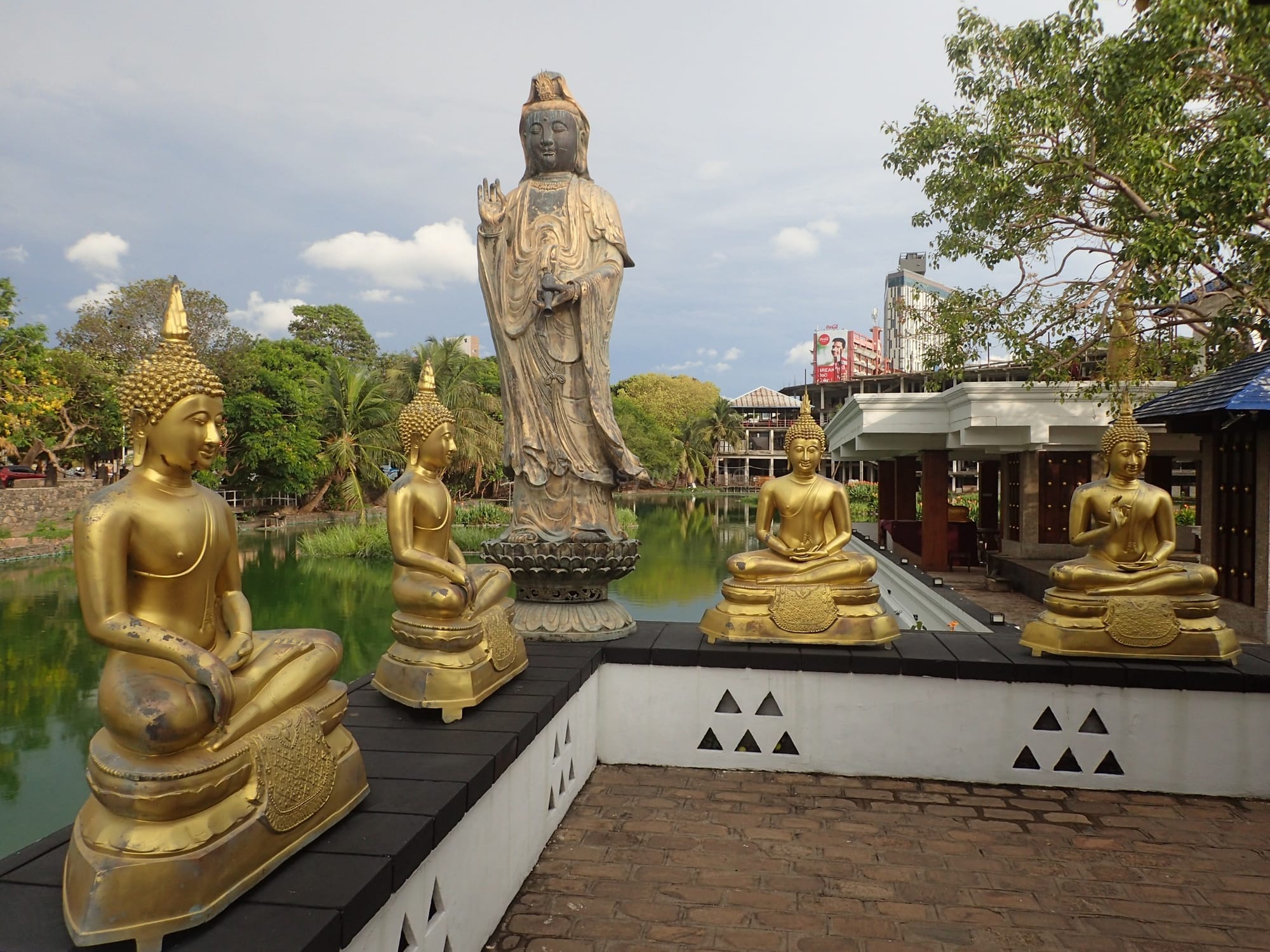
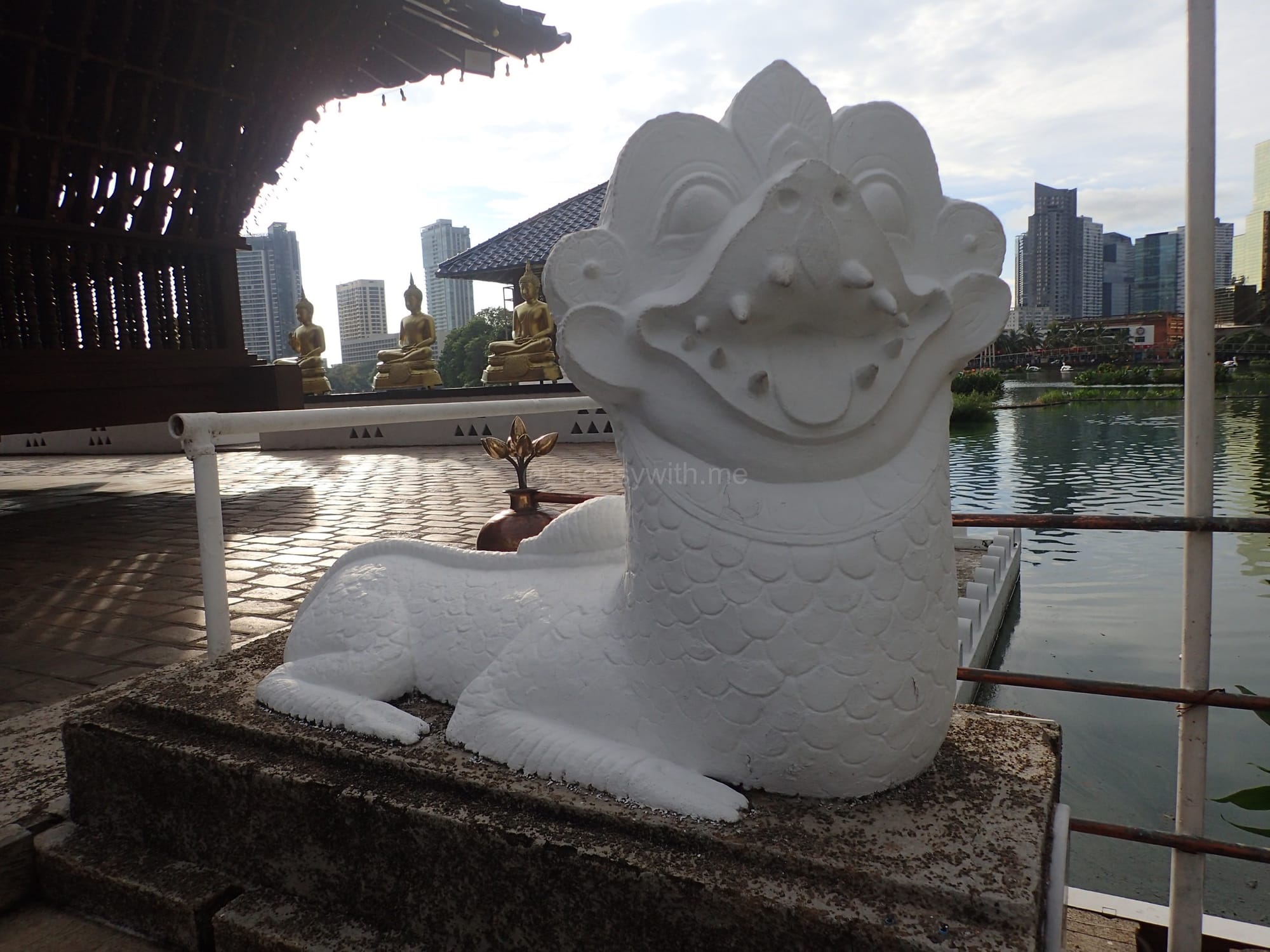
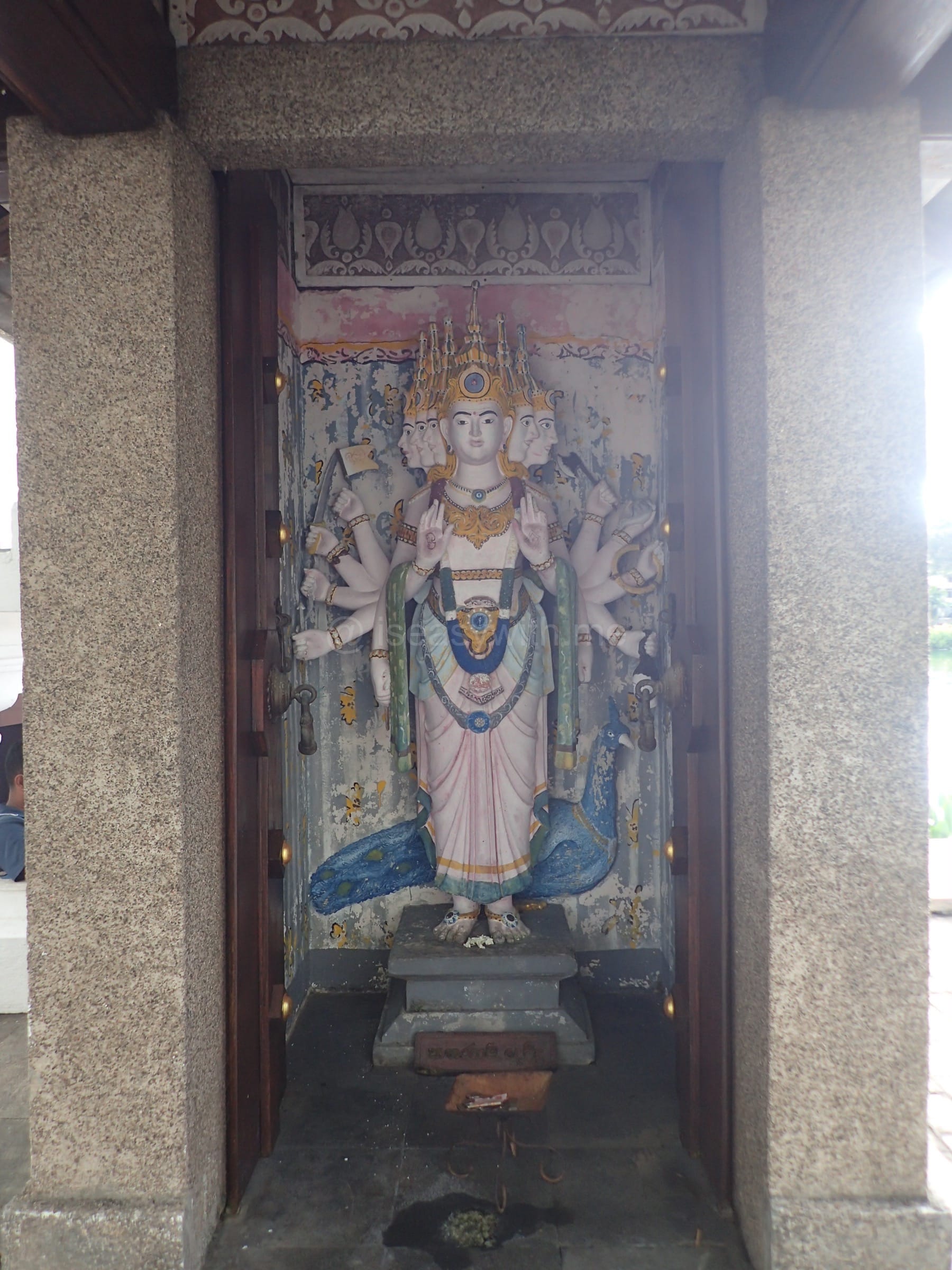
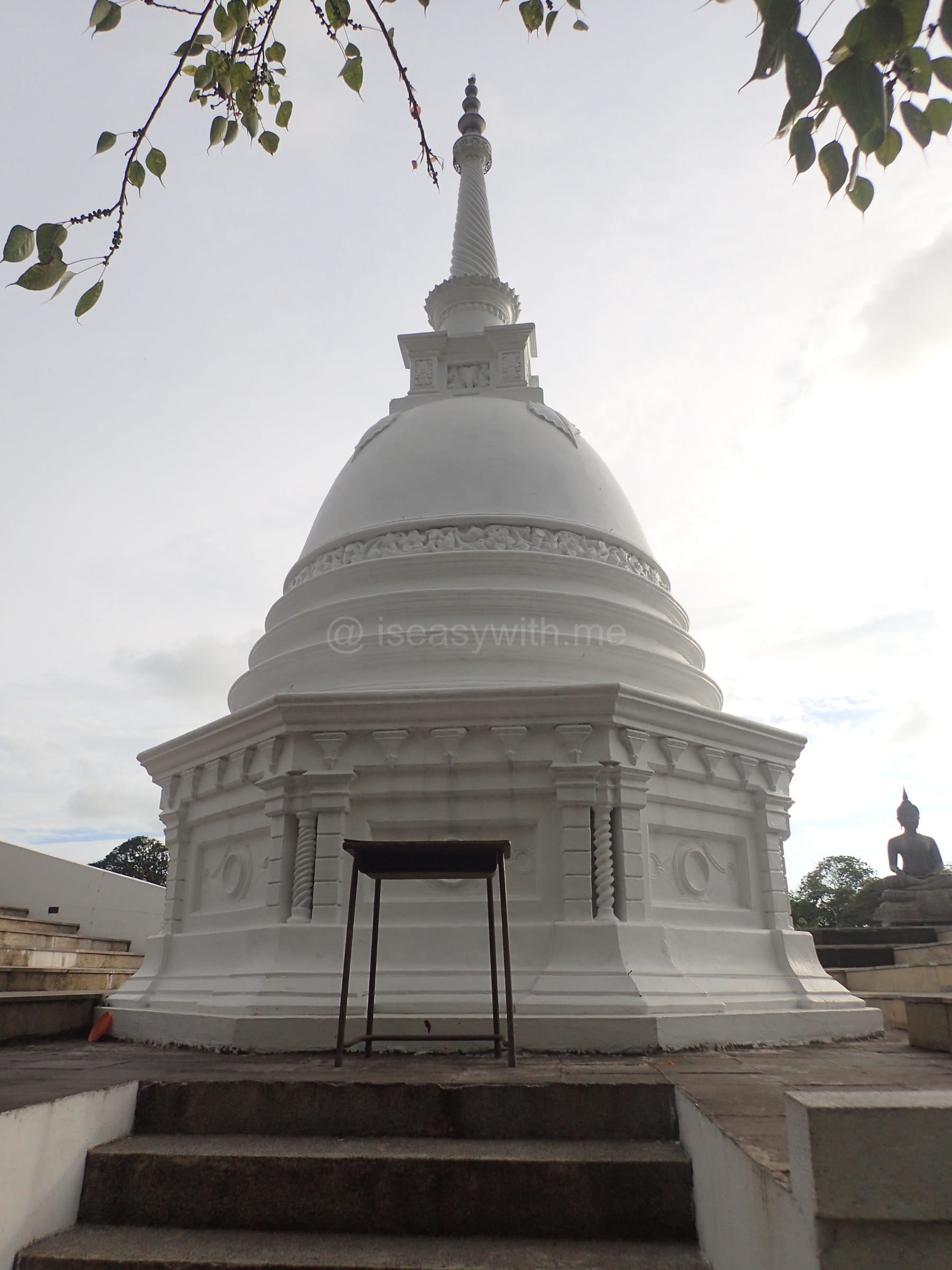
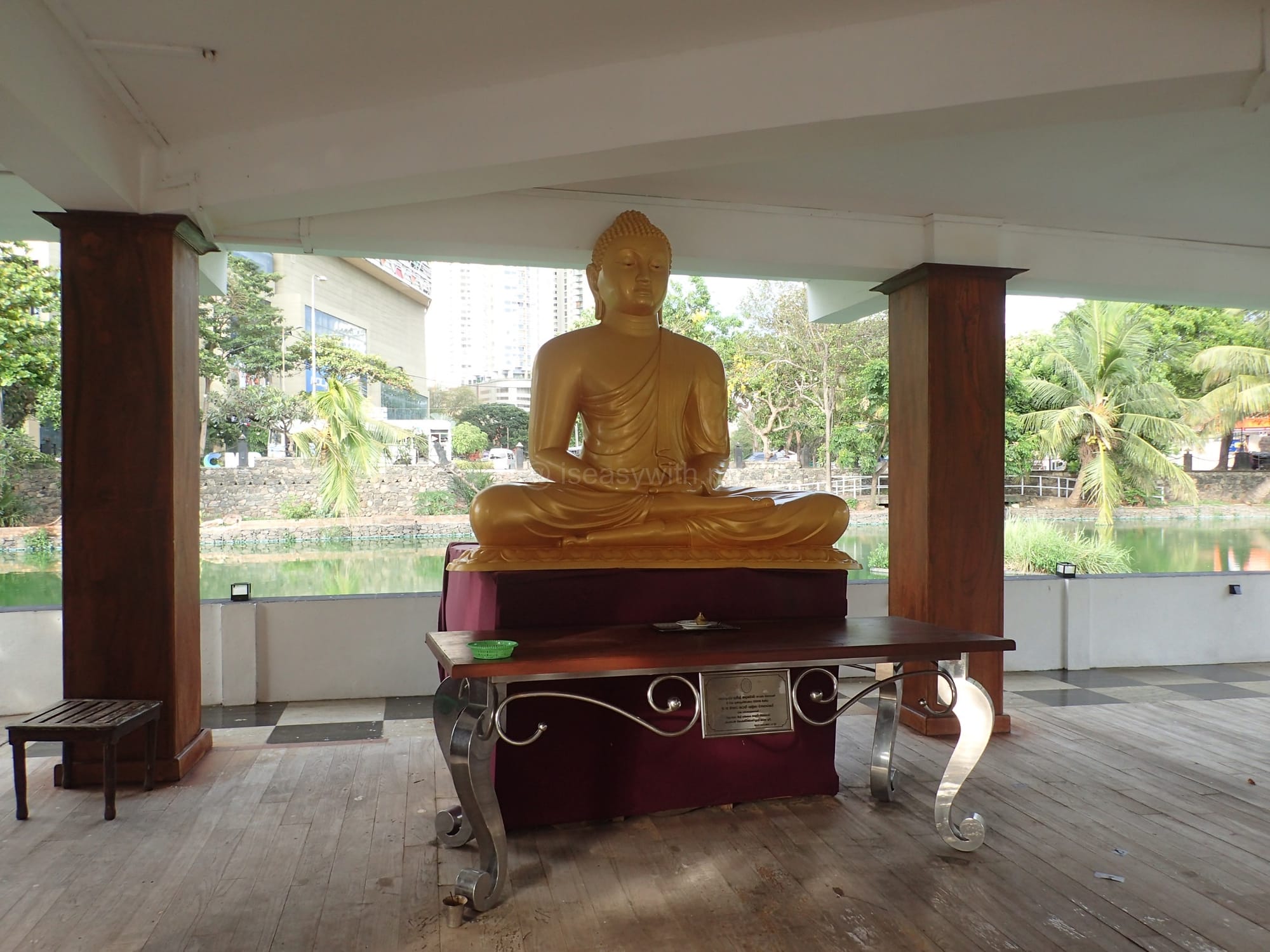
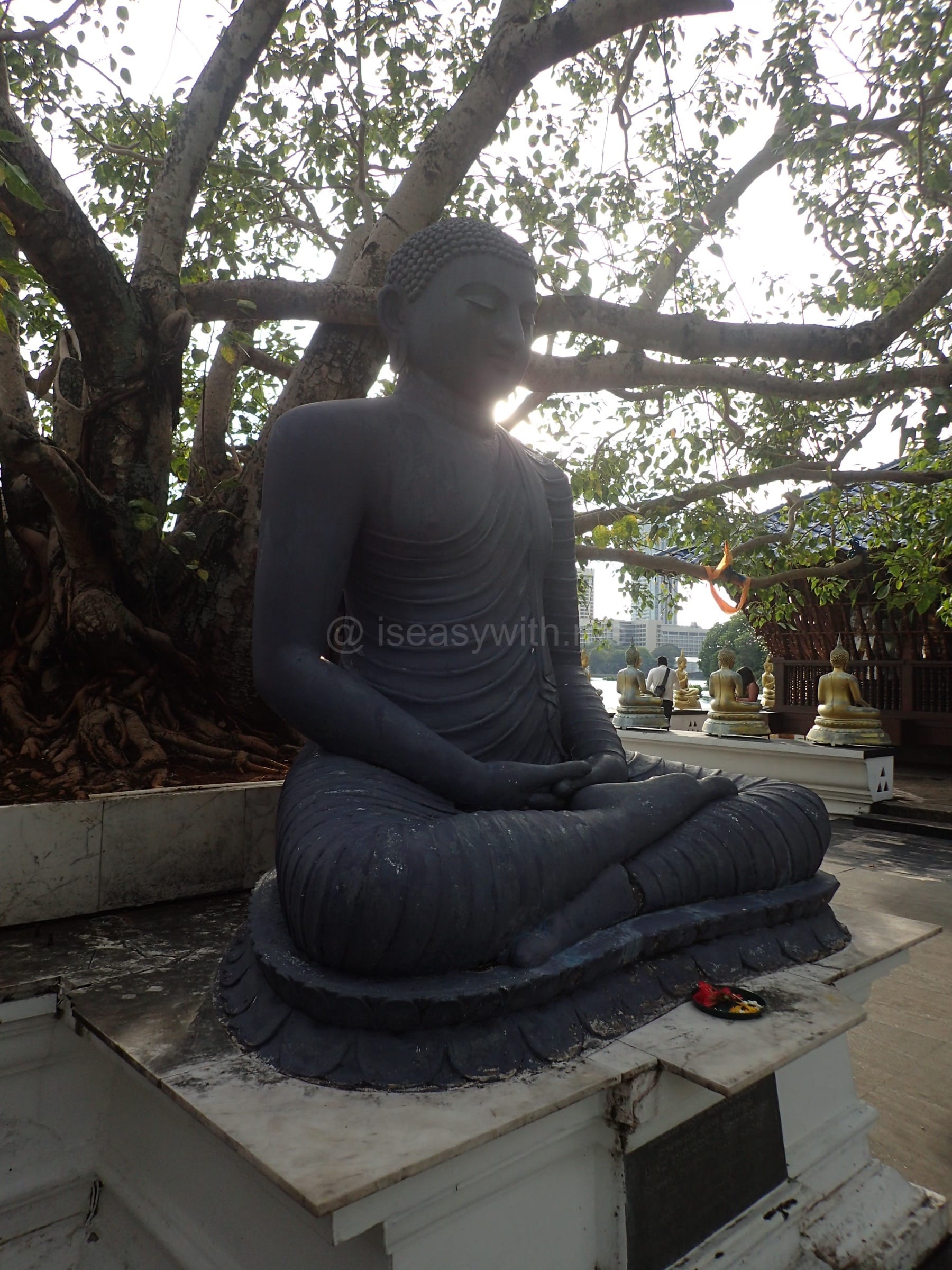
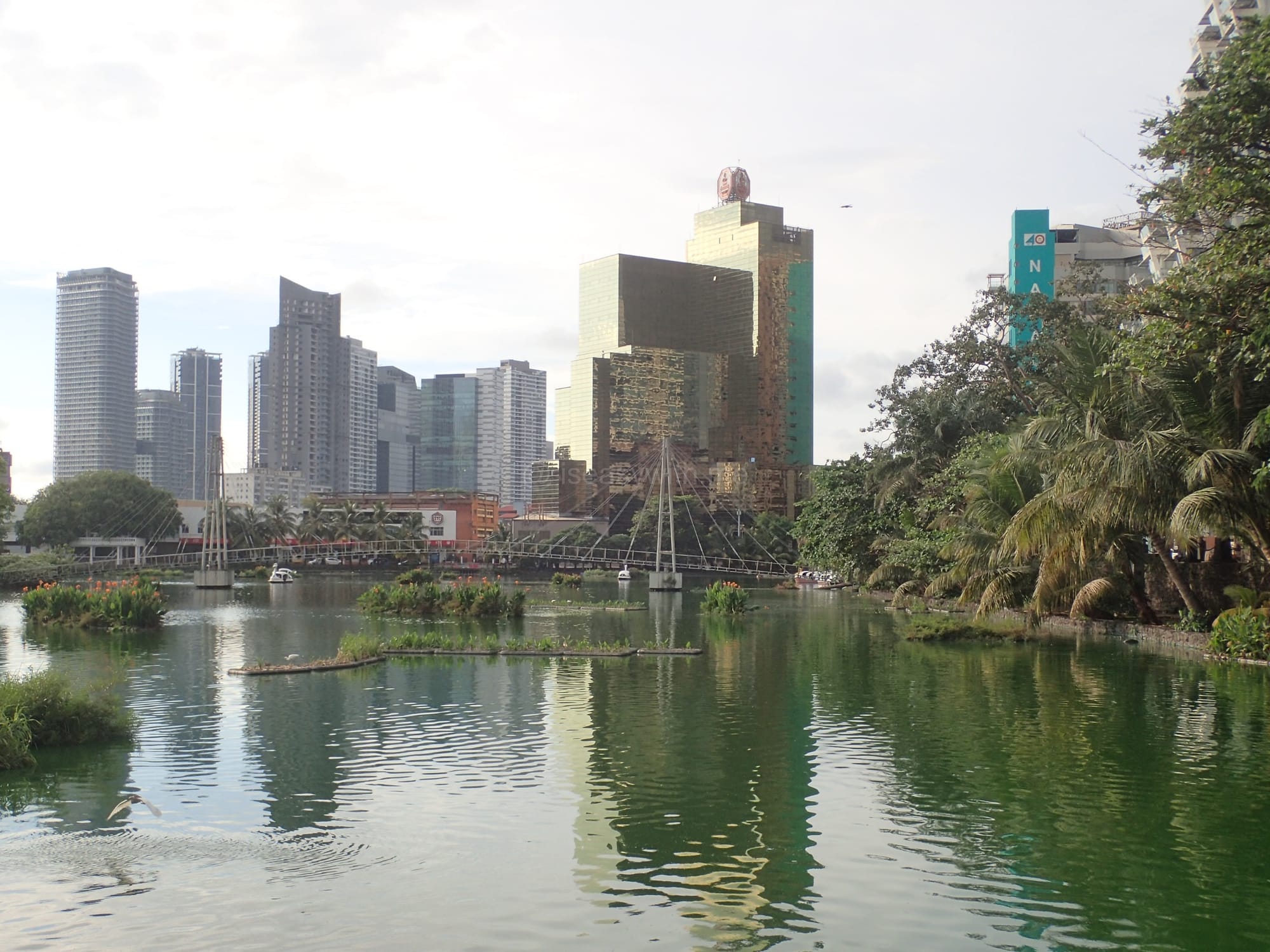
Seema Malaka
Jami Ul-Alfar Mosque
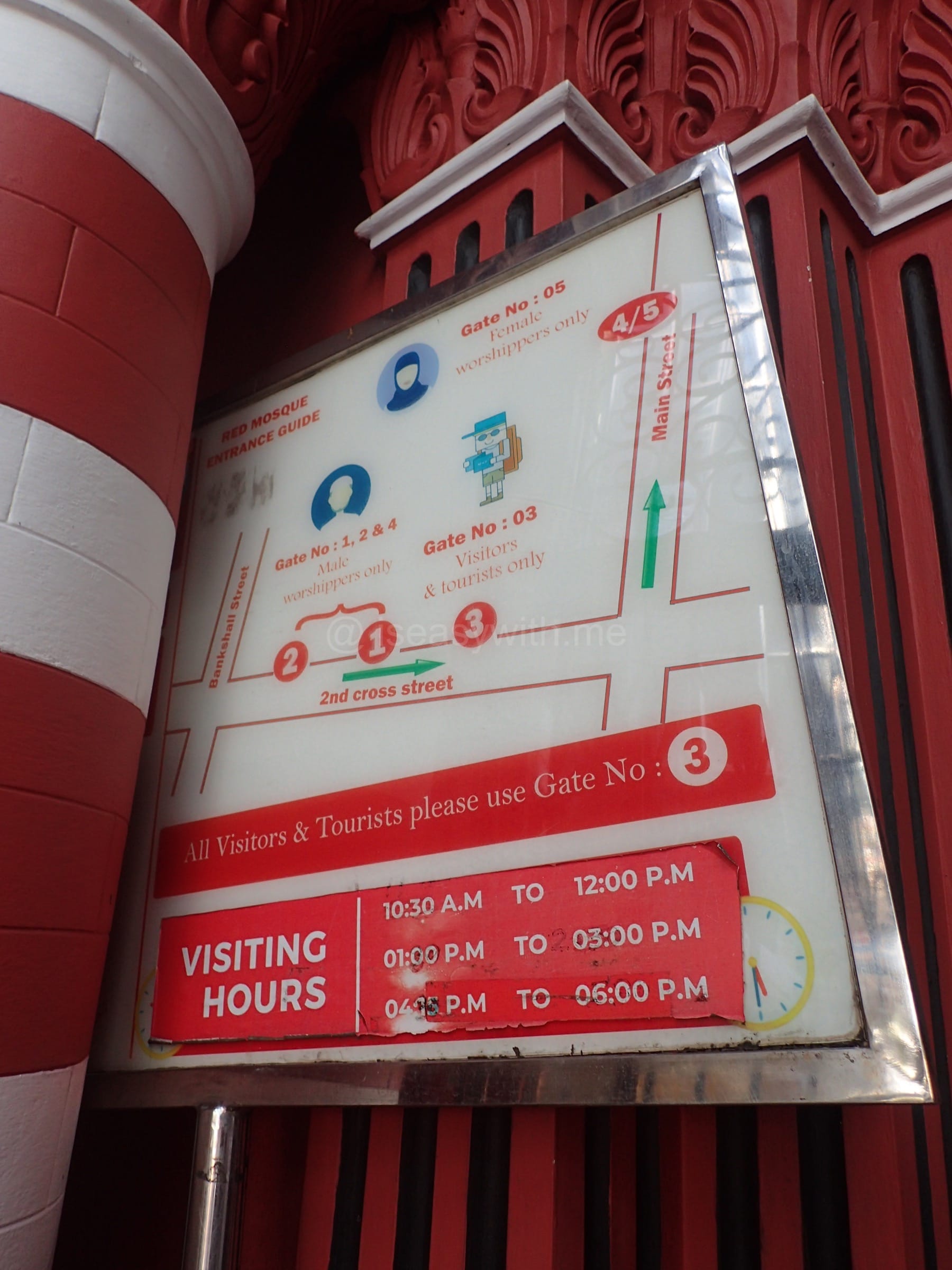
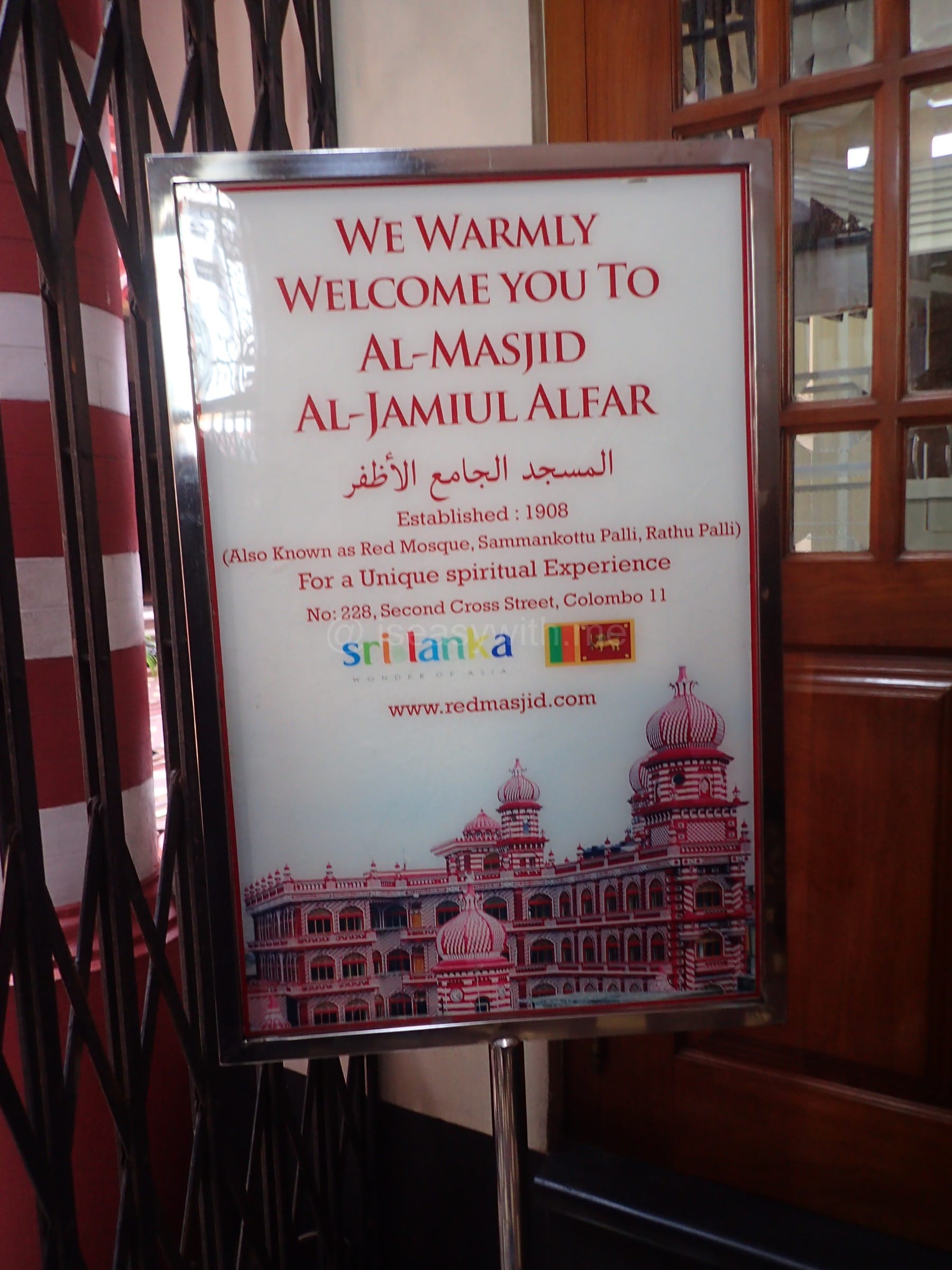
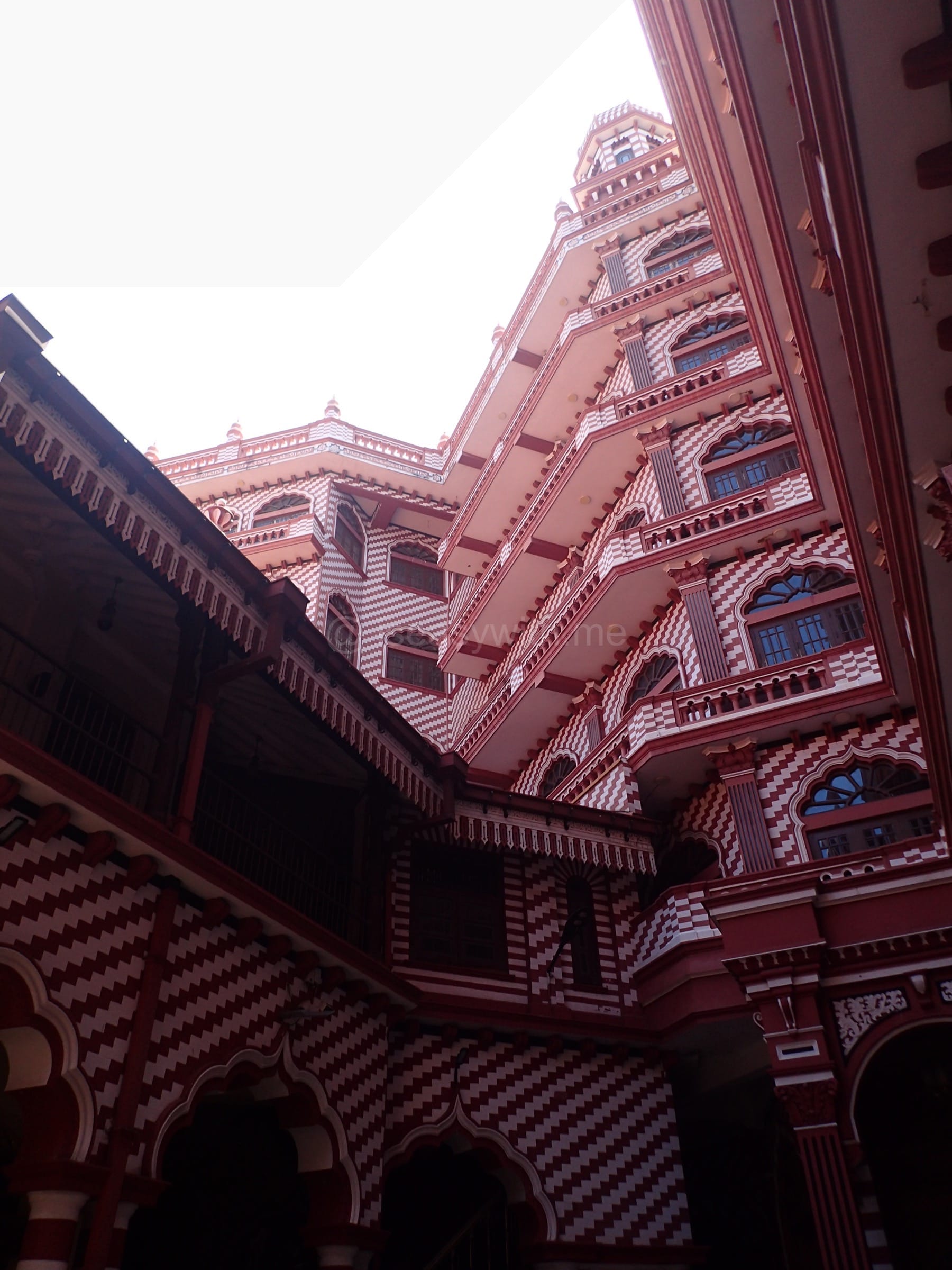
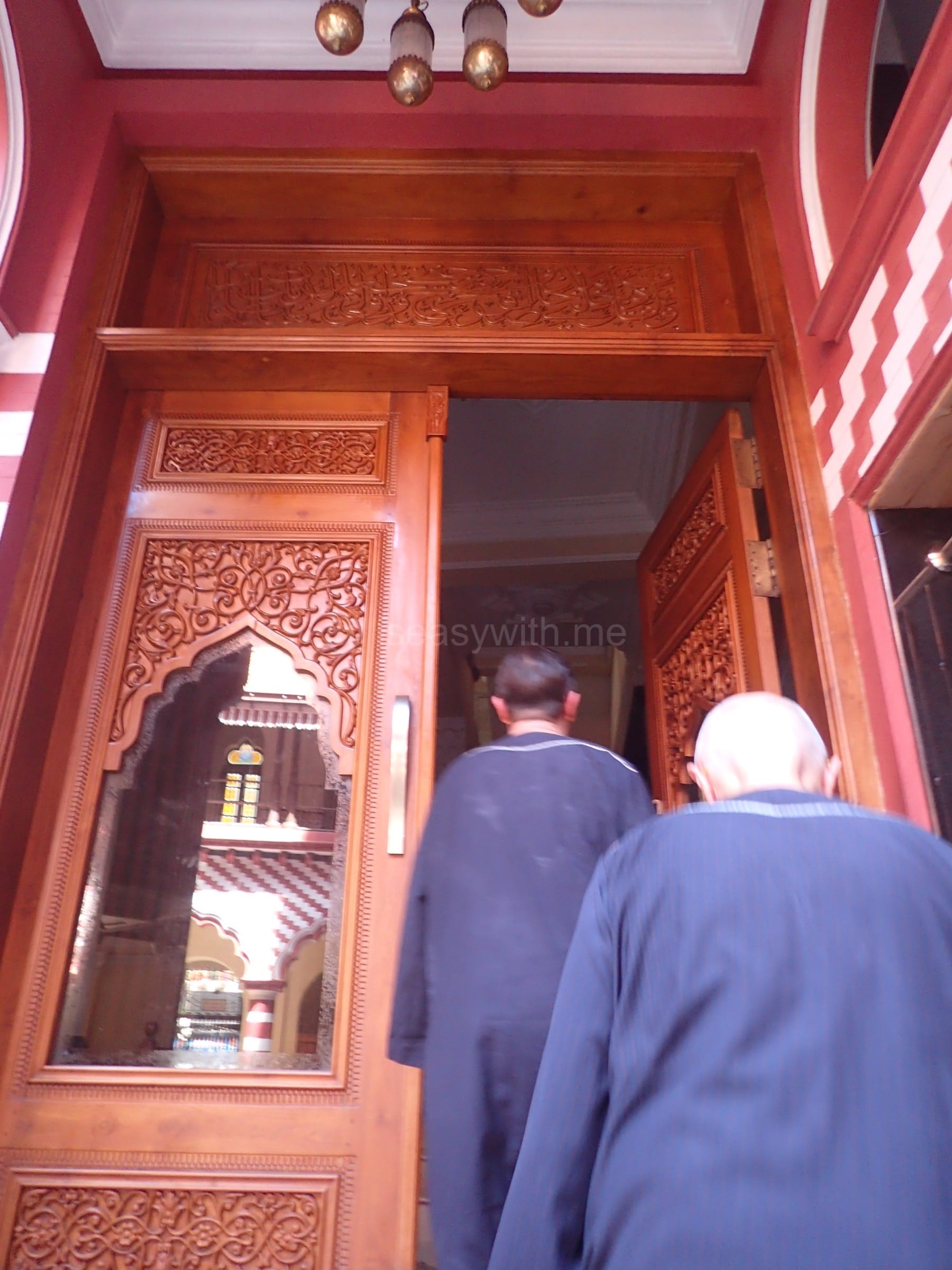
Better known as the Red Mosque, this striking landmark is instantly recognisable by its candy-striped red-and-white exterior. It remains one of Colombo's most photographed buildings.
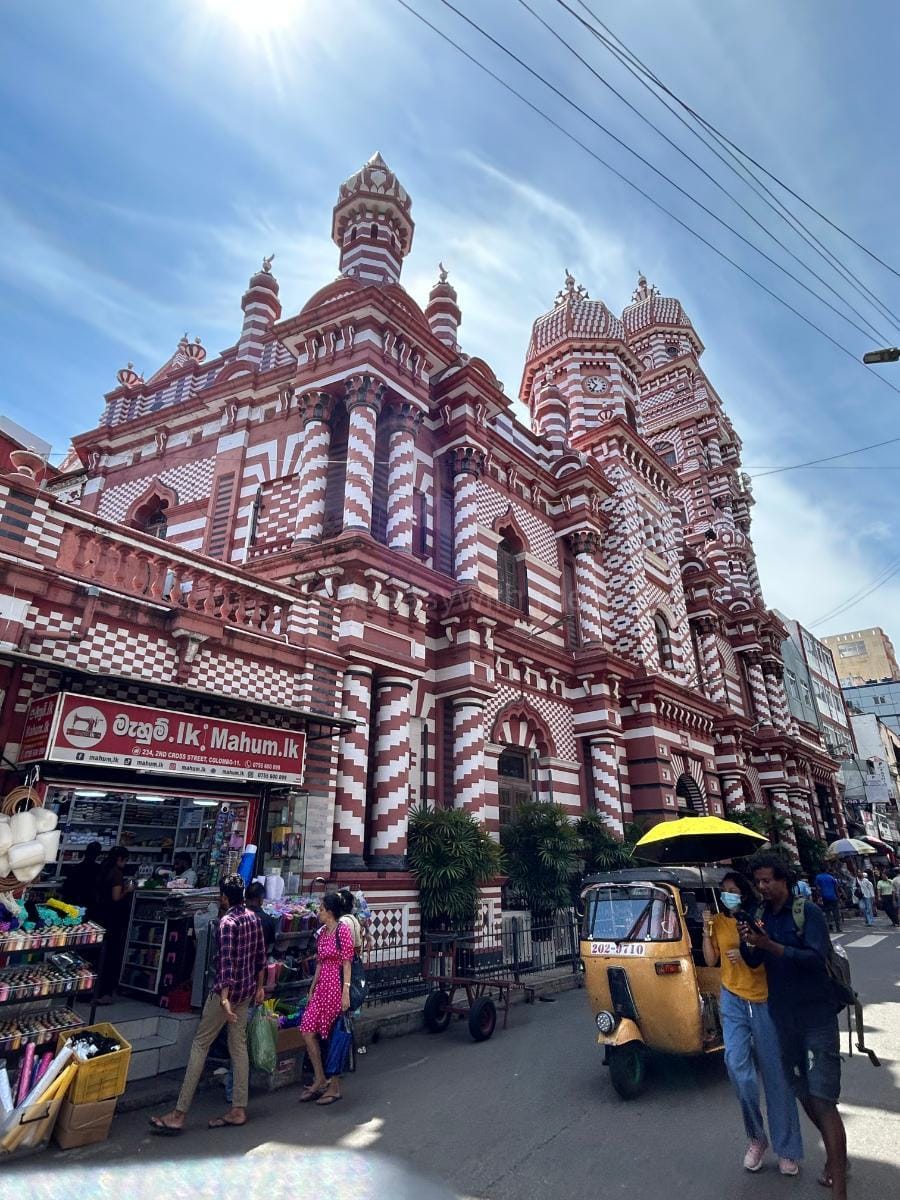
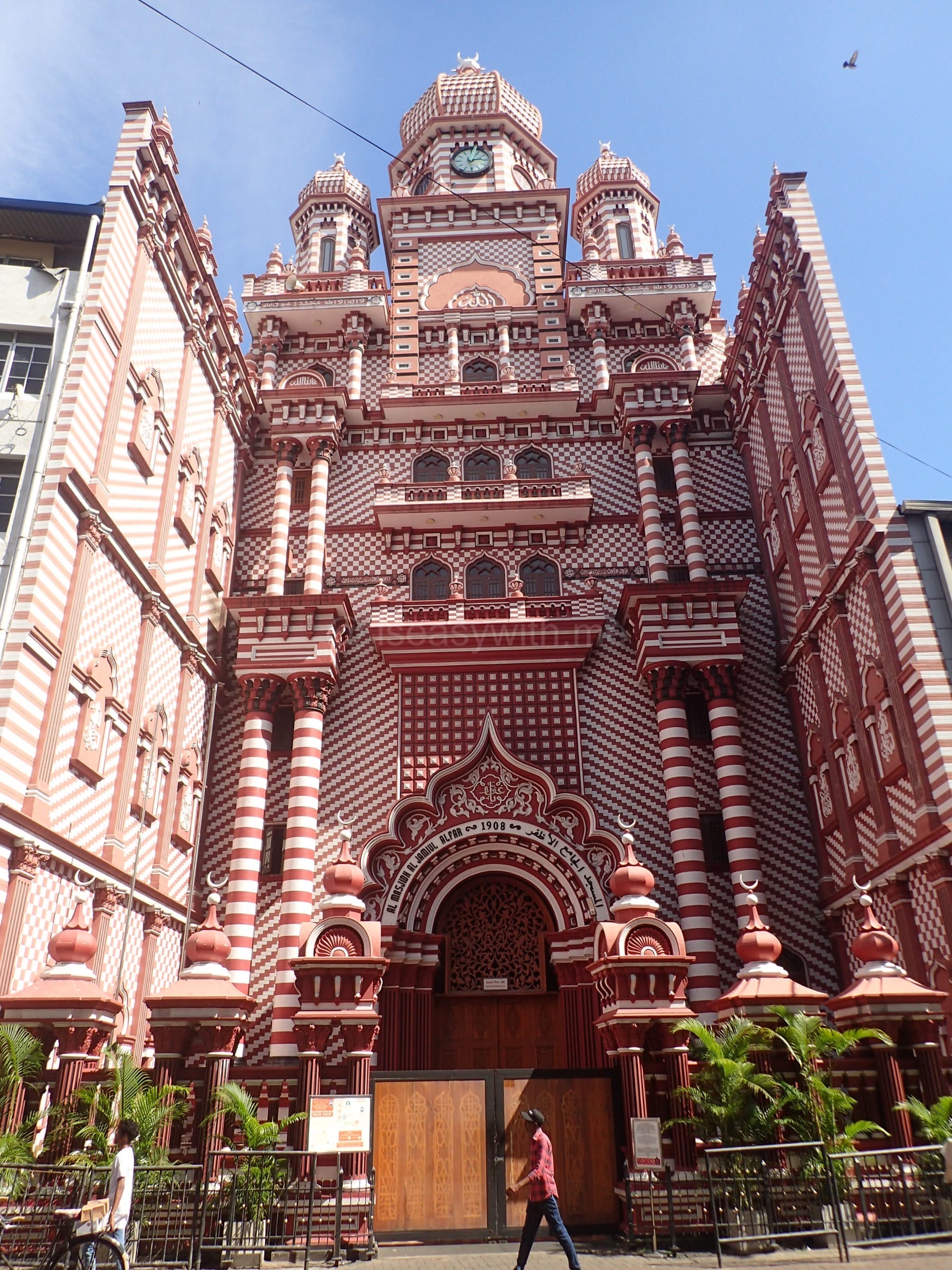
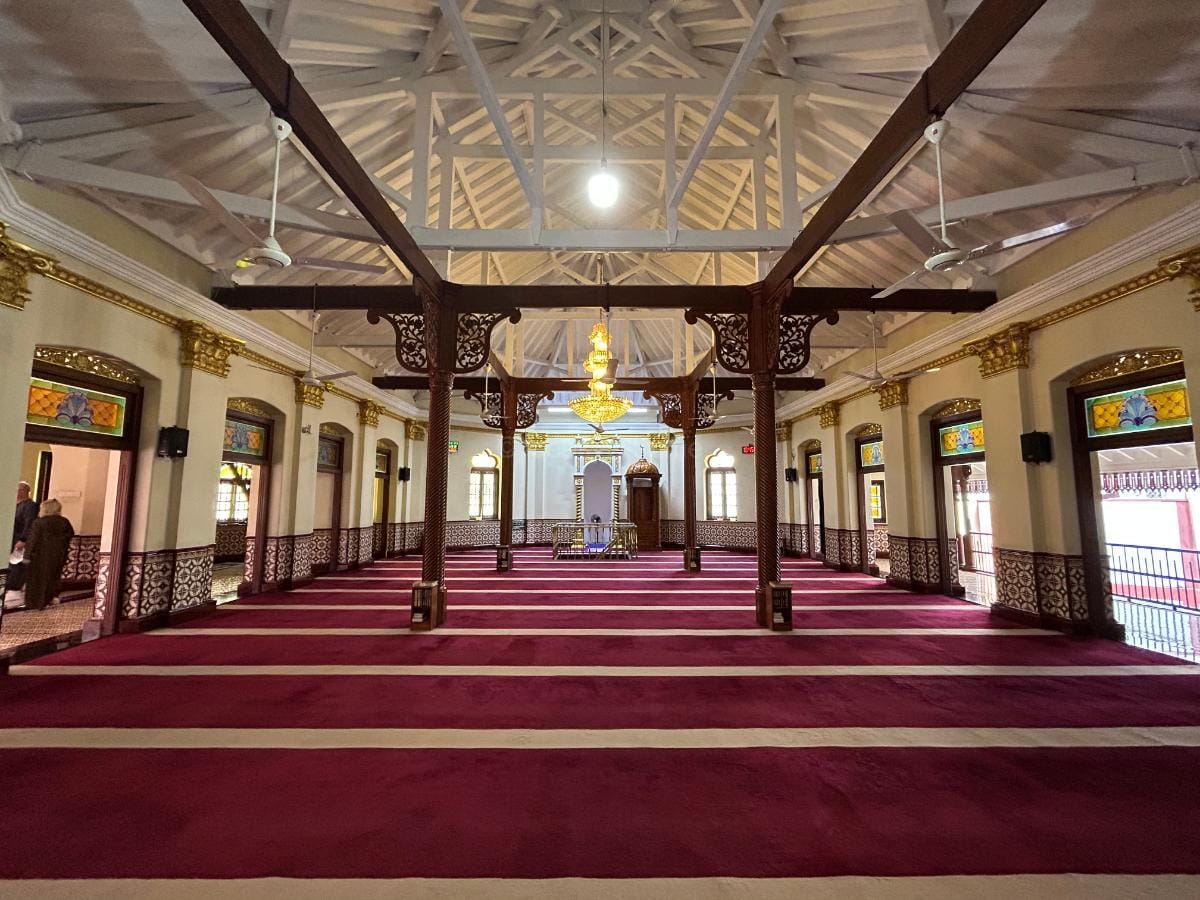
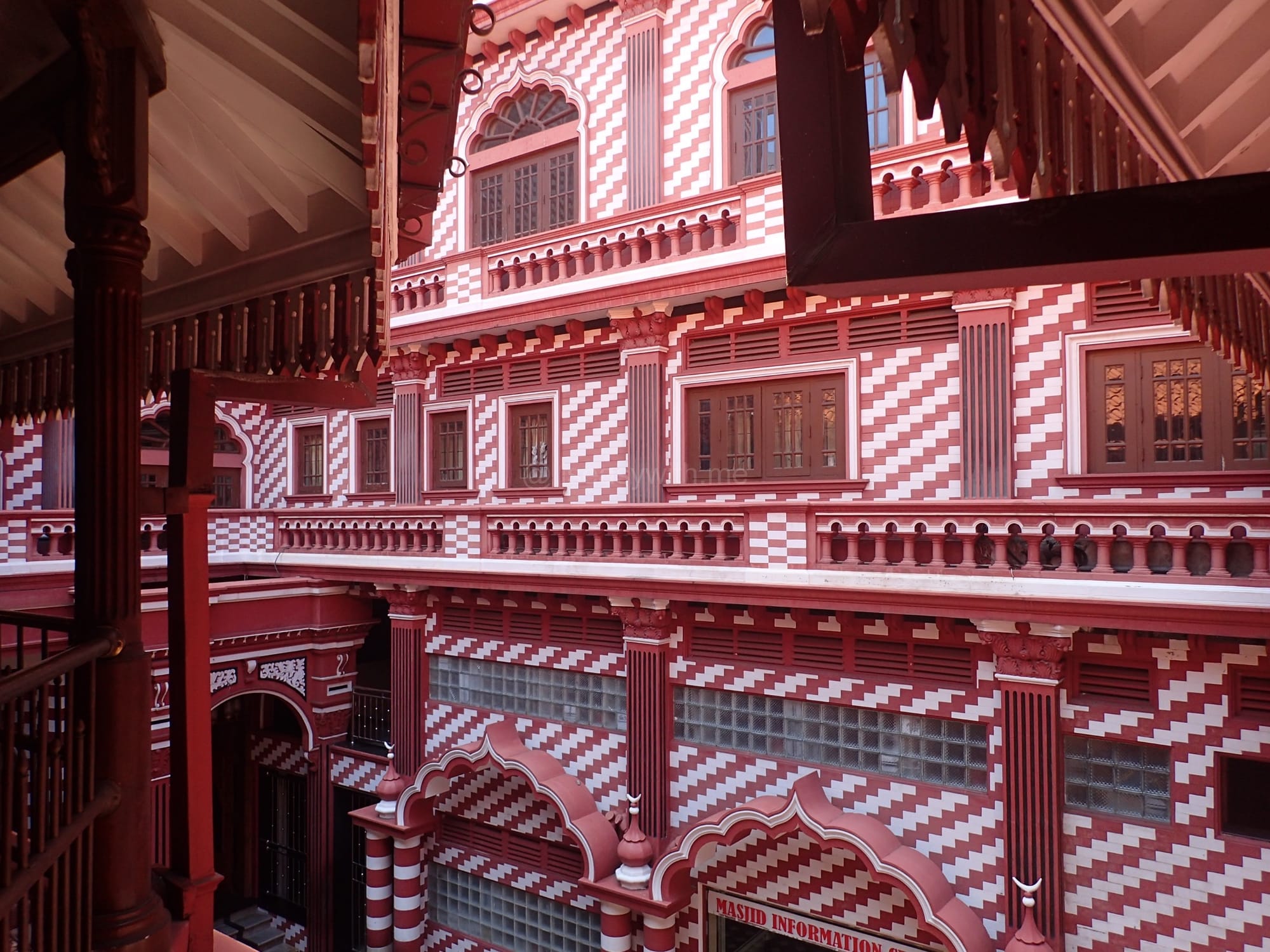
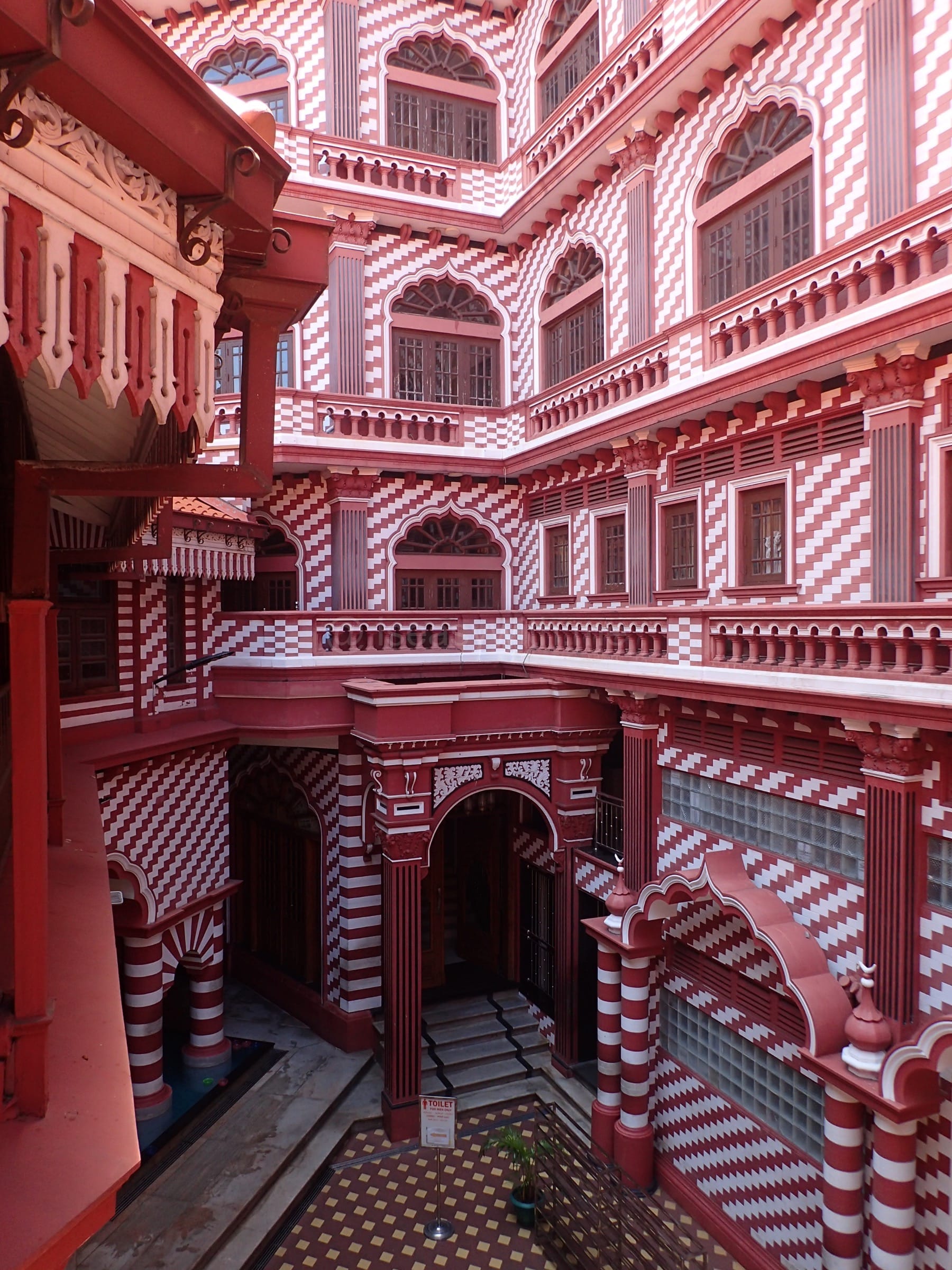
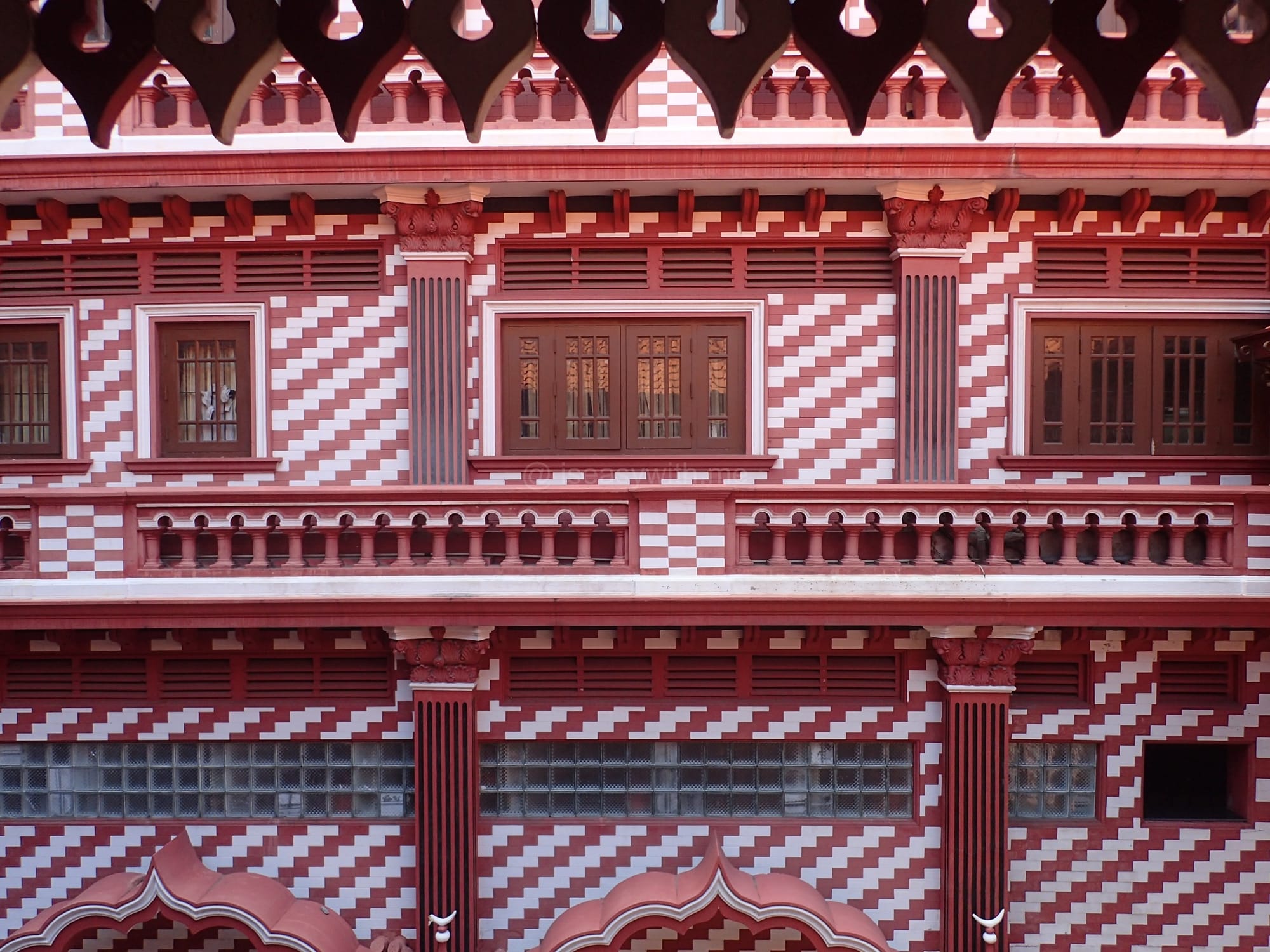
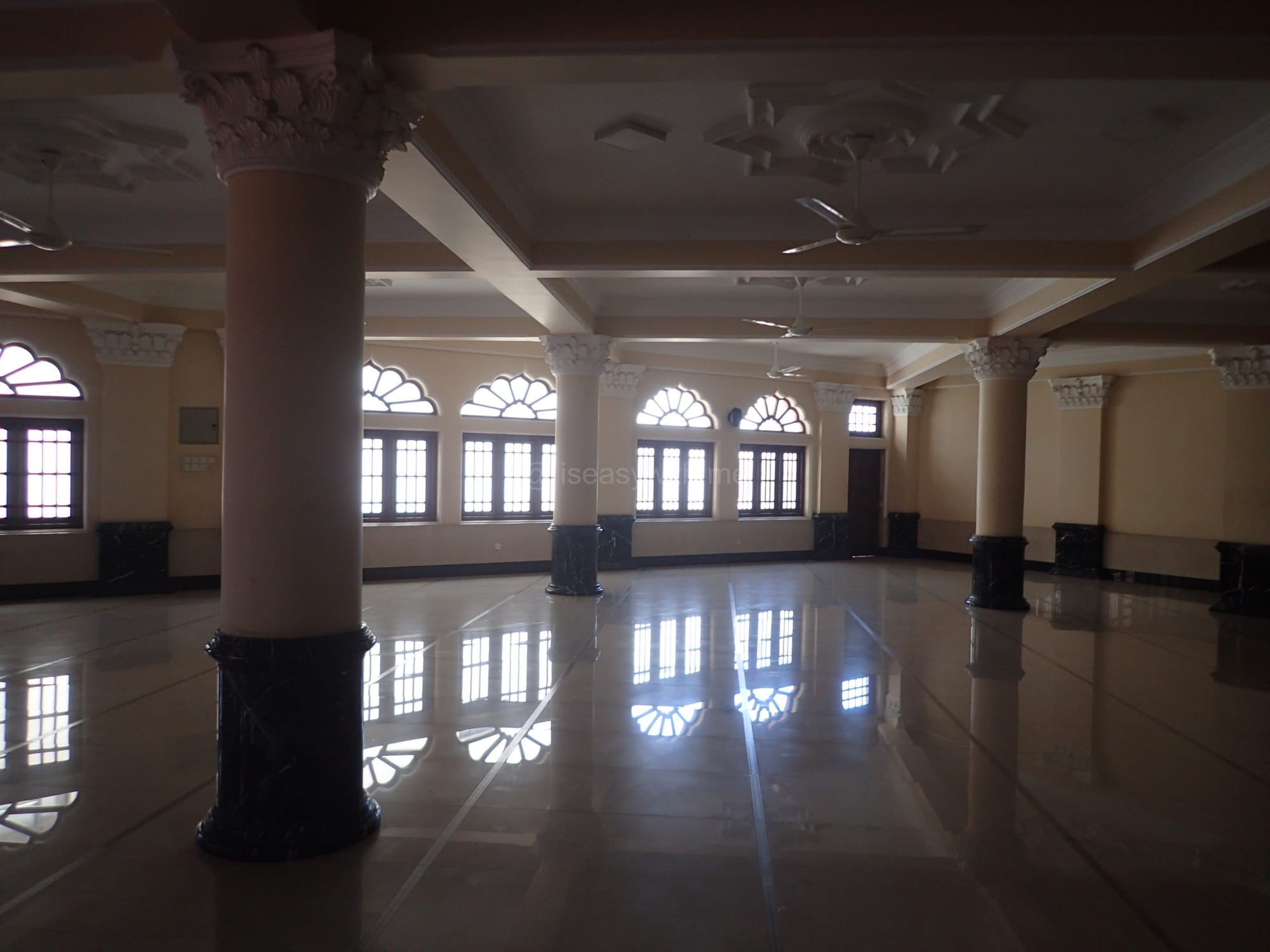
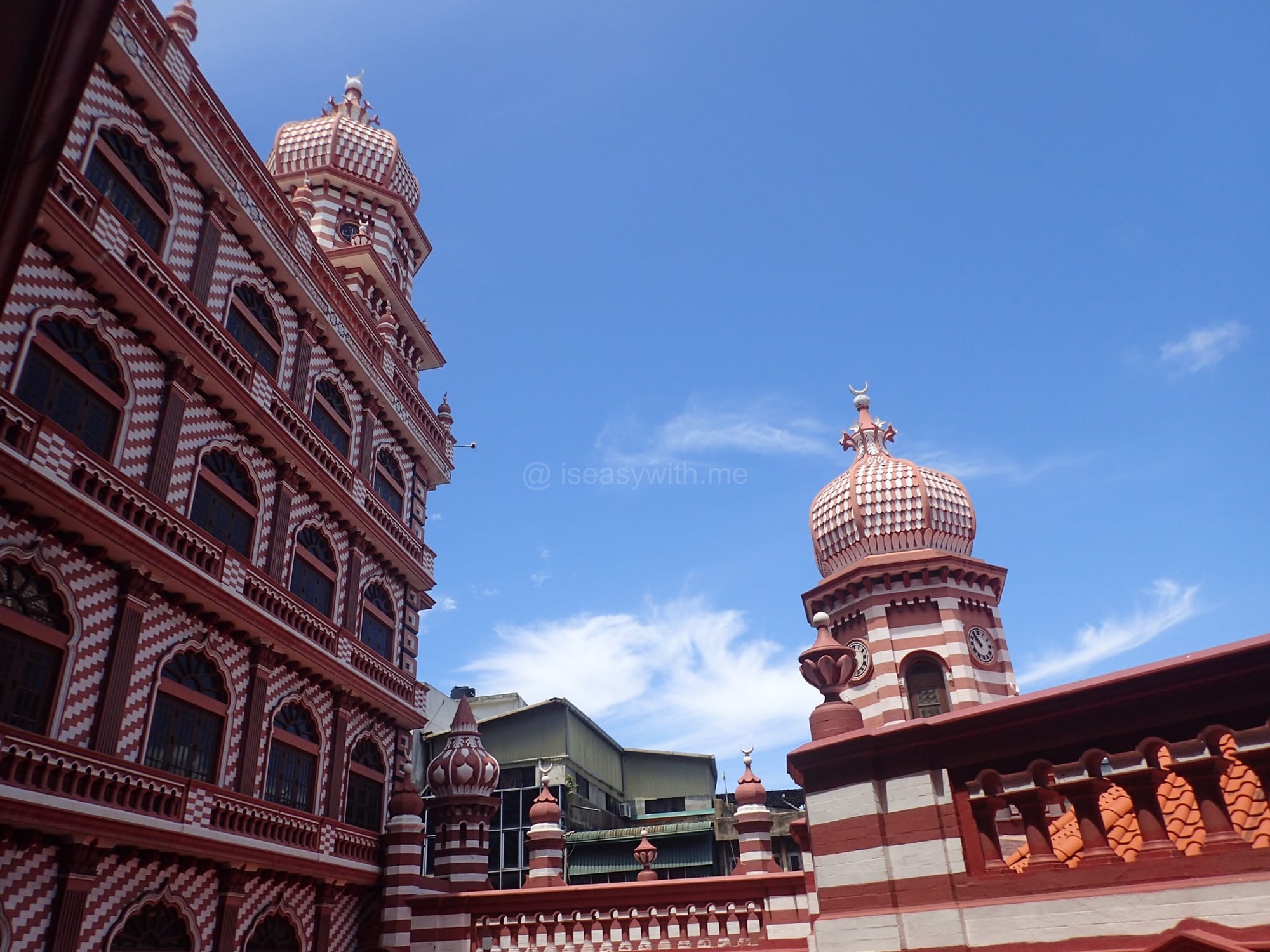
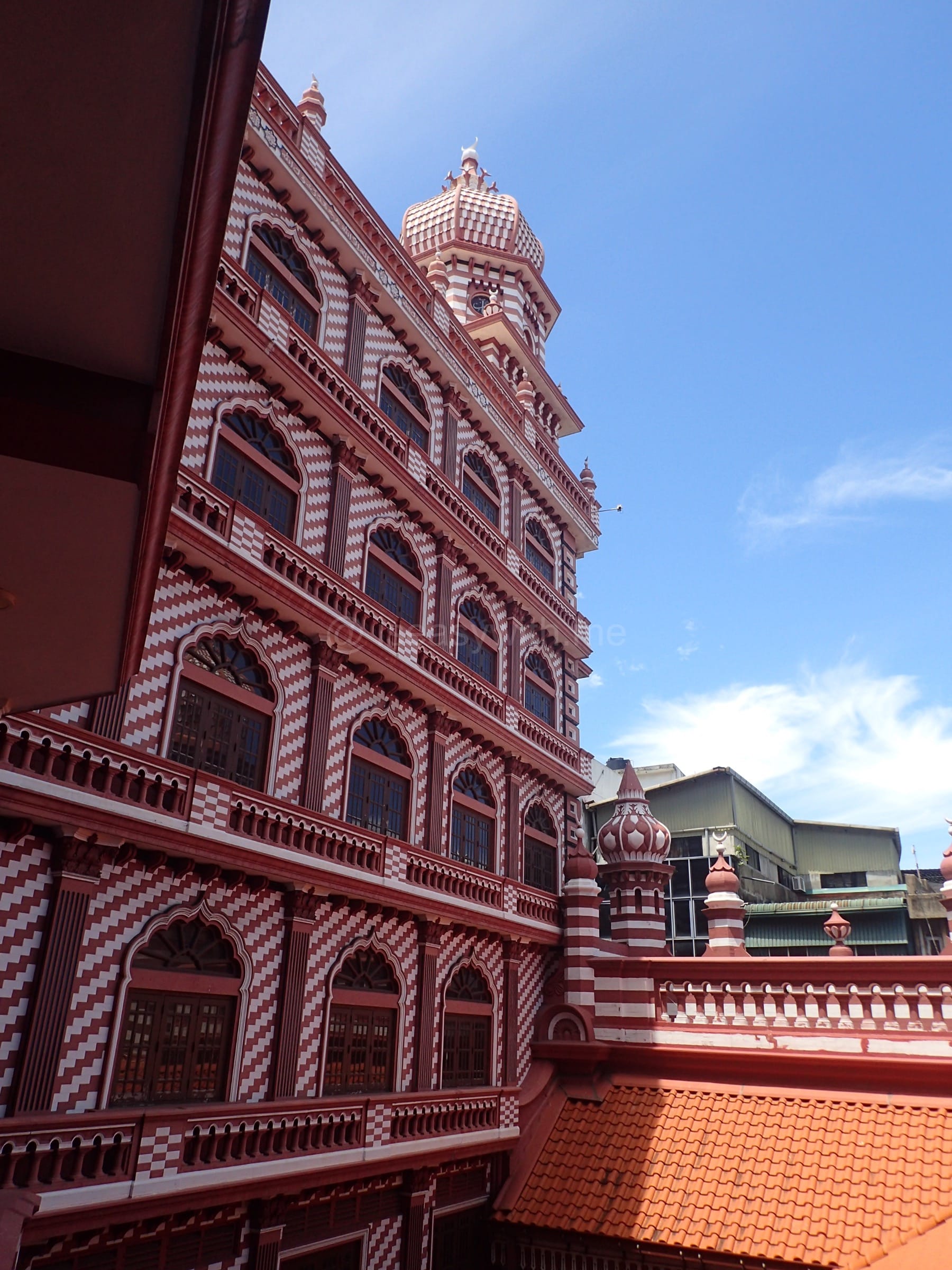
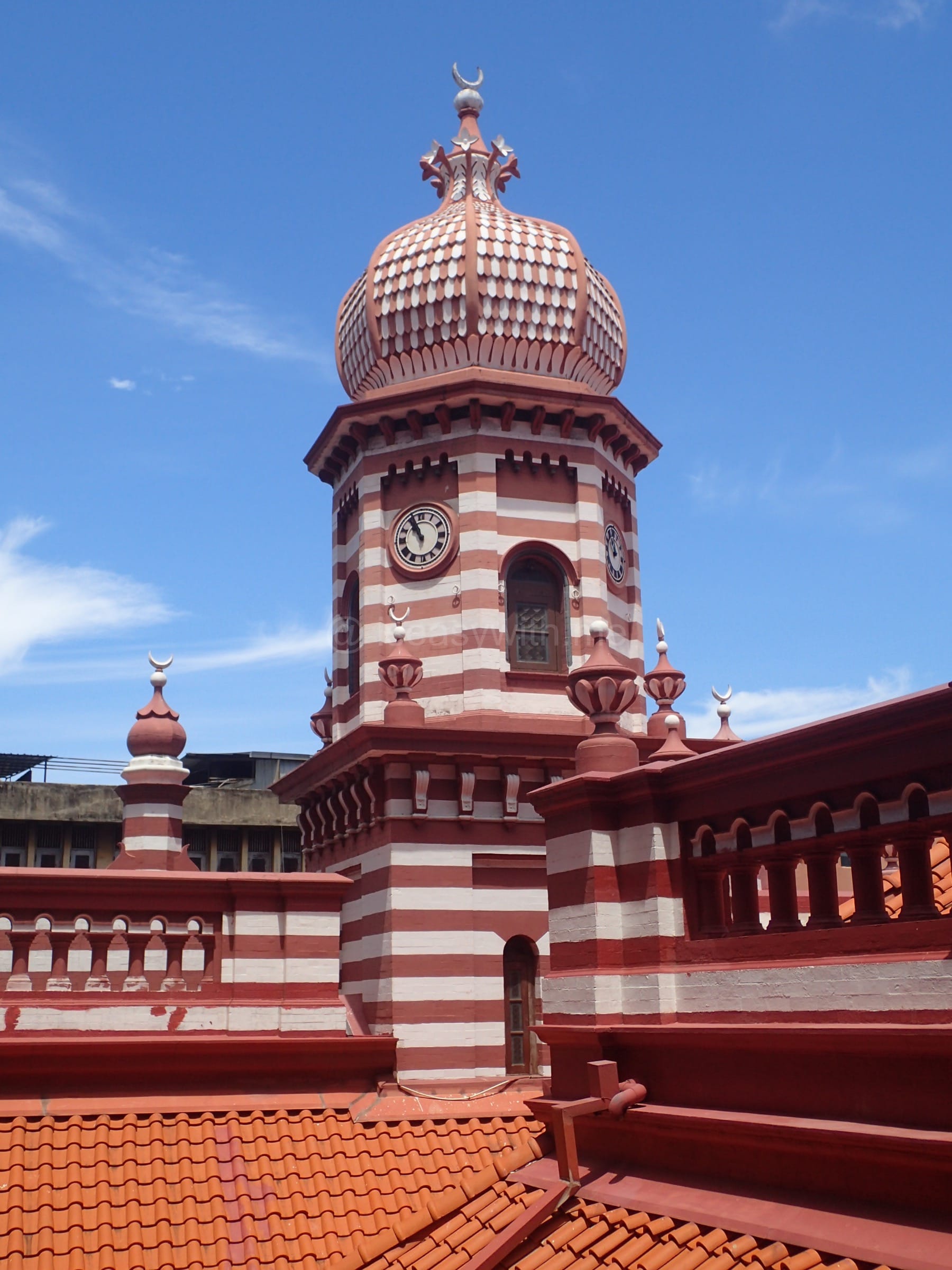
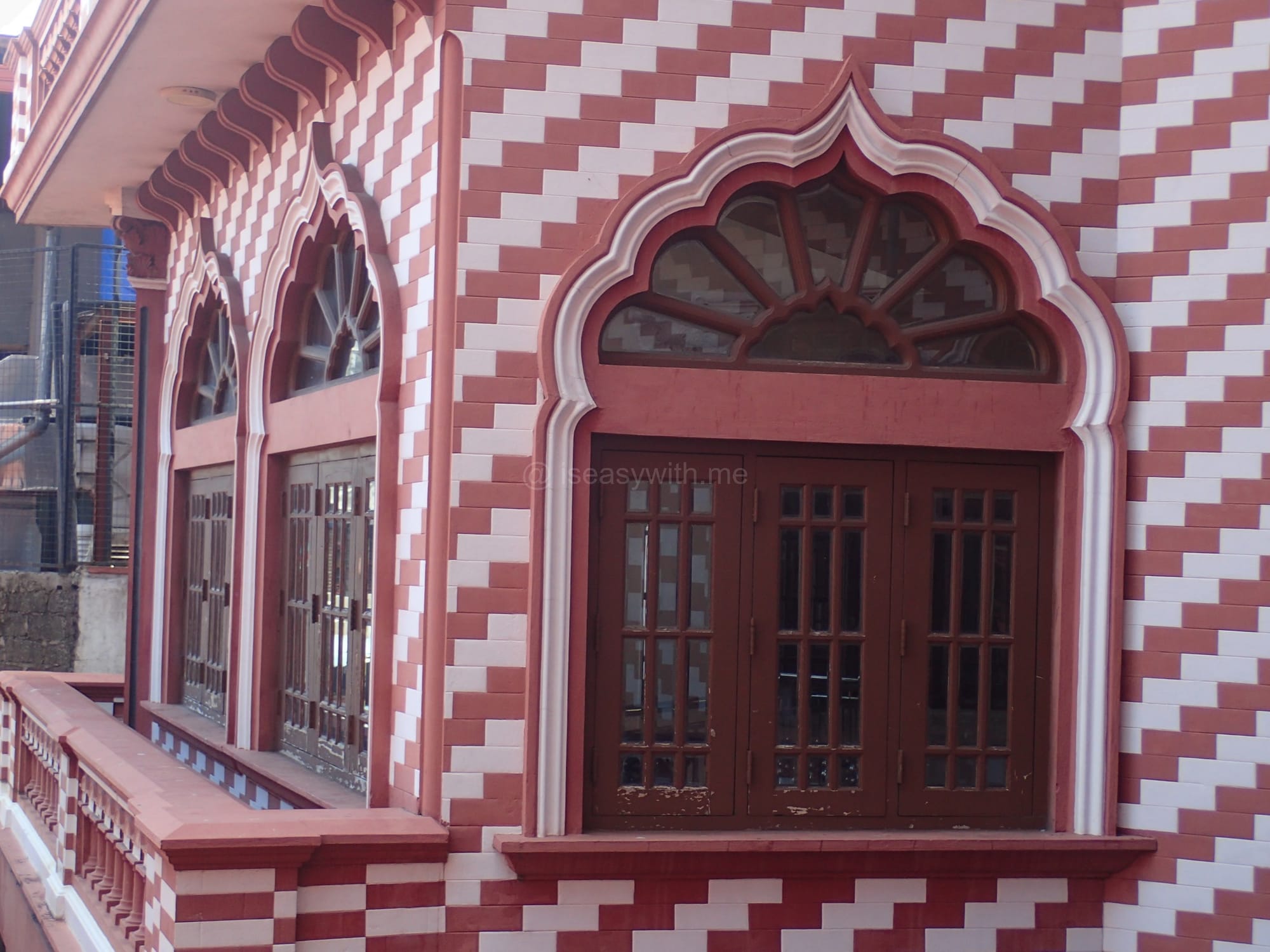
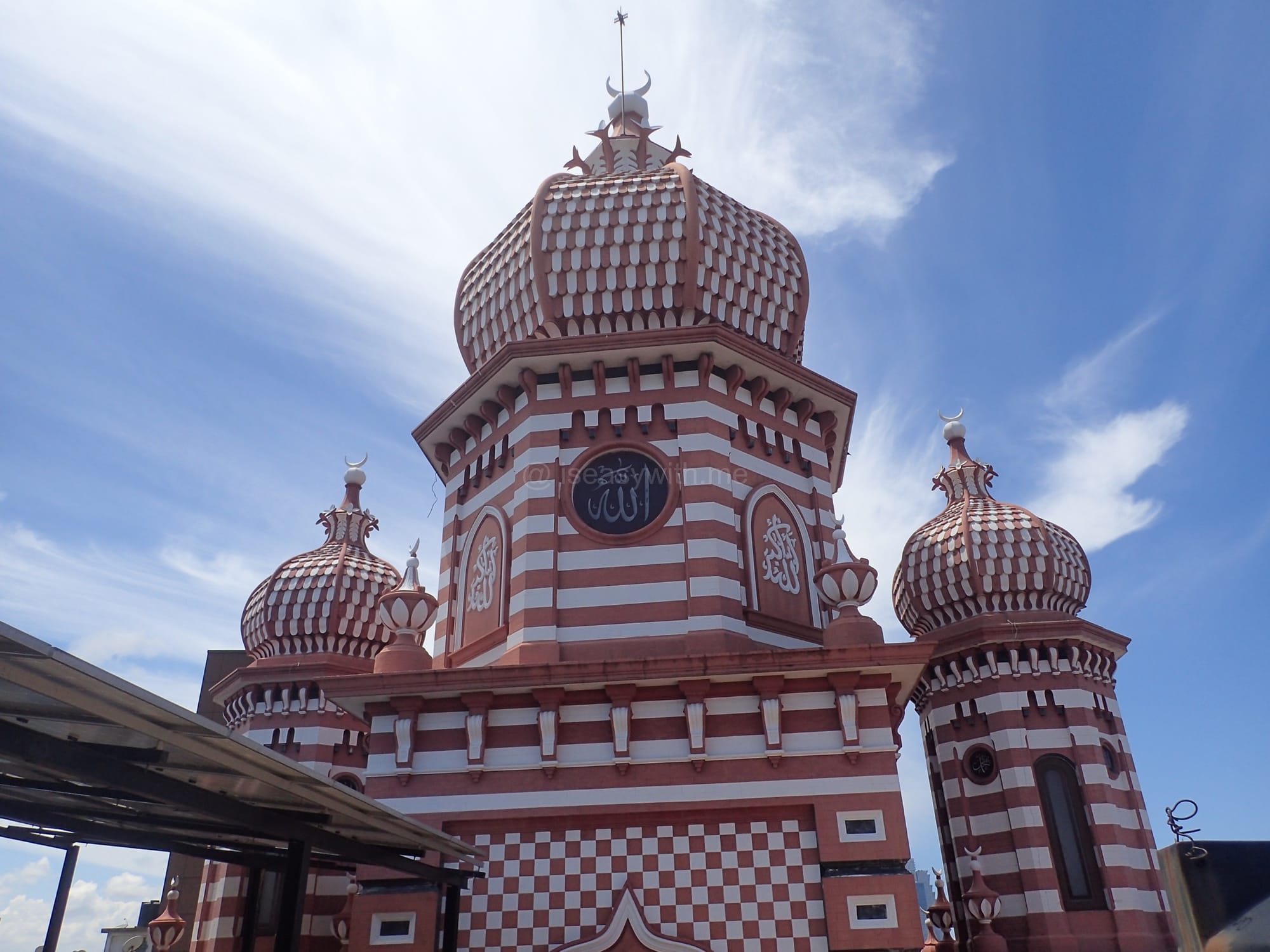
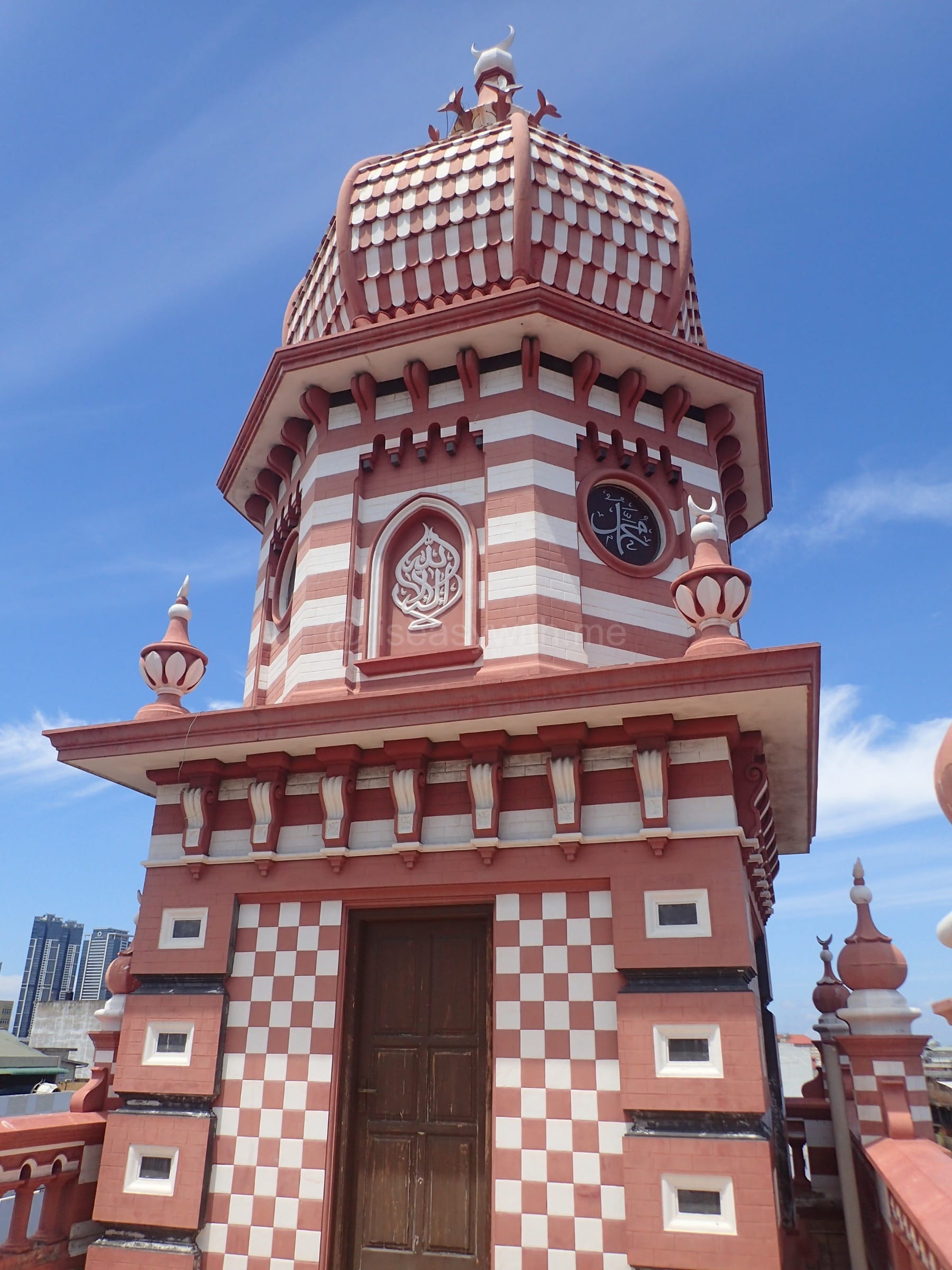
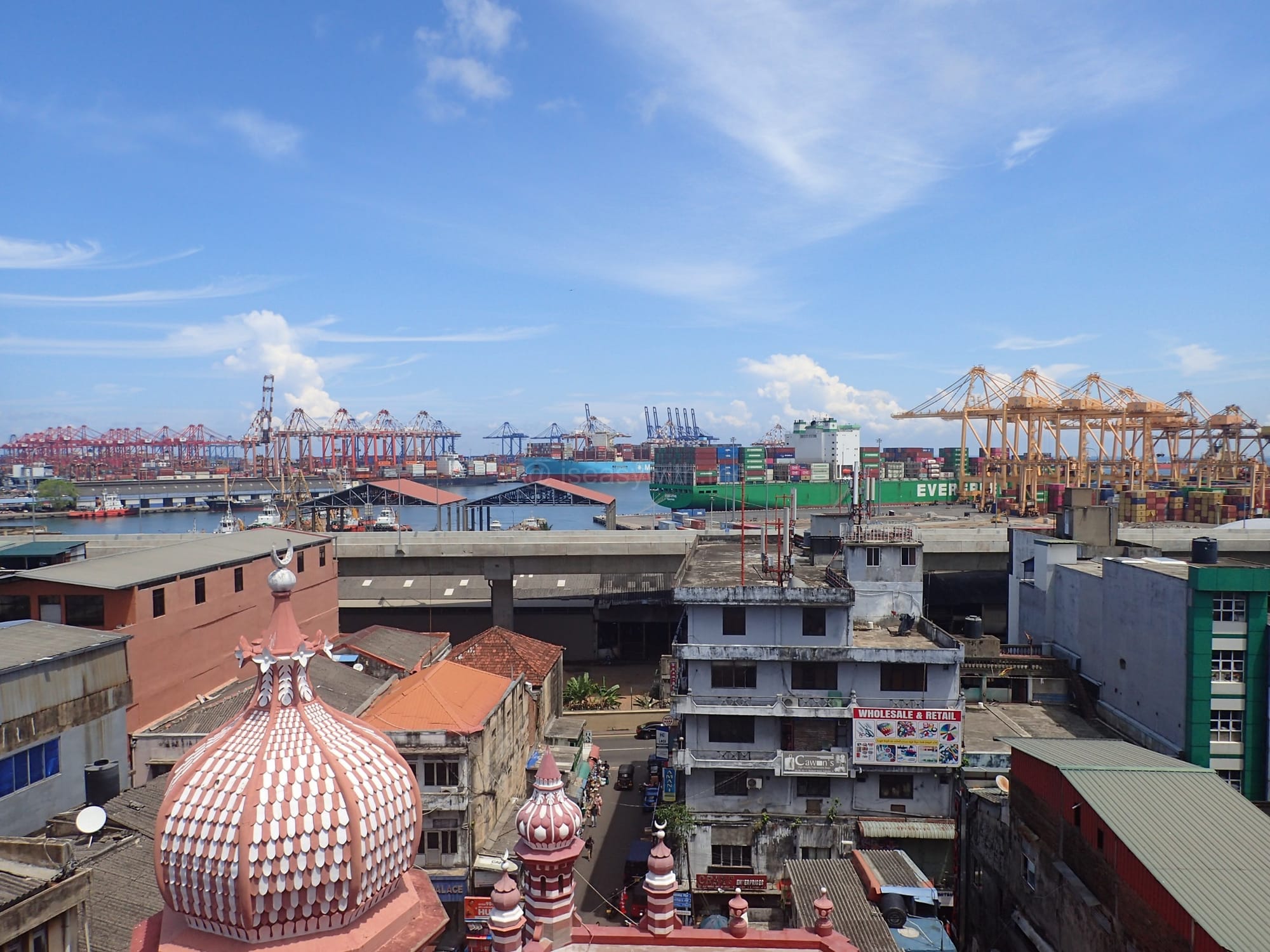
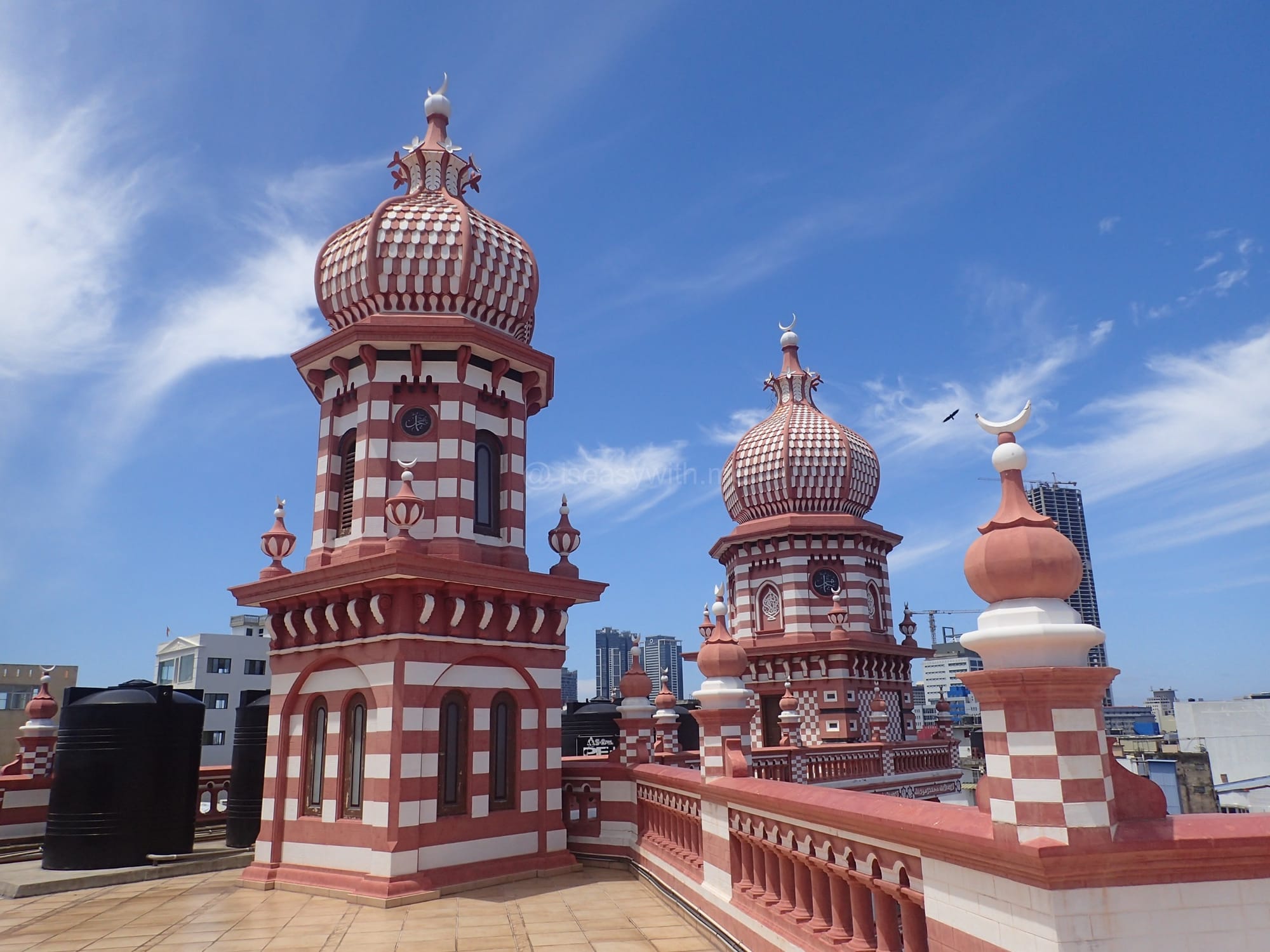
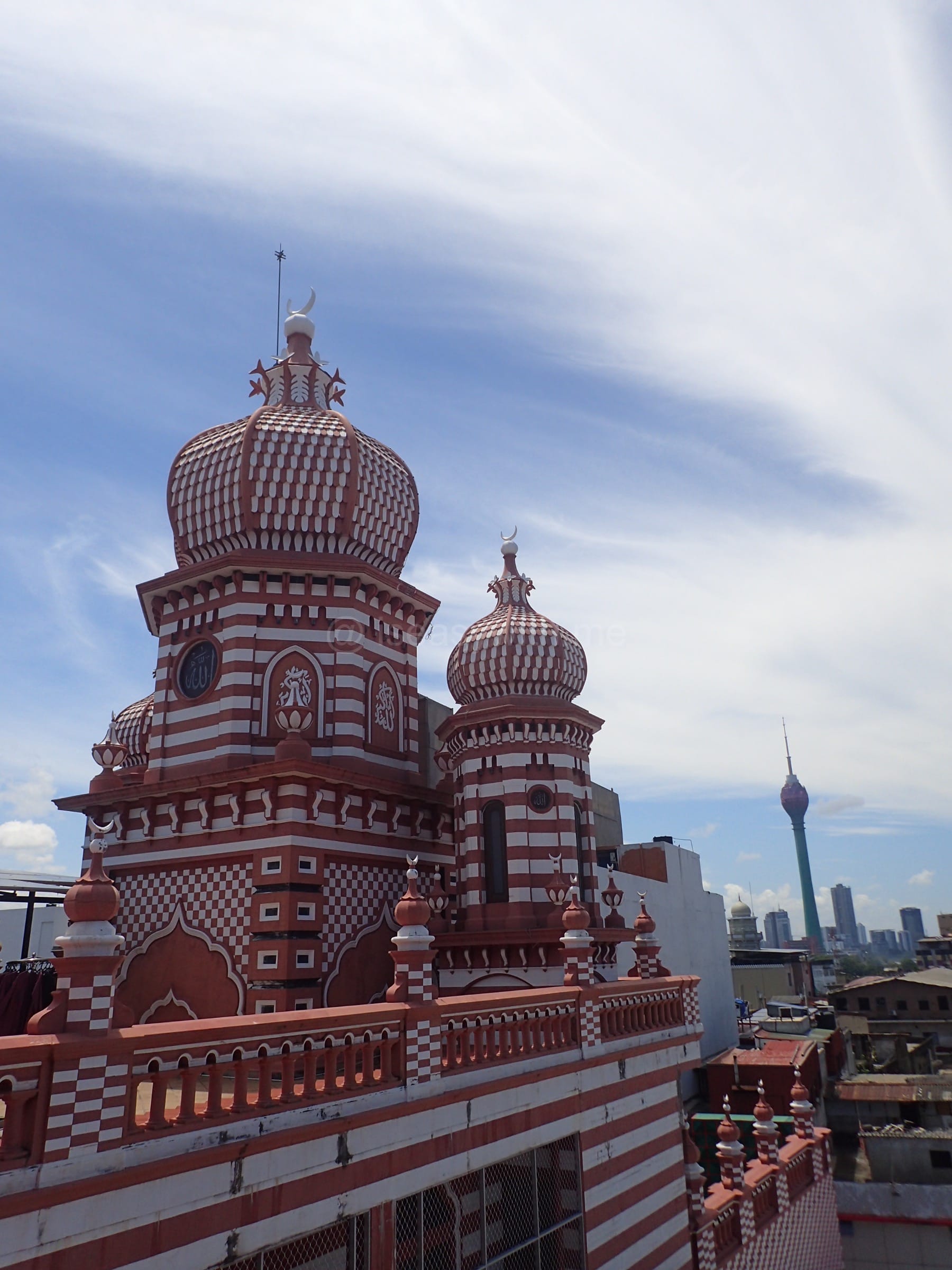
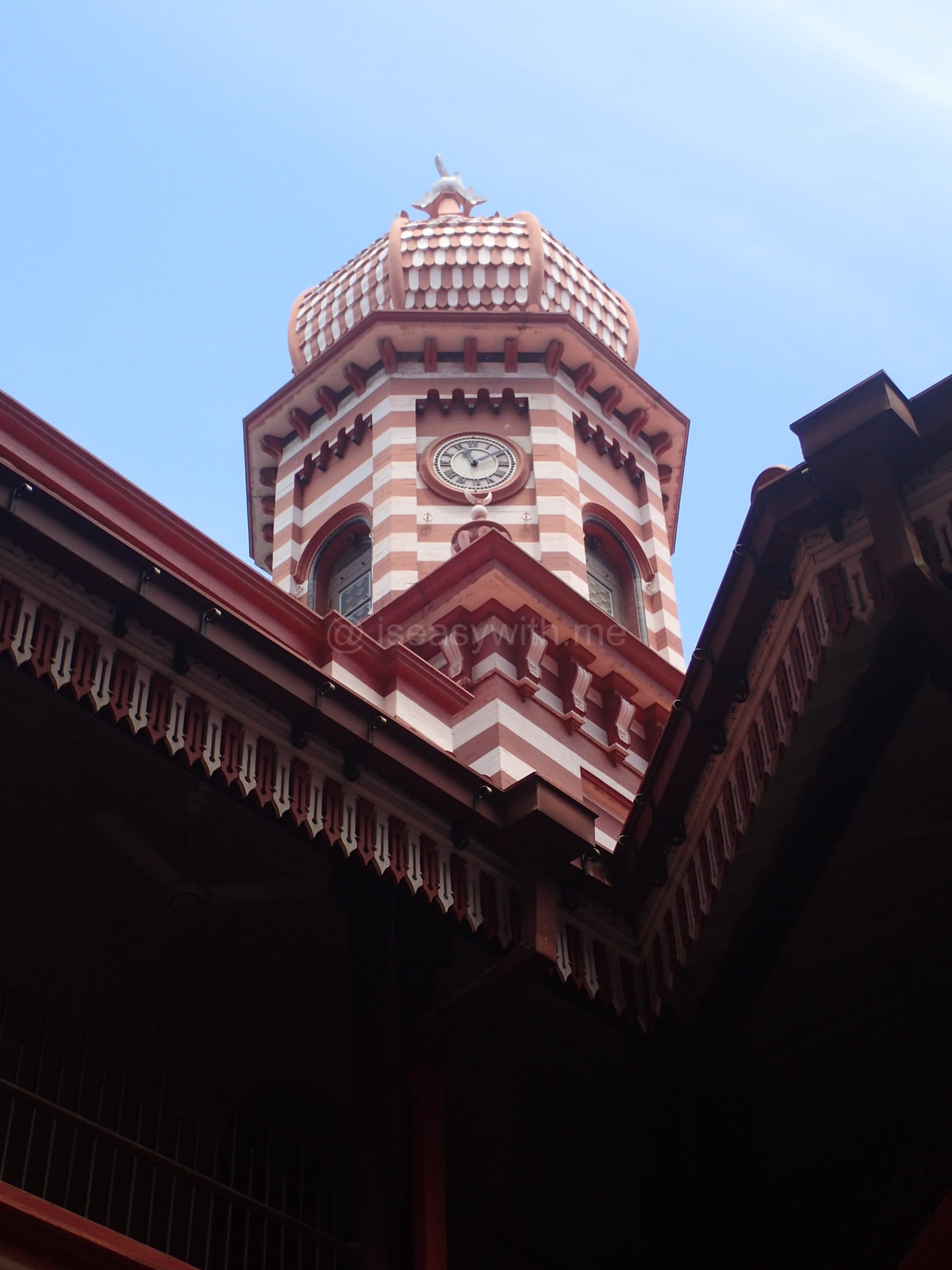
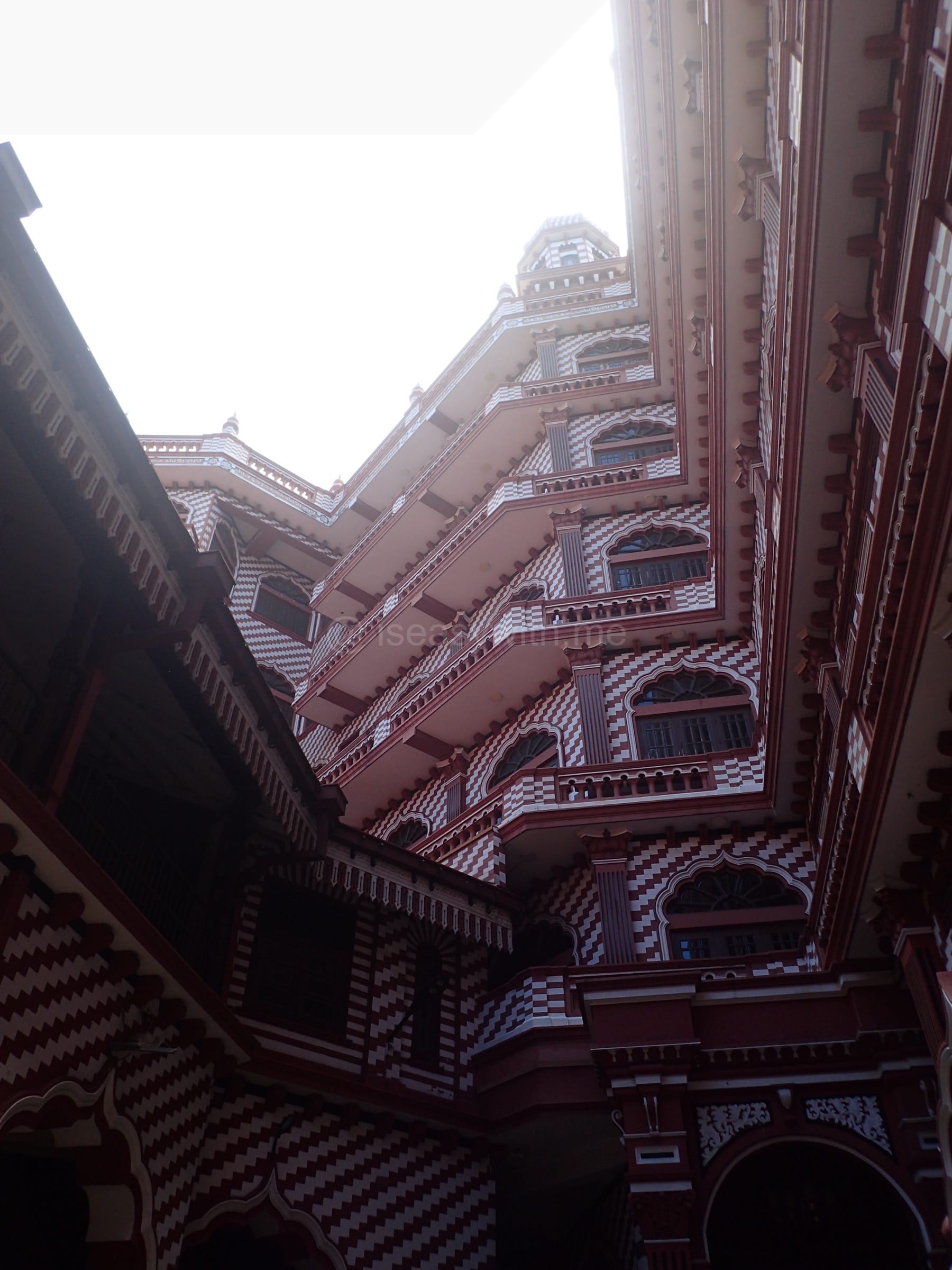
Jami Ul-Alfar Mosque
iseasywith.me Travel Advisory
The mosque conducts official visitor tours but you should always verify the timings online or with your accommodation before heading out. Some tuk-tuk drivers may claim the mosque is closed or that tours only operate later in the day to push you into paid detours to other attractions. Confirming the hours yourself helps you avoid these common scams and unnecessary delays.
Old Dutch Hospital
This beautifully restored colonial complex combines 17th-century Dutch architecture with modern cafes, restaurants, and upscale boutiques. It is an incredibly atmospheric courtyard area to explore, making it a highly convenient spot to sit down for a meal or purchase premium, locally produced Ceylon tea and high-quality souvenirs before leaving Sri Lanka.
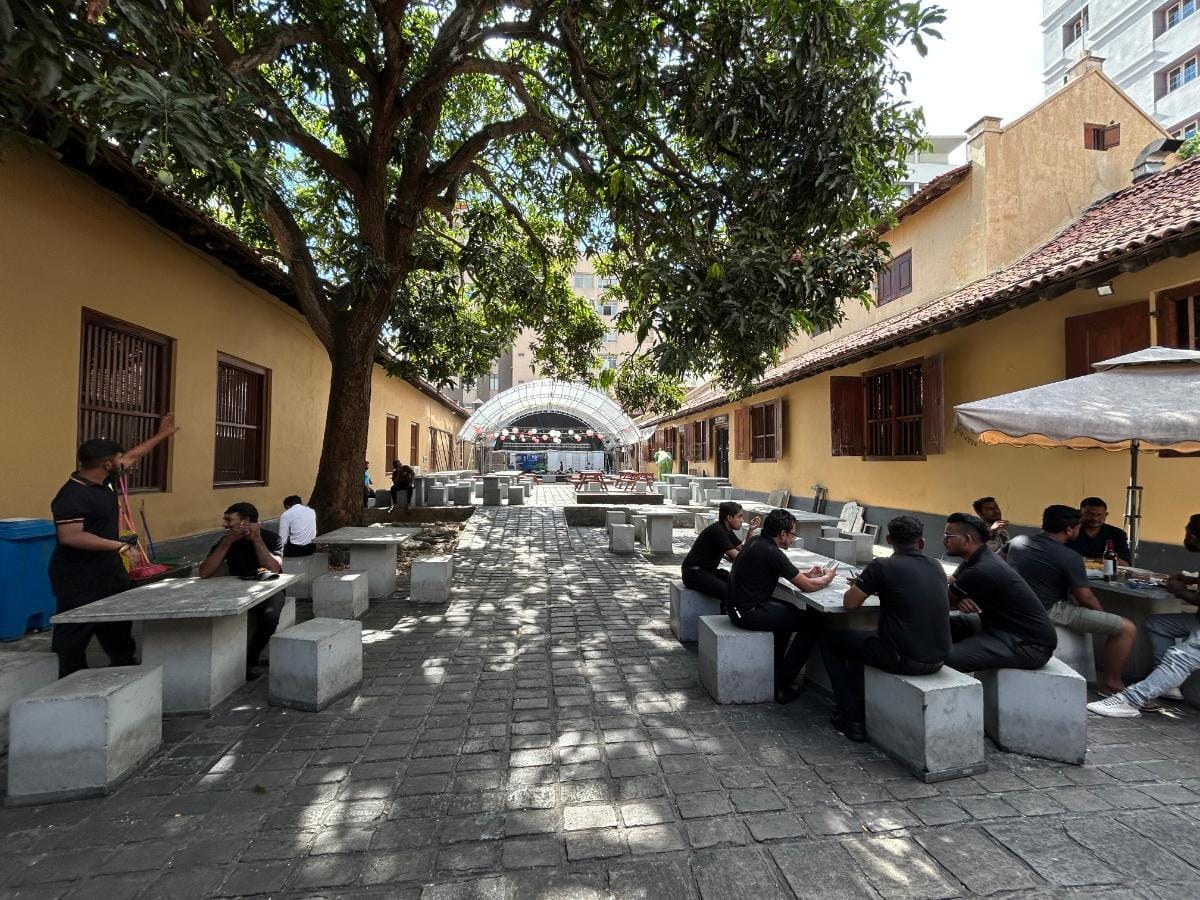
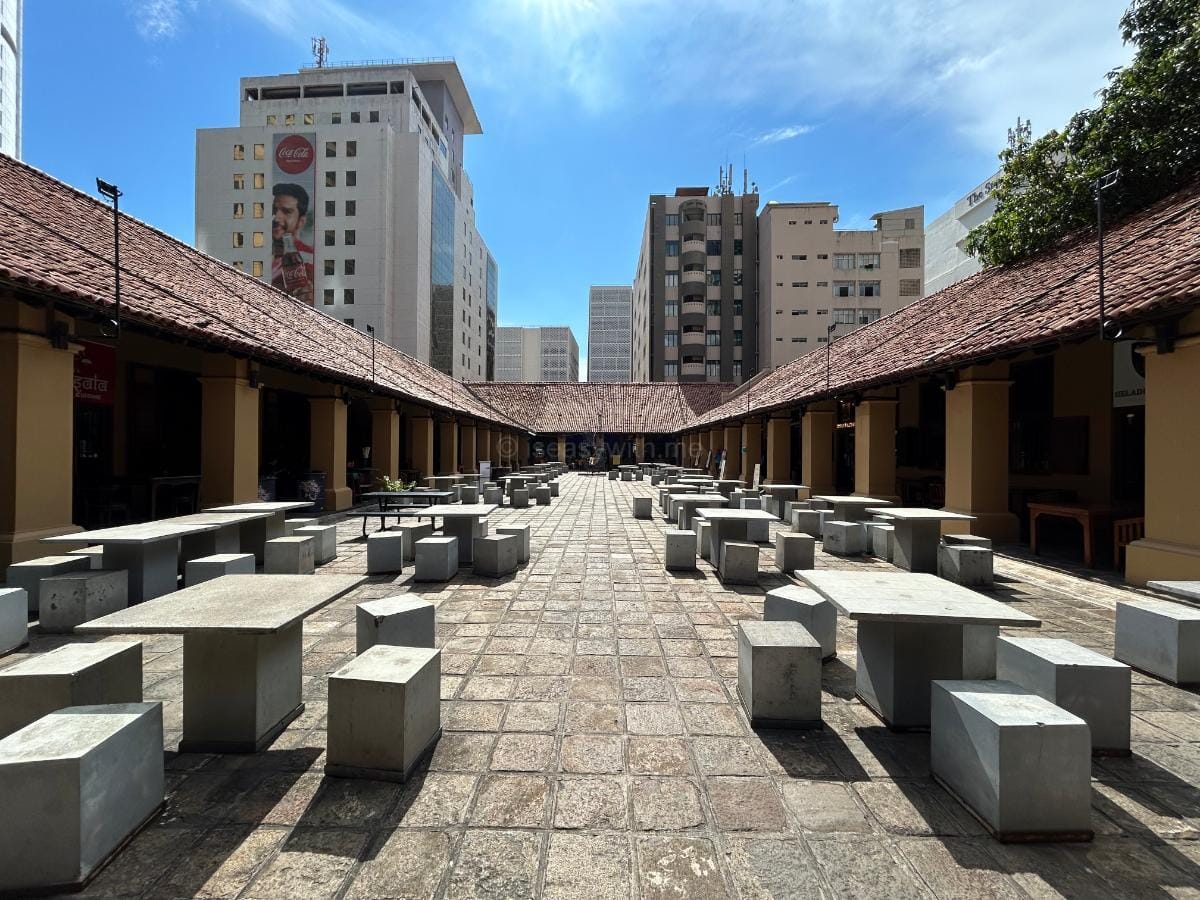
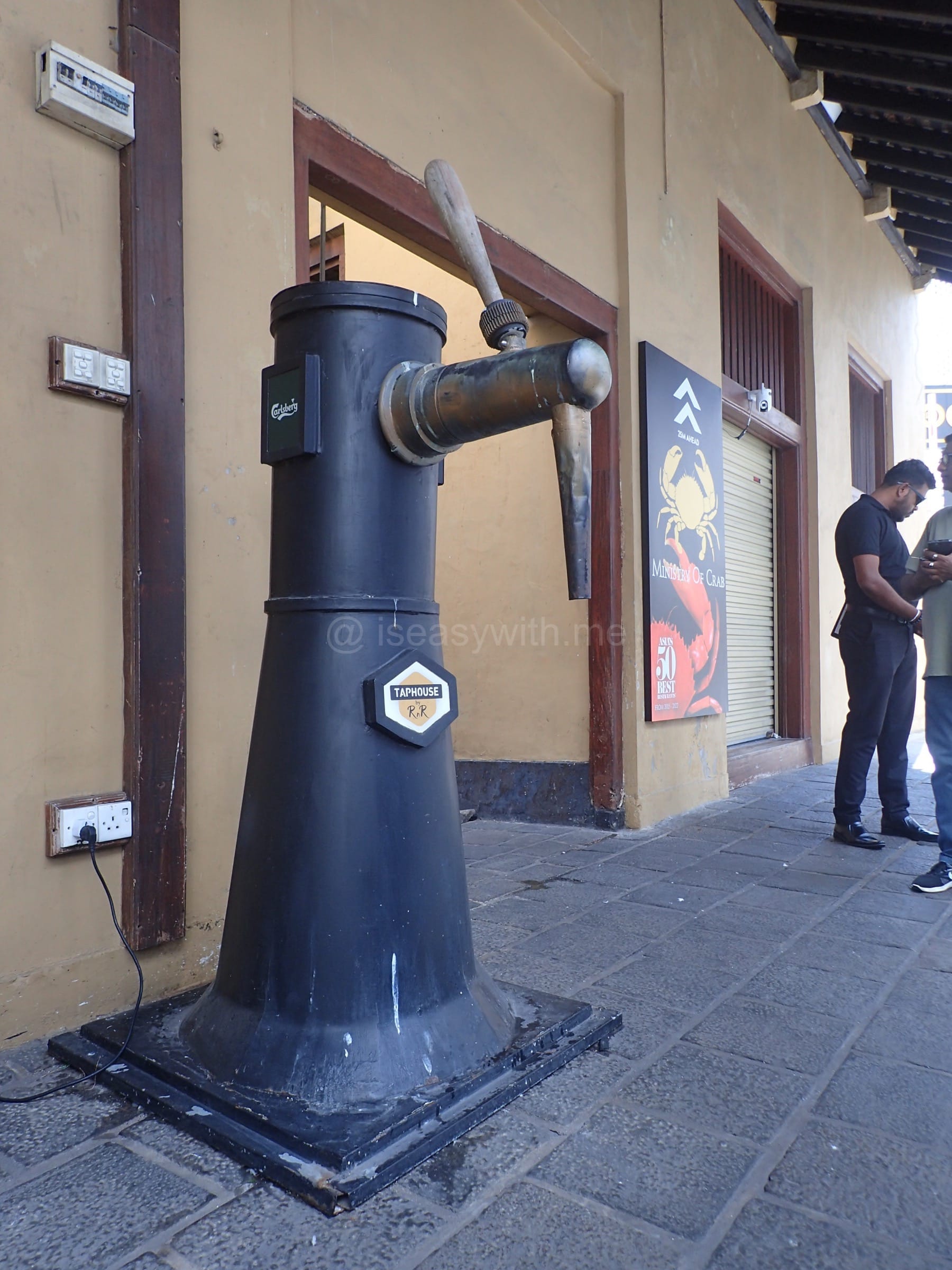
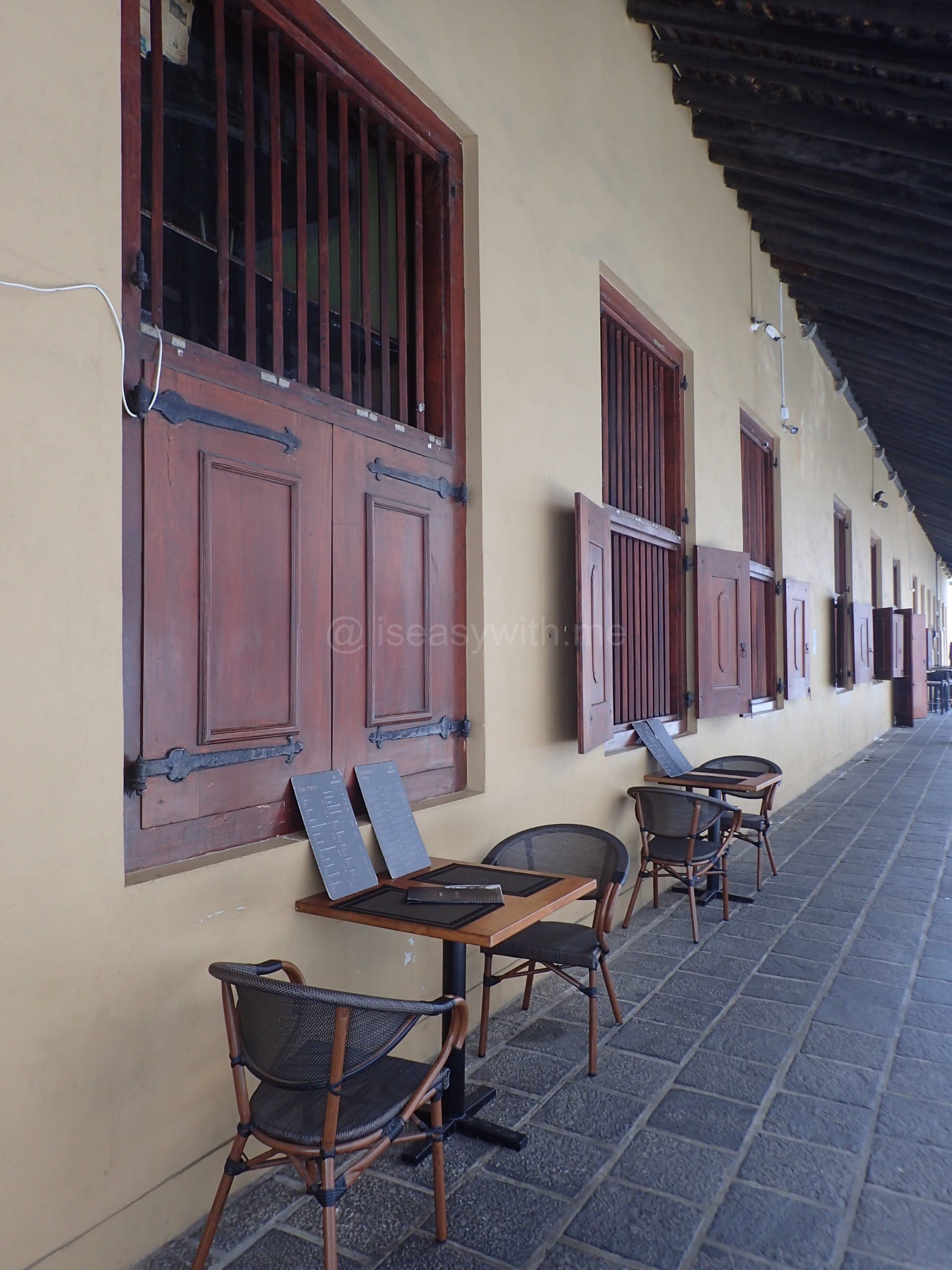
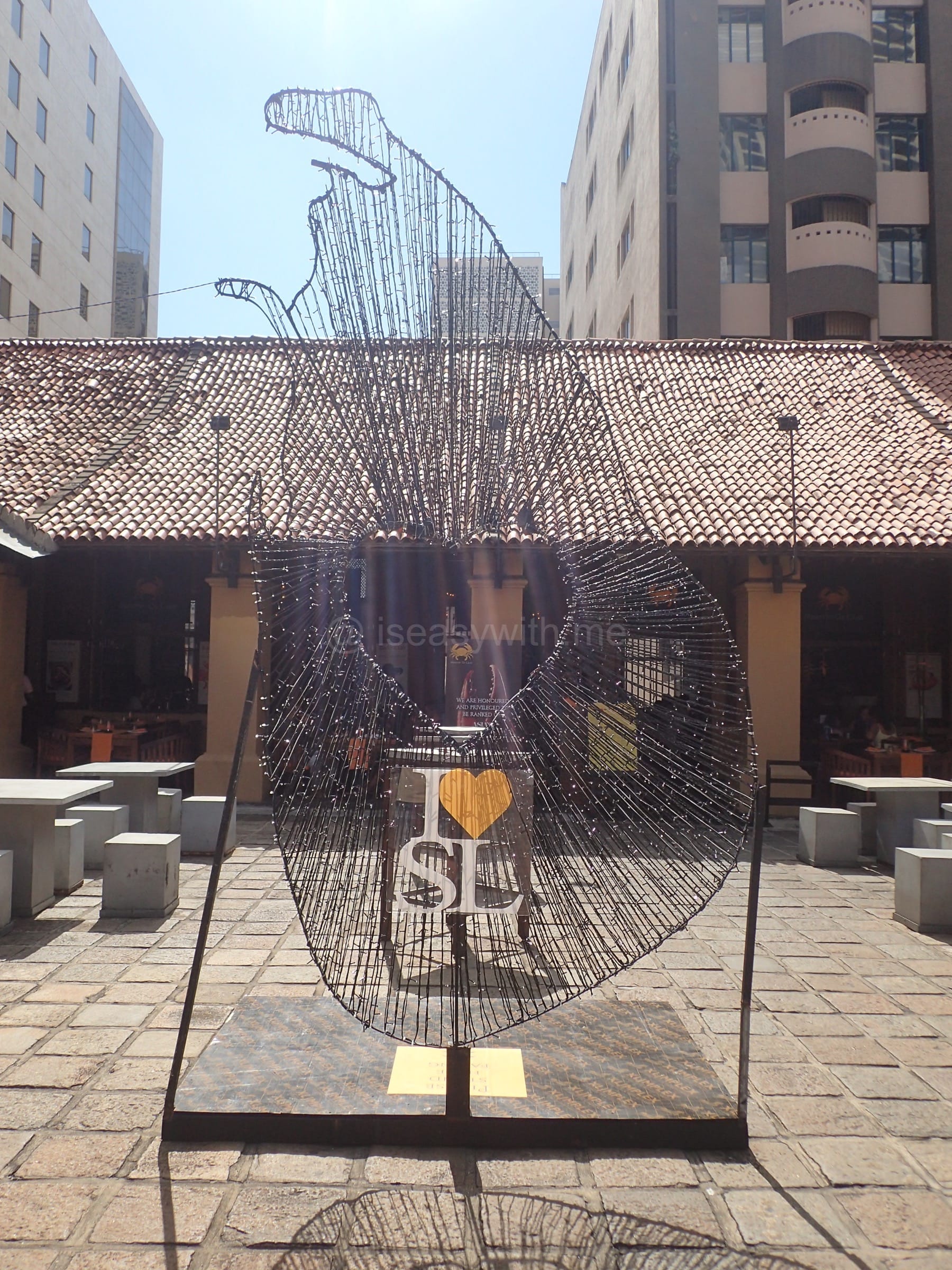
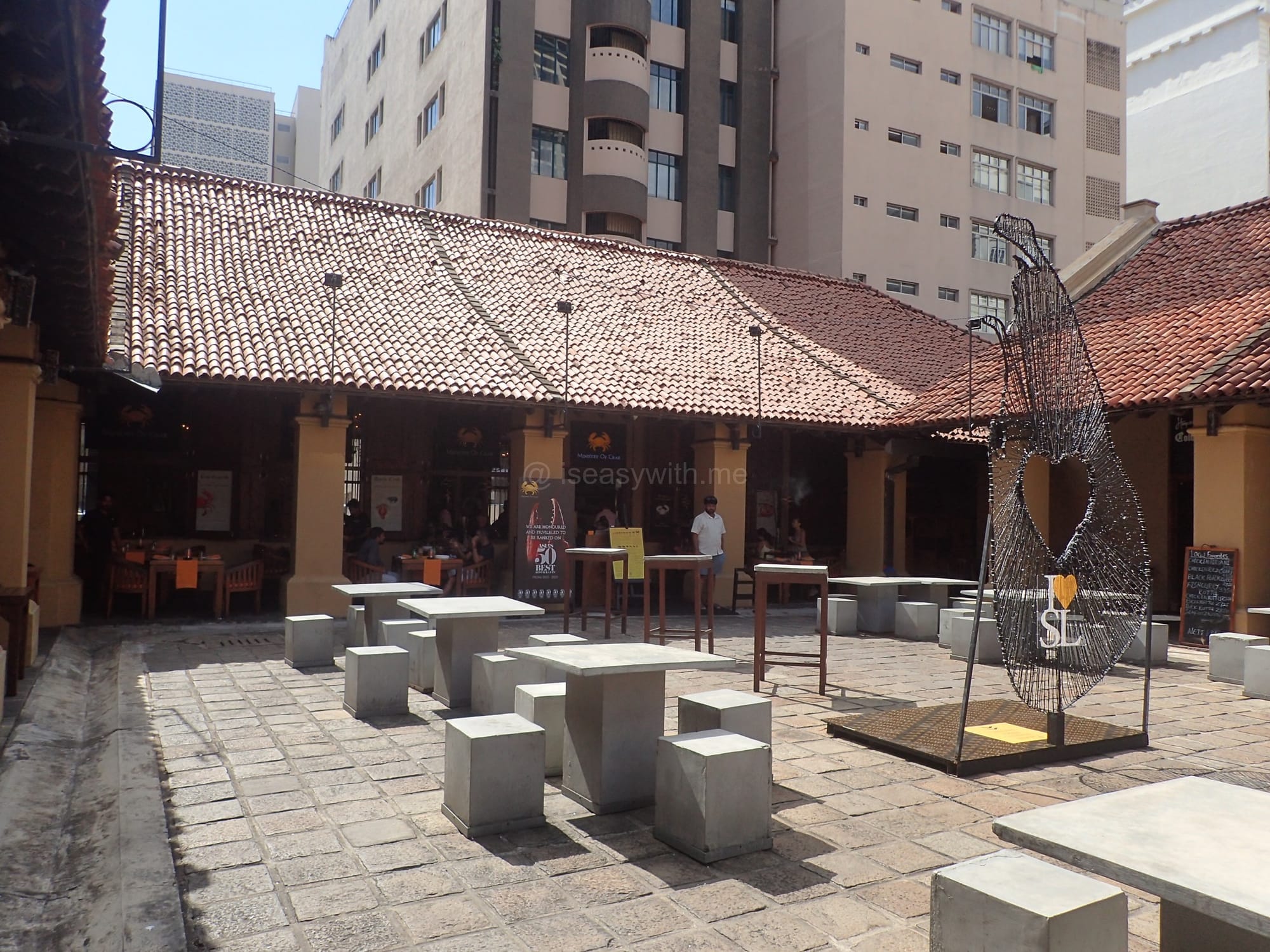
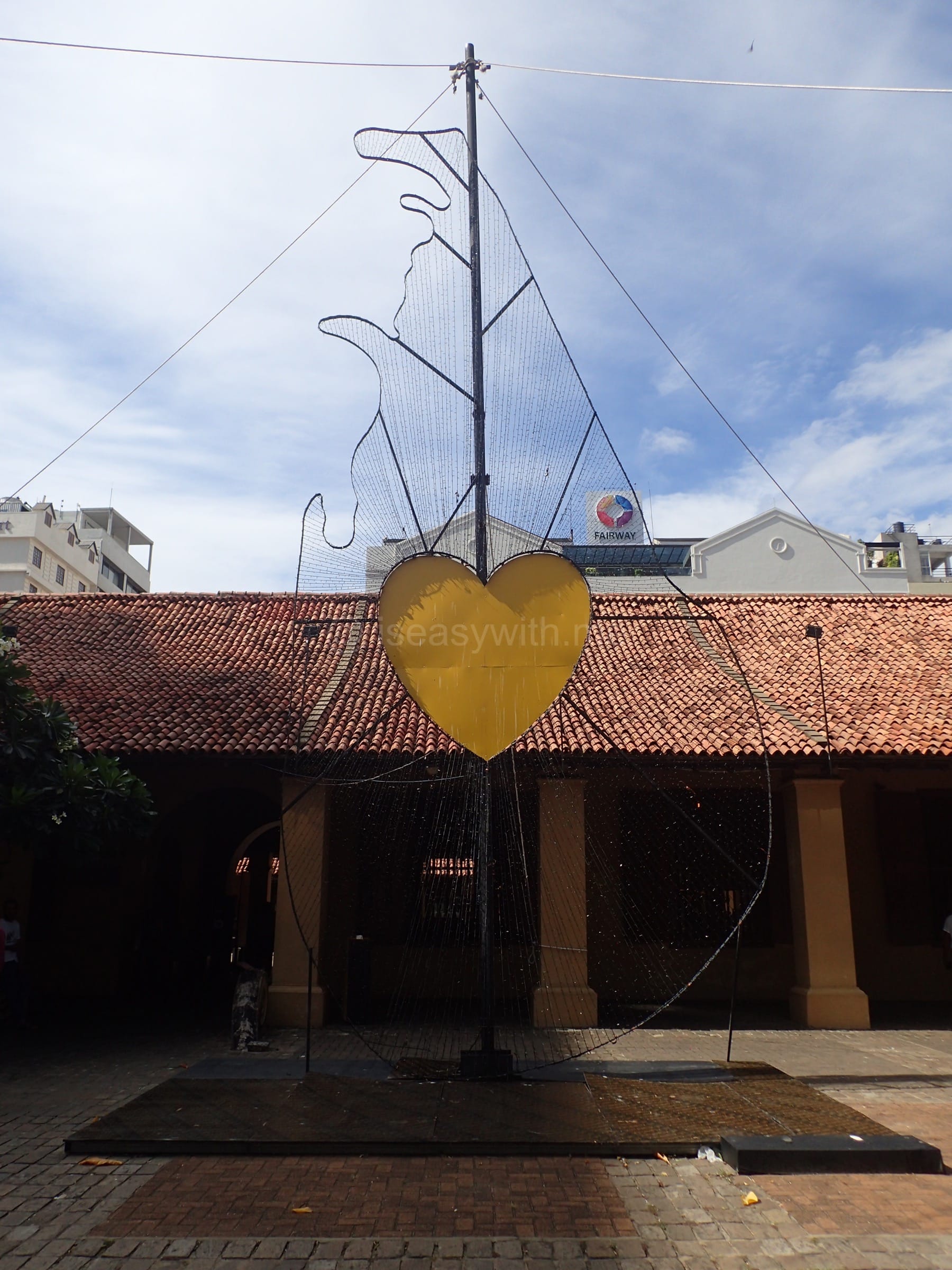
Dutch Hospital Precinct
iseasywith.me Travel Tip
While the Dutch Hospital is excellent for high-end gifts and premium tea boutiques, skip it for your general snack shopping. Instead, walk a few blocks over to the iconic, bright terracotta-red Cargills (Ceylon) PLC building on York Street. Inside this majestic 1906 colonial landmark is a fully functioning supermarket where you can cheaply stock up on authentic local travel snacks like spicy manioc (cassava) chips, traditional ginger beer or local shortbread biscuits.
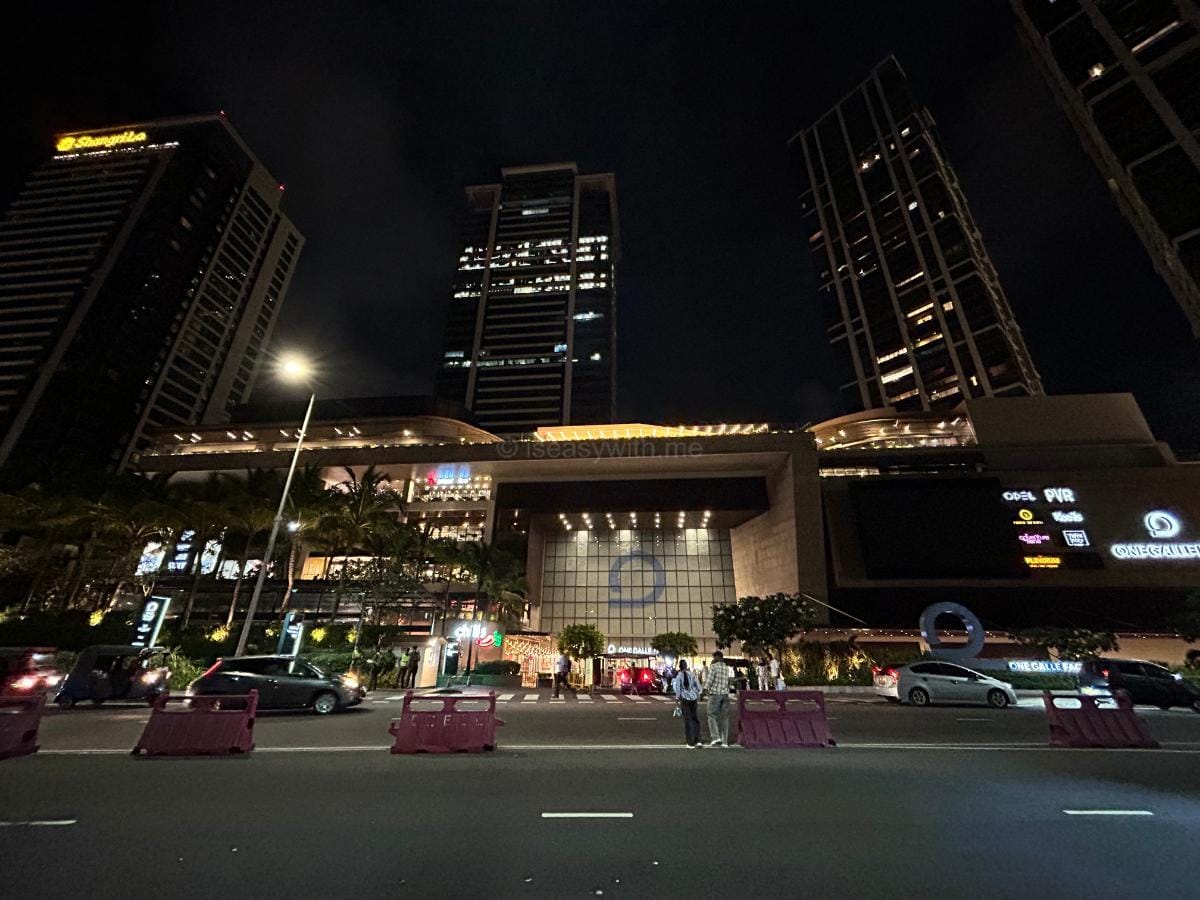
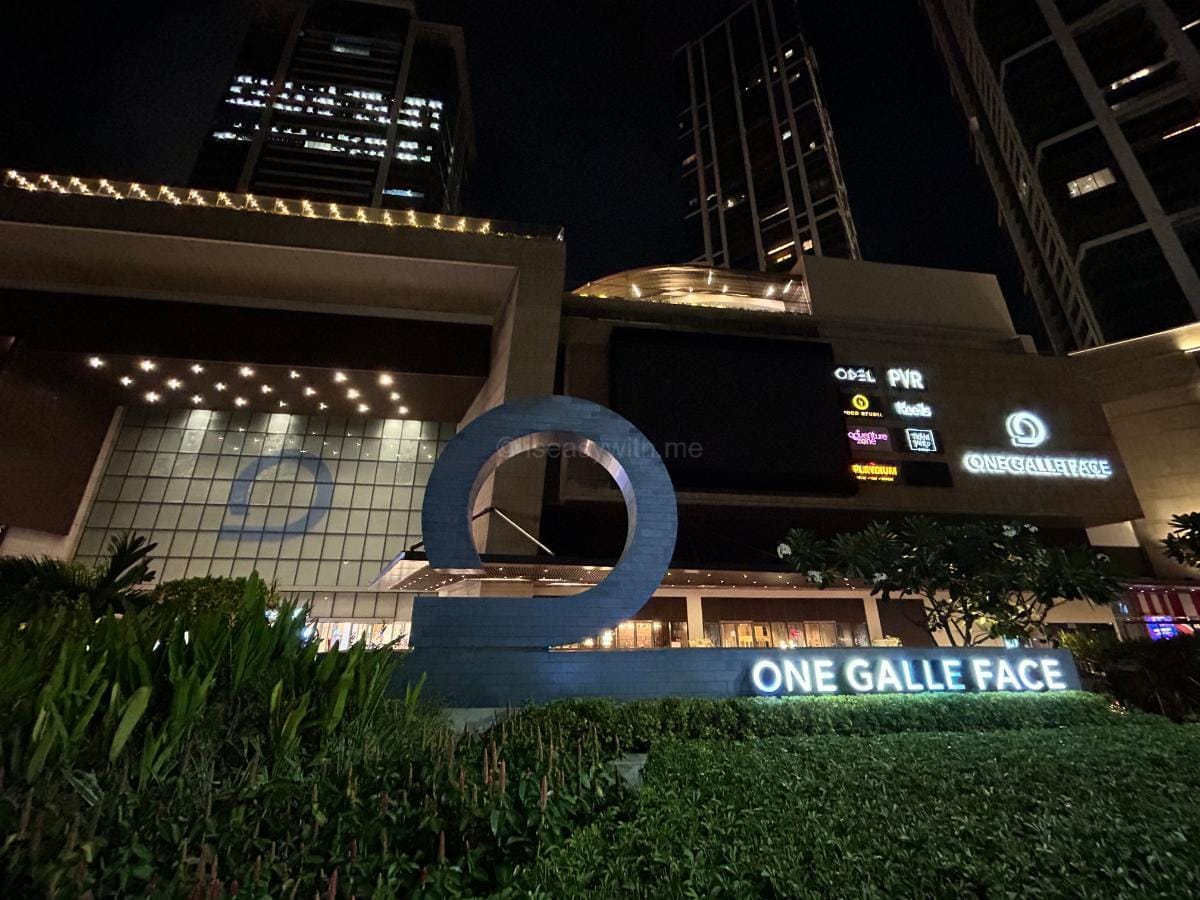
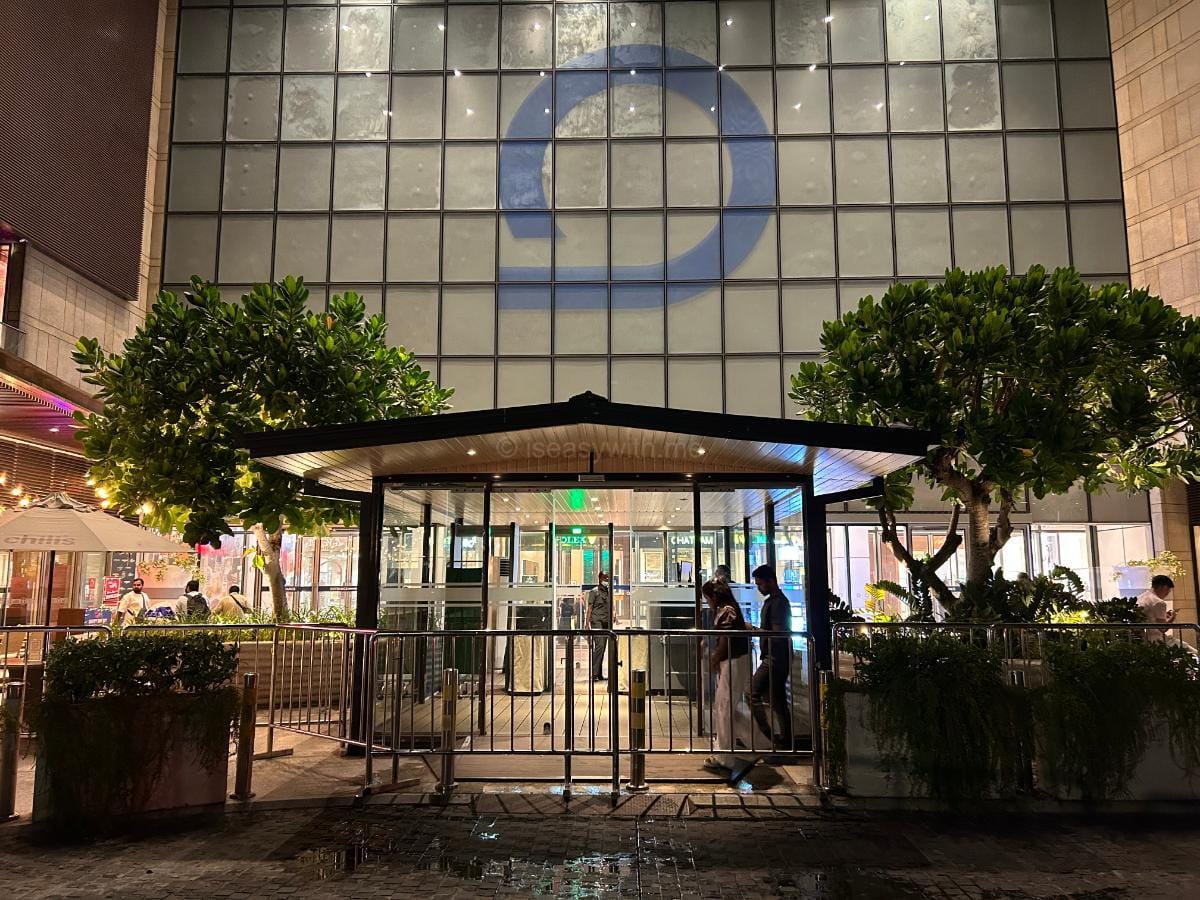
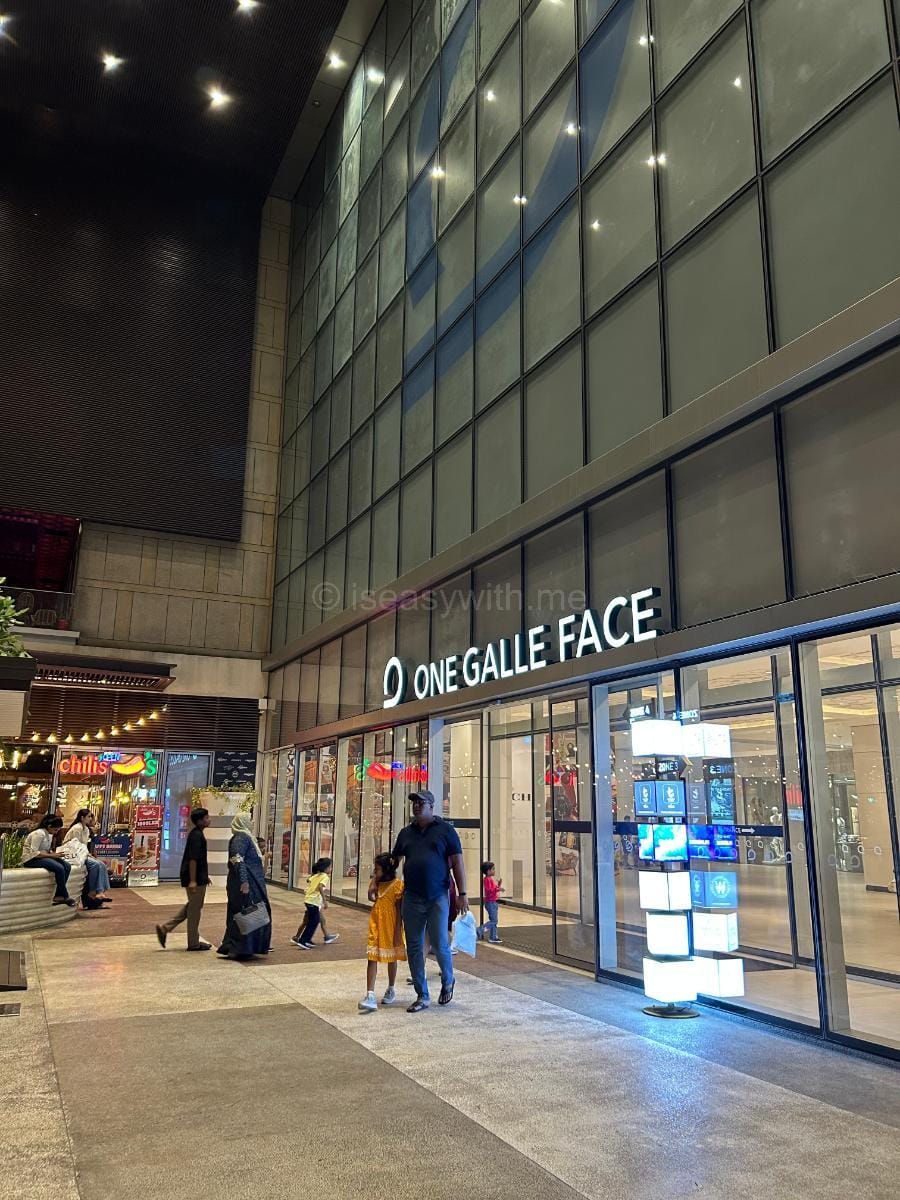
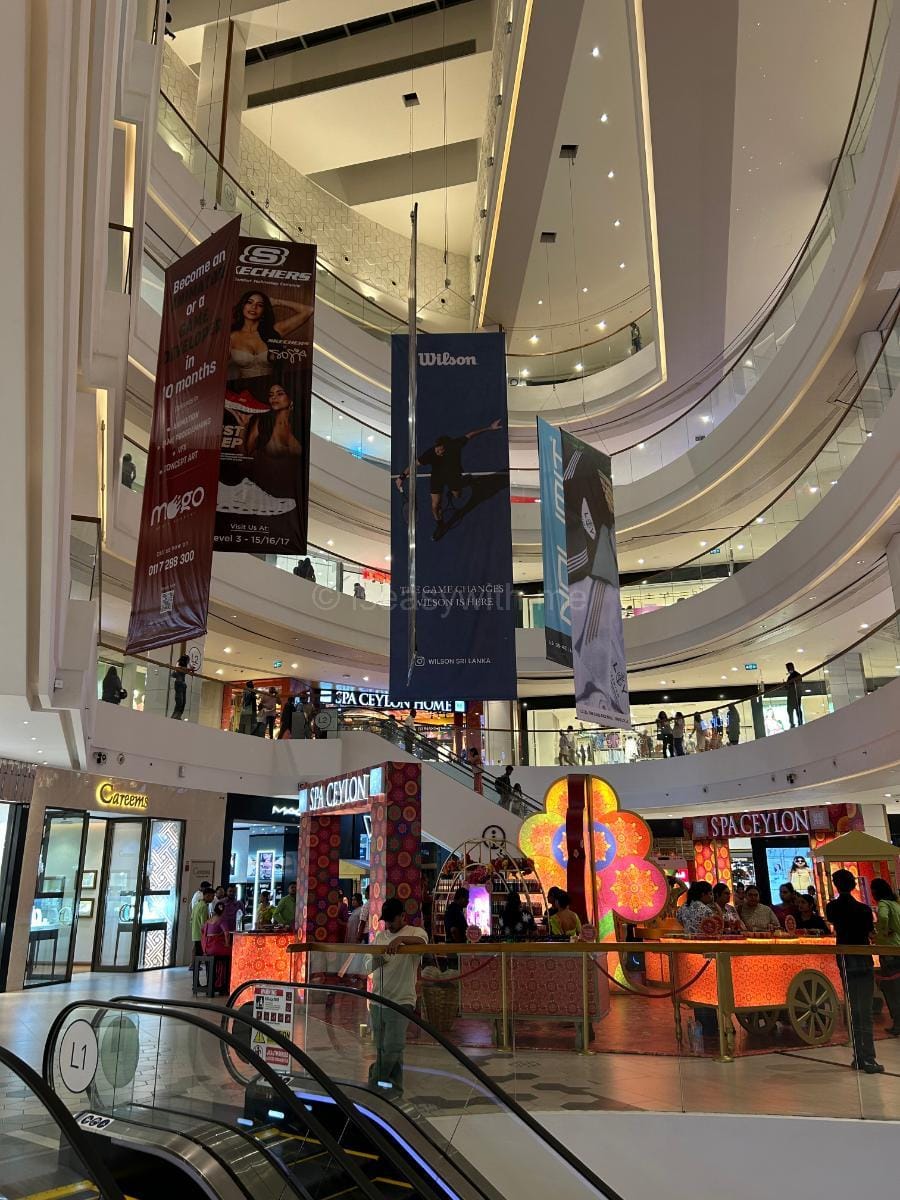
One Galle Face
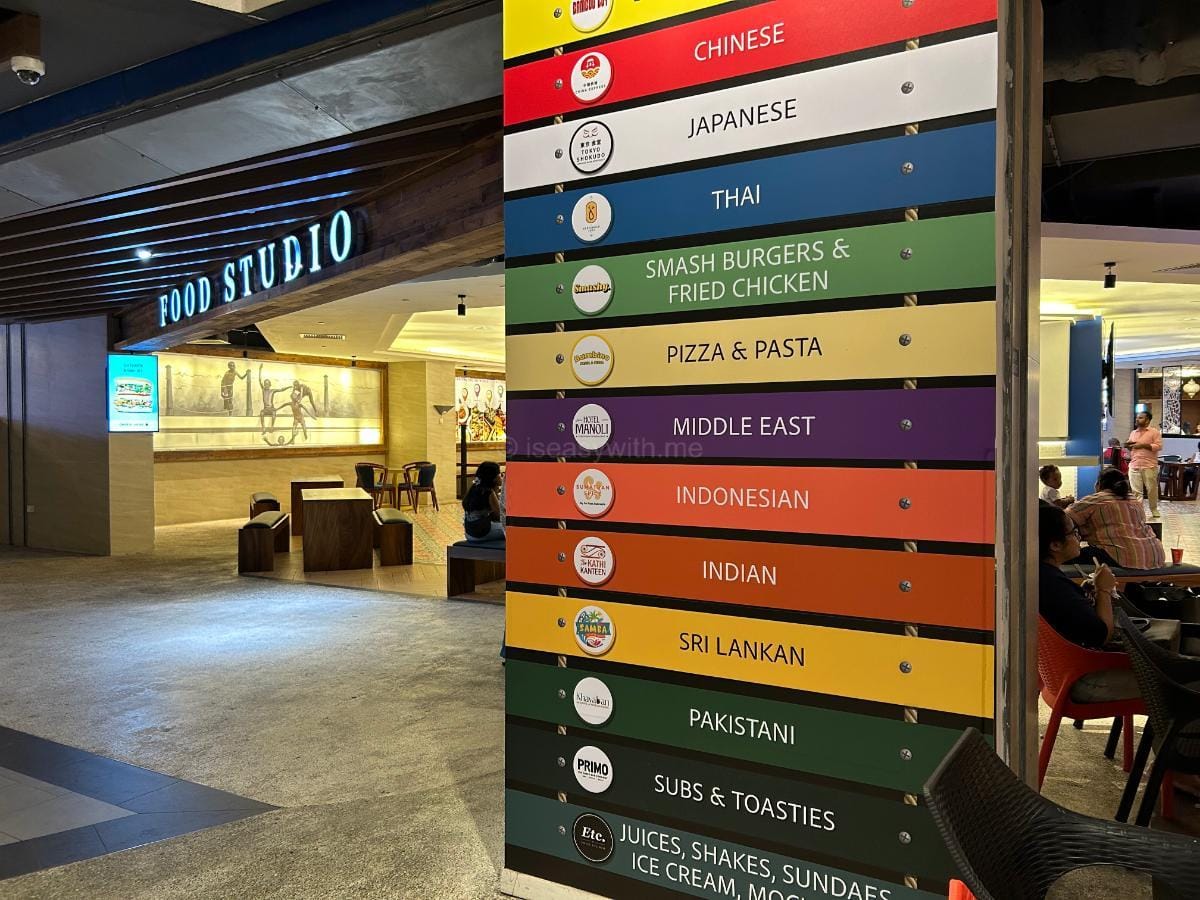
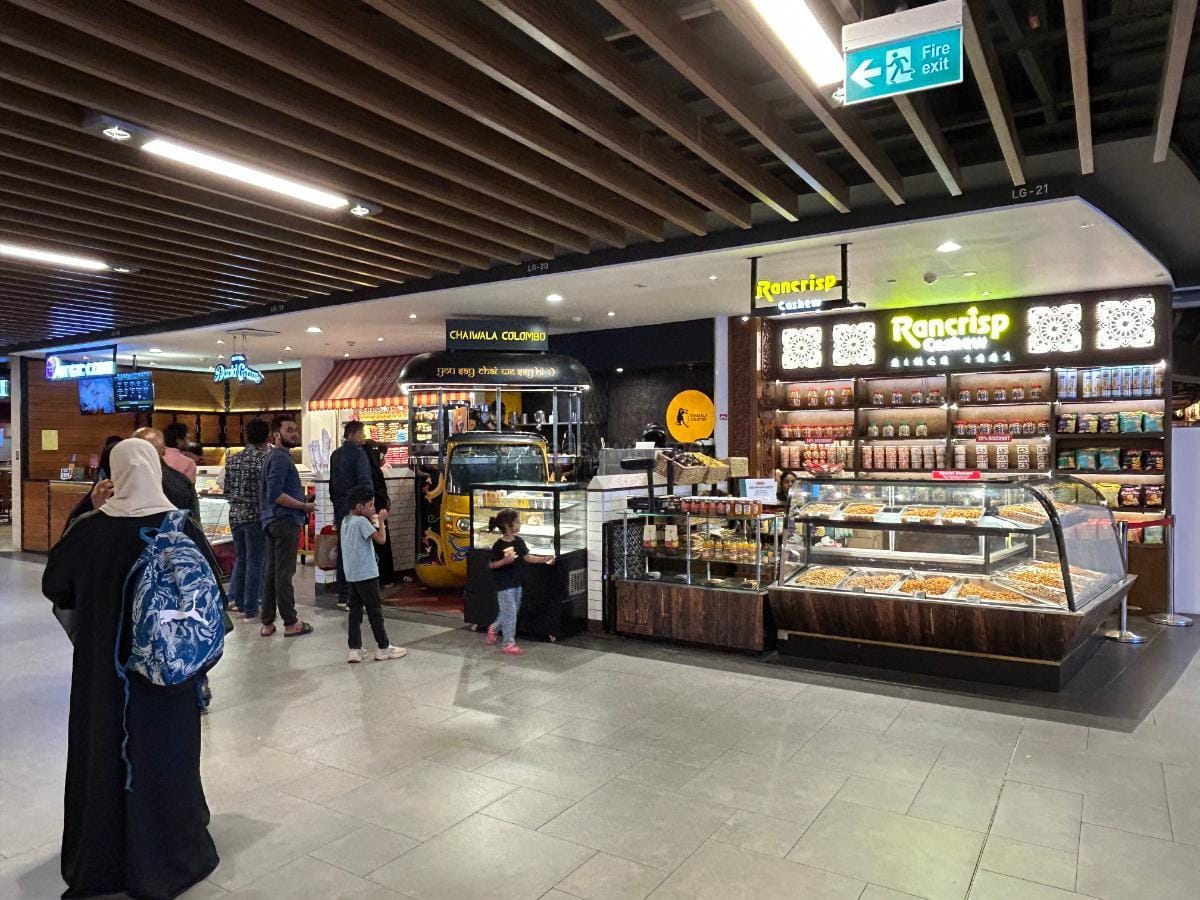
For a complete contrast to the historic streets, Sri Lanka's premier waterfront shopping mall offers a comfortable break from the afternoon heat. The multi-storey complex features international brands, premium entertainment options and panoramic ocean views looking out over the coastline.
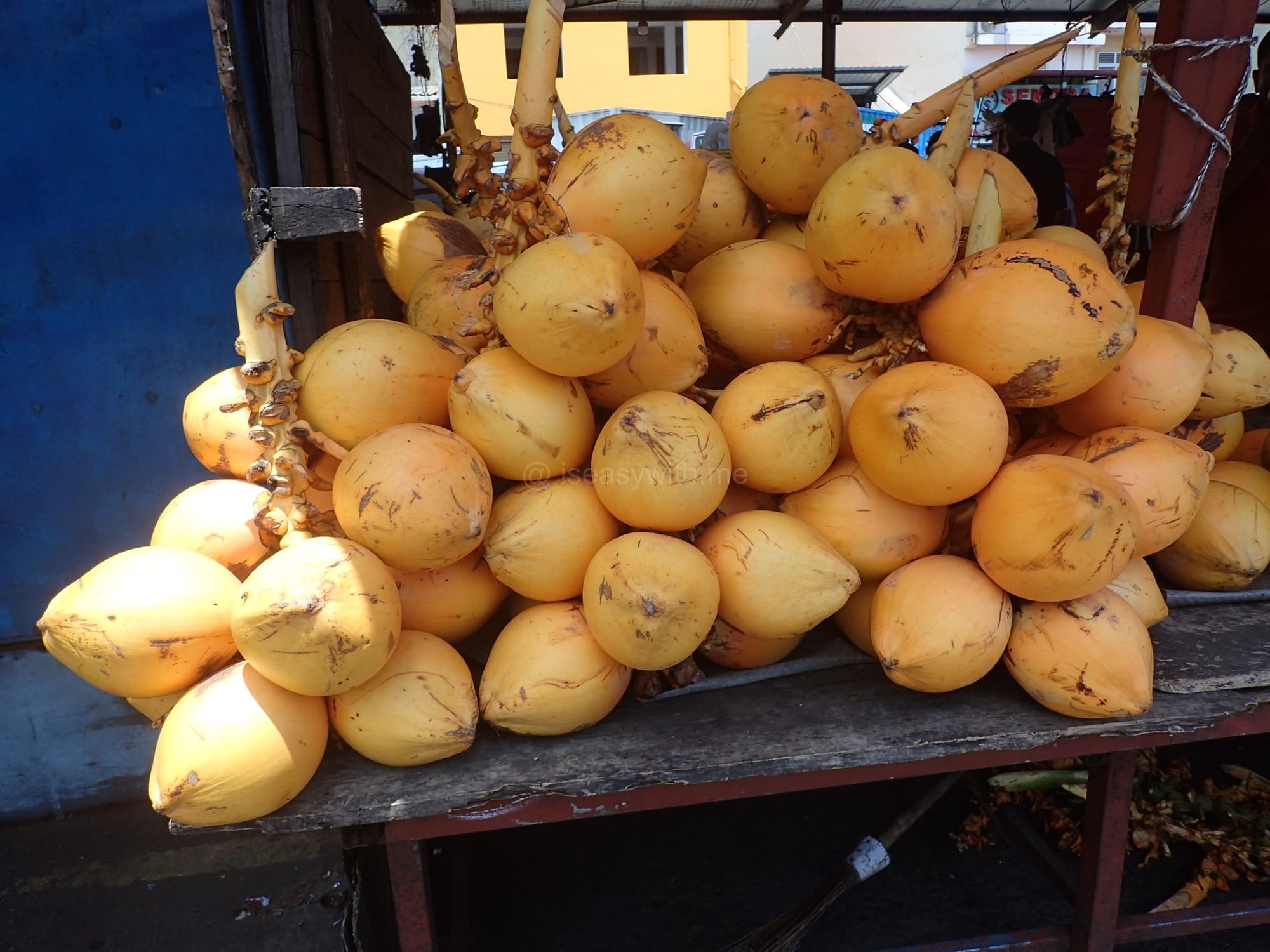
Pettah Market
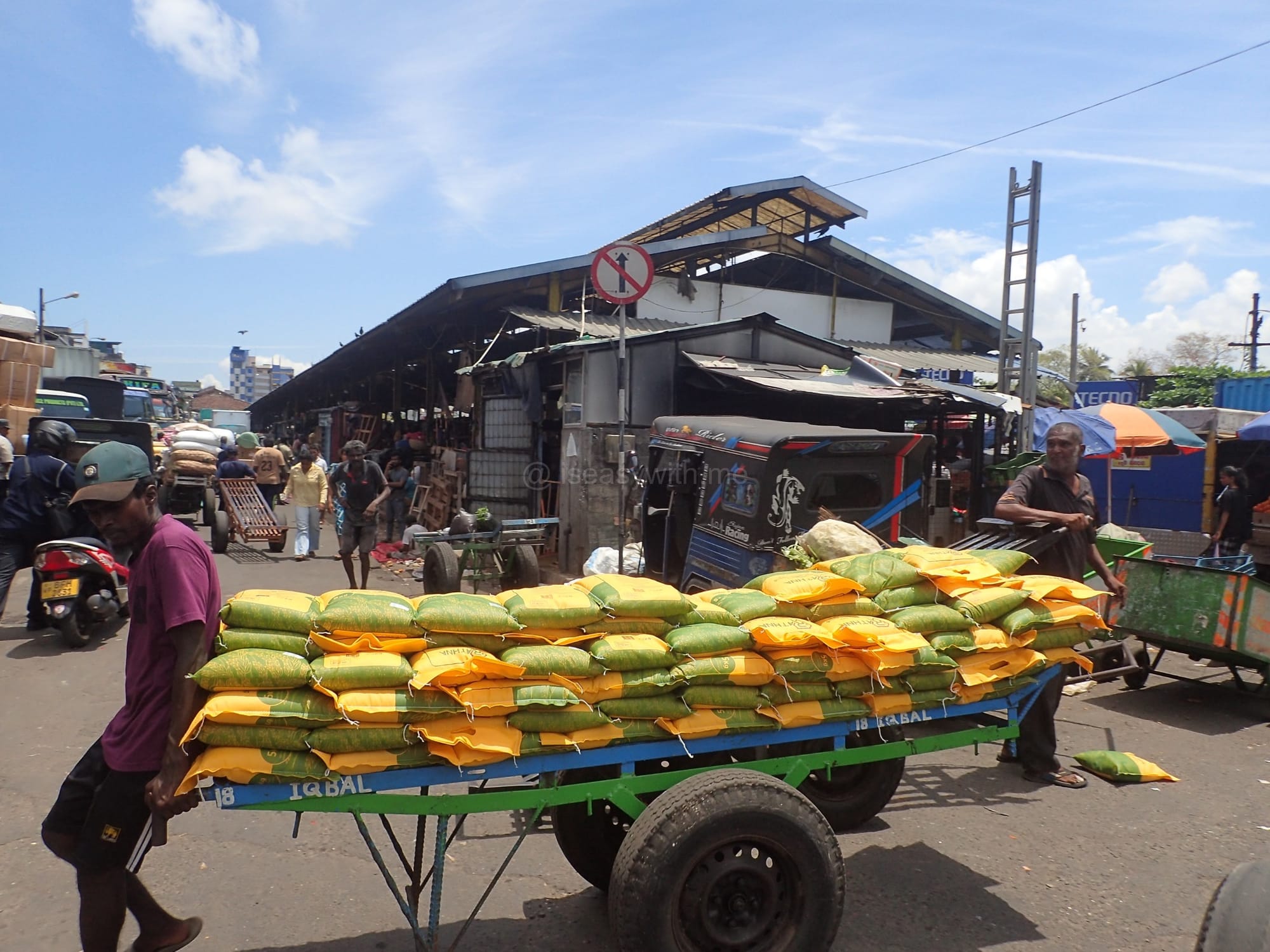
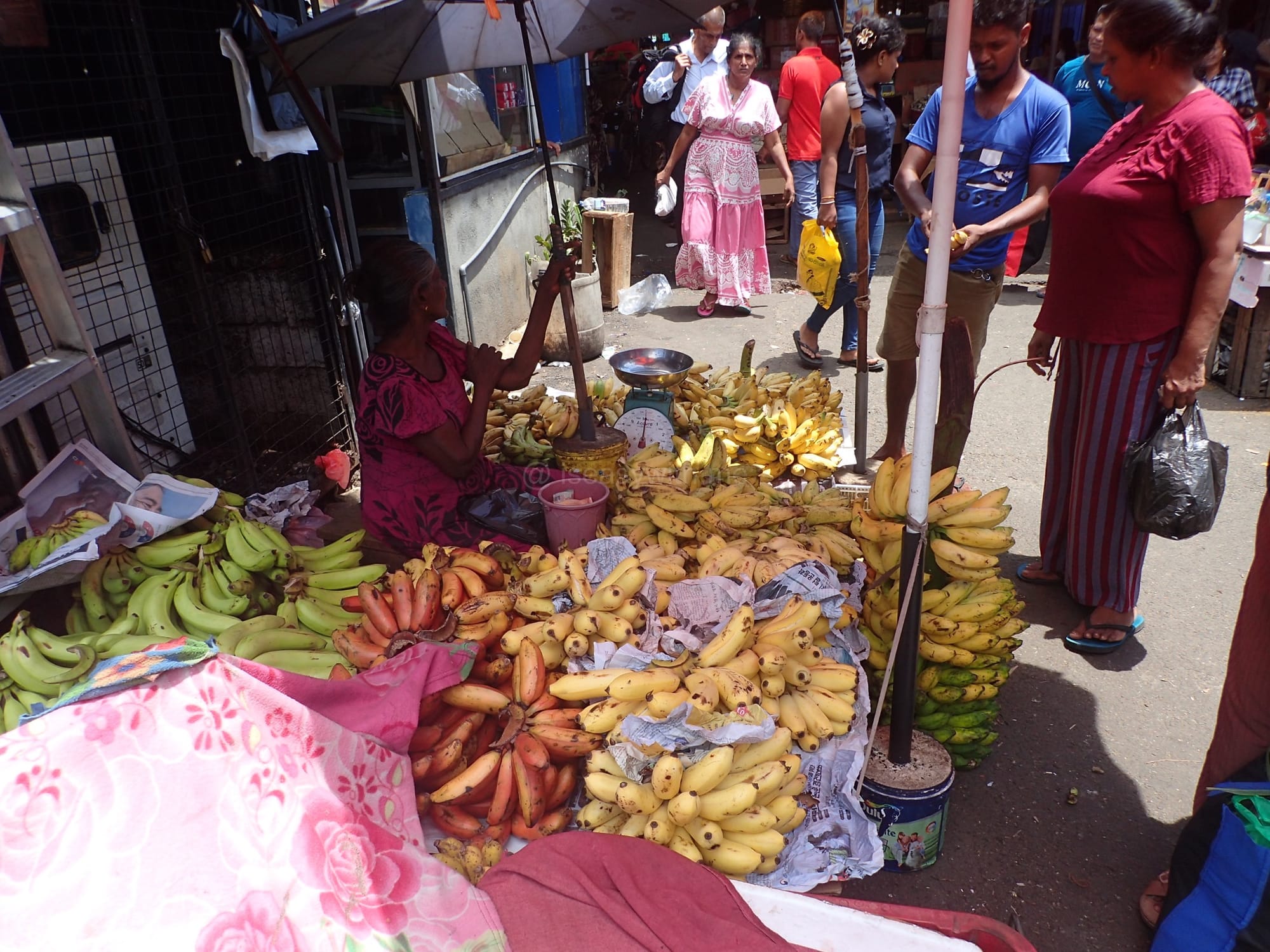
Pettah is Colombo's busiest commercial district and offers an authentic glimpse into everyday city life. Each street specialises in different trades, making it surprisingly easy to navigate once I understand the layout.
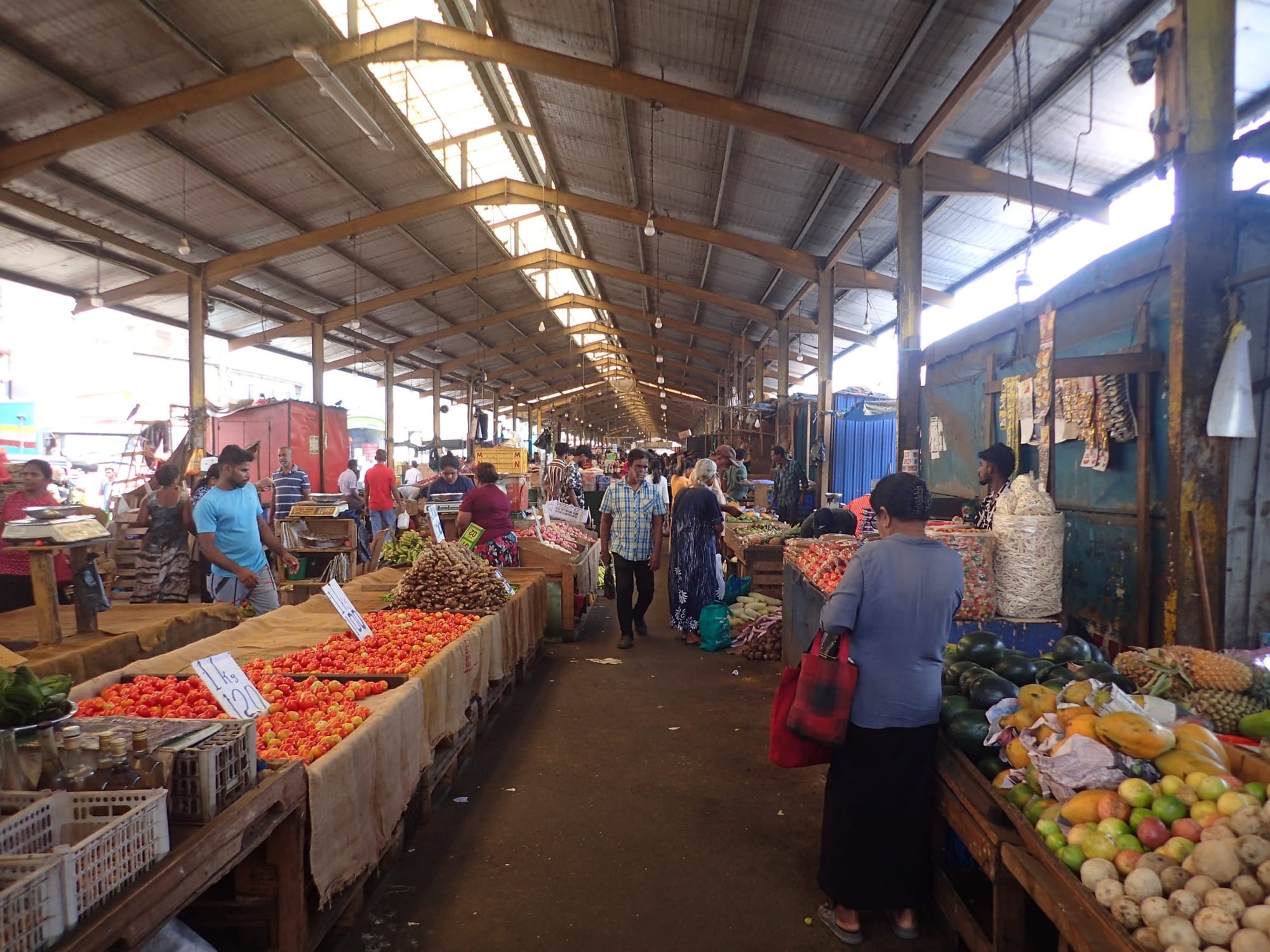
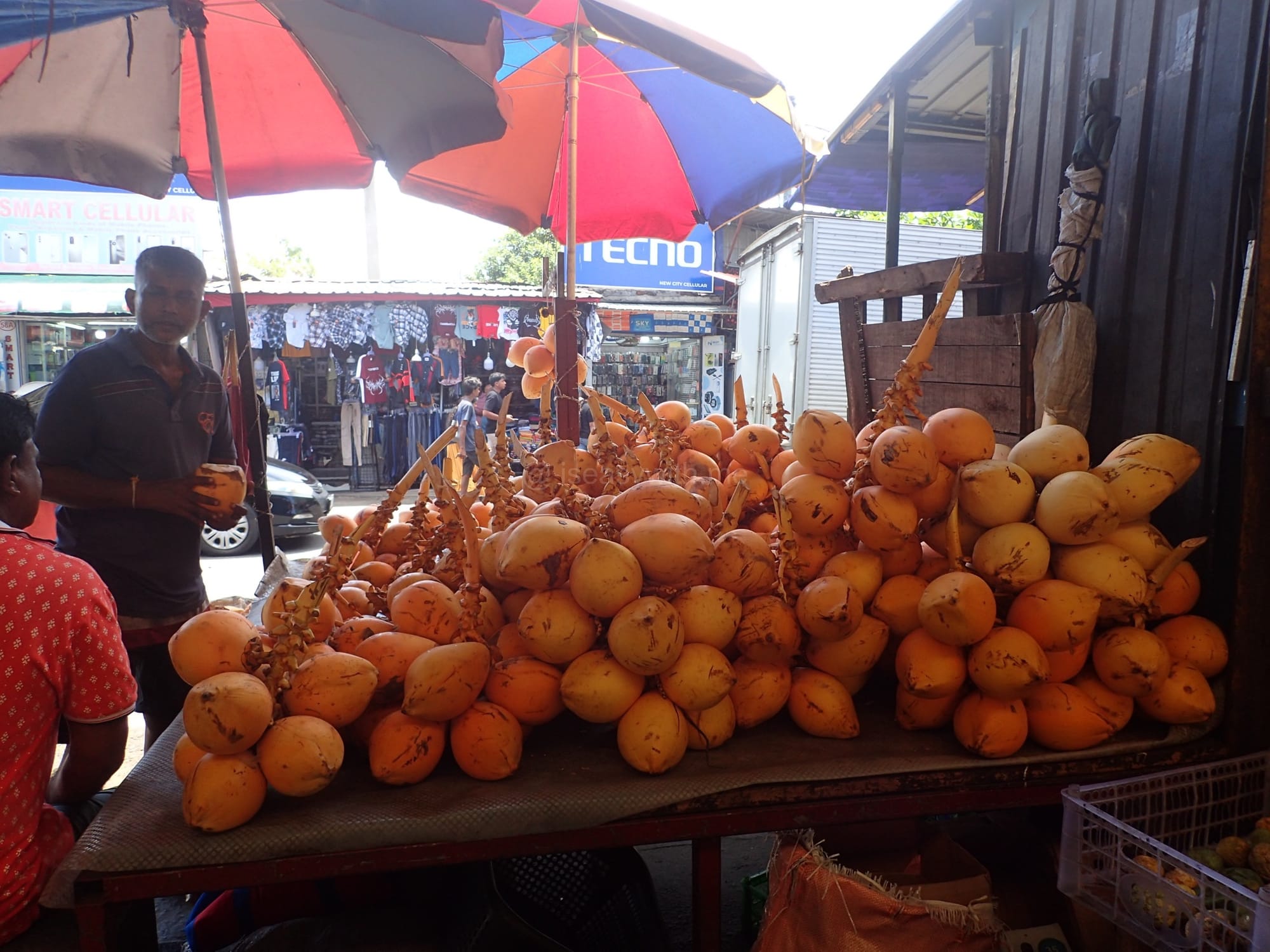
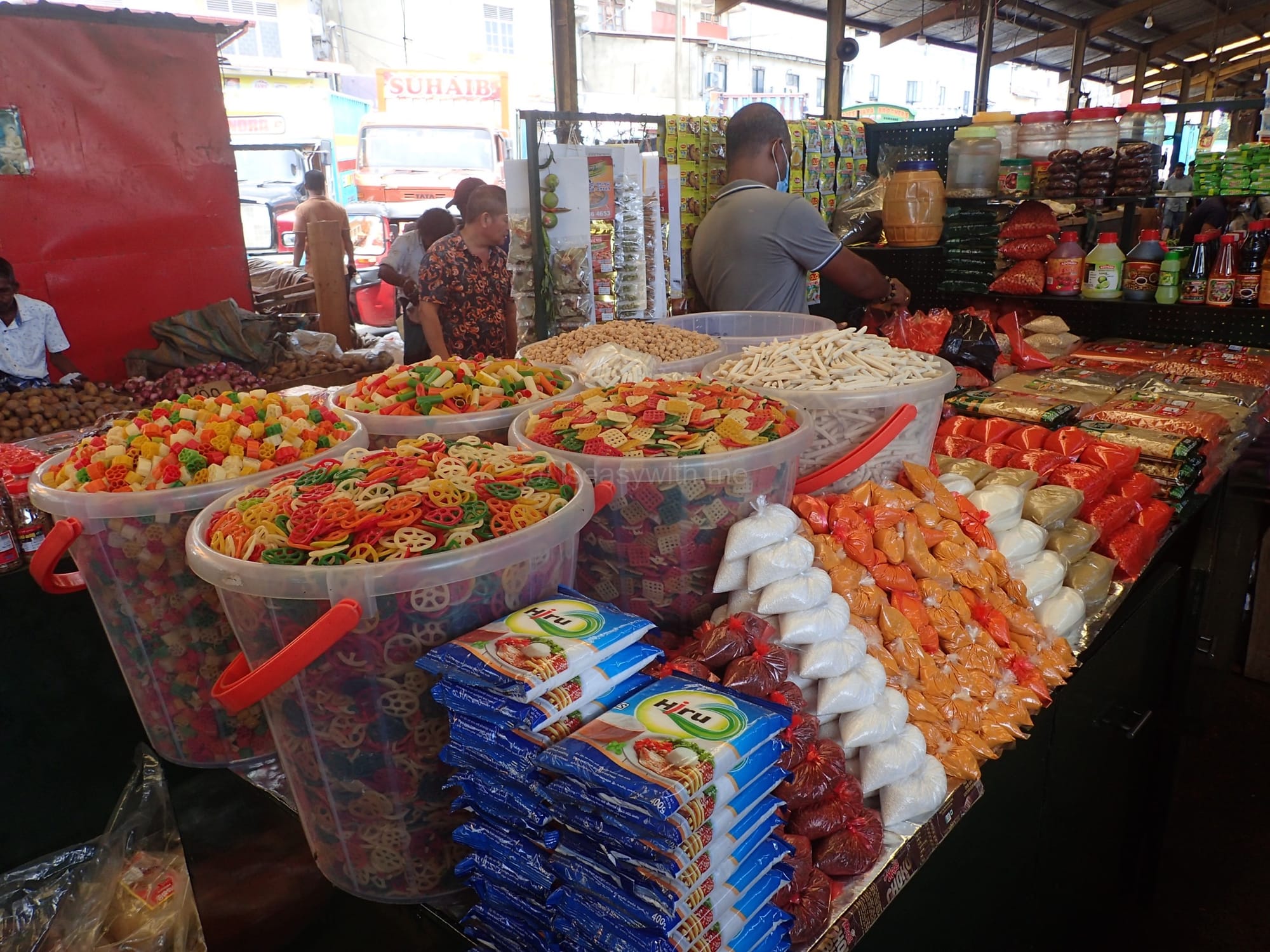
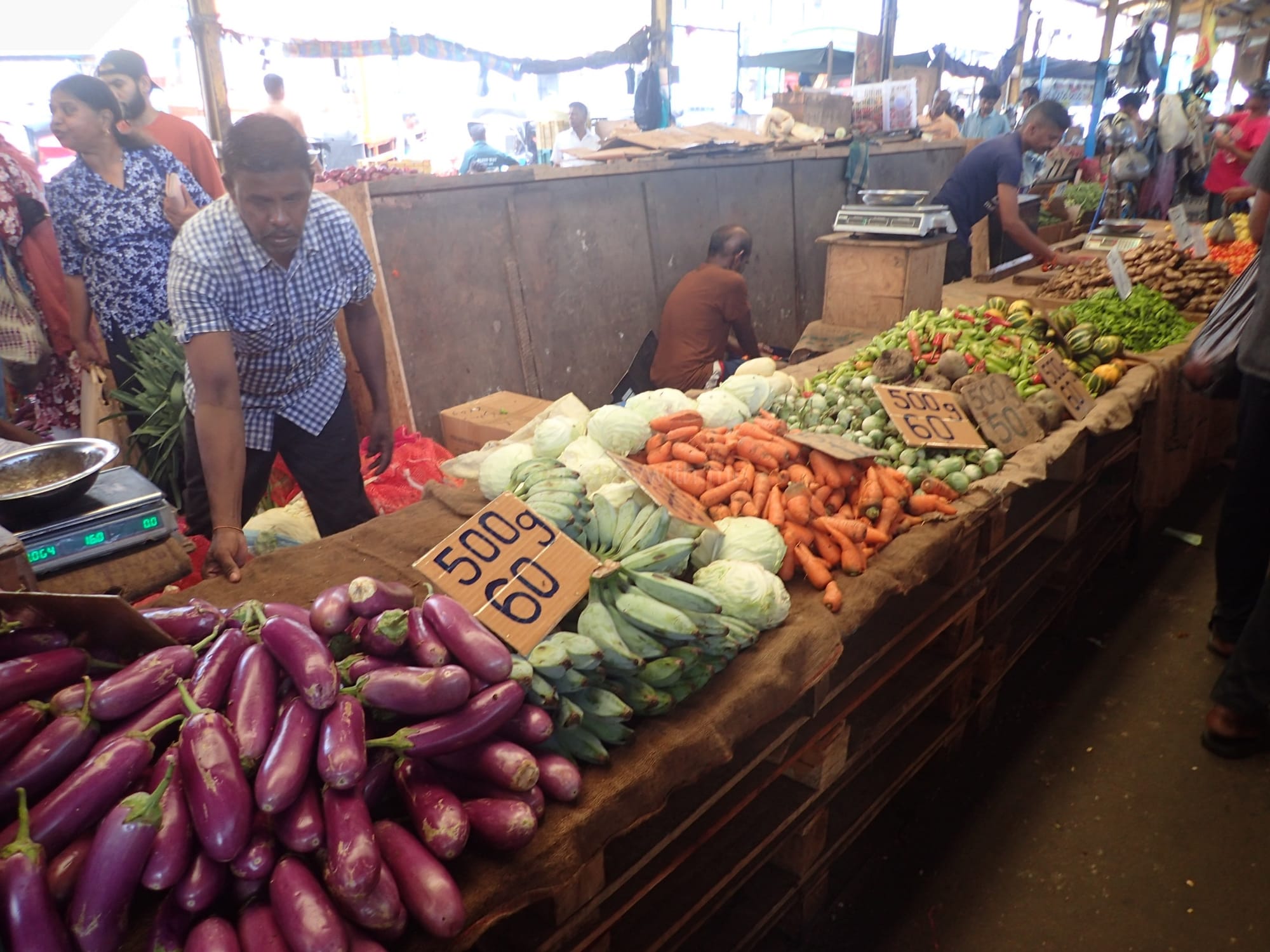
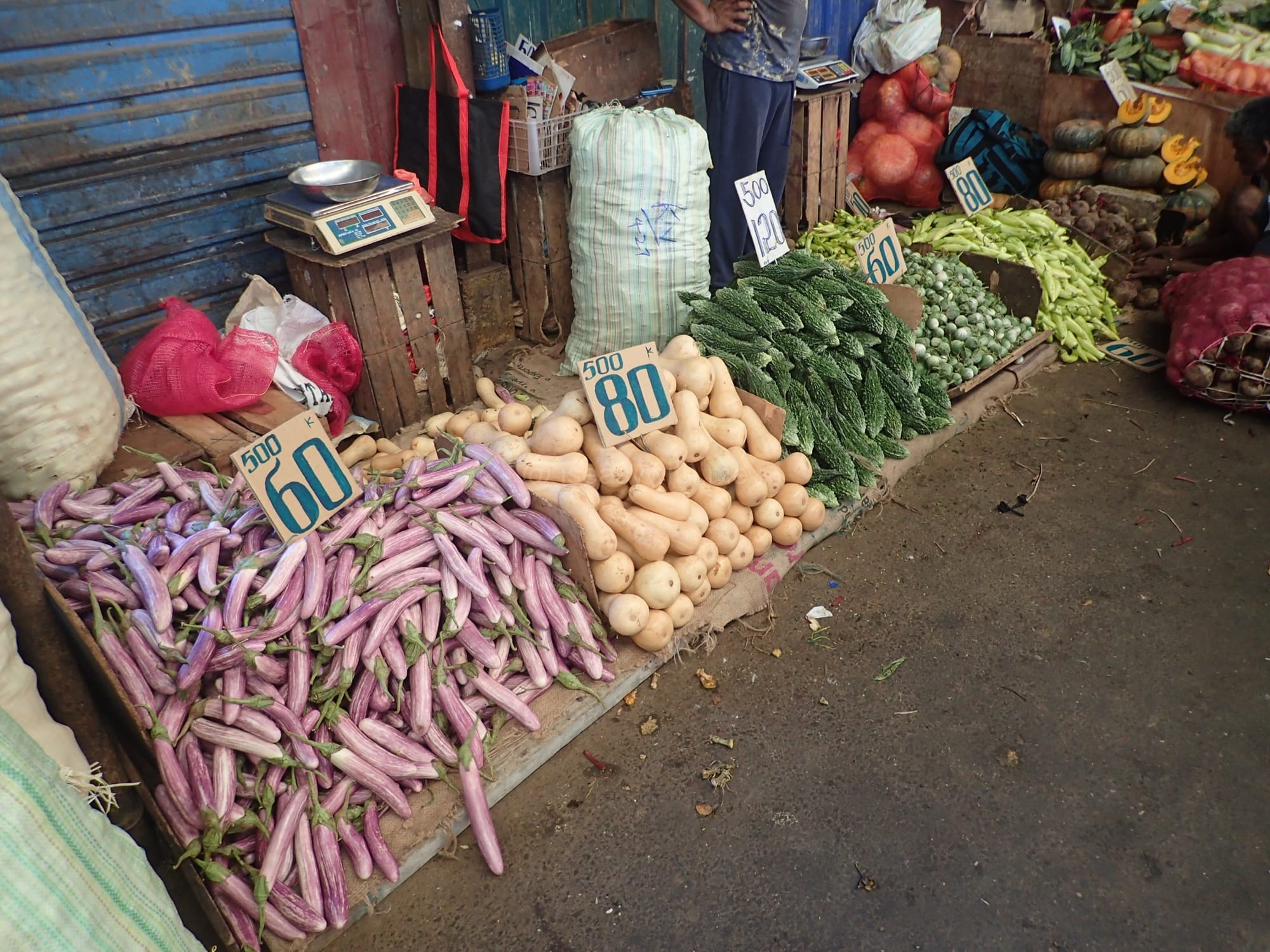
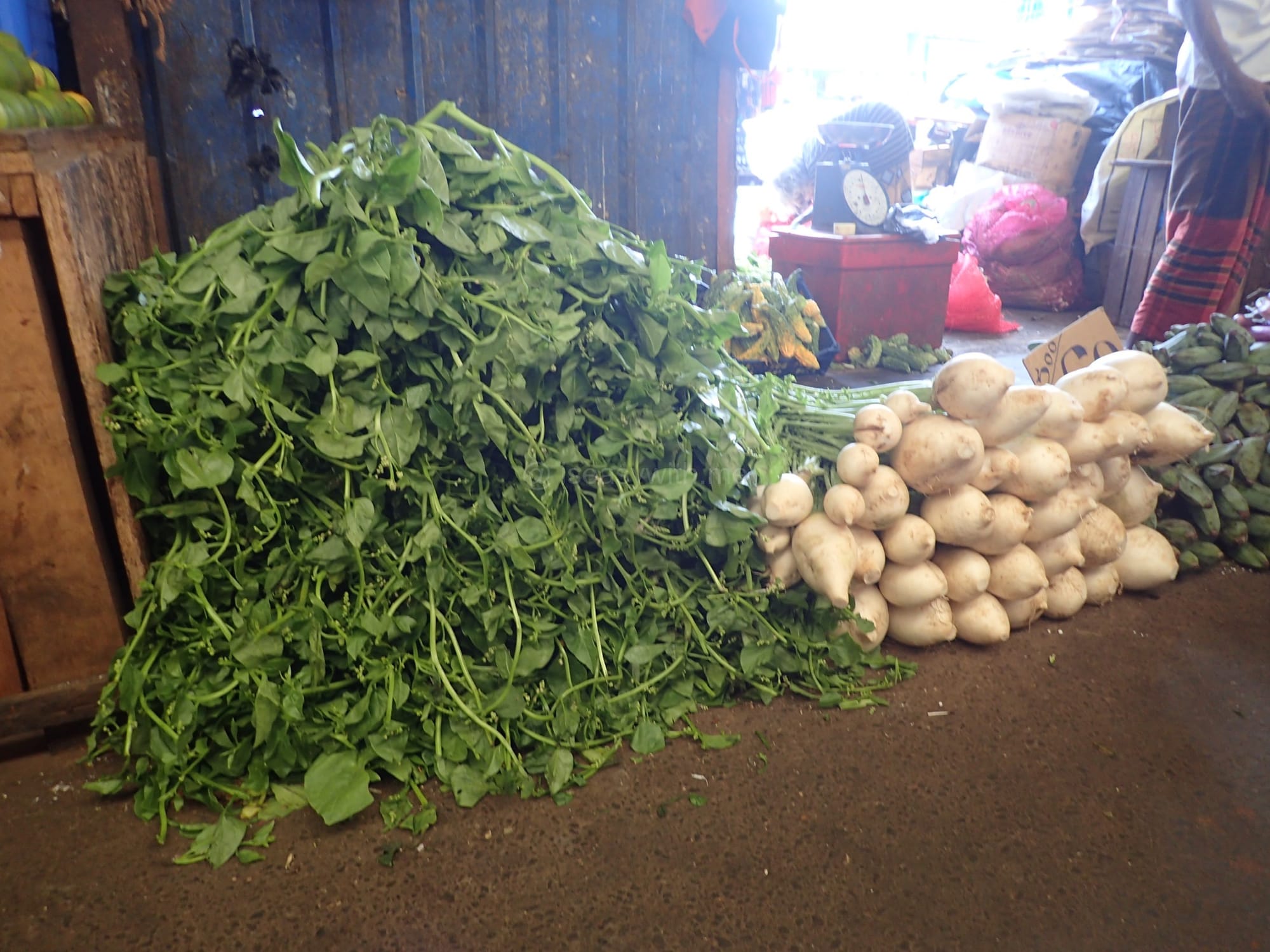
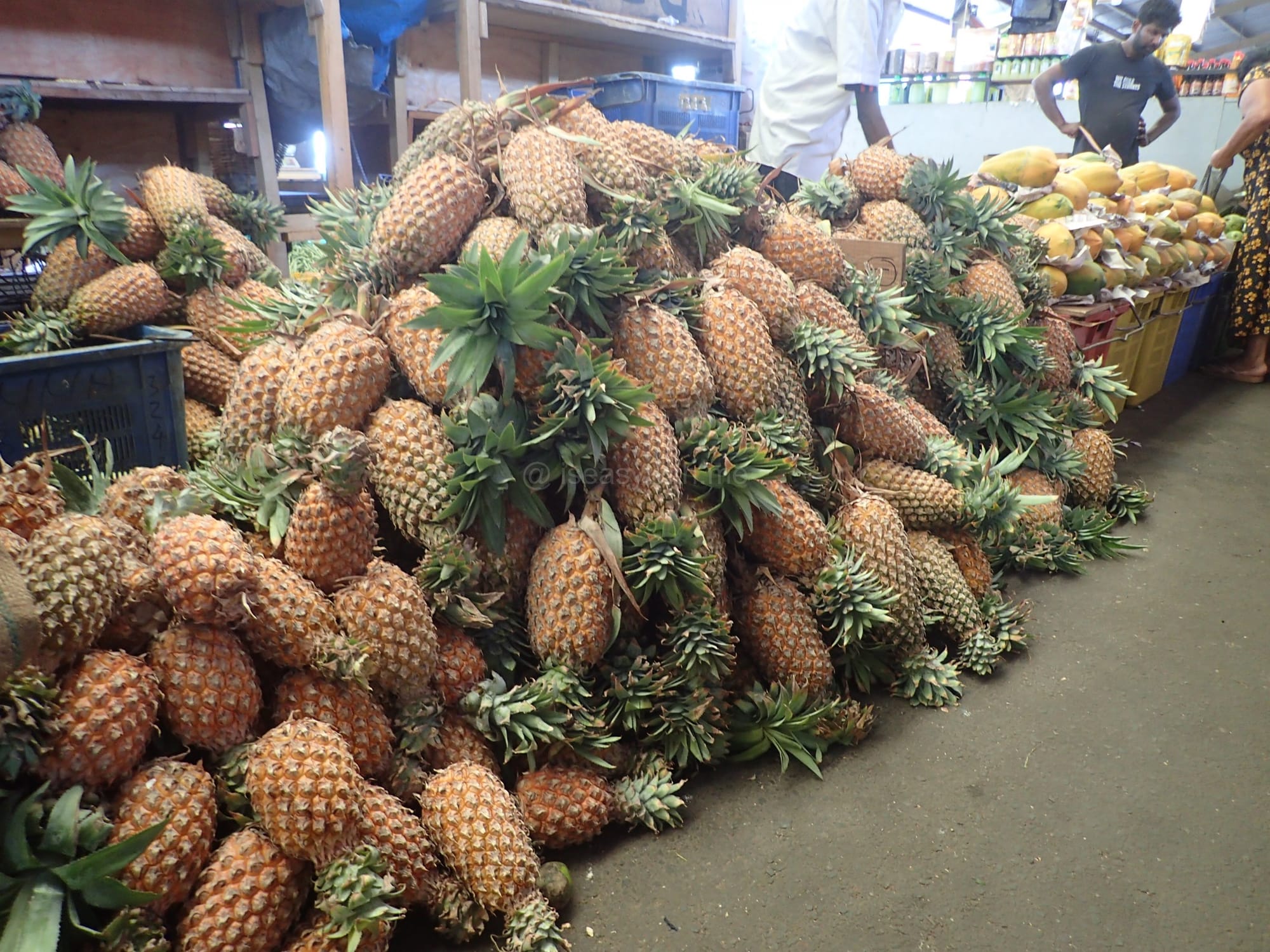
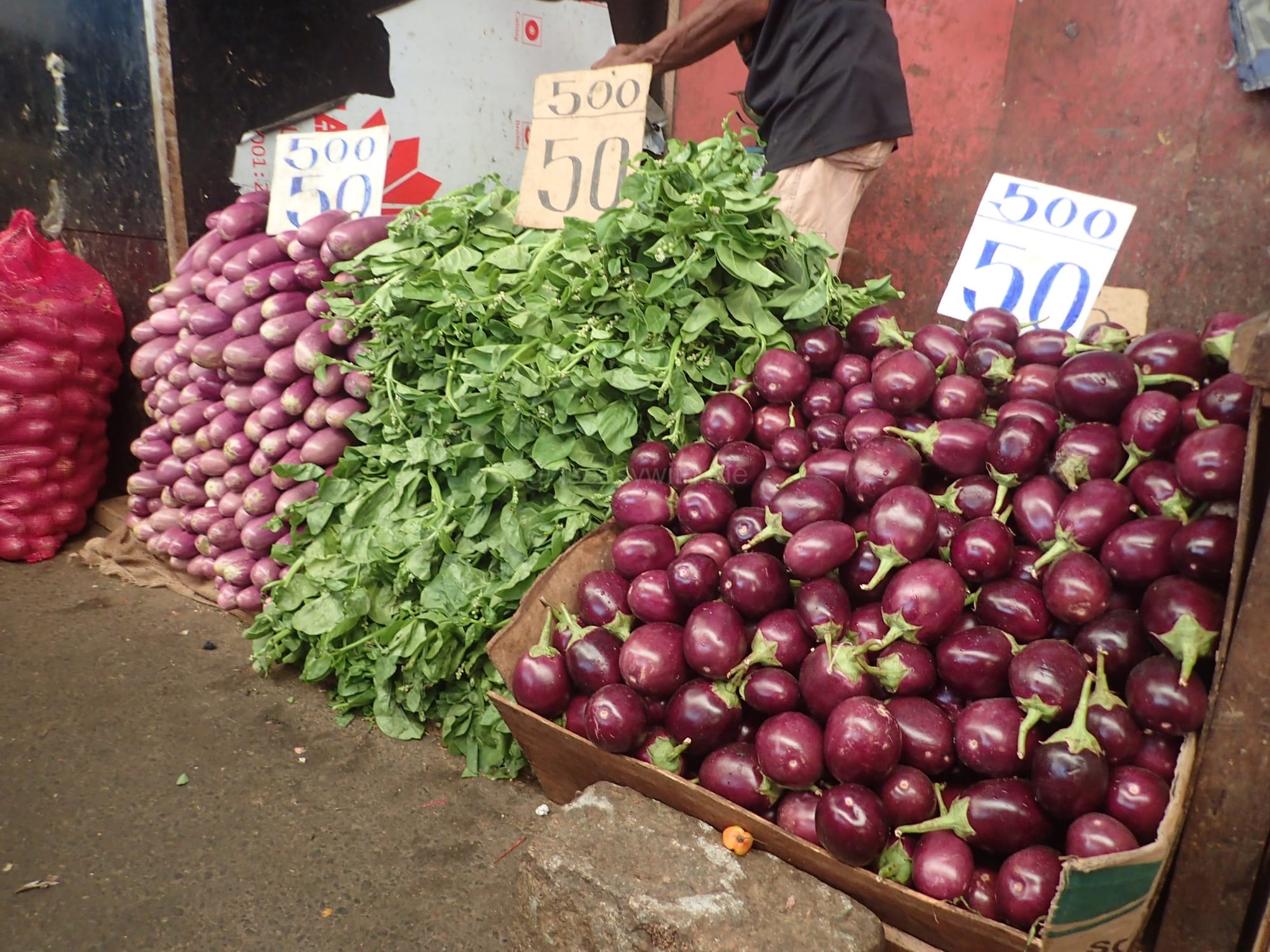
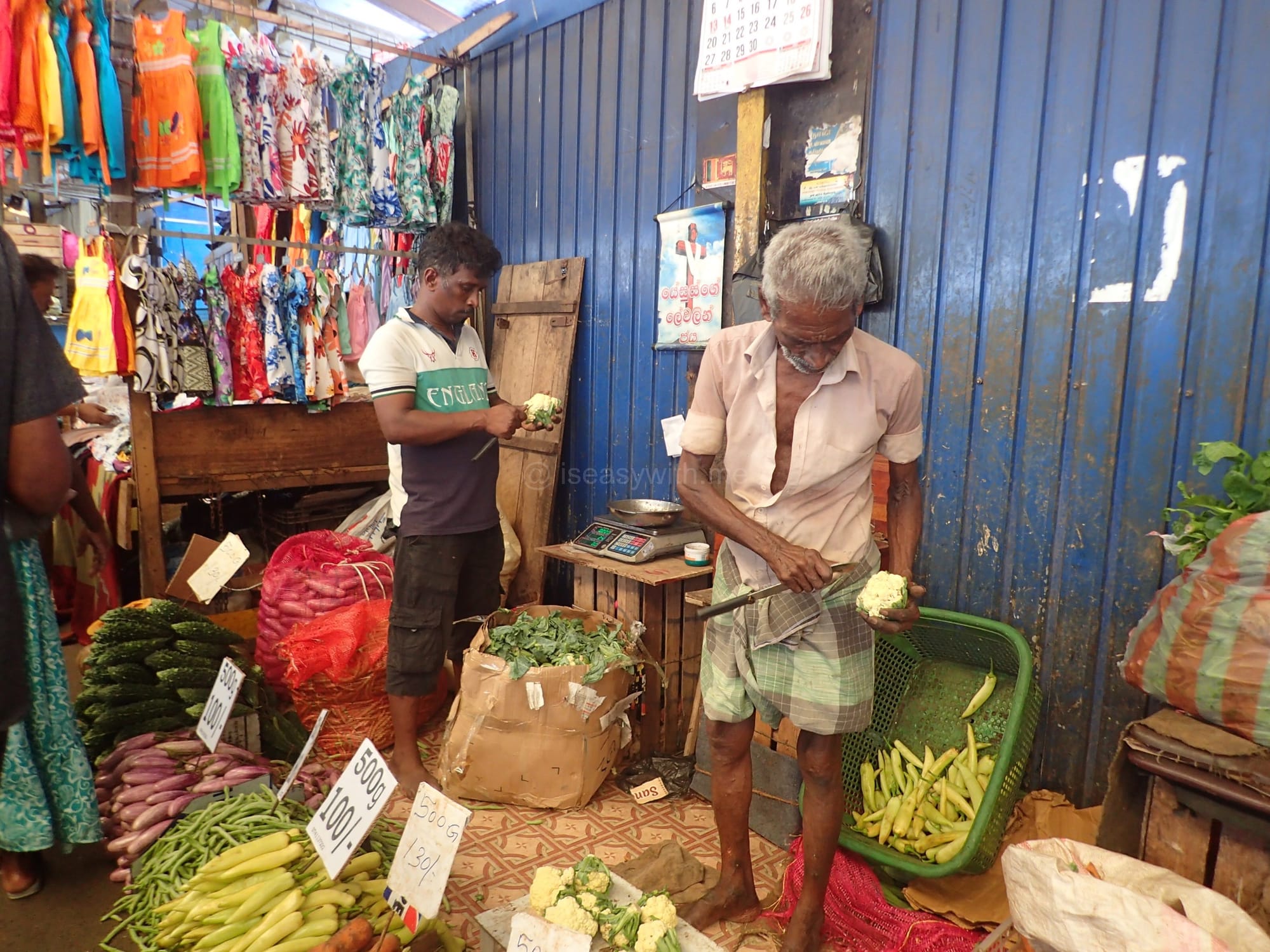
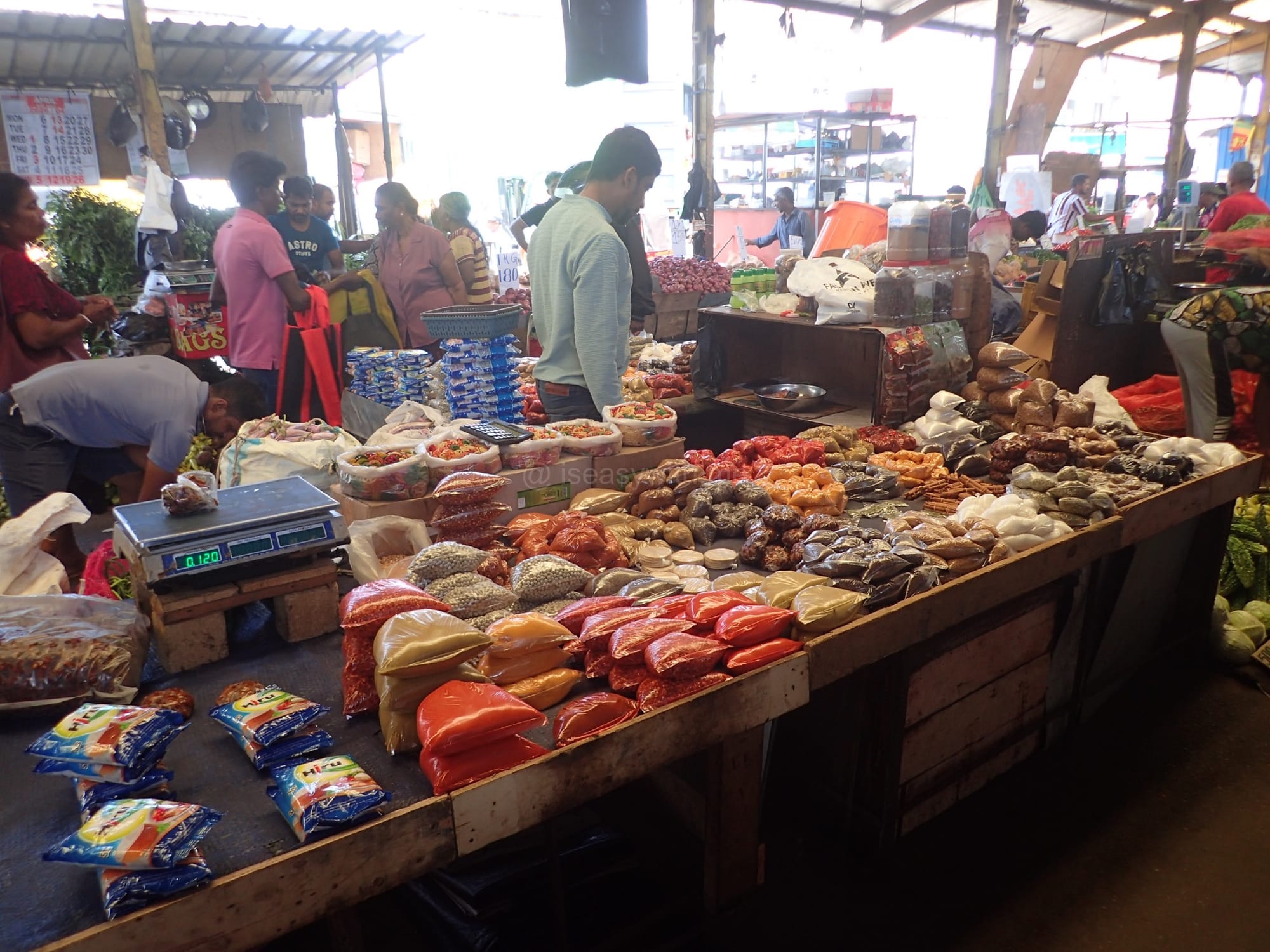
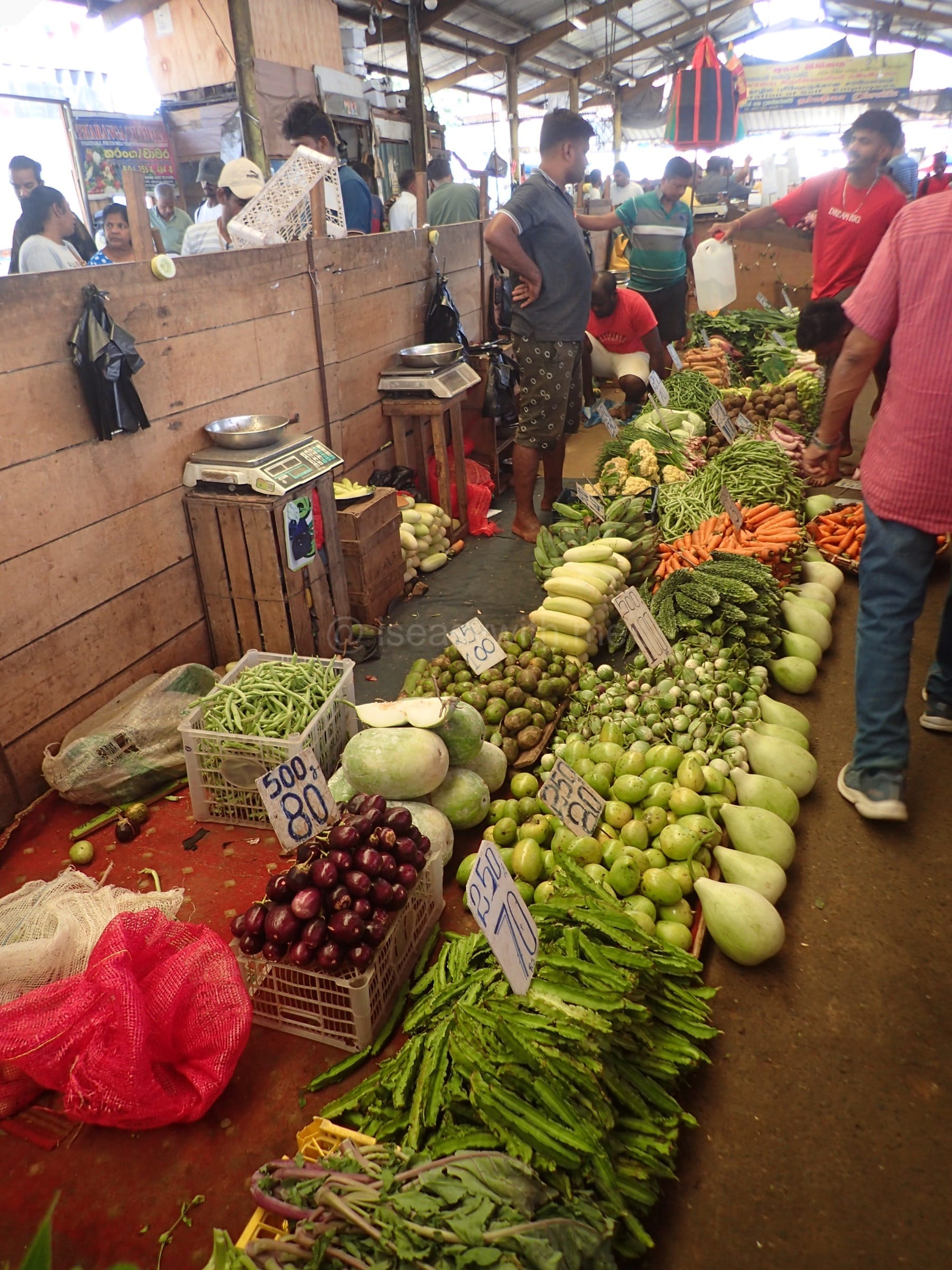
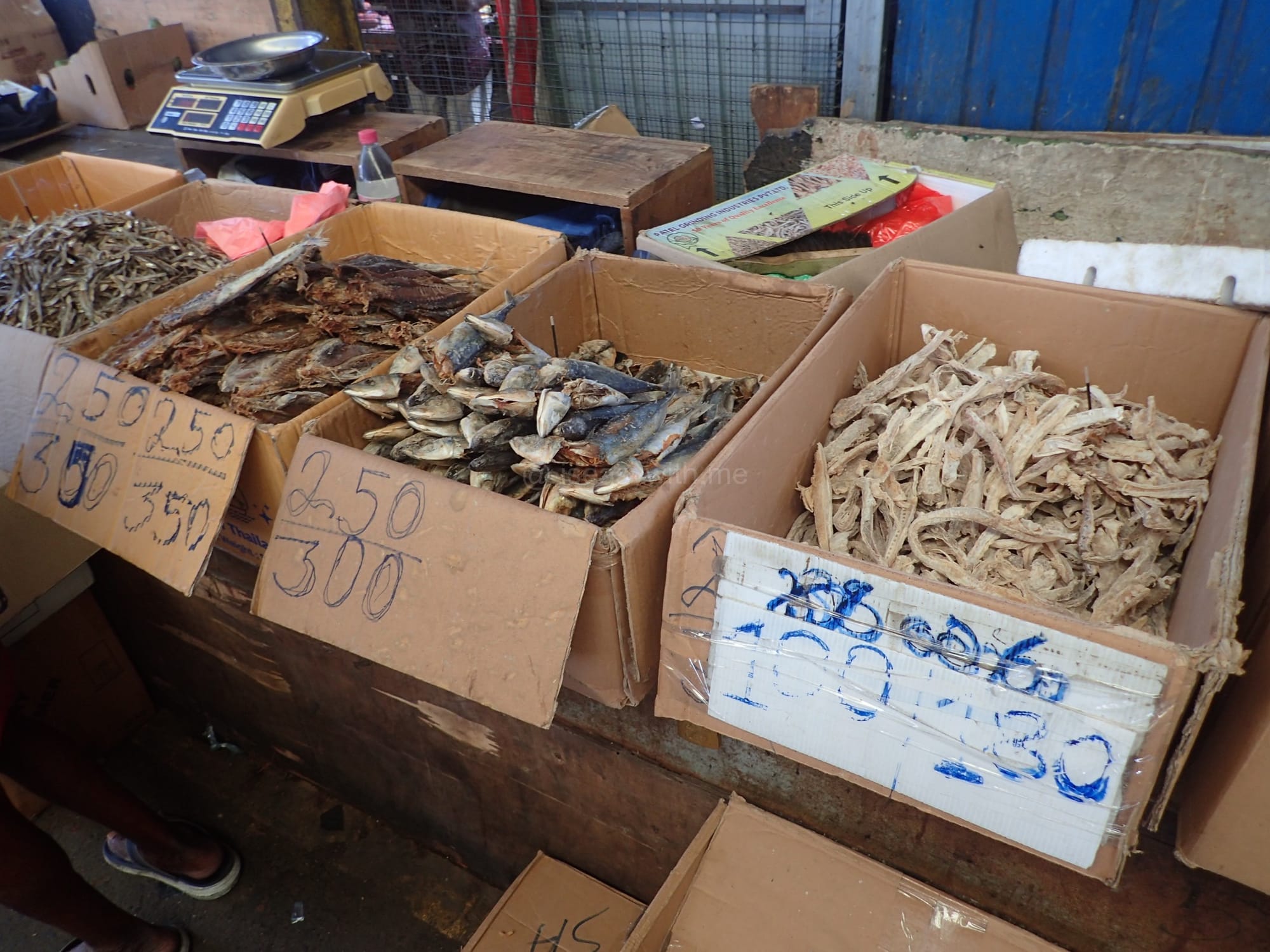
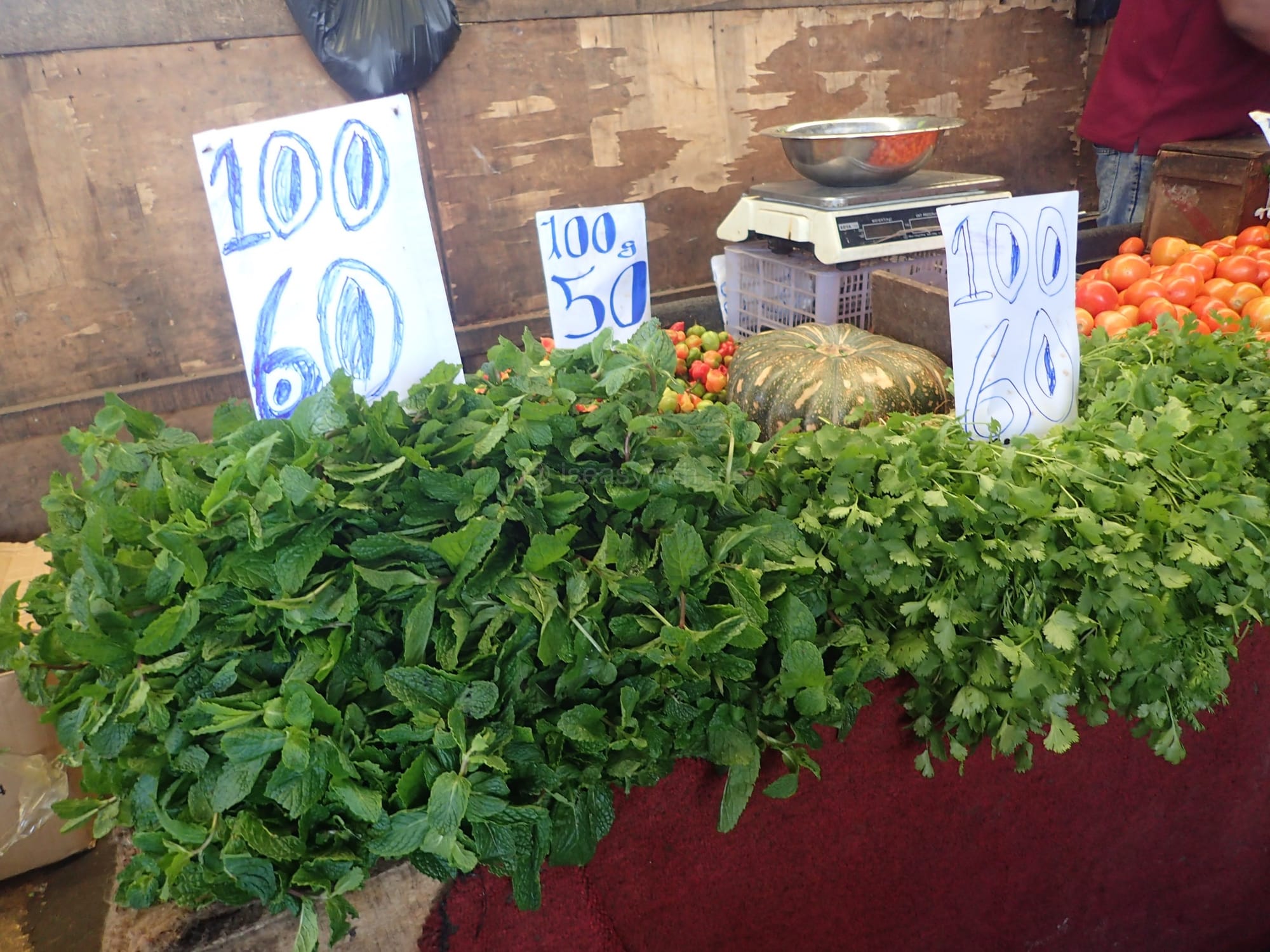
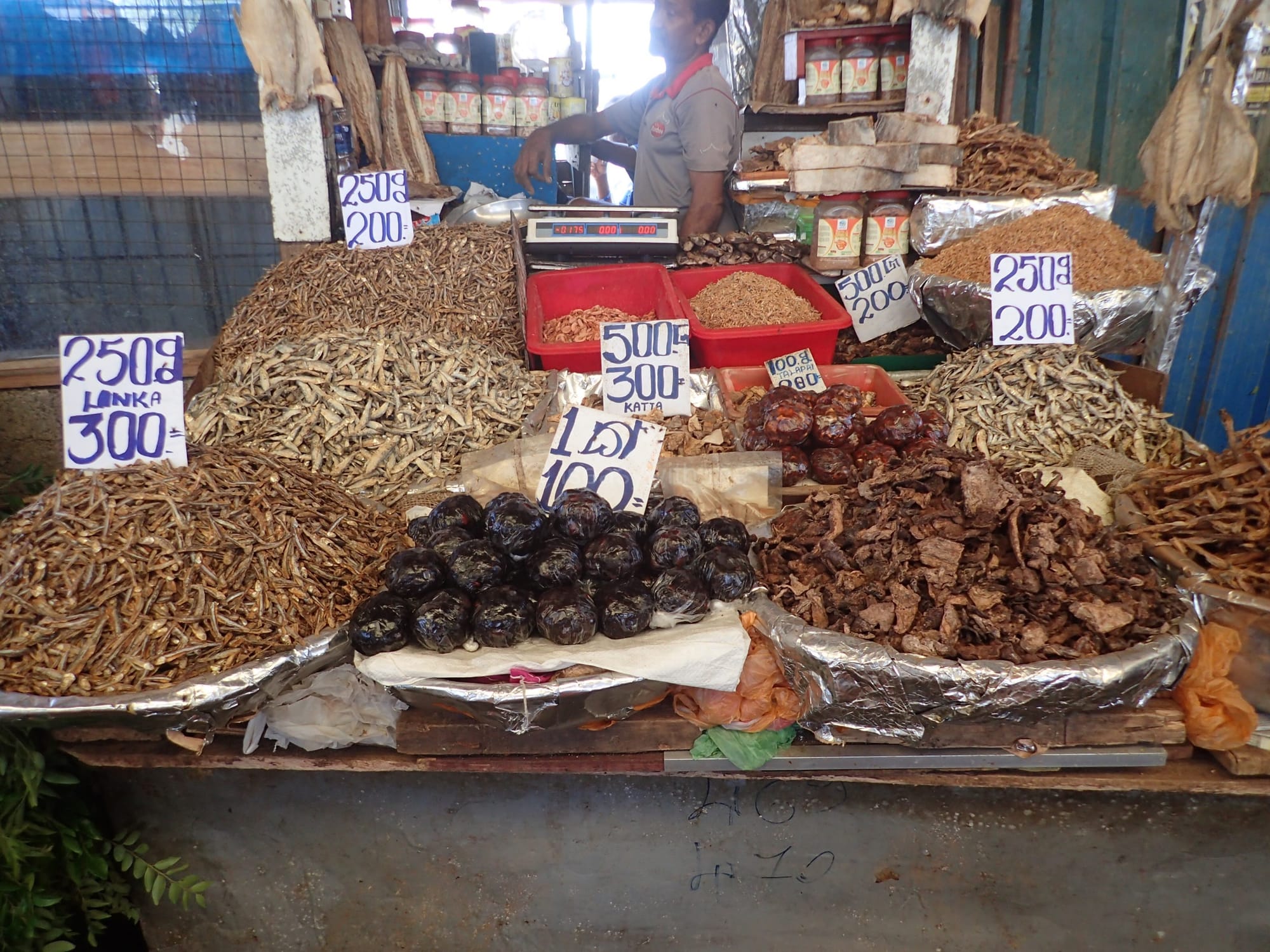
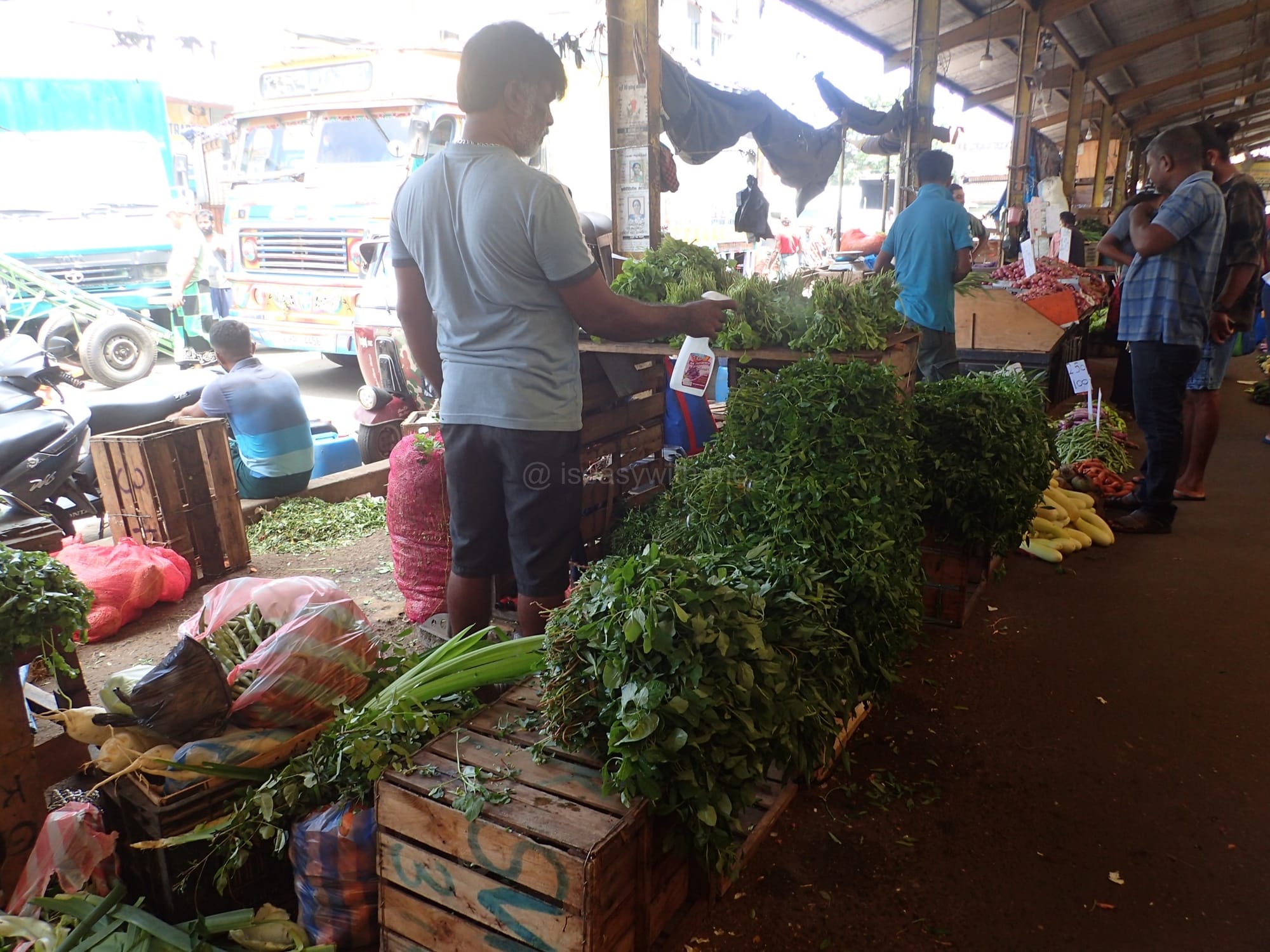
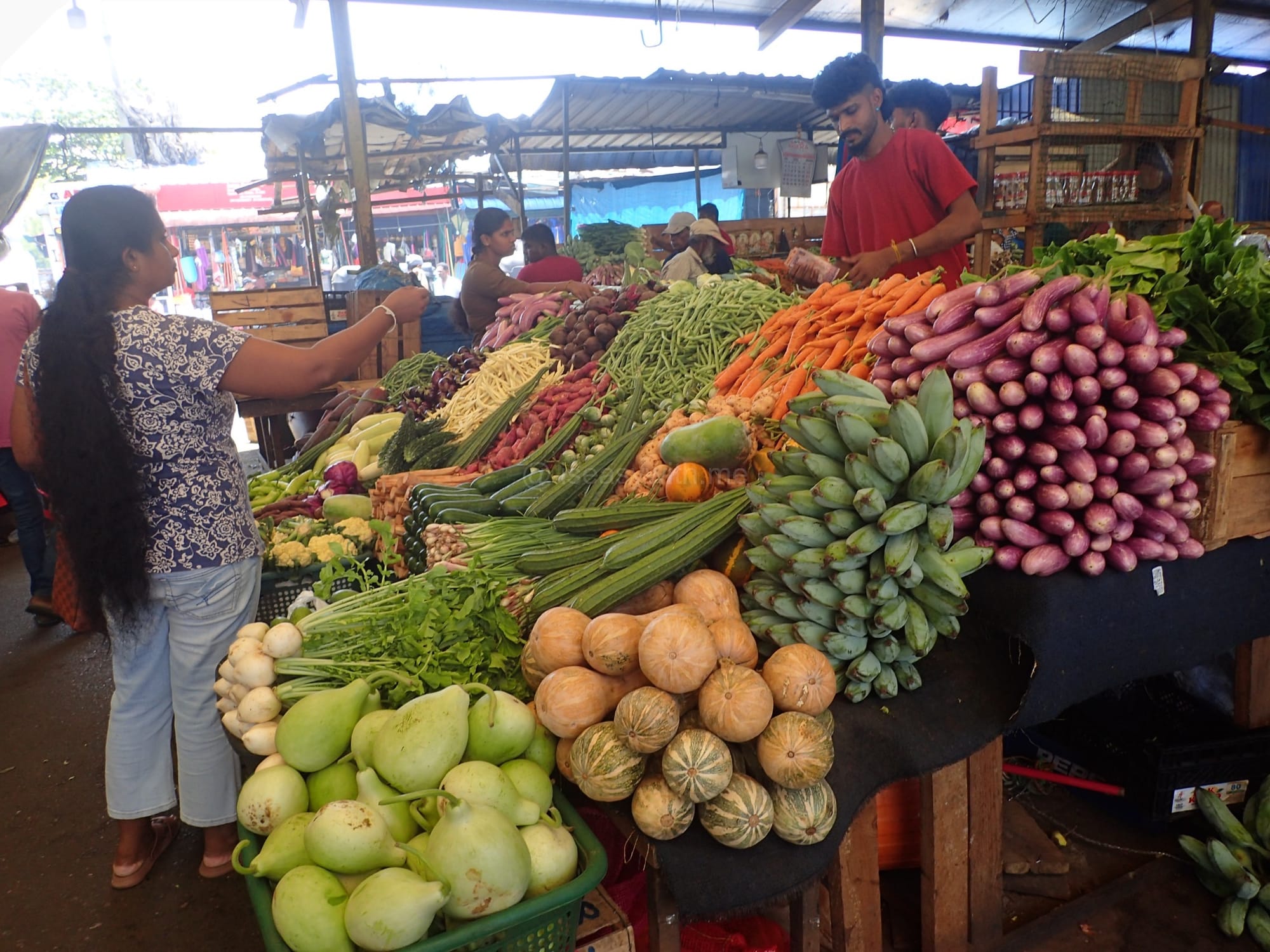
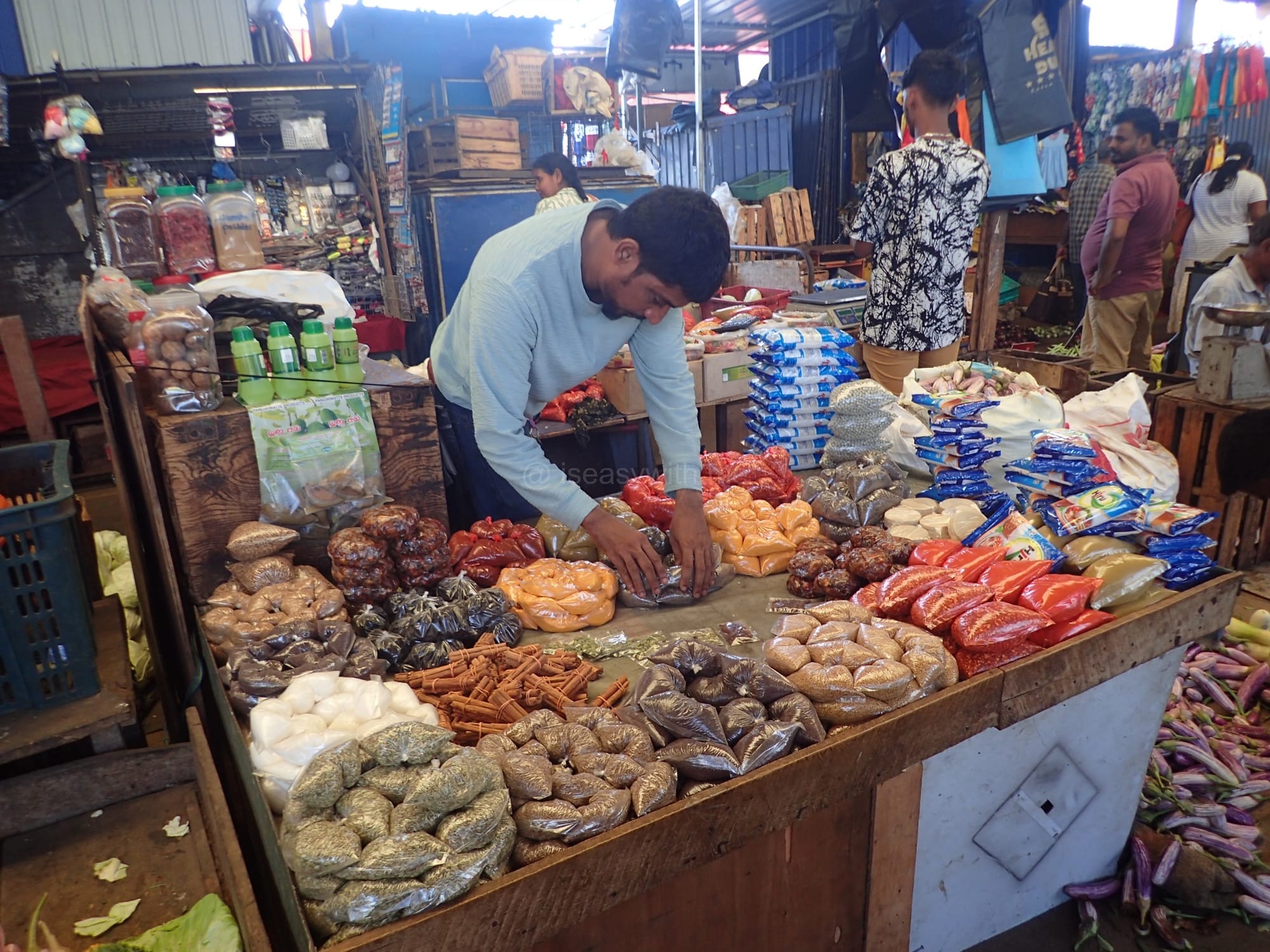
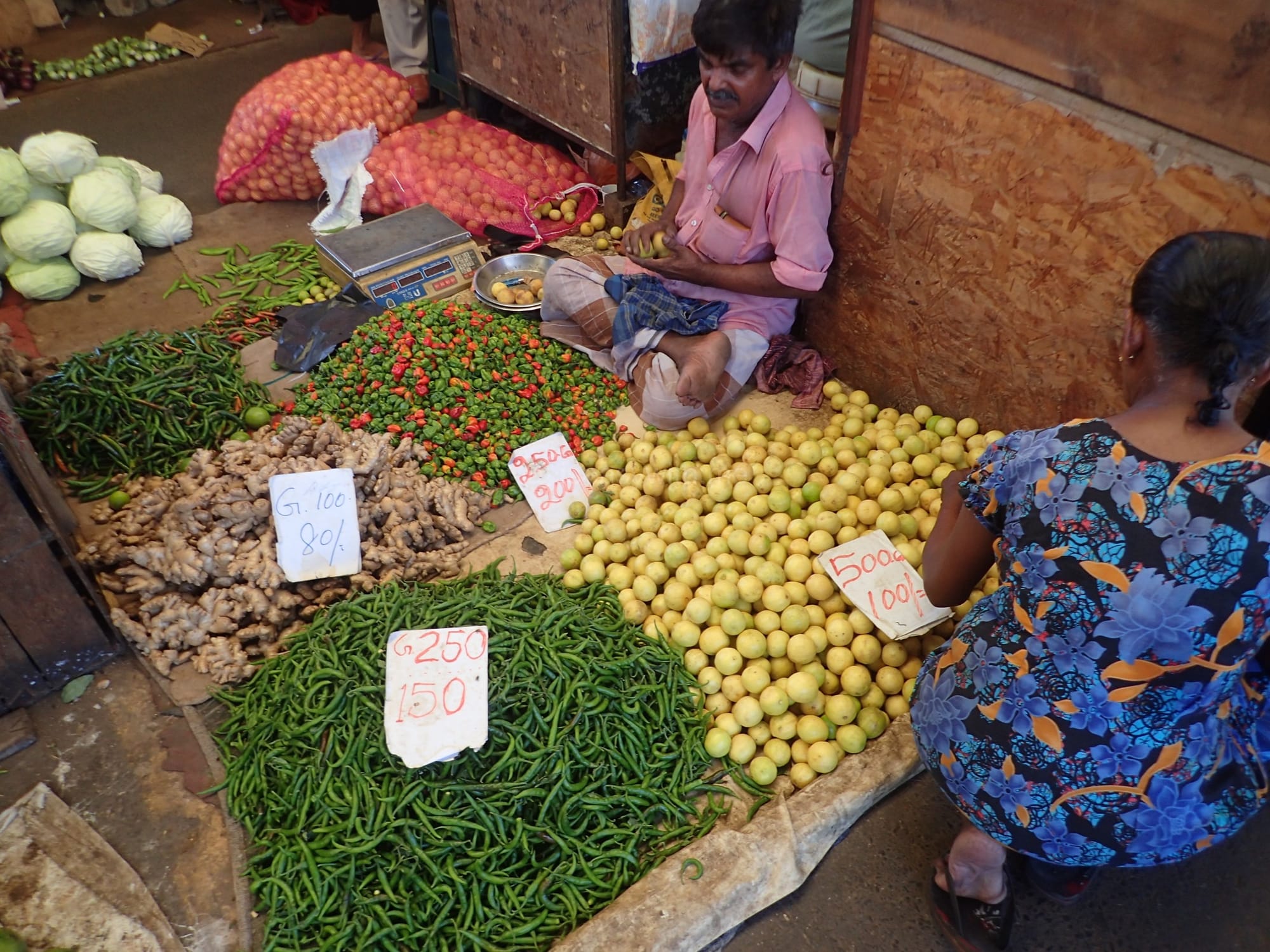
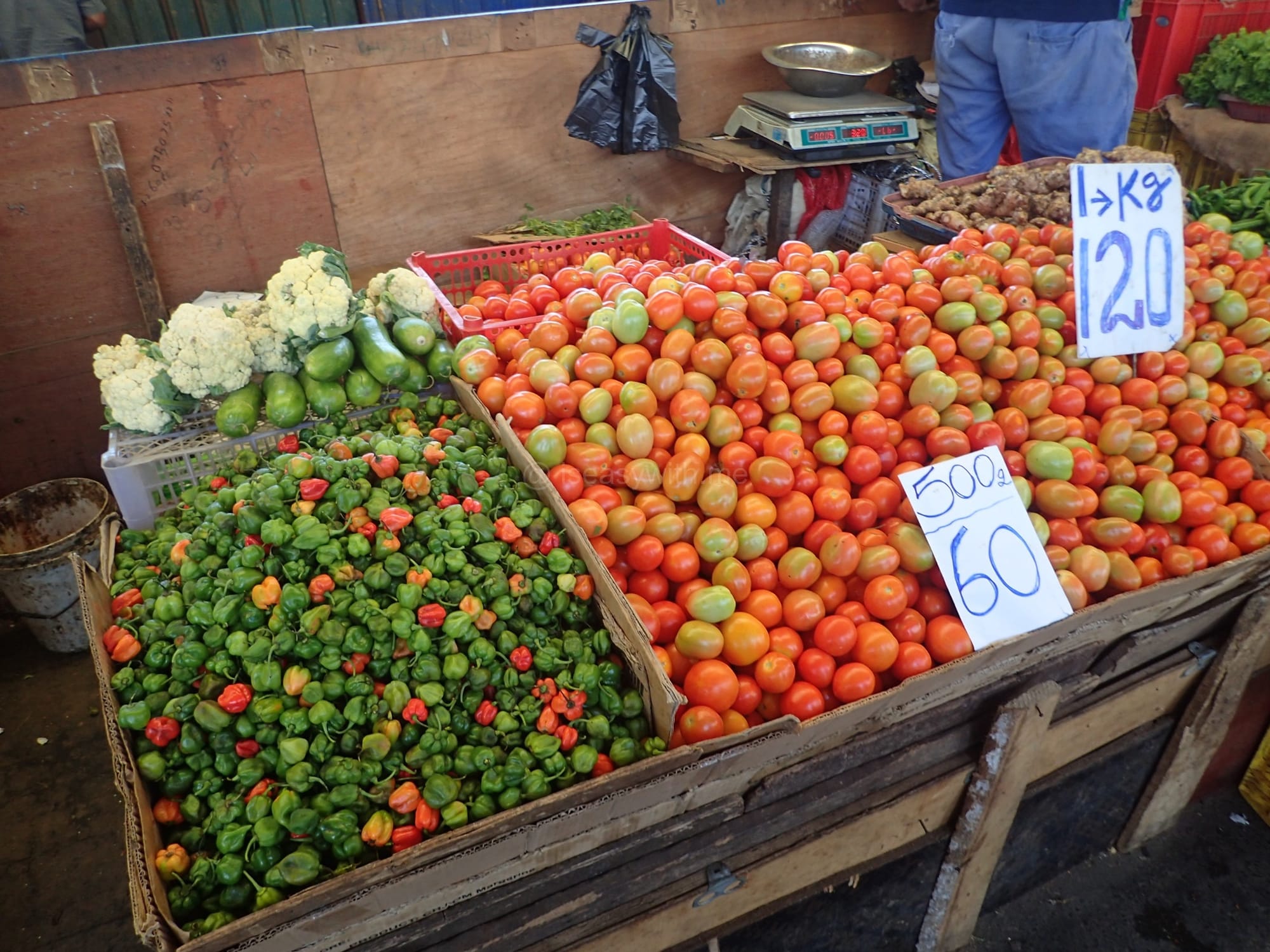
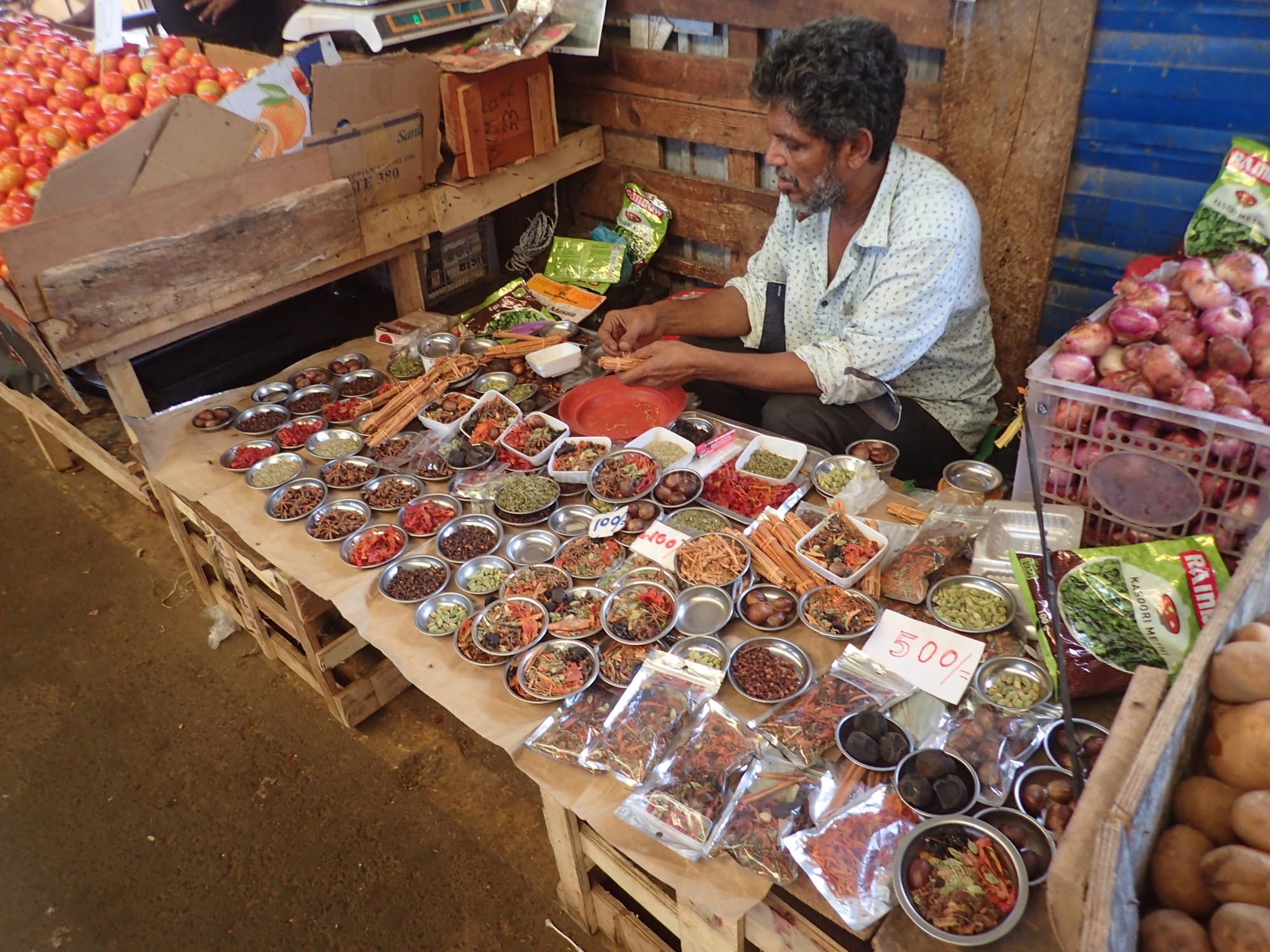
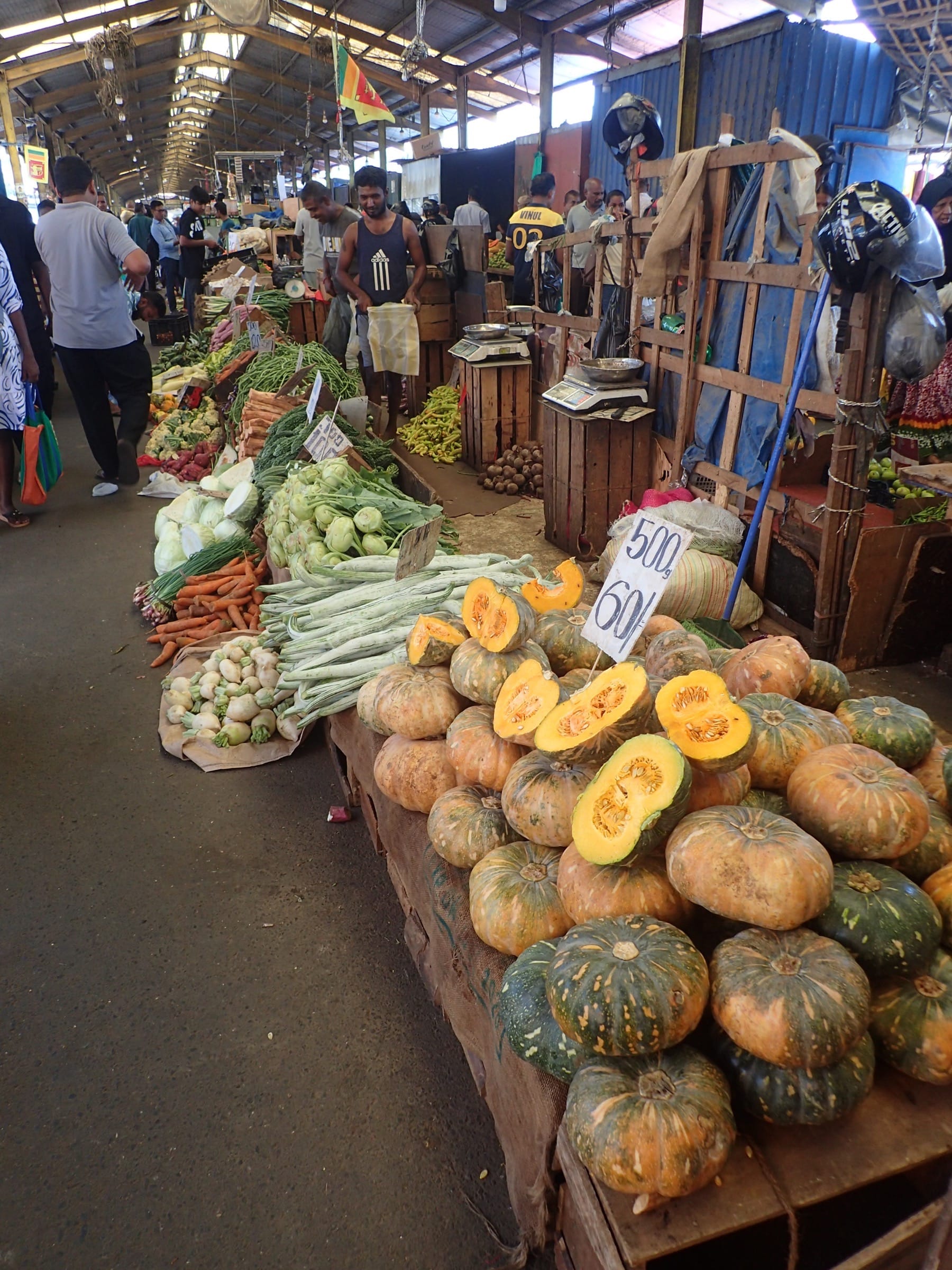
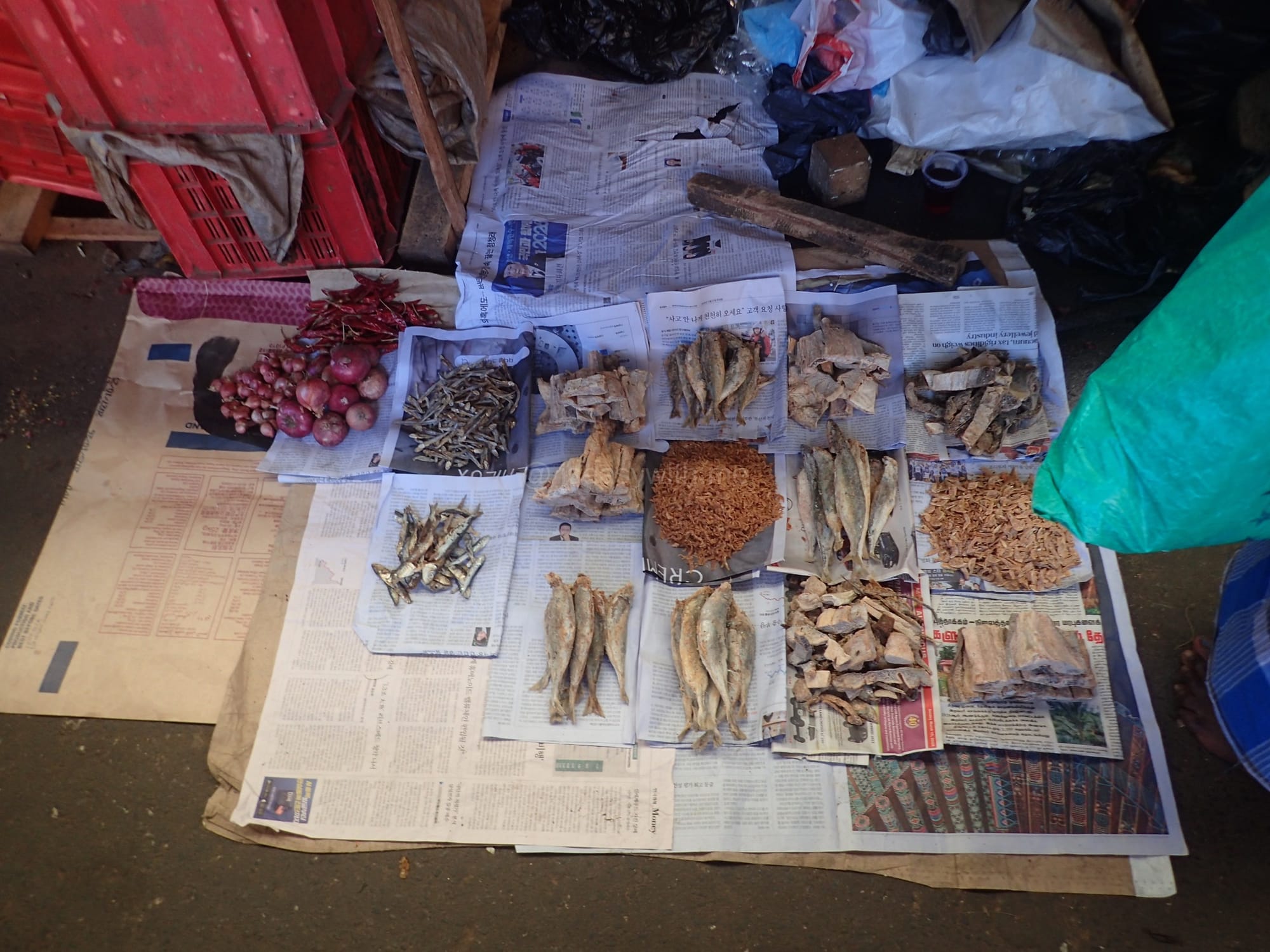
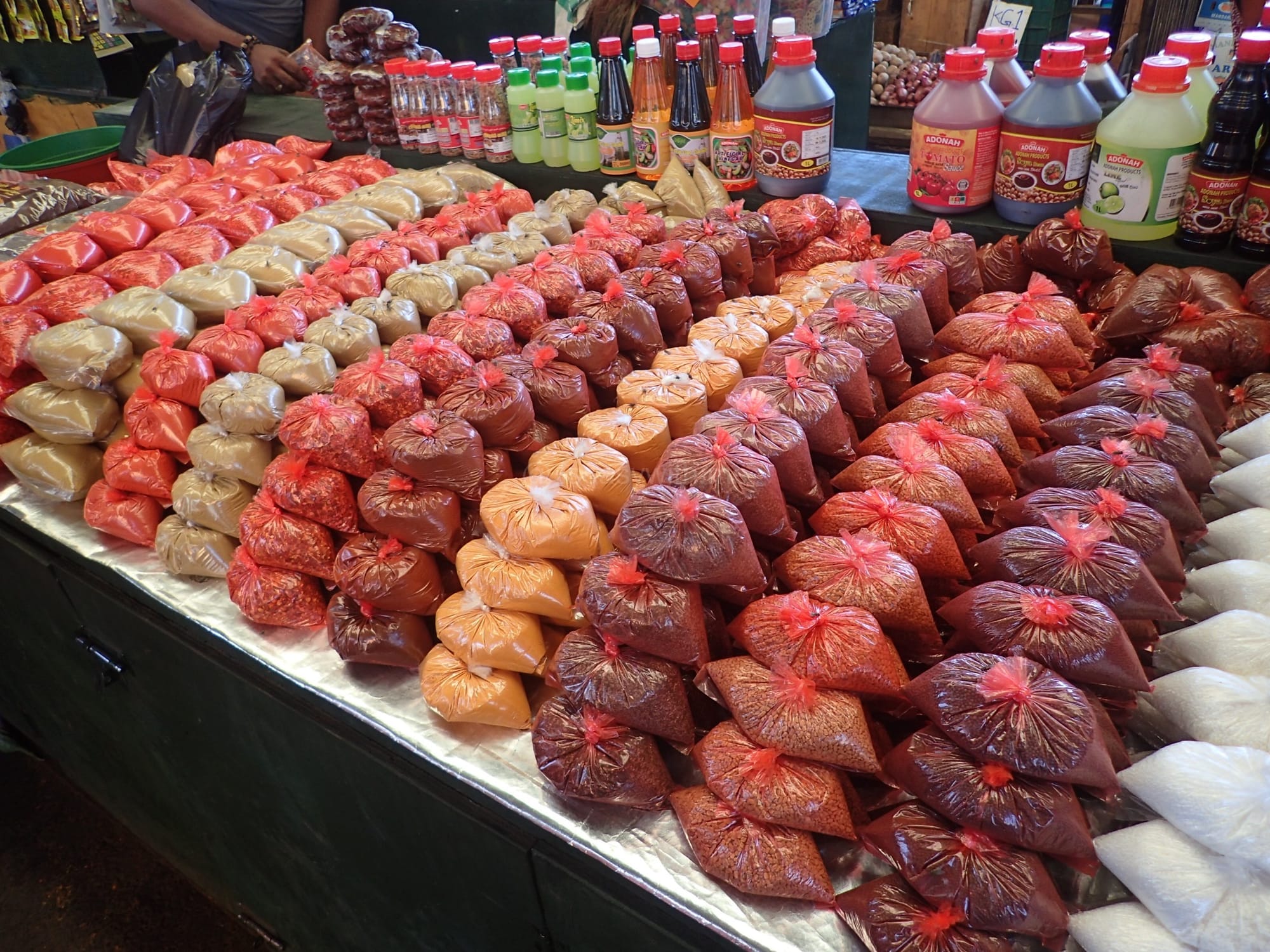
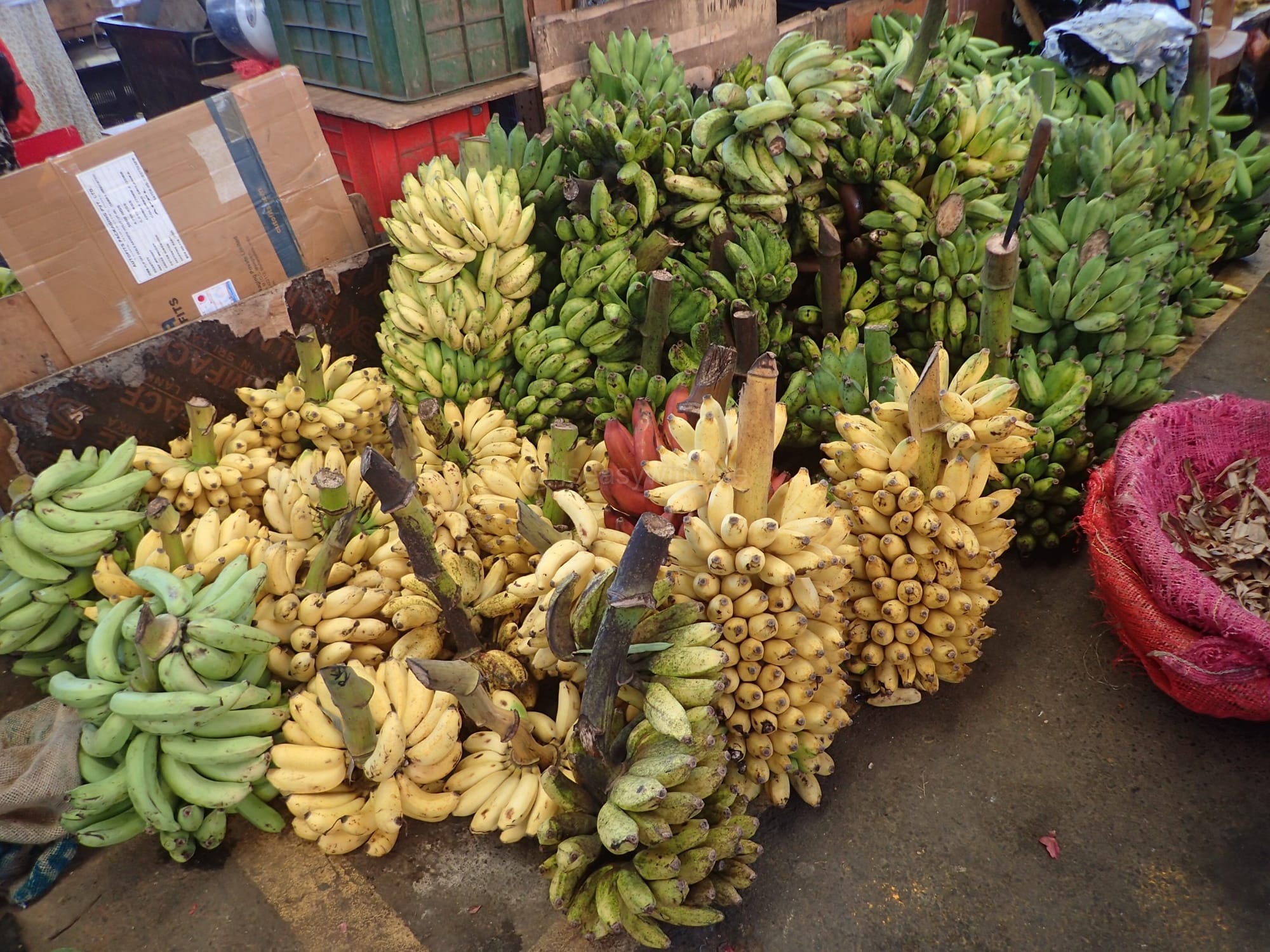
Pettah Central Market Shed
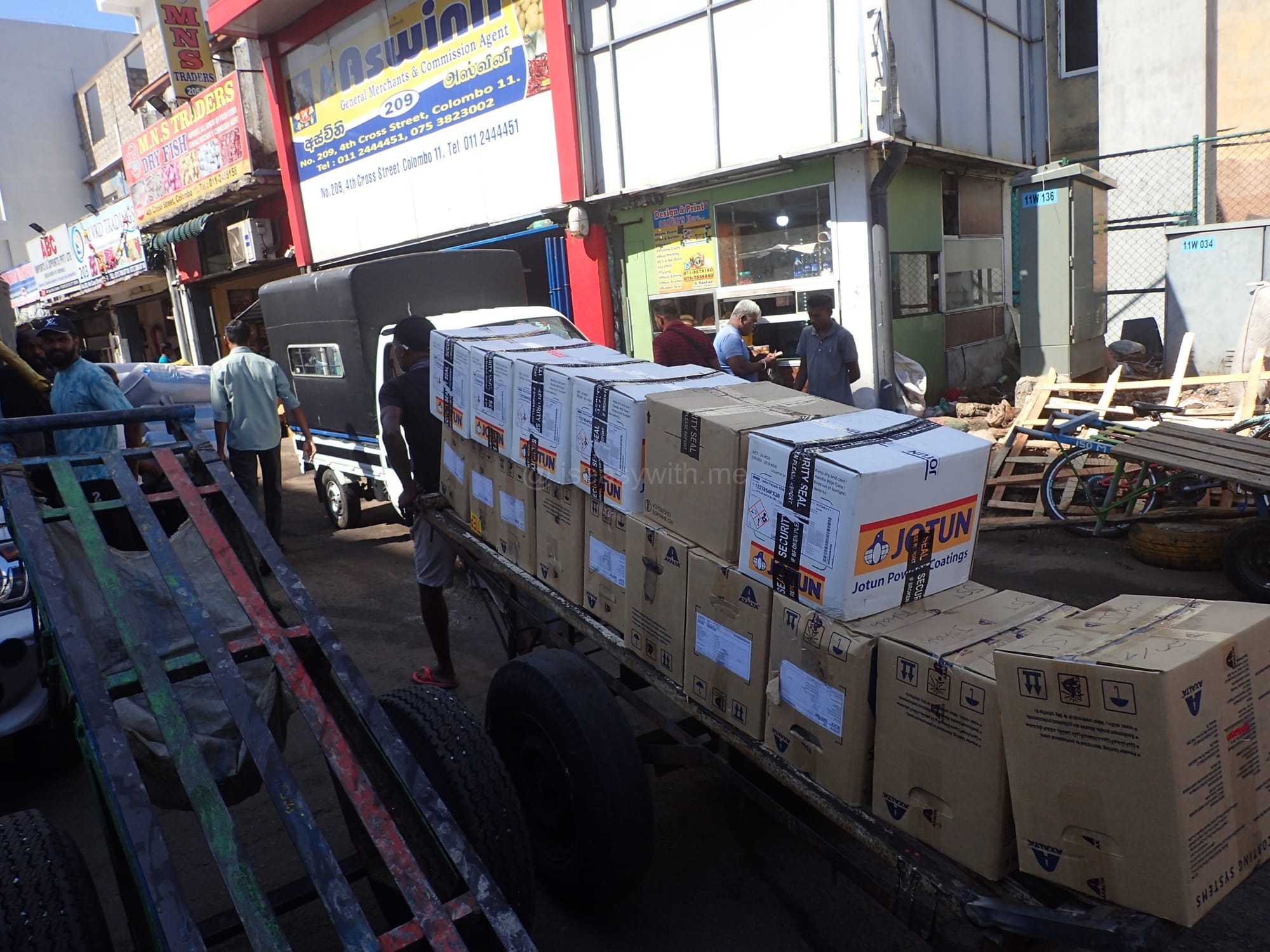
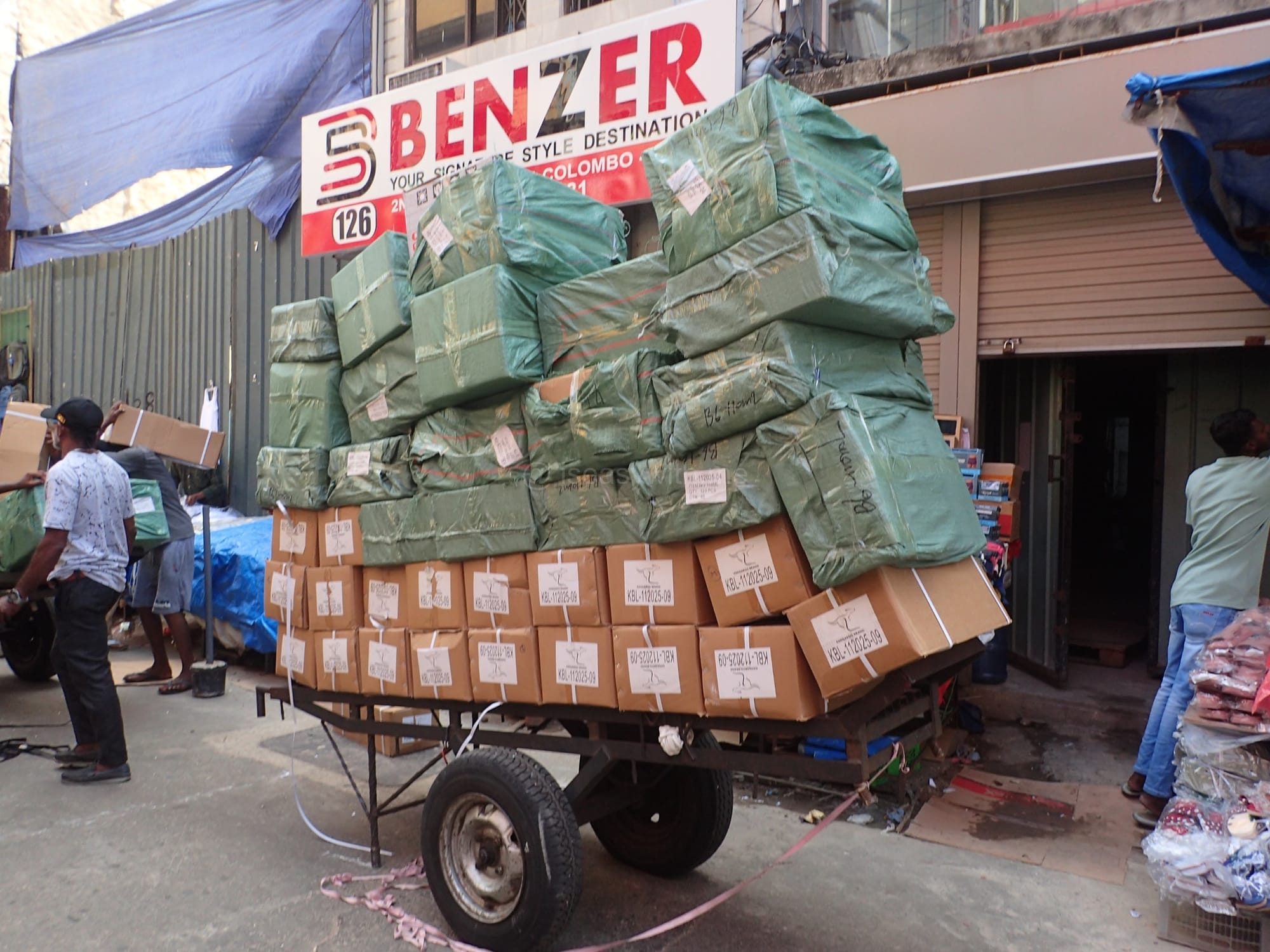
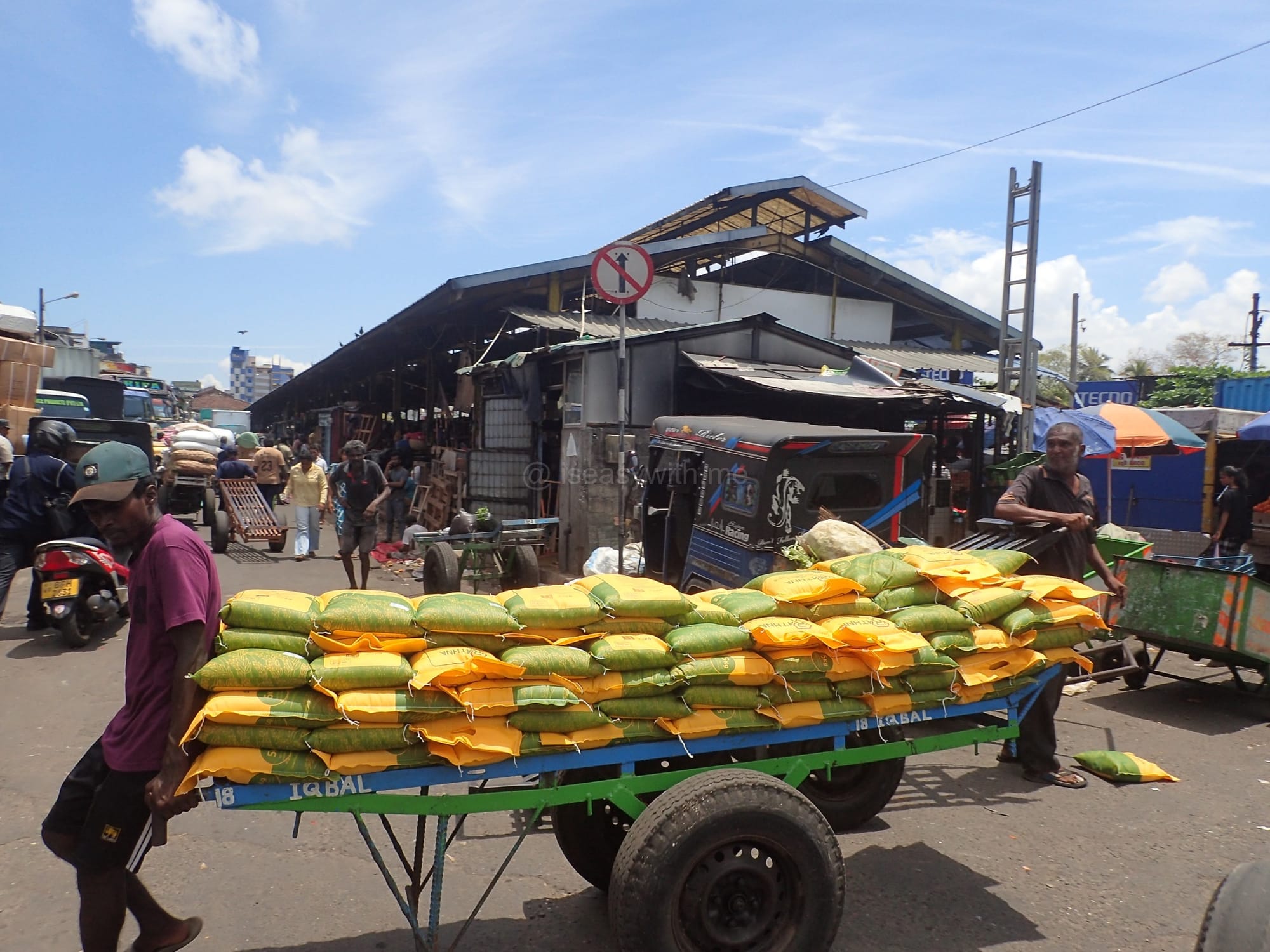
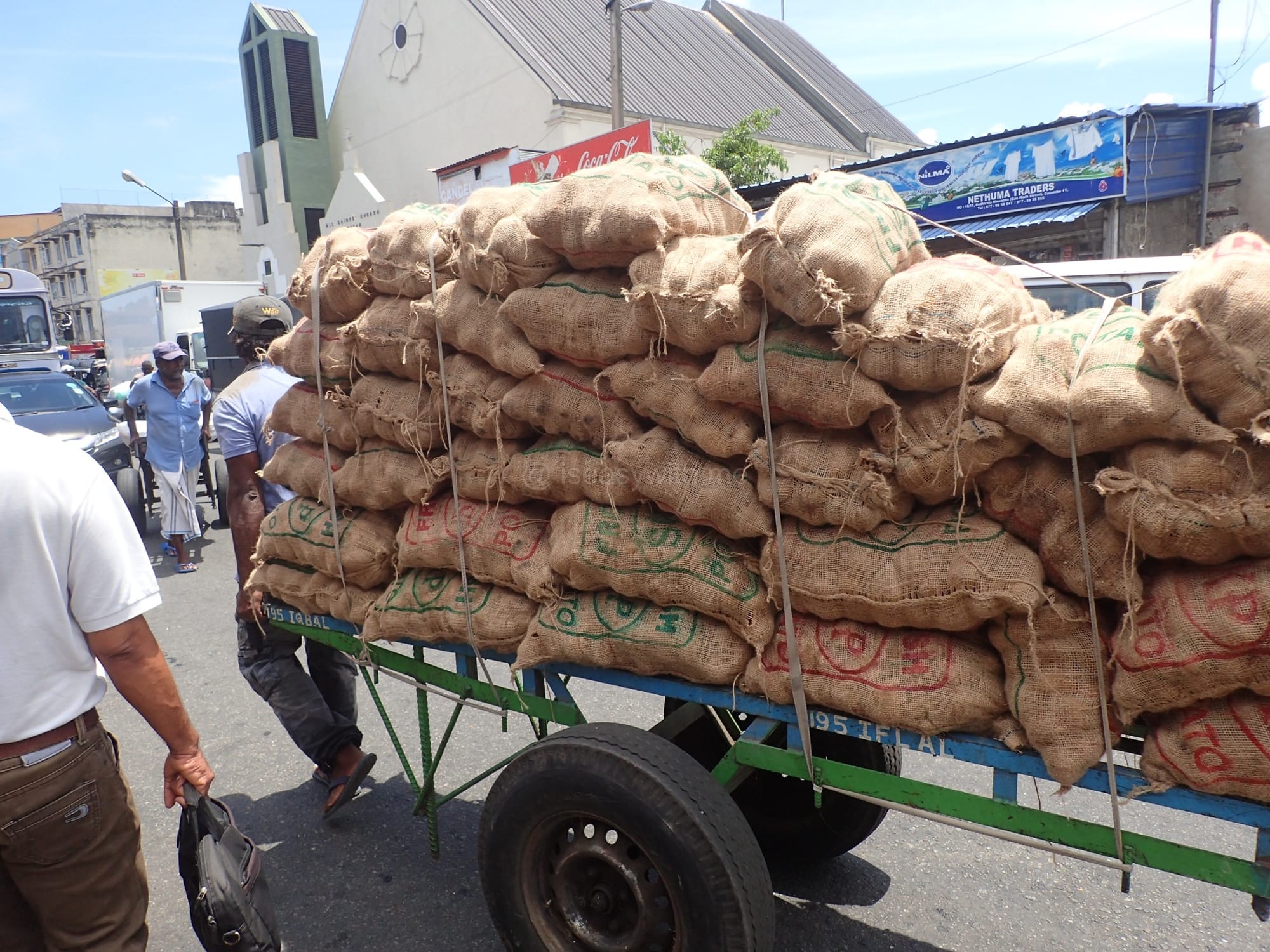
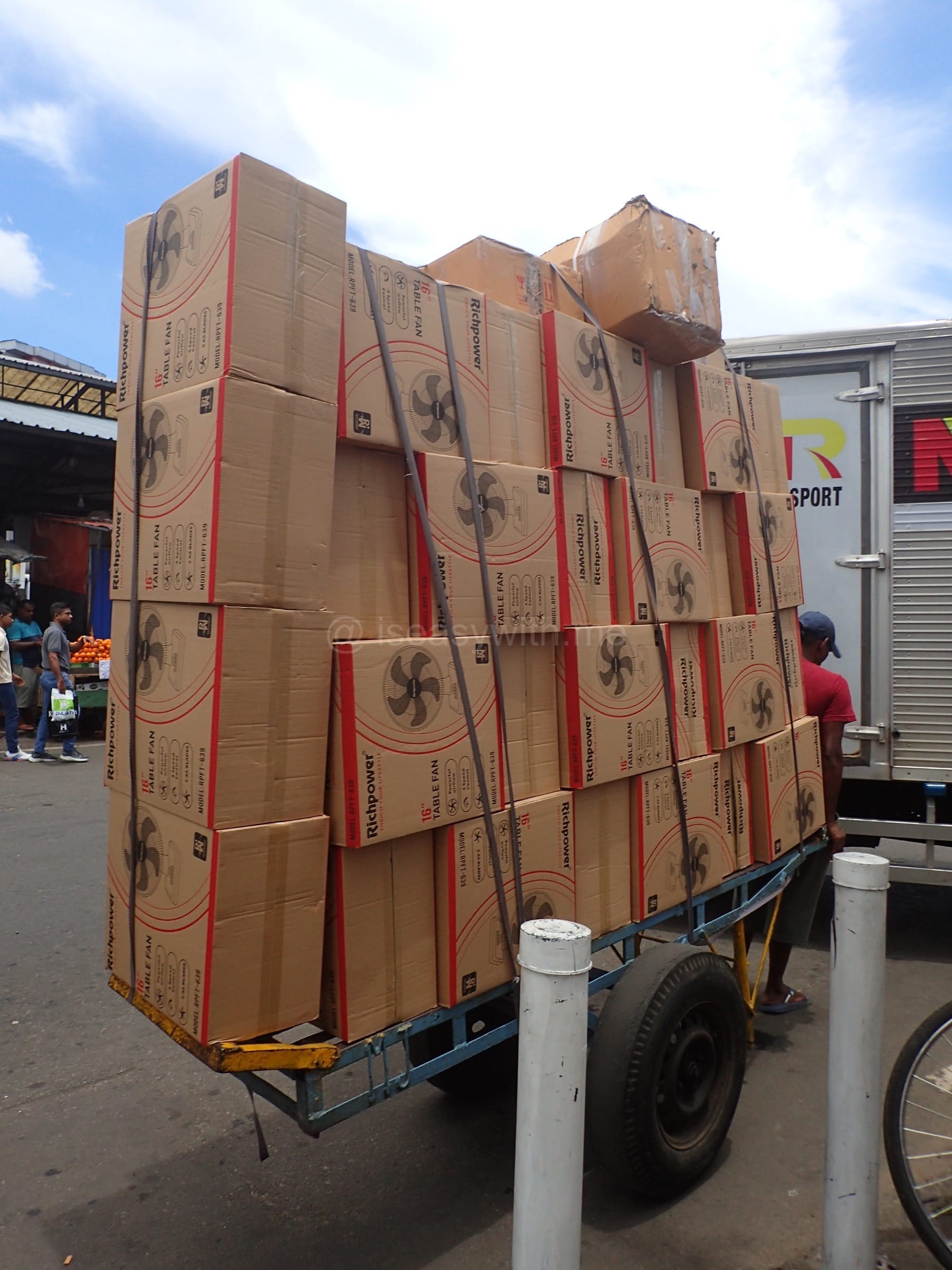
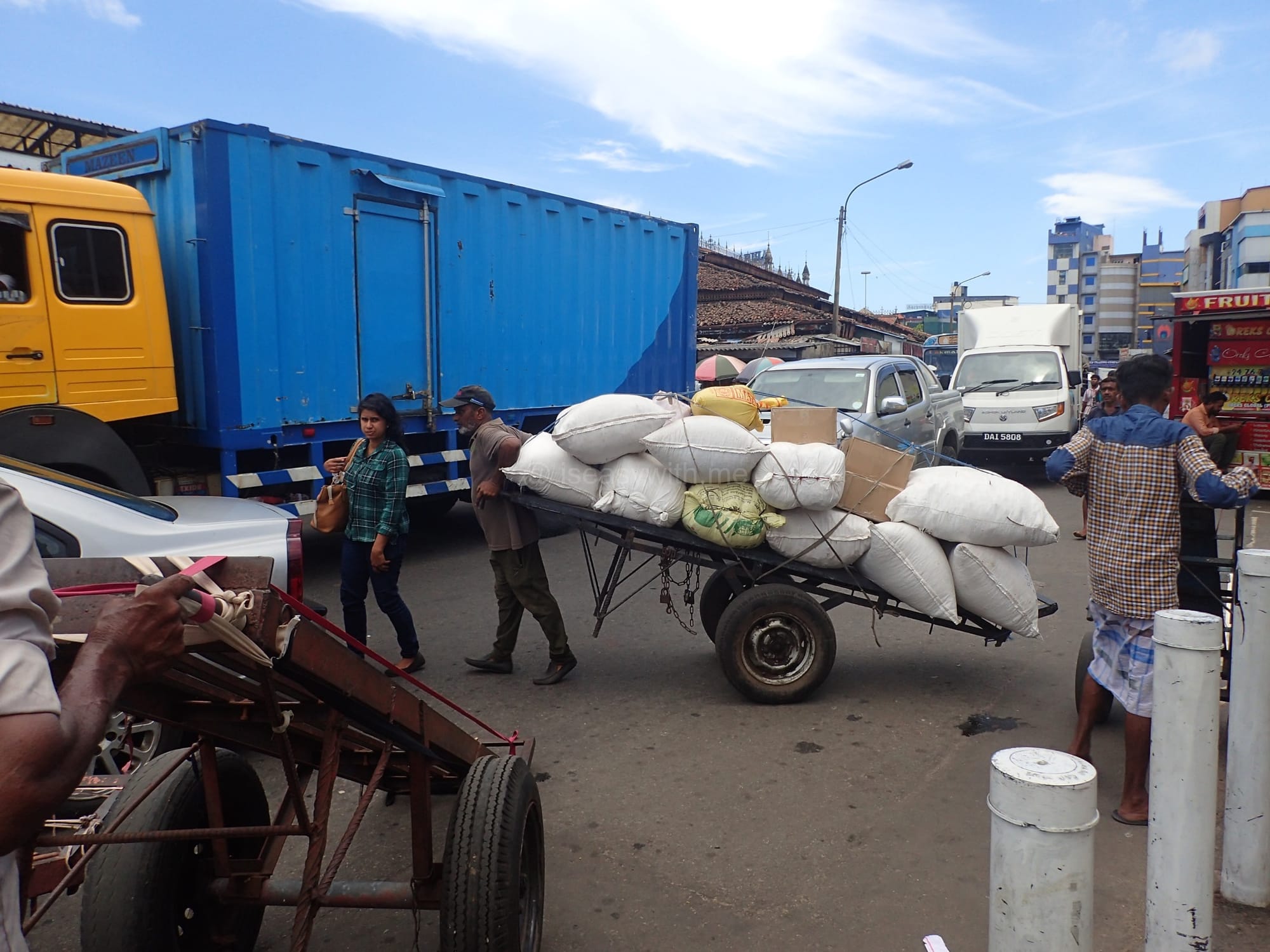
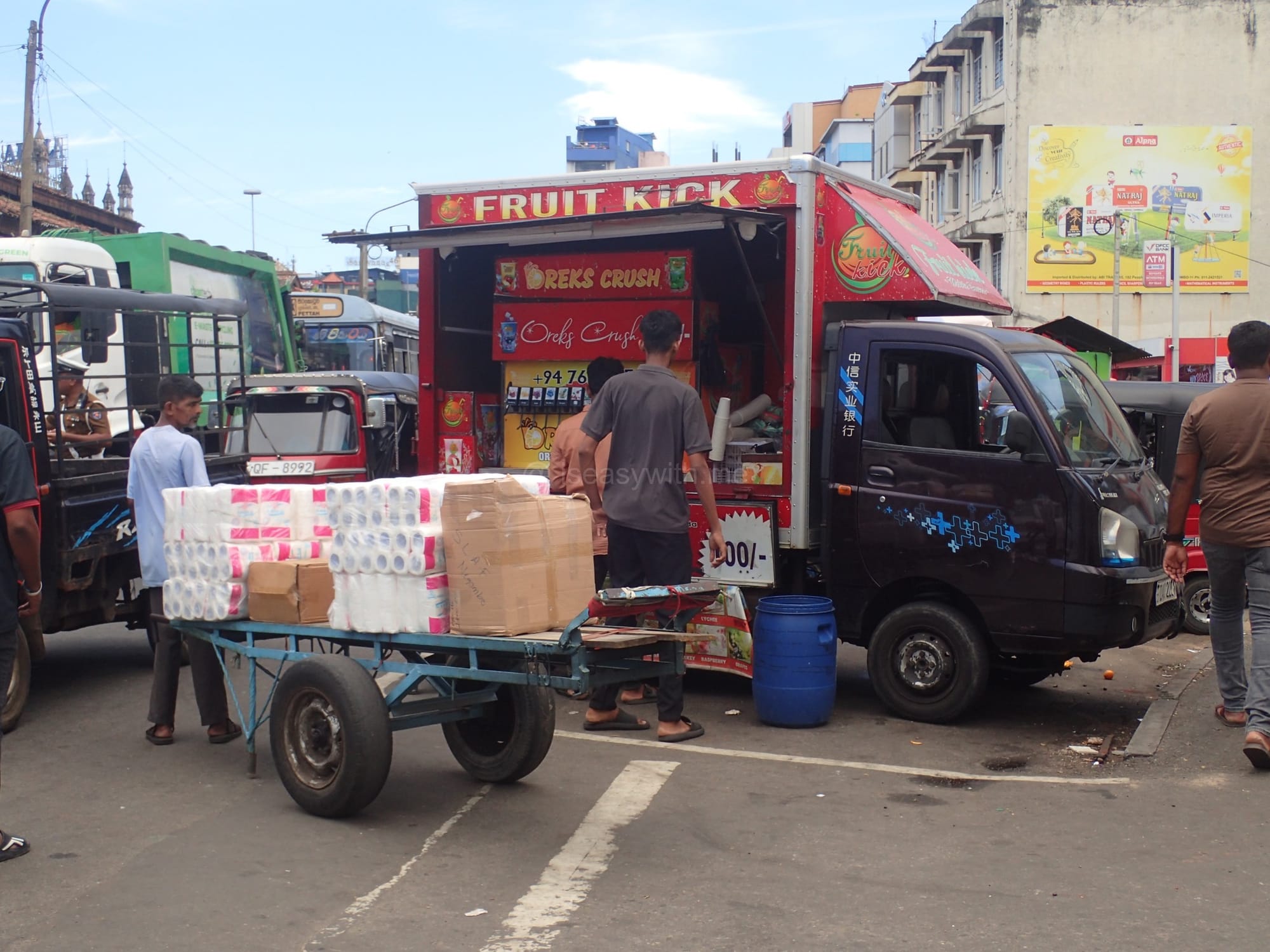
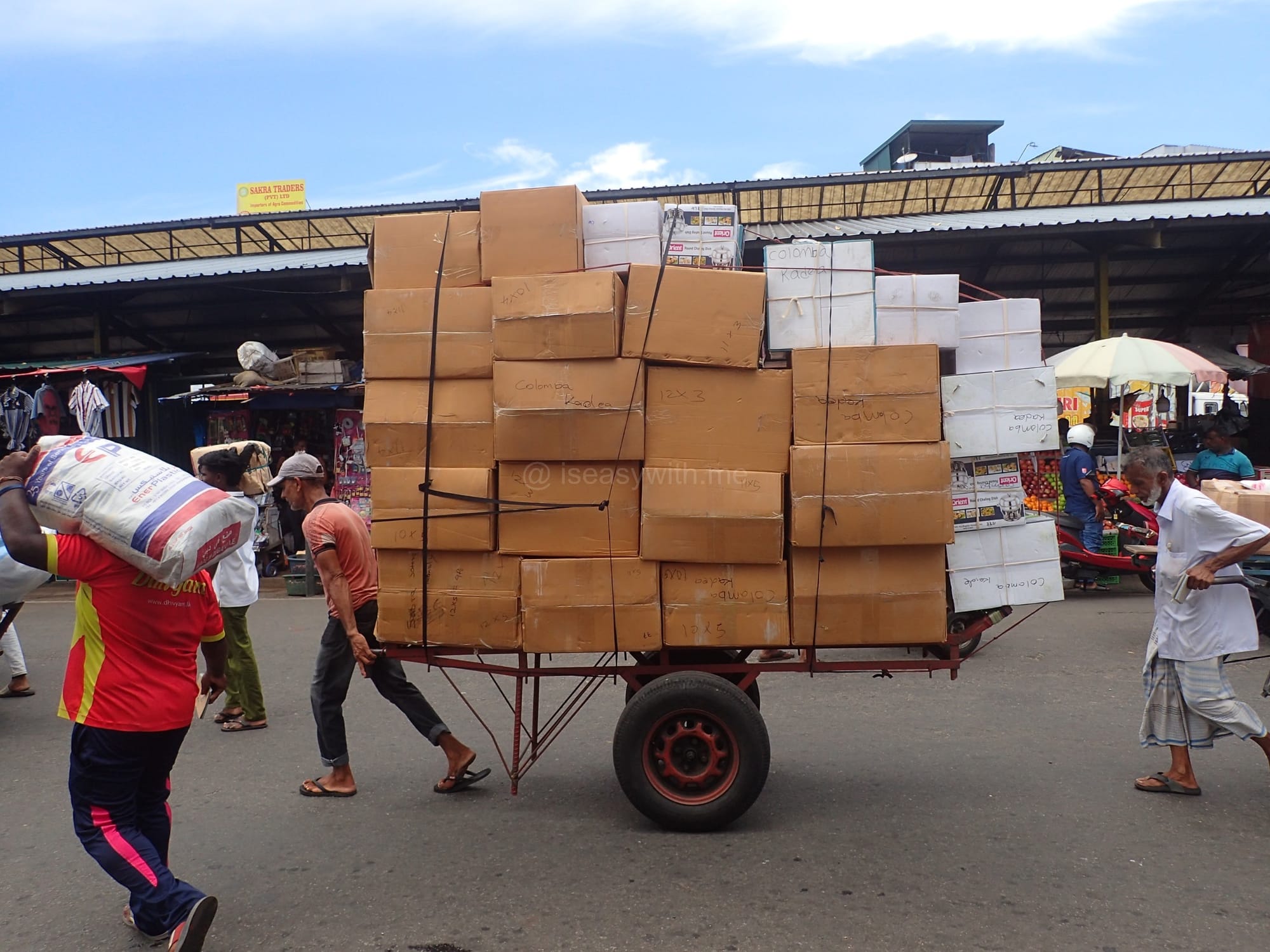
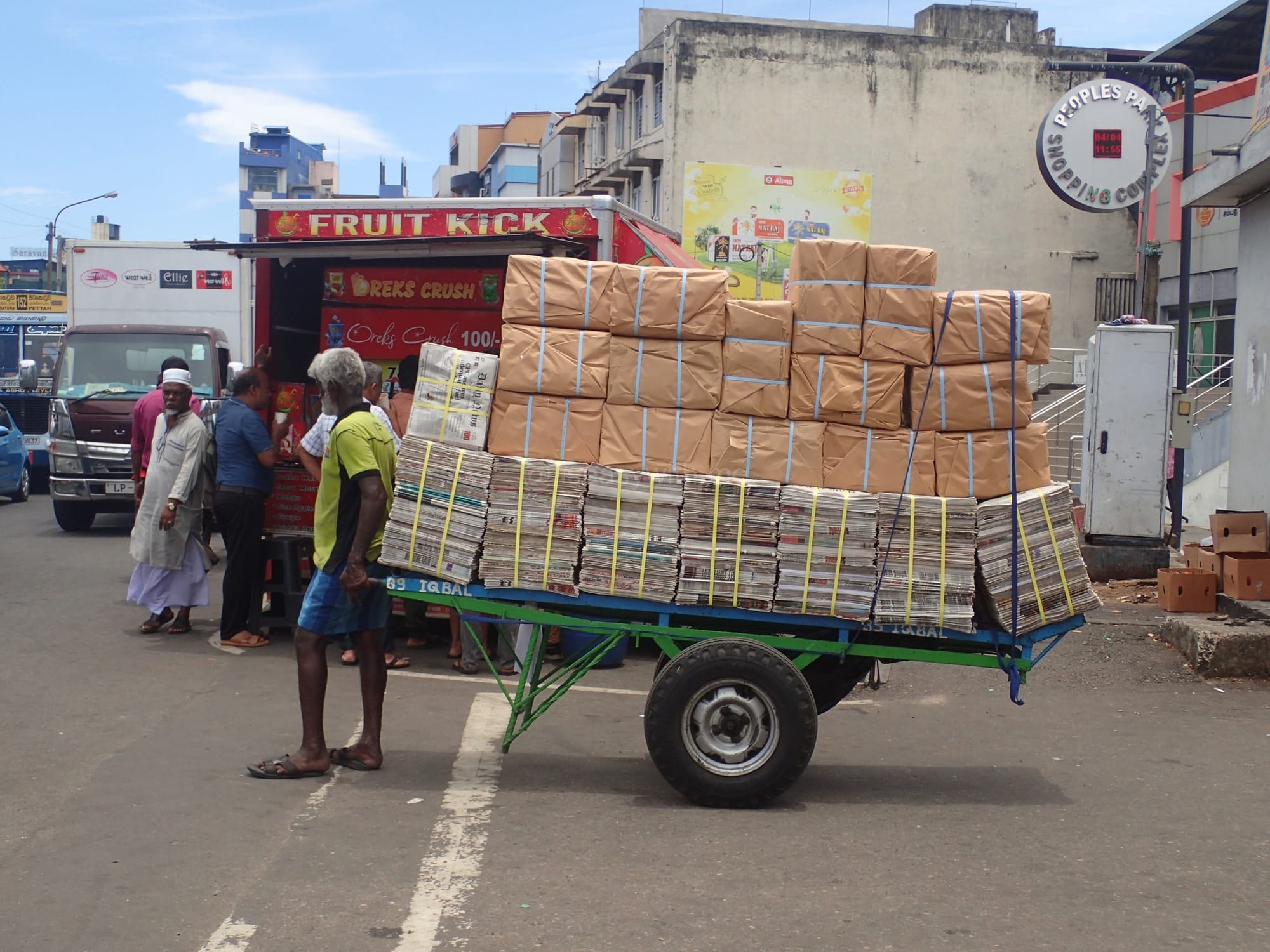
goods transportation around Pettah Market
- Main Street: The heart of Colombo's textile trade, lined with clothing wholesalers, fabrics and colourful market stalls.
- First Cross Street: Known for electronics, mobile accessories and household gadgets.
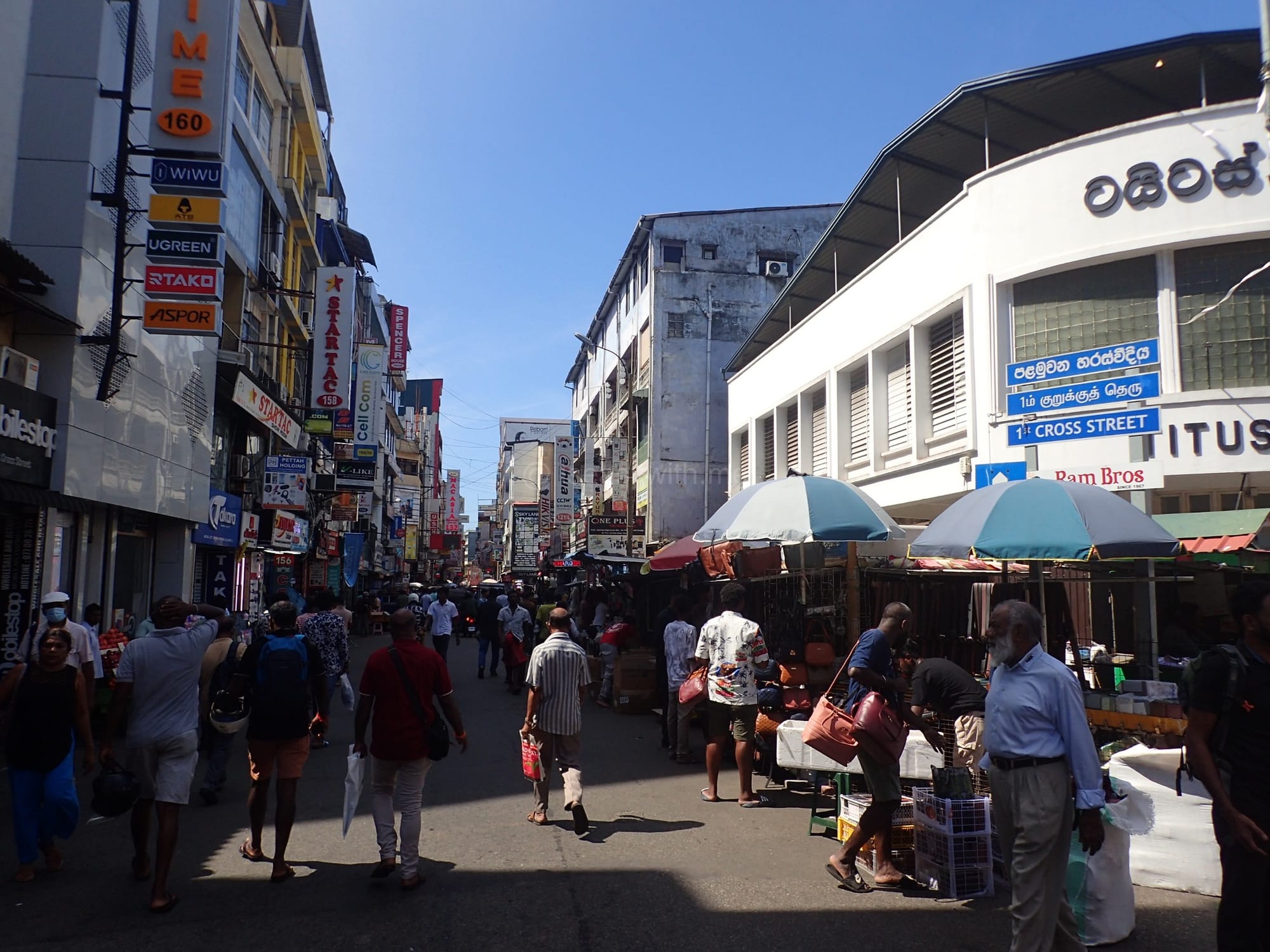
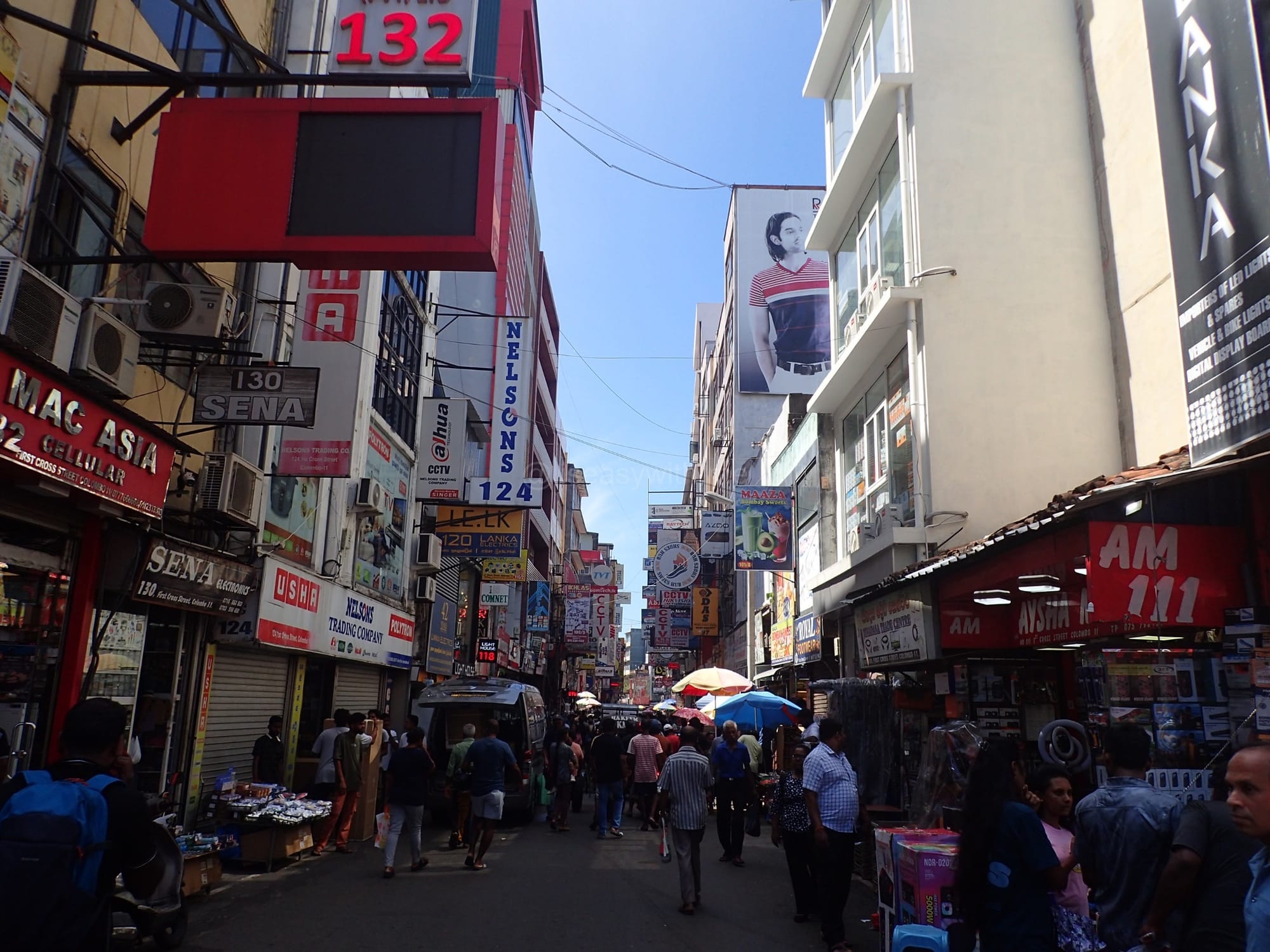
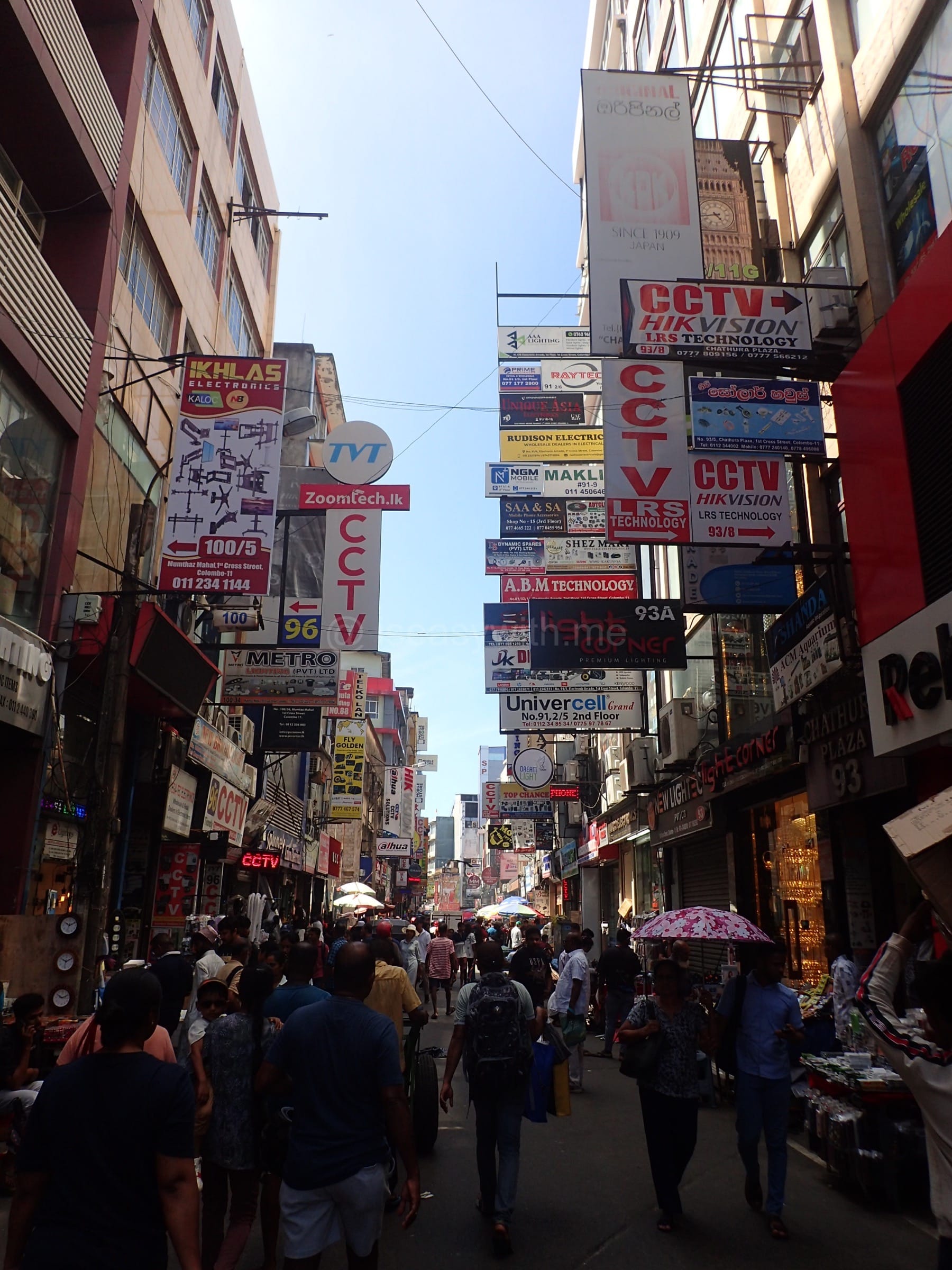
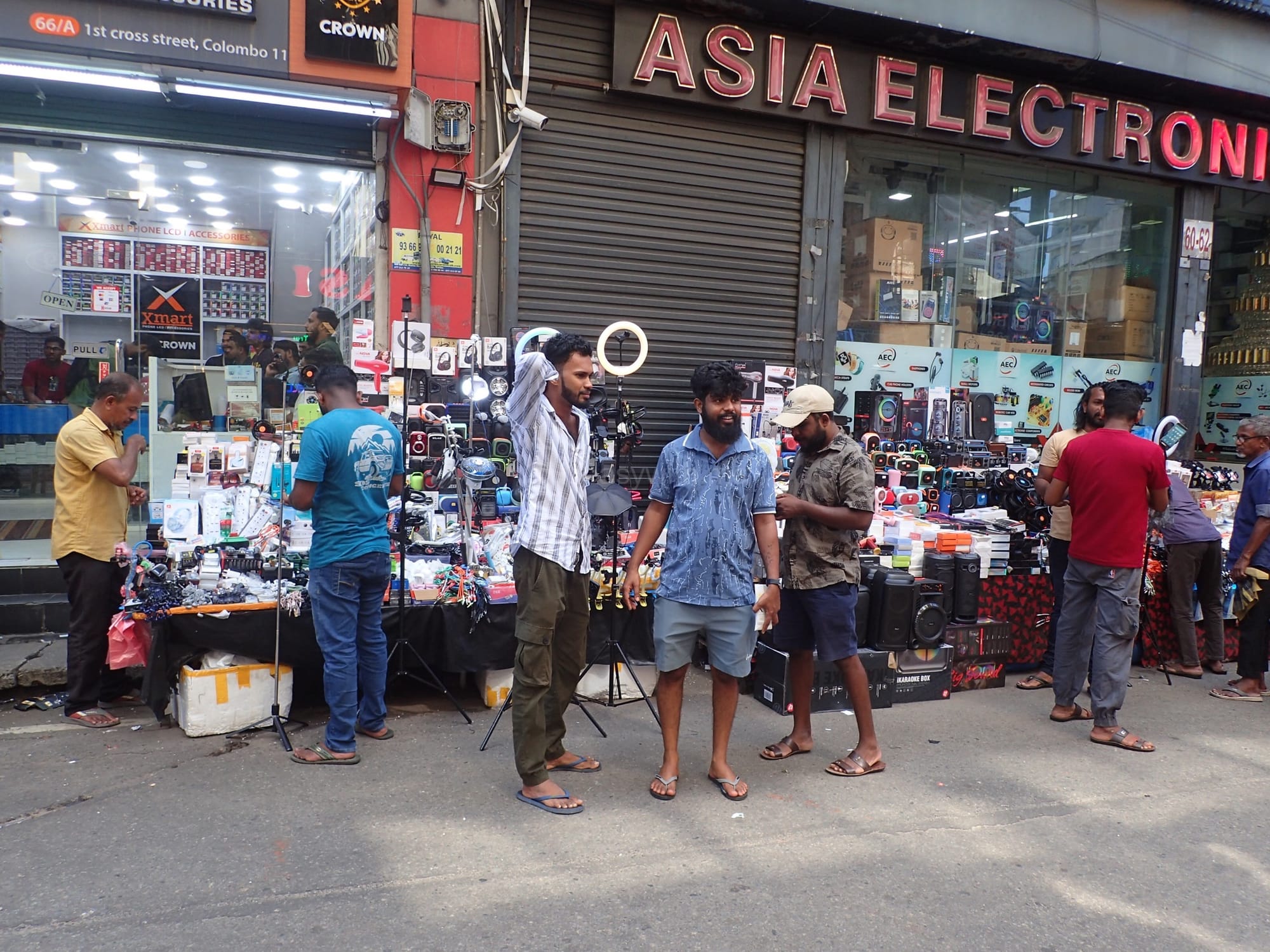
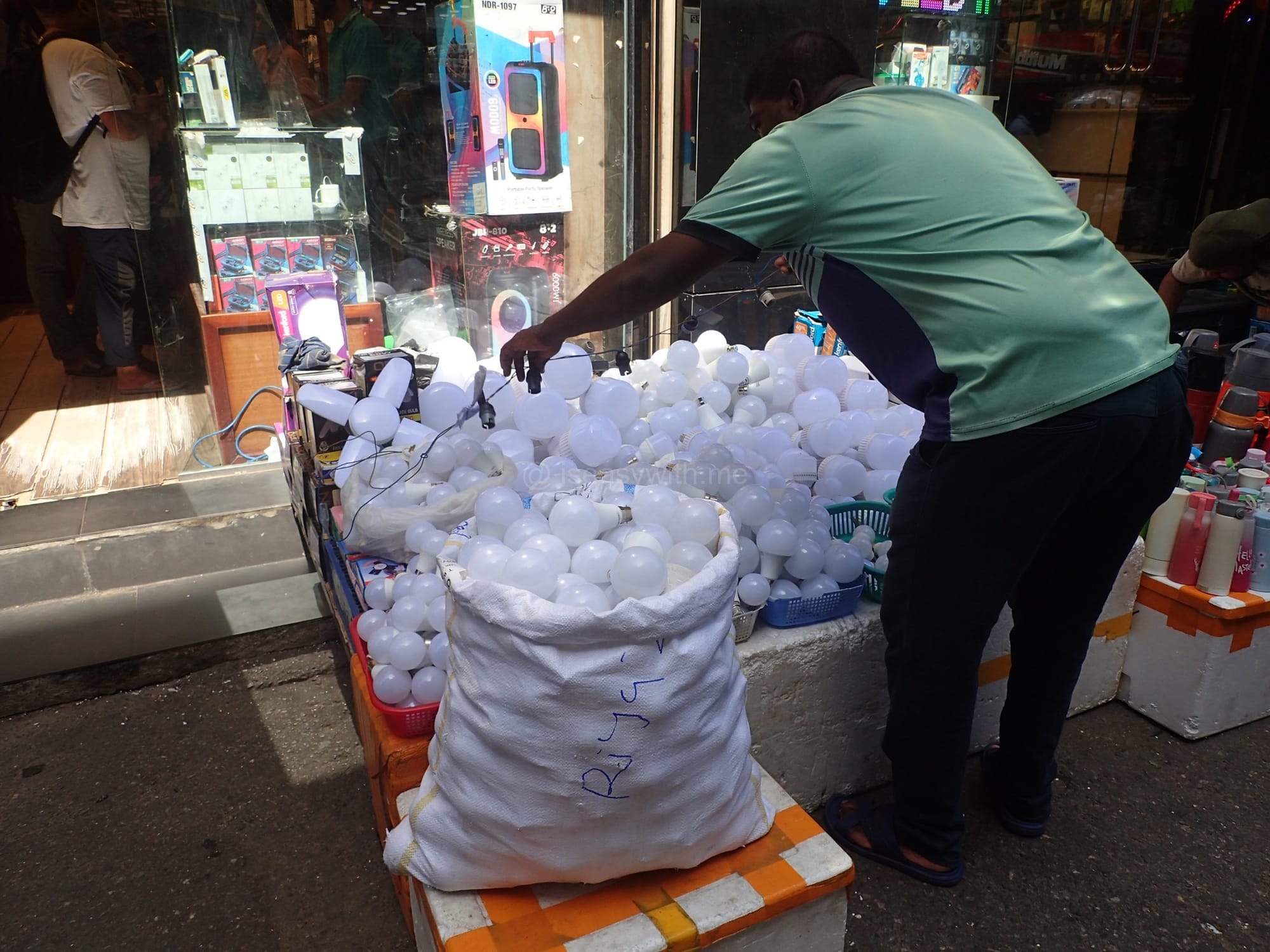
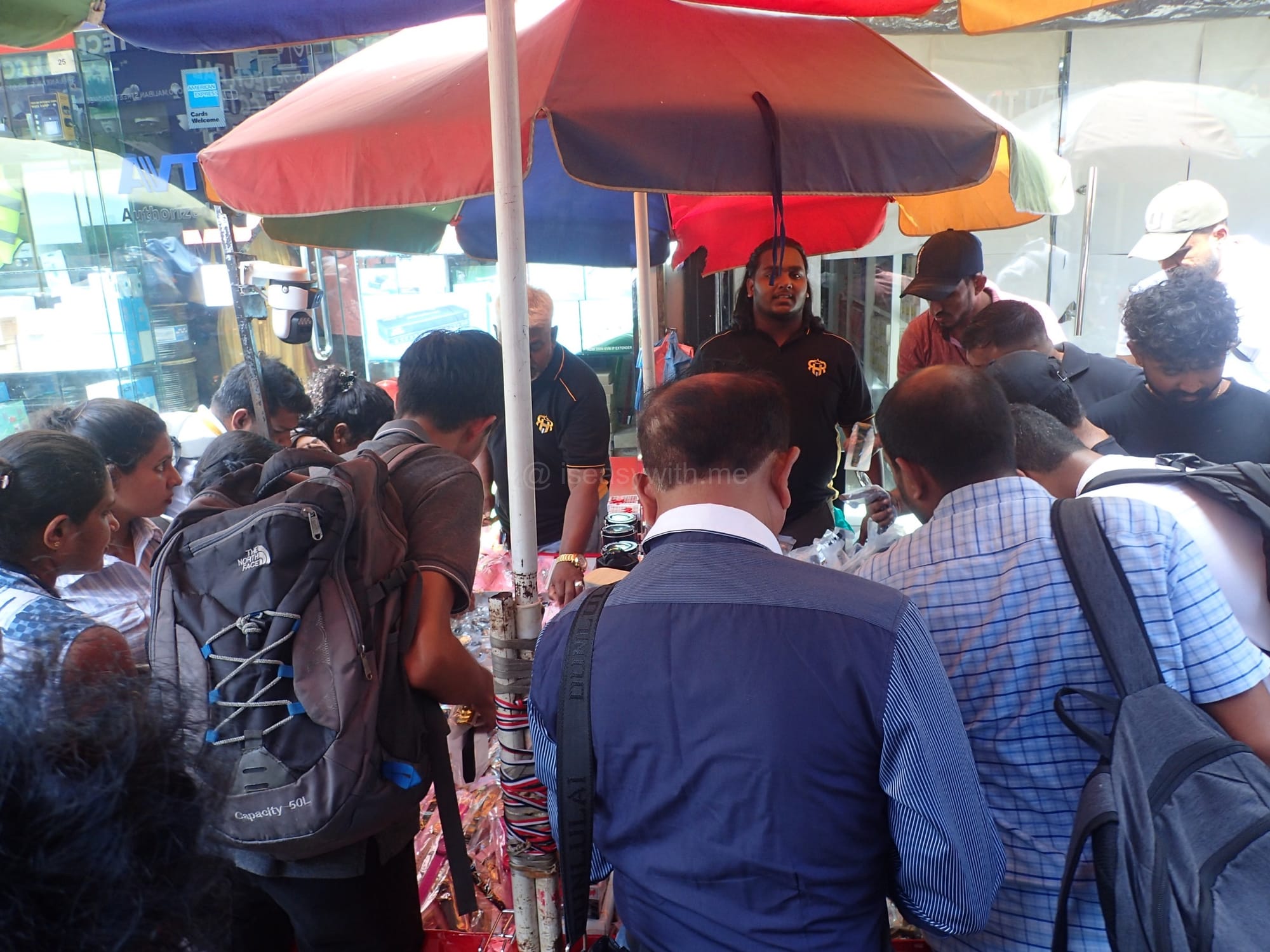
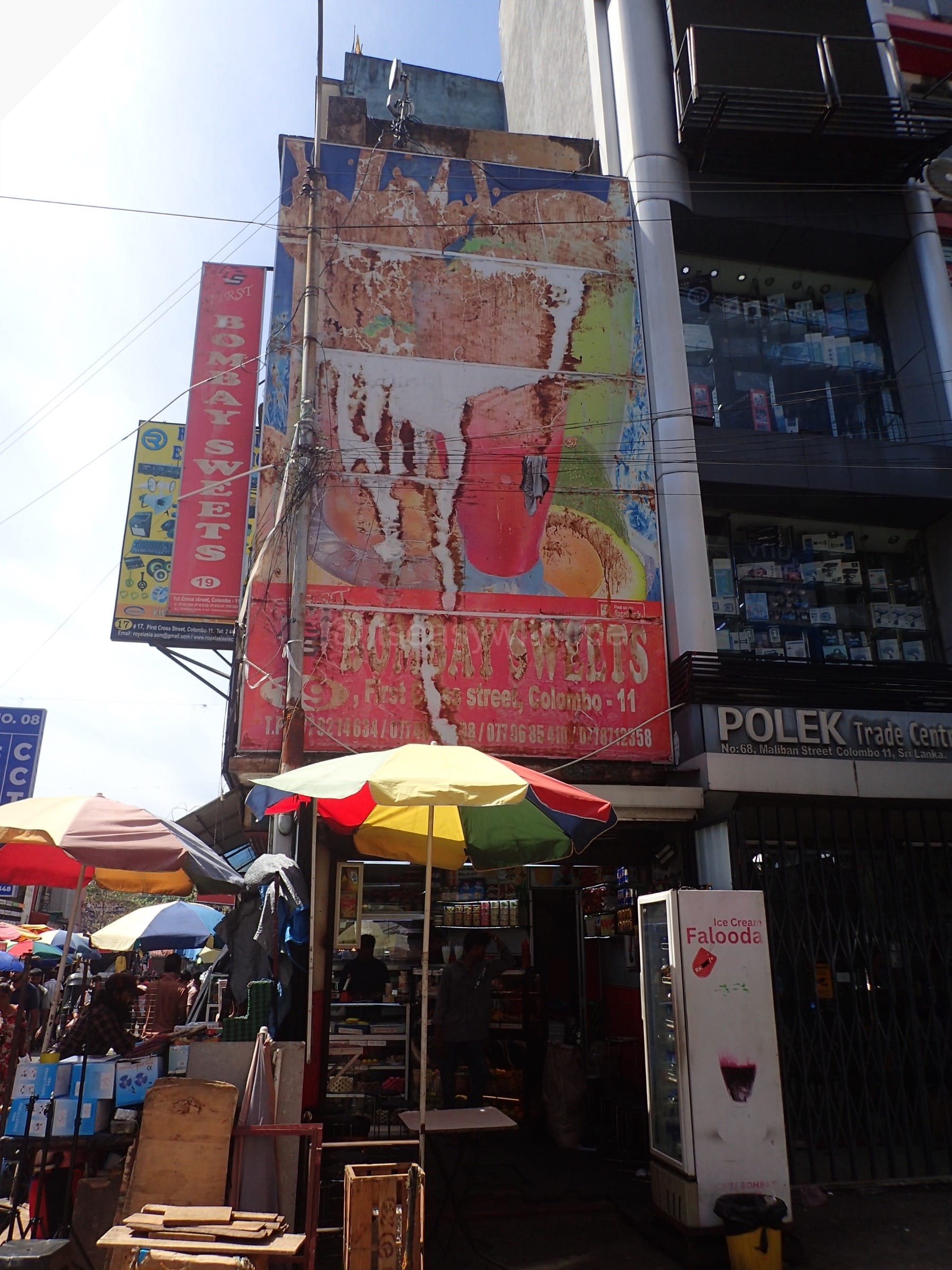
First Cross Street
- Second Cross Street: Filled with general merchandise, imported goods and small independent retailers.
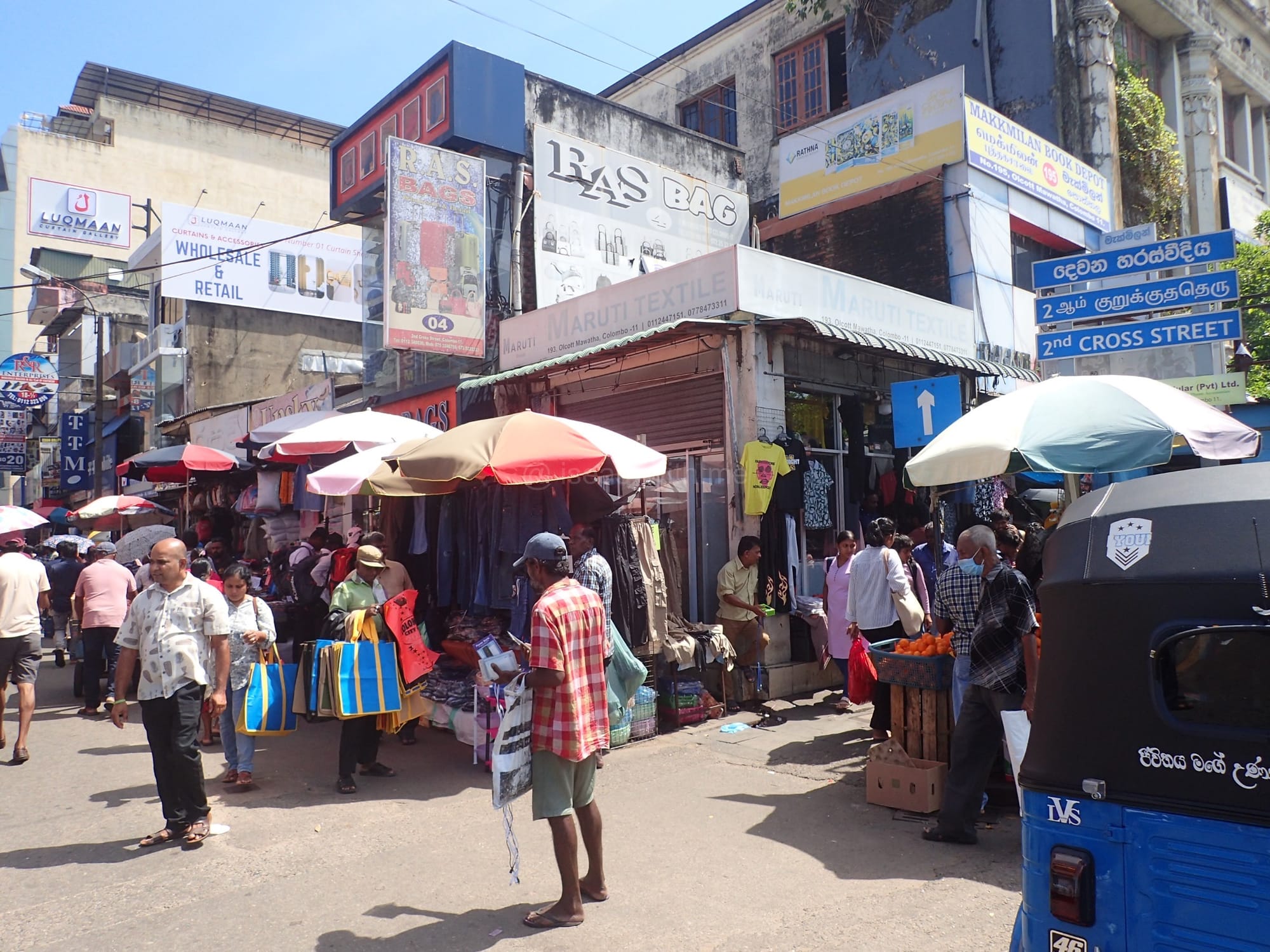
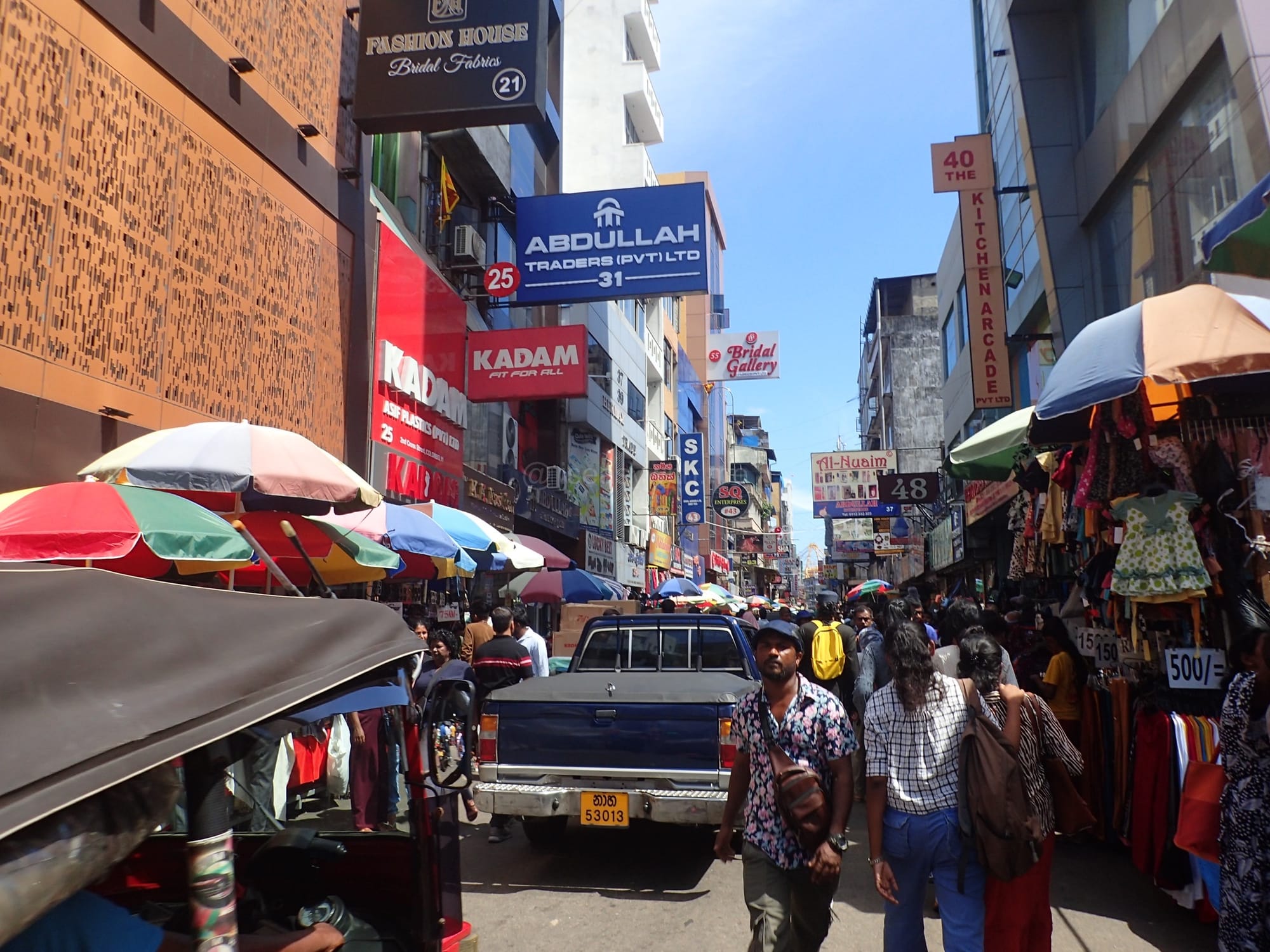
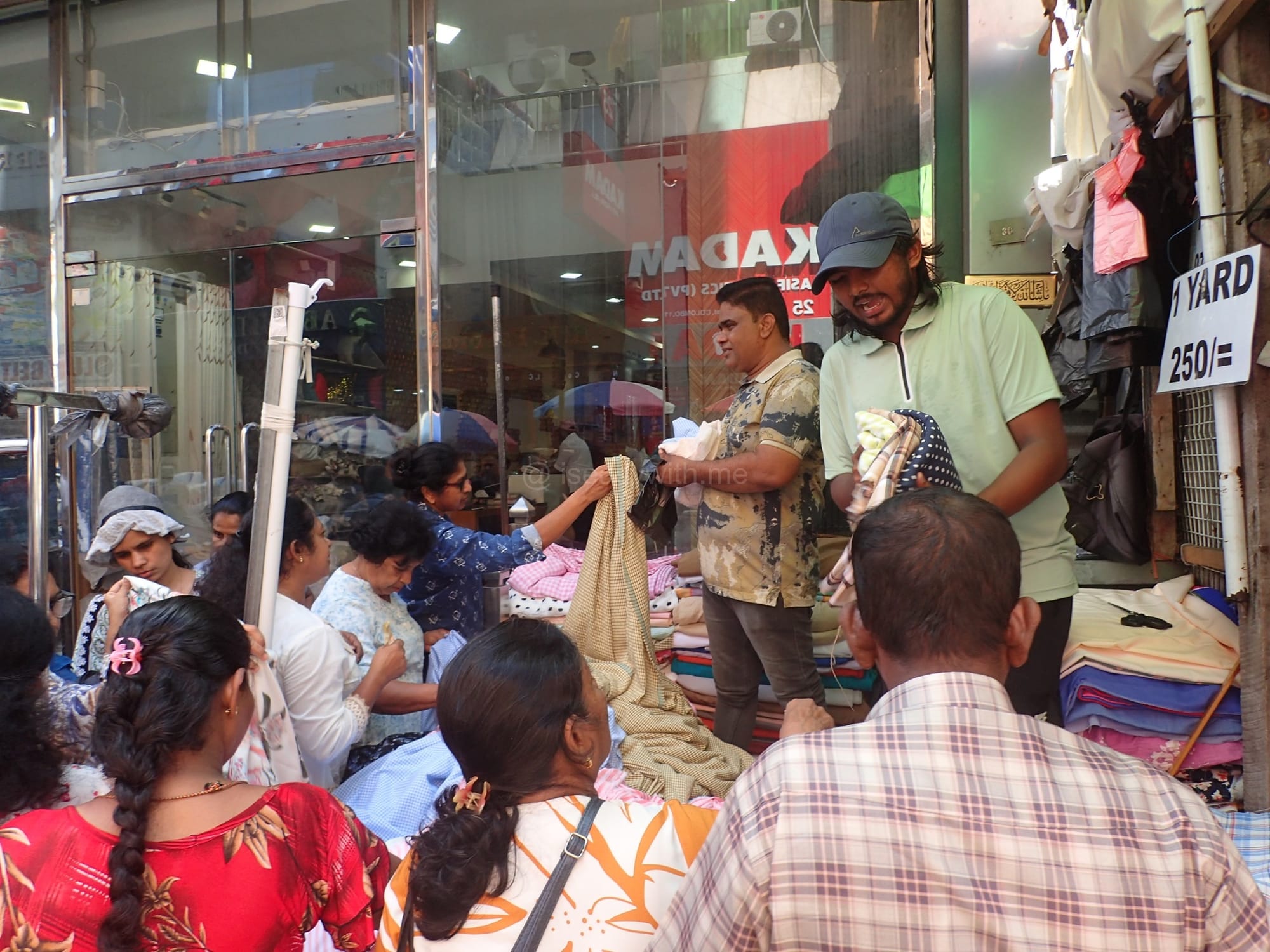
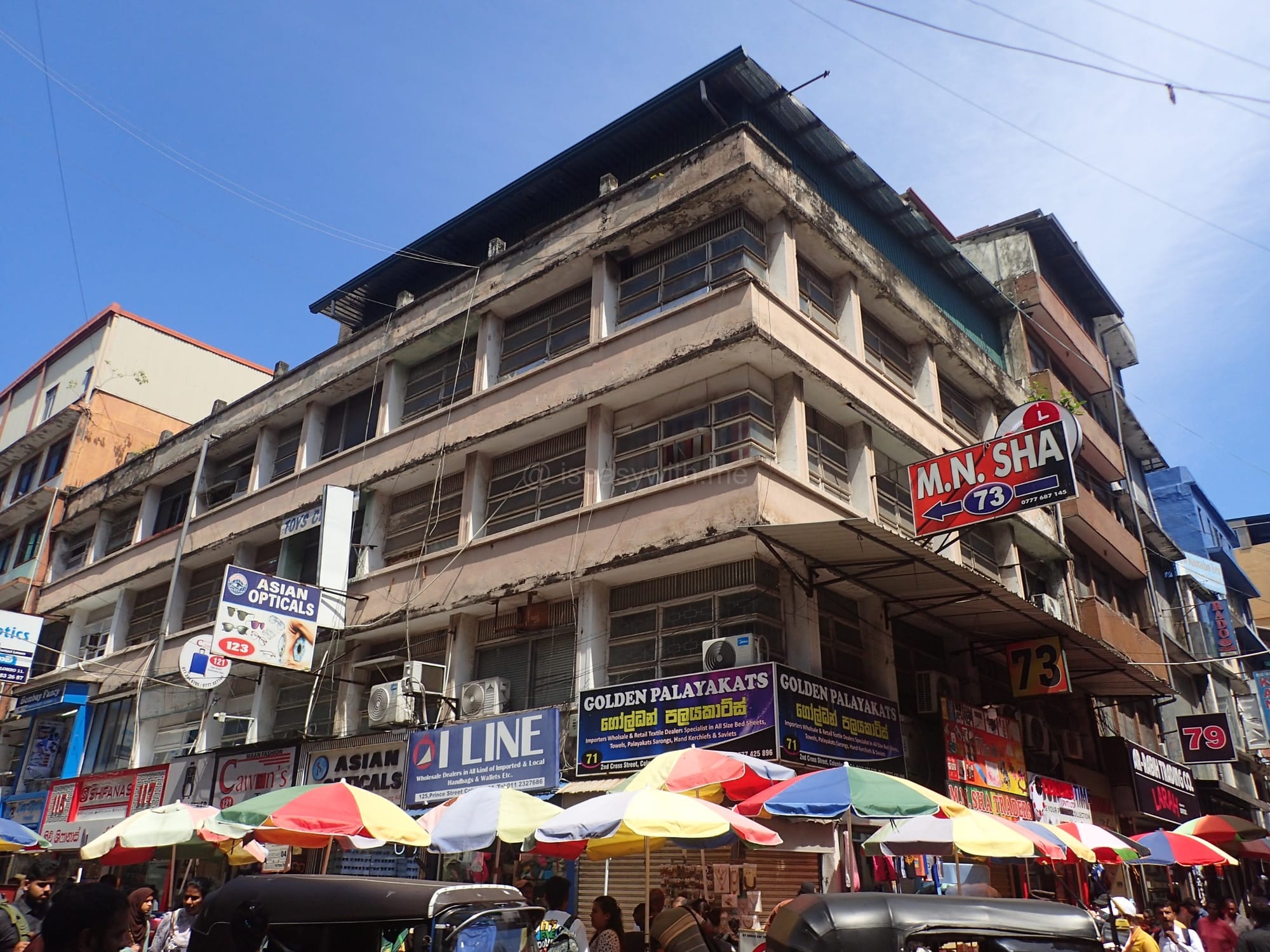
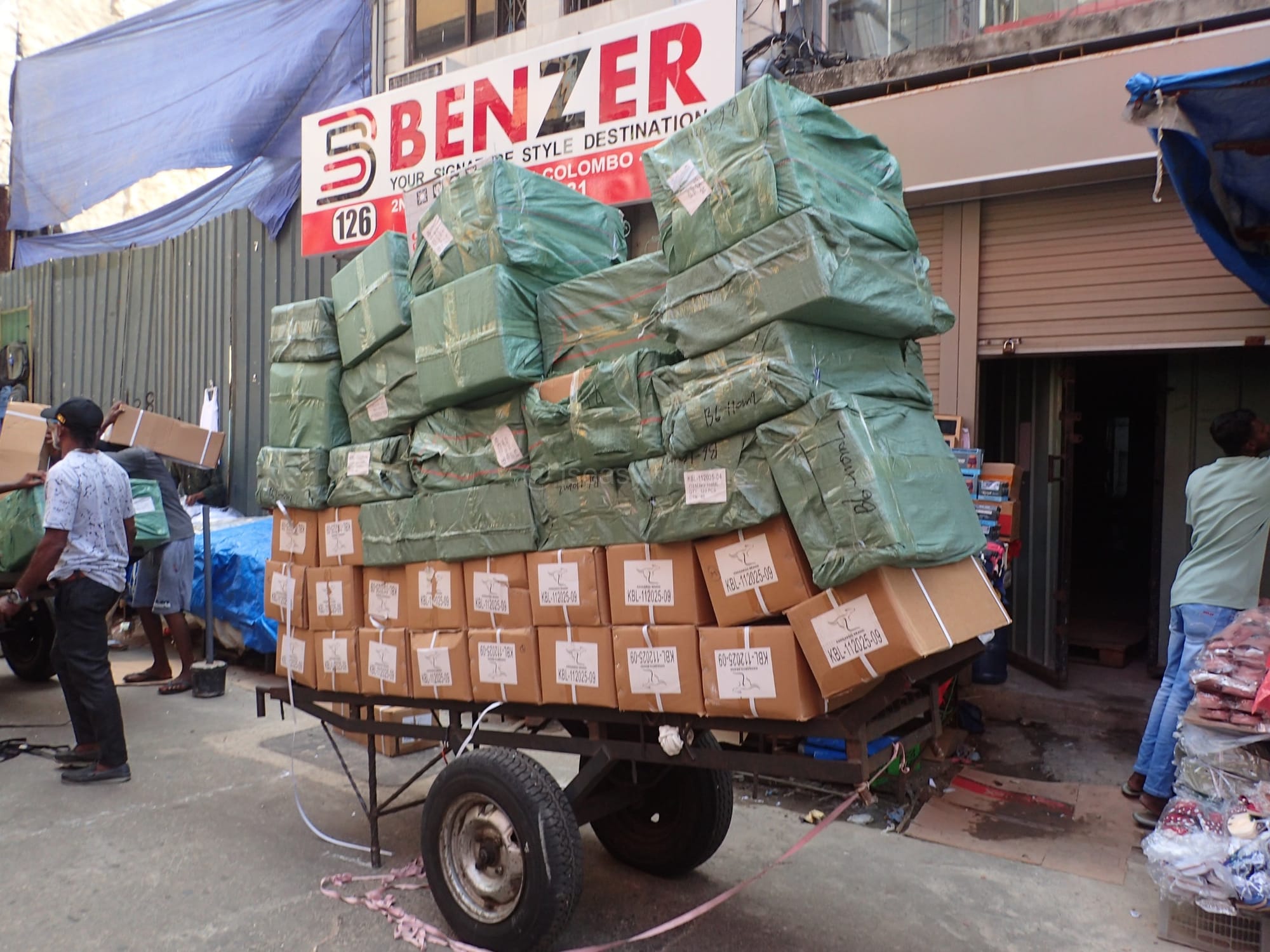
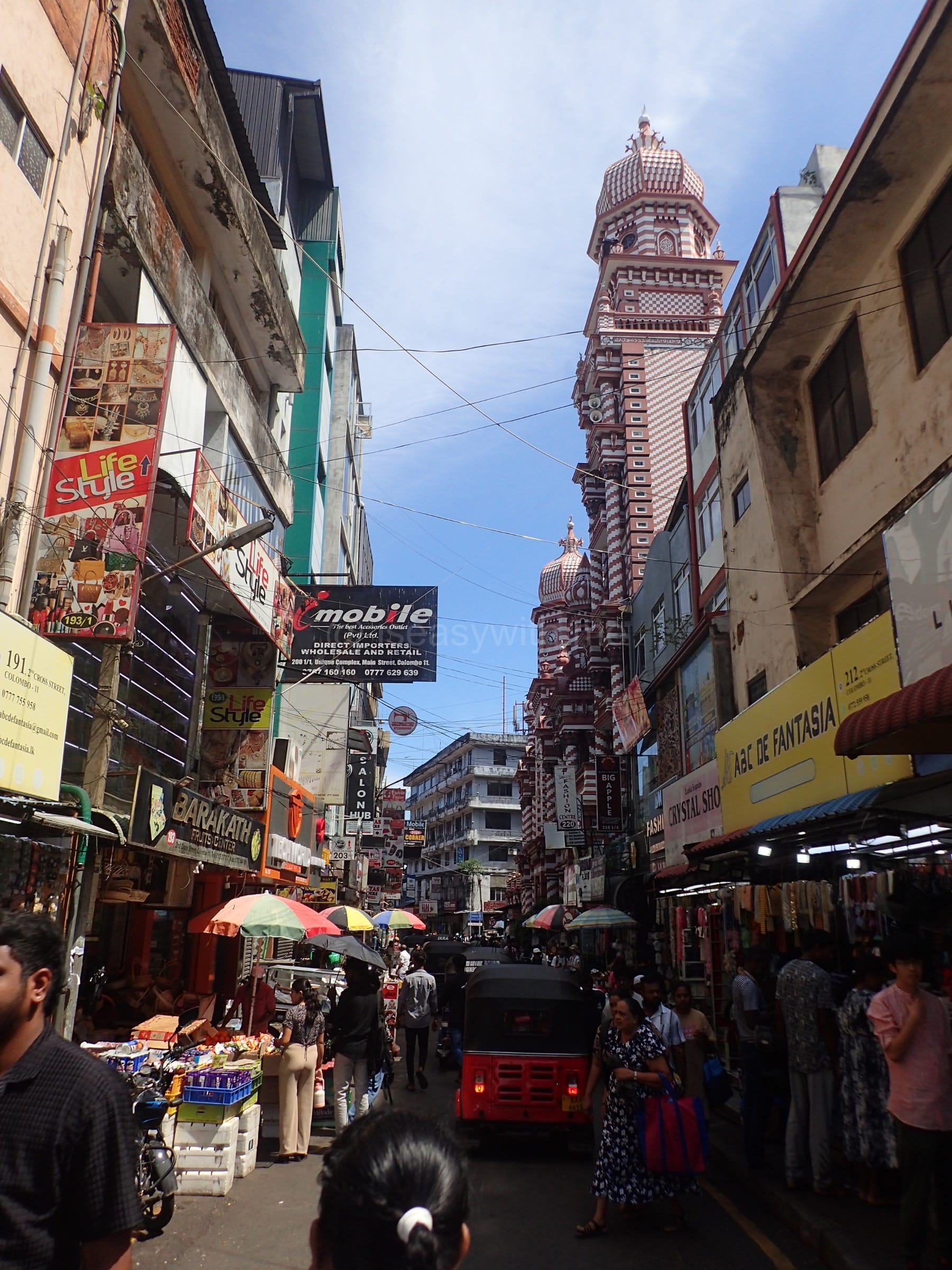
Second Cross Street
- Third Cross Street: The district's hardware and stationery hub where local businesses source tools, packaging and office supplies.
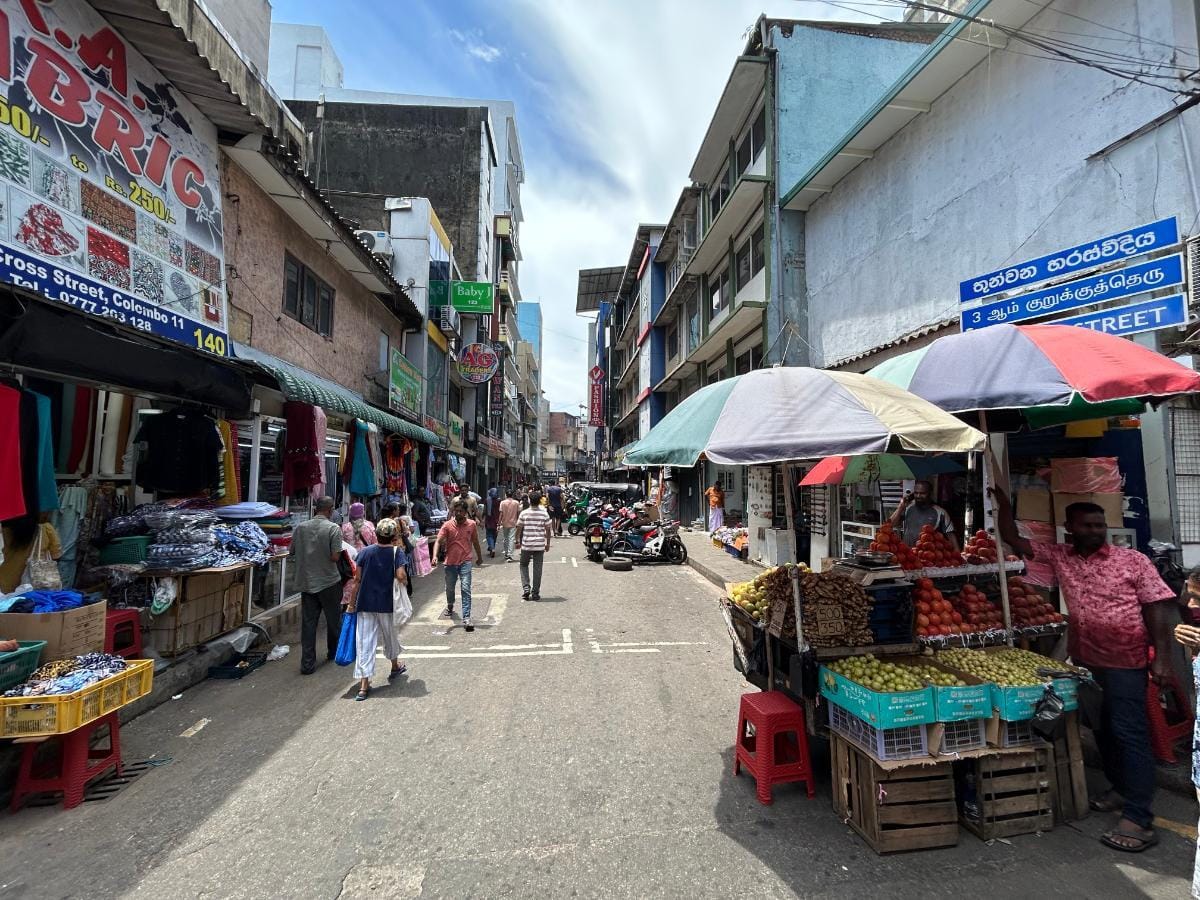
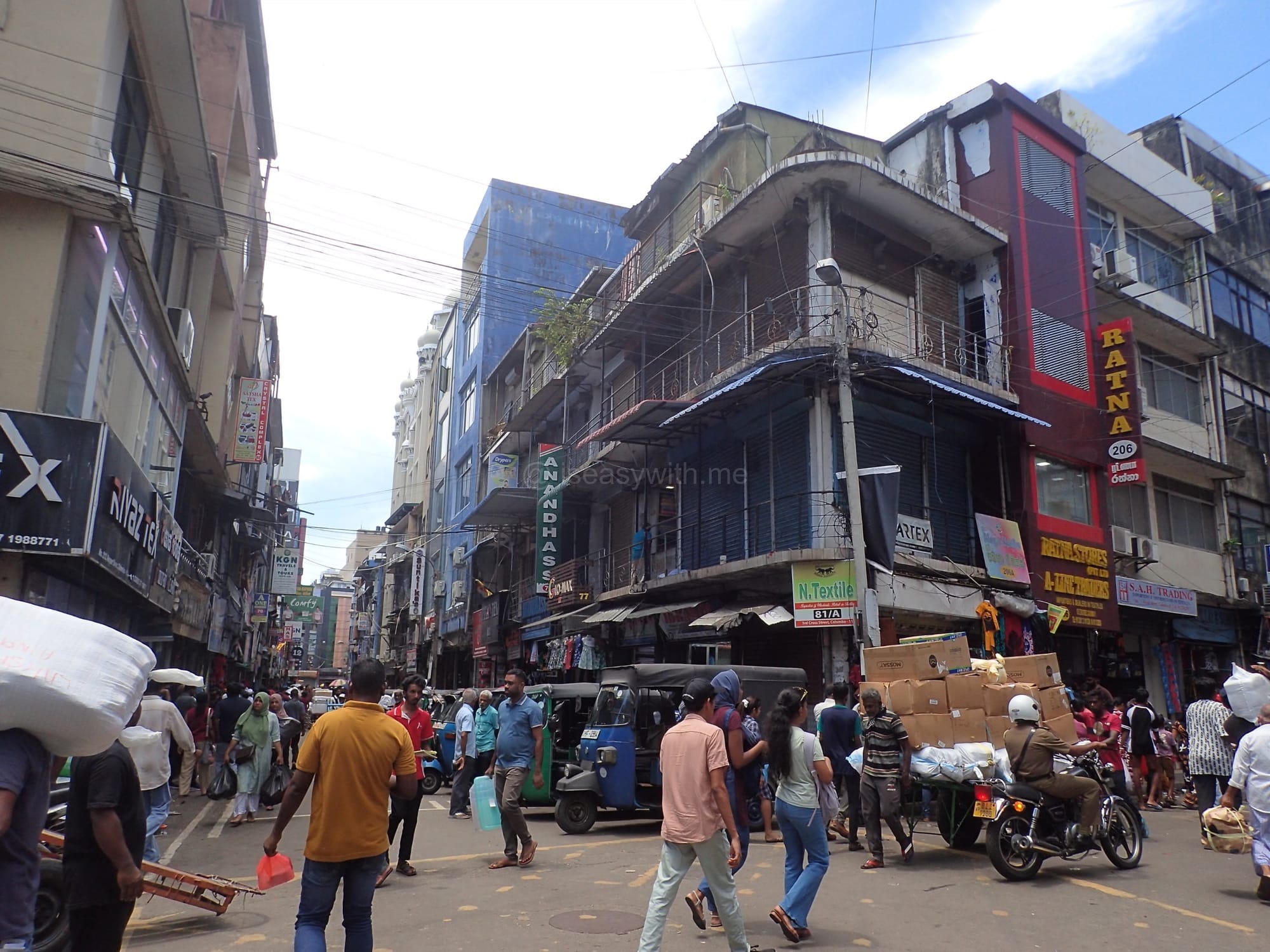
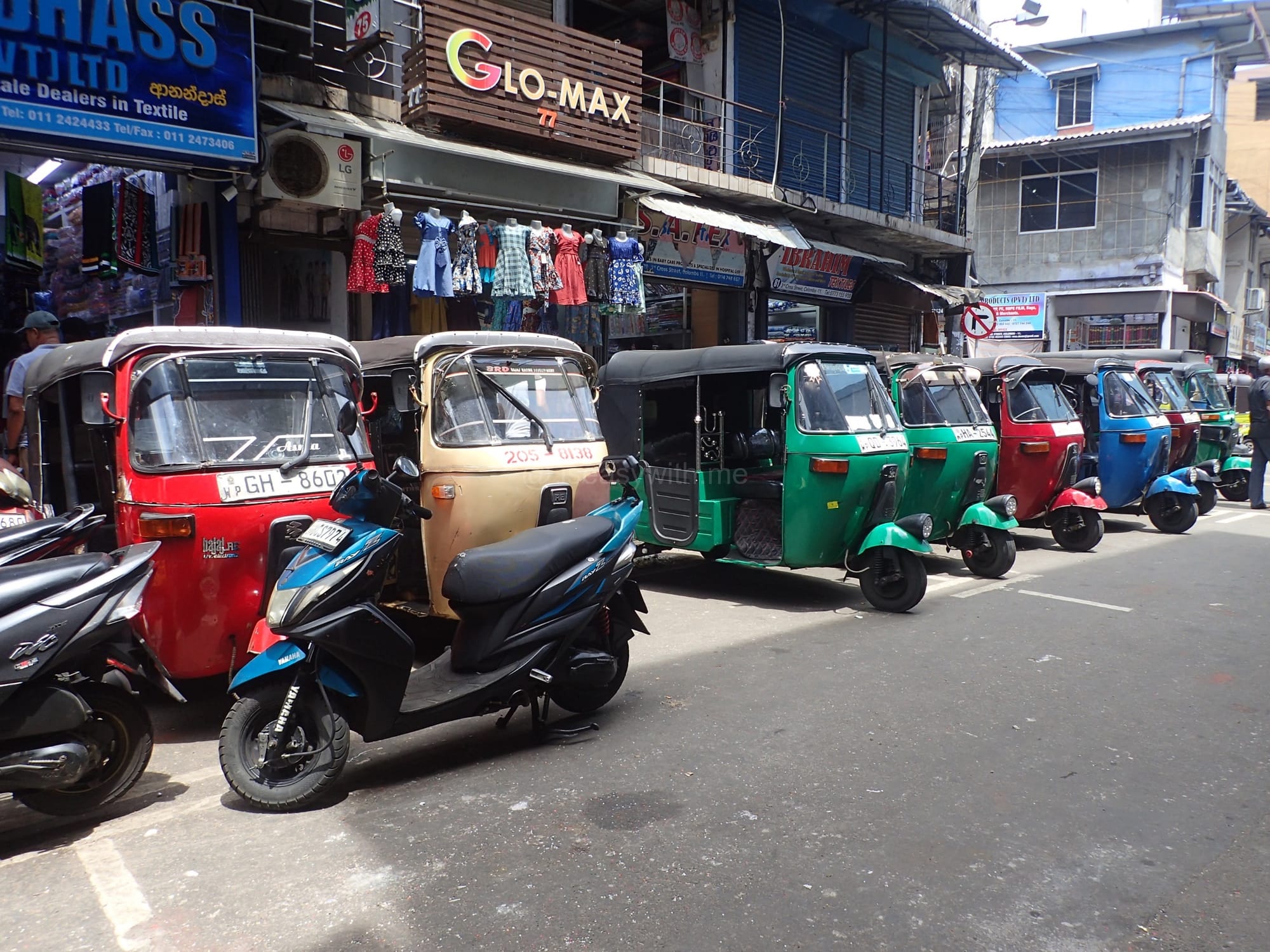
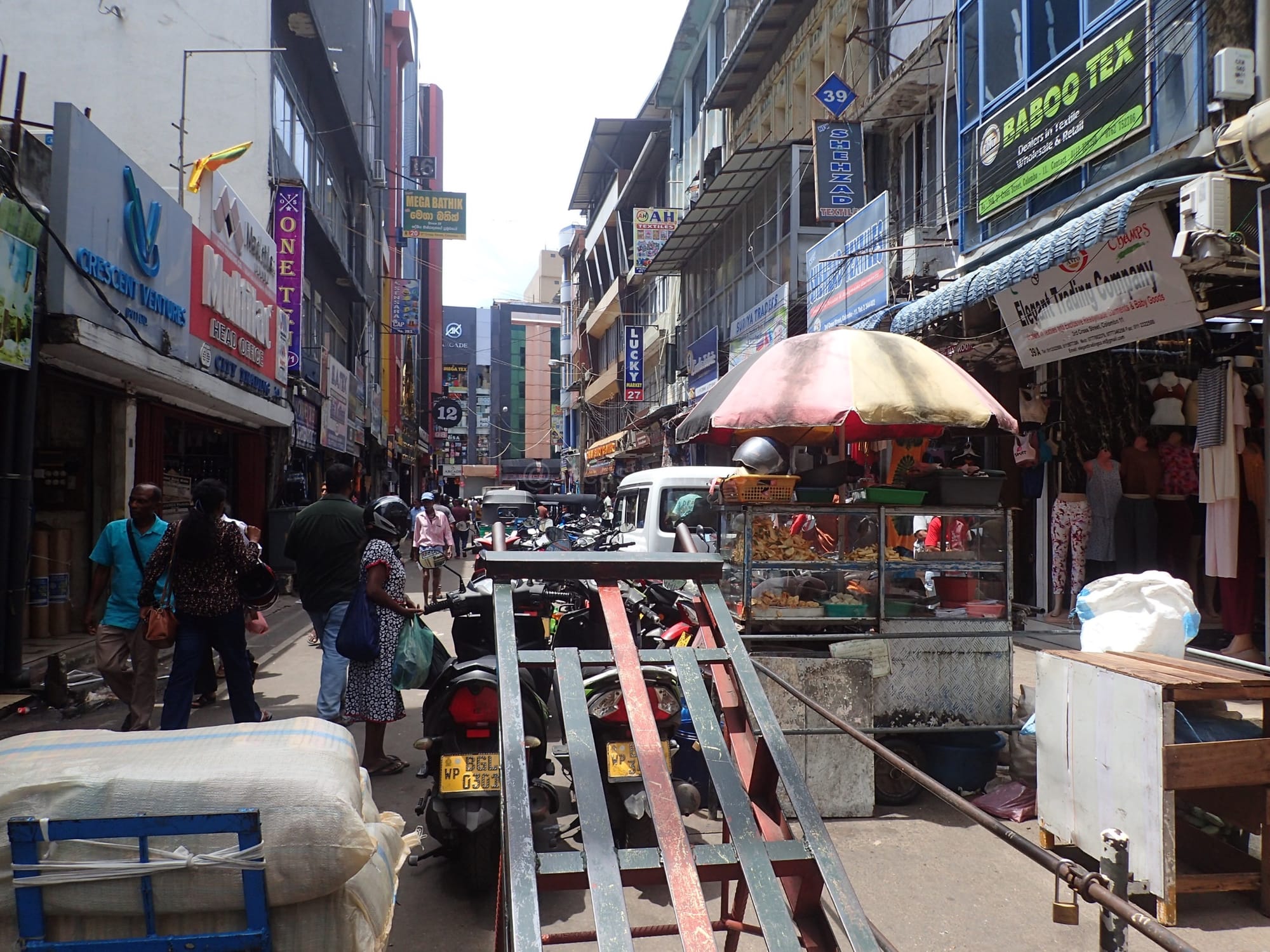
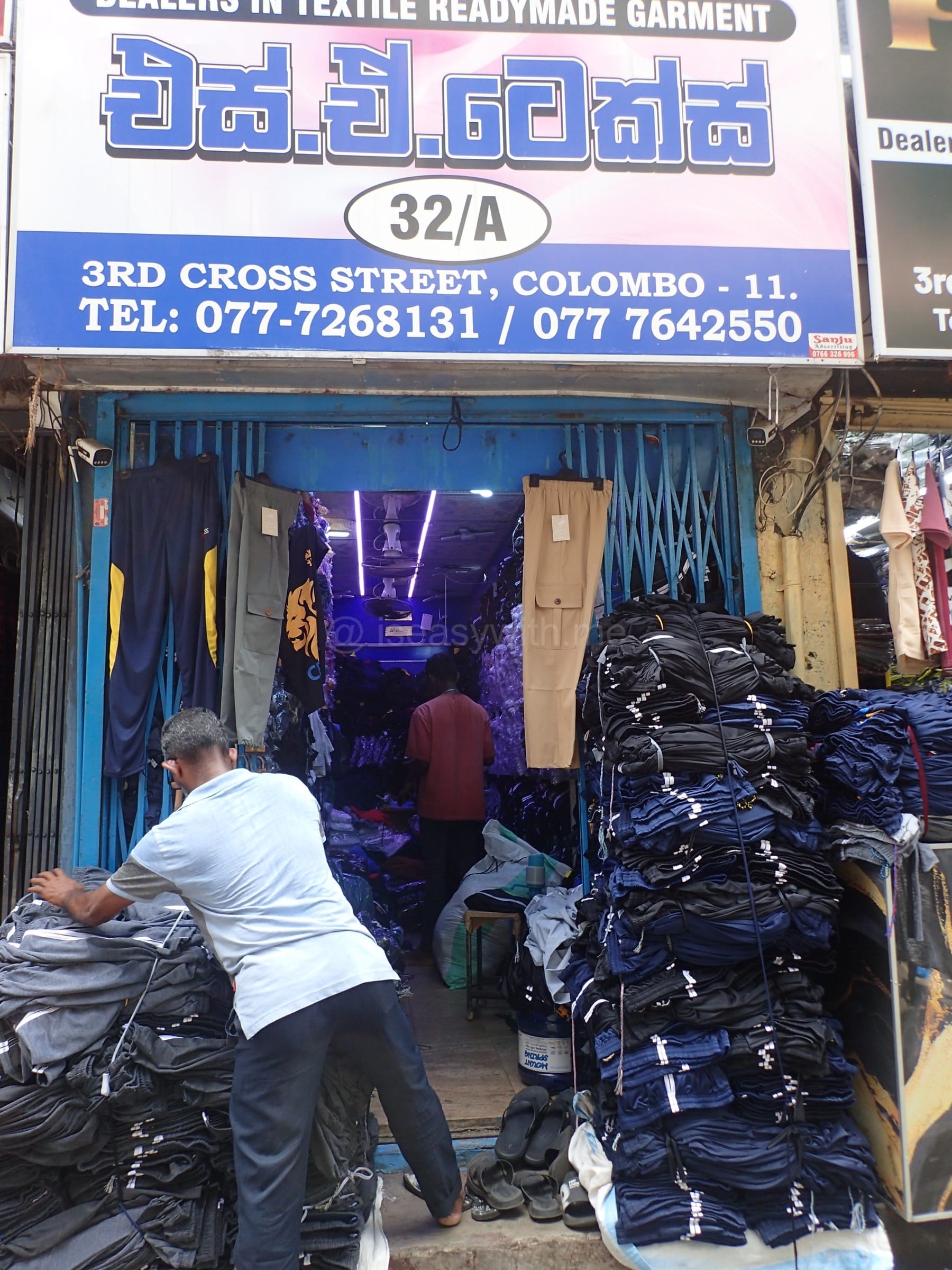
Third Cross Street
St. Philip Neri's Church
Nestled amidst the lively hustle of Pettah, St. Philip Neri’s Church stands as a peaceful Roman Catholic sanctuary in the heart of Colombo. Consecrated in the 1860s on a site originally tied to early Portuguese chapels, this historic church features striking neoclassical architectural details, high arched windows and a serene, quiet sanctuary.
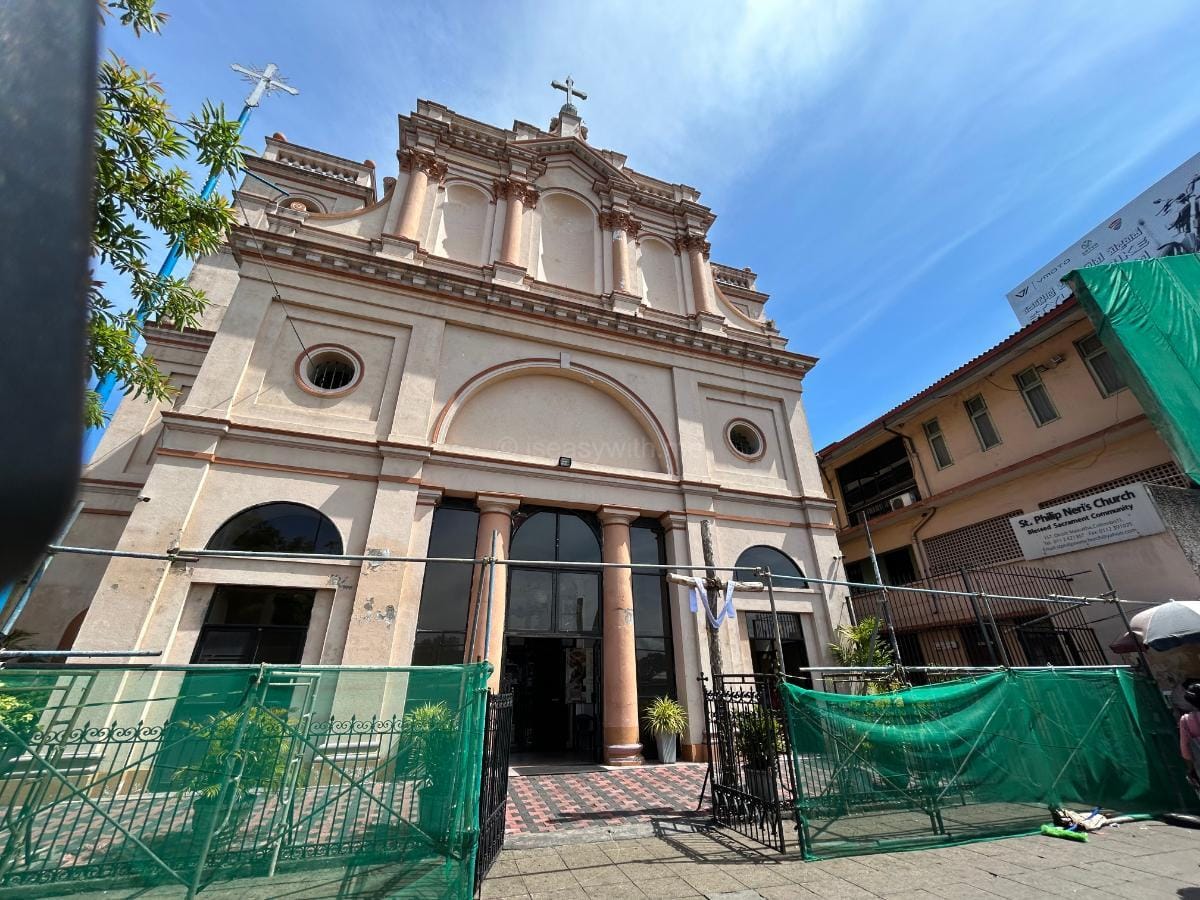
St. Philip Neri's Church
Located just steps from Colombo Fort Railway Station on Olcott Mawatha, it offers an authentic glimpse into Old Ceylon's colonial heritage and local spiritual life, making it a quick, rewarding stop for culture and history lovers exploring central Colombo.
Food & Beverage in Colombo
Colombo's food scene is a magnificent reflection of its multicultural roots, ranging from traditional sit-down clay pot curries to vibrant, late-night street food hubs.
Aluthkade Street Food Market
For a heavy, late-night culinary adventure, head down to the industrial precinct of Aluthkade in Colombo 12. Operating completely separately from the beach strip, this high-energy, smoky midnight food hub comes alive after dark and is famous for rich, heavily spiced street eats.
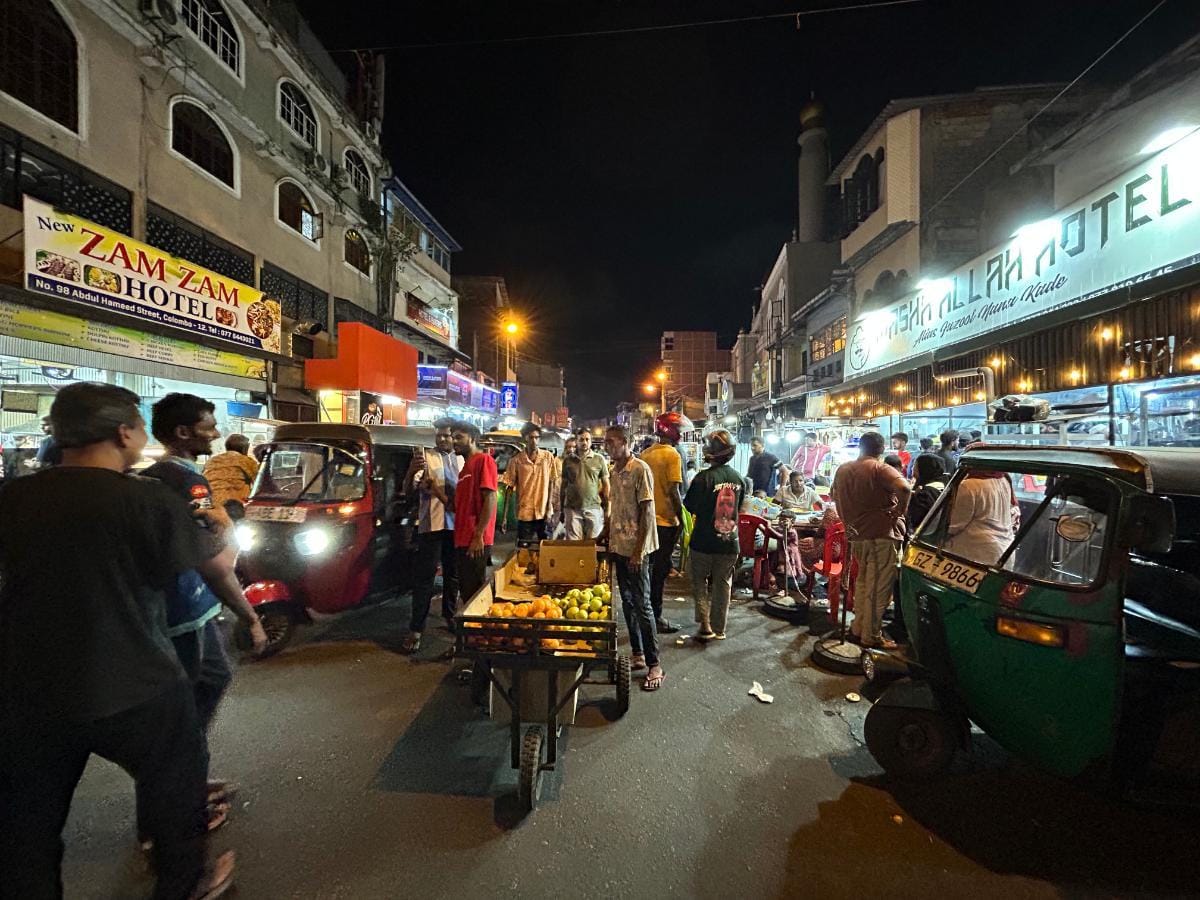
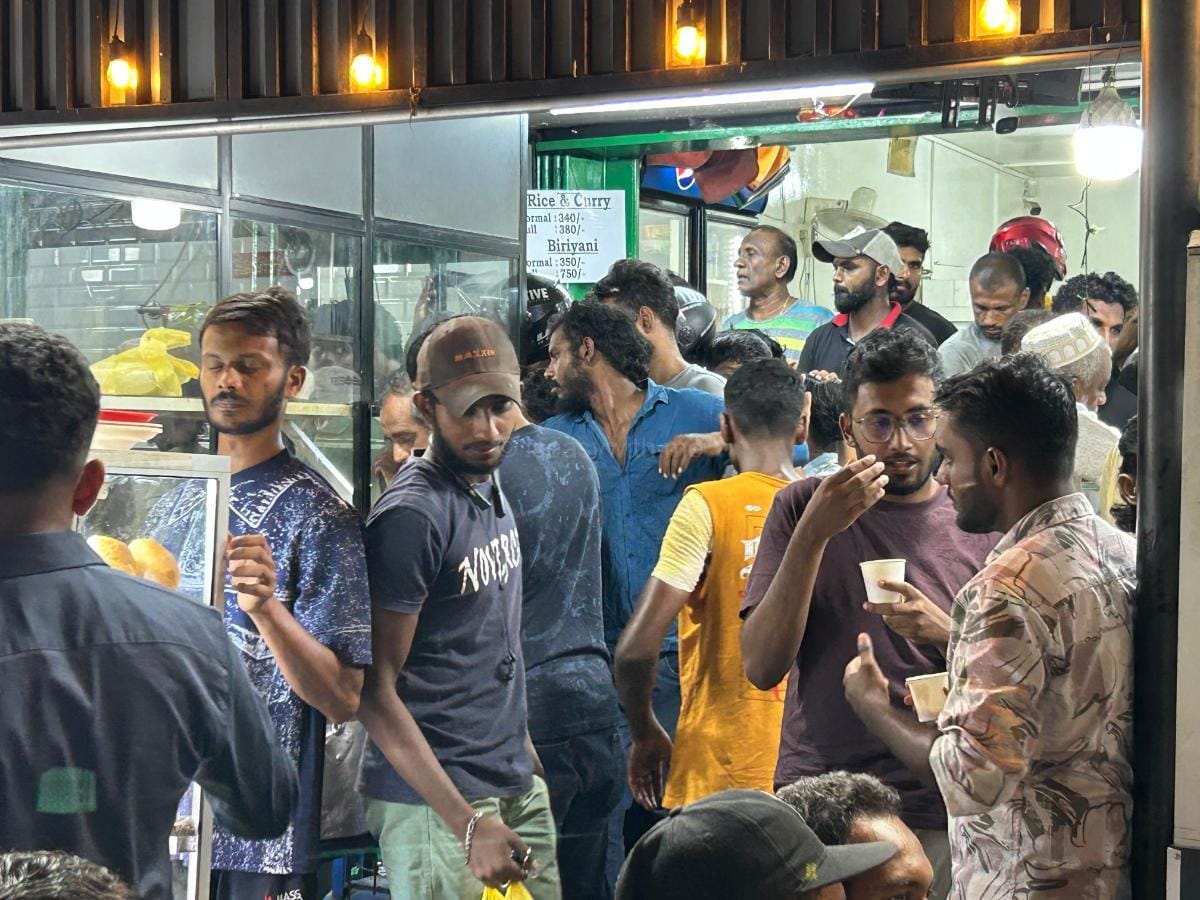
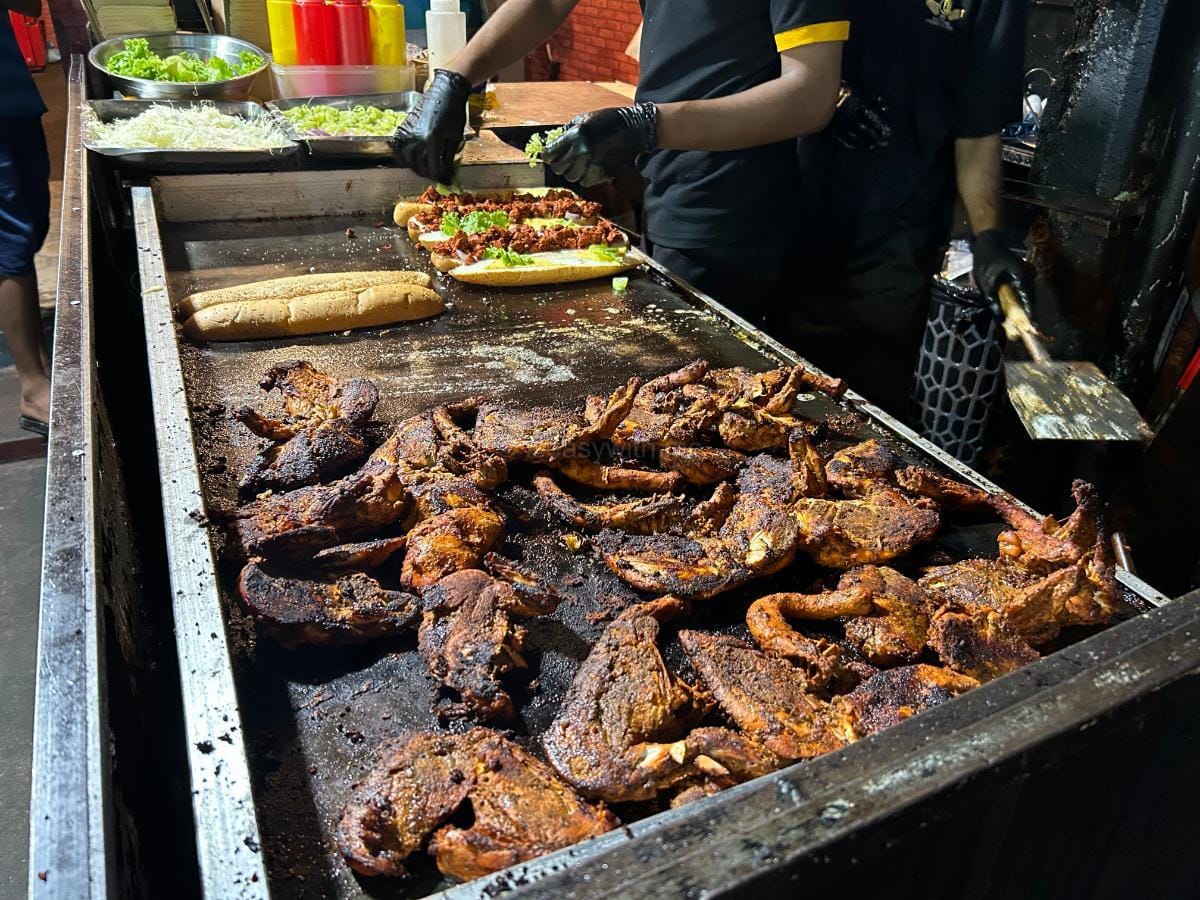
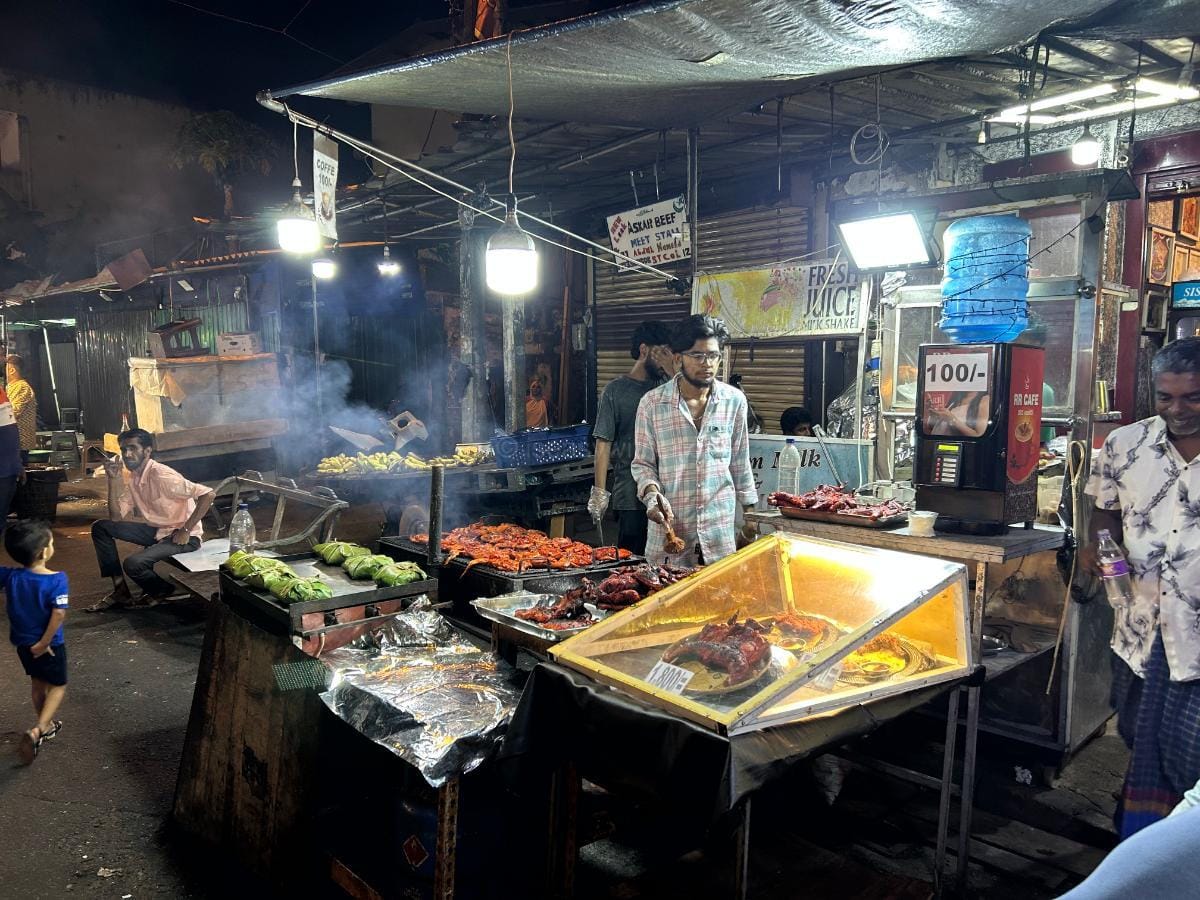
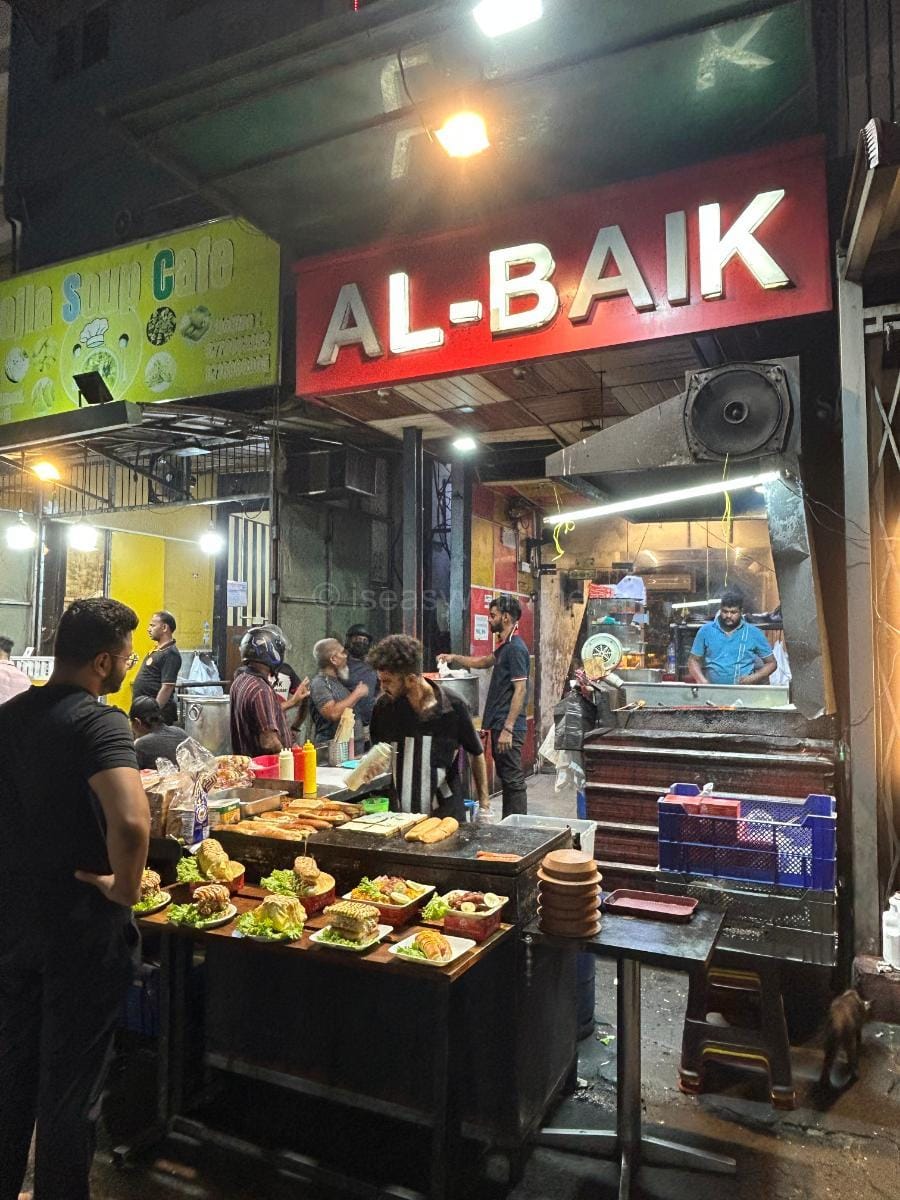
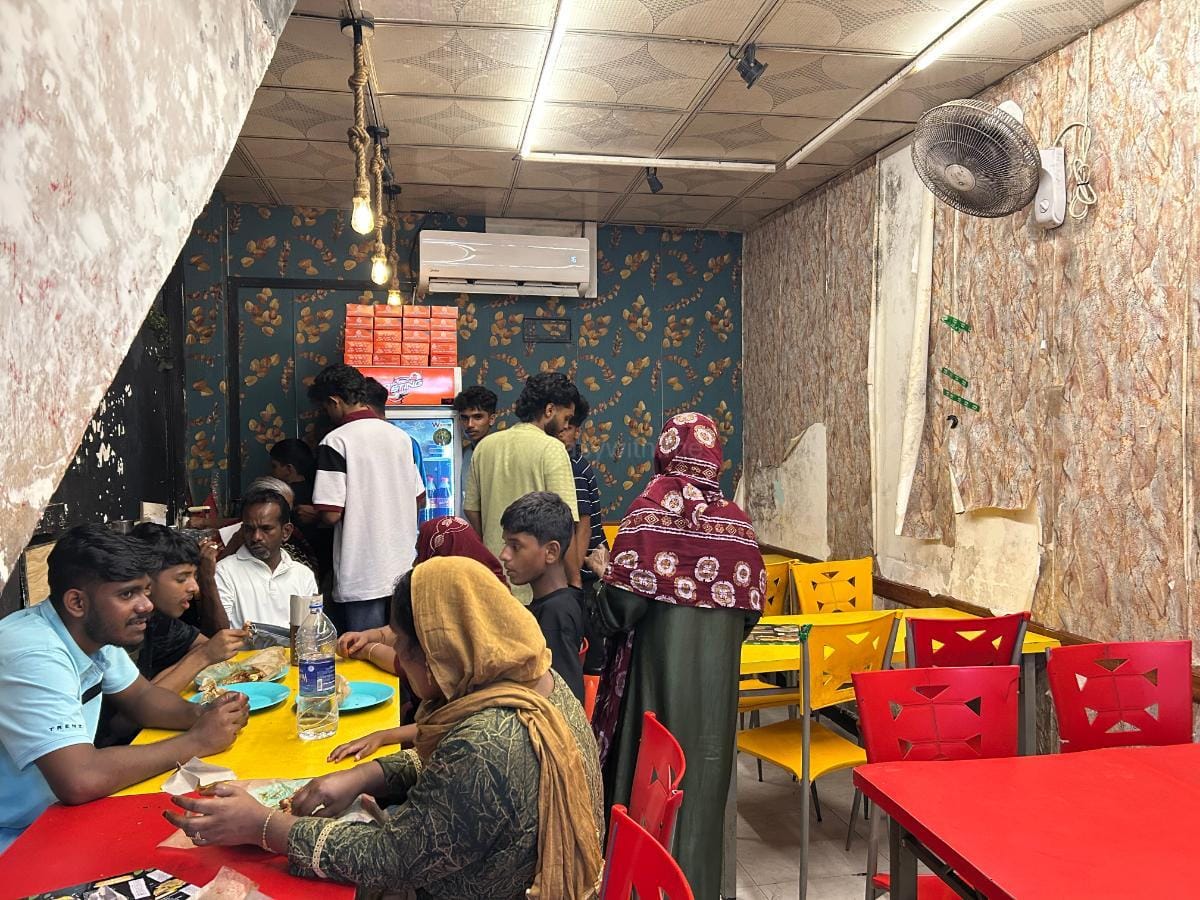
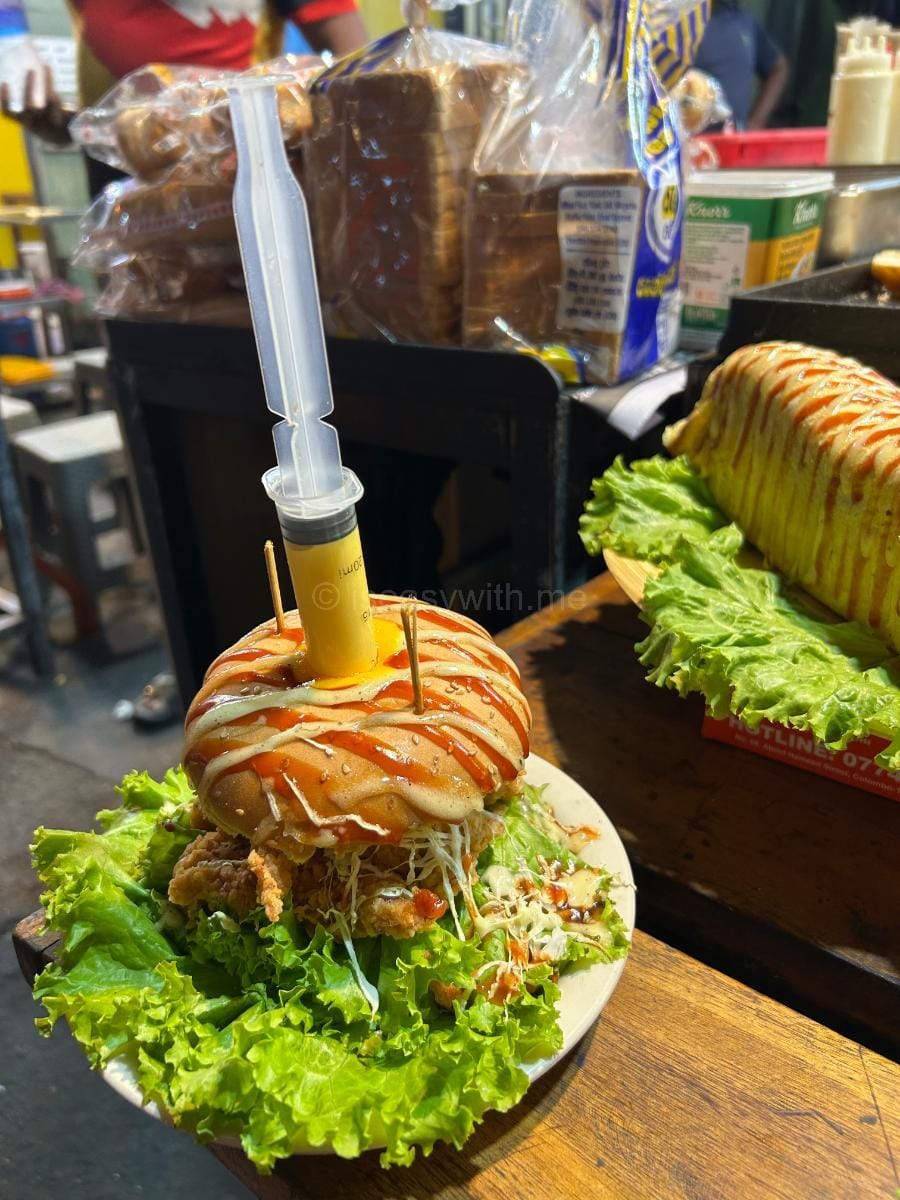
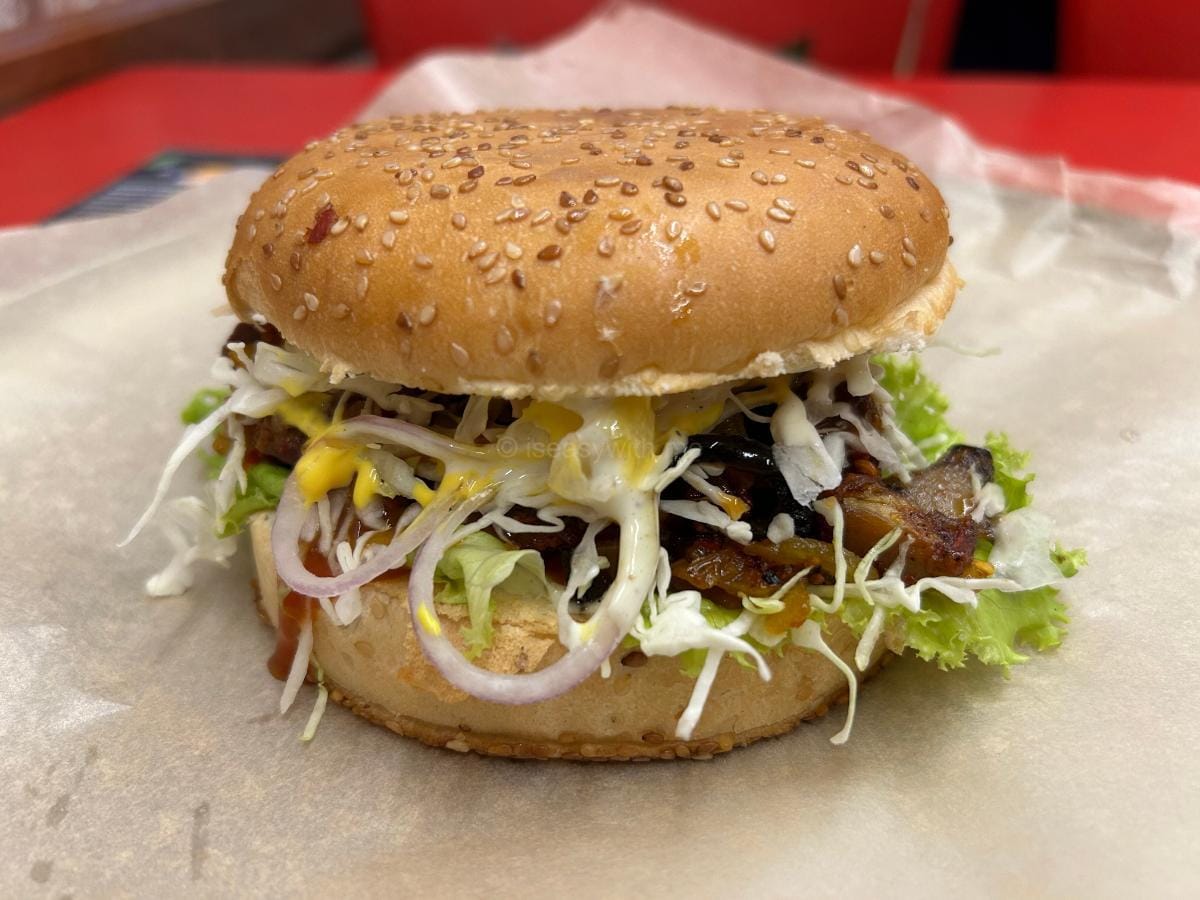
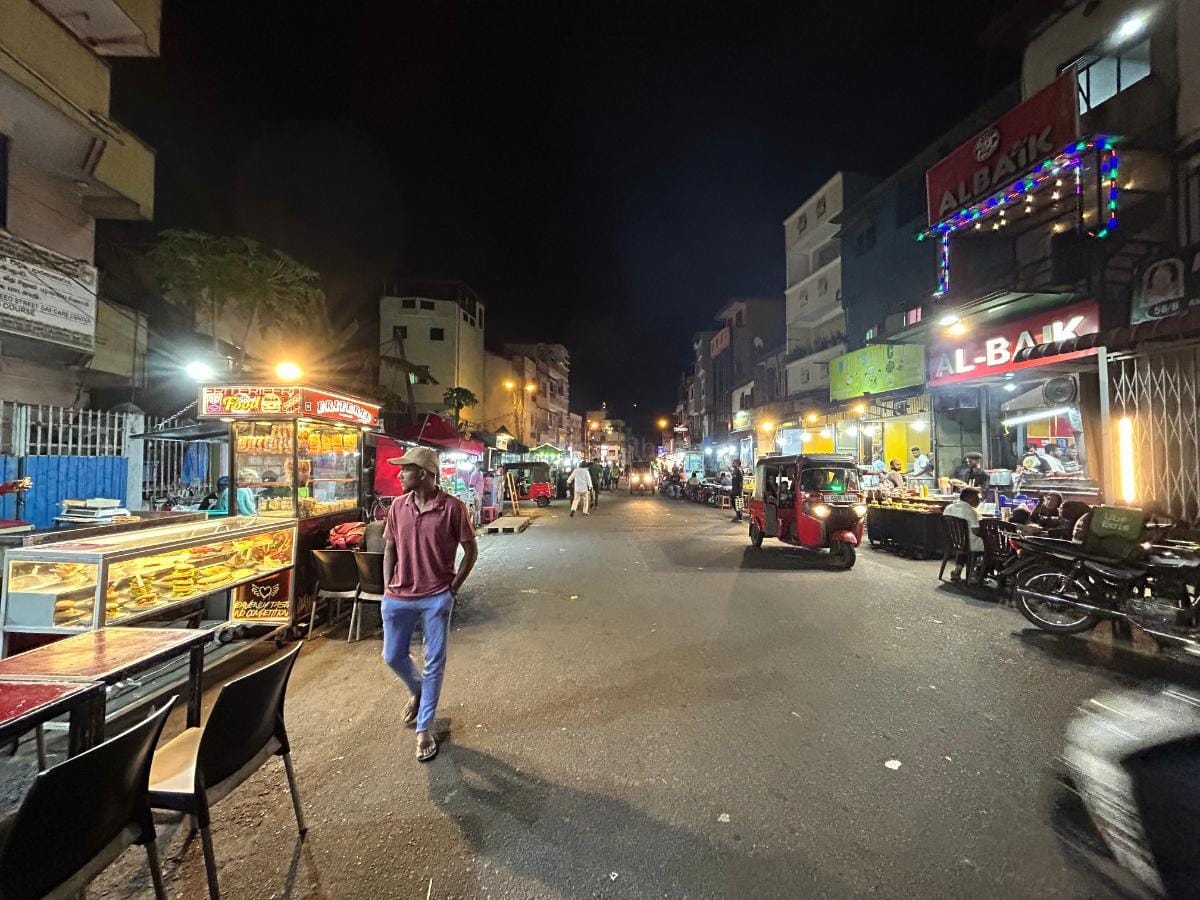
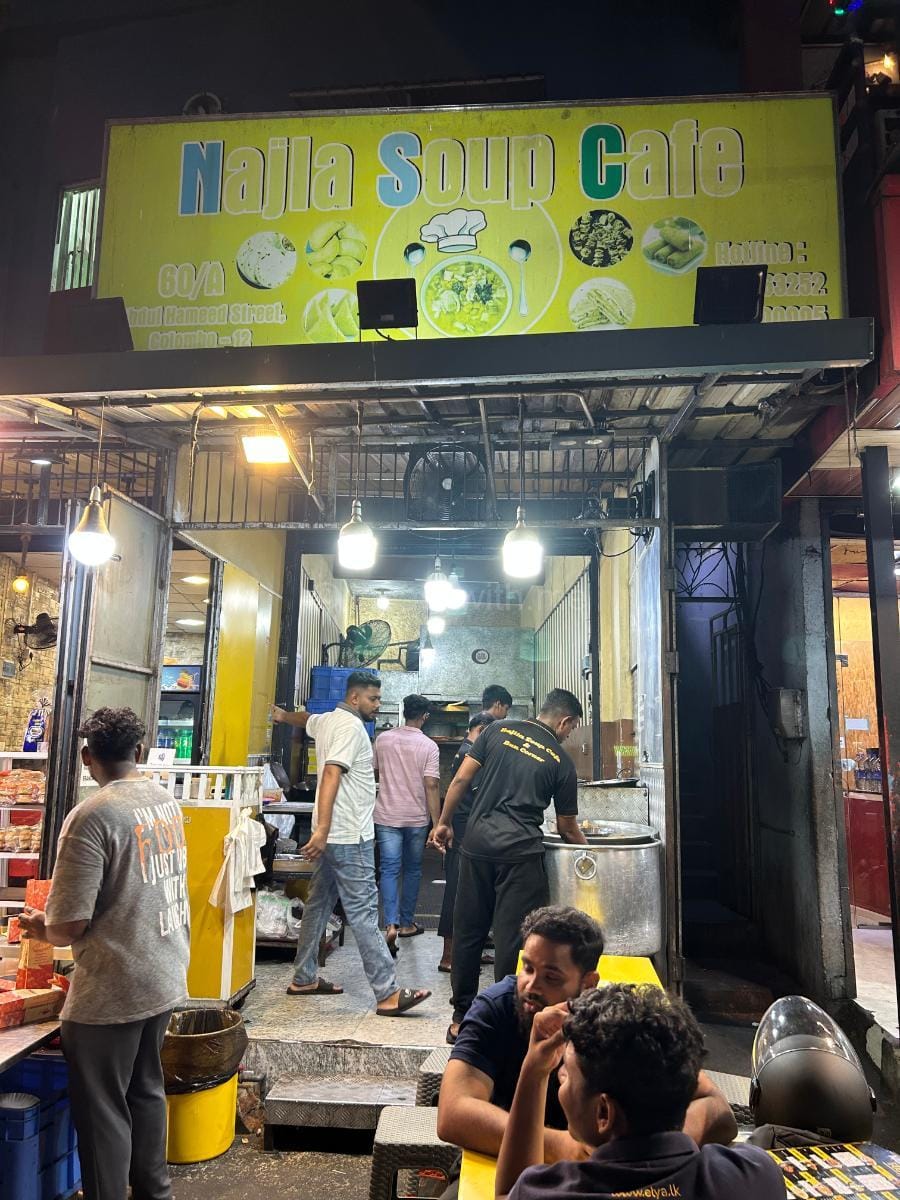
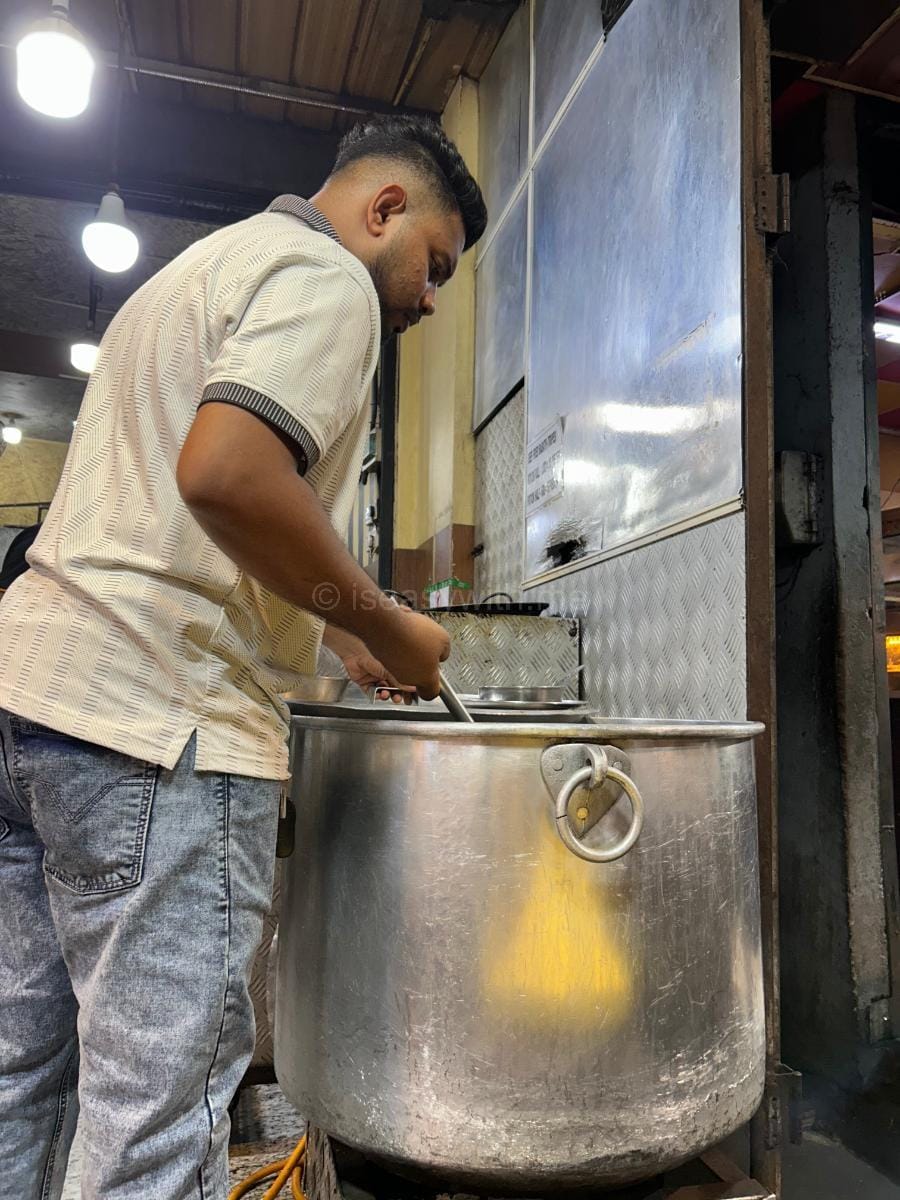
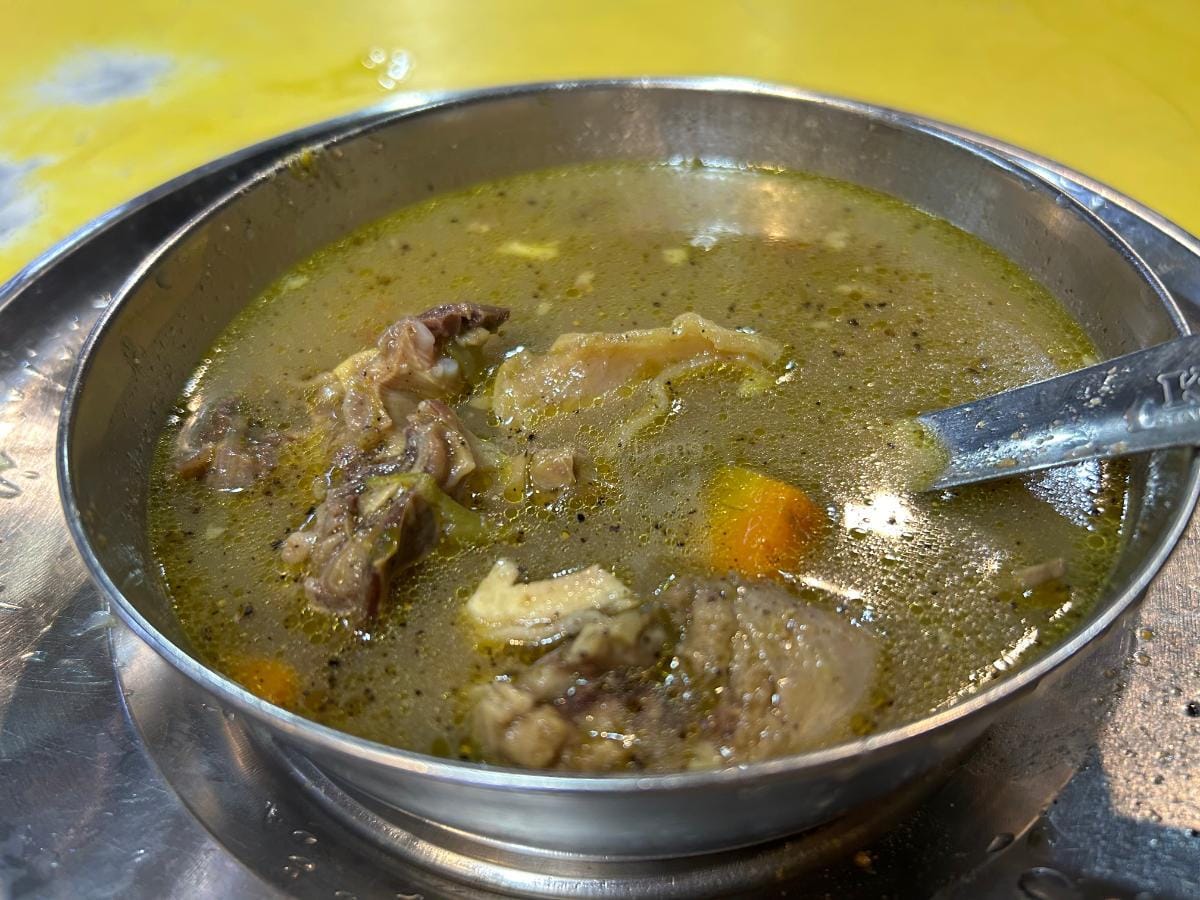
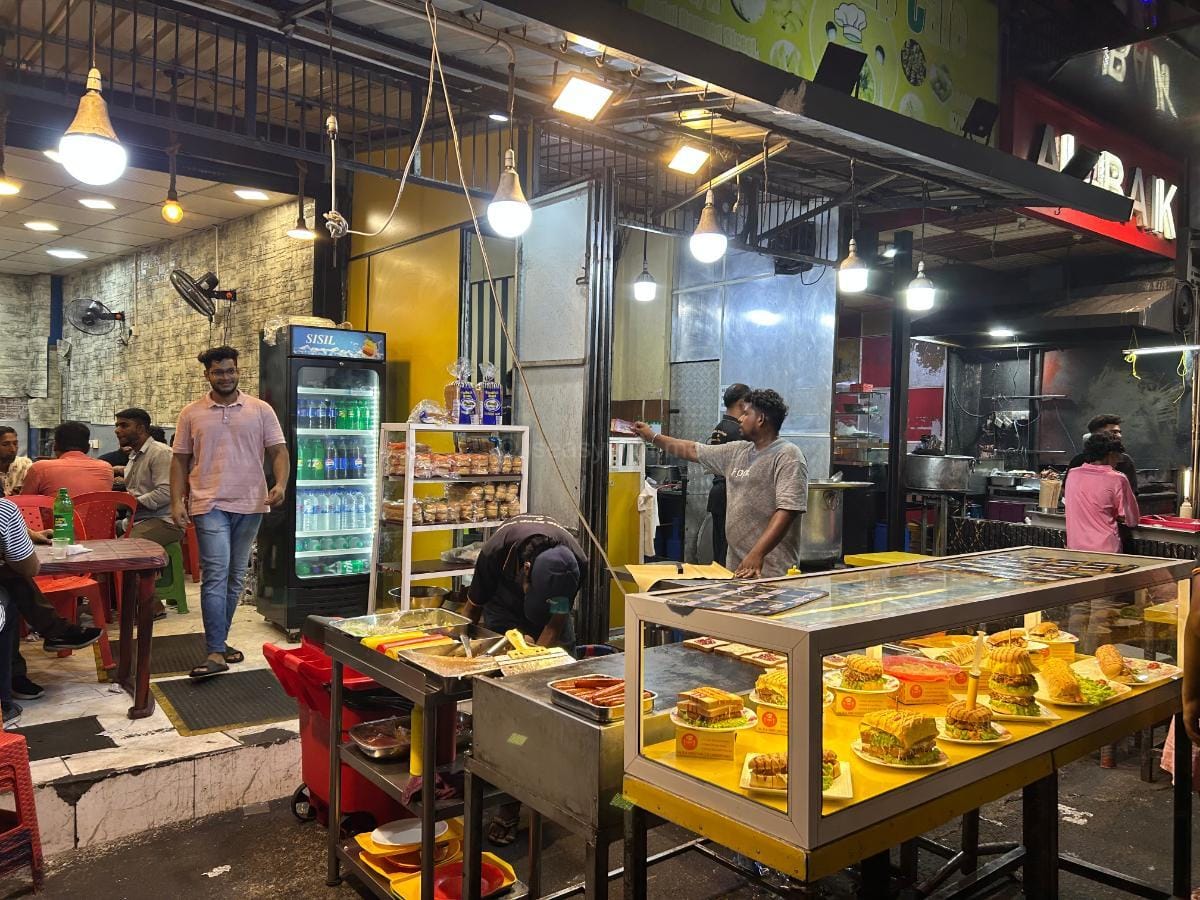
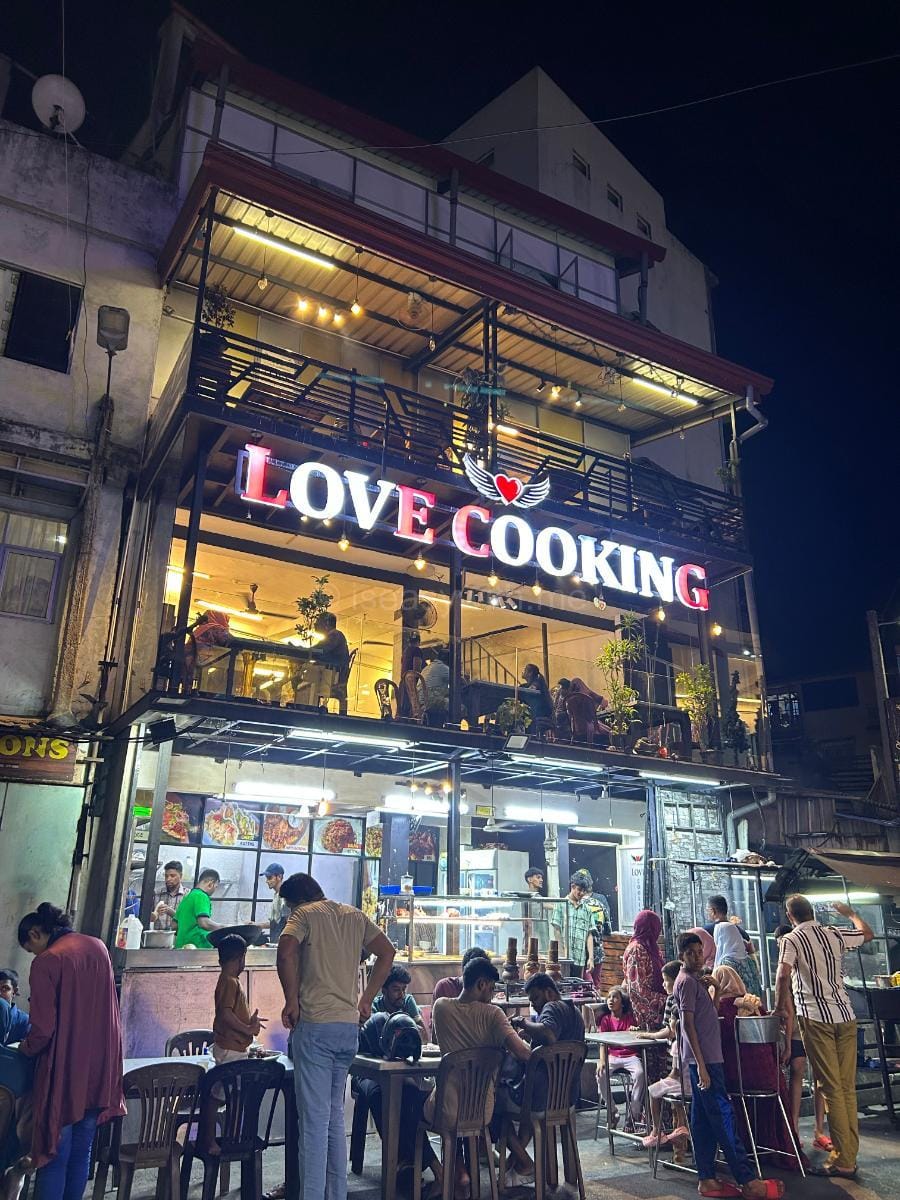
my beef burger dinner (LKR 1,200) and mini beef bone soup (LKR 250) at Aluthkade Street Food Market
- Late-Night Feasts: The market is legendary for charcoal-grilled burgers, cheese-stuffed sandwiches, sizzling BBQ chicken and local delicacies like Manni-Pittu tossed with spicy Babath (beef tripe).
- Aluthkade Beef Bone Soup: The ultimate highlight here is trying a hearty bowl of rich, slow-cooked Aluthkade beef bone soup (Maattu Kaal Paya), packed with buttery marrow and served hot alongside fresh naan.
Calton One Galle Place
Founded over 30 years ago as Calton Sweet House in Negombo, Calton at One Galle Face marks the beloved local bakery’s first-ever branch inside a major shopping mall. It’s a clean, modern spot that brings traditional Sri Lankan street eats into a high-end setting. It's the perfect place to stop for a quick, reliable bite—from flaky chicken patties, fish rolls, and savory cutlets to classic butter cakes and local sweets right in the heart of Colombo.
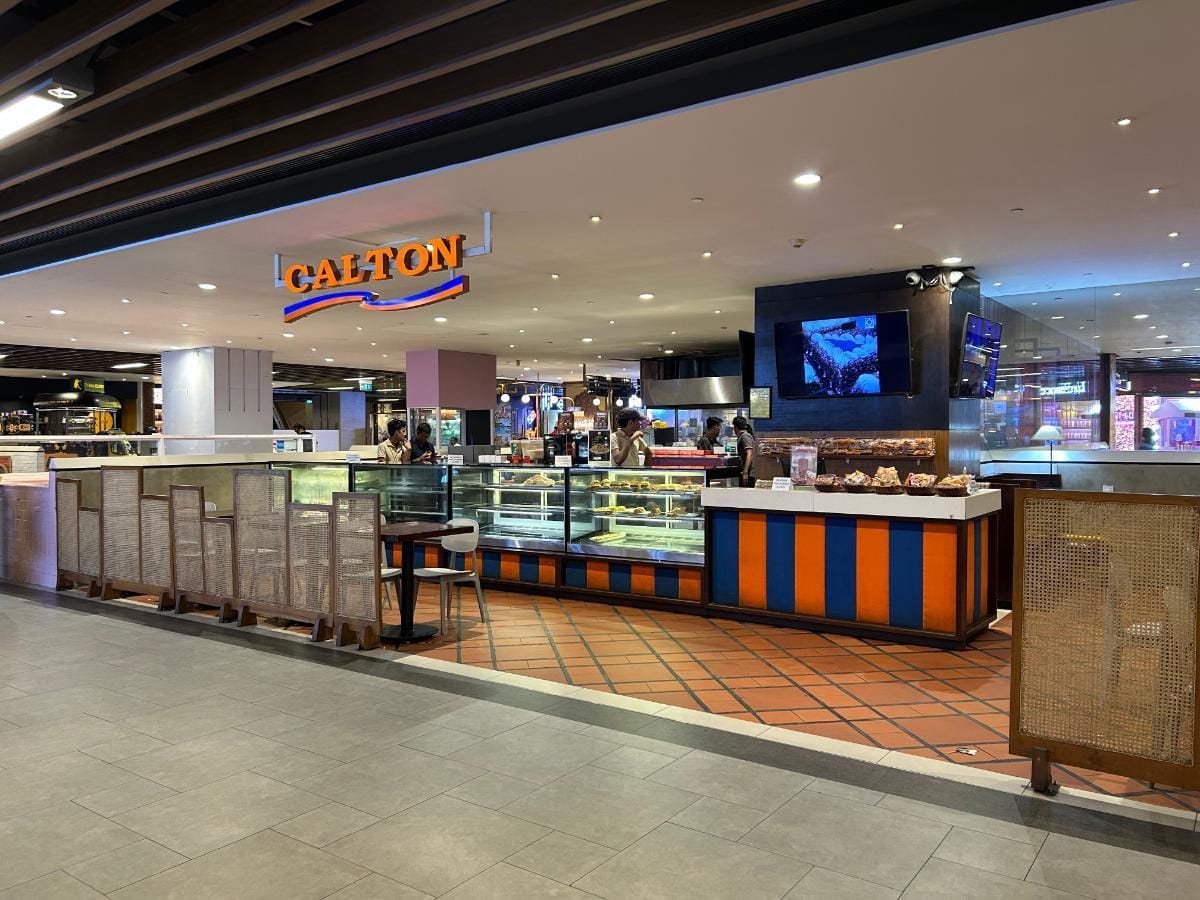
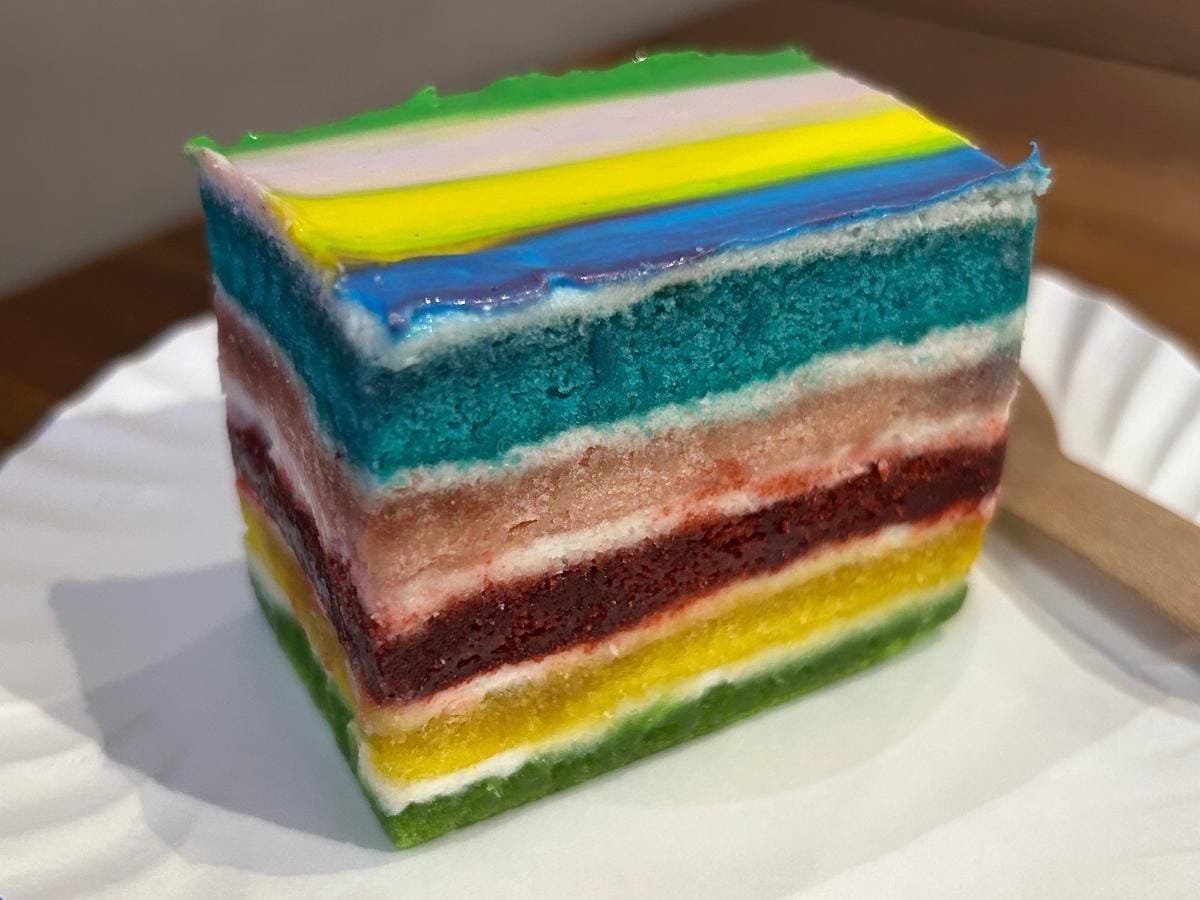
my Ribbon Cake dessert at Calton One Galle Place (LKR 270)
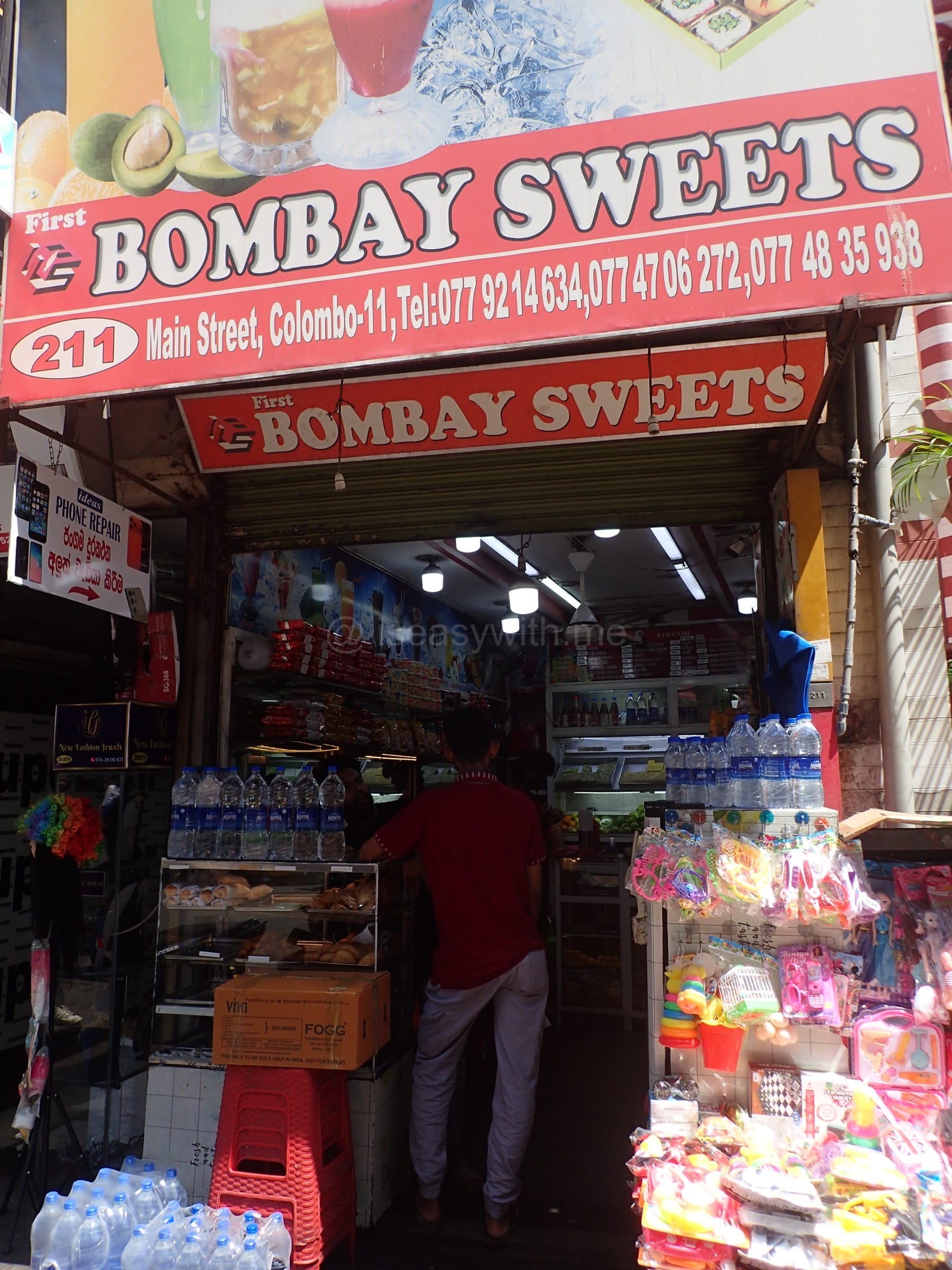
First Bombay Sweets
Just outside the Red Mosque on Main Street, First Bombay Sweets is selling Faluda (LKR 300). Infused with rose syrup, sweet basil seeds and often topped with ice cream, it is the ultimate way to cool down from Colombo's tropical afternoon heat.
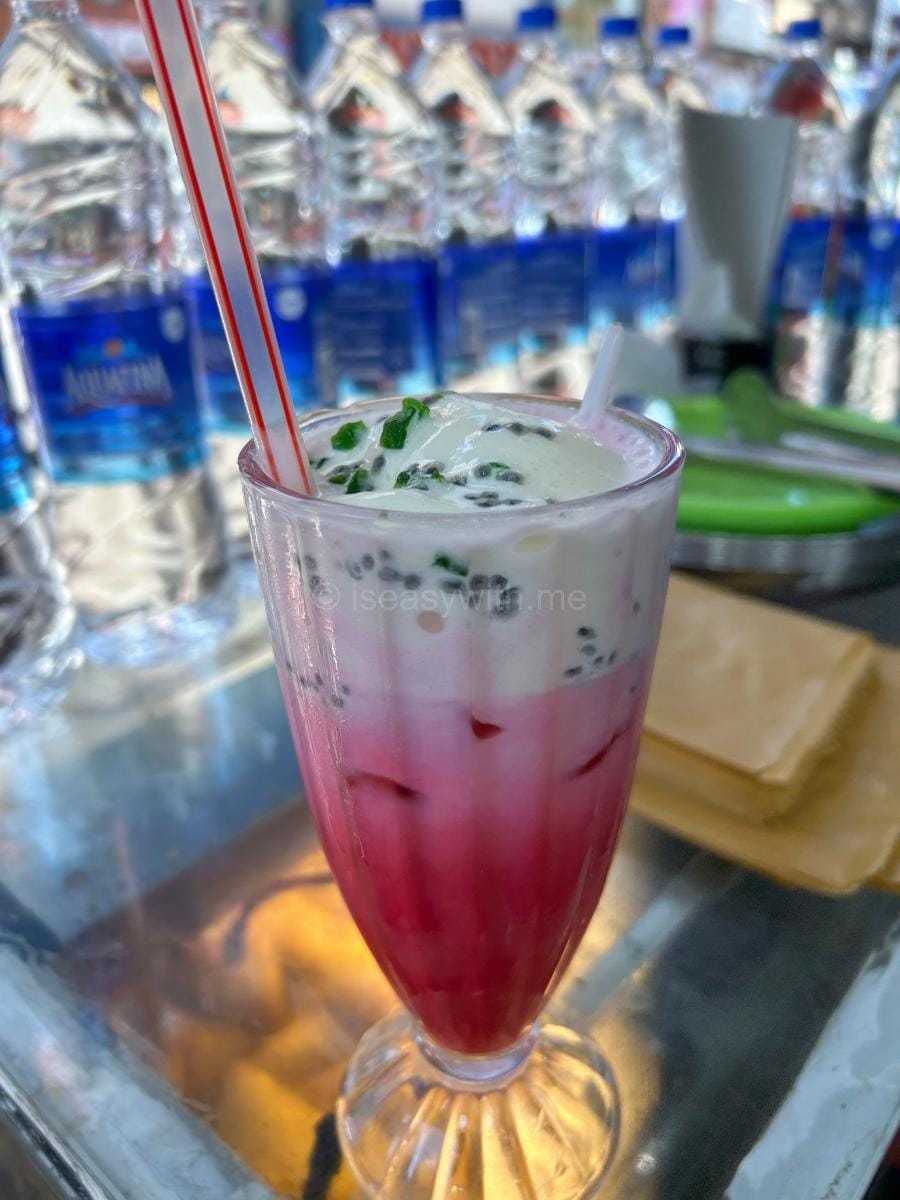
faluda from First Bombay Sweets
Galle Face Green Street Food
As evening approaches, locals gather along Colombo's famous oceanfront promenade at Galle Face Green. Families fly kites, children play along the grass and food vendors open seaside stalls to prepare some of the city's most iconic light street bites.
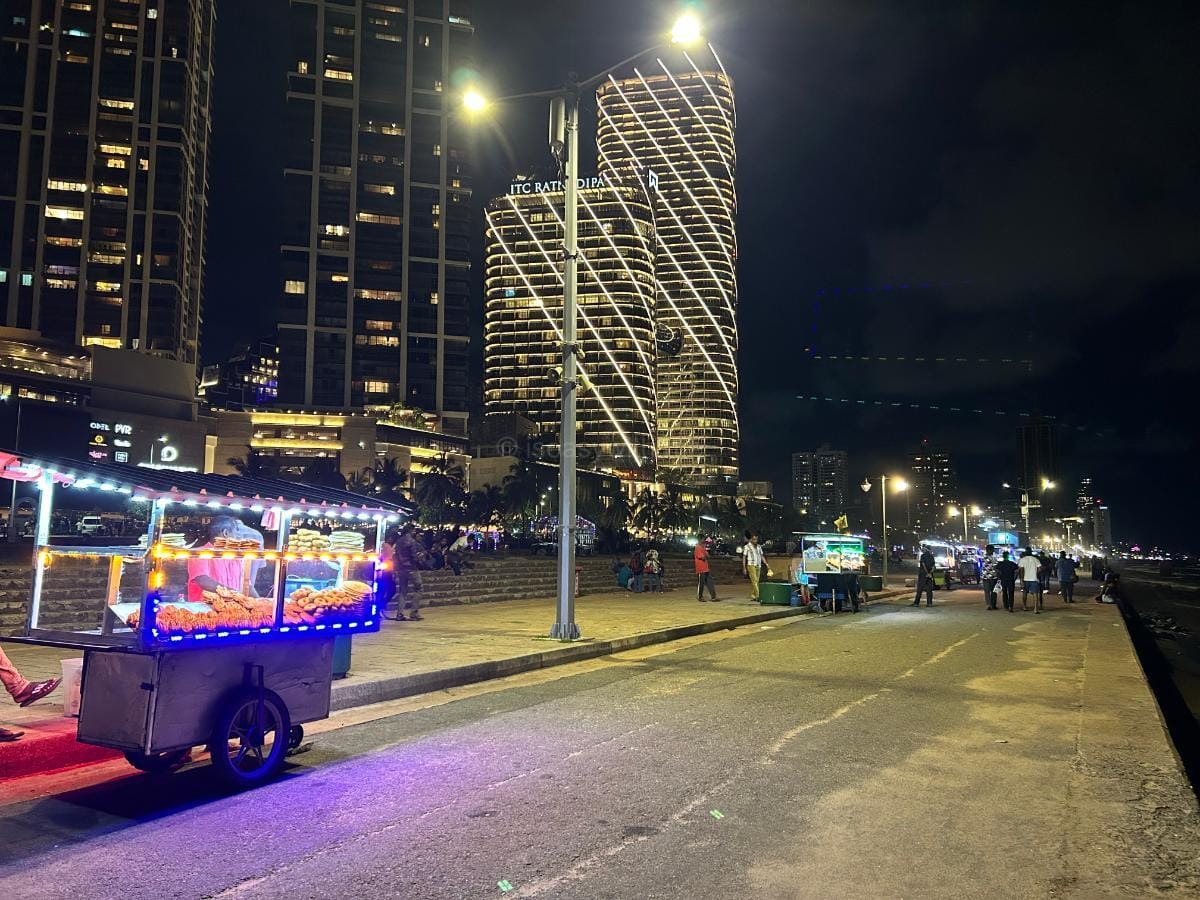
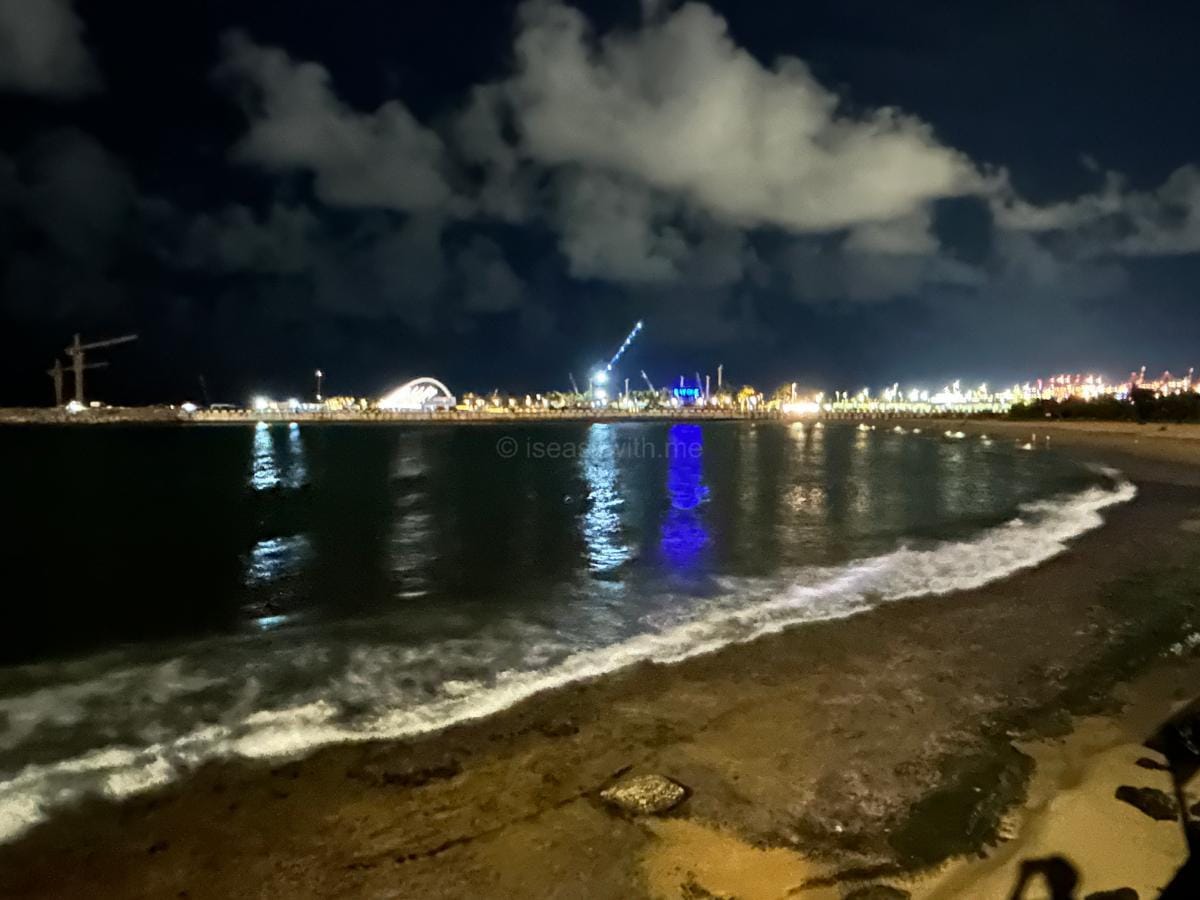
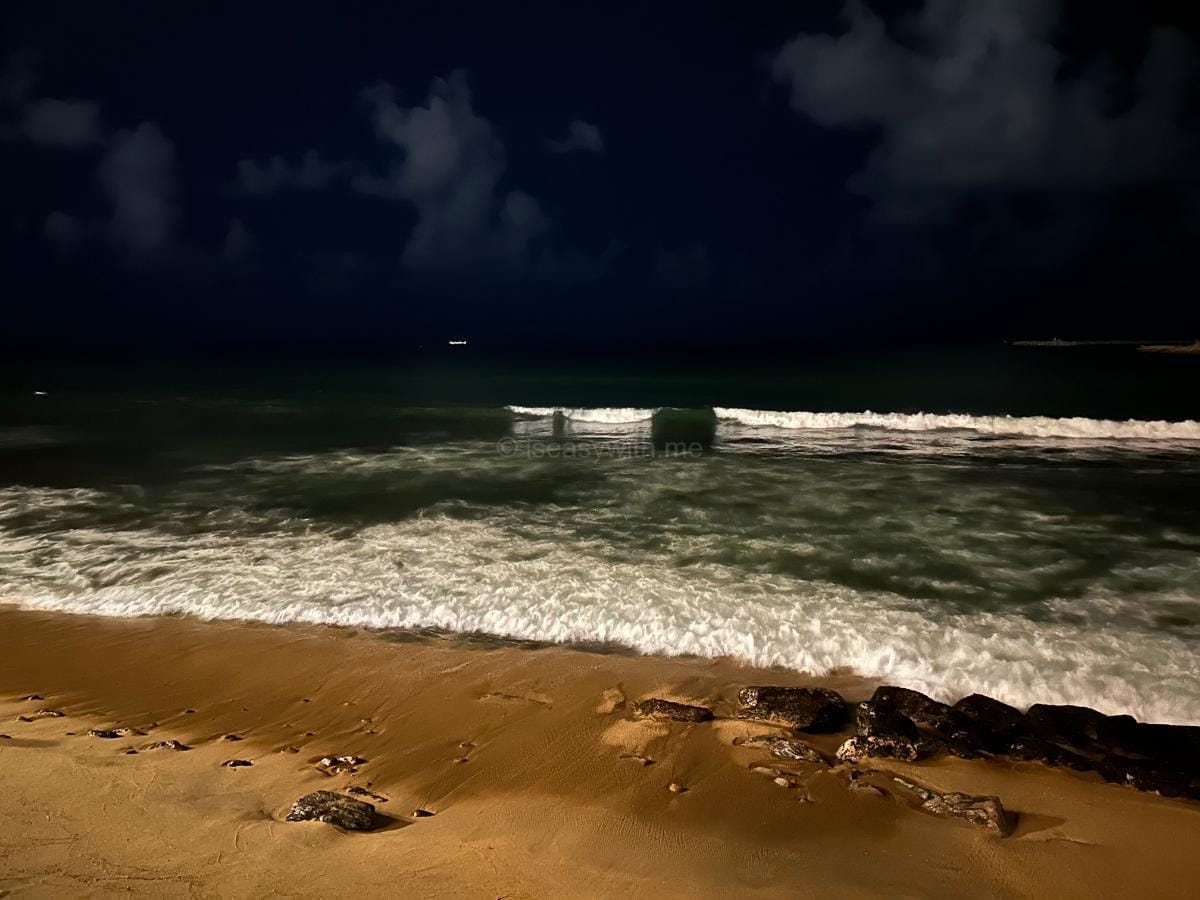
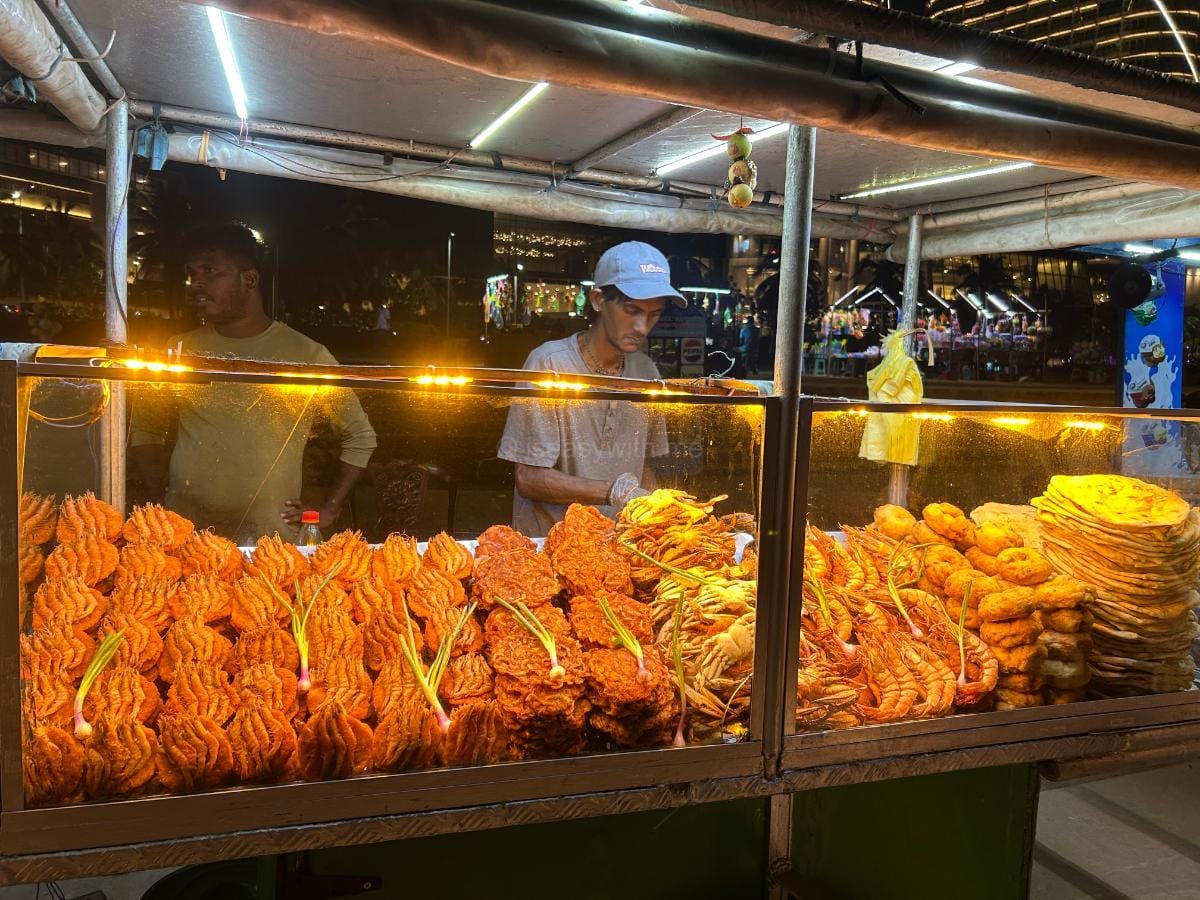
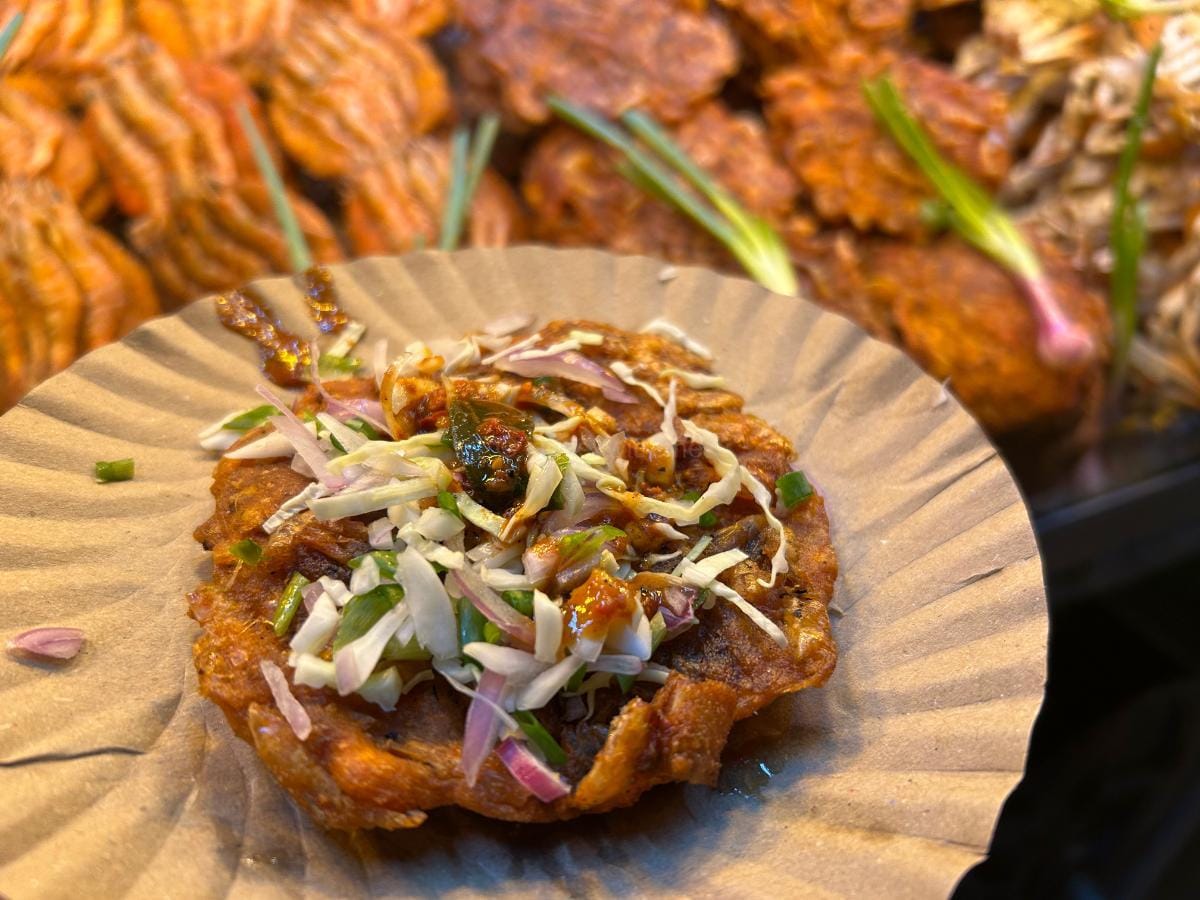
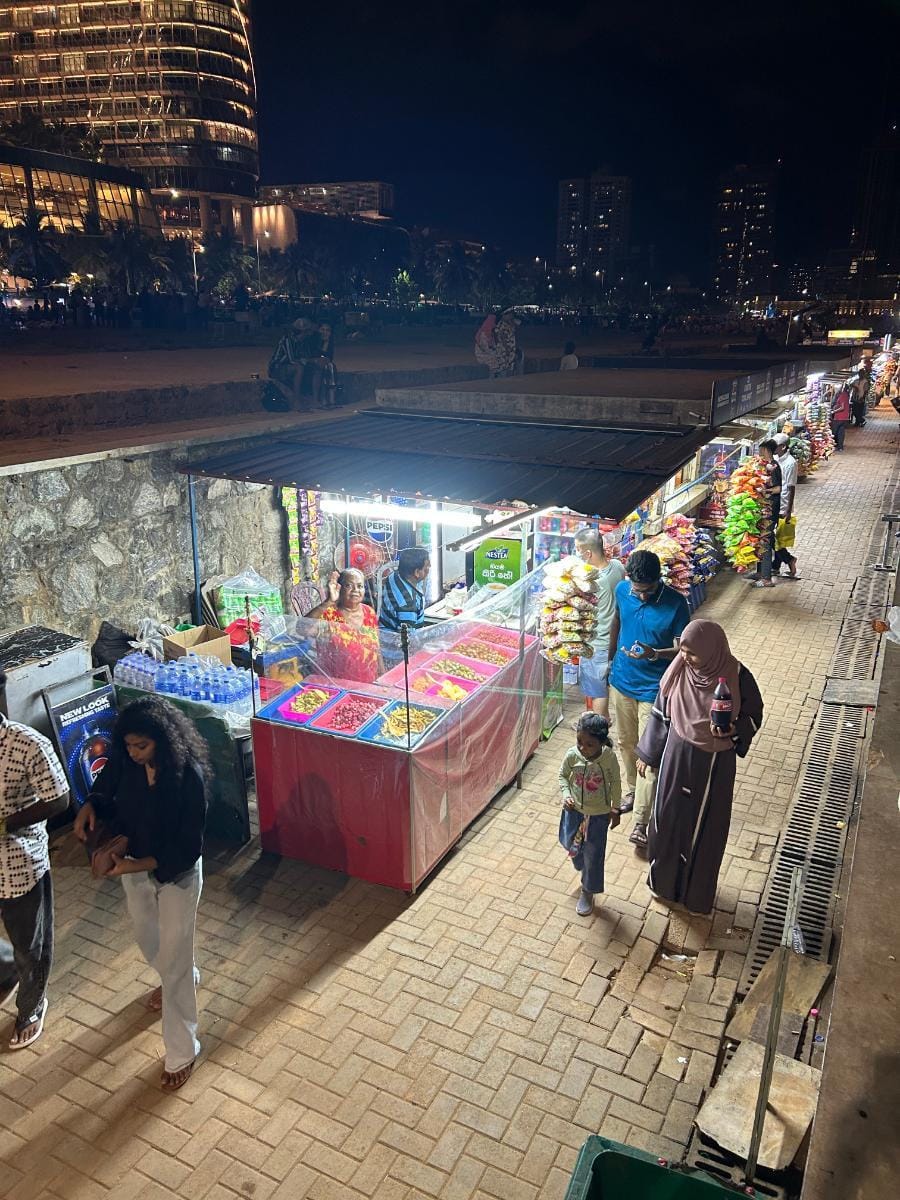
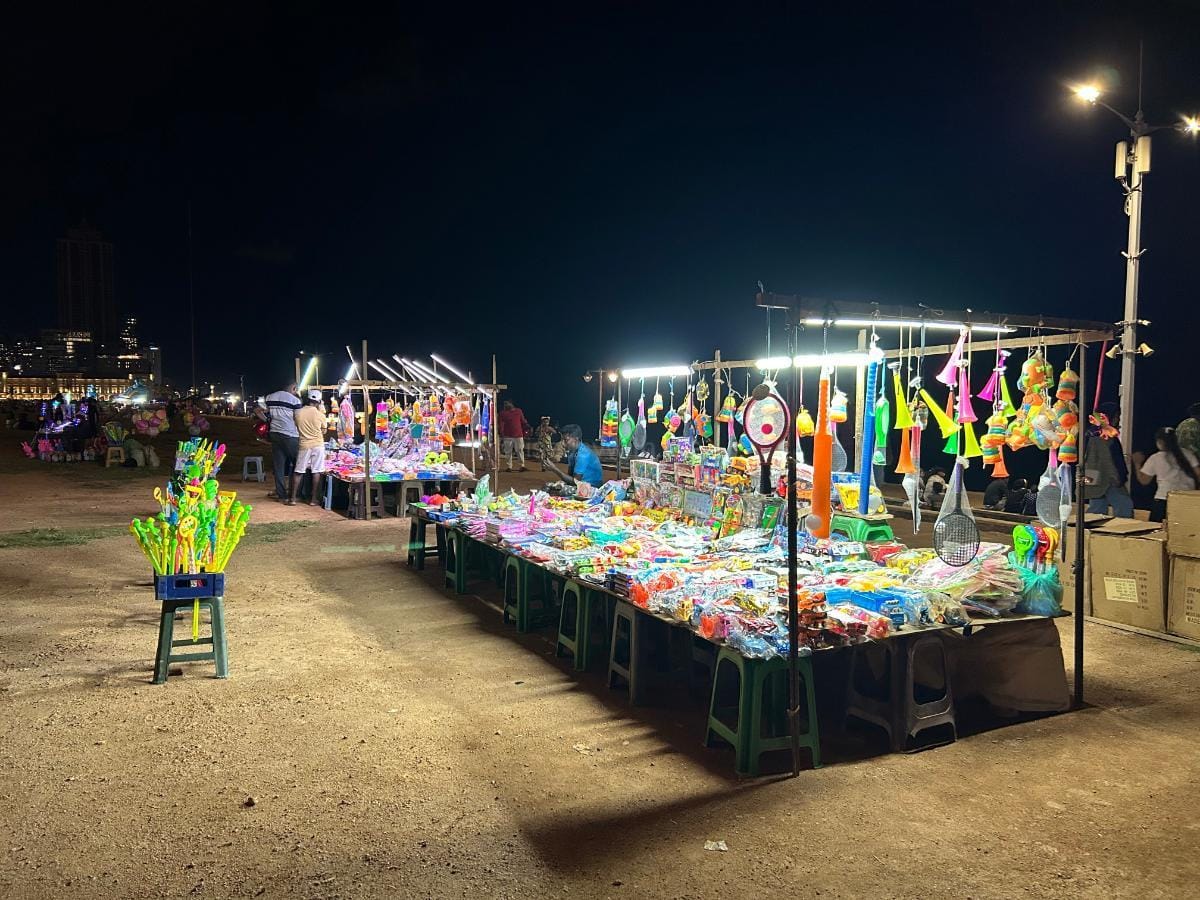
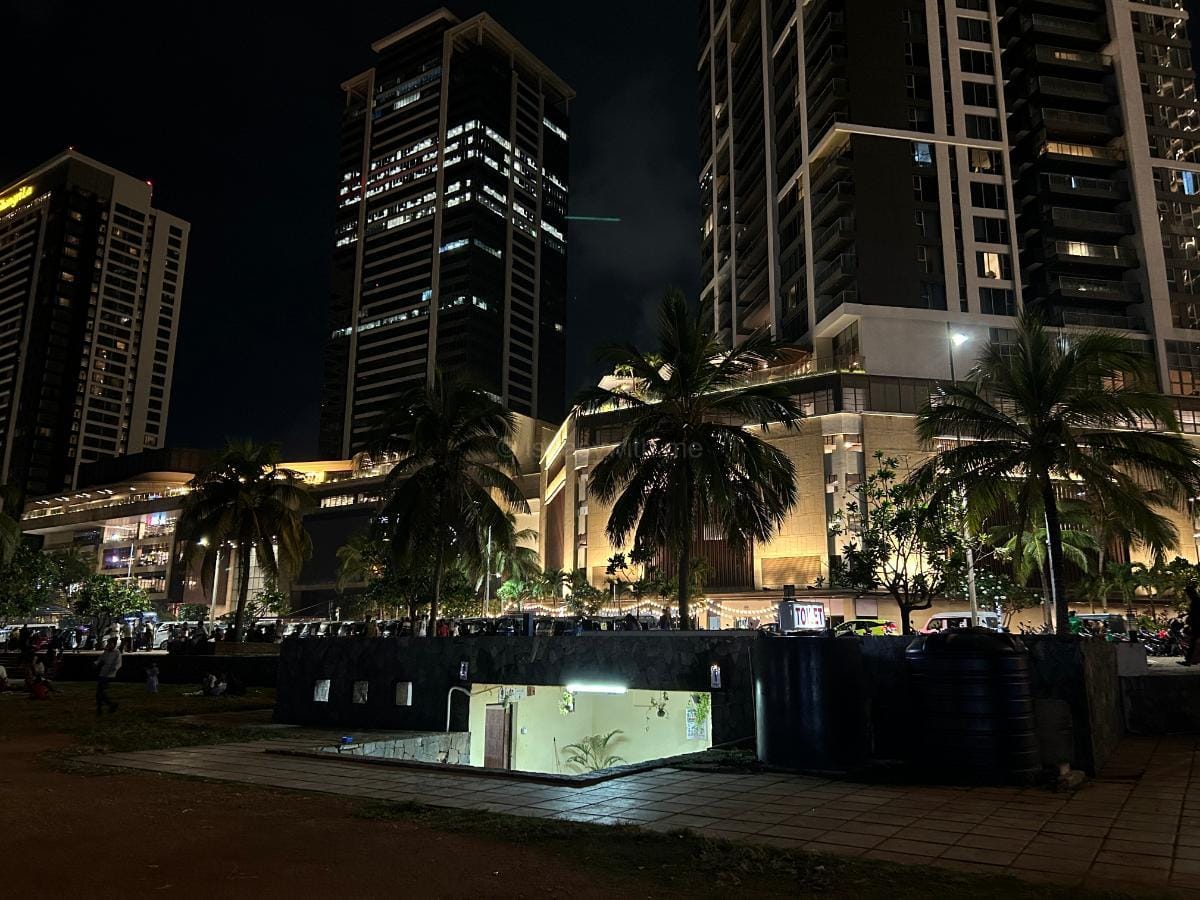
my Isso Wade (Prawn Cakes) snack (LKR 200)
Upali's by Nawaloka
For a traditional lunch, Upali's by Nawaloka is an excellent introduction to authentic Sri Lankan cuisine. Their Mutton Varuwal is a local favourite, combining tender chunks of mutton with deeply aromatic spices and rich, concentrated curry flavours that pair perfectly with hot rice or rotti.
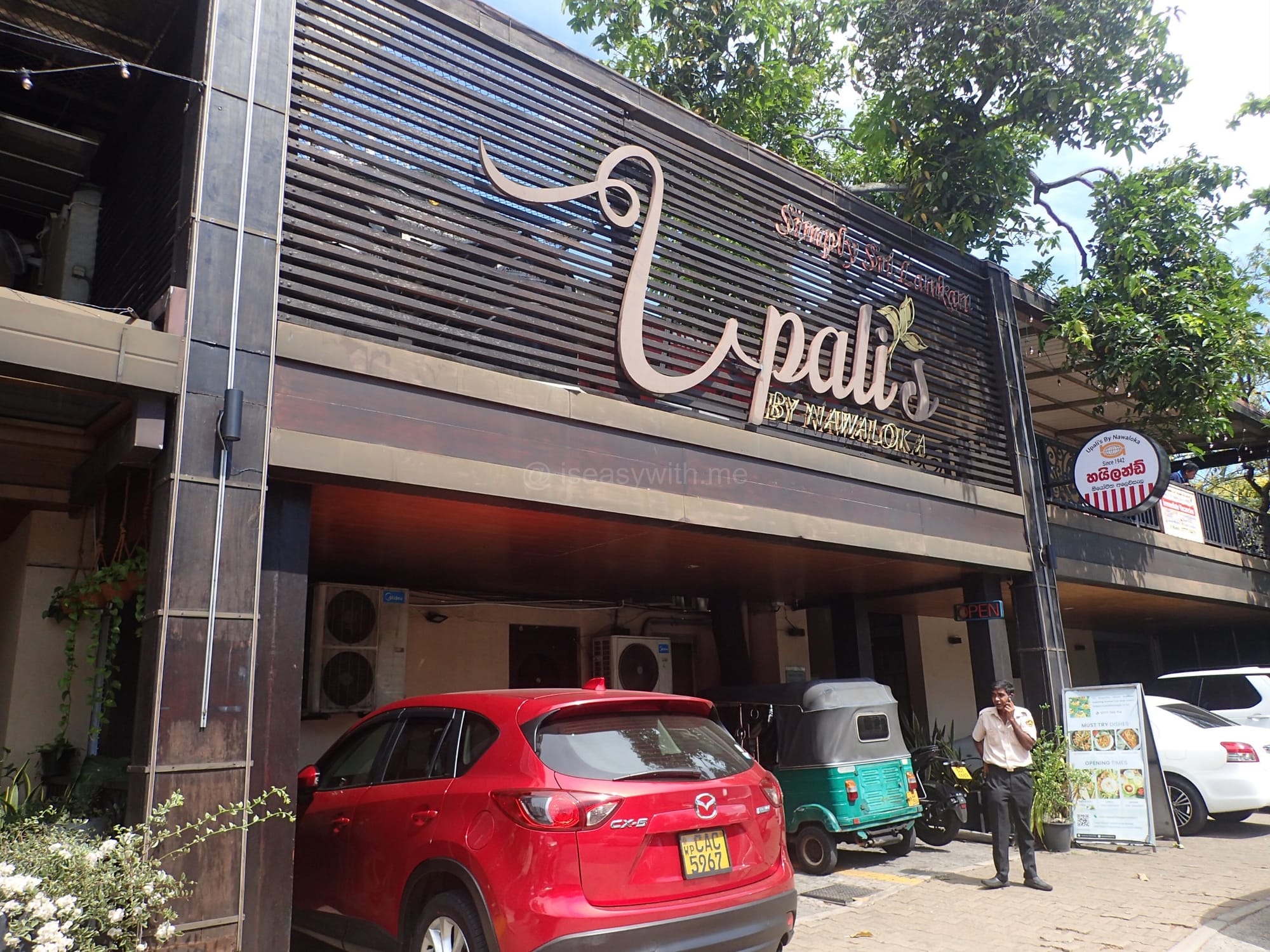
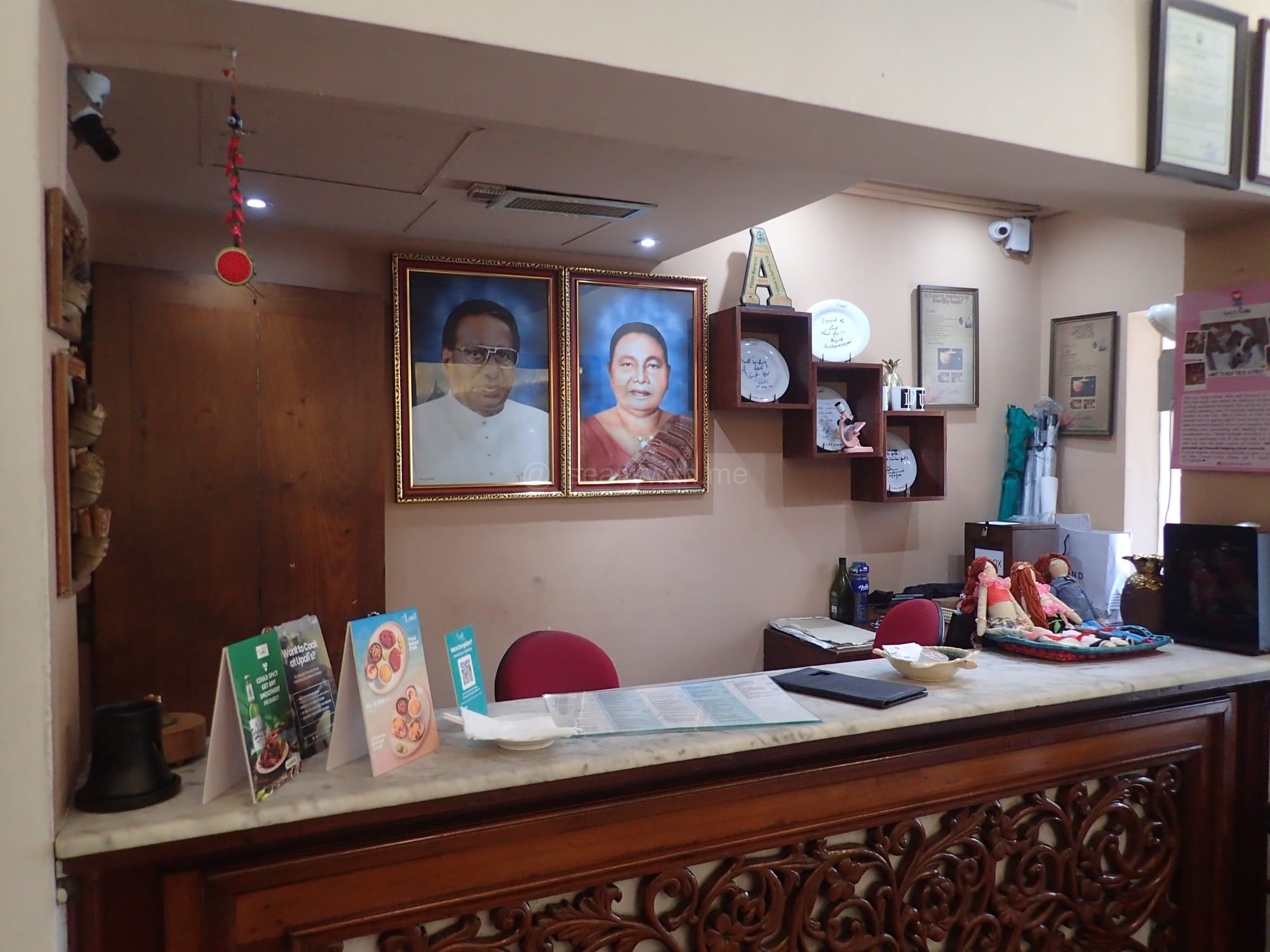
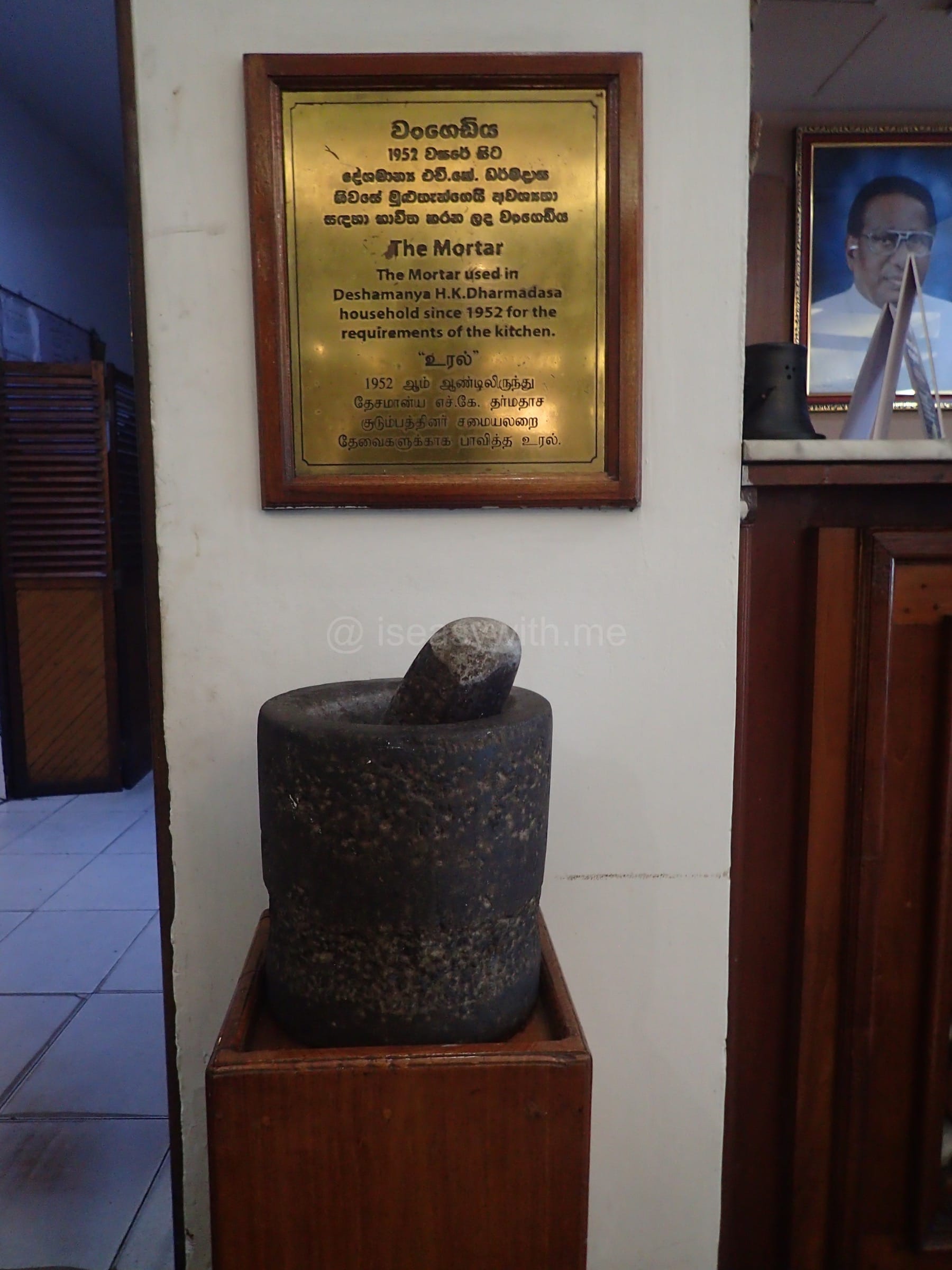
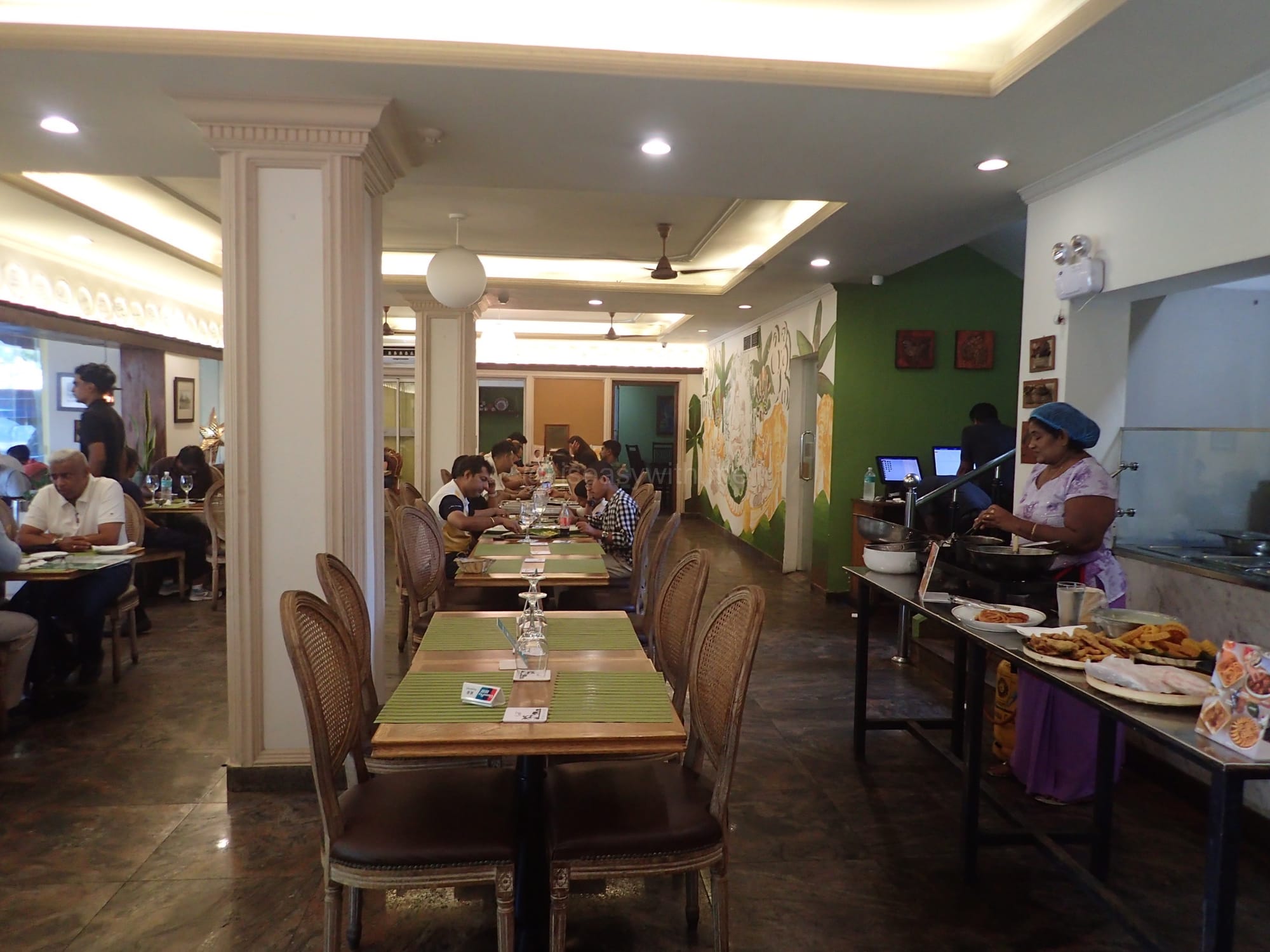
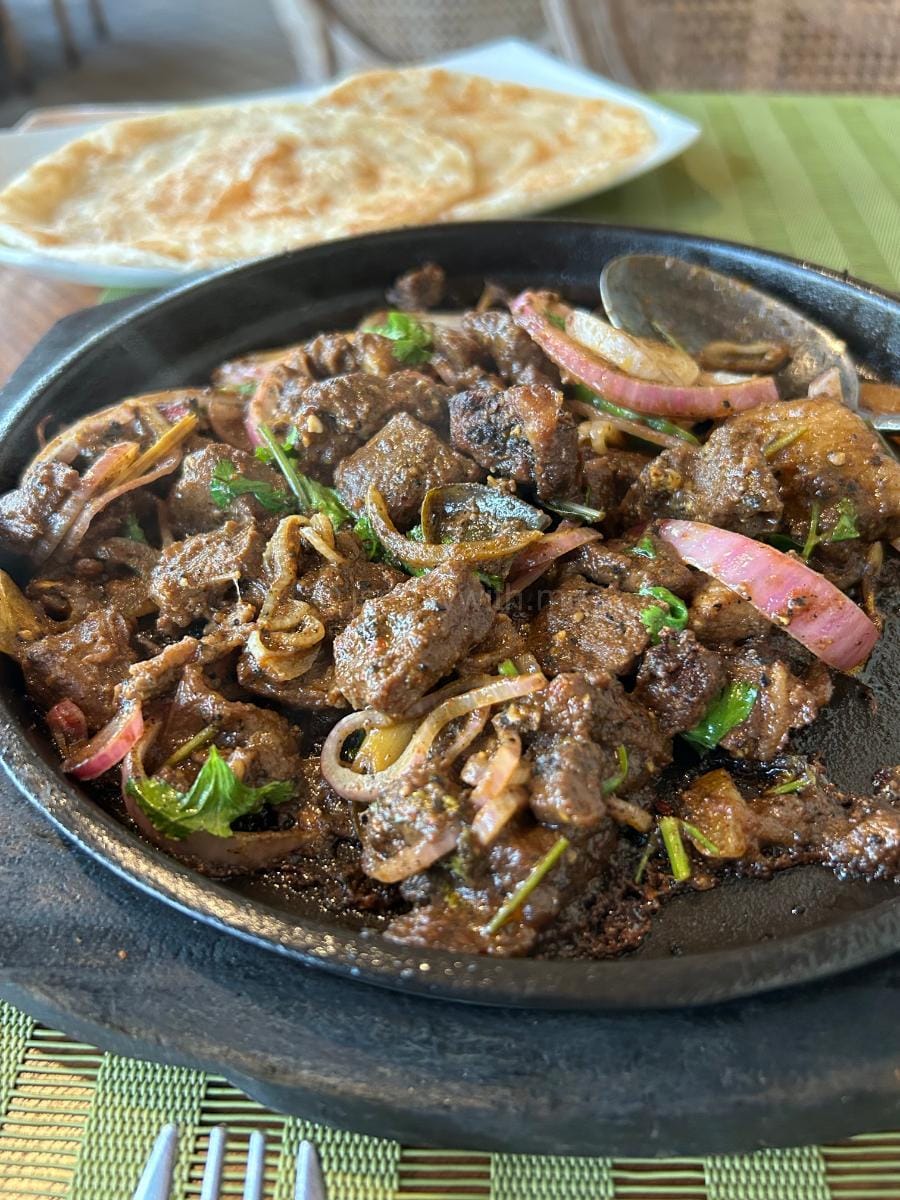
my Mutton Varuwal lunch at Upali's by Nawaloka (LKR 4,320)
Departing Sri Lanka
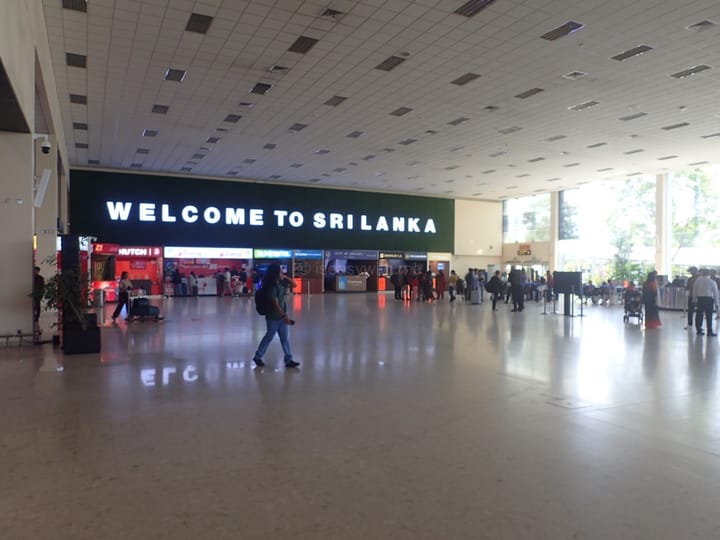
The following morning marked the final leg of the trip. From Bastian Mawatha Bus Station, catching an air-conditioned bus marked only the second AC bus experience throughout the entire Sri Lanka adventure. Airport bus #187 (LKR 325) provided a convenient, comfortable connection via the highway to Bandaranaike International Airport (CMB), concluding an unforgettable journey across Sri Lanka, from misty tea plantations and ancient cities to wildlife safaris, tropical beaches and one final scenic railway journey along the Indian Ocean.
Even at the departure terminal, one last familiar sight appeared, a Cargills Express airport outlet. Seeing it there felt like a fitting farewell to a brand that, alongside Keells supermarkets, had walked through every step of the adventure. Whether stepping into a Cargills Food City or a bright Keells store along the way, both had quietly become an essential part of the daily routine for tracking down isotonic drinks, local treats and yoghurts.
I am genuinely going to miss them both. 🥹
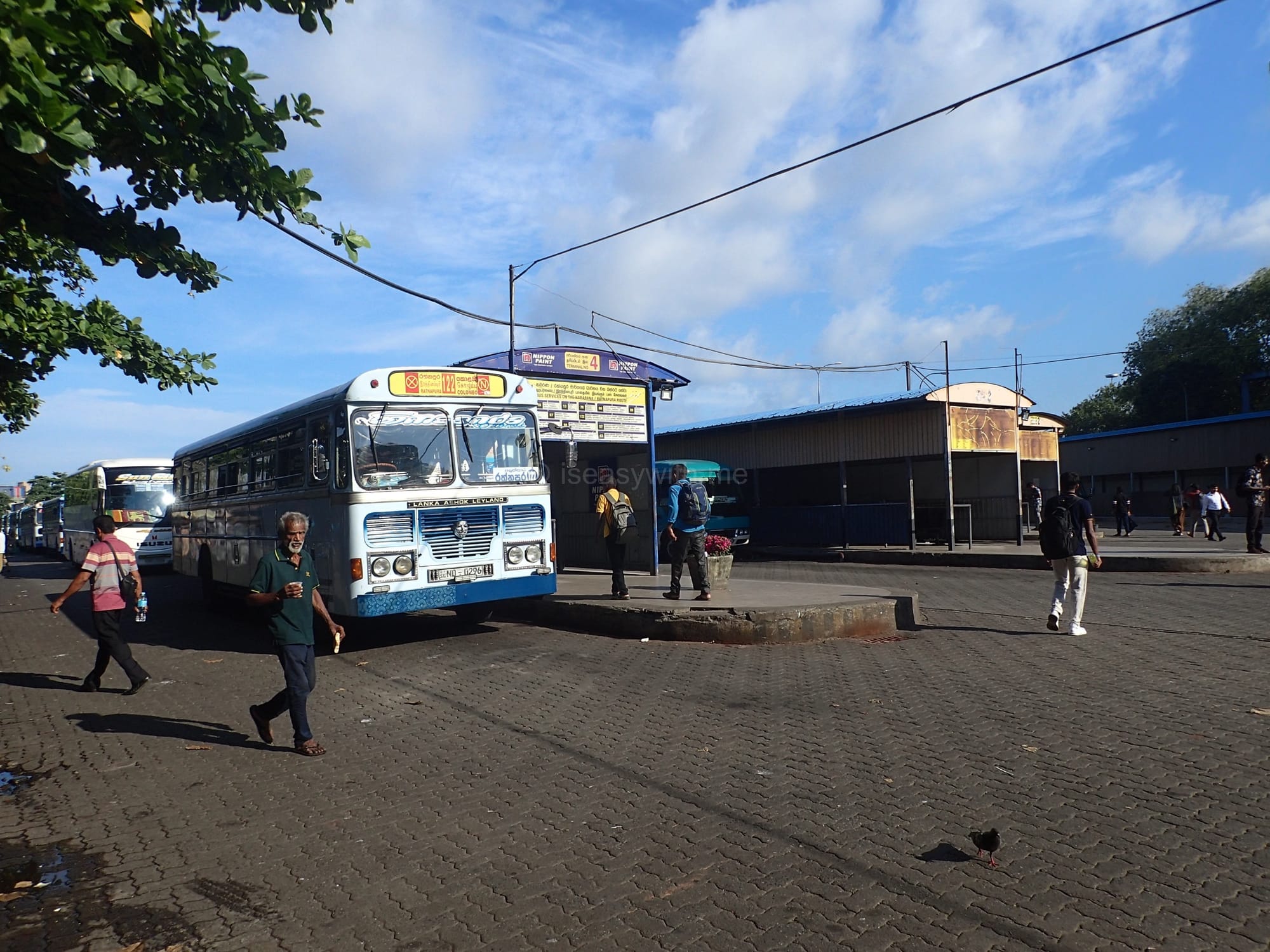
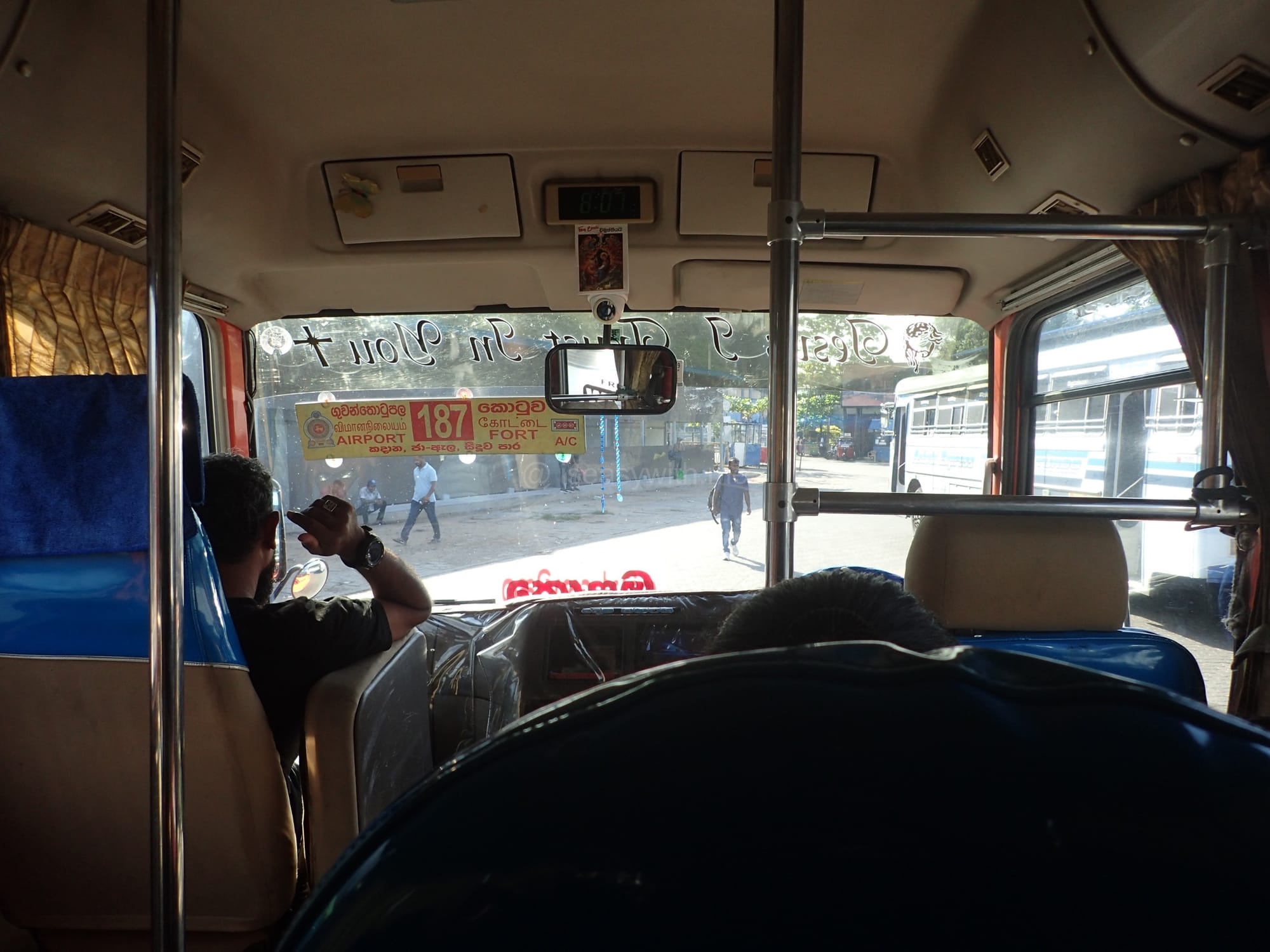
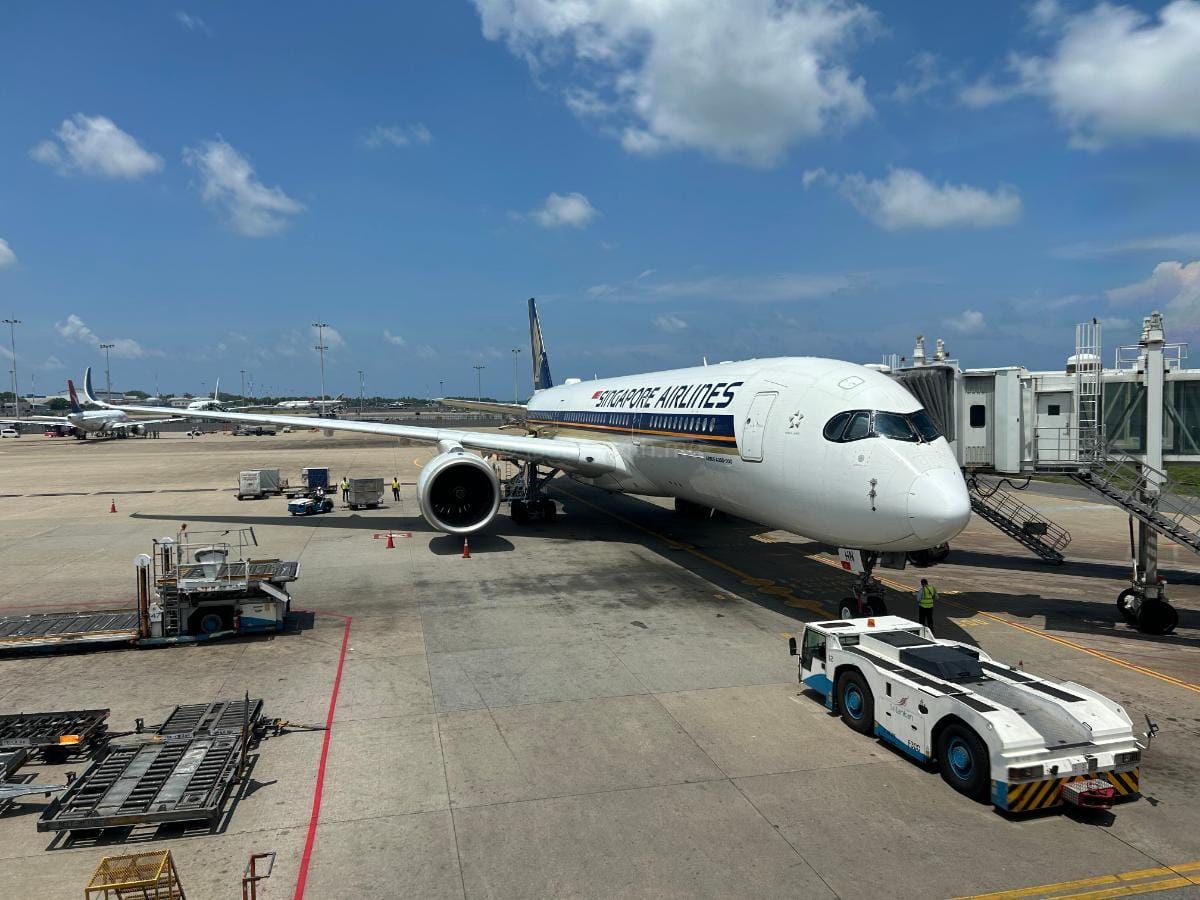
Bastian Mawatha Bus Station, AC bus #187, my flight home on my country's national carrier, Singapore Airlines 🇸🇬
And with that, the Sri Lanka travel series came to an end! Hopefully, this travel guide inspires discovery of the island’s breathtaking landscapes, vibrant culture and warm hospitality. Whether putting together a first Sri Lanka itinerary or returning to explore new hidden gems, these tips ensure a seamless trip, because planning your adventure iseasywith.me. 🤙