Anuradhapura Ruins by Motorbike: Why a Local Driver Beats Bicycles
Escape the standard tour buses. Navigate a massive, sprawling labyrinth of ancient sacred stupas and century-old ruins from the canvas backseat of a local tuk-tuk.
Leaving behind Kalpitiya's untamed coastal wilderness, I headed inland as Sri Lanka began telling its oldest stories. The journey toward Anuradhapura marked a sharp transition for me from ocean landscapes into one of South Asia's most sacred archaeological and spiritual regions.
Once the capital of a powerful ancient kingdom that lasted over a thousand years, Anuradhapura remains a living sacred city today, where massive stupas rise above the treeline, ancient reservoirs still shape the landscape and pilgrims continue rituals that have barely changed in centuries.
For my Cultural Triangle Sri Lanka itinerary, this proved to be one of the most essential destinations on the island. Whether focused on history, Buddhism and ancient engineering or simply wanting to understand Sri Lanka beyond its coastline, Anuradhapura truly delivered.
From Kalpitiya to Anuradhapura
Leaving Kalpitiya behind, the journey began by retracing the route back through Puttalam before heading inland toward Sri Lanka’s dry zone heartland.
The transition was immediate. Salt air faded, coconut palms thinned out and the landscape opened into vast agricultural plains supported by ancient irrigation systems. Reservoirs appeared along the roadside, some still in use today, built during the same era as the monuments I was about to explore.
By the time I approached Anuradhapura, the presence of history became unavoidable. White stupas rose in the distance. Pilgrims in white clothing boarded buses at rural stops. The entire region felt layered with centuries of uninterrupted cultural memory.
Getting from Kalpitiya to Anuradhapura by Public Bus
- Begin at Kalpitiya Bus Stop and take any local bus (LKR 210) heading towards Puttalam (1 hour 15 minutes).
- From Puttalam Town Bus Stand, cross the road and transfer to a direct public bus (LKR 400) bound for Anuradhapura (45 minutes).
- Most services terminate at Anuradhapura New Town Bus Stand.
iseasywith.me Travel Tip
Arriving in Anuradhapura the evening before your sightseeing day makes a huge difference. Doing so allows you to secure a reliable full-day bike driver ahead of time and ensures you get sufficient rest before tackling the next day's extensive archaeological adventure.
Arriving At Anuradhapura
Anuradhapura felt different from the moment I arrived.
Even in the evening, the city had a quiet spiritual rhythm. Pilgrims moved between temples carrying flowers. Monks cycled slowly along tree-lined roads. In the distance, illuminated stupas glowed above the canopy.
Knowing I needed a full day for exploration, I arrived the evening before and focused on preparing logistics rather than rushing into sightseeing.
After checking into my guesthouse, I arranged a motorbike driver for the following morning. Most drivers here know the archaeological zone well and are familiar with every major site.
After discussing the route and negotiating a full-day rate of LKR 7,500, we agreed on a 0530 hours start.
Anuradhapura Ticket Requirements
Foreign visitors must purchase a main admission ticket to gain entry to the core archaeological zones.
- The Sacred City Ticket: Costing USD30 (payable in equivalent local currency), this primary ticket can be purchased at the Jetavana Ticket Office or the Abhayagiri Museum counter. It covers major monuments like Jetavanaramaya, Abhayagiri, Thuparamaya and the Twin Ponds.
- Separate Temple Fees: Note that certain active religious sites such as Isurumuniya Temple (LKR500) manage their own gates and require separate local entrance tickets paid directly at their respective counters.
With everything arranged and tickets noted, the night ahead was simply about resting up for an early start.
In and Around Anuradhapura
Anuradhapura's absolute must-see highlights include the colossal, sacred white stupas like Ruwanweli Maha Seya, the ancient monastic ruins of Abhayagiri, the sacred Jaya Sri Maha Bodhi tree in the Sacred City of Anuradhapura and the breathtaking sunset views from the historic peaks of Mihintale.
Sacred City of Anuradhapura
The sacred city is not a compact site but an entire archaeological landscape. Sacred stupas, forest monasteries, ancient engineering works and pilgrimage sites are spread across a wide area, making transport essential for a full-day visit. Starting before sunrise is the best way to handle this massive temple run properly.
To maximise efficiency, my route planned for the day followed a seamless geographic loop:
- Ruwanweli Maha Seya
- Lovamahapaya (The Brazen Palace)
- Jaya Sri Maha Bodhi
- Pitstop- Buy Entrance Ticket
- Isurumuniya Temple
- Ranmasu Uyana (The Royal Pleasure Gardens)
- Sandahiru Seya: An Impromptu Stop at Anuradhapura’s Newest Stupa
- Mirisawetiya
- Thuparamaya
- Jetavanaramaya
- Kuttam Pokuna (The Twin Ponds)
- Samadhi Buddha Statue / Bodhi Tree Shrine - I
- Pankuliya (Ashokaramaya)
- Abhayagiri Dagoba & Biso Maligaya
- Lankaramaya
- Vijayabahu Palace
- Lunch at Hela Sathkaara Bojun Hala
- Western Monasteries
- Break
- Mihintale for sunset
iseasywith.me Travel Warning, Travel Hack and Heads-Up
The archaeological zone is vast and walking between sites in Sri Lanka’s blistering heat is brutal. Arrange transport in advance and pack plenty of water.
Most importantly, use this tried-and-tested hack: wear thick socks and trekking shoes, and slip cushioned insoles right inside your socks. Because you have to remove your shoes and walk on scalding ancient temple stones 🔥, this DIY double-layer creates an absolute heat shield. I tested it myself and watching other visitors literally hop in agony while I walked quite normally on my hidden insoles was priceless. I even overheard other visitors talking about how wearing socks was such a good idea, completely unaware of the secret weapon tucked inside! 🤭
Because you're constantly taking your shoes off and stepping on sandy temple grounds, some grit will inevitably get trapped. Even after brushing my socks off, leftover sand found its way inside my shoes so be prepared for a bit of grit but your soles will thank you for the protection!
Ruwanweli Maha Seya
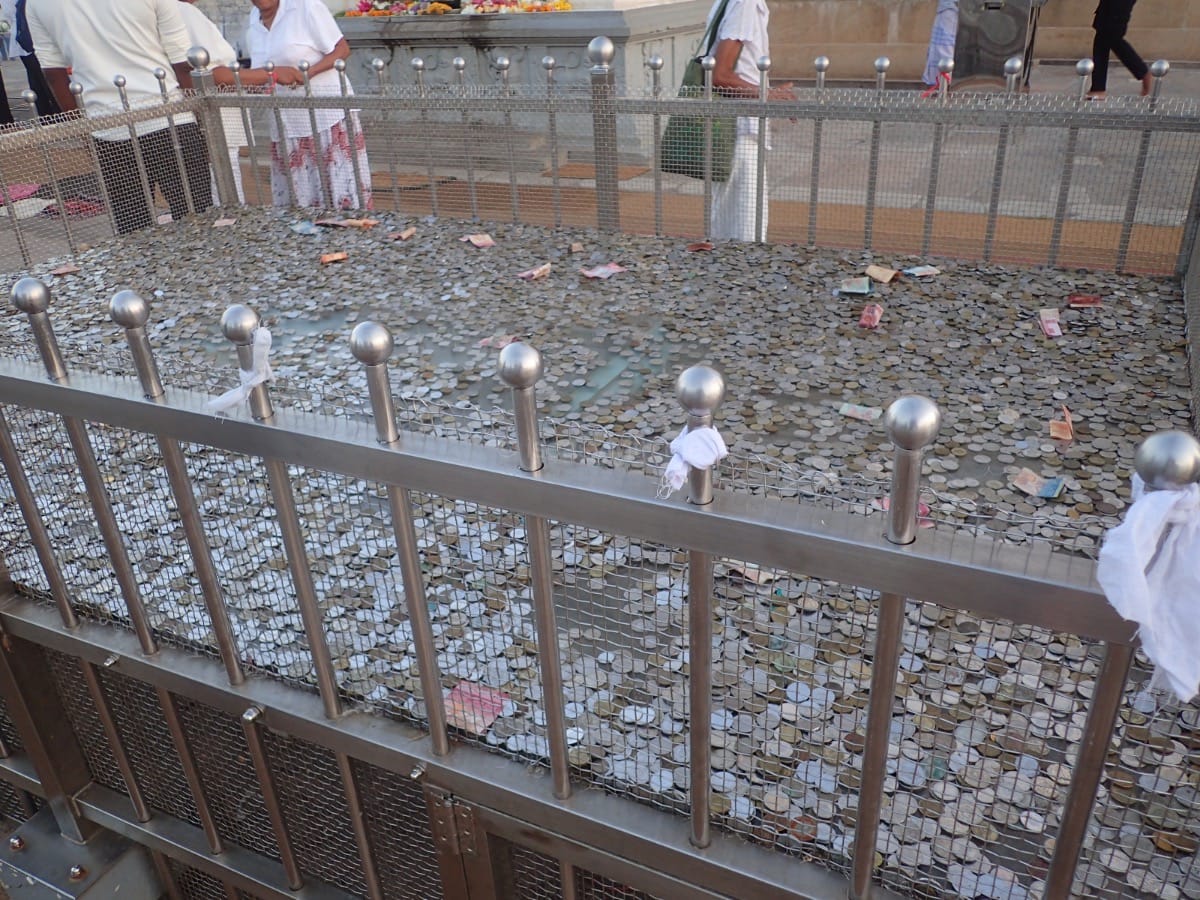
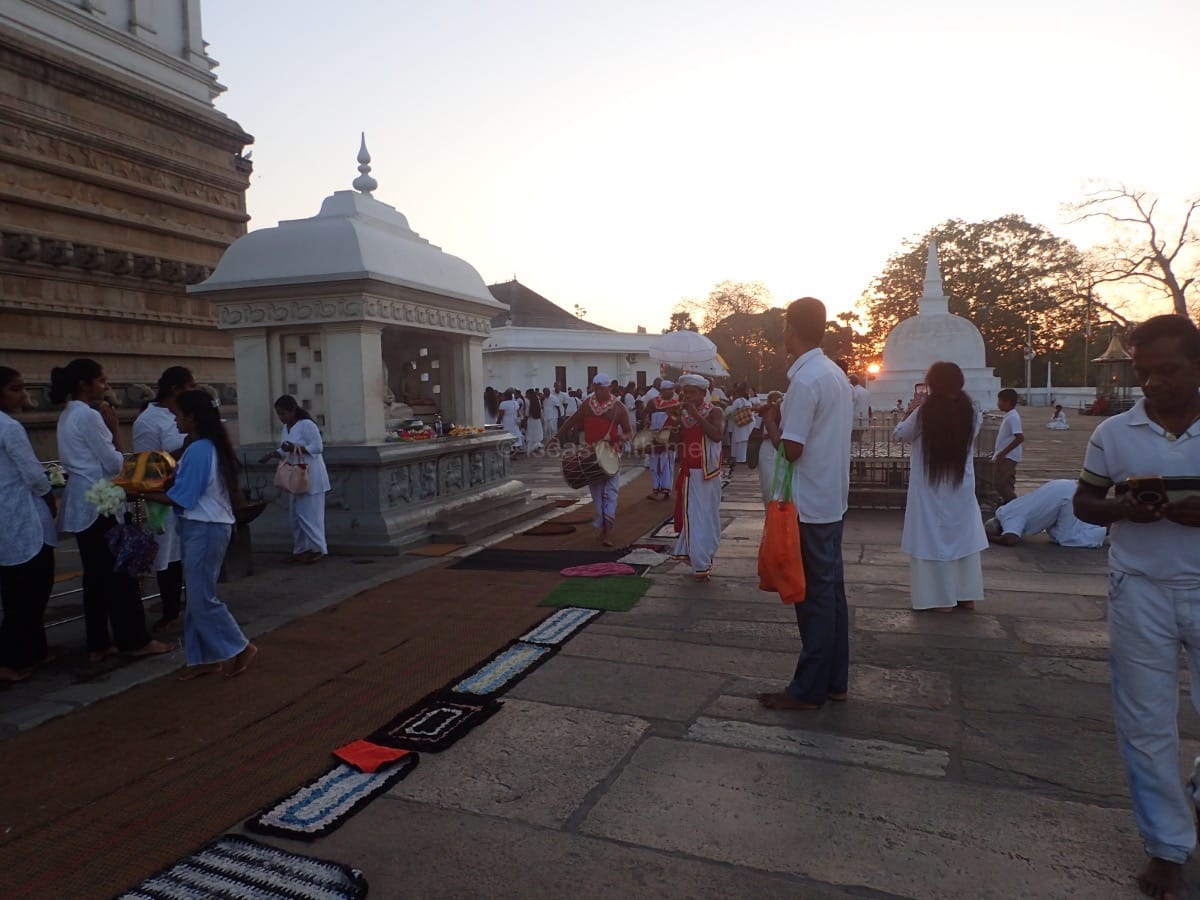
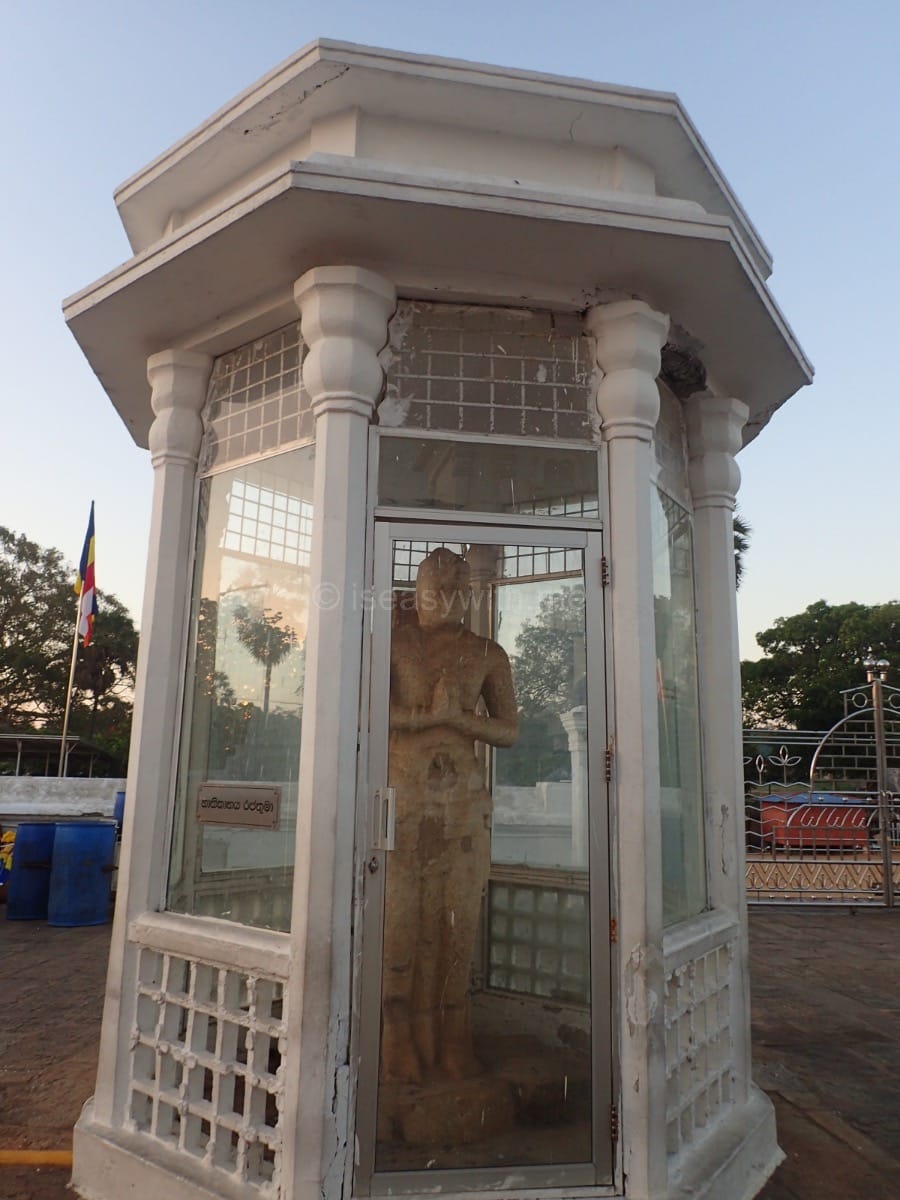
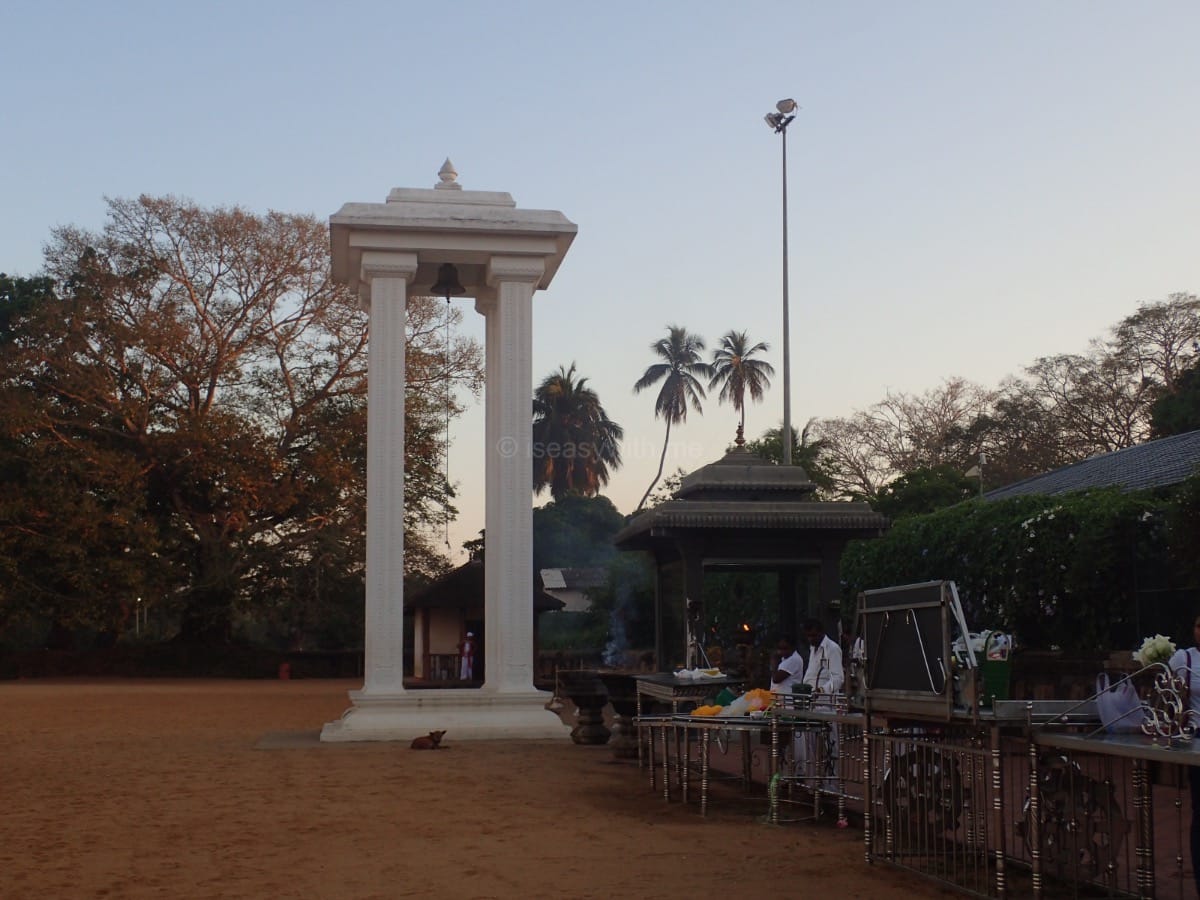
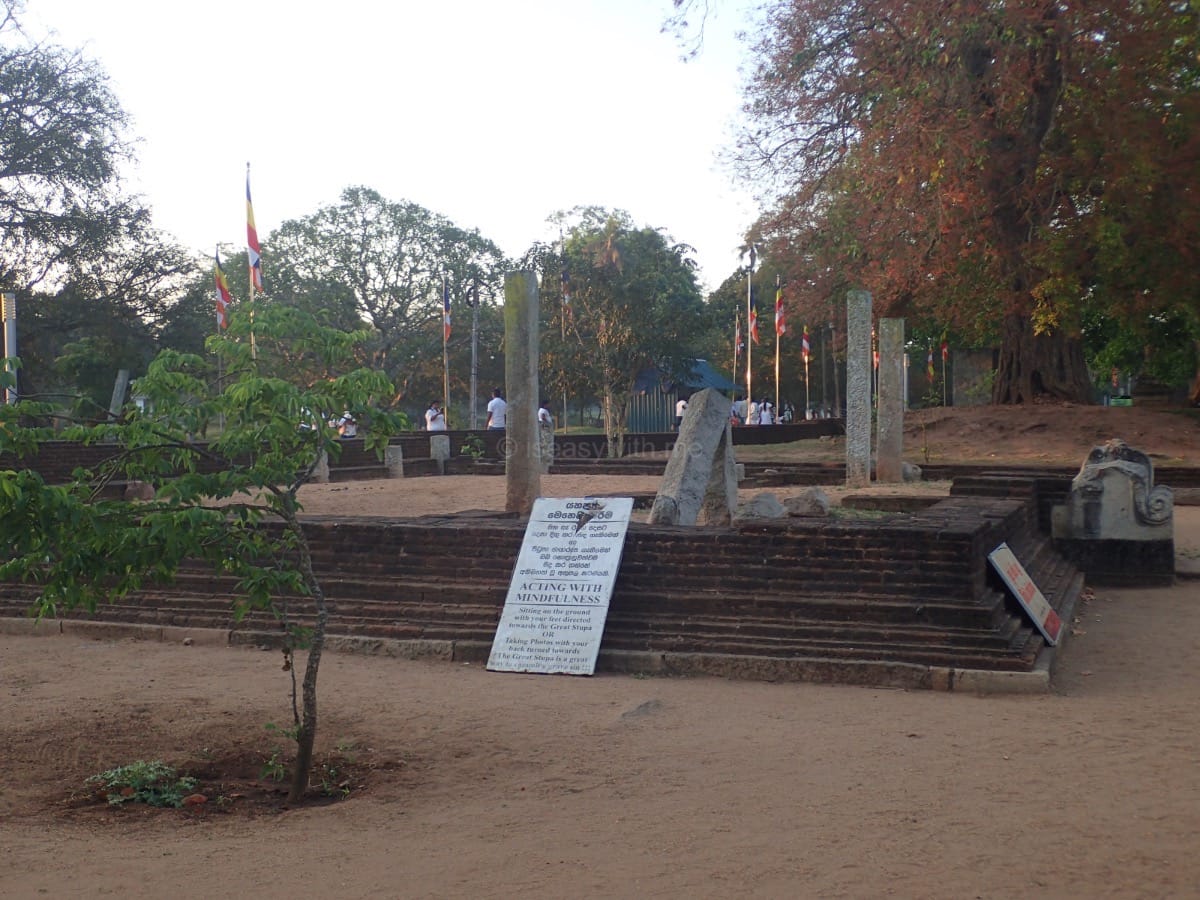
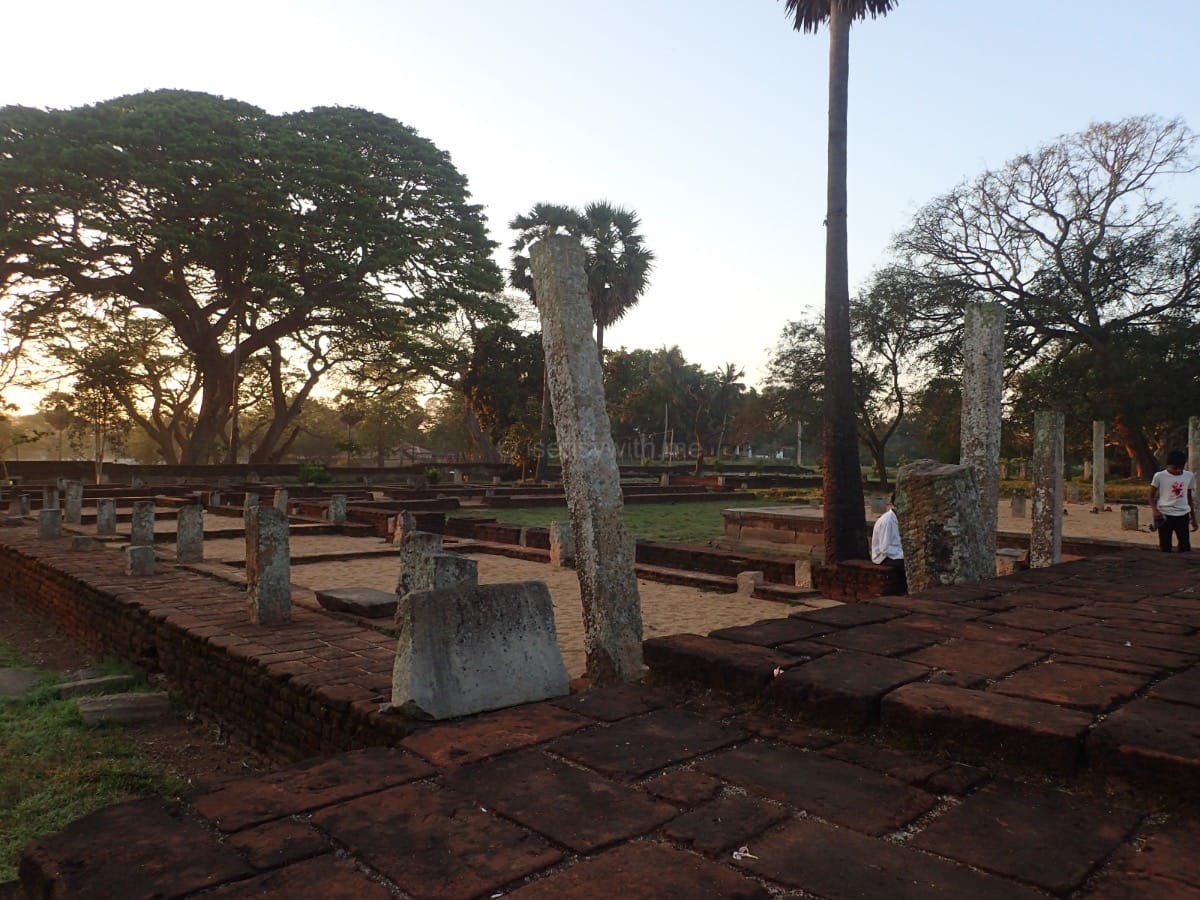
Ruwanweli Maha Seya is one of the most important Buddhist stupas in Sri Lanka. Built over 2,000 years ago, it remains an active pilgrimage site where devotees gather daily to offer flowers and prayers. Arriving at sunrise reveals the immense white dome at its most atmospheric.
iseasywith.me Travel Tip
- Ruwanweli Maha Seya requires all visitors to remove and deposit their shoes at the entrance. However, the most convenient route is to walk from Ruwanweli Maha Seya, stop by Lovamahapaya (The Brazen Palace) along the way and then head straight into Jaya Sri Maha Bodhi.
- To do this smoothly, bring a shoe bag in your backpack. Following the locals and walking this connecting path barefoot is a great, authentic experience and keeping your shoes in your bag means you can transition straight into Jaya Sri Maha Bodhi after viewing the Lovamahapaya instad of having to backtrack all the way just to collect your shoes, letting you seamlessly move on to your next destination.
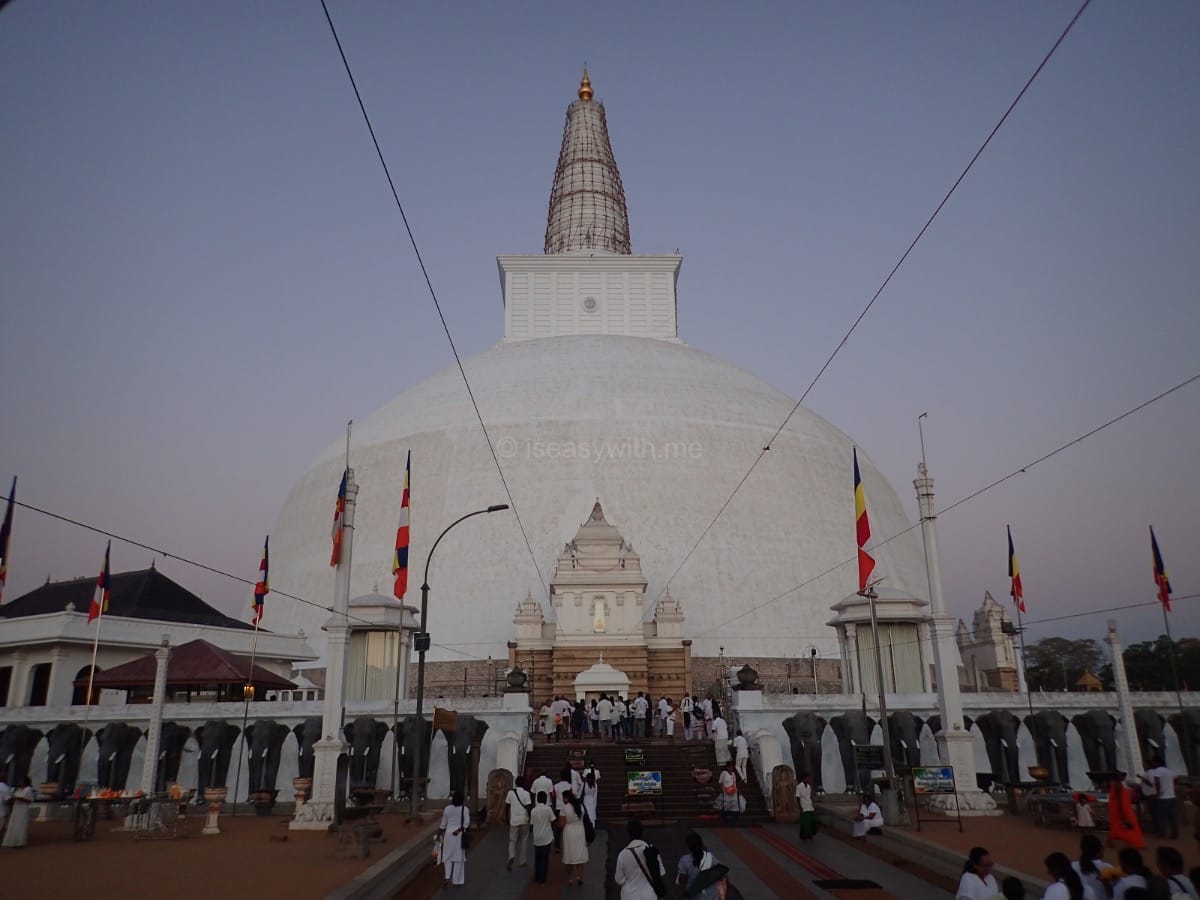
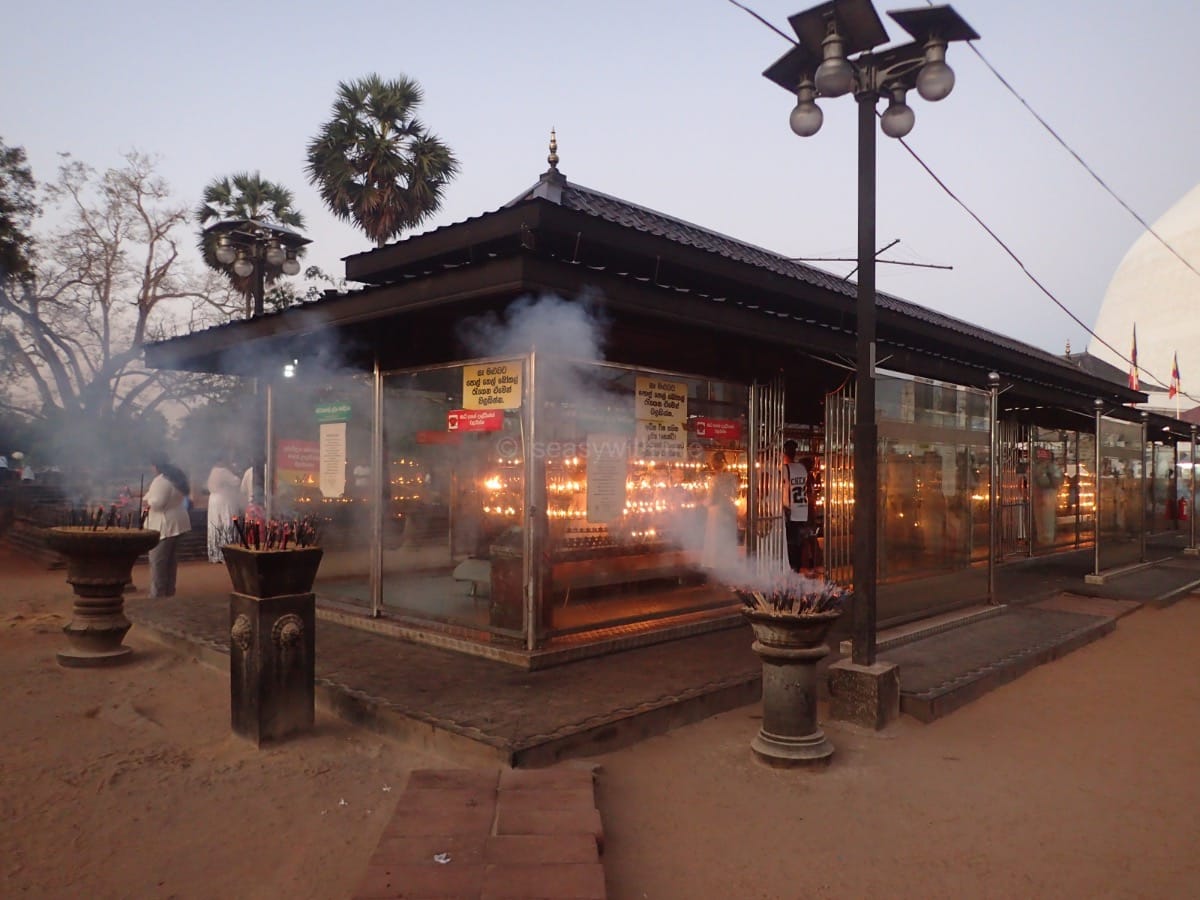
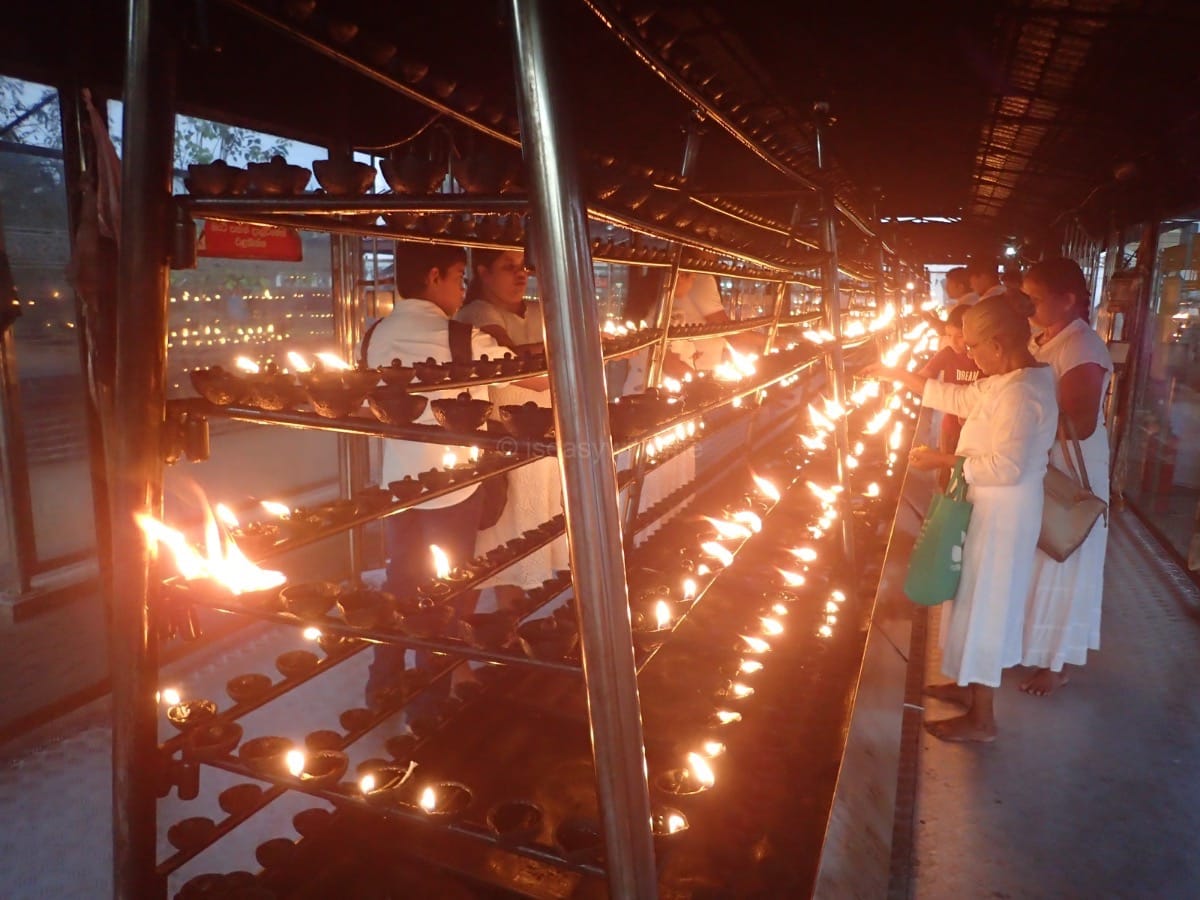
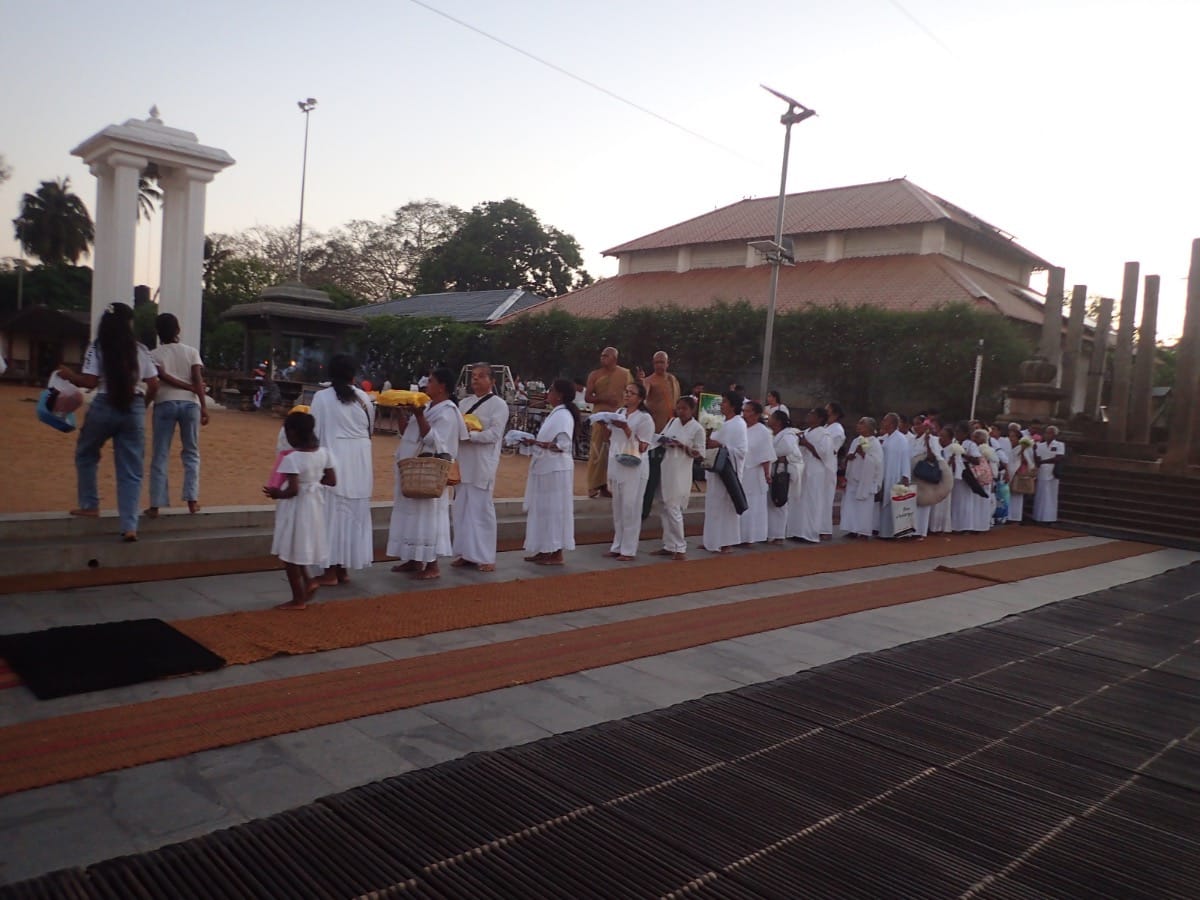
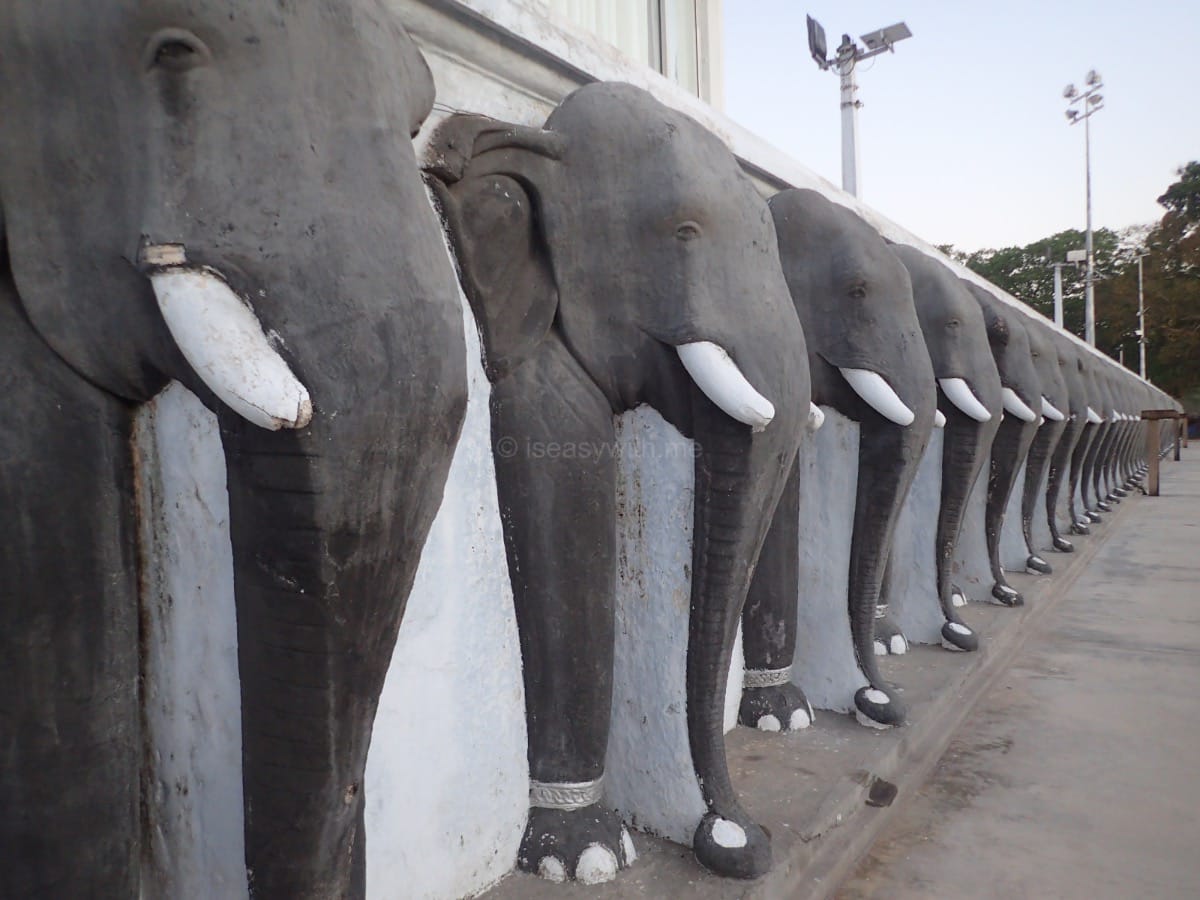
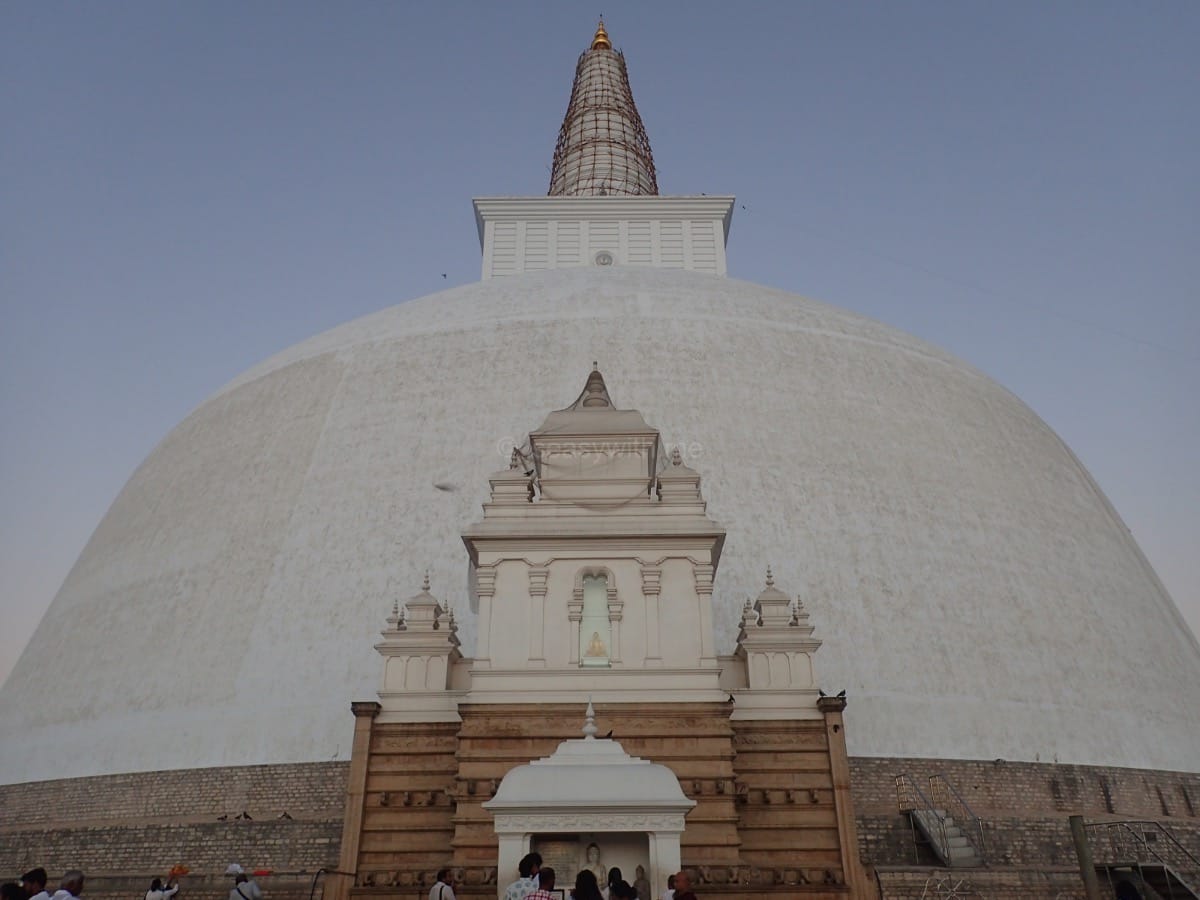
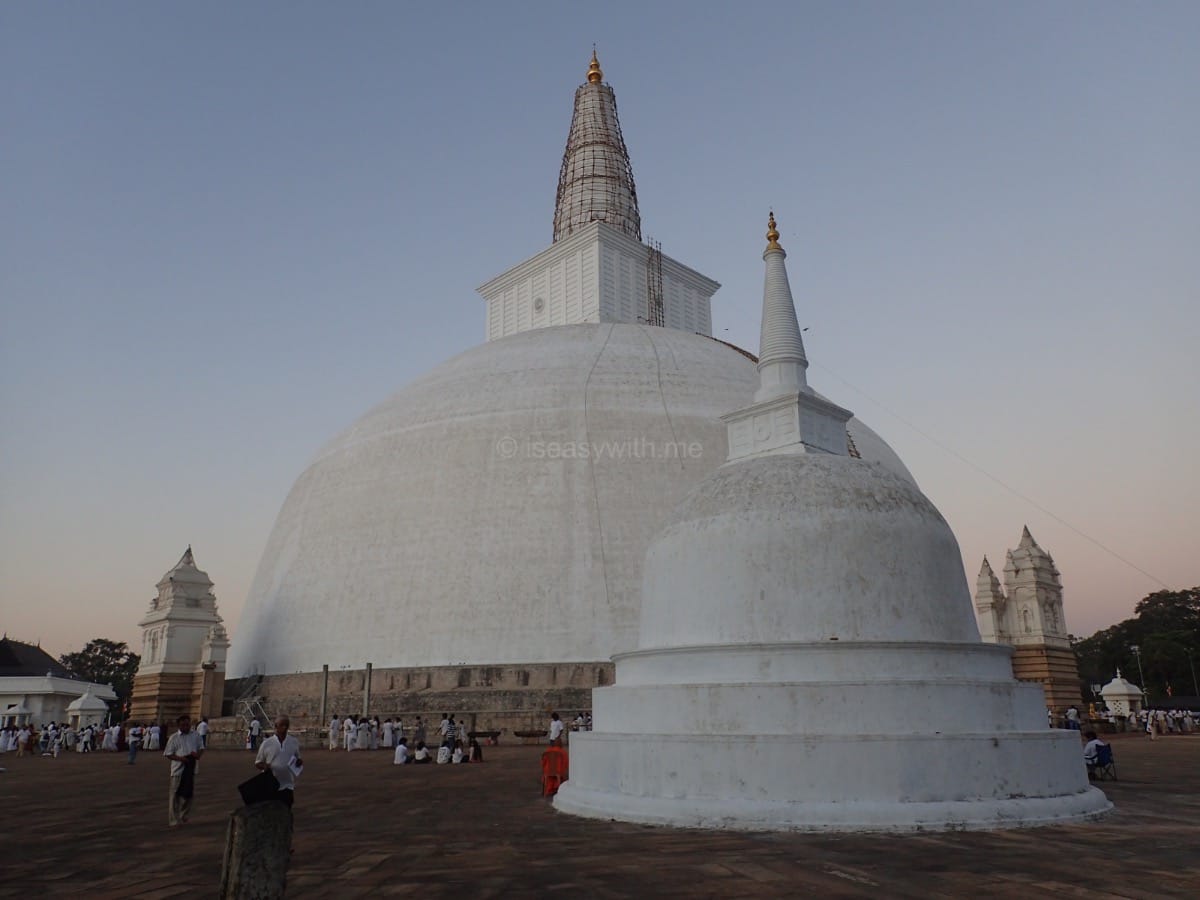
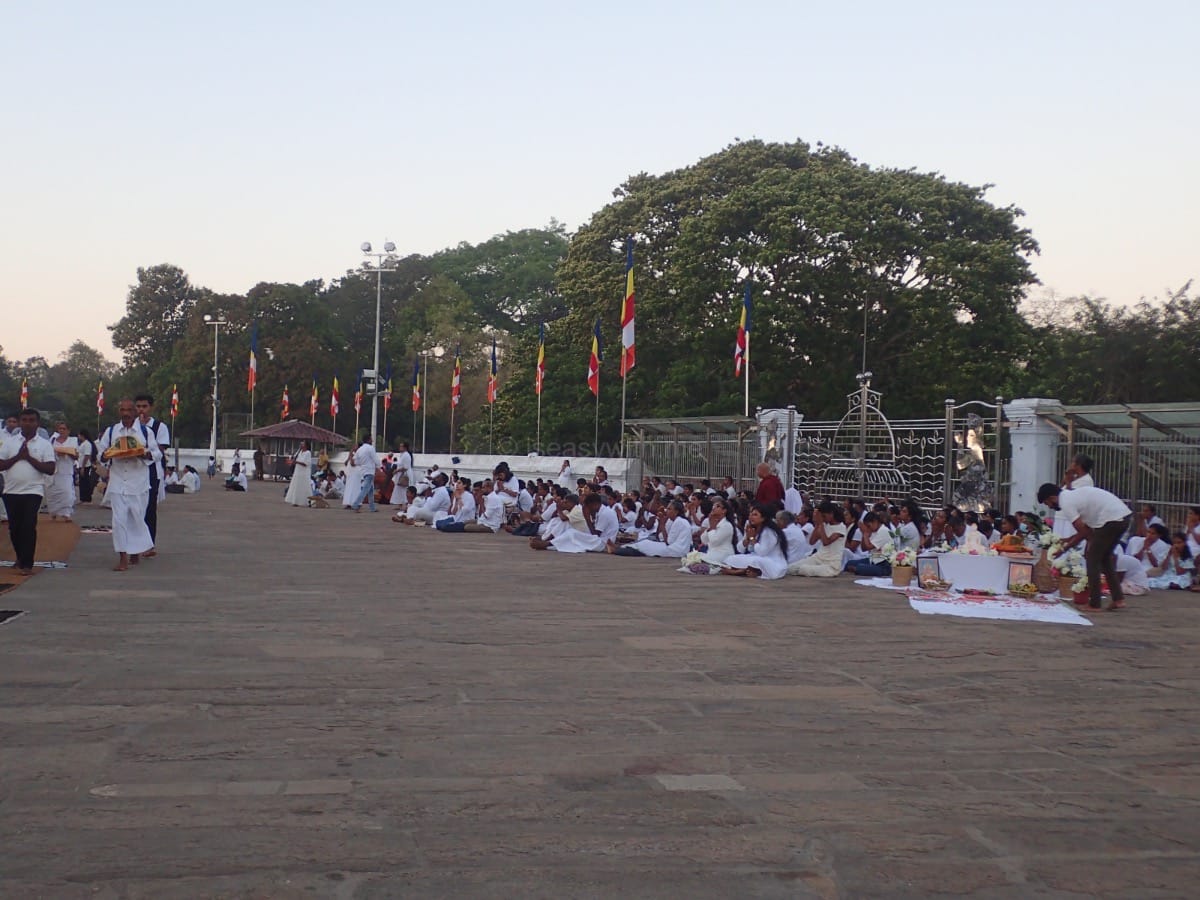
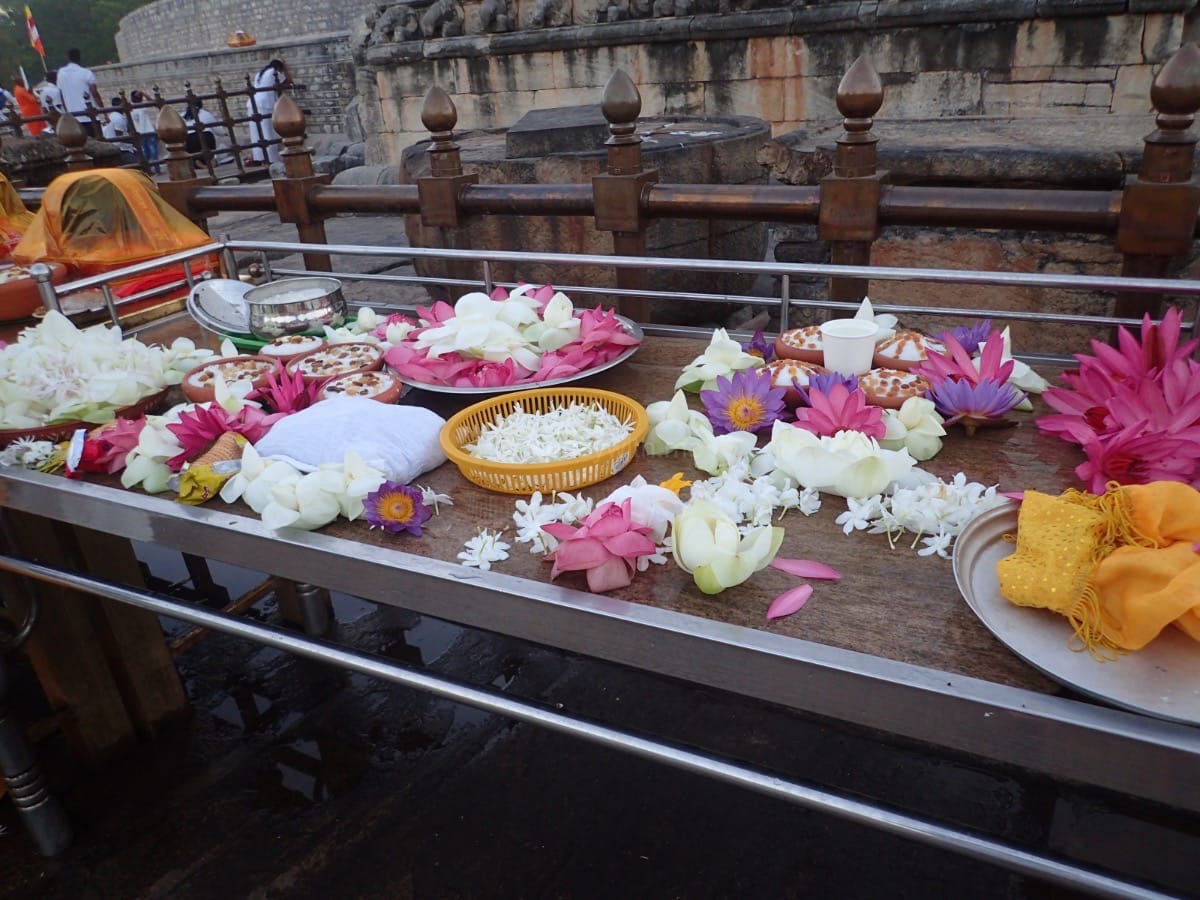
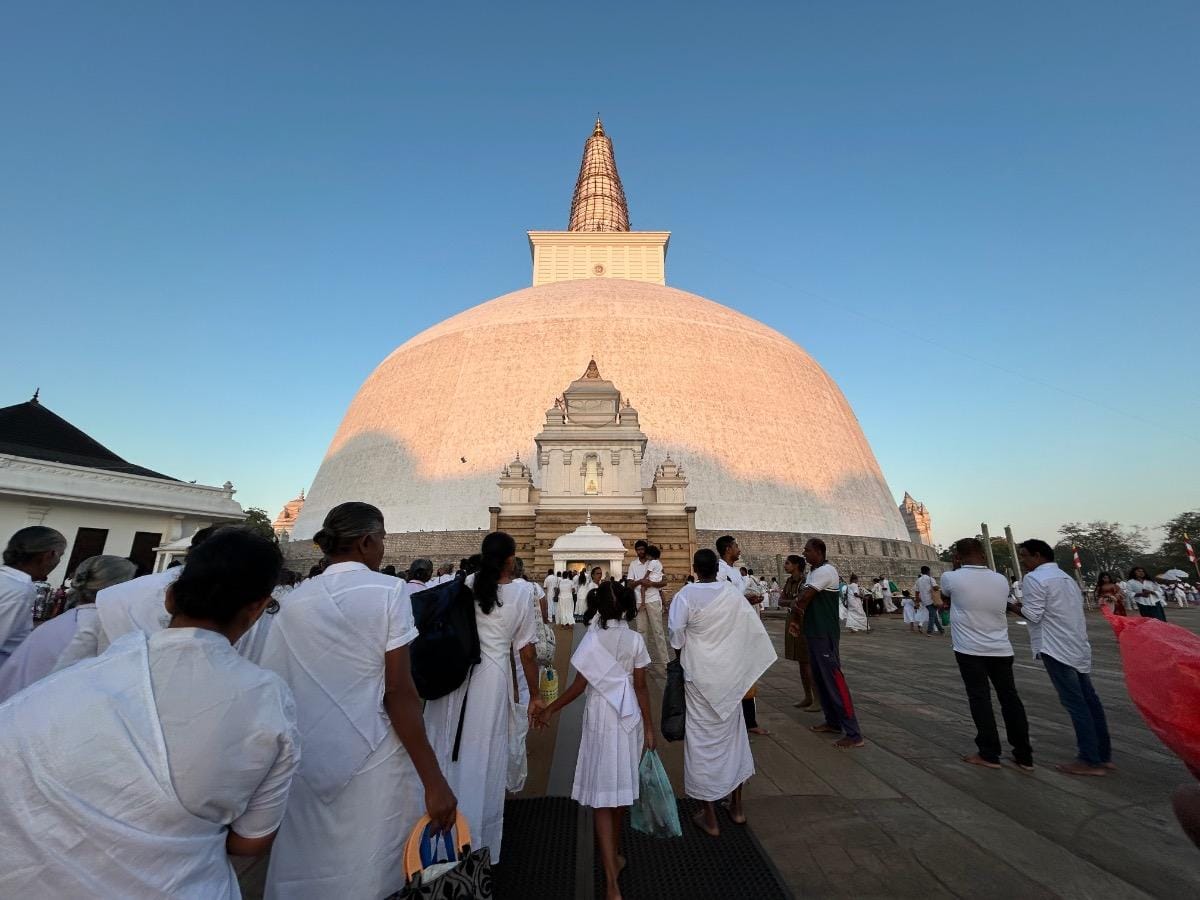
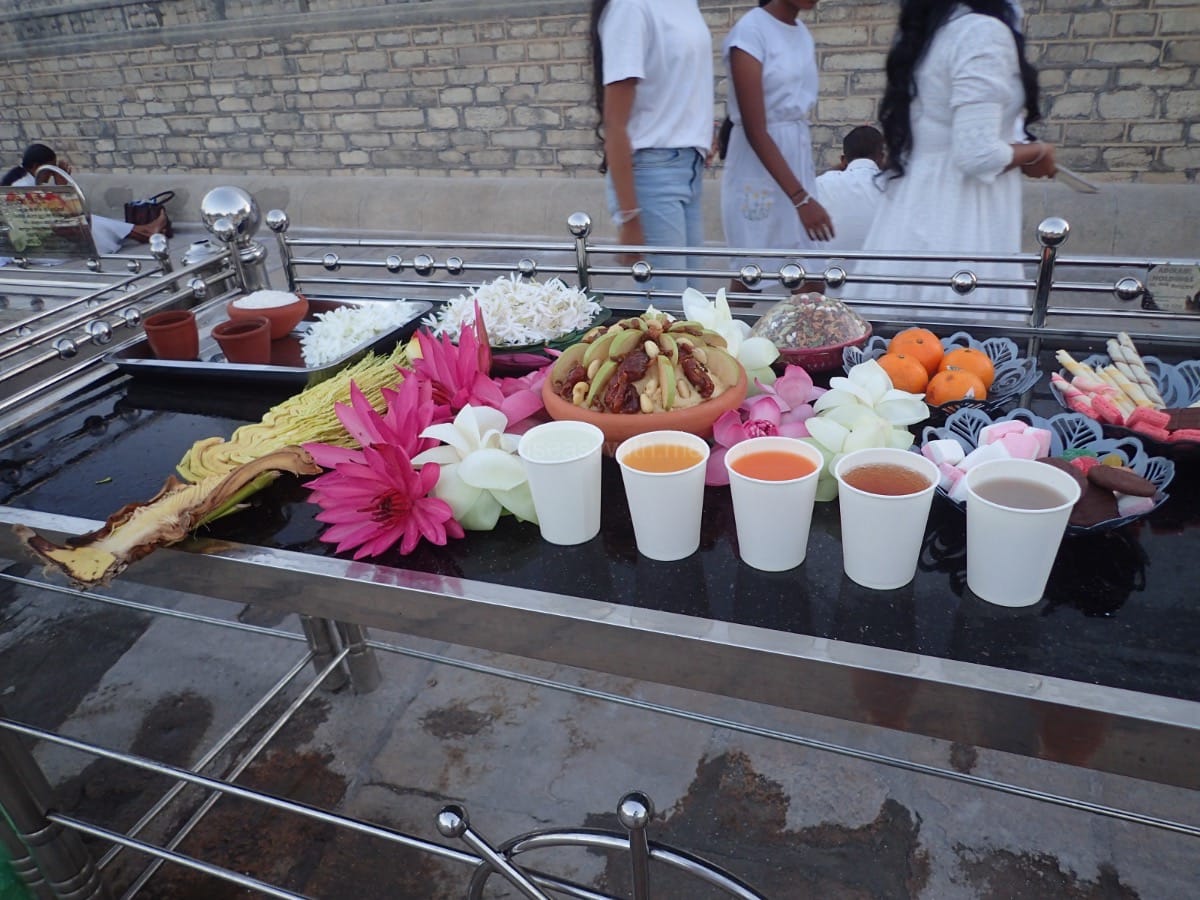
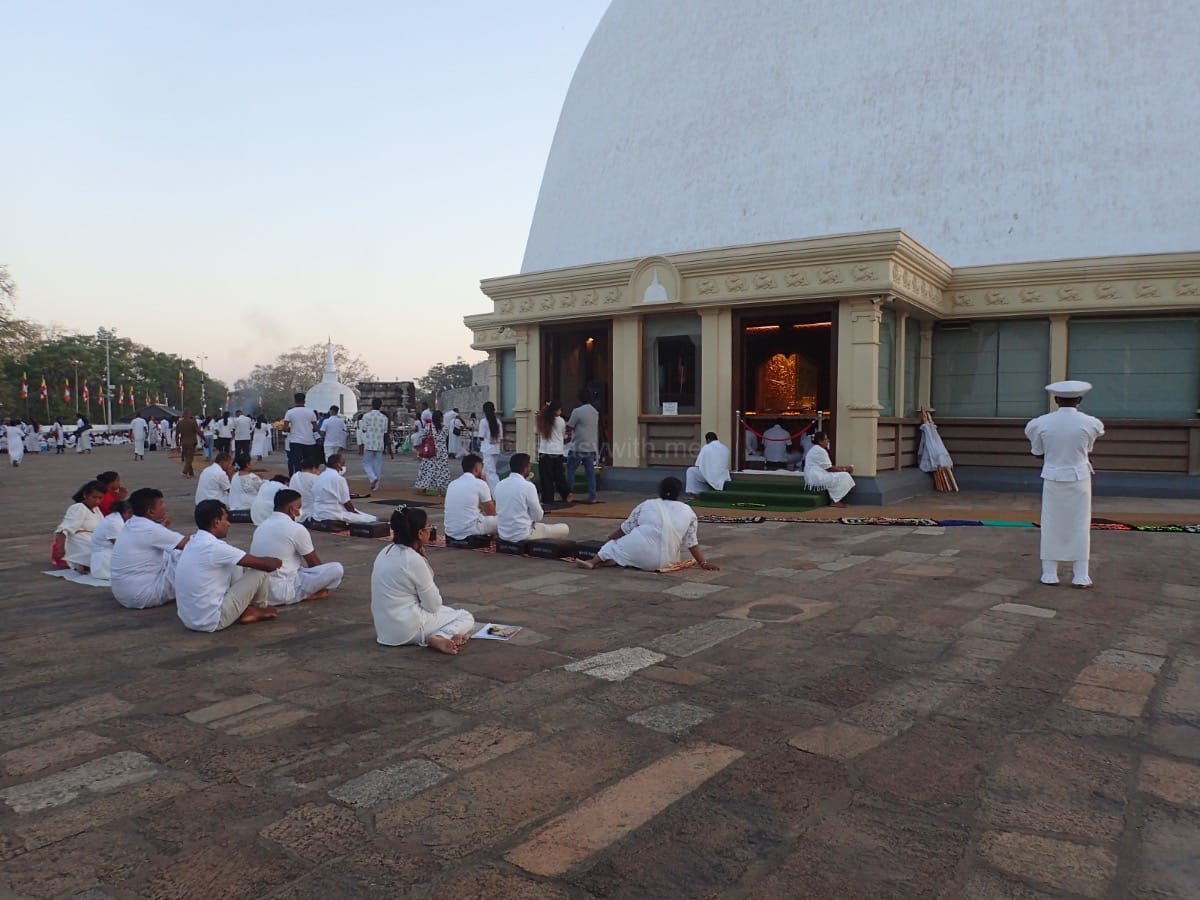
Ruwanweli Maha Seya
Lovamahapaya (The Brazen Palace)
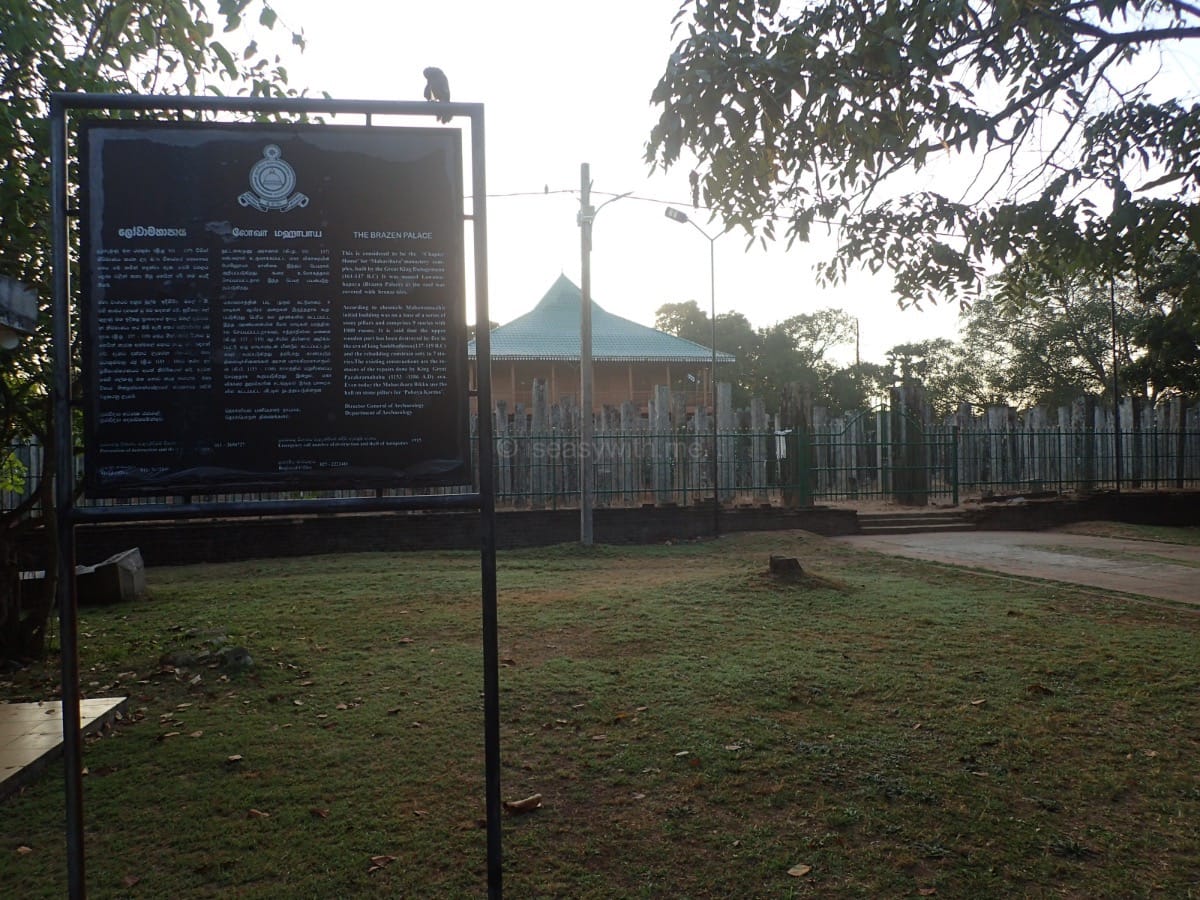
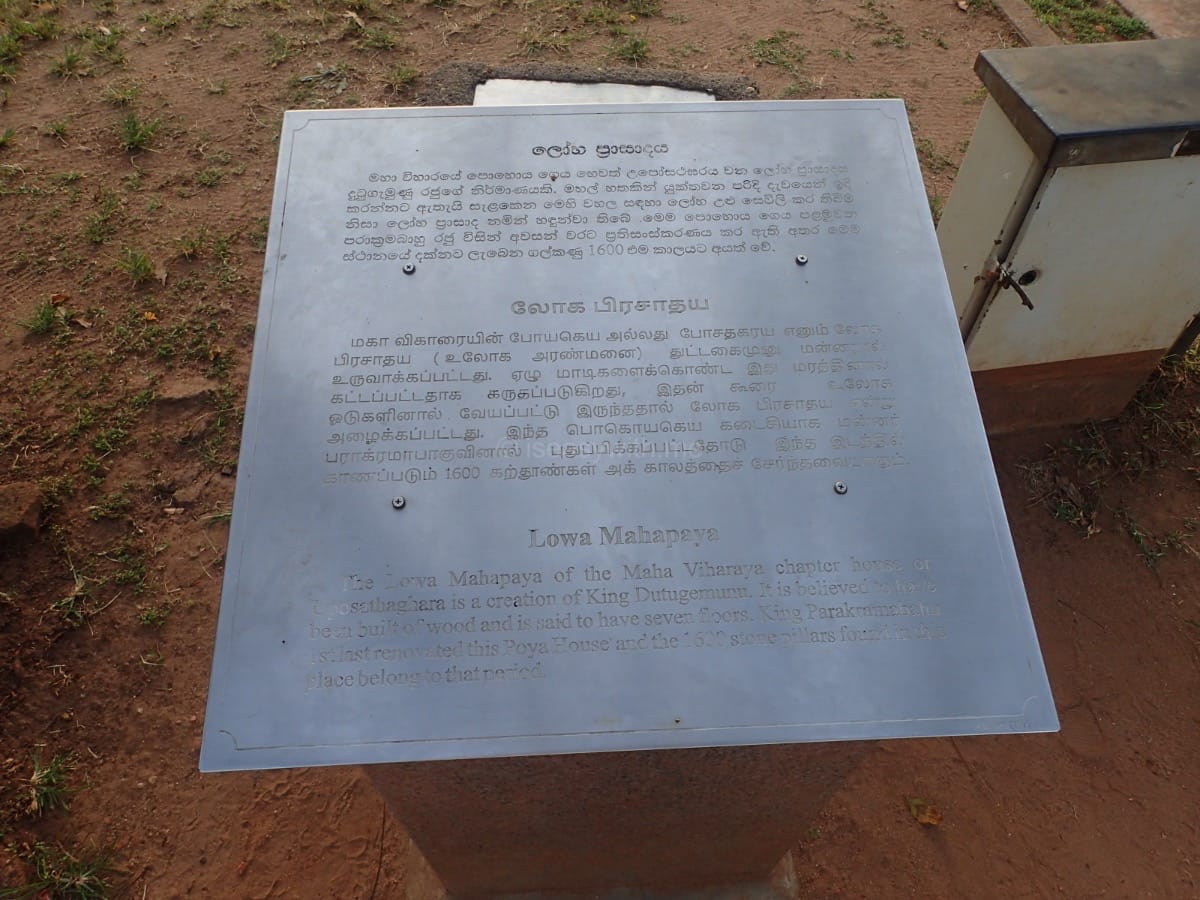
Known as the Brazen Palace, Lovamahapaya was once a massive, multi-storey monastic complex. Today, only rows of stone pillars remain, but they hint at the scale and ambition of the original structure that once stood here.
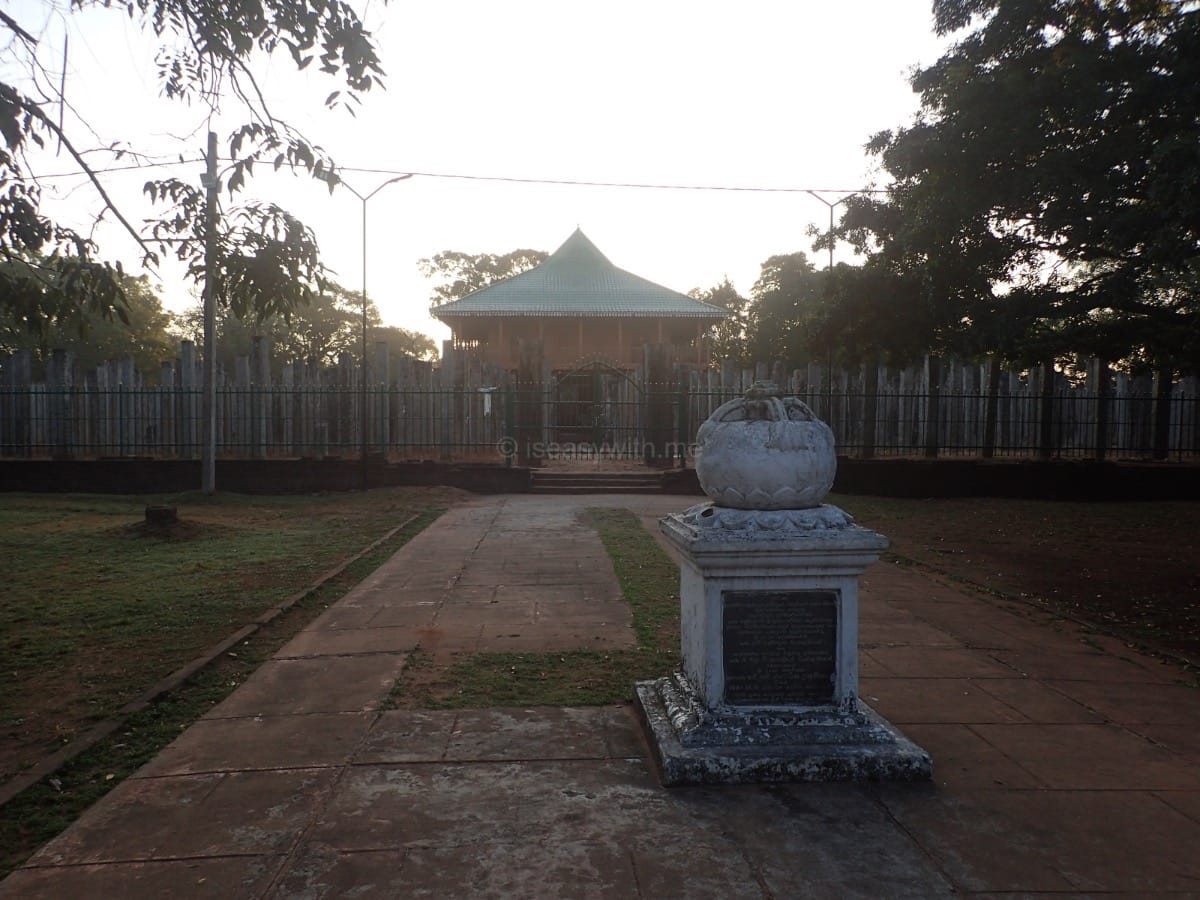
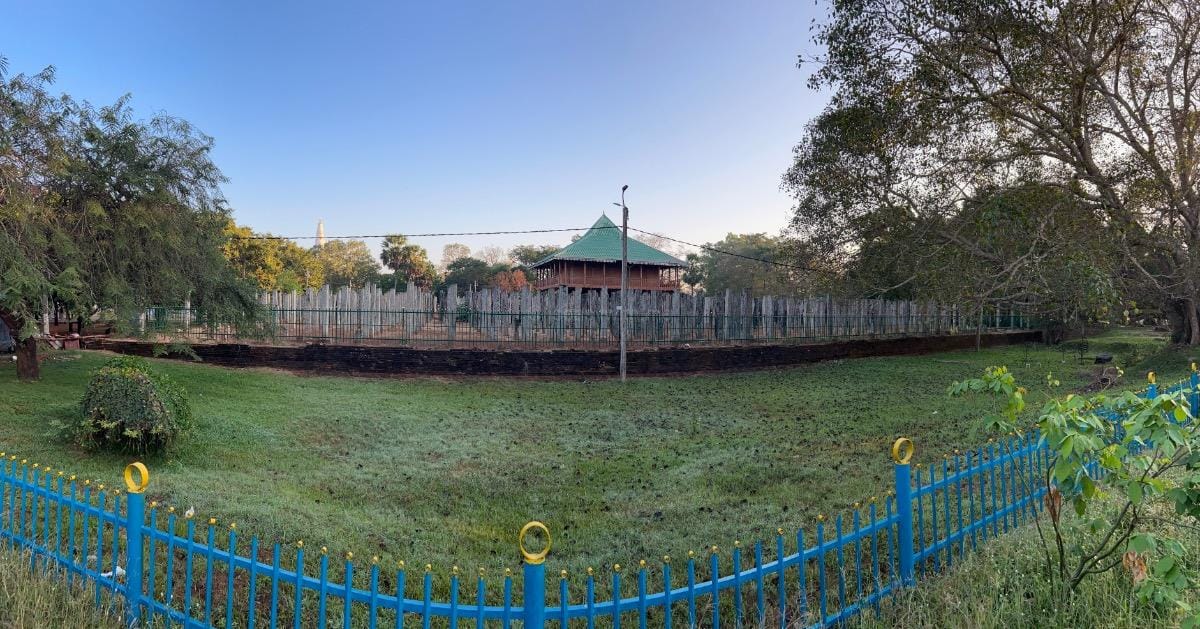
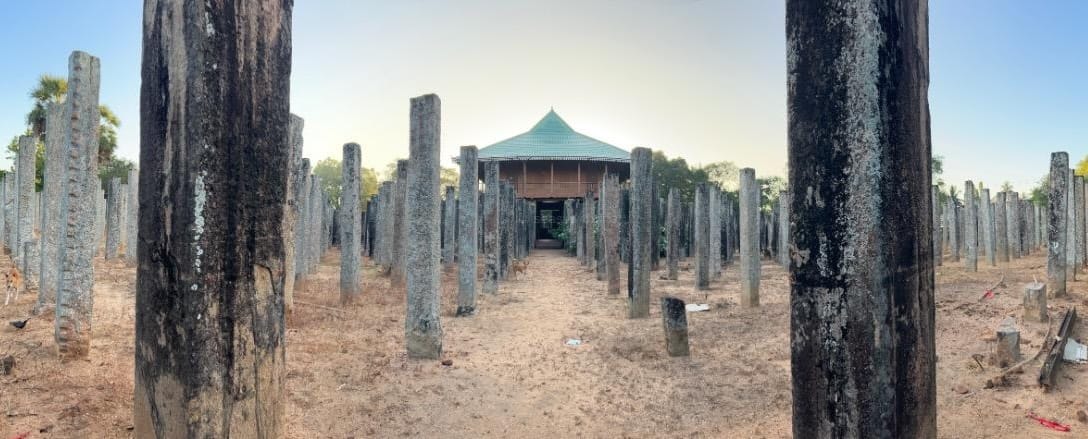
Lovamahapaya (The Brazen Palace)
Jaya Sri Maha Bodhi
One of the most sacred Buddhist sites in the world, Jaya Sri Maha Bodhi is believed to have grown from a sapling of the tree under which the Buddha attained enlightenment. When I visited, the security at the entrance was strict as they actively check to make sure your knees are properly covered before letting you in! Pilgrims continuously arrive with offerings and the atmosphere is one of deep, uninterrupted devotion.
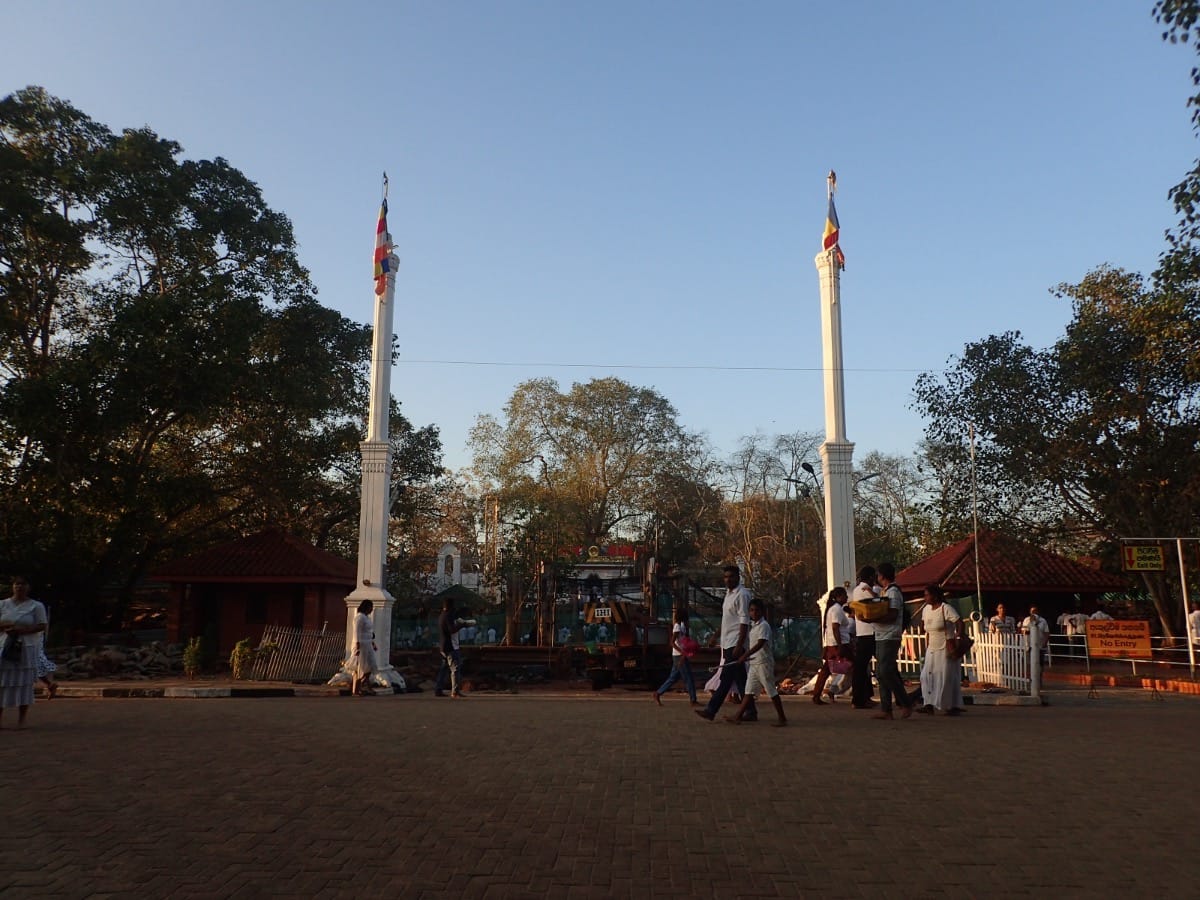
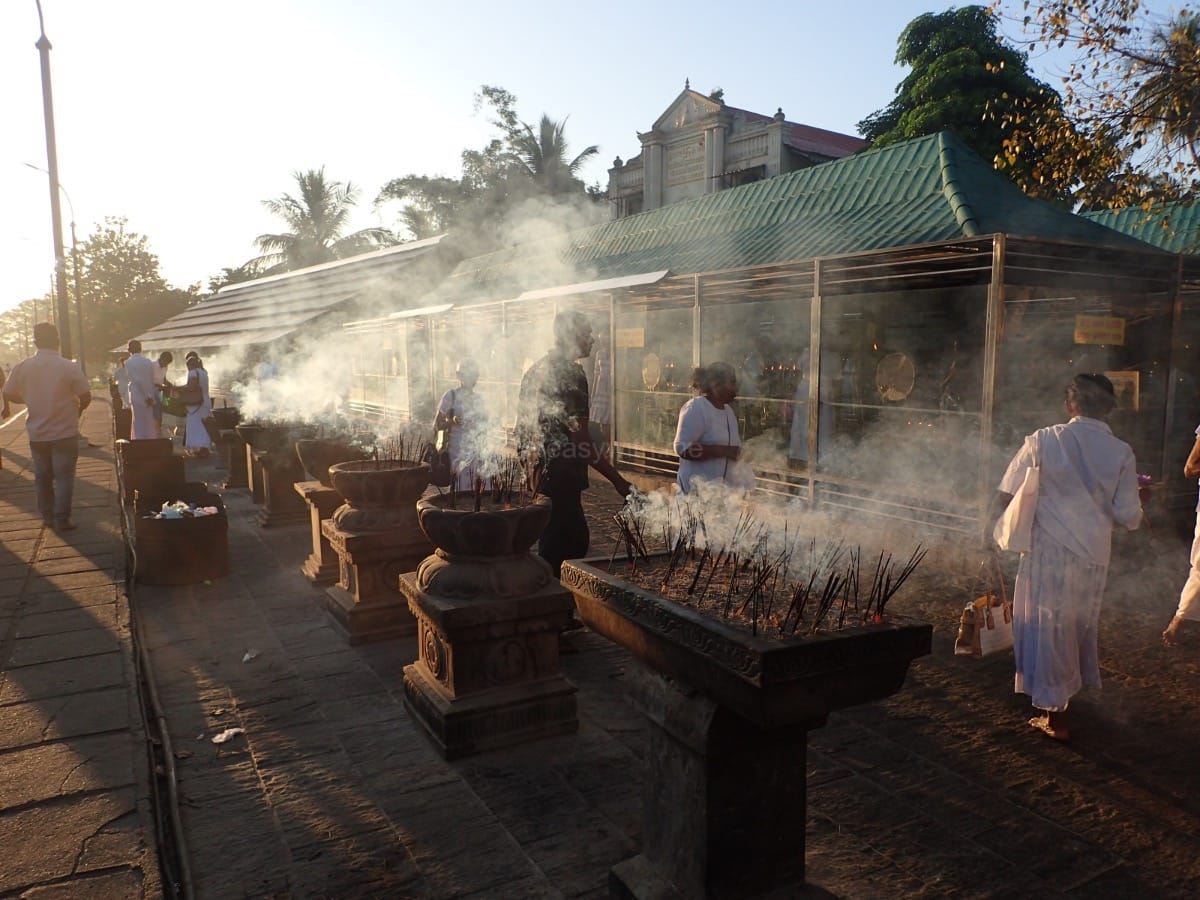
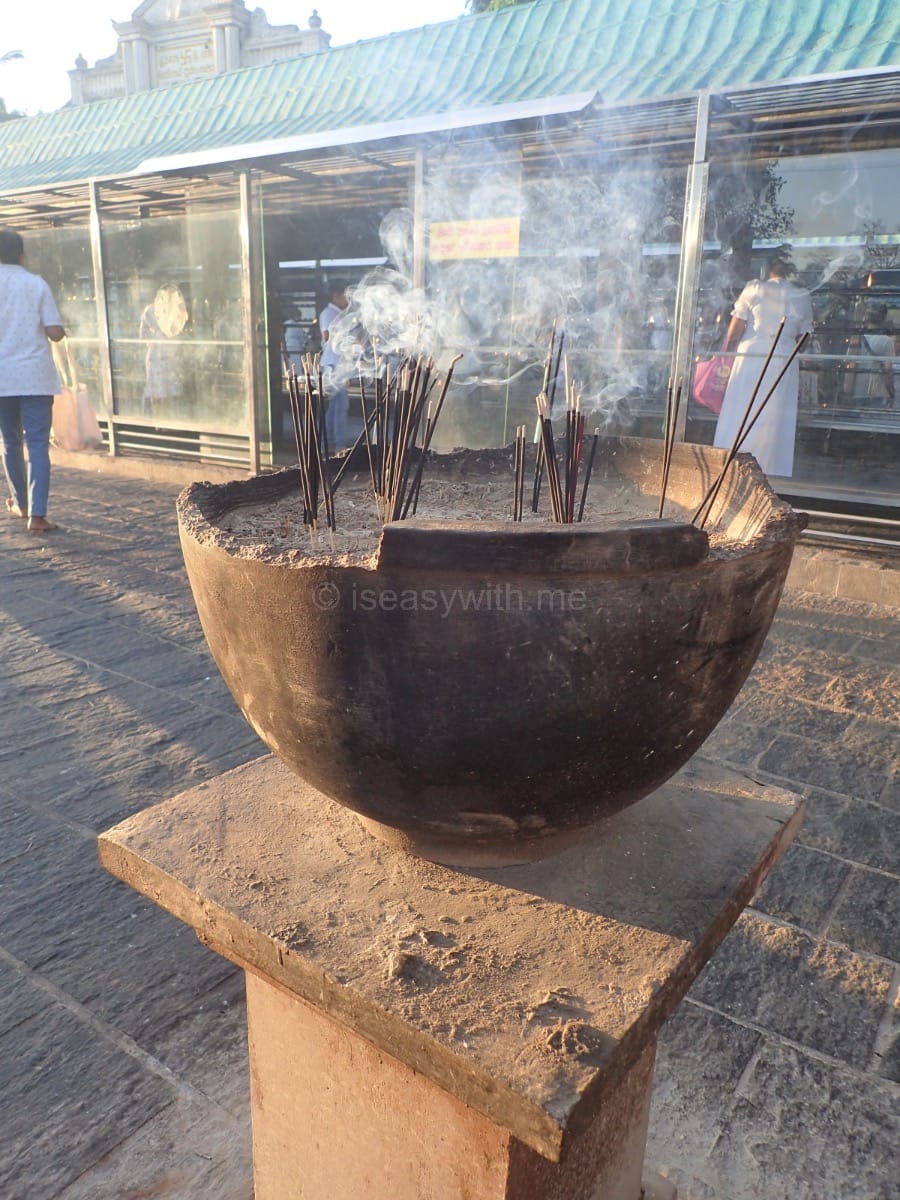
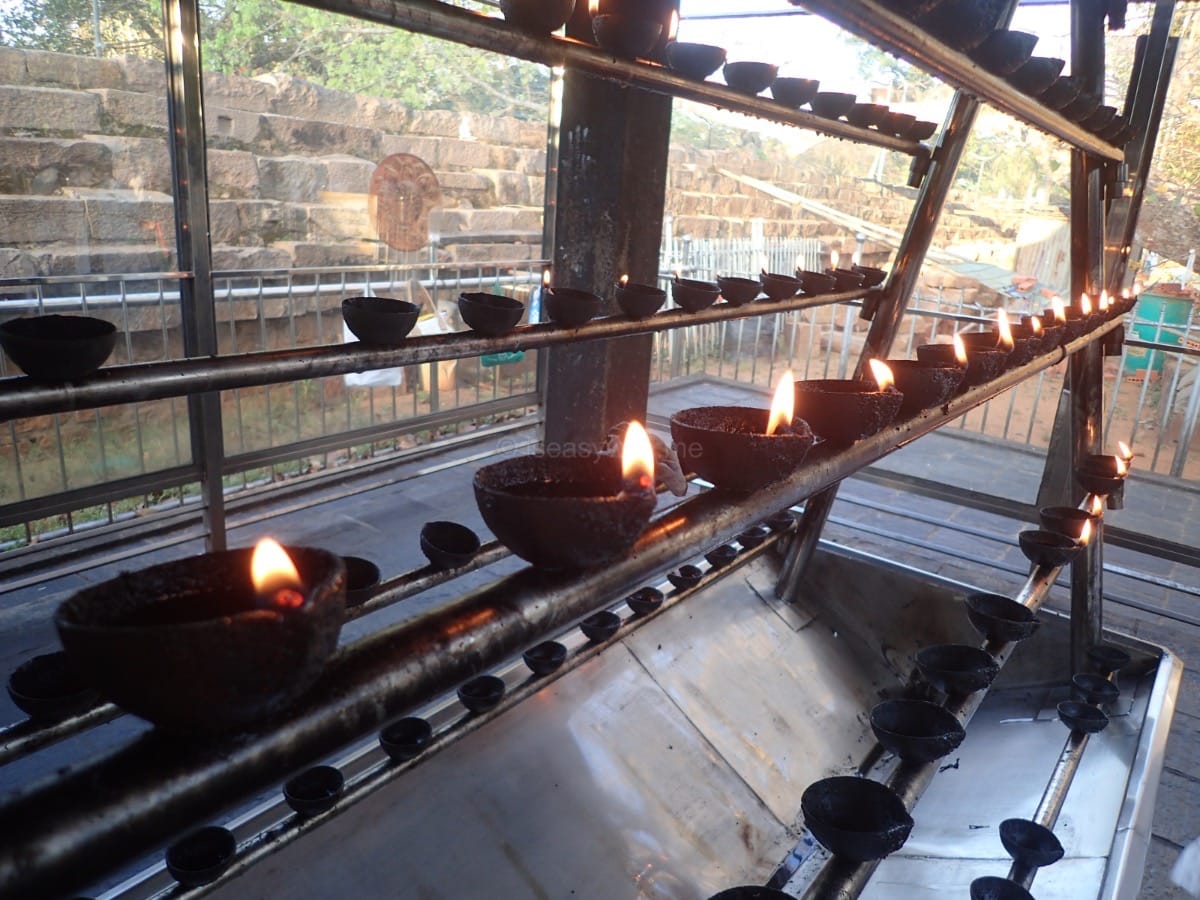
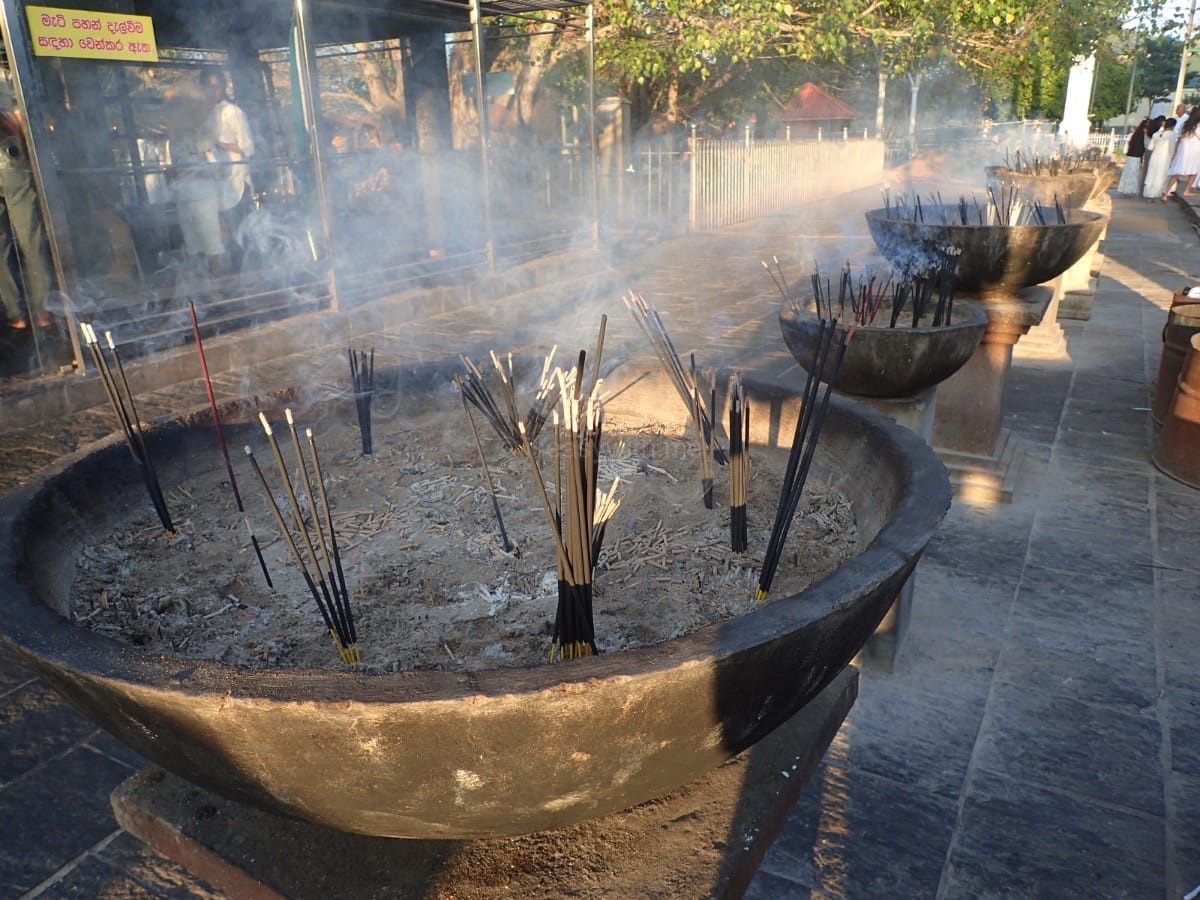
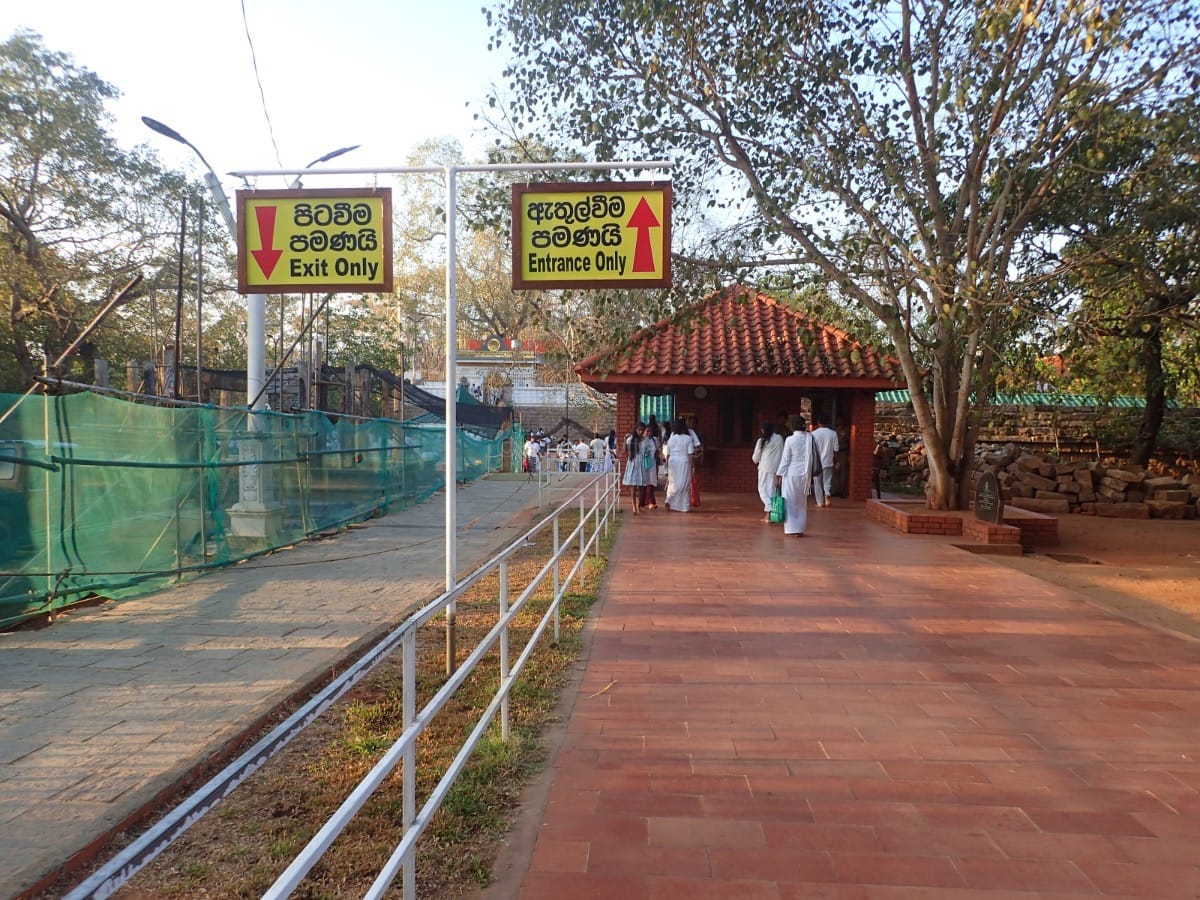
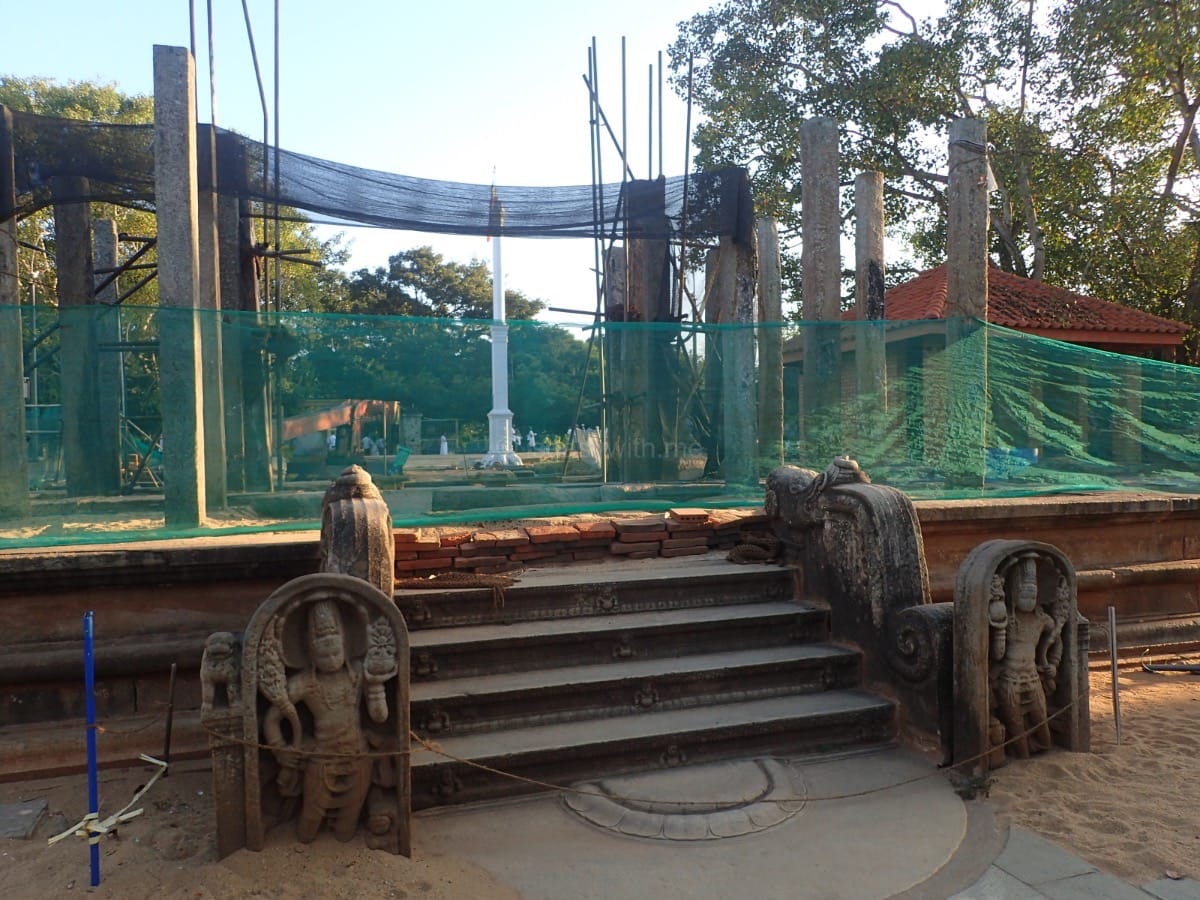
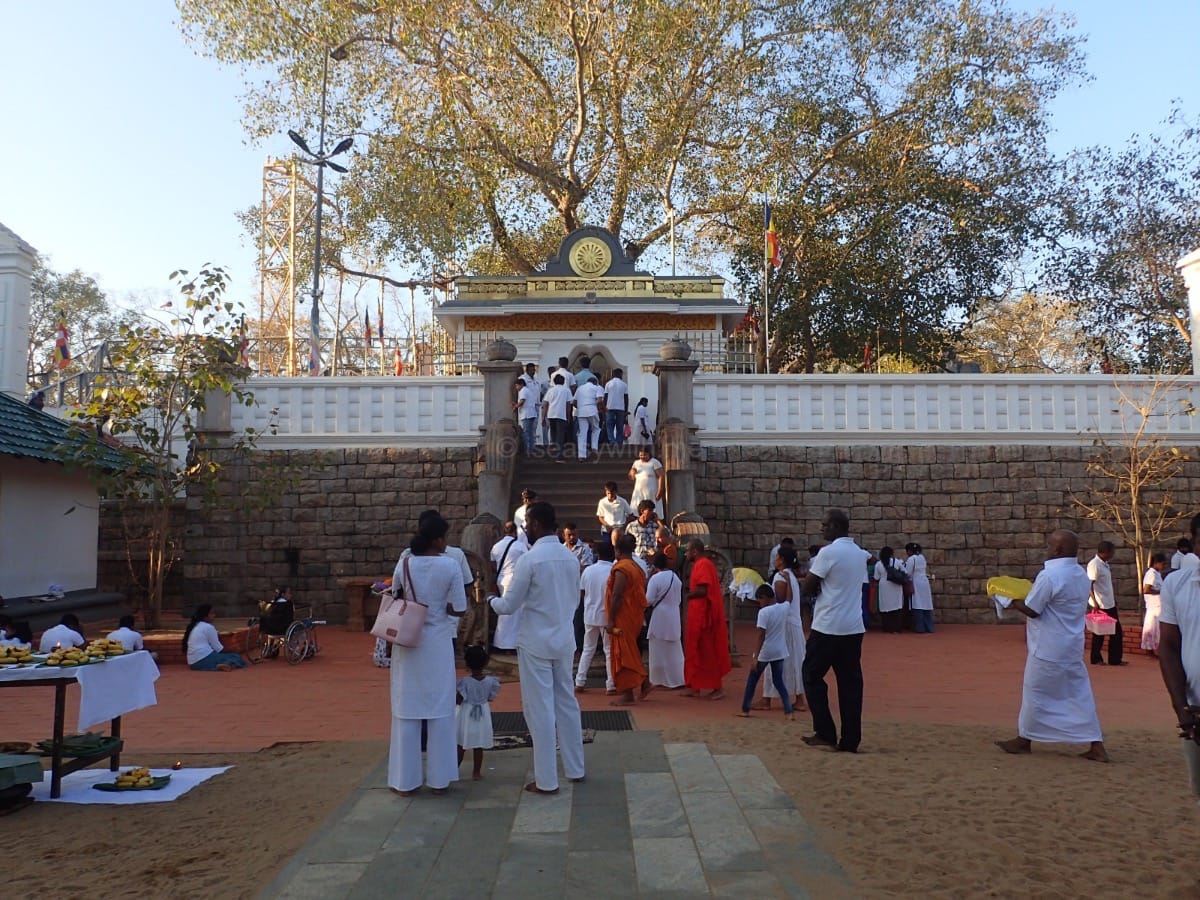
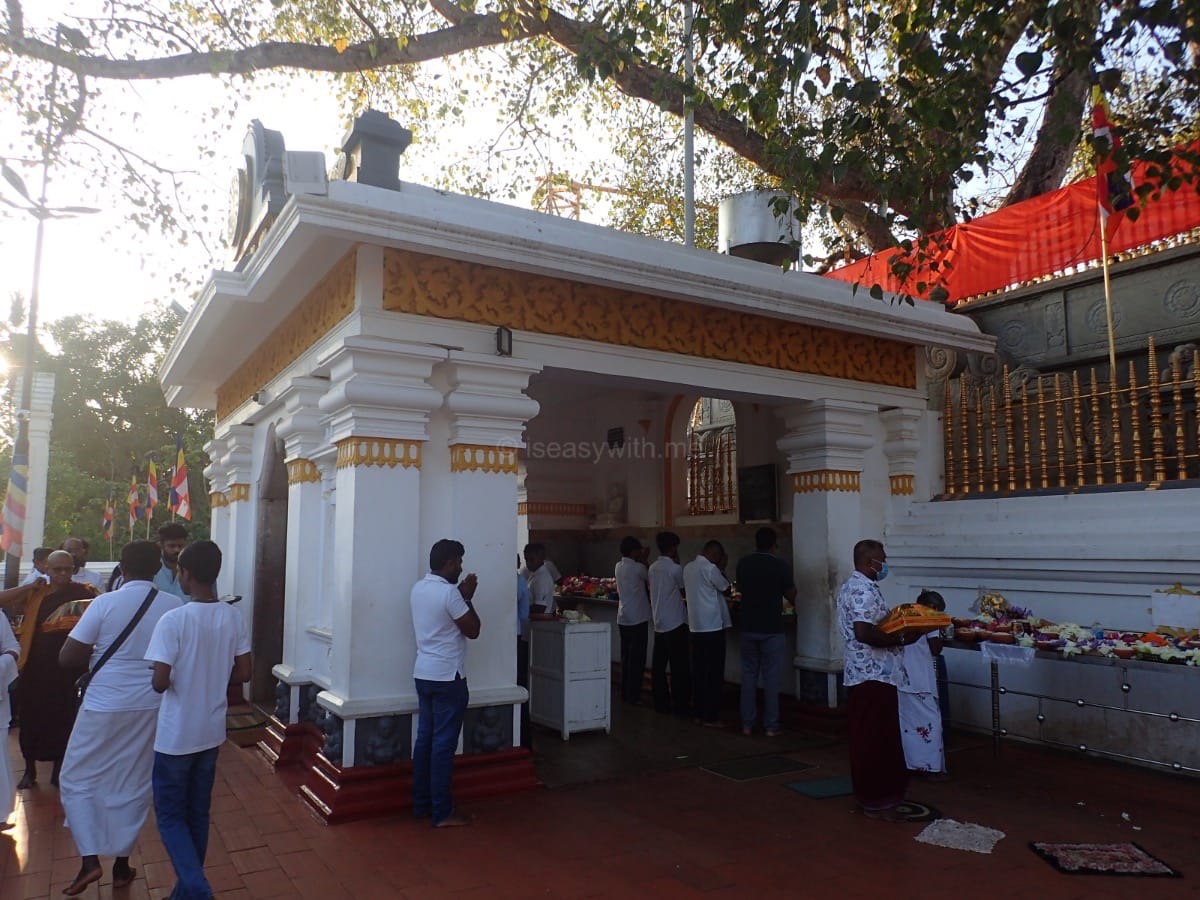
Jaya Sri Maha Bodhi
Pitstop- Buy Entrance Ticket
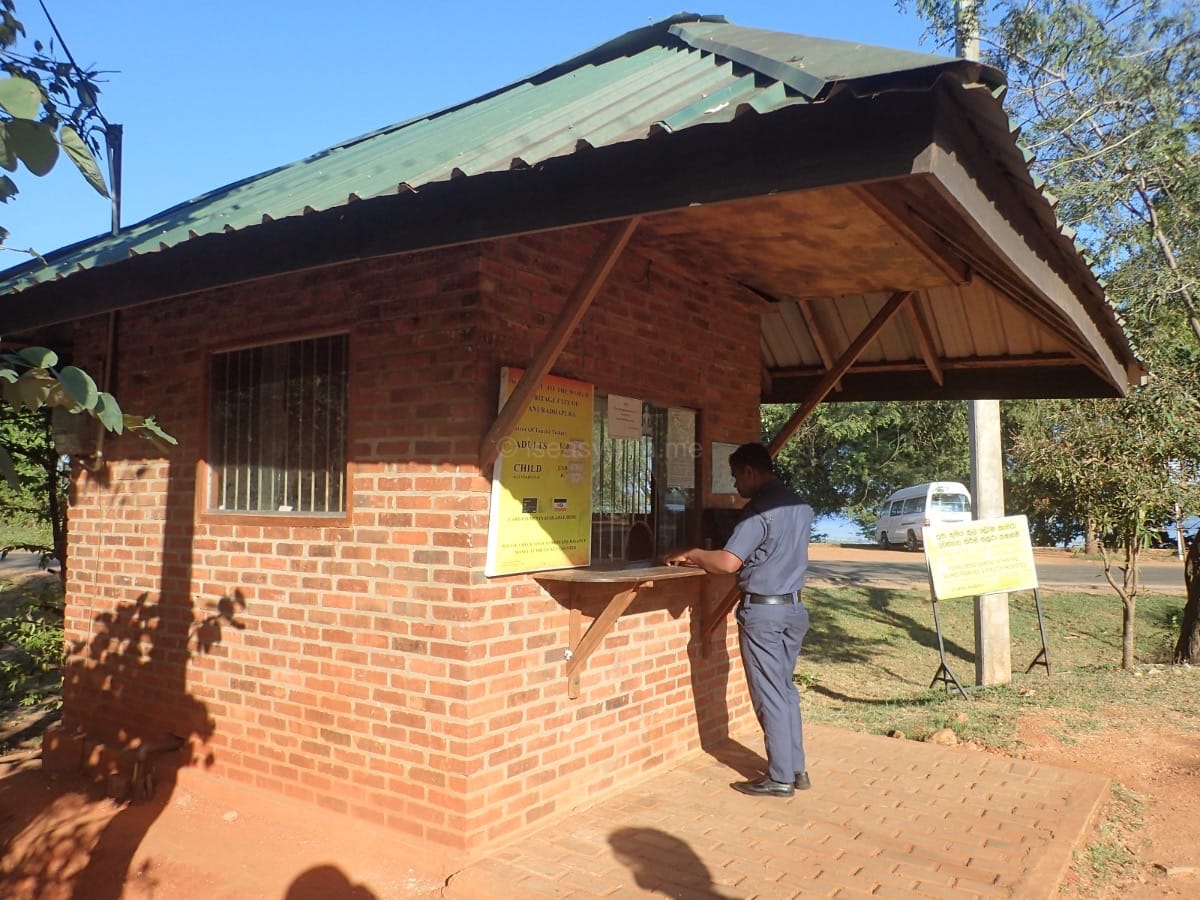
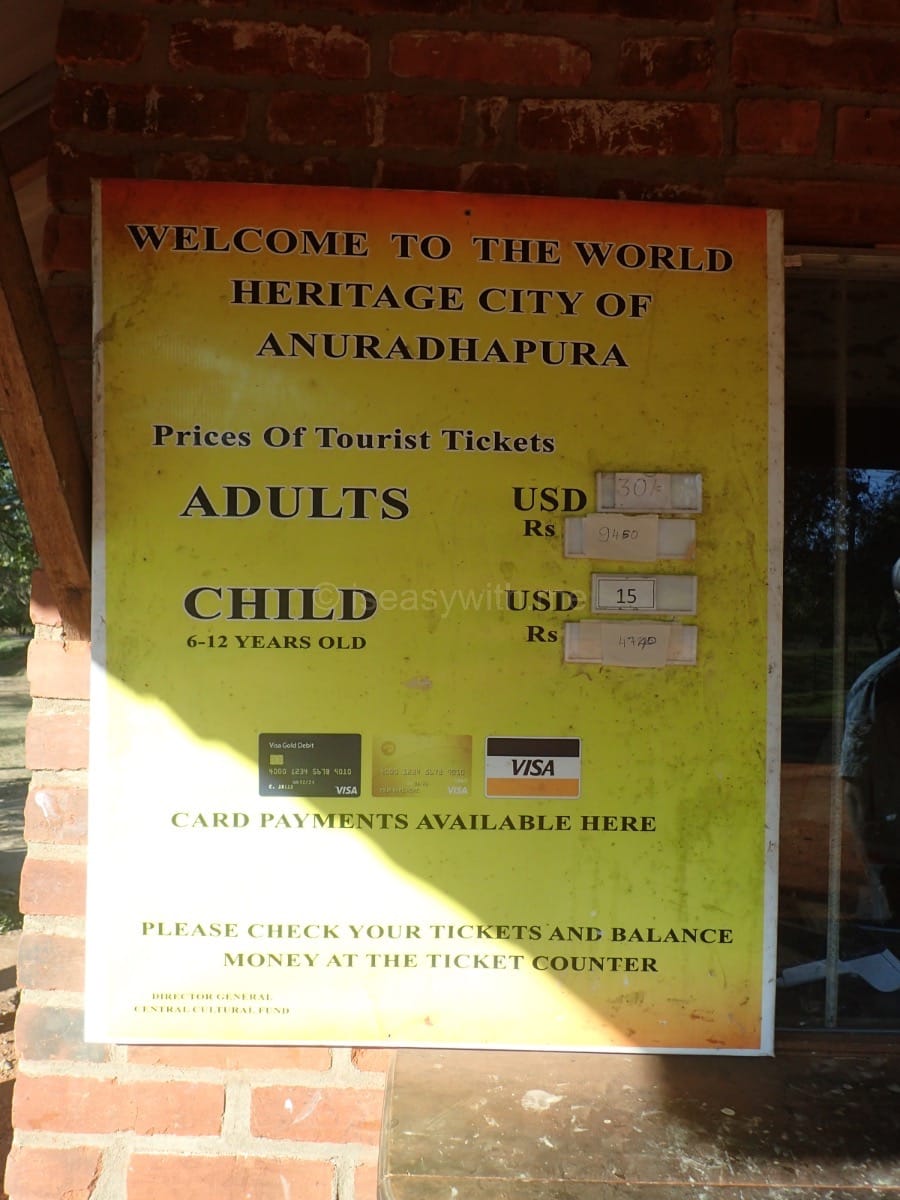
Pitstop- Buy Entrance Ticket (LKR 9,520)
Isurumuniya Temple
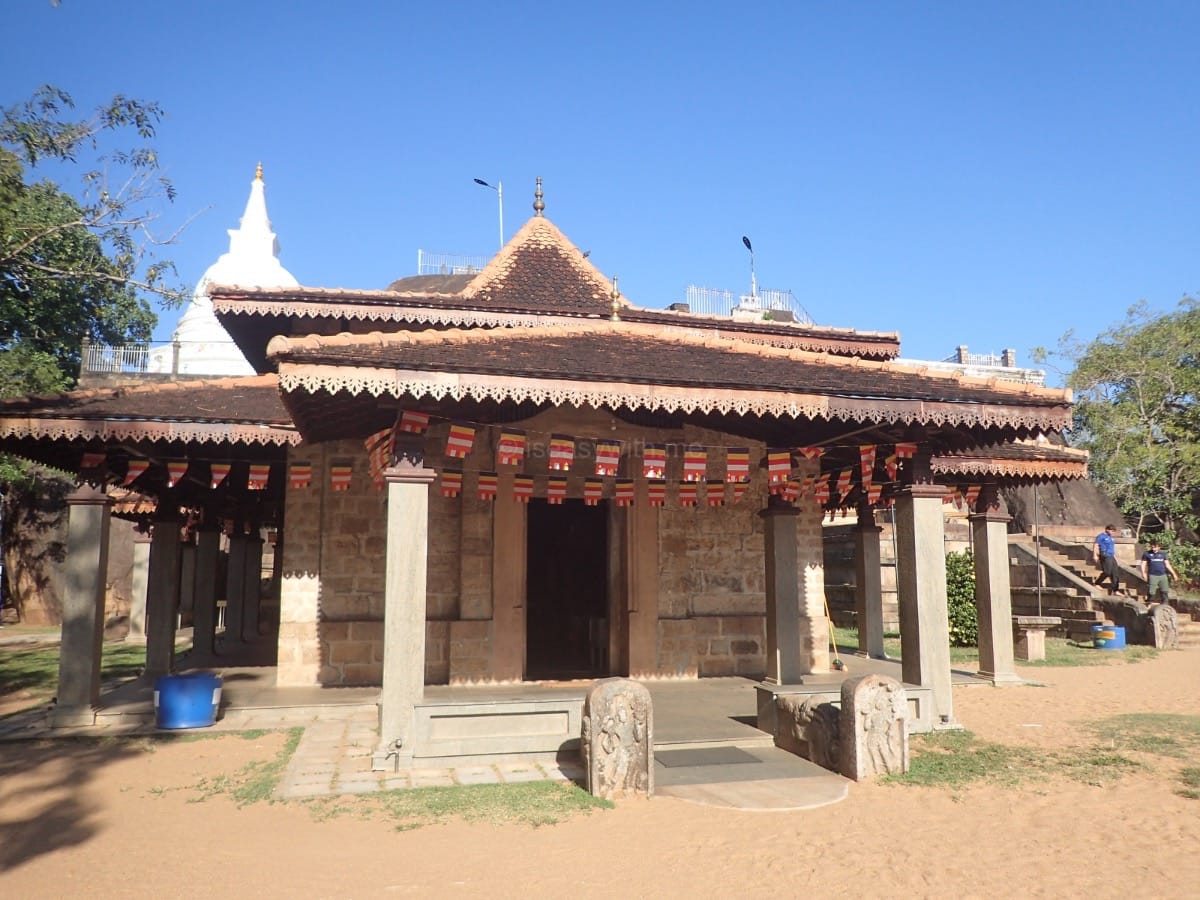
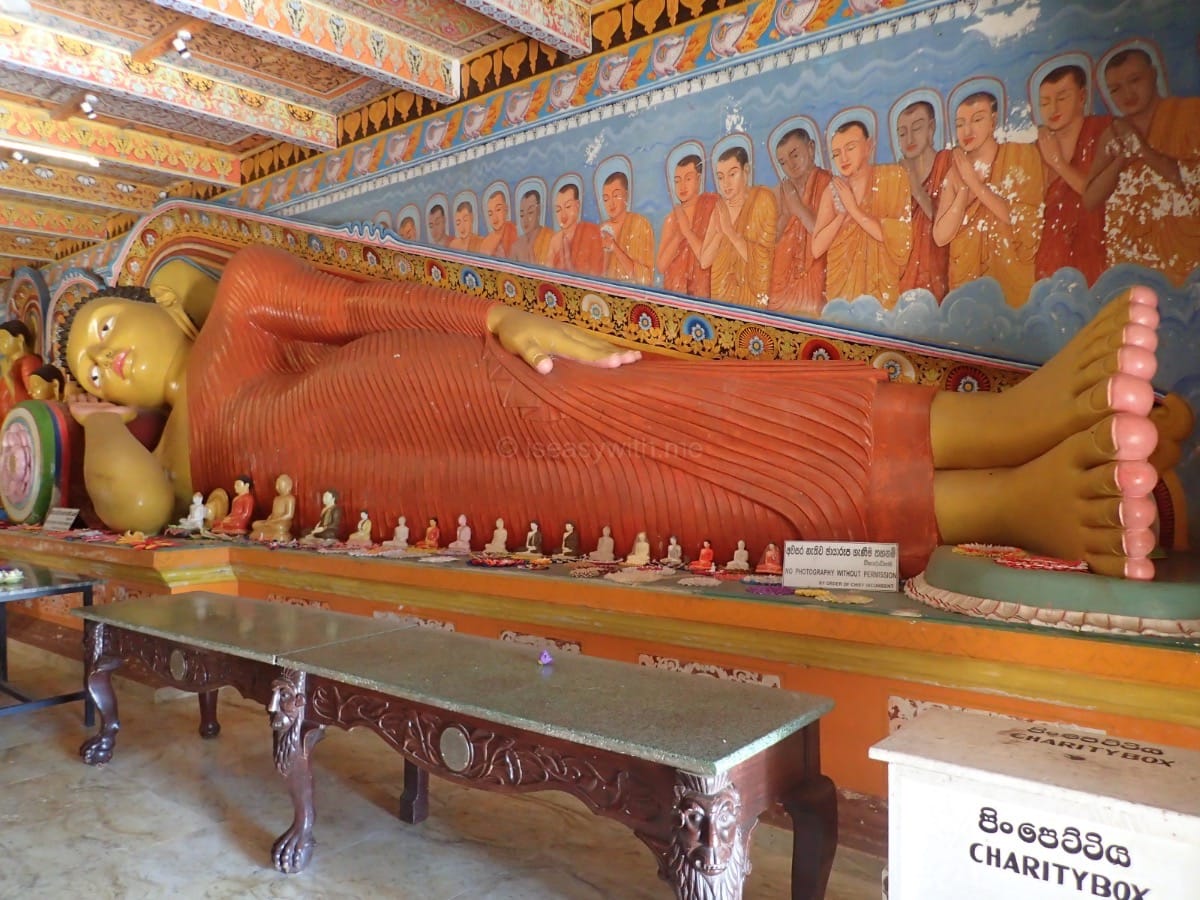
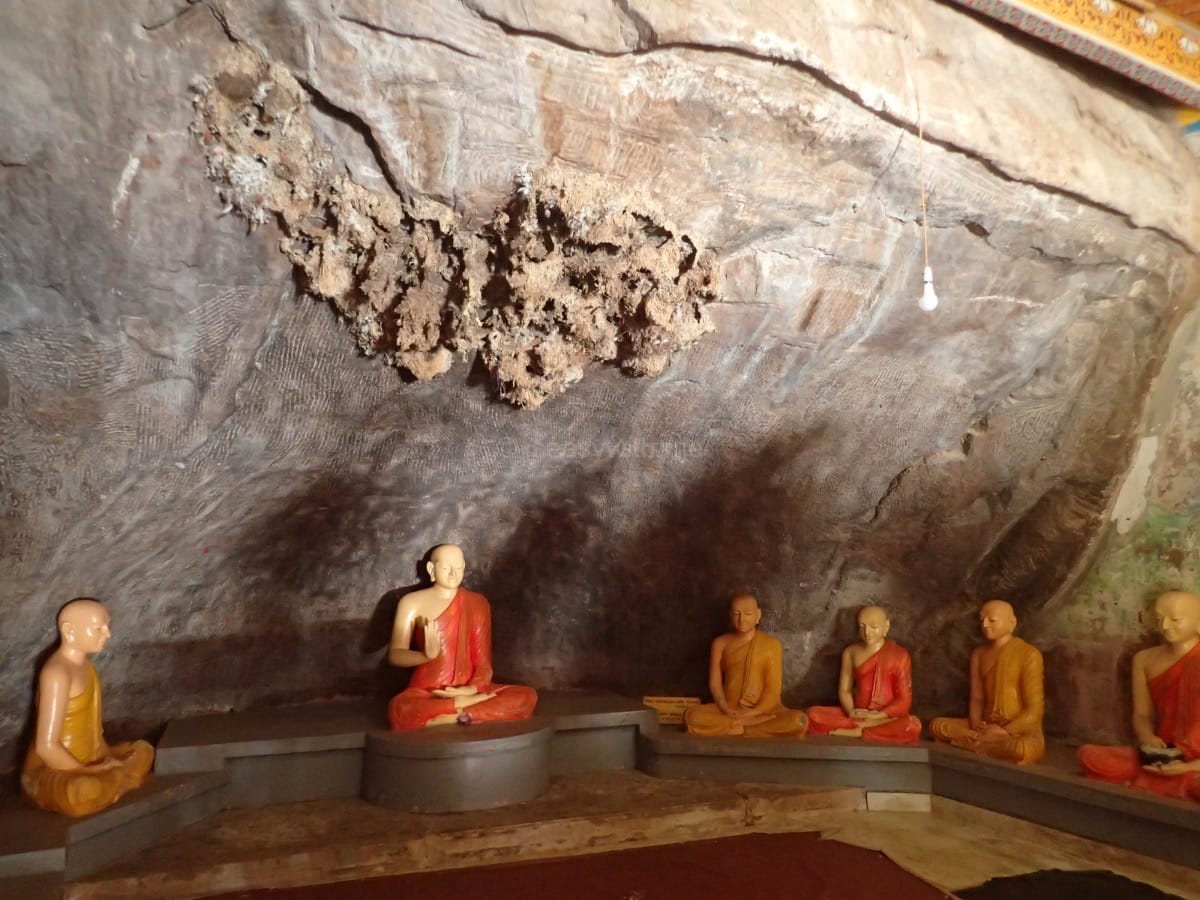
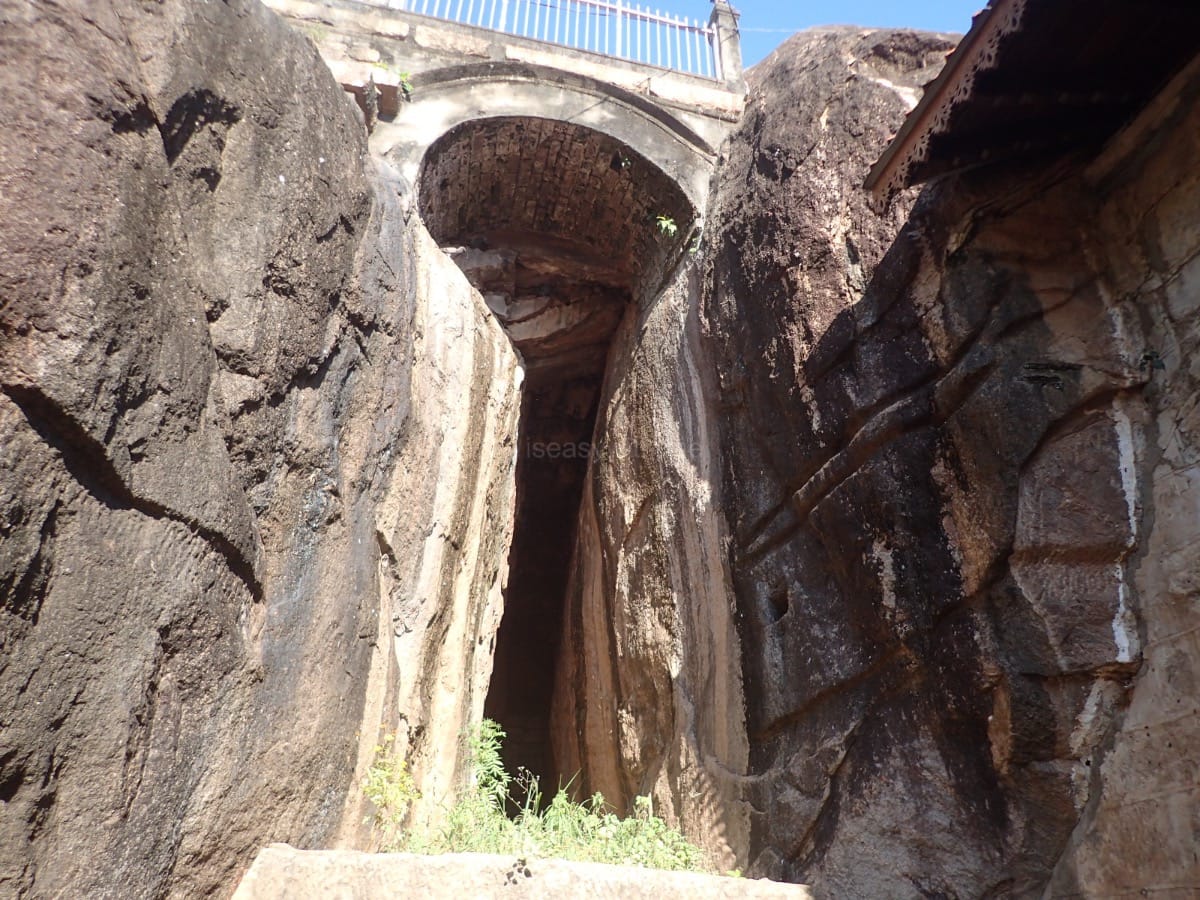
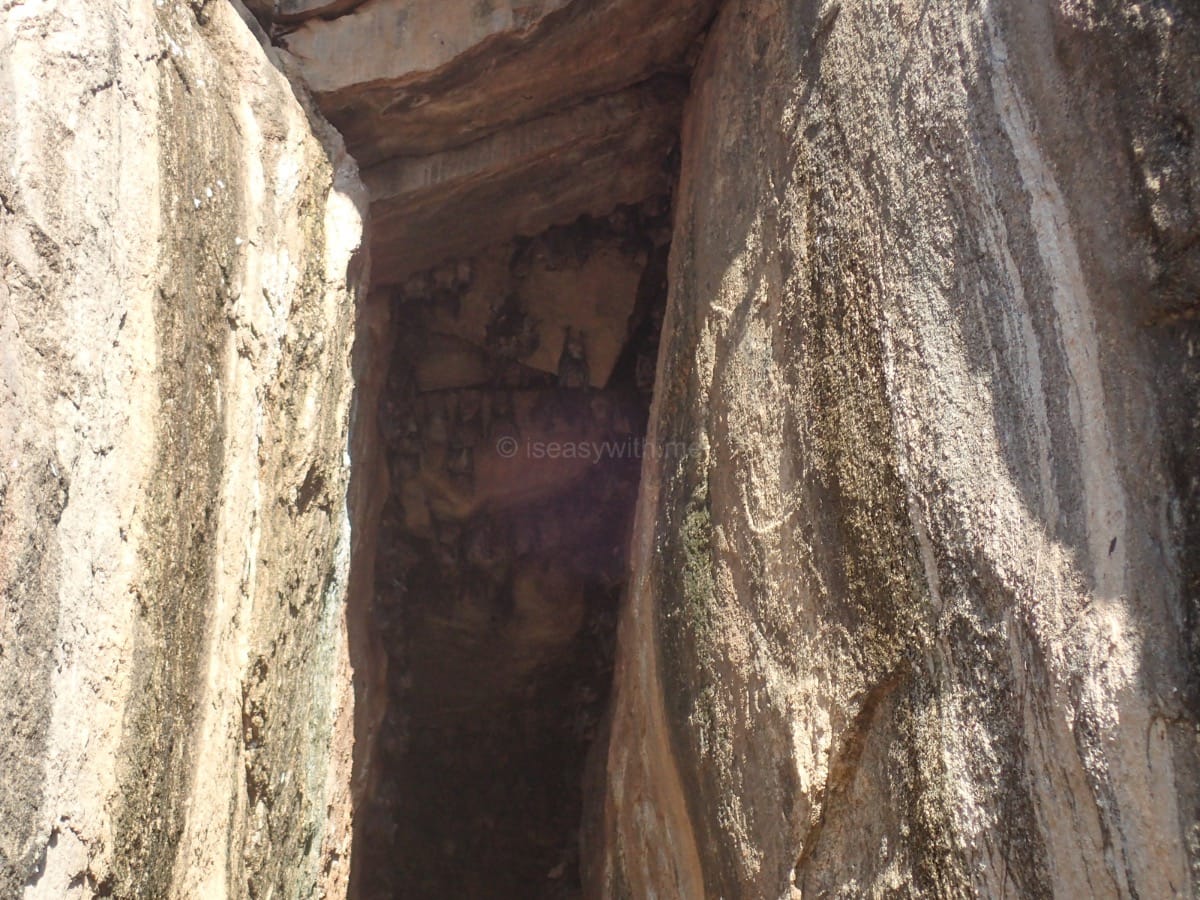
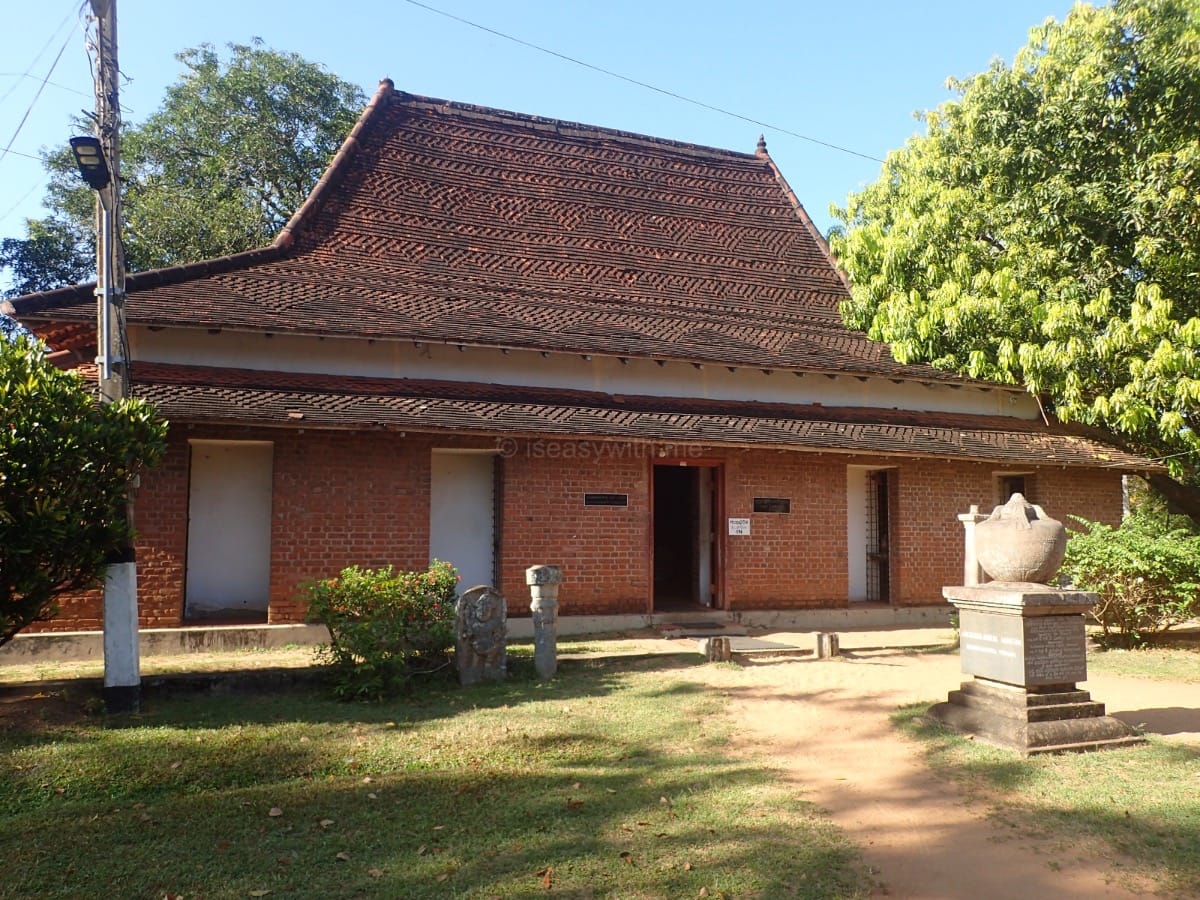
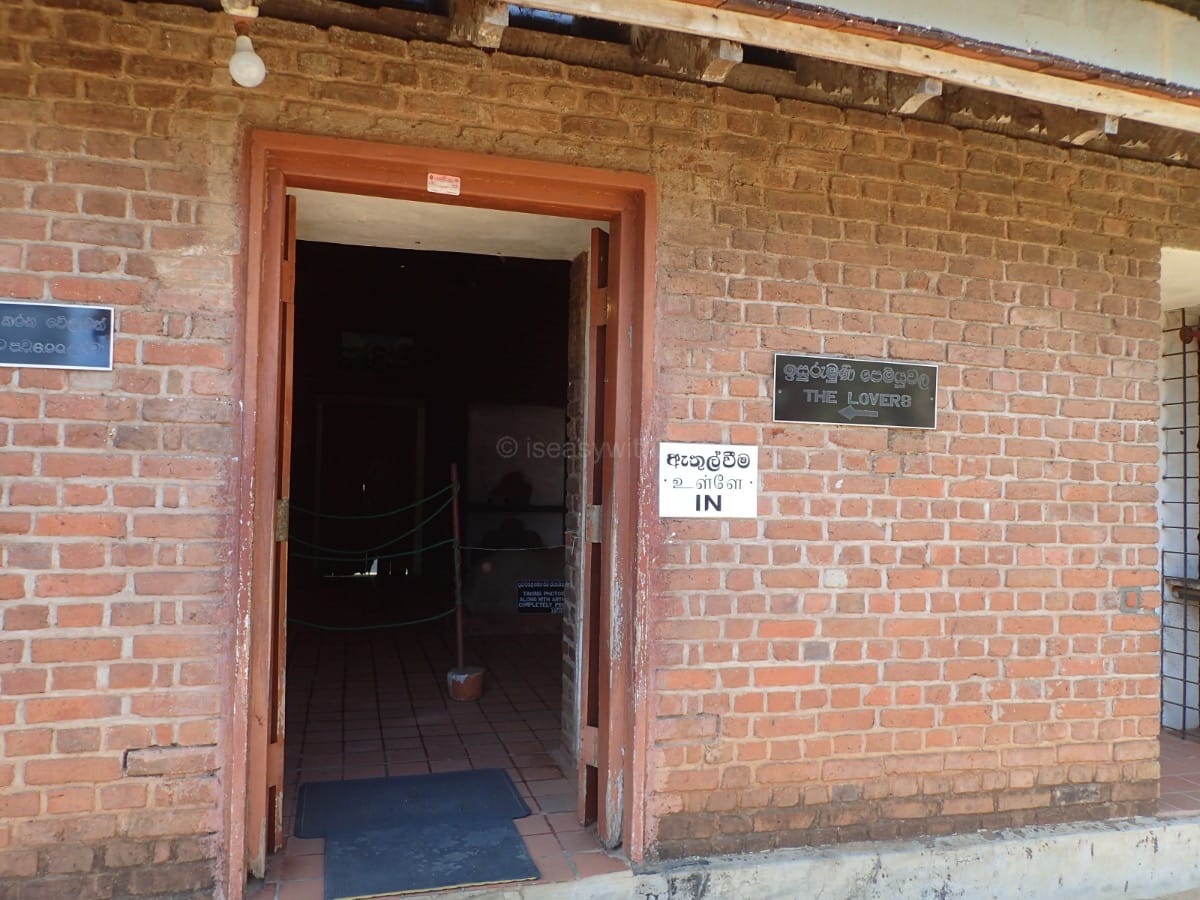
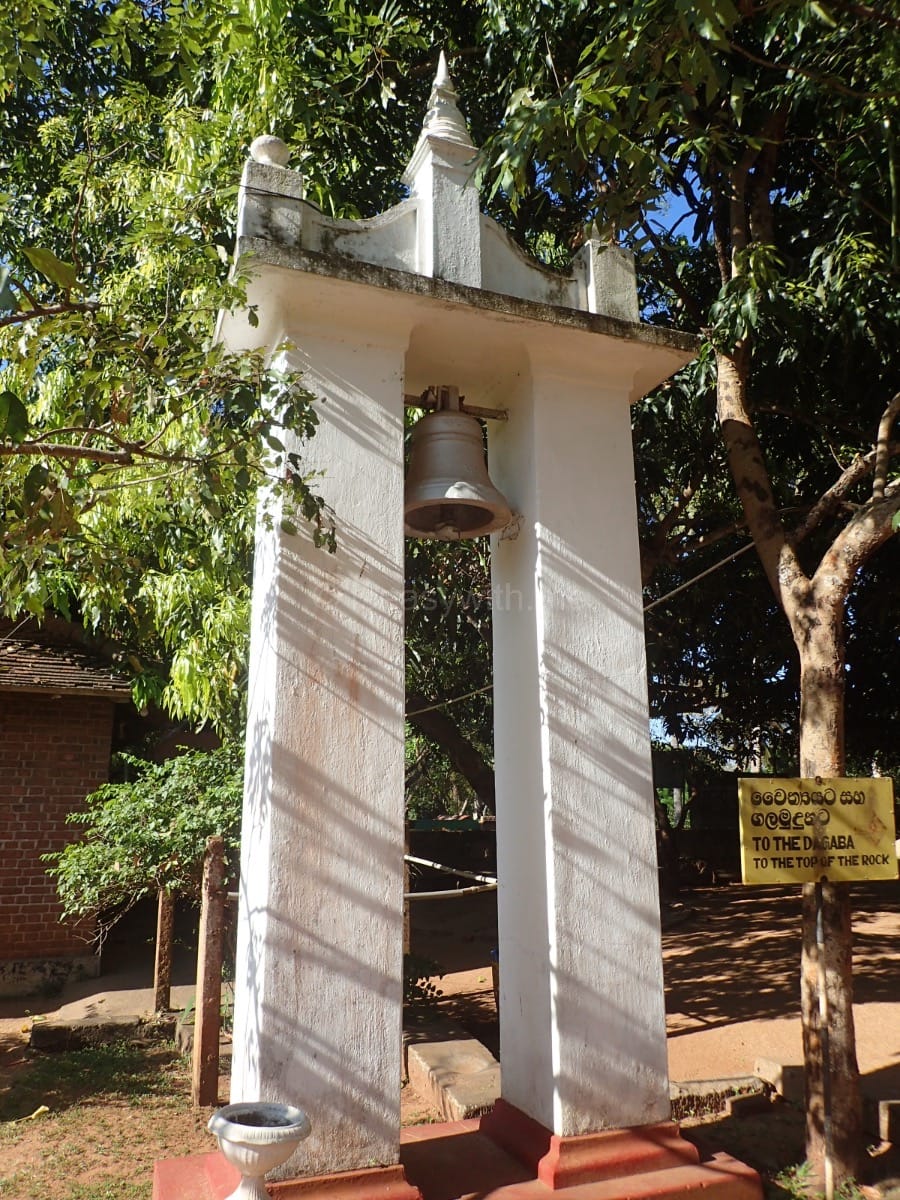
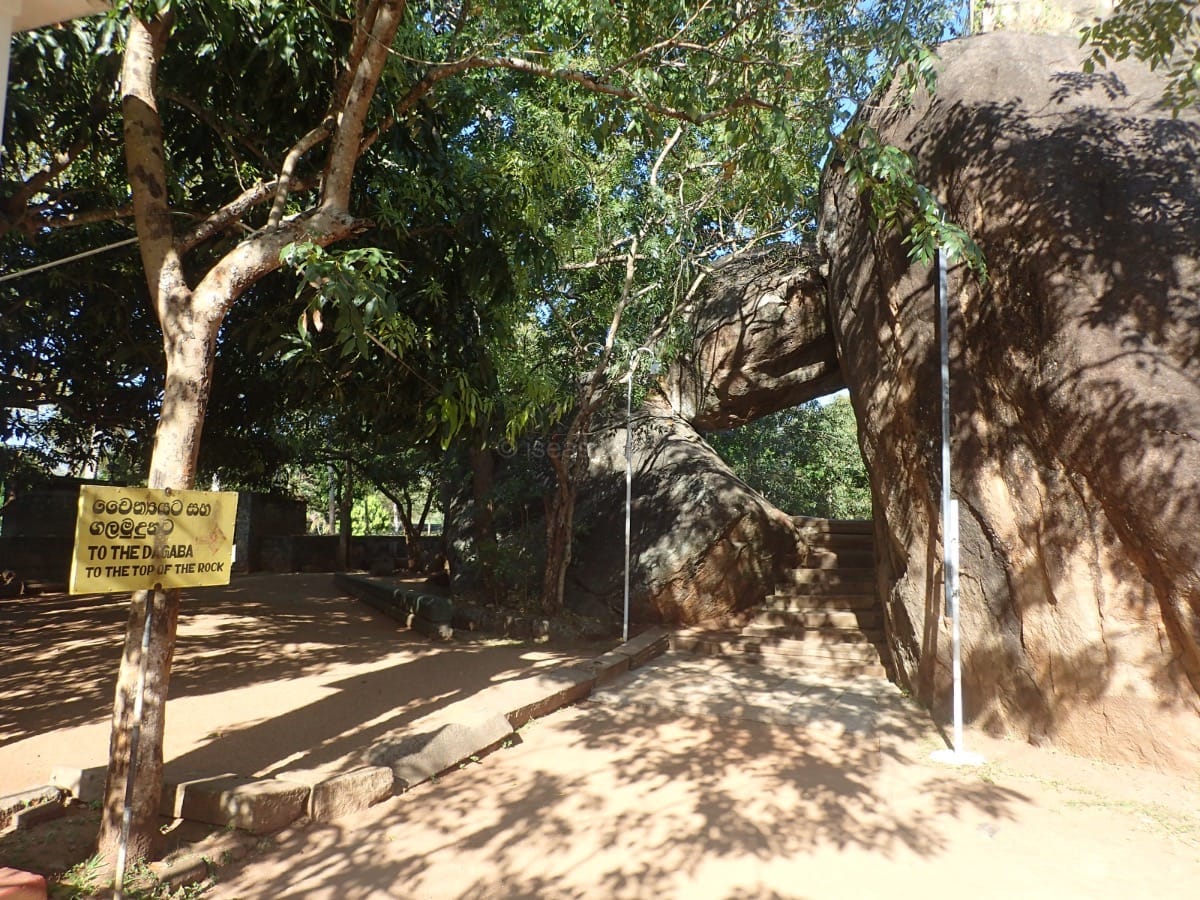
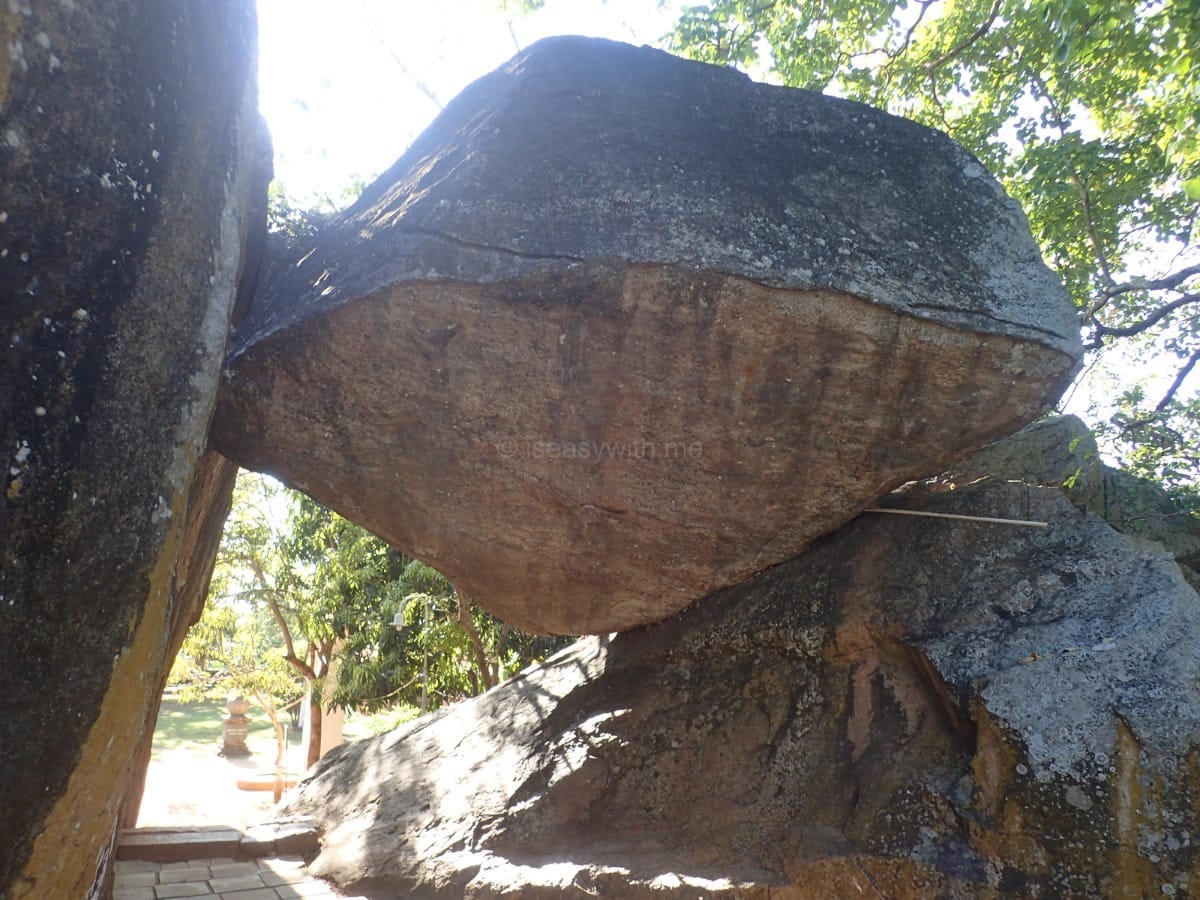
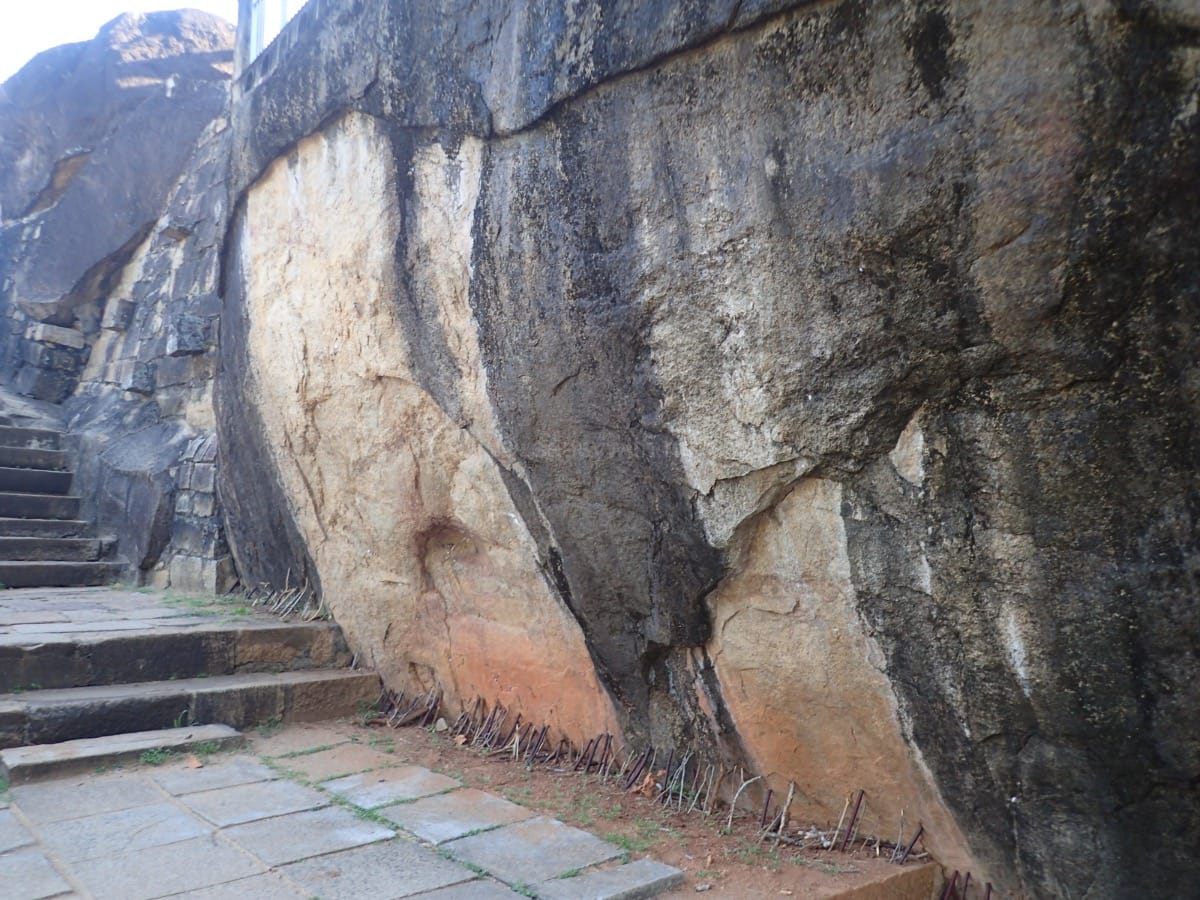
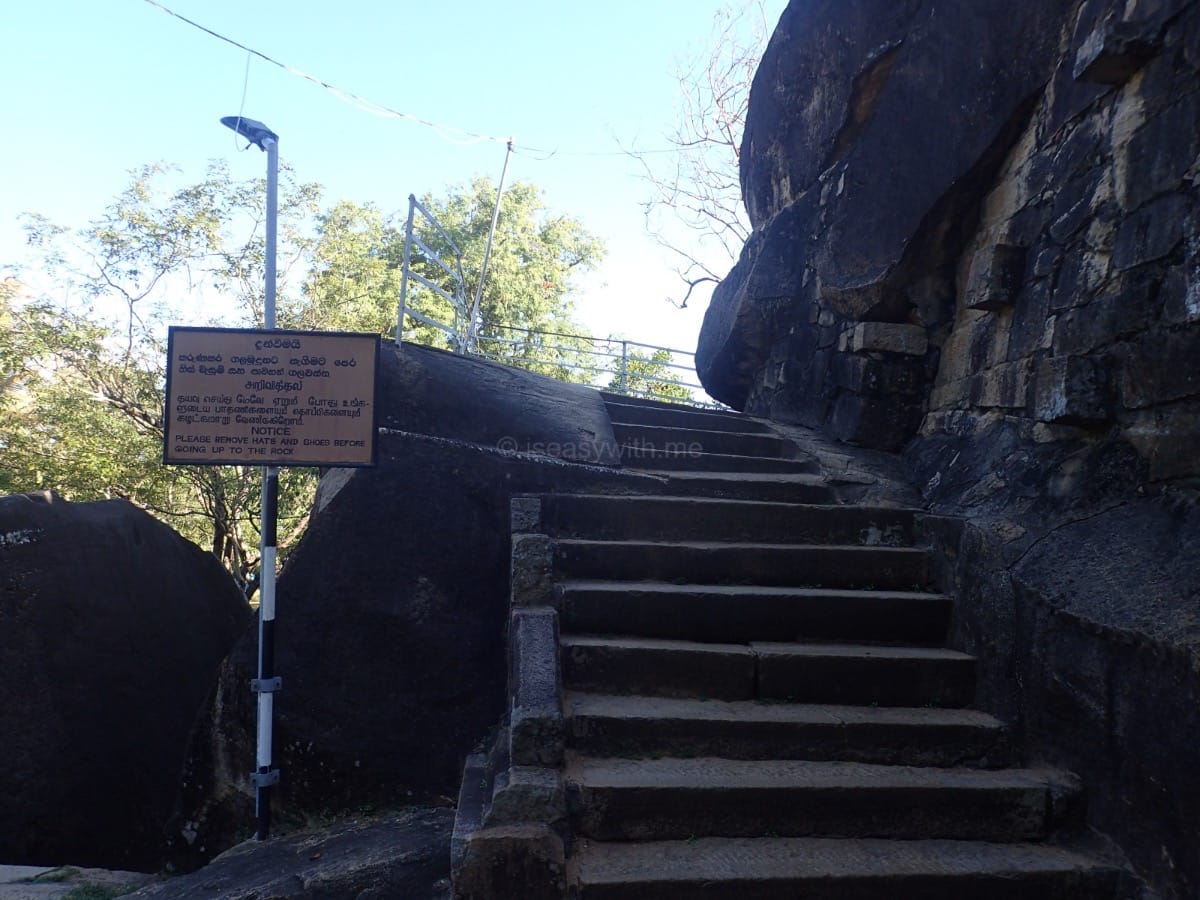
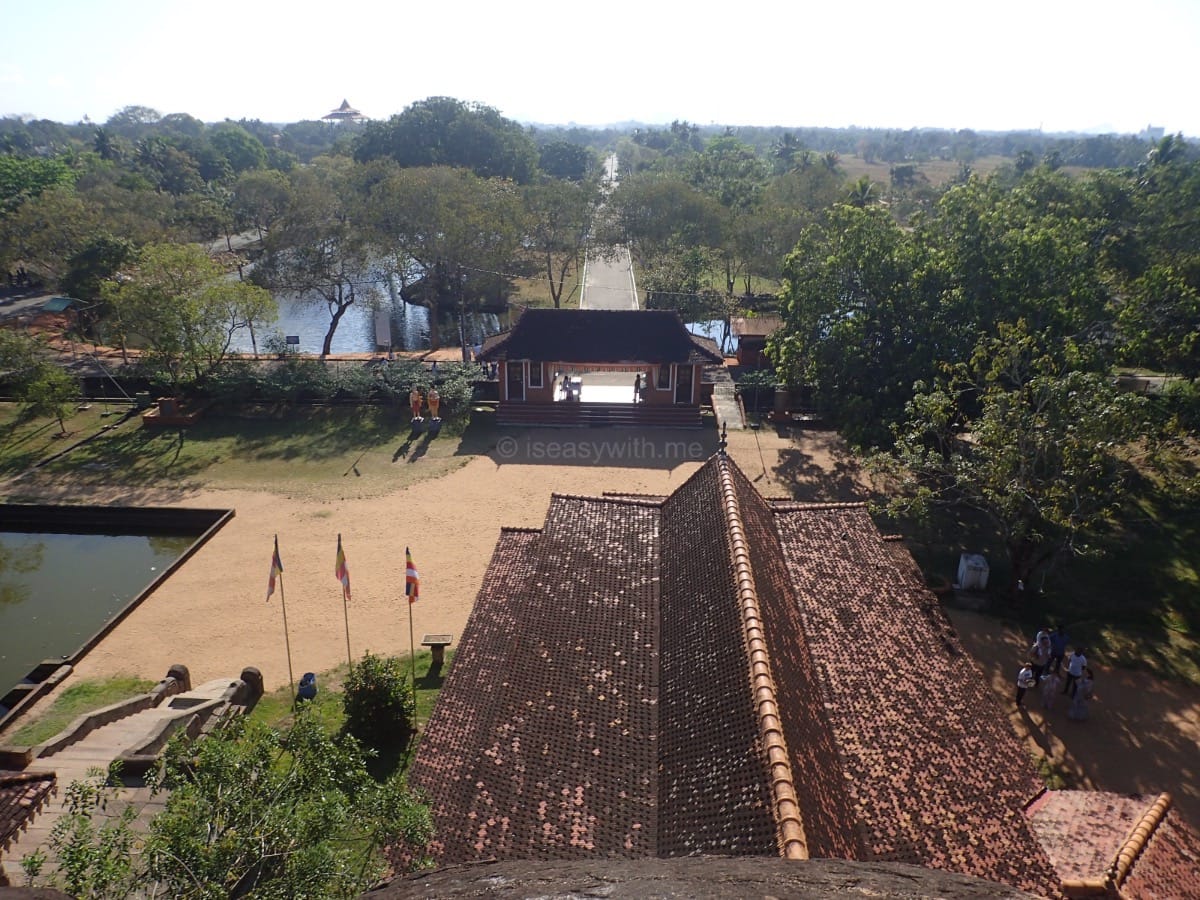
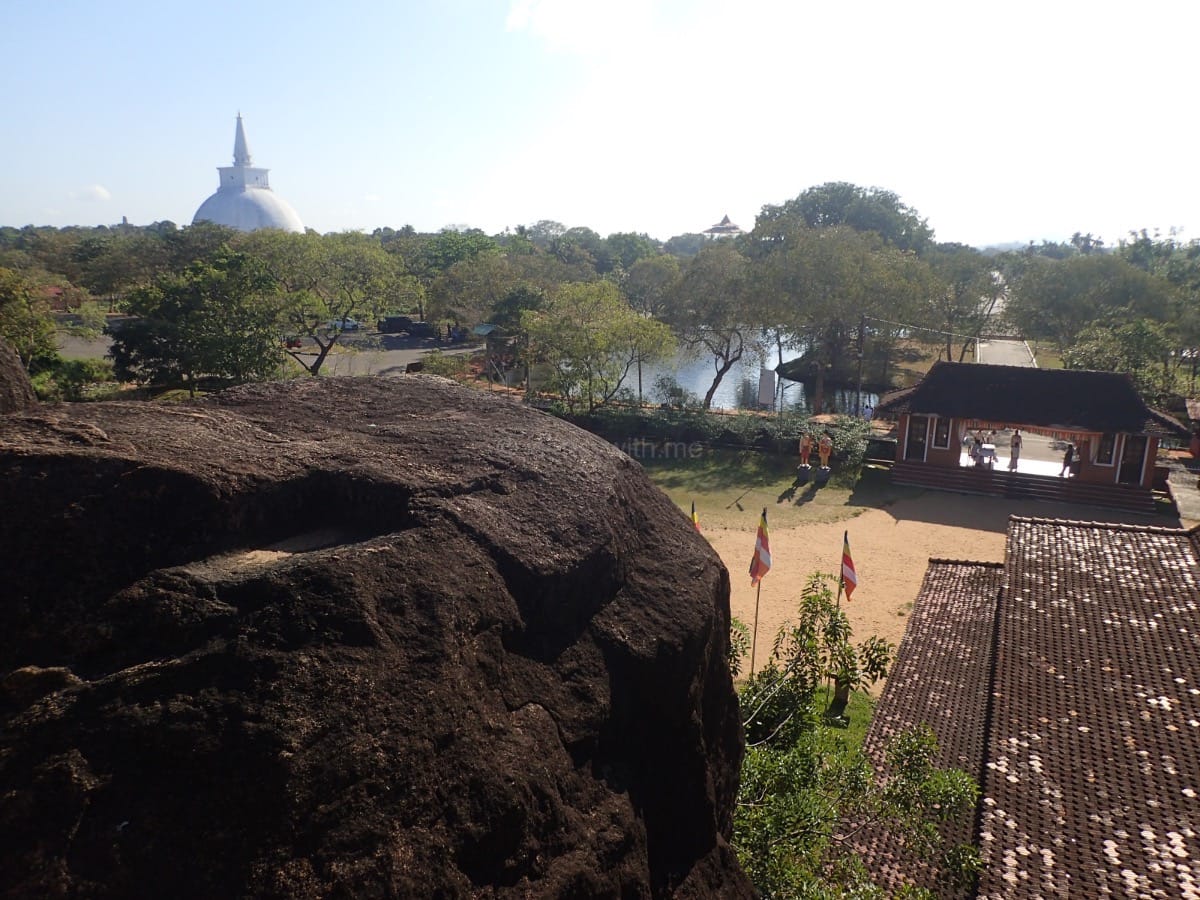
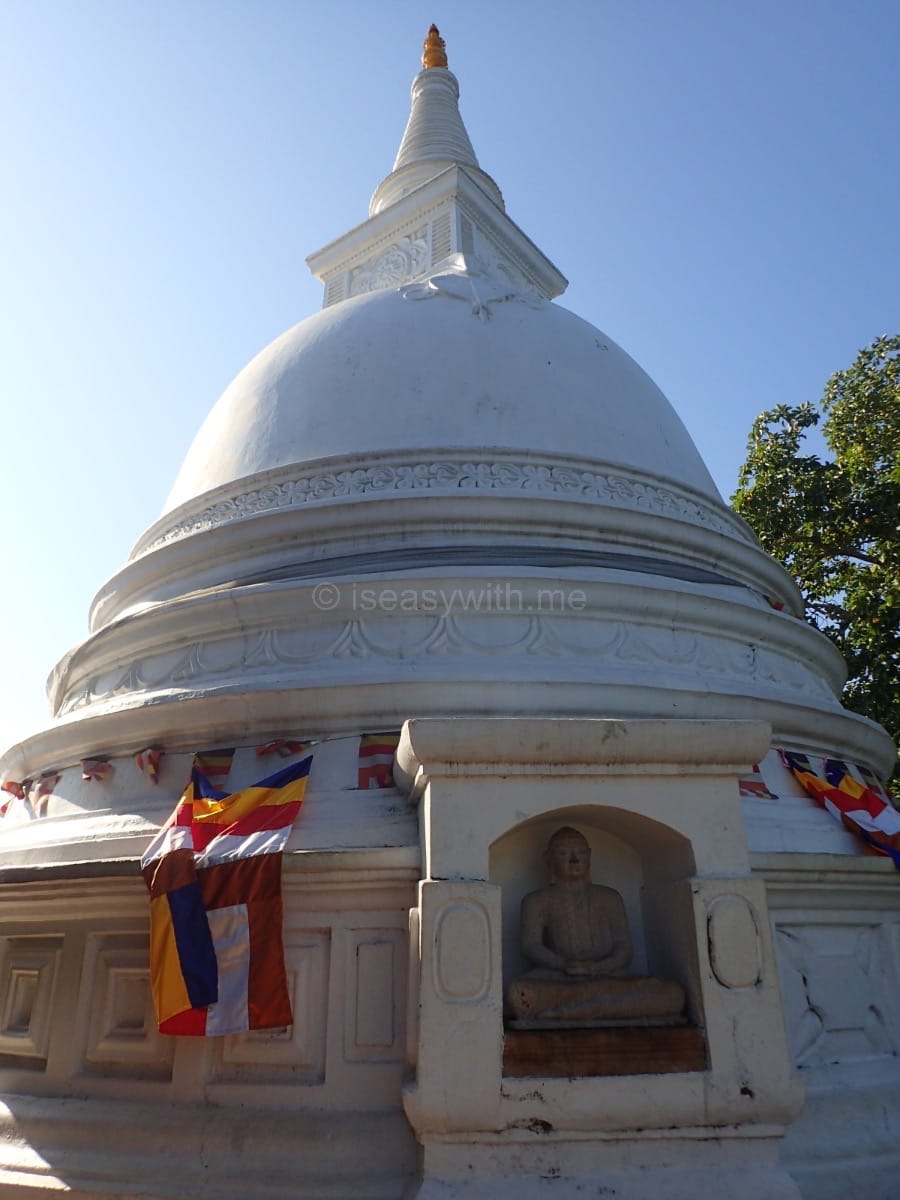
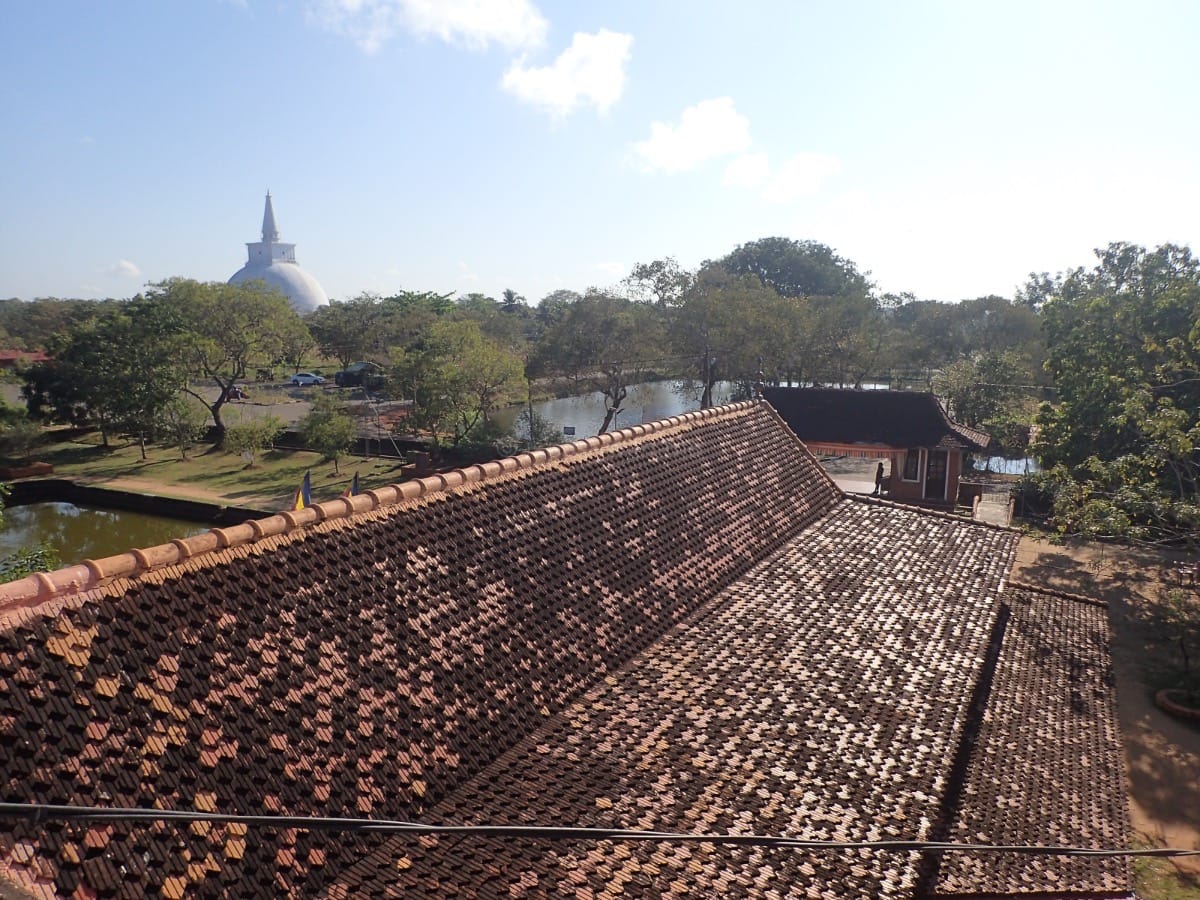
Isurumuniya Temple (LKR 500) is known for its rock carvings, especially the famous Isurumuniya Lovers sculpture. Unlike the vast open complexes elsewhere in Anuradhapura, this site feels intimate and quiet, shaped by the surrounding rock and forest.
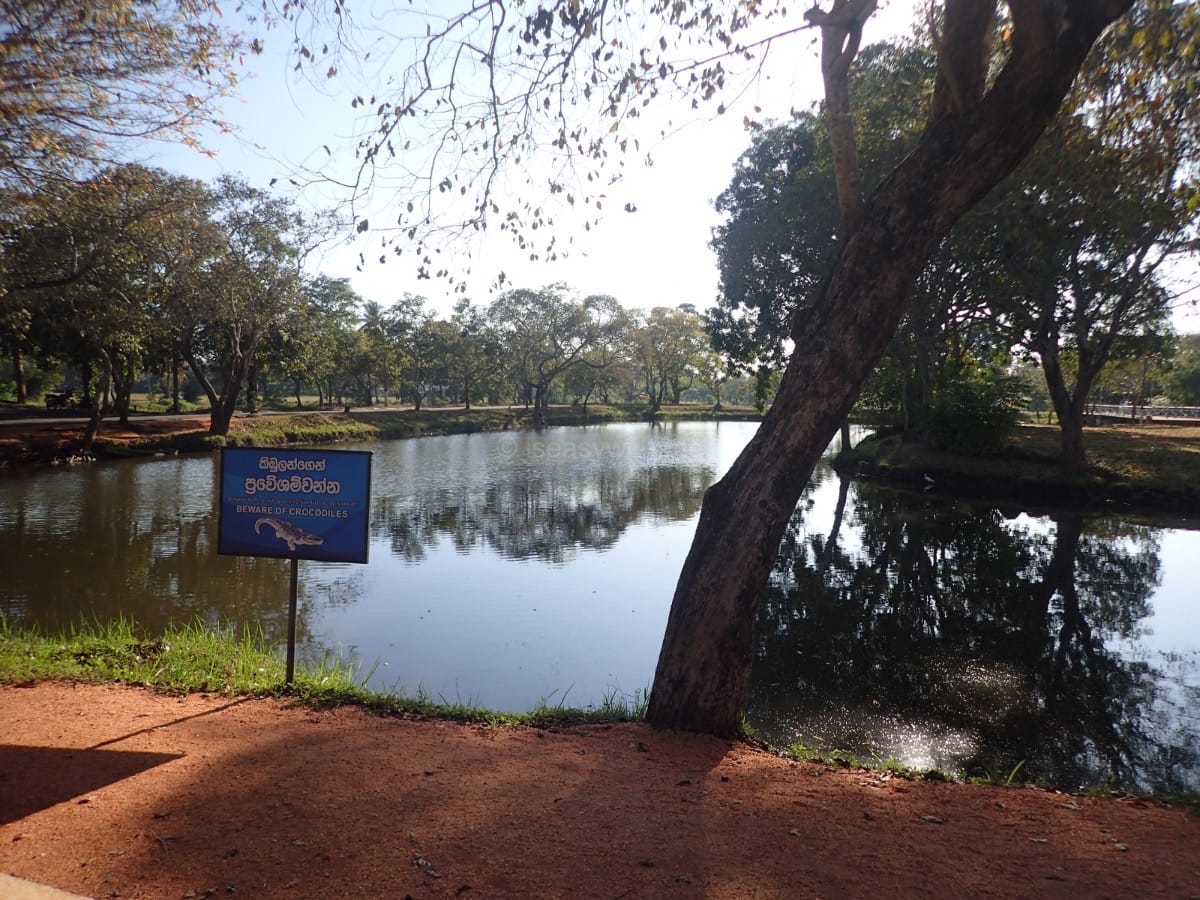
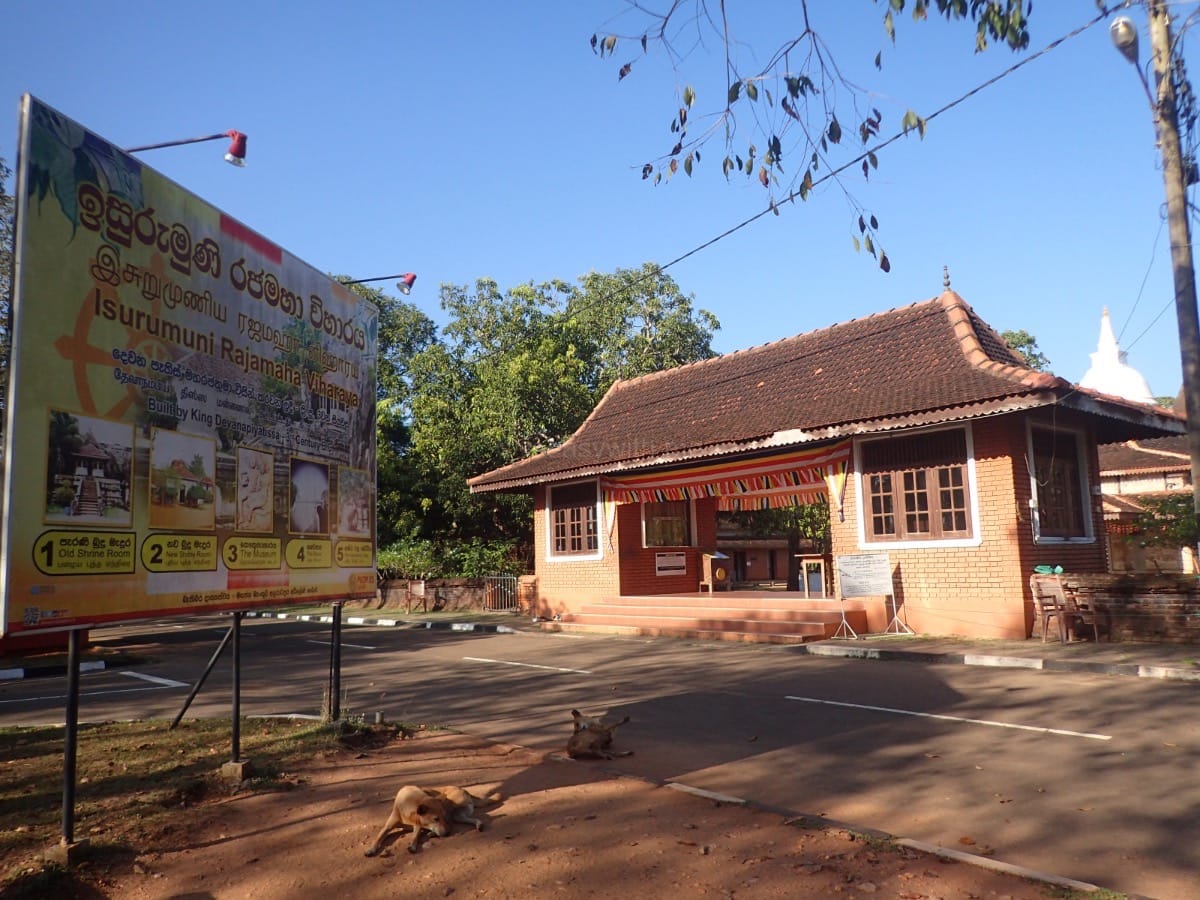
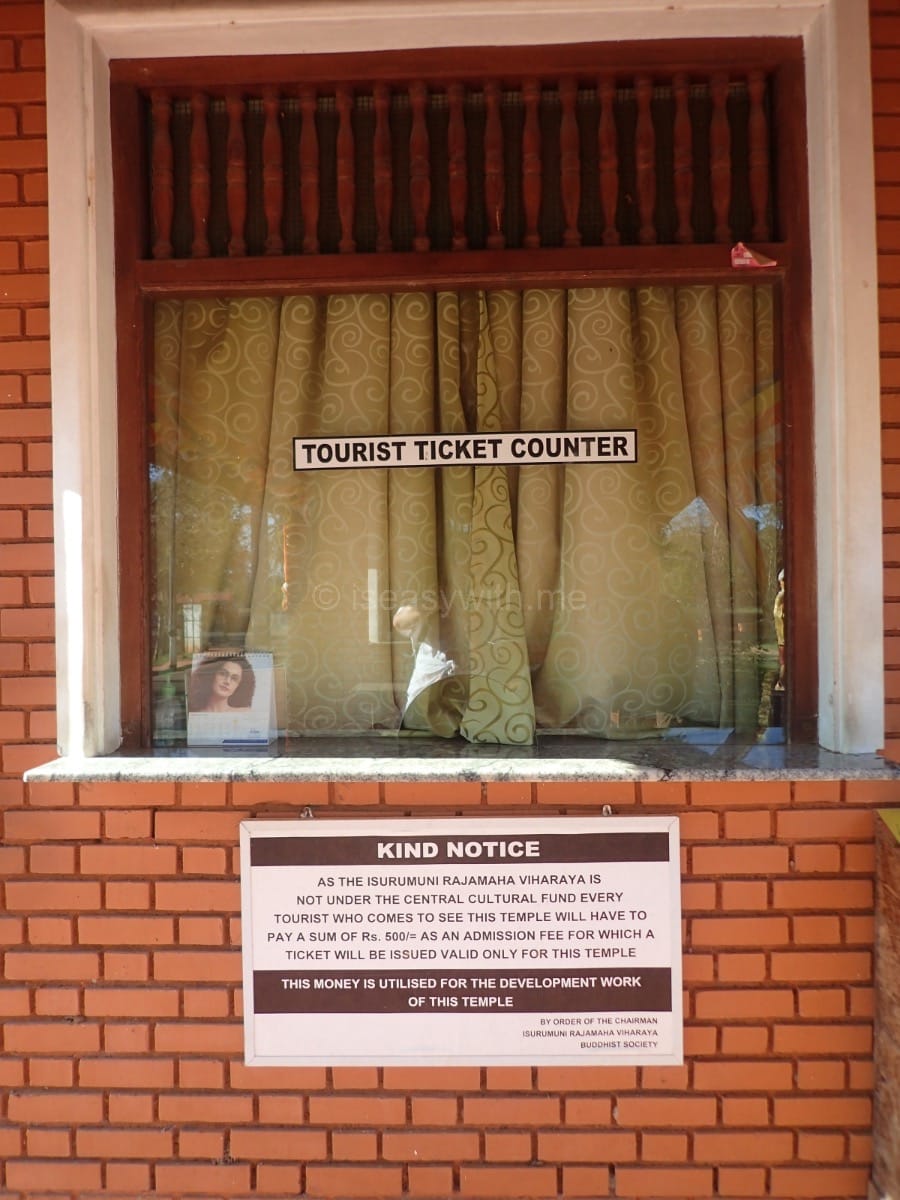
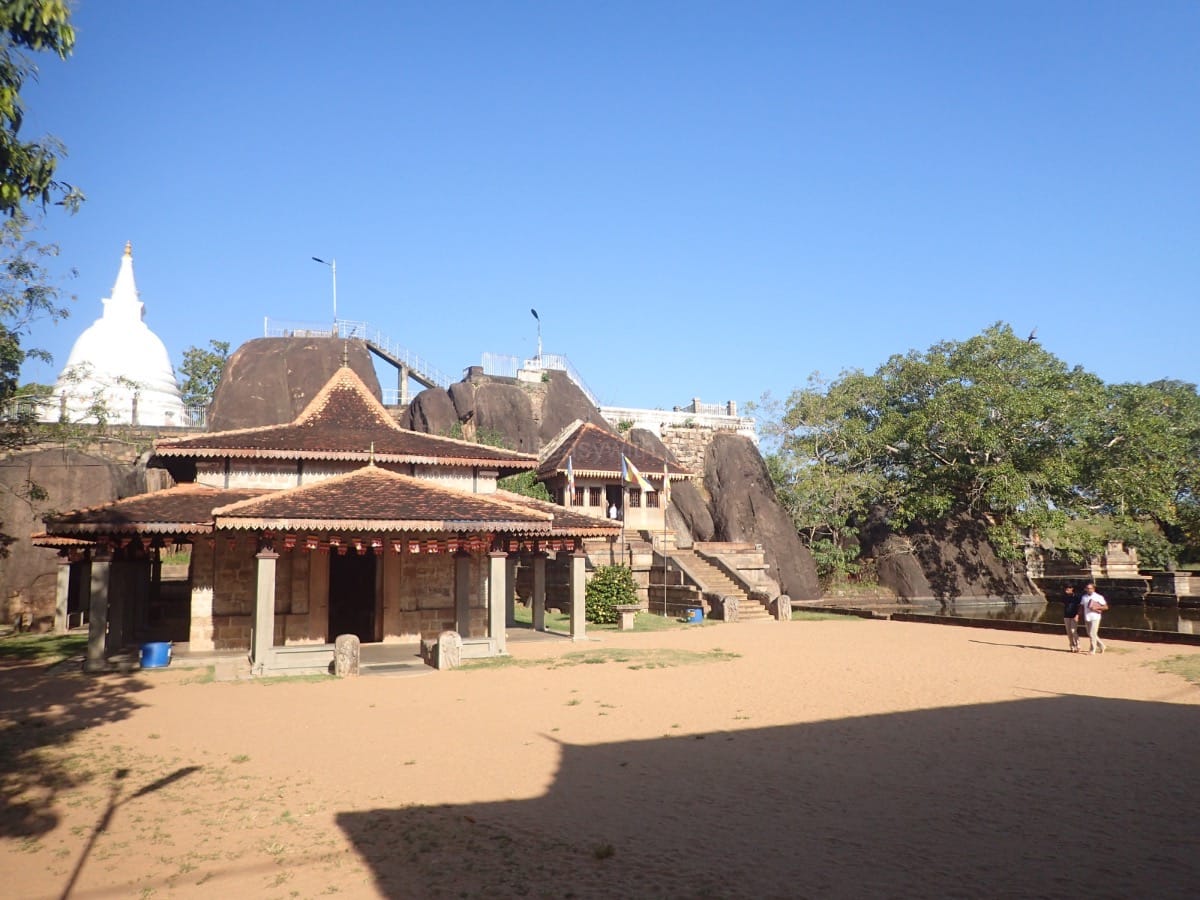
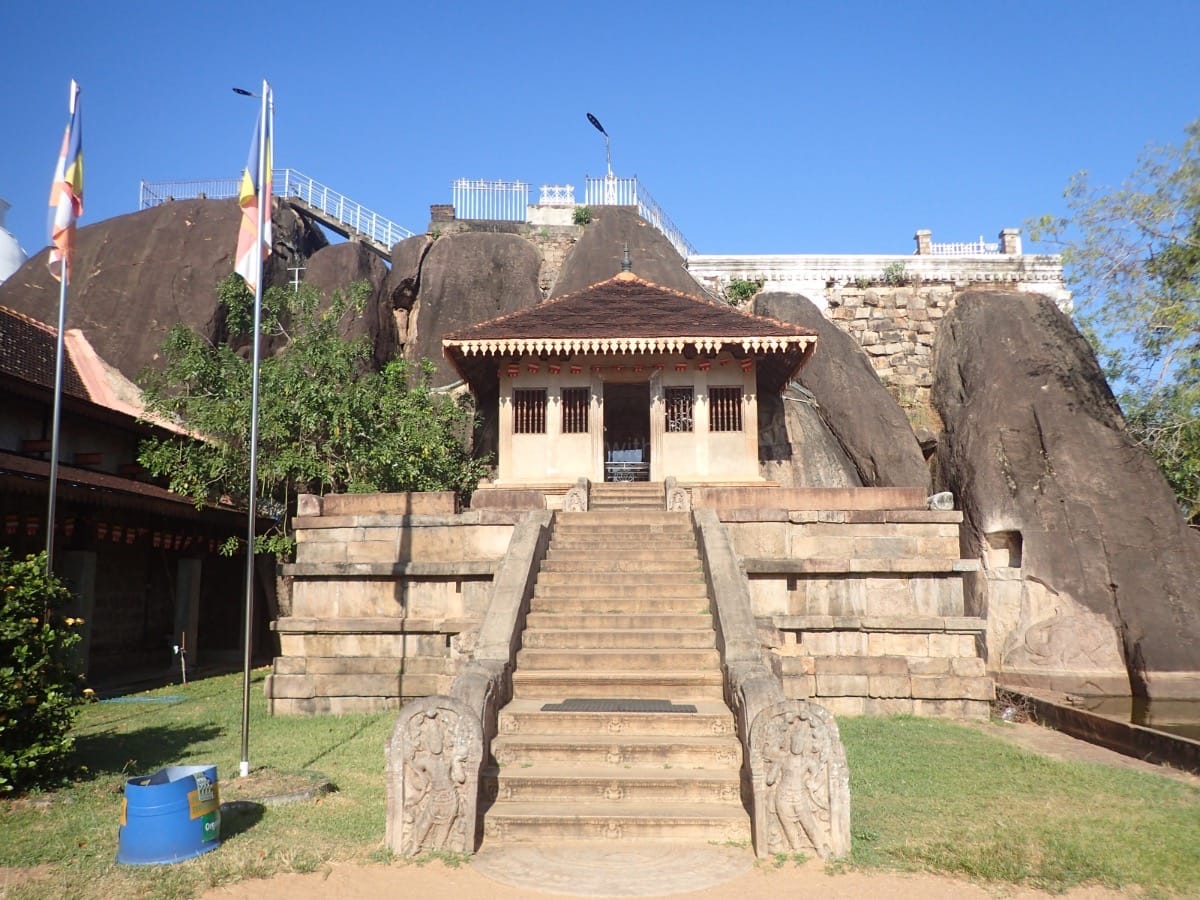
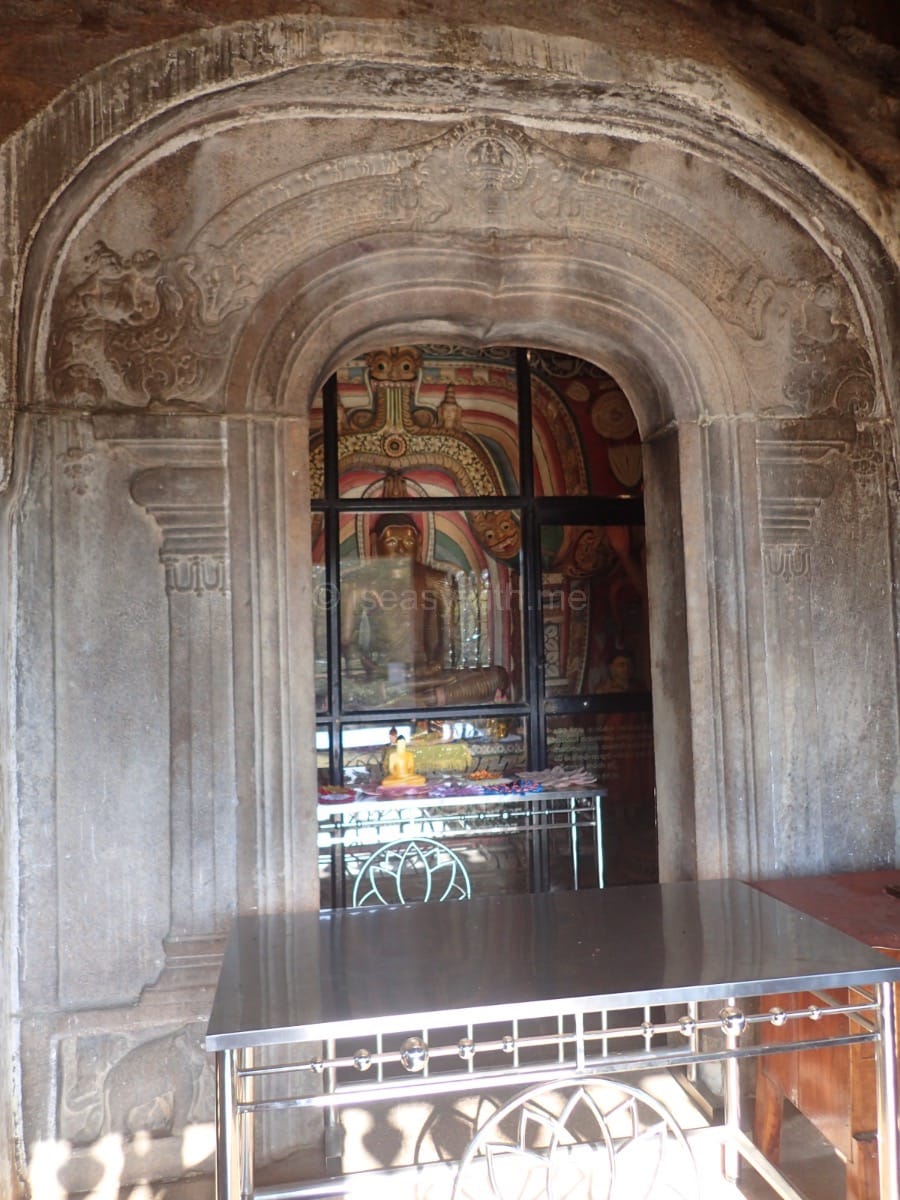
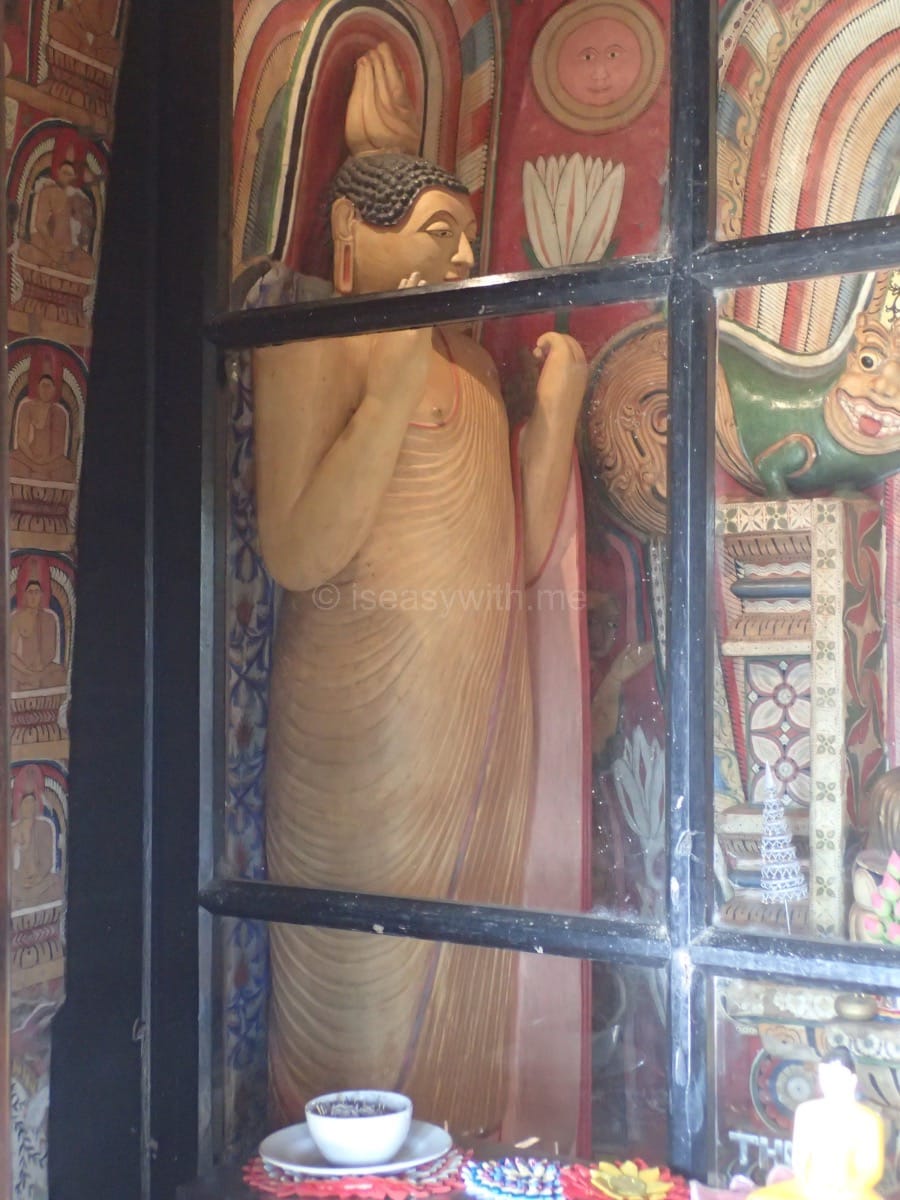
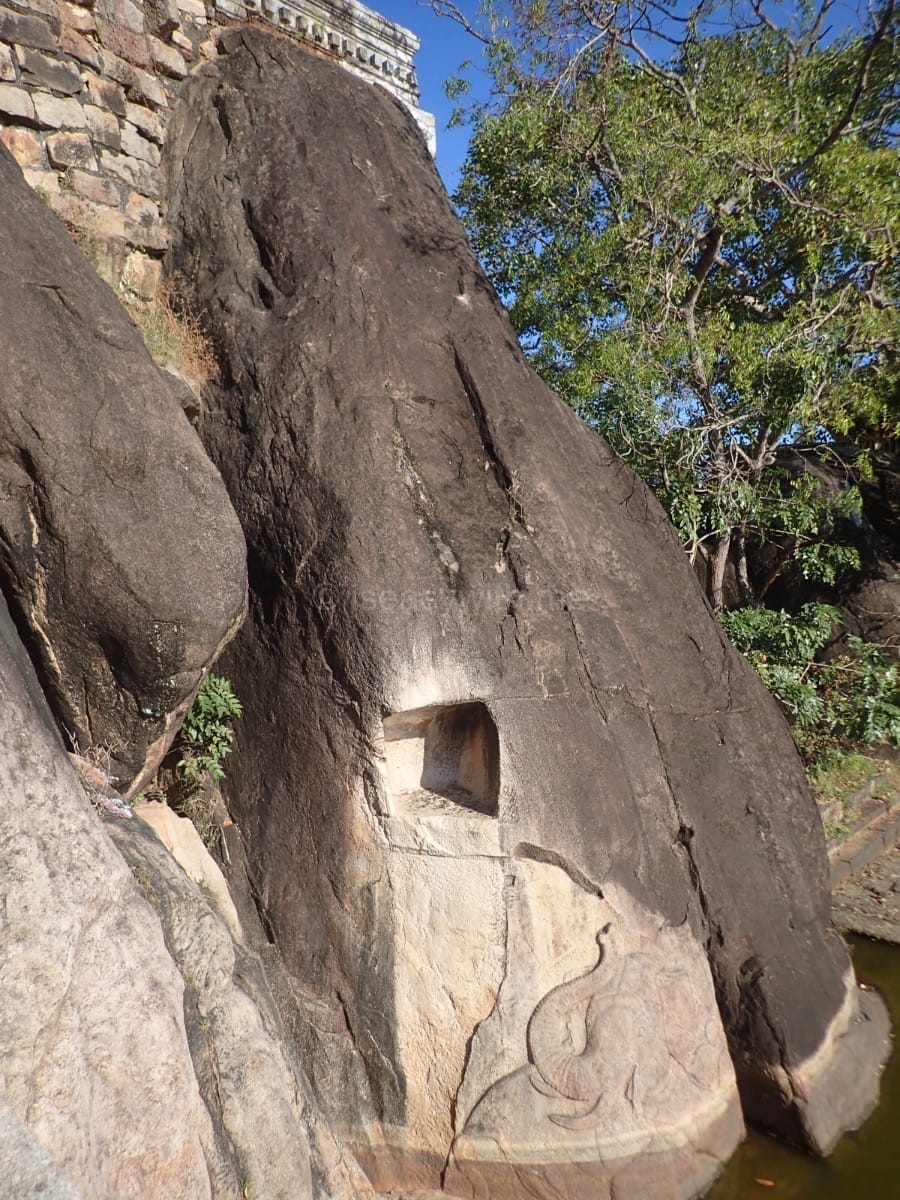
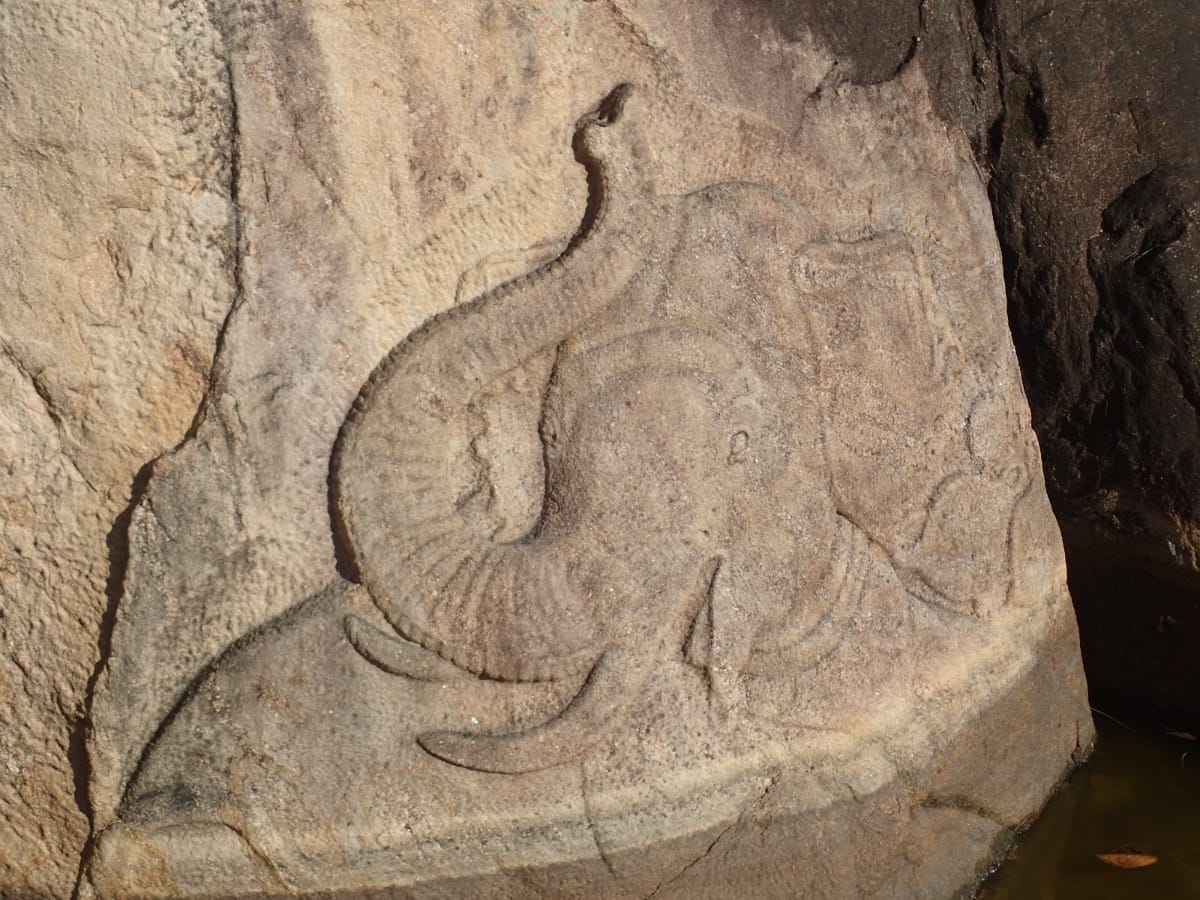
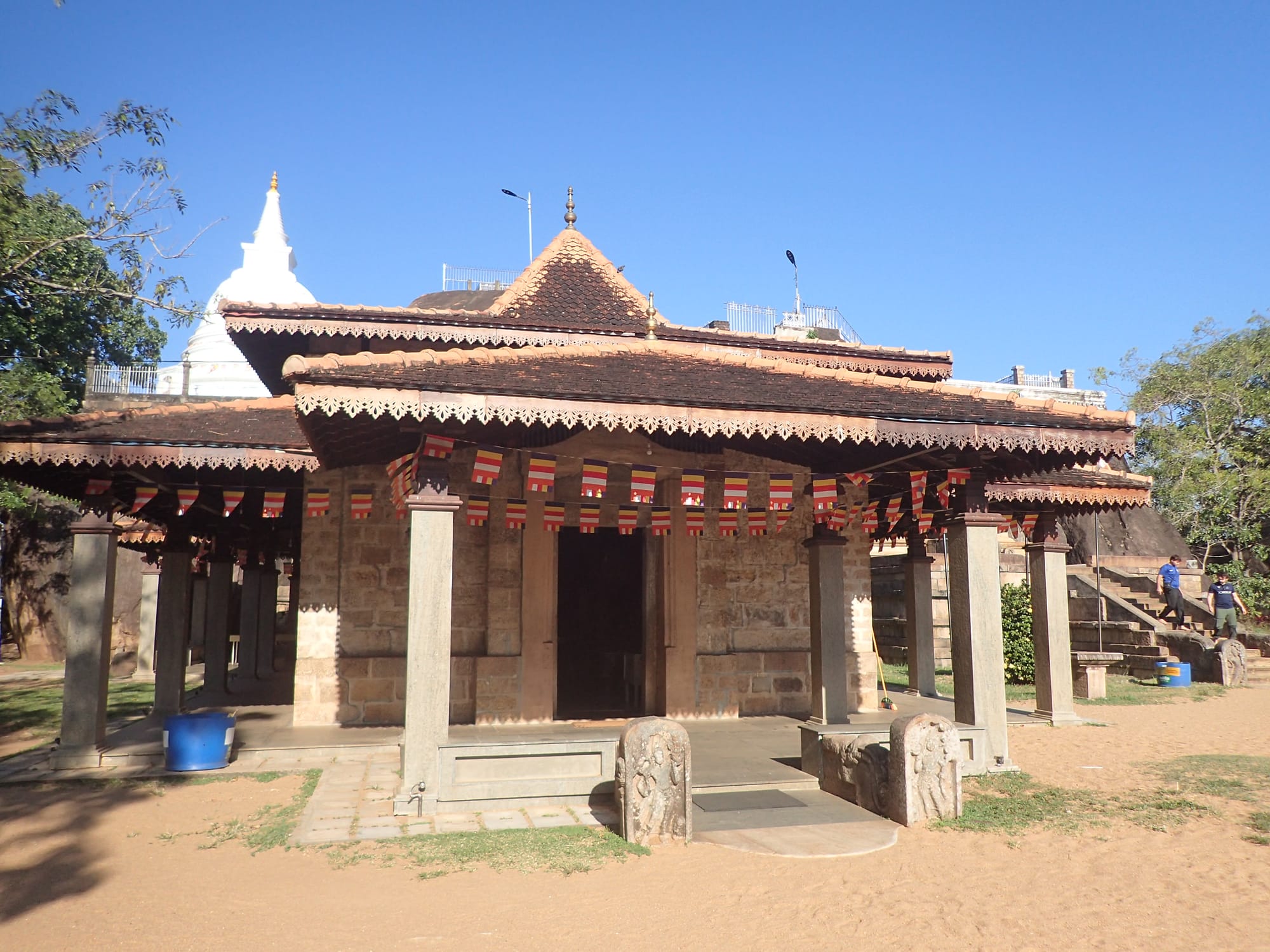
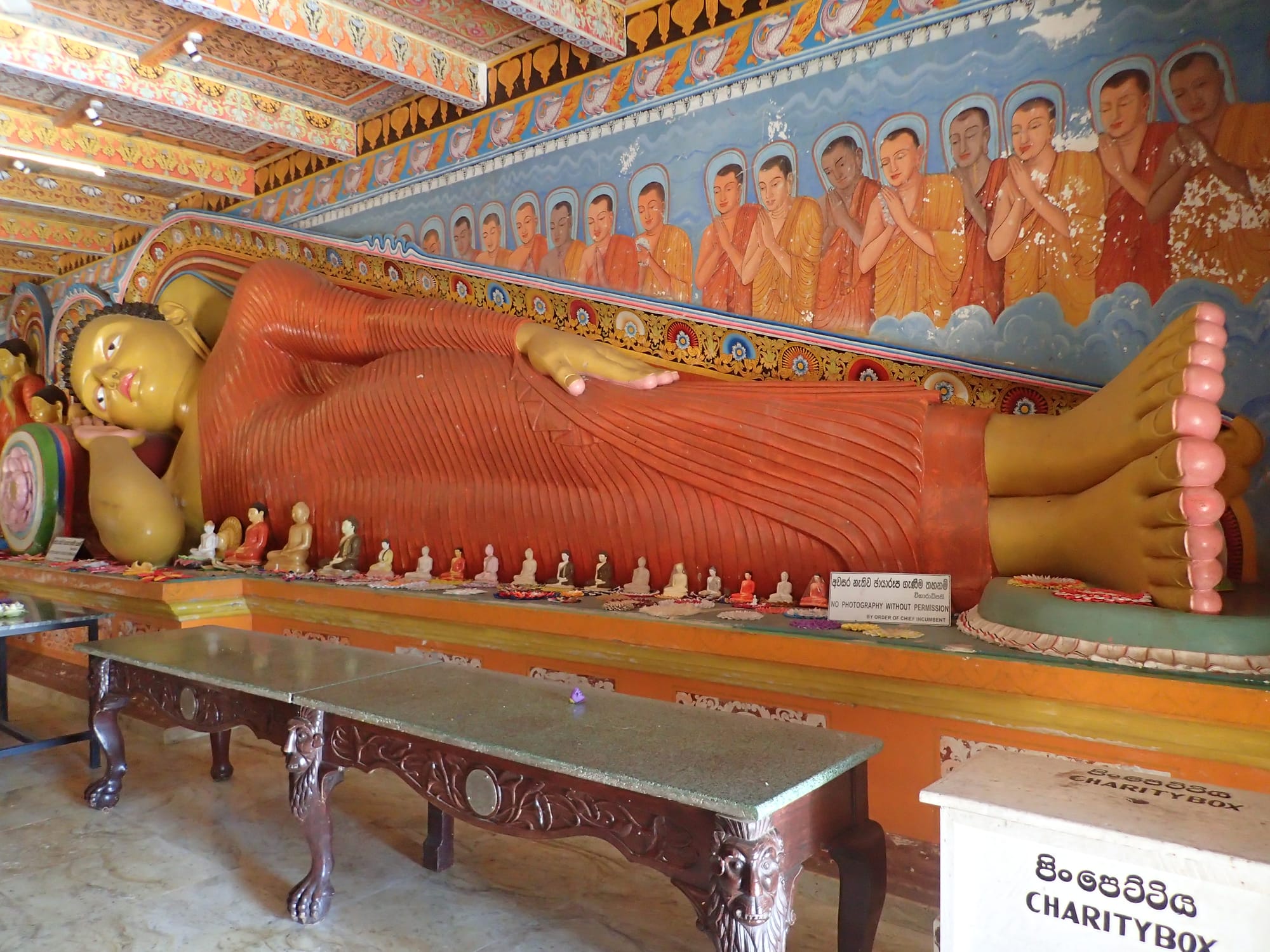
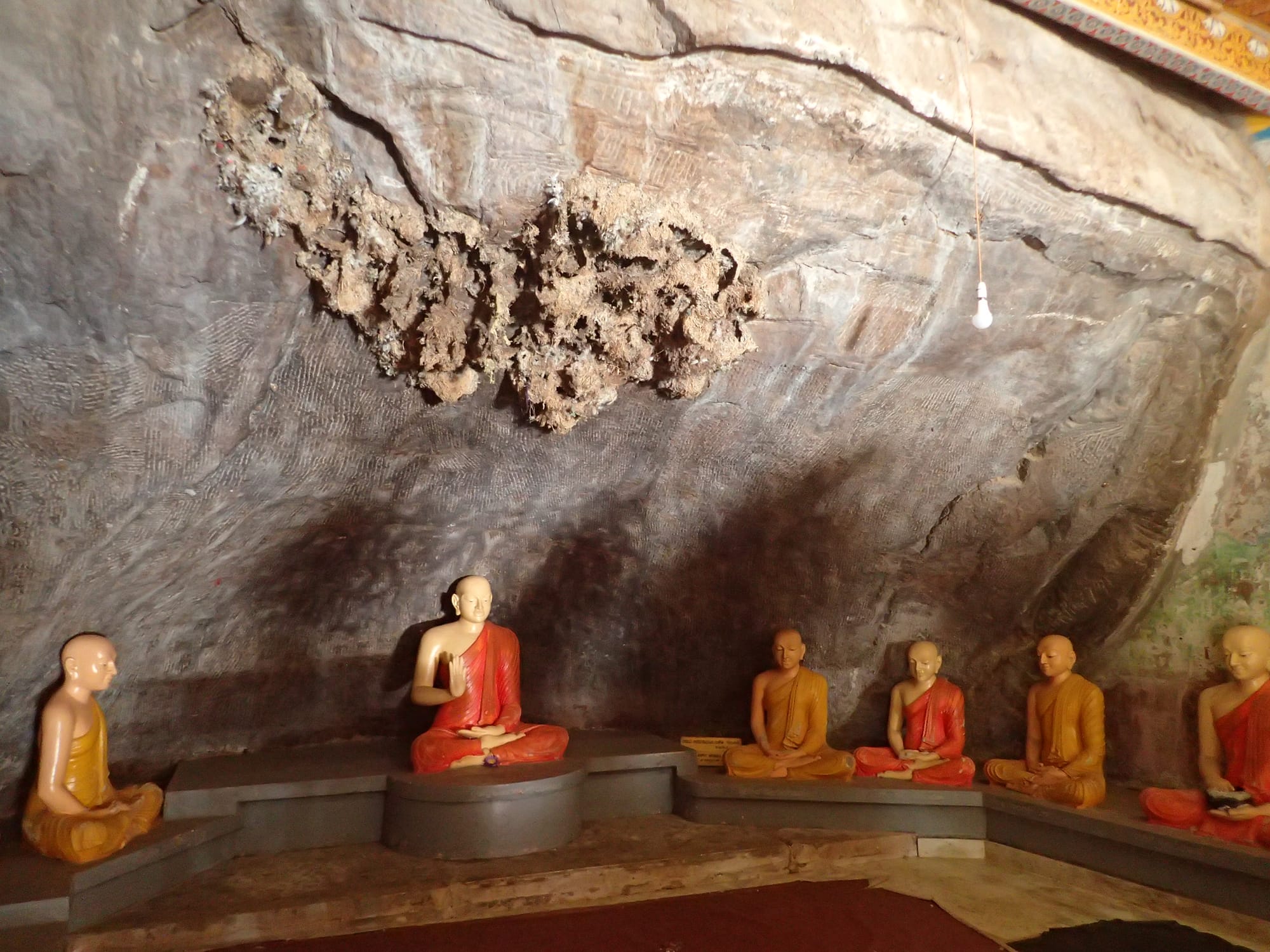
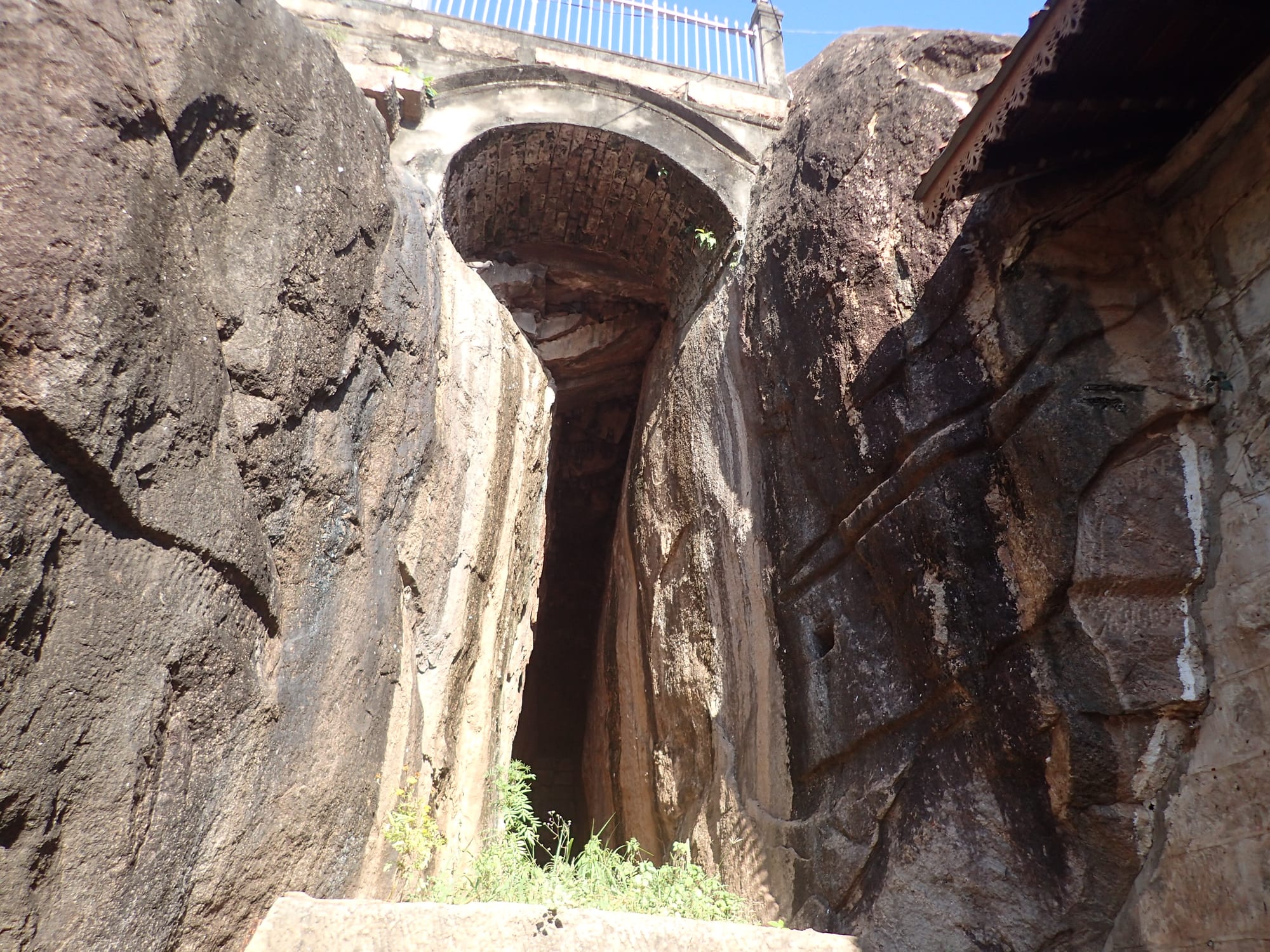
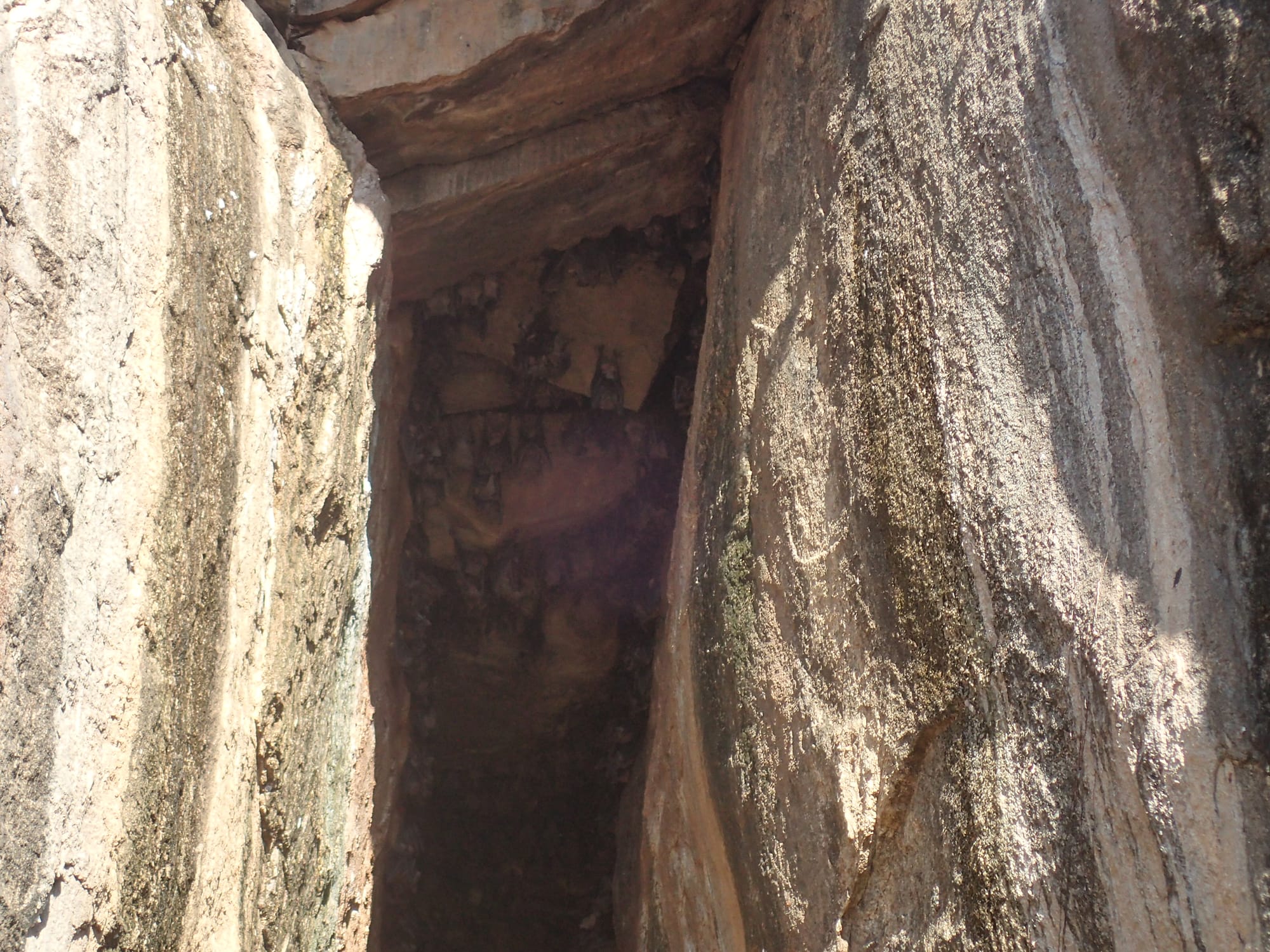
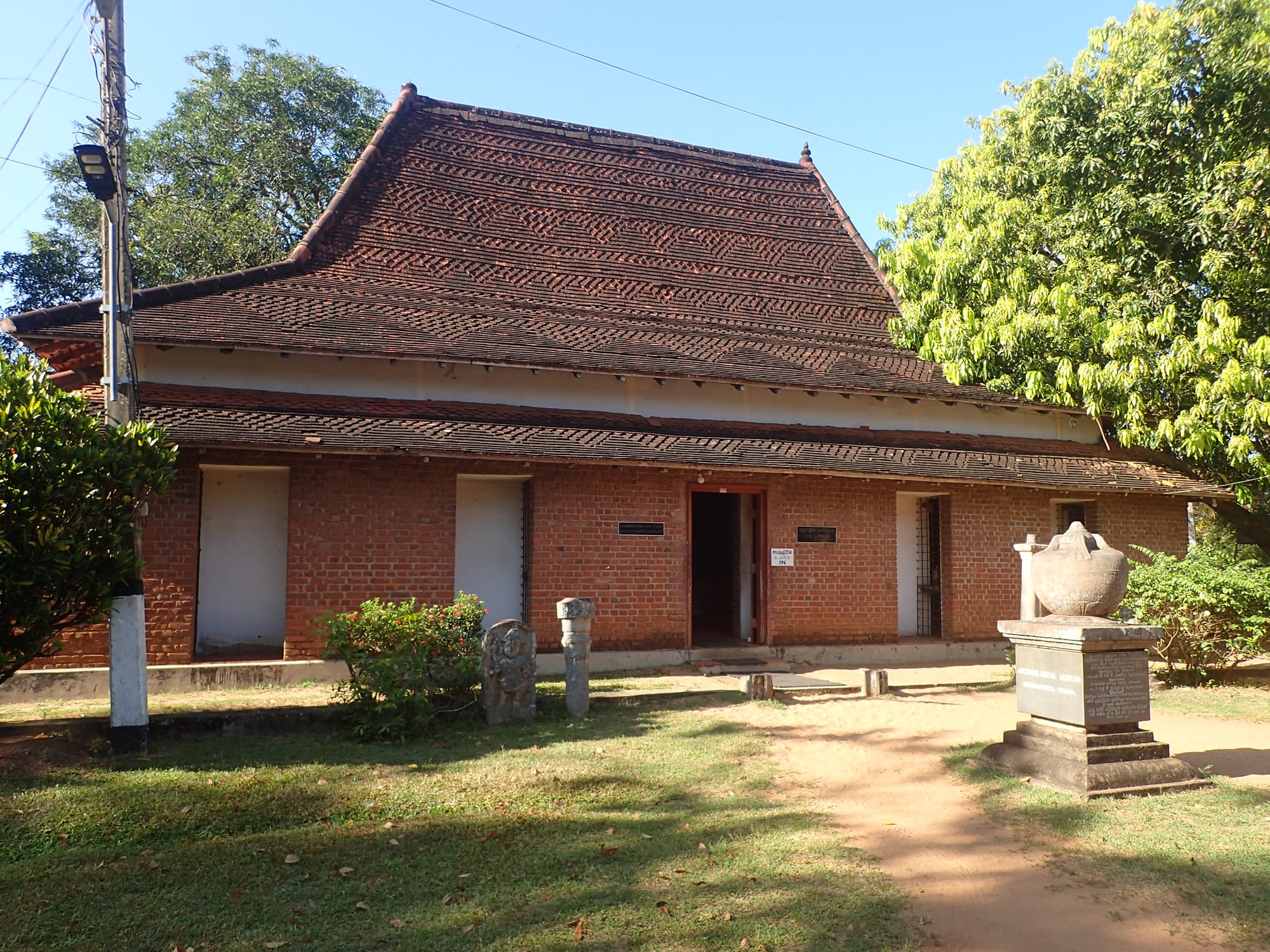
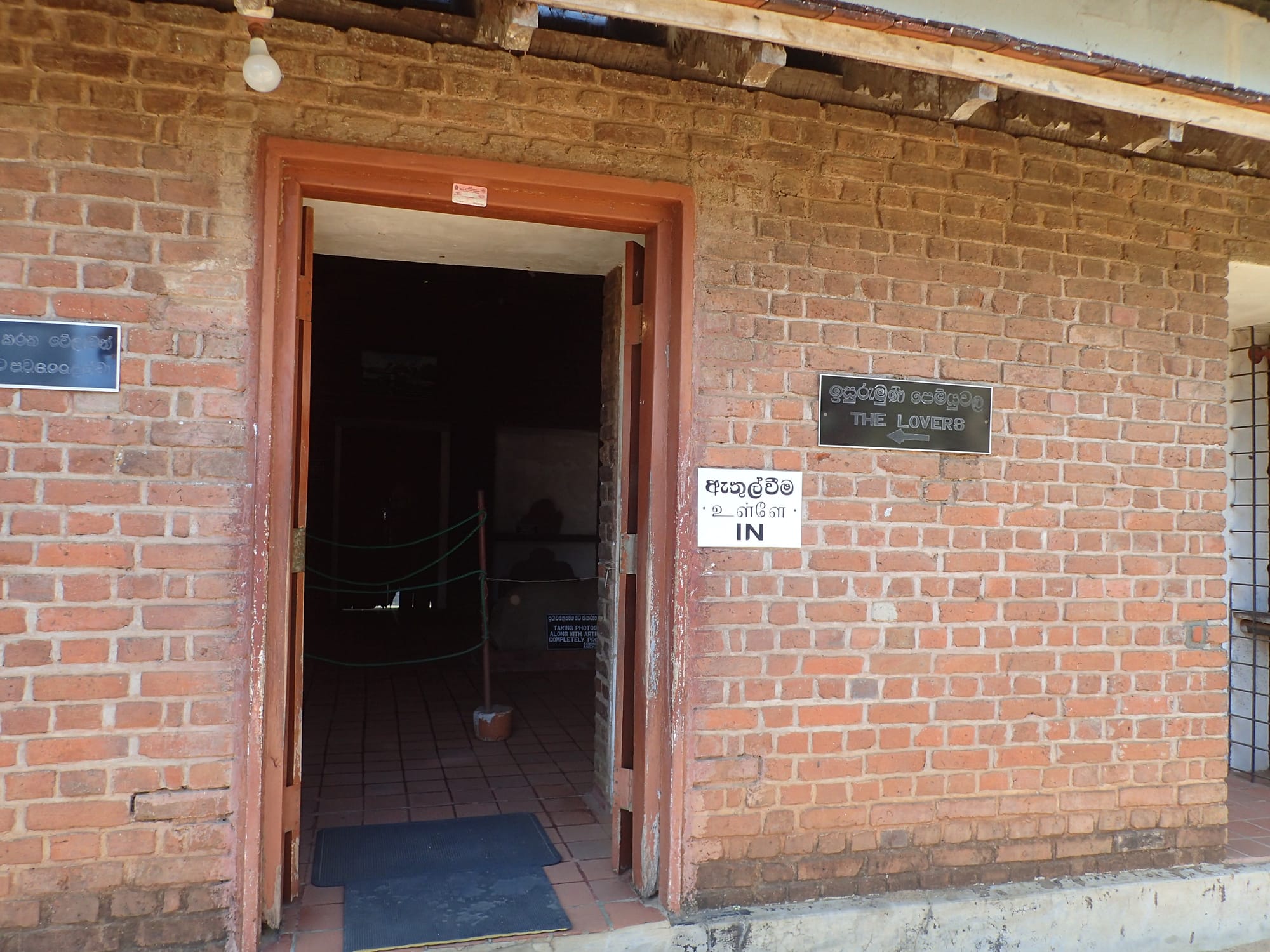
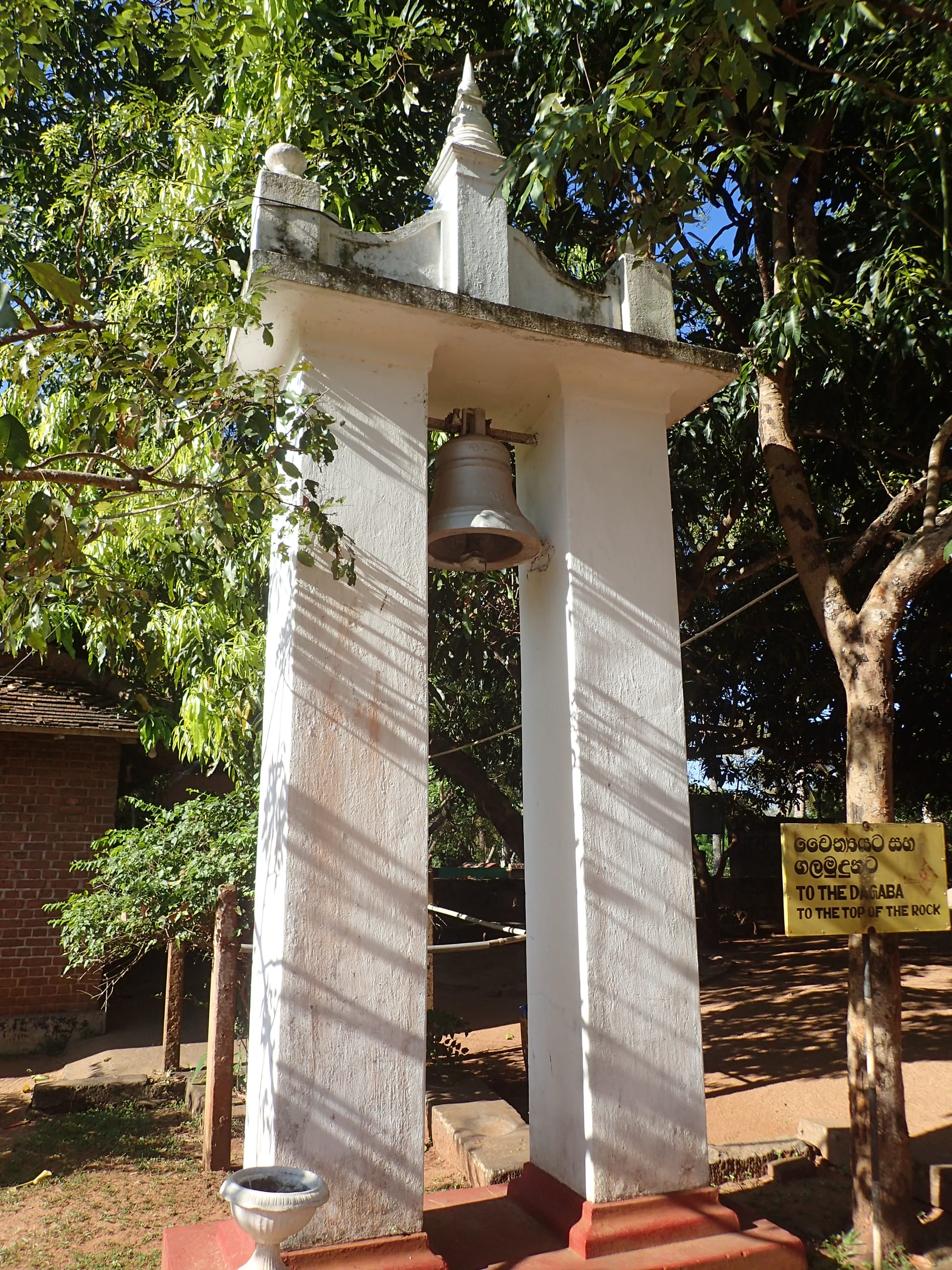
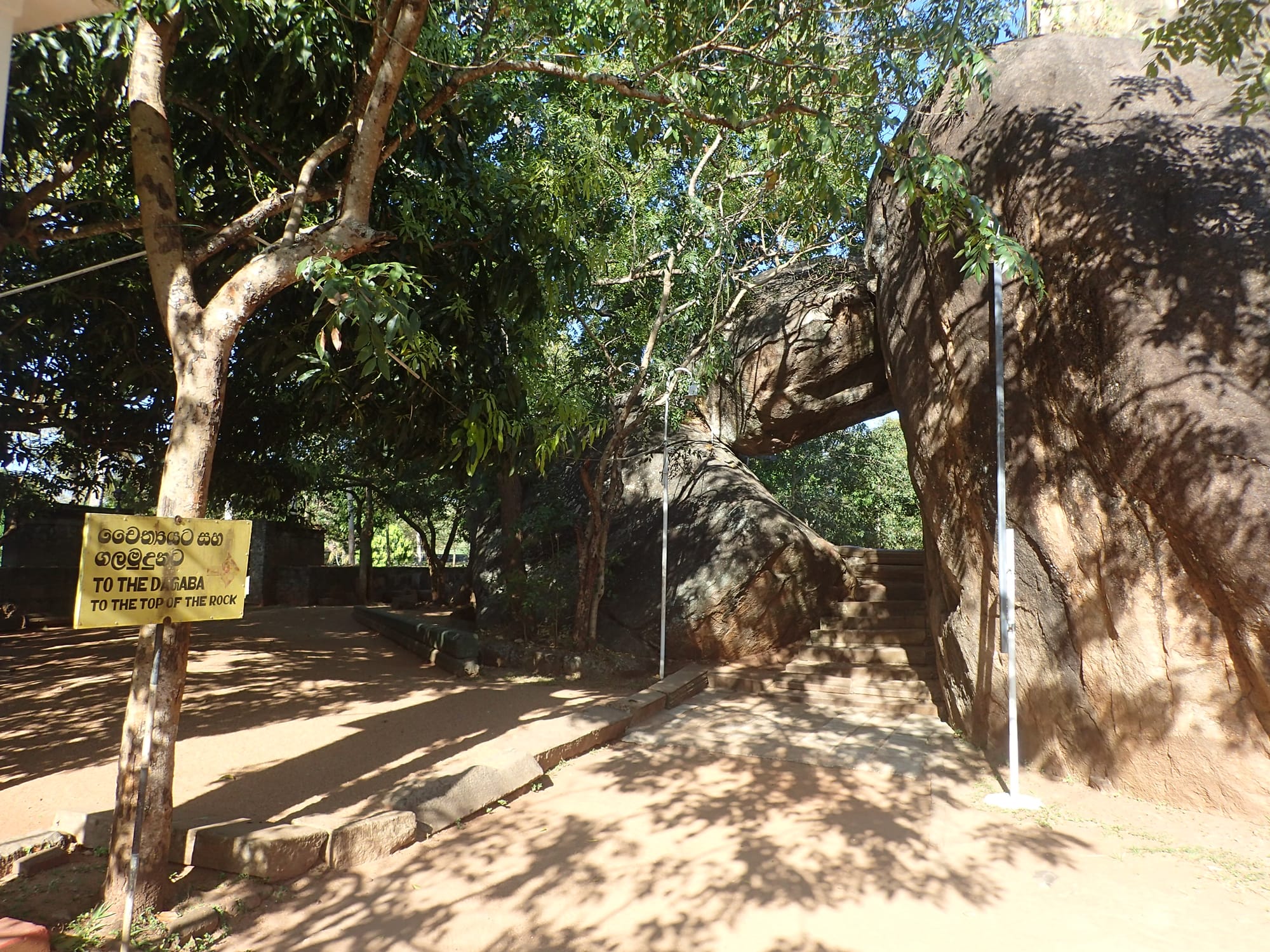
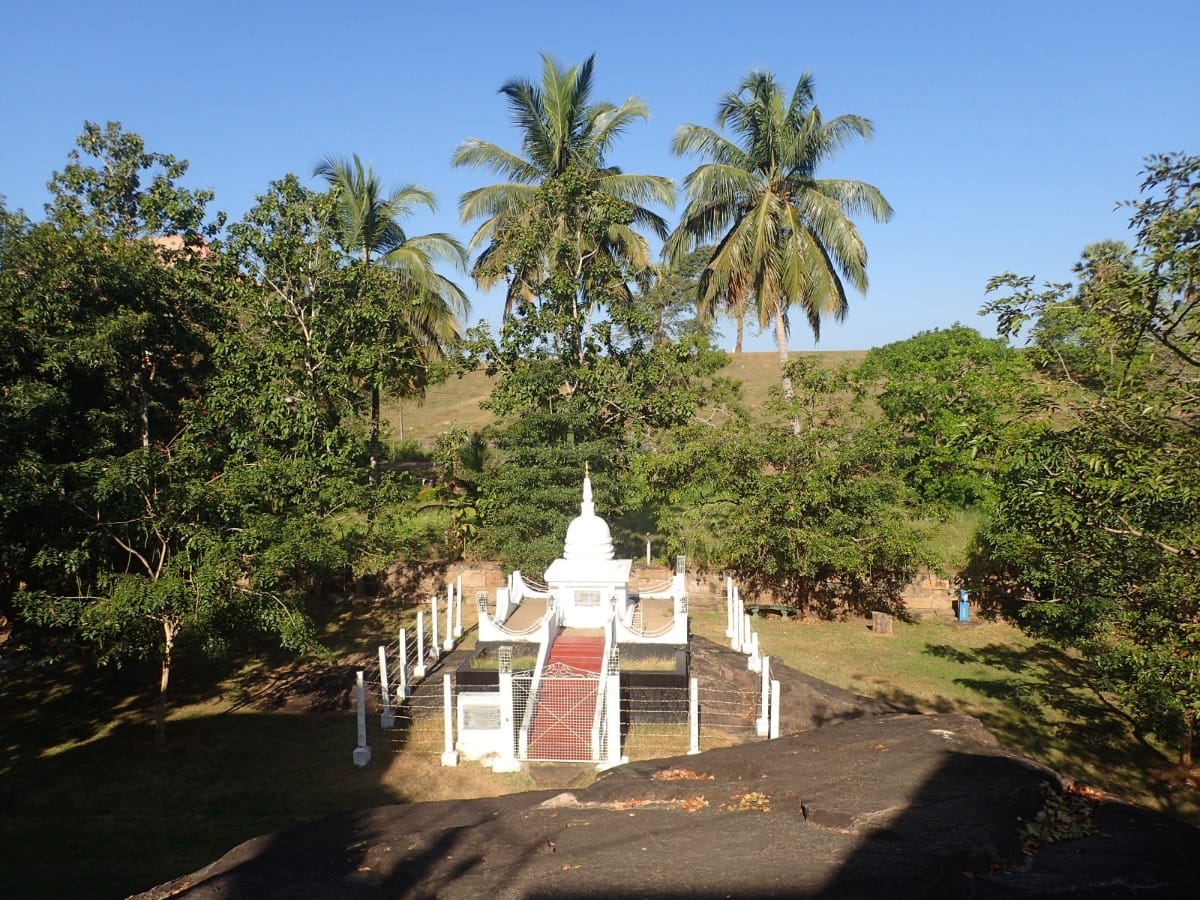
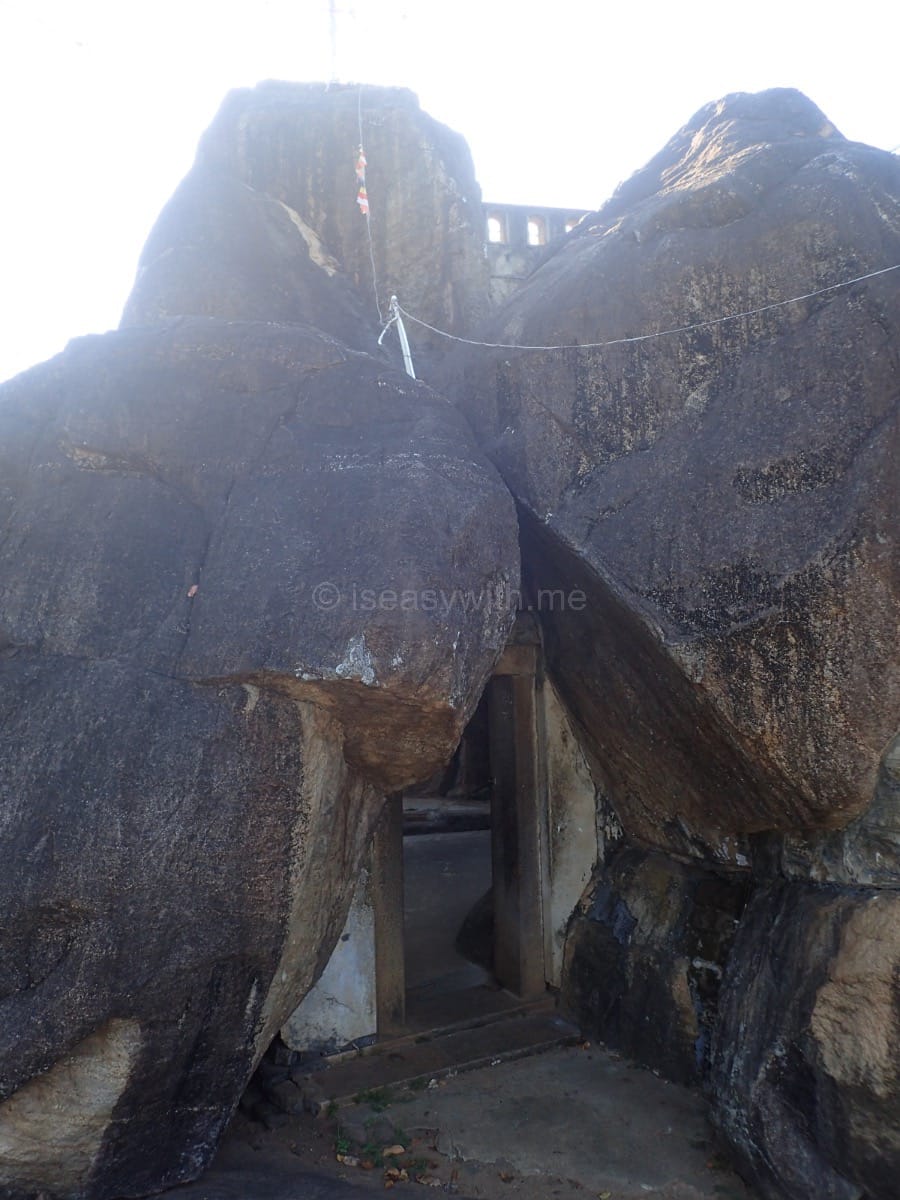
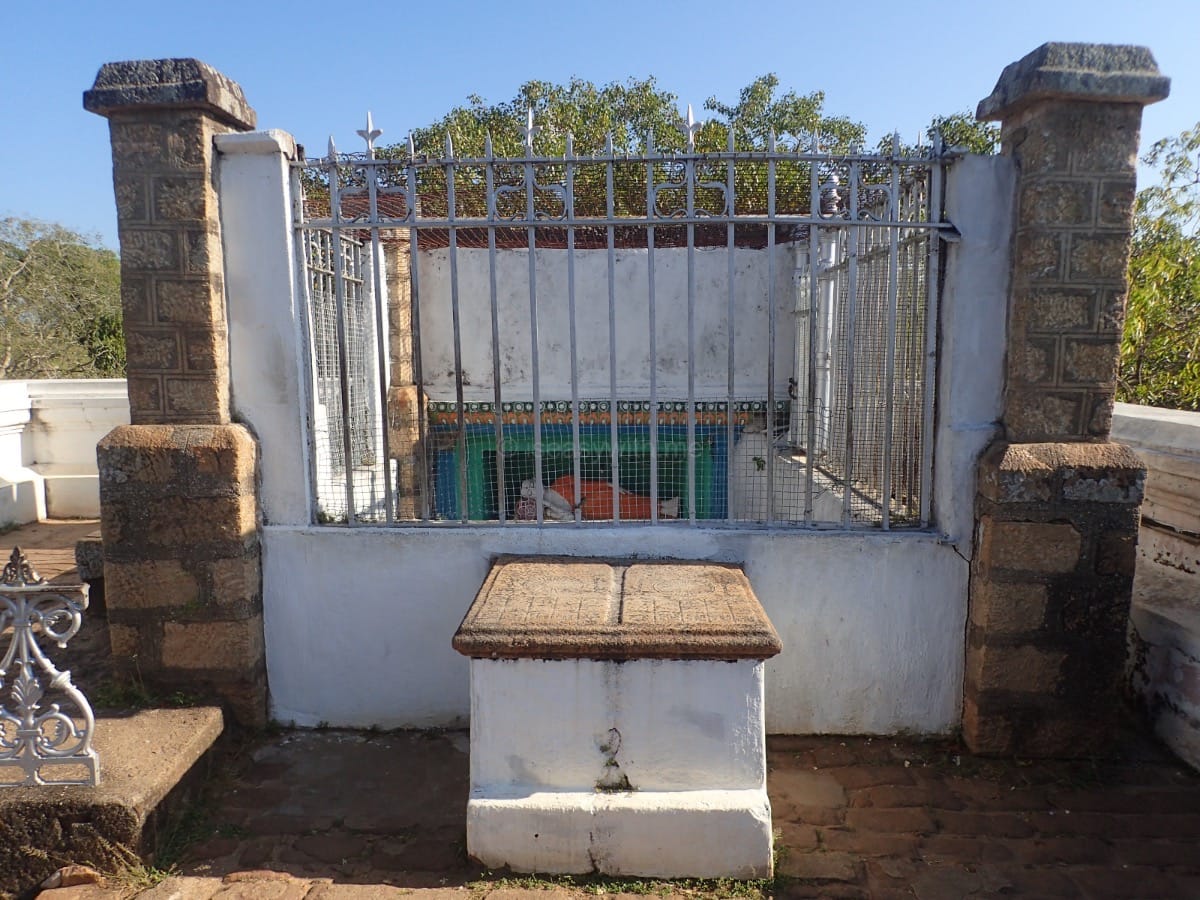
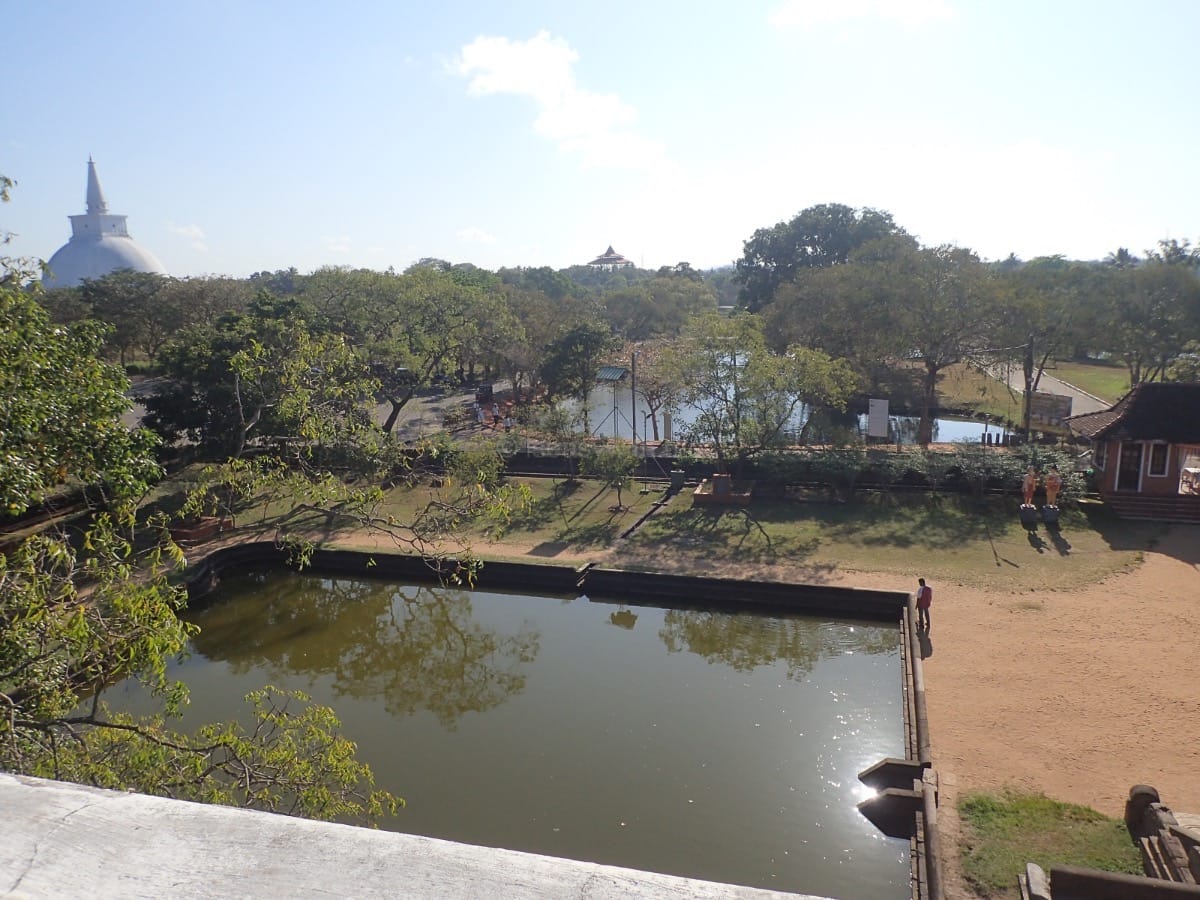
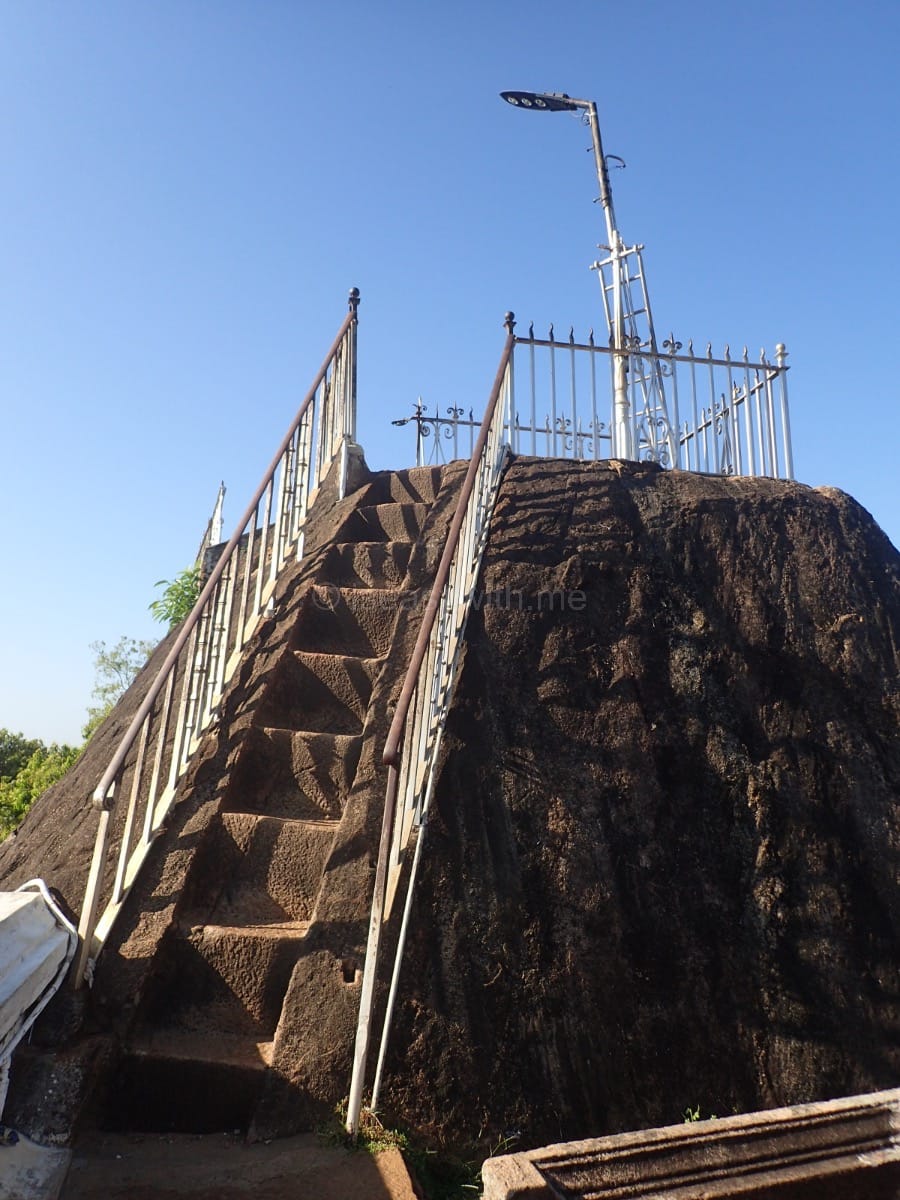
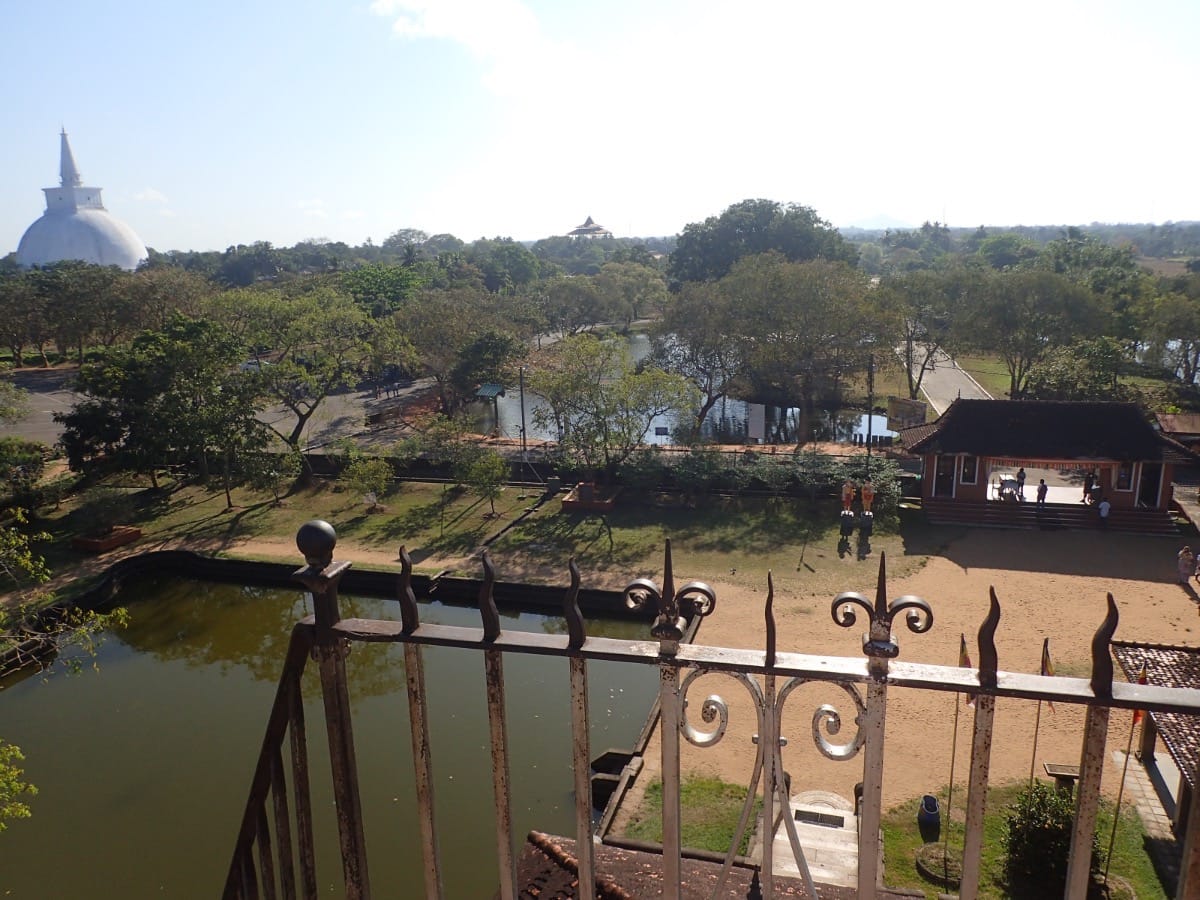
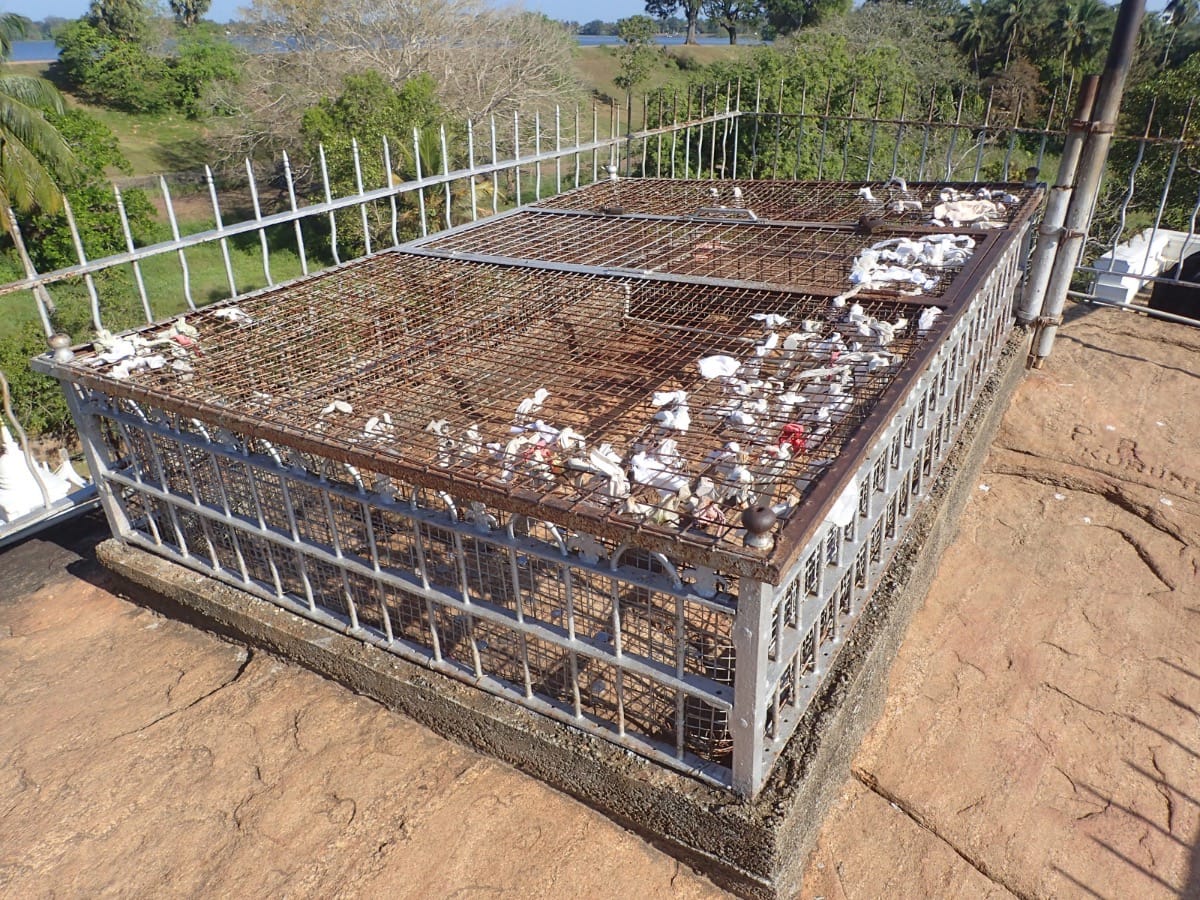
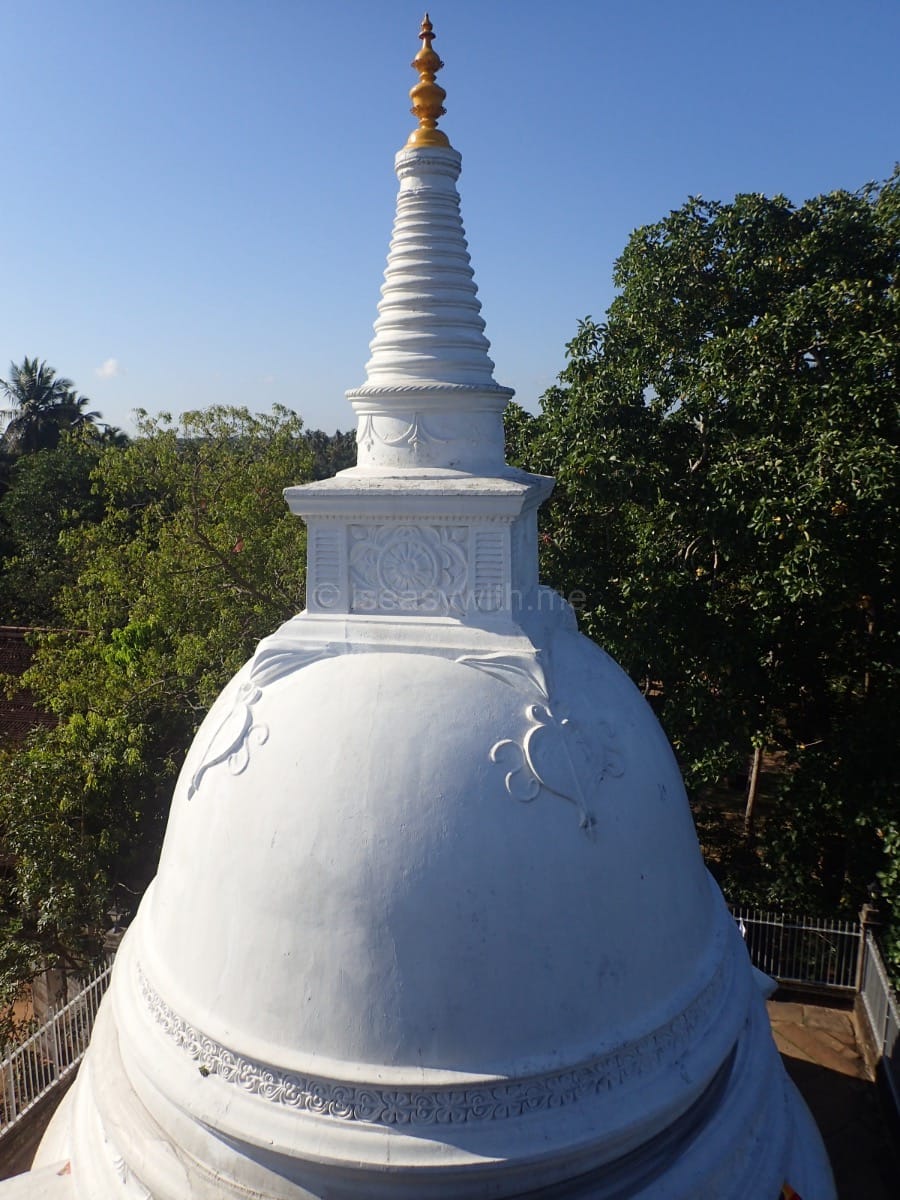
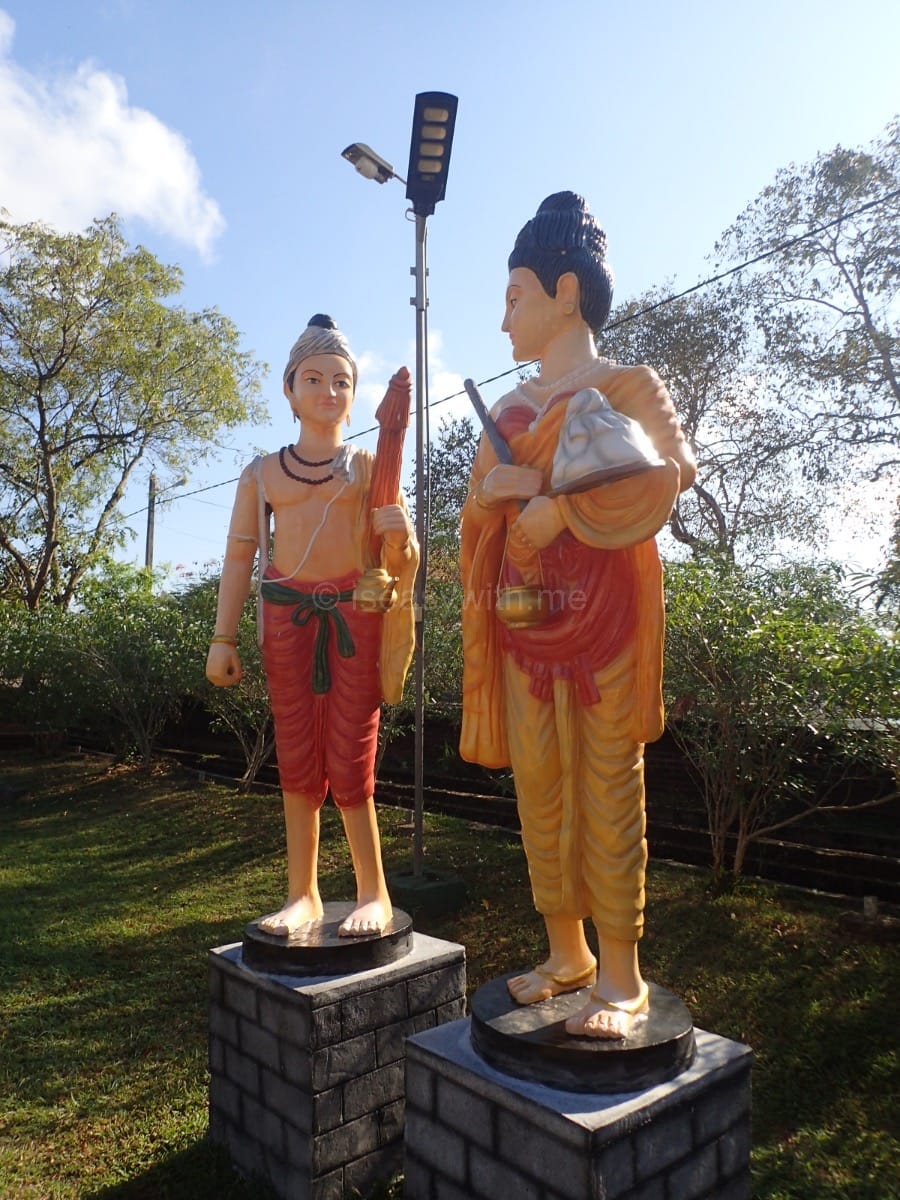
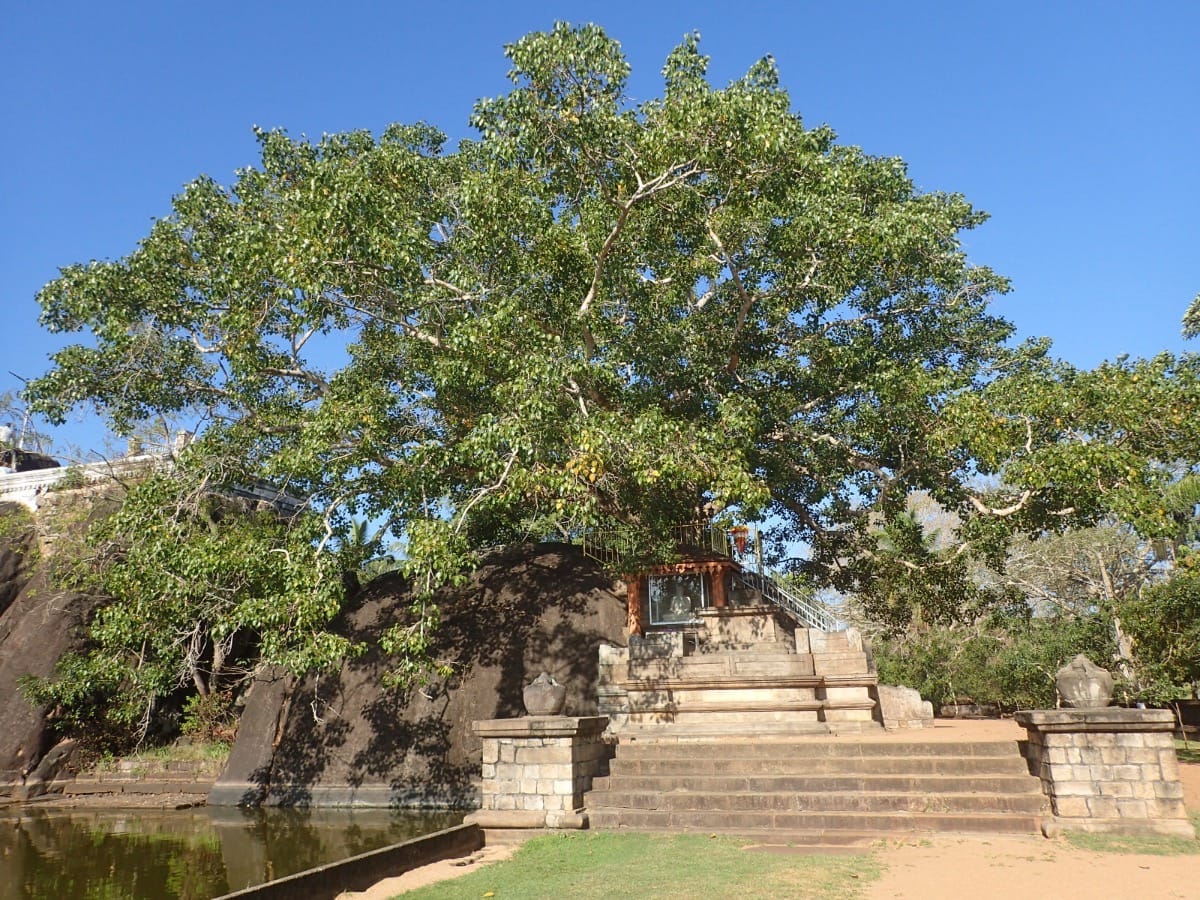
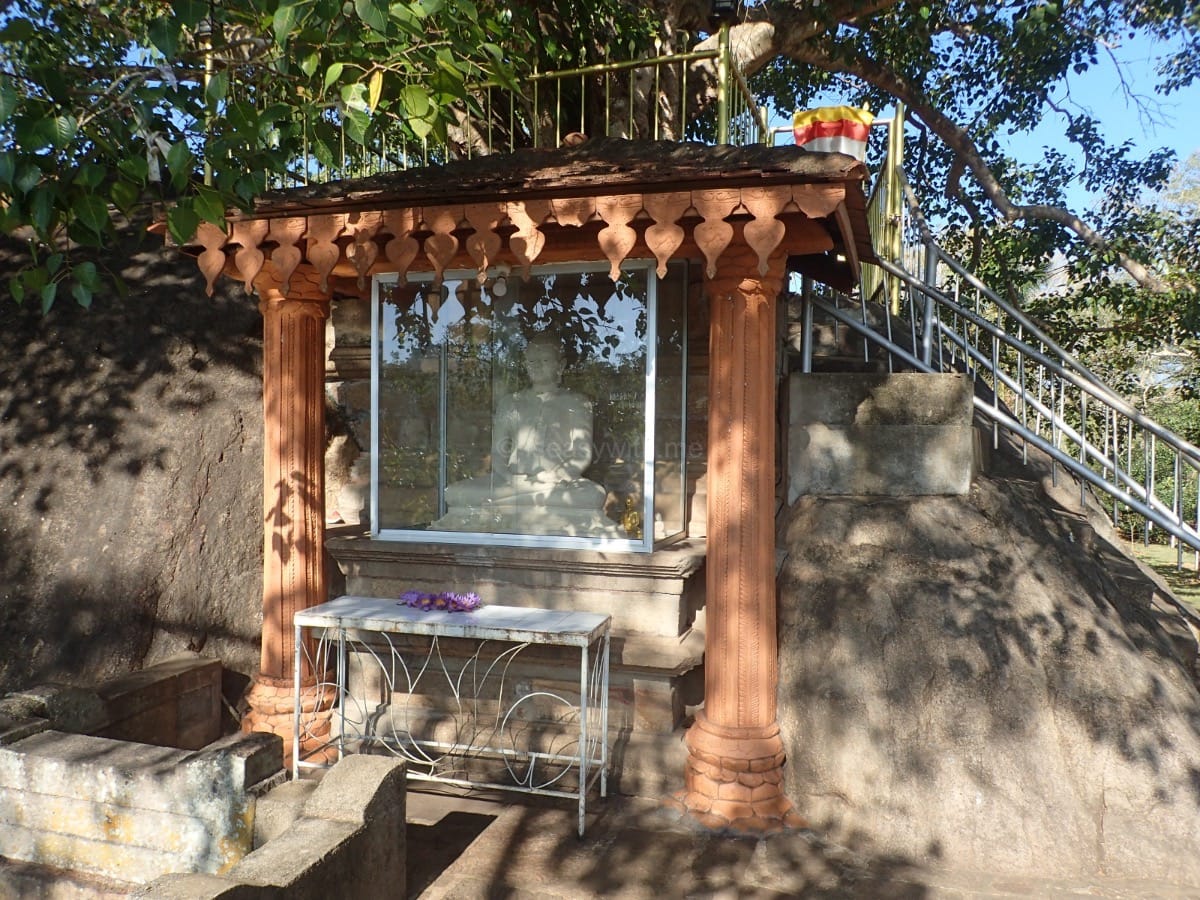
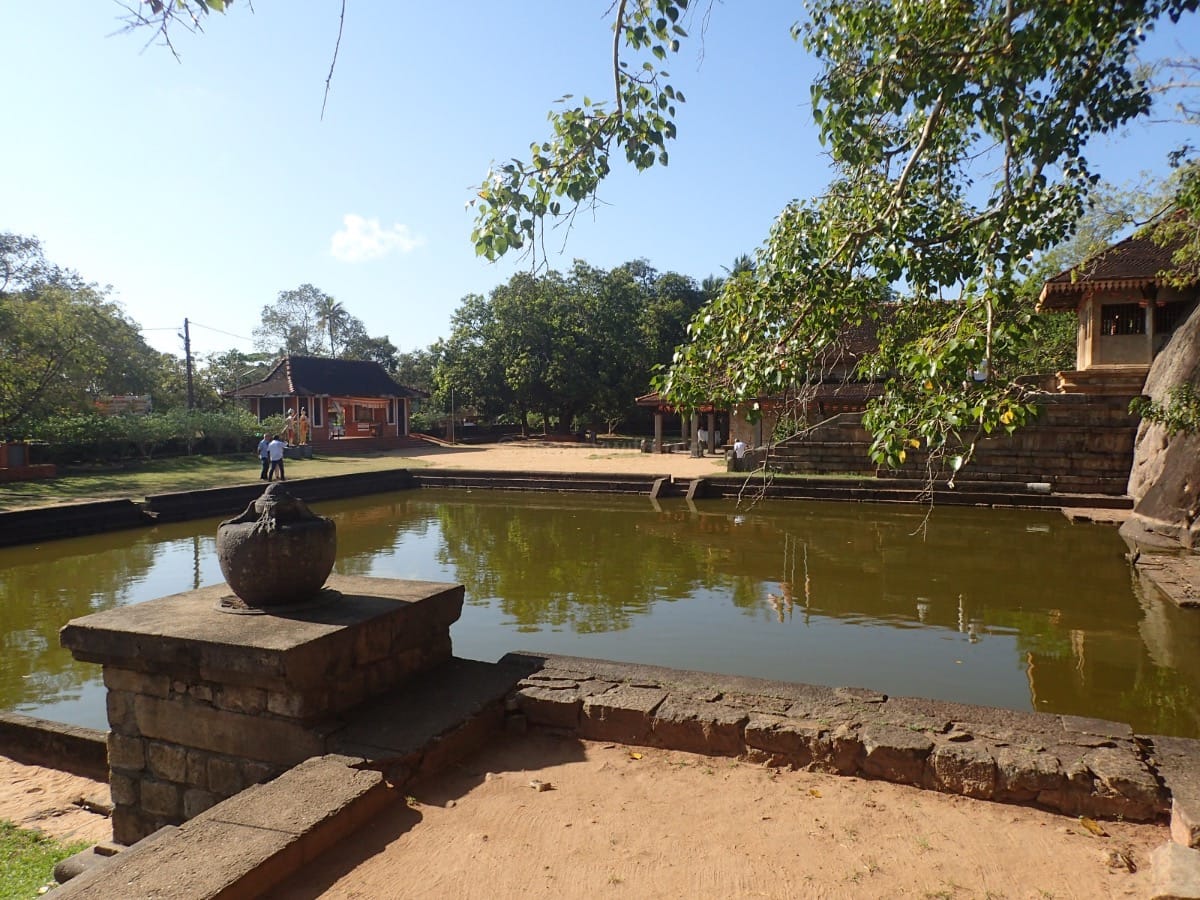
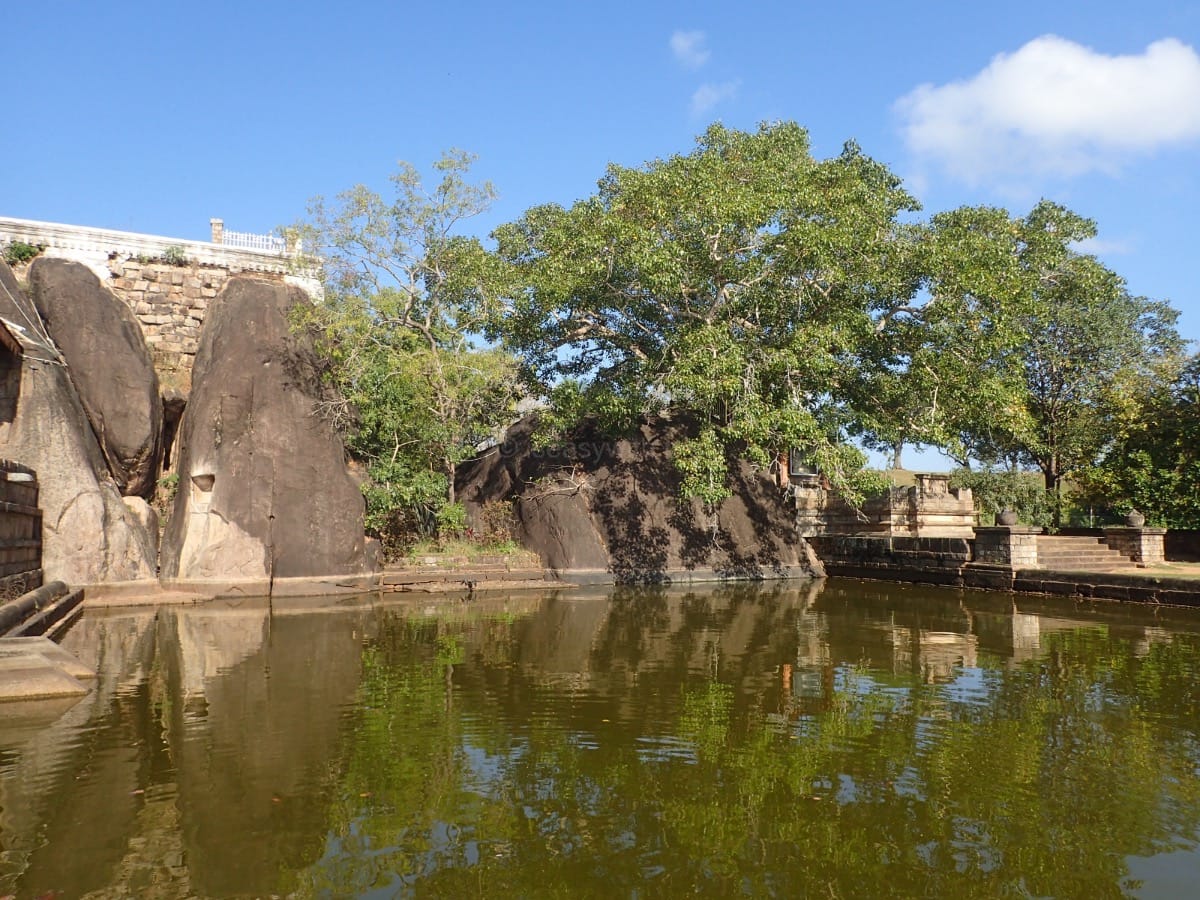
Isurumuniya Temple
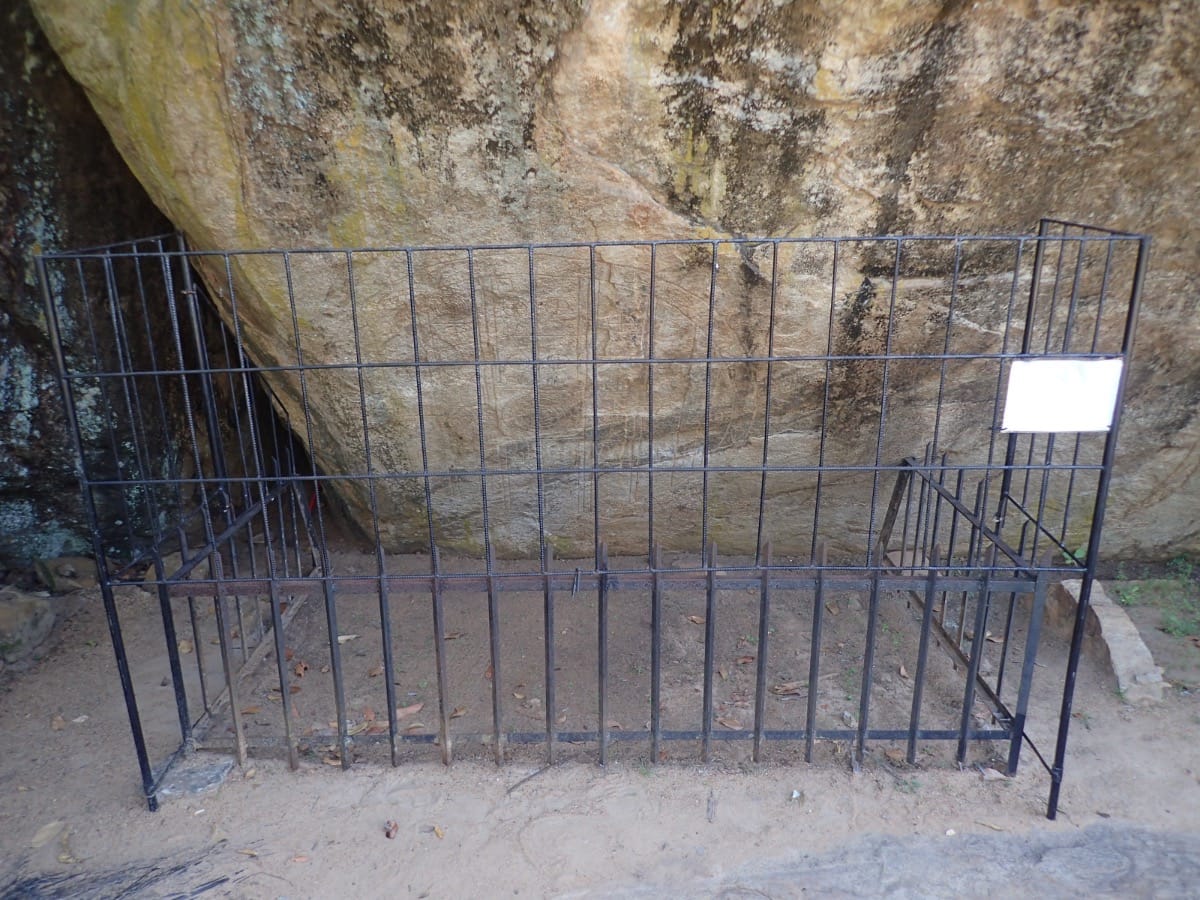
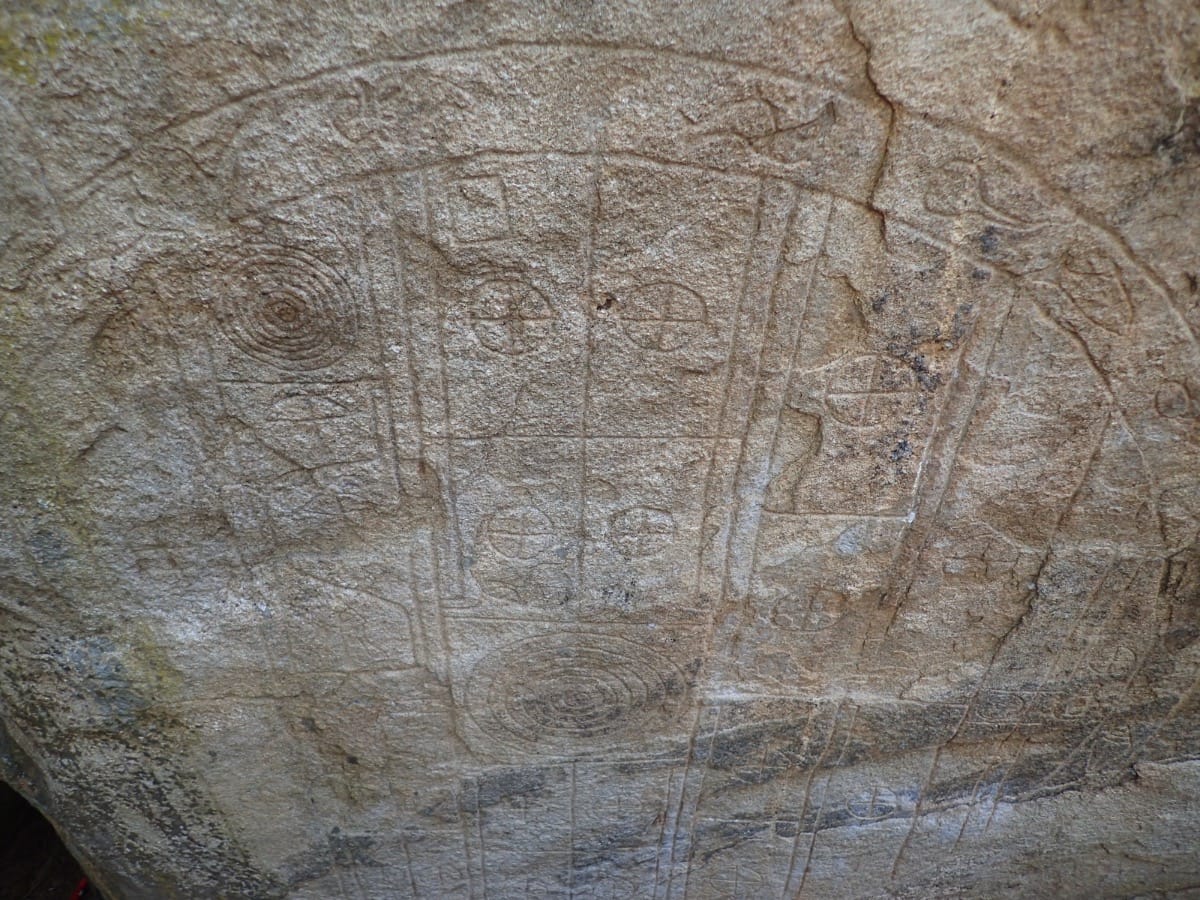
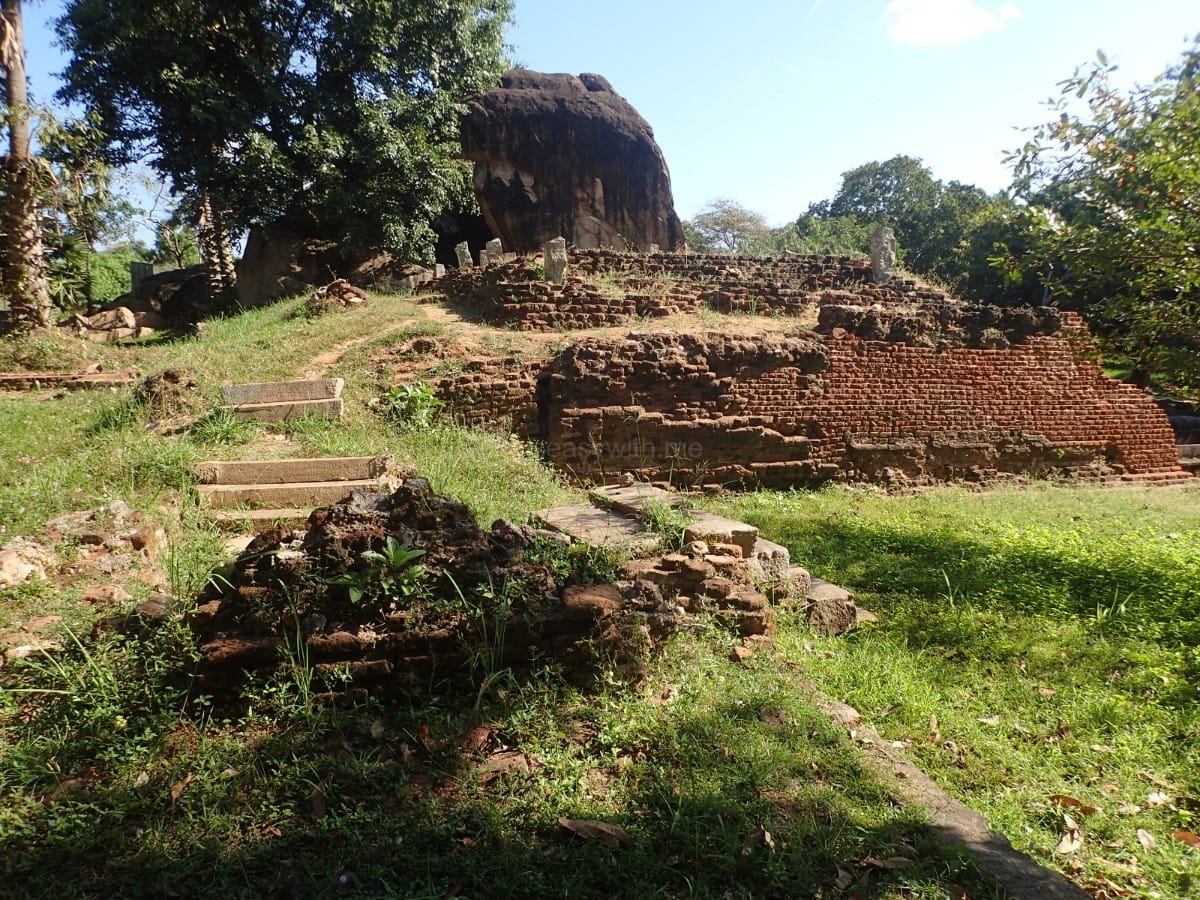
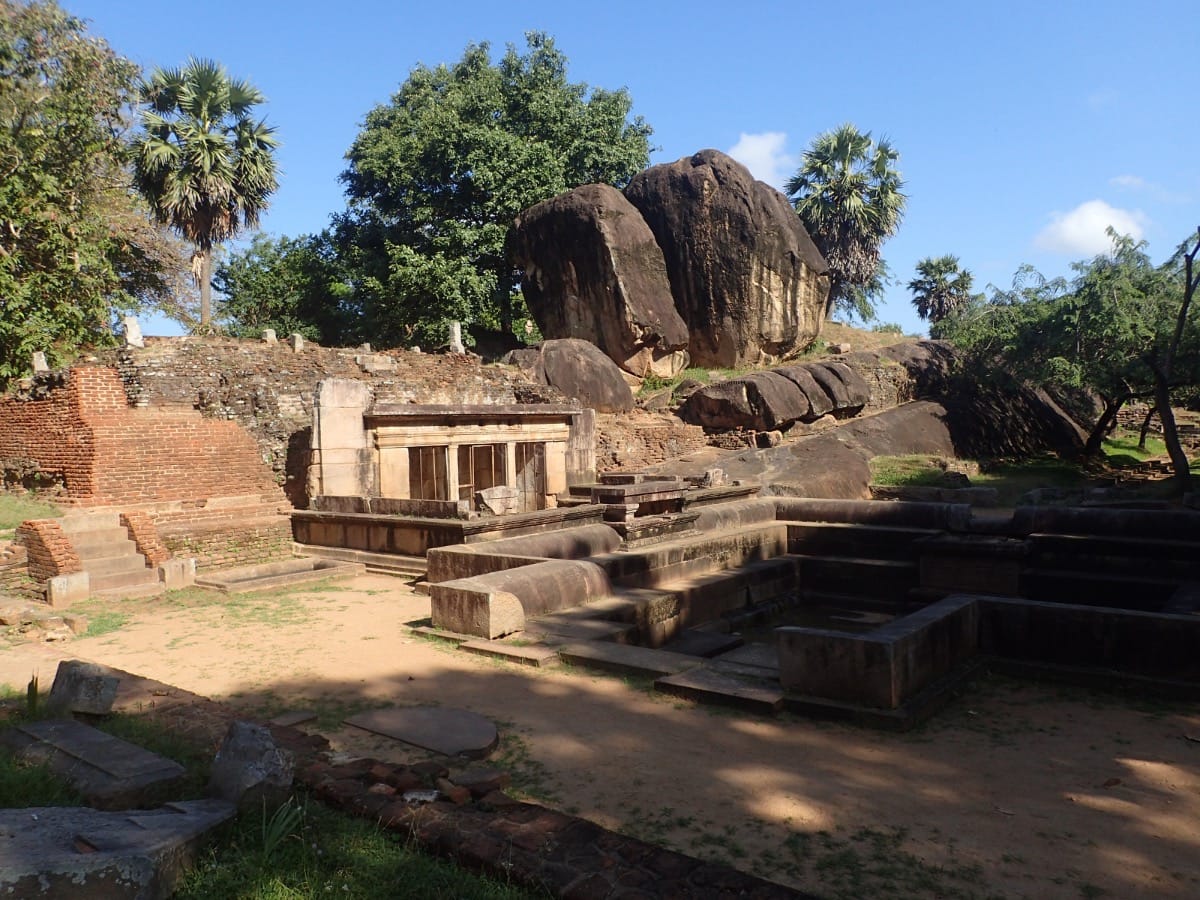
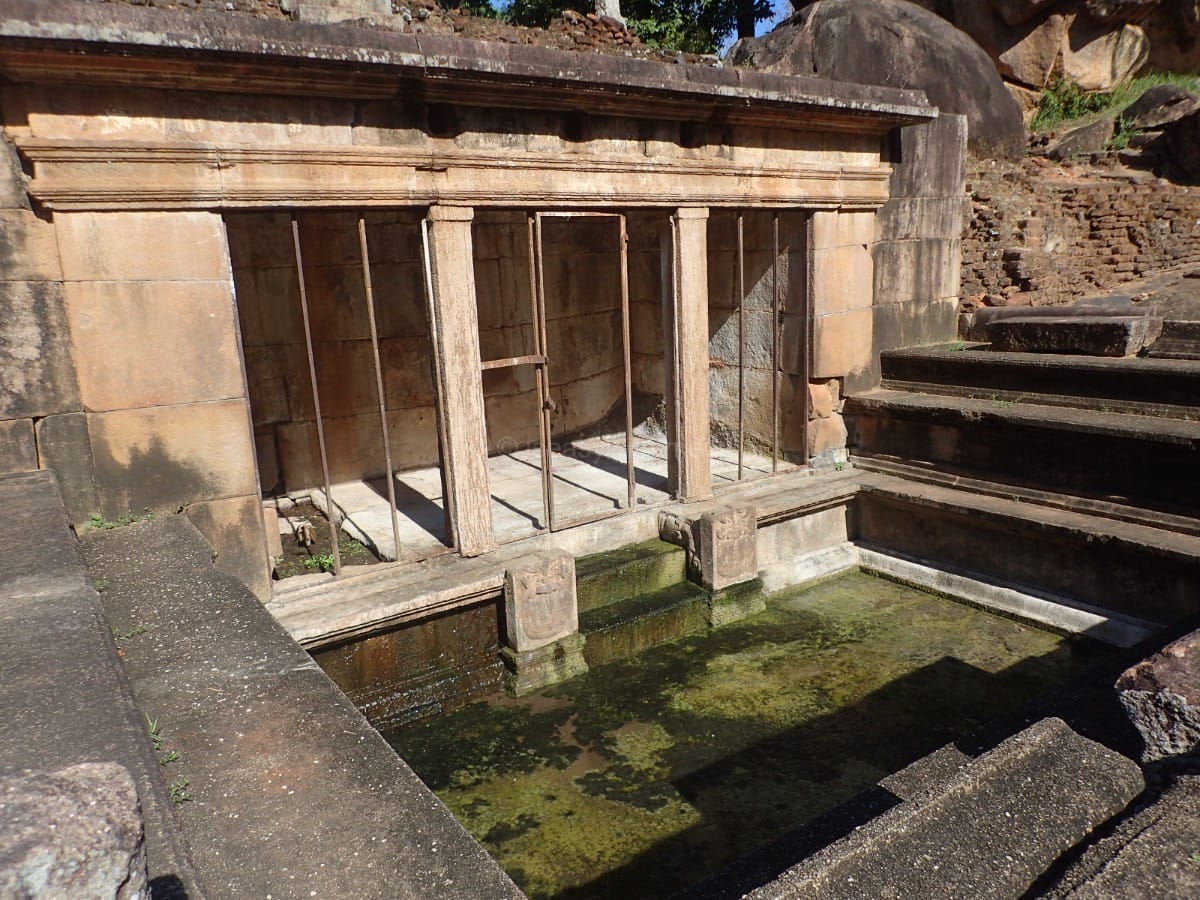
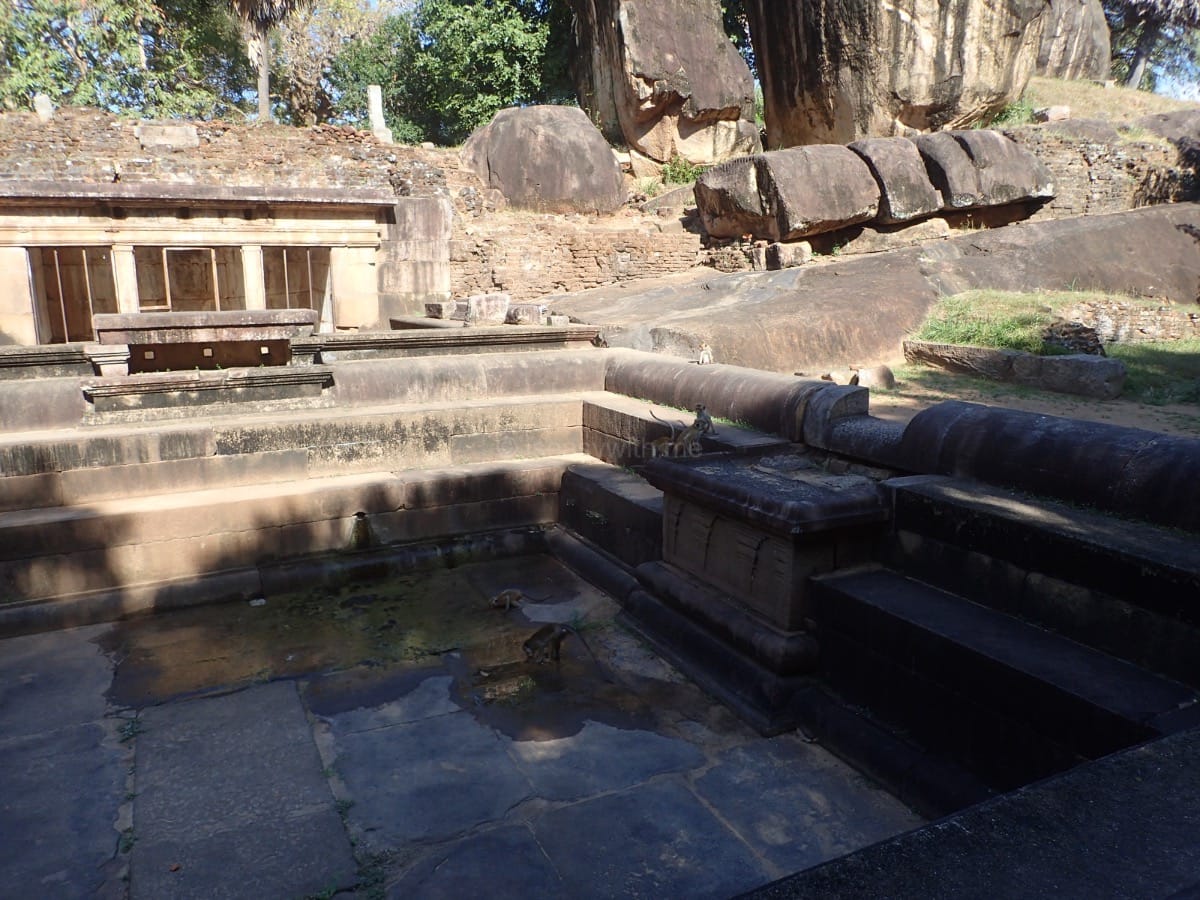
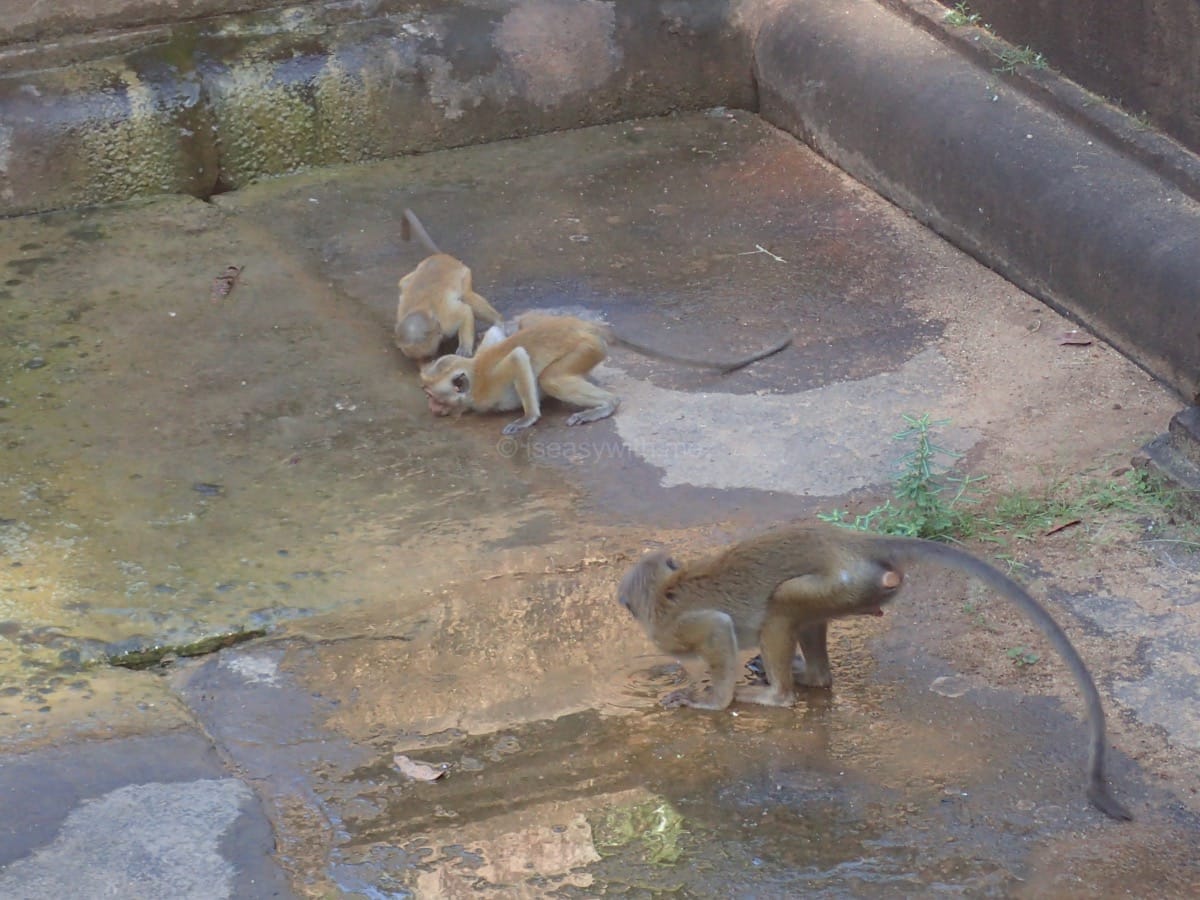
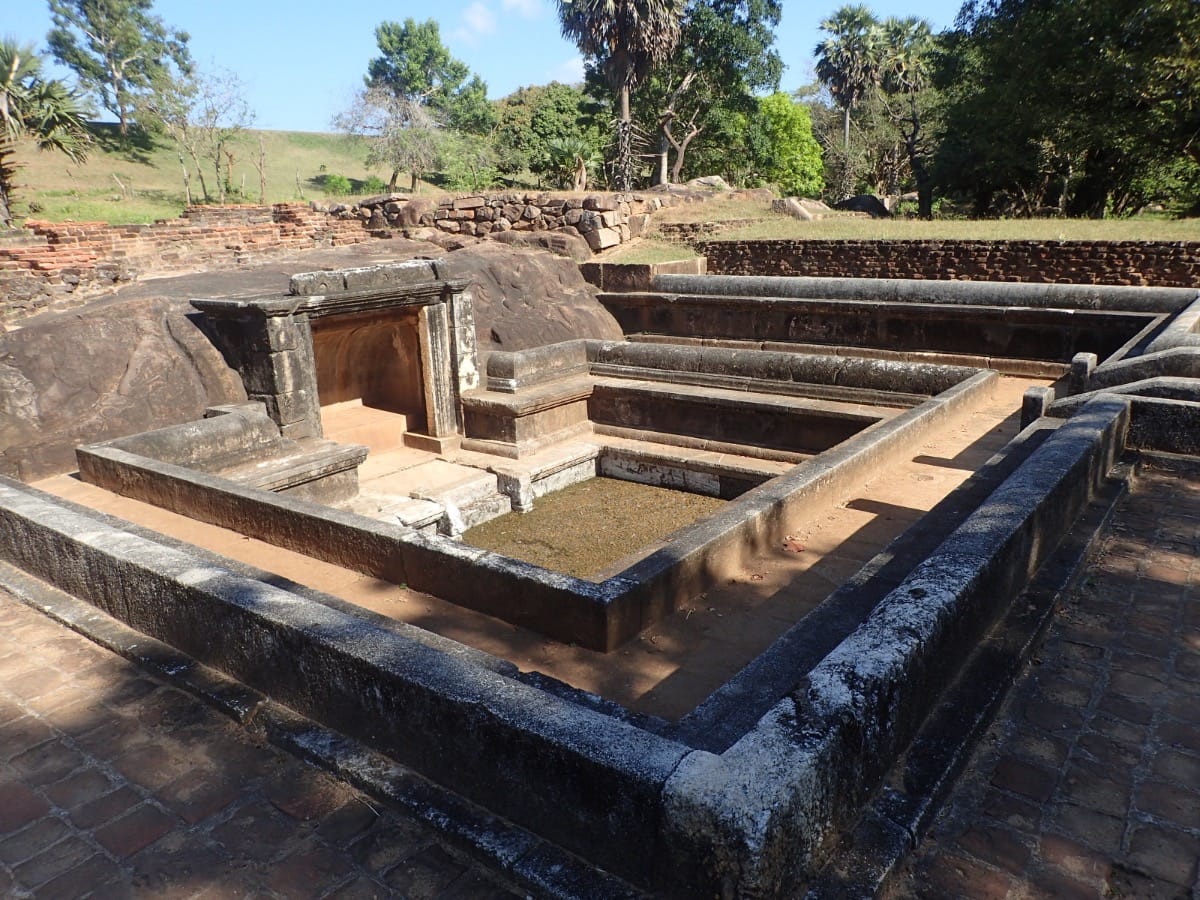
Ranmasu Uyana (The Royal Pleasure Gardens)
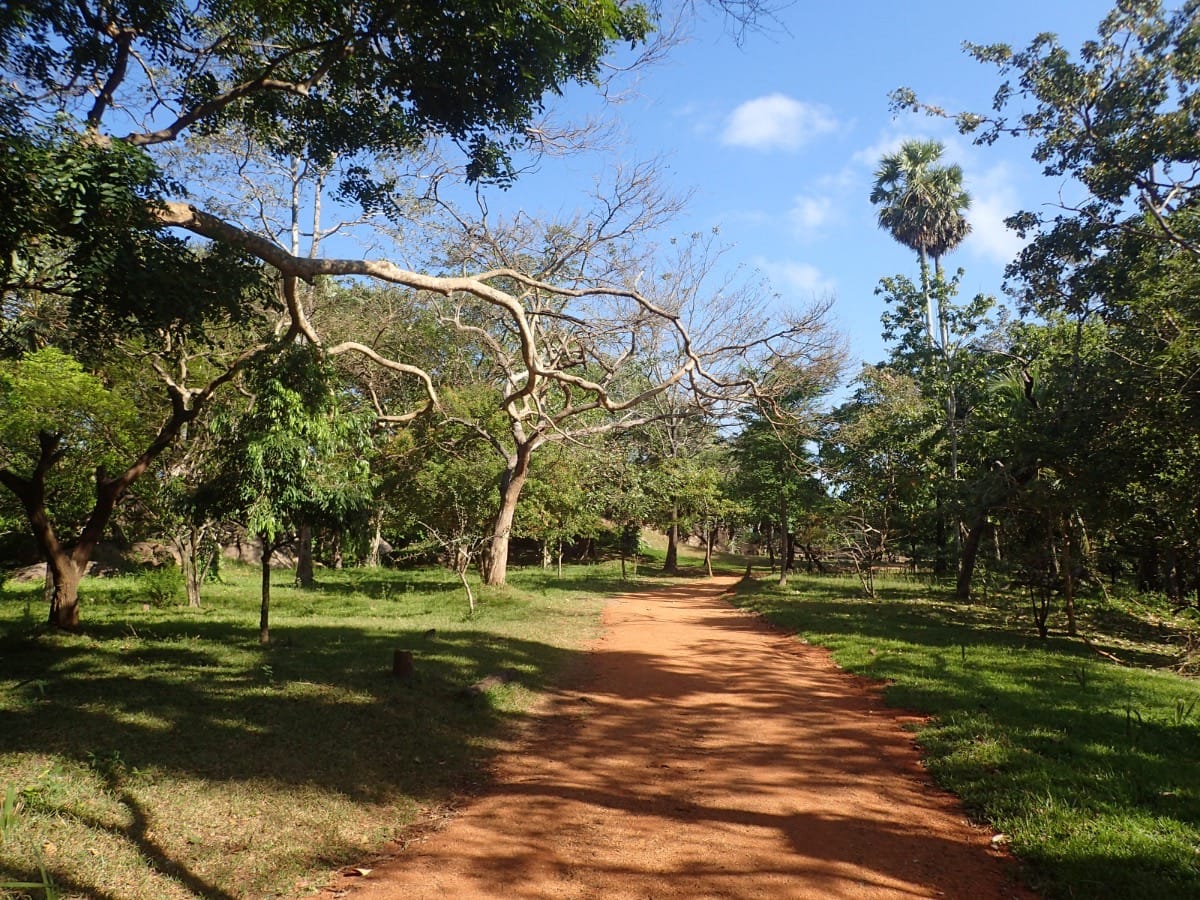
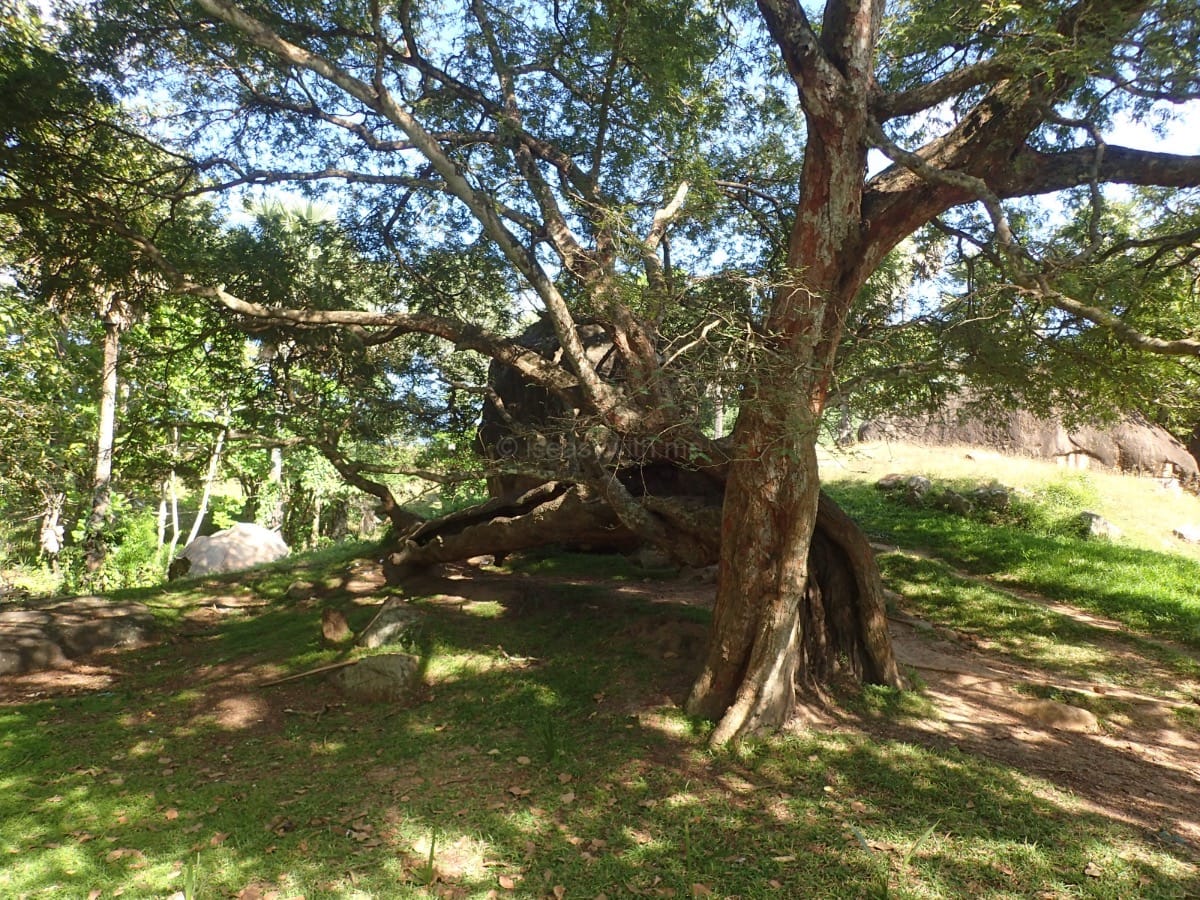
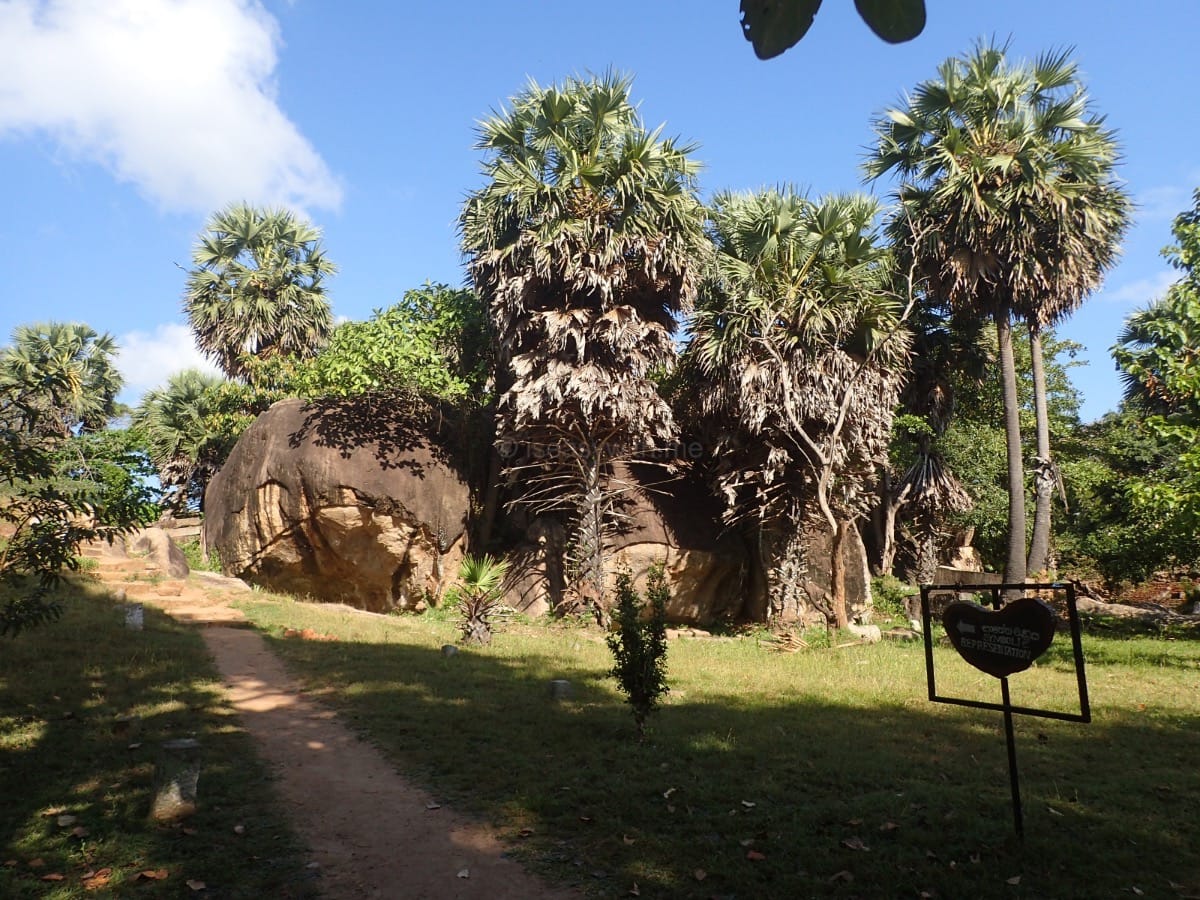
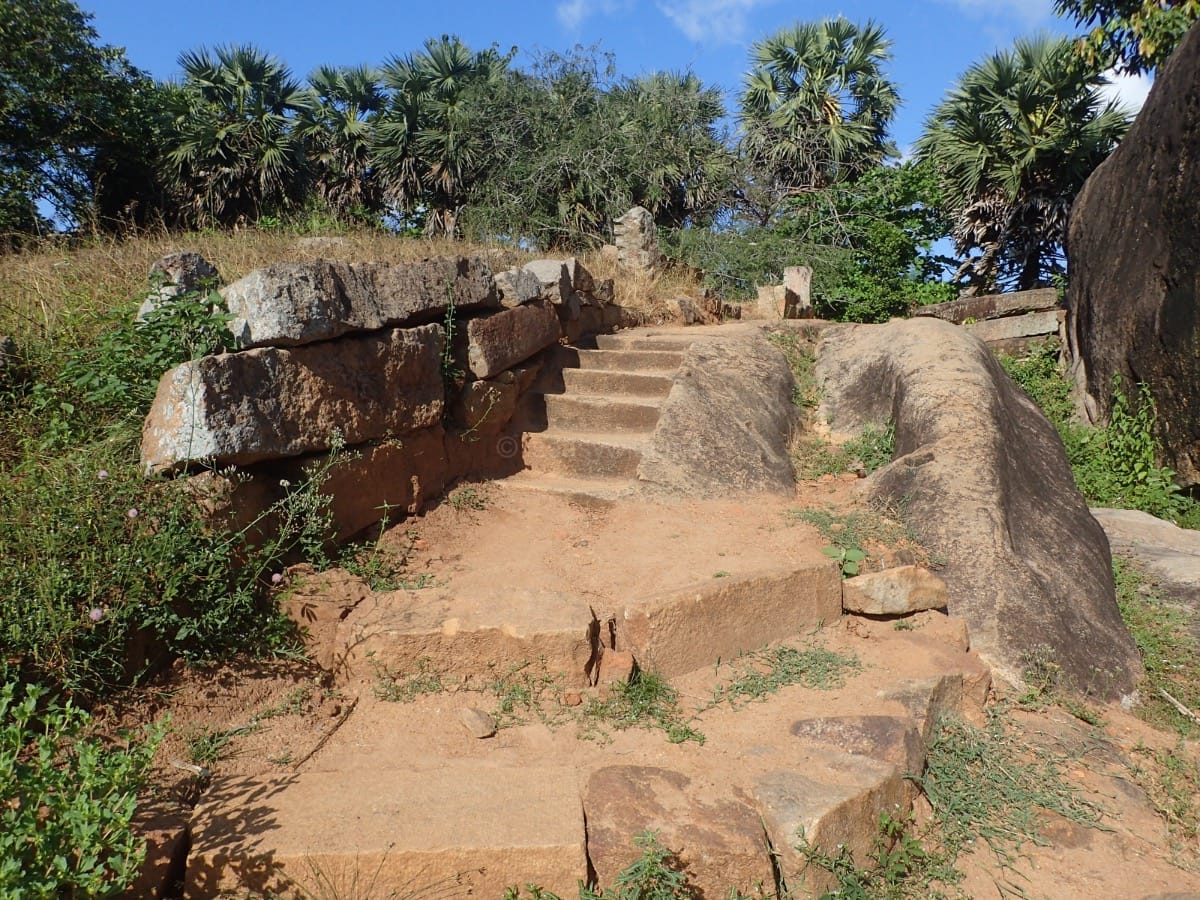
Ranmasu Uyana once served as a leisure space for ancient royalty. Bathing pools and landscaped areas remain visible, offering insight into how elite life once functioned within the ancient capital.
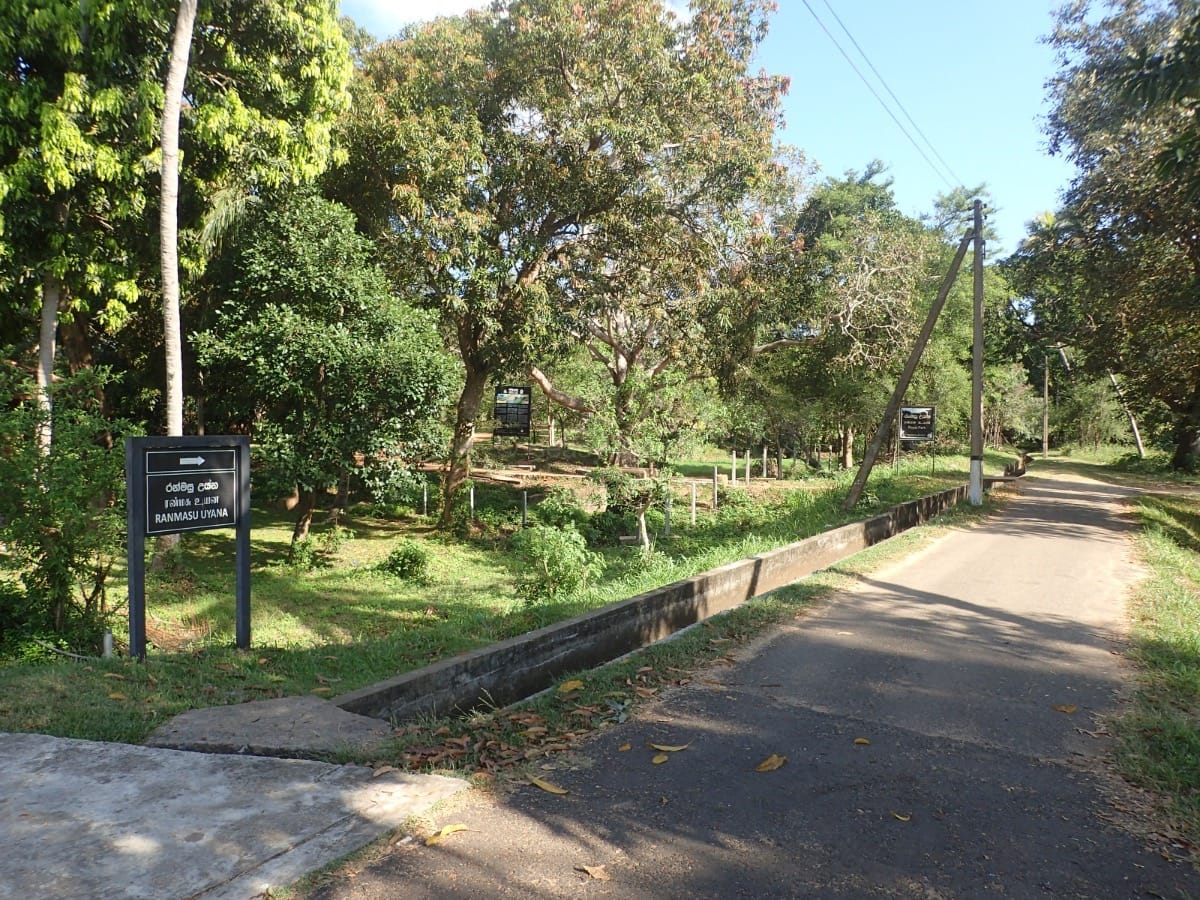
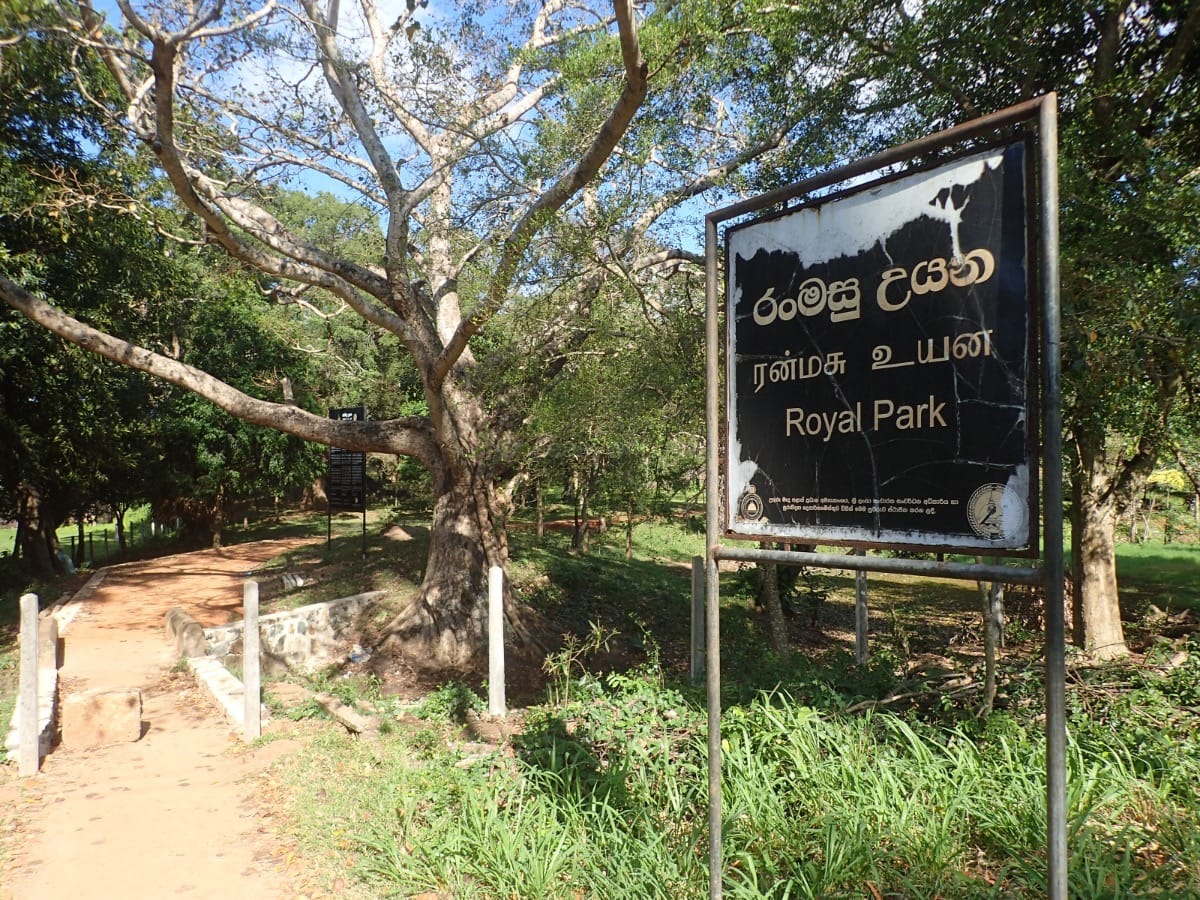
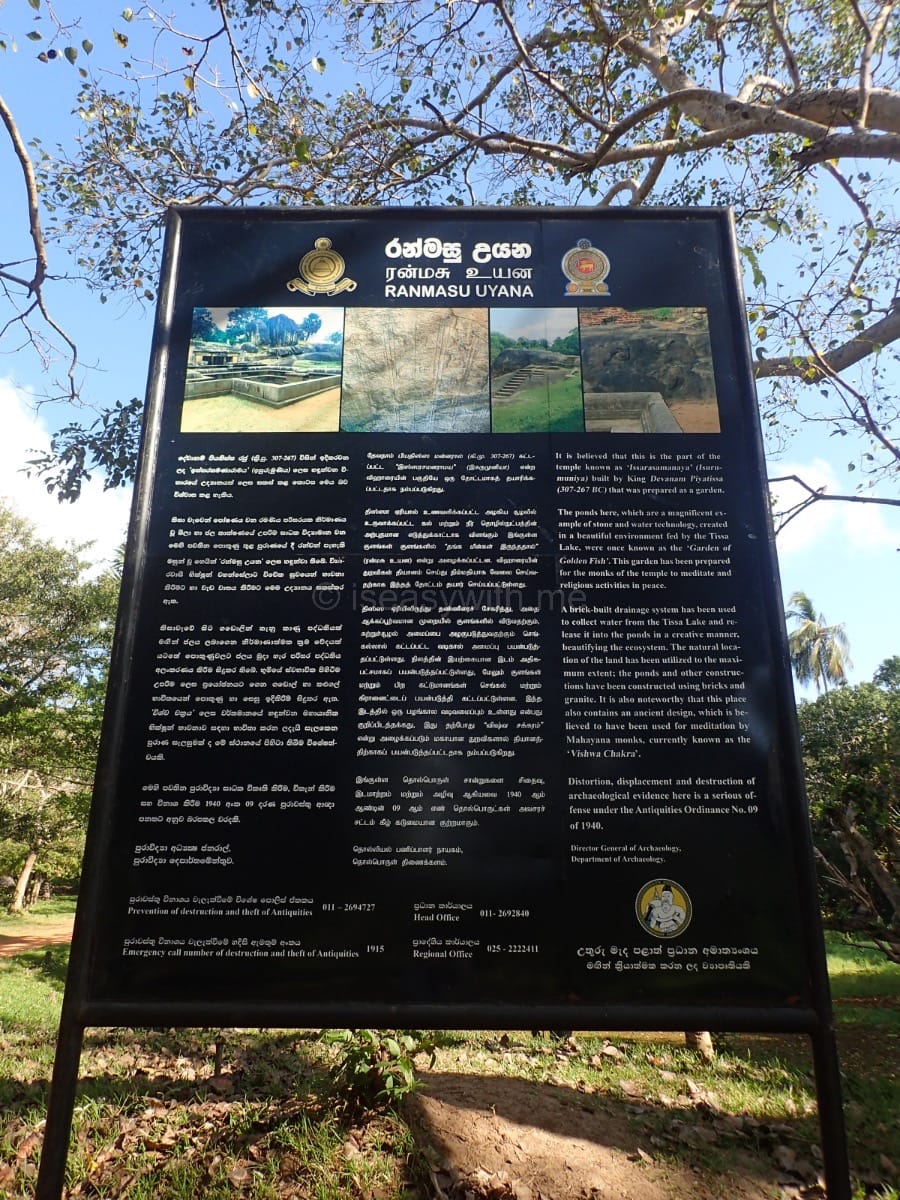
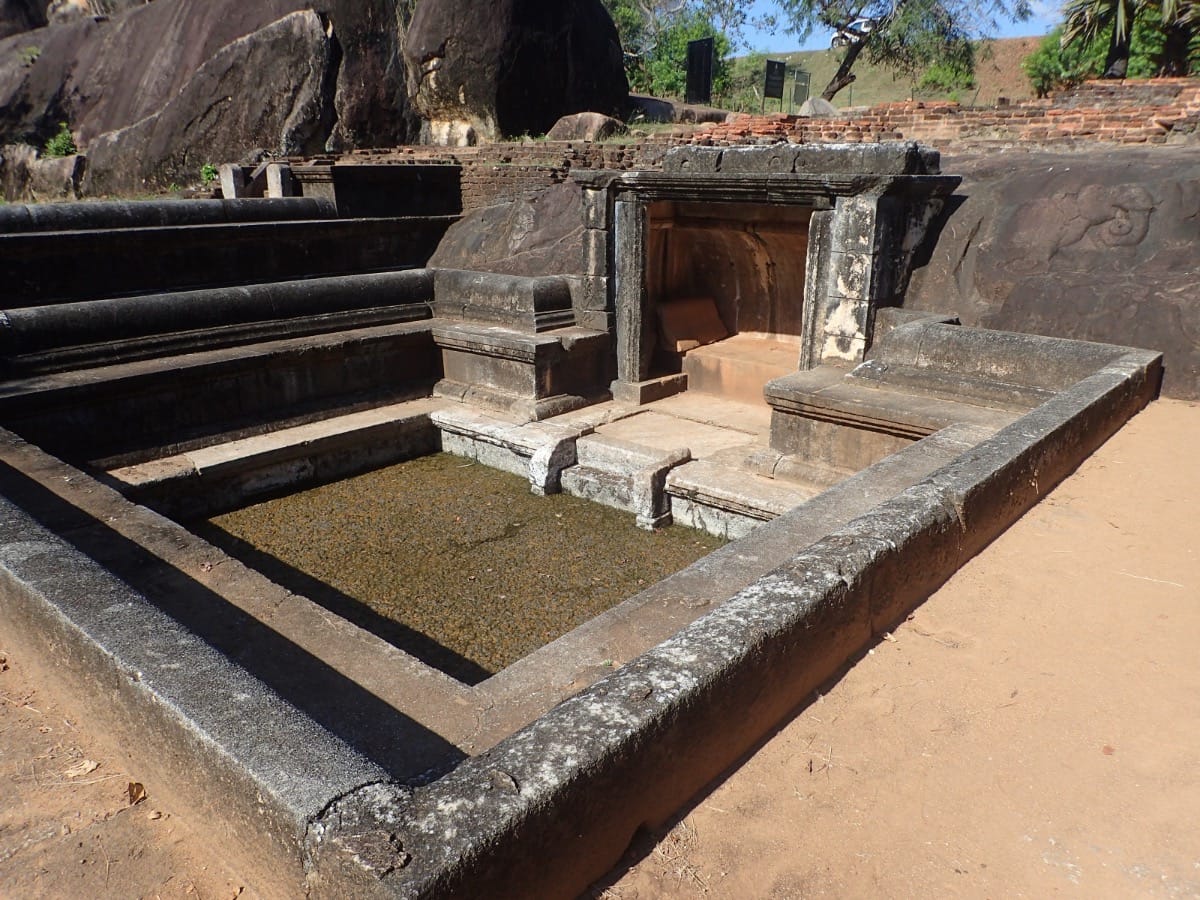
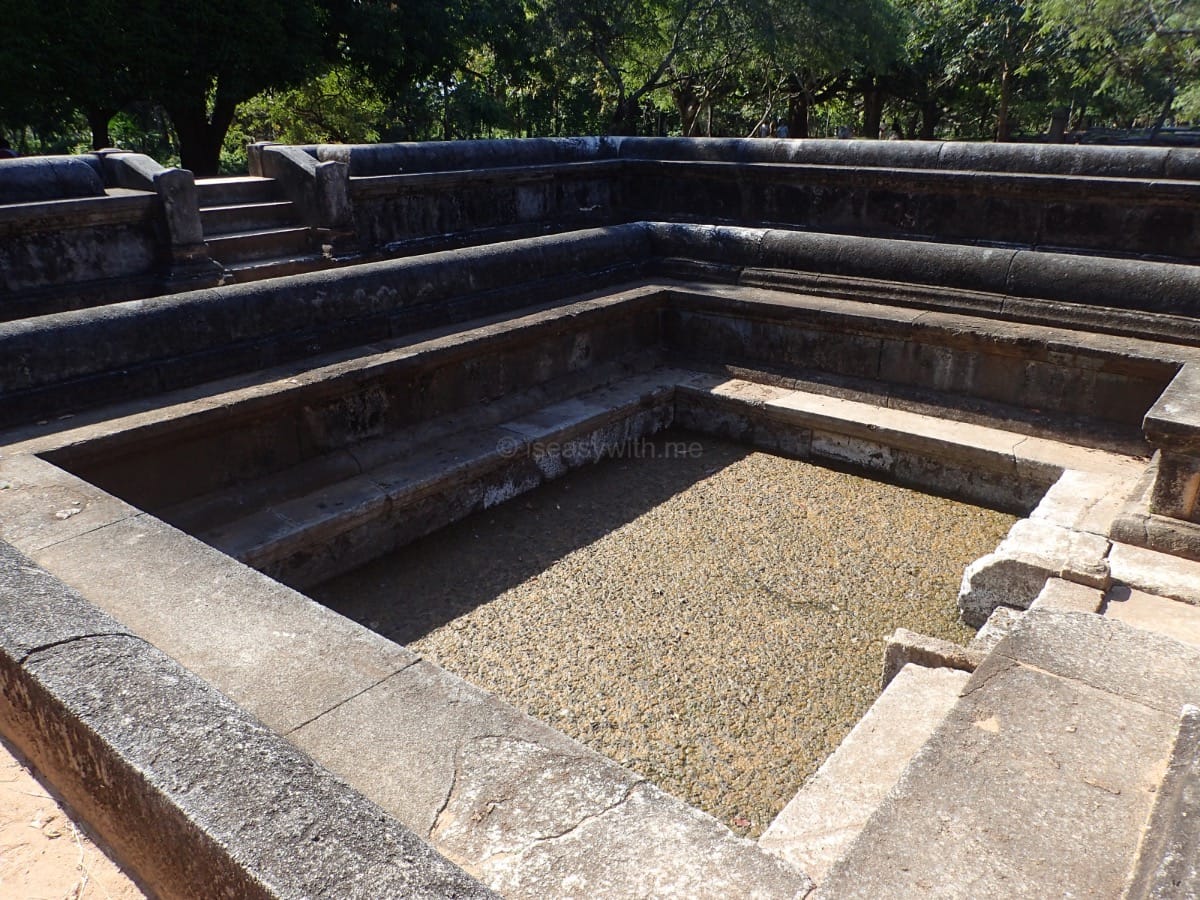
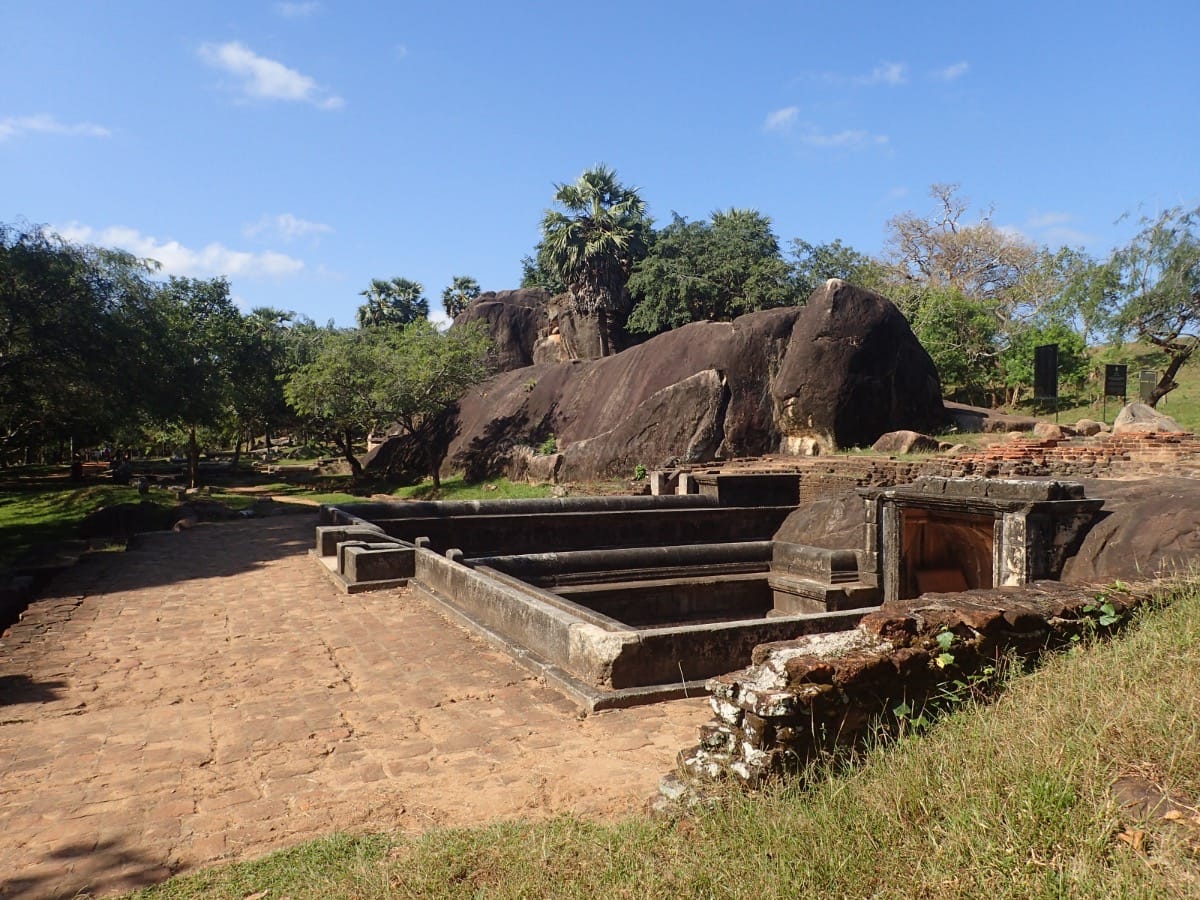
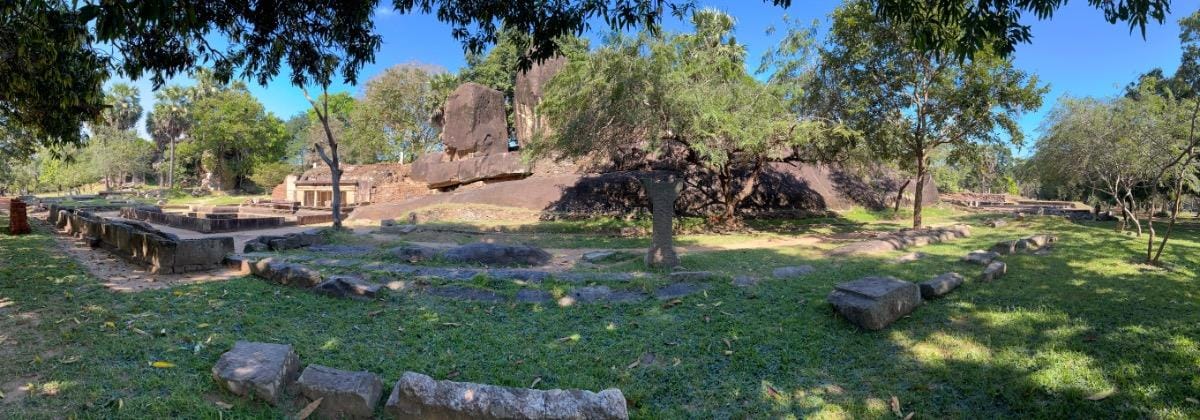
Ranmasu Uyana
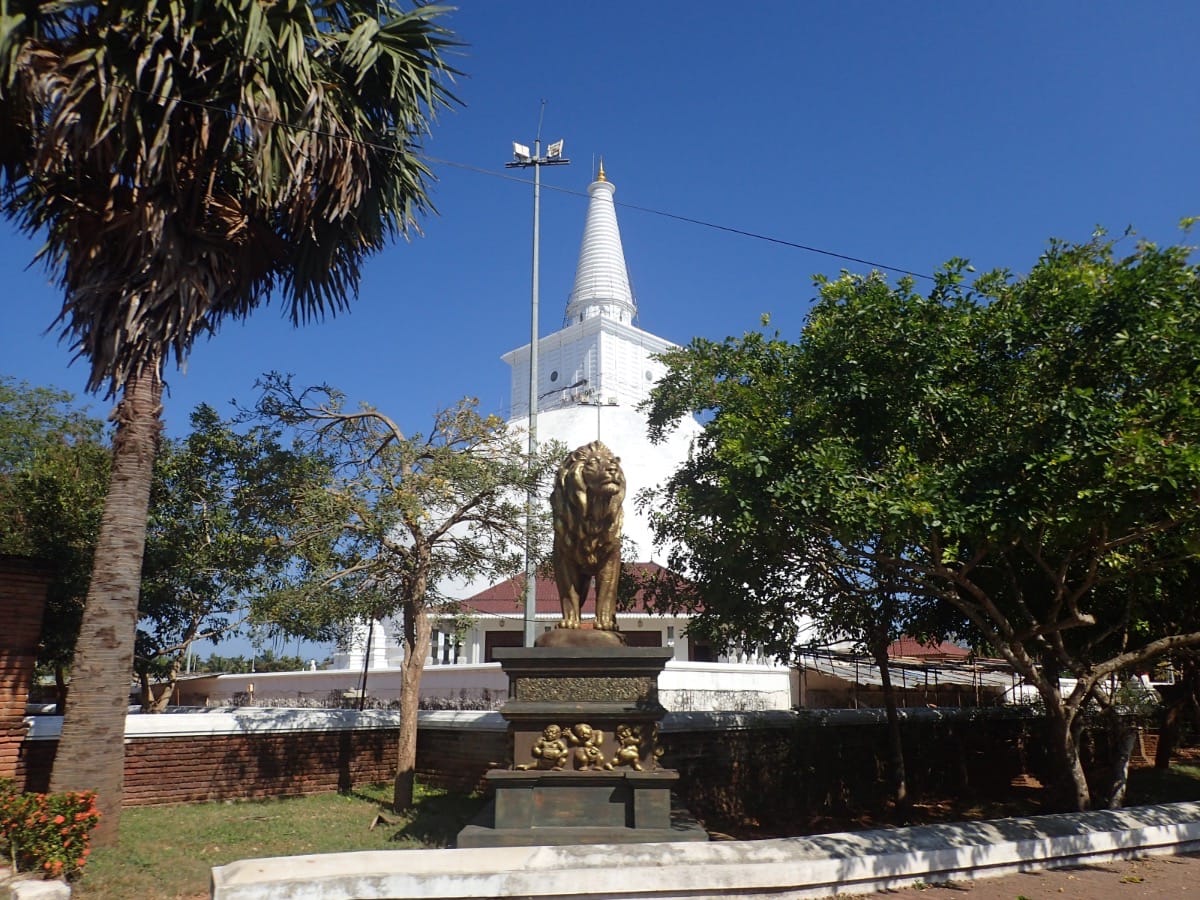
Sandahiru Seya: An Impromptu Stop at Anuradhapura’s Newest Stupa
On the scenic route from Ranmasu Uyana to Mirisawetiya, we passed by a massive white dome that sharply contrasted with the weather-worn, ancient ruins nearby. It looked freshly plastered, gleaming brightly under the Sri Lankan sun.
Slowing down the motorbike, my driver gestured toward the towering monument over the engine rattle. 'That one is brand new, sir! Sandahiru Seya. Do you want to stop and look?'
Though it wasn't on my official Anuradhapura itinerary, its convenient location directly on my route made it an easy choice. 'Yeah, why not?' I replied.
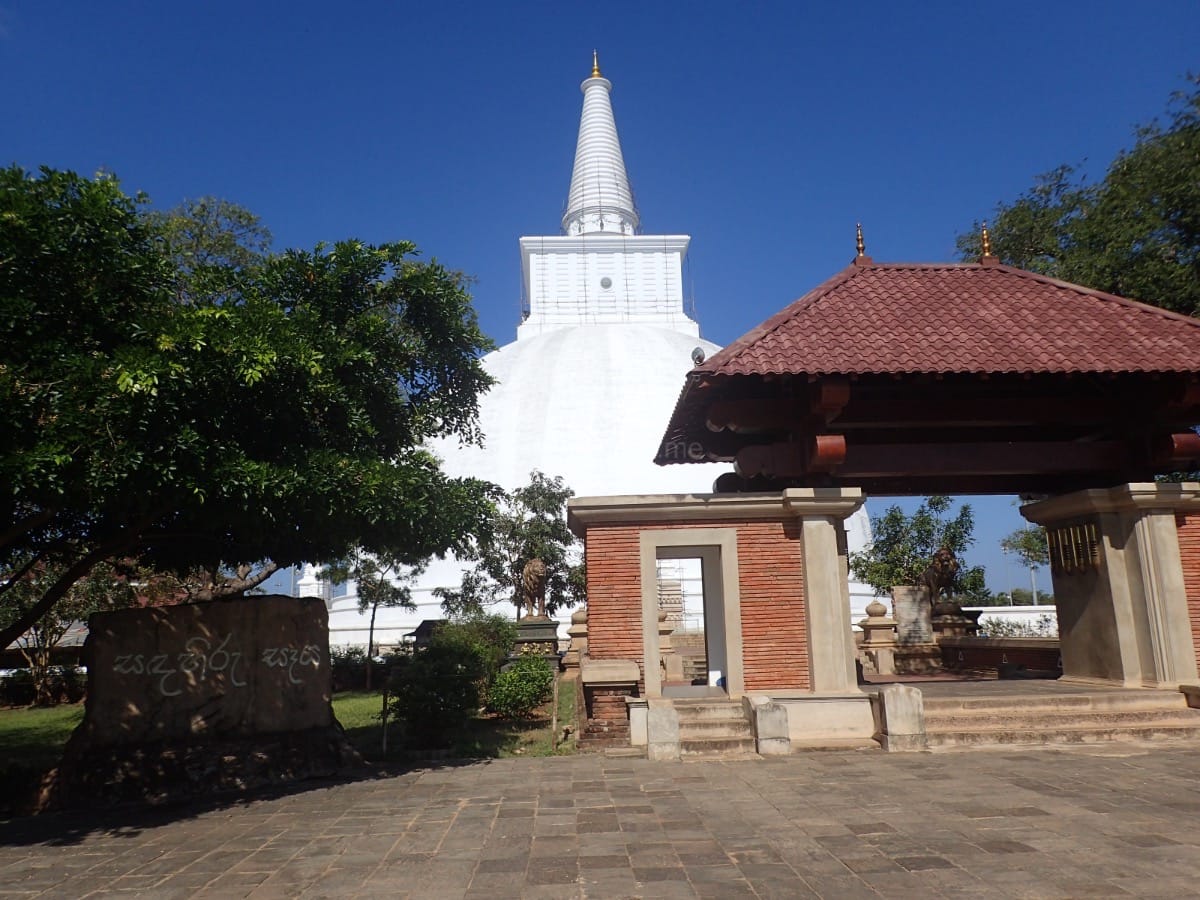
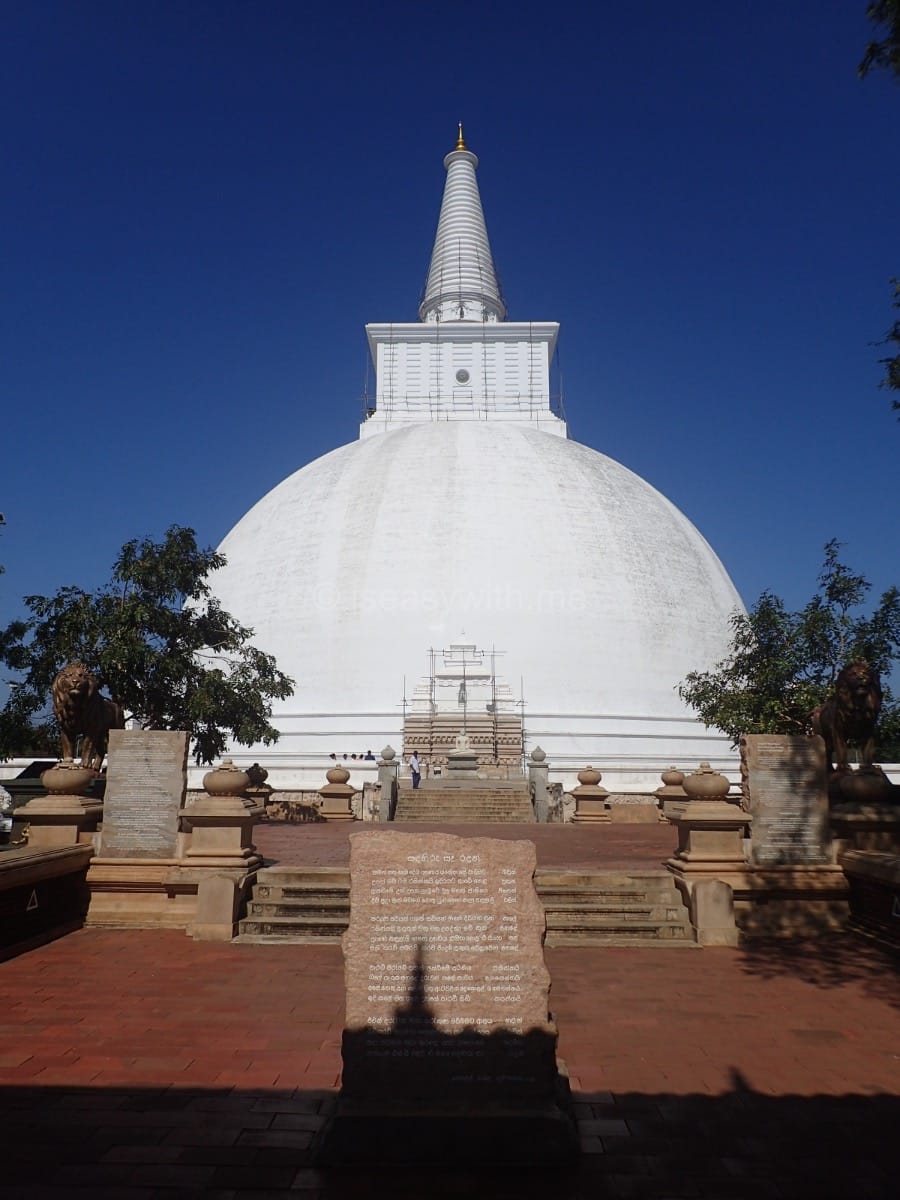
I made an impromptu detour, pulling into what was still a sprawling, active construction site. Walking across the sun-baked stone plaza gave me an incredible, close-up look at Anuradhapura's newest giant before we continued our journey to the ancient stones of the Mirisawetiya Stupa complex.
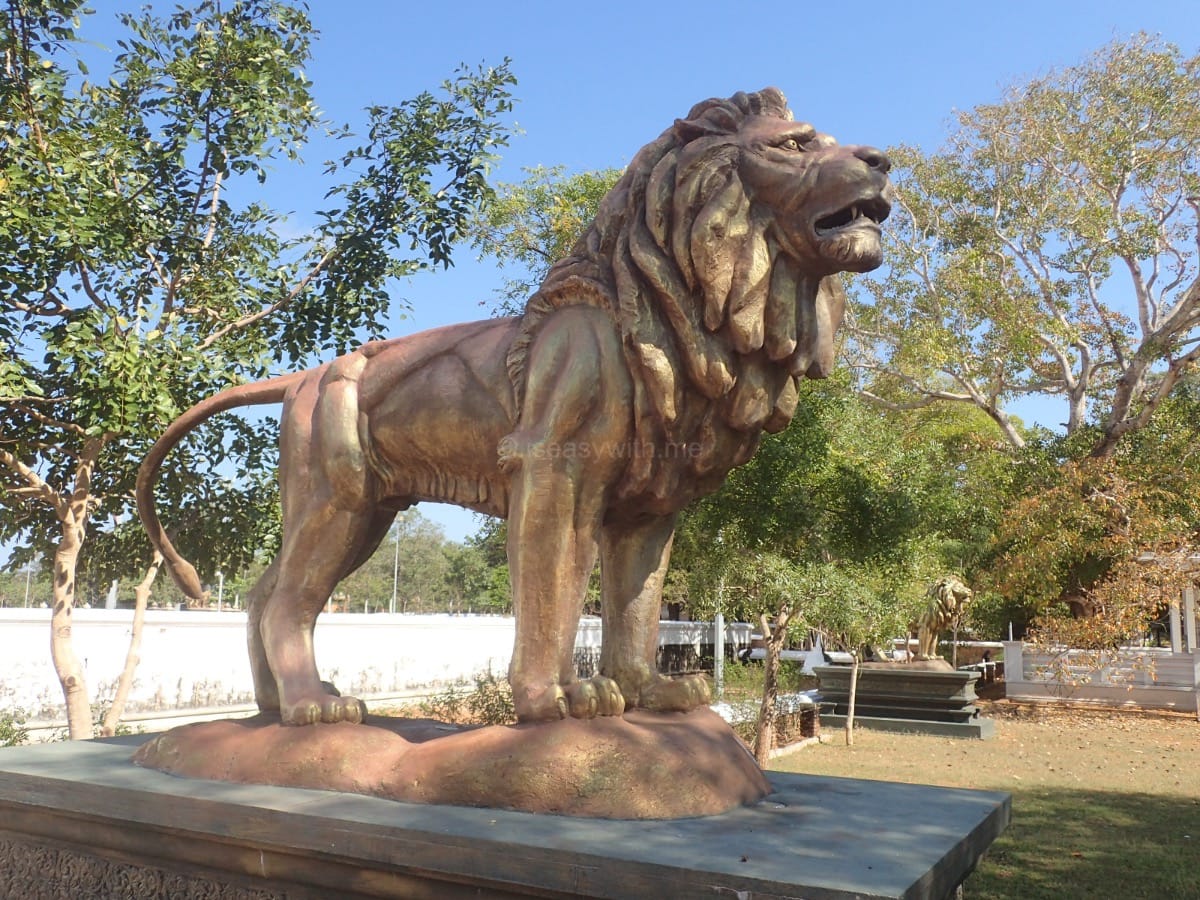
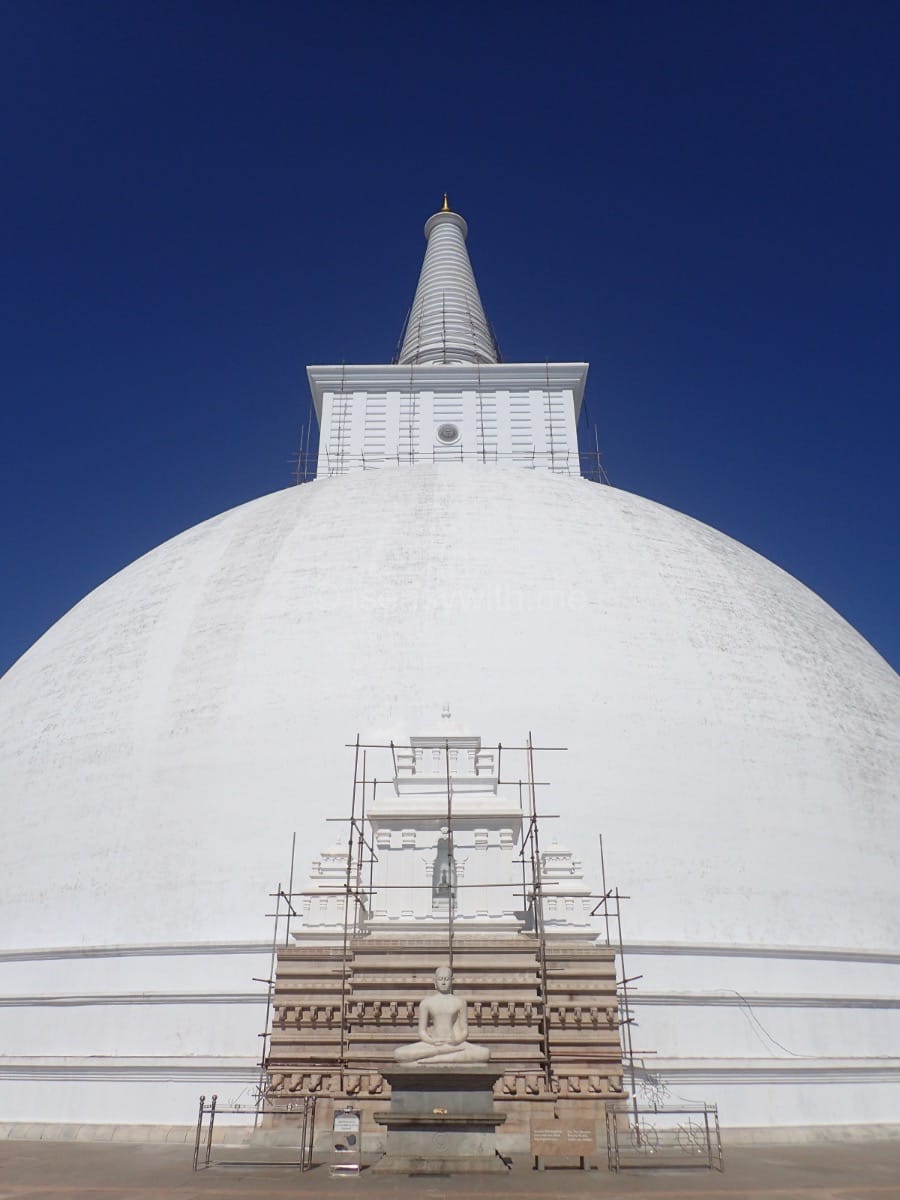
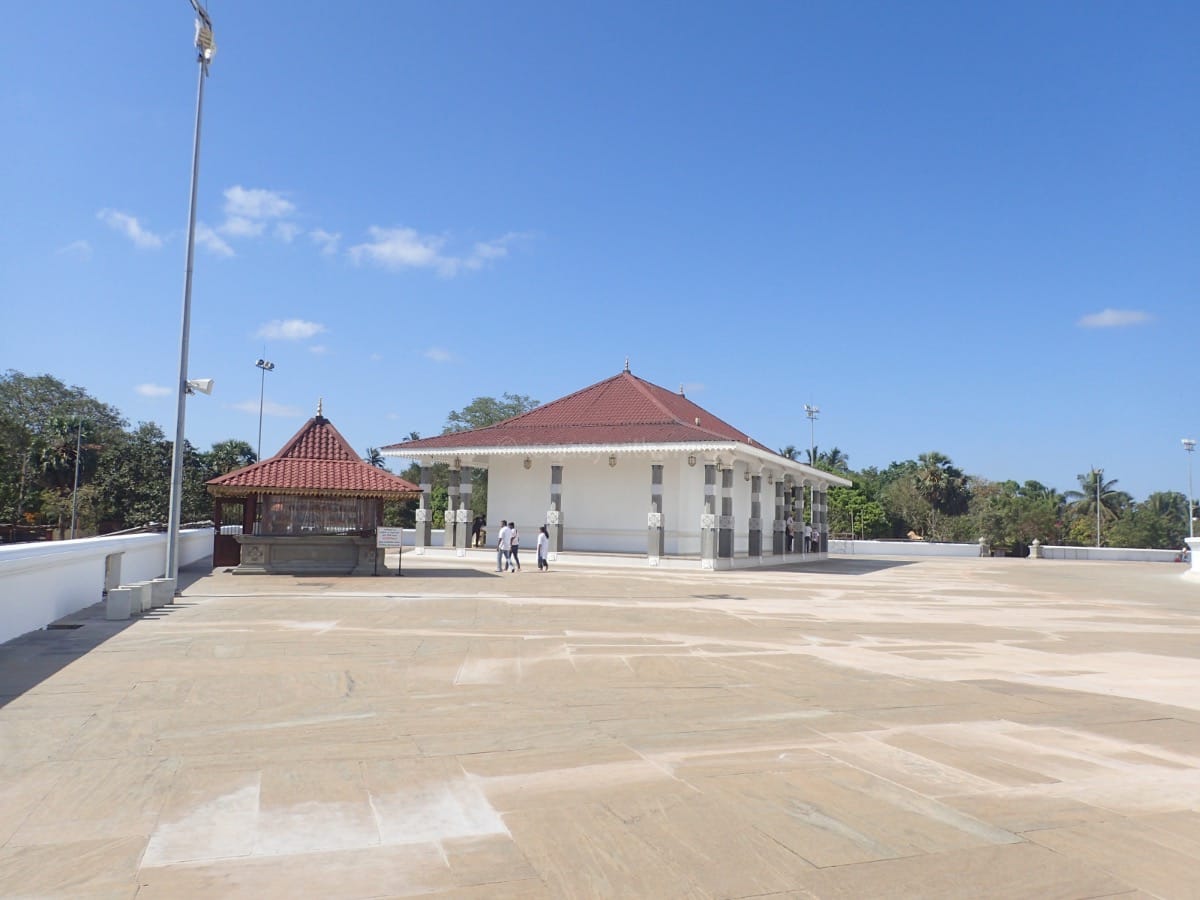
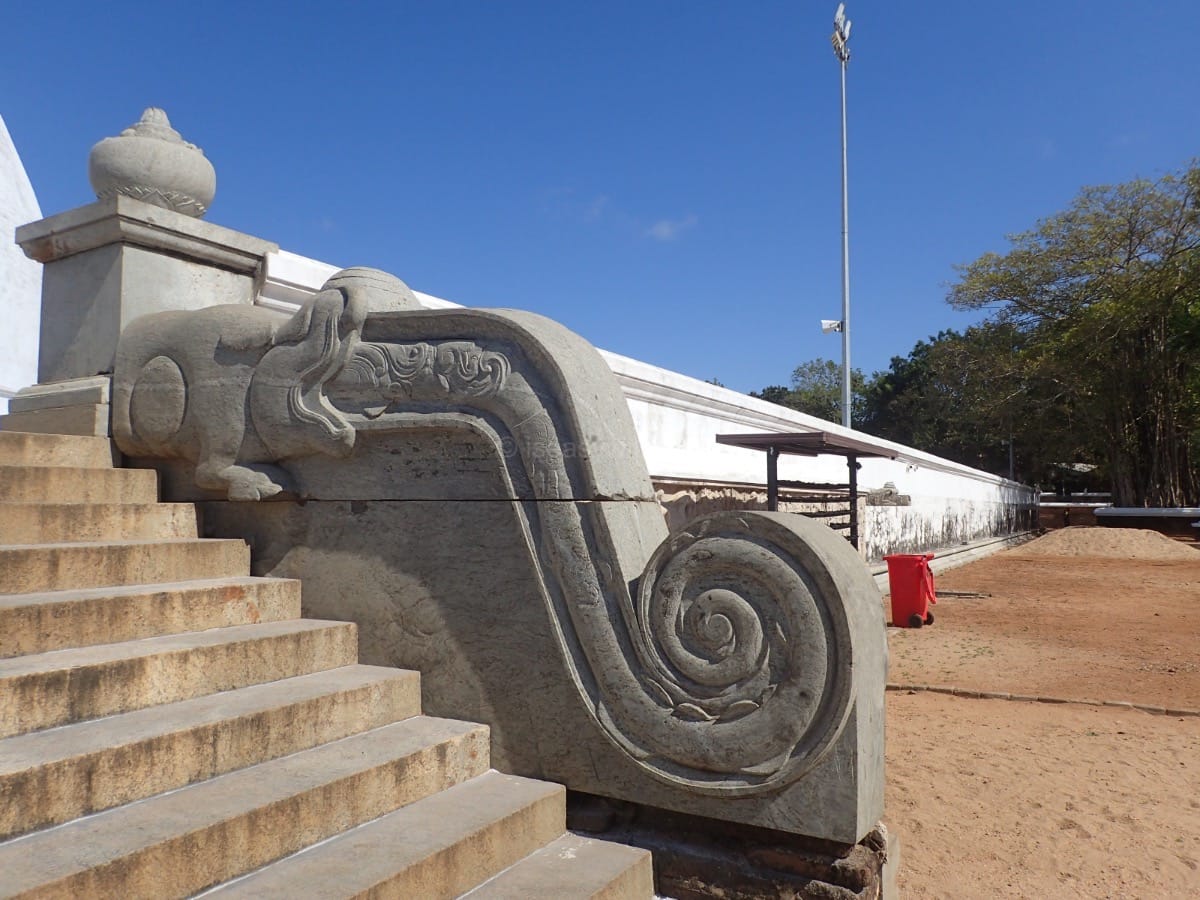
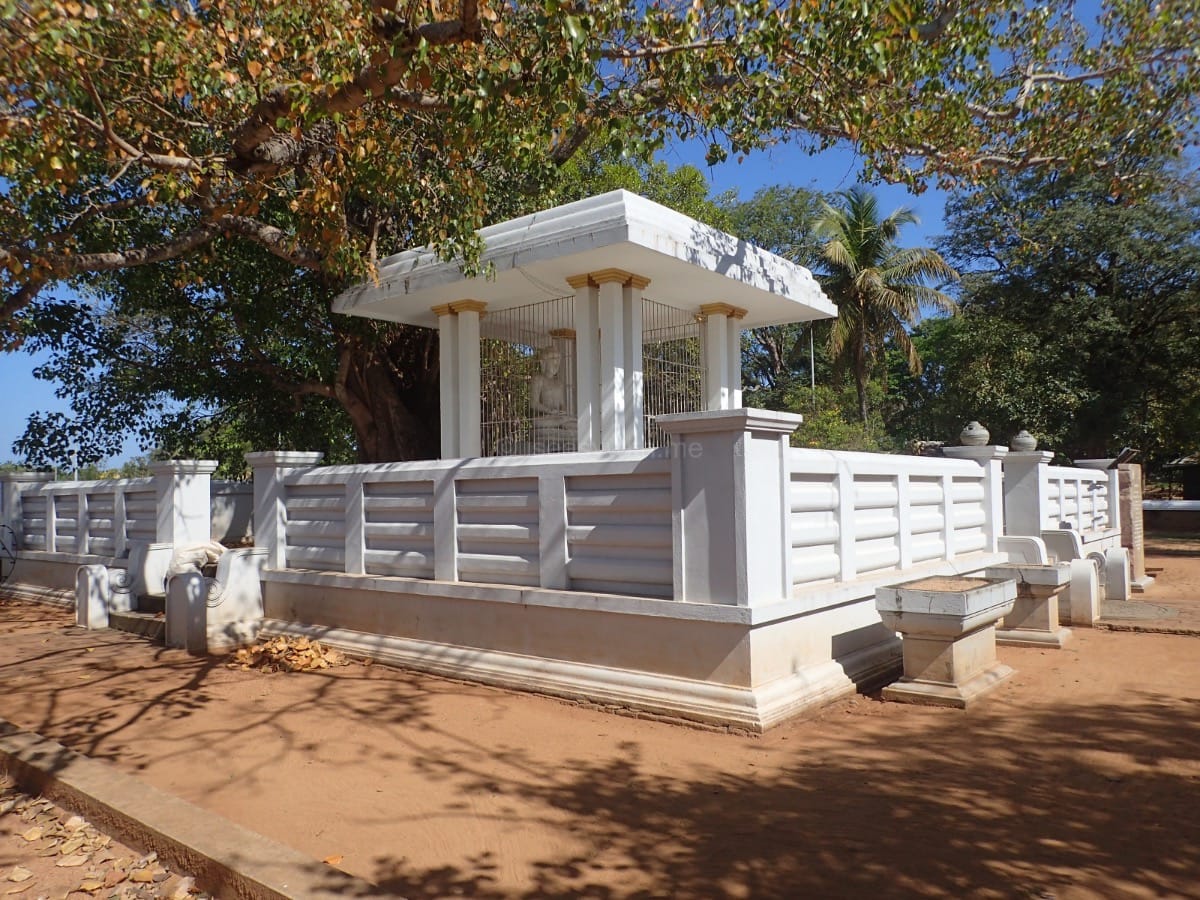
Sandahiru Seya
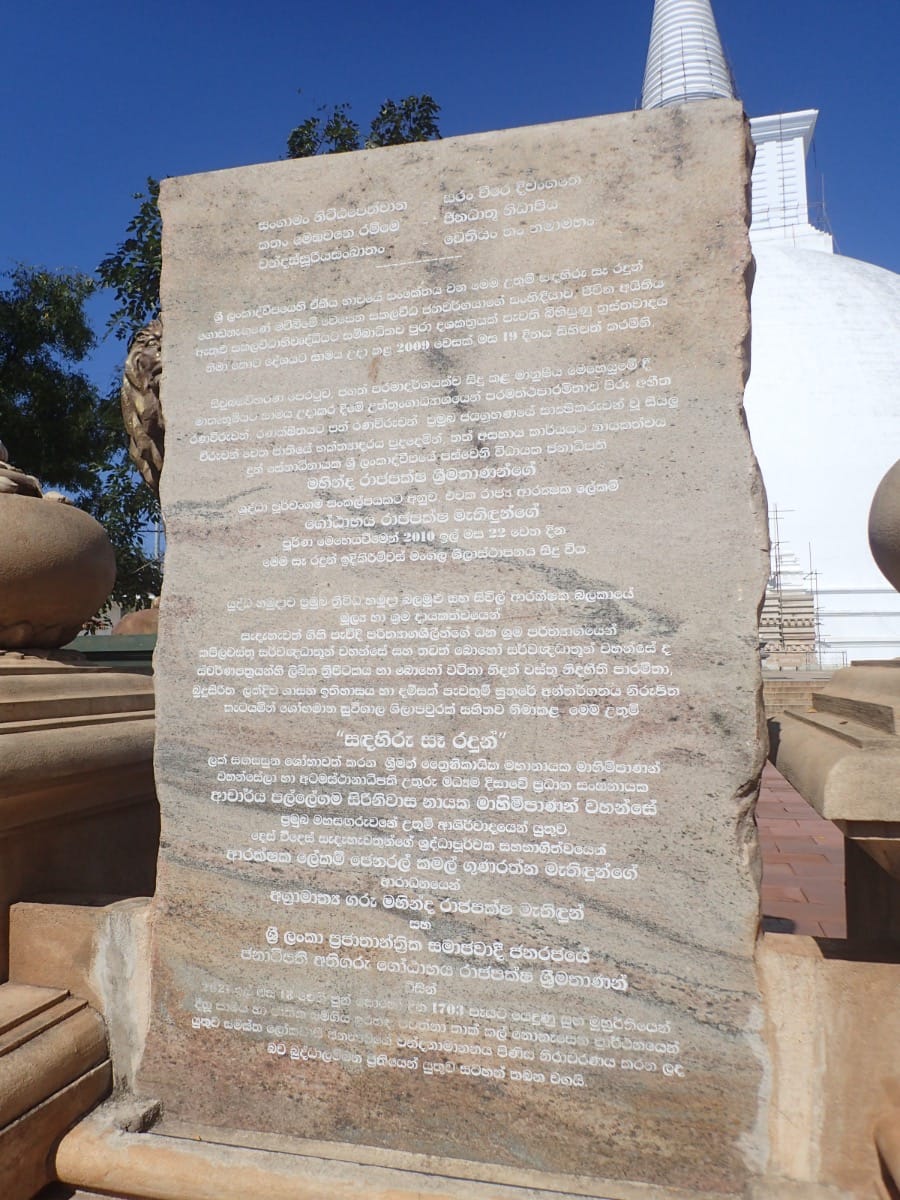
The Sandahiru Seya (which literally translates to 'The Stupa of the Moon and the Sun') is a colossal, modern monument in Sri Lanka's cultural triangle. Standing at a staggering height of over 85 metres, it holds historical significance as the first major stupa built in Sri Lanka since the 4th century CE.
Unlike the historic UNESCO world heritage ruins commissioned by ancient kings, Sandahiru Seya is an inherently modern Buddhist temple. Initiated in 2010 following the conclusion of Sri Lanka's 30-year civil war, the stupa was commissioned as a dedicated war memorial.
The entire monument was constructed through the manual labour, masonry and engineering of the Sri Lankan tri-forces- The Sri Lanka Army, Navy and Air Force, The Sri Lanka Police Department, and The Civil Security Department
The project was built to honour the military personnel who died or were disabled during the decades-long internal conflict.
A common question among travellers visiting Anuradhapura is whether the temple grounds are fully open. While the core white dome structure and its jewel-encrusted pinnacle (Chuda Manikyaya) had their grand official unveiling ceremony back on 18 November 2021, the entire temple complex itself was still unfinished during my visit.
While the central stupa is fully accessible to pilgrims and tourists, the surrounding brick boundary walls, formal entrance gates and stone courtyards (Salapathala Maluwa) remain an active, ongoing construction zone handled by military engineers.
Mirisawetiya
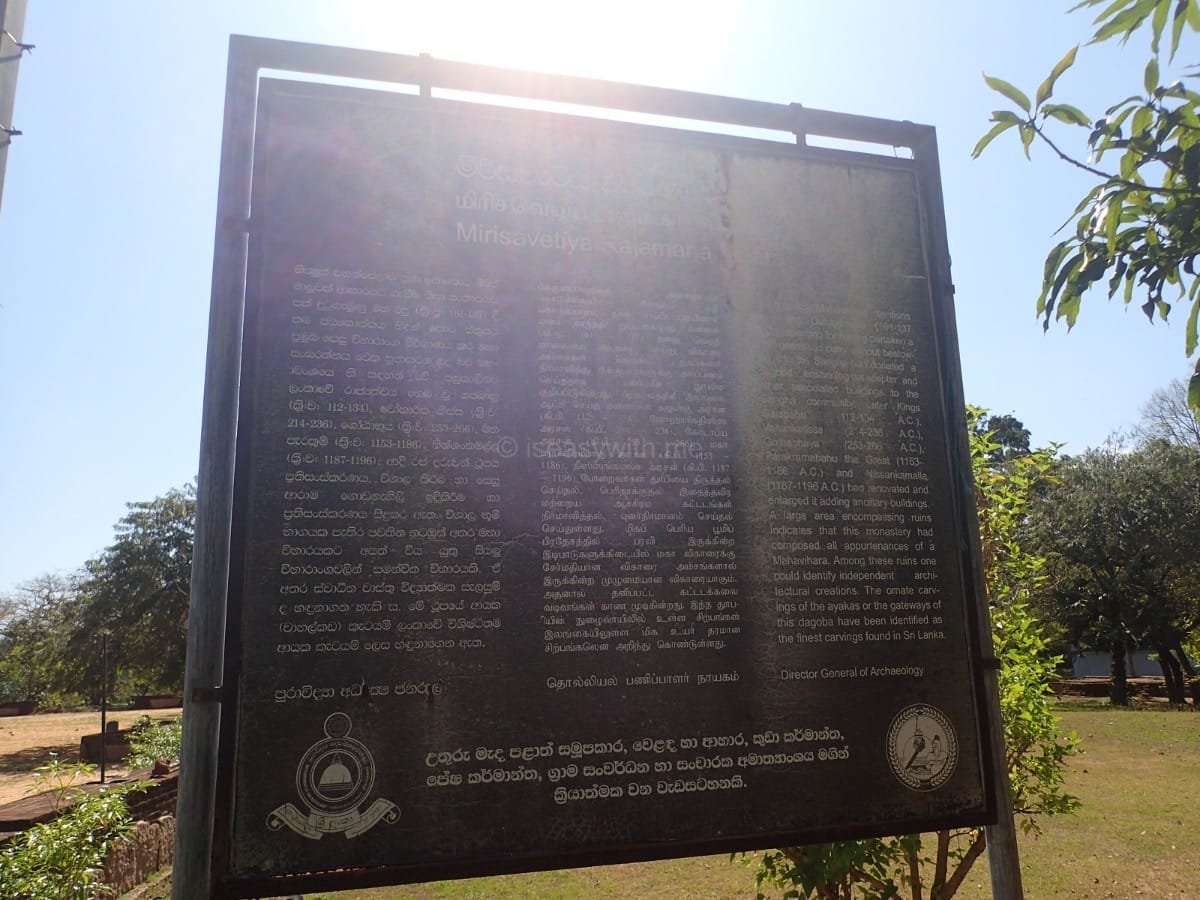
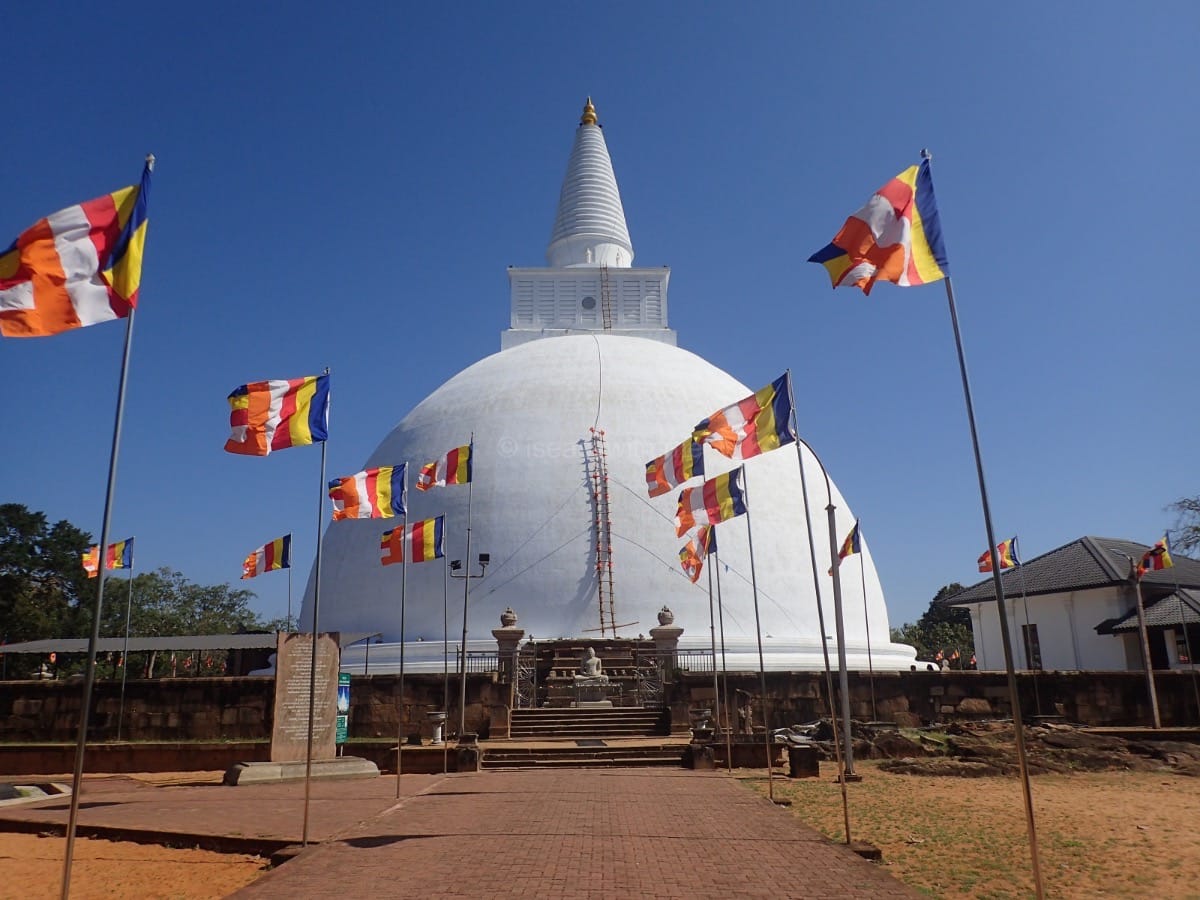
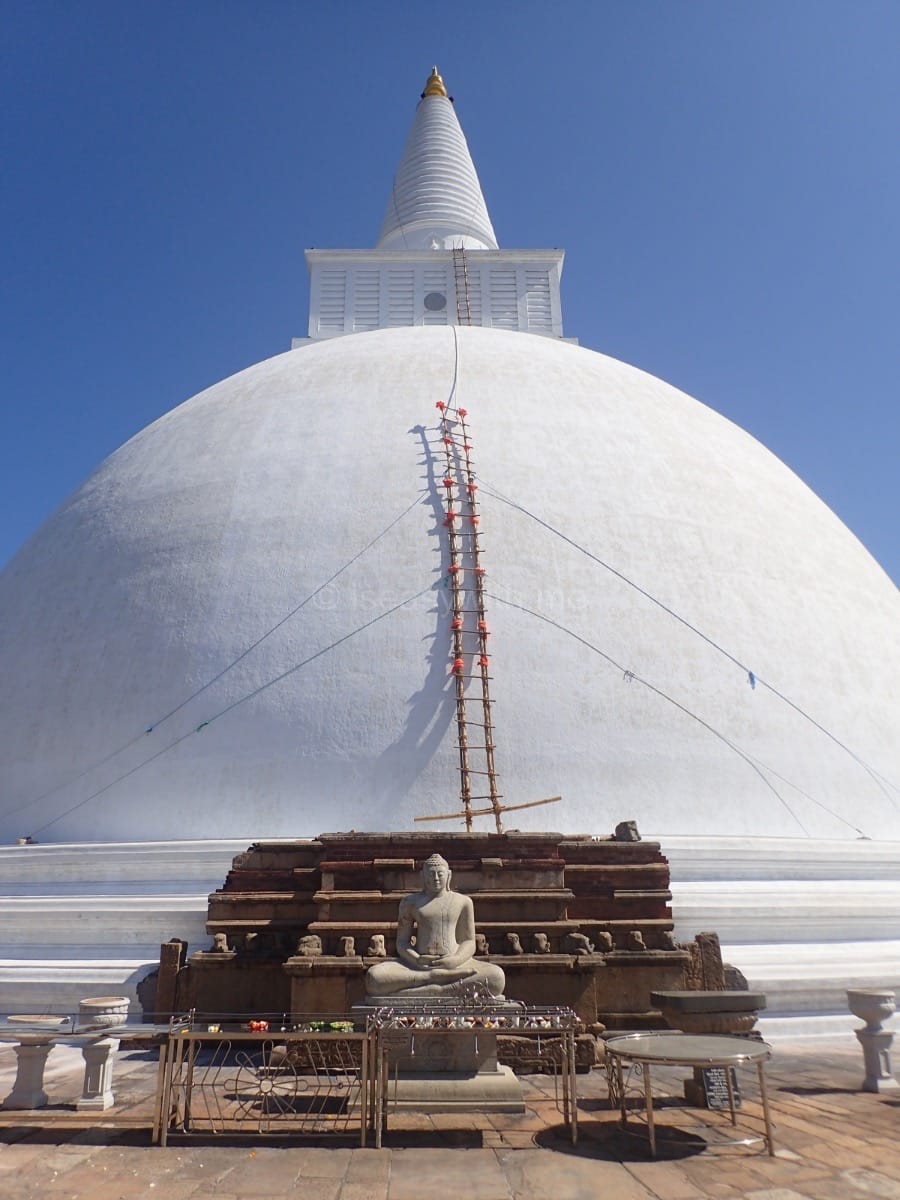
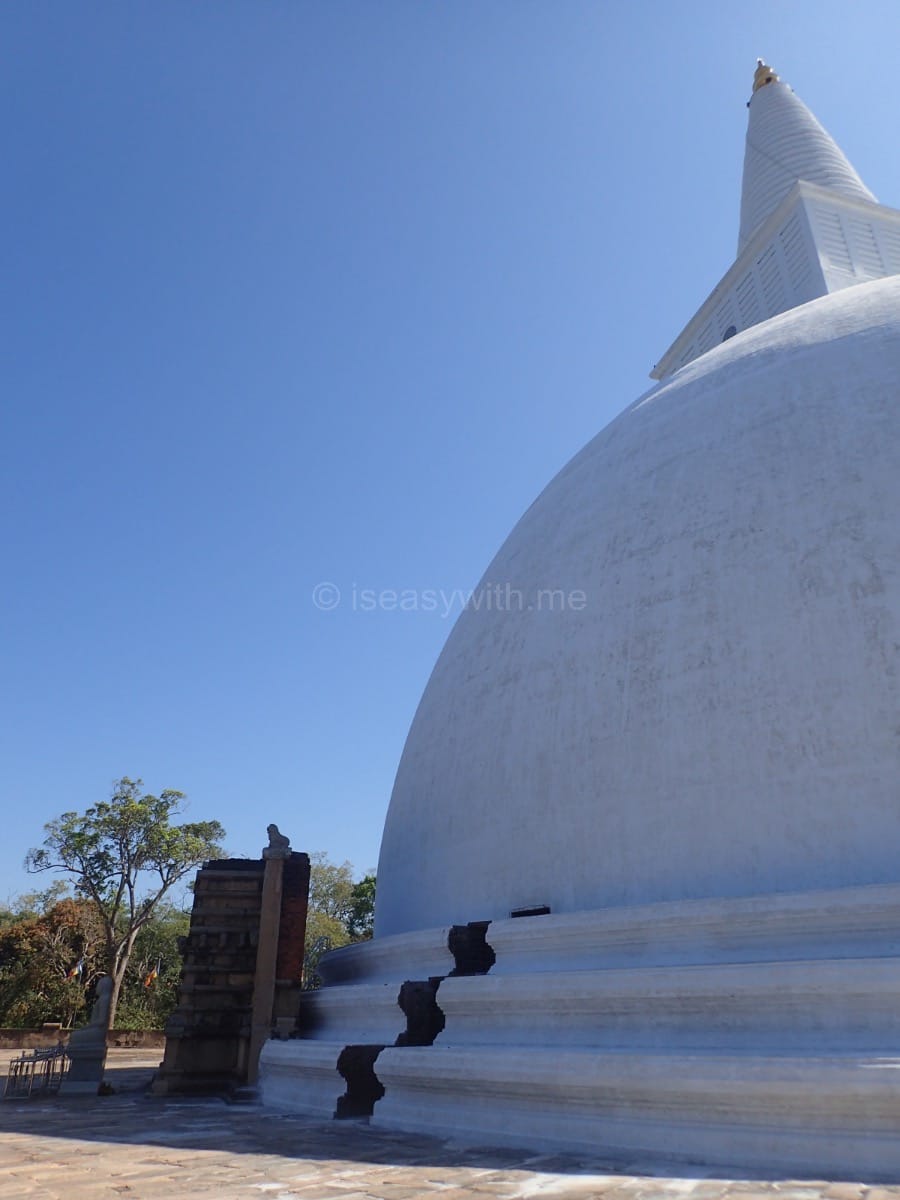
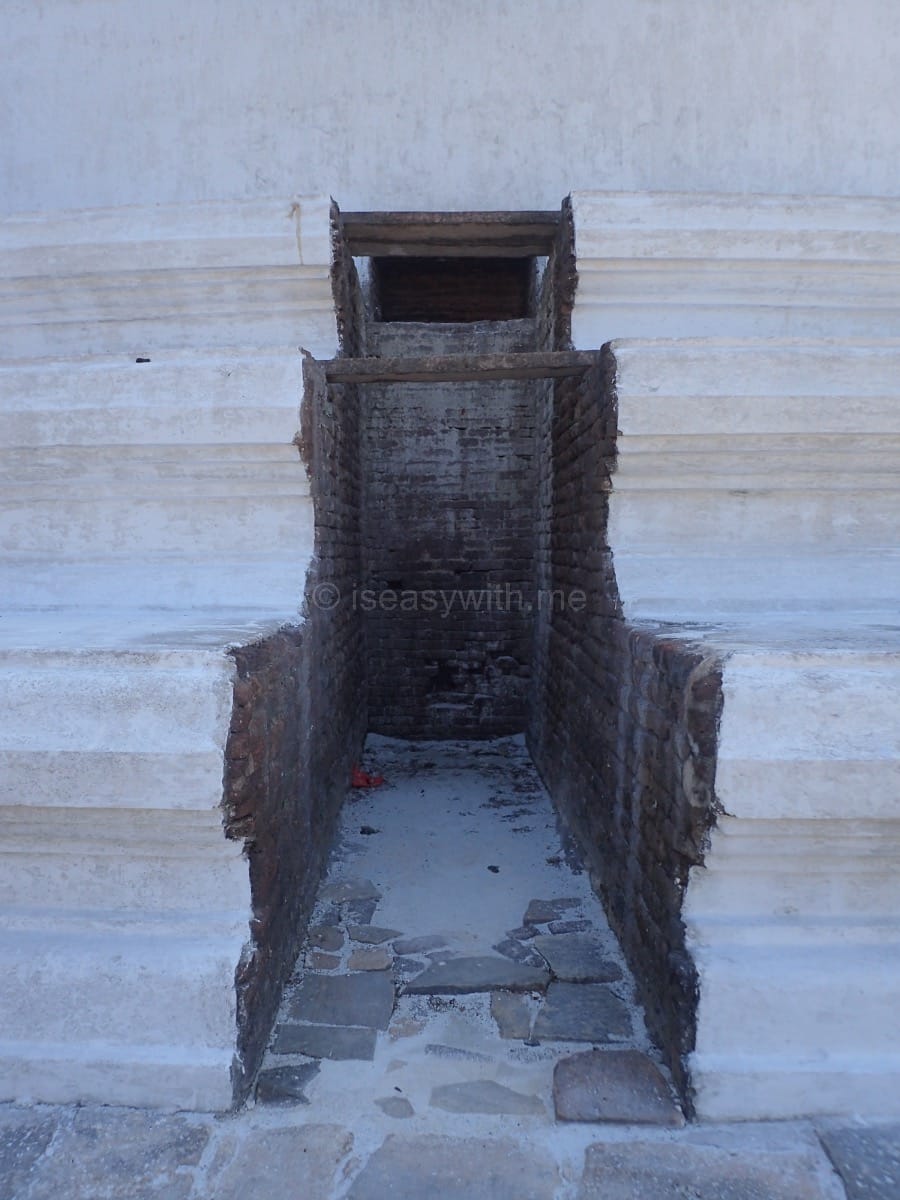
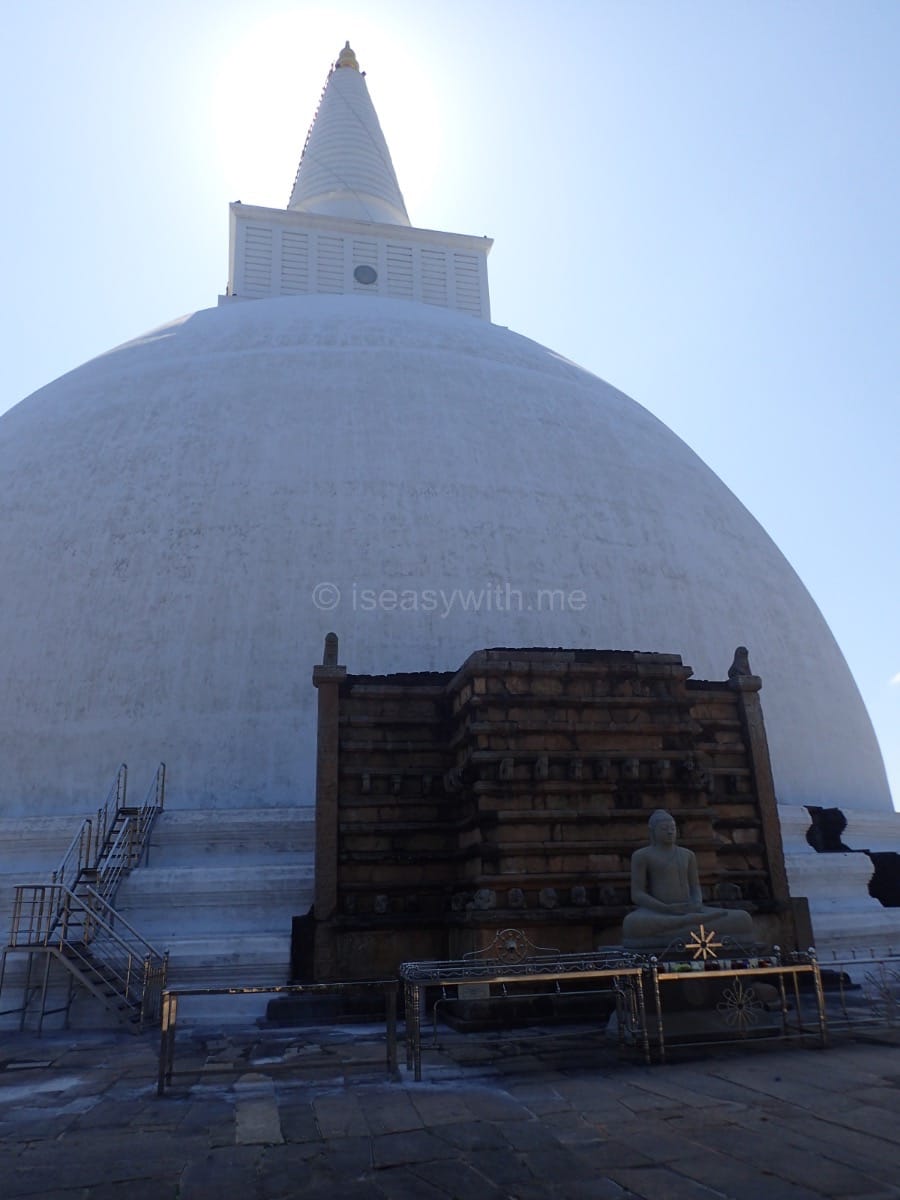
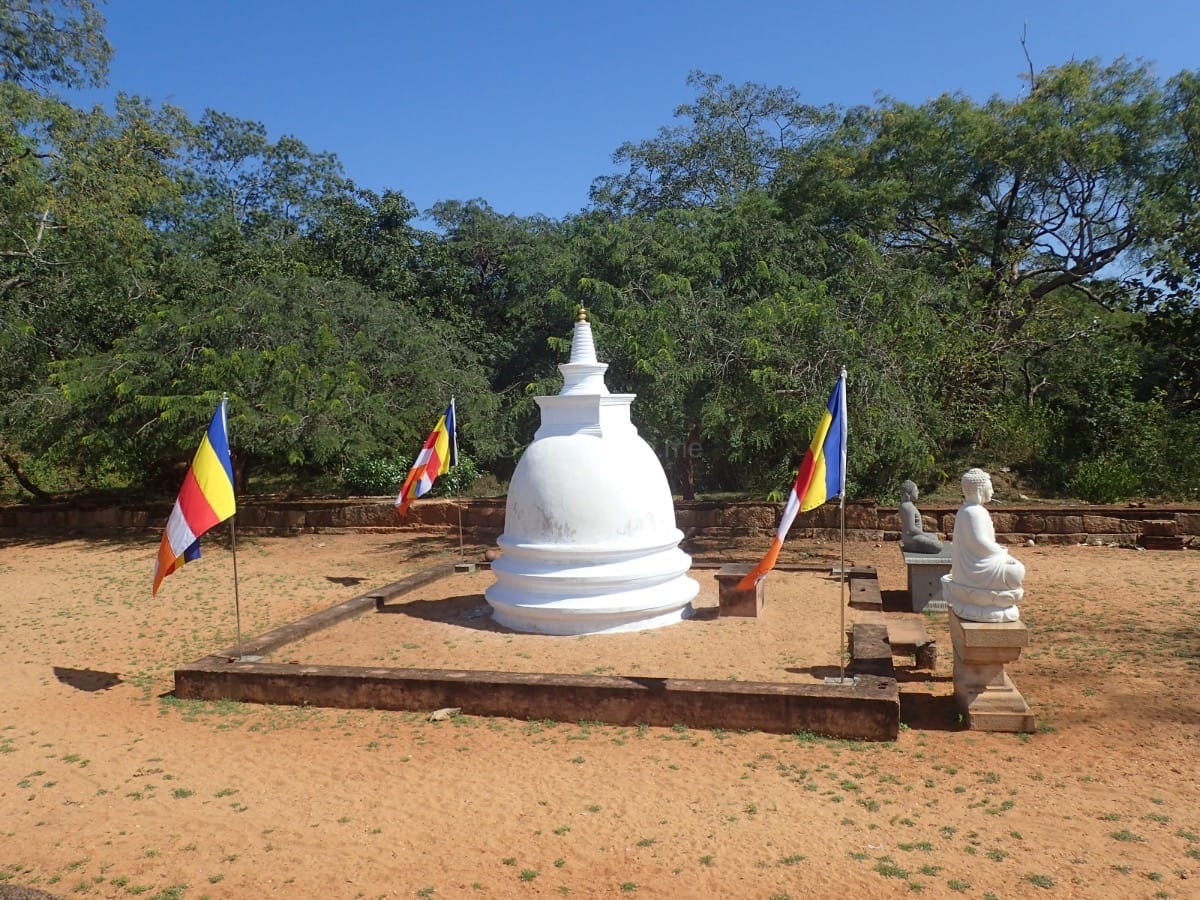
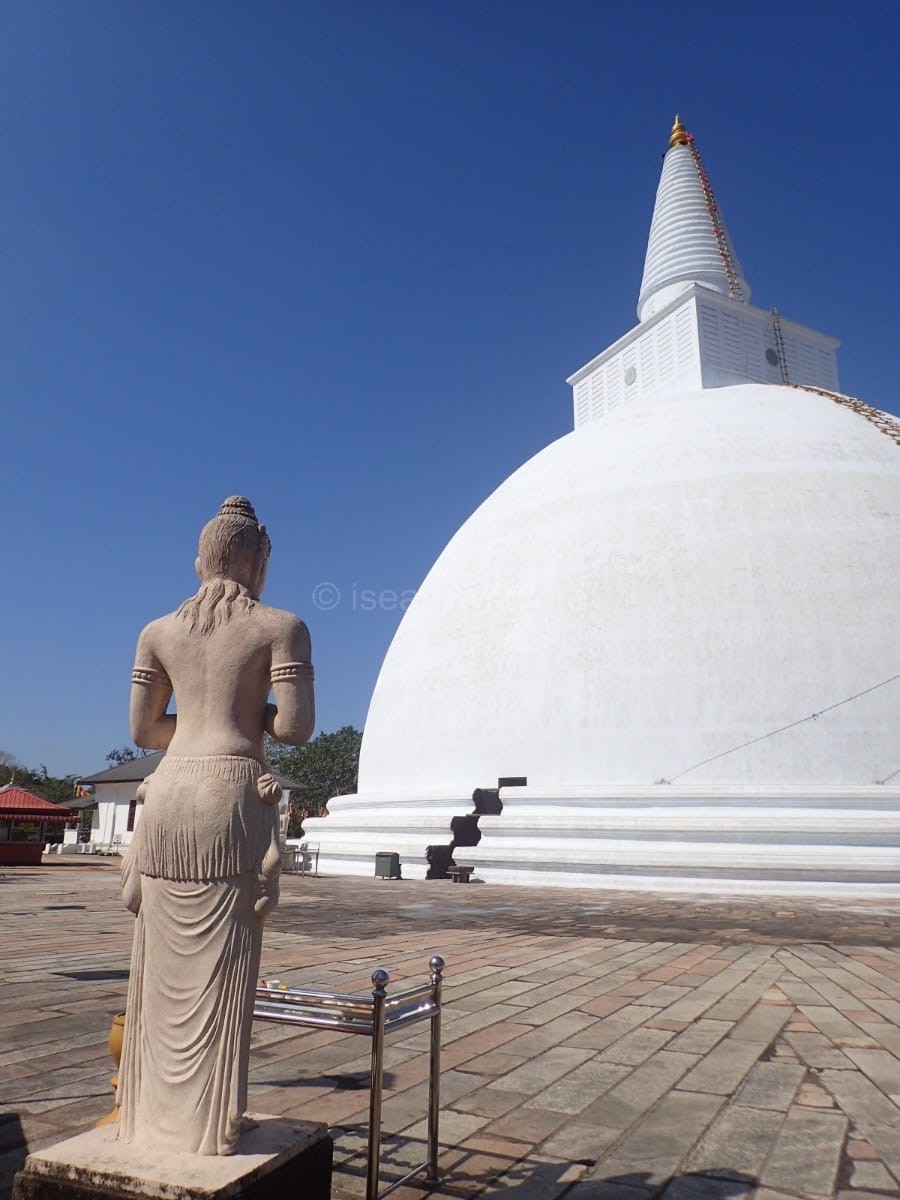
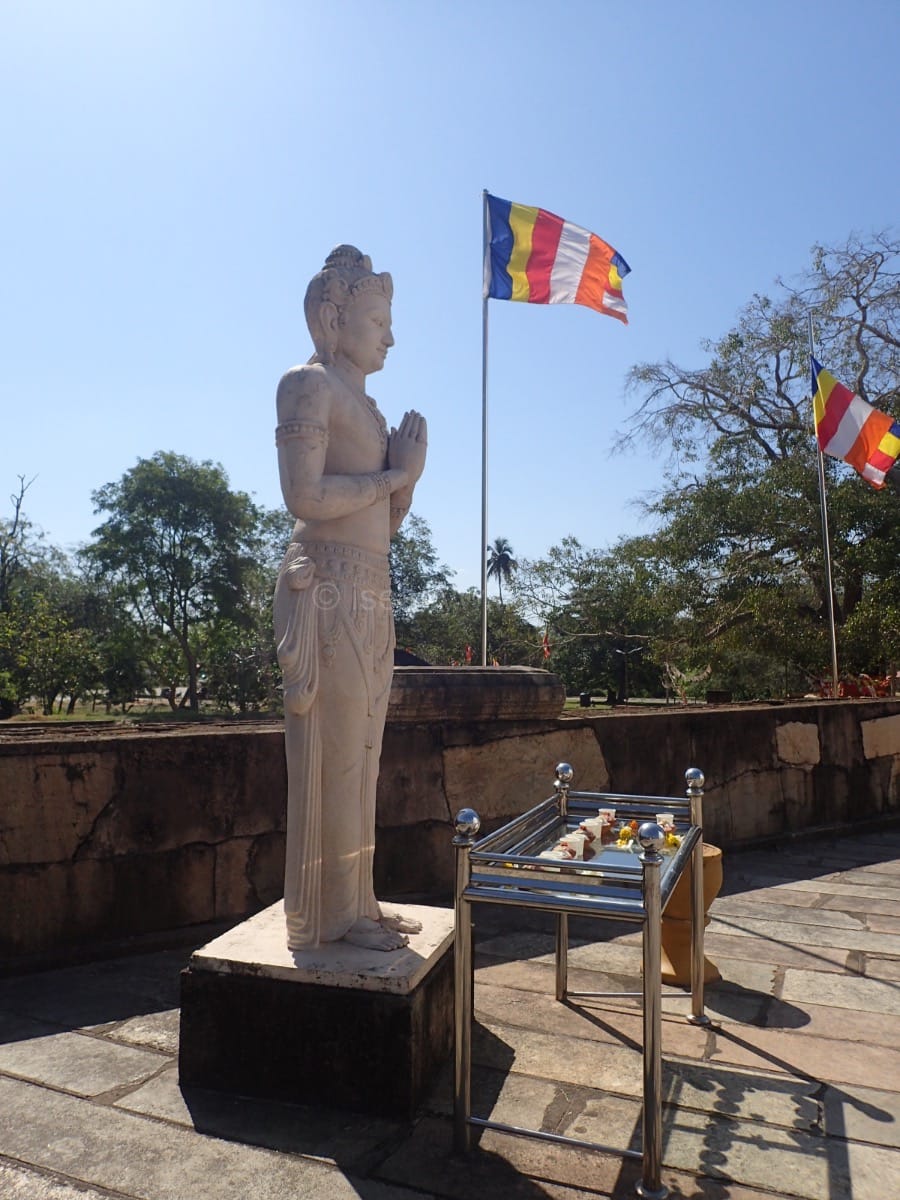
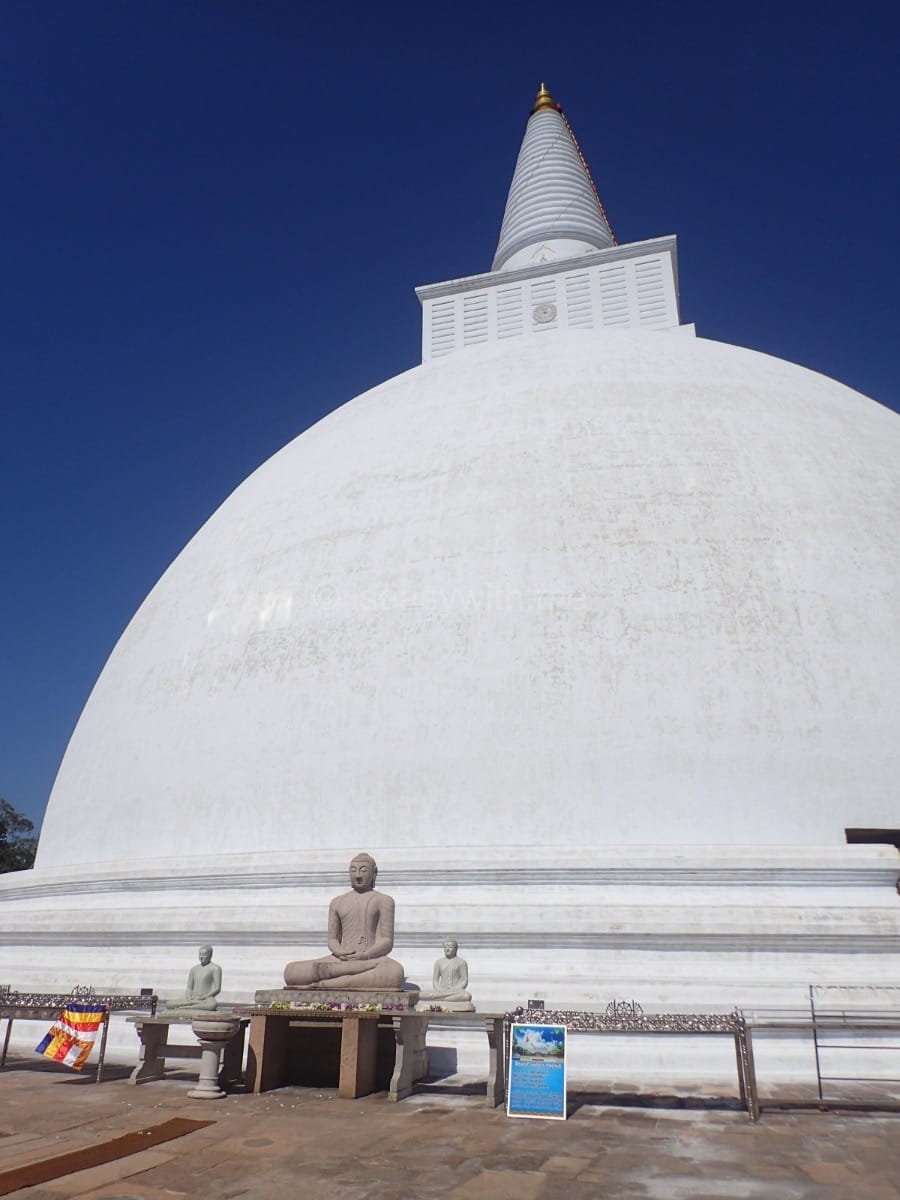
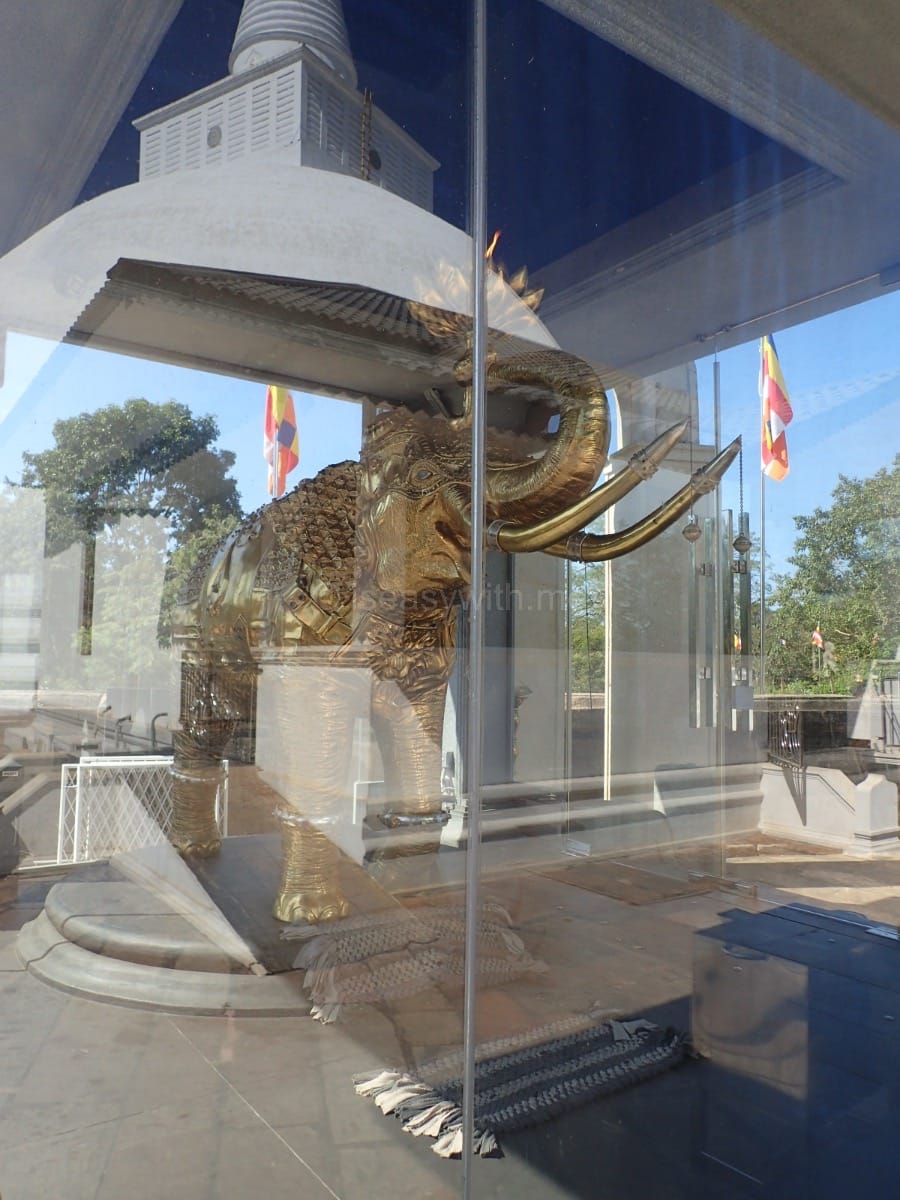
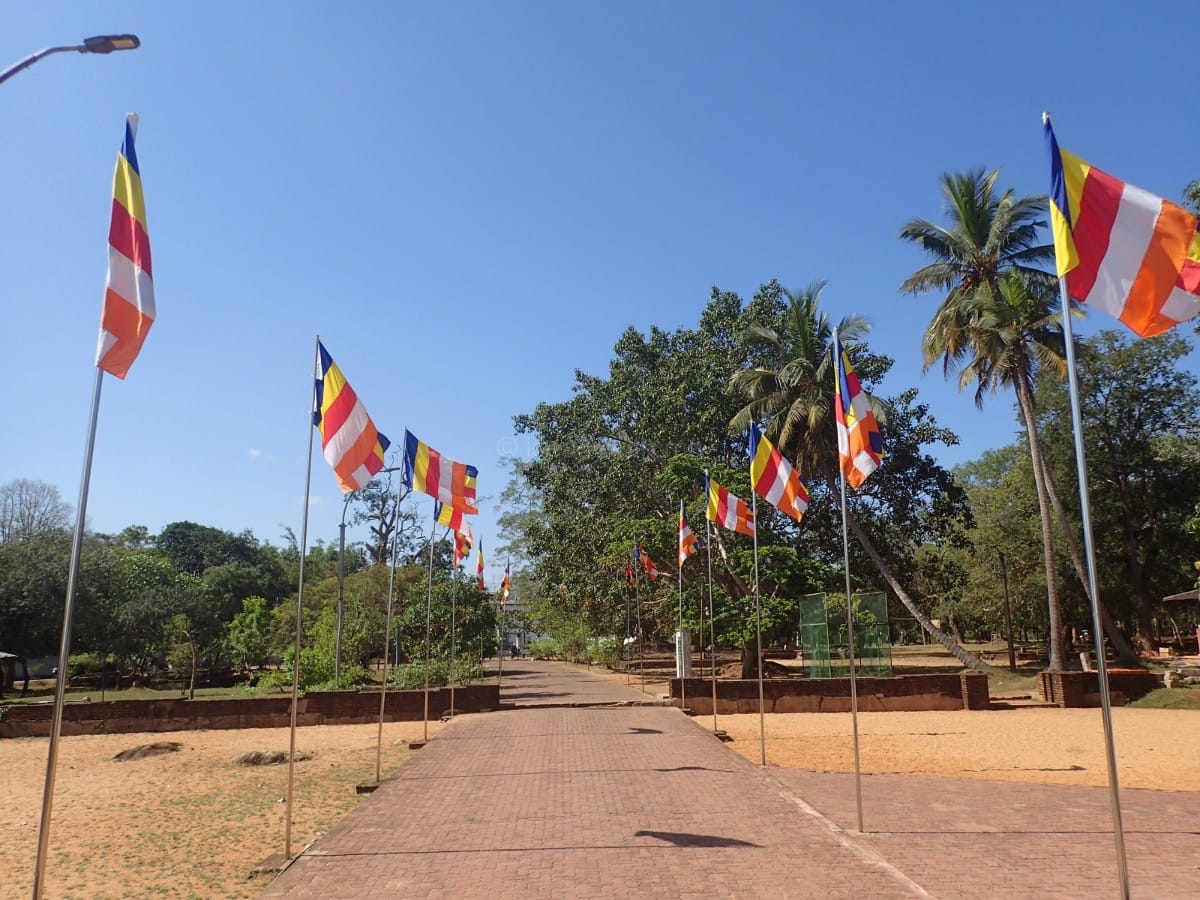
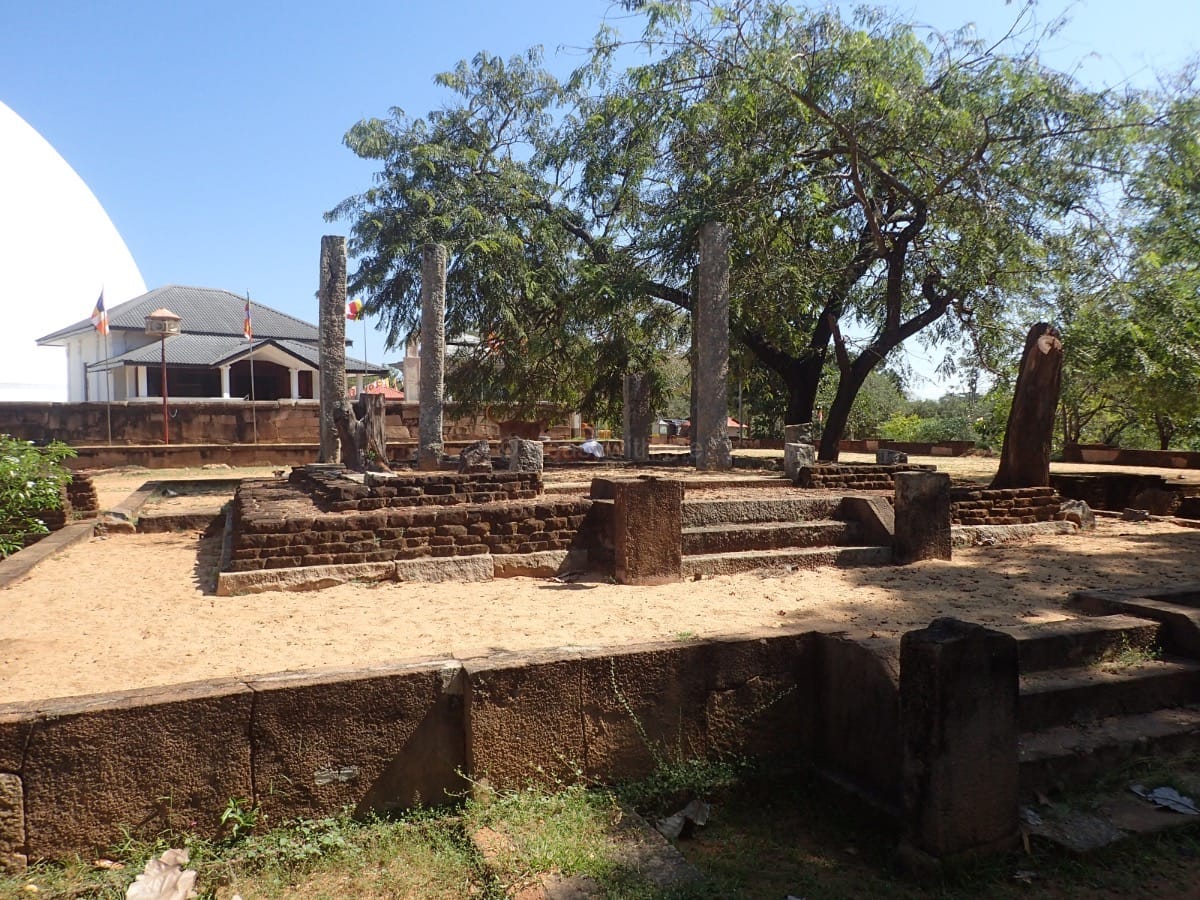
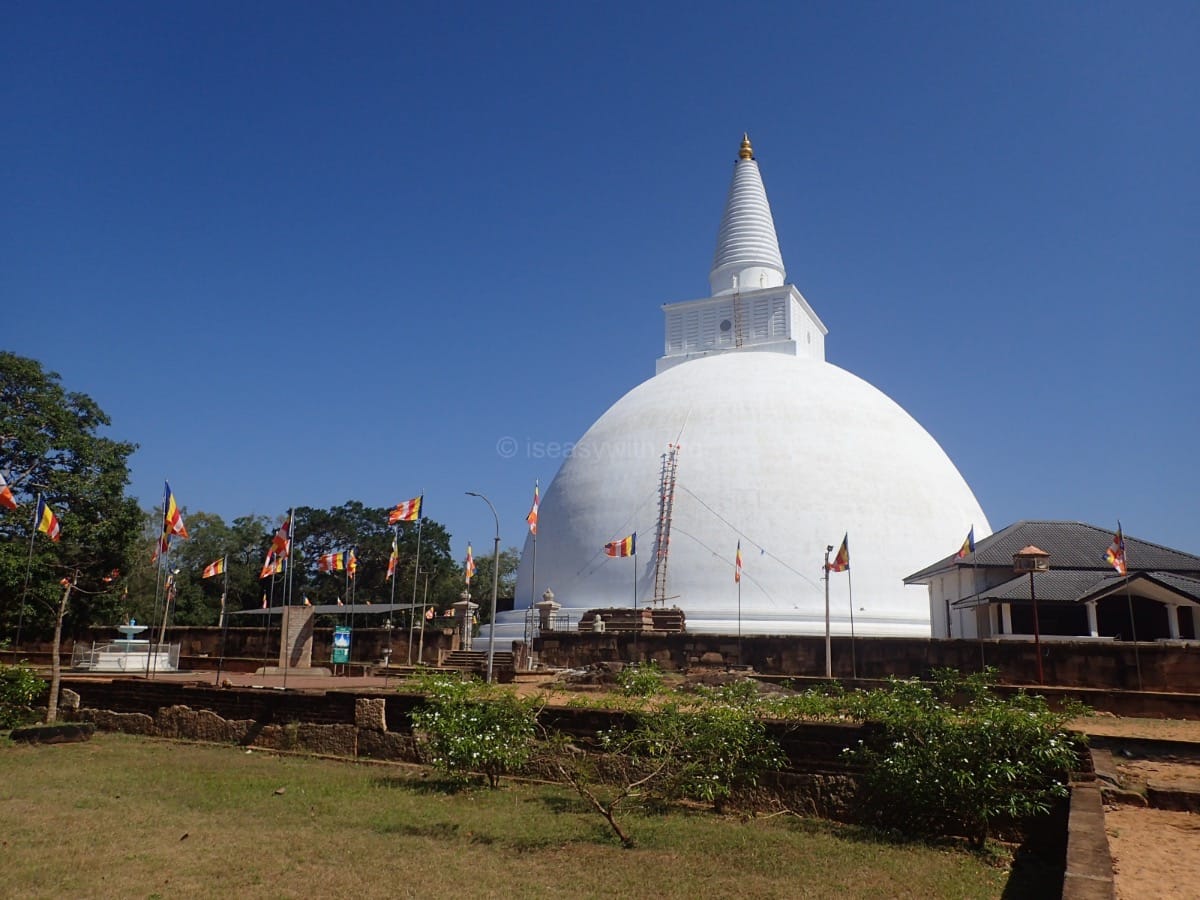
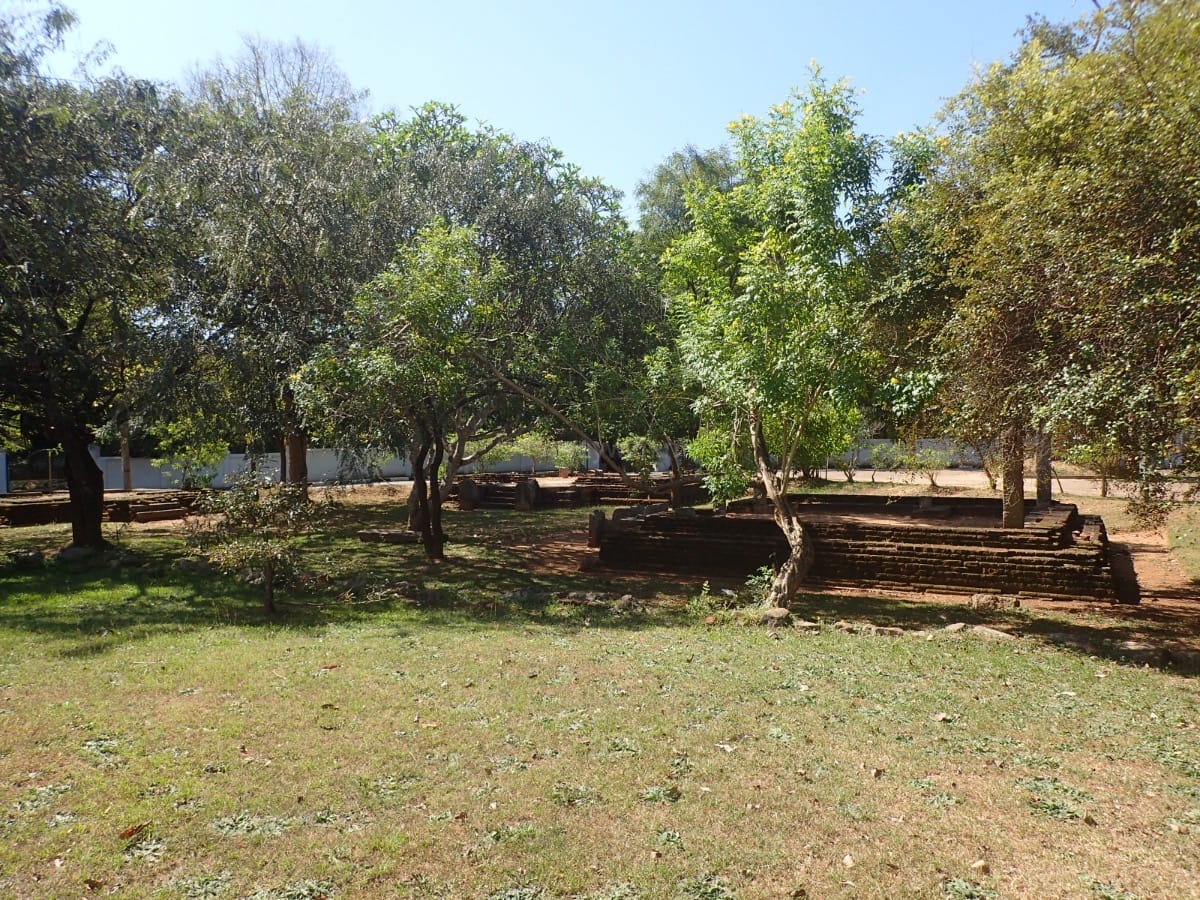
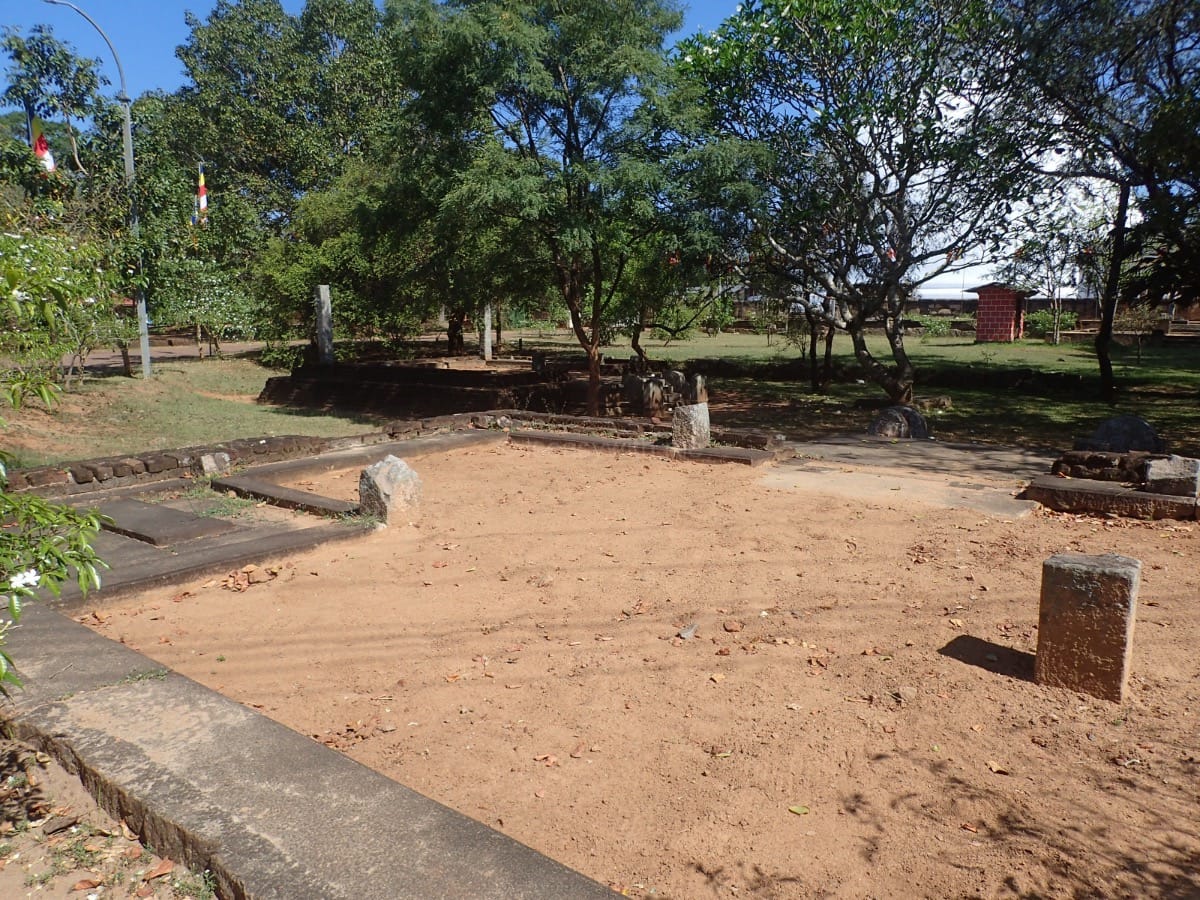
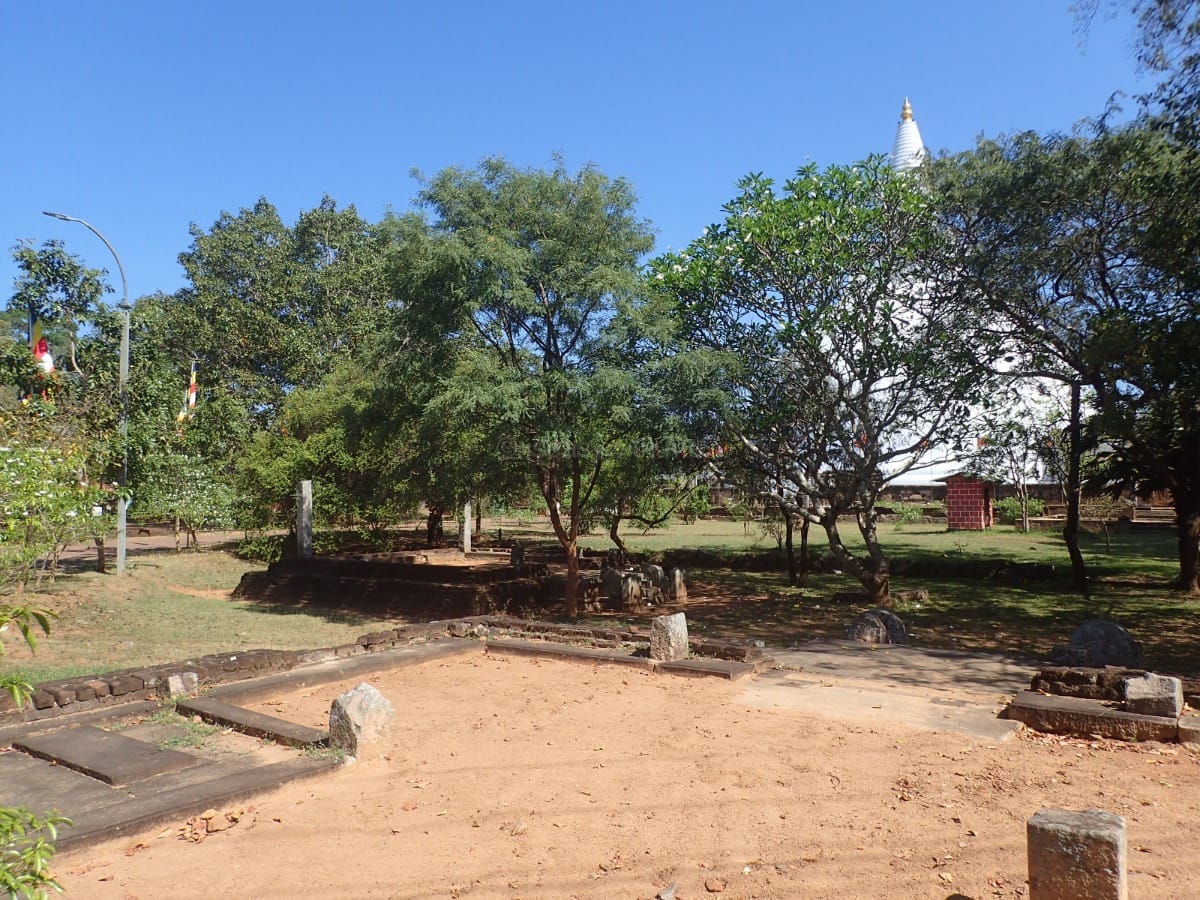
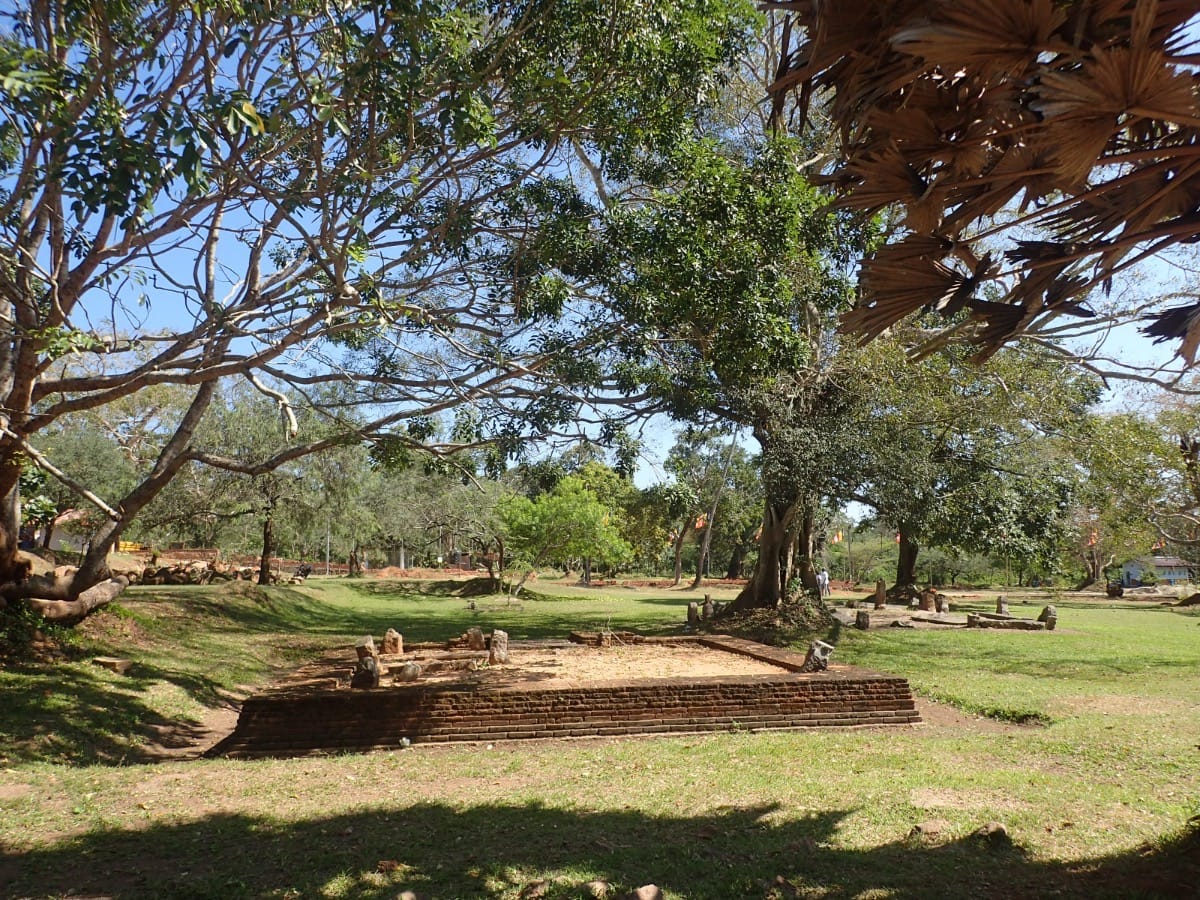
Built by King Dutugemunu, Mirisawetiya remains an active place of worship. While overshadowed by larger stupas nearby, it offers a calmer atmosphere and steady flow of pilgrims throughout the day.
Mirisawetiya
Thuparamaya
Thuparamaya is considered the first Buddhist stupa built in Sri Lanka. Its compact structure and surrounding stone pillars make it historically significant as well as visually distinctive.
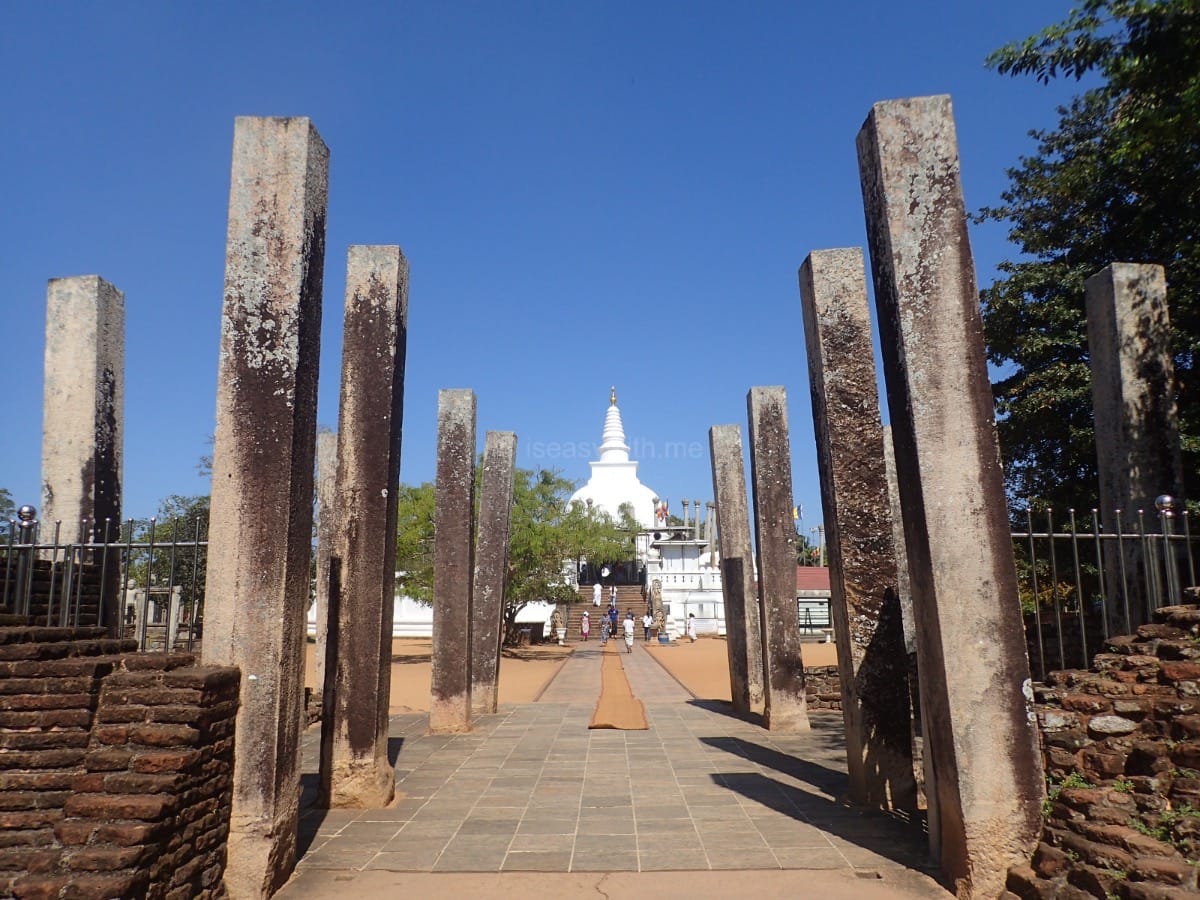
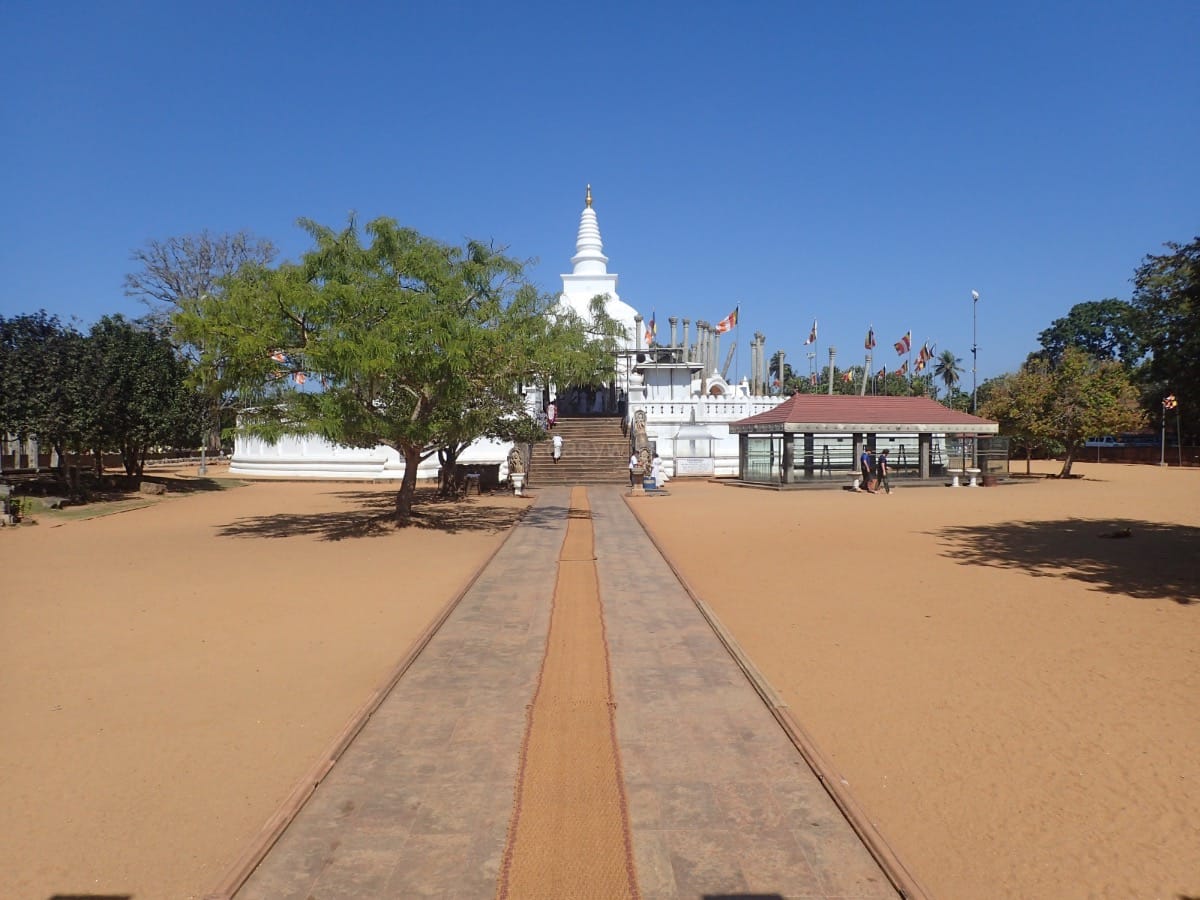
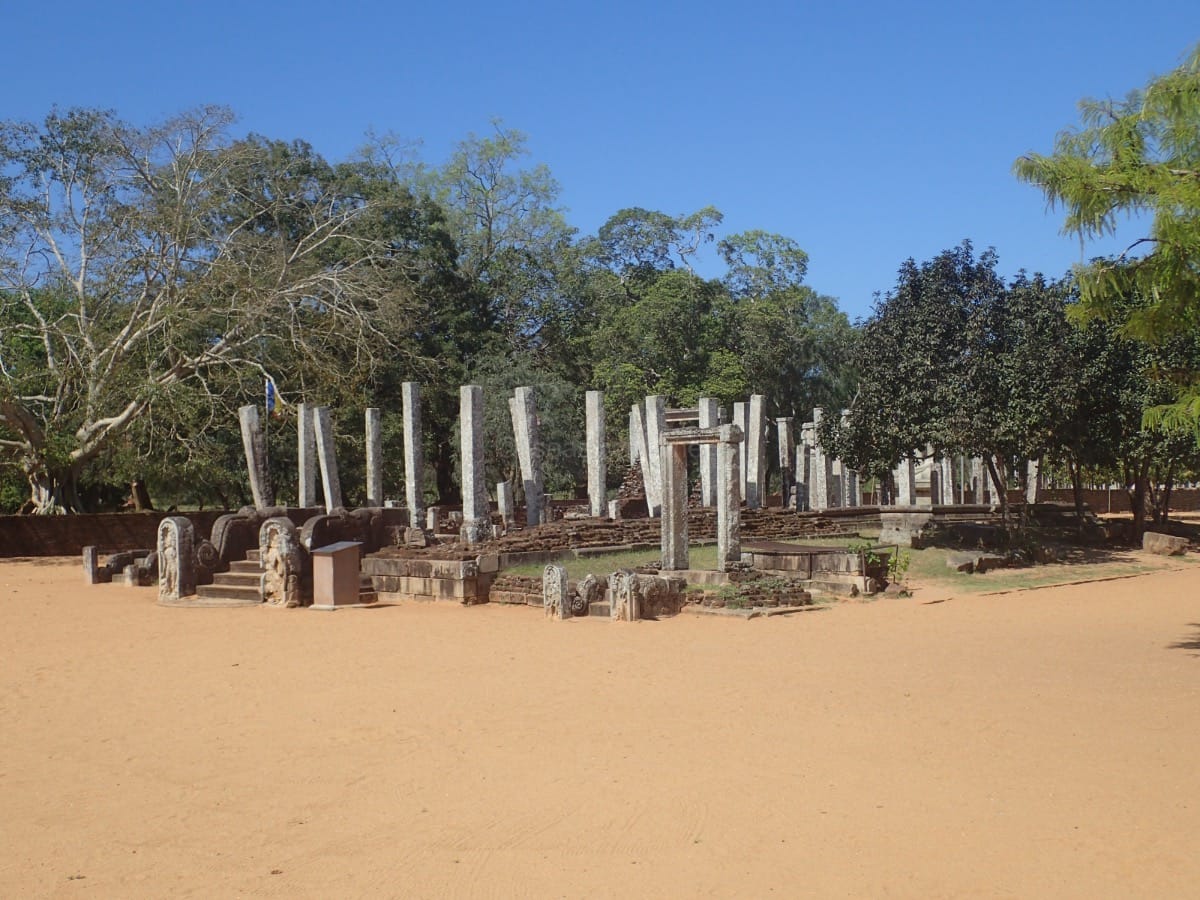
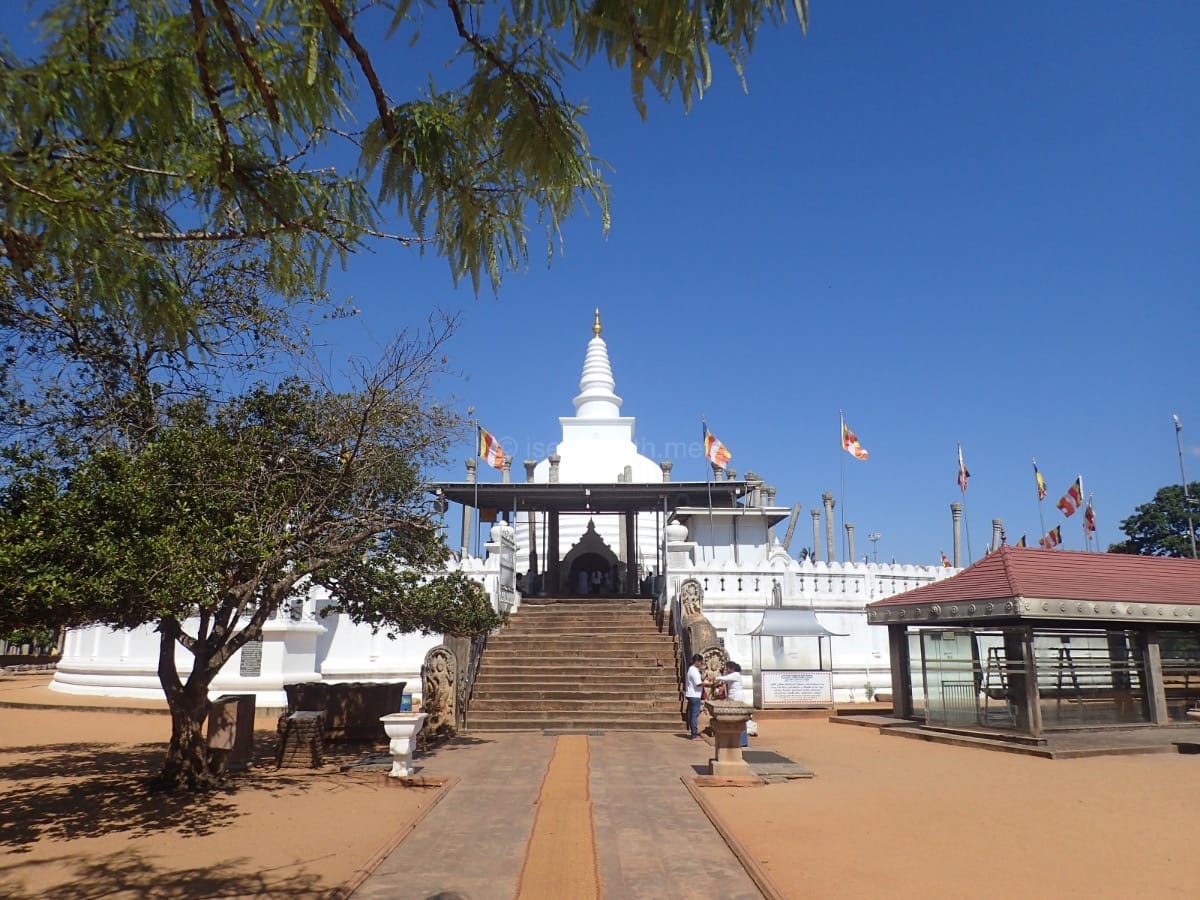
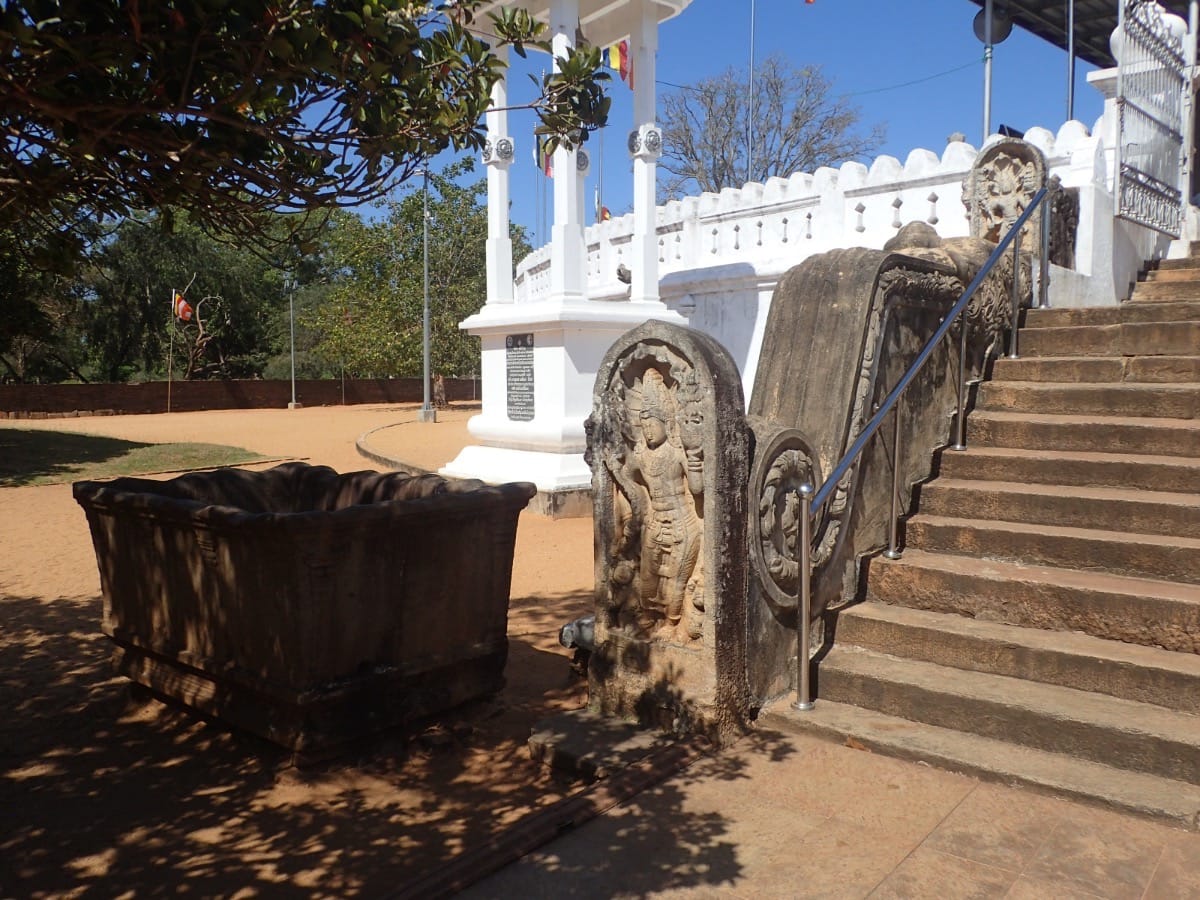
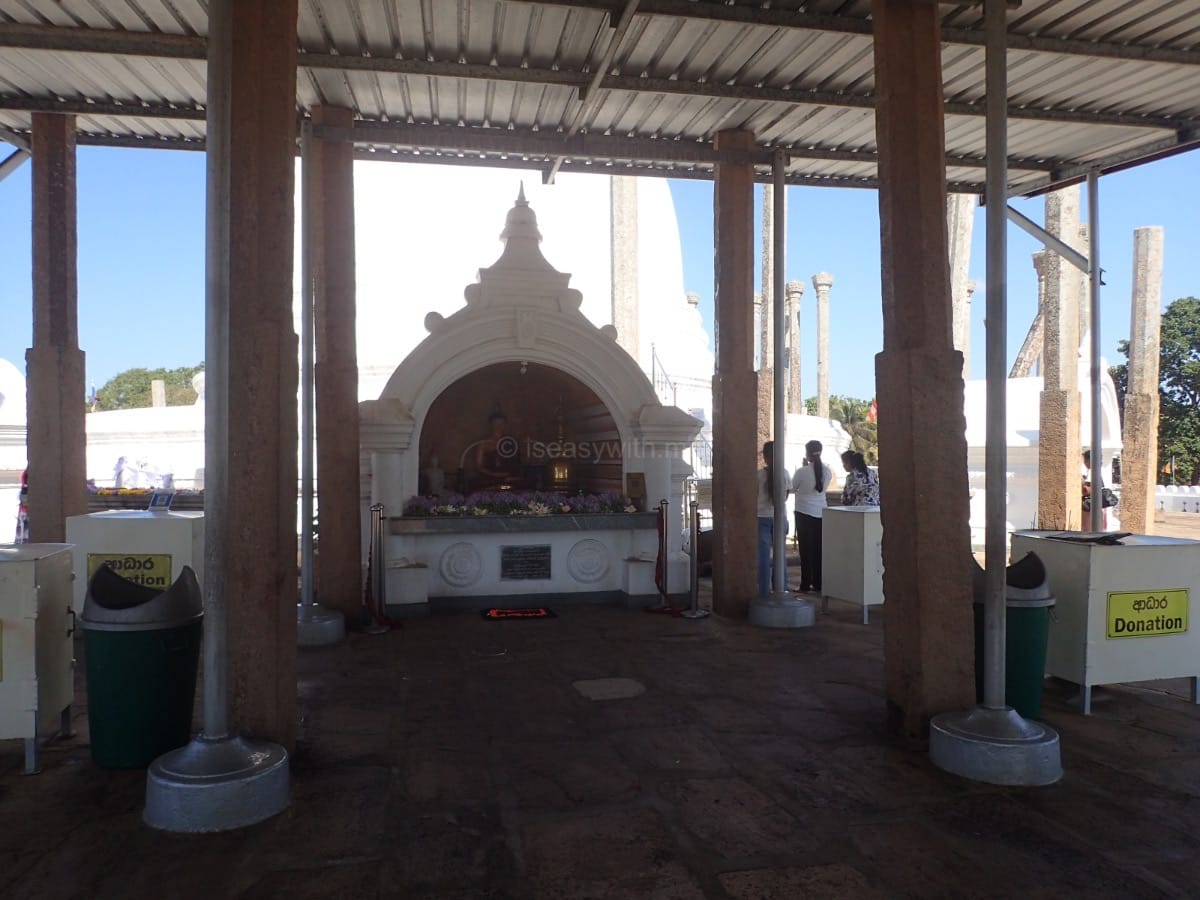
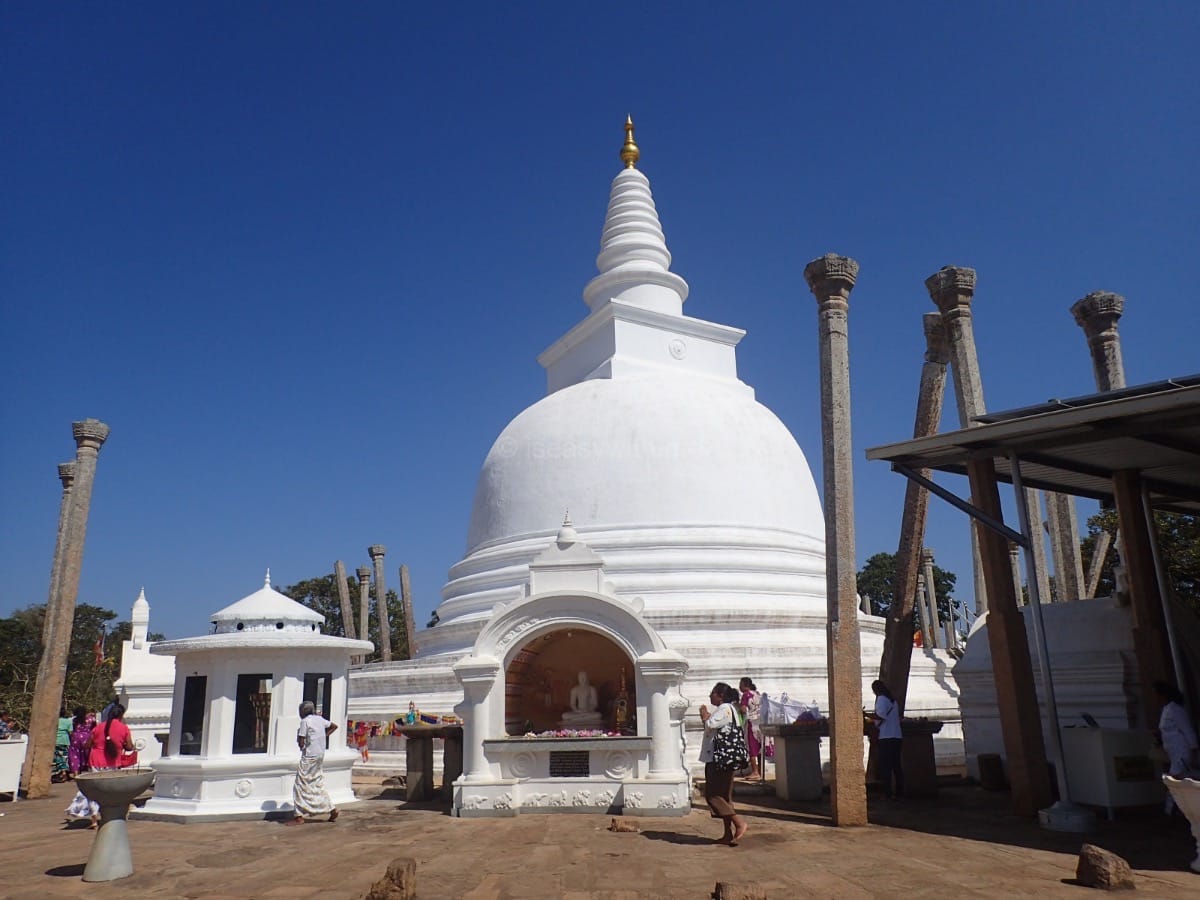
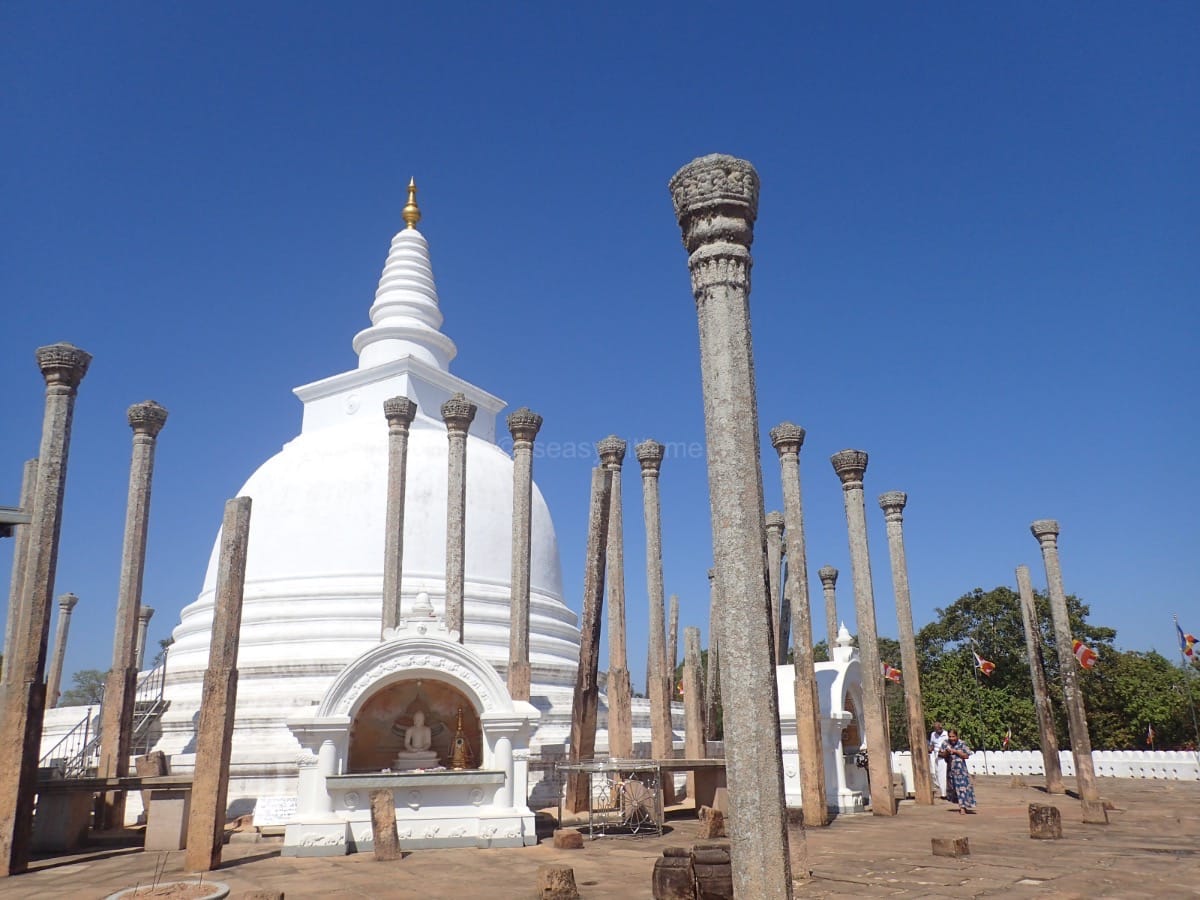
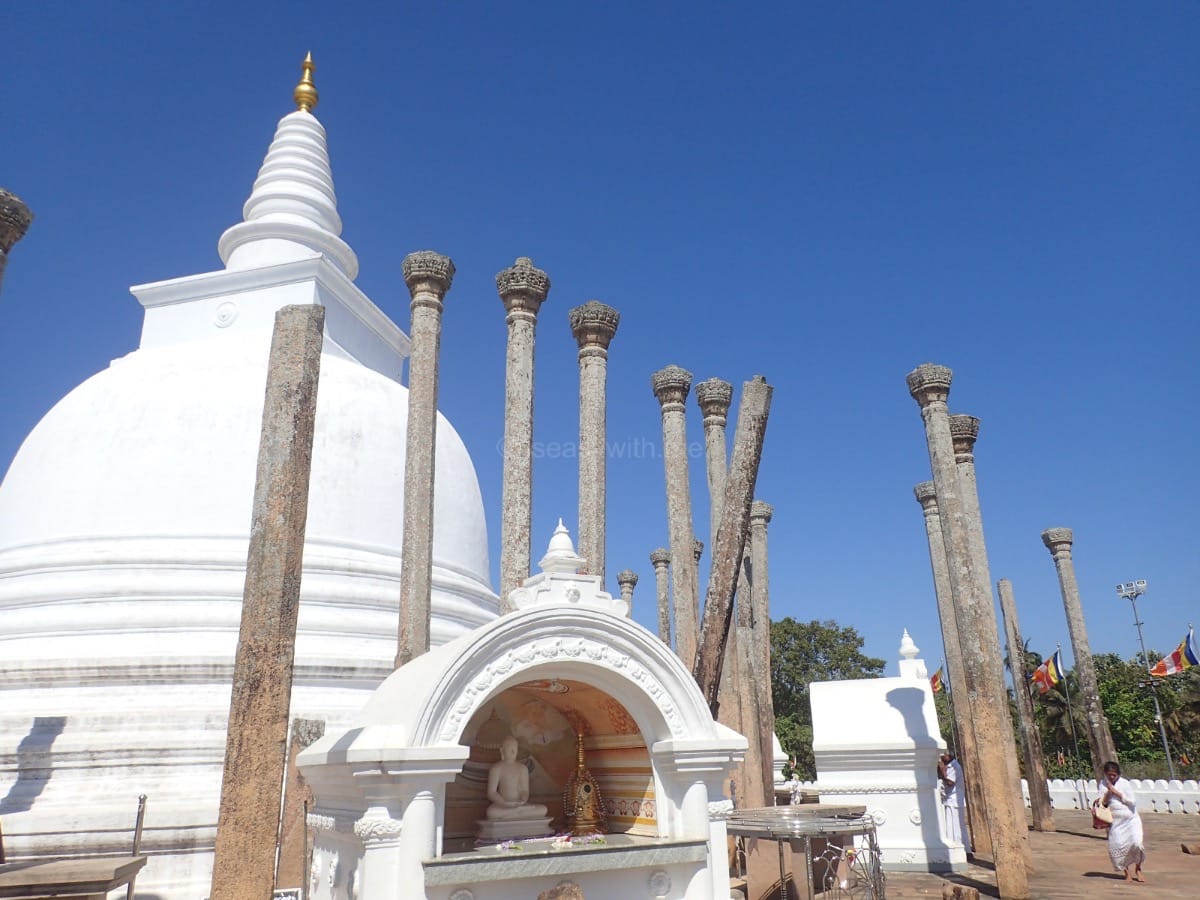
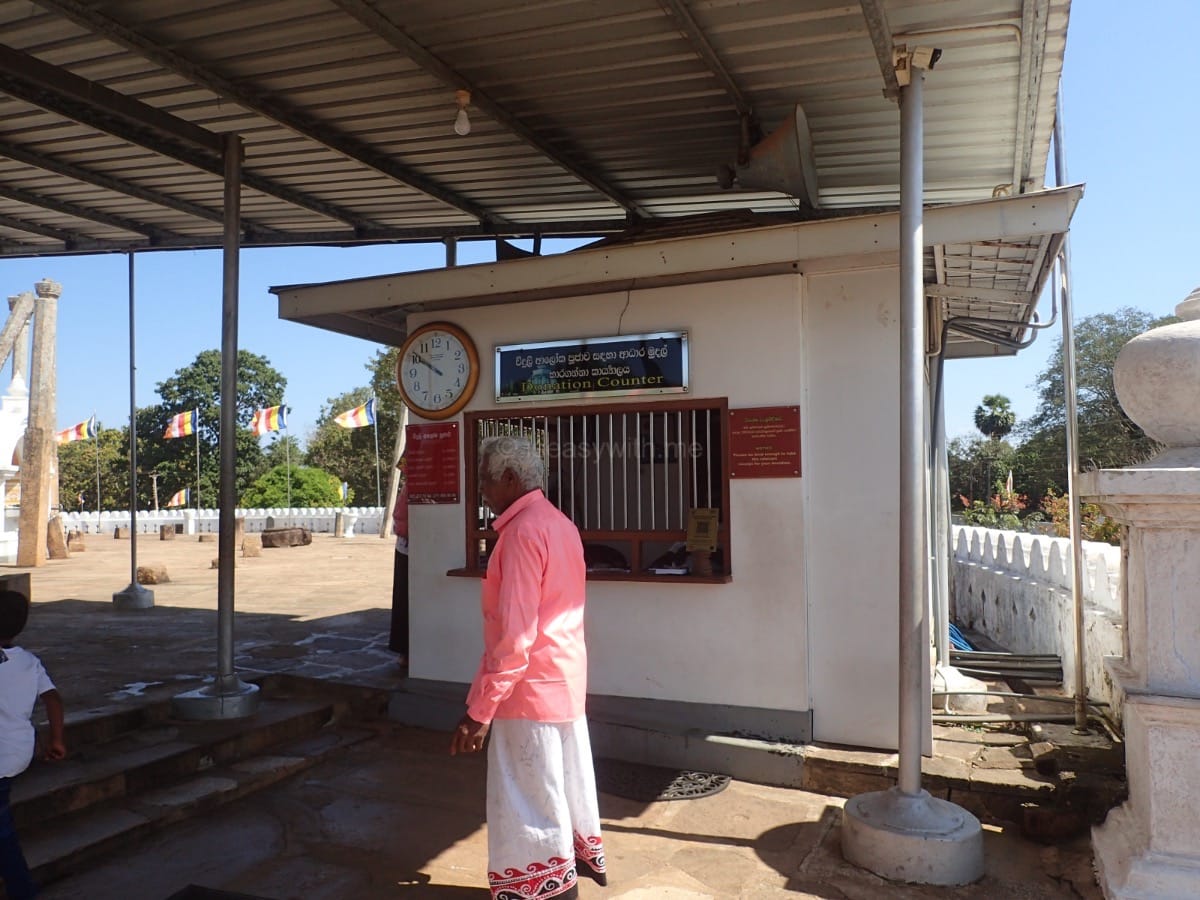
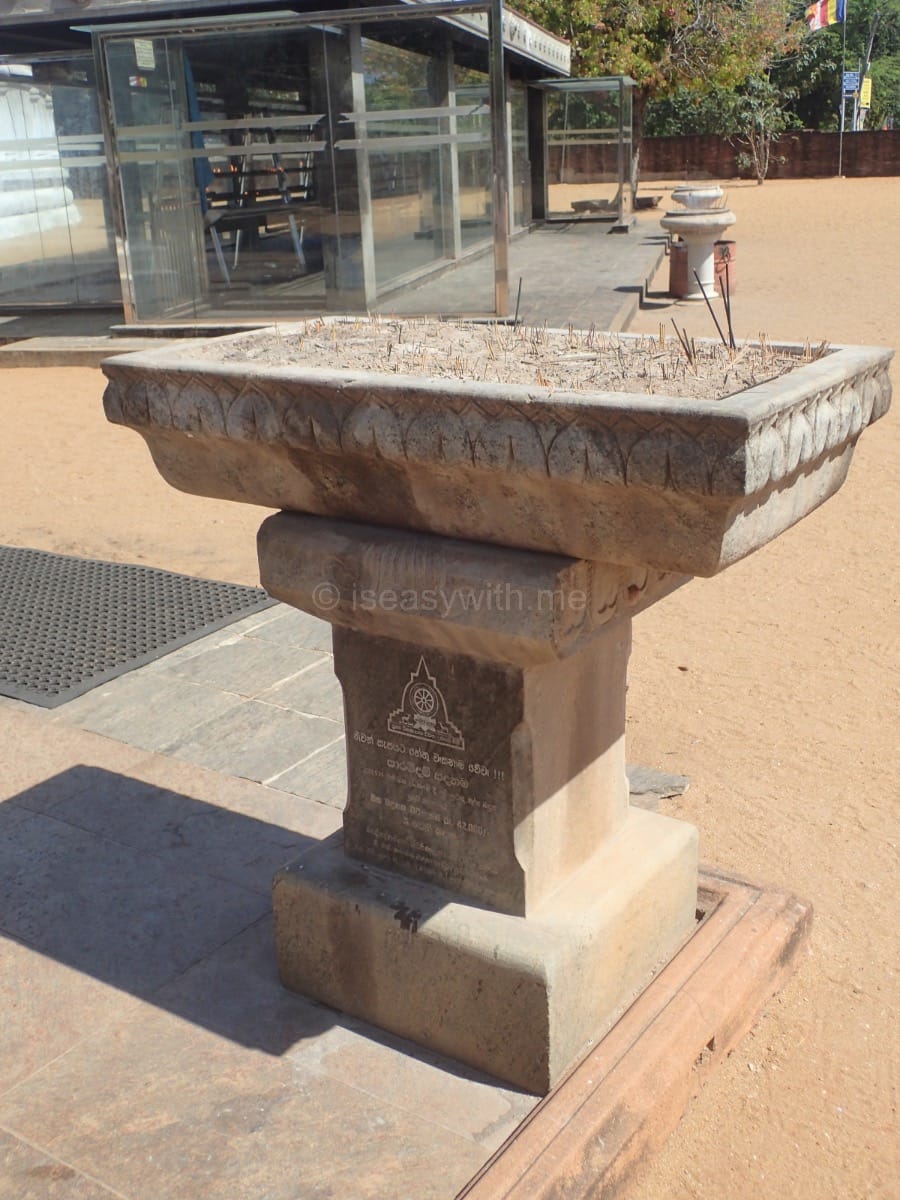
Thuparamaya
Jetavanaramaya
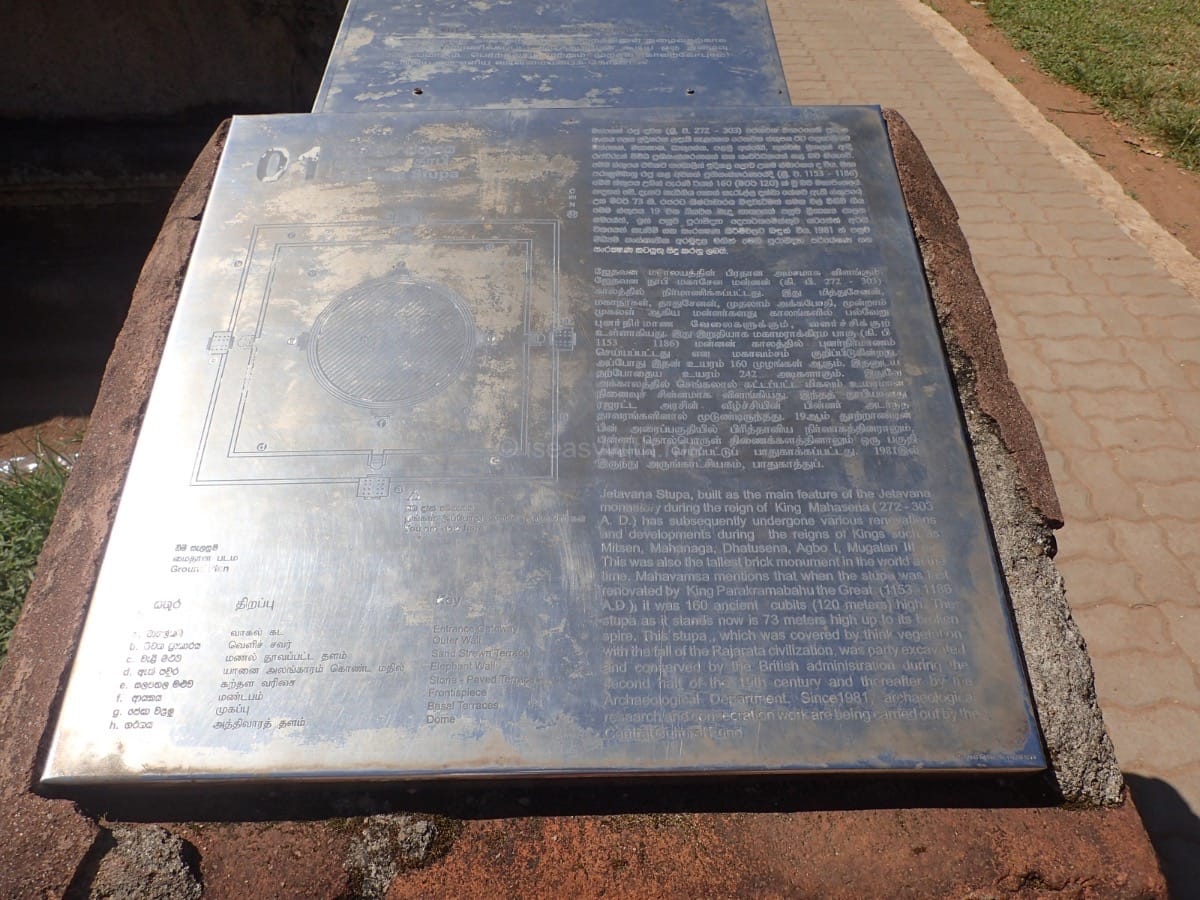
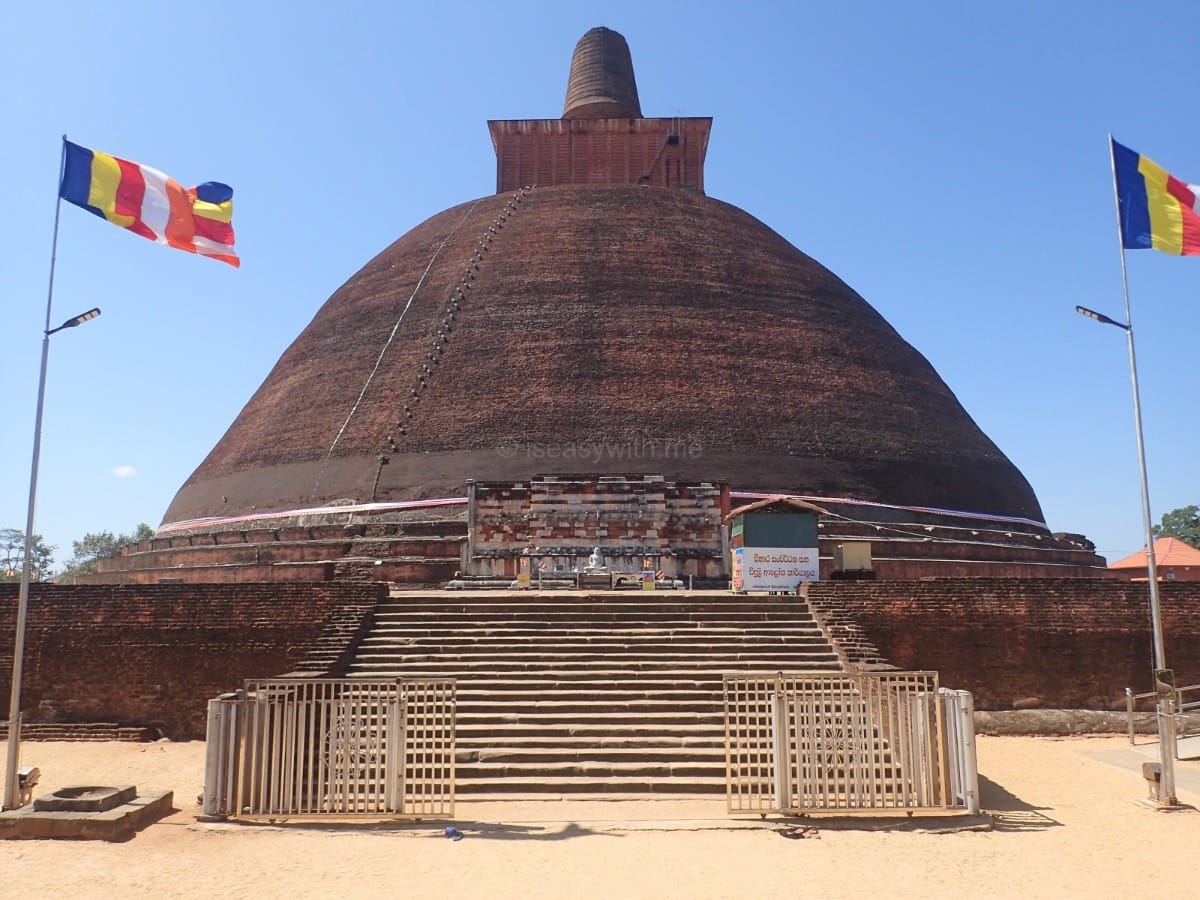
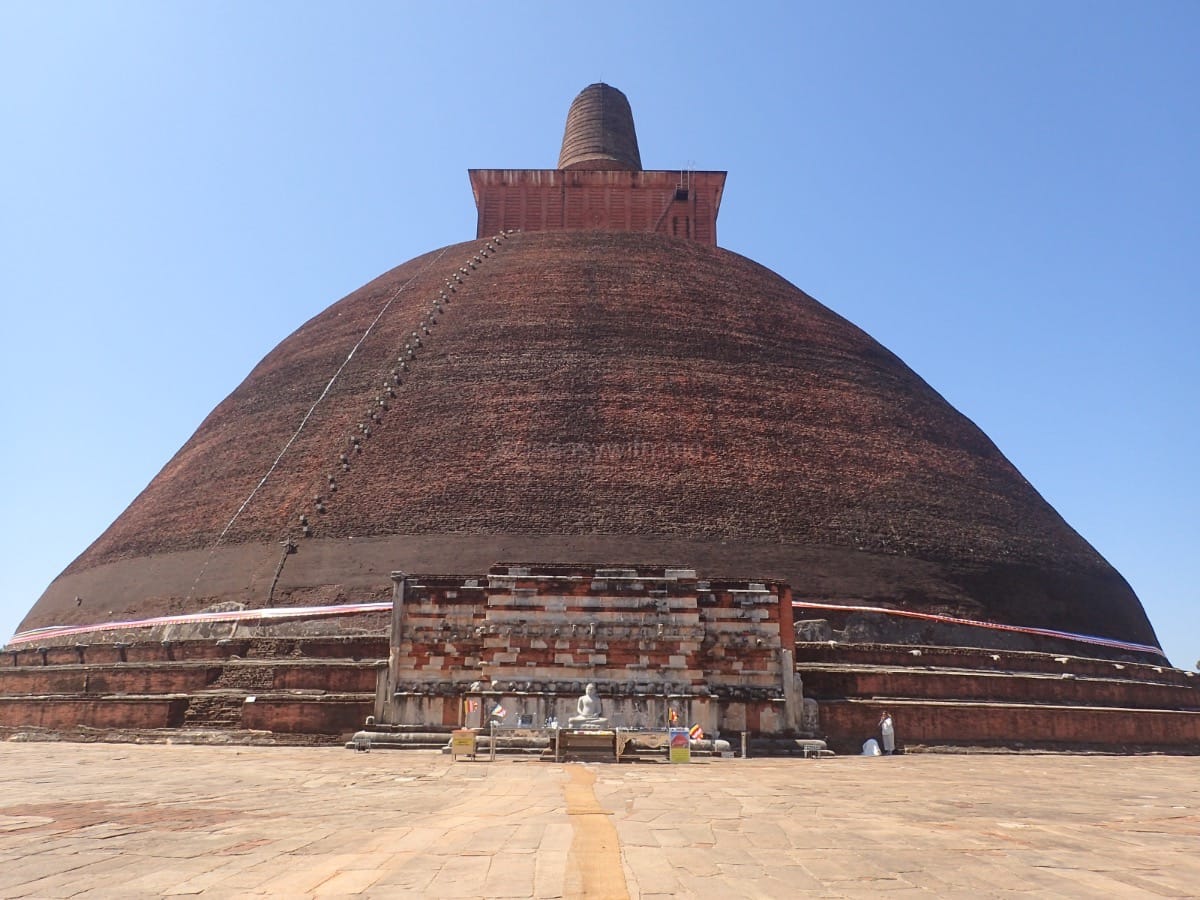
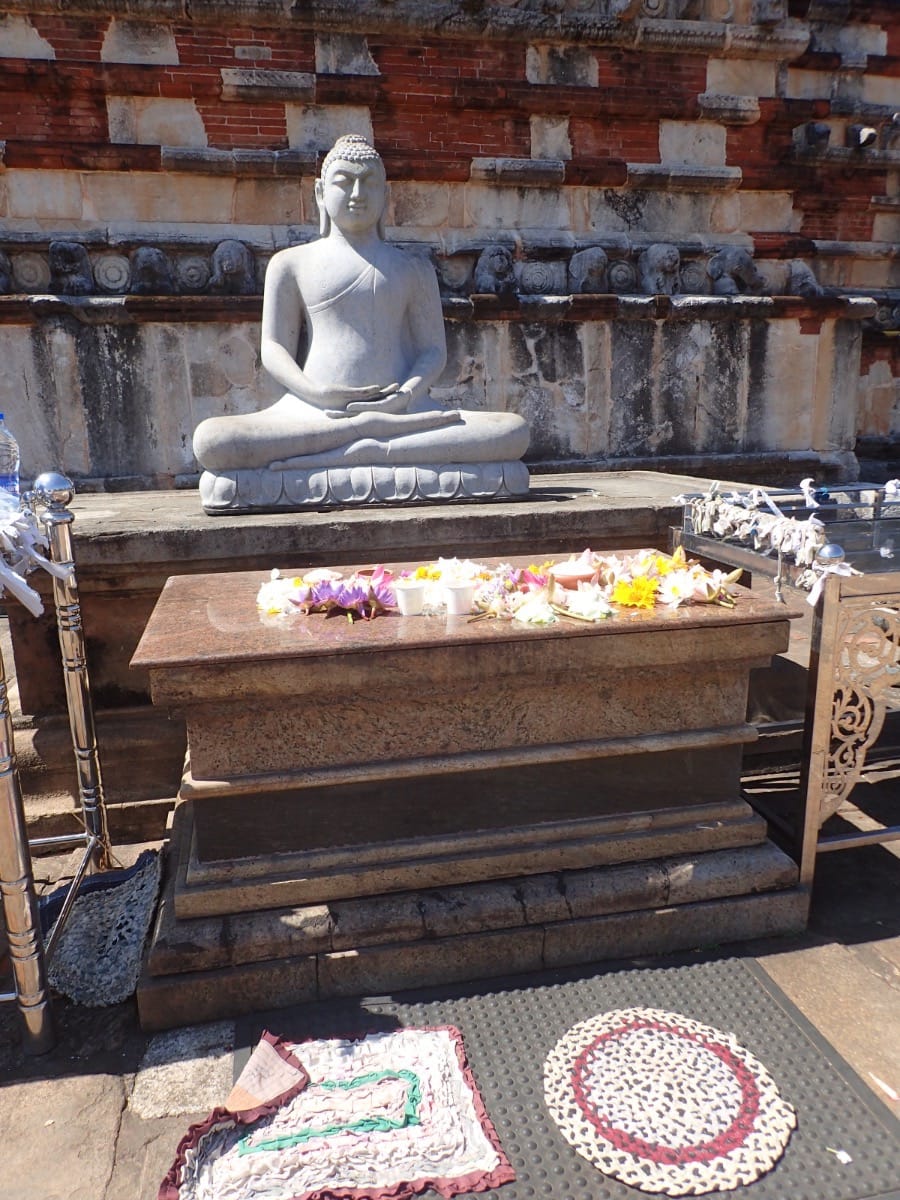
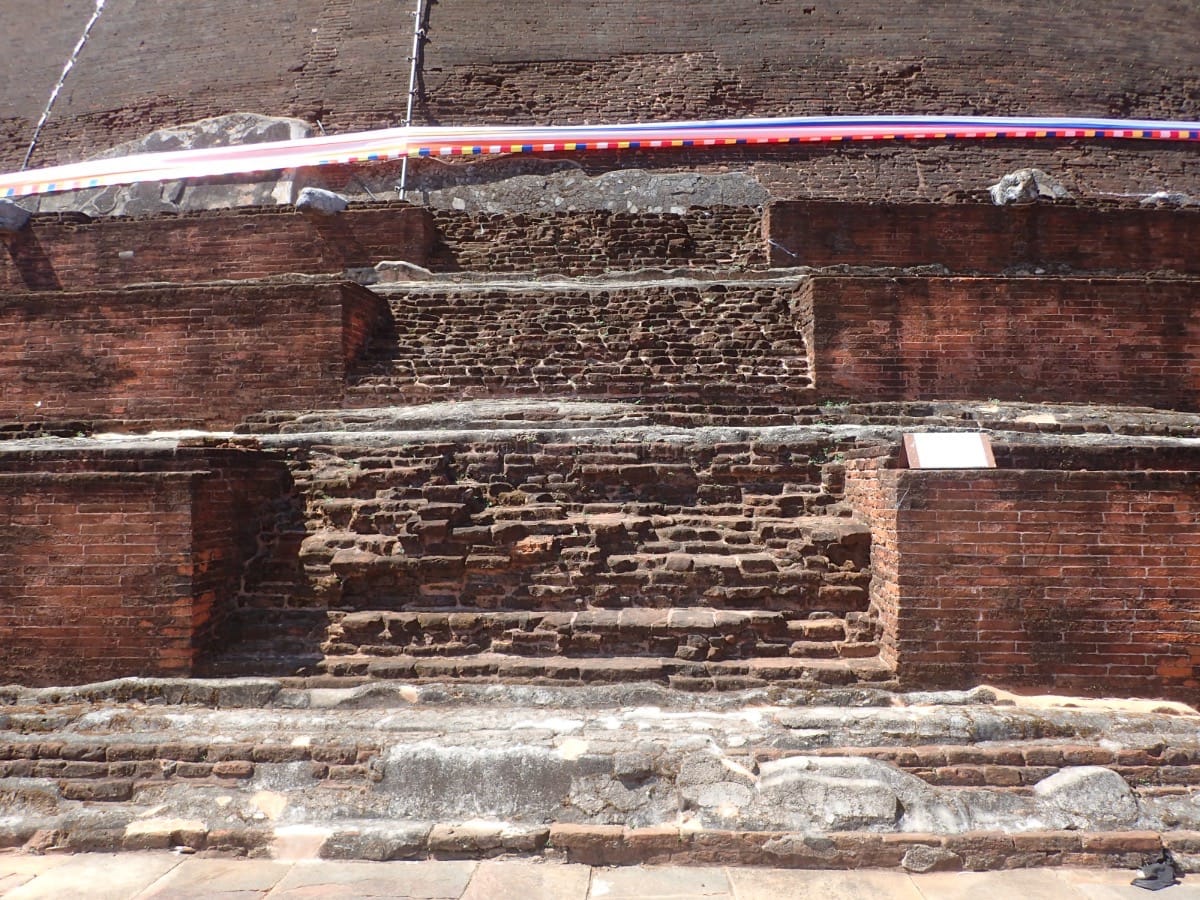
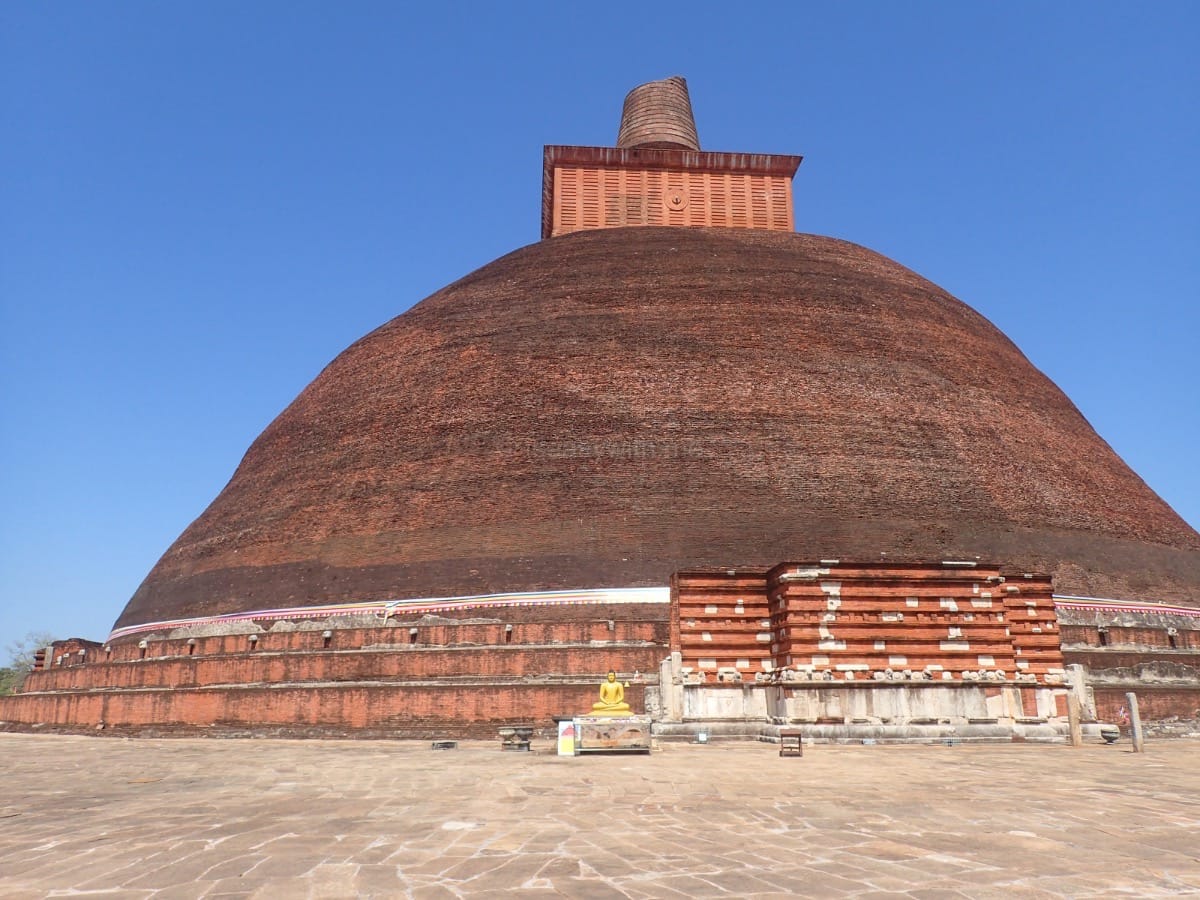
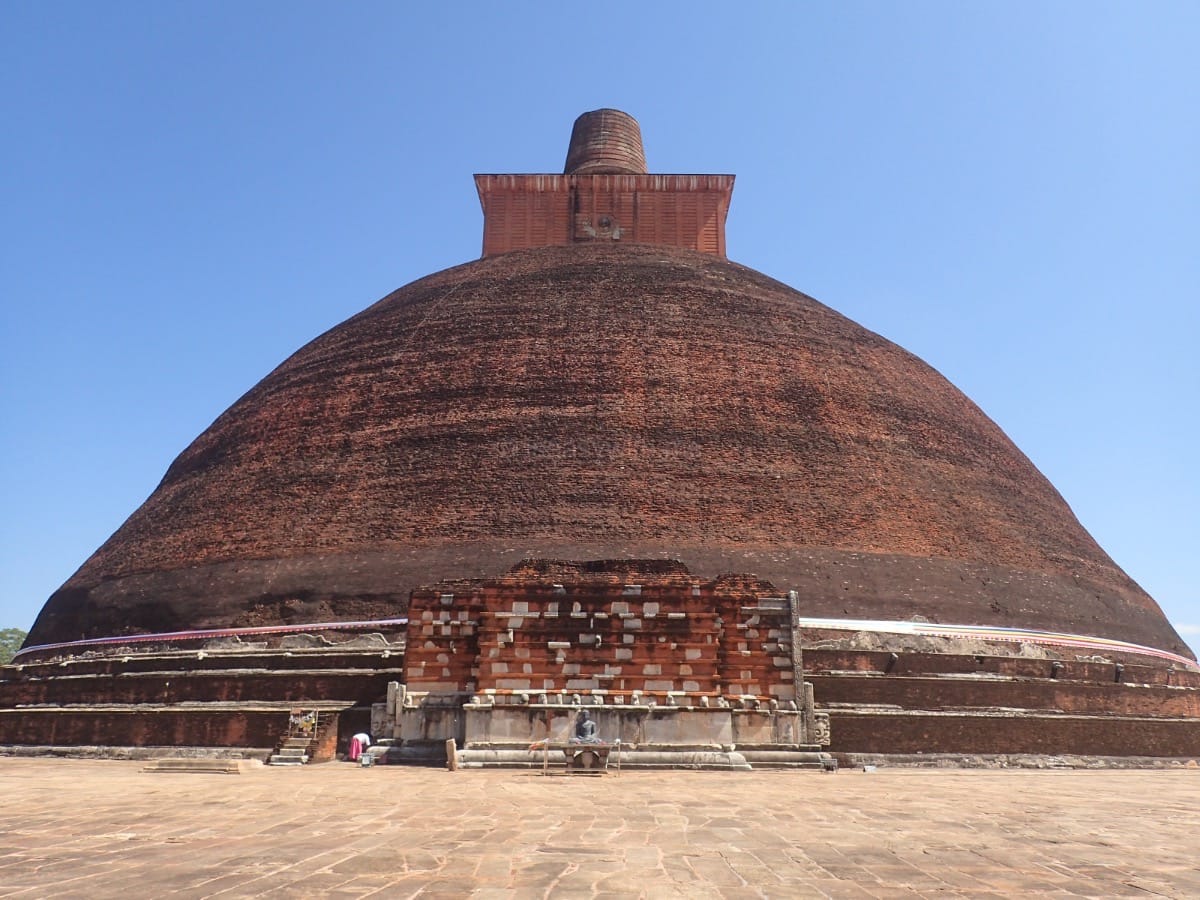
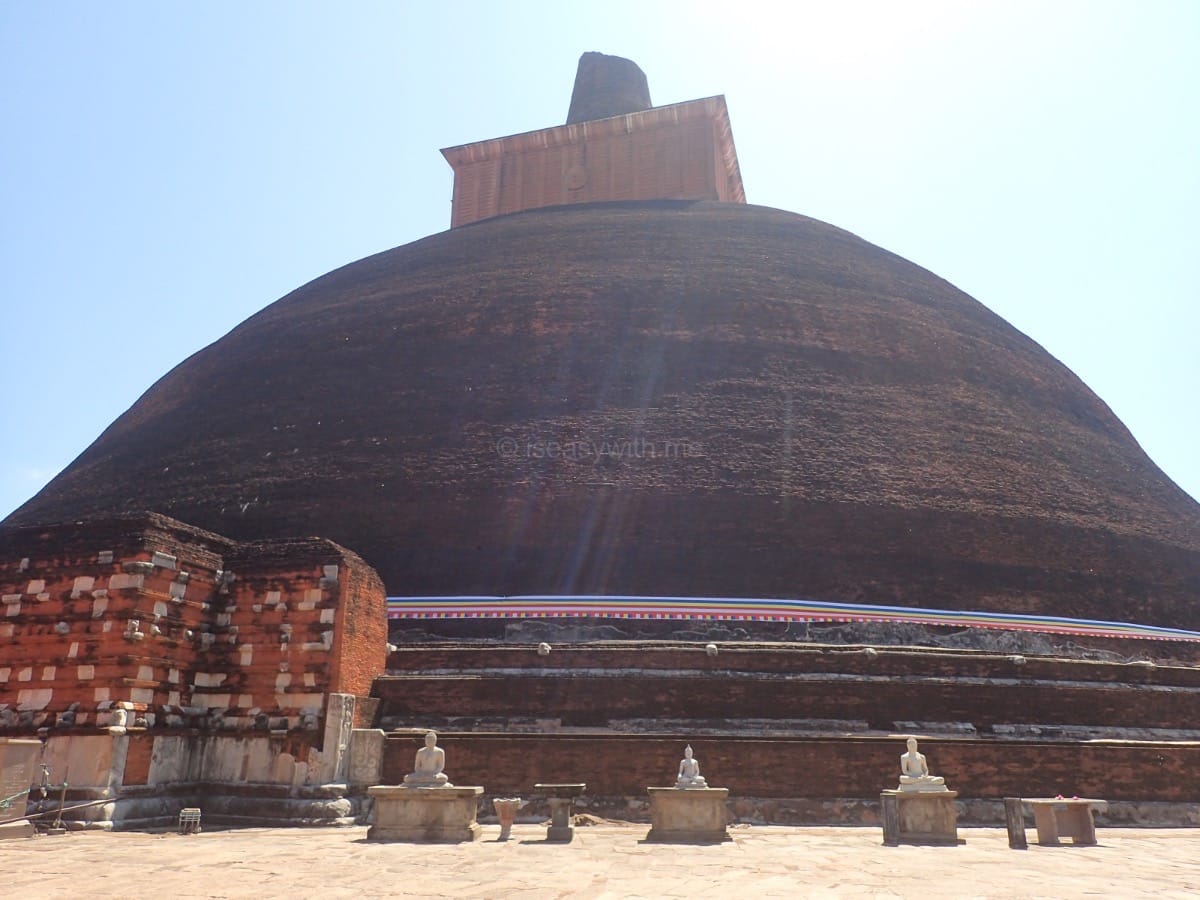
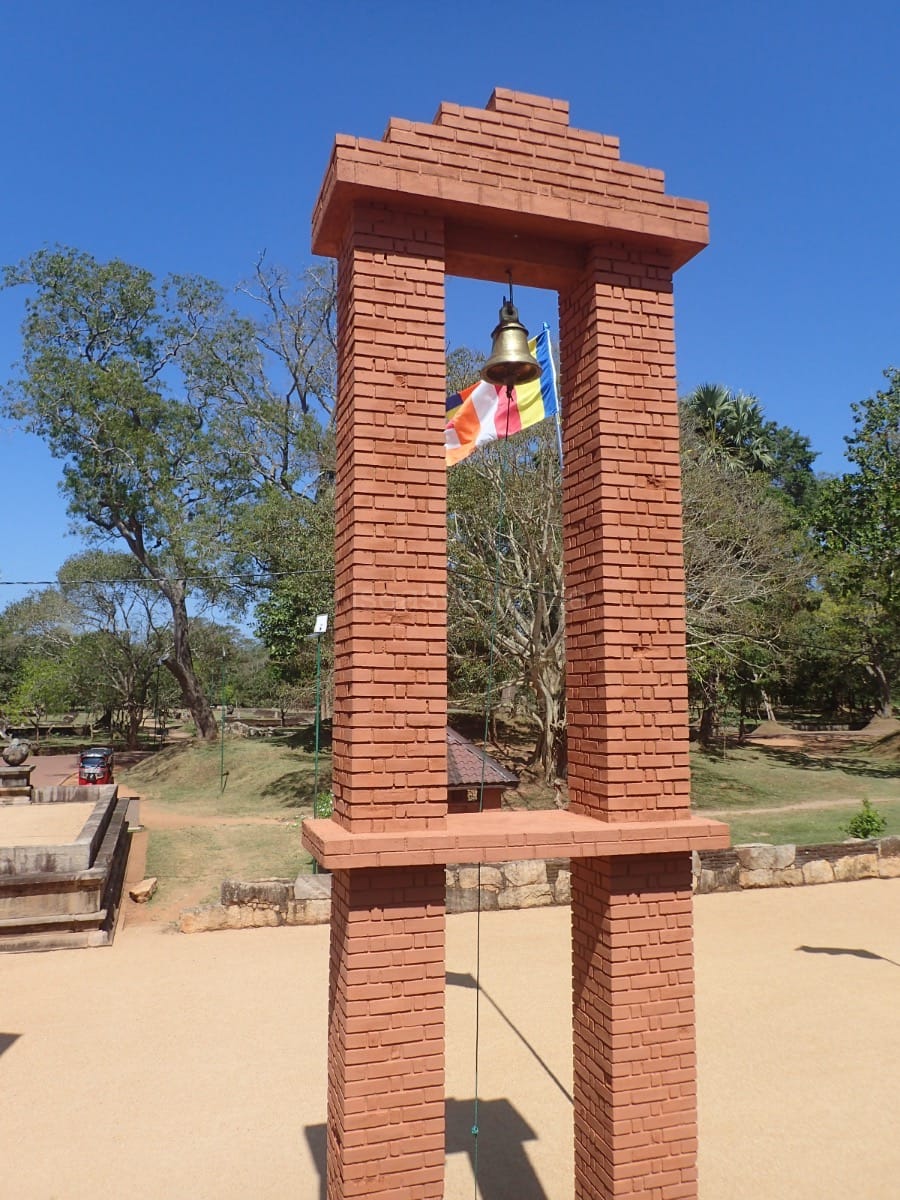
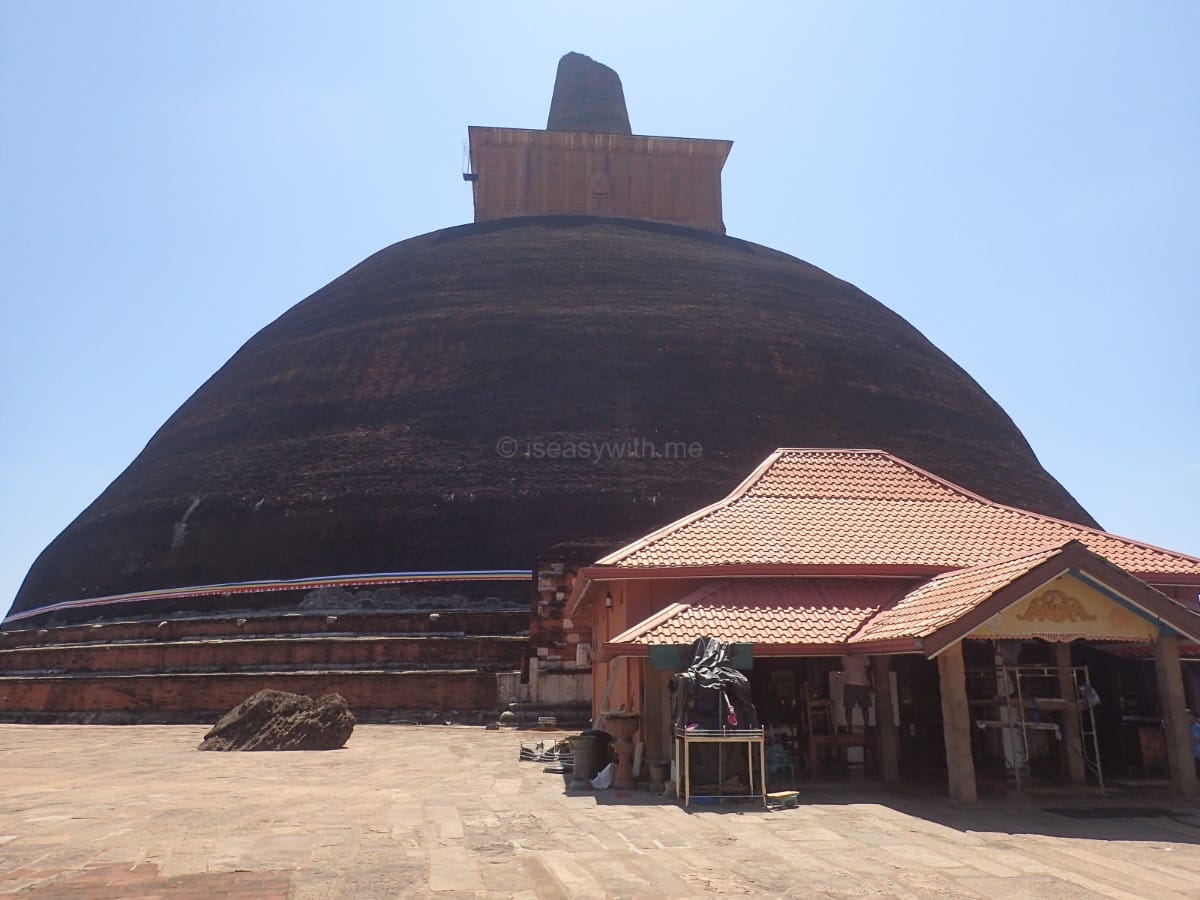
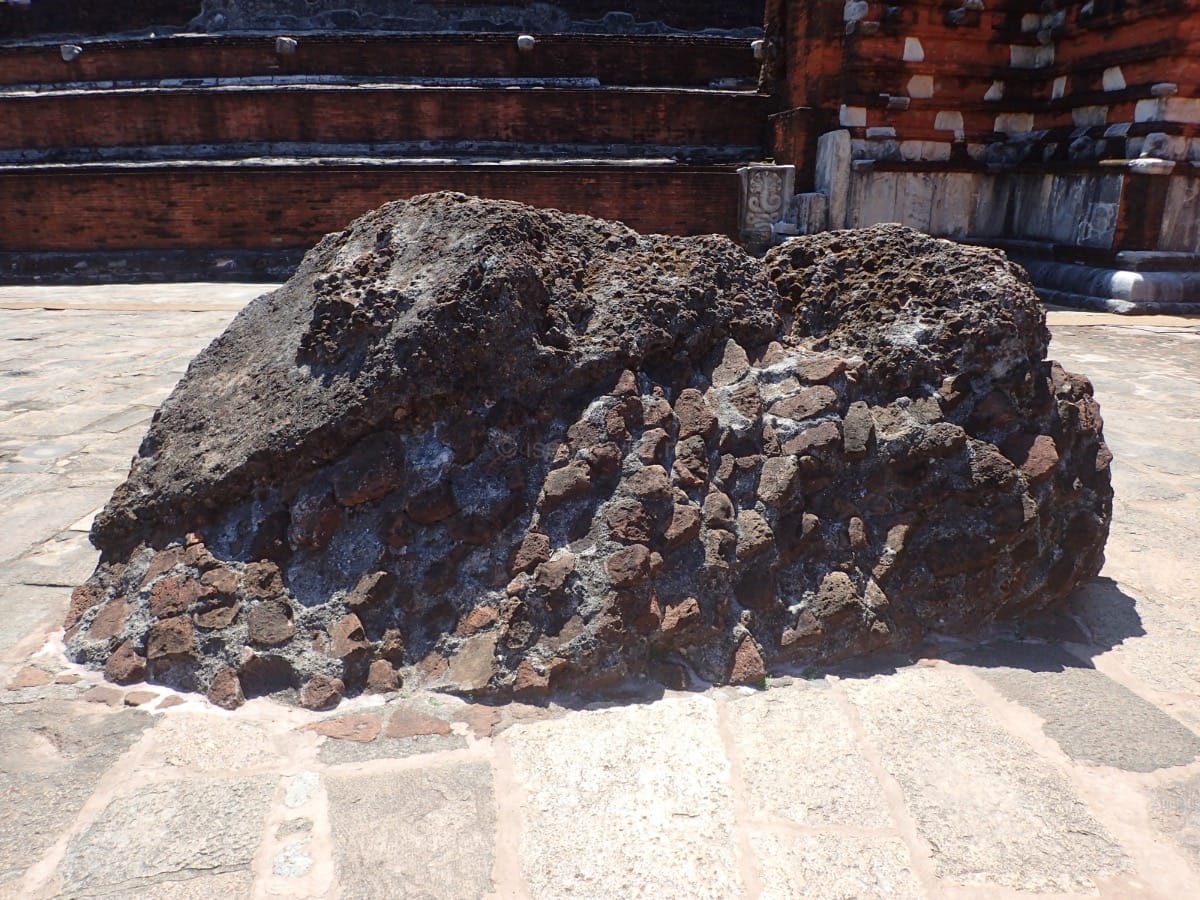
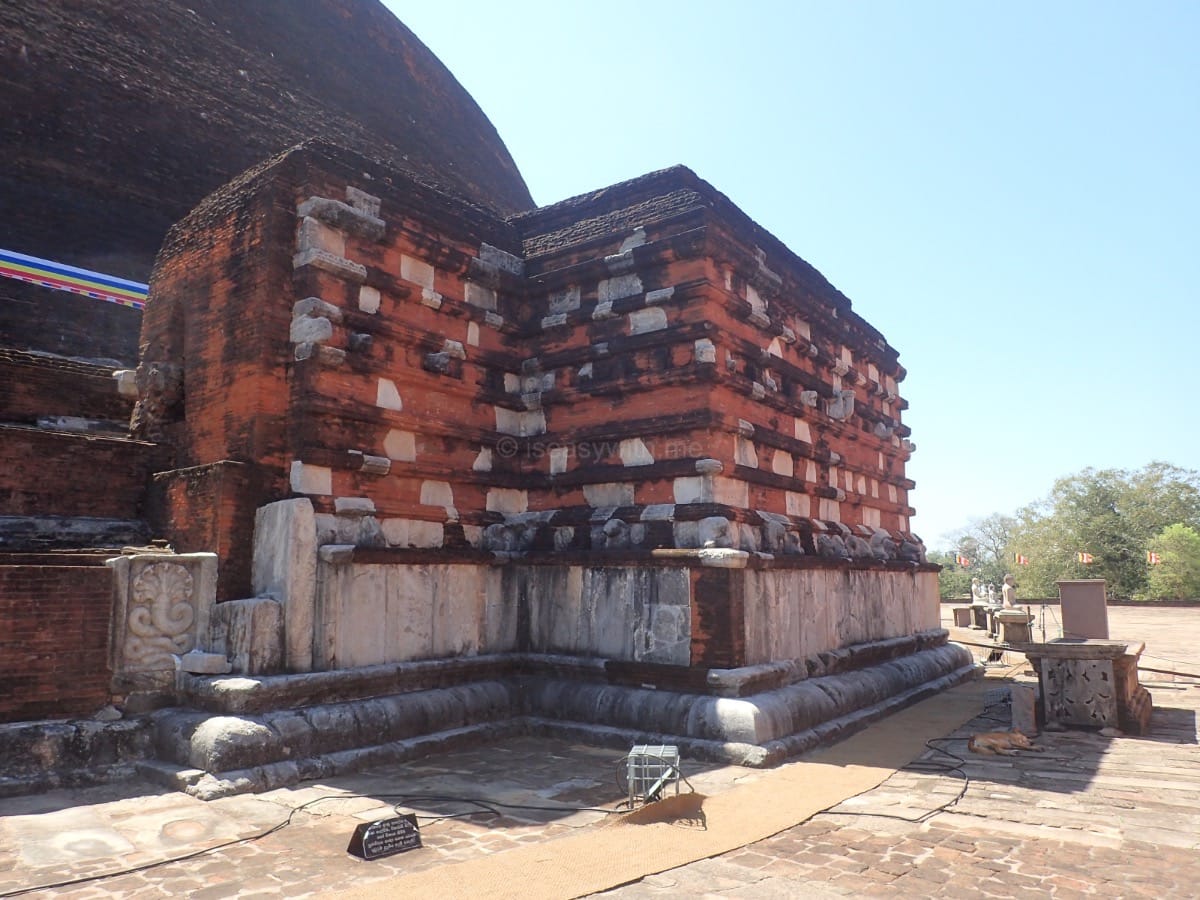
Jetavanaramaya is one of the most visually overwhelming structures in Sri Lanka. At the time of construction, it was among the tallest monuments in the ancient world. Even today, its scale is difficult to comprehend from ground level, remaining a powerful example of ancient engineering ambition.
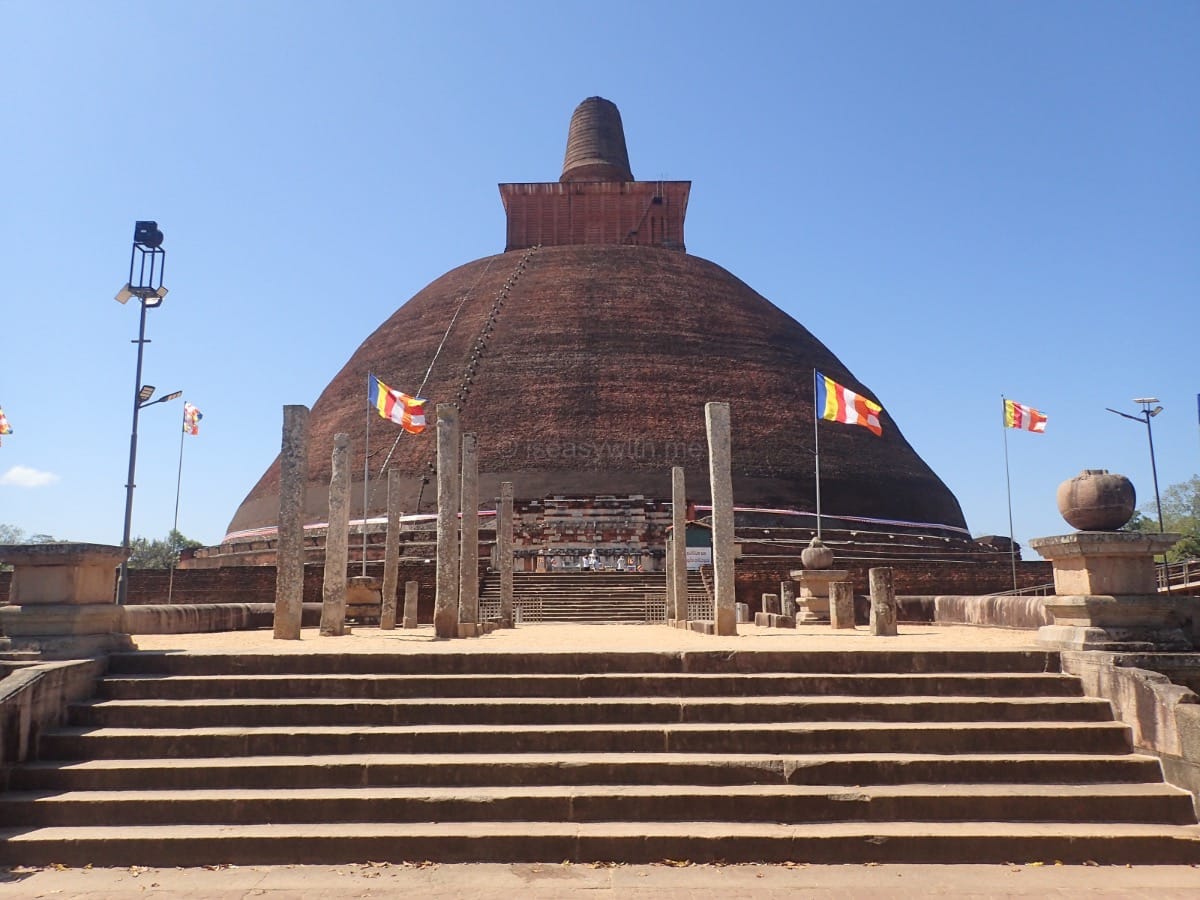
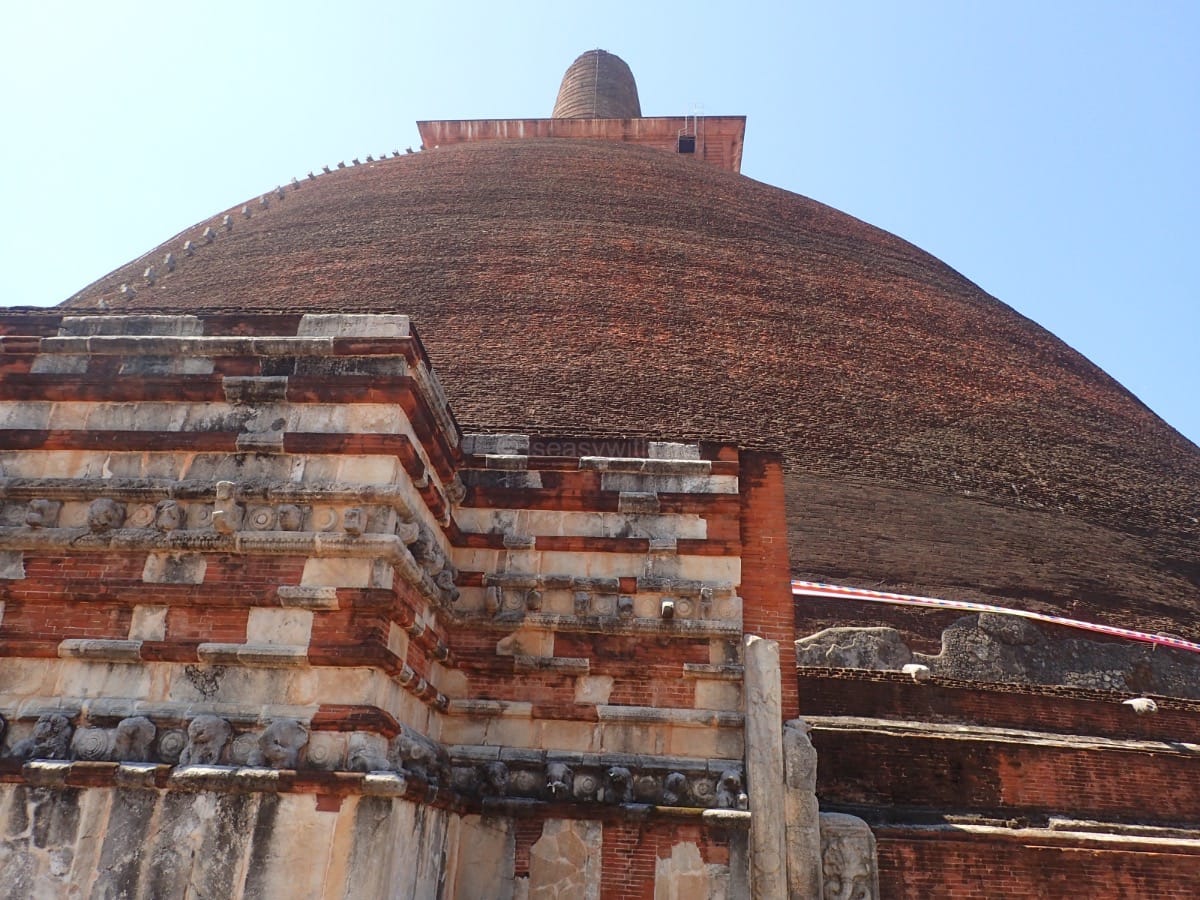
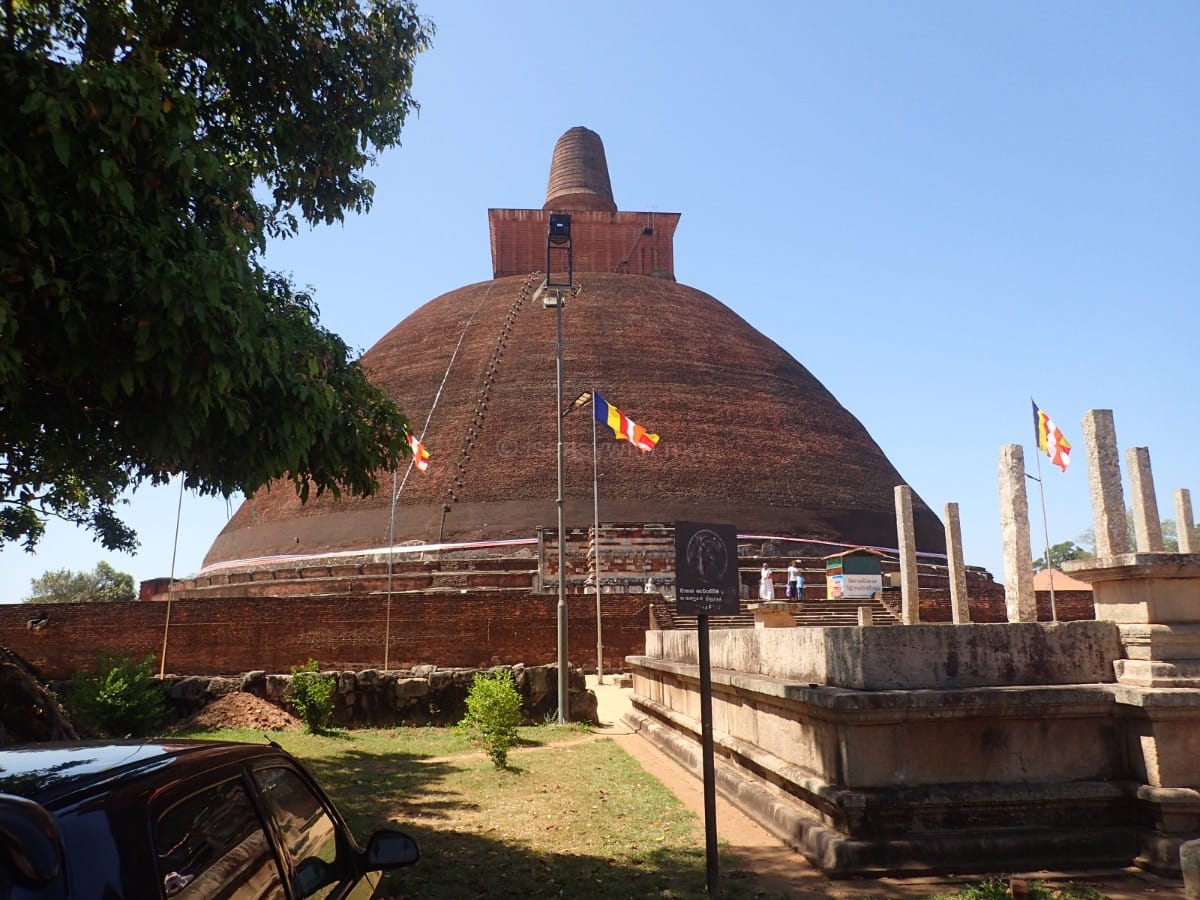
Jetavanaramaya
Kuttam Pokuna (The Twin Ponds)
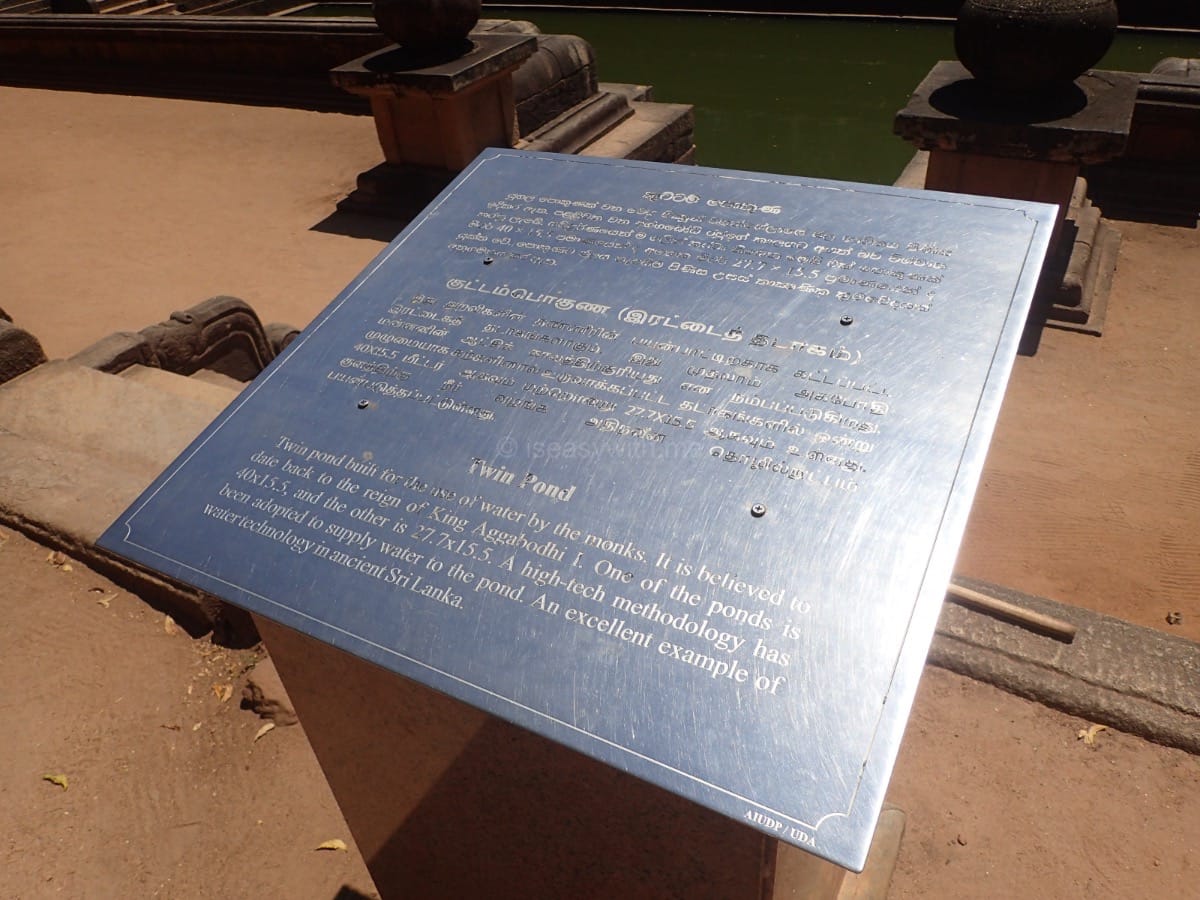
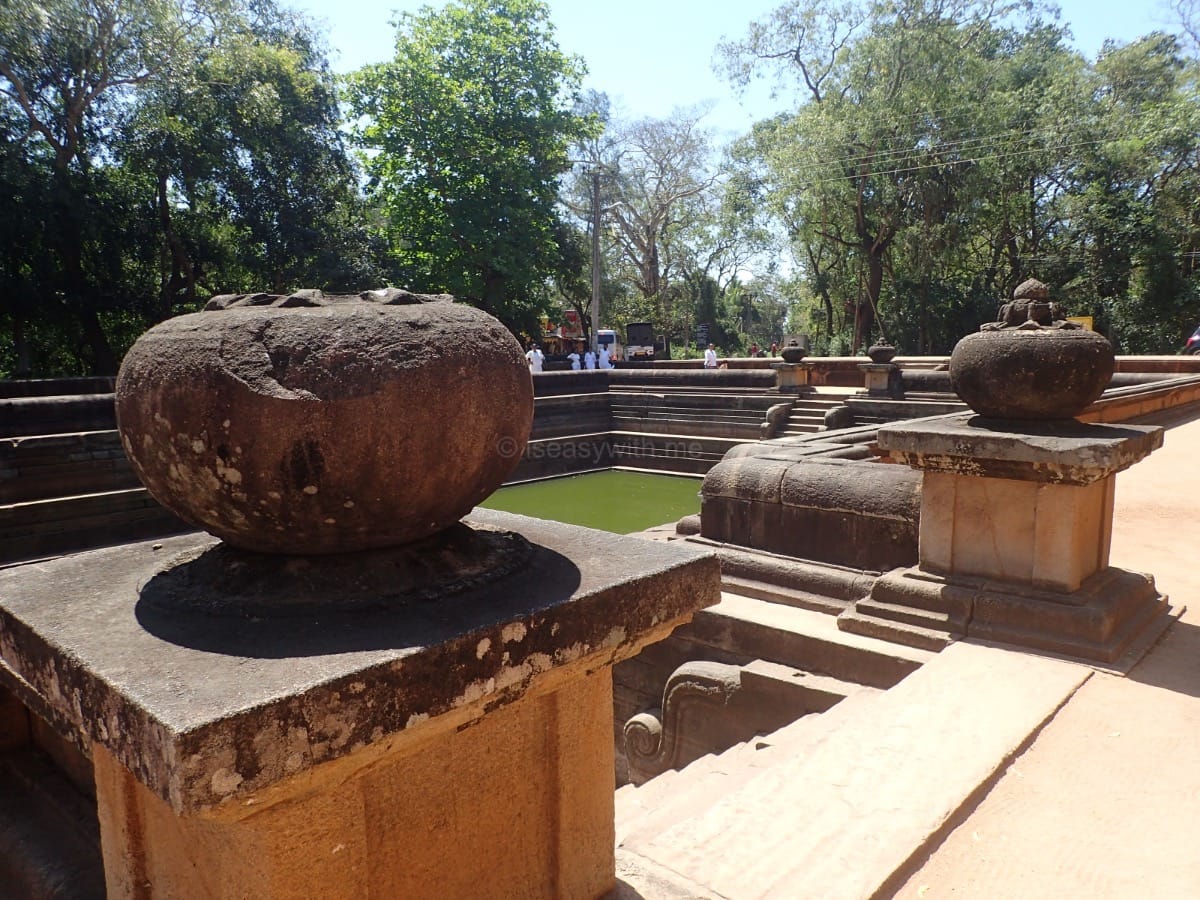
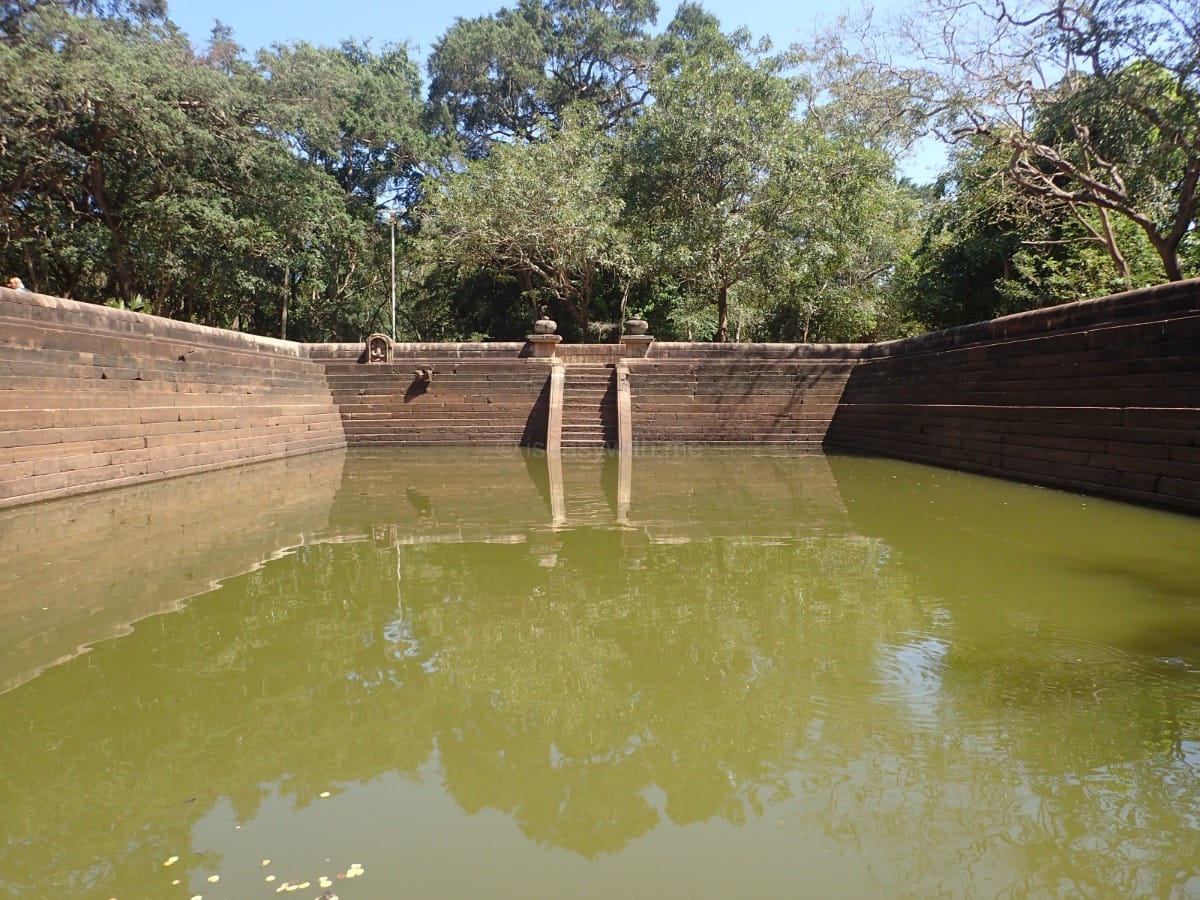
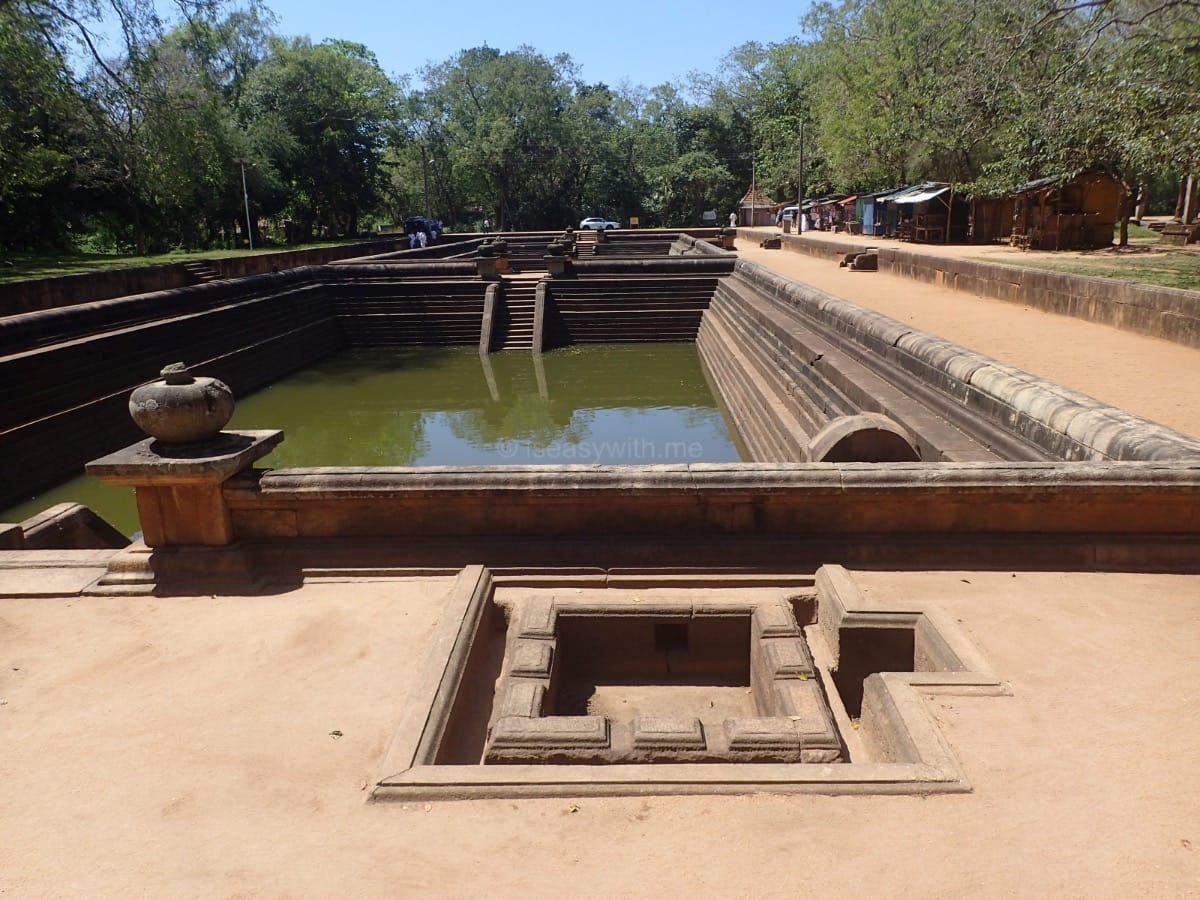
Kuttam Pokuna demonstrates the technical precision of ancient Sri Lankan hydraulic engineering. Symmetrical, functional and still remarkably well preserved, they highlight how advanced water management systems supported life in Anuradhapura.
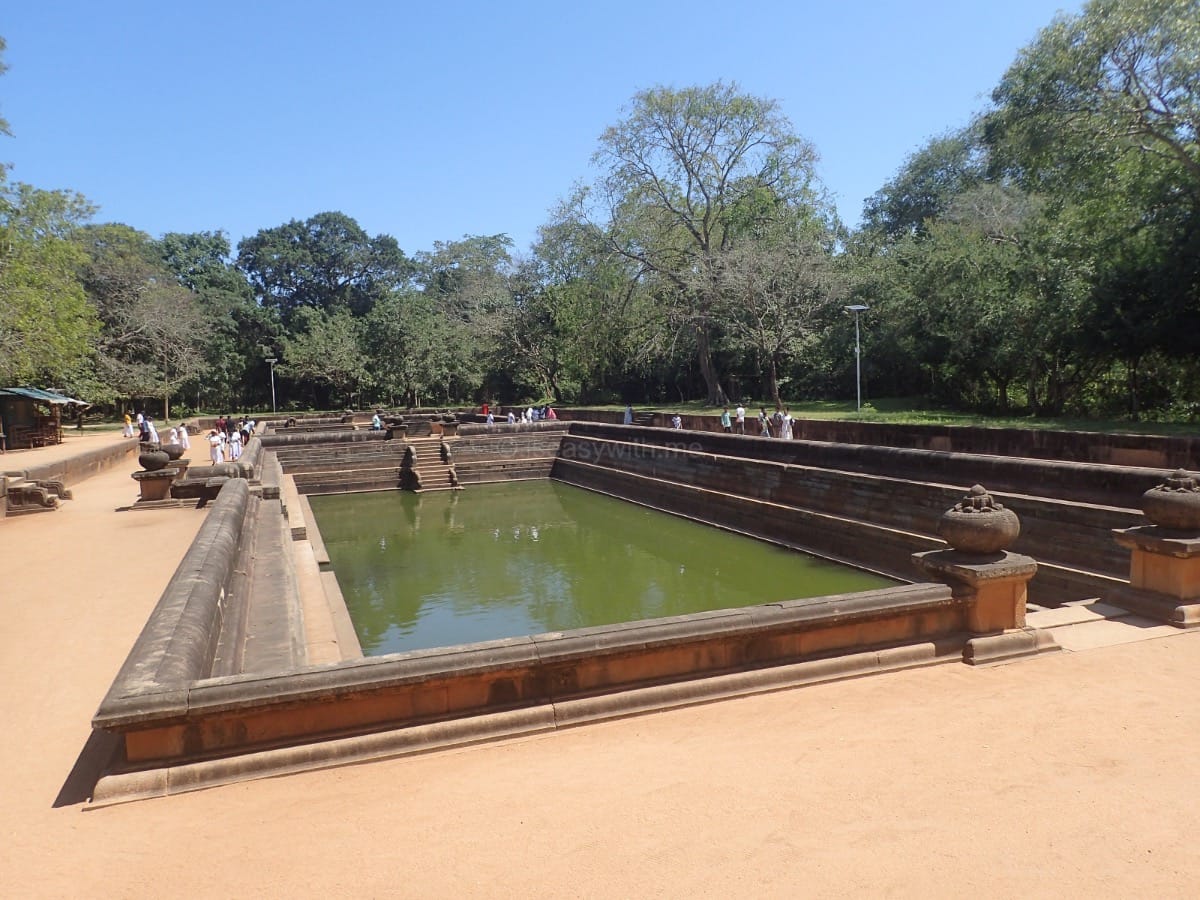
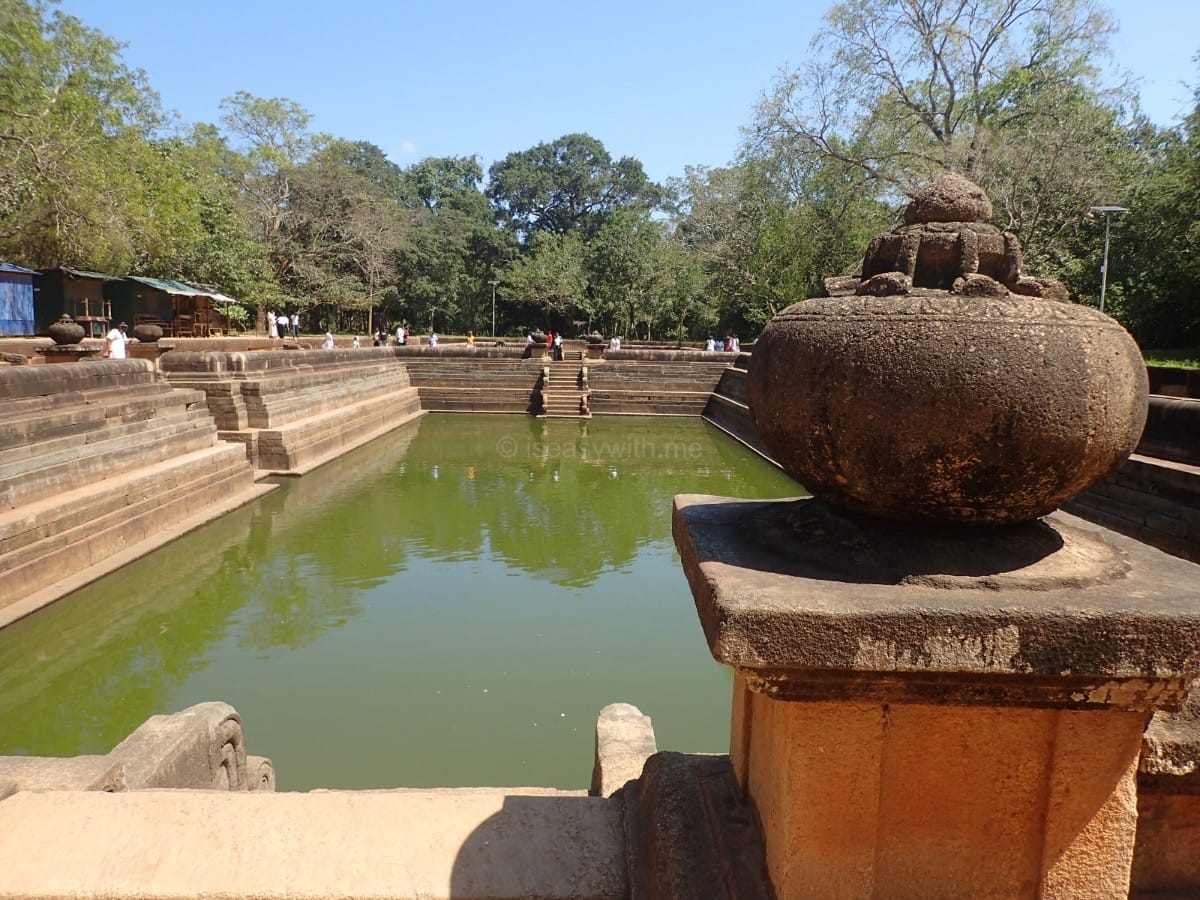
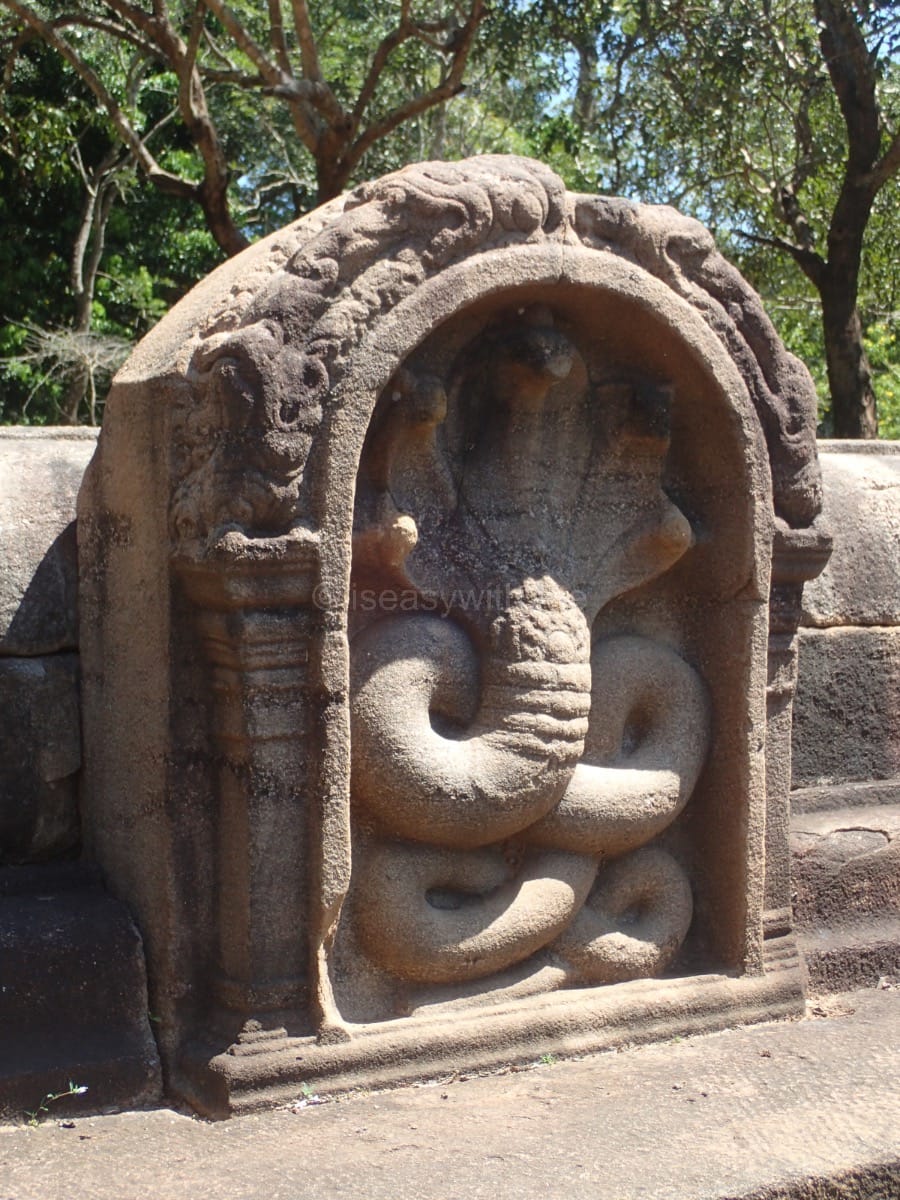
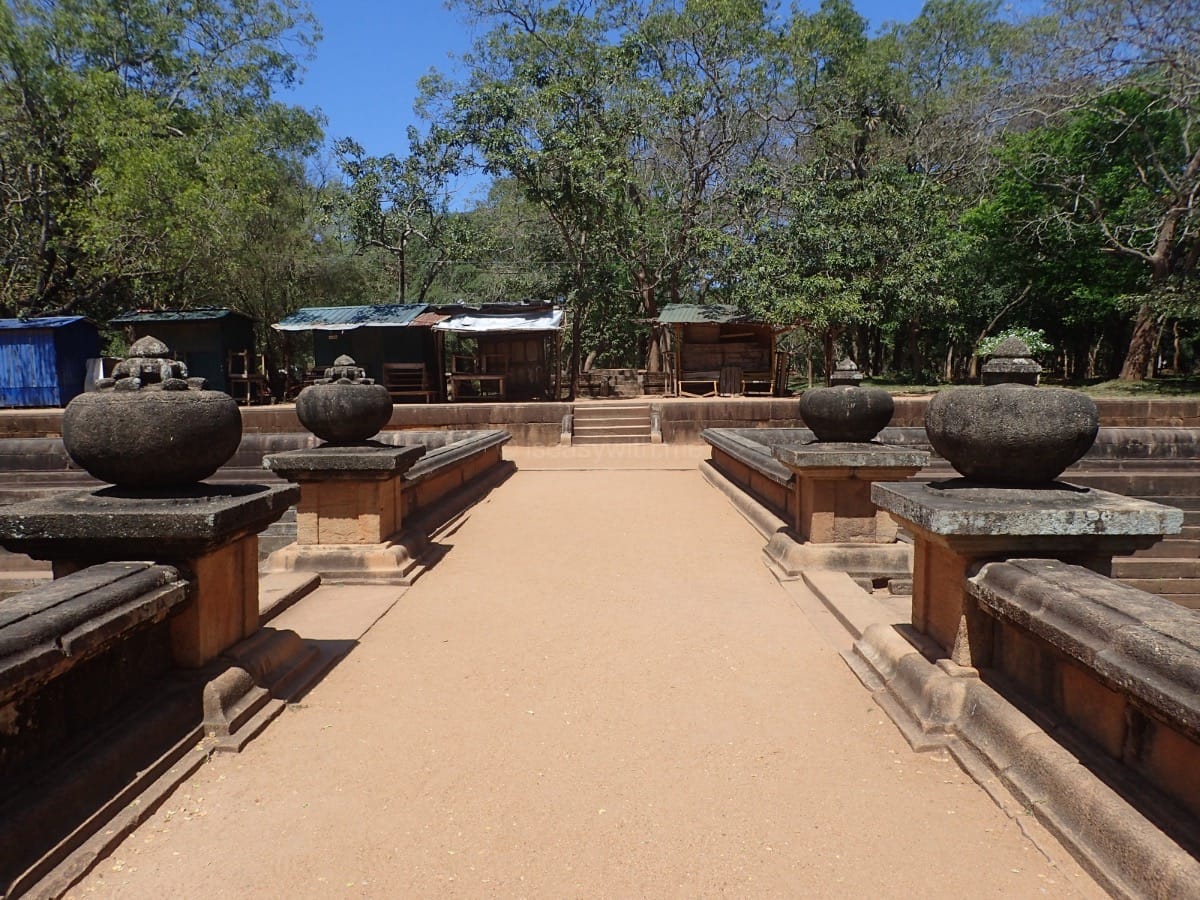
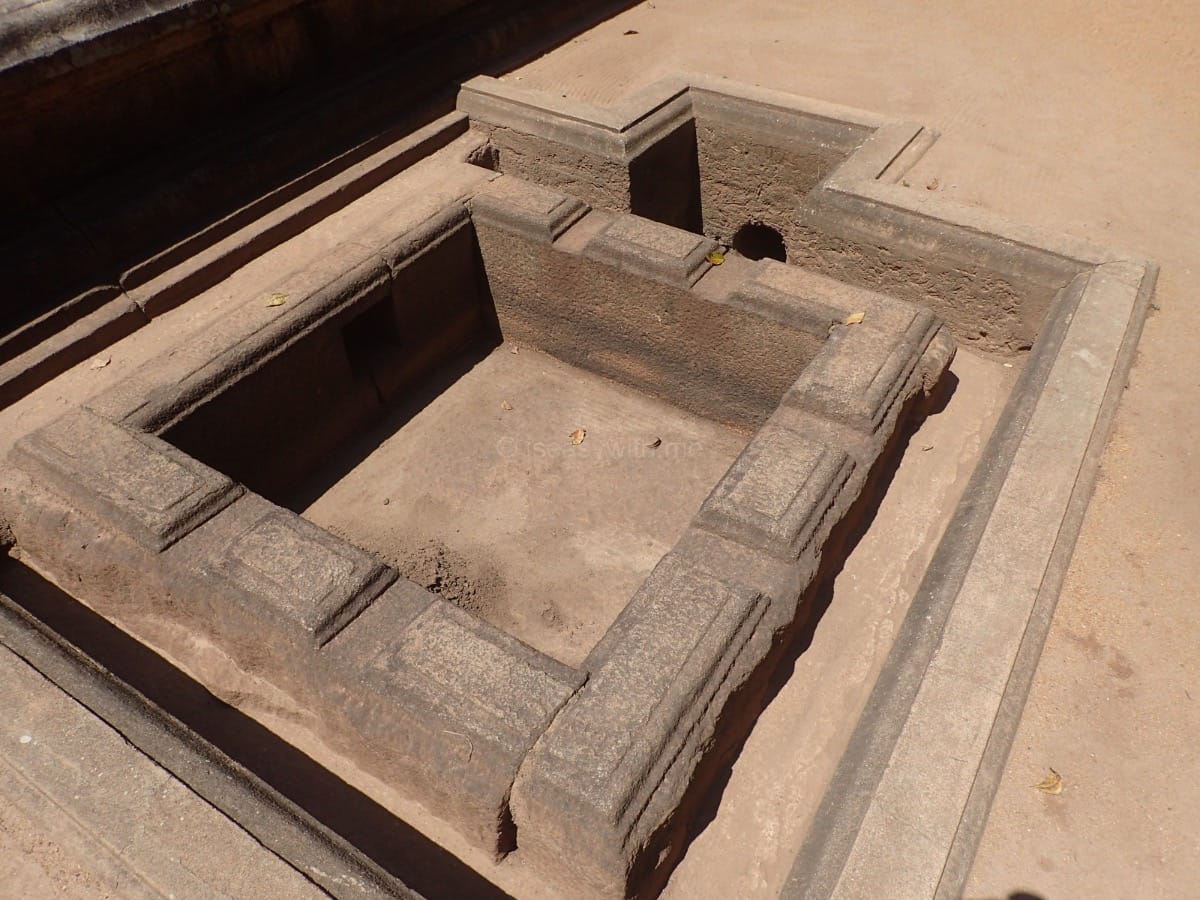
Kuttam Pokuna
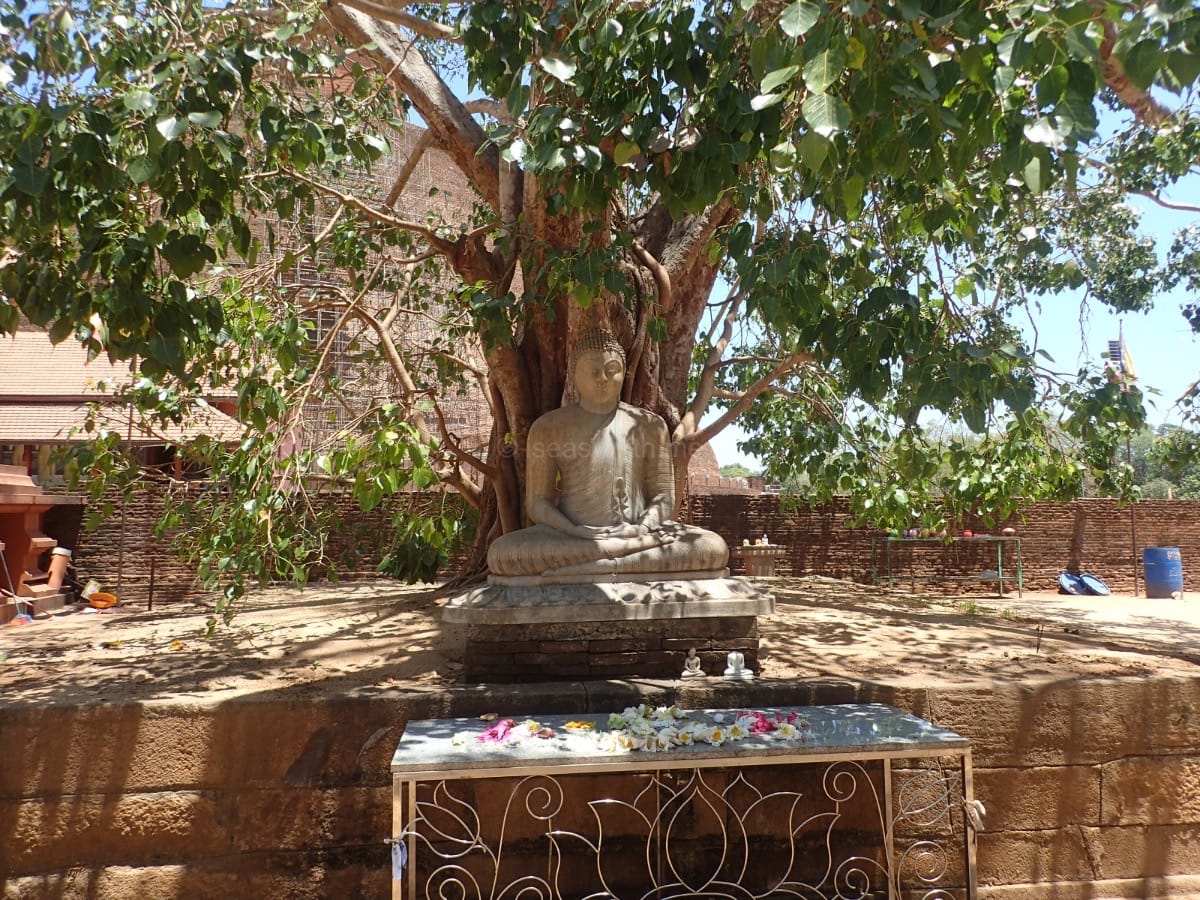
Samadhi Buddha Statue / Bodhi Tree Shrine - I
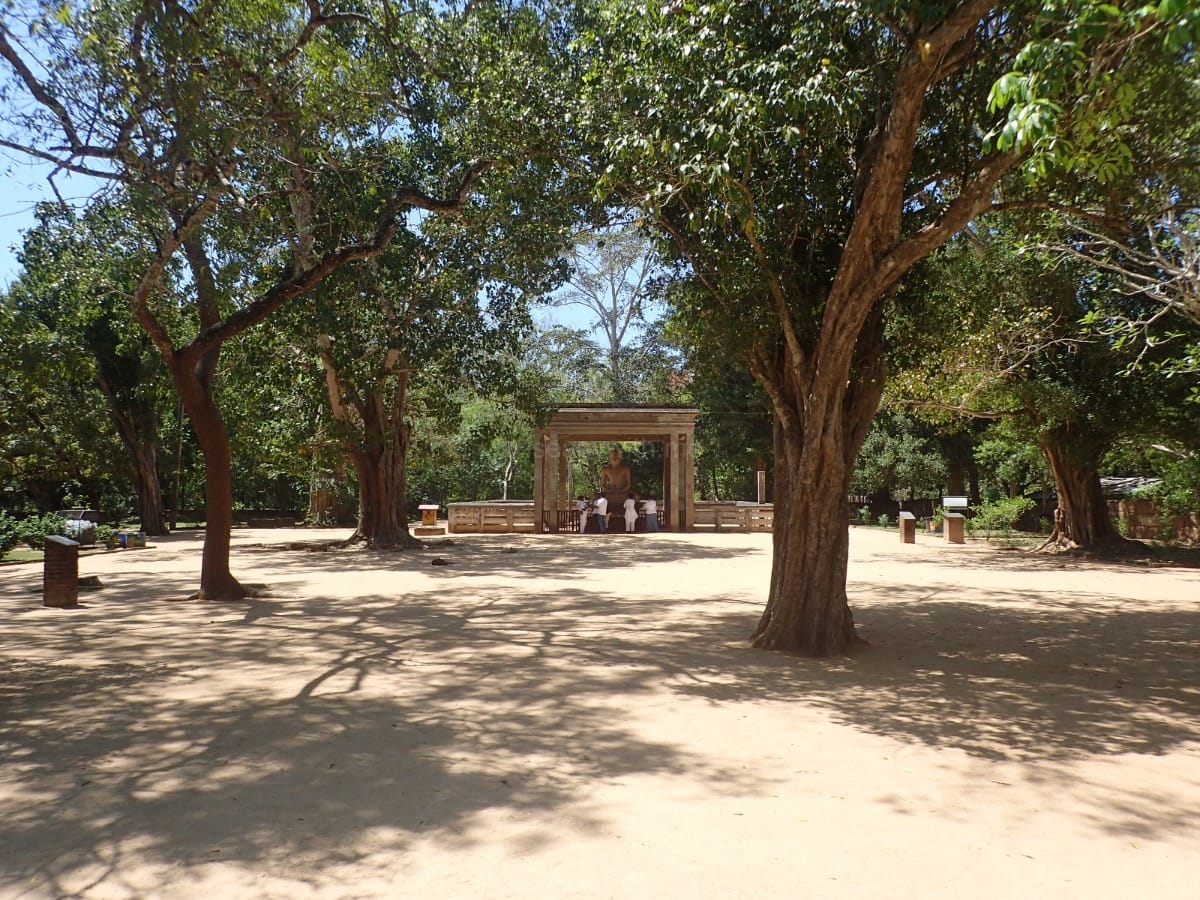
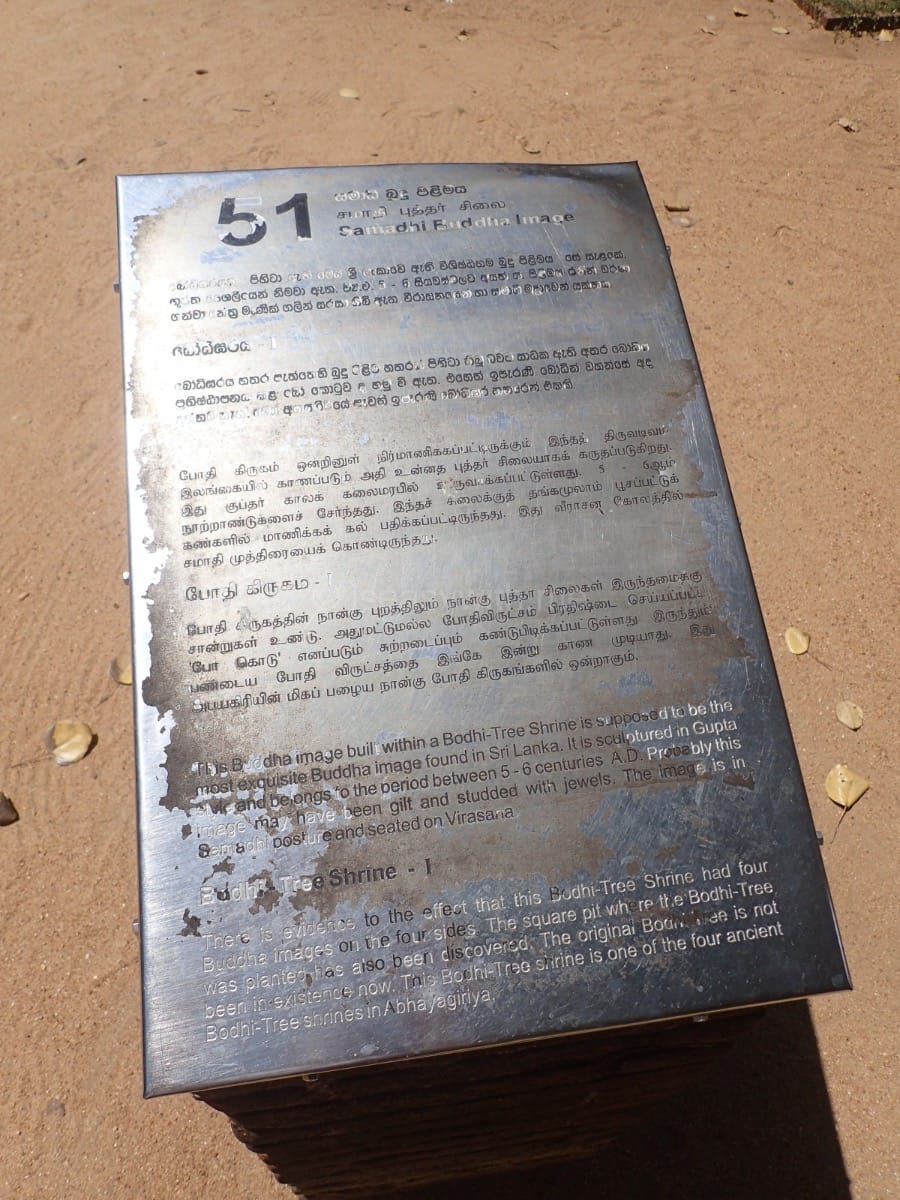
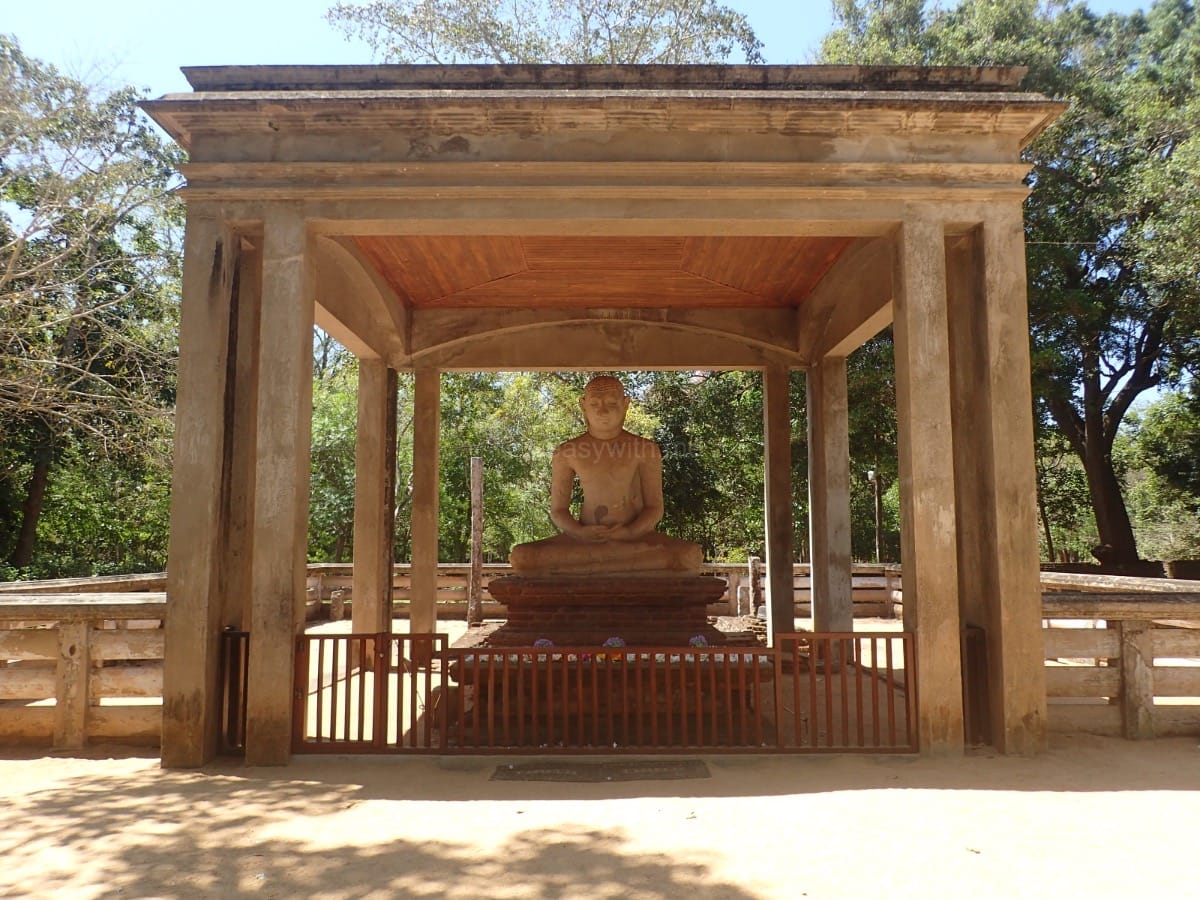
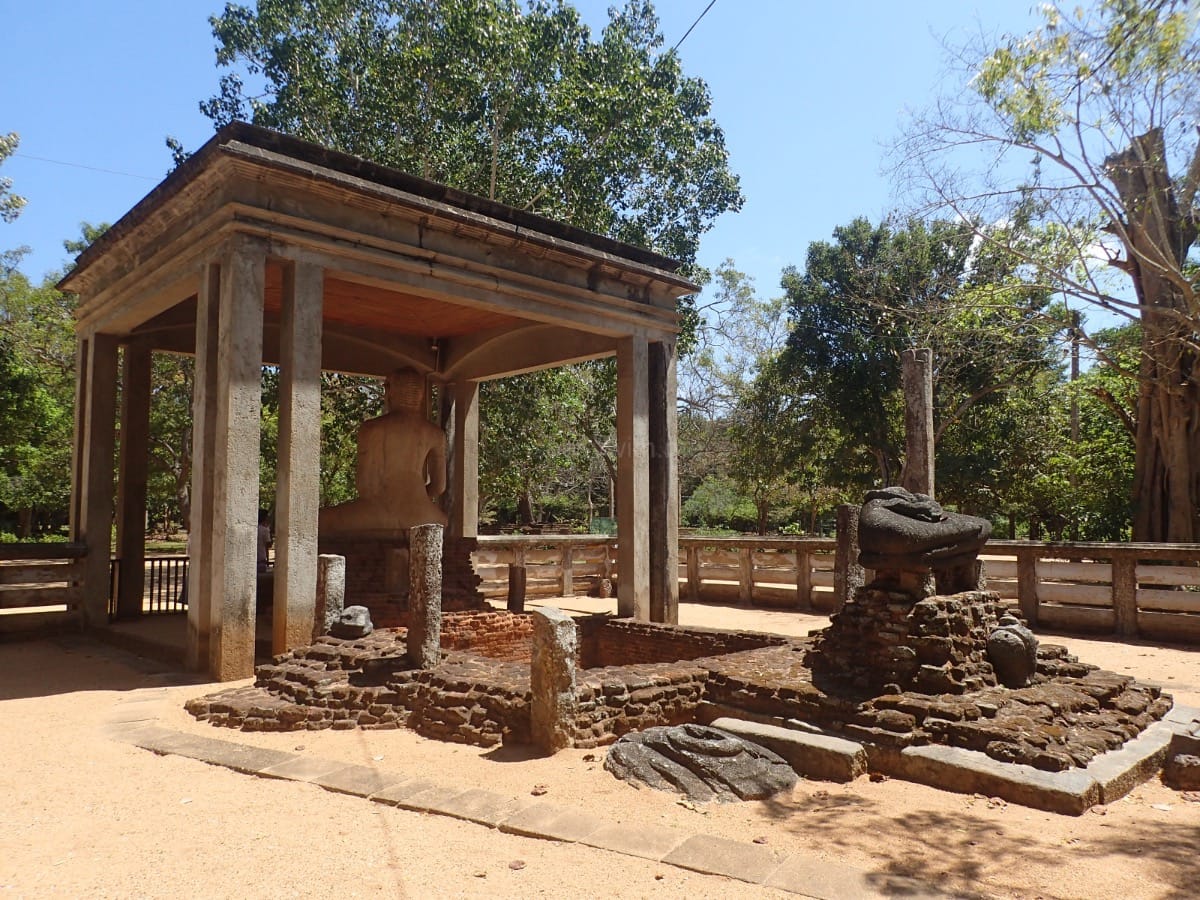
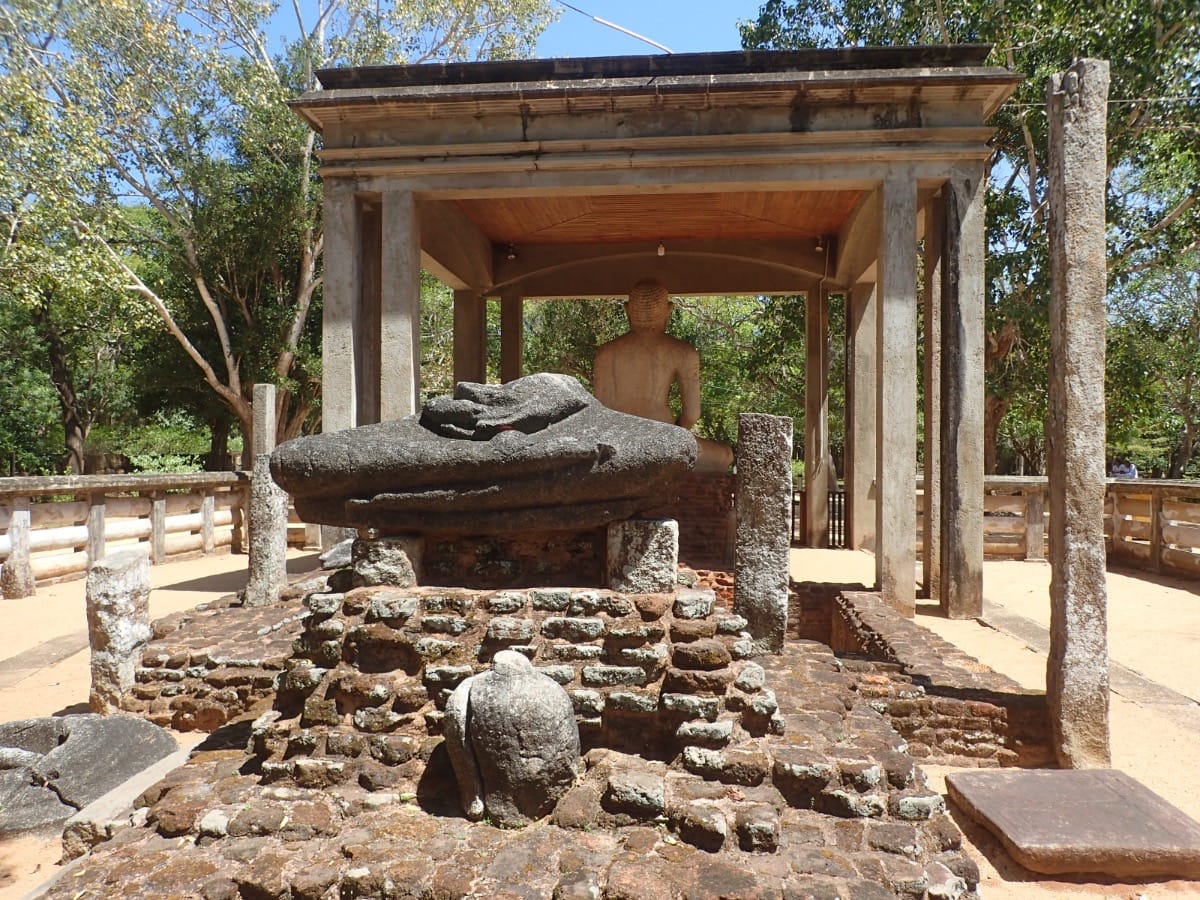
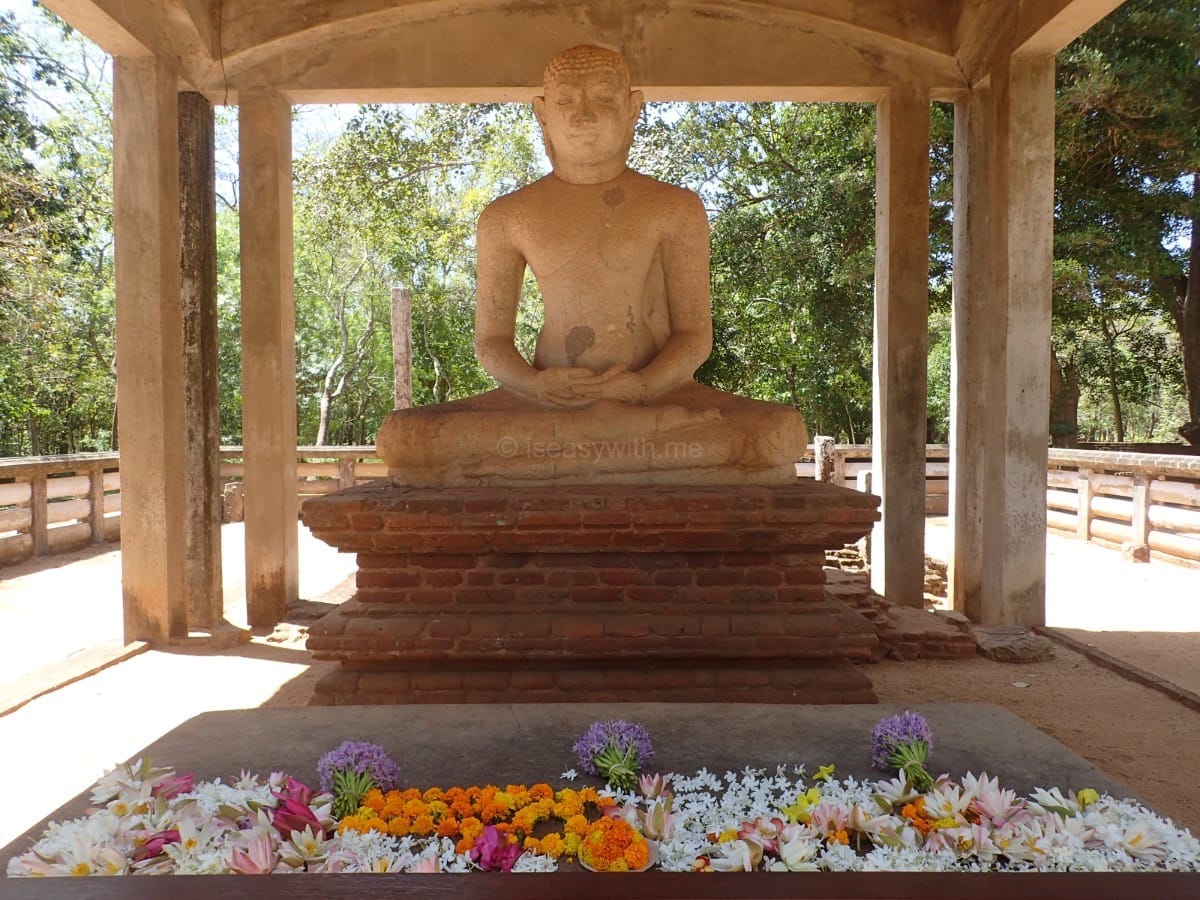
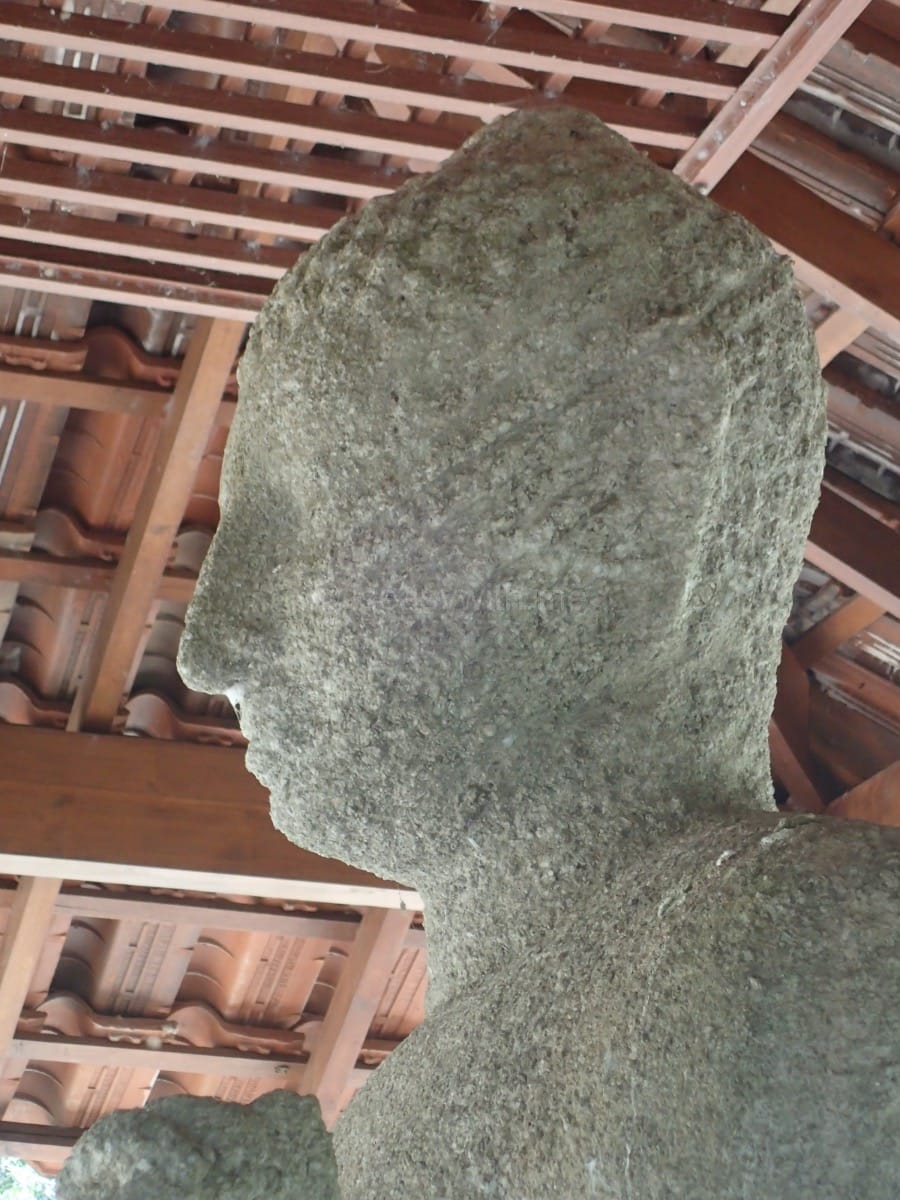
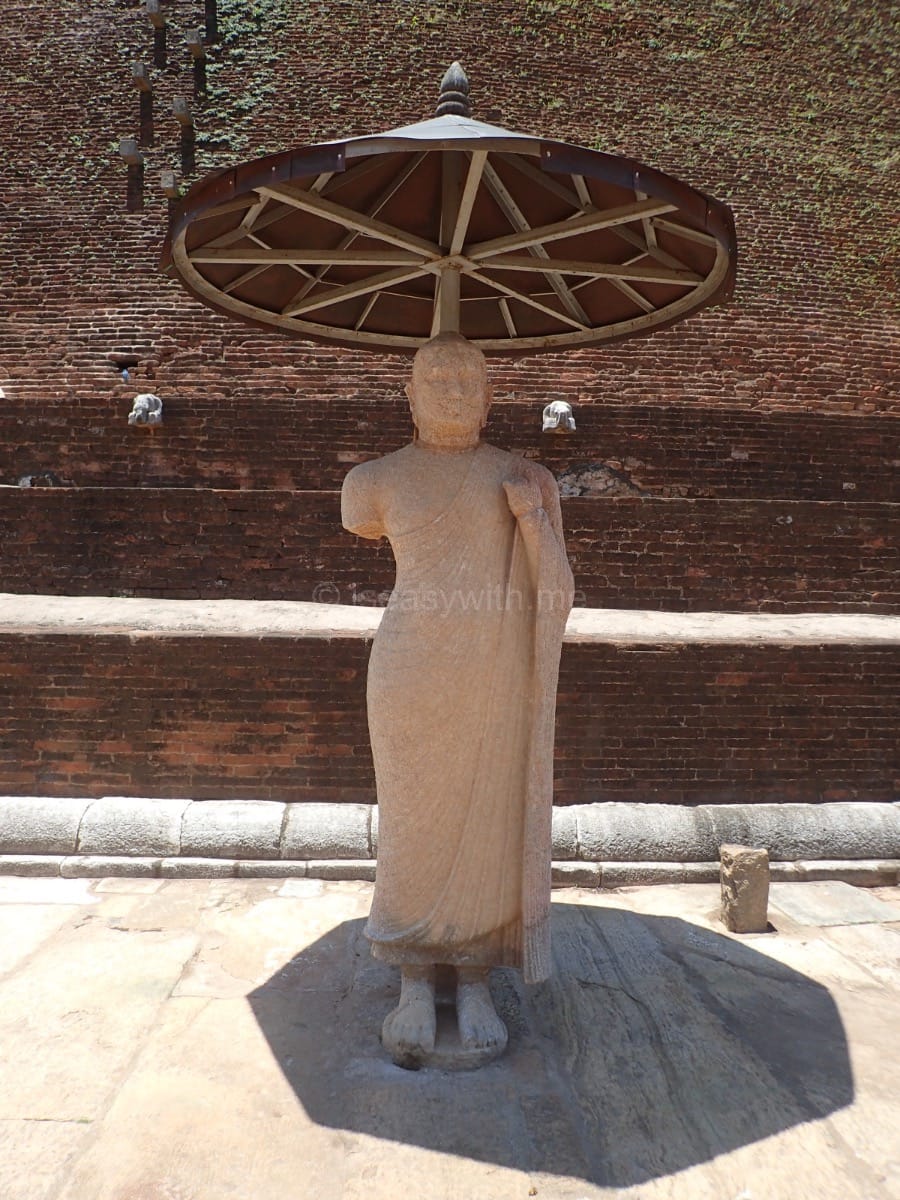
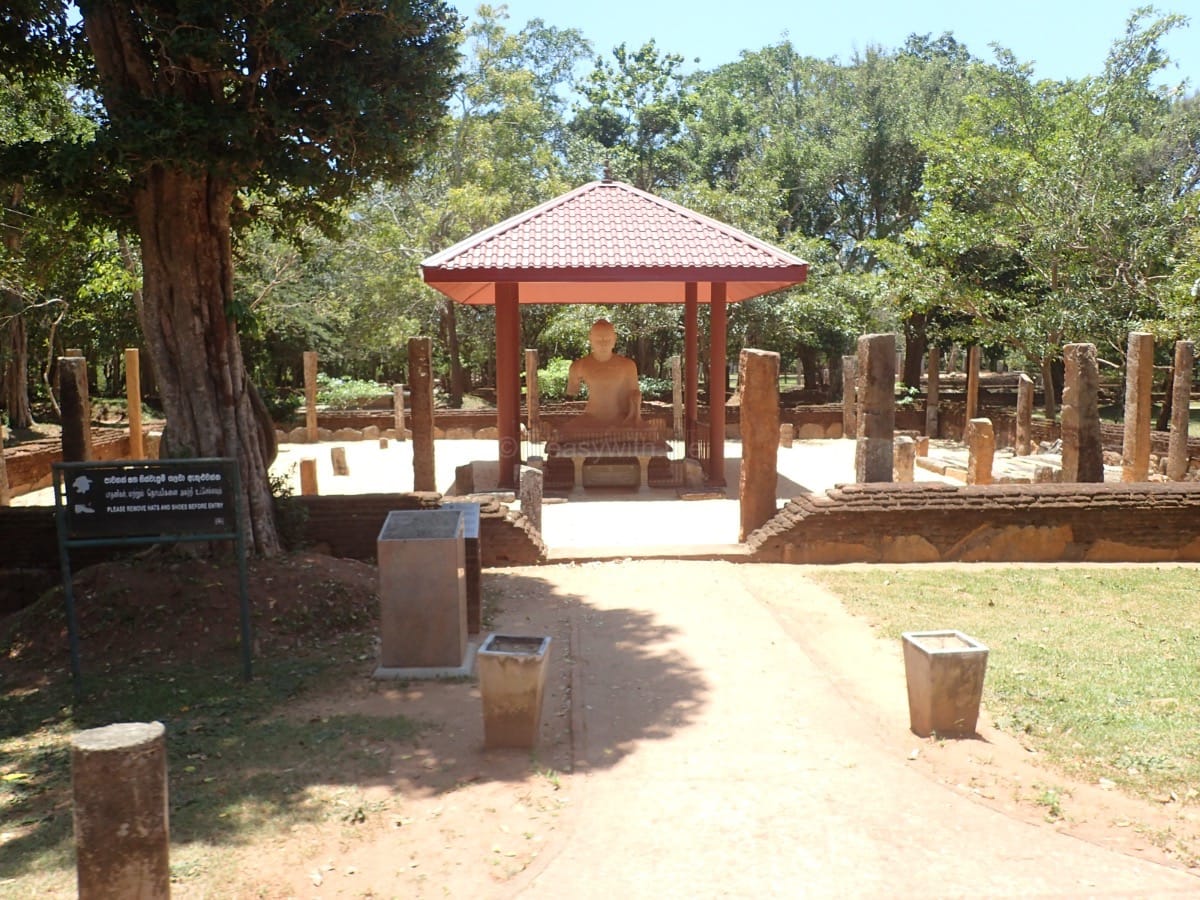
The Samadhi Buddha Statue and its surrounding shrine demonstrate the profound artistic and spiritual sophistication of ancient Anuradhapura. Sculpted from crystalline dolomite during the 5th to 6th centuries A.D., the 7-foot monument stands as one of the finest surviving masterpieces of classical Gupta-influenced Sinhalese art.
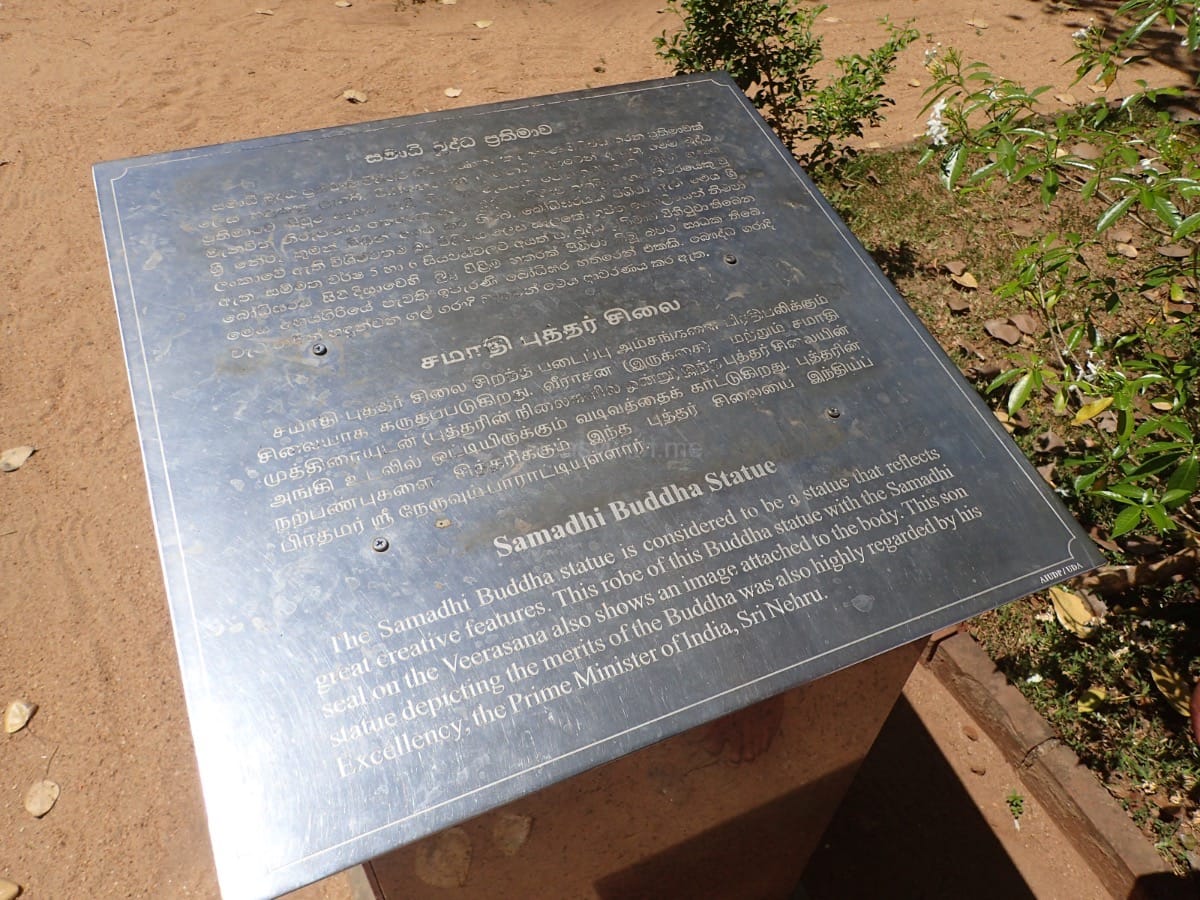
Samadhi Buddha Statue
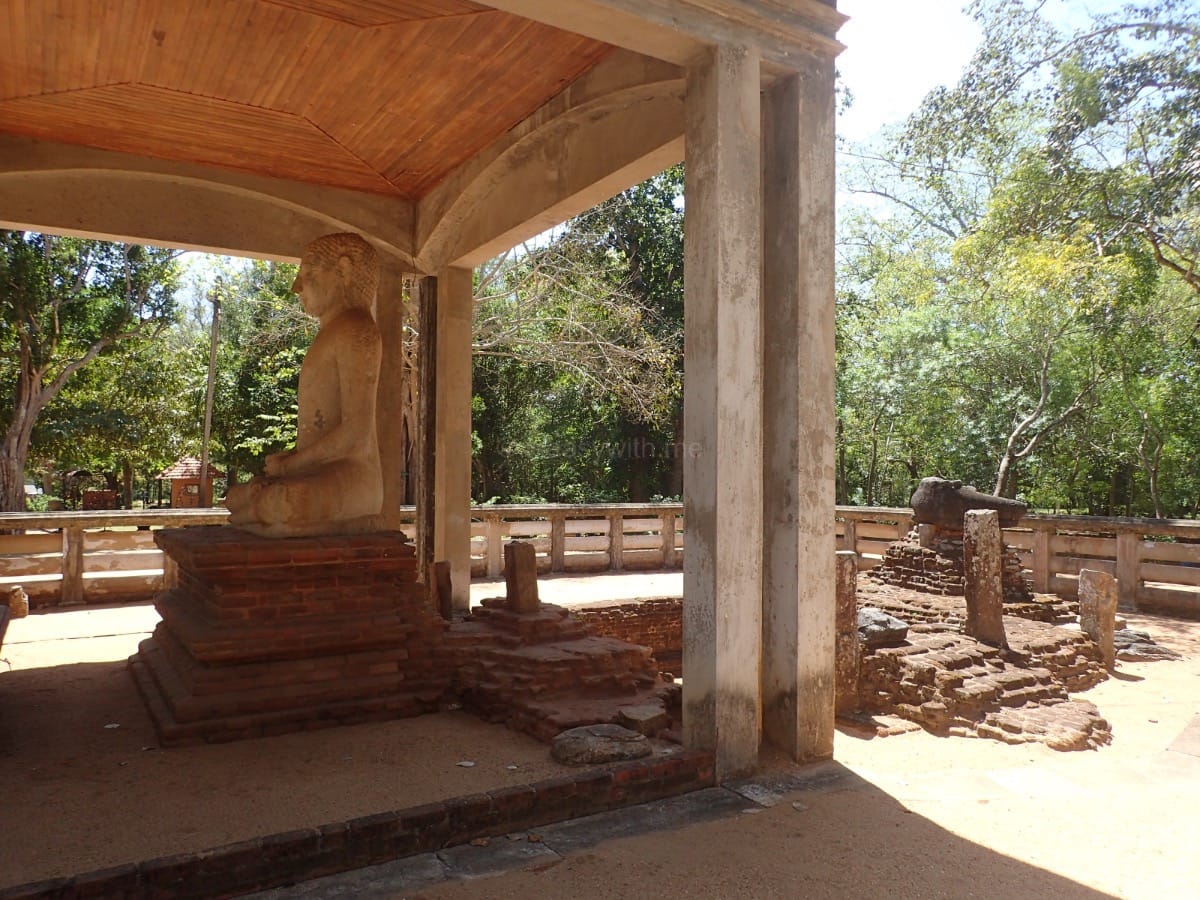
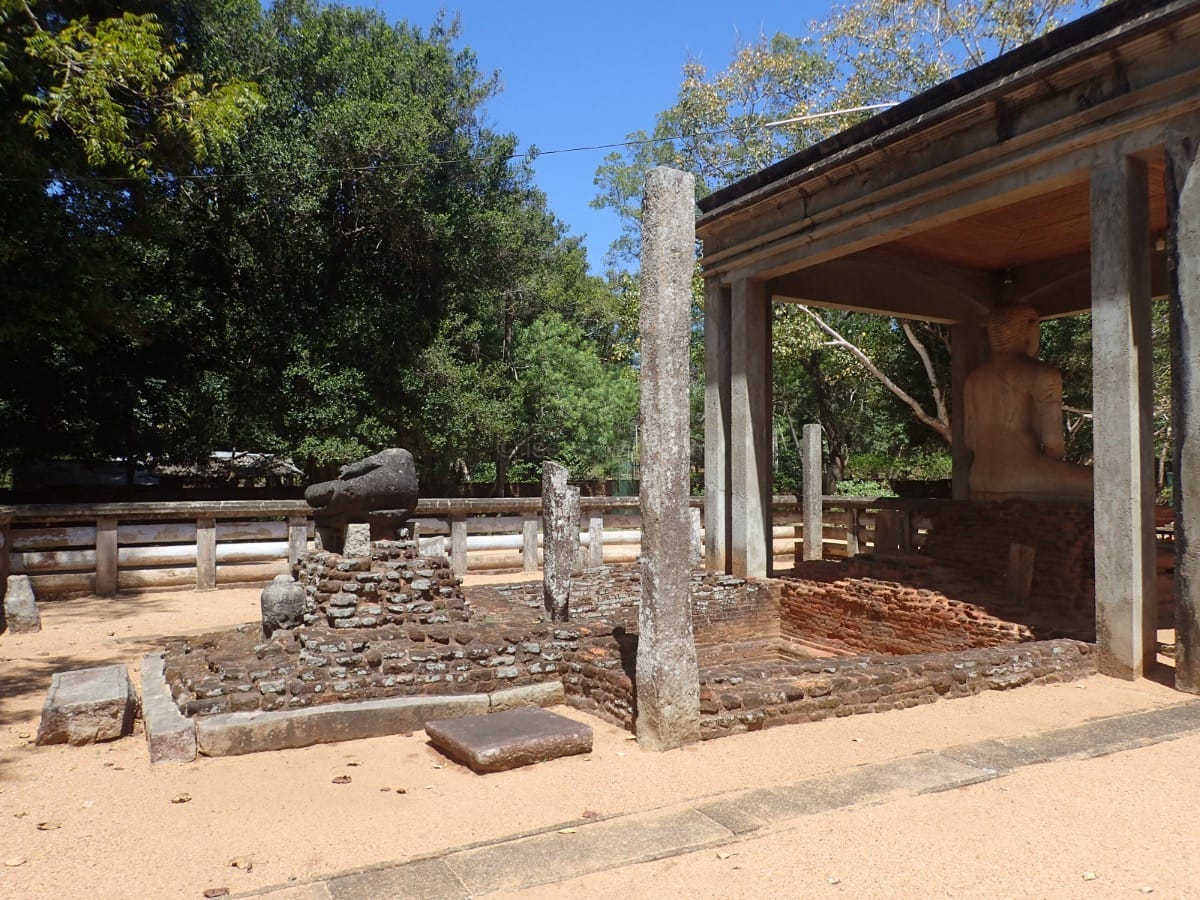
While celebrated today as a standalone sculpture, the site’s archaeological footprint reveals it was originally Bodhi Tree Shrine - I within the sprawling Abhayagiri monastery complex. Rather than a solitary figure under a modern canopy, this statue was one of four identical Buddhas placed back-to-back around a central, sacred Bodhi tree. Though the ancient tree has long since vanished, the stone-lined square planting pit behind the pedestal remains.
Stripped of the gold leaf and precious jewels that likely adorned it over a millennium ago, the bare stone monument captures the Buddha in the Virasana posture and Dhyana Mudra, a timeless, unshakeable symbol of deep meditation and absolute tranquility.
Pankuliya (Ashokaramaya)
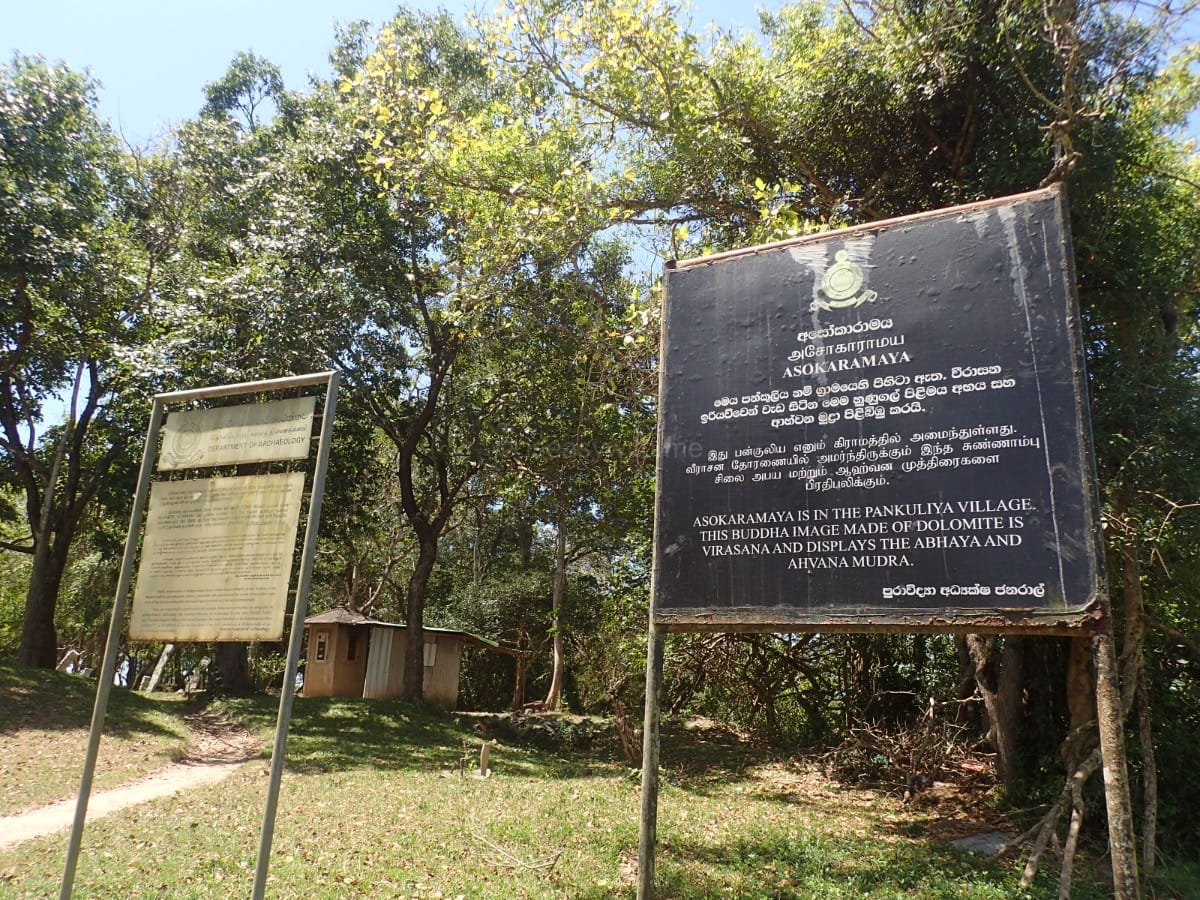
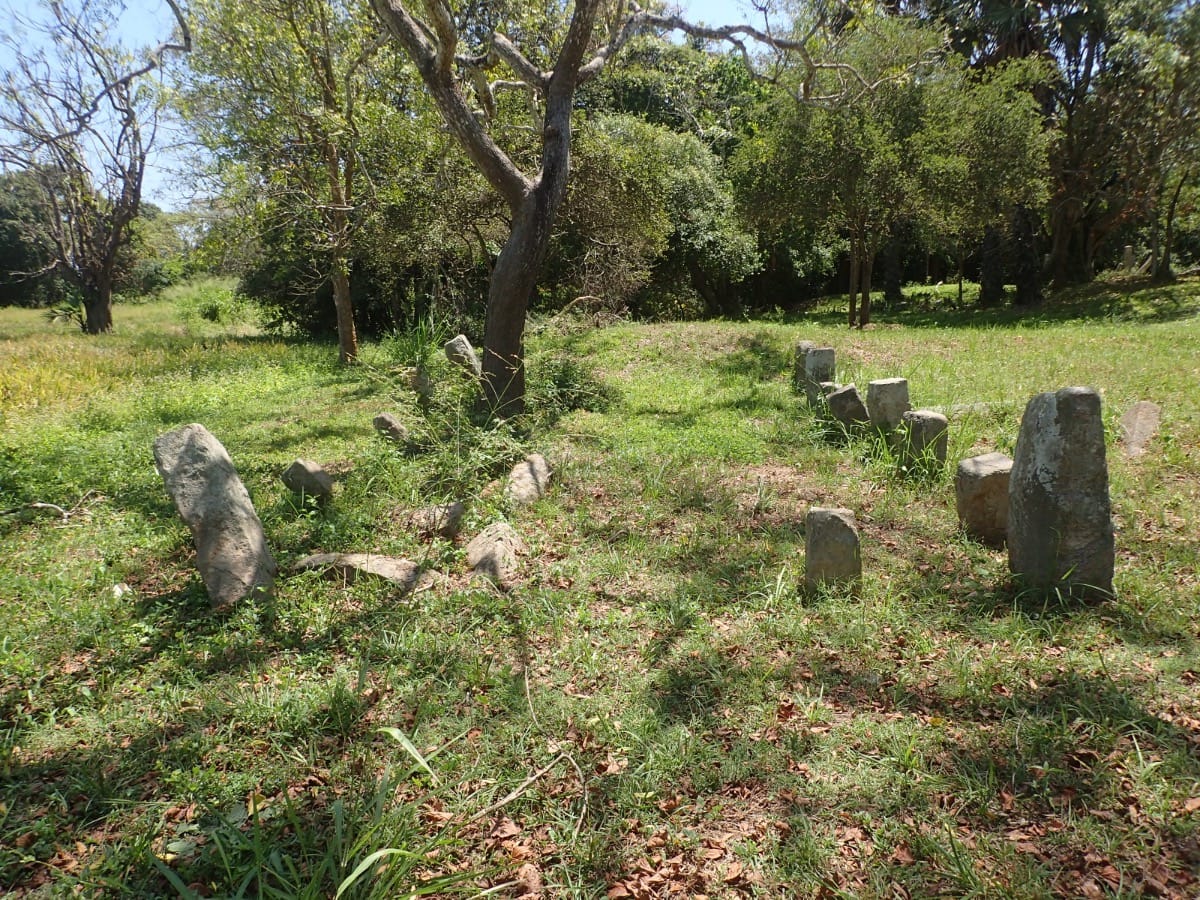
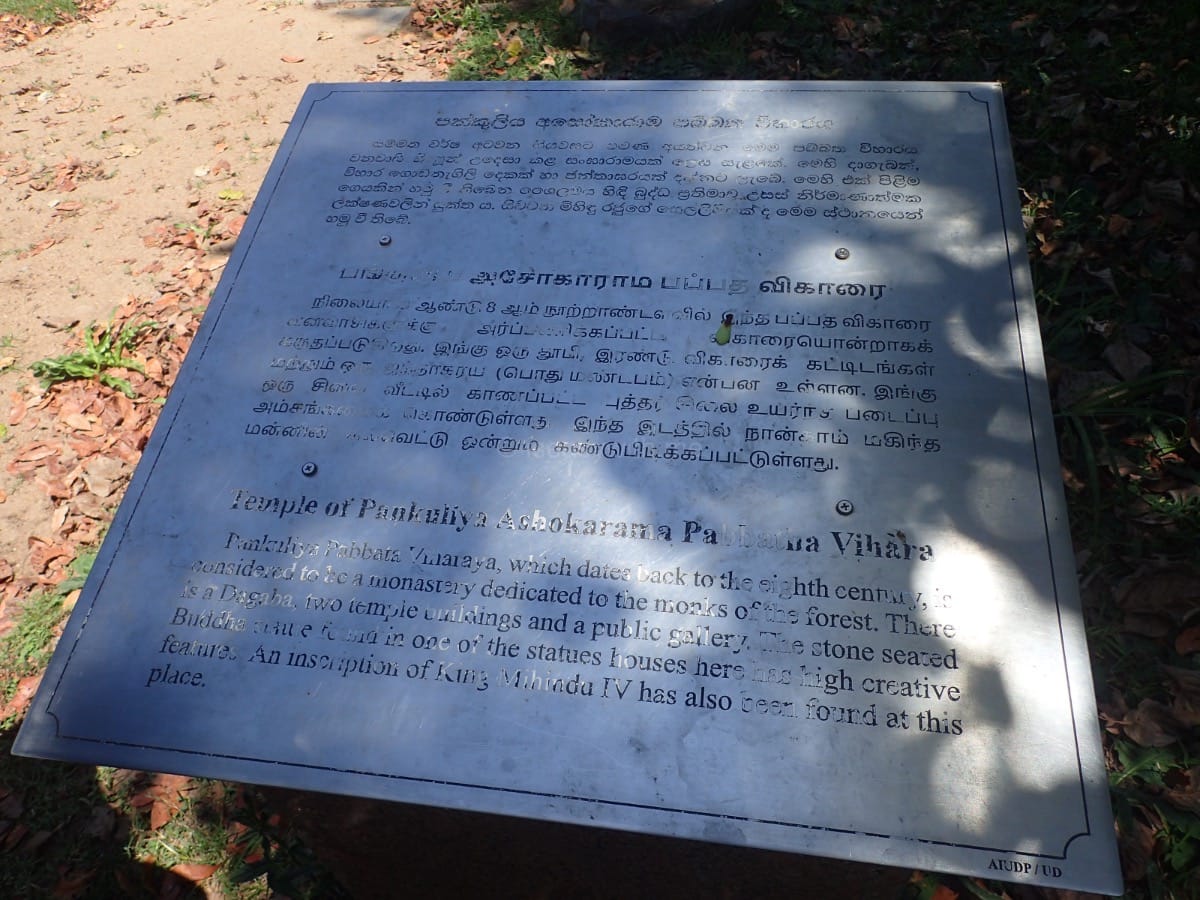
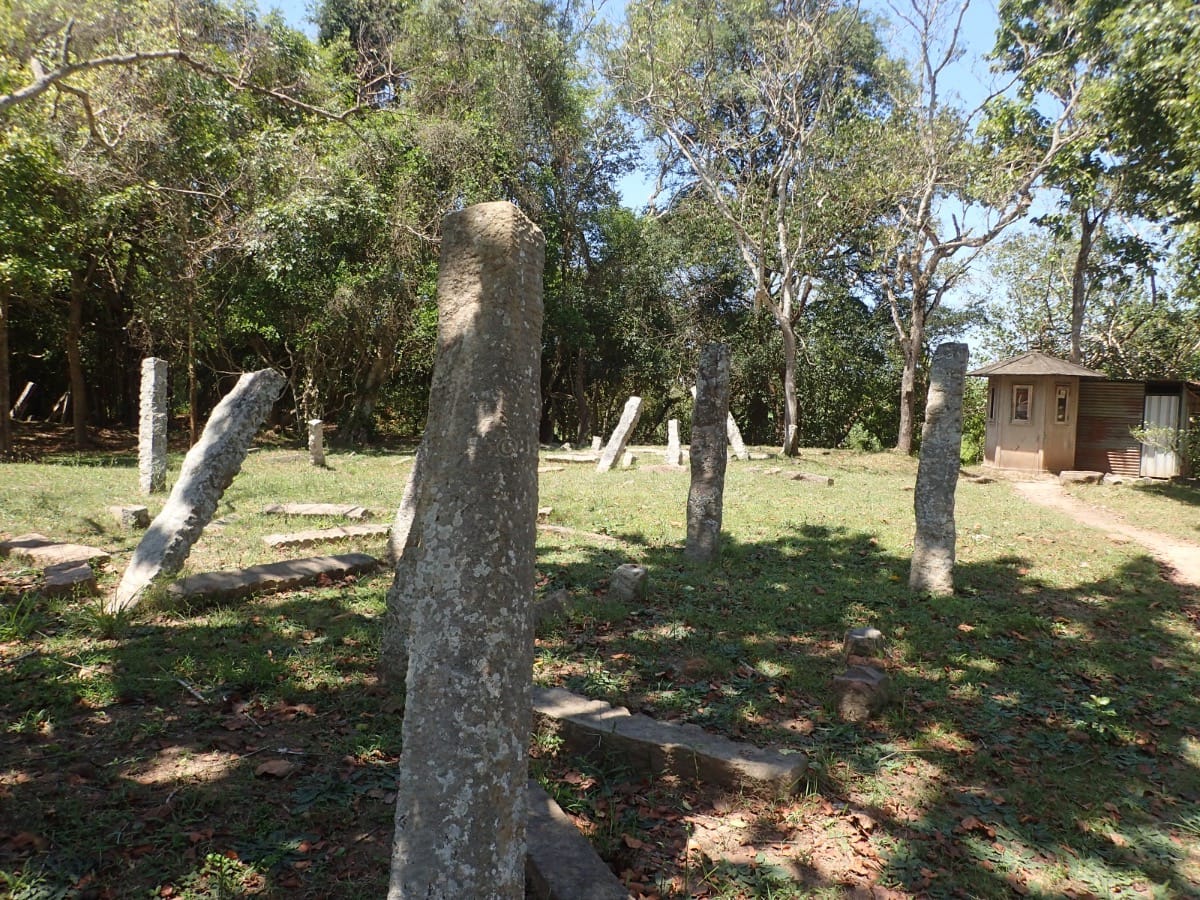
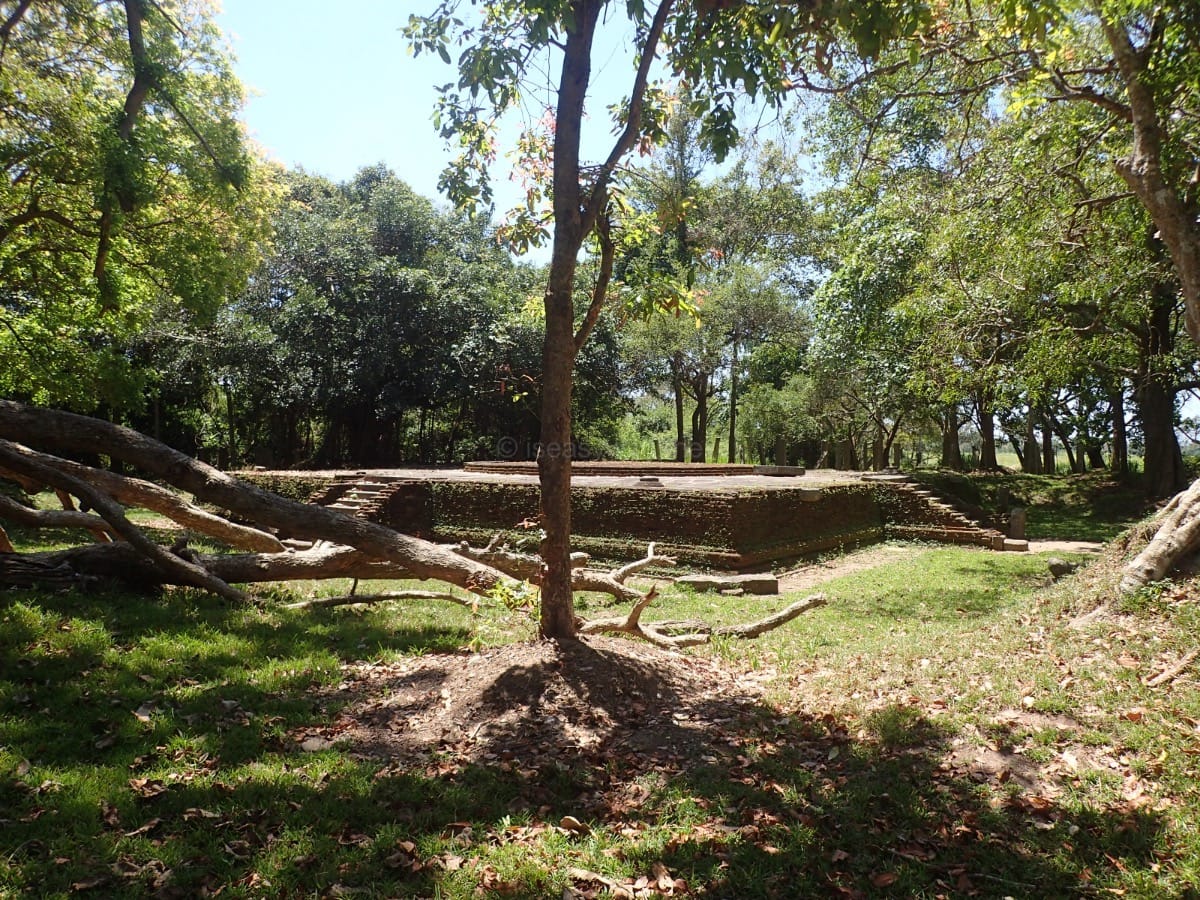
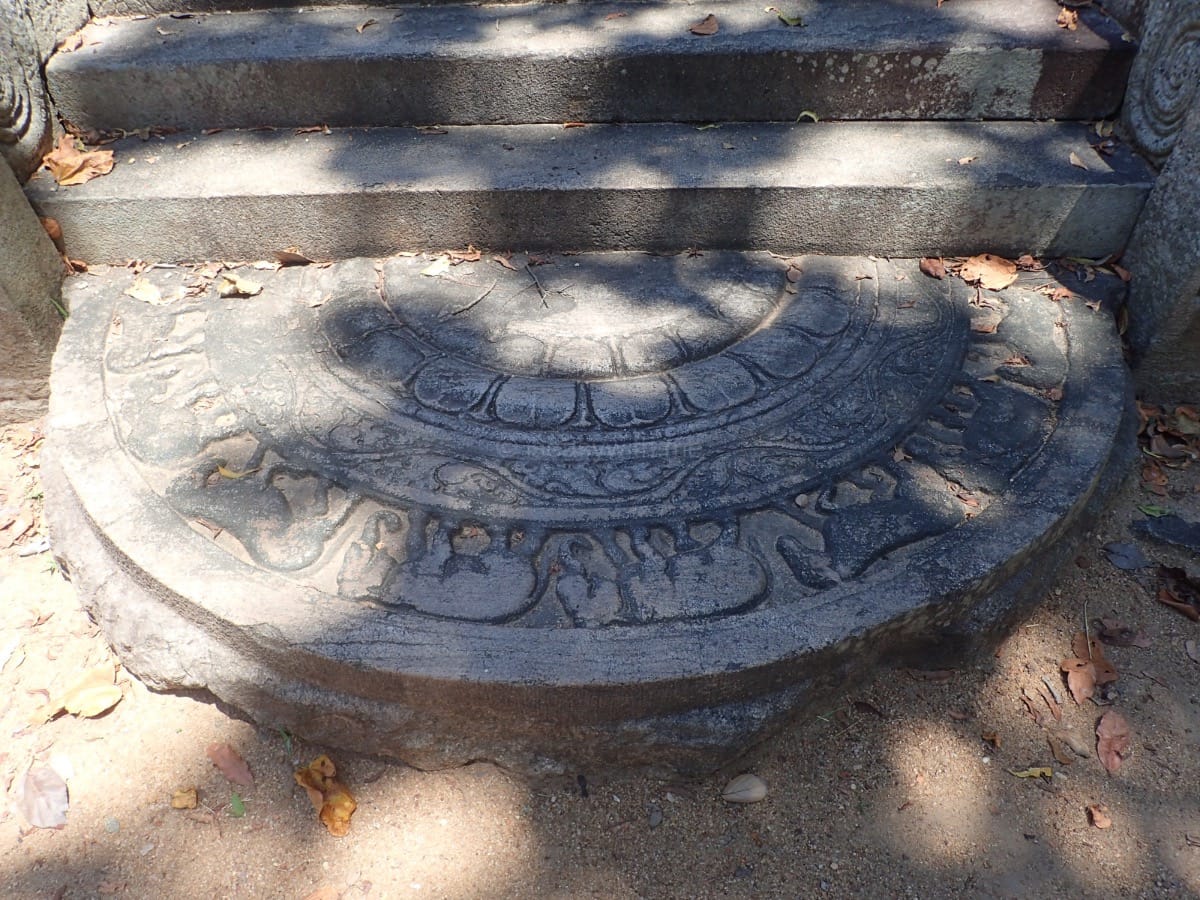
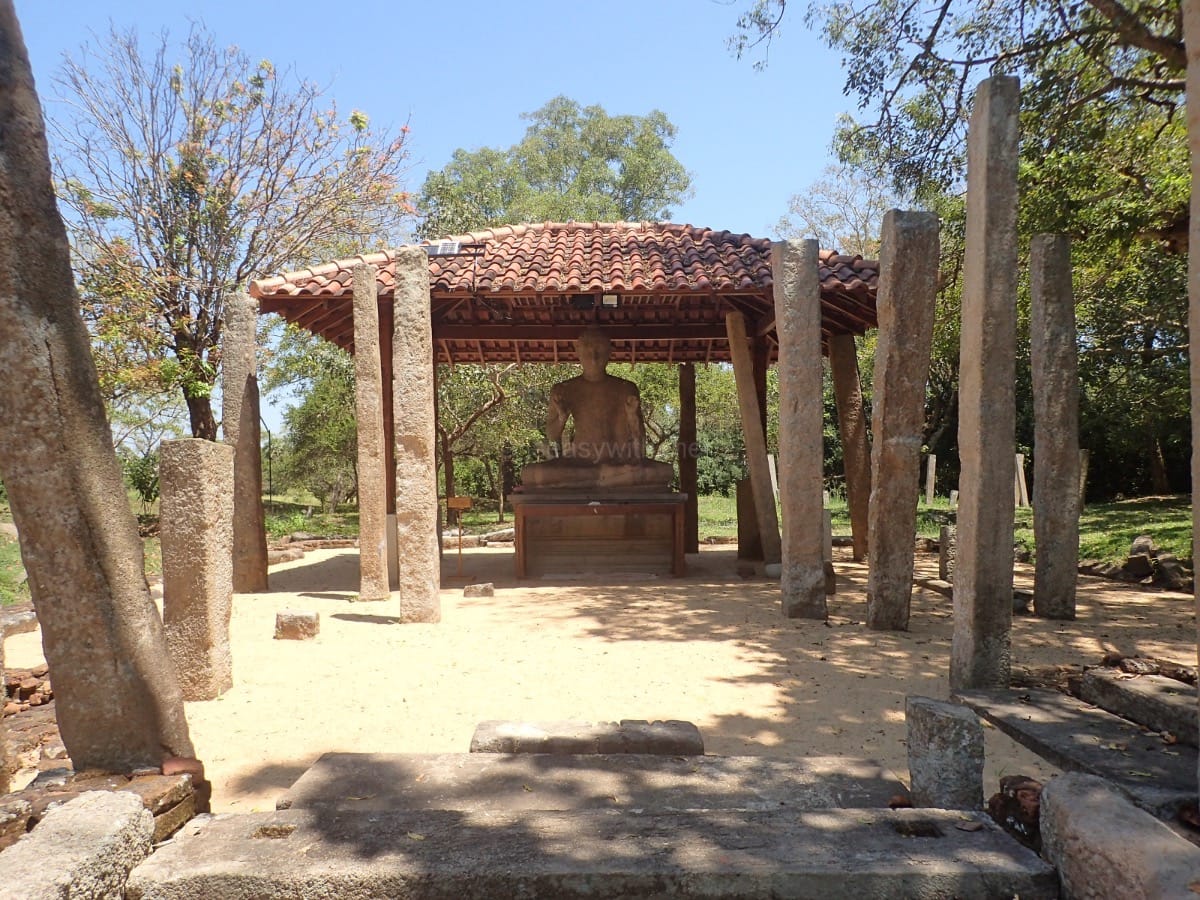
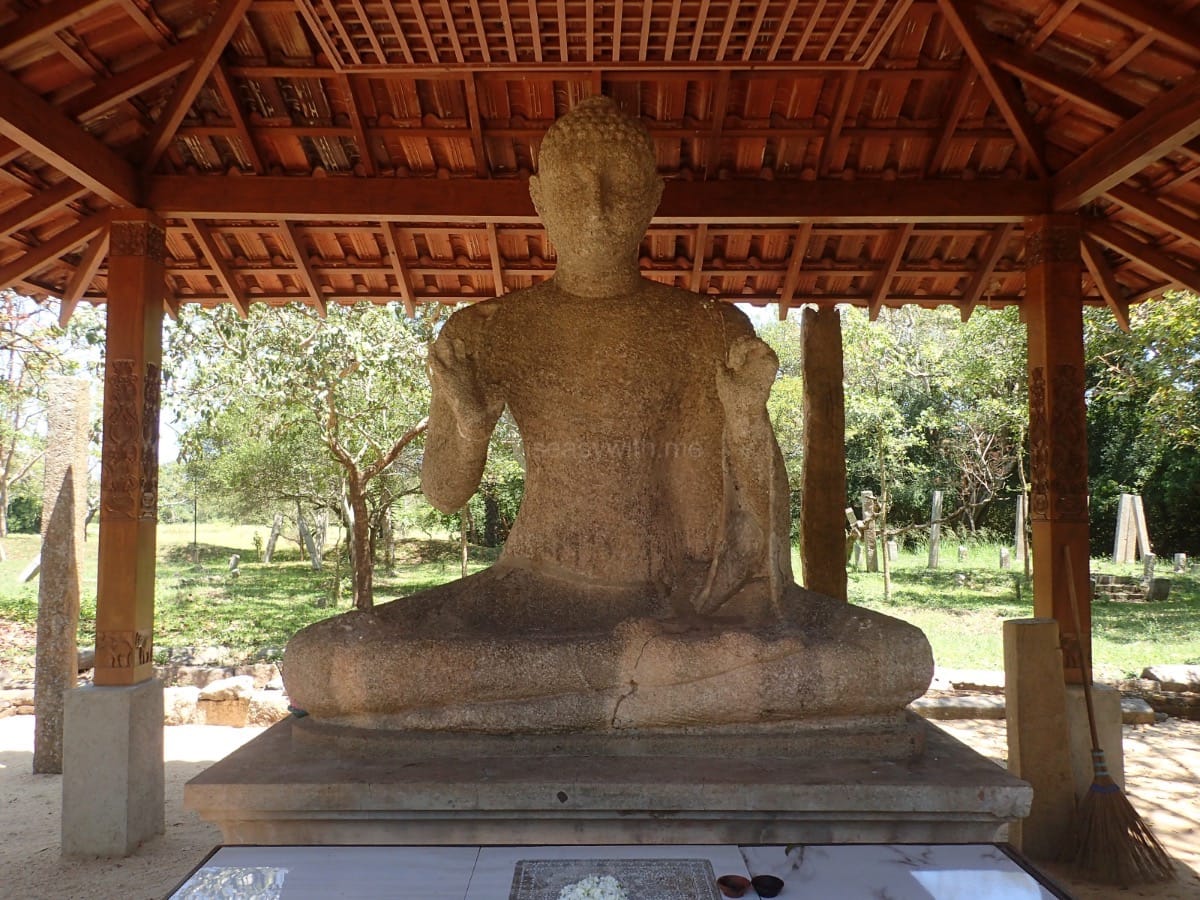
Pankuliya is one of the quieter archaeological sites in Anuradhapura. Set slightly away from the main route, it offers a more forested and contemplative environment compared to the larger monument complexes.
Pankuliya
Abhayagiri Dagoba & Biso Maligaya
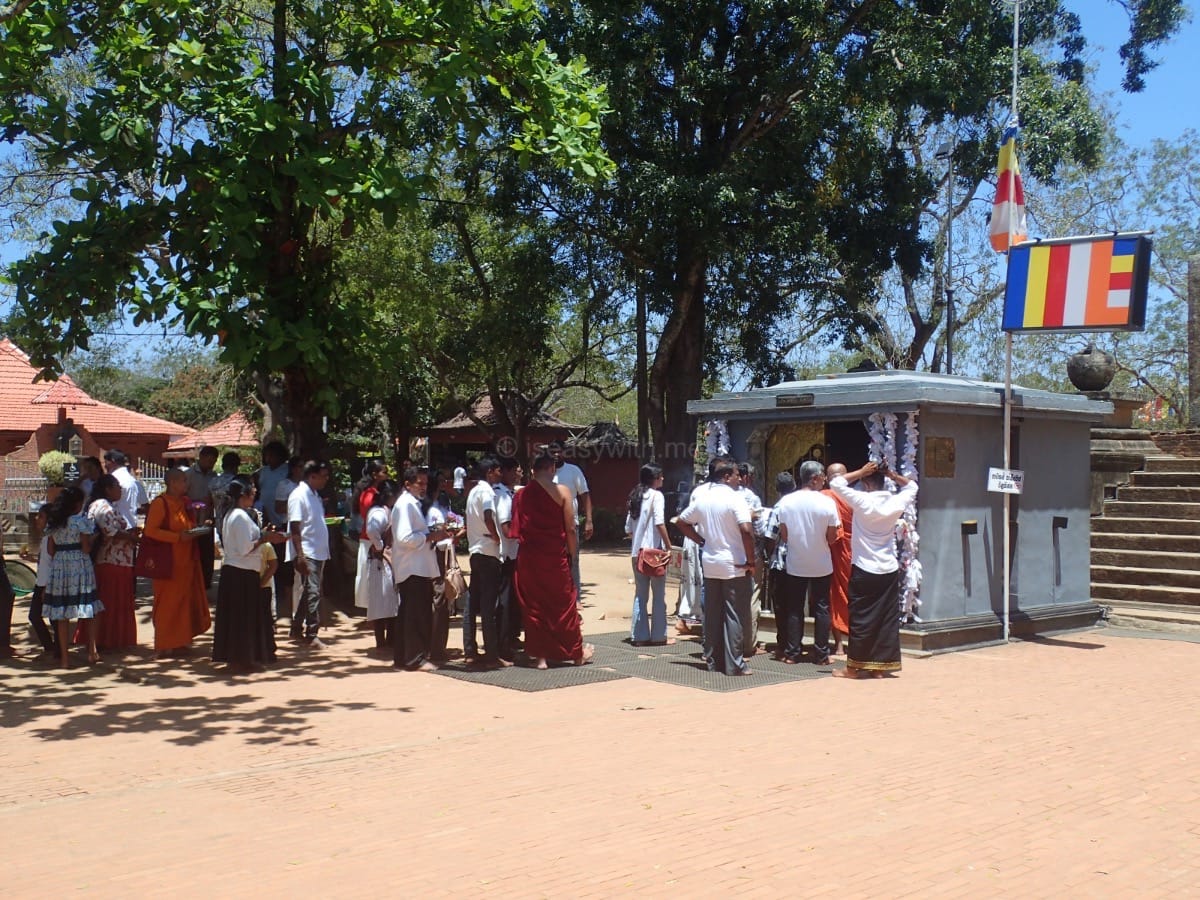
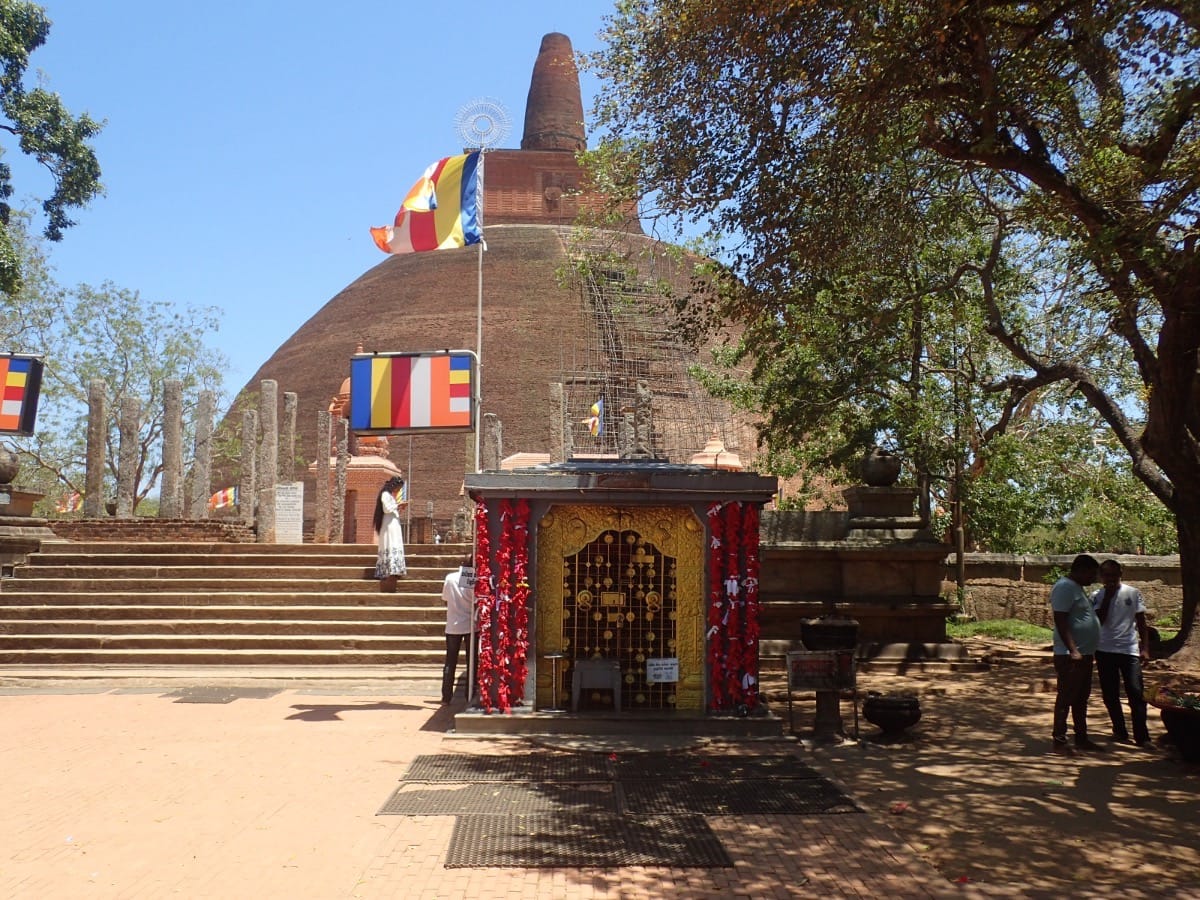
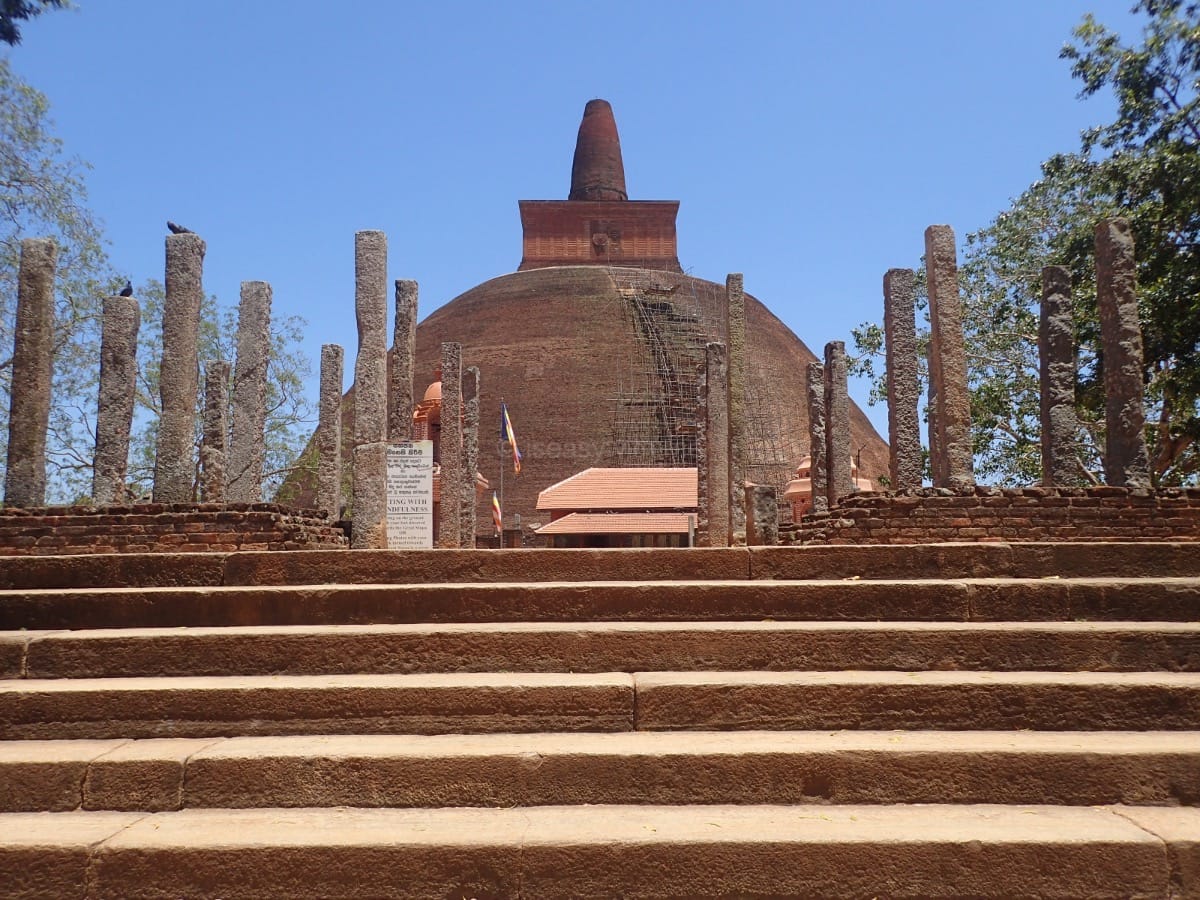
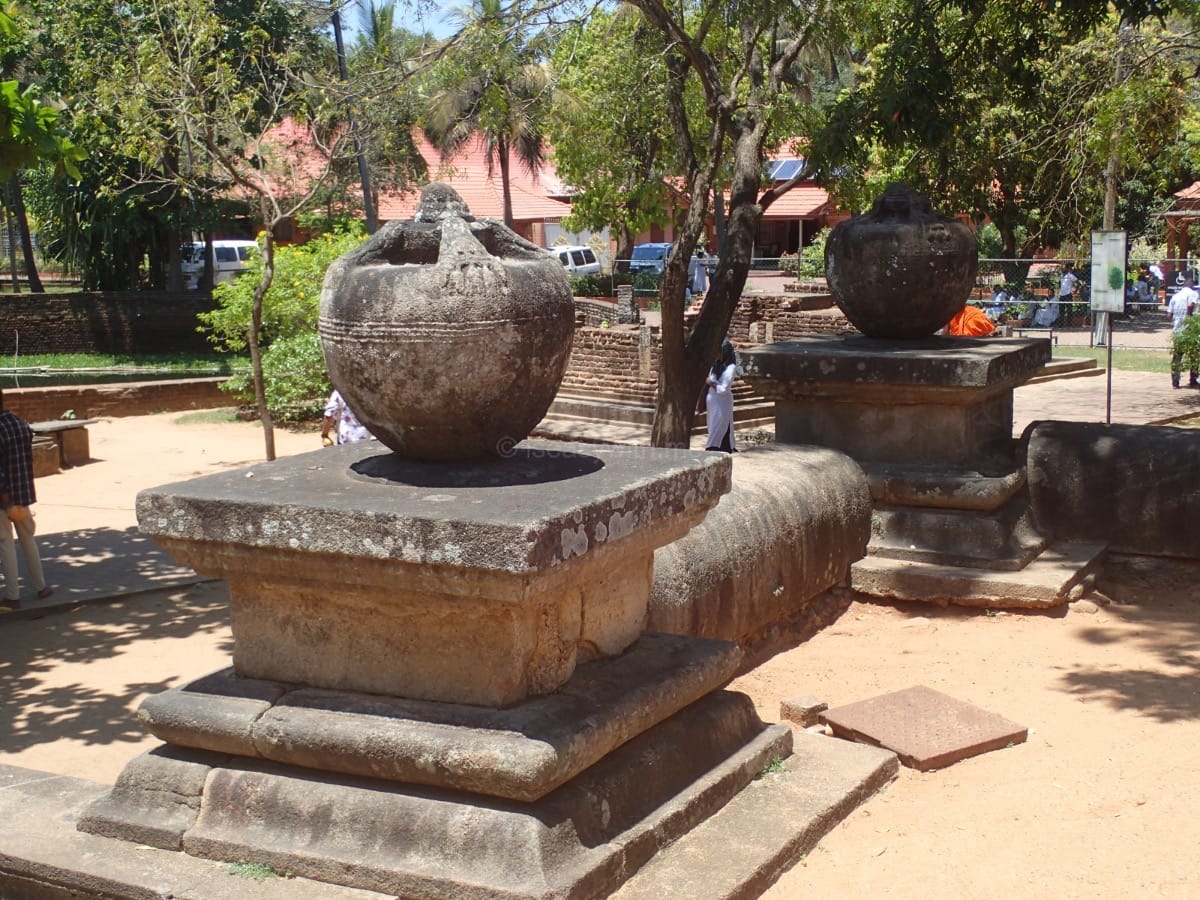
Once one of the most influential monastic centres in the Buddhist world, Abhayagiri was home to thousands of monks and scholars. Today, the massive dagoba still dominates the landscape, surrounded by extensive ruins.
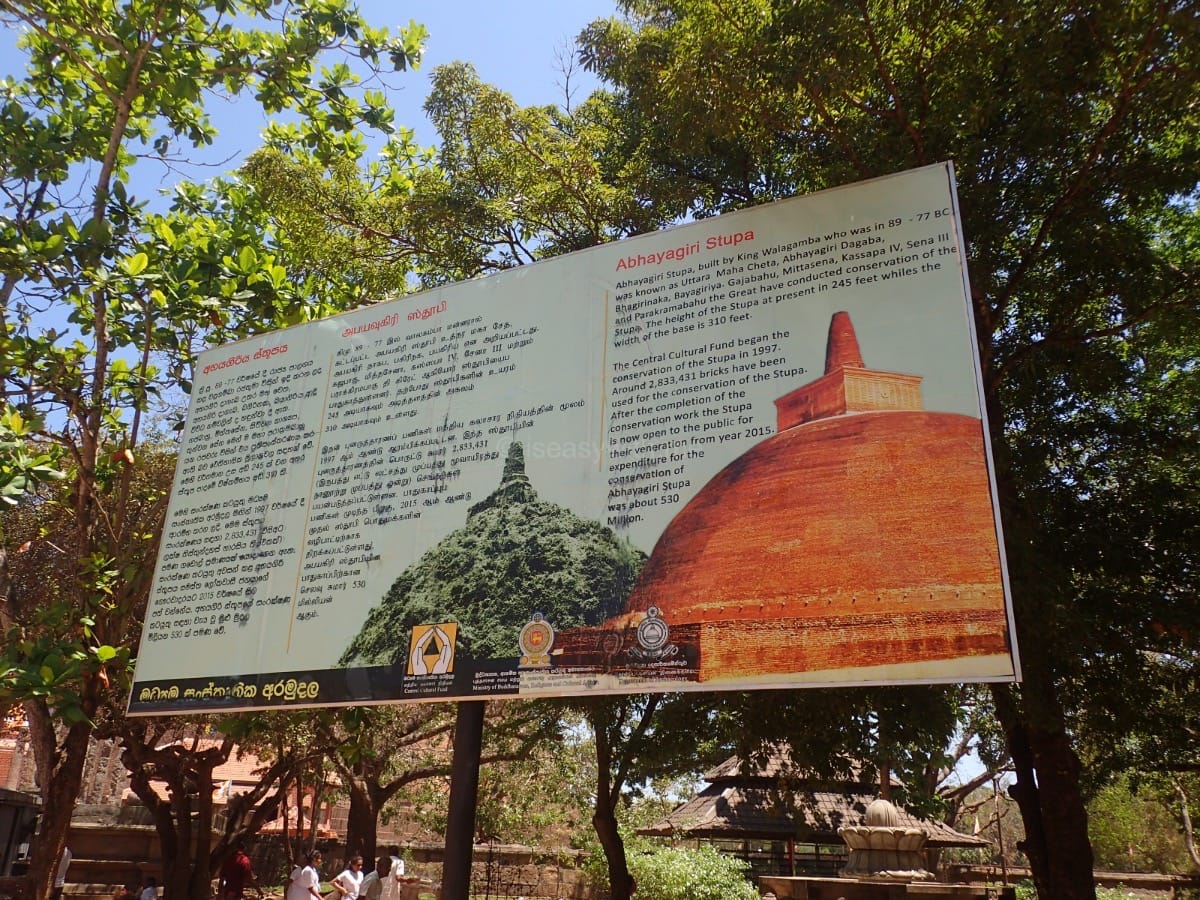
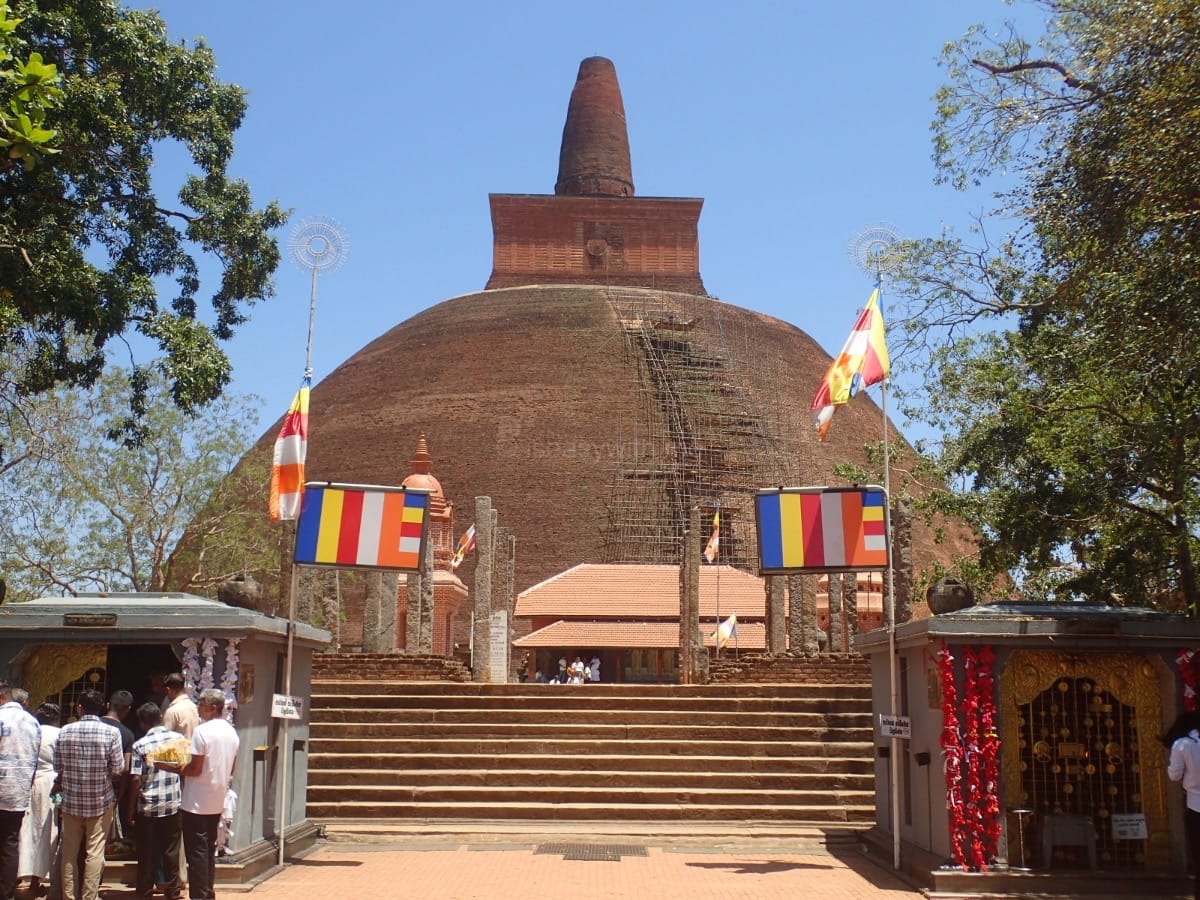
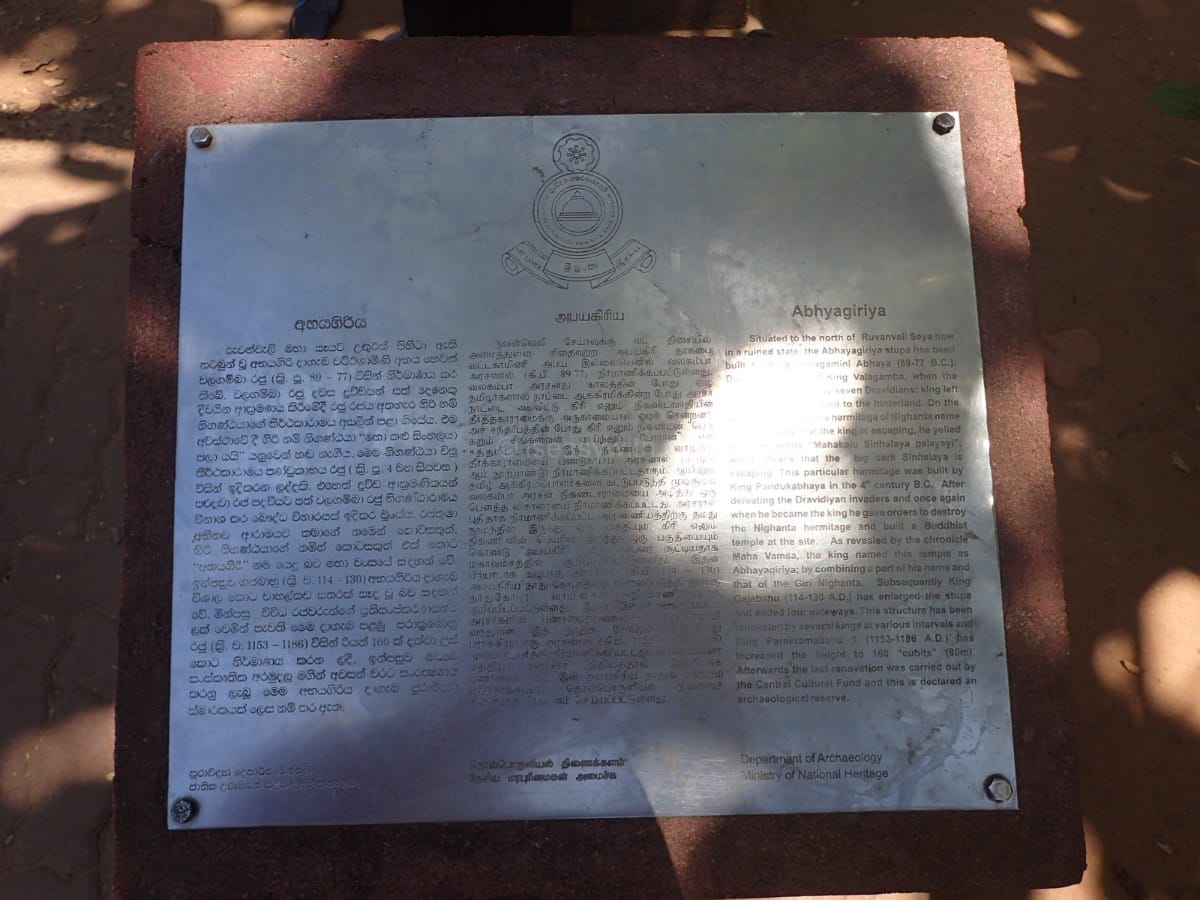
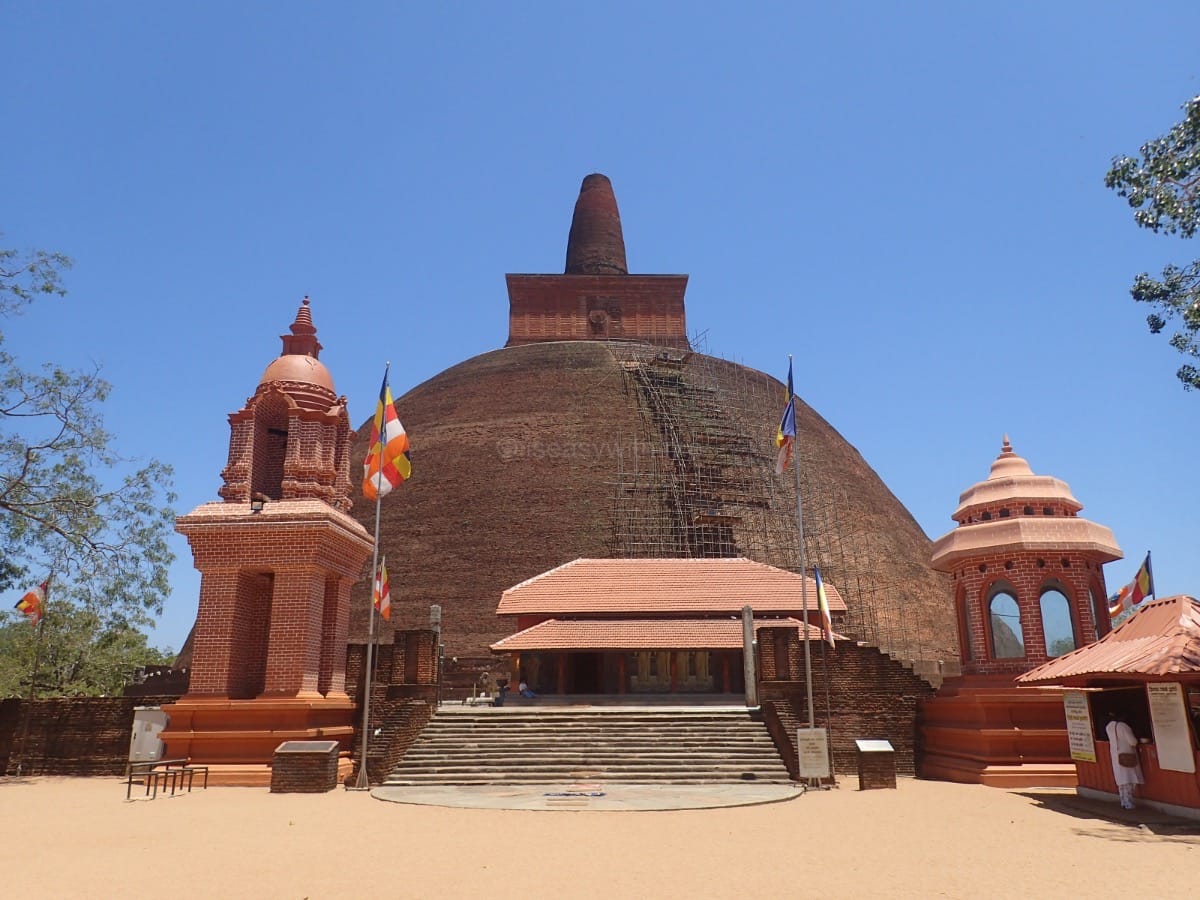
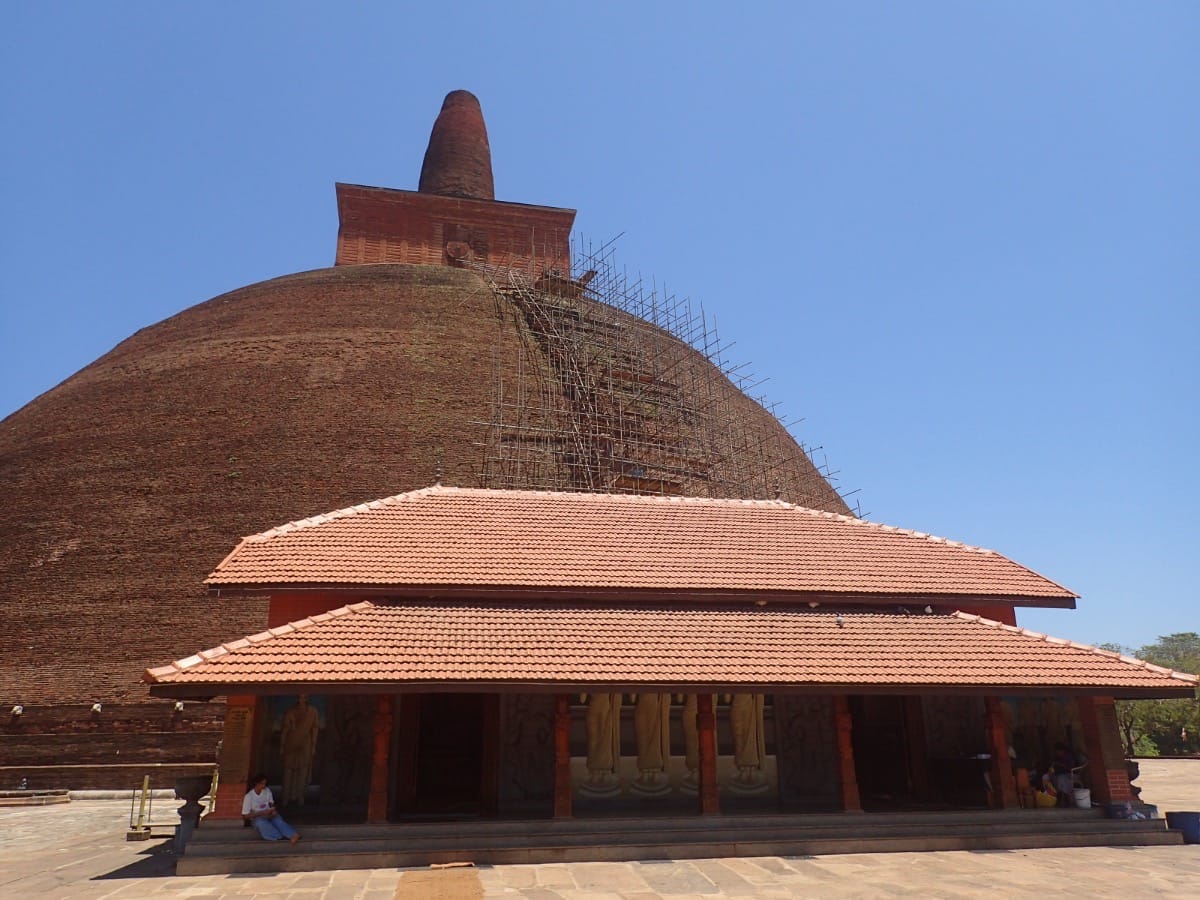
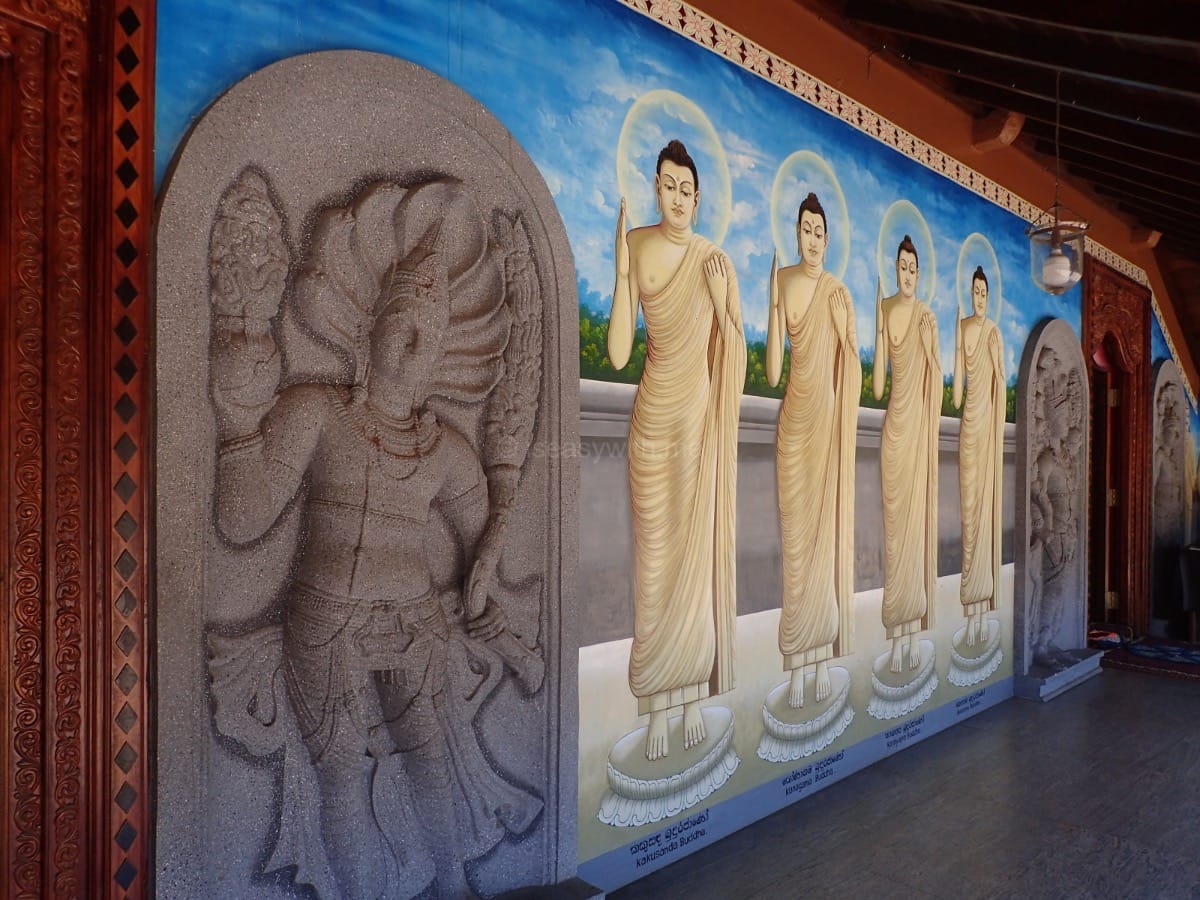
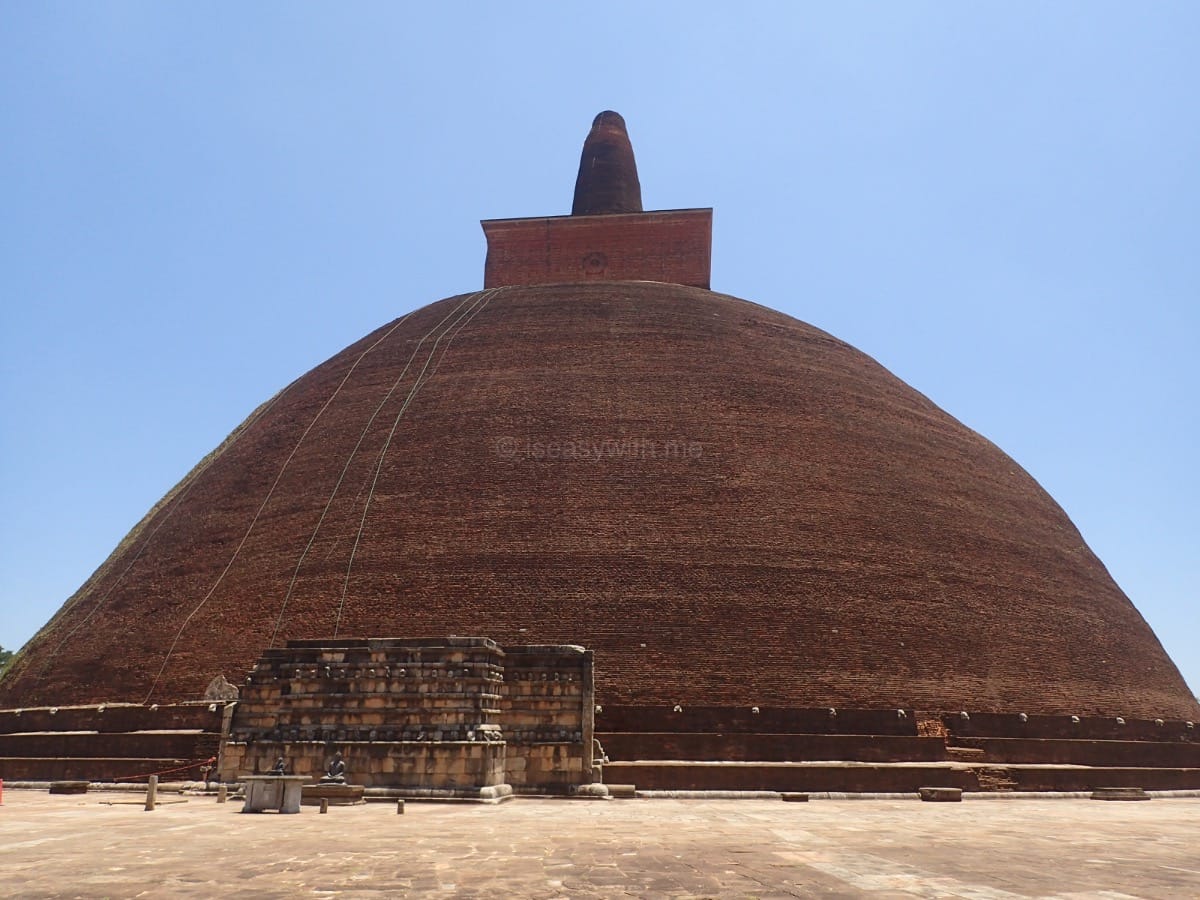
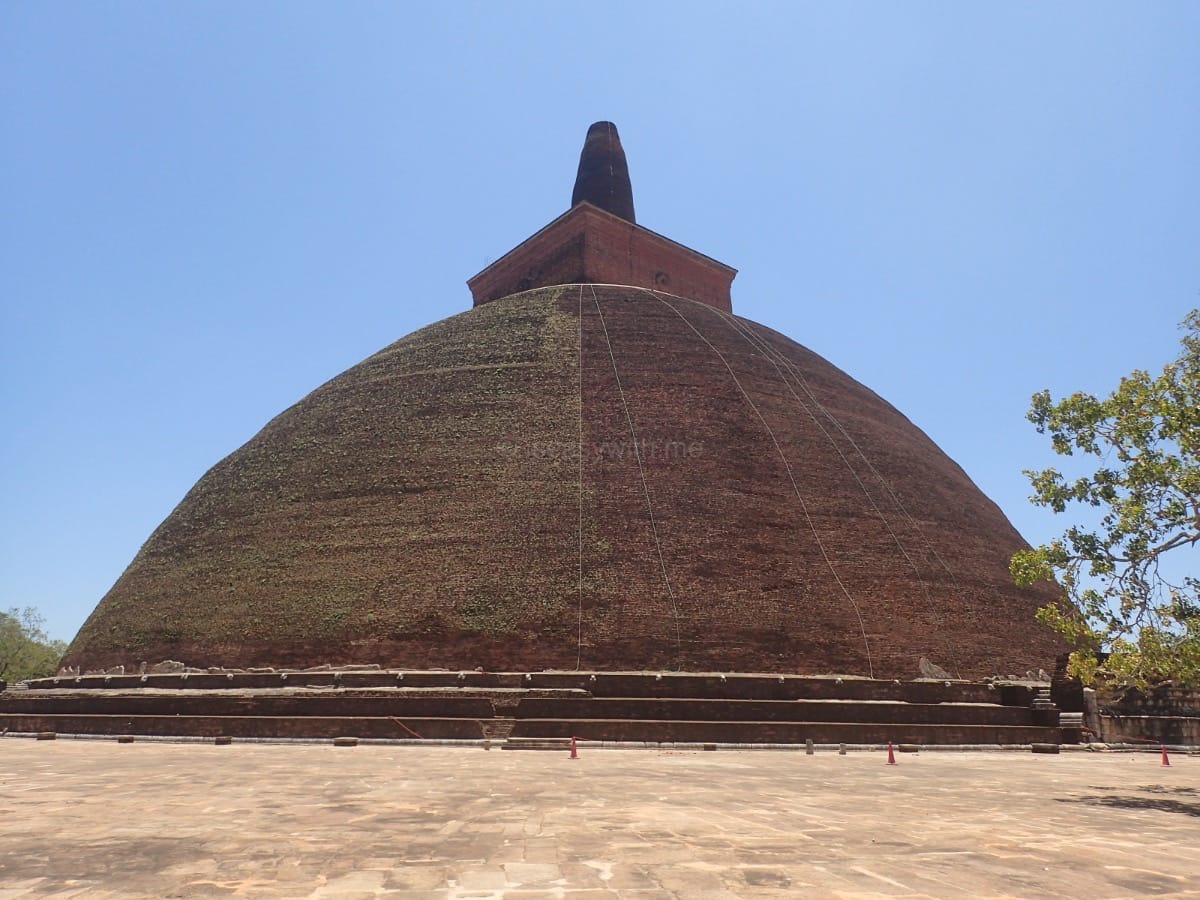
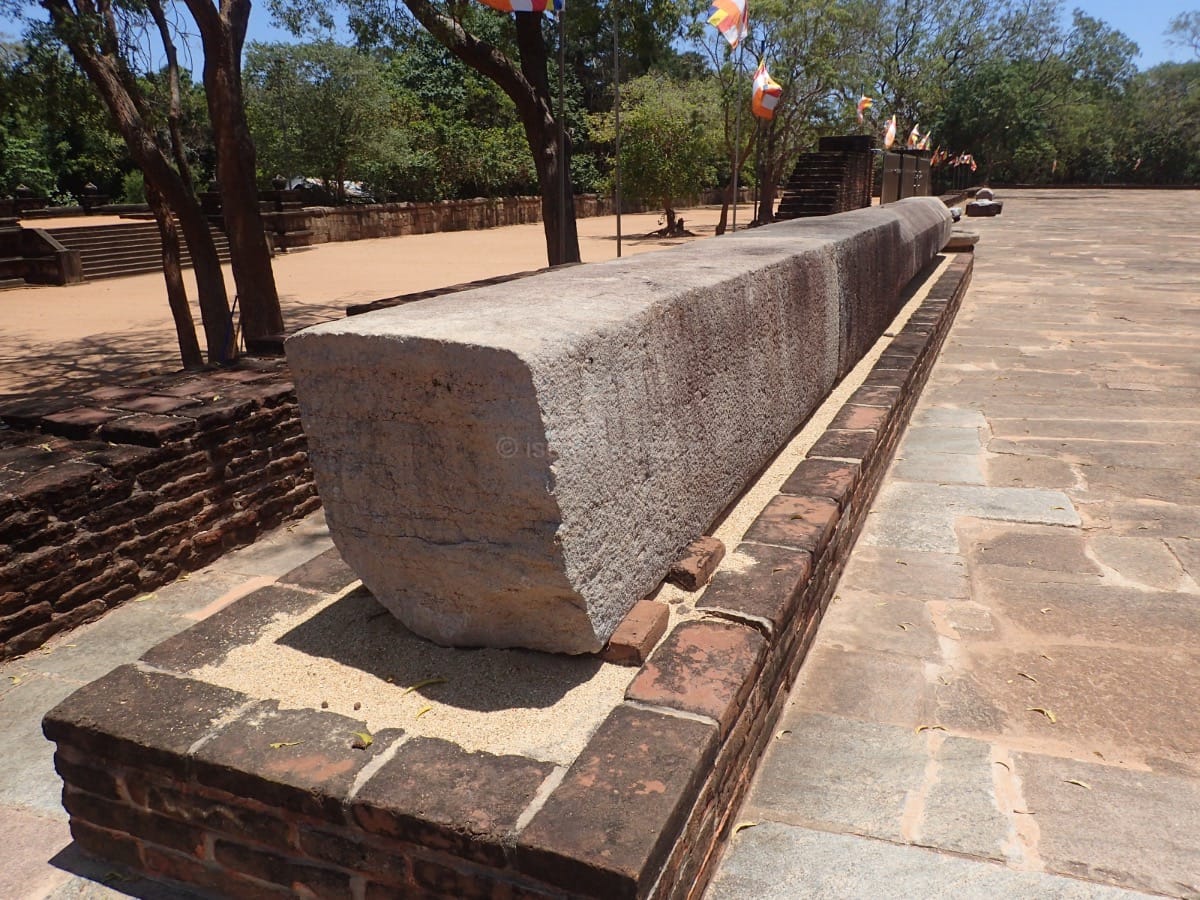
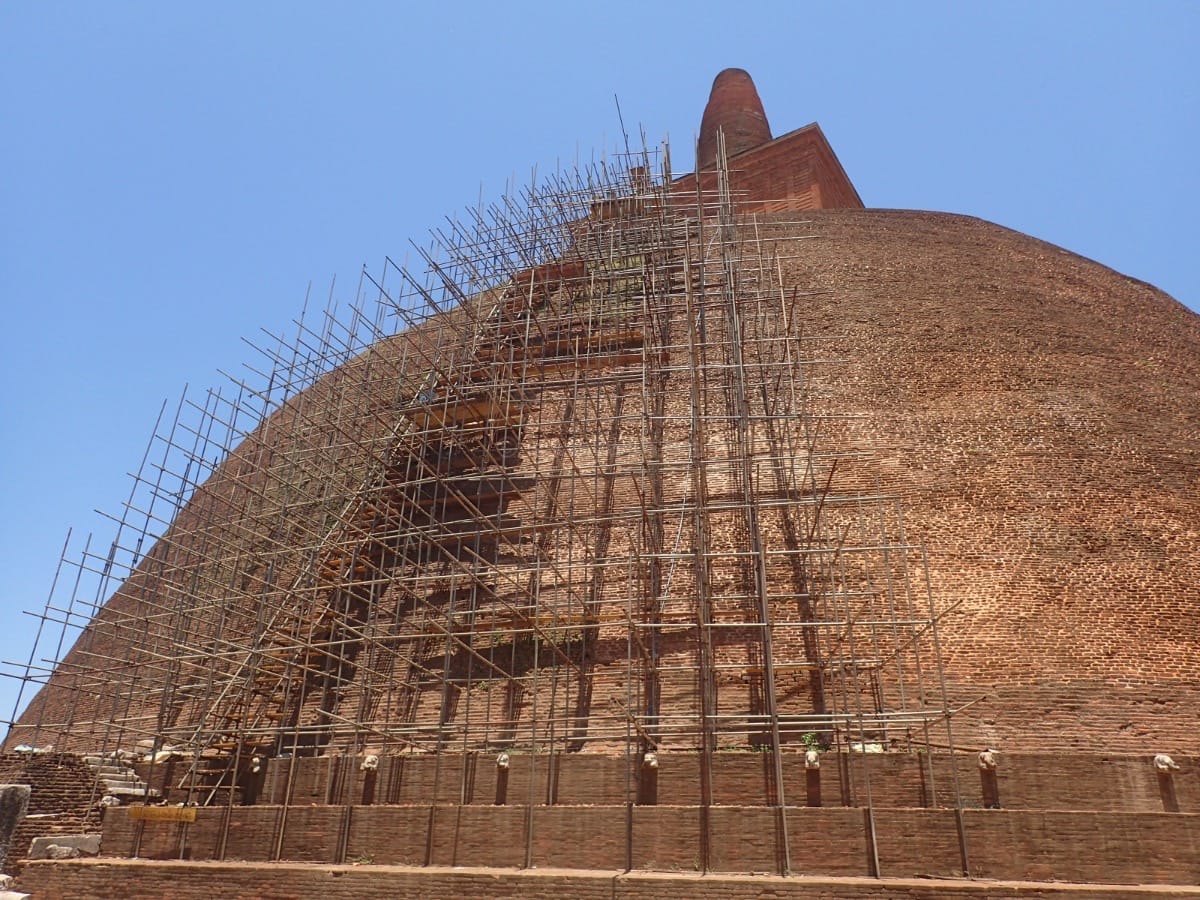
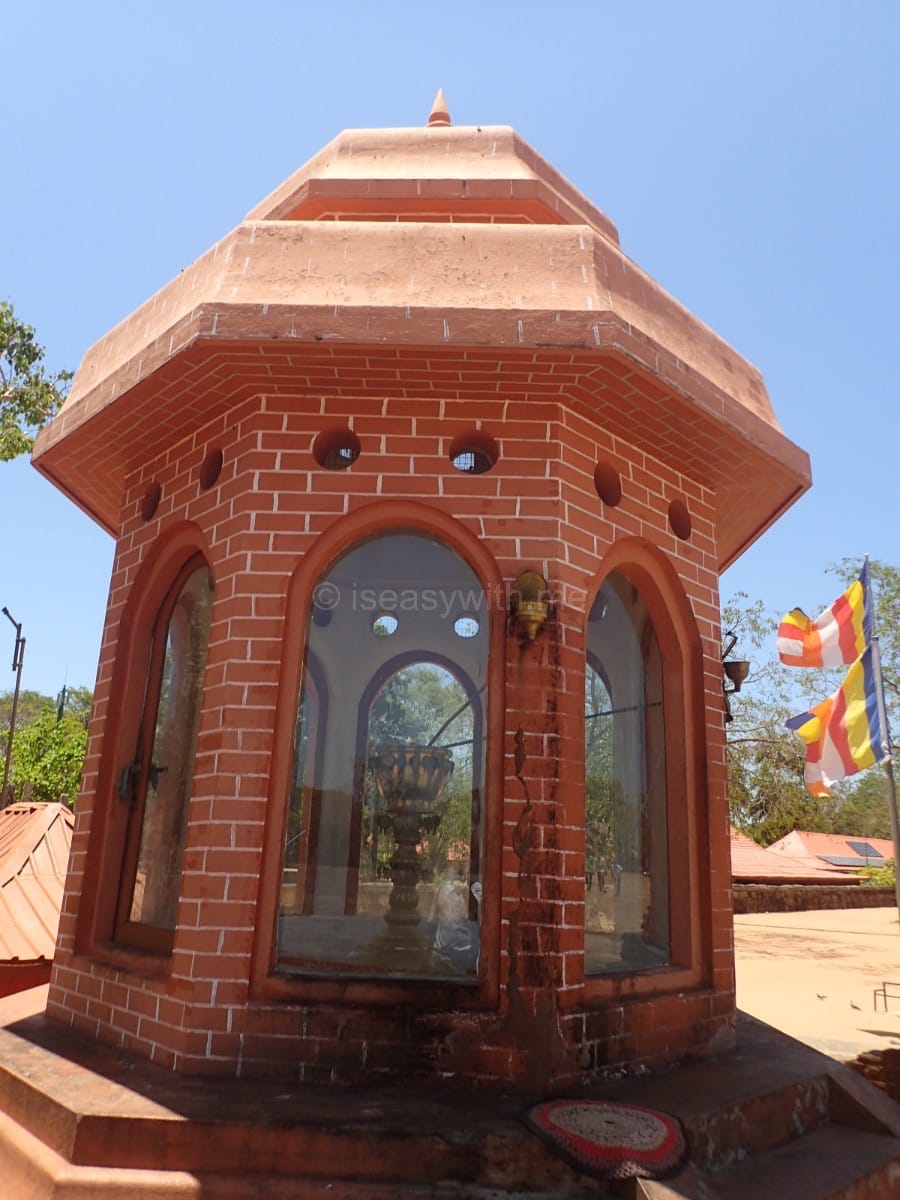
Abhayagiri Dagoba
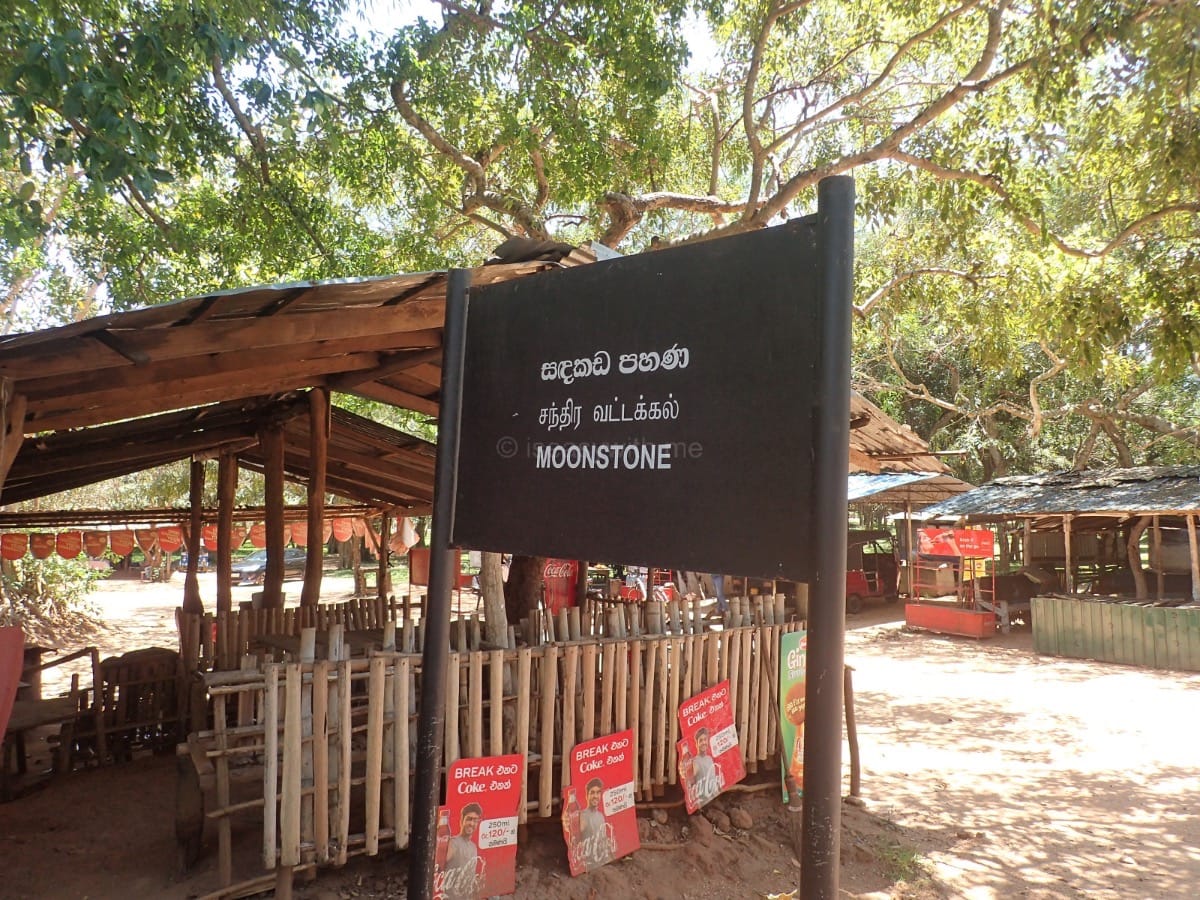
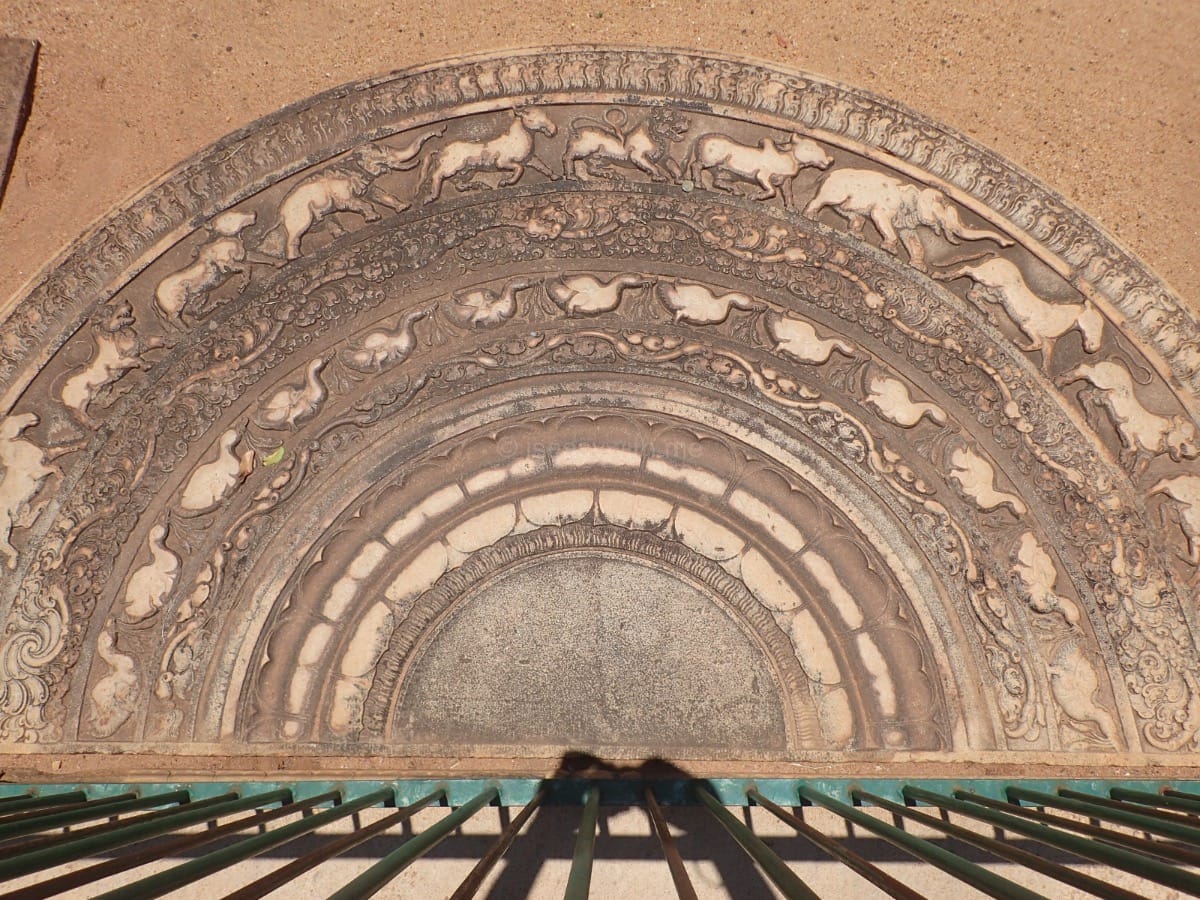
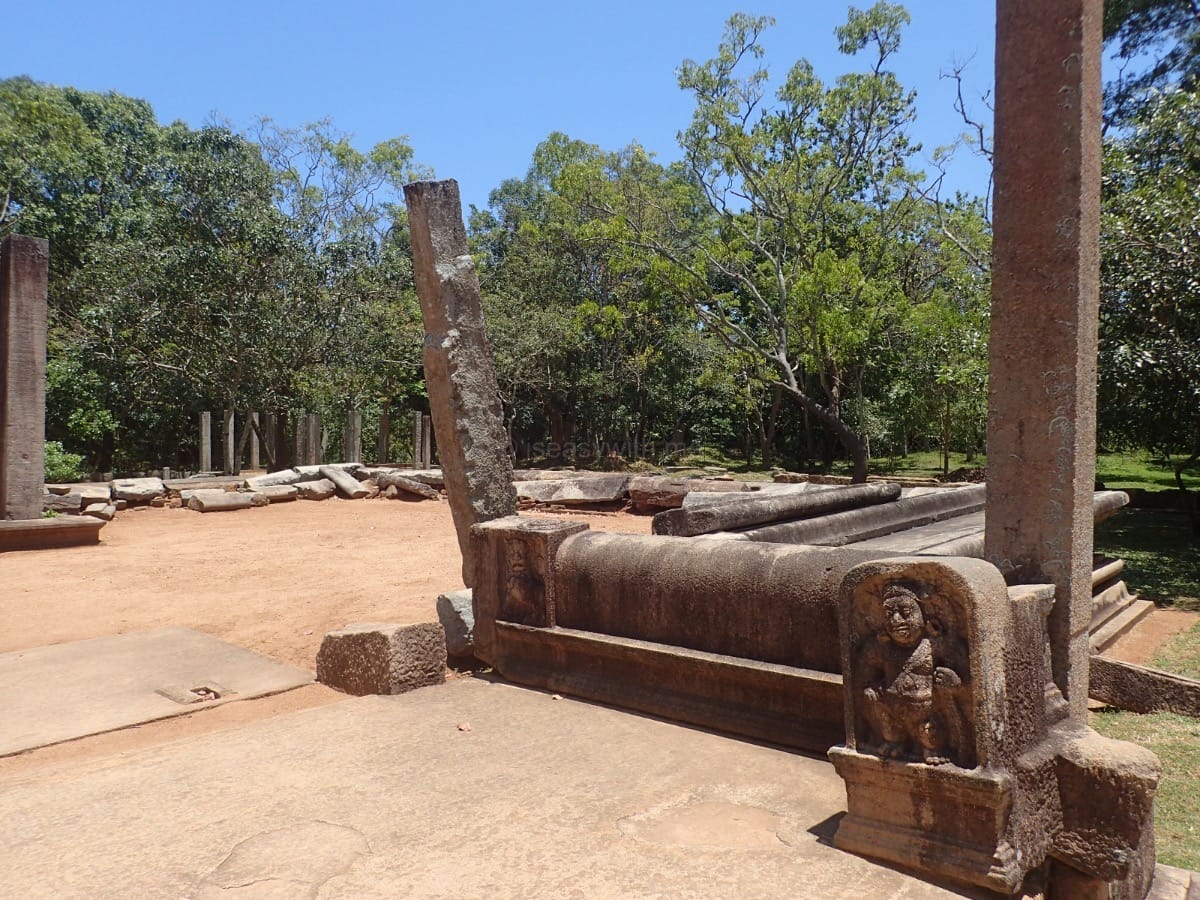
Nestled within this monastic sector is Biso Maligaya (popularly called the Queen's Palace, though historically identified as a Pancavasa monastic residential unit). This spot is globally renowned among travellers for housing one of the most flawlessly carved and beautifully preserved ancient Moonstone (Sandakada Pahana) from the Anuradhapura era.
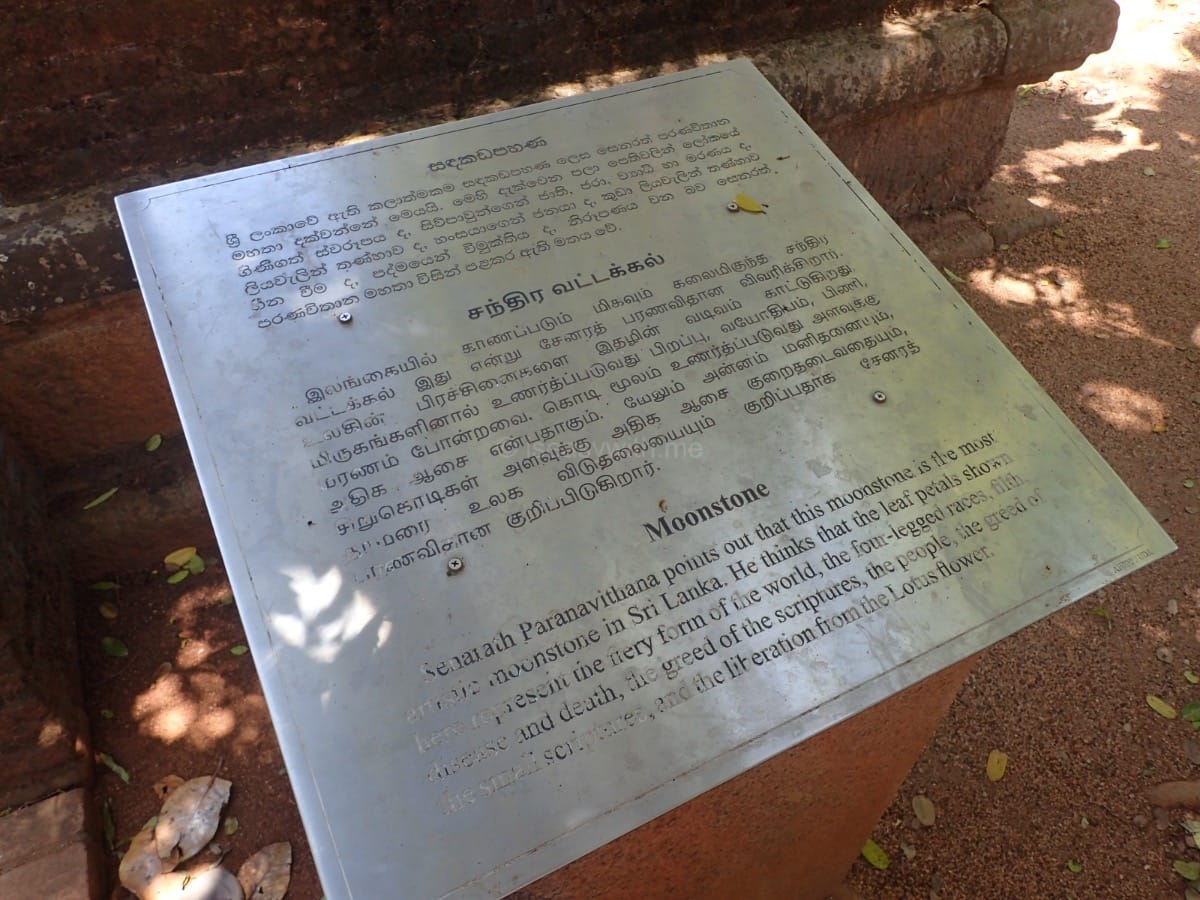
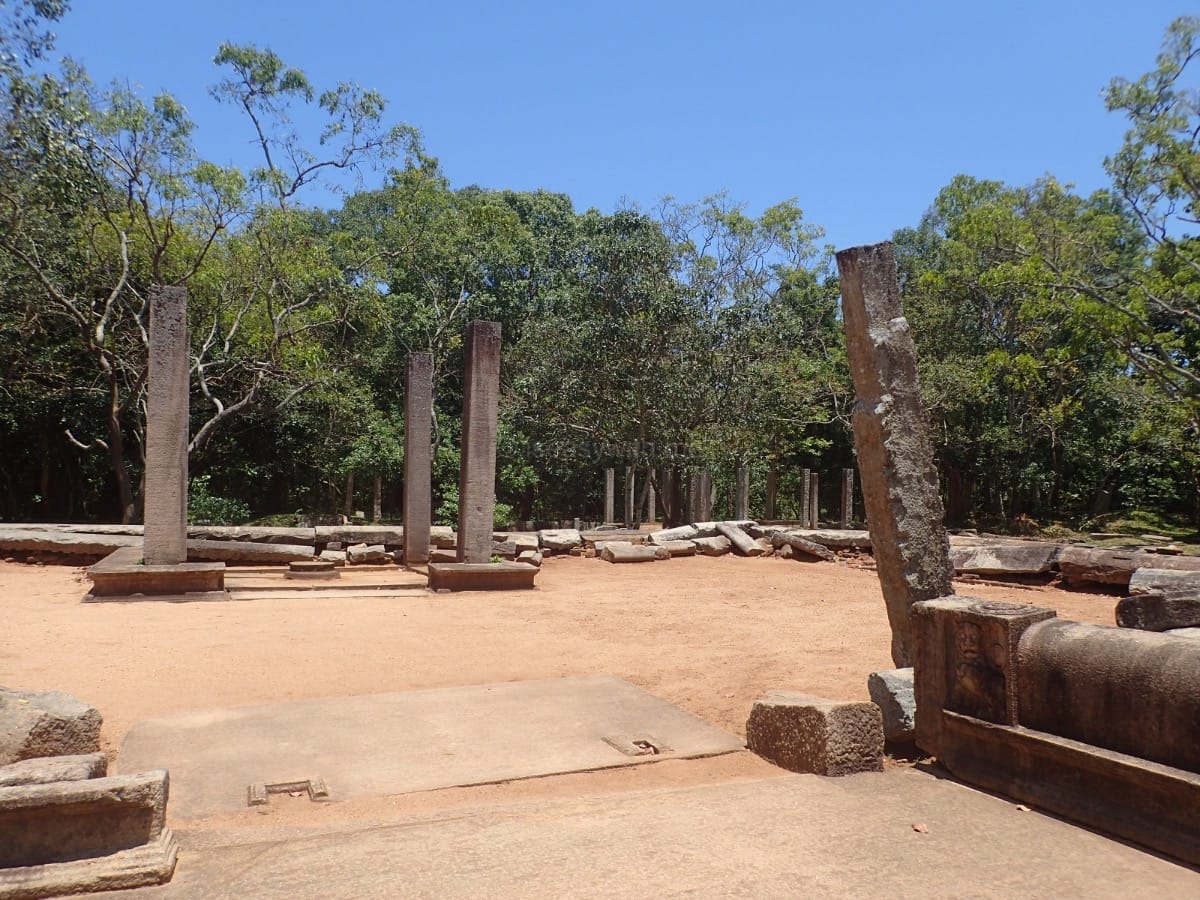
Biso Maligaya
Lankaramaya
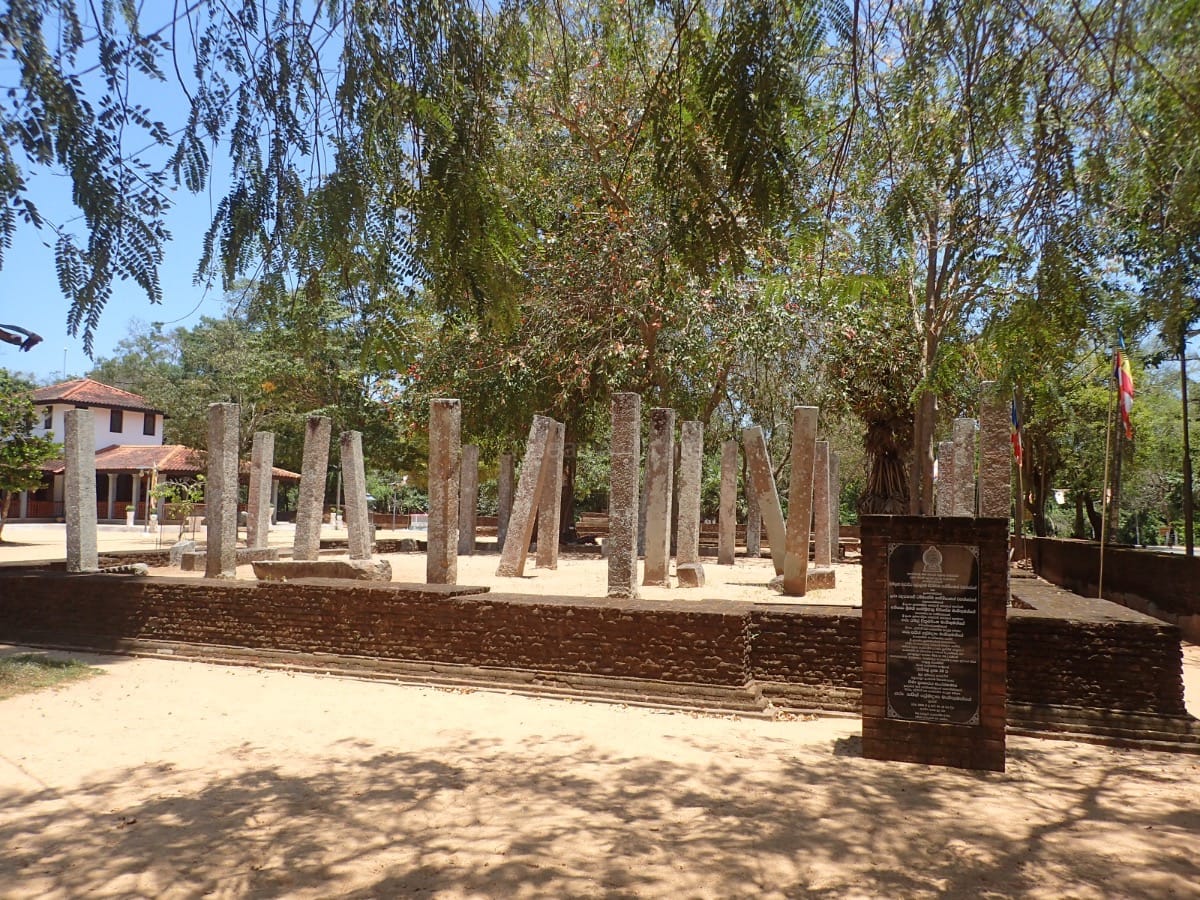
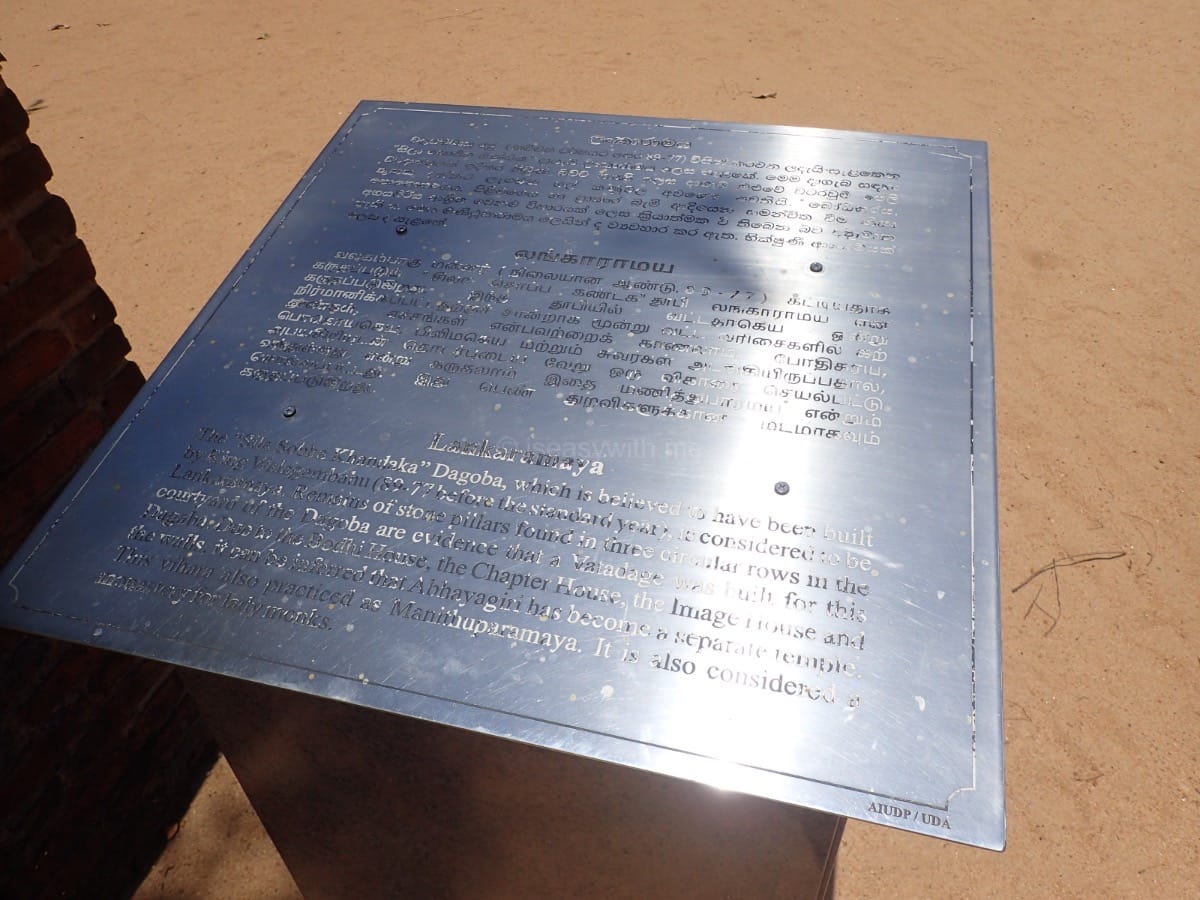
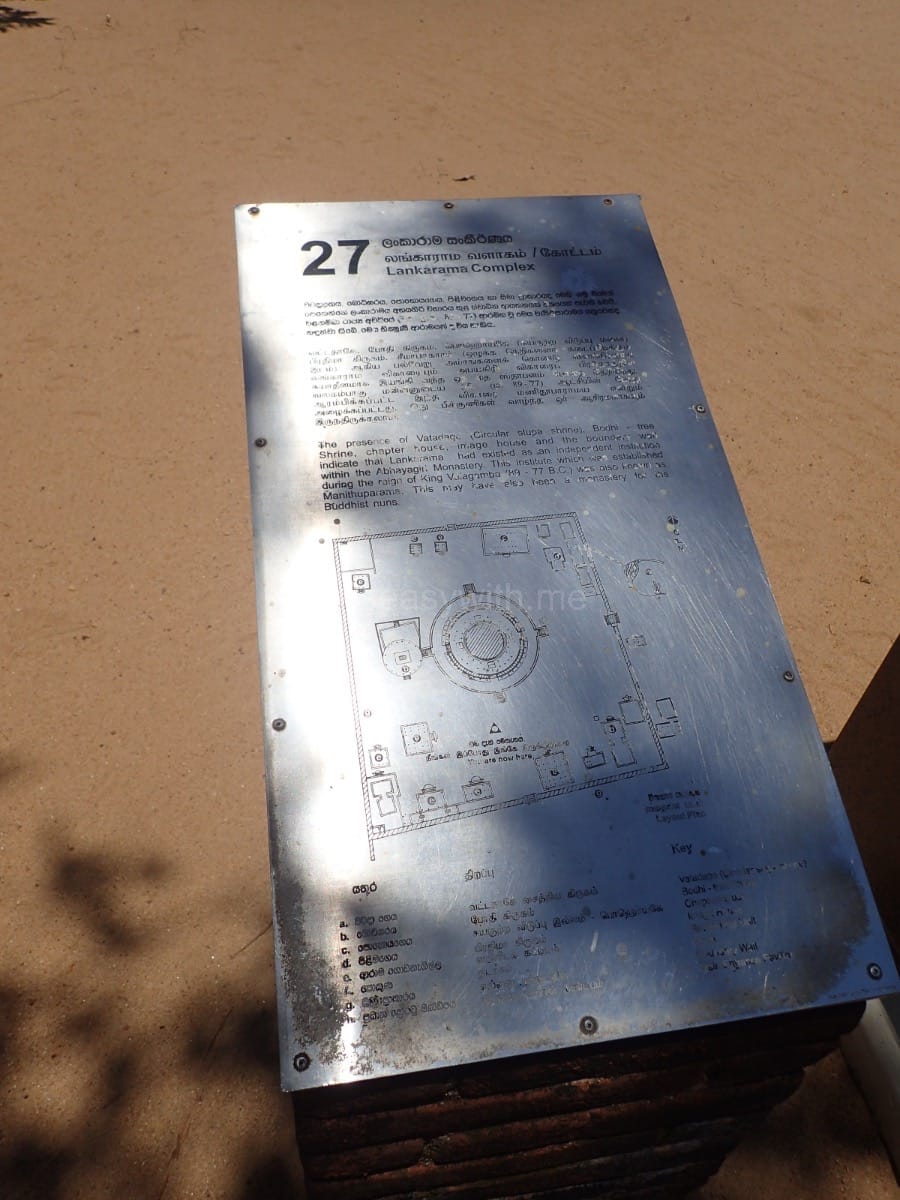
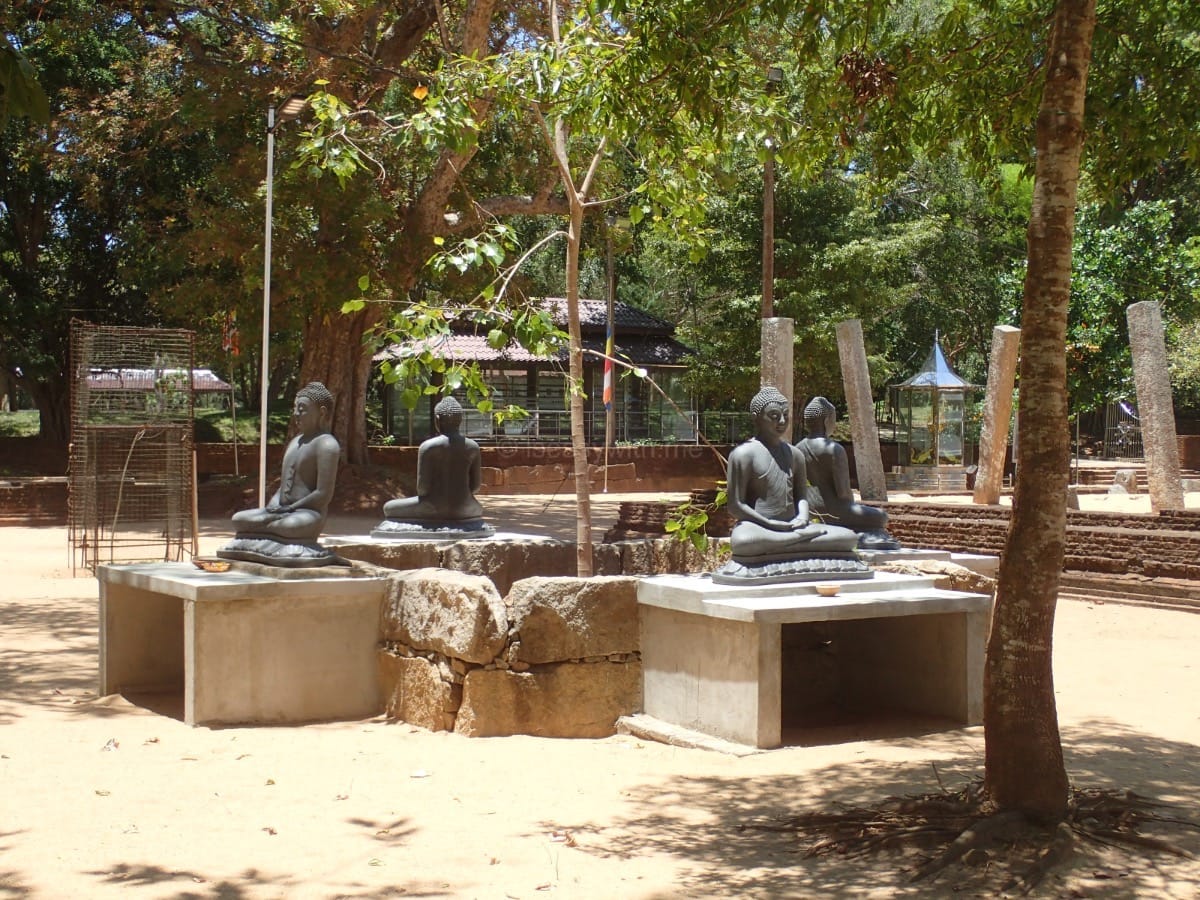
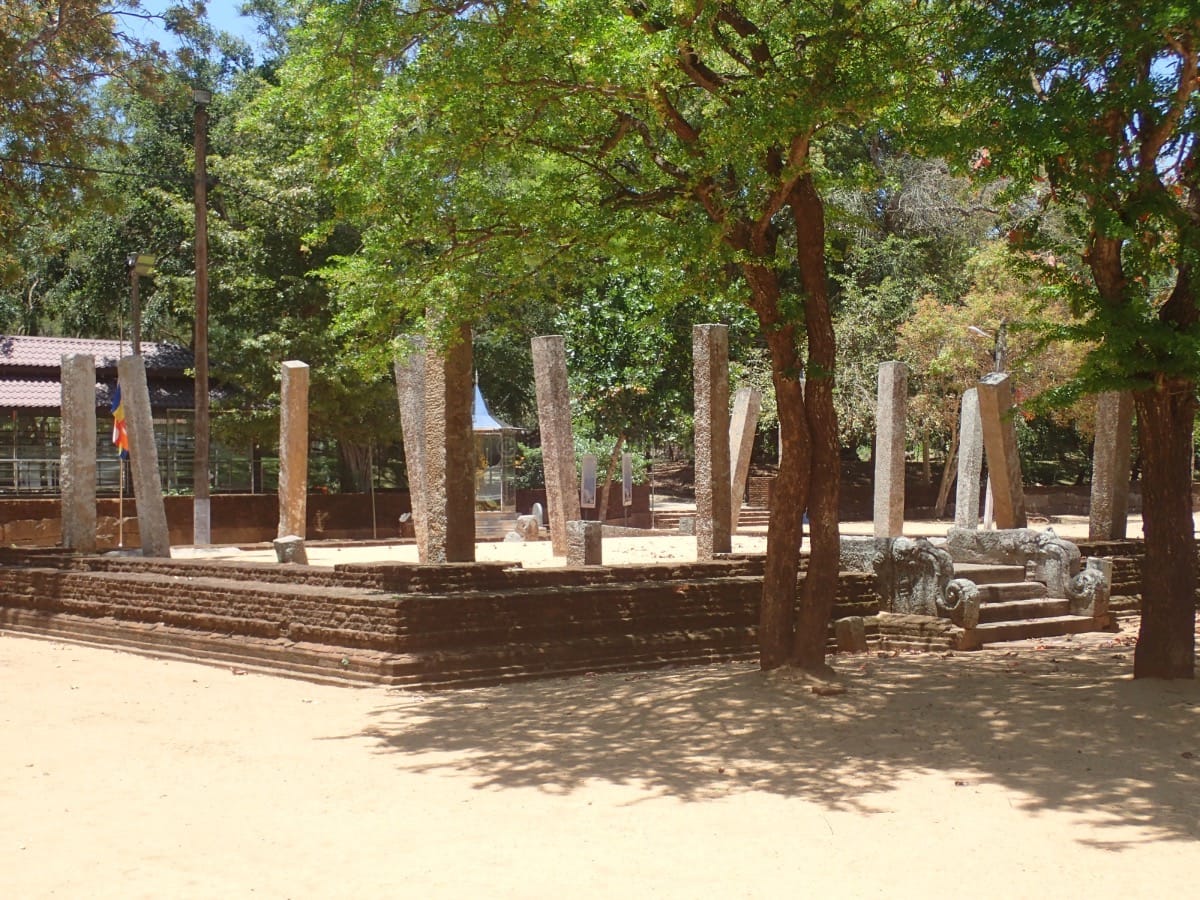
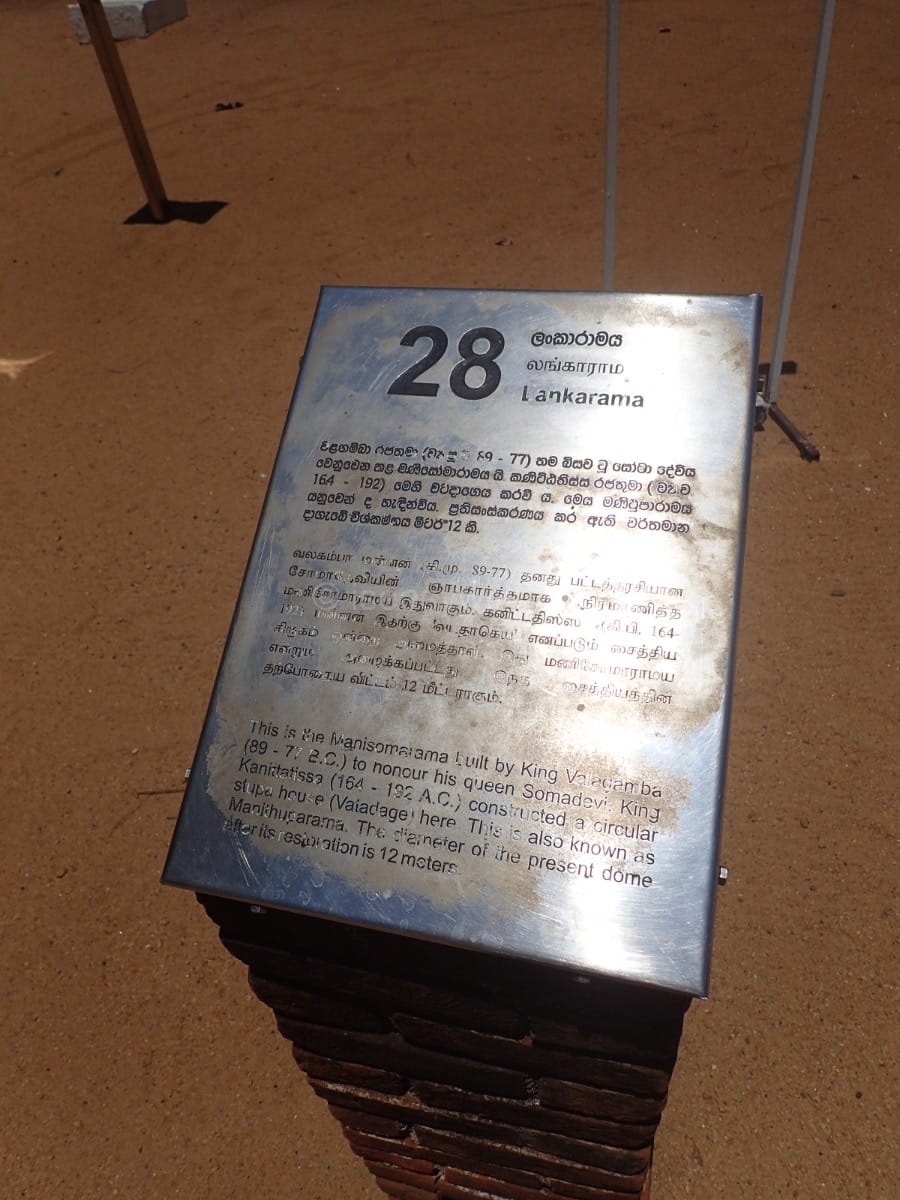
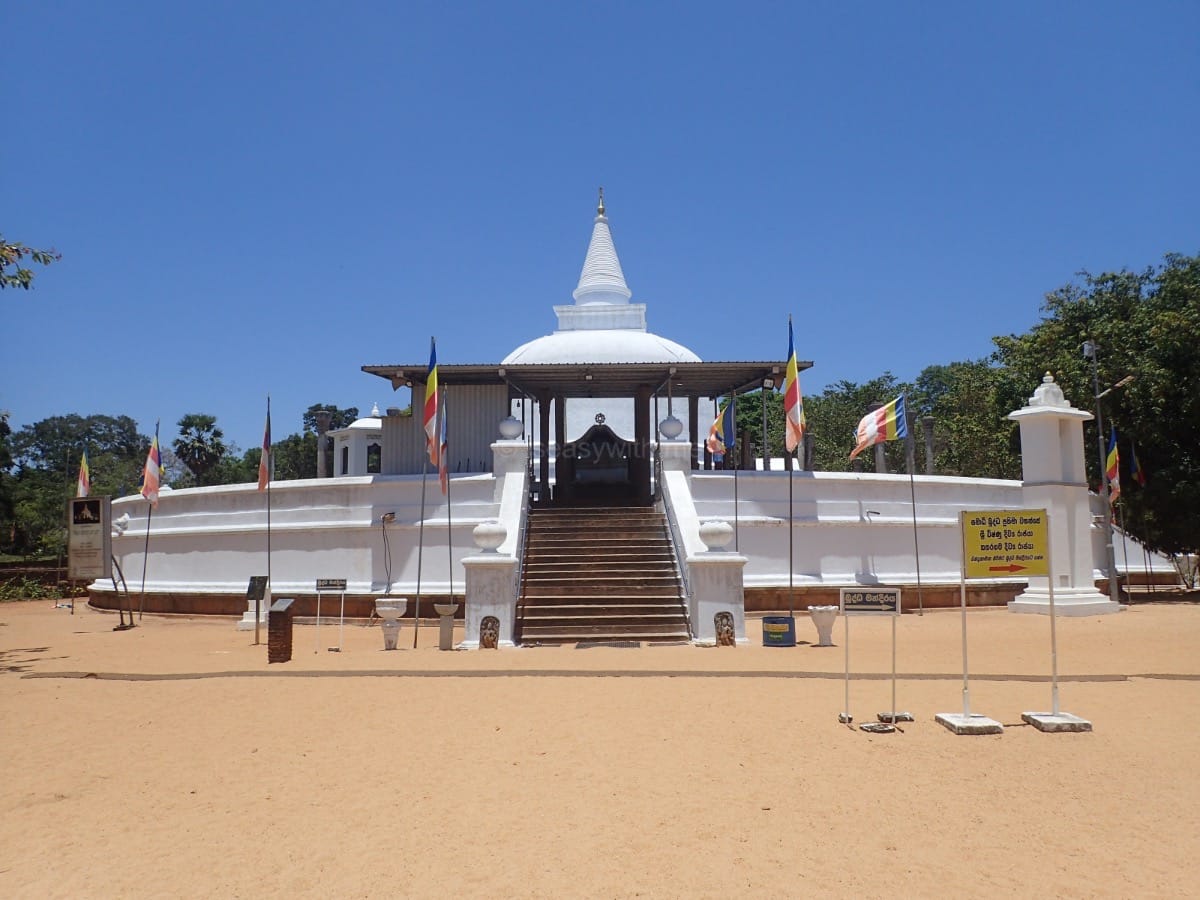
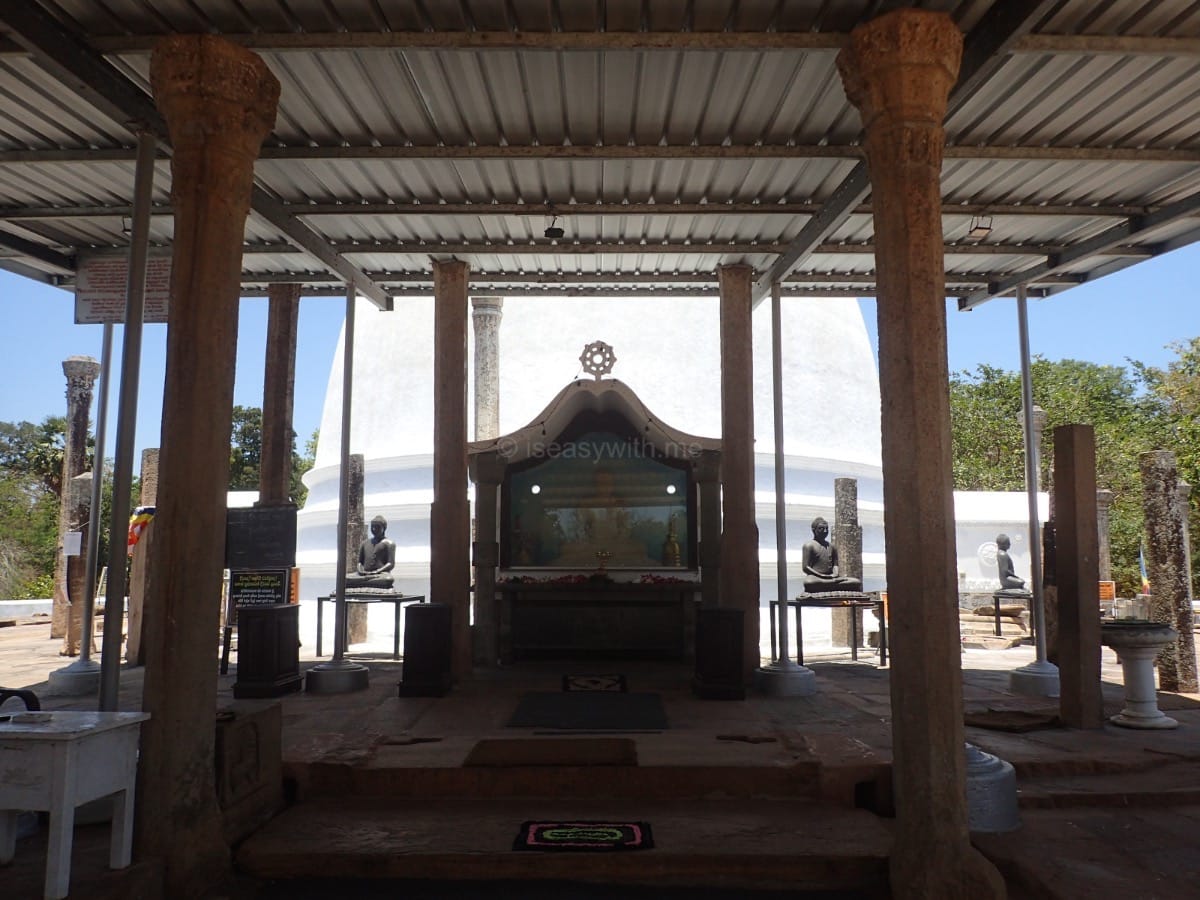
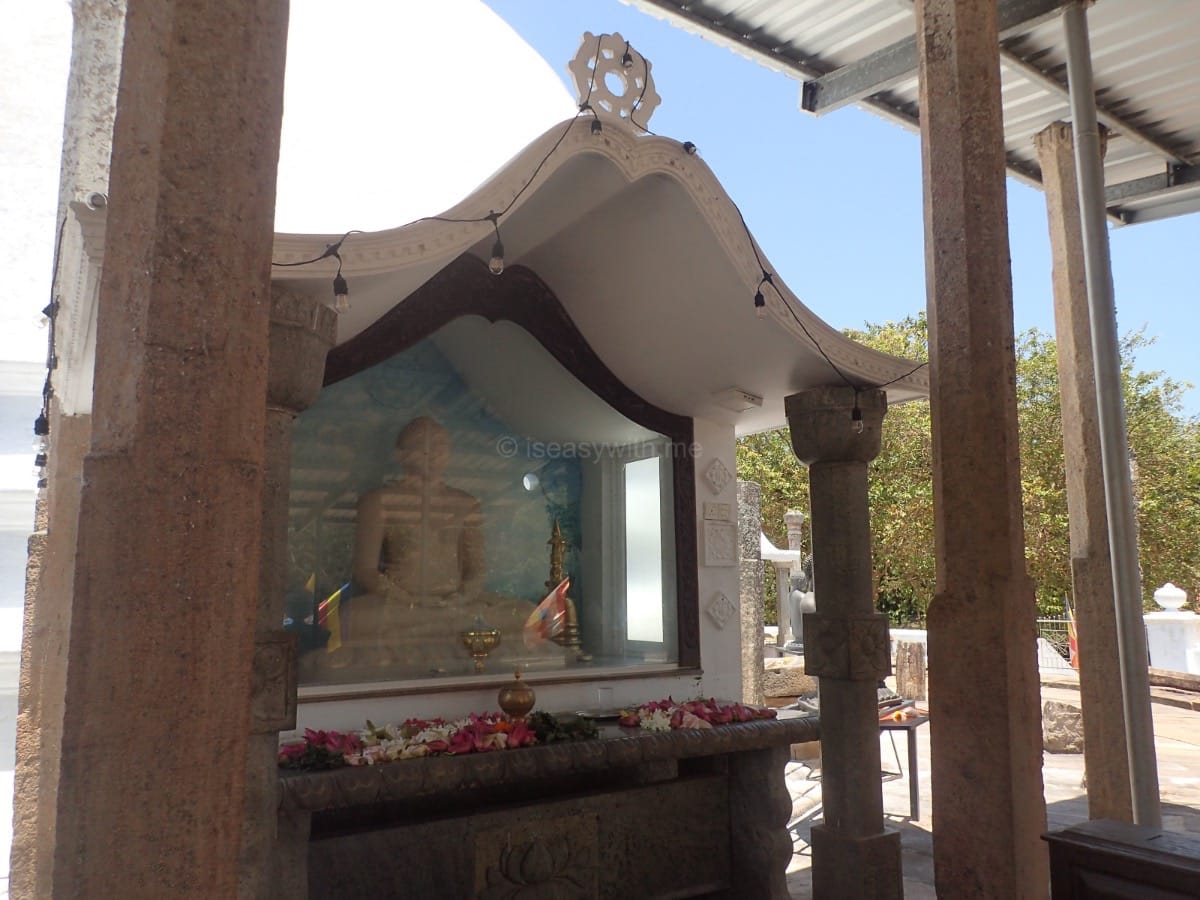
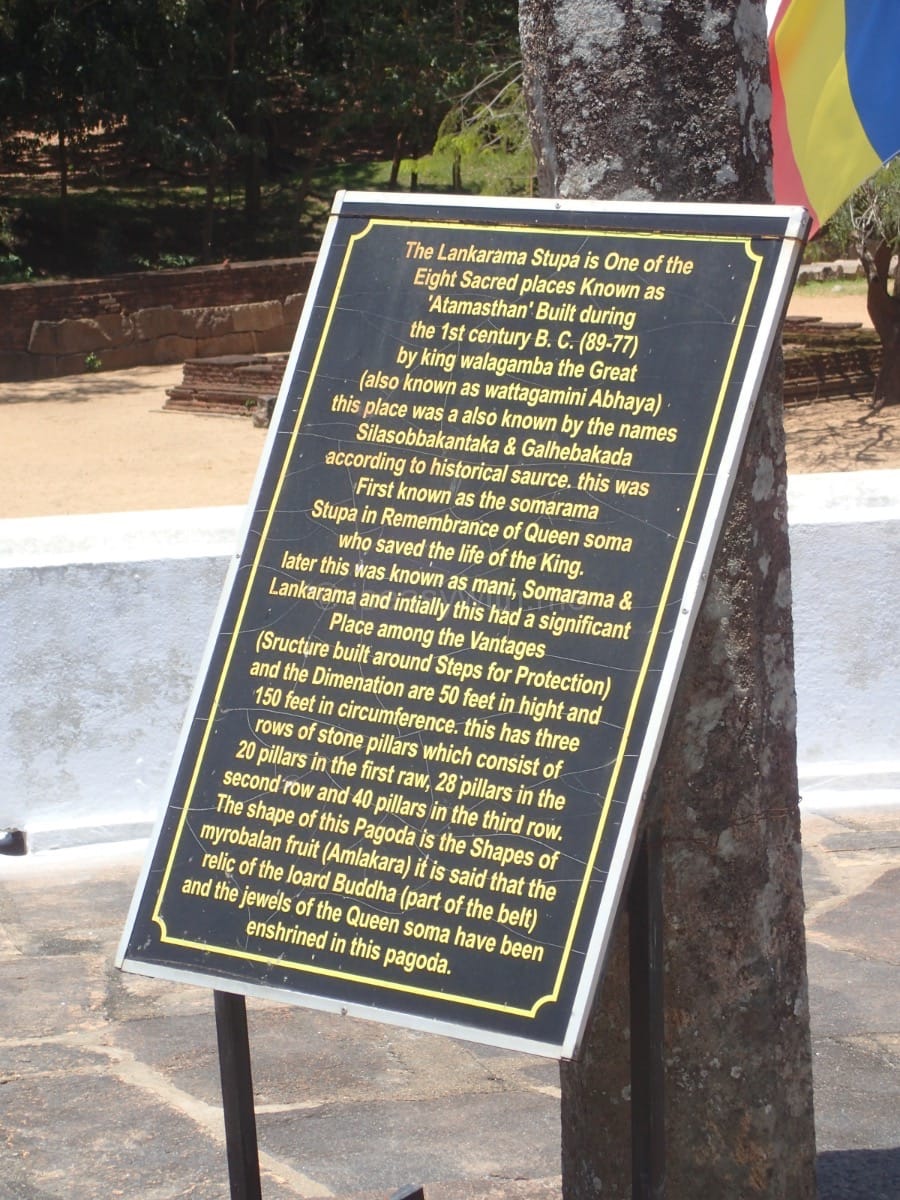
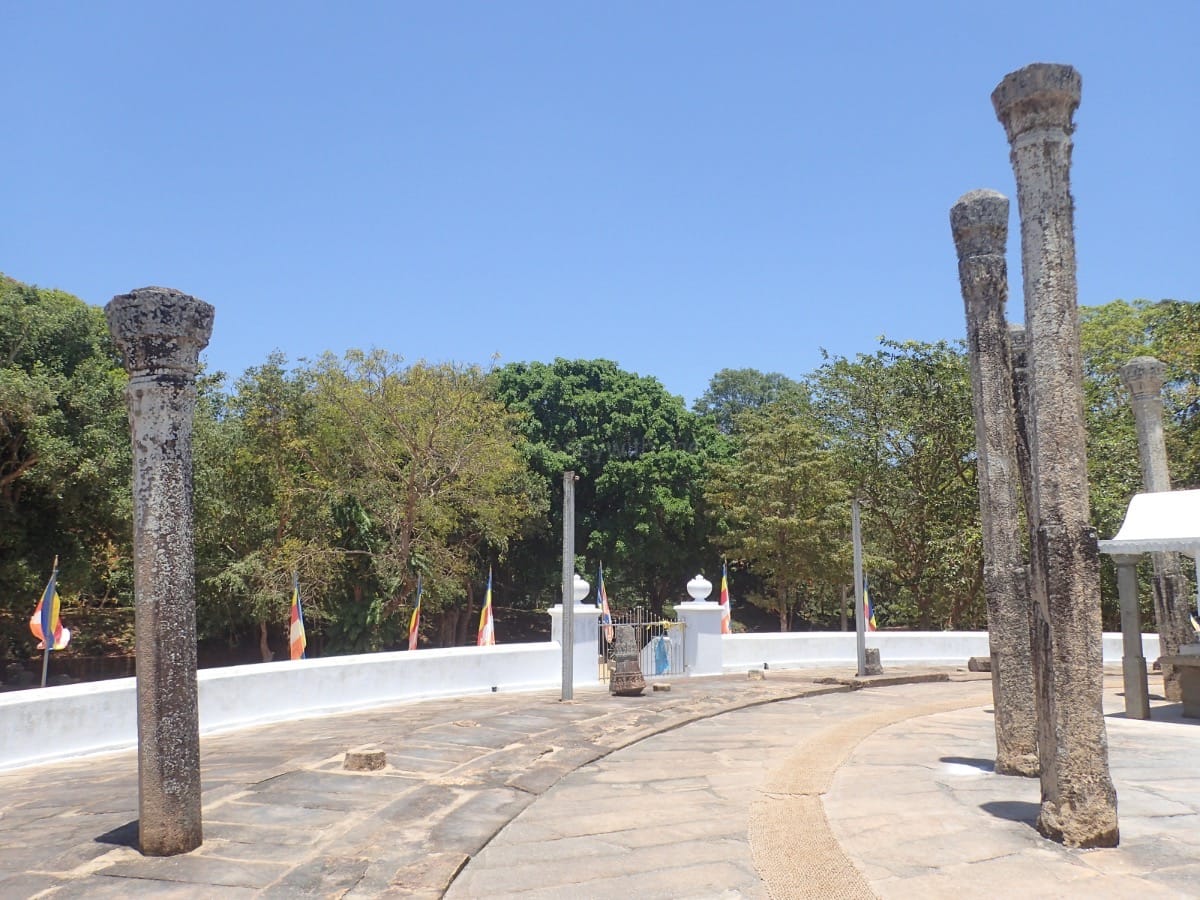
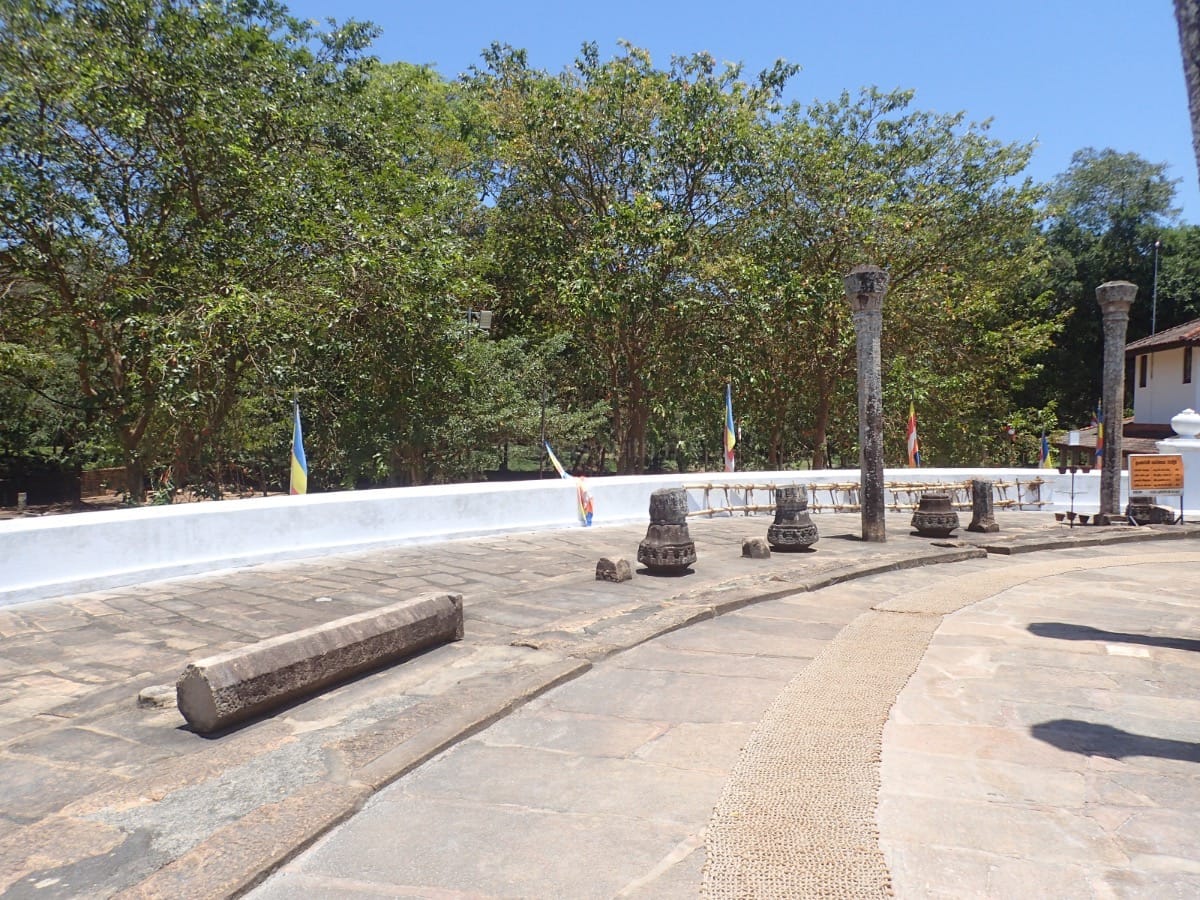
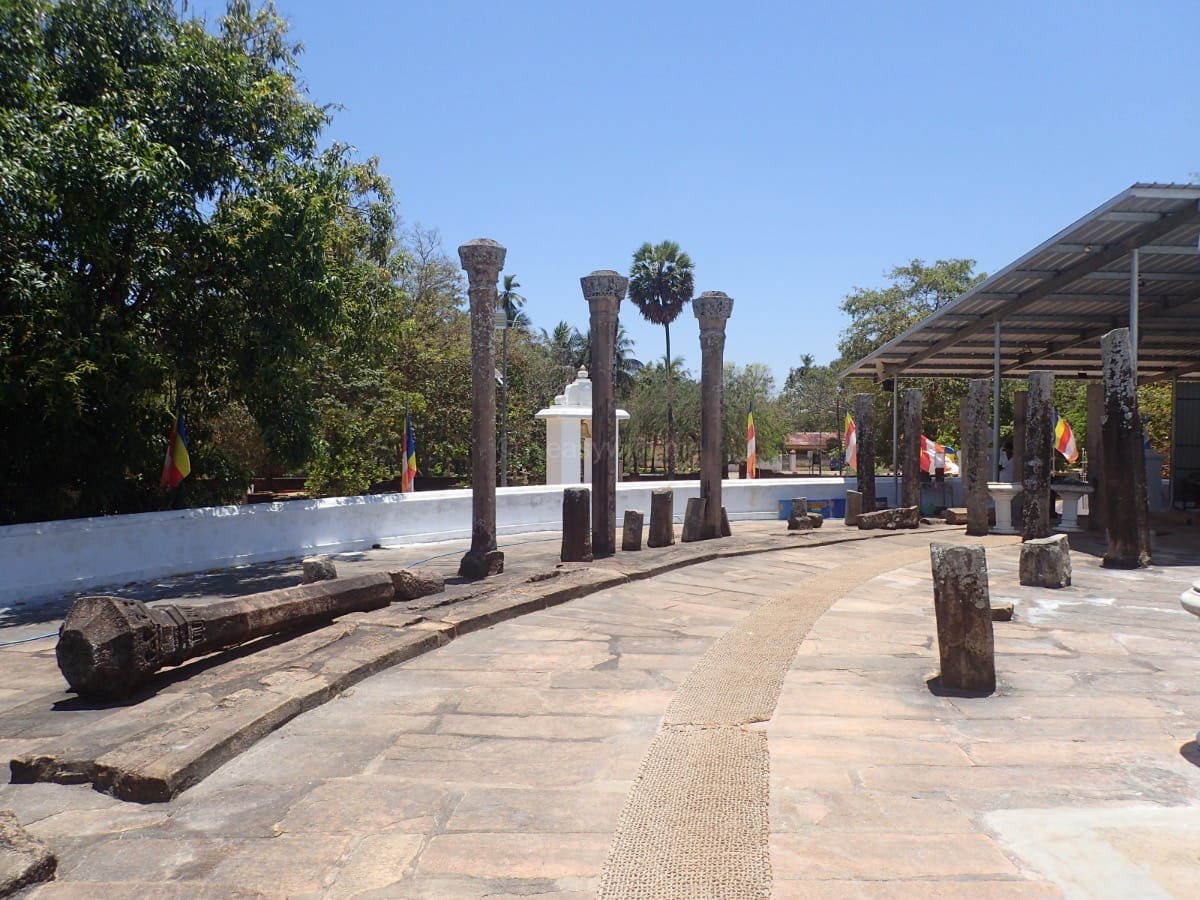
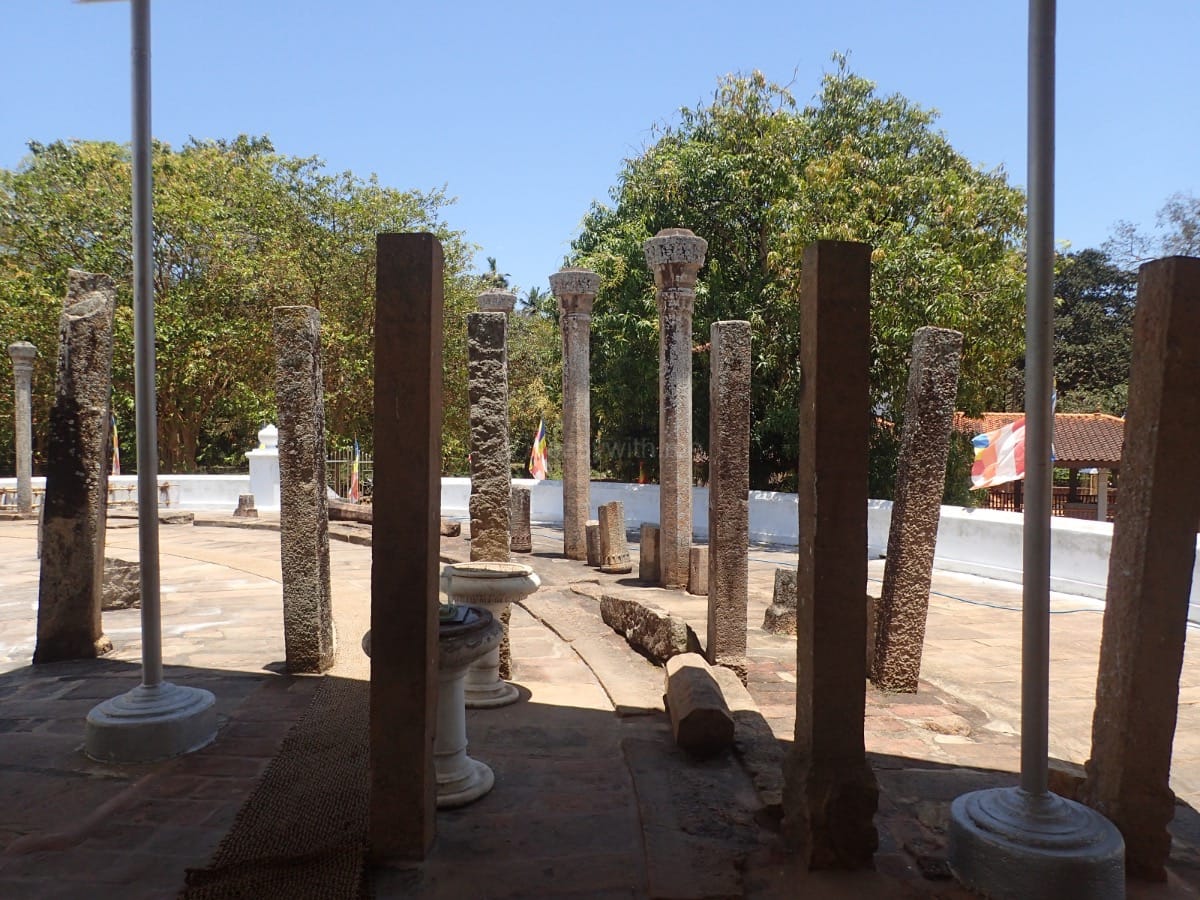
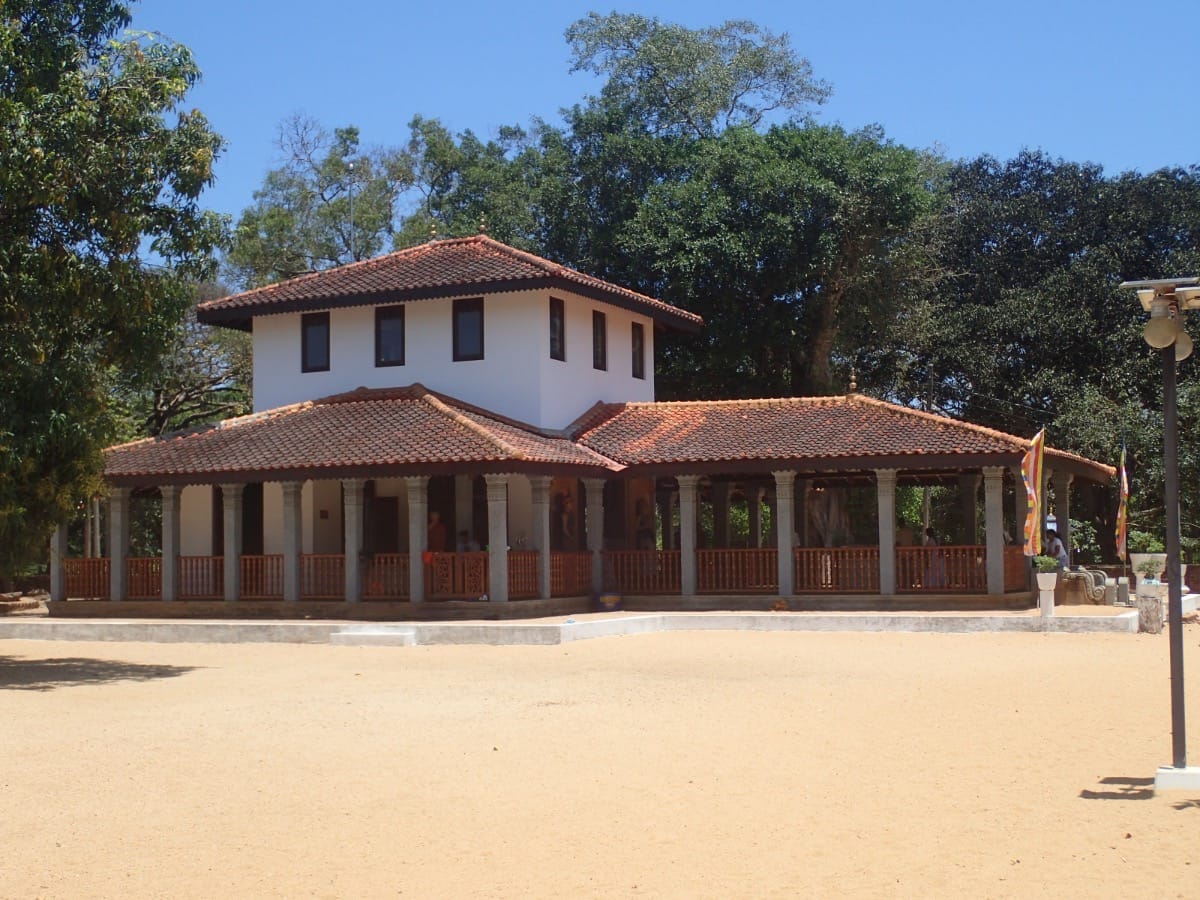
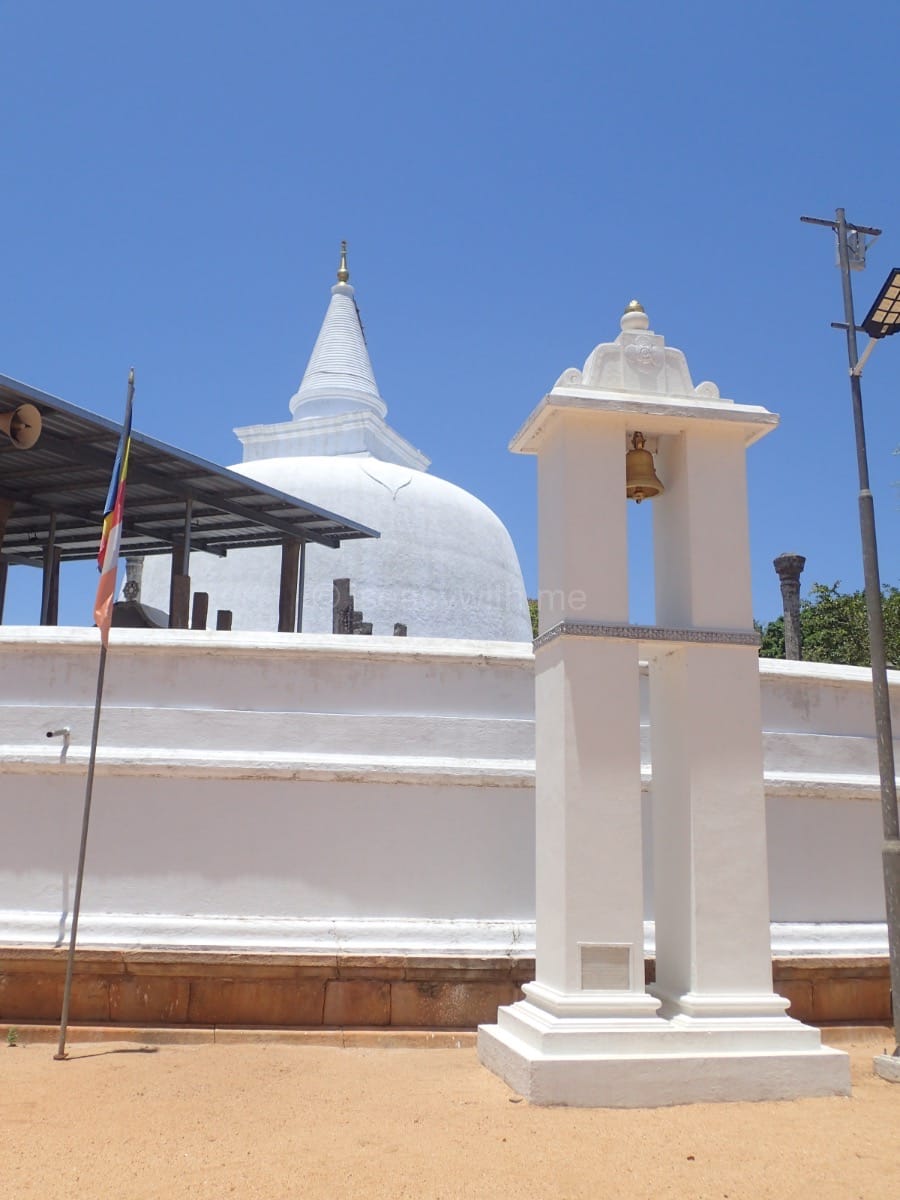
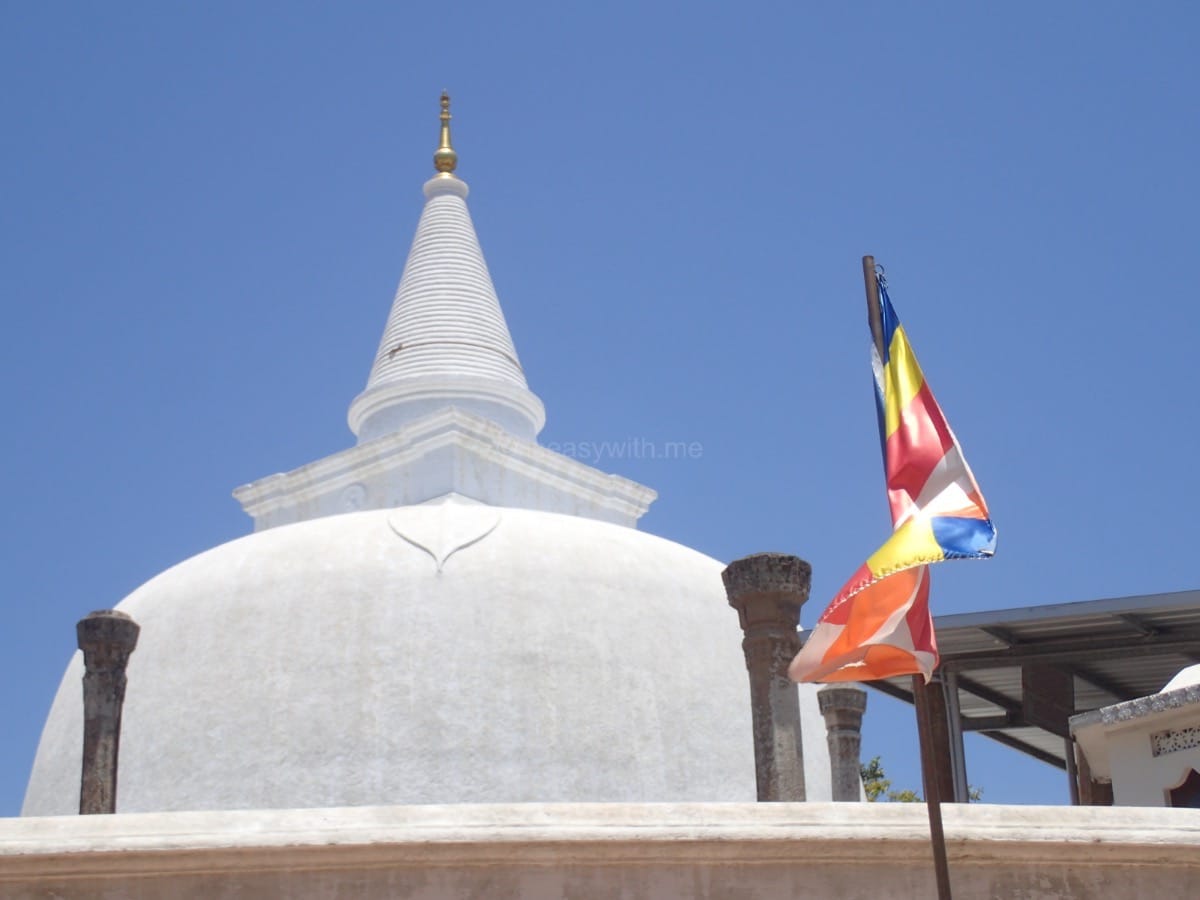
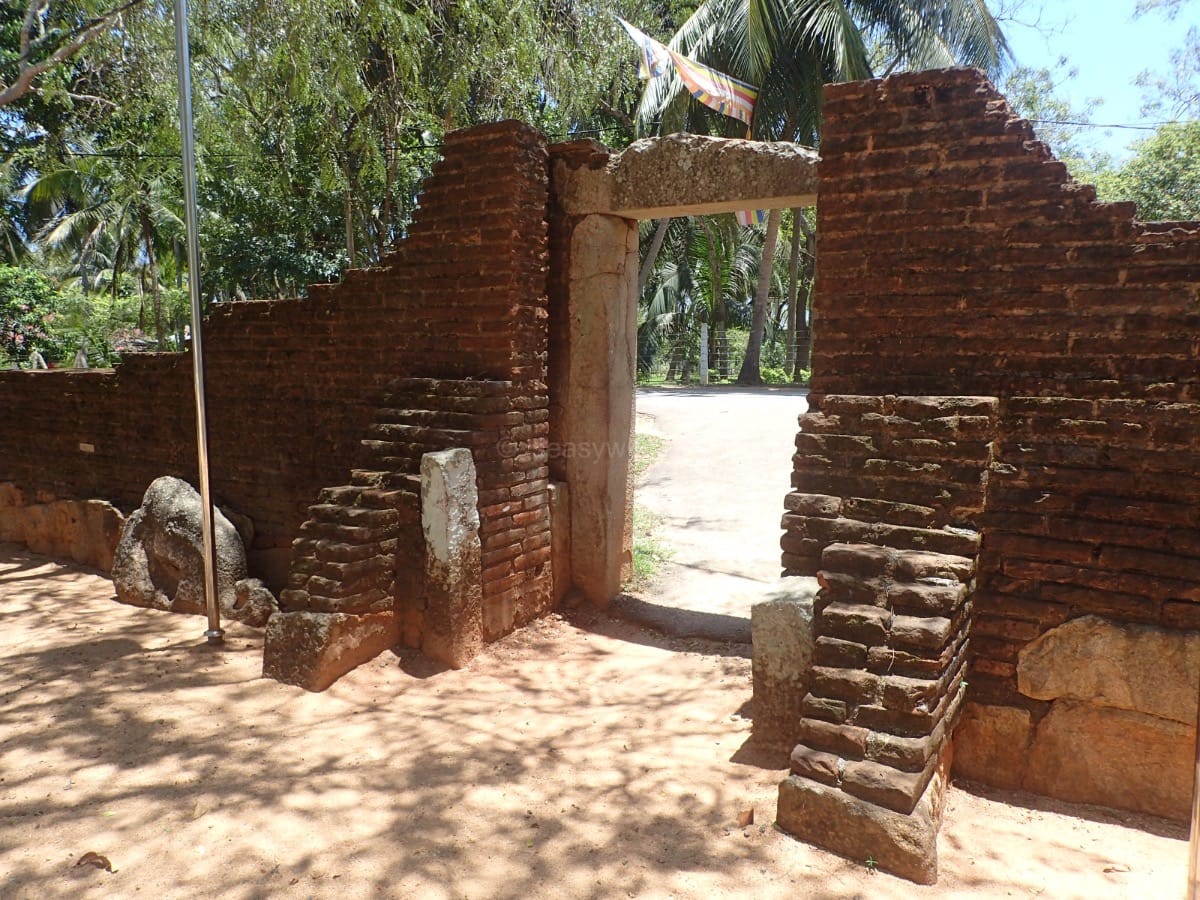
Smaller and quieter than surrounding stupas, Lankaramaya is encircled by stone pillars that give it a distinctive architectural identity. It is often less crowded, making it a good place to pause during a long day of exploration.
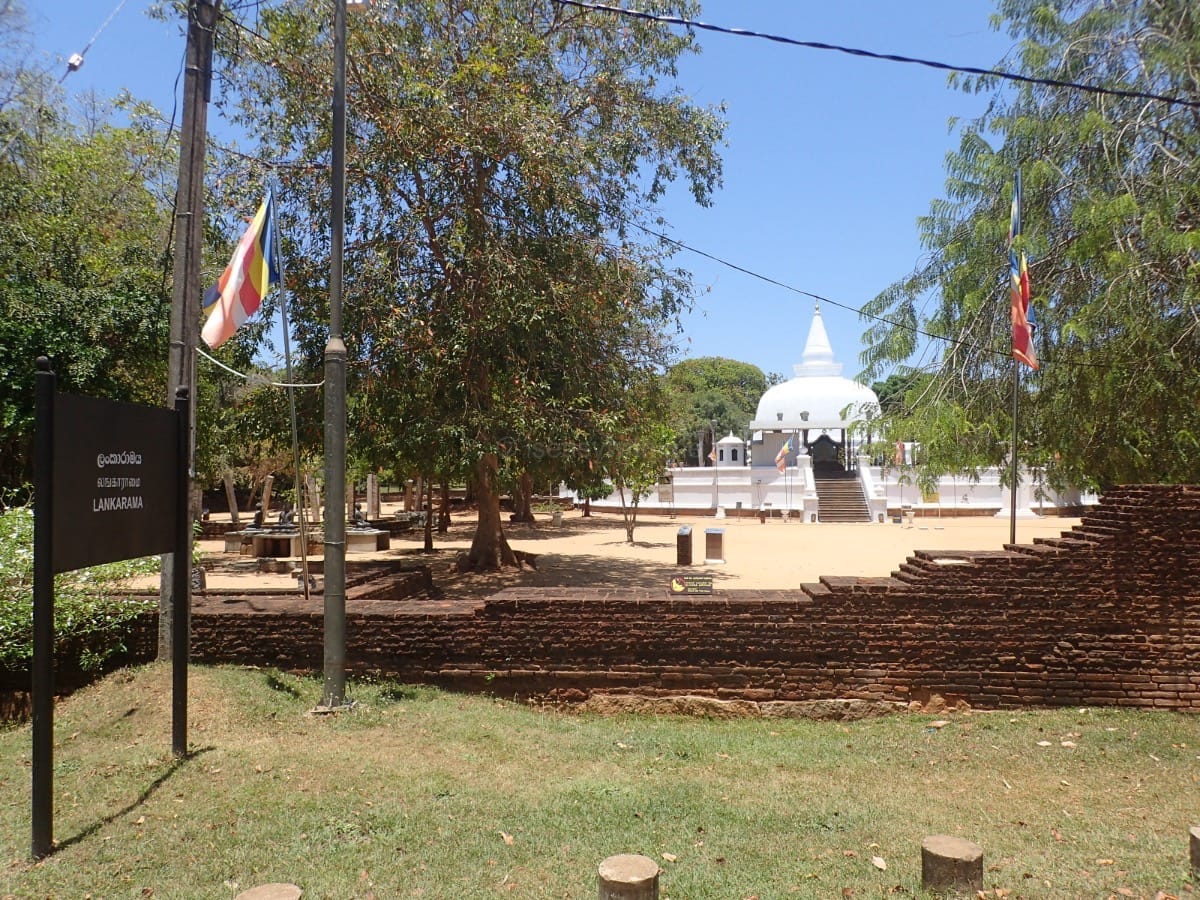
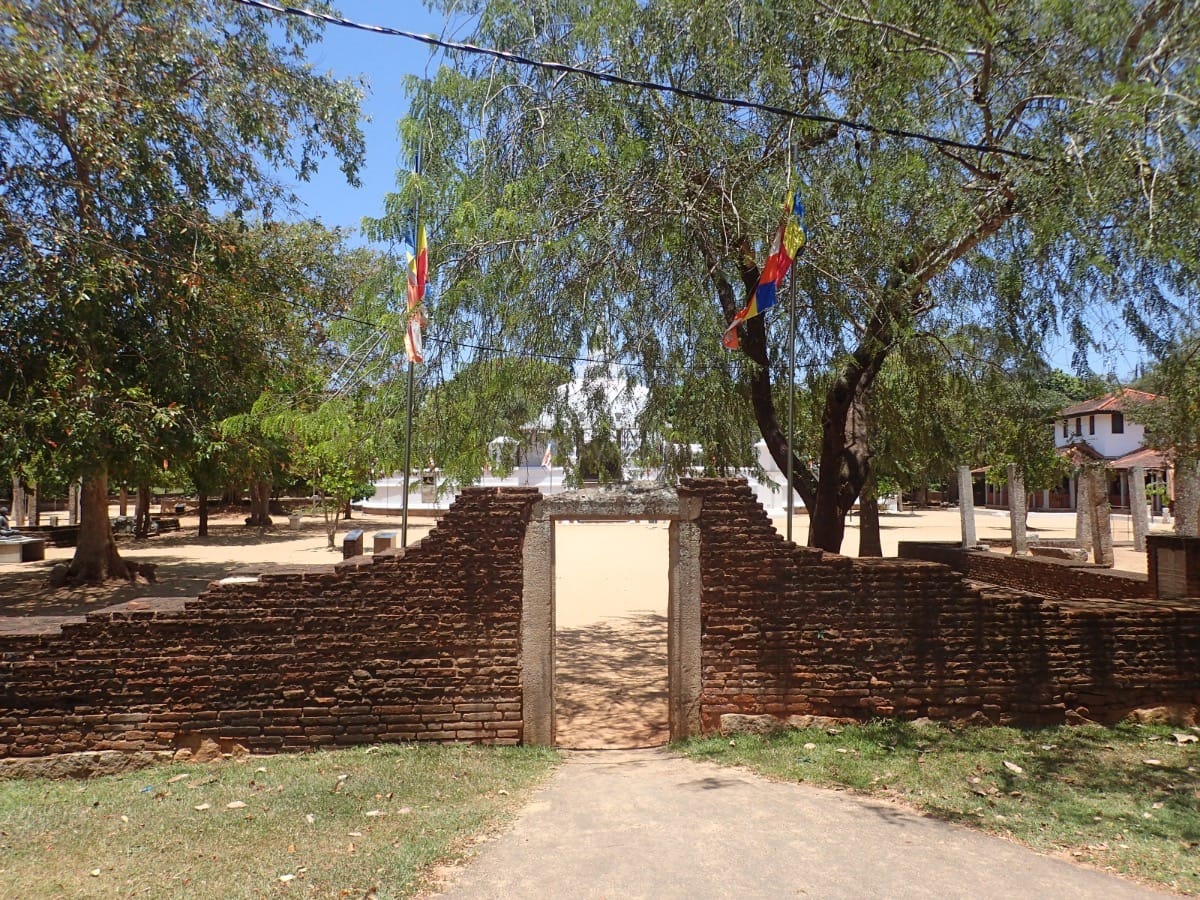
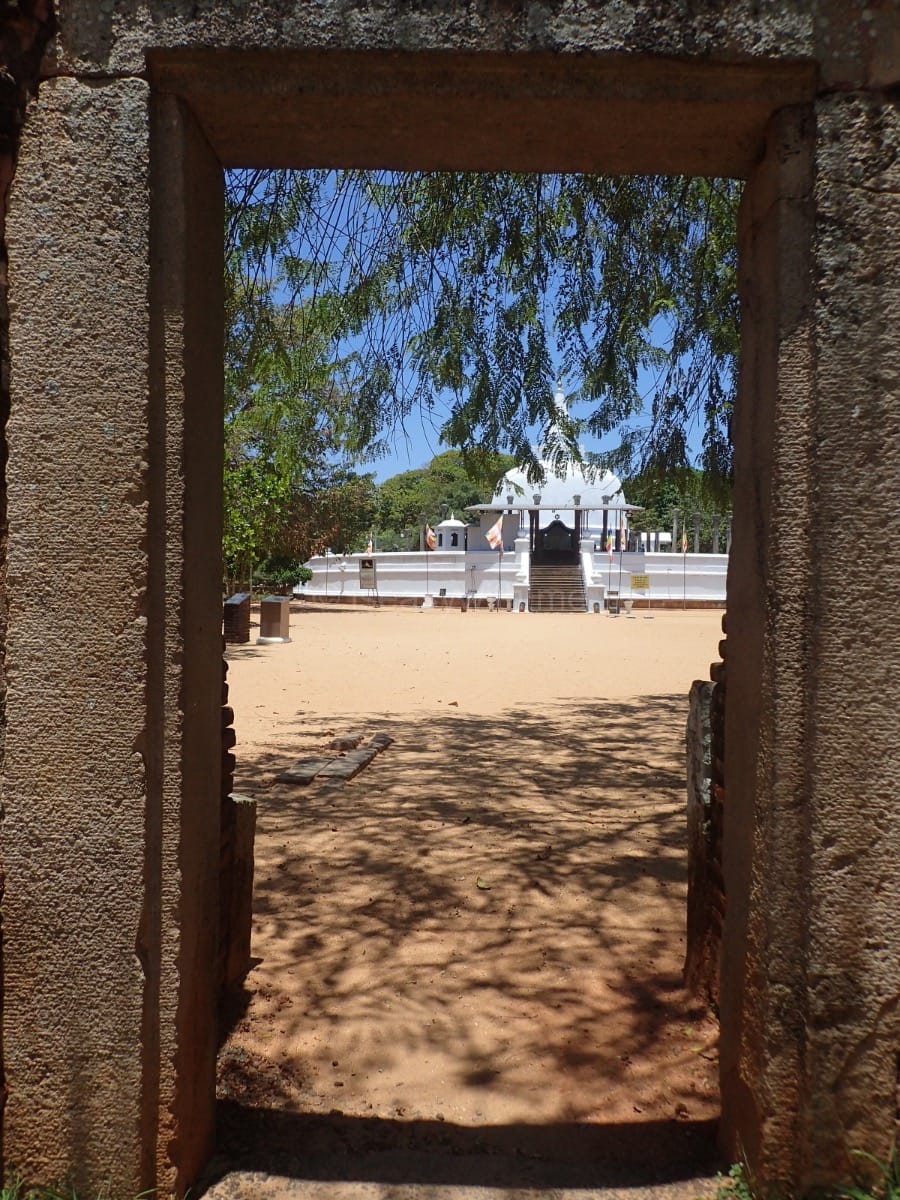
Lankaramaya
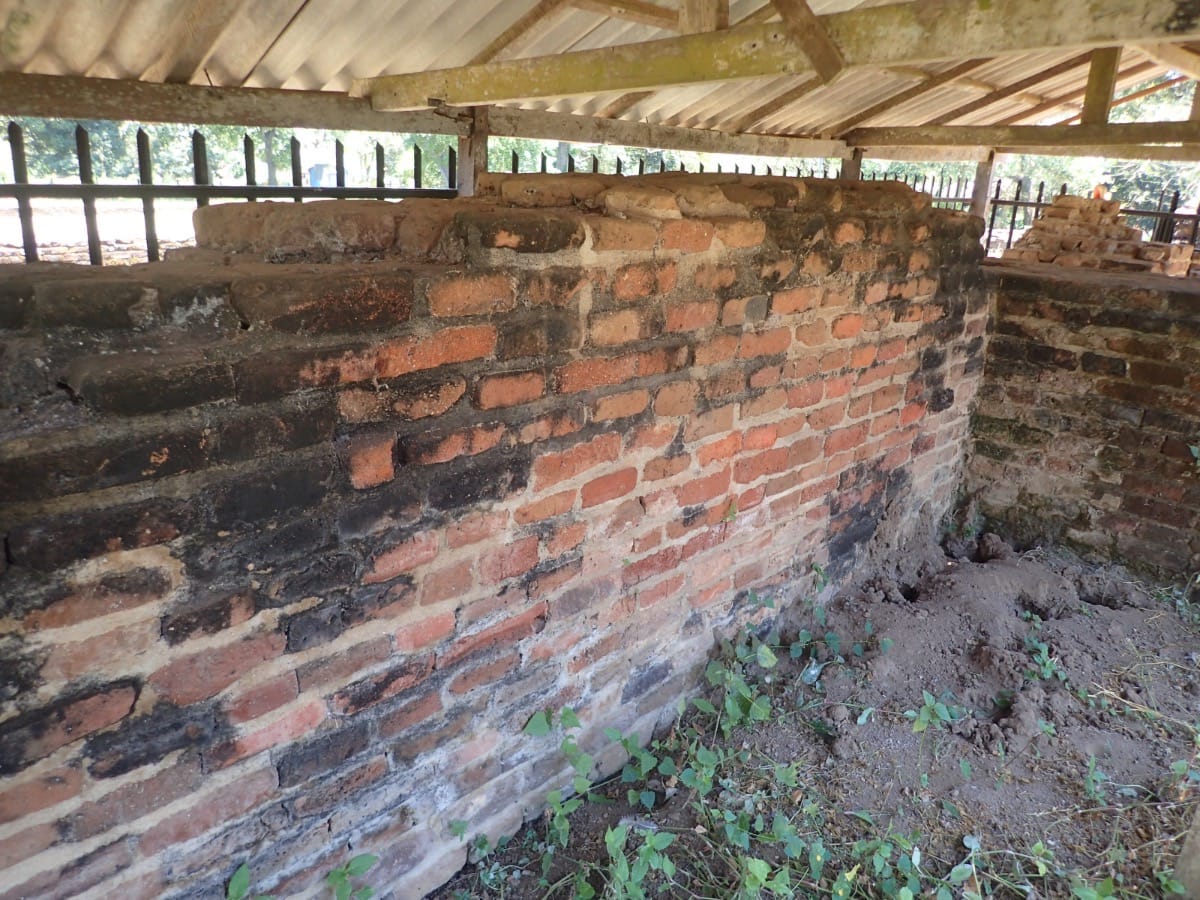
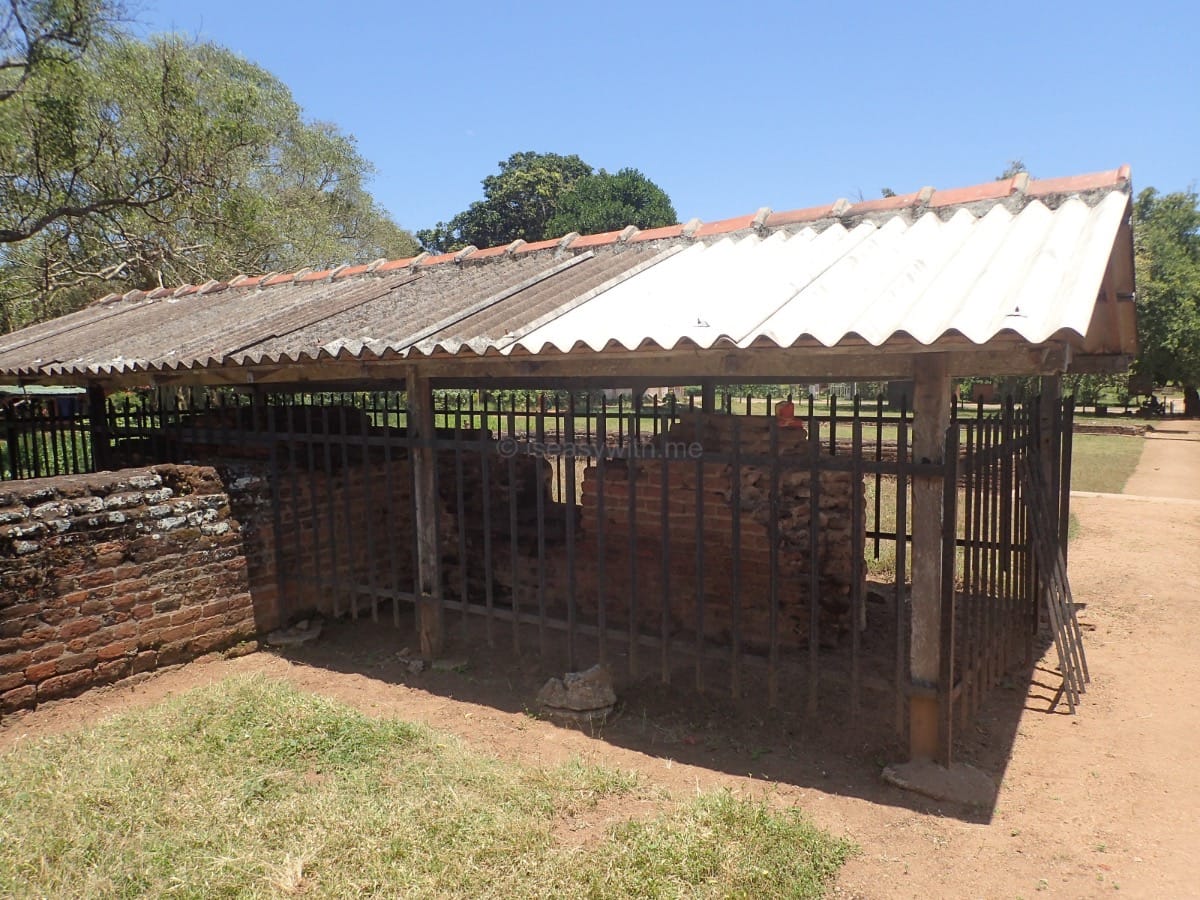
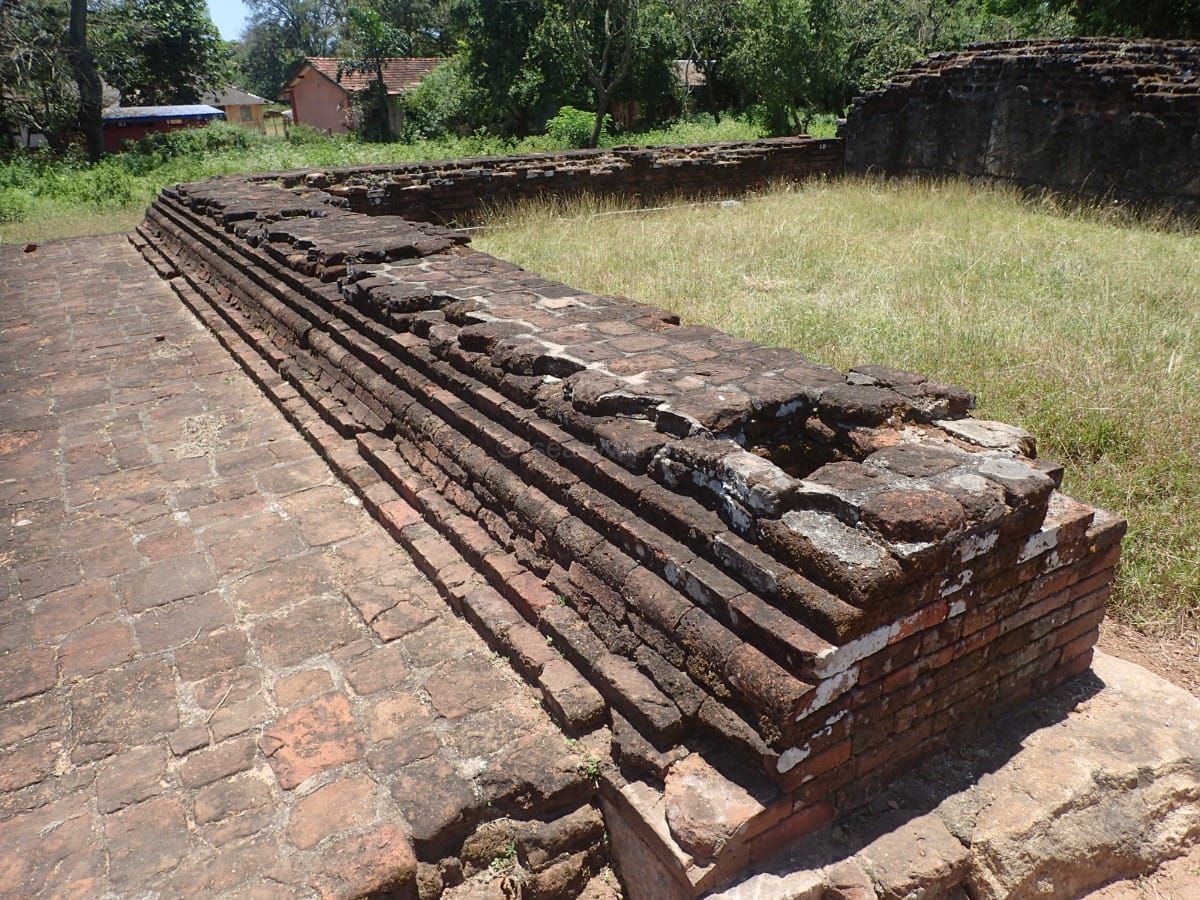
Vijayabahu Palace
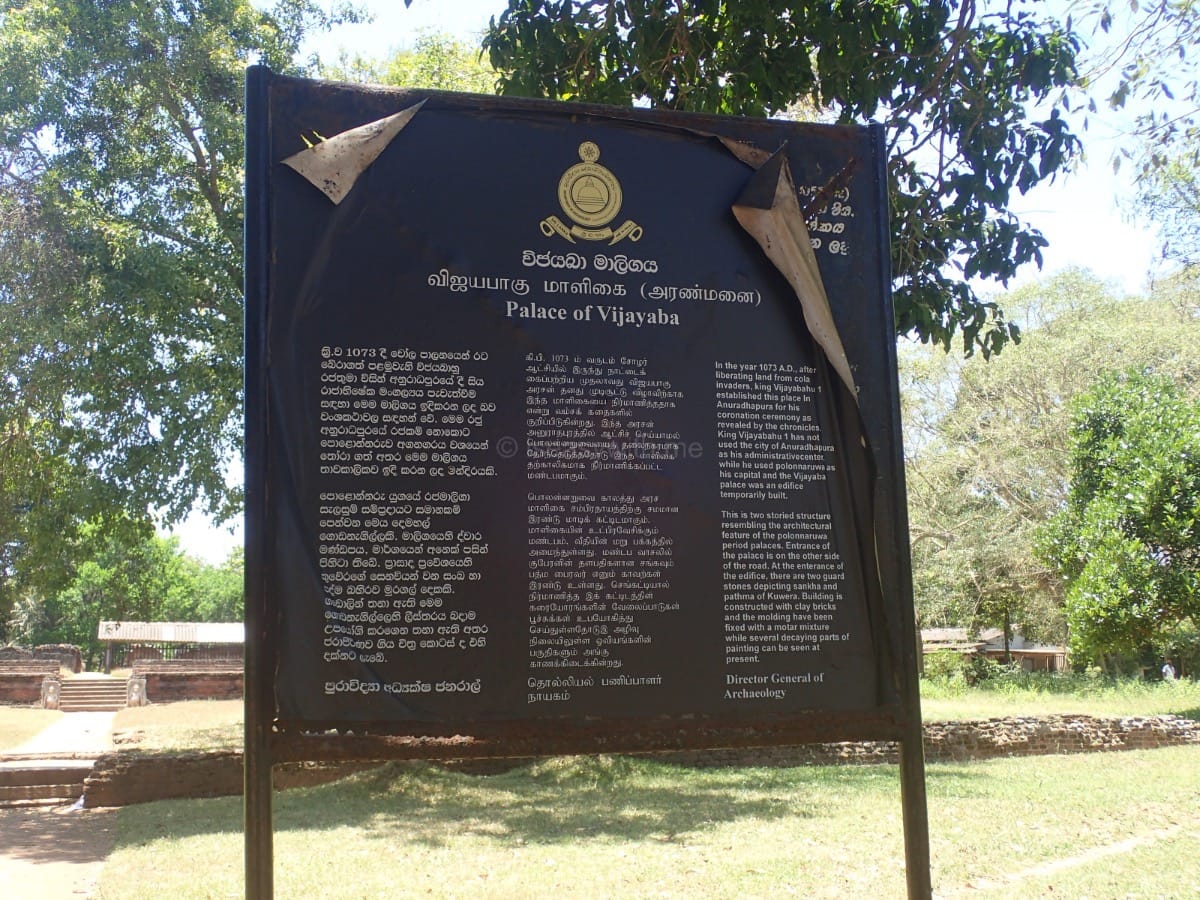
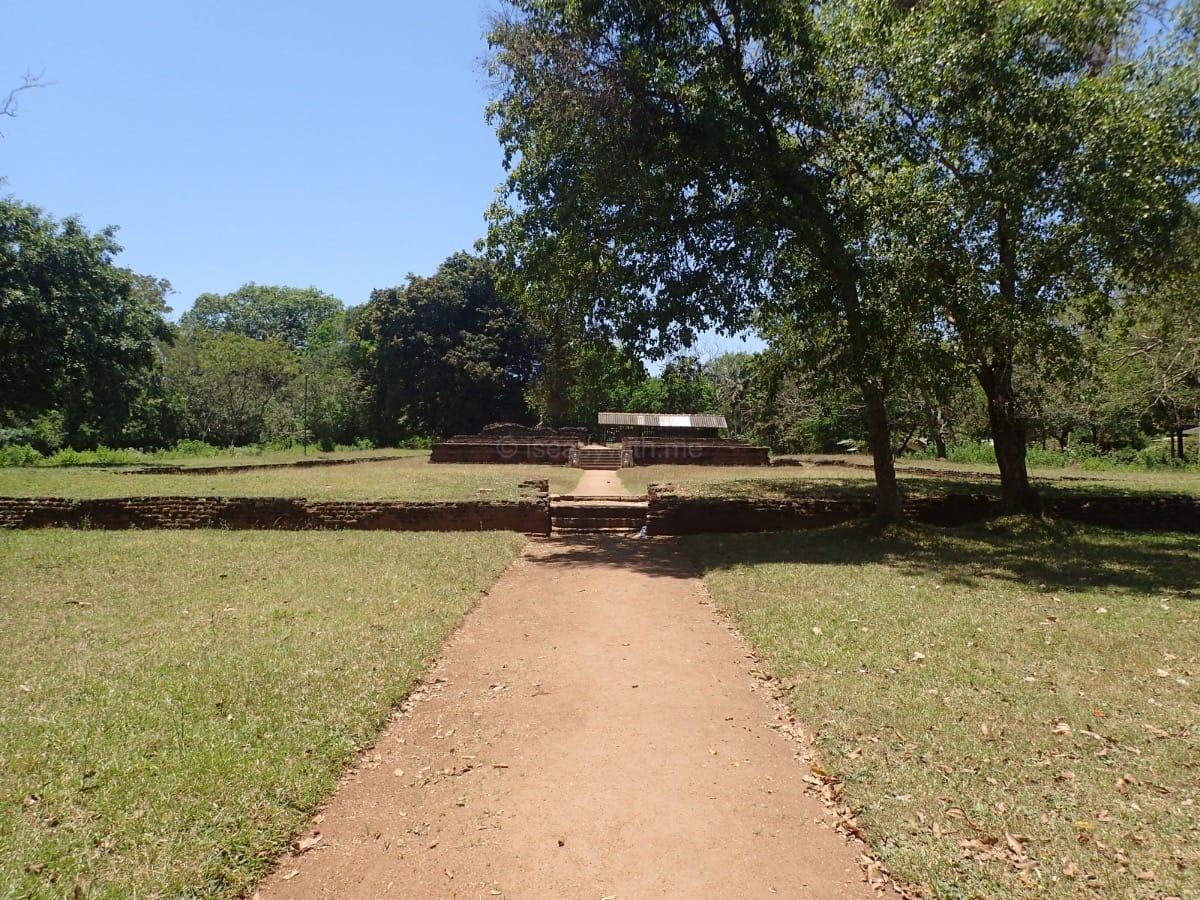
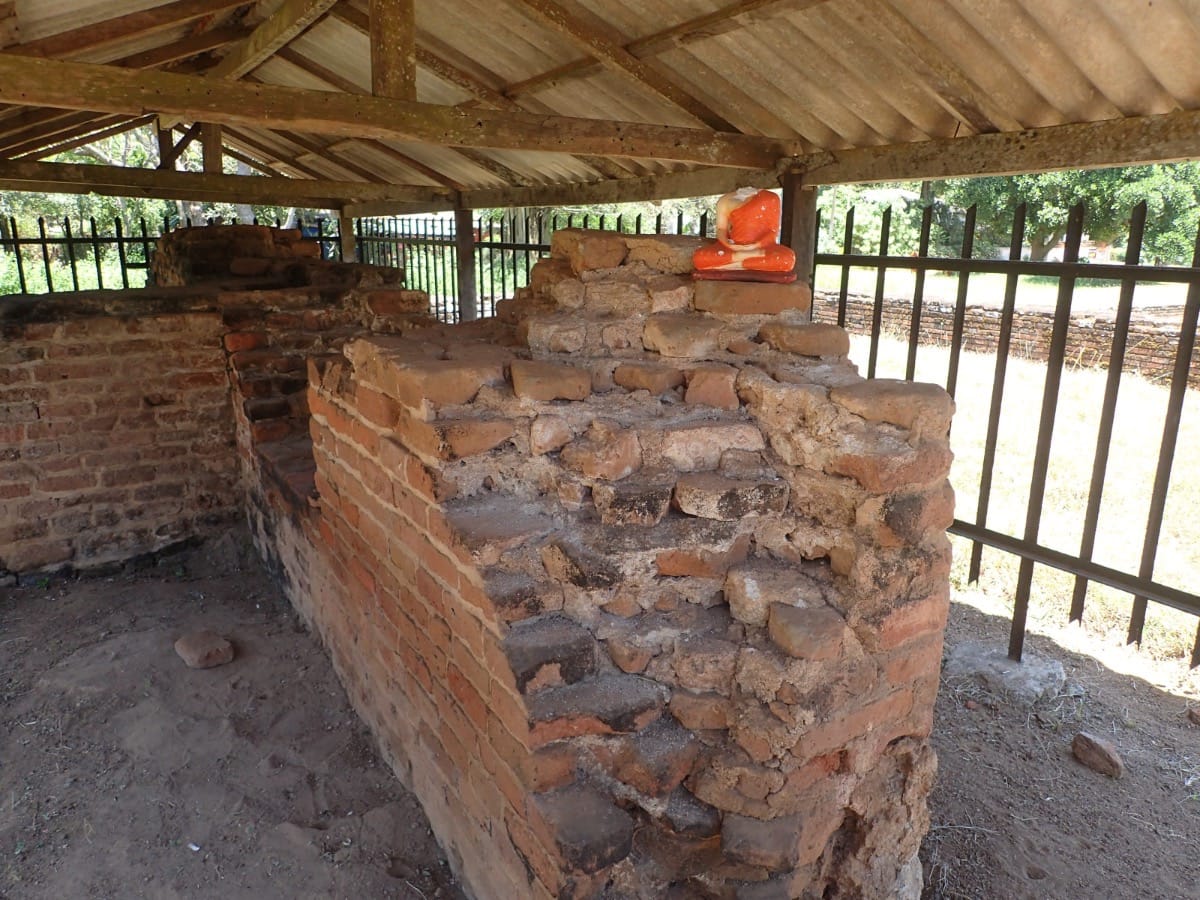
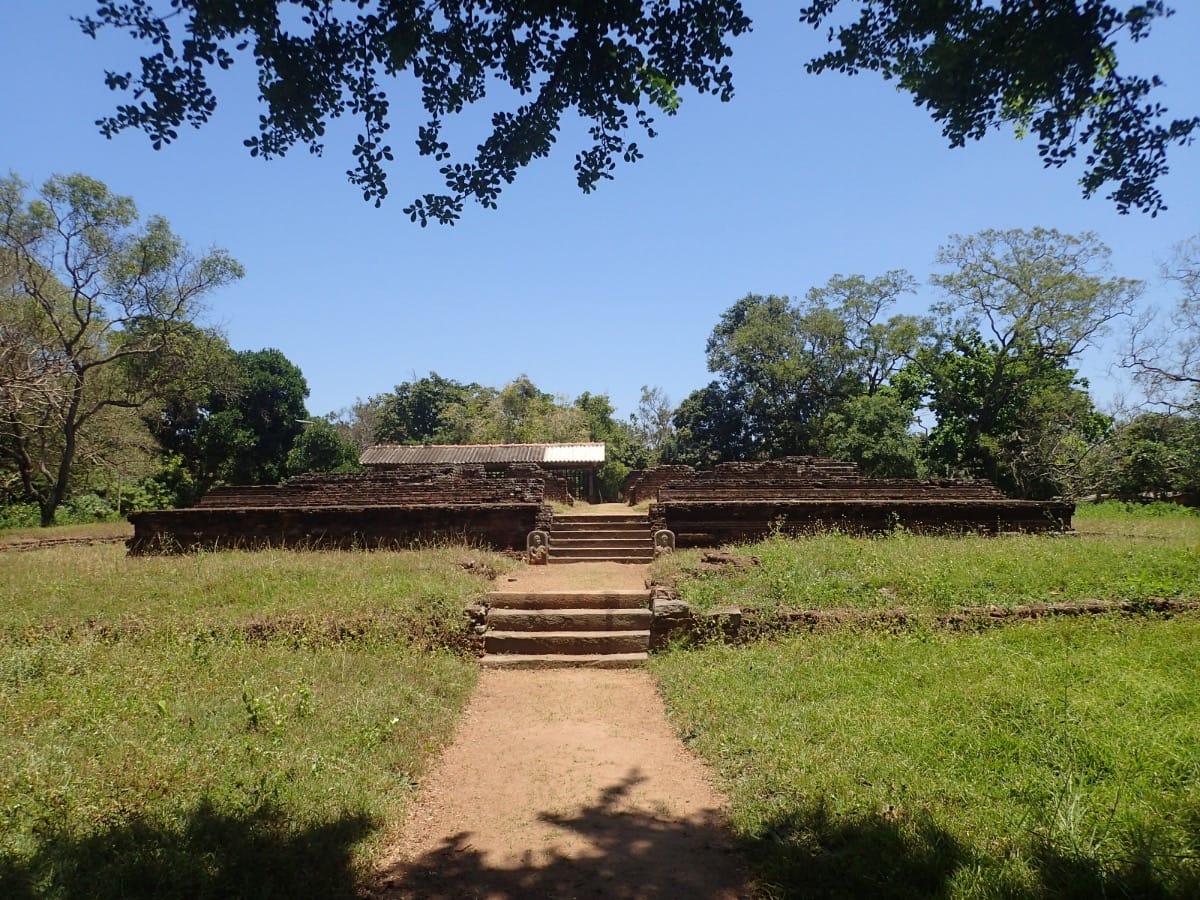
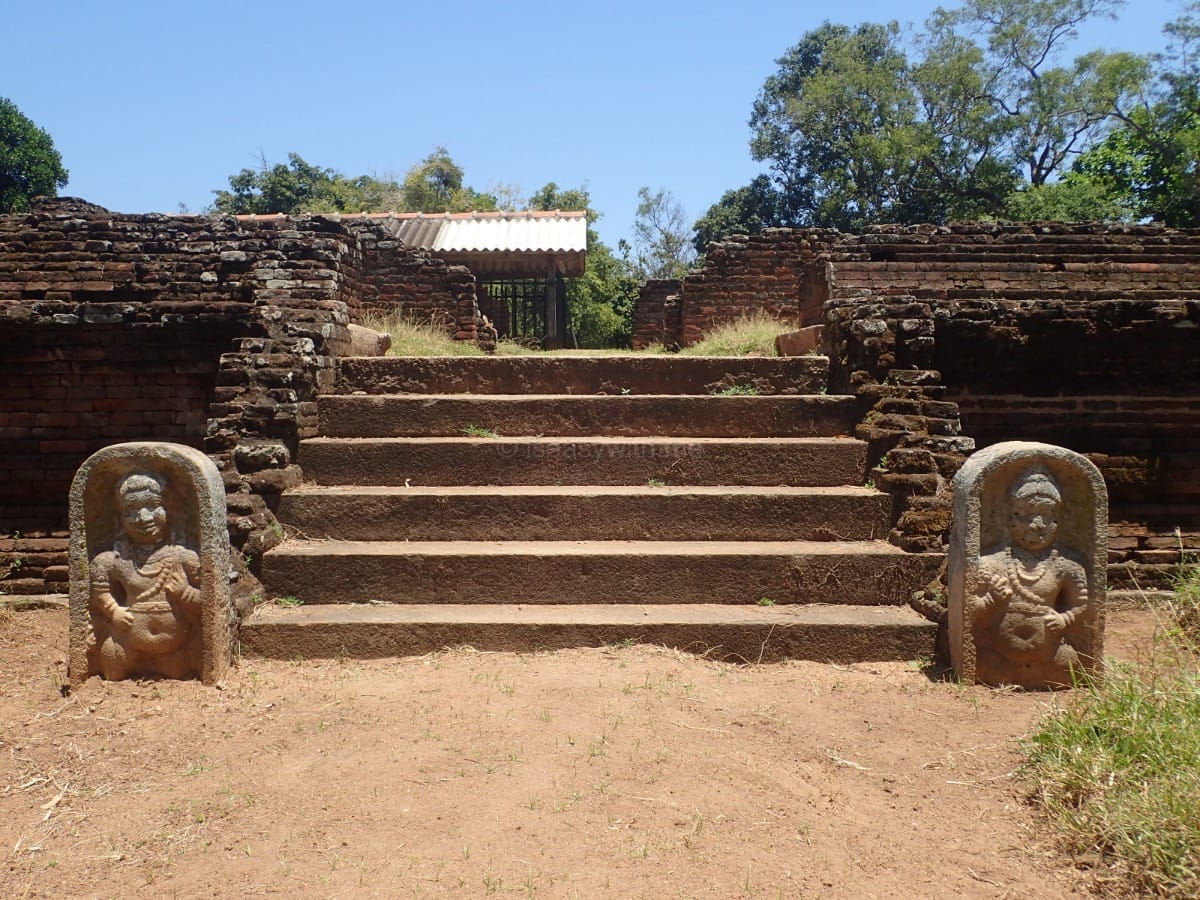
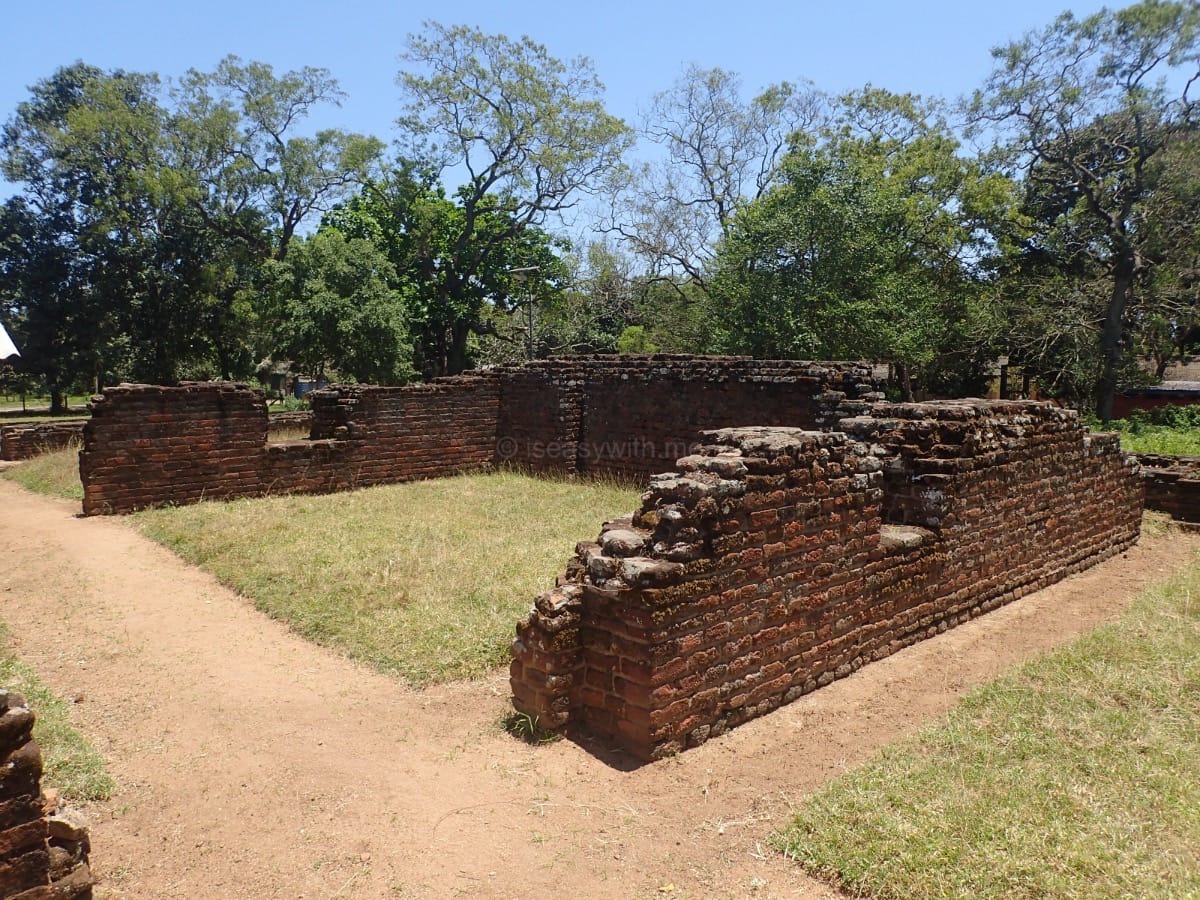
The remains associated with King Vijayabahu provide insight into the royal and administrative history of Anuradhapura after its early peak. Though less visually dramatic, it adds important historical depth to the site sequence.
Vijayabahu Palace
Western Monasteries
The Western Monasteries offer a more secluded experience compared to the main archaeological zone. Set among forest and rocky terrain, these ruins reflect the meditative and isolated lifestyle of ancient monks who sought seclusion away from the busy urban centres.
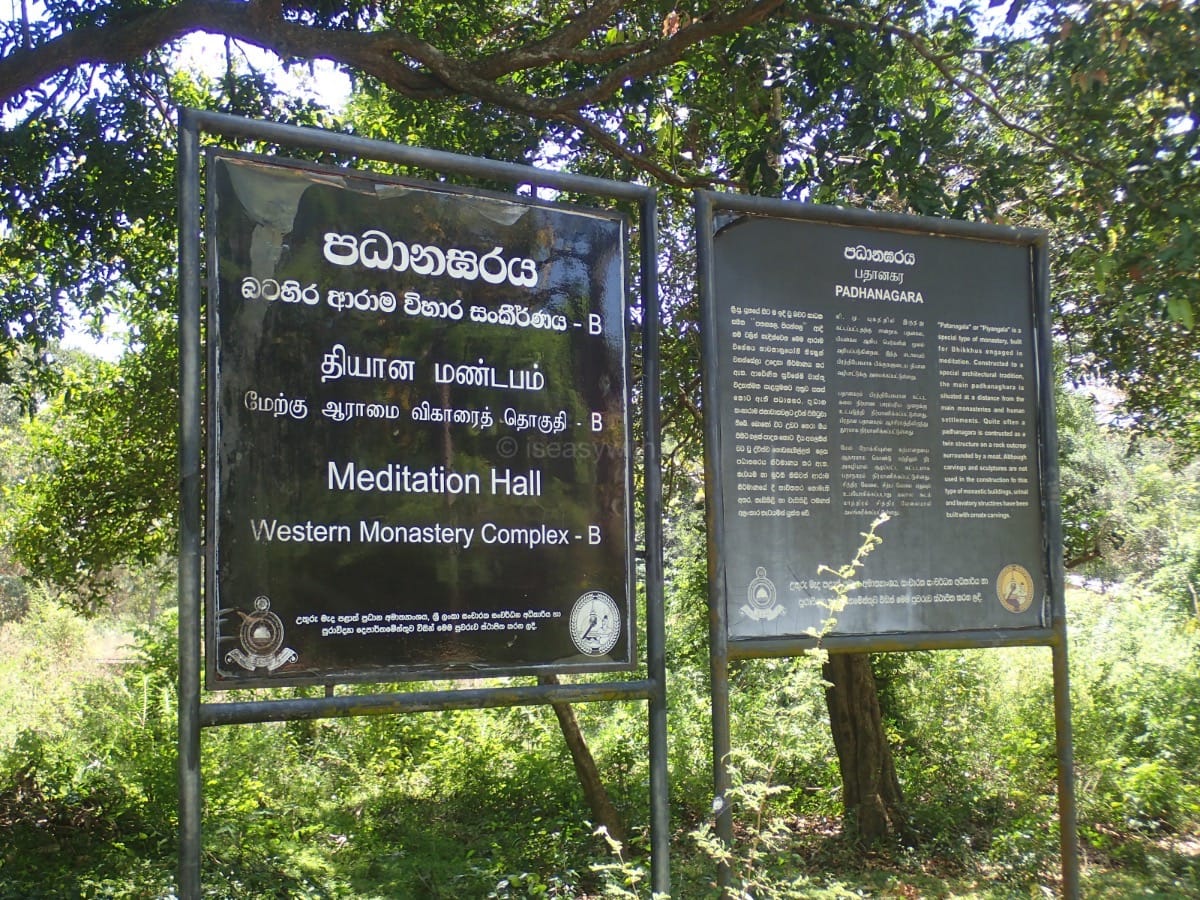
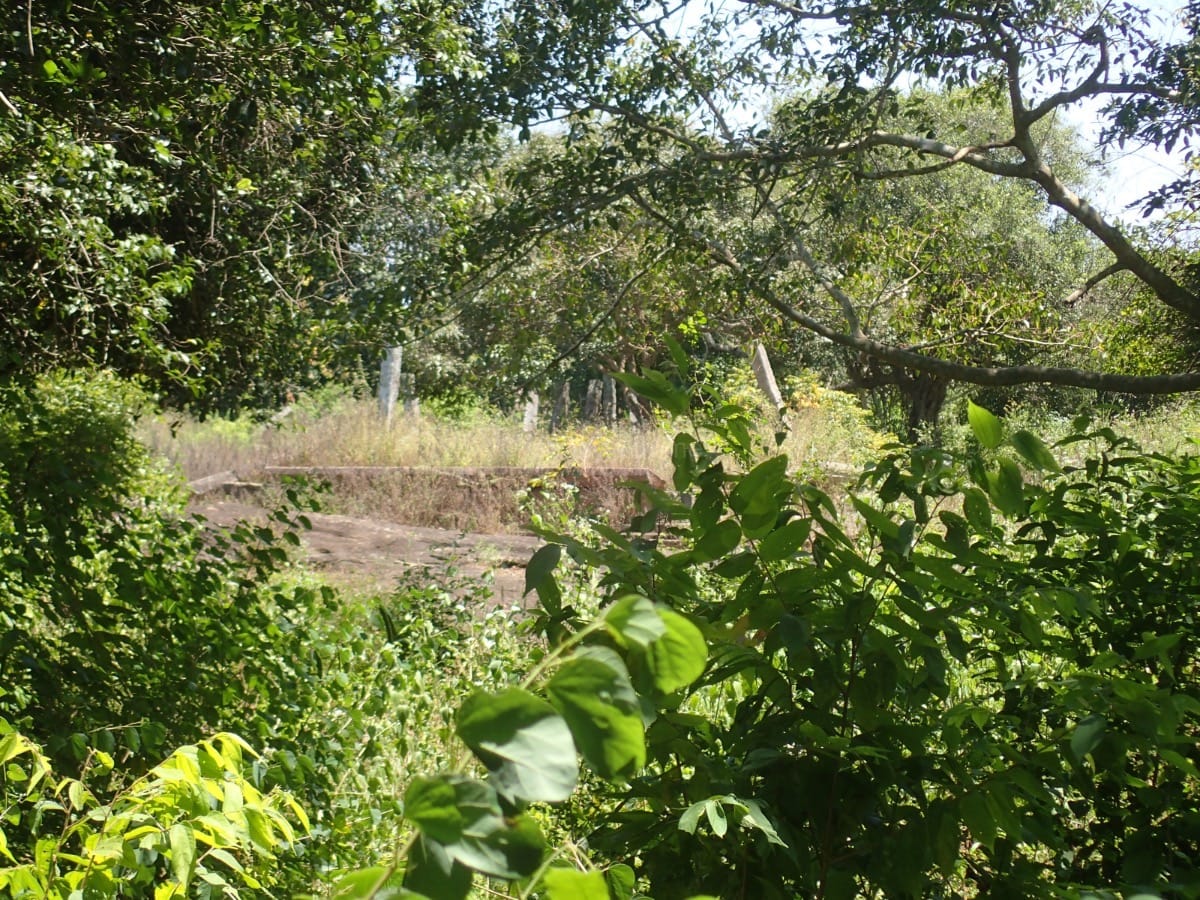
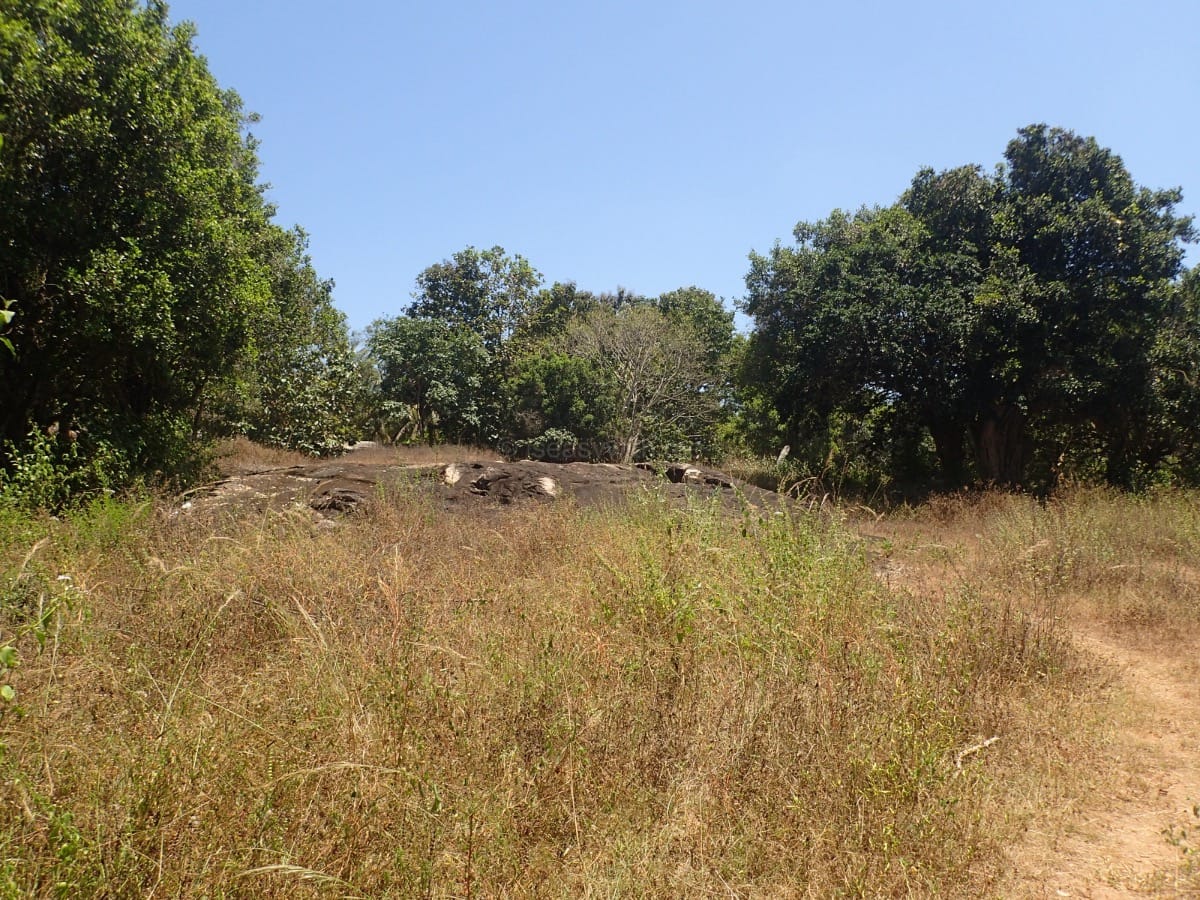
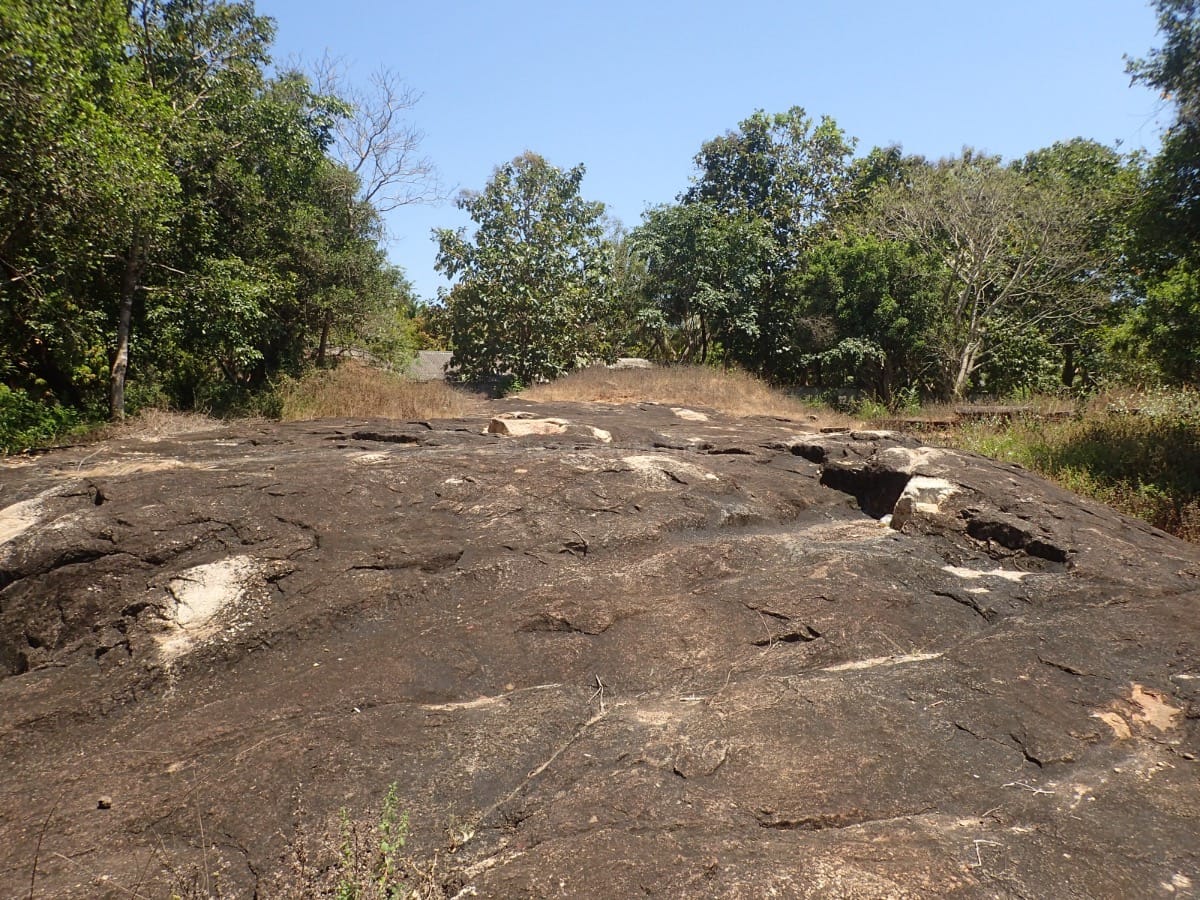
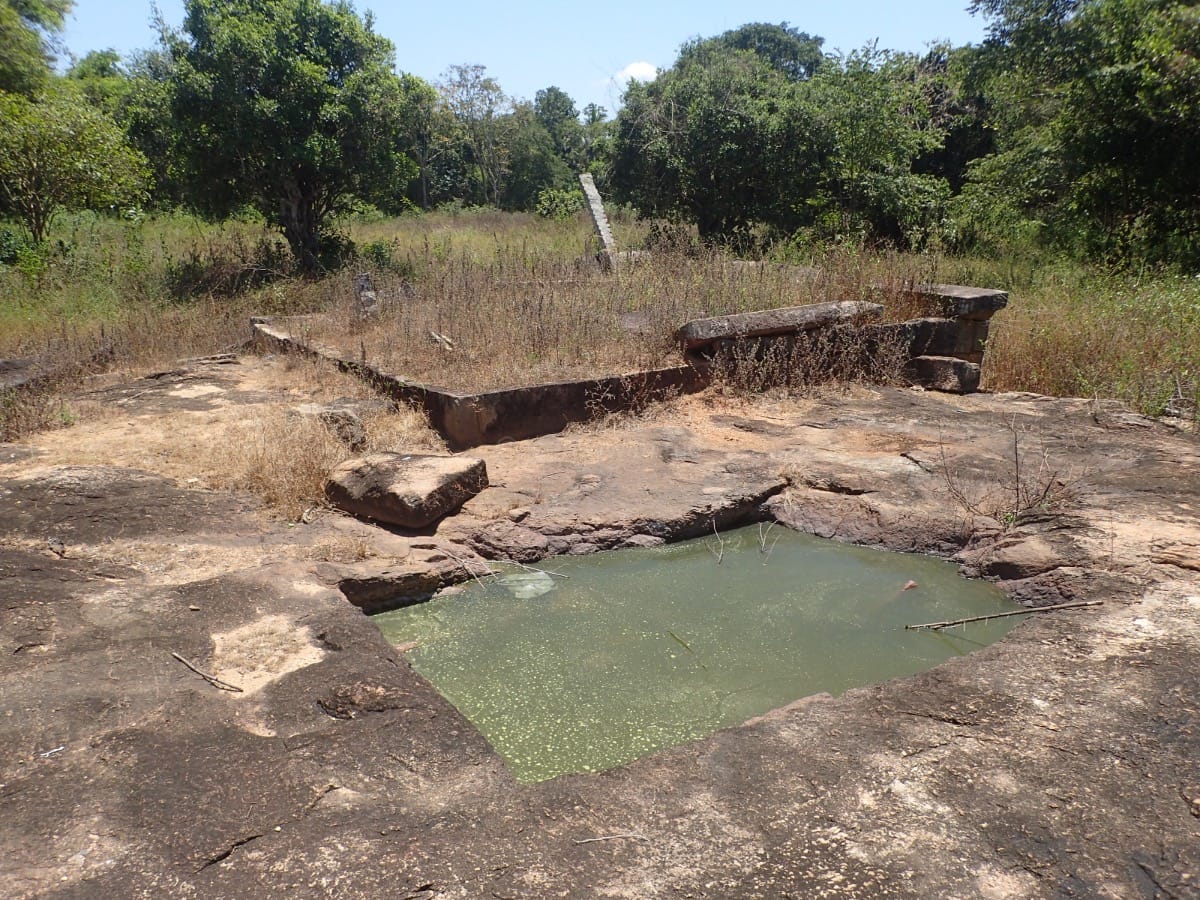
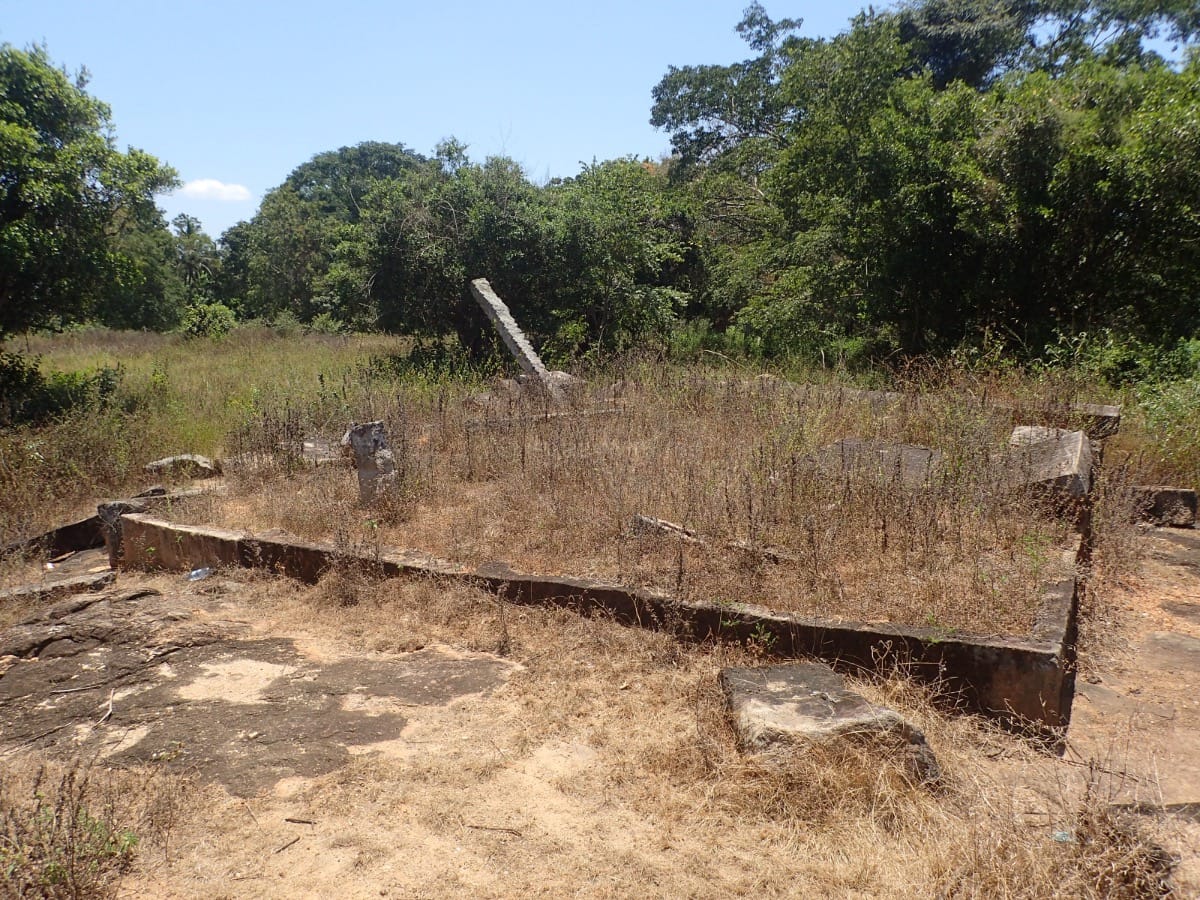
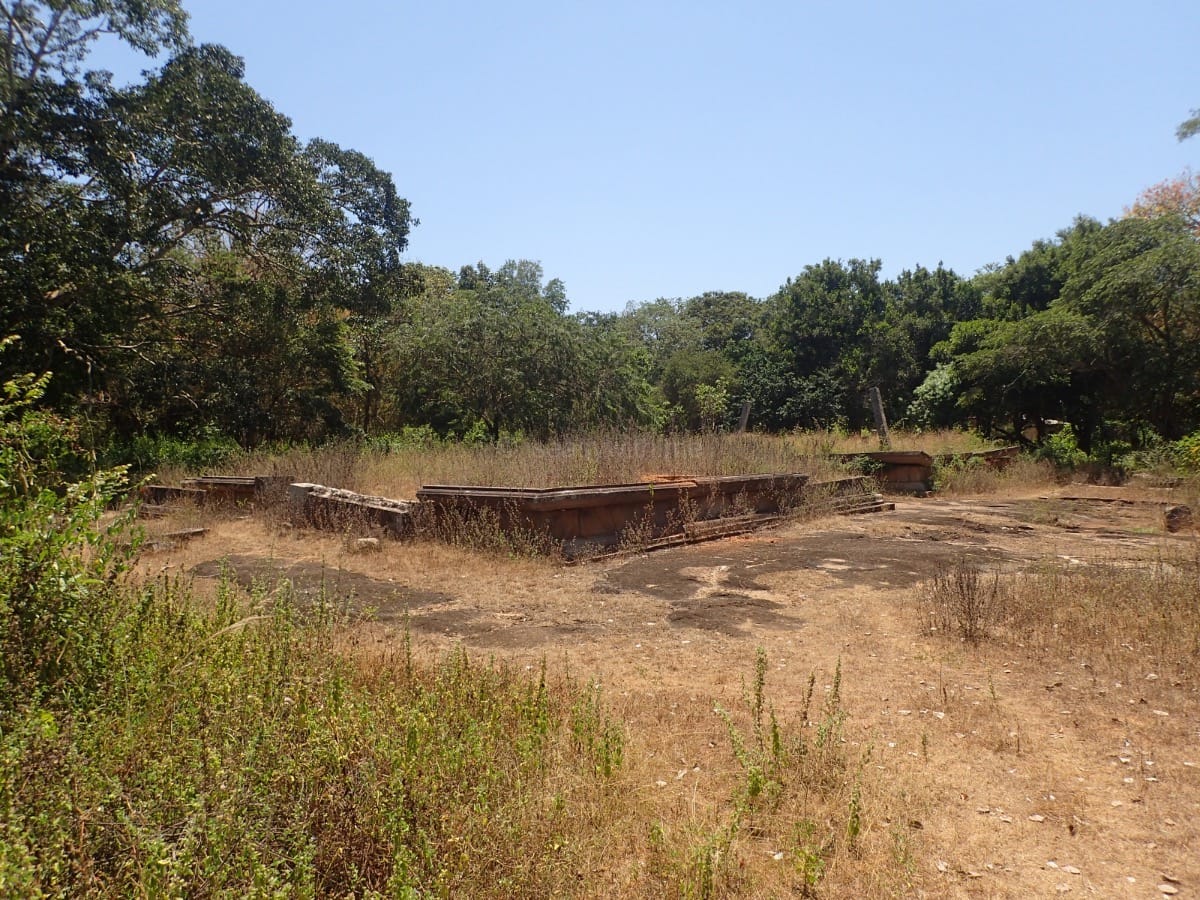
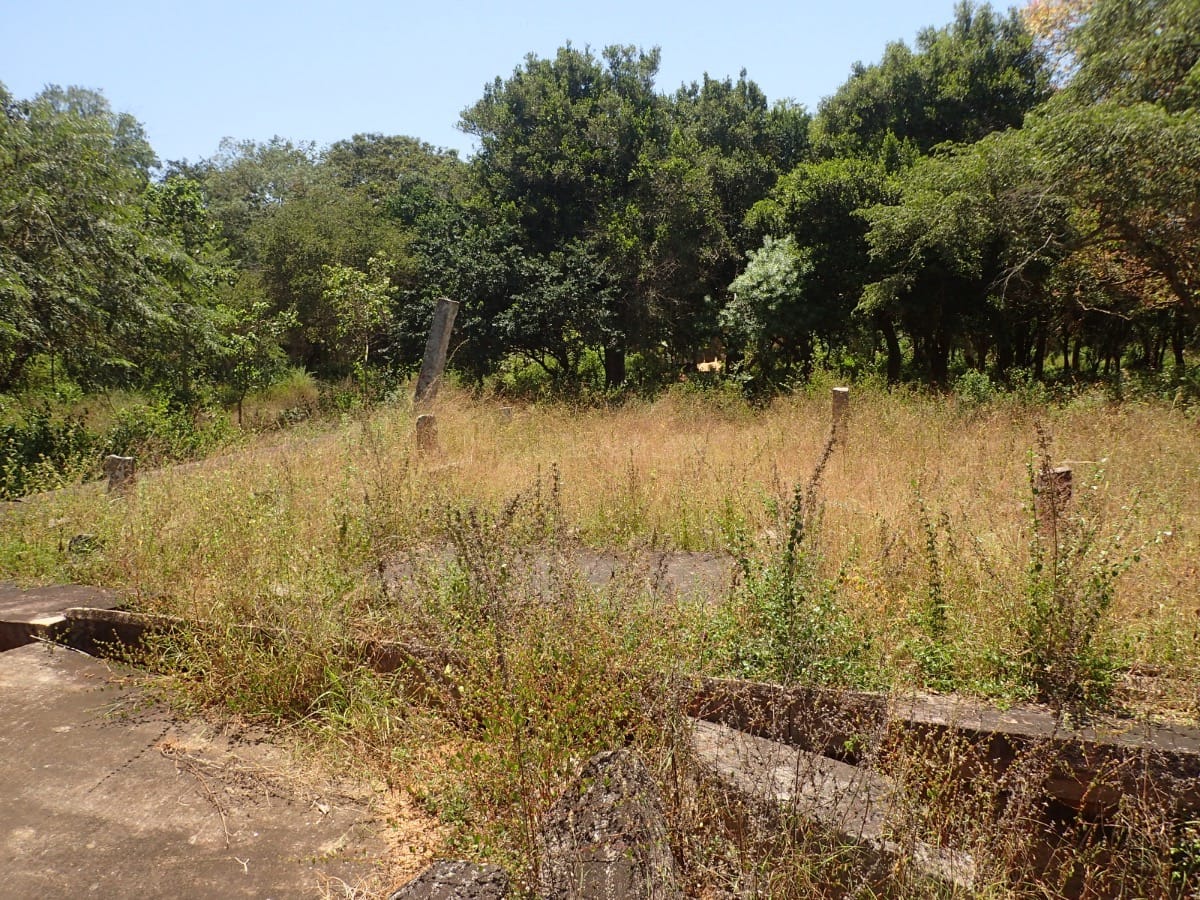
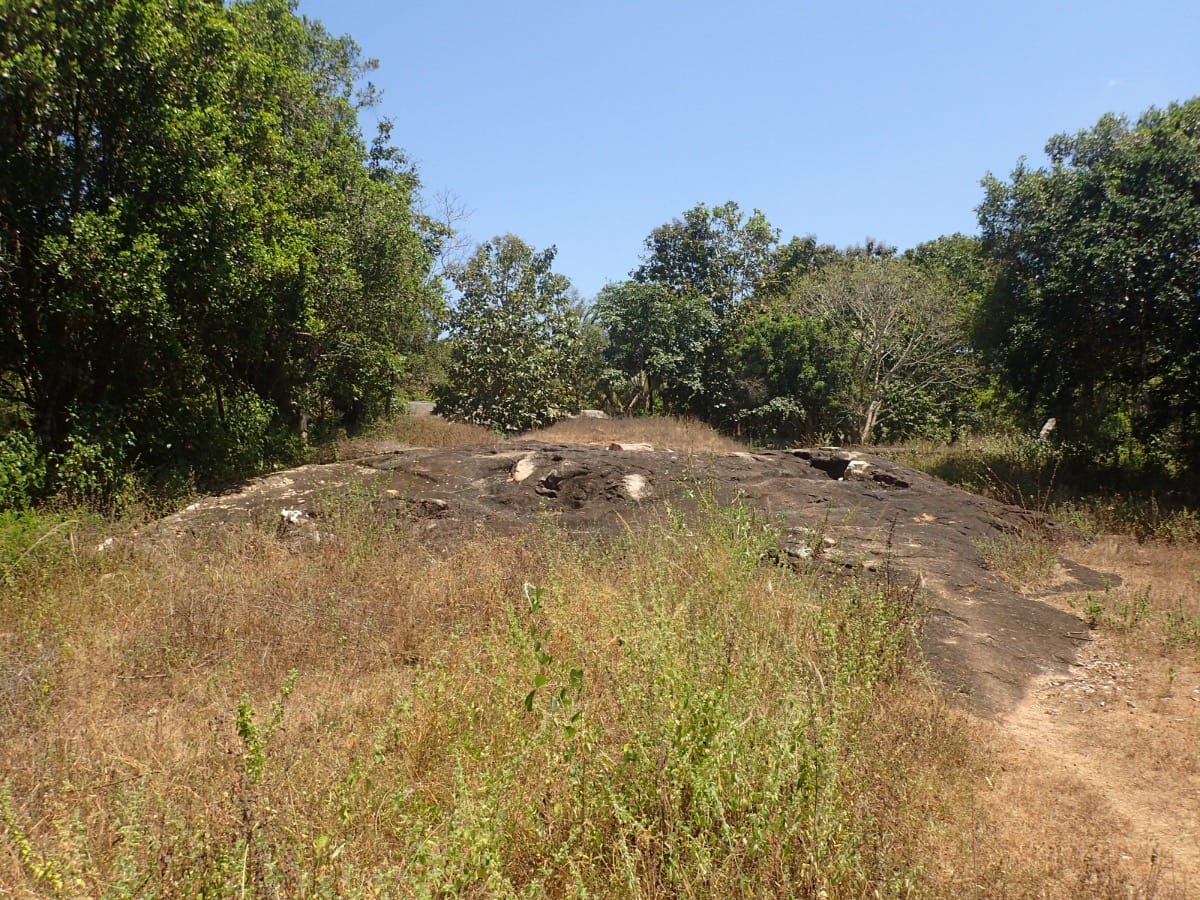
Western Monasteries
Mihintale
The Three Peaks of Mihintale: A Complete Travel Guide
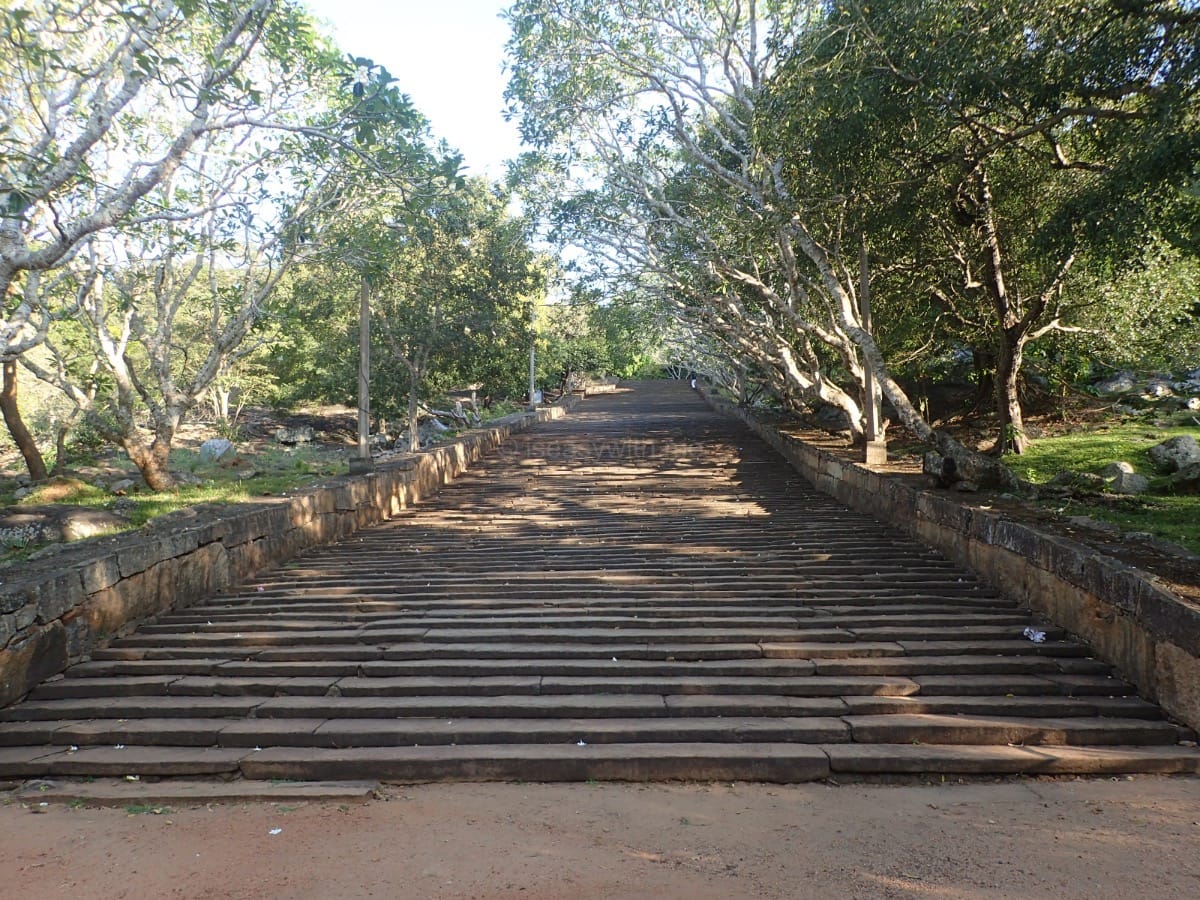
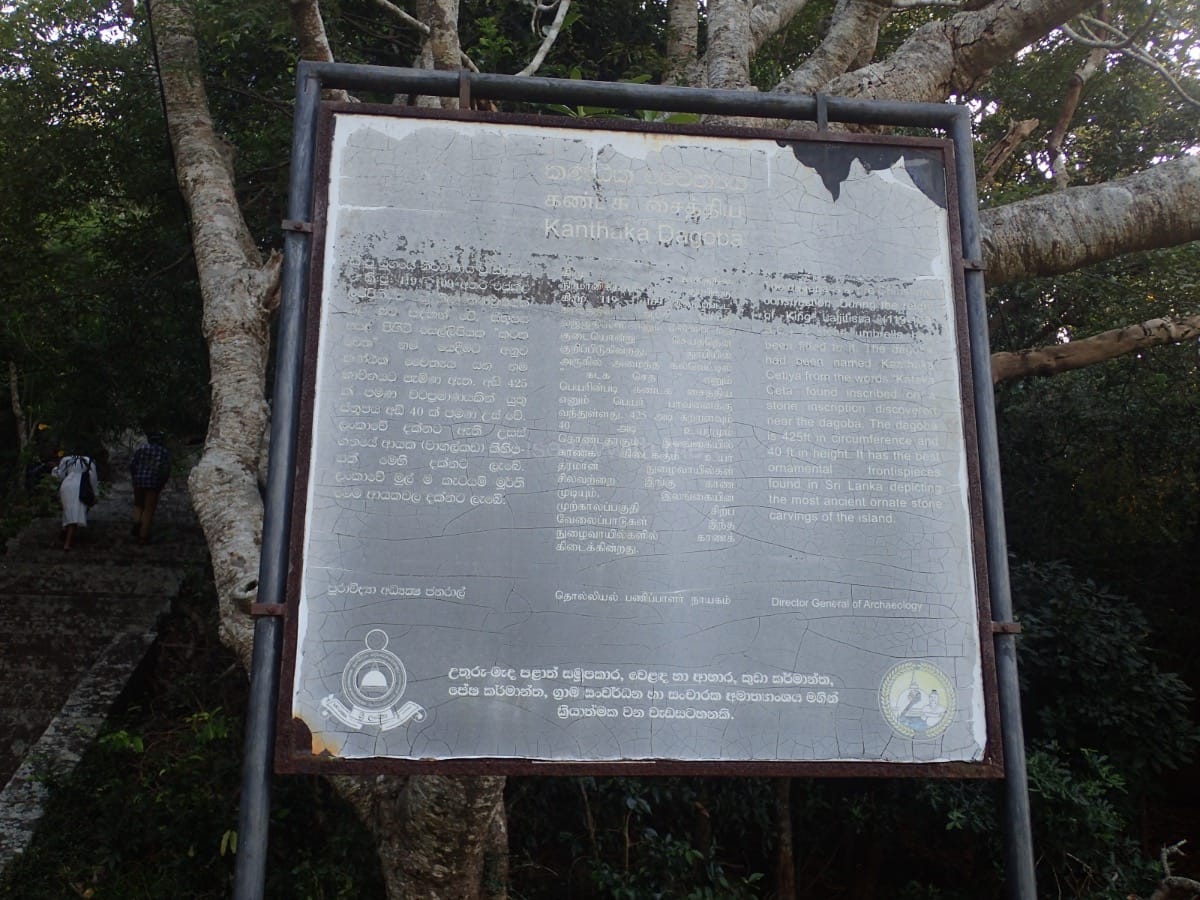
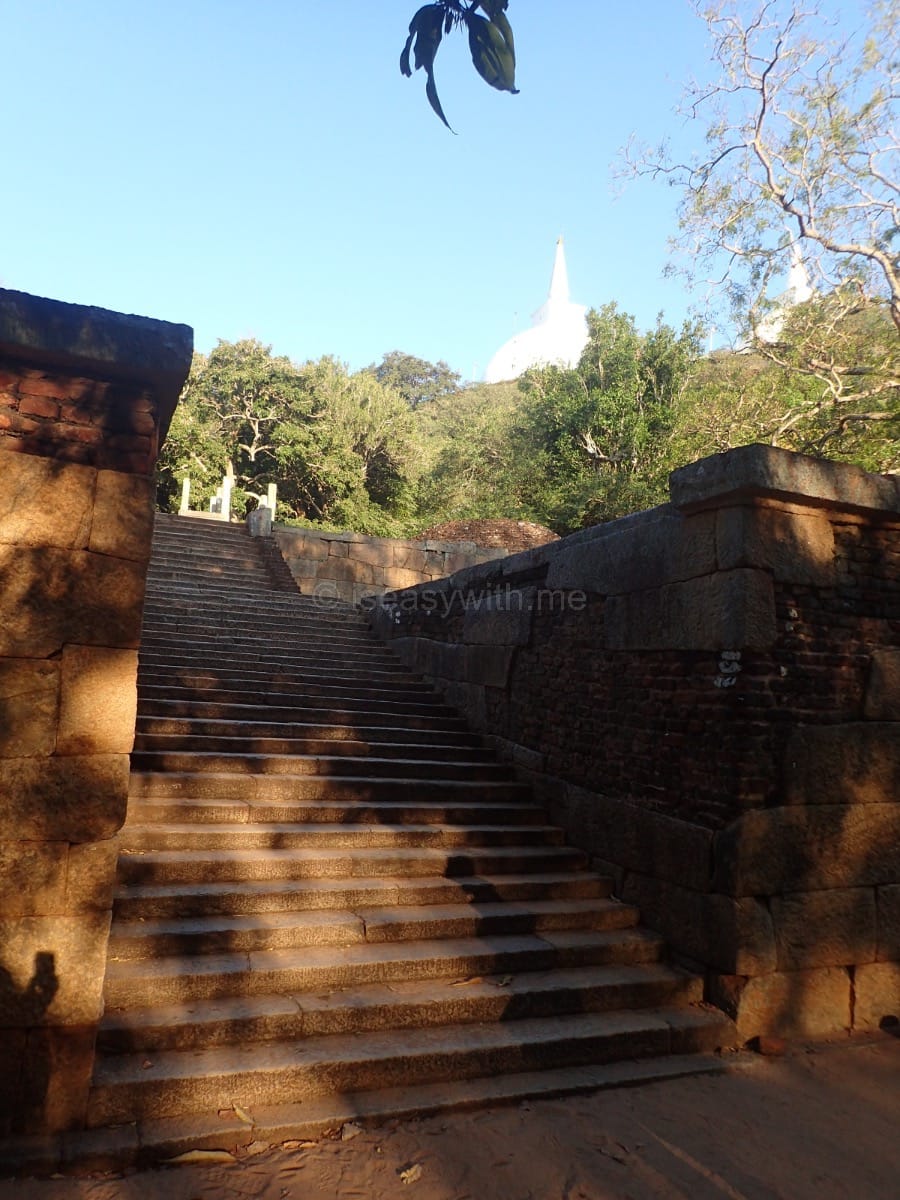
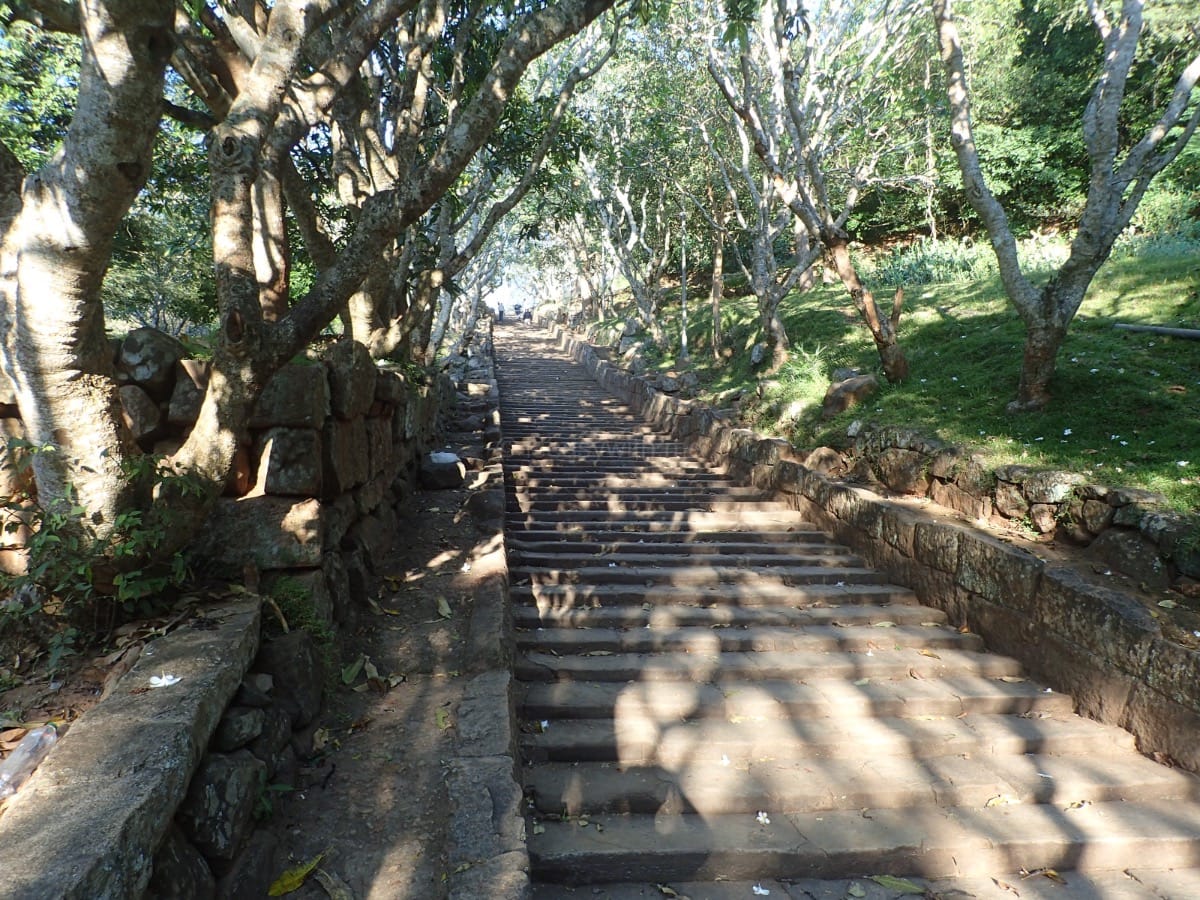
Mihintale (LKR 1,000) is the ultimate physical and spiritual challenge in Sri Lanka's cultural triangle. Traditionally regarded as the cradle of Sri Lankan Buddhism, my journey here started with an exhausting ascent up a grand, ancient staircase of over 1,840 stone steps.
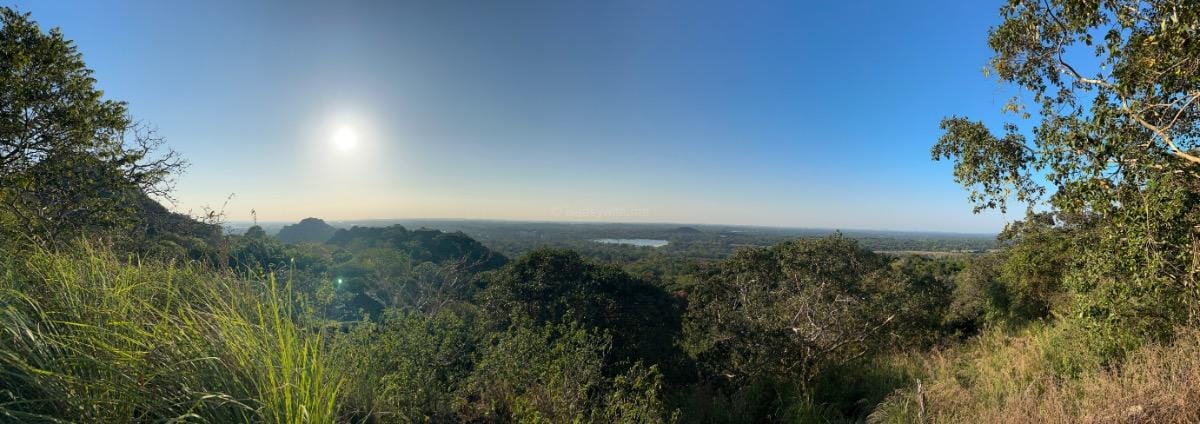
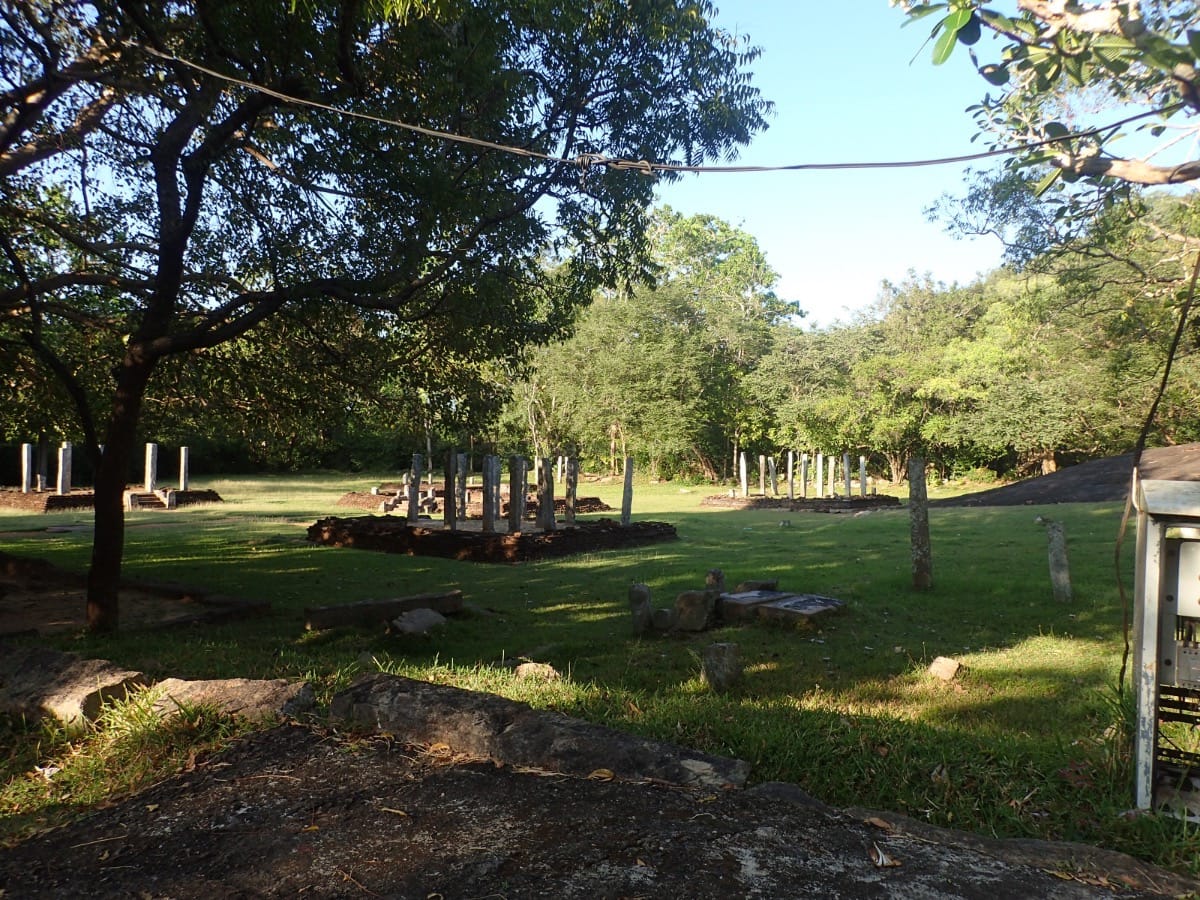
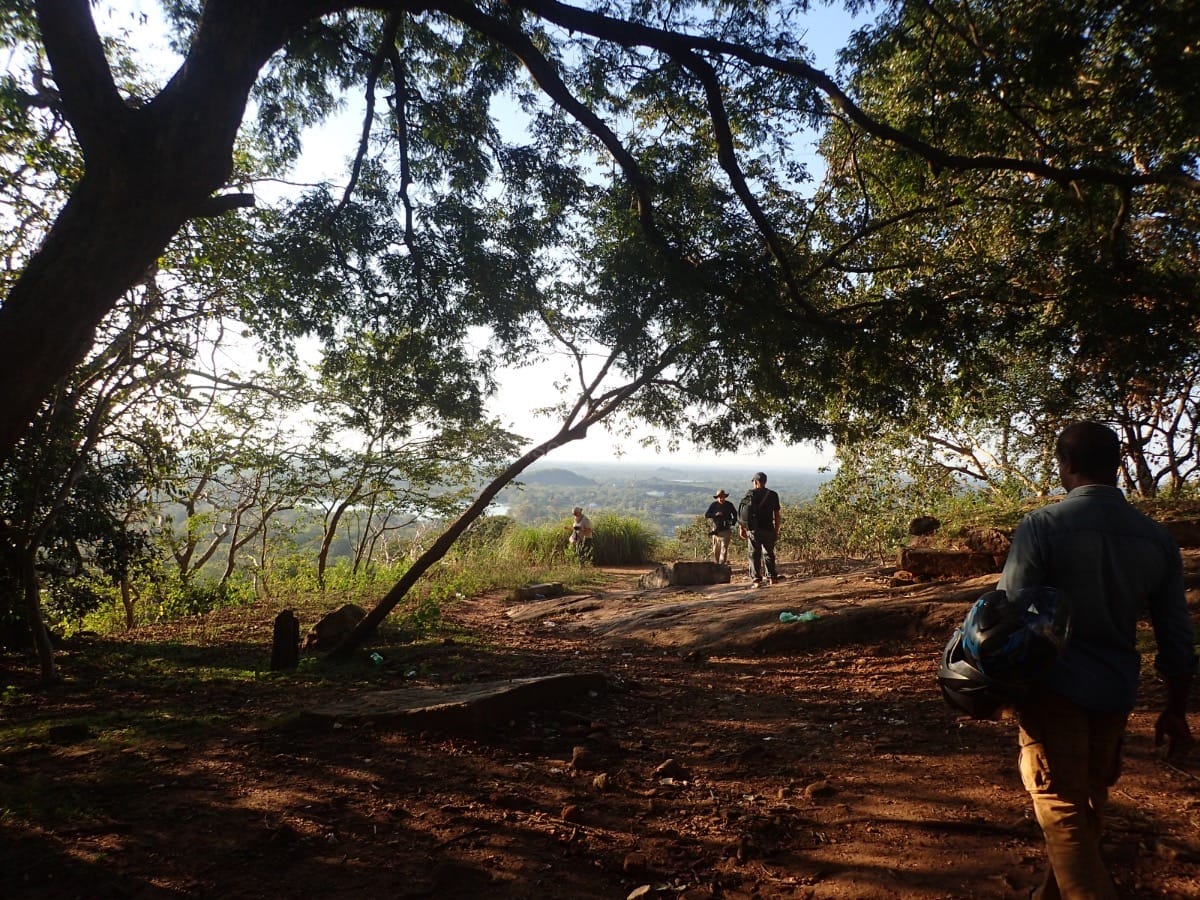
Once I reached the central Ambasthala (Mango Tree) plateau, the real adventure began. I decided to tackle Mihintale’s three distinct, high-altitude peaks in a specific order, saving the highest summit for the ultimate sunset finish.
Peak 1: The Buddha Statue (The Starting Point)
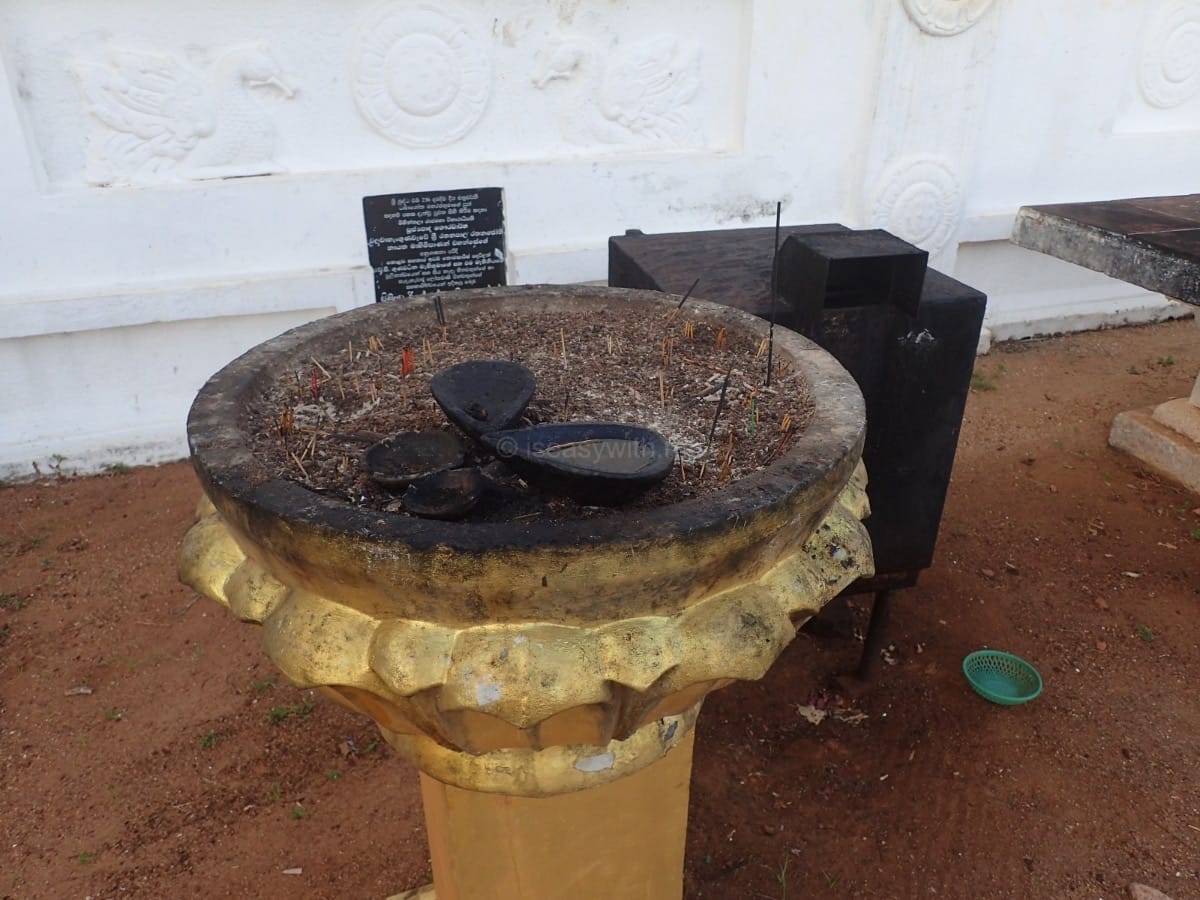
I began my climb on the summit directly opposing Aradhana Gala, where a colossal, blindingly white seated Buddha statue looks out over the entire complex.
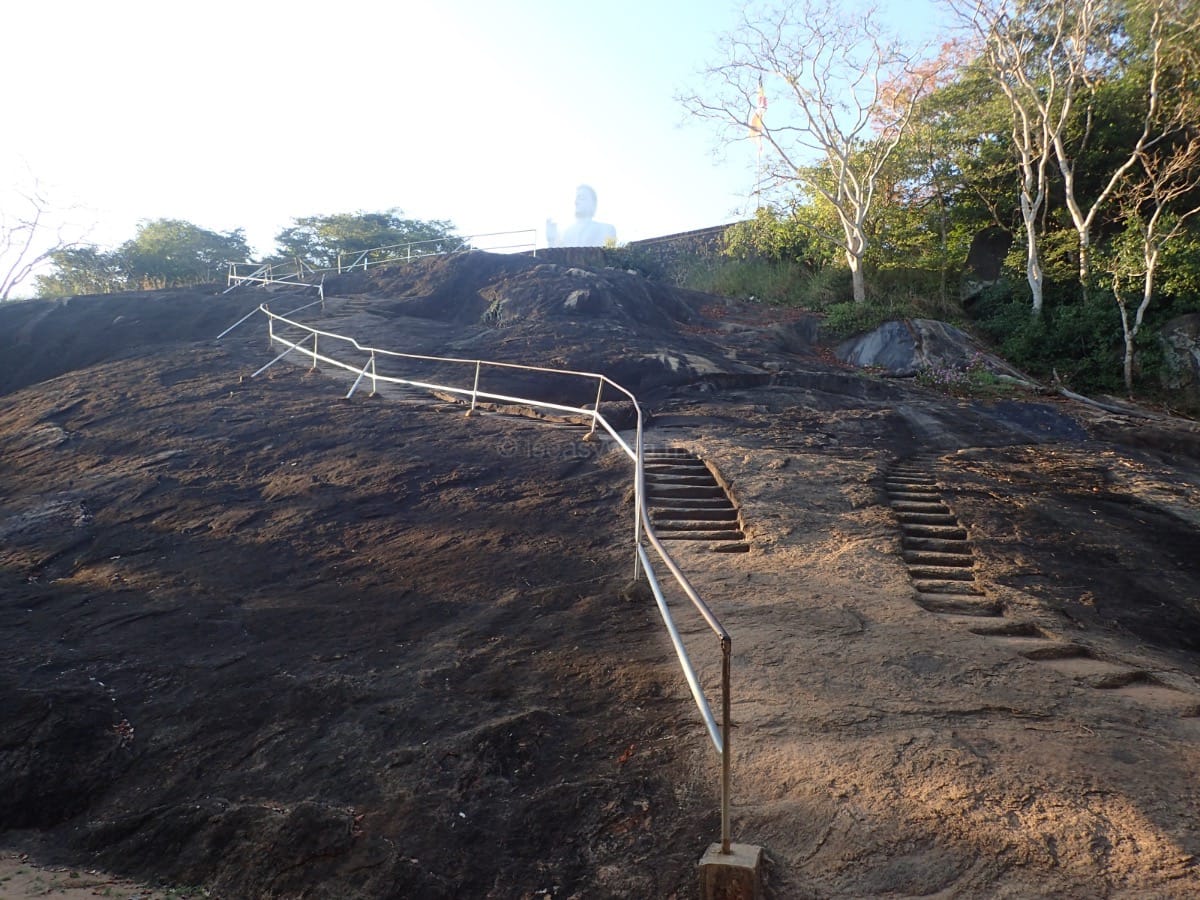
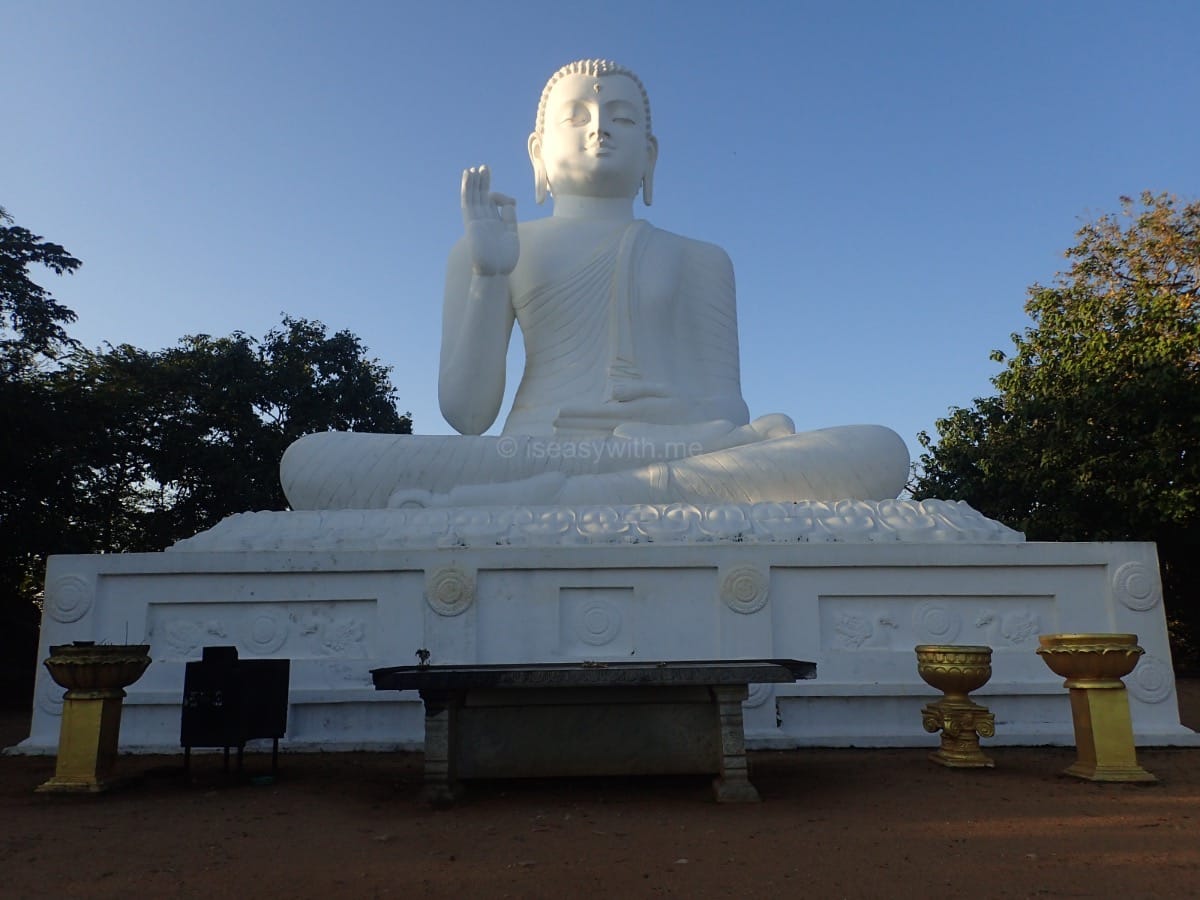
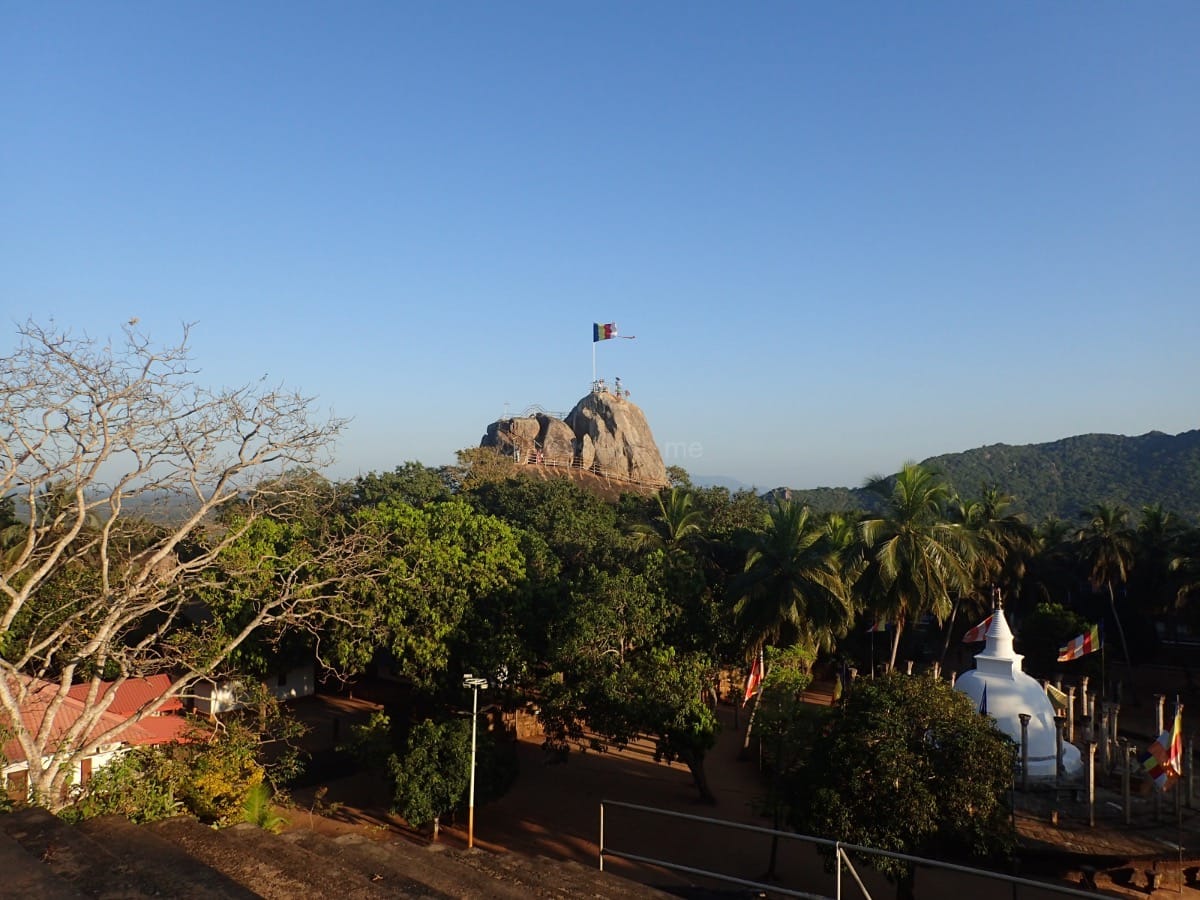
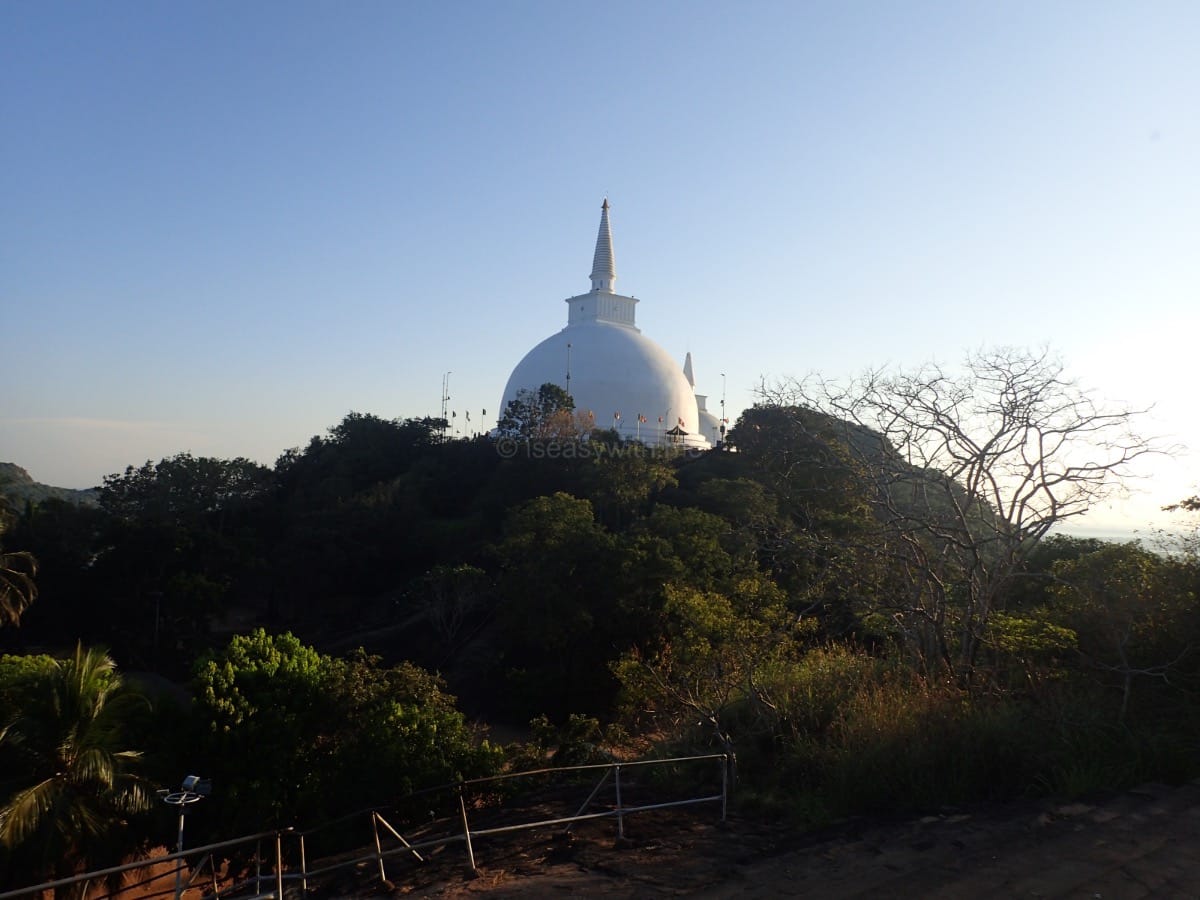
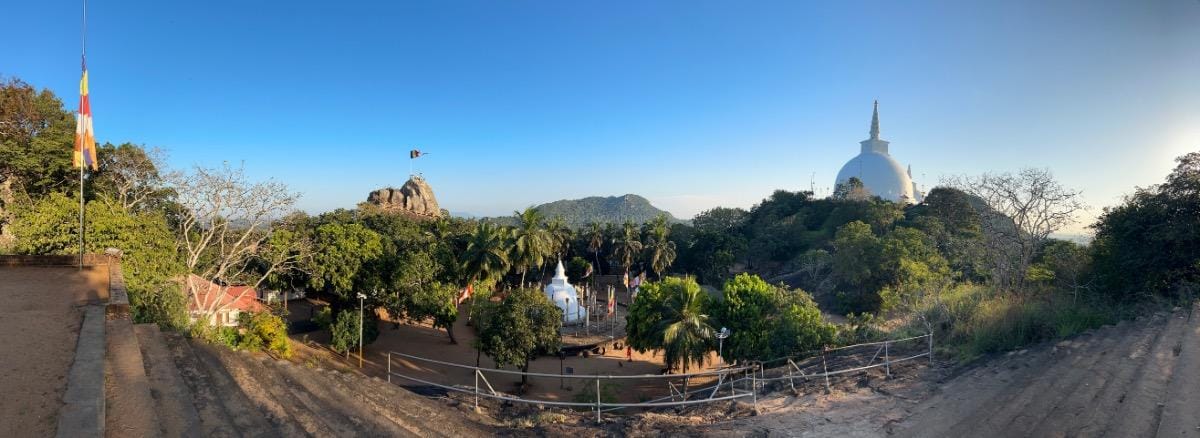
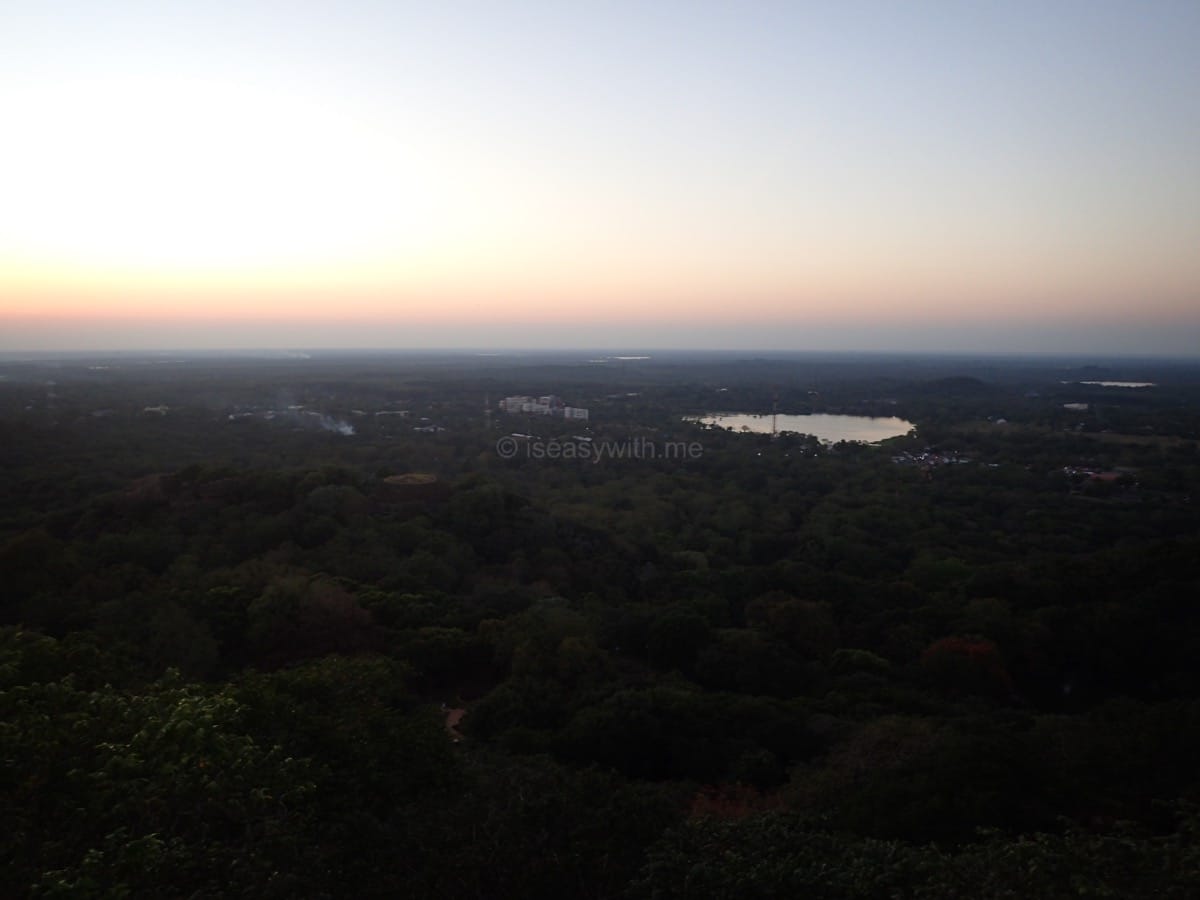
My Vantage Point: Climbing the stairs to this peak first gave me a perfectly framed, symmetrical view of the other two summits cutting into the skyline. It was the ideal spot to get my bearings and take a wide-angle landscape shot to anchor my story before hitting the more rugged terrain.
Peak 2: Aradhana Gala (The Rock Peak)
Next, I tackled the sheer, wind-swept granite crag where Arhat Mahinda famously landed and called out to the King of Sri Lanka.
The Climb: Conquering this second peak was a rush- I had to pull myself up via iron railings cut directly into the exposed, slick rock face.
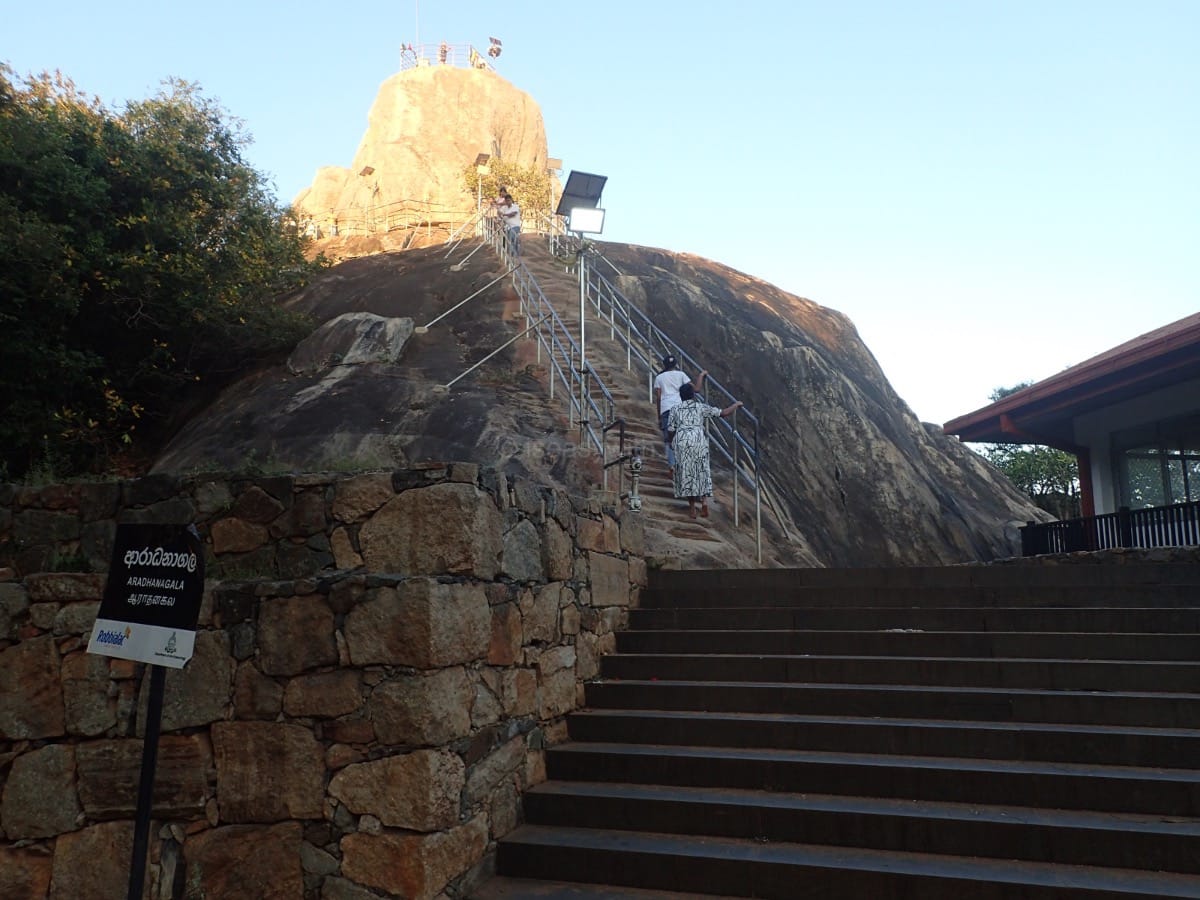
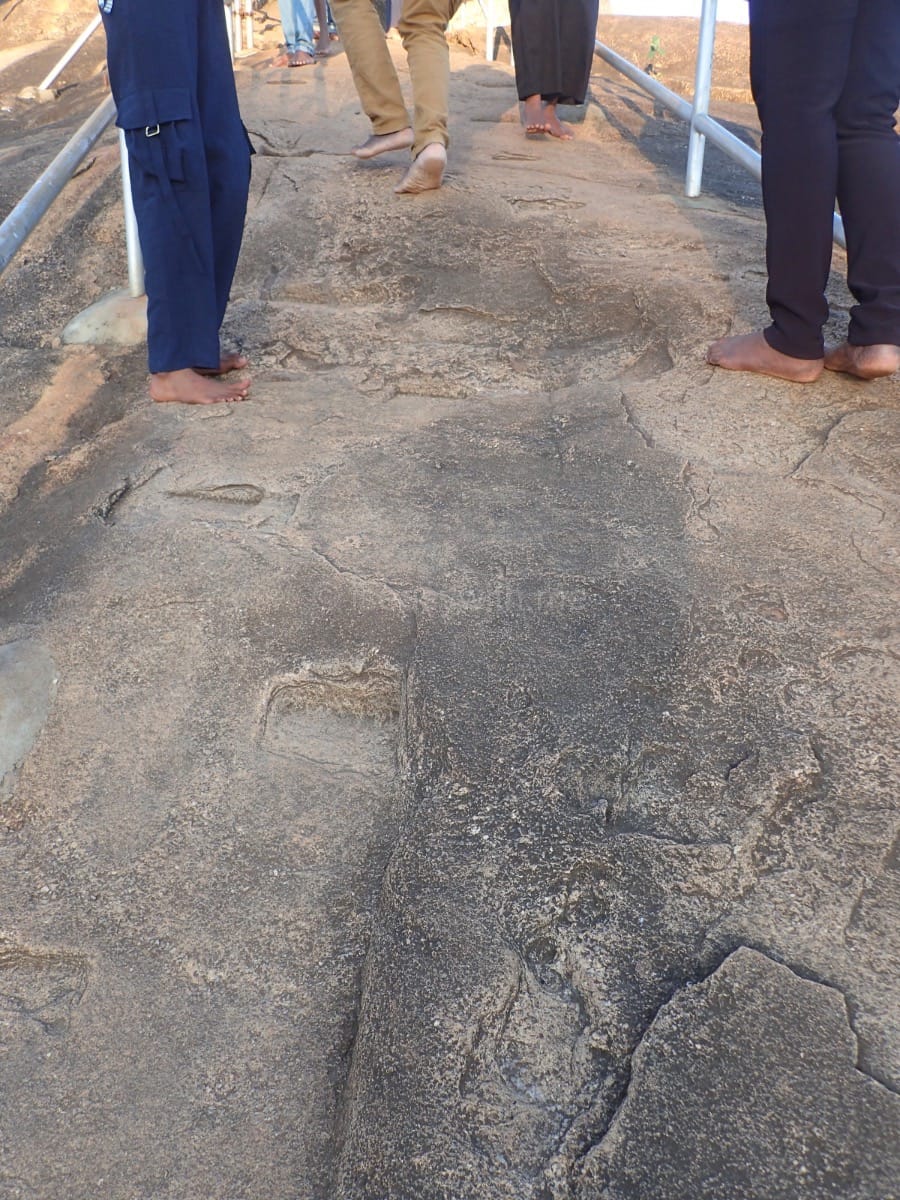
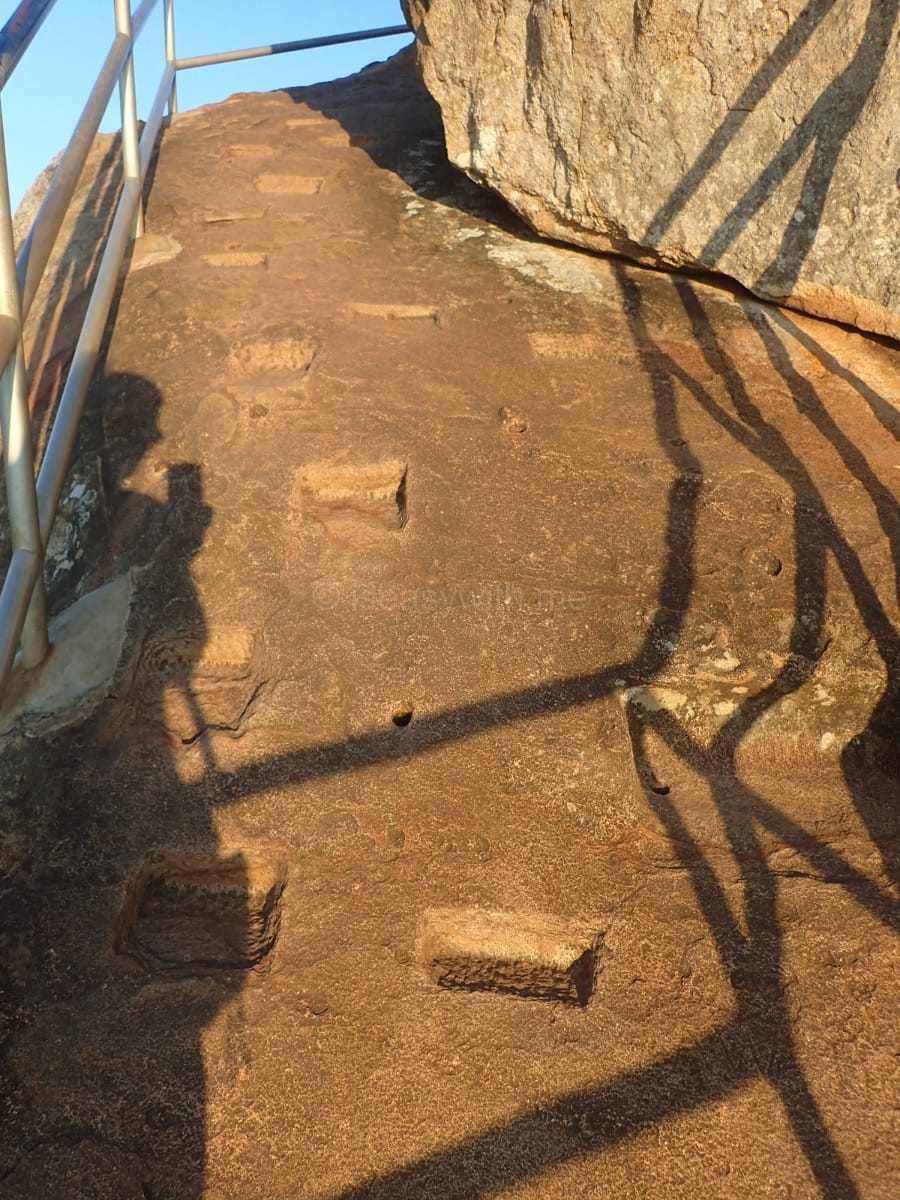
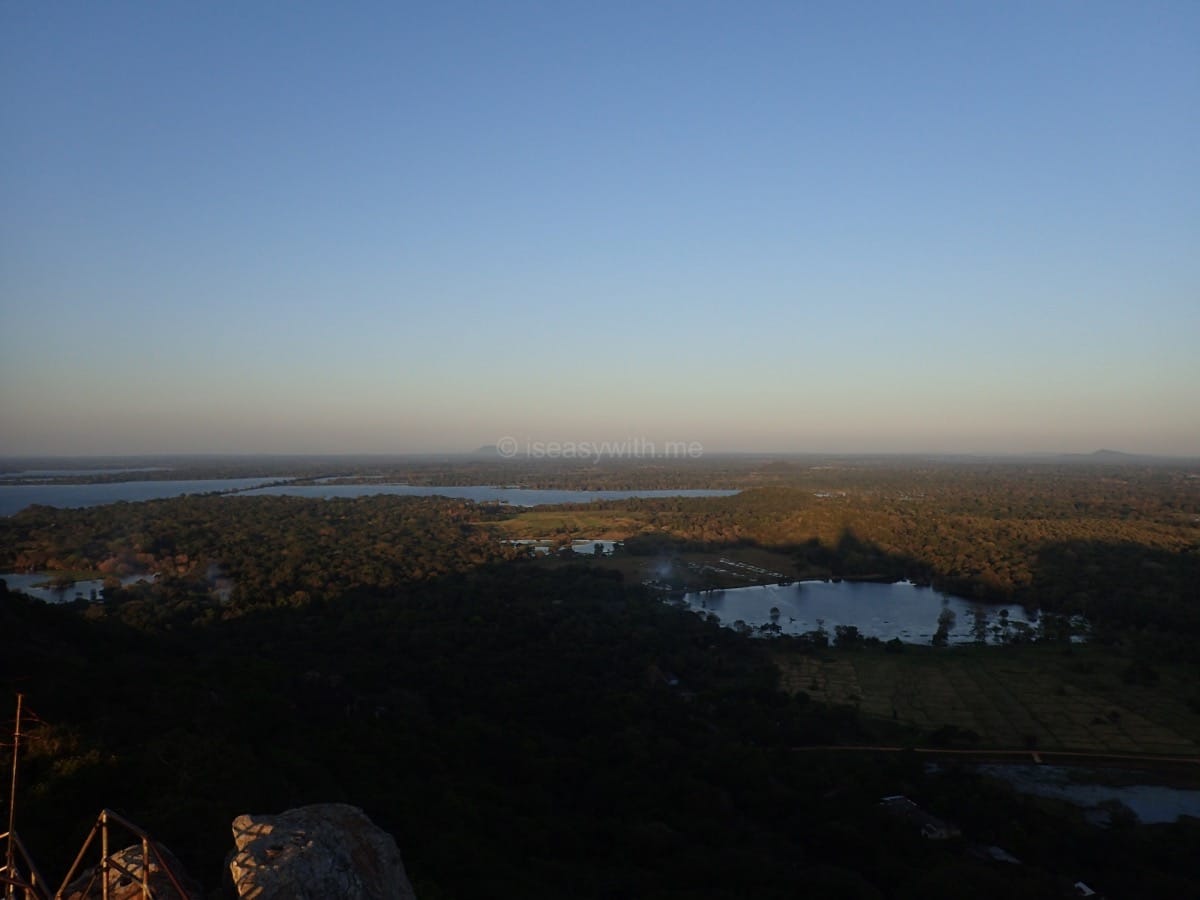
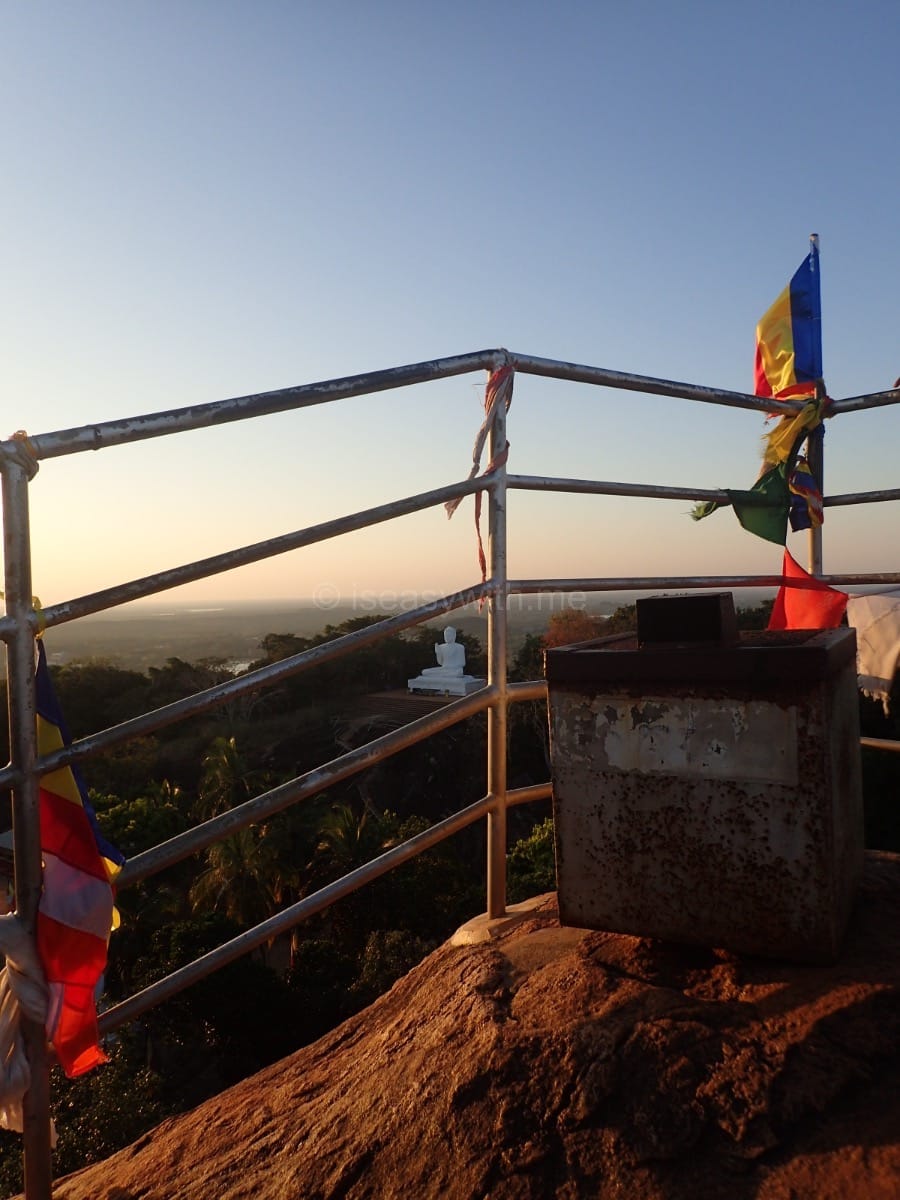
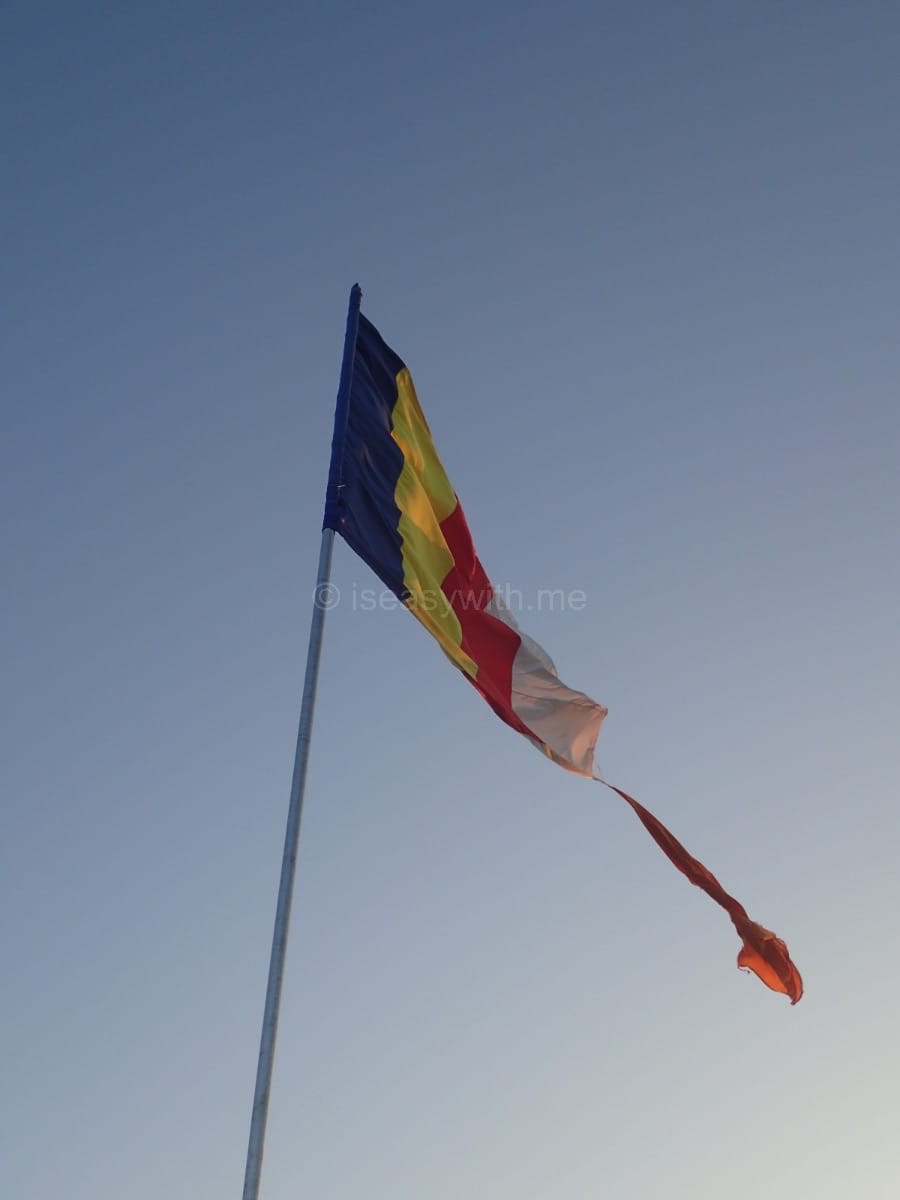
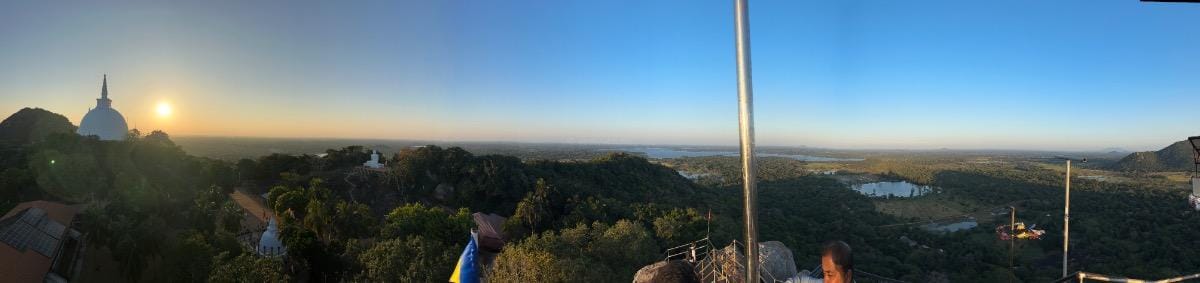
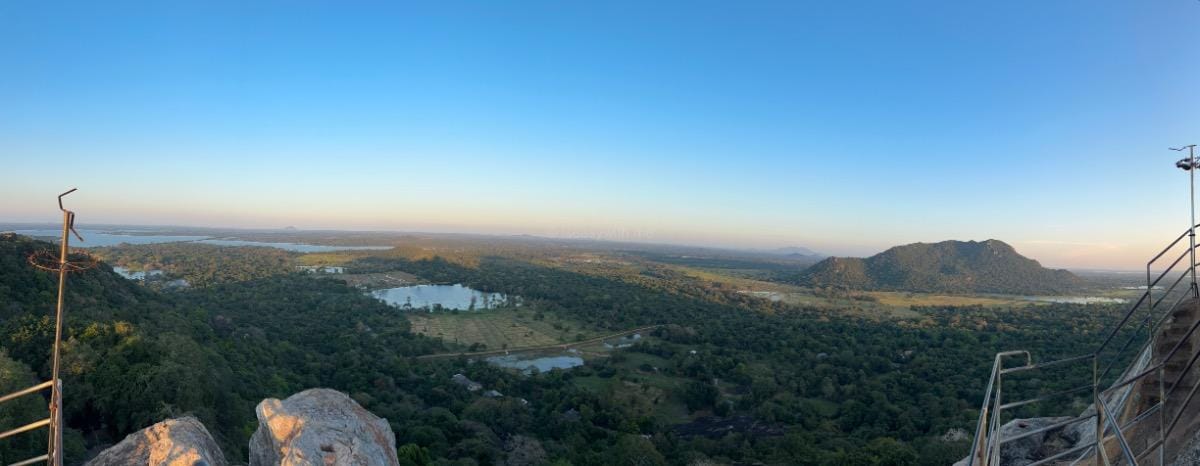
The Reward: It’s a thrilling, vertigo-inducing scramble that rewarded me with an unmatched, rugged view looking directly across at my final destination- the giant white stupa.
Peak 3: Maha Seya (The Stupa Peak for Sunset)
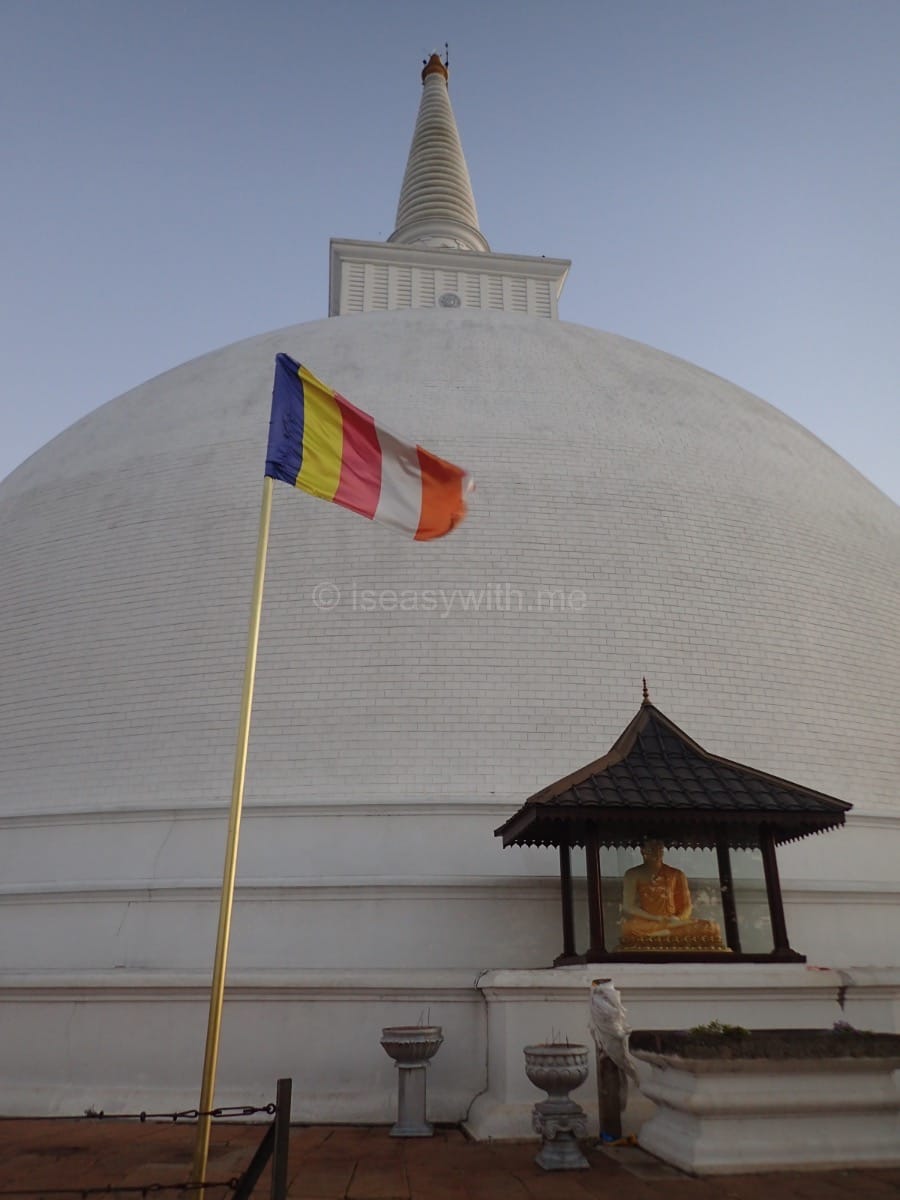
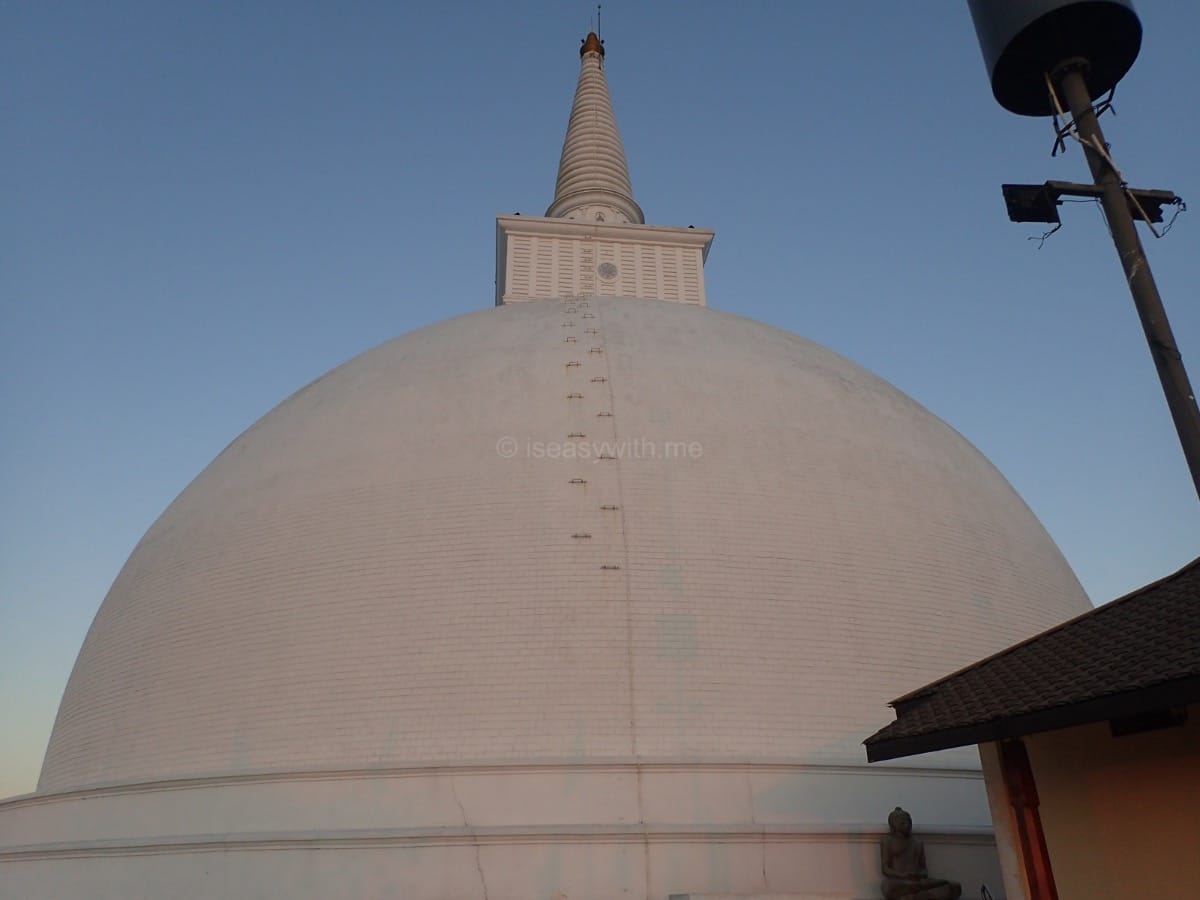
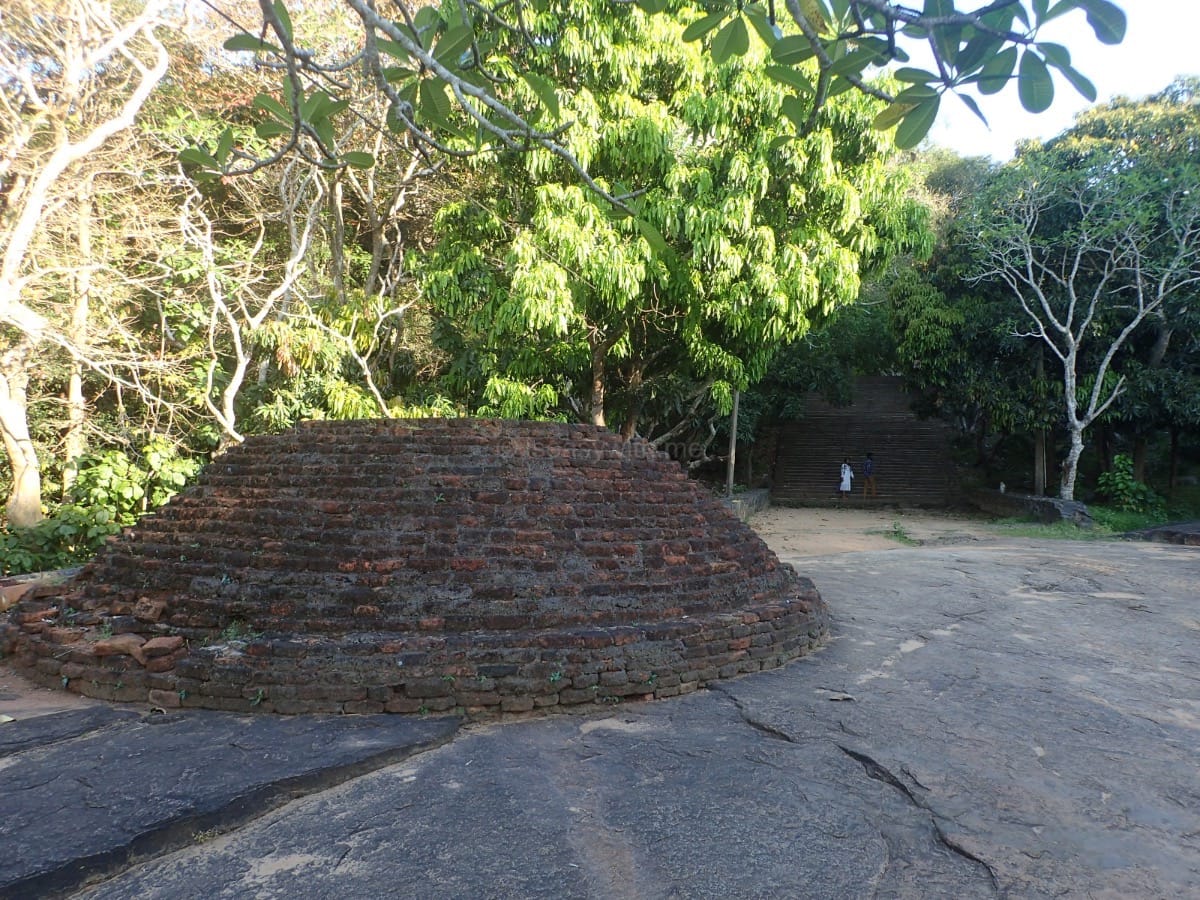
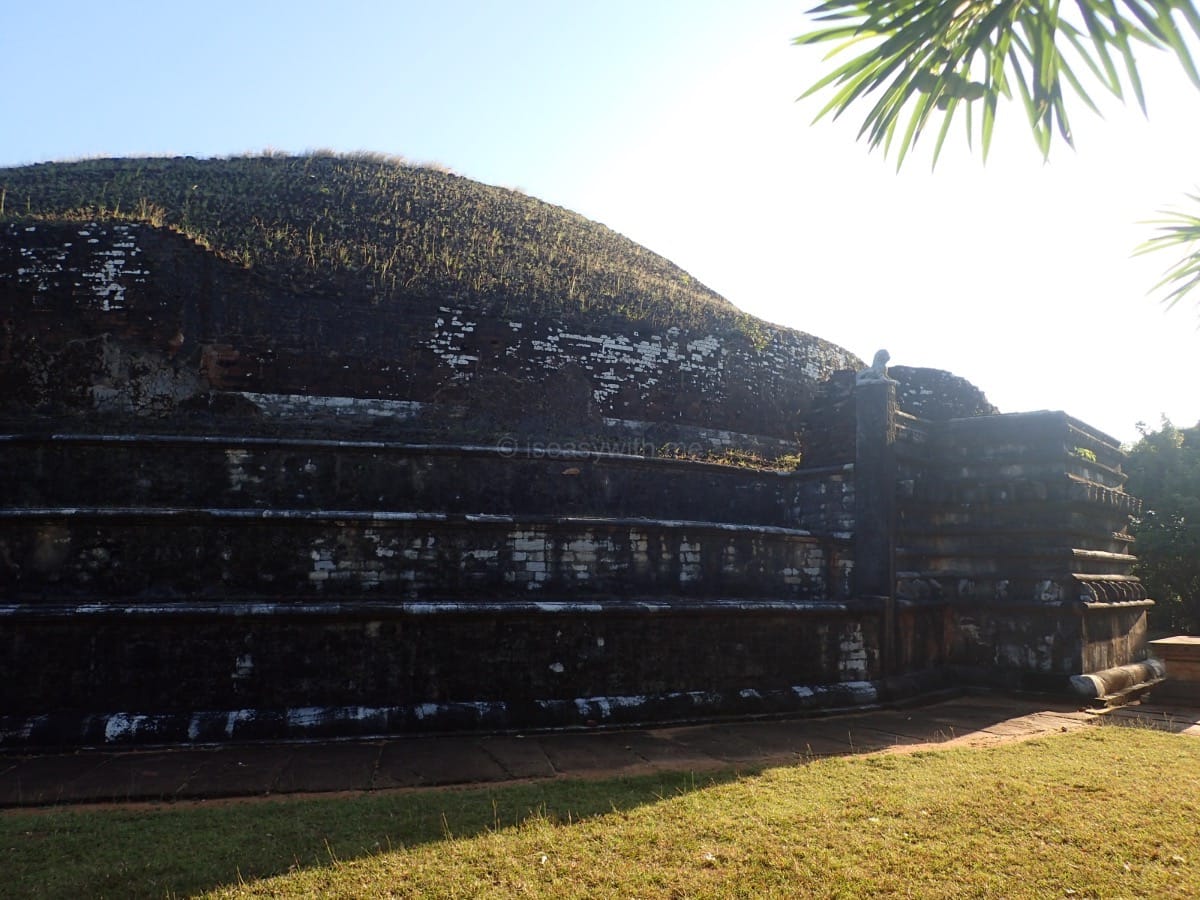
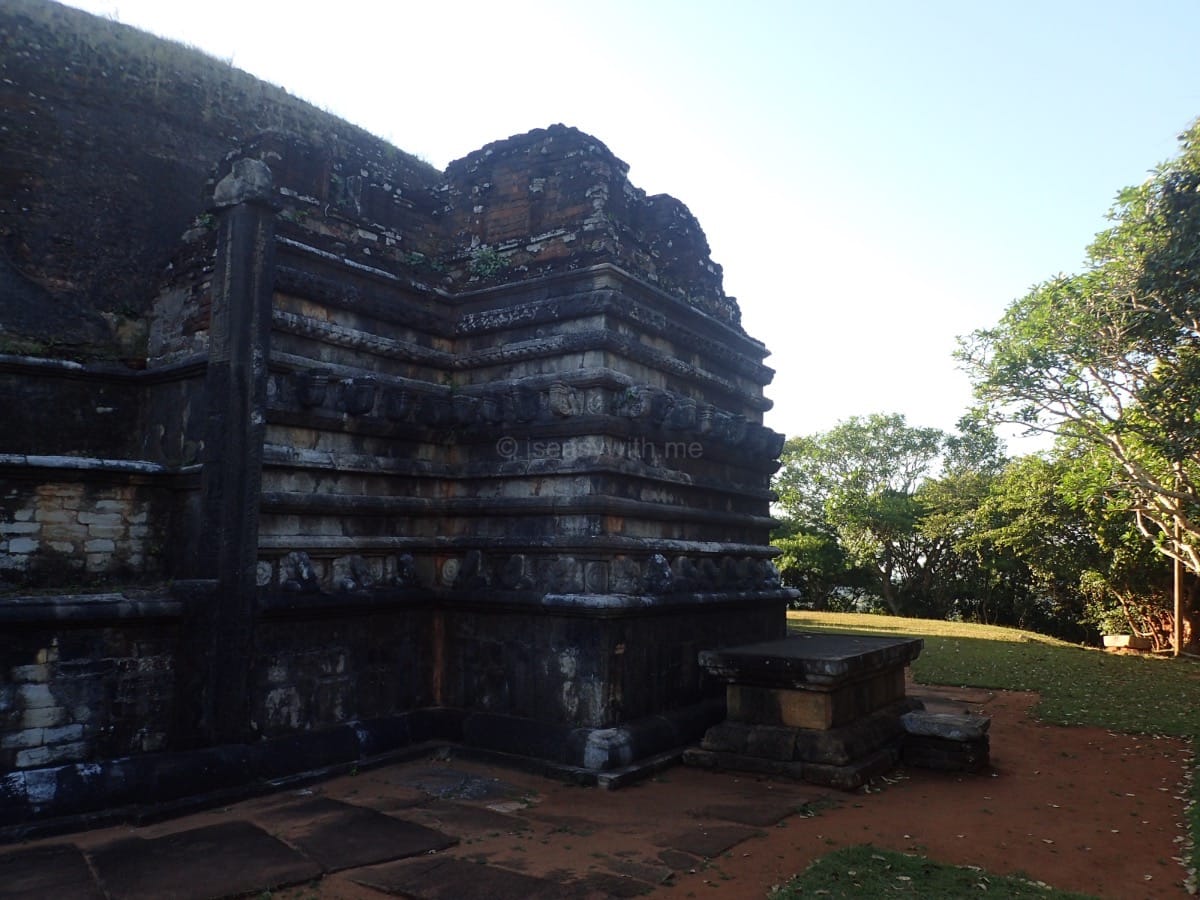
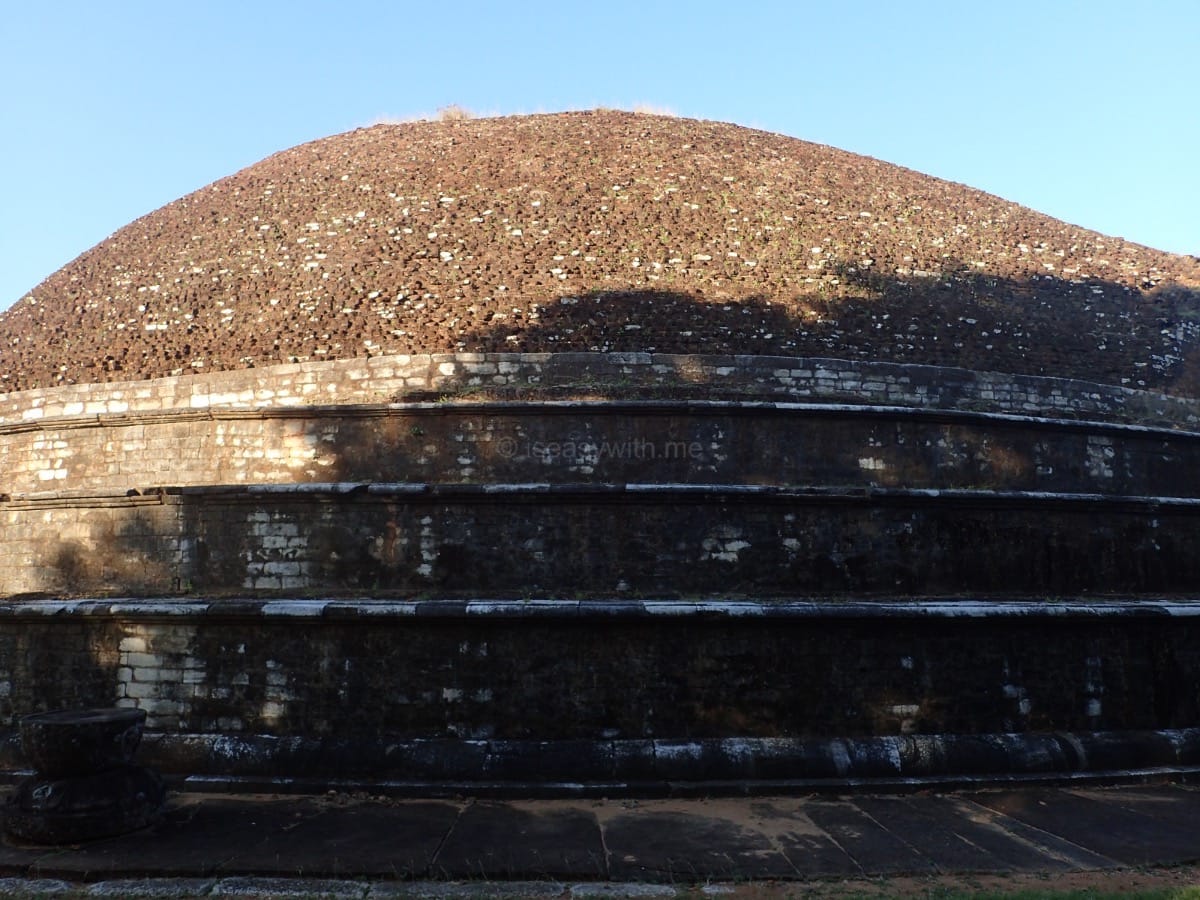
My journey culminated at the highest summit of the mountain, where a massive brick stupa houses the sacred relics of Arhat Mahinda. Reaching it required one final push up a steep, smooth stone incline.
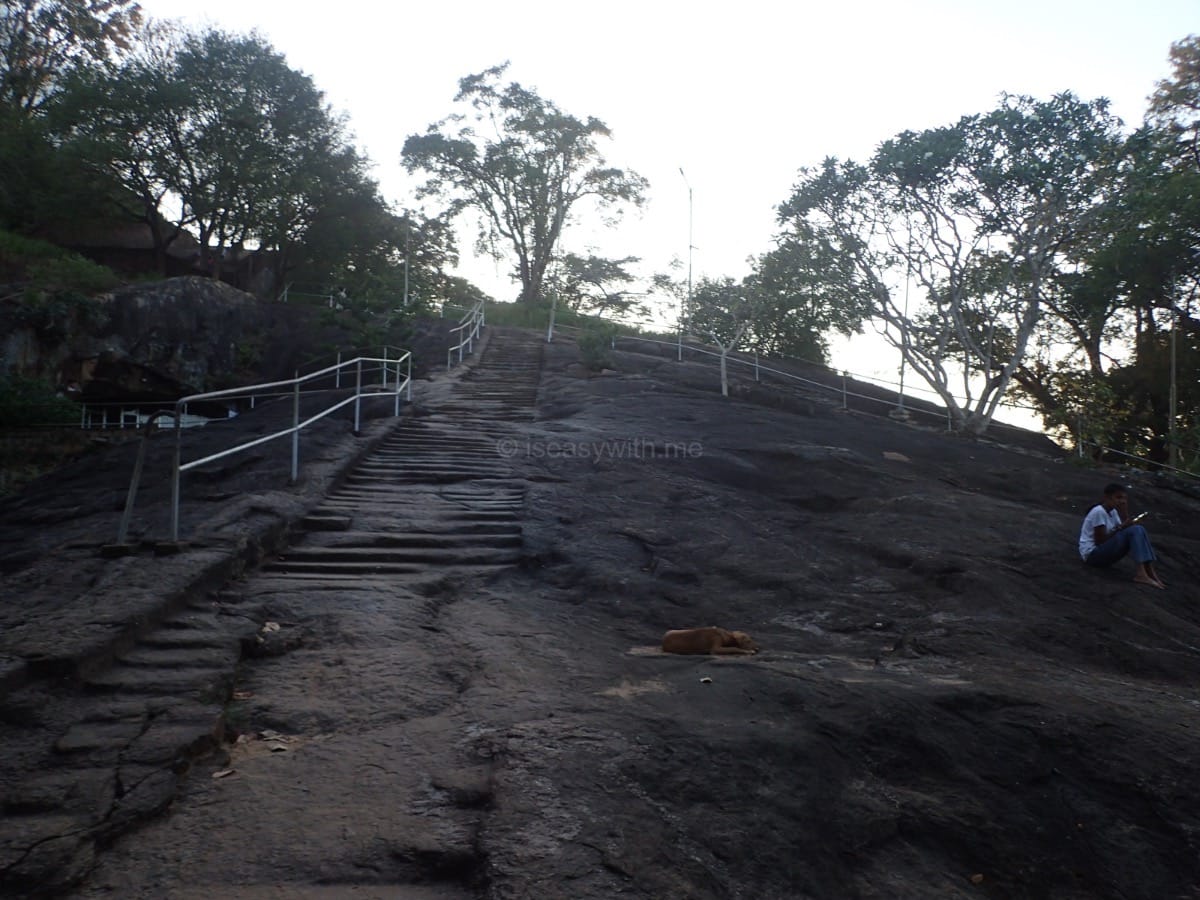
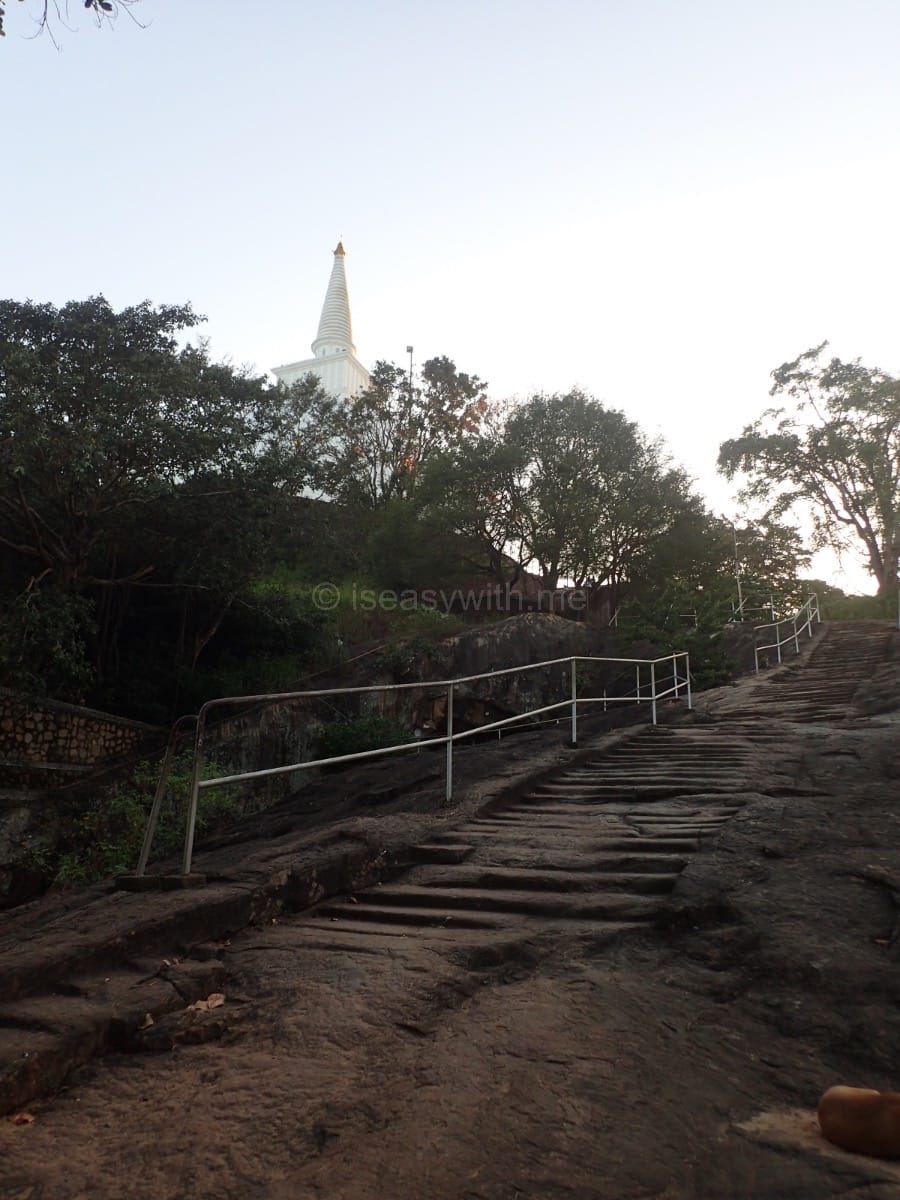
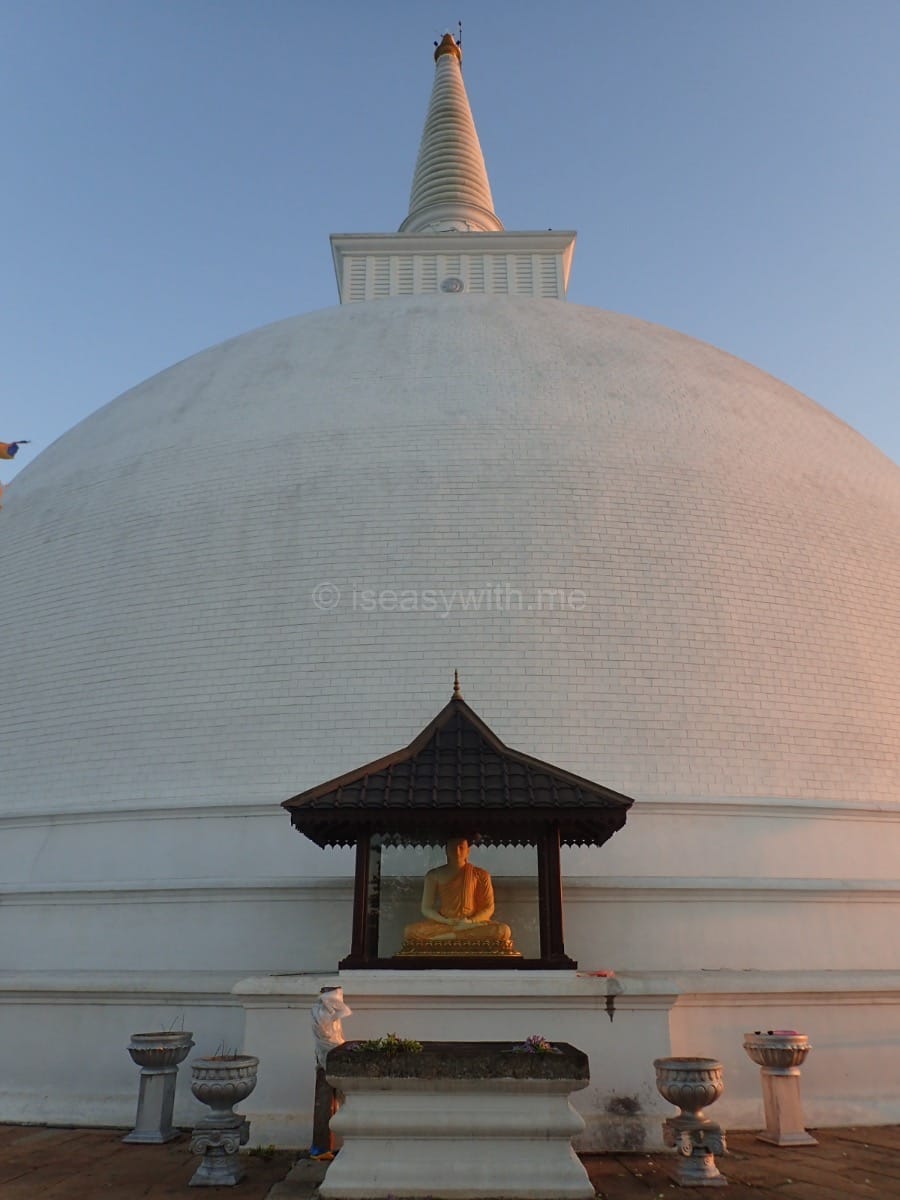
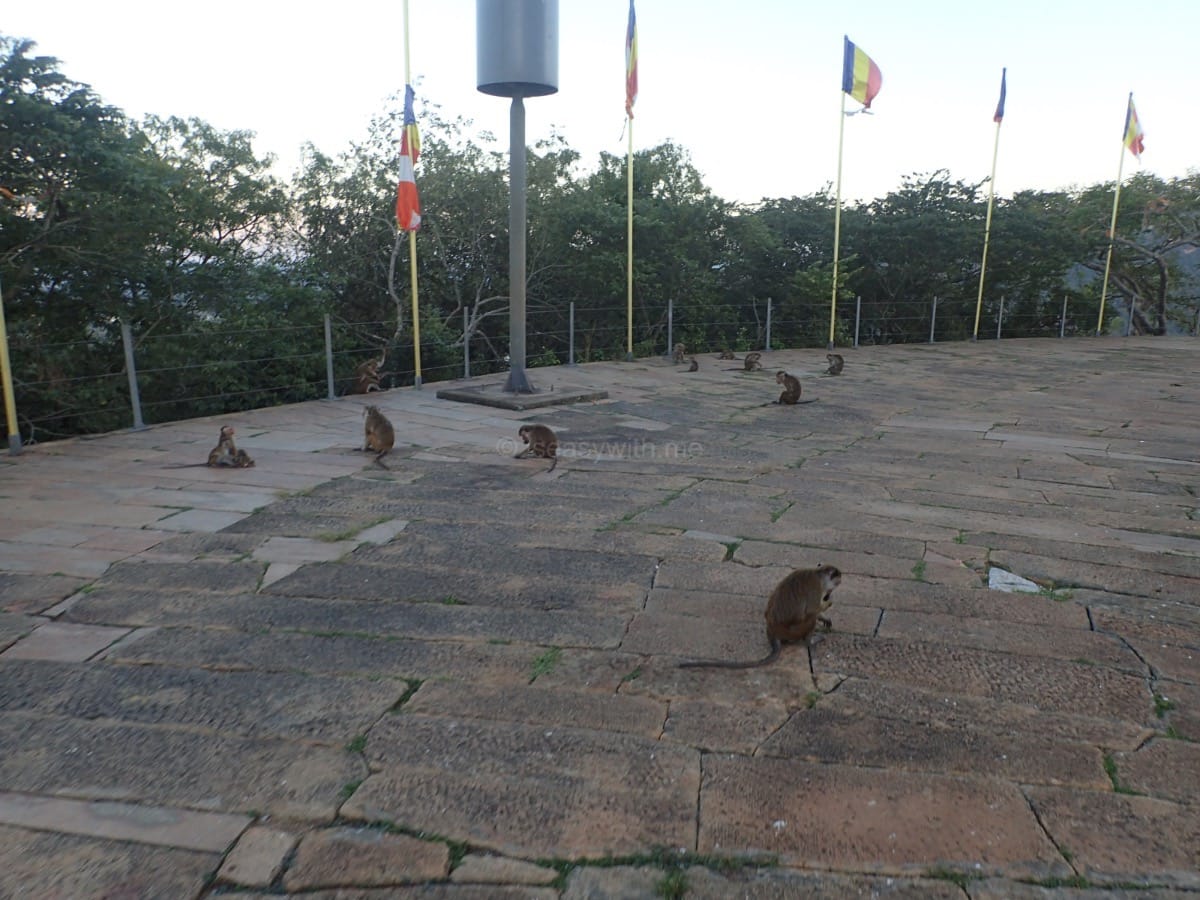
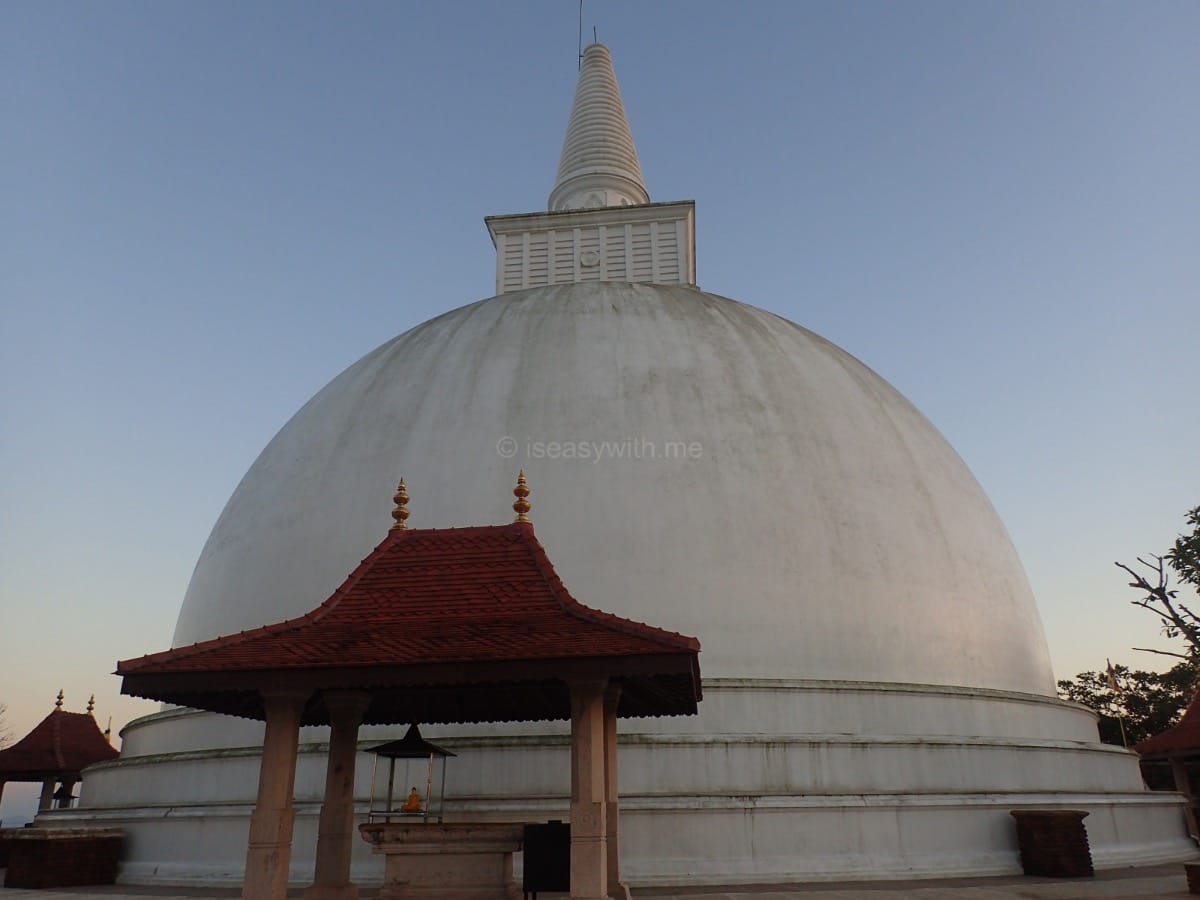
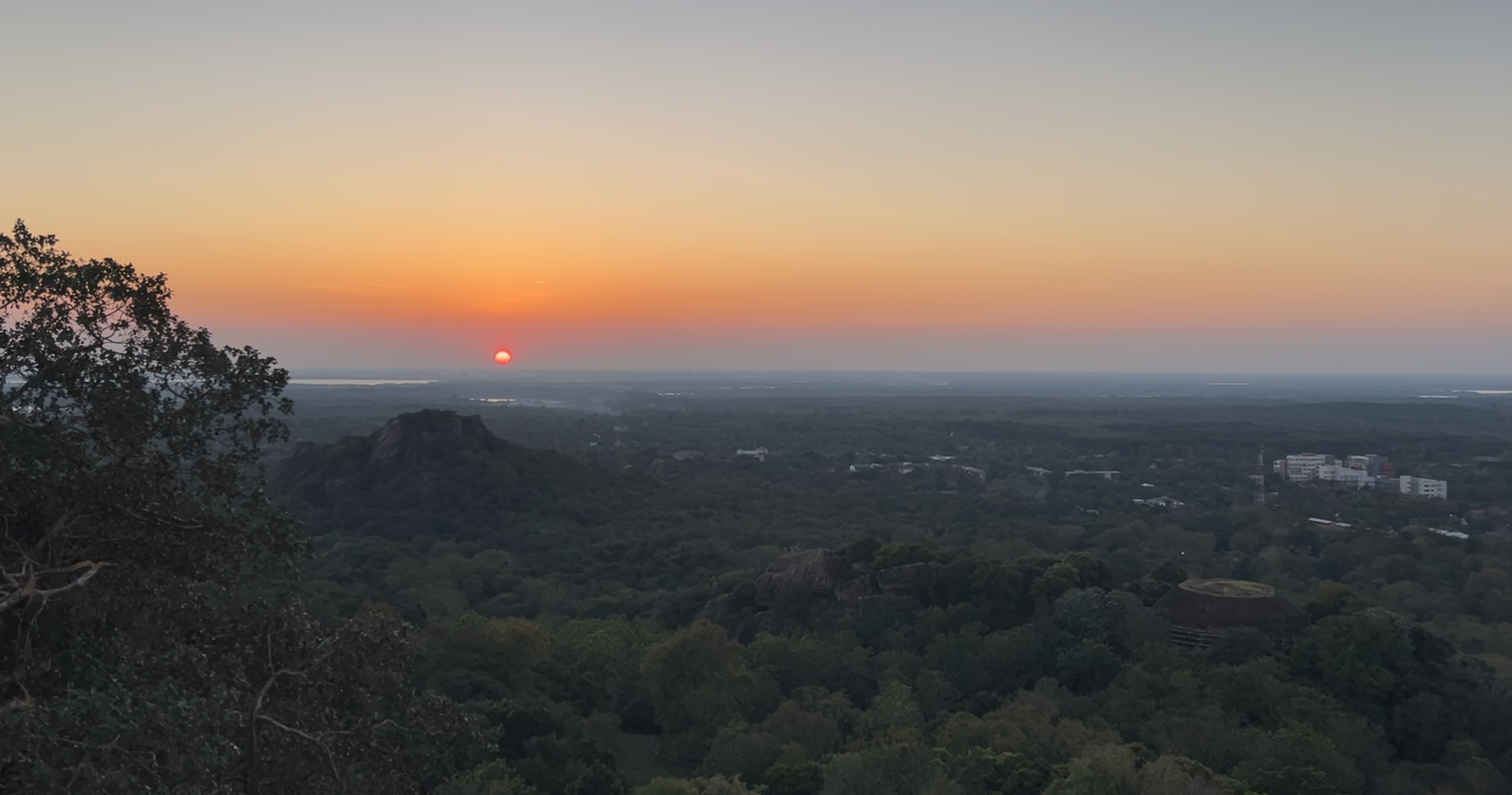
peak 3: Maha Seya (the Stupa Peak for sunset)
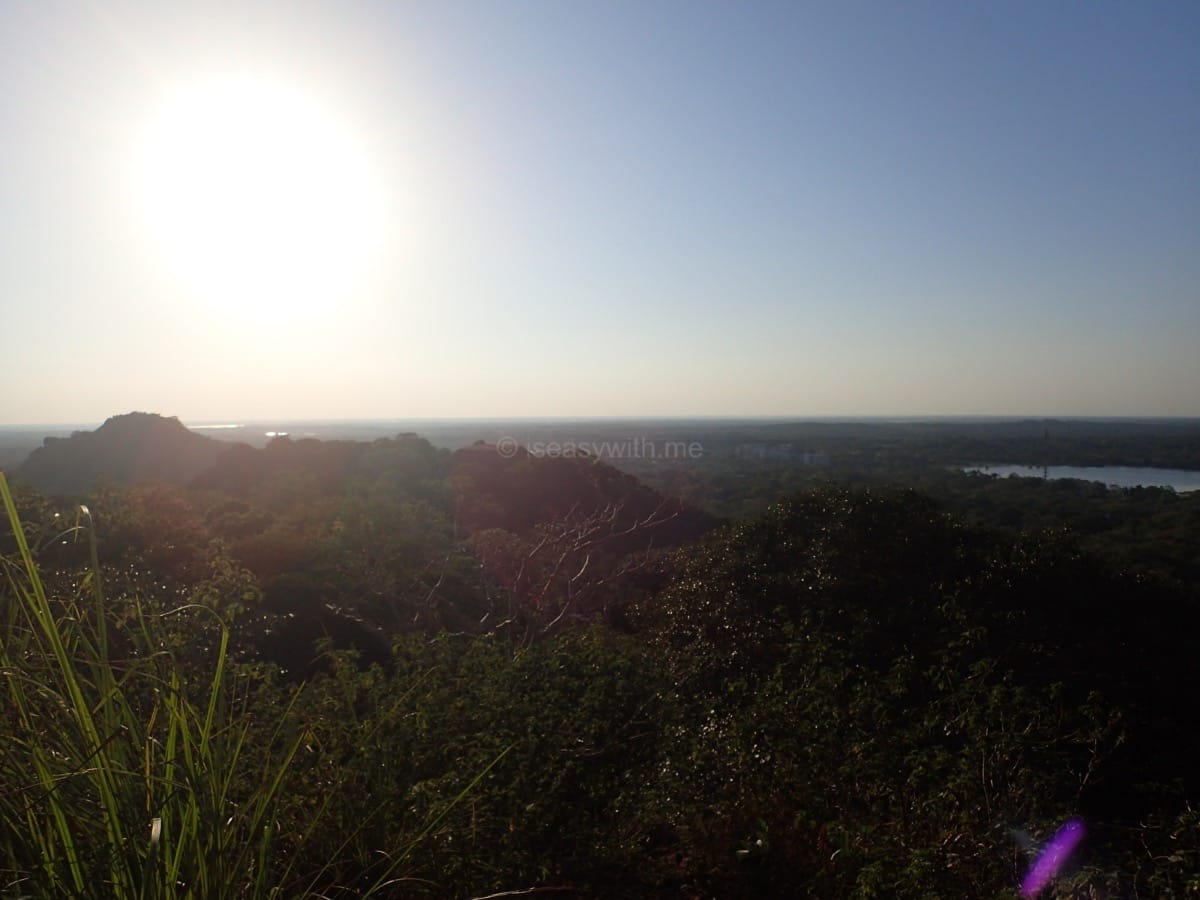
The Ultimate Sunset Finish: By timing this peak for last, I stood at its base right as the day was ending. As the absolute geographic pinnacle of the holy mountain, it offered me an uninterrupted, panoramic view of the sun dropping over the dry-zone plains and ancient reservoirs.
iseasywith.me Travel Warning
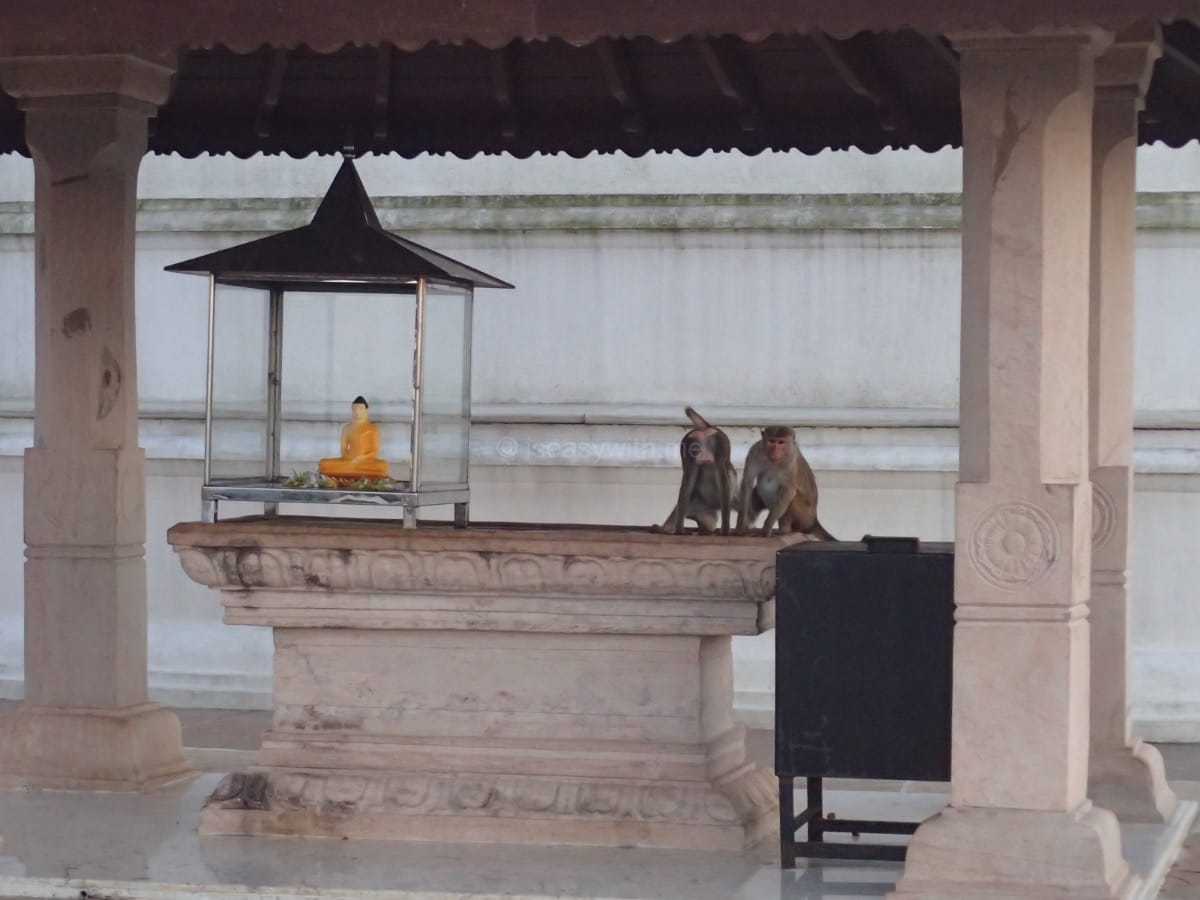
If you are planning to capture the sunset here, be exceptionally careful of the local monkeys. The macaques roaming the stupa base are incredibly bold and completely unafraid of humans. Do not let them get near you. They are notorious for aggressively snatching phones, cameras and loose equipment right out of your hands. Keep your gear tightly strapped to your body, hold your phone with a firm grip and make sure your backpack zippers are completely secured before you start shooting.
Hevisi Puja
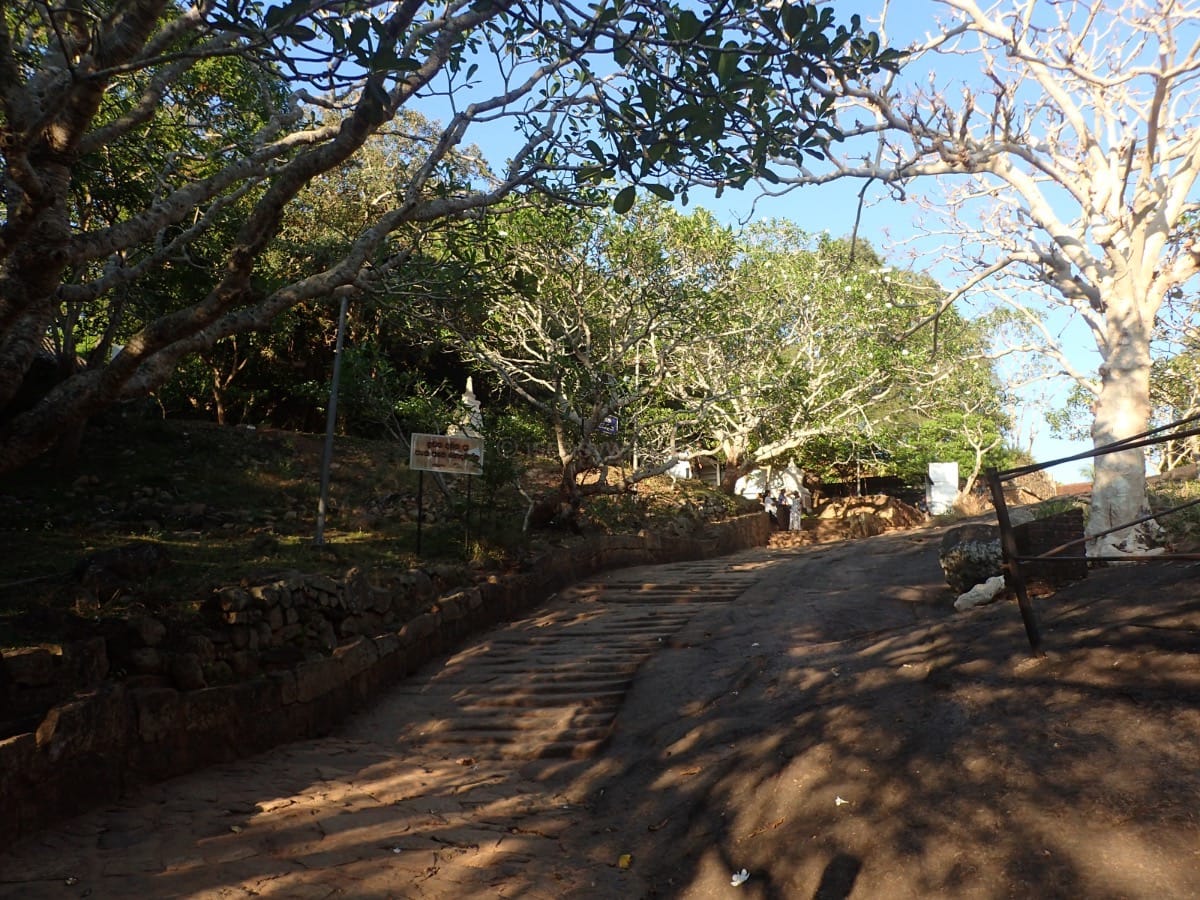
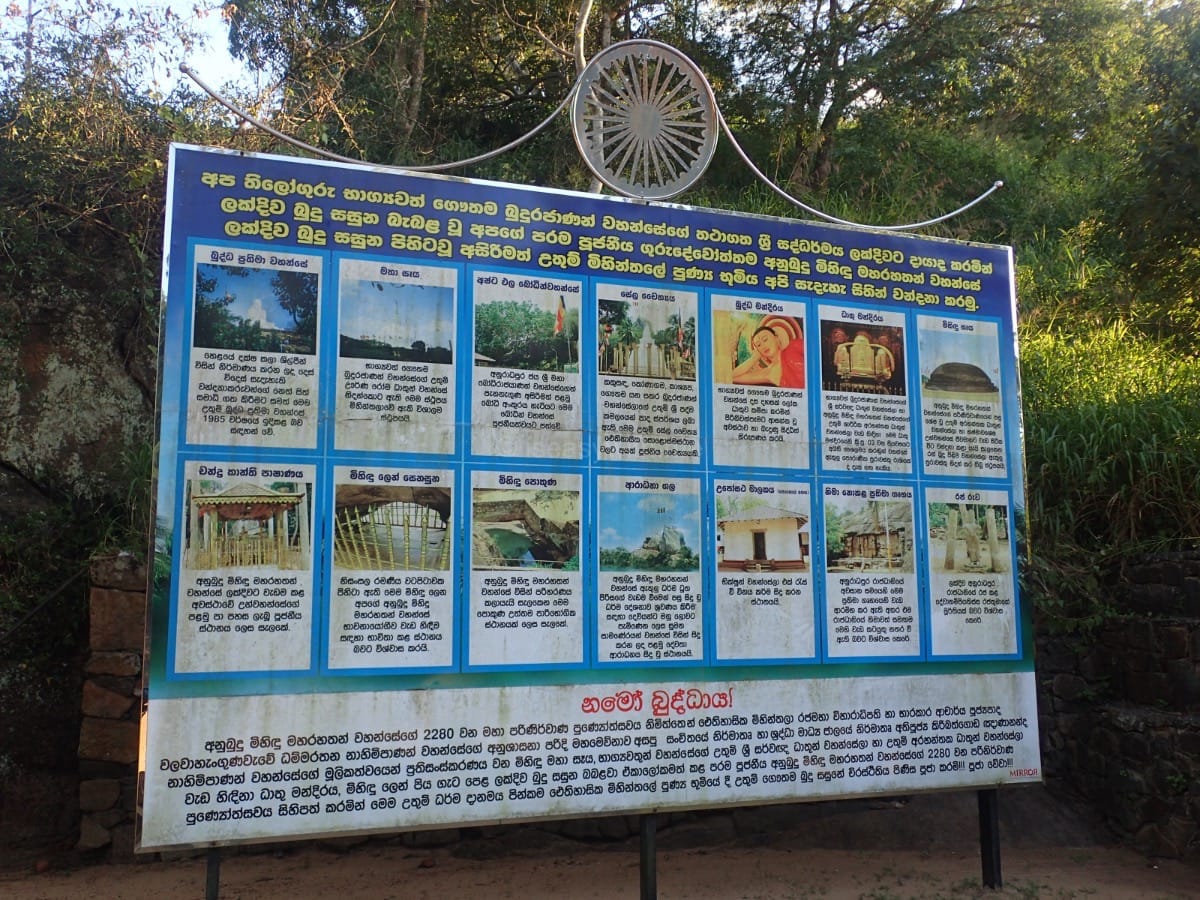
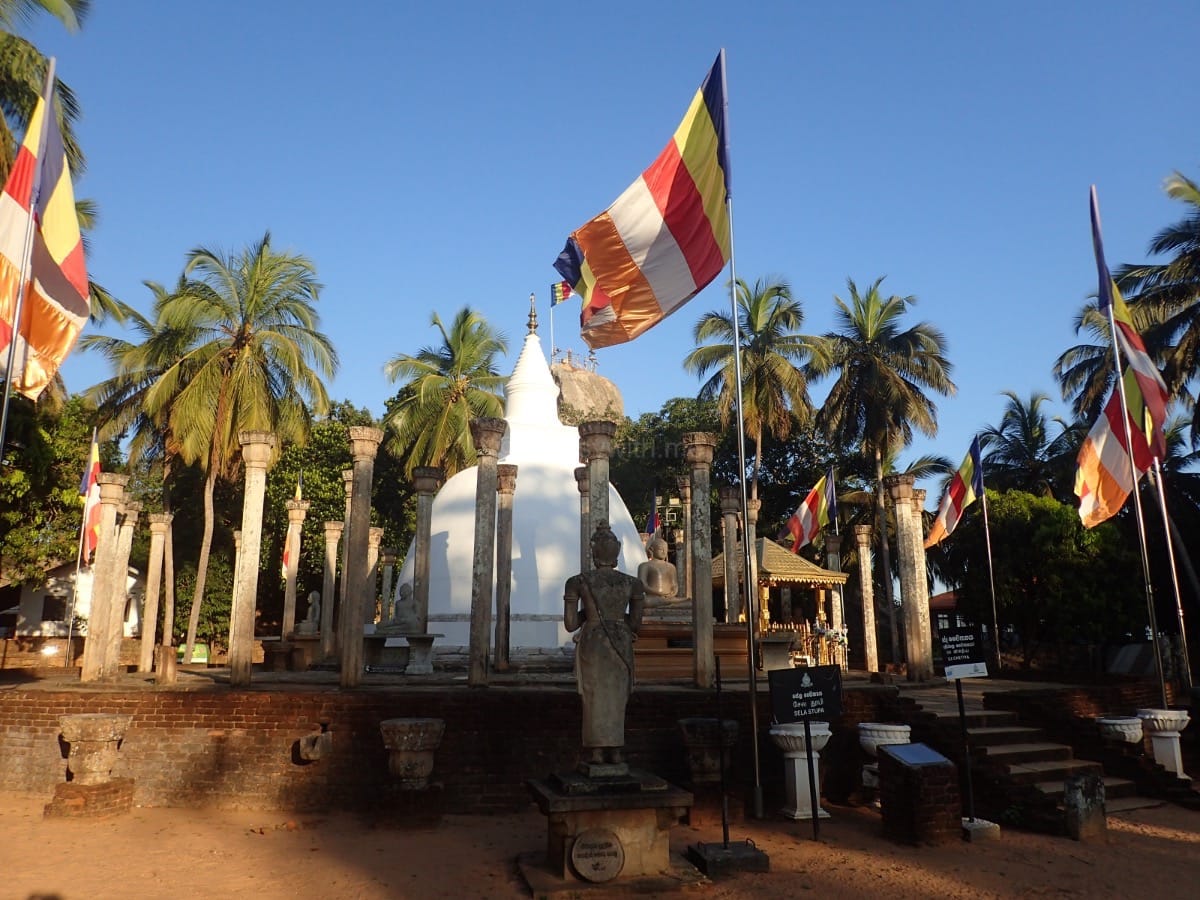
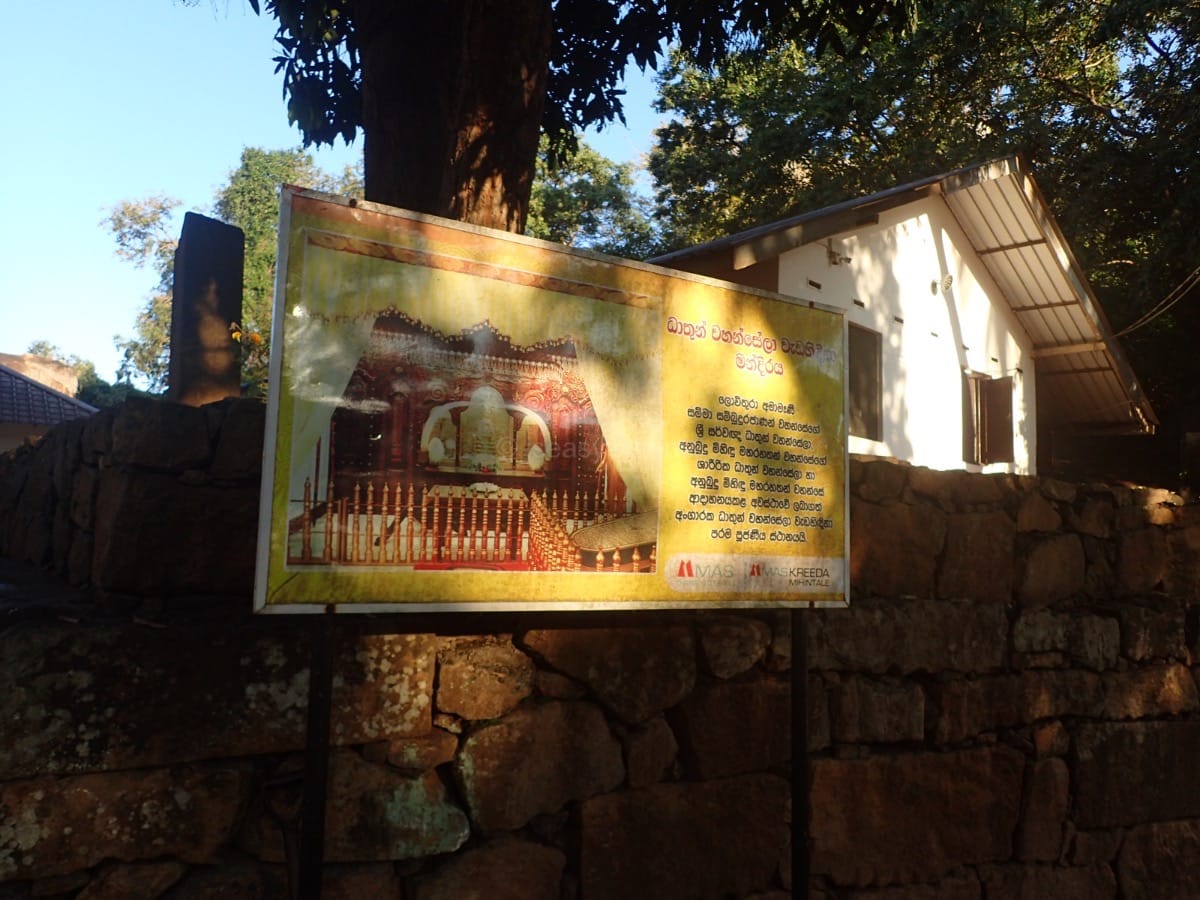
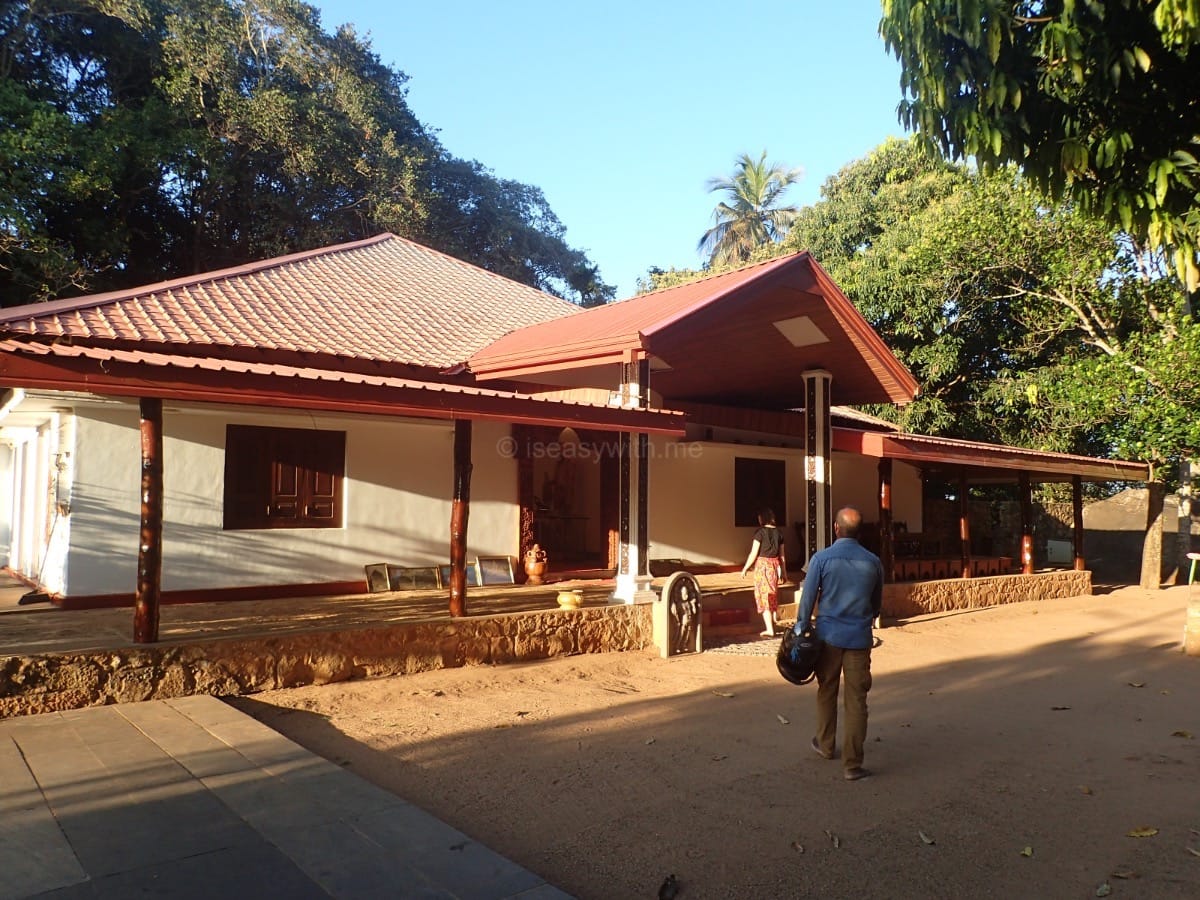
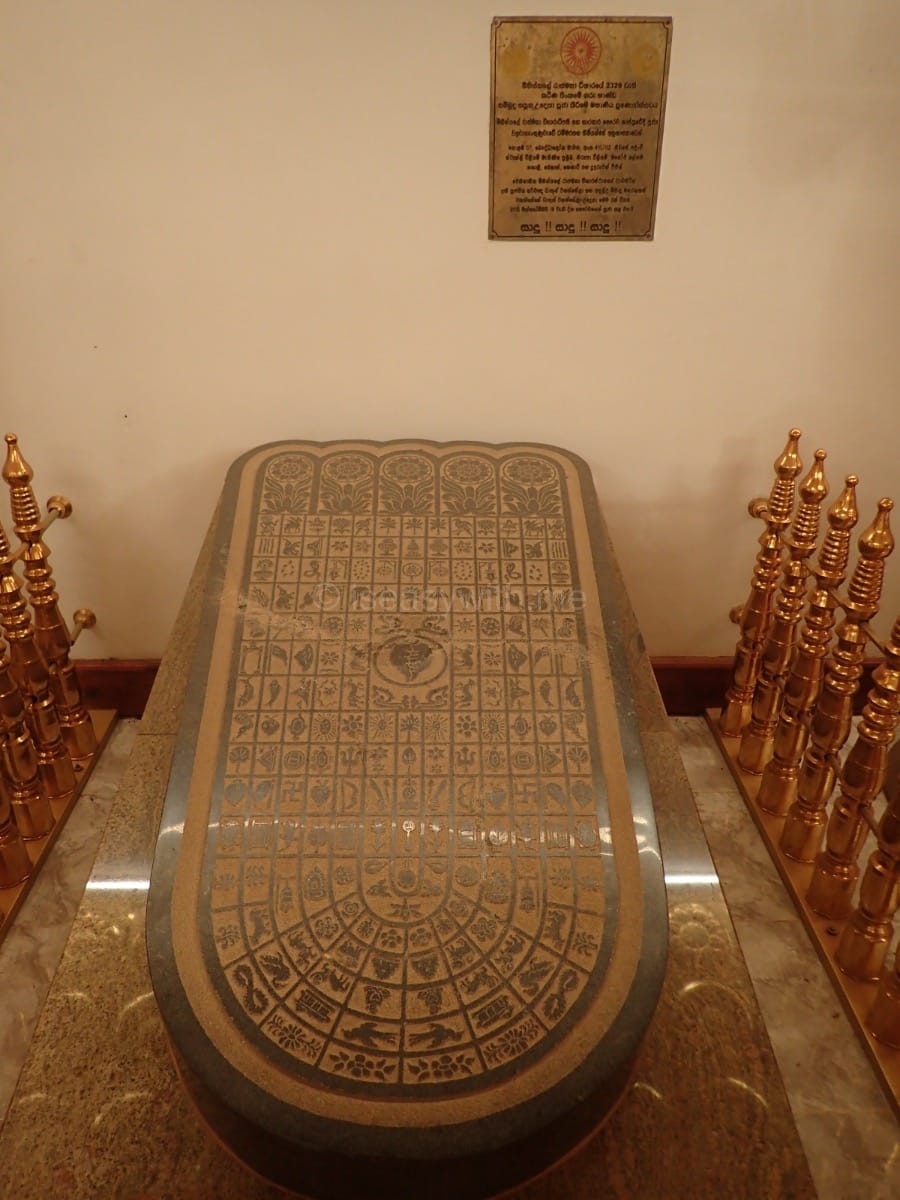
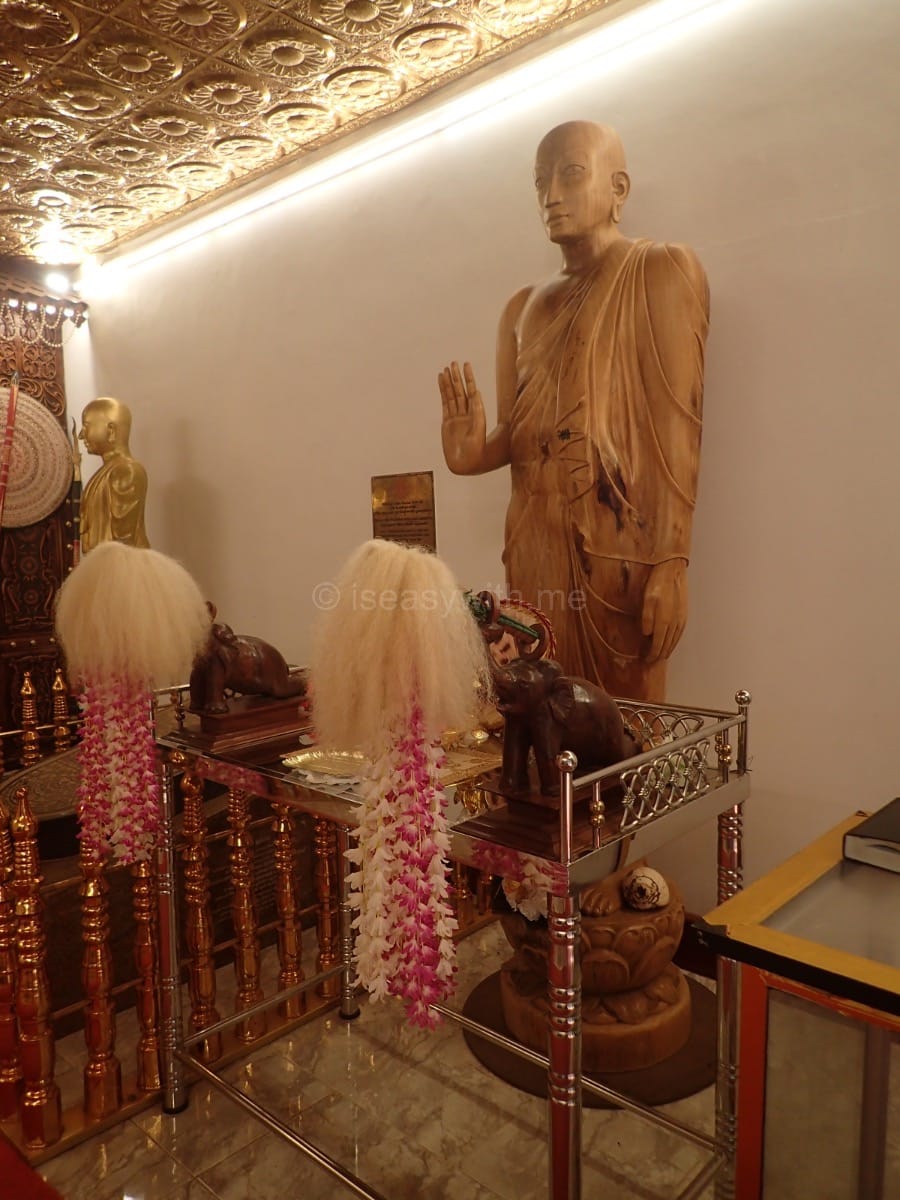
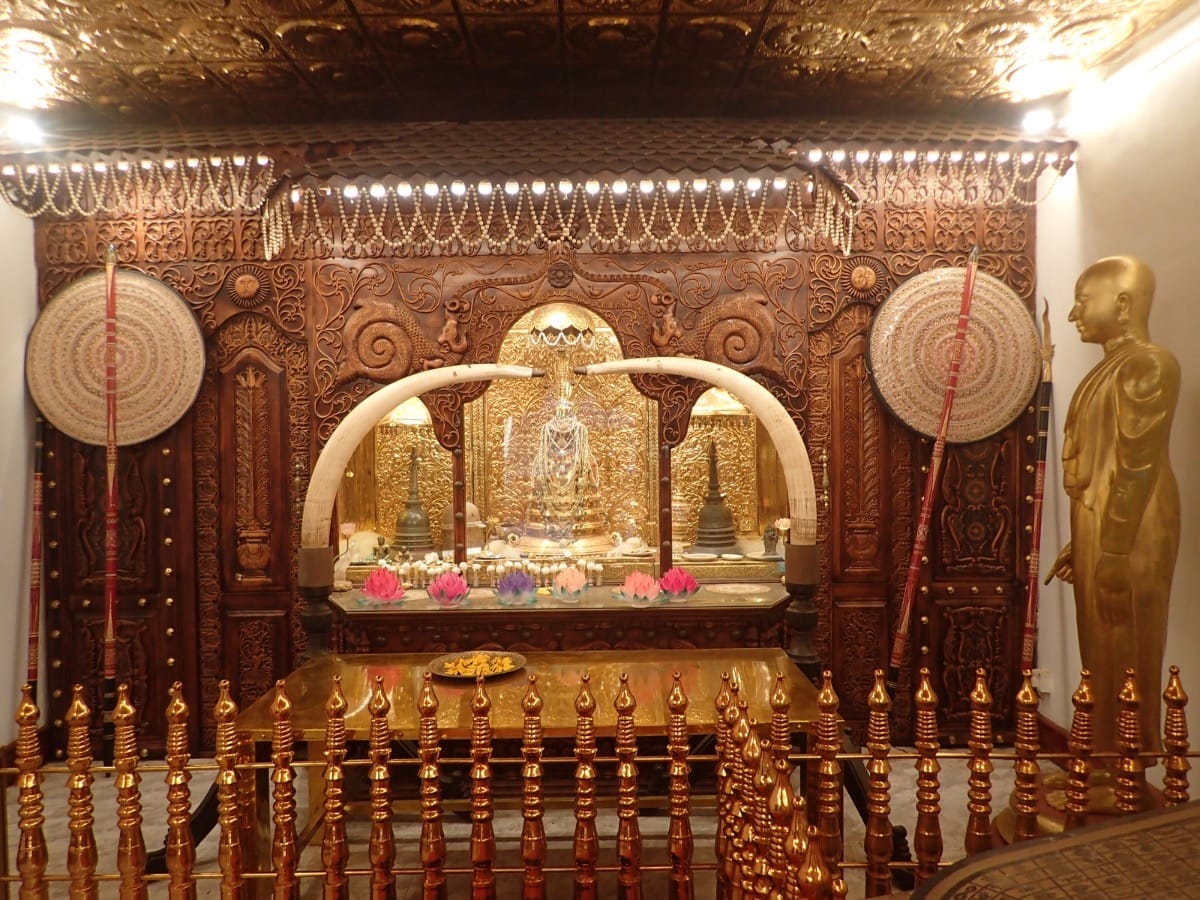
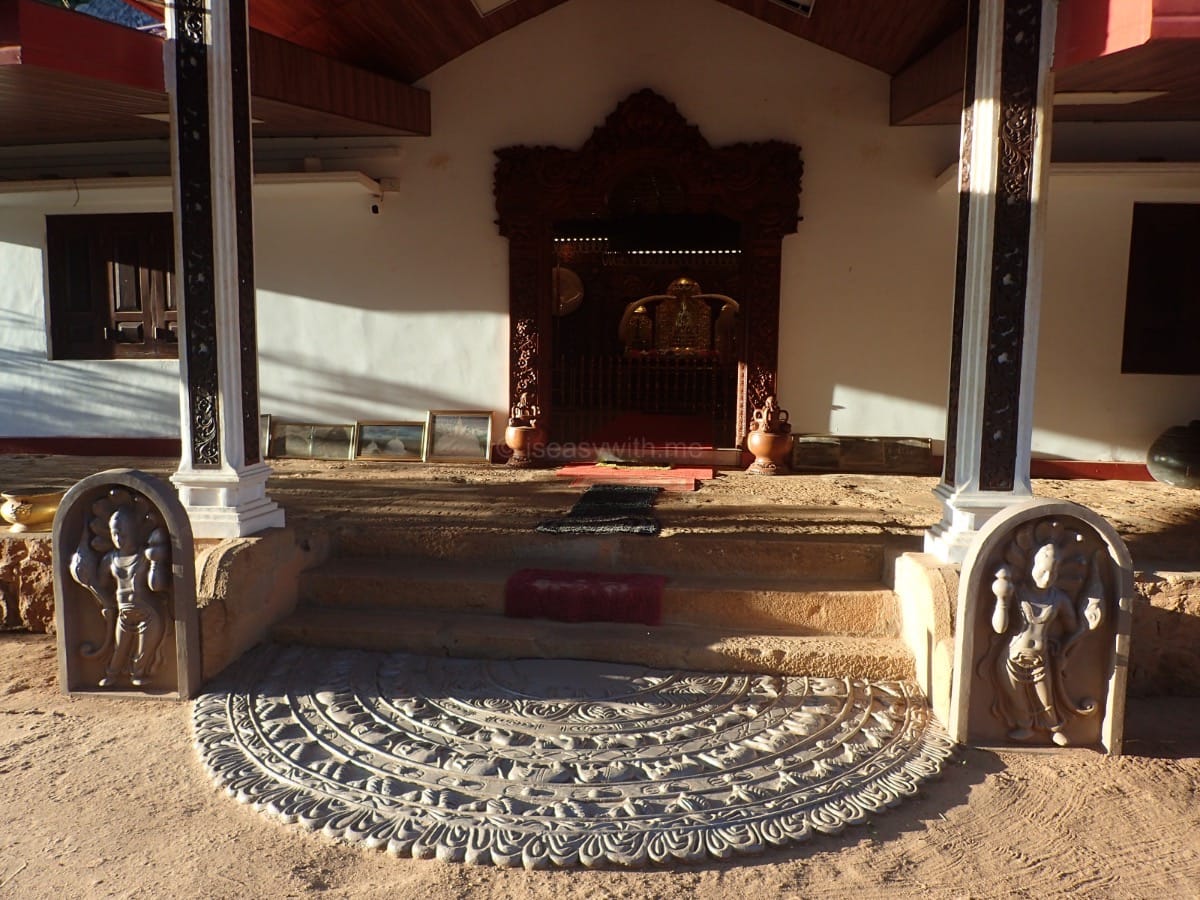
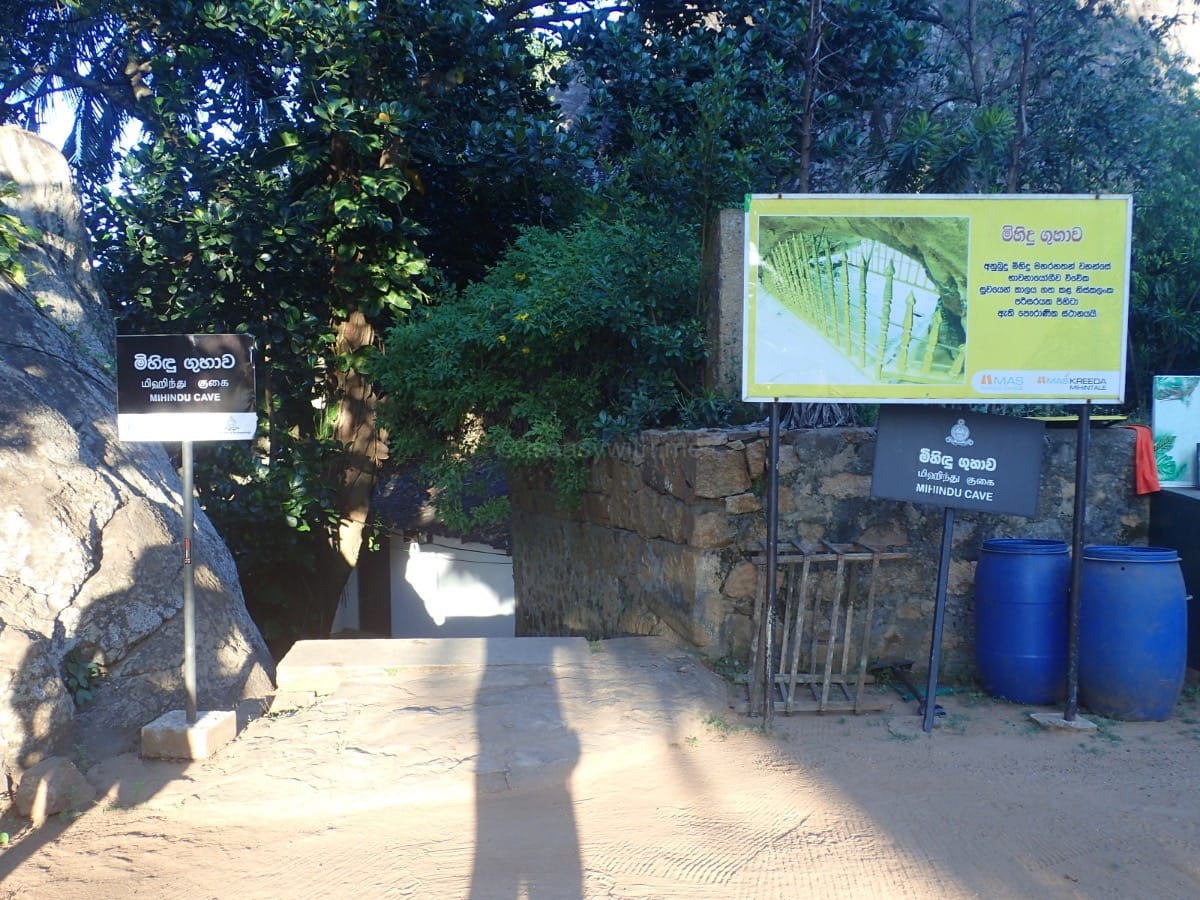
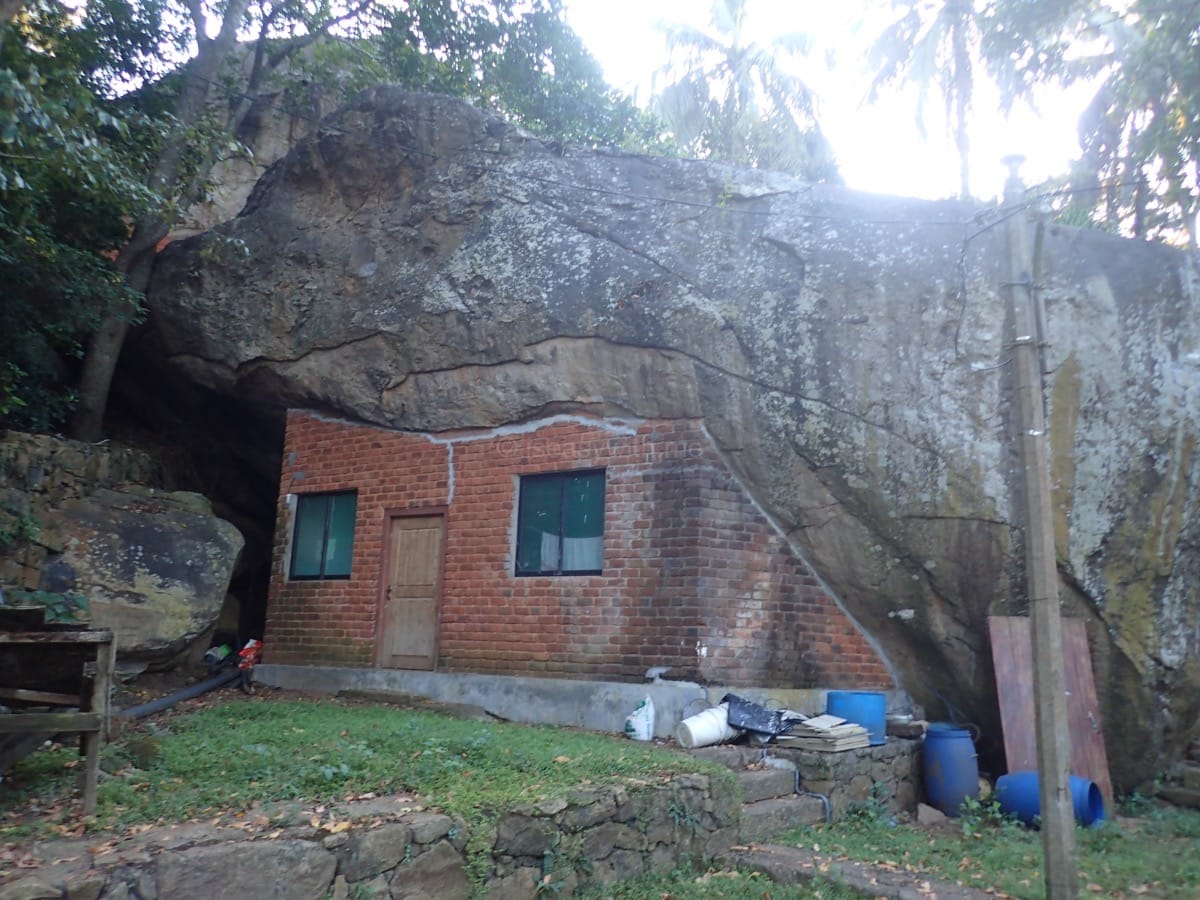
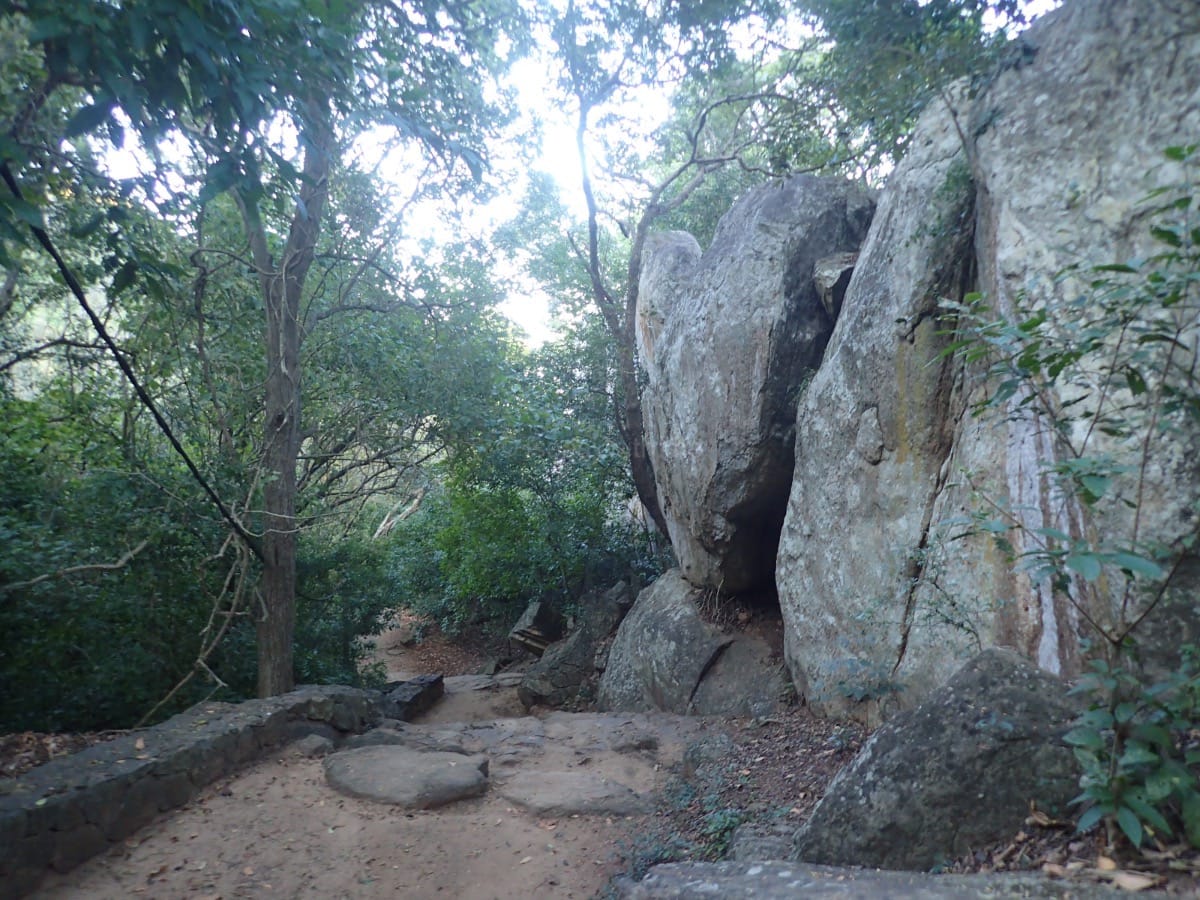
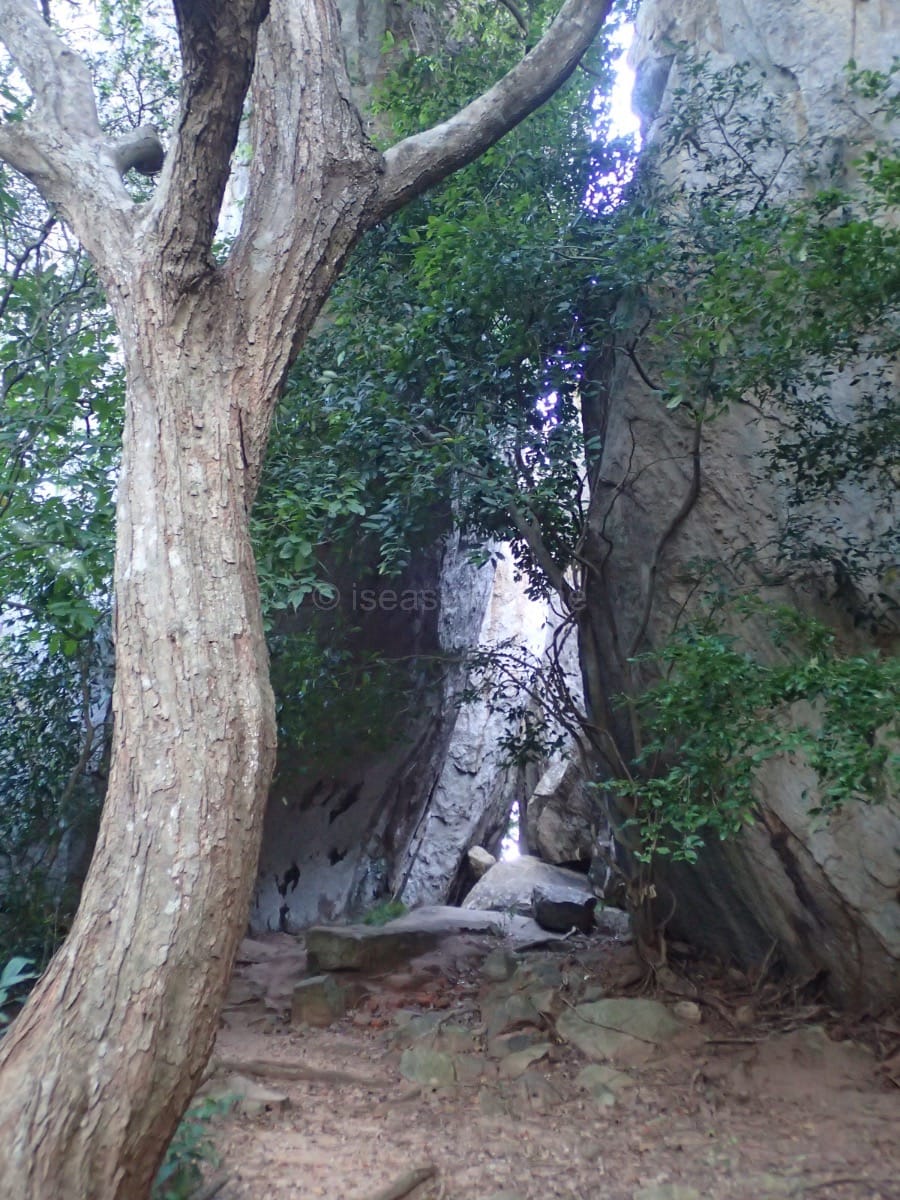
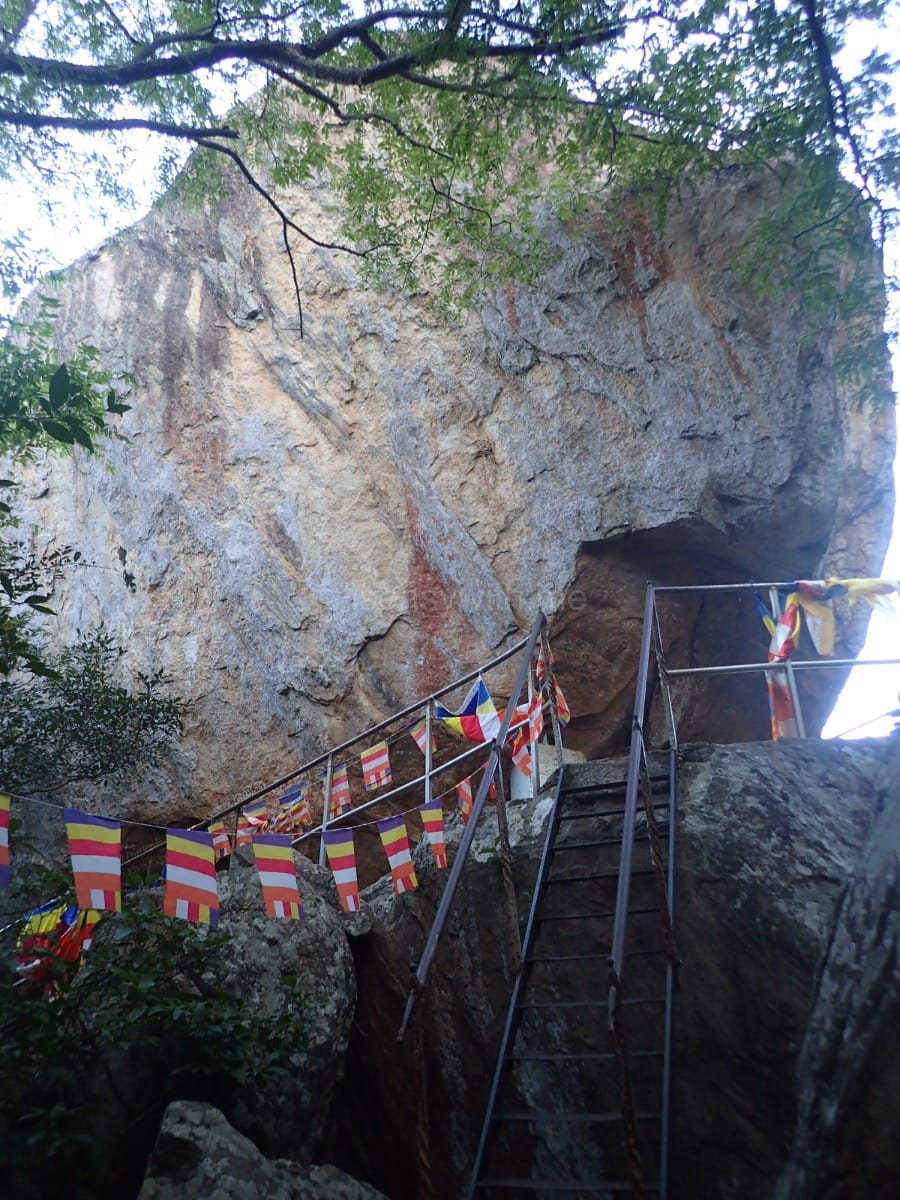
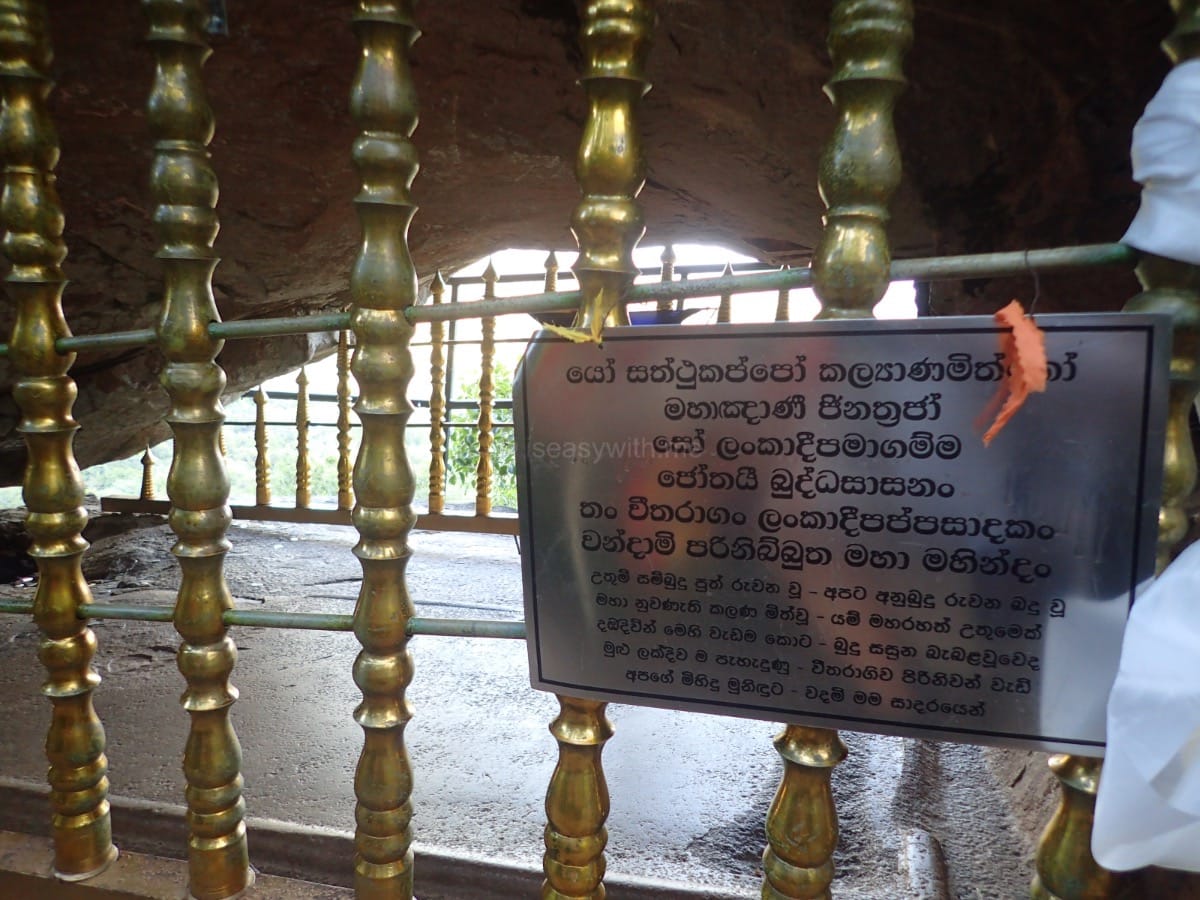
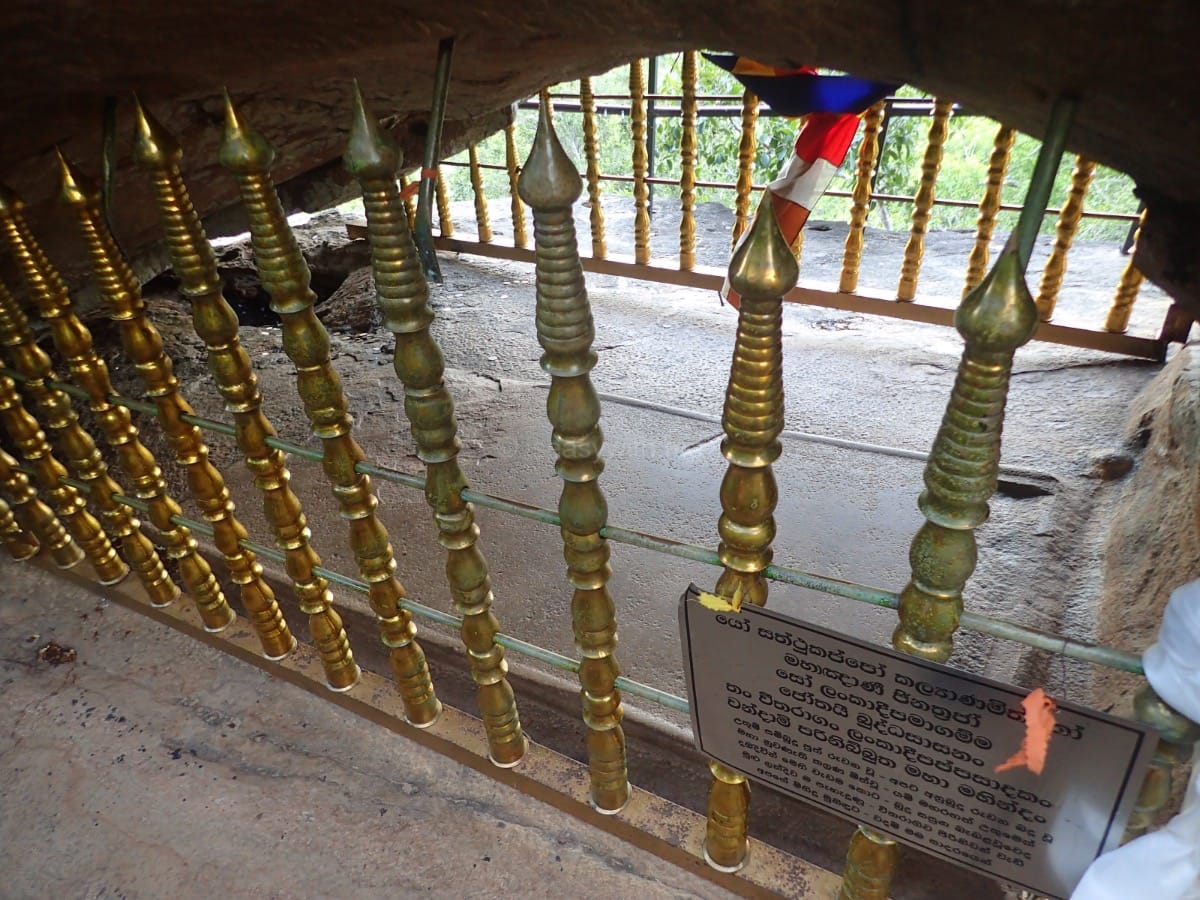
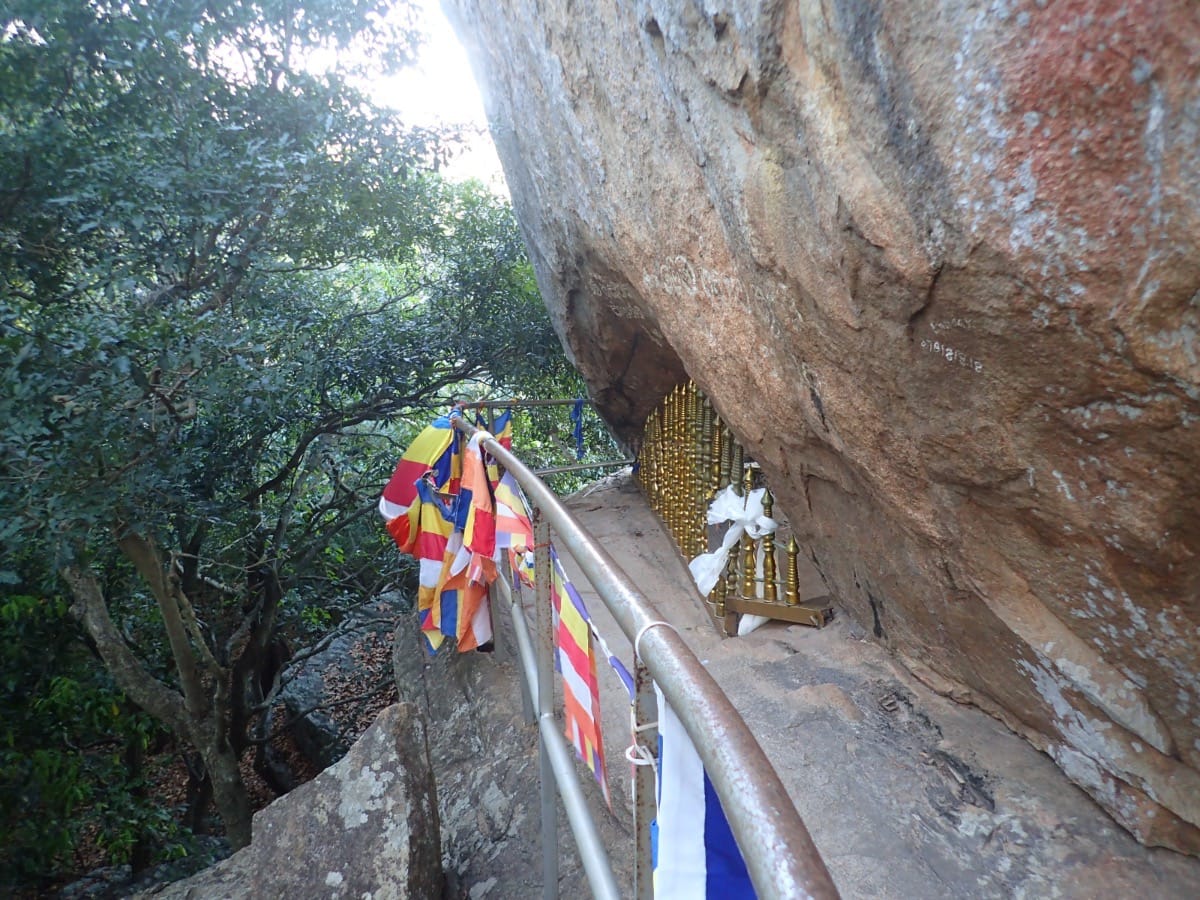
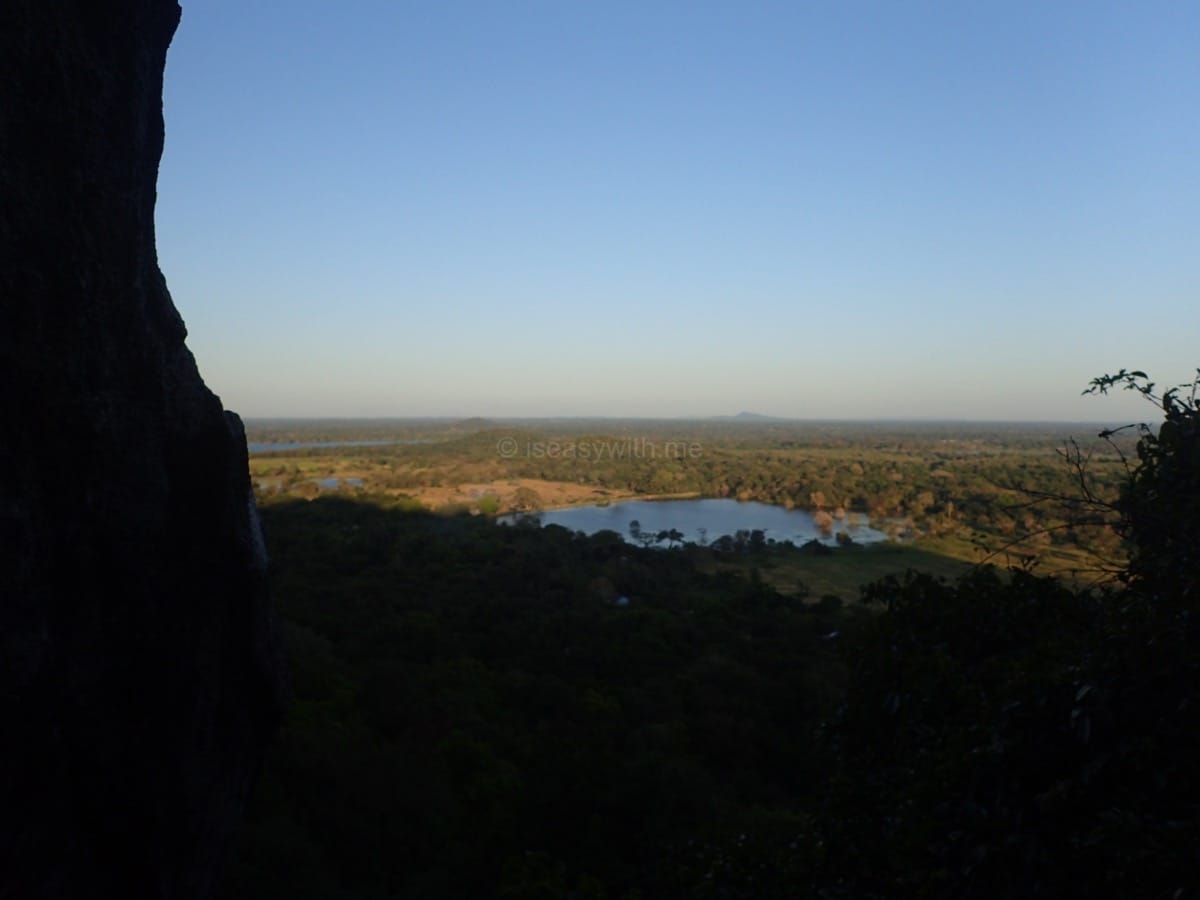
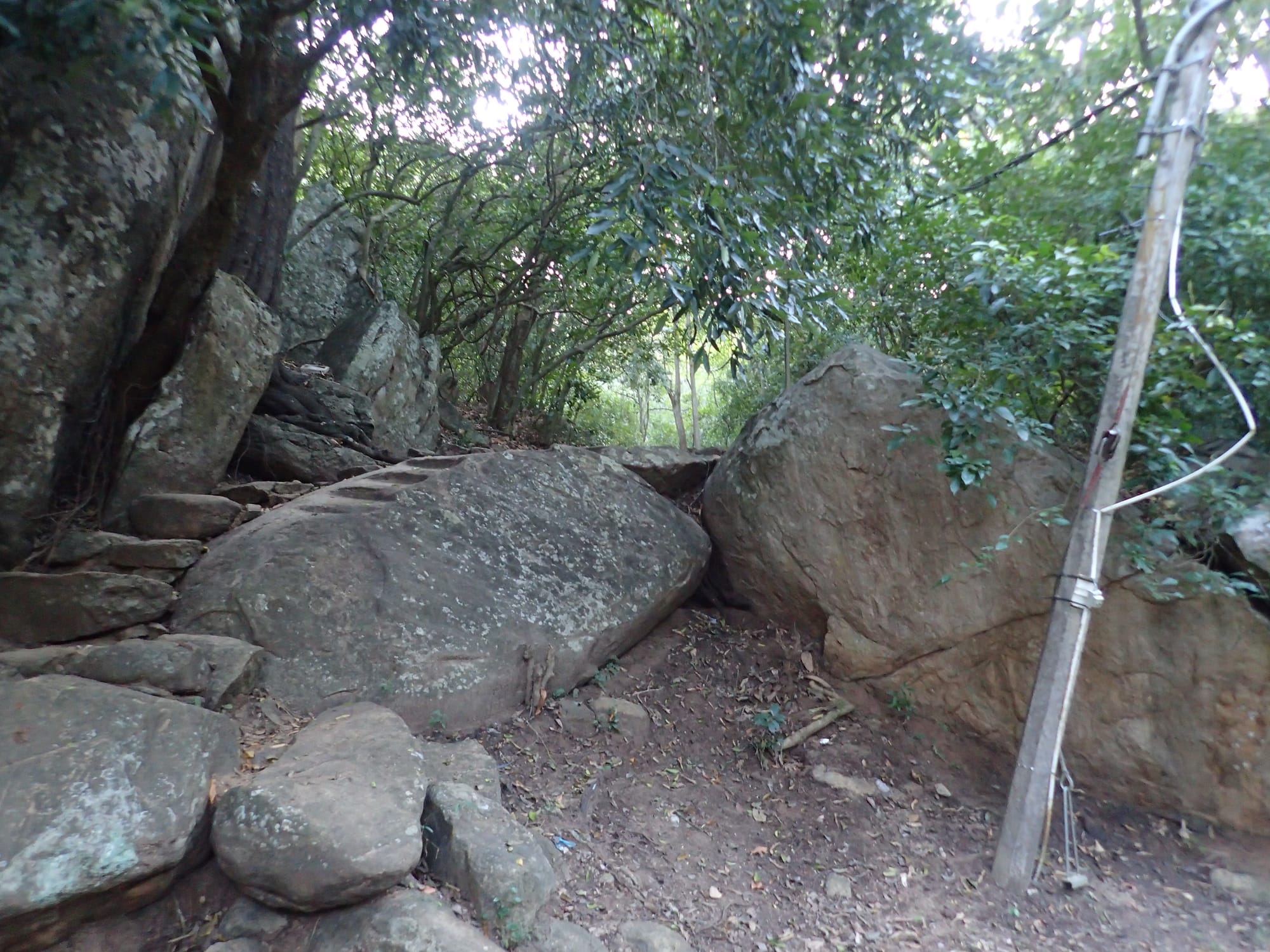
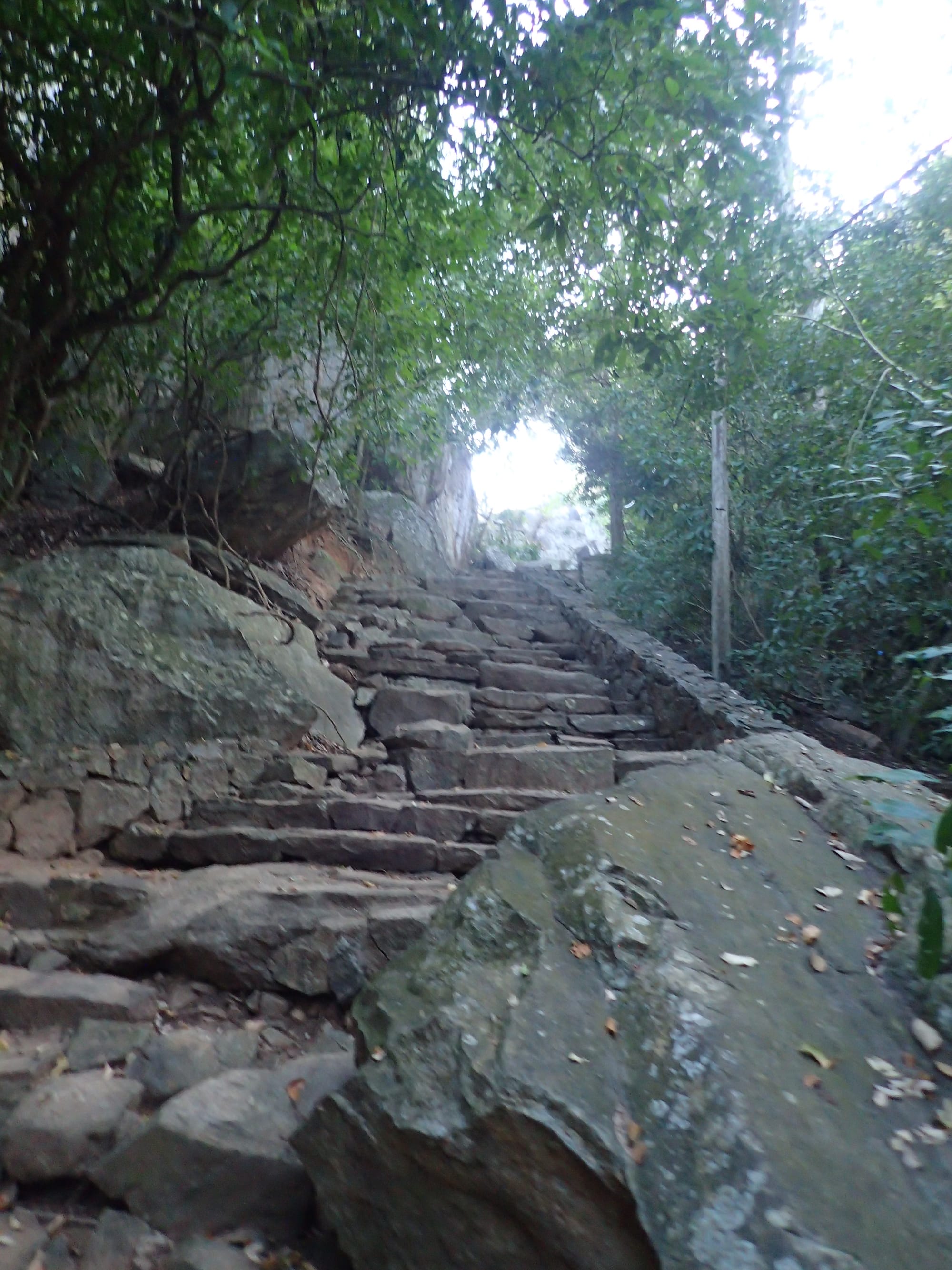
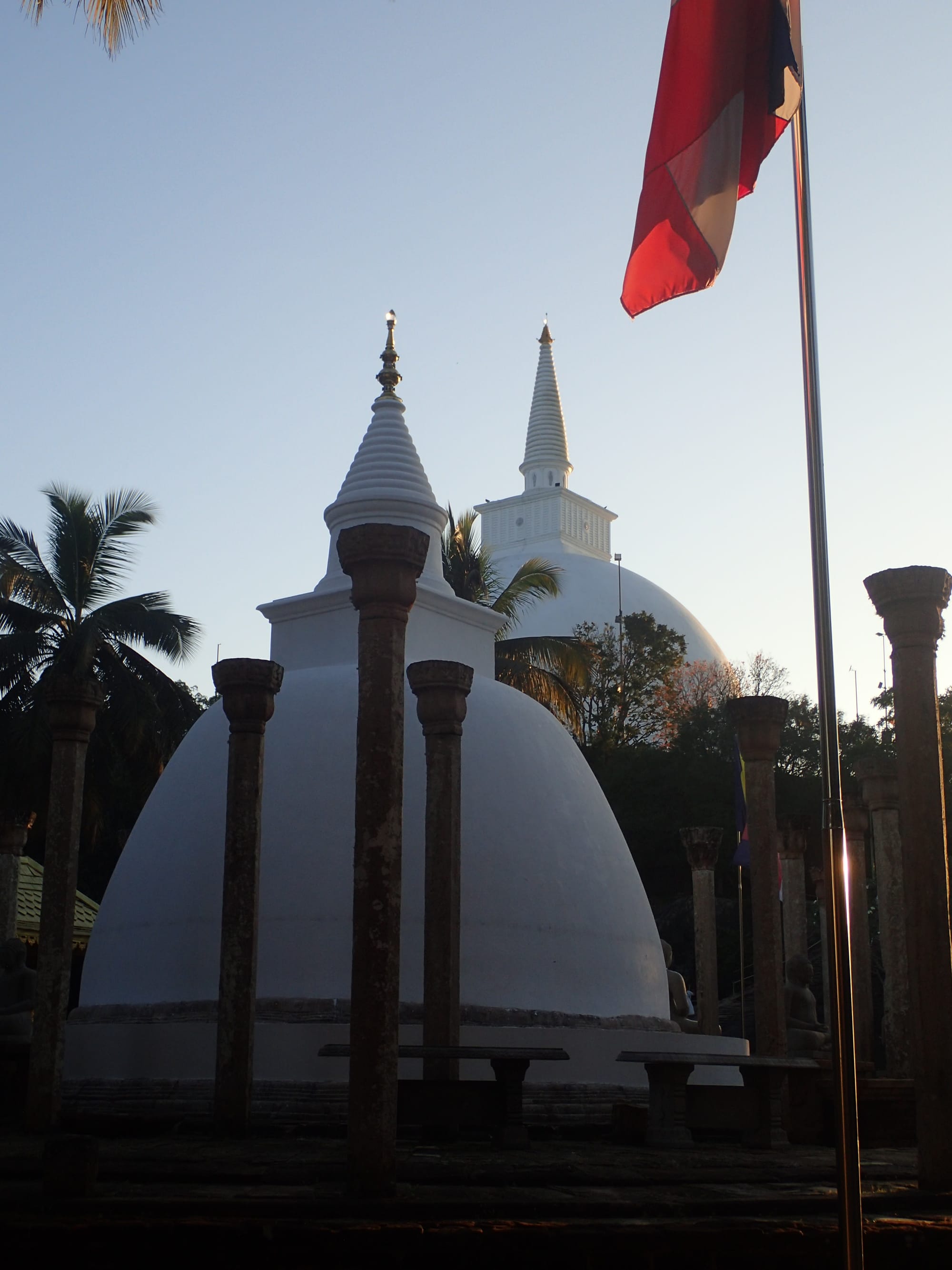
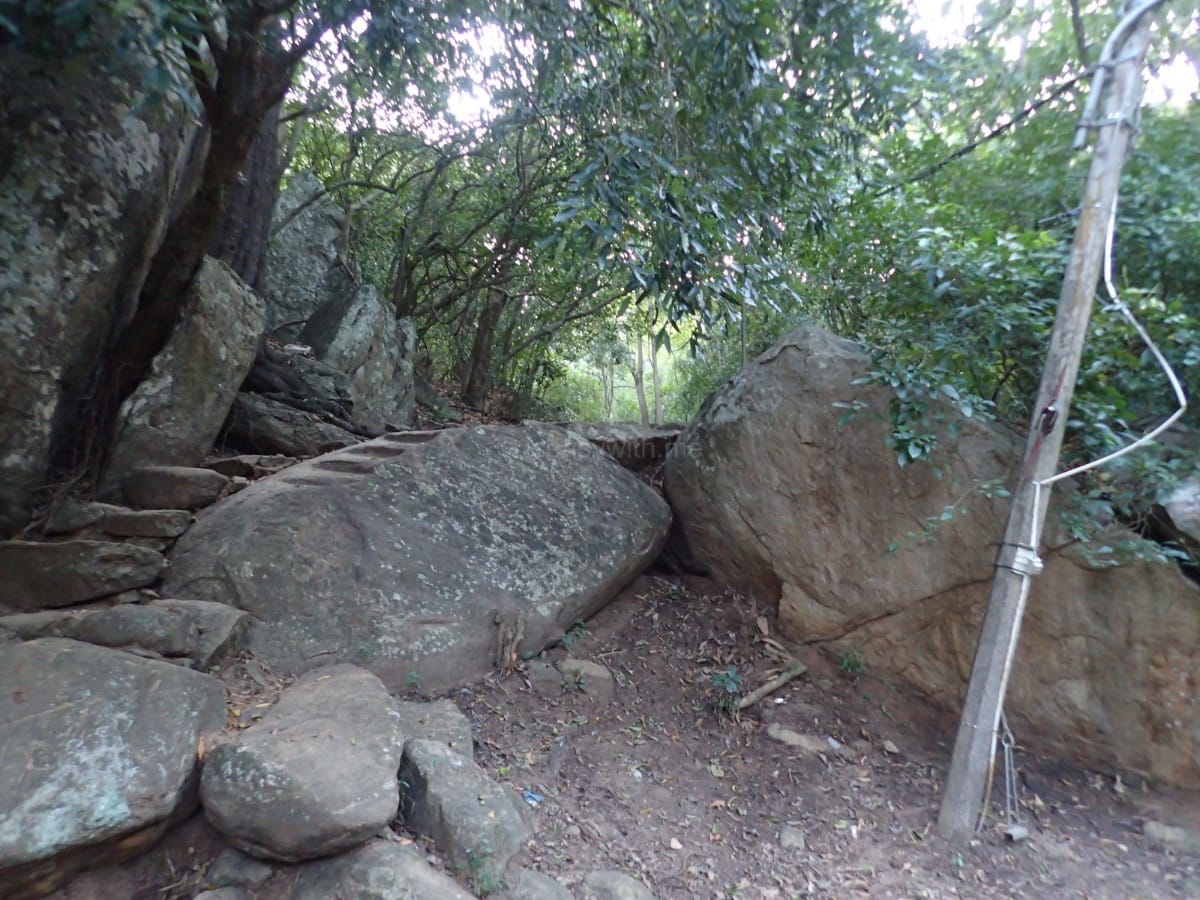
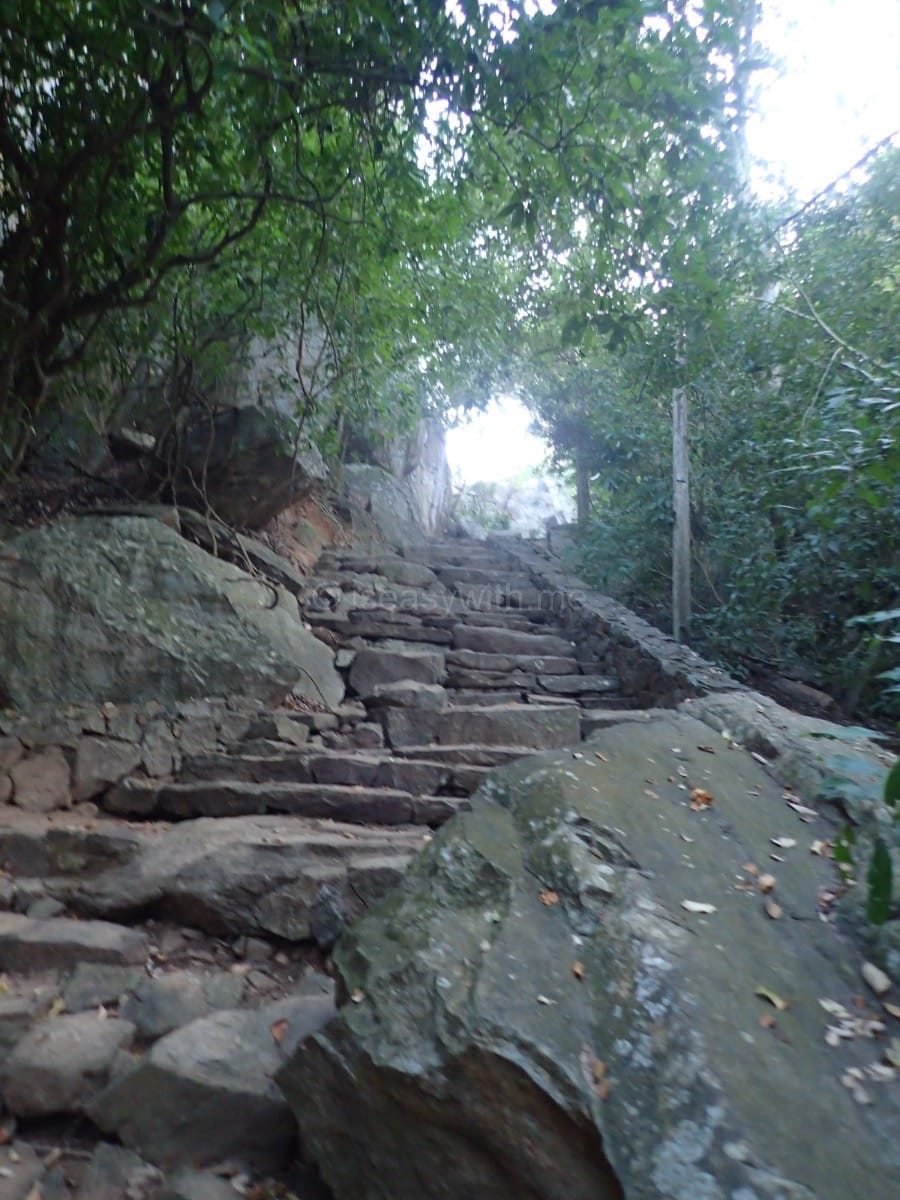
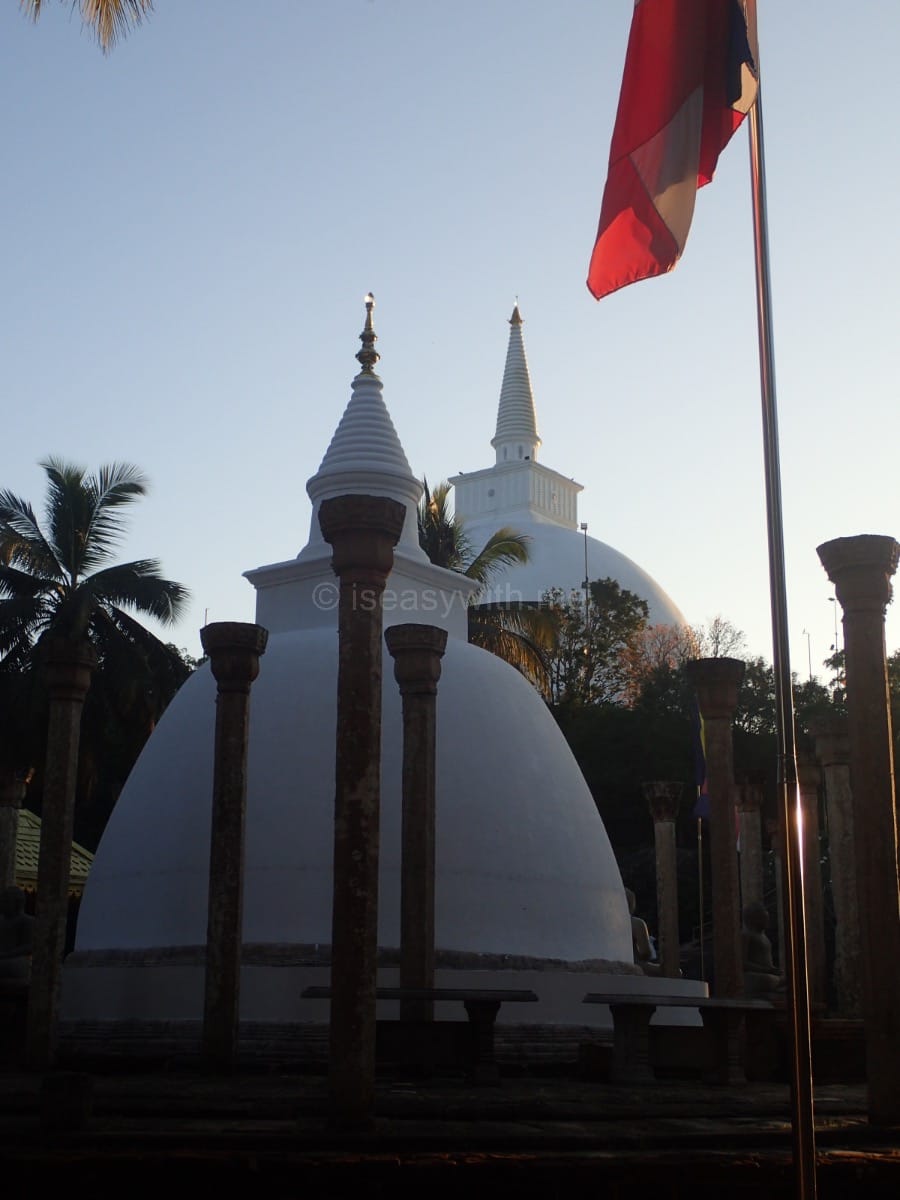
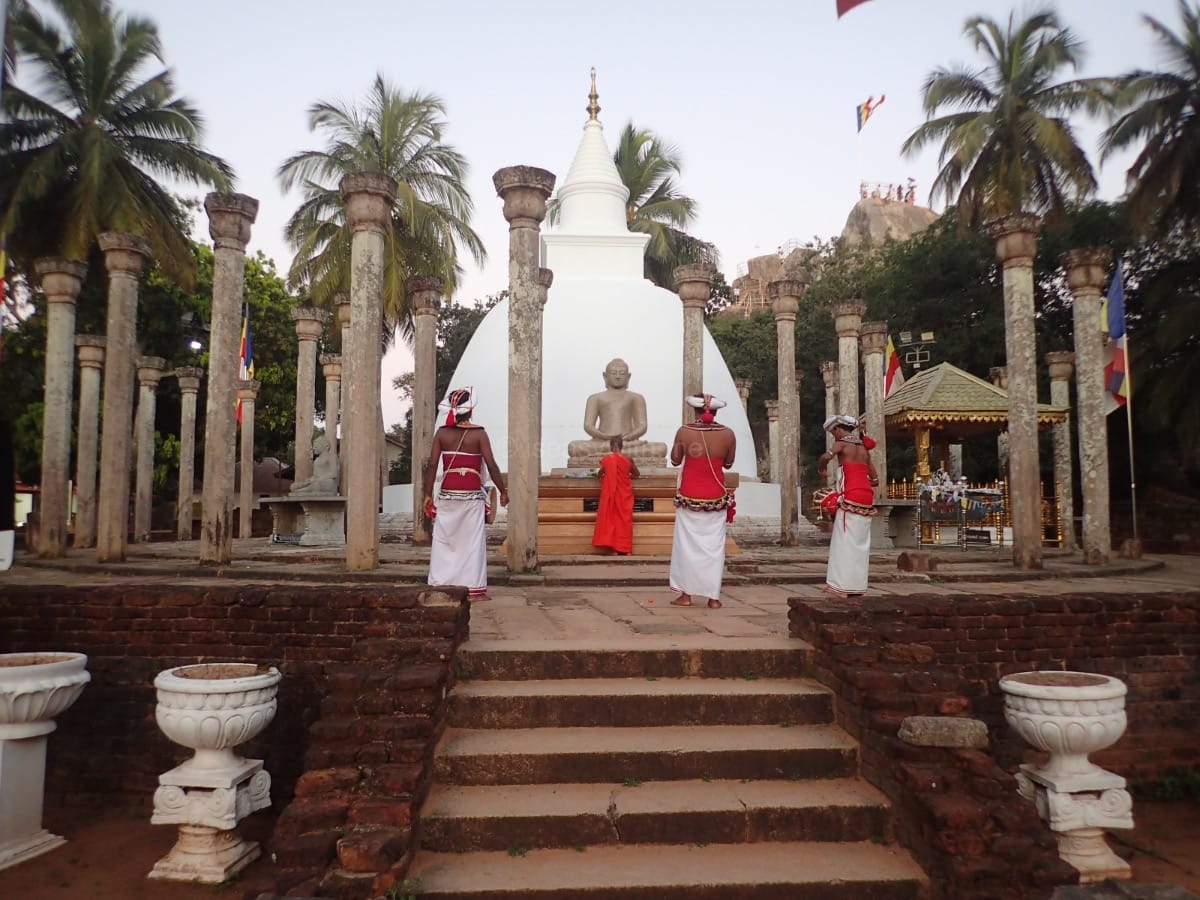
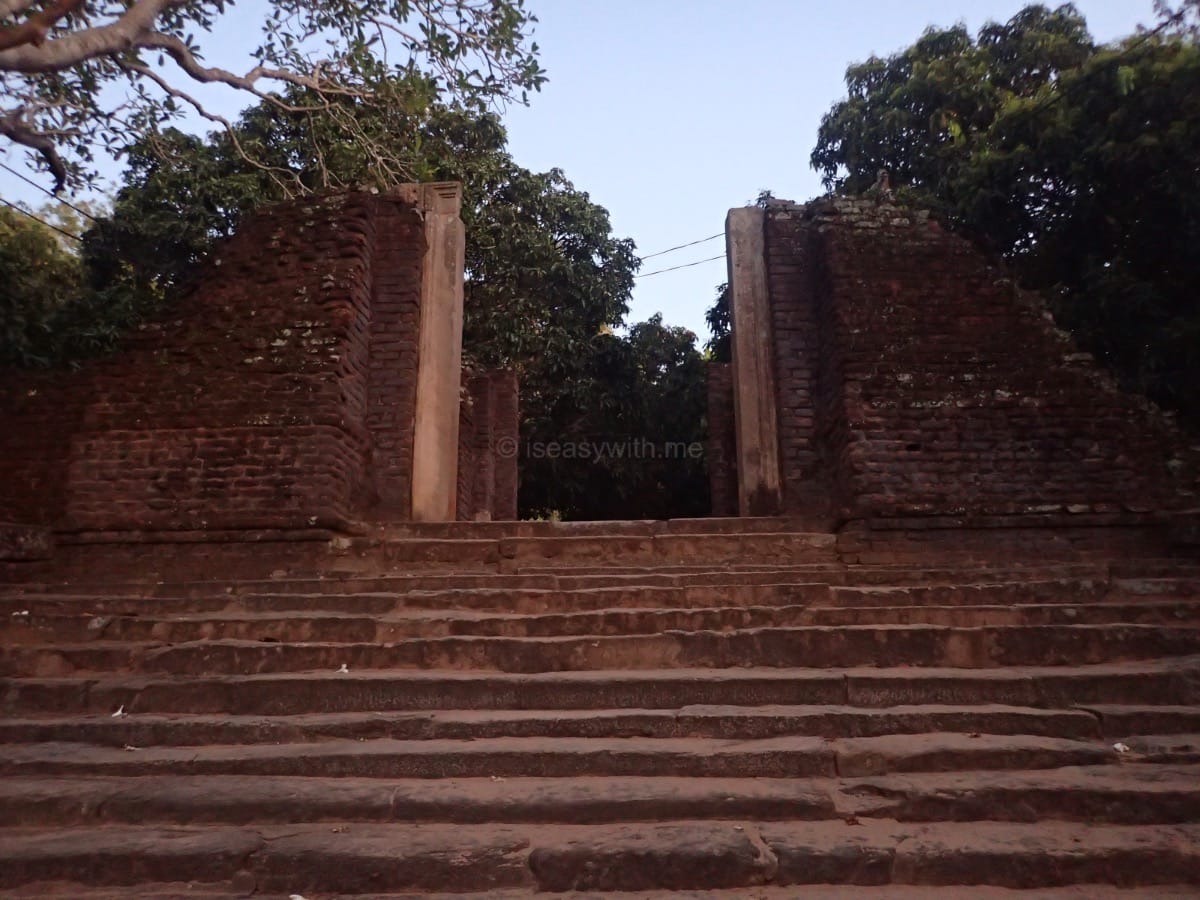
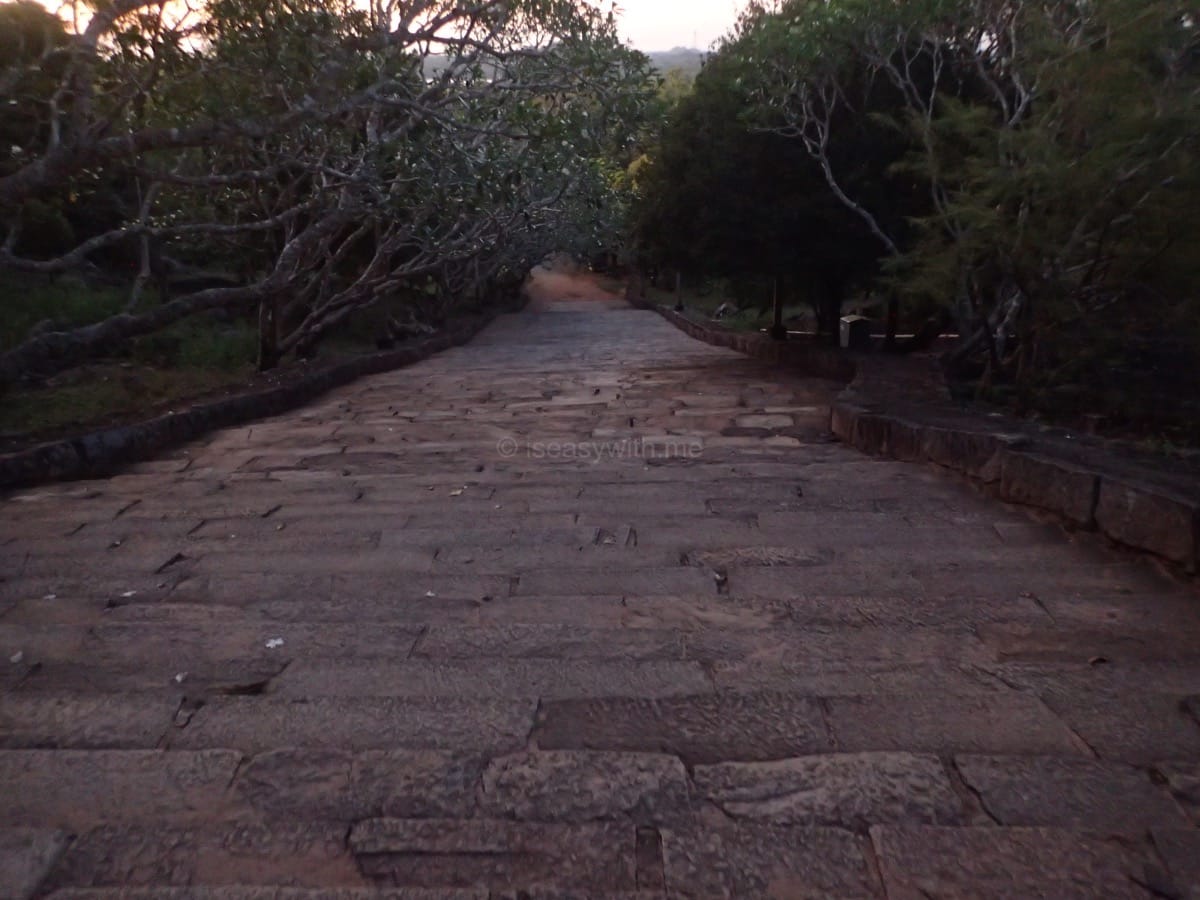
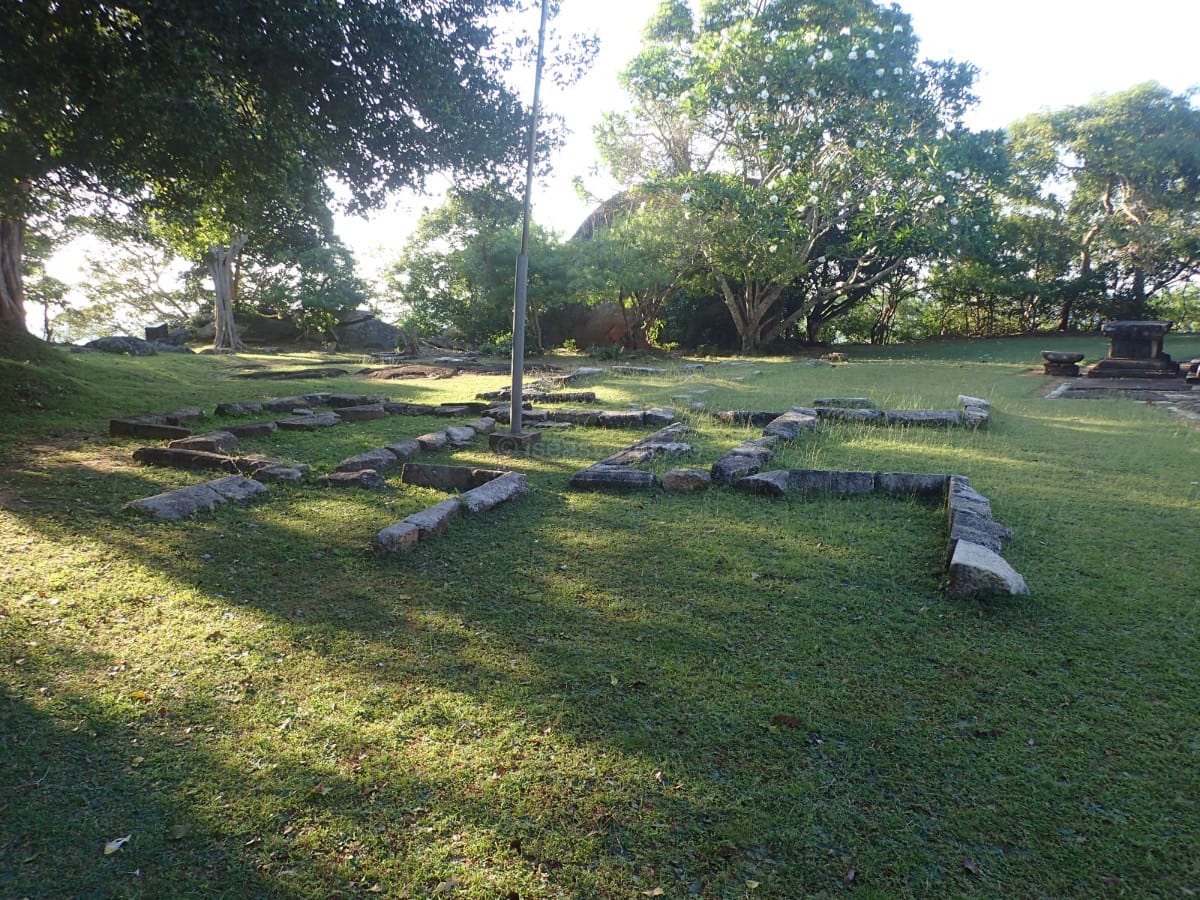
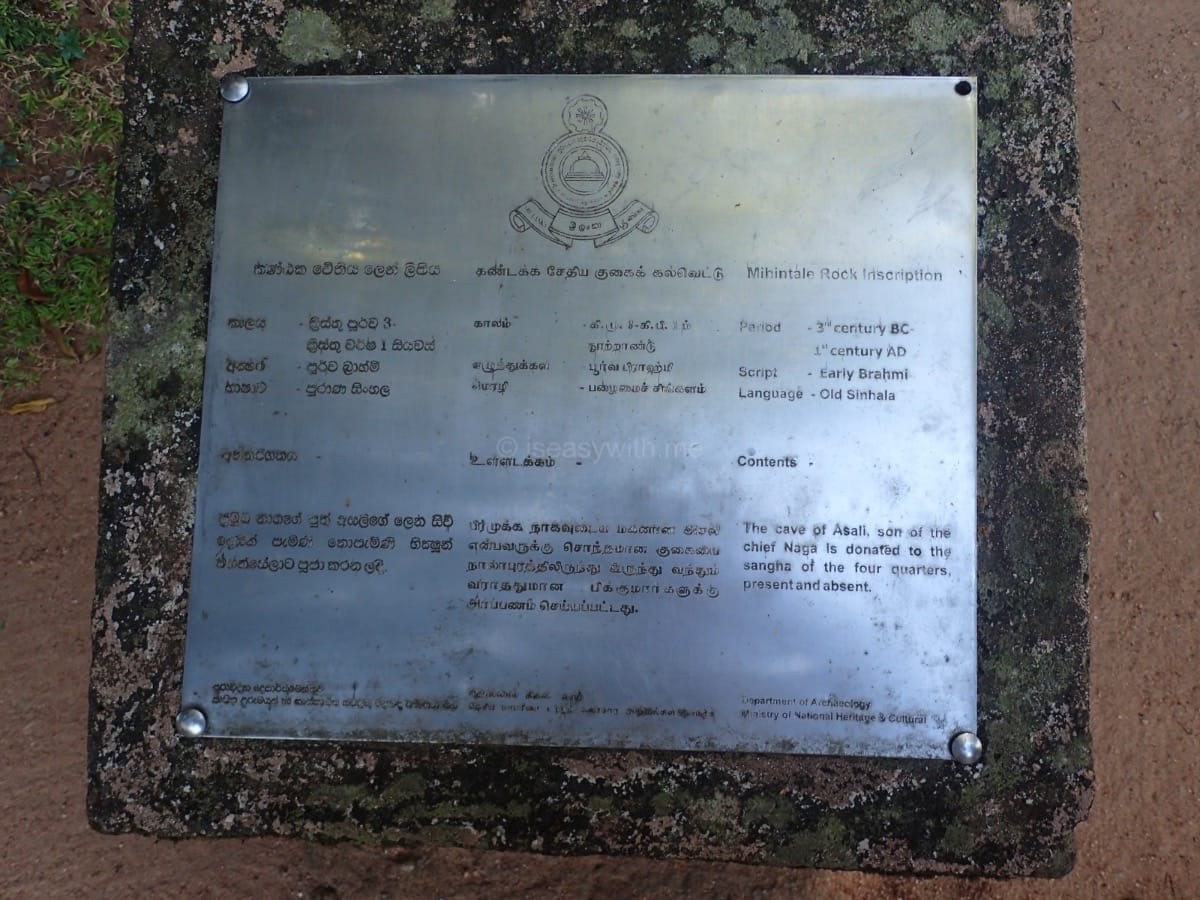
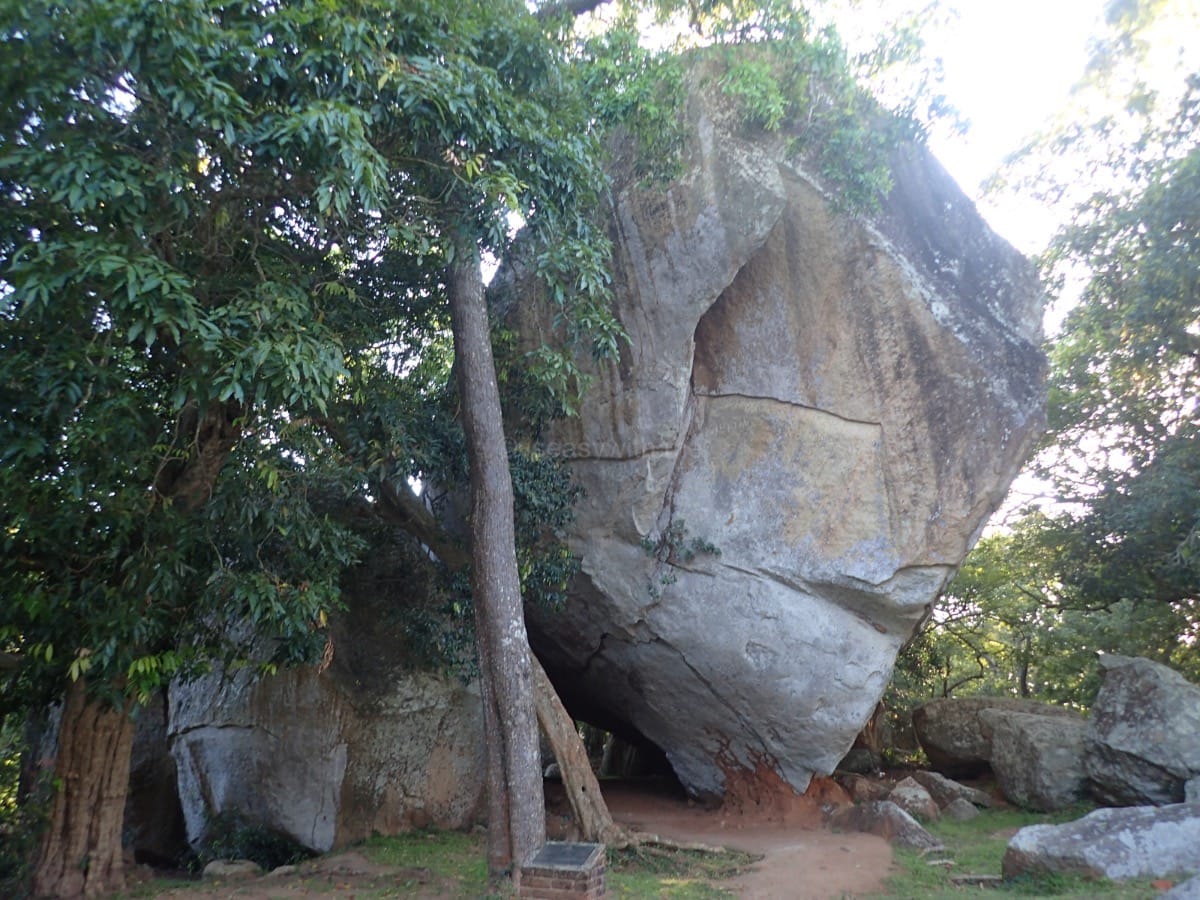
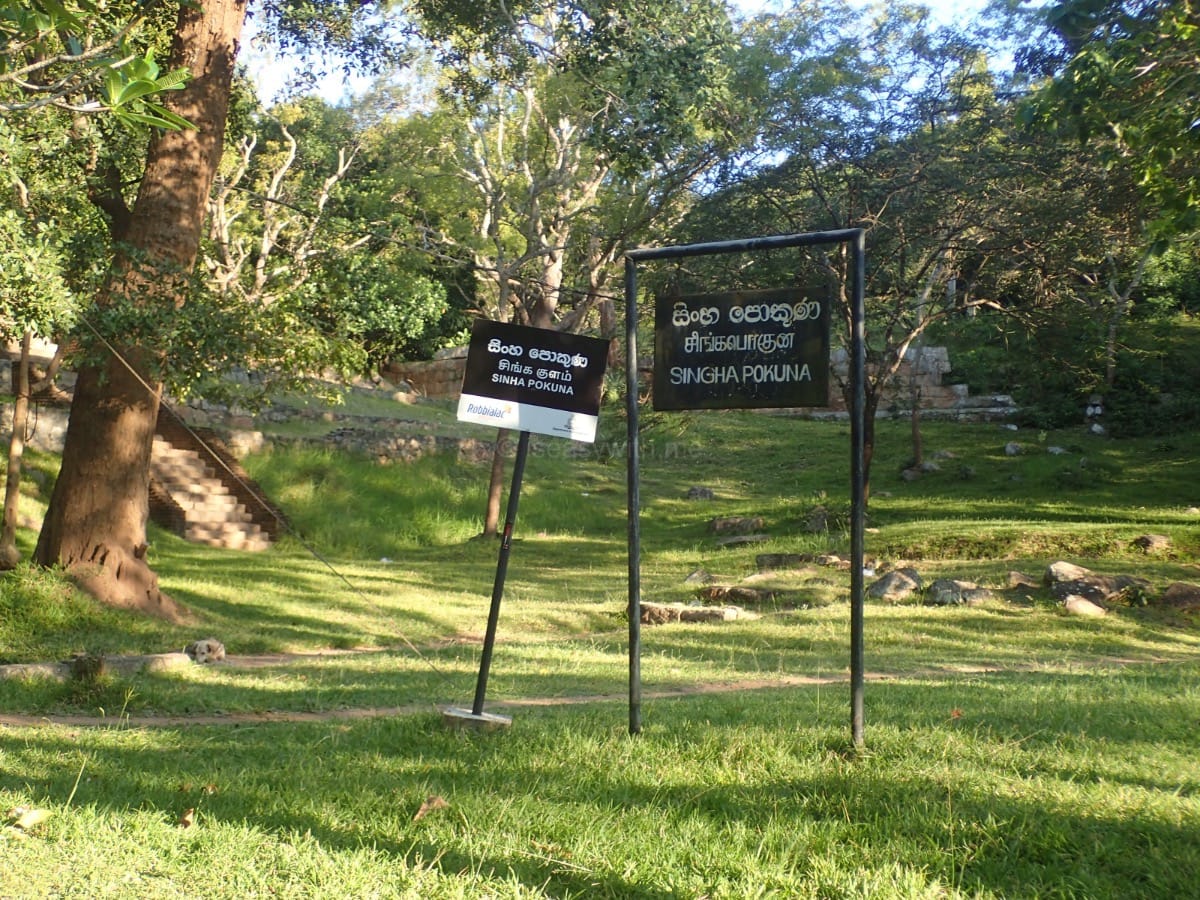
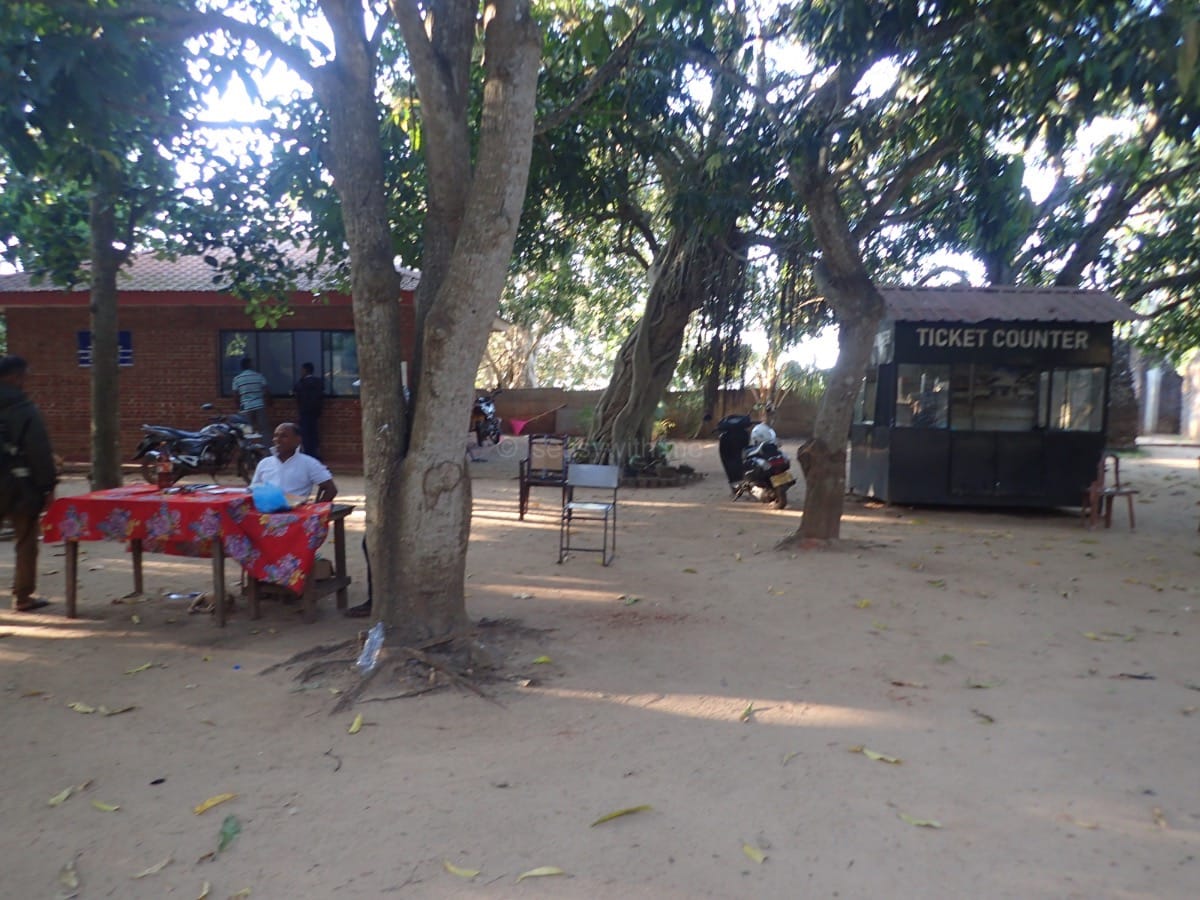
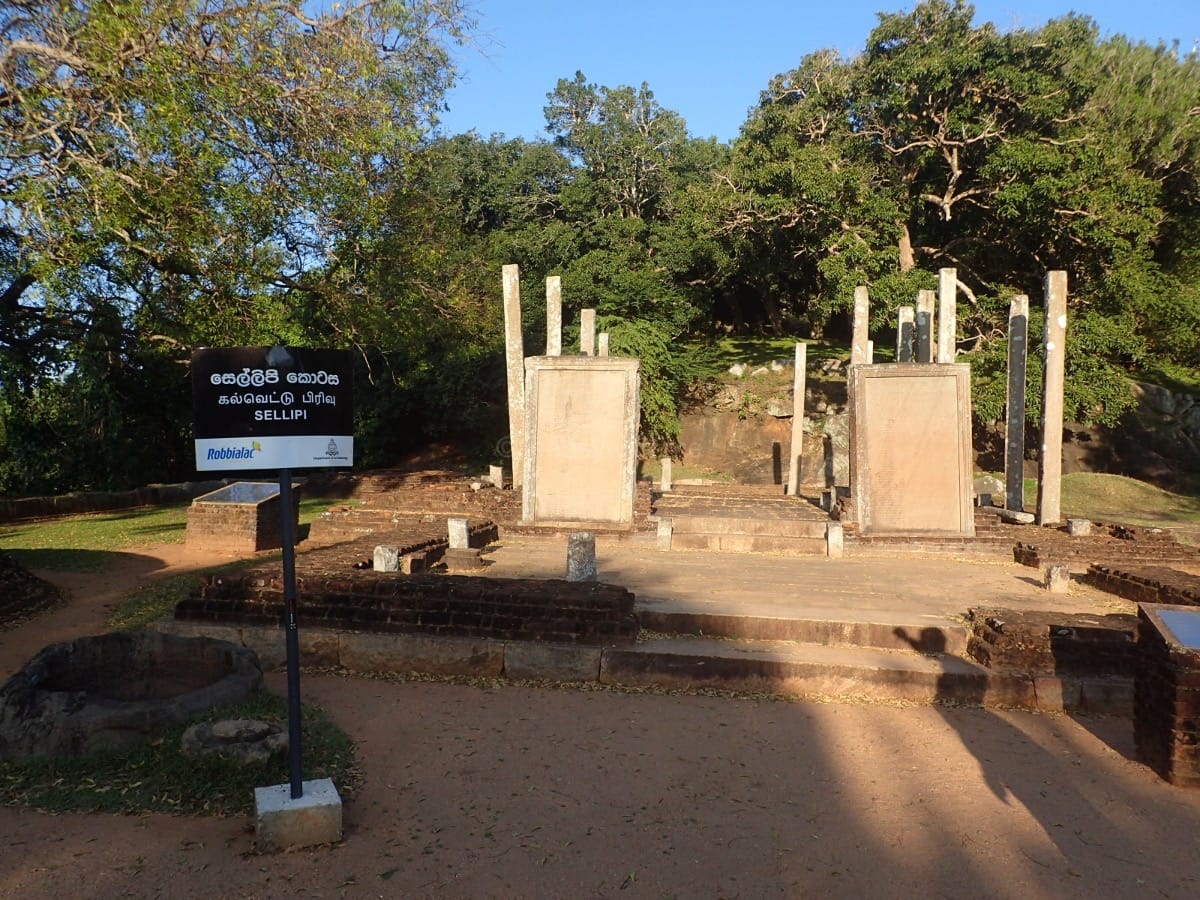
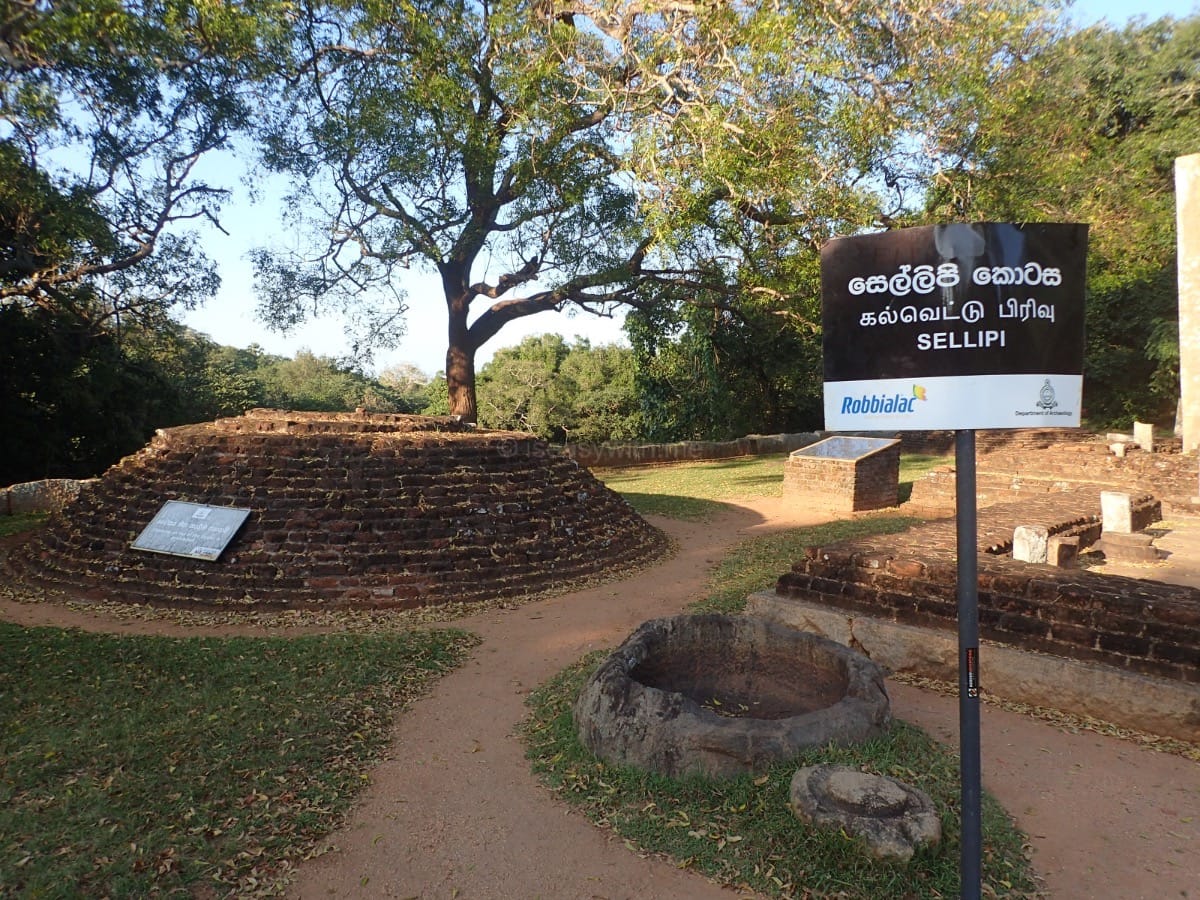
pit stops in Mihintale
Food & Beverage in Anuradhapura
Alankulama Family Baker
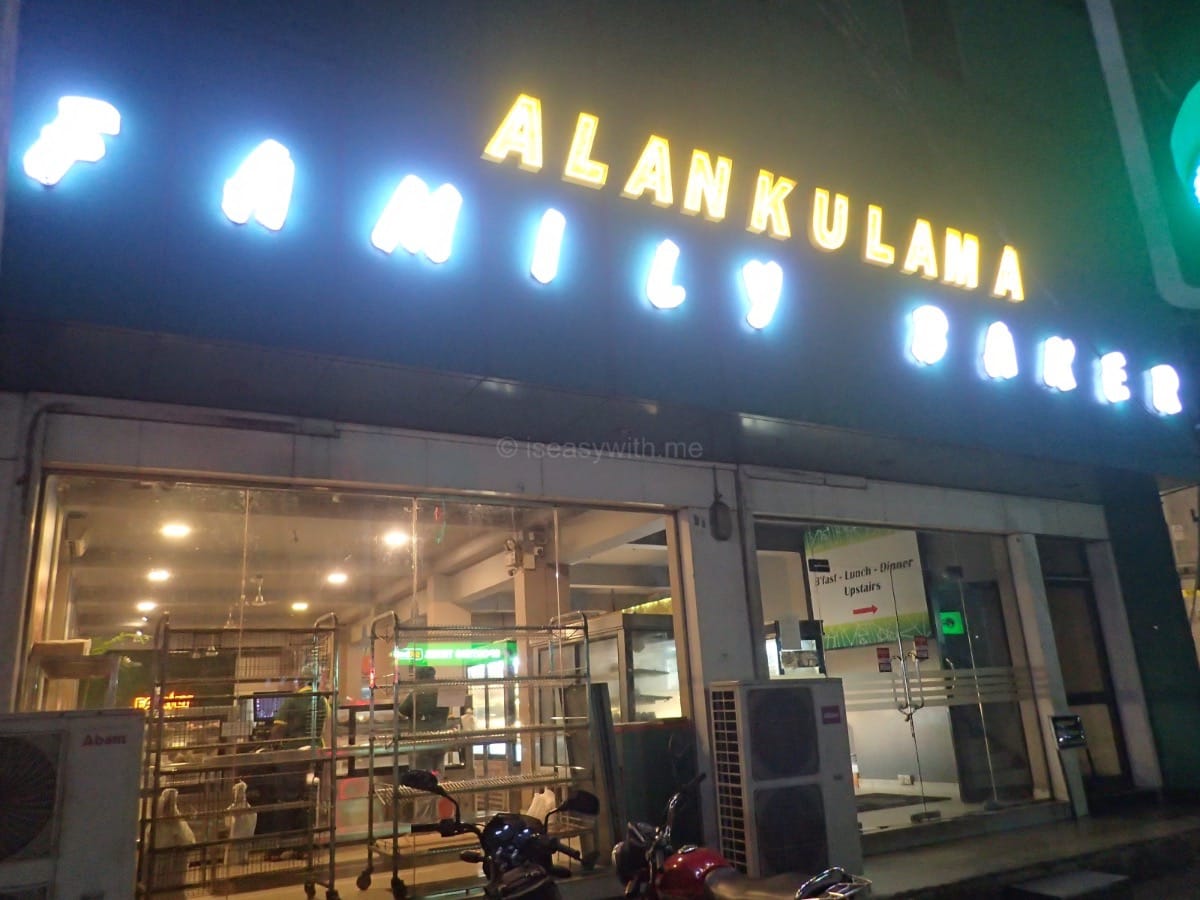
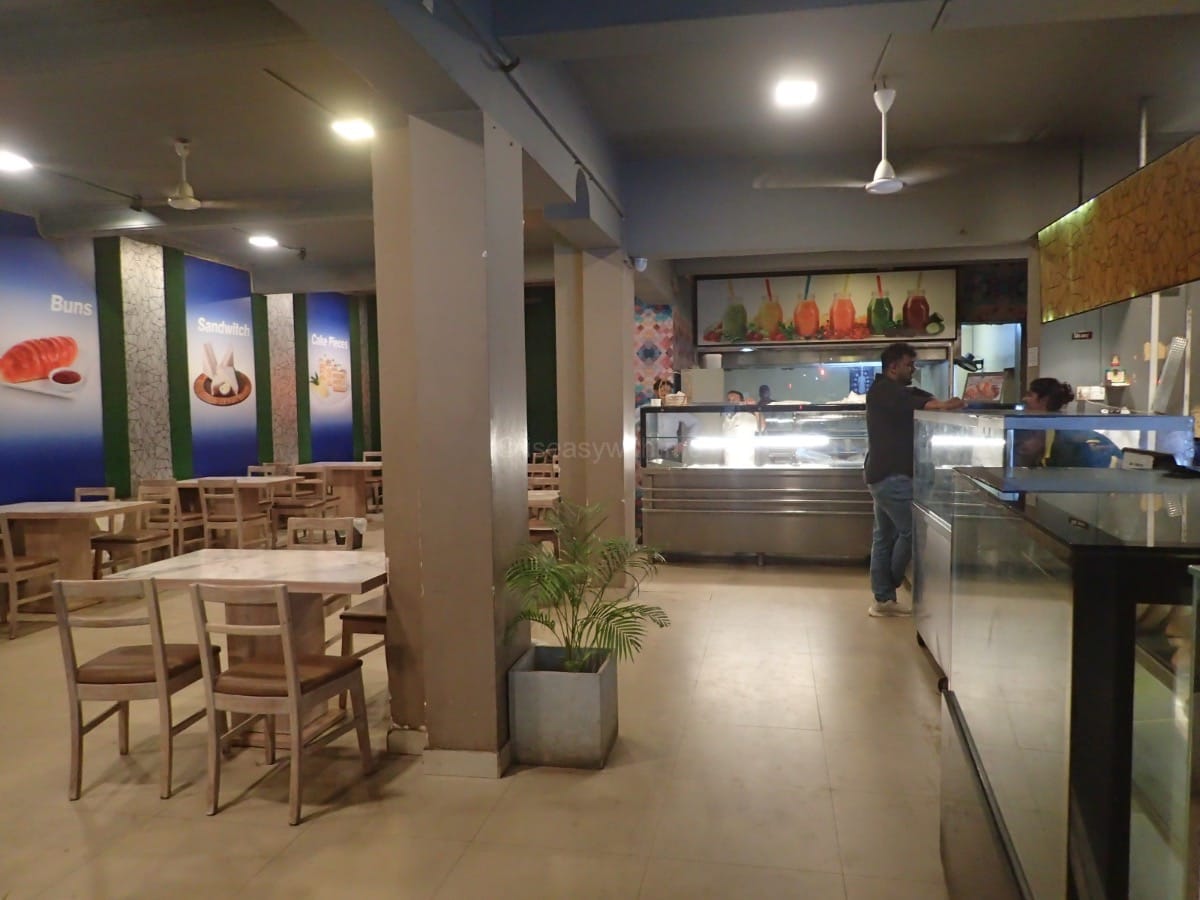
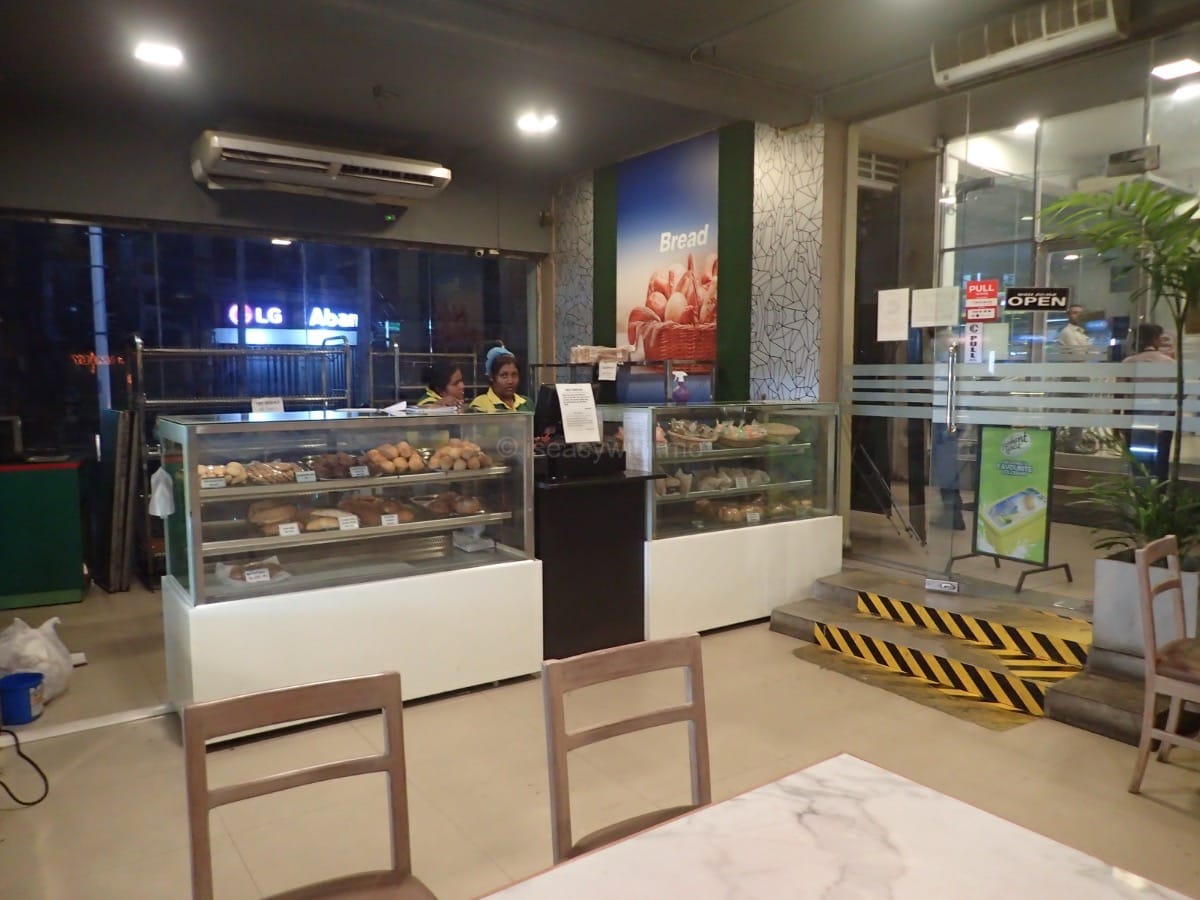
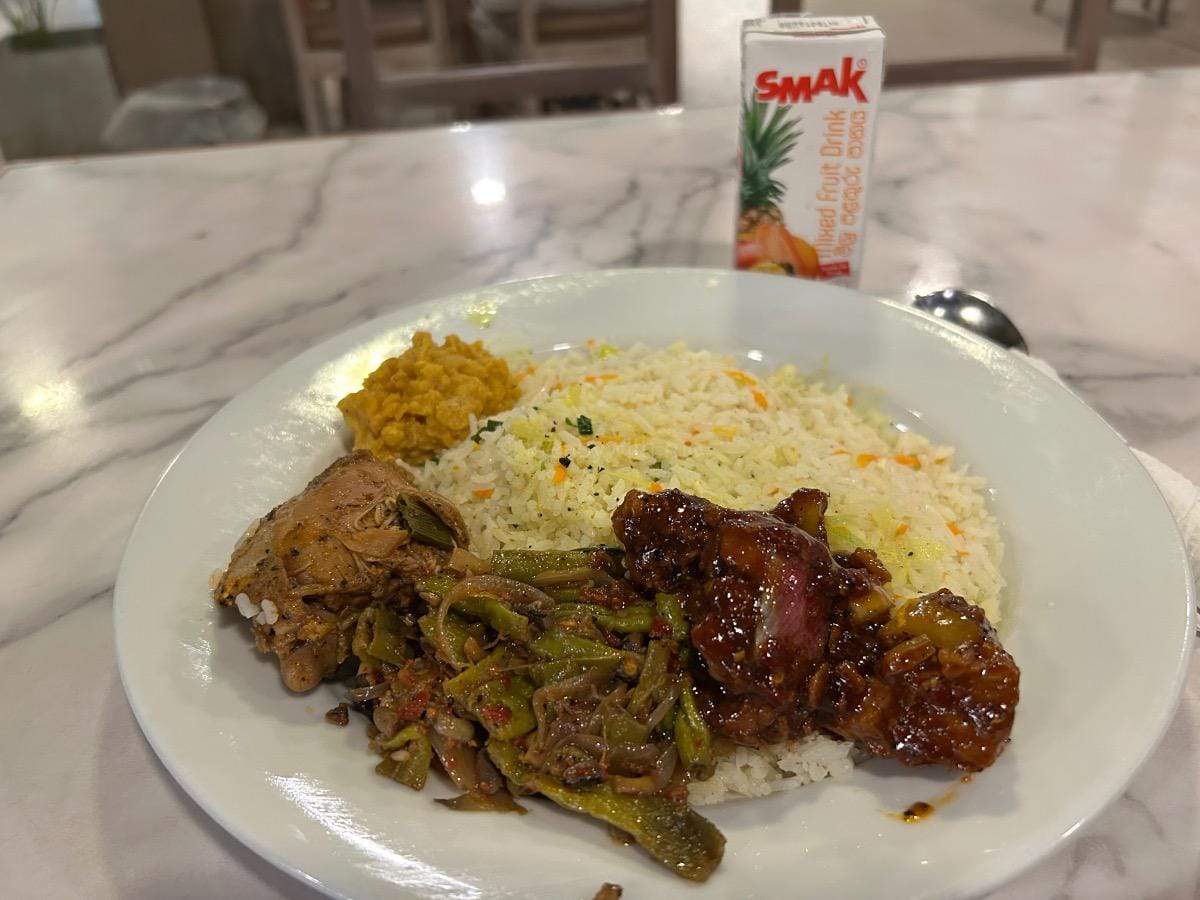
my dinner at Alankulama Family Baker (LKR 1,180)
Hela Sathkaara Bojun Hala
By midday, both my driver and I stopped for lunch at Hela Sathkaara Bojun Hala to escape the heat, rest and recharge after an extensive stretch of sightseeing. Instead of eating separately, I invited him to join me. It turned into one of the most memorable parts of the day. Over lunch, we discussed local history, regional festivals and everyday life in Anuradhapura, adding context that no guidebook could fully provide.
Hela Sathkaara Bojun Hala offers a masterclass in the rustic simplicity of traditional Sri Lankan dining. Tucked away along Kurunegala Road, the restaurant completely detaches you from the city’s traffic, seating me in a calm, open-air pavilion surrounded by vibrant, green paddy fields.
More than just a restaurant, this open-kitchen market is a government-backed social enterprise administered by the Ministry of Agriculture. Designed to empower the community, the entire operation is proudly run and manned by local women who are trained in culinary entrepreneurship.
The definitive highlight here is the authentic, buffet-style Sri Lankan rice and curry served directly on a fresh lotus leaf (Nelum Kole). Prepared entirely by the ladies using regional spices and filtered water to elevate natural flavors, the buffet features an array of traditional, home-style vegetable curries alongside regional specialties like freshly caught, crispy fried lake fish (Wewa Malu).
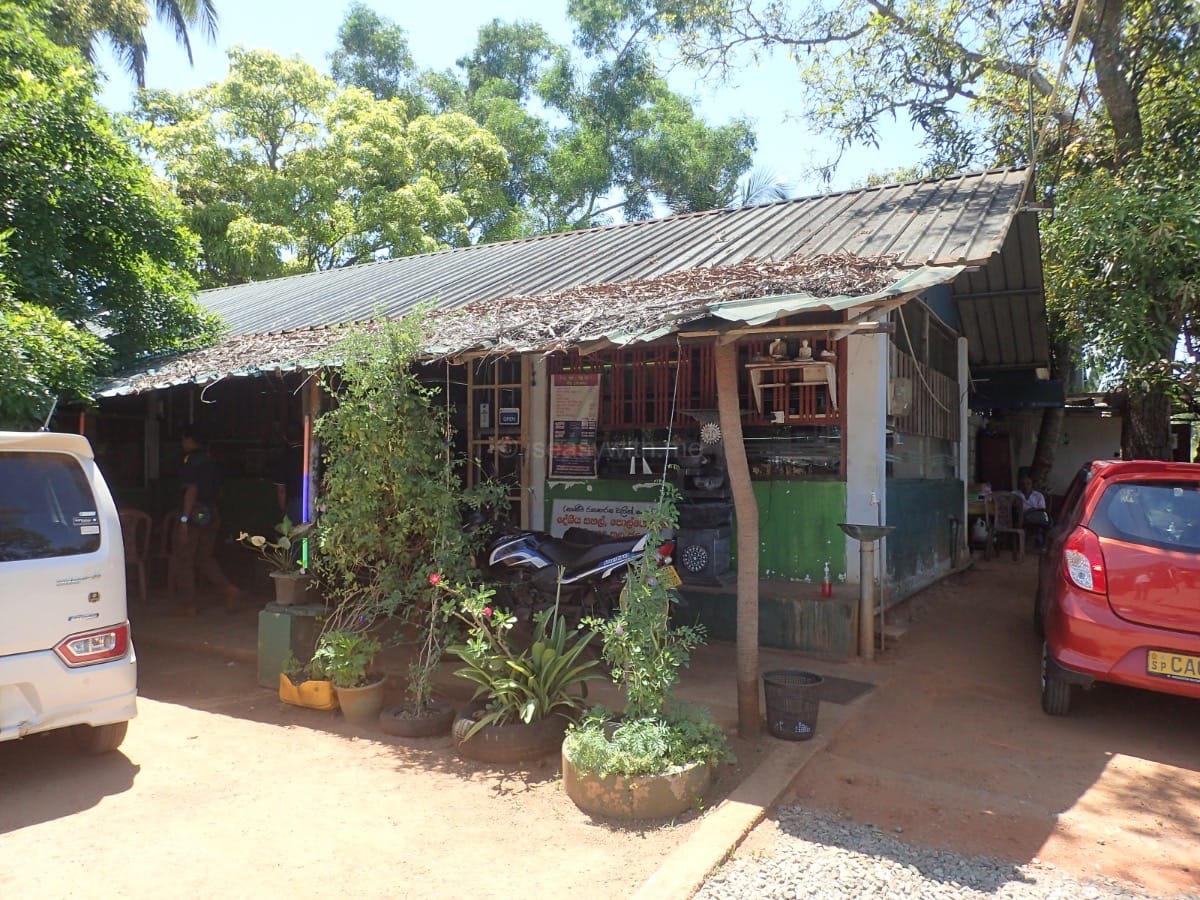
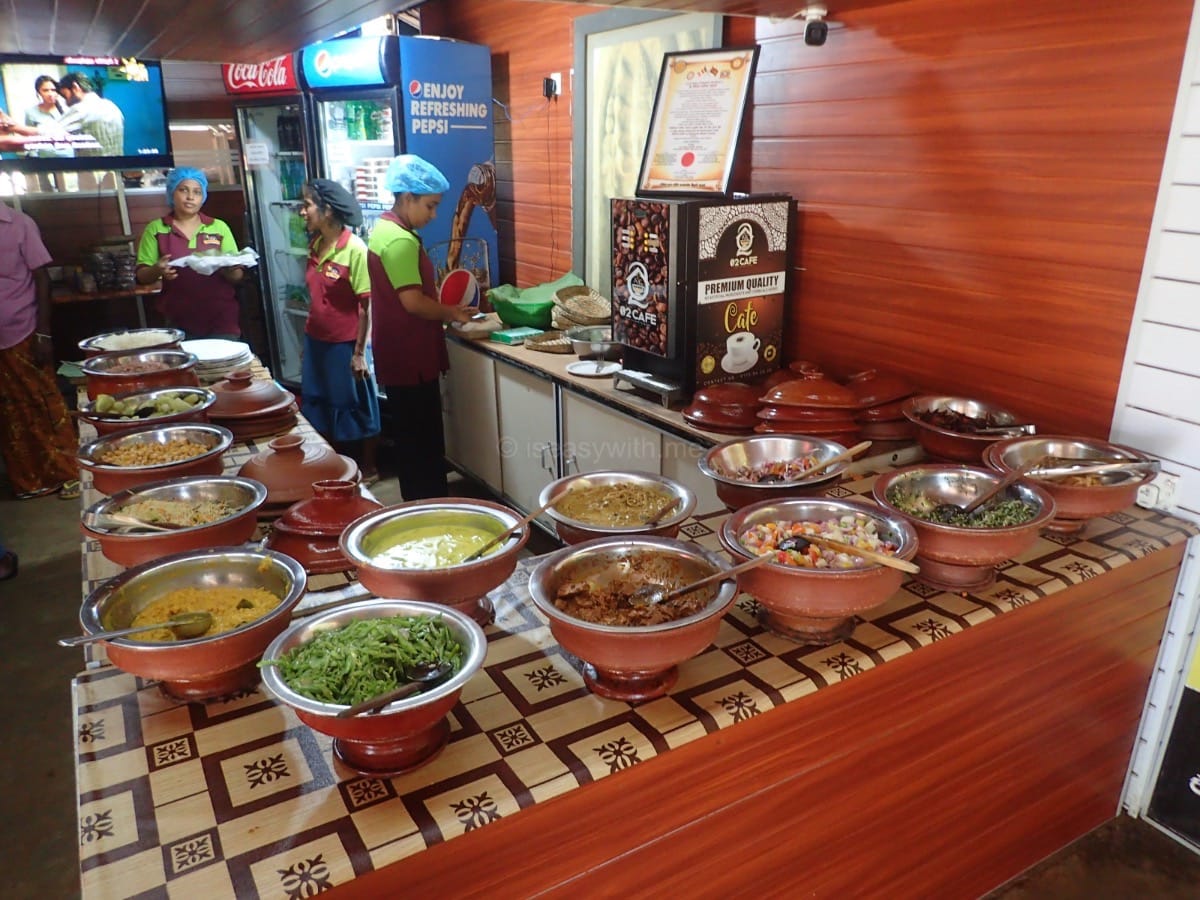
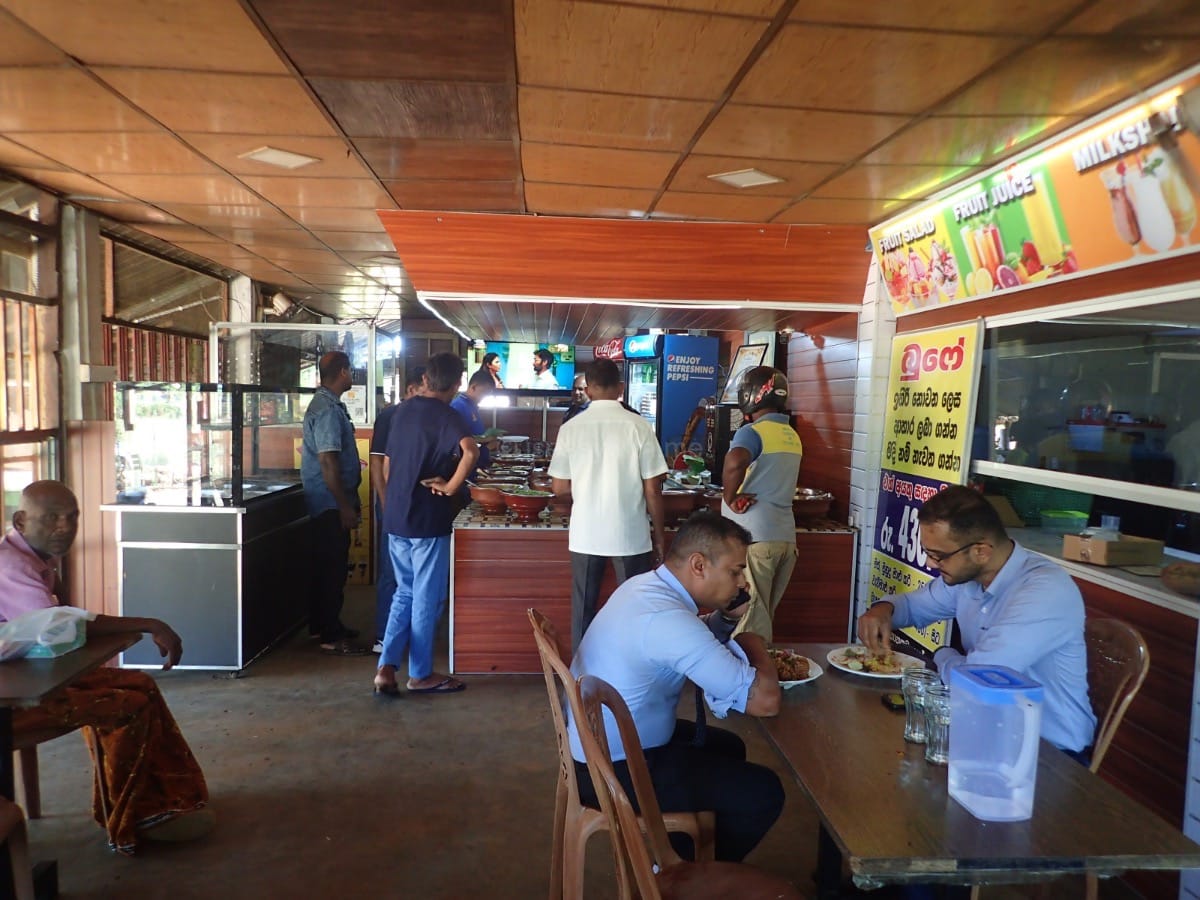
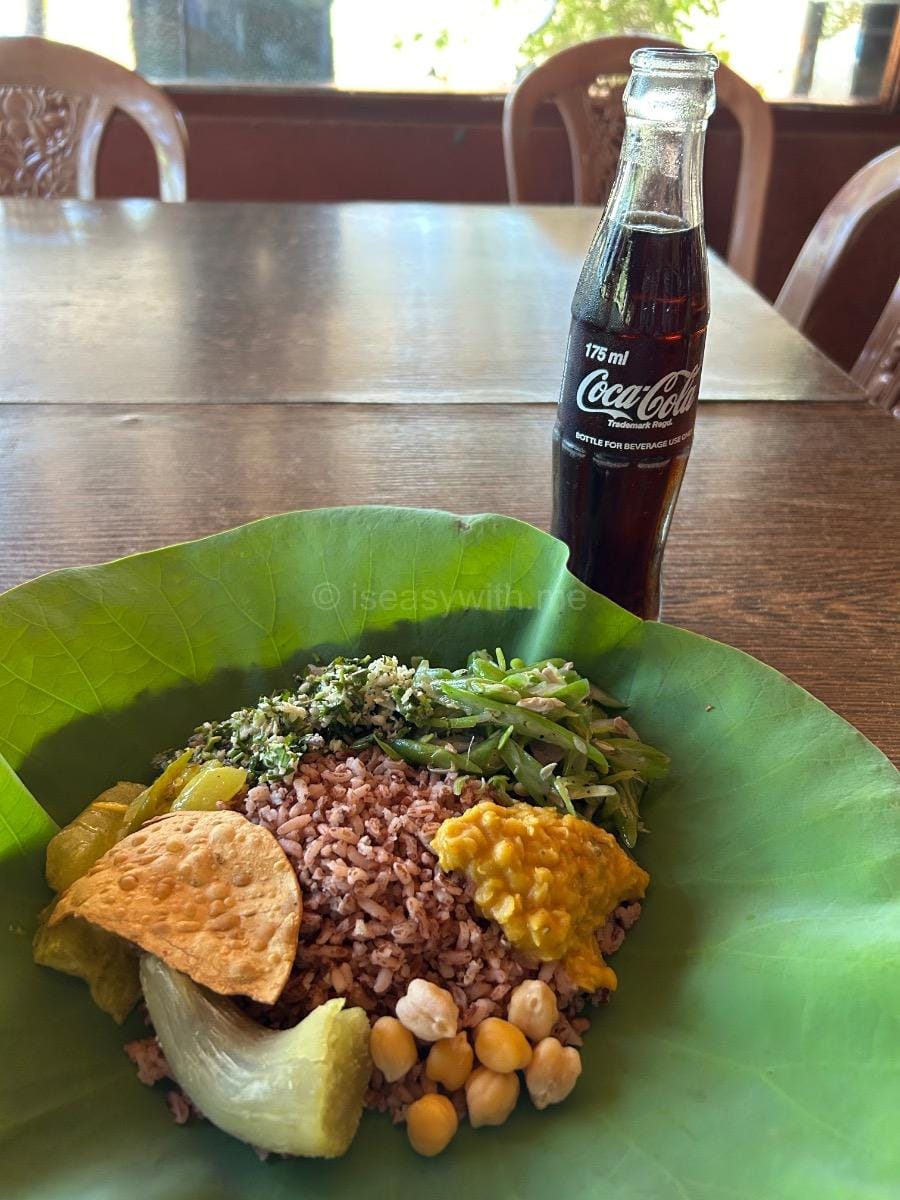
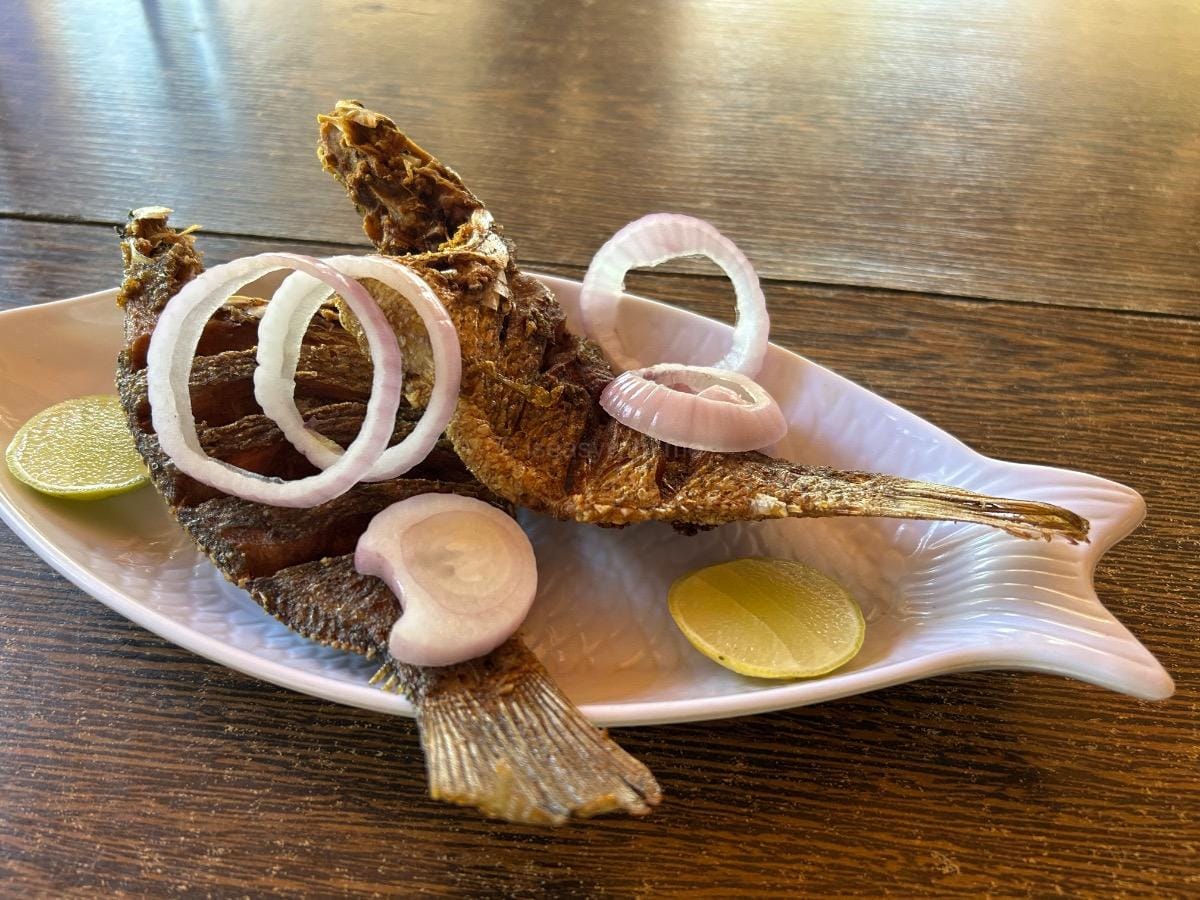
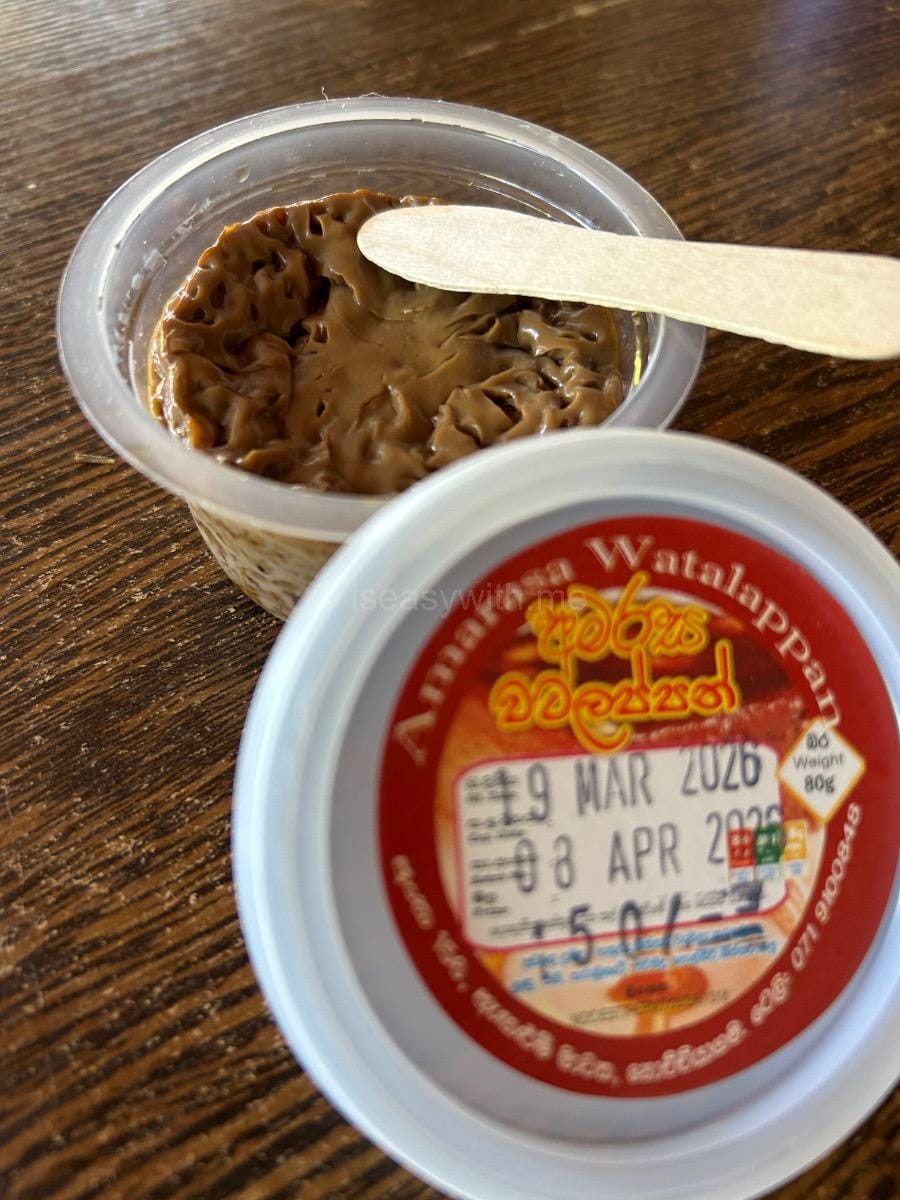
Hela Sathkaara Bojun Hala
It is an unpretentious, incredibly scenic pitstop where the focus remains strictly on genuine local flavours, a fantastic community mission and an authentic connection to the agricultural landscape of Anuradhapura.
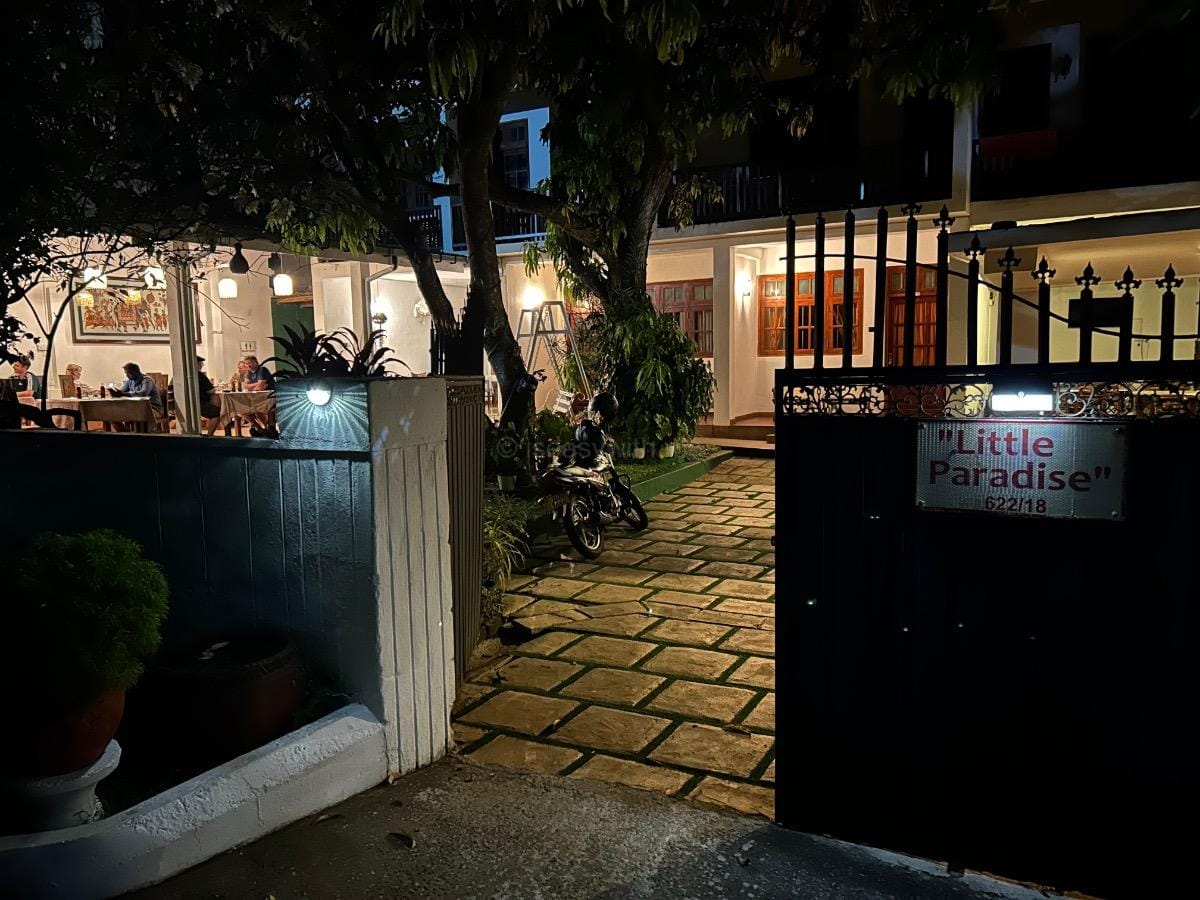
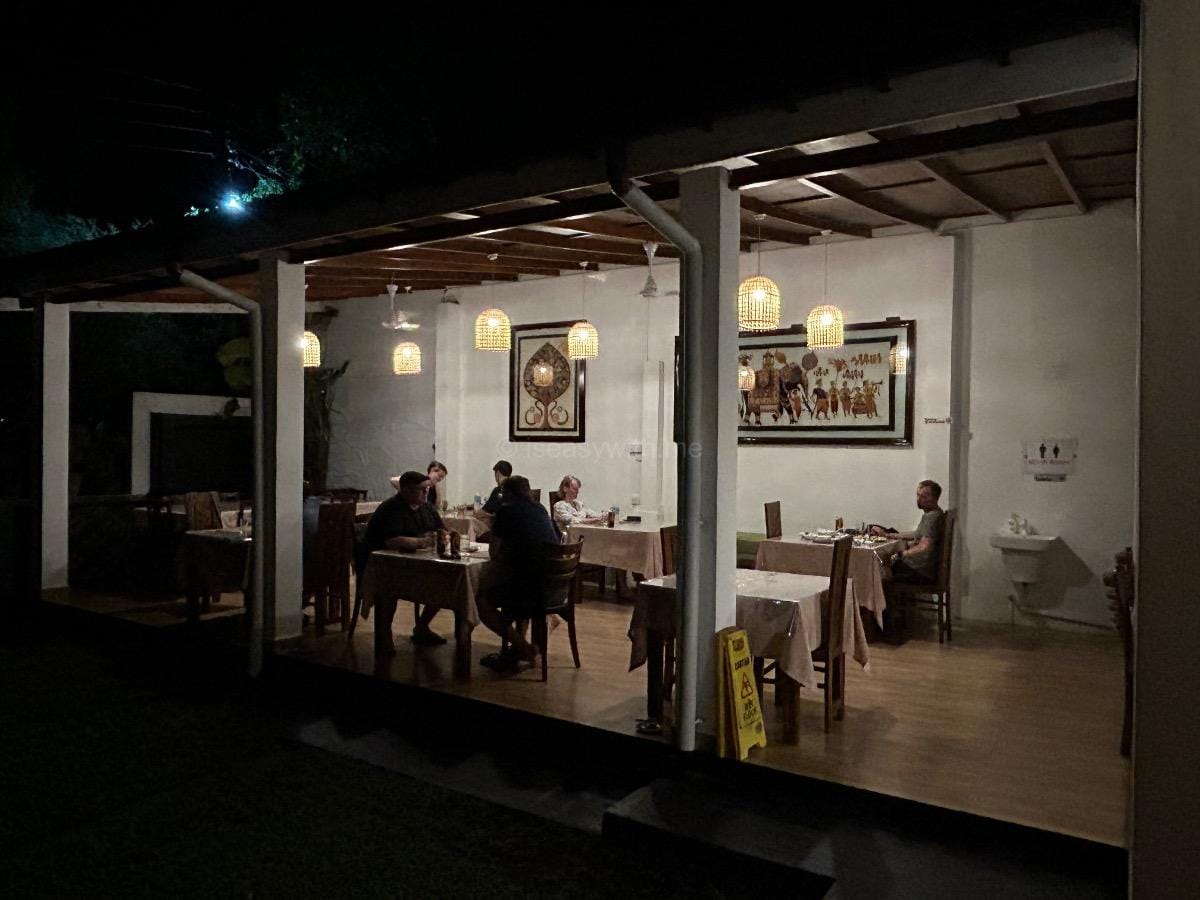
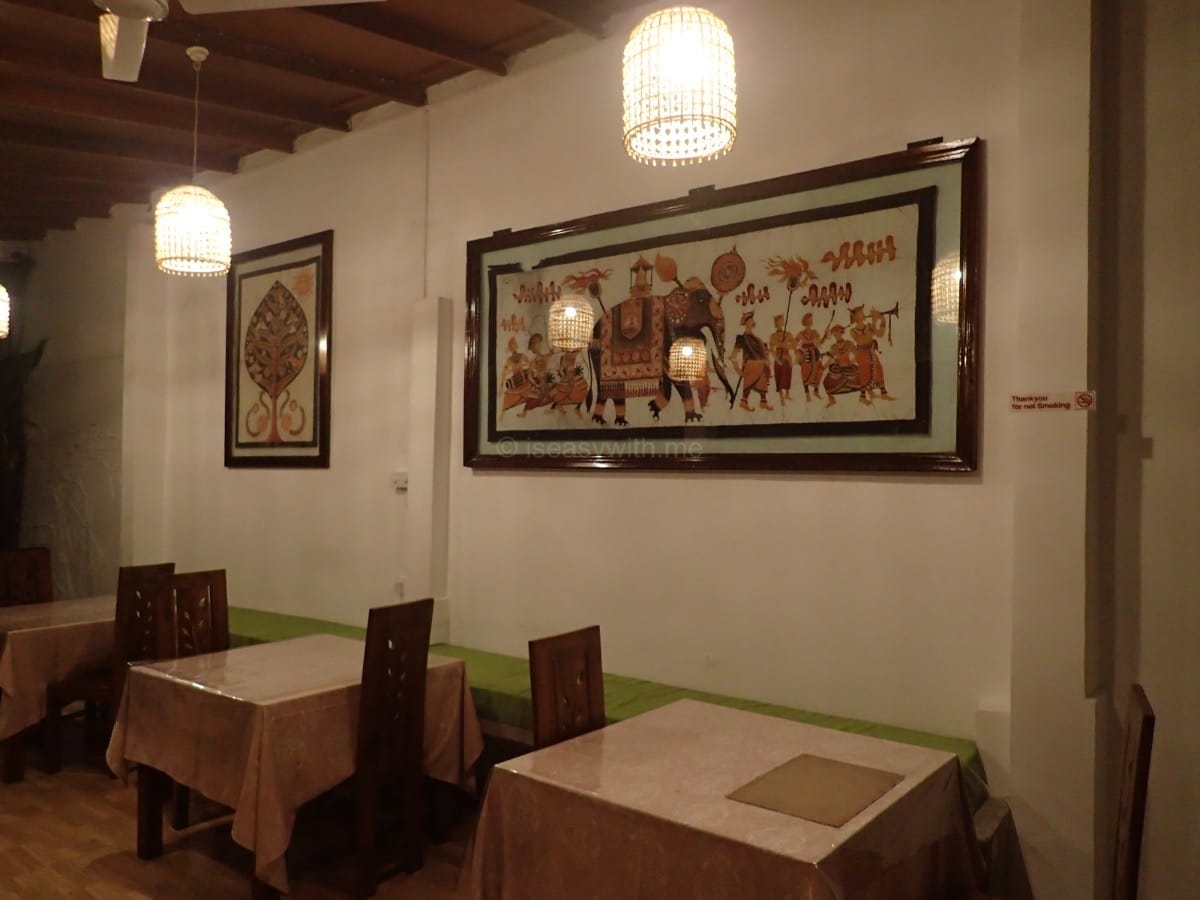
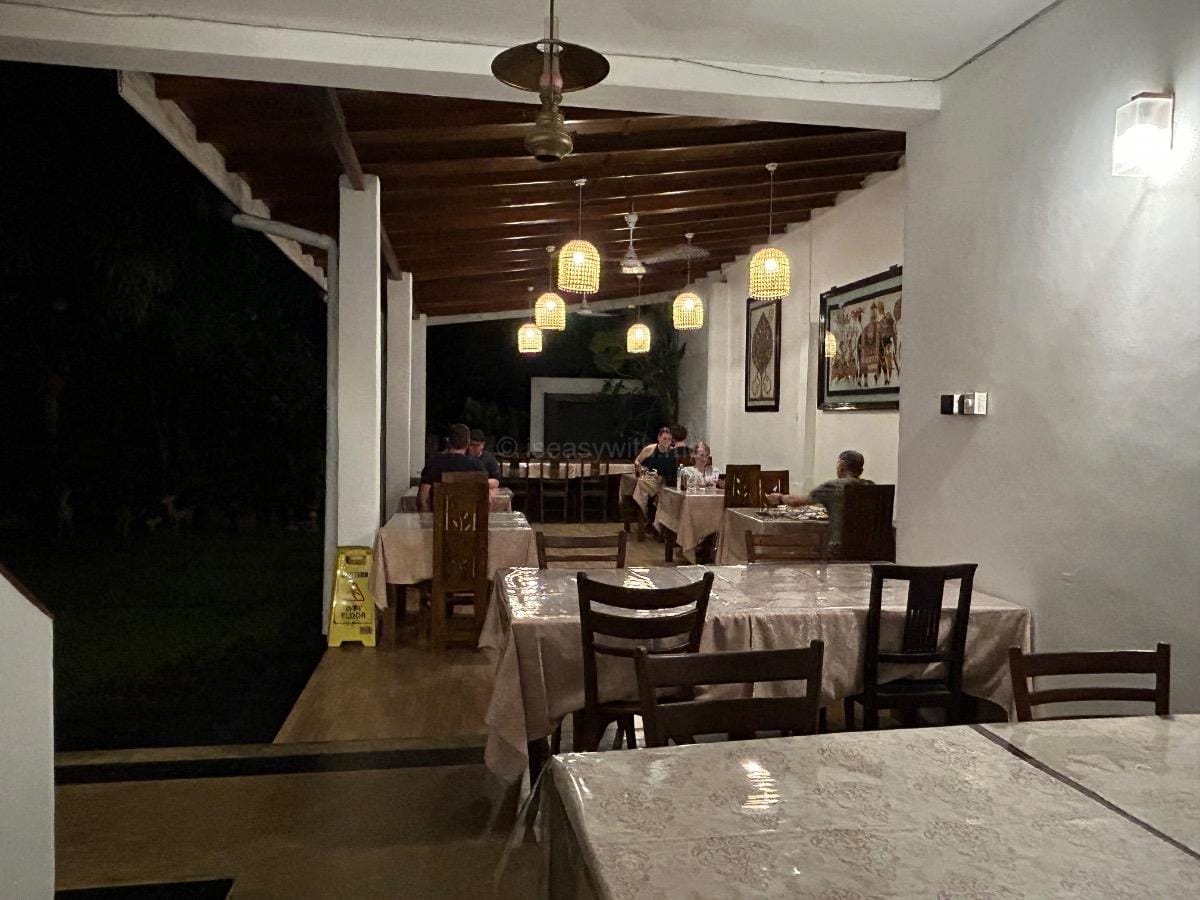
Little Paradise Restaurant
After an intense day of adventure, it was time to unwind. I had specifically listed Little Paradise Restaurant on my itinerary before the trip so I invited my driver to join me there for dinner.
The Vibe: It turned out to be the perfect spot to talk over the day's highlights, offering a relaxed atmosphere and great local food that lived up to the pre-trip planning.
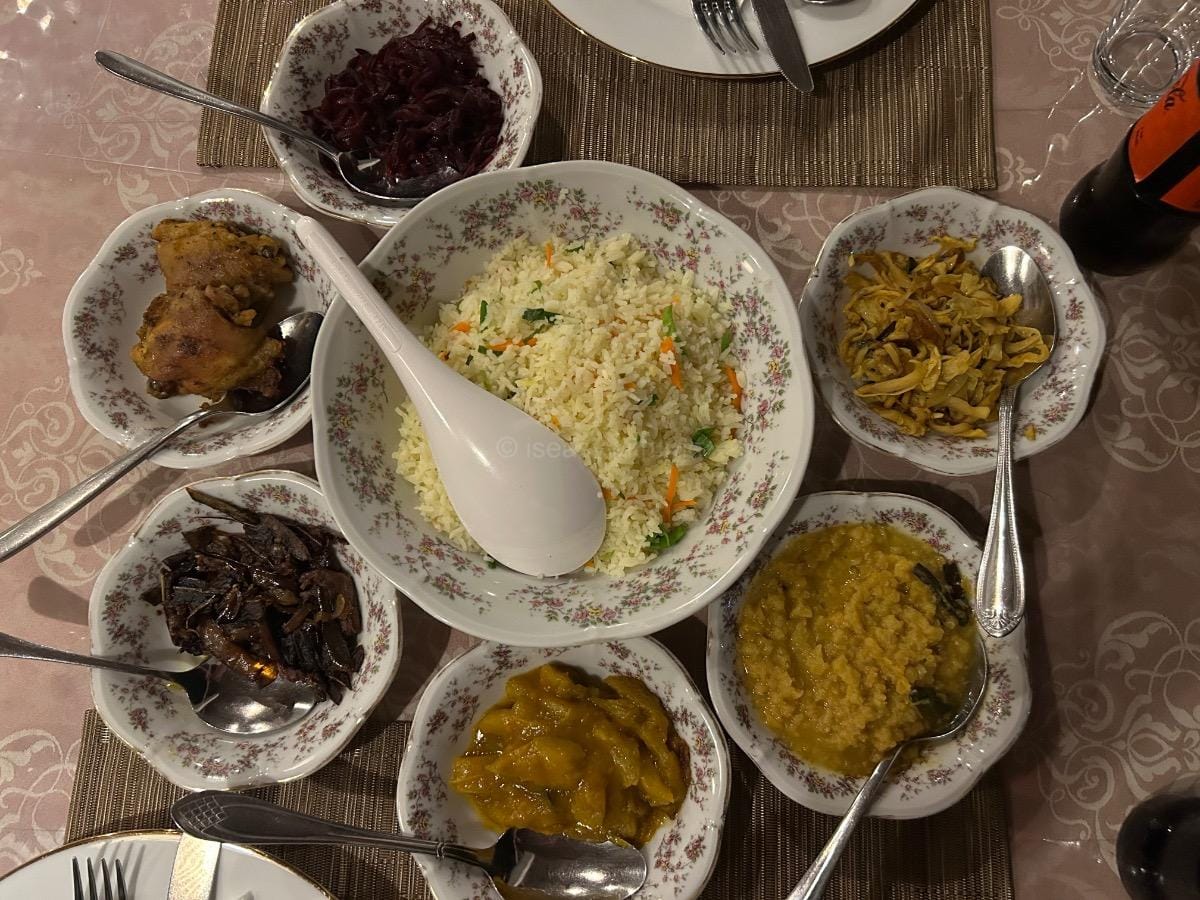
Little Paradise Restaurant
iseasywith.me Reality Check
Hiring a tuk-tuk for a full day initially felt like an investment, but the scale of Anuradhapura makes independent travel between sites impractical. The flexibility and local knowledge quickly justified the cost.
Departing Anuradhapura
As the sun set from Mihintale, the scale of Anuradhapura became fully apparent.
This is not just an archaeological site. It is a living cultural landscape where ancient structures, religious practice and daily life continue to coexist. From sacred trees to enormous stupas, from forest monasteries to ancient reservoirs, the city preserves a continuous thread of history stretching back more than two millennia.
Leaving Anuradhapura felt like closing one of the most important chapters of my adventure through Sri Lanka.
The next morning, I boarded a northbound bus at the bus stop outside the Anuradhapura New Town Bus Stand to continue my journey deeper toward Jaffna.