Harbin 哈尔滨, China 中国
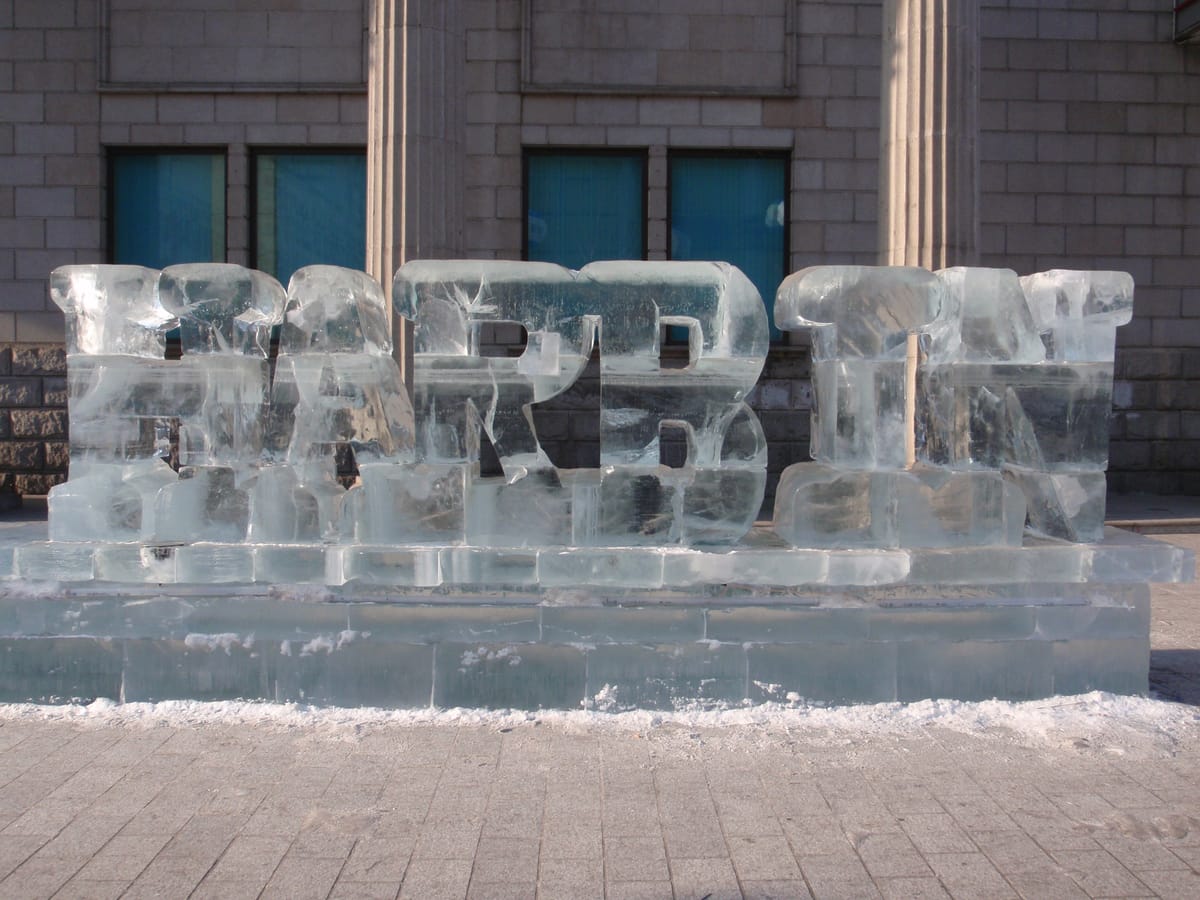
Harbin (哈尔滨, Hā'ěrbīn), the capital of Heilongjiang Province, is known as the ‘Ice City’ and nicknamed ‘Oriental Moscow’ for its Russian-inspired architecture set against dramatic winter landscapes. Its name comes from a Manchu word meaning 'a place for drying fishing nets' and the city’s cosmopolitan character dates back to the early 20th century when the Chinese Eastern Railway brought in expatriates from over 30 countries.
Winter transforms Harbin into a frozen playground. Thrill-seekers flock to Yabuli International Ski Resort for skiing and snowboarding while the brave can try winter swimming in the icy Songhua River. Families and casual travellers enjoy ice skating, sledding and snow tubing or stroll through the city’s Russian-style streets.
The highlight is the Harbin International Ice and Snow Festival where massive ice palaces, intricate sculptures and colourful illuminations create a magical winter wonderland. Adding in seasonal outdoor markets and hearty local treats, Harbin becomes an unforgettable winter wonderland.
iseasywith.me Travel Tip
Temperatures in Harbin can plummet below −20°C during winter. Proper preparation is essential to enjoy your visit. Do consider the following:
- Layers: Thermal innerwear, fleece sweater and a thick, long down jacket.
- Waterproof gloves/mittens, warm hat that covers ears and thick, waterproof snow boots.
- Neck gaiter, scarf. hand and foot warmer packs and fully charged power bank.
From Singapore to Harbin
There was no direct flight from Singapore to Harbin when I travelled for my adventure so I had to take a 4-hour flight to Guangzhou, followed by a 5-hour layover and then continued with a 6-hour flight to Harbin.
Arriving at Harbin
By the time I arrived, it was already 2230 hours. I slipped on my jacket, stepped briefly out of the airport to capture this shot, then retreated into the terminal. 🥶
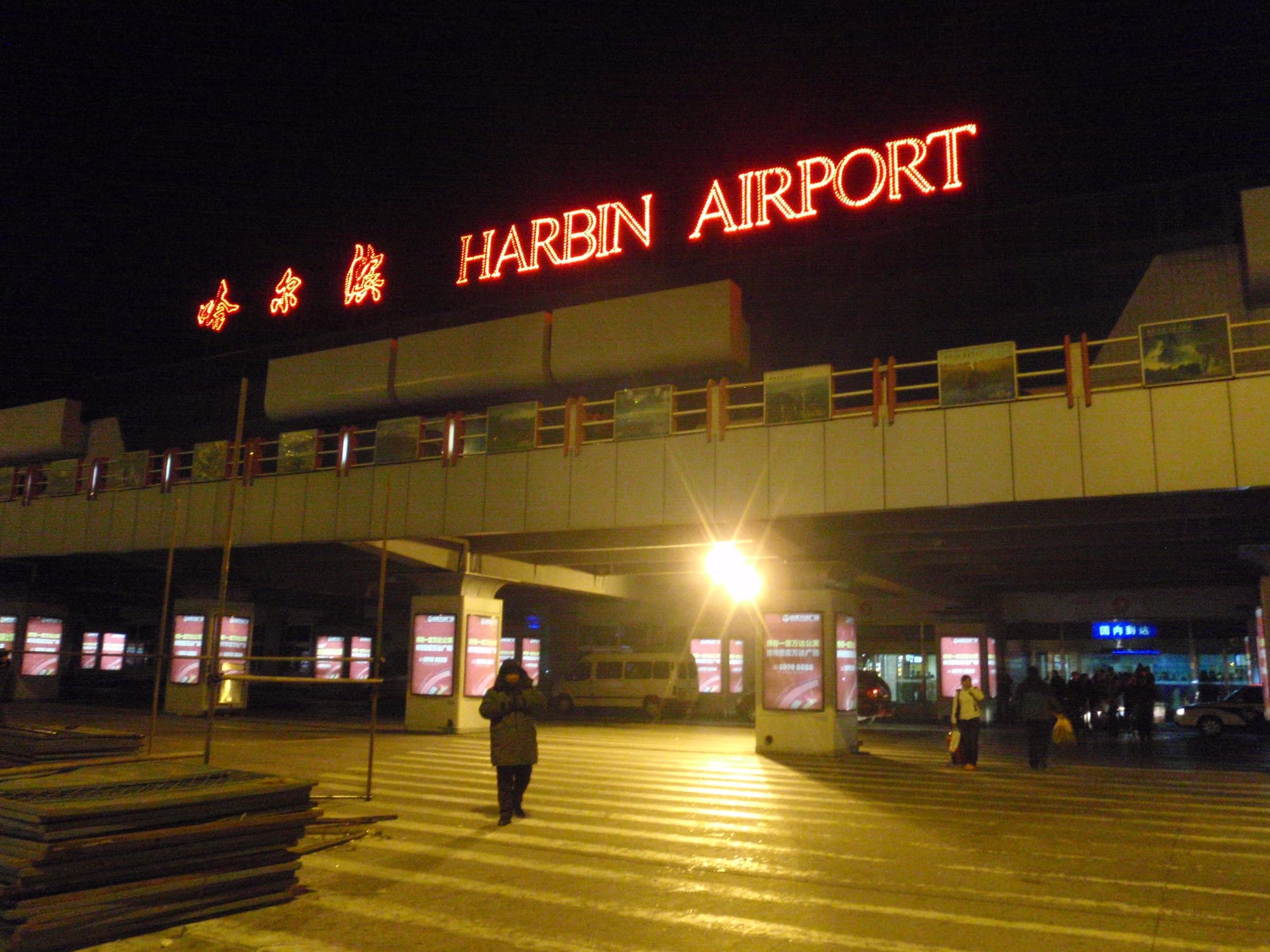
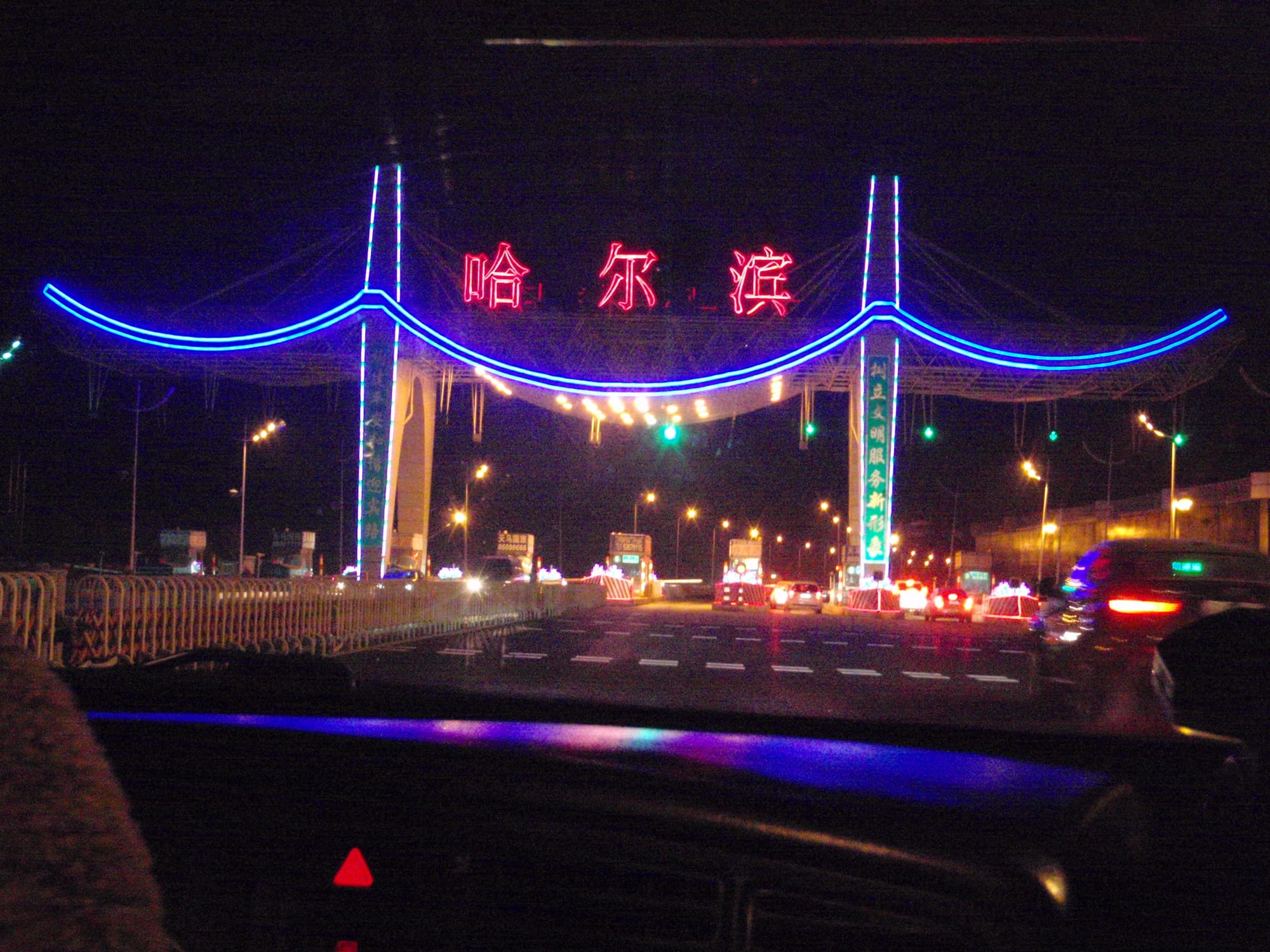
As the shuttle buses have ended their service by the time I arrived, I took a taxi to my accommodation.
In and Around Harbin
The places I explored during my adventure included:
- Confucius Temple (文庙)
- Harbin Ice Lantern Art Fair (冰灯艺术游园会)
- Harbin International Ice and Snow World (哈尔滨冰雪大世界)
- Harbin Dragon Tower/Longta (龙塔)
- Harbin People's Flood Control Victory Memorial Tower (哈尔滨人民防洪胜利纪念塔)/Flood Control Memorial Tower (防洪纪念塔)
- Harbin Polarland (哈尔滨极地馆)
- Heilongjiang Provincial Museum (黑龙江省博物馆)
- Heilongjiang Science and Technology Museum (黑龙江省科学技术馆)
- Jile Temple (极乐寺)
- Saint Sophia Cathedral (圣索非亚教堂)/Harbin Architecture Arts Centre (哈尔滨建筑艺术馆)
- Siberian Tiger Park (老虎公园)
- Songhua River (松花江)
- Stalin Park (斯大林公园)
- Sun Island Park (太阳岛公园)
- Zhaolin Park (兆麟公园)
- Zhongyang Dajie (中央大街)
Confucius Temple (文庙)
The Confucius Temple in Harbin is the largest and best-preserved Confucian temple in Northeast China. Built between 1926 and 1929 to honour Confucius, the revered ancient Chinese statesman, philosopher and founder of Confucianism, it was officially completed in 1929.
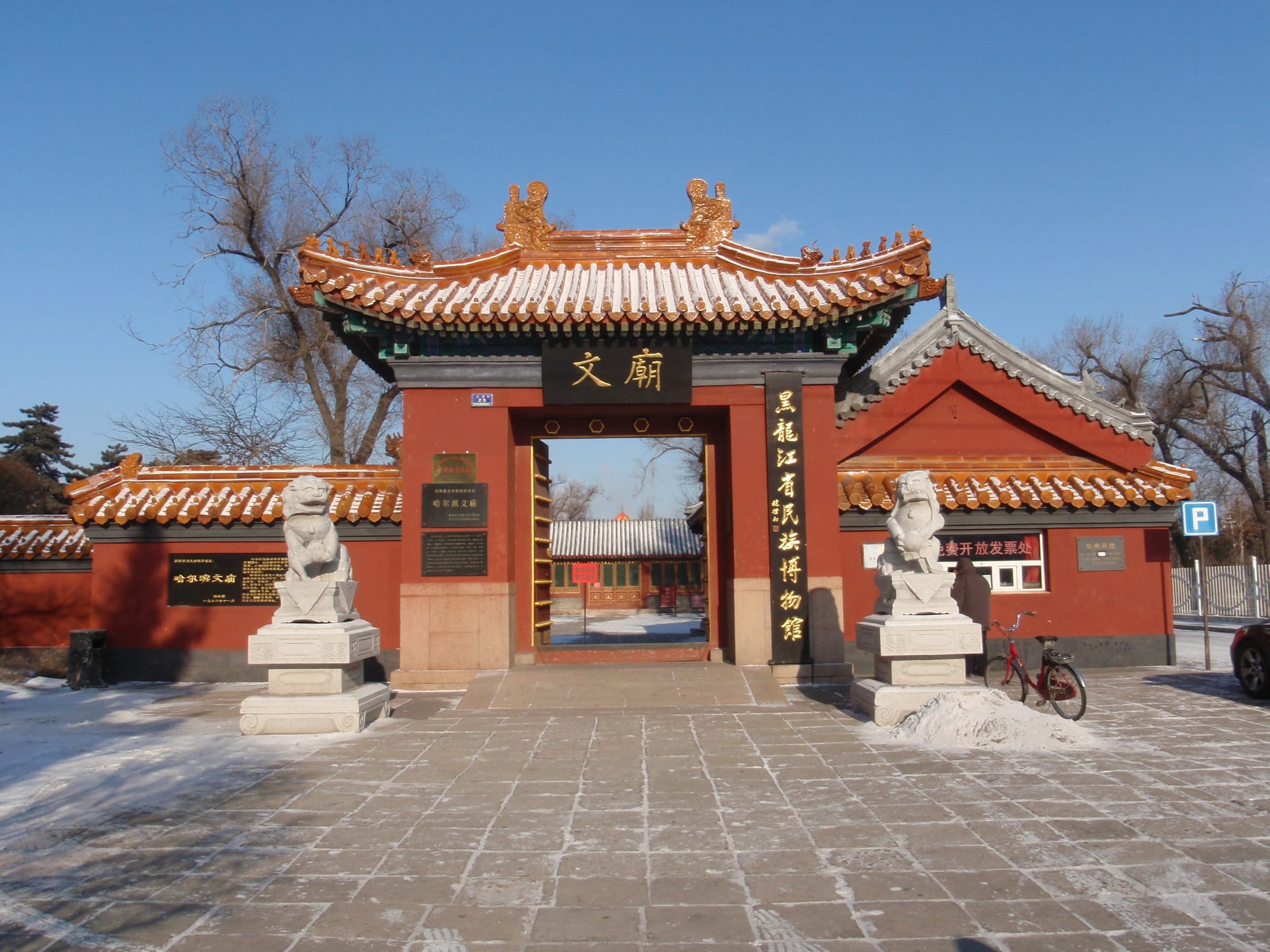
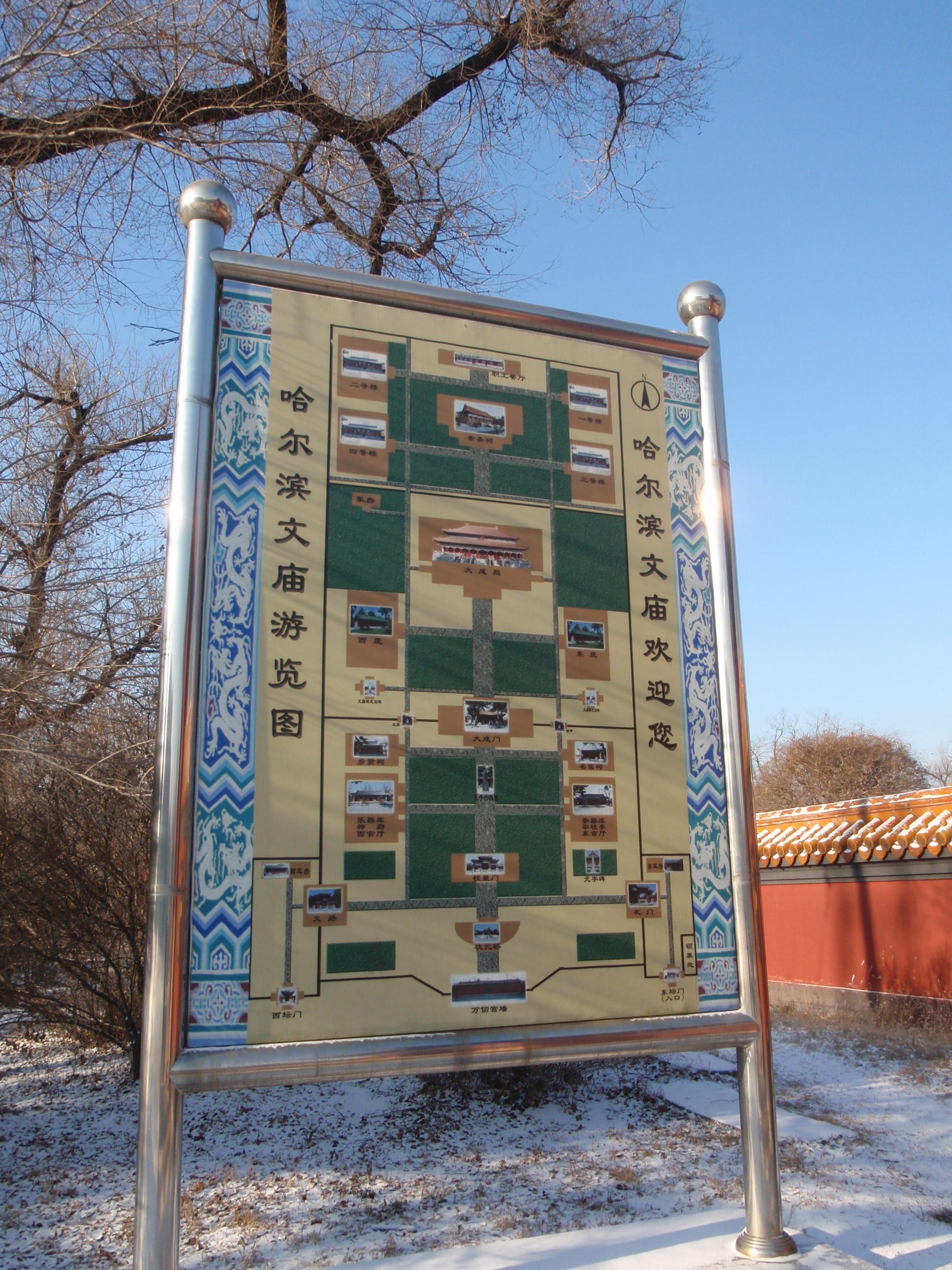
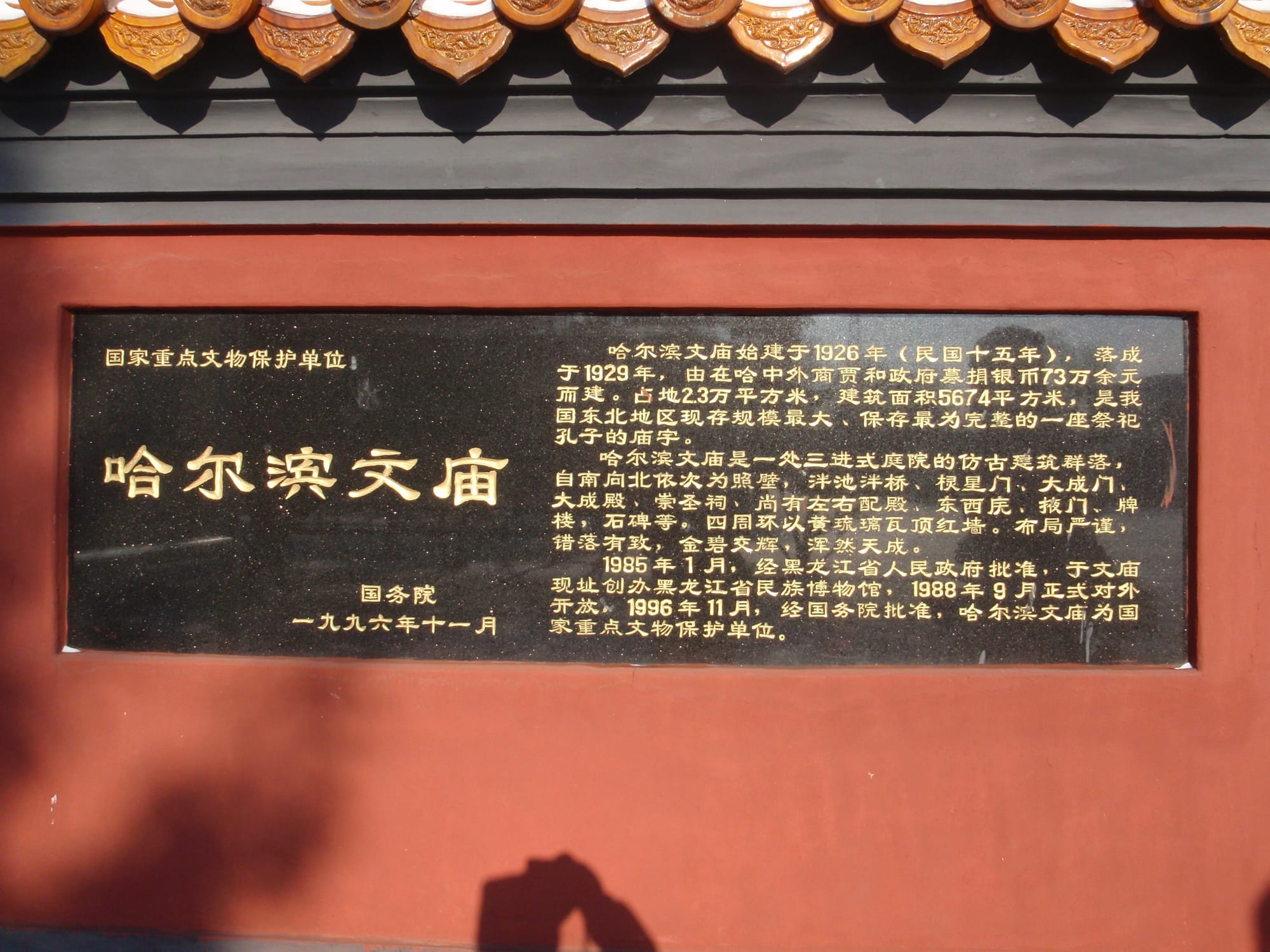
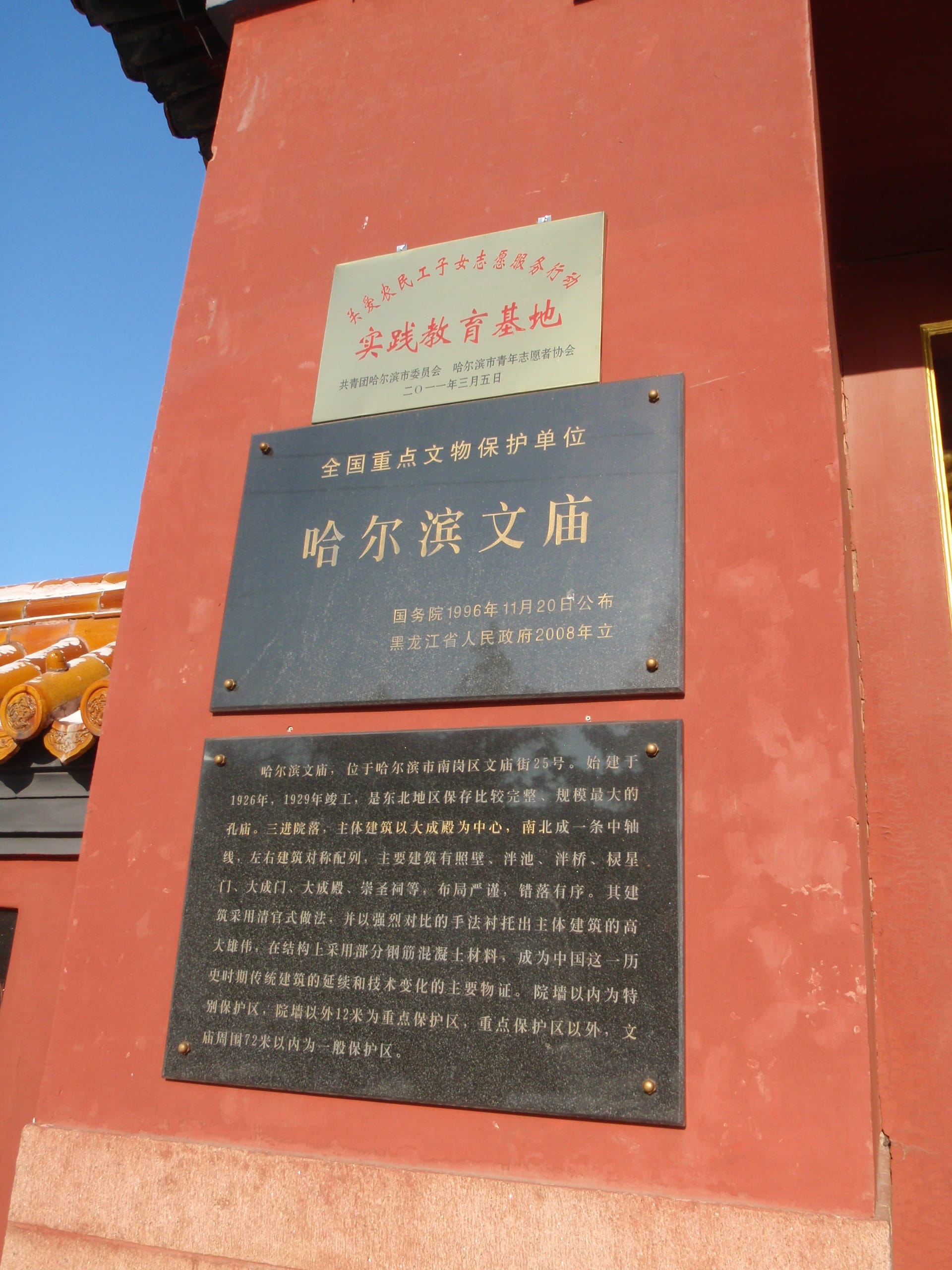
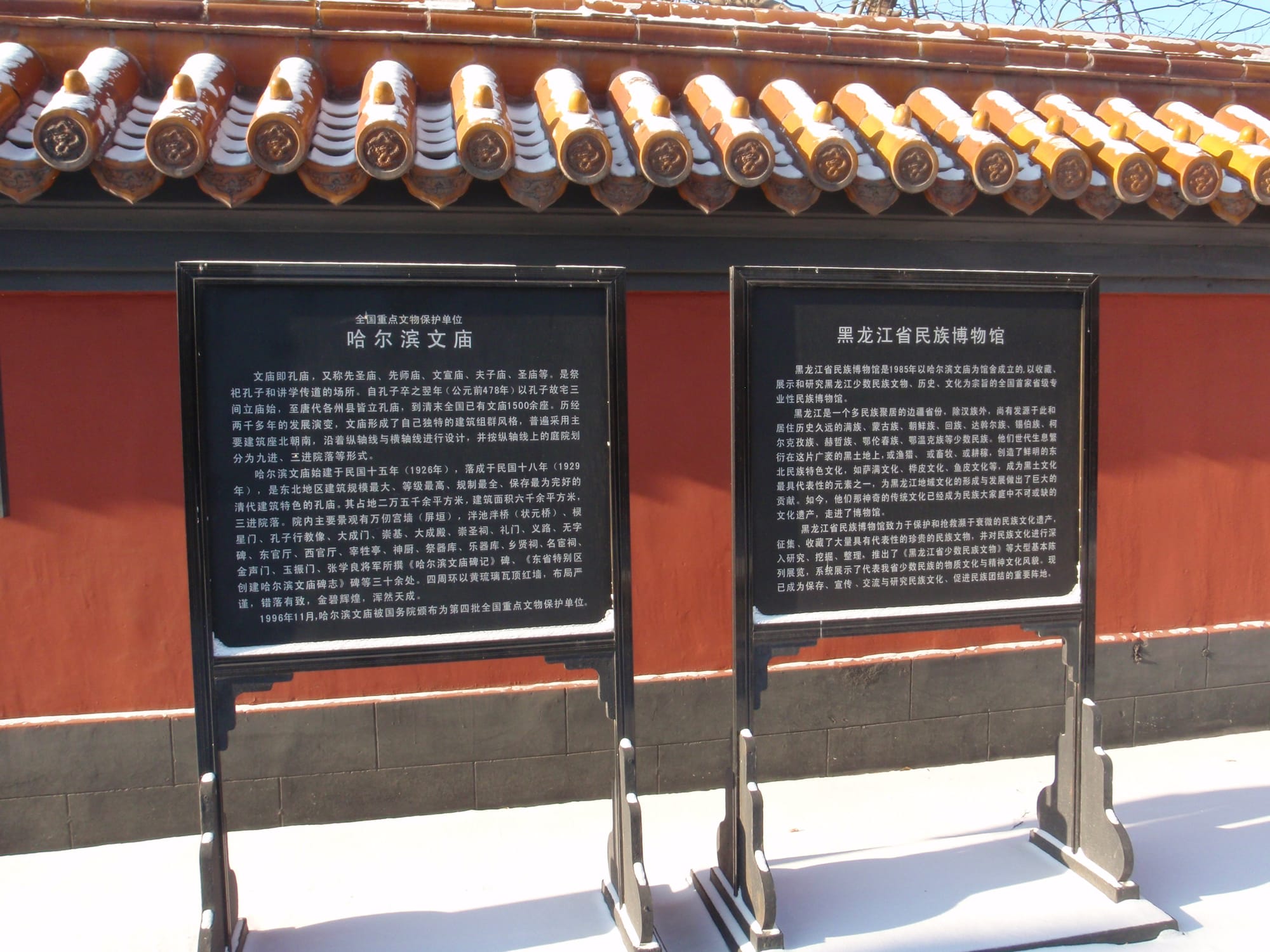
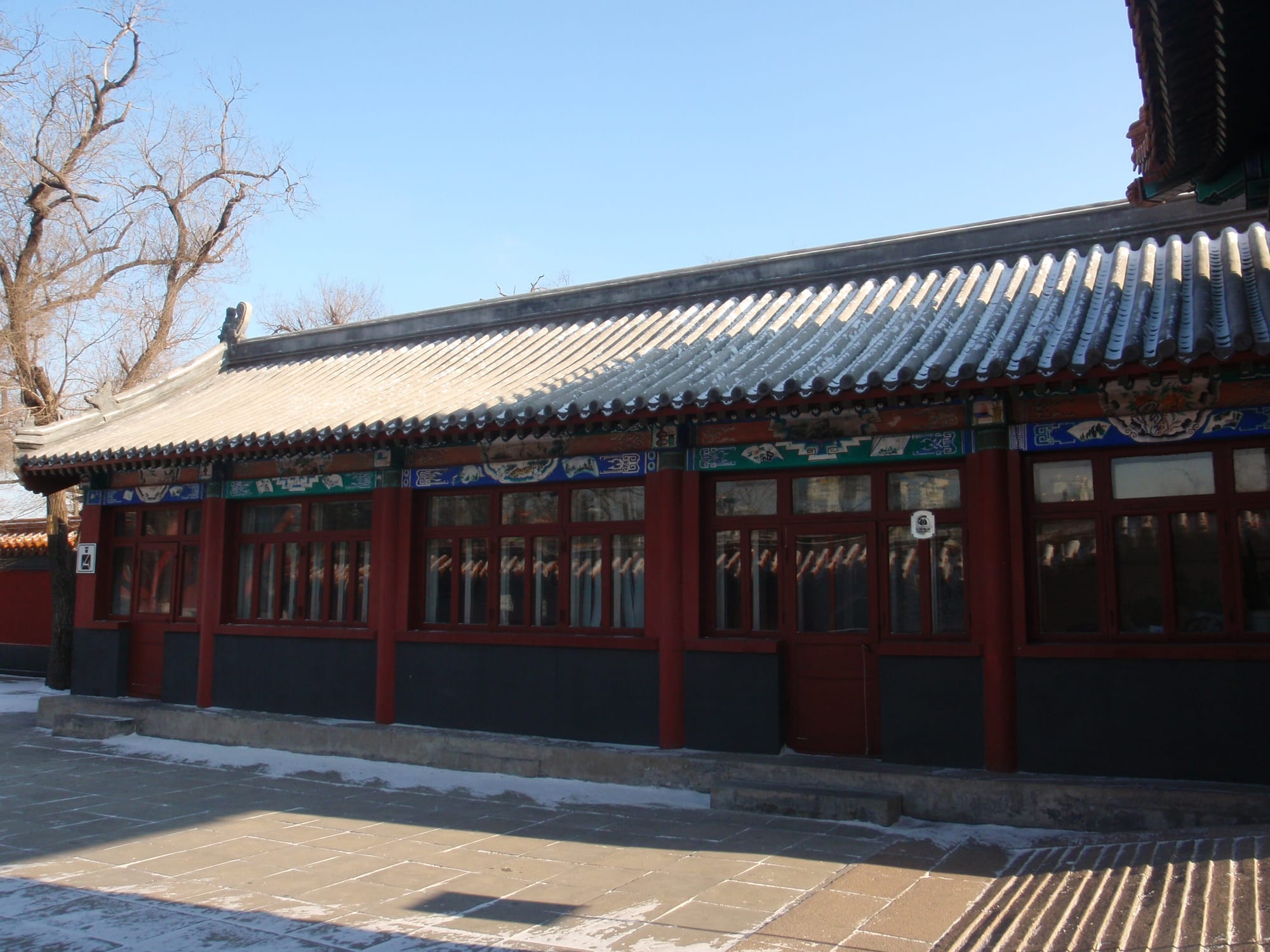
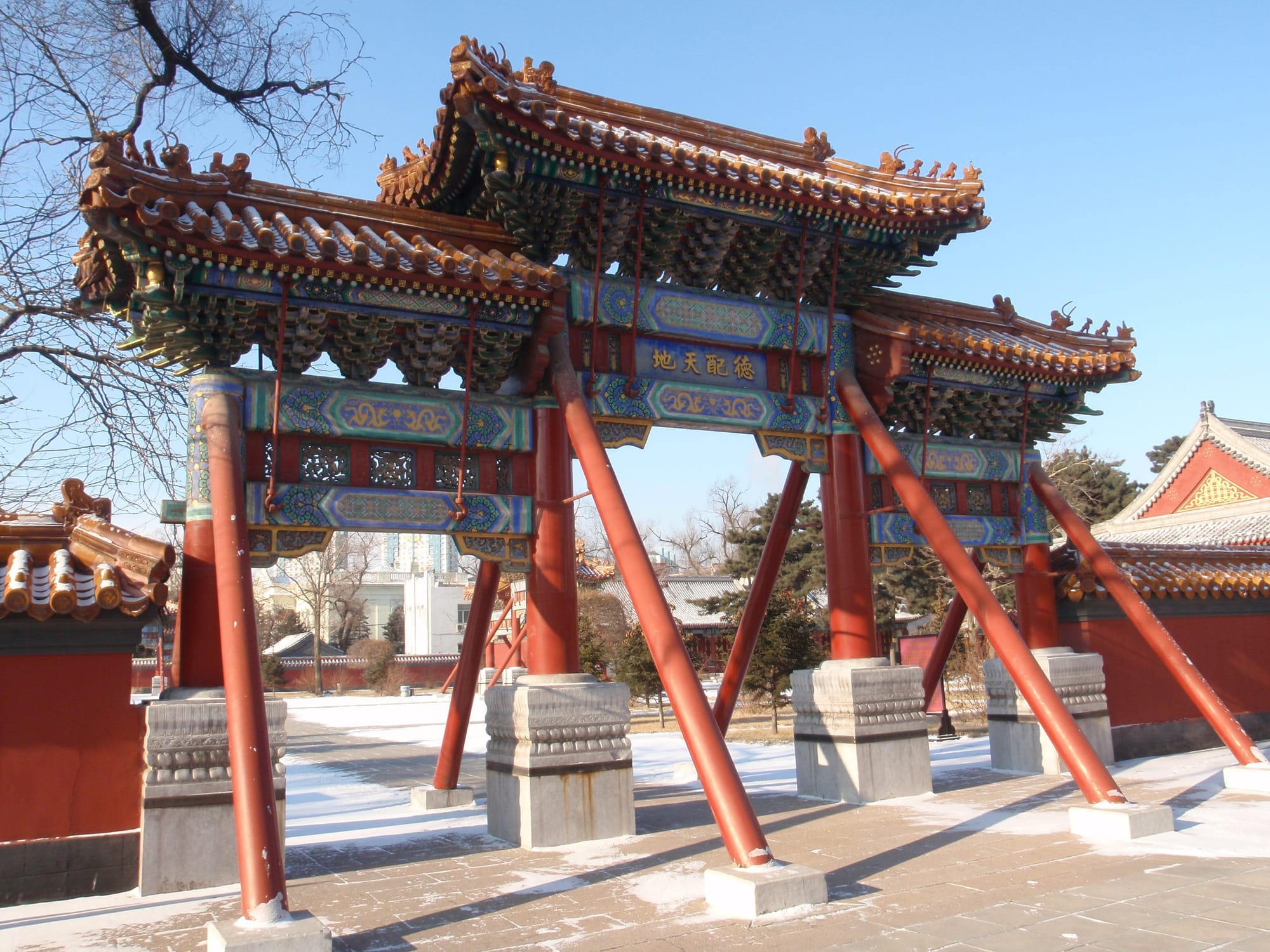
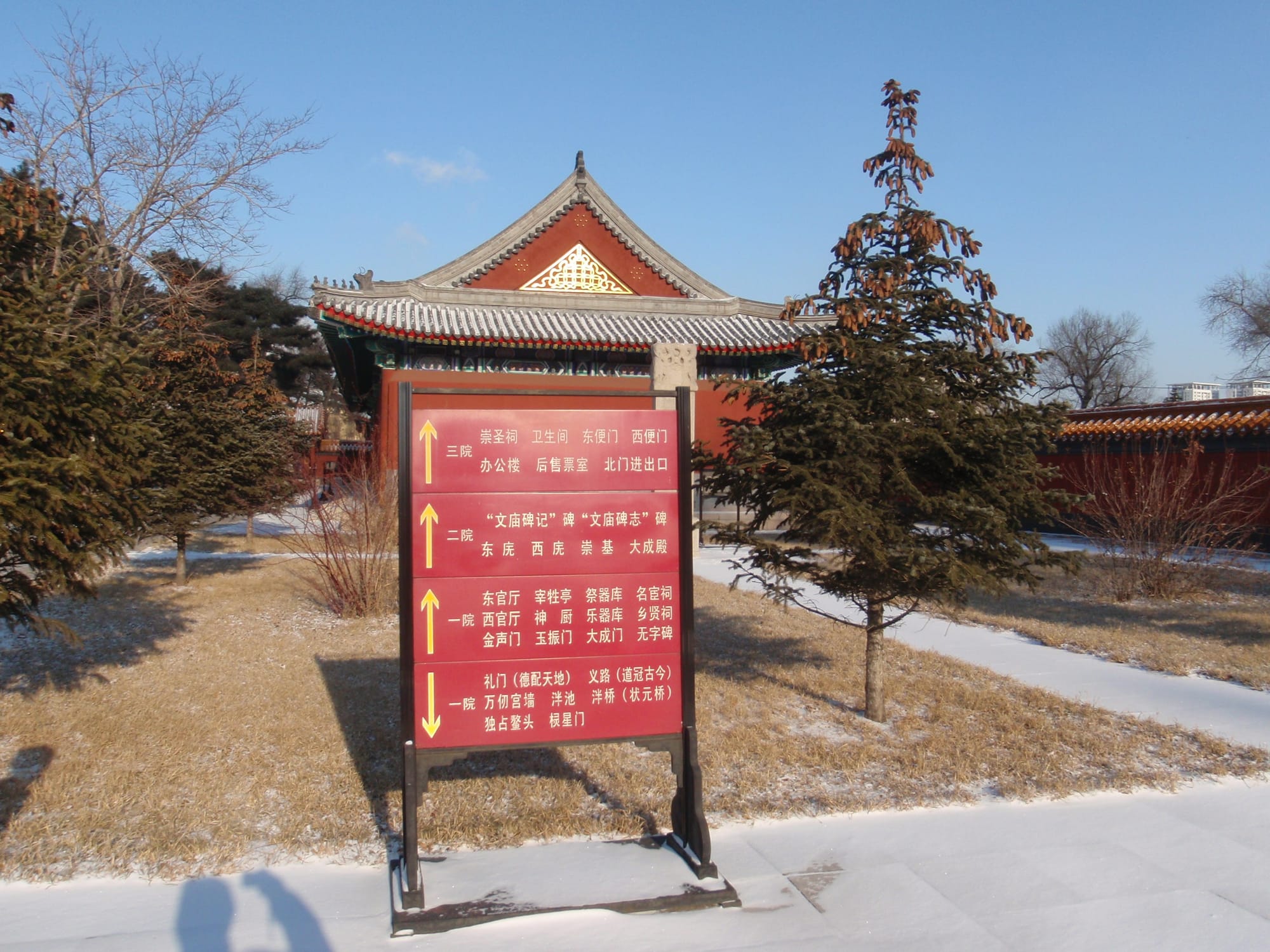
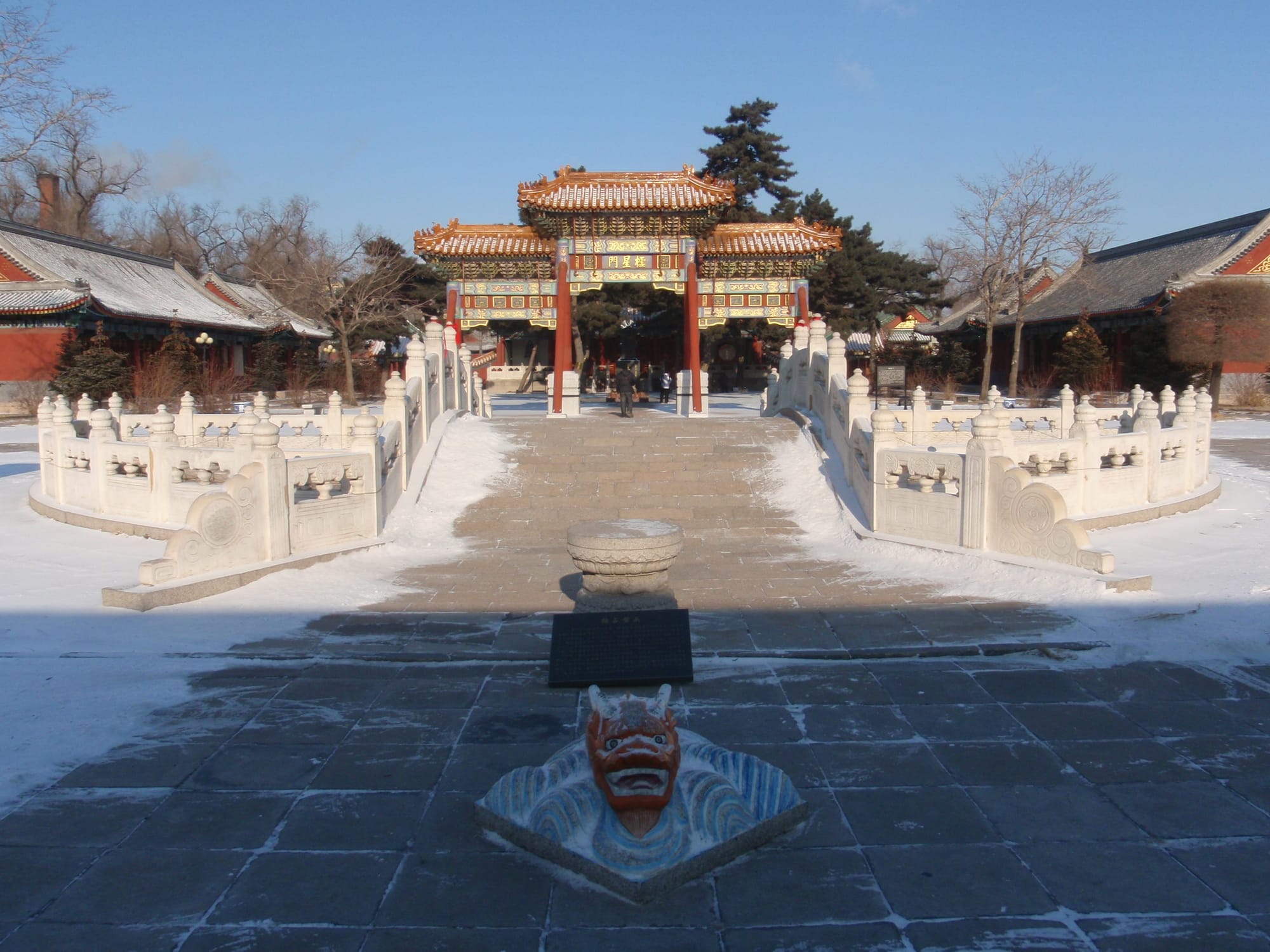
Covering 23,000 square metres with 4,418 square metres of built structures, the temple is one of Heilongjiang’s most intact historical architectural complexes. Oriented along a north-south axis, it features three courtyards laid out in the traditional Qing Dynasty architectural style, distinguished by symmetrical halls, ornate rooflines and serene ceremonial spaces.
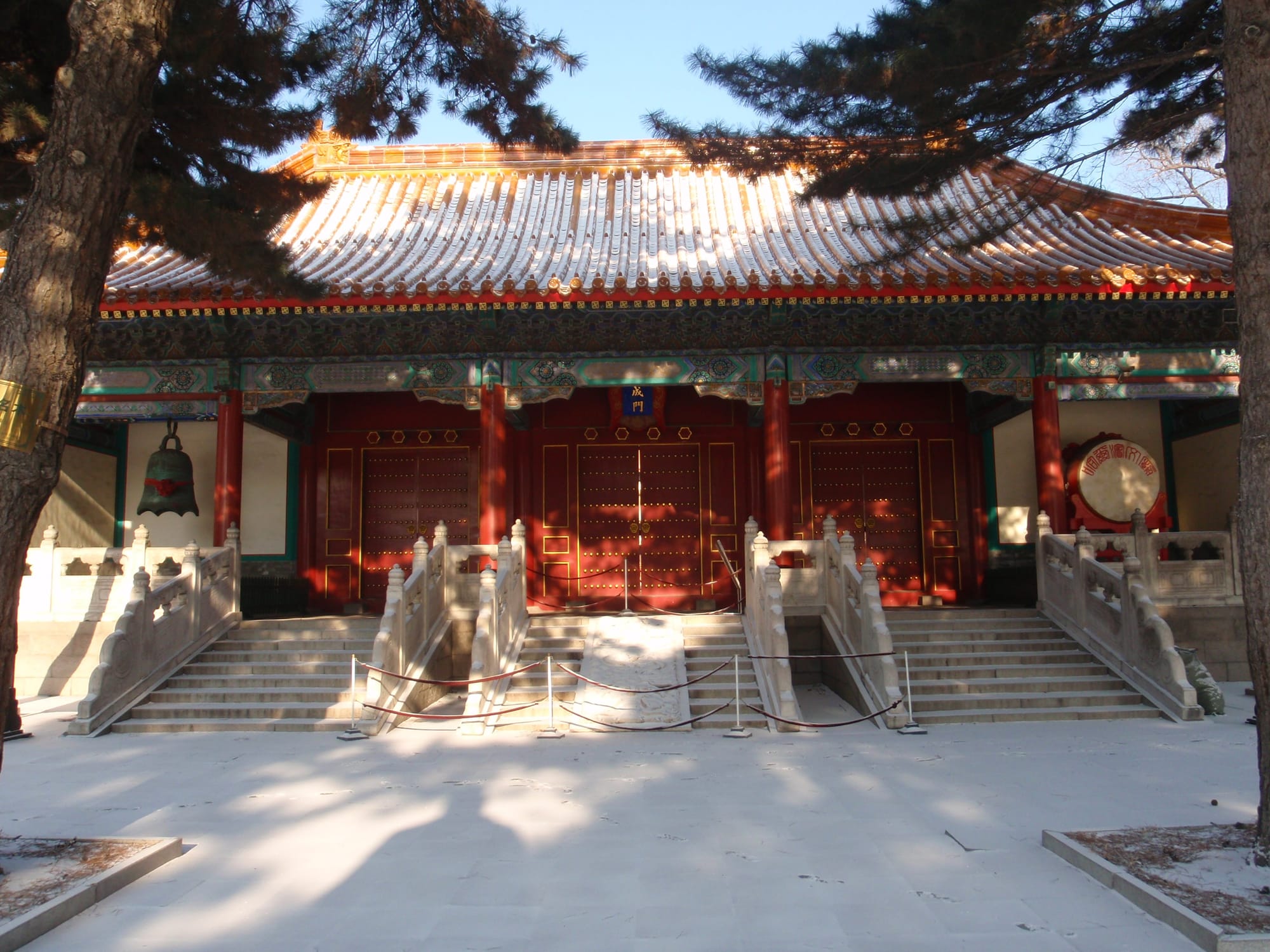
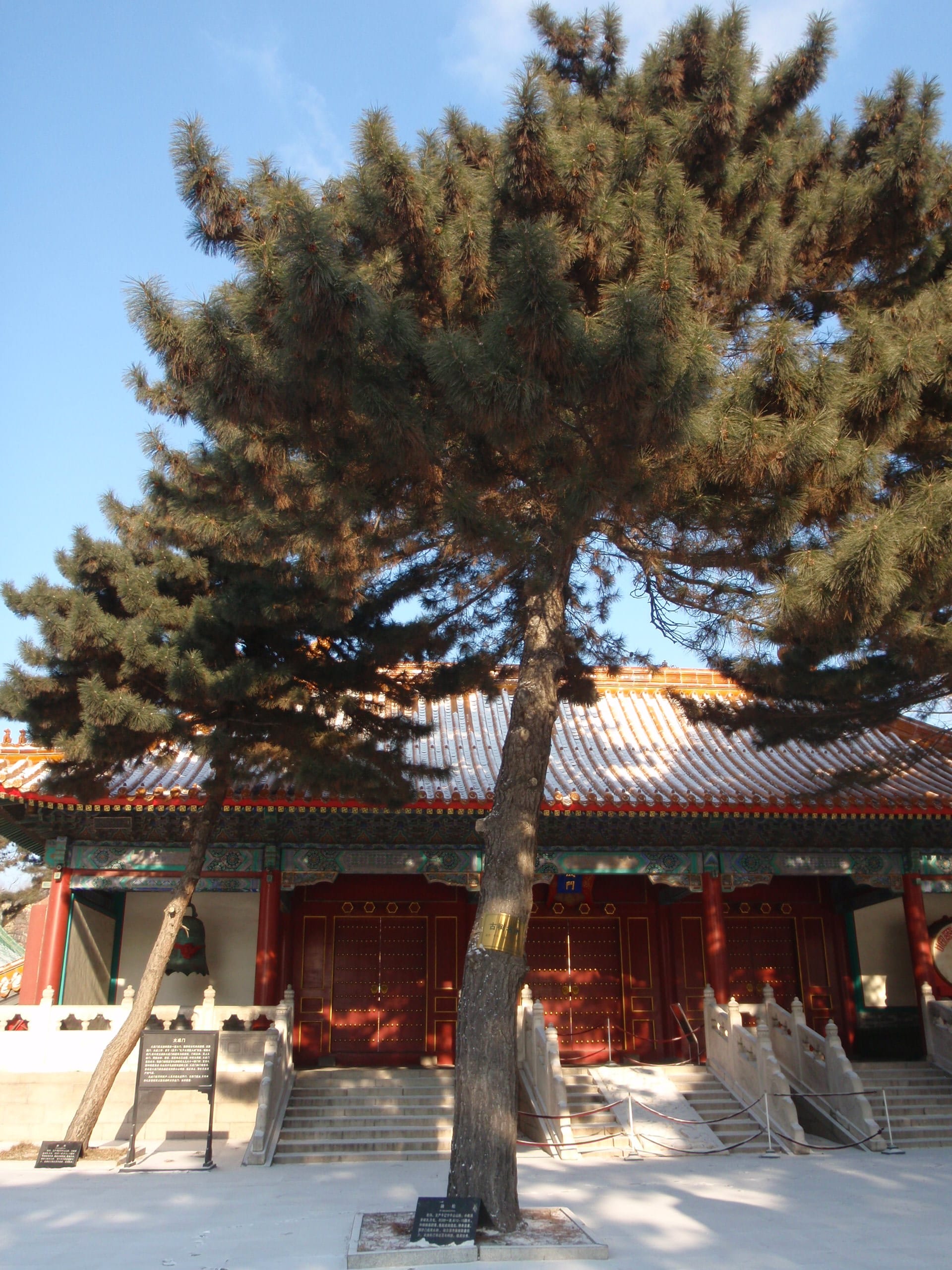
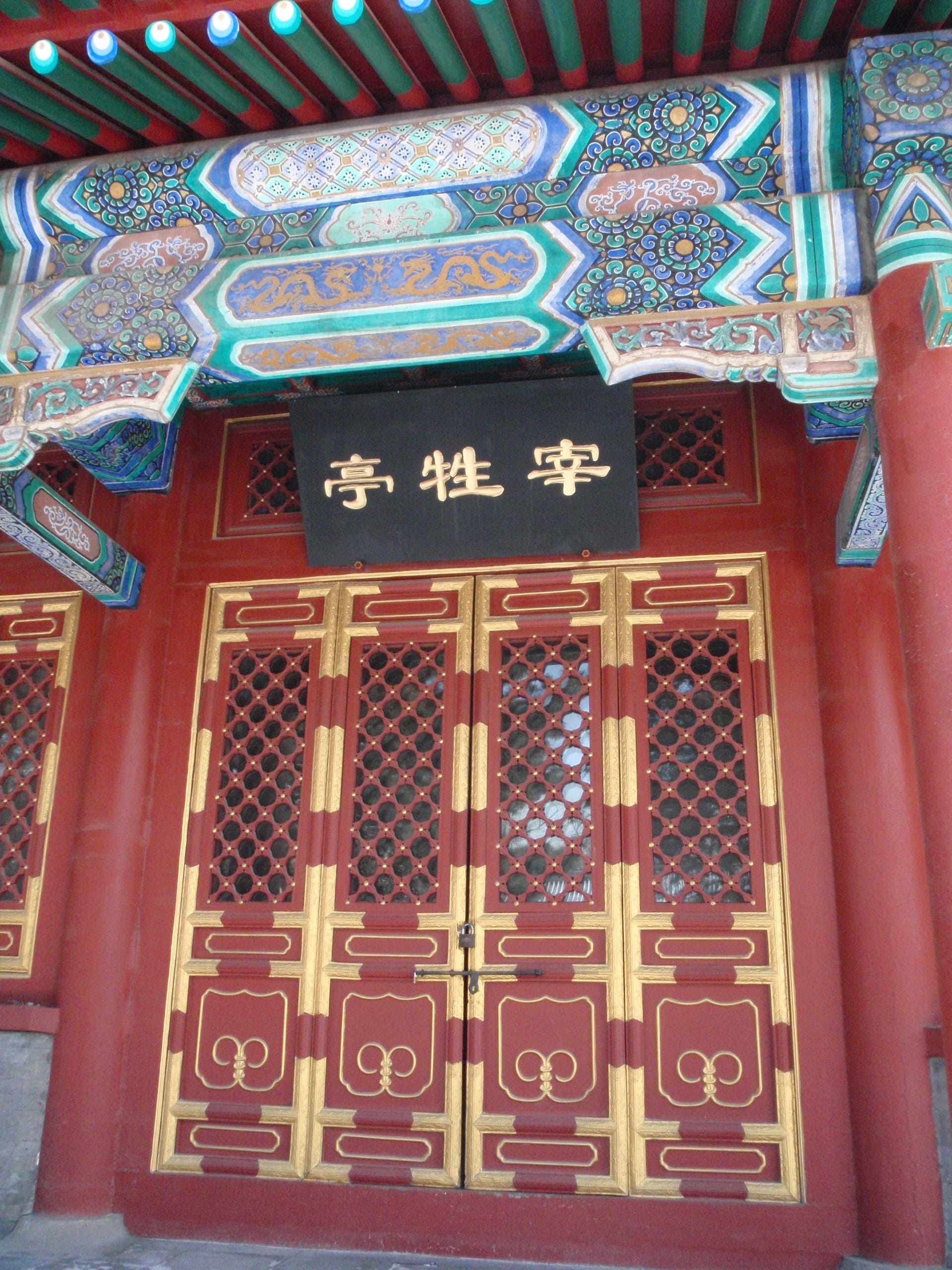
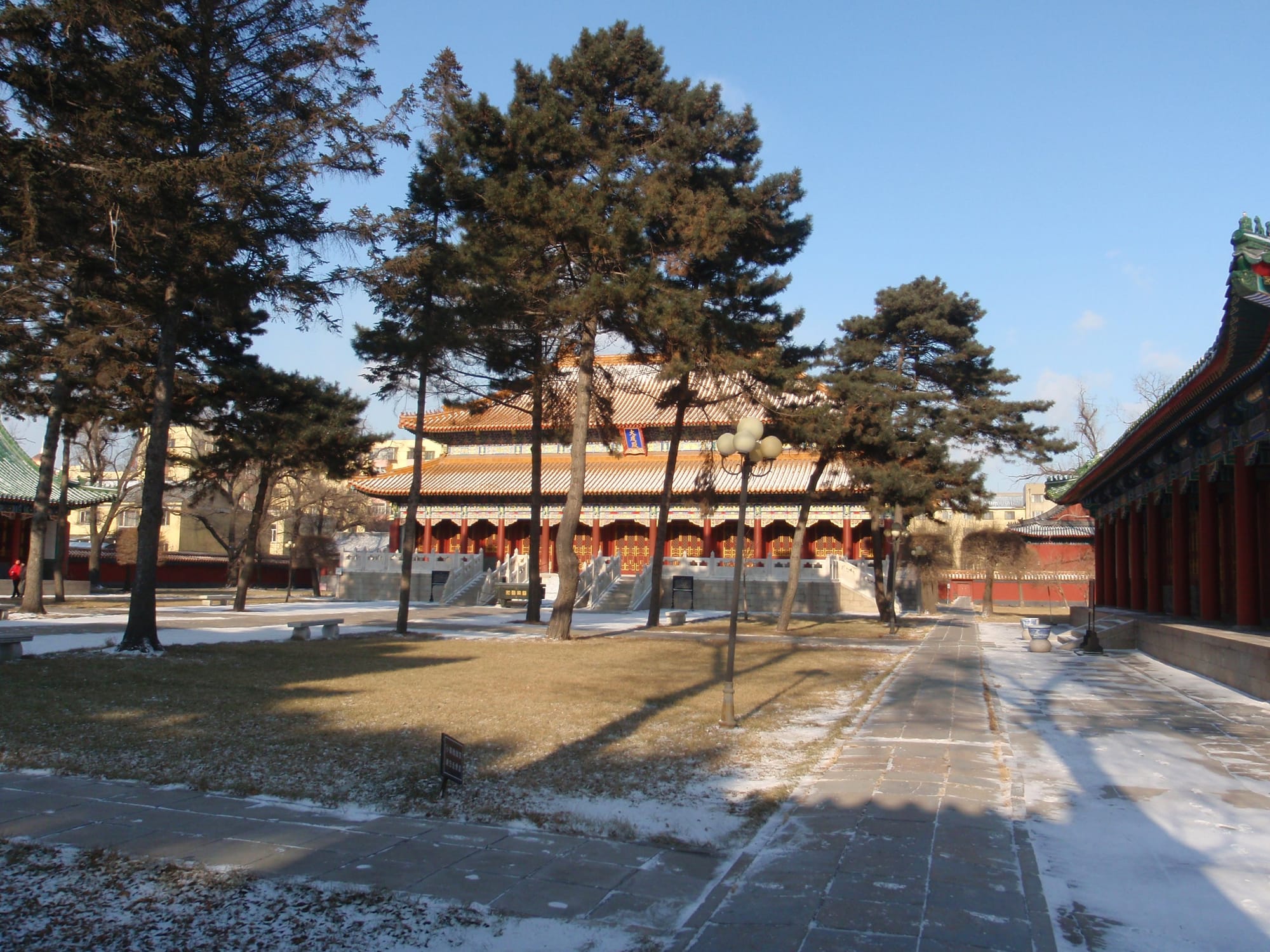
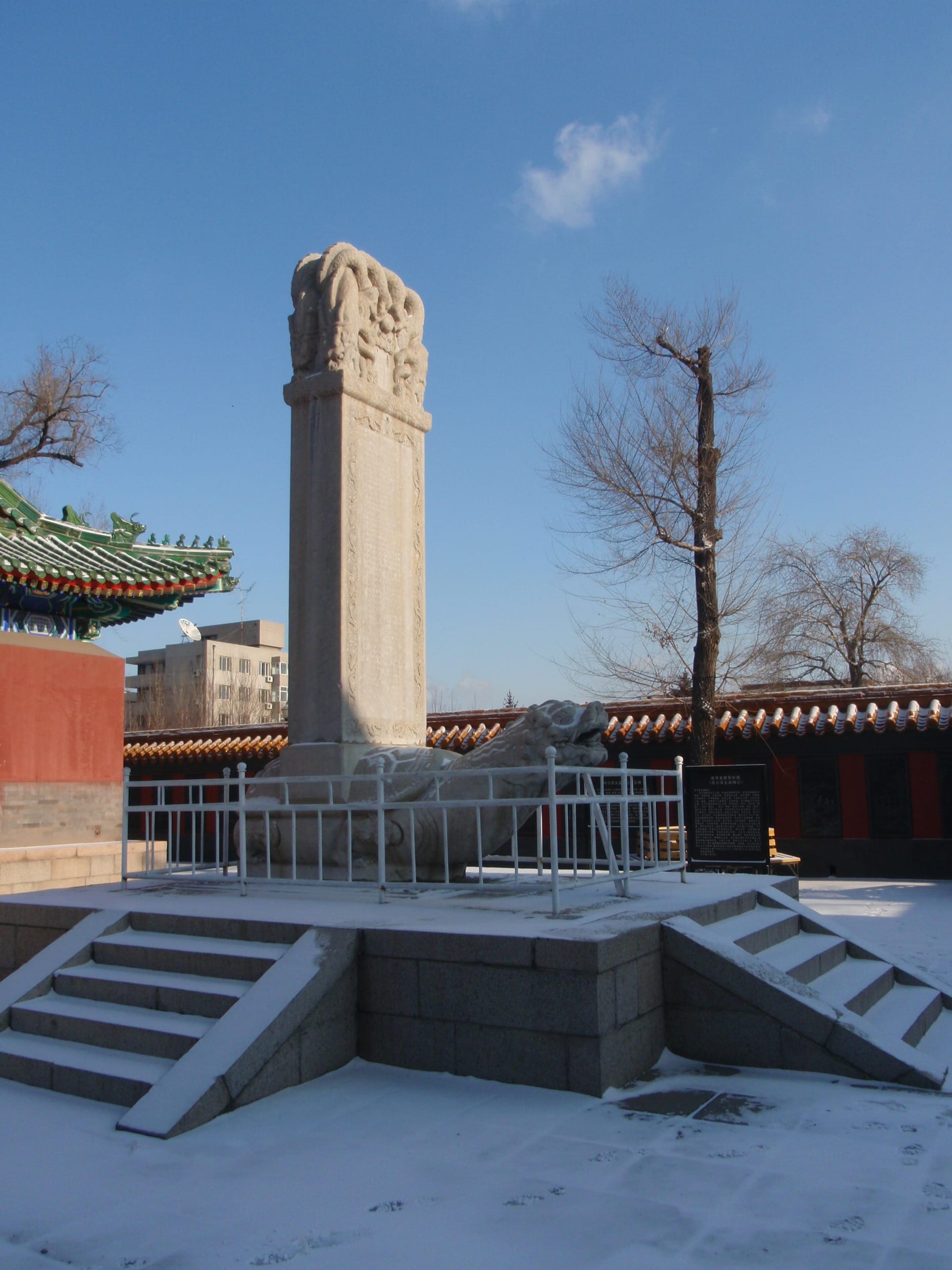
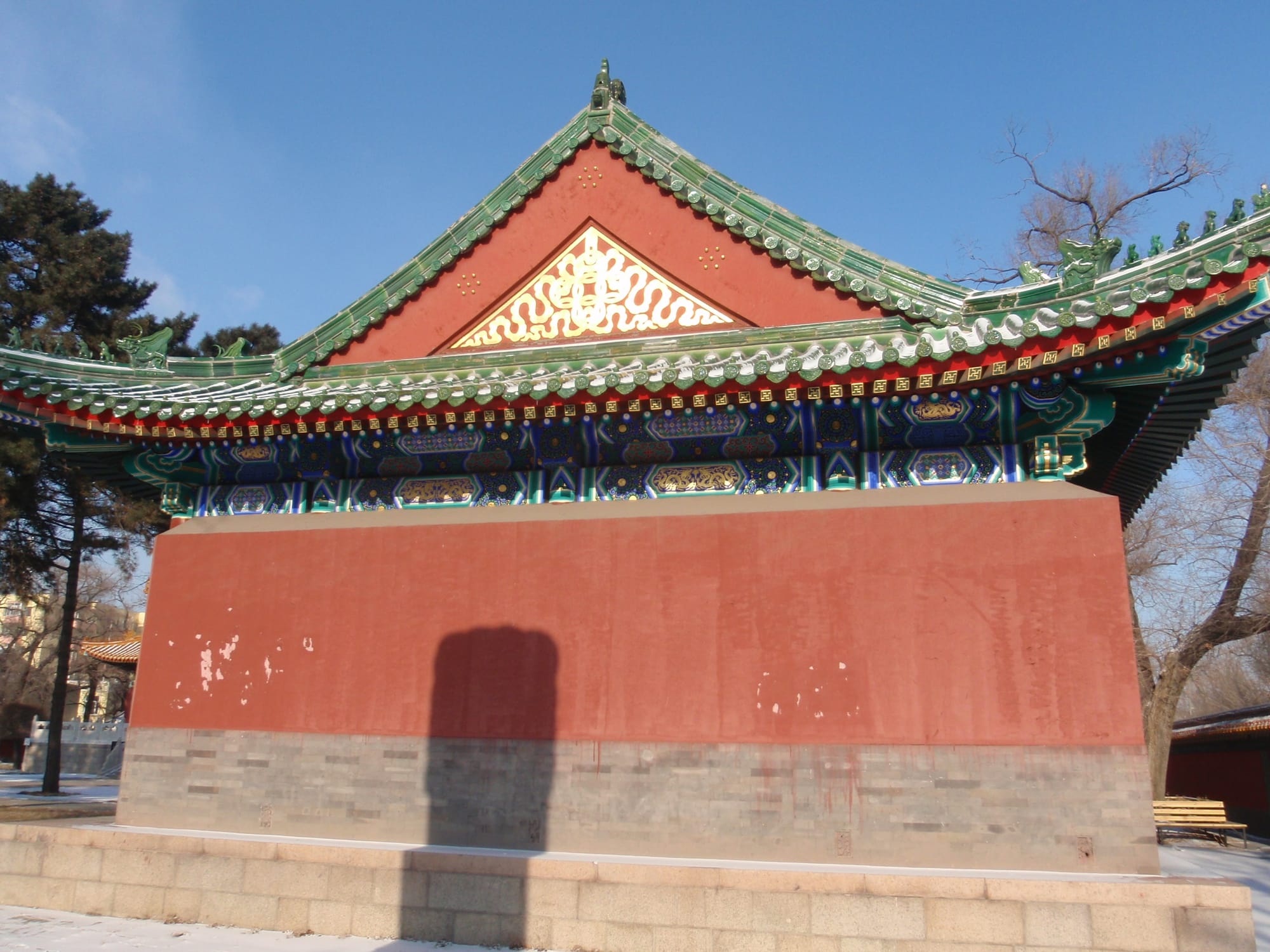
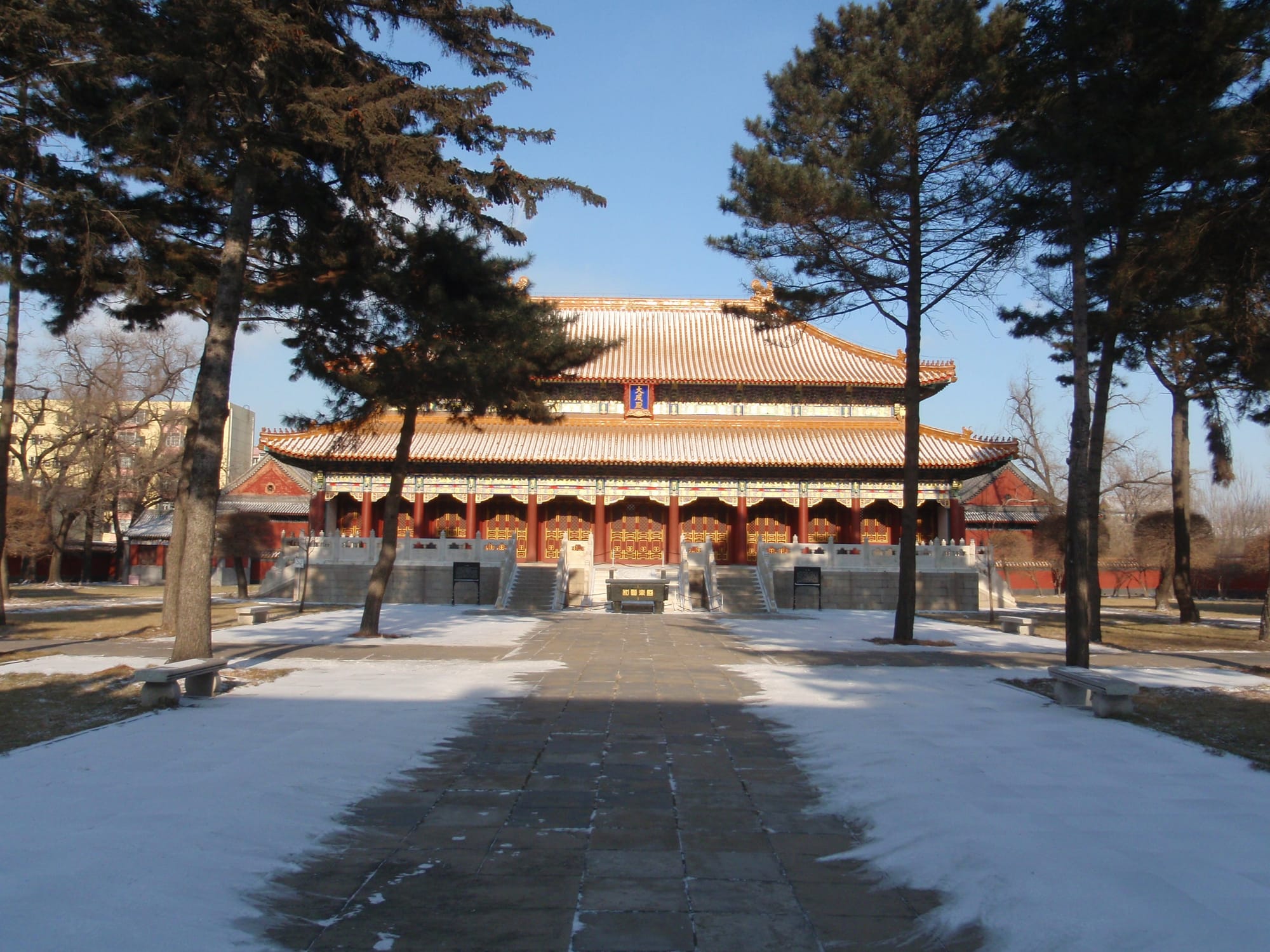
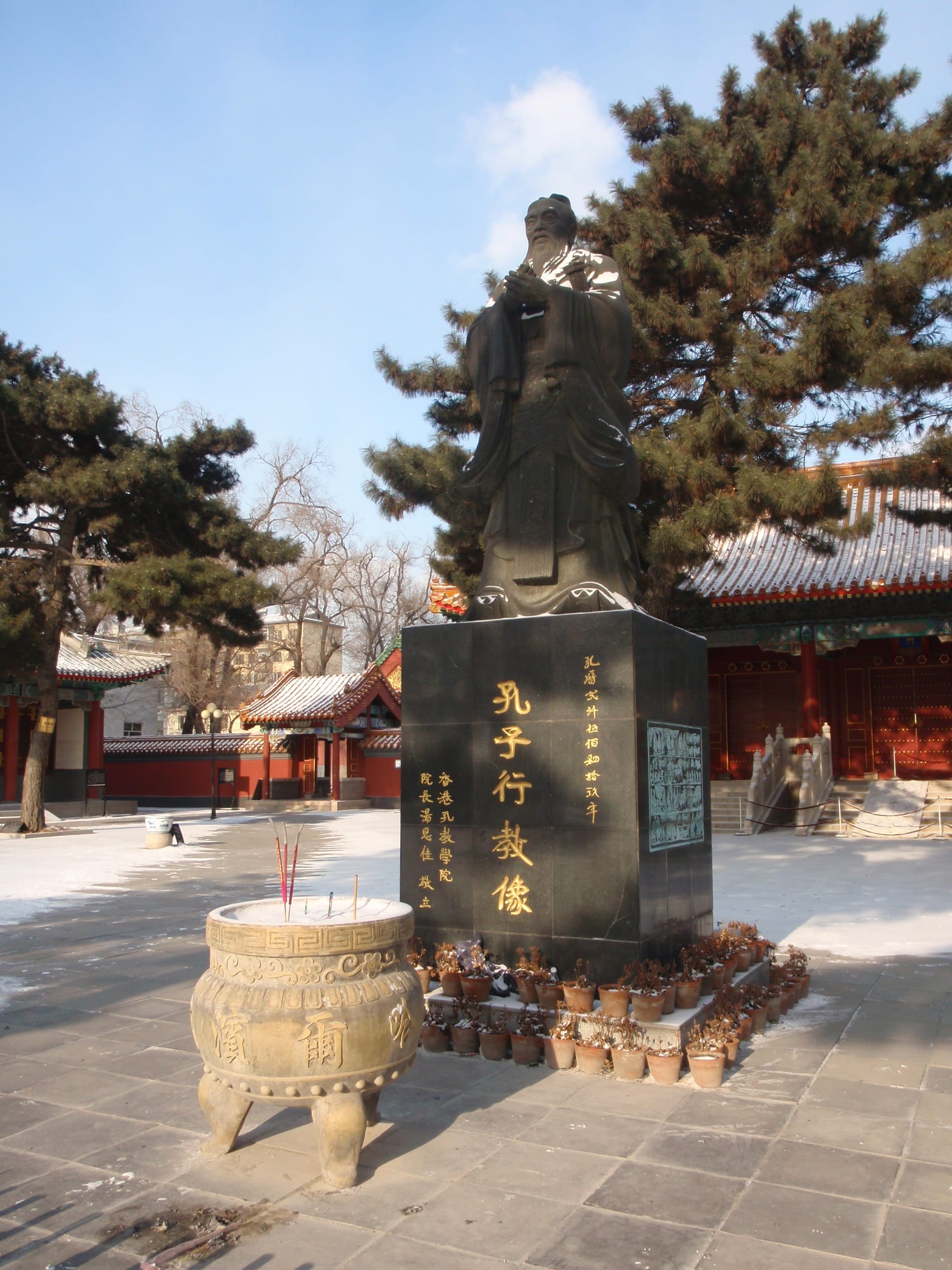
Recognised as a key provincial cultural heritage site, the temple today offers visitors a peaceful glimpse into classical Chinese architecture and the enduring cultural legacy of Confucian thought.
Harbin Dragon Tower/Longta (龙塔)
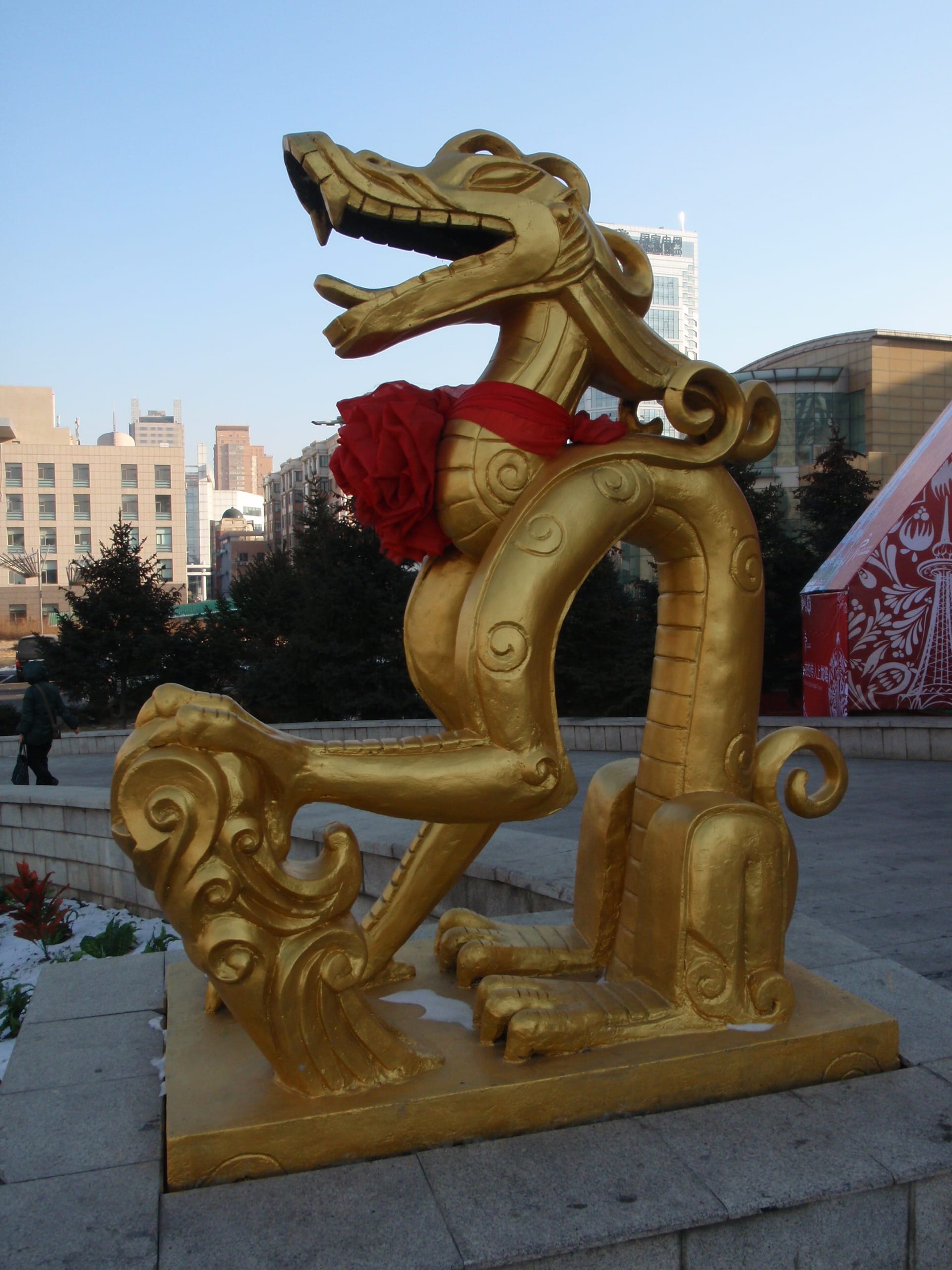
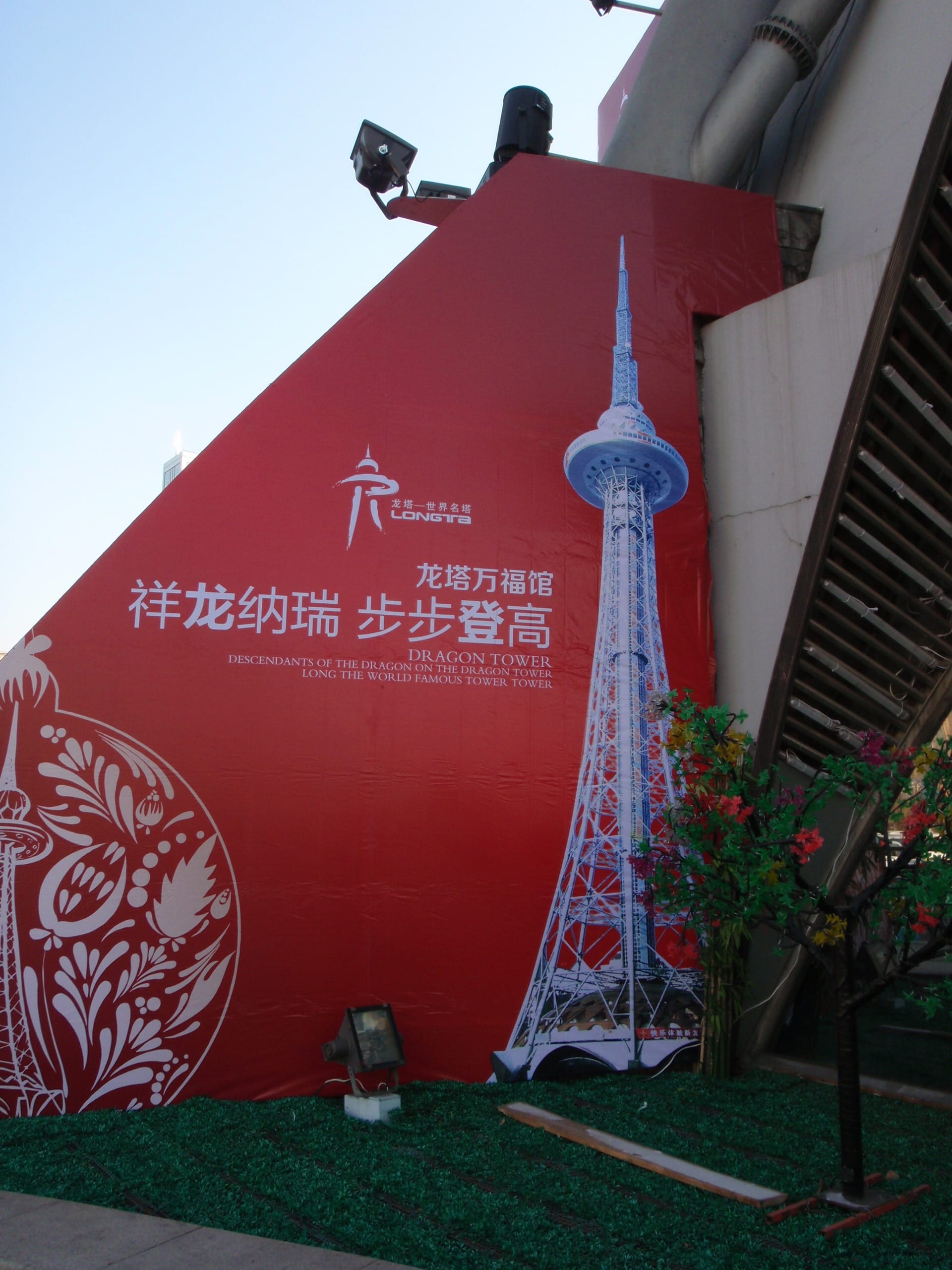
Harbin Dragon Tower rises 336 metres above the city skyline, standing as one of the most iconic modern landmarks in the 'Ice City'. Also known as the Heilongjiang Radio and TV Tower, it is the tallest steel-lattice tower in China and one of the tallest of its kind in the world, offering breathtaking 360-degree panoramic views of Harbin and the Songhua River.
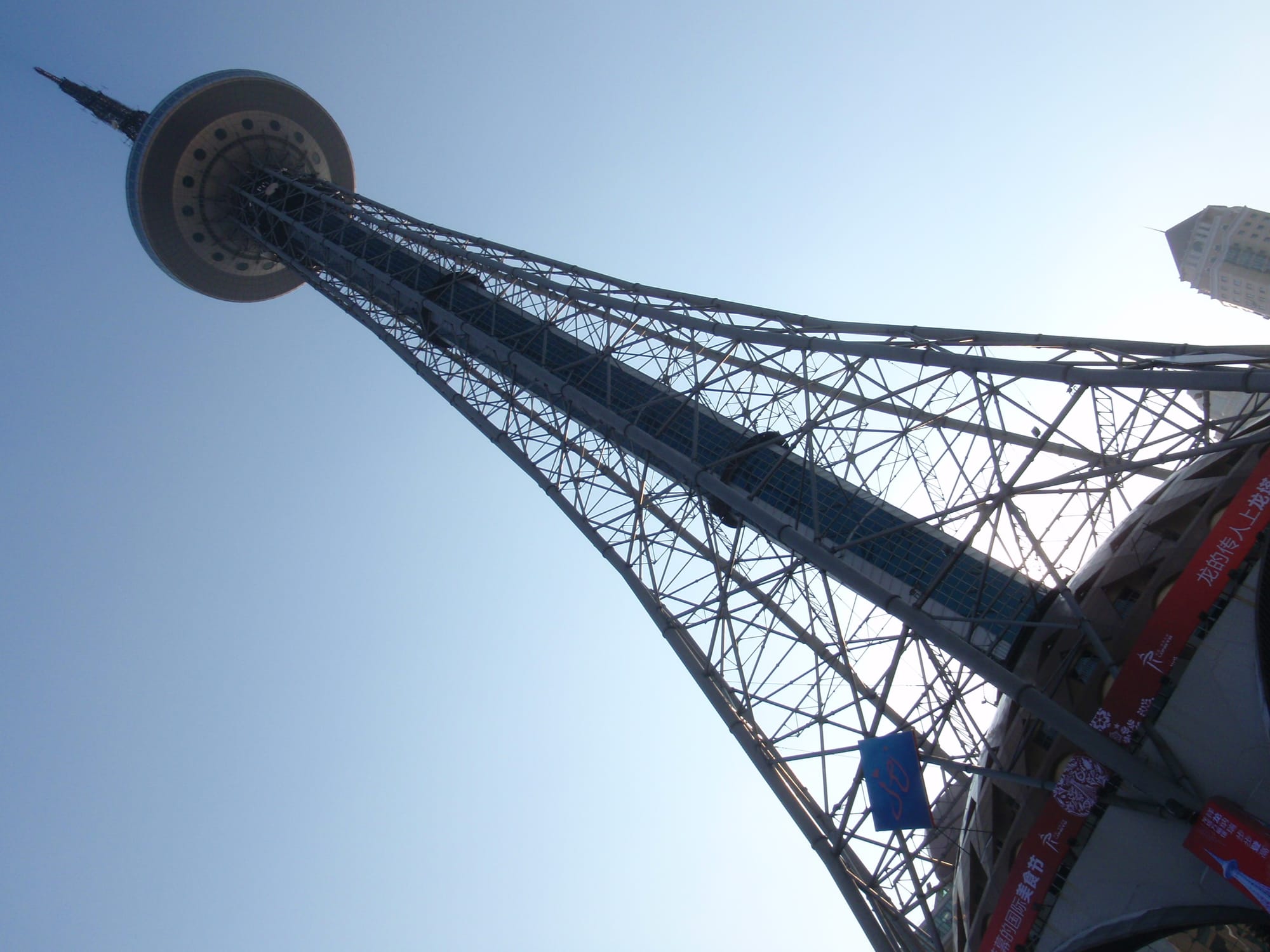
Originally built as a broadcasting and environmental monitoring tower, Dragon Tower has evolved into a multi-purpose attraction that blends engineering, culture, dining and high-altitude thrills. It is a member of the World Federation of Great Towers, placing it among the world’s most notable observation structures.
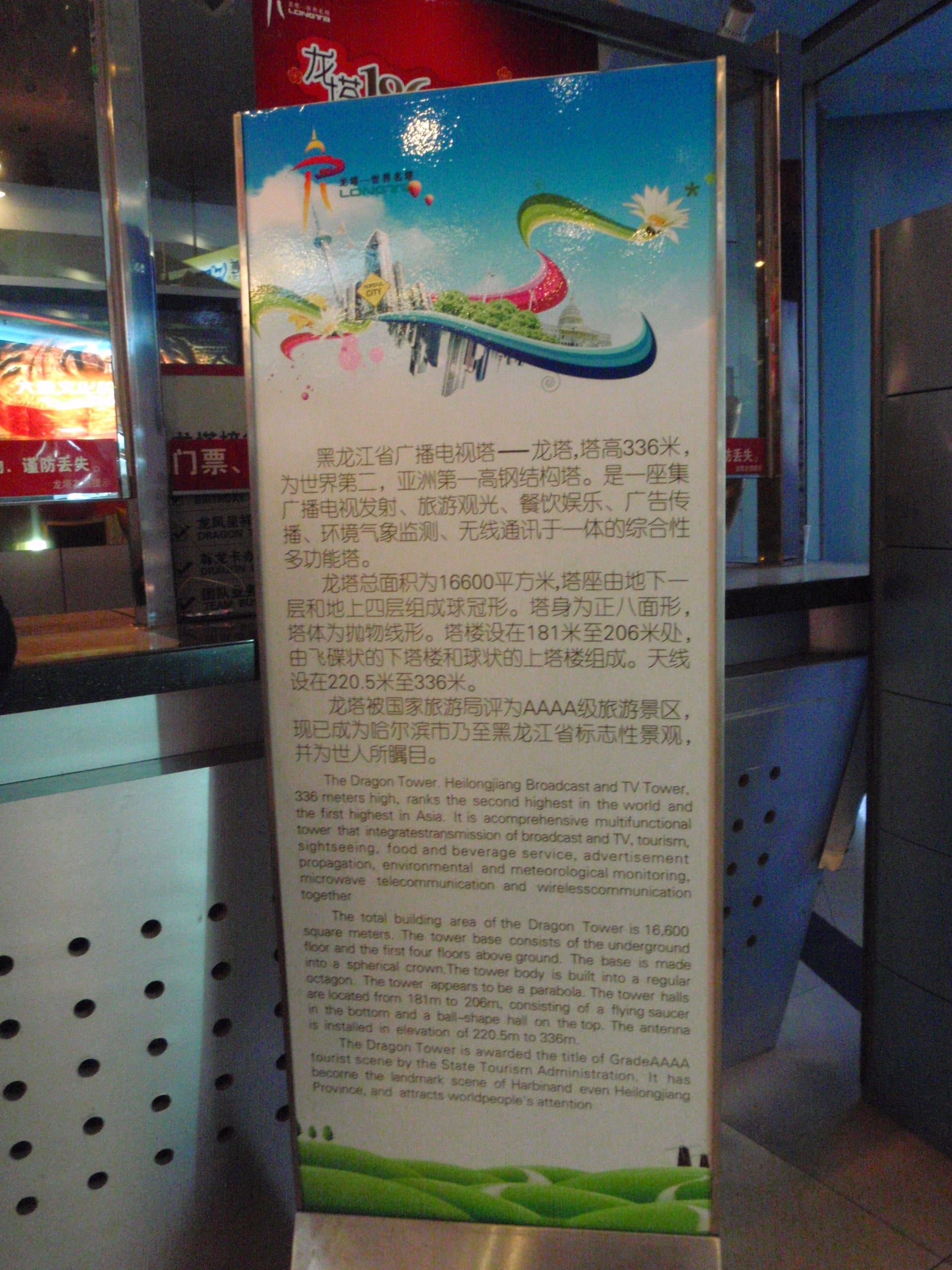
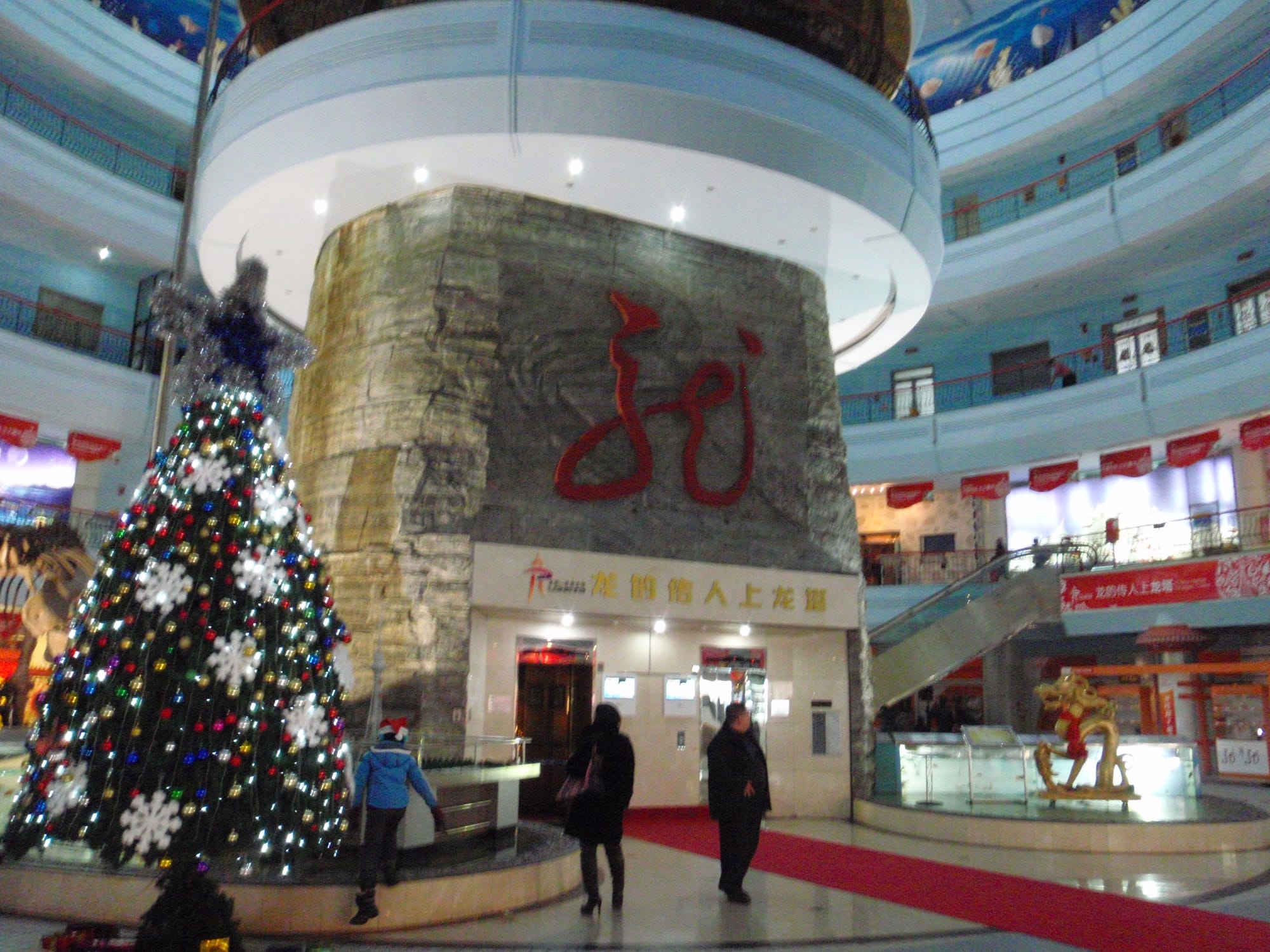
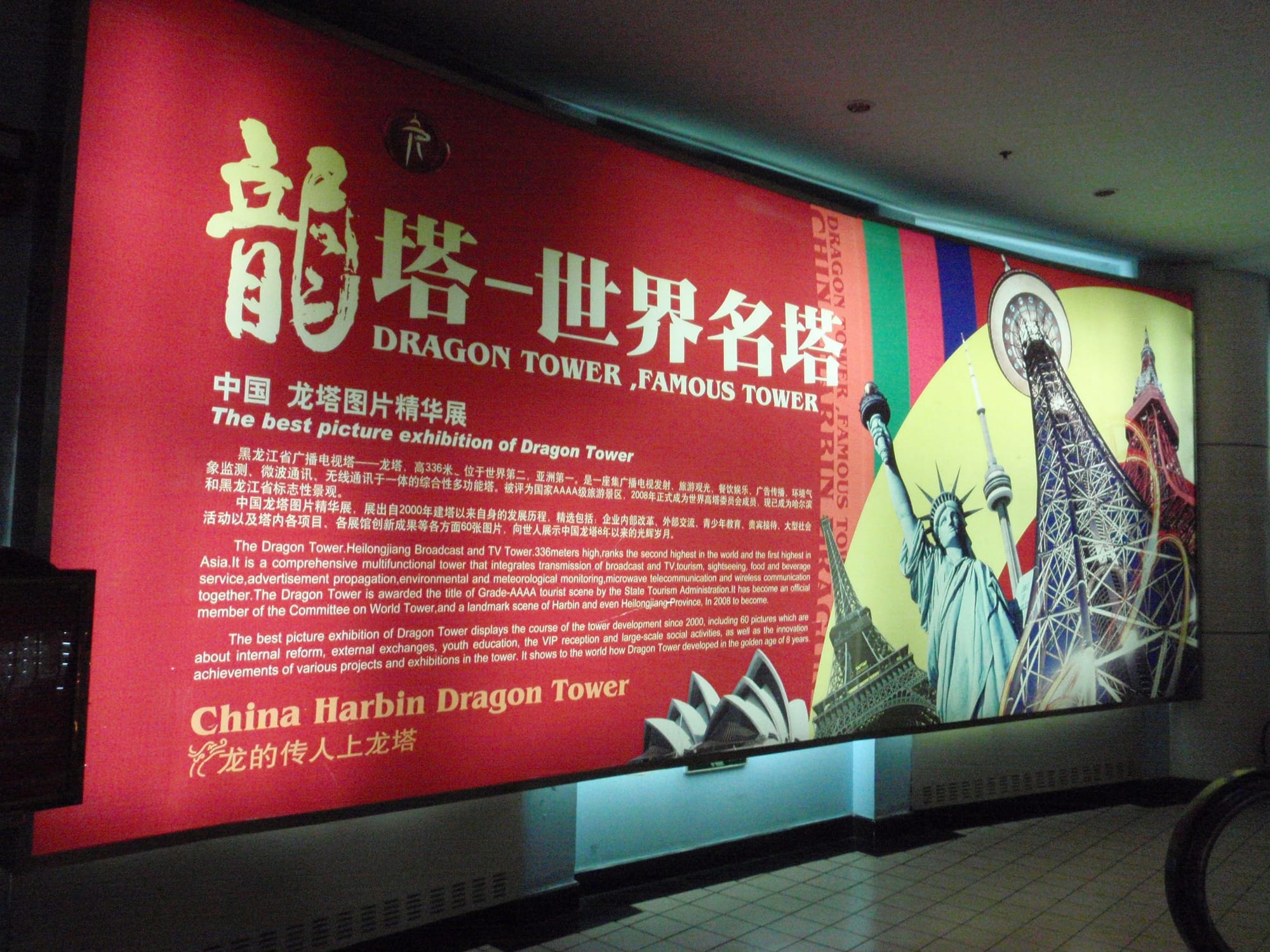
High-Altitude Highlights includes:
- Glass Skywalk 'Walking in the Clouds' (181m)
One of the tower’s most thrilling attractions, this circular glass plank road allows visitors to walk high above the city on a transparent floor. It is among the longest high-altitude glass walkways in the world.
- Observation Decks (190m and 203m)
190m Outdoor Deck: Fully exposed to the elements, offering unobstructed views of Harbin and in winter, the frozen Songhua River.
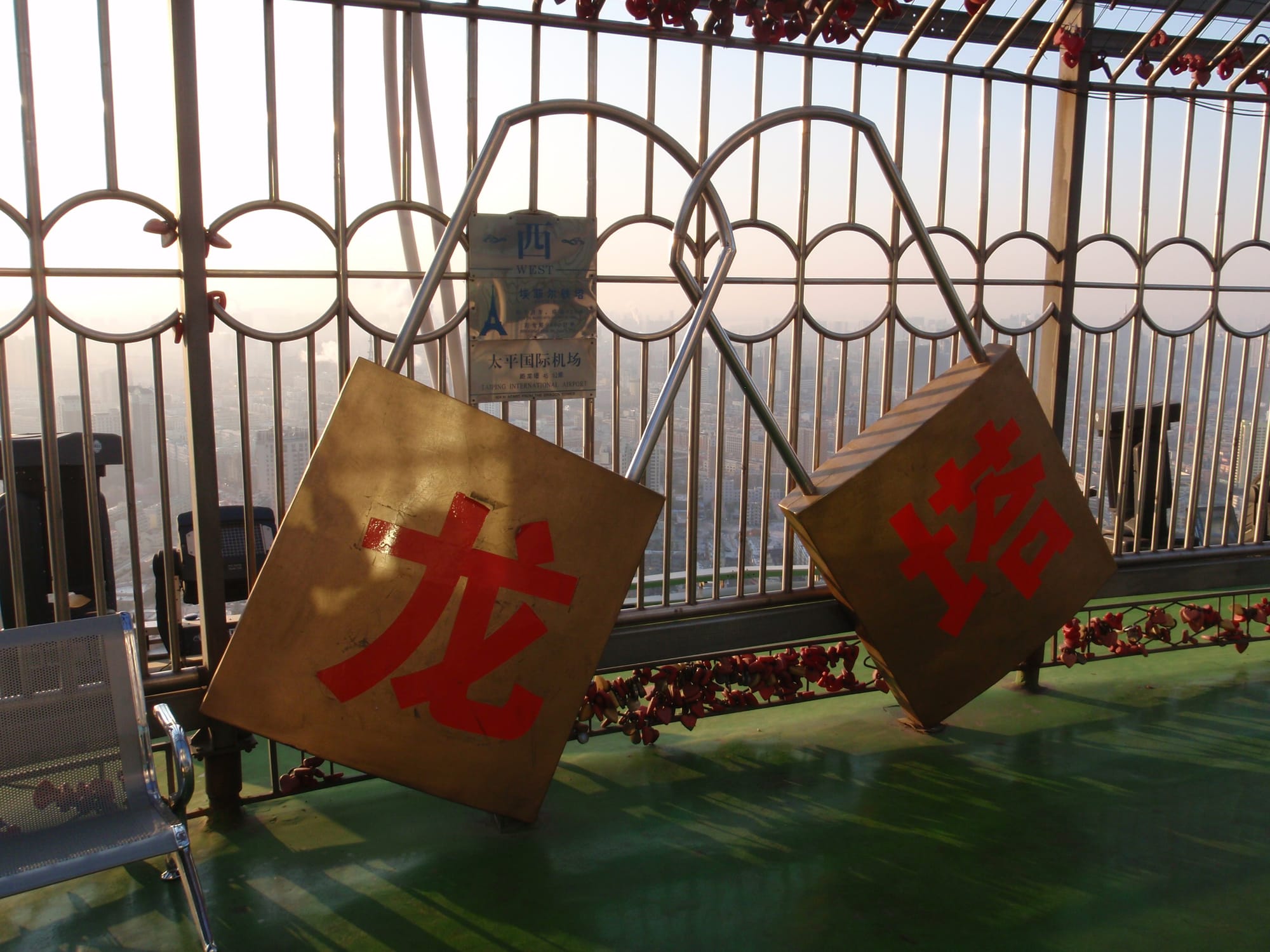
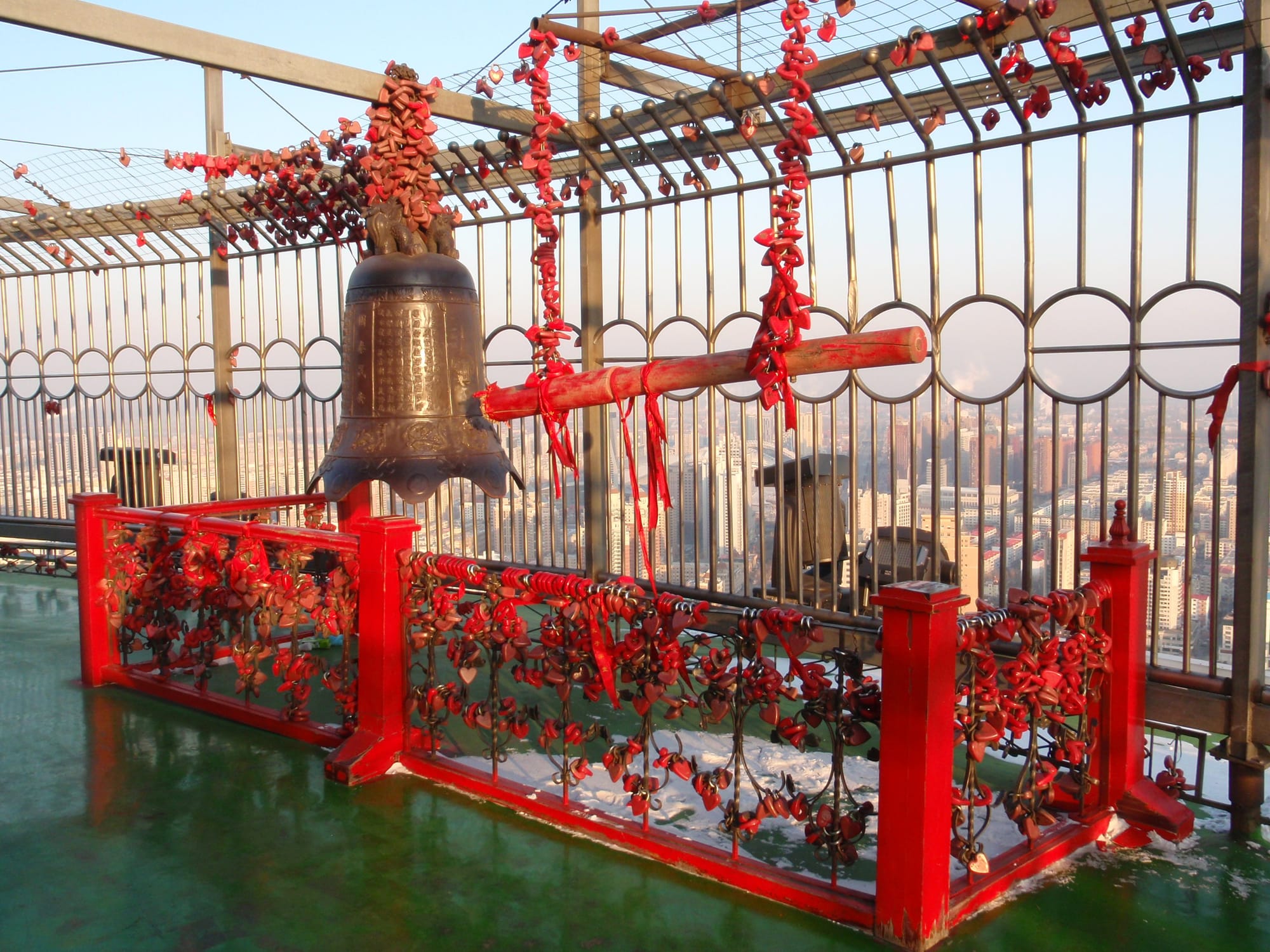
203m Indoor Deck: A warmer alternative with panoramic windows and a small exhibition of Jin and Tang Dynasty relics, adding historical depth to the visit.
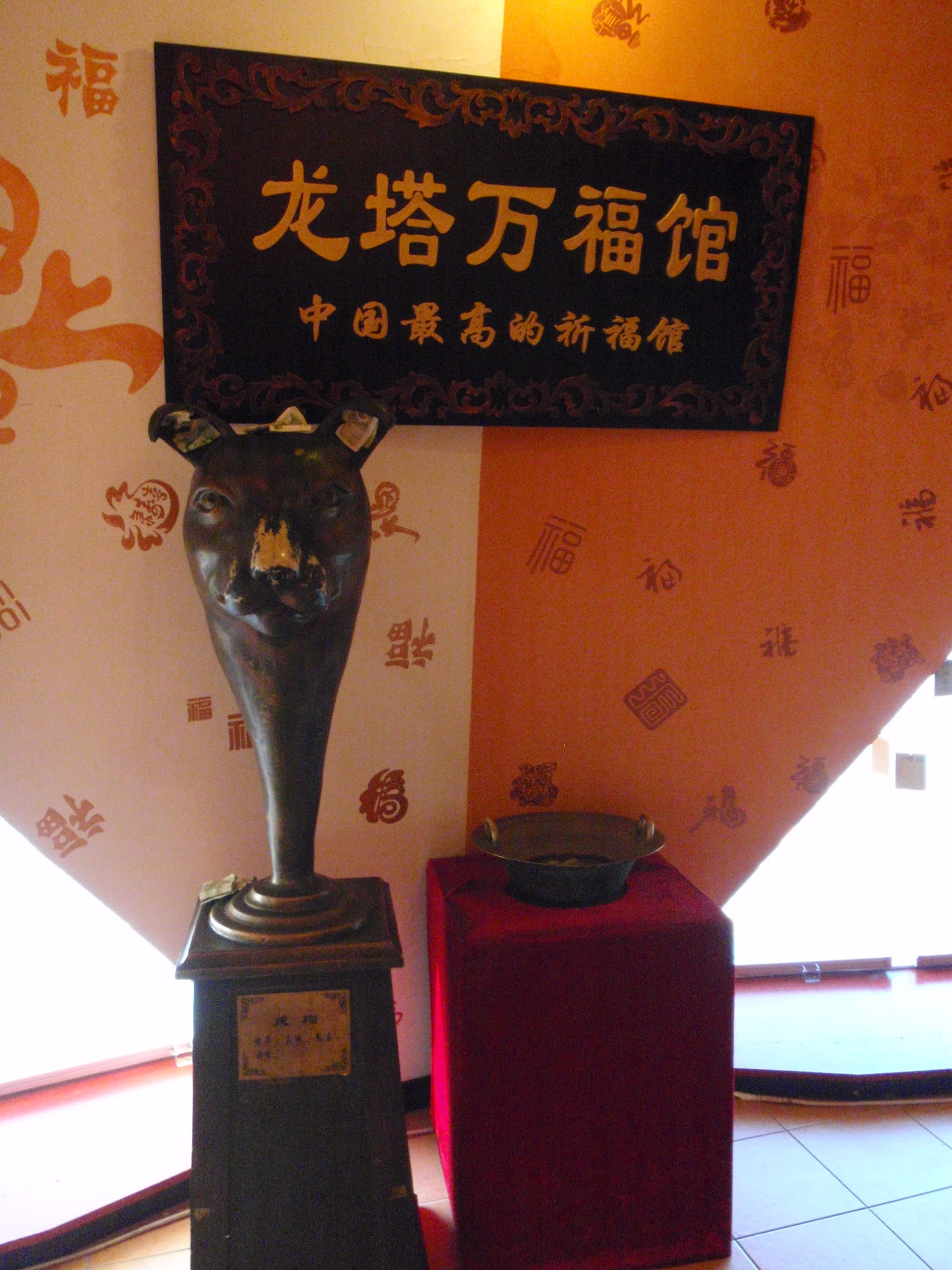
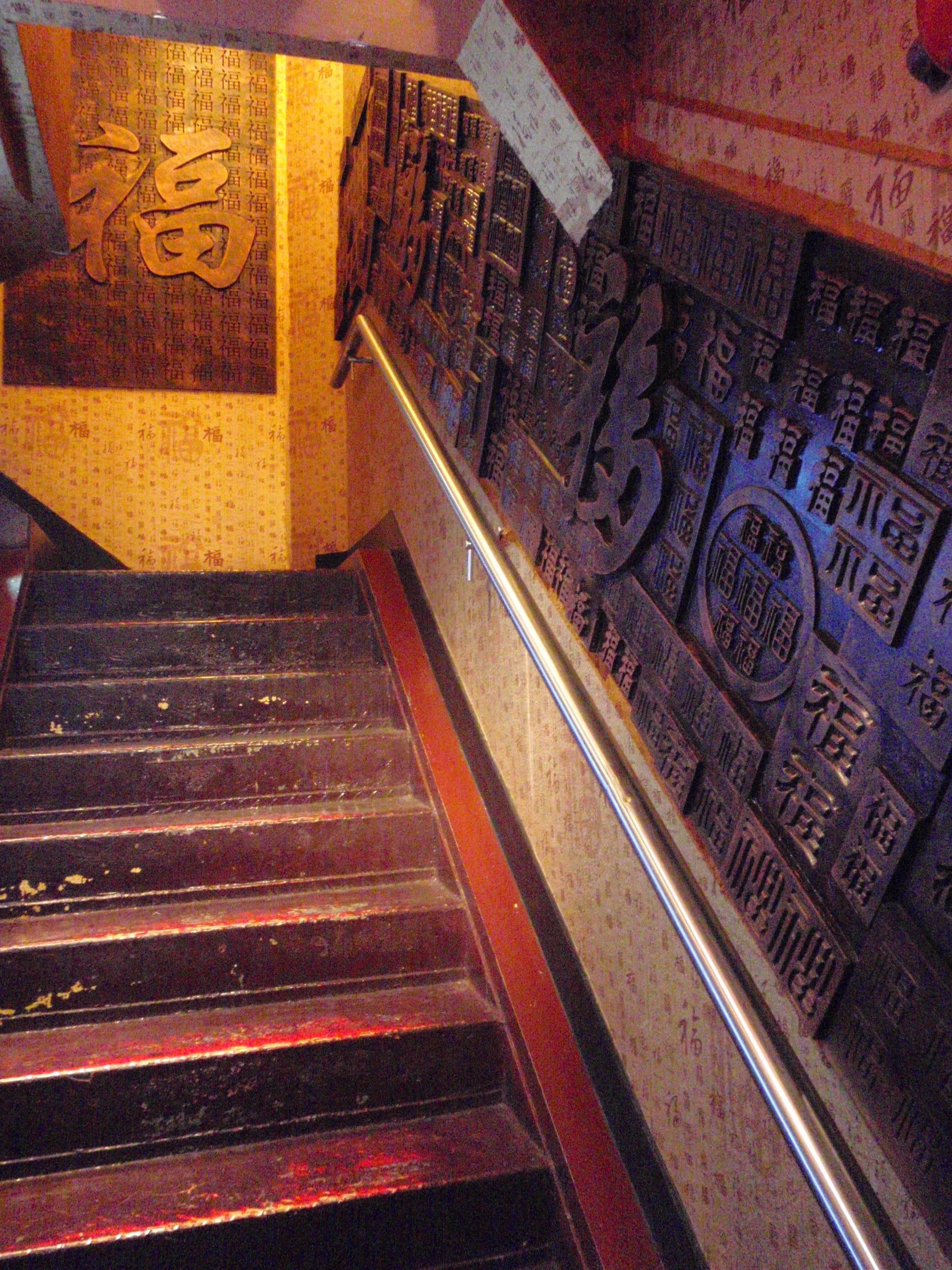
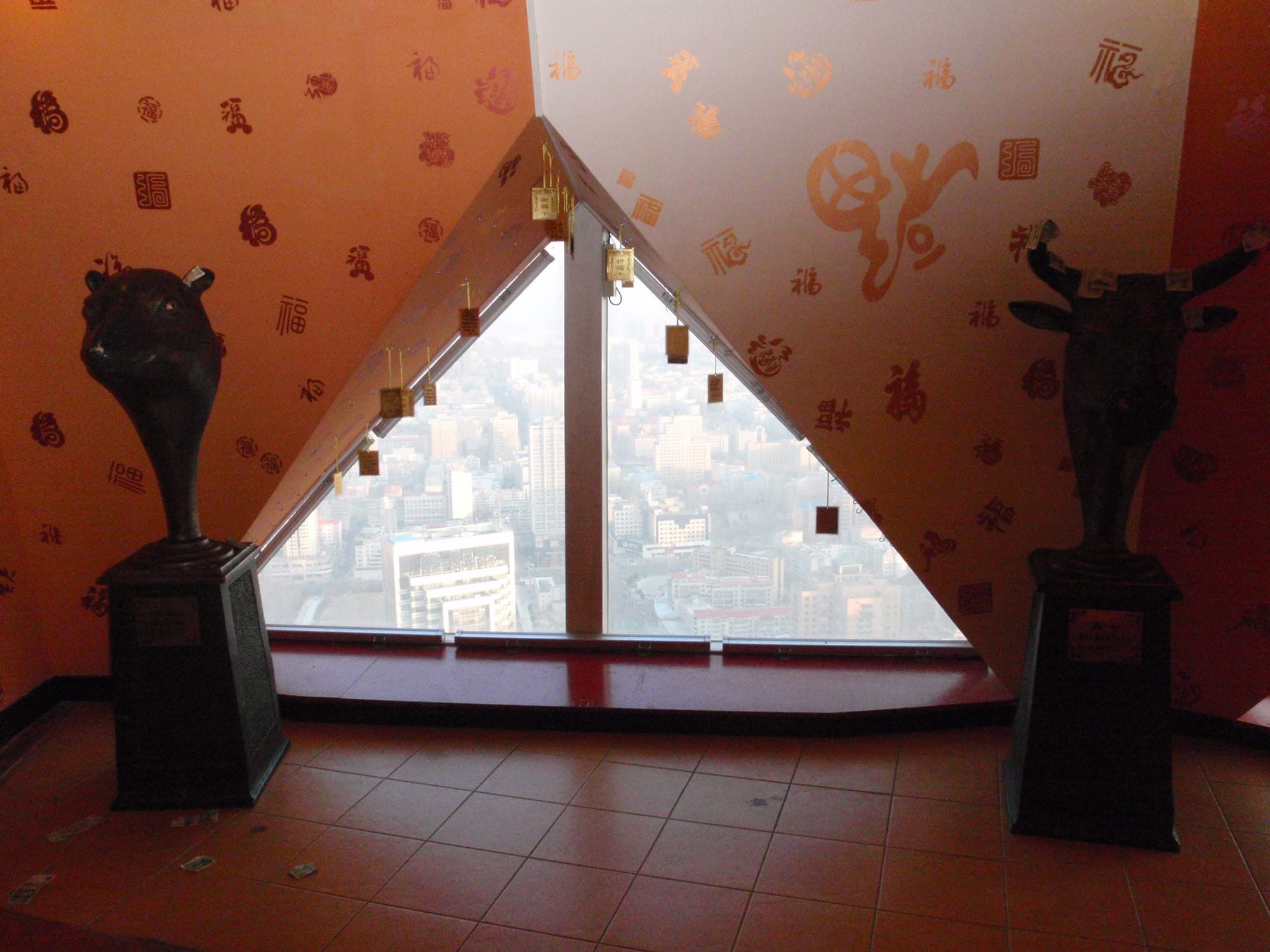
- Blessing Hall (206m)
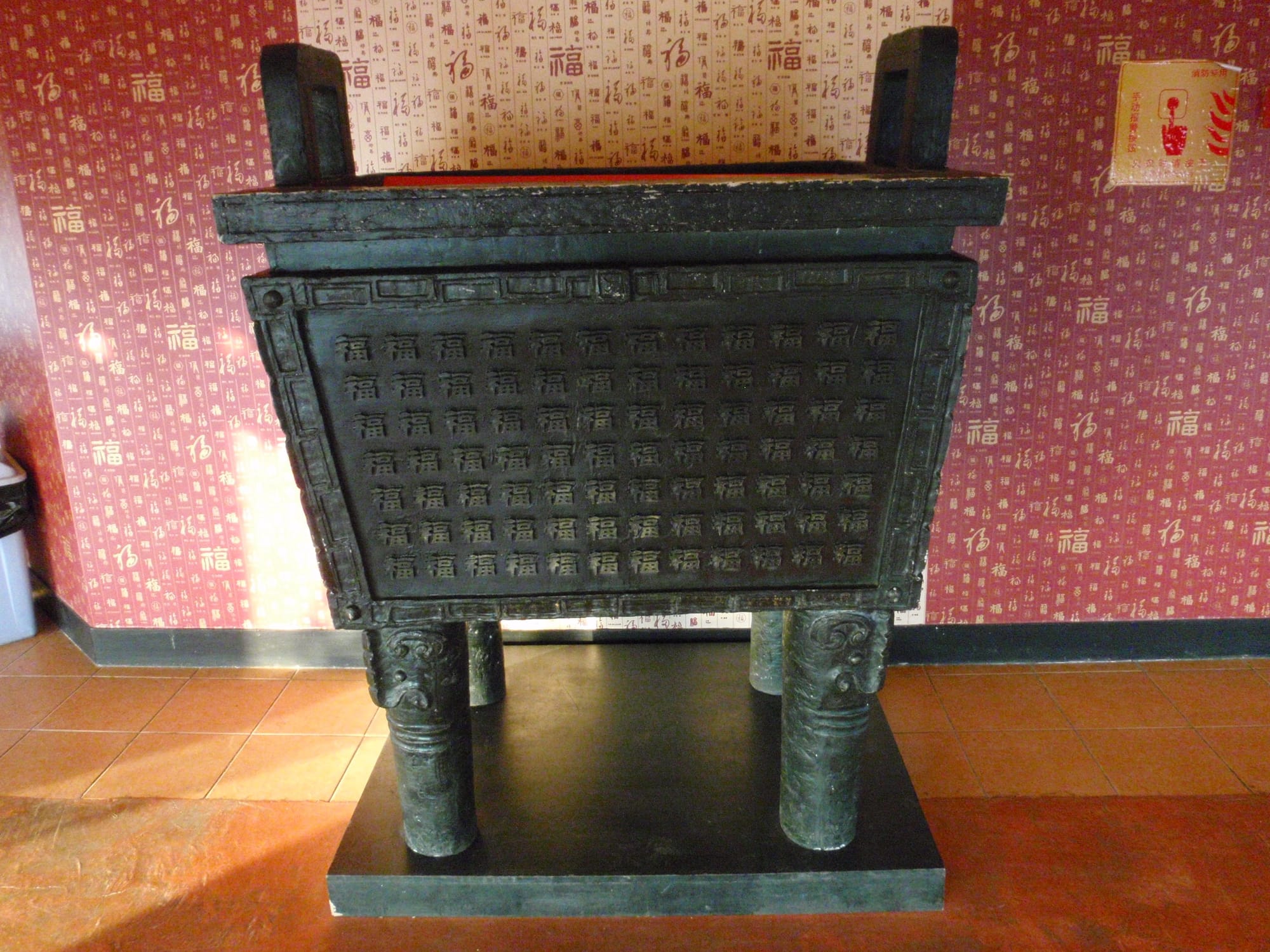
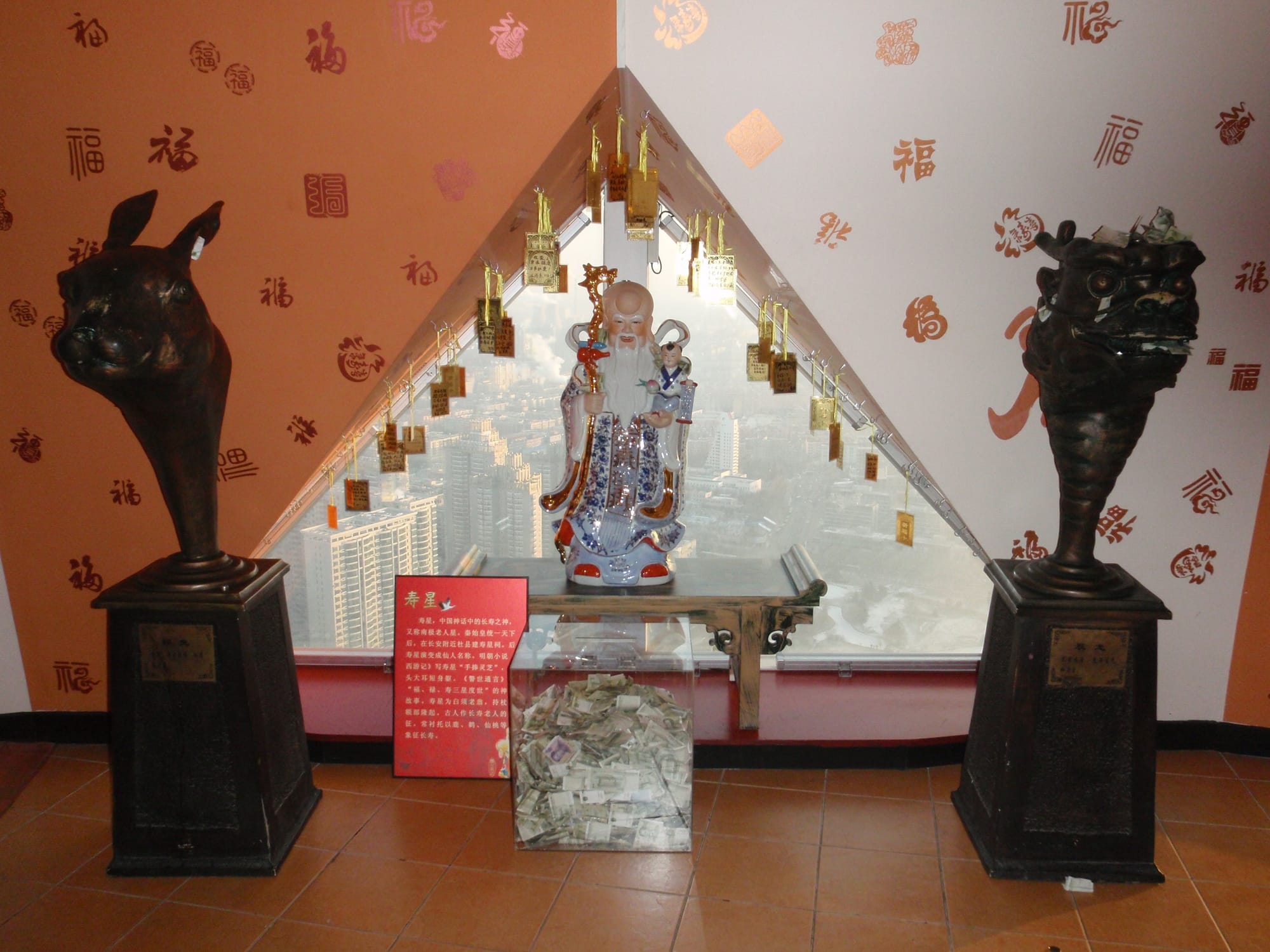
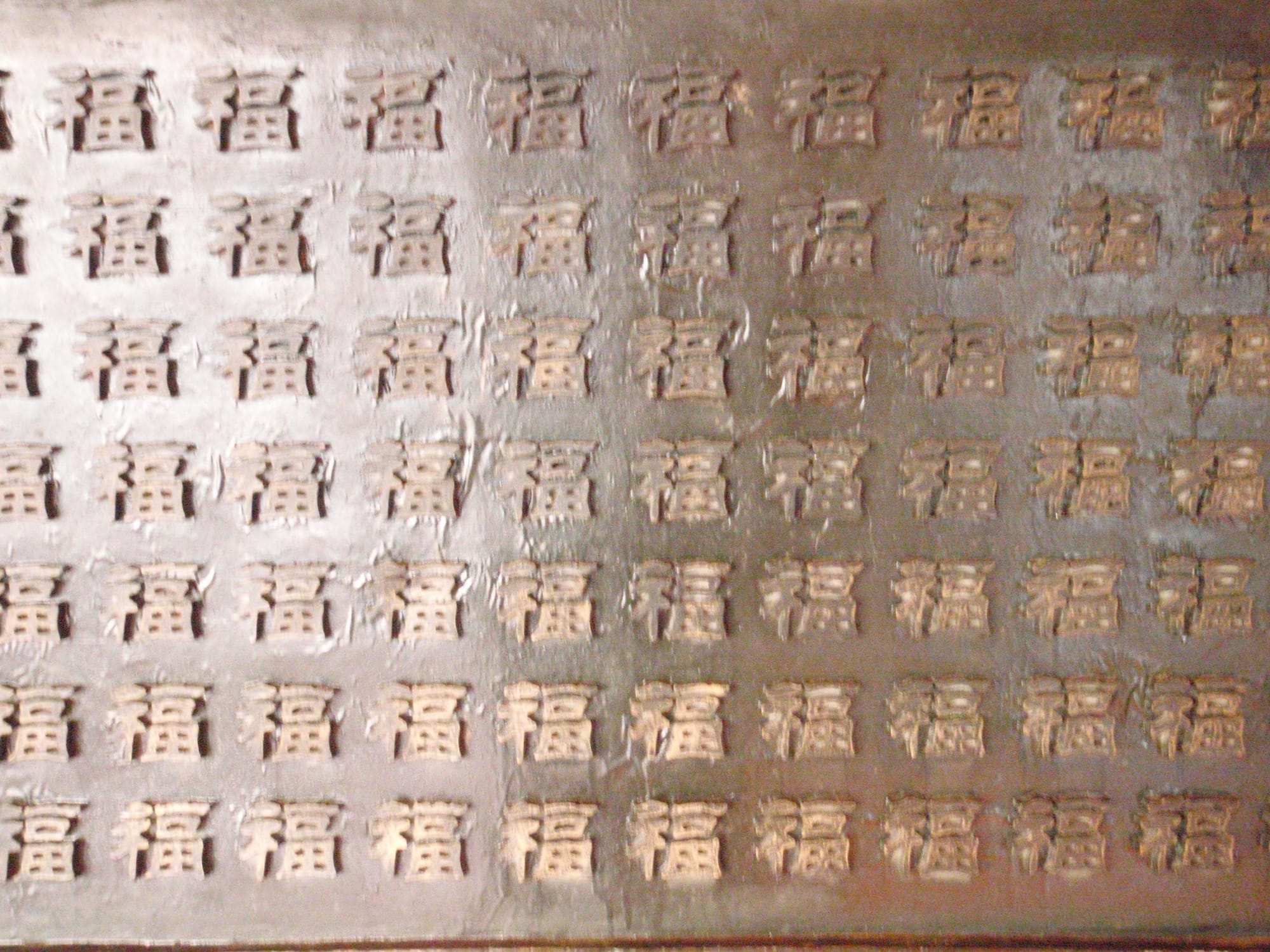
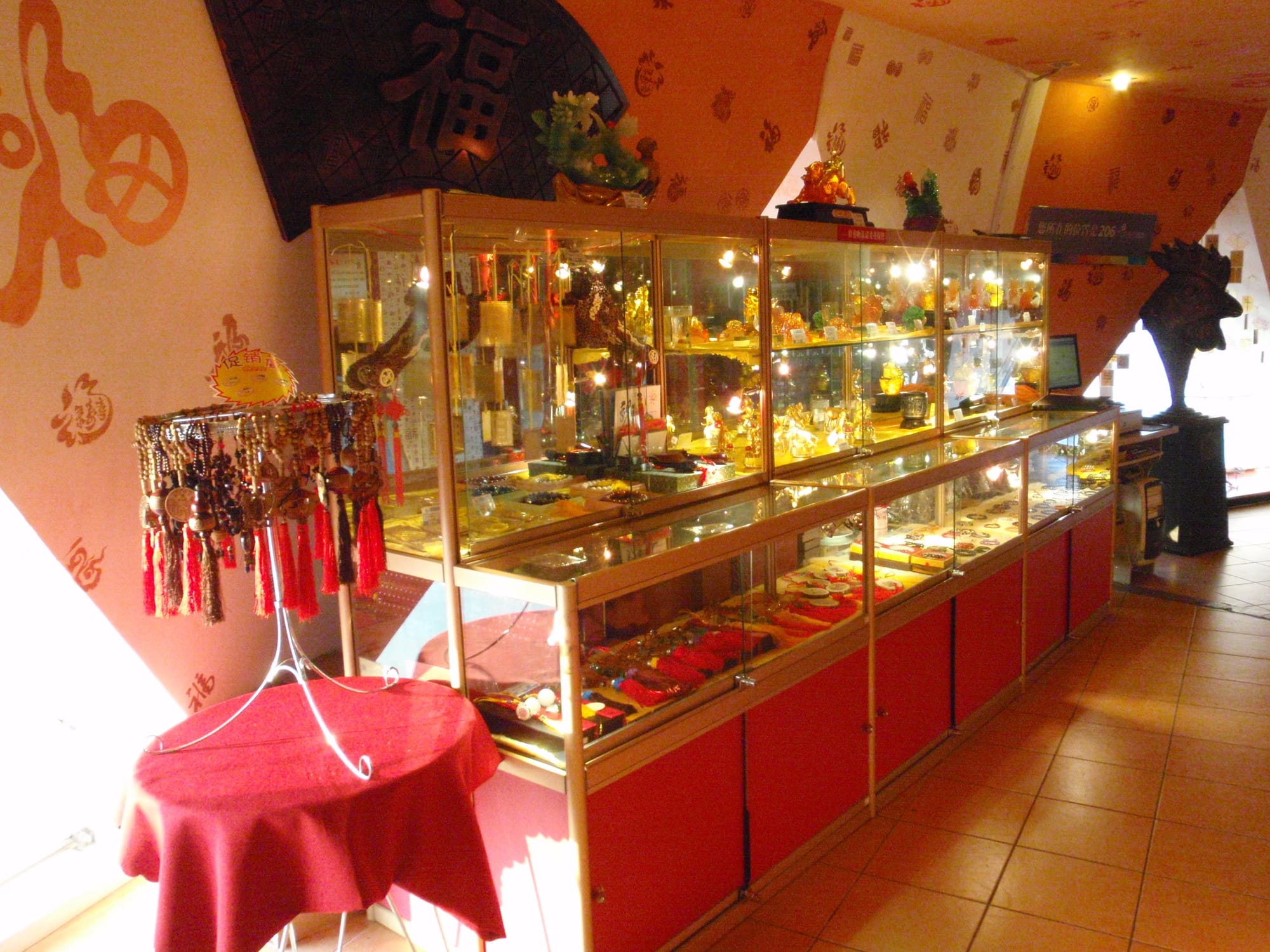
The highest area open to visitors, this tranquil prayer hall features thousands of “福” (blessing) characters in various calligraphy styles. Many locals come here to ring the blessing bell for good fortune.

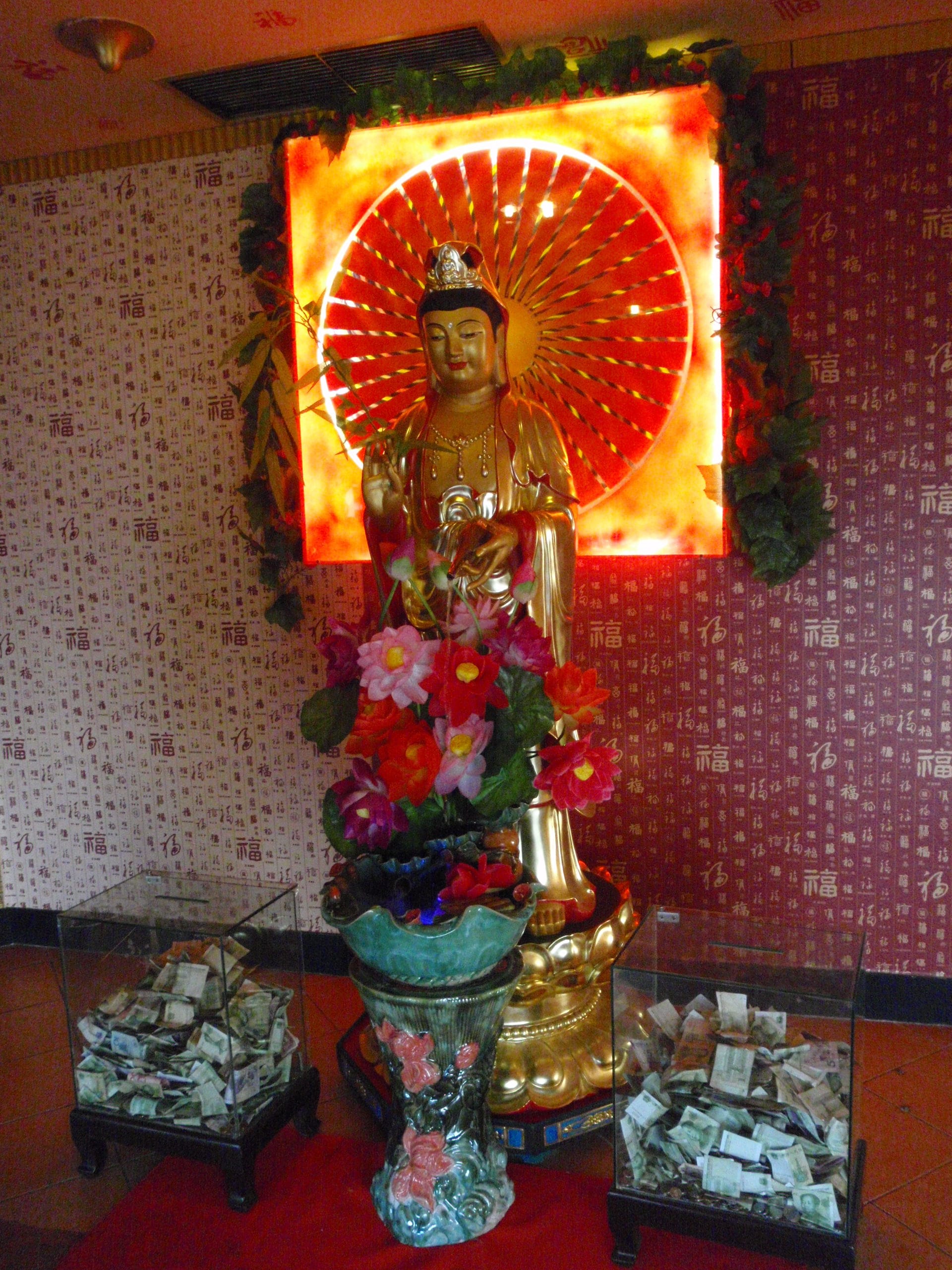
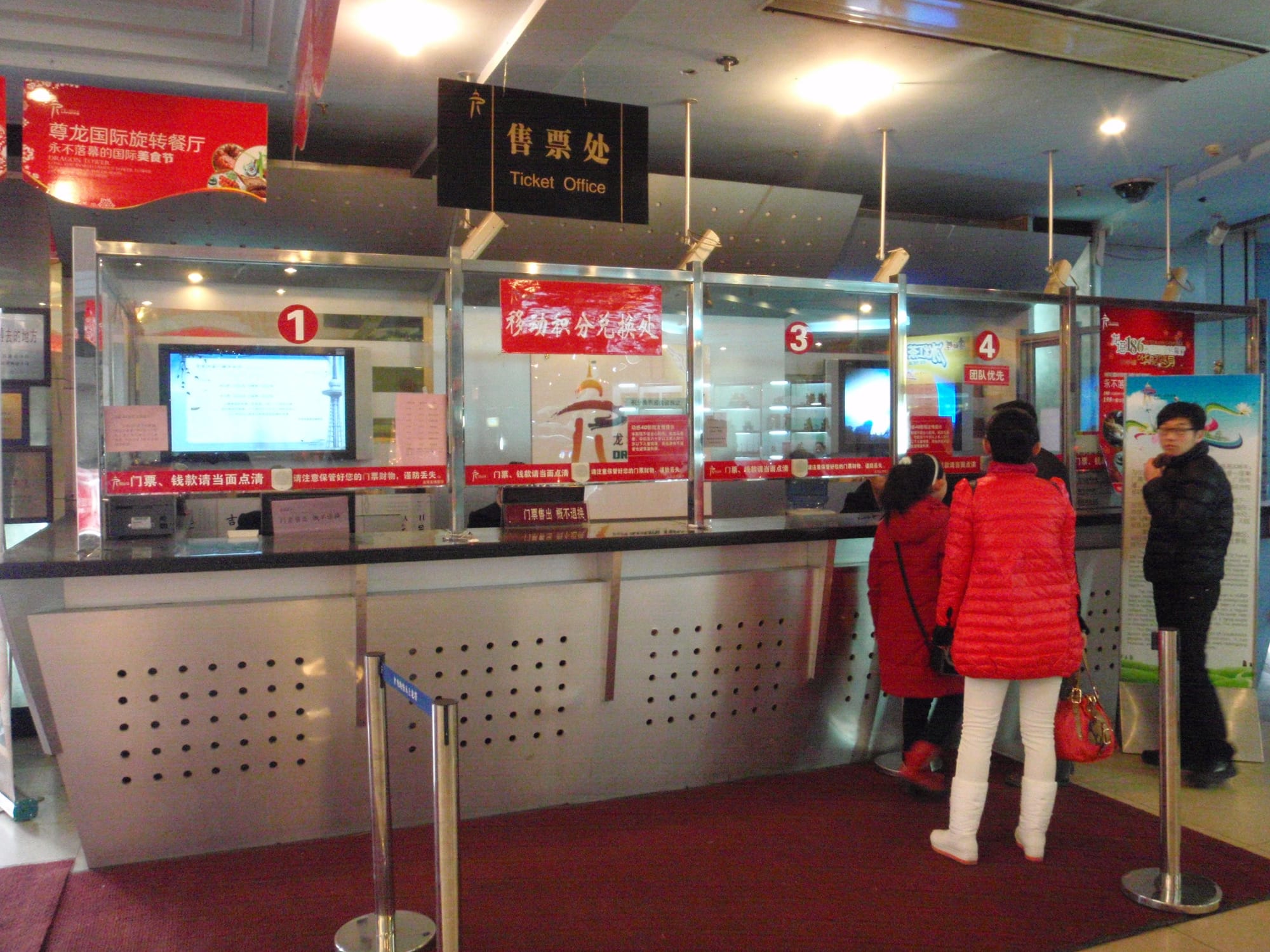
- Dragon Tower’s revolving restaurant
At 186m, Dragon Tower’s revolving restaurant completes a full rotation approximately every 90 minutes, offering a constantly changing cityscape while you dine. It serves a mix of Russian-style Western dishes and Chinese buffet selections. The best Time to dine would be at sunset or evening, when Harbin’s skyline and Central Street’s neon lights come alive.
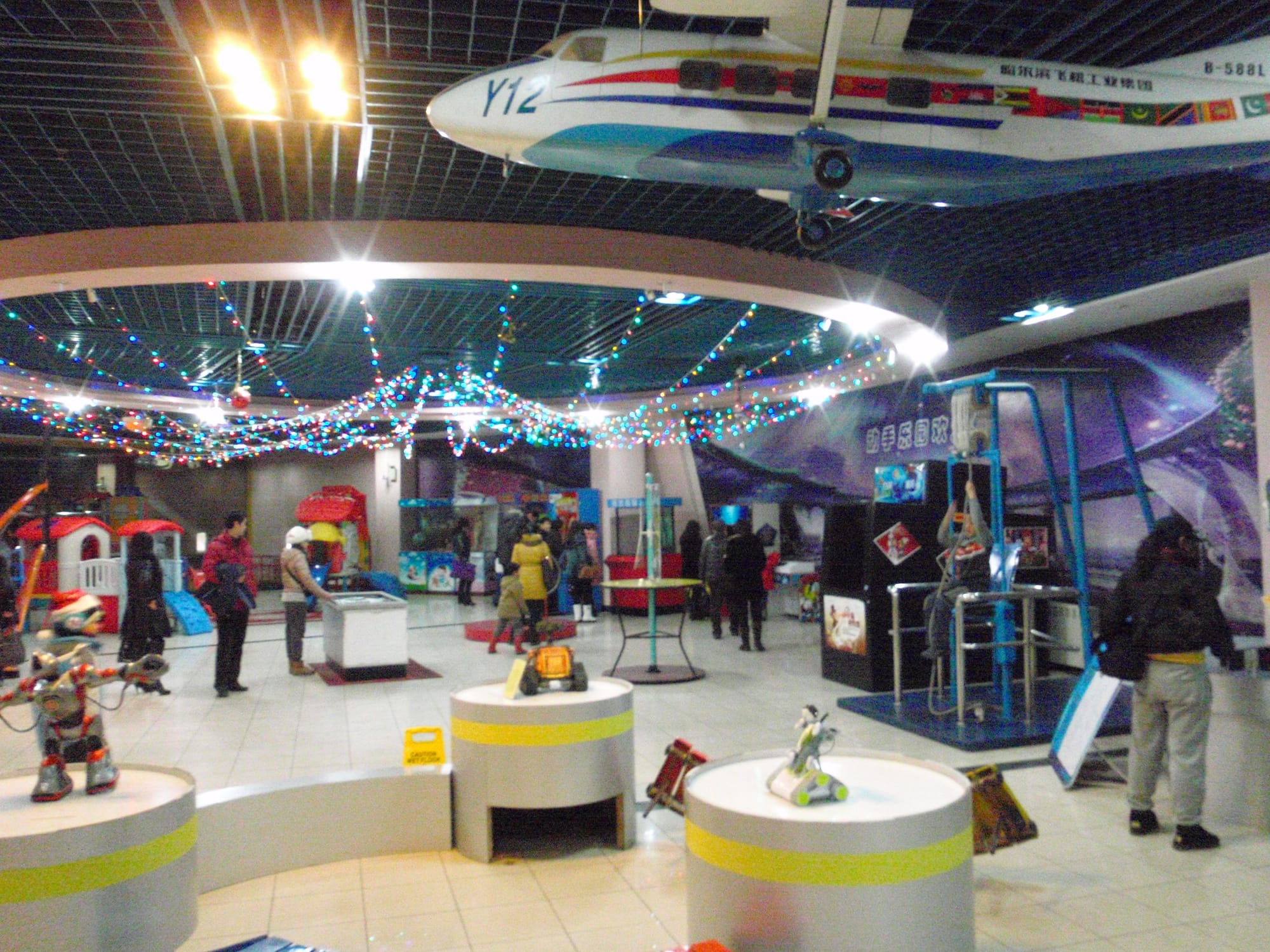
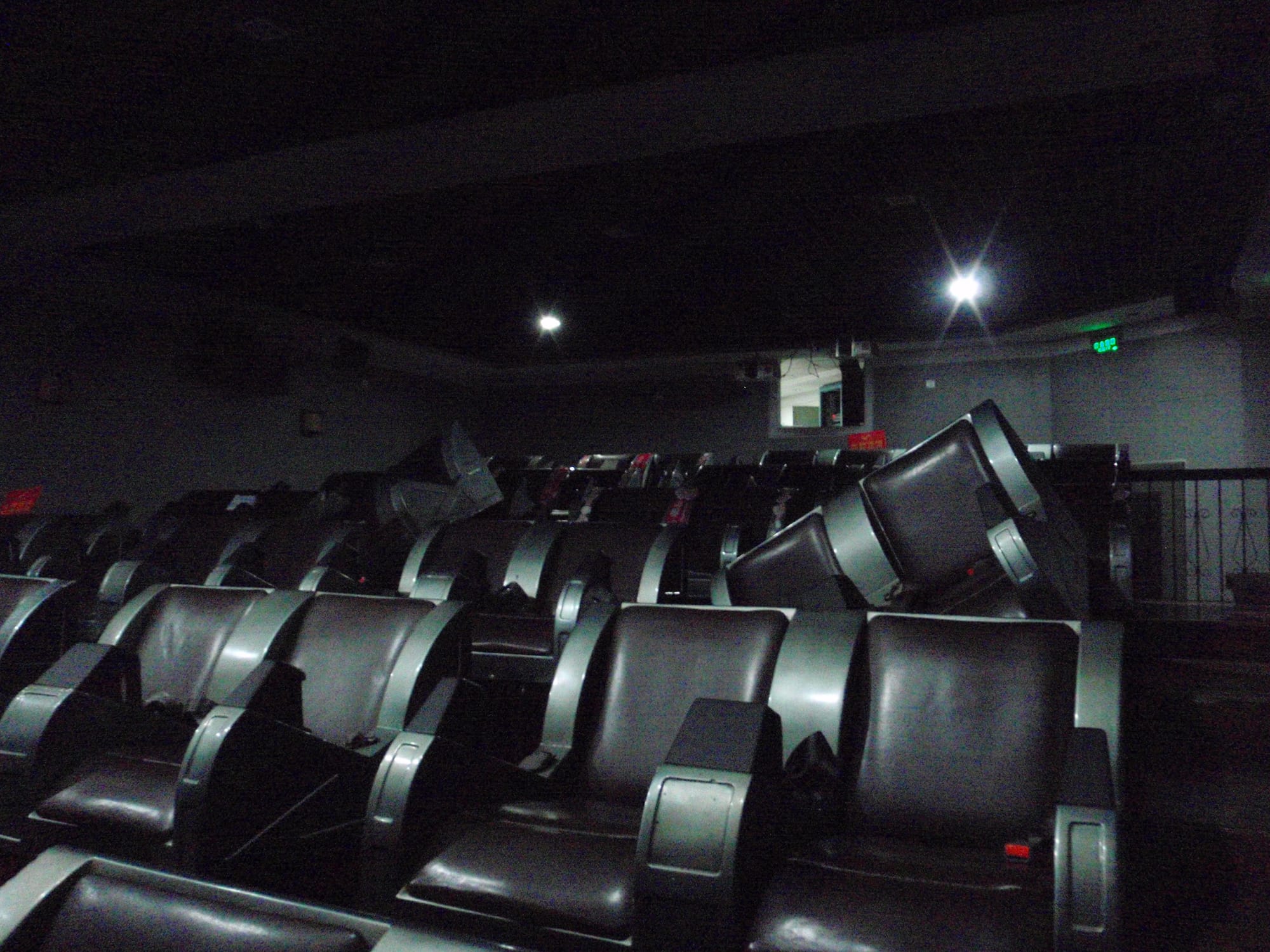
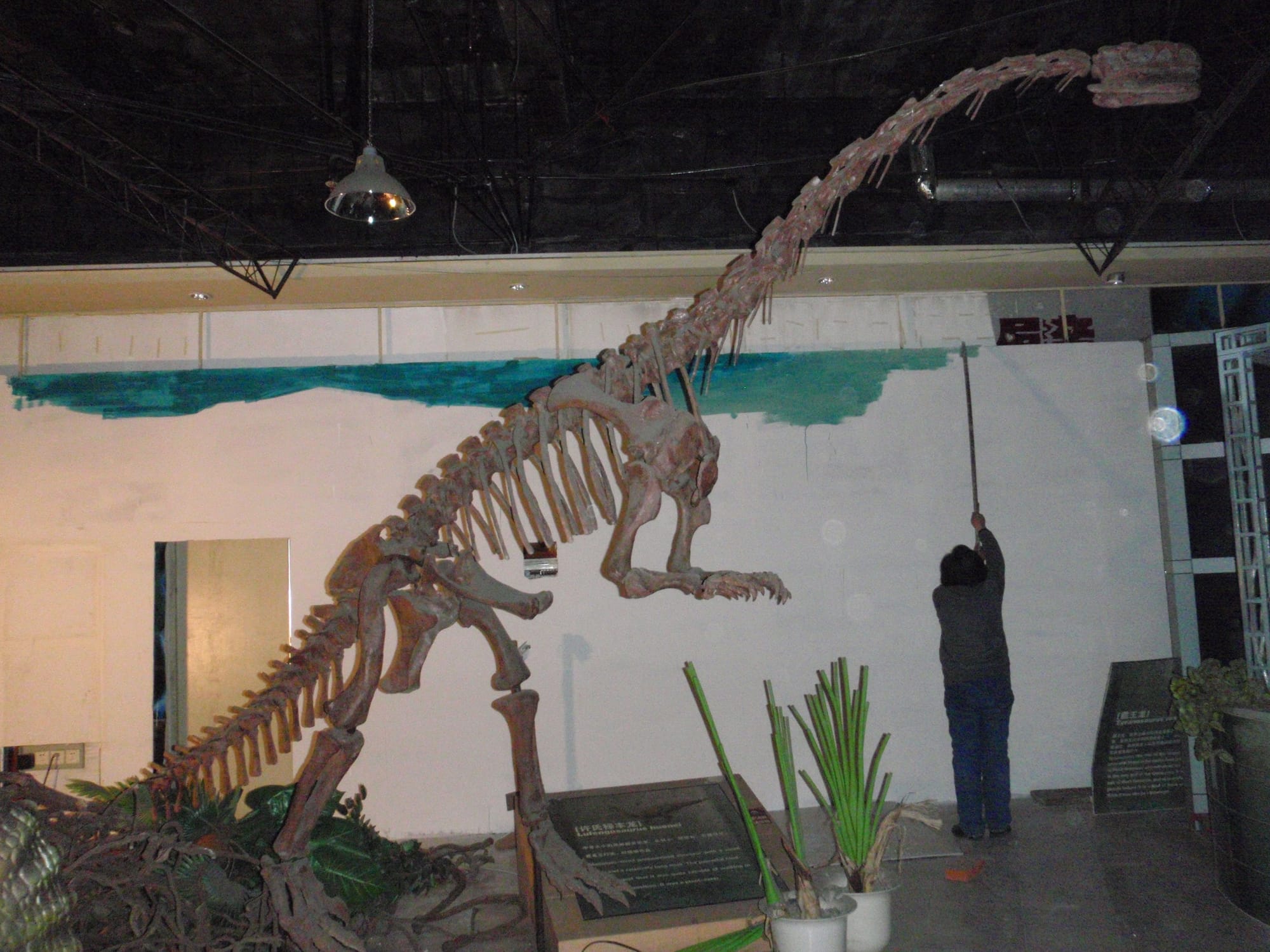
At ground level, the tower houses several attractions worth exploring.
- Northeast Folk Residence Exhibition, showcasing traditional regional life and the heated kang bed
- Aviation & Aerospace Hall, with flight simulators and VR experiences
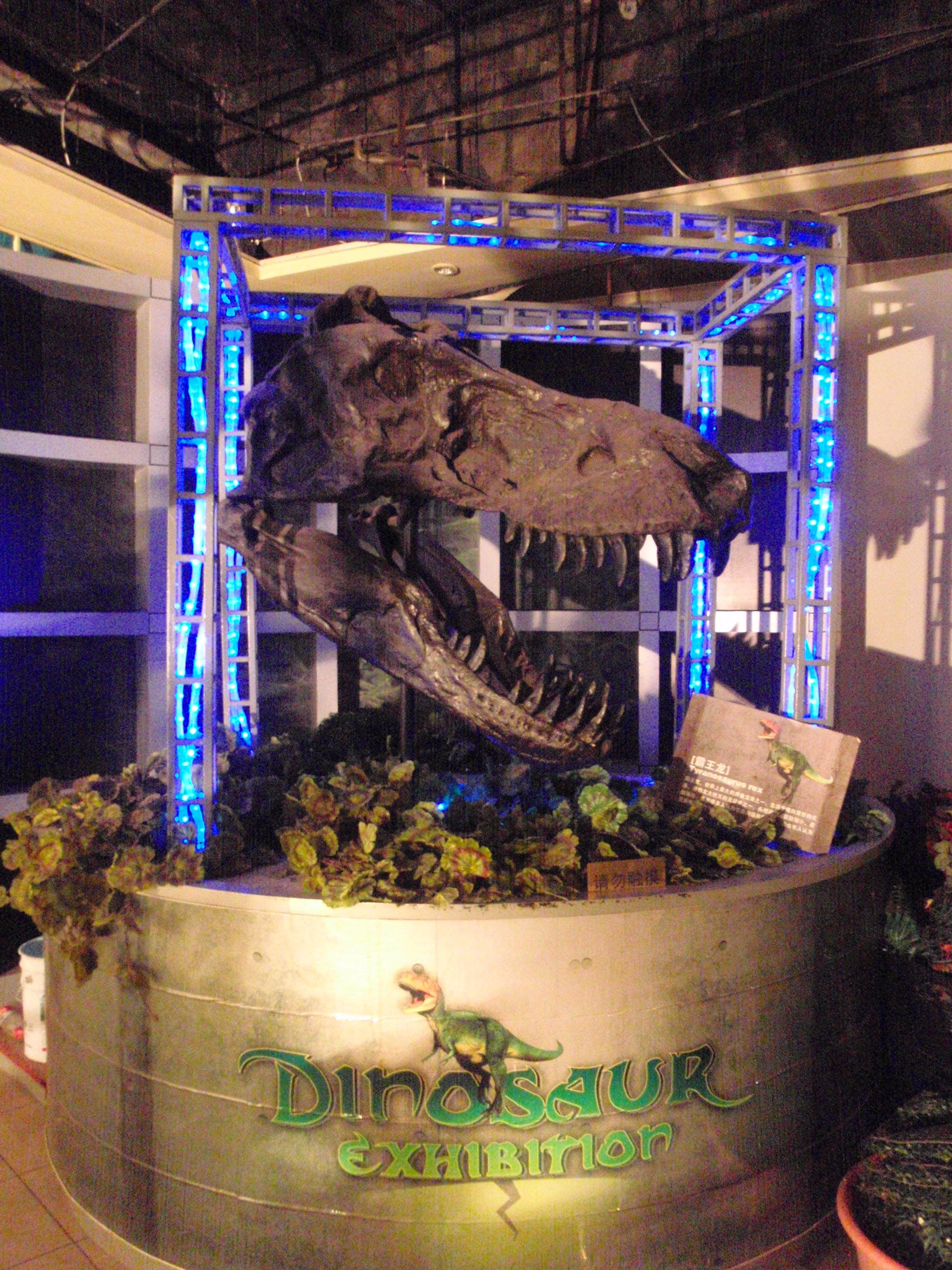
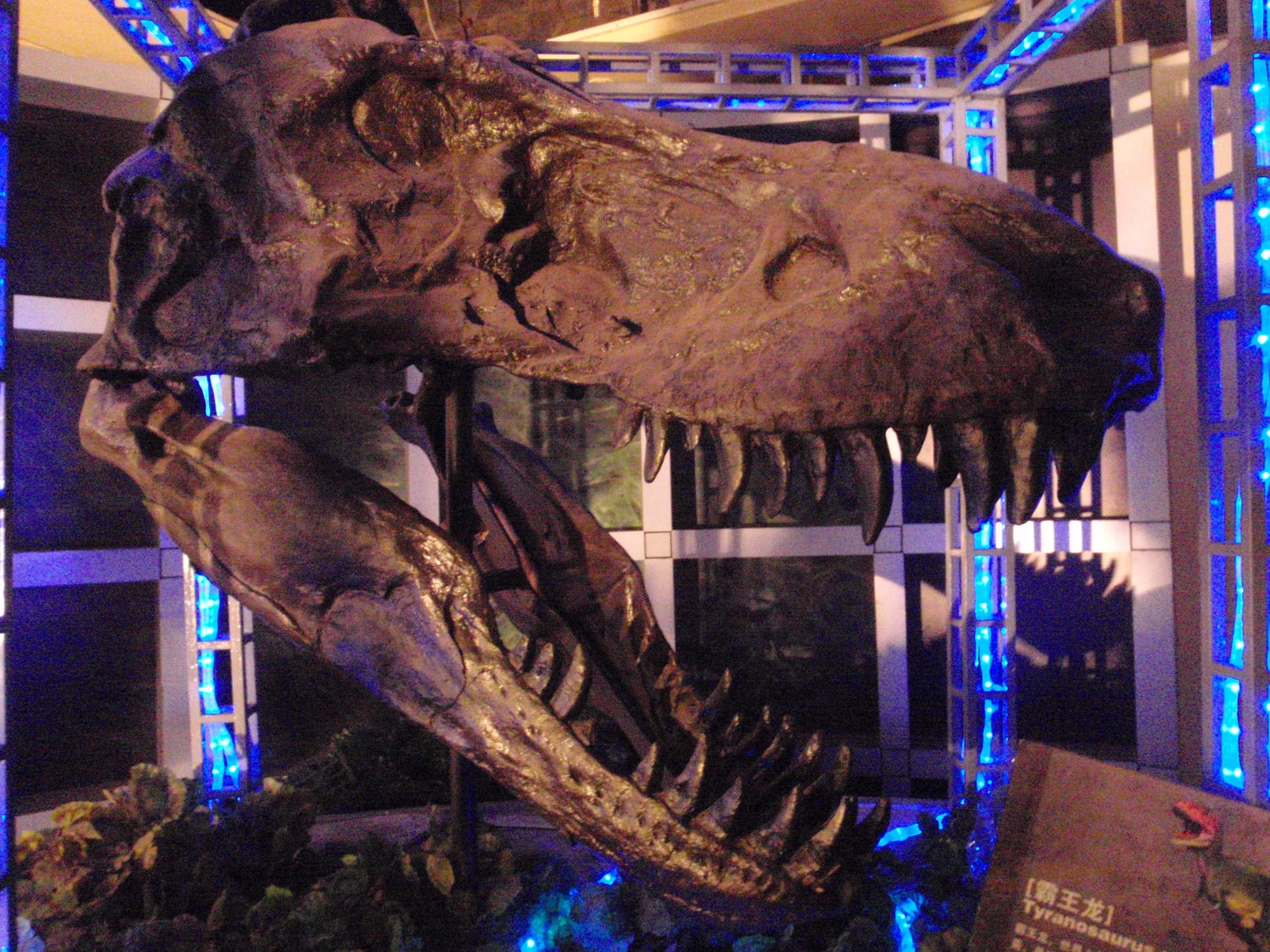
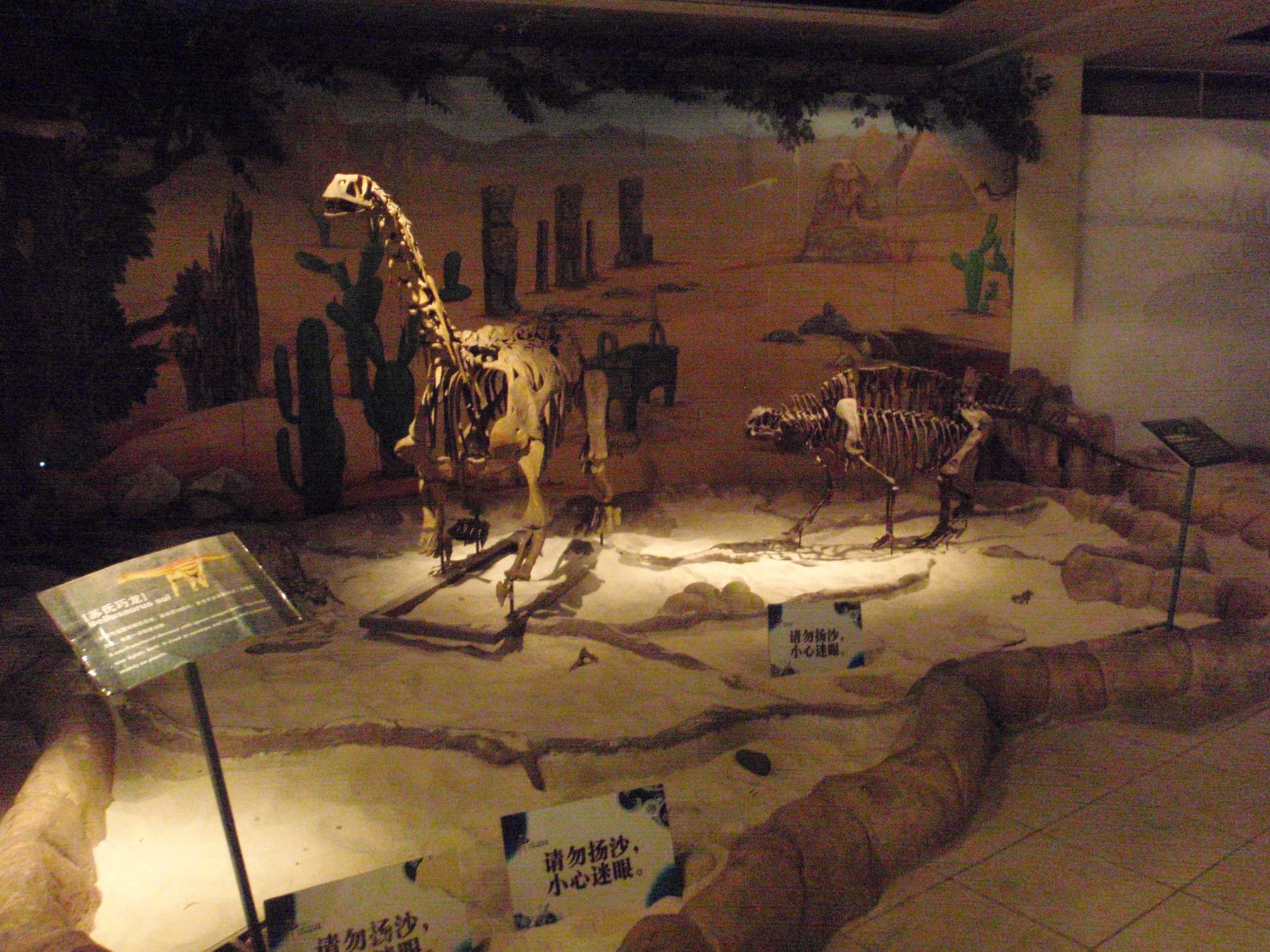
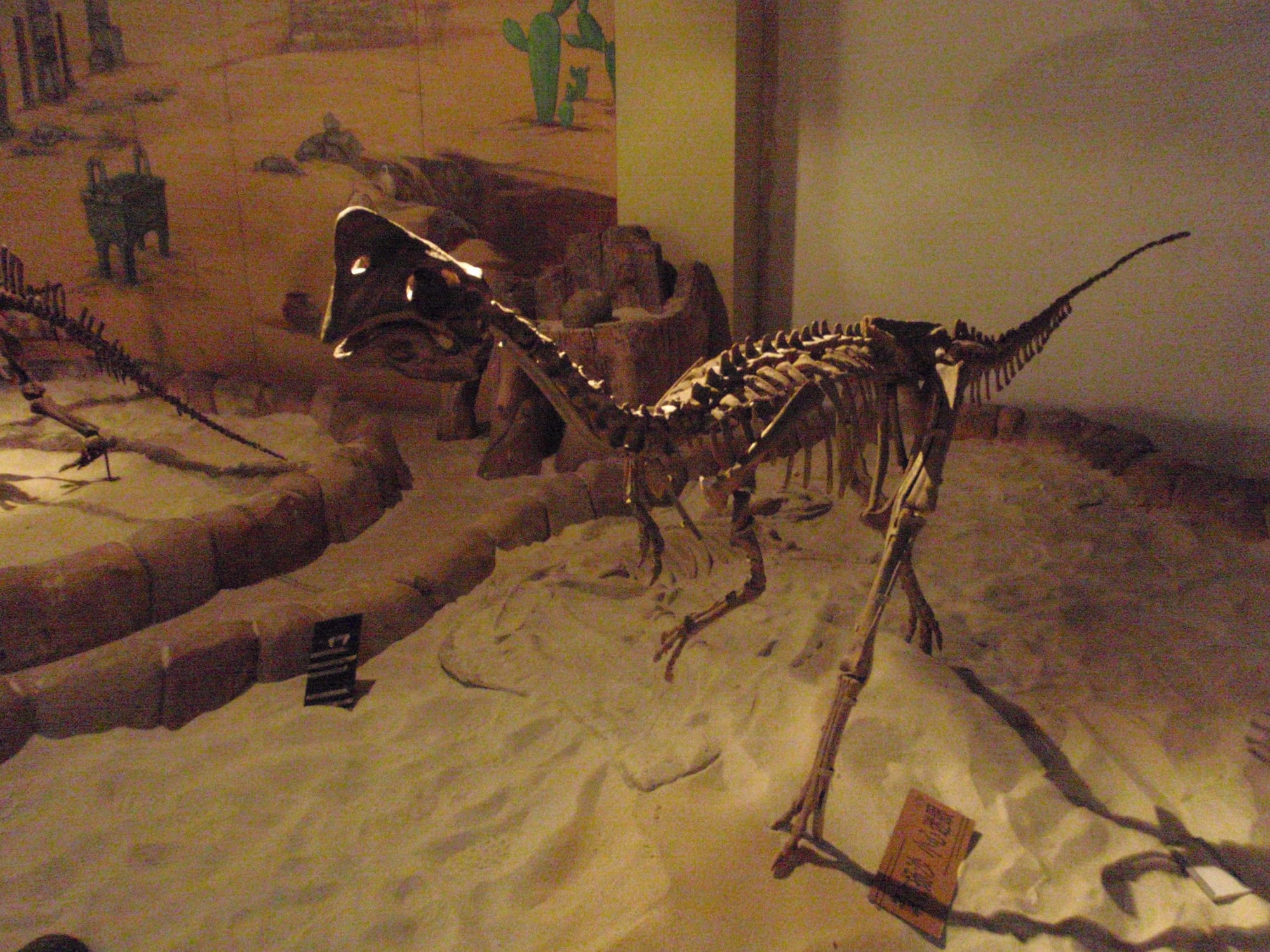
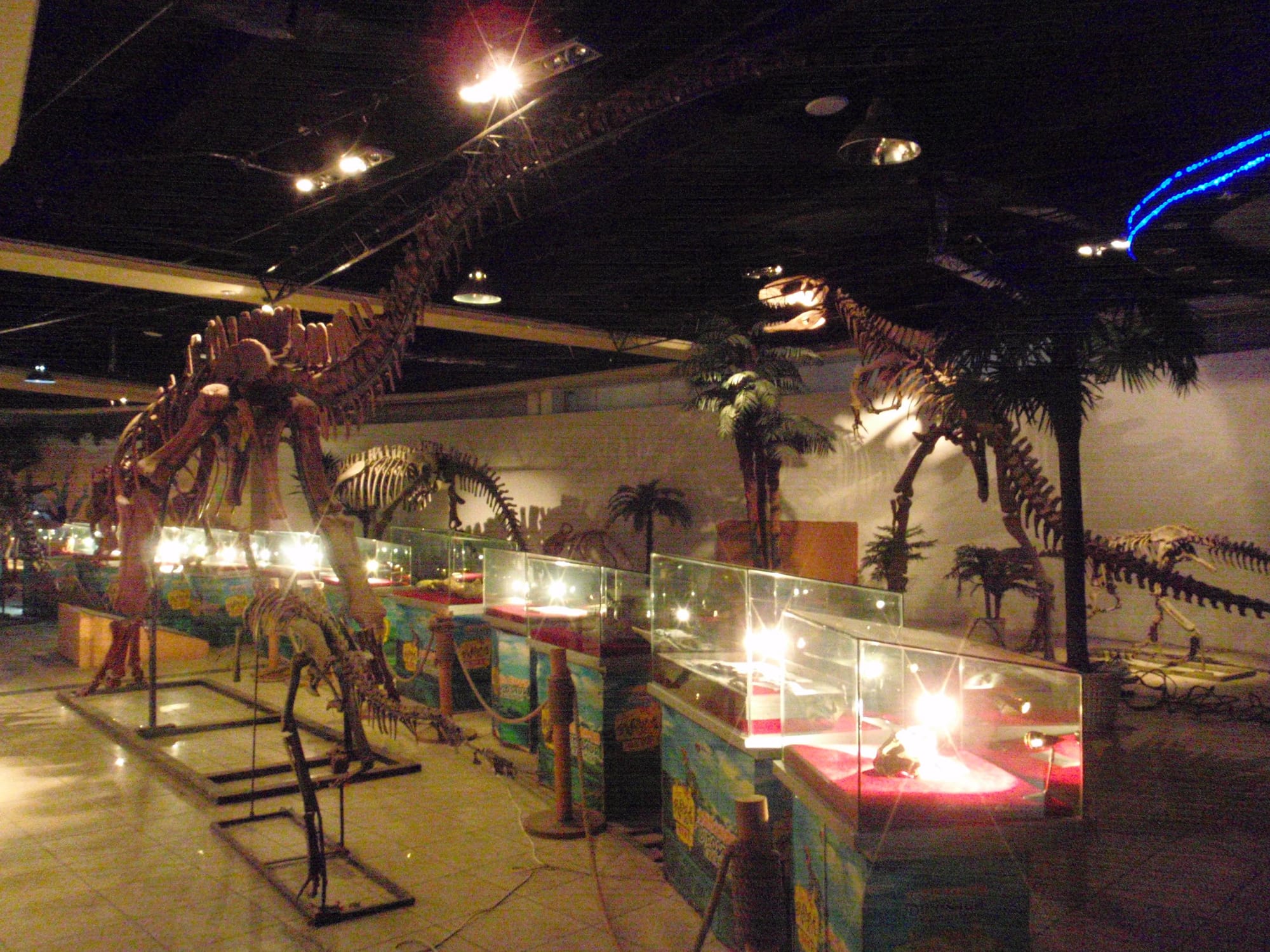
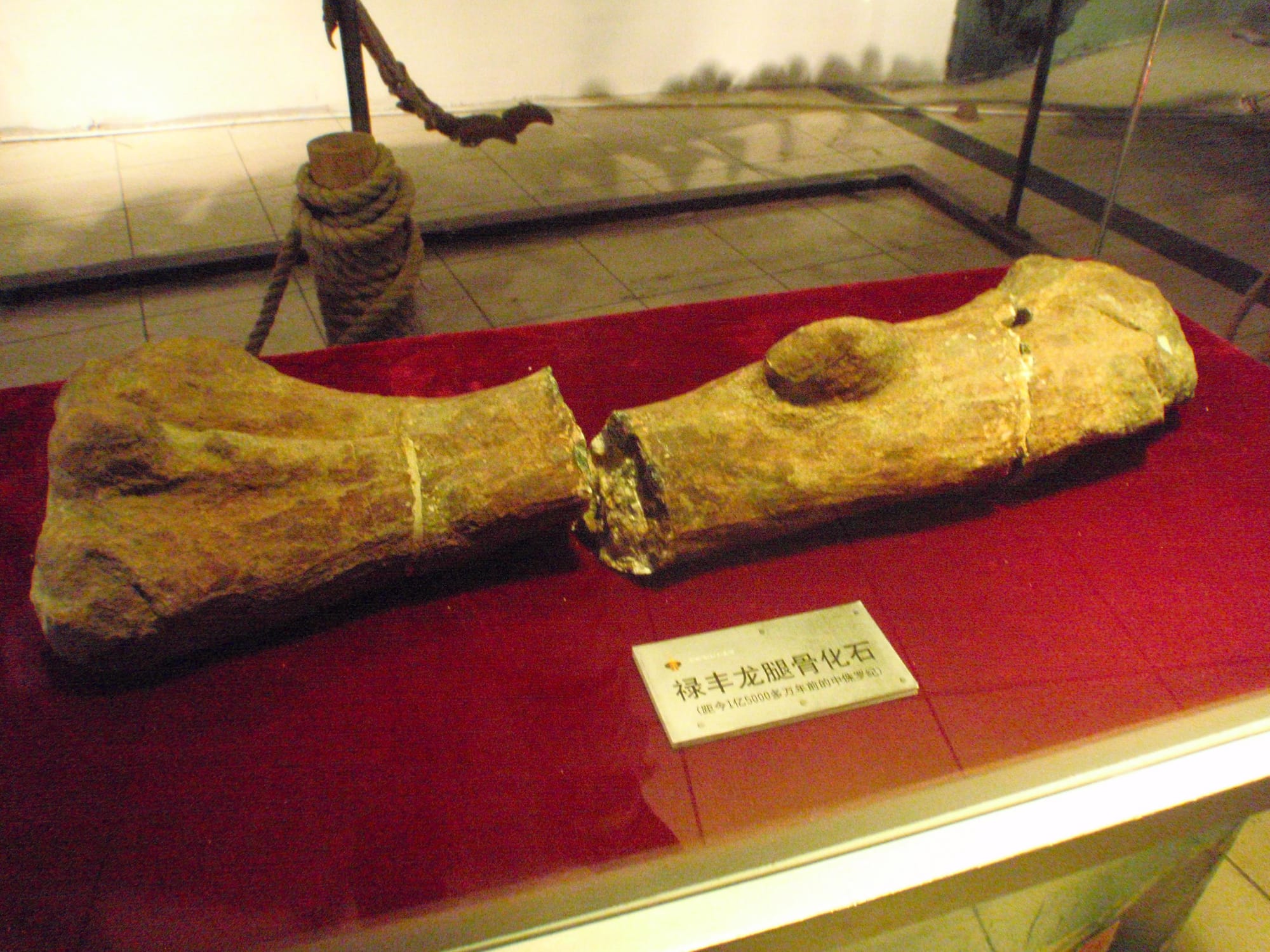
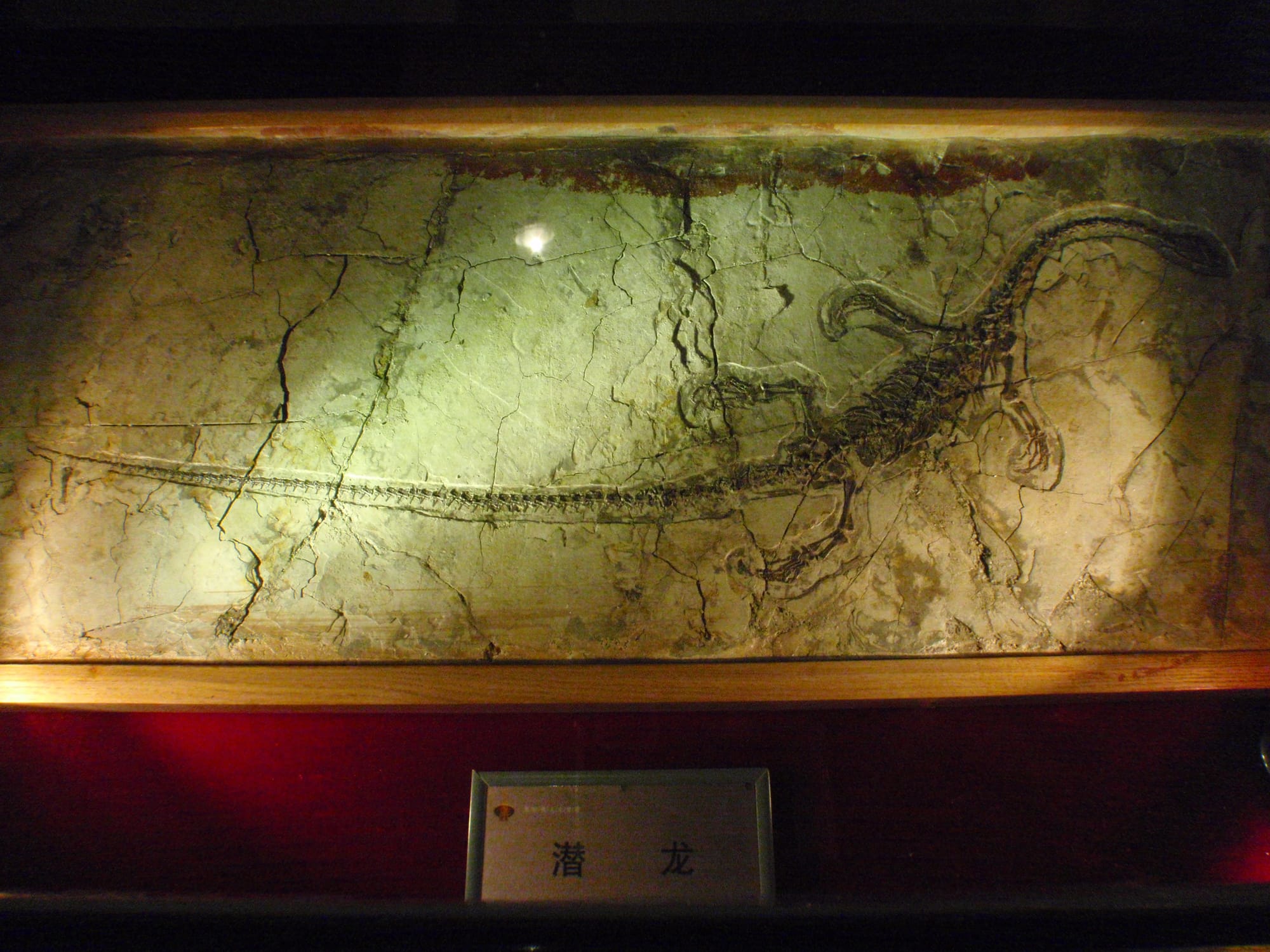
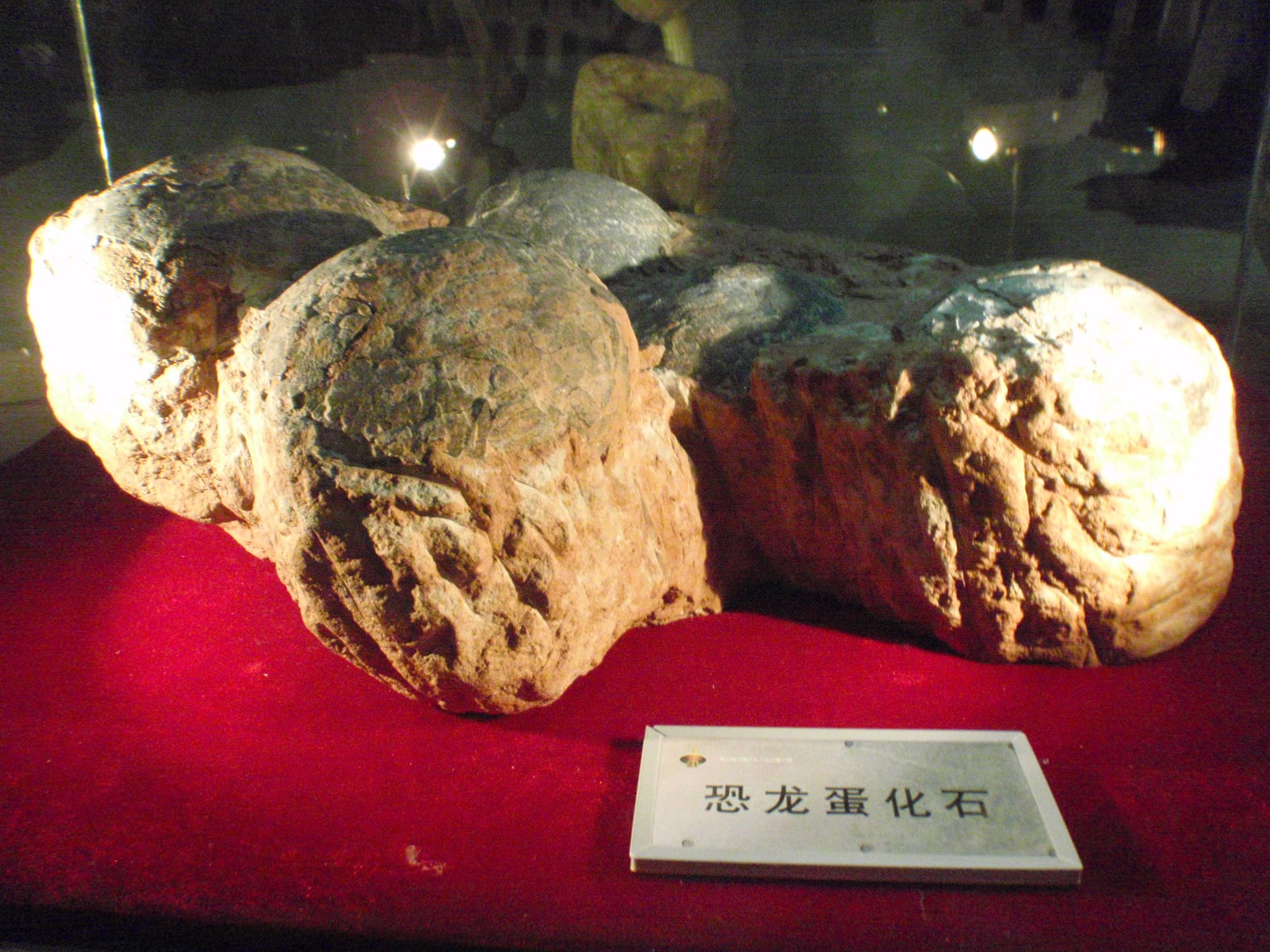
- Dinosaur Museum, featuring fossils and reconstructions discovered in Heilongjiang
Harbin Ice Lantern Art Fair (冰灯艺术游园会)
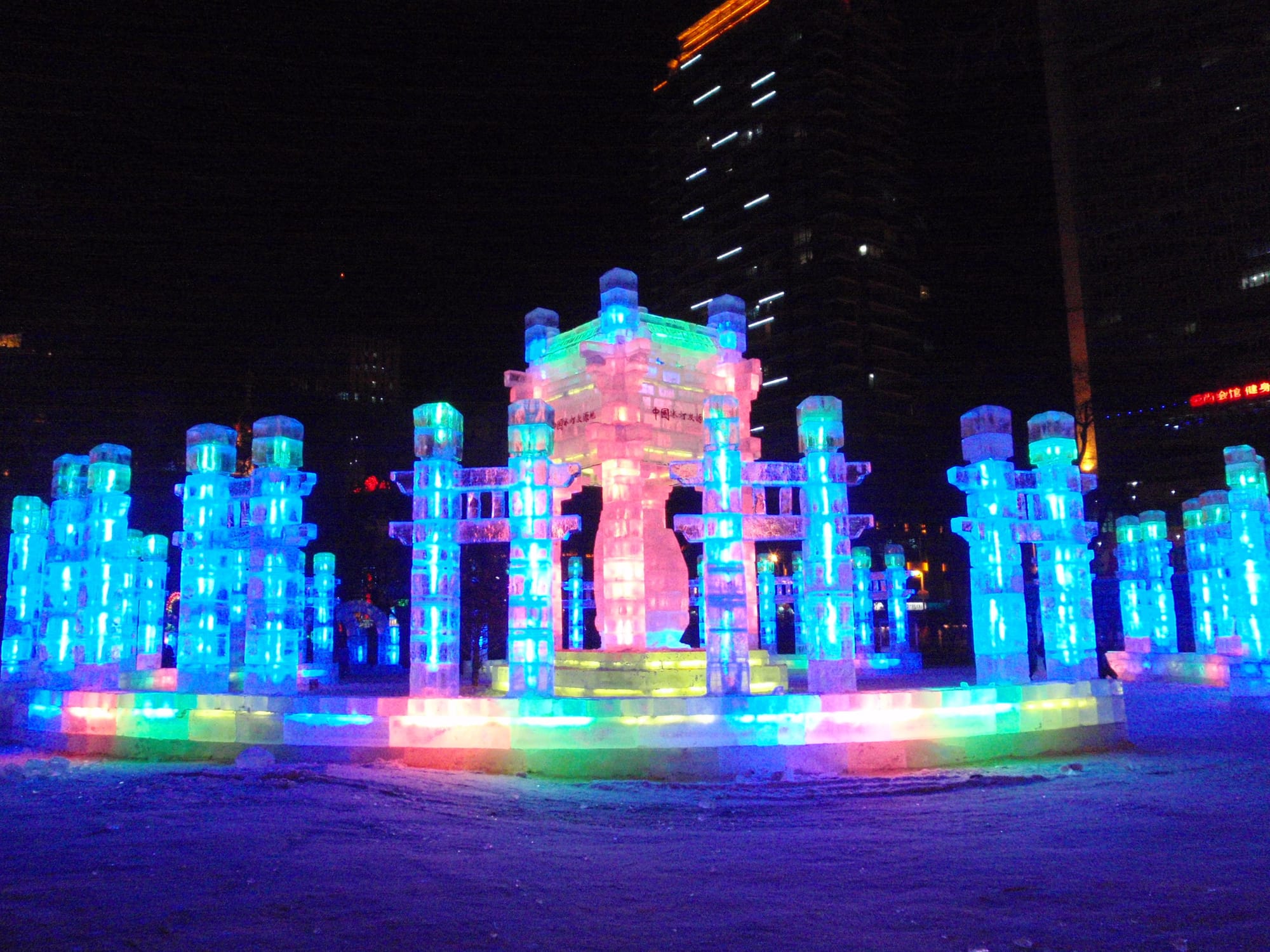
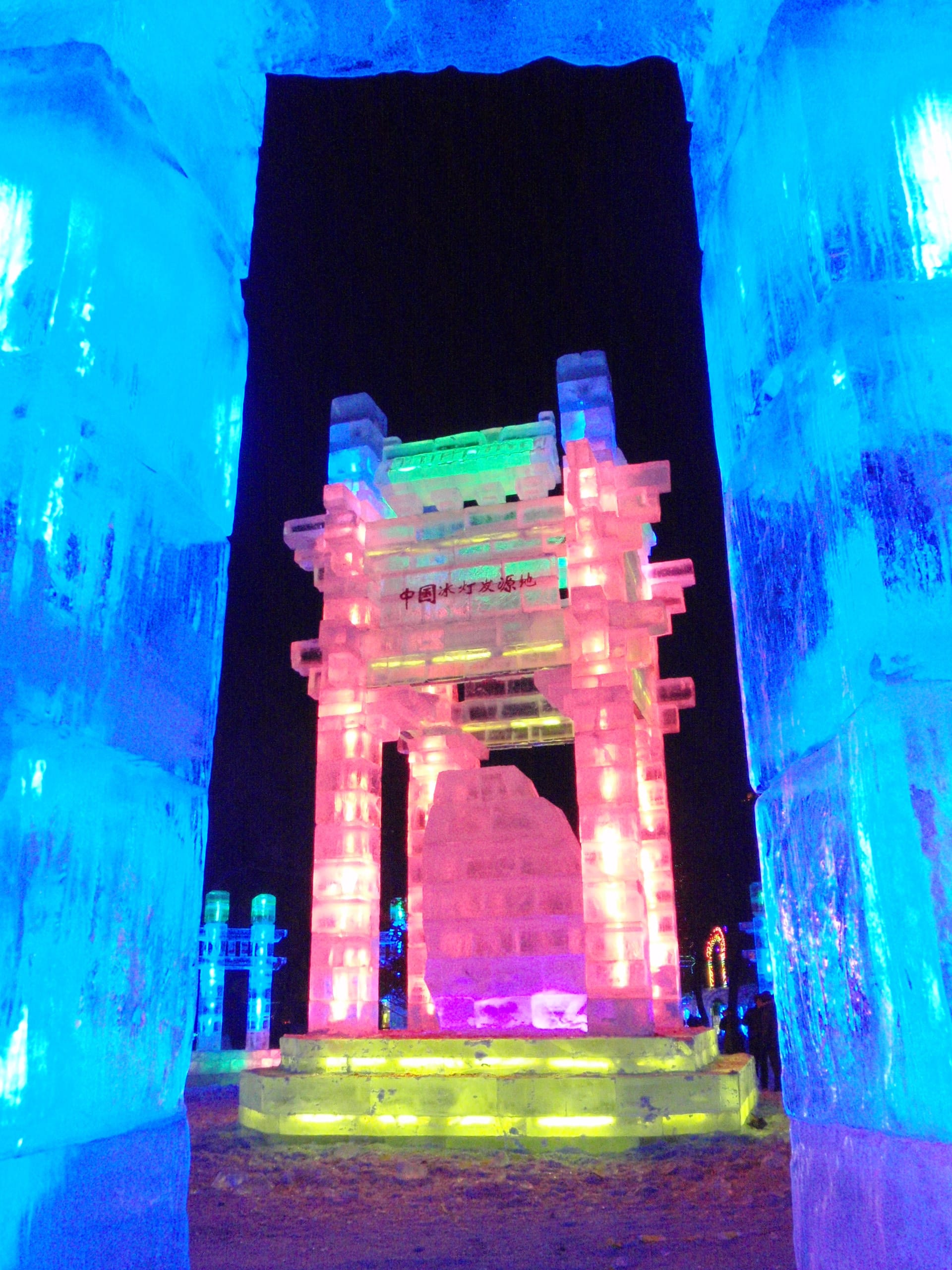
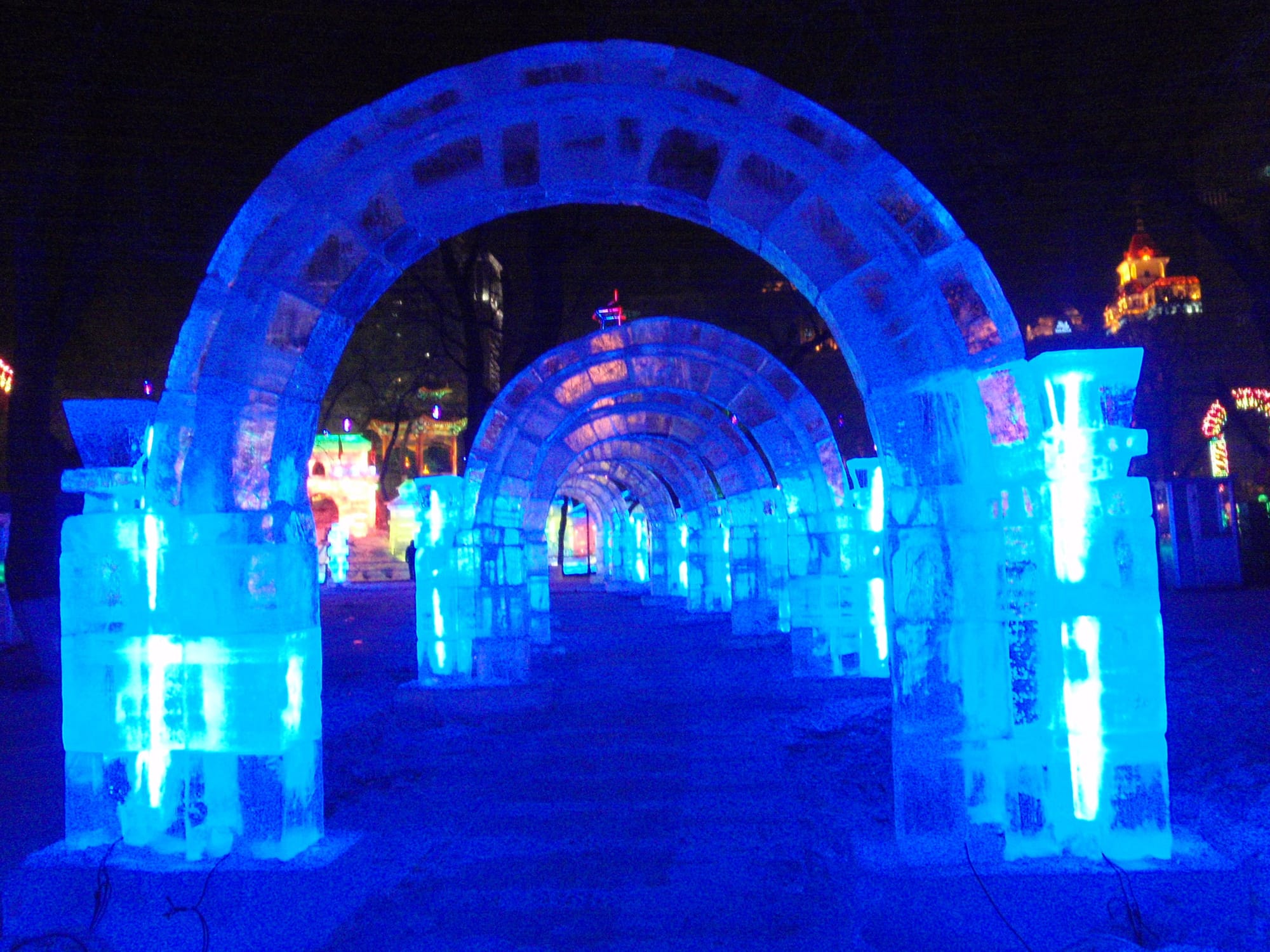
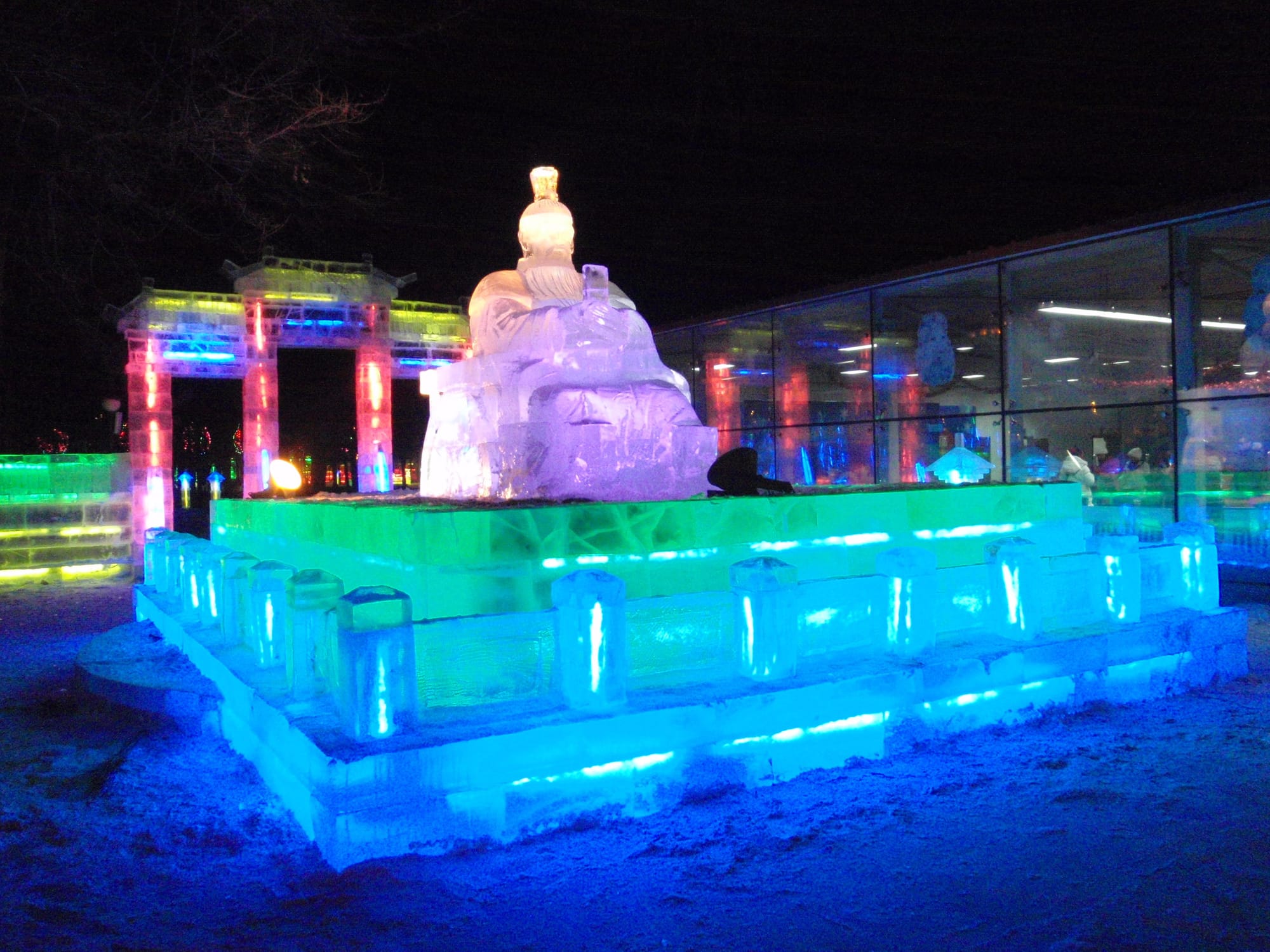
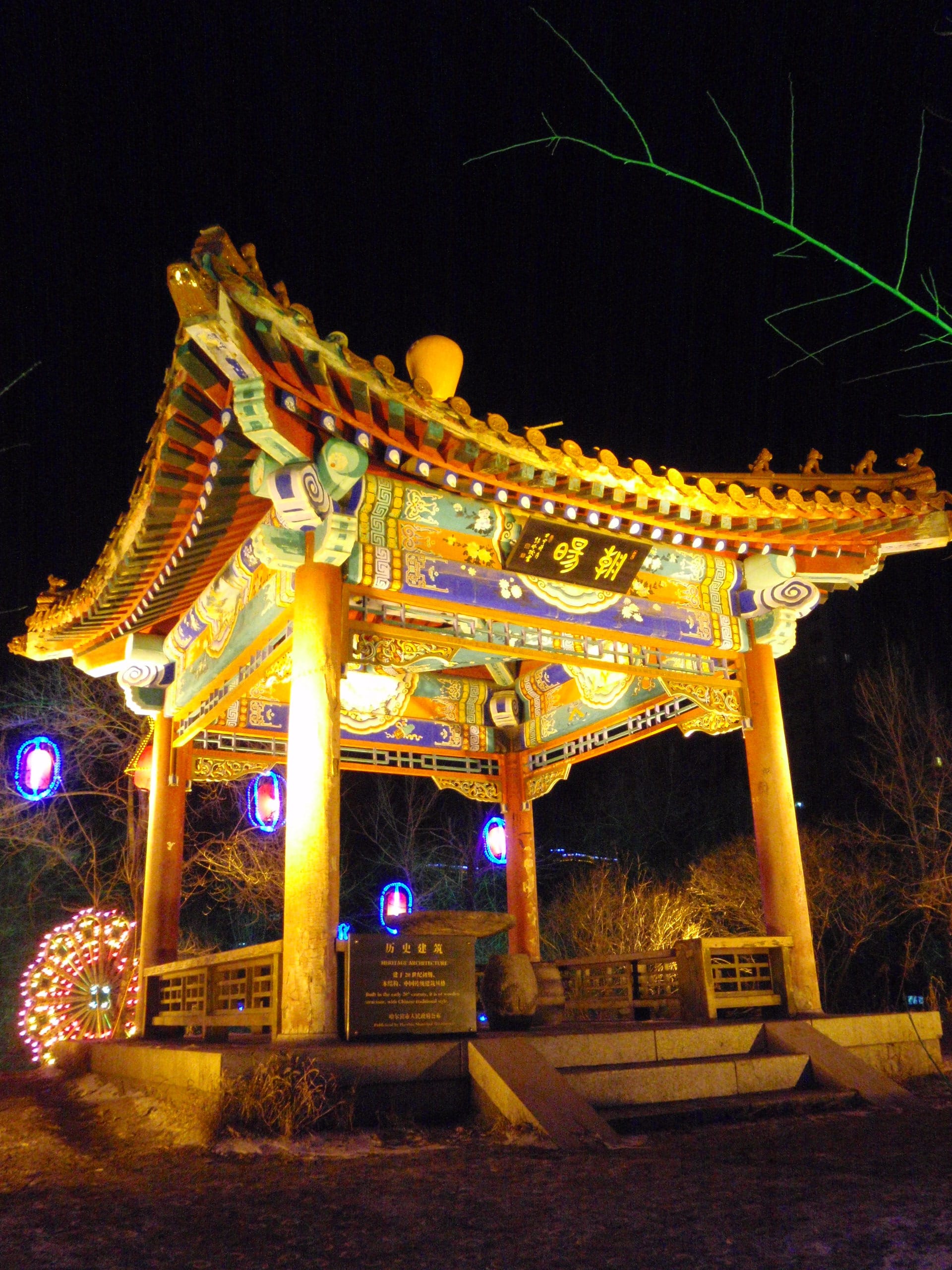
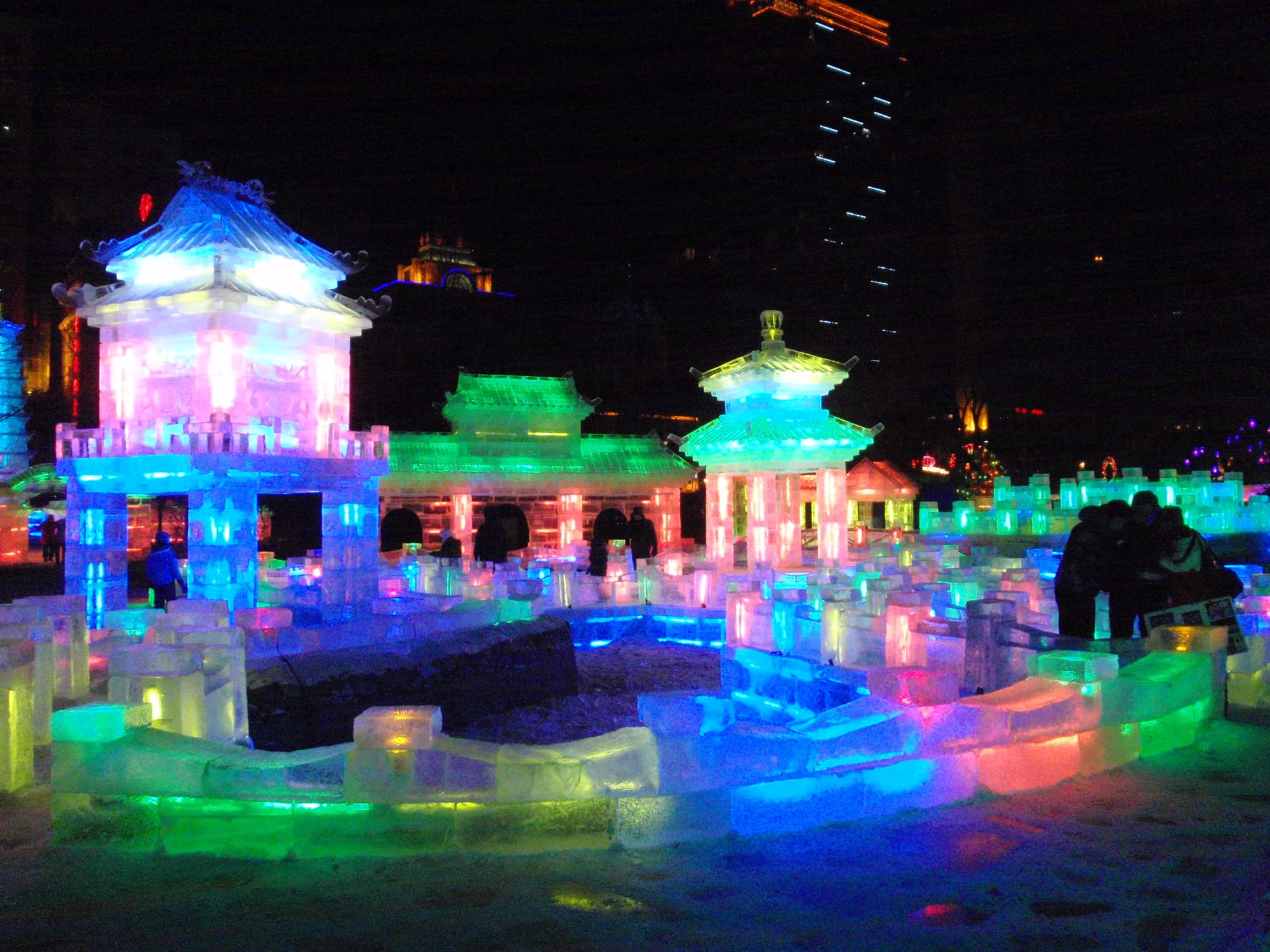
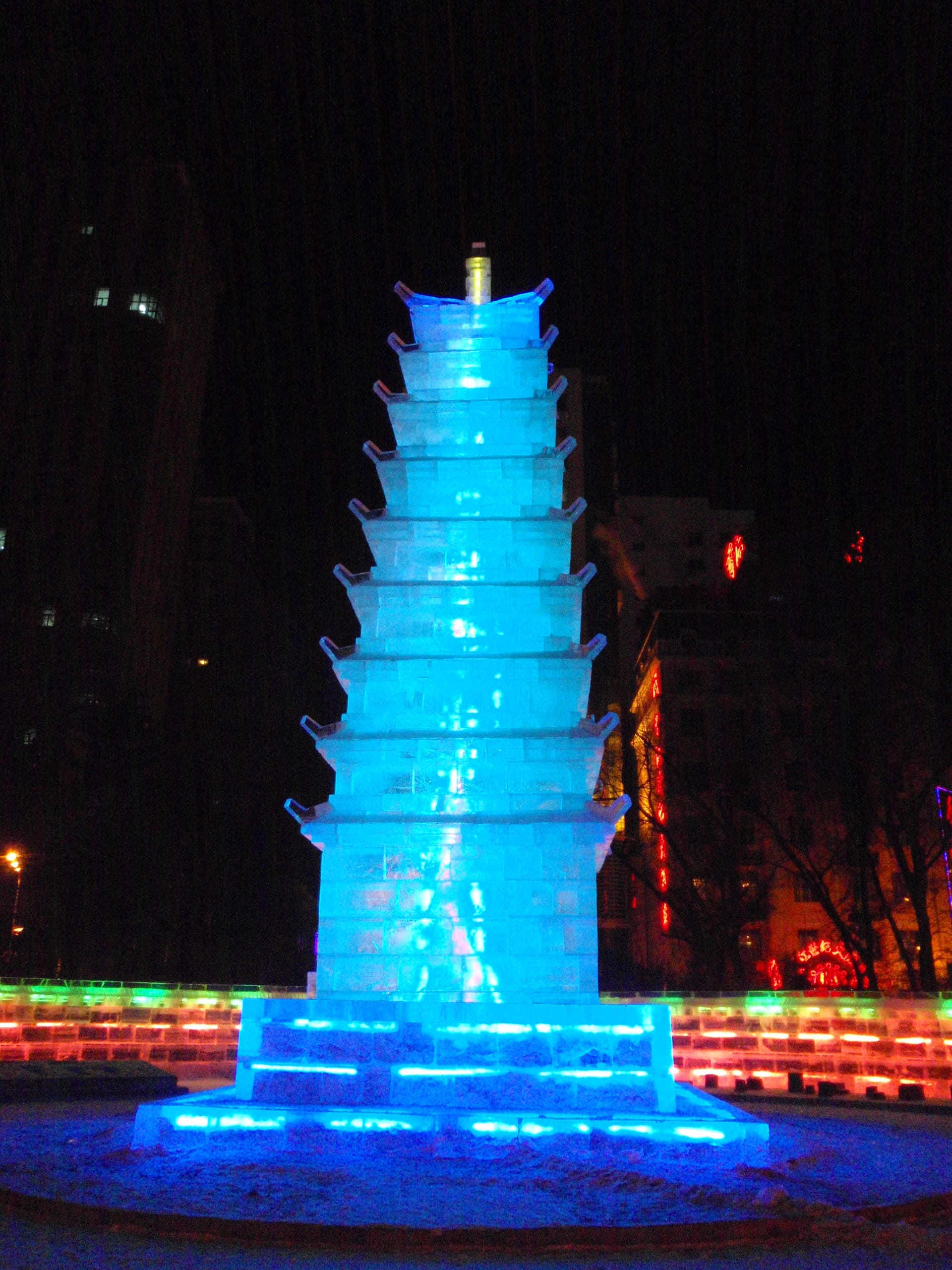
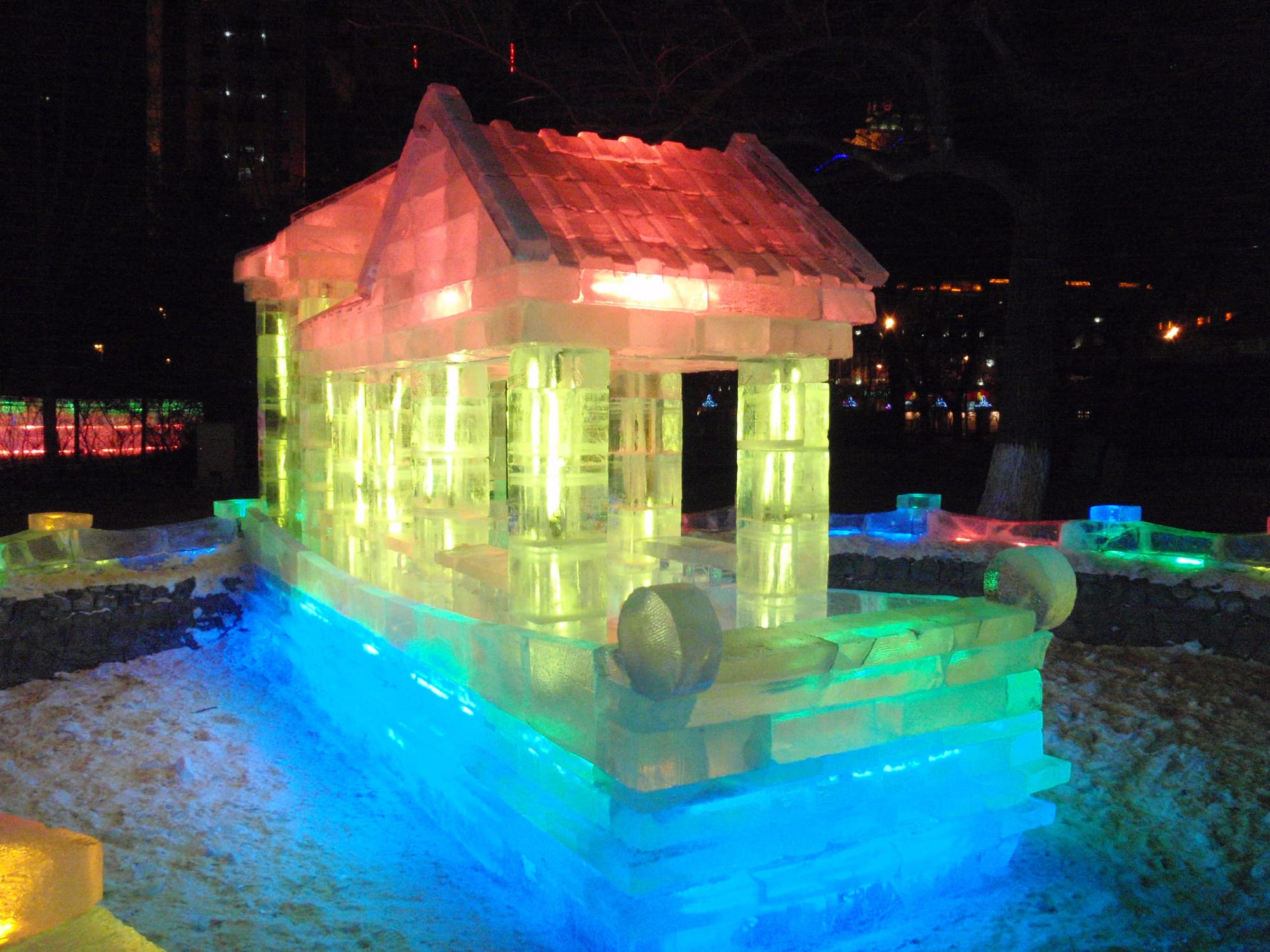
The Harbin Ice Lantern Art Fair is the traditional heart of Harbin’s International Ice and Snow Festival. Held annually in Zhaolin Park since 1963, it showcases smaller-scale, intricately crafted snow and ice structures, offering a more intimate, historically authentic winter experience compared with the massive Ice and Snow World.
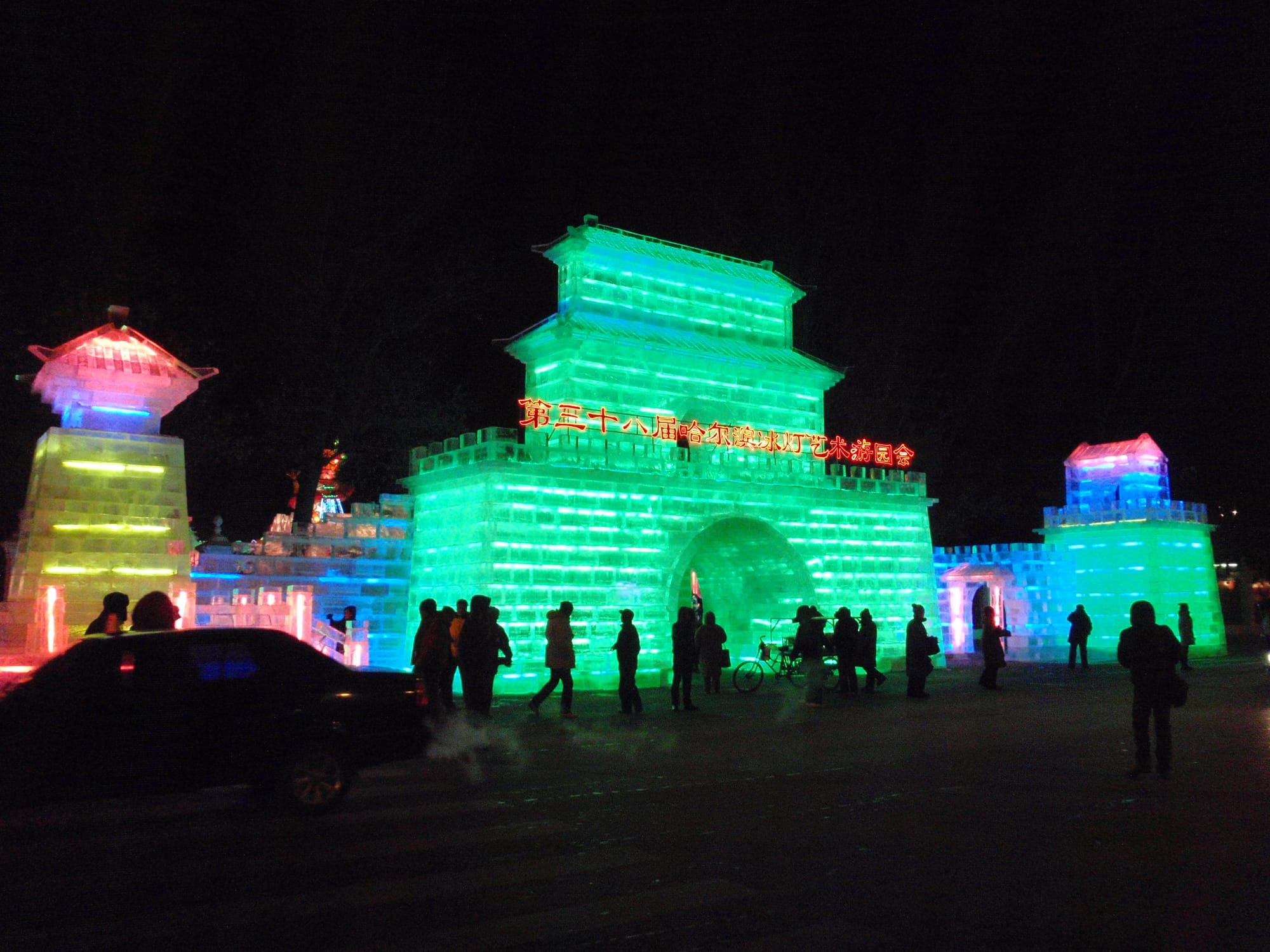
Set within Zhaolin Park, the fair feels more like an open-air art gallery than a theme park, providing a calm and authentic viewing experience.
Harbin International Ice and Snow World (哈尔滨冰雪大世界)
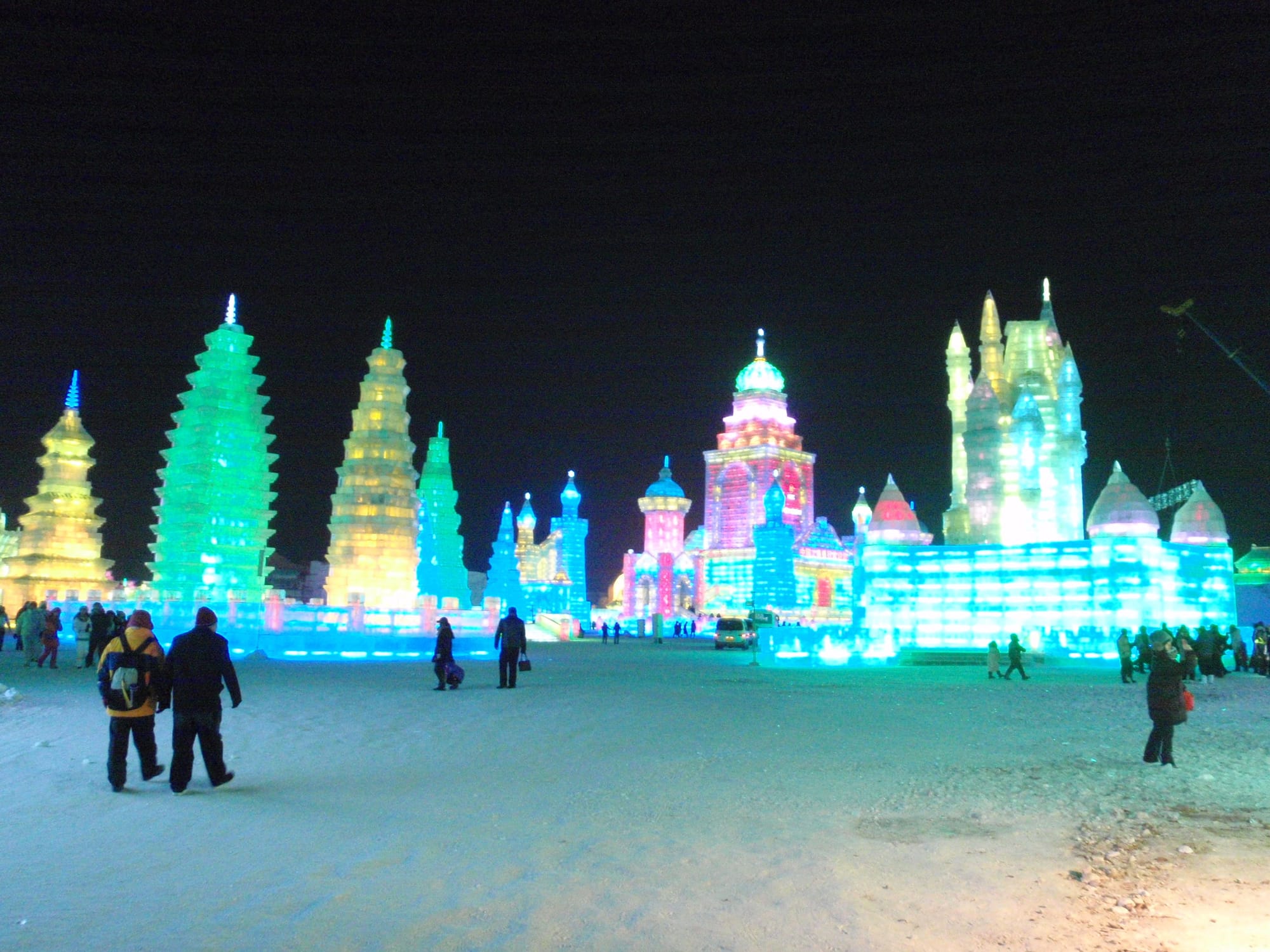
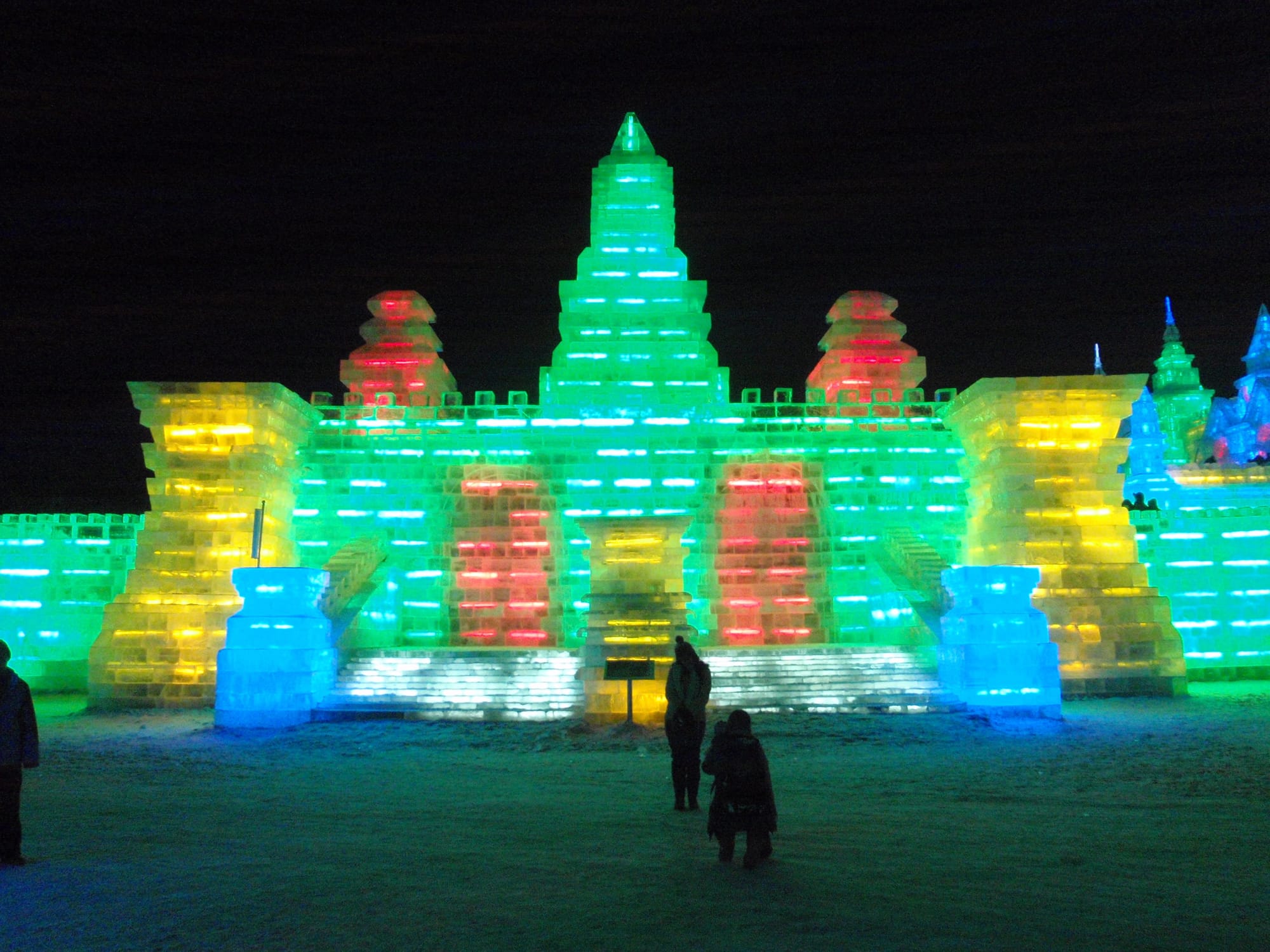
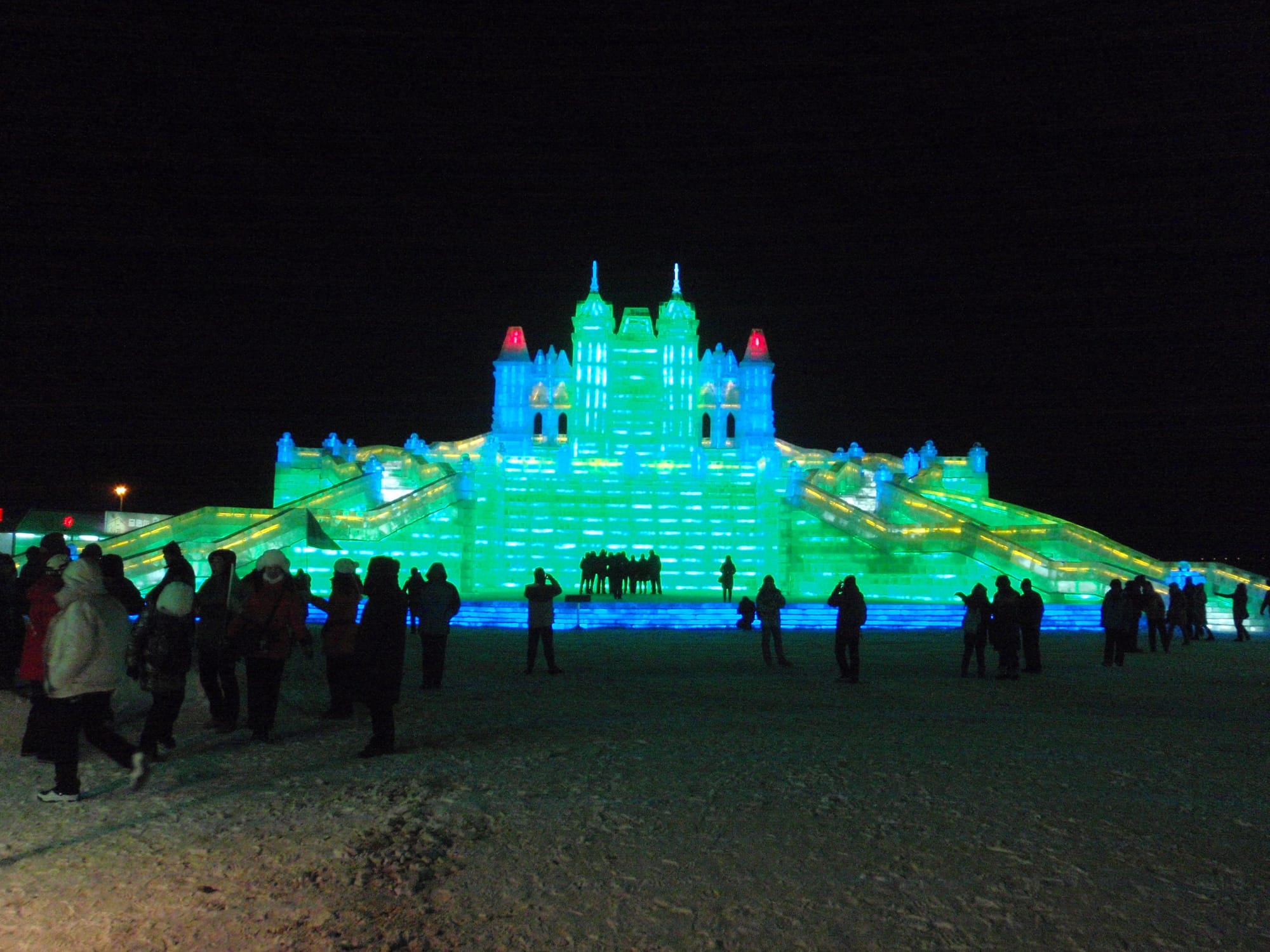
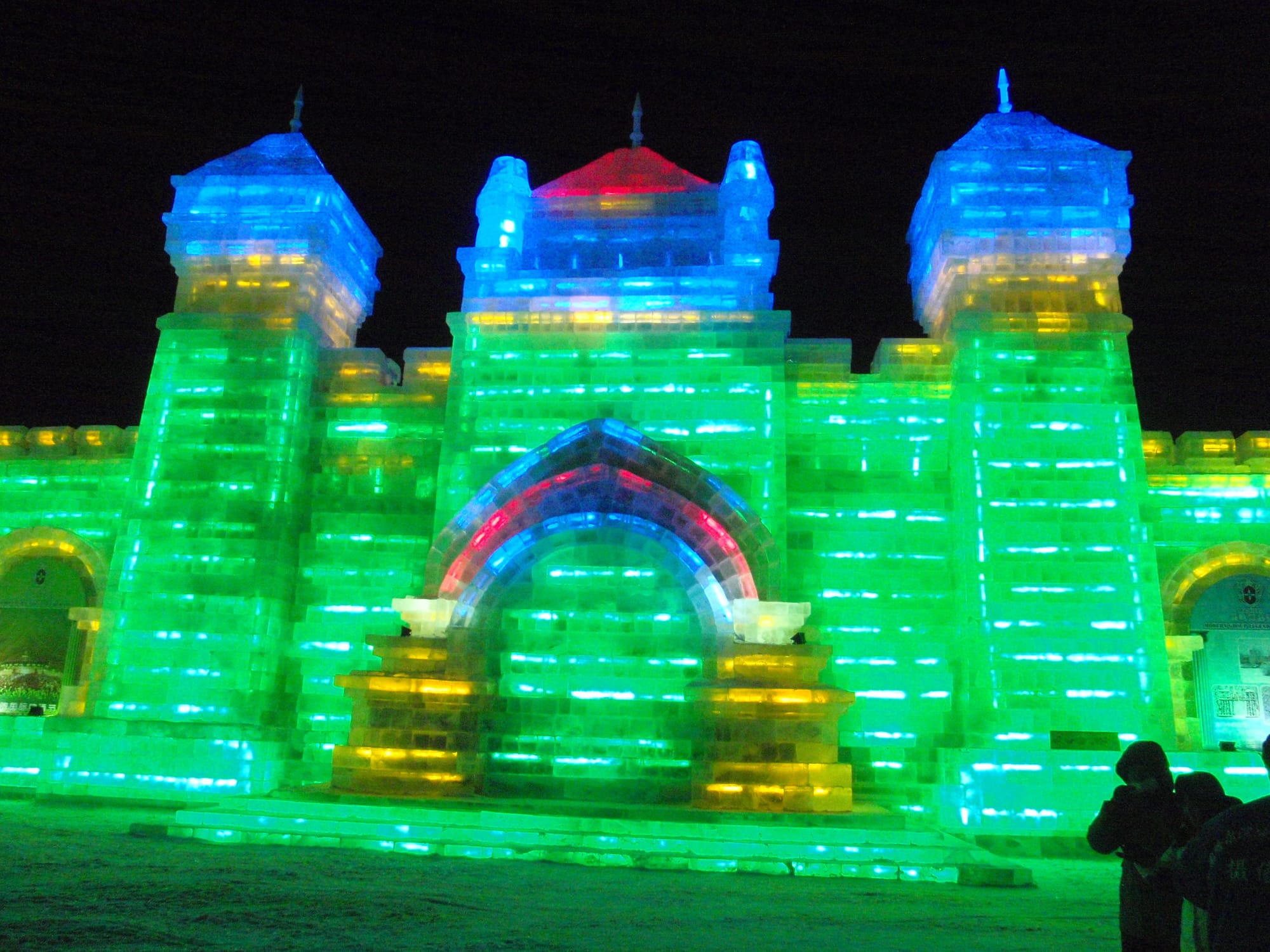
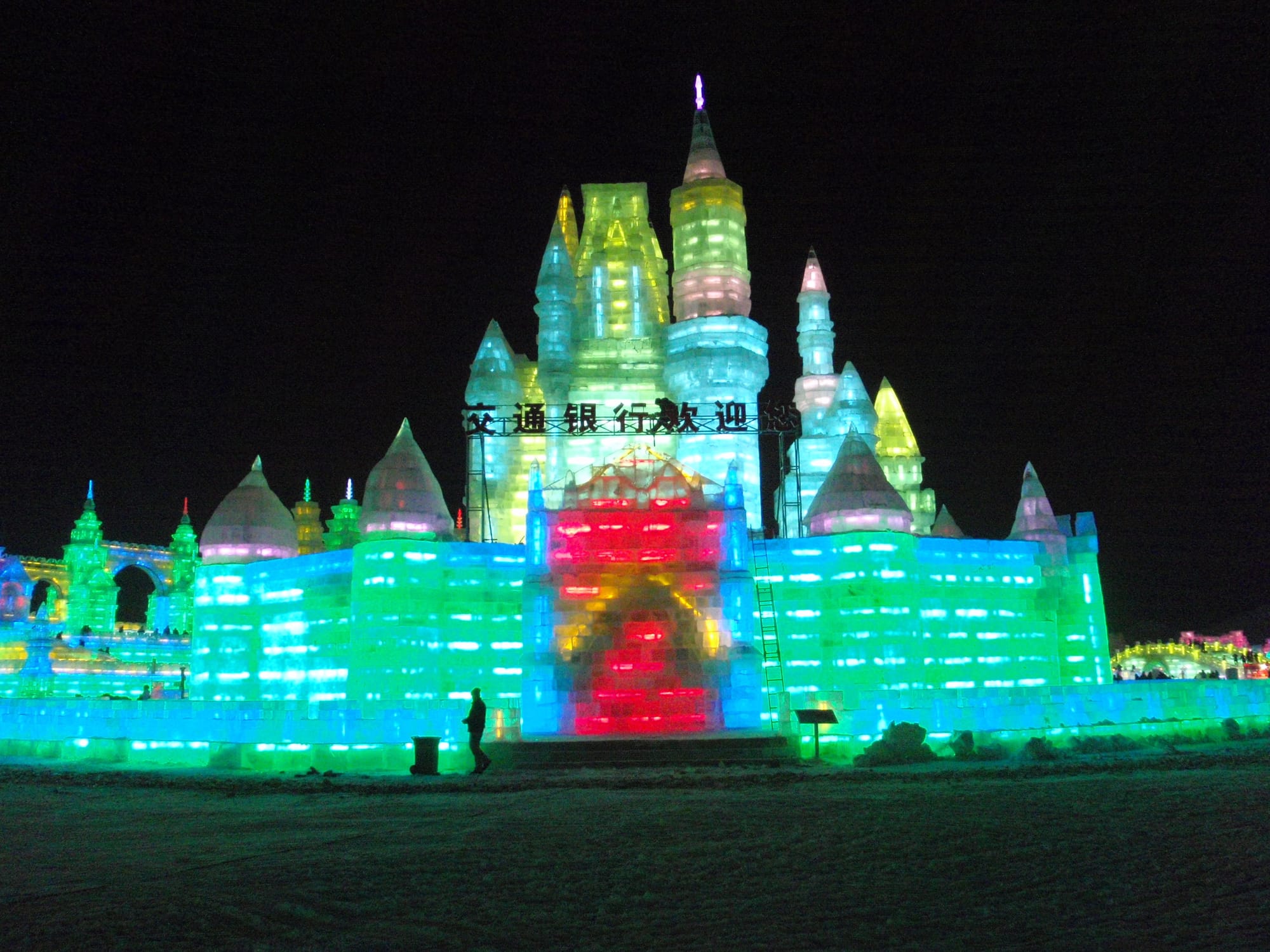
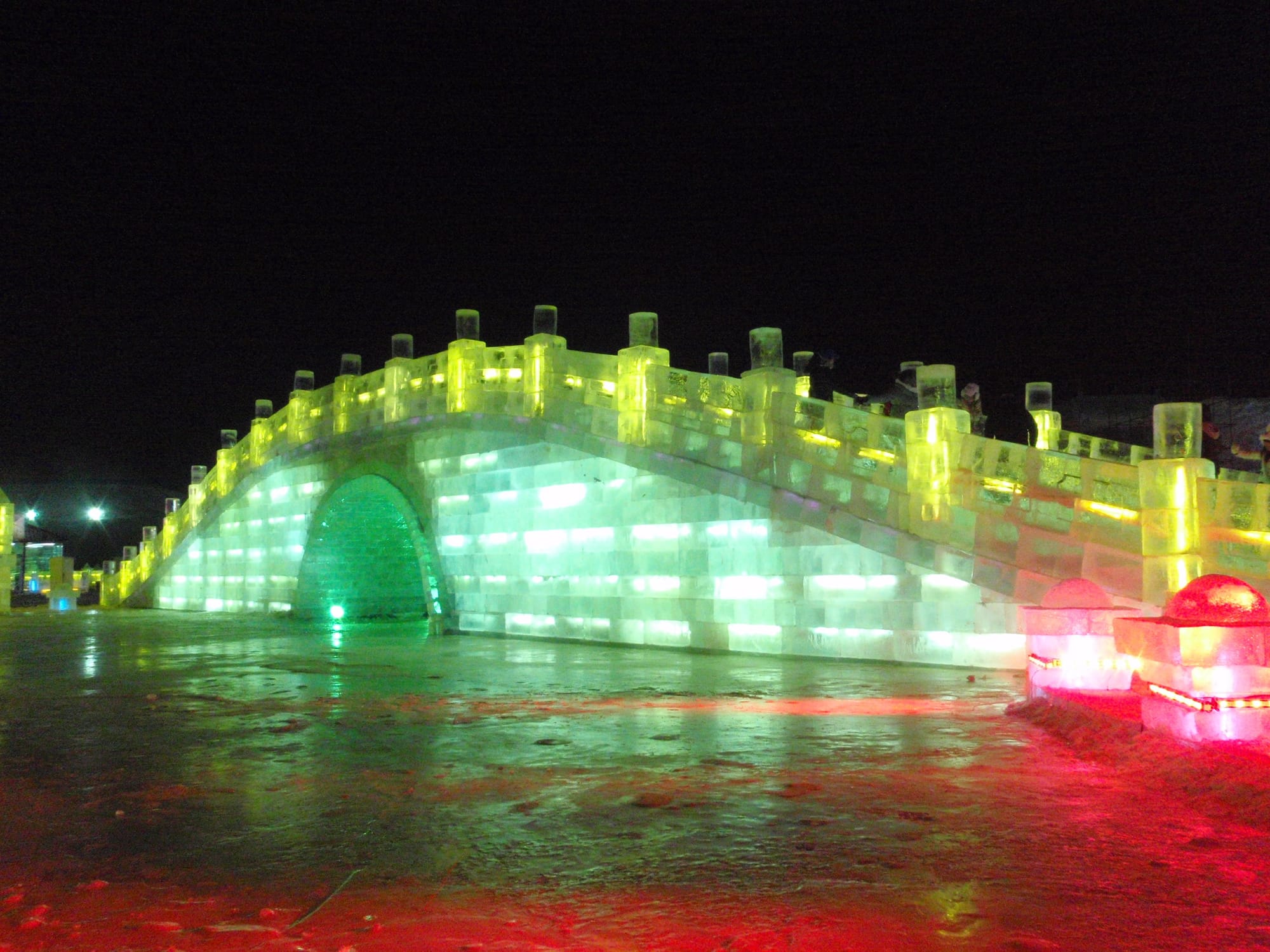
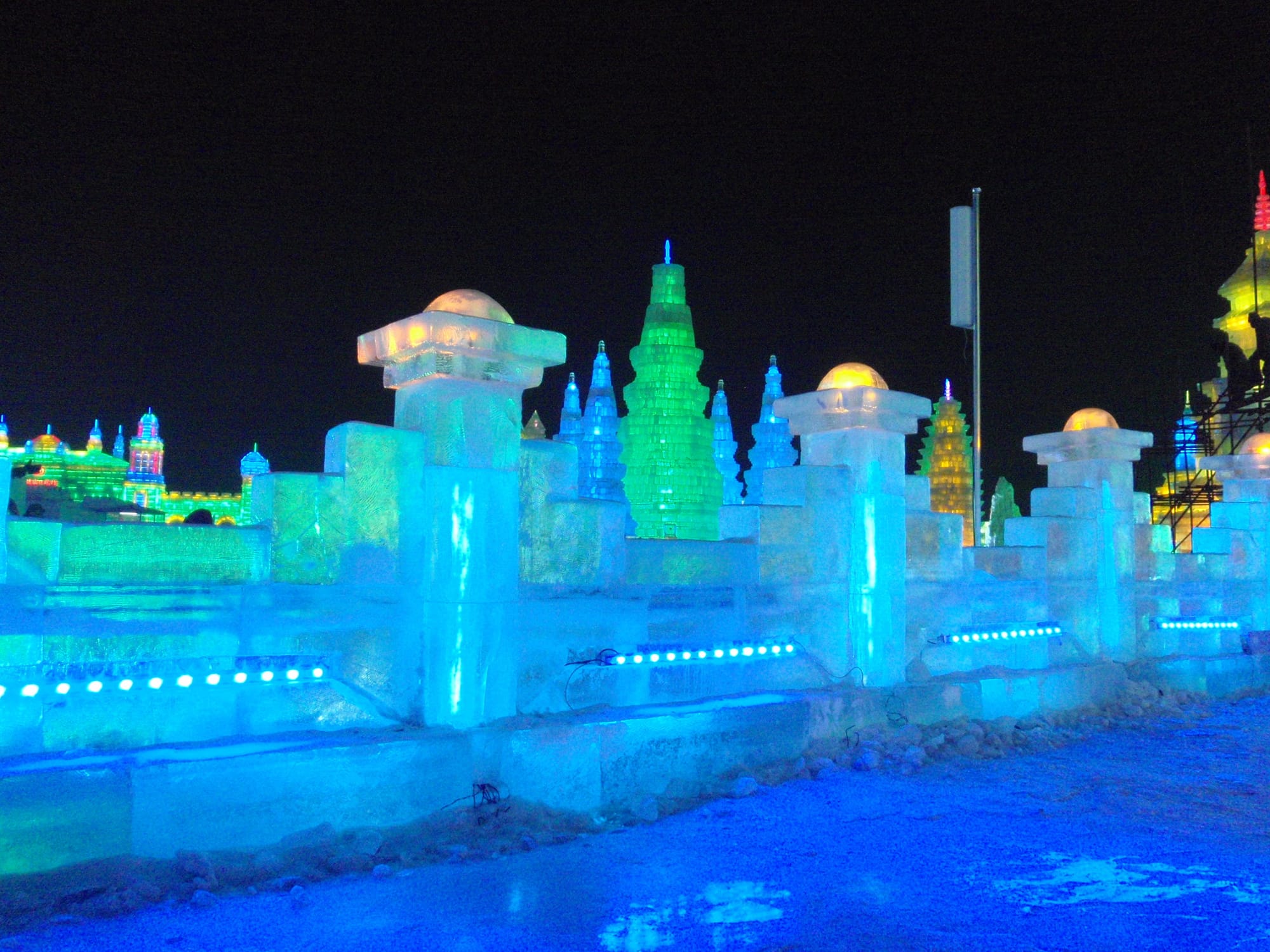
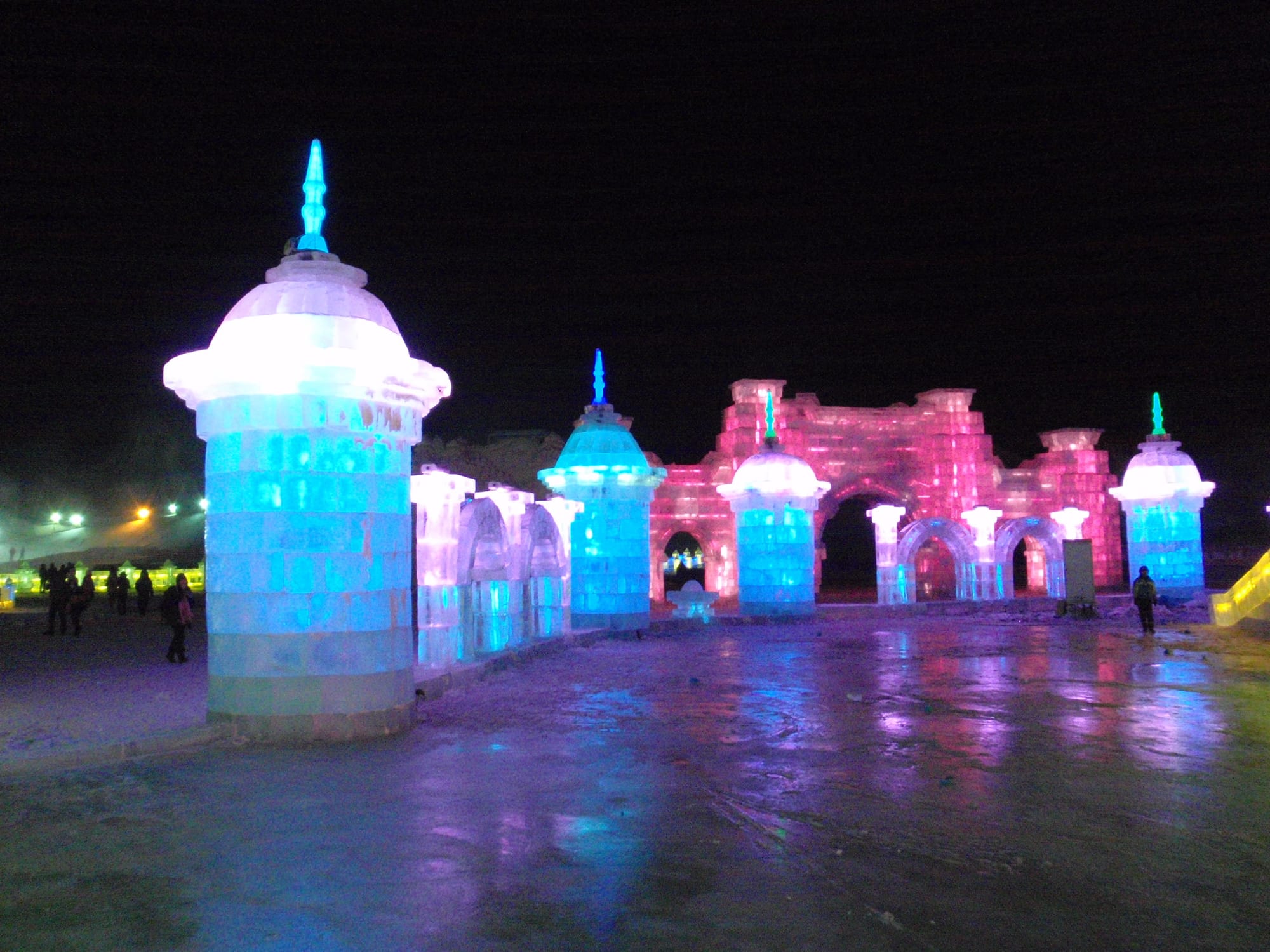
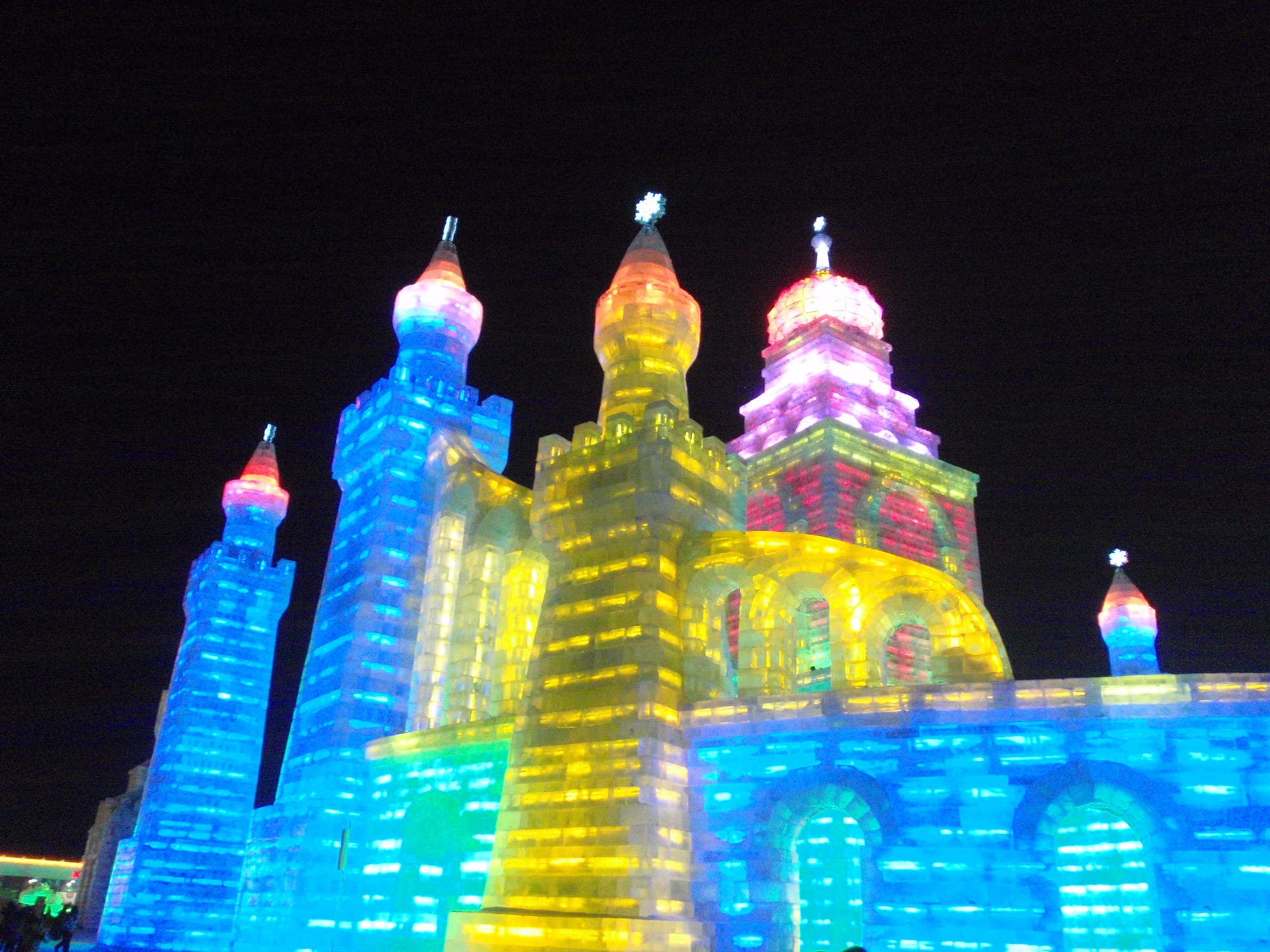
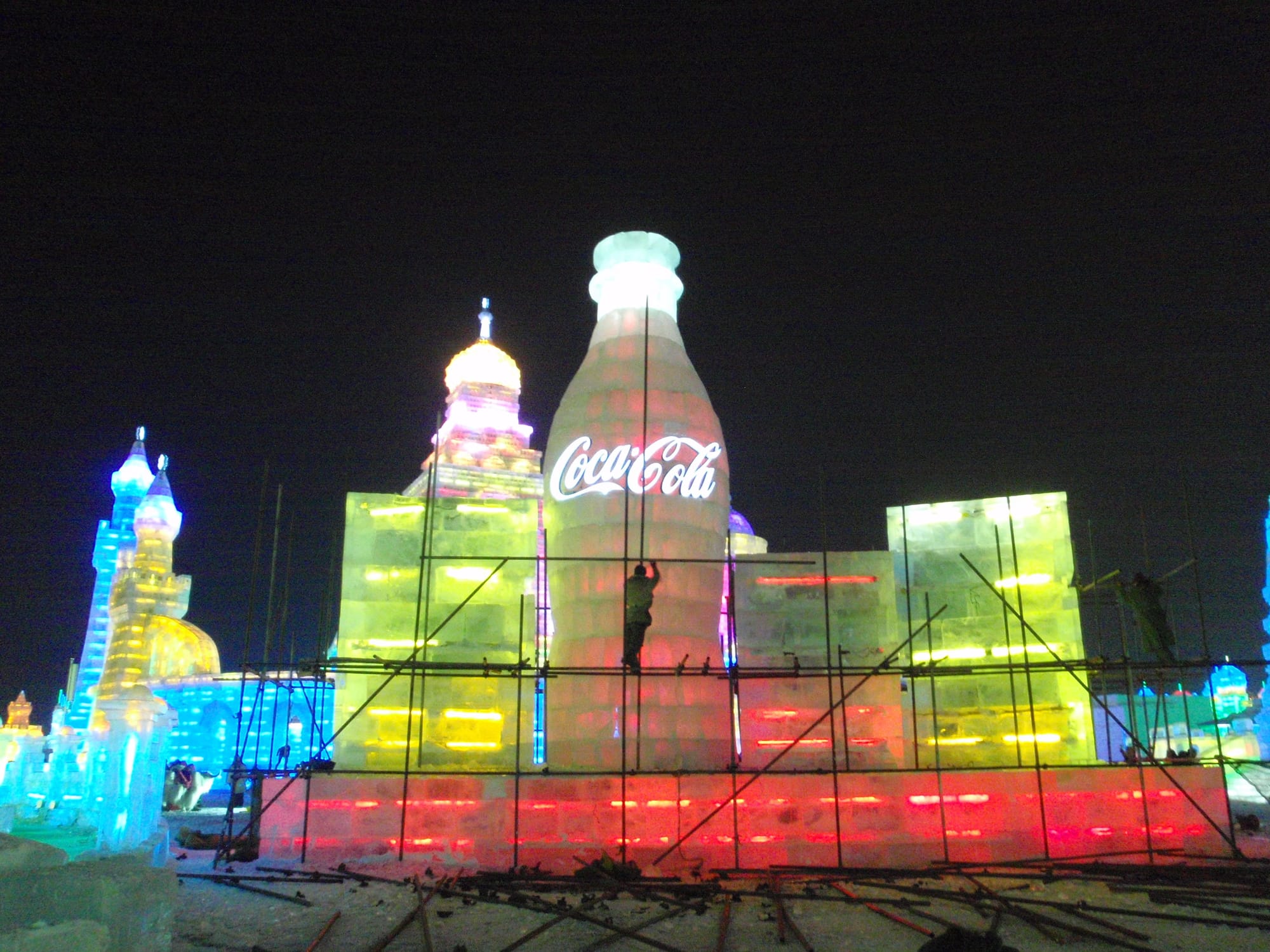
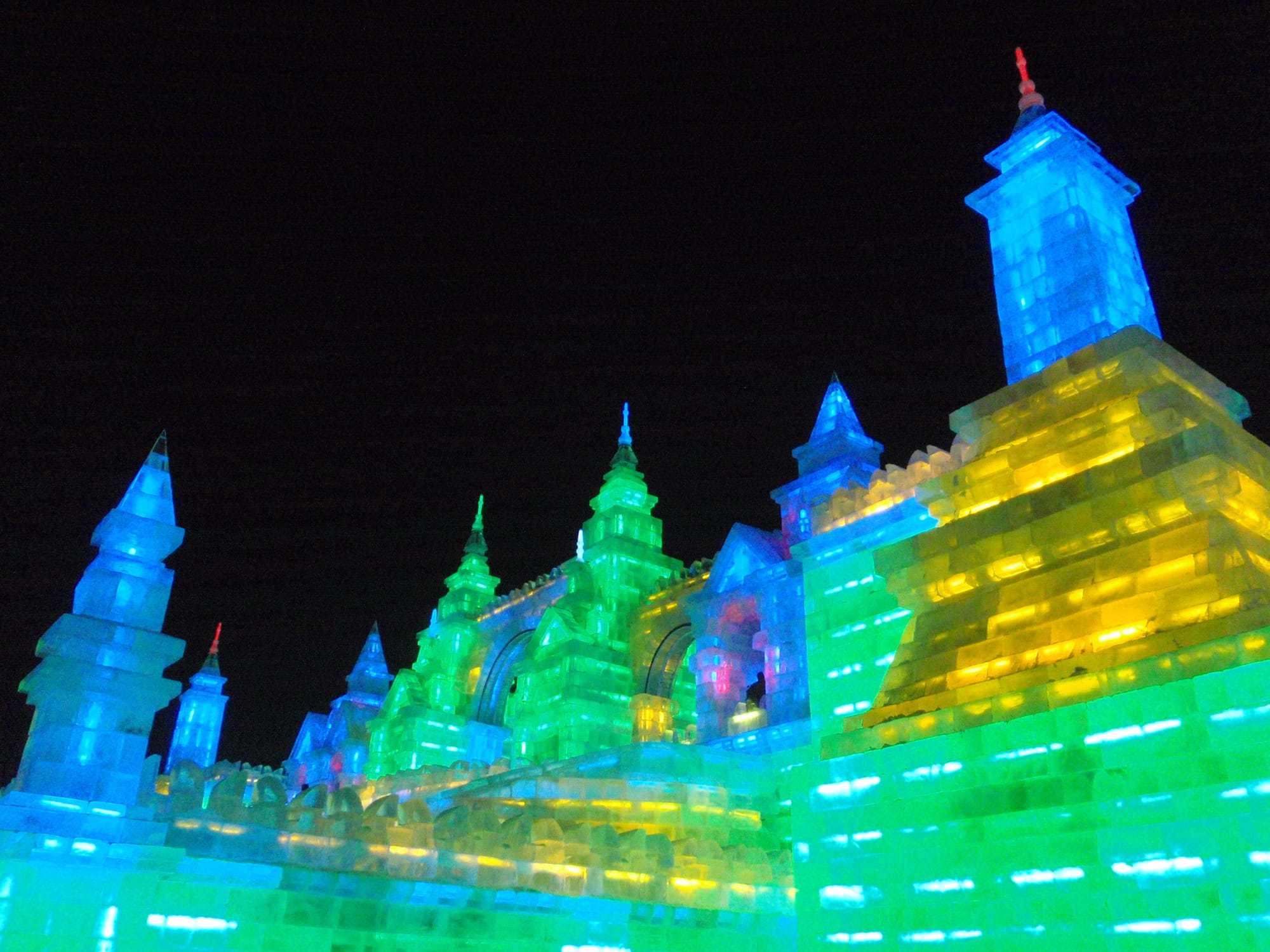
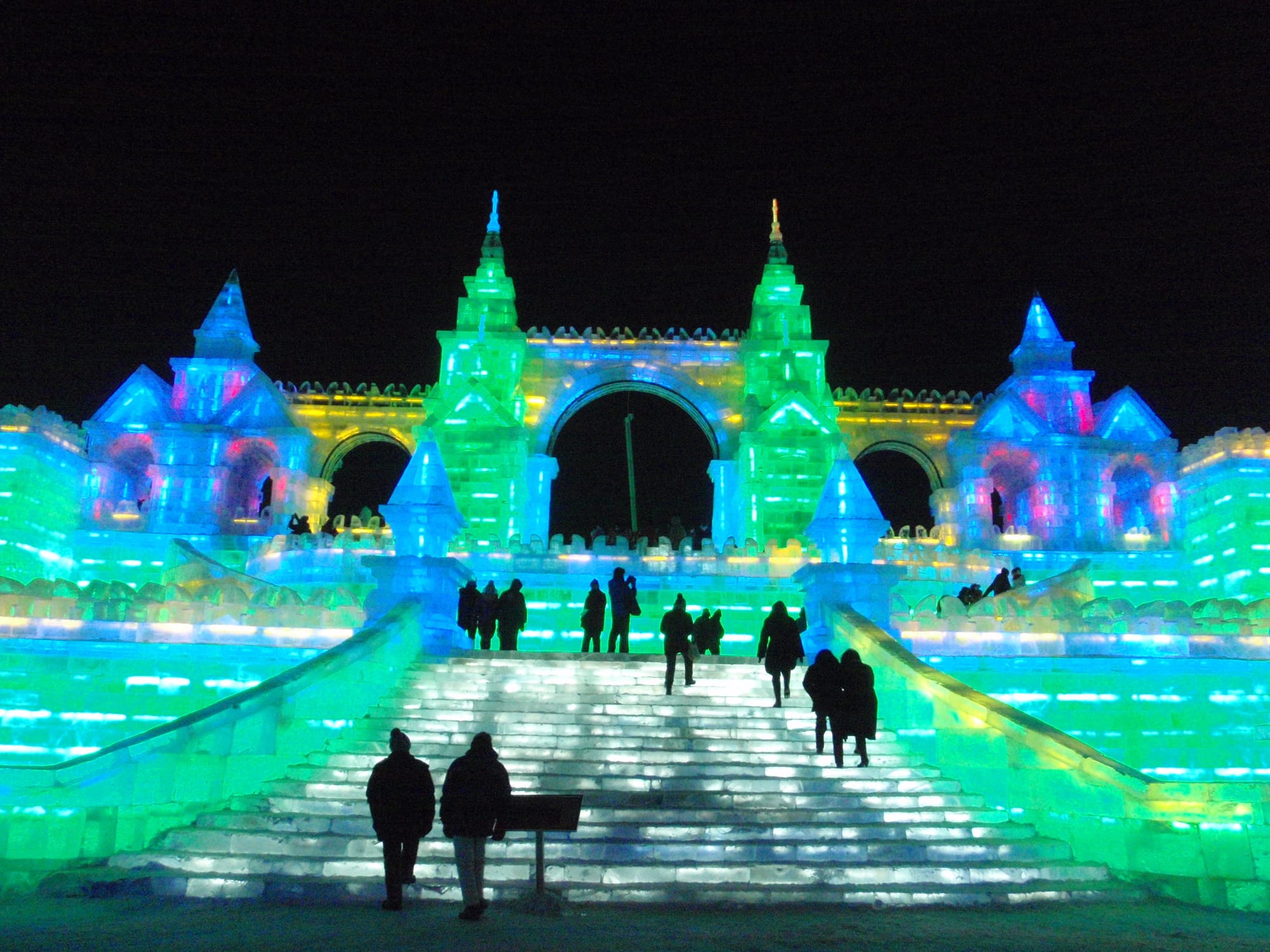
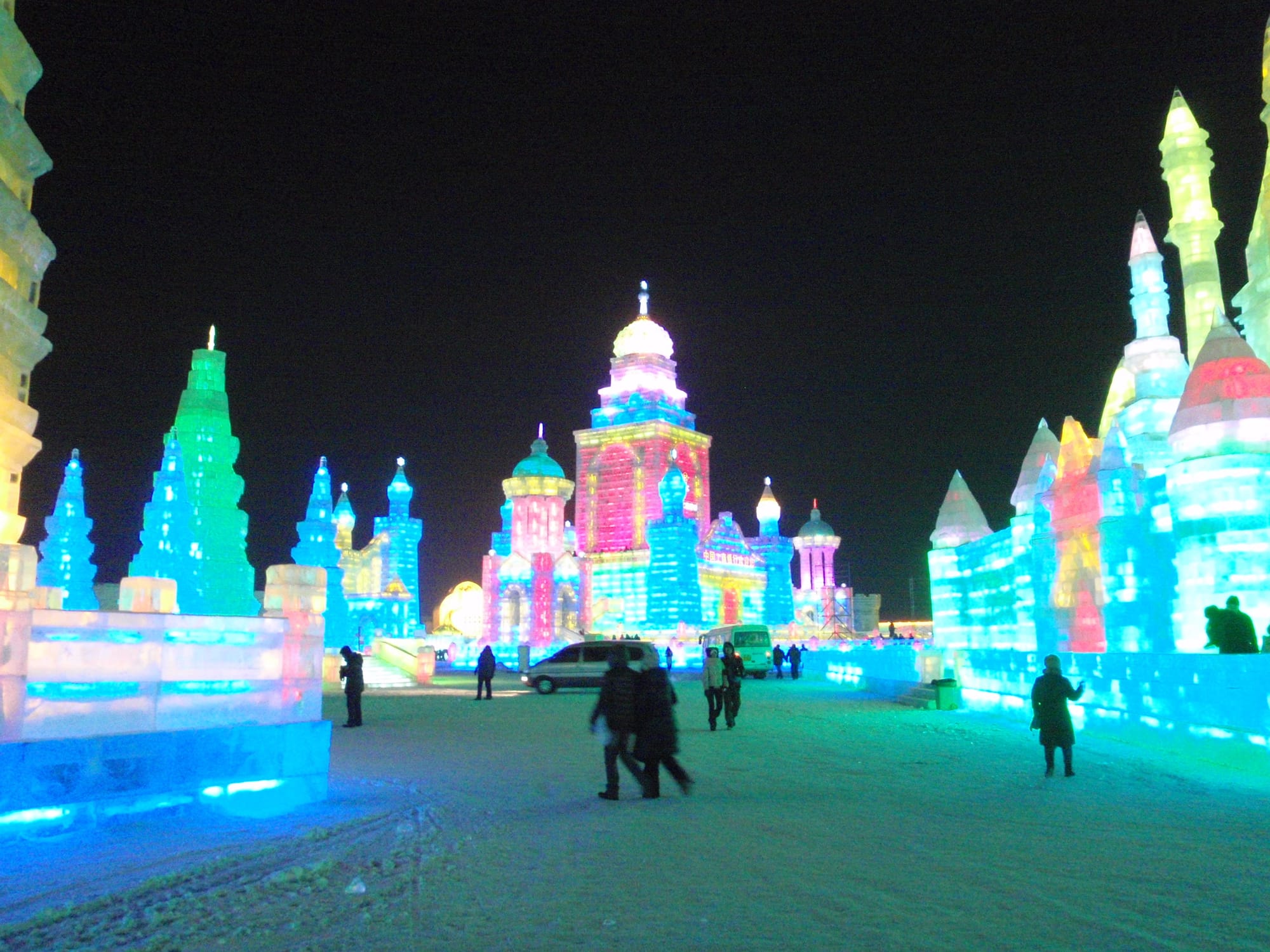
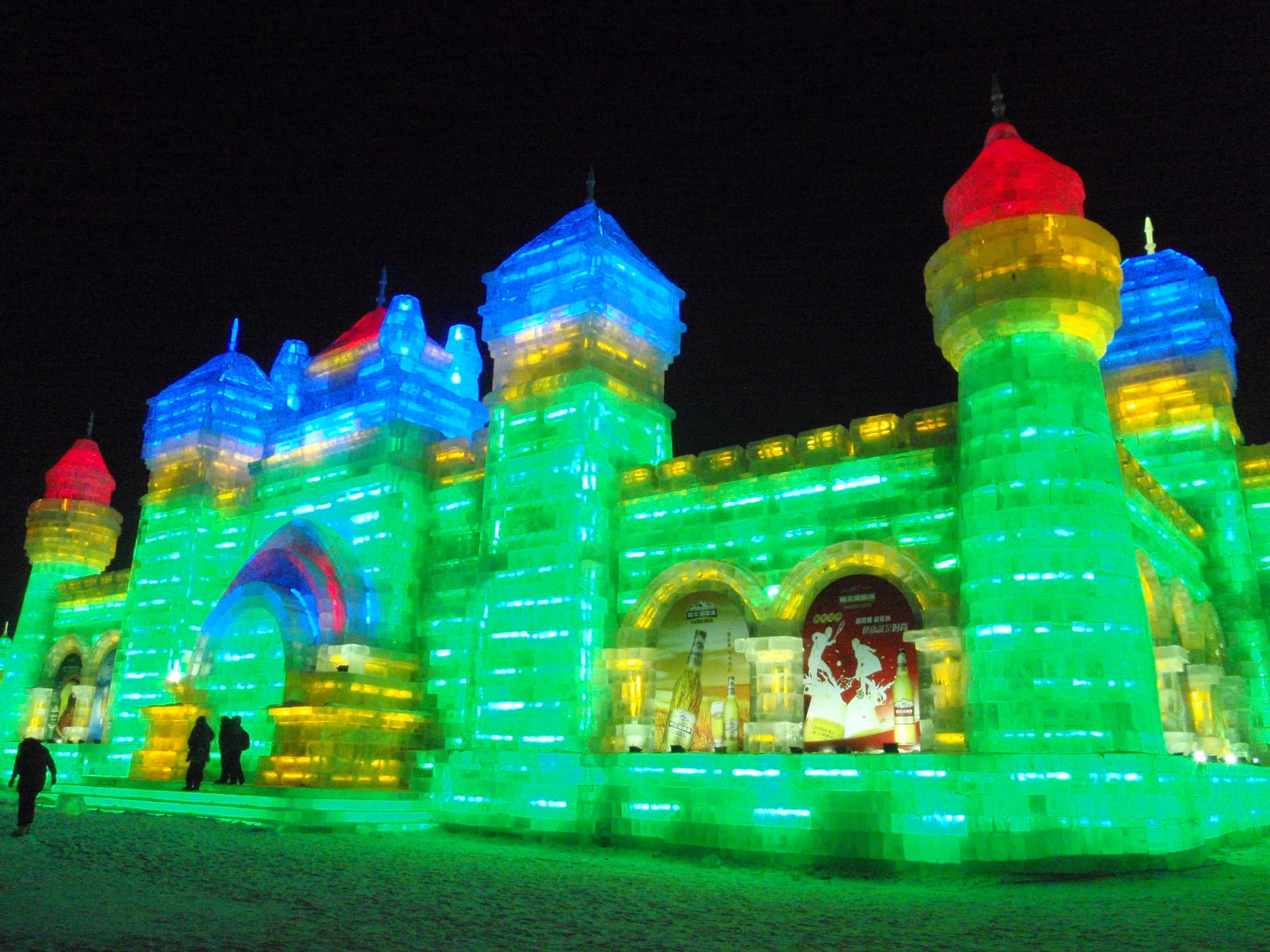
Harbin International Ice and Snow World is the crown jewel of Harbin’s winter attractions and one of the most spectacular ice festivals in the world. Held annually along the Songhua River, this massive open-air park transforms blocks of ice into a dazzling frozen city of illuminated palaces, towers, bridges and sculptures, rebuilt from scratch every winter.
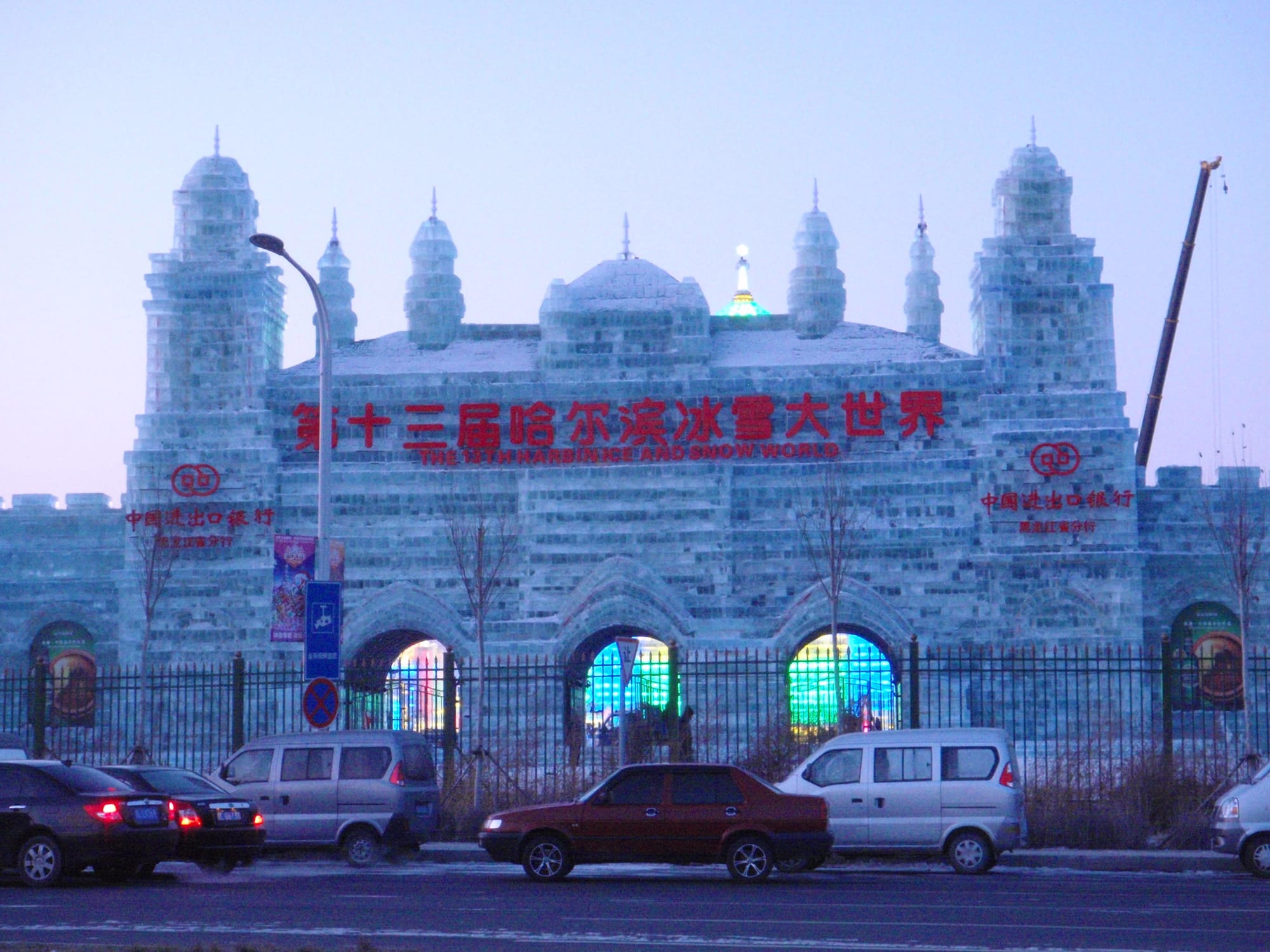
Using ice harvested directly from the frozen river, artisans carve monumental structures inspired by global landmarks, fantasy castles and traditional Chinese architecture, turning the park into a glowing dreamscape after dark.
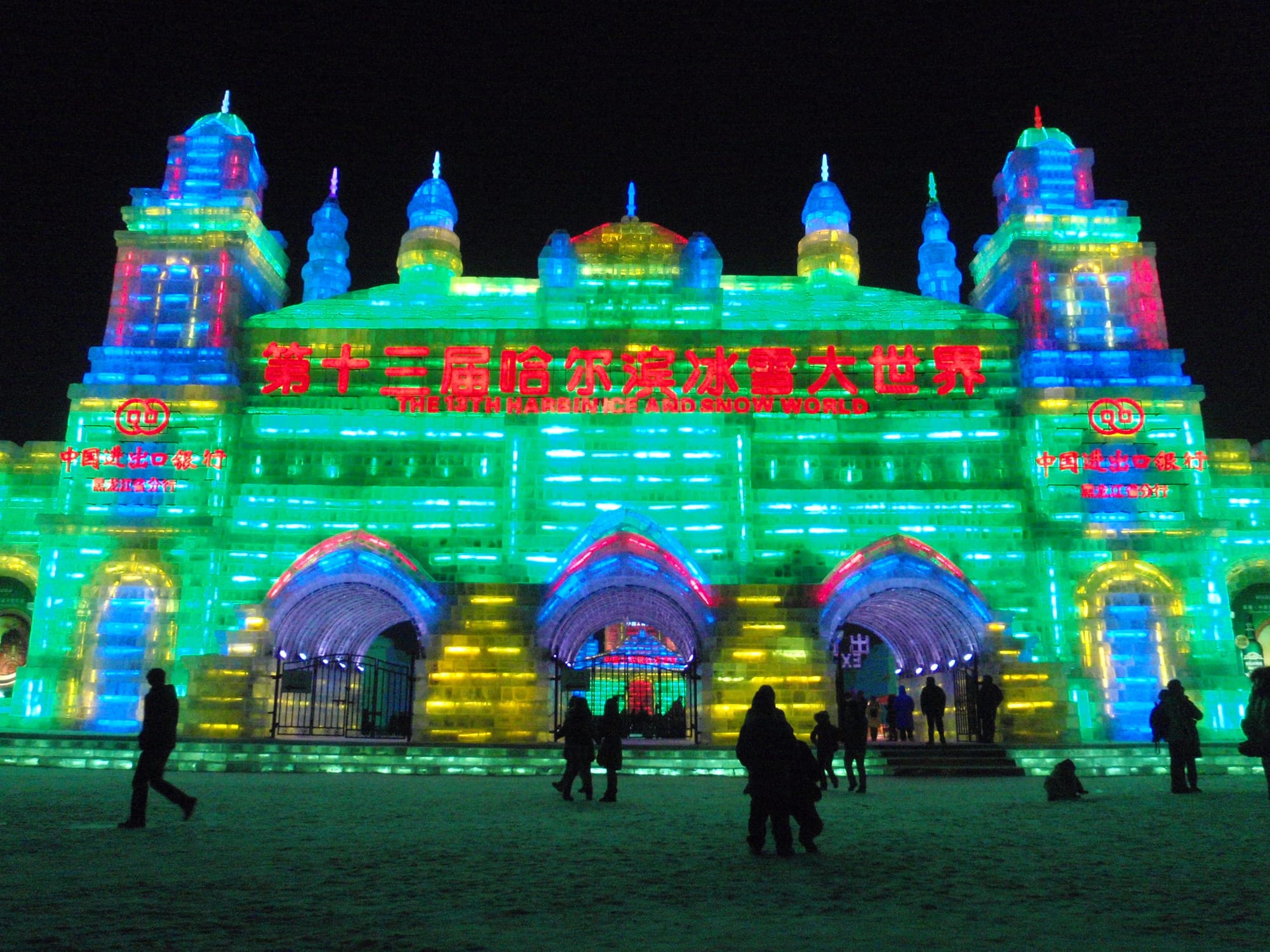
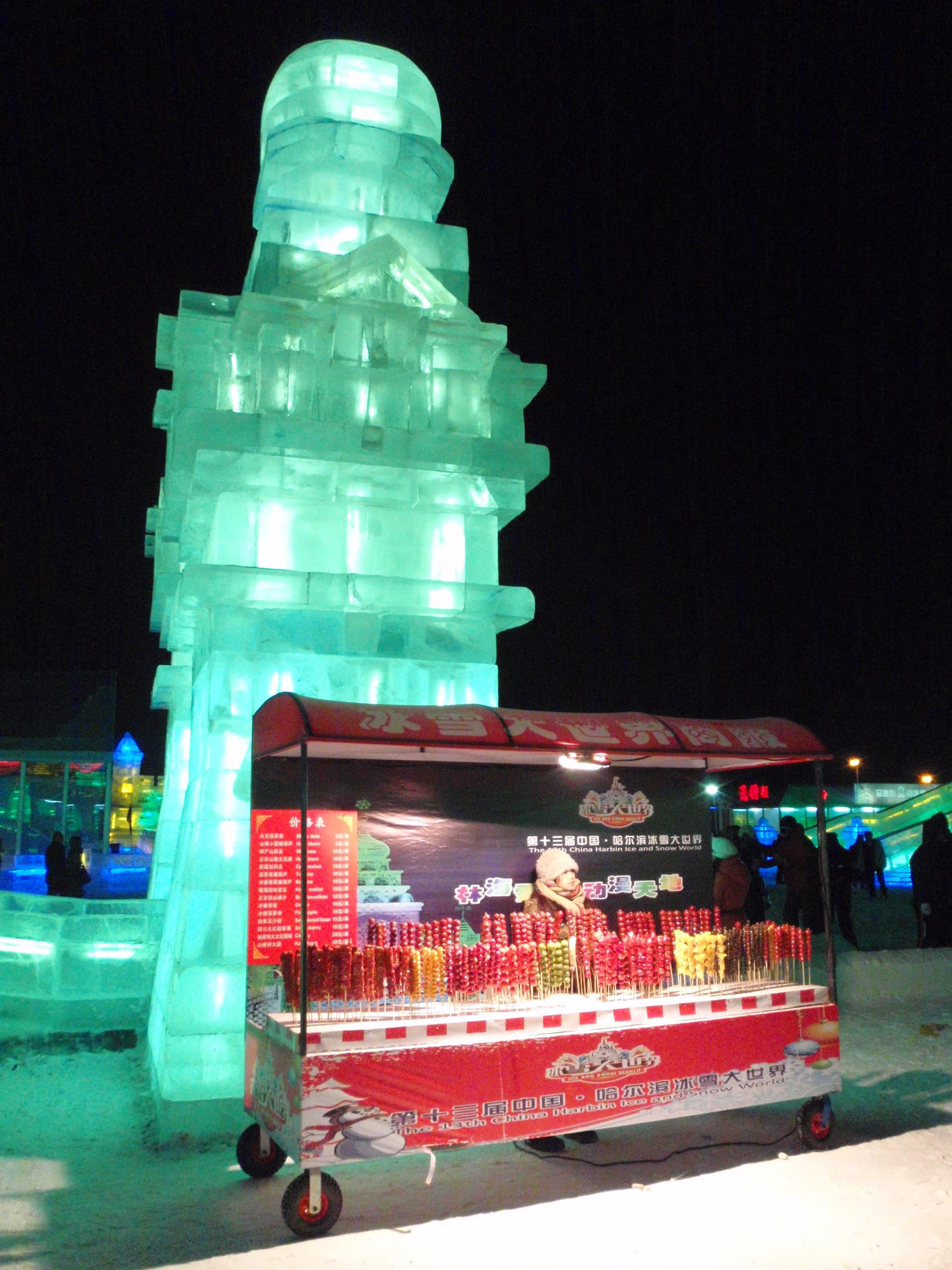
Walk through full-scale ice castles, pagodas and cathedrals, many several storeys high. After sunset, multicoloured LED lights embedded in the ice create a magical, otherworldly atmosphere. Ice slides, snow play zones and winter activities add an element of fun beyond sightseeing.
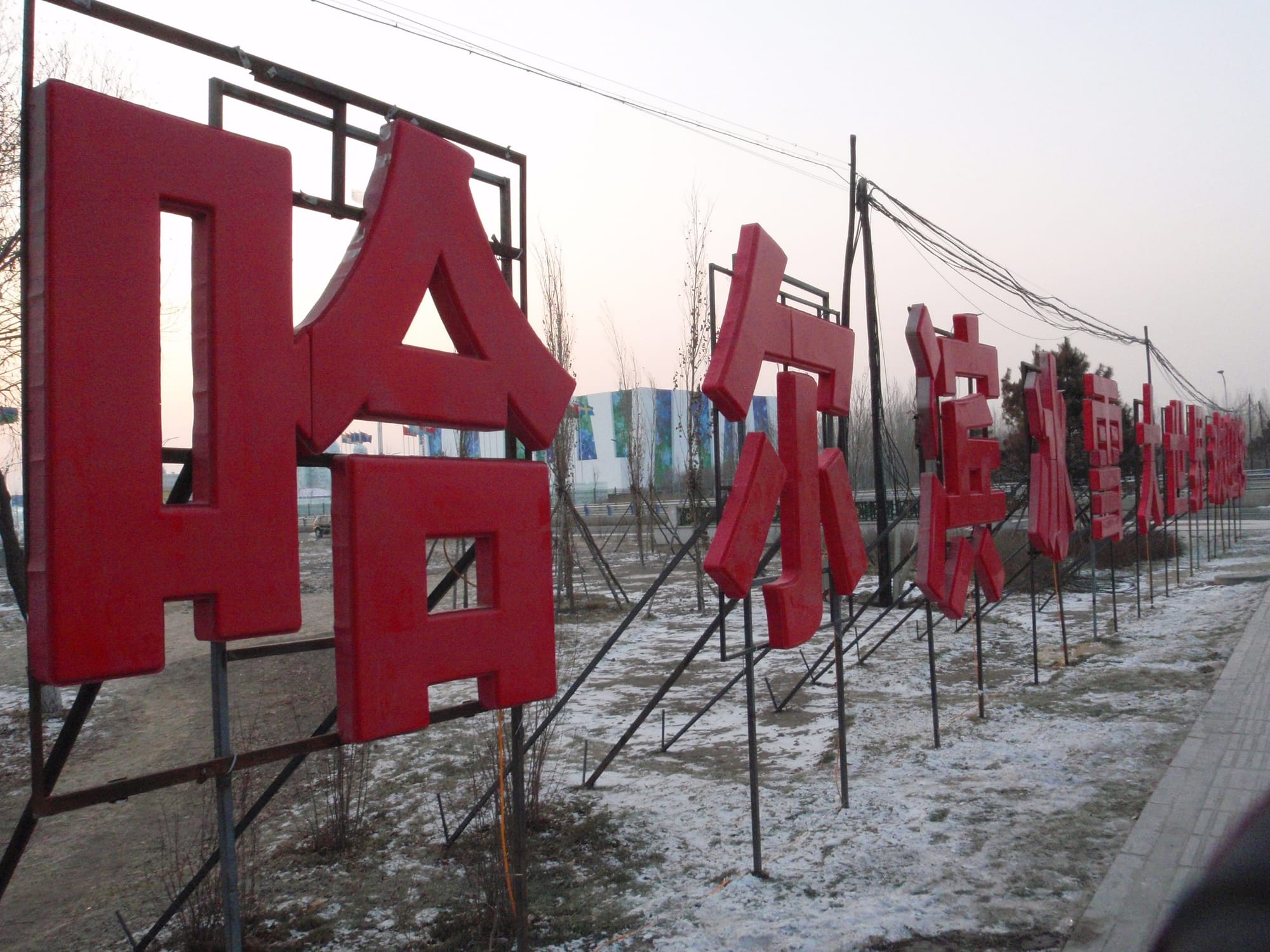
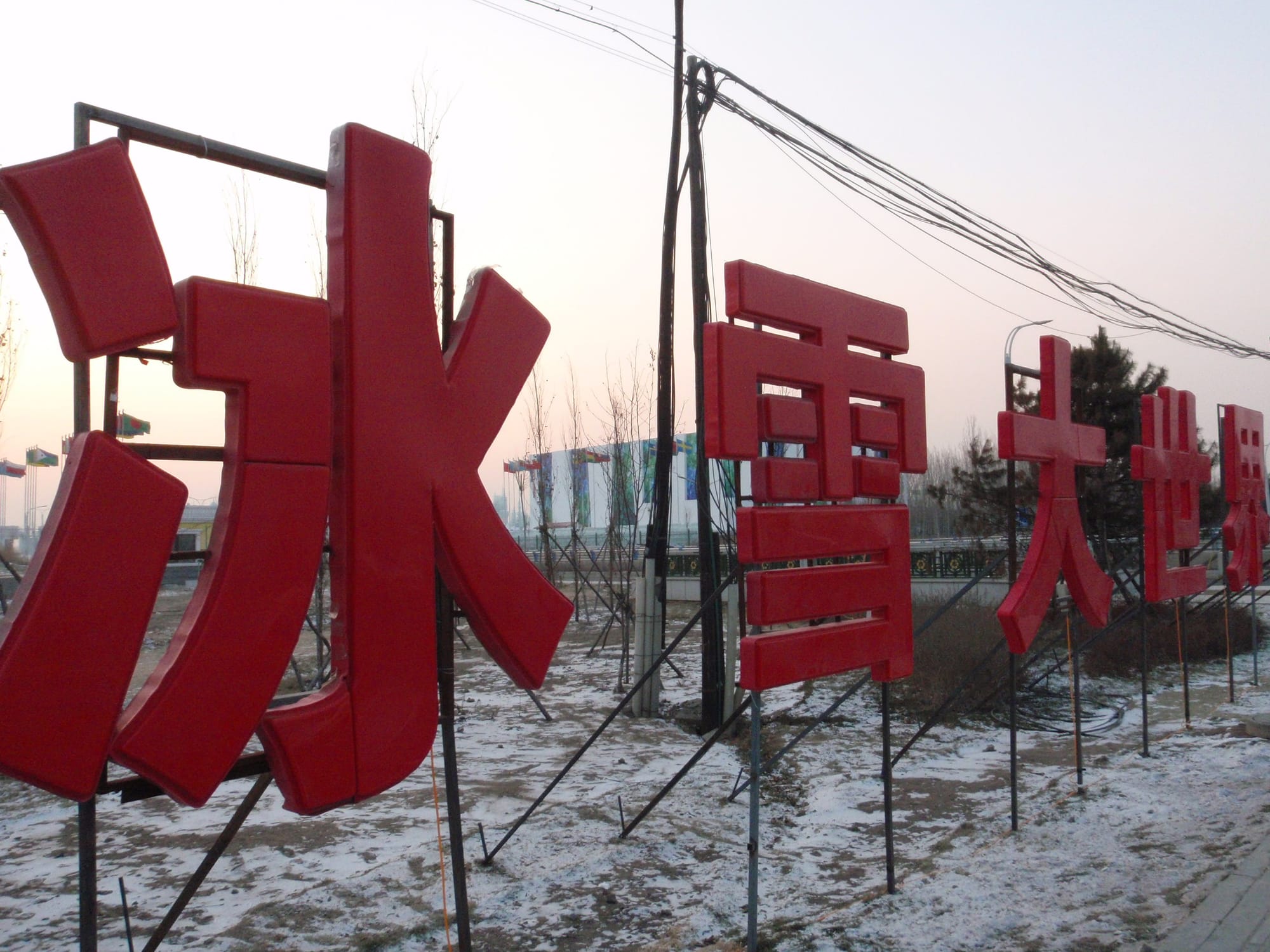
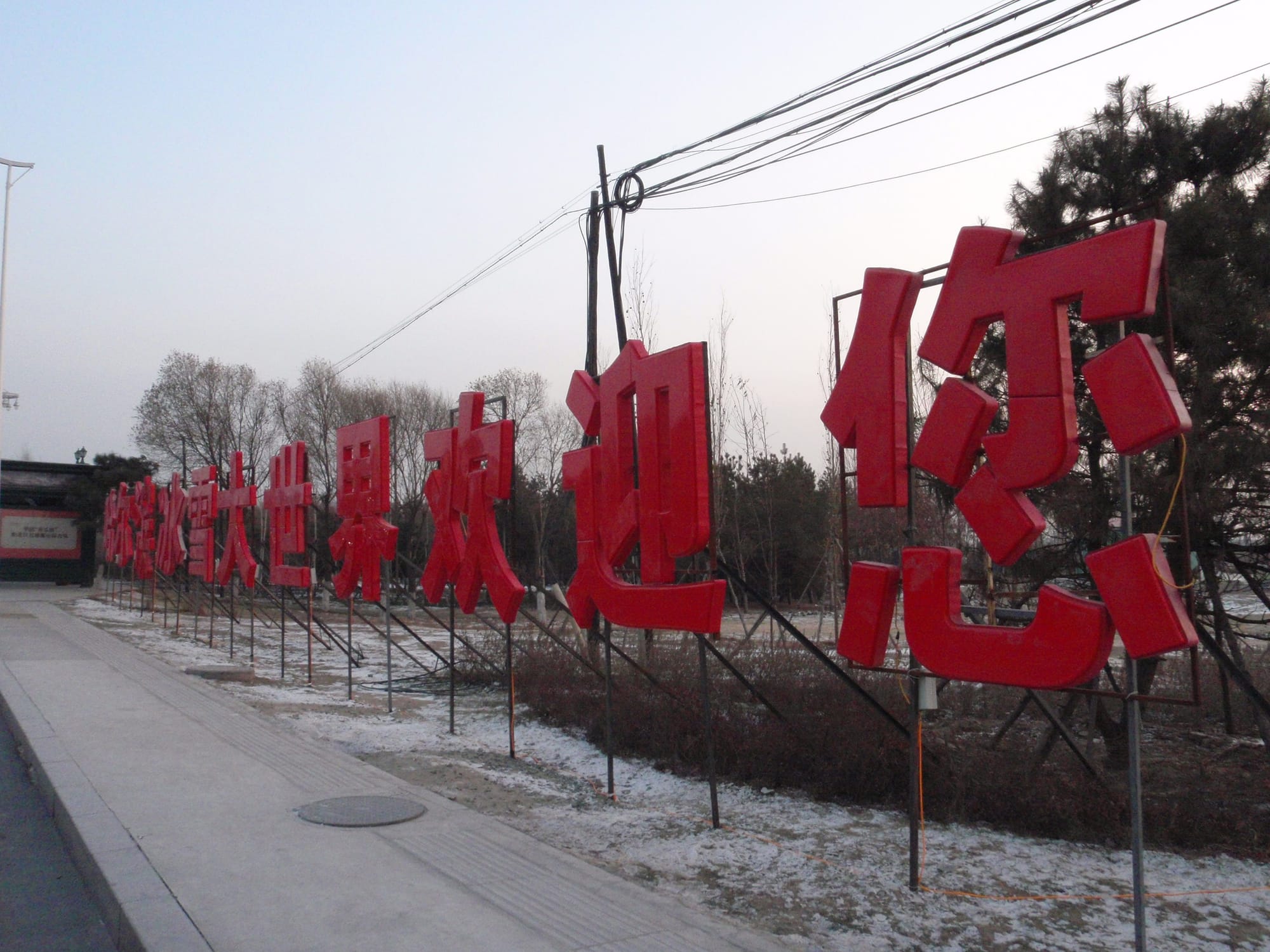
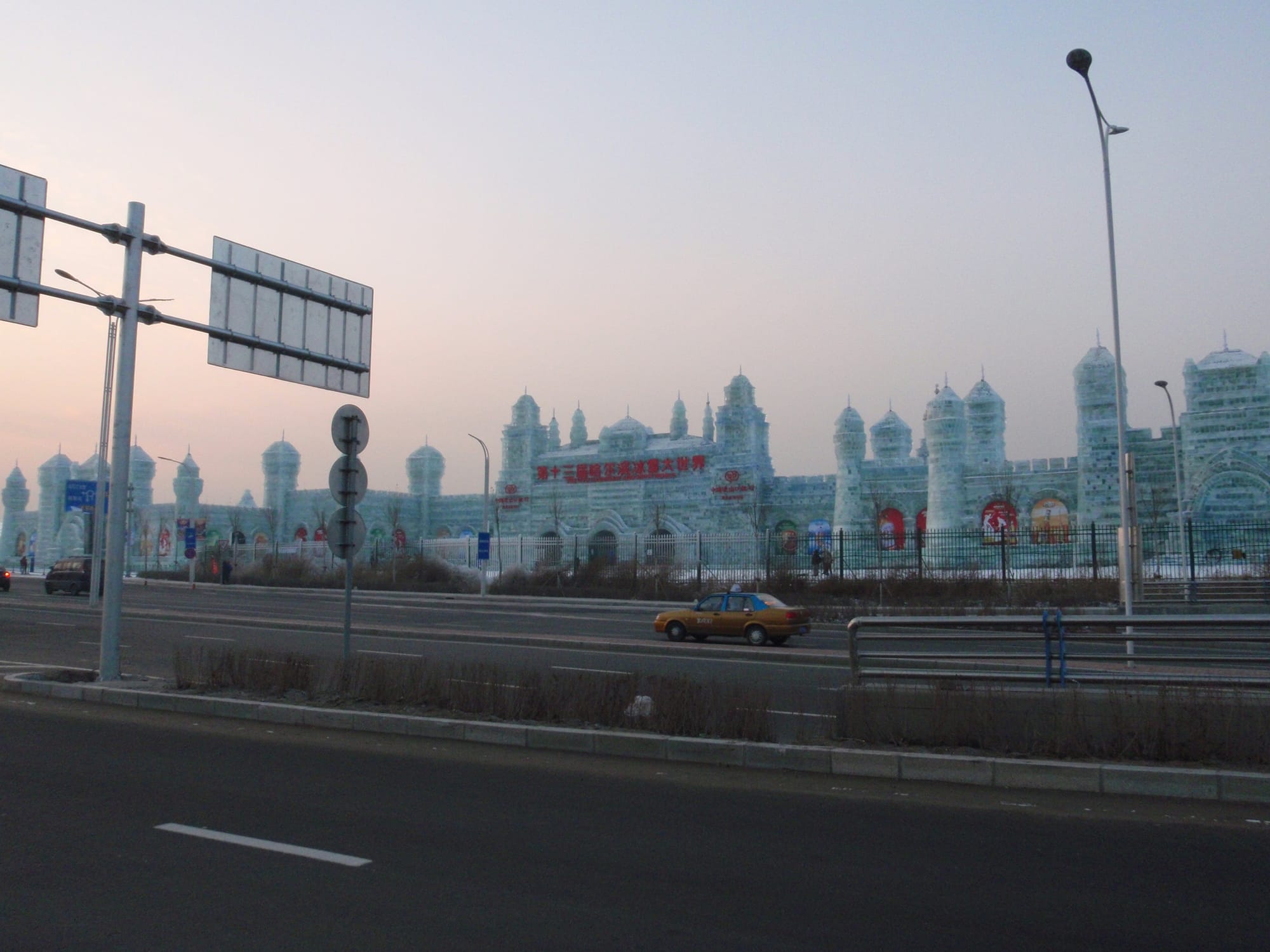
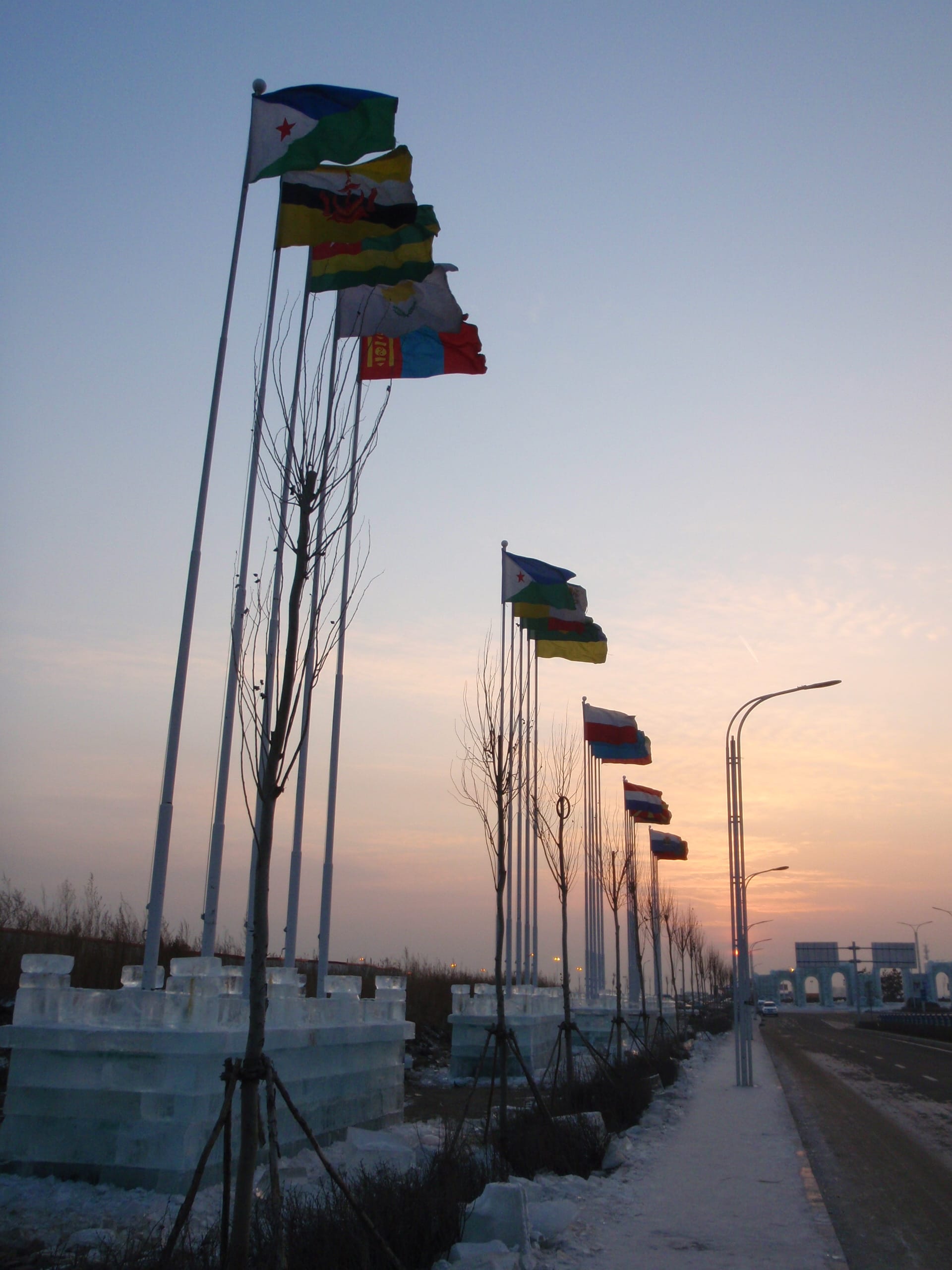
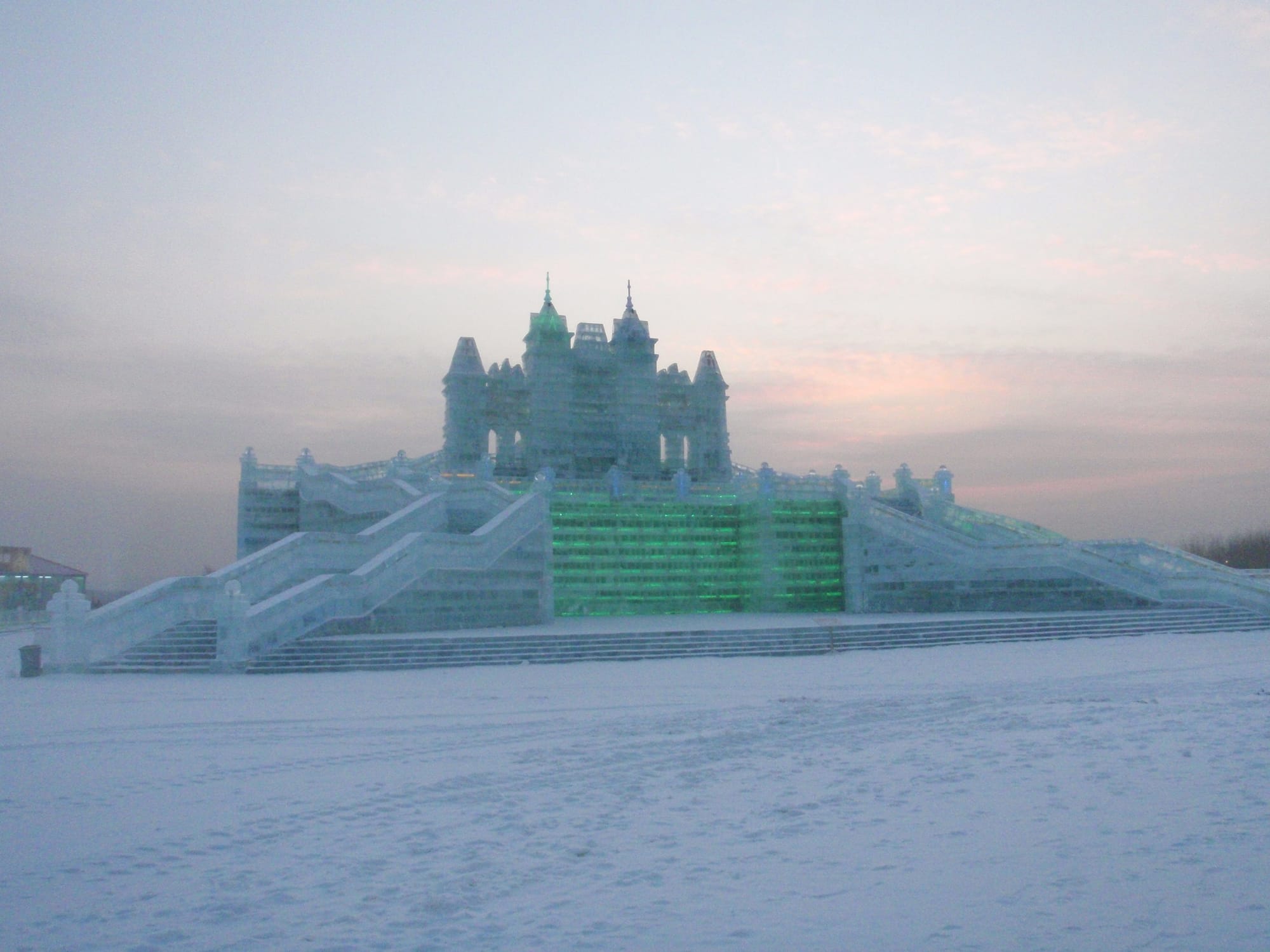
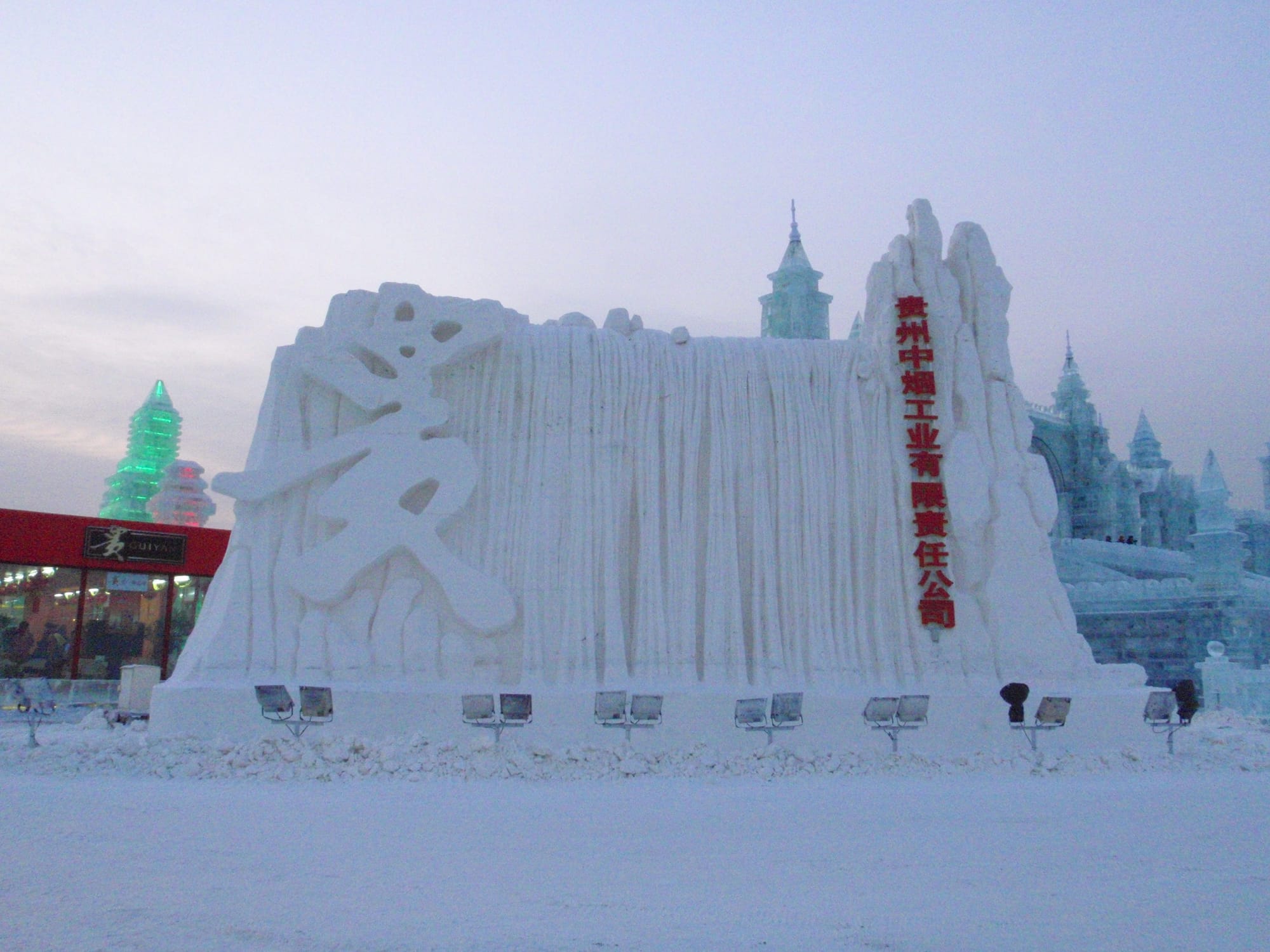
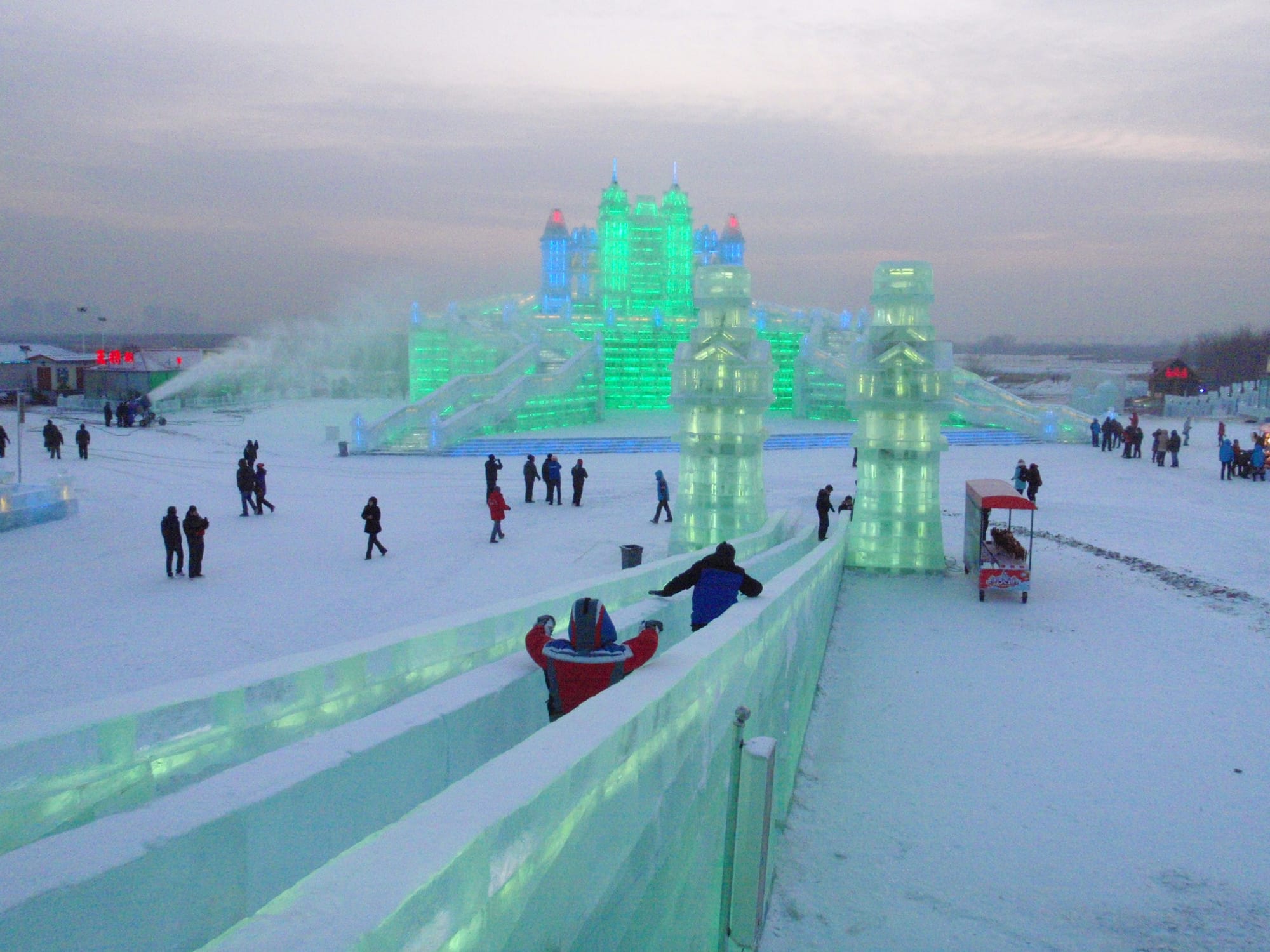
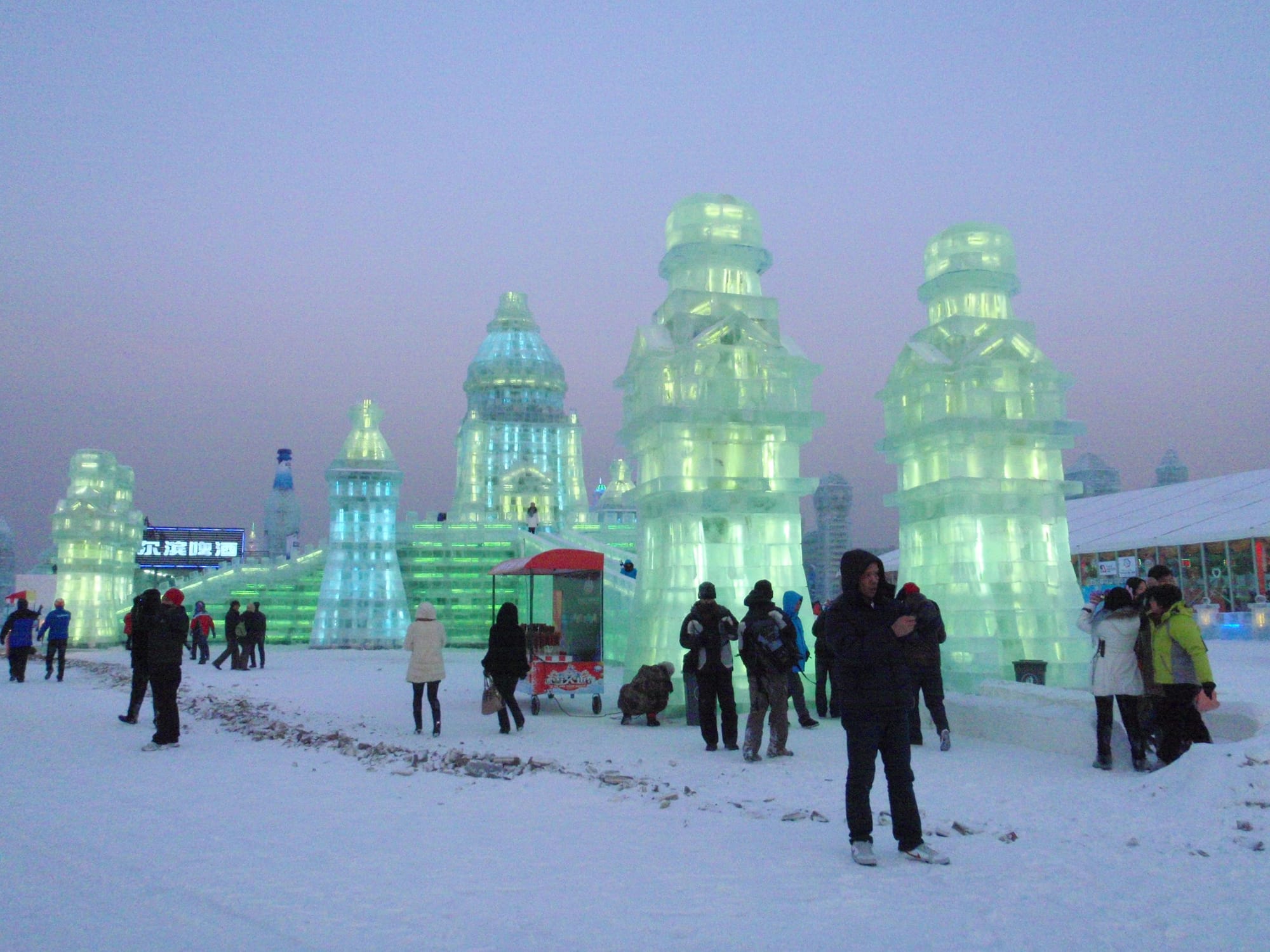
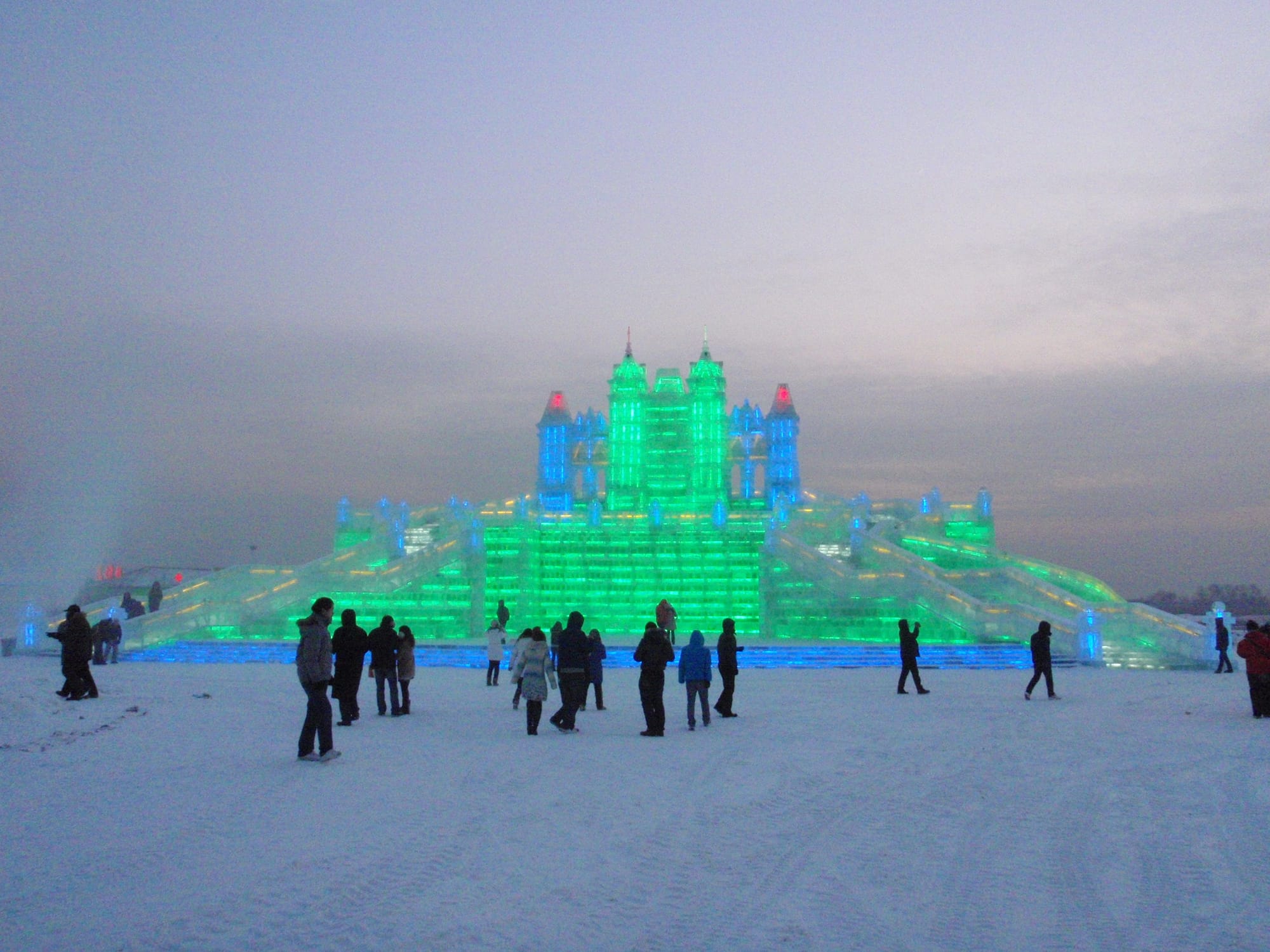
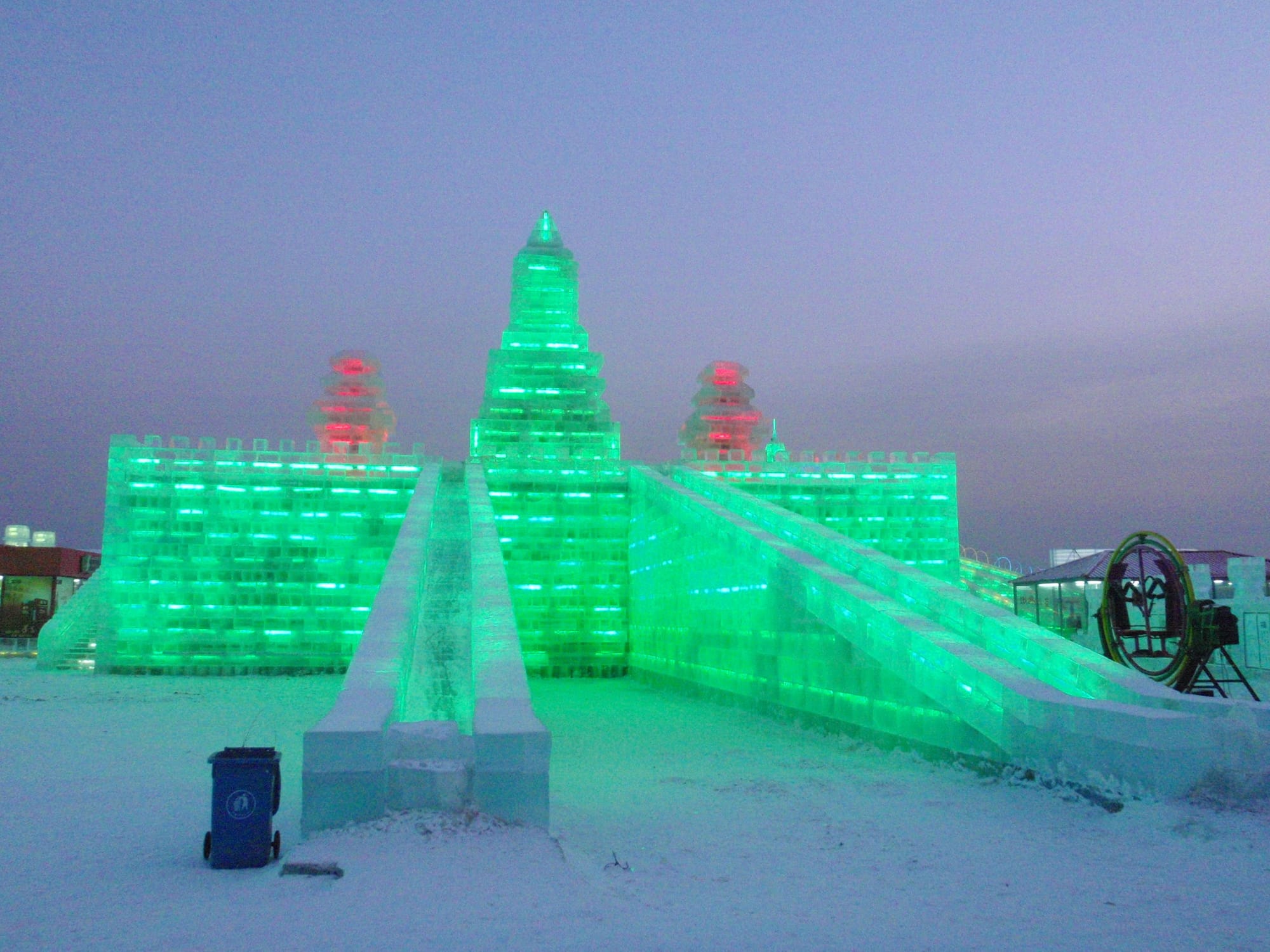
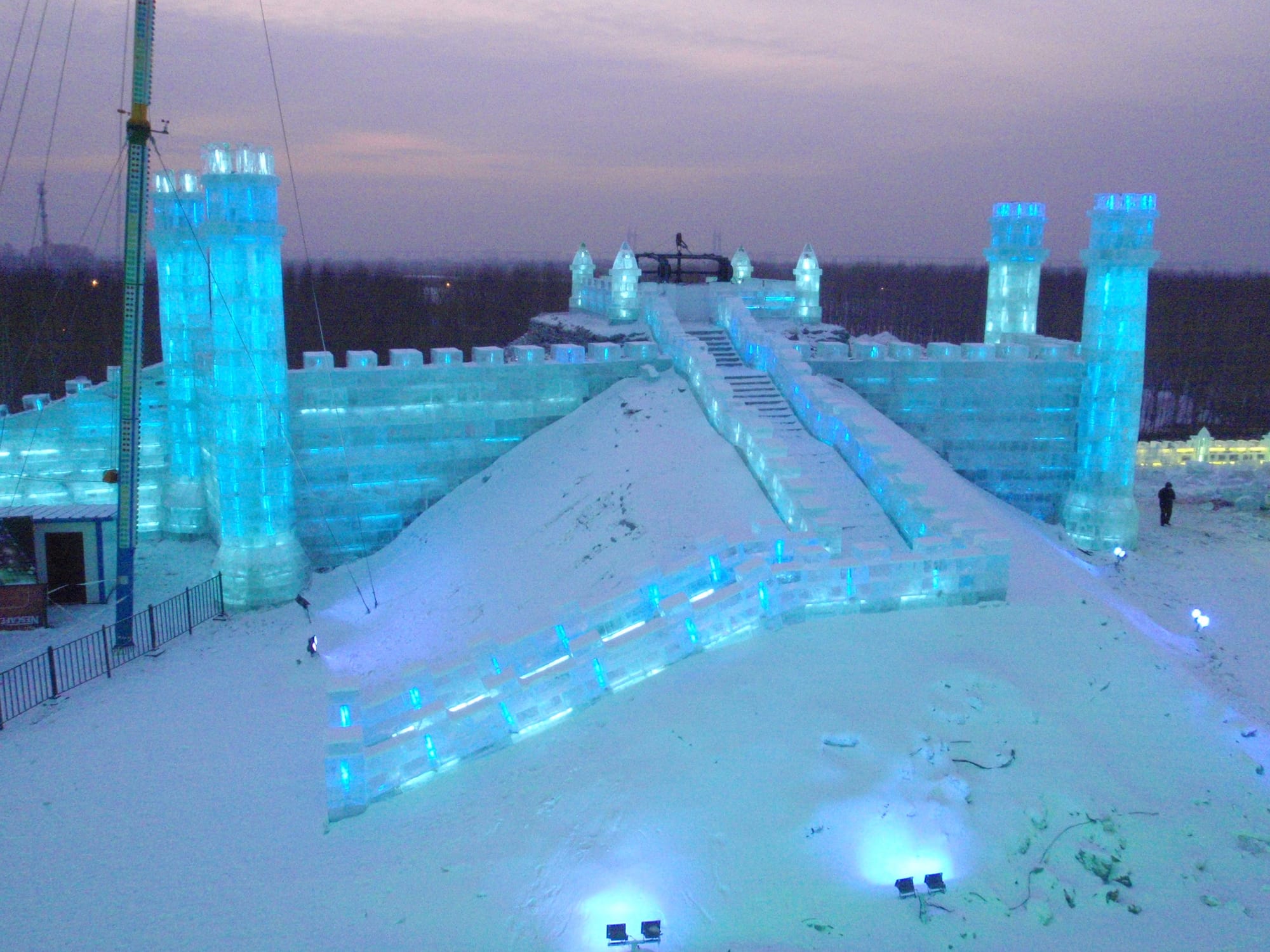
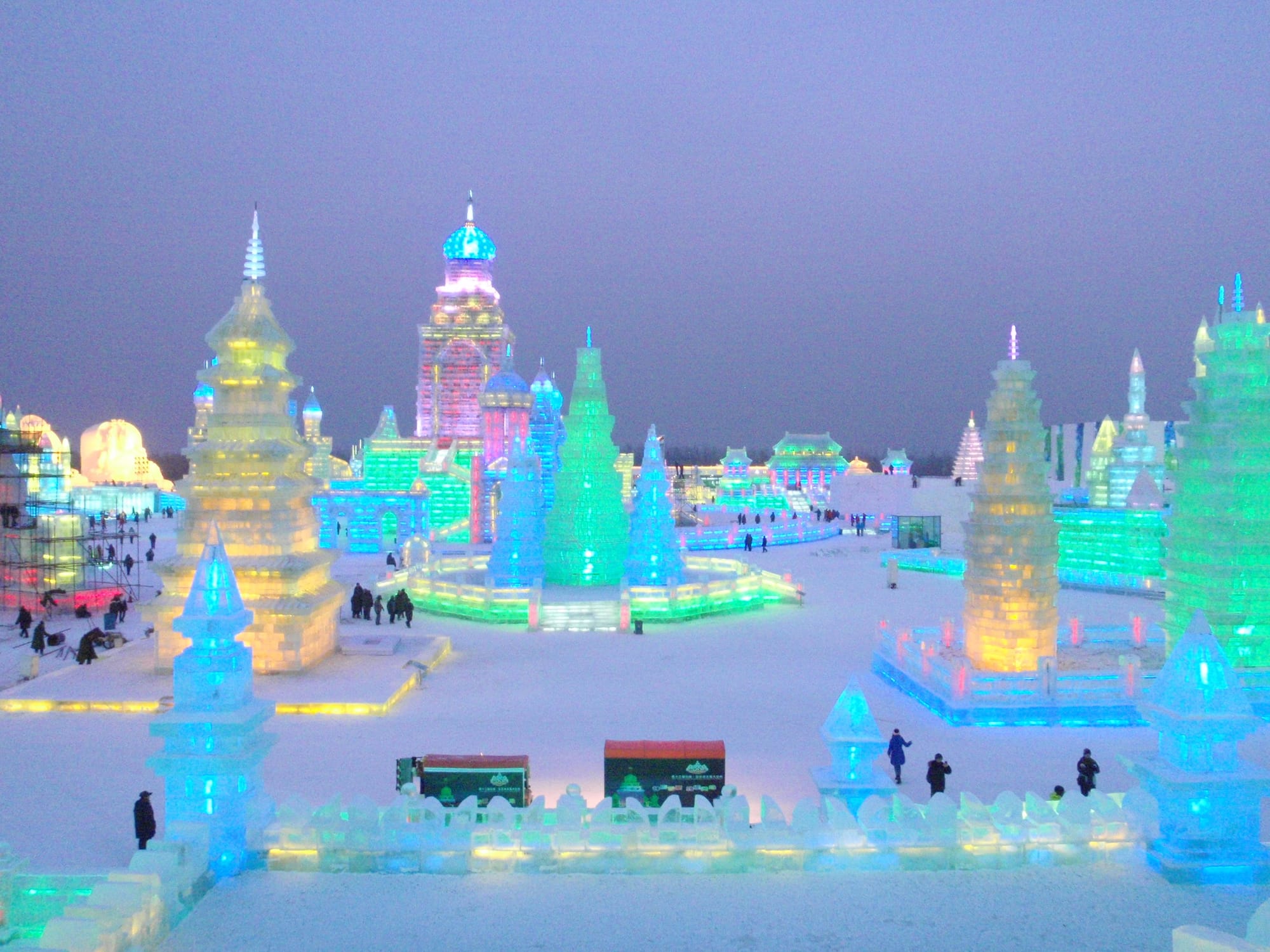
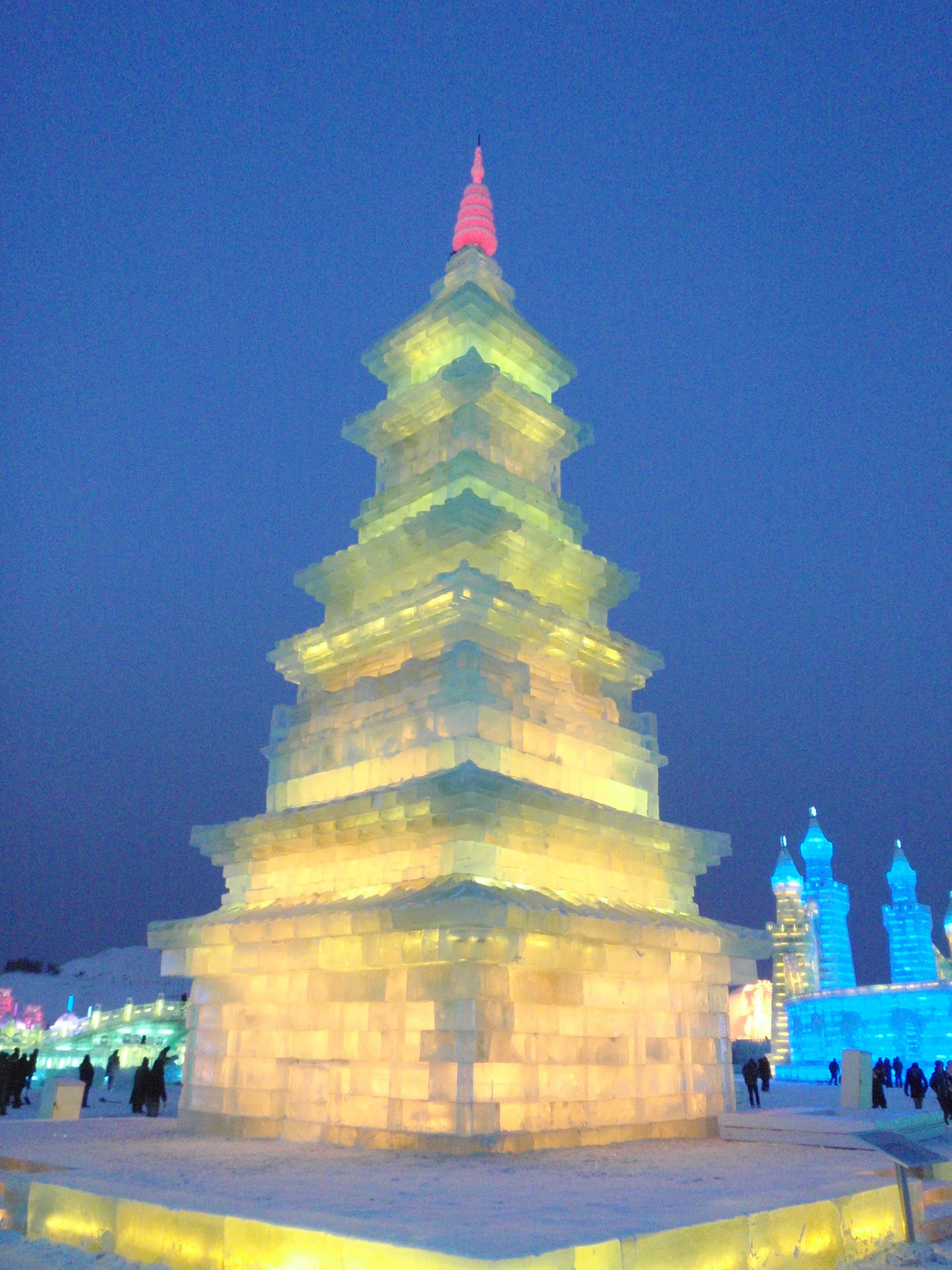
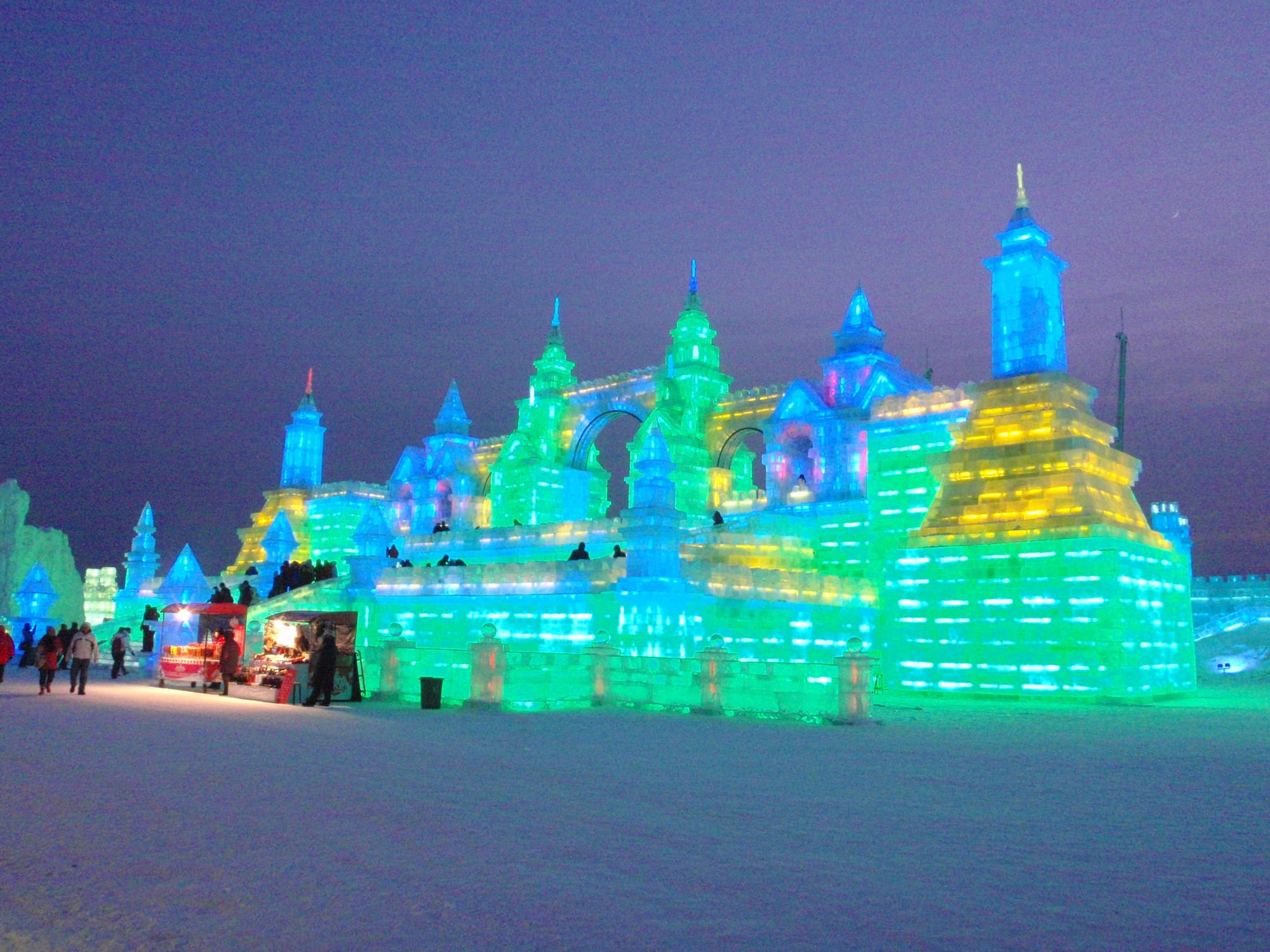
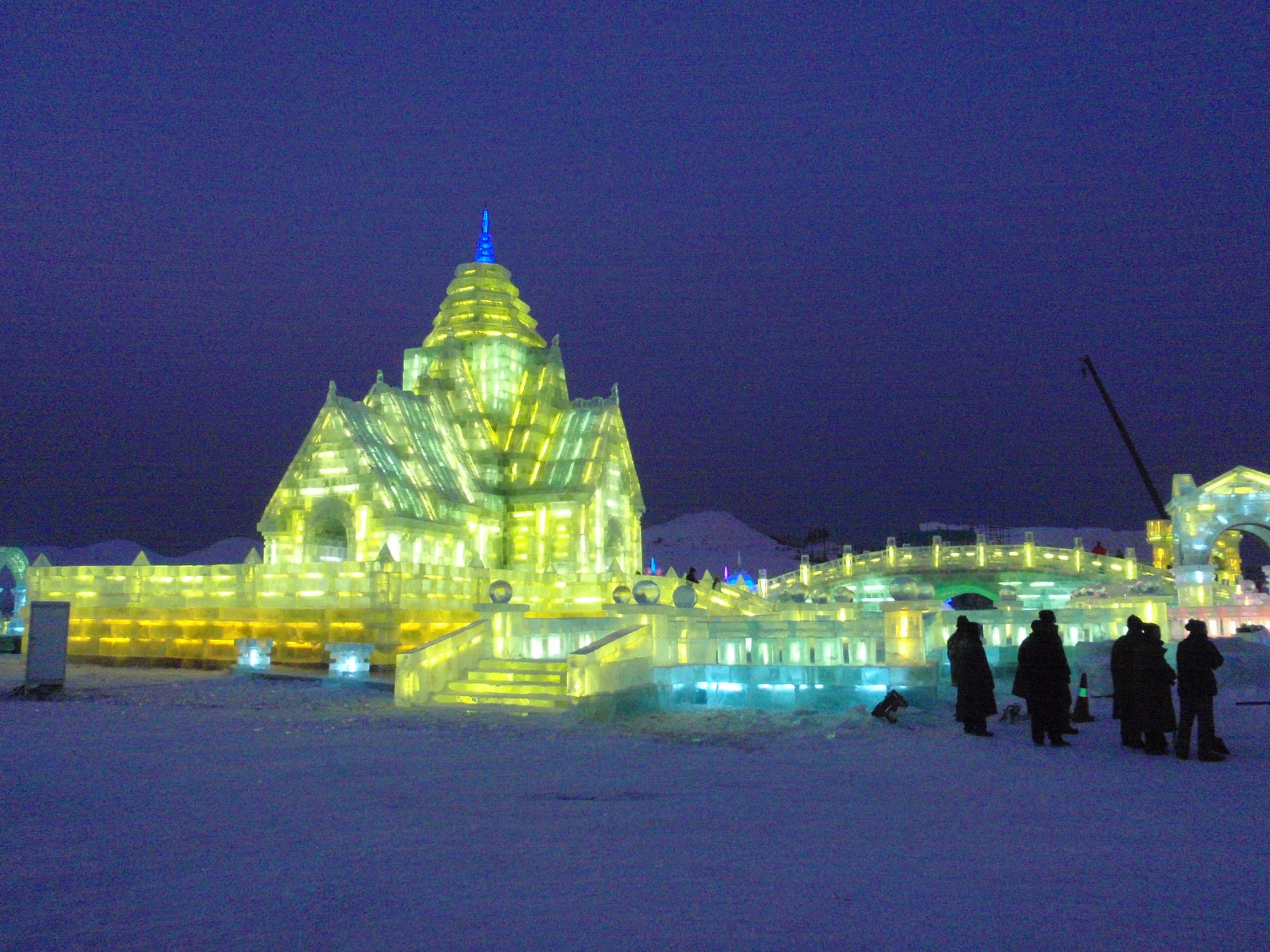
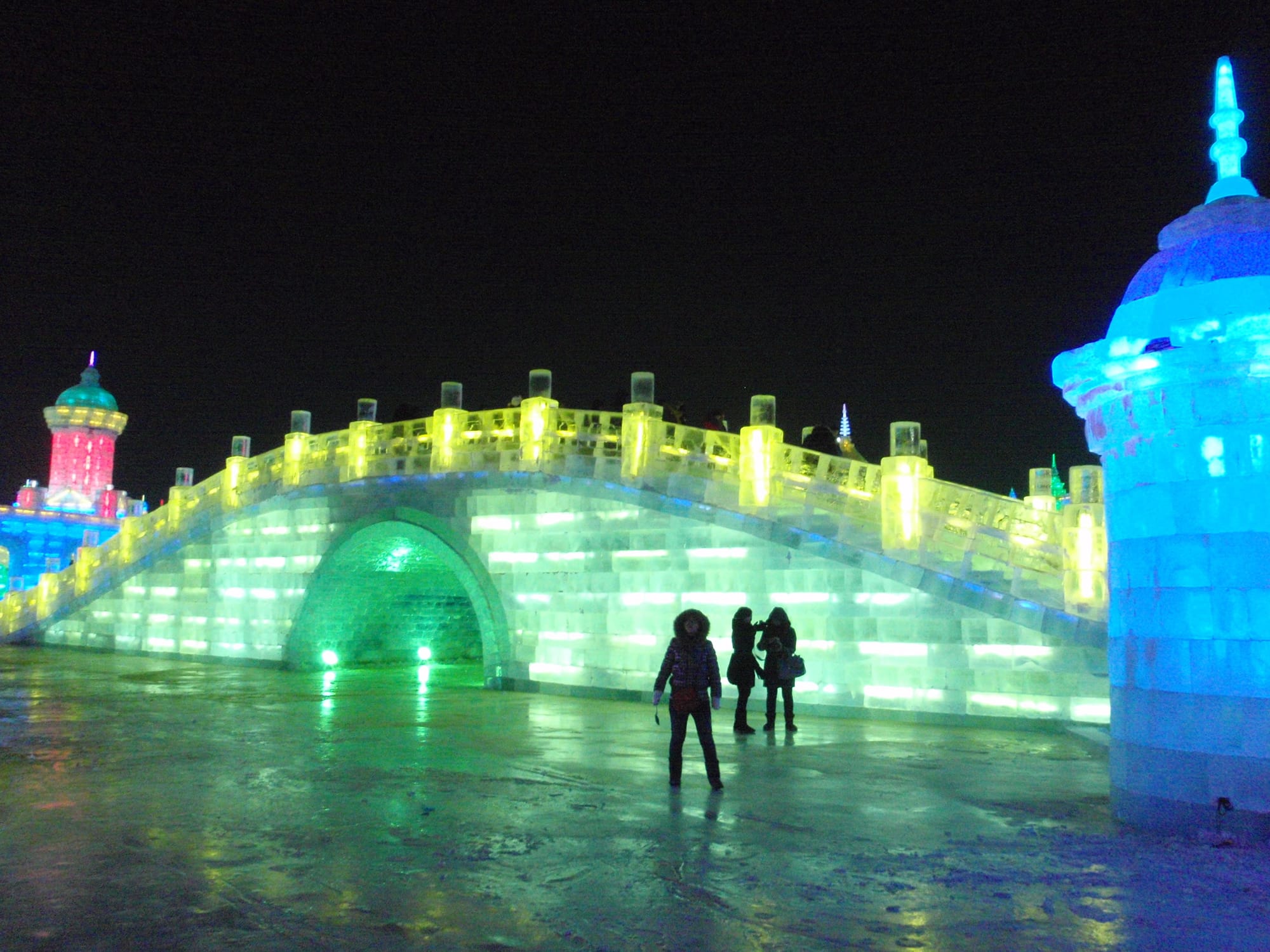
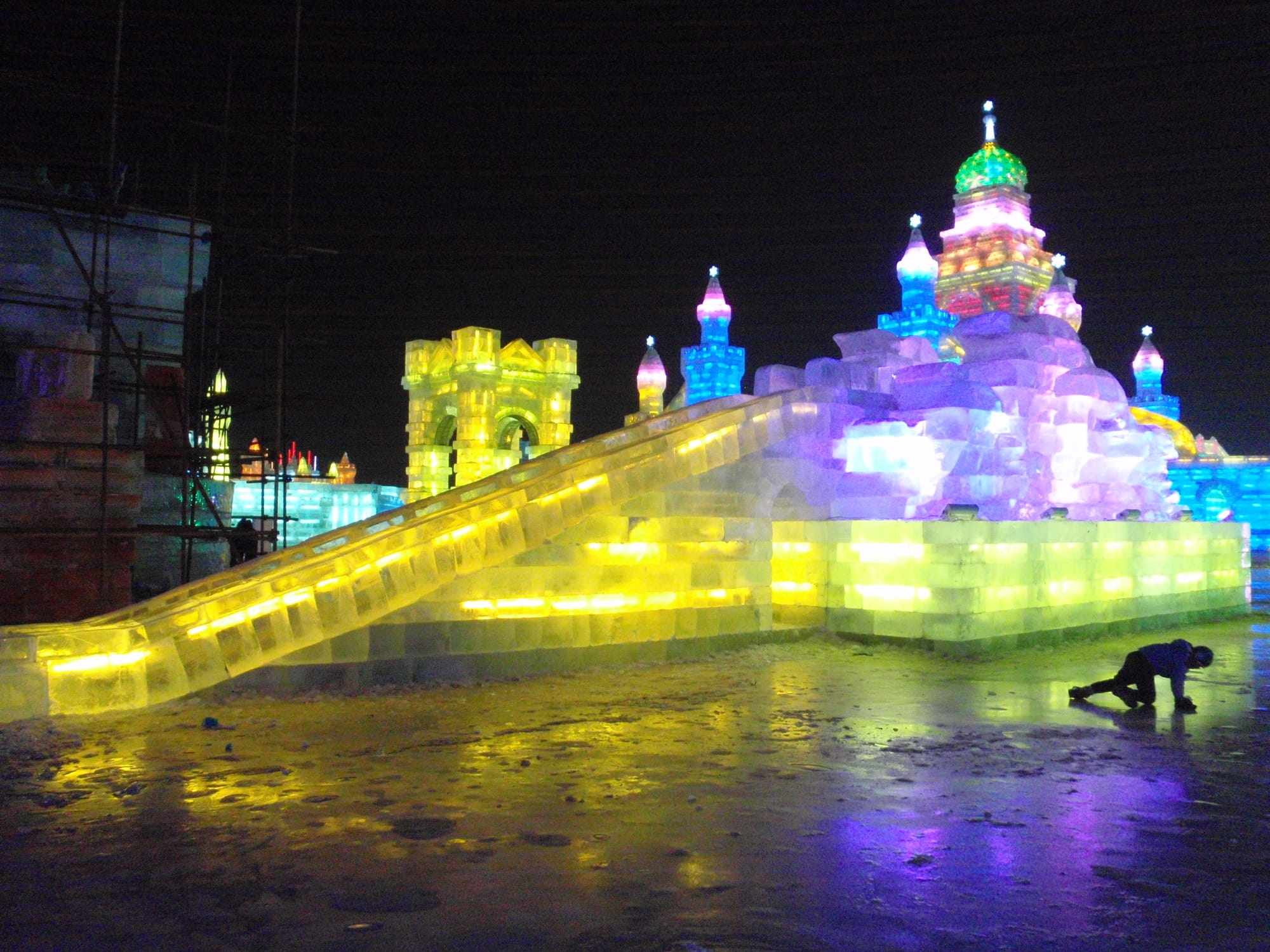
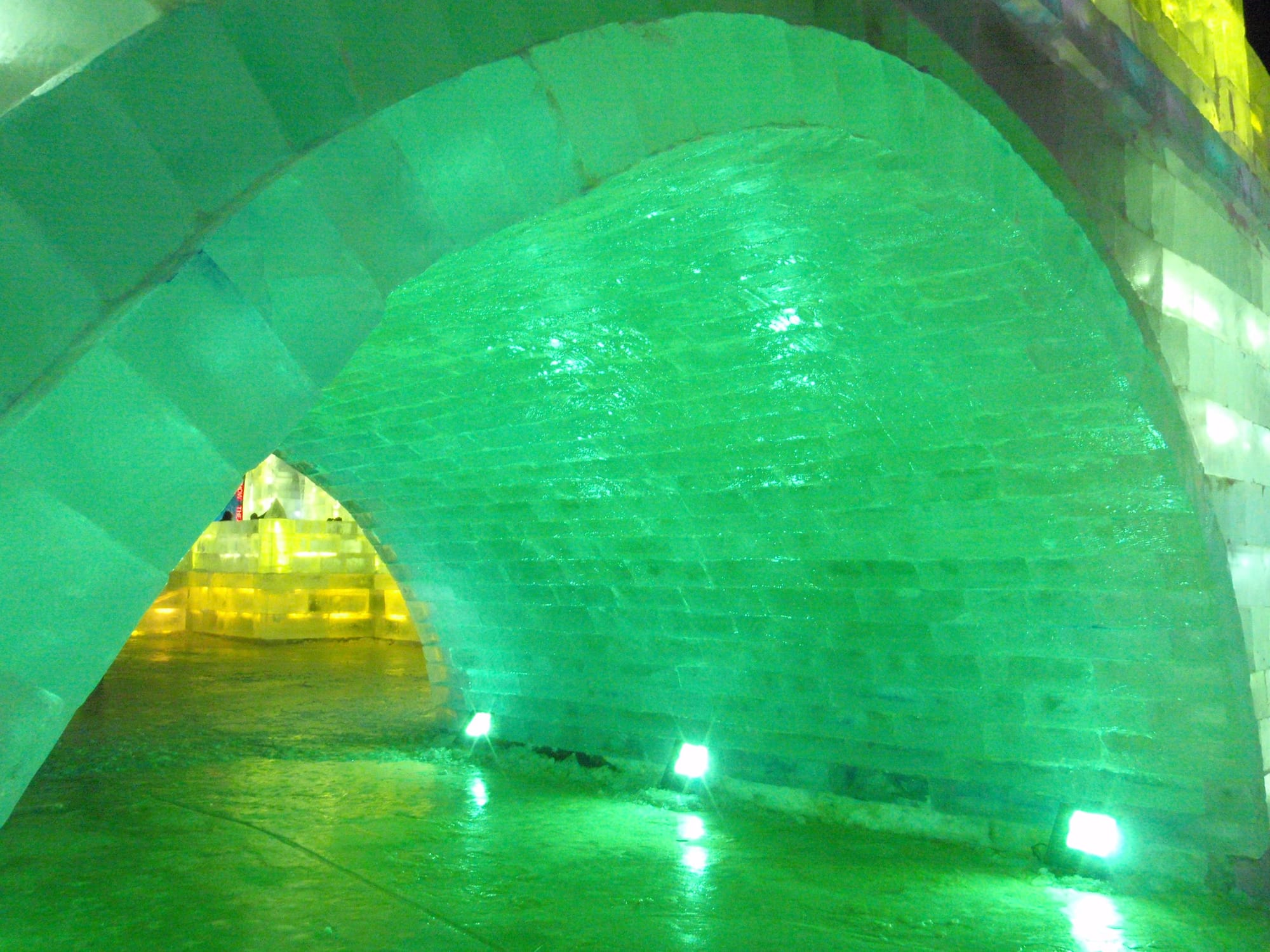
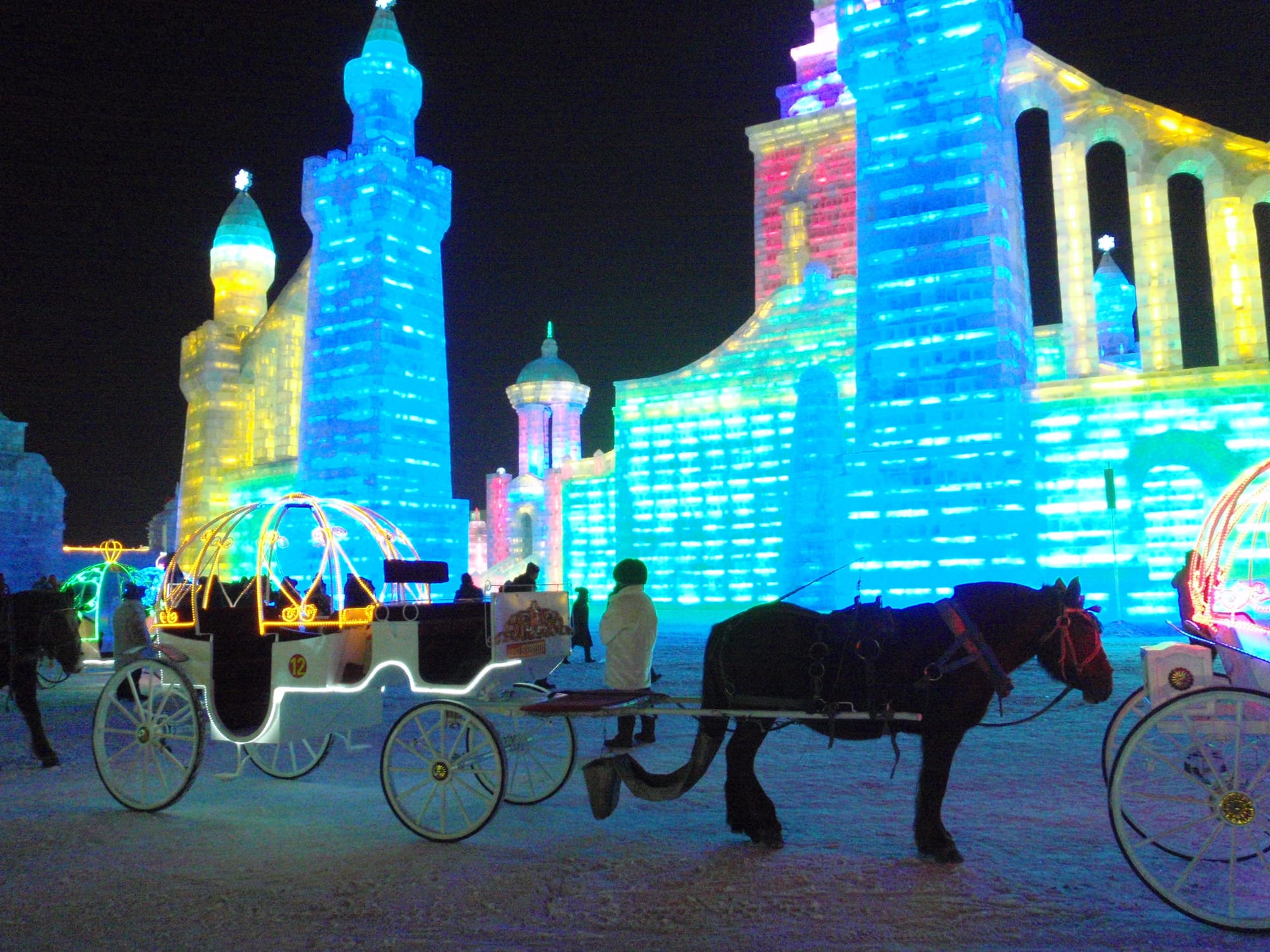
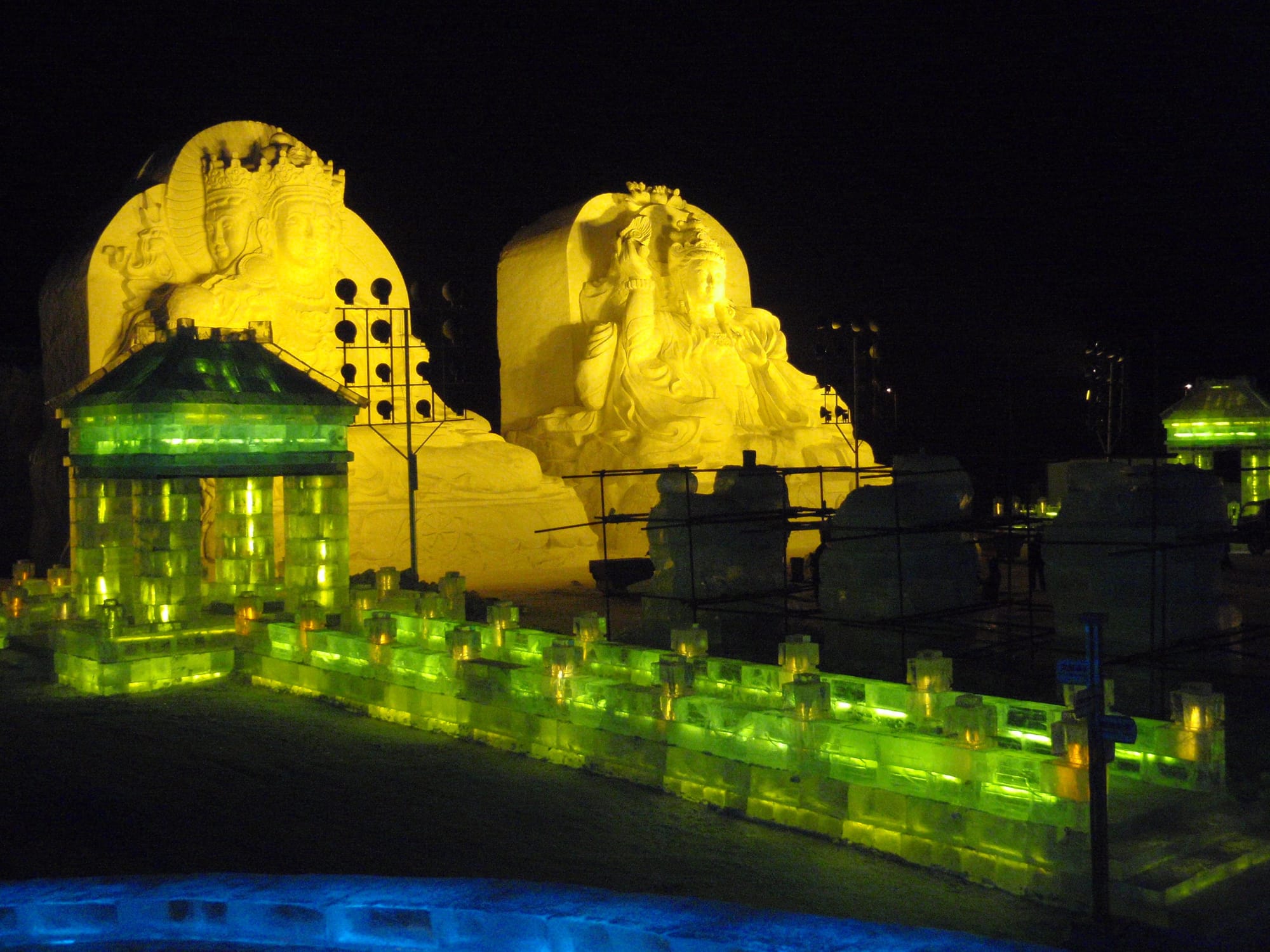
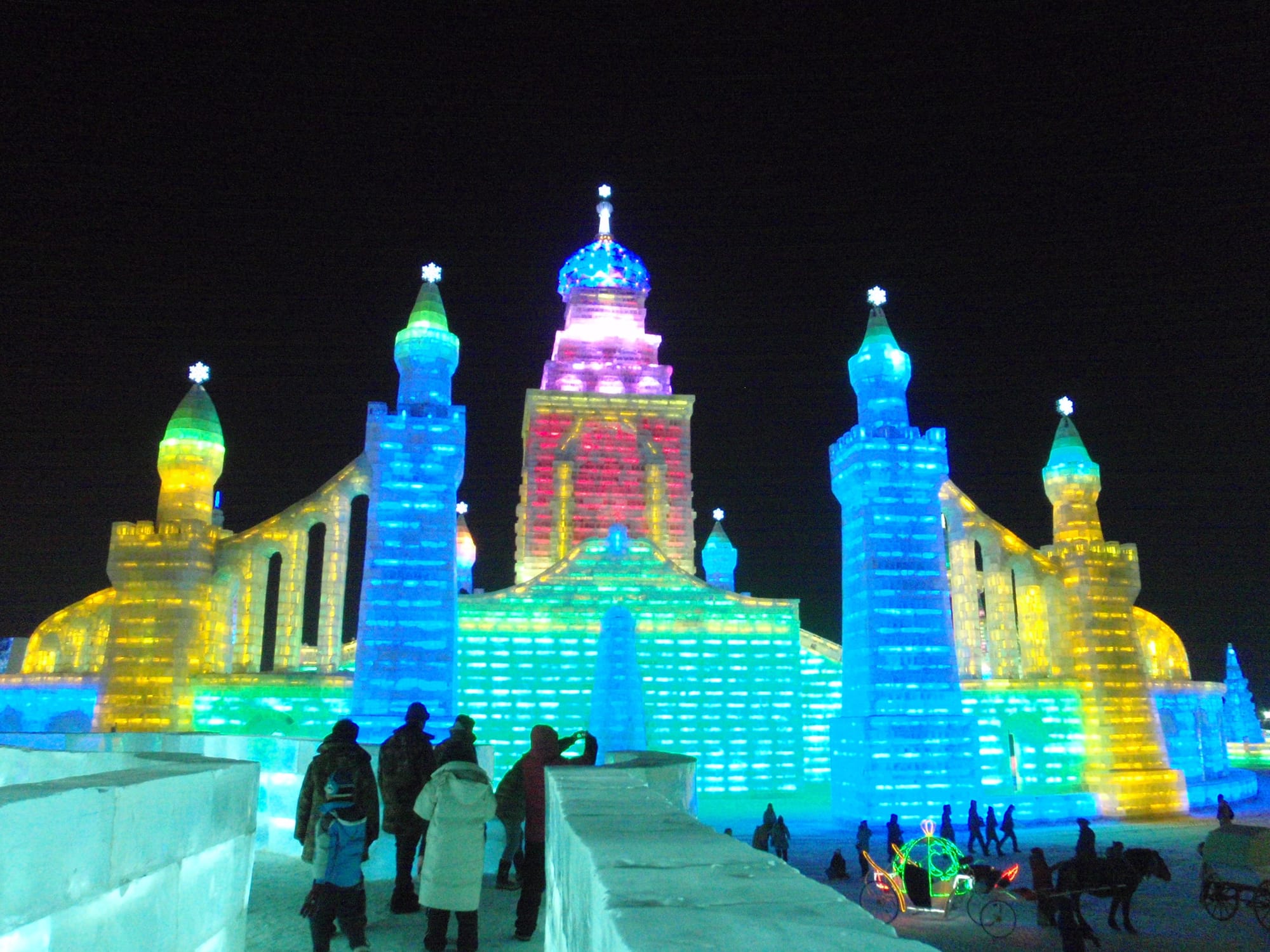
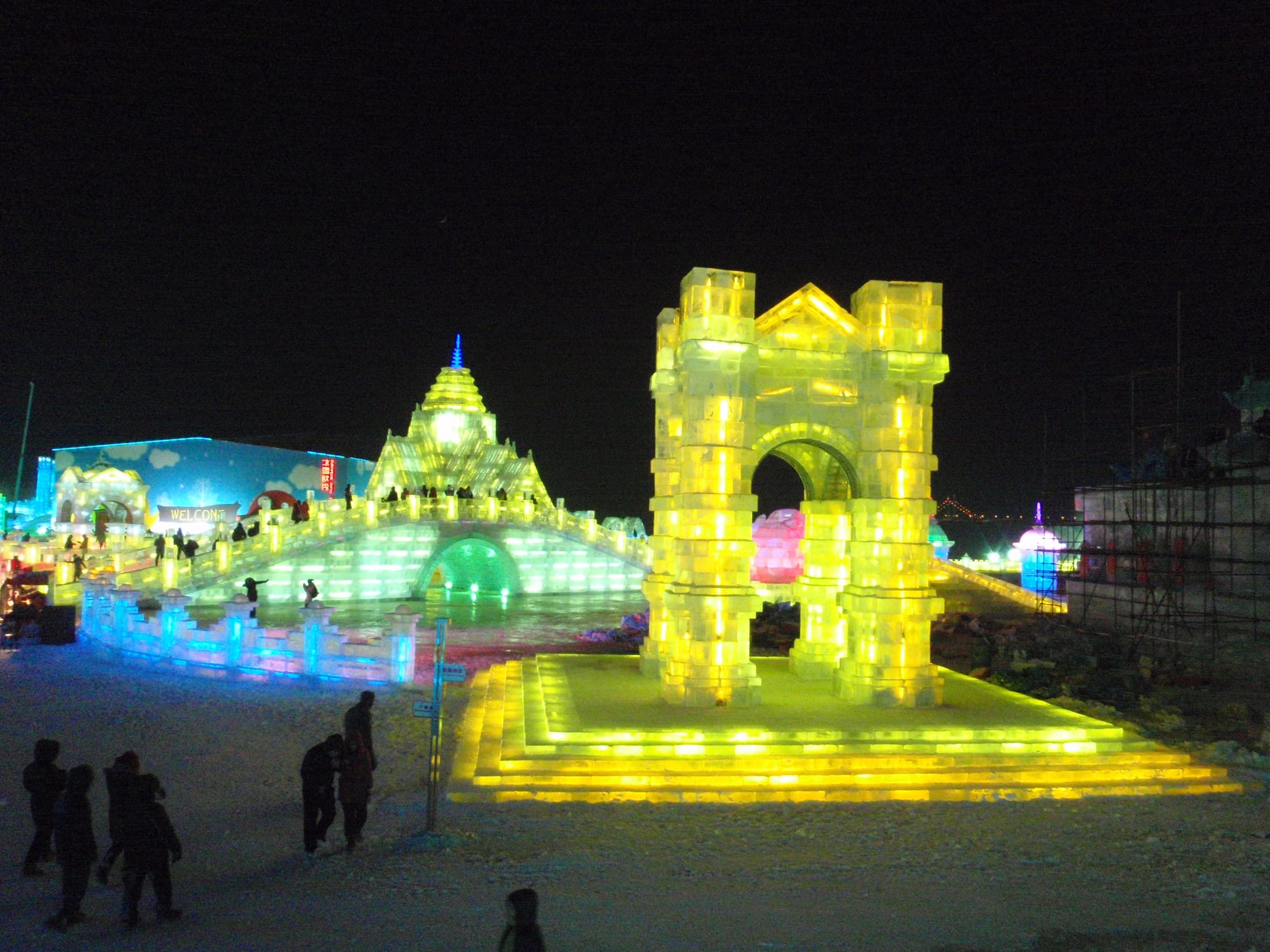
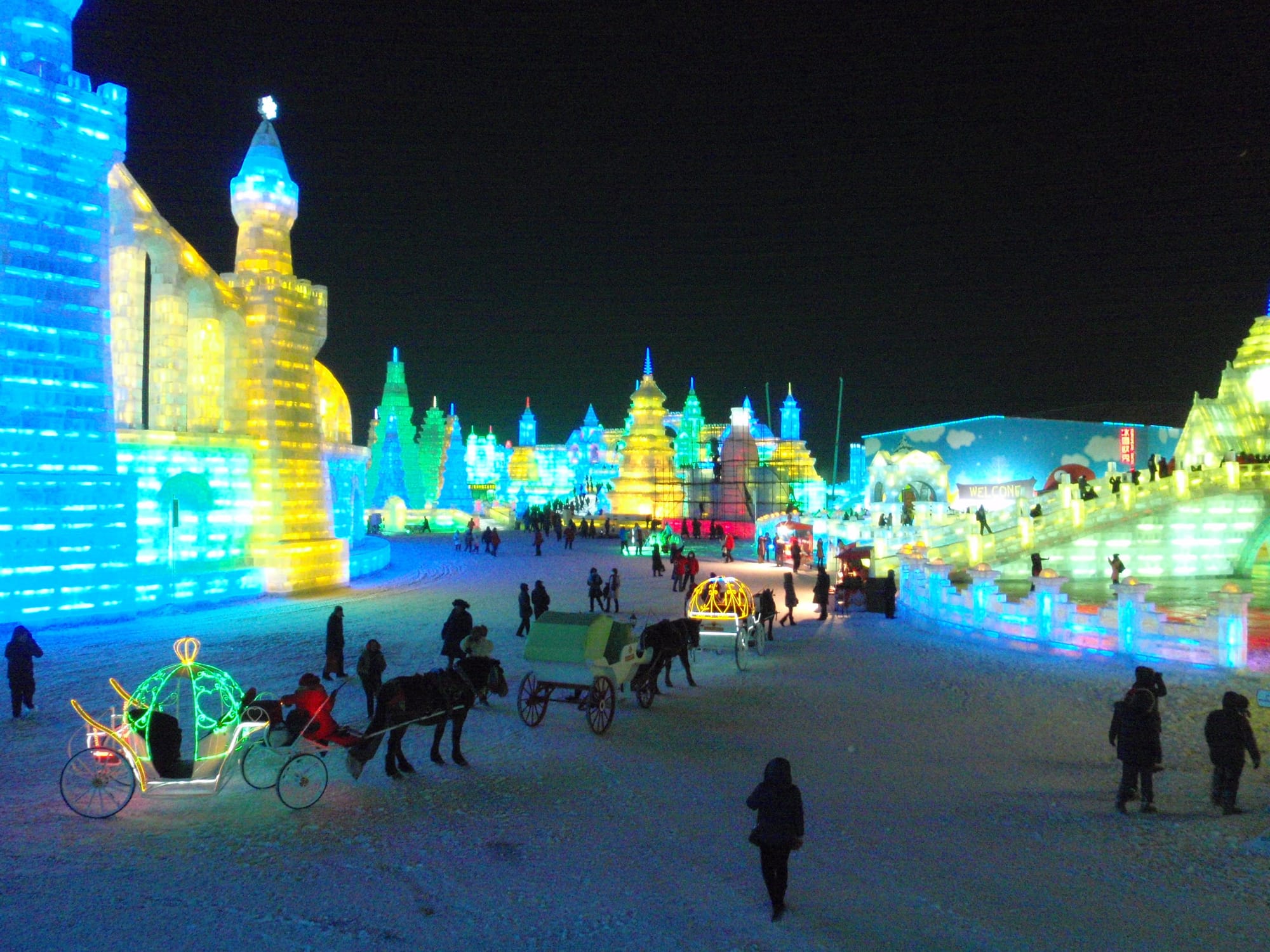
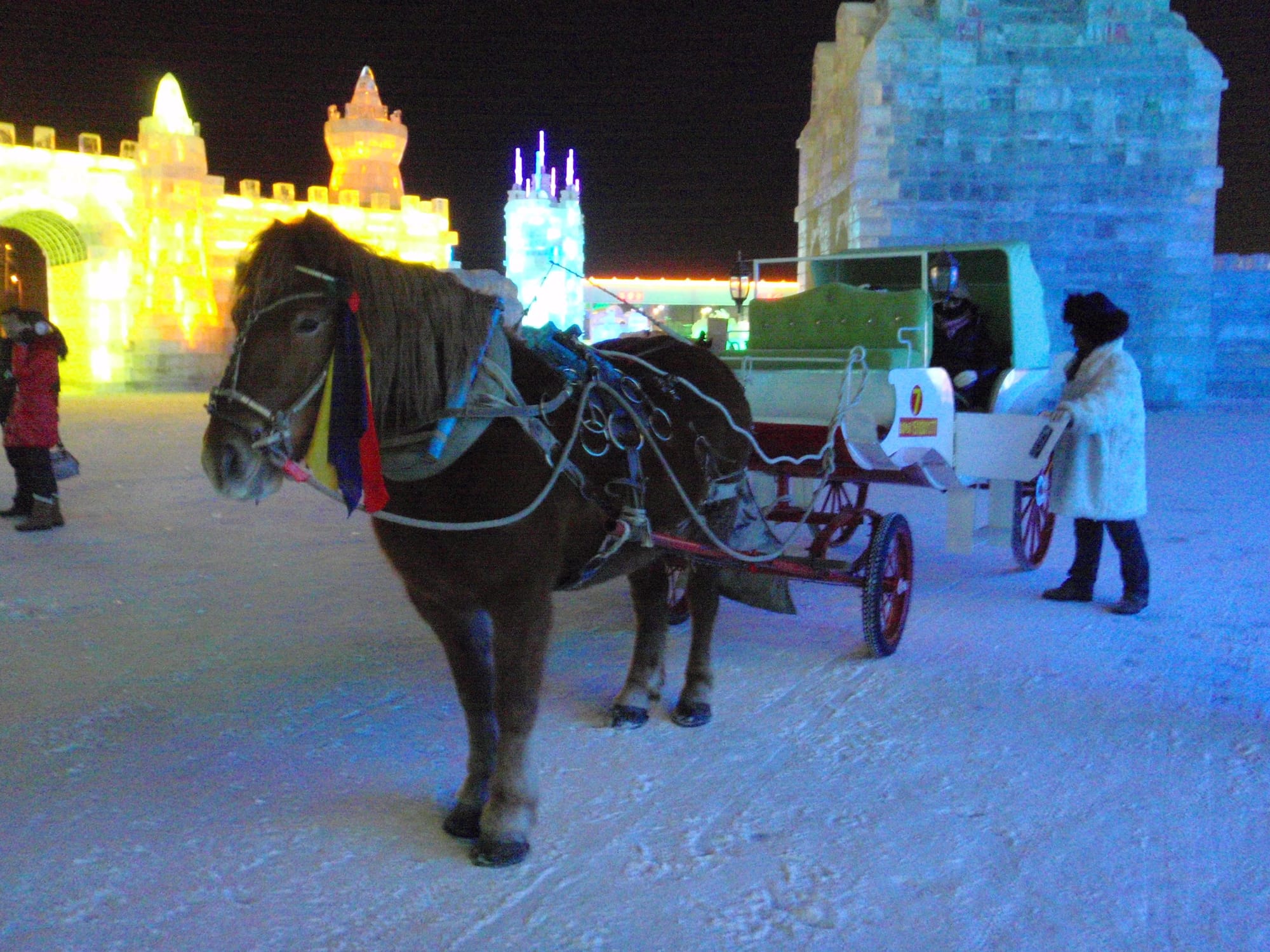
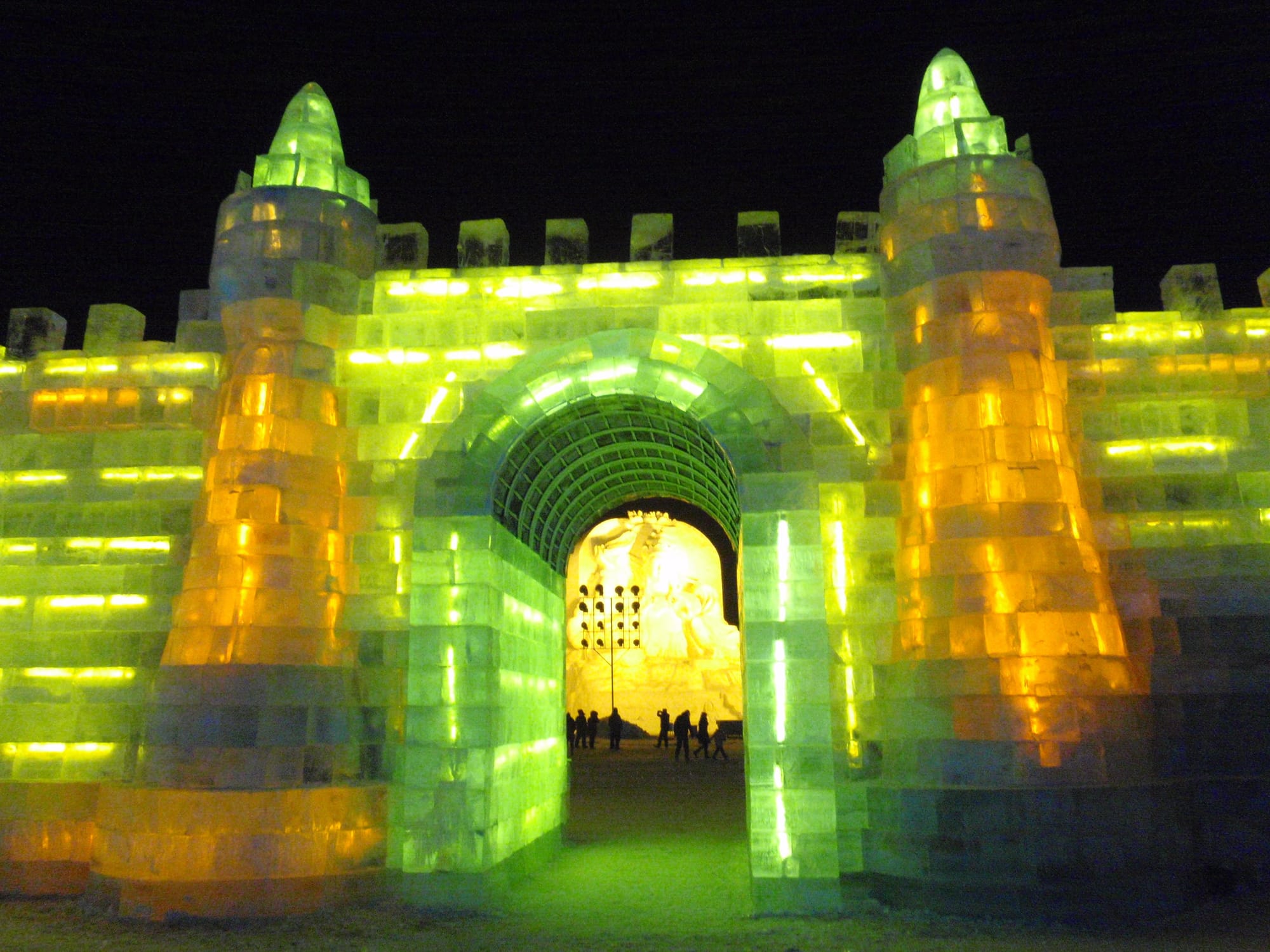
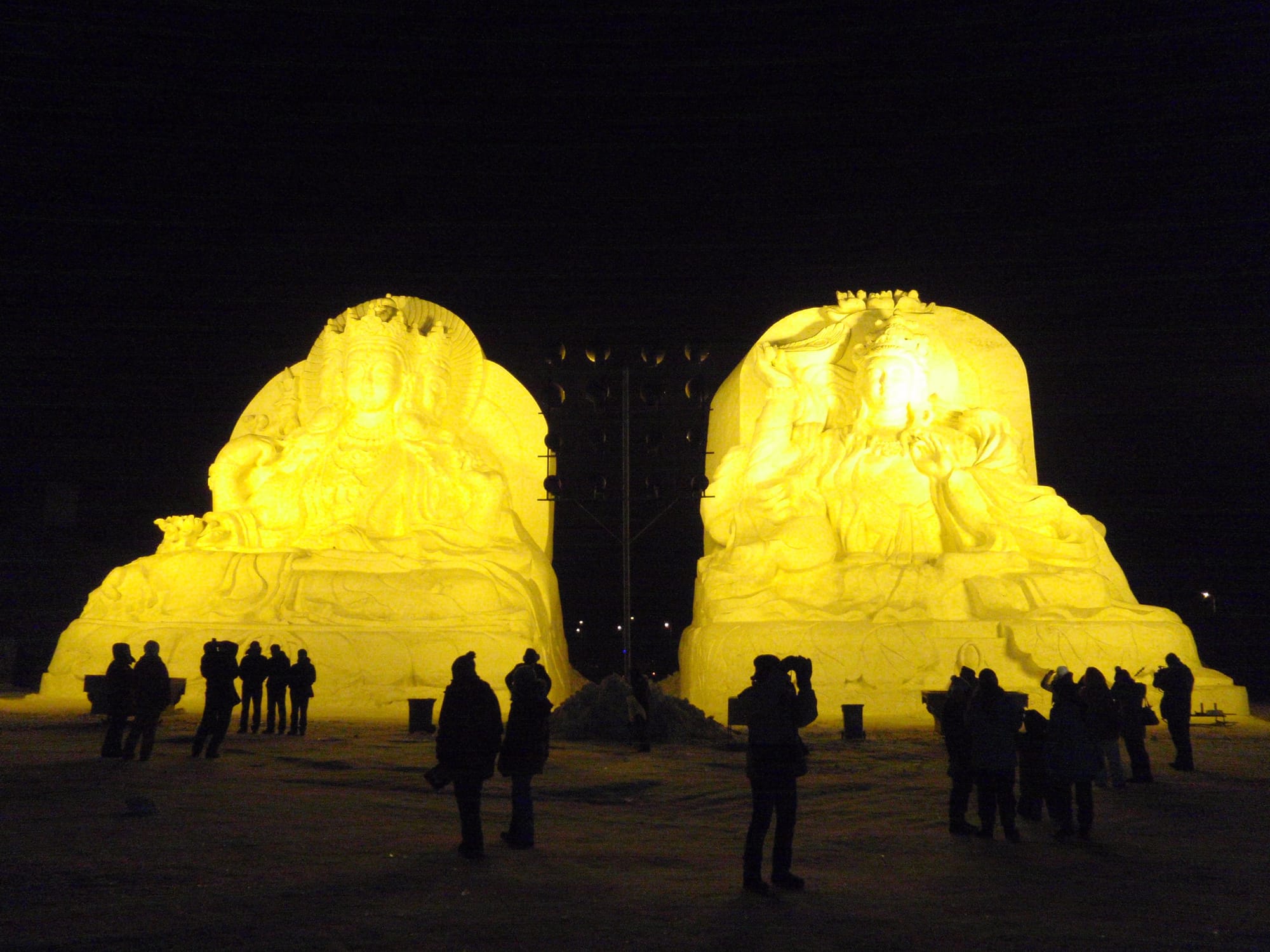
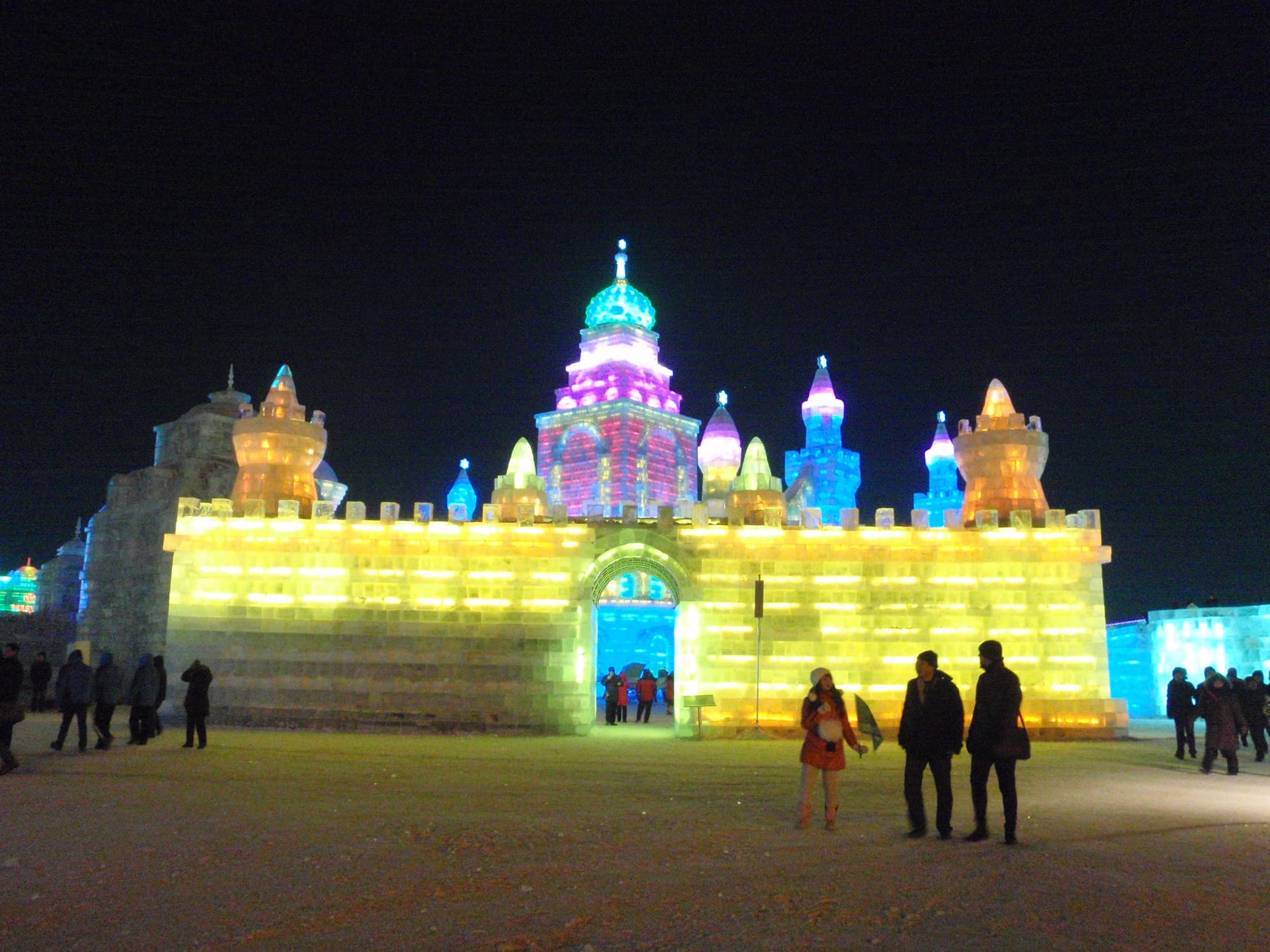
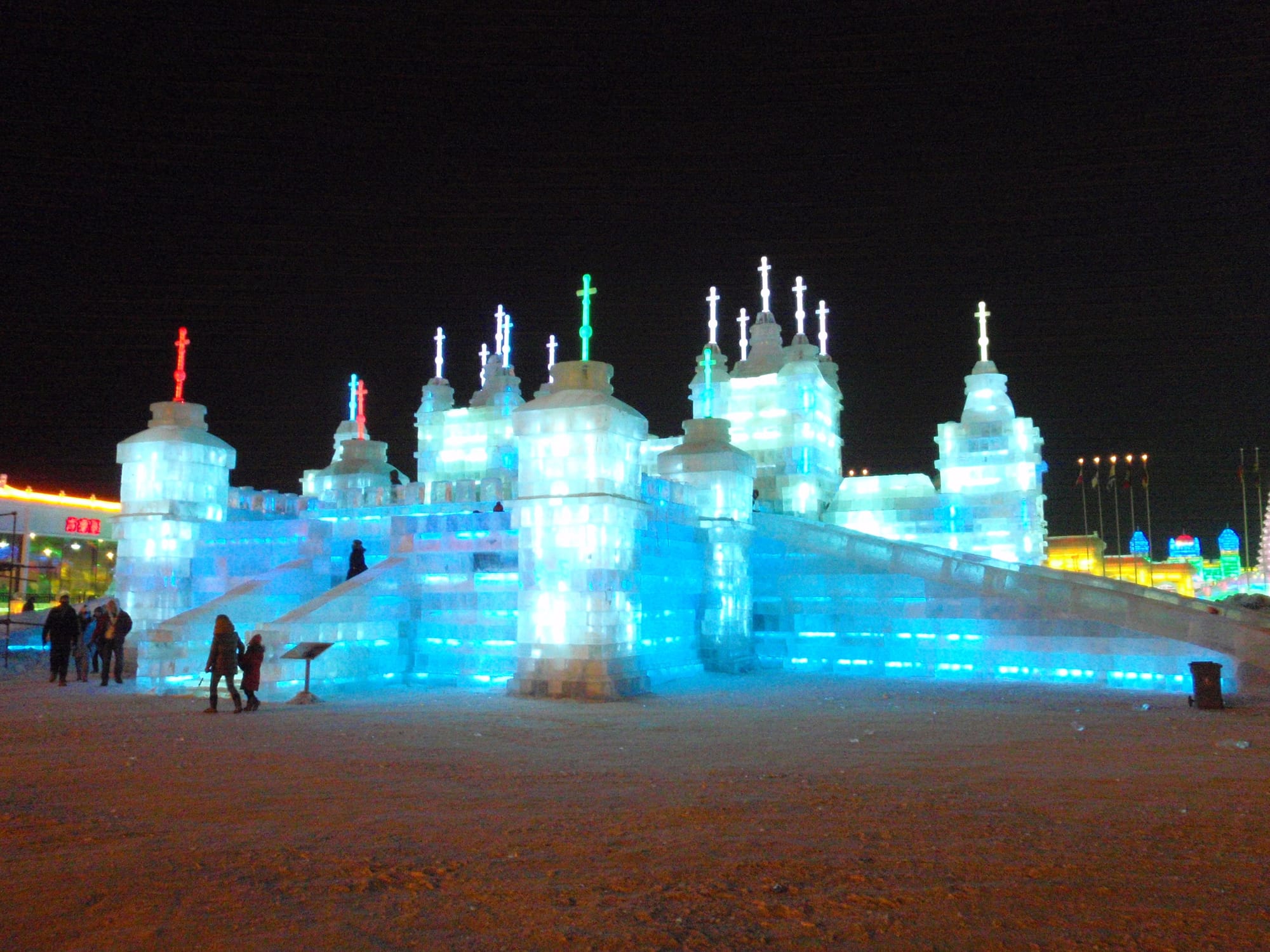
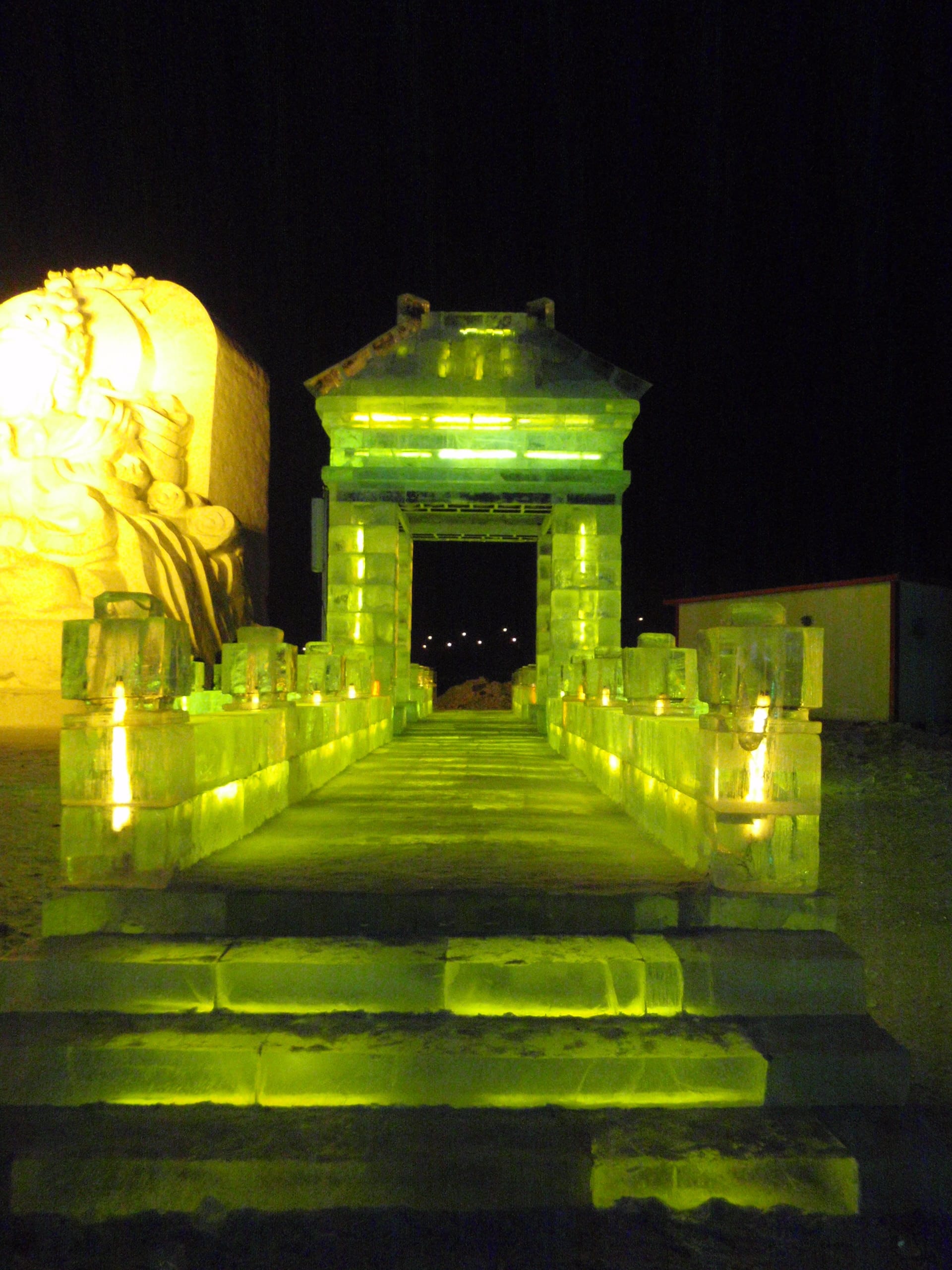
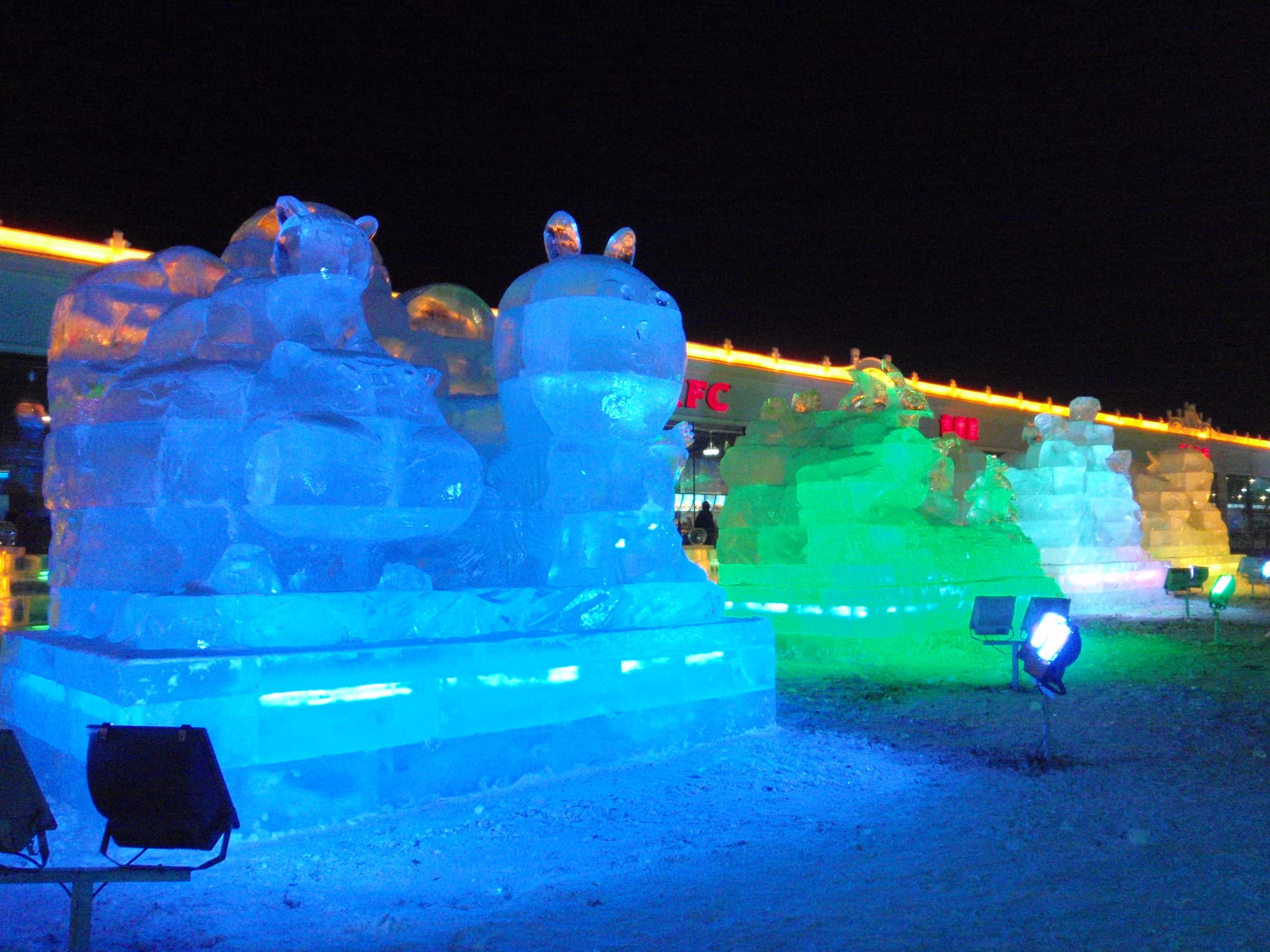
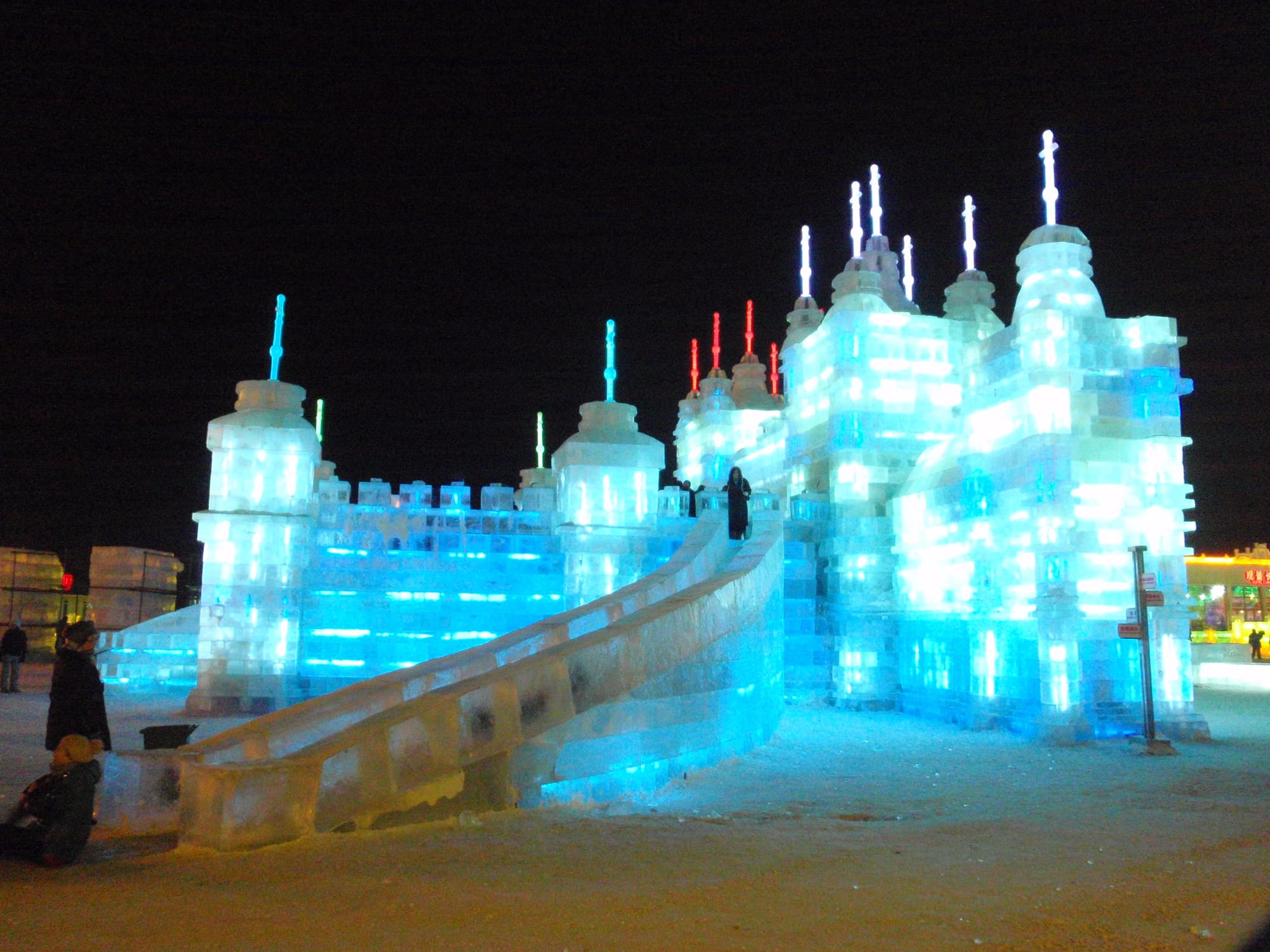
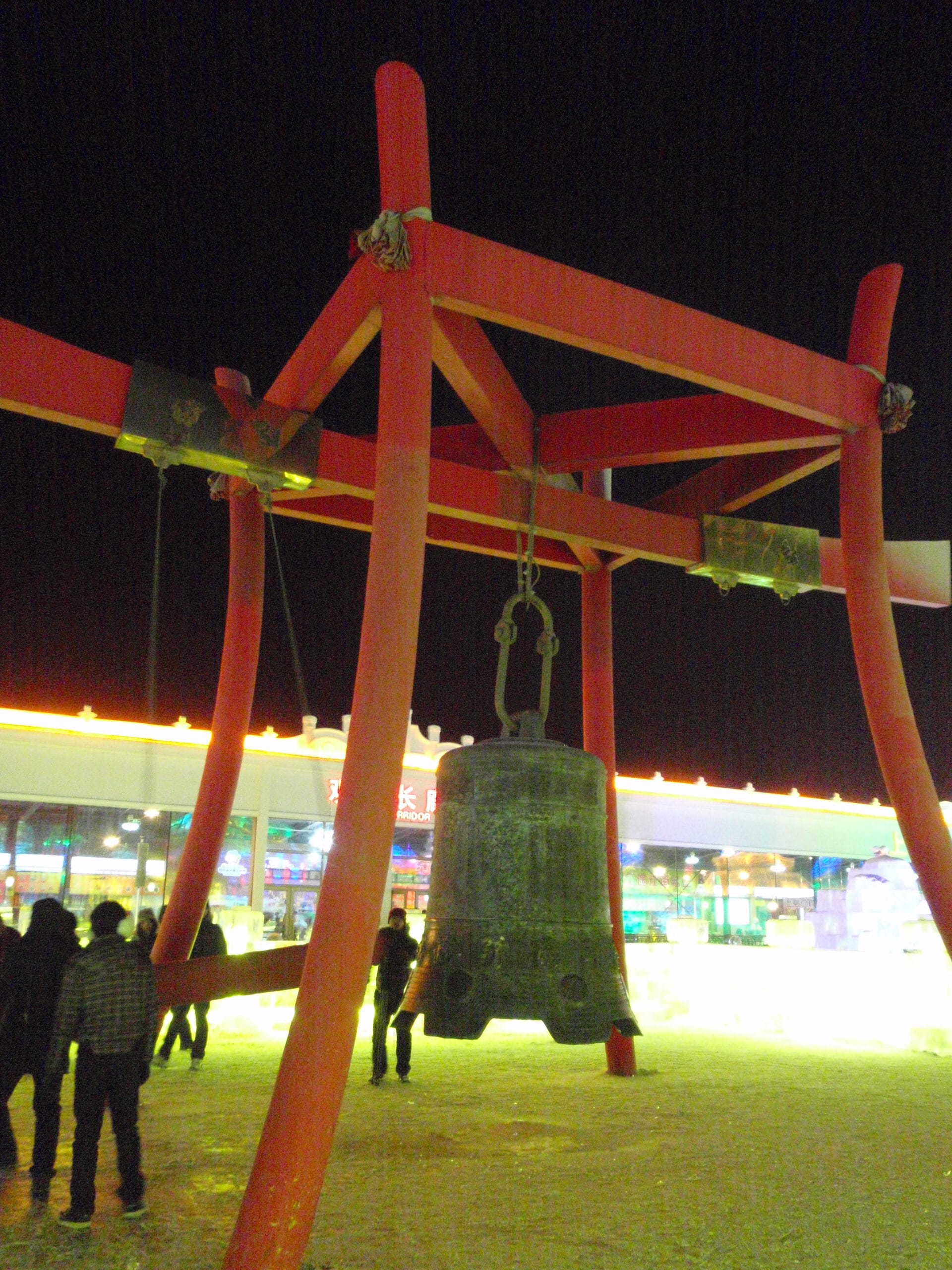
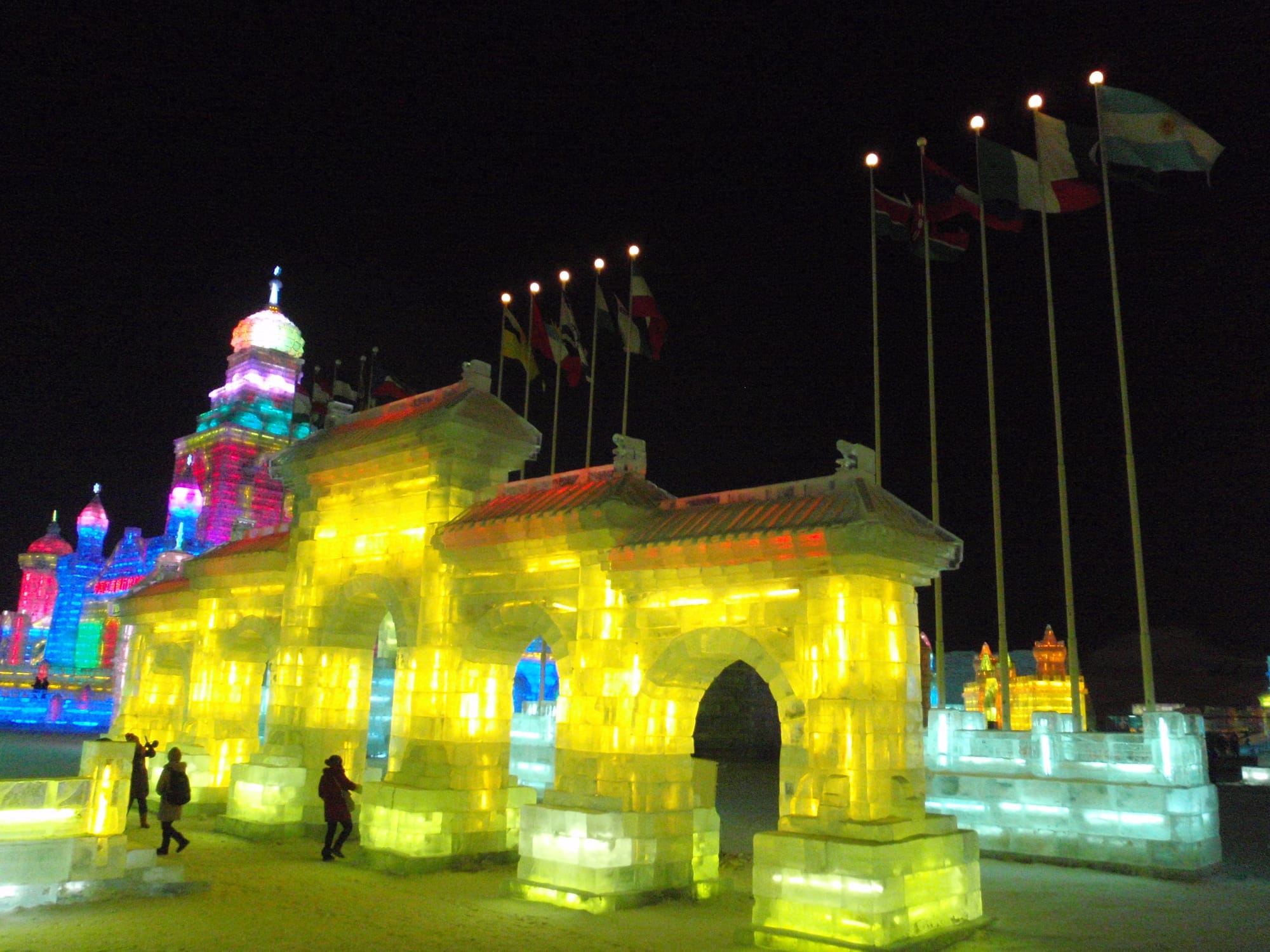
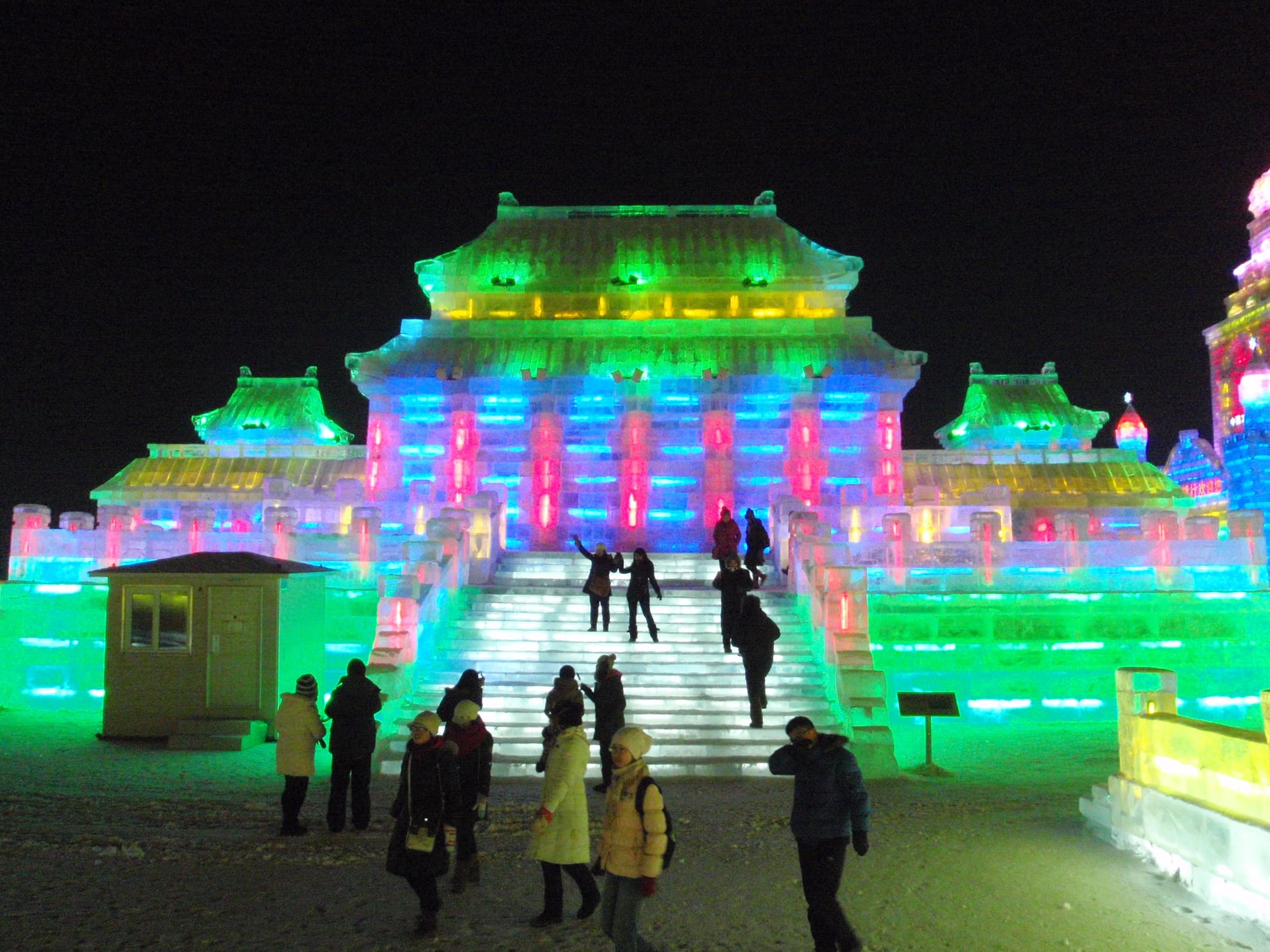
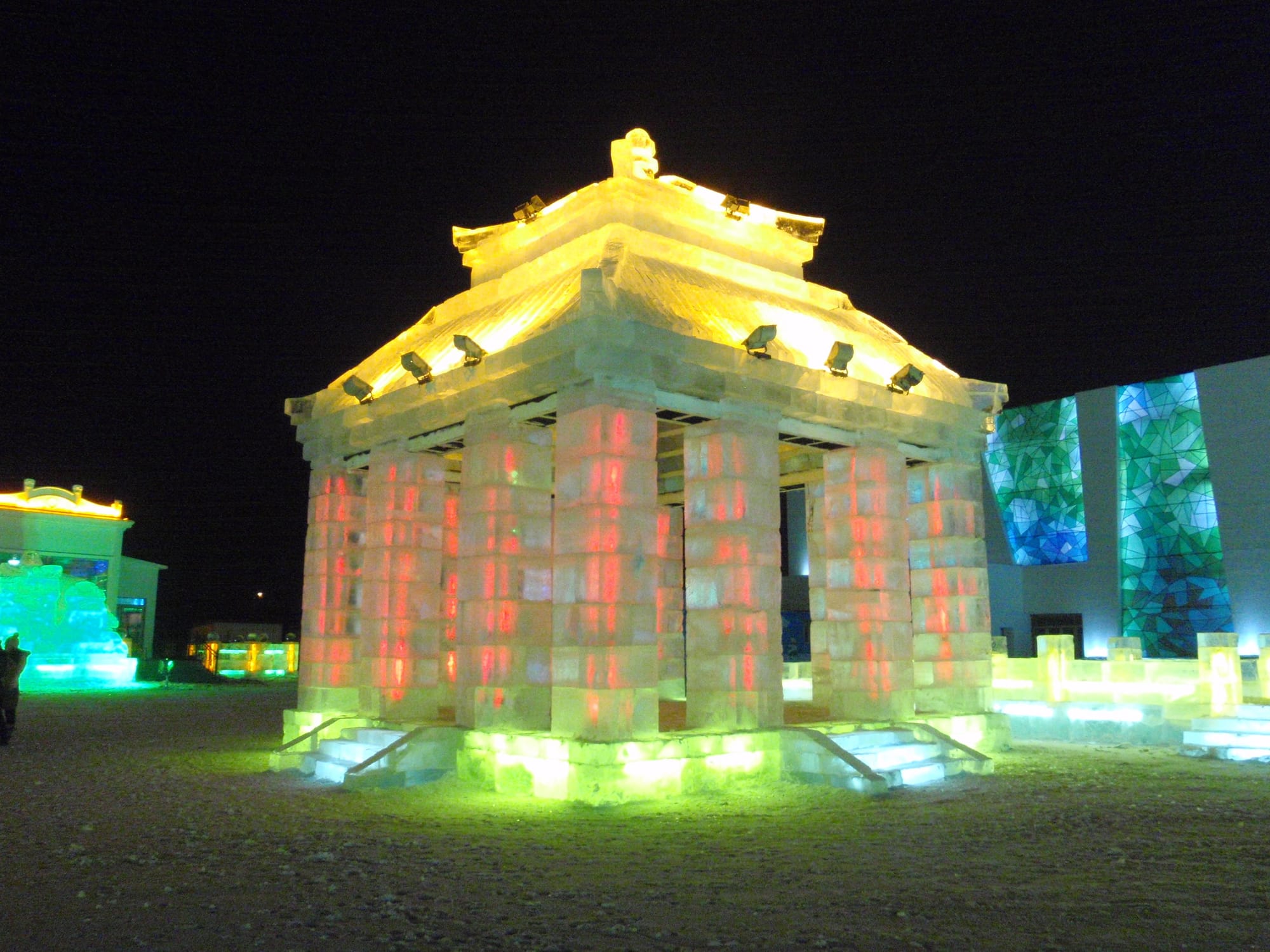
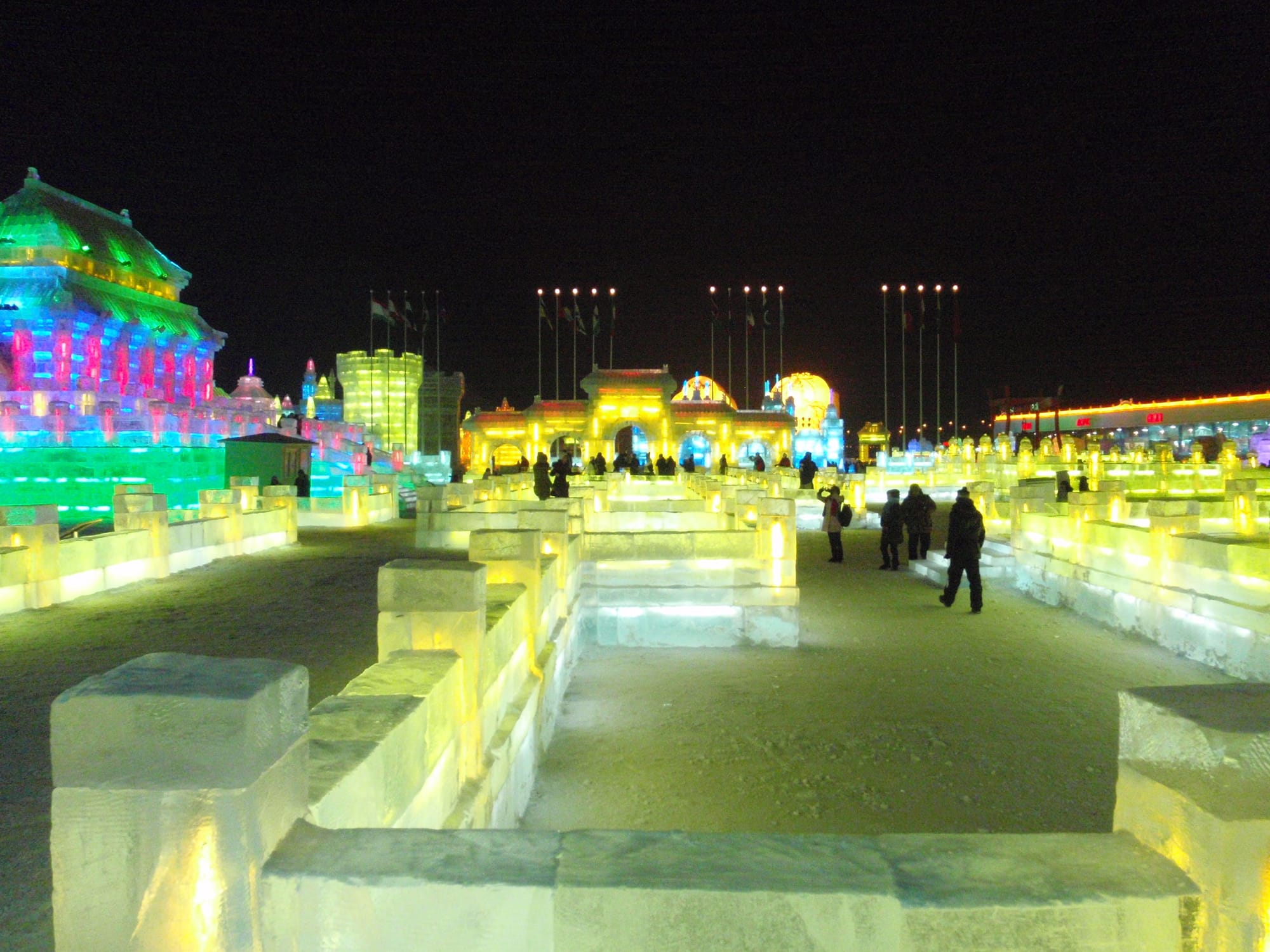
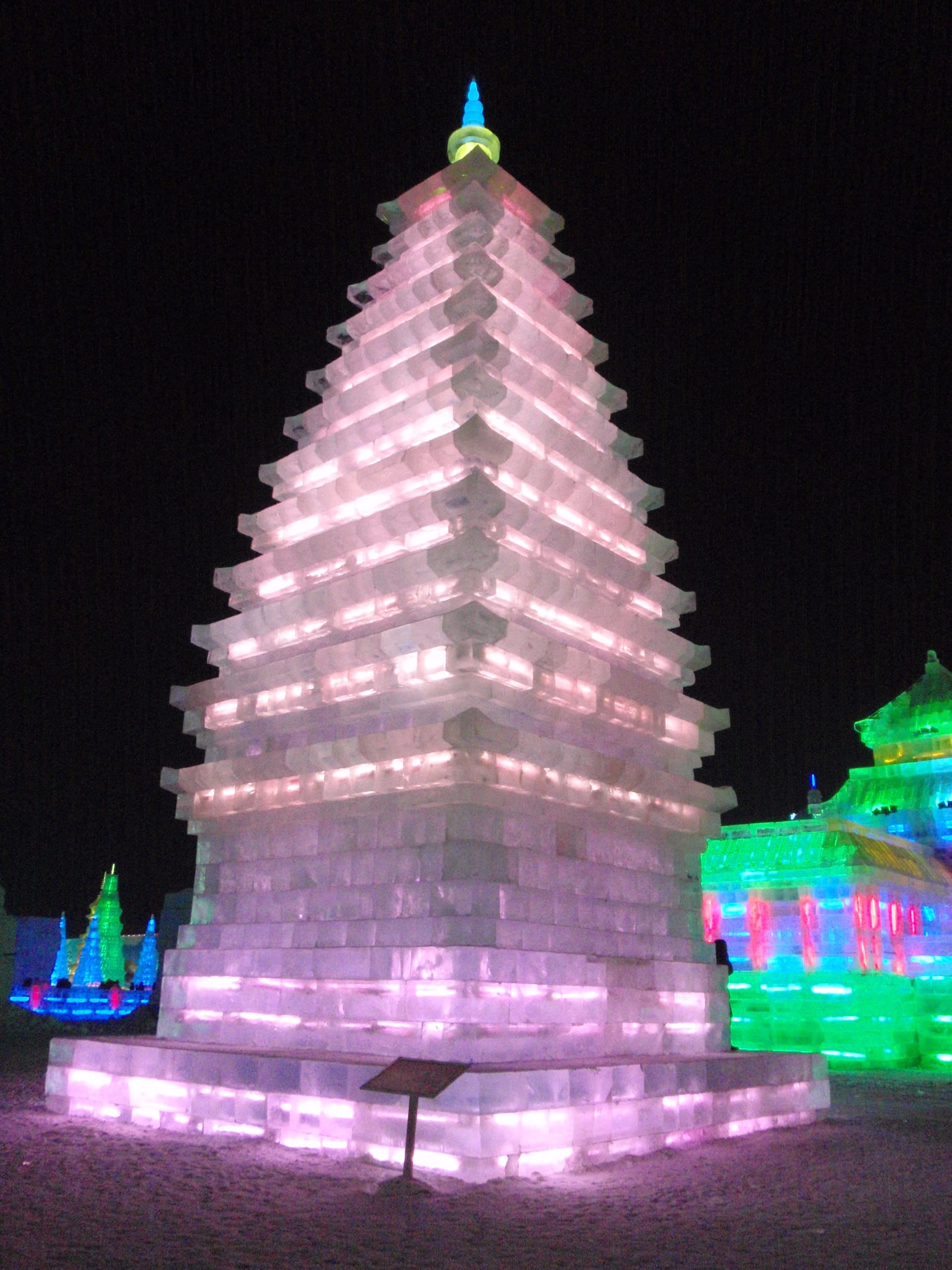
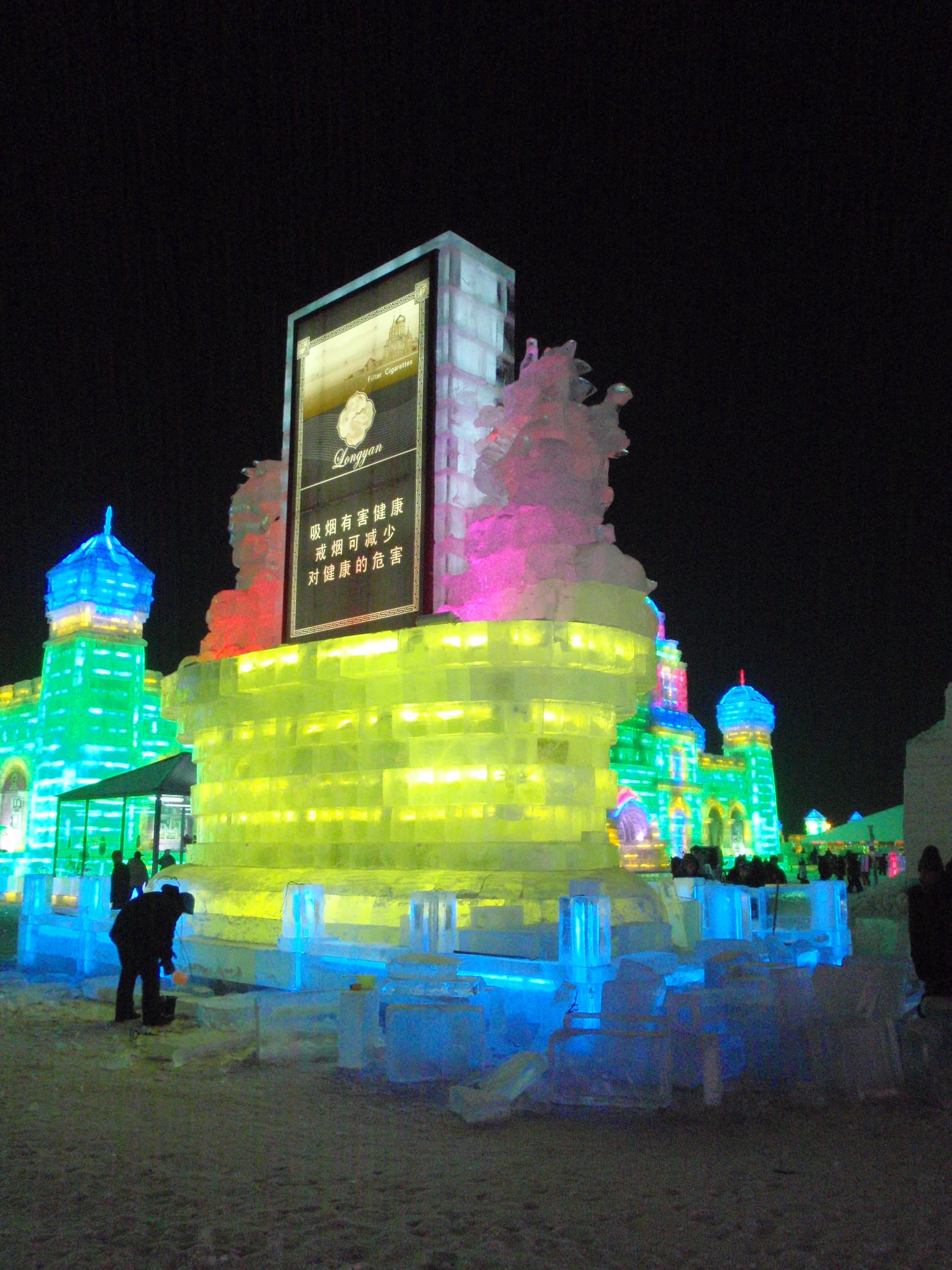
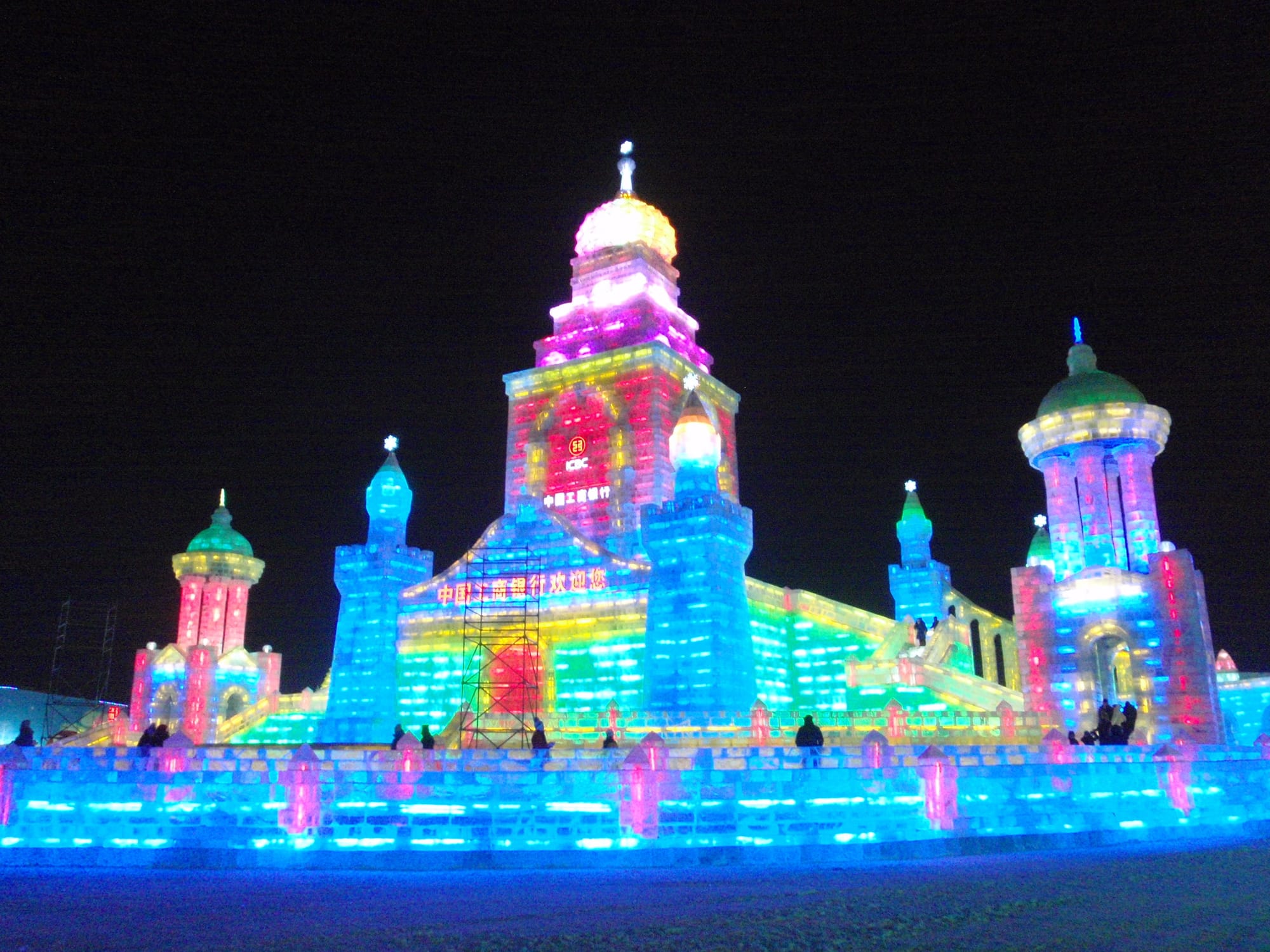
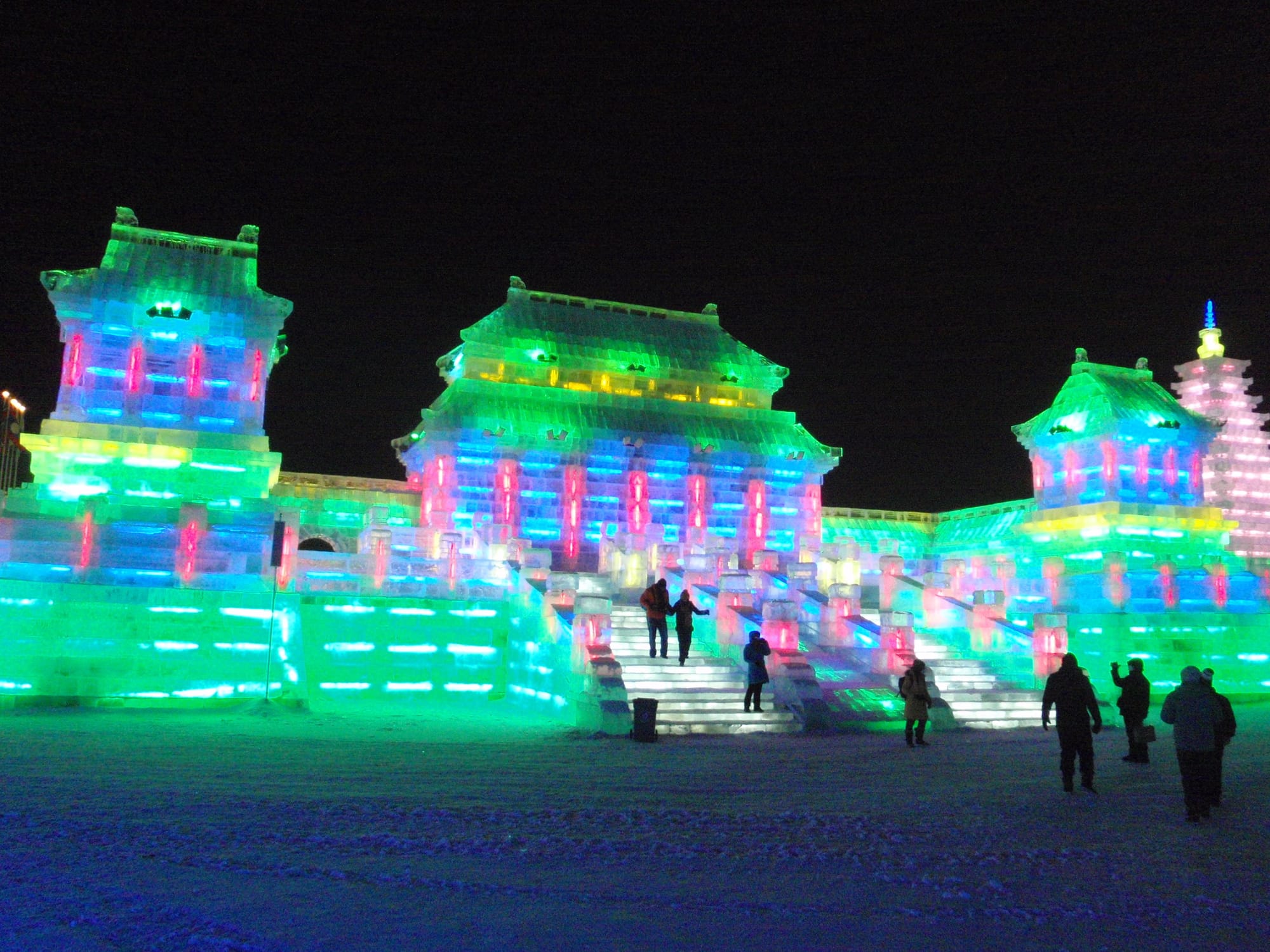
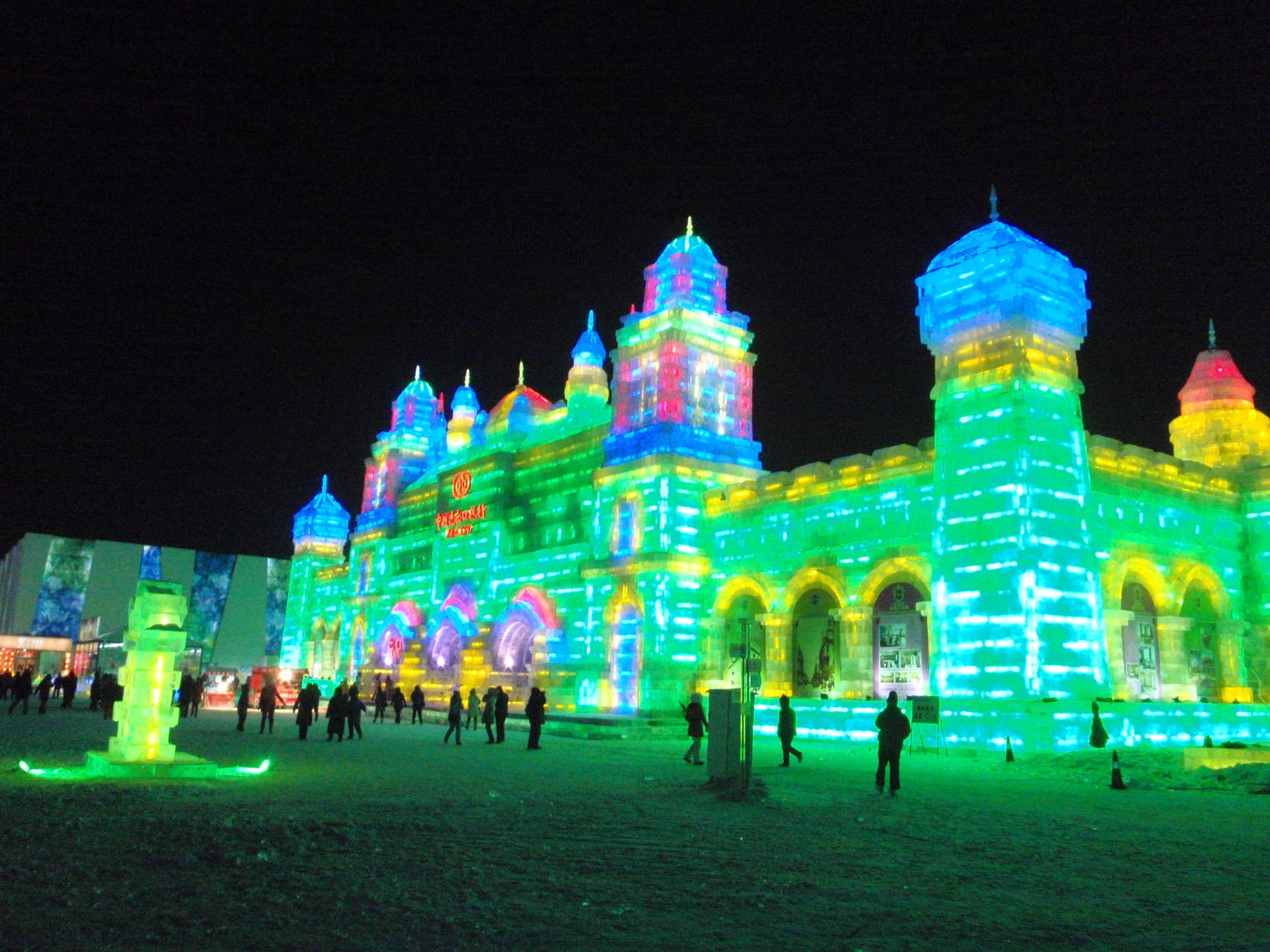
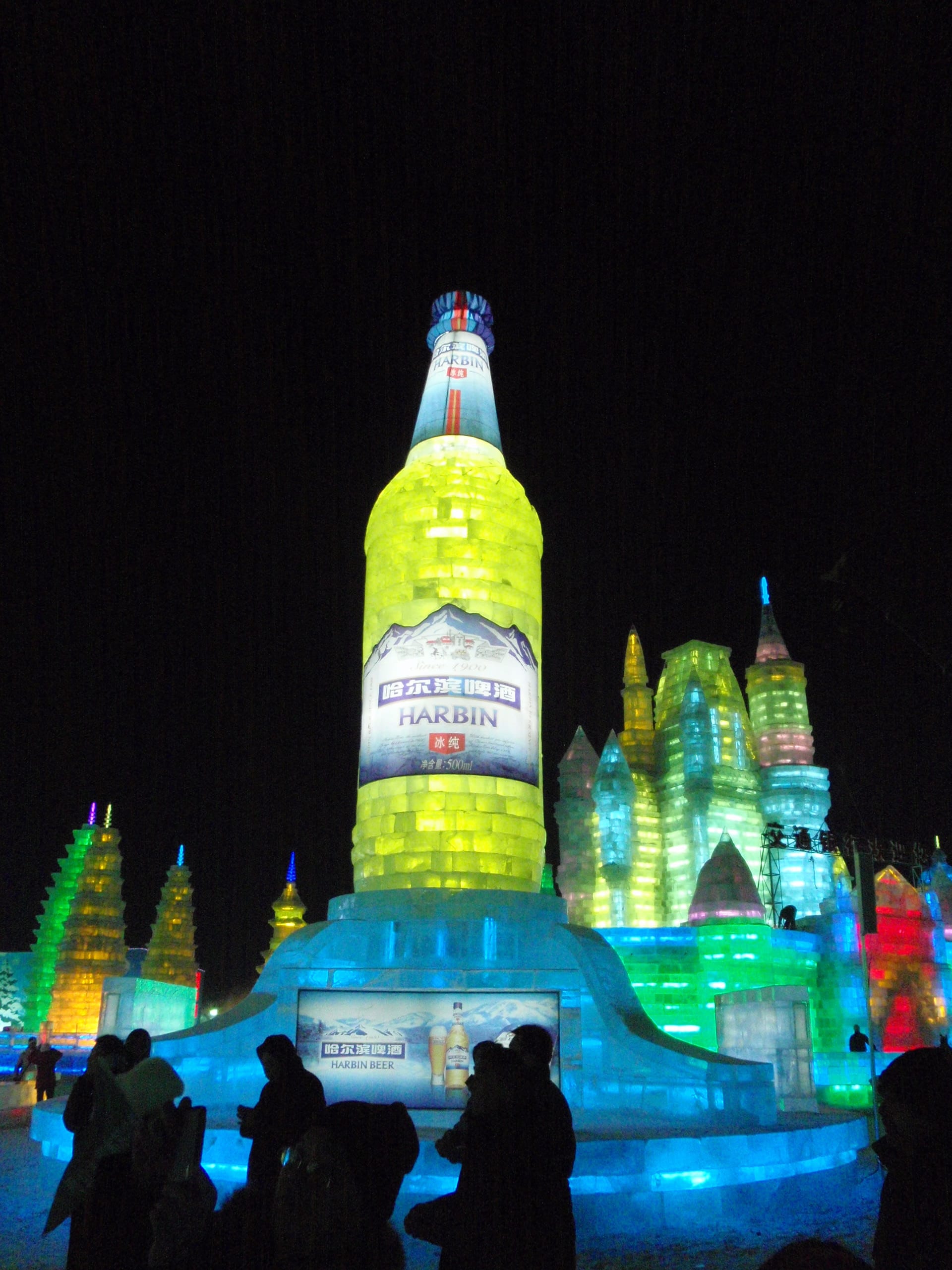
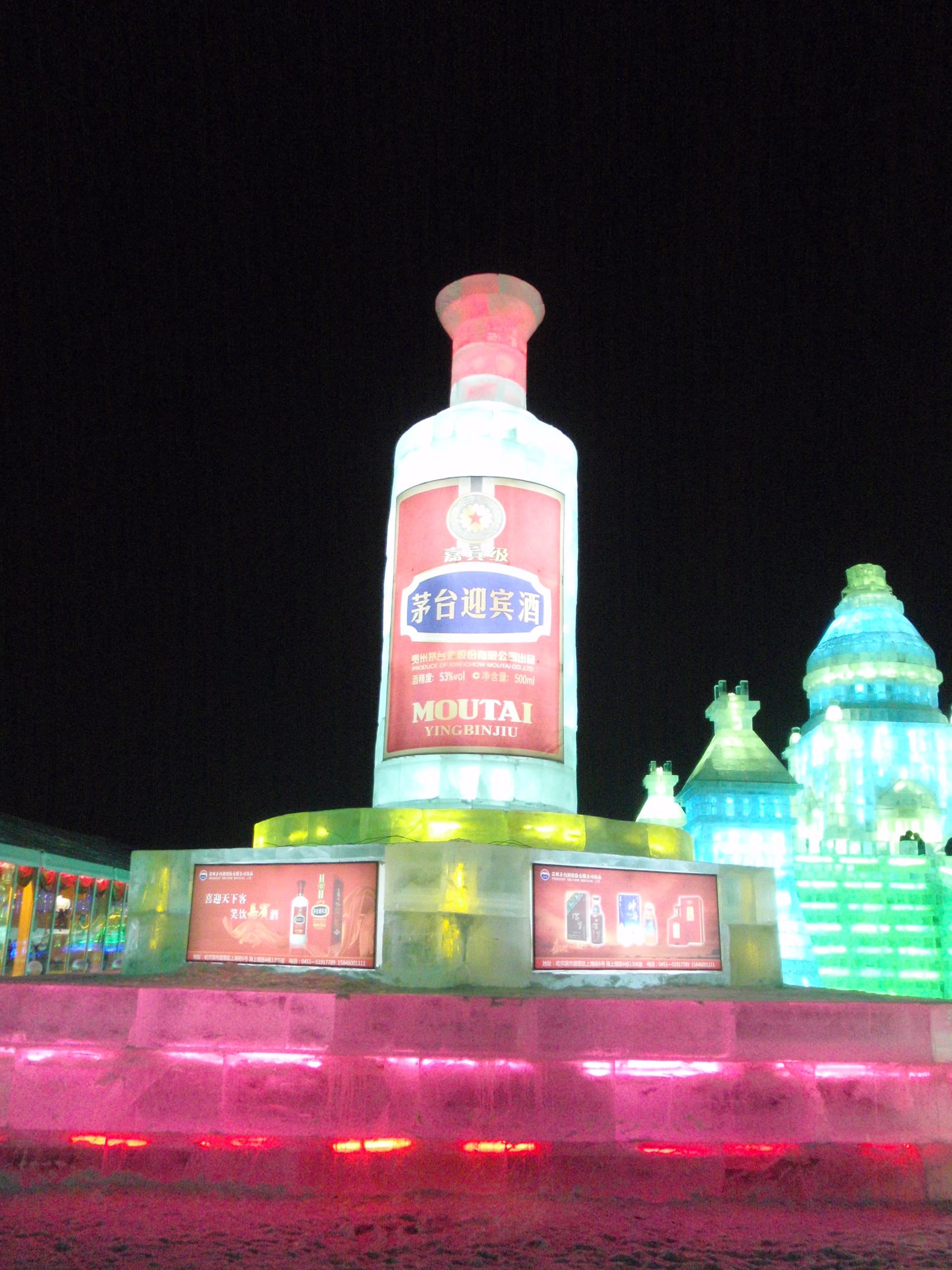
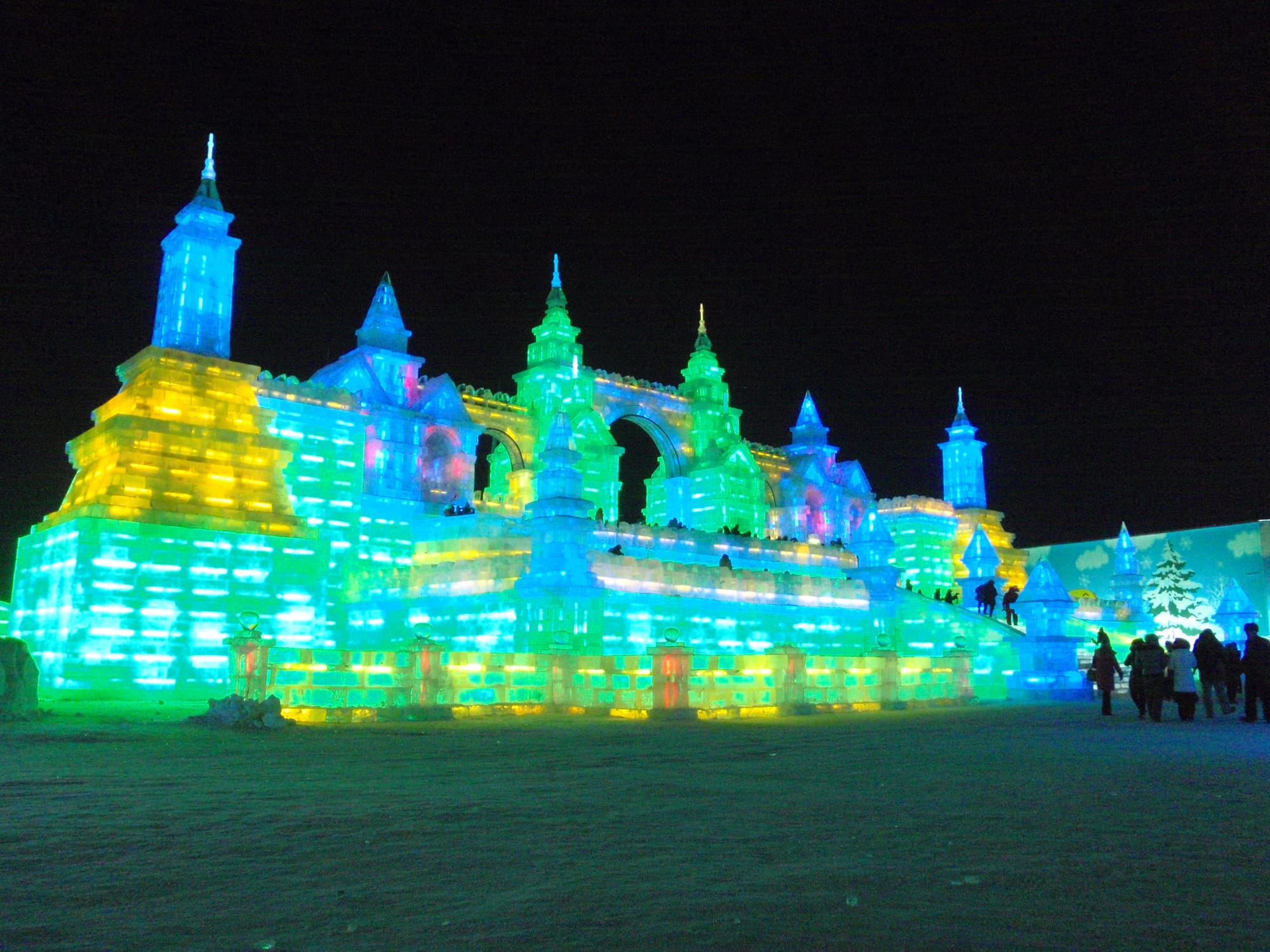
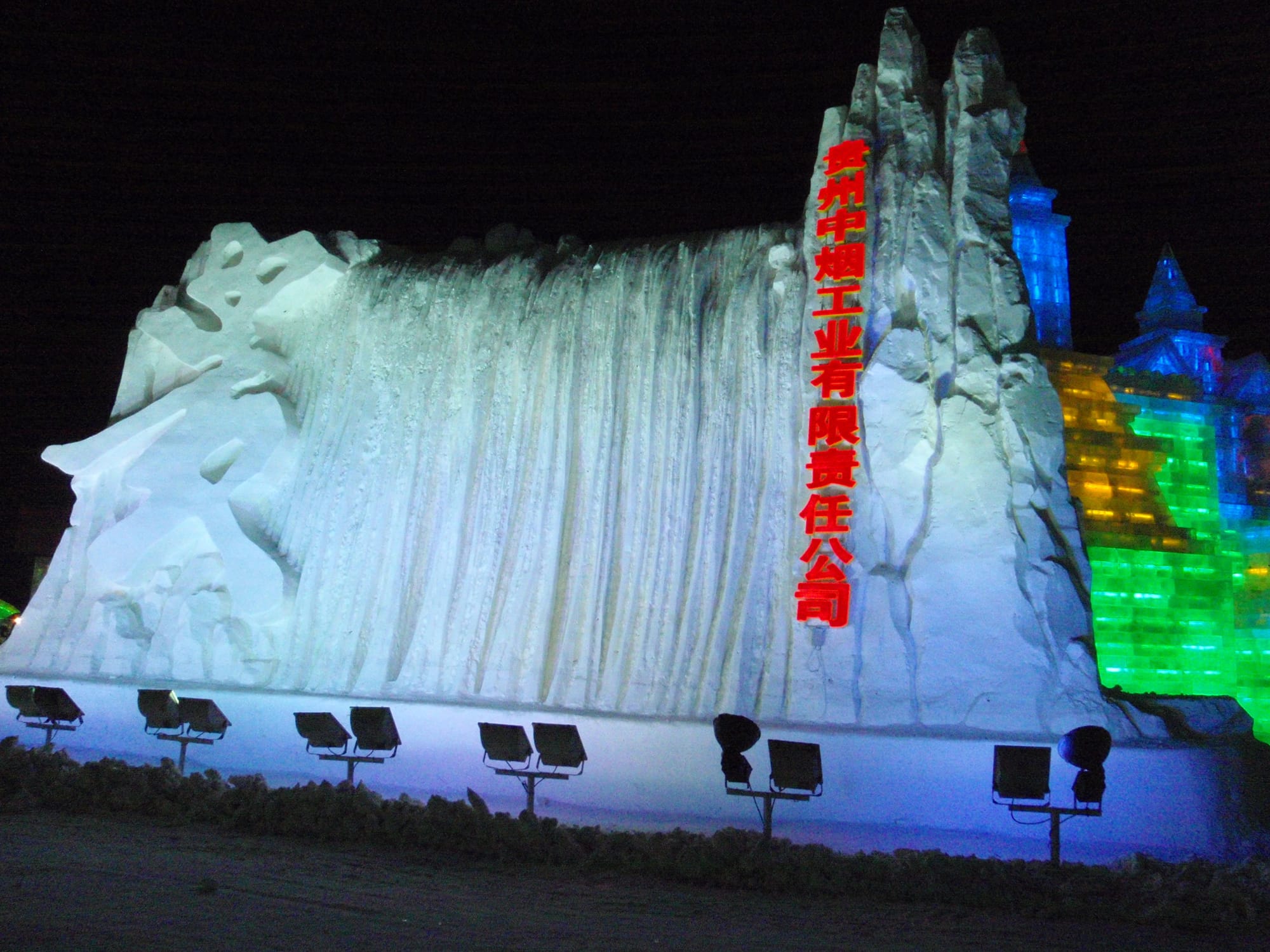
It is no doubt one of the most photogenic winter attractions in the world, especially at night.
iseasywith.me Travel Tip
The Ice and Snow World typically operates from late December to late February, weather permitting. Mid-late afternoon visits are highly recommended as you would be able to view both the day and illuminated ice structures after dark.
Harbin People's Flood Control Victory Memorial Tower (哈尔滨人民防洪胜利纪念塔)/Flood Control Memorial Tower (防洪纪念塔)
The Flood Control Victory Memorial Tower, also known as the Flood Control Monument, stands at the centre of Stalin Park and was built in 1958 to honour the heroic efforts of Harbin citizens and the military who overcame the devastating 1957 Great Flood of the Songhua River.
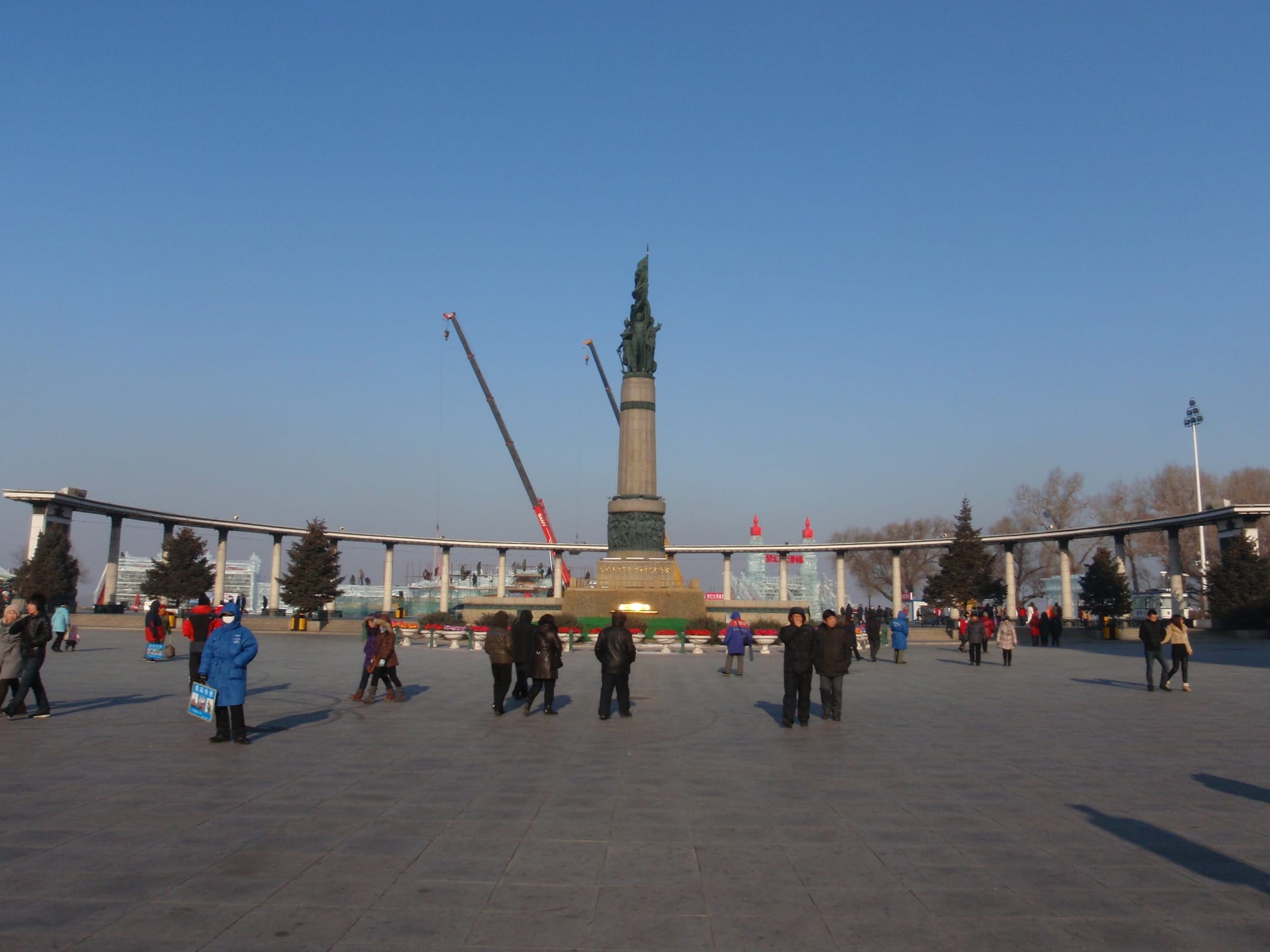
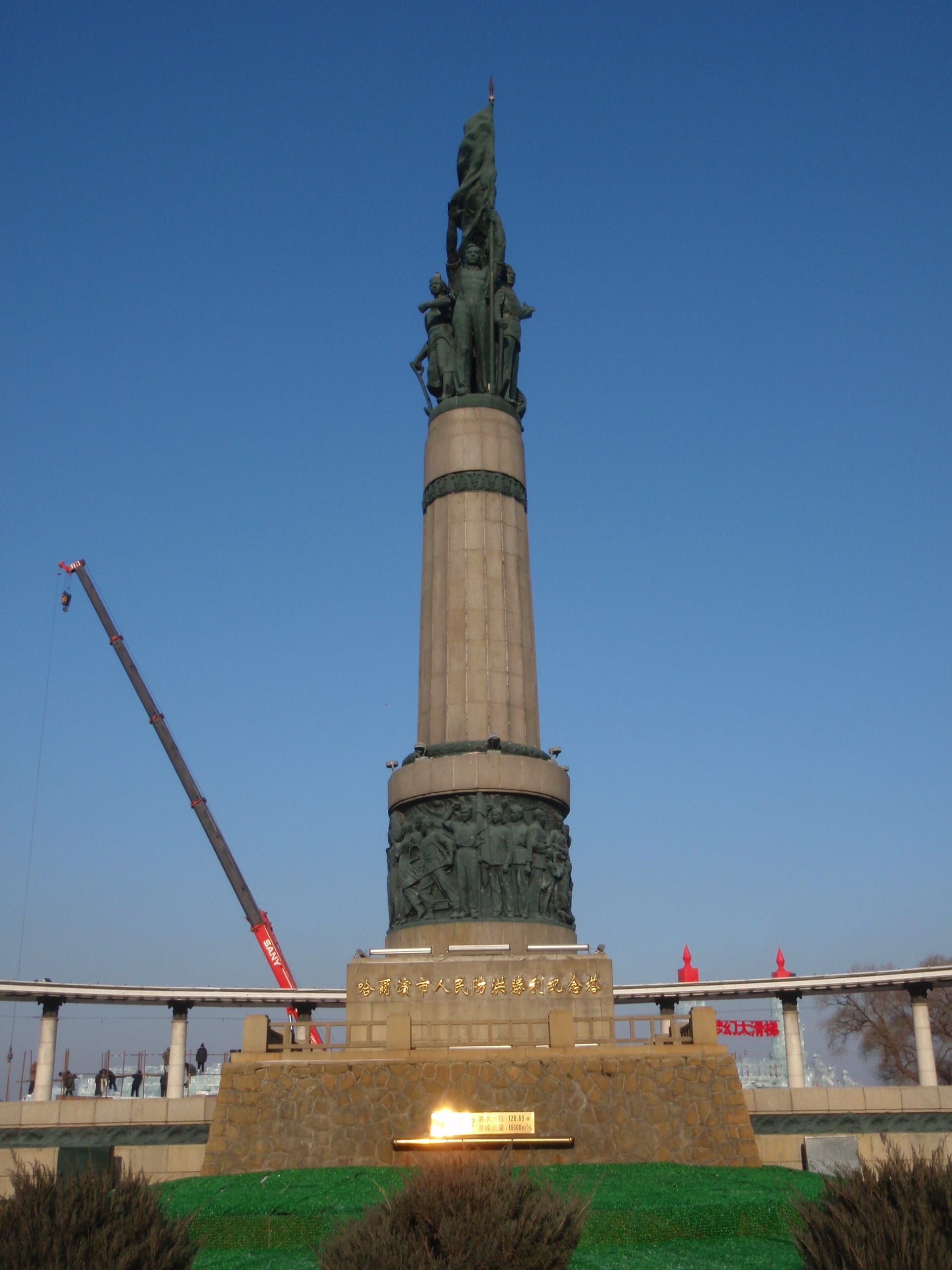
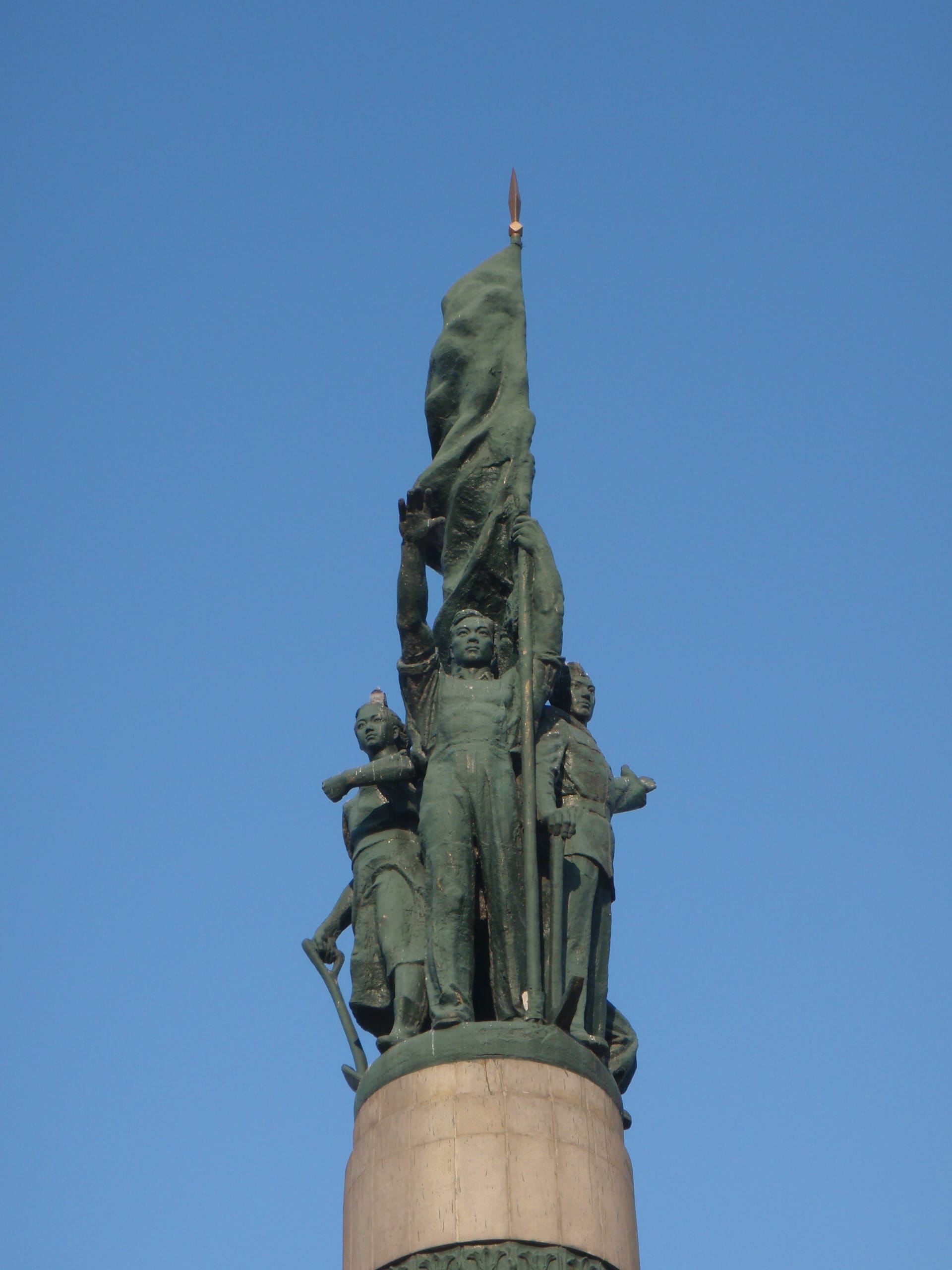
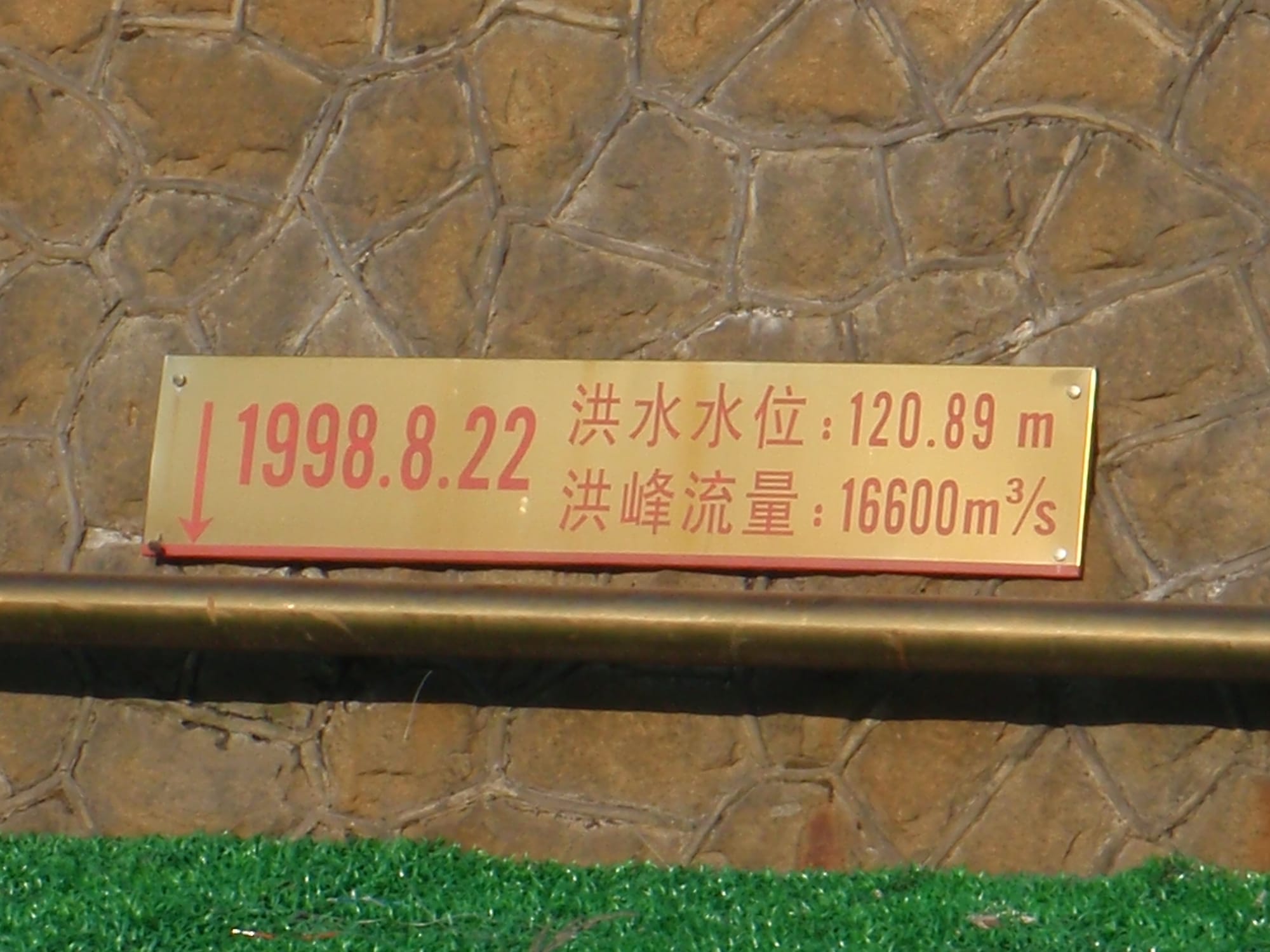
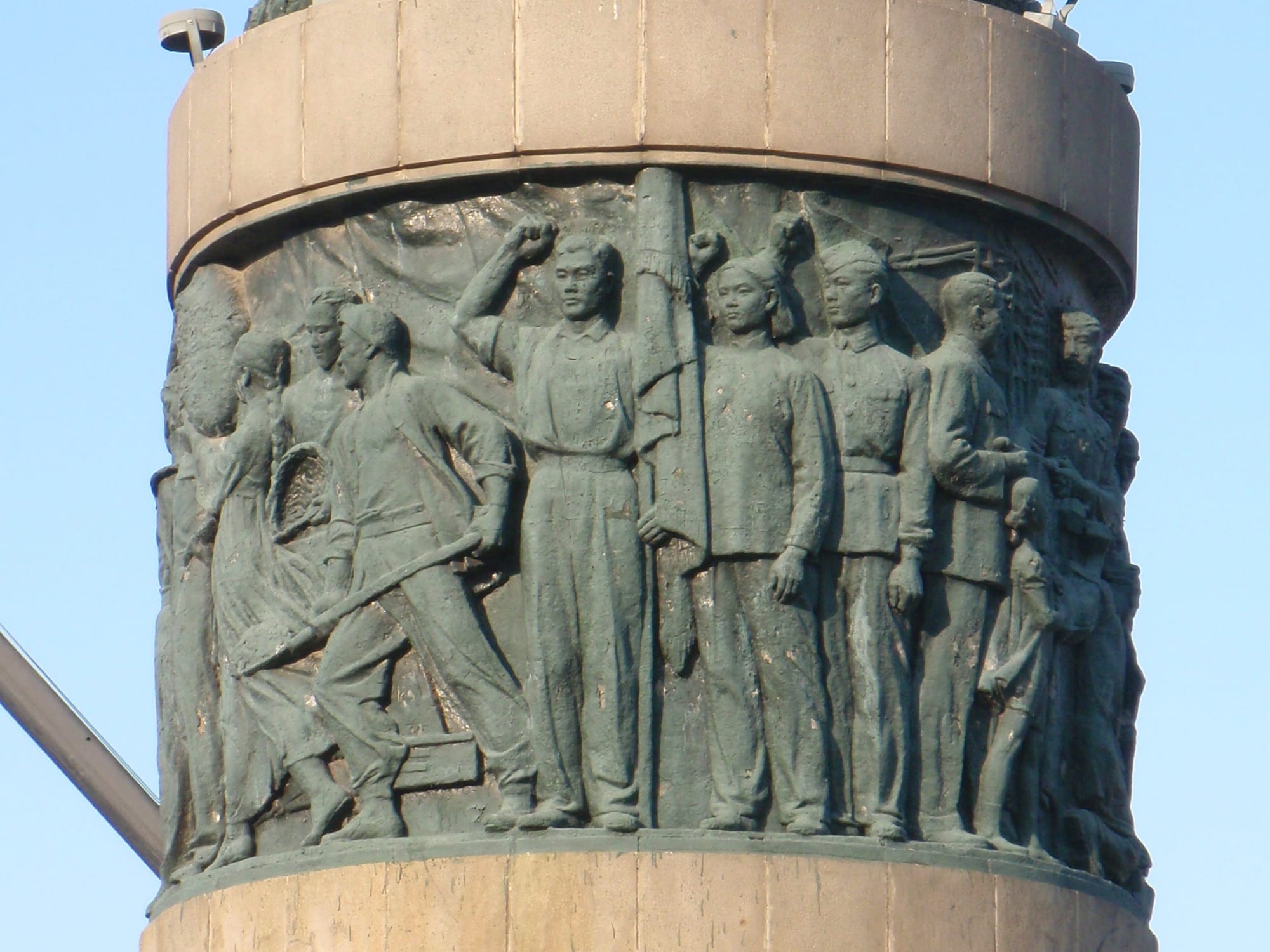
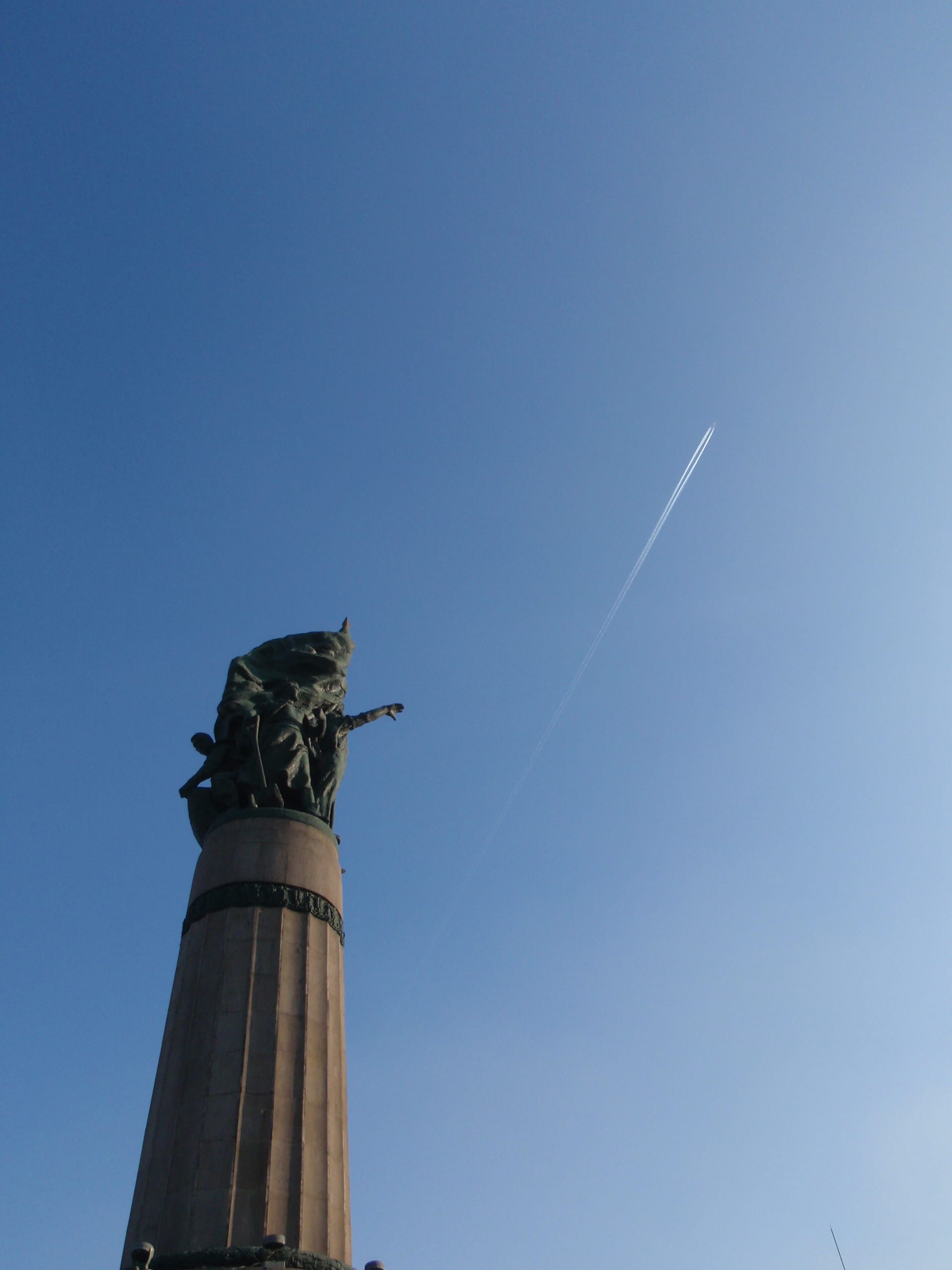
The 13-metre Roman-style column is topped with statues and encircled by a 7-metre curving corridor. The base of the column marks the river’s normal level, while eleven small, semi-circular pools near the monument indicate the peak water level reached during the flood, offering visitors both a historical tribute and a striking riverside landmark.
Harbin Polarland (哈尔滨极地馆)
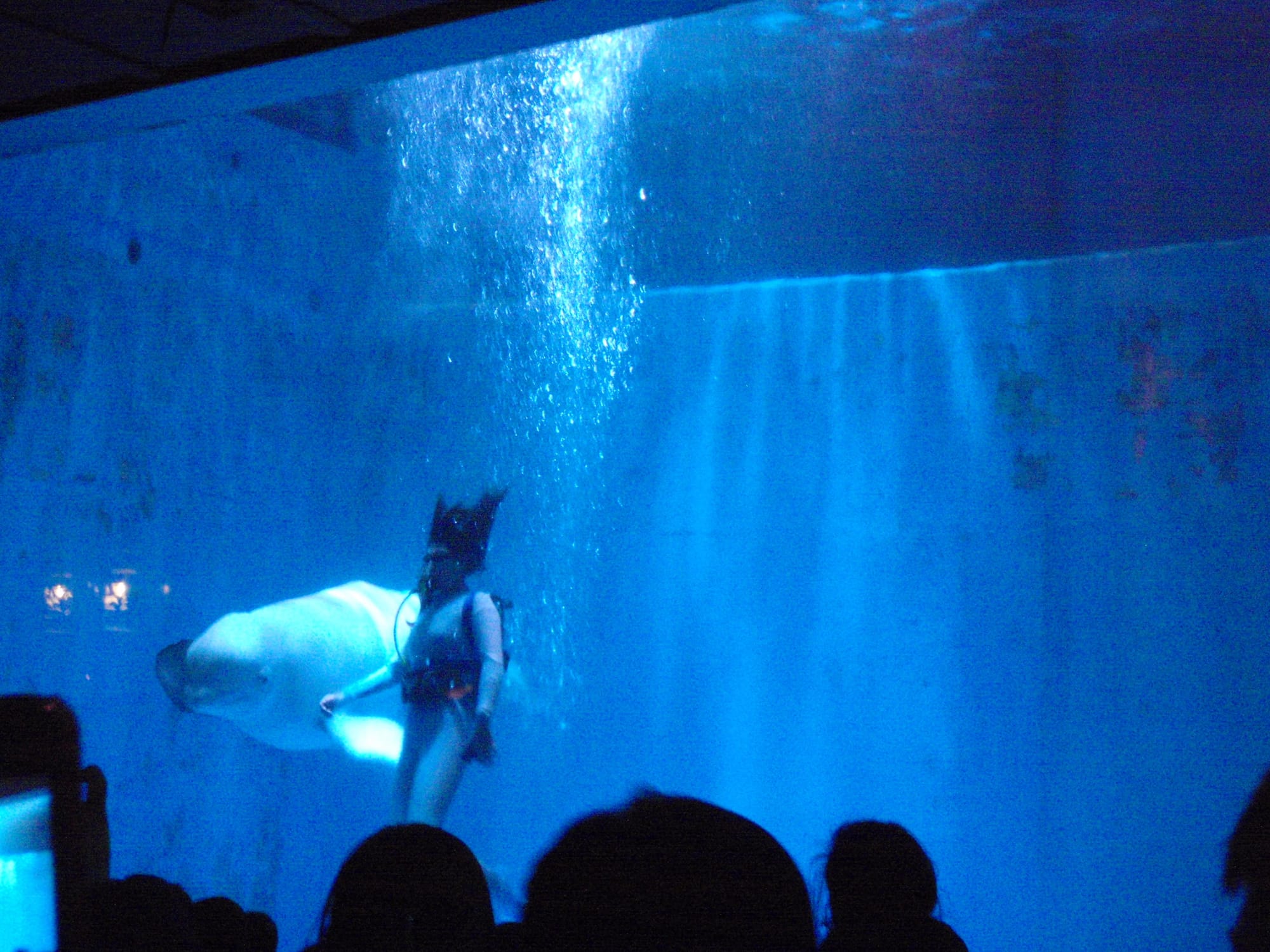
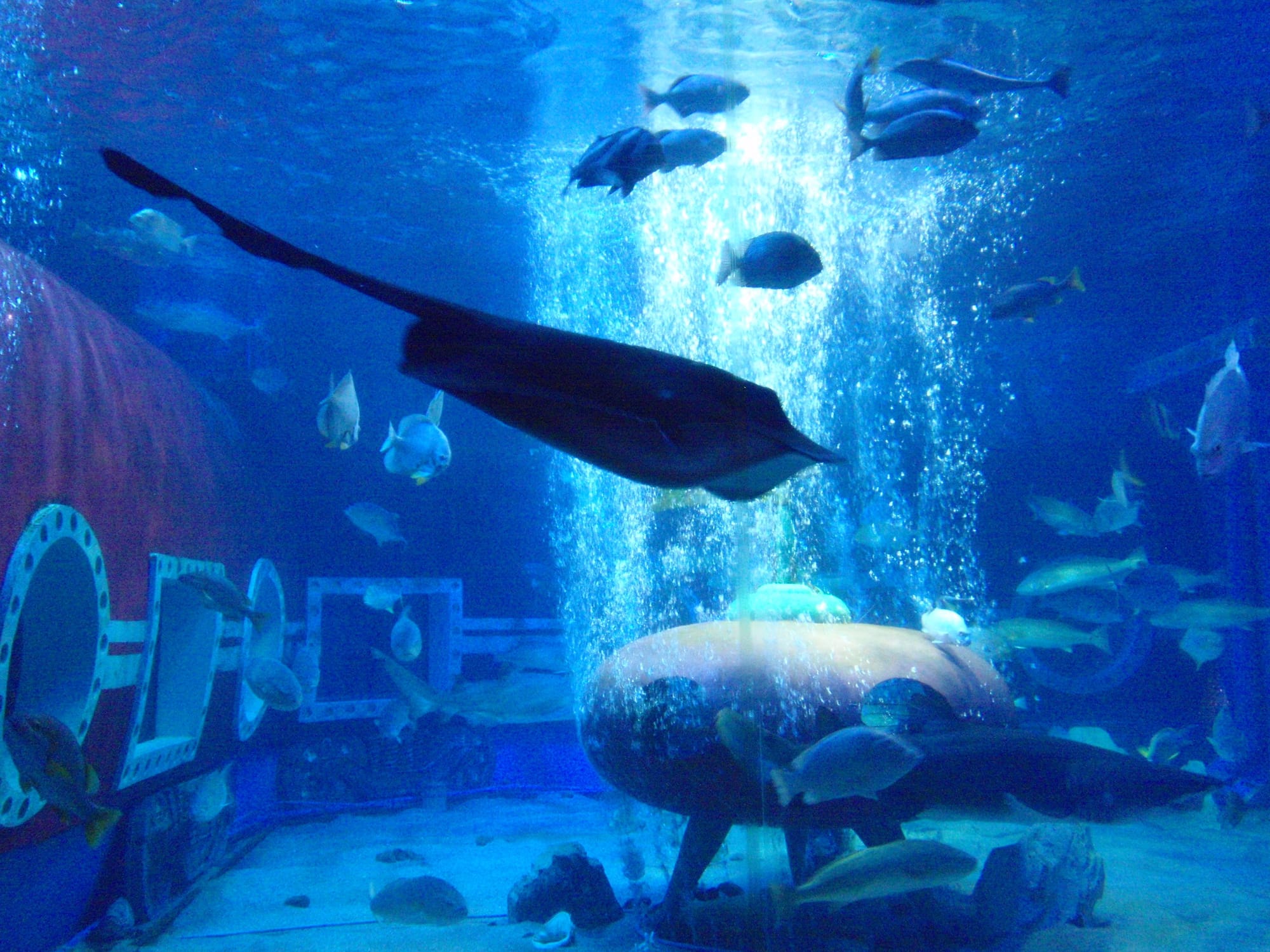
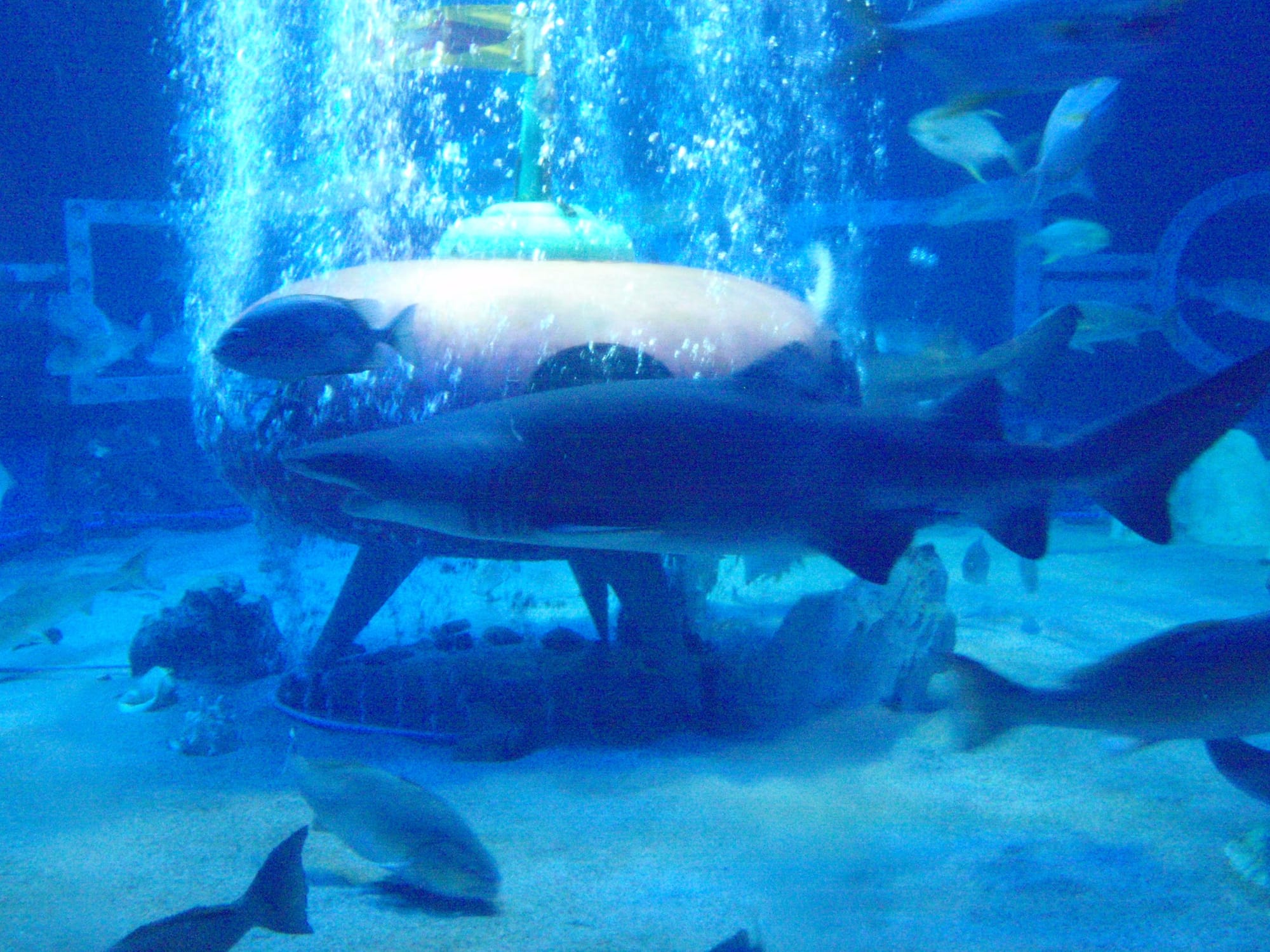
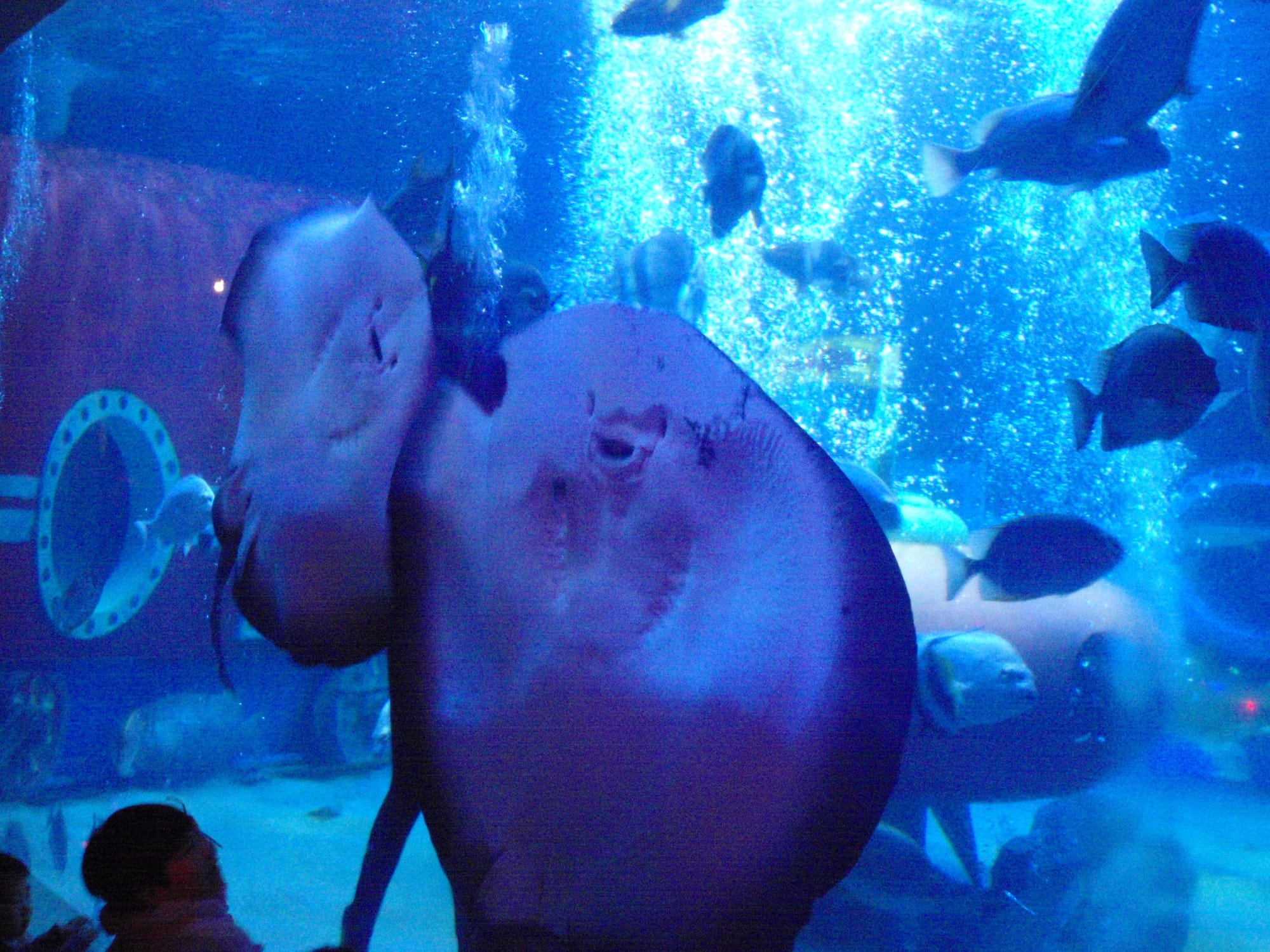
Harbin Polarland is more than just an aquarium. It is China’s first polar-themed performance park and offers a temperature-controlled journey into the Arctic and Antarctic, making it an ideal year-round attraction, alongside the Harbin International Ice and Snow Festival.
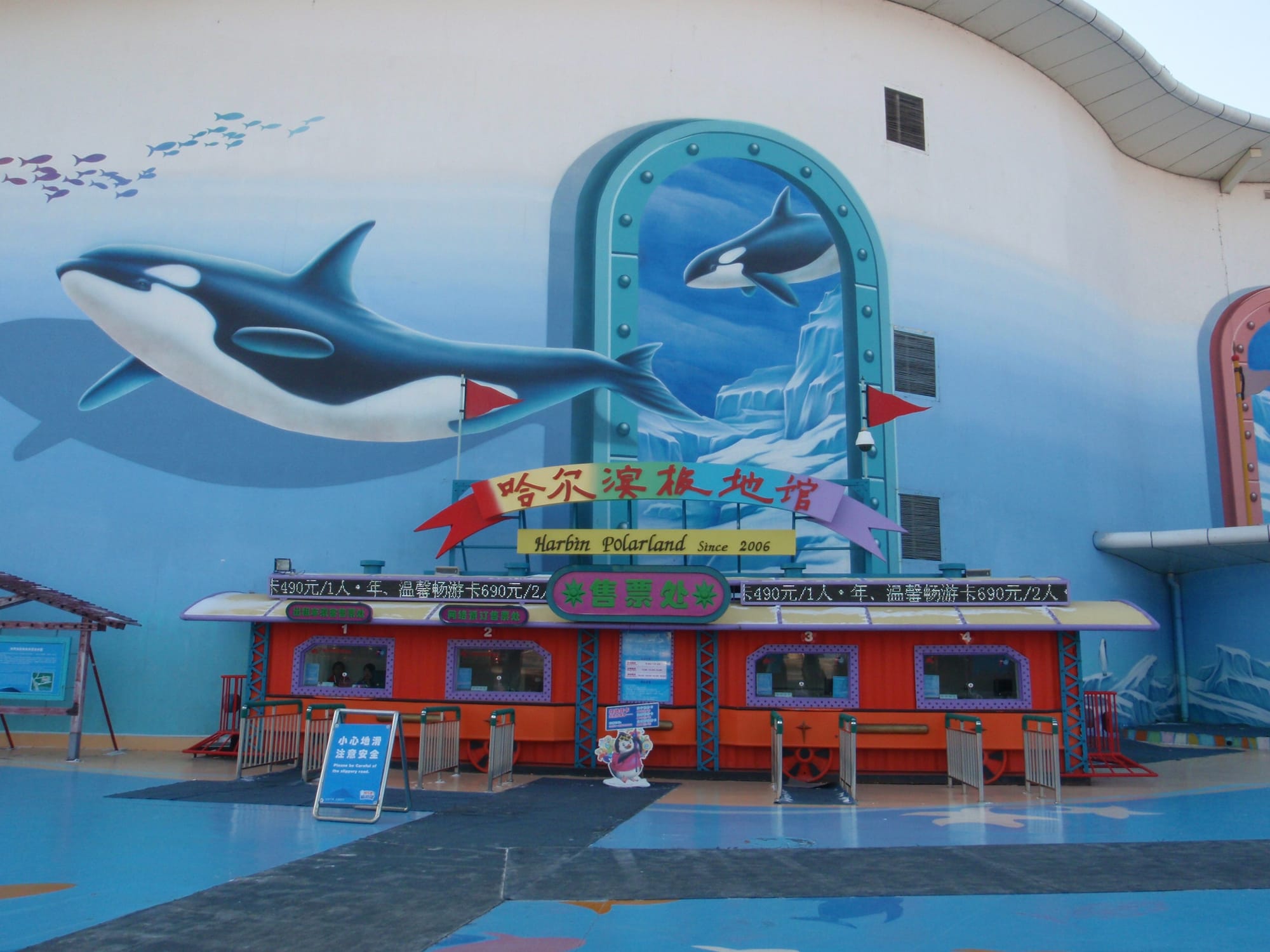
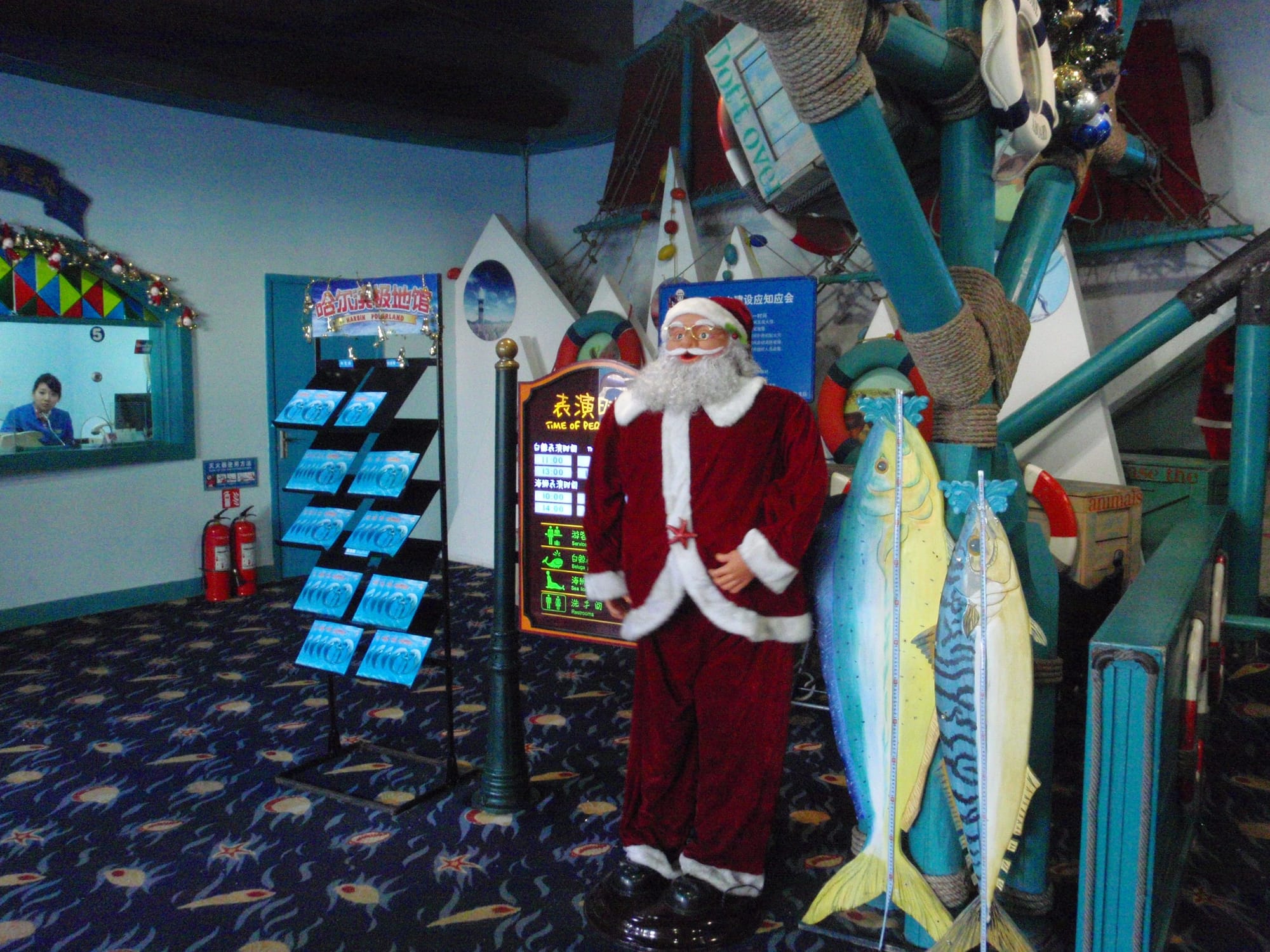
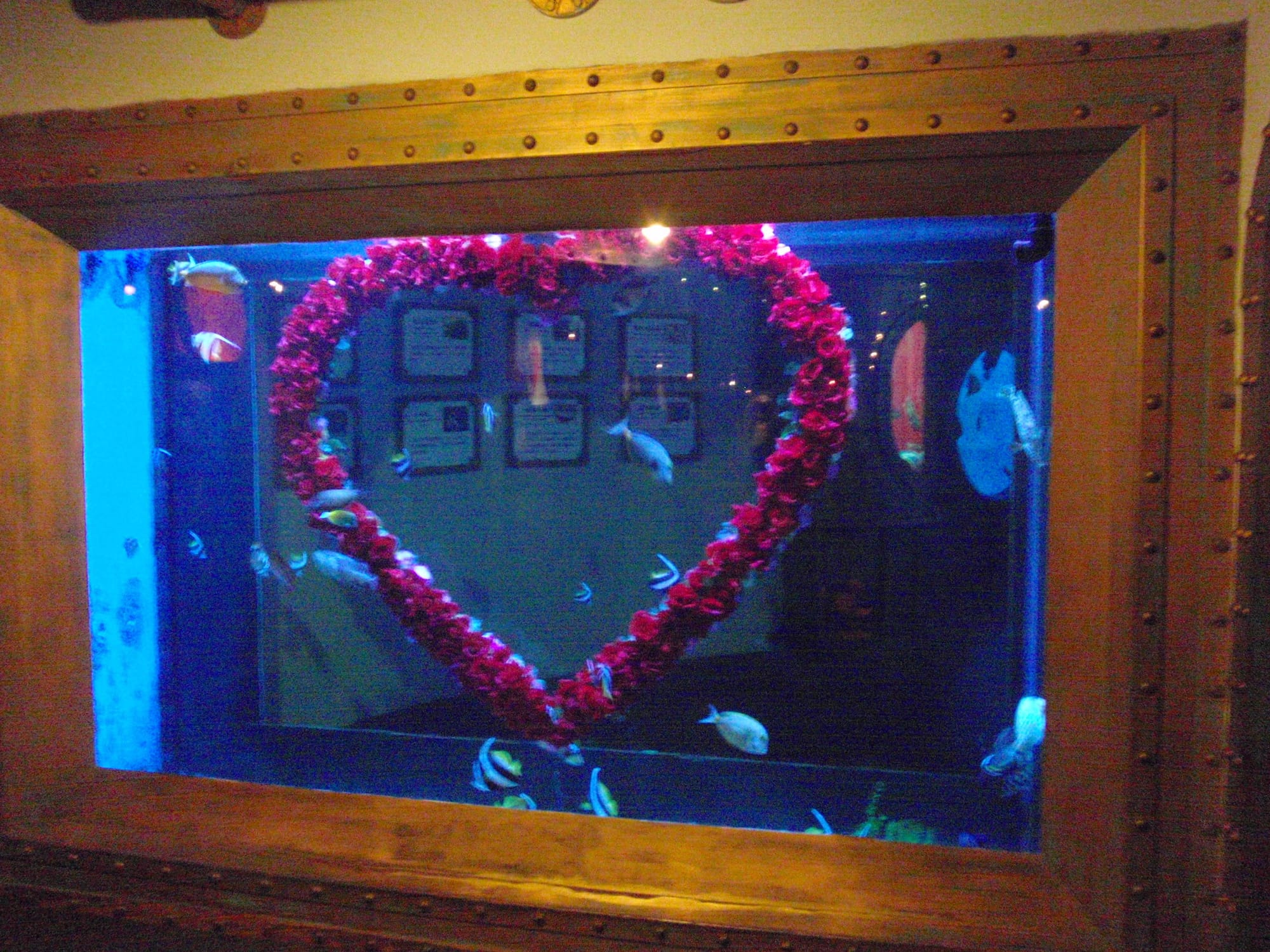
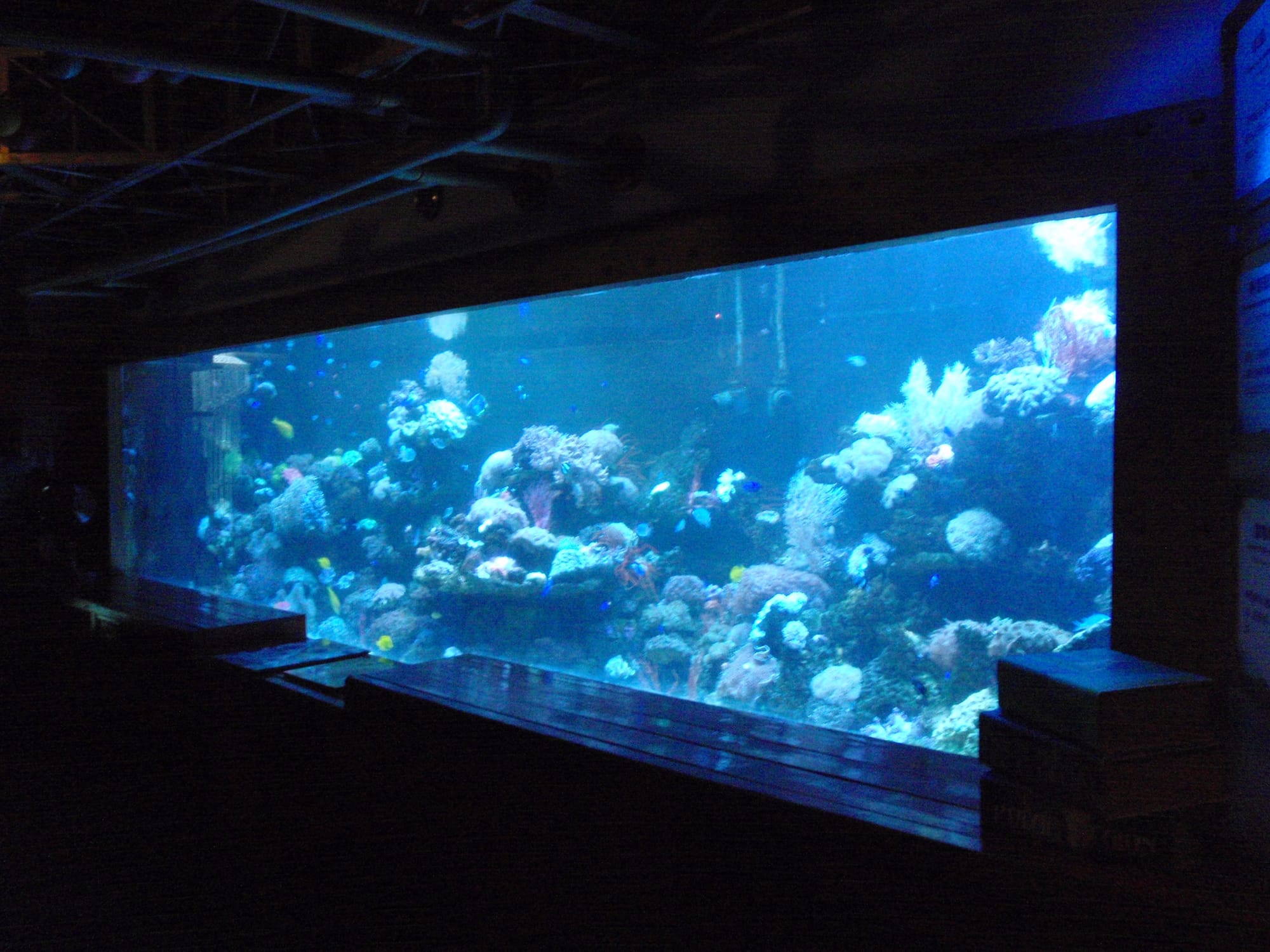
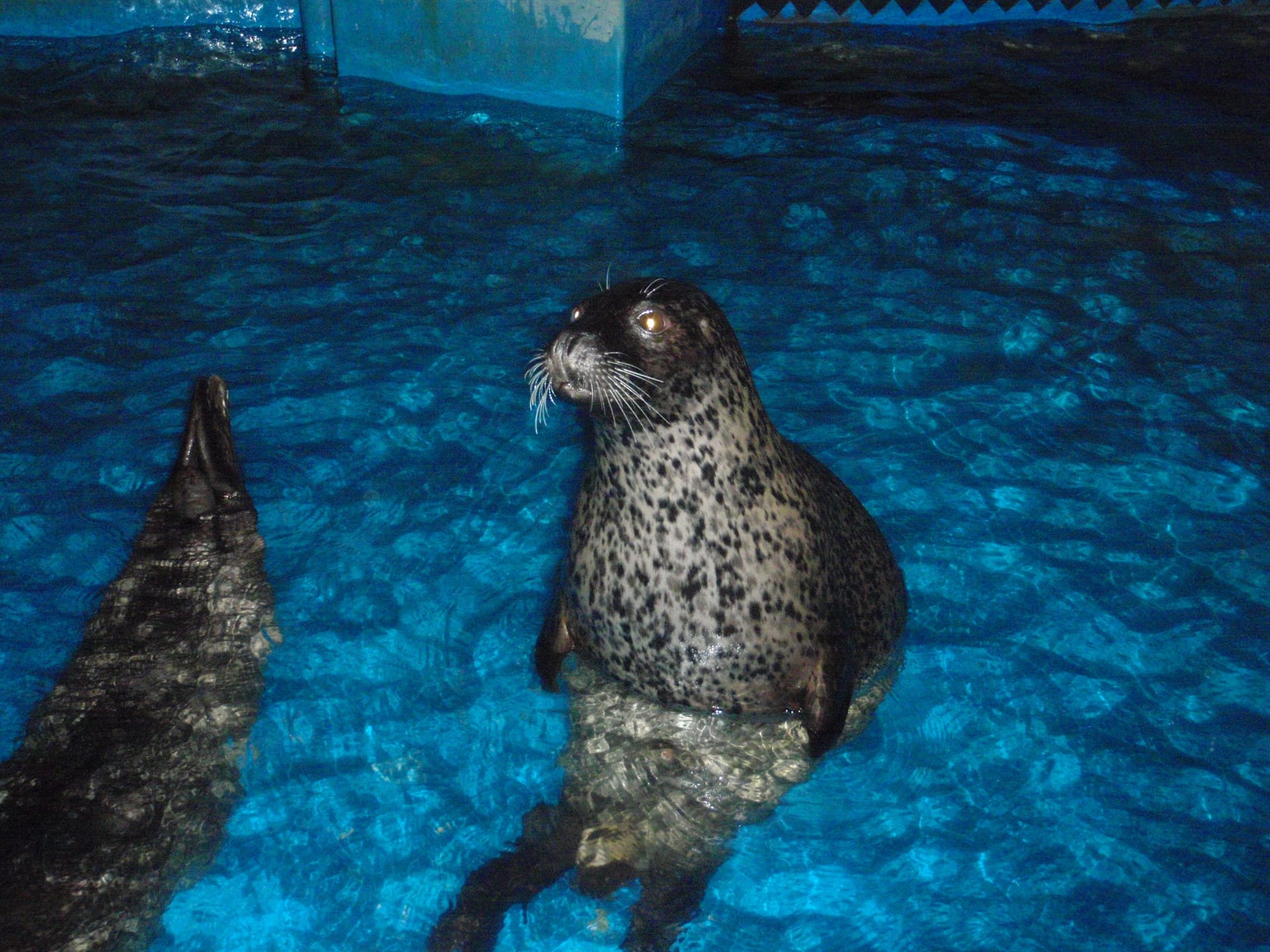
Highlights & Must-See Shows
- 'Heart of the Ocean' Beluga Show- The park’s signature performance where beluga whales perform graceful, synchronised underwater routines such as the Underwater Waltz and Kiss of the Ocean.
- Penguin Parade- Watch Gentoo and King Penguins, and Manbo, the world’s first Antarctic penguin hatched in an inland Chinese city, waddle through daily parades.
- Arctic Animal Home- Encounter polar bears, Arctic foxes and Arctic wolves in immersive cold-region habitats.
- Happy Sea Lion Kingdom- A lively, family-friendly show featuring playful sea lions and walruses.
Heilongjiang Provincial Museum (黑龙江省博物馆)
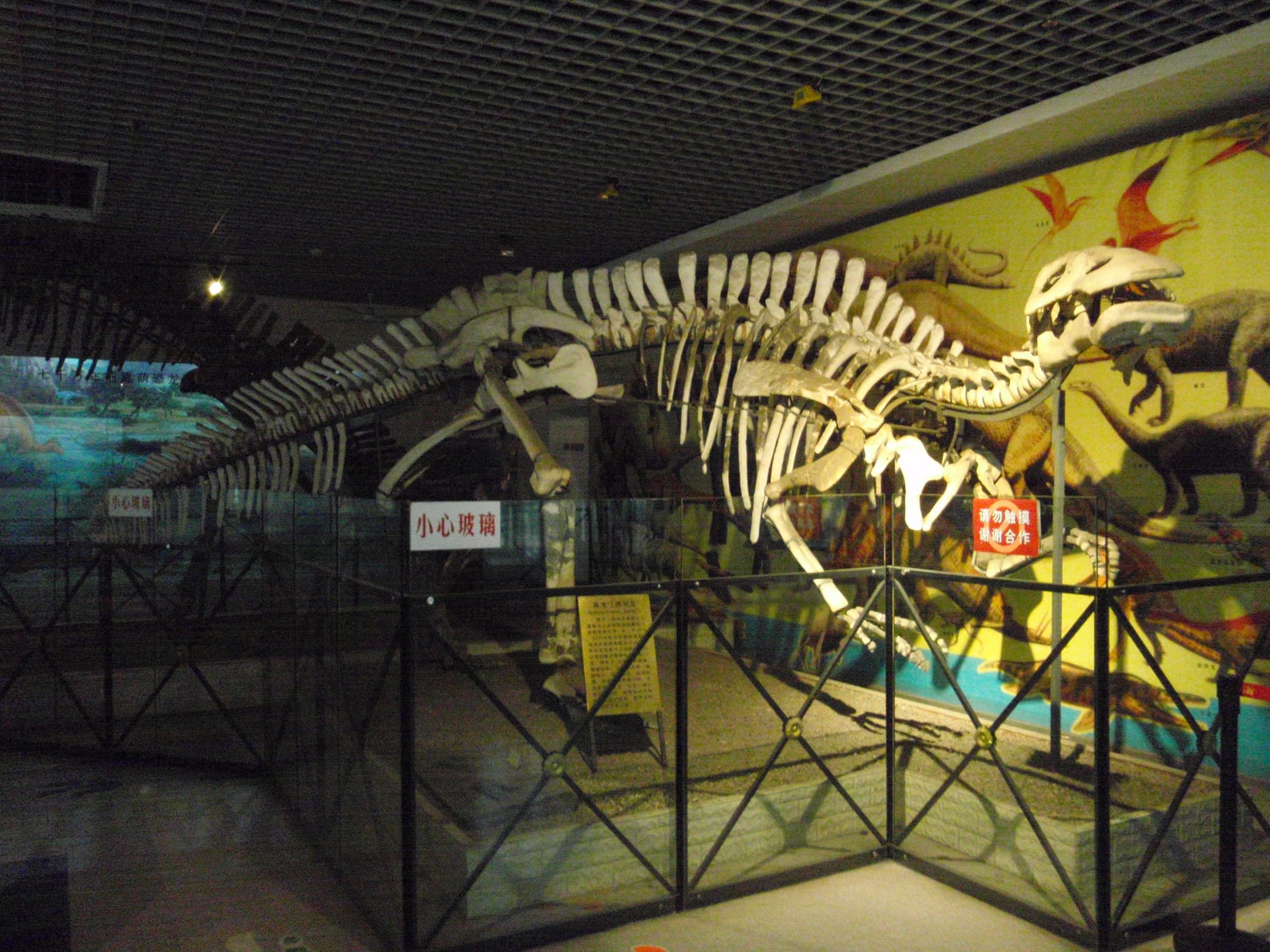
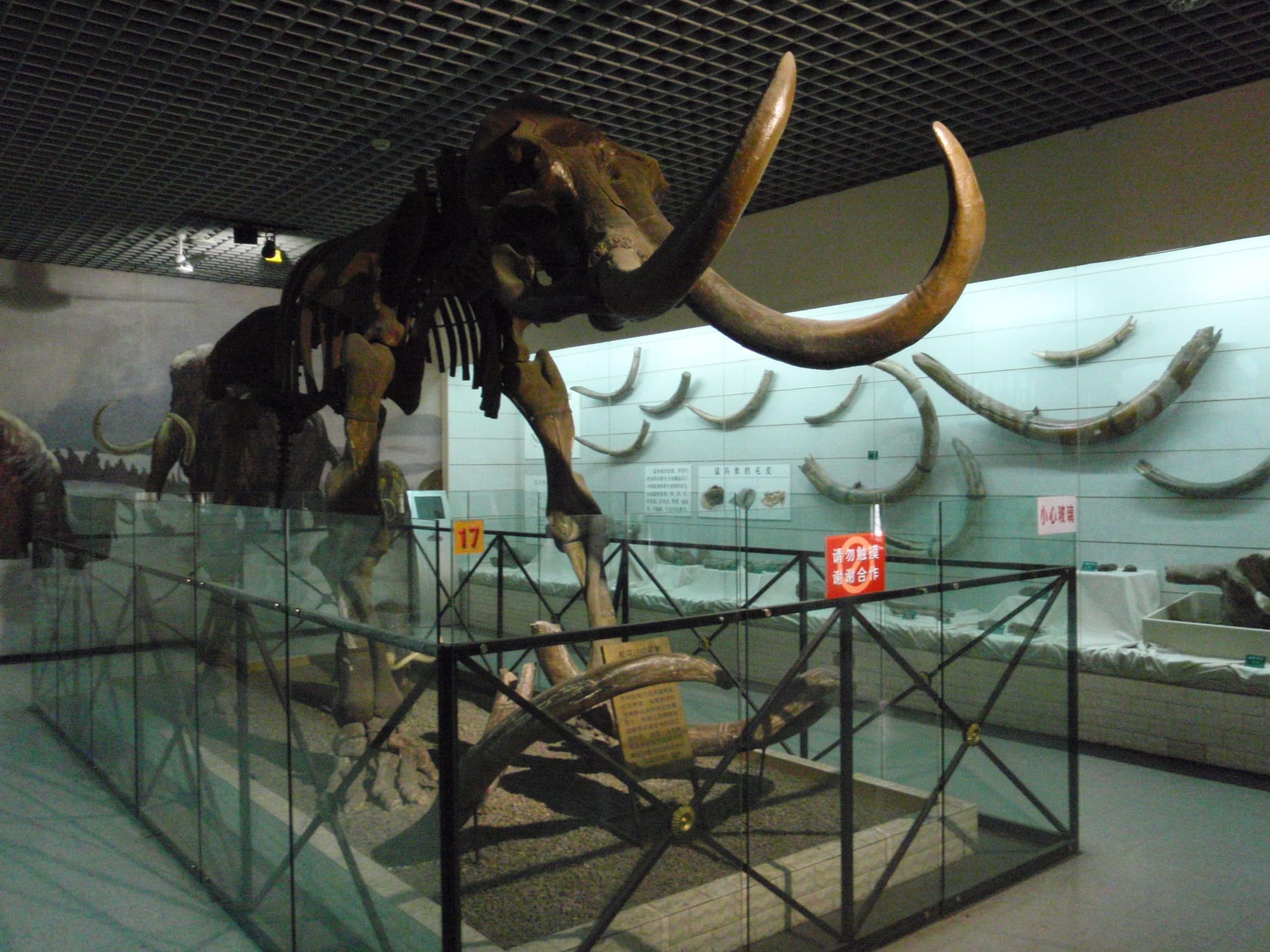
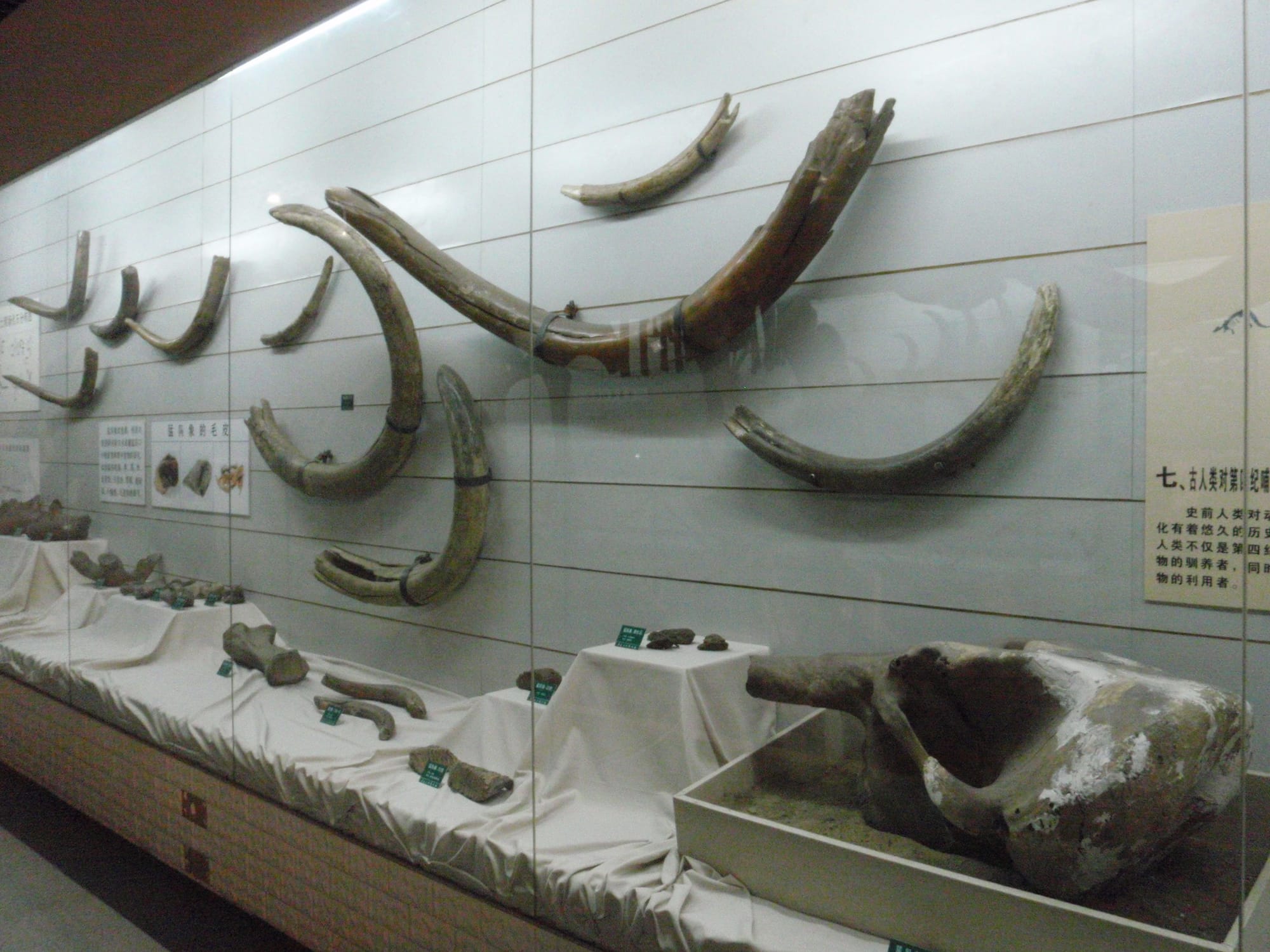
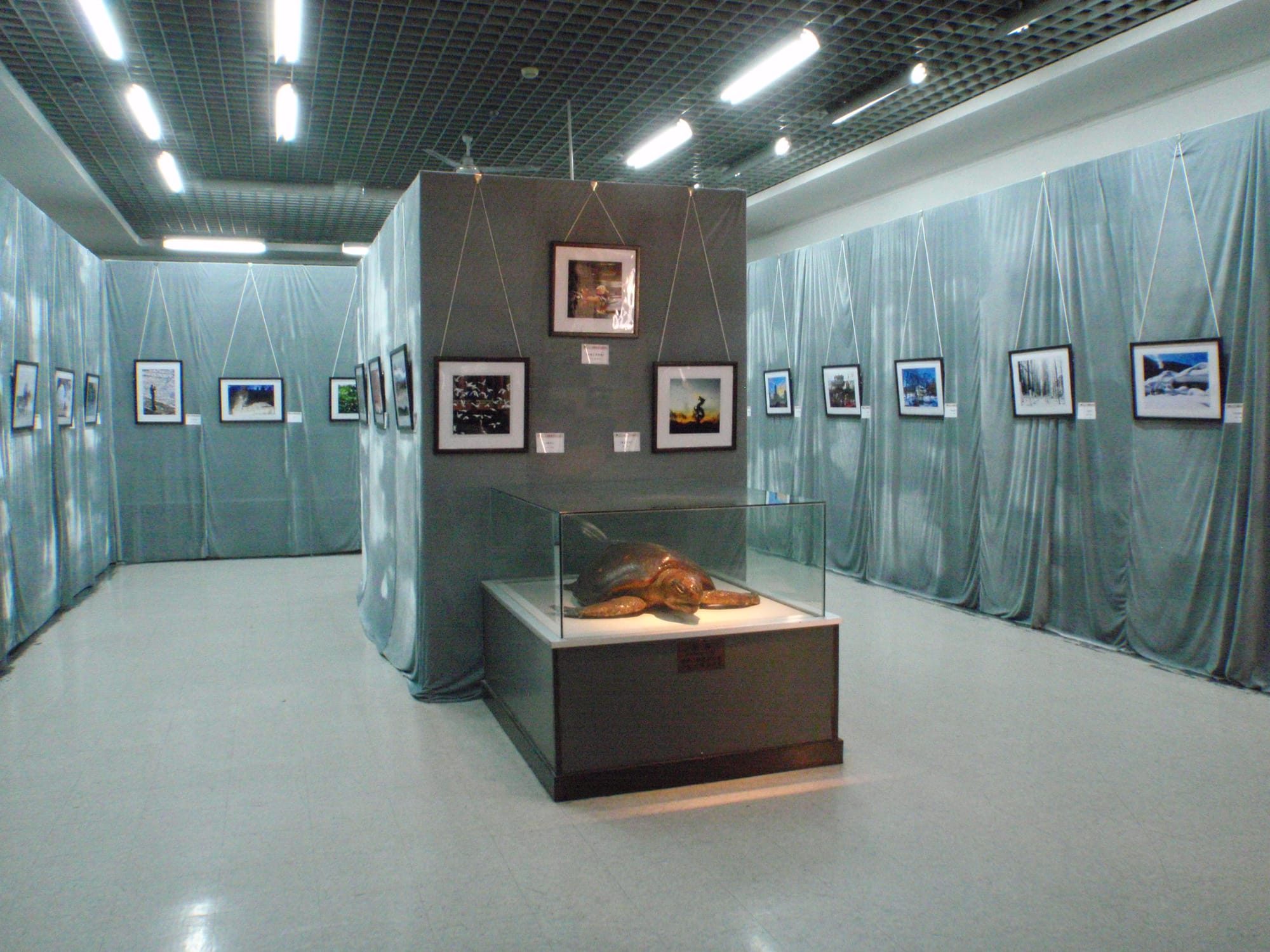
Heilongjiang Provincial Museum stands at the bustling heart of Harbin near Hongbo Square, serving as both the province’s most important cultural institution and an architectural landmark in its own right. Housed in a magnificent 1906 Russian Baroque building originally the Moscow Shopping Mall, the museum reflects Harbin’s unique history as a crossroads between China and Russia.
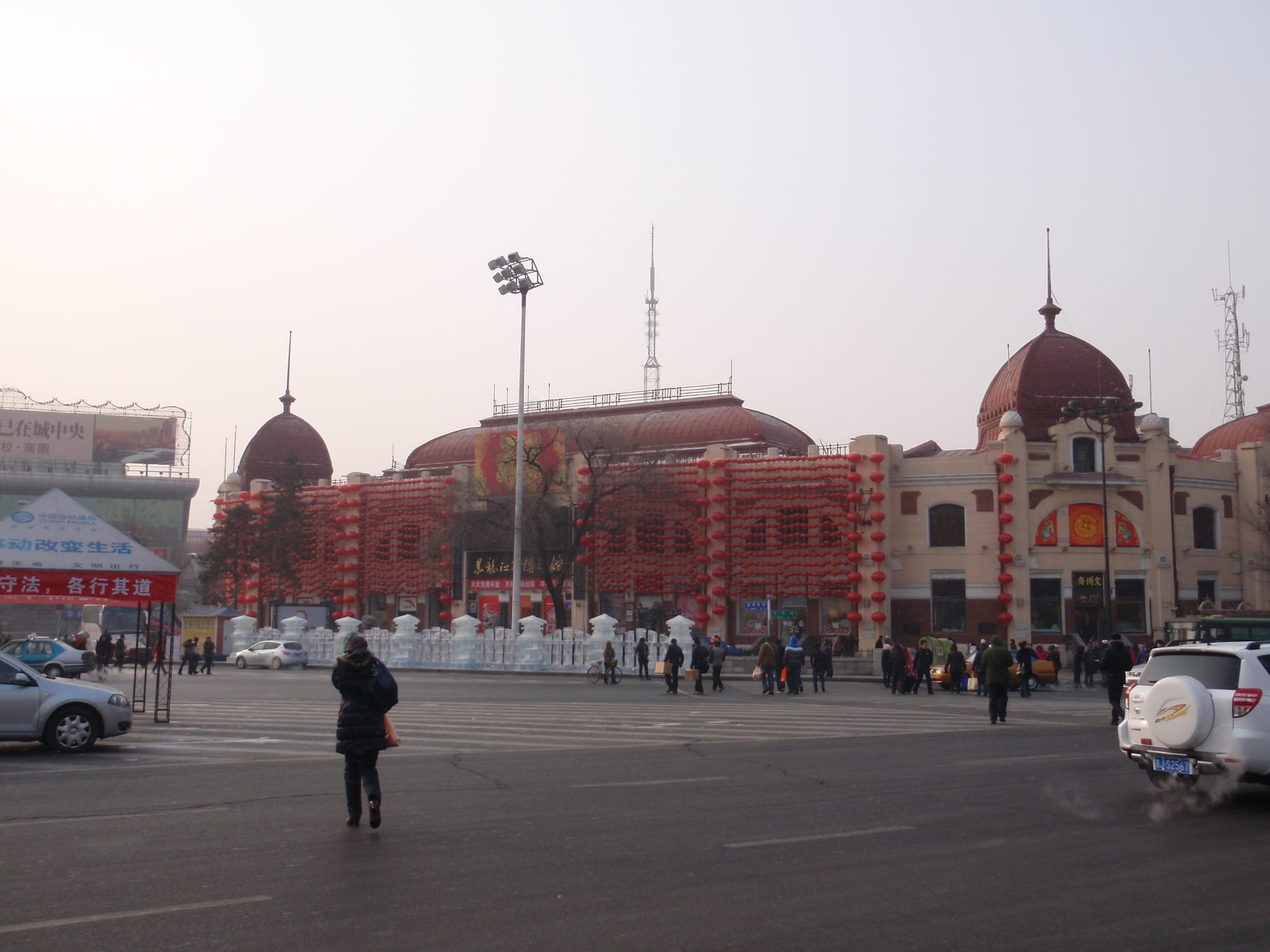
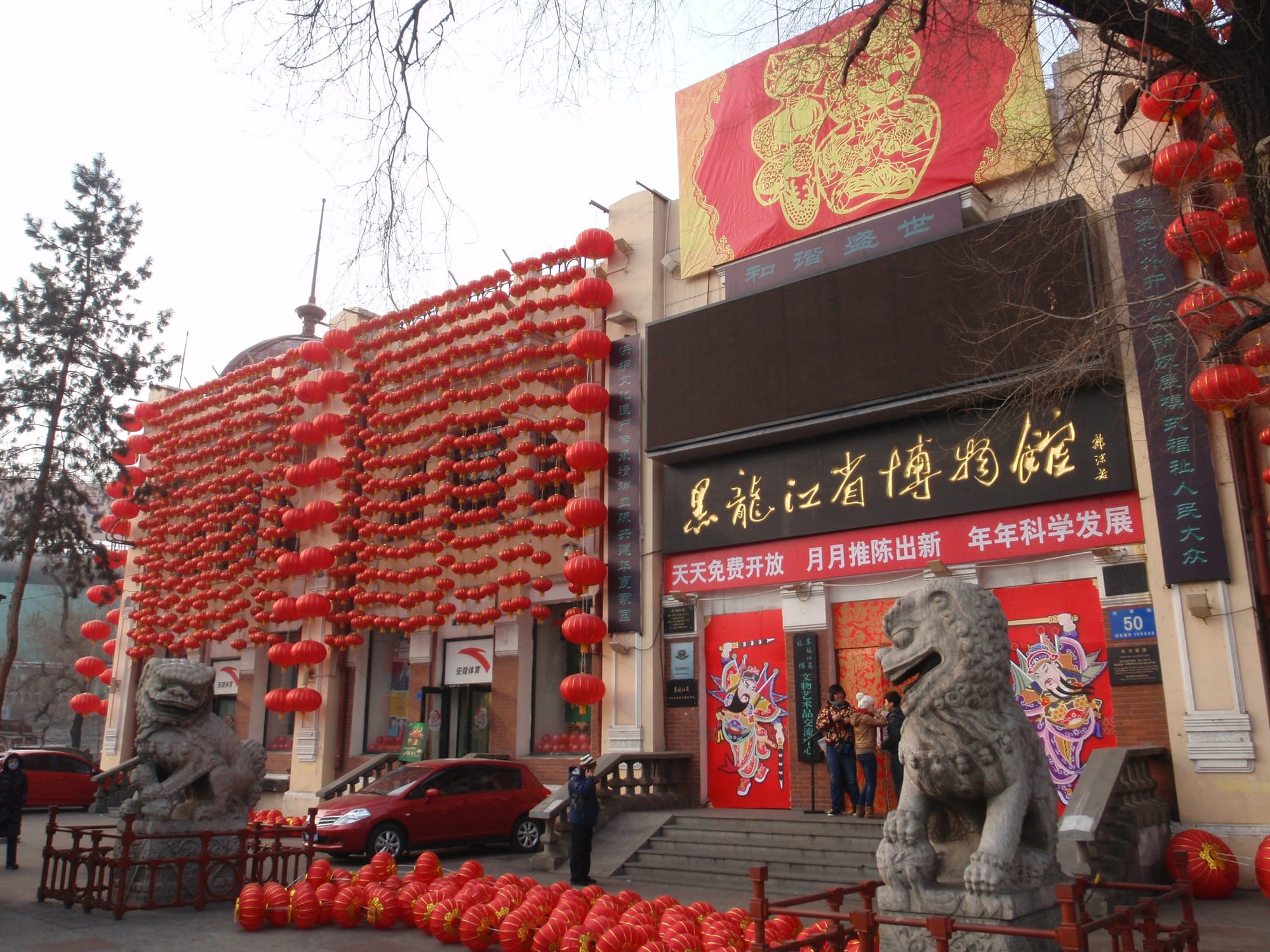
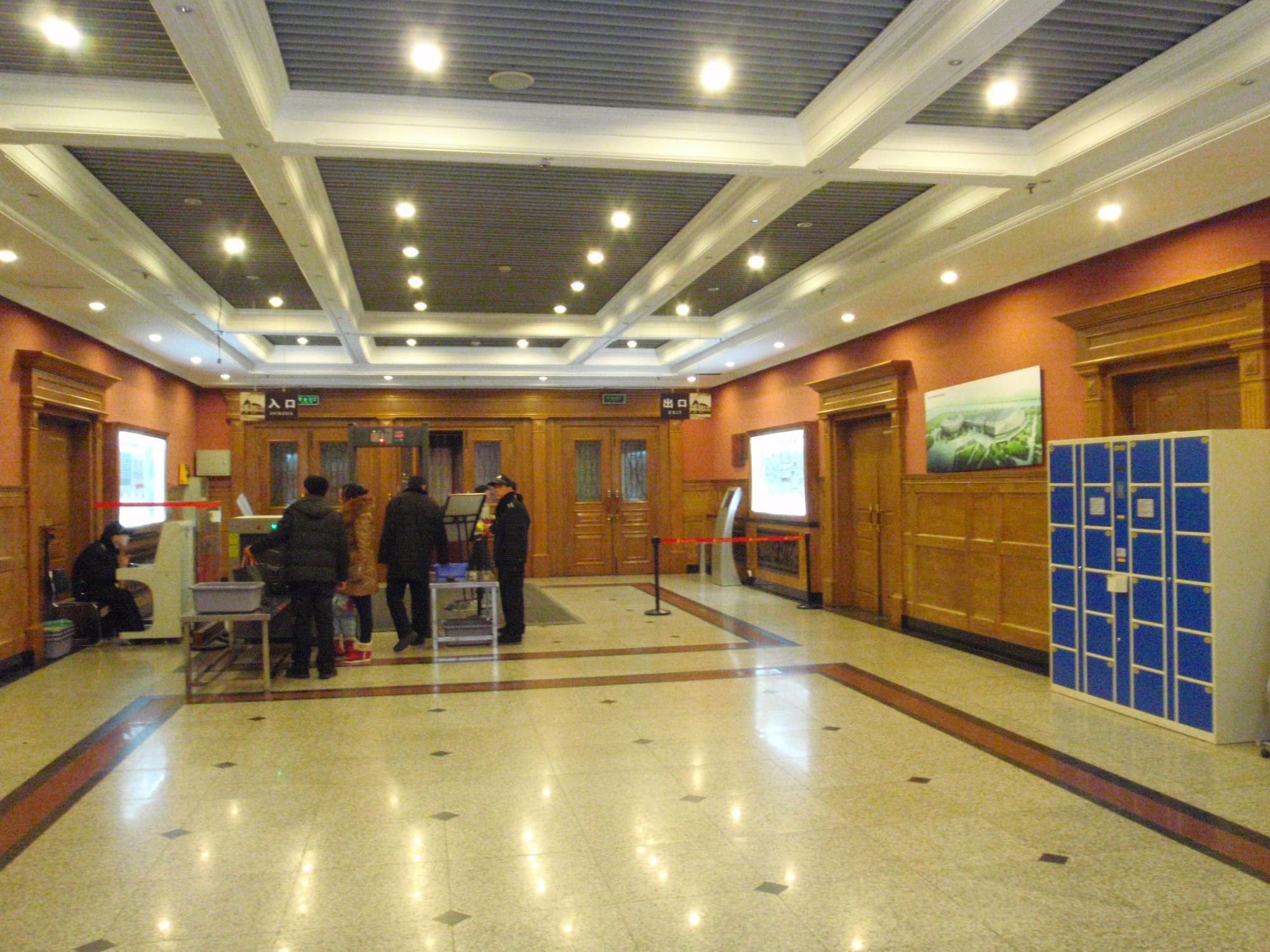
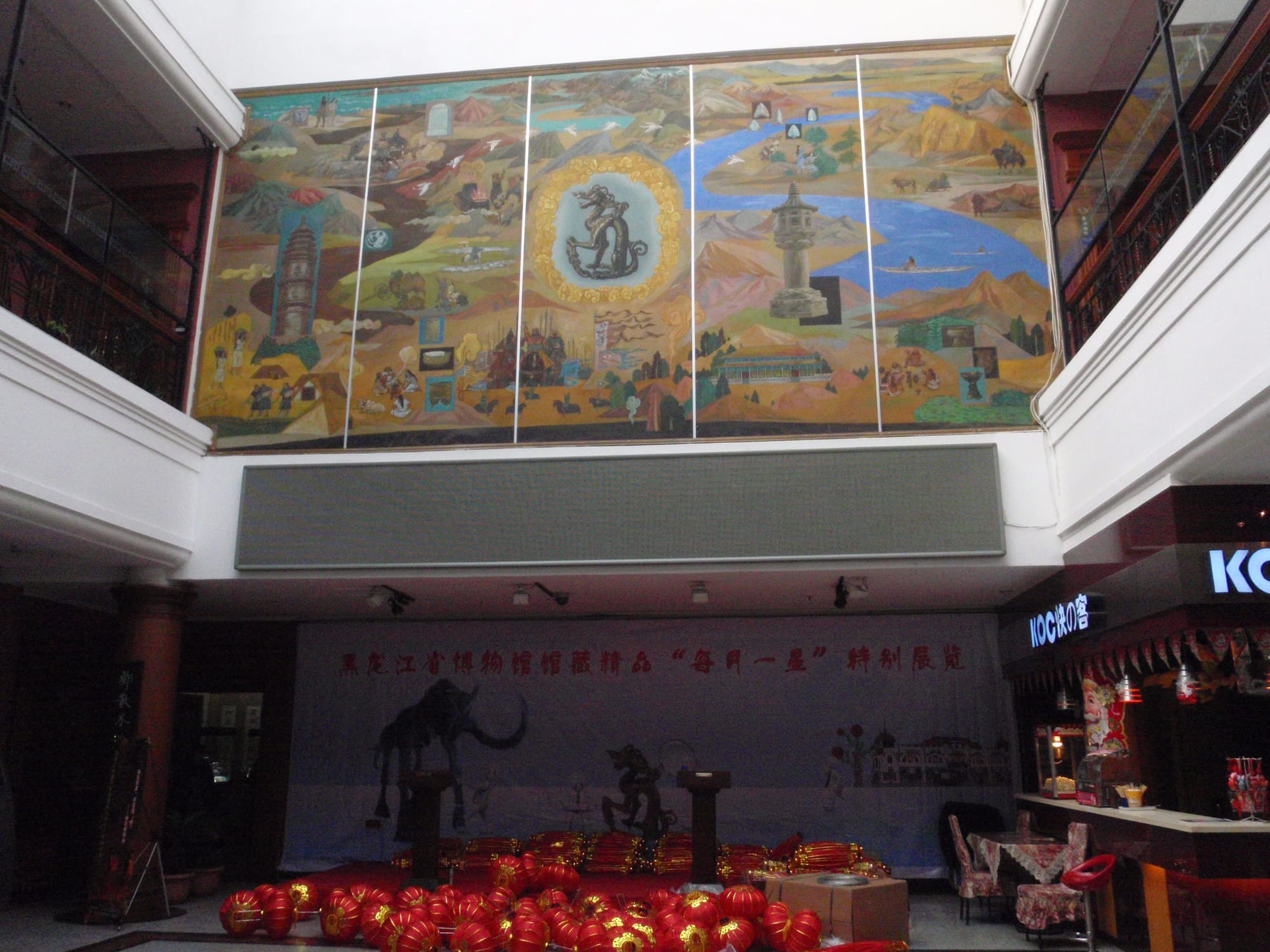
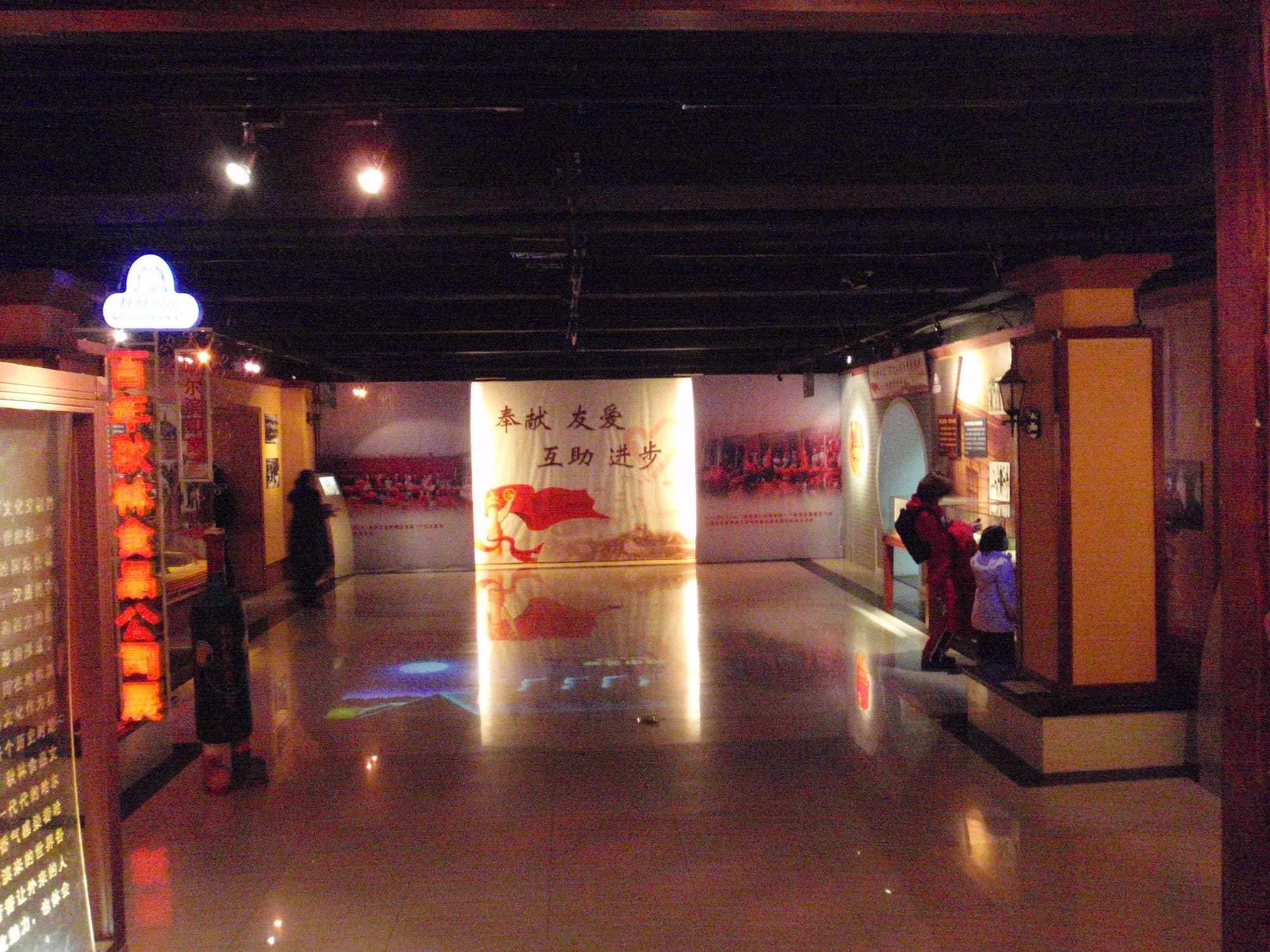
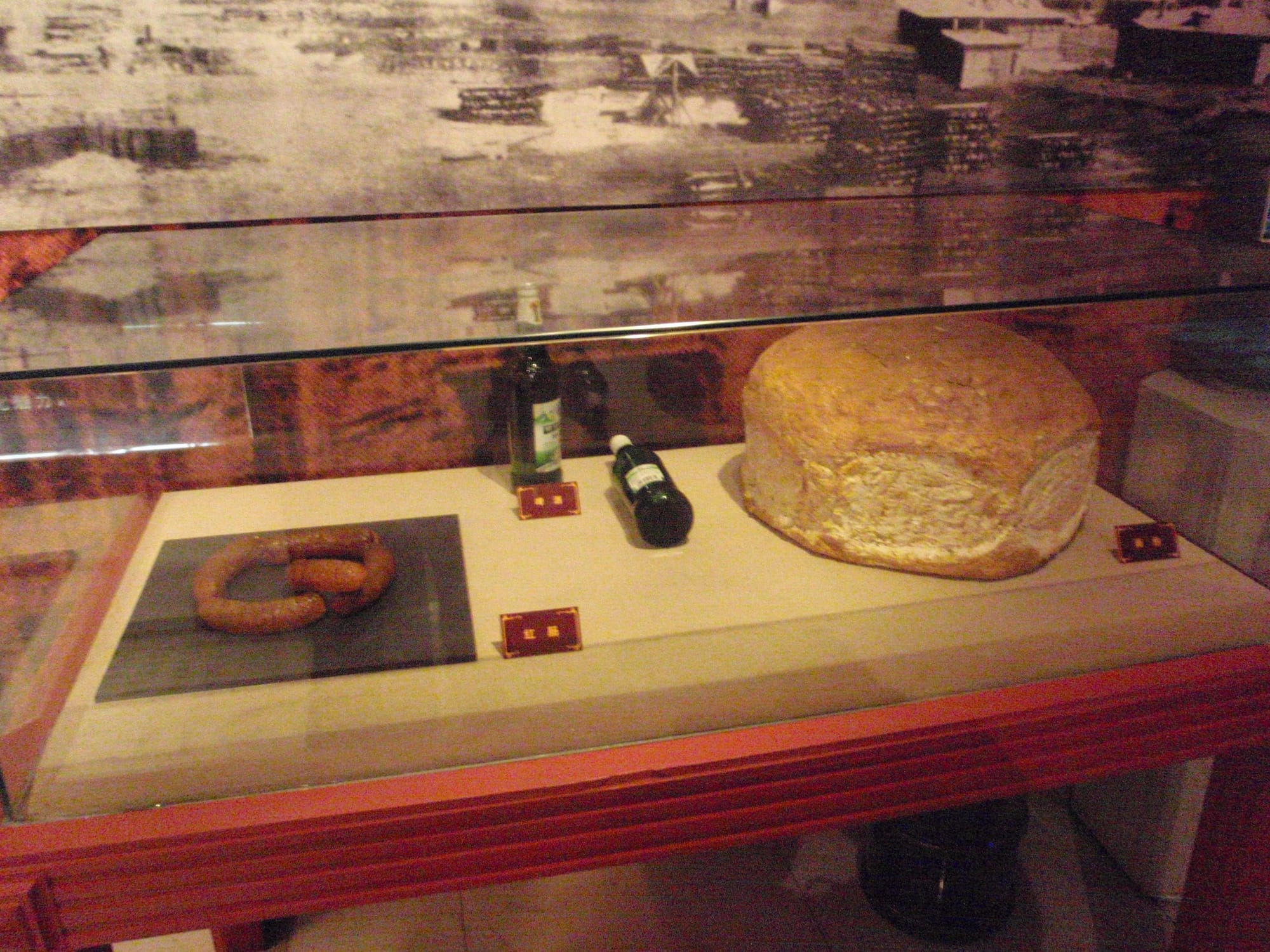
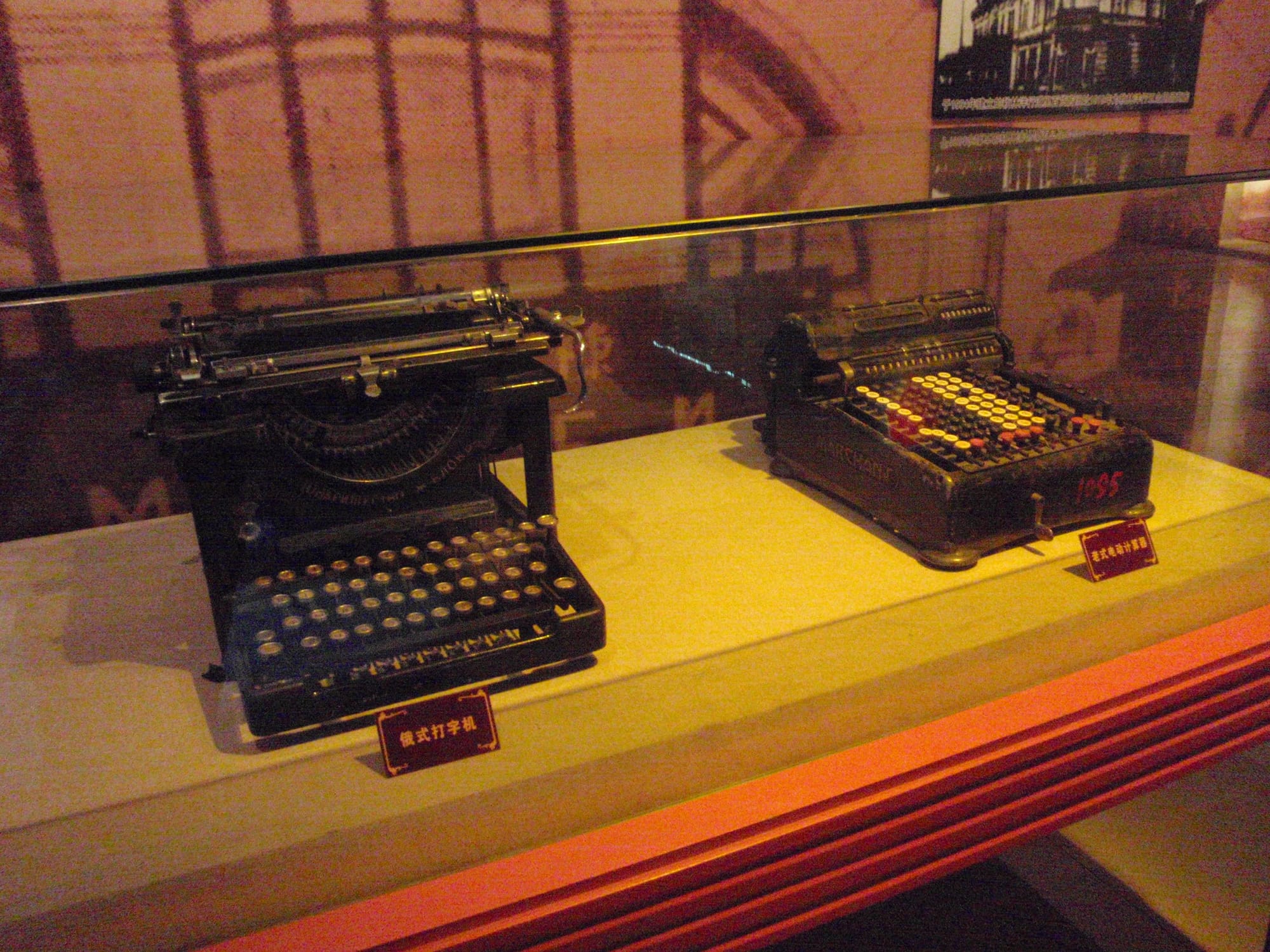
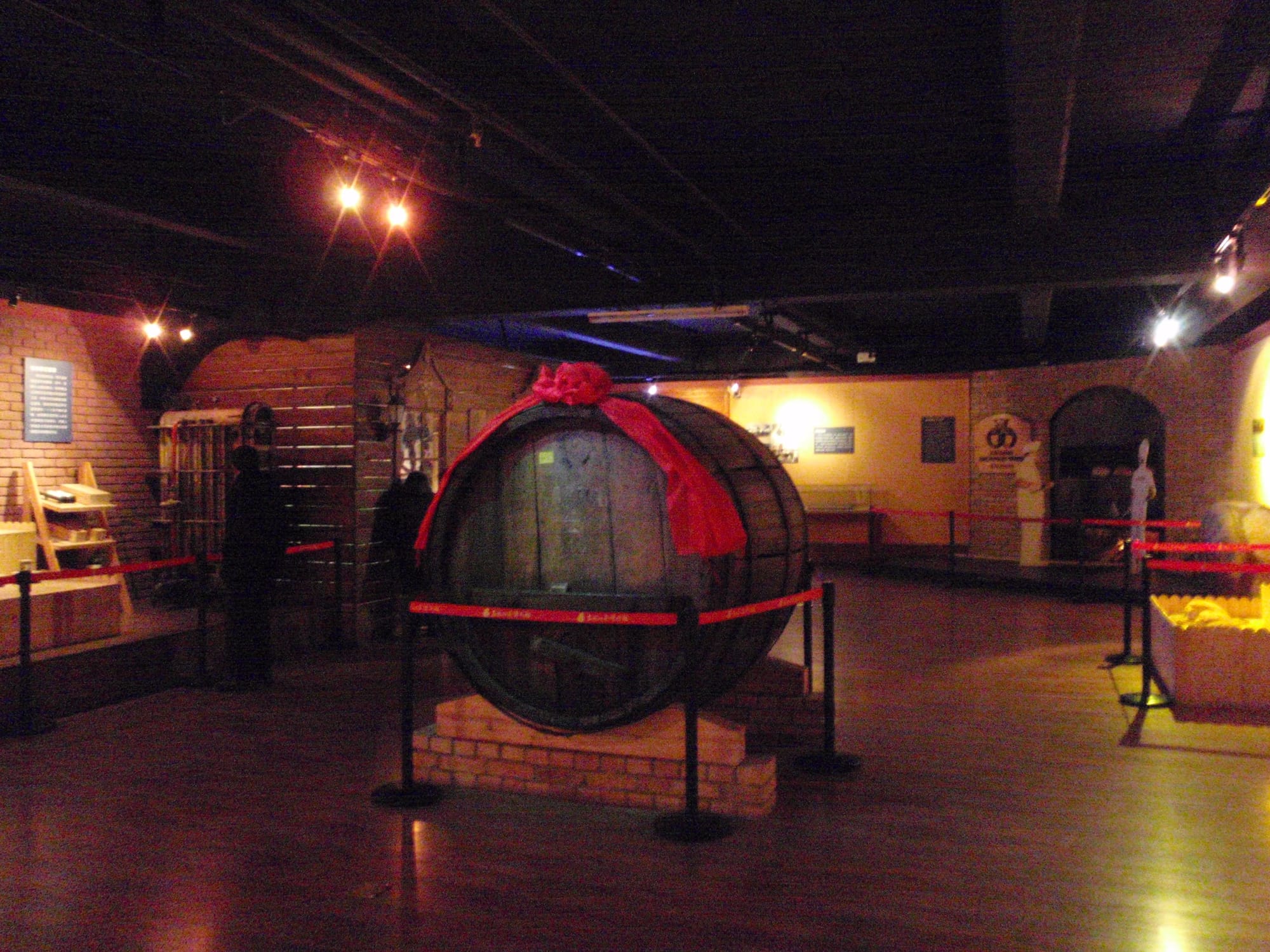
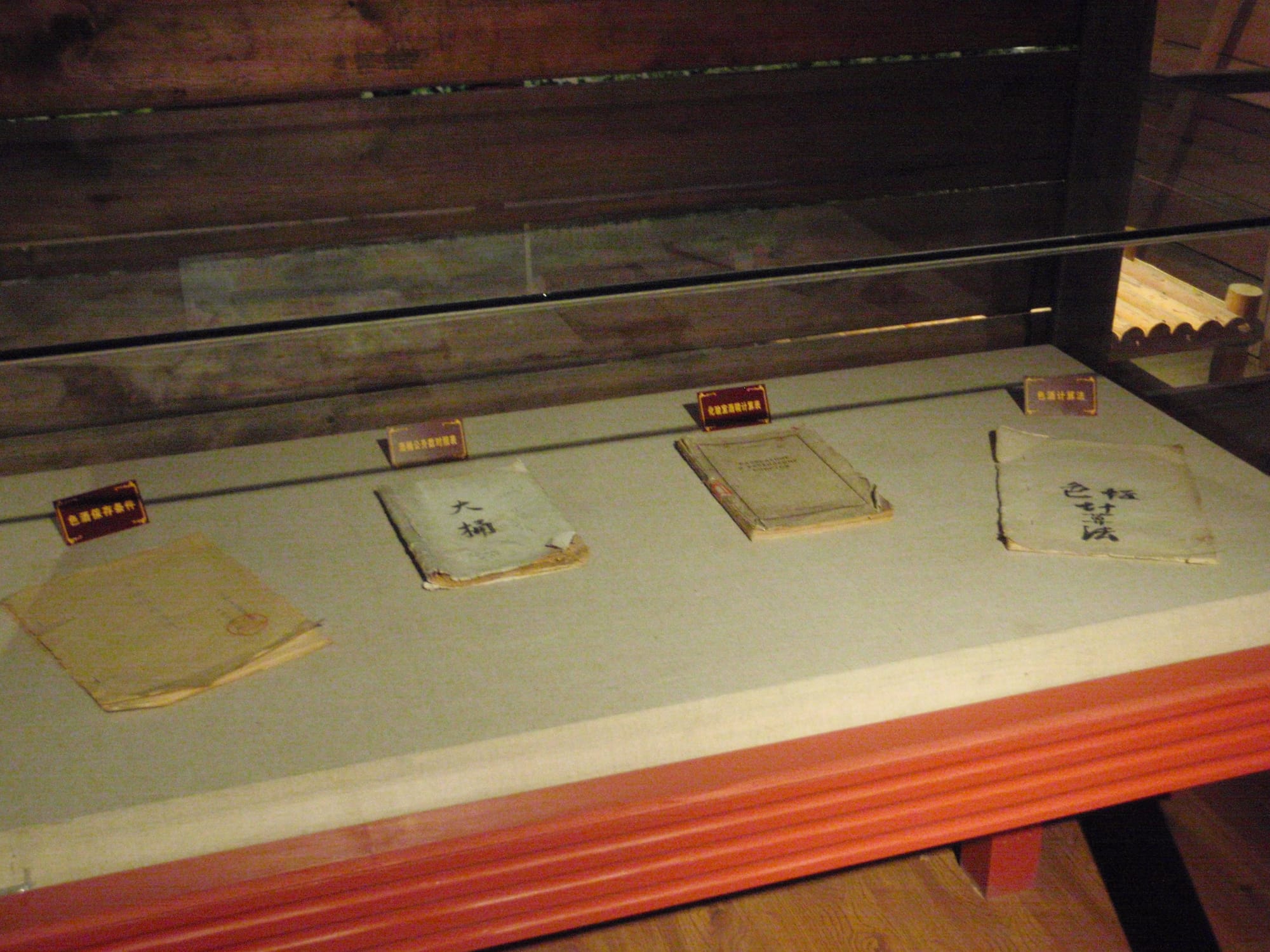
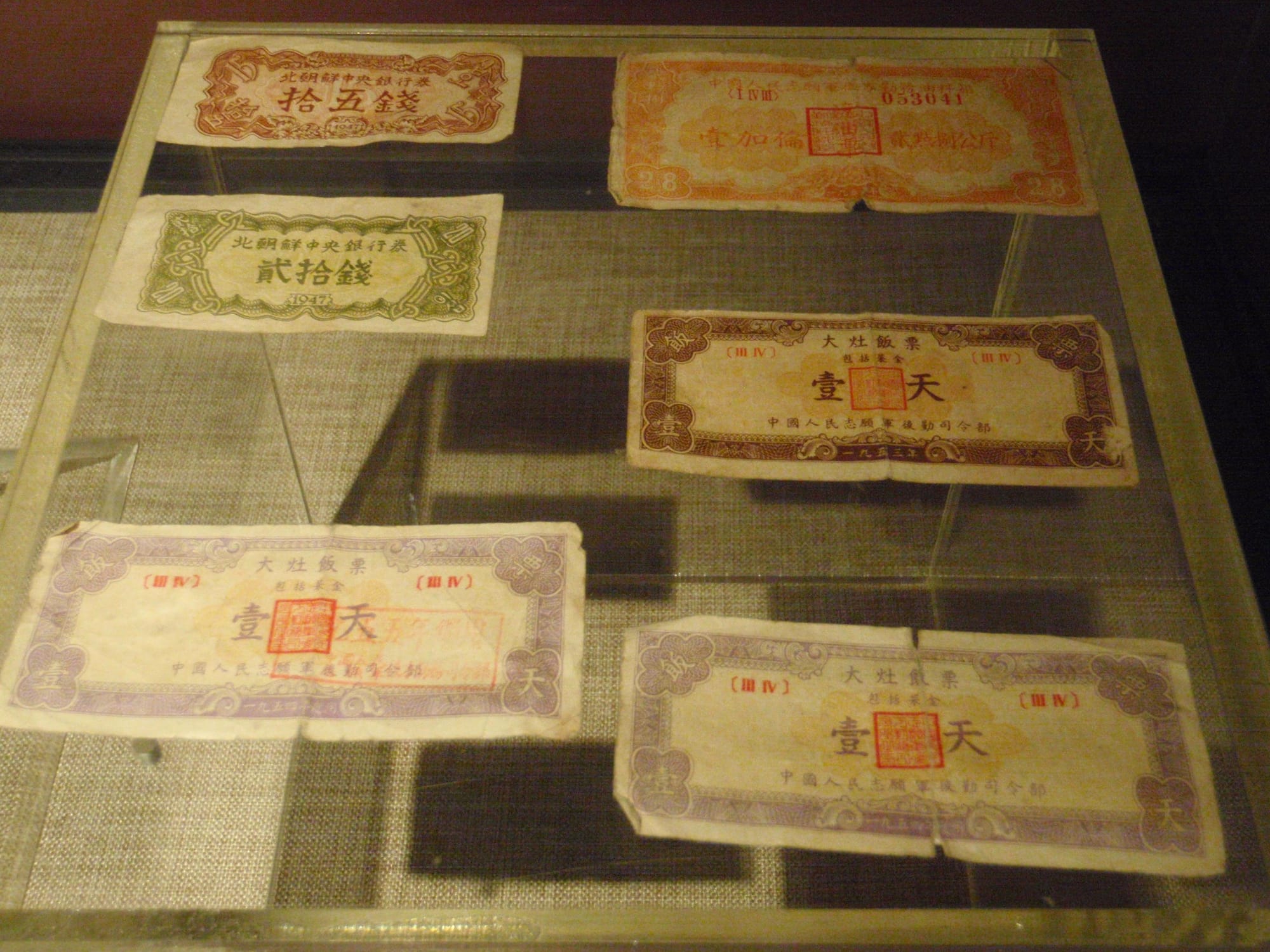
The museum offers a comprehensive journey through Heilongjiang’s transformation from a prehistoric wilderness into a multicultural frontier city. Its well-curated permanent exhibitions span archaeology, imperial history, ethnic cultures and natural history, providing rich context to the region beyond Harbin’s famous ice festivals and architecture.
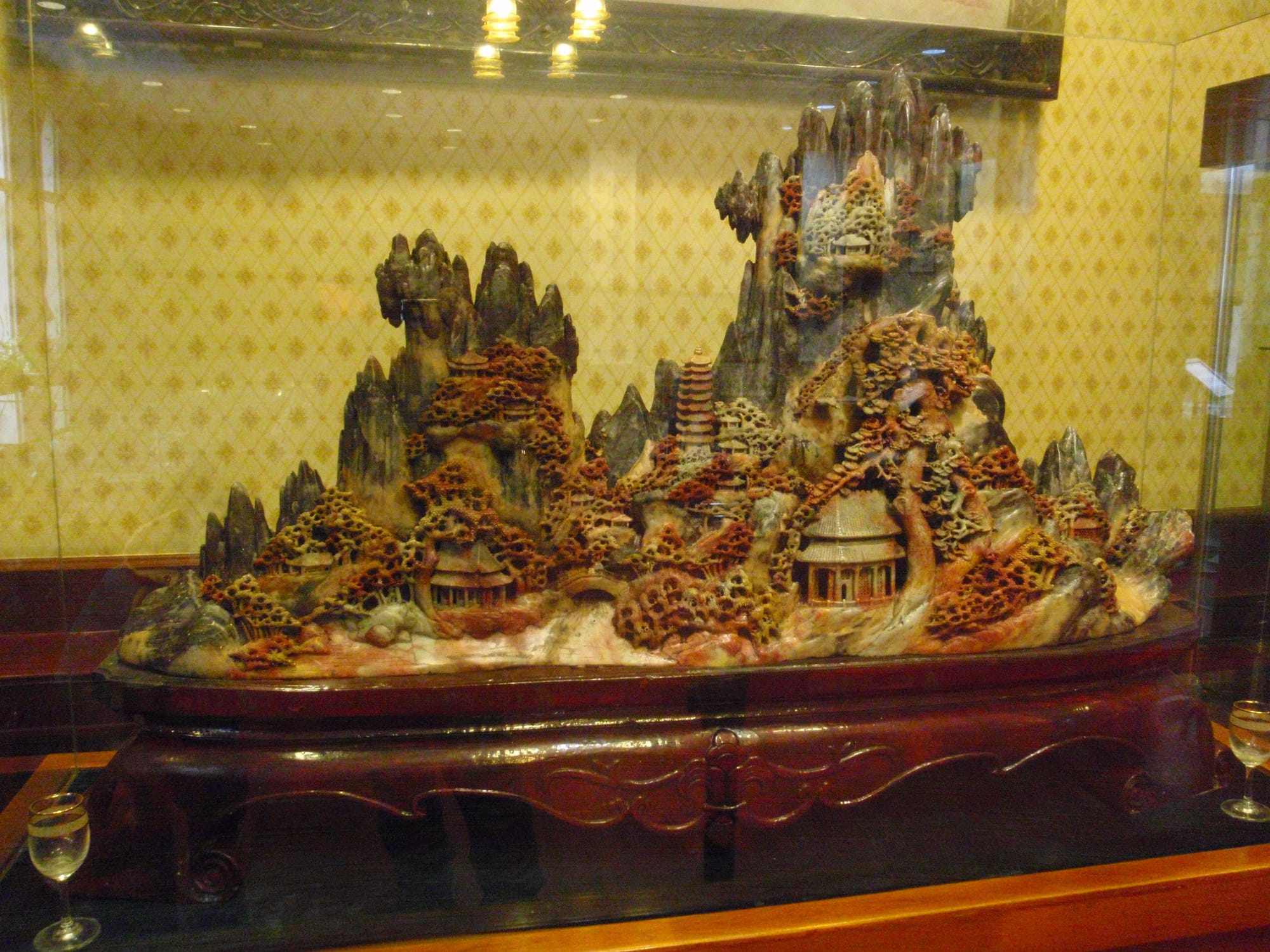
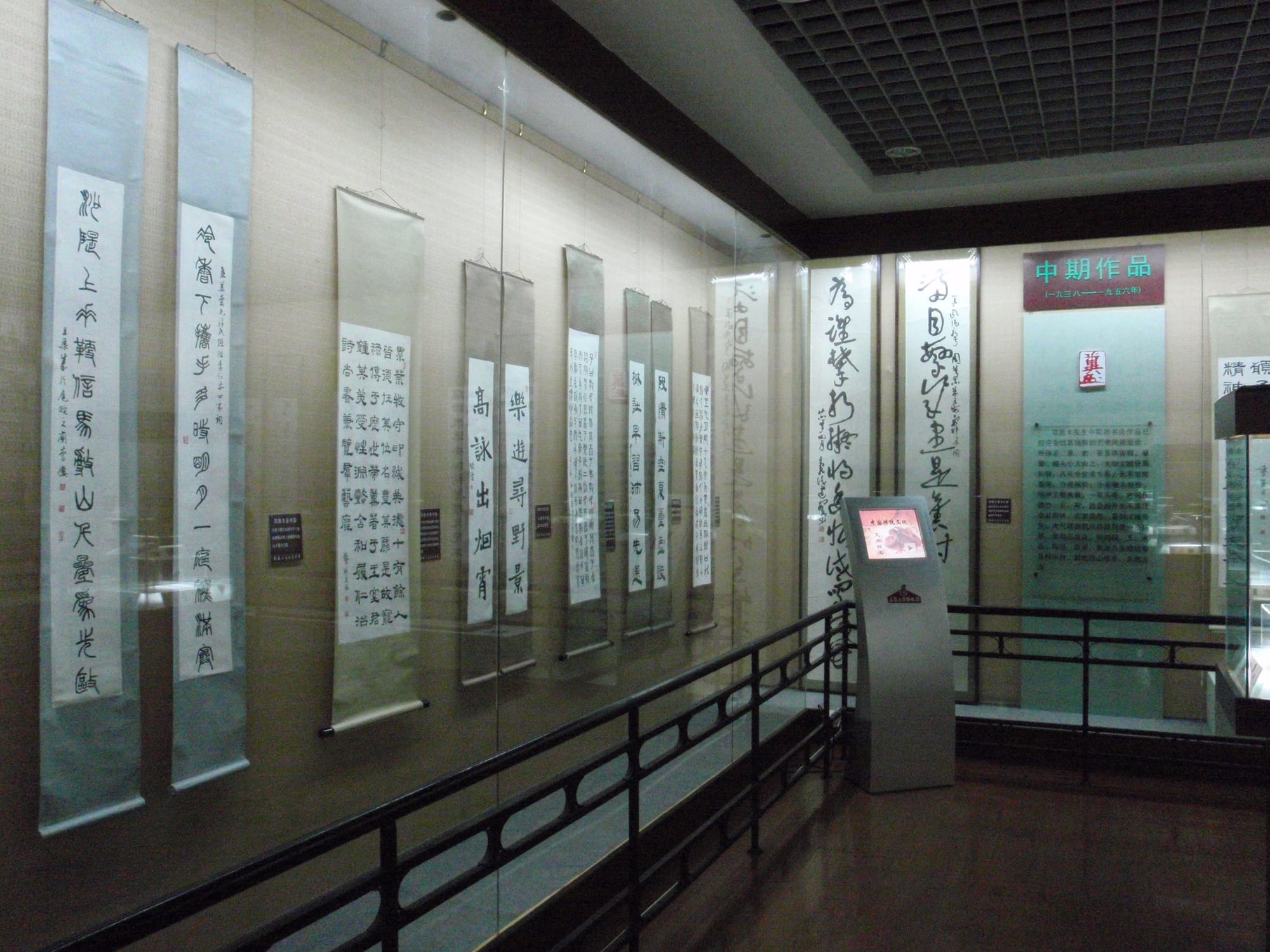
Highlights & Exhibits
- The Golden Dragon: The museum’s crown jewel is a Jin Dynasty bronze seated dragon, a powerful symbol of the Nüzhen people and one of China’s most significant cultural relics.
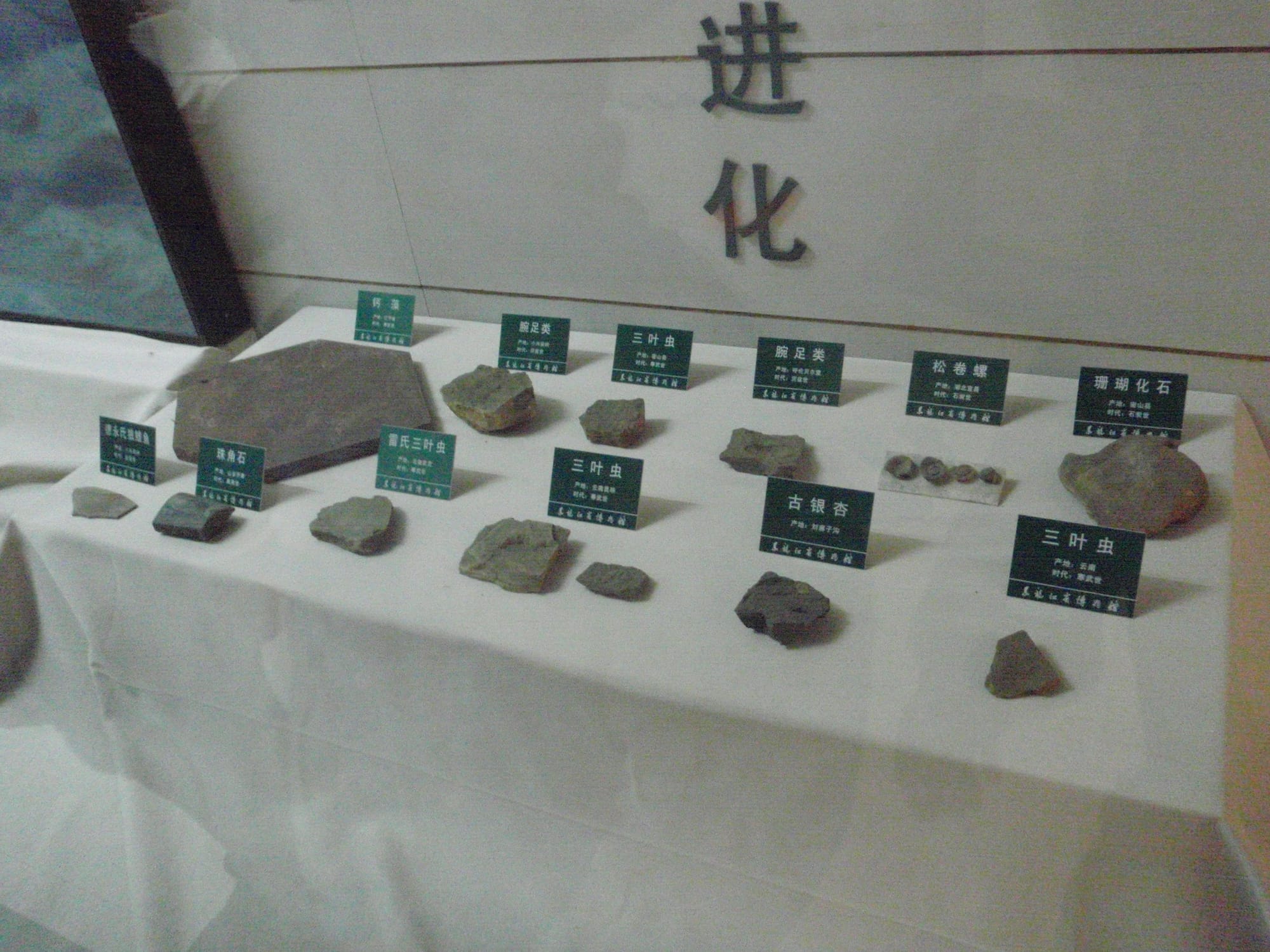
- Ice Age Giants: Exceptionally preserved, complete skeletons of a Woolly Mammoth and a Woolly Rhinoceros offer a dramatic glimpse into Heilongjiang’s Ice Age past.
- Imperial History: Galleries trace the rise of the Bohai and Jin Kingdoms, displaying exquisite gold jewellery, royal silk garments, and ancient pottery from elite tombs.
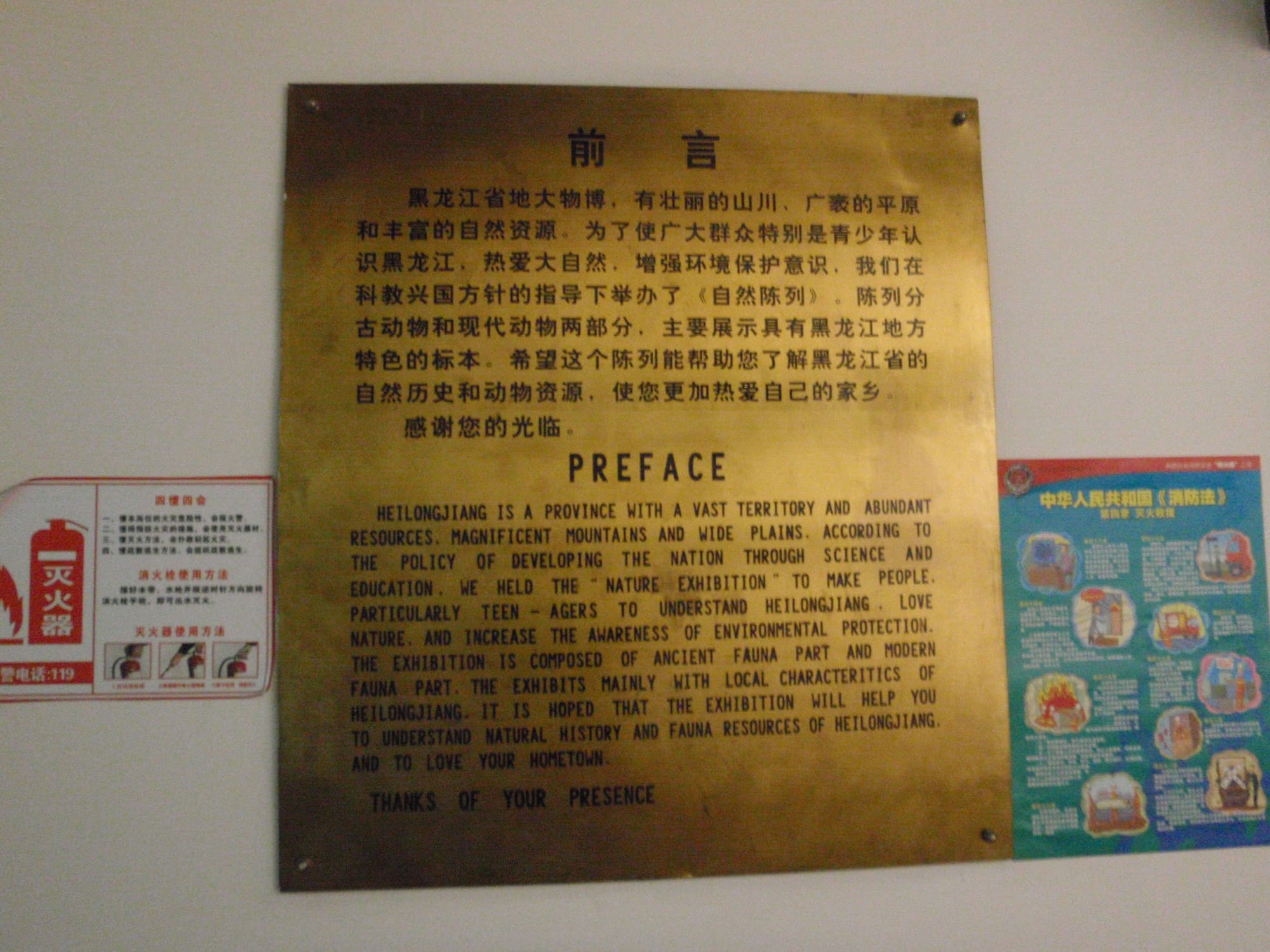
- Nature & Wildlife: A vast natural history collection includes over 25,000 insect specimens, along with taxidermy displays of Siberian tigers and Red-crowned cranes, making this section especially popular with families.
Heilongjiang Science and Technology Museum (黑龙江省科学技术馆)
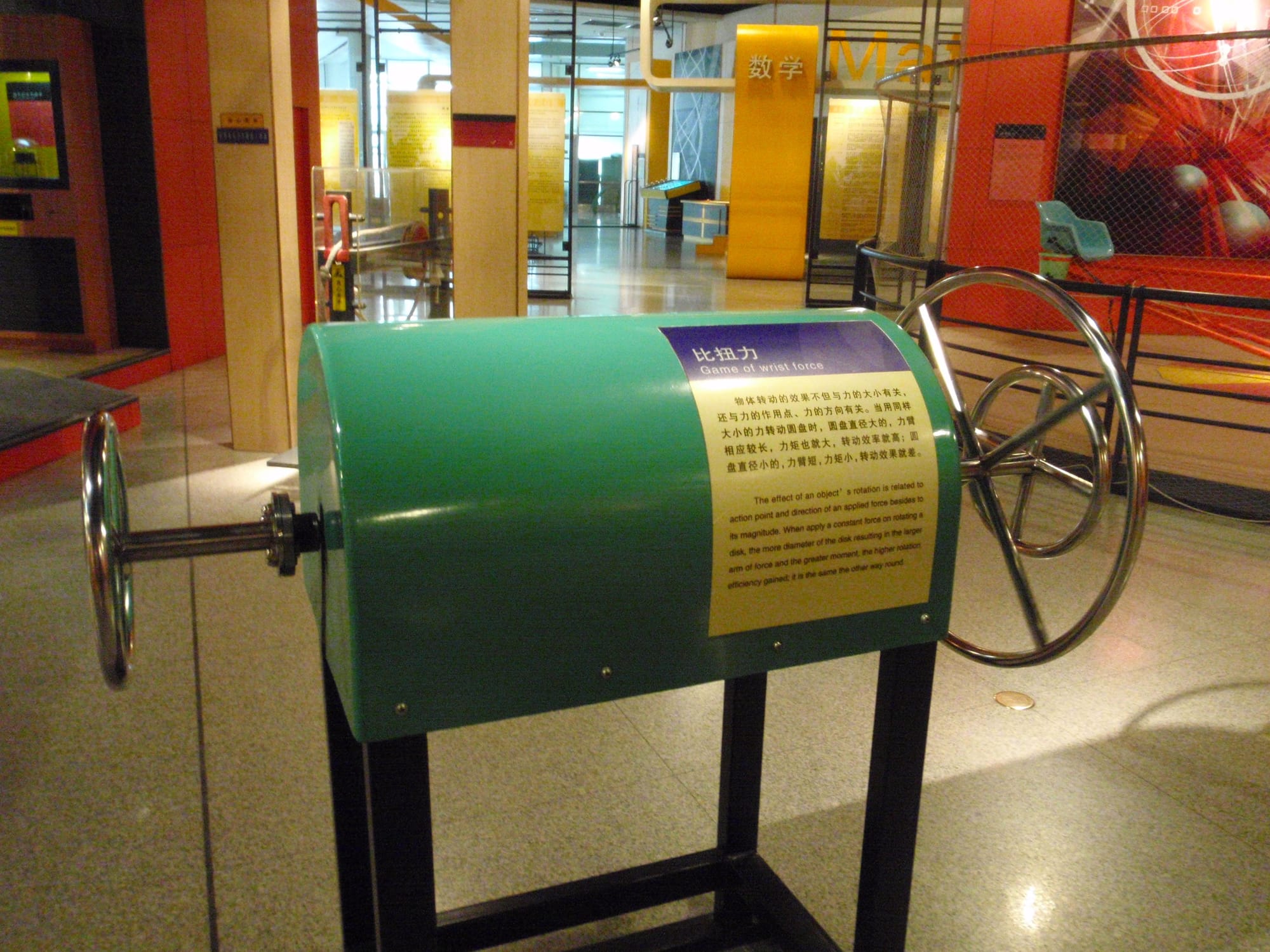
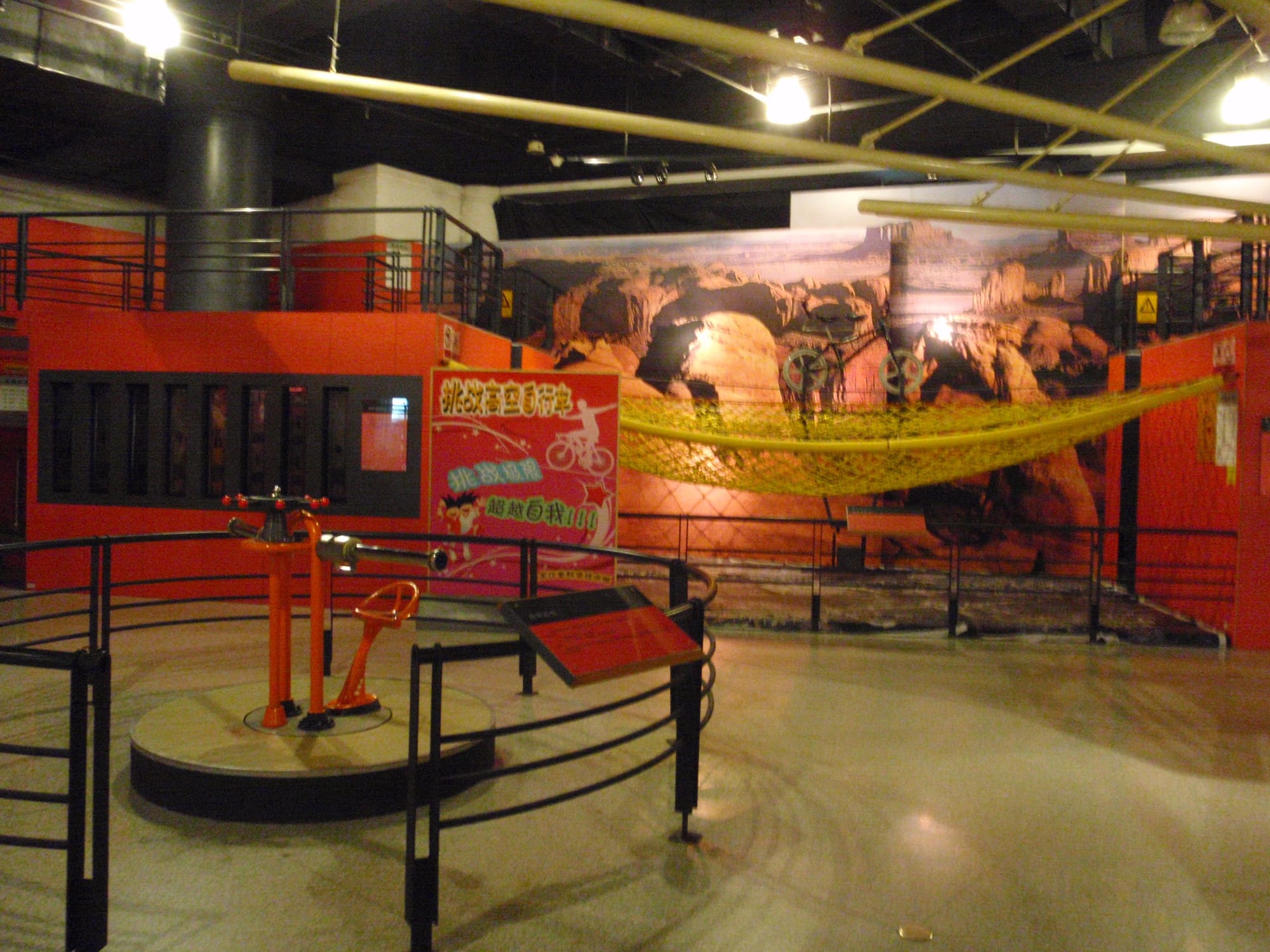
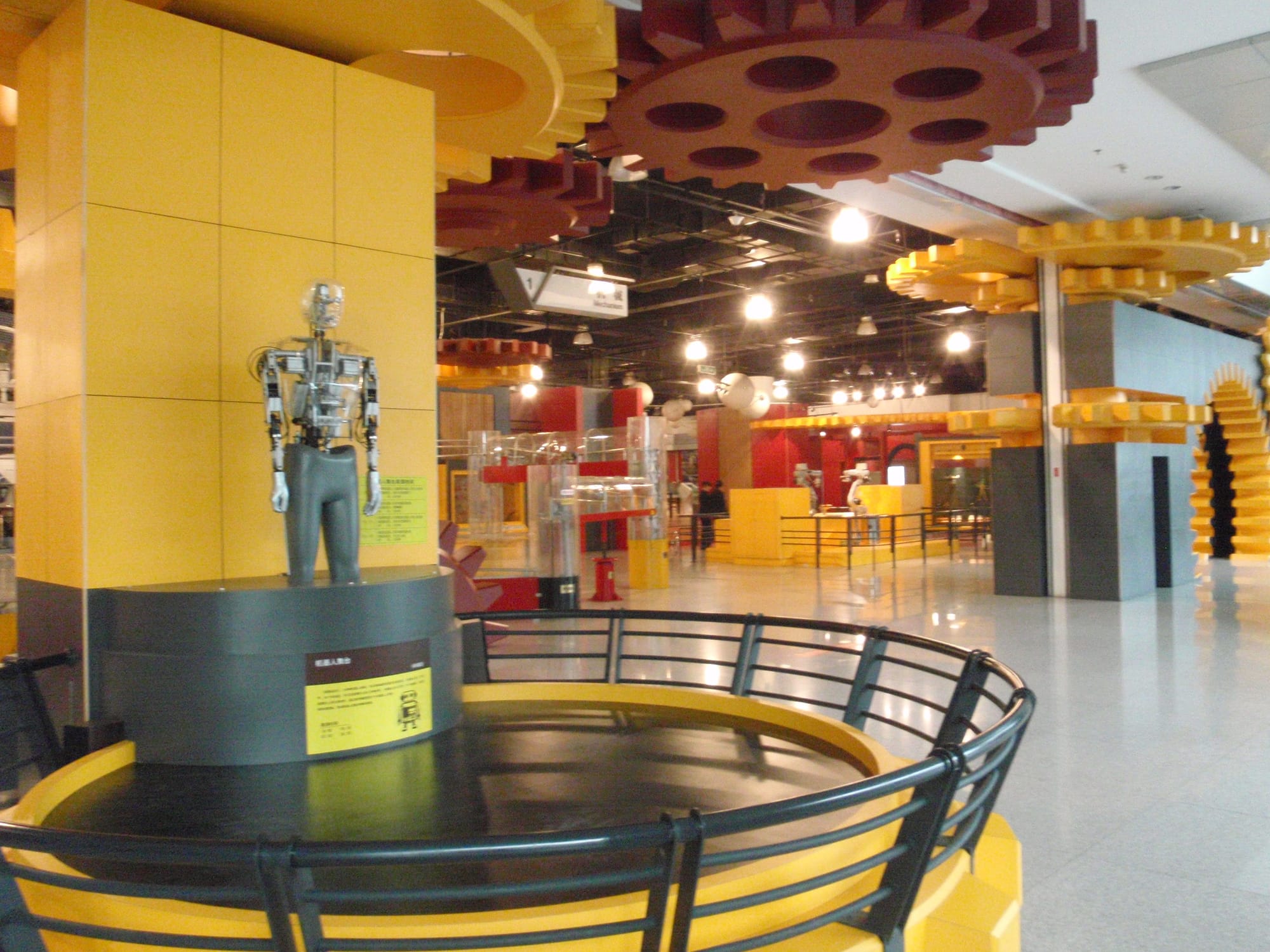
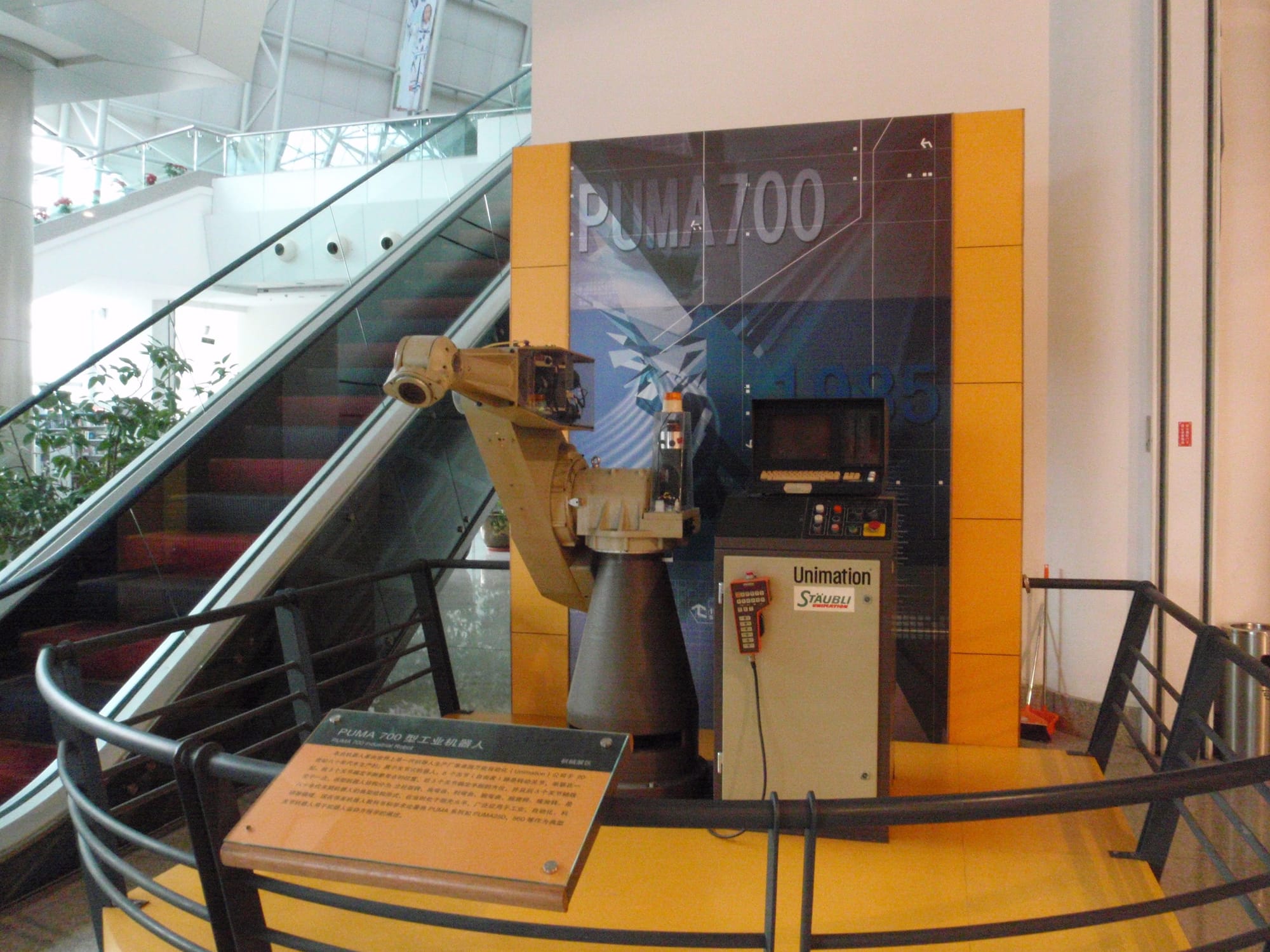
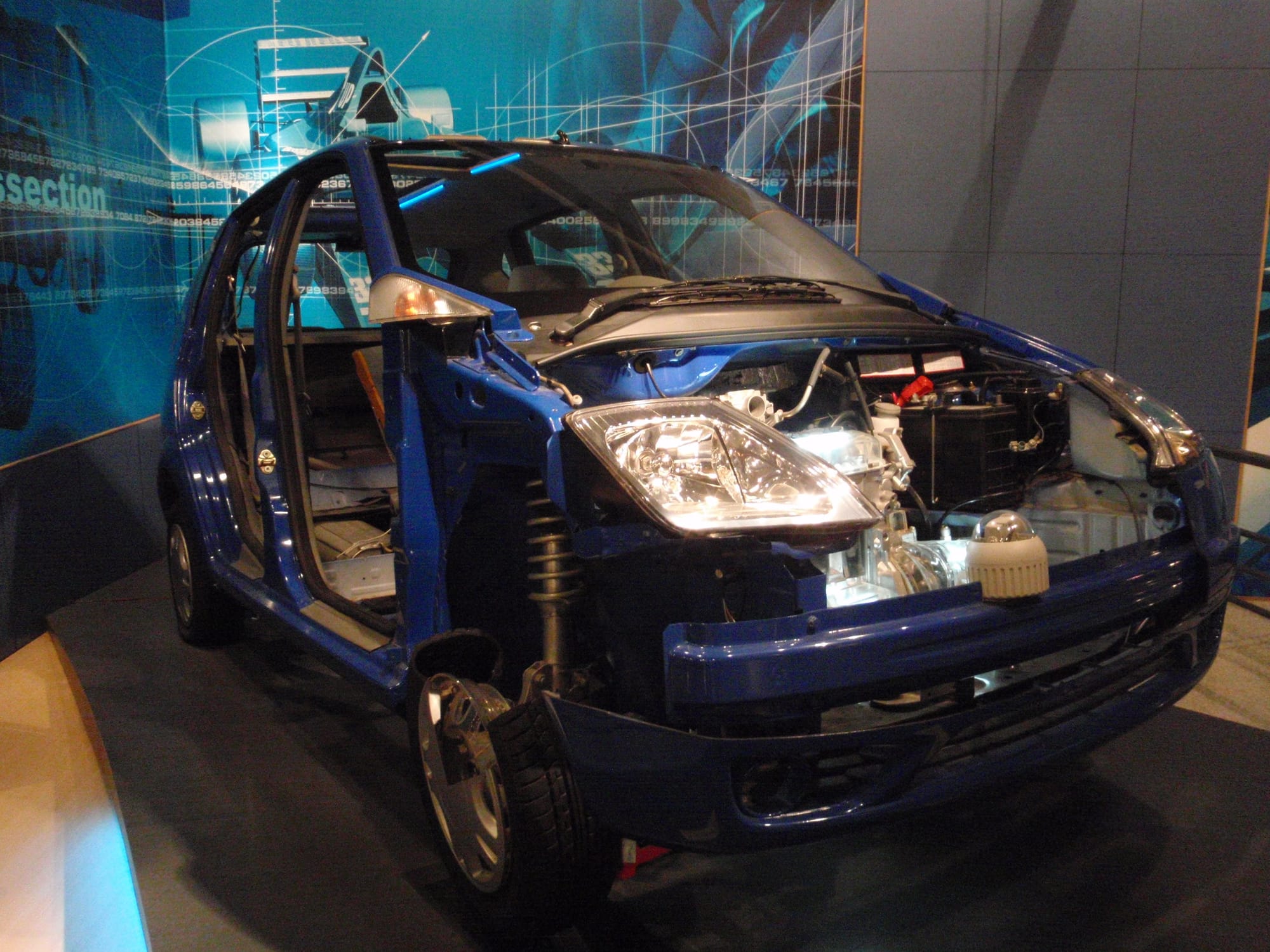
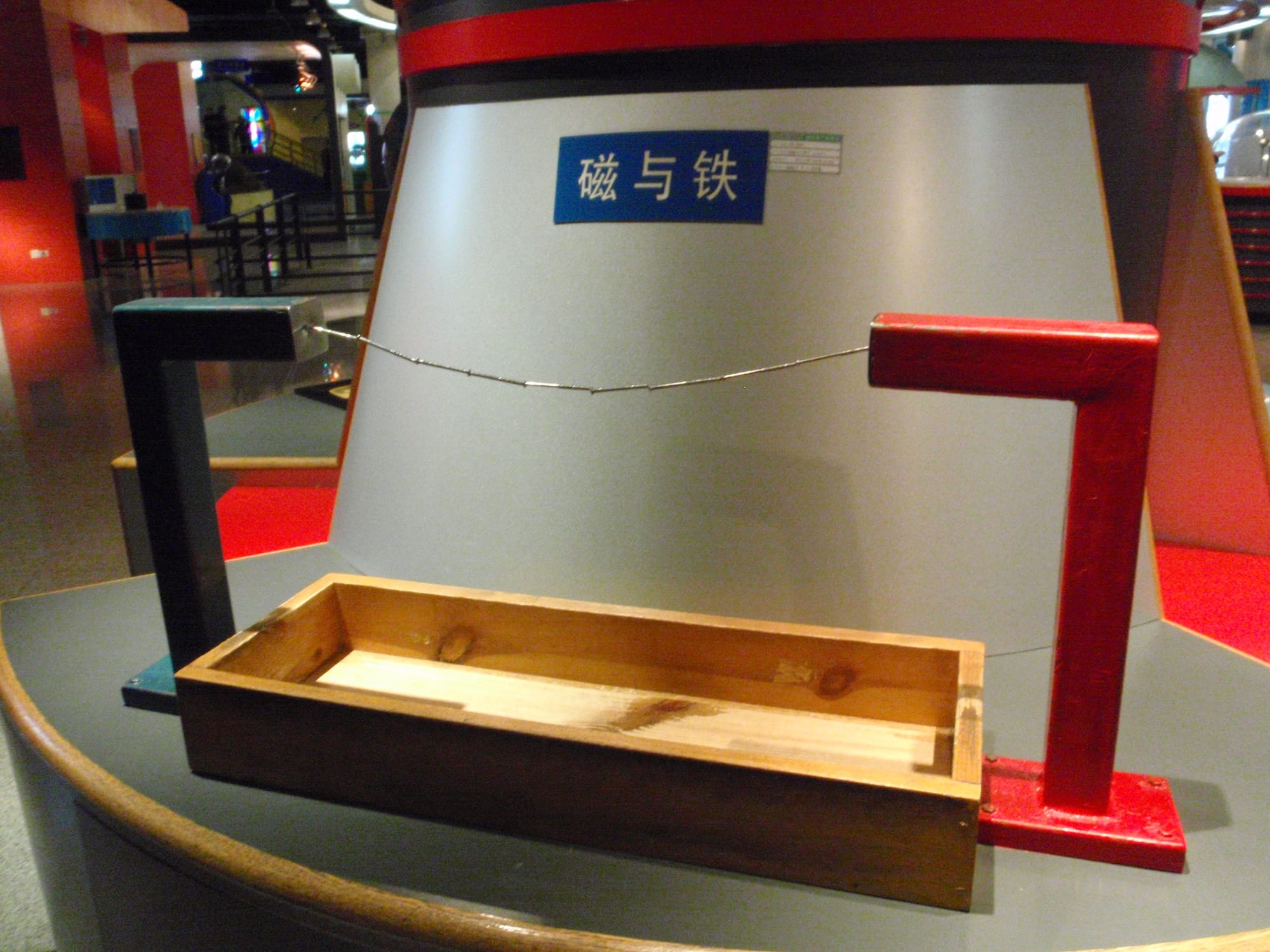
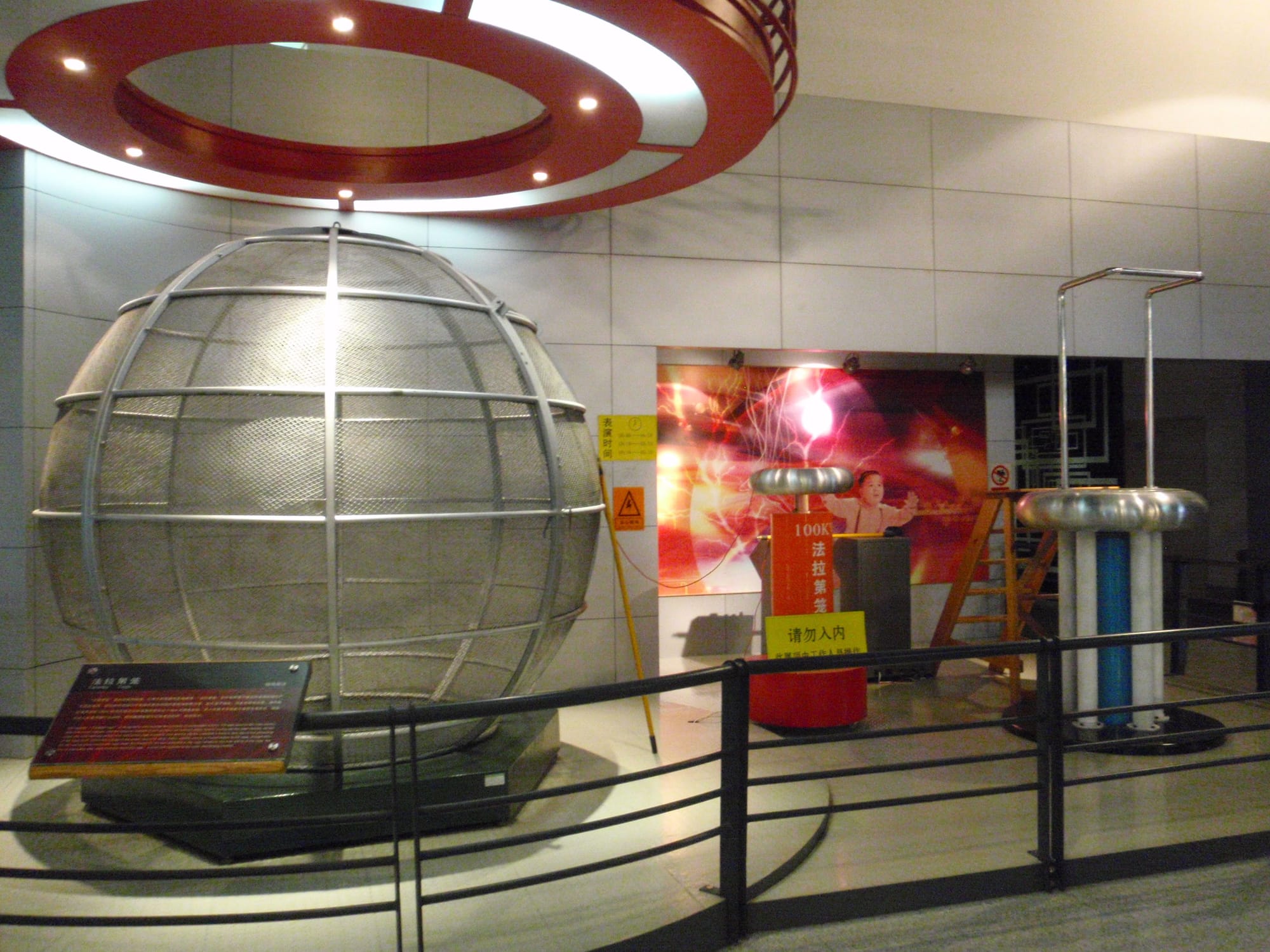
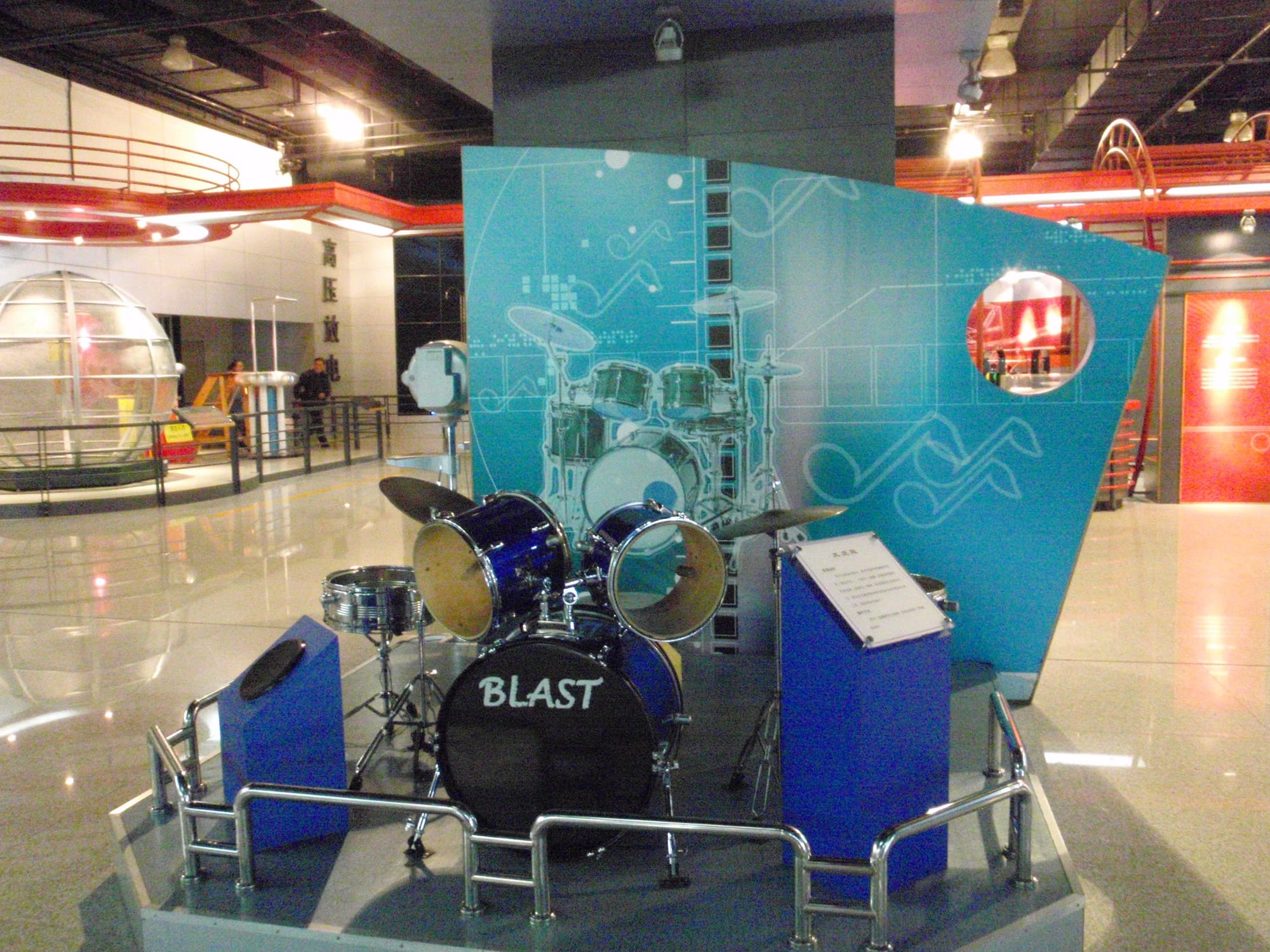
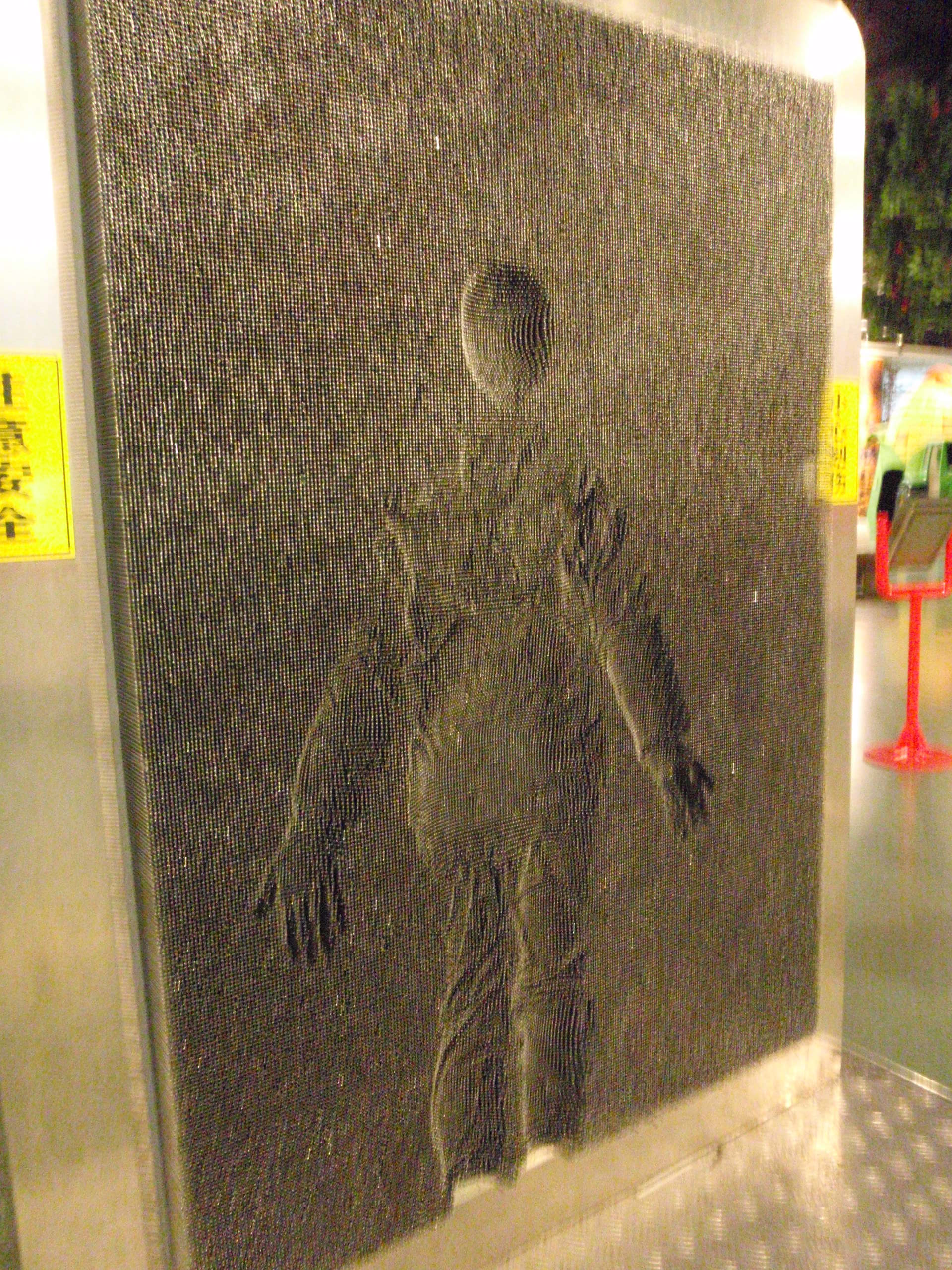
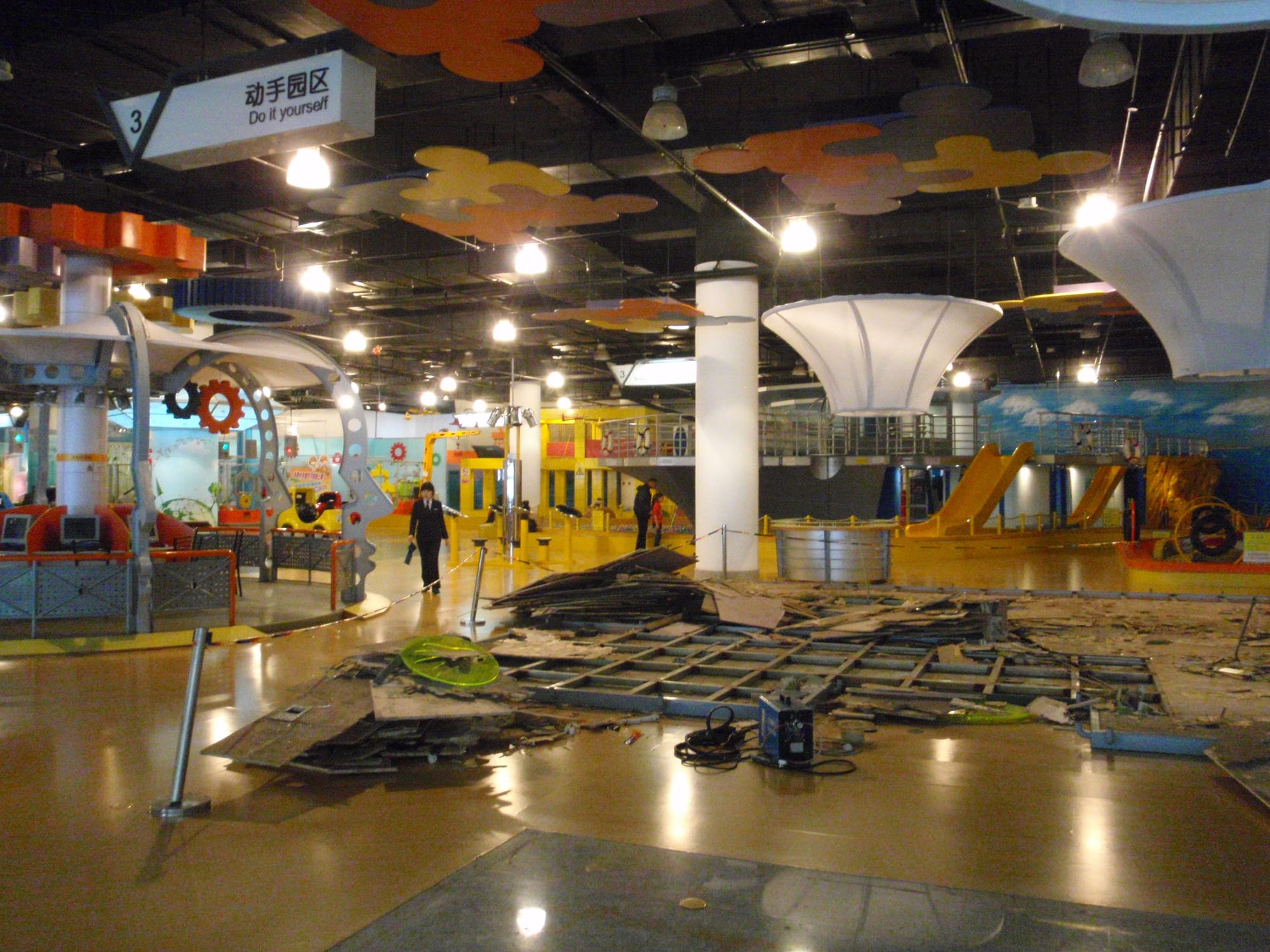
Heilongjiang Science and Technology Museum is one of Harbin’s most family-friendly attractions, offering an engaging, hands-on escape from the city’s famously cold weather. Located on the scenic Sun Island, the museum is housed in a striking futuristic silver-domed building and is ideal for a half-day visit with children, curious travelers, or science enthusiasts.
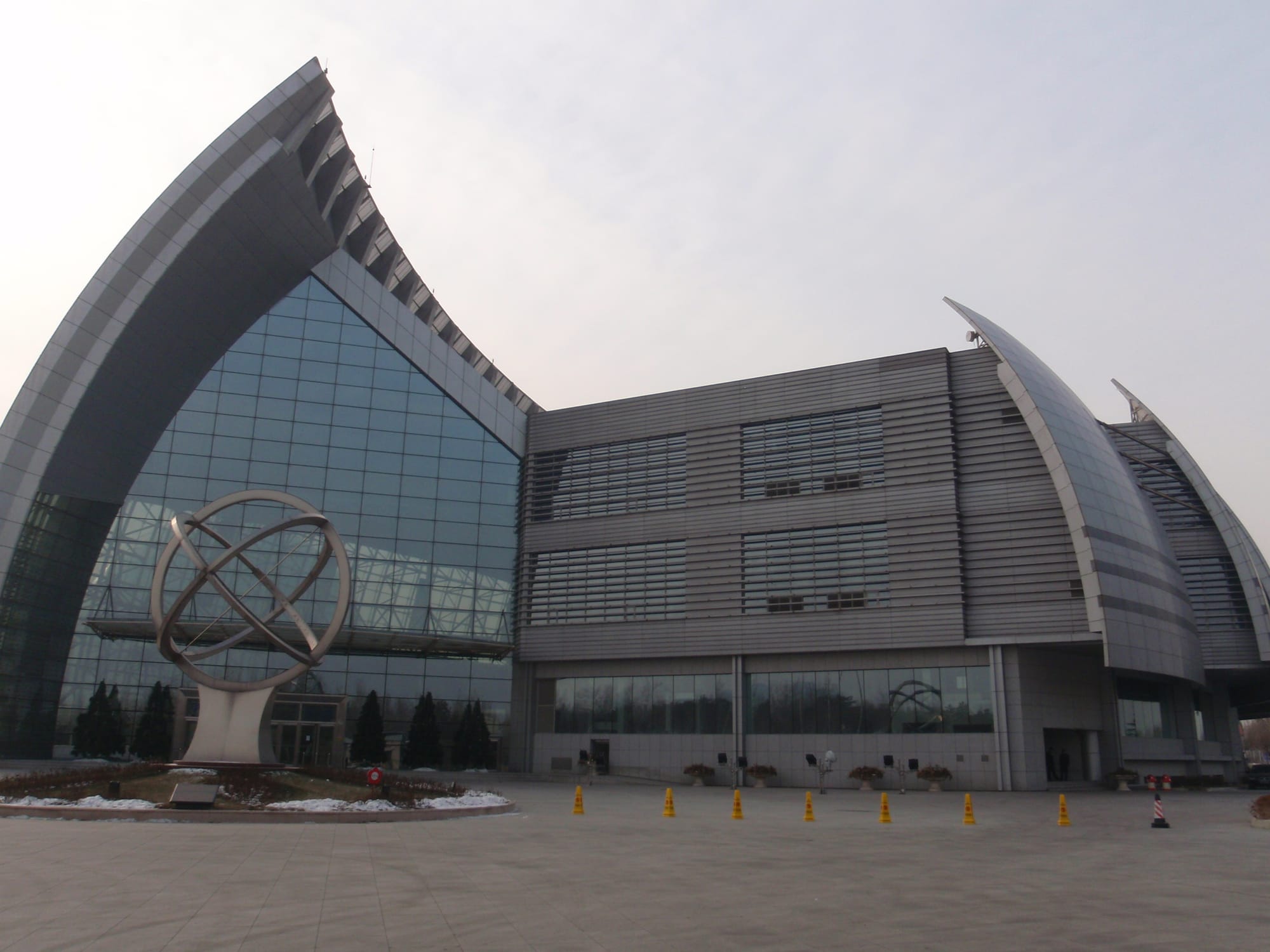
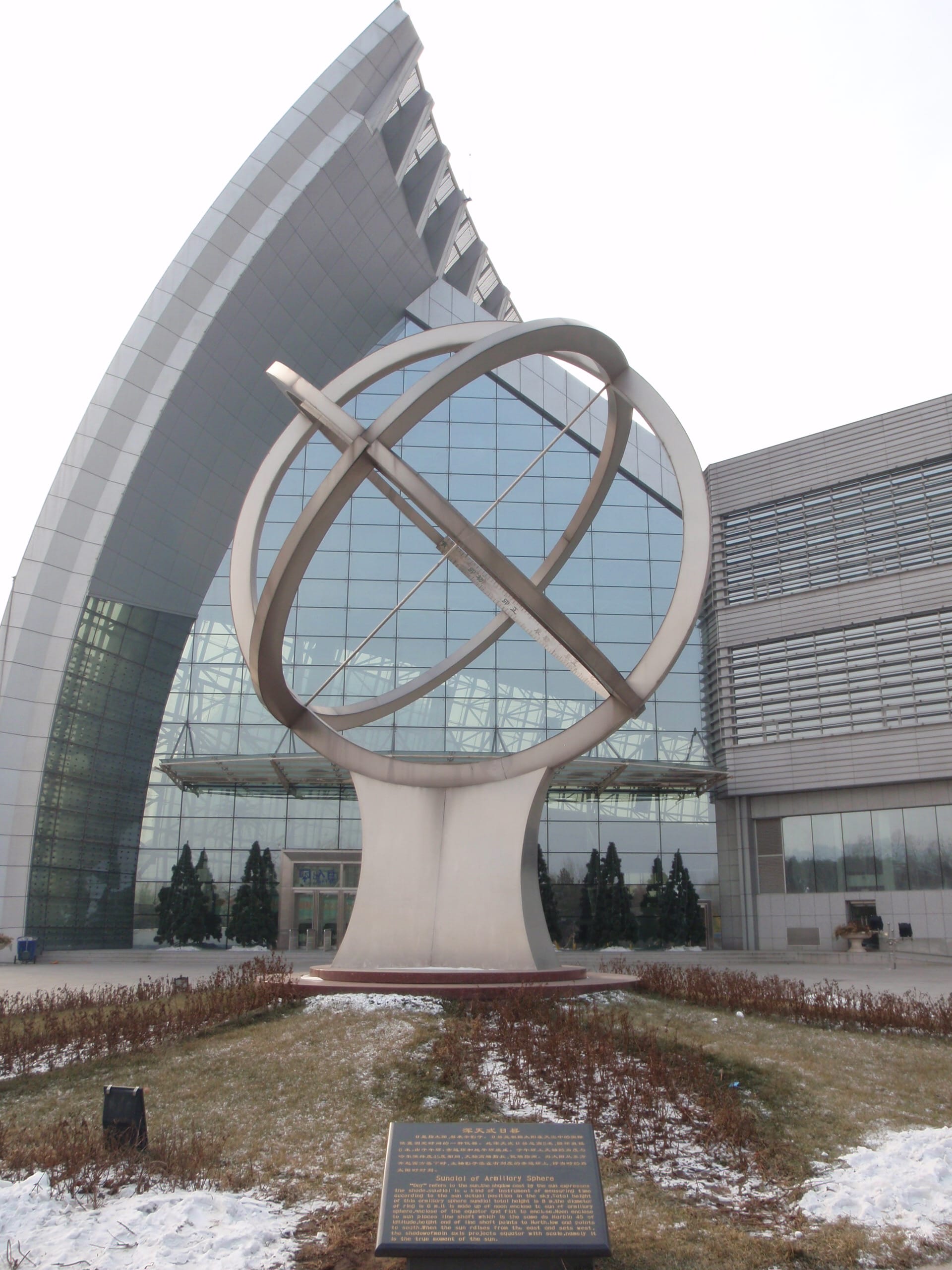
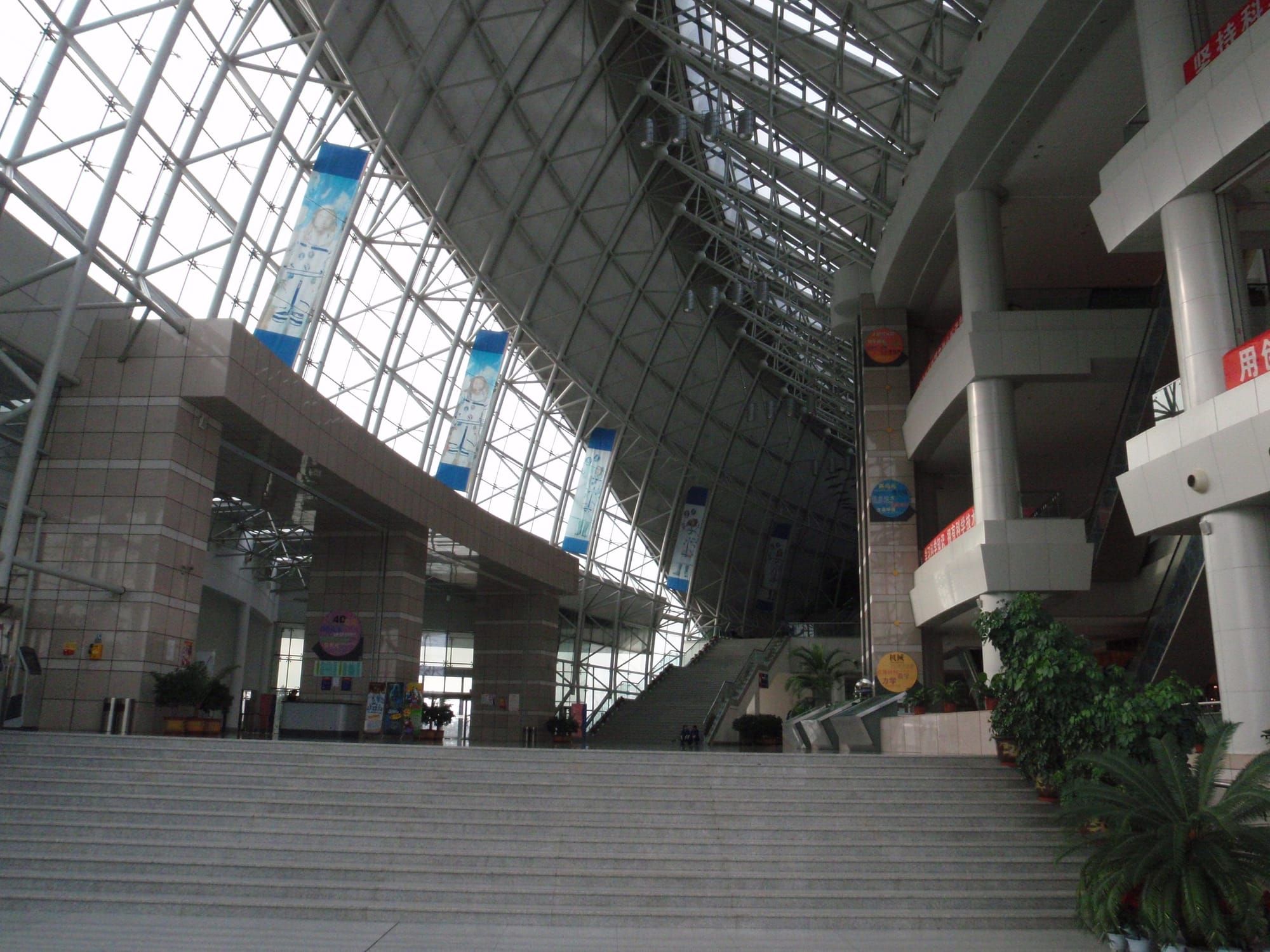
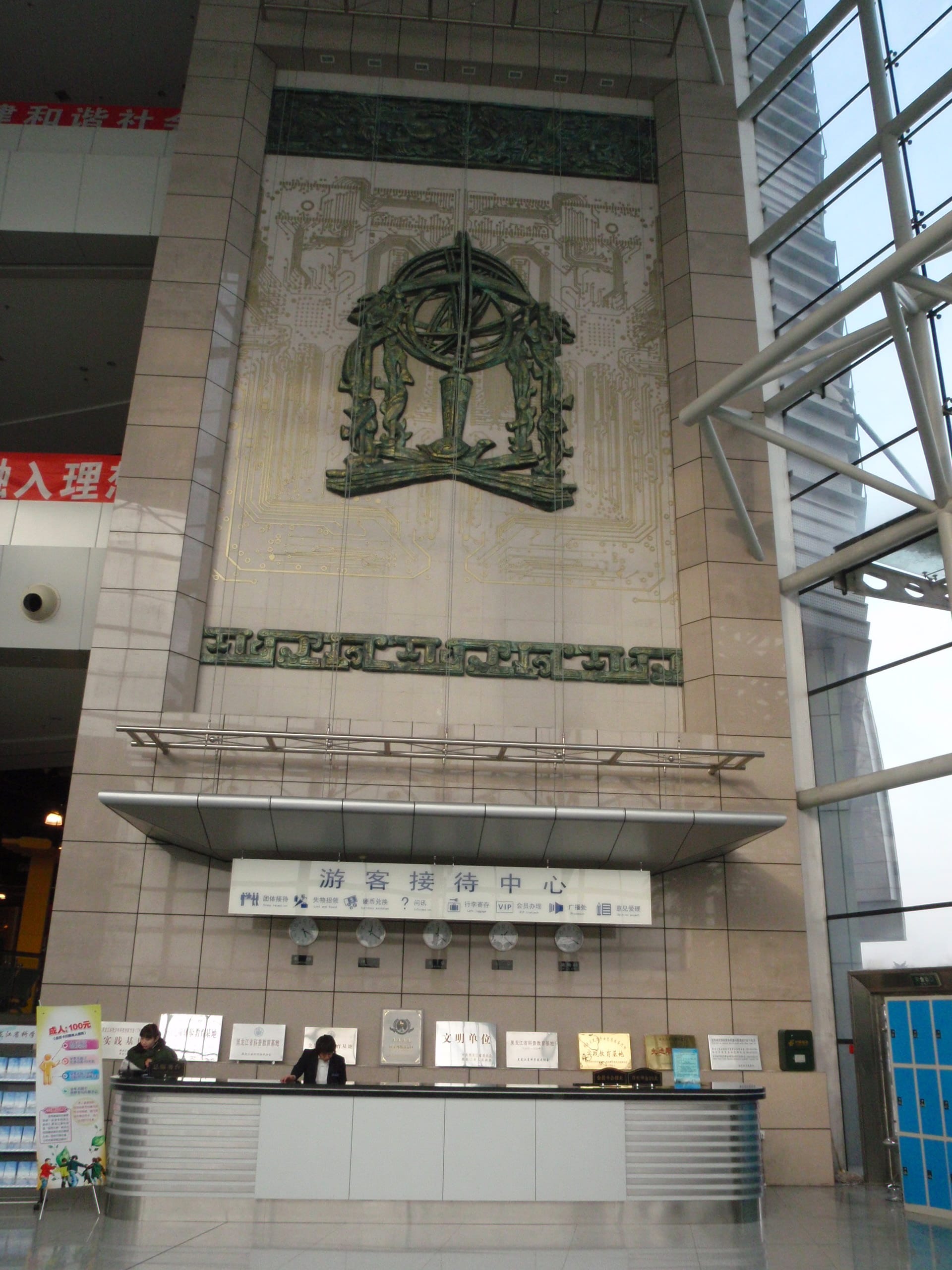
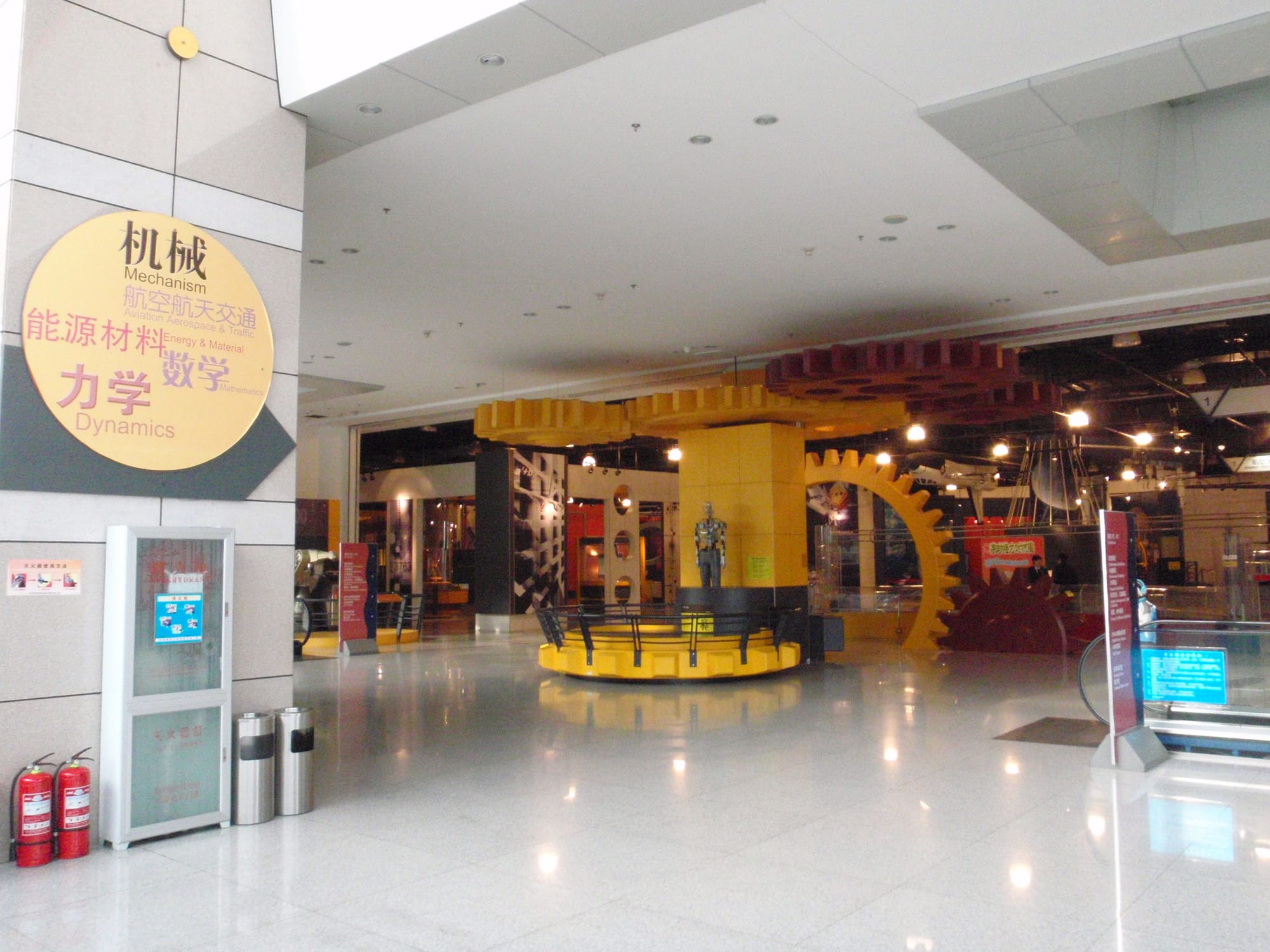
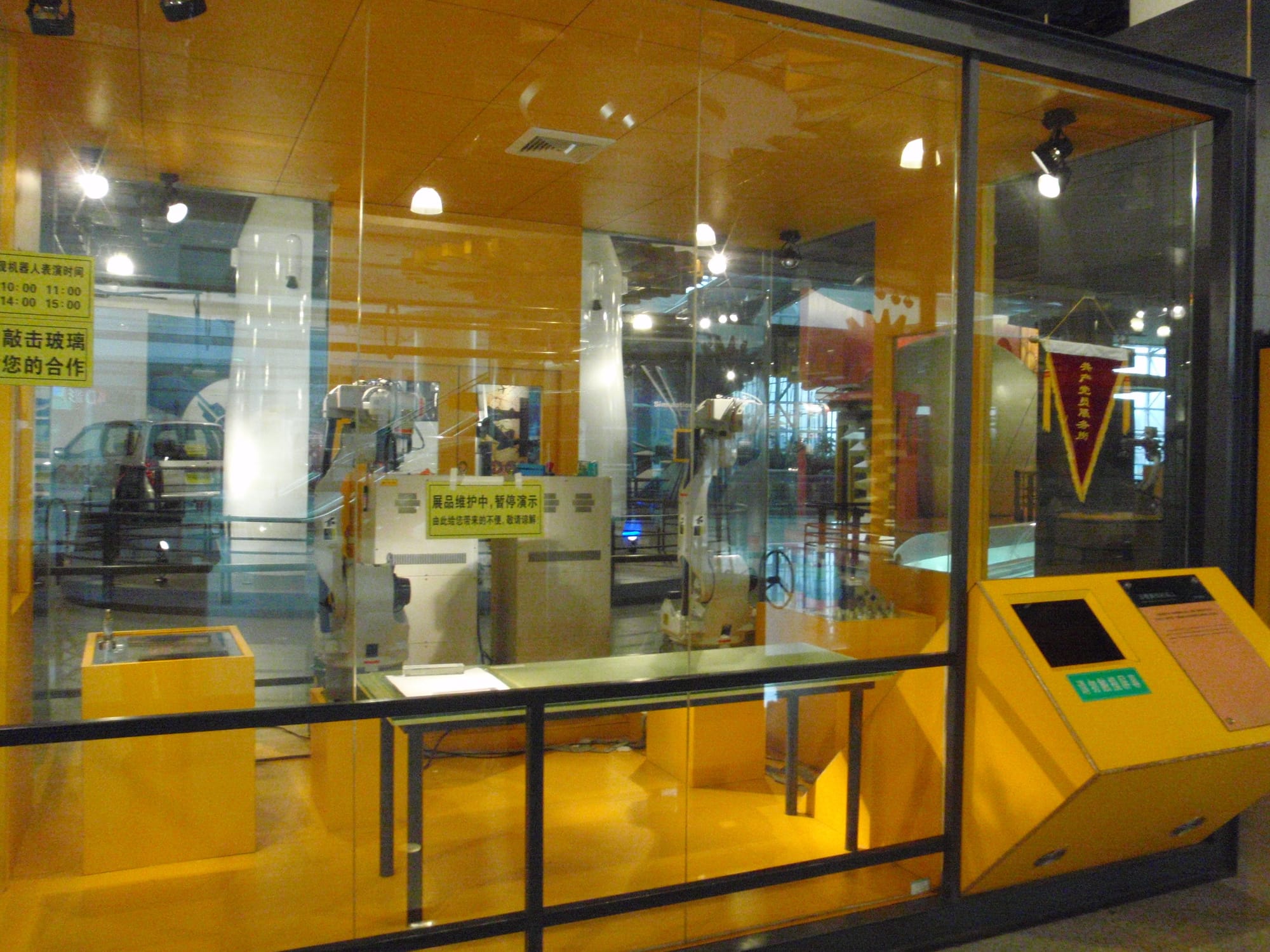
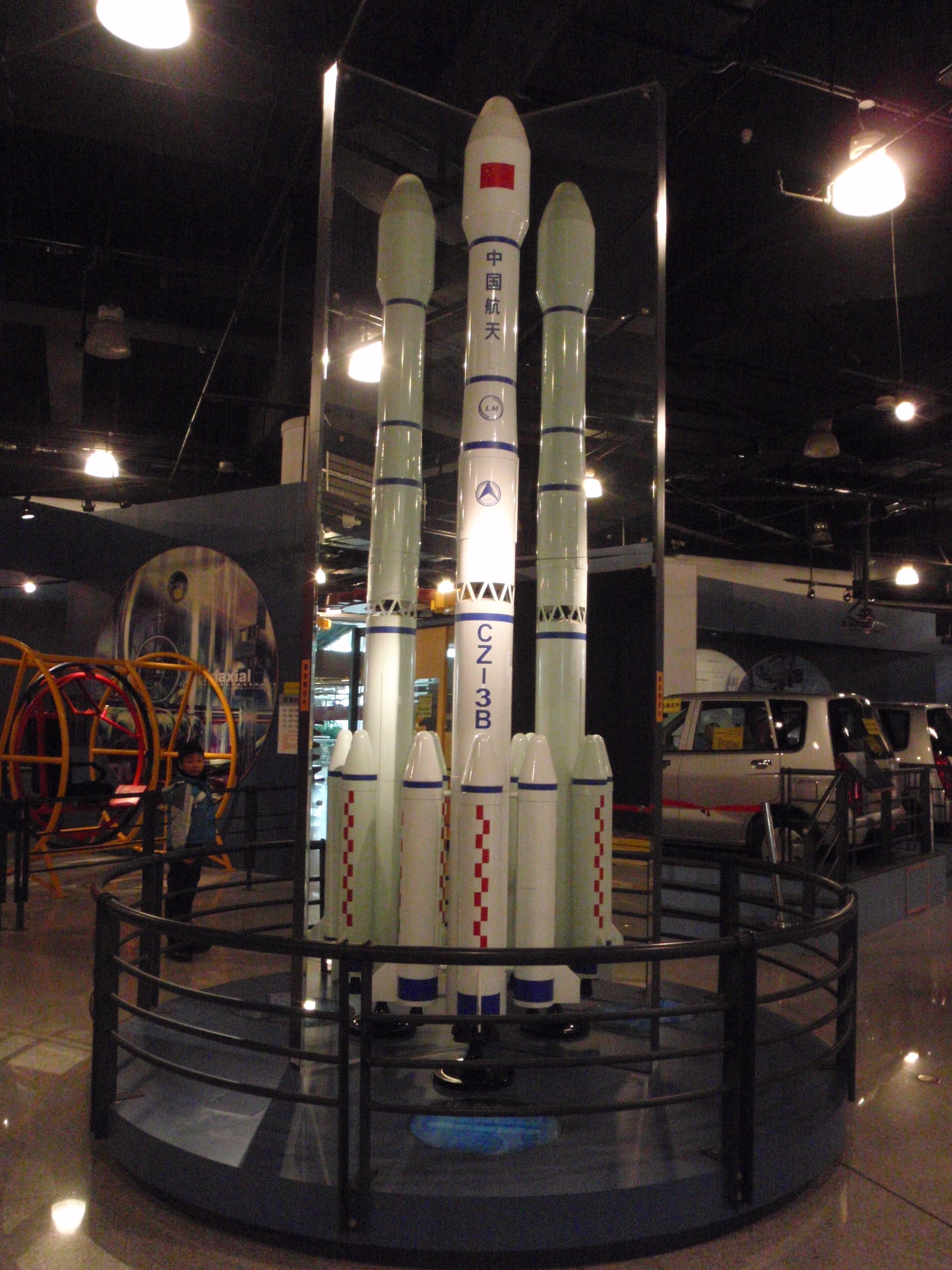
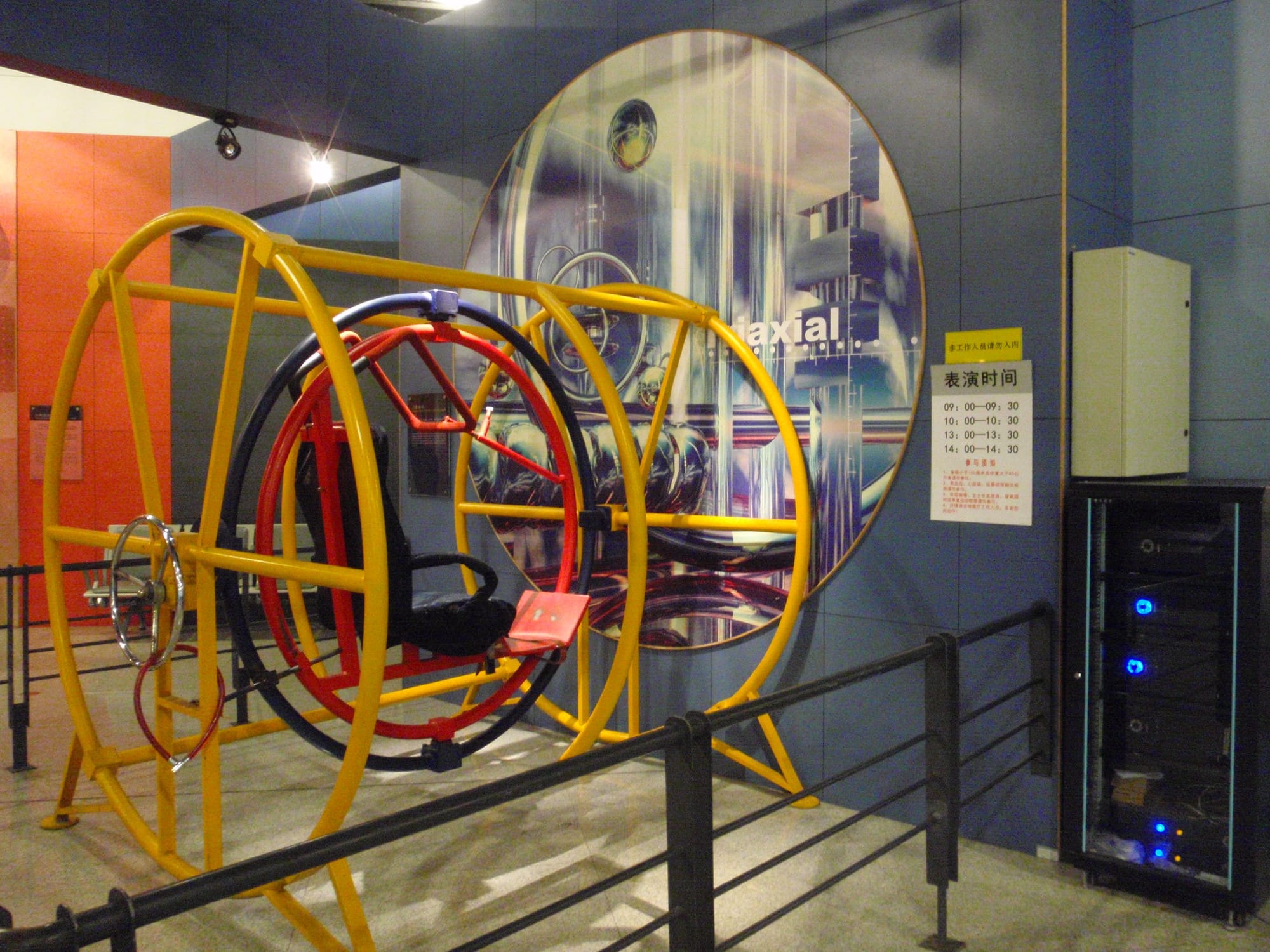
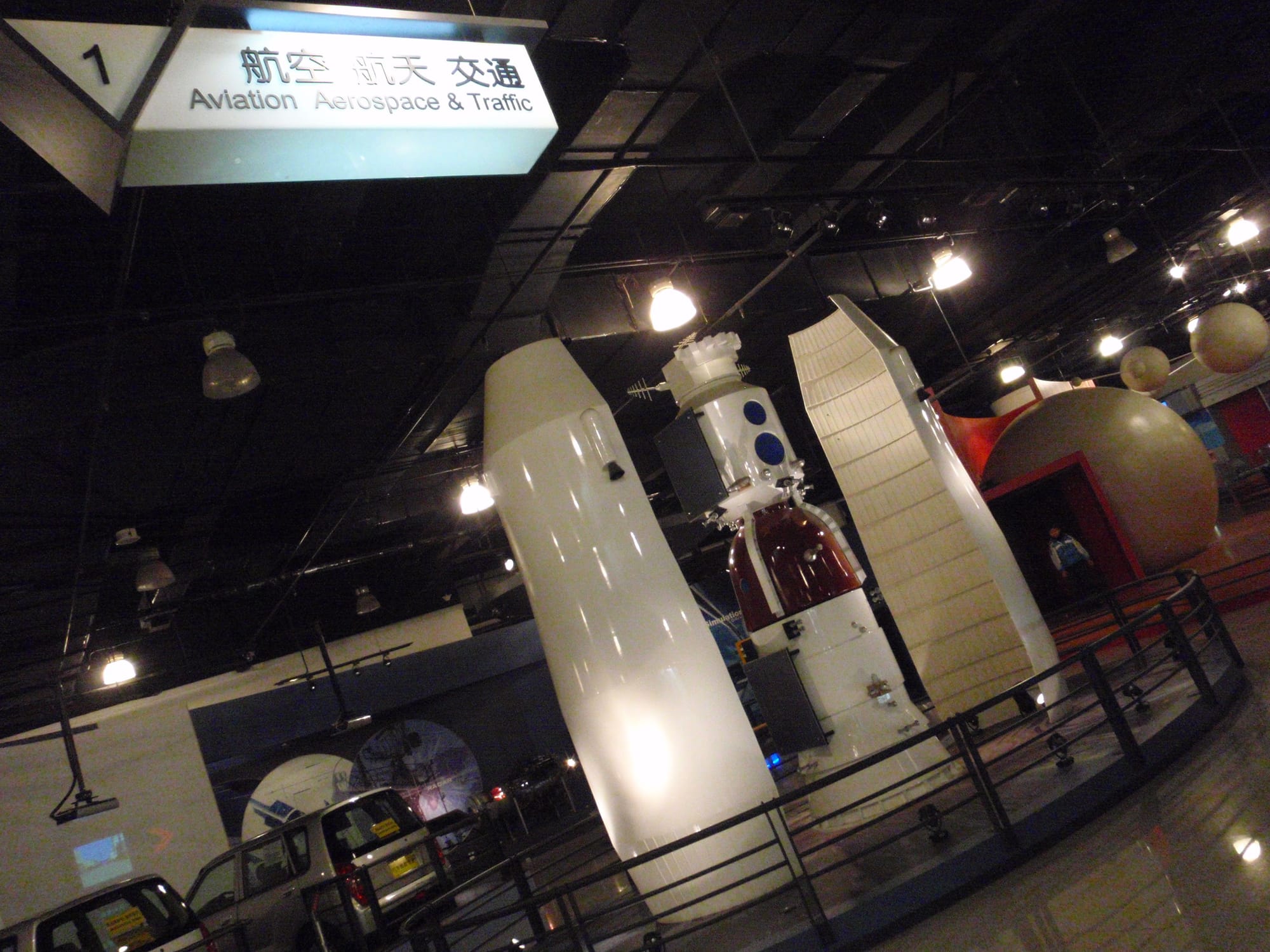
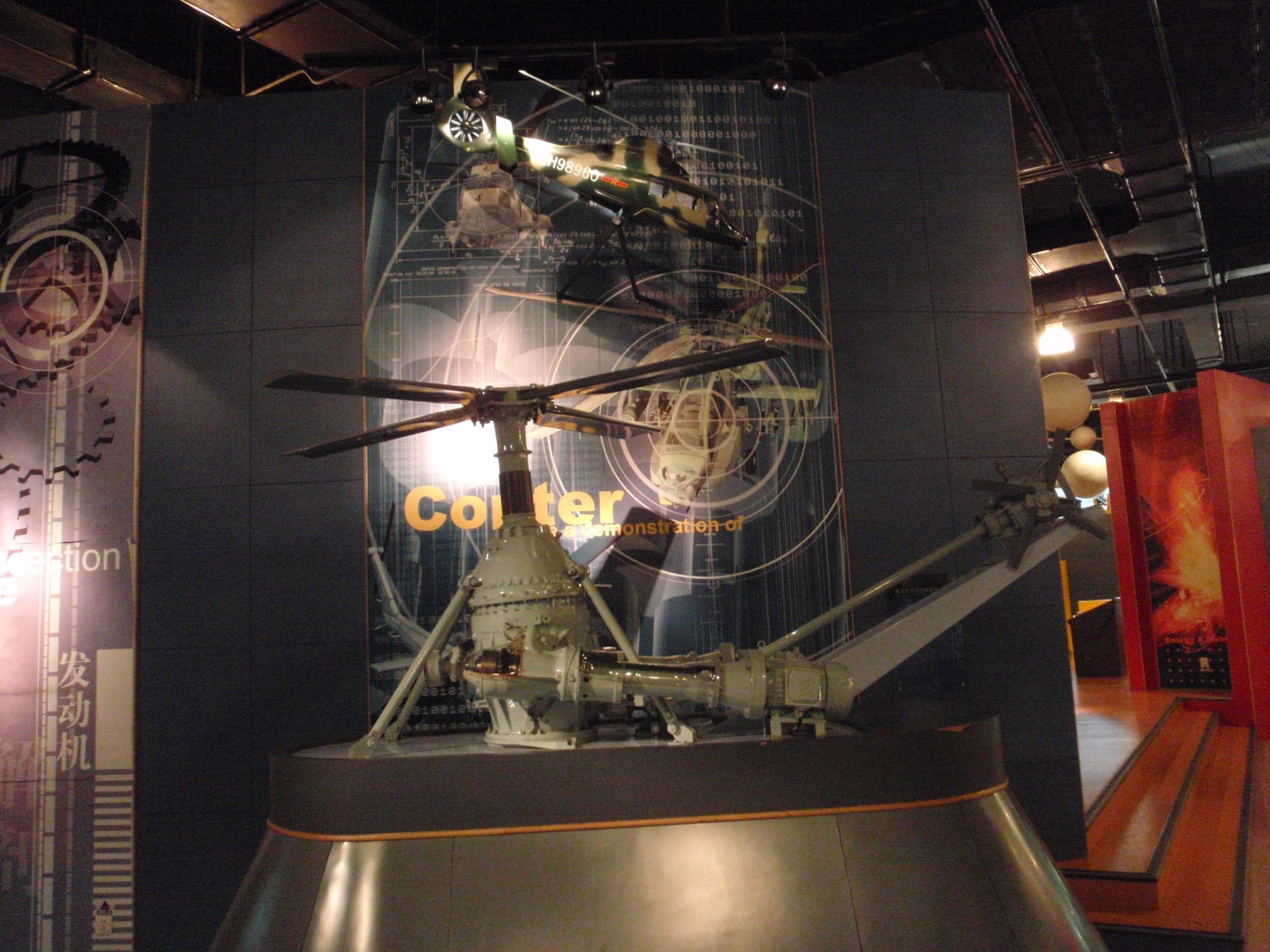
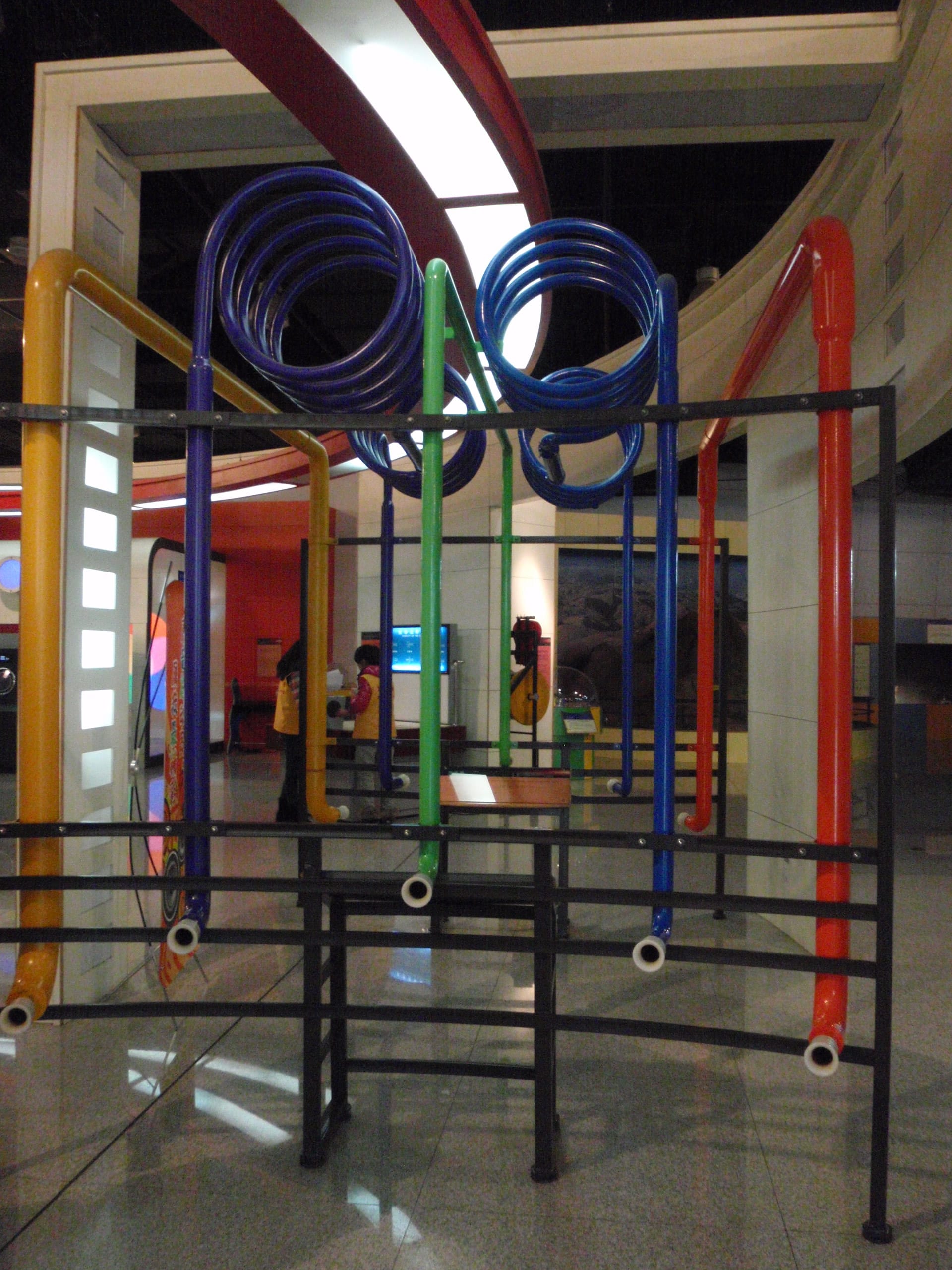
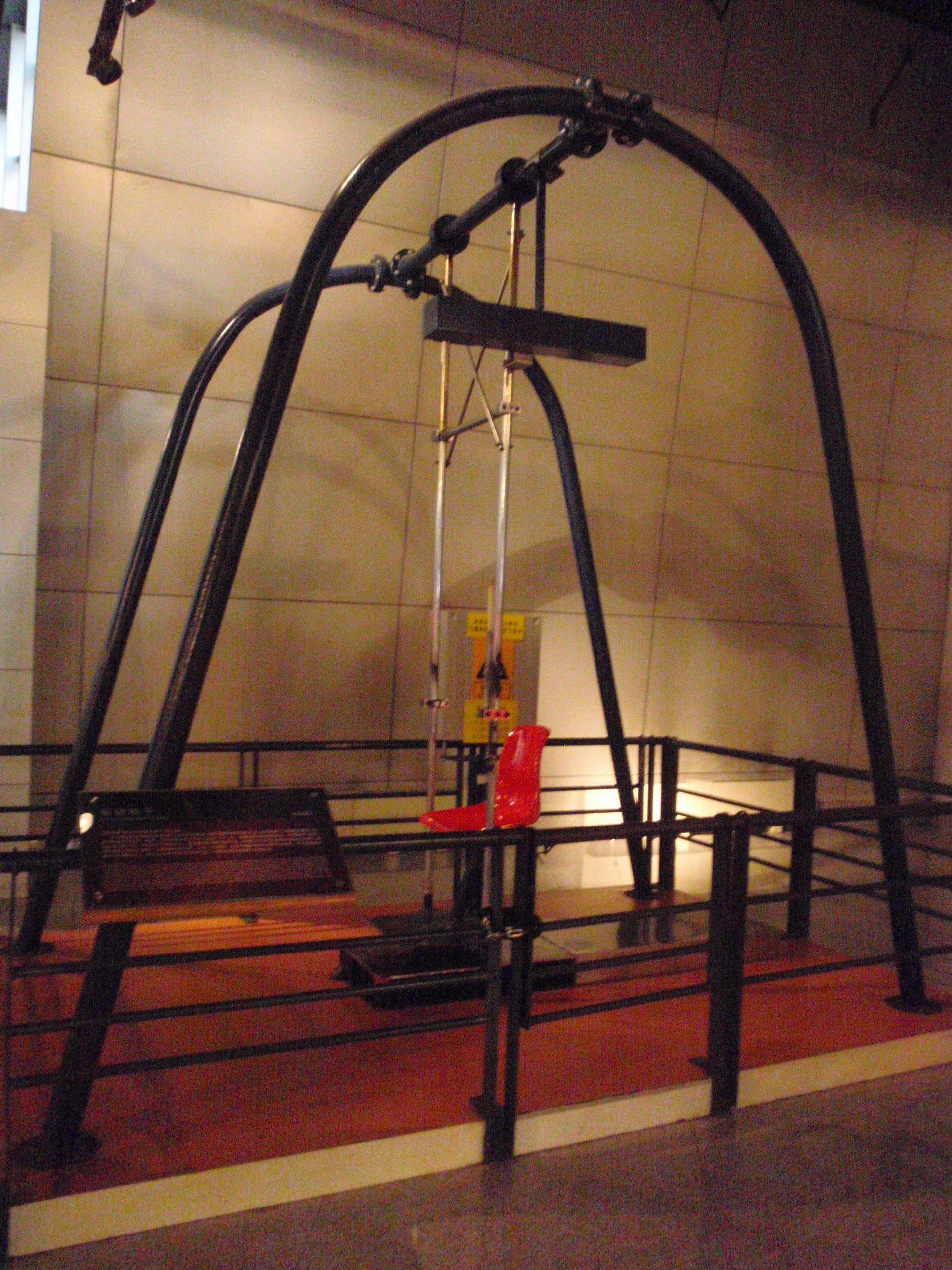
The museum spans three expansive floors and features over 400 exhibits, with a strong emphasis on learning by doing. Nearly 90% of the displays are interactive, inviting visitors to experiment, play and explore scientific principles in an accessible and entertaining way.
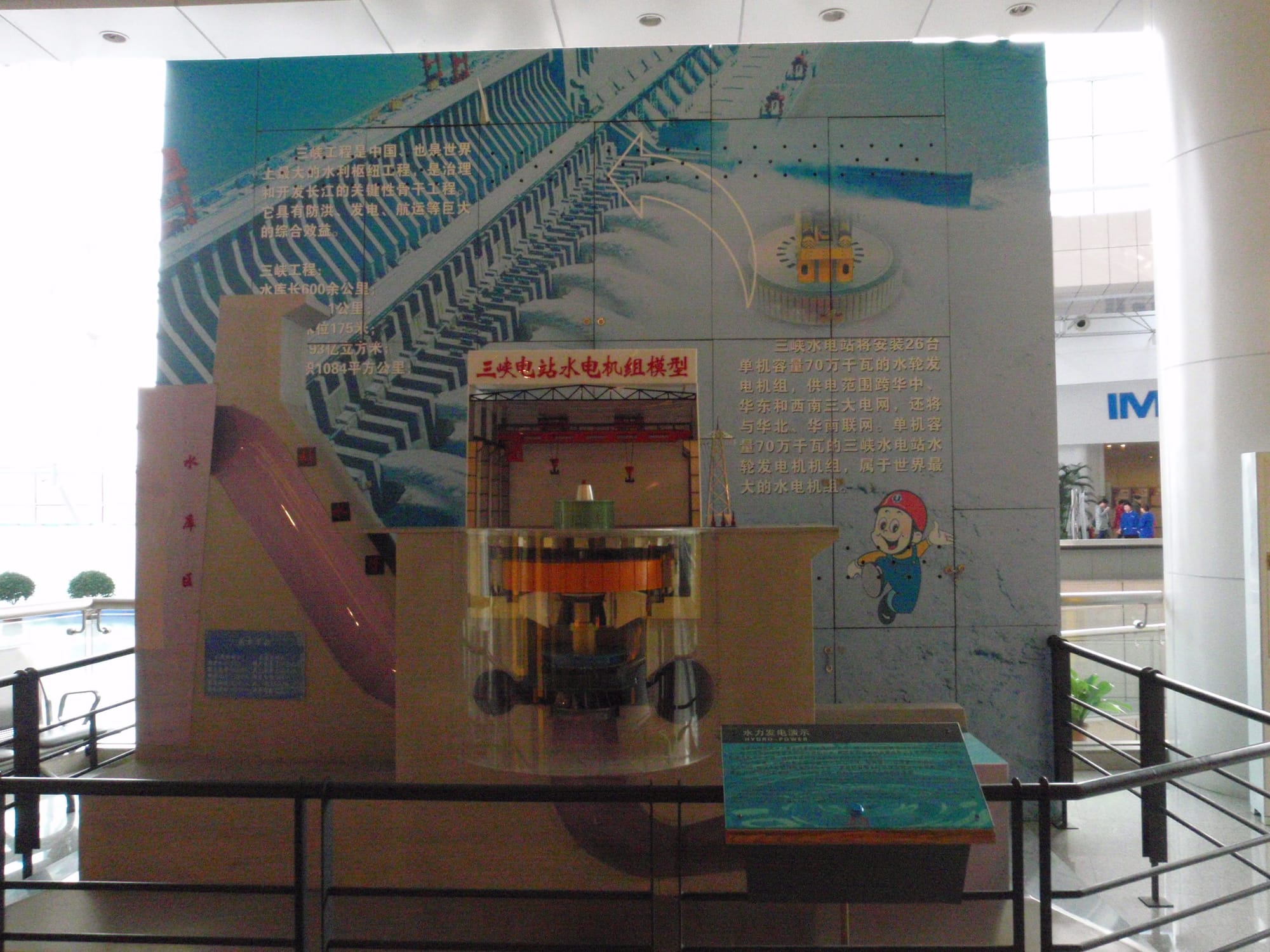
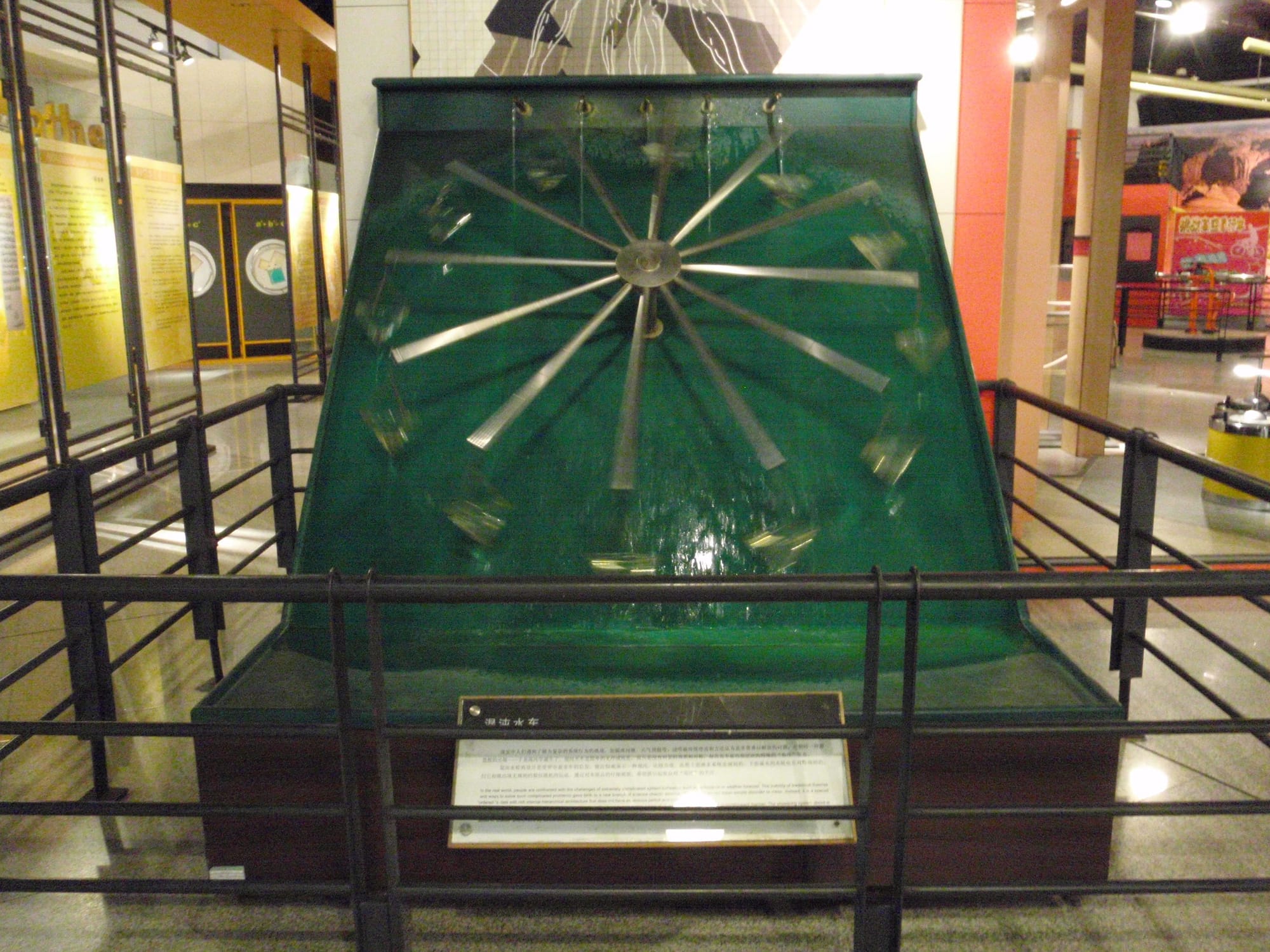
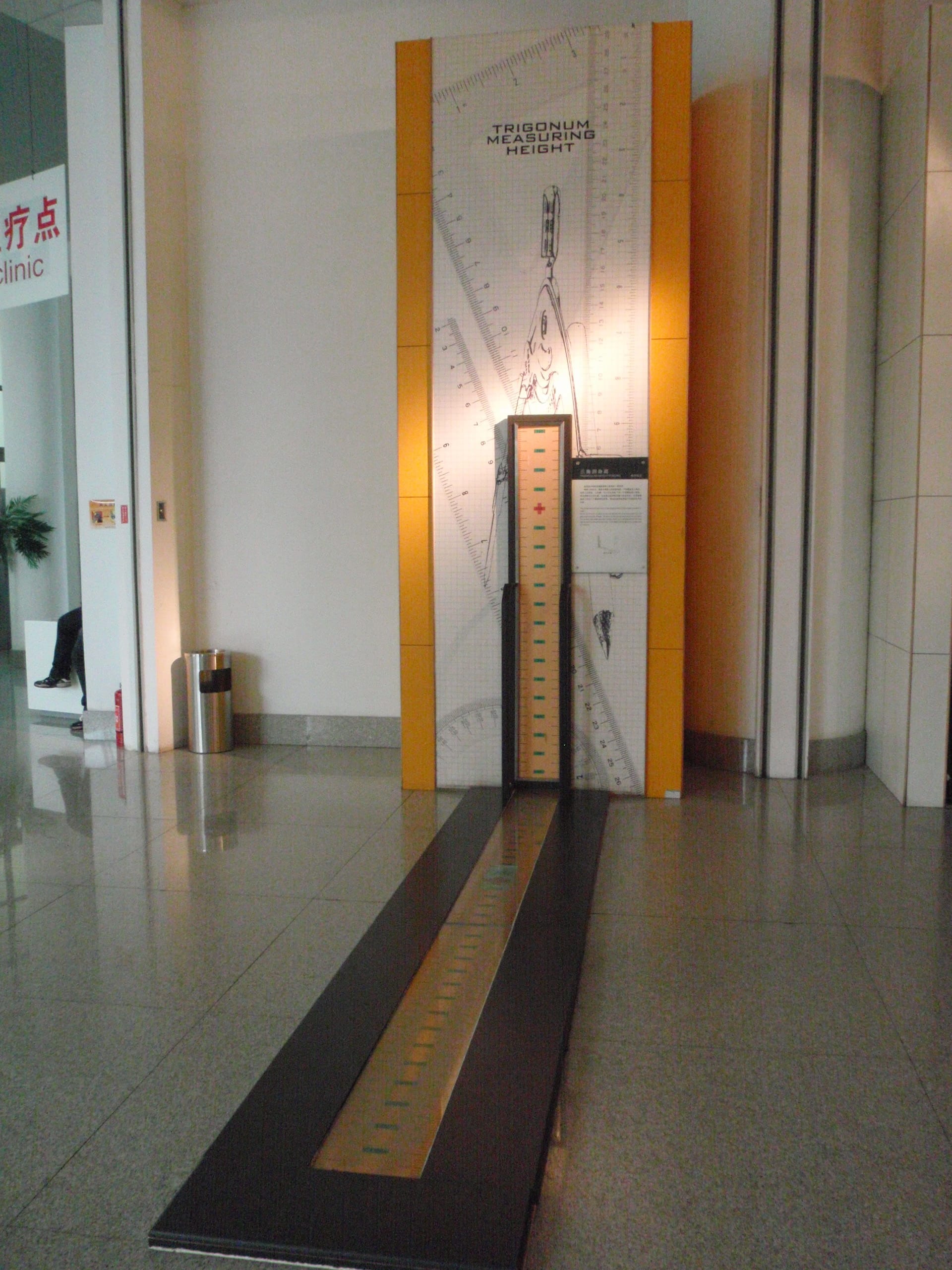
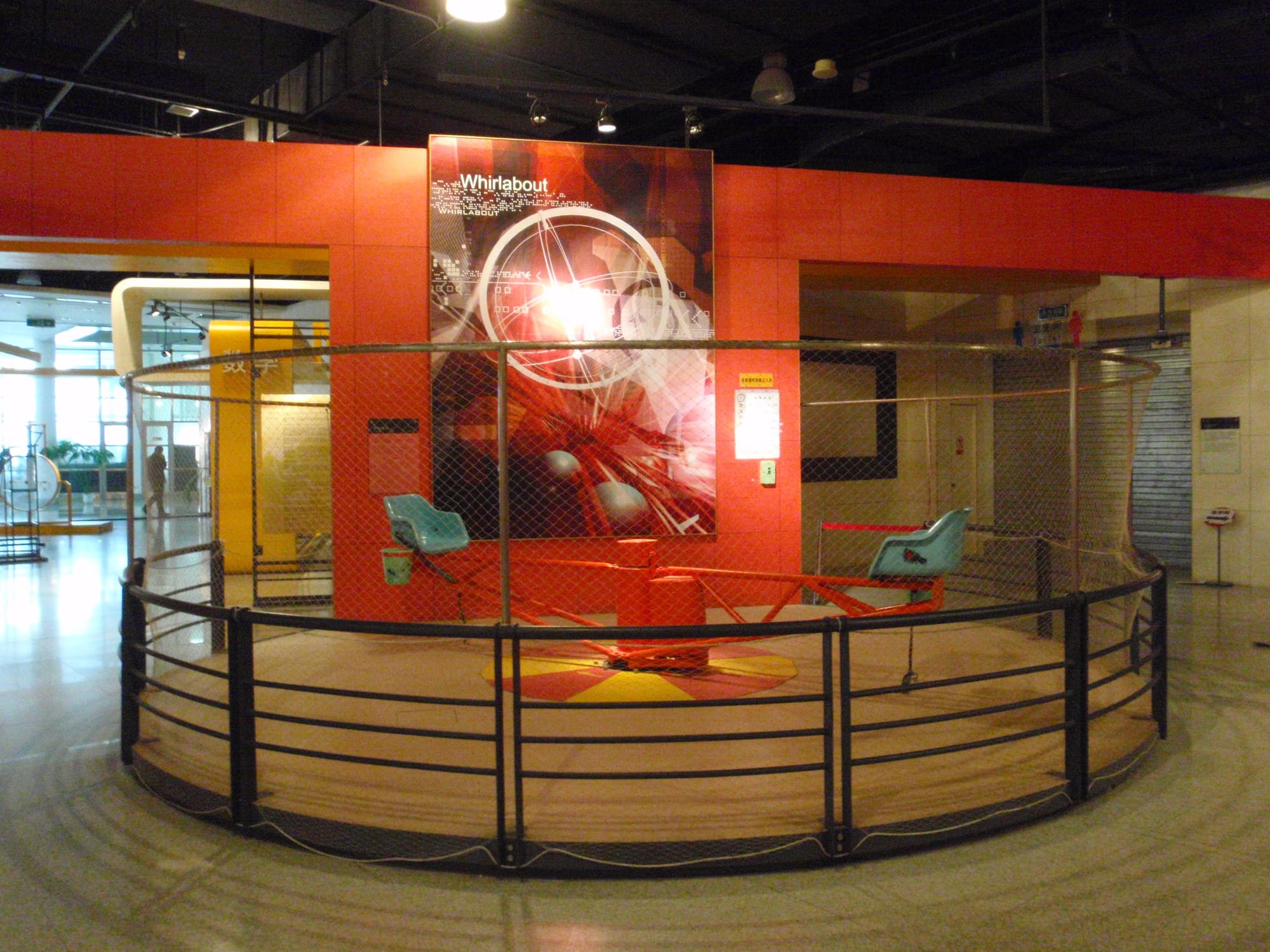
Highlights & Exhibits
- Interactive Science Zones: Experience hands-on physics at the Whispering Gallery, test your reflexes against AI systems or create giant bubbles while learning about surface tension.
- Space & Aviation Gallery: A dedicated area showcases China’s aerospace achievements, including models of Long March rockets, satellites and space technology.
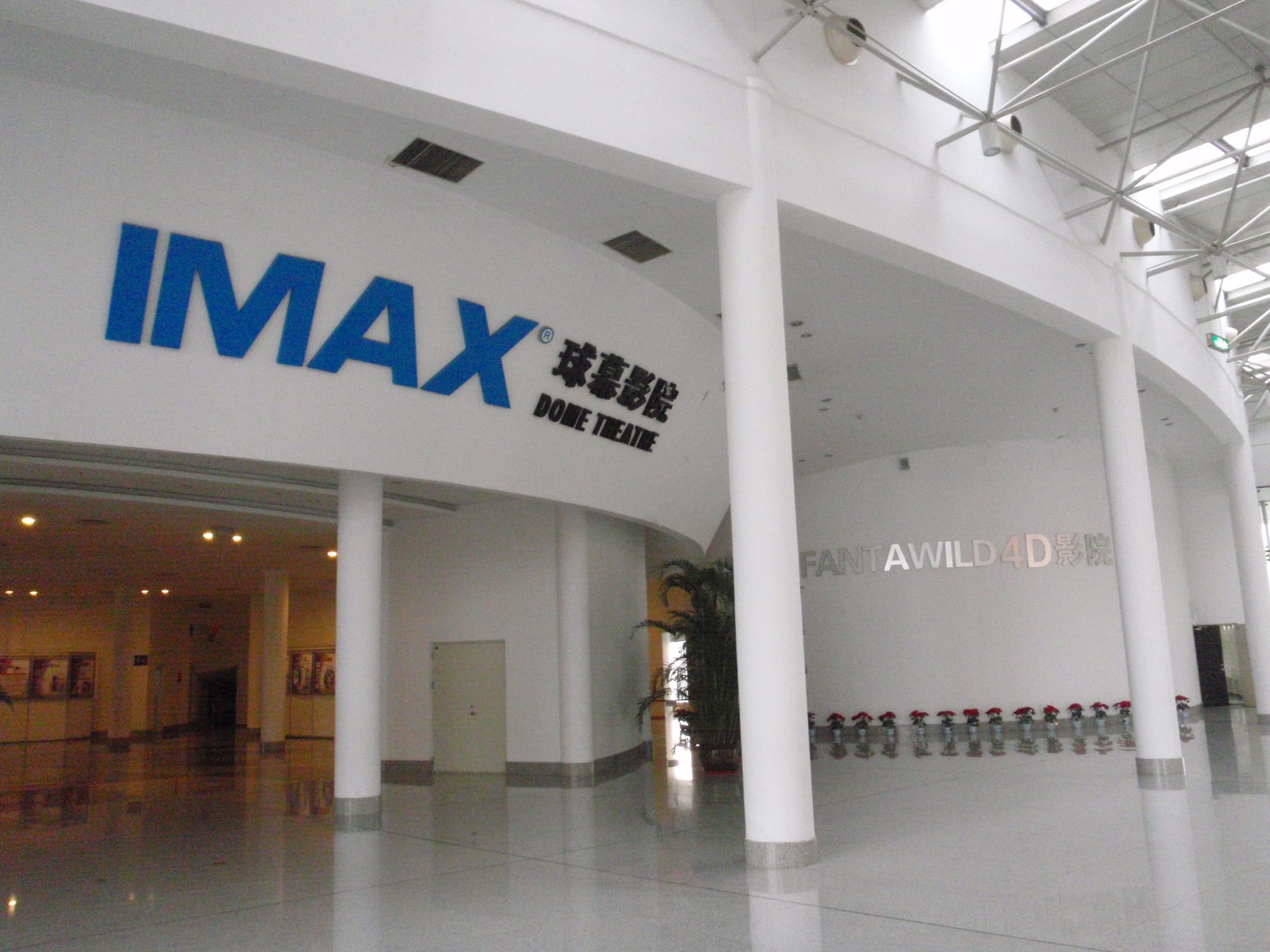
- IMAX & 4D Cinemas: Educational films come alive through motion seats and environmental effects such as wind and water spray.
- Children’s Science Park: A colourful zone designed for younger visitors, featuring safe, playful experiments focused on basic mechanics, hydraulics and the human body.
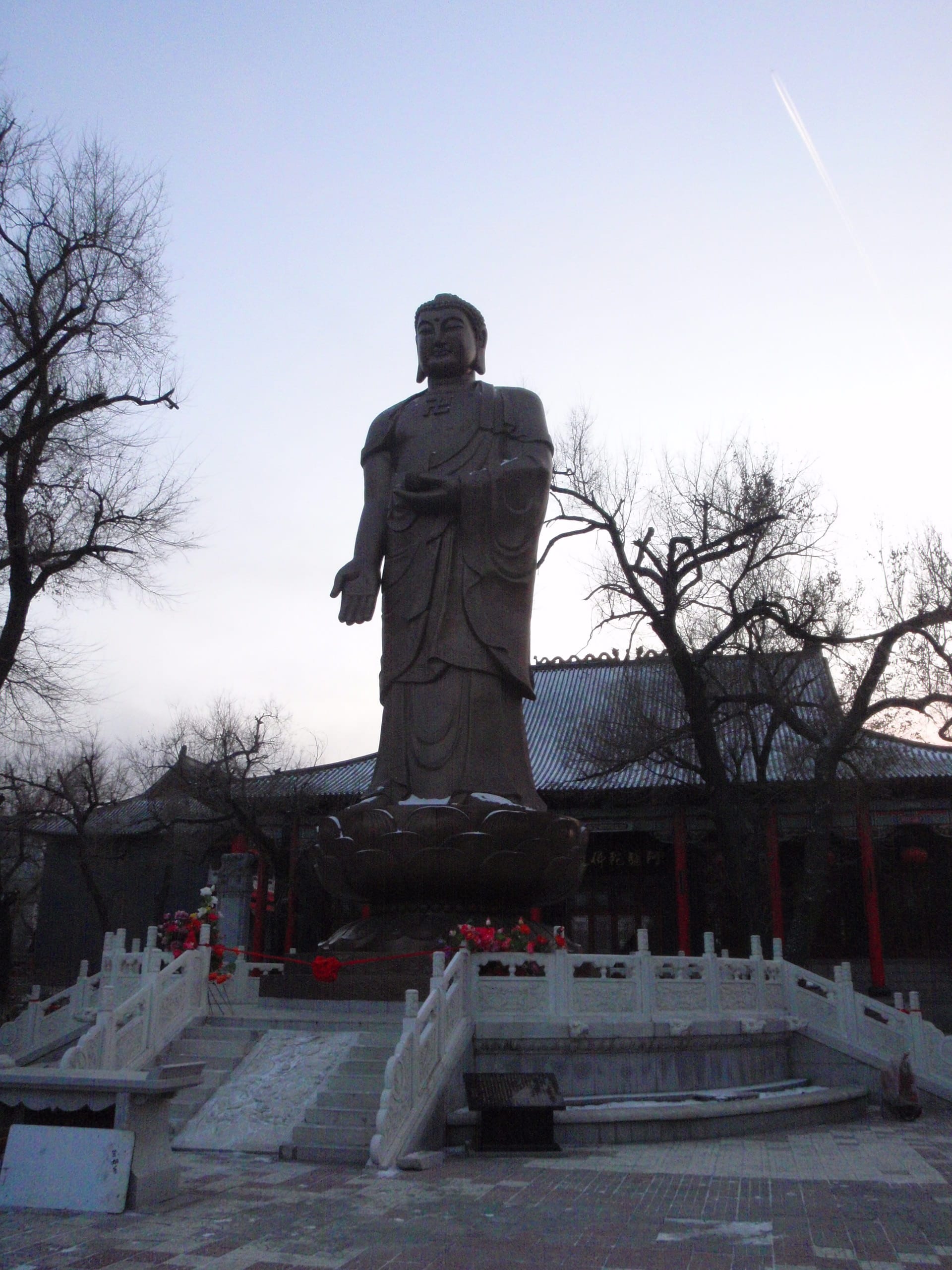
Jile Temple (极乐寺)
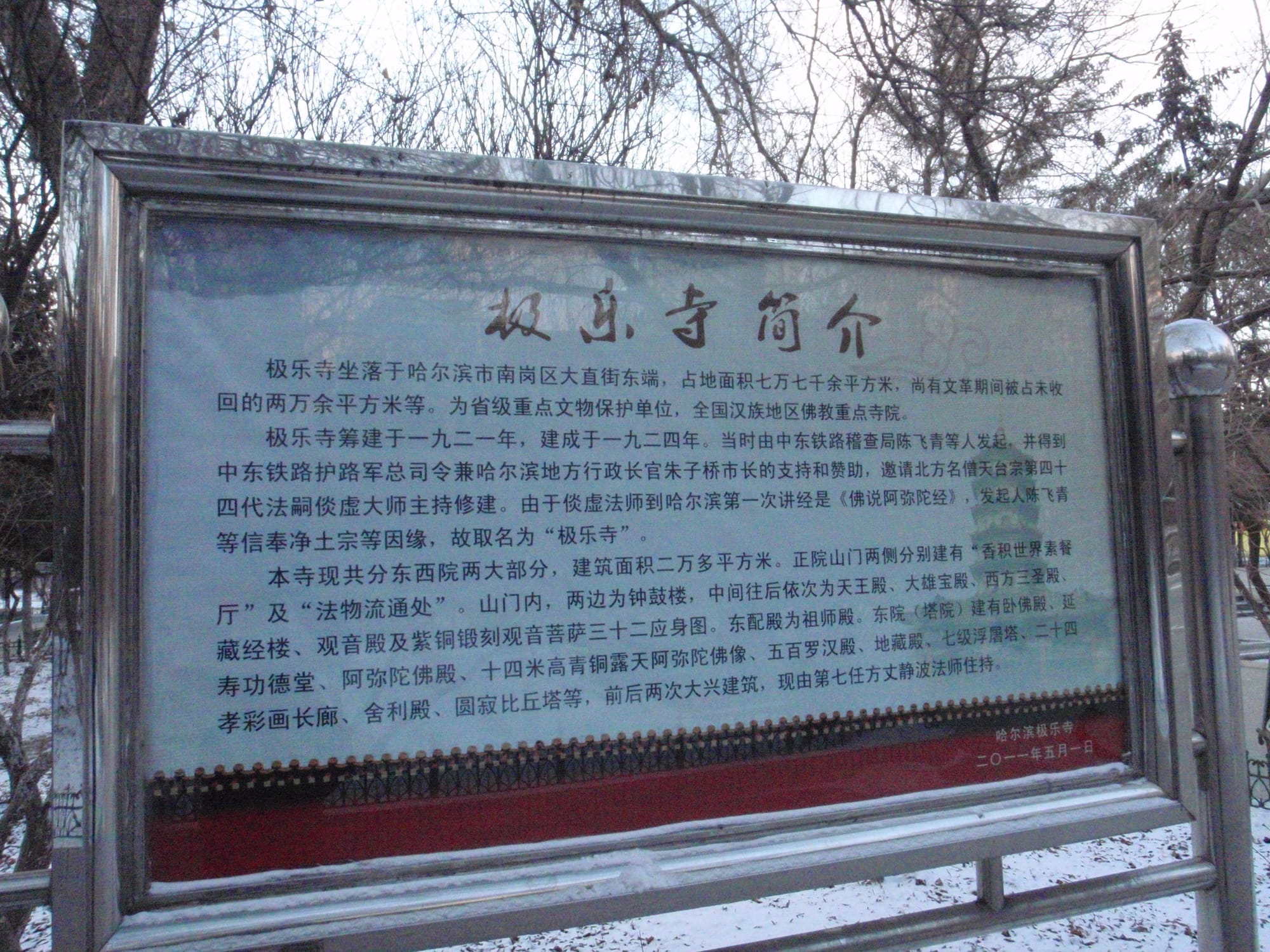
The Jile Temple, often translated as the Temple of Bliss or Western Paradise, is the largest and most renowned Buddhist monastery in Northeast China. For travellers exploring Harbin’s icy landscapes and Russian-influenced boulevards, this majestic temple offers a completely different dimension of the city, one rooted deeply in traditional Chinese Mahayana Buddhism, spiritual scholarship and early 20th-century culture.
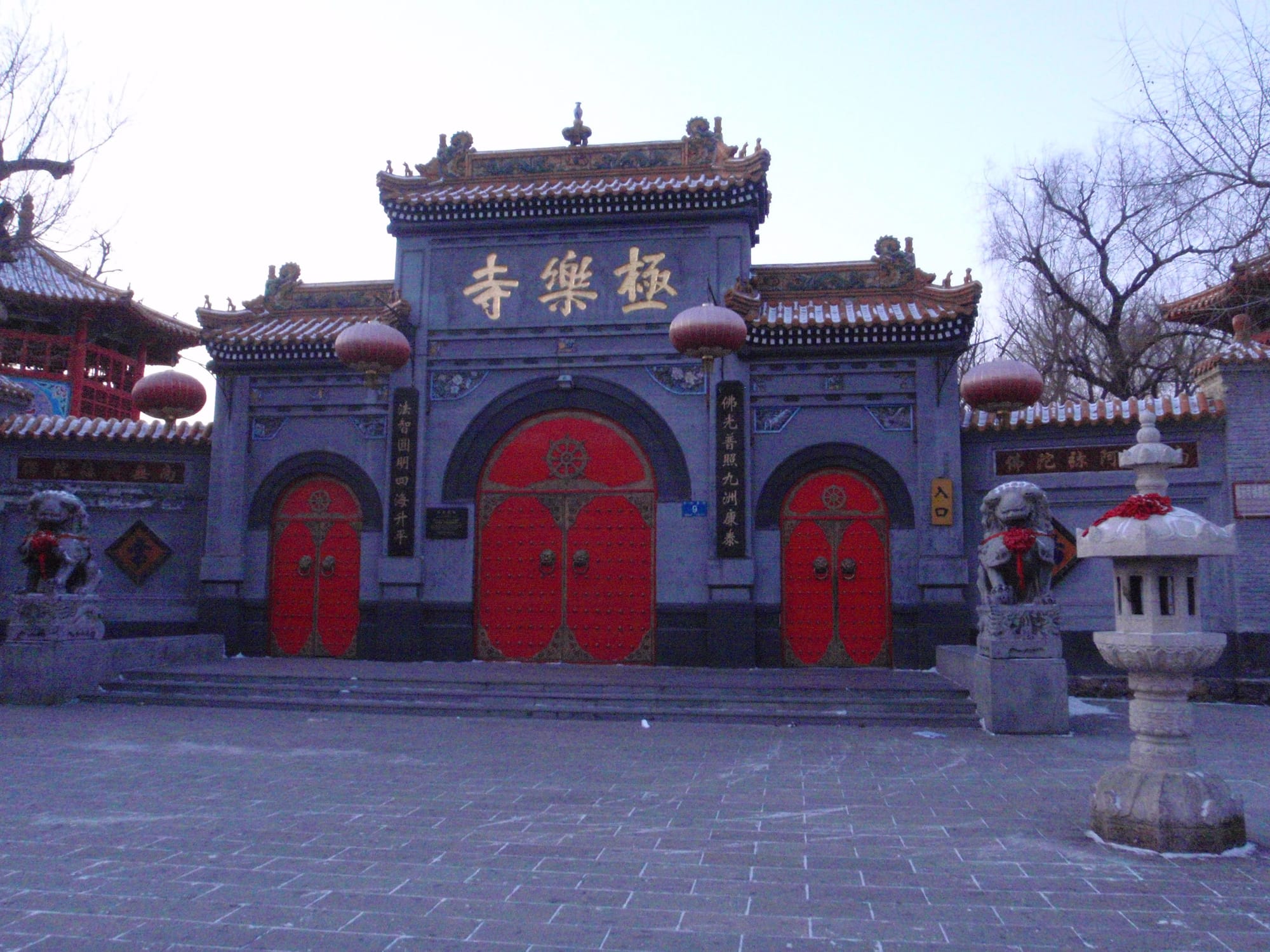
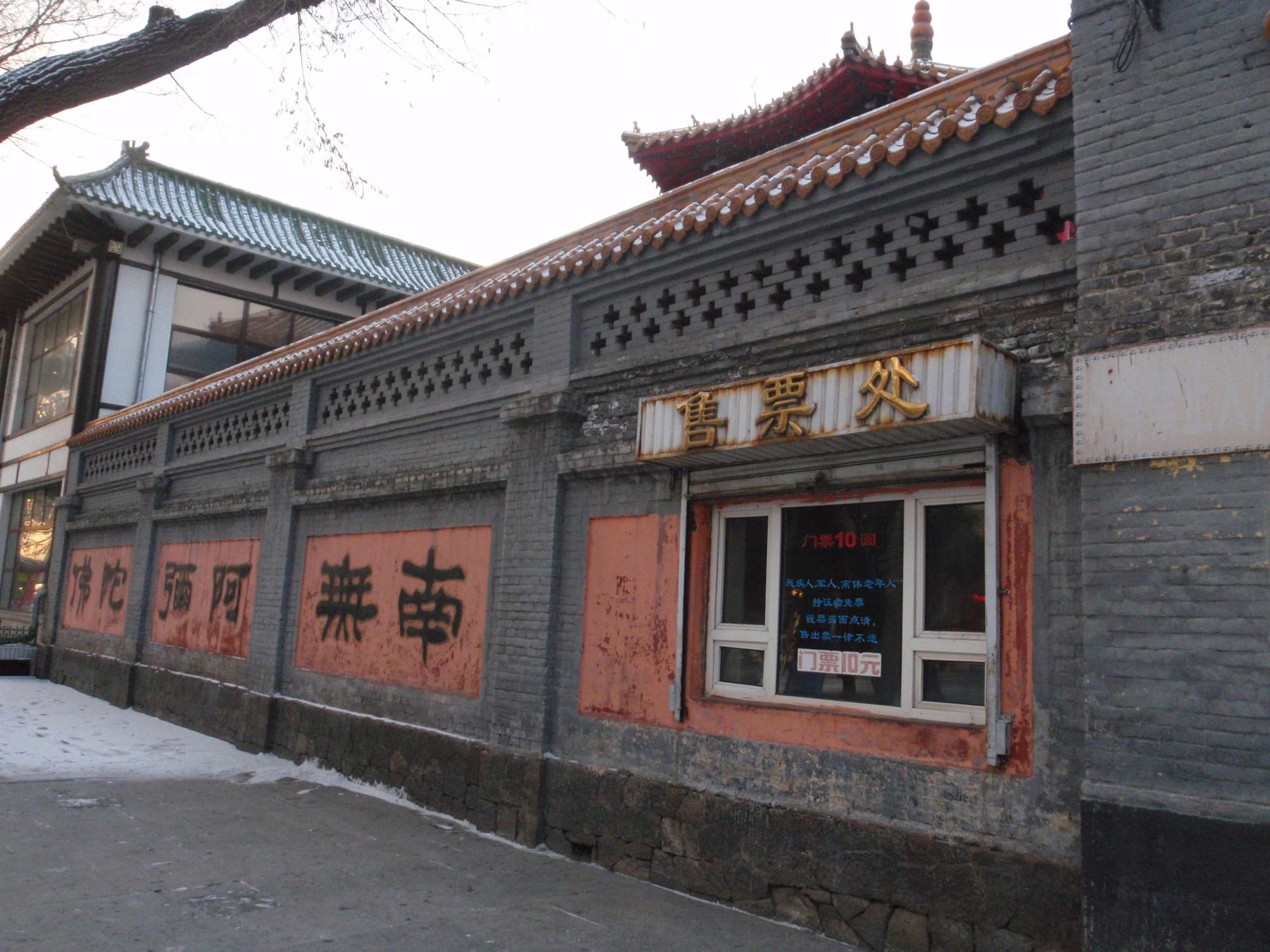
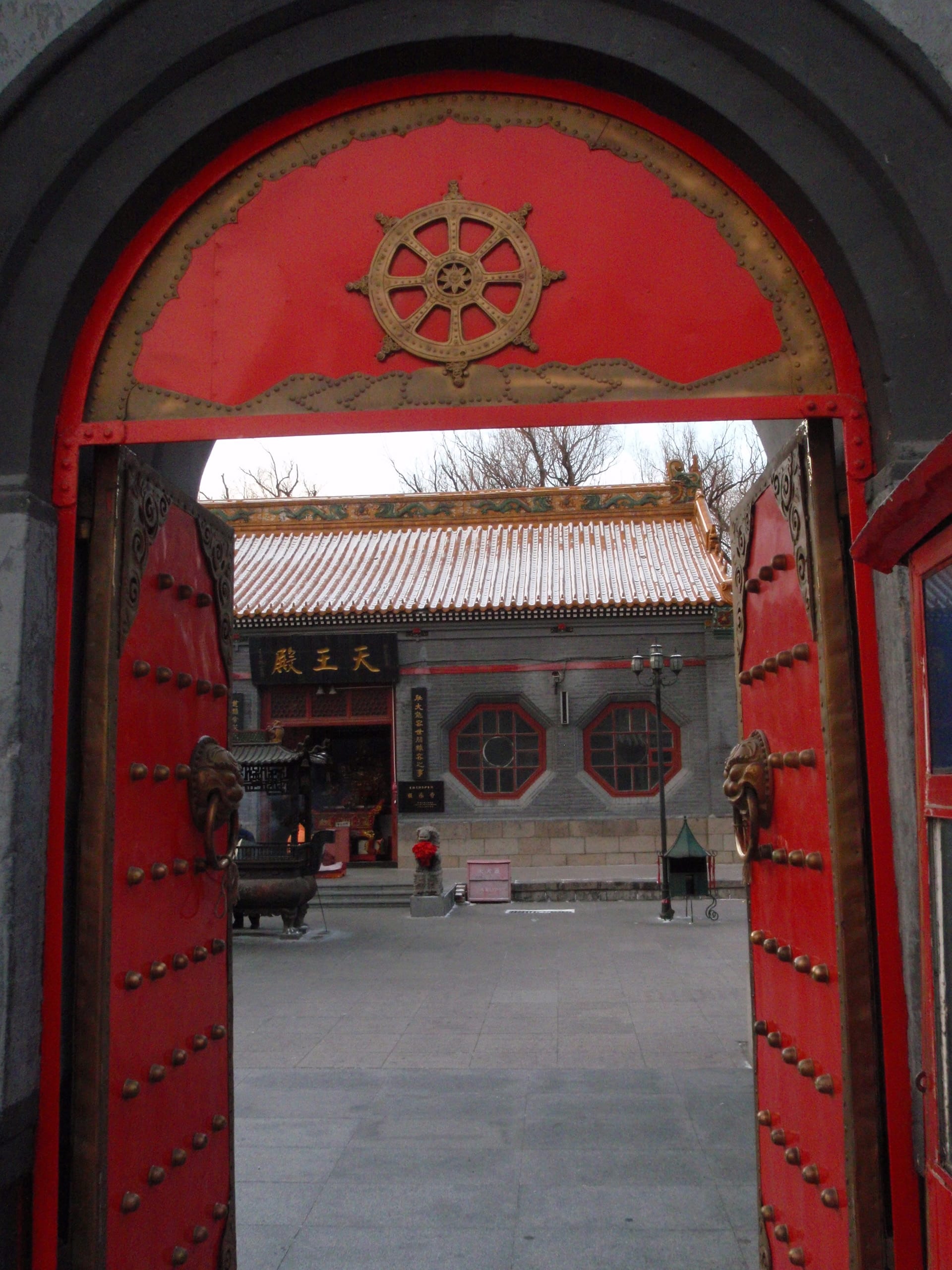
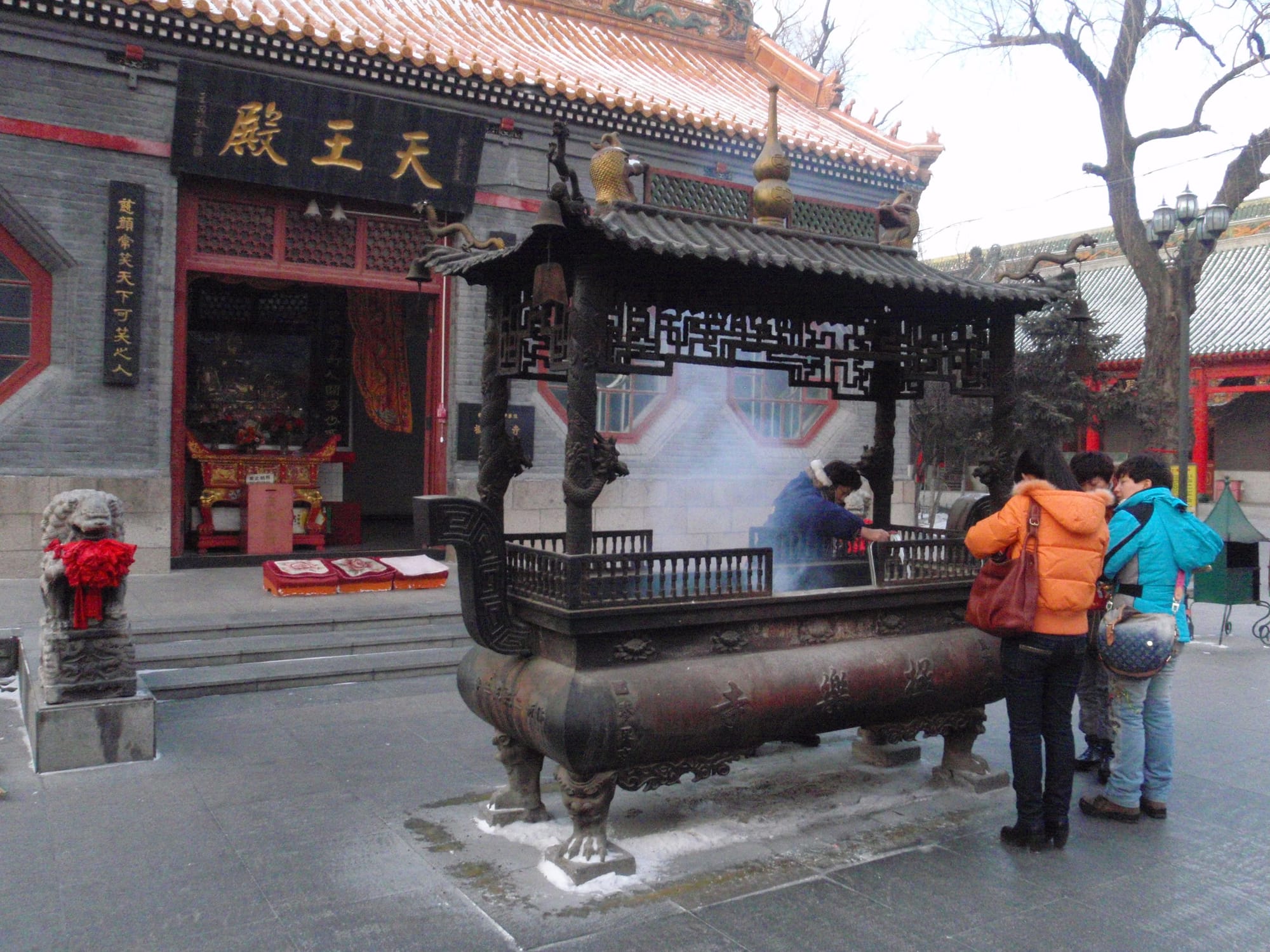
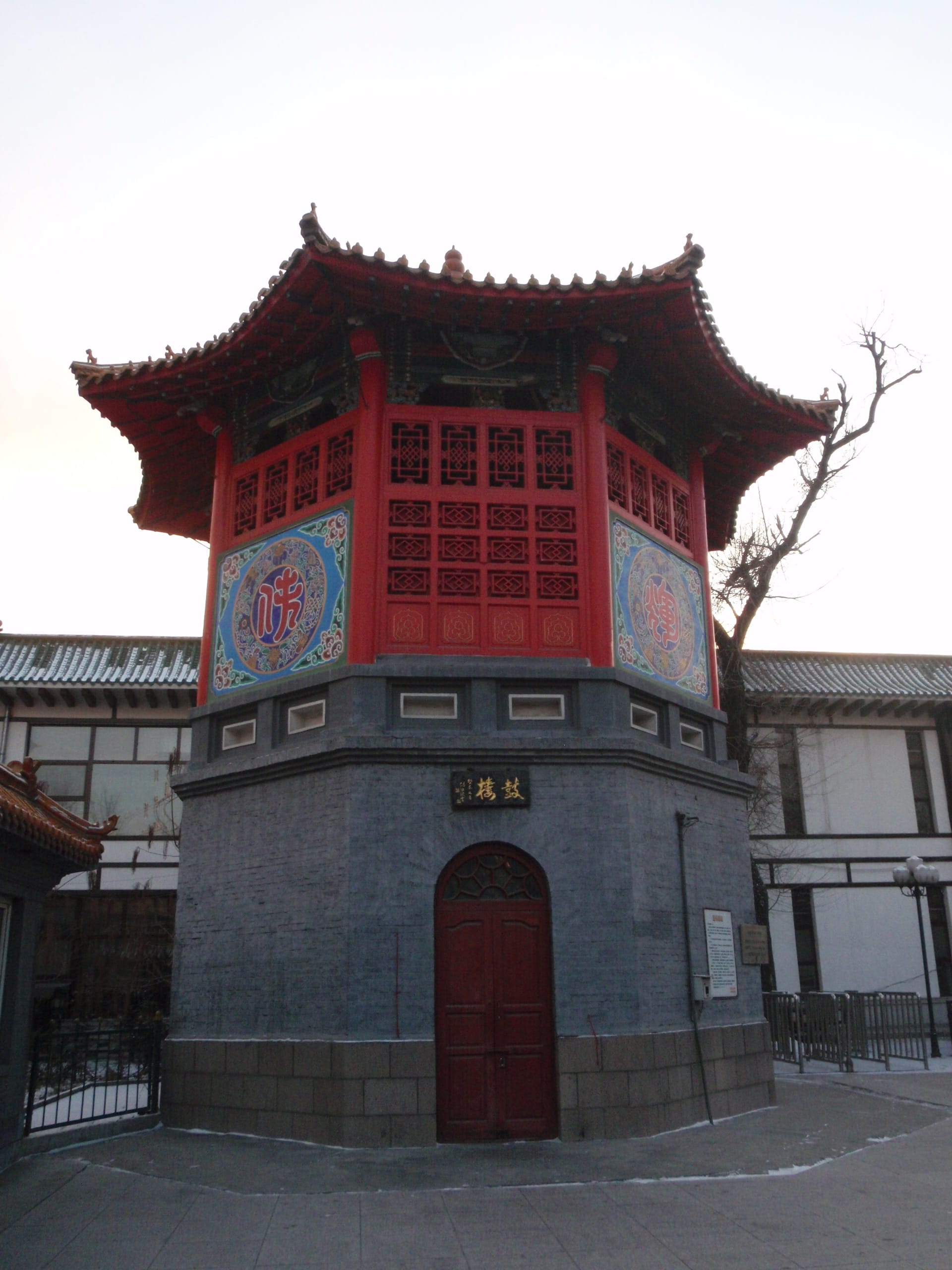
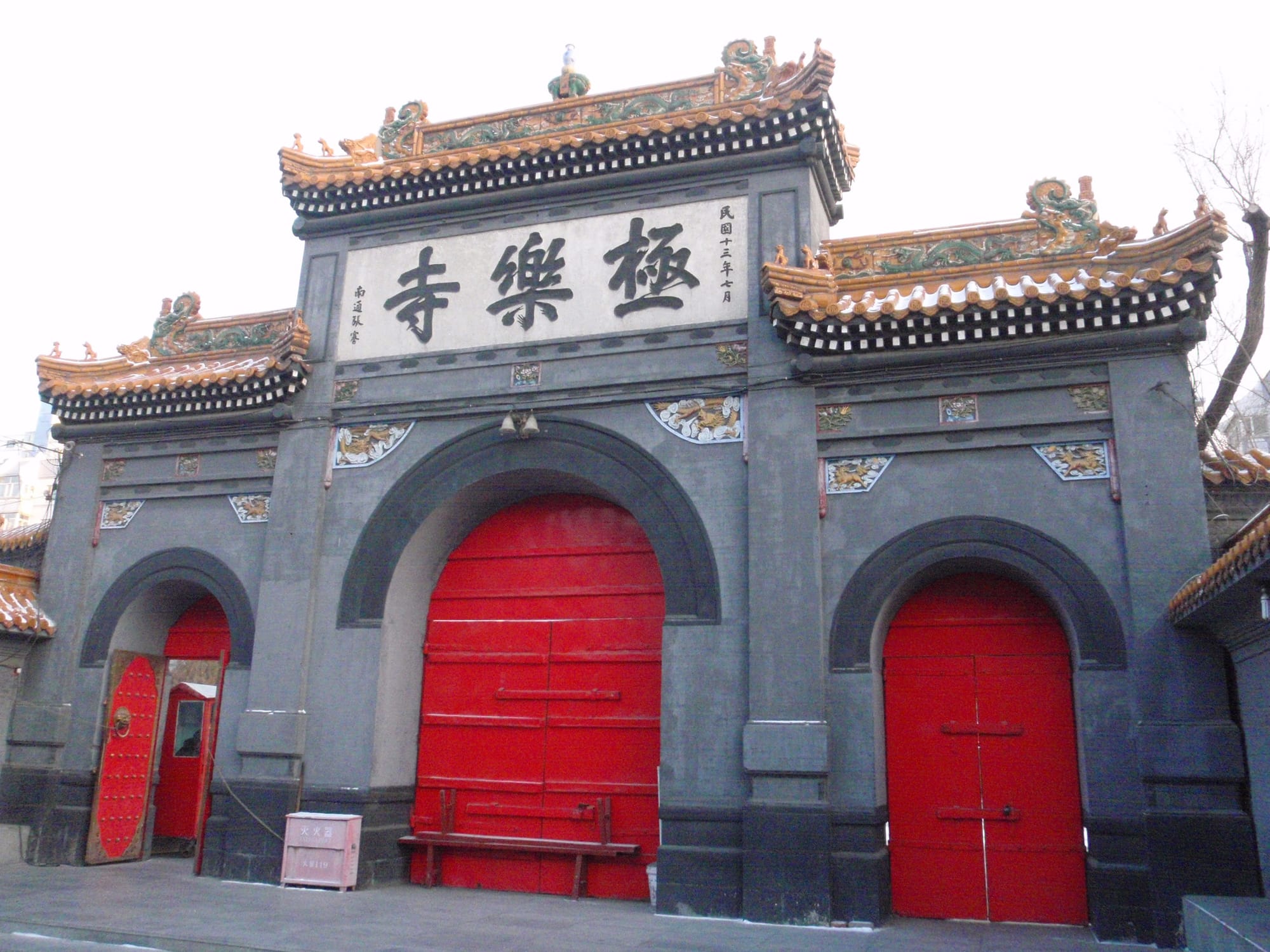
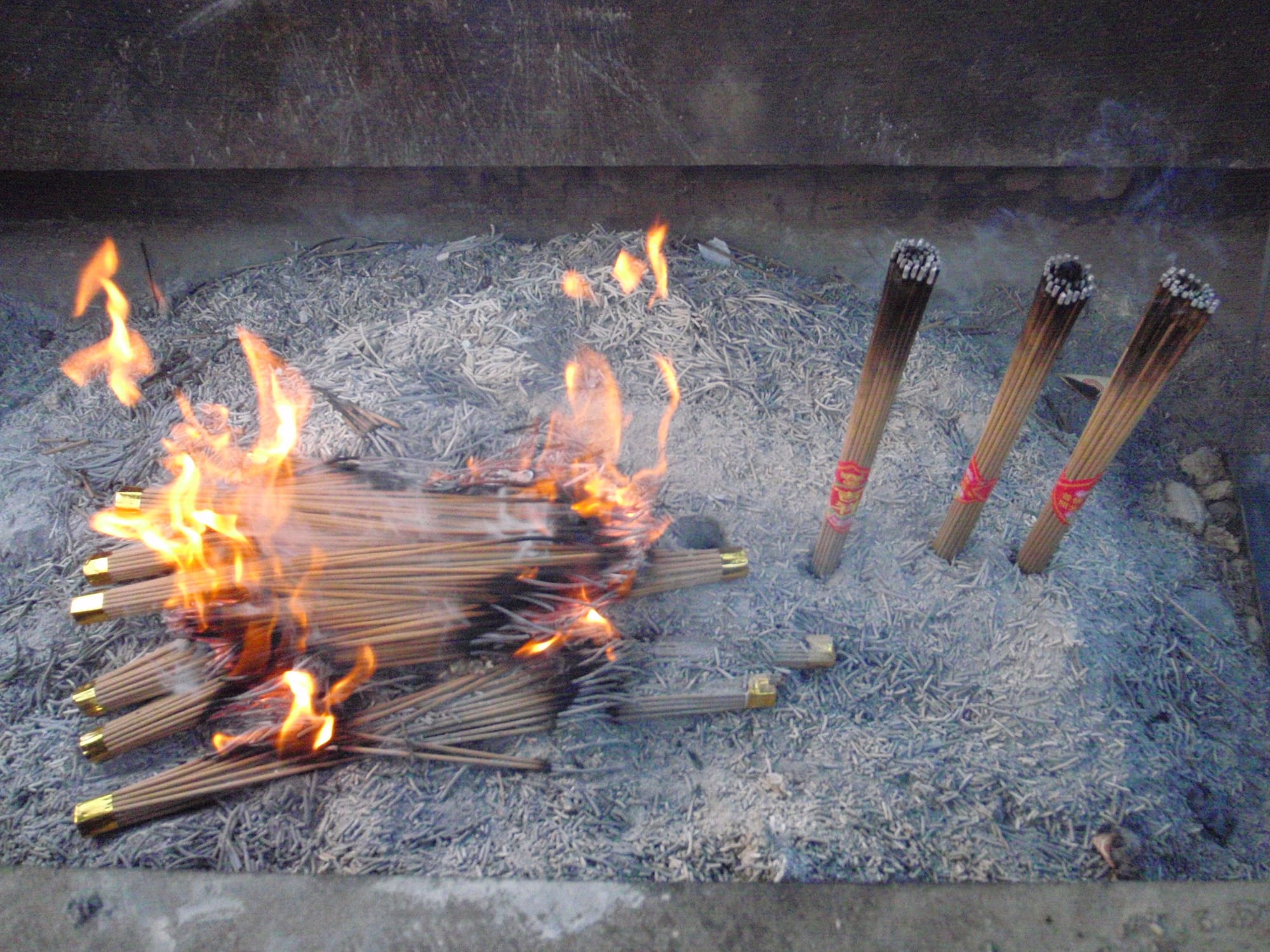
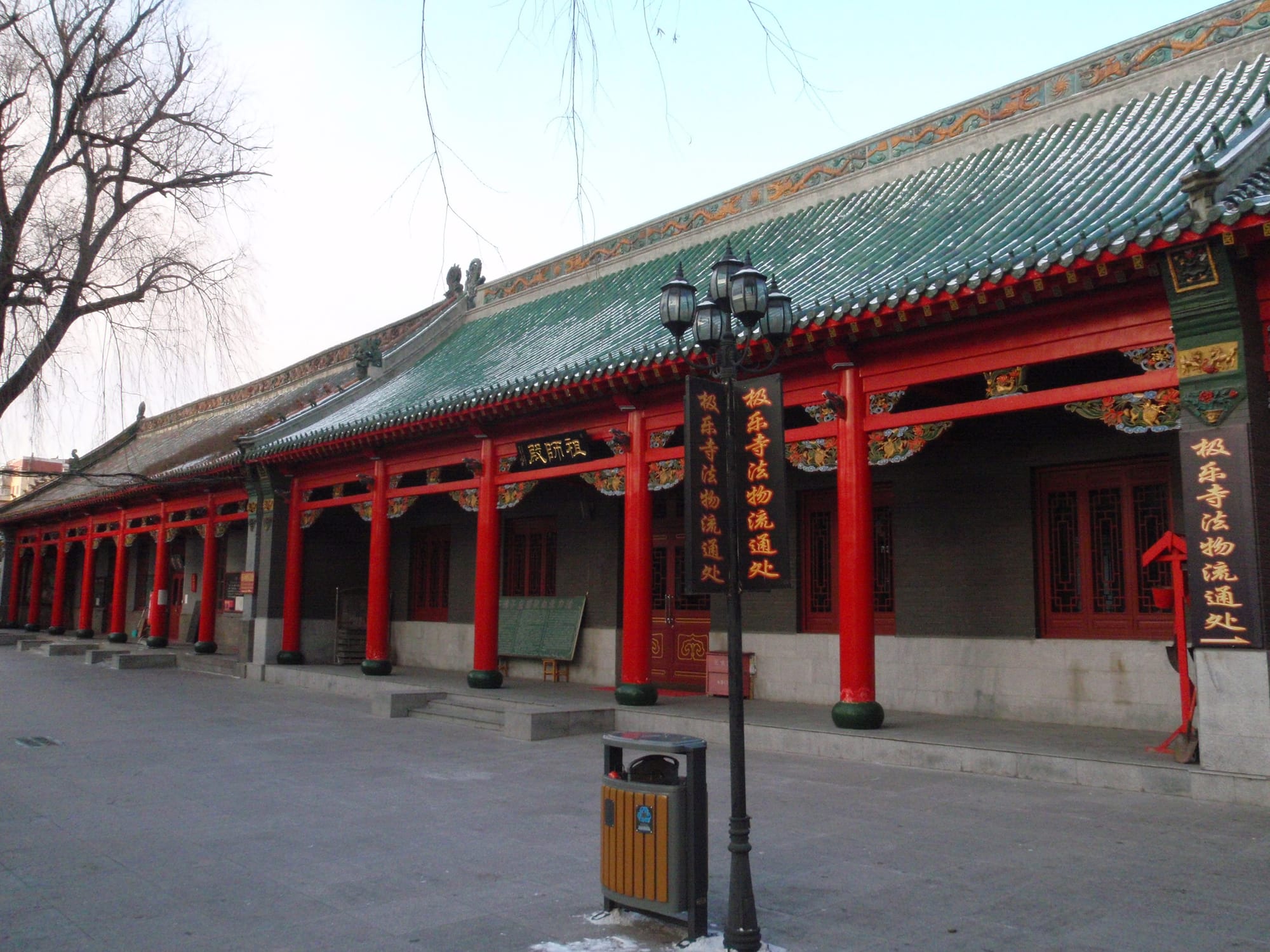
Founded in 1924 by the eminent Monk Tan Xu (倓虚法师), Jile Temple quickly became one of the most important centres of Buddhist learning in the region. Today, it is officially recognised as one of China’s National Key Buddhist Temples in Han Chinese Areas, a designation that reflects both its historical significance and its ongoing role as a living monastery.
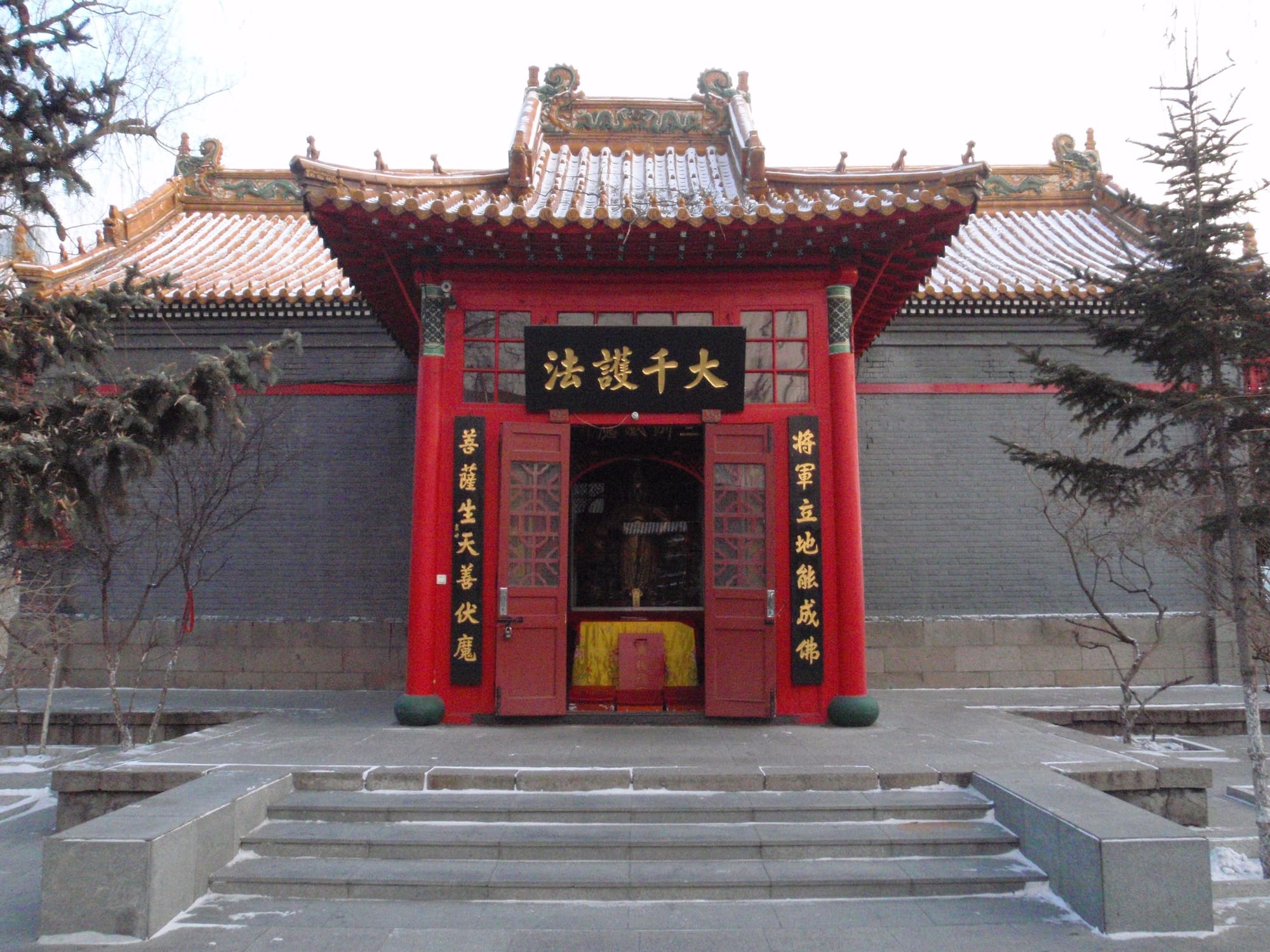
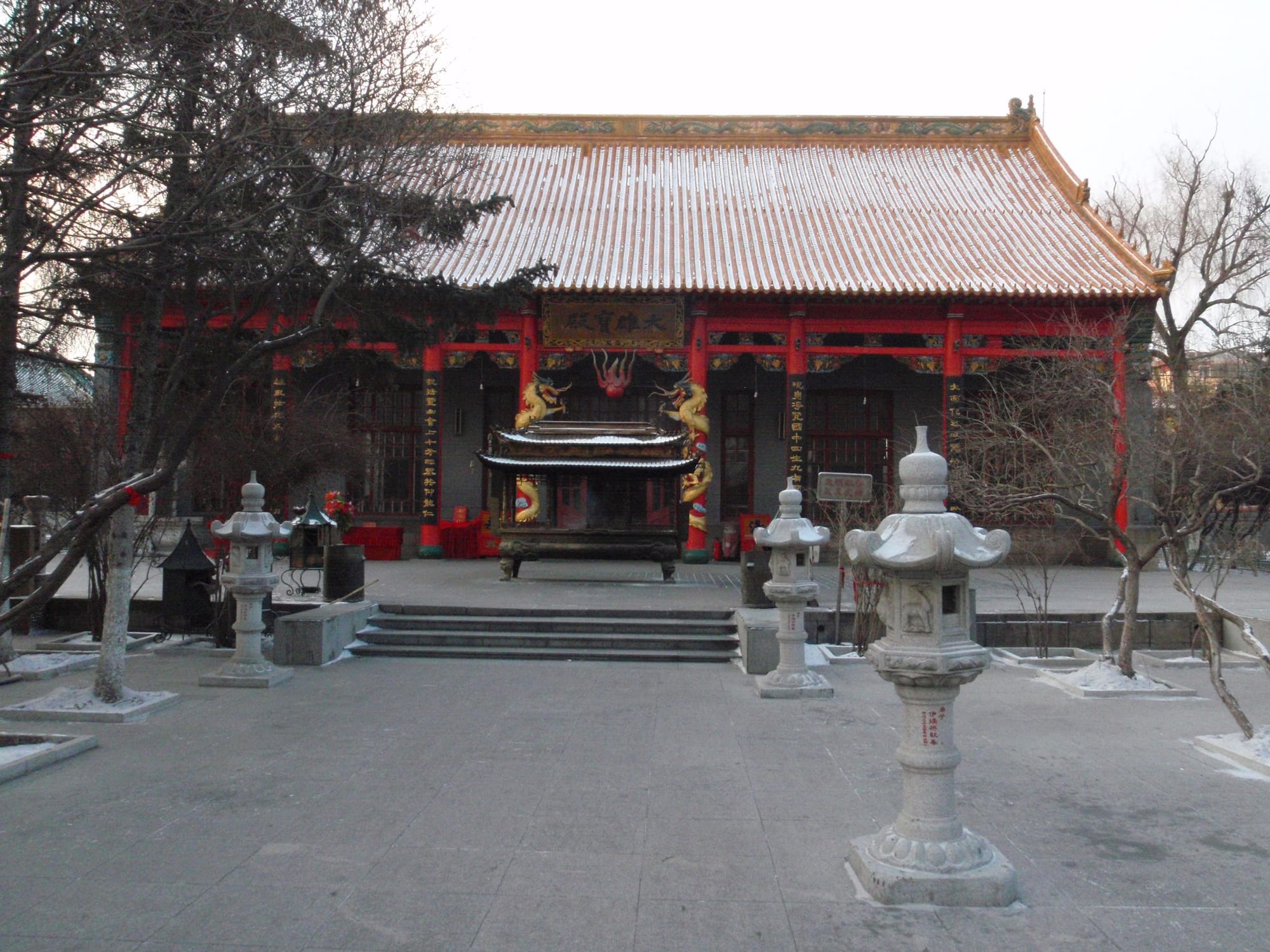
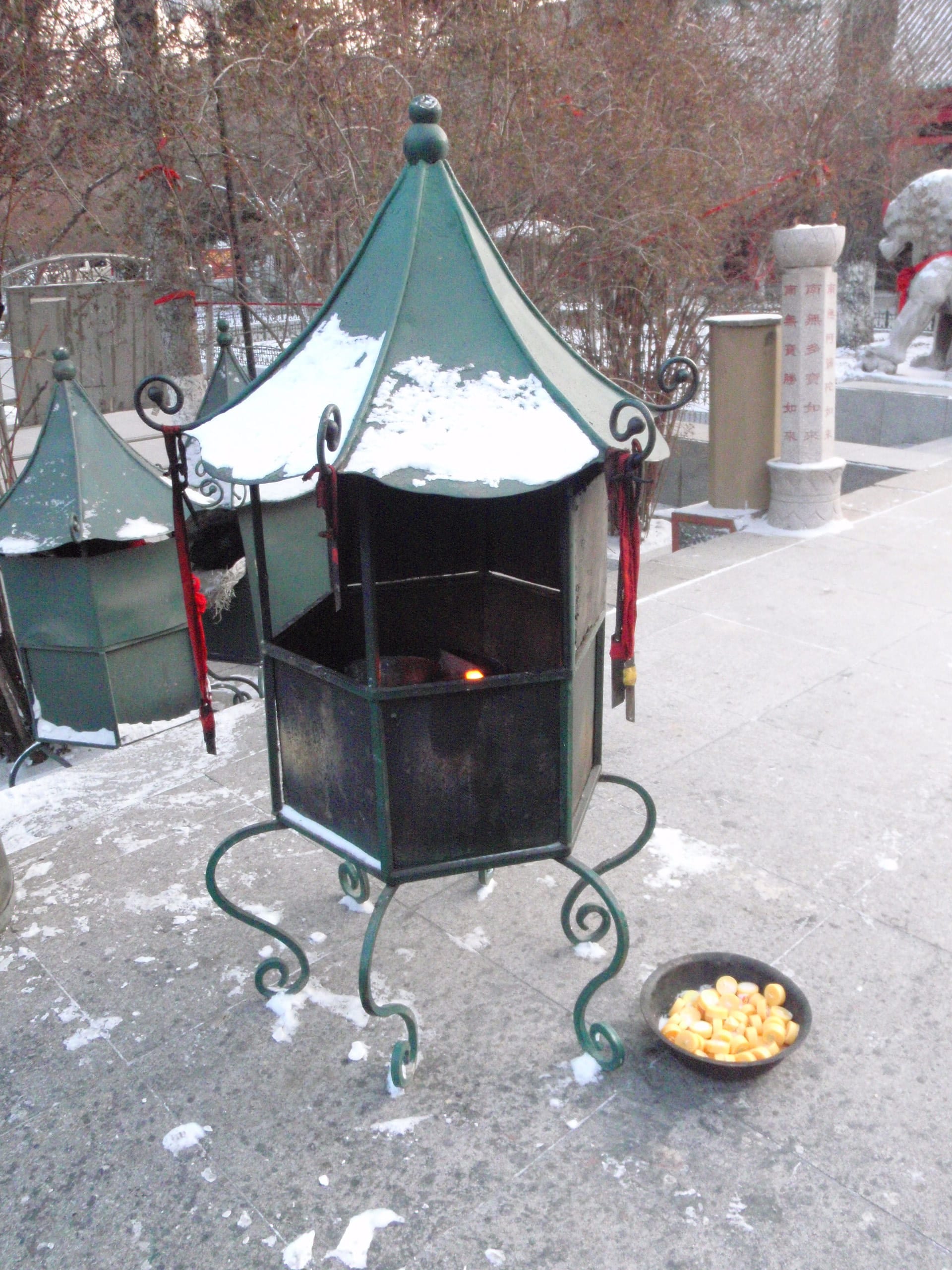
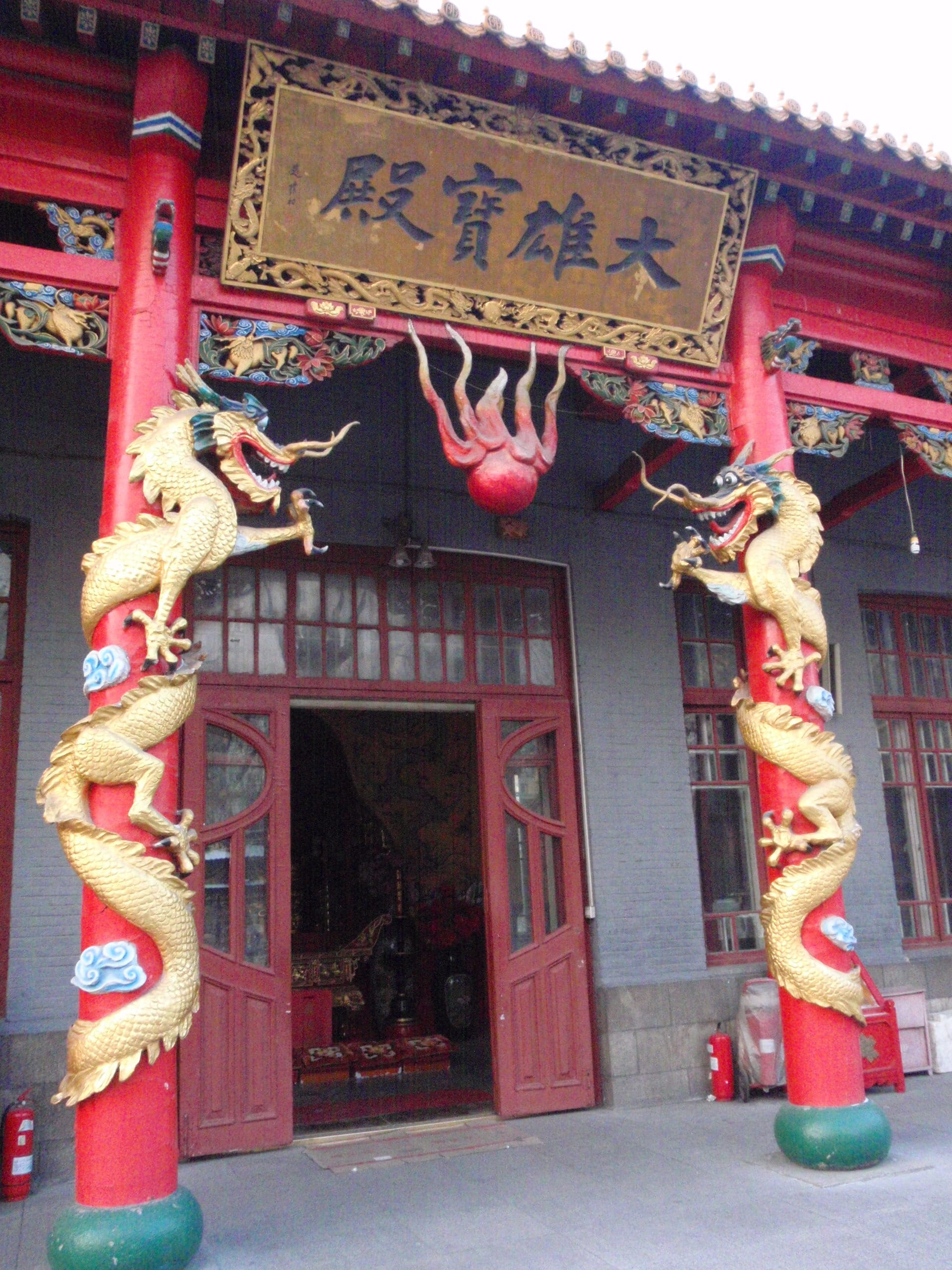
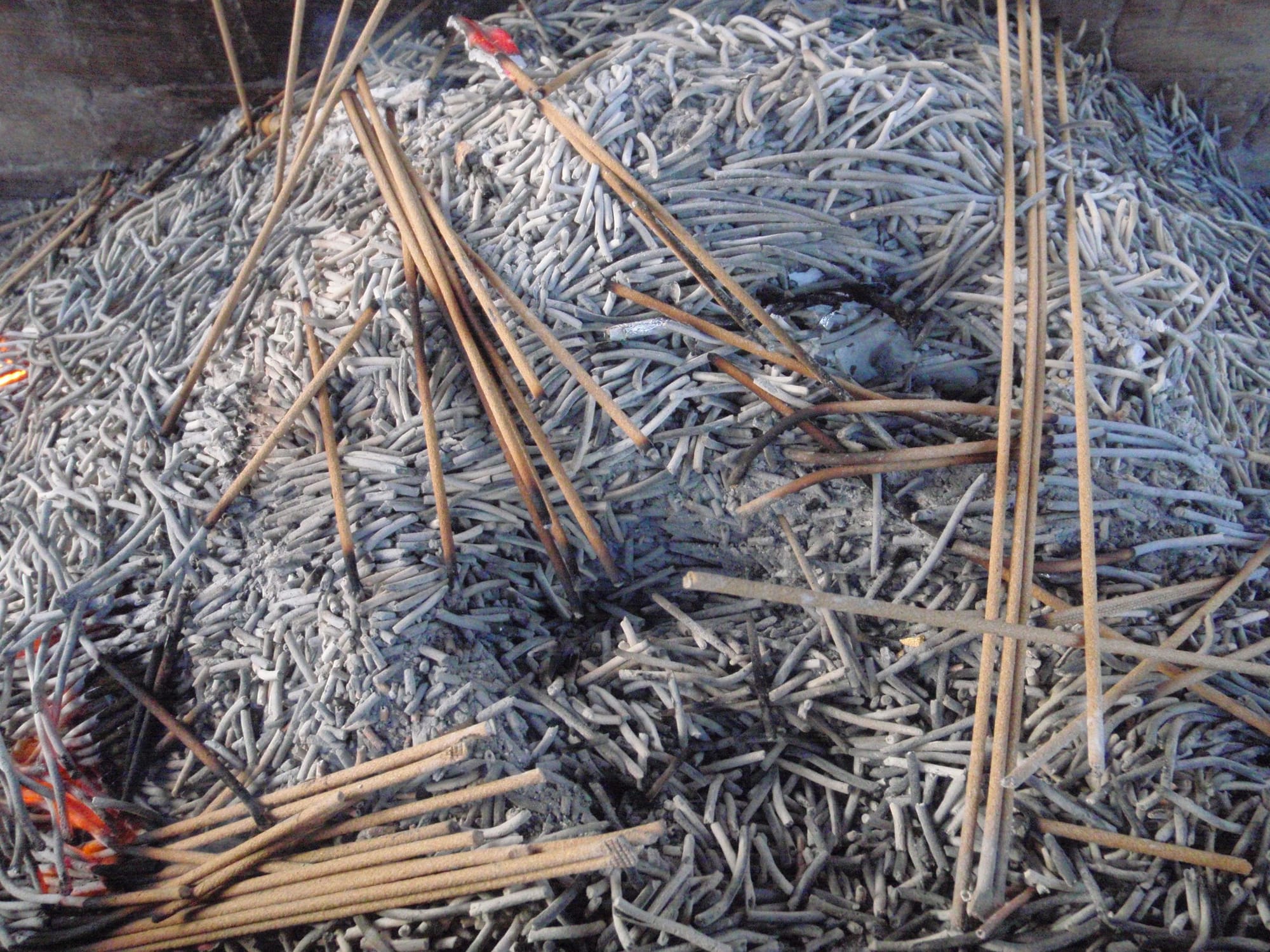
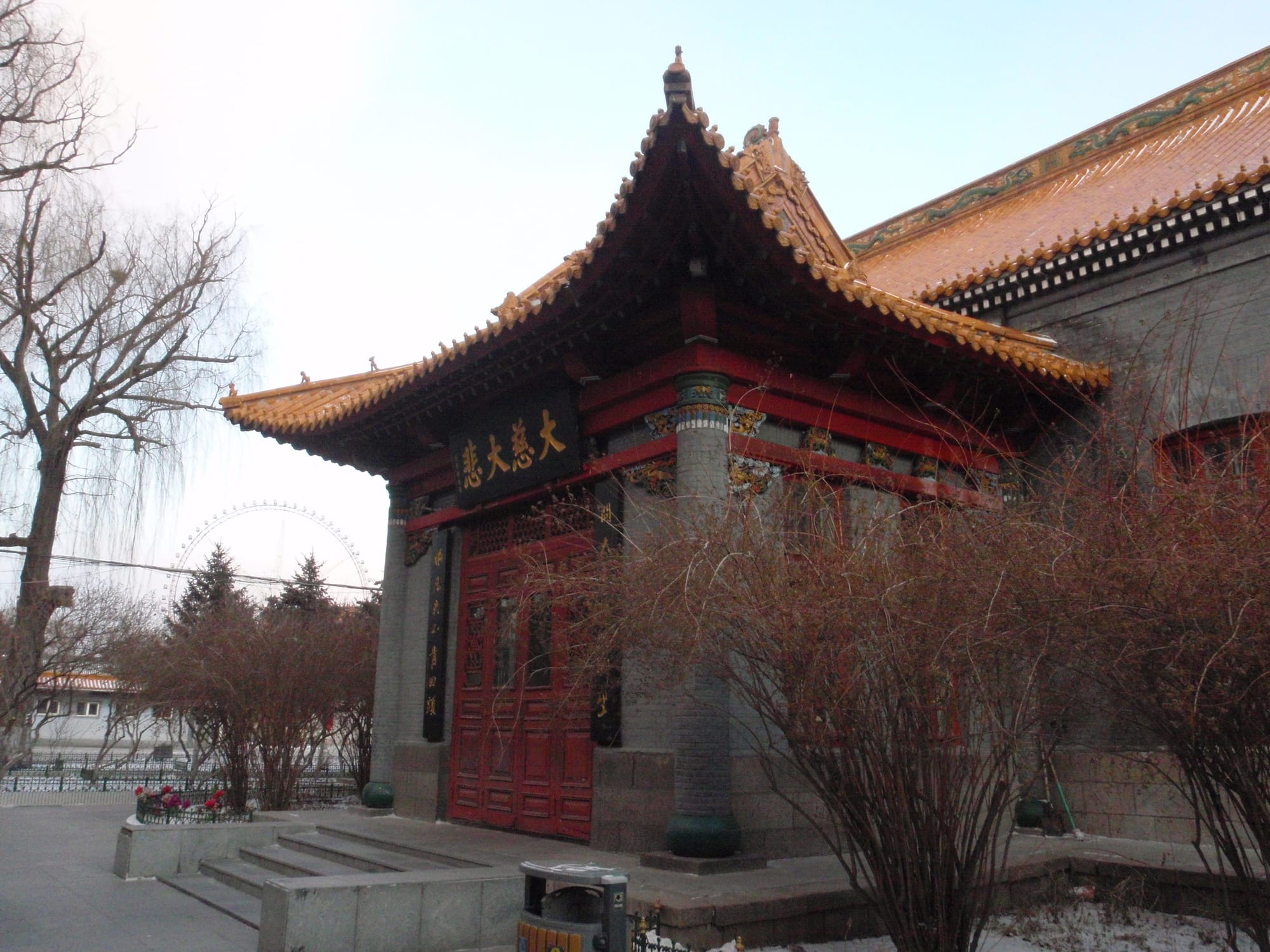
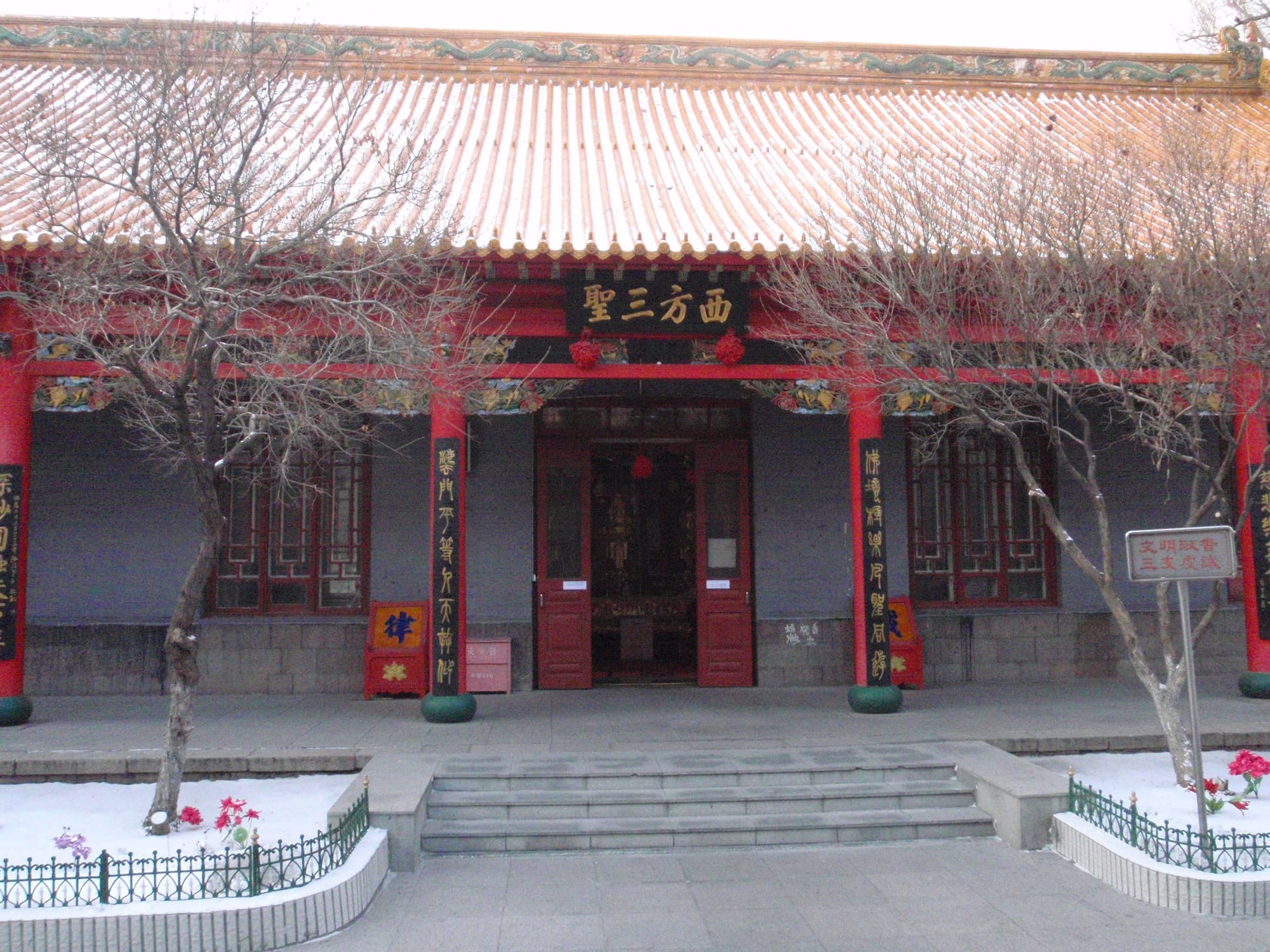
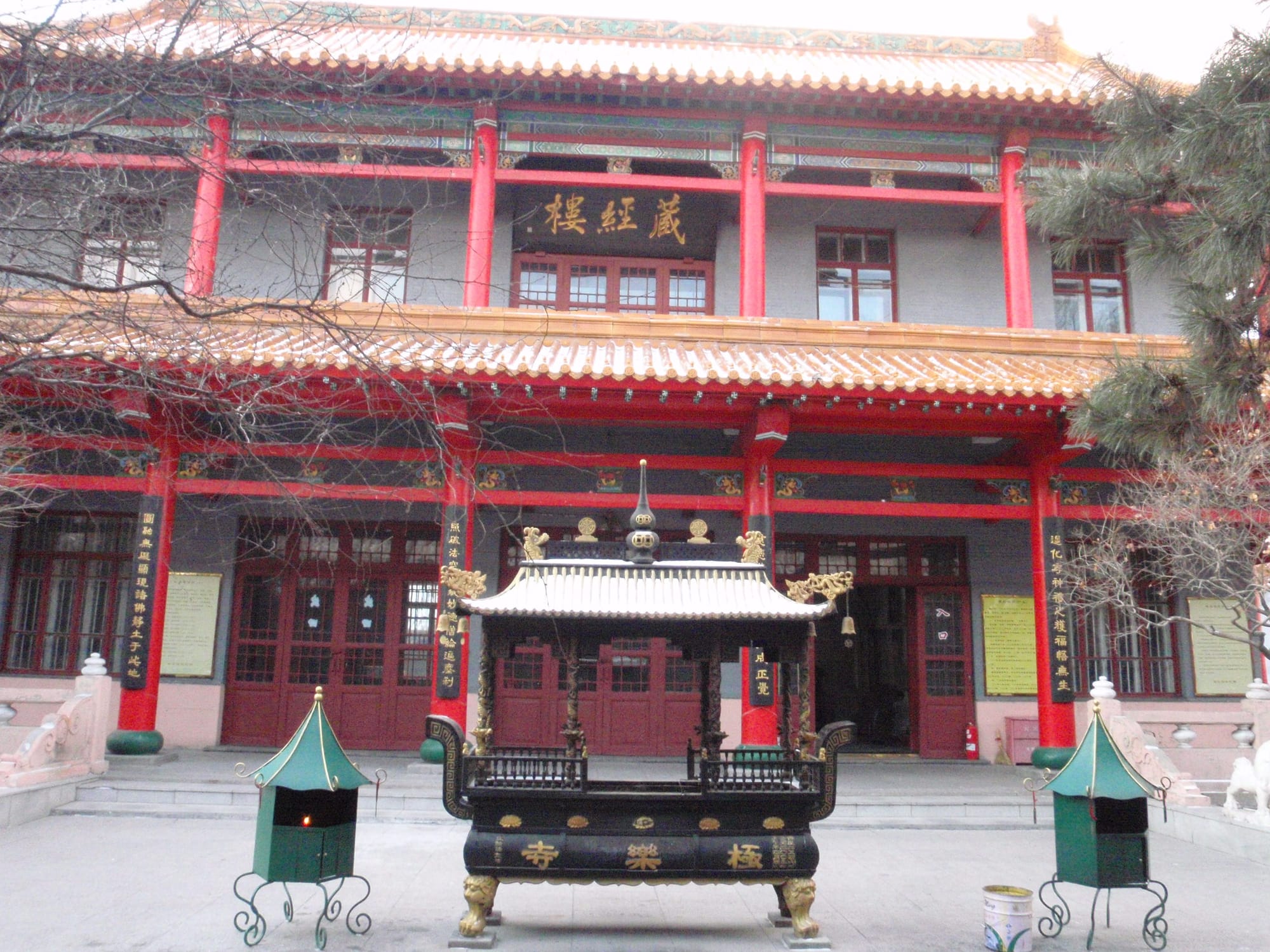
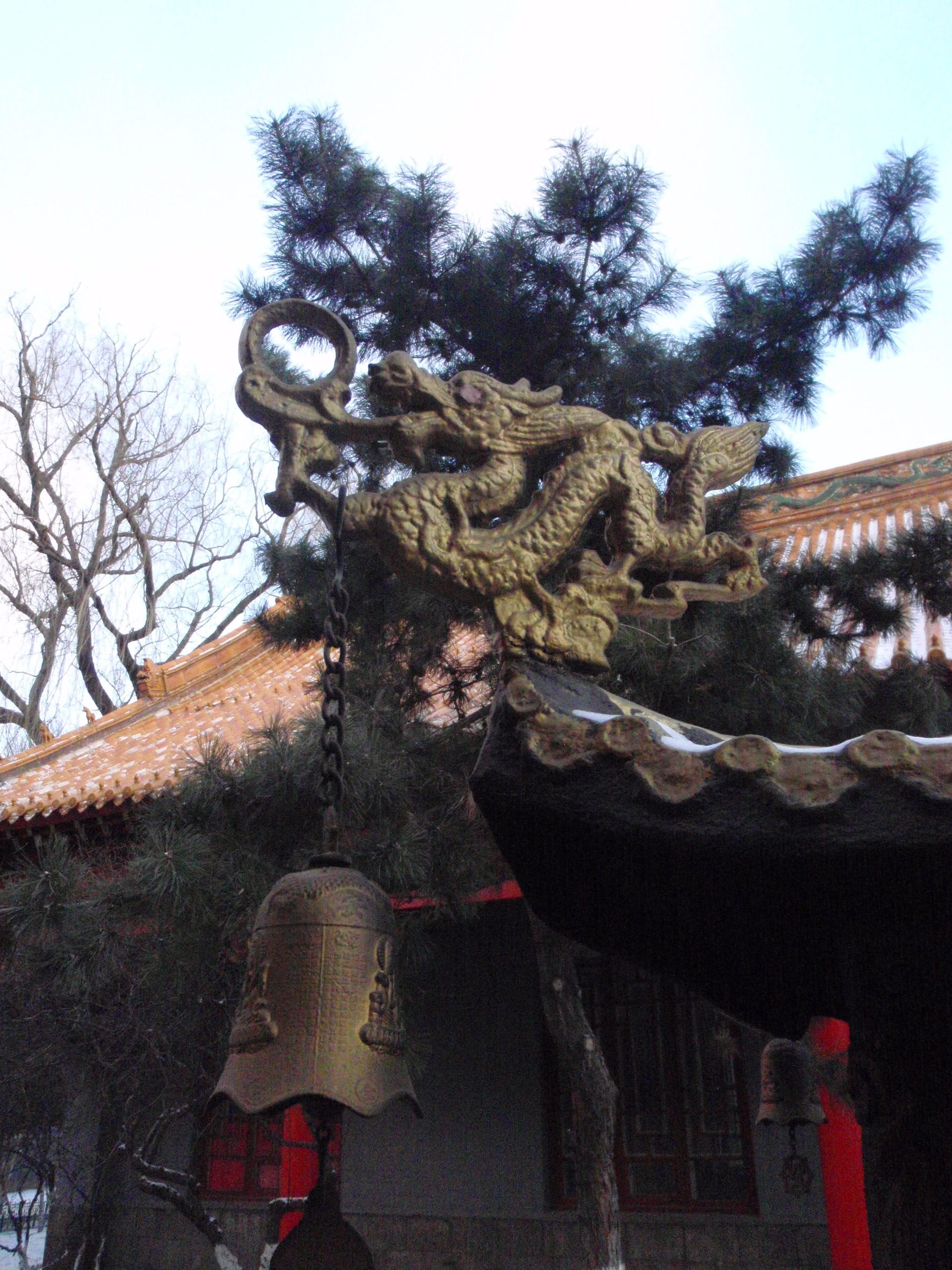
Jile Temple follows the classic Qing-style monastic layout, organised symmetrically along a central axis that guides visitors deeper into its sacred spaces.
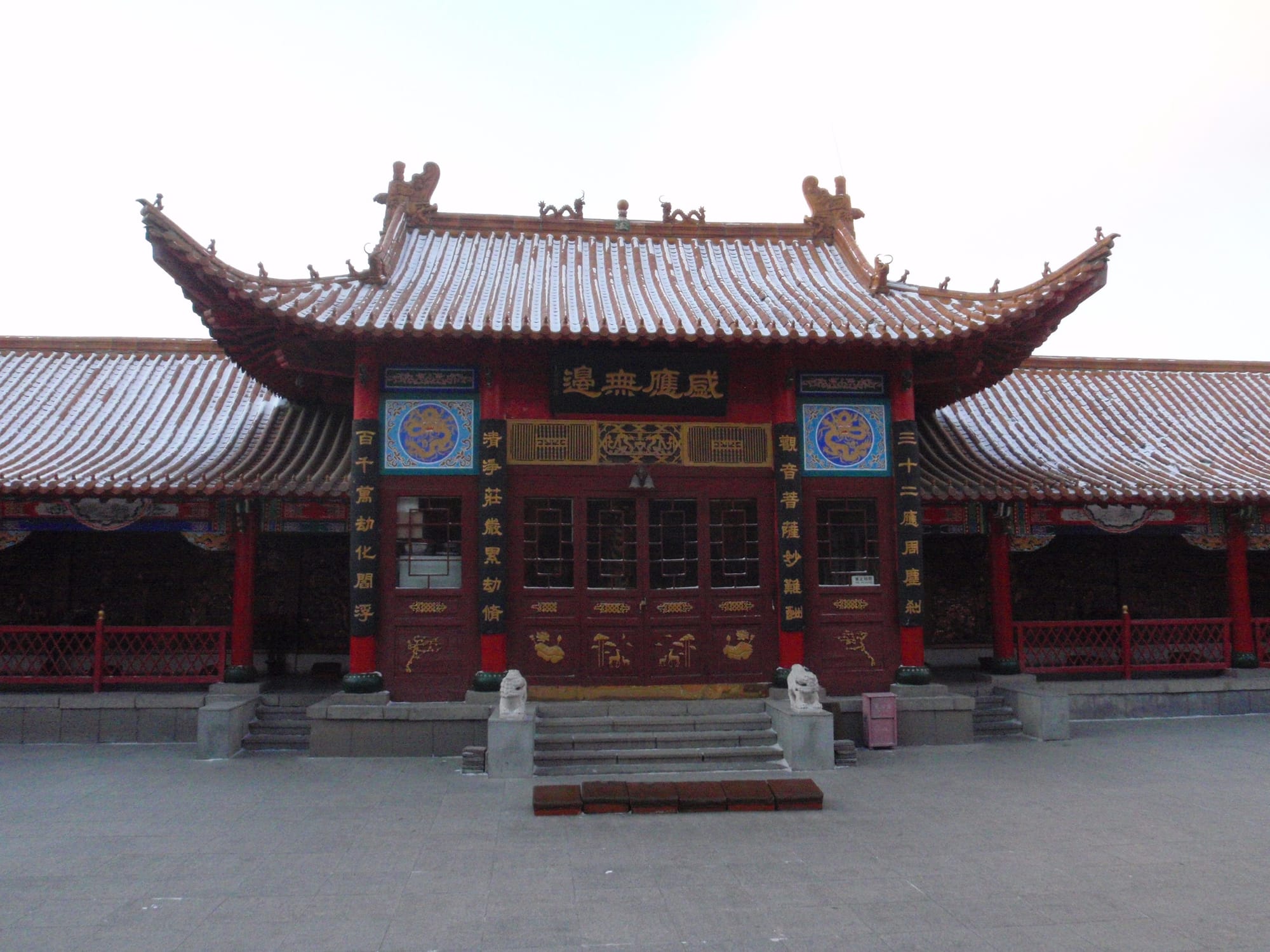
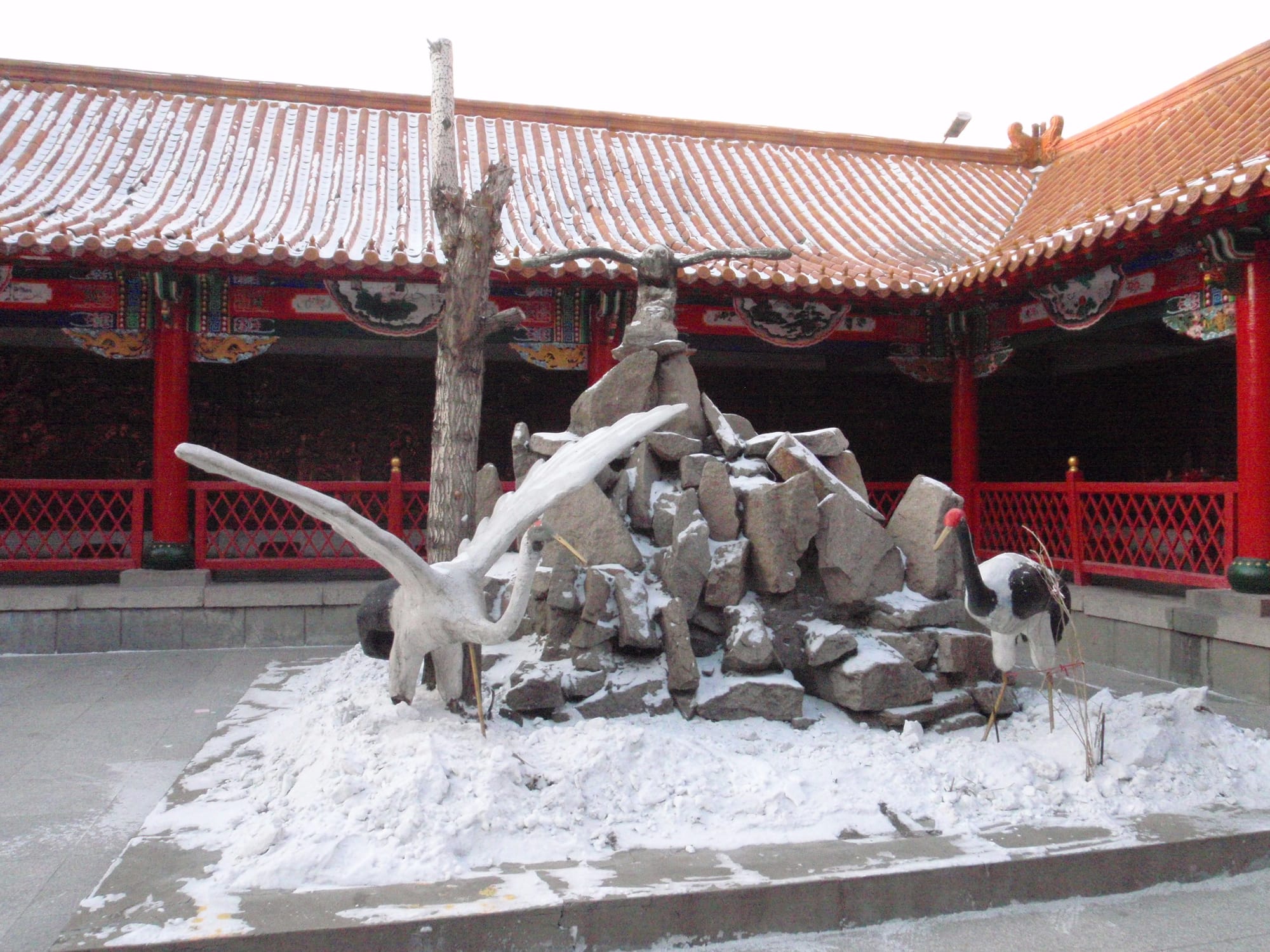
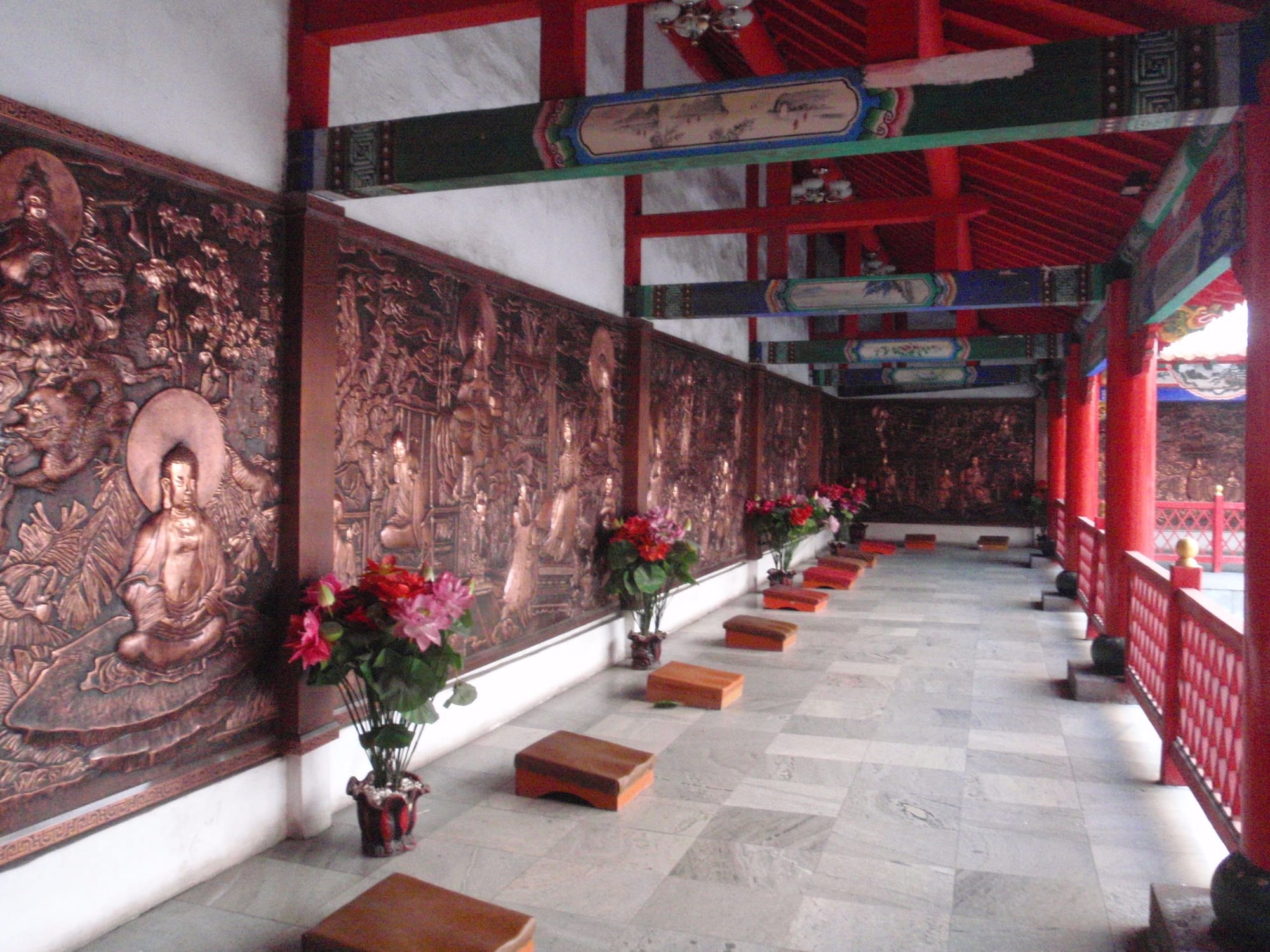
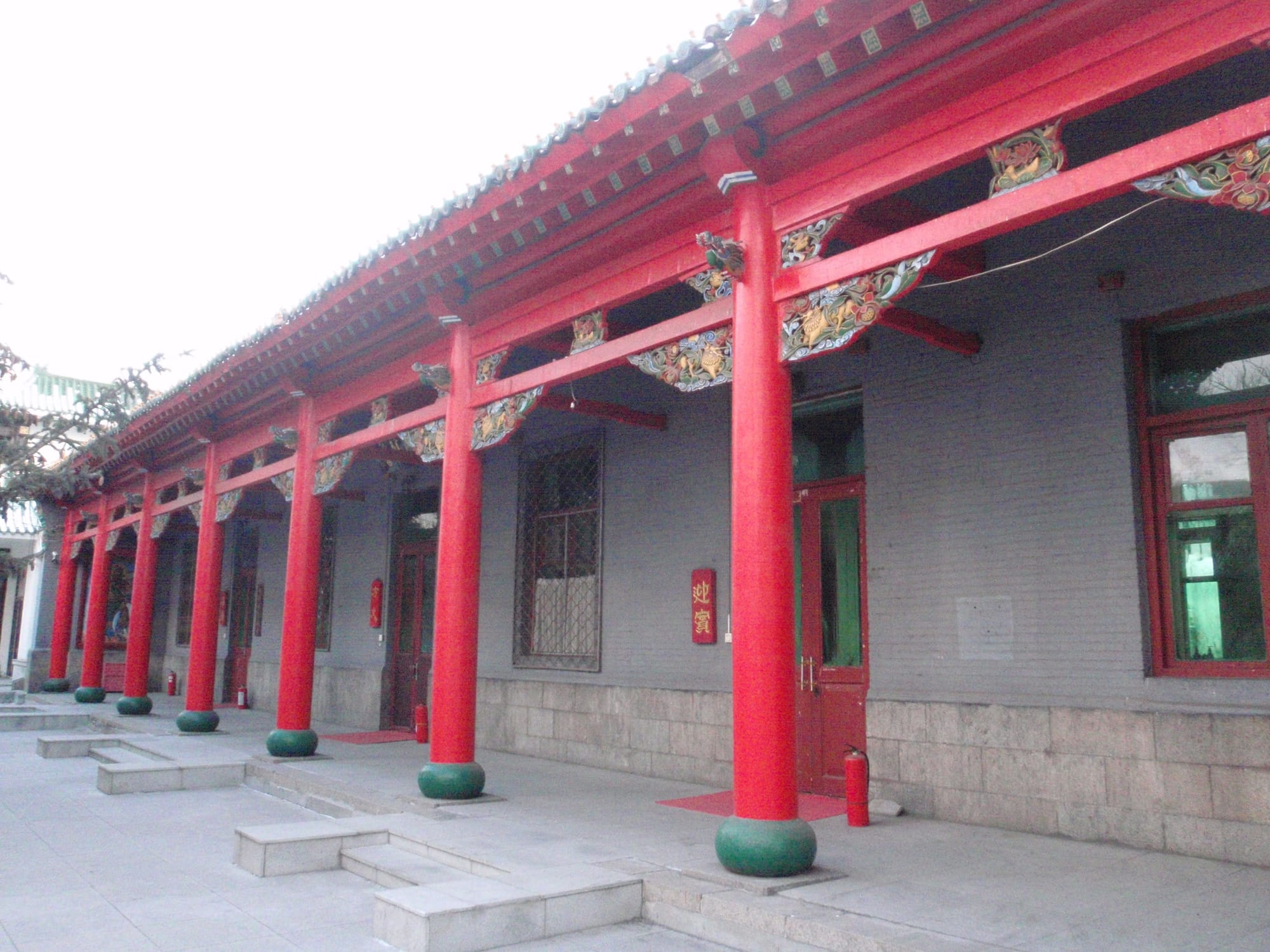
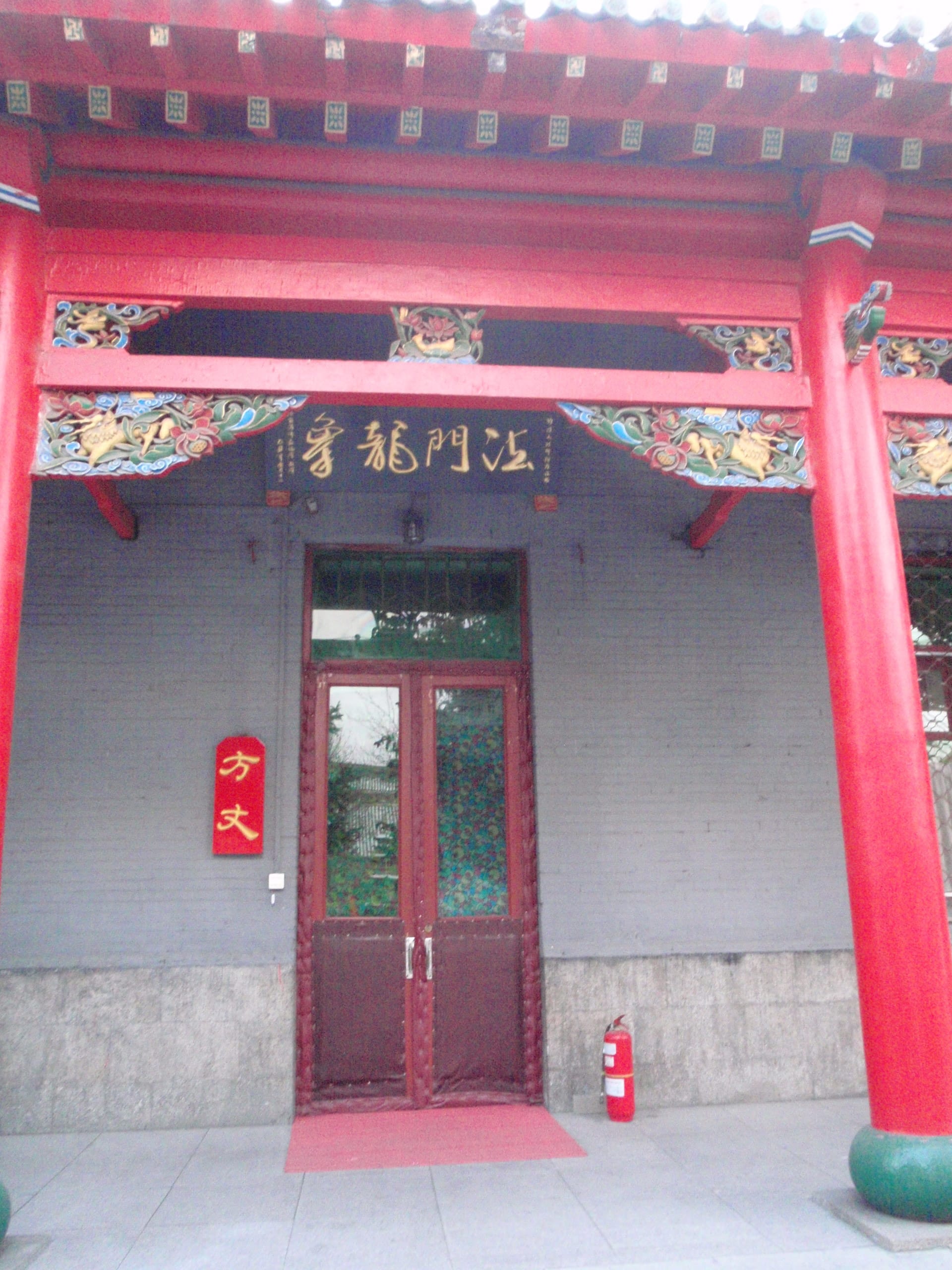
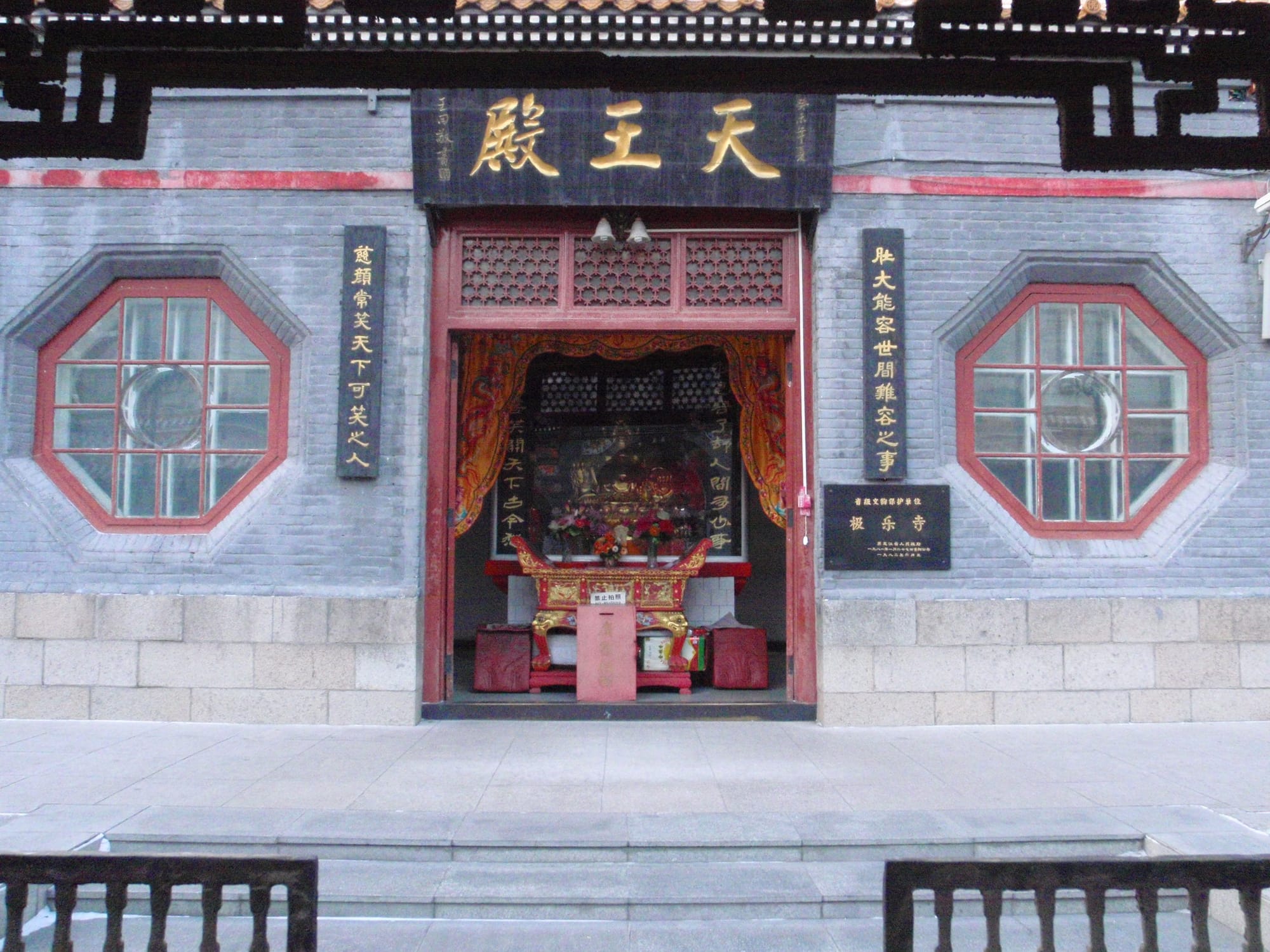
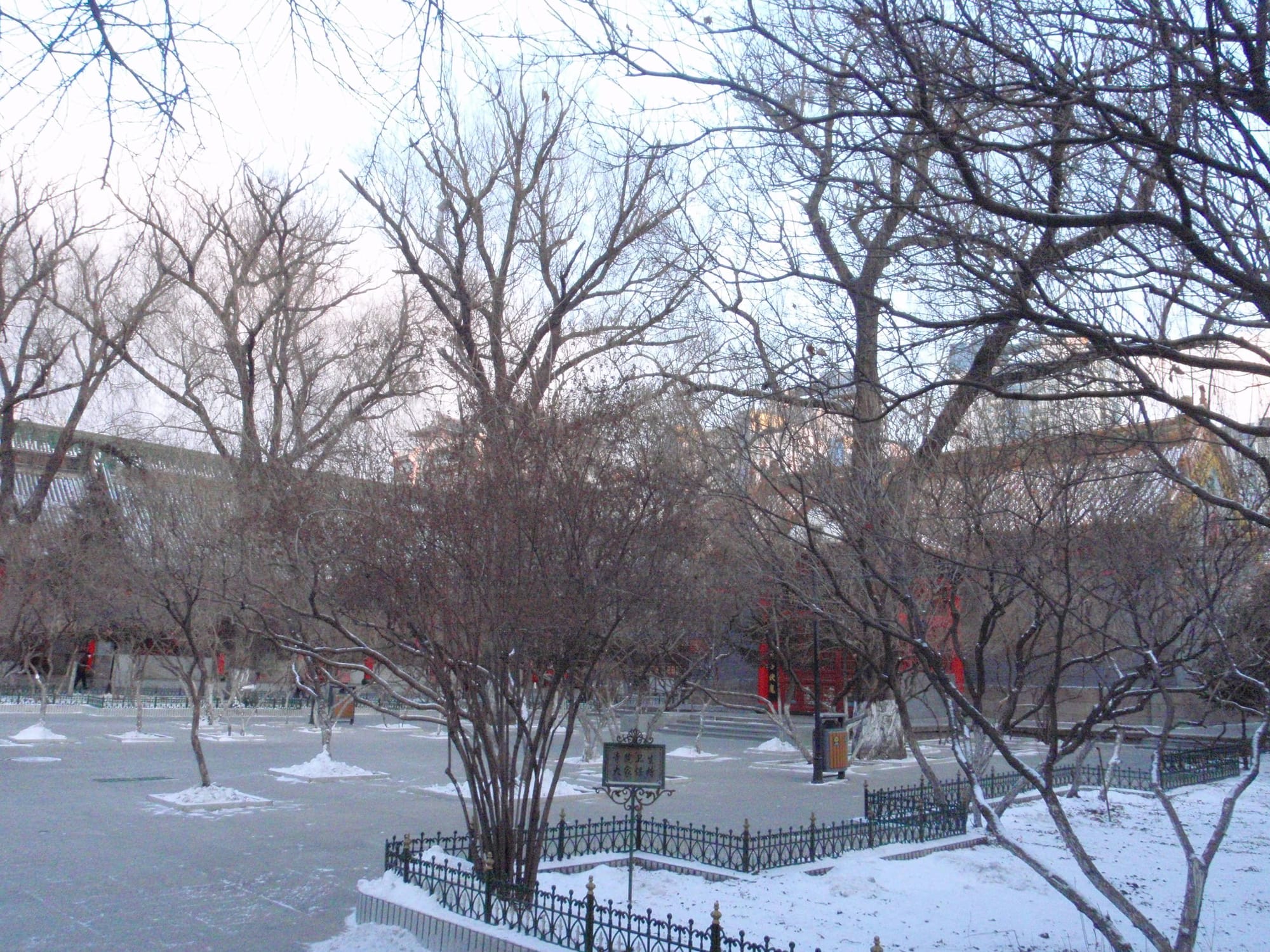
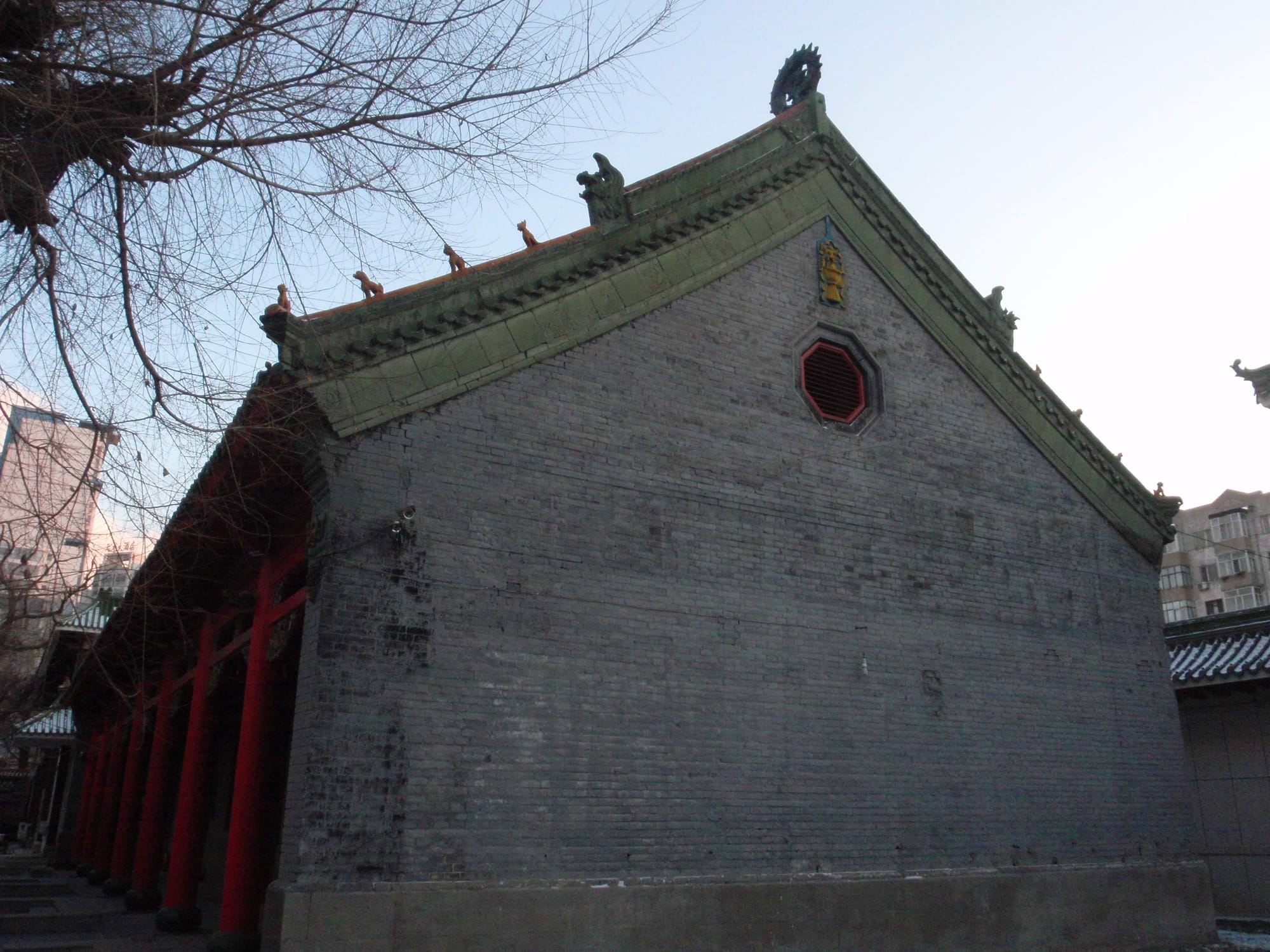
Key highlights include:
- Mountain Gate (山门)- Ceremonial entry into the temple grounds.
- Hall of the Heavenly Kings (天王殿) protected by four powerful guardian deities.
- Mahavira Hall (大雄宝殿)- The heart of the temple, home to towering Buddha statues and richly painted murals.
- Dharma Hall (法堂)- A space for chanting, meditation and Buddhist teachings.
Behind the main halls stands the temple’s most striking landmark- The Seven-Storey Pagoda.
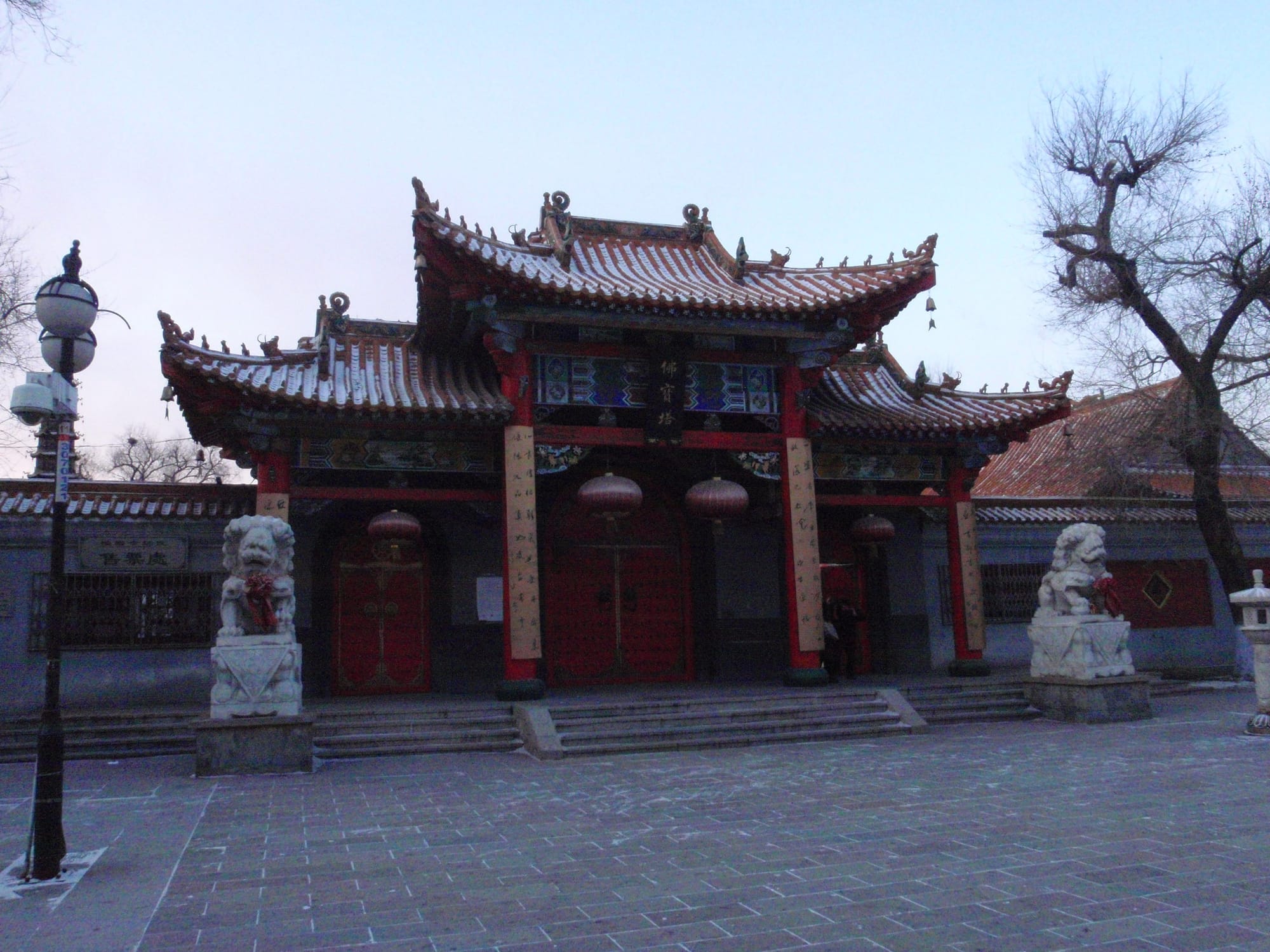
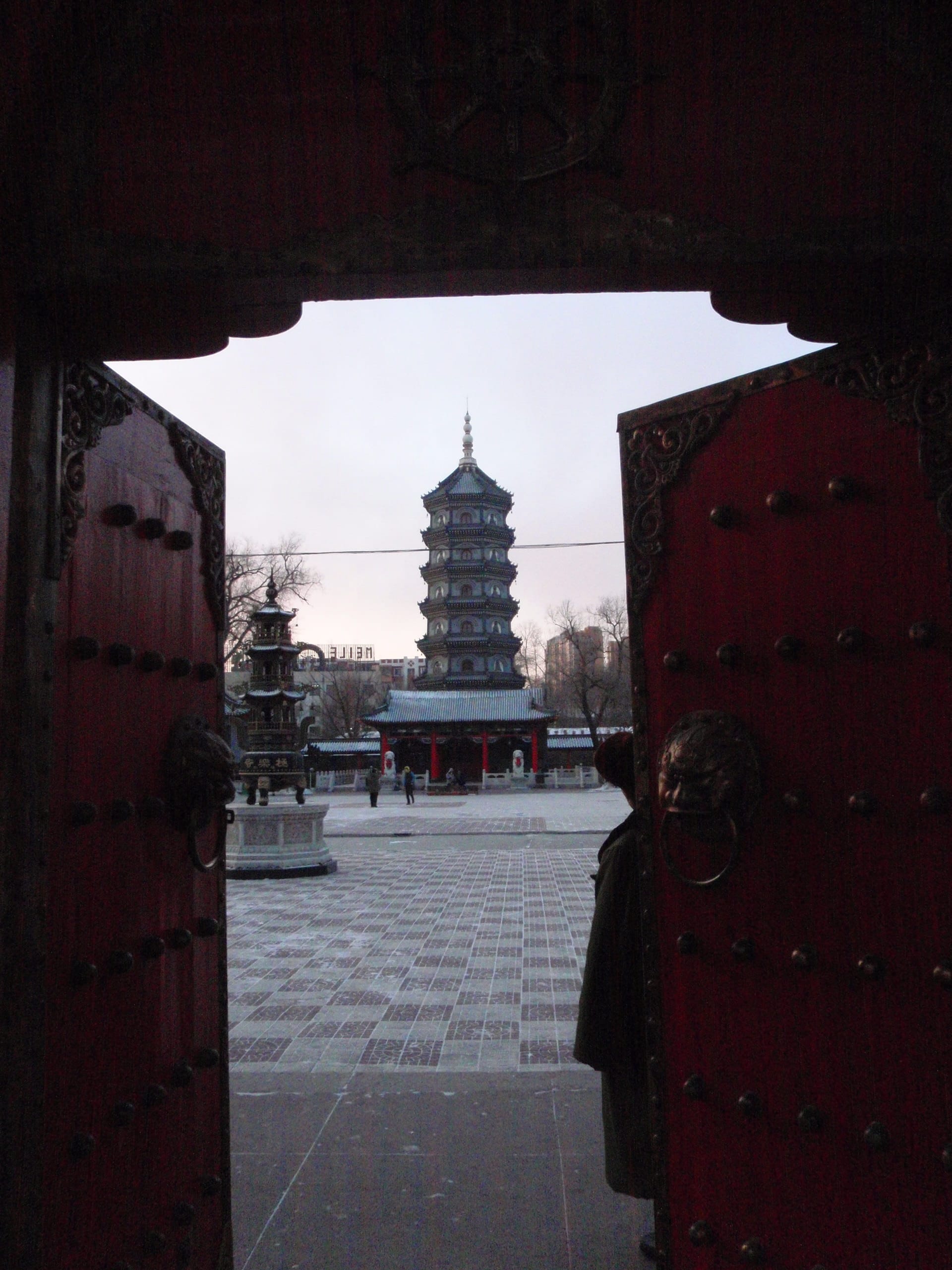
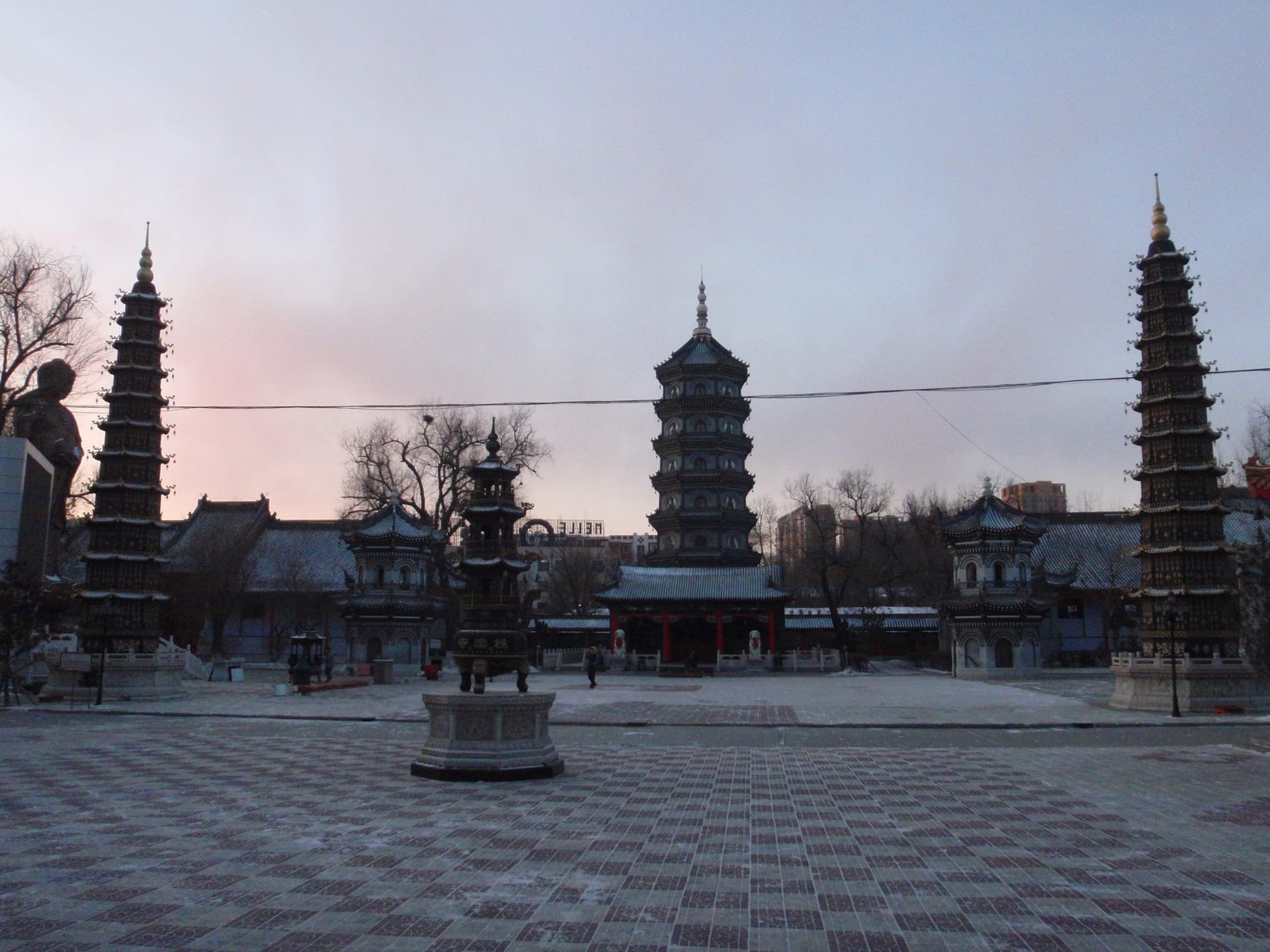
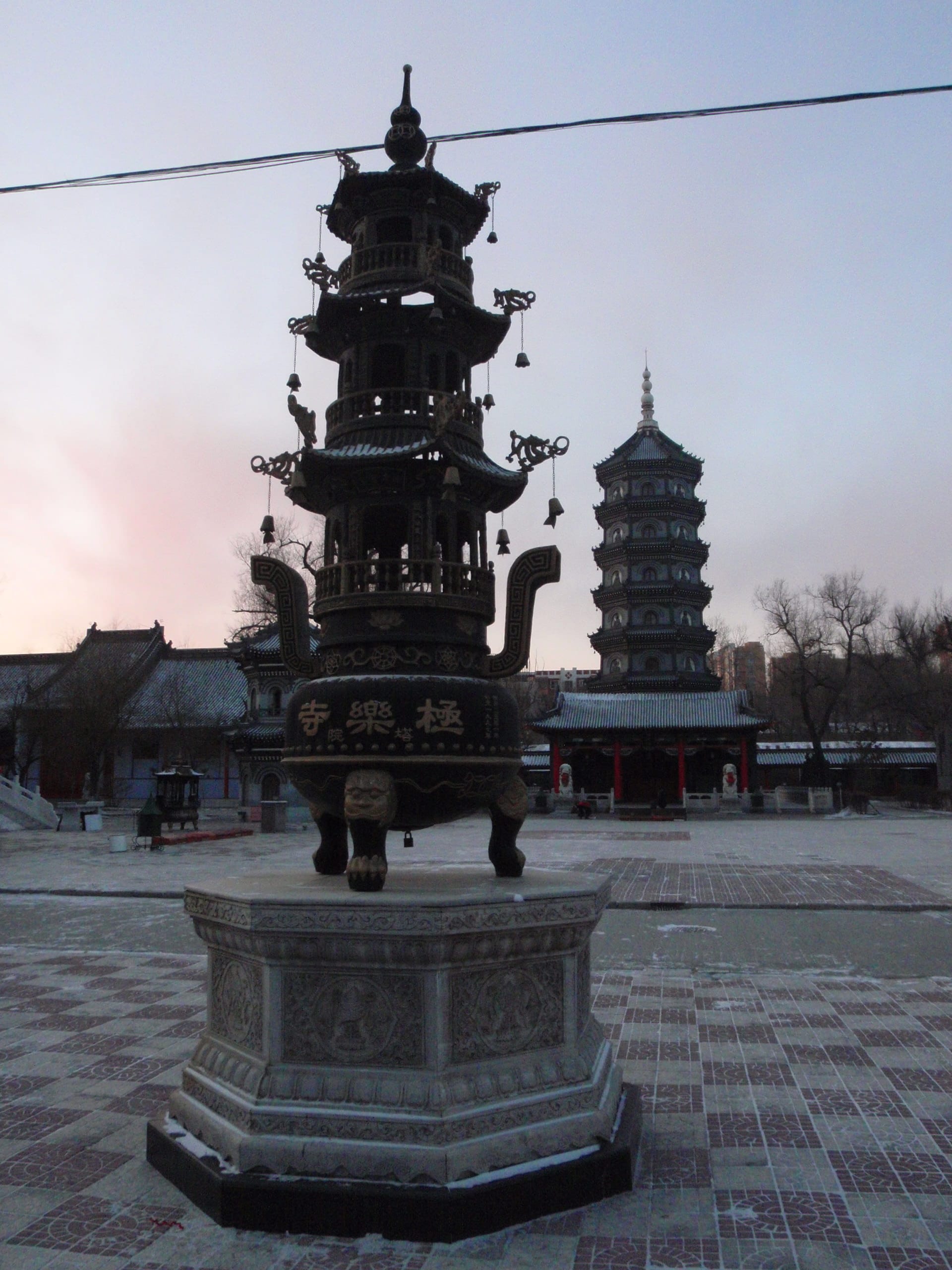
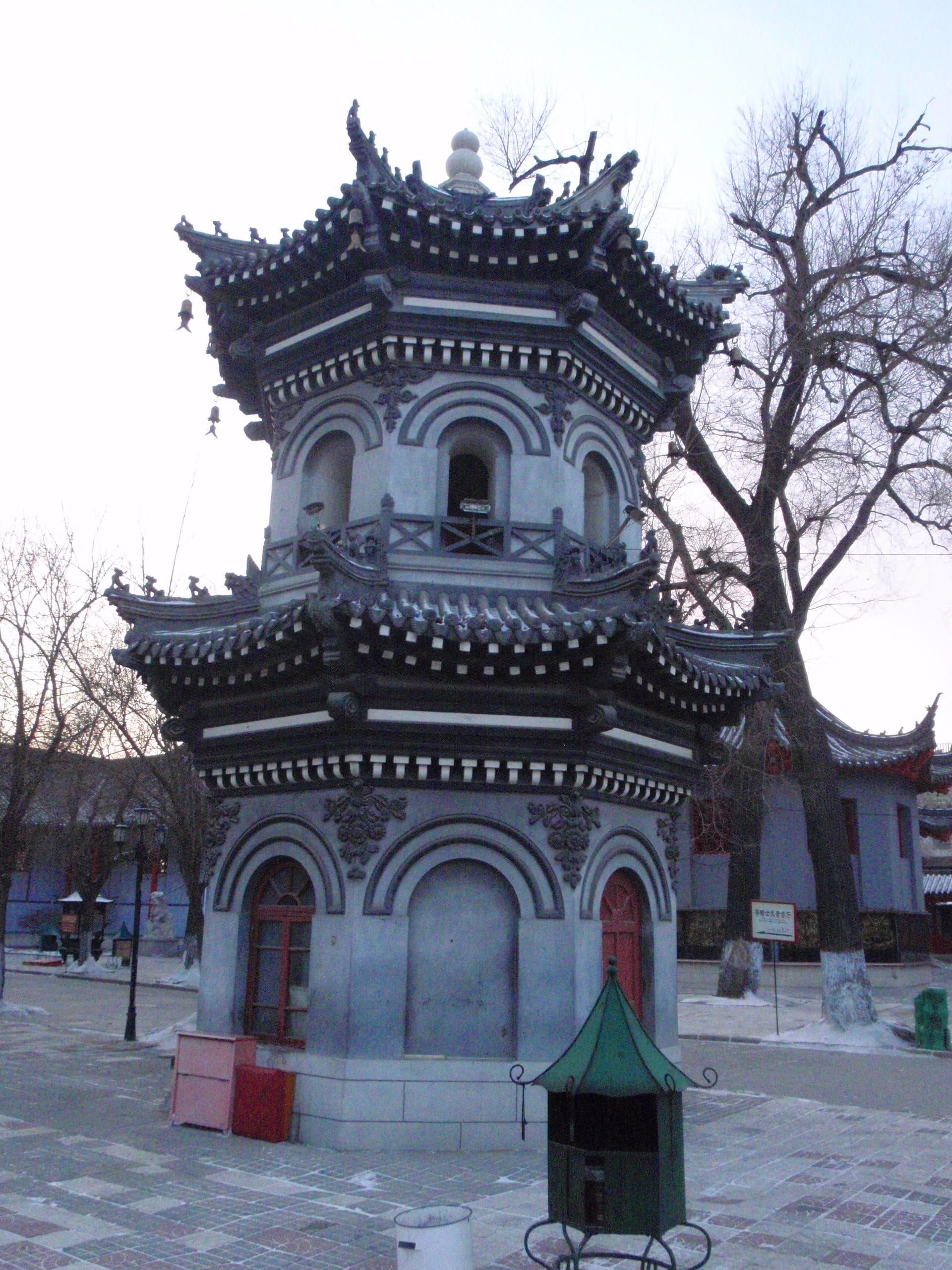
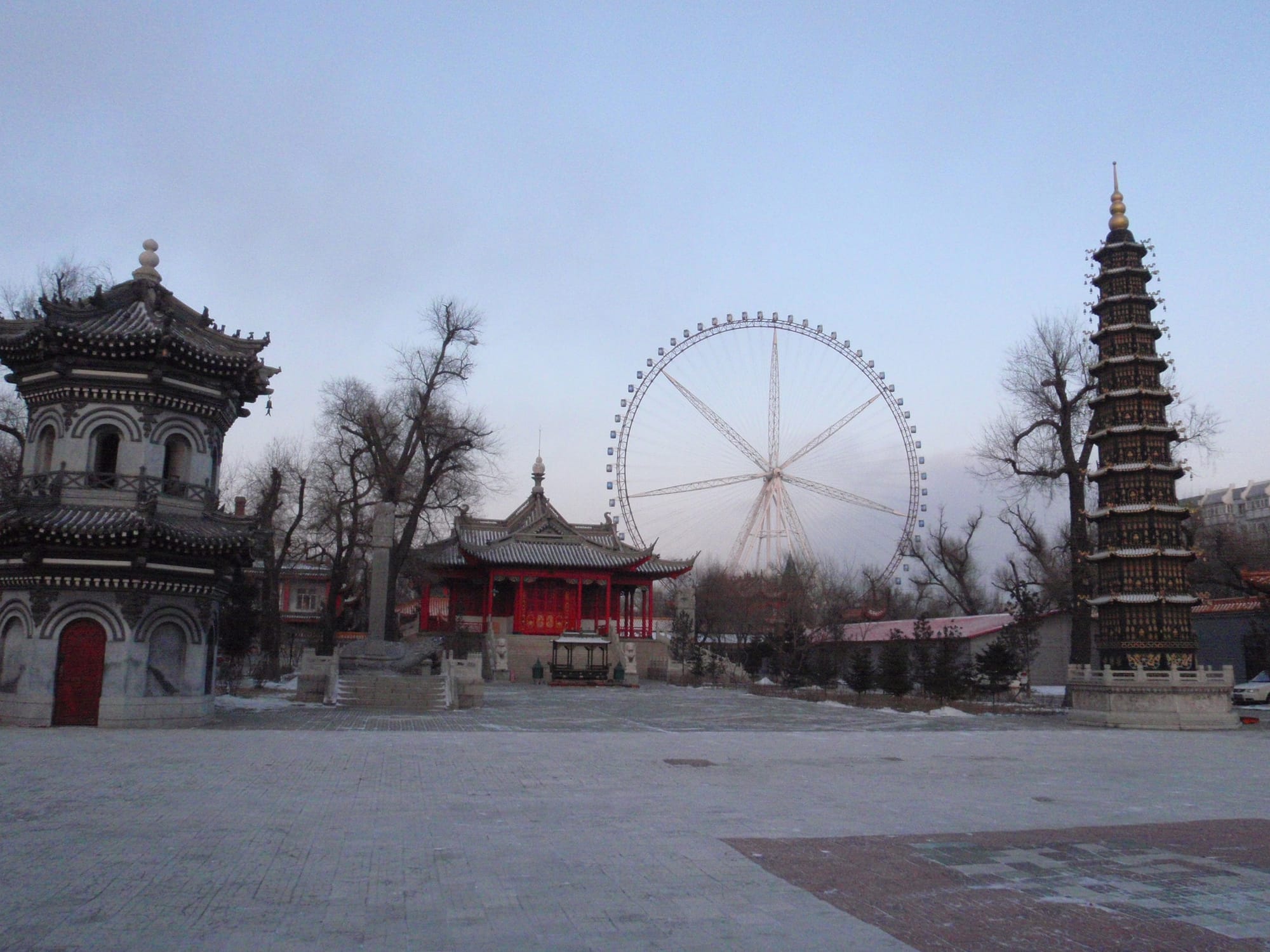
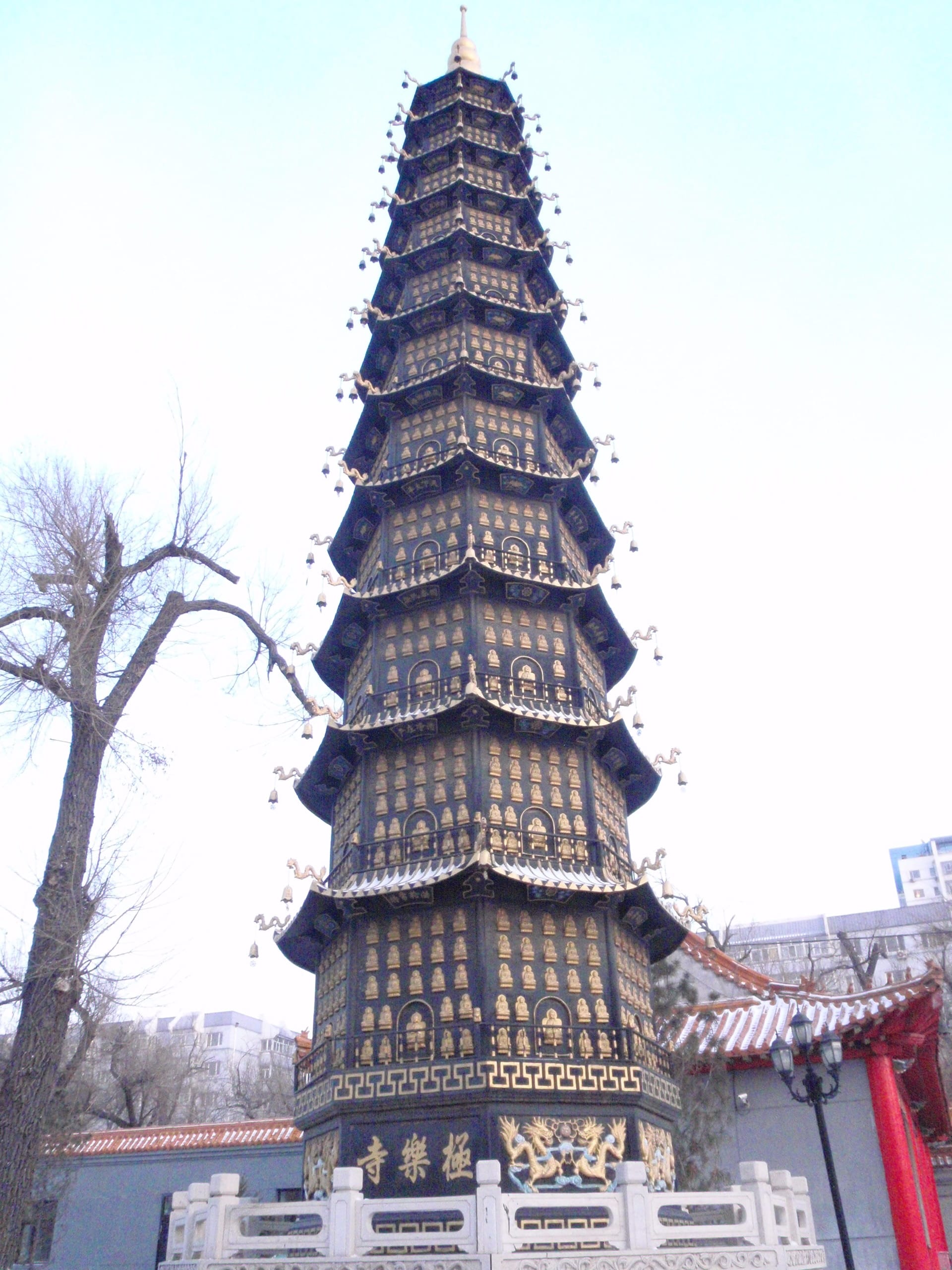
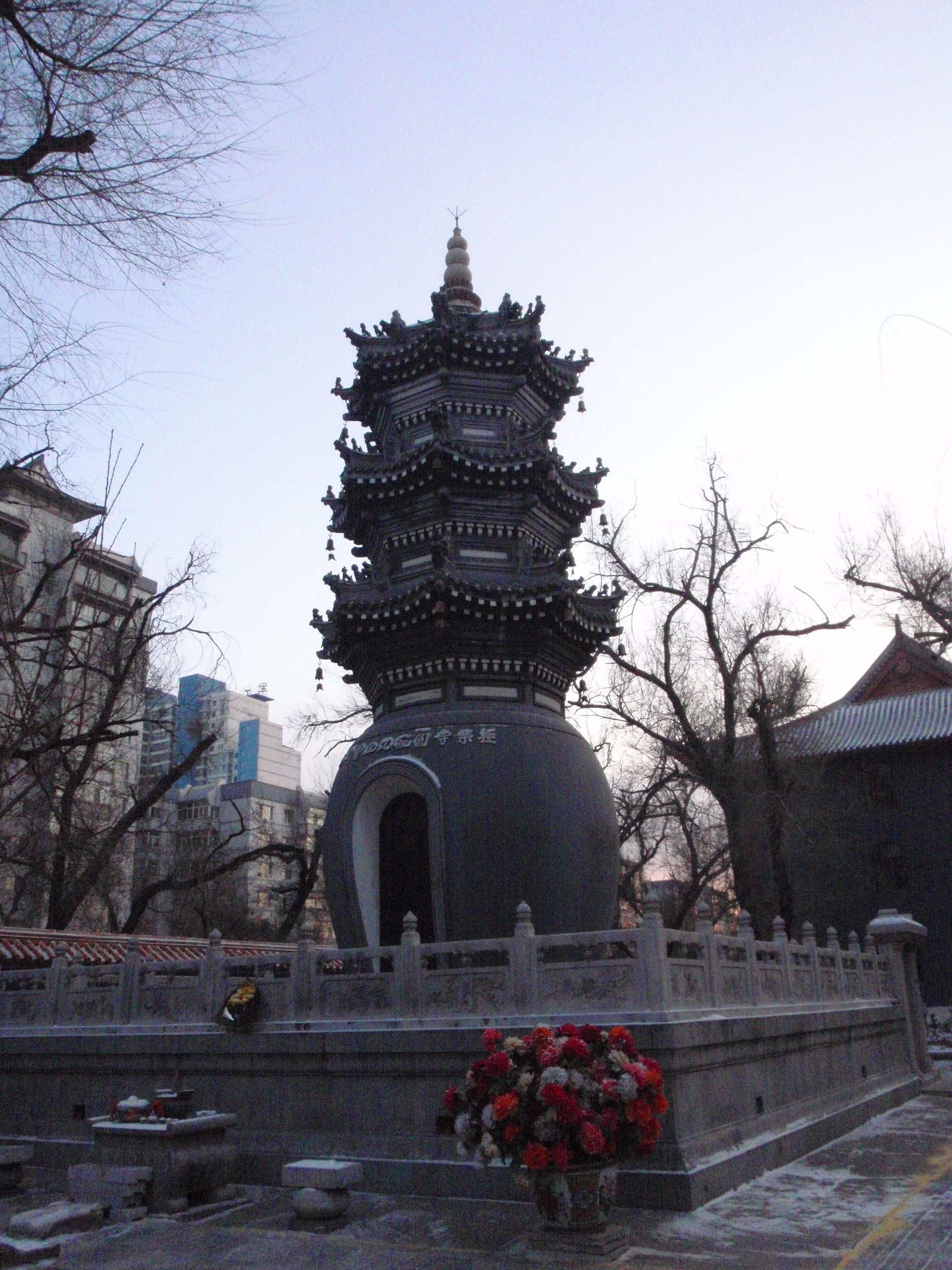
Built in Ming-Qing architectural style, this elegant pagoda houses sacred relics and rises above the complex like a spiritual beacon. Its red walls and golden roofs look especially dramatic when dusted with Harbin’s winter snow.
Unlike some historical buildings that now function as museums, Jile Temple is fully active. Monks perform daily chants, devotees burn incense and the courtyards hum with quiet reverence. Visitors are welcome to observe respectfully, making it one of the most authentic cultural experiences in Harbin.
Saint Sophia Cathedral (圣索非亚教堂)/Harbin Architecture Arts Centre (哈尔滨建筑艺术馆)
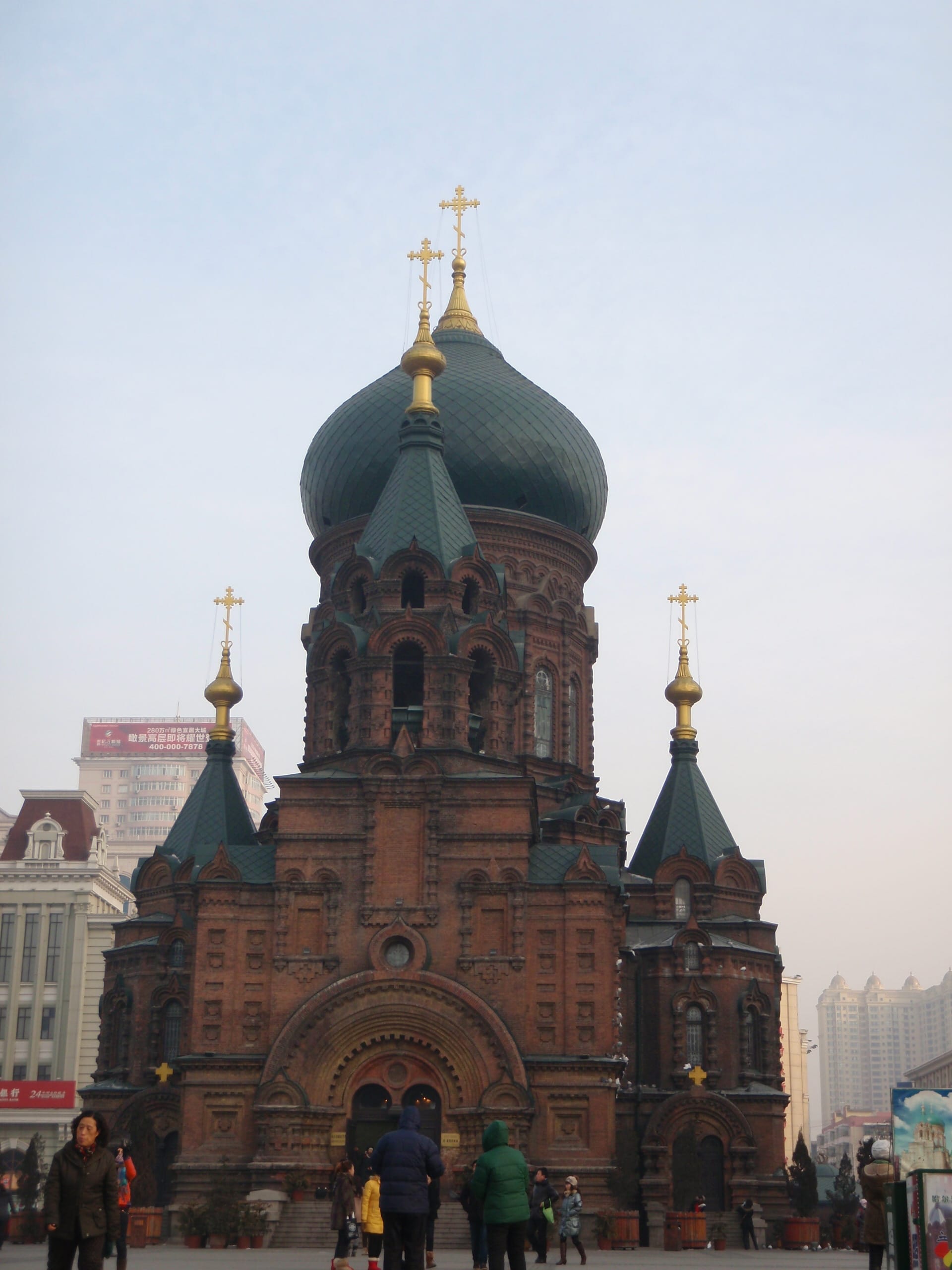
The Saint Sophia Cathedral in Harbin’s Daoli District is the city’s most iconic landmark and a symbol of its rich Russian heritage. Originally built as a wooden church in 1907 for Russian military and railway workers, the current Neo-Byzantine structure was constructed between 1923 and 1932 to serve Harbin’s Russian Orthodox community.
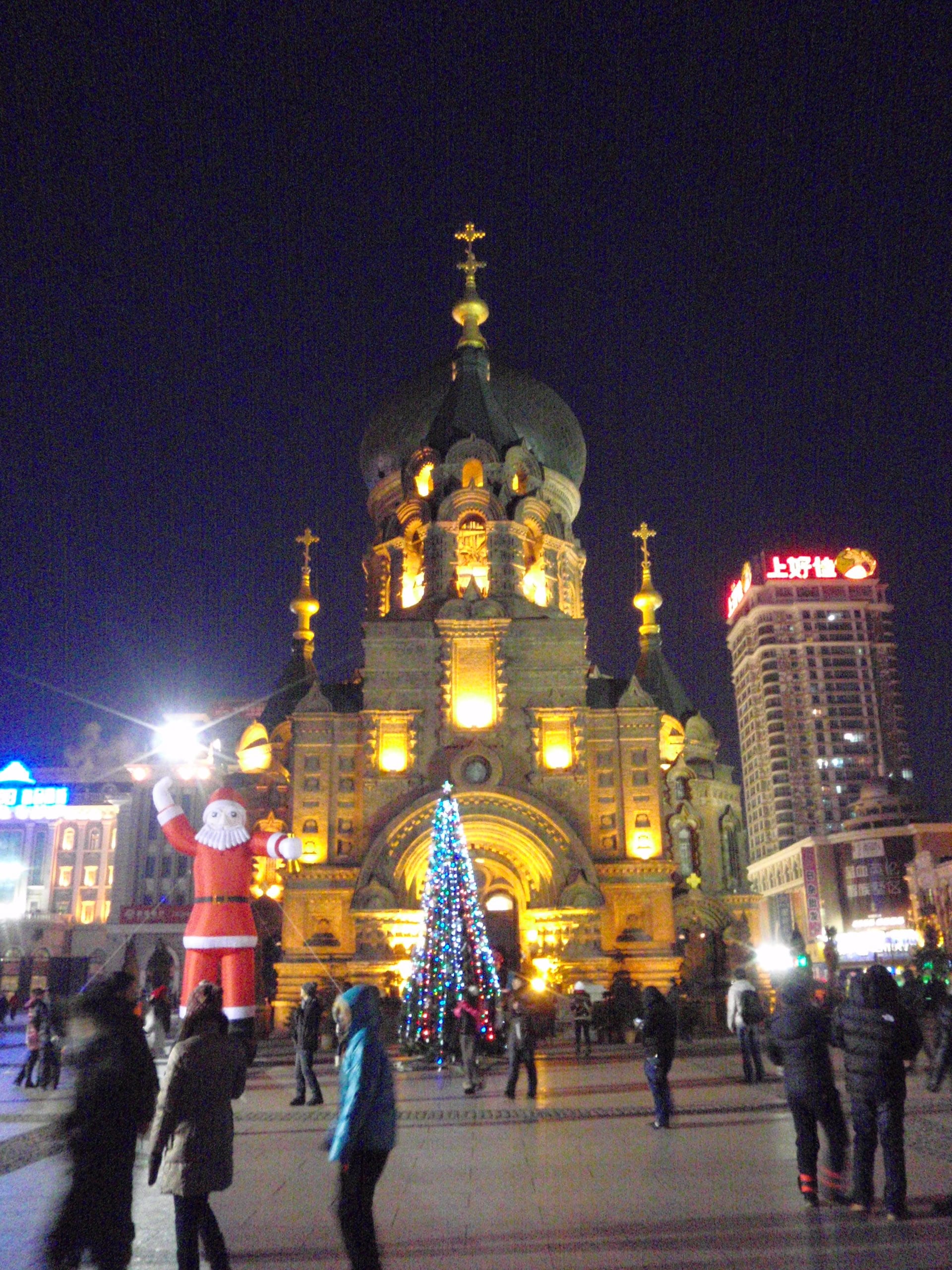
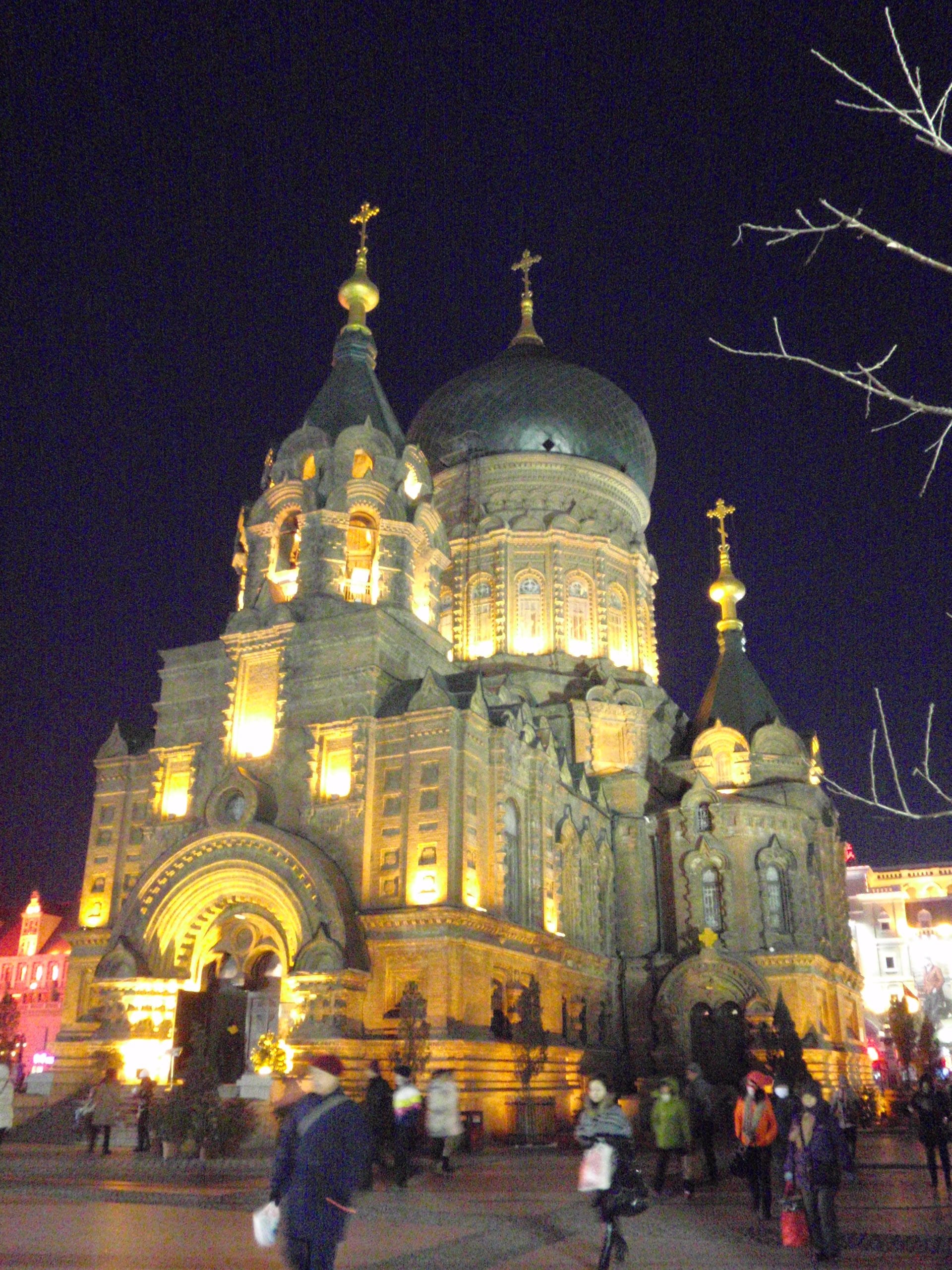
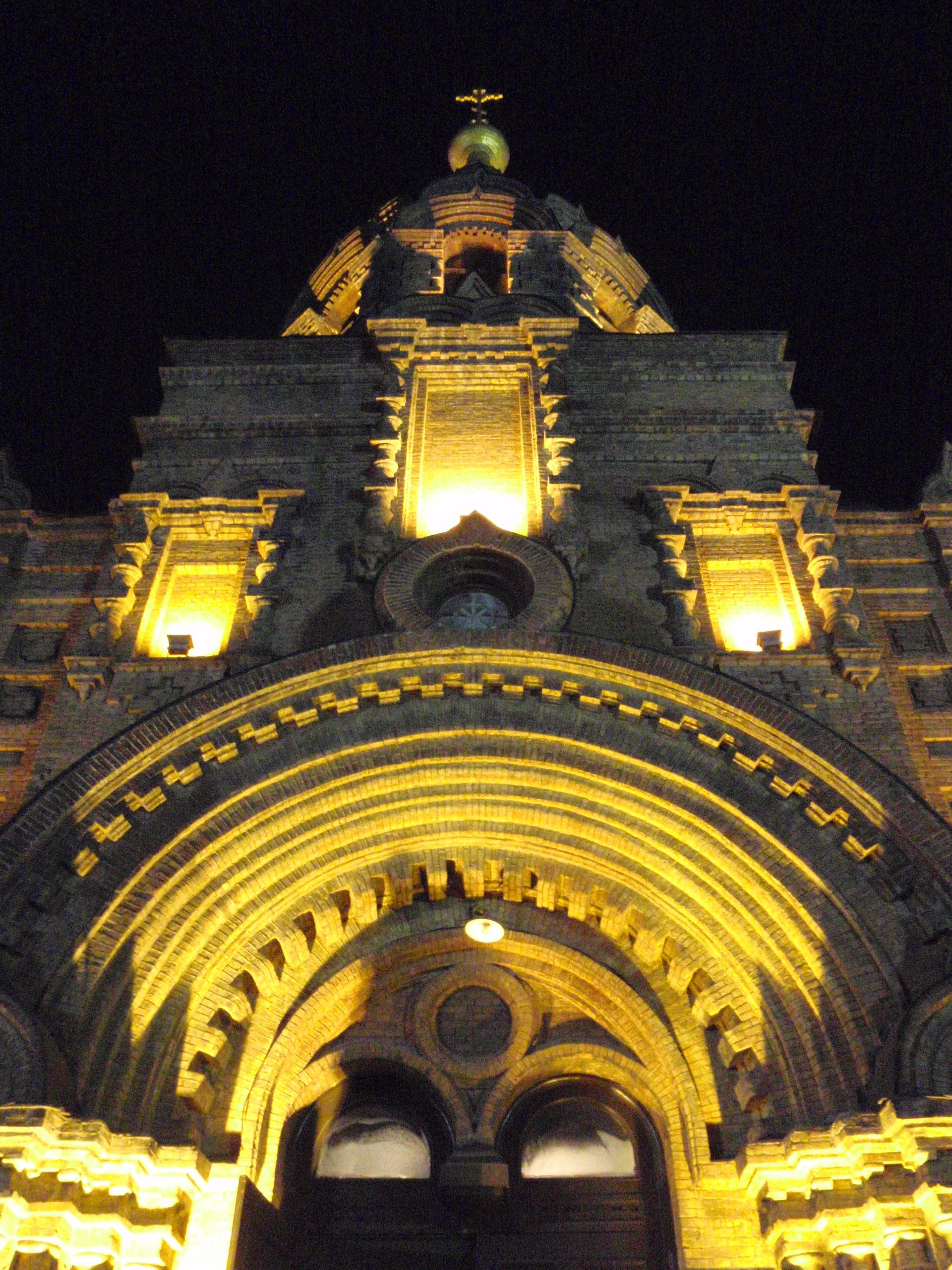
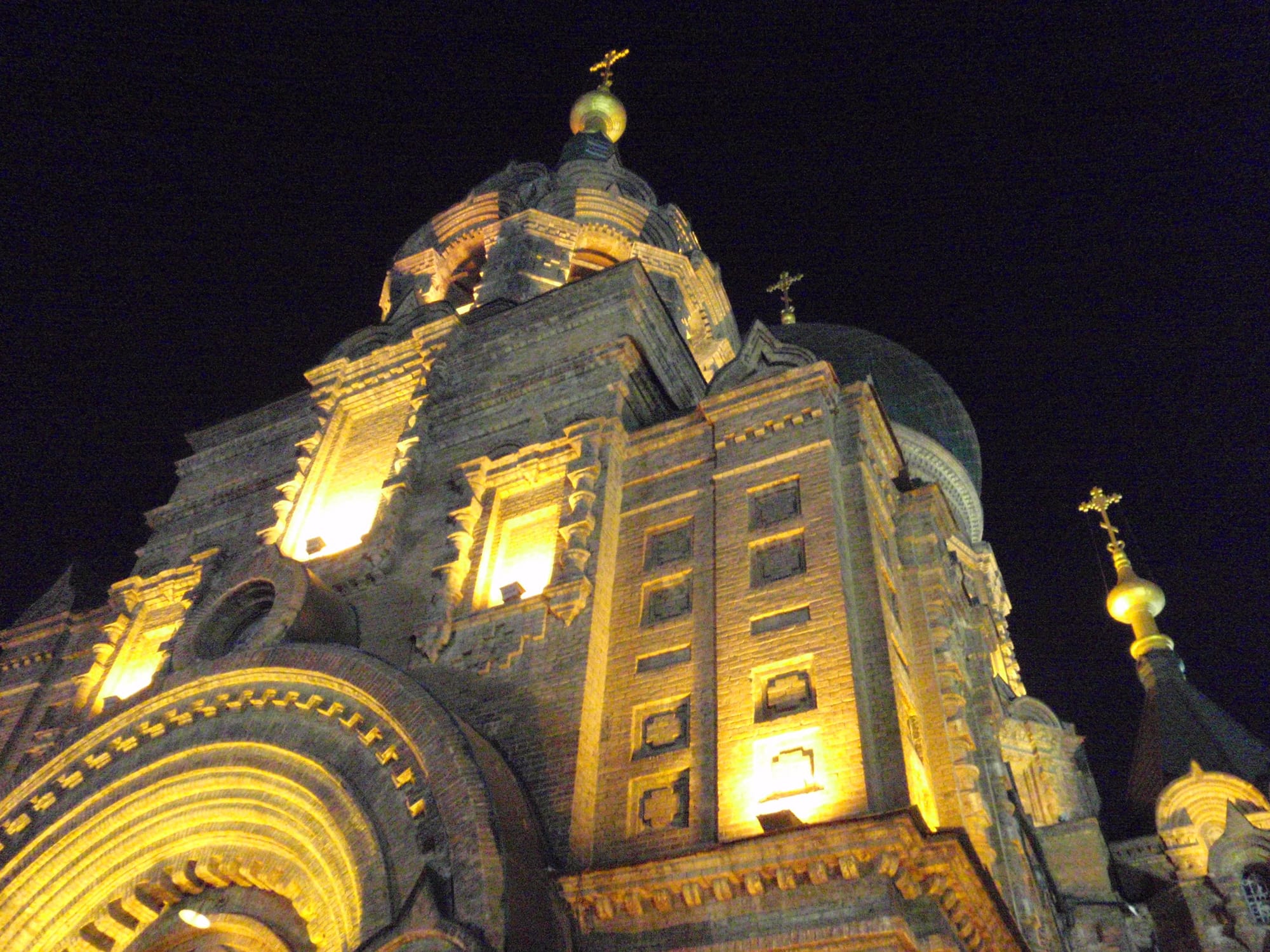
Featuring a towering main dome and four smaller green onion-shaped domes atop red-brick walls, the cathedral exemplifies classic Russian Orthodox architecture.
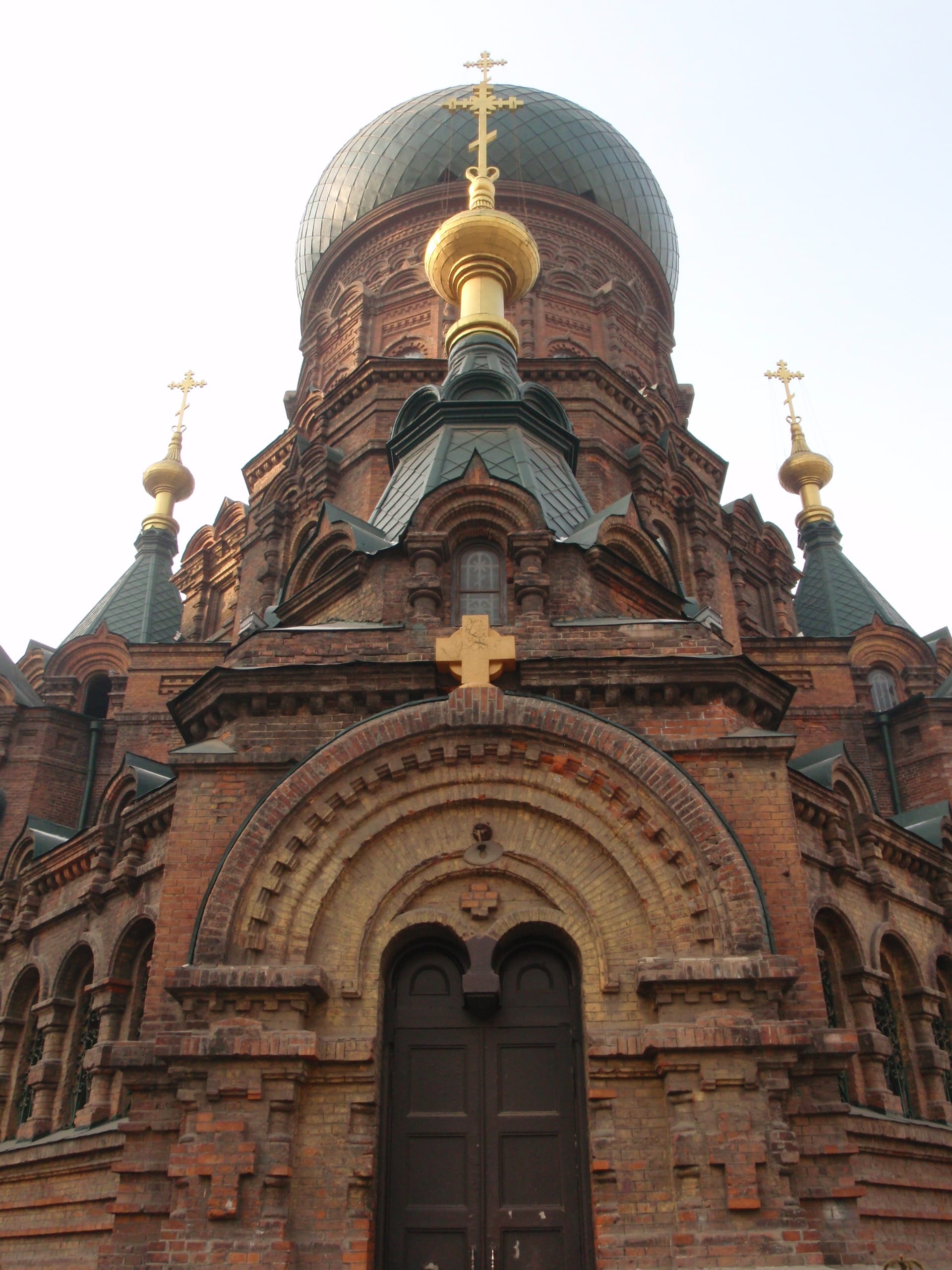
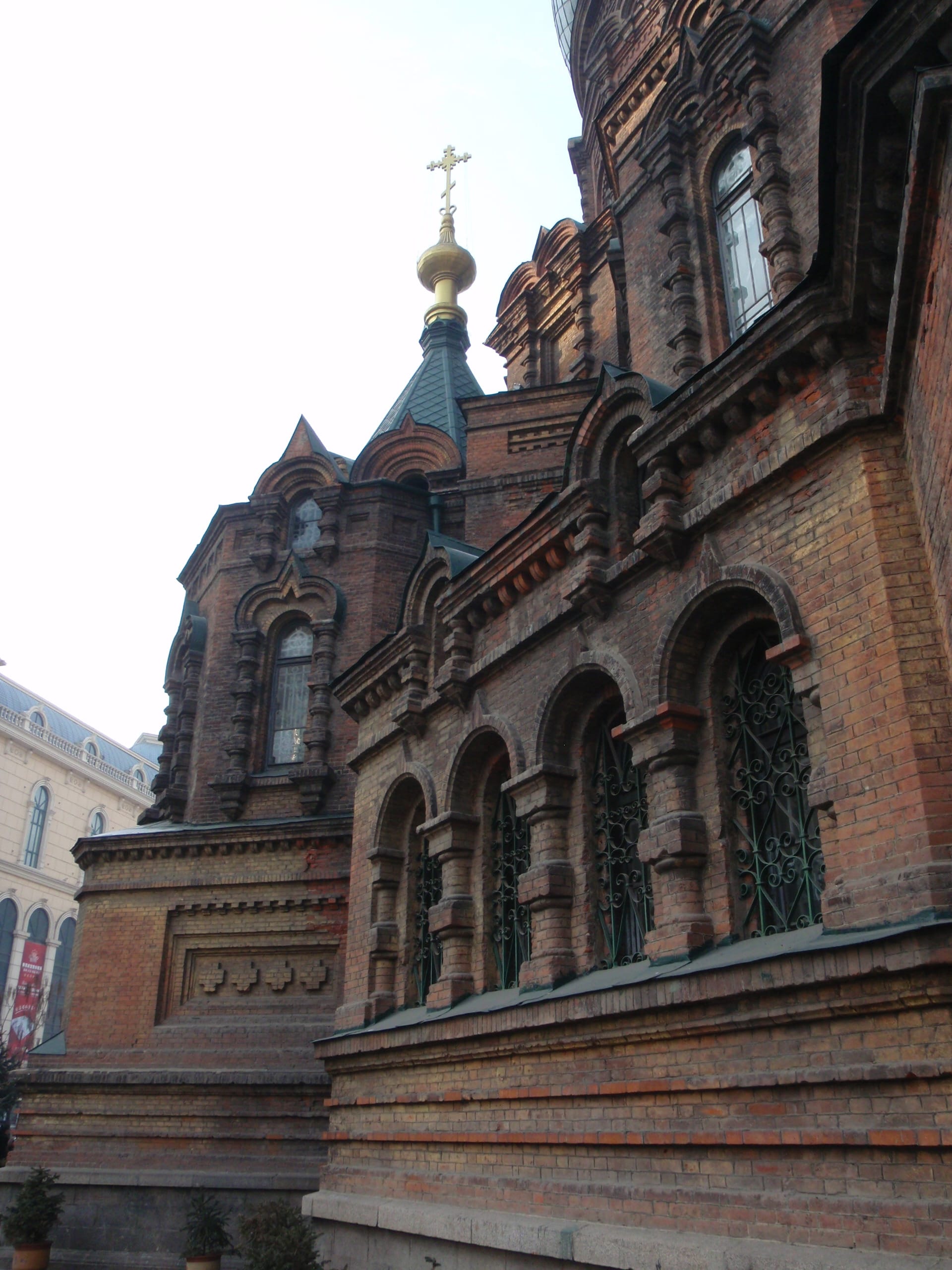
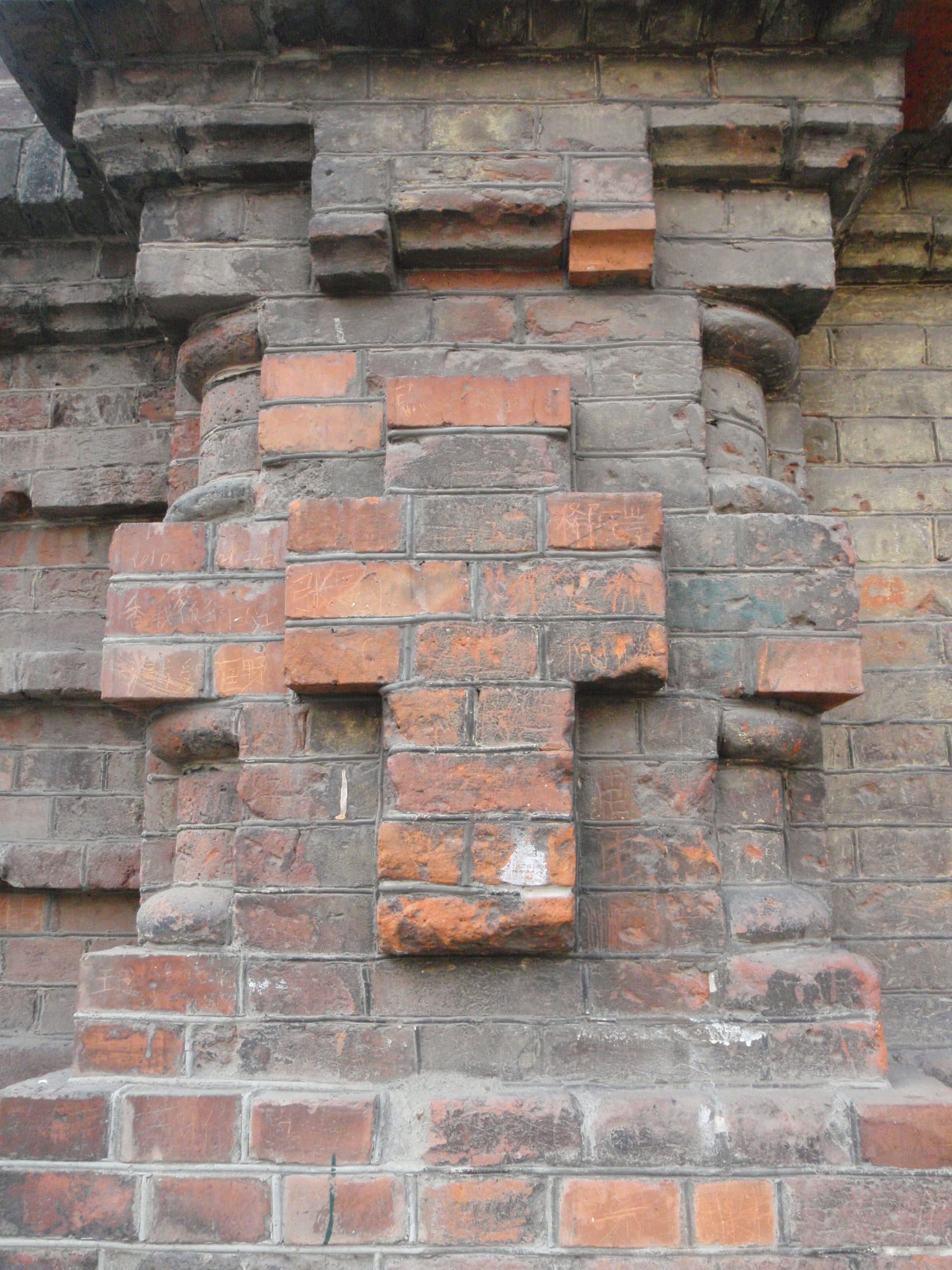
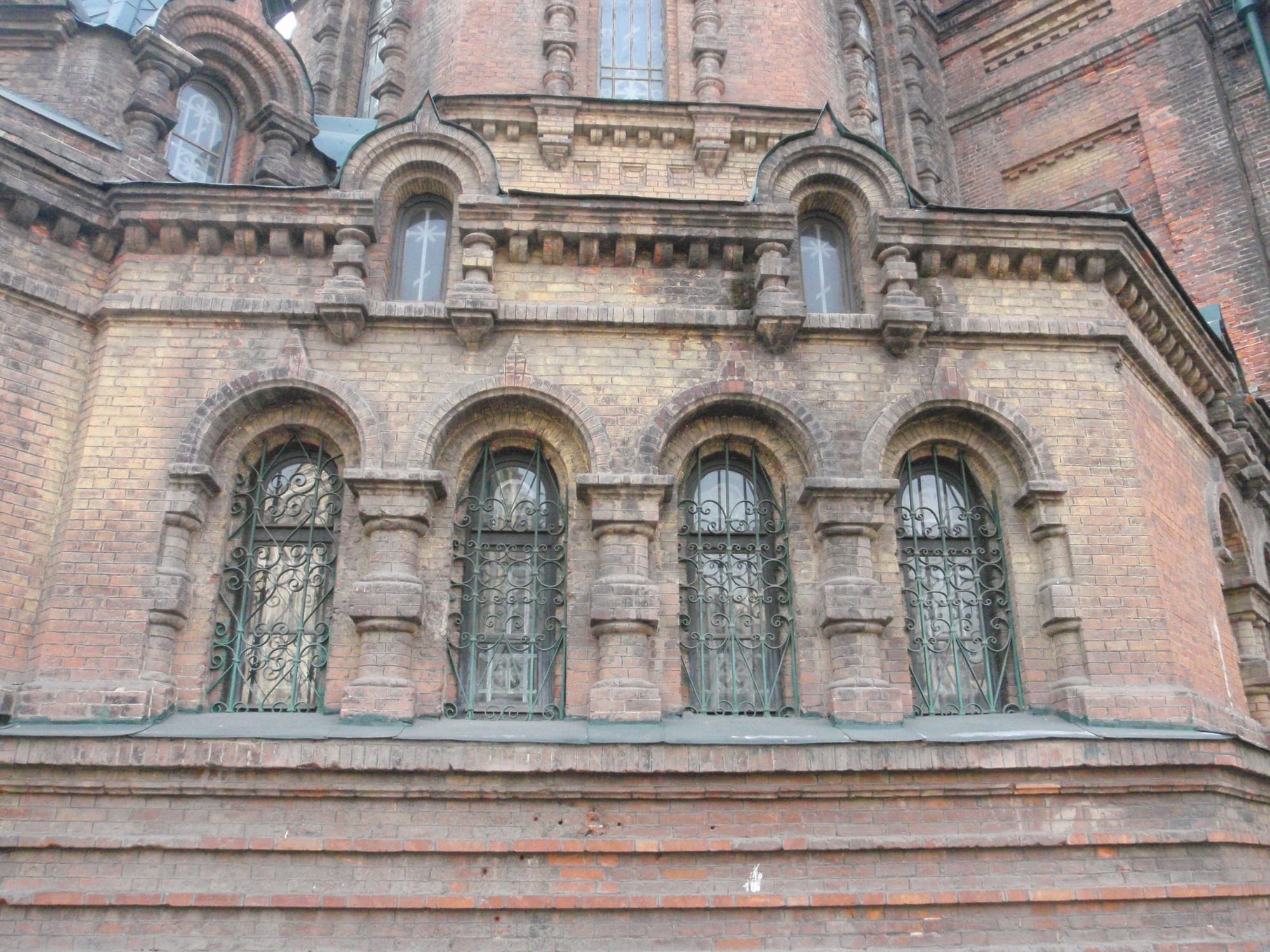
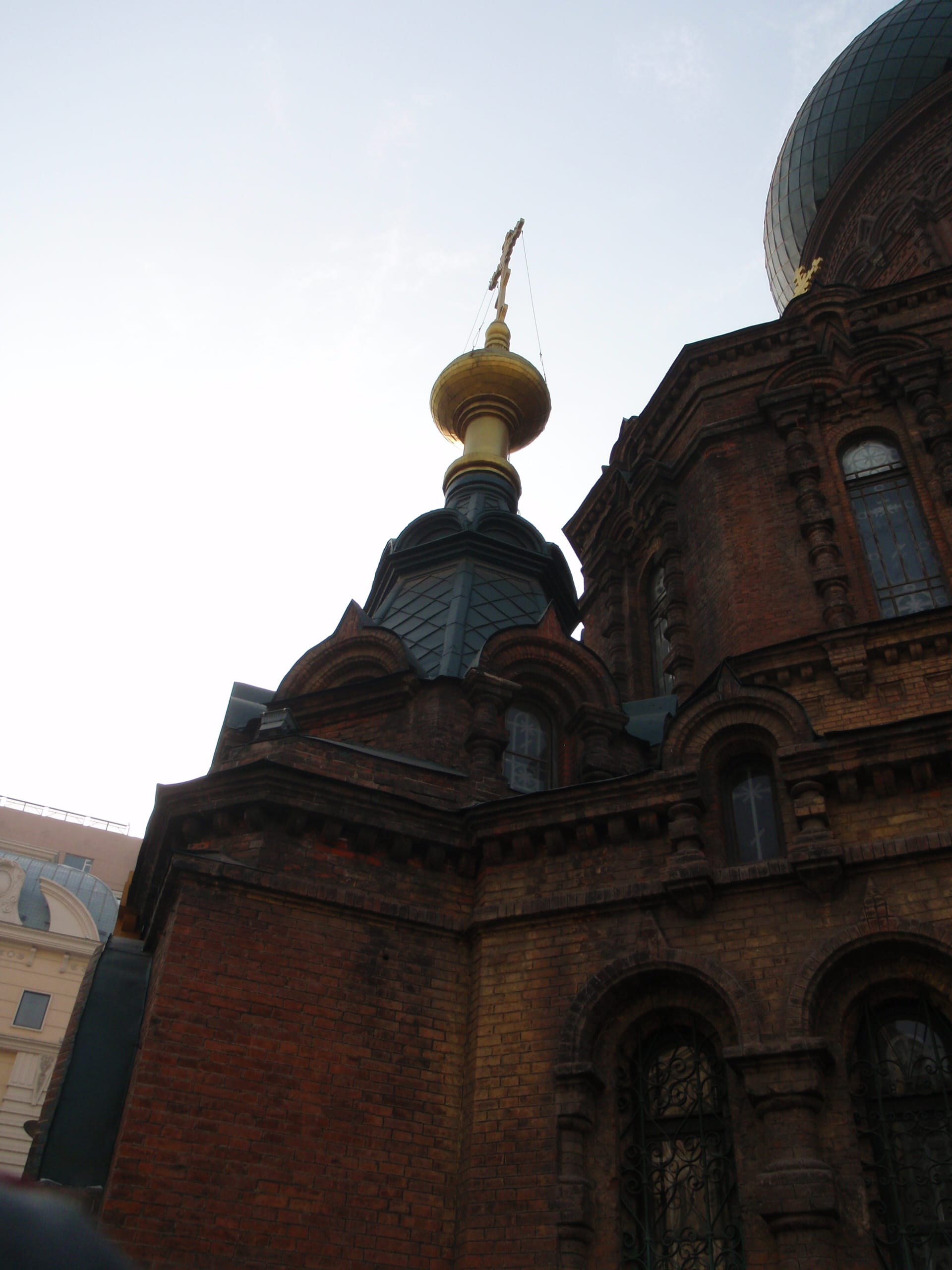
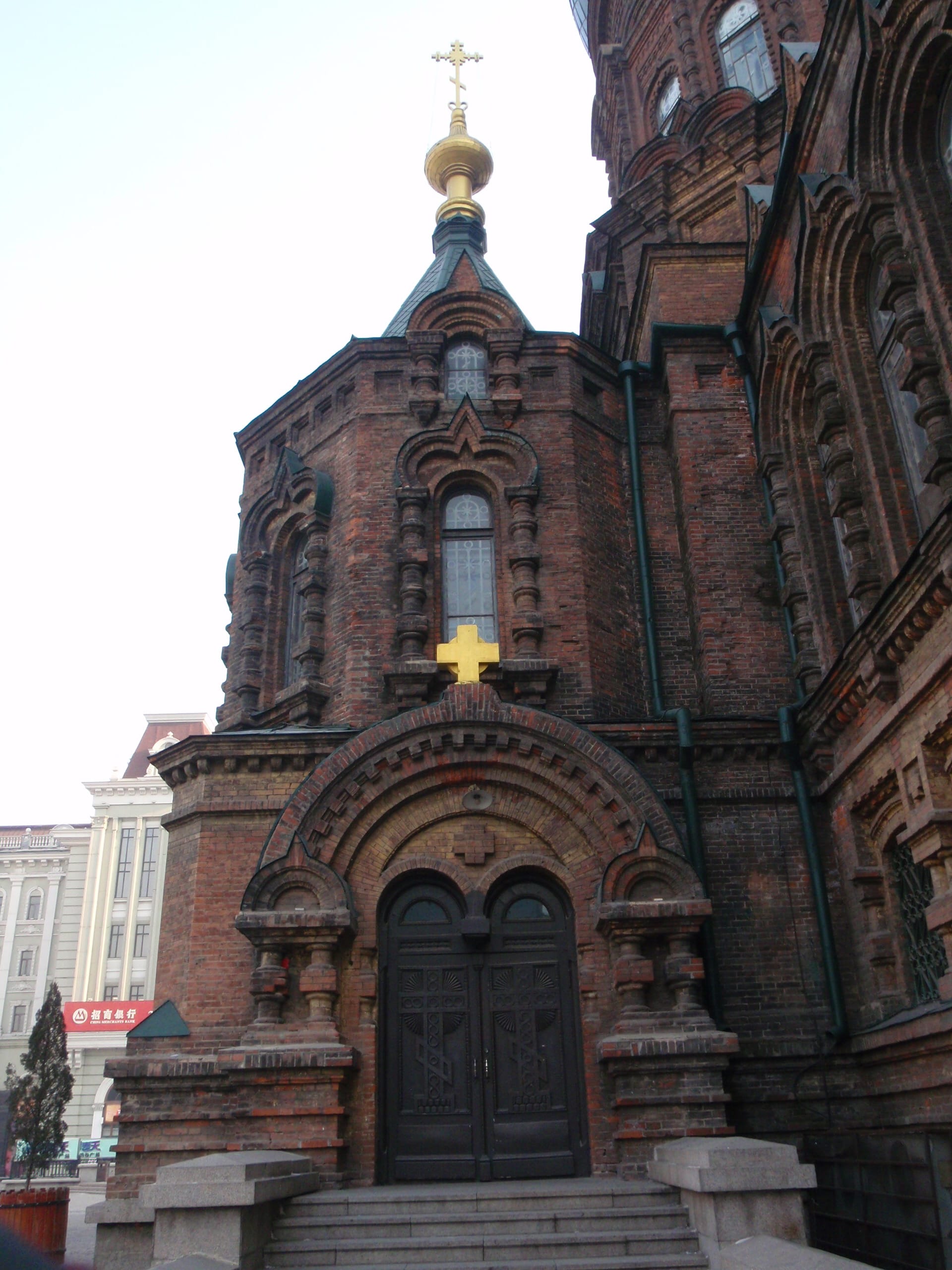
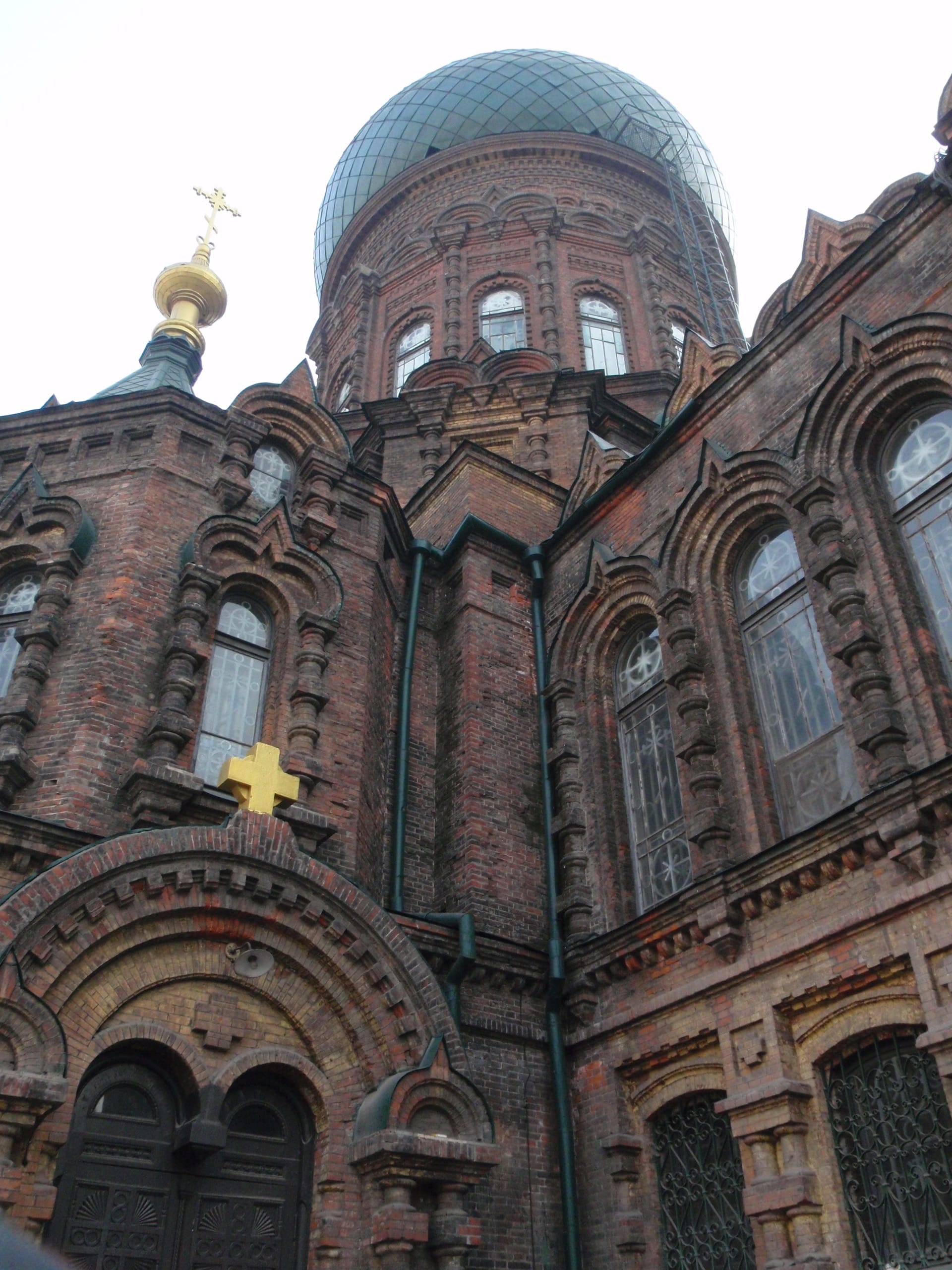
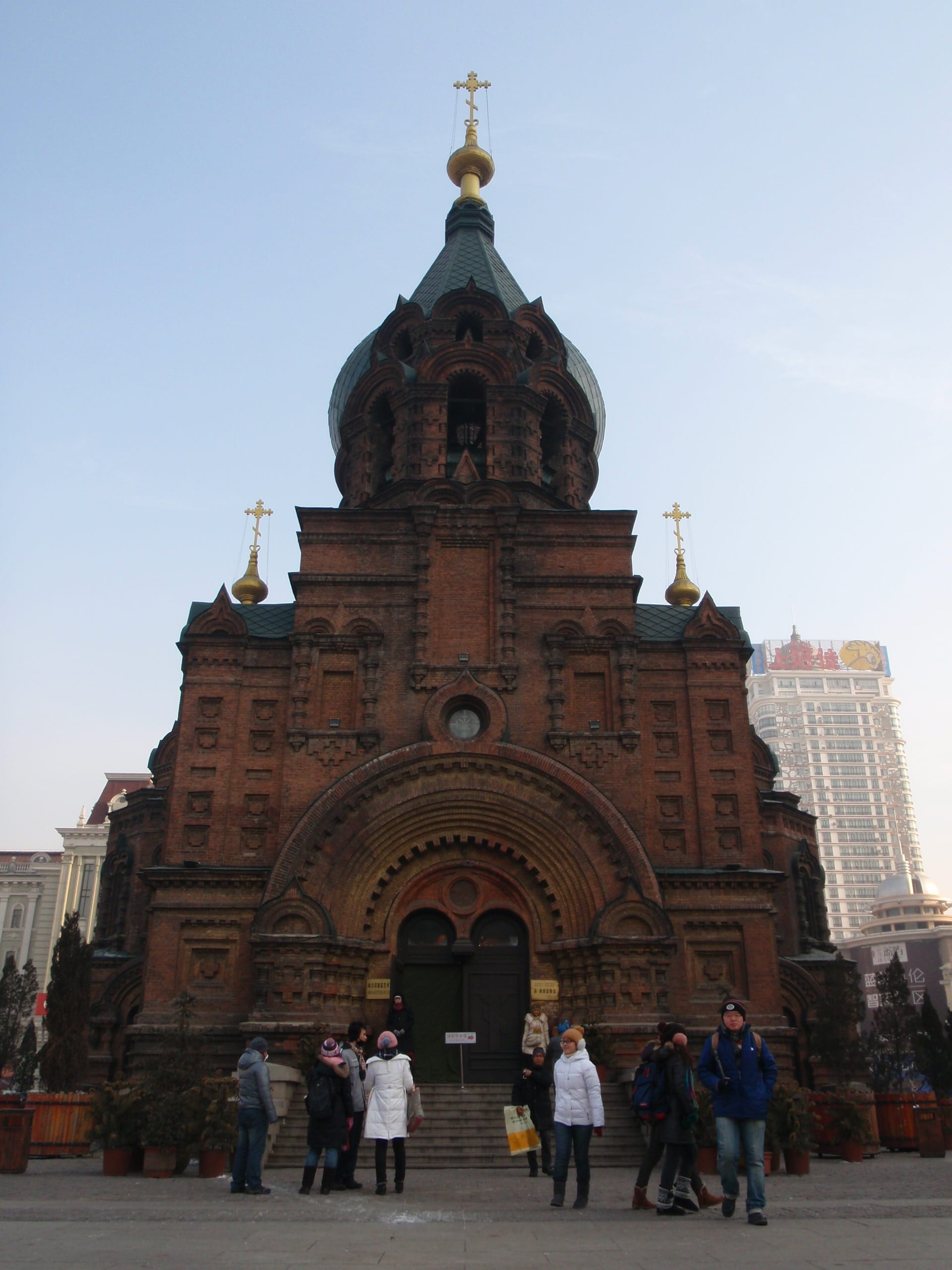
After ceasing religious operations, it fell into disrepair but was restored in 1997 and converted into the Harbin Architecture Arts Centre, showcasing the city’s multicultural architectural heritage.
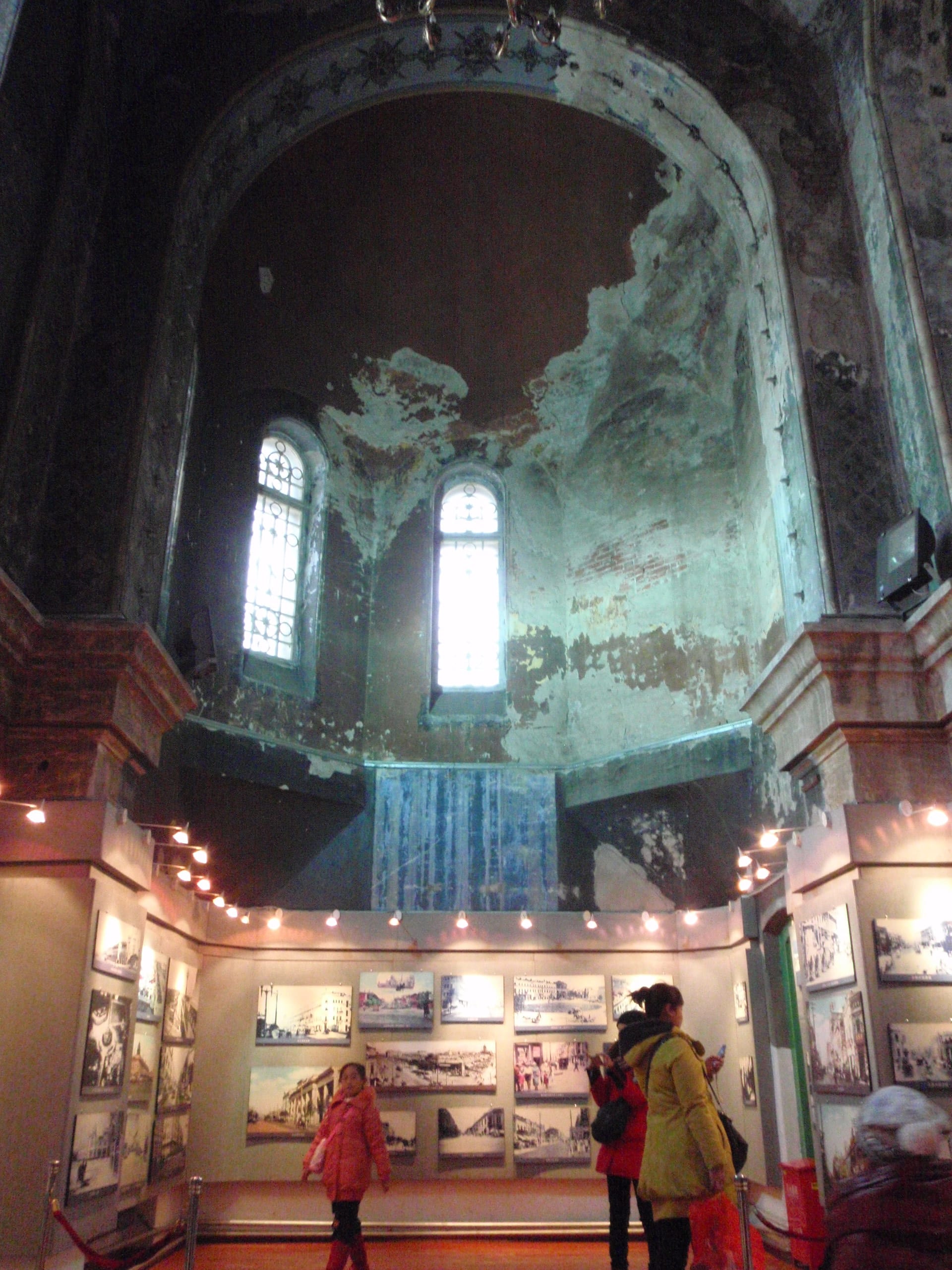
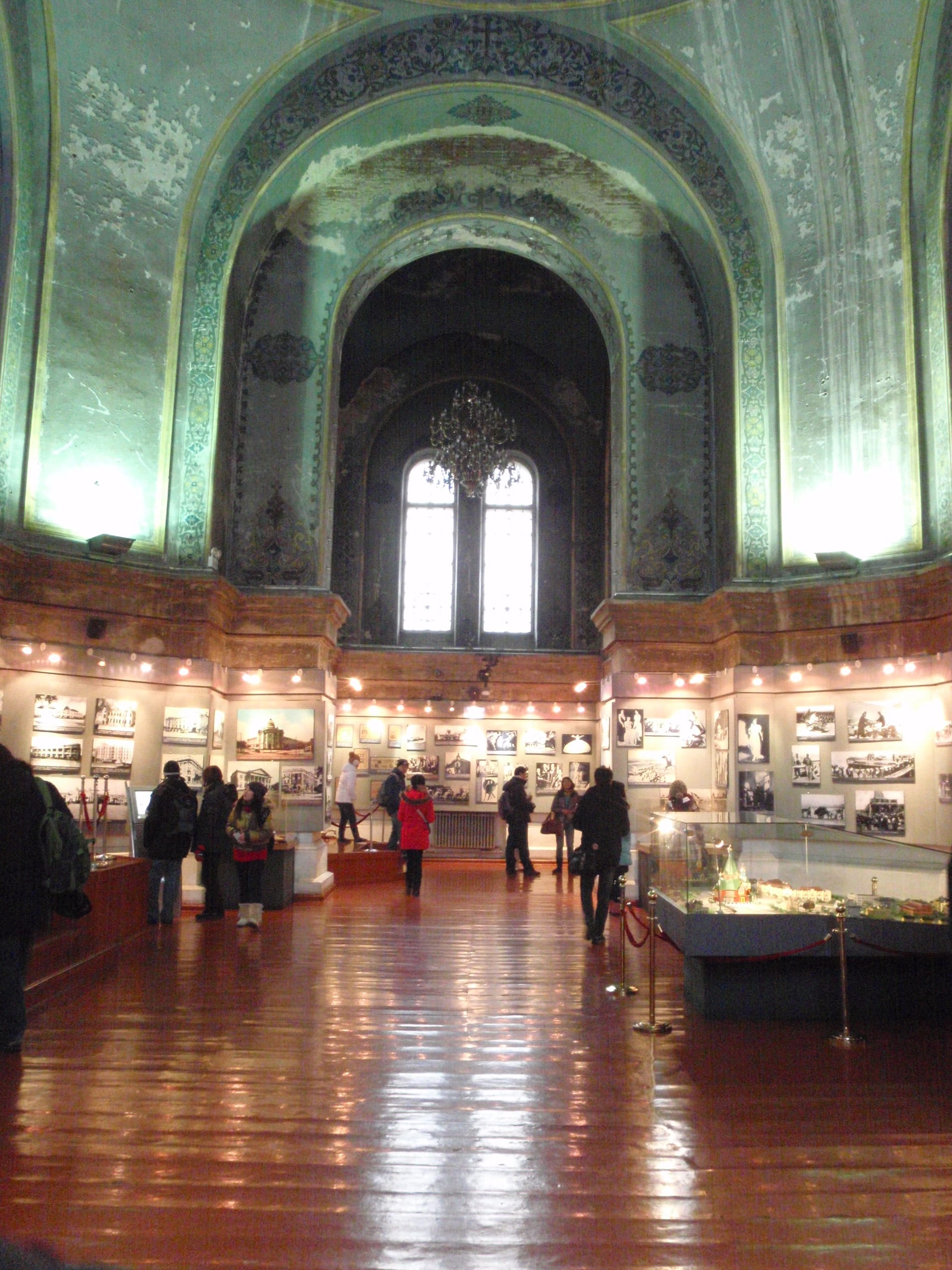
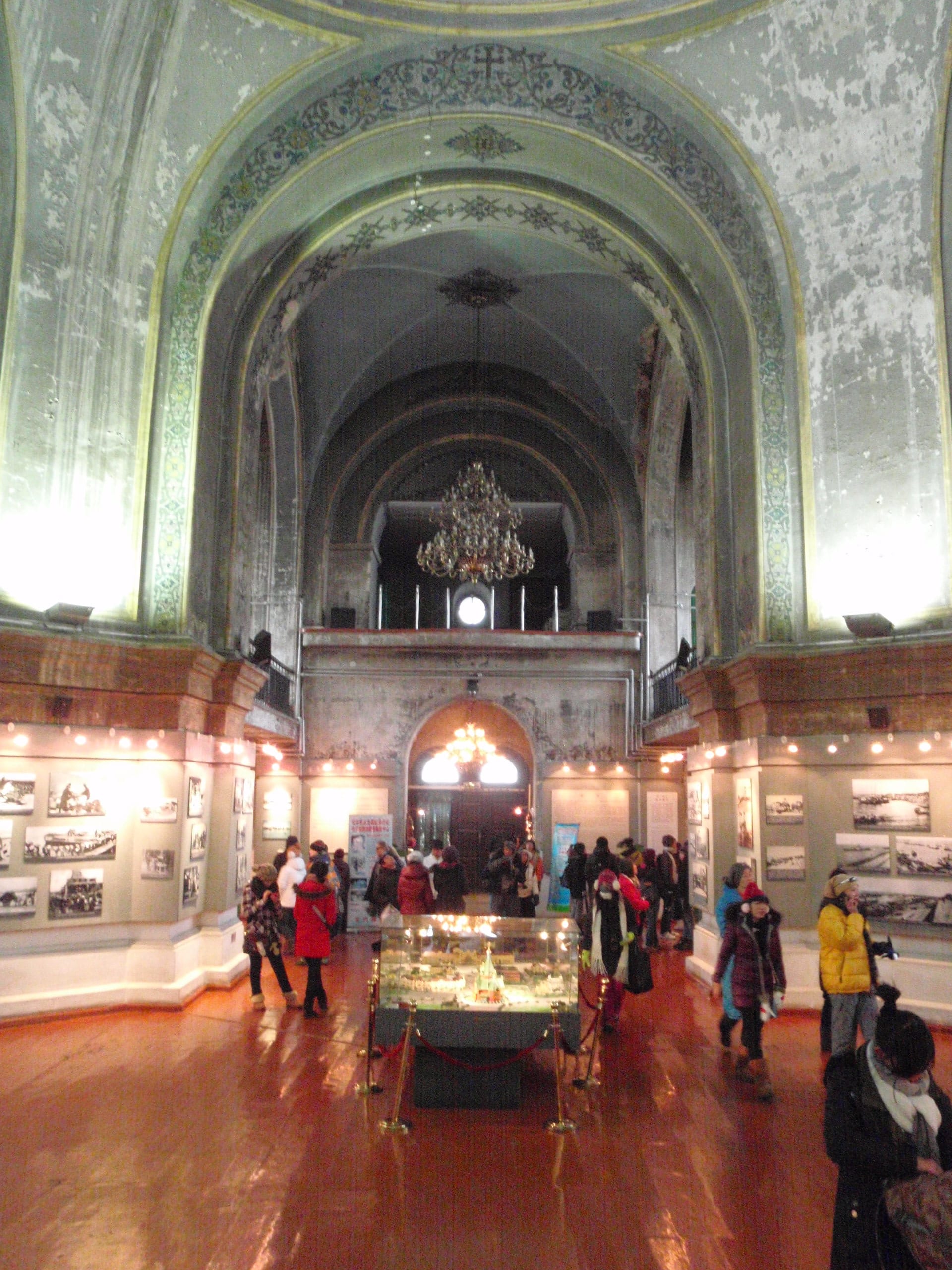
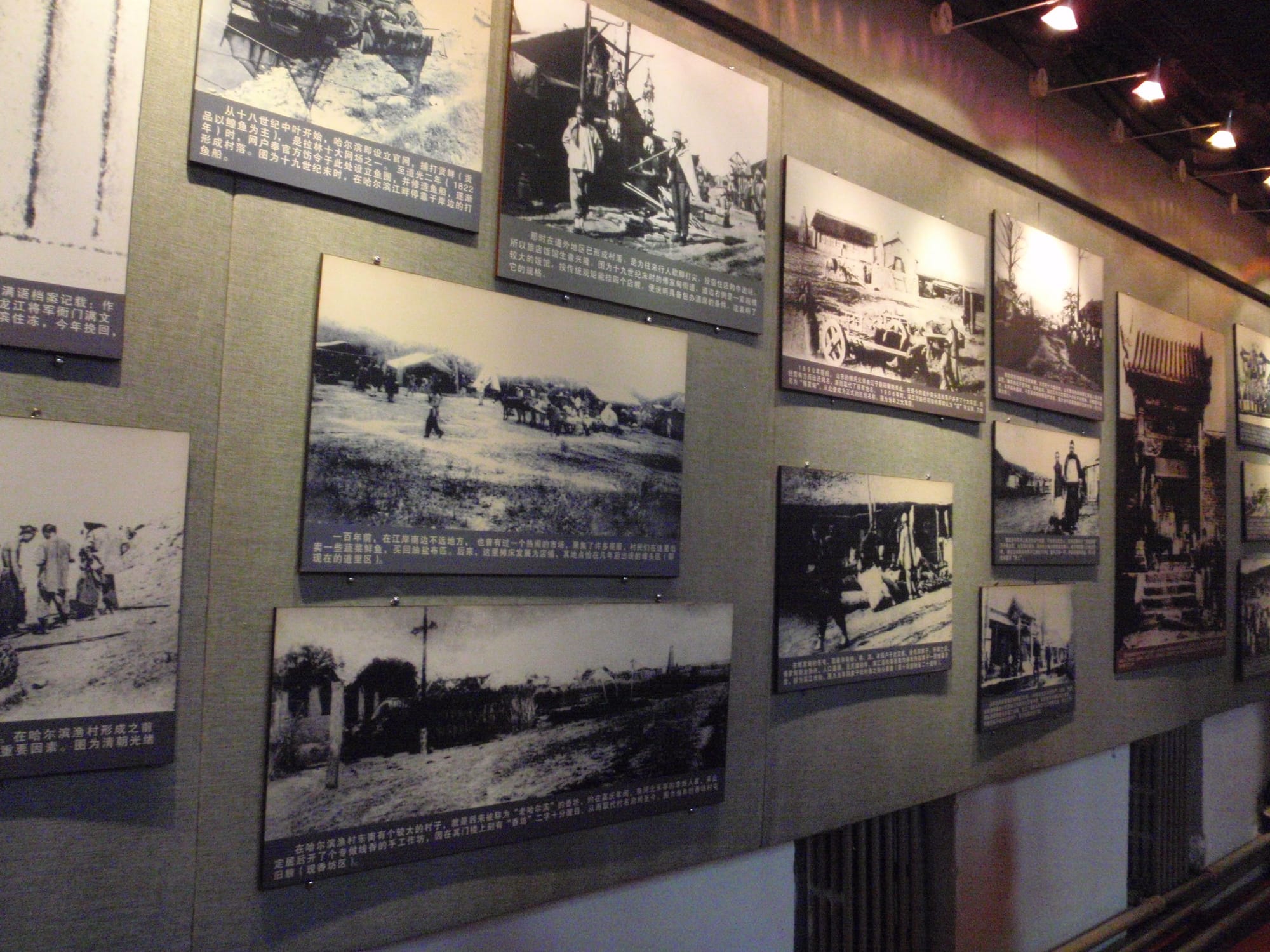
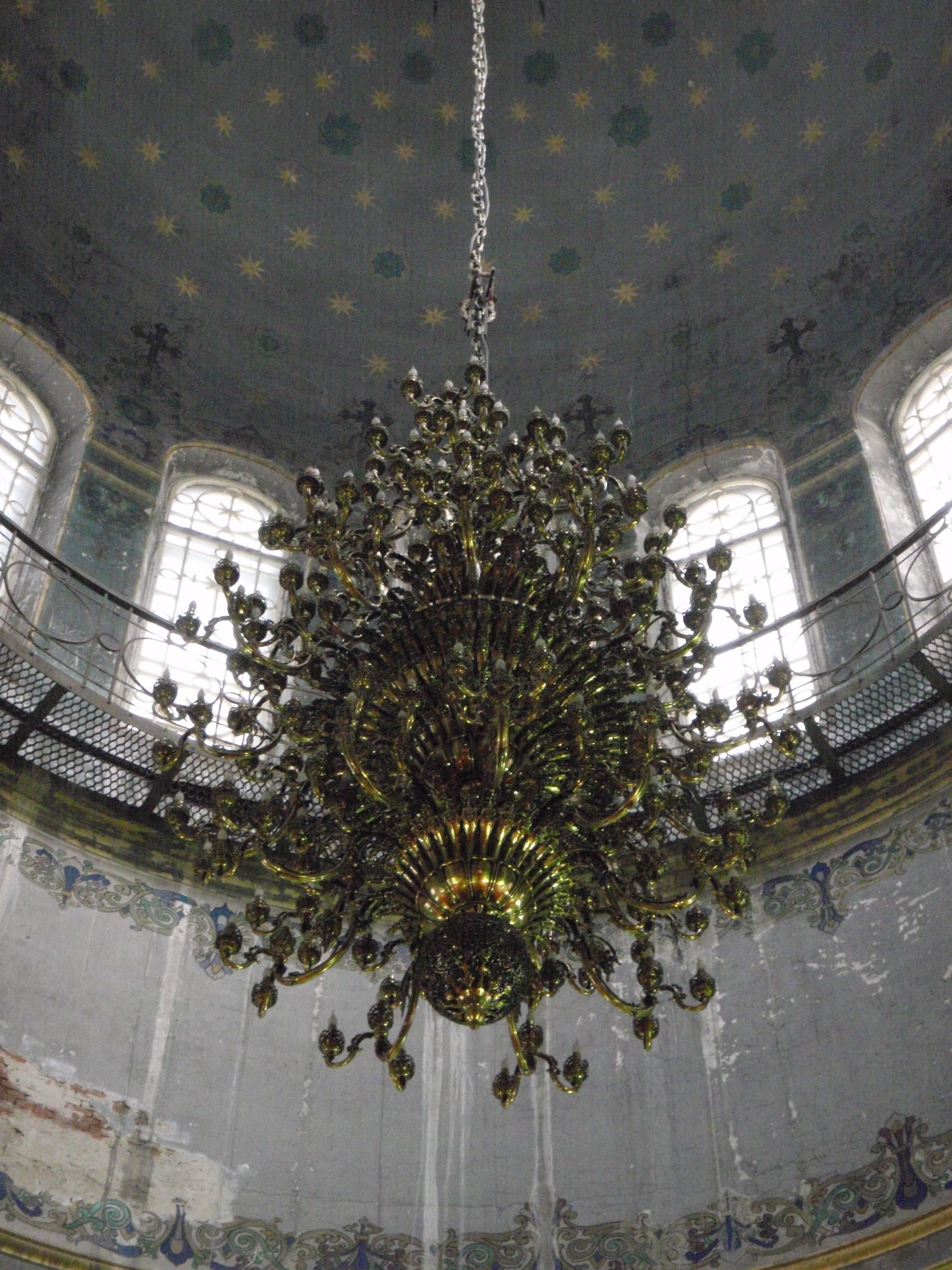
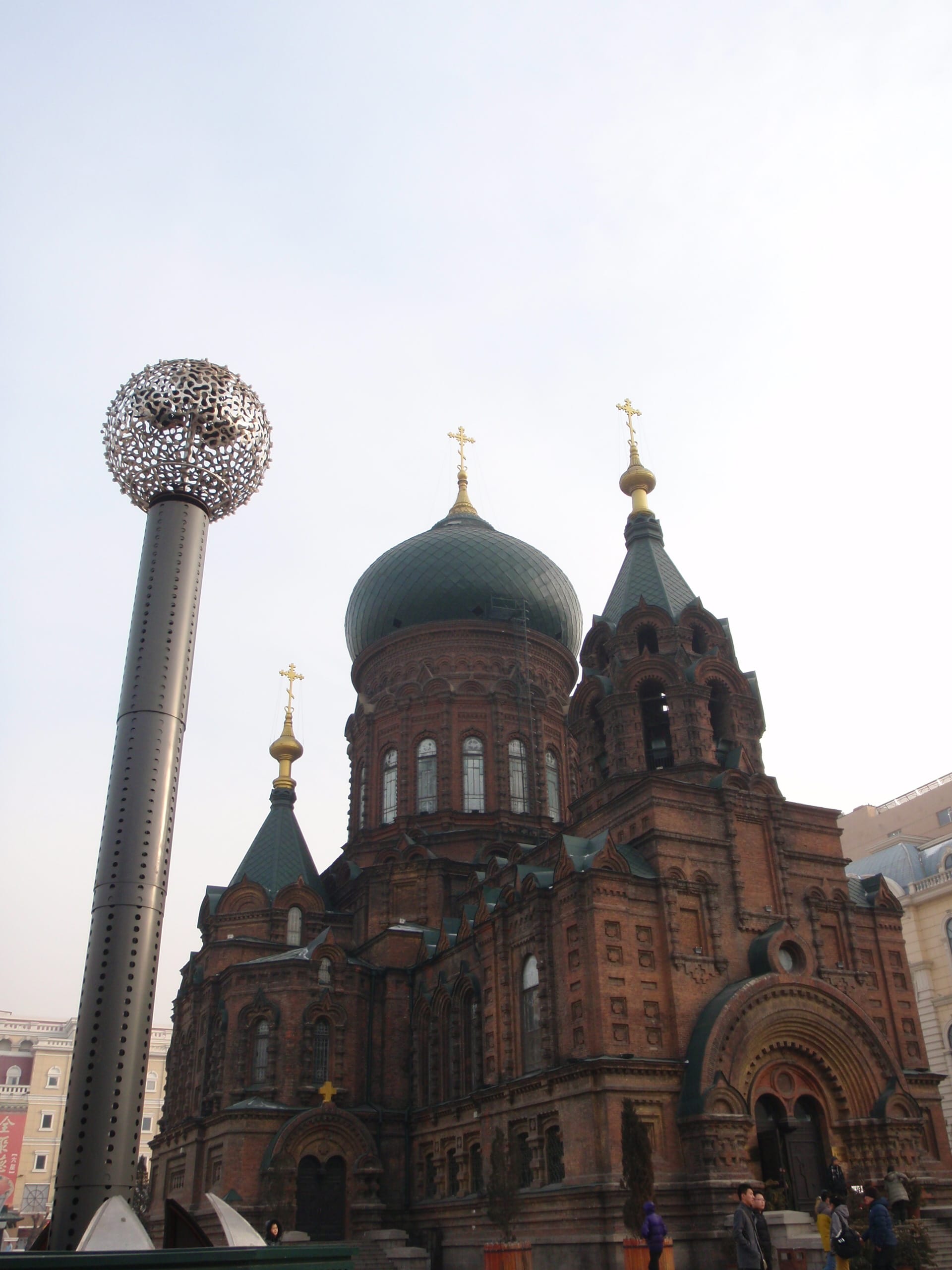
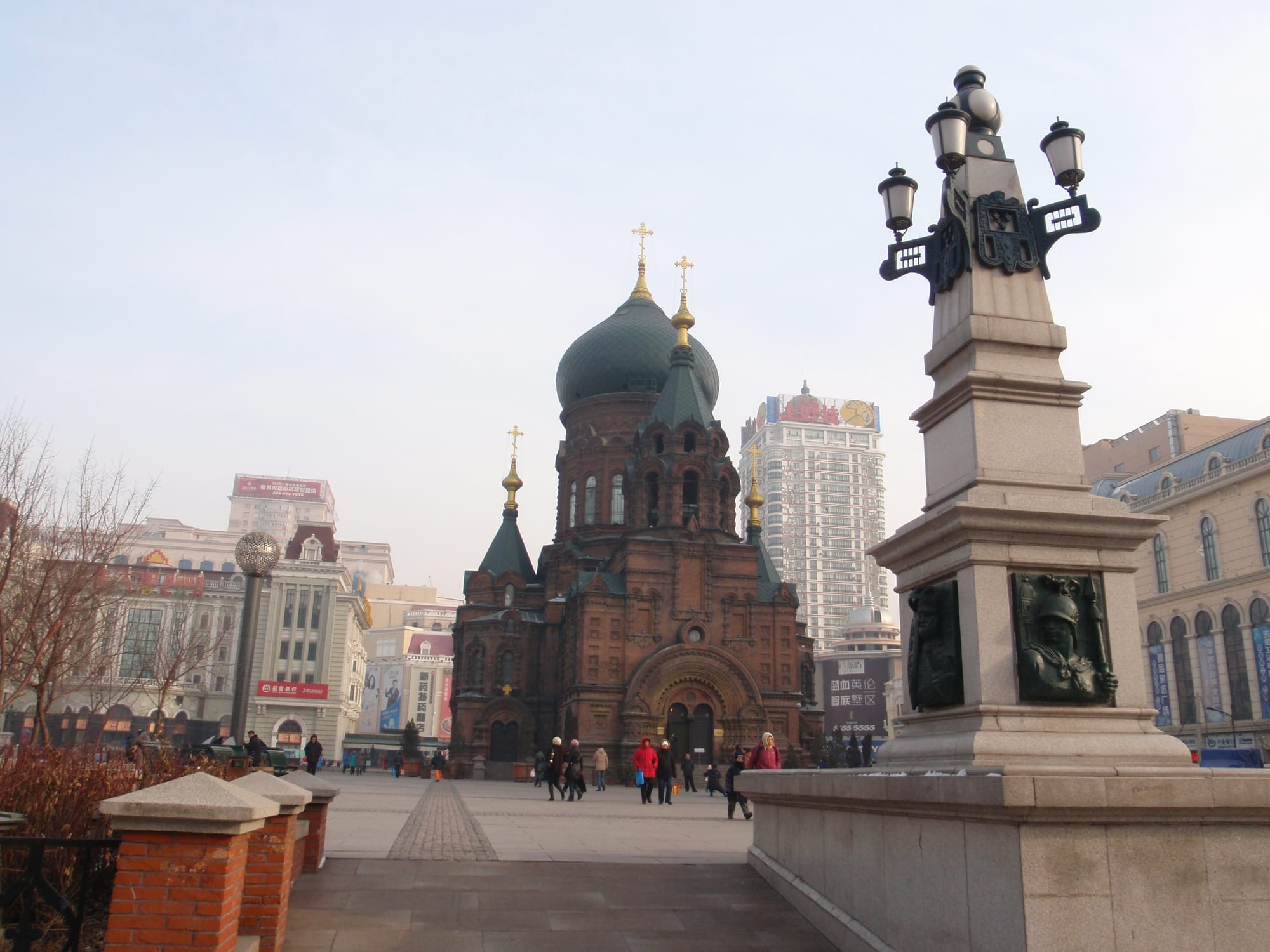
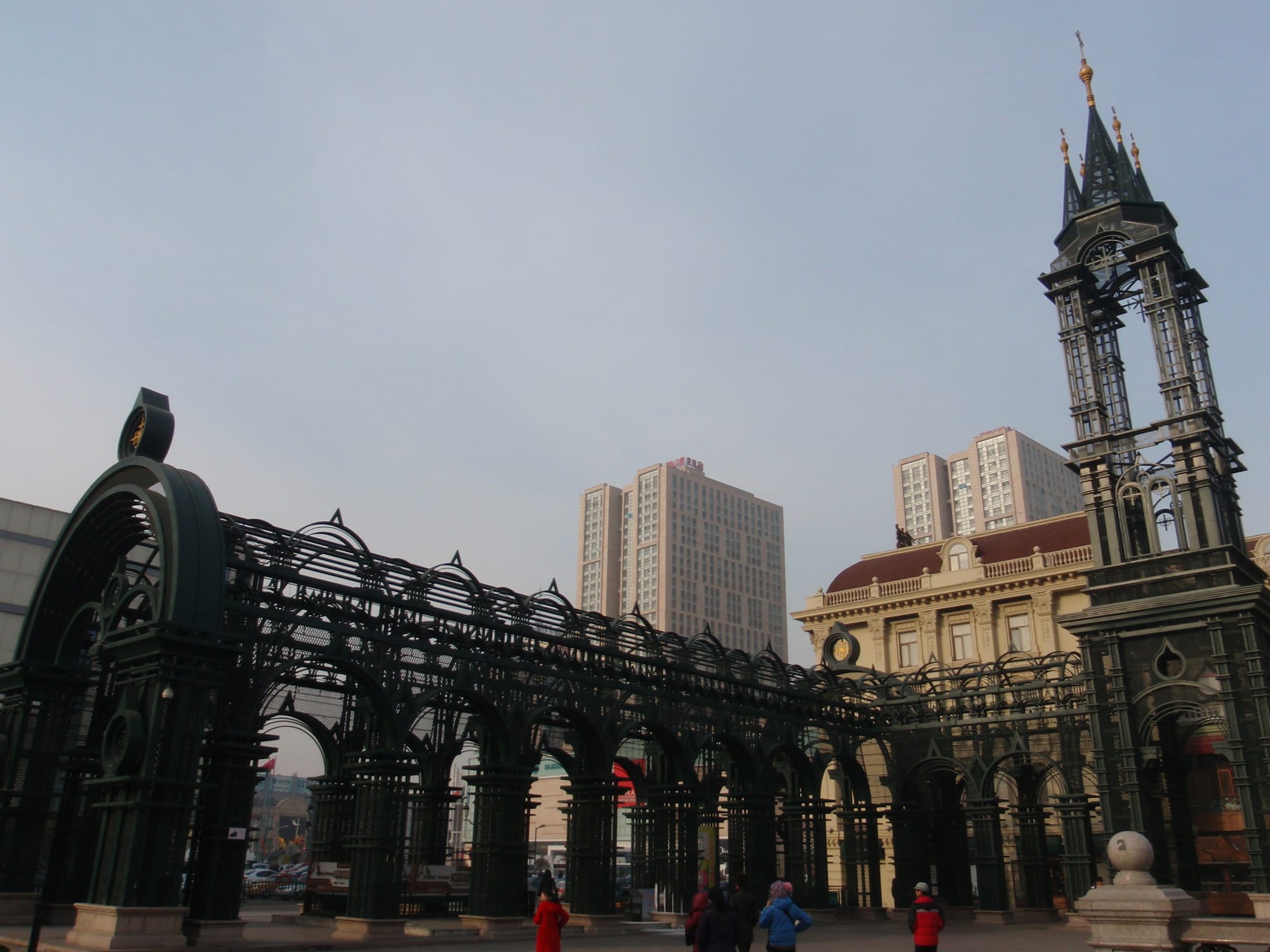
Today, it is a National Cultural Heritage Site, admired for its stunning exterior and exhibitions, and remains one of the most photographed sites in Harbin.
Siberian Tiger Park (老虎公园)
The Siberian Tiger Park is located in the northern suburbs of Harbin on the north bank of the Songhua River and is recognised as the world’s largest natural refuge for Siberian tigers.
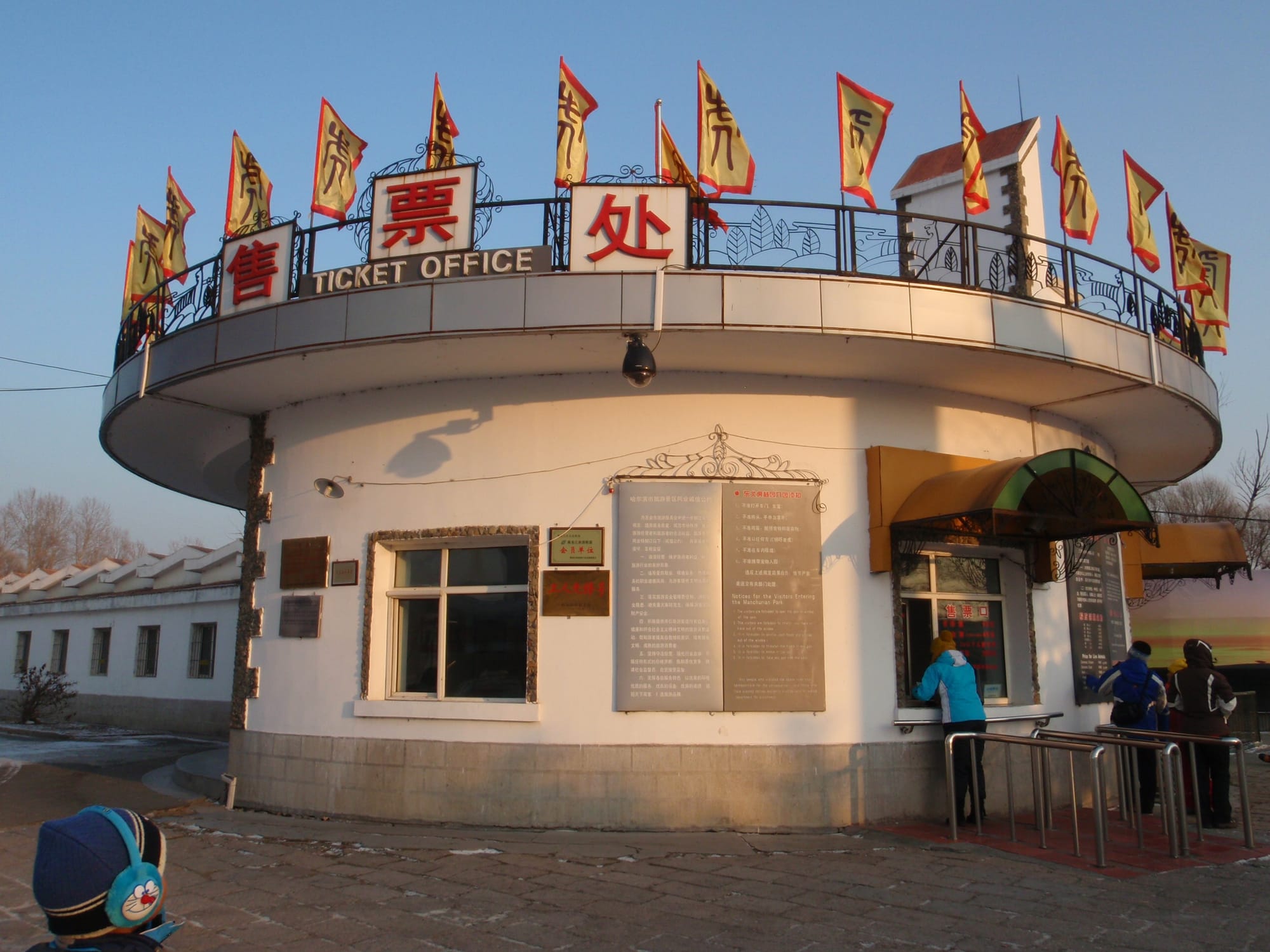
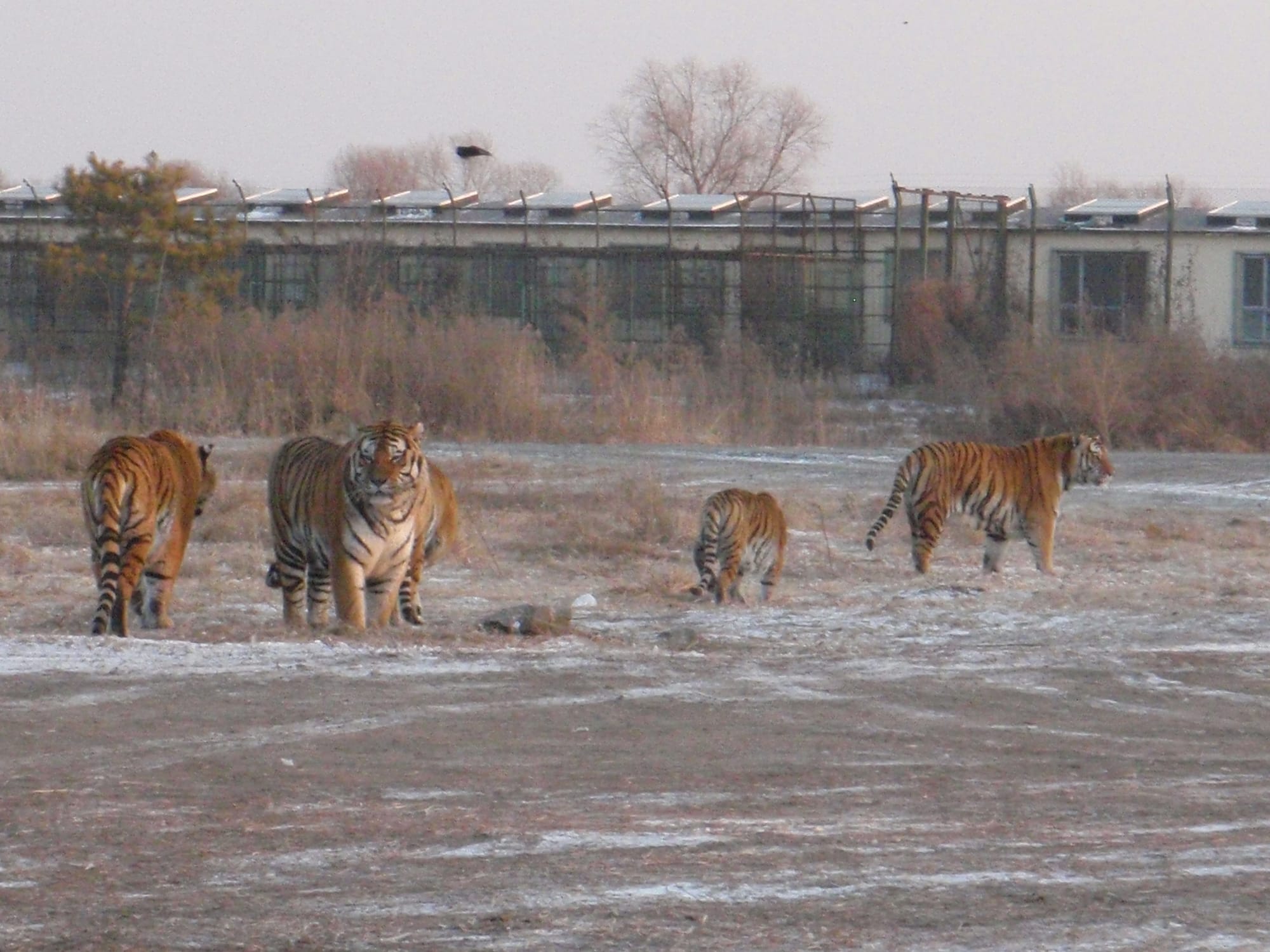
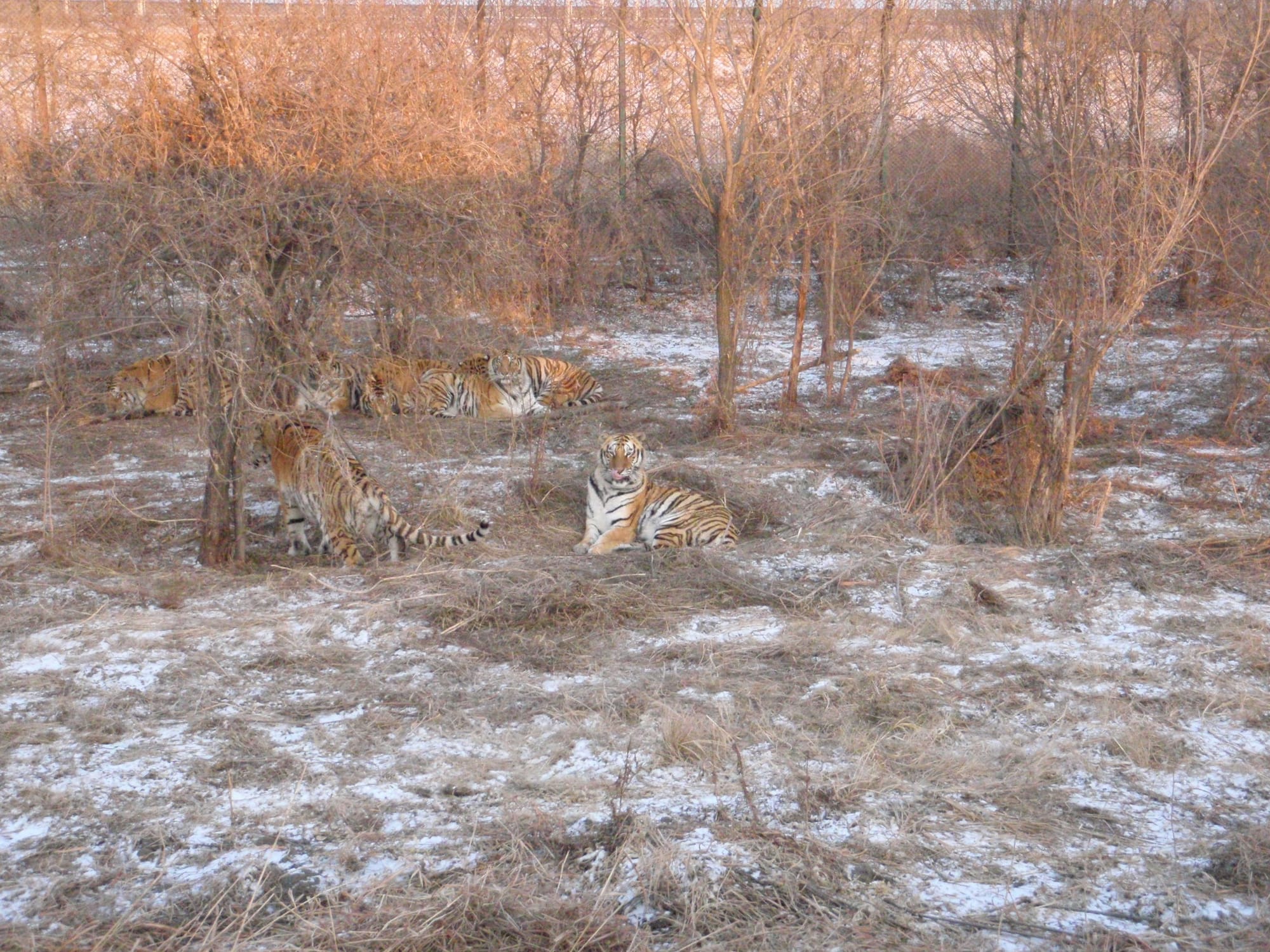
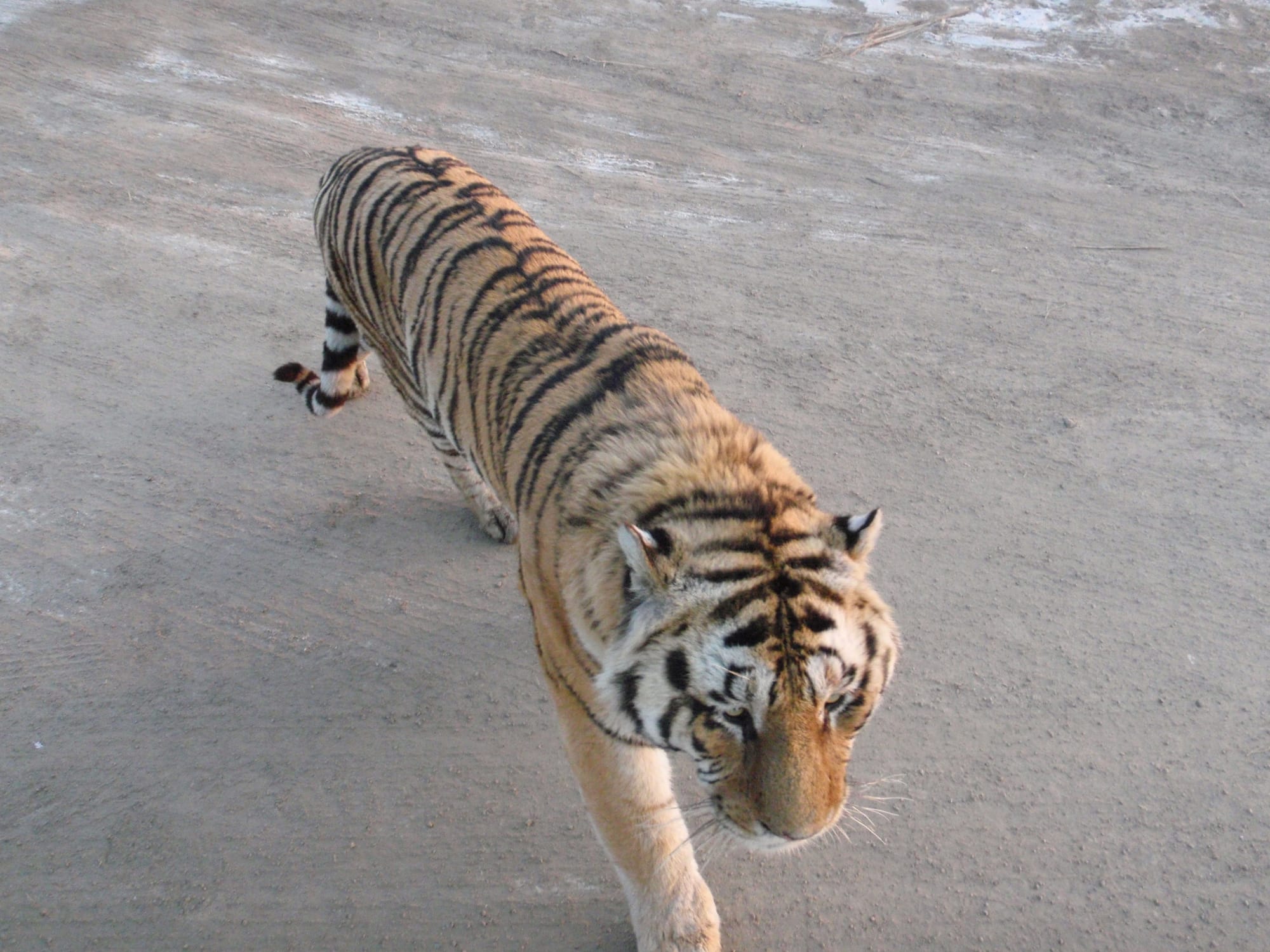
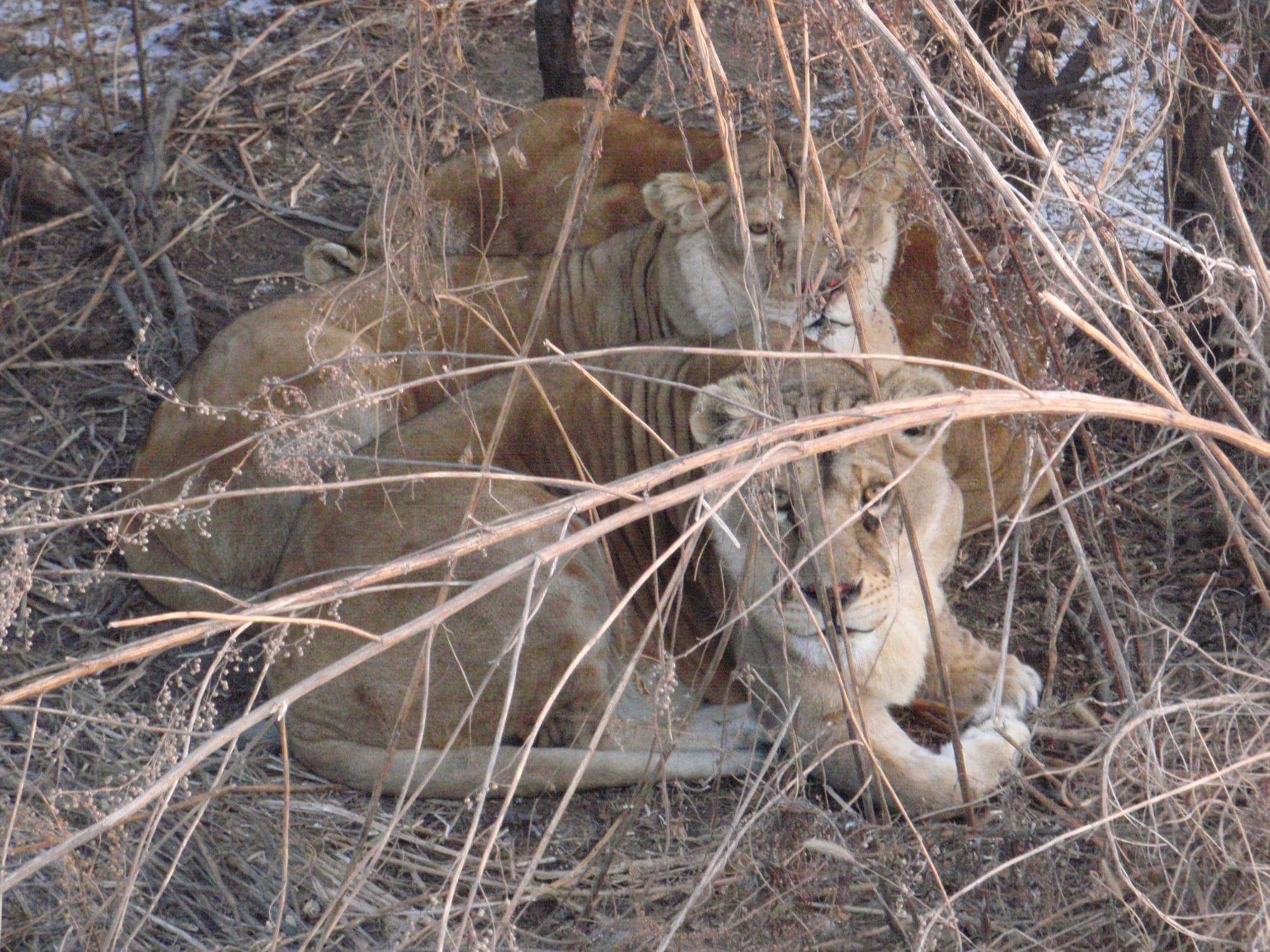
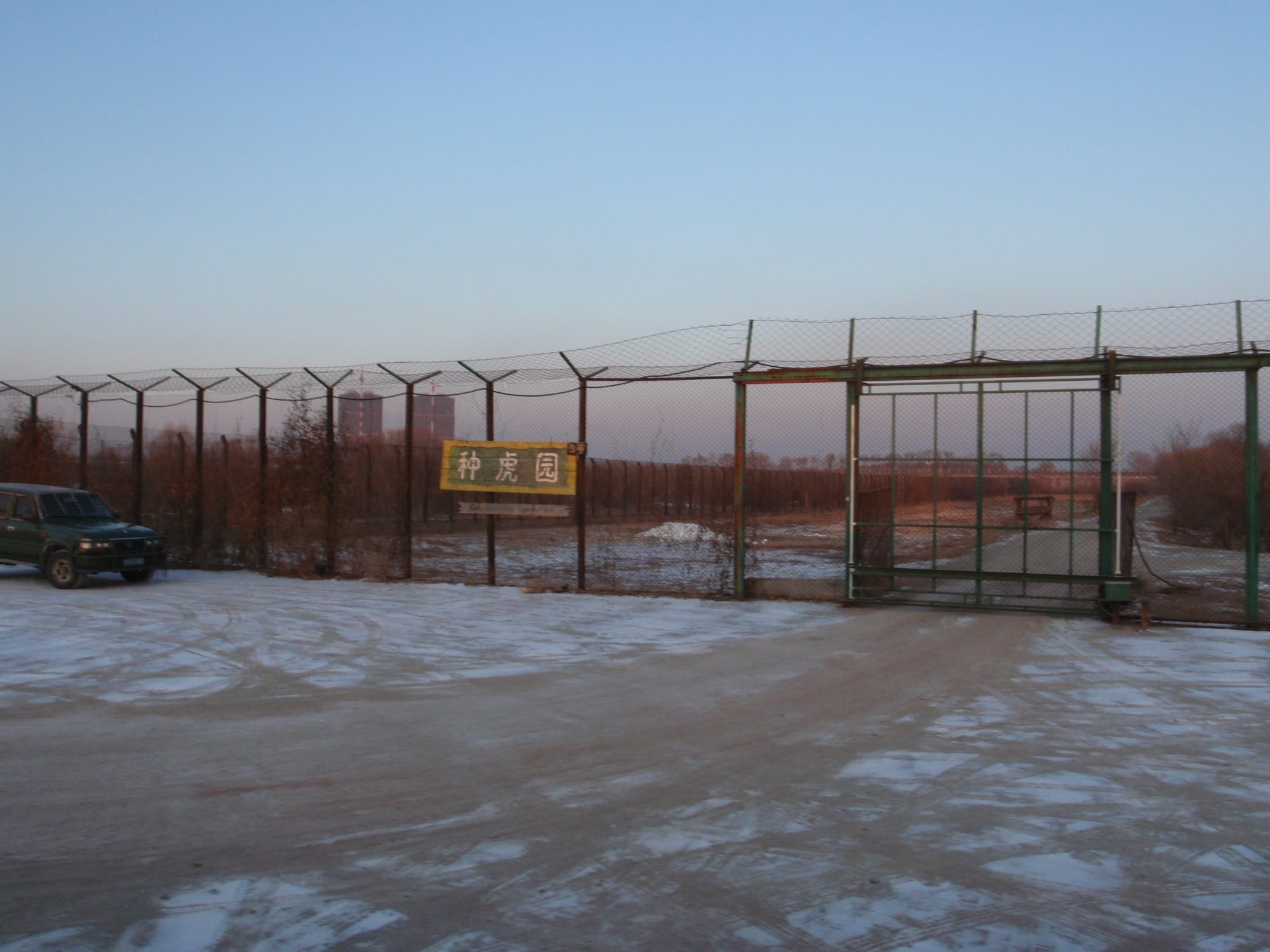
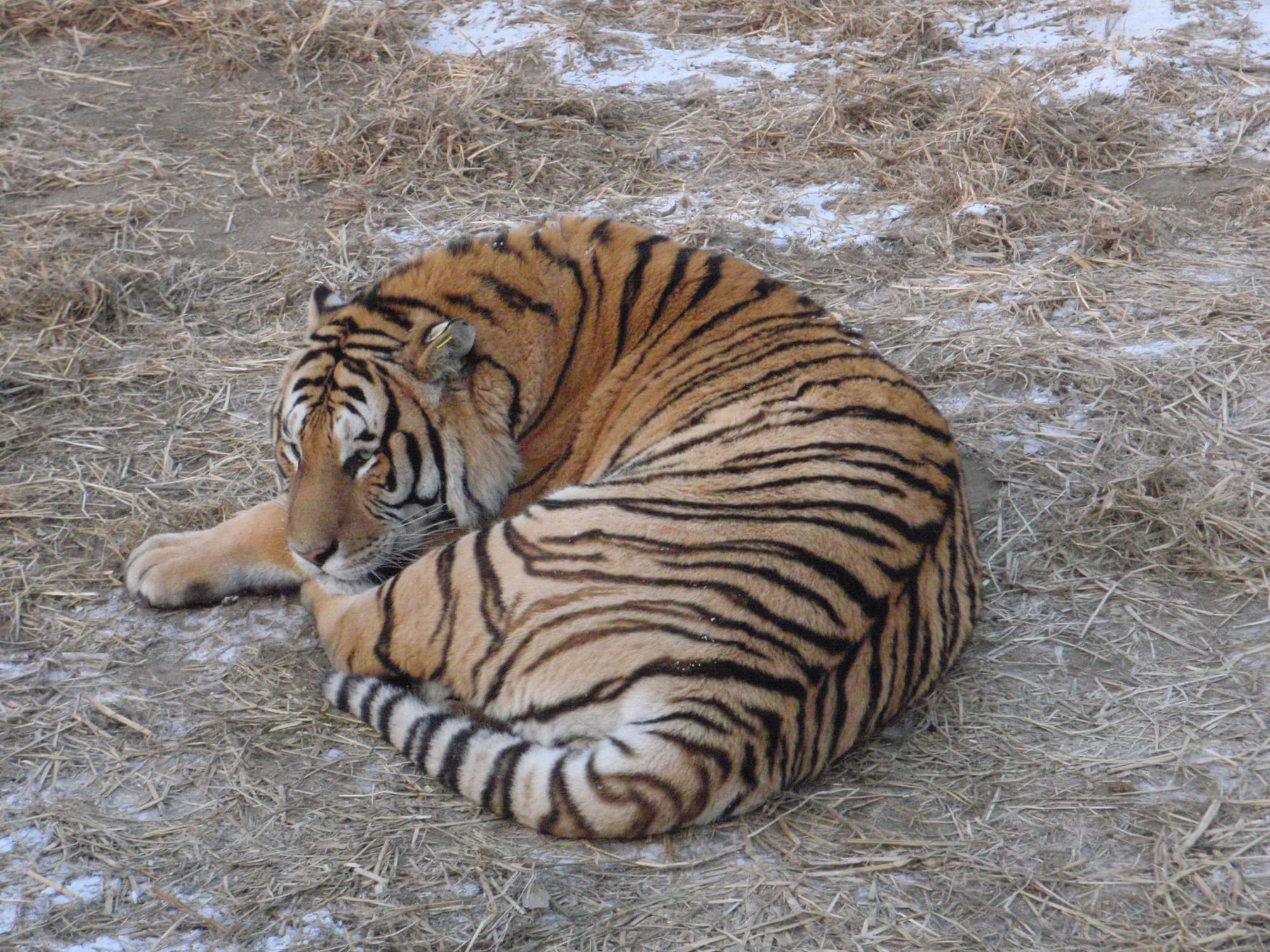
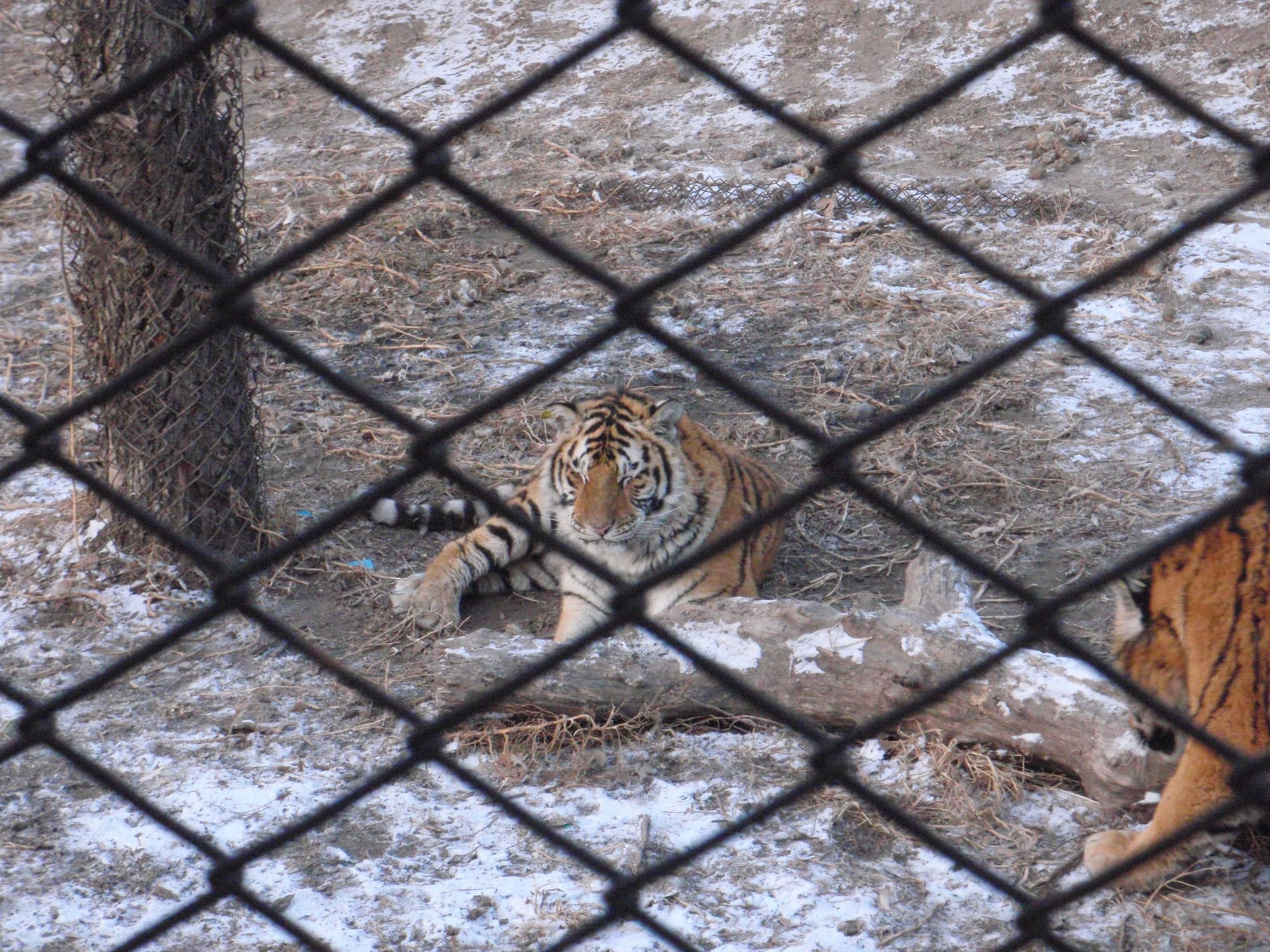
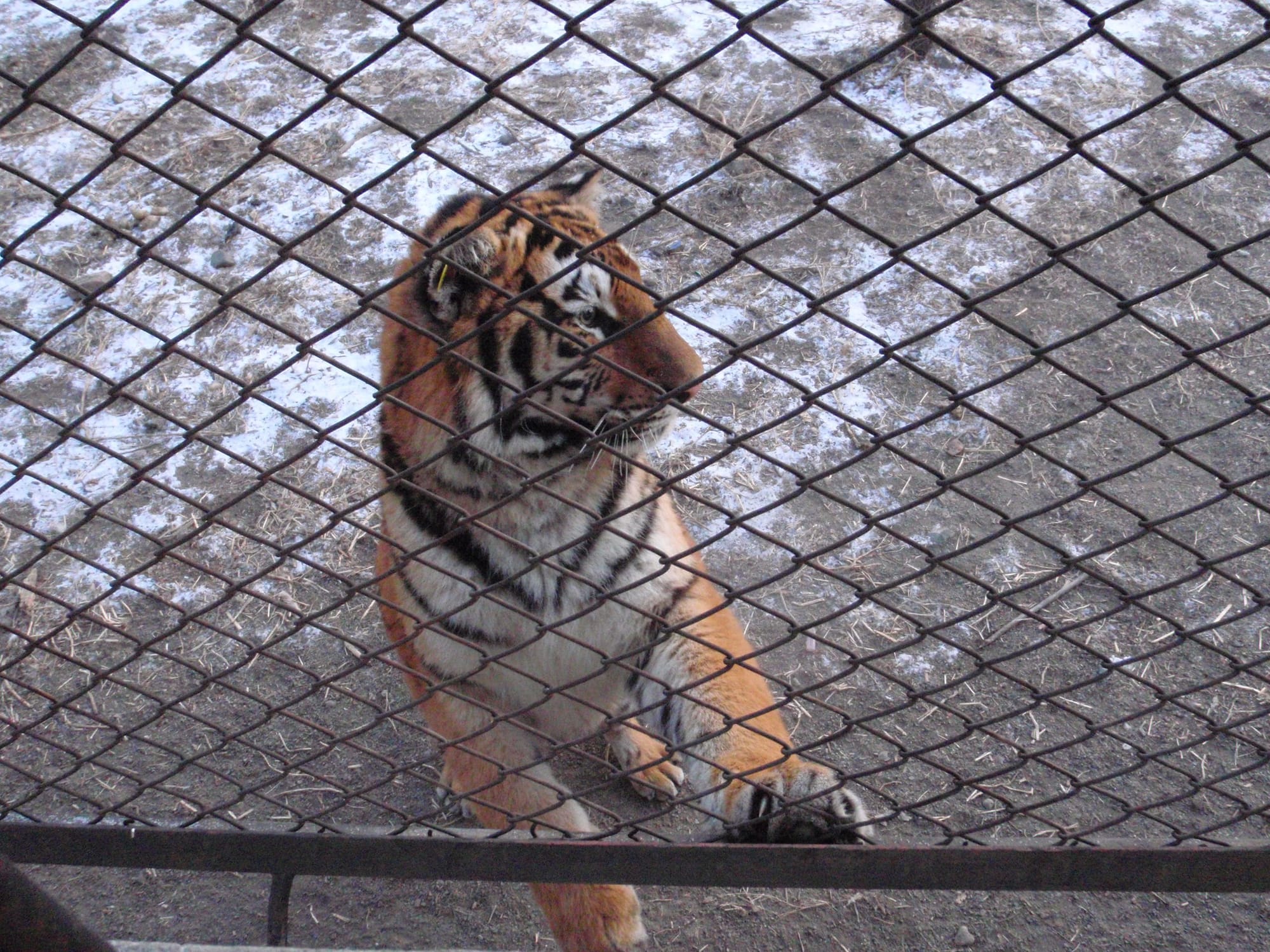
Home to more than 70 of these majestic animals, the park leads vital conservation and breeding programs aimed at protecting this endangered species. Visitors can explore the spacious free-range enclosures aboard secure, mesh-covered safari vehicles, offering an exciting opportunity to observe the tigers up close in a semi-wild environment.
Songhua River (松花江)
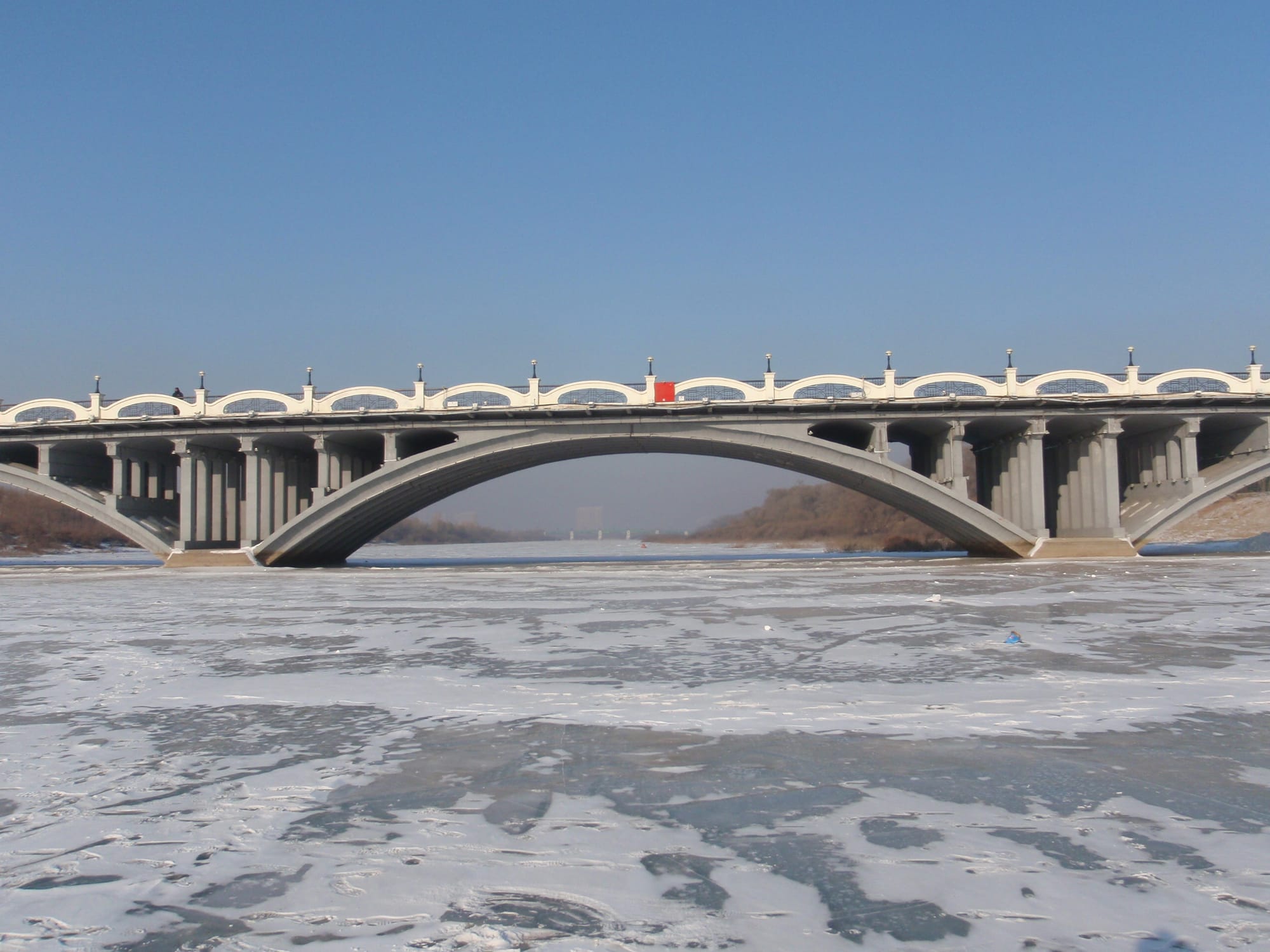
The Songhua River is the largest tributary of the Amur River and serves as the economic, cultural and historical heart of Harbin. Flowing through the city’s centre, it shapes Harbin’s identity and offers unforgettable seasonal experiences.
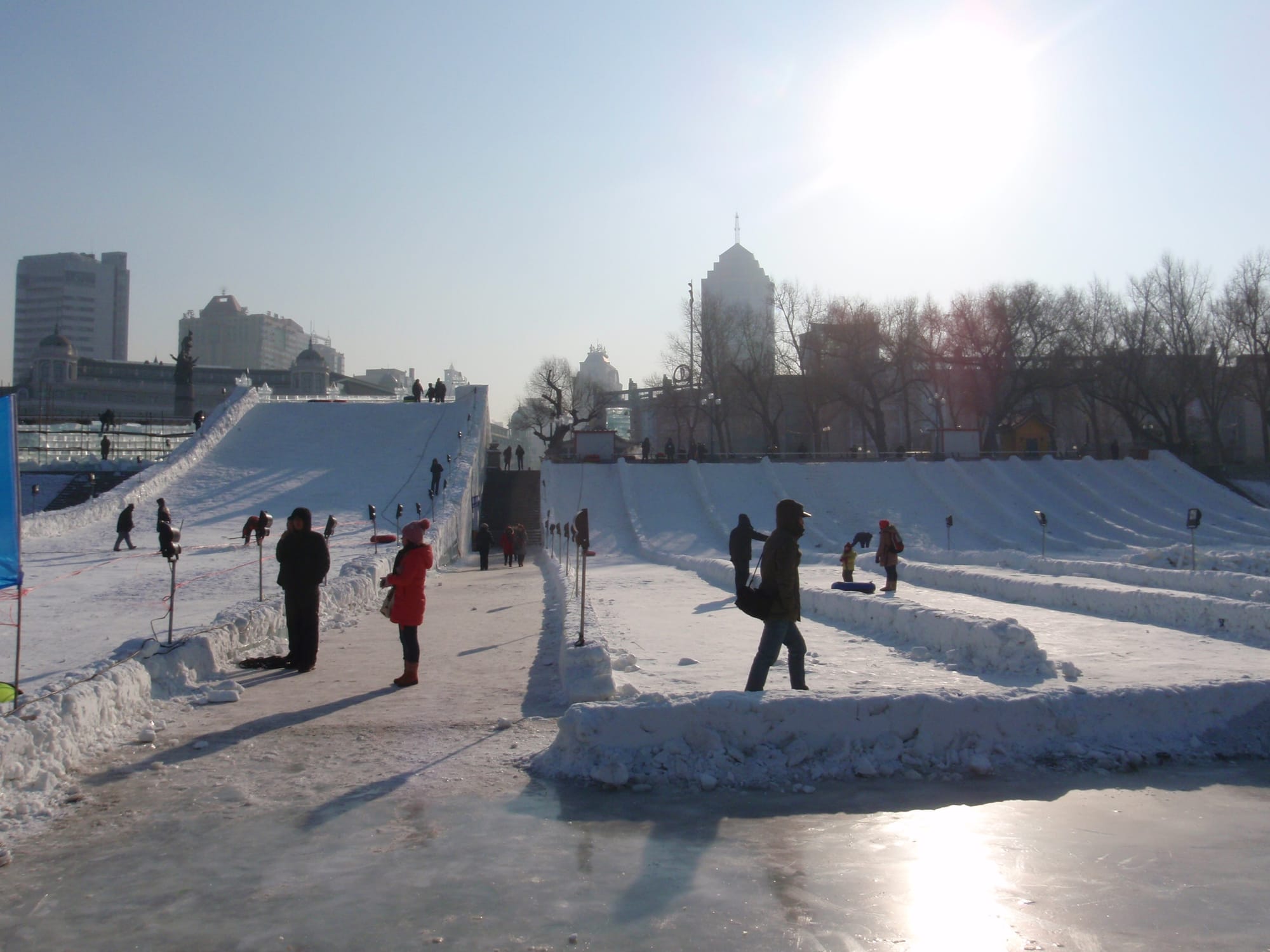
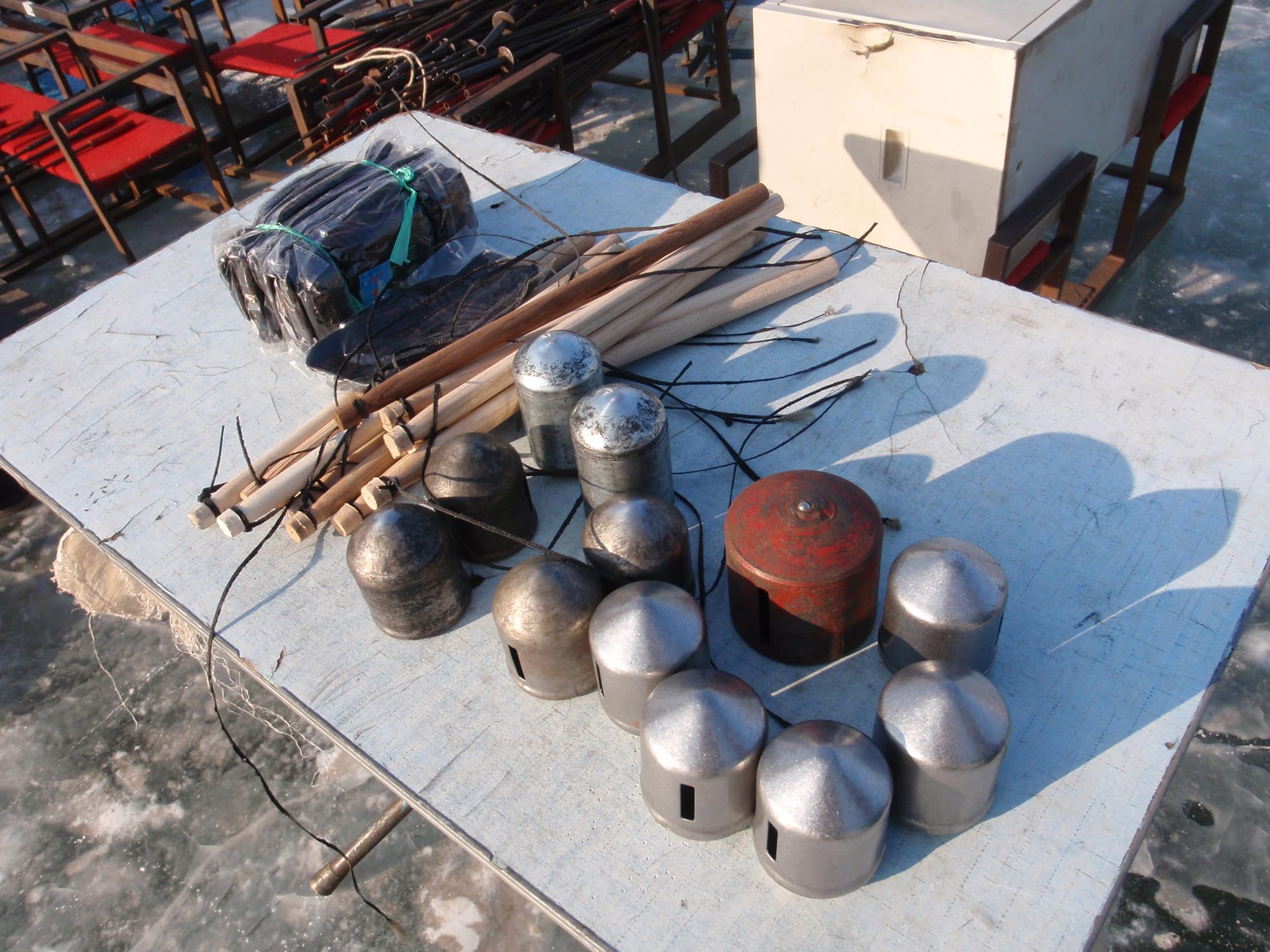
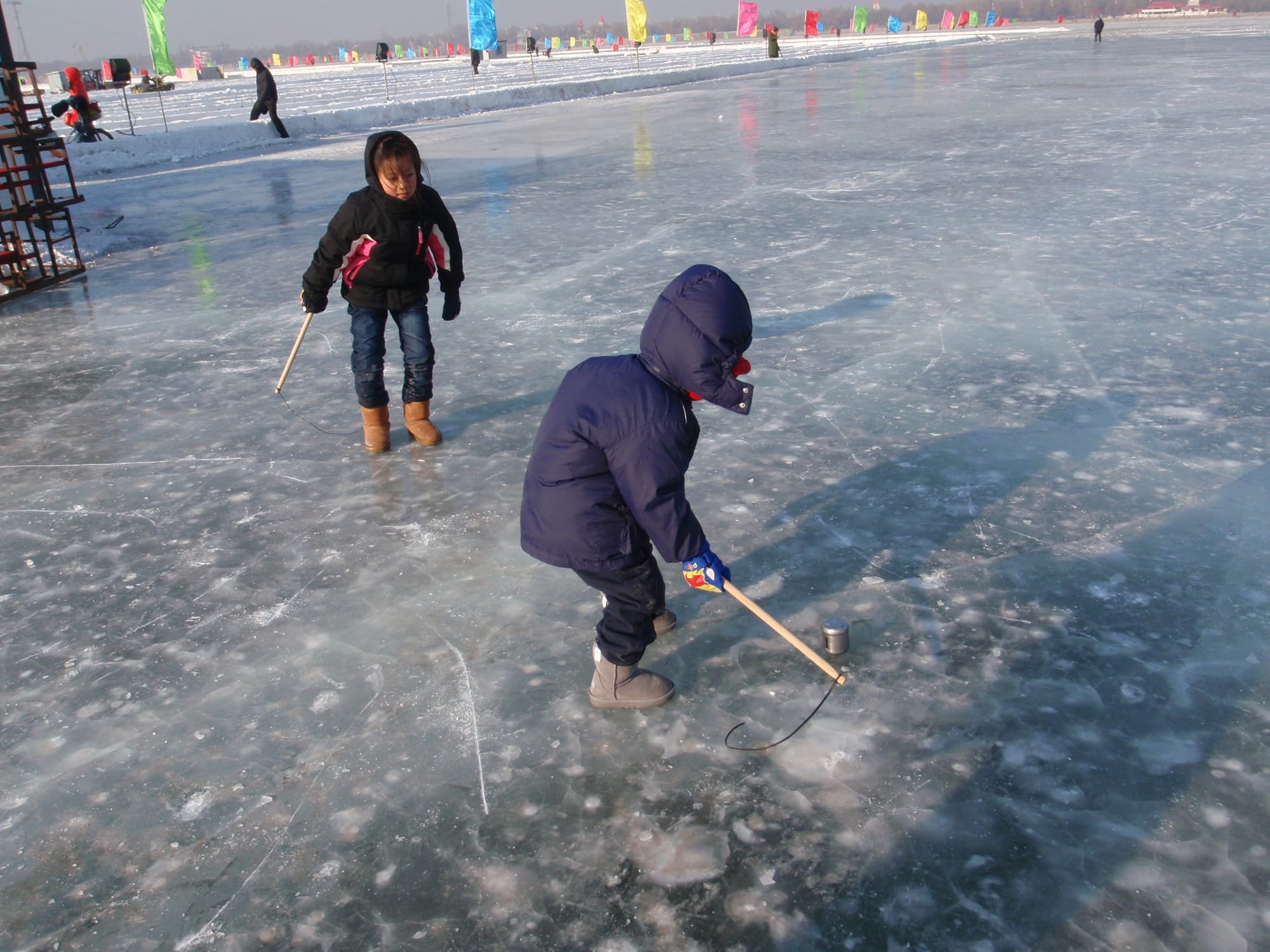
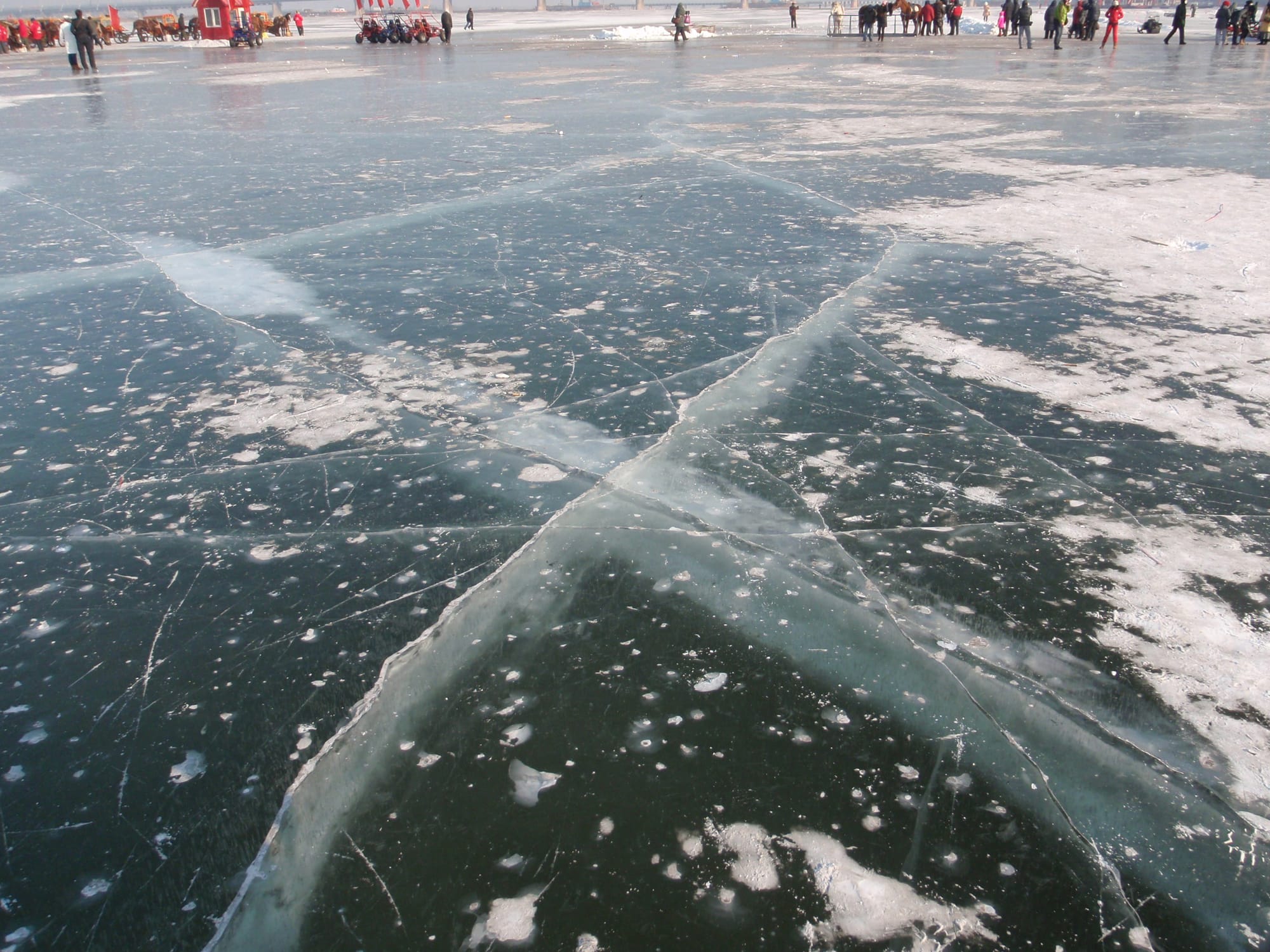
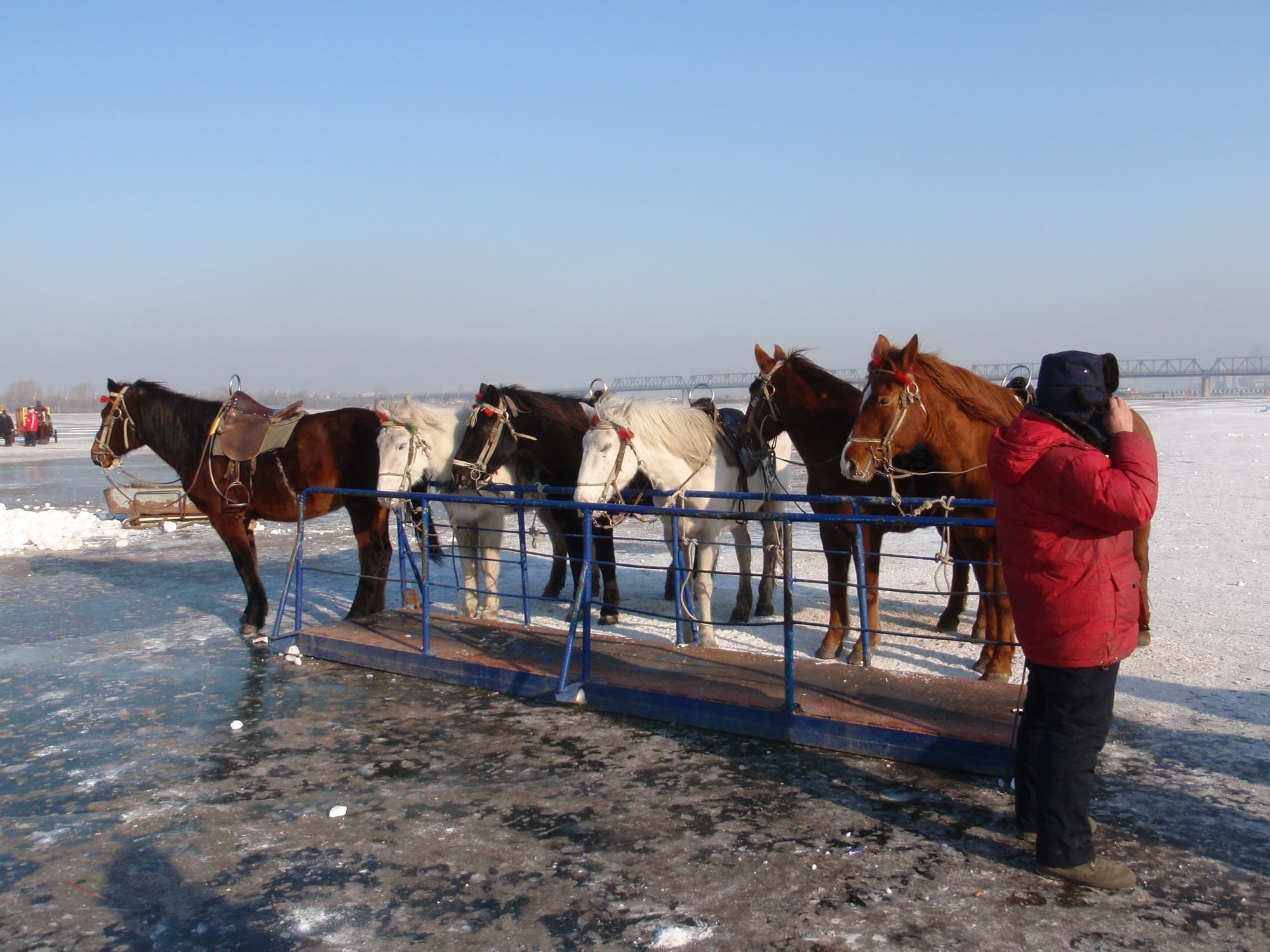
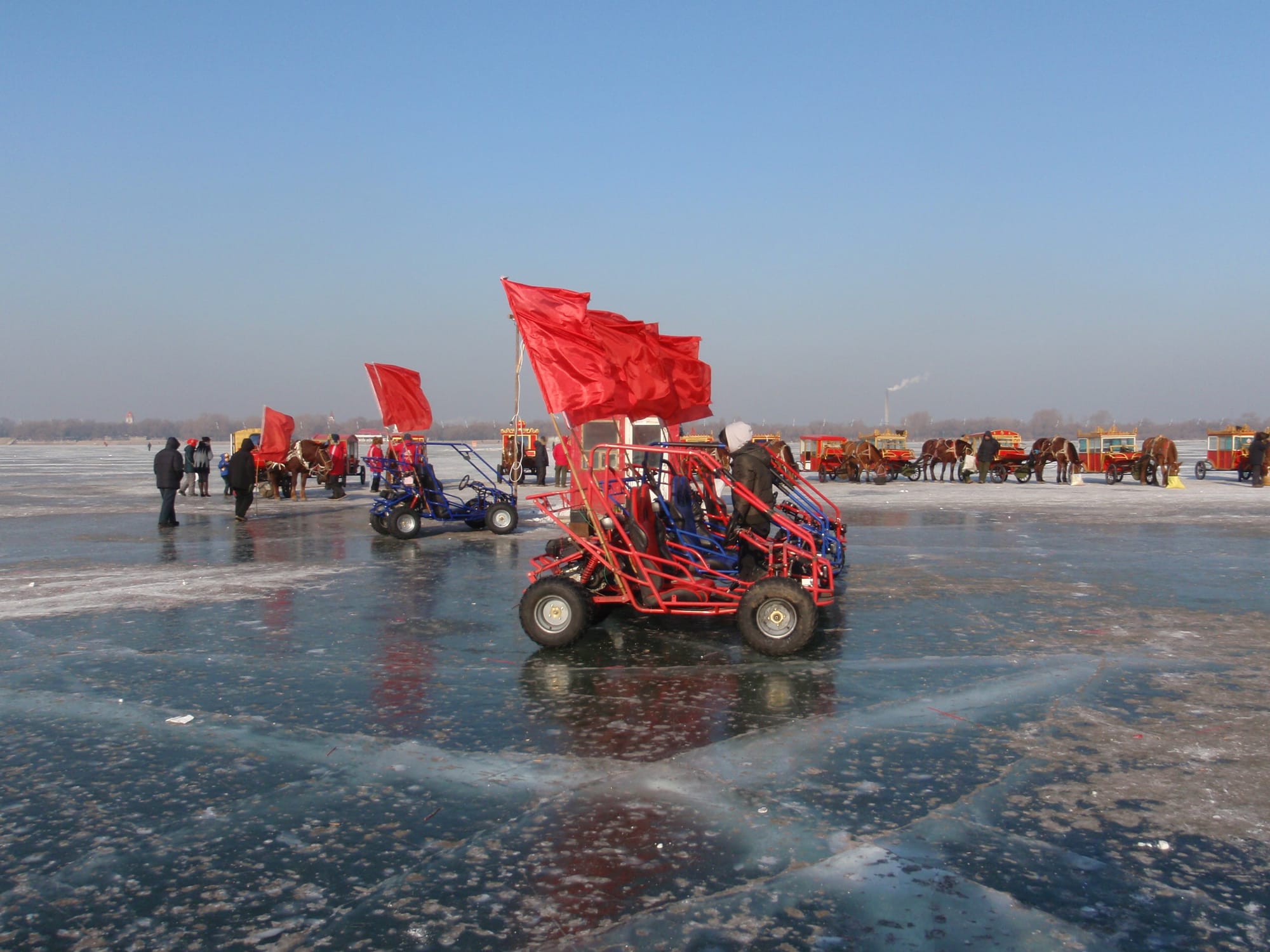
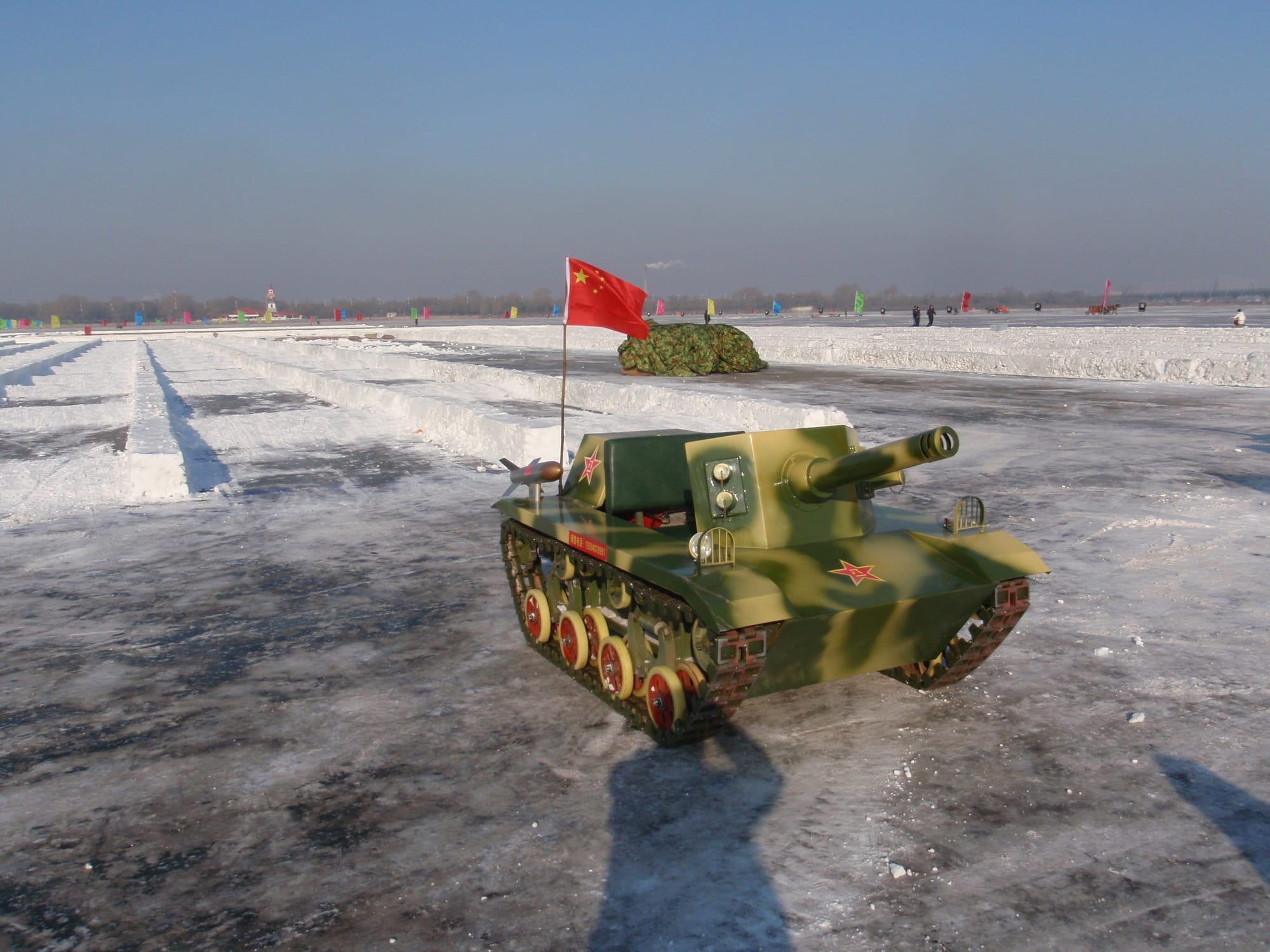
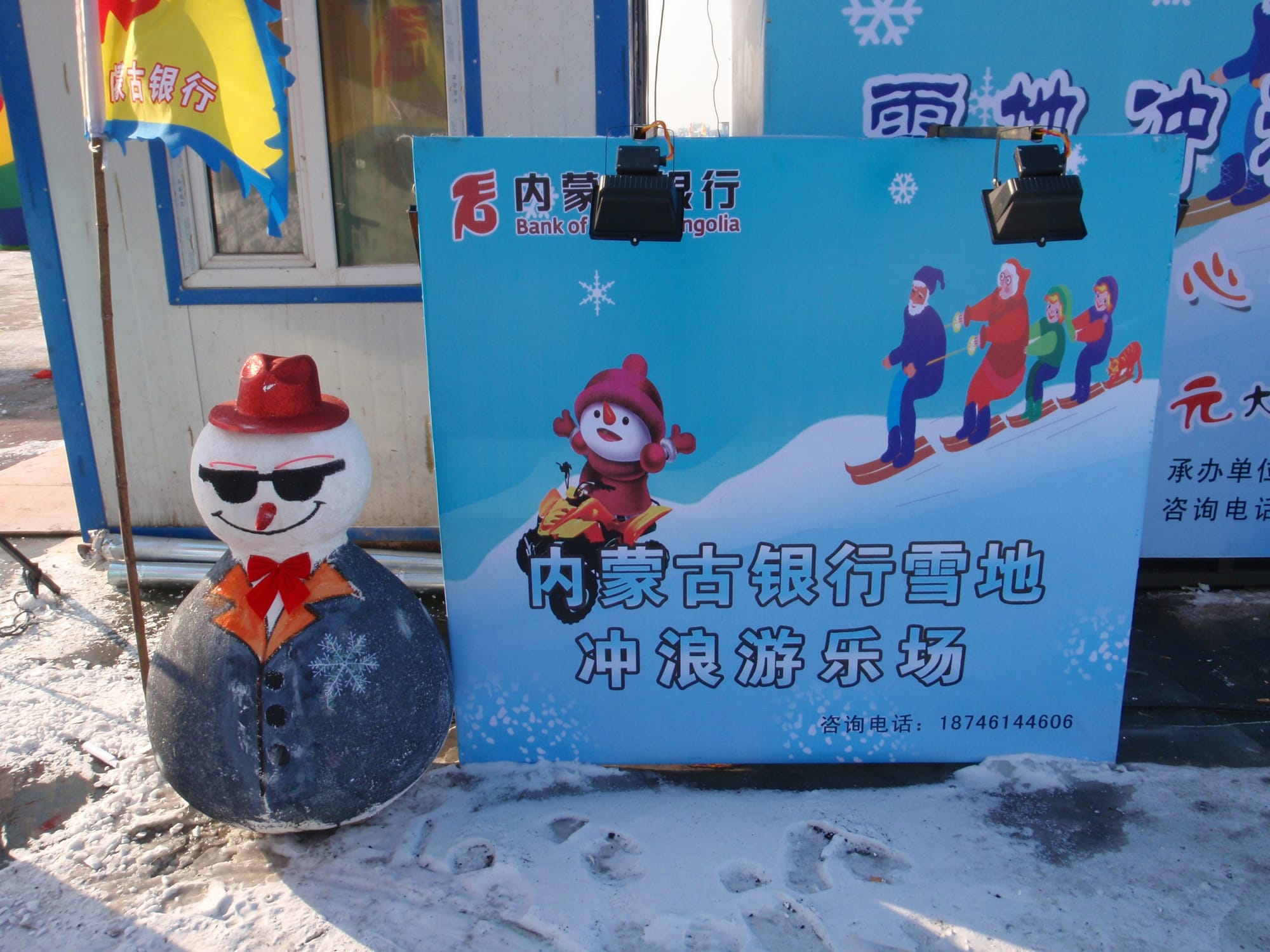
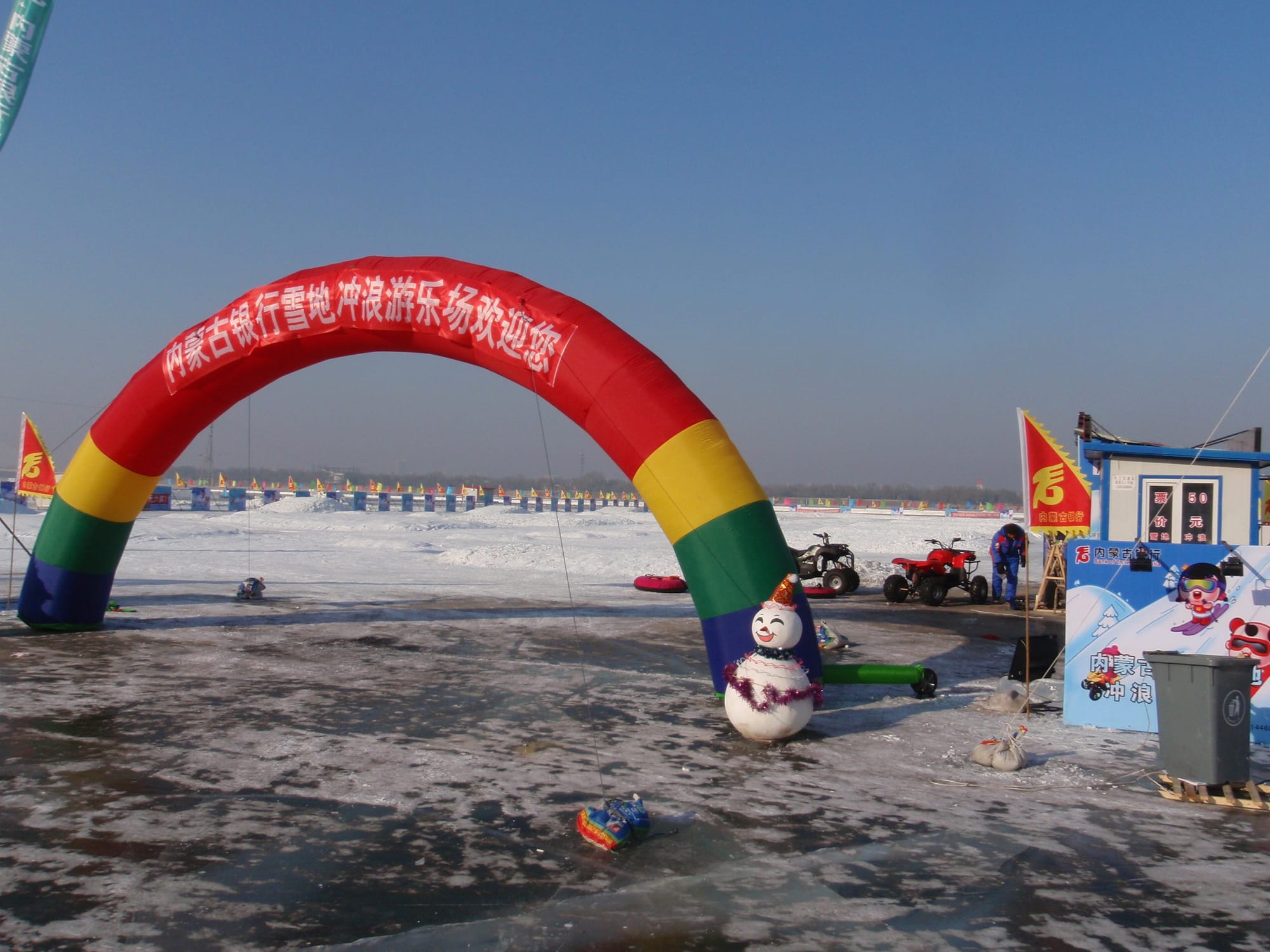
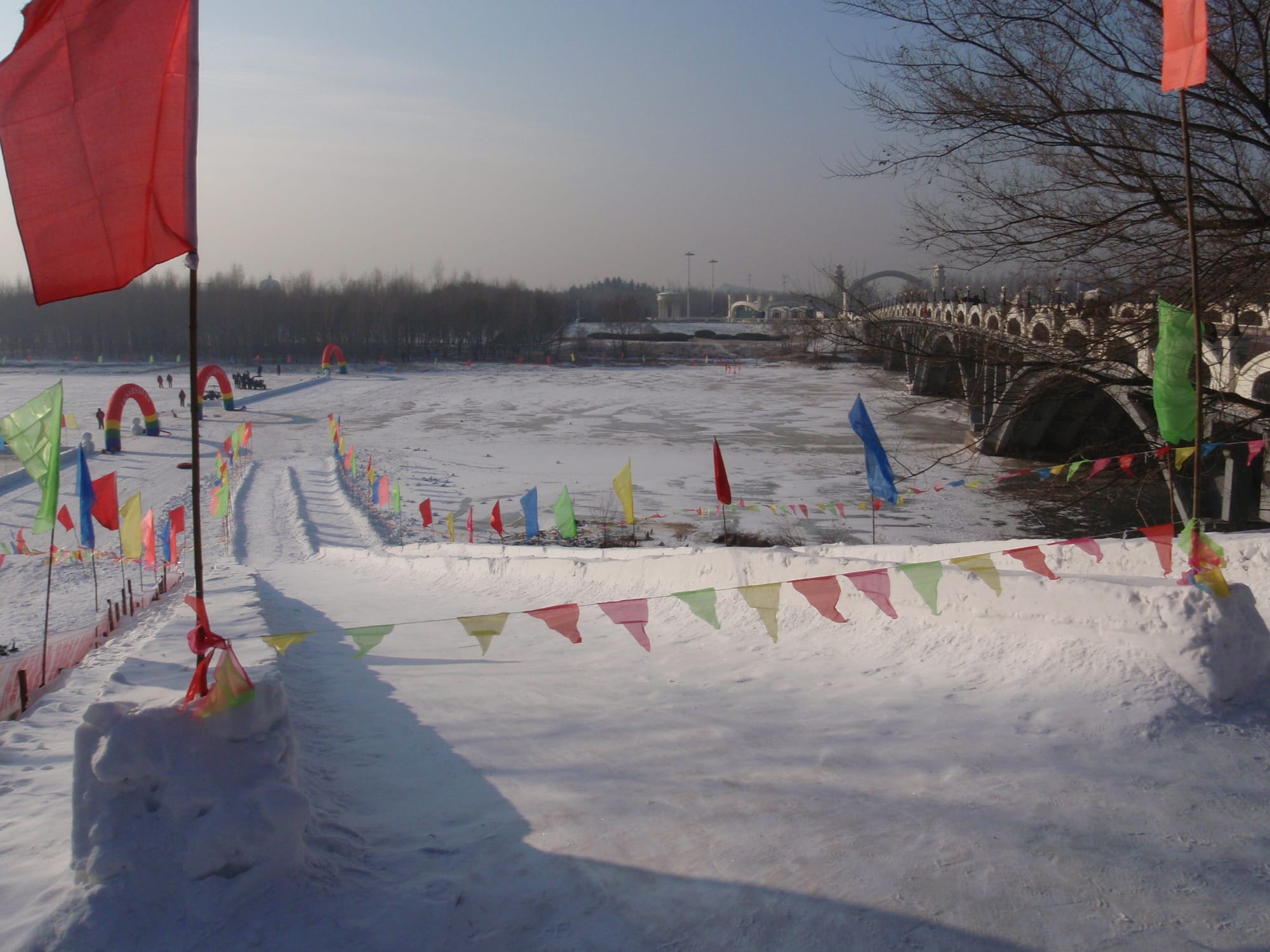
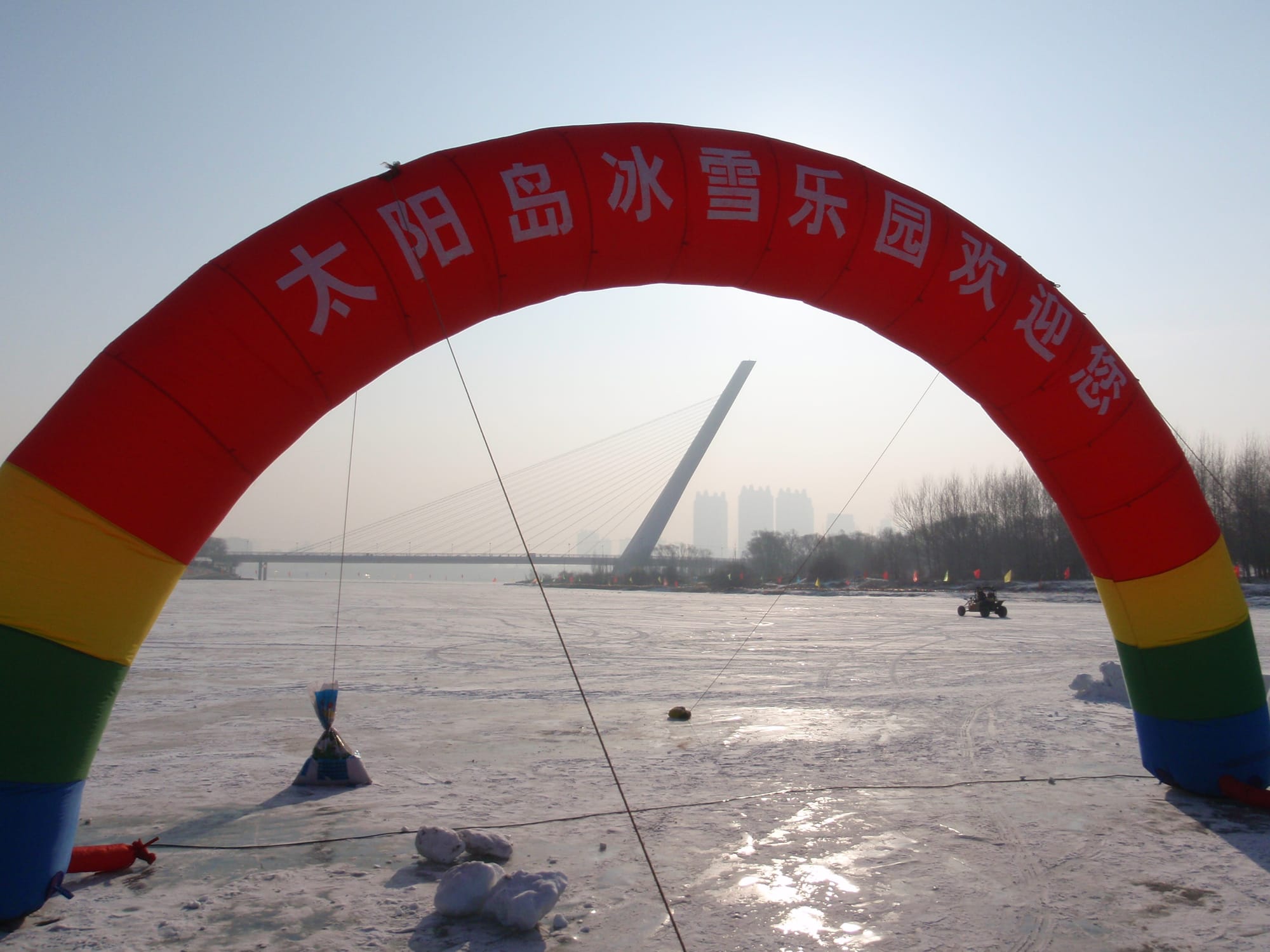
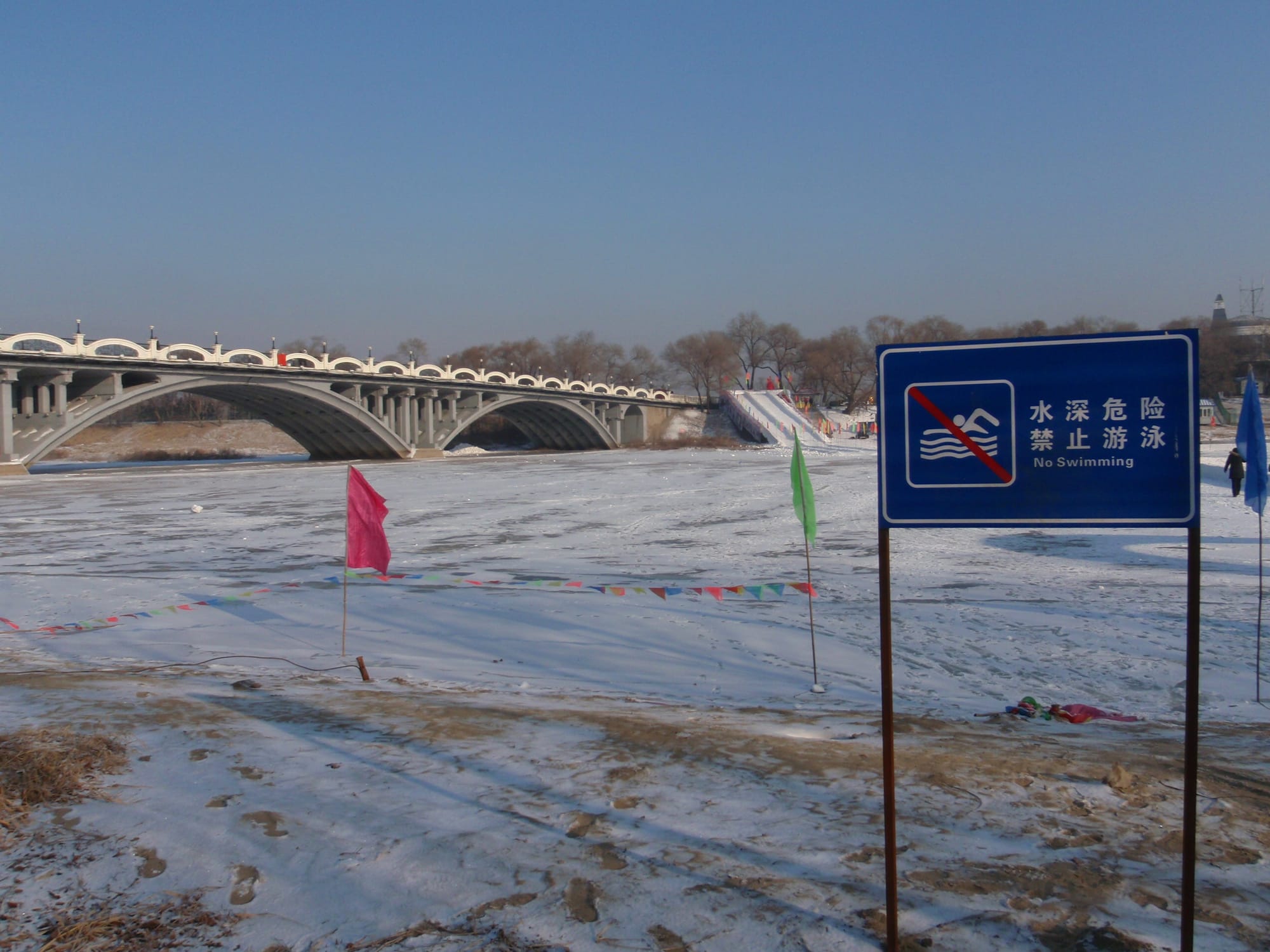
When the Siberian cold arrives, the river transforms into a spectacular winter wonderland. Its frozen surface becomes the city’s largest natural recreational area, attracting locals and tourists alike.
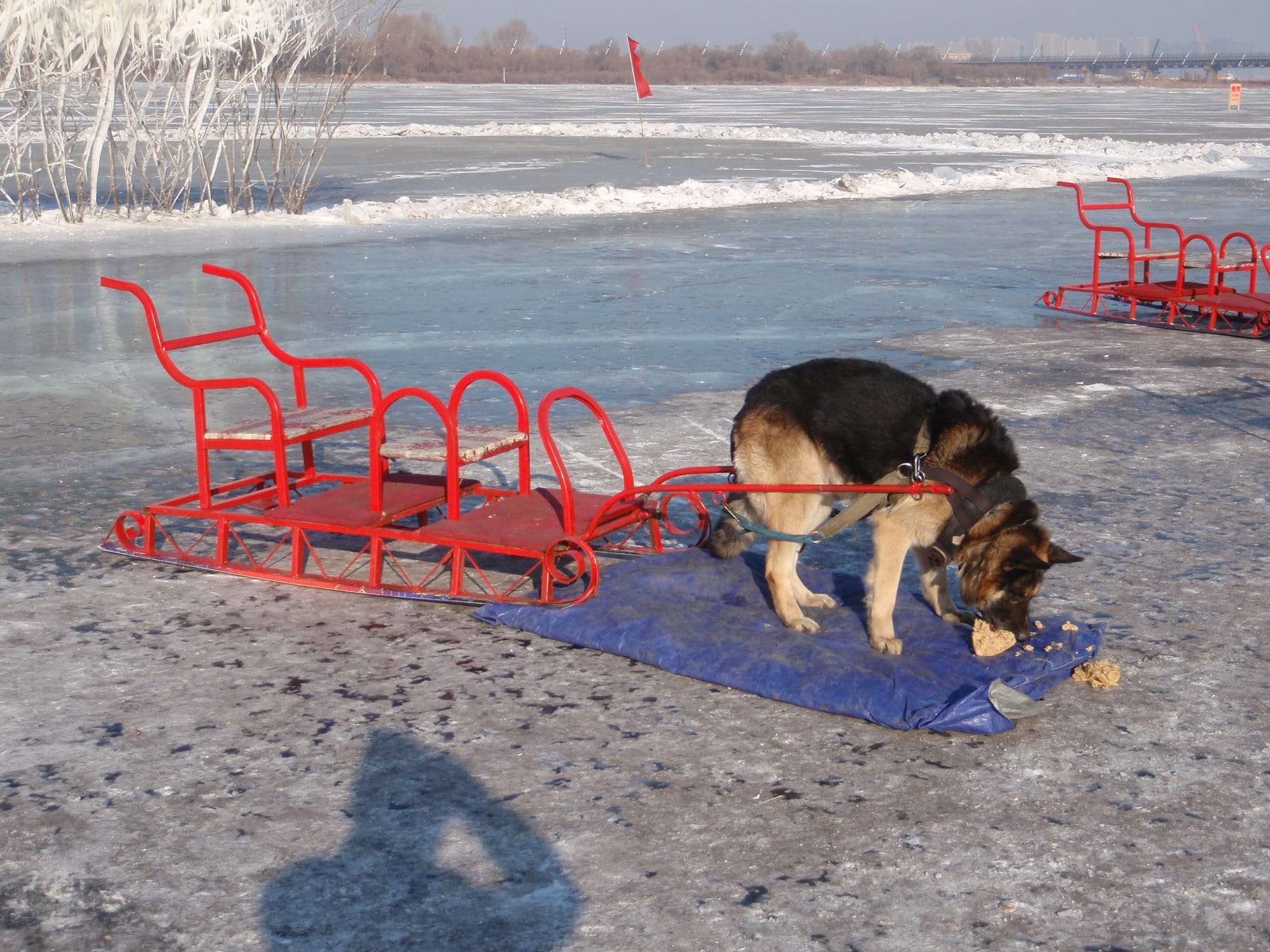
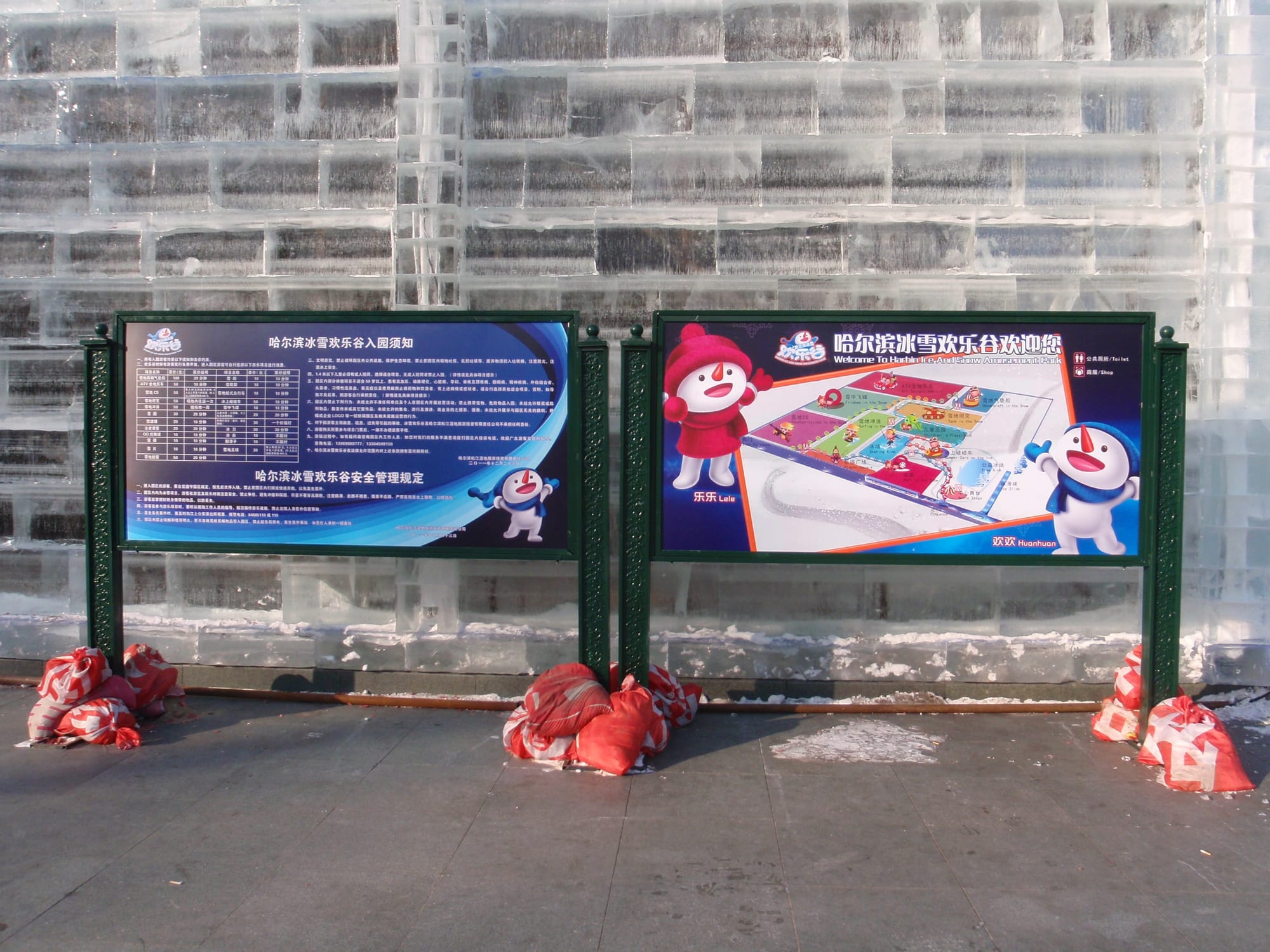
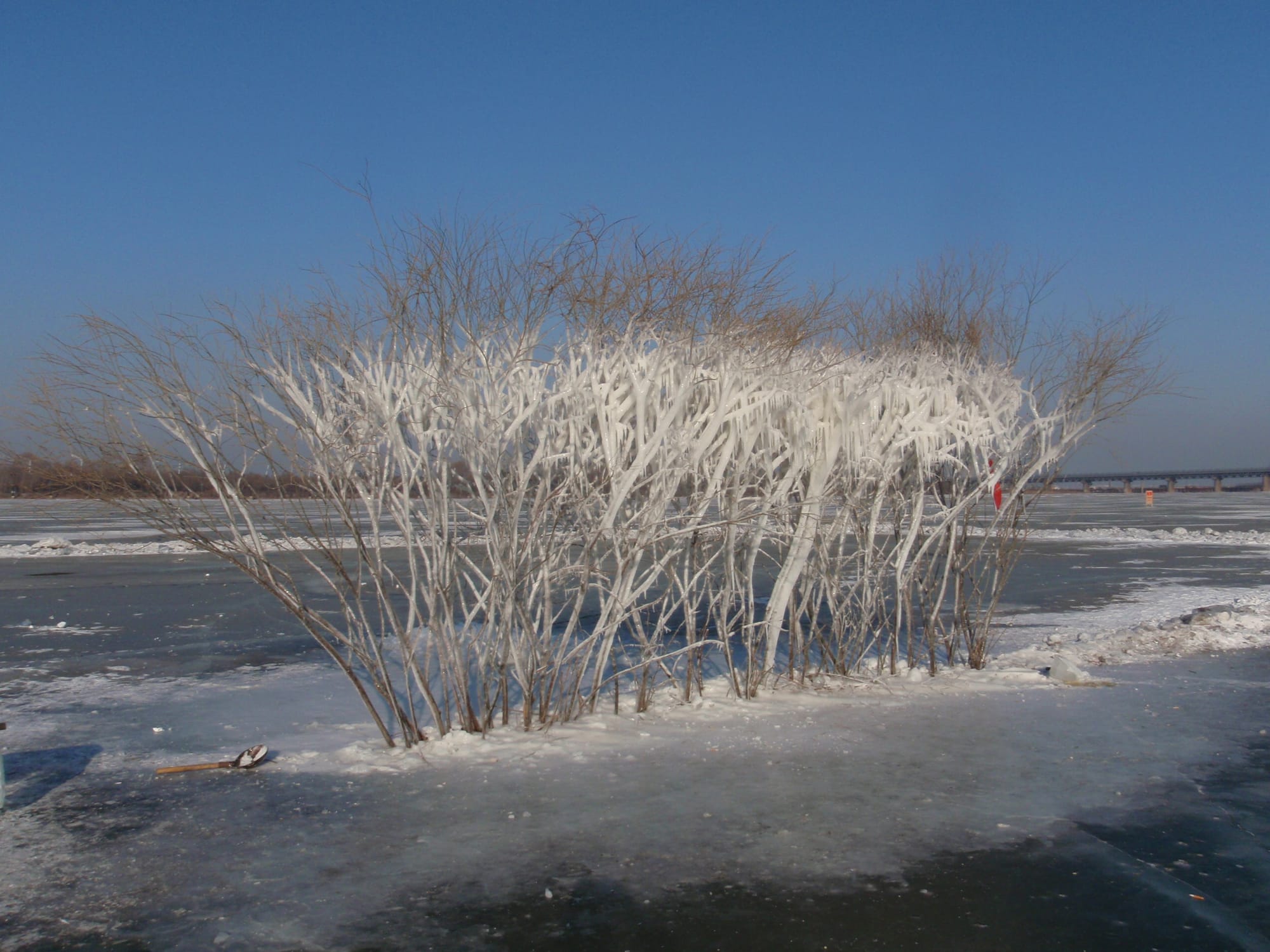
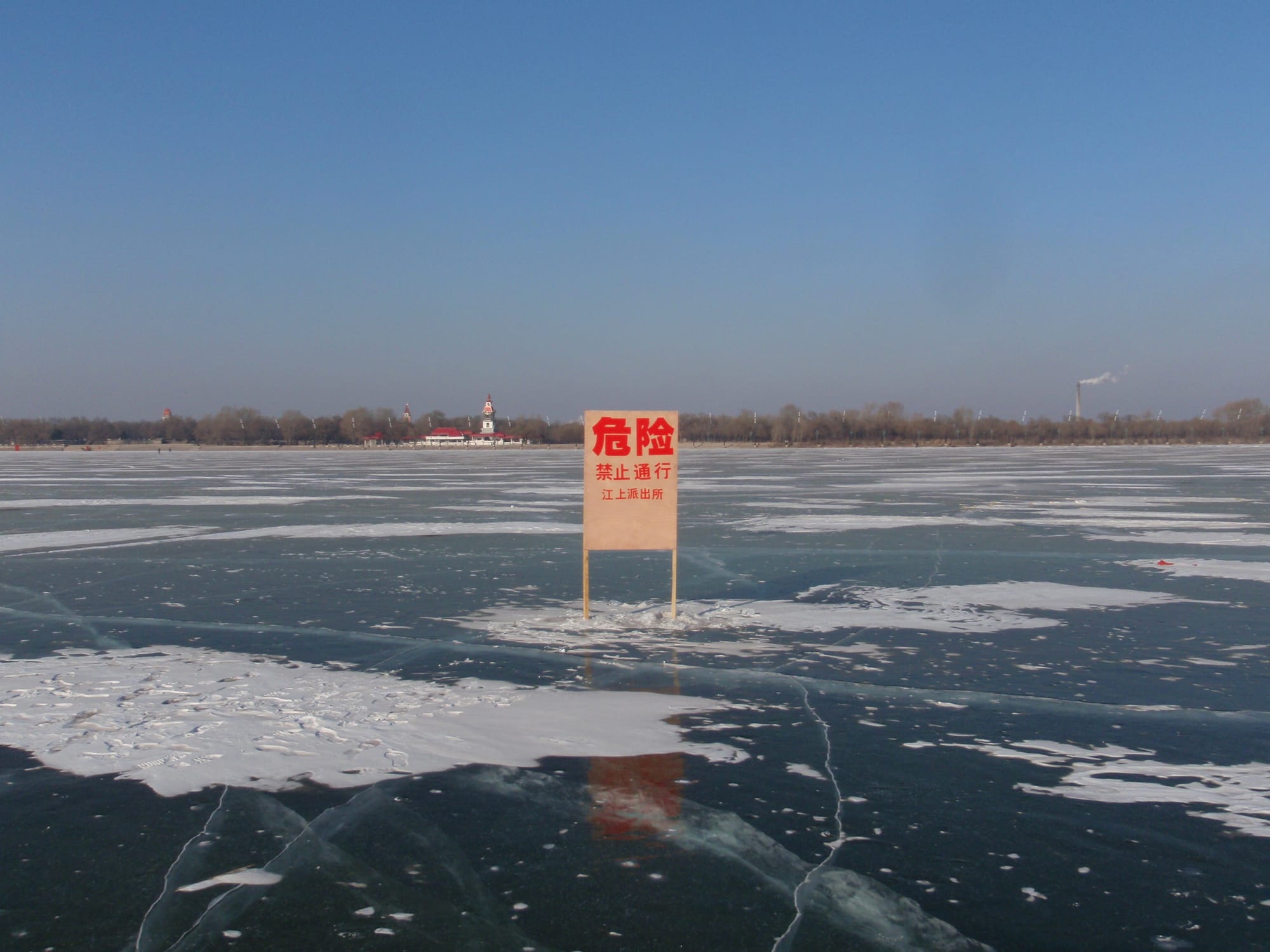
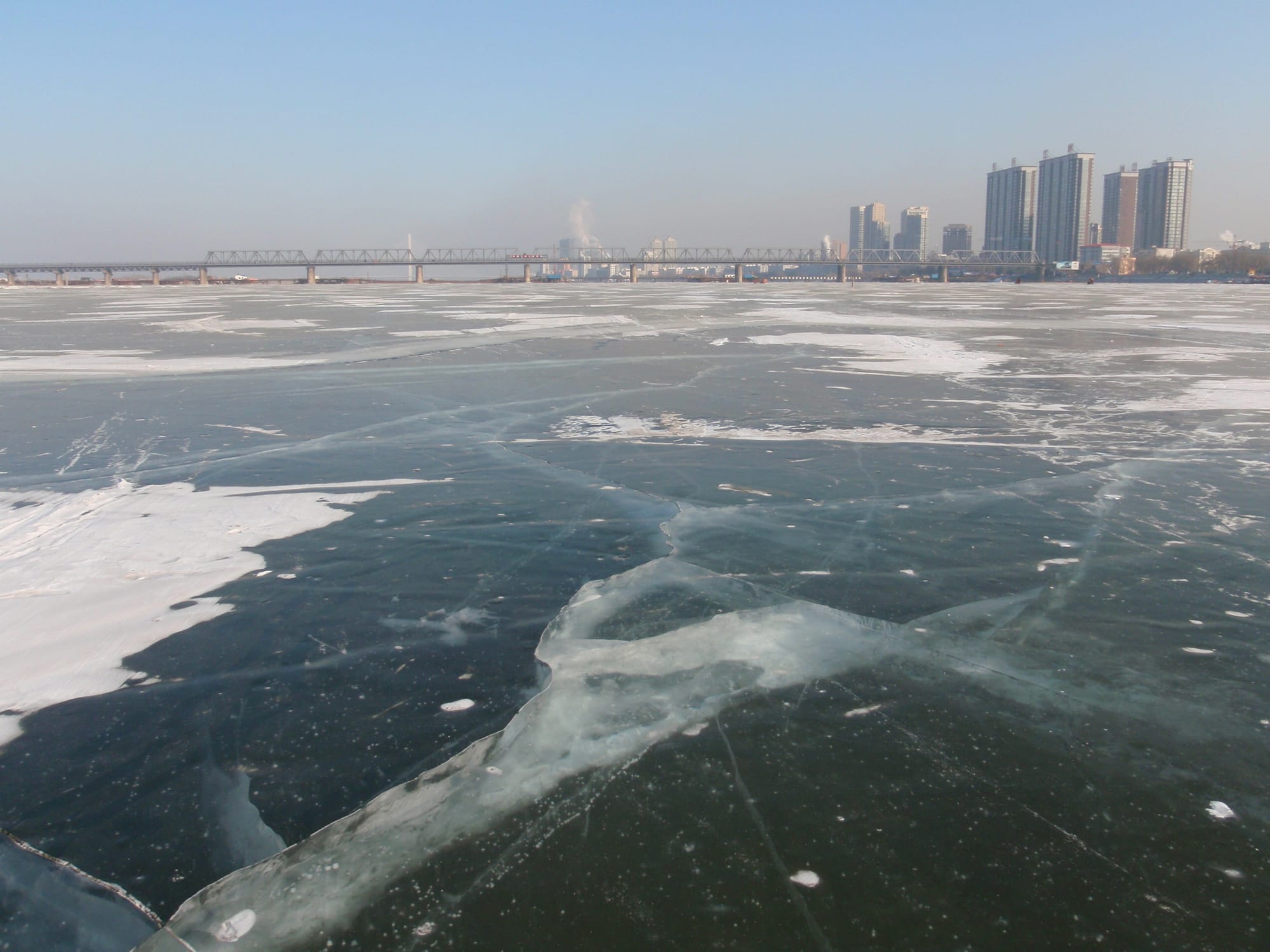
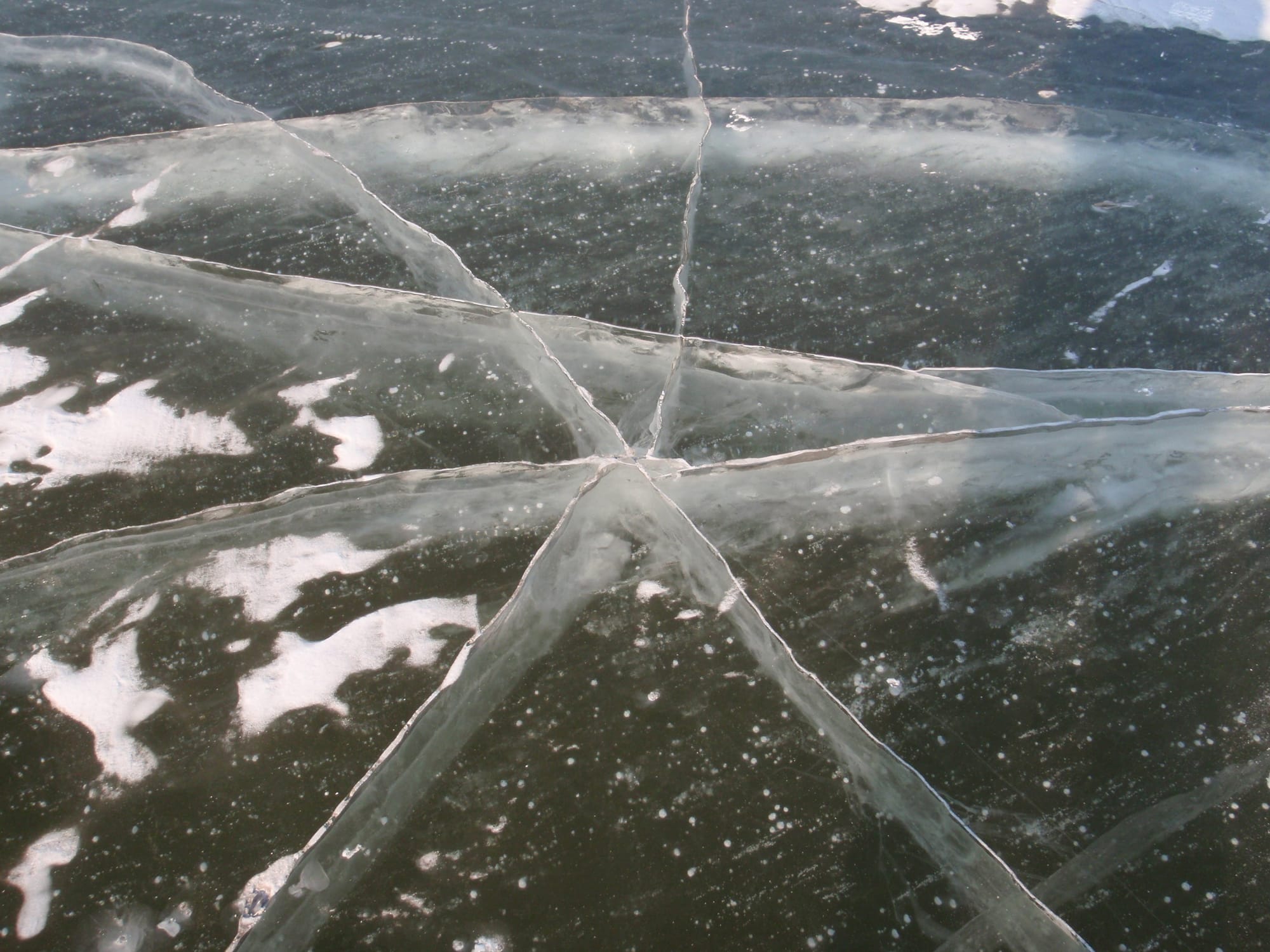
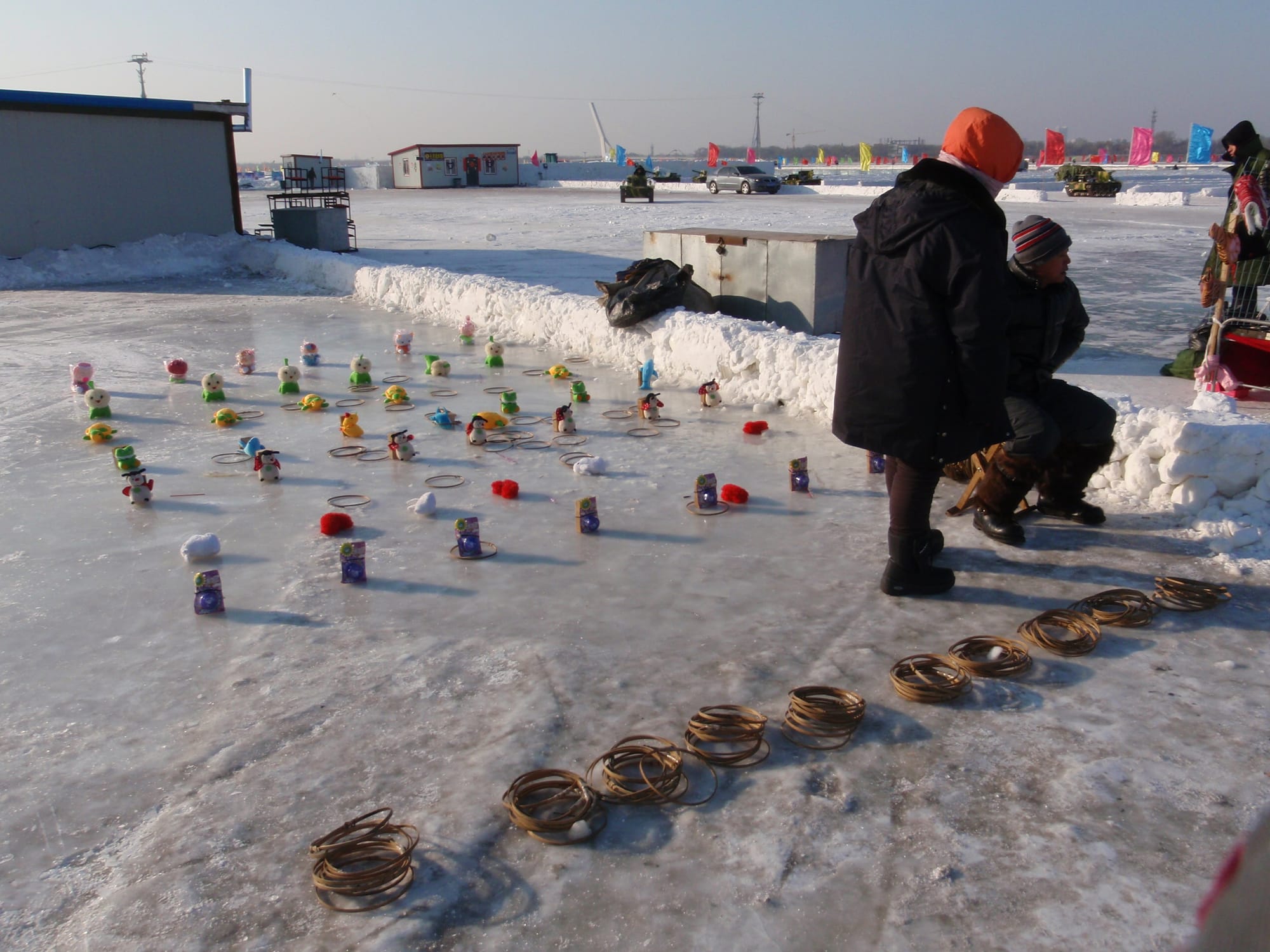
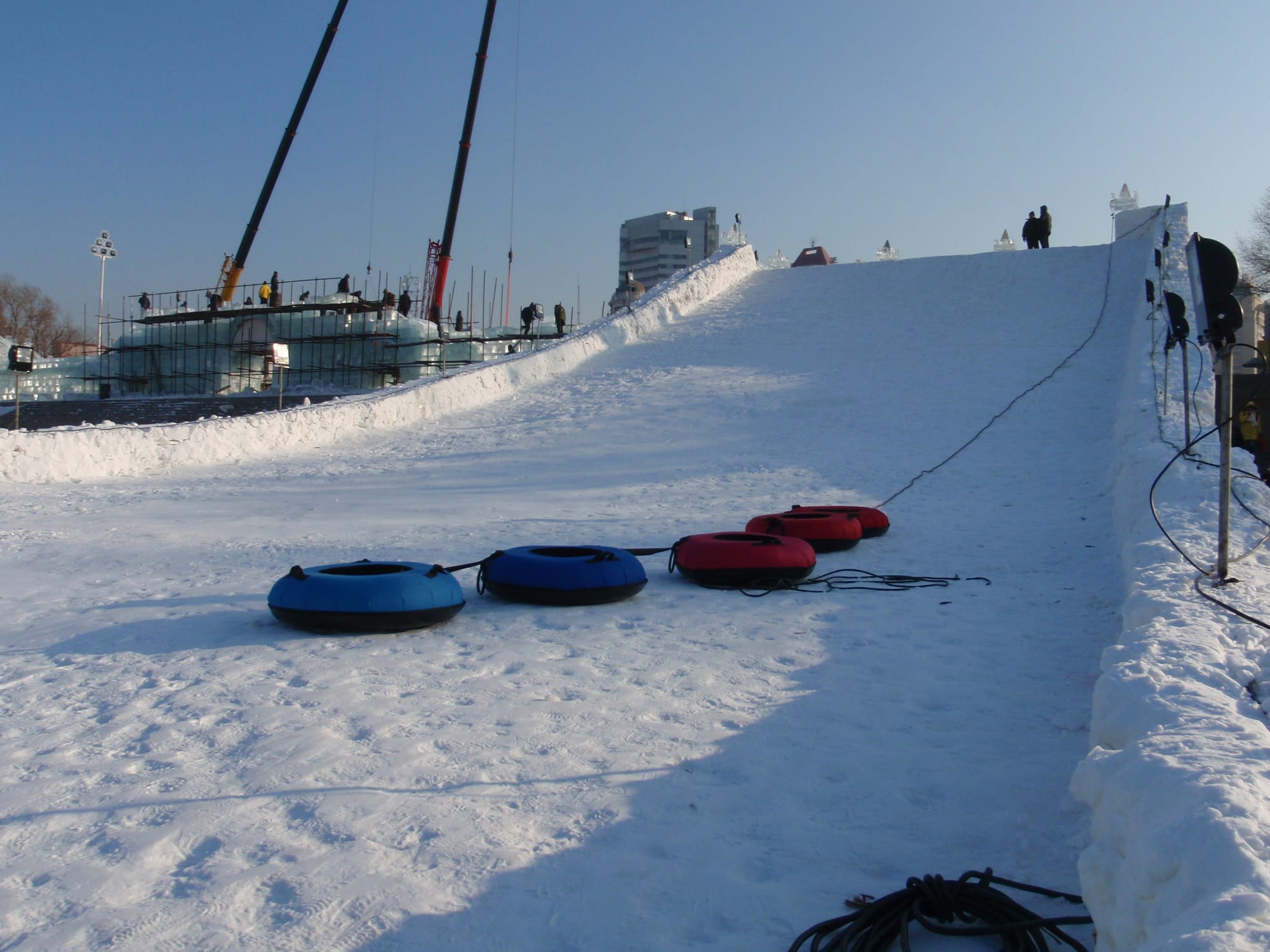
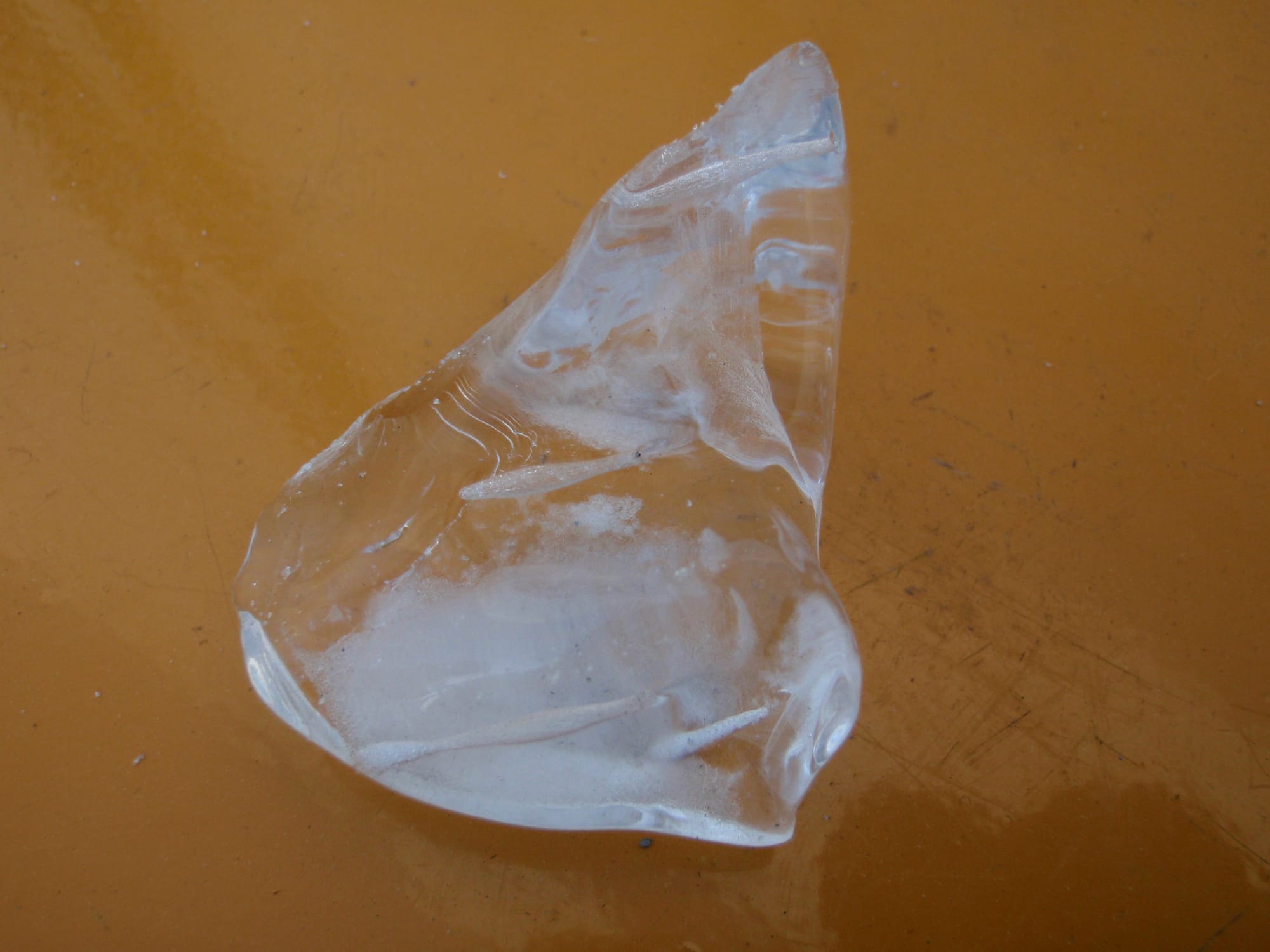
Activities include:
- Ice Harvesting: The river supplies the crystal-clear ice blocks used to build Harbin Ice and Snow World’s towering illuminated sculptures.
- Ice-skating & Ice-cycling: The vast ice sheet provides a thrilling space for skating and cycling adventures.
- Sledding & Hovercrafts: Families and thrill-seekers enjoy sledding and hovercraft rides across the smooth ice.
- Winter Swimming: Brave enthusiasts take part in Harbin’s legendary winter-swimming tradition, cutting openings into the thick ice for invigorating, bracing dips.
Stalin Park (斯大林公园)
Stalin Park is a historic riverside park built in 1953, reflecting the complex, sometimes-strained friendship between the two largest communist countries of that era. Stretching 1,750 metres along the southern bank of the Songhua River from the Songhua River railway bridge in the east to Jiuzhan Park in the west, it is Harbin’s premier riverfront recreational area.
In winter, the frozen landscape transforms into a playground for ice-based activities.
Sun Island Park (太阳岛公园)
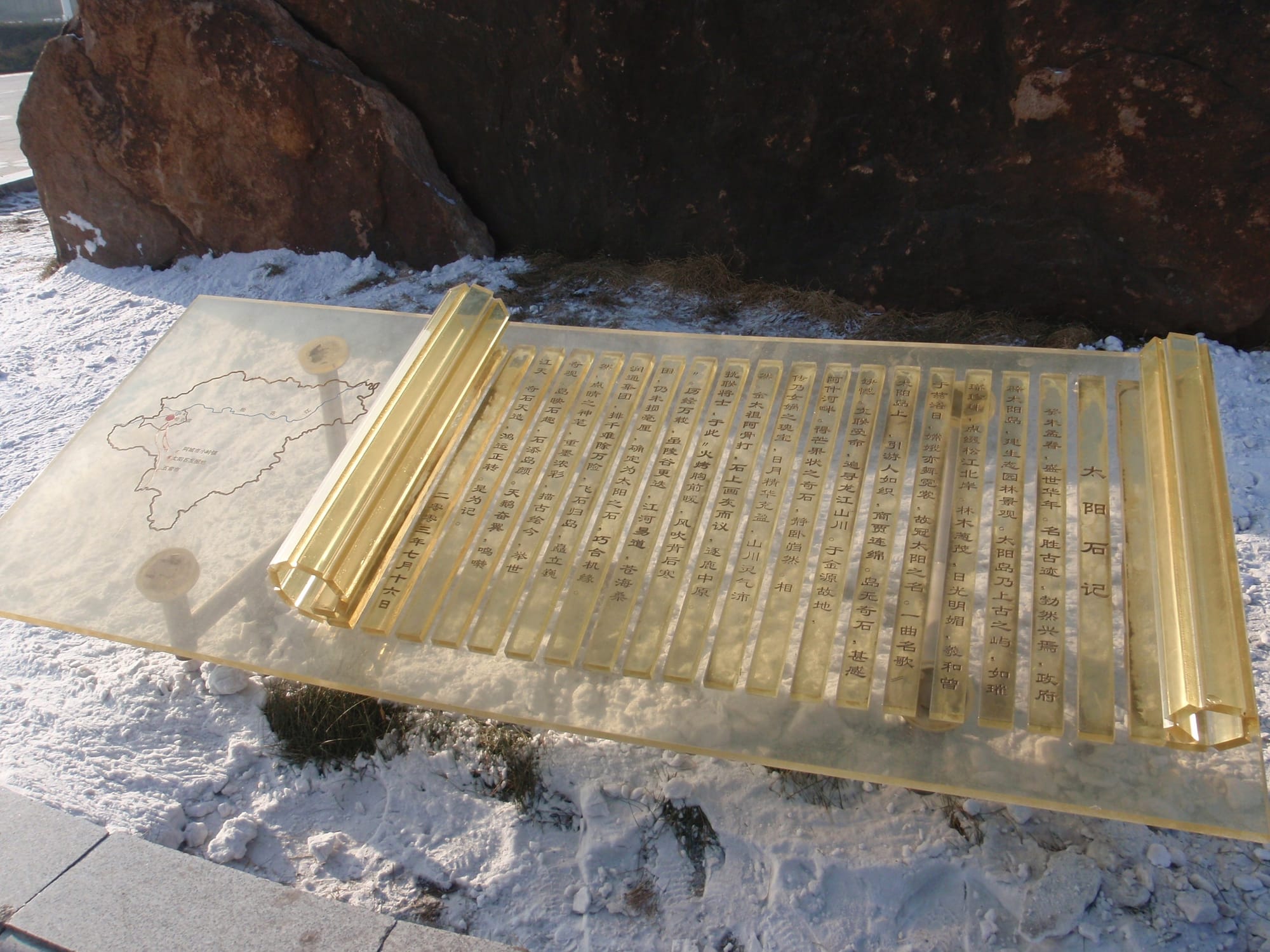
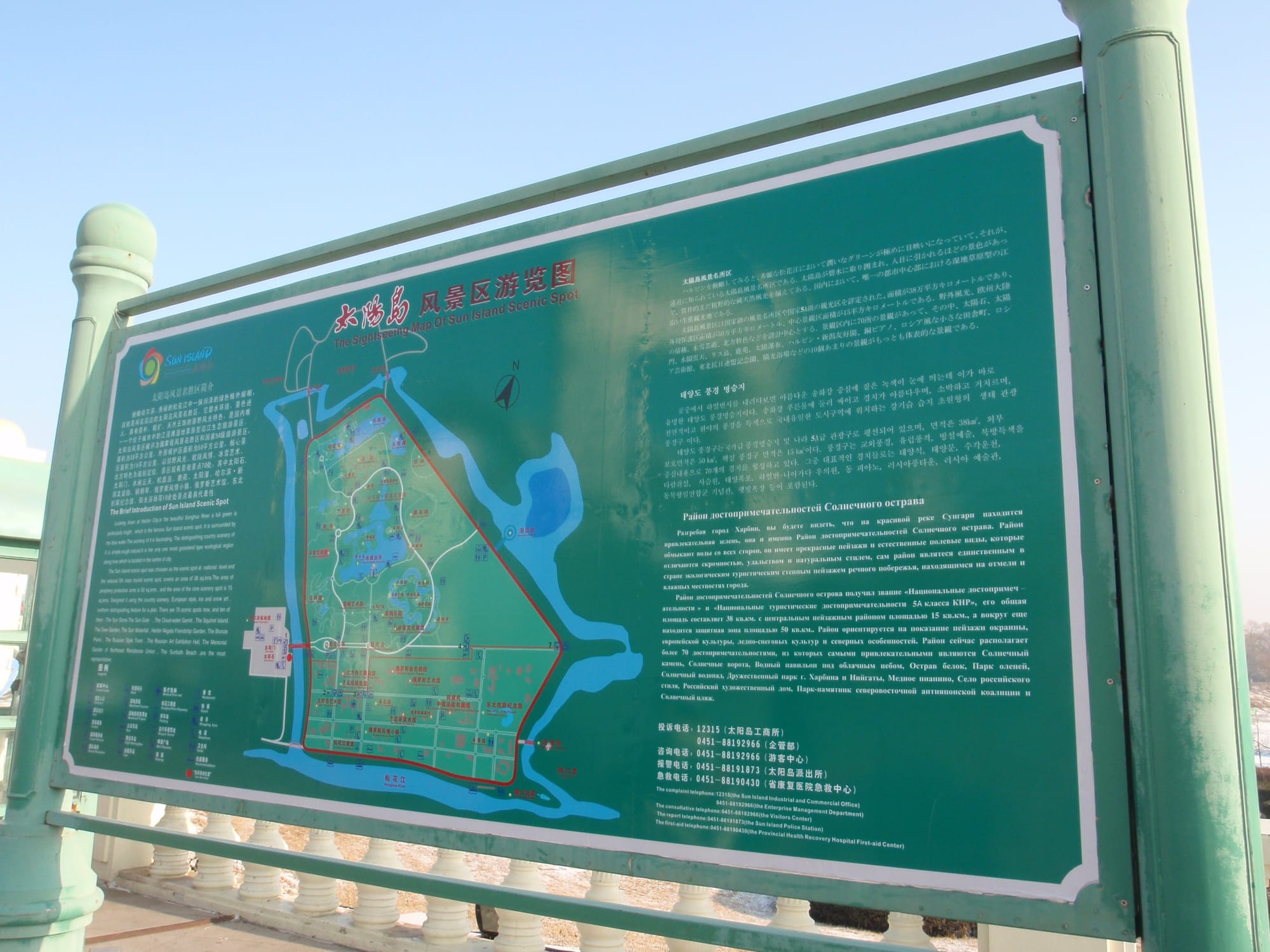
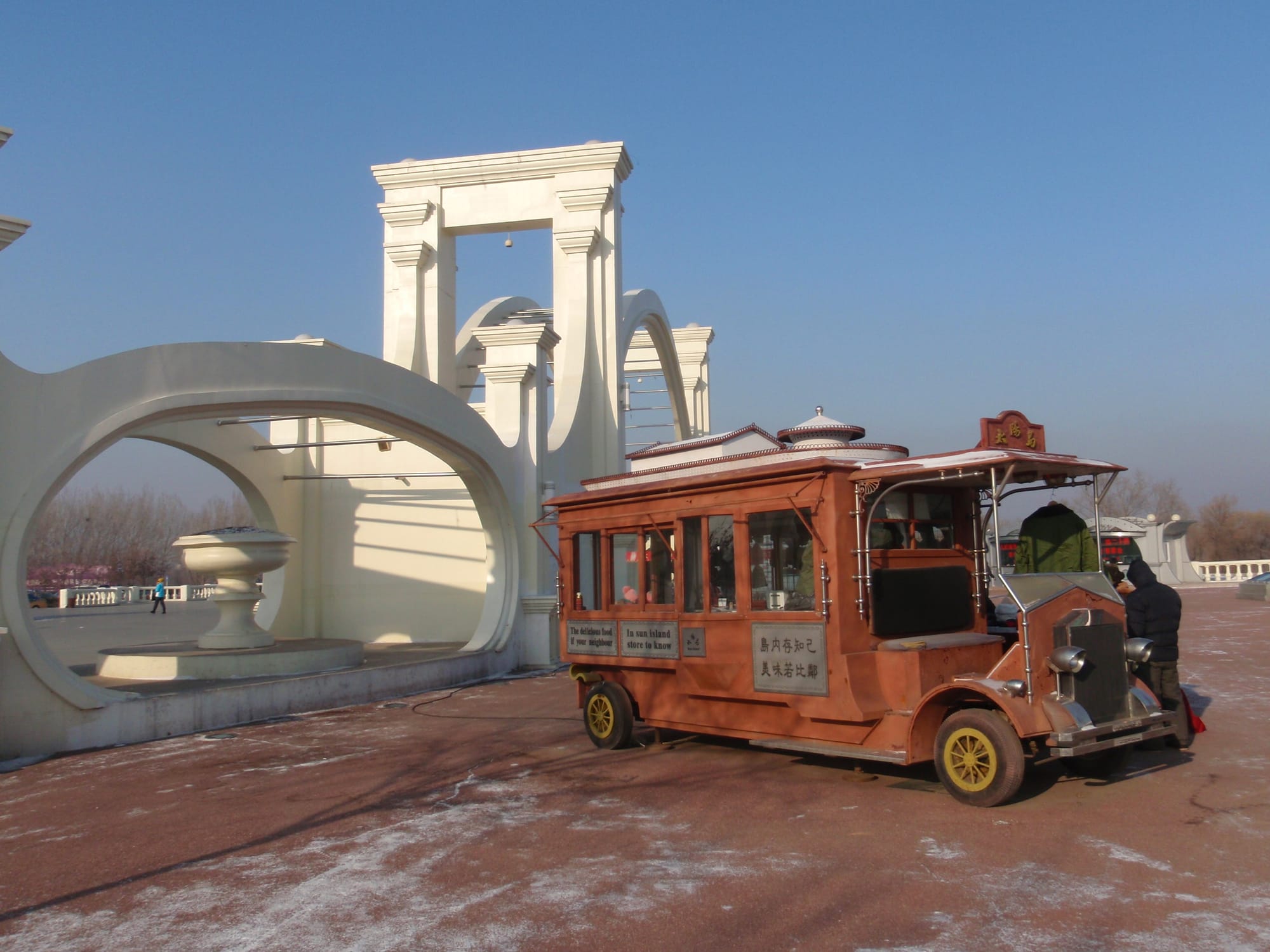
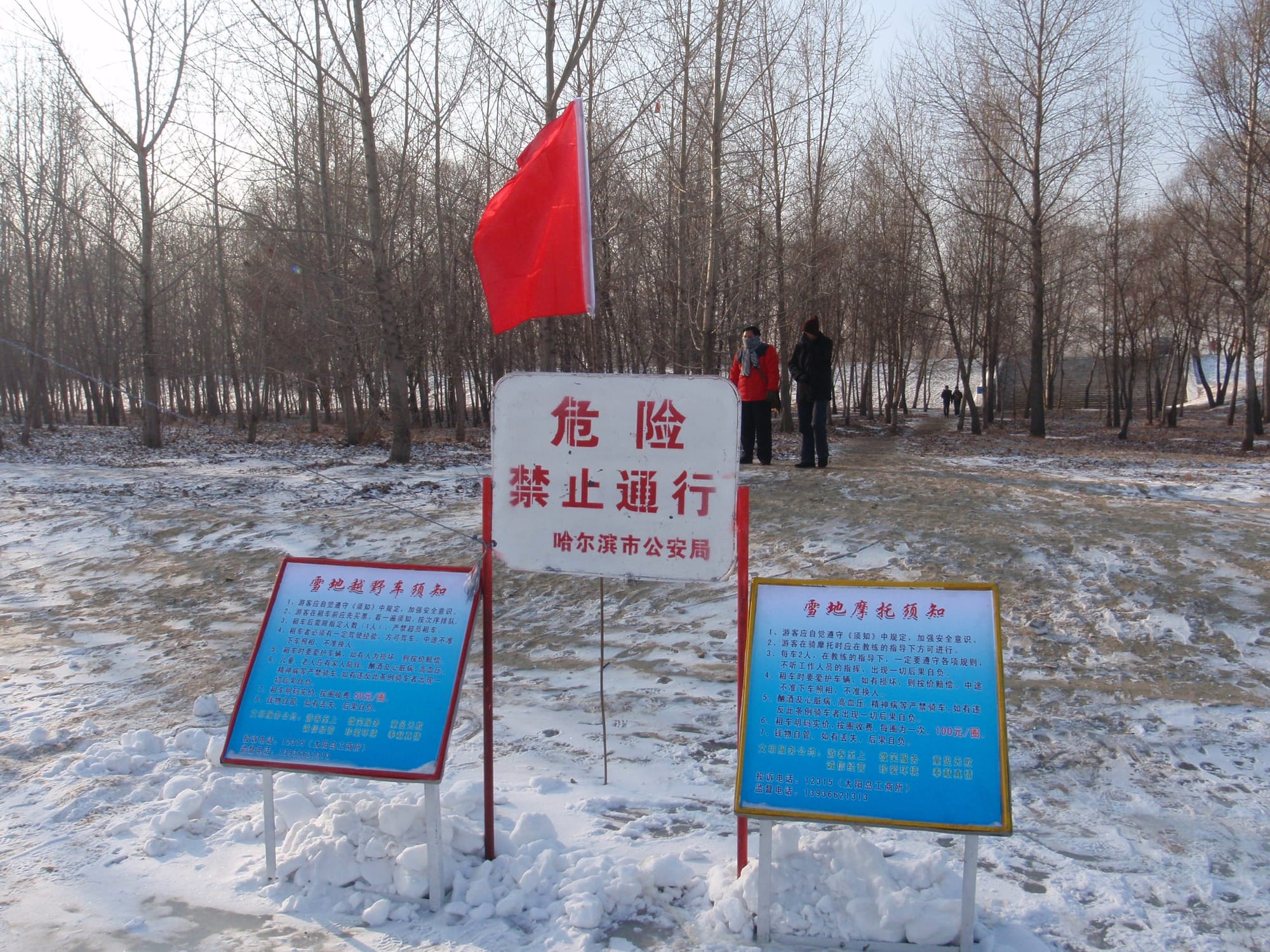
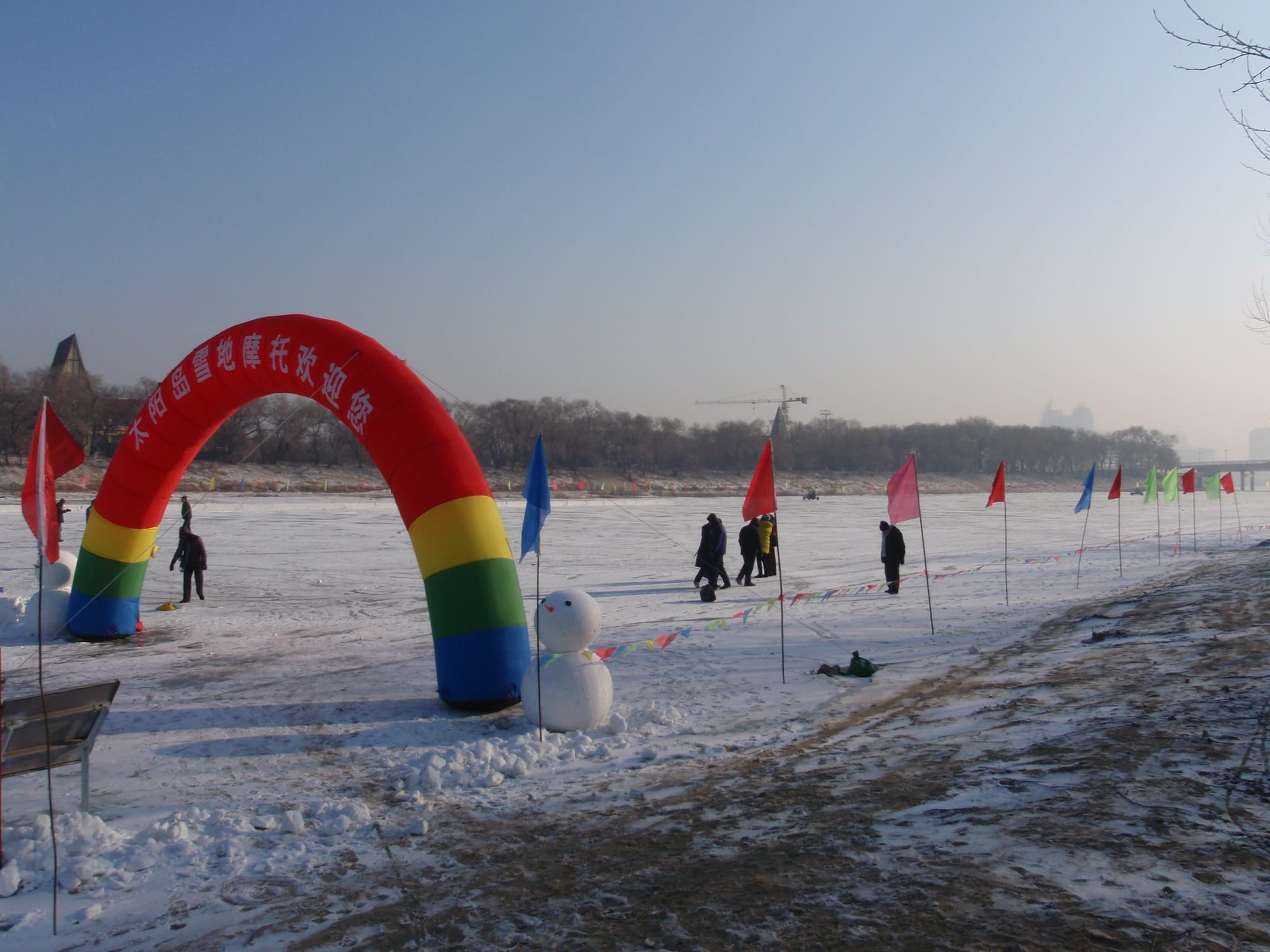
Sun Island Park is a renowned national park on the northern bank of the Songhua River, as the primary venue for snow sculpture art during the annual Harbin International Ice and Snow Festival.
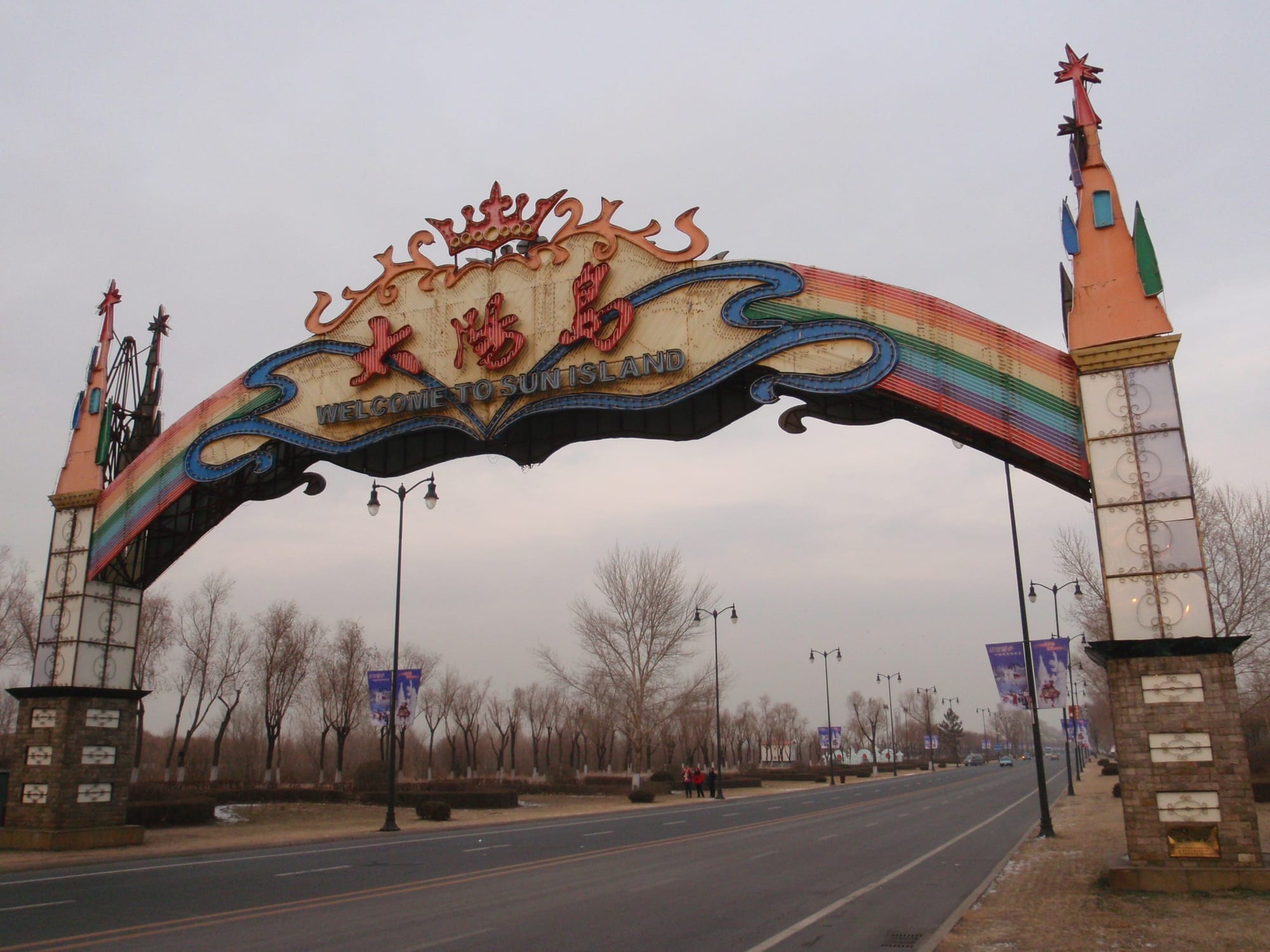
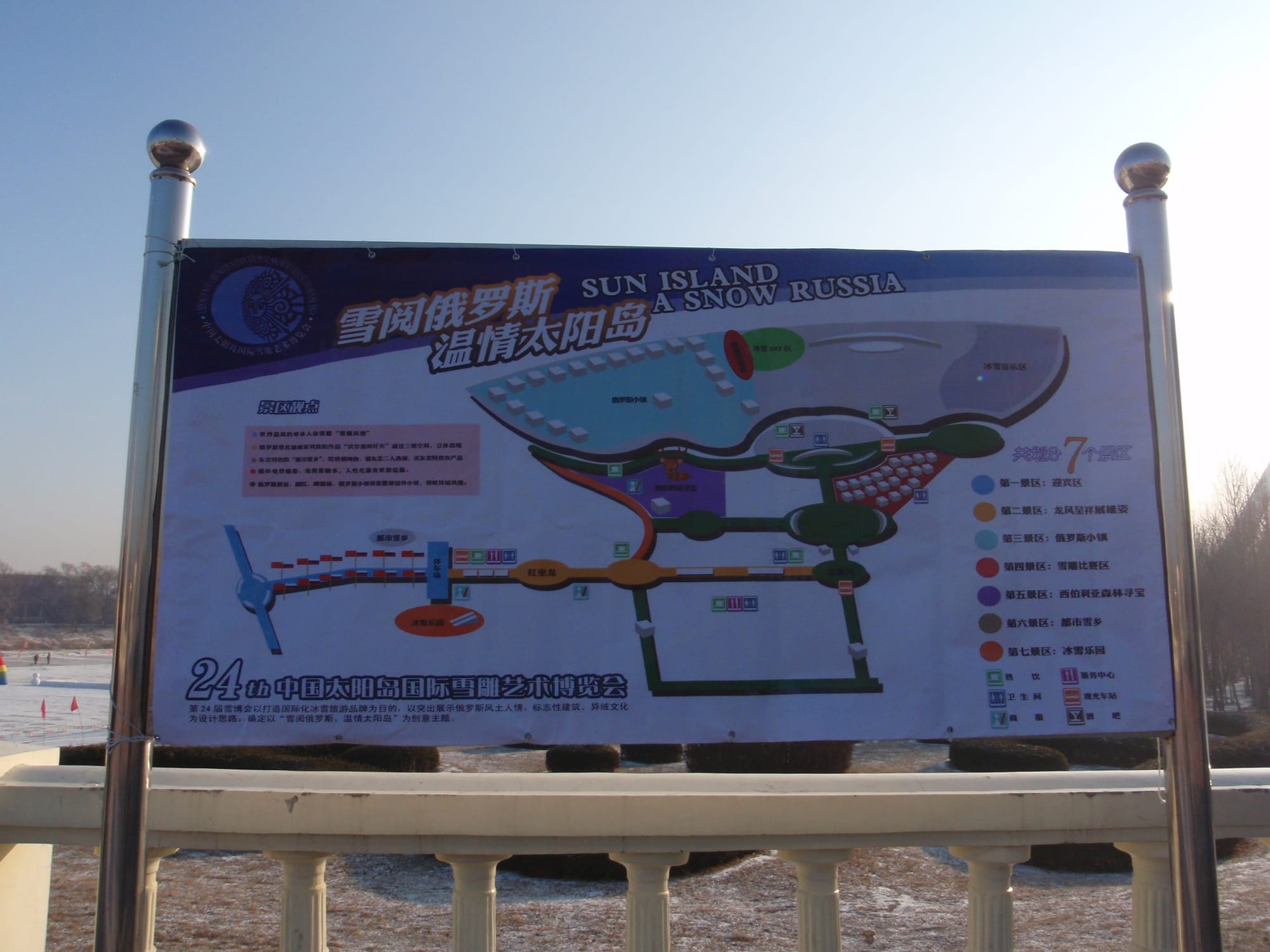
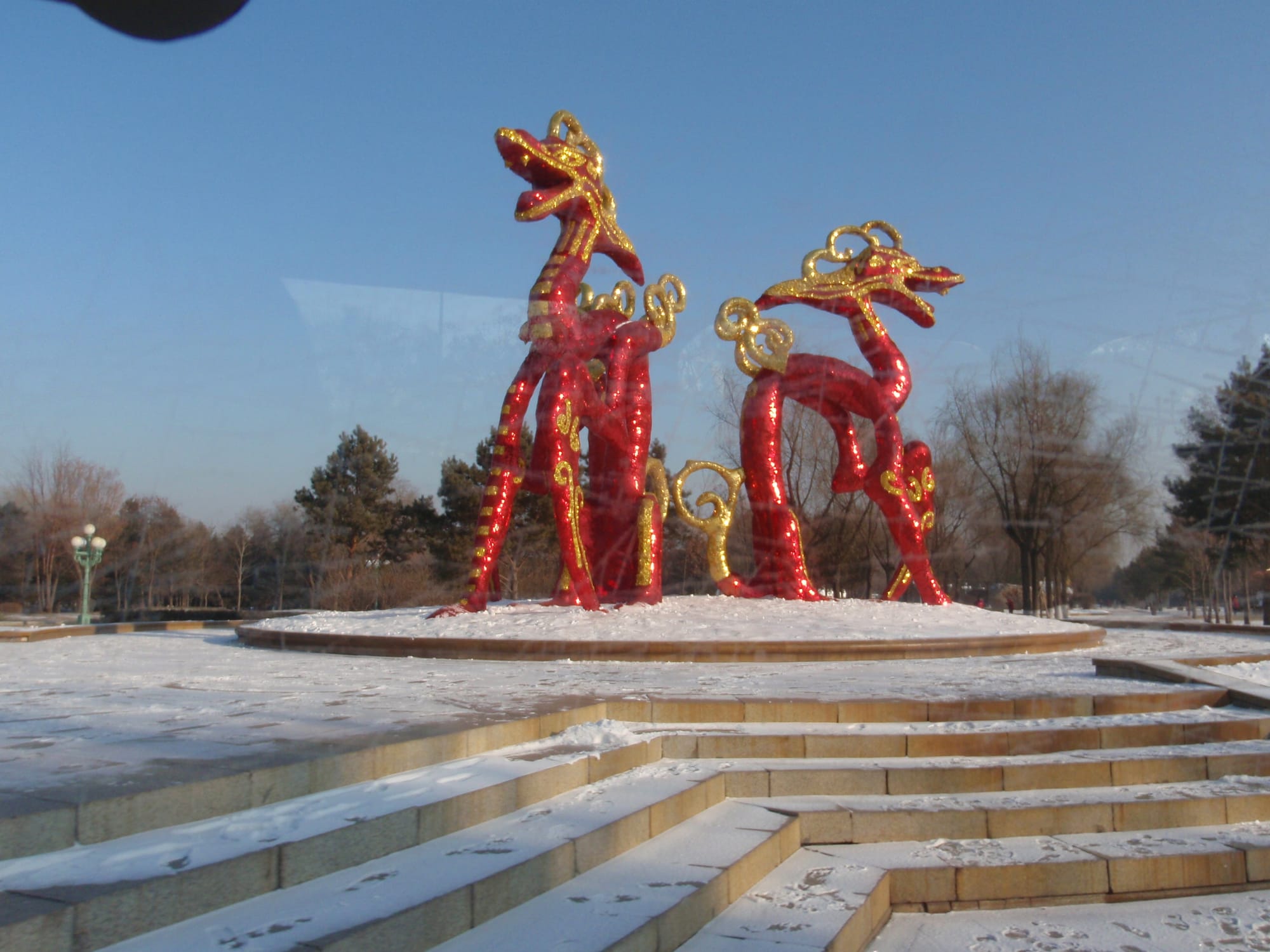
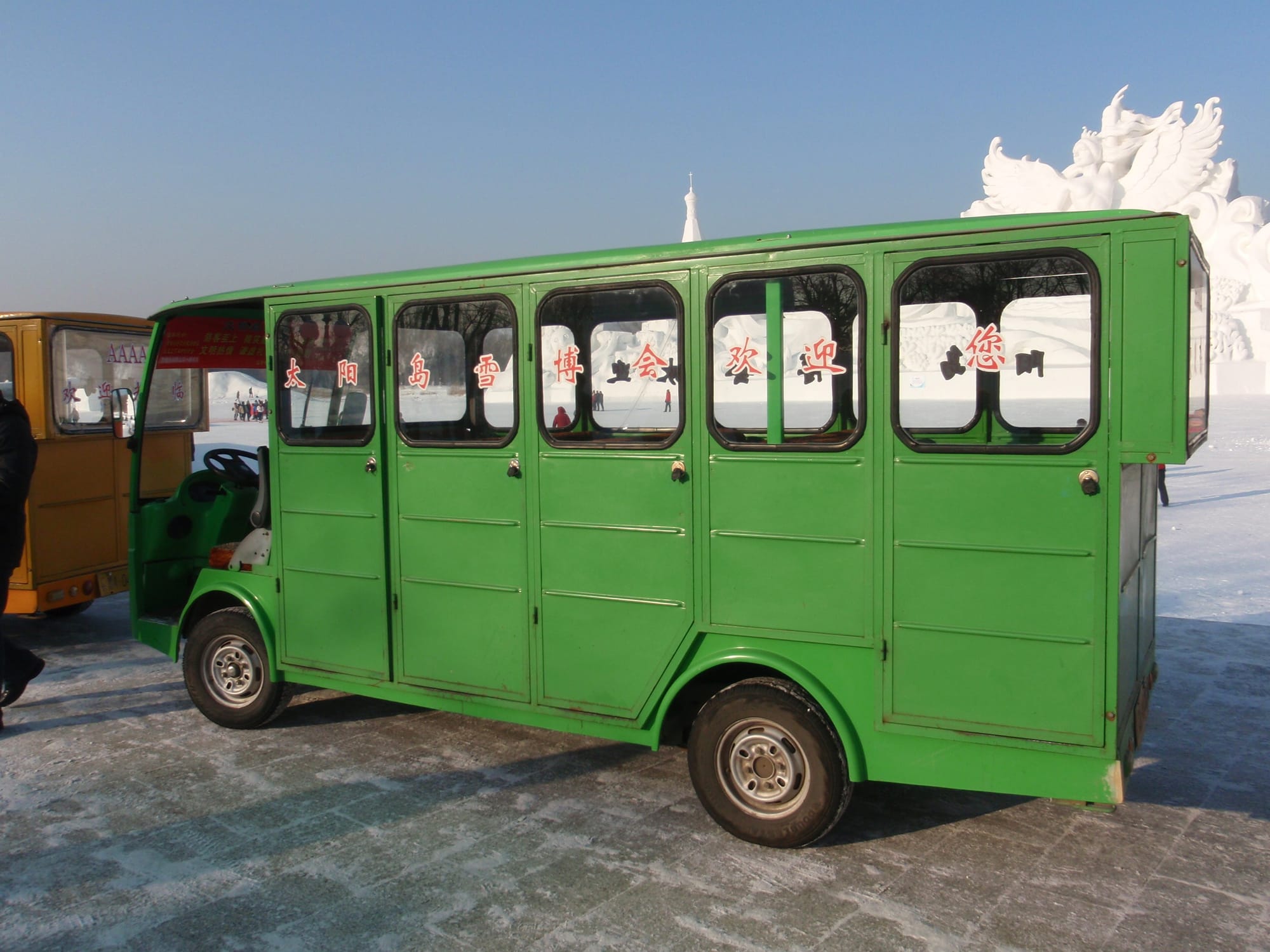
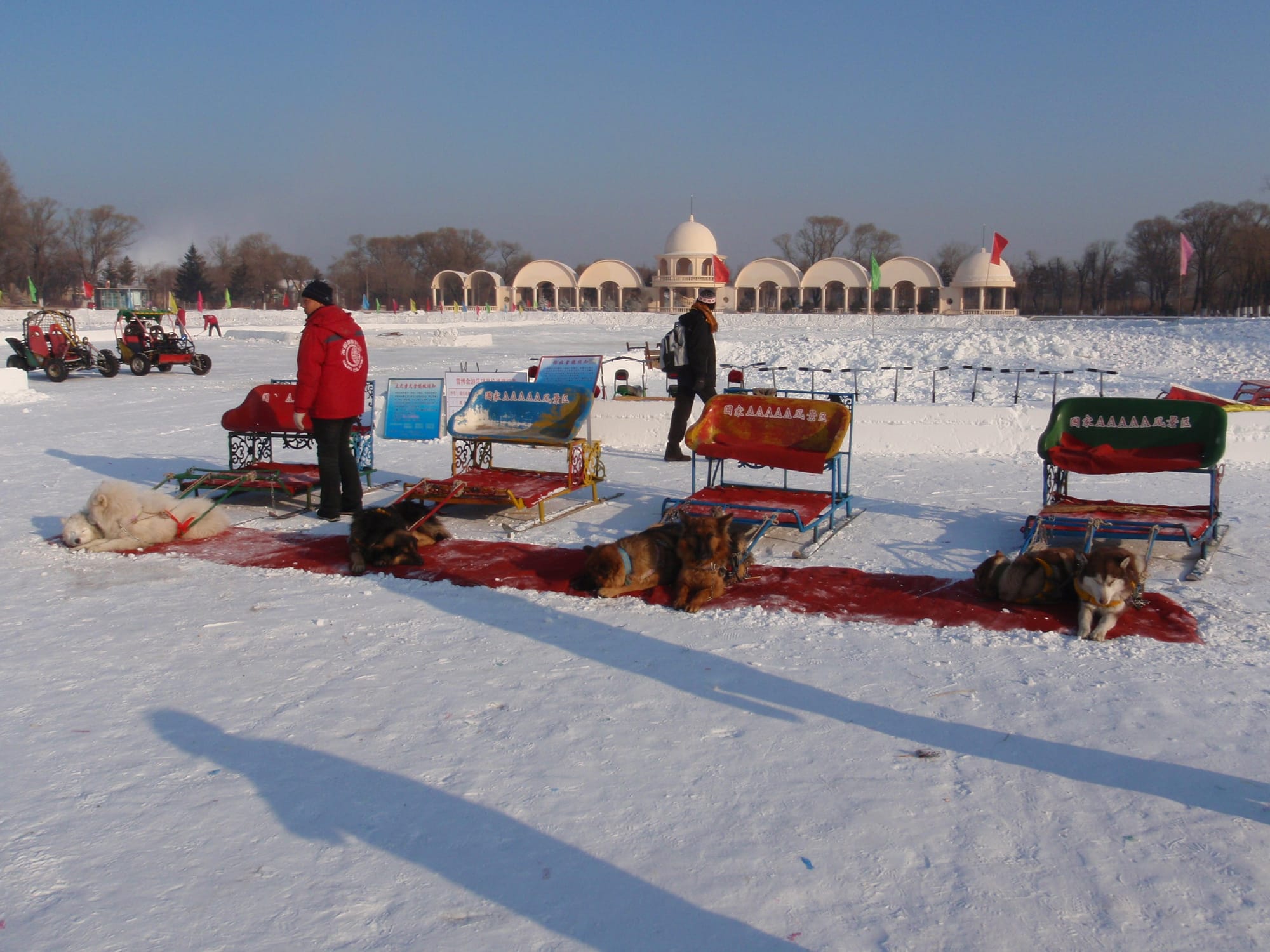
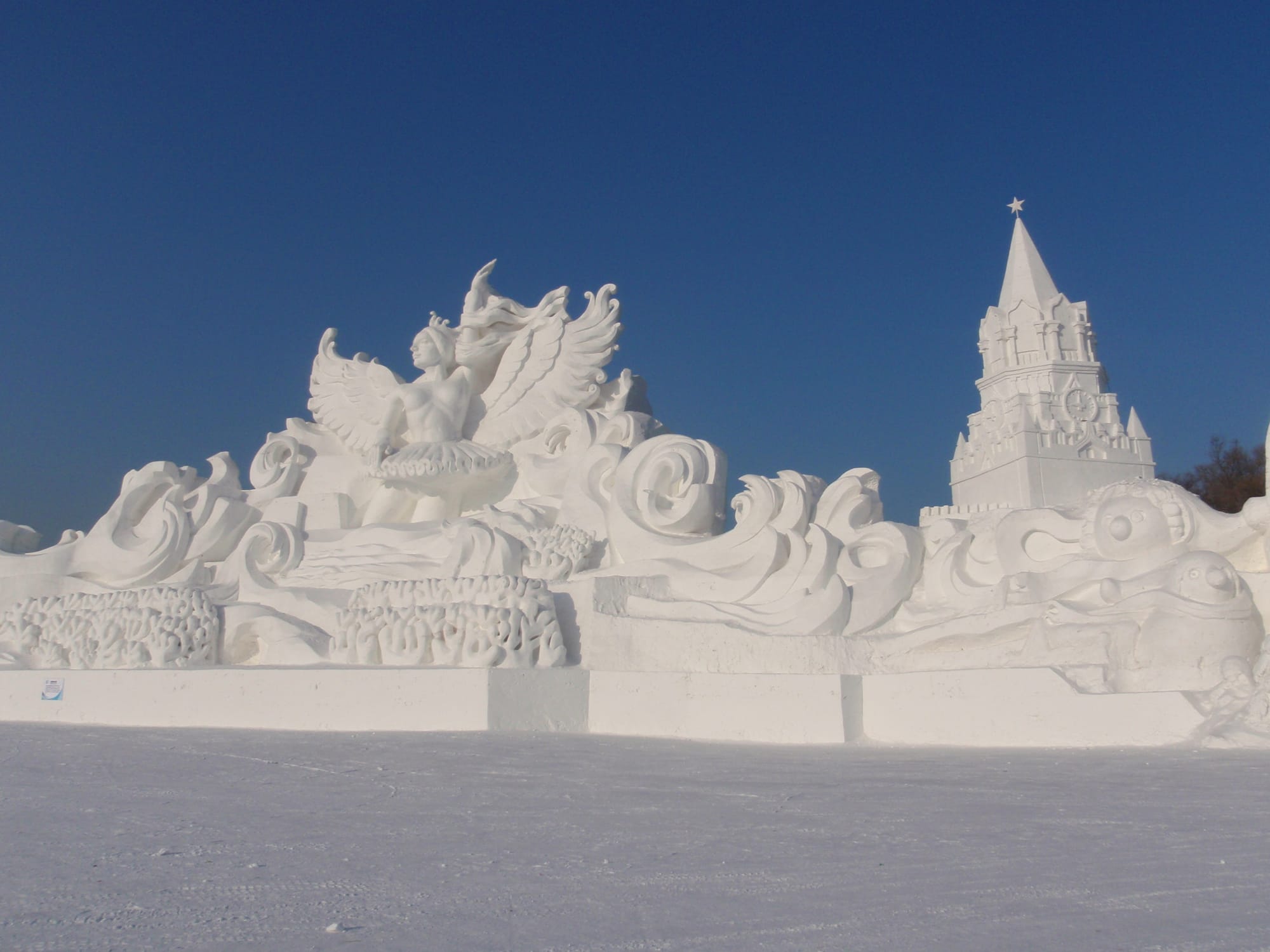
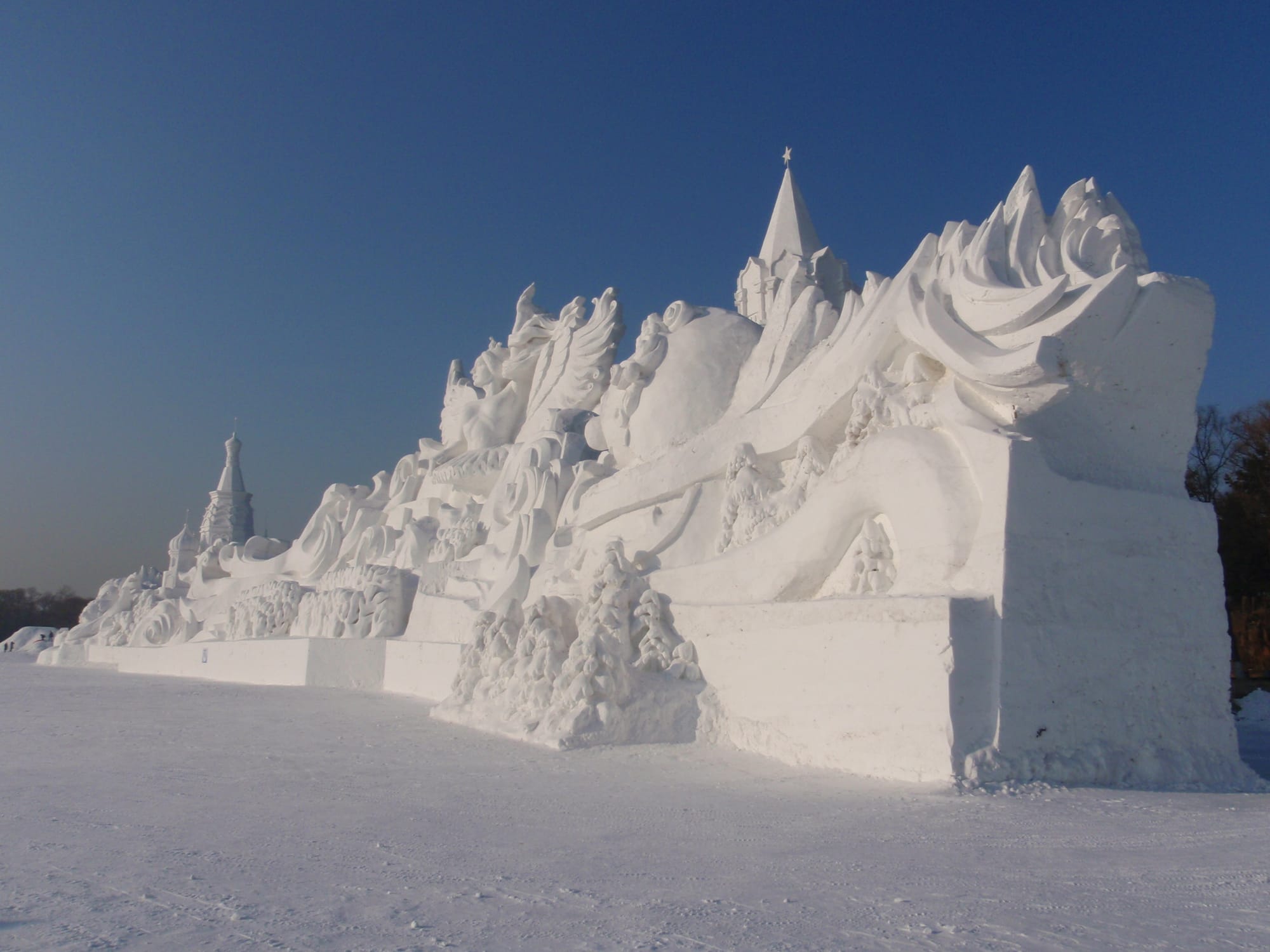
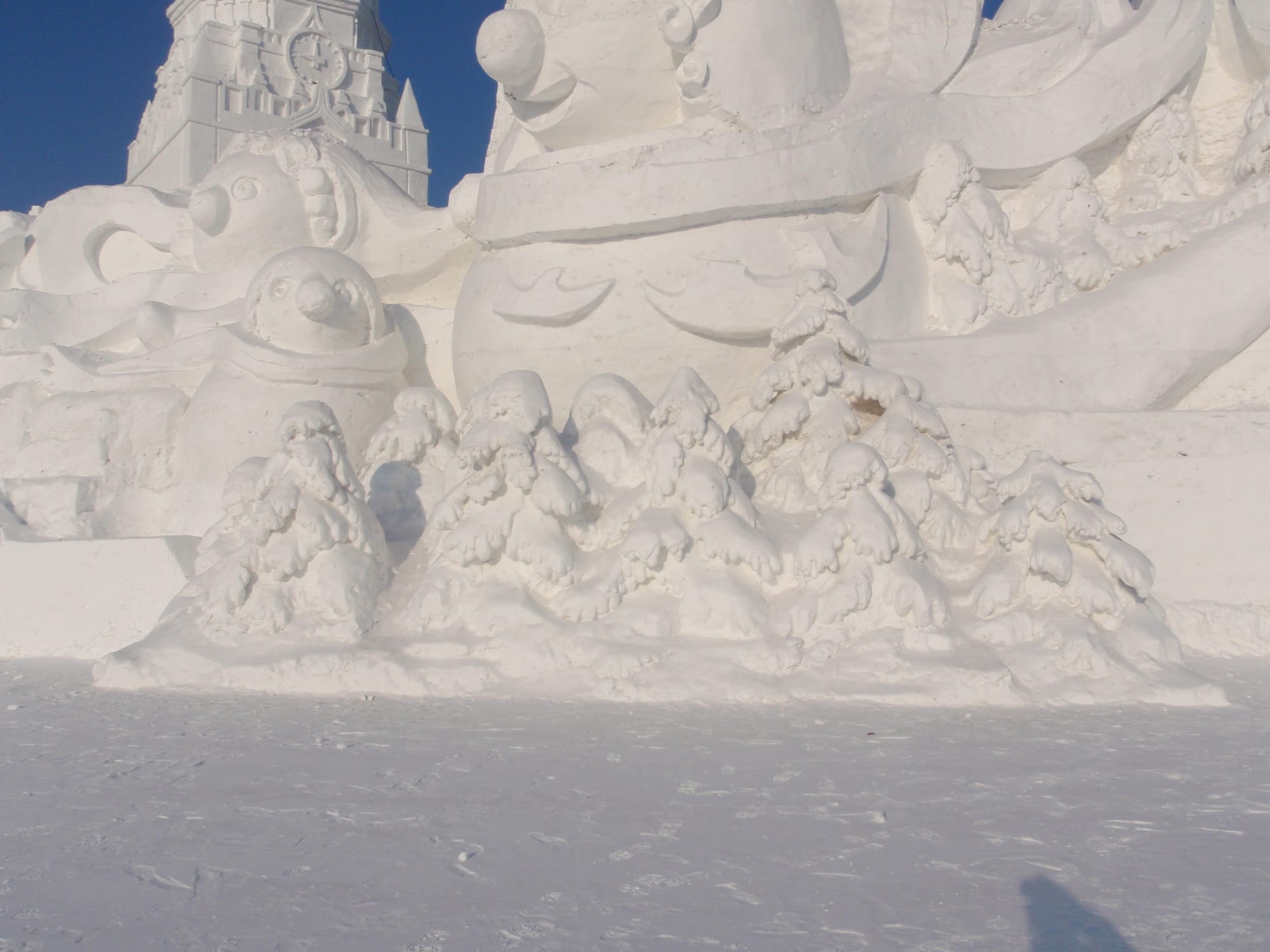
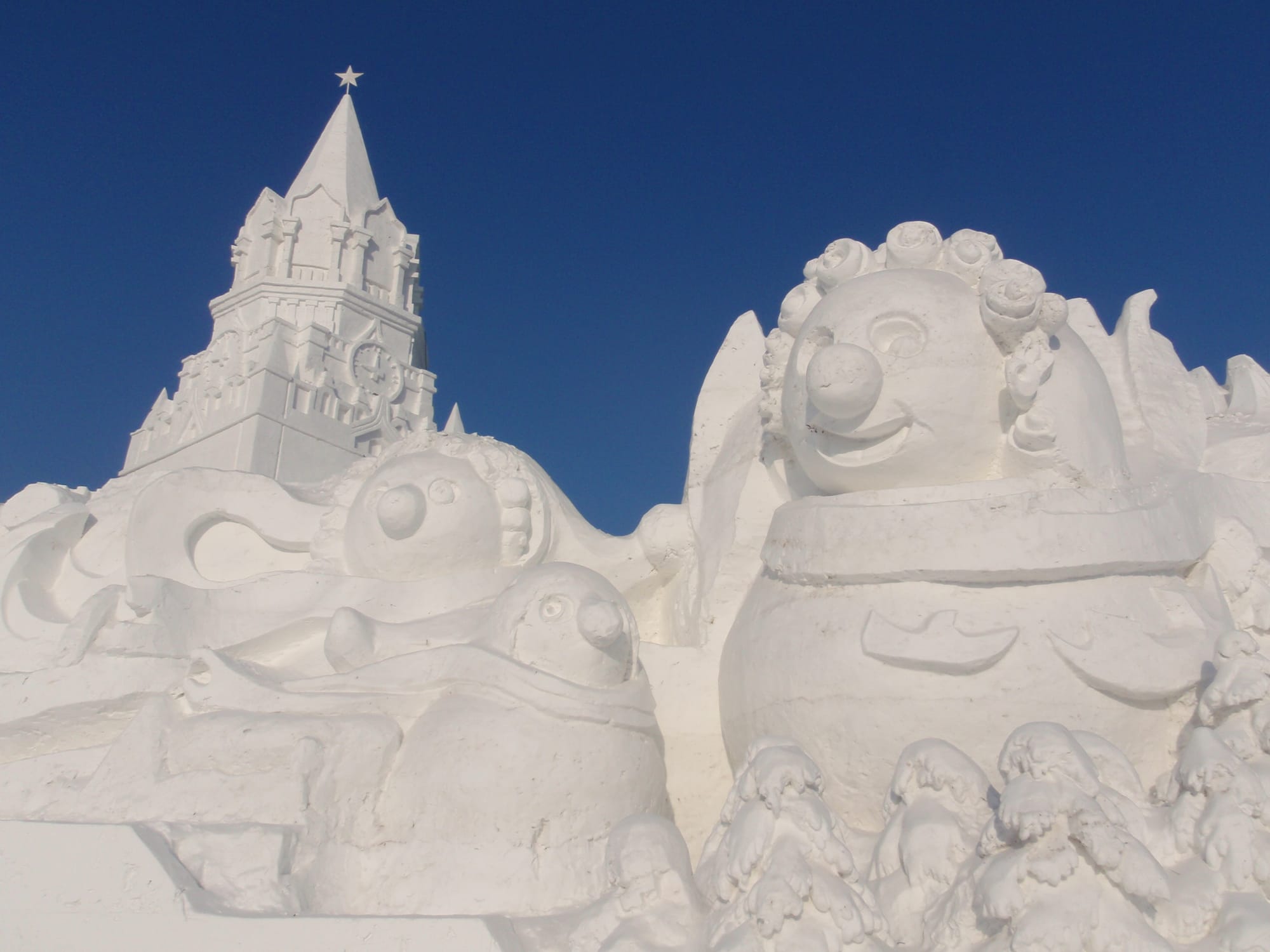
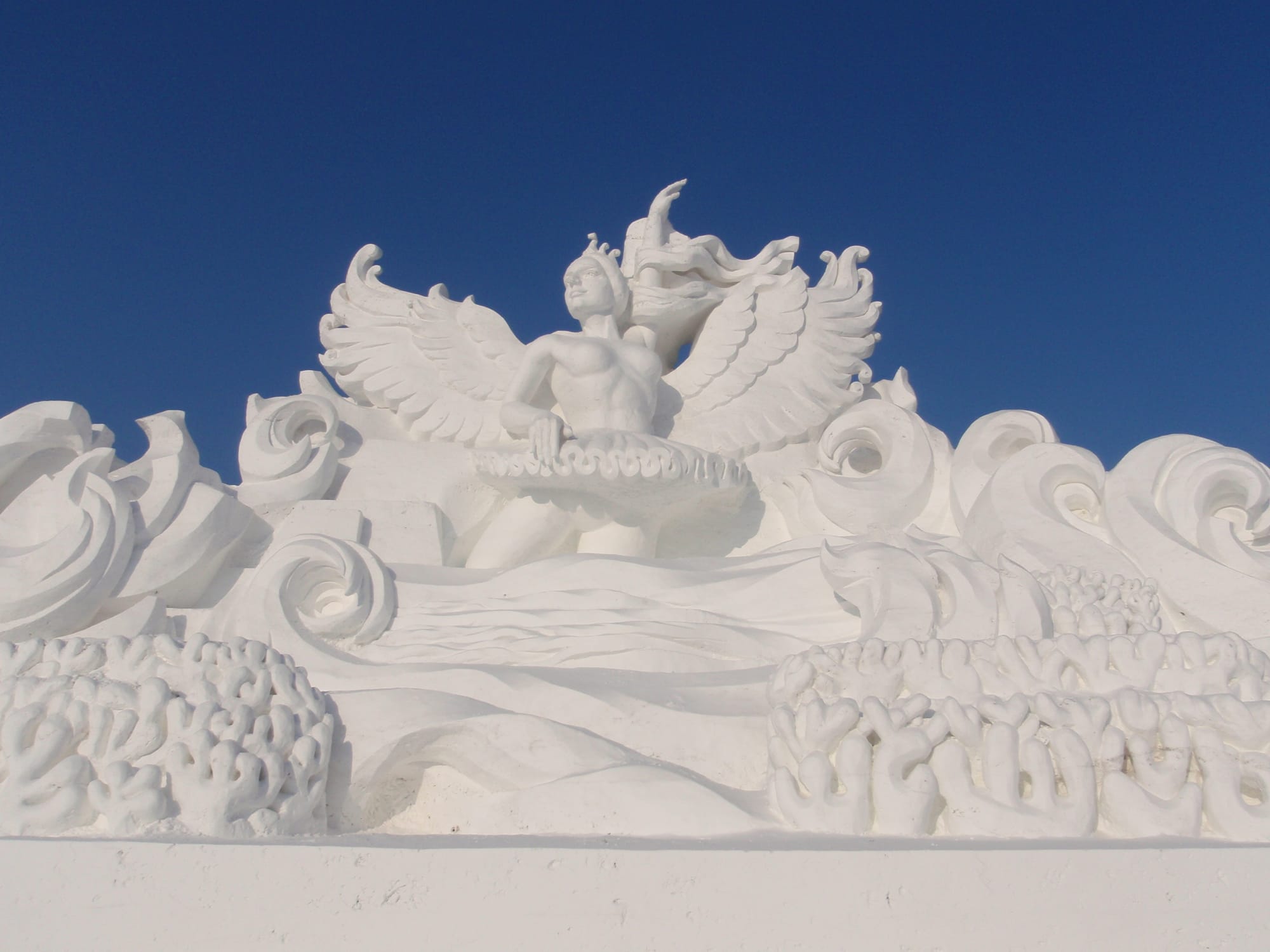
In winter, the island transforms into a vast, white canvas for international artists where it hosts the annual Snow Sculpture Art Exposition, featuring massive and intricate sculptures. Many depict towering figures, historical scenes and architectural replicas, often record-breaking in size and detail.
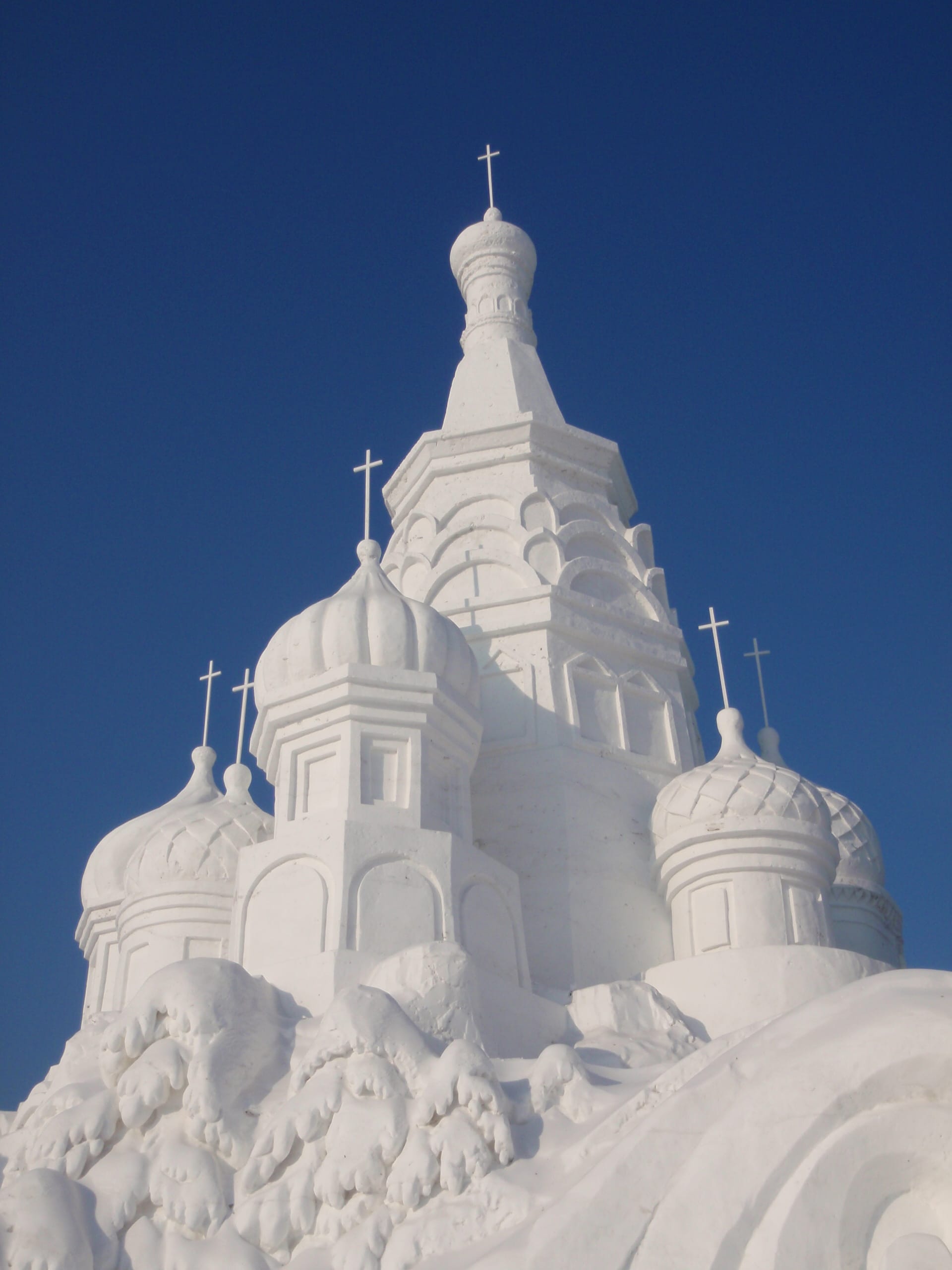
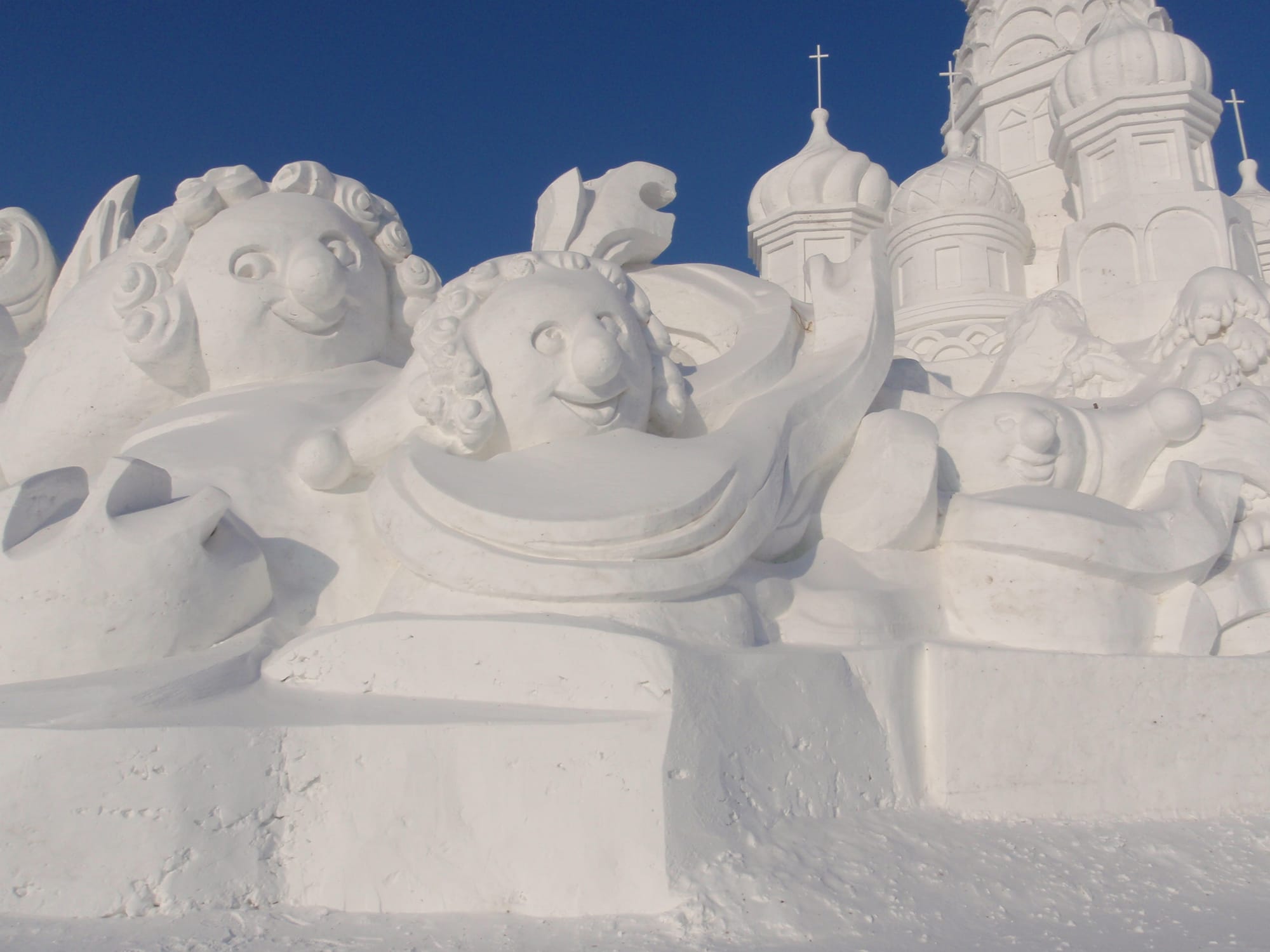
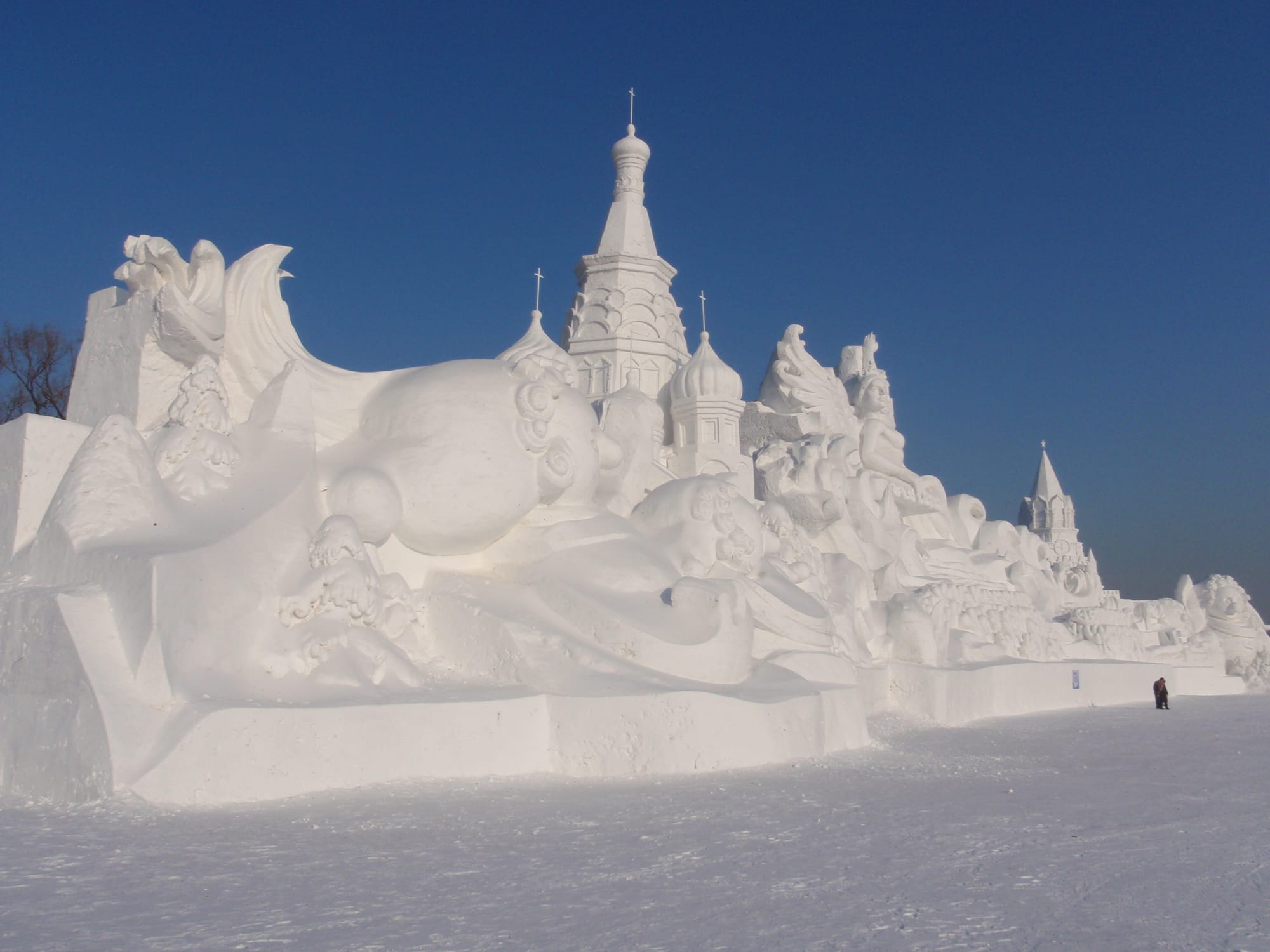
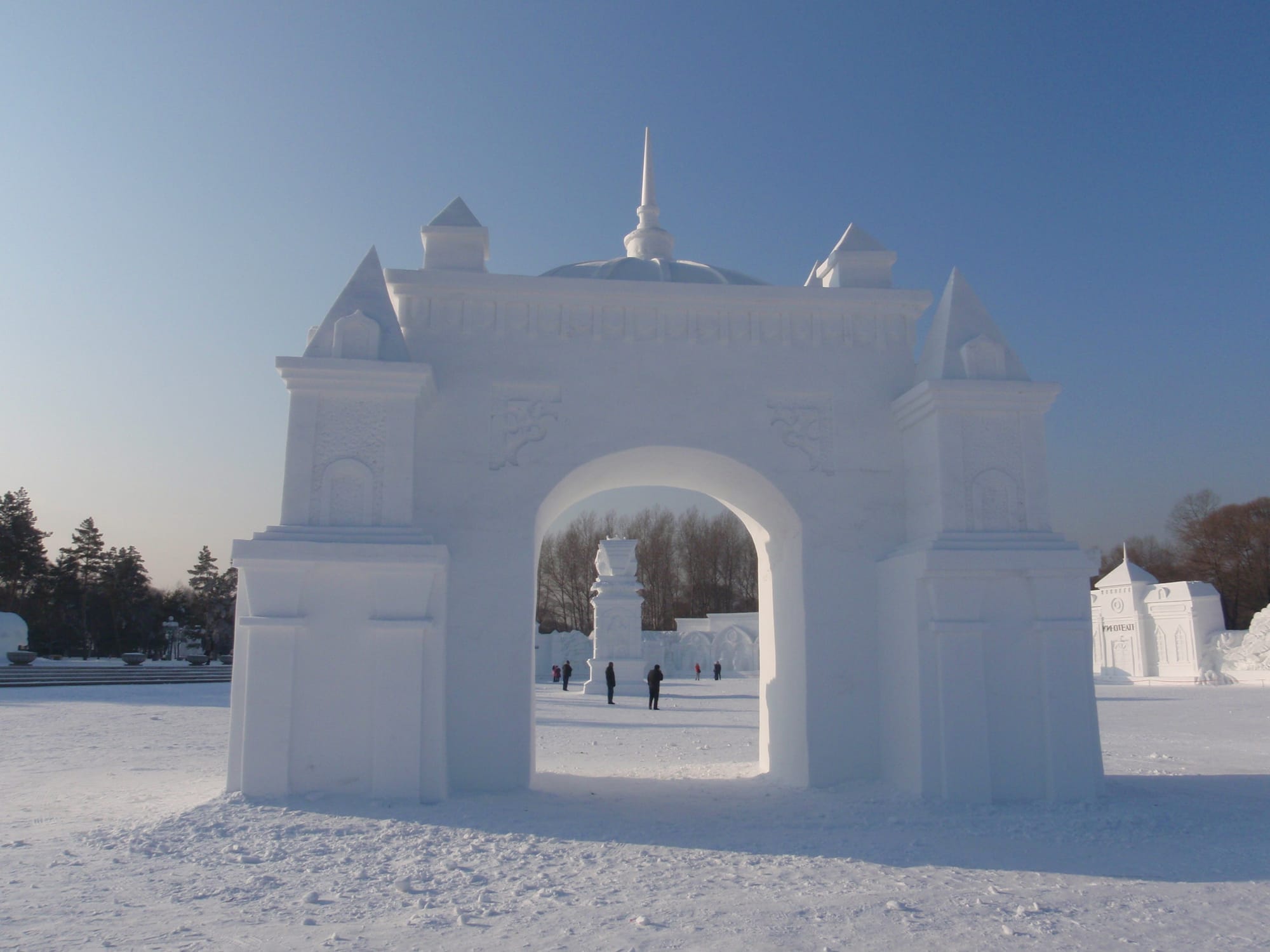
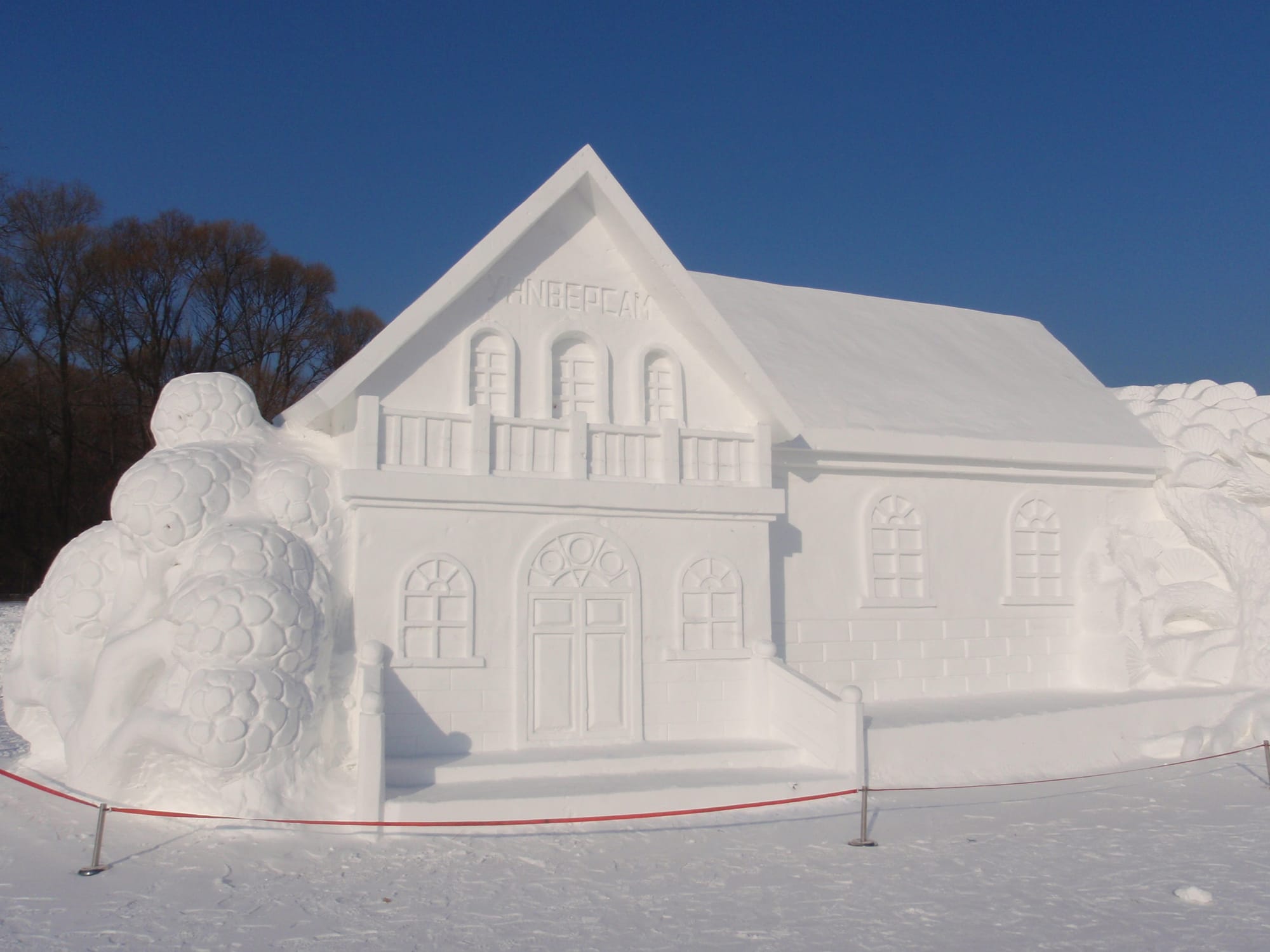
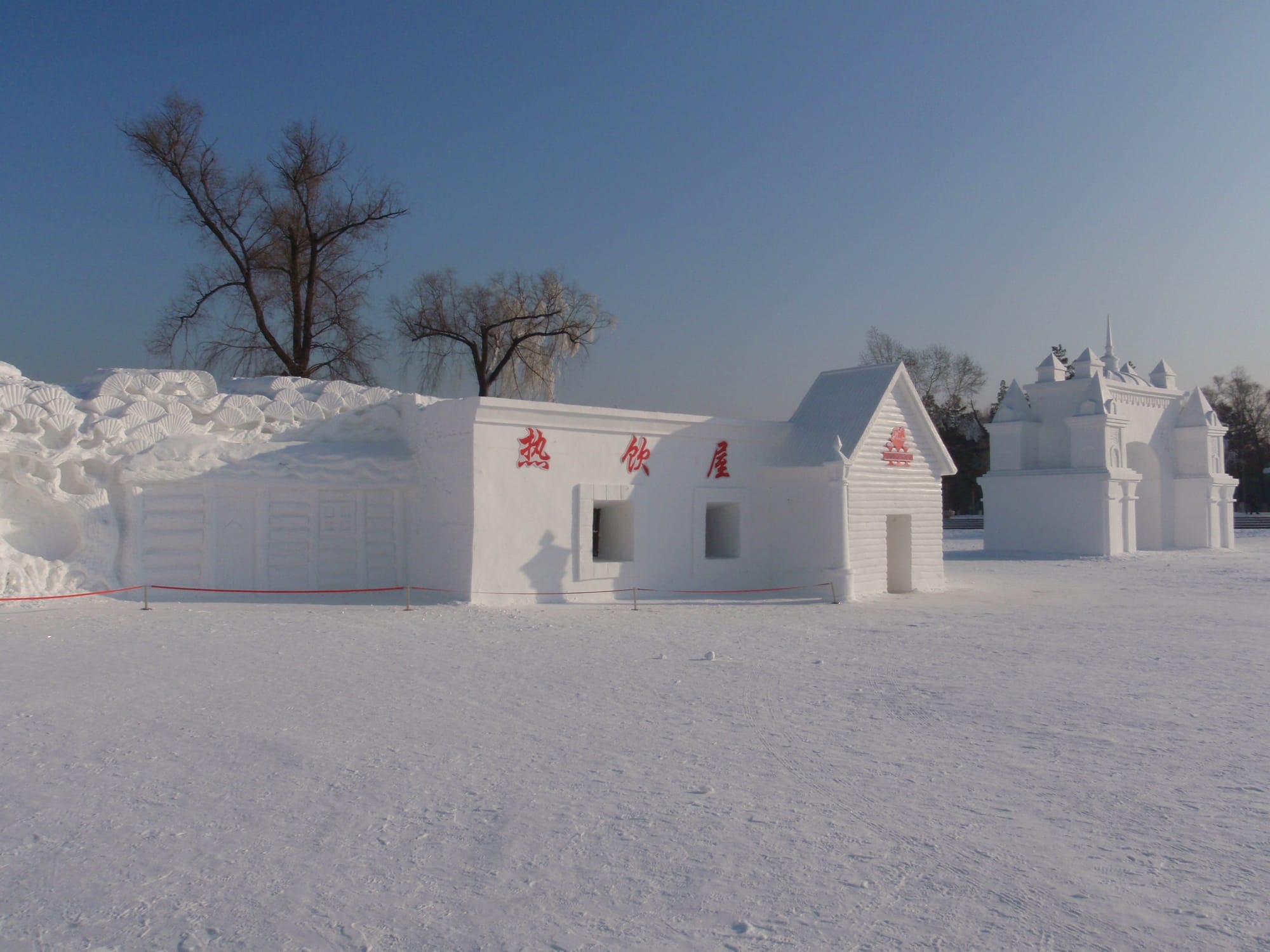
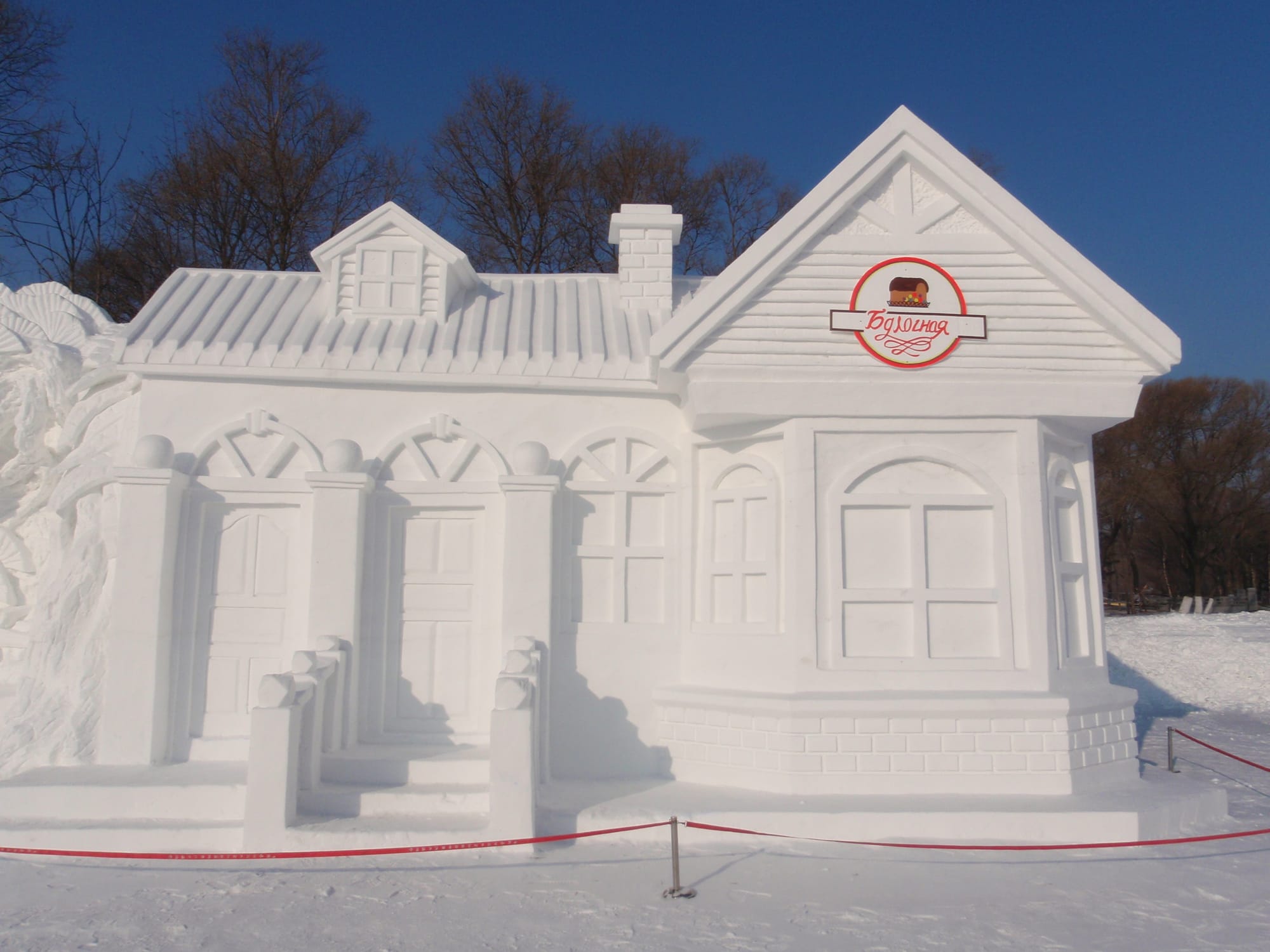
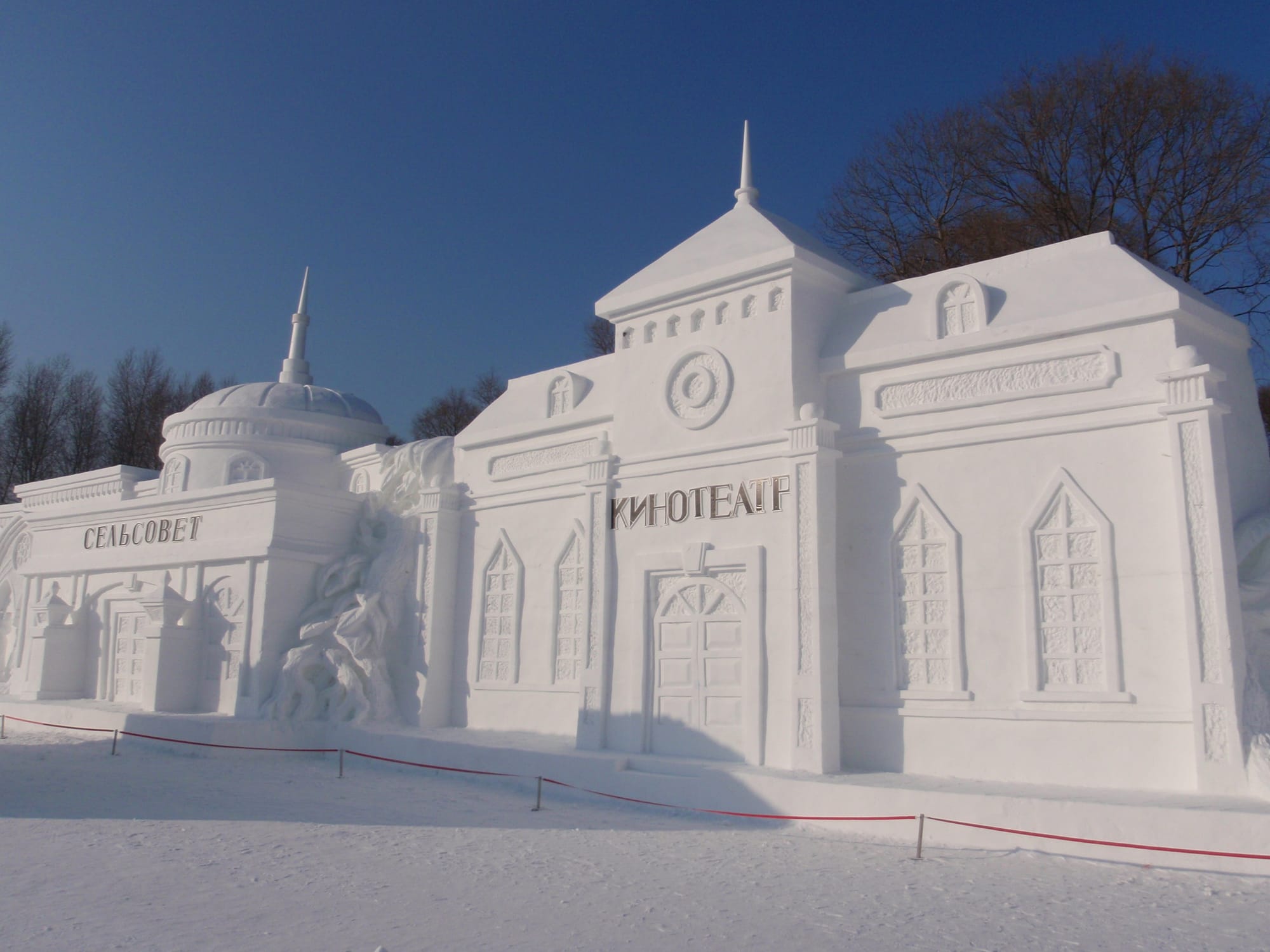
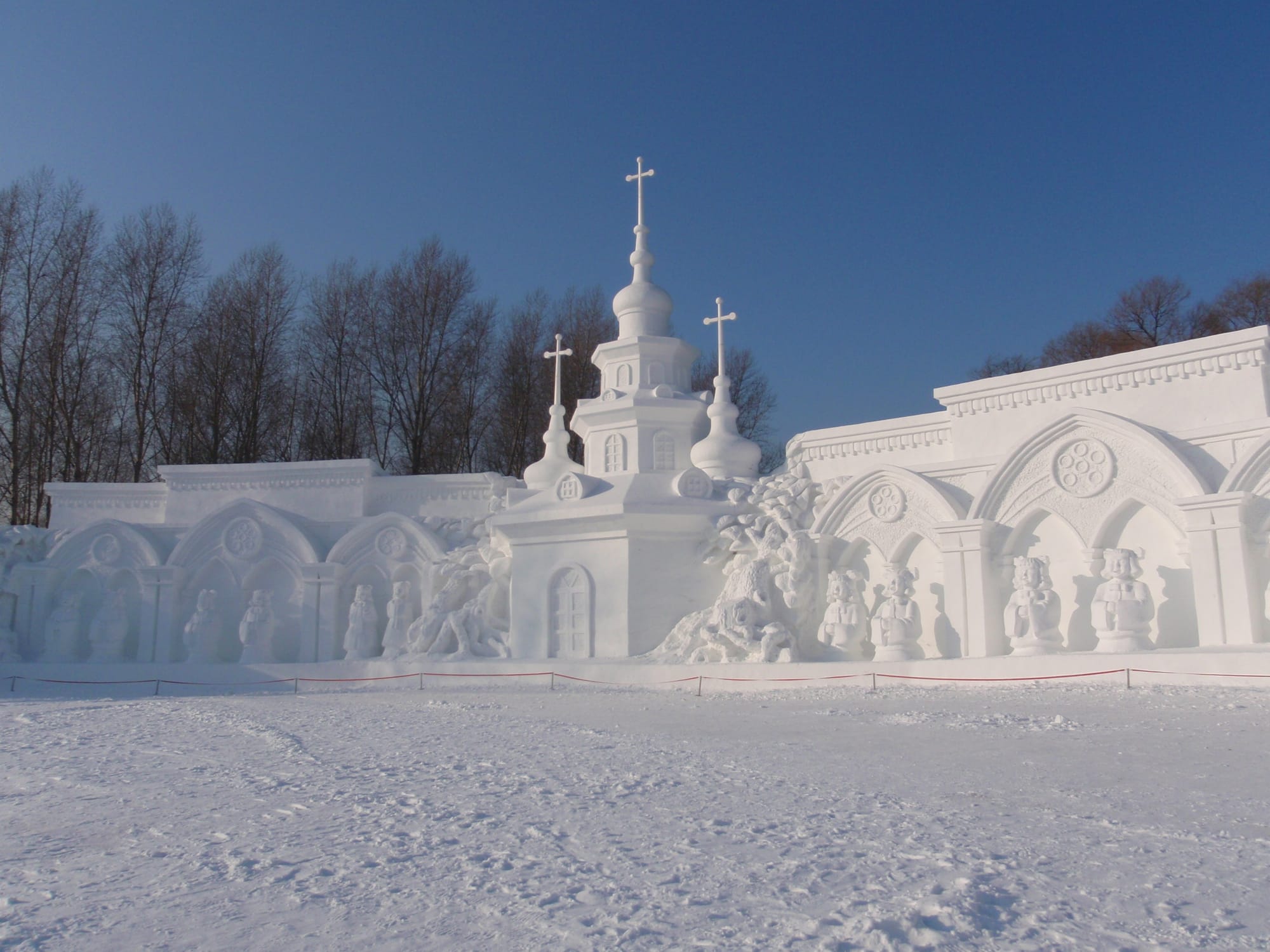
Unlike the illuminated, translucent ice creations at the Ice and Snow World, Sun Island highlights the pure artistry of pristine snow, offering a unique visual experience.
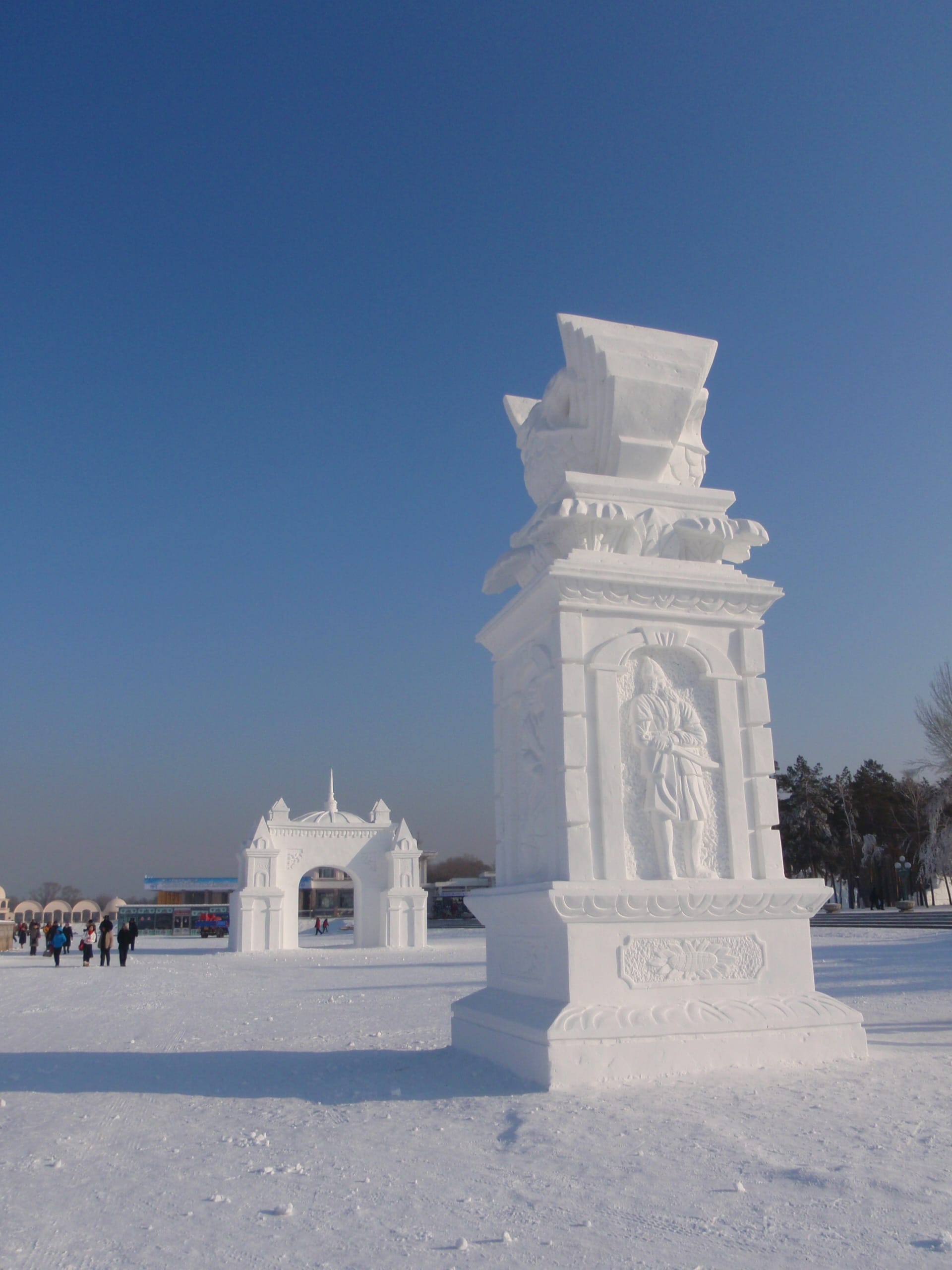
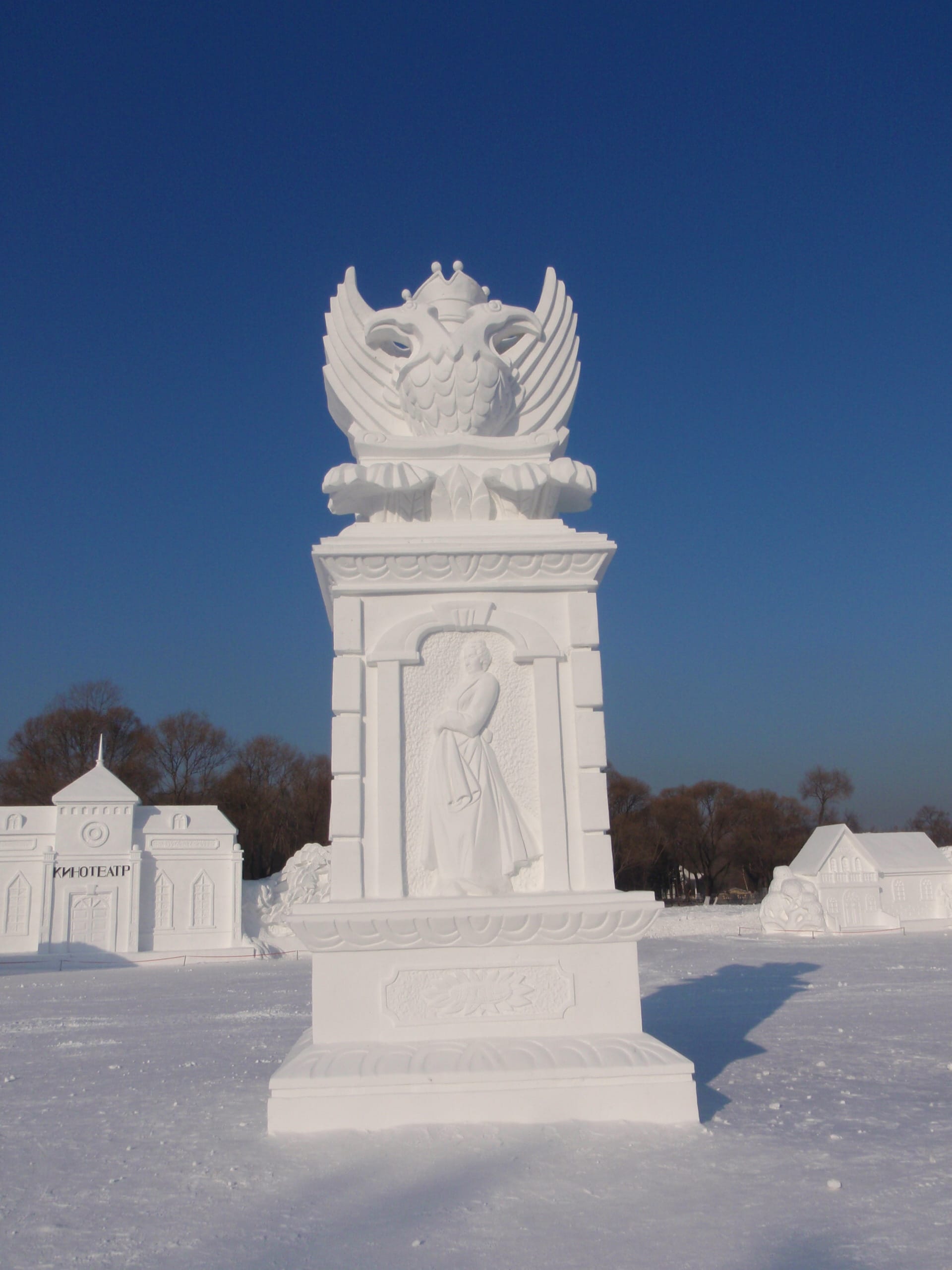
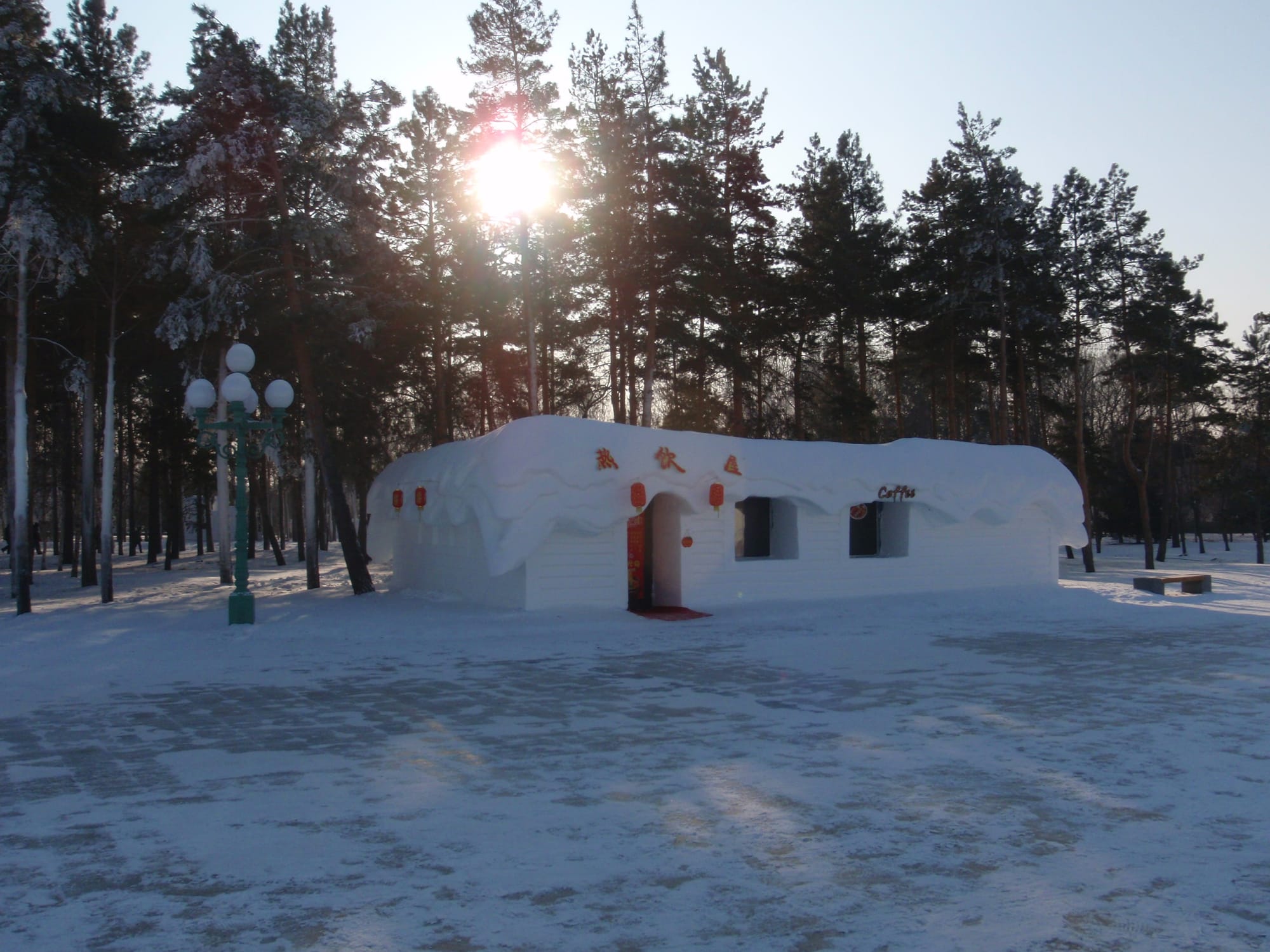
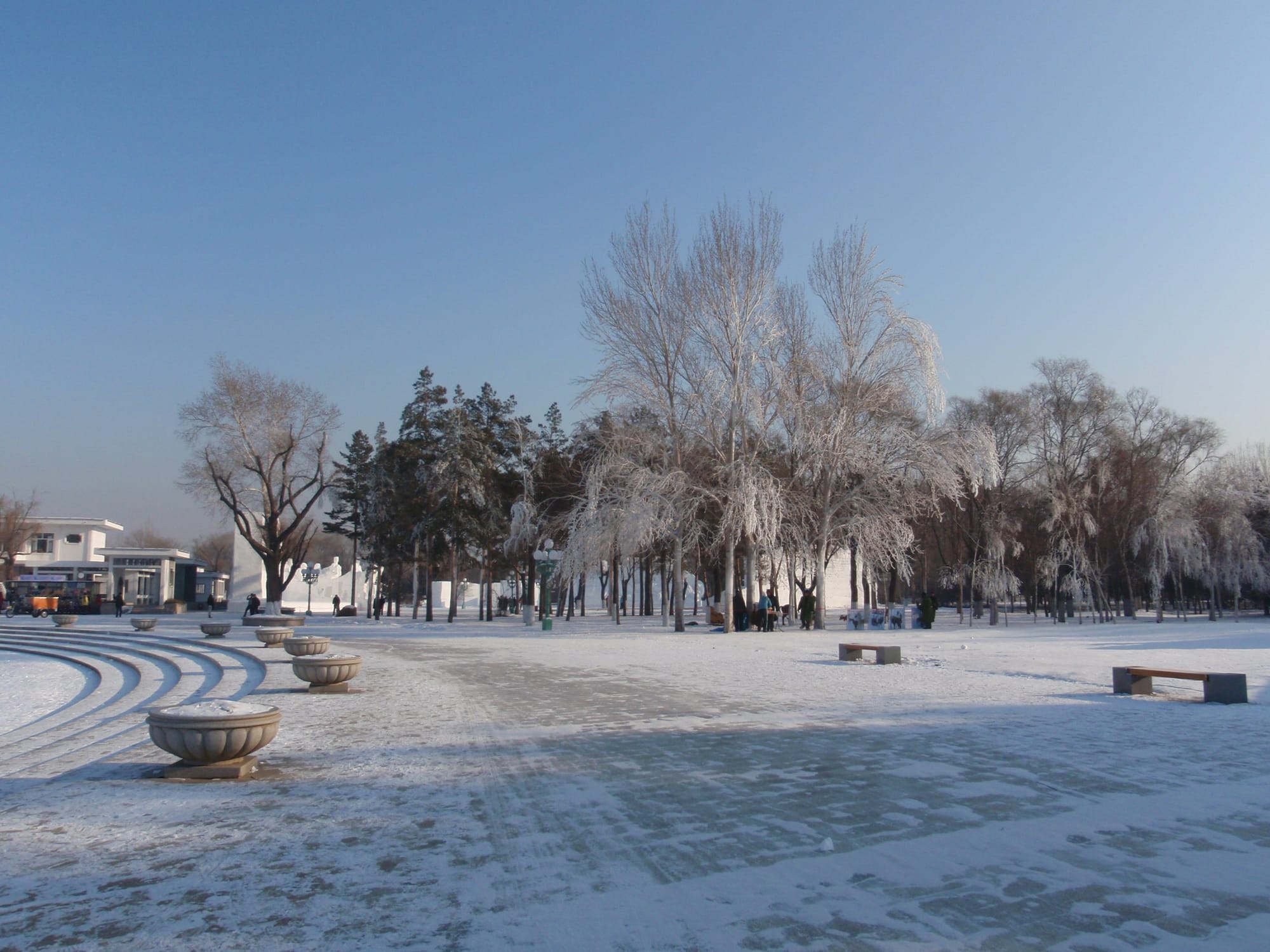
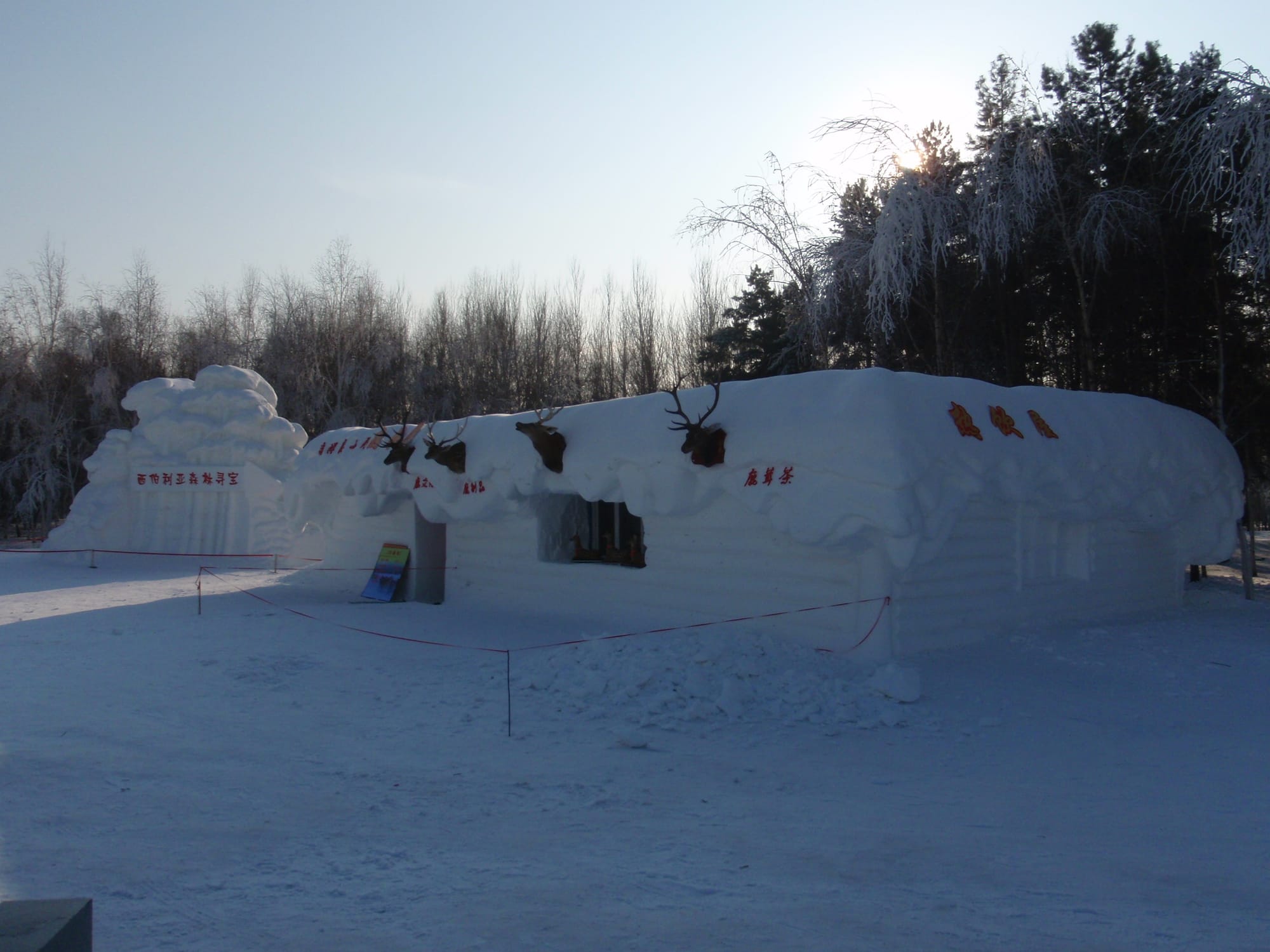
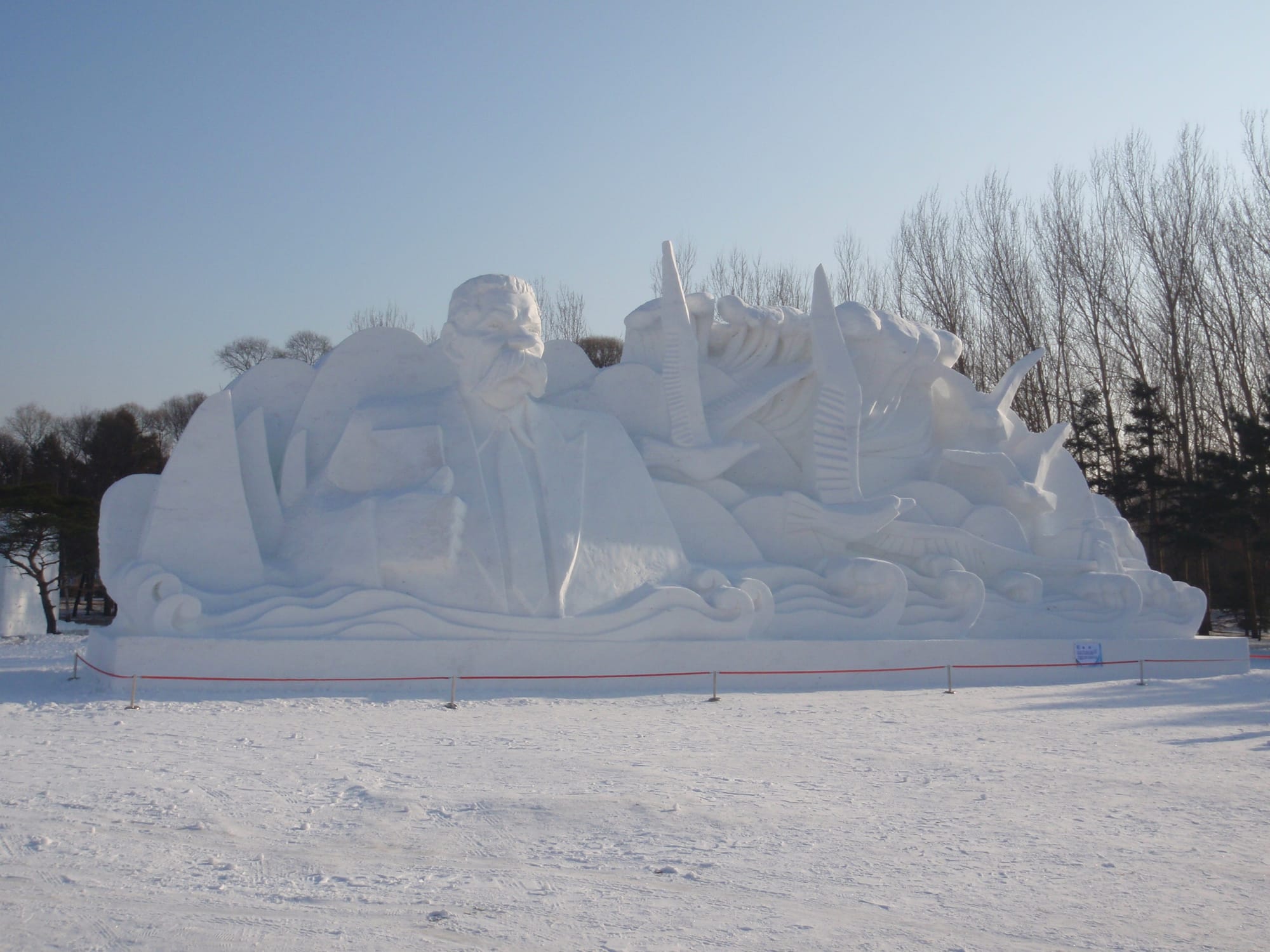
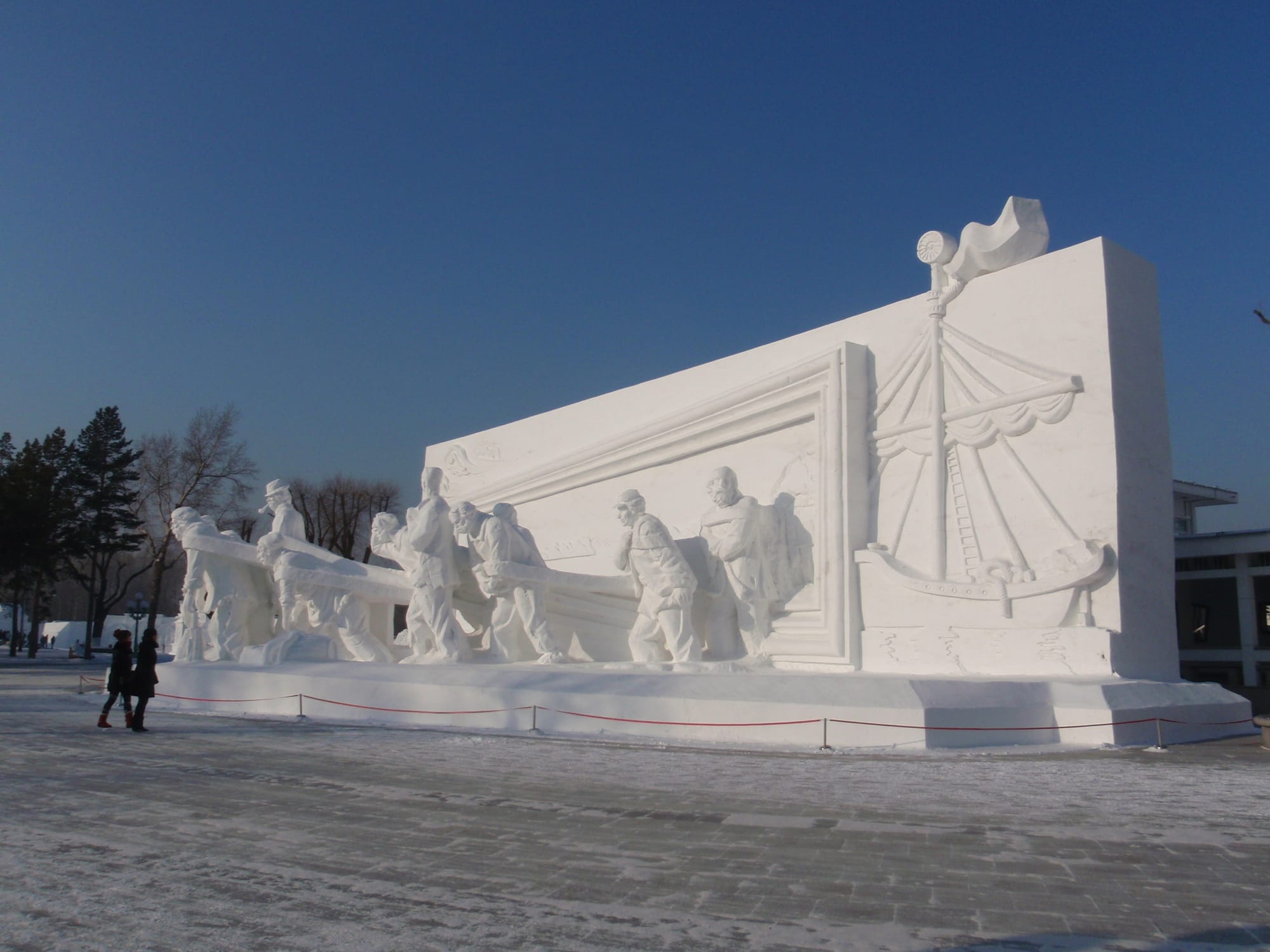
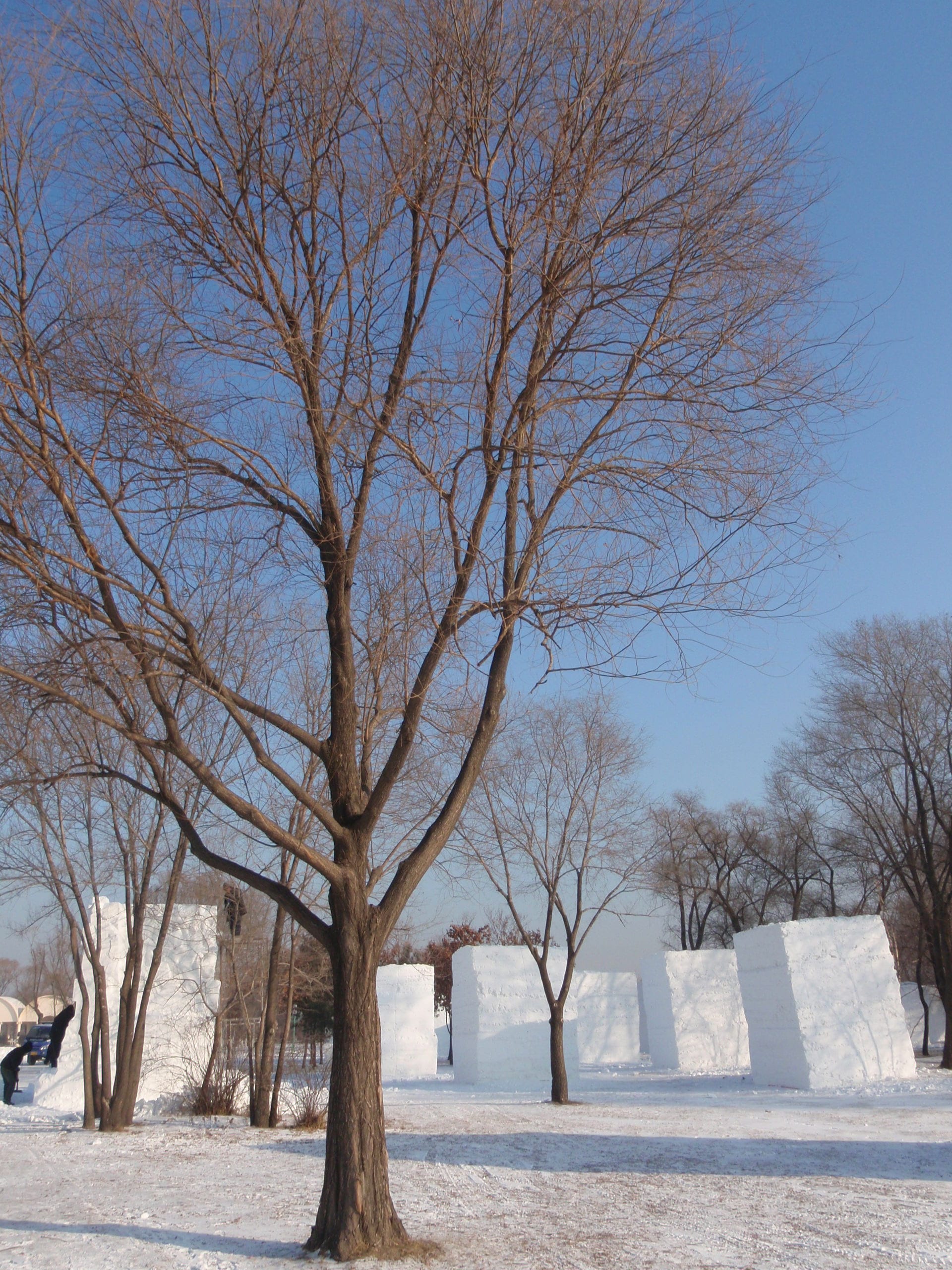
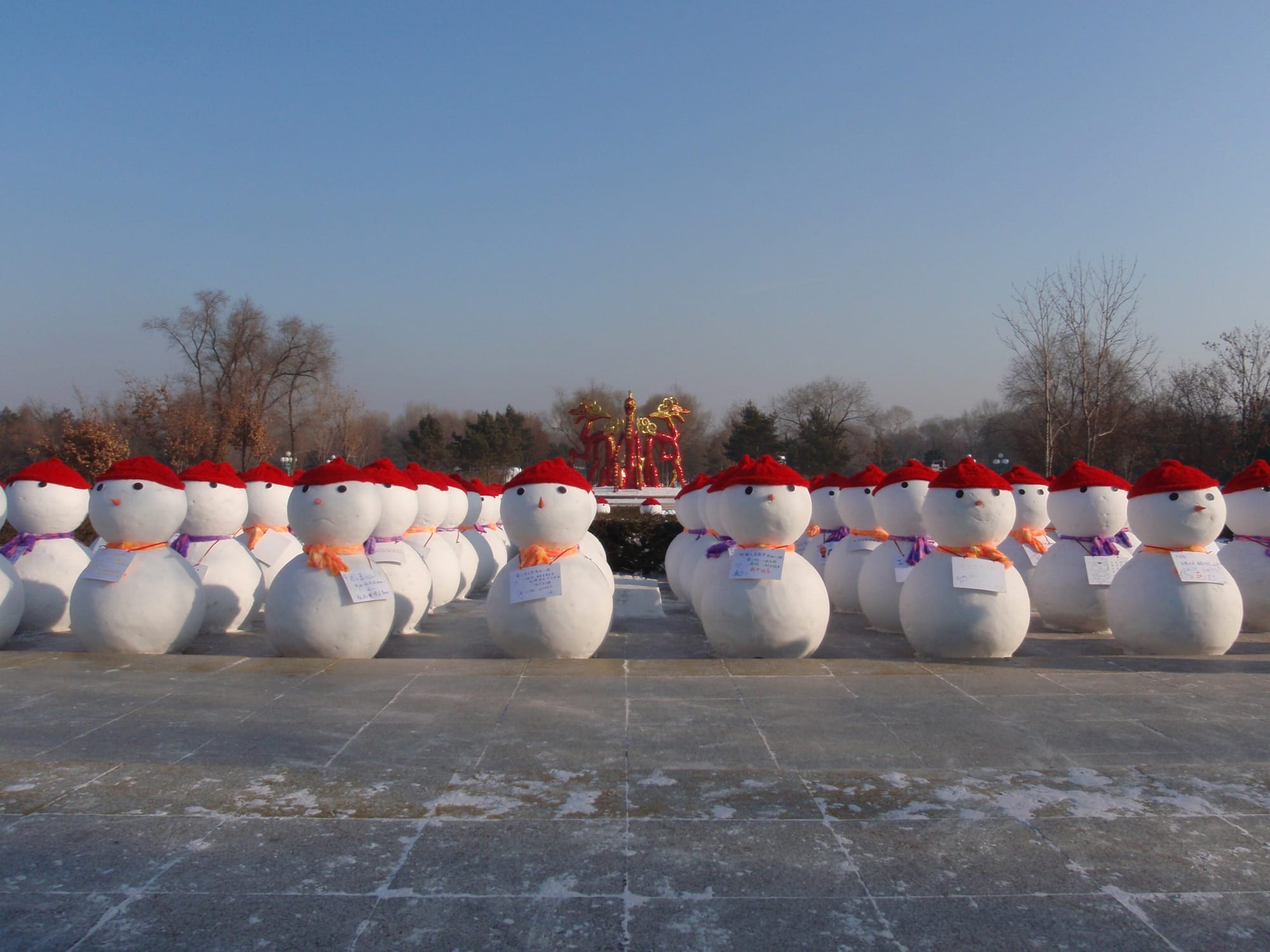
The frozen landscape also invites visitors to enjoy sledding, recreational snow play and other seasonal activities, making it a complete winter destination.
Zhaolin Park (兆麟公园)
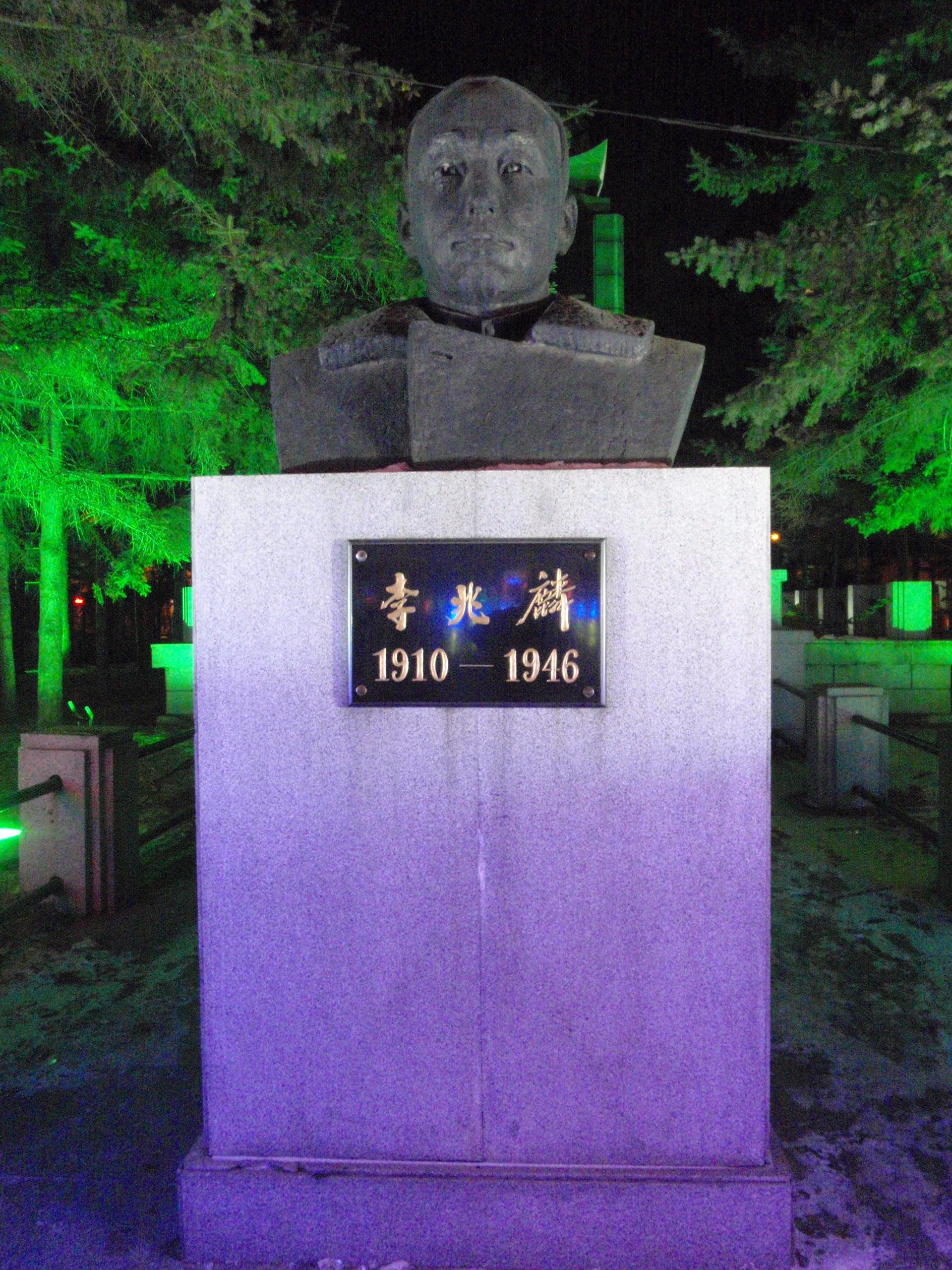
Zhaolin Park is a historic park in the heart of Harbin's Daoli District, renowned as the birthplace and main venue of the traditional Harbin Ice Lantern Exhibition. Each winter, it comes alive as a dazzling showcase of artistry, colour and light.
During the Harbin International Ice and Snow Festival, Zhaolin Park hosts the Ice Lantern Garden Party, a vital part of the city’s winter celebrations.
This event marks the original seed of Harbin's massive Ice Festival, dating back to the early 1960s when local fishermen and villagers used simple ice blocks with candles as portable lanterns.
Unlike the monumental ice structures at Ice and Snow World, Zhaolin Park highlights smaller, intricately carved ice sculptures featuring flora, fauna, fictional characters and landscapes. Internal lighting brings each piece to life in a kaleidoscopic display.
The park offers a more focused and historic atmosphere, allowing visitors to appreciate the delicate craftsmanship and the tradition that gave birth to Harbin’s world-famous winter identity.
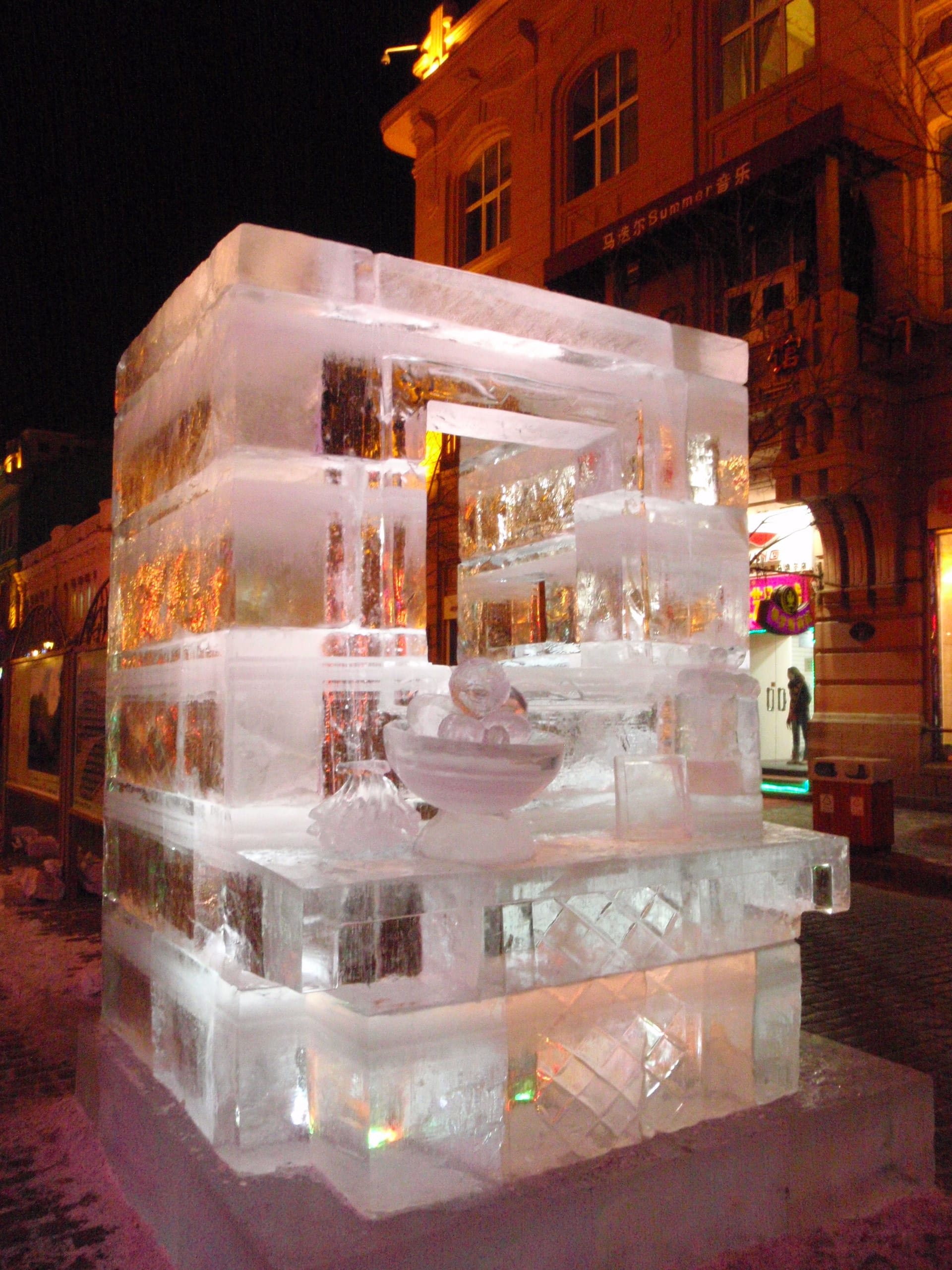
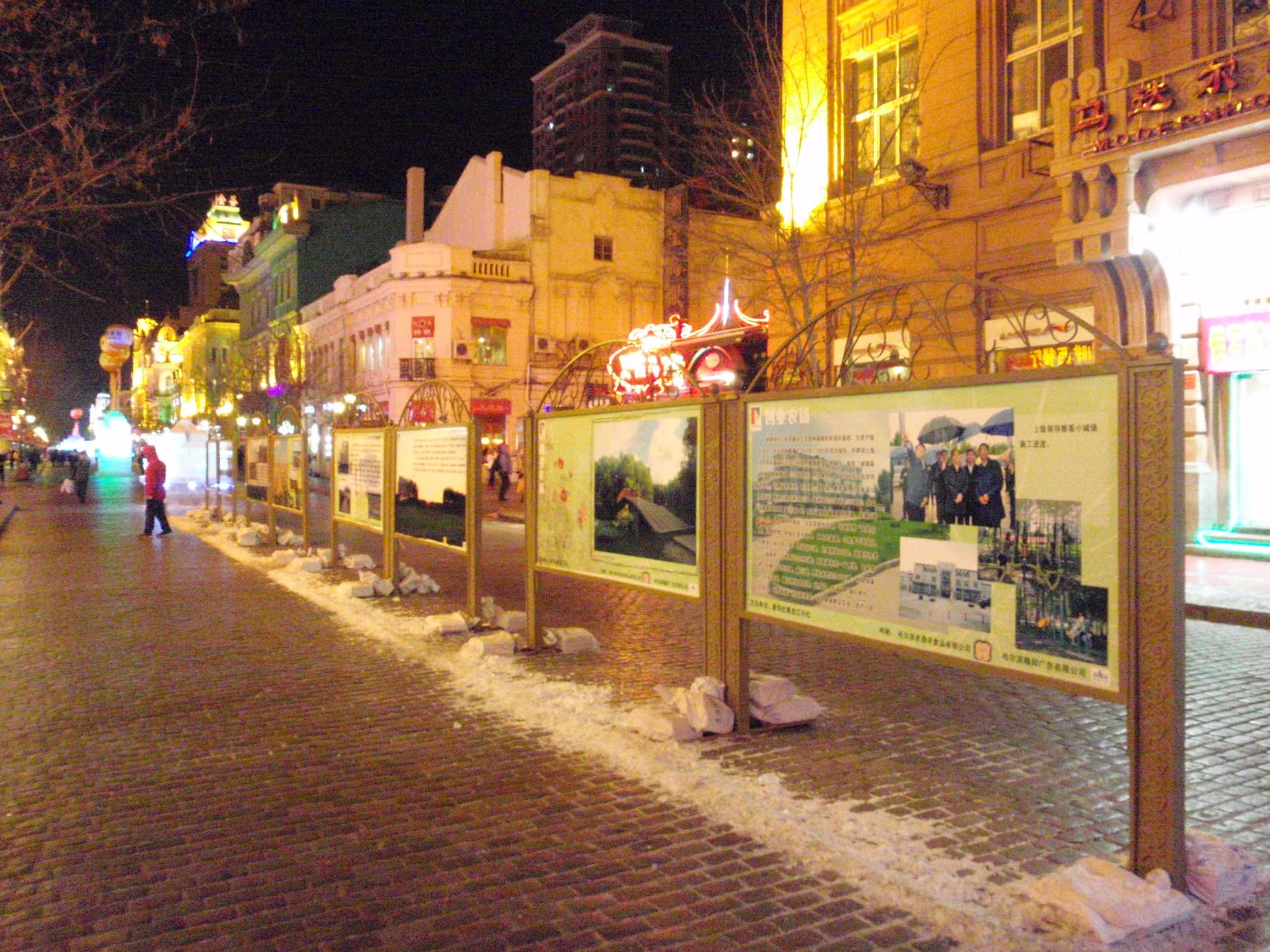
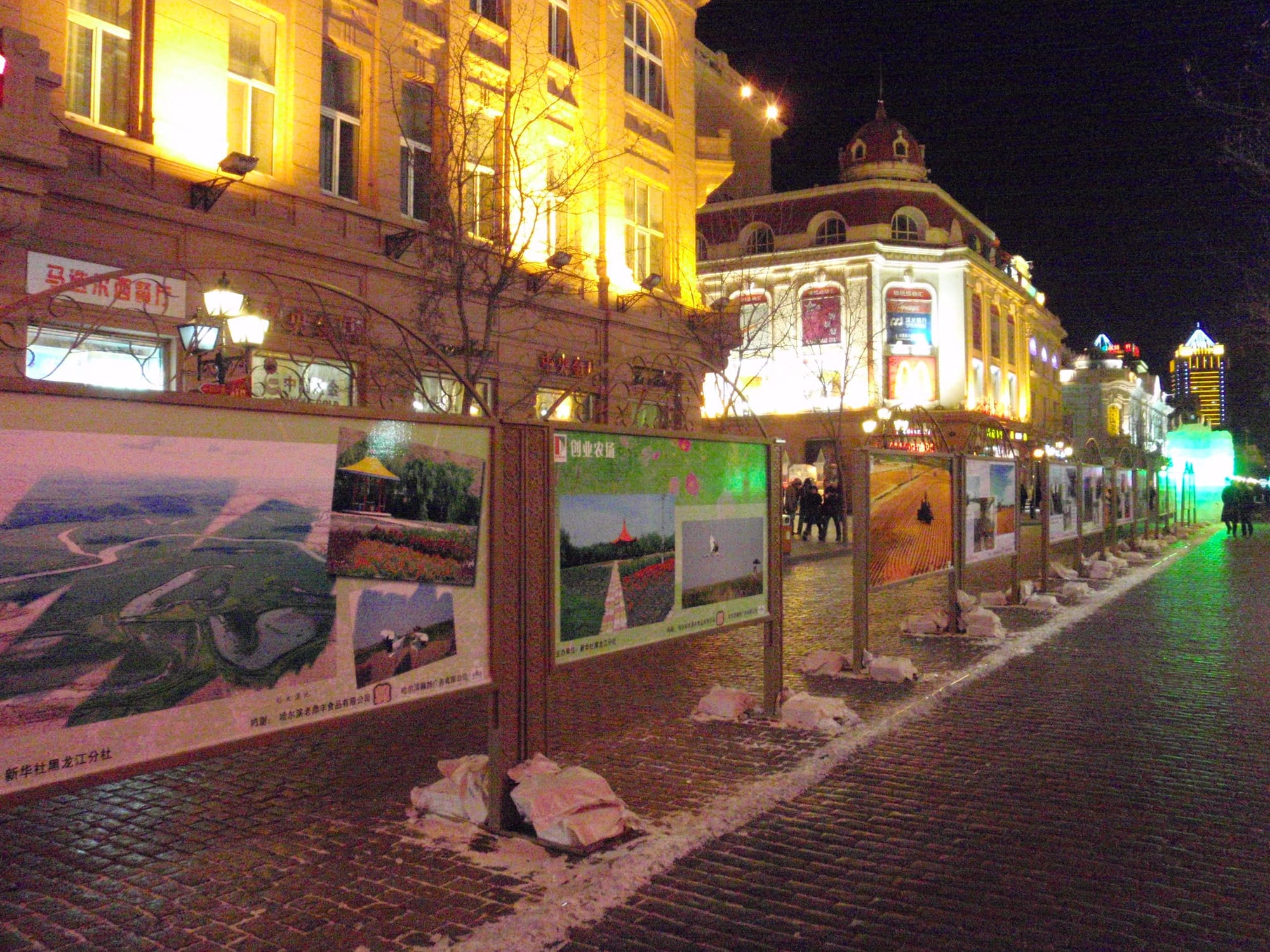
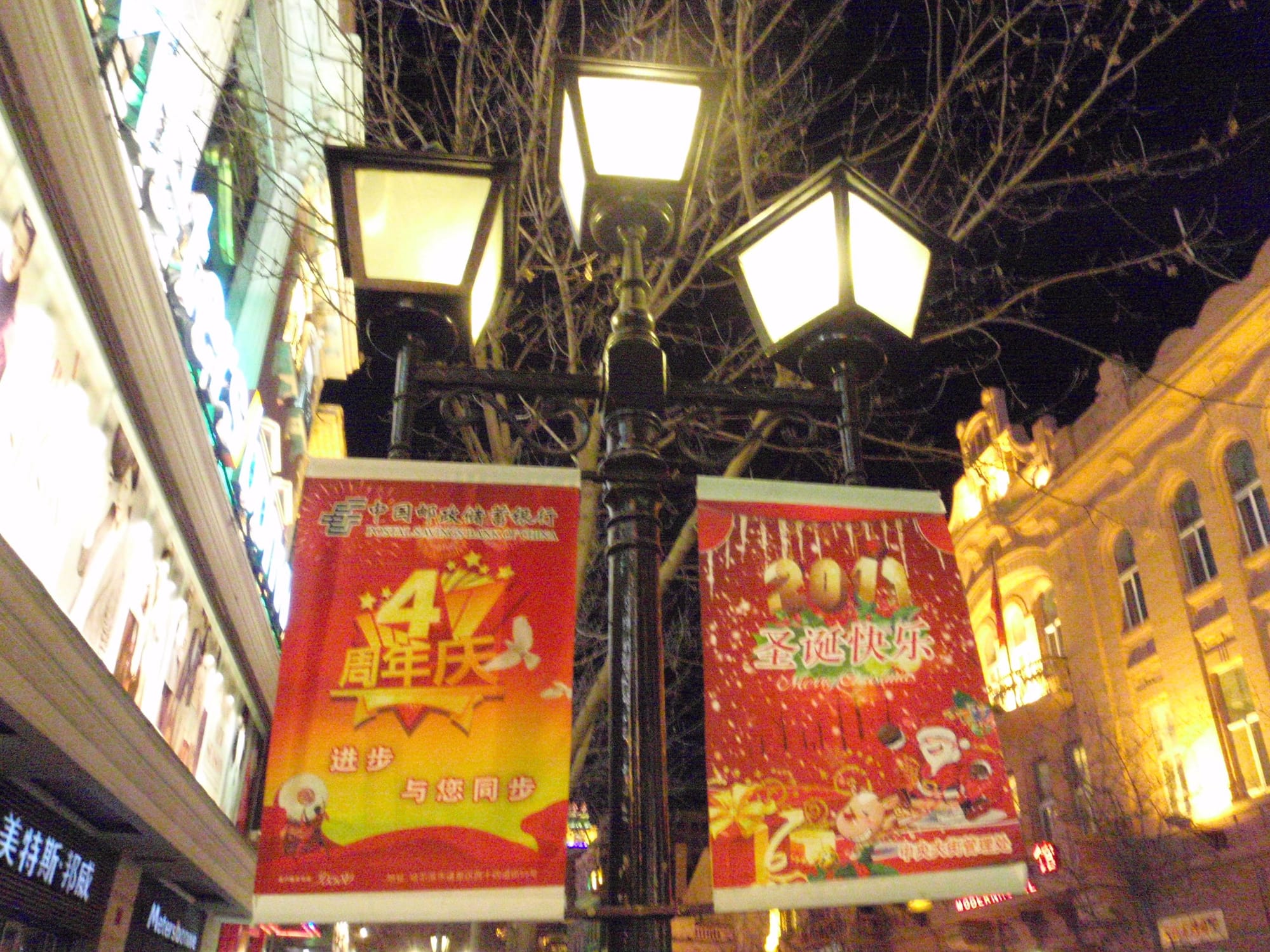
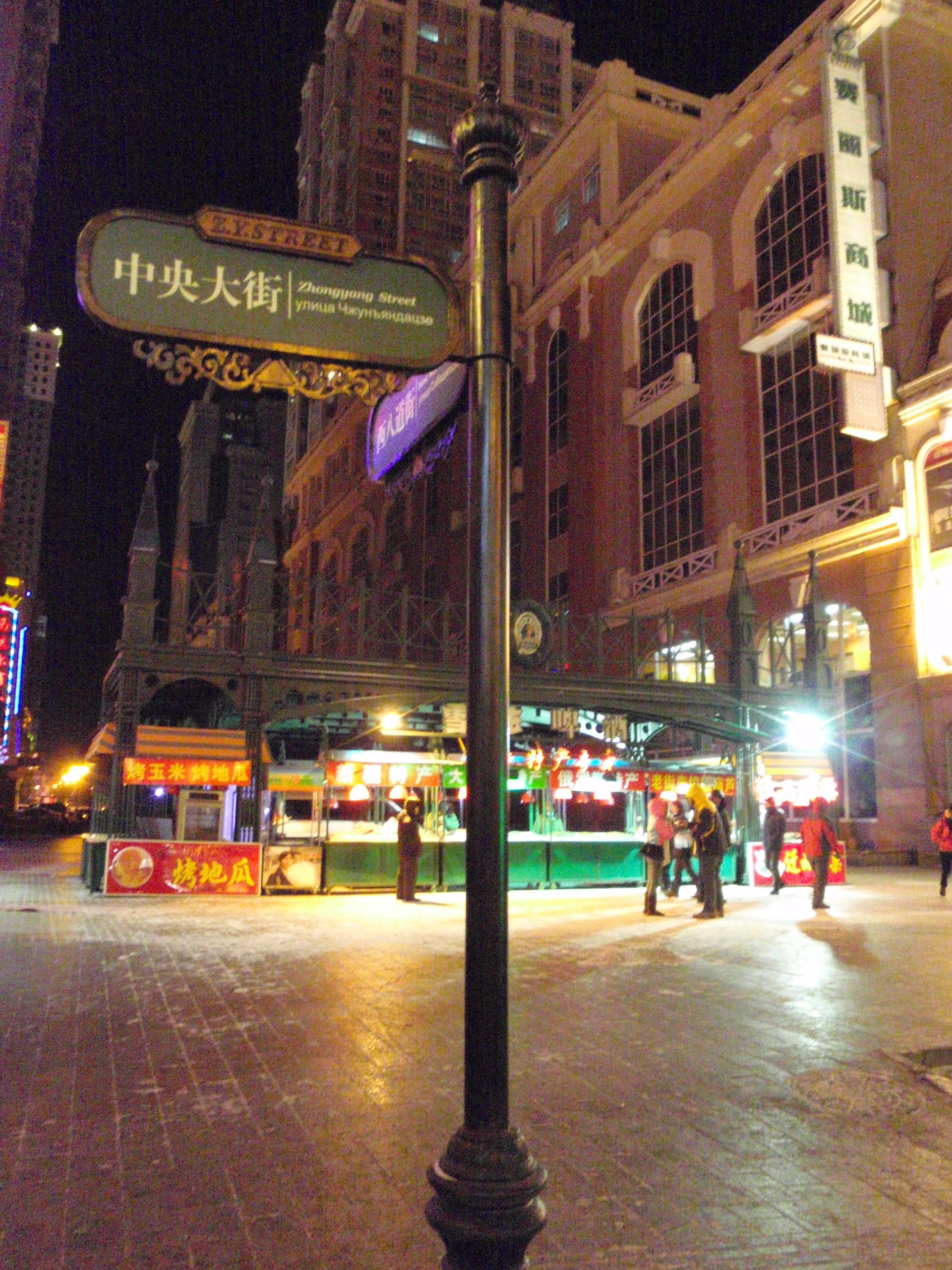
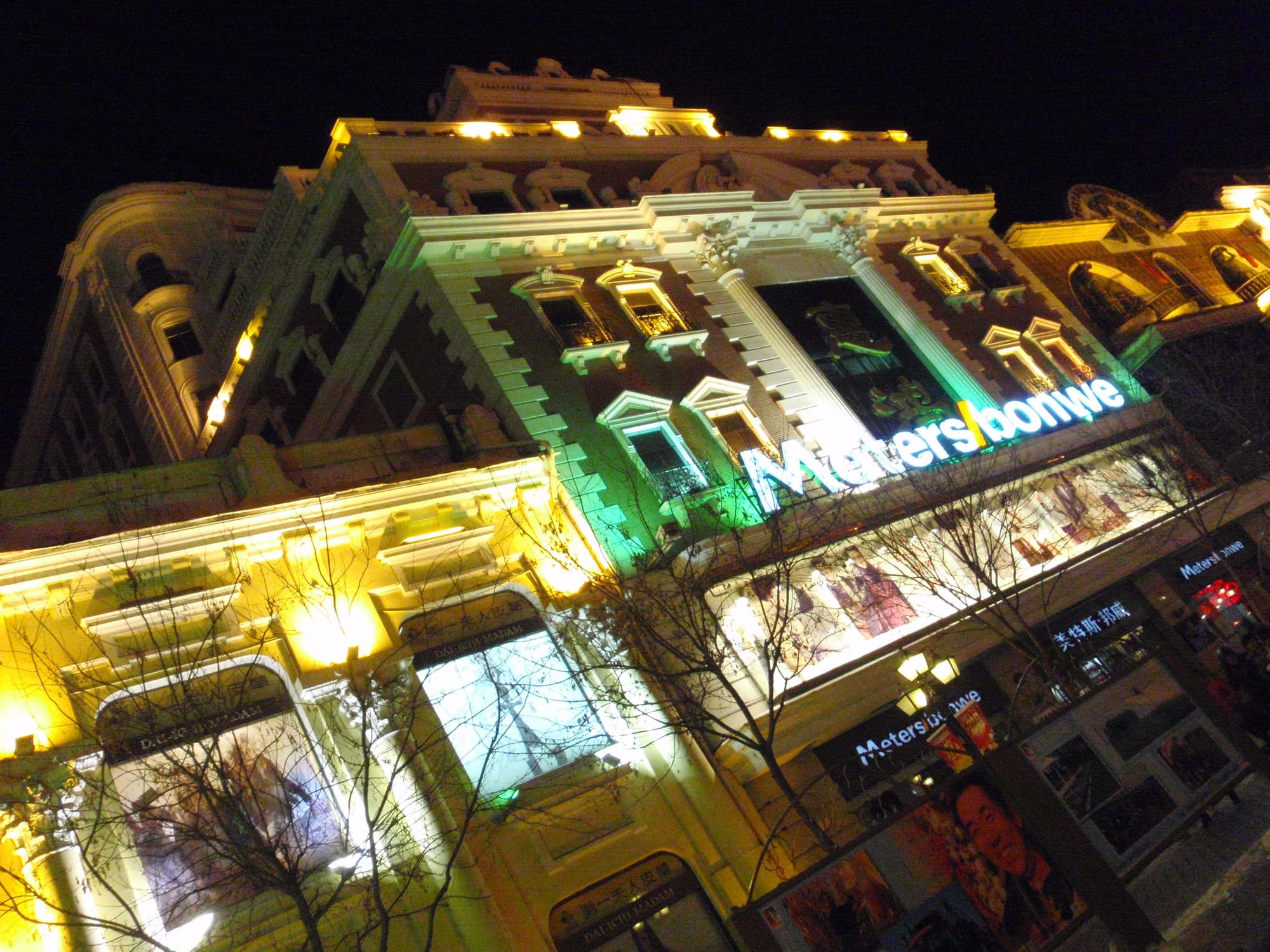
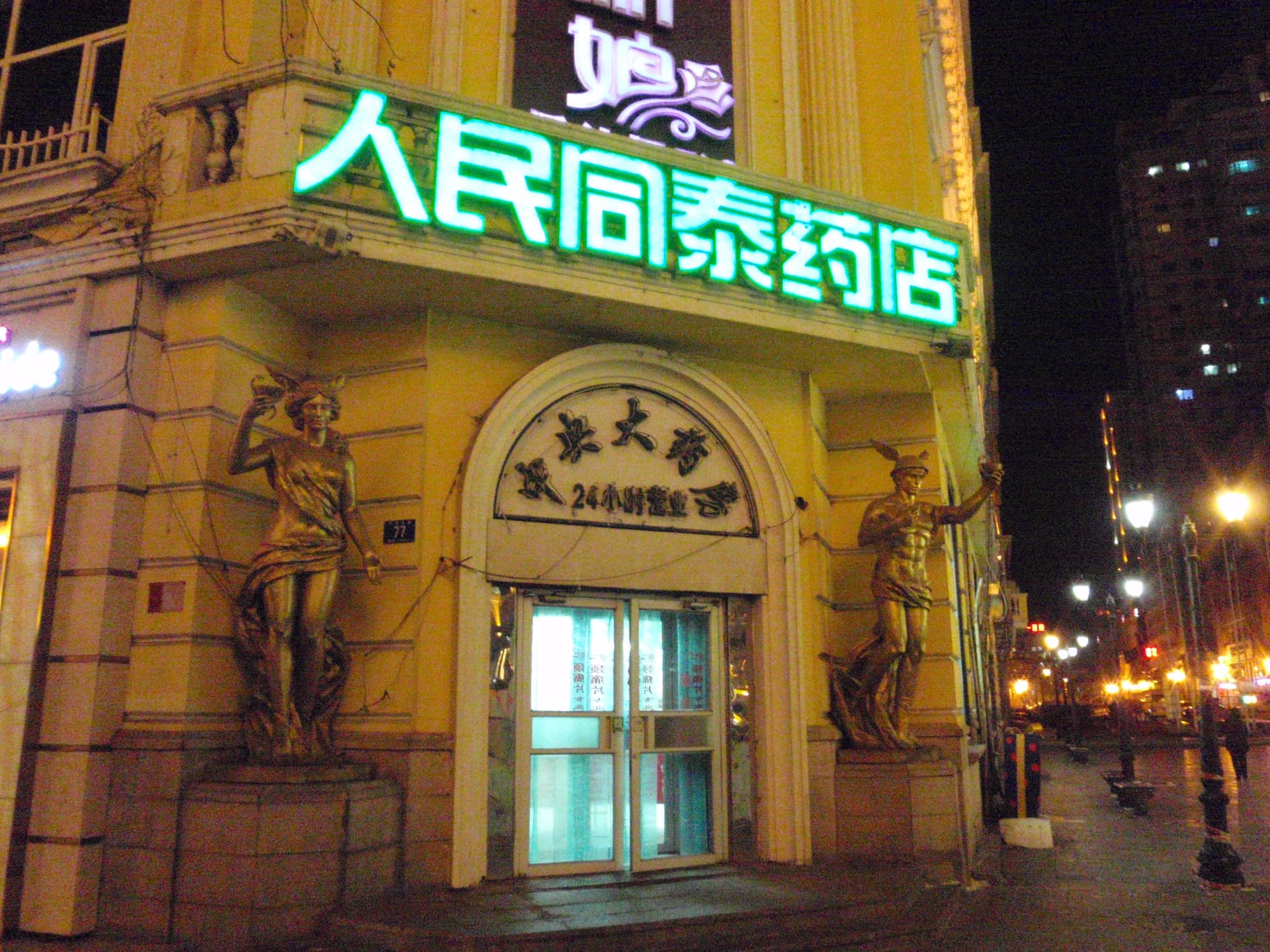
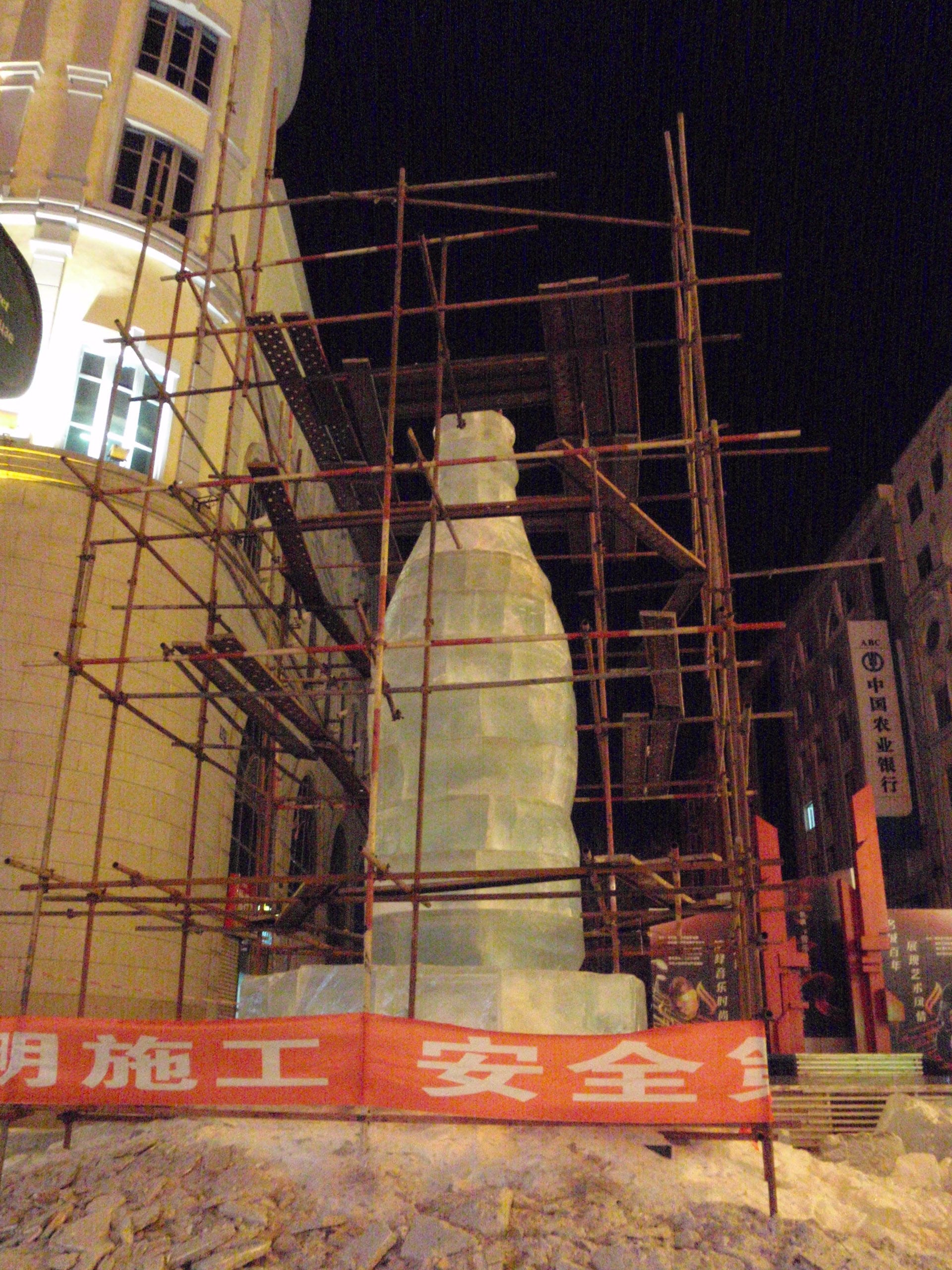
Zhongyang Dajie (中央大街)
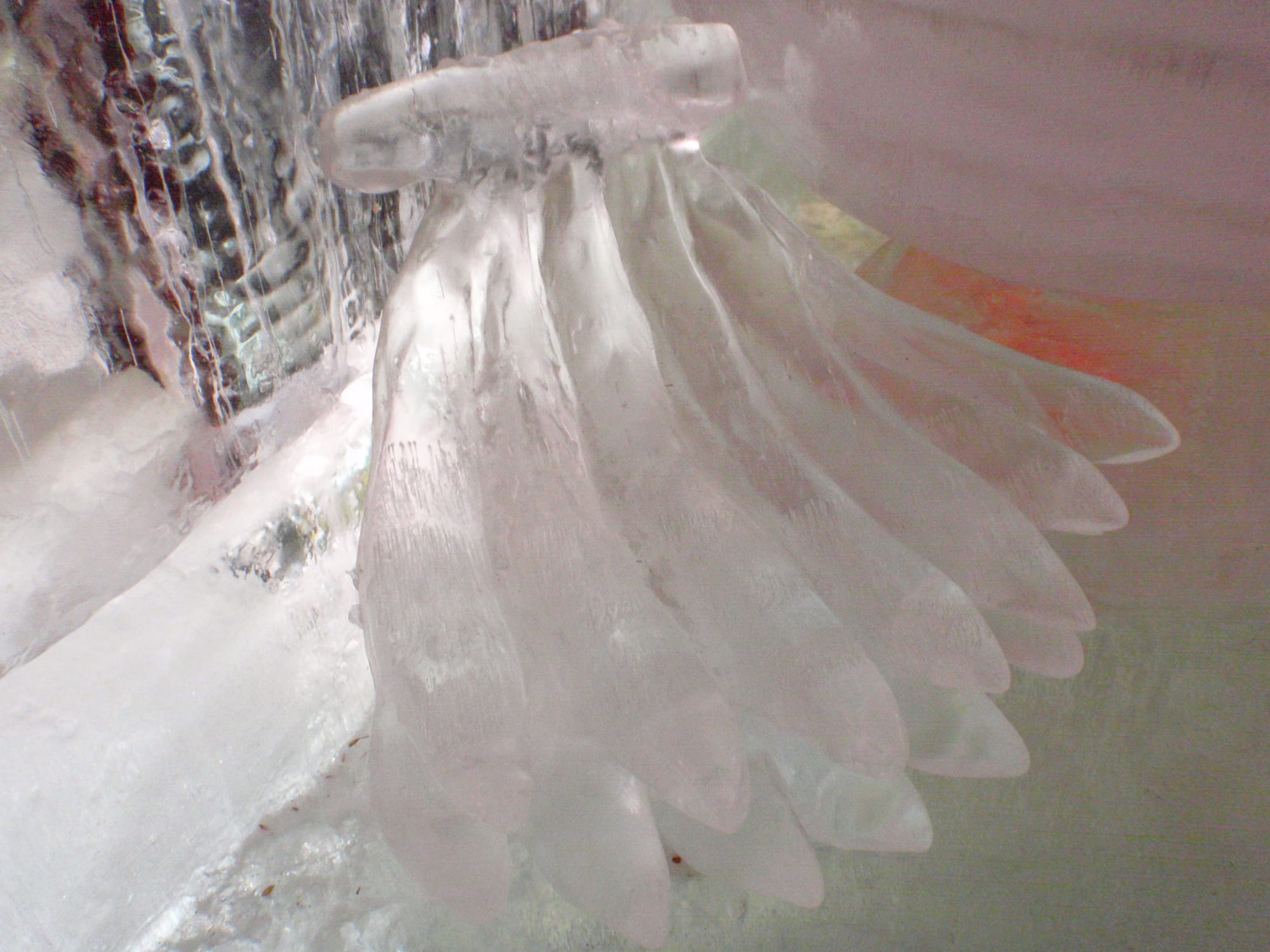
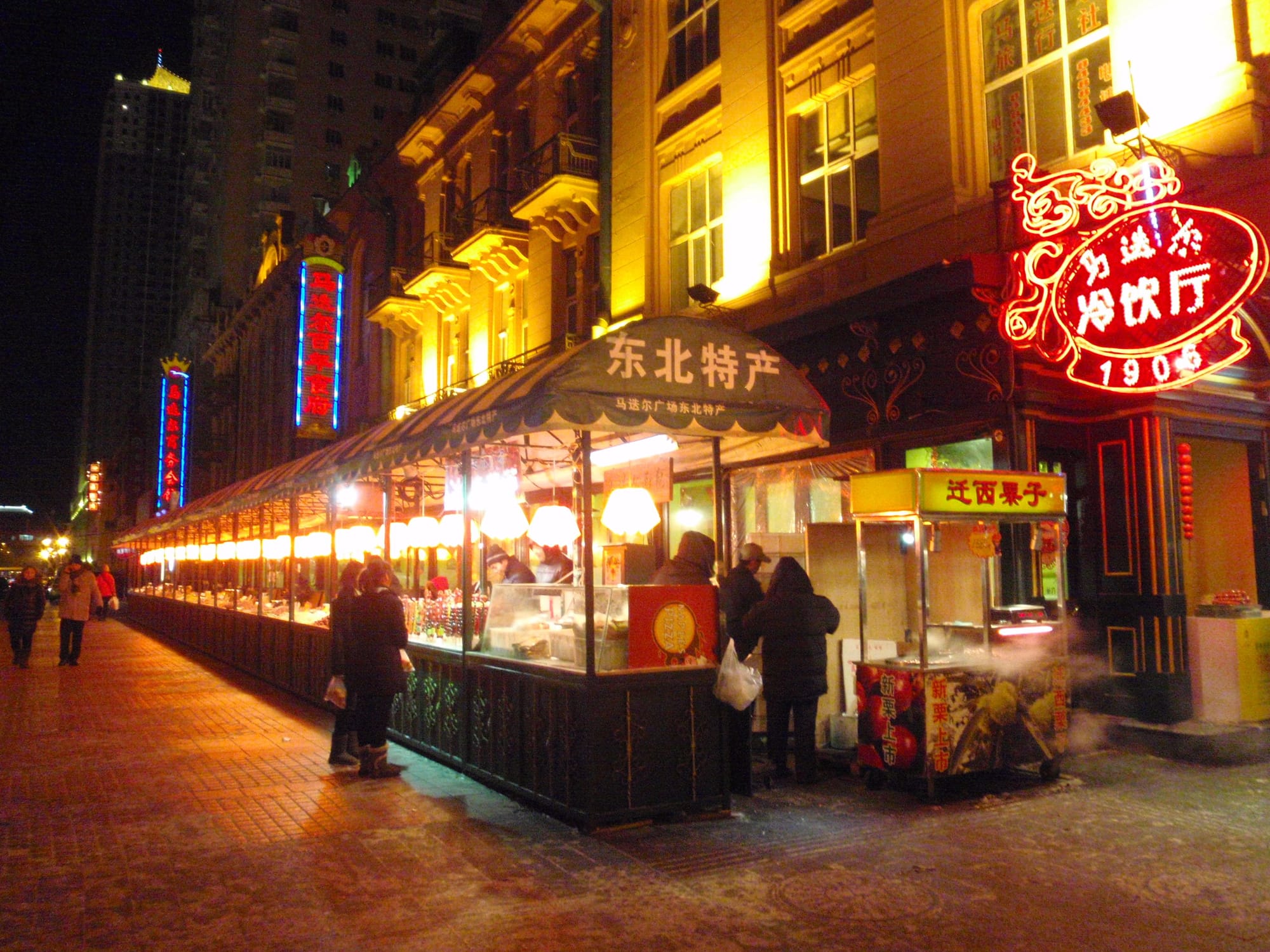
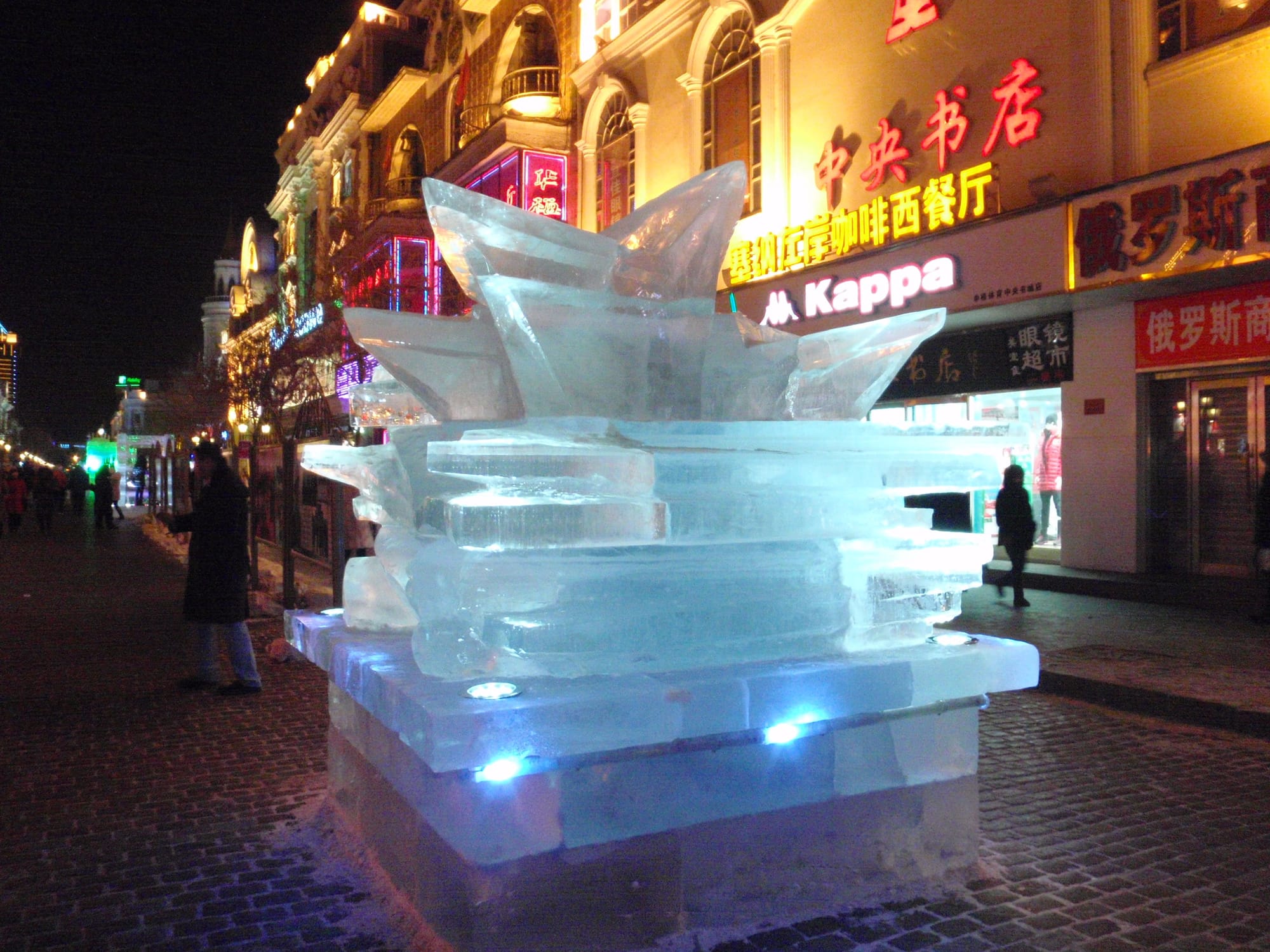
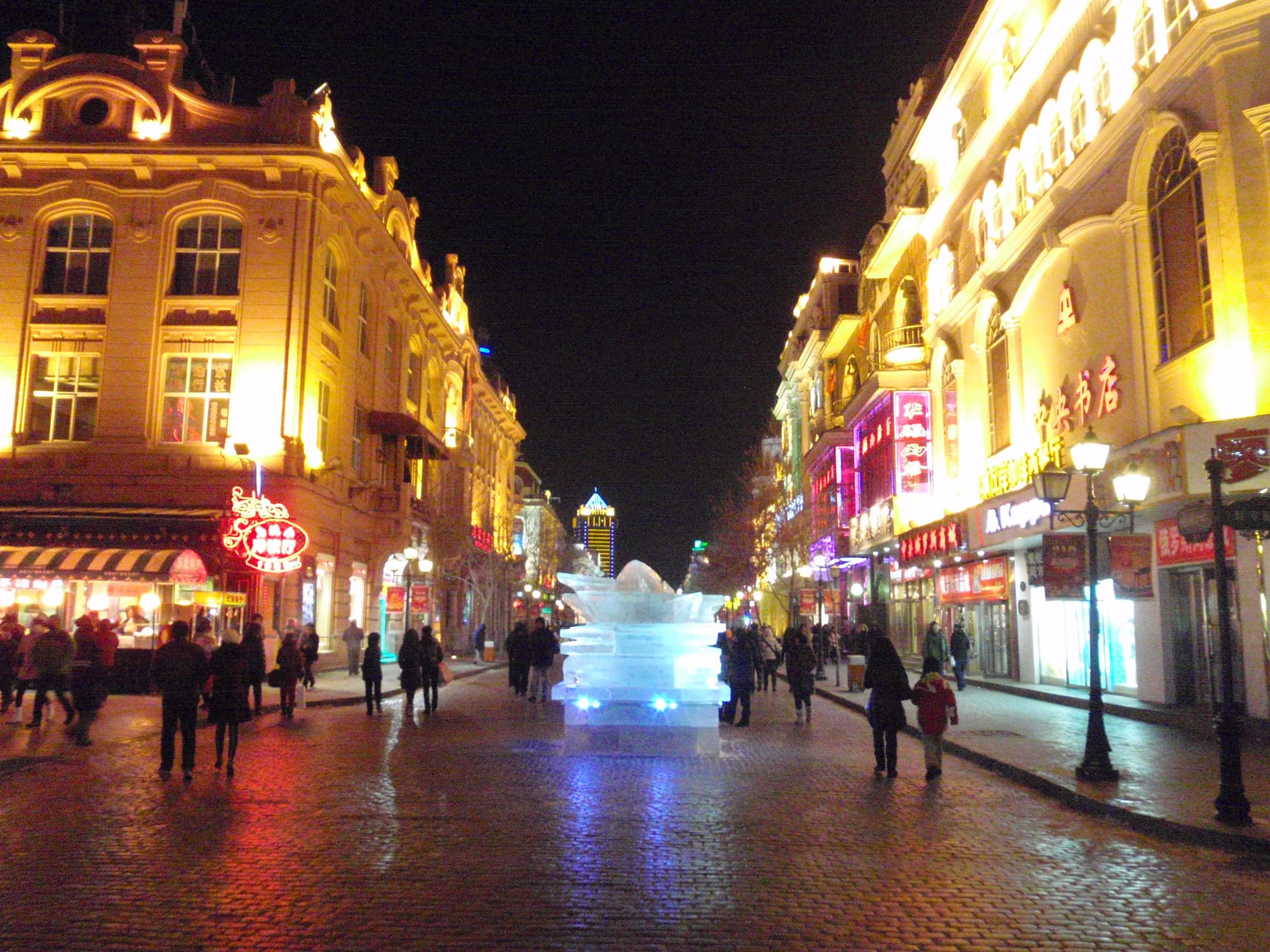
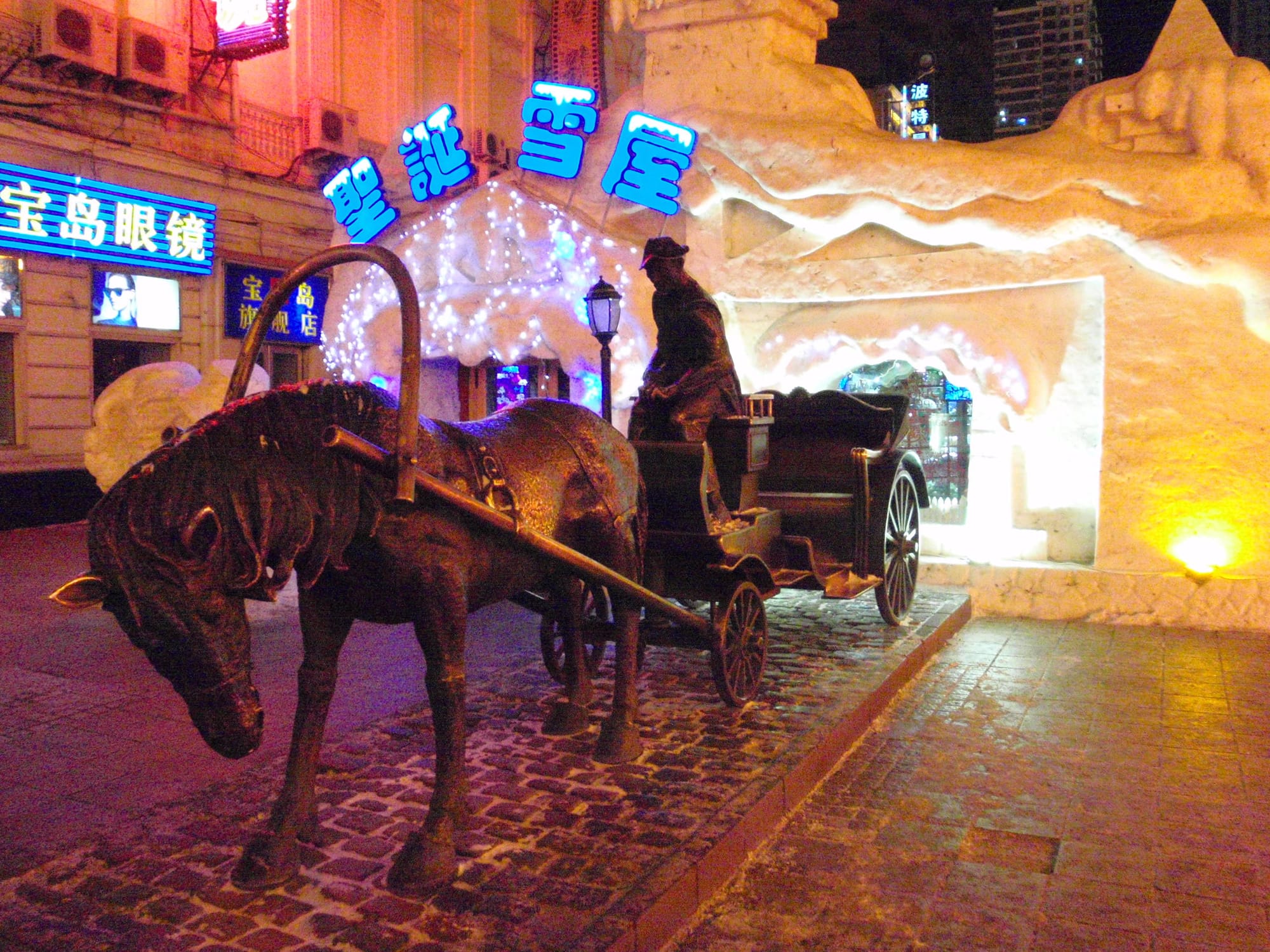
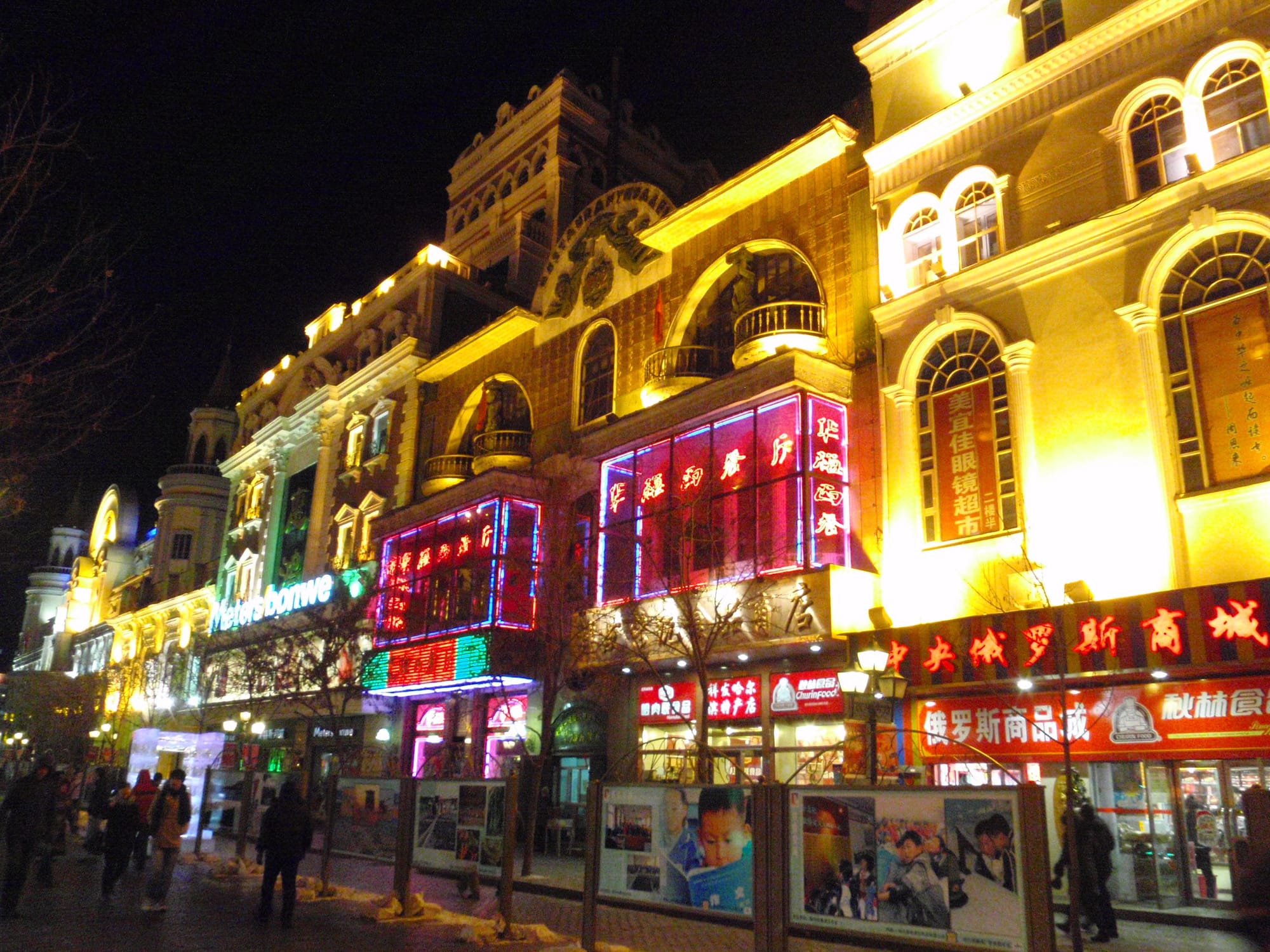
Zhongyang Dajie, commonly known as Central Street, is Harbin's most famous commercial and historical thoroughfare, often called the 'Oriental Moscow' for its unique blend of East and West. Stretching 1,450 metres long and 21.34 metres wide through downtown, the street runs from the Flood Control Memorial Tower from the Songhua River in the north to Jingwei Street in the south.
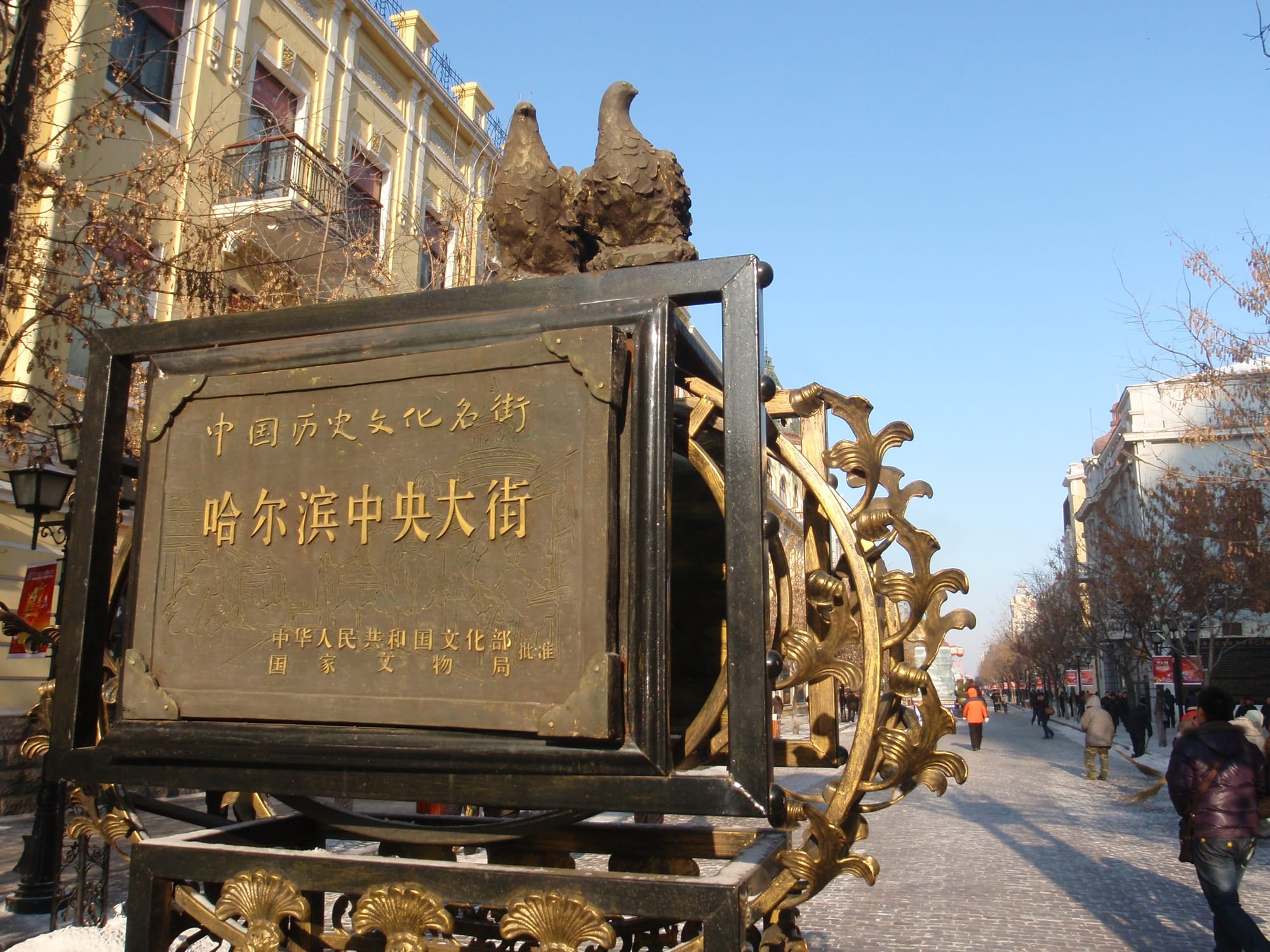
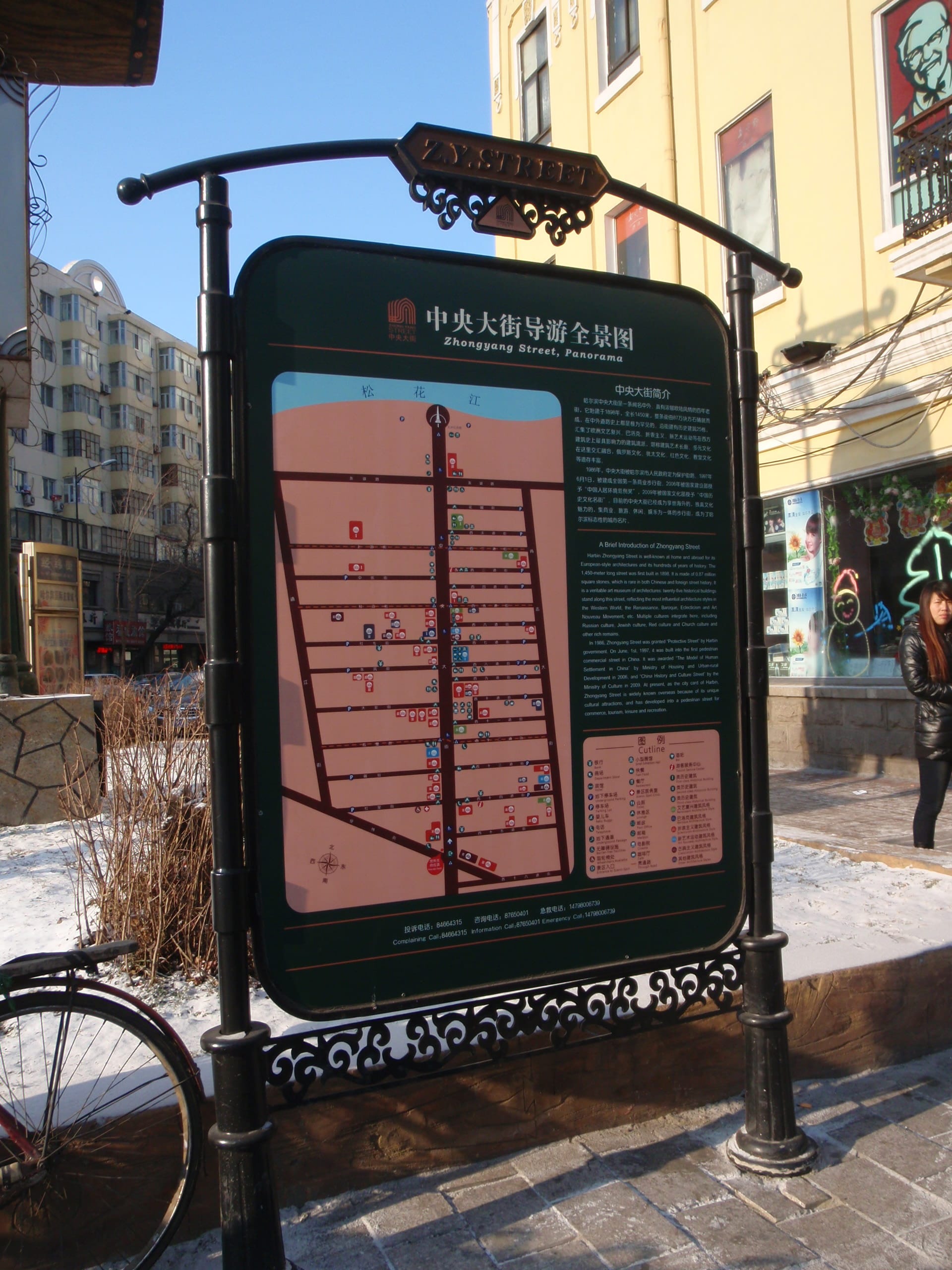
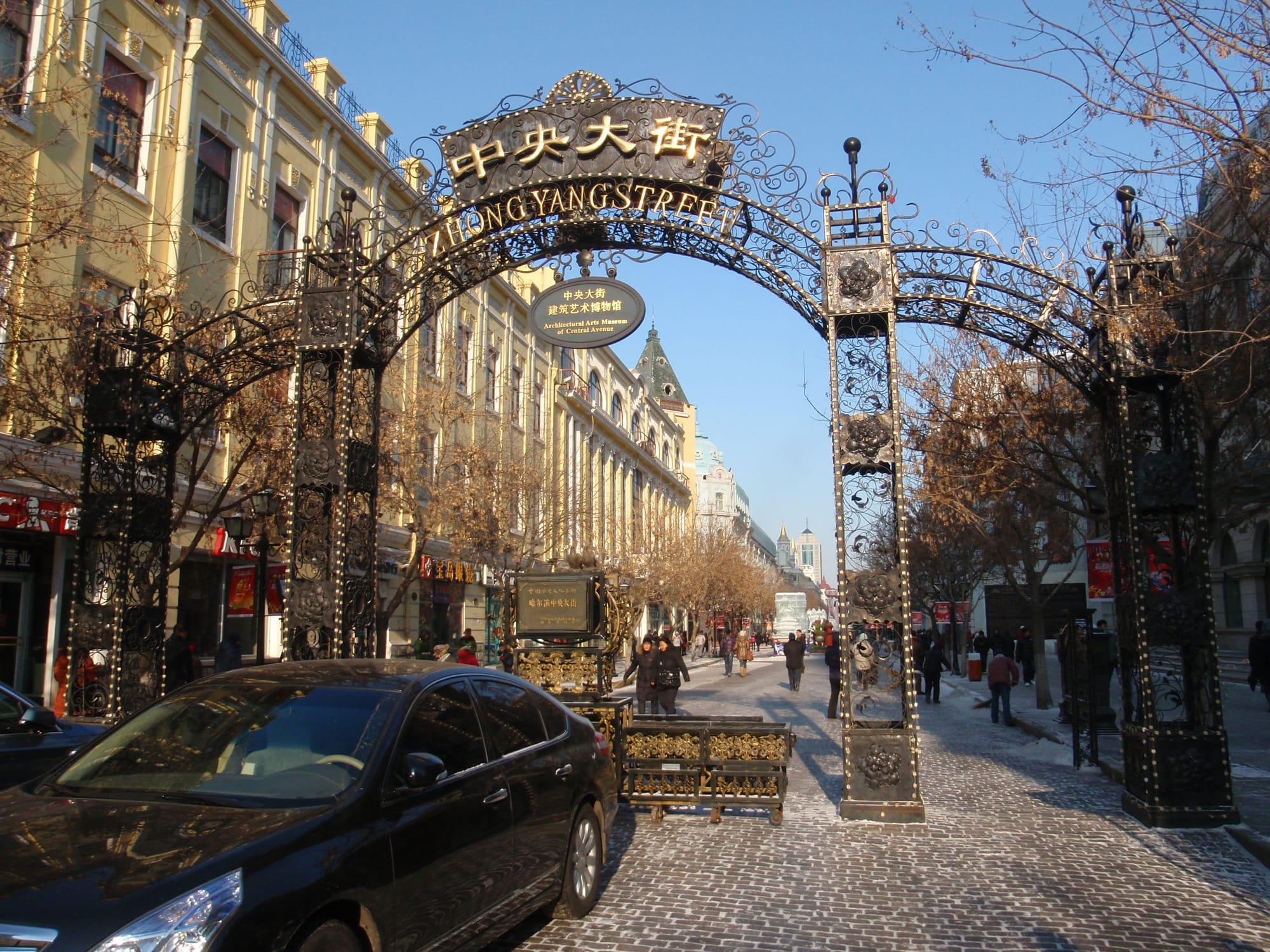
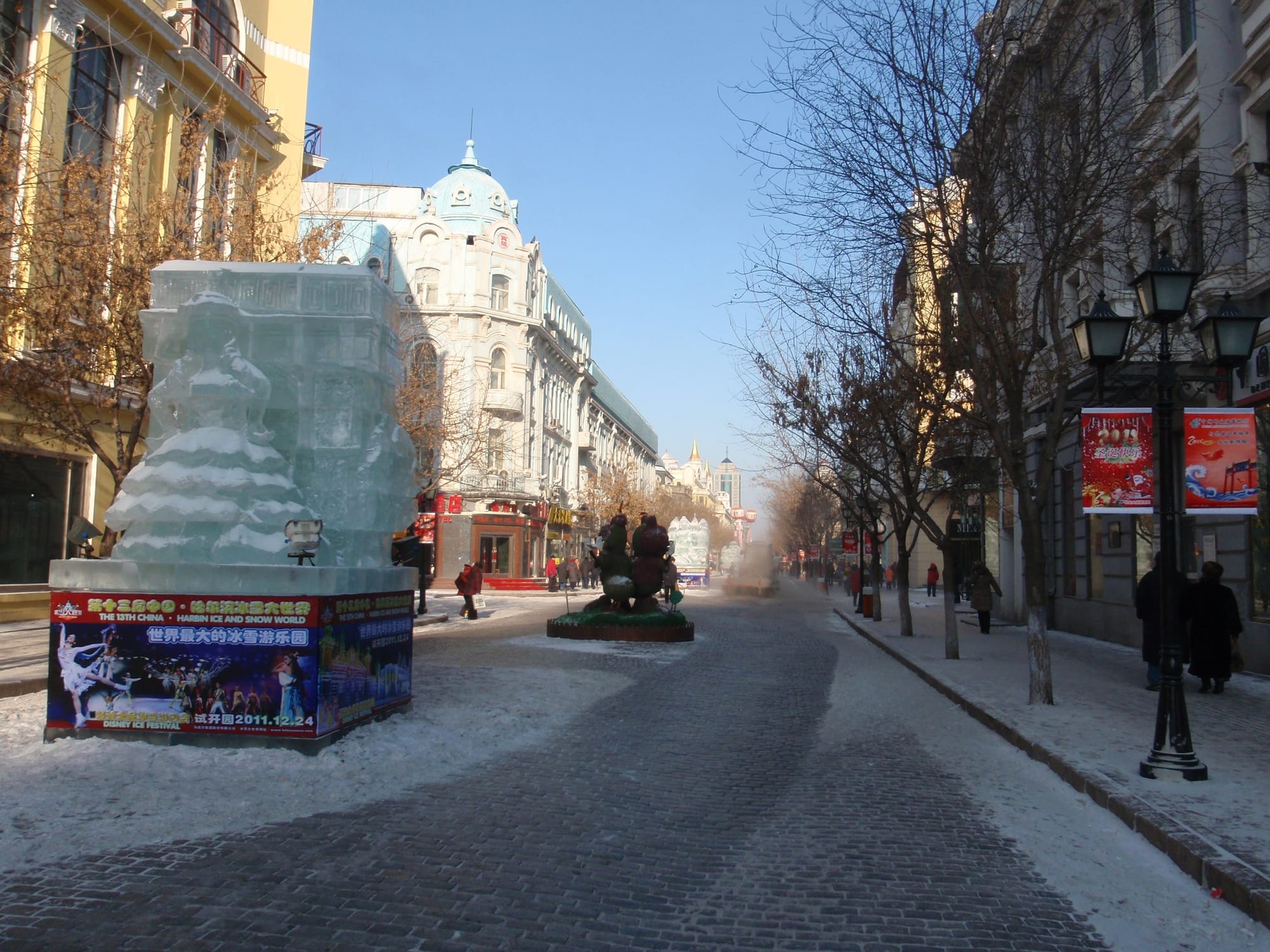
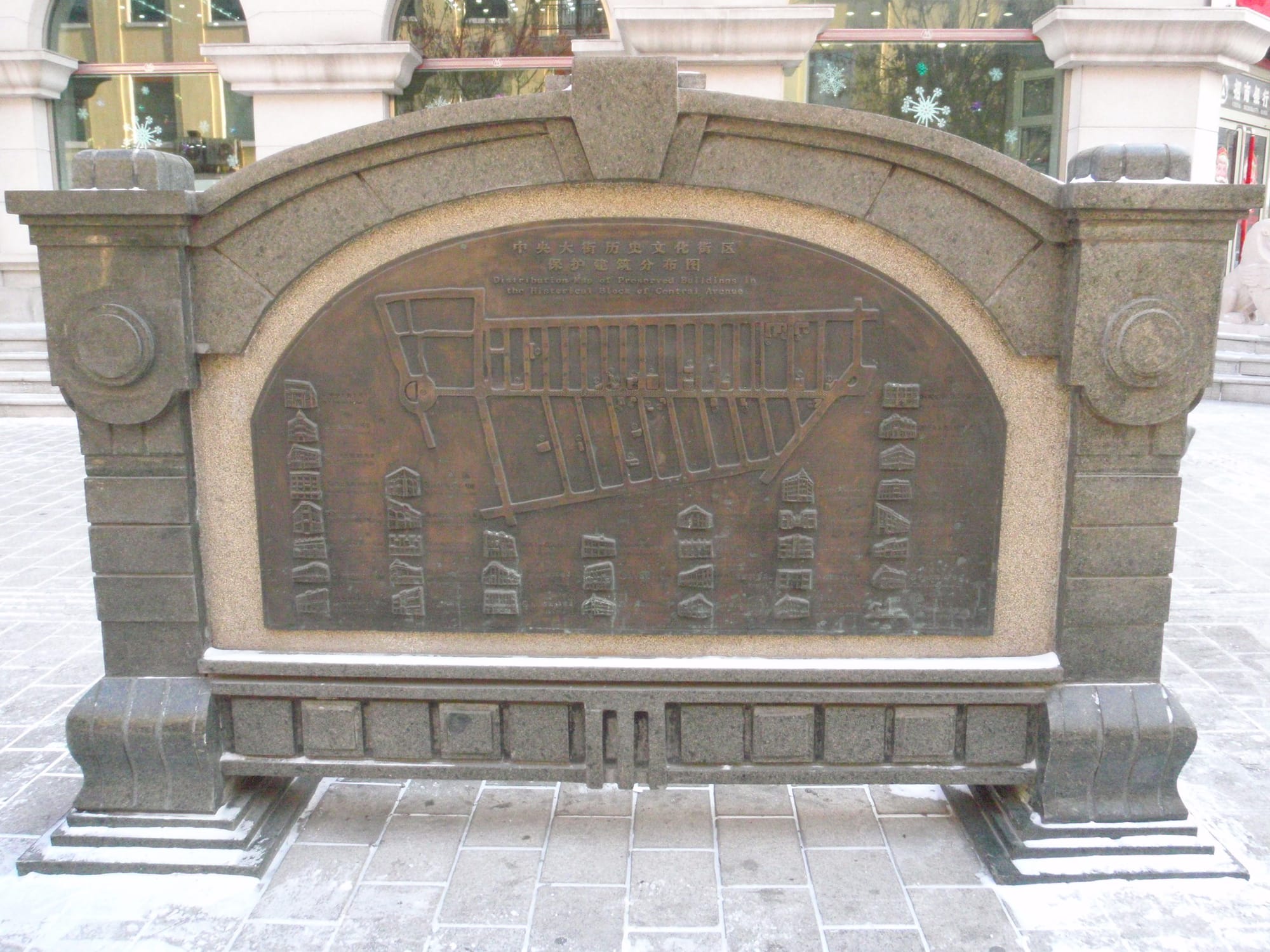
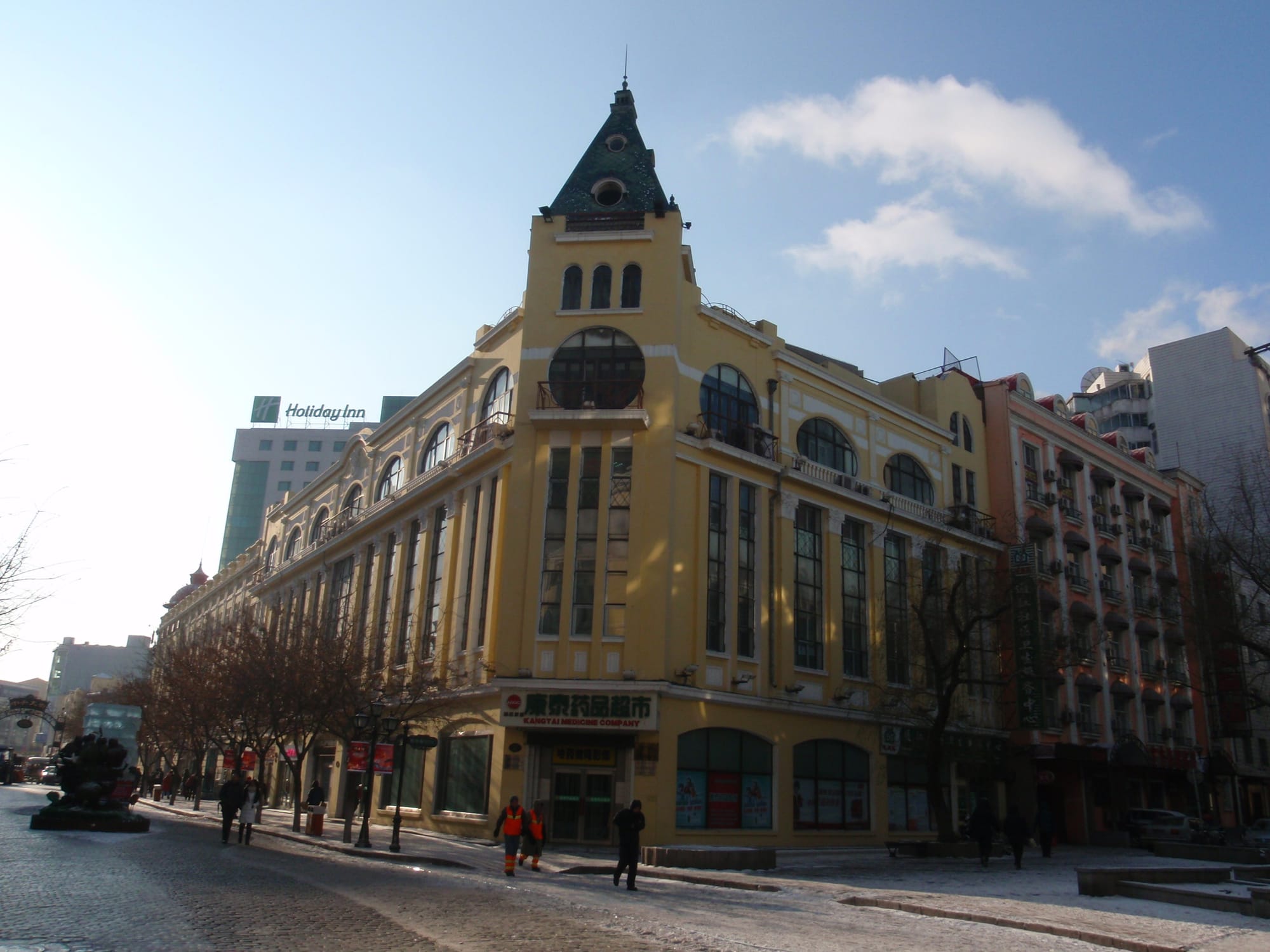
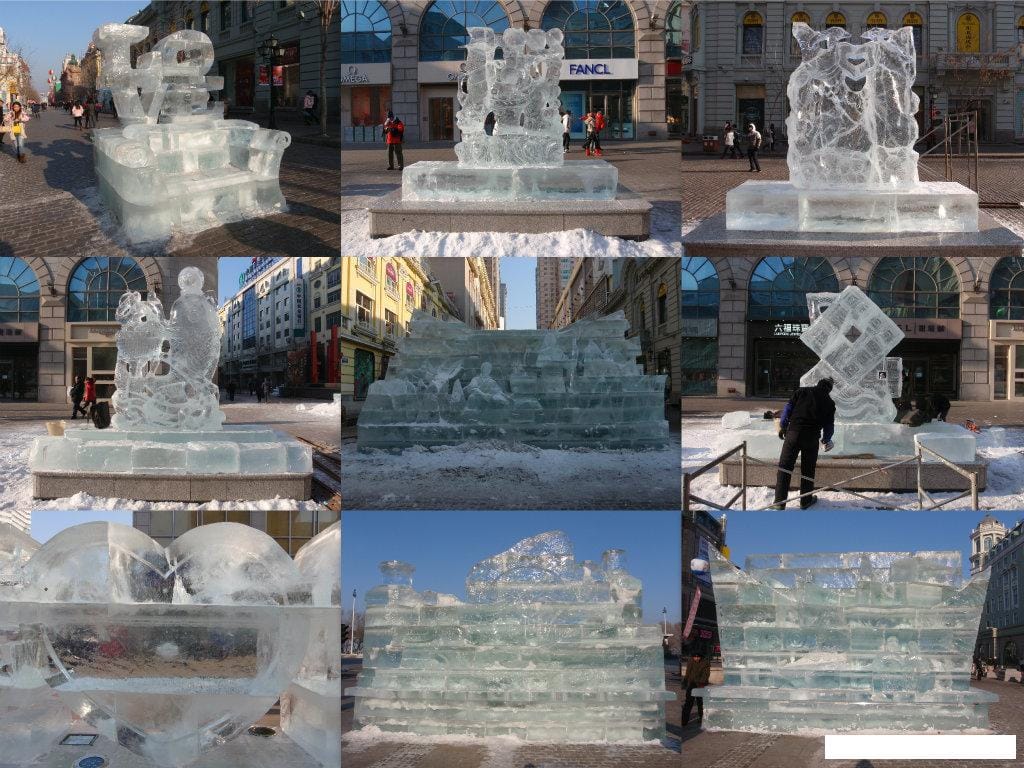
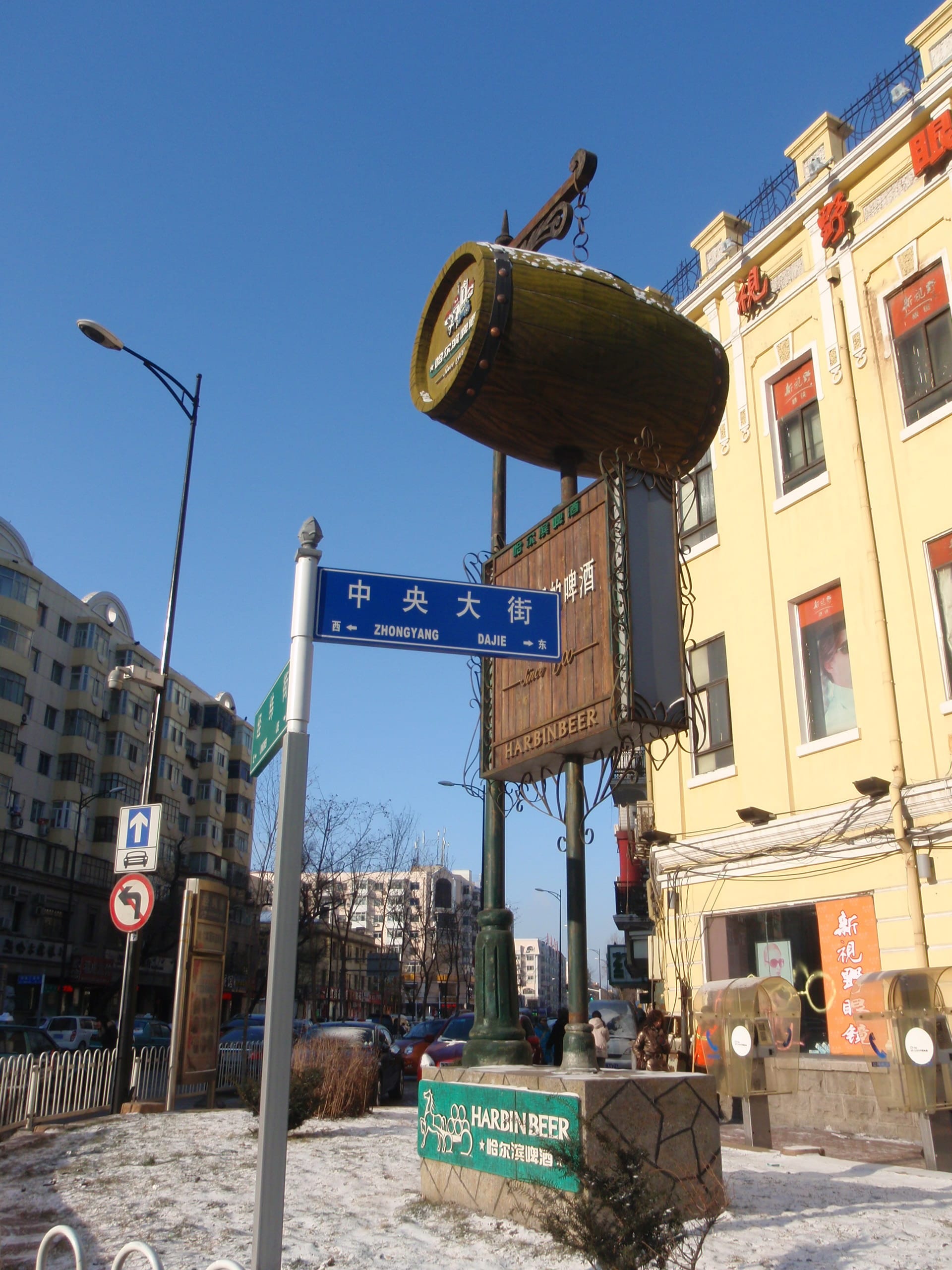
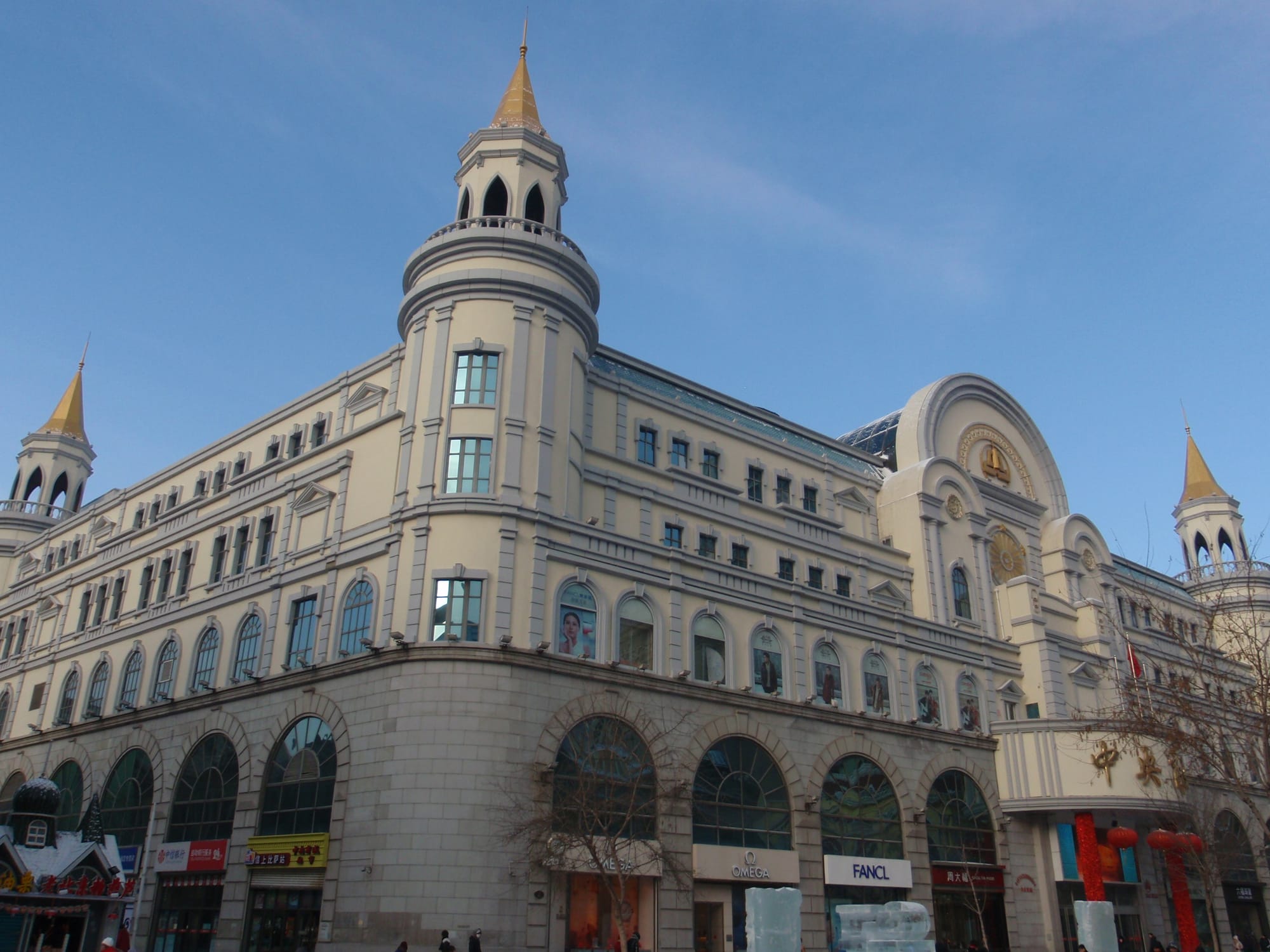
Constructed in 1898 by Russian engineers and traders working on the Chinese Eastern Railway, Zhongyang Dajie is lined with over 70 historic buildings showcasing early 20th-century European architectural styles including Art Nouveau, Baroque and Eclecticism. The cobblestone-paved street acts as an open-air museum, offering a glimpse into Harbin’s multicultural heritage and cosmopolitan past.
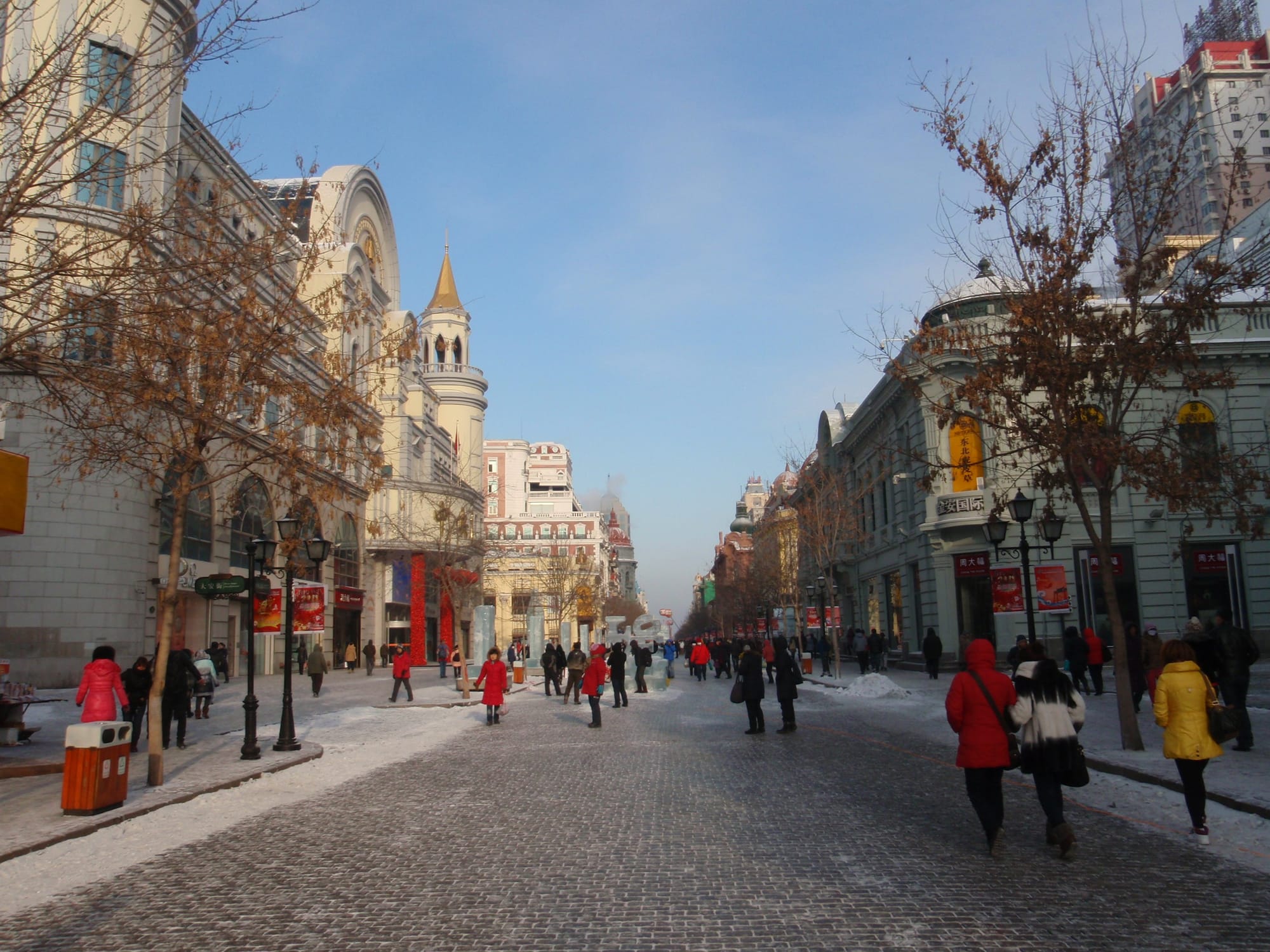
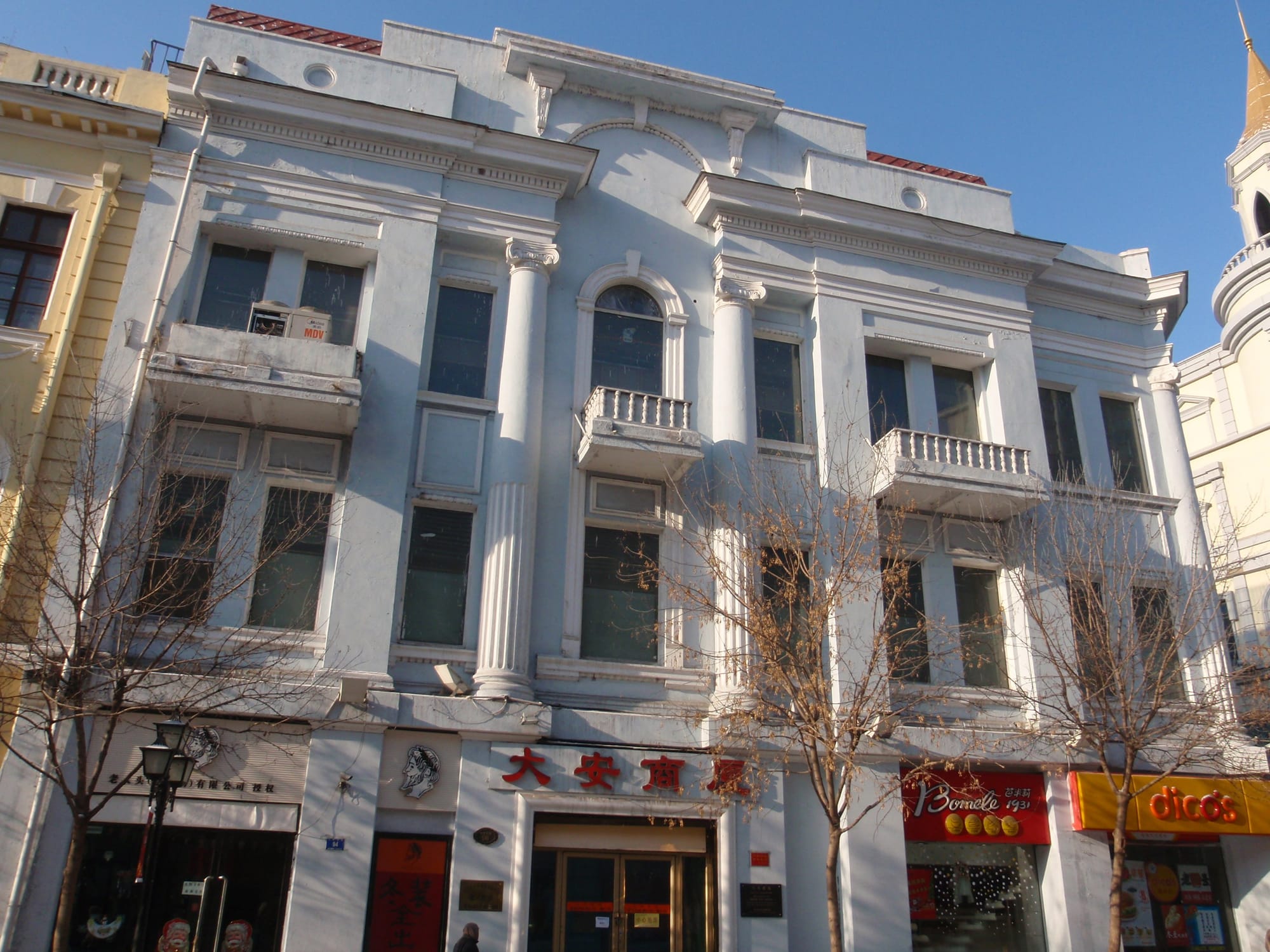
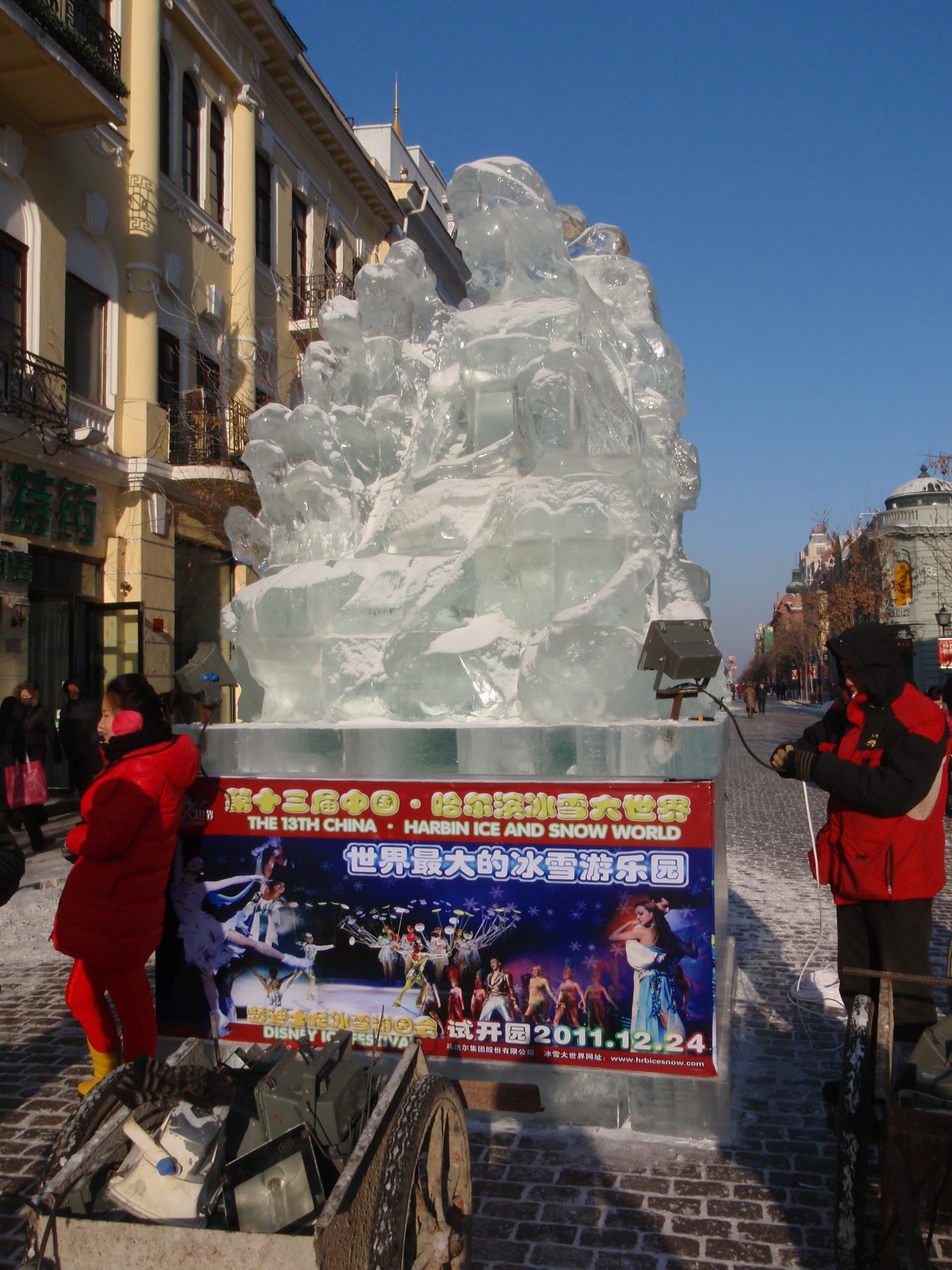
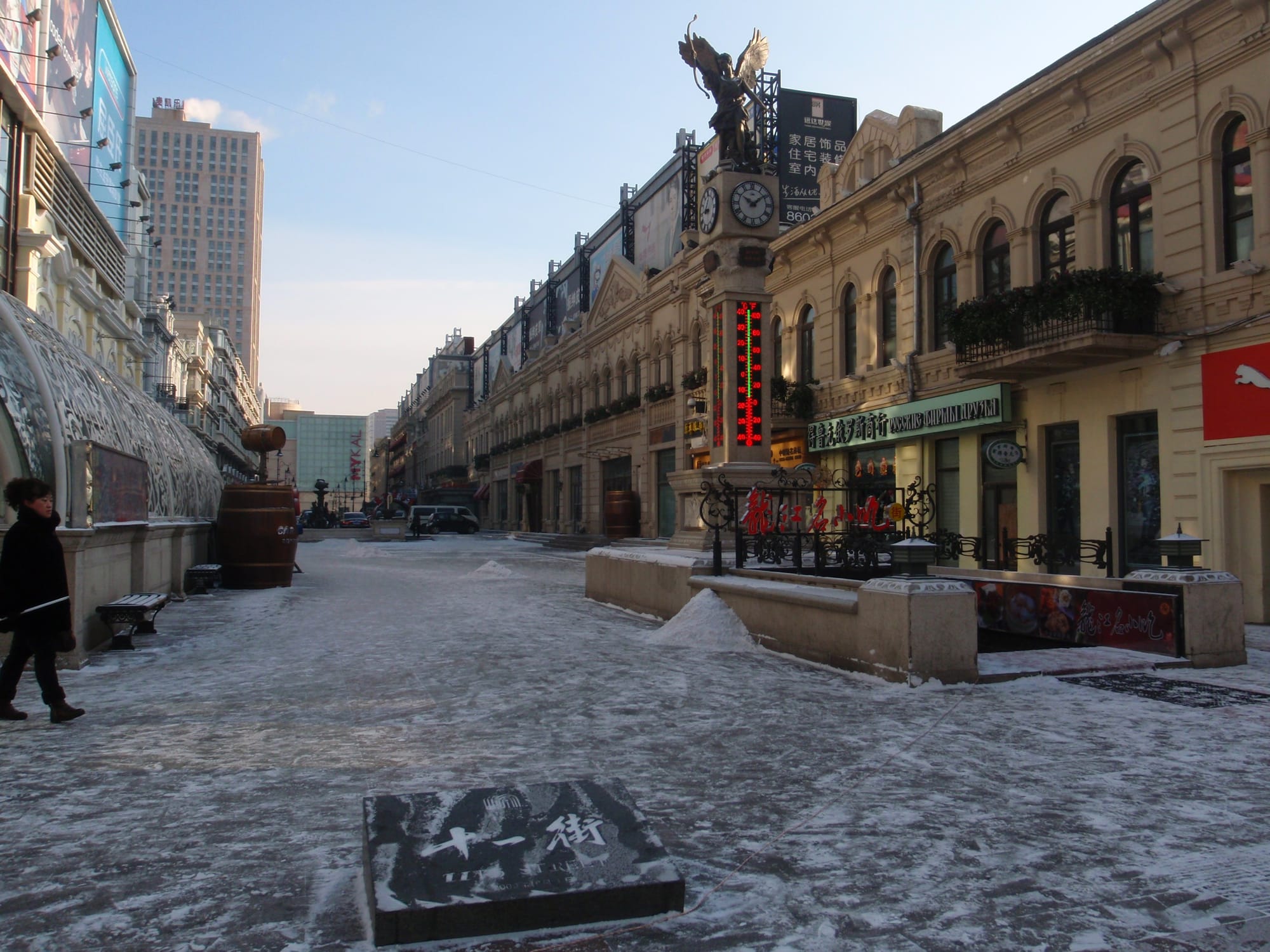
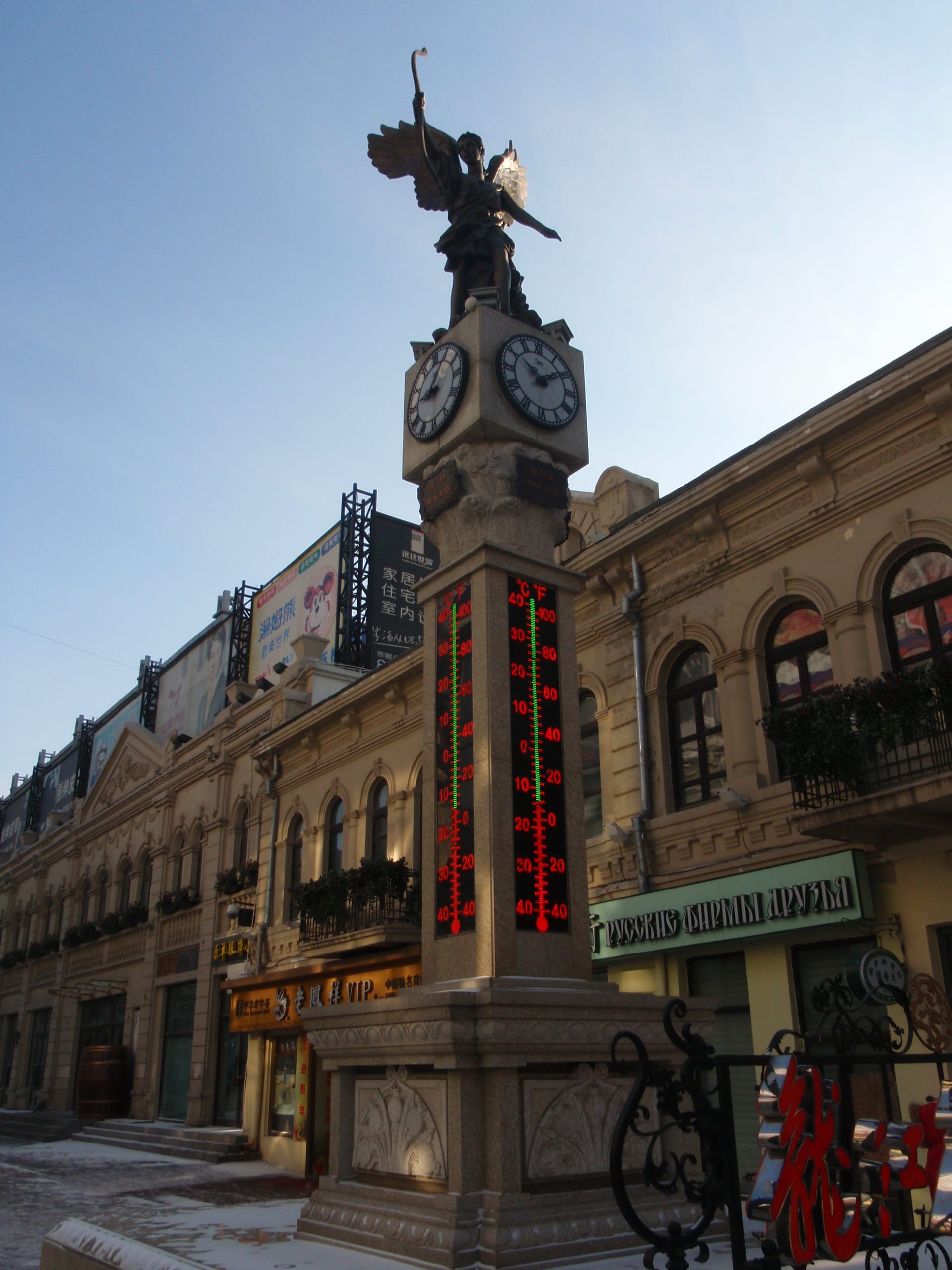
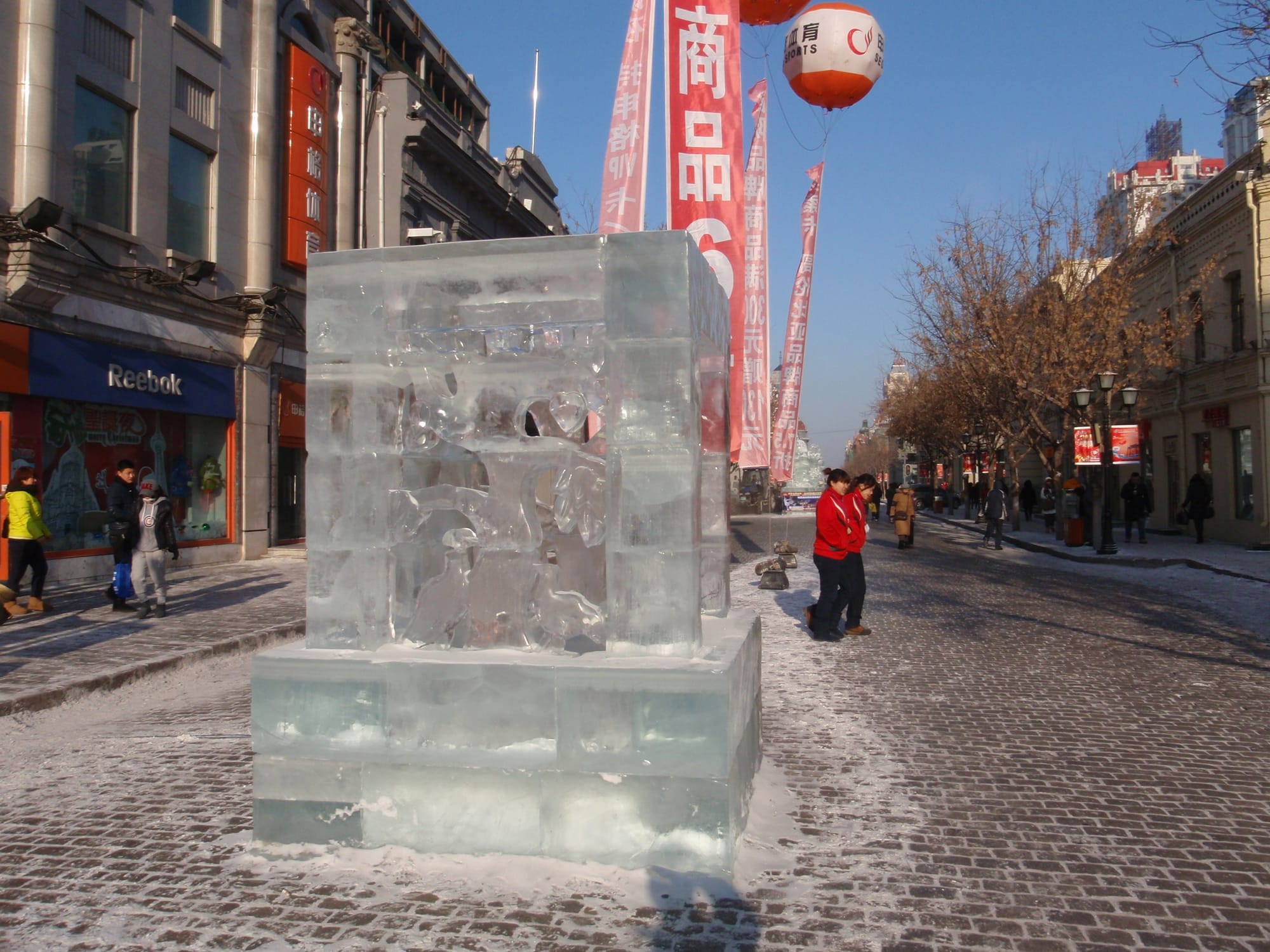
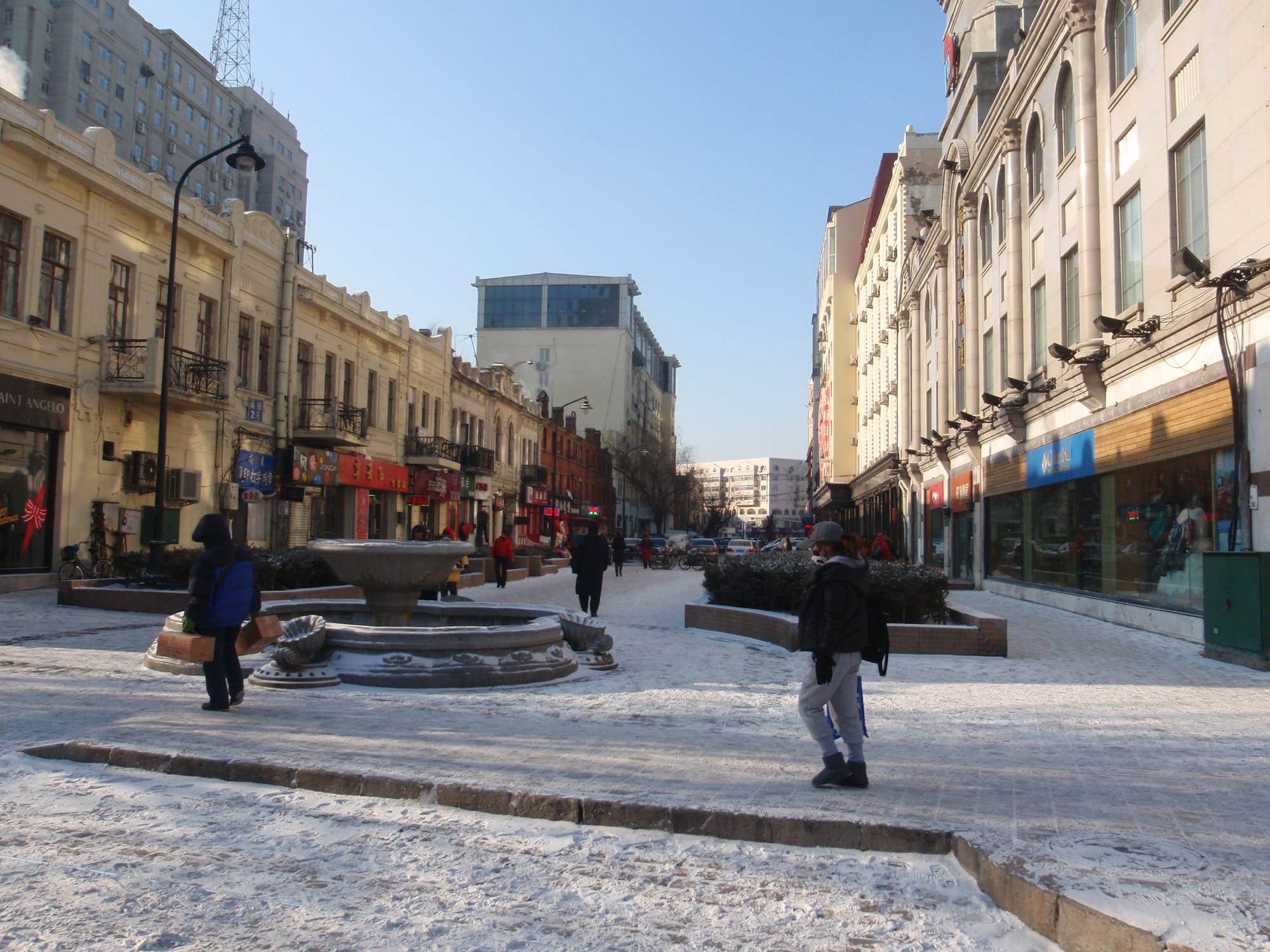
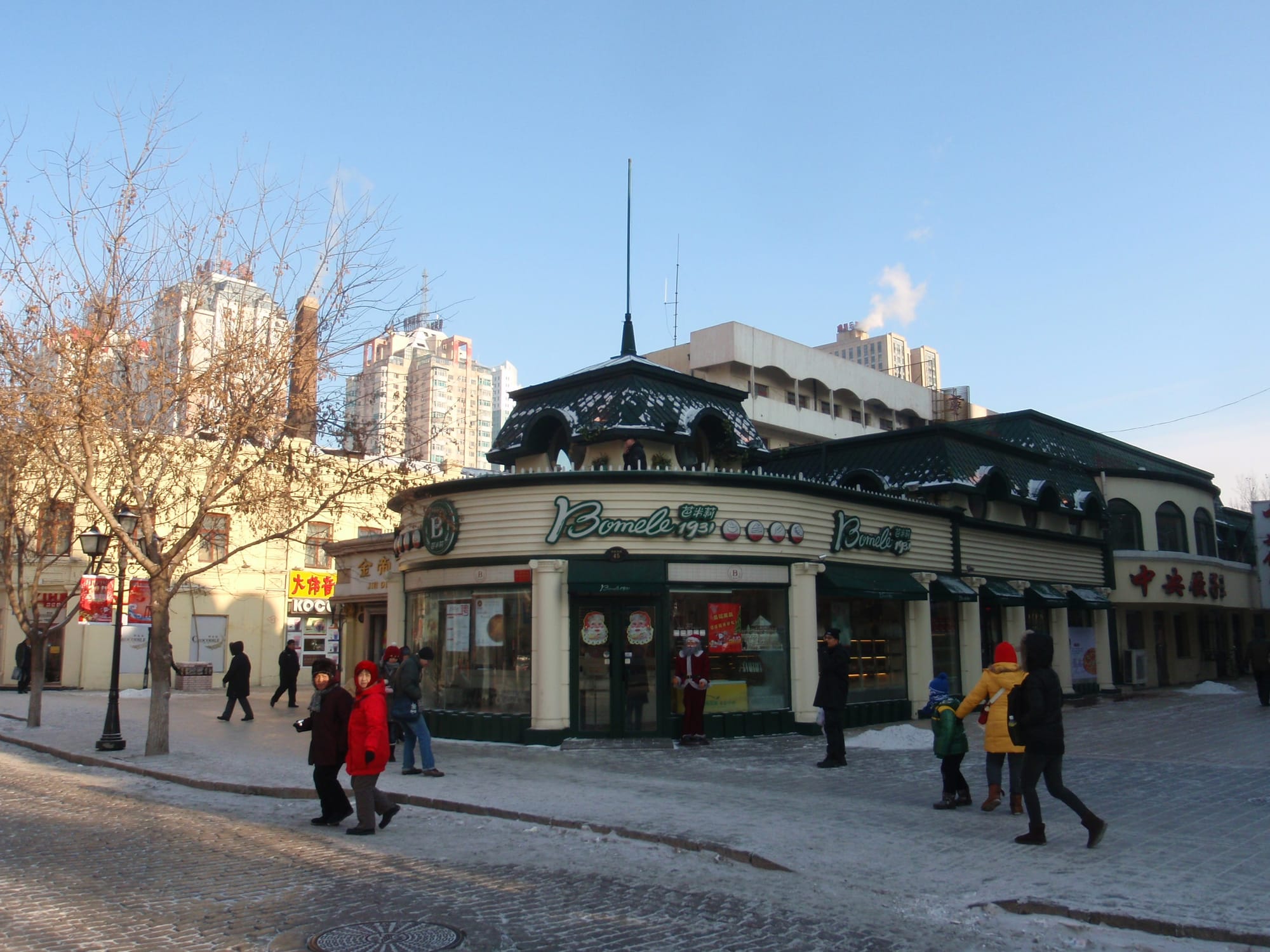
Today, the street remains the heart of Harbin’s shopping, dining and cultural life. Visitors can explore boutiques, cafés and restaurants along the atmospheric street, especially vibrant in the evening or during the winter festival season.
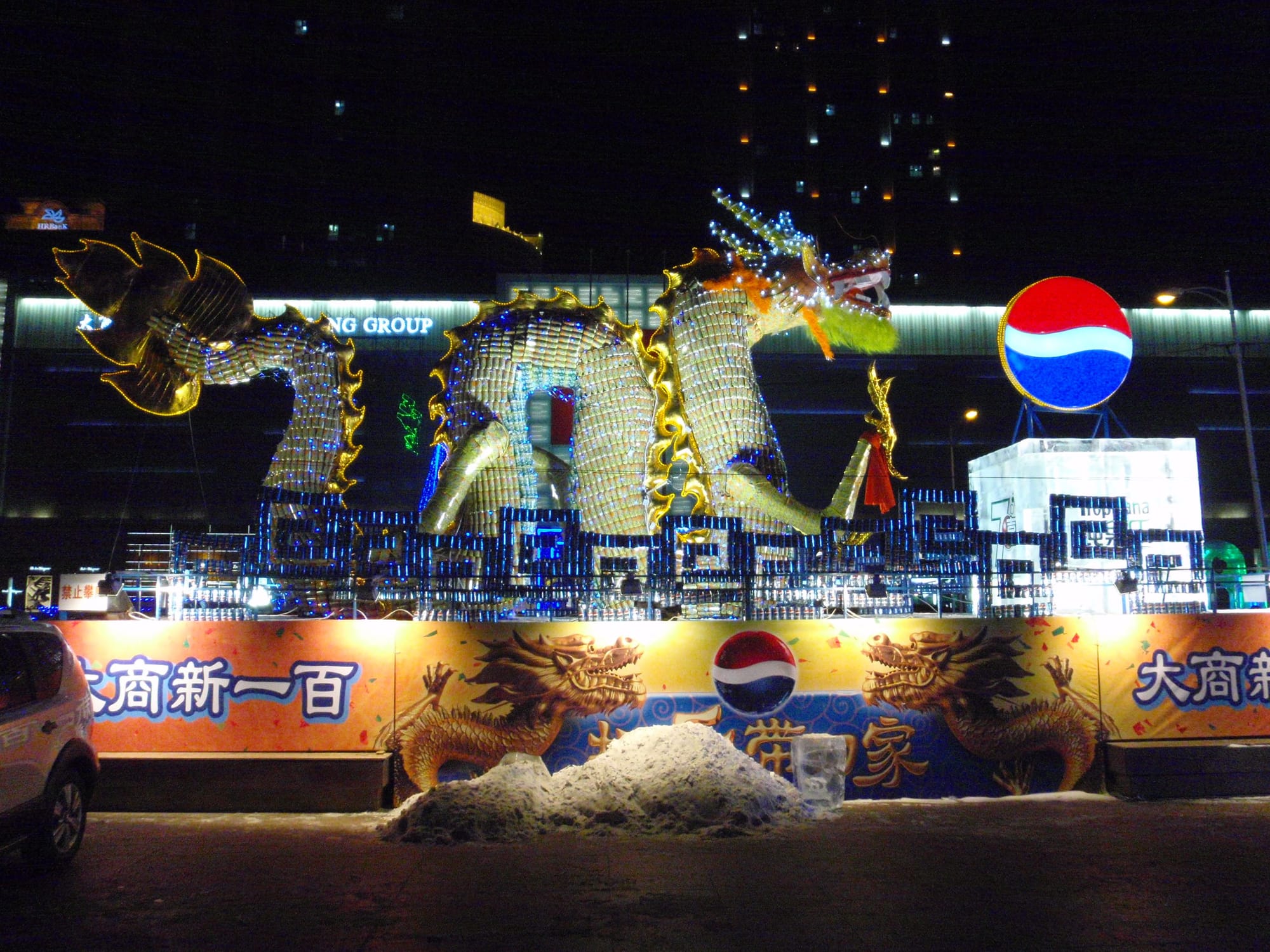
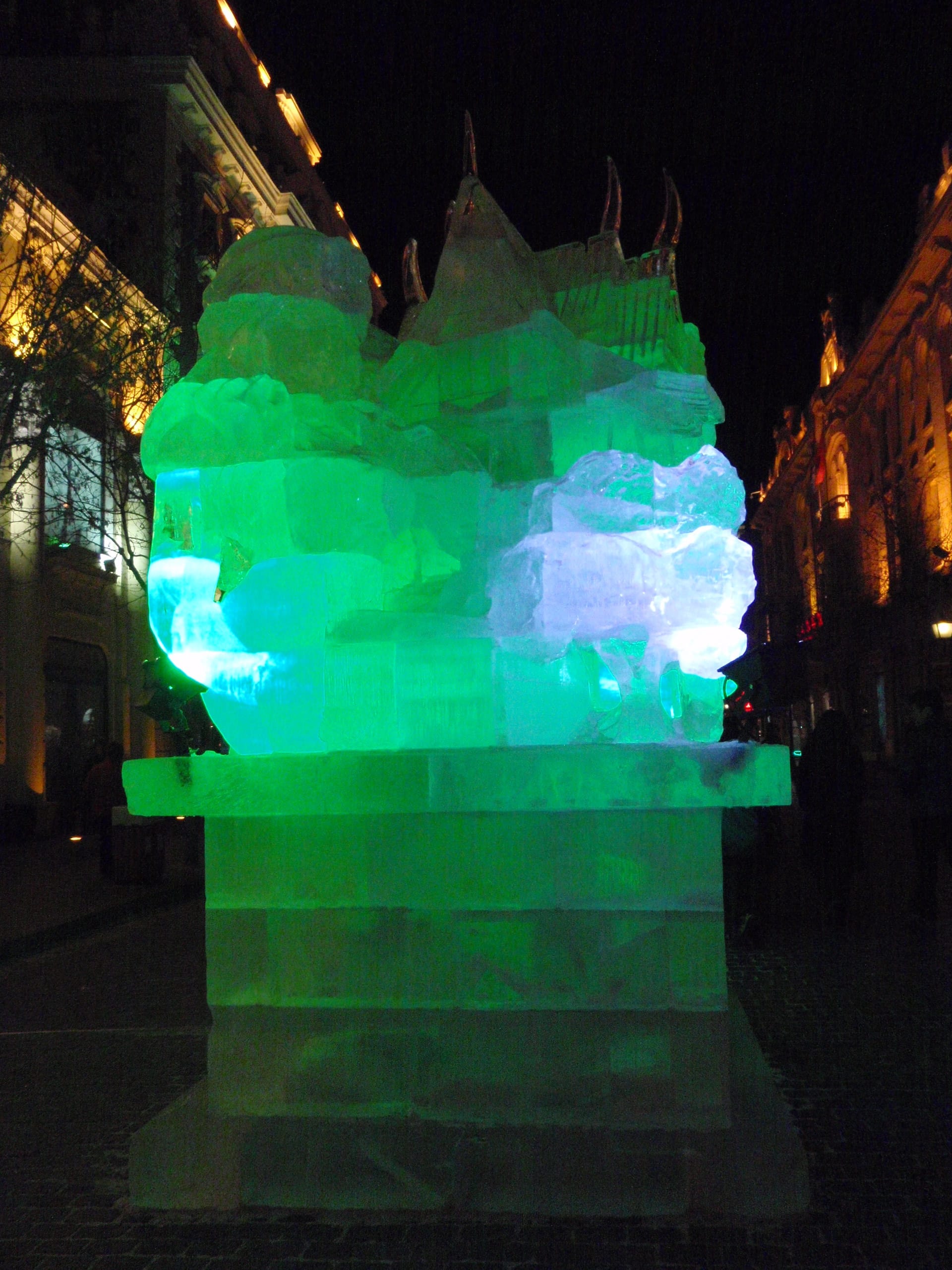
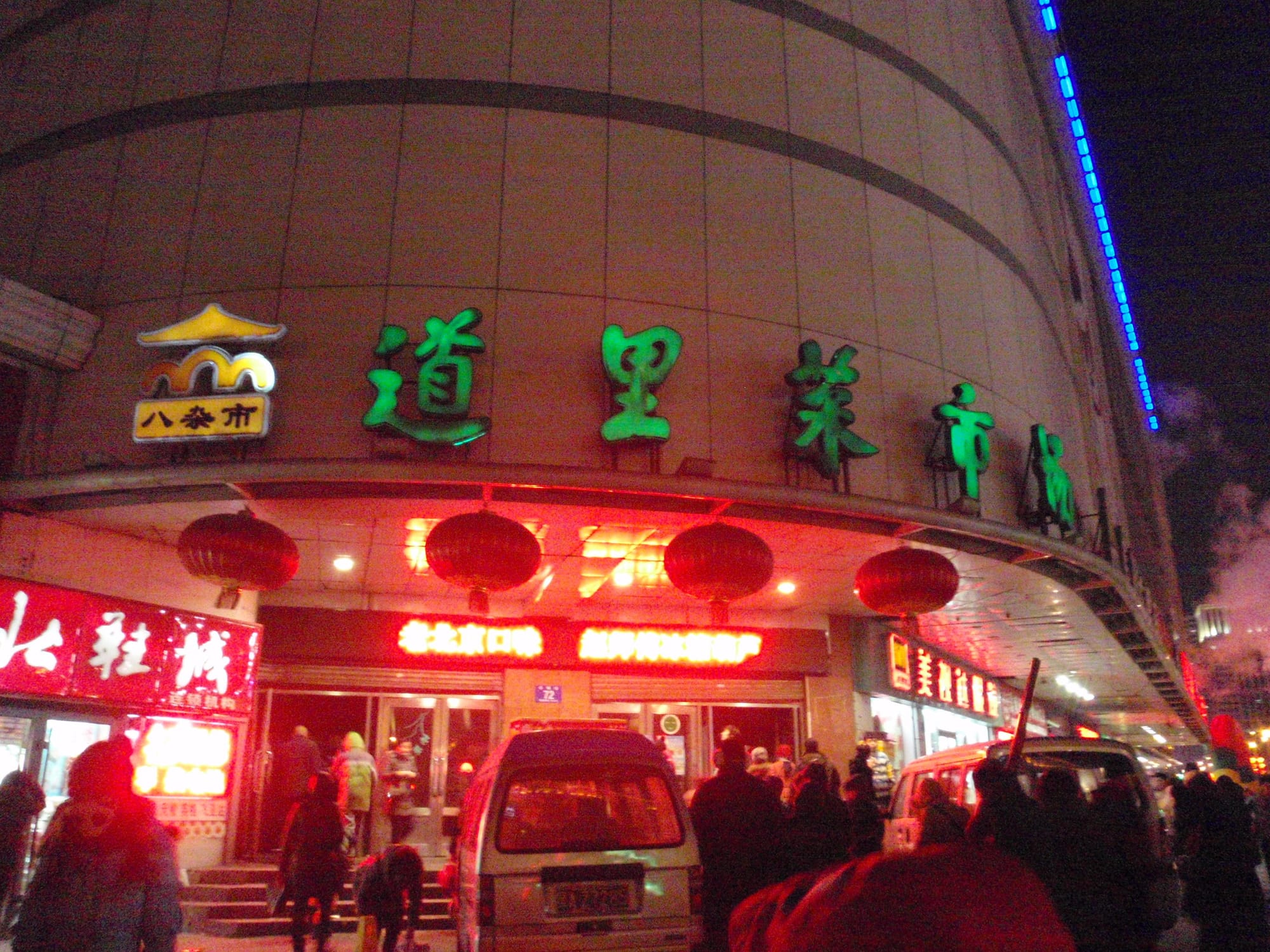
Daoli Market (道里菜市场)
7 Shangzhi St
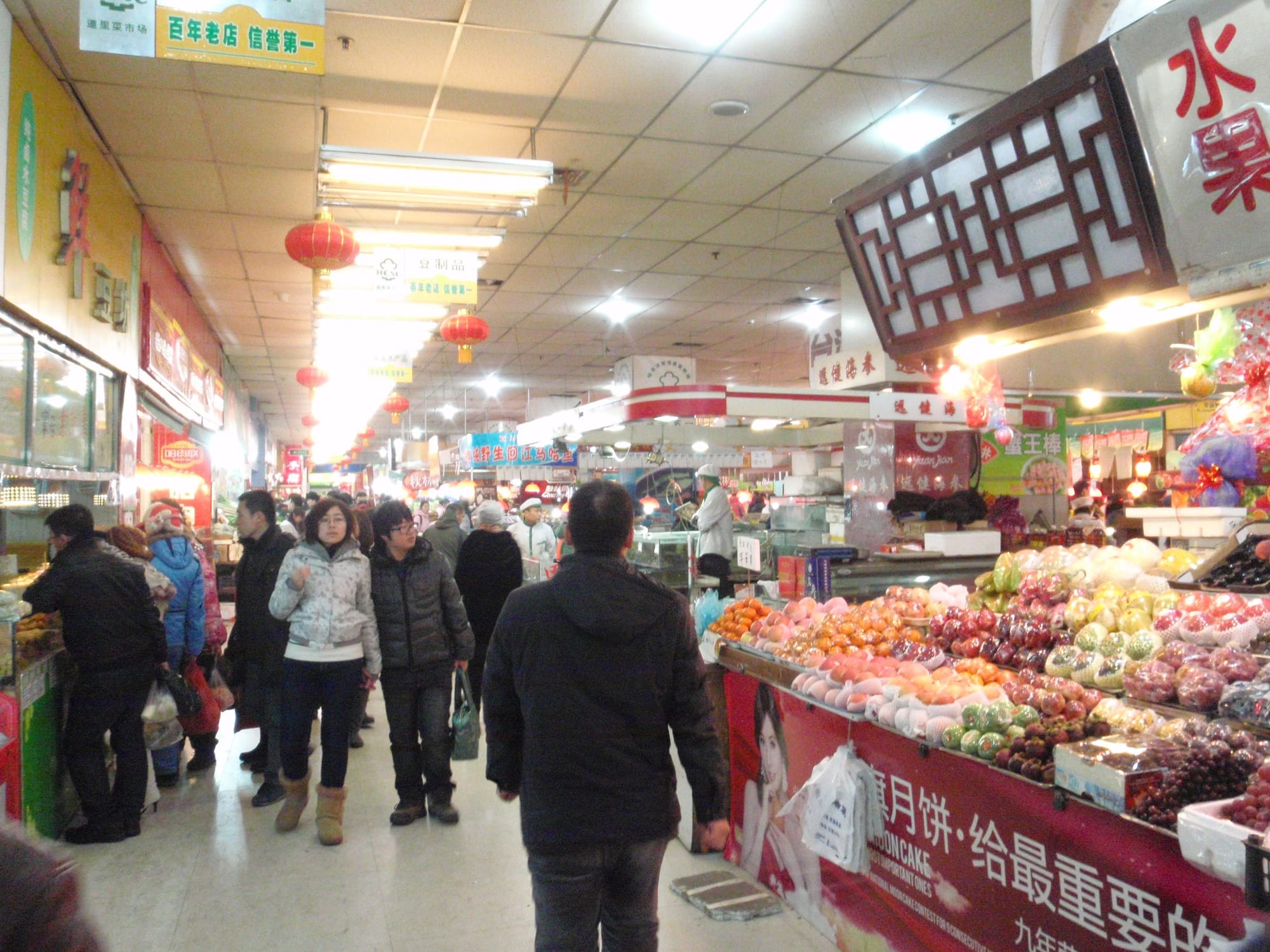
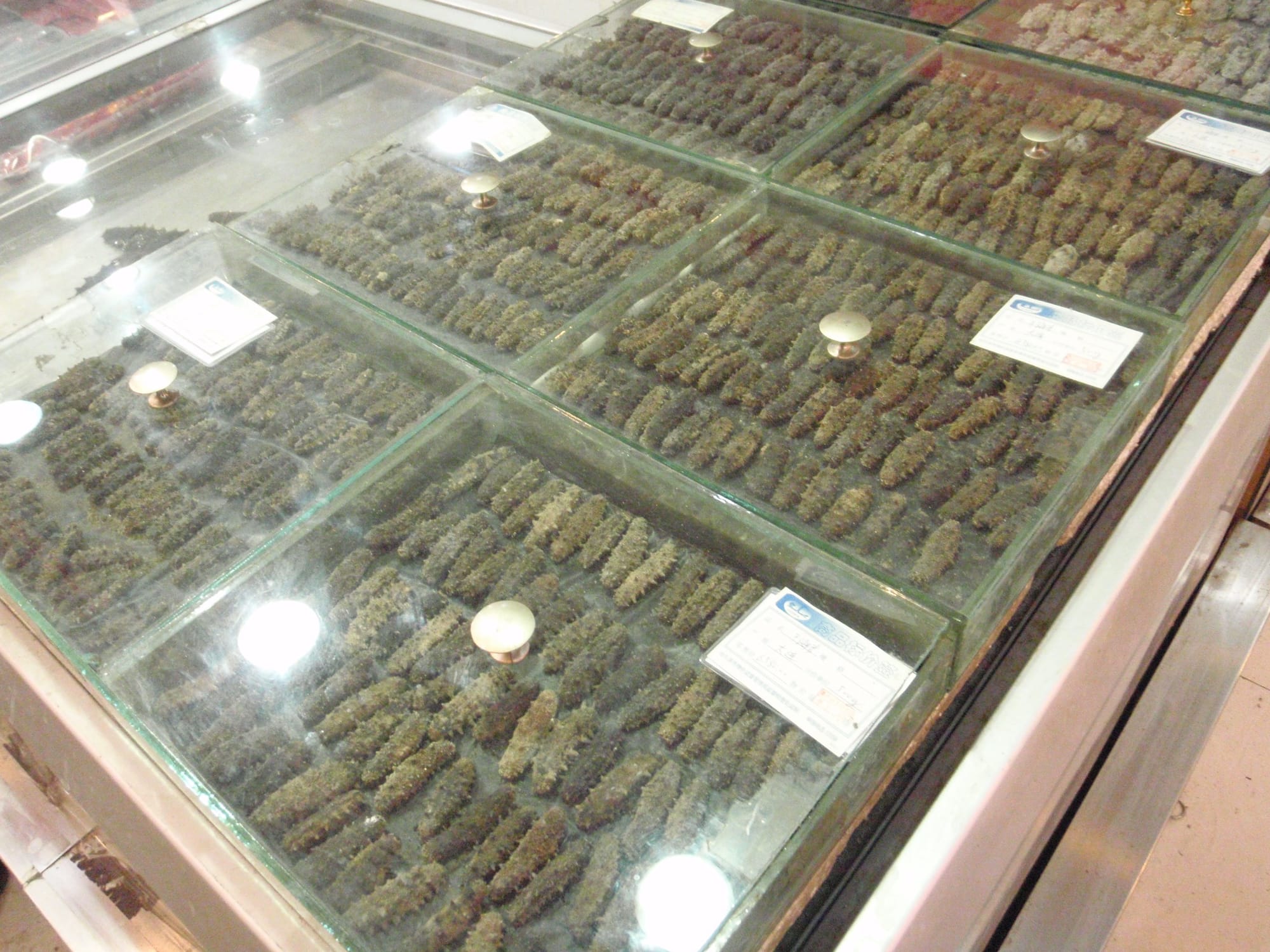
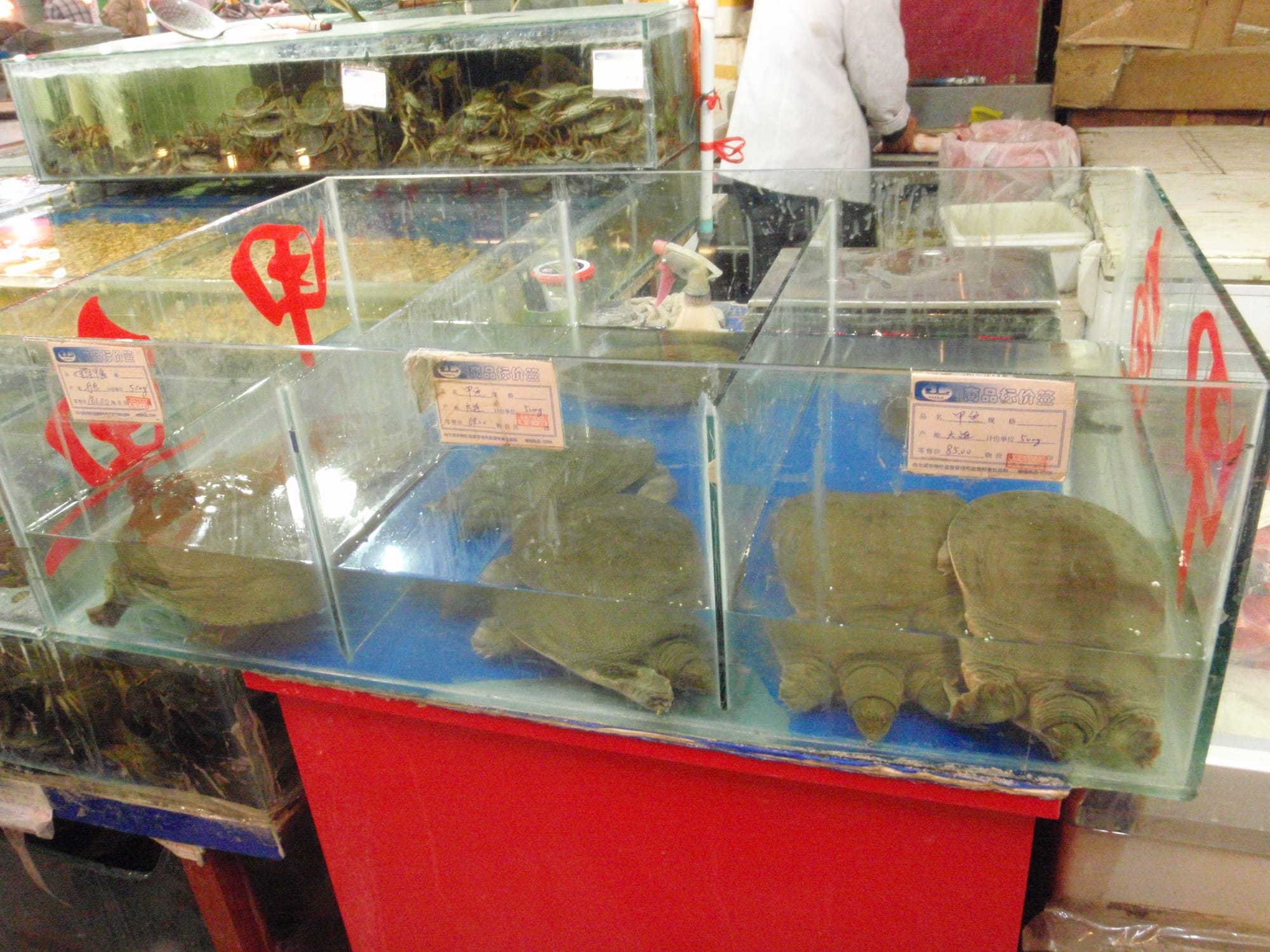
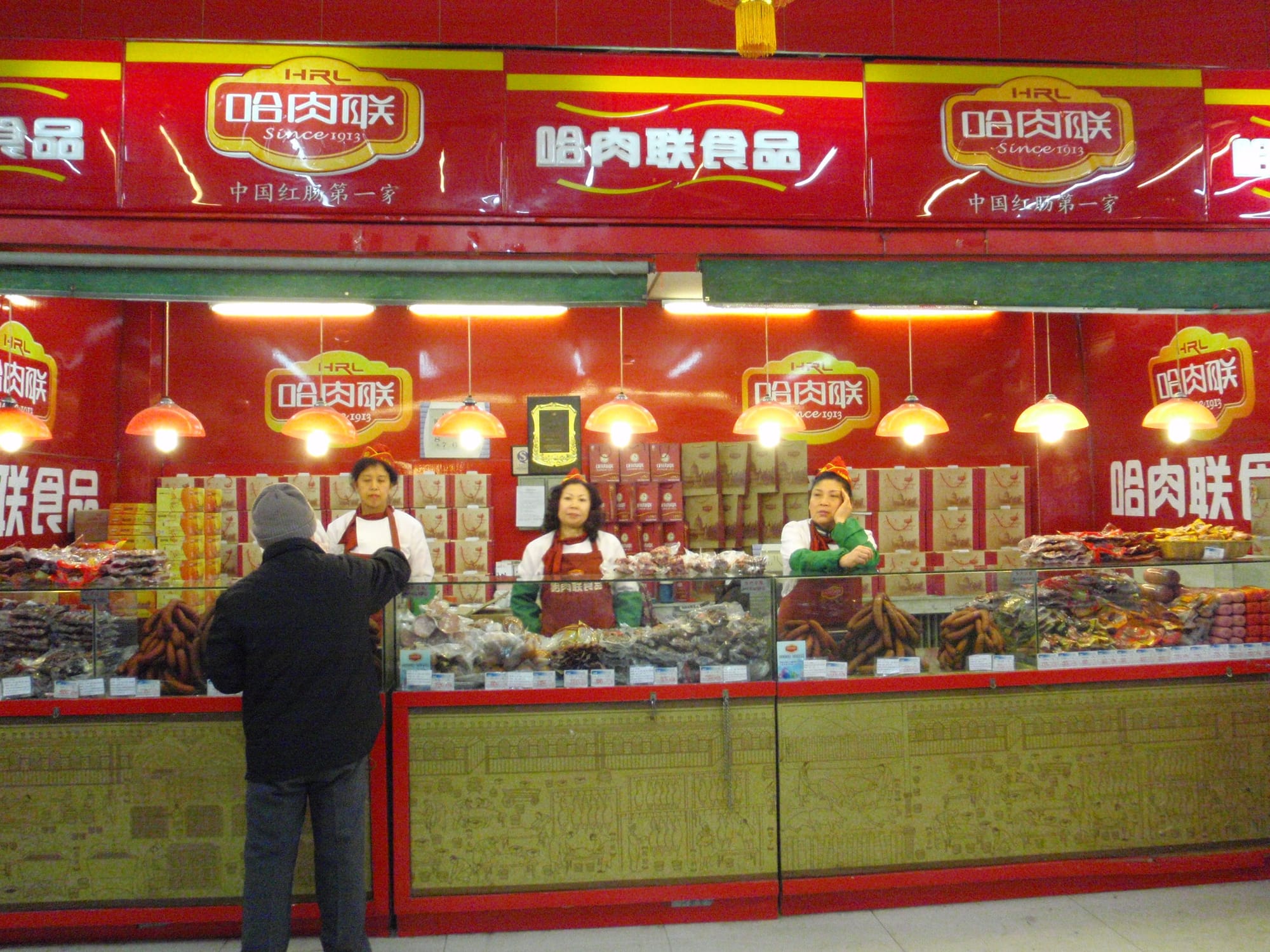
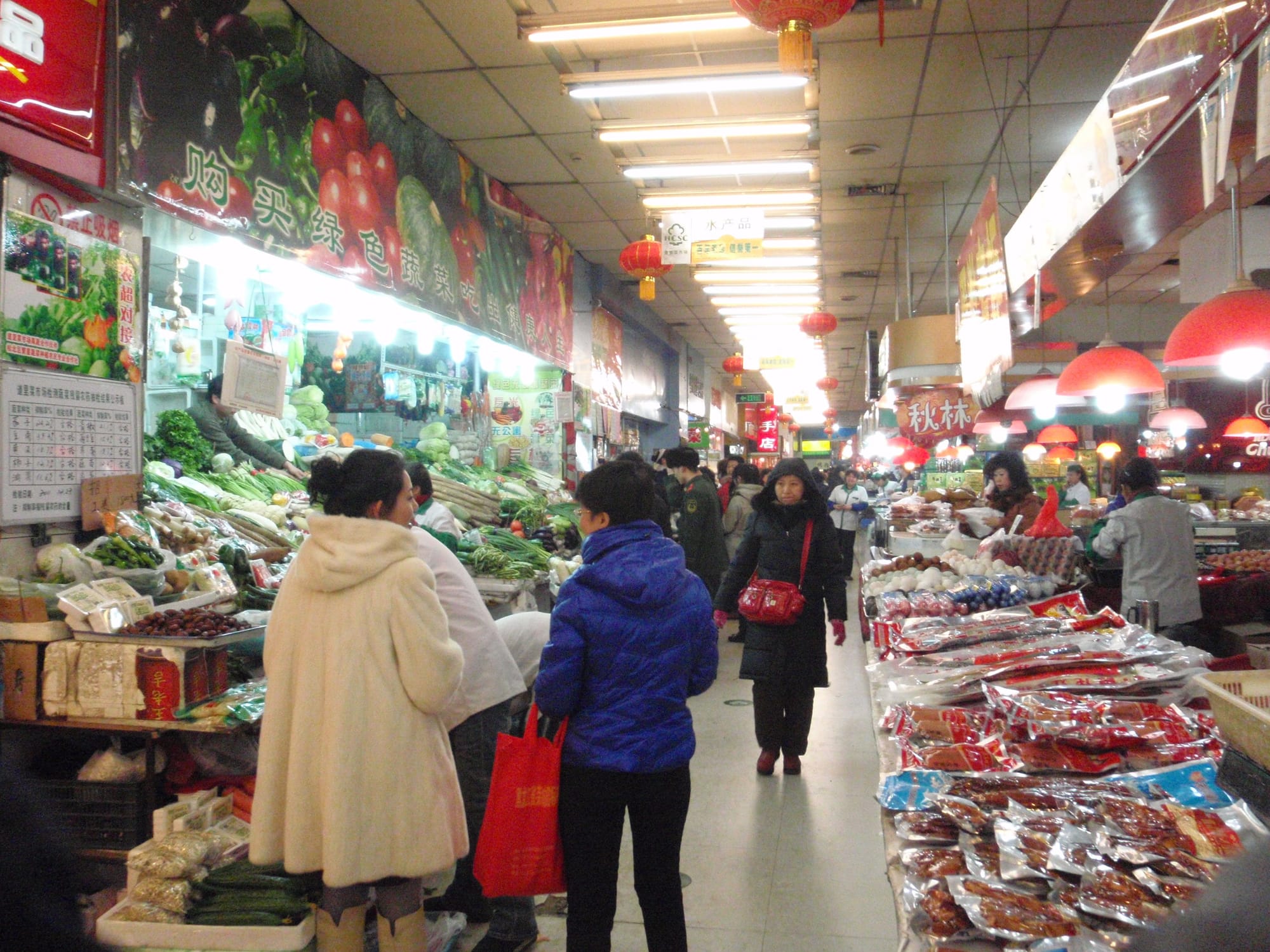
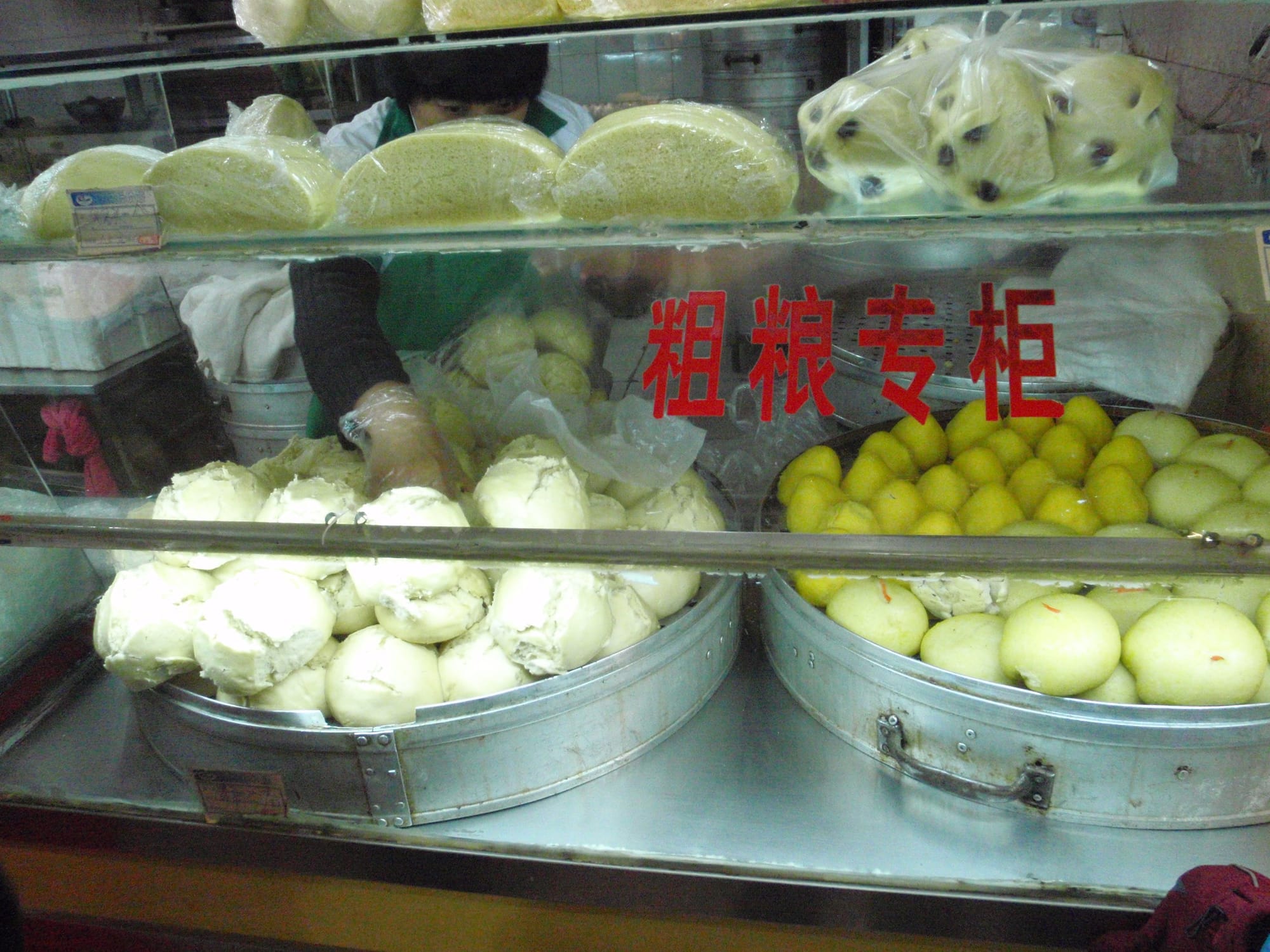
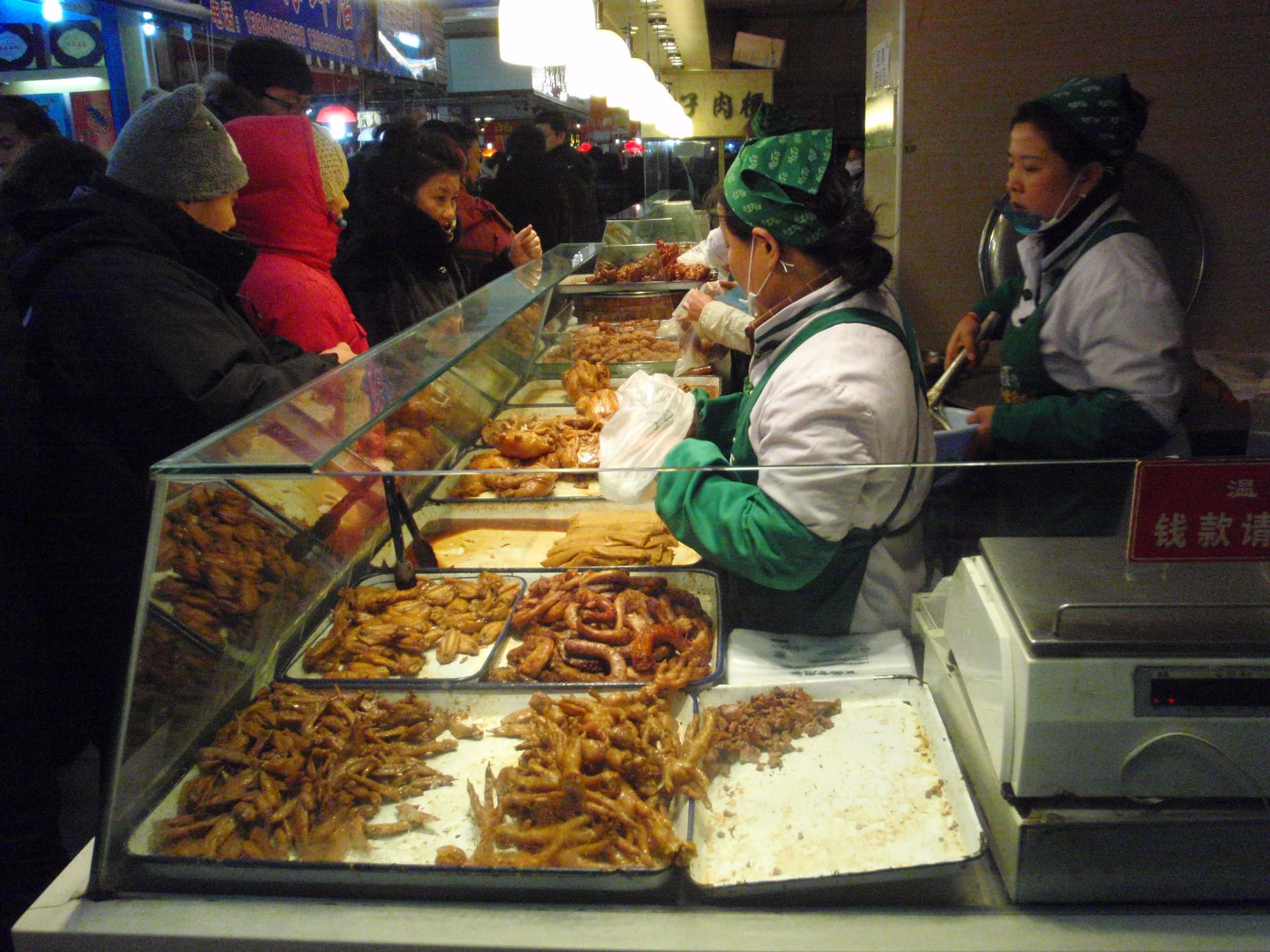
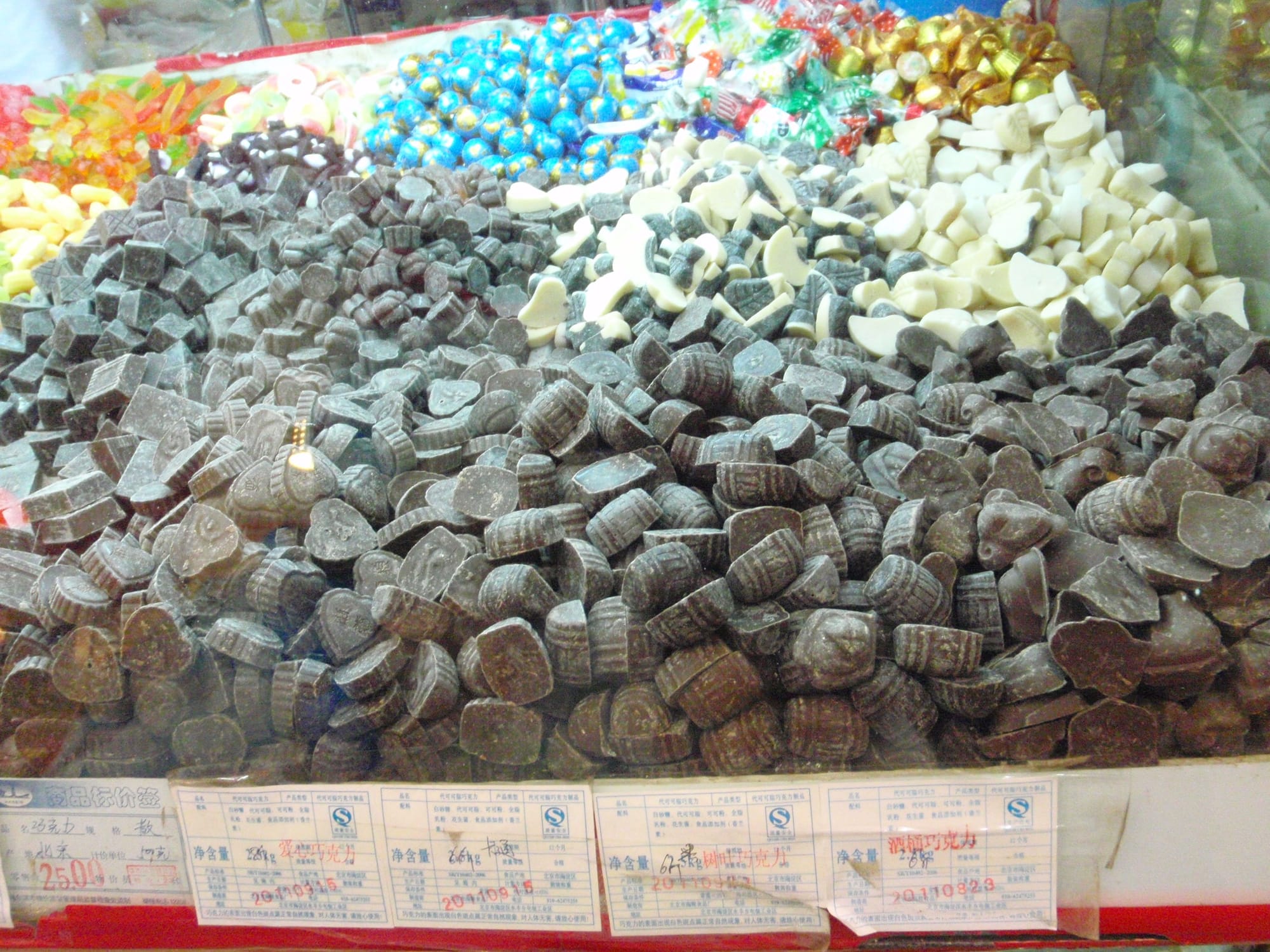
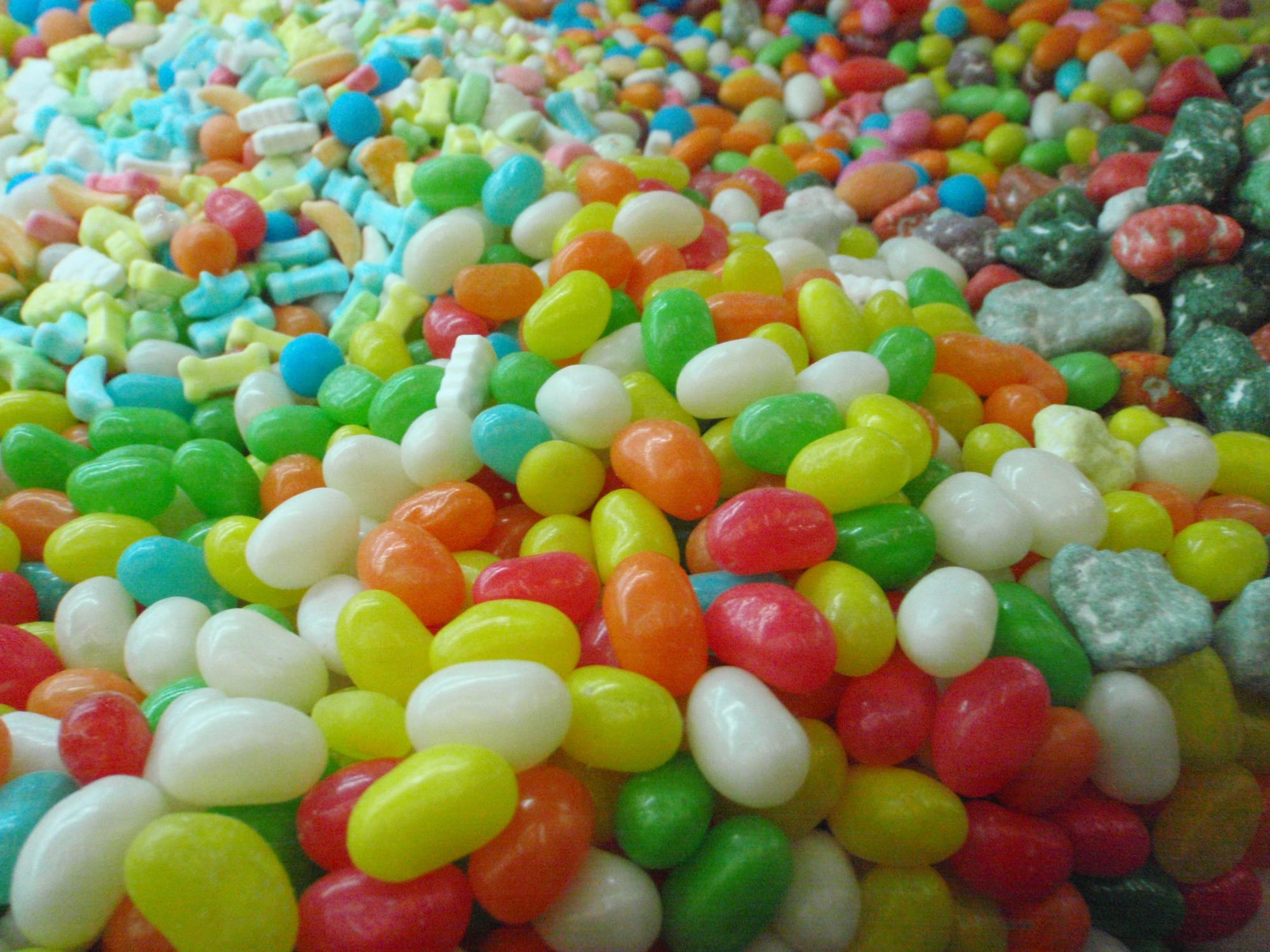
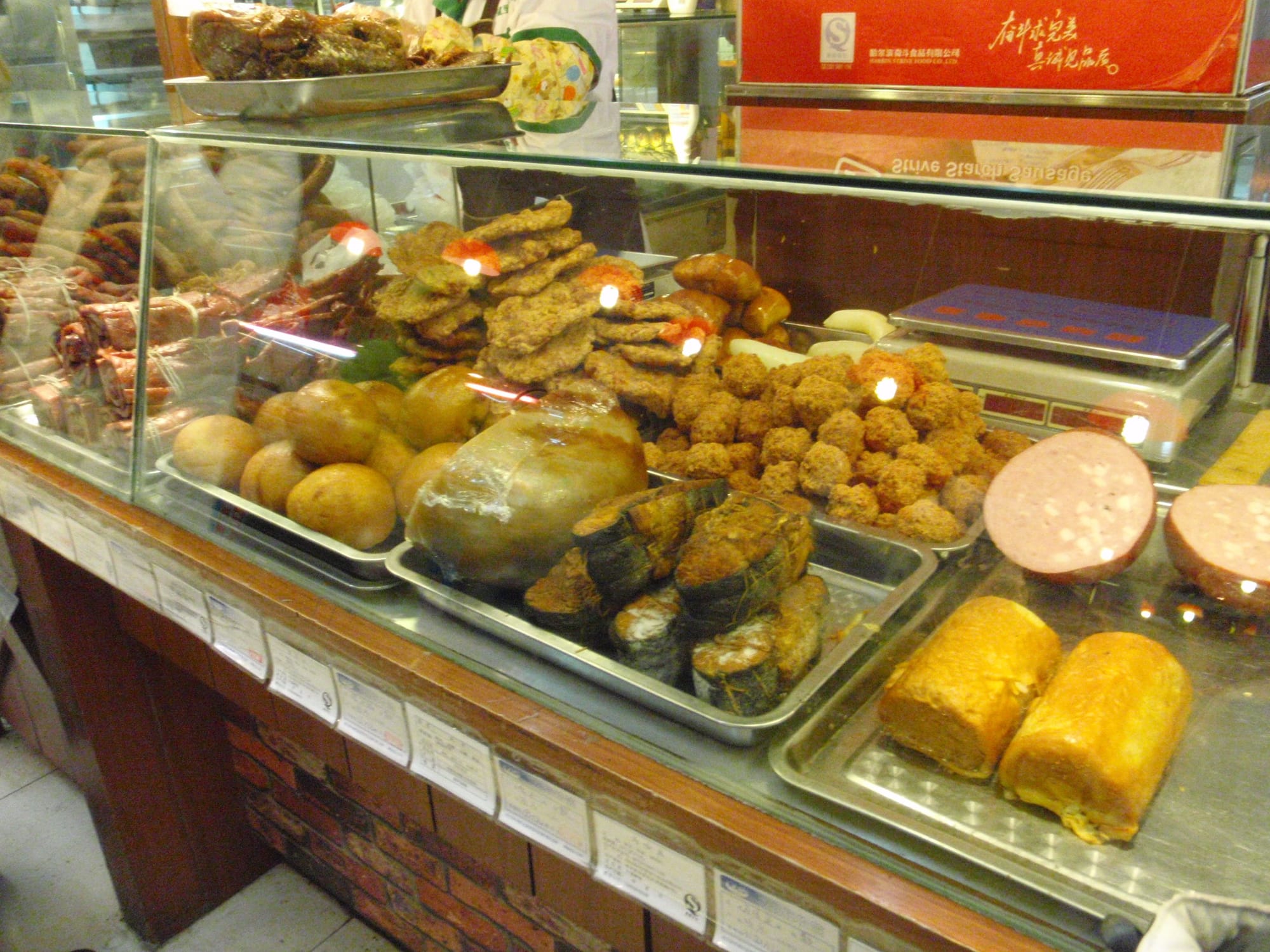
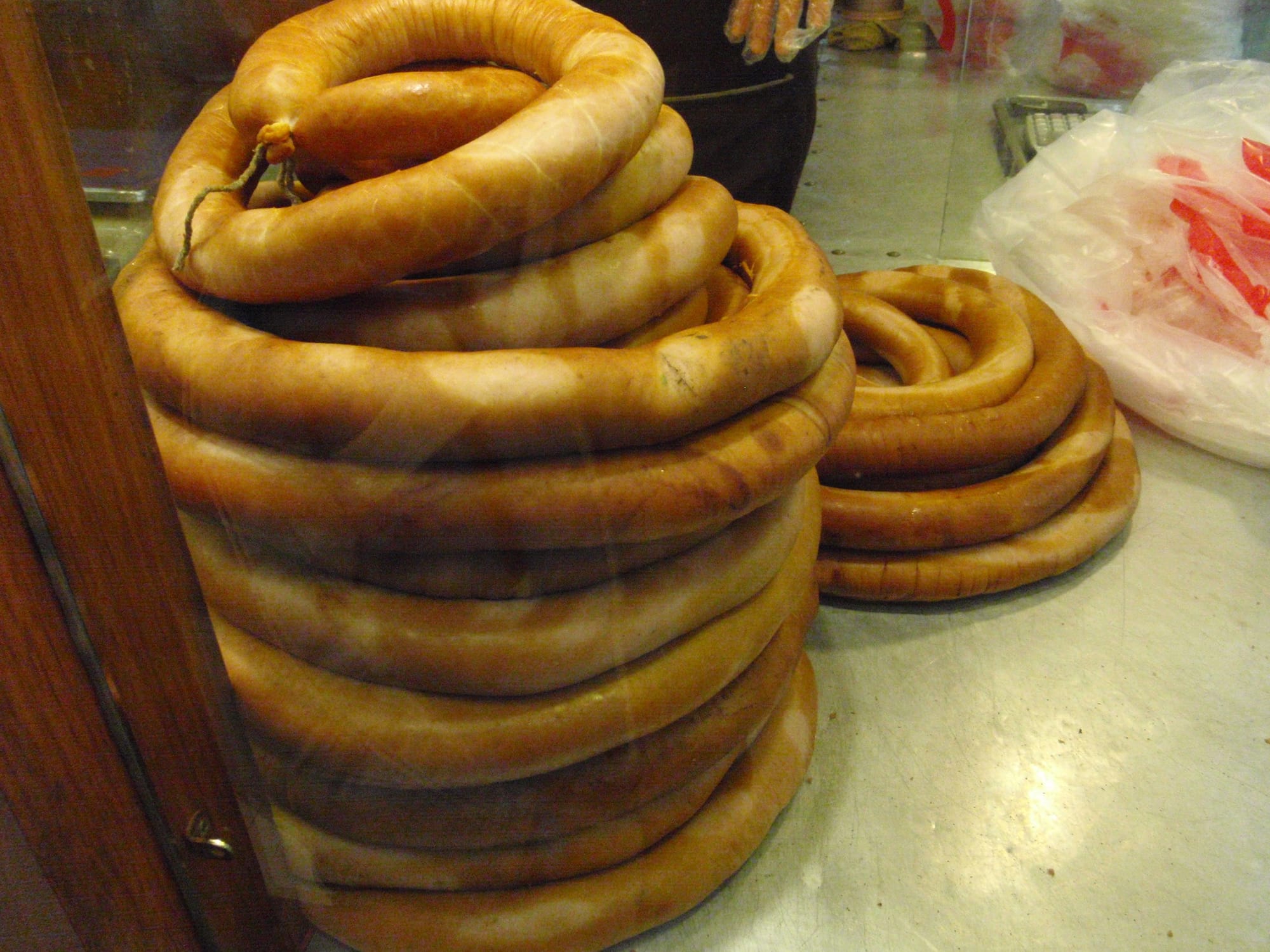
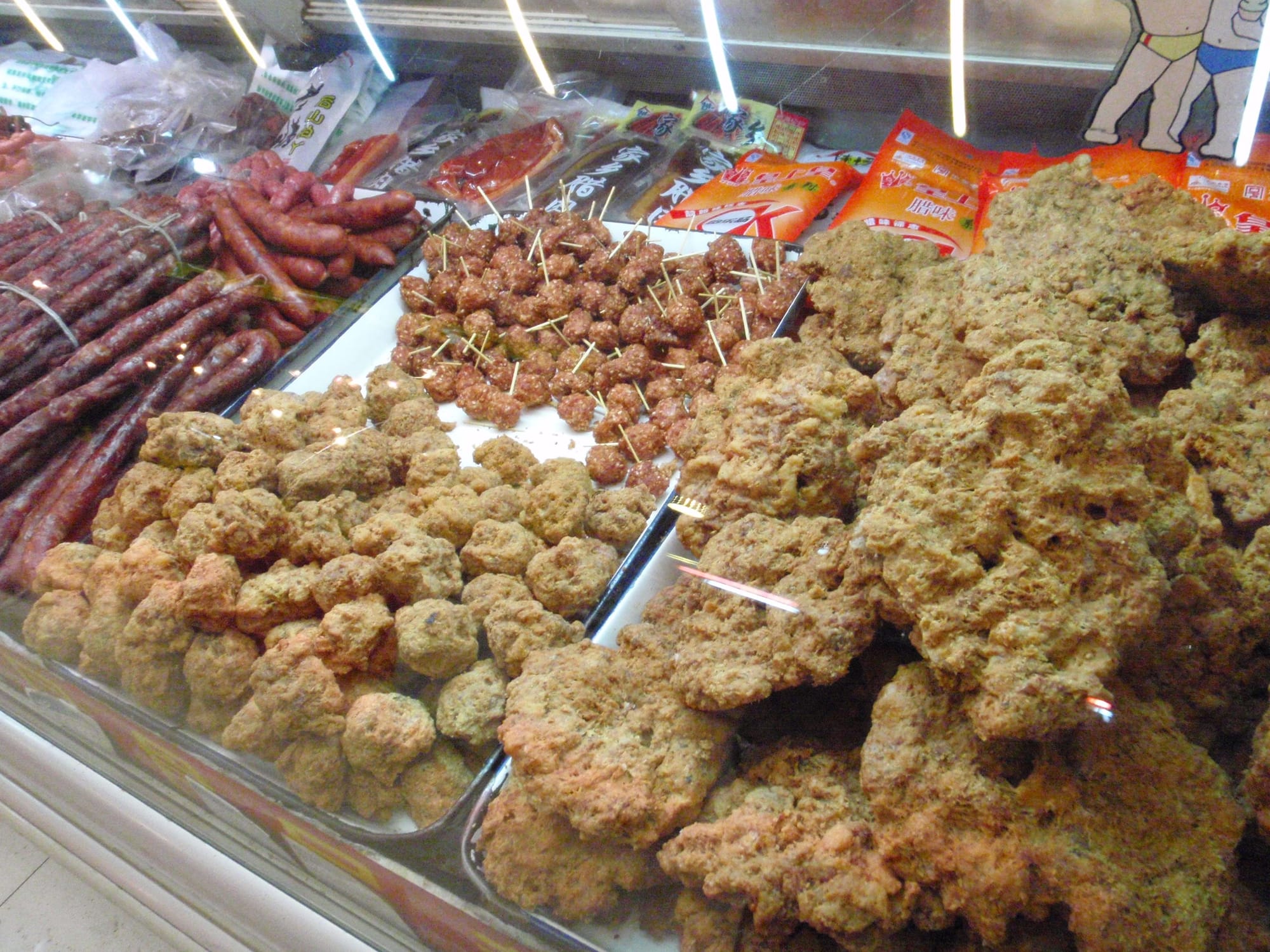
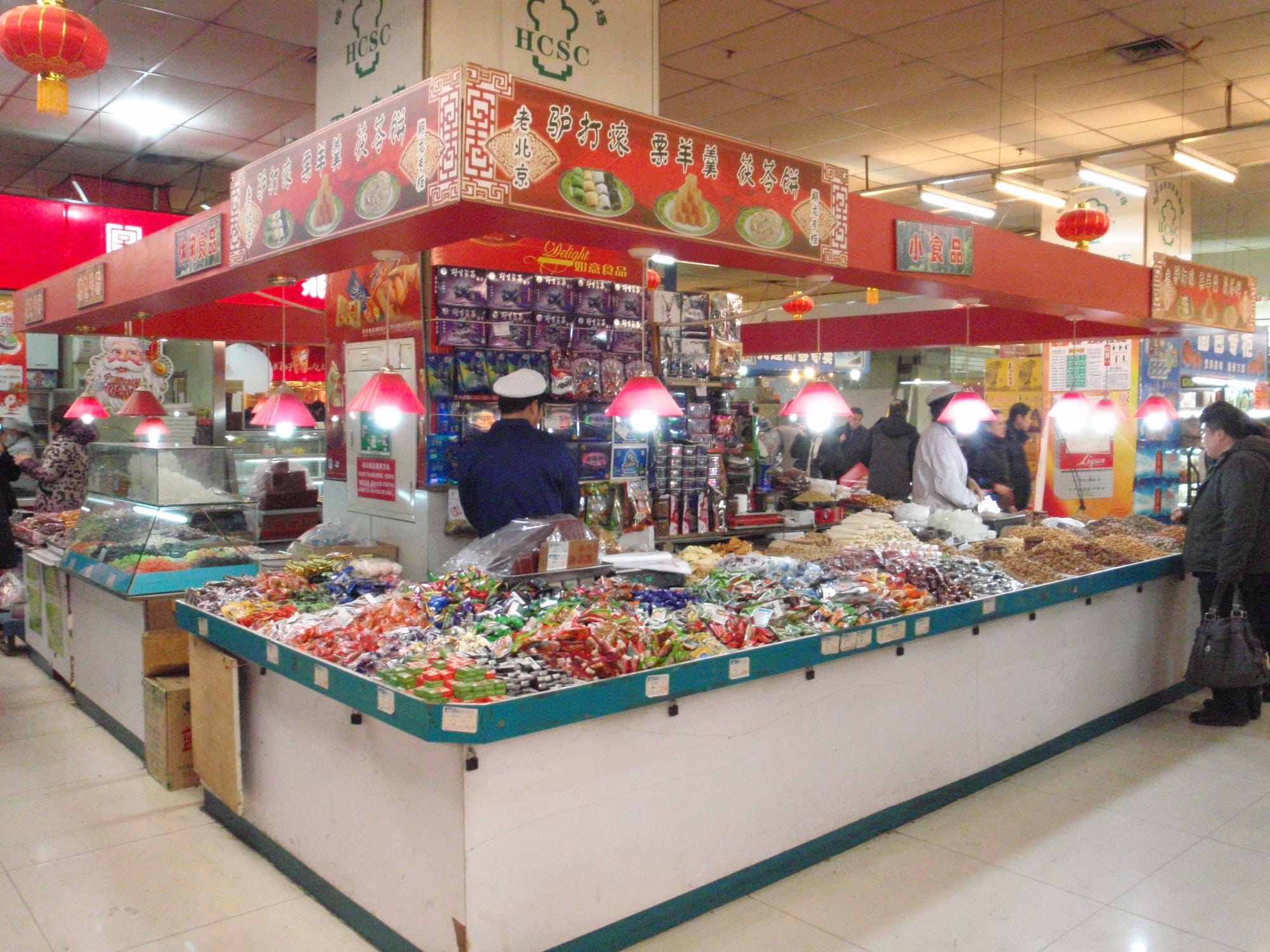
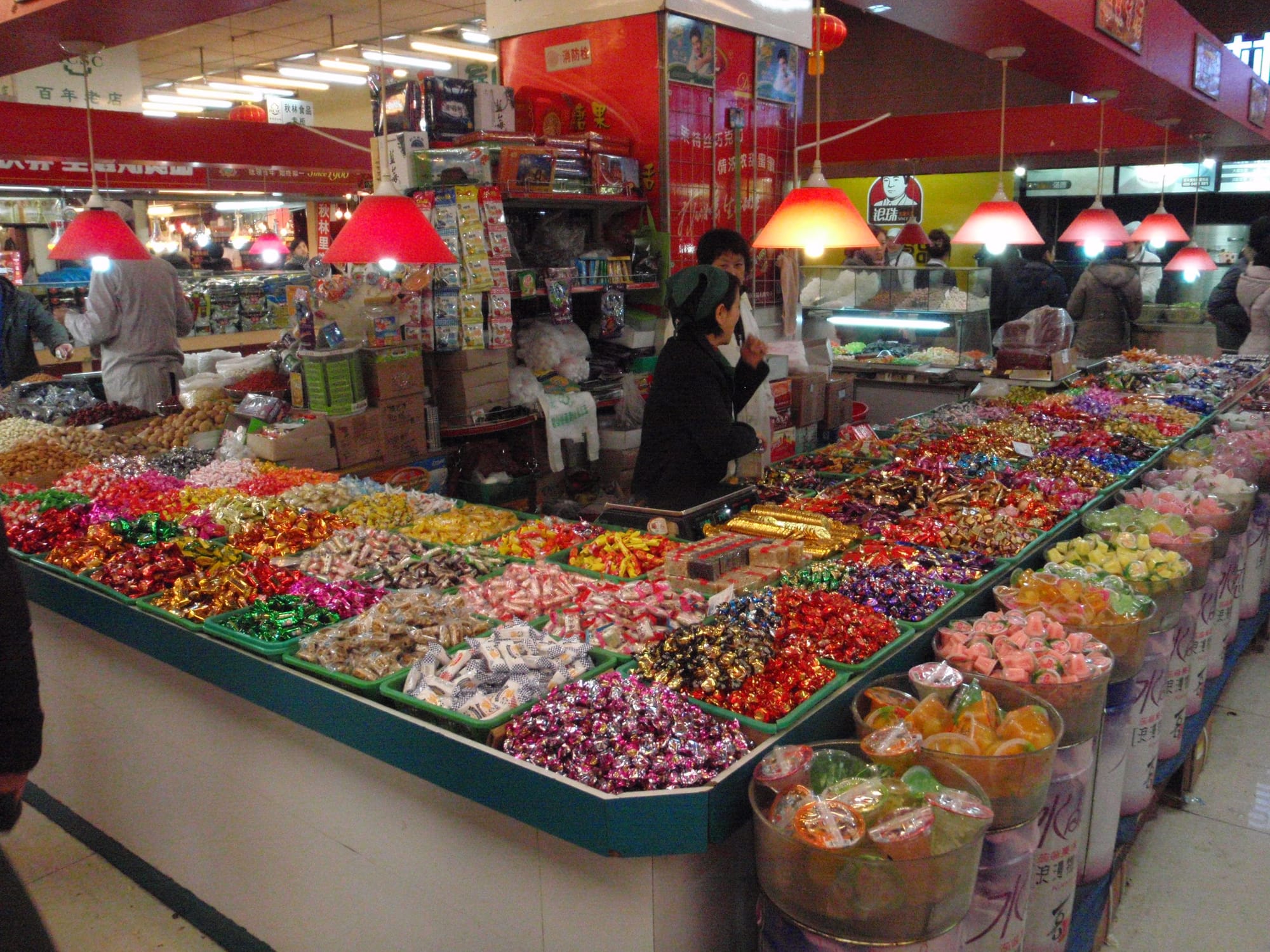

Street Market
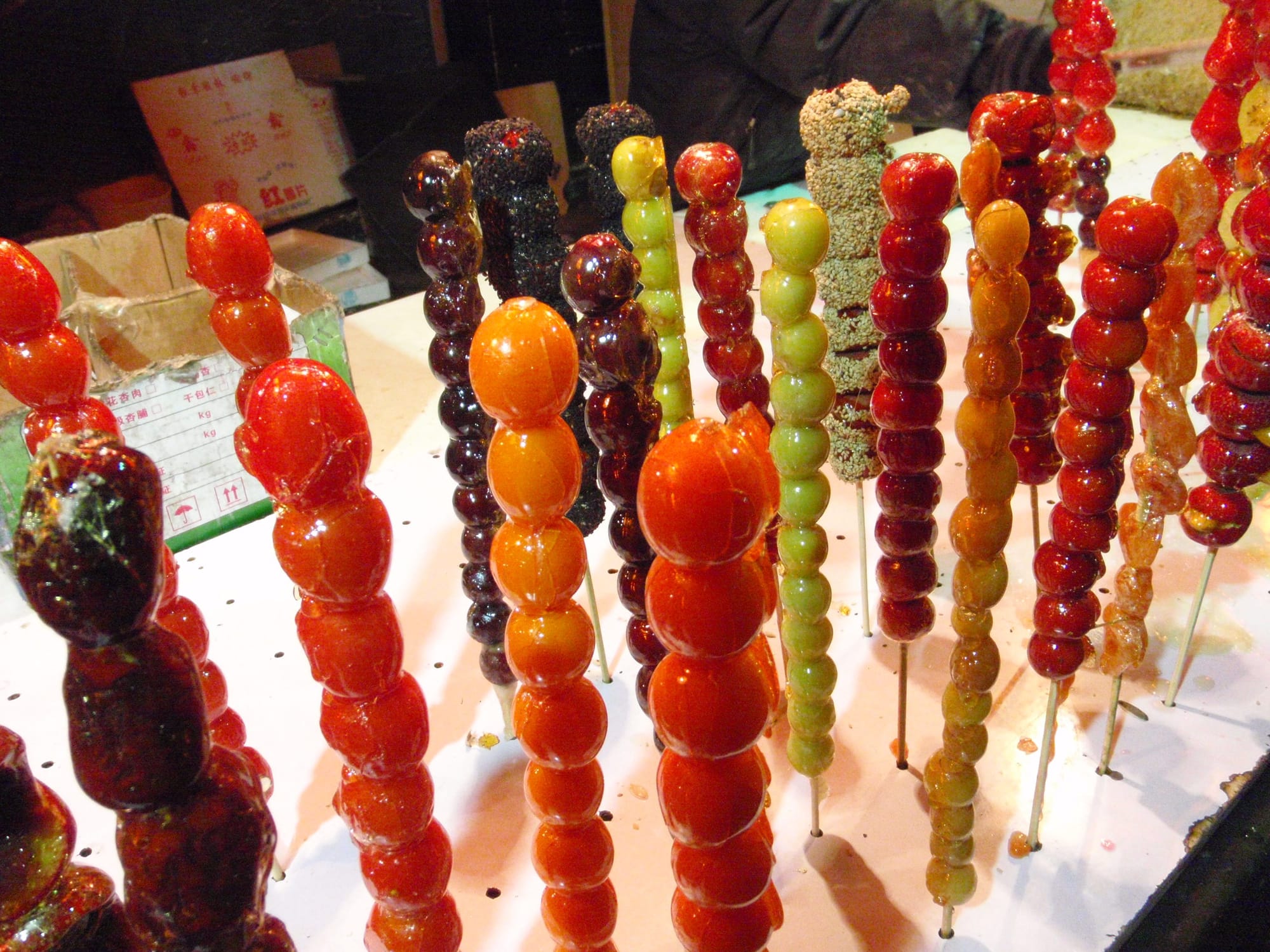
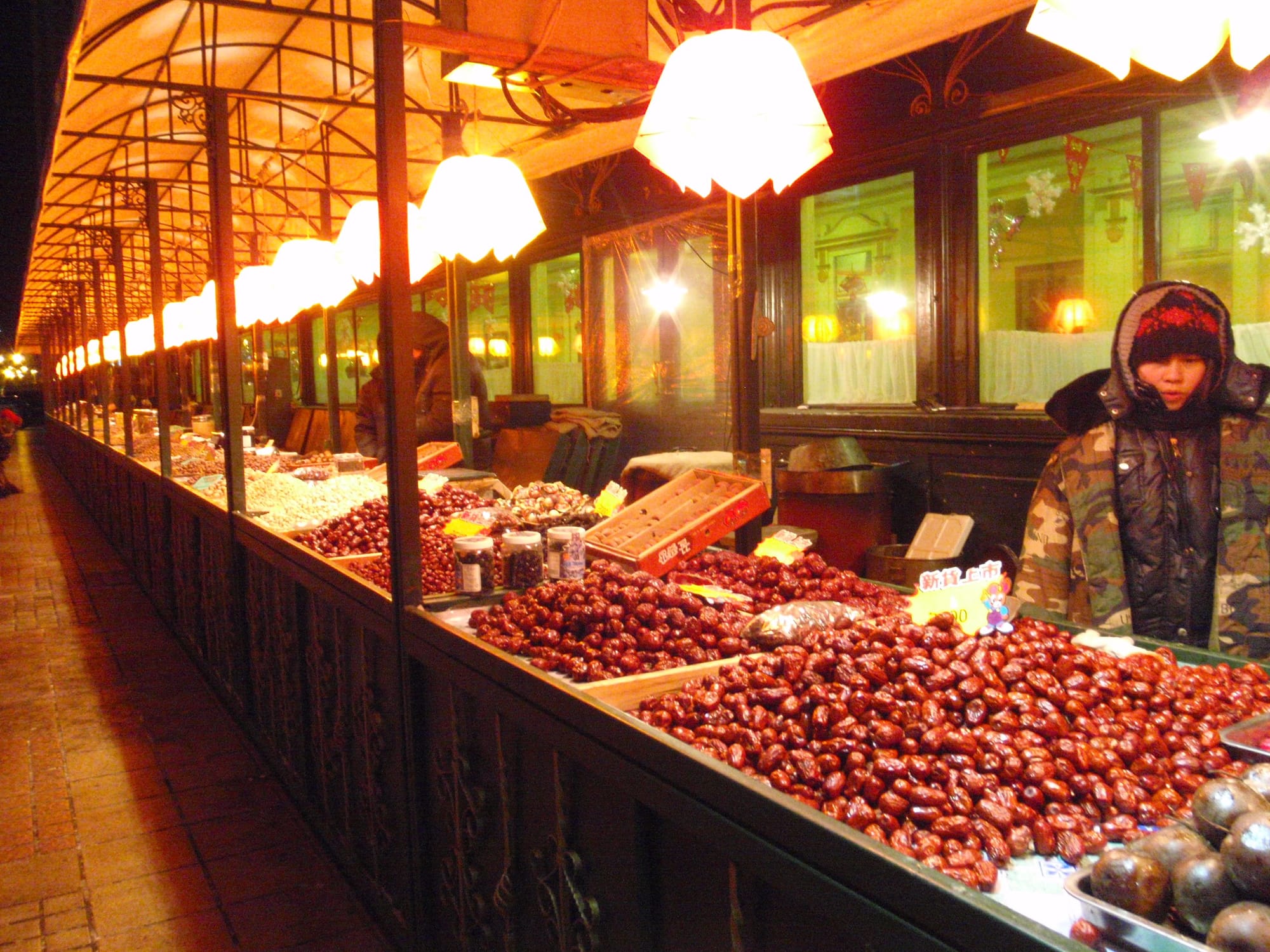
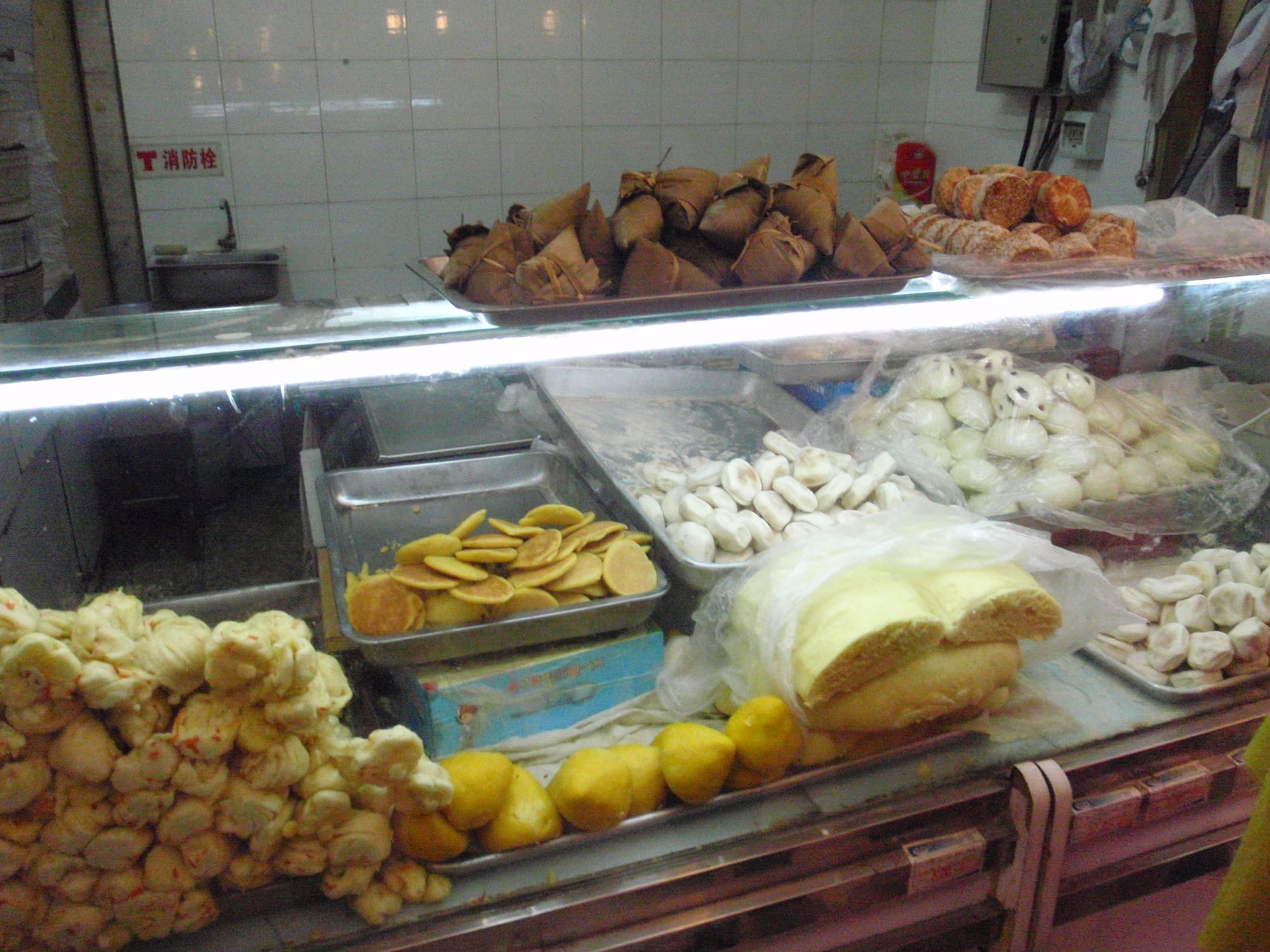
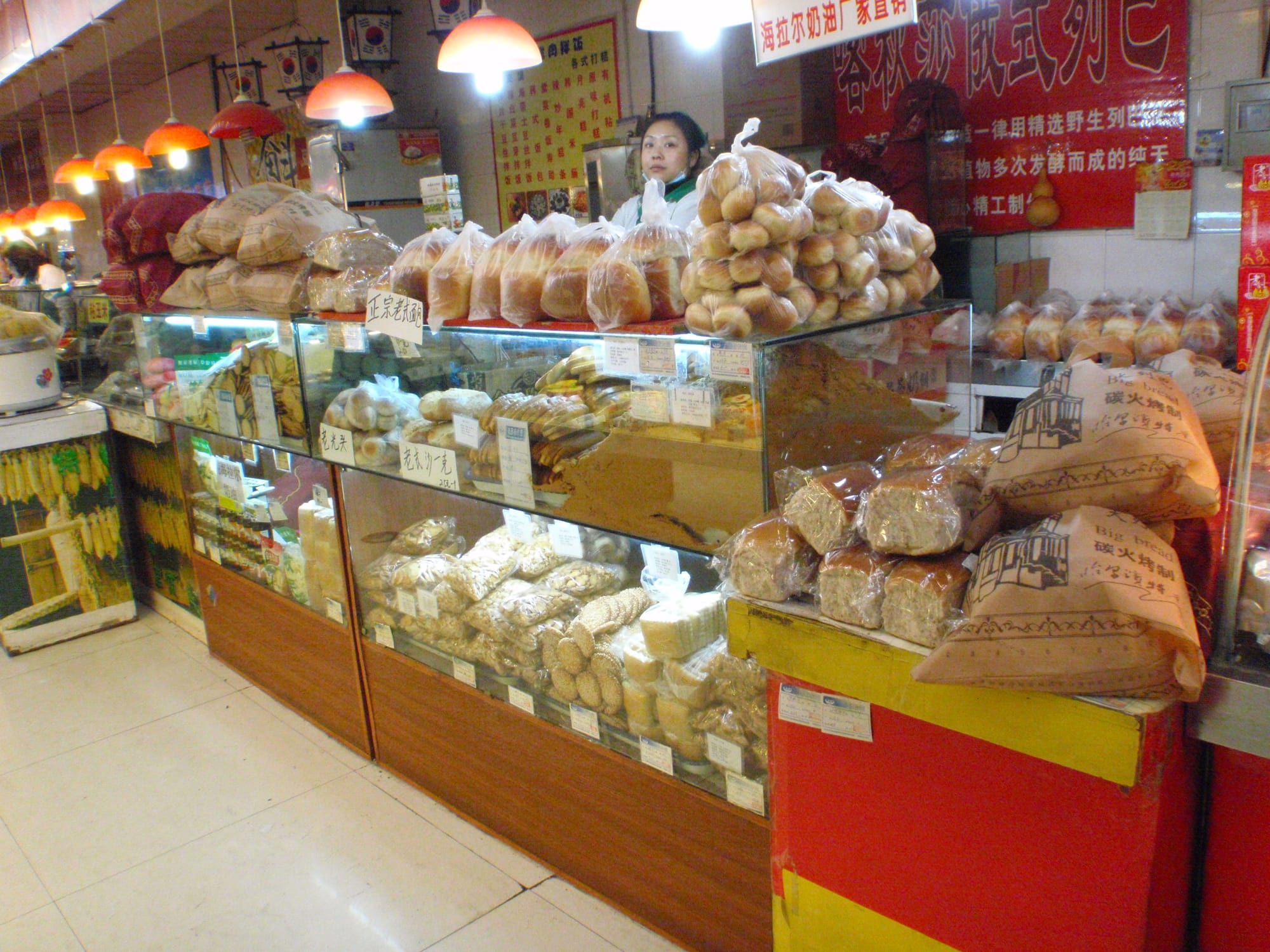
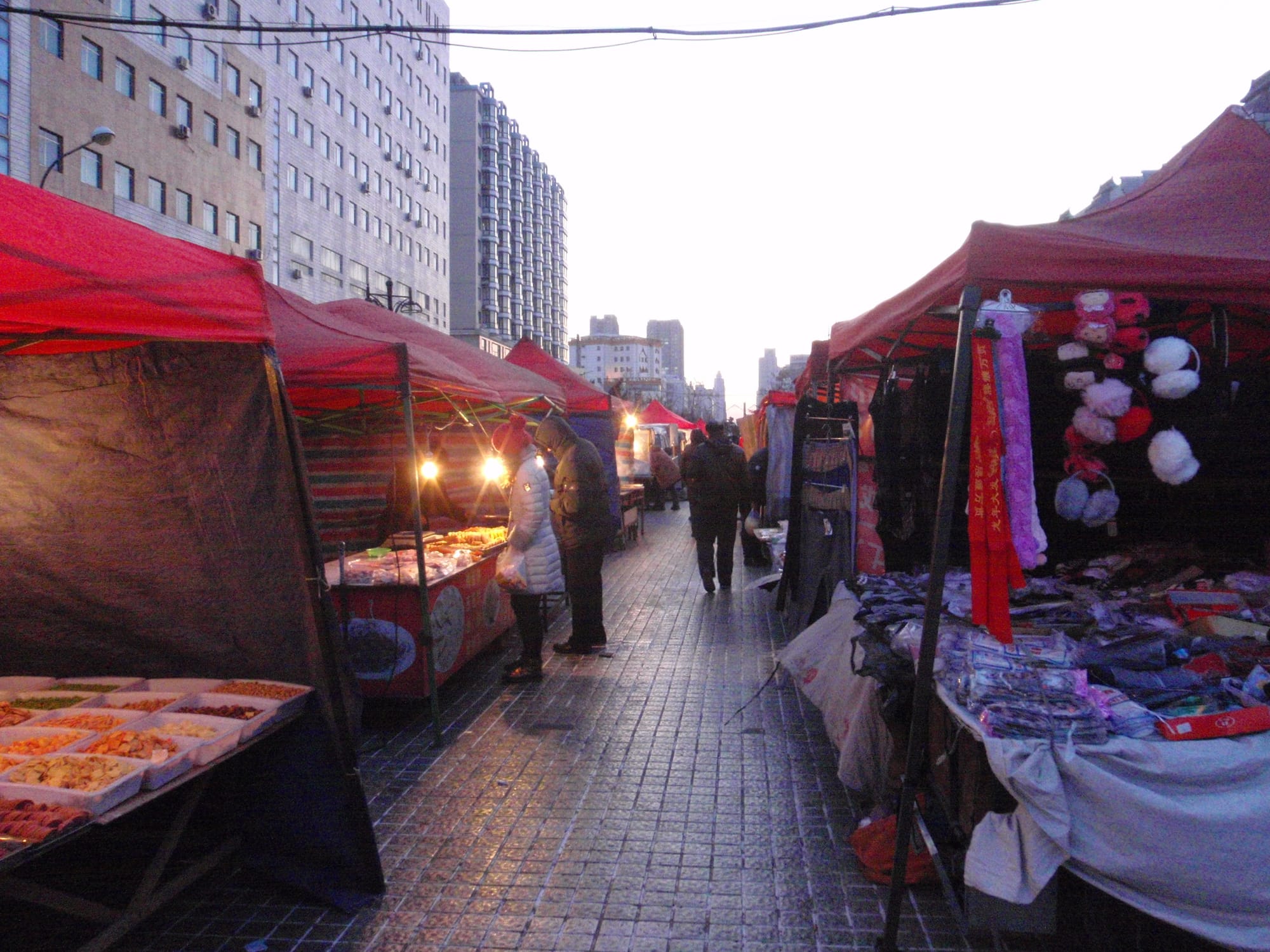
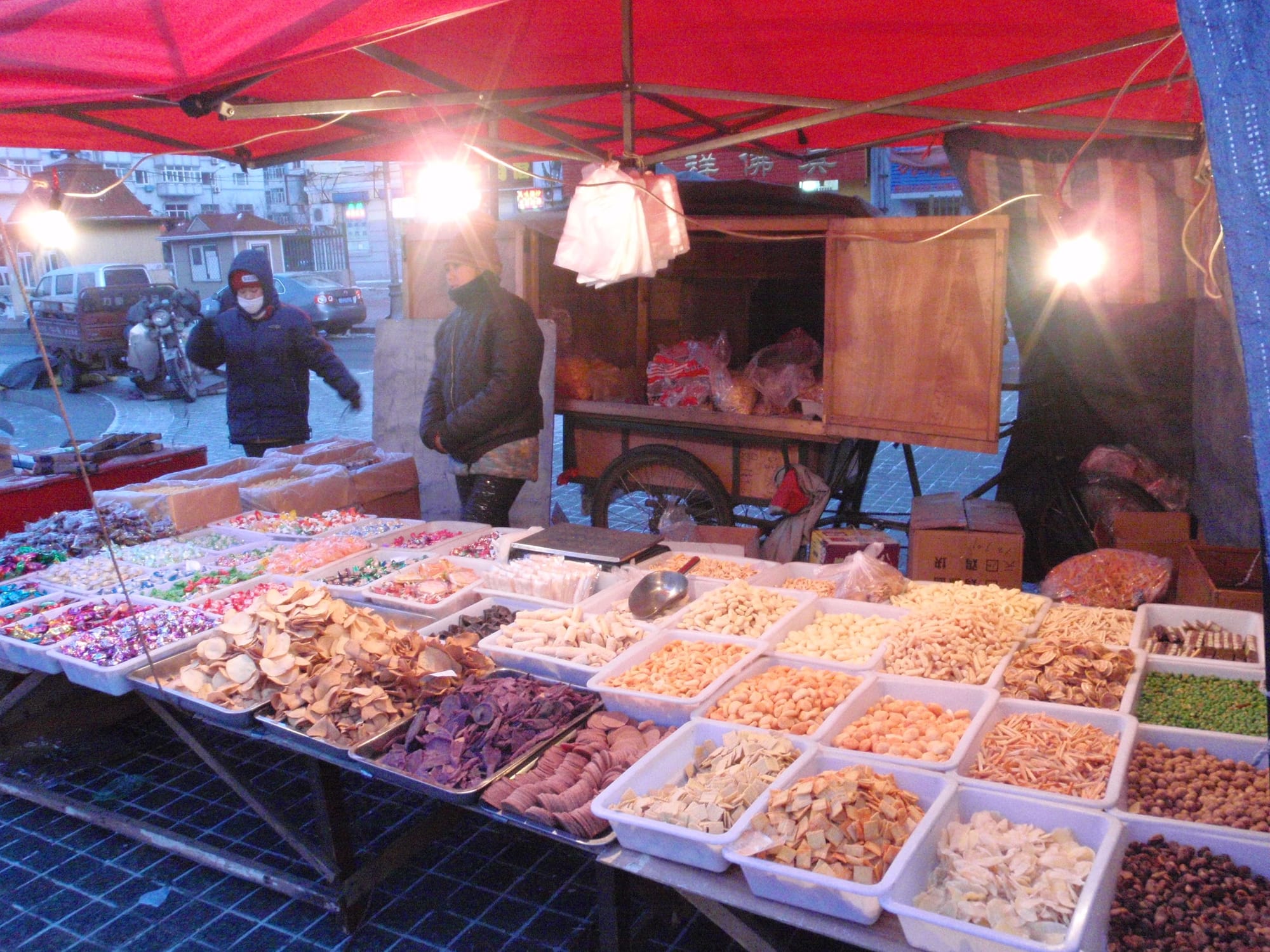
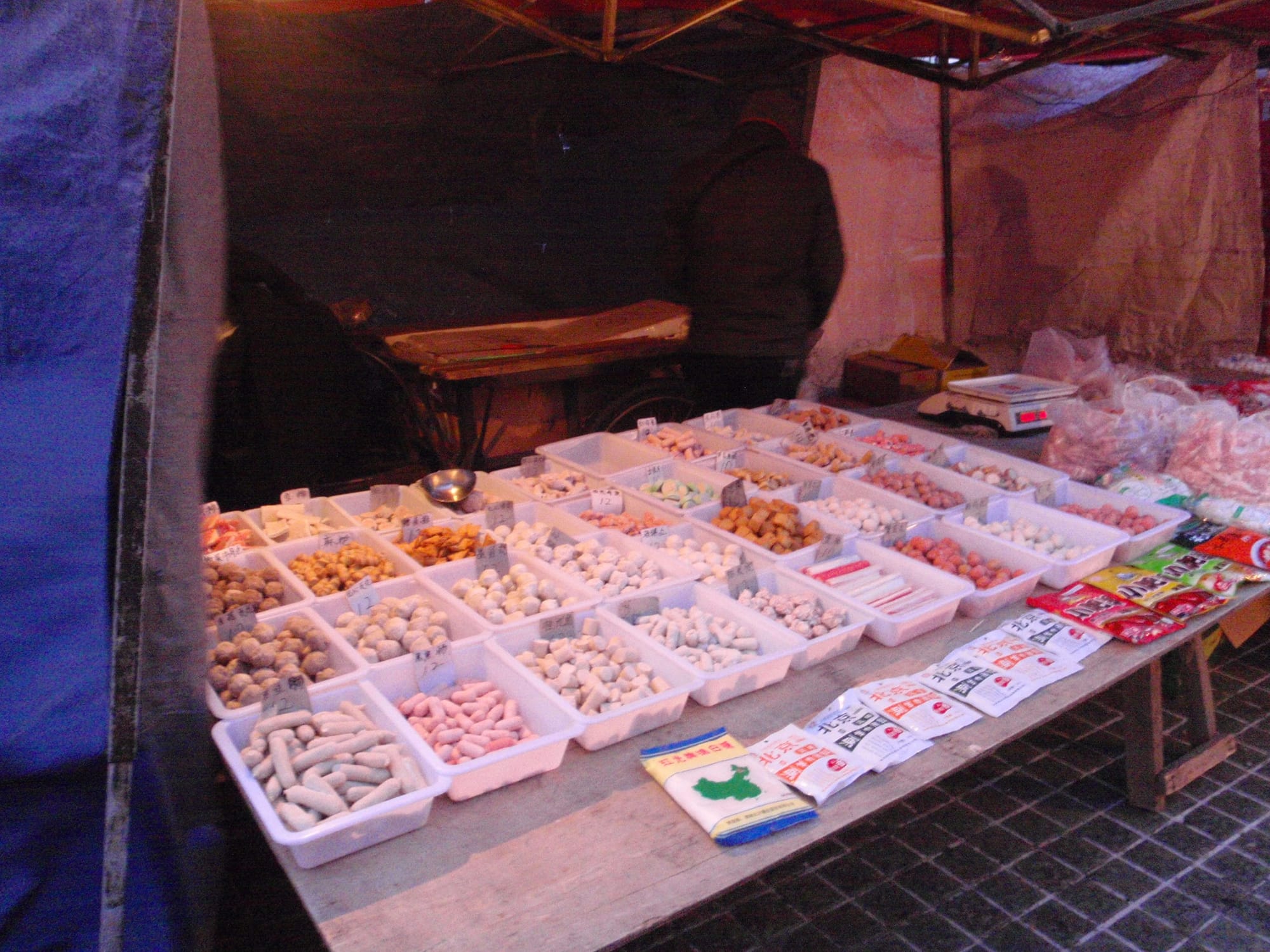
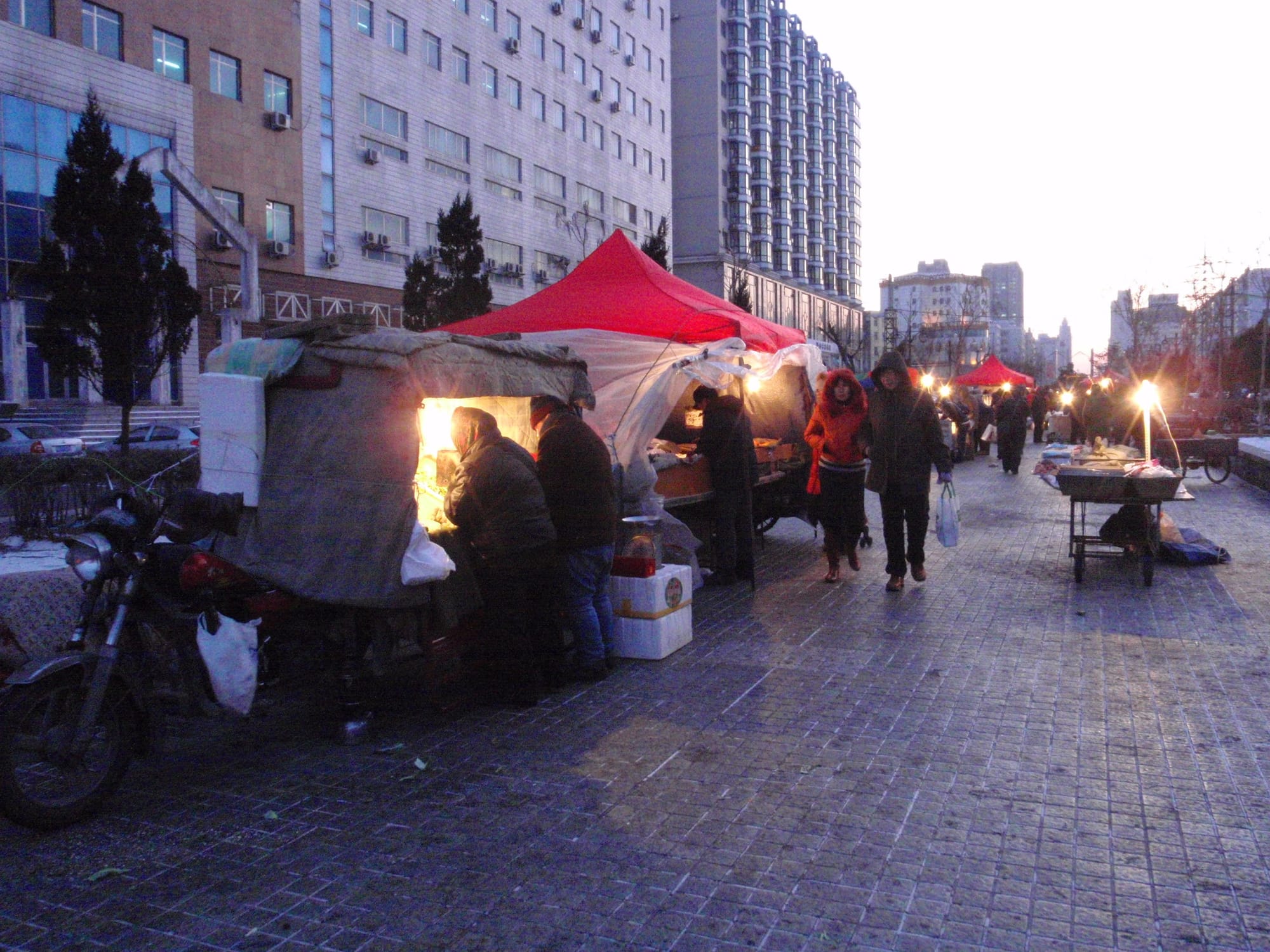
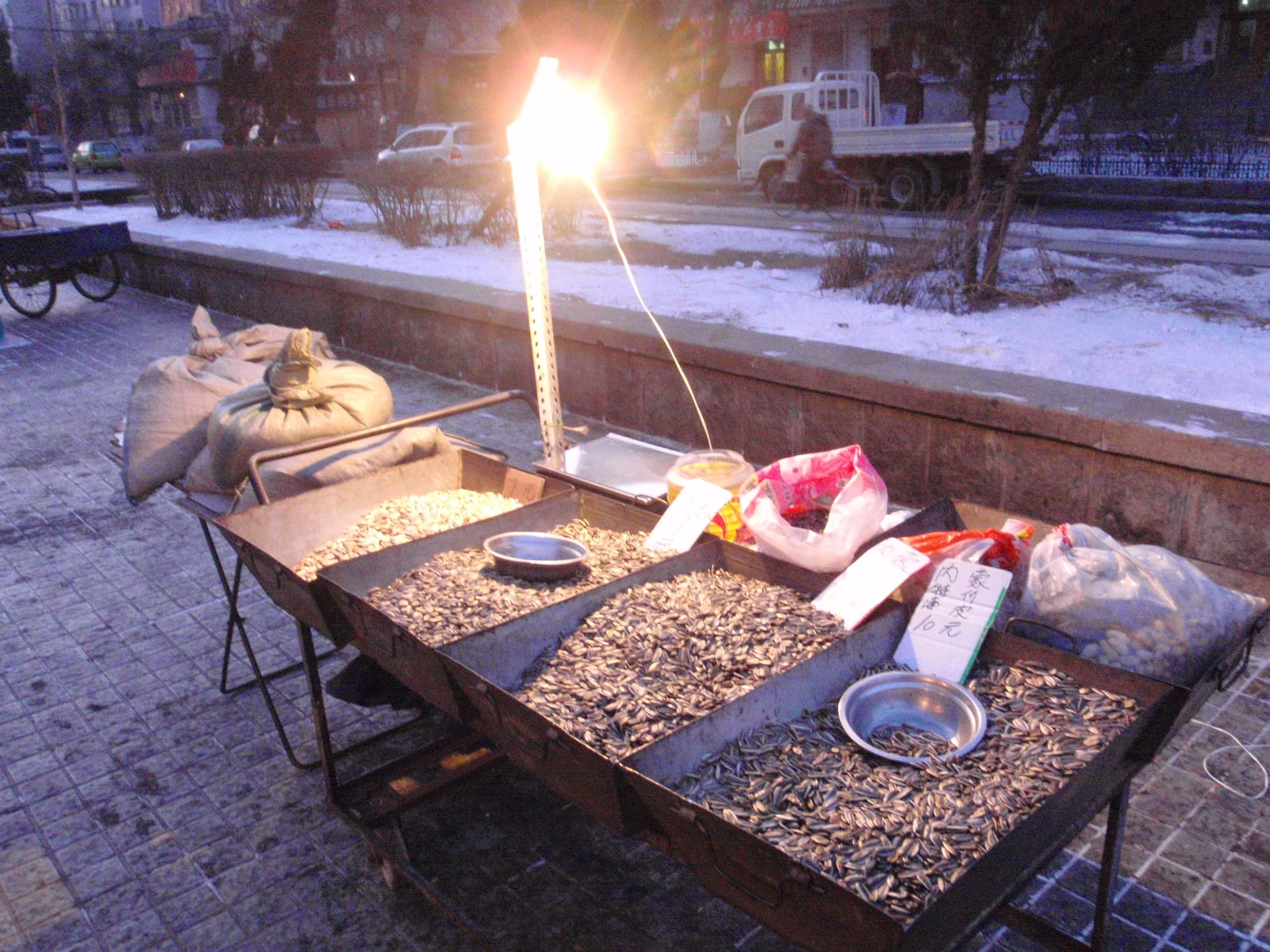
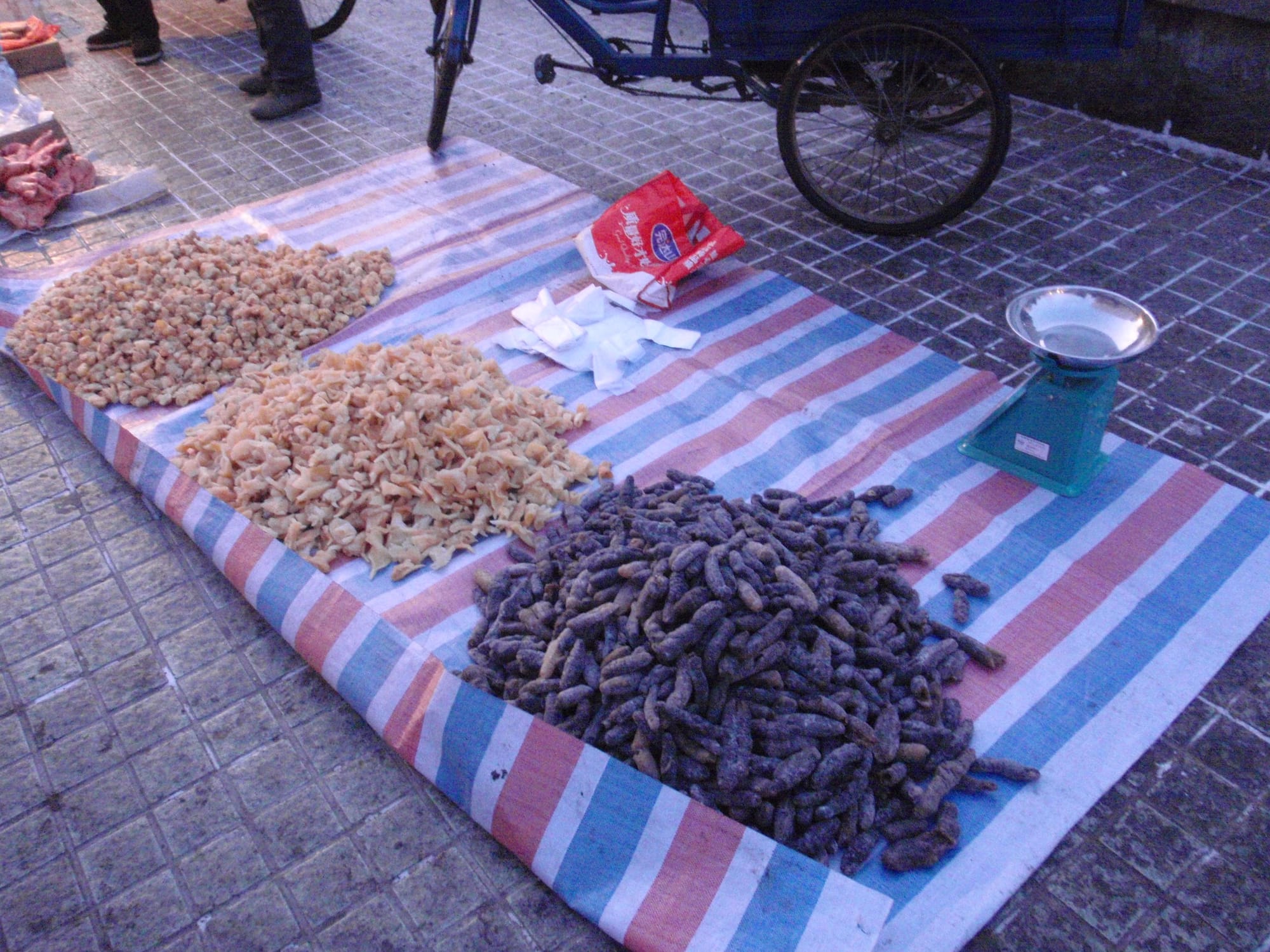
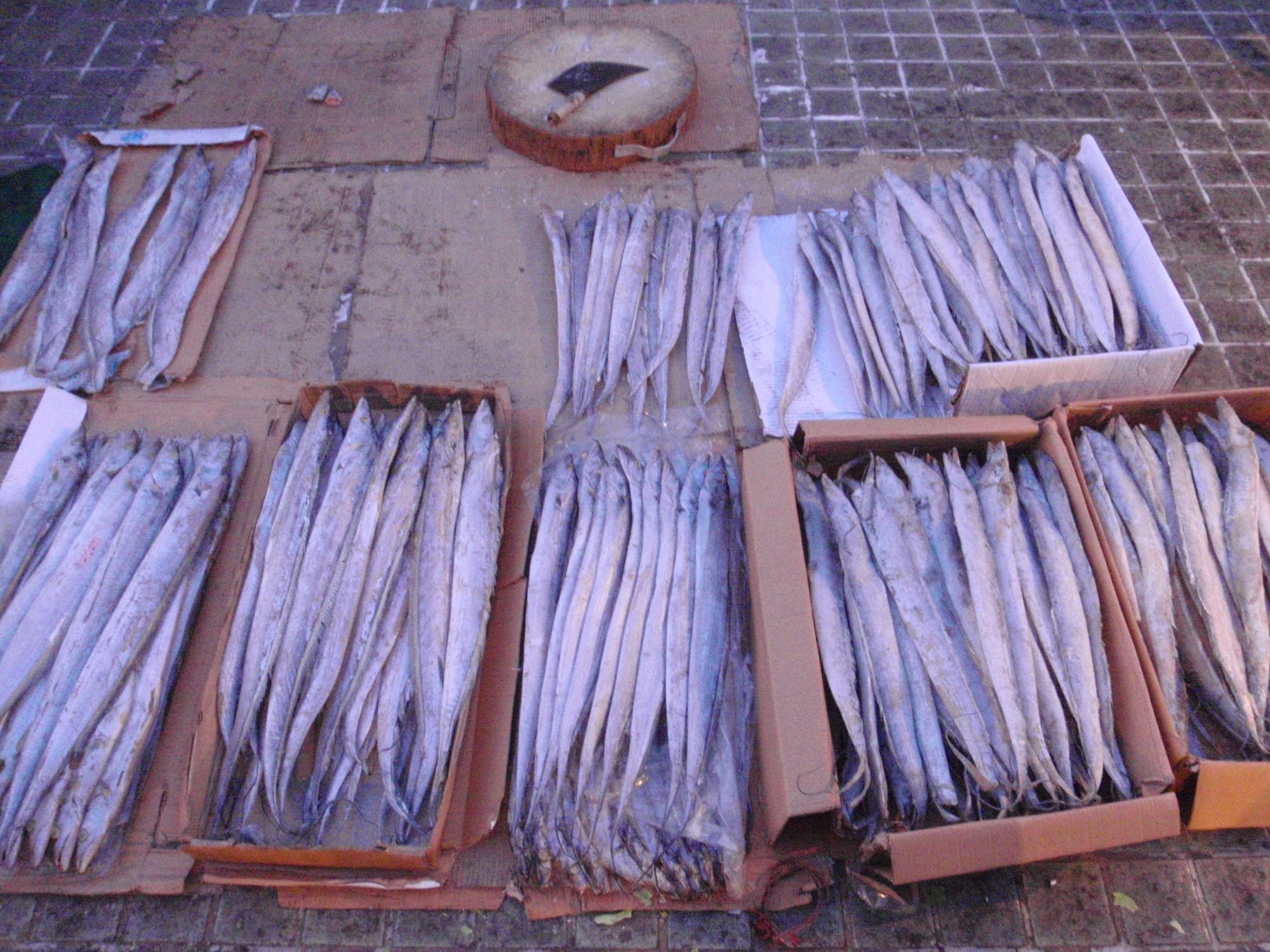
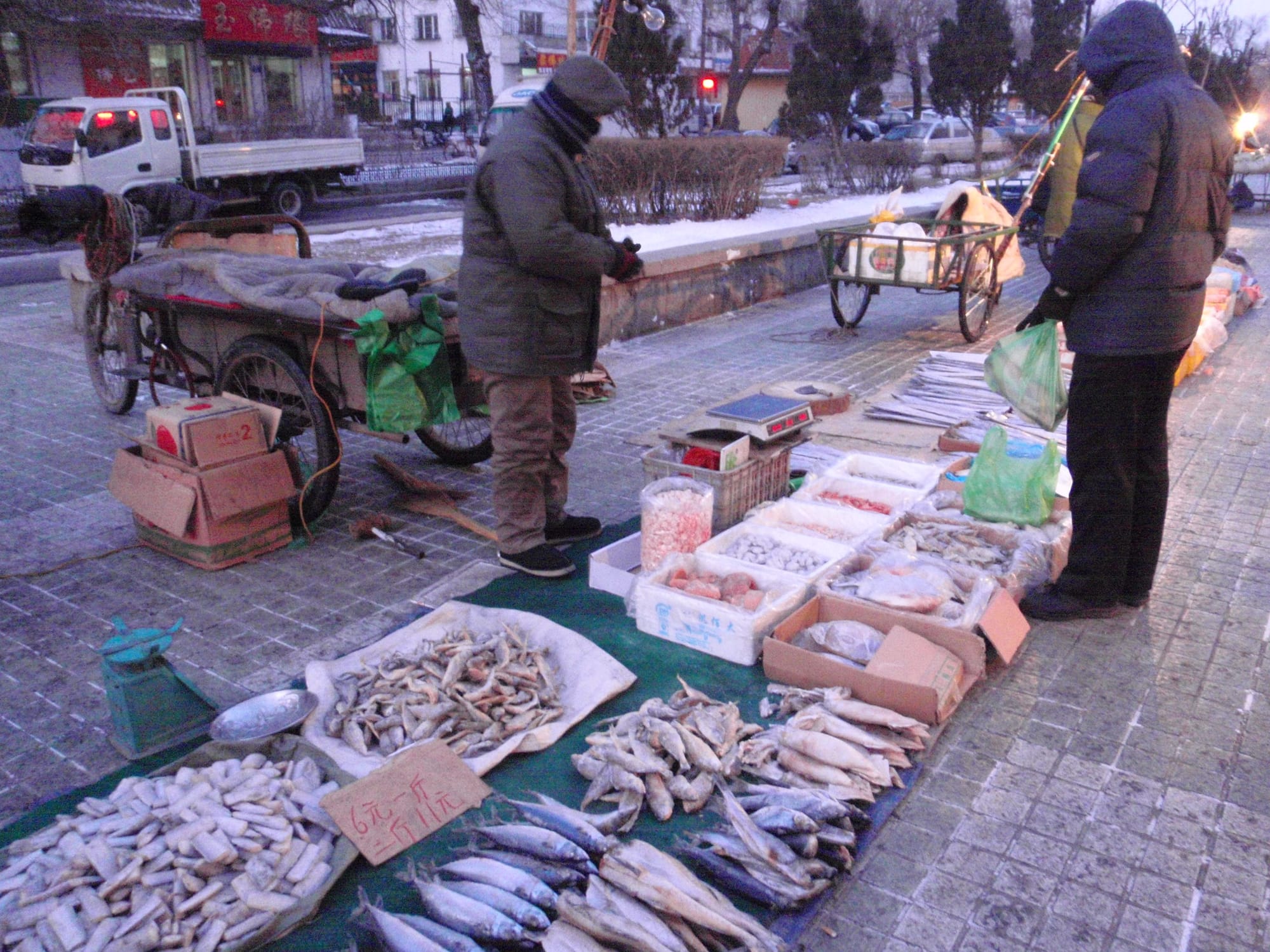
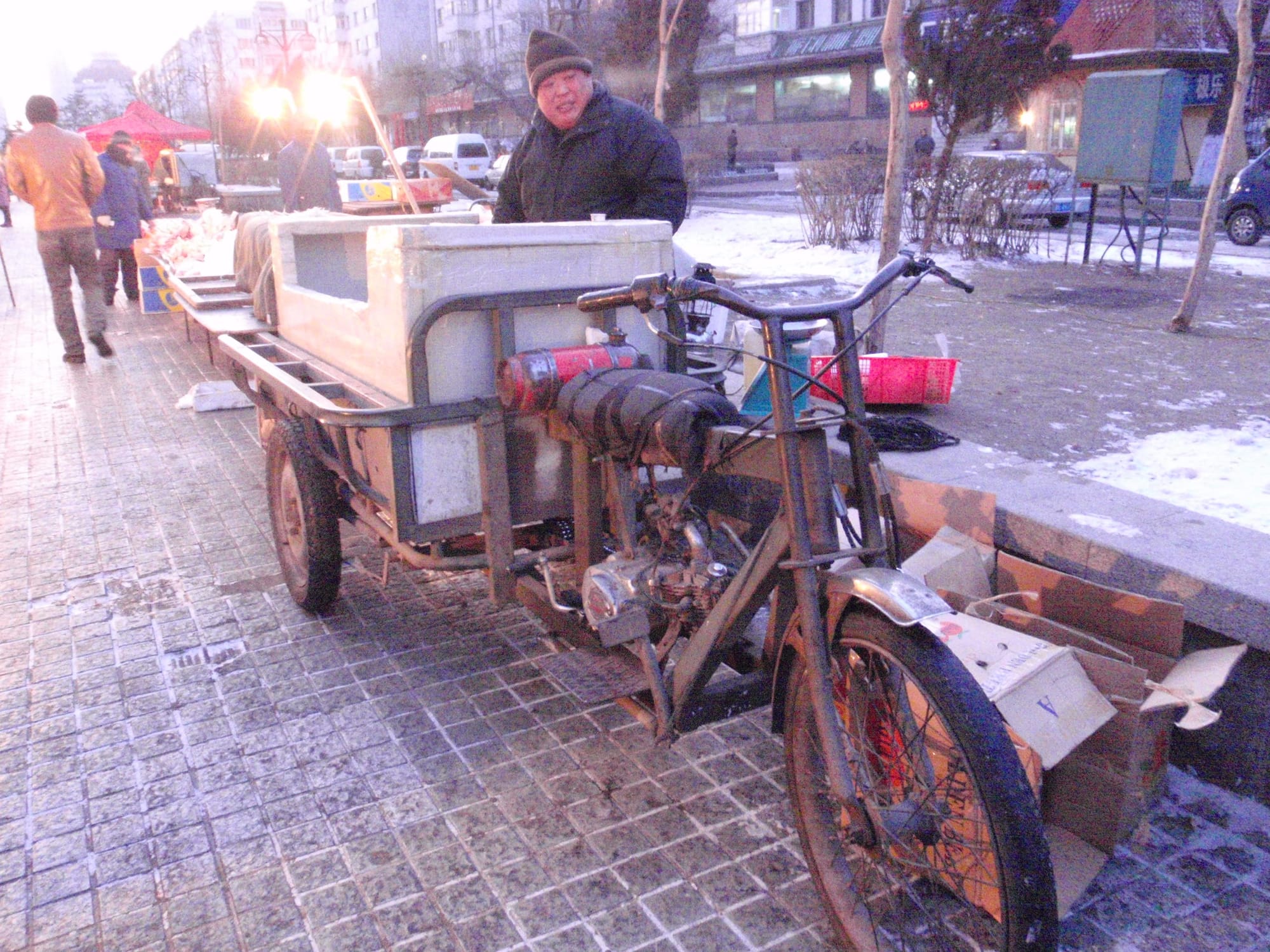
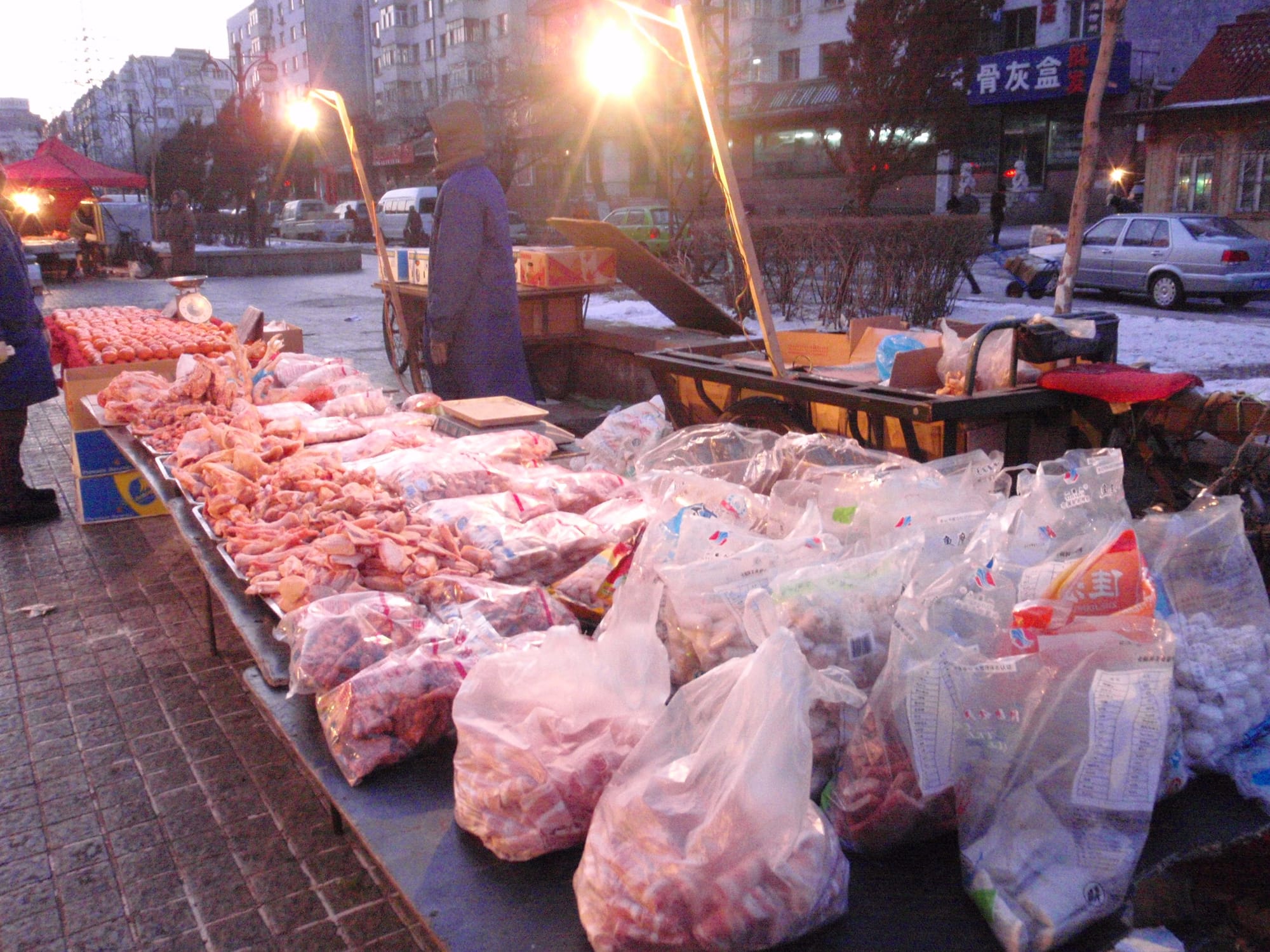
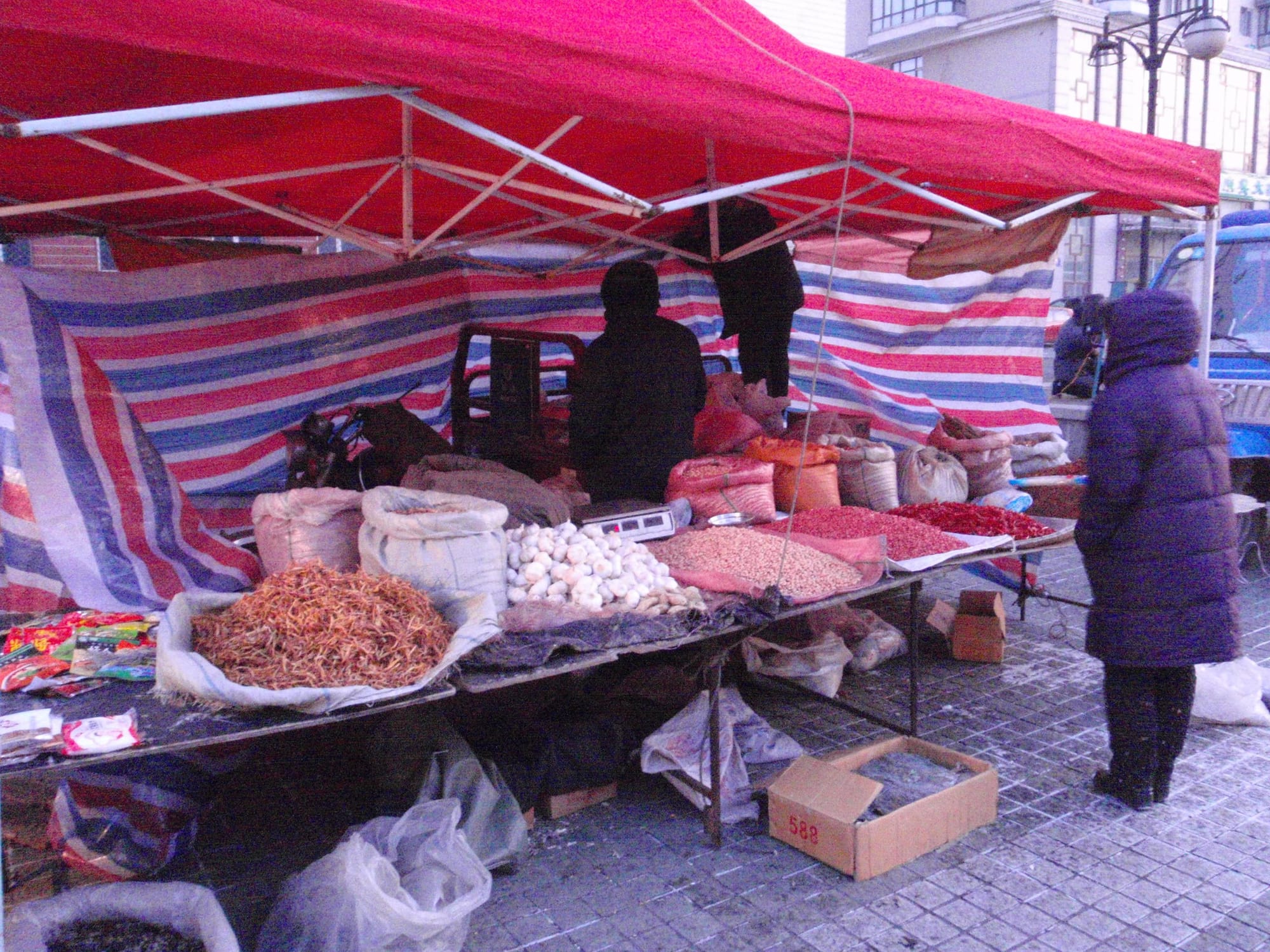
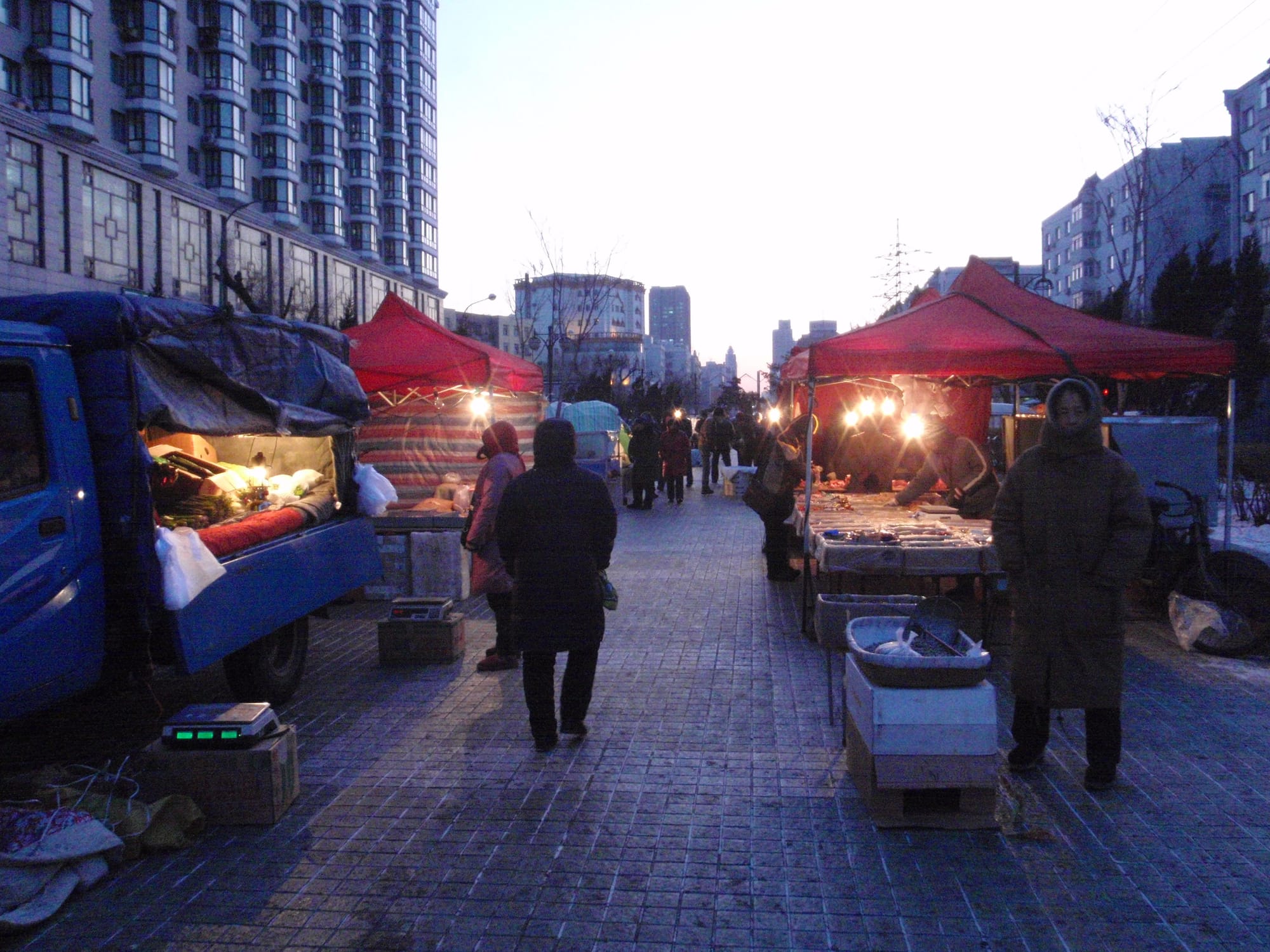
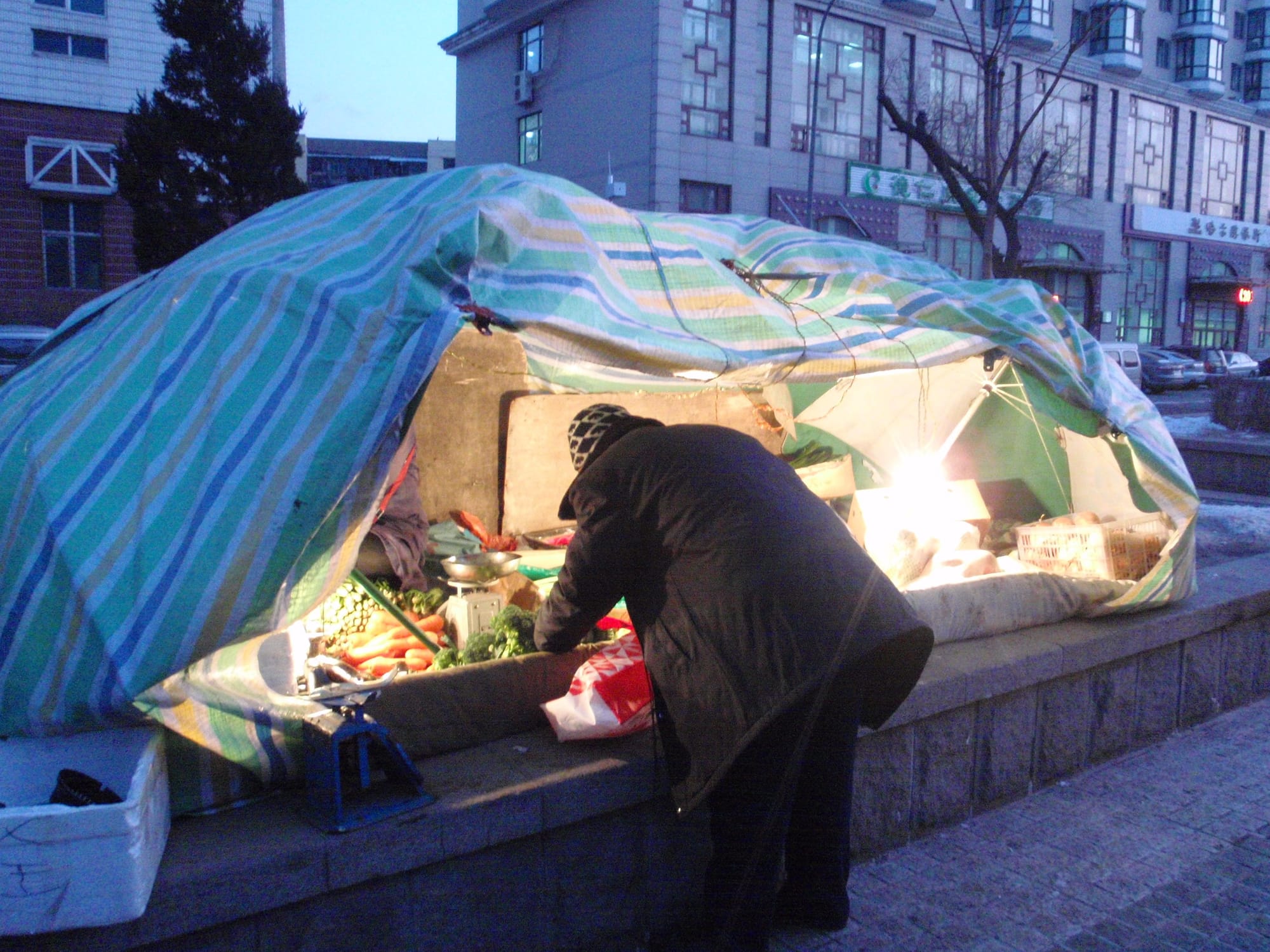
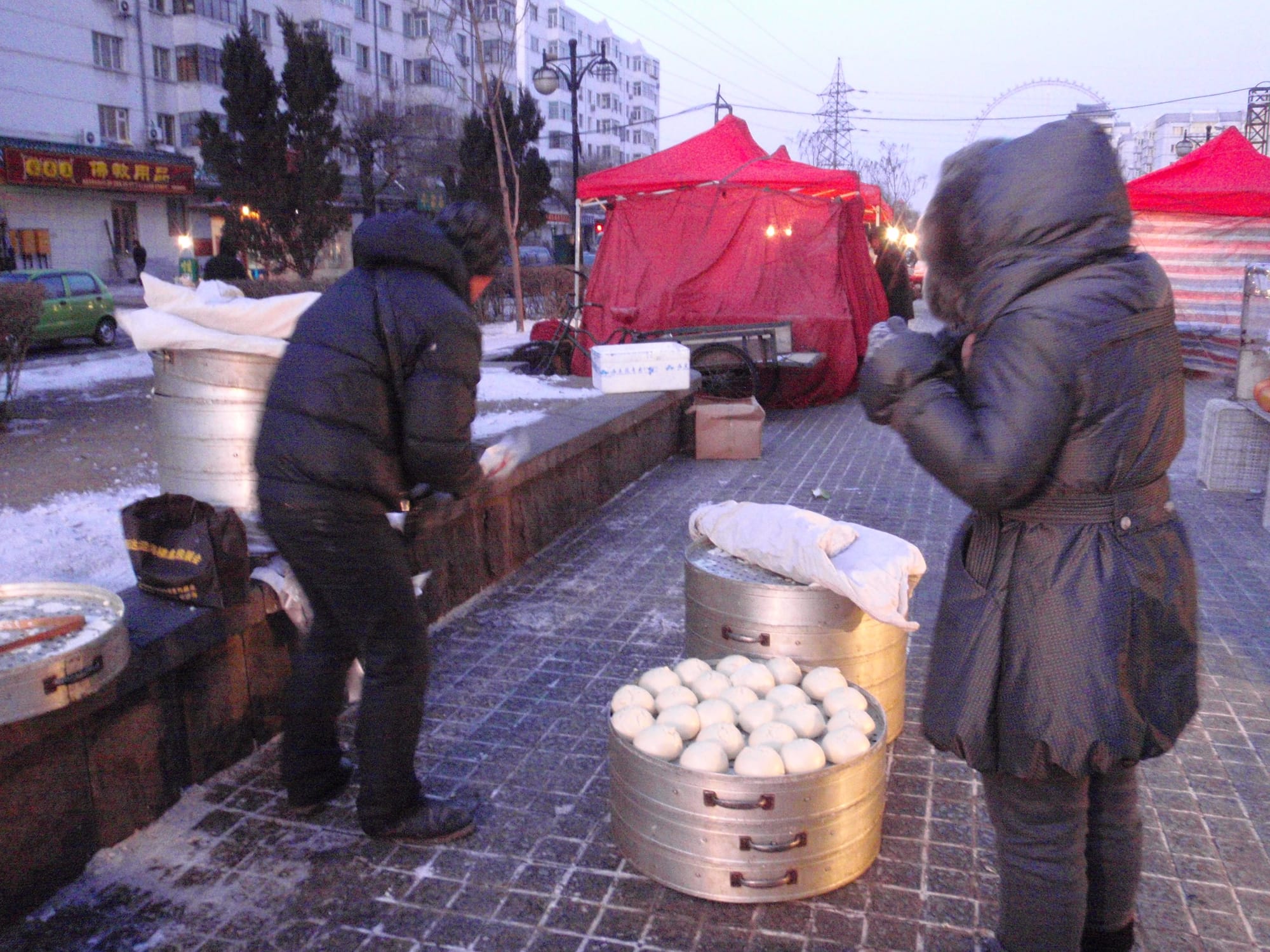
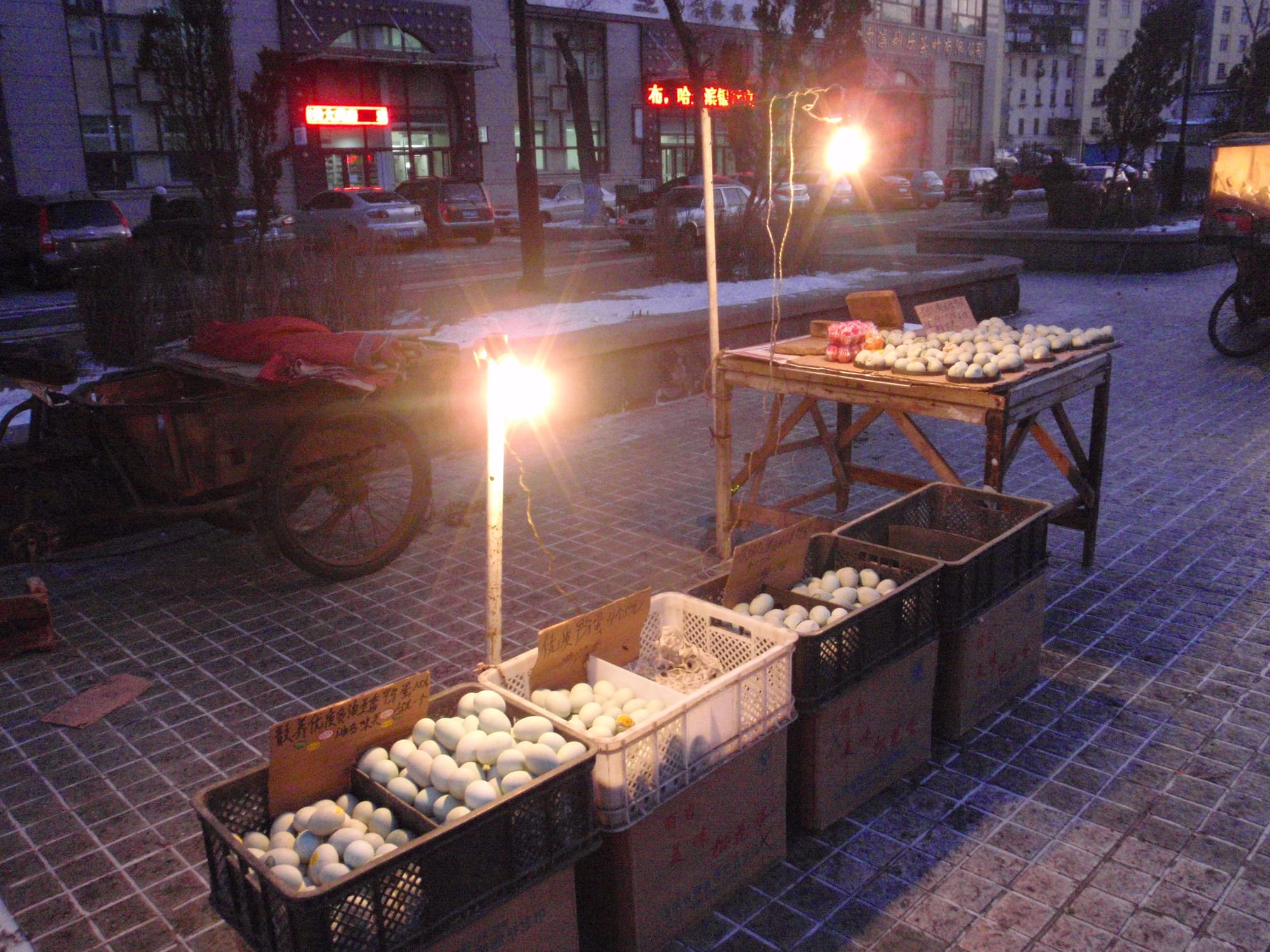
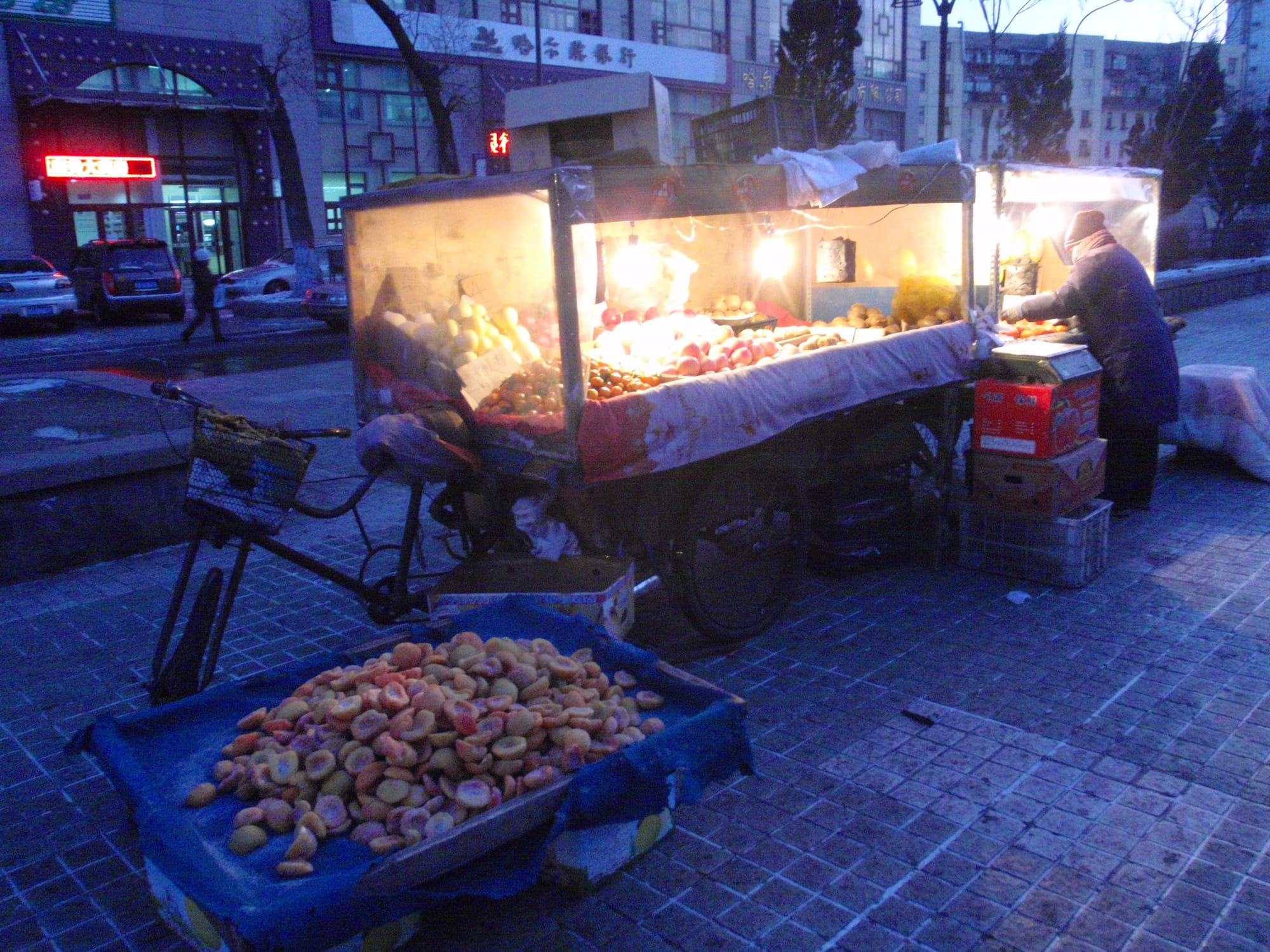
In most cities, street markets are a morning affair. In Harbin, the sub-zero temperatures turn some sidewalks into all-day marketplaces. From dawn until well after sunset, some of the city’s side streets remain alive with hawkers surrounded by a surreal variety of goods that would require a freezer anywhere else in the world.
Food & Beverage
Harbin’s culinary scene is a delicious contradiction. It blends the hearty, robust flavors of Northeast China (Dongbei cuisine) with the refined, buttery influences of Tsarist Russia. In a city where temperatures stay well below freezing, the food is designed to be soul-warming, rich and deeply comforting.
The F&B I explored during my adventure included:
- Dicos (德克士)
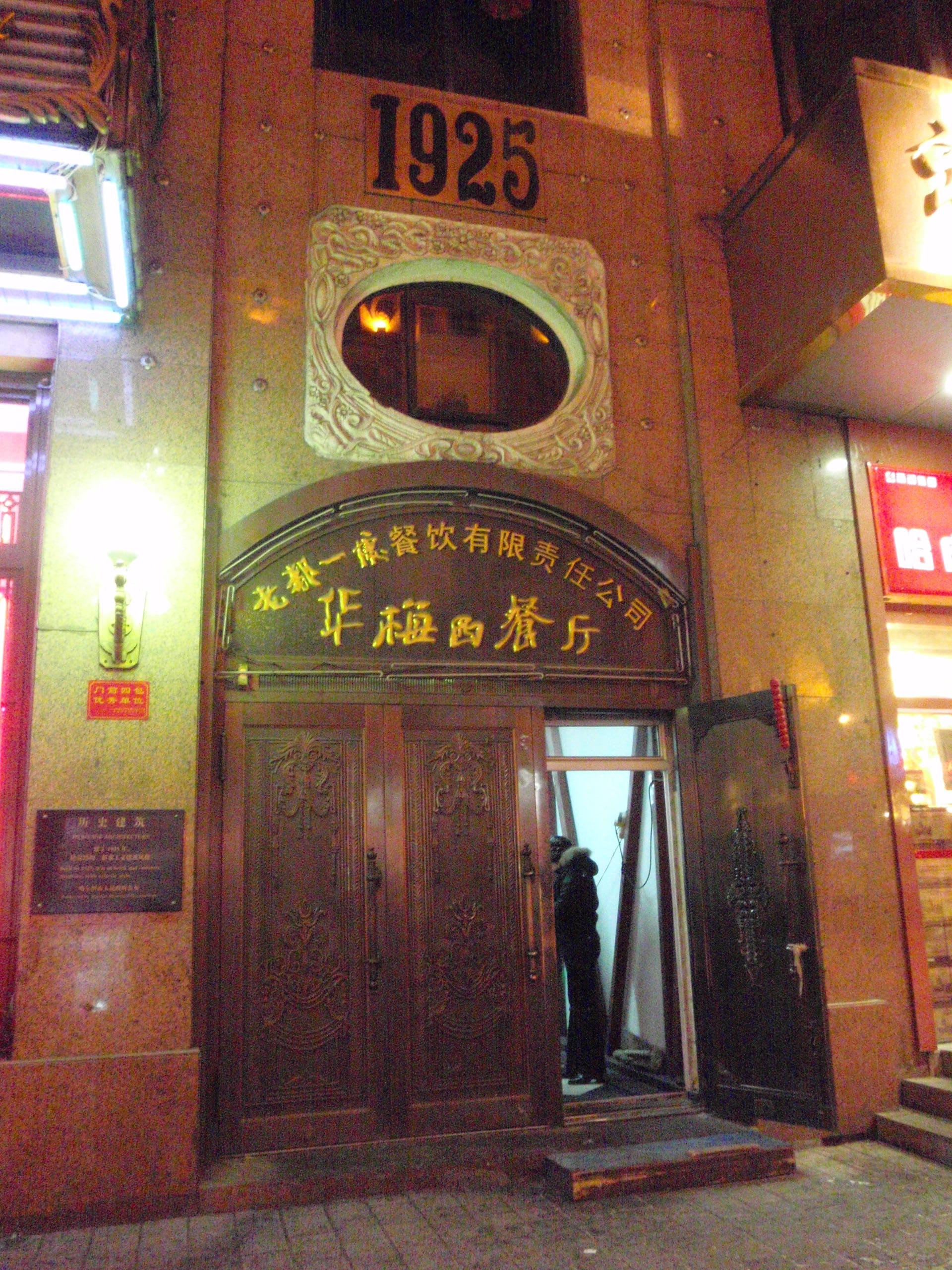
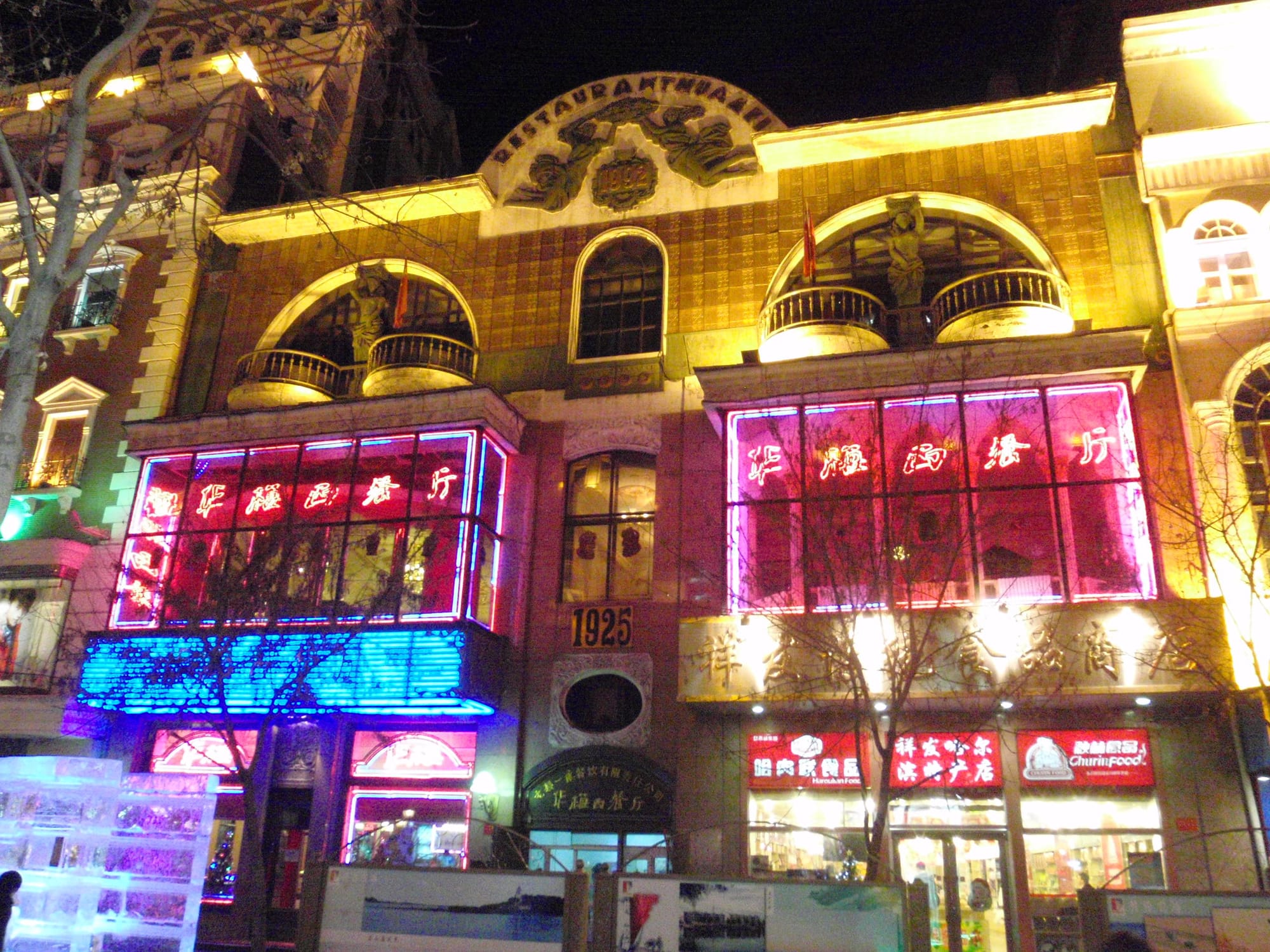
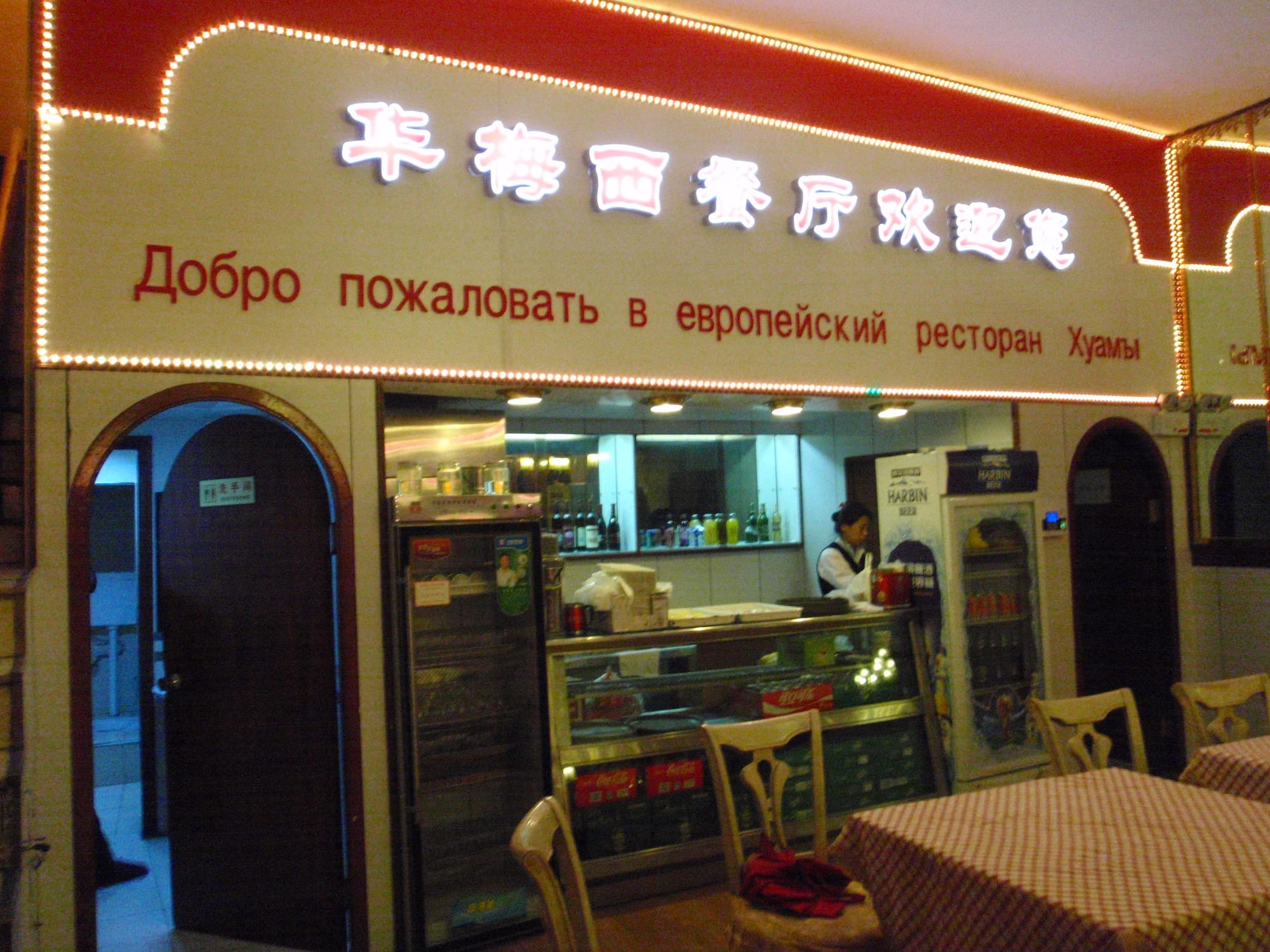
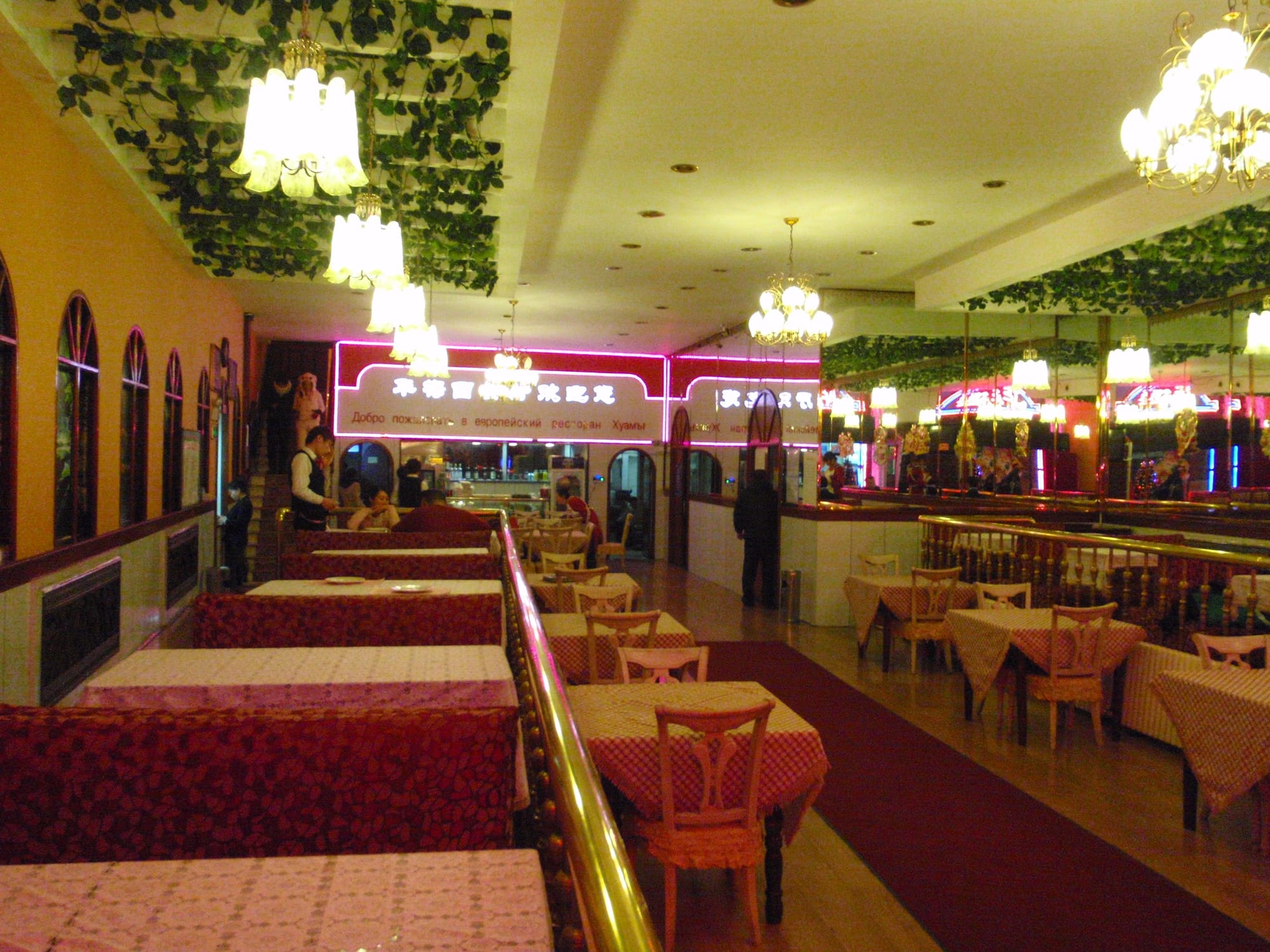
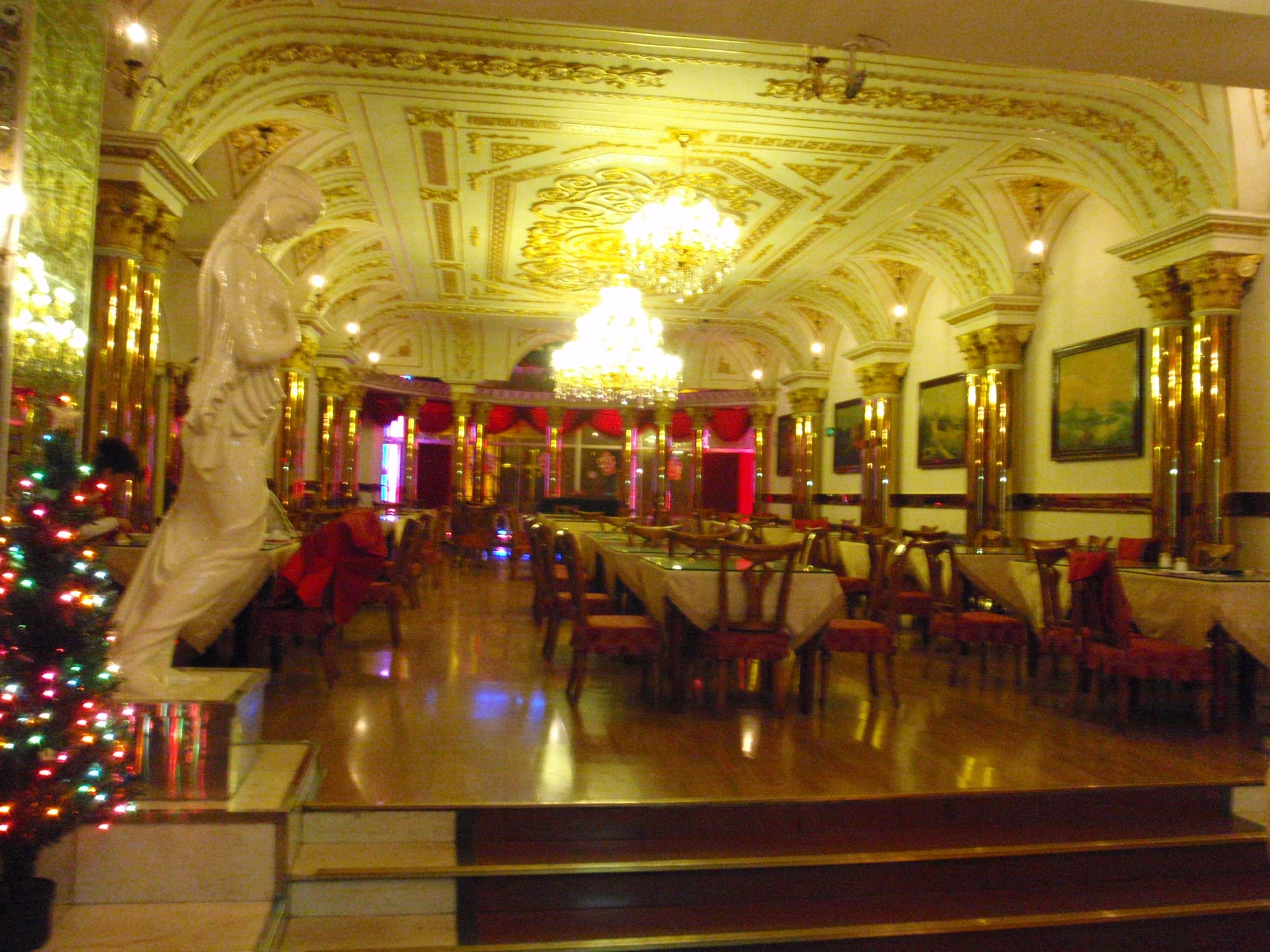
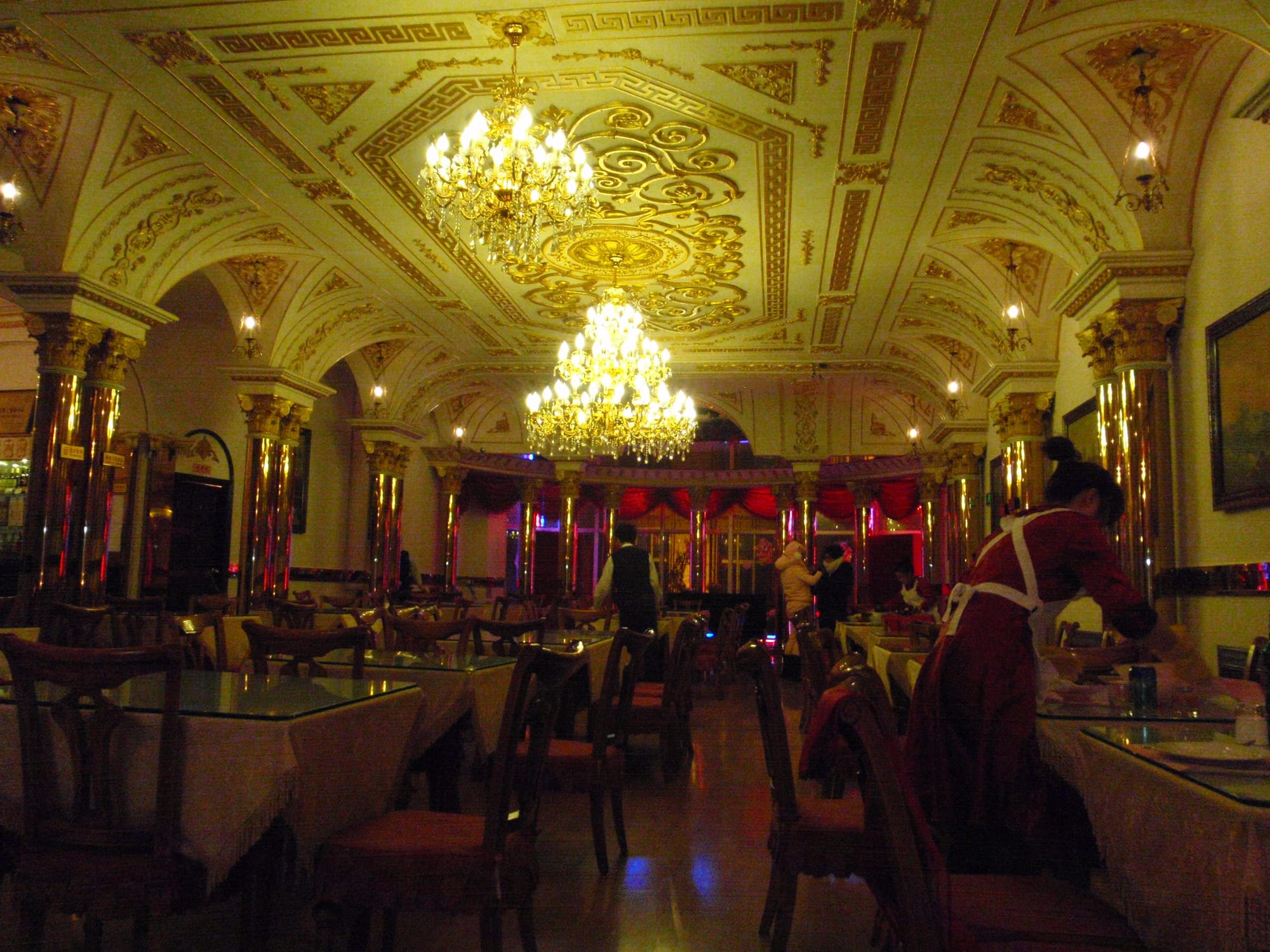
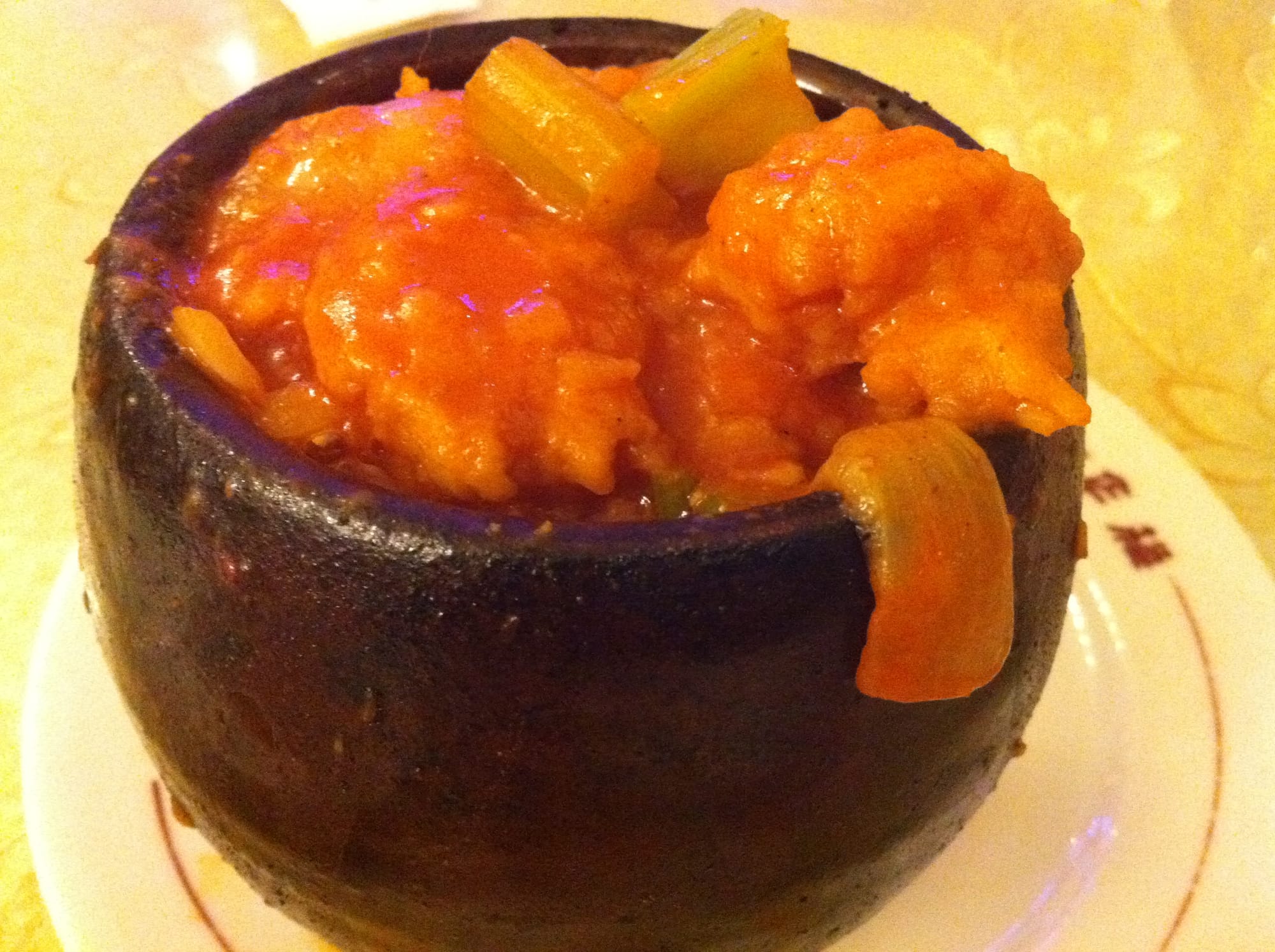
- Hua Mei Western Restaurant (华梅西餐厅)
- KFC (肯德基)
- Lao Chang Chun Bing (老昌春饼)
- 李先生牛肉面 (Mr Lee’s Beef Noodles)
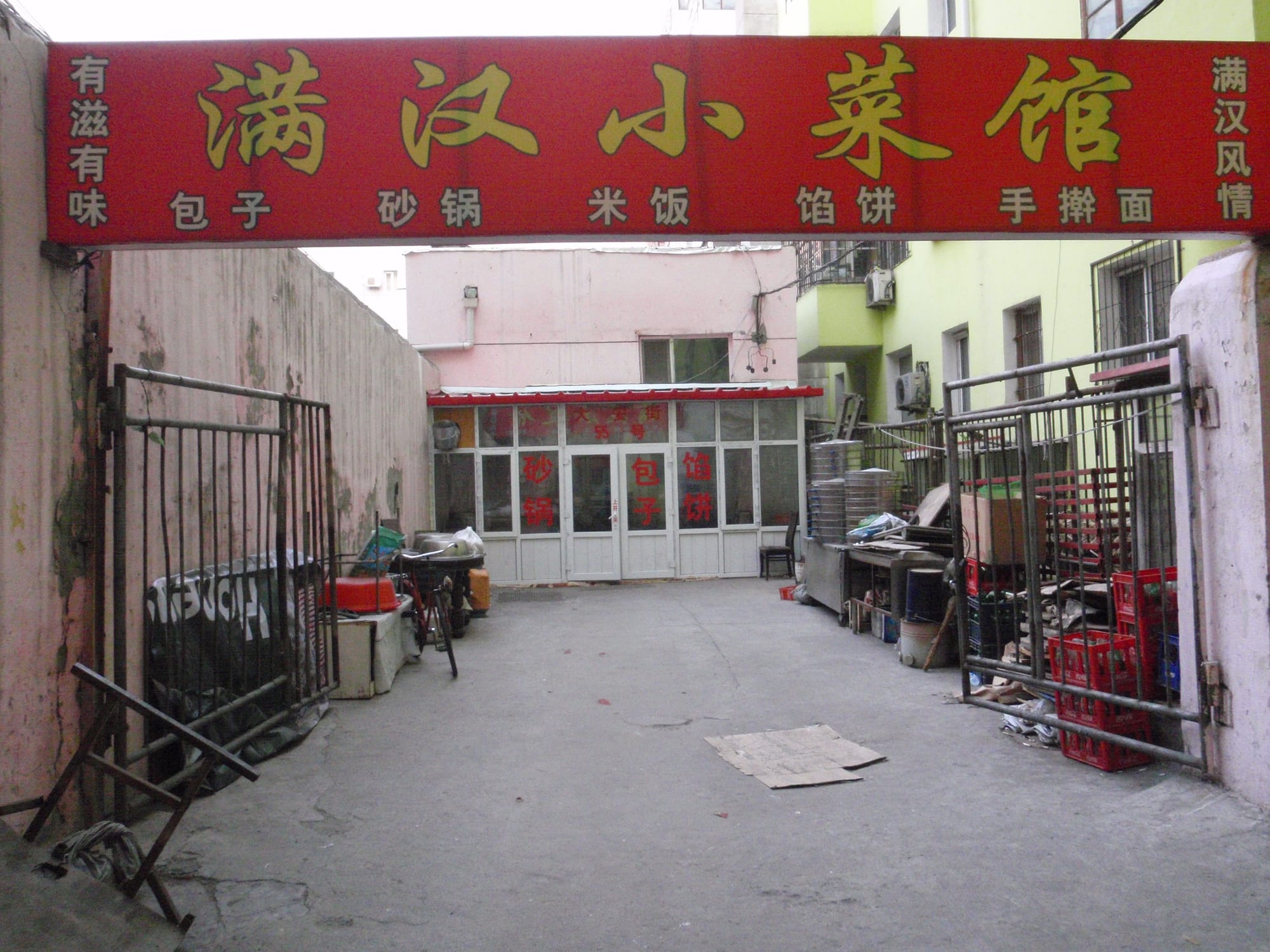
- 满汉小菜馆
- McDonald's (麦当劳)
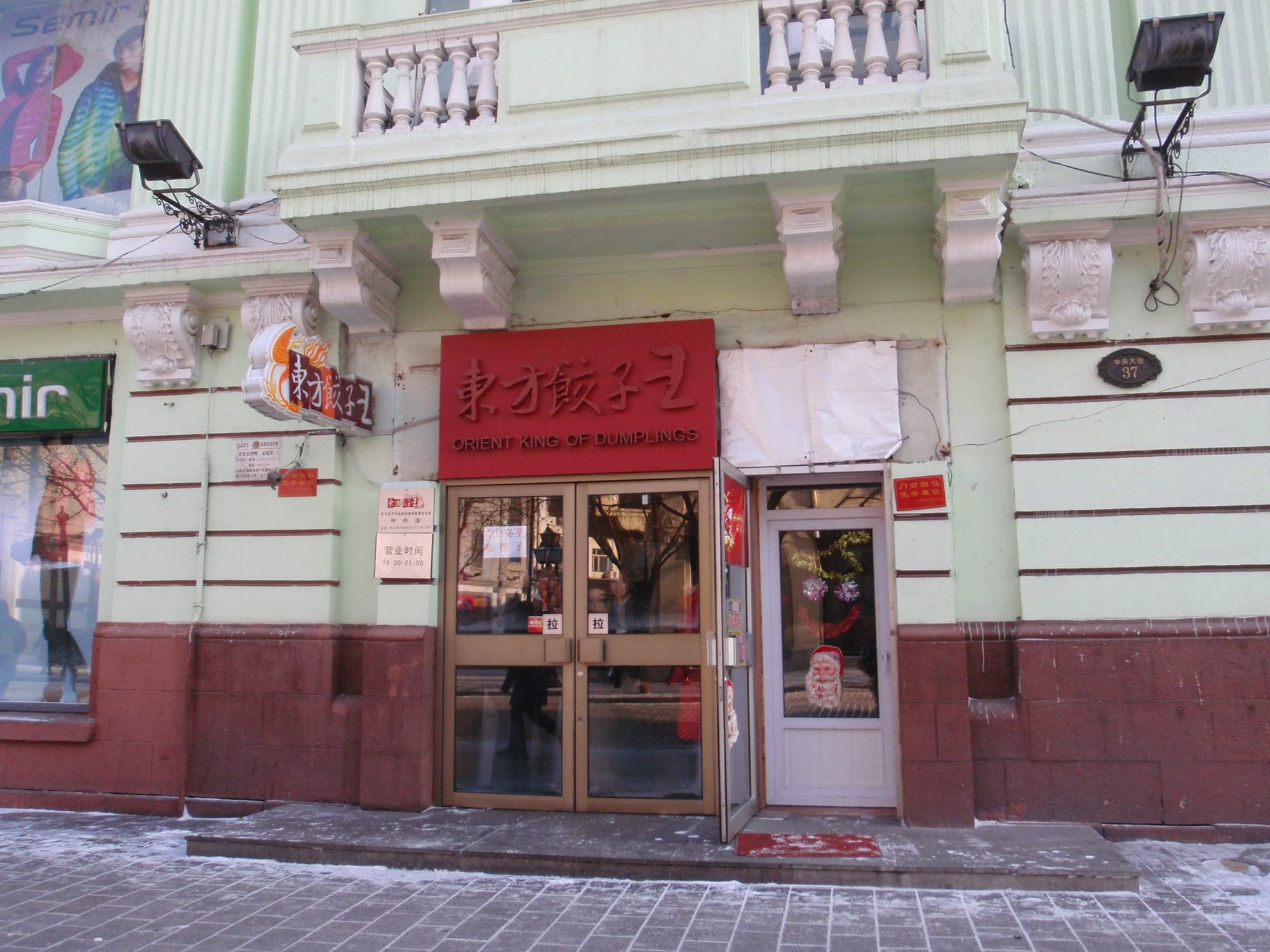
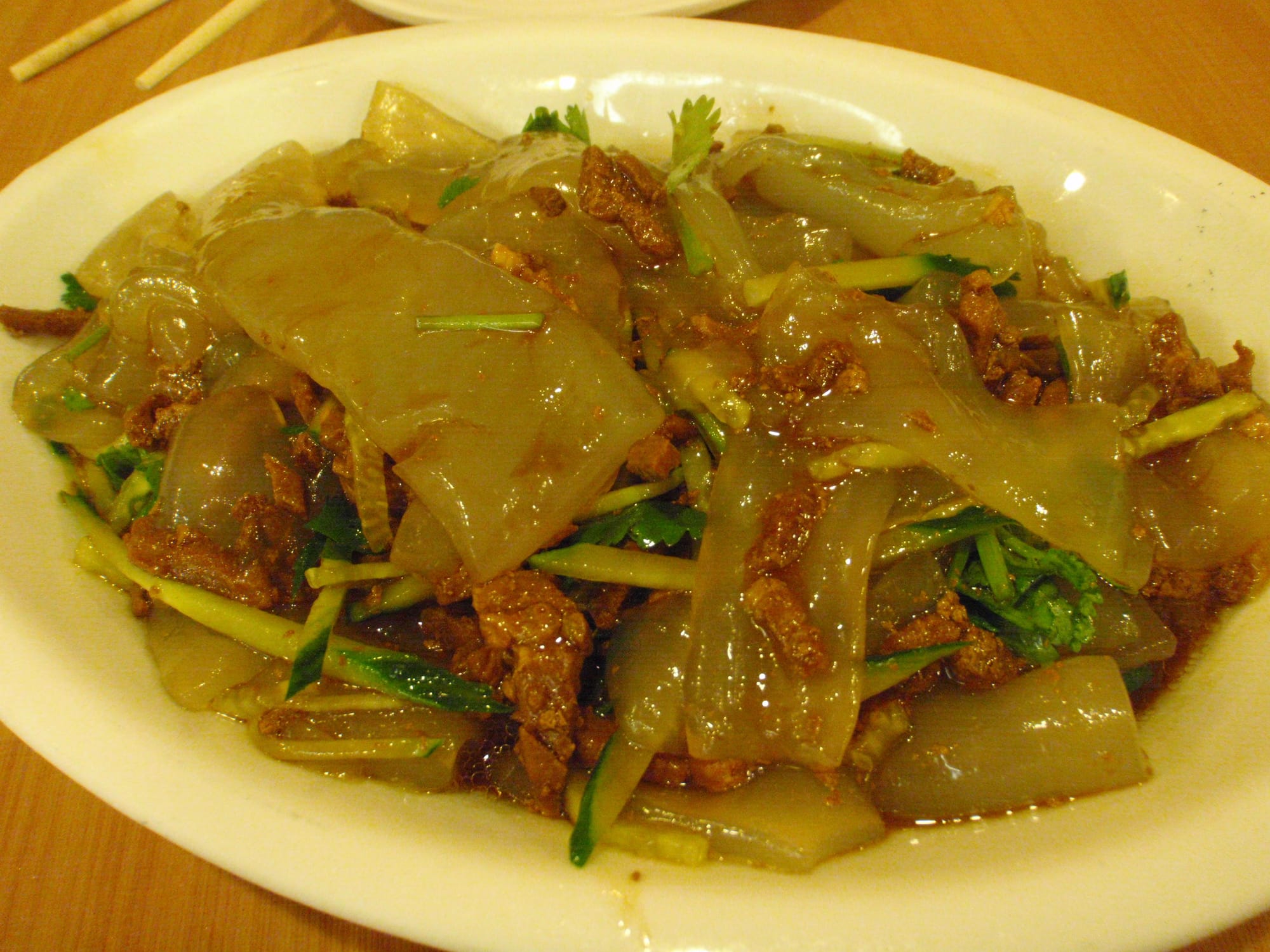
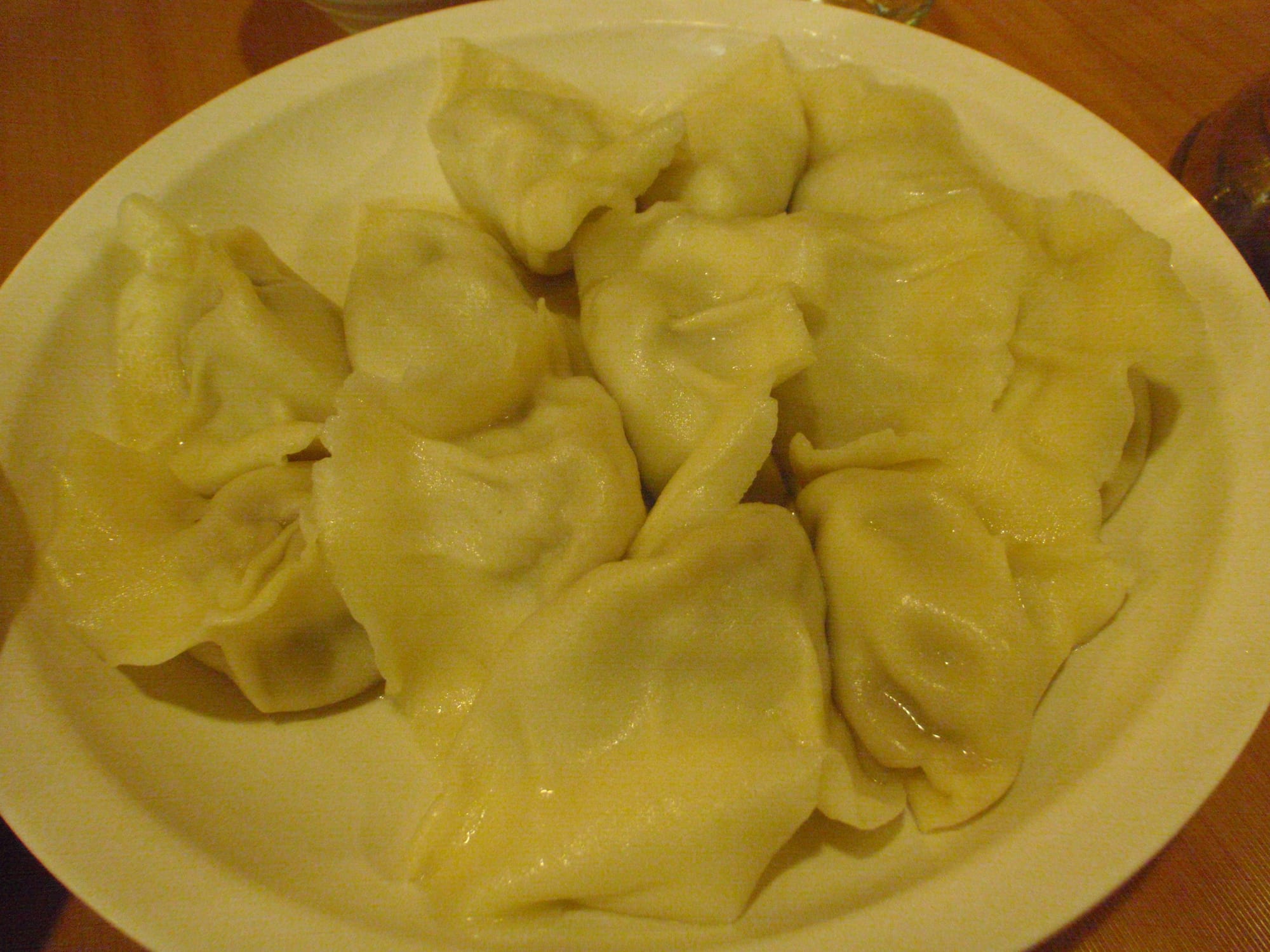
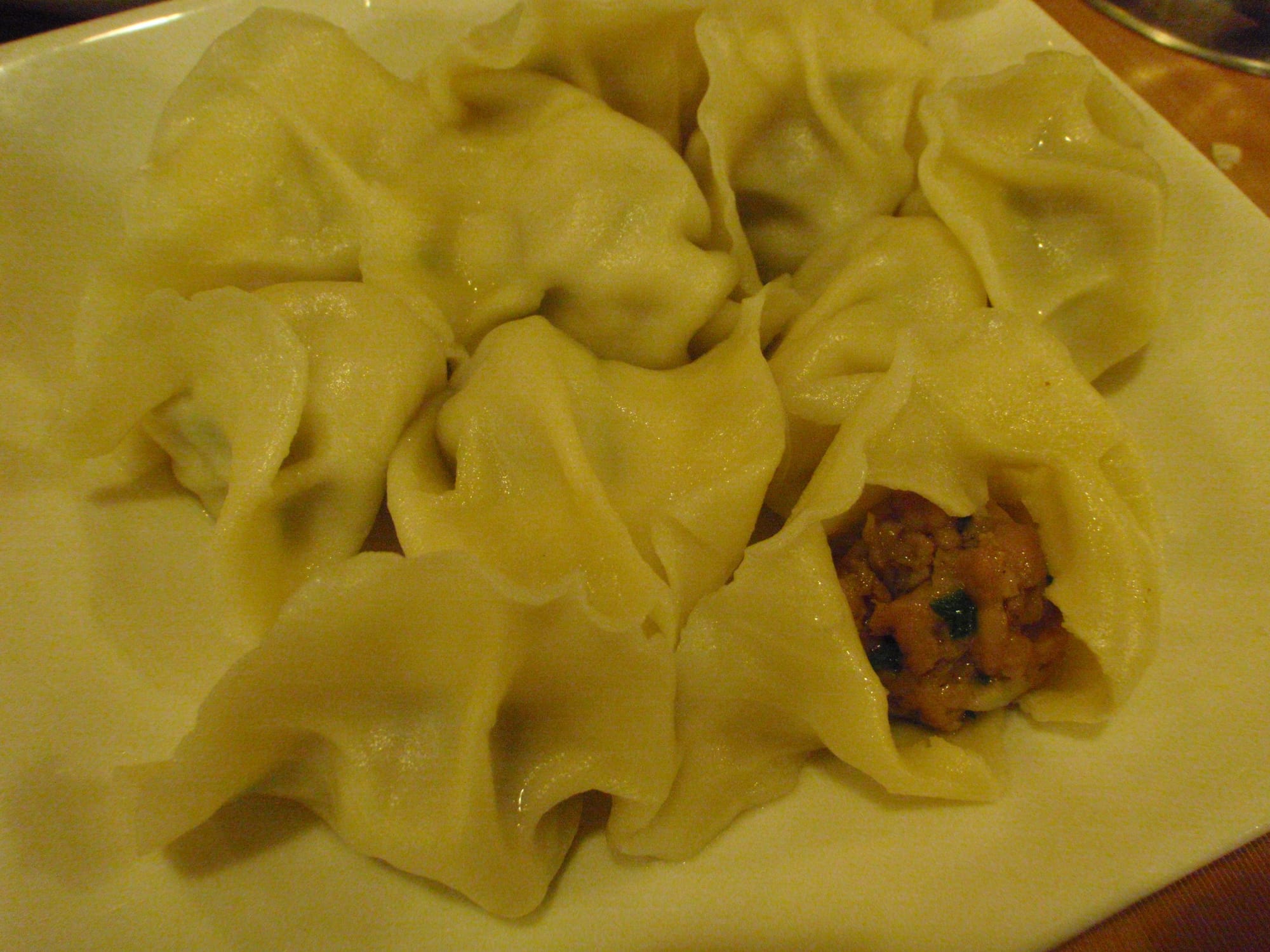
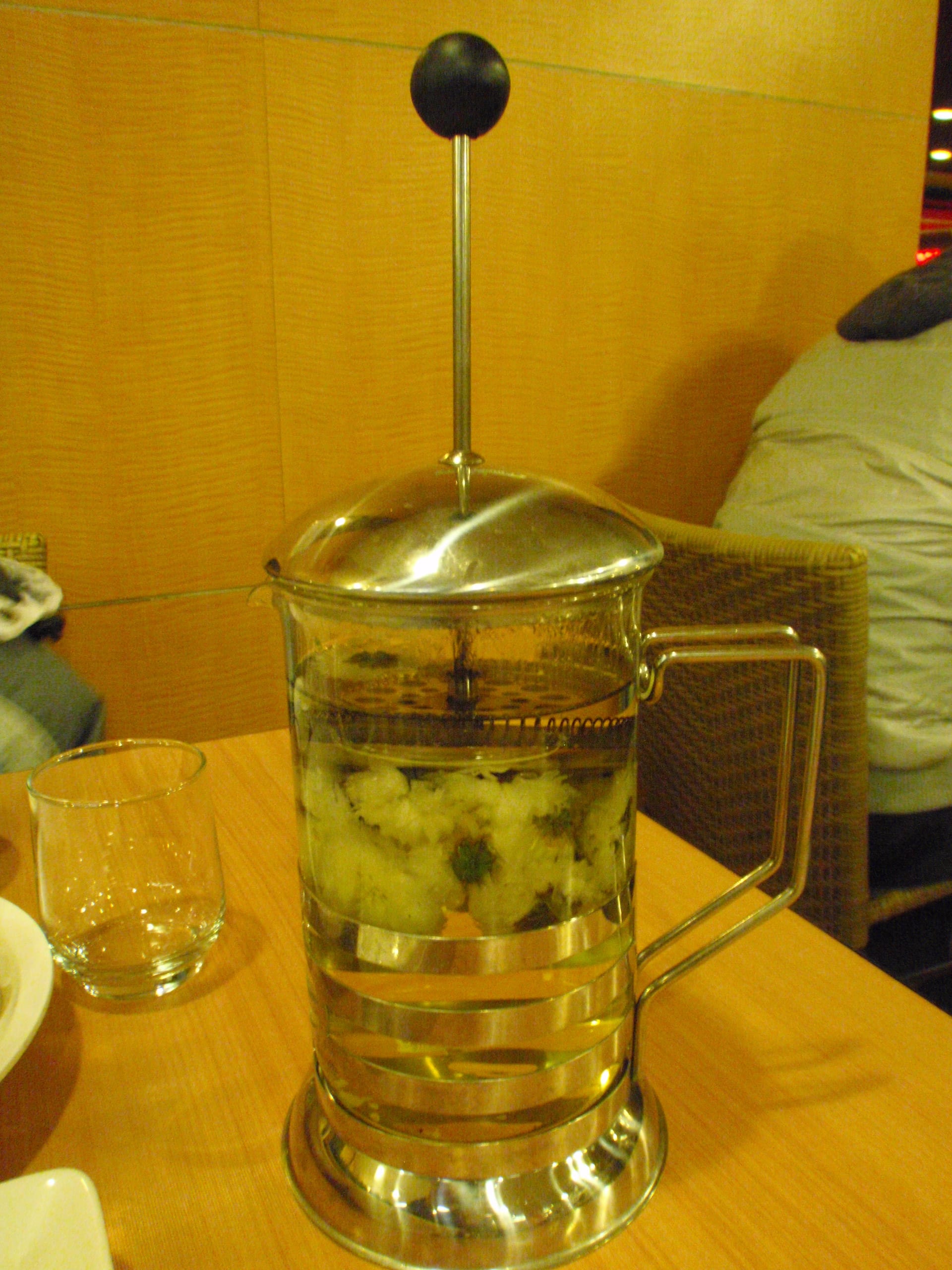
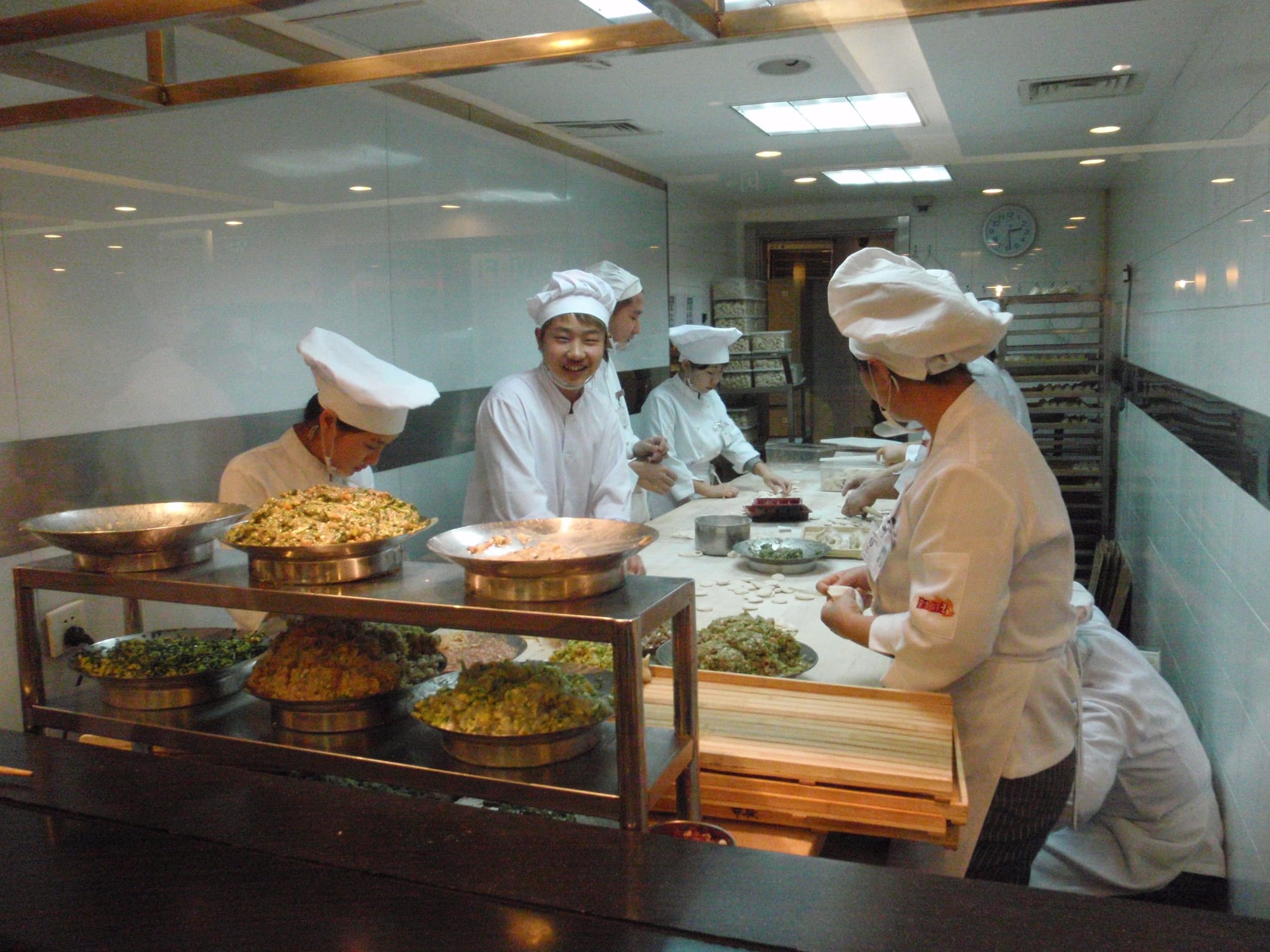
- Orient King of Dumplings (東方餃子王)
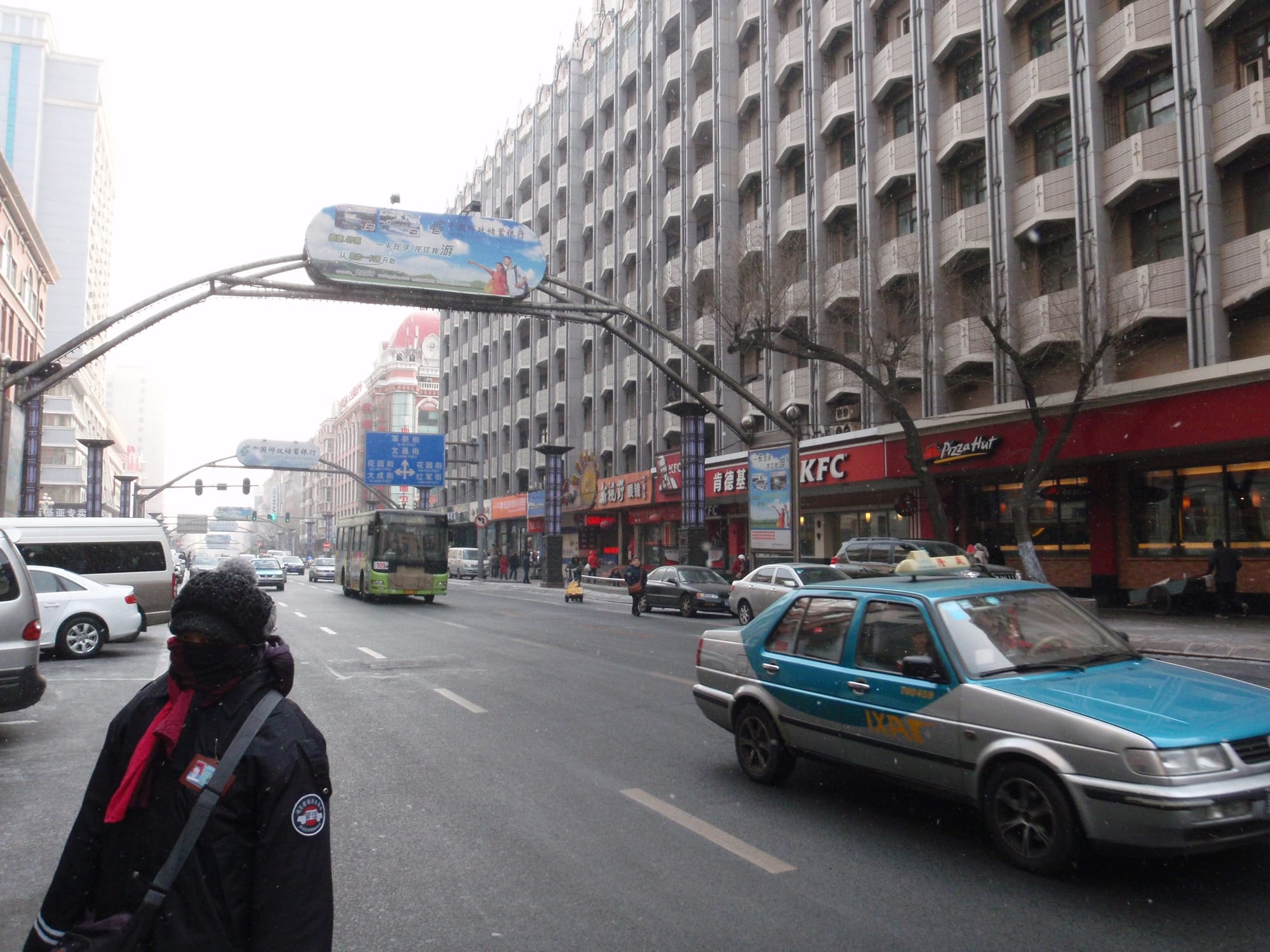
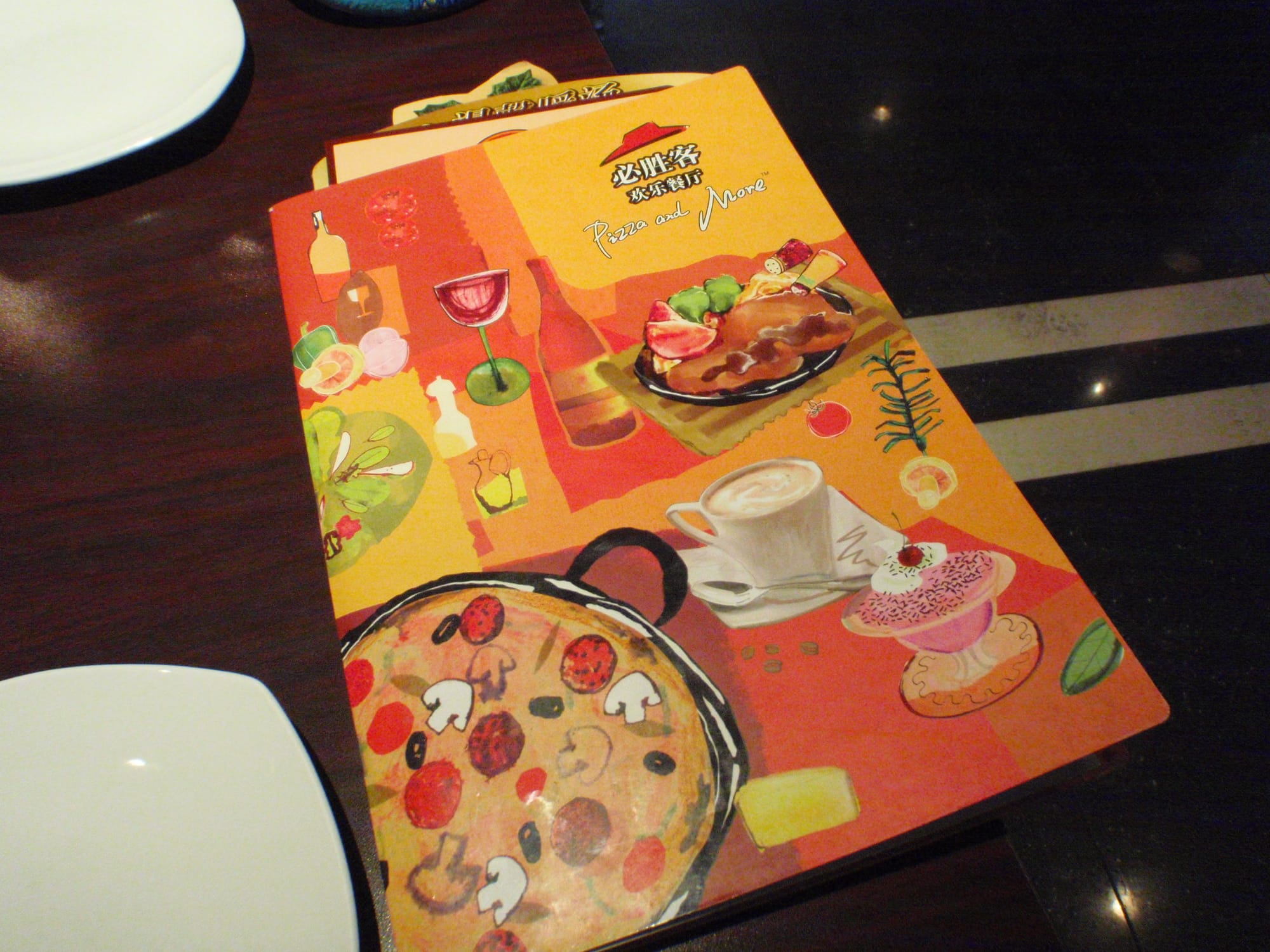
- Pizza Hut (必胜客)
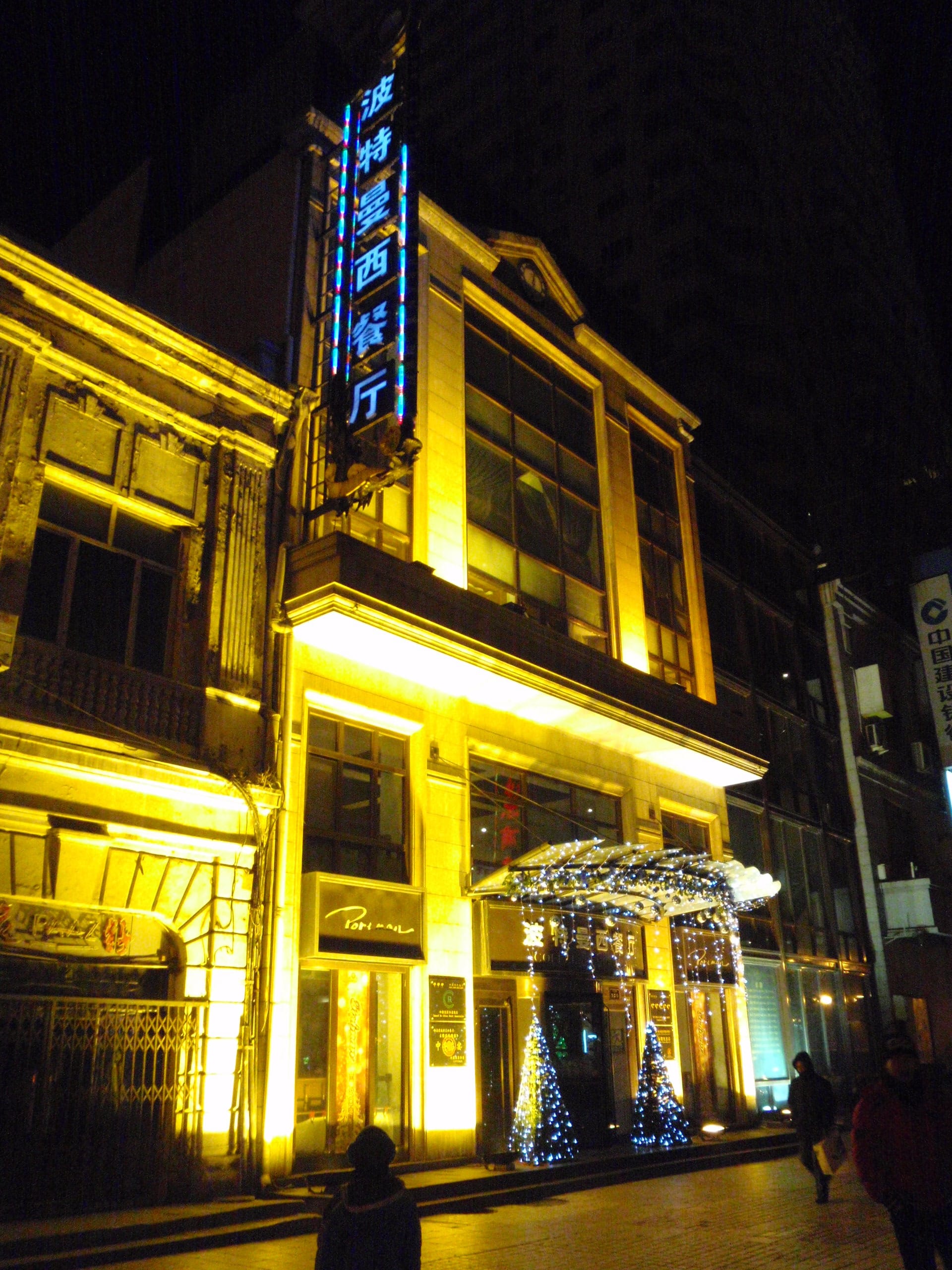
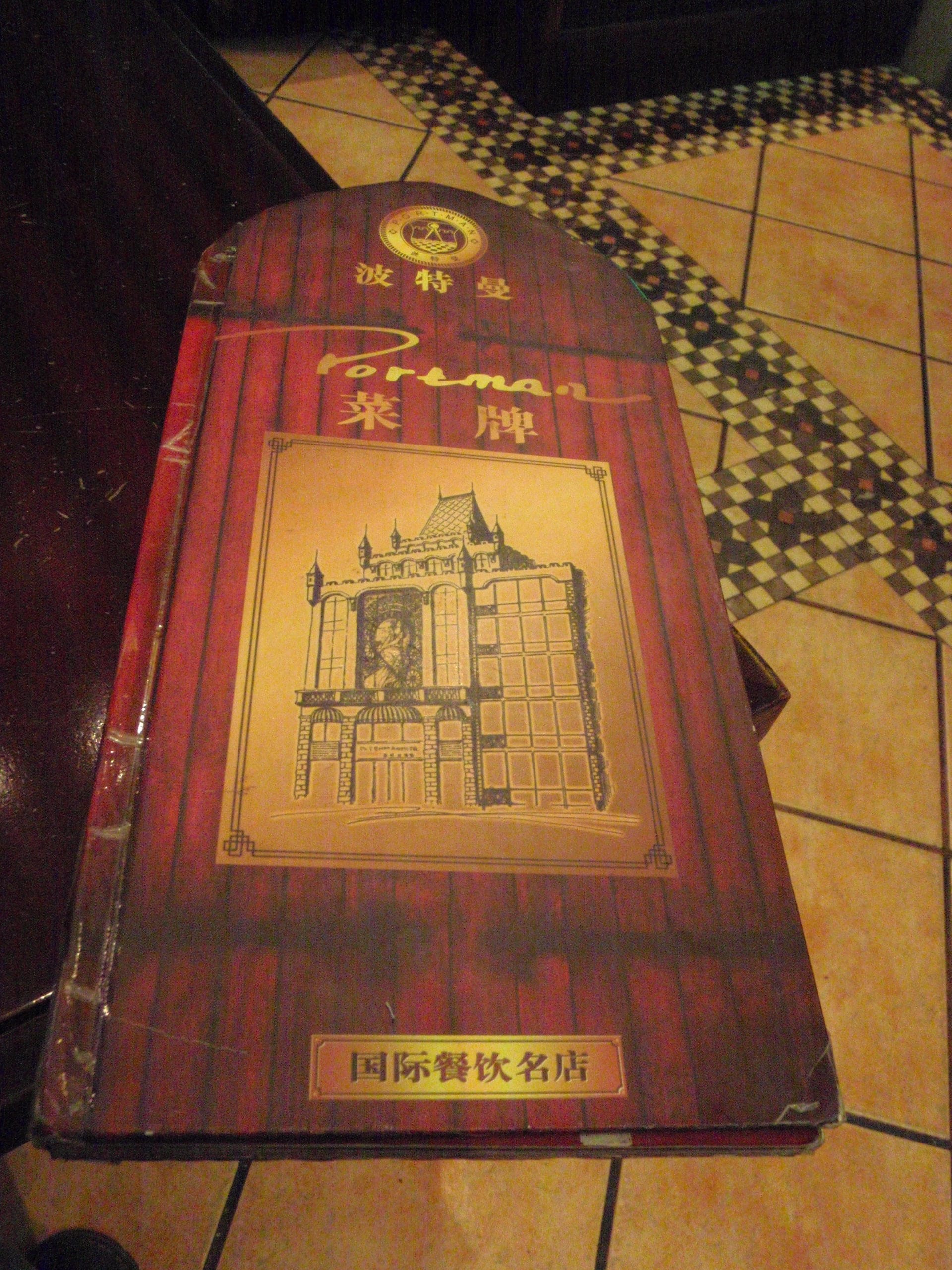
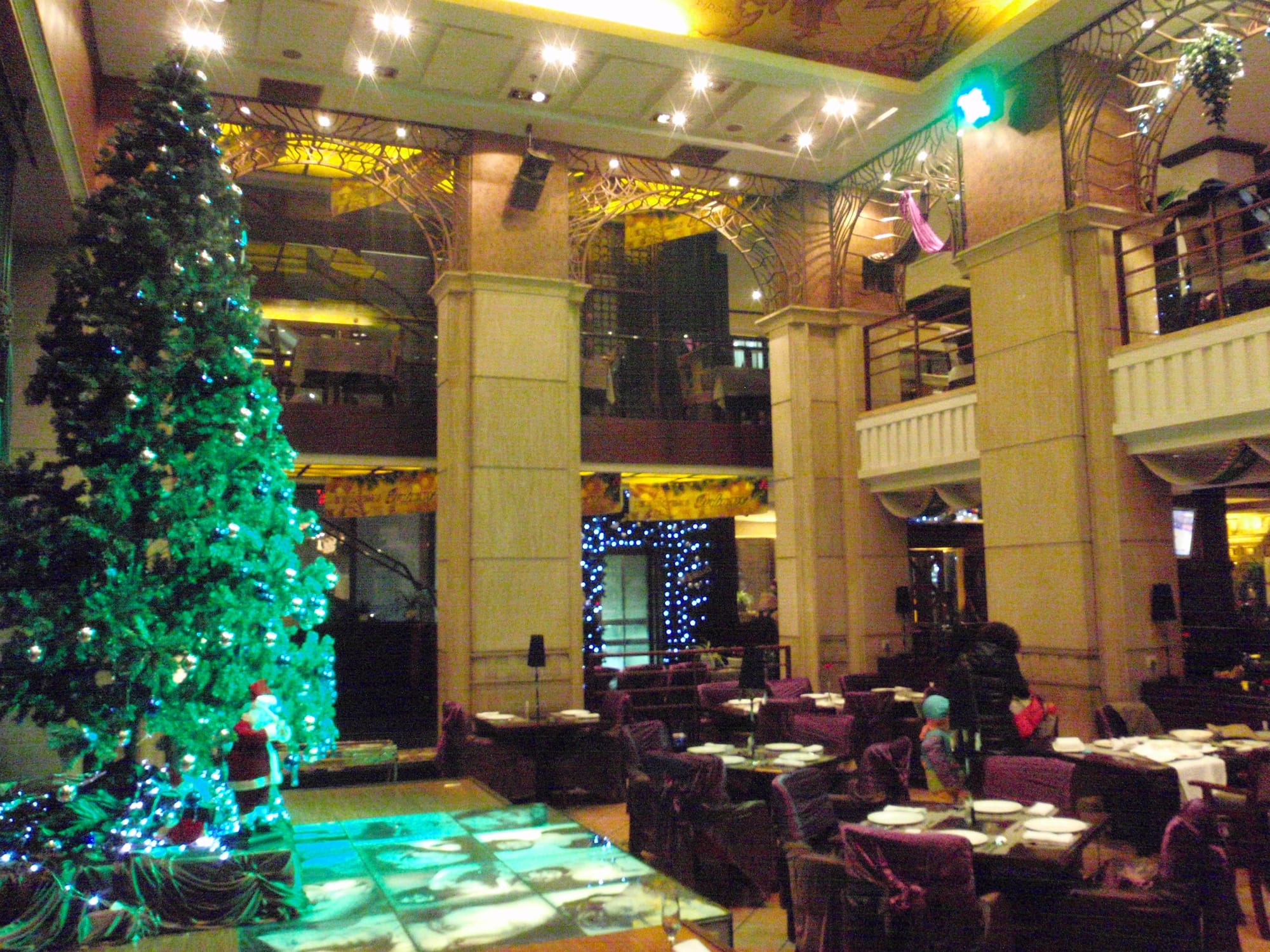
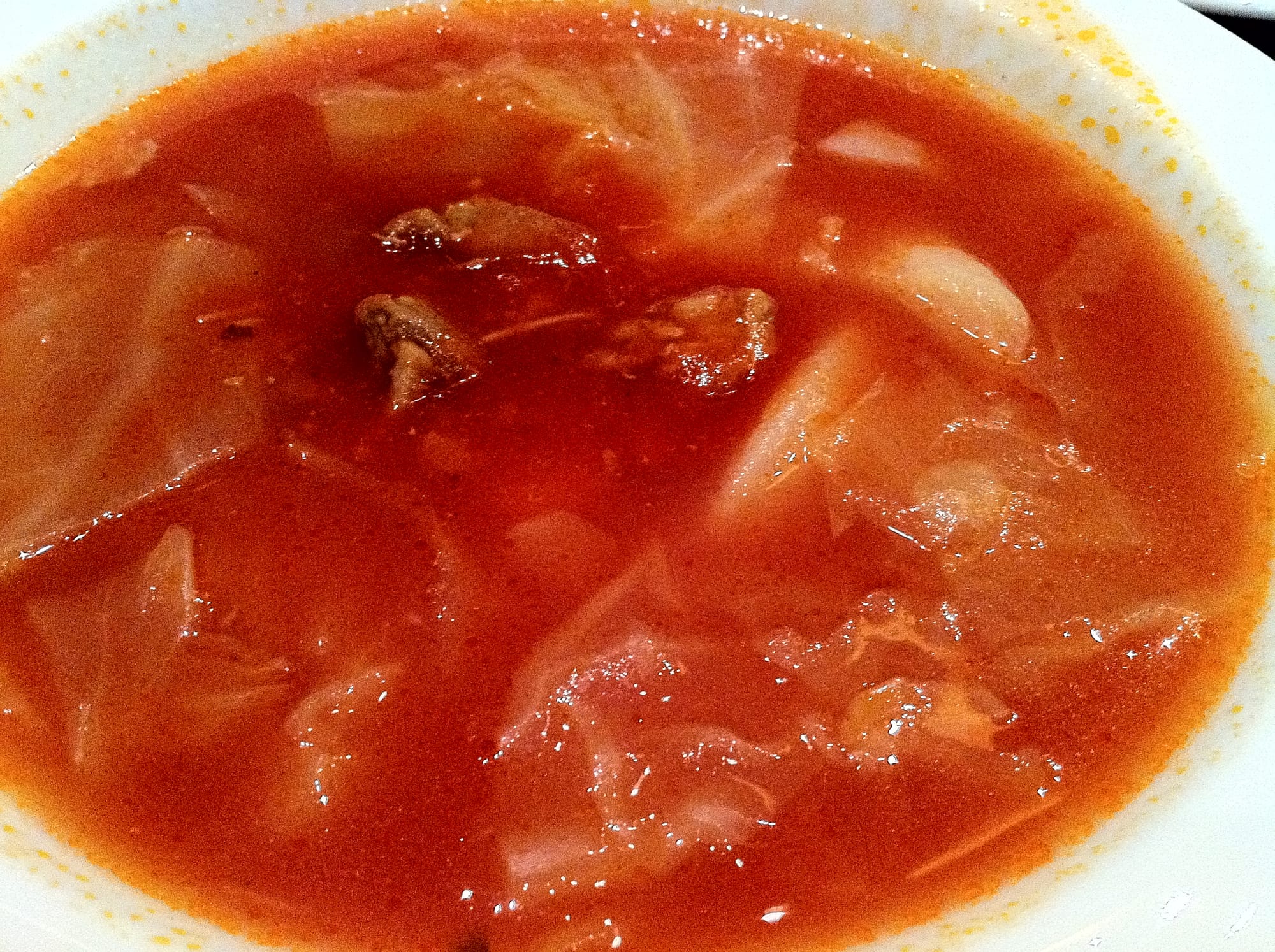
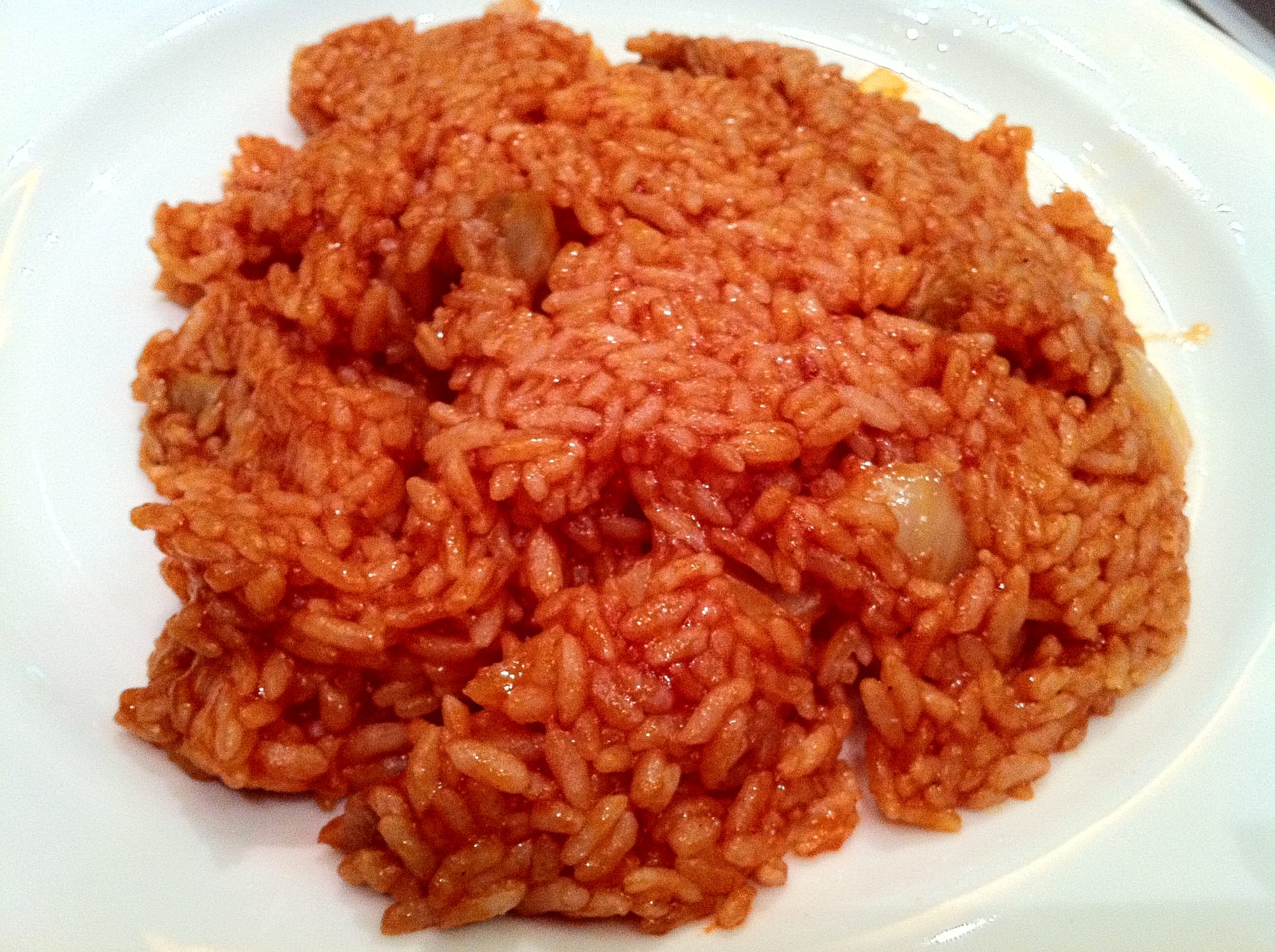
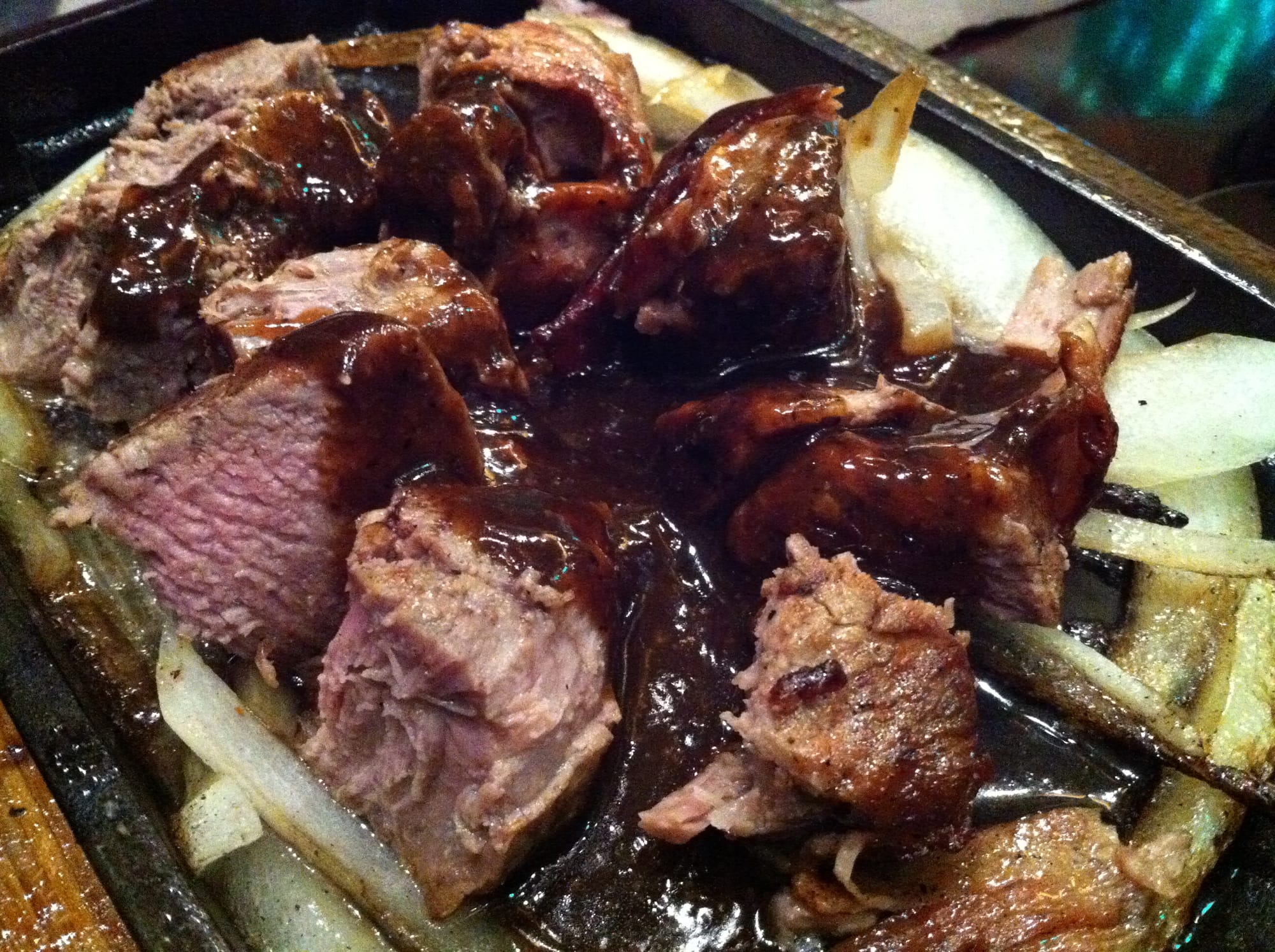
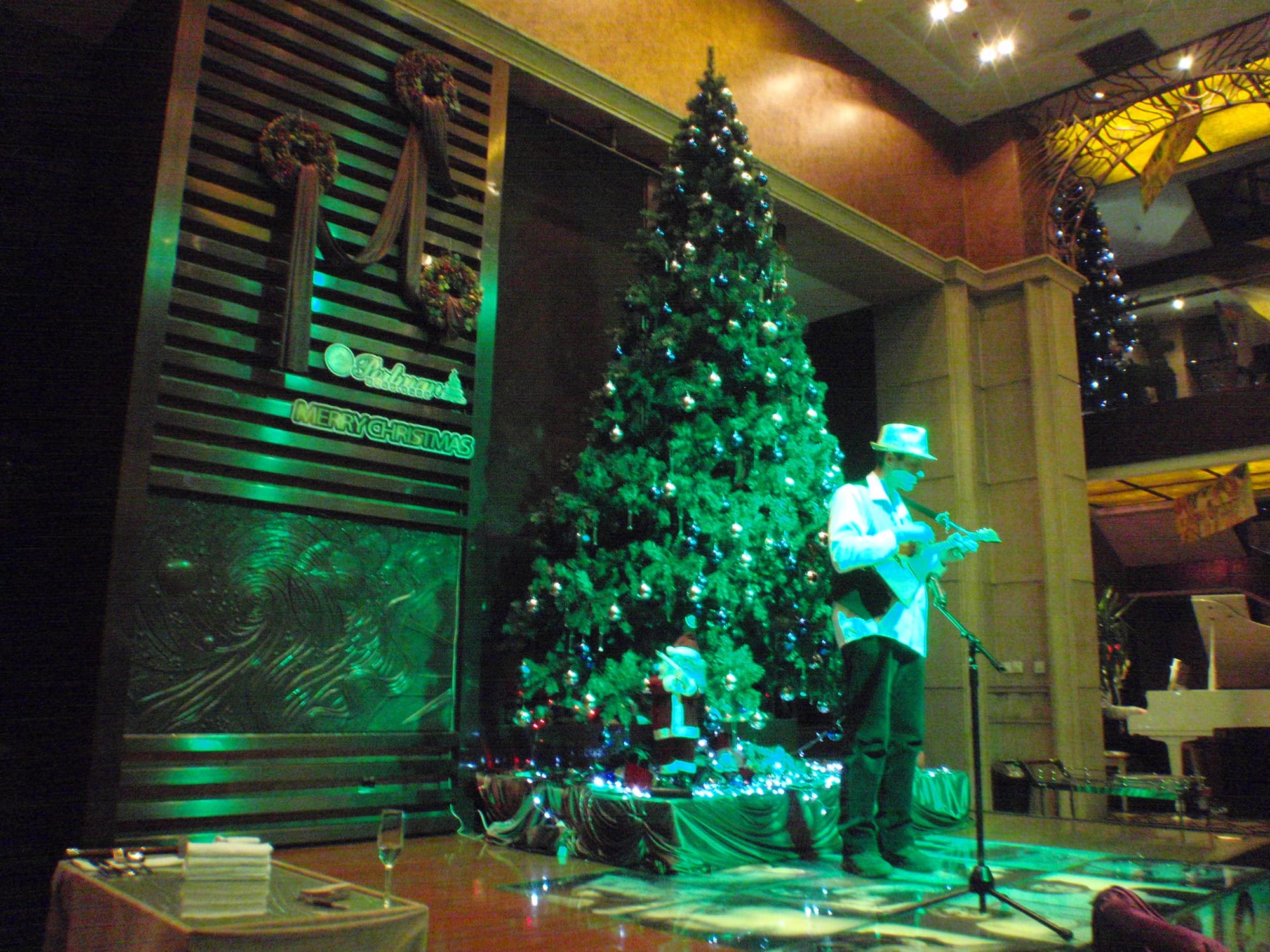
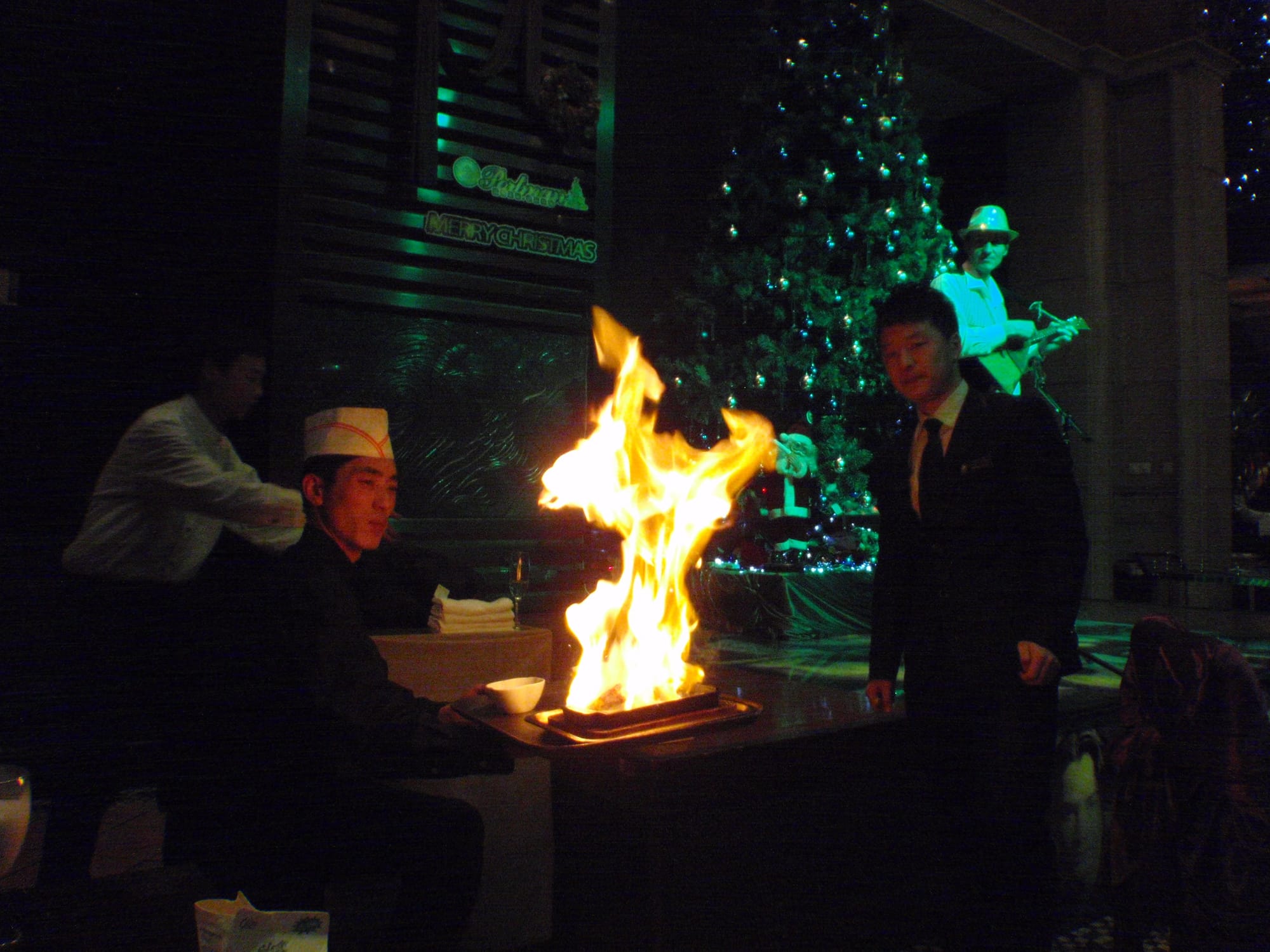
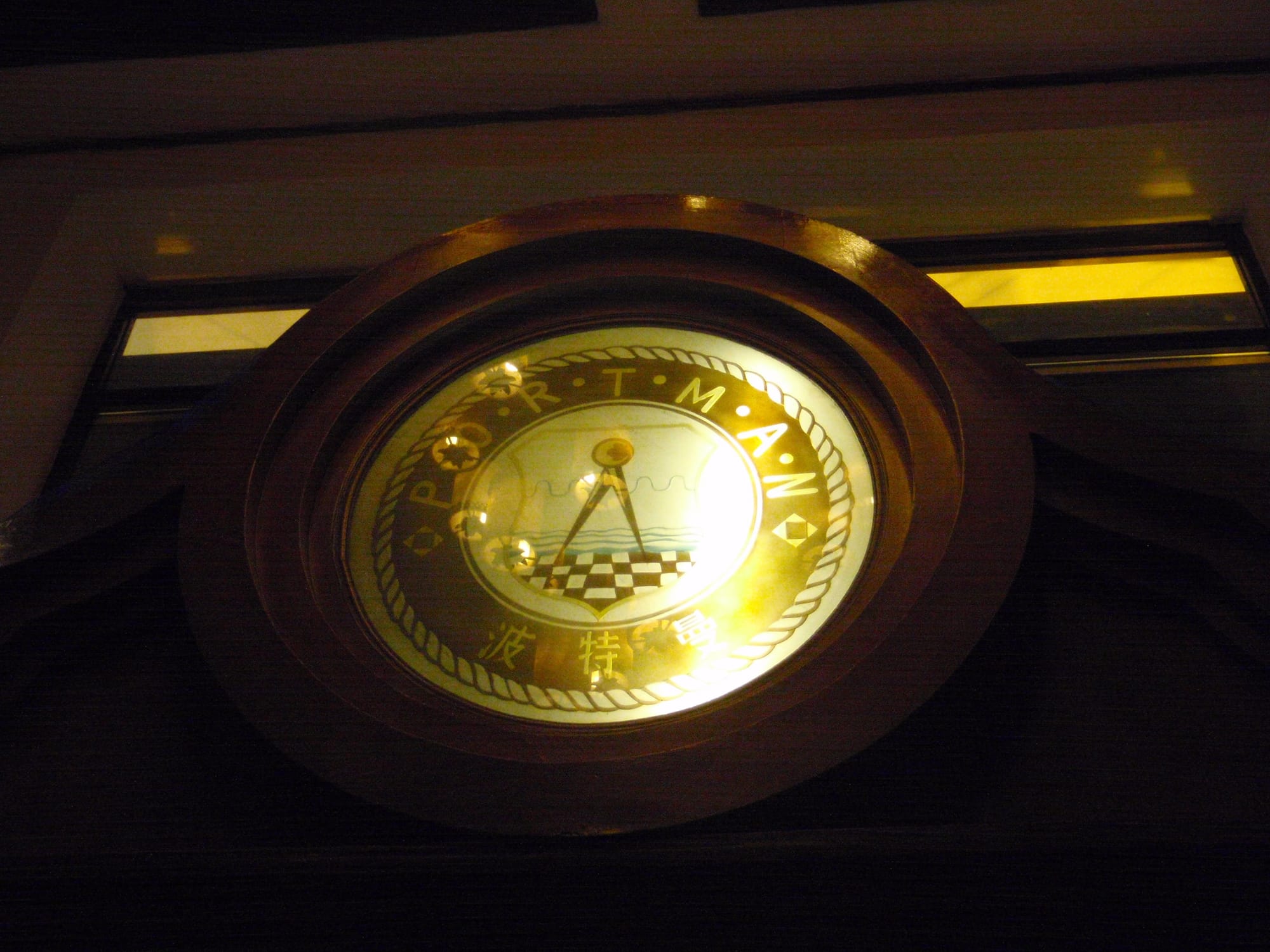
- Portman Western Restaurant (波特曼西餐厅)
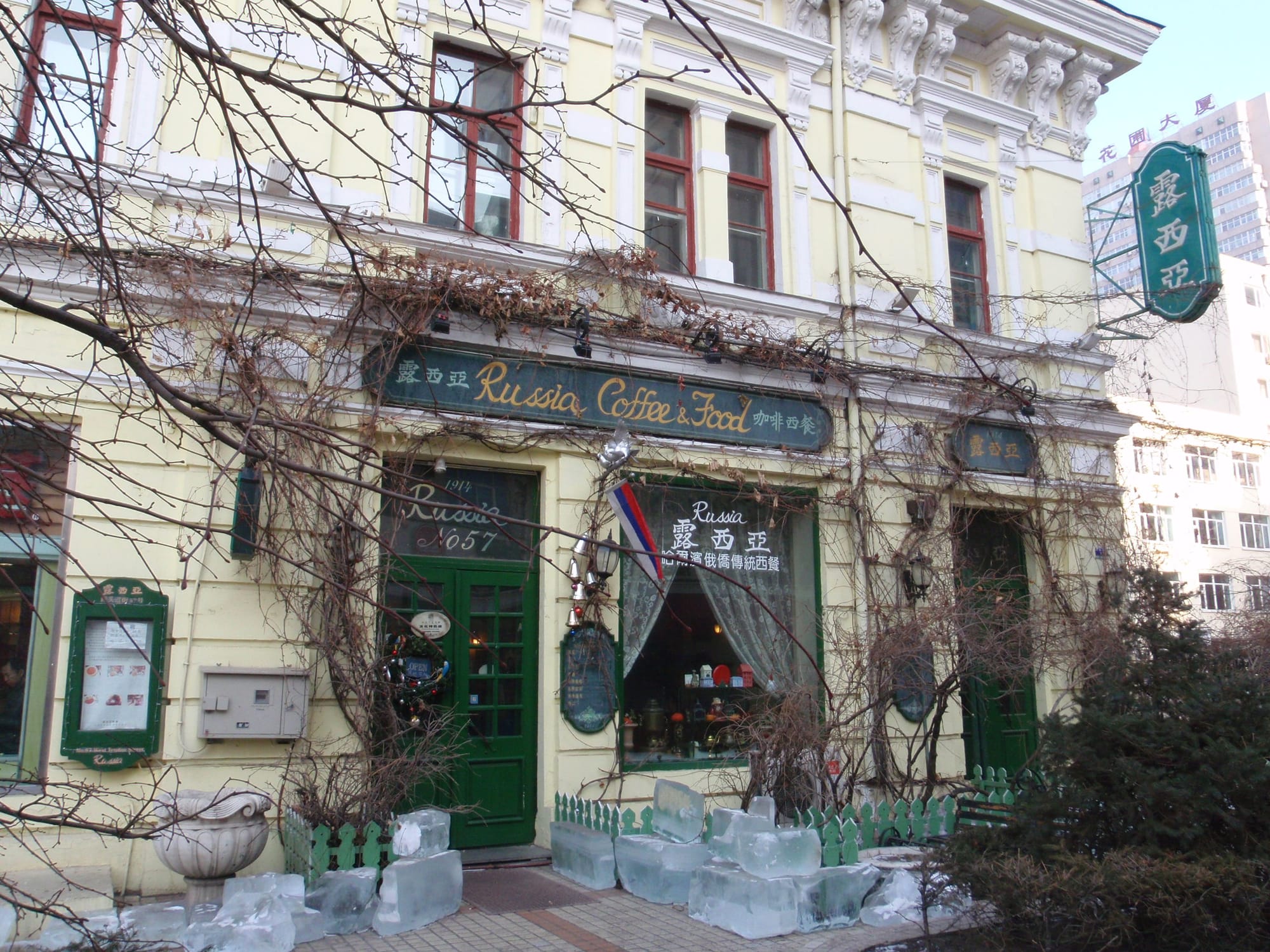
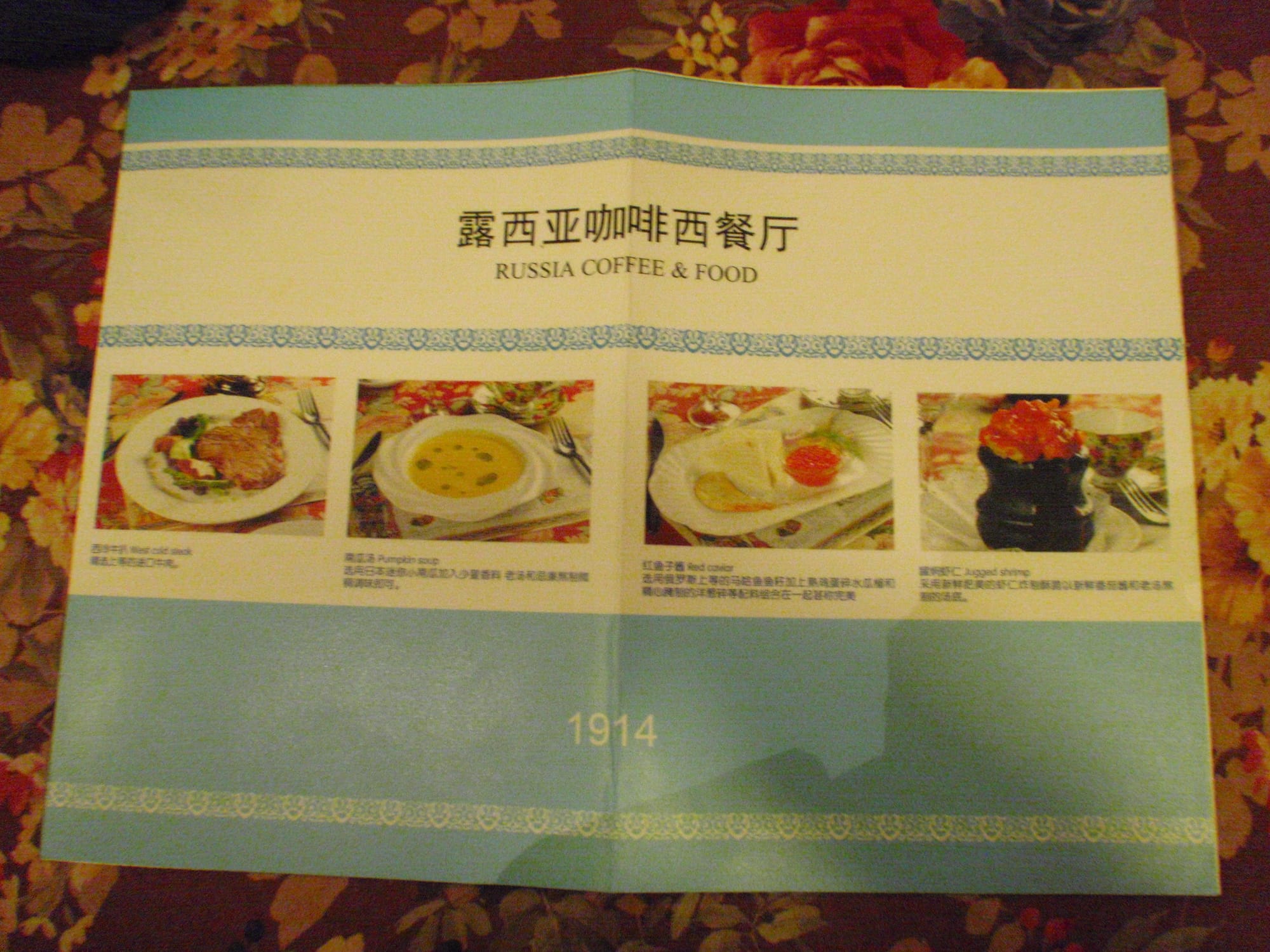
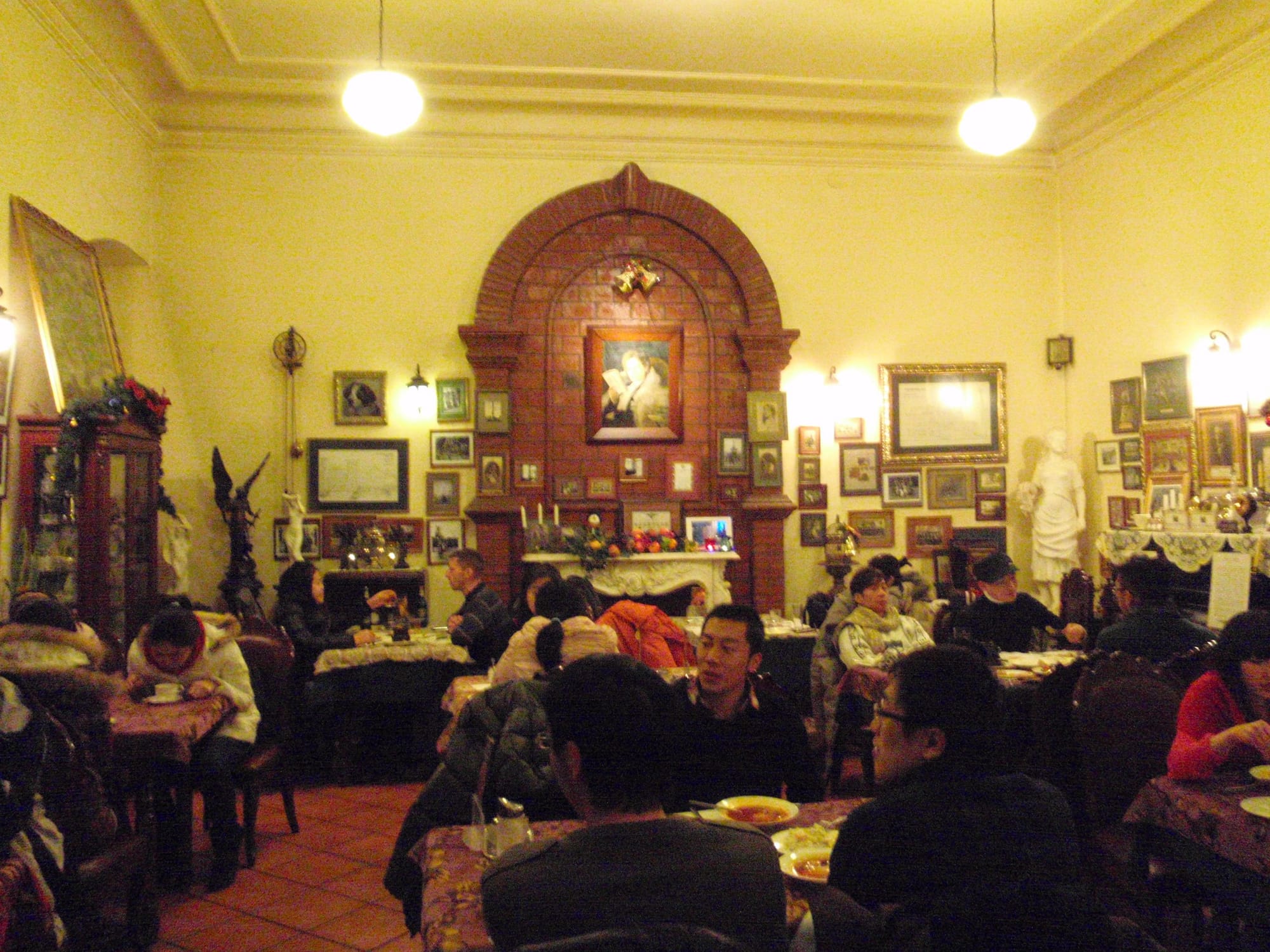
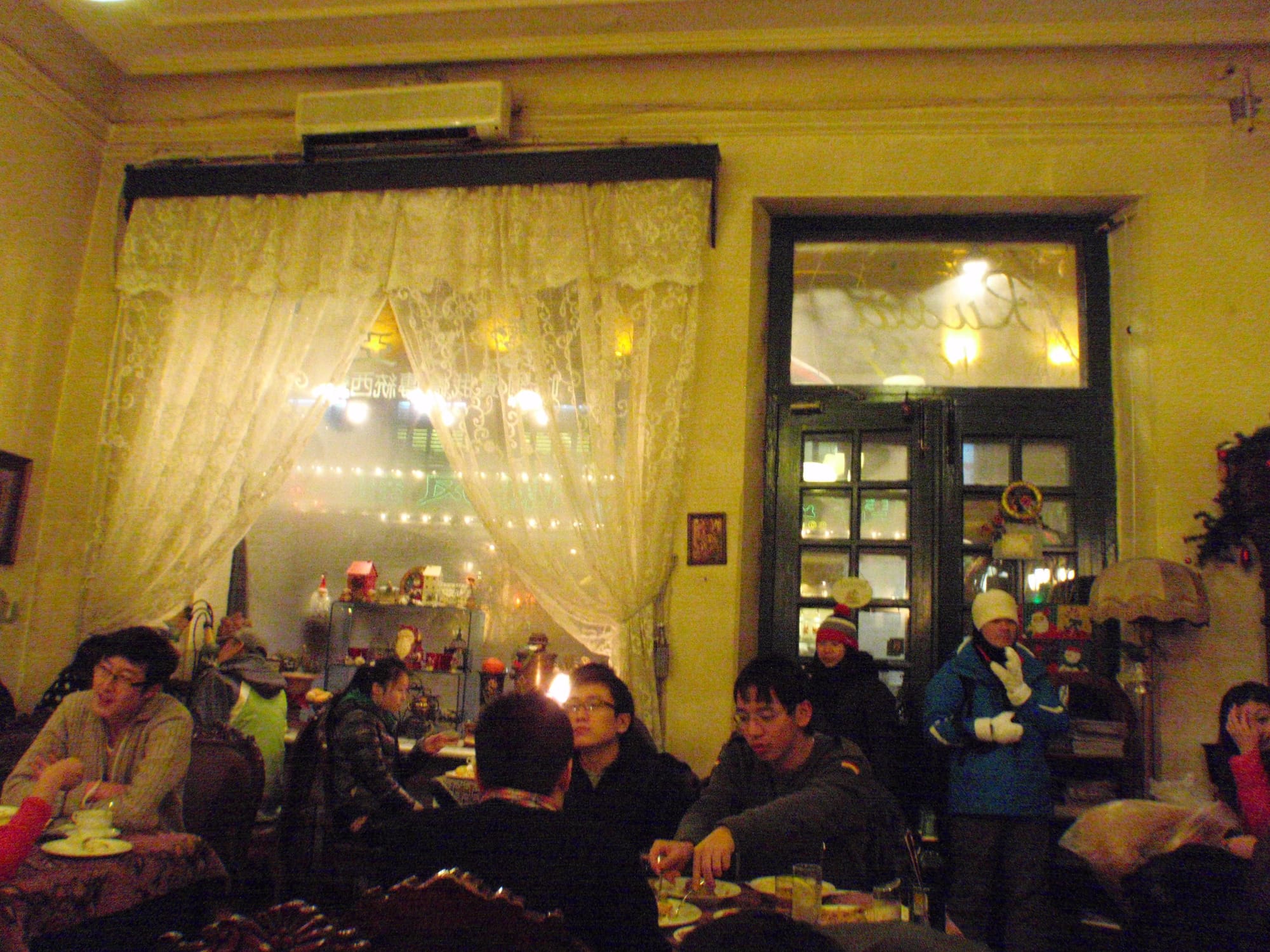
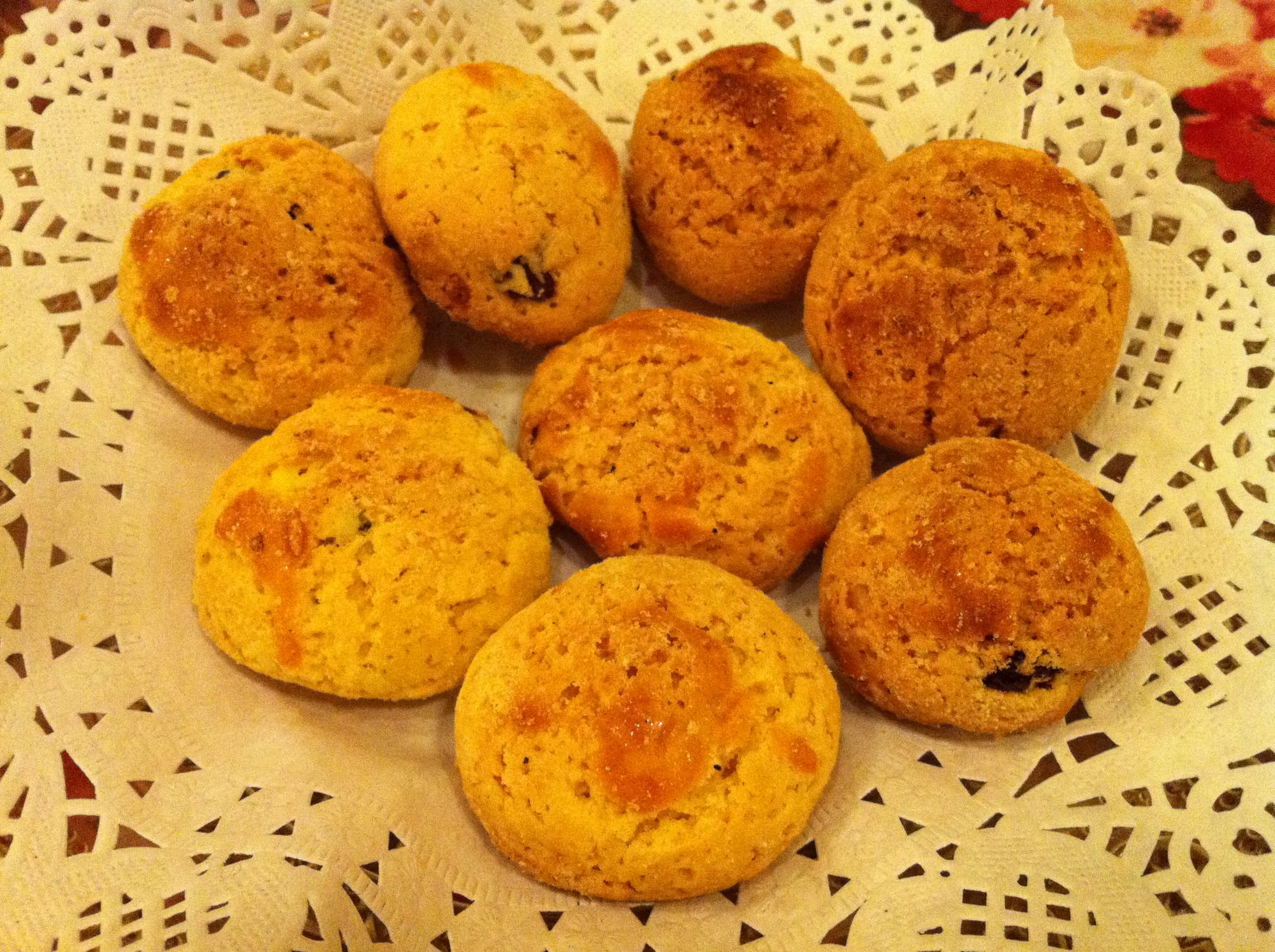
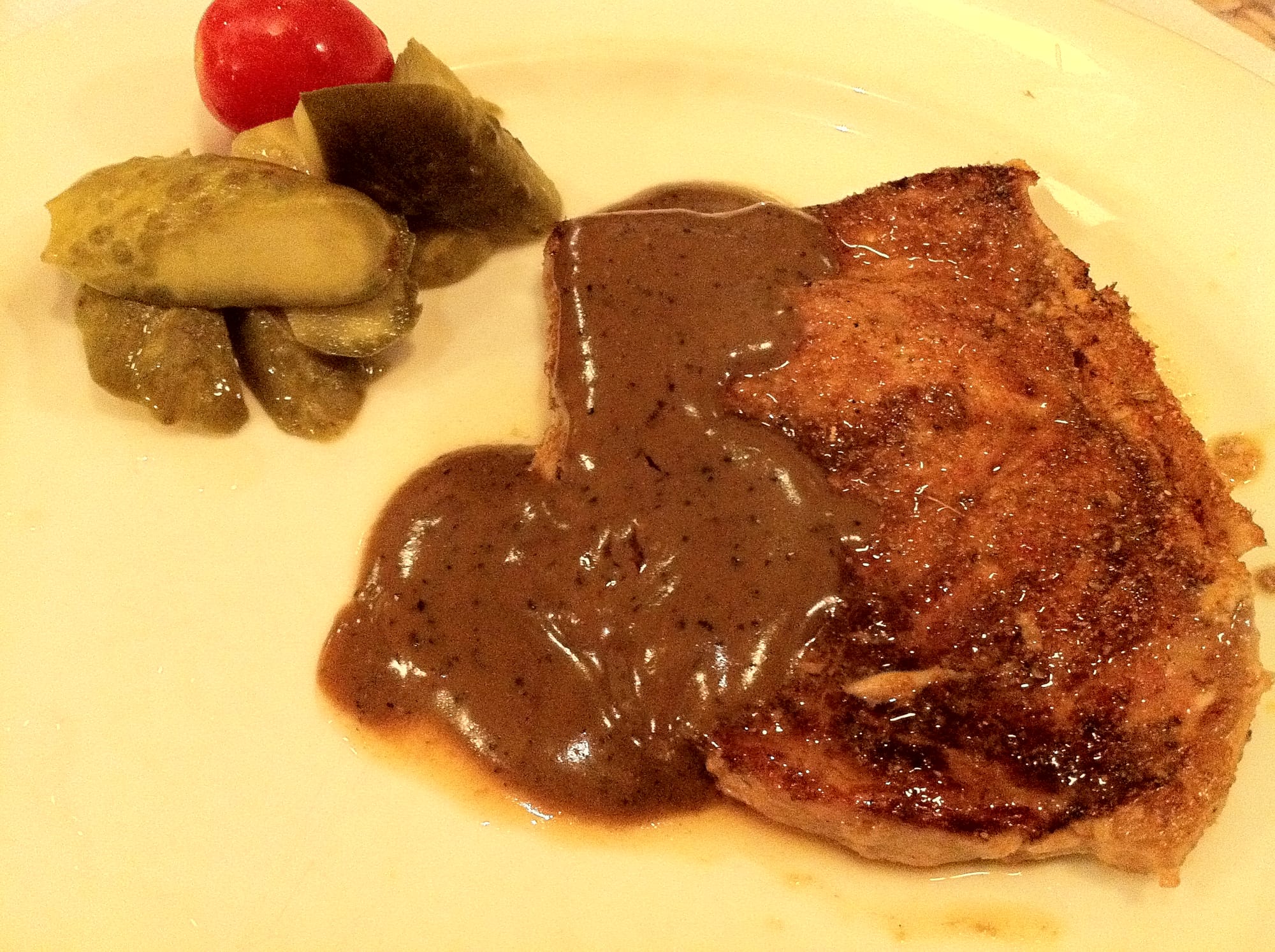
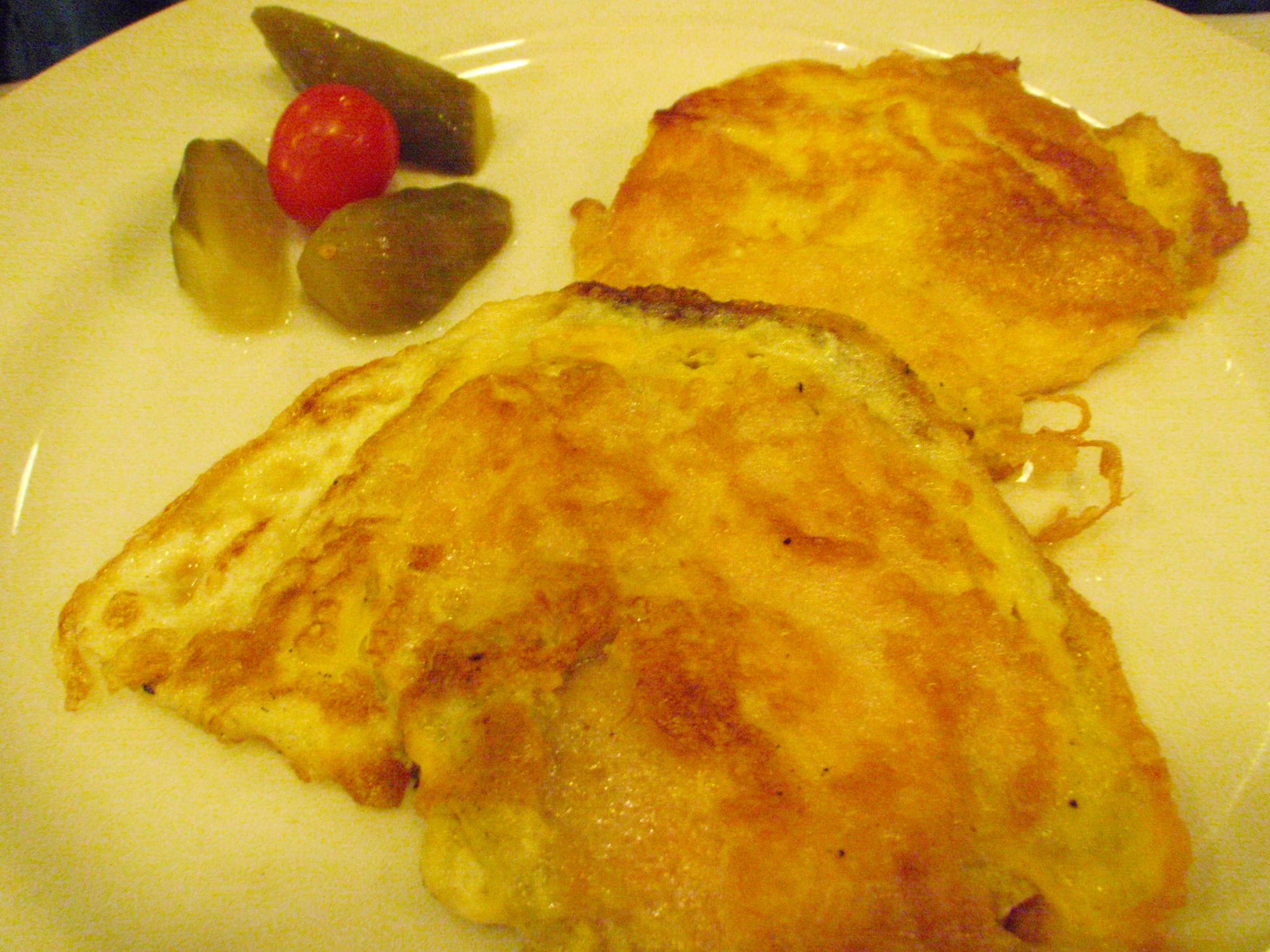
- Russia Coffee & Food (露西娅咖啡西餐厅)
- 湾仔火锅 (Wanzai Hotpot)
- 正宗南京小笼灌汤包 (Zhèng Zōng Nánjīng Xiǎo Lóng Guàn Tāng Bāo)
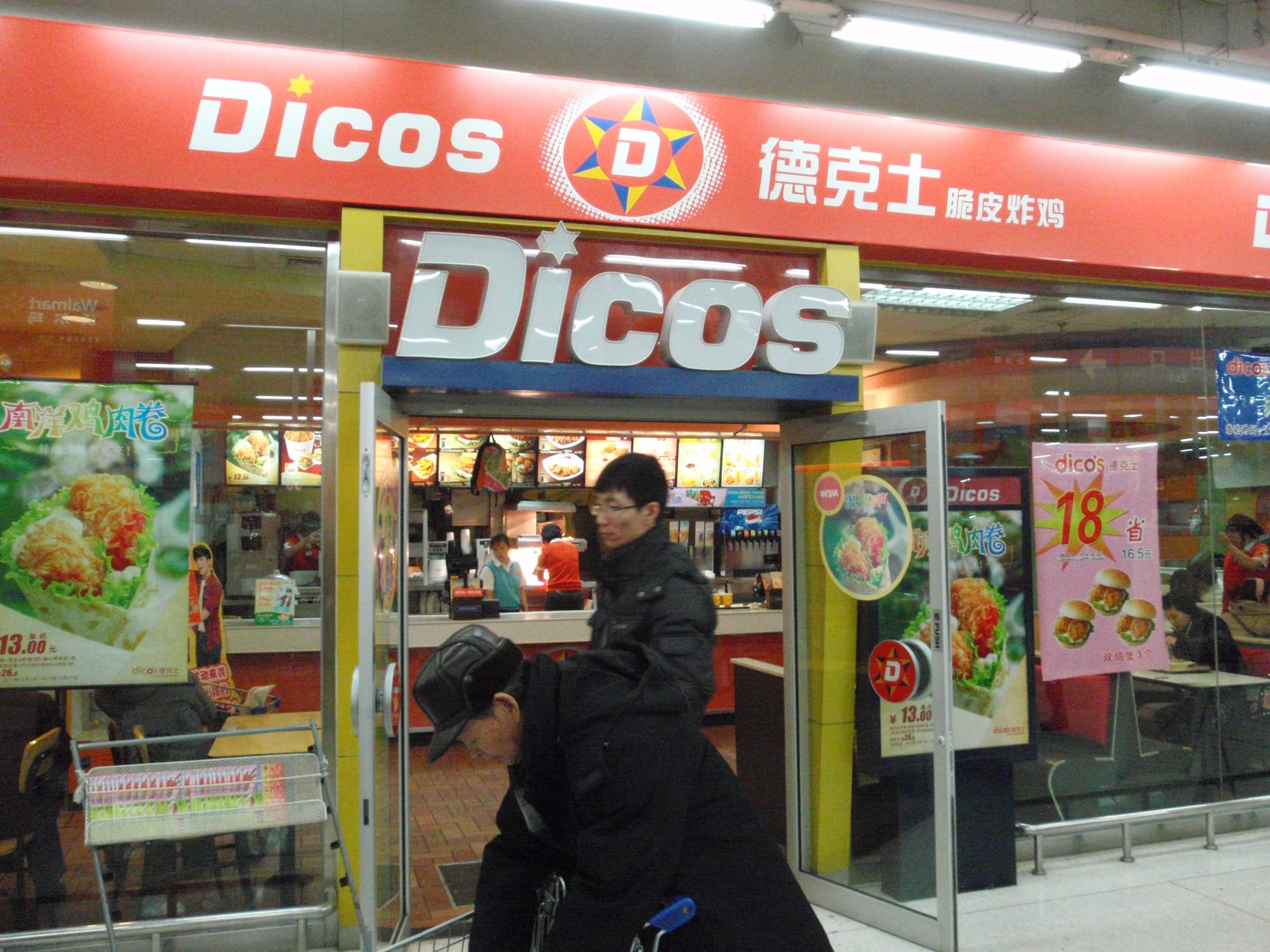
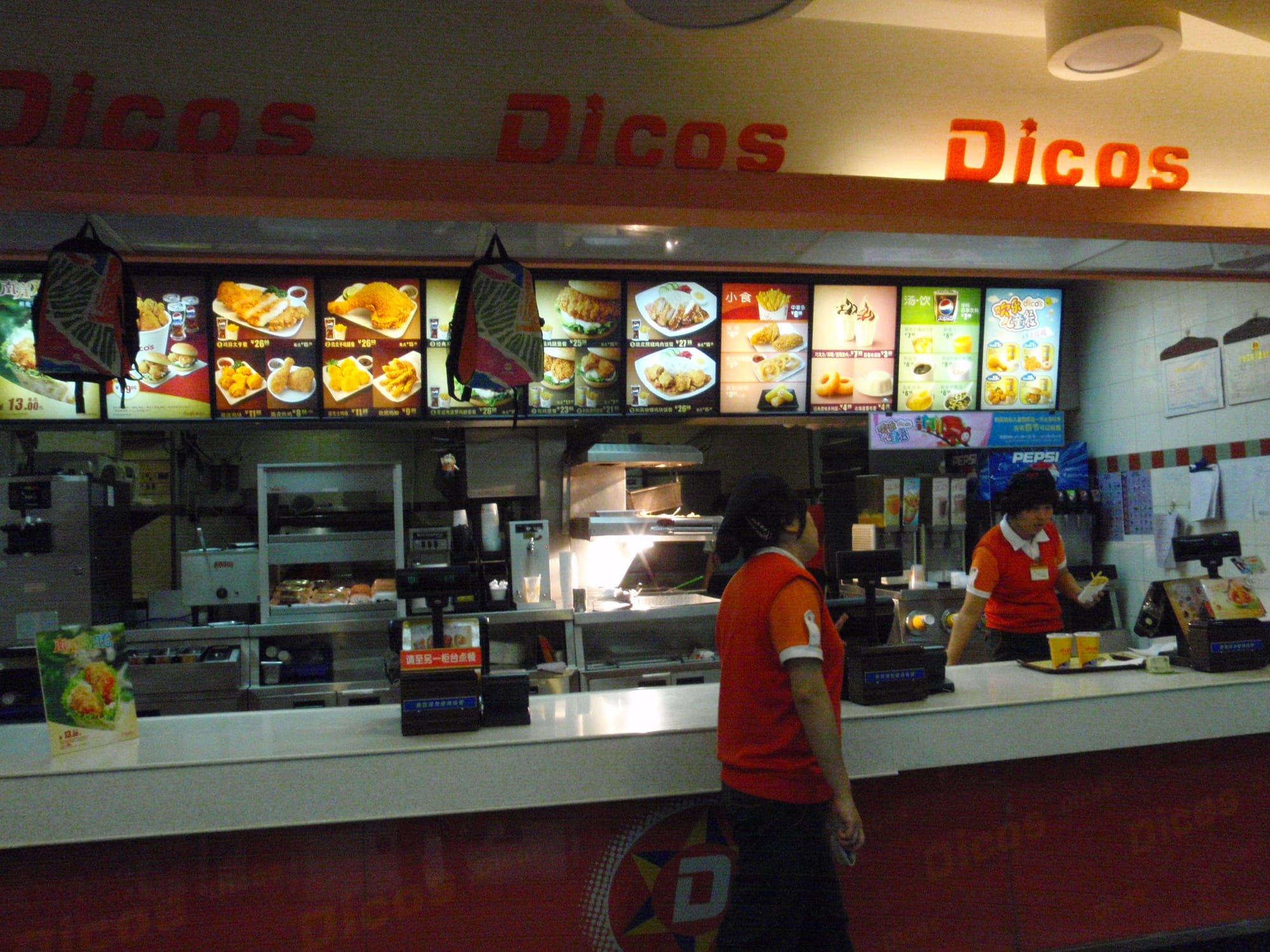
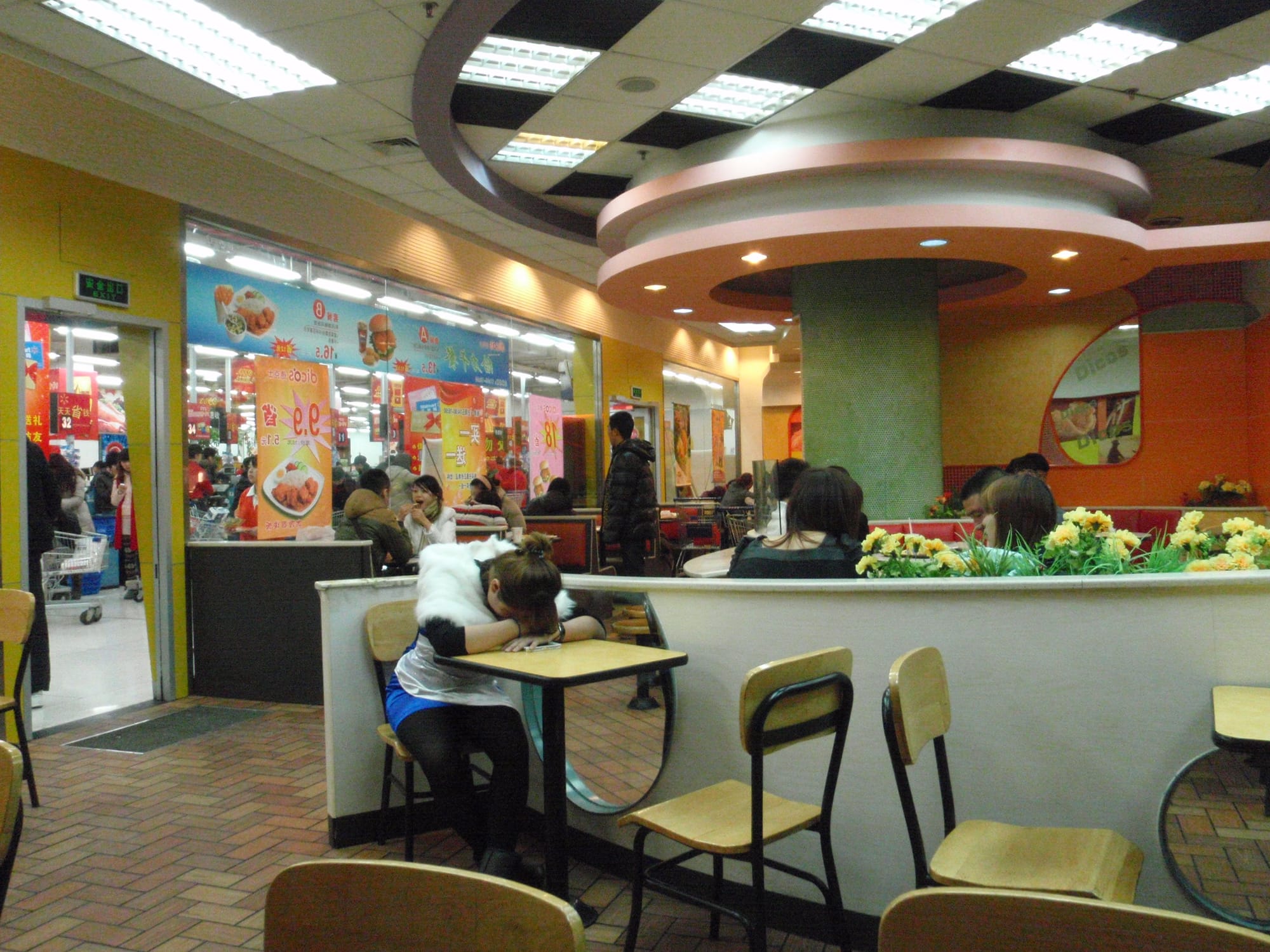
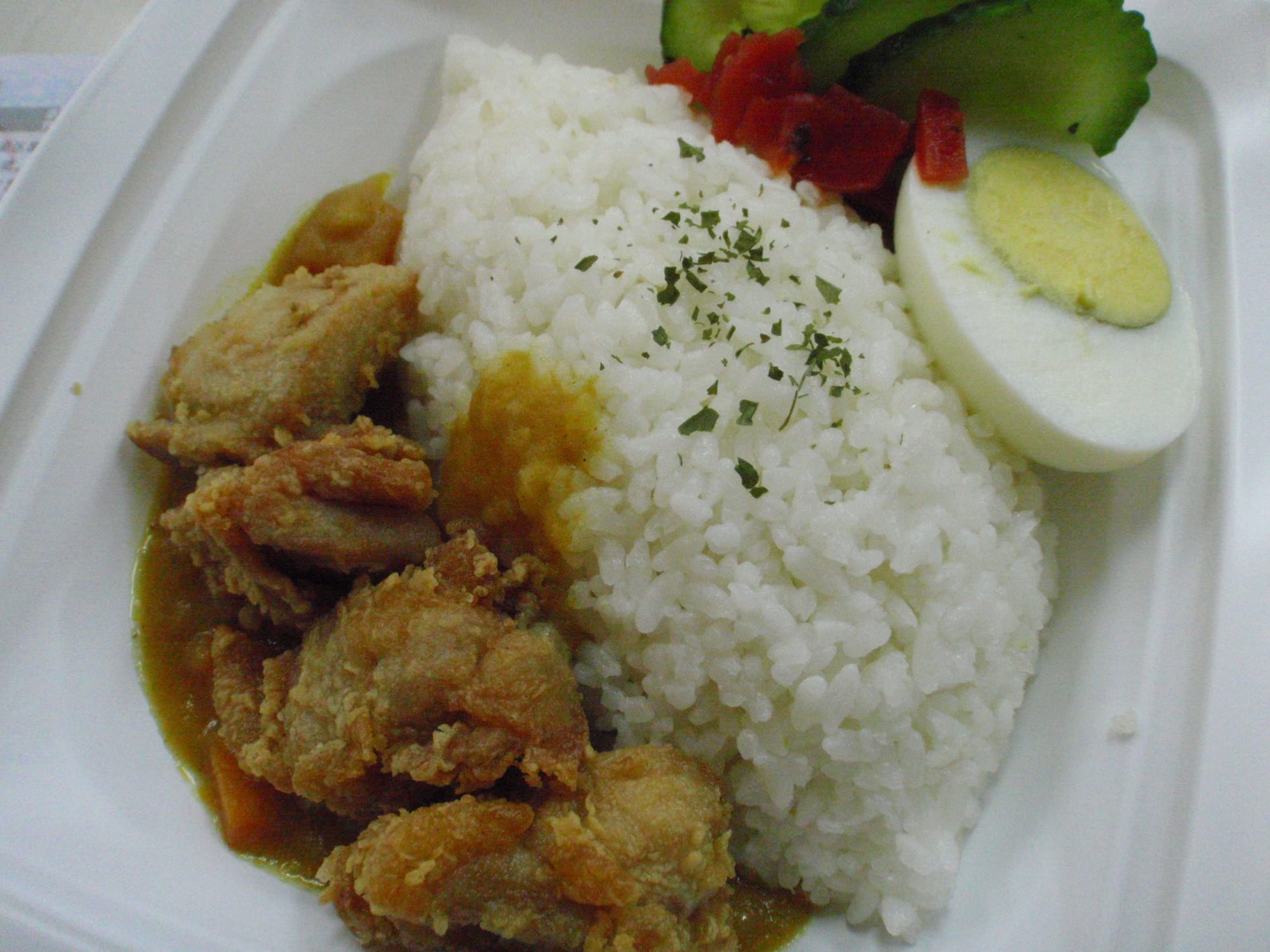
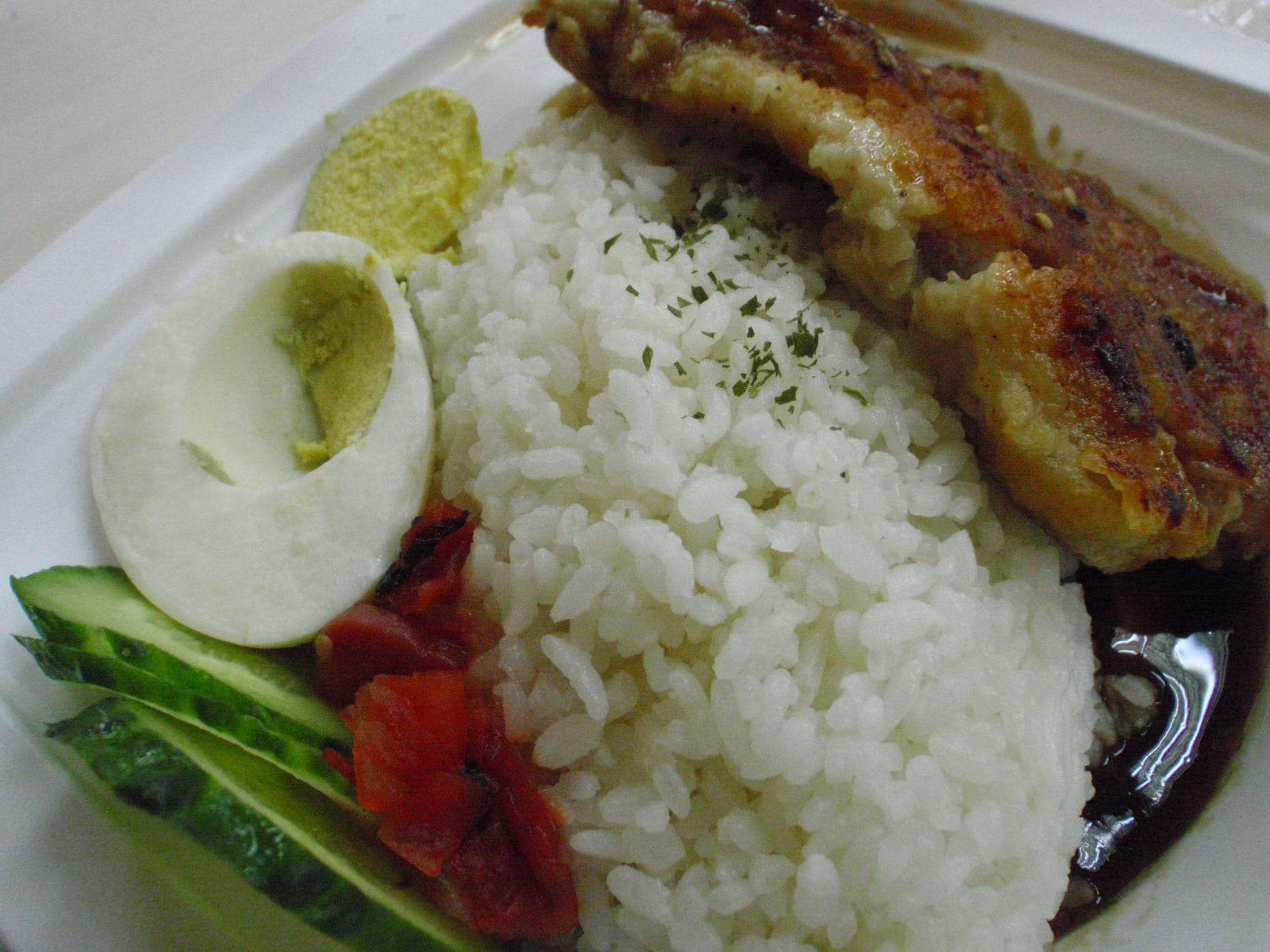
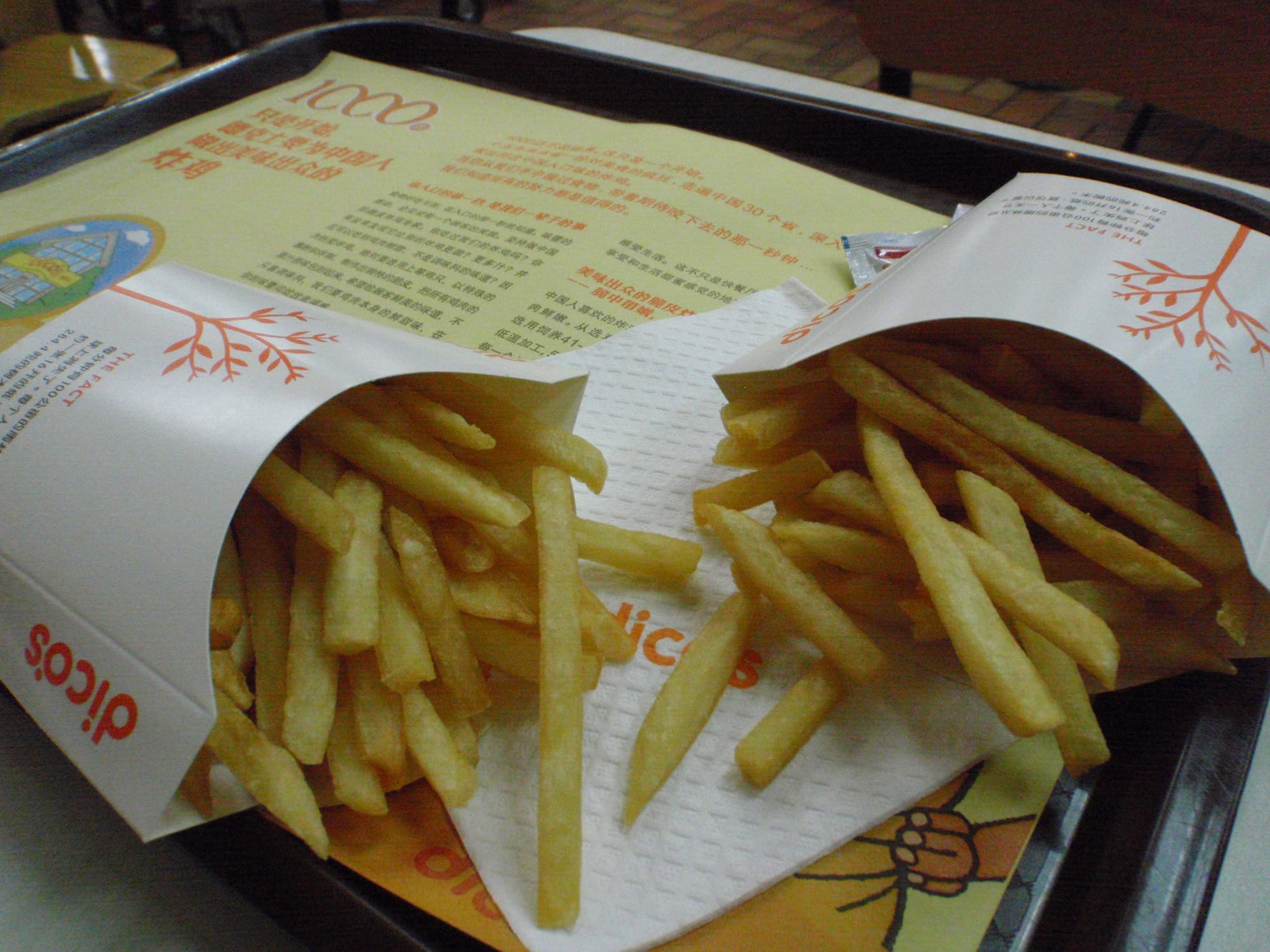
Dicos (德克士)
109 Haxi Street, 1F-156 (Block A), Haxi Wanda Plaza
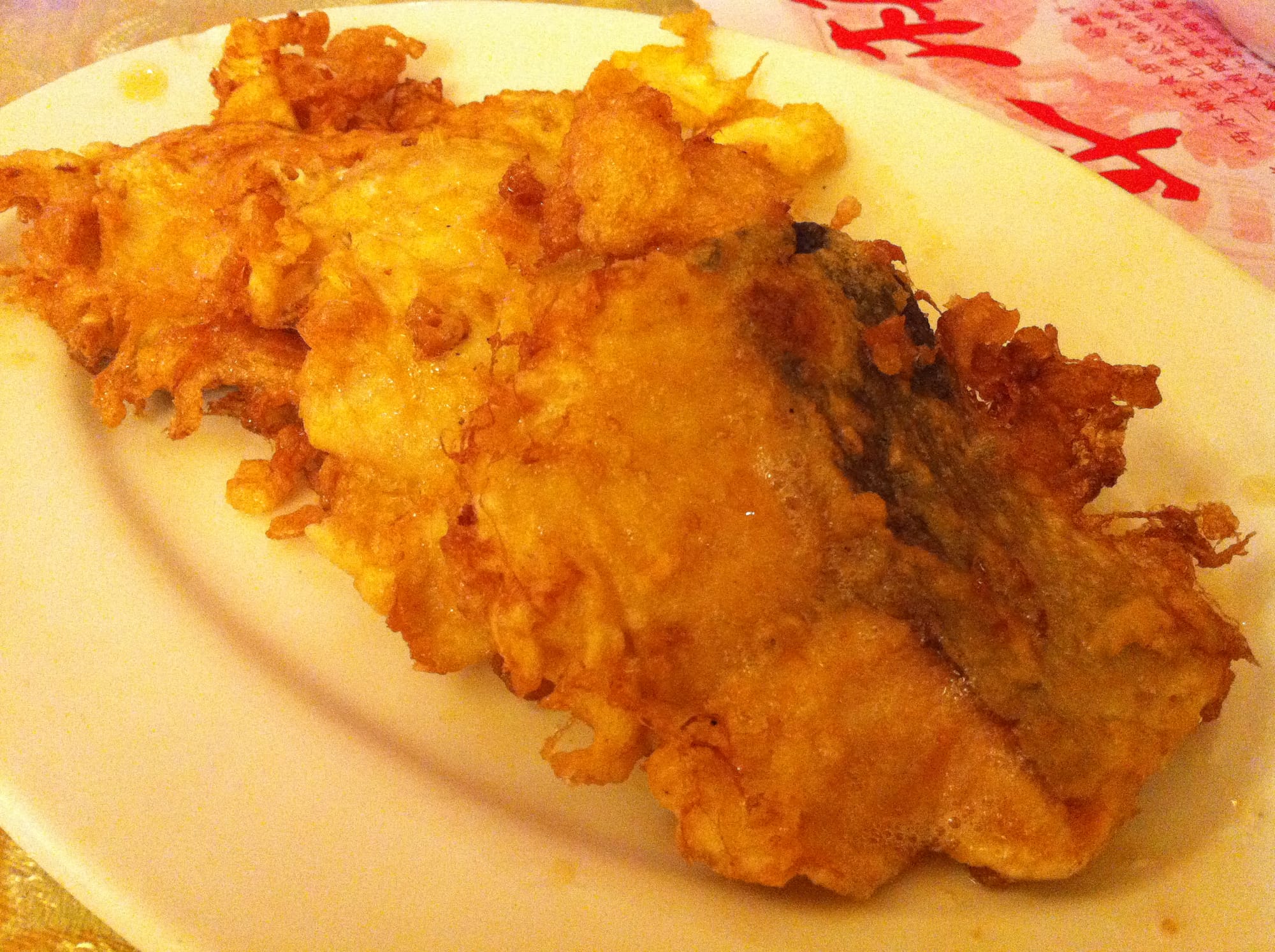
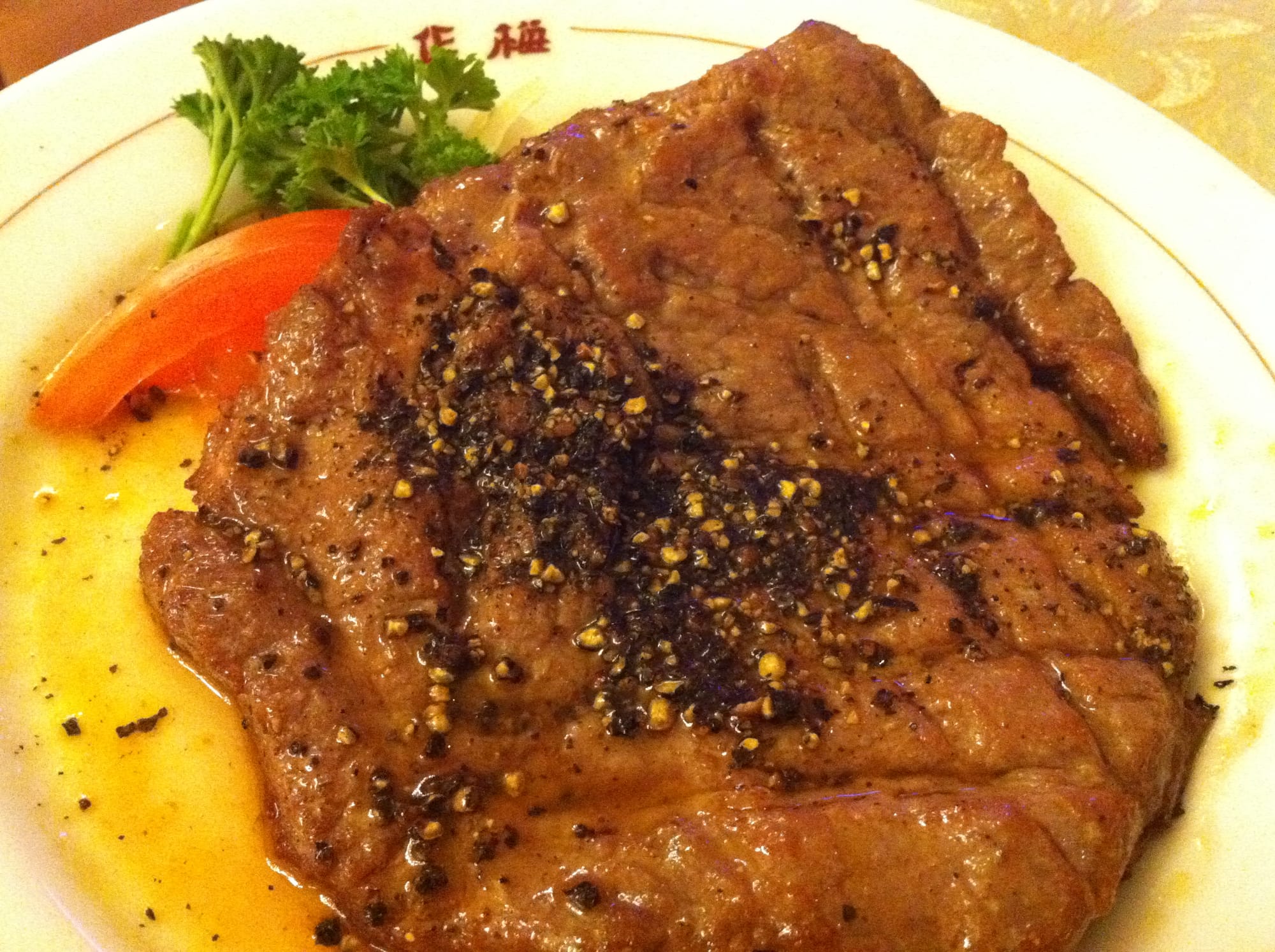
Hua Mei Western Restaurant(华梅西餐厅)
112 Zhongyang Dajie

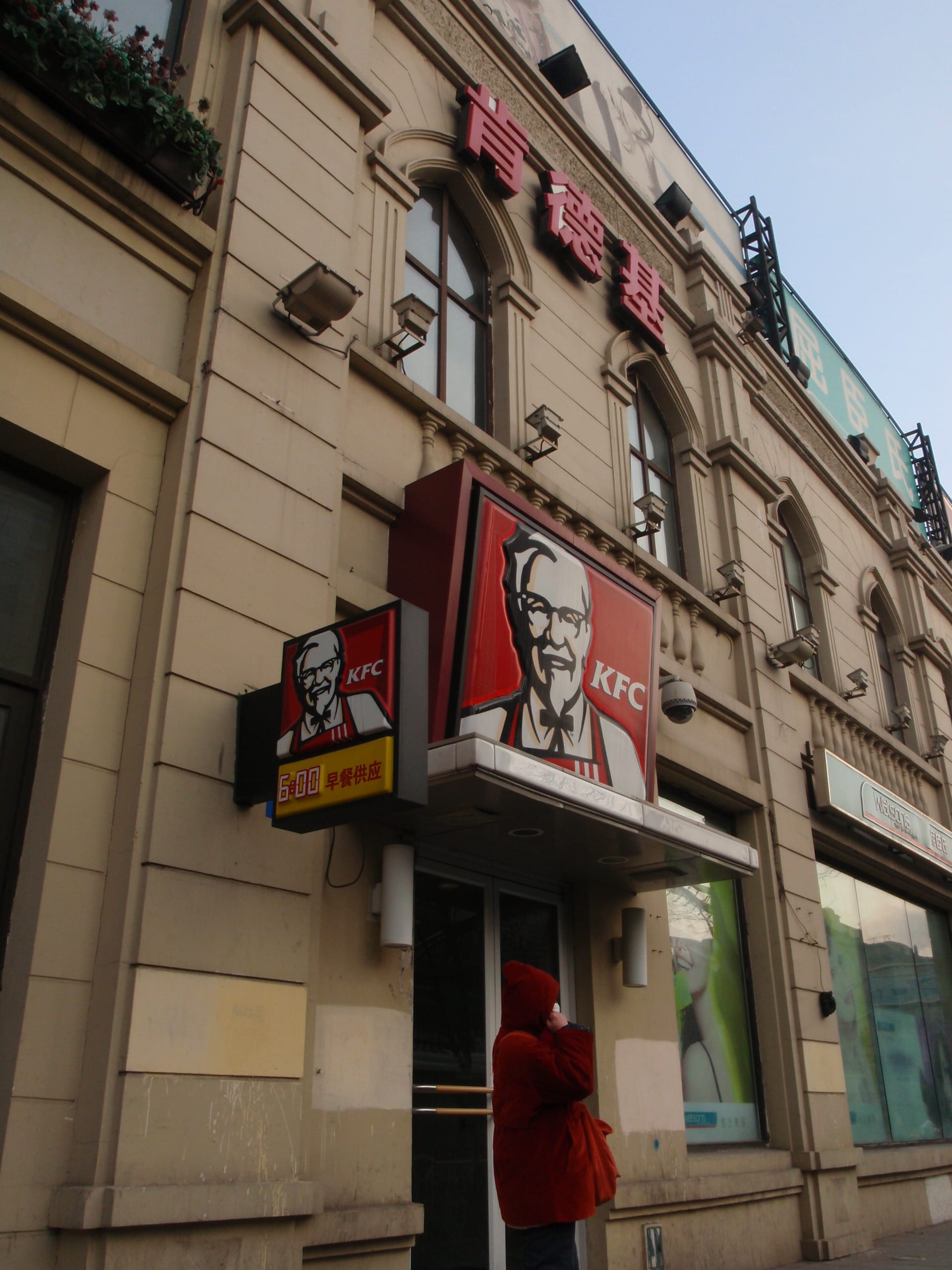
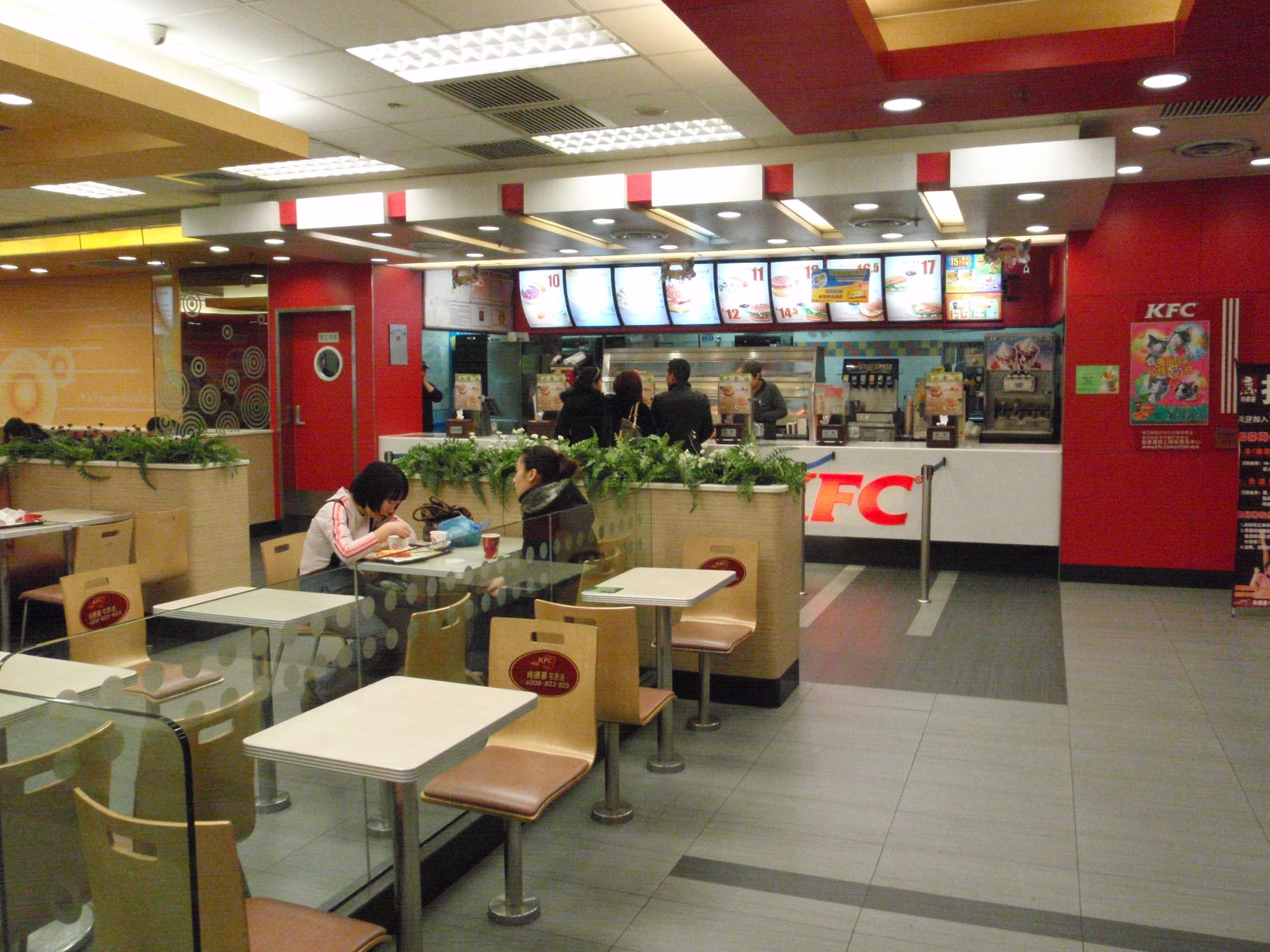
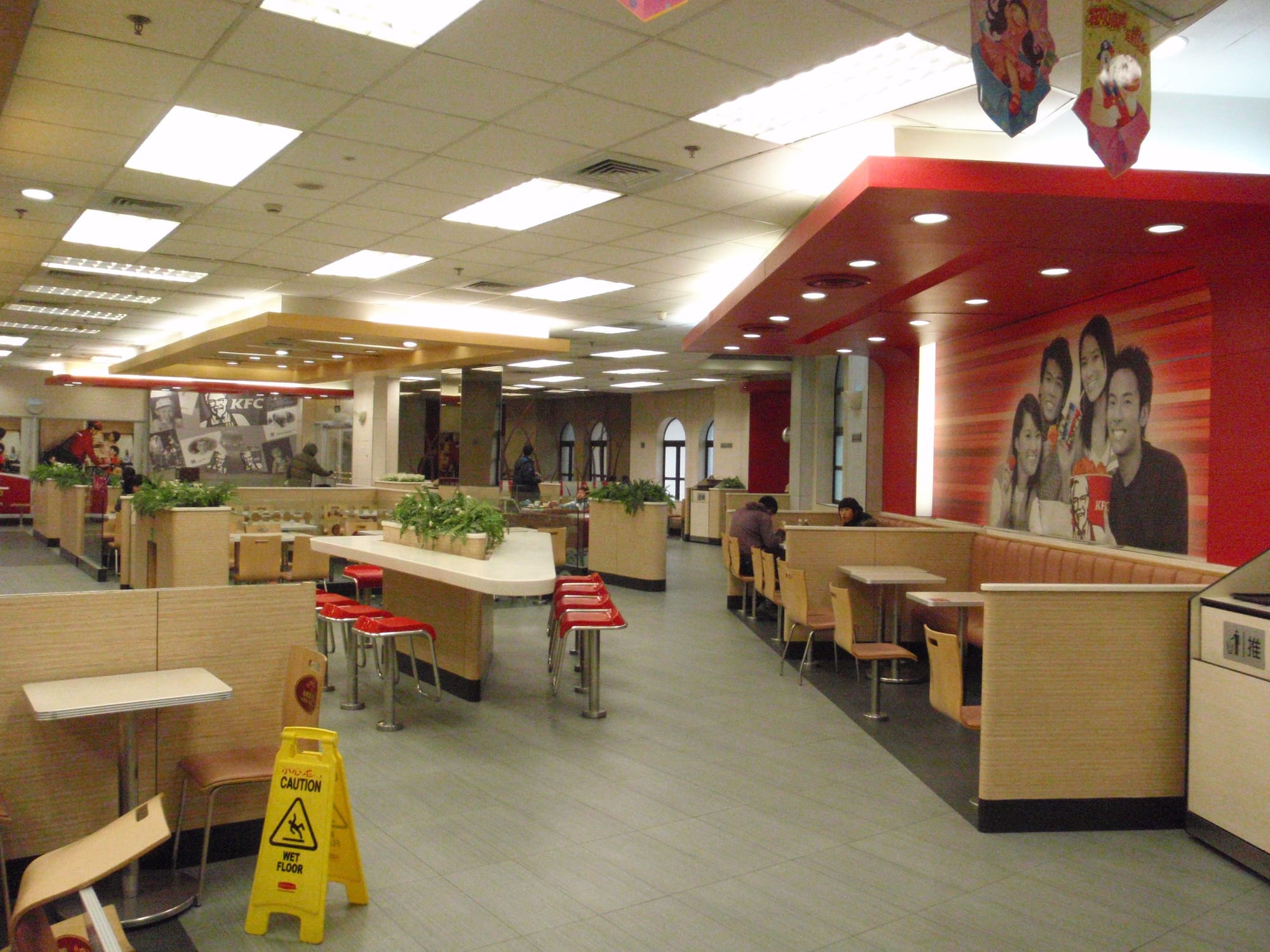
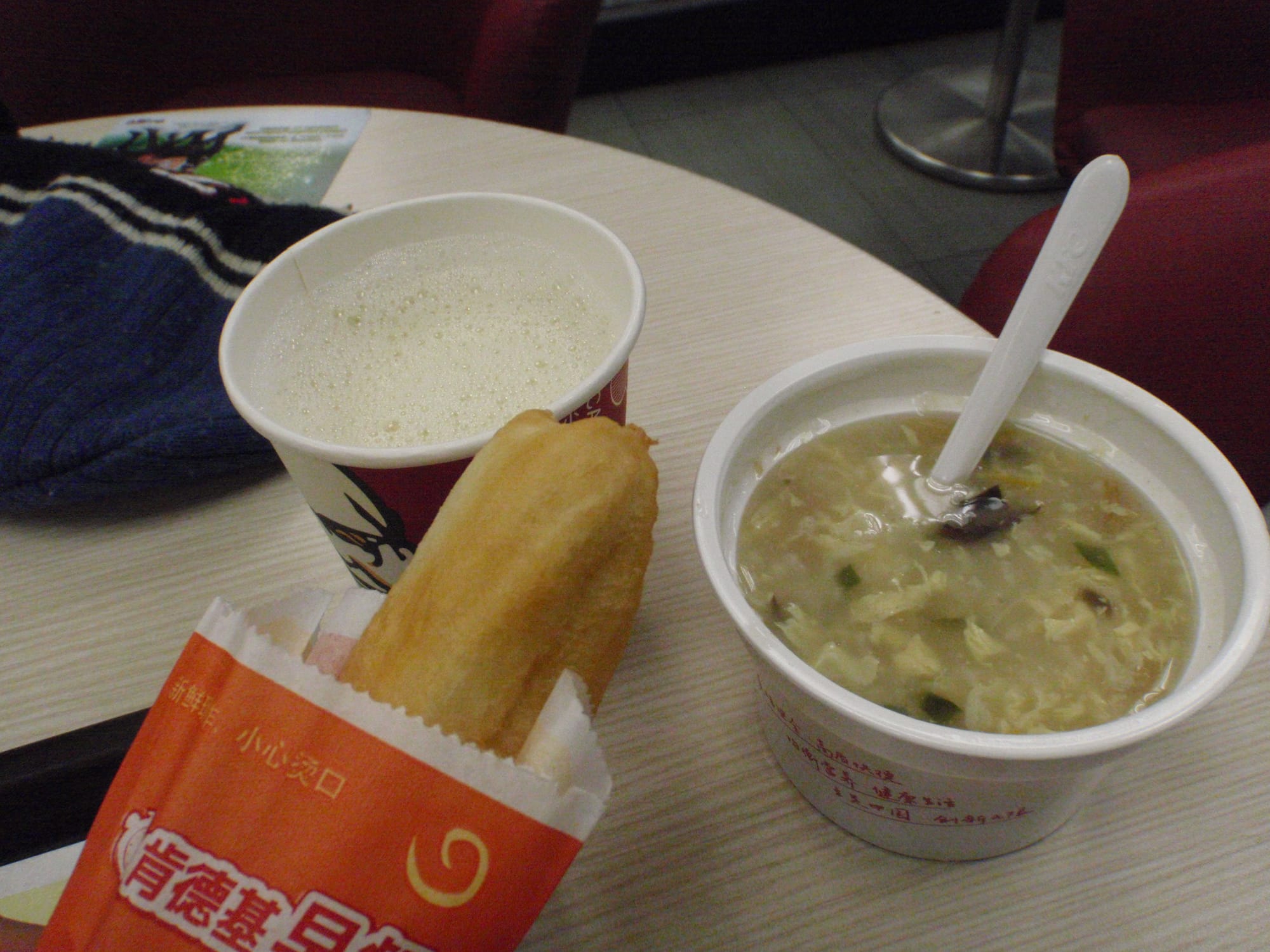
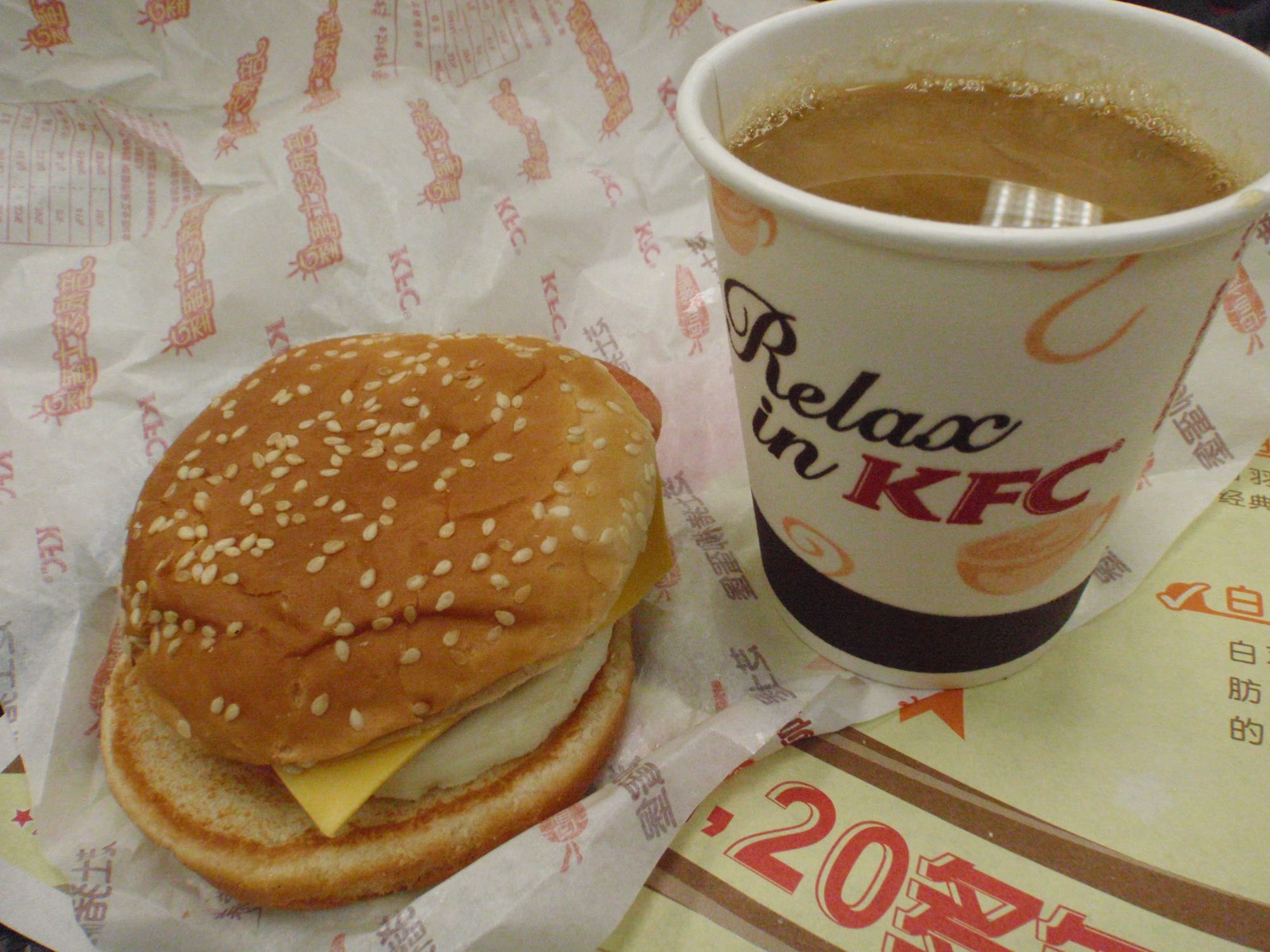
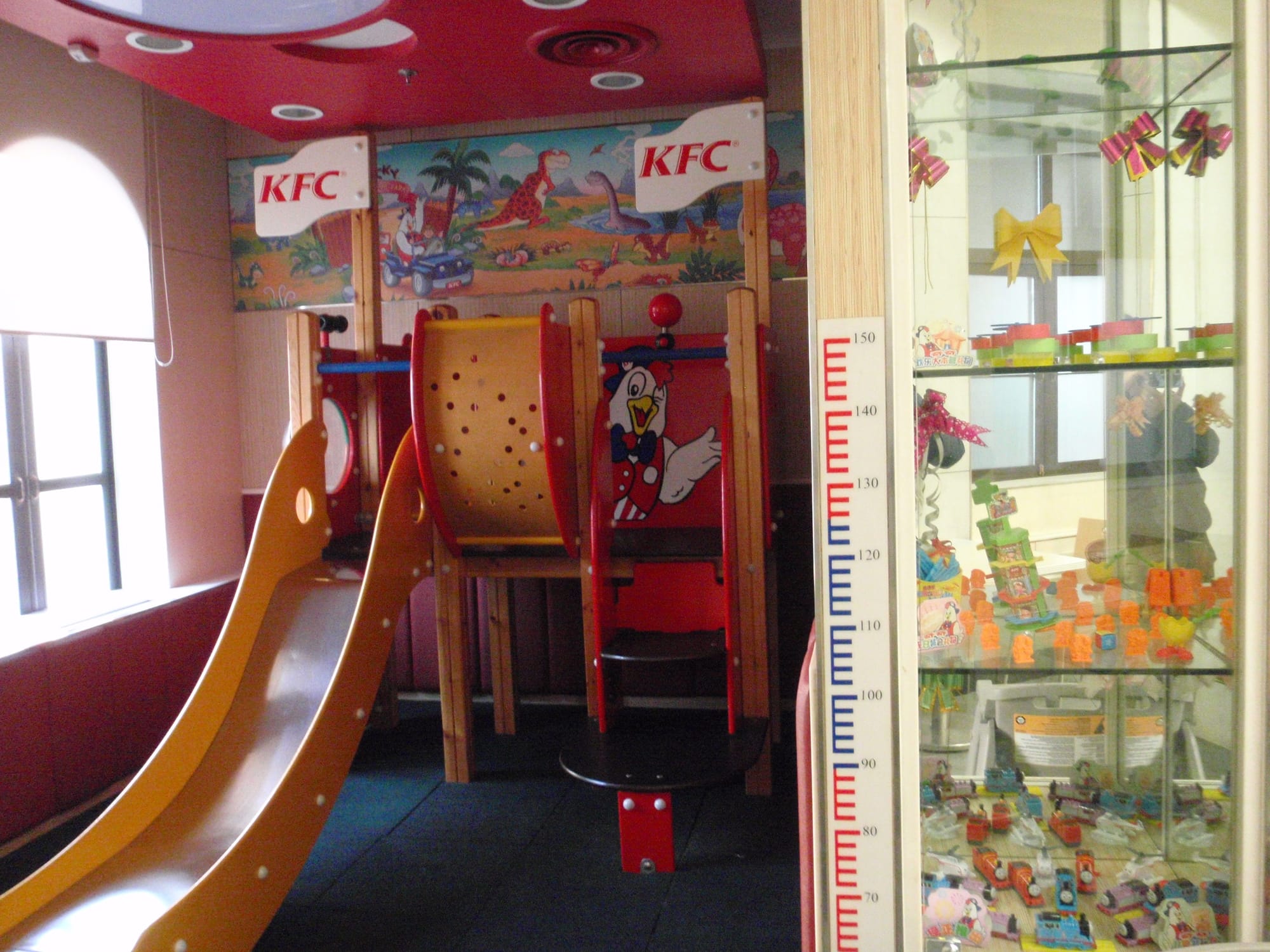
KFC (肯德基)
155 Zhongyang Dajie
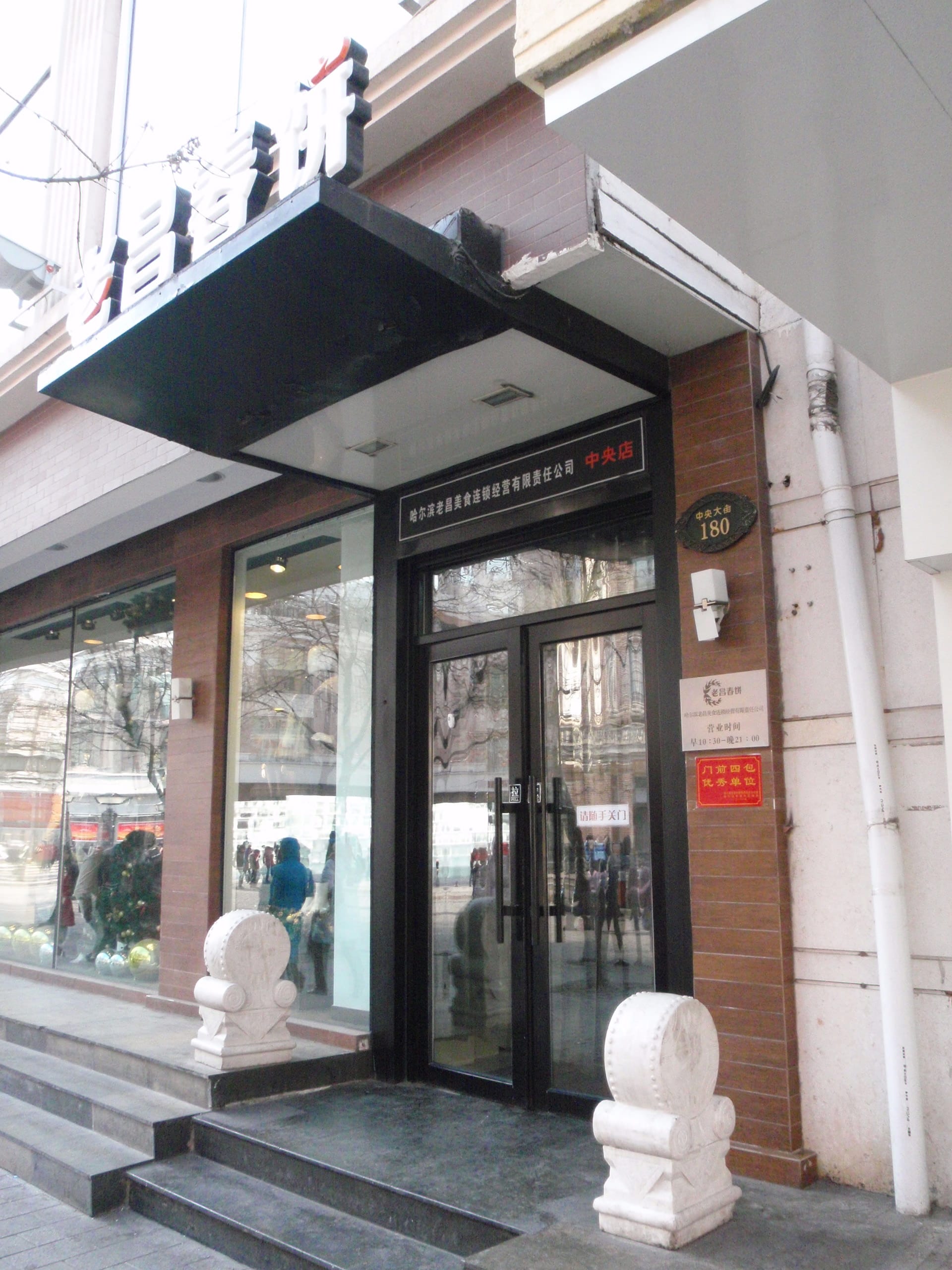
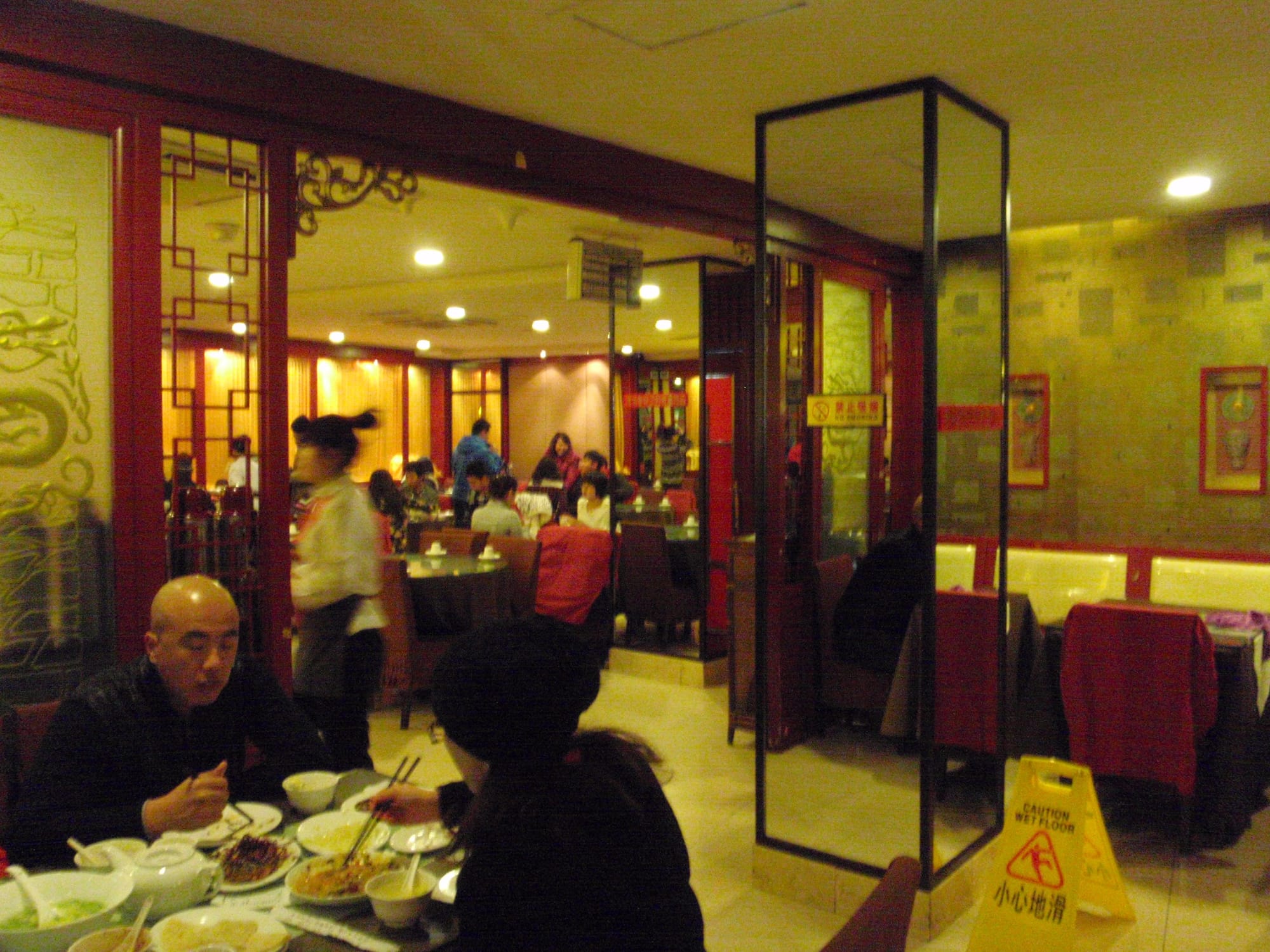
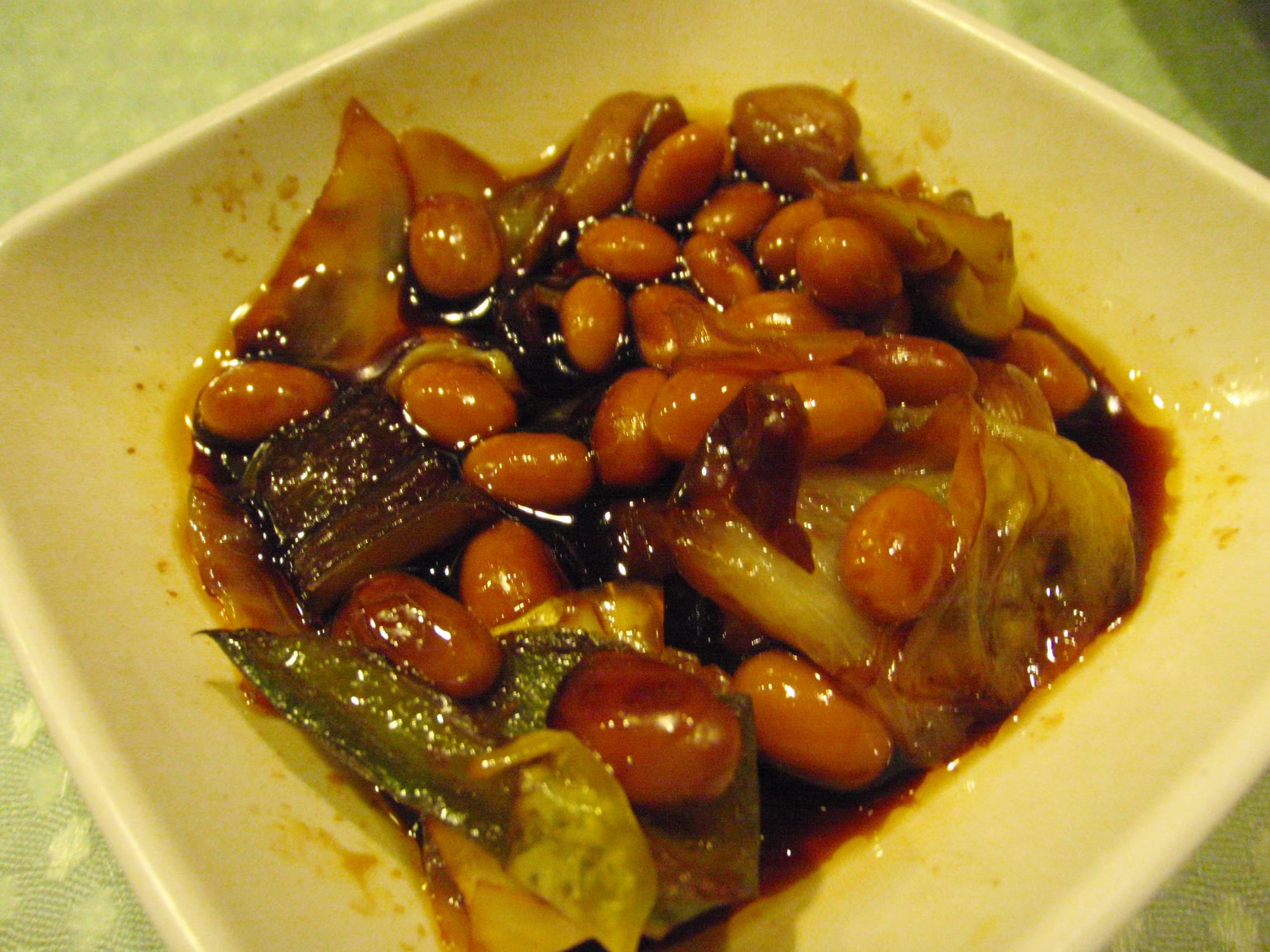
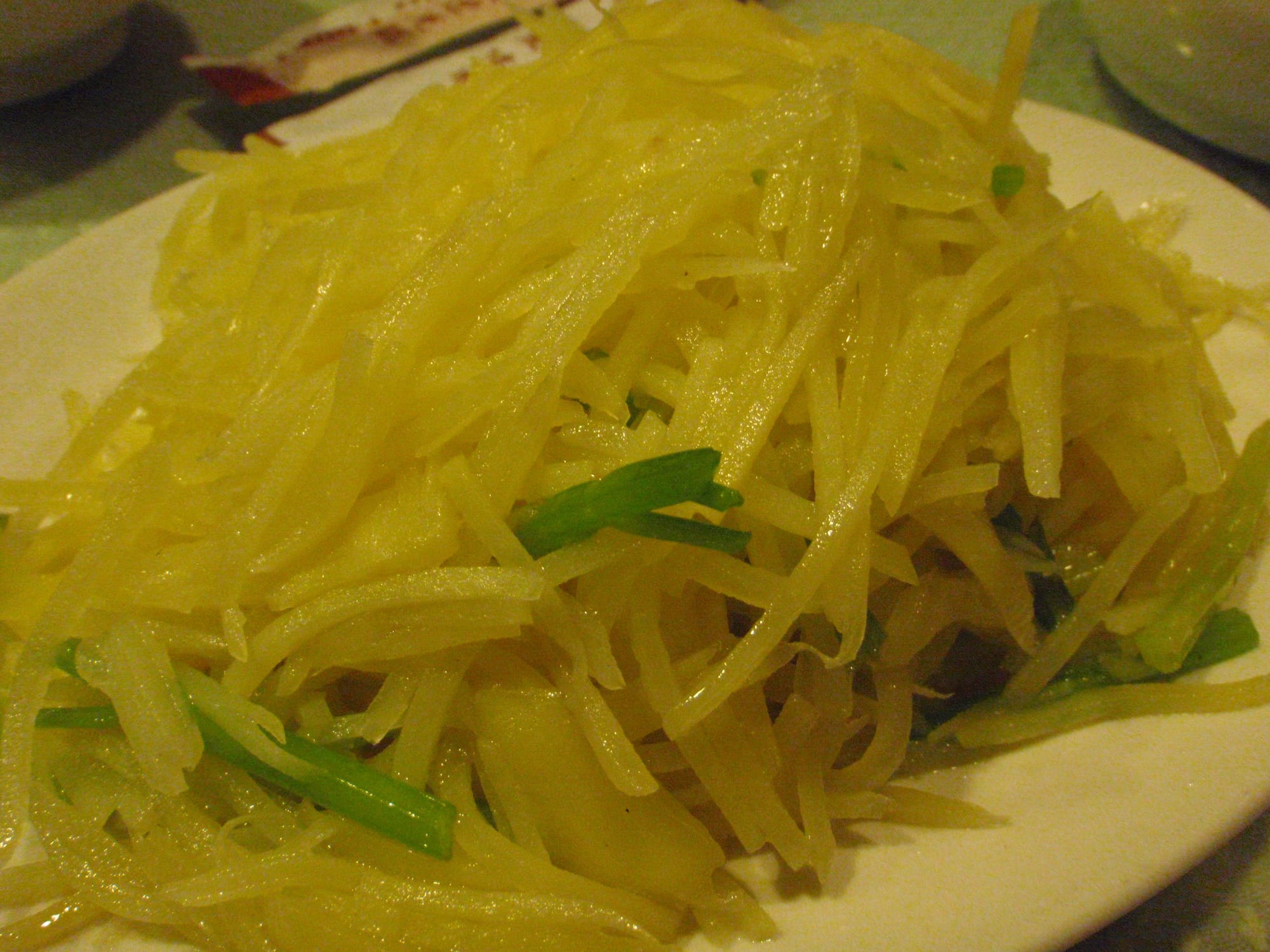
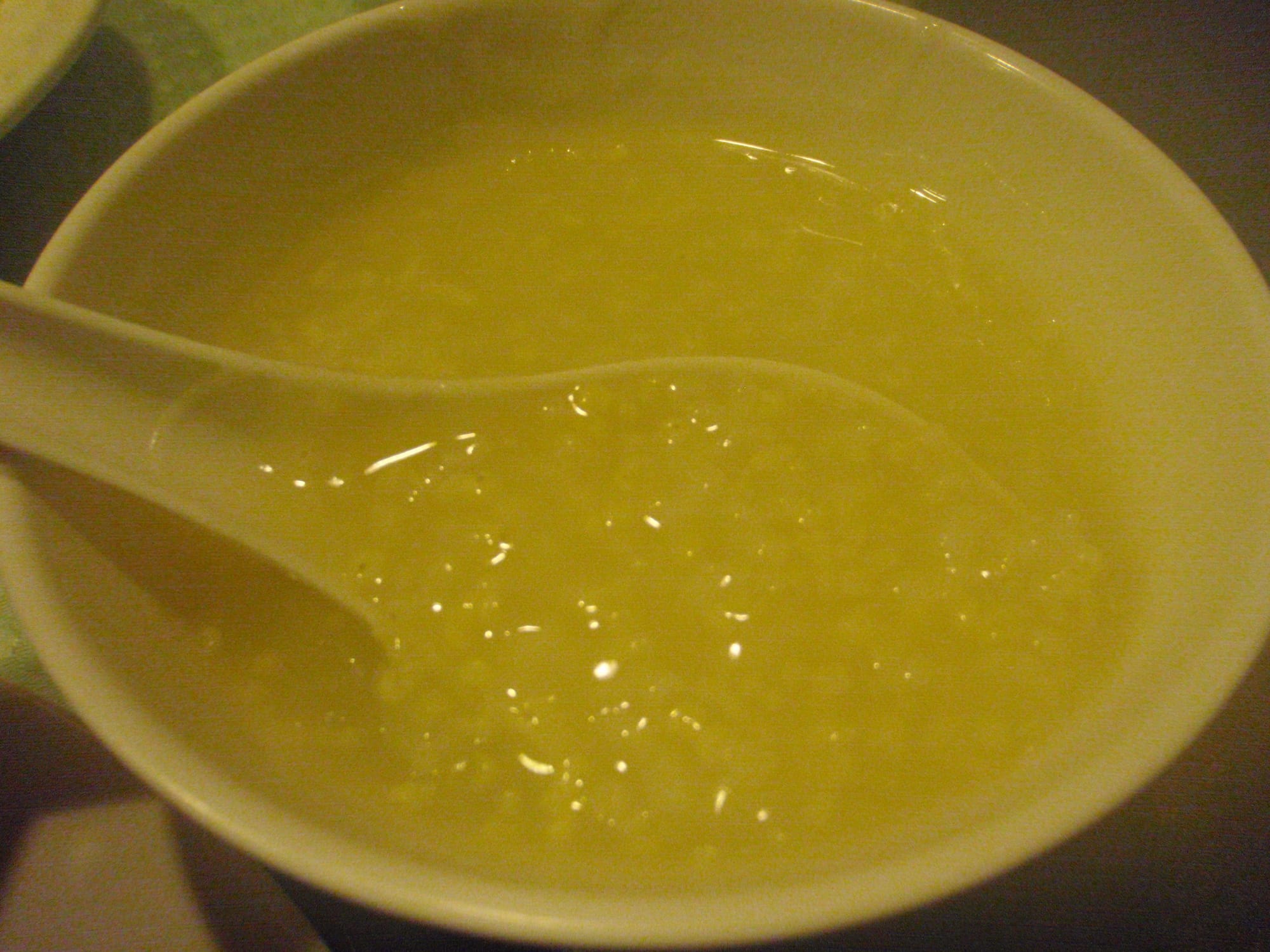
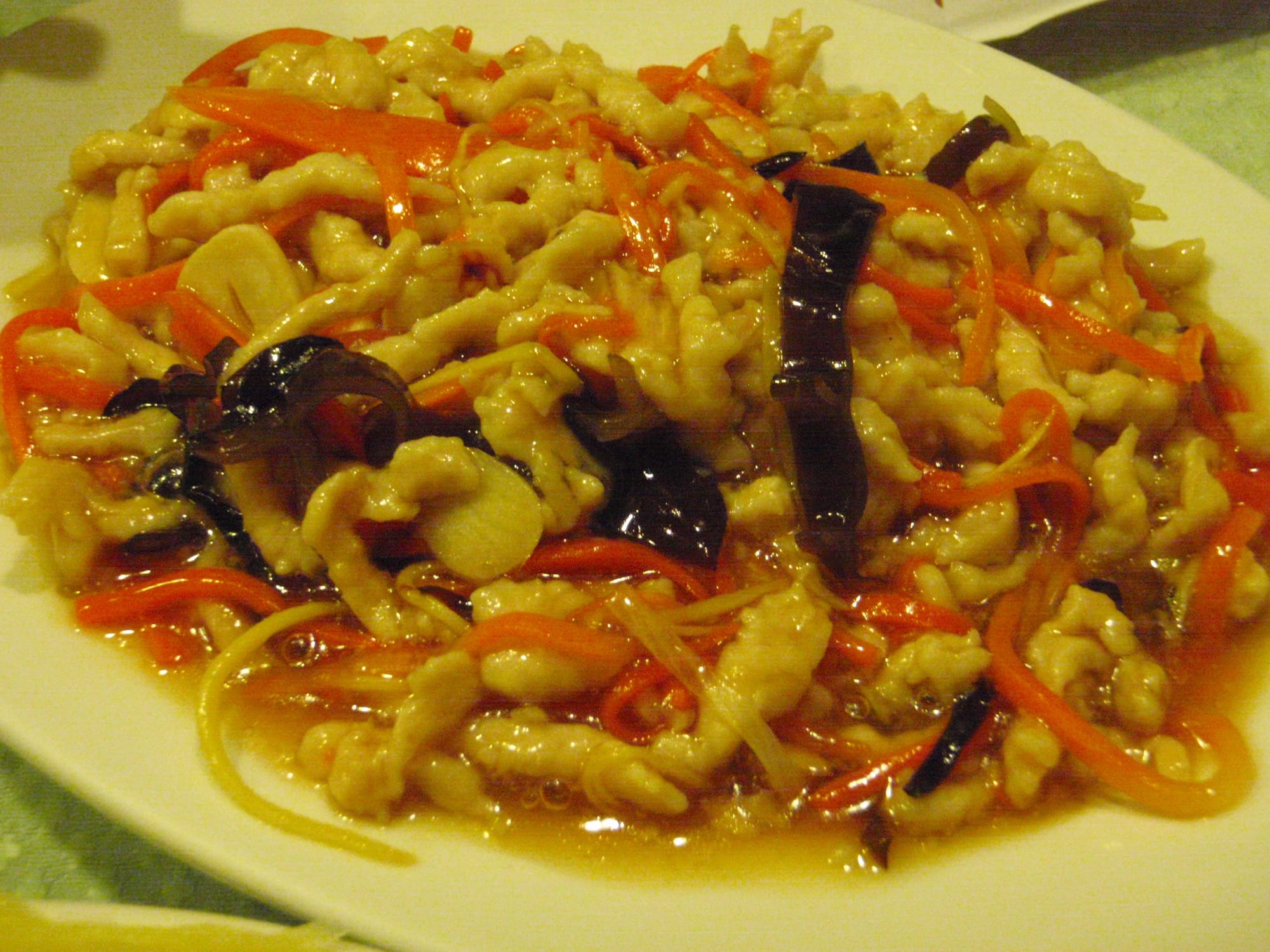
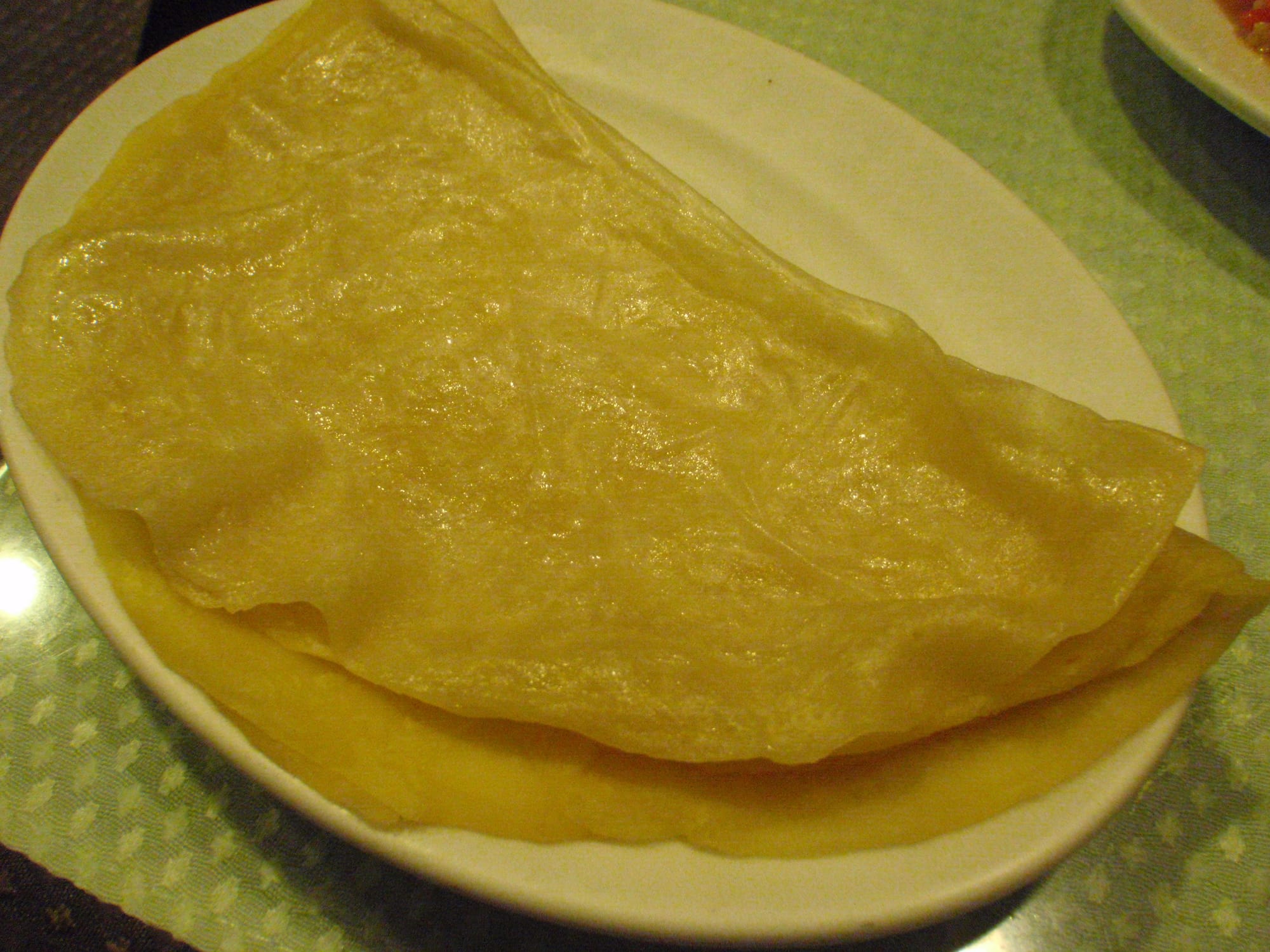
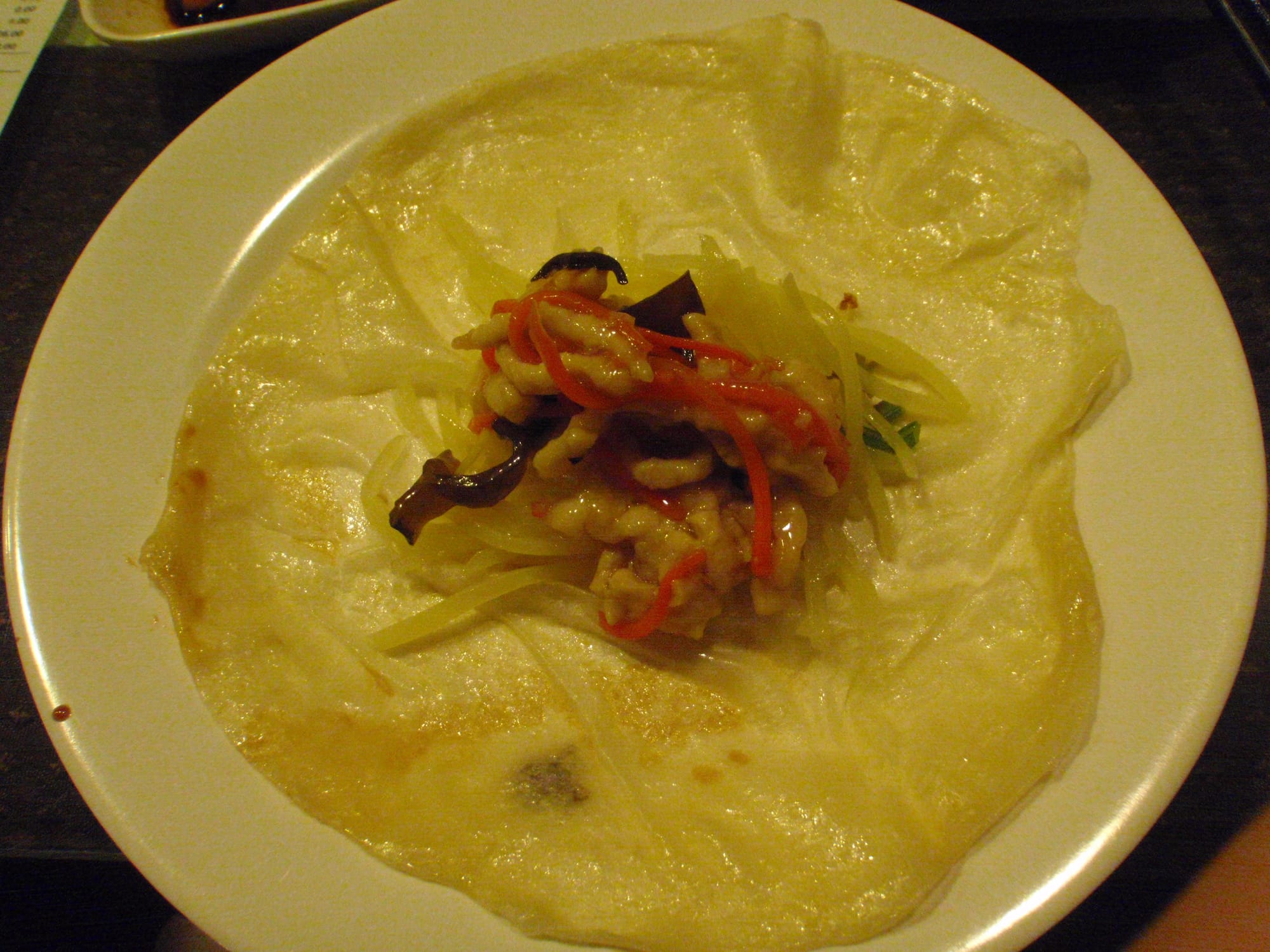
Lao Chang Chun Bing (老昌春饼)
180 Zhongyang Dajie
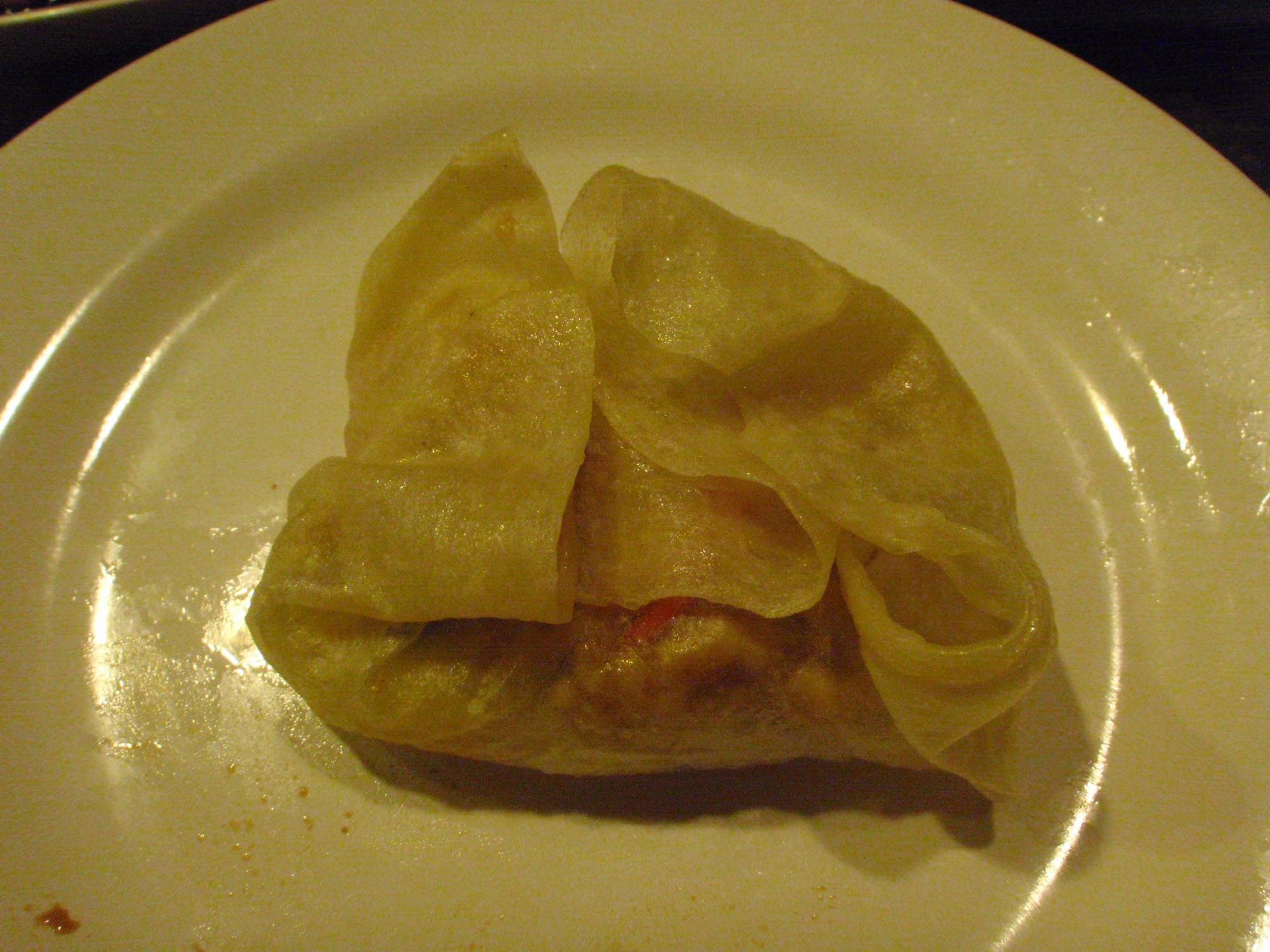
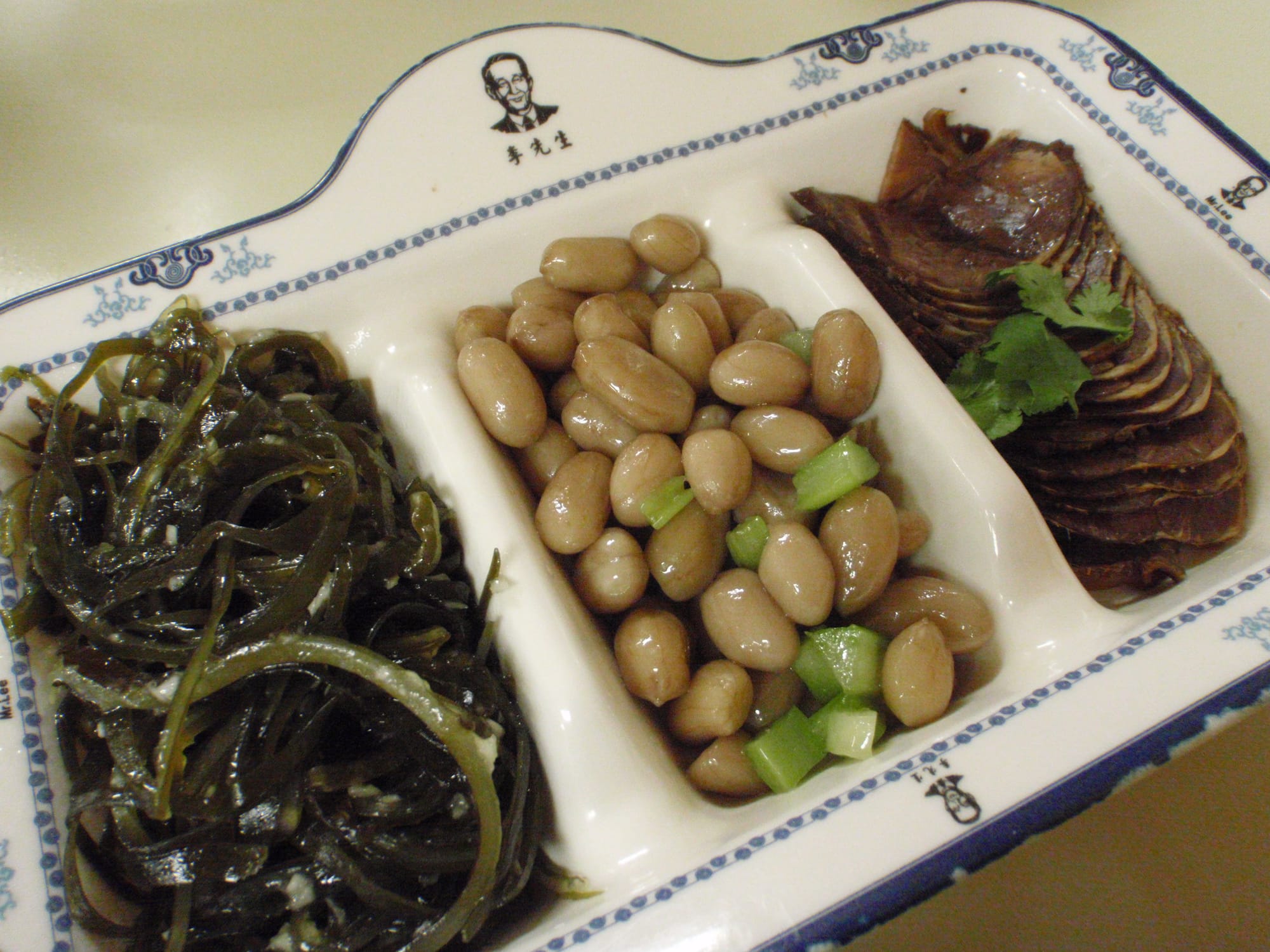
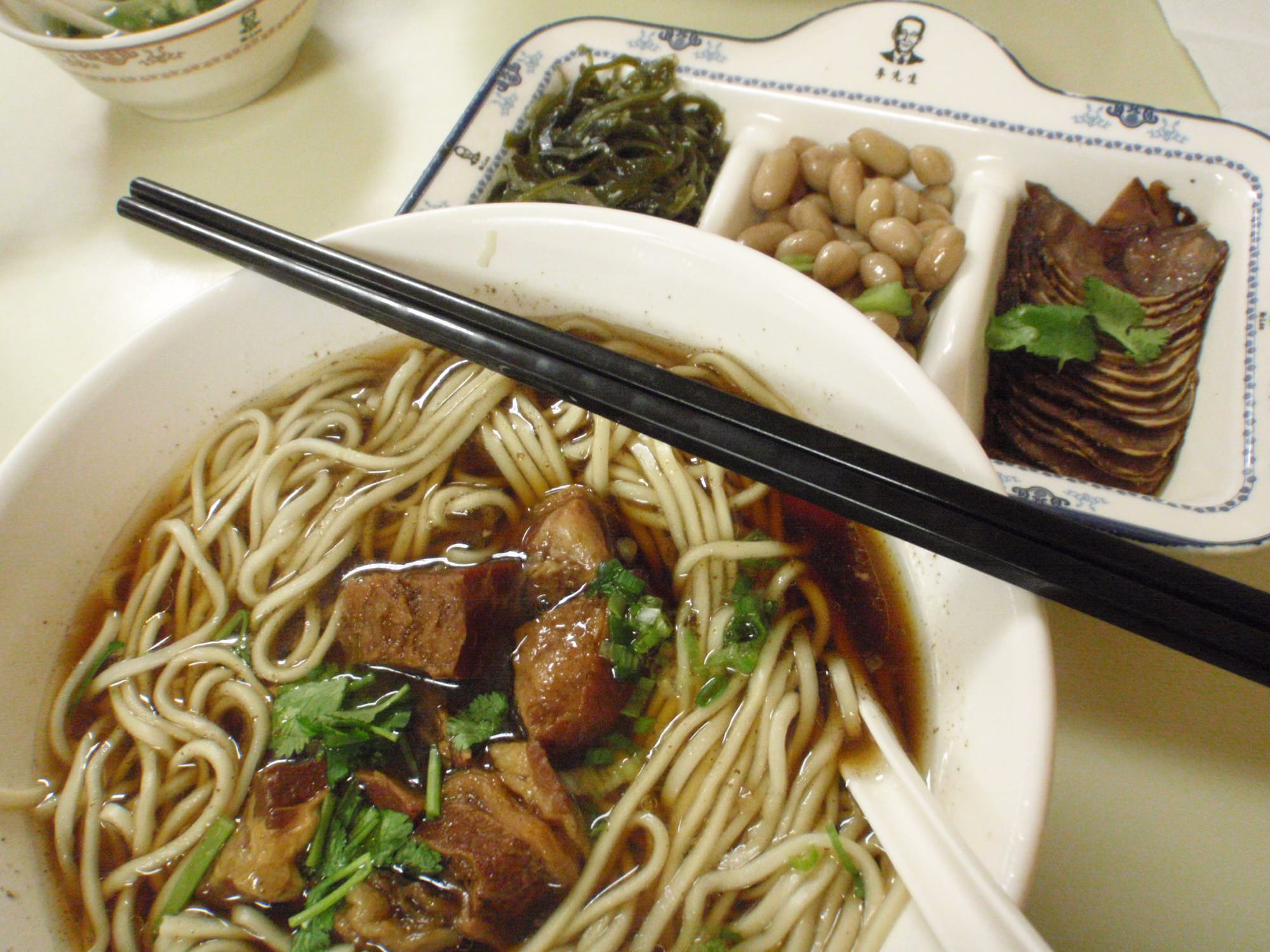
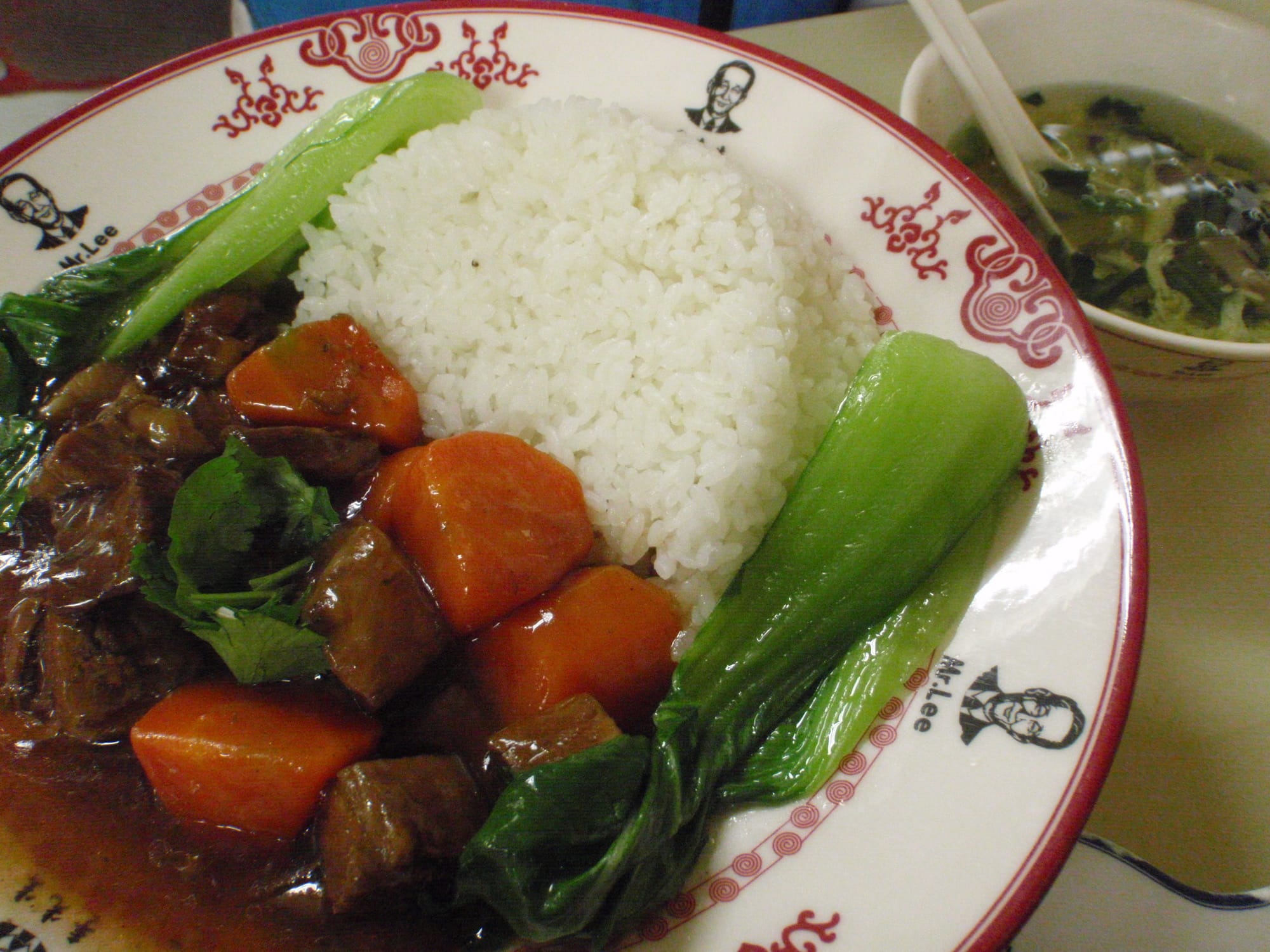
李先生牛肉面 (Mr Lee’s Beef Noodles)
53 W Seventh St (53 Xi Qi Dao Jie)
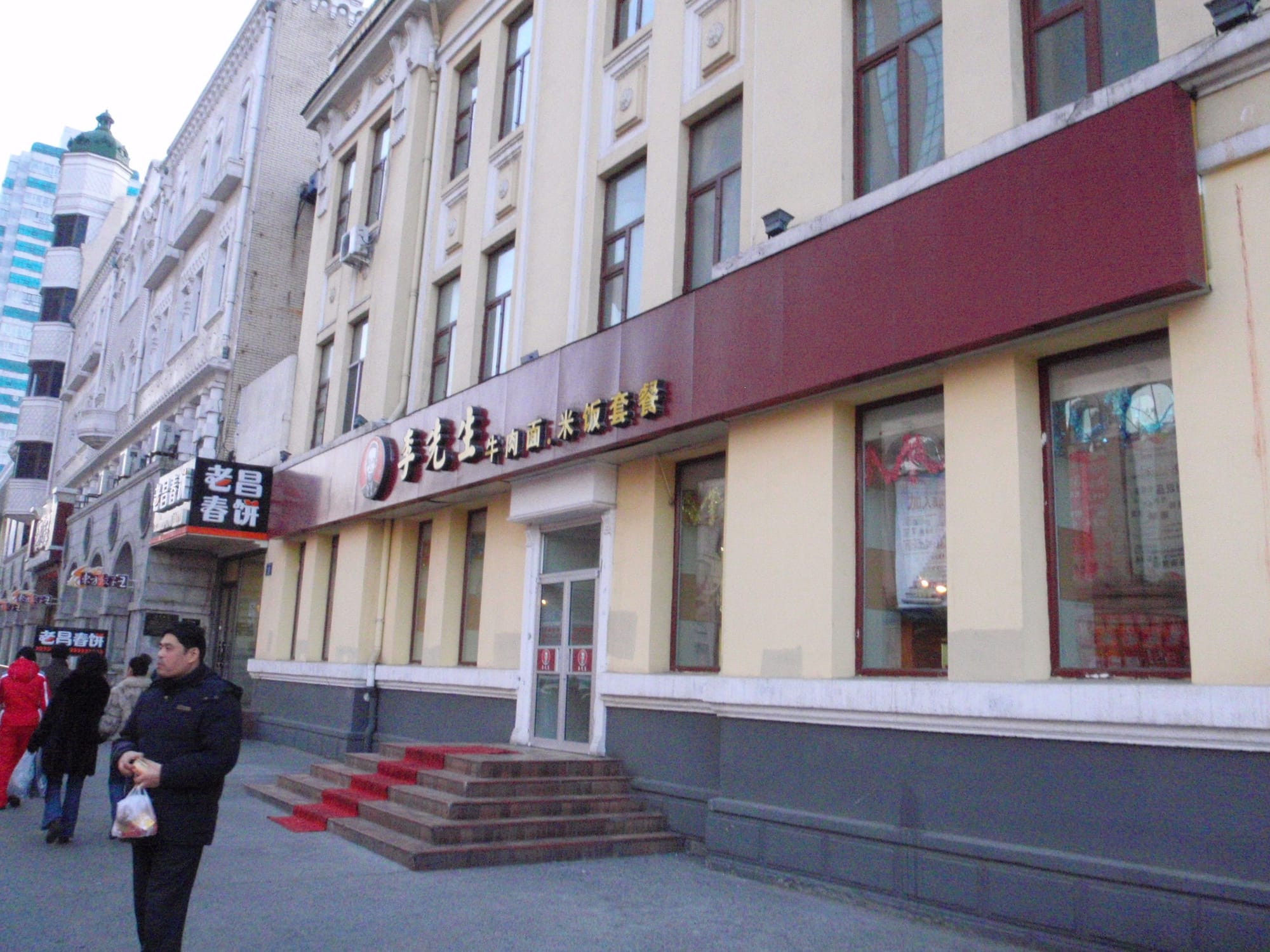
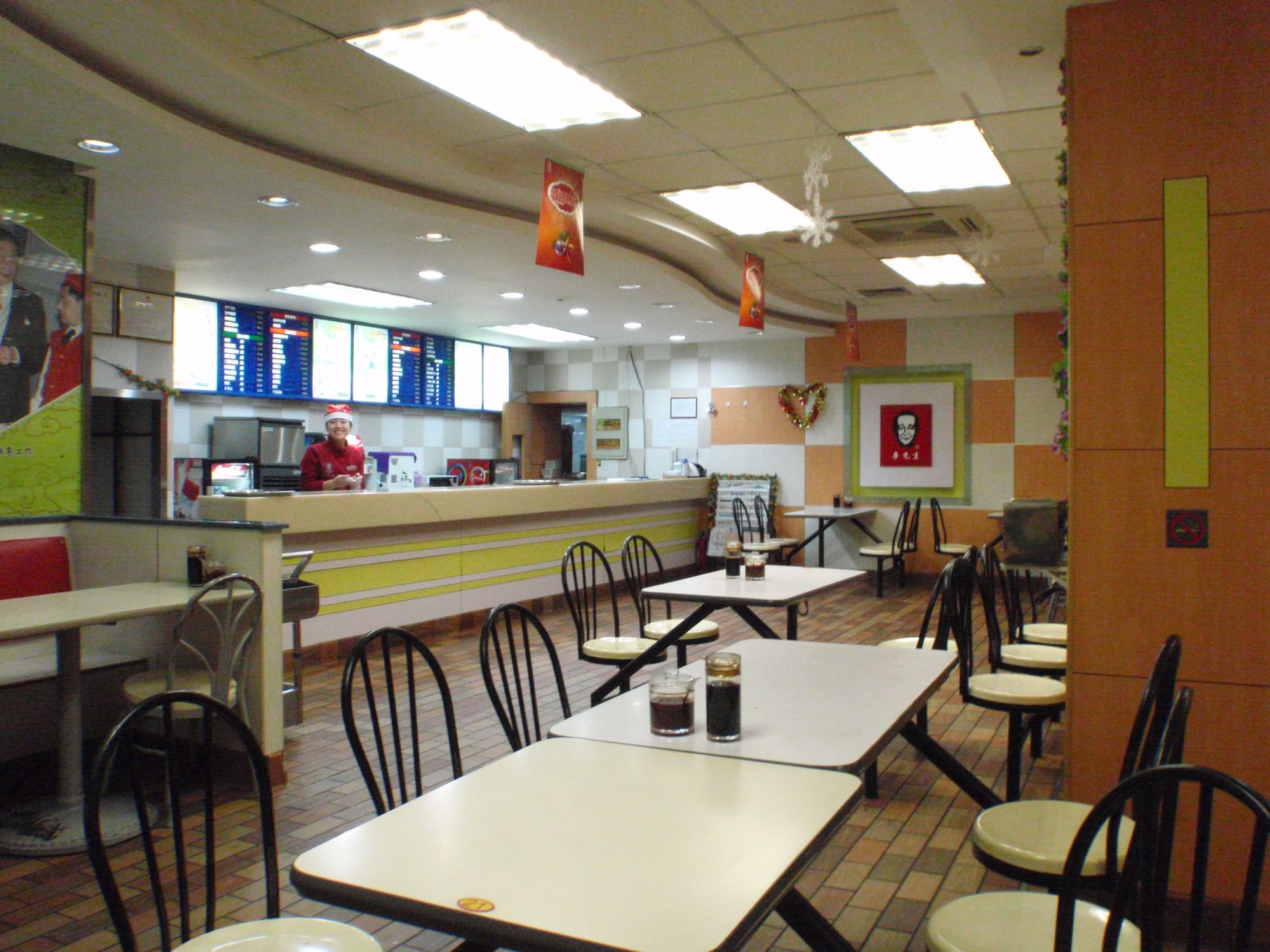
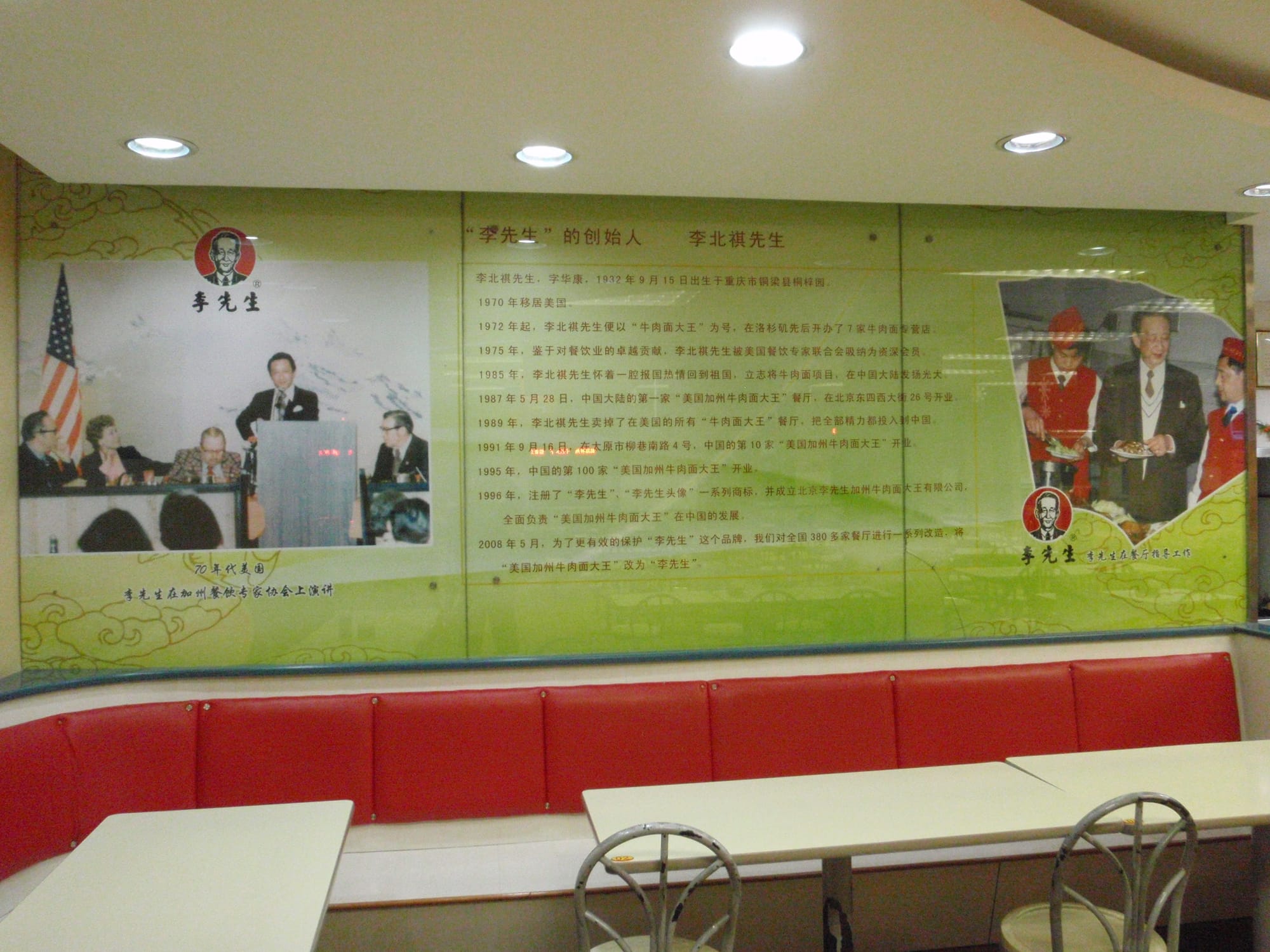
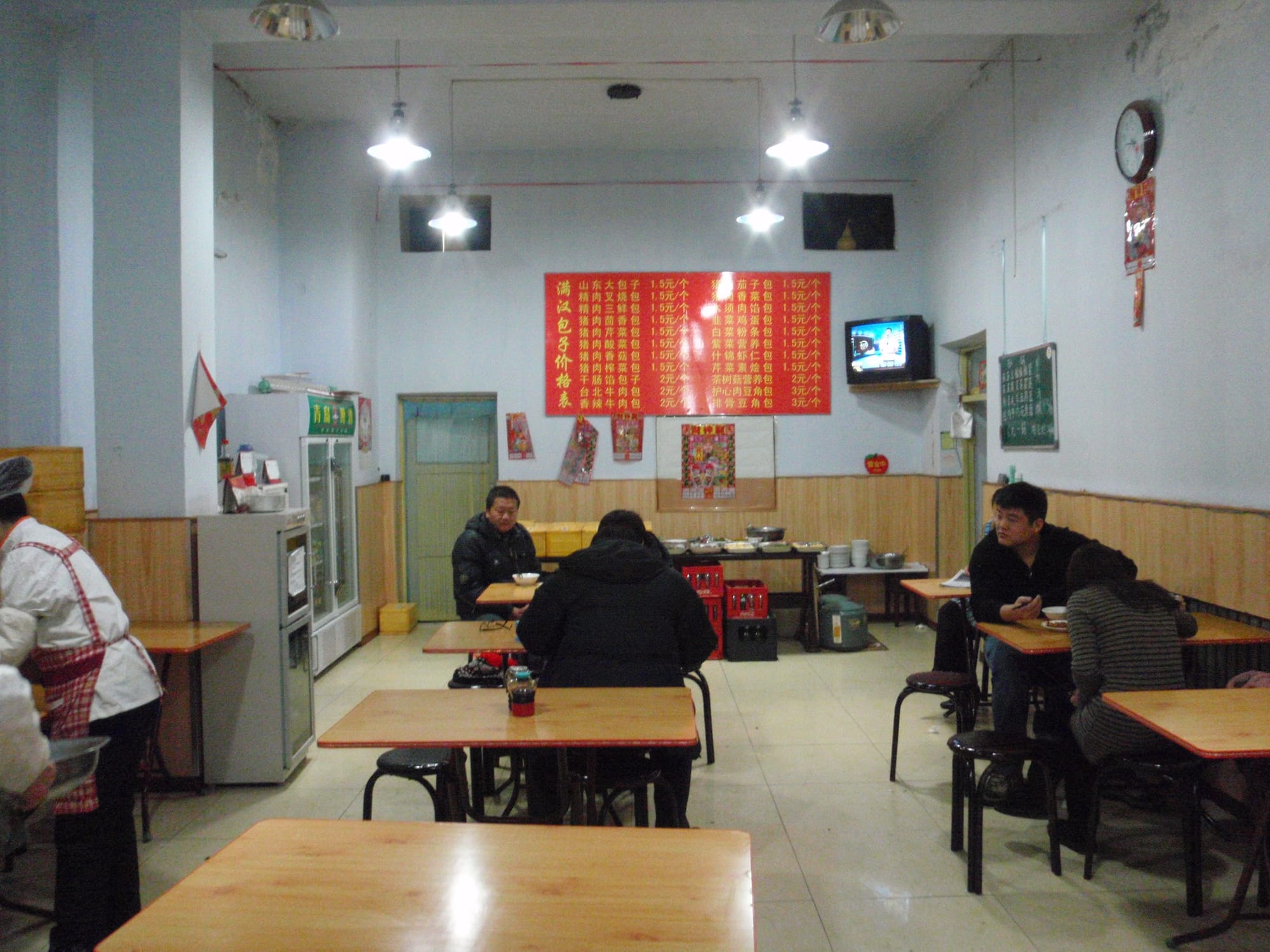
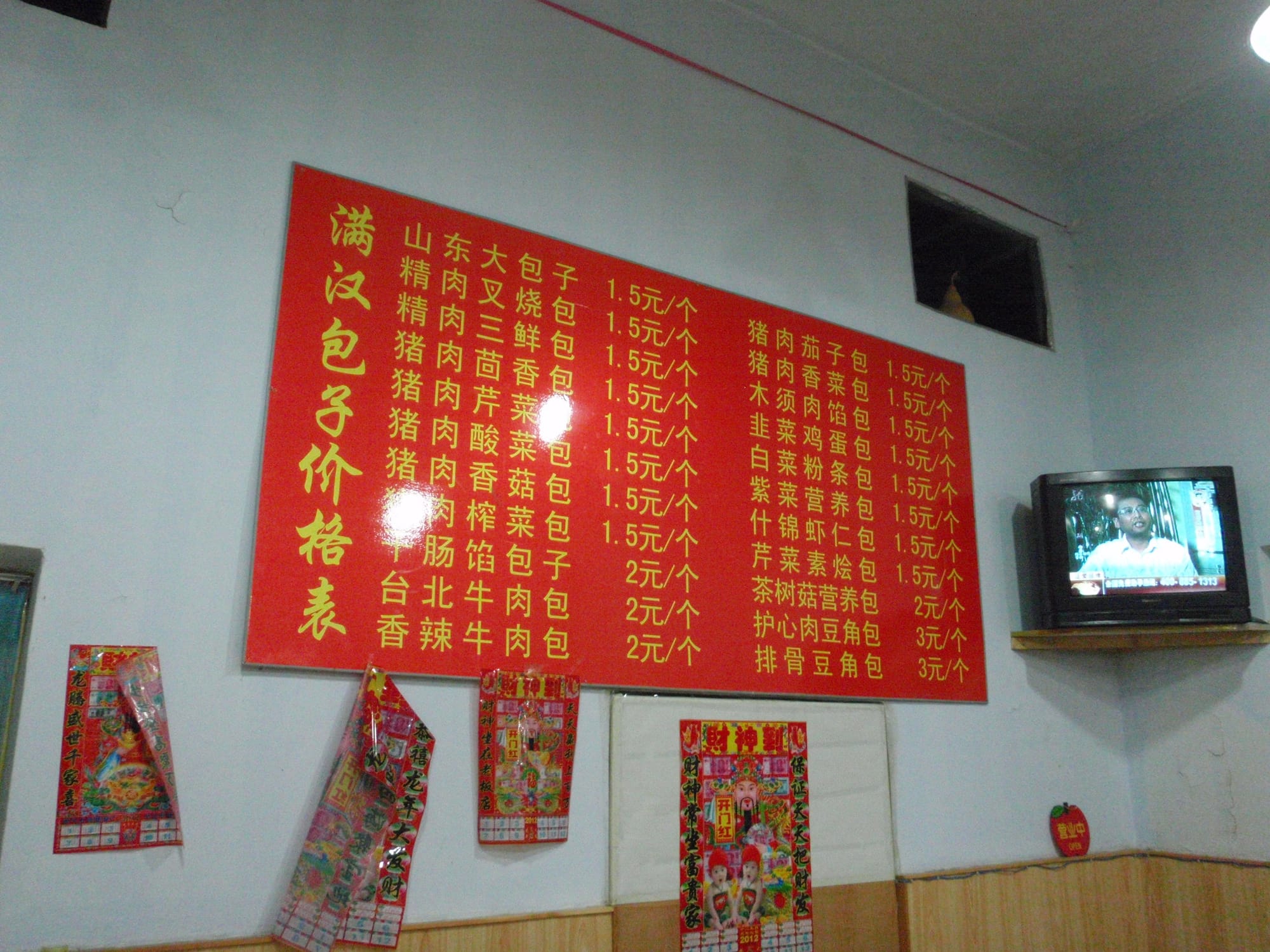
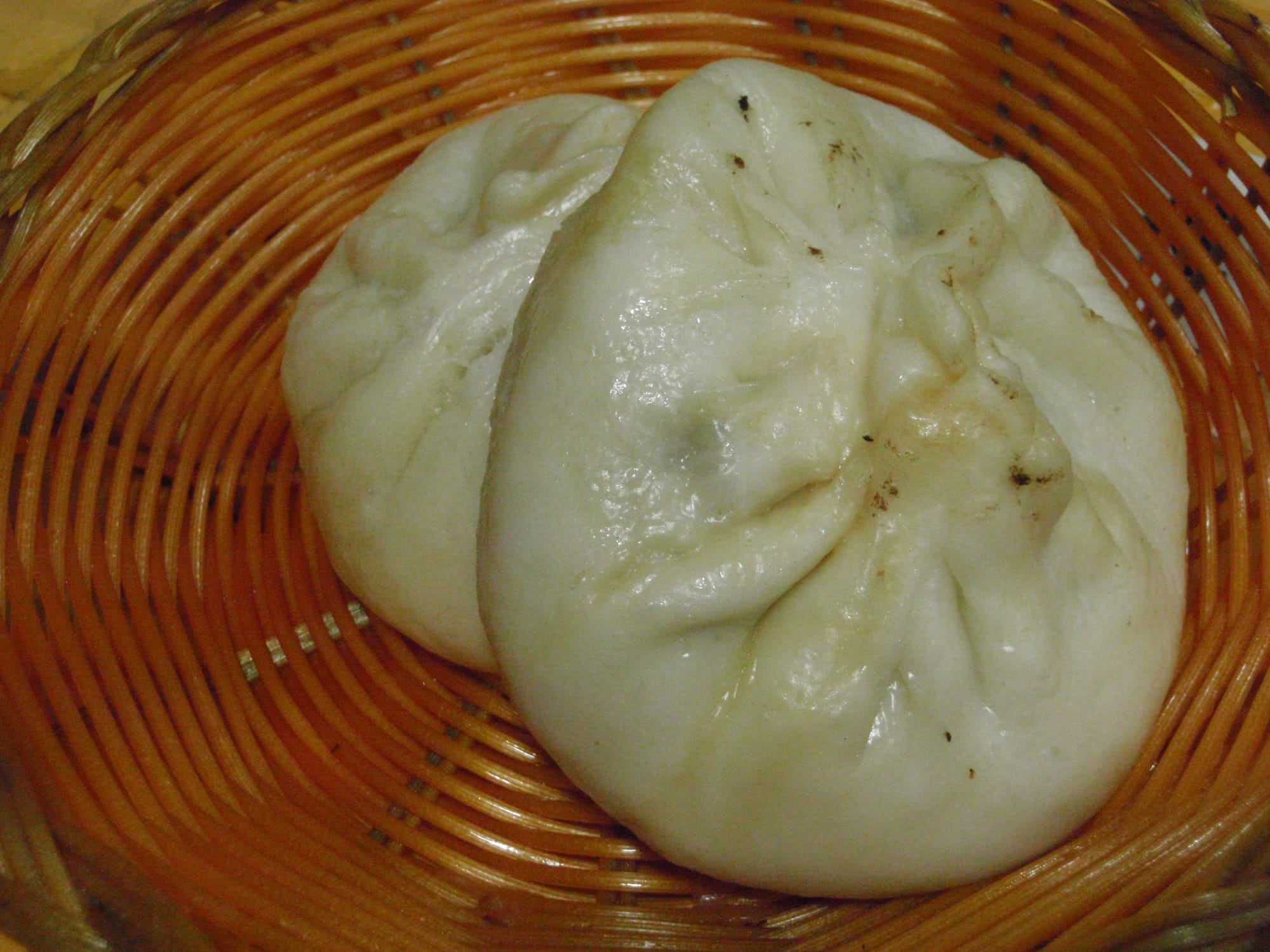
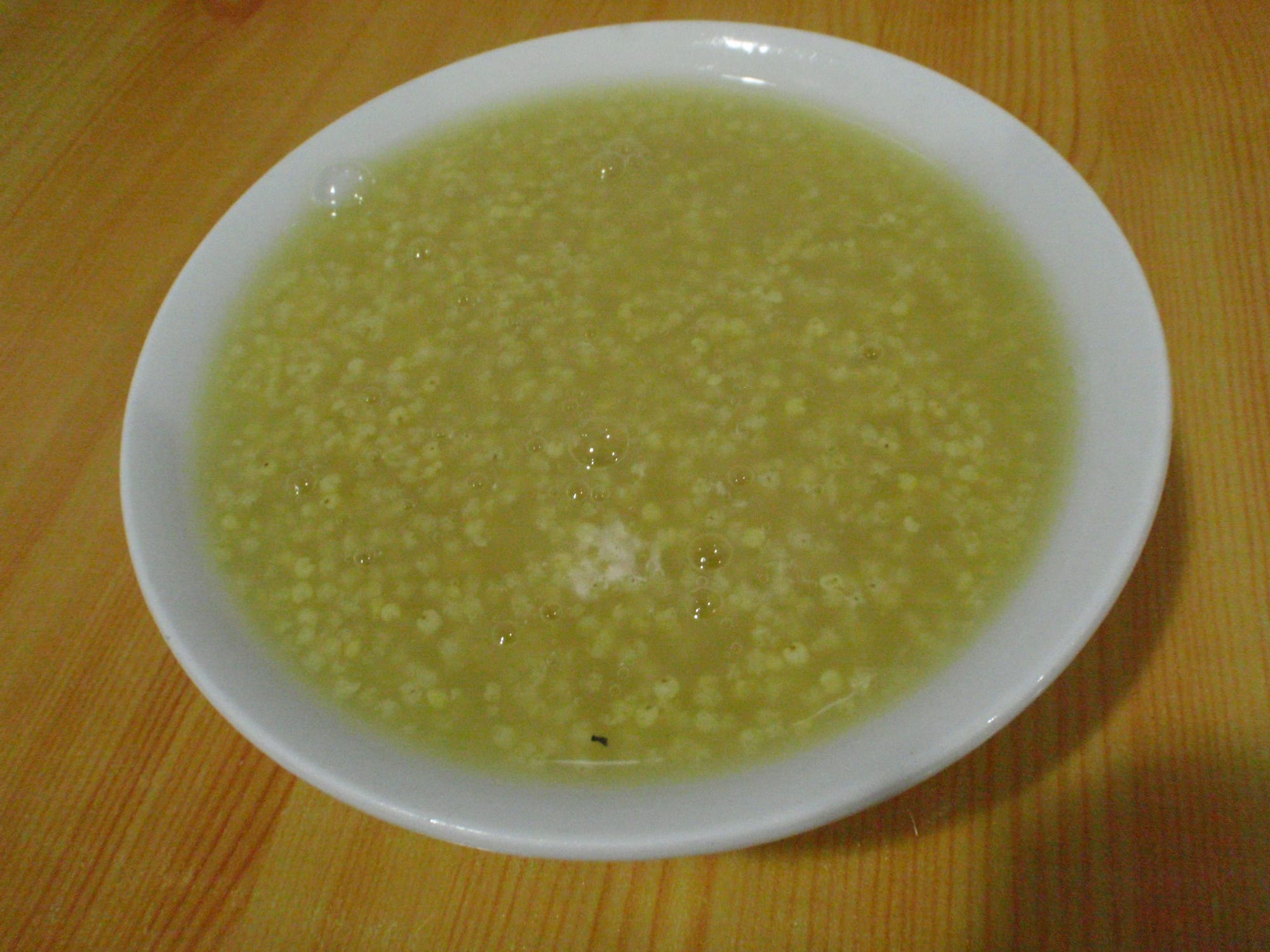
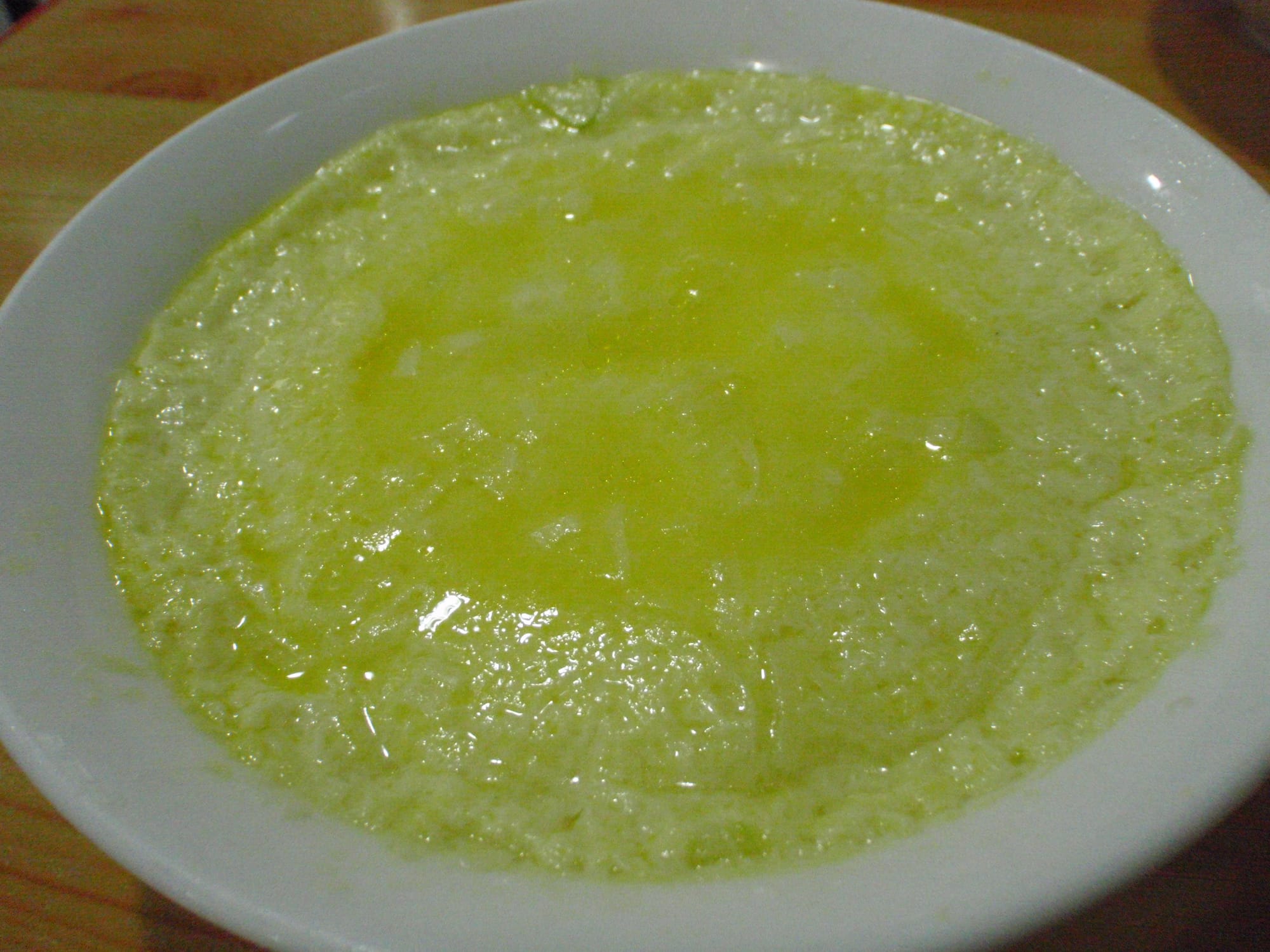
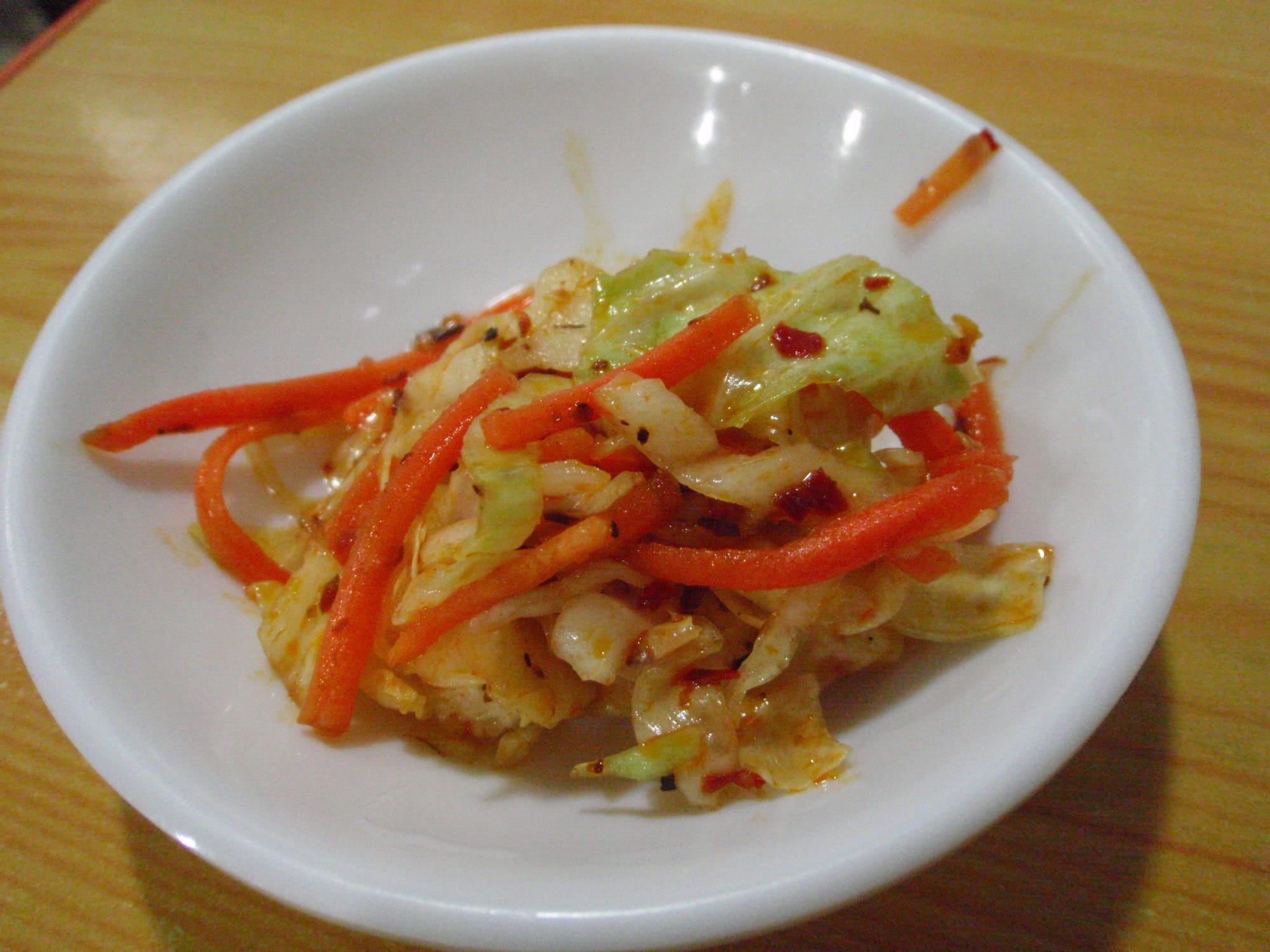
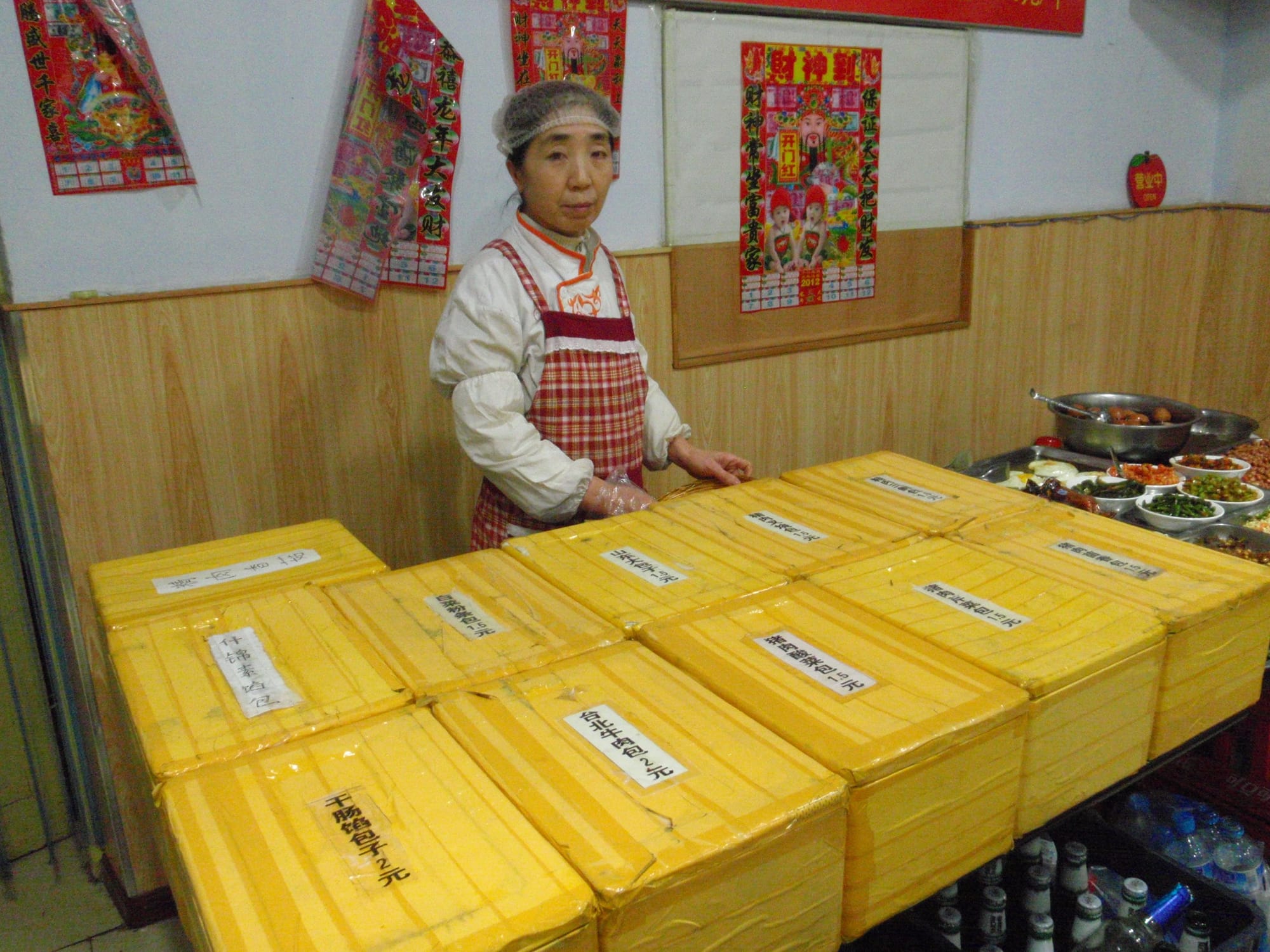
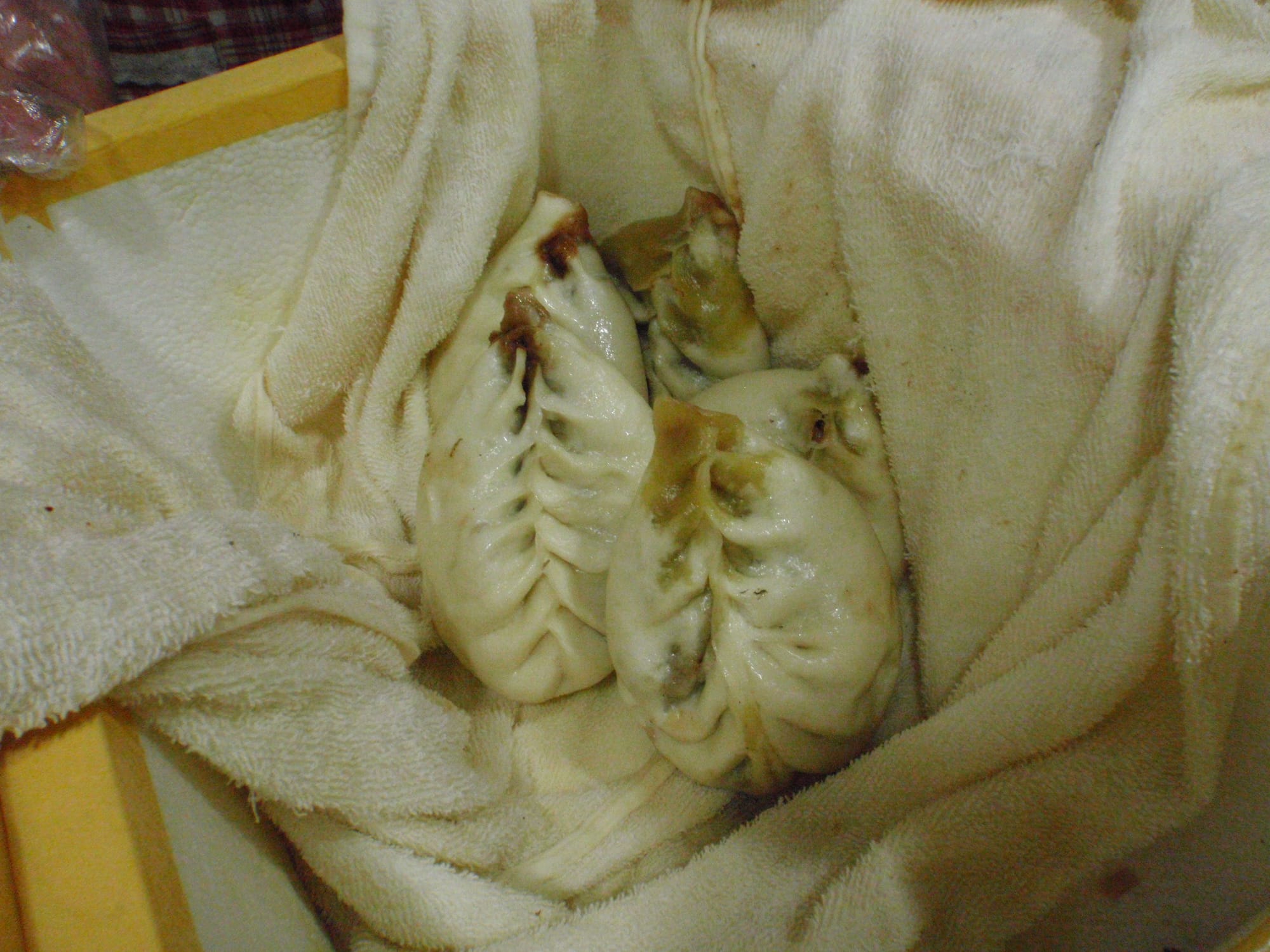
满汉小菜馆
55 Da'an St
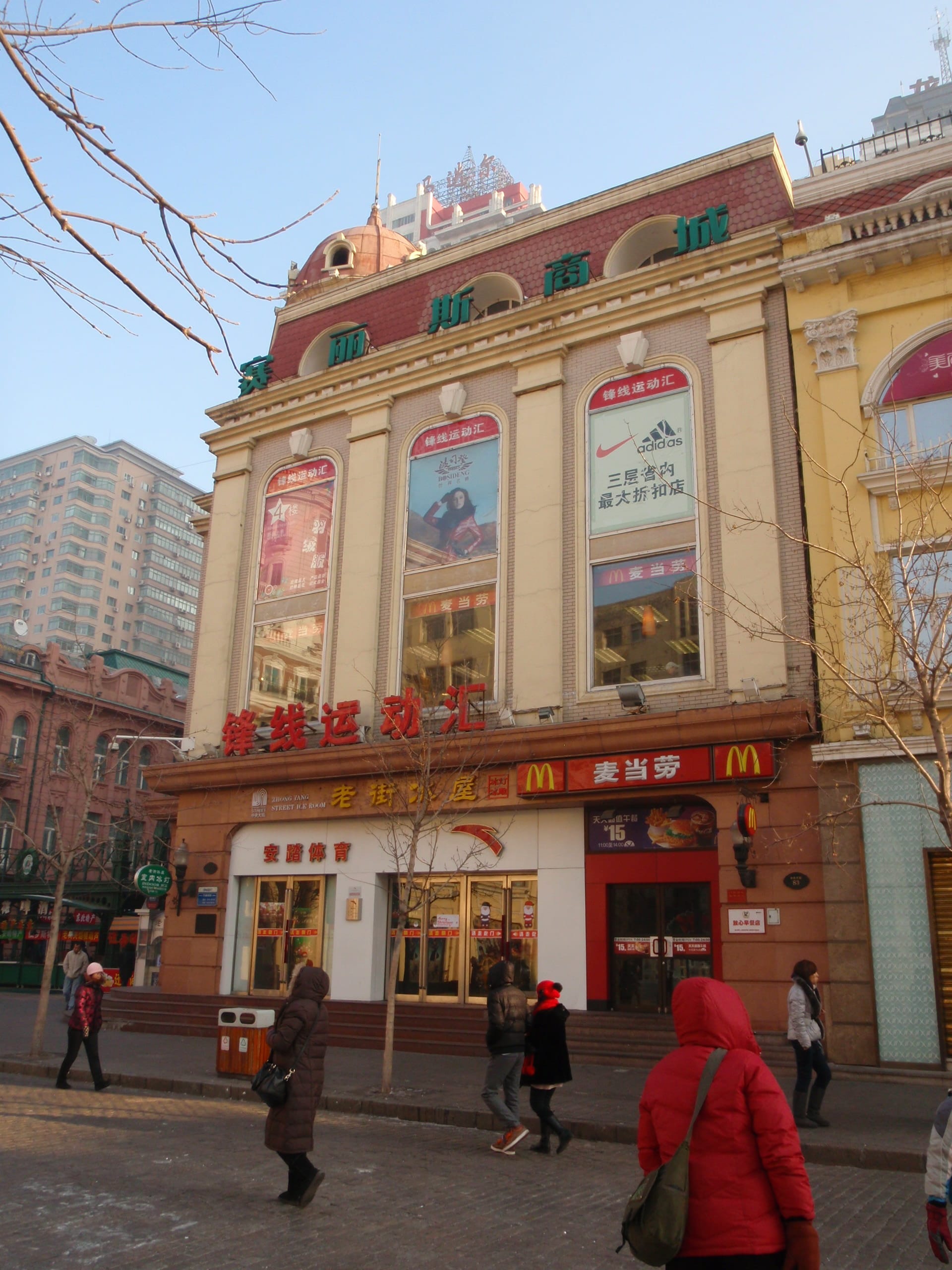
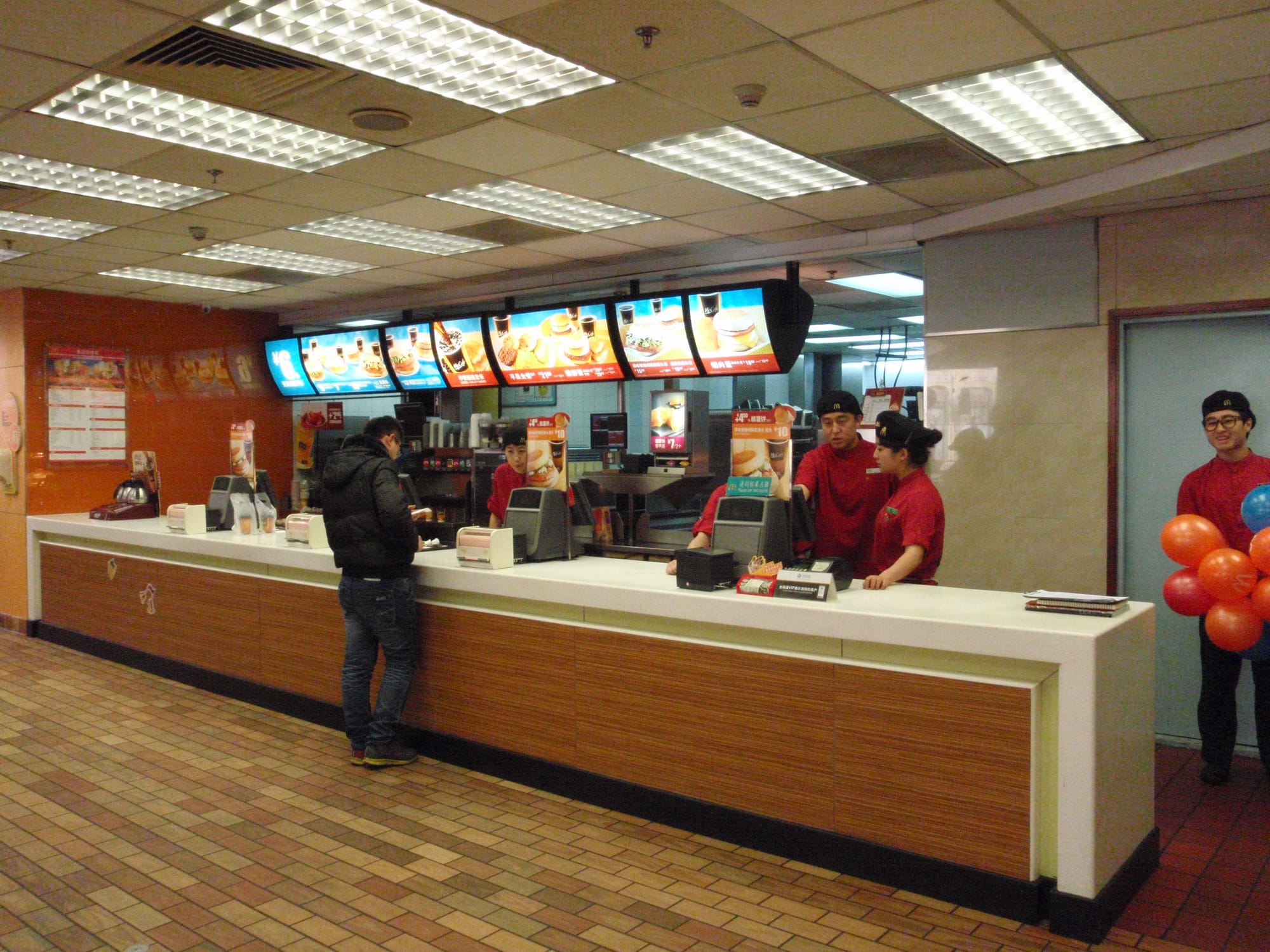
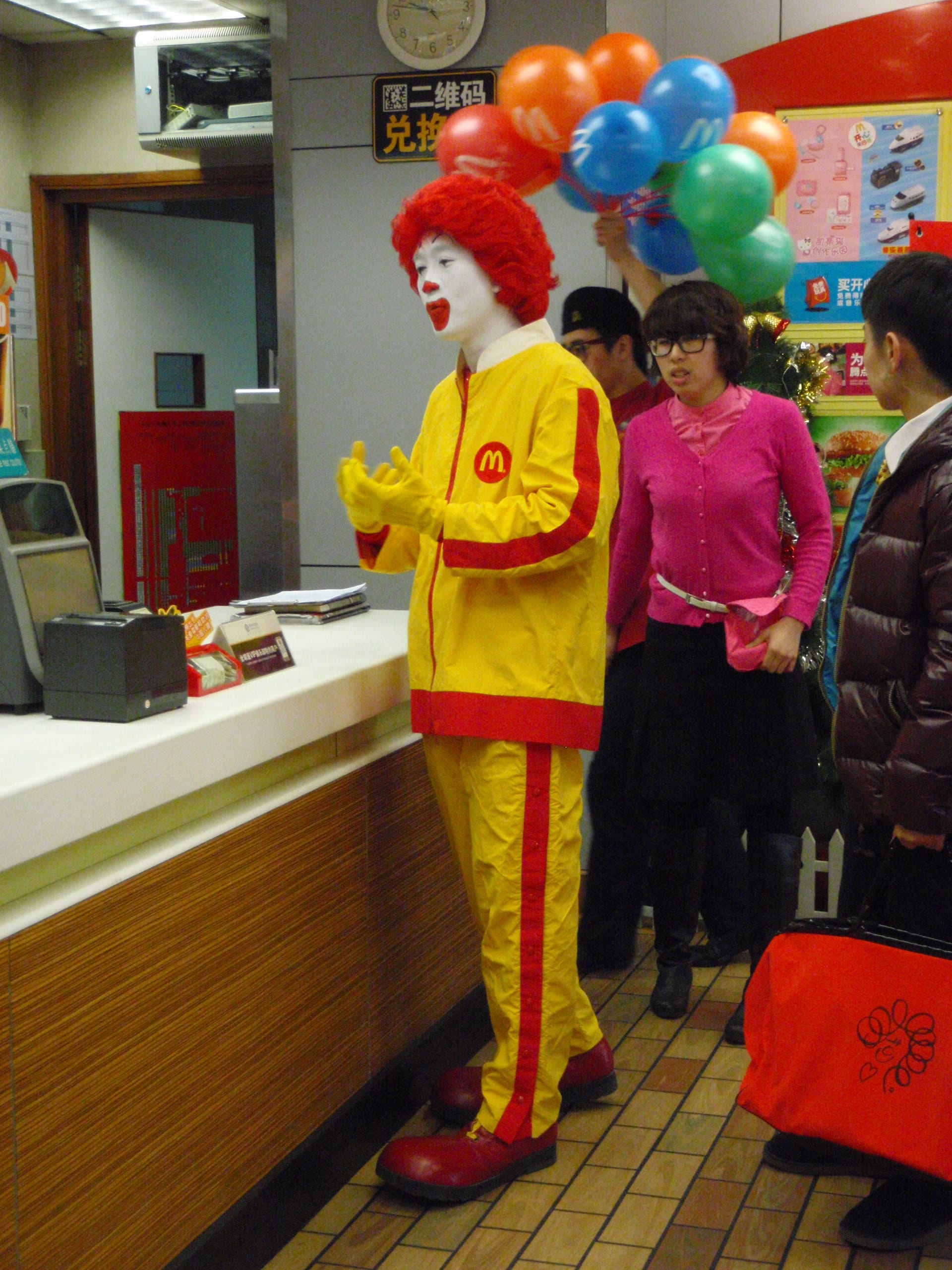
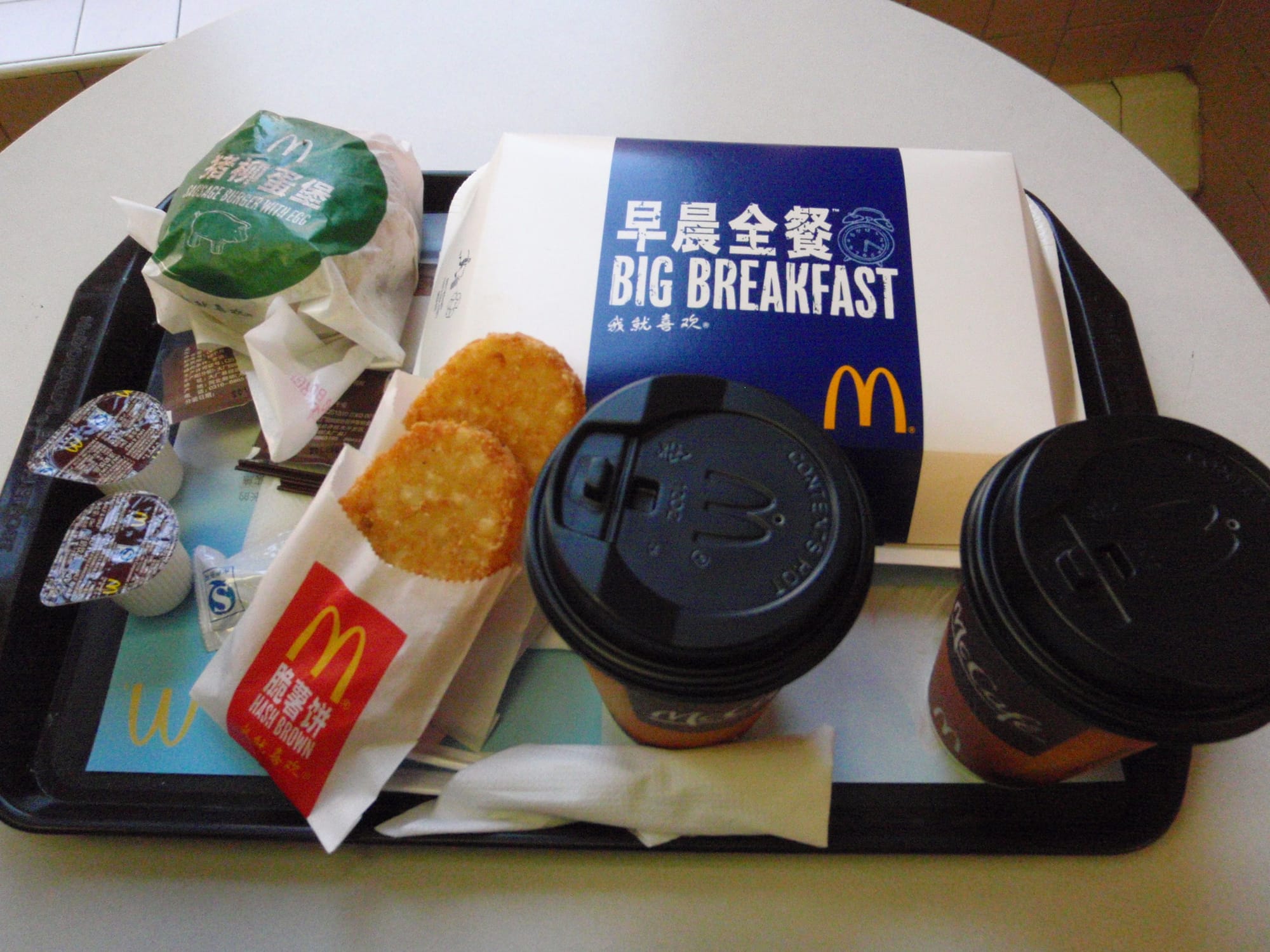
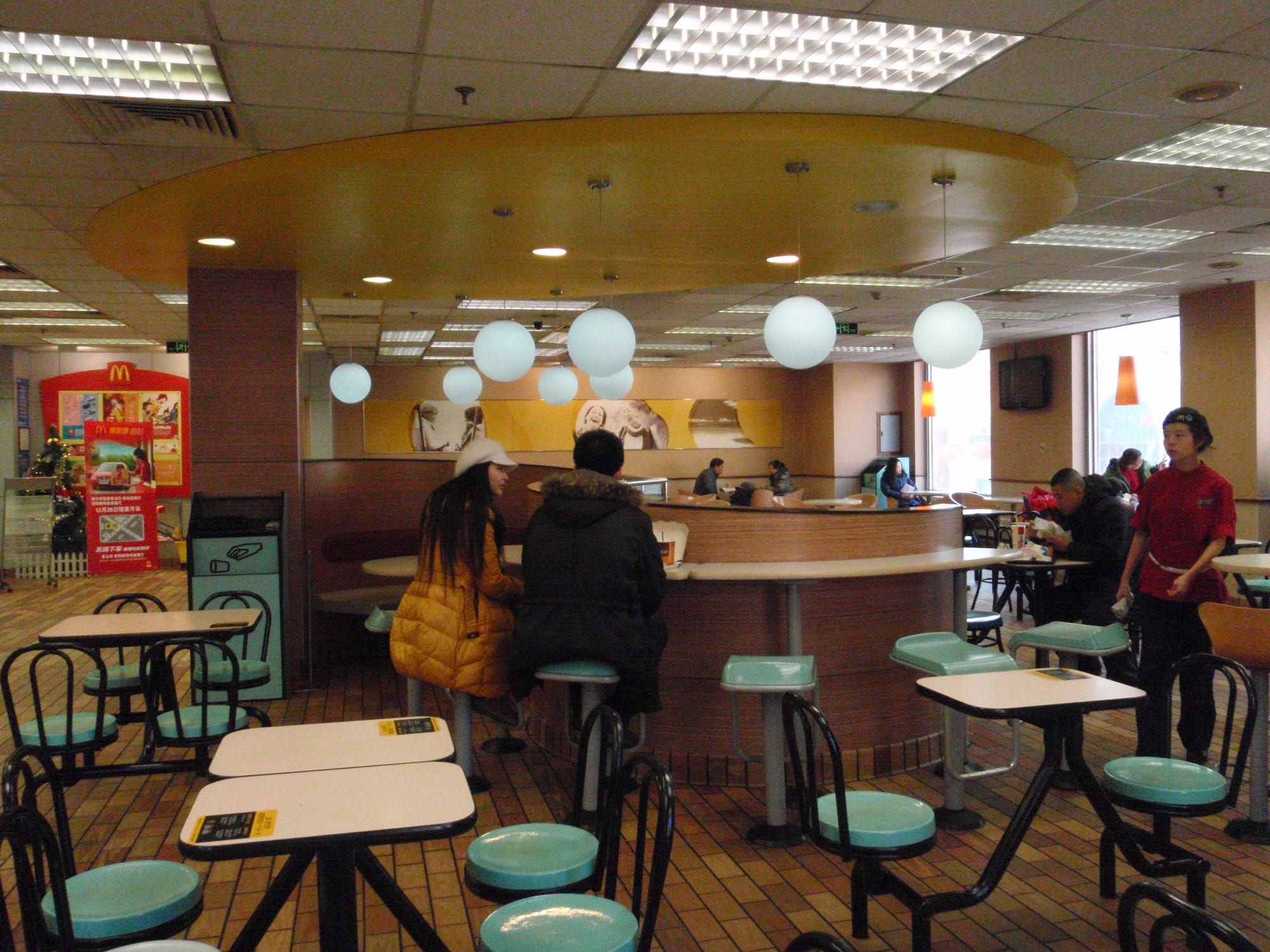
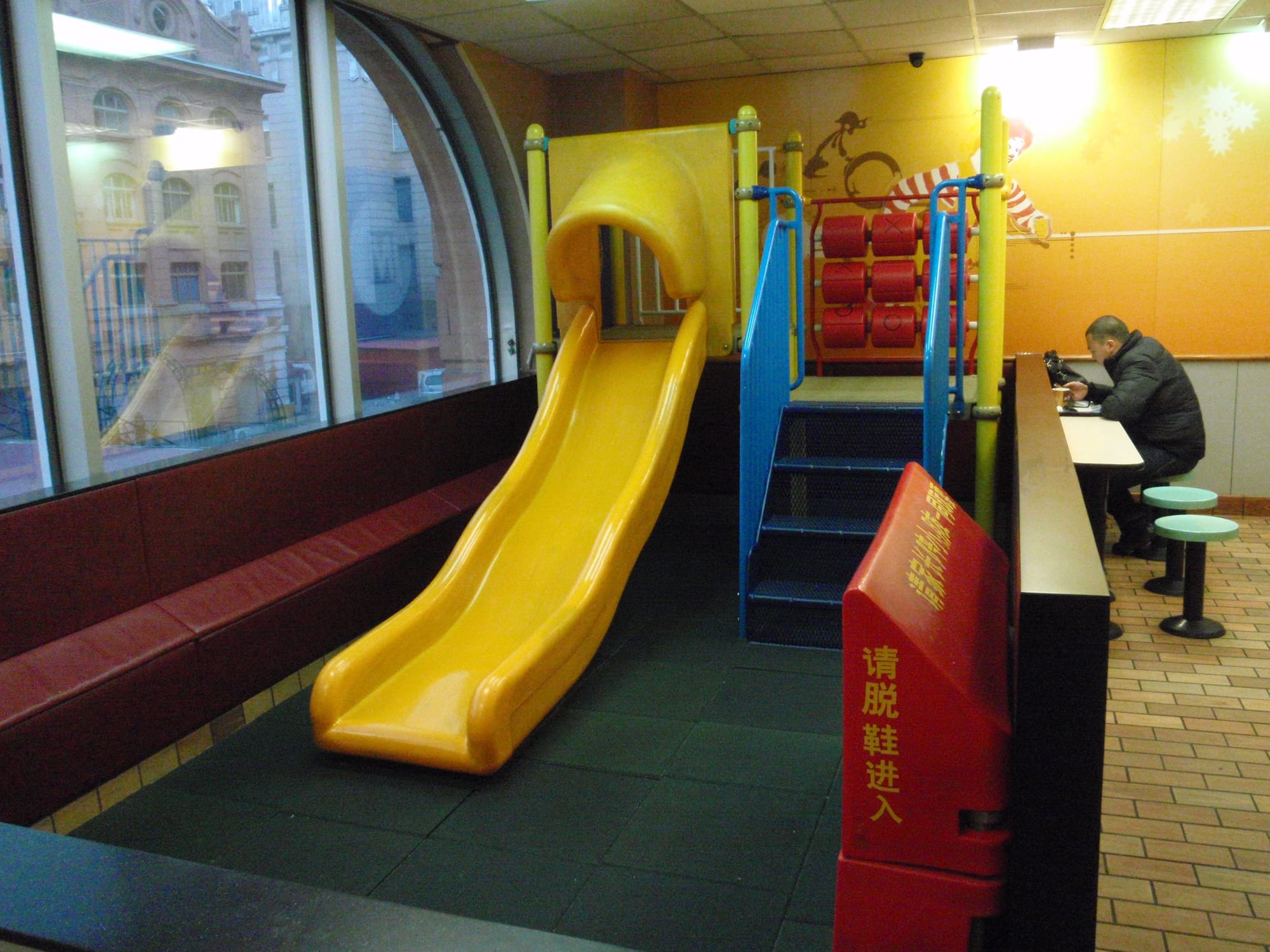
McDonald's (麦当劳)
83 Zhongyang Dajie

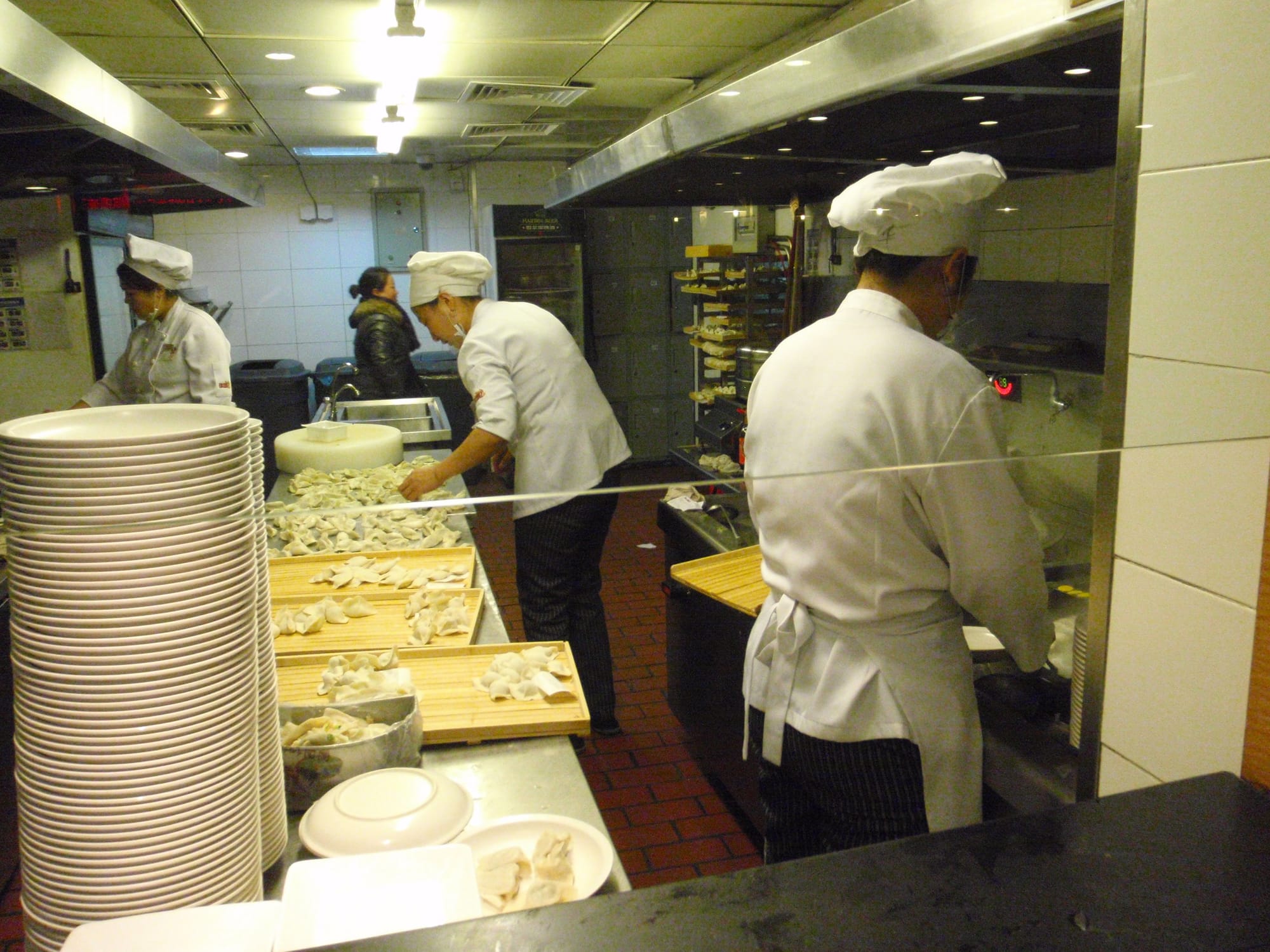
Orient King of Dumplings (東方餃子王)
37 Zhongyang Dajie
Pizza Hut (必胜客)
40 W Dazhi St
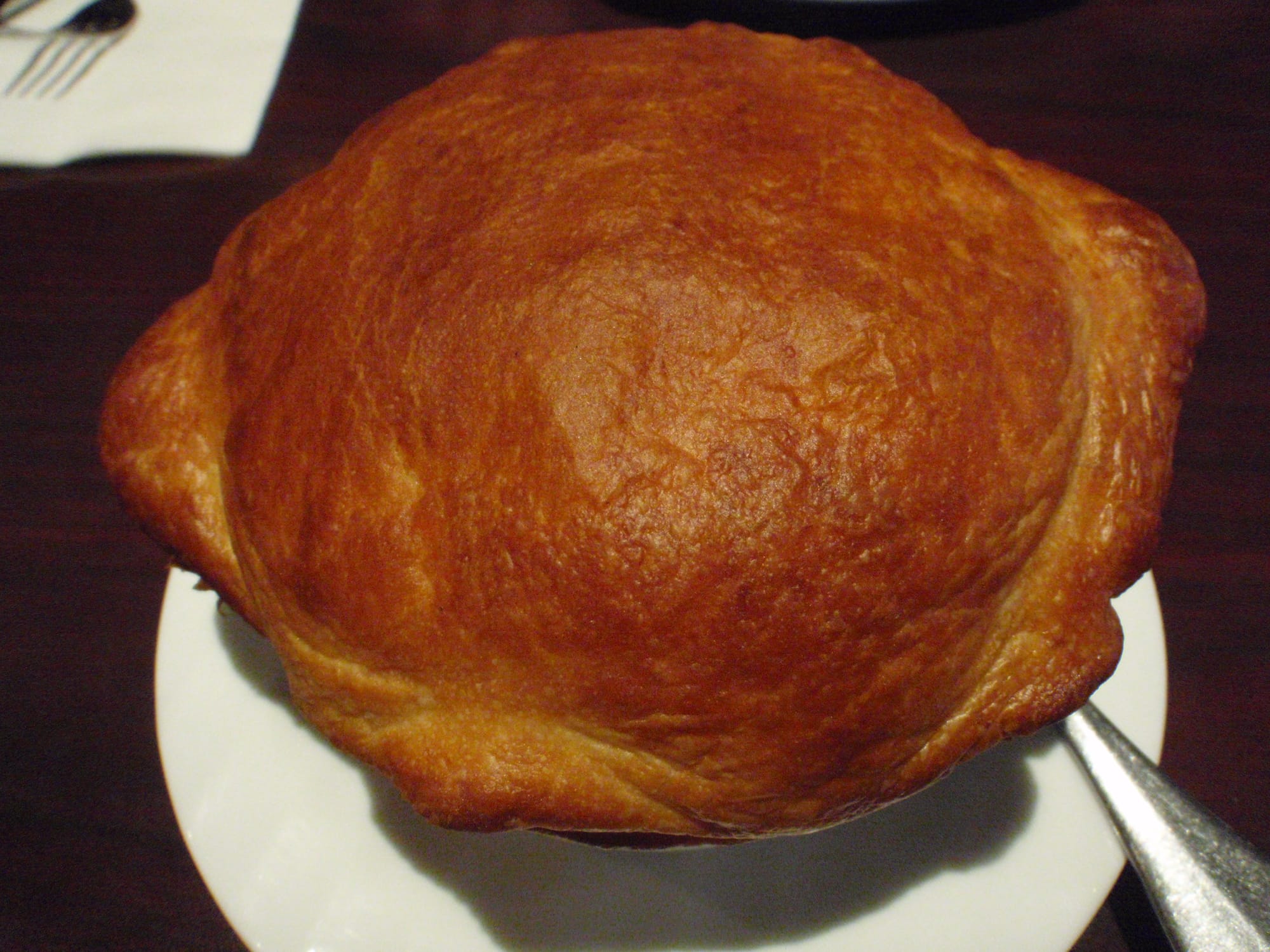

Portman Western Restaurant (波特曼西餐厅)
53 W Qidao St
Russia Coffee & Food (露西娅咖啡西餐厅)
57 W Toudao St
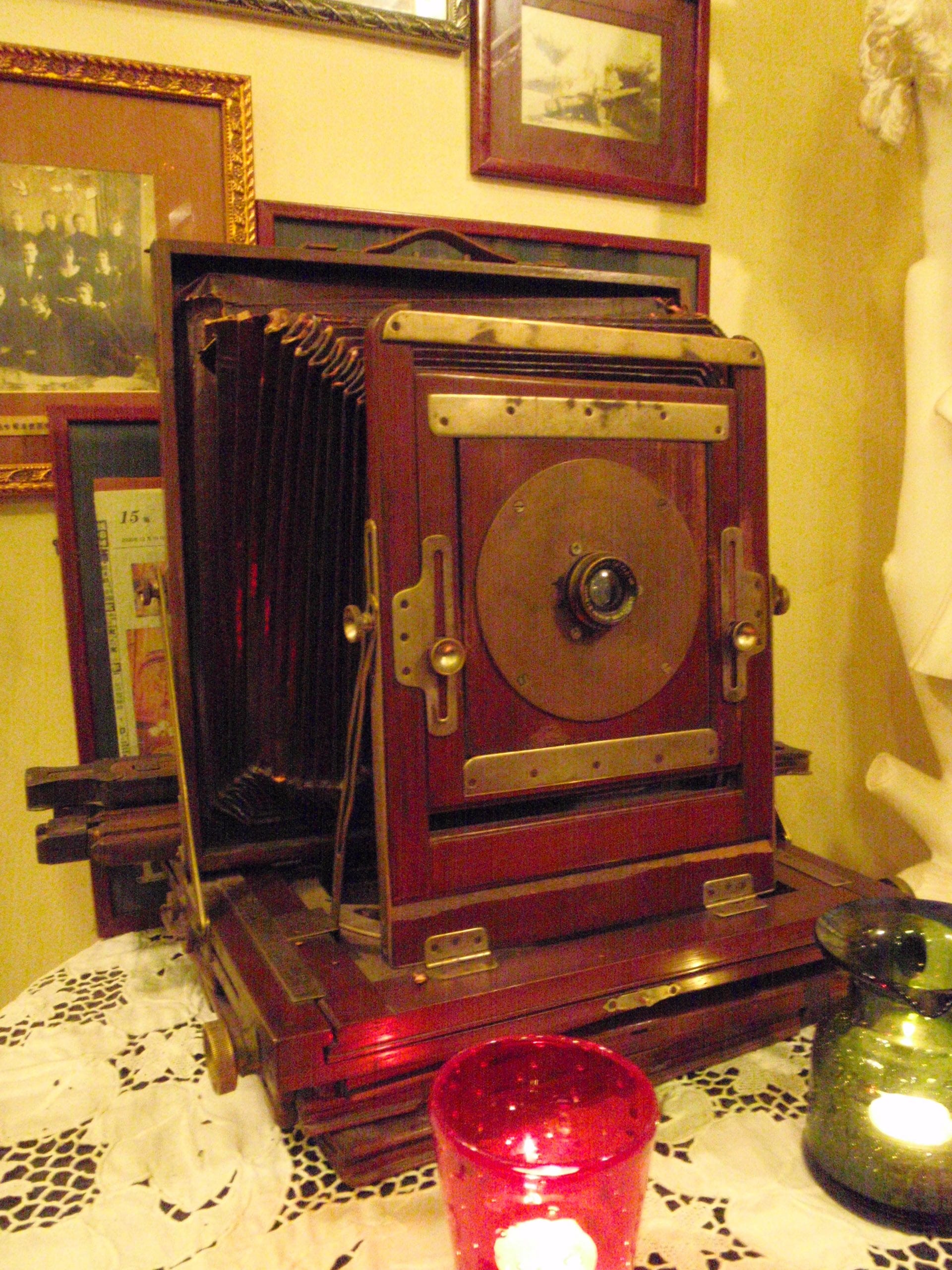
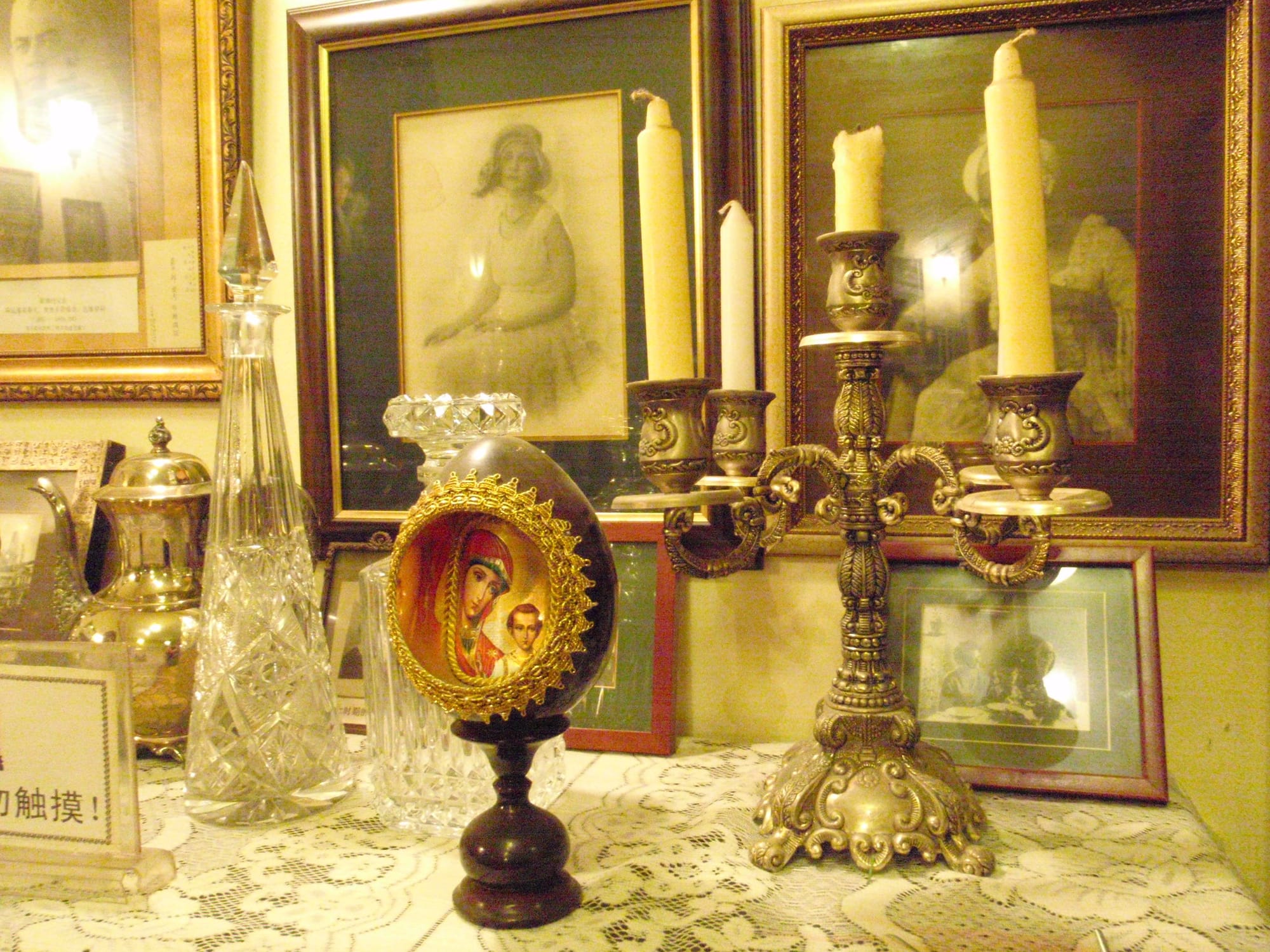
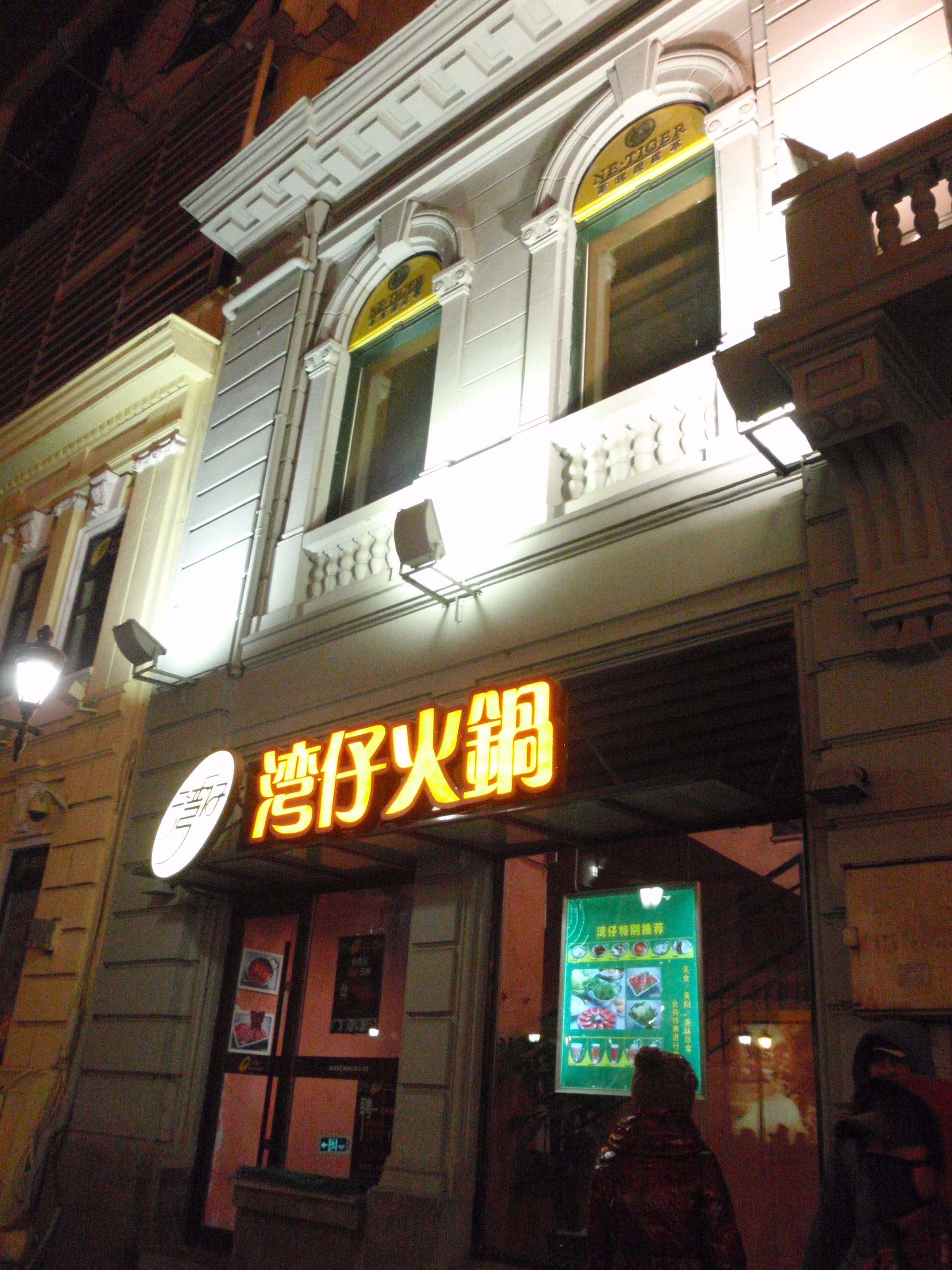
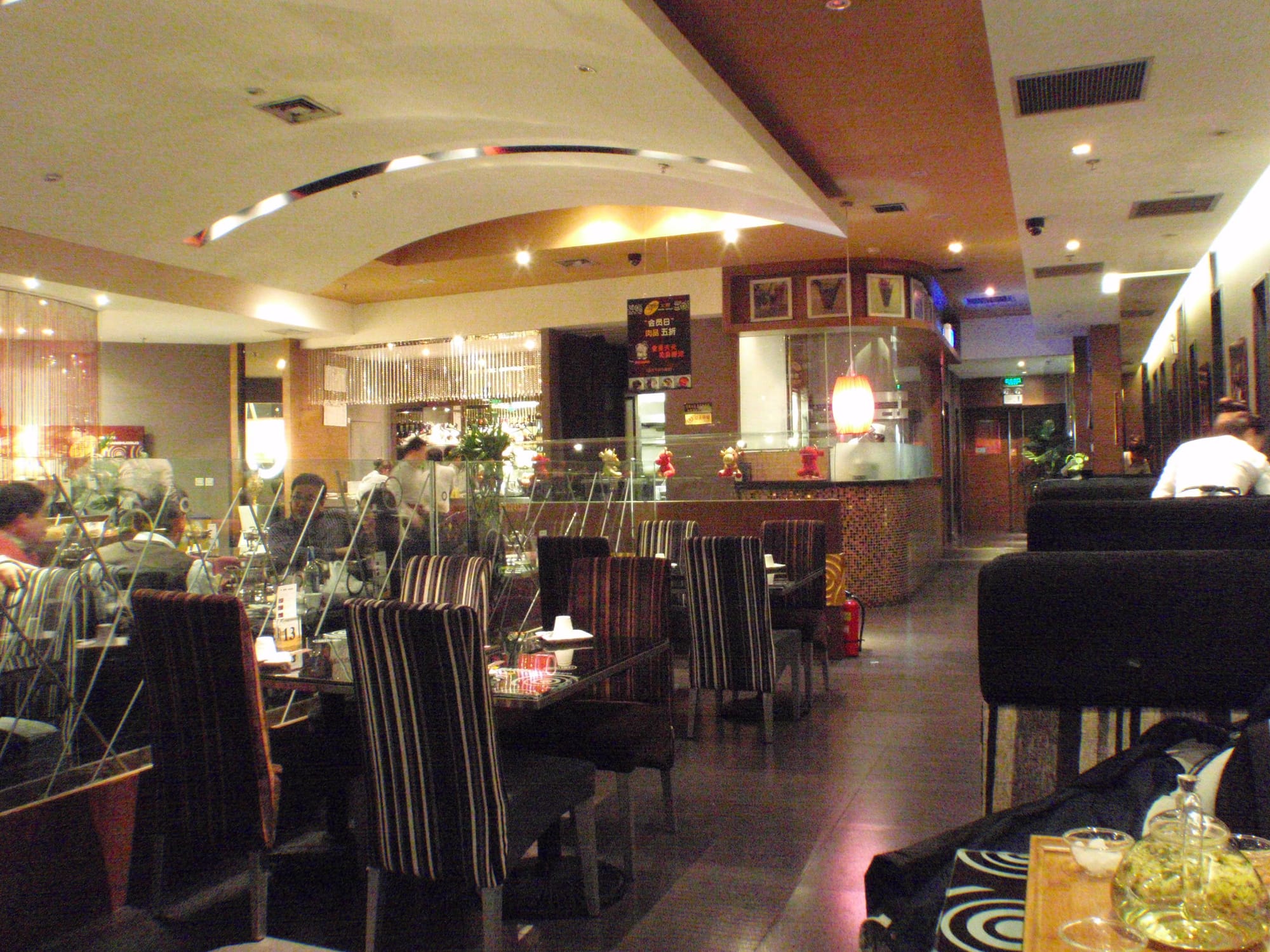
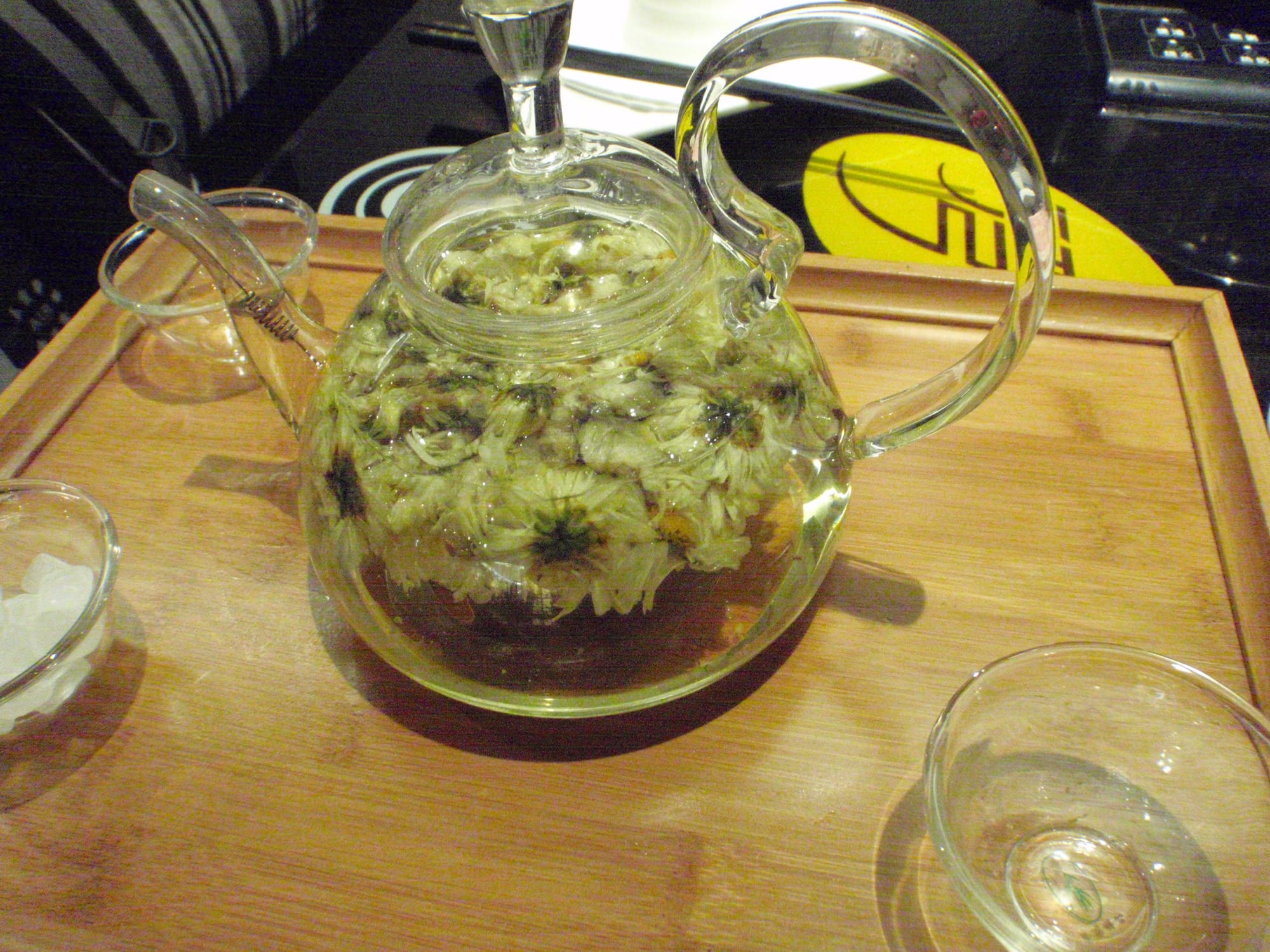
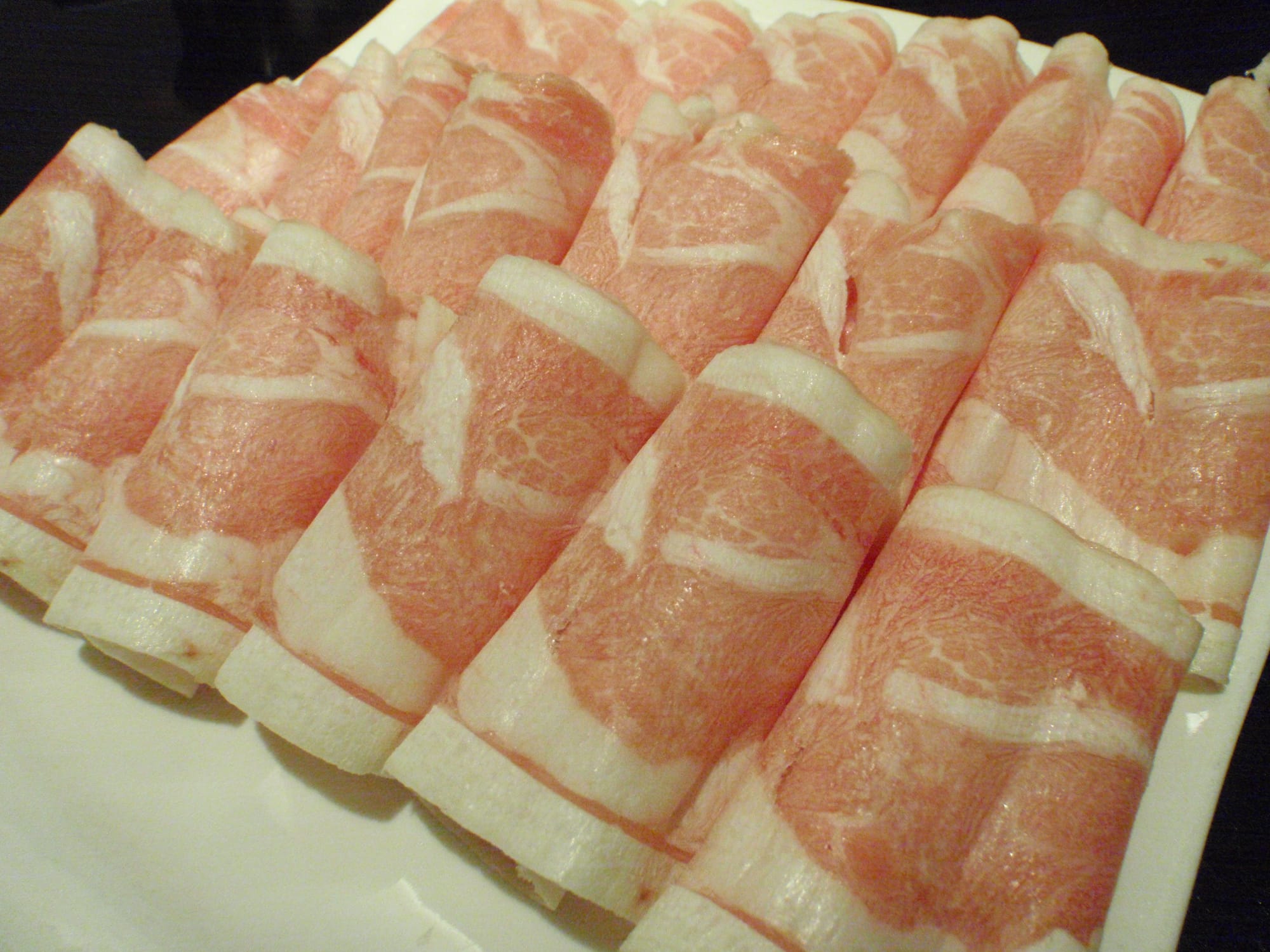
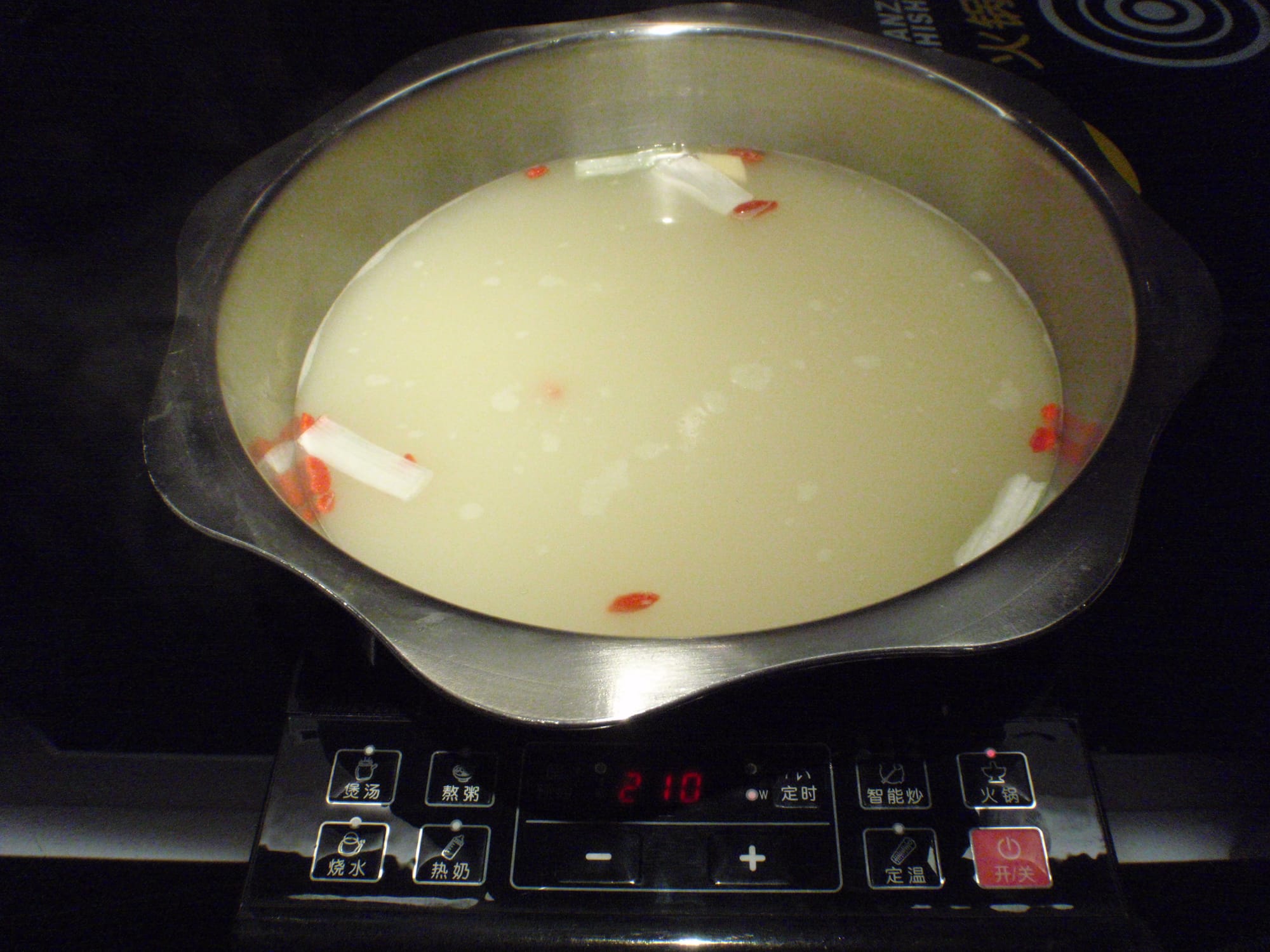
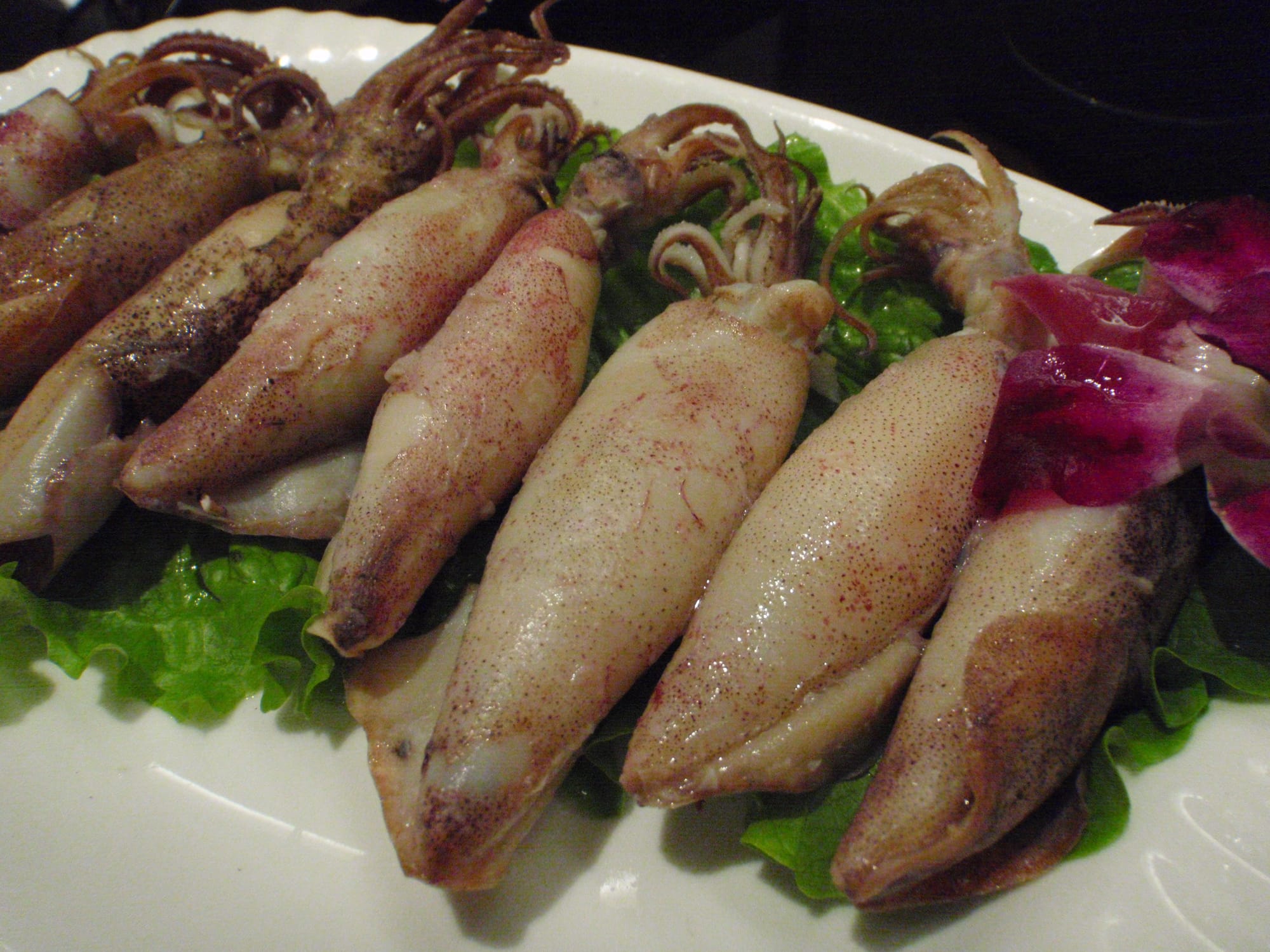
湾仔火锅 (Wanzai Hotpot)
53 Zhongyang Dajie
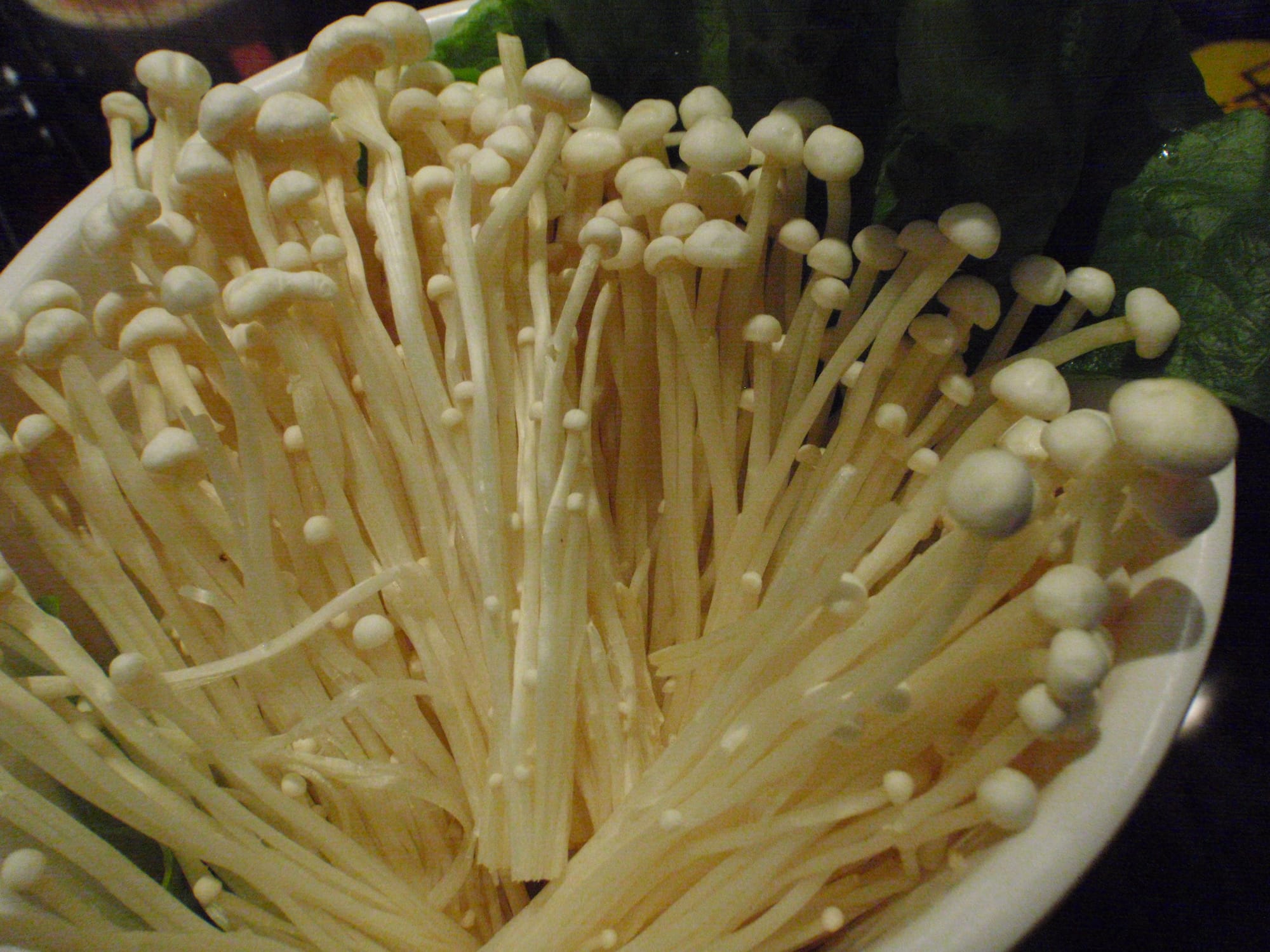
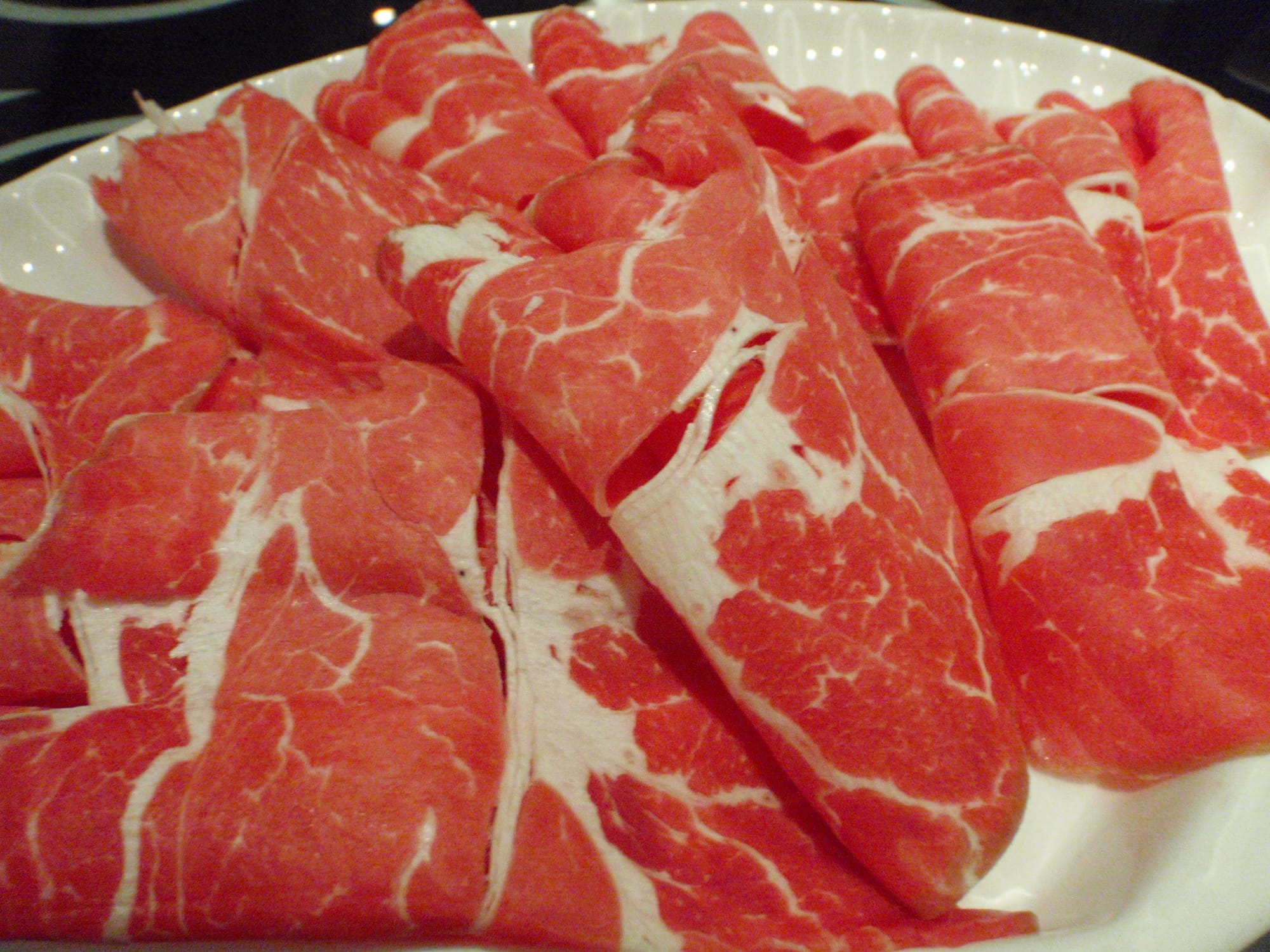

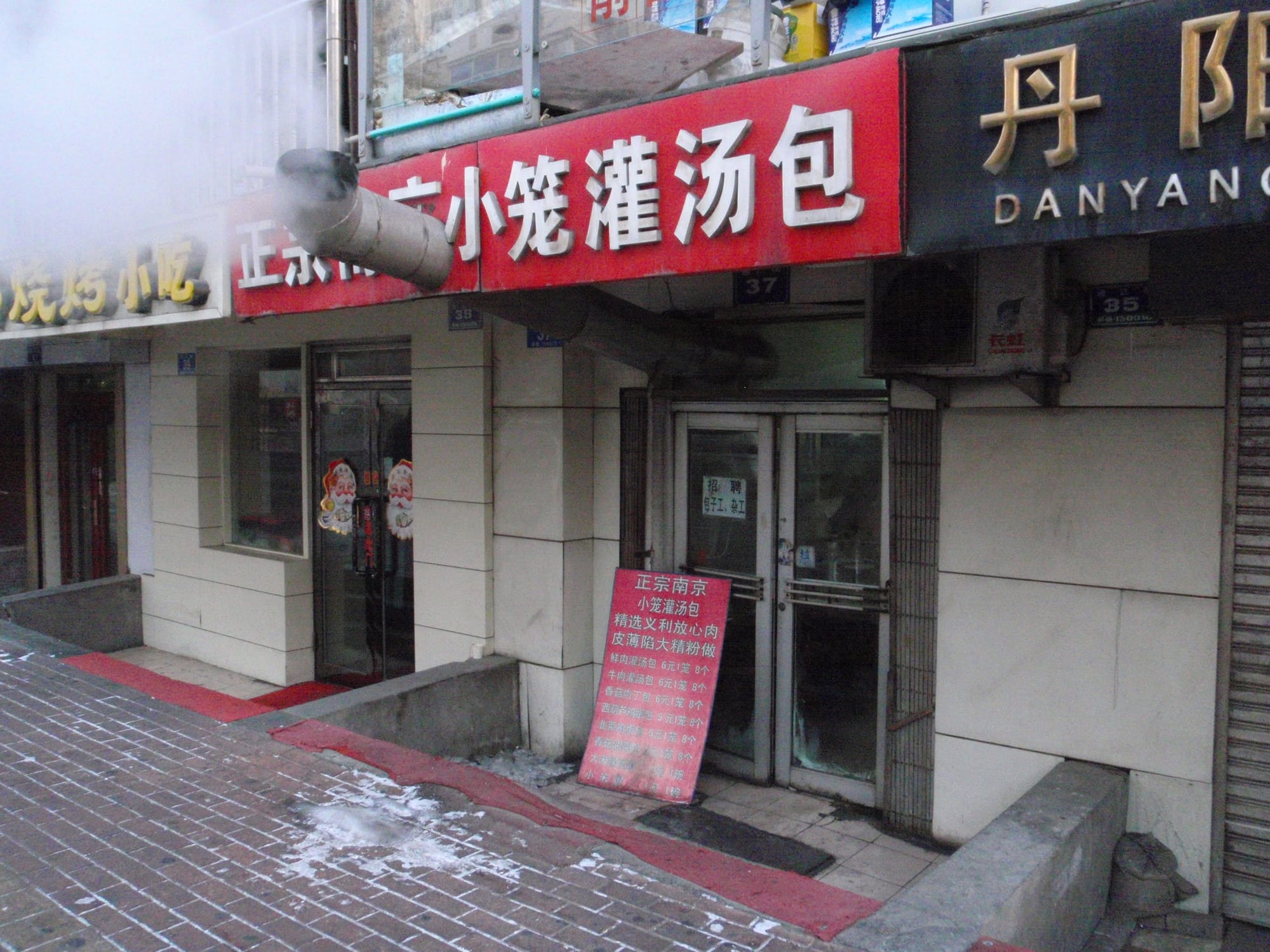
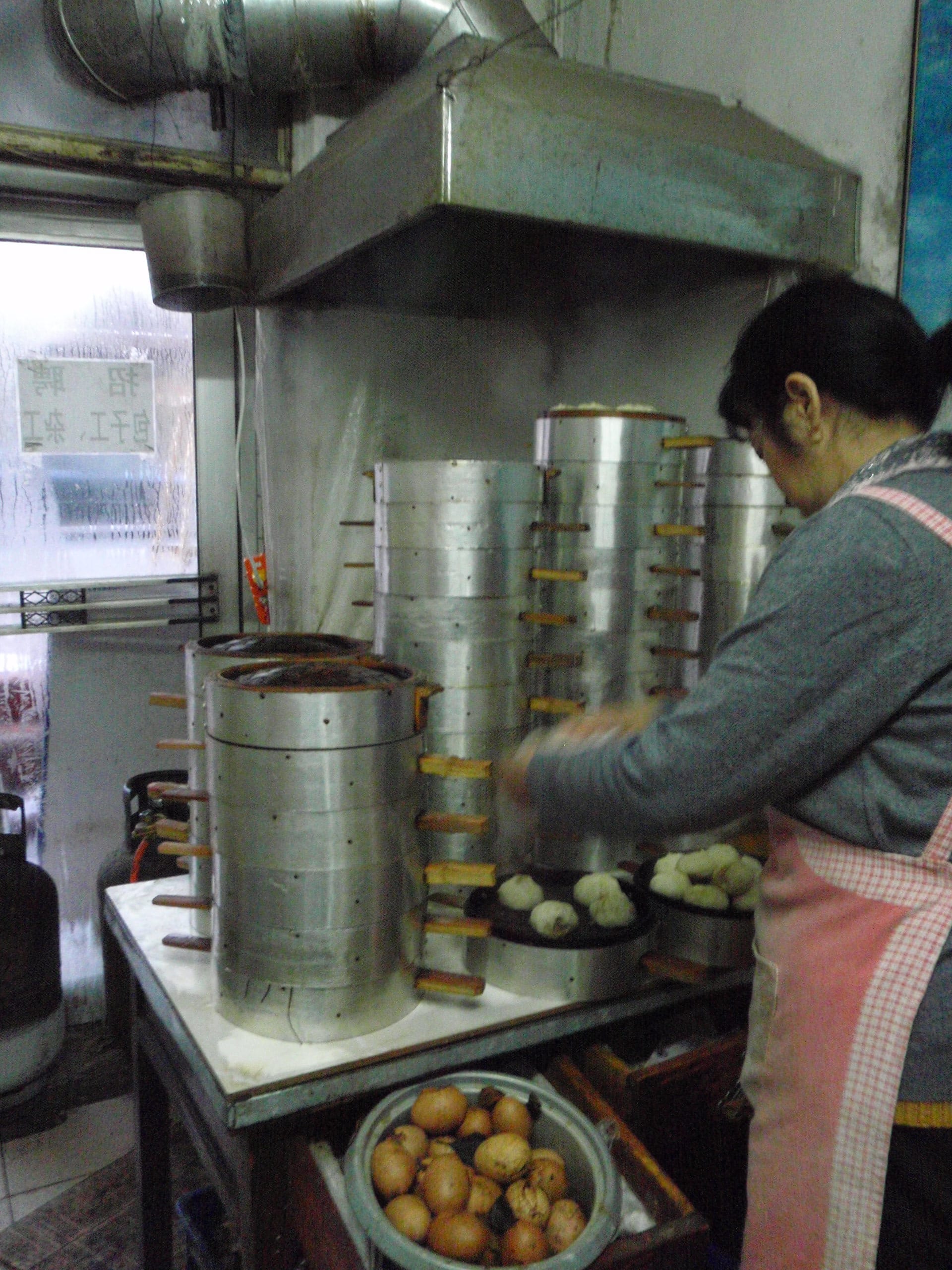
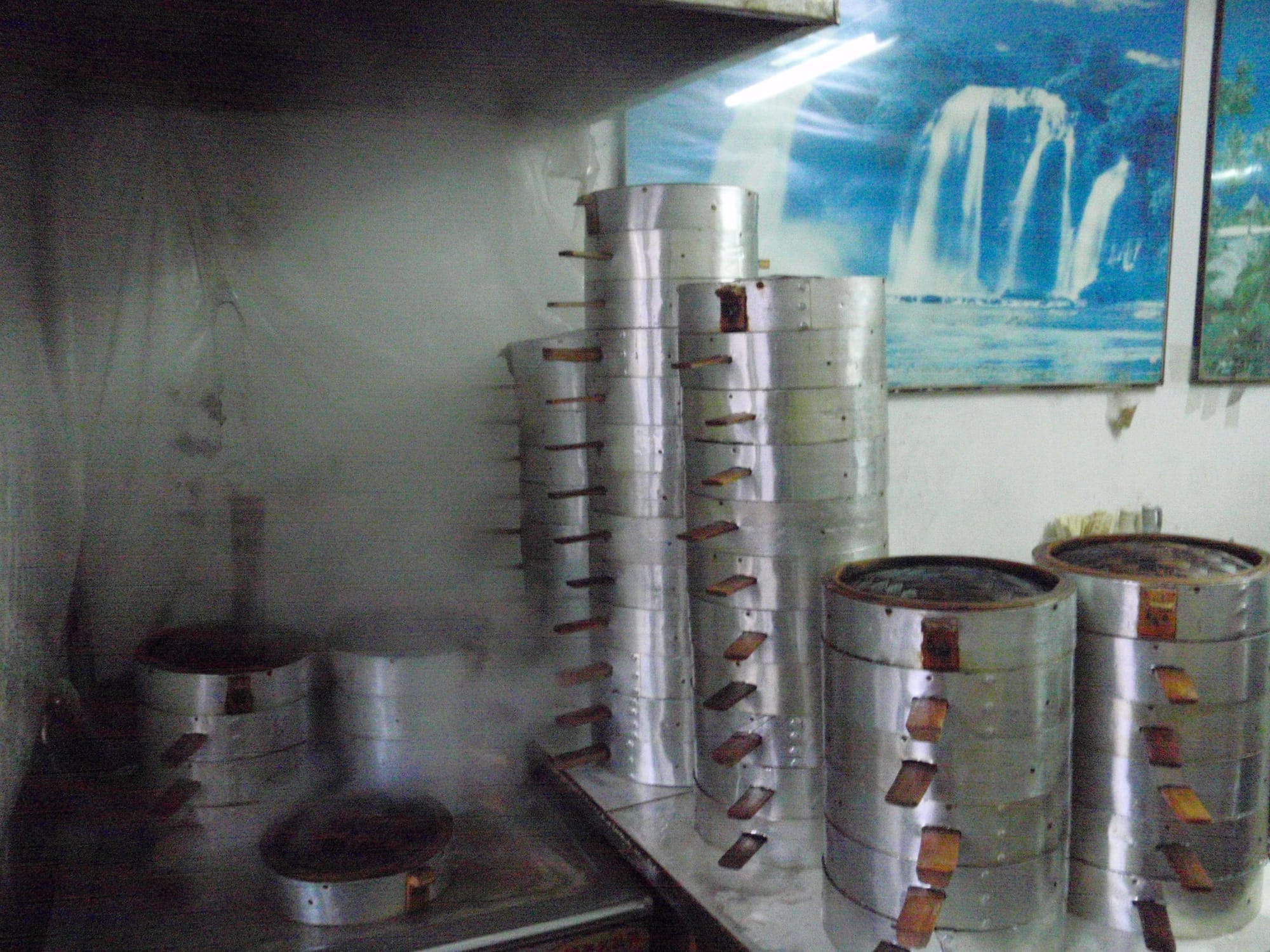
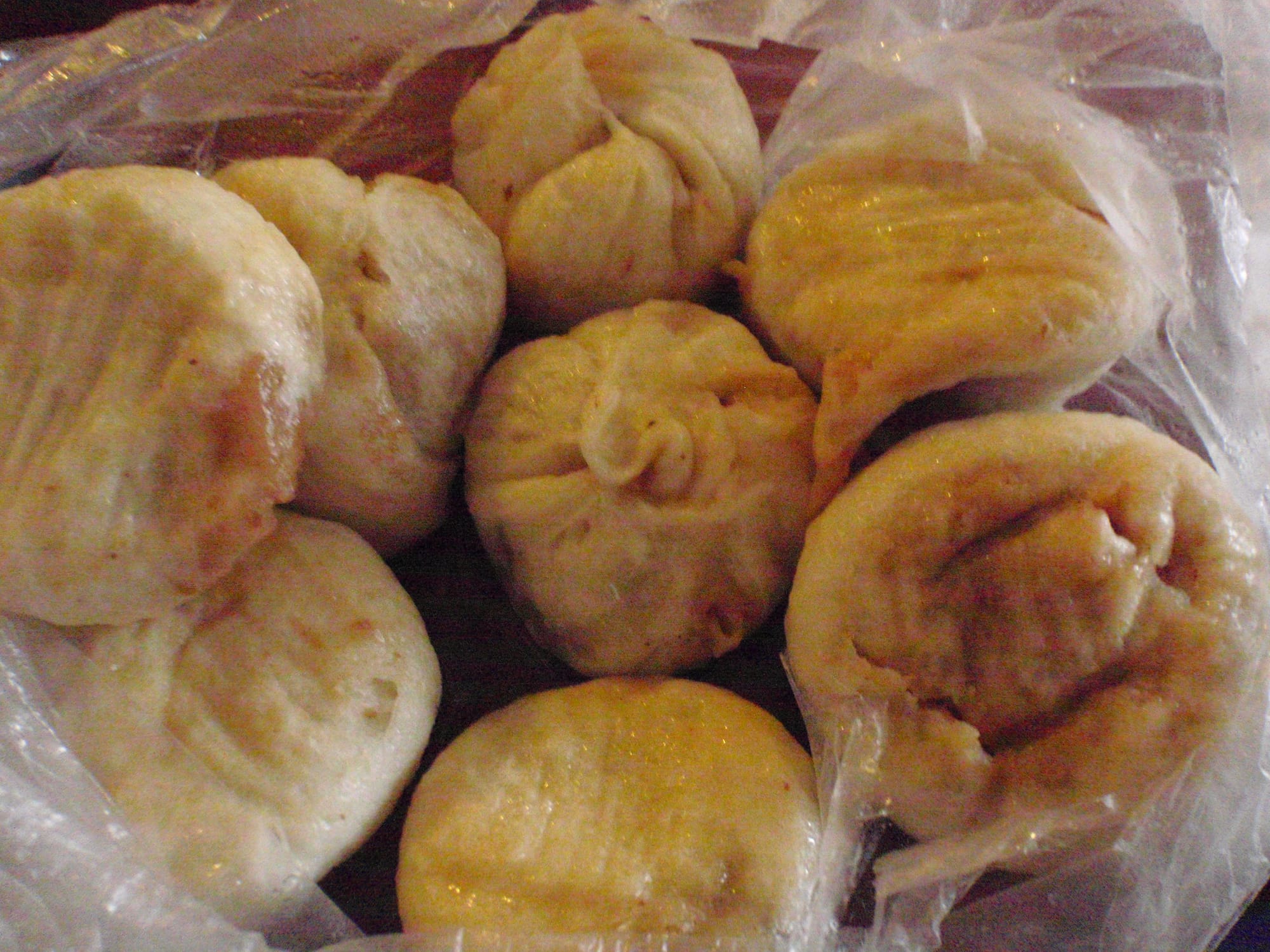
正宗南京小笼灌汤包 (Zhèng Zōng Nánjīng Xiǎo Lóng Guàn Tāng Bāo)
204 An Ning Street
Departing Harbin
After my 8-day adventure in Harbin, it was time to say goodbye to the winter wonderland, defrost and head home, and plan for my next adventure.
Hope you enjoyed my Harbin adventure and plan for yours soon as planning for yours iseasywith.me.
